MANUFACTURING INSIGHTS · FIELD NOTES
SEMA Show 2026 Recap: From Show Builds to Production-Ready Parts
By LK MFG · November 9, 2026 · Las Vegas
A display car makes the shape easy to see. A UTV makes the packaging constraints easier to spot. Walk the SEMA floor with those two ideas in mind and you have a useful starting point for an automotive aftermarket RFQ.
SEMA Show 2026 took place November 3–6 at the Las Vegas Convention Center. These written show notes use four show-floor photos to explore how buyers can specify appearance parts, UTV accessories and vehicle electronics hardware for repeat production. Official show details
What buyers can take from SEMA
Use the same drawing revision and quote scope with each automotive aftermarket parts manufacturer. This gives purchasing a fair cost comparison, gives engineering a clear sample approval plan, and exposes fit or quality risks before the buyer commits to tooling.
1. From styling to fit and finish
The Liberty Walk-branded show car and the orange display build make two different uses of finish and shape. For a production brief, start with the surfaces buyers can see. Mark the cosmetic faces on the drawing, decide where a tool mark or color shift would be unacceptable, and agree how appearance will be checked on samples. For a formed panel, identify the mounting faces and trim gaps that matter after assembly.
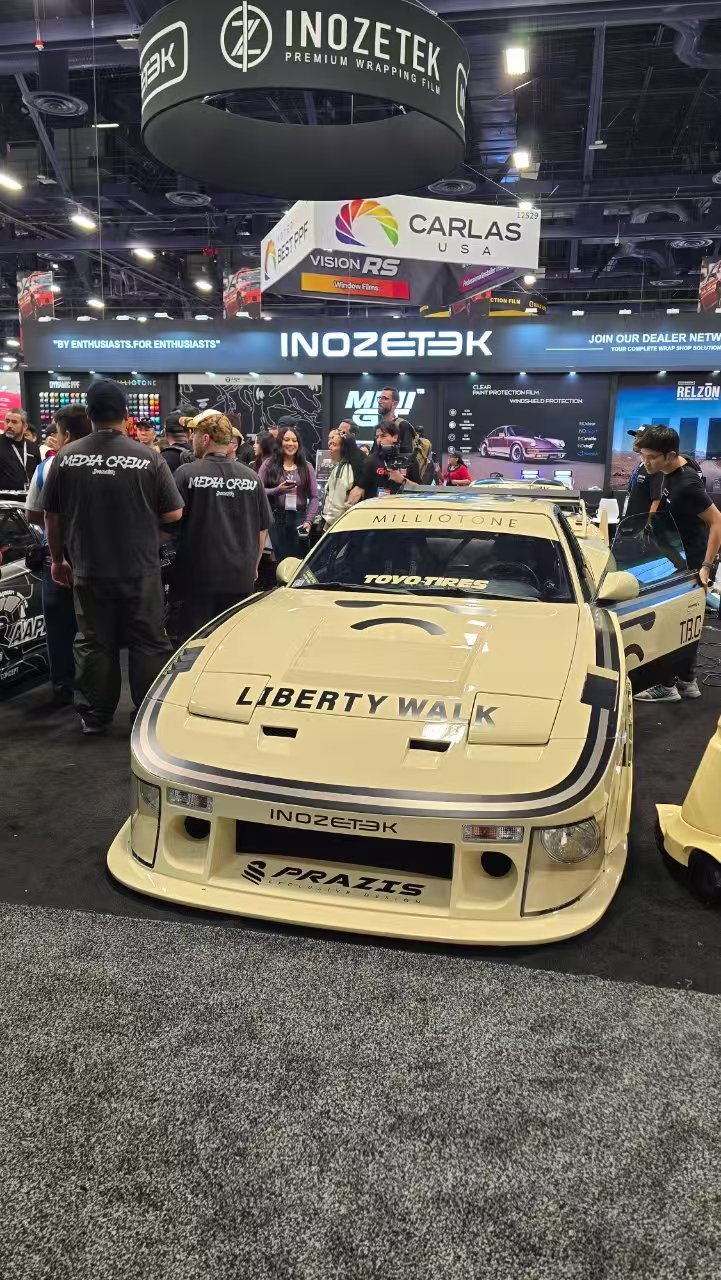
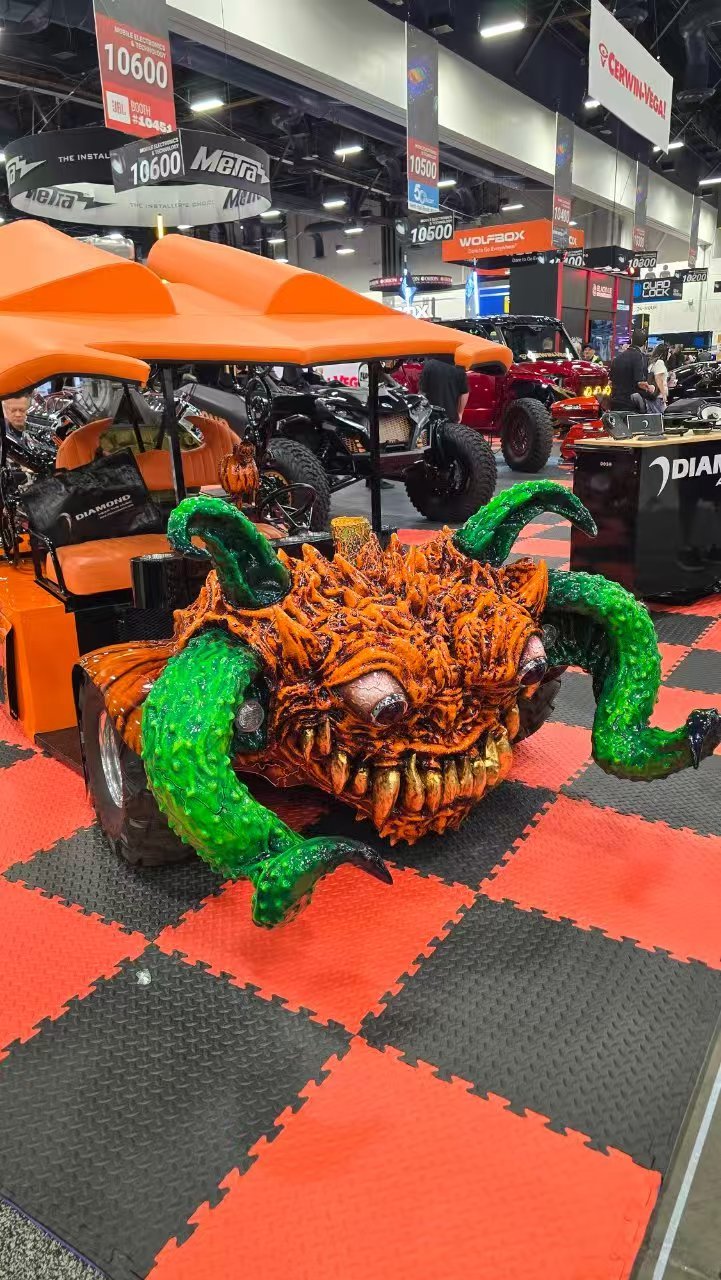
2. Specify UTV accessory mounting hardware around the vehicle
The RZR display puts cage-mounted speakers, wiring and body panels in close proximity. A bracket brief should identify the cage or tube dimensions, mounting datums, available tool access and neighboring parts. State which model years and trim variants the bracket must fit. Share expected service conditions and any vibration or load validation the buyer requires. A first article can then be checked on the intended assembly.
3. Review electronics packaging as a complete assembly
The green-lit UTV display gives a clear view of rear-mounted accessories. For a controller housing or electronics mount, specify connector clearance, cable routing, service access and any sealing or thermal requirements. Automotive CNC machining services can help assess machined interfaces for an early build. For repeat orders, evaluate sheet metal fabrication, injection molding or die casting against the drawing, order volume and tooling investment.

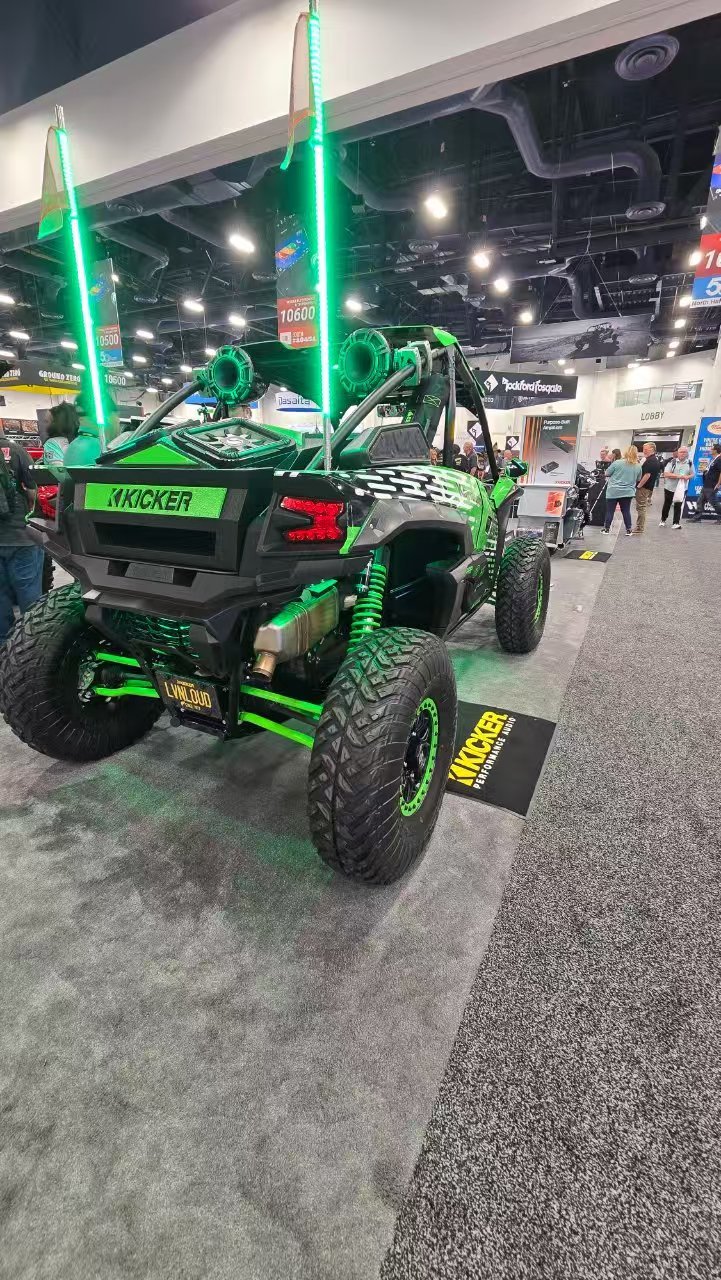
Show-floor photos provide context for the engineering discussion. Displayed vehicles and third-party brands are shown as exhibits.
Compare suppliers using the same RFQ data
For custom aftermarket auto parts manufacturing, send each supplier the same inputs and ask them to identify any assumptions in writing. Use this table to record what has been confirmed and what still needs a decision.
| Part or cost item | Data to provide | What to verify before approval |
|---|---|---|
| UTV accessory mounting hardware | Vehicle model, year, cage geometry, mating parts and intended service conditions | Installation fit, tool access and an agreed validation plan |
| Vehicle electronics housing | Connector positions, cable routing, sealing and thermal requirements | Connector clearance and the agreed inspection or test method |
| Cosmetic panels and brackets | CAD revision, visible faces, finish specification and acceptable appearance limits | Approved finish sample and fit on the intended assembly |
| Aftermarket CNC parts supplier | Critical dimensions, datum scheme, material grade and quantity breaks | Proposed process route, inspection evidence and quoted exceptions |
| Tooling and landed cost | Batch size, tooling scope, destination and delivery terms | Tooling ownership, recurring unit price and which delivery charges are included |
Illustrative cost example: A one-time $2,000 tooling charge adds $20 per part at 100 units, $4 at 500 units and $2 at 1,000 units. Compare that tooling cost separately from unit price, freight and duties. These figures illustrate the calculation.
For a broader review, use the automotive supplier evaluation report to document evidence and approval gates.
4. What to send for an automotive aftermarket RFQ
- Revision and fit: CAD or PDF, mating parts, critical dimensions and vehicle variants.
- Material and finish: grade, coating, visible surfaces and acceptance criteria.
- Quantity: initial batch, forecast and sample approval plan.
- Inspection and delivery: required records, destination and any staged-release needs.
See the LK MFG SEMA 2026 event page for related manufacturing topics.
Share the project with an engineer. You can also request an NDA before sending files.
Request an engineering-reviewed quote
Leave a Reply