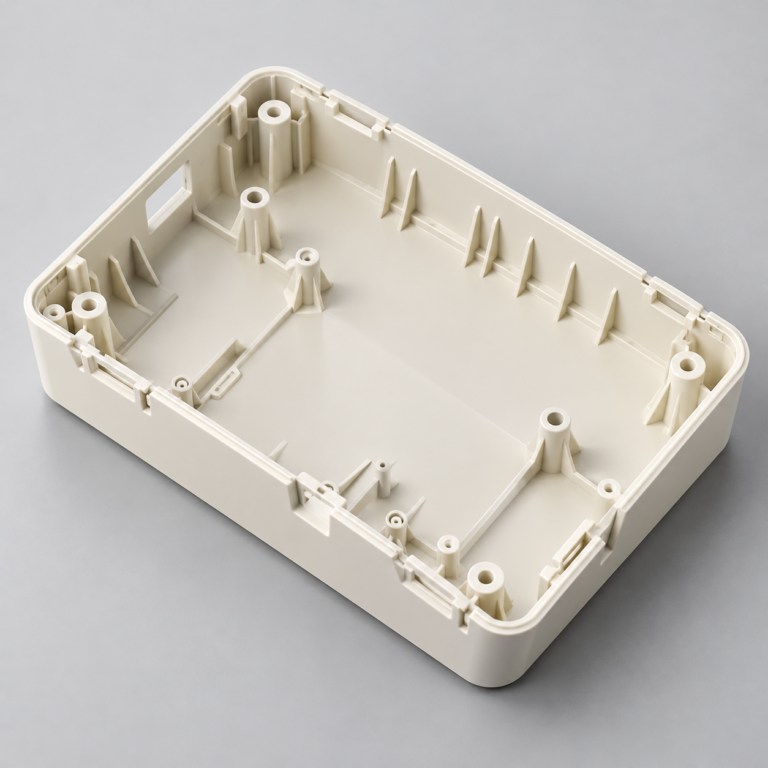
Injection Molding
Tooling and molding for your repeat plastic parts.
From prototype to production, coordinated manufacturing solutions for your custom parts.
View All Services →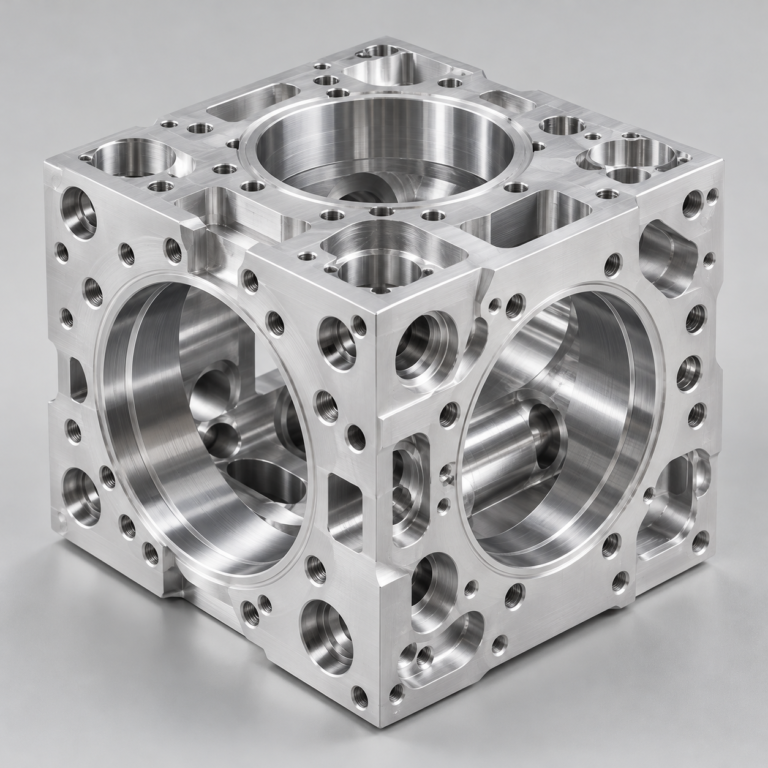
Precision parts for your tight tolerances and complex geometry.
Tooling and molding for your repeat plastic parts.
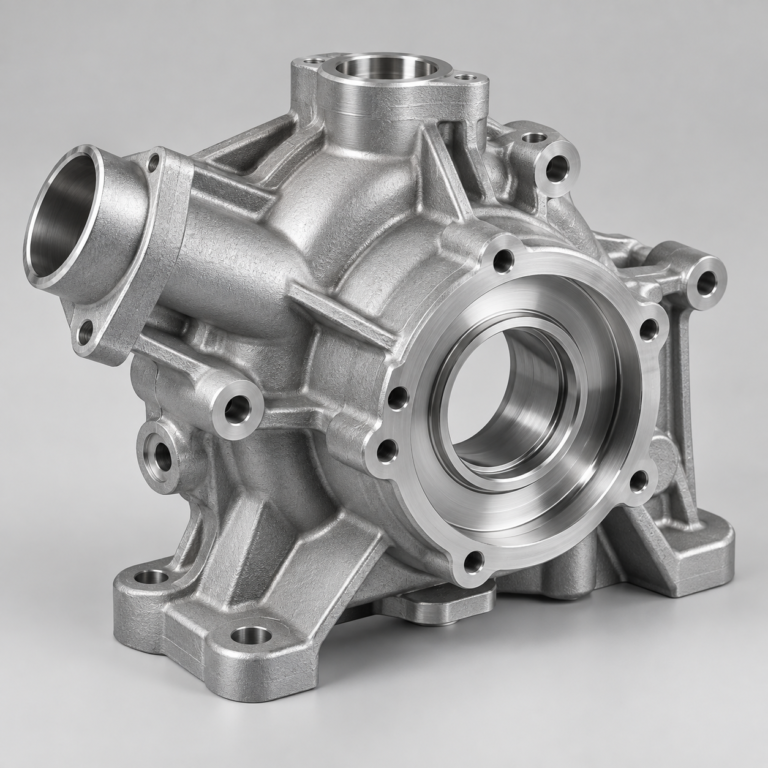
Metal casting options for your part and production volume.
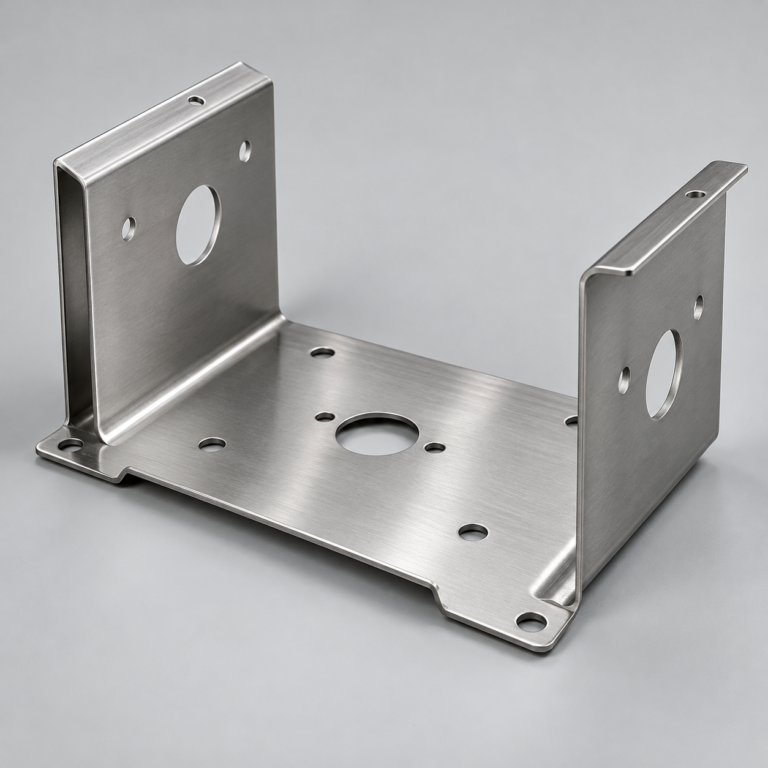
Cutting, forming and welding for your fabricated parts.
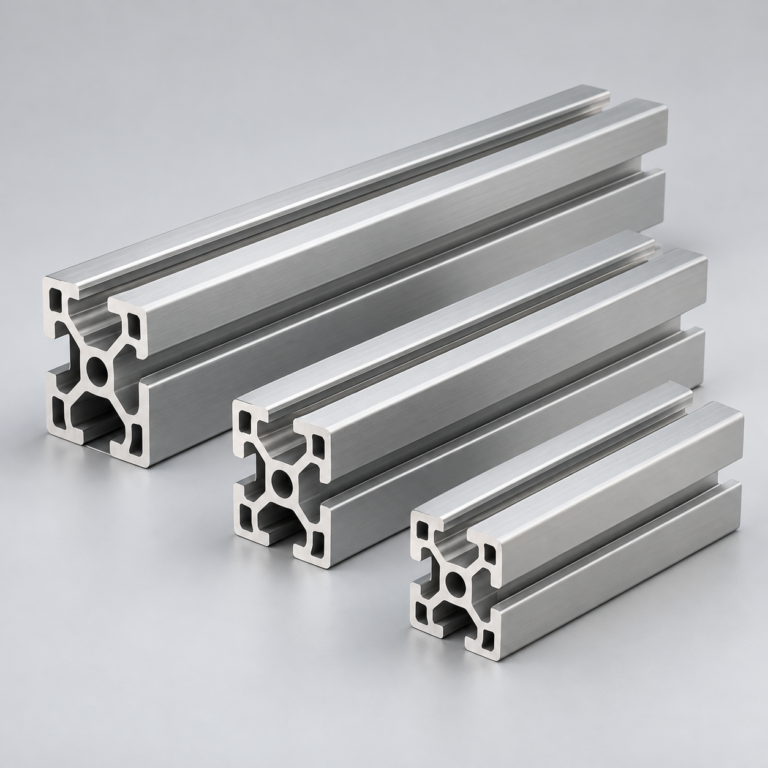
Custom profiles for your section, length and finish requirements.
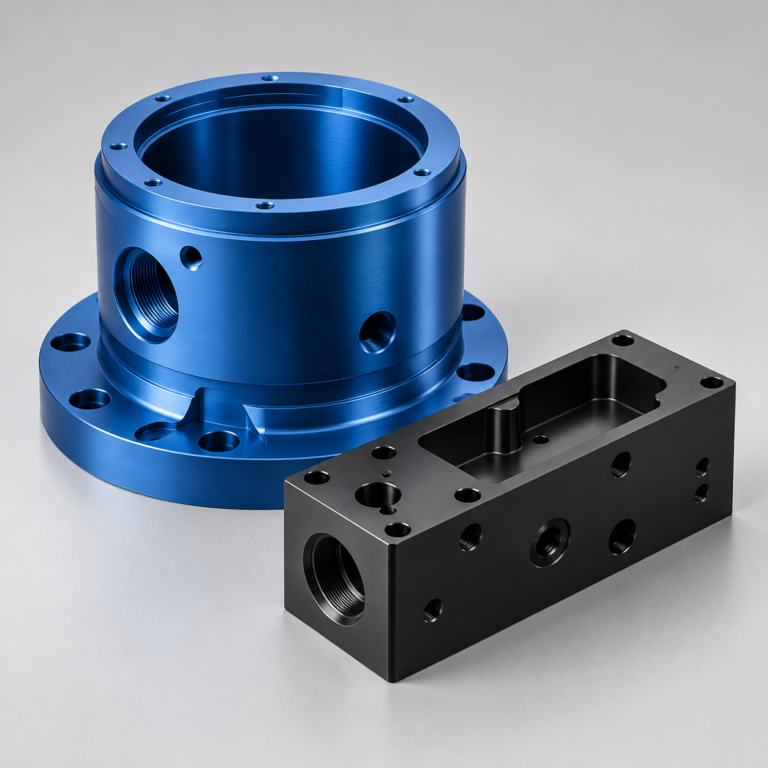
Finishes for your appearance, corrosion and wear requirements.
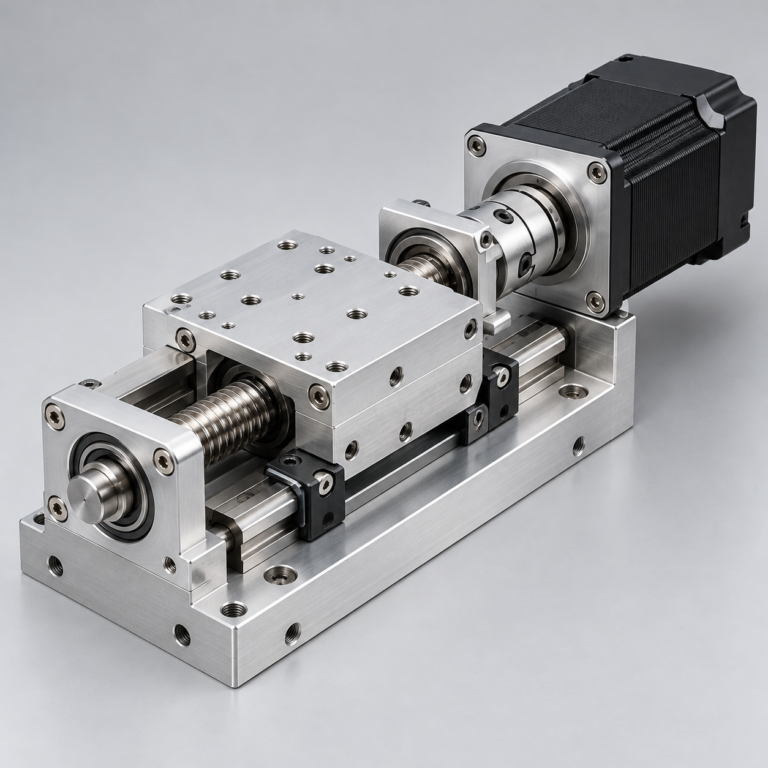
Sub-assemblies and final builds for your production program.
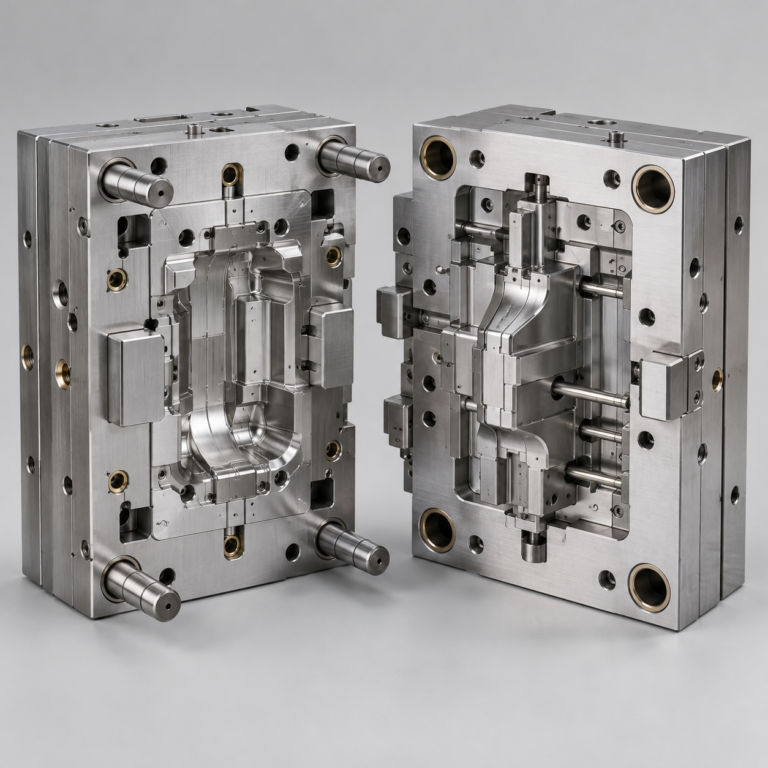
Production tooling built around your process and volume.
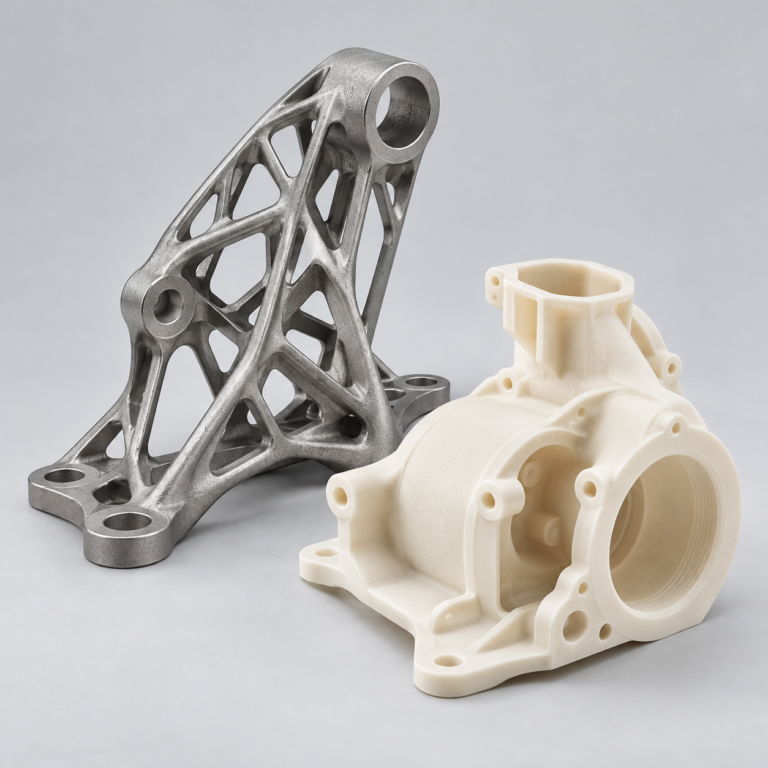
Prototype parts to check fit, function and design.
DFM, process planning and production support for your project.
Inspection, documentation, inventory and delivery planning for your program.
Choose air- or liquid-cooling components around your thermal and mechanical requirements.
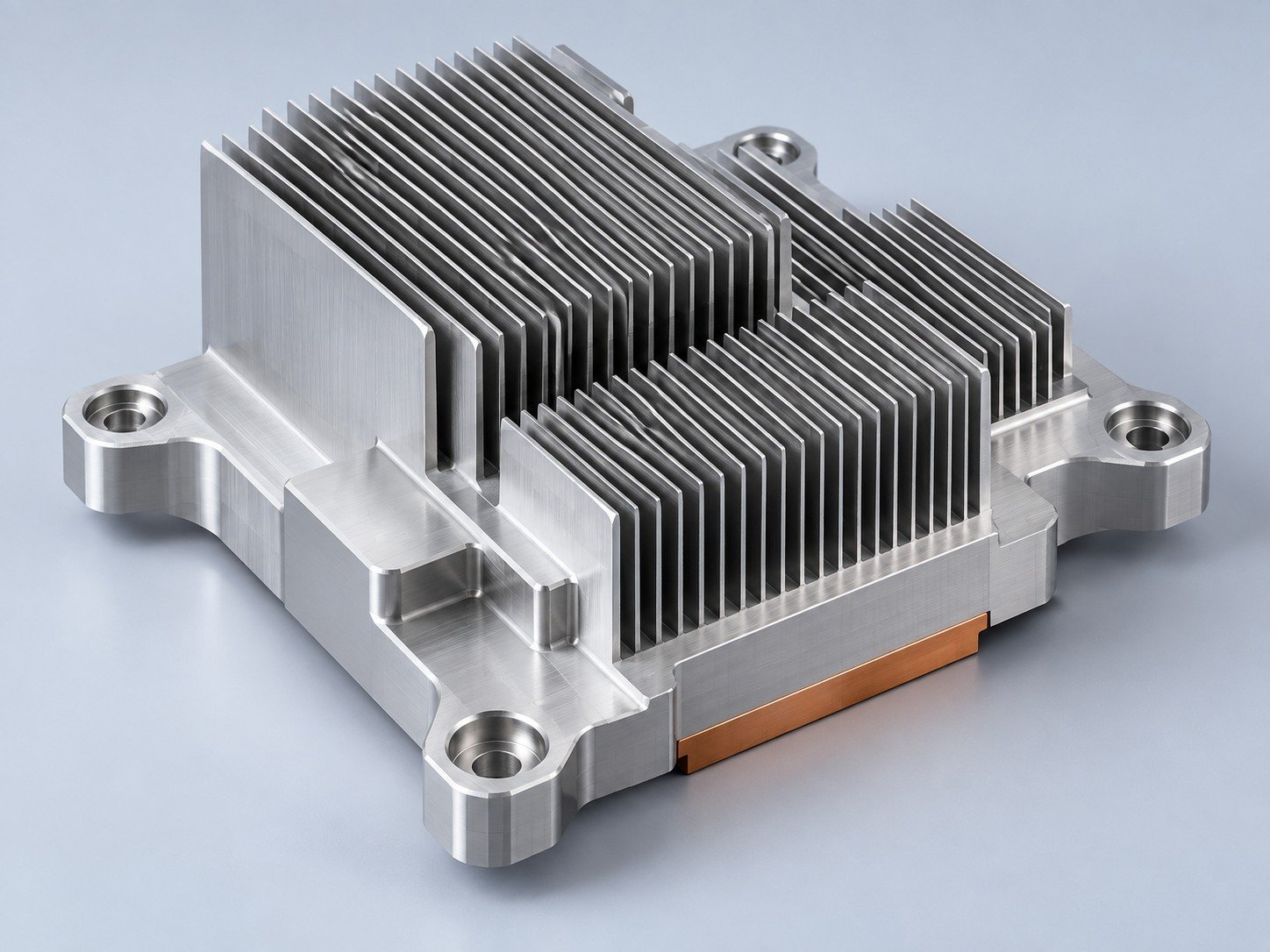
Manufacturing support for your cold plates, manifolds and cooling assemblies.
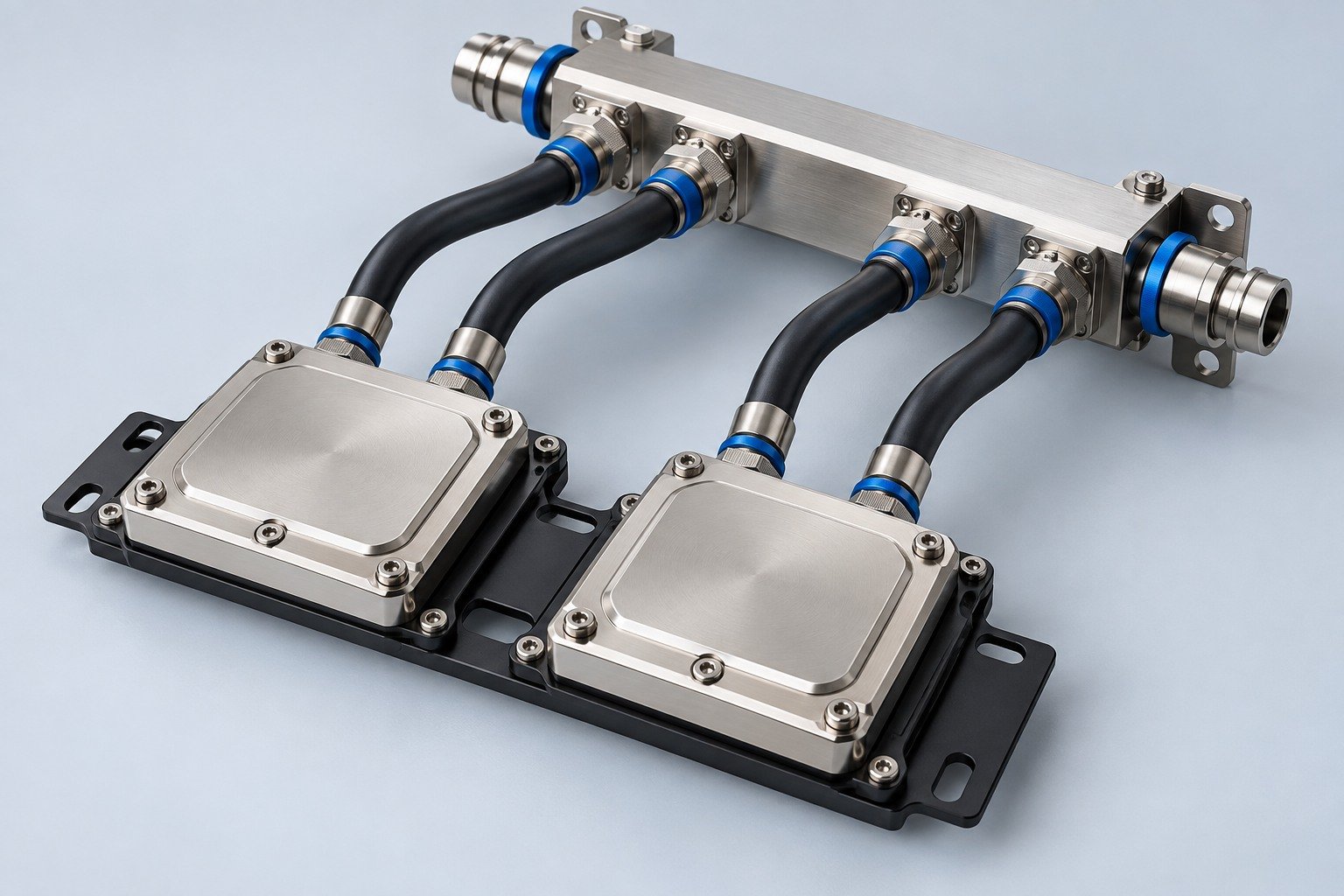
Find components for your power electronics, energy, laser and telecom application.
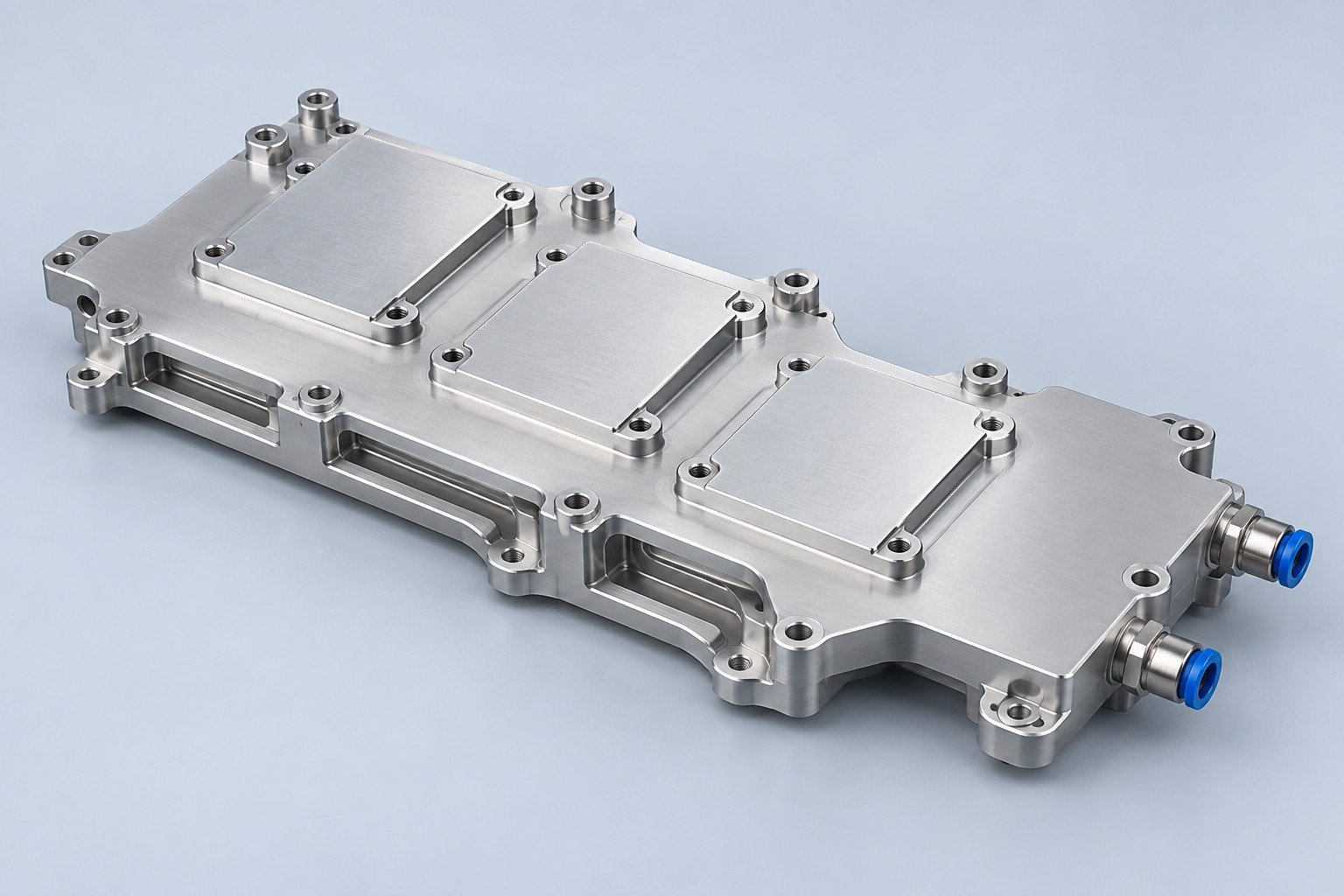
Components for your electronic systems.
Start with your functional and quality requirements.
Build around your operating environment.
From prototype to production, review material performance, manufacturability and cost for your part.
Review grade, temper and finish for your metal parts.
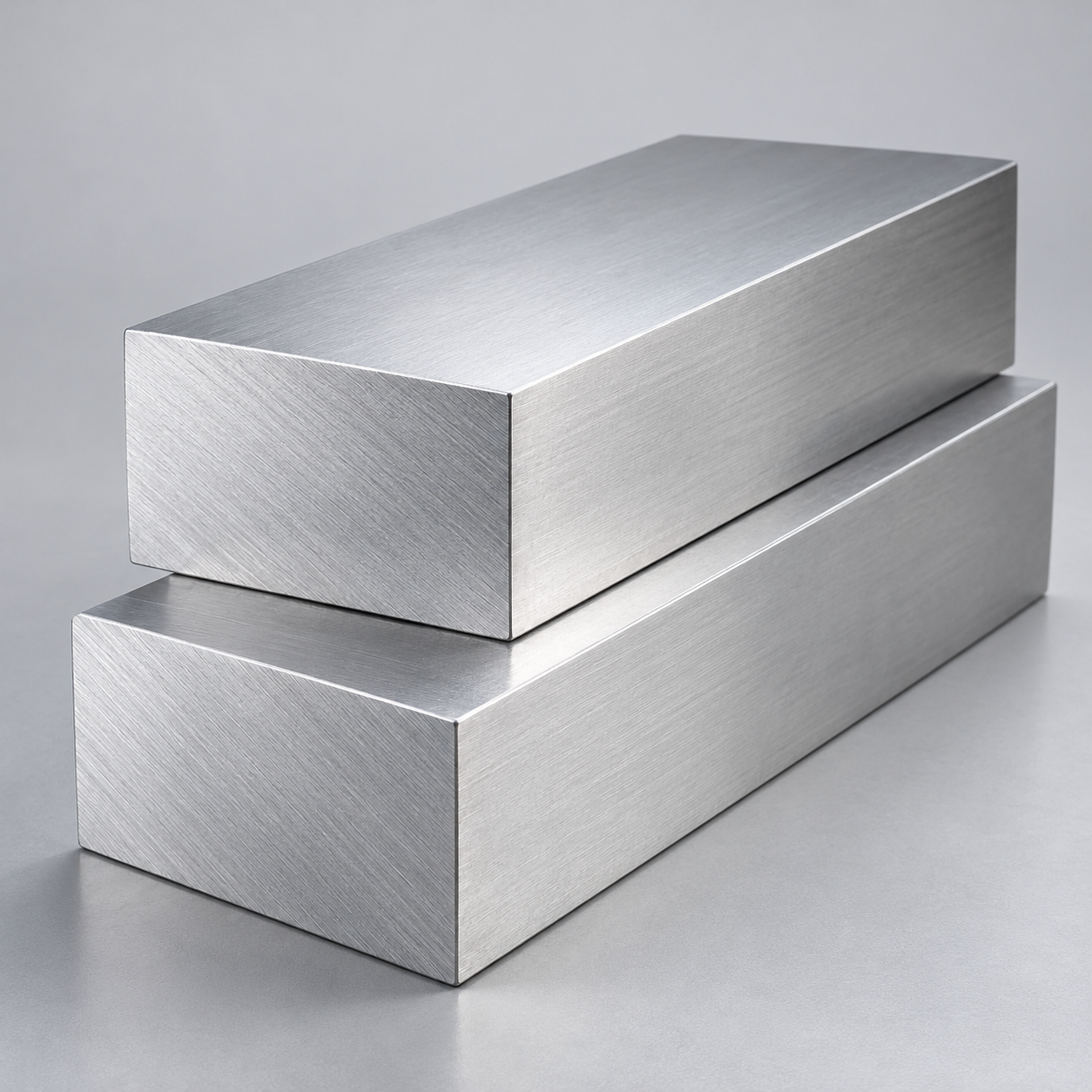 AluminumStrength, weight and machining›
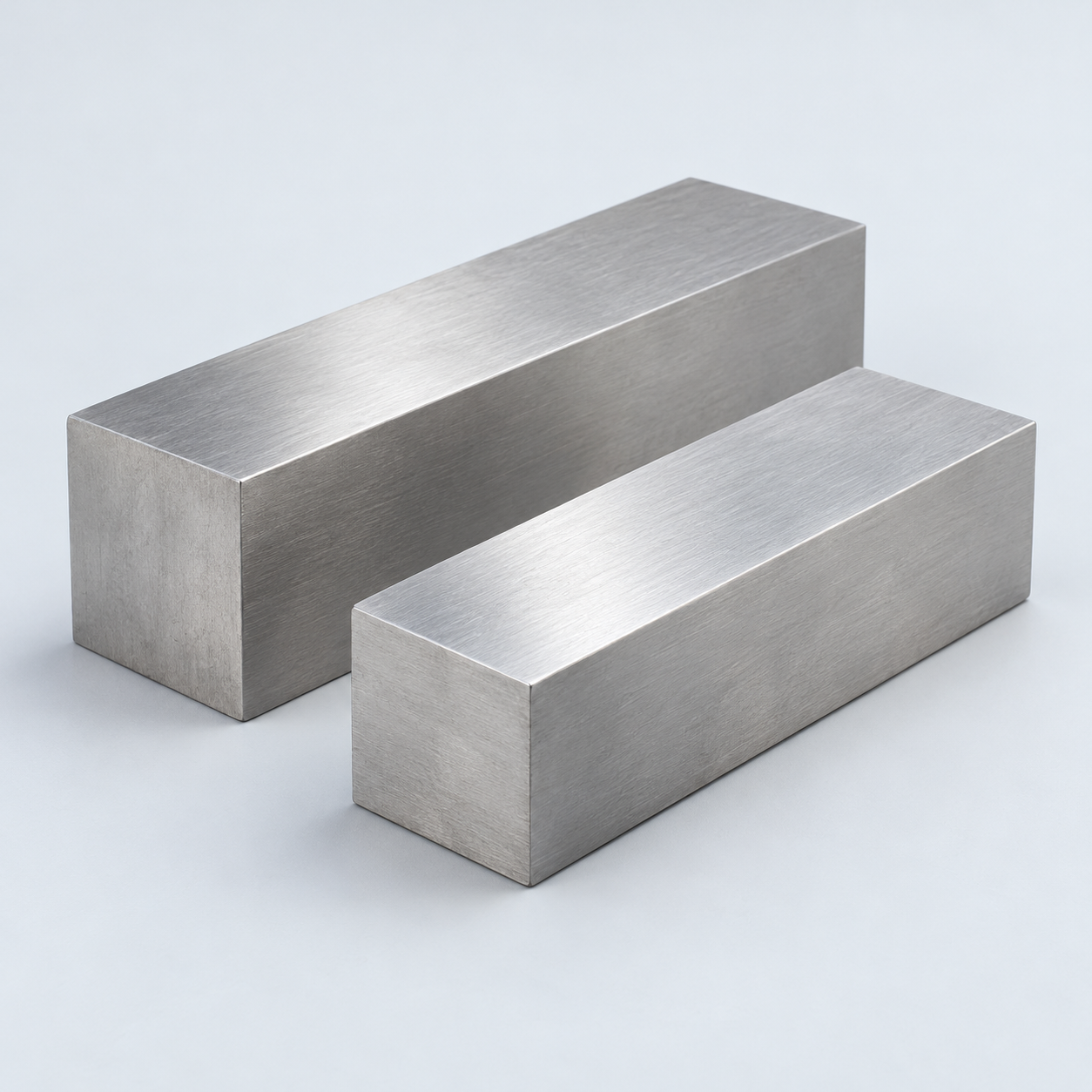 Stainless SteelCorrosion and finish requirements›
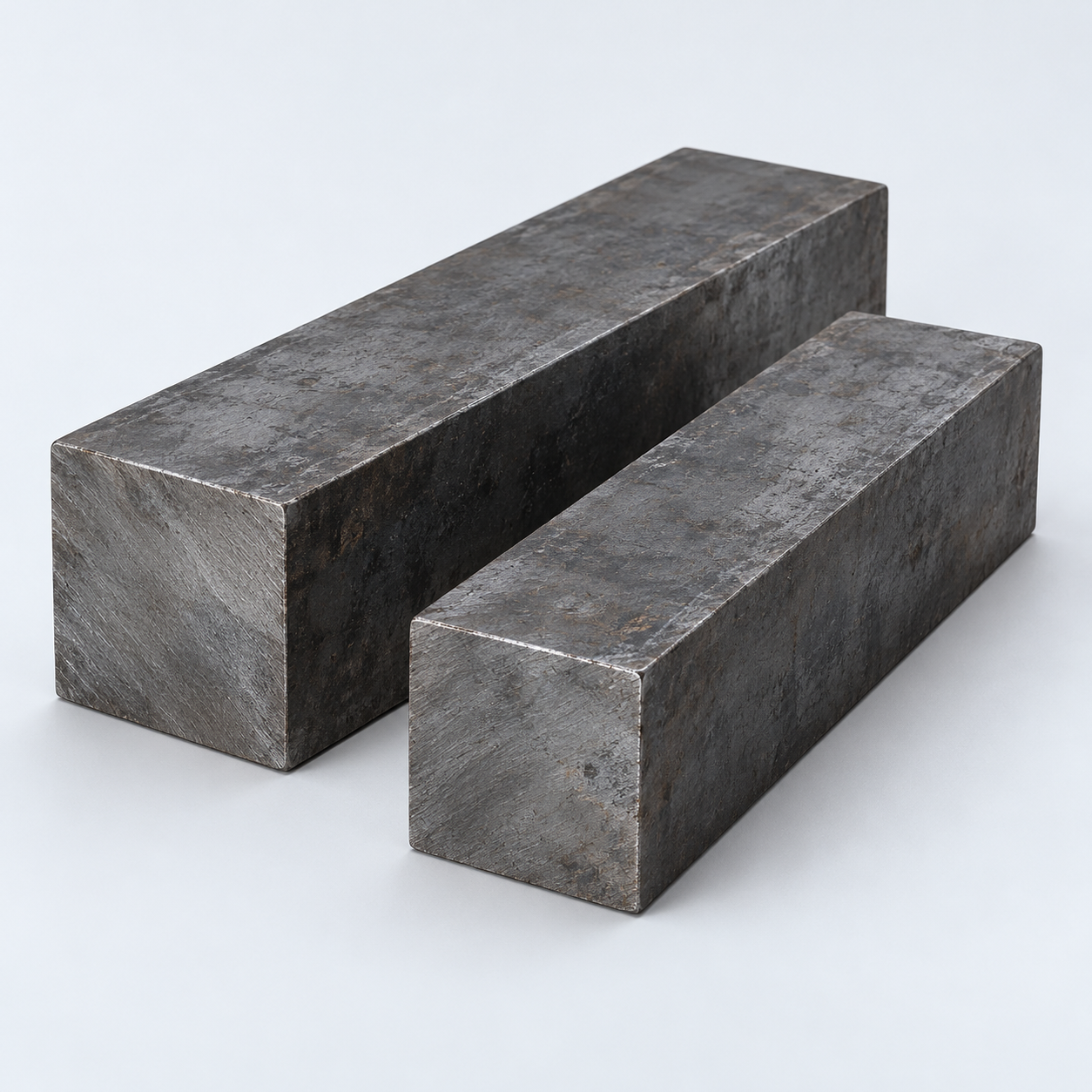 Carbon & Alloy SteelDiscuss grade and heat treatment›
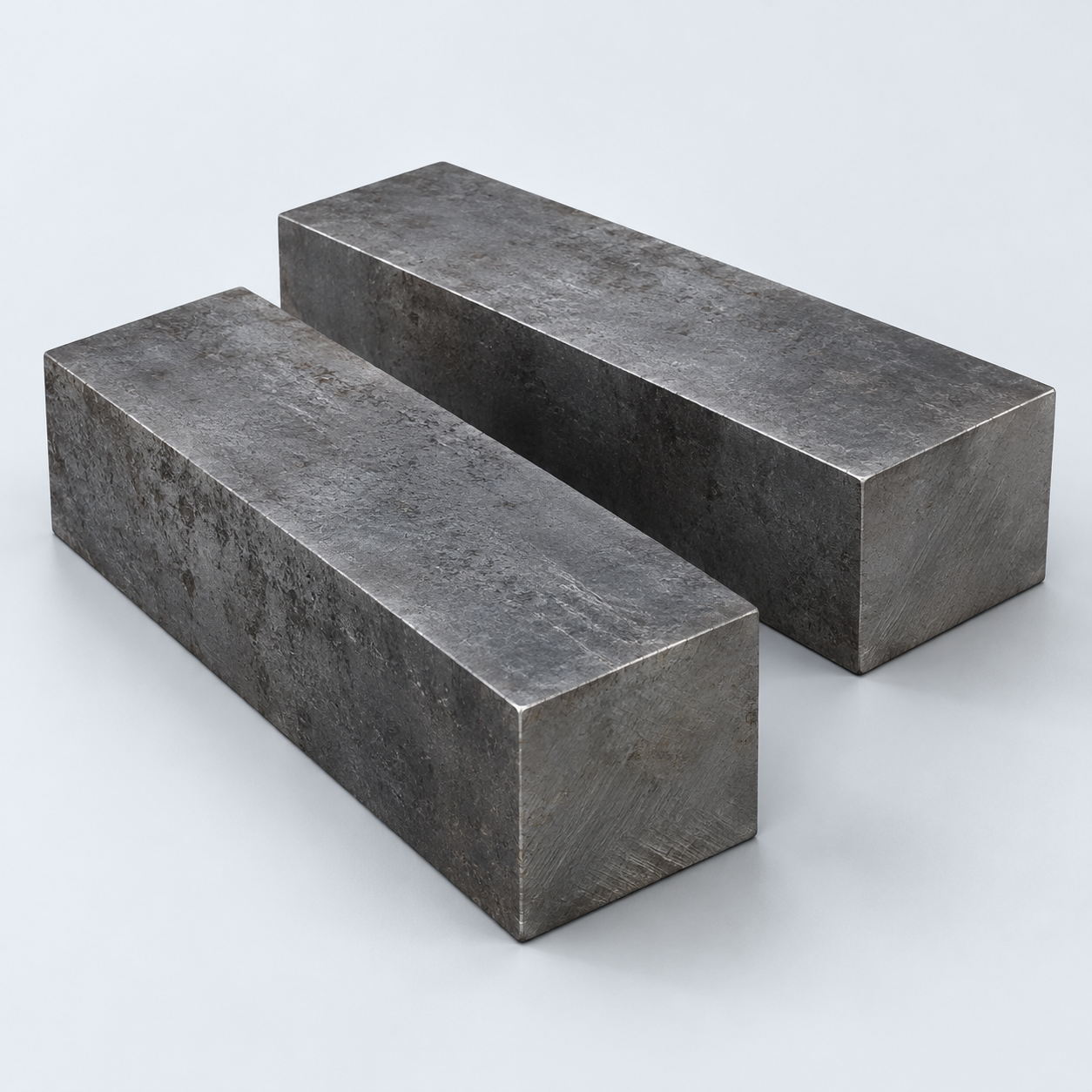 Tool SteelDiscuss tooling and wear needs›
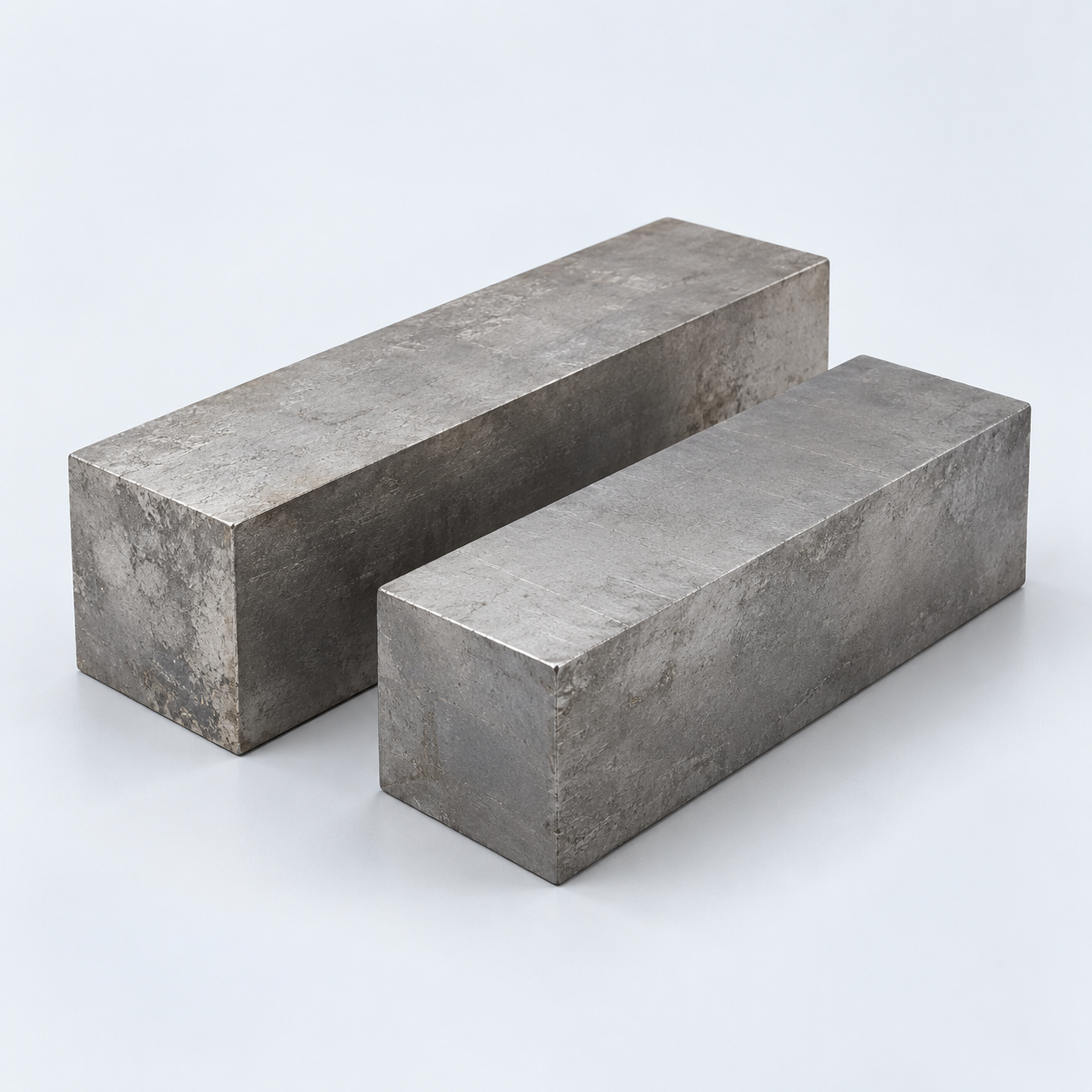 TitaniumReview grade and part geometry›
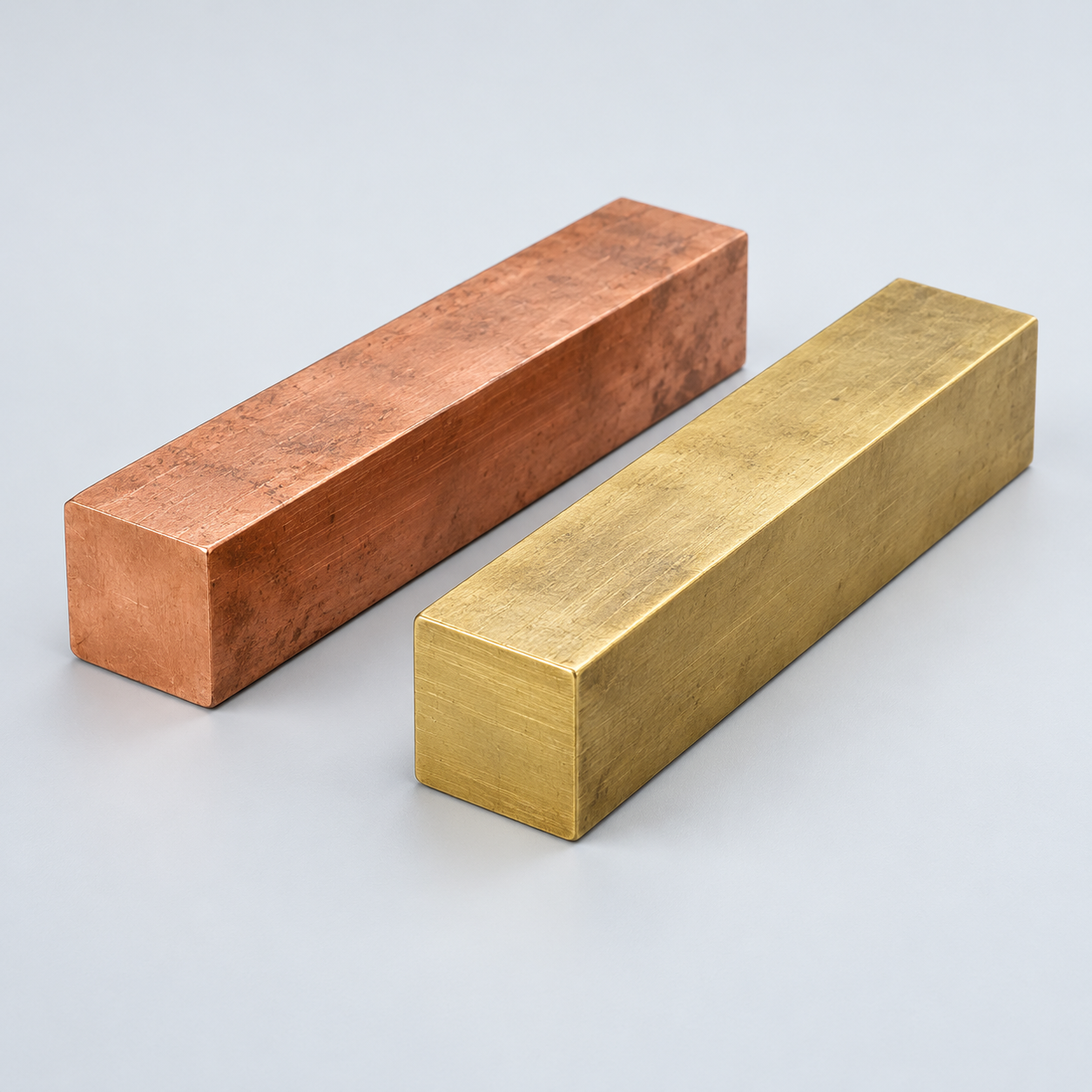 Copper & Brass & BronzeDiscuss conductivity and machining›
Match your polymer to function, process and environment.
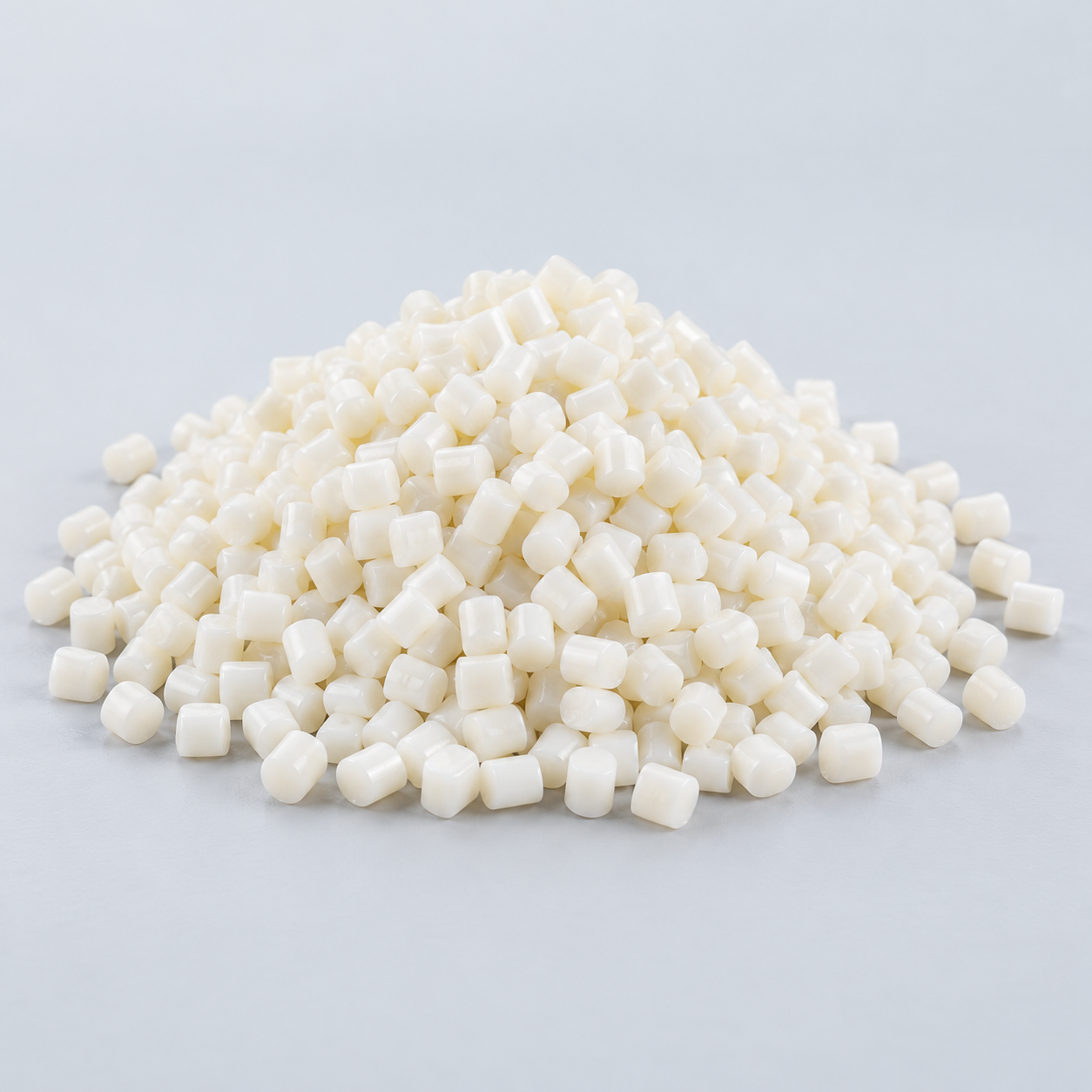 ABSReview enclosure and molding needs›
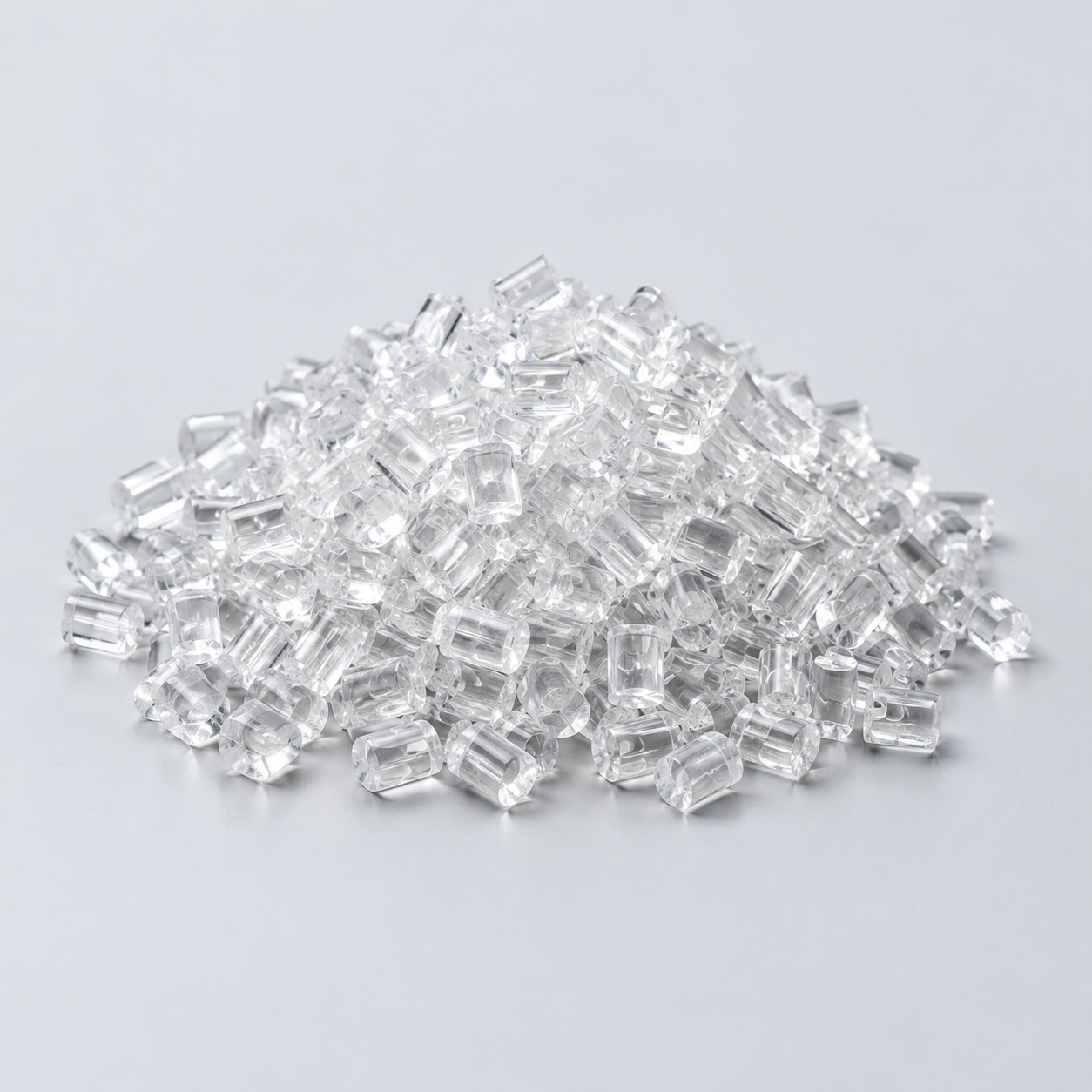 Polycarbonate (PC)Discuss clarity and impact needs›
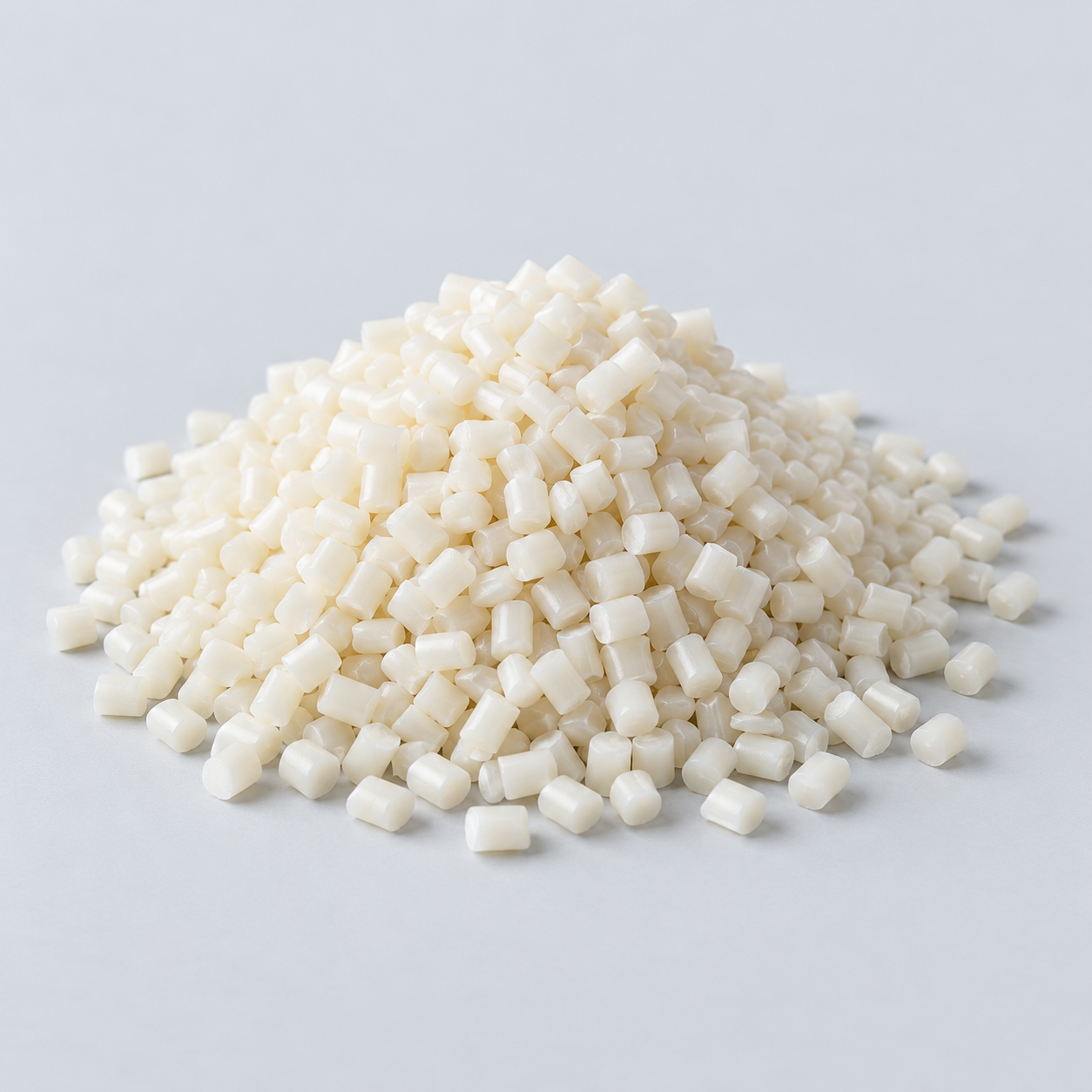 Nylon (PA)Review moisture and wear conditions›
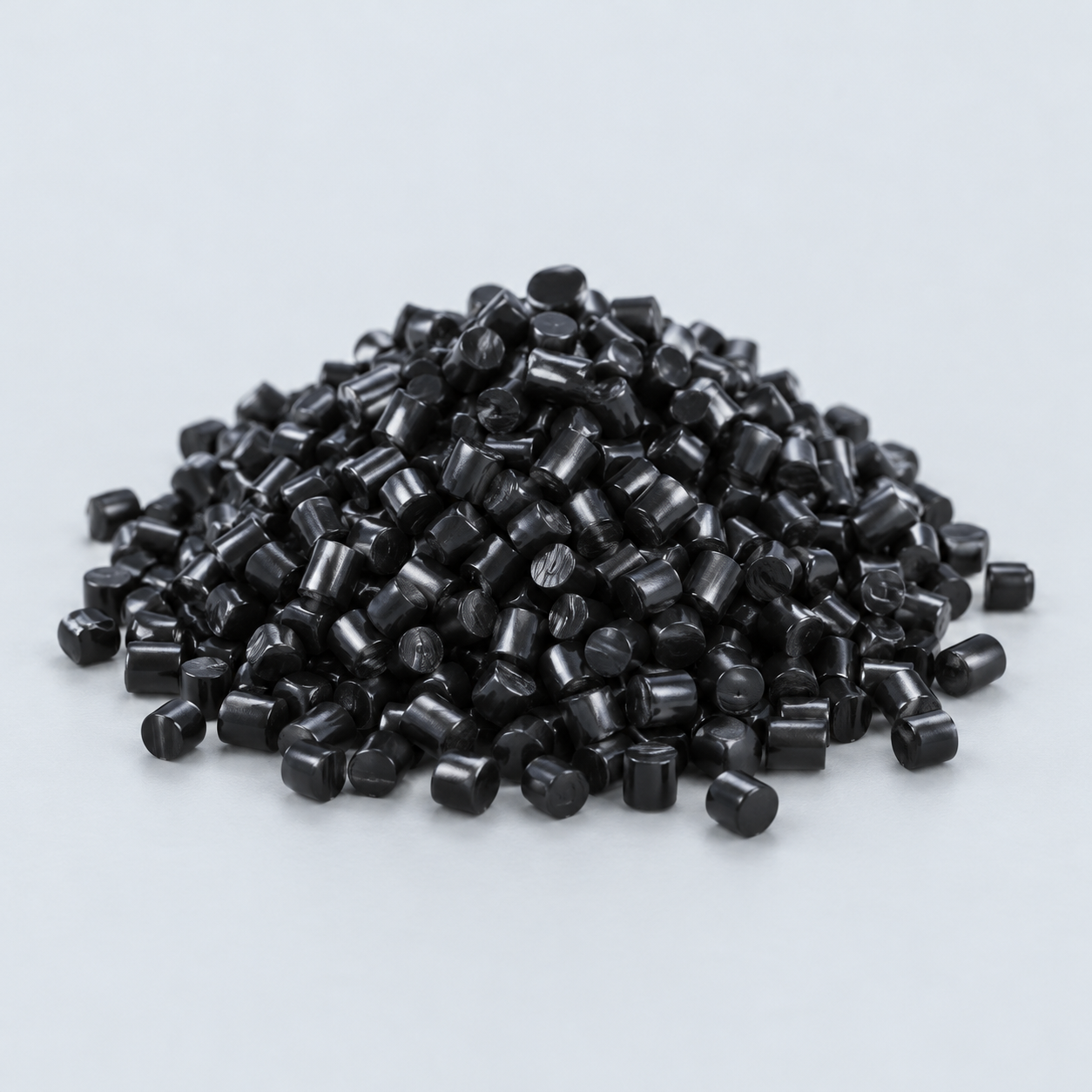 POM / AcetalReview fit and sliding features›
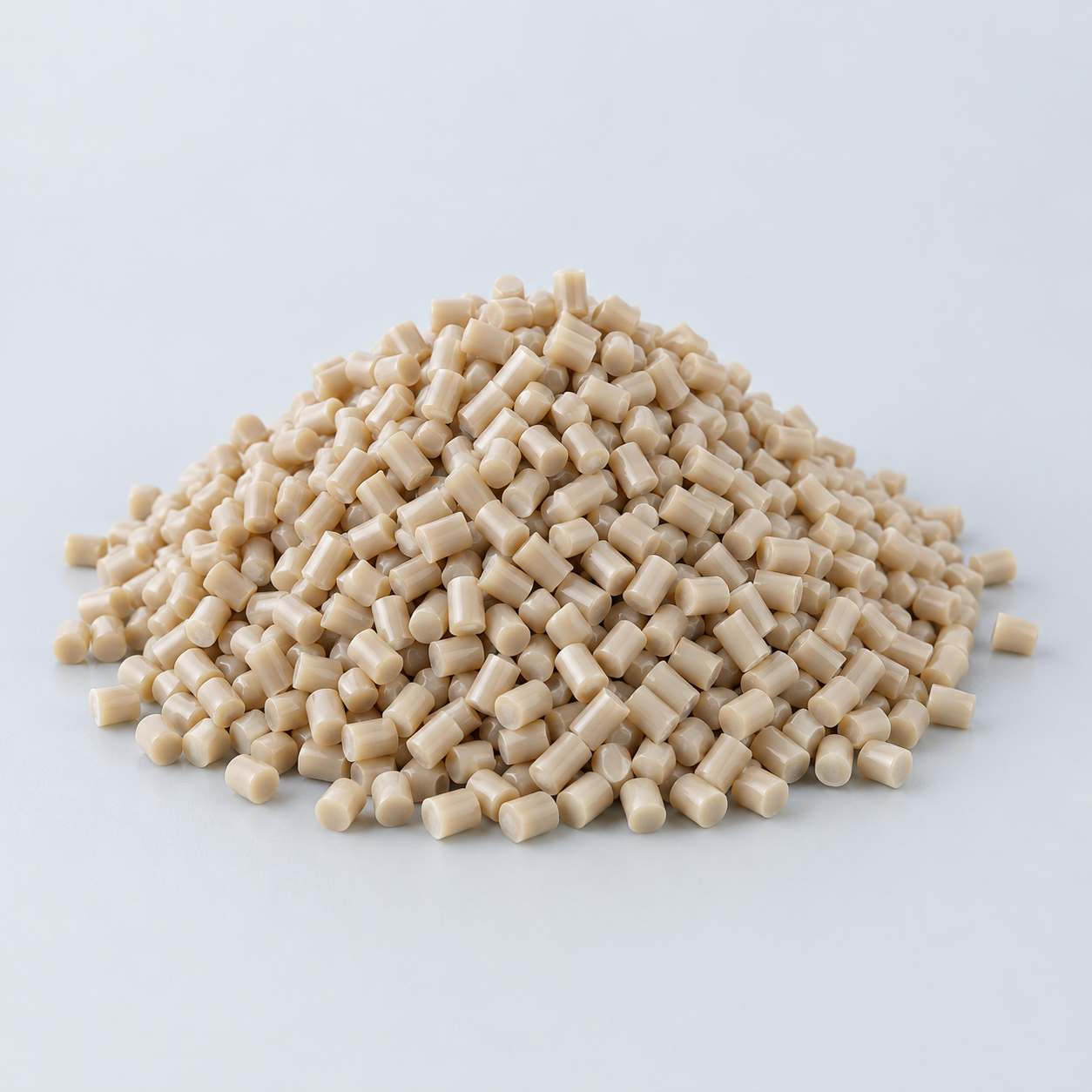 PEEKDiscuss operating conditions›
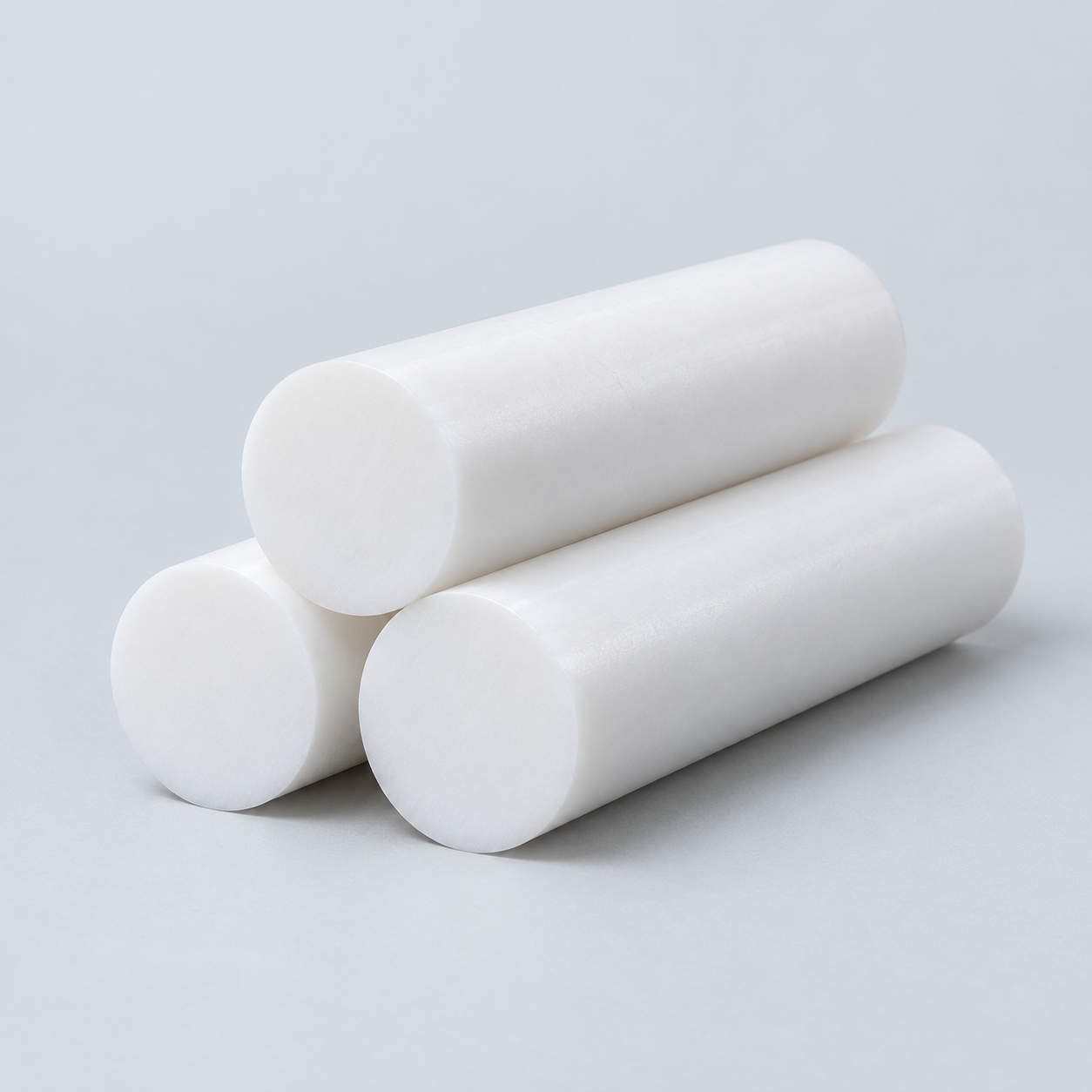 PTFEReview friction and chemical exposure›
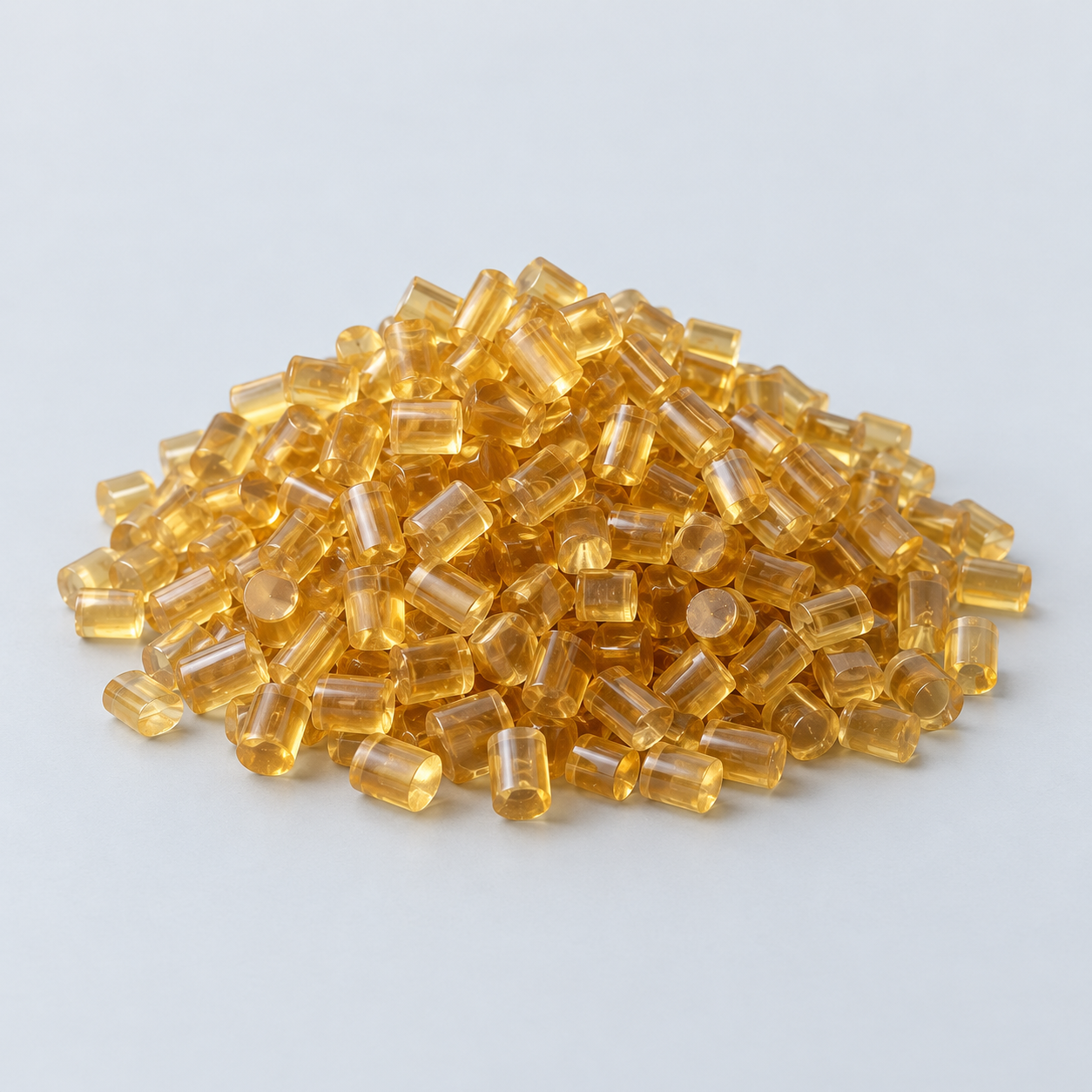 ULTEM / PEIDiscuss thermal and electrical needs›
Confirm grade availability and application requirements.
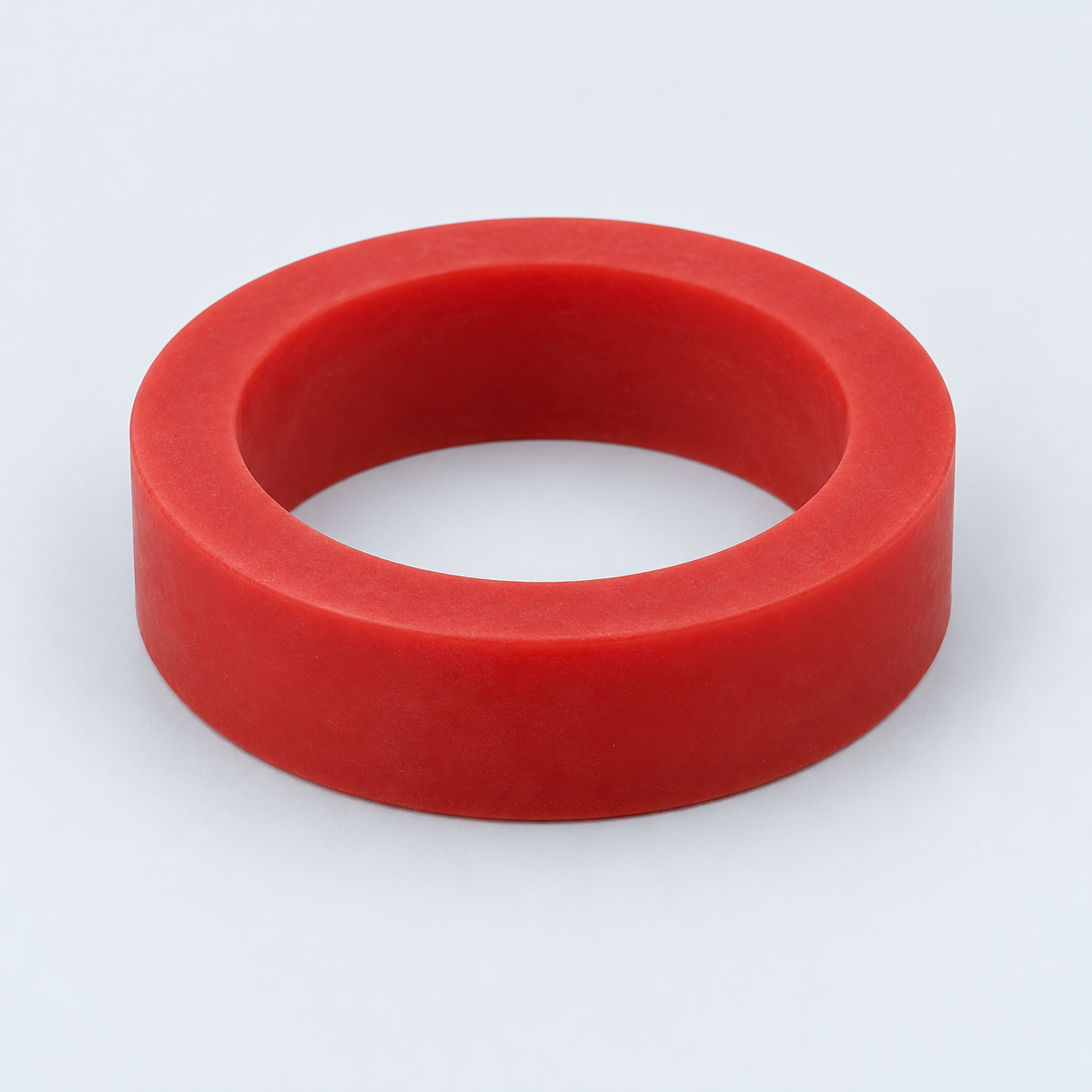 Silicone / LSRDiscuss flexible component needs›
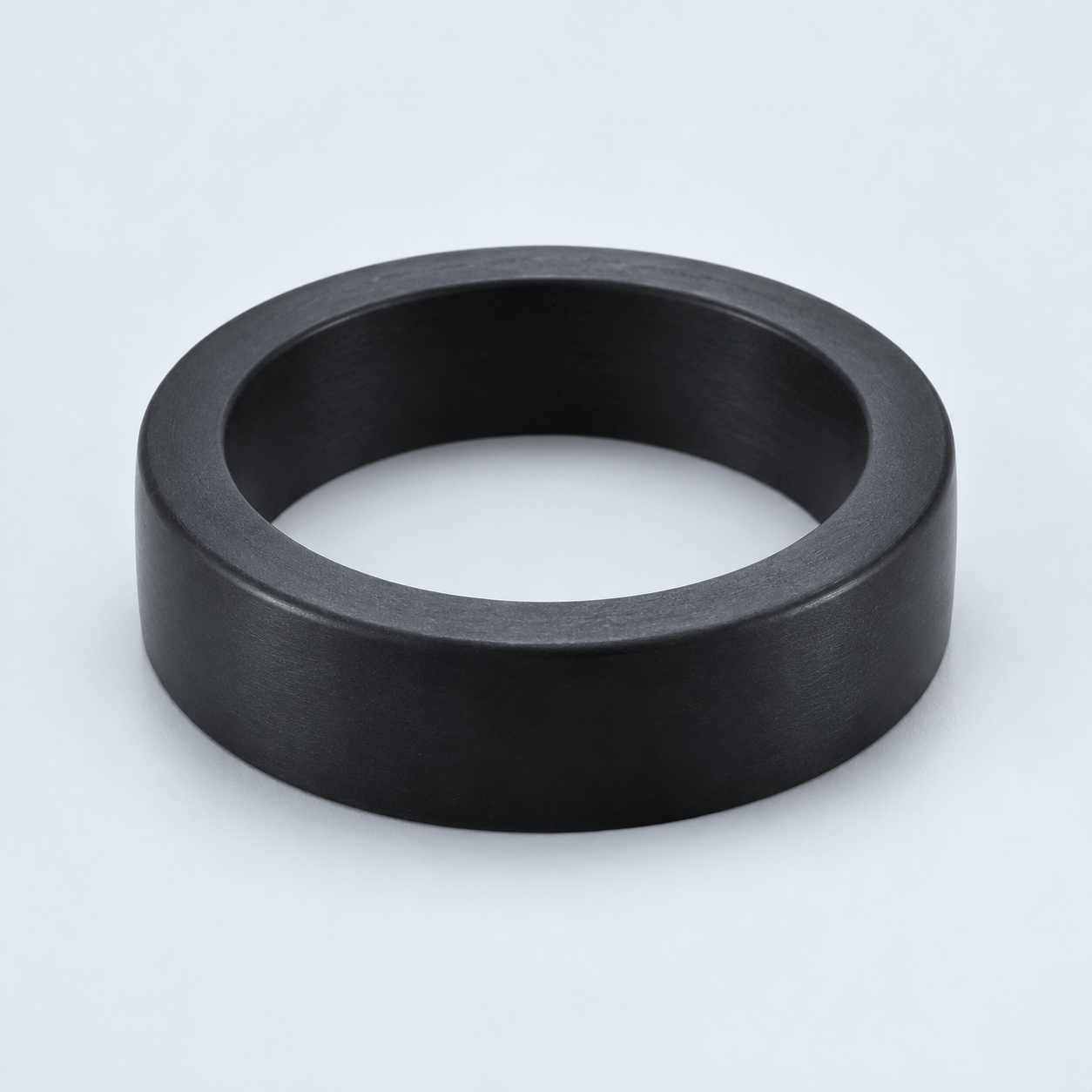 TPU / TPEReview flexibility and processing›
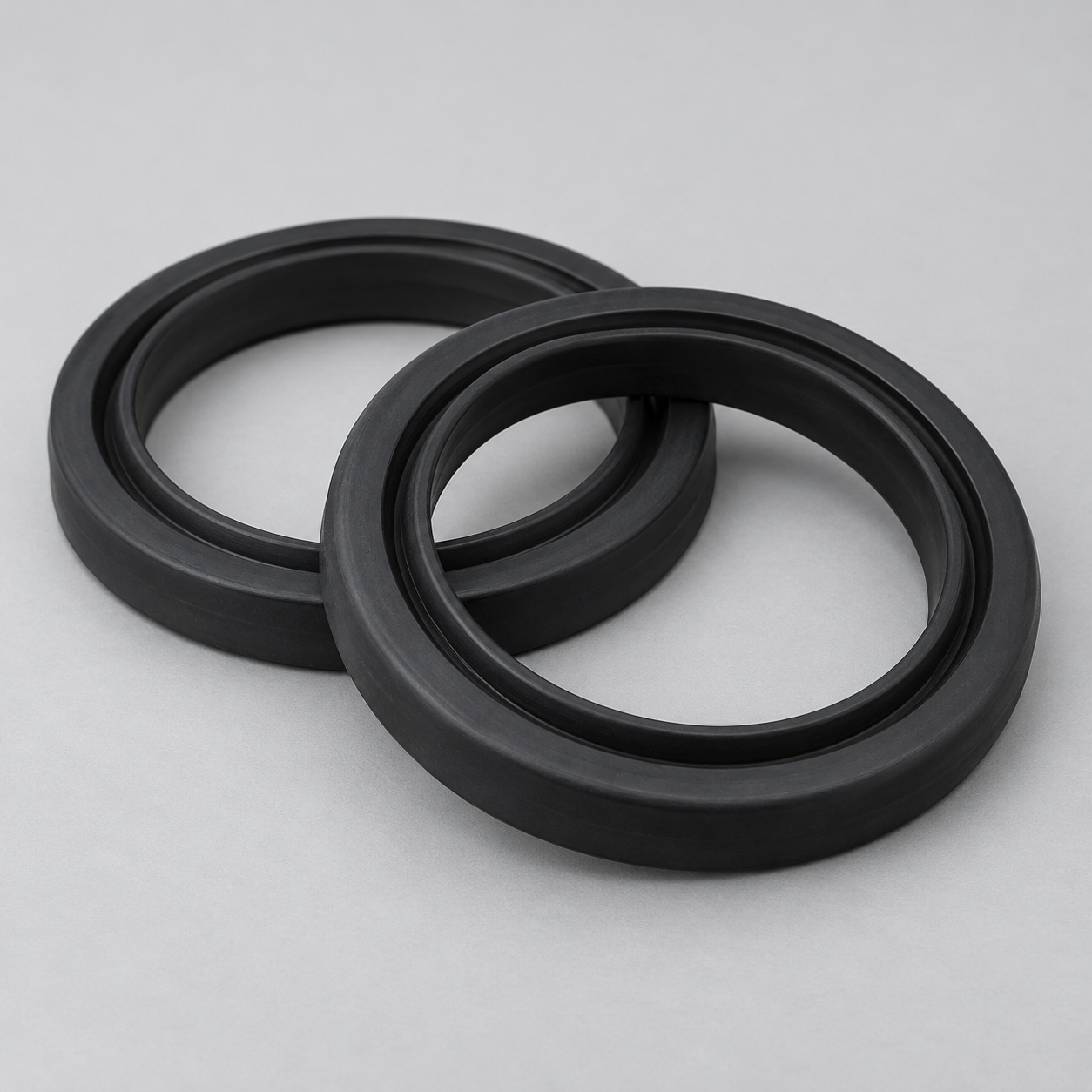 EPDMReview weathering and chemical exposure.›
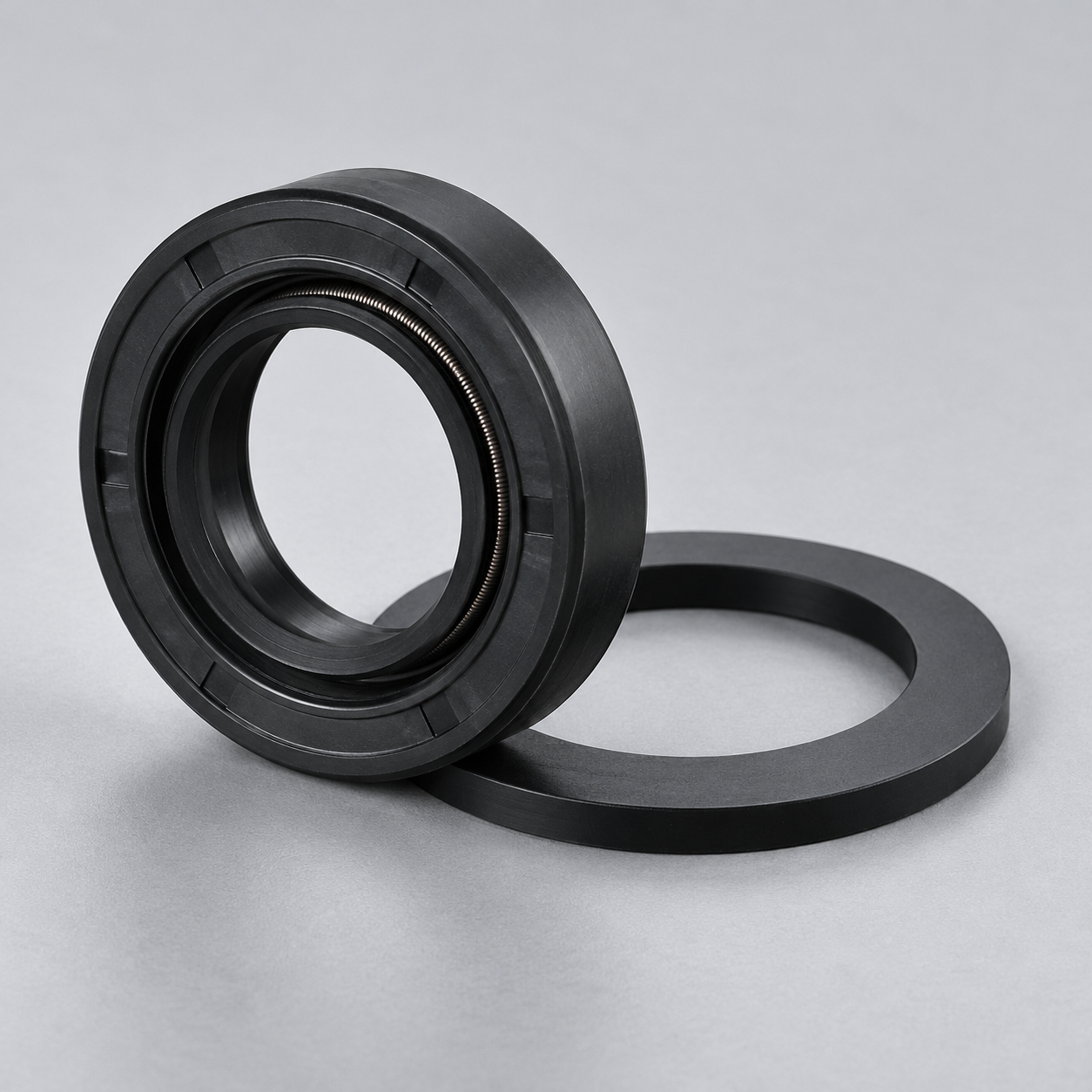 NBRReview oil and fuel exposure.›
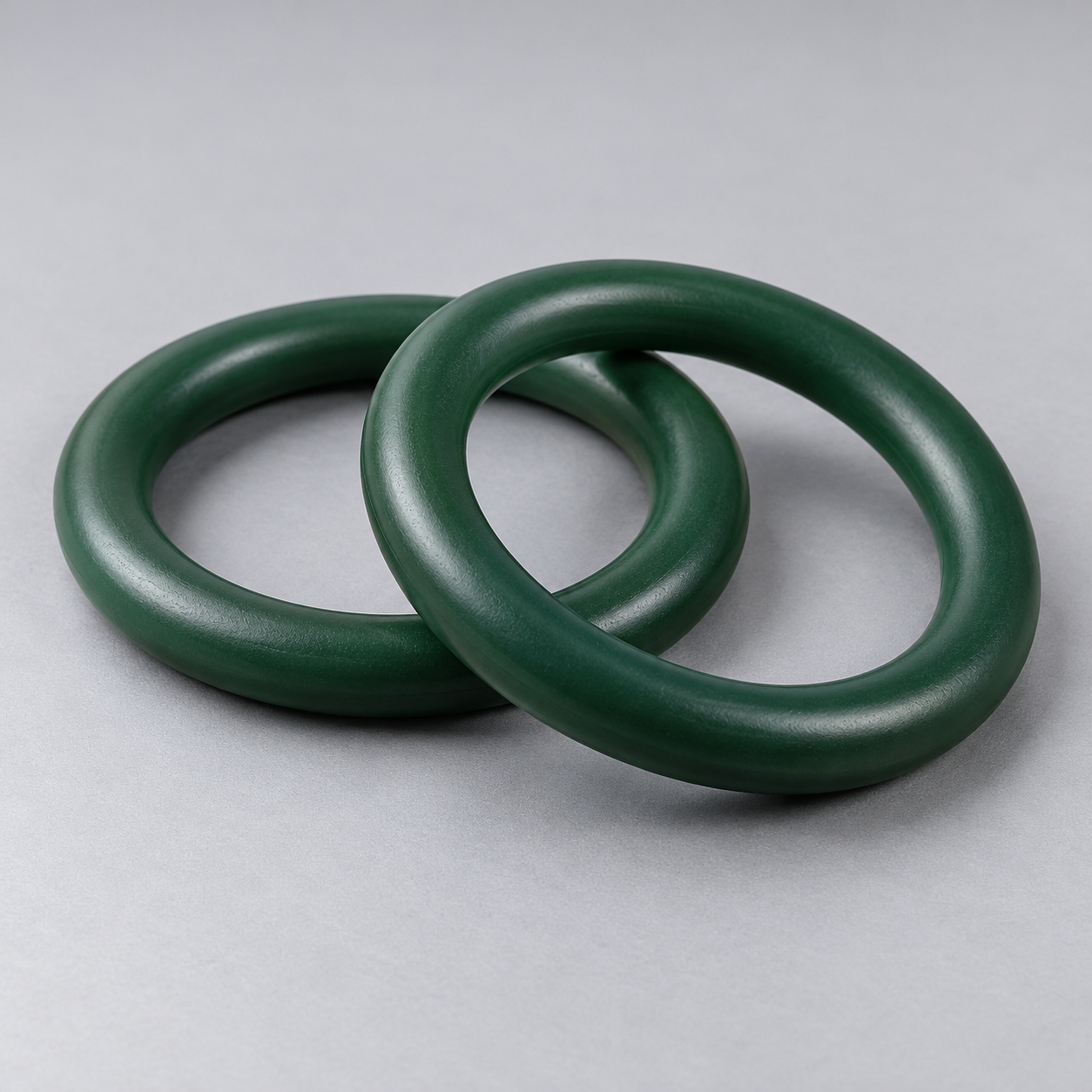 FKMReview temperature and chemical exposure.›
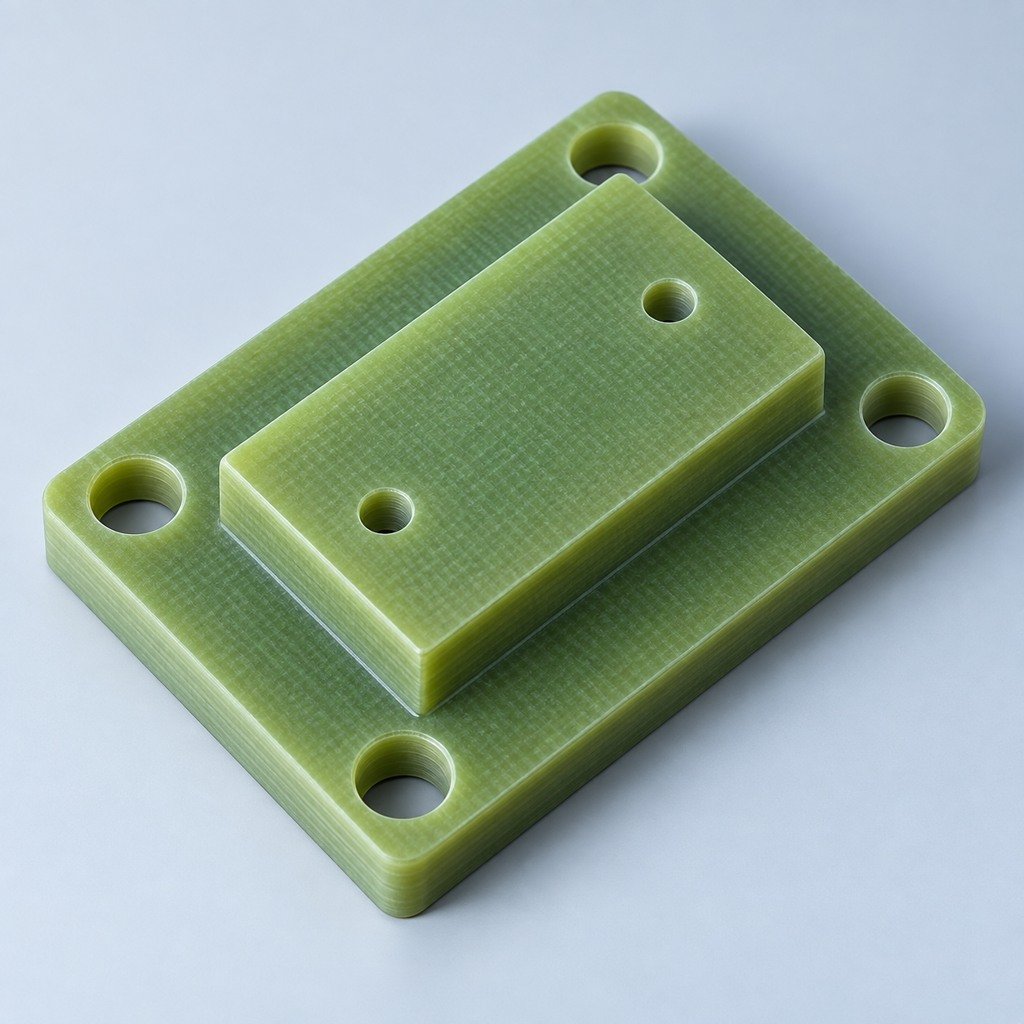 G10 / FR4Review insulation and laminate needs›
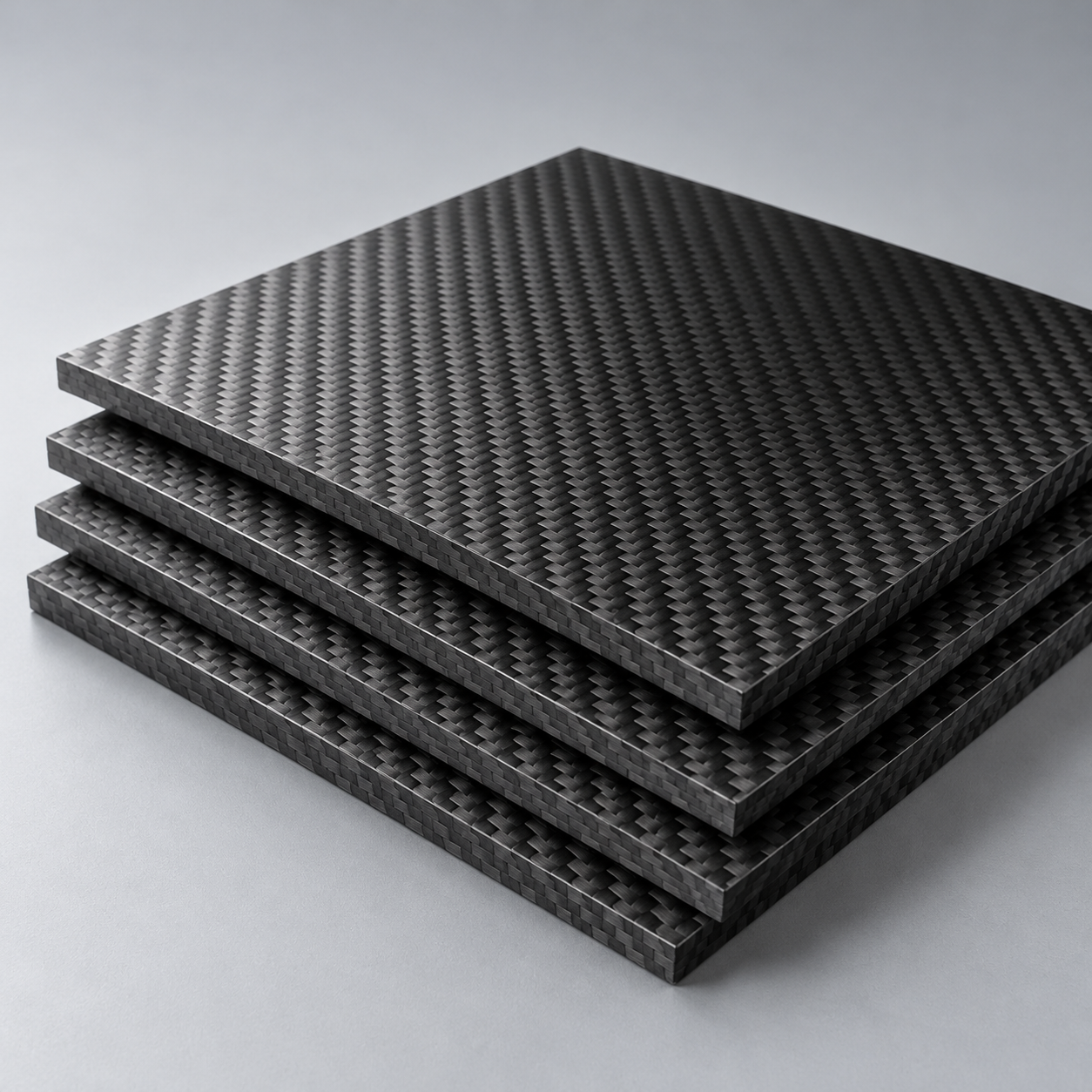 CompositesReview stiffness, weight and laminate.›Customer-Specified MaterialsConfirm your grade and requirements.›Other Specialty MaterialsDiscuss your application and grade.›
Practical guidance for your part geometry and material decisions.
Prepare your process, budget and sourcing questions.
Build your knowledge before production.
Learn who we are and how we operate.
Find our U.S. support team or start a conversation.
YOUR INTERFACES · YOUR CONDITIONS · YOUR ACCEPTANCE
Review your cooling components against the actual server platform. Define device footprints, mounting loads, available airflow or coolant conditions, connection routing and the evidence your sample needs before manufacturing release.
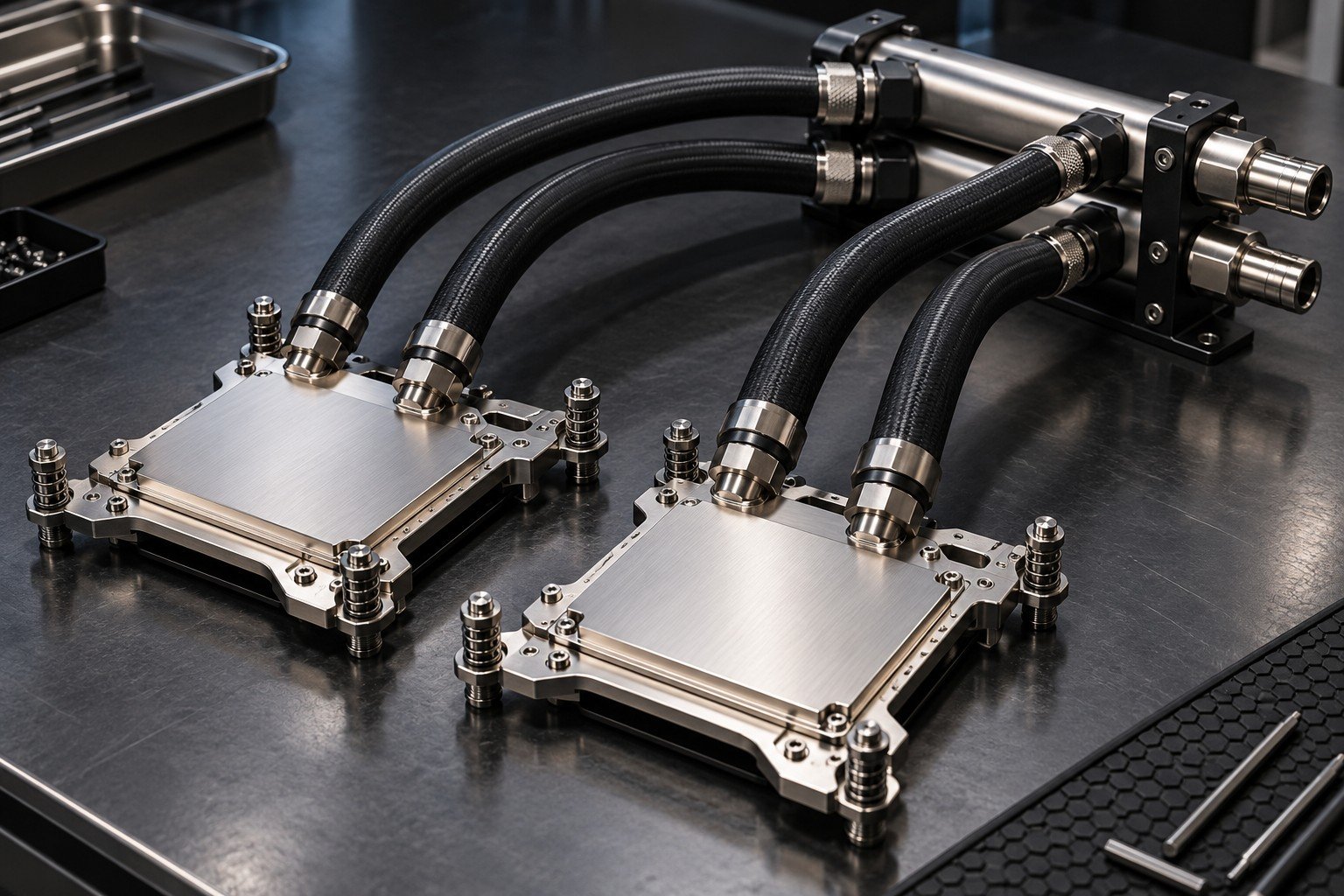
Illustrative component concept
Critical geometry & interfaces
Grades, condition & compatibility
Defined route & final state
Agreed methods & records
Review the platform envelope, operating conditions, installed connections and the owner of each sample decision.
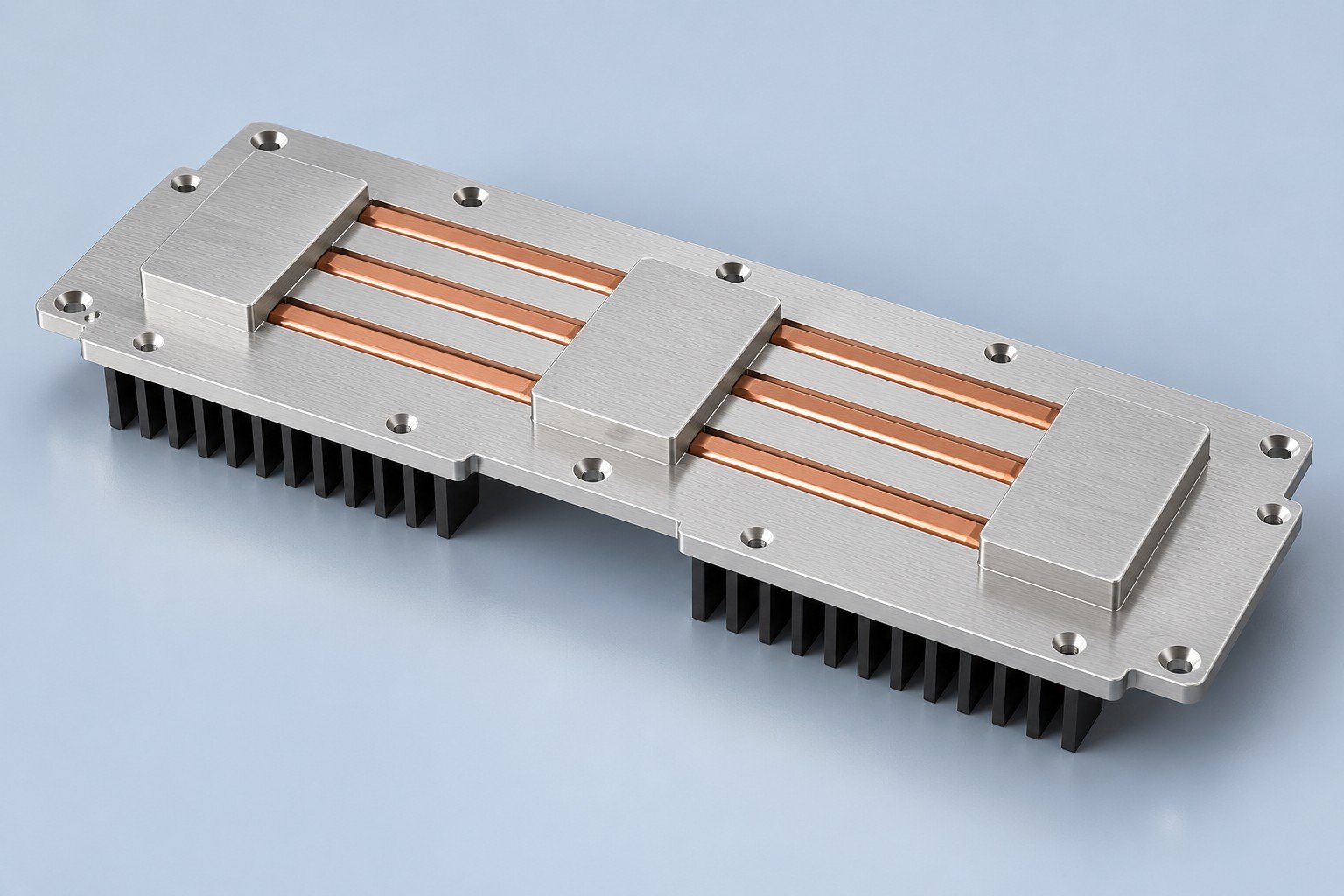
Define the controlled device footprint, mounting holes, keep-out envelope, contact stack and service access for your actual platform.
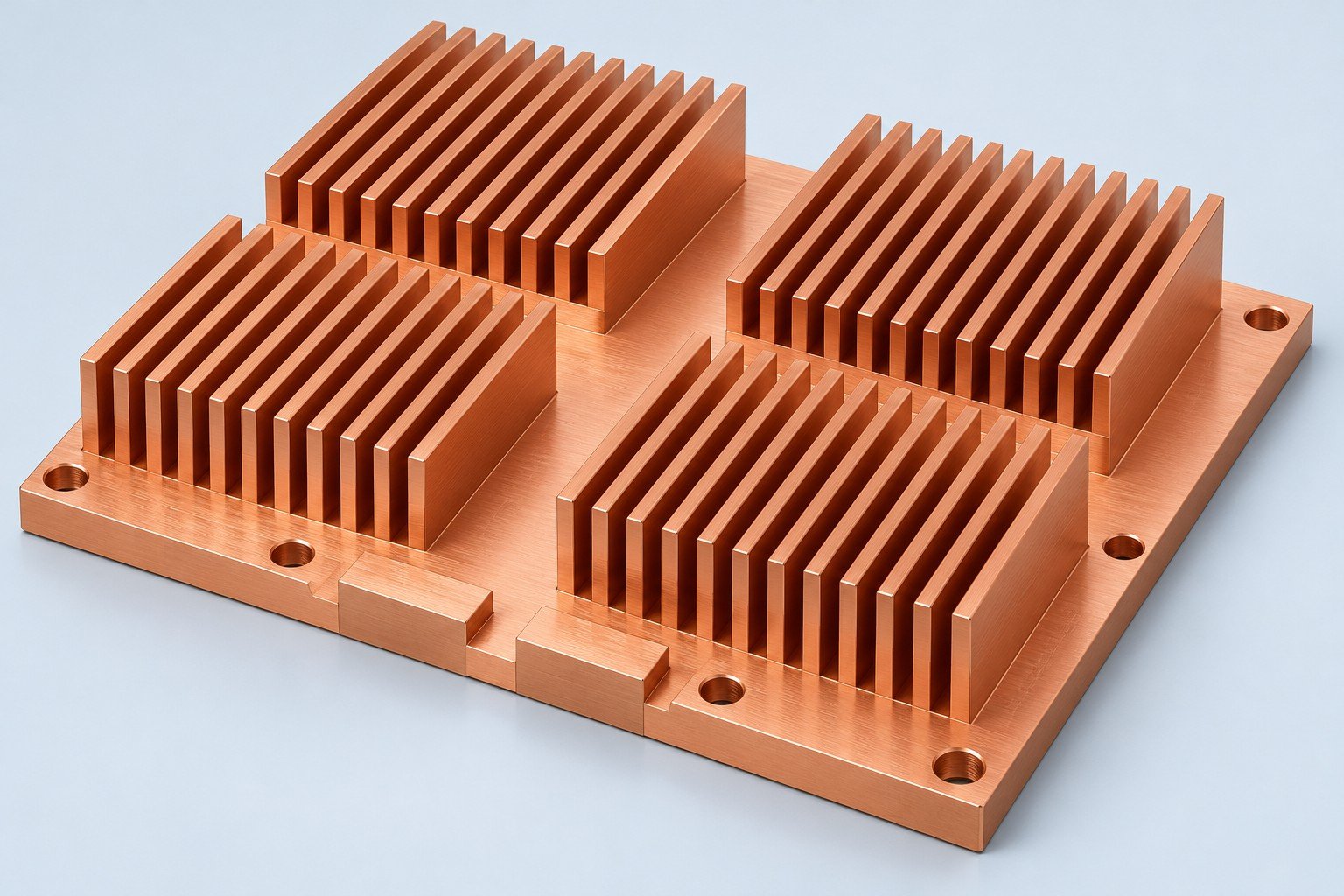
Share power and heat-source maps, temperature limits and available air or liquid conditions. An AI server cooling thermal test report needs the same stated boundary conditions as the acceptance plan.
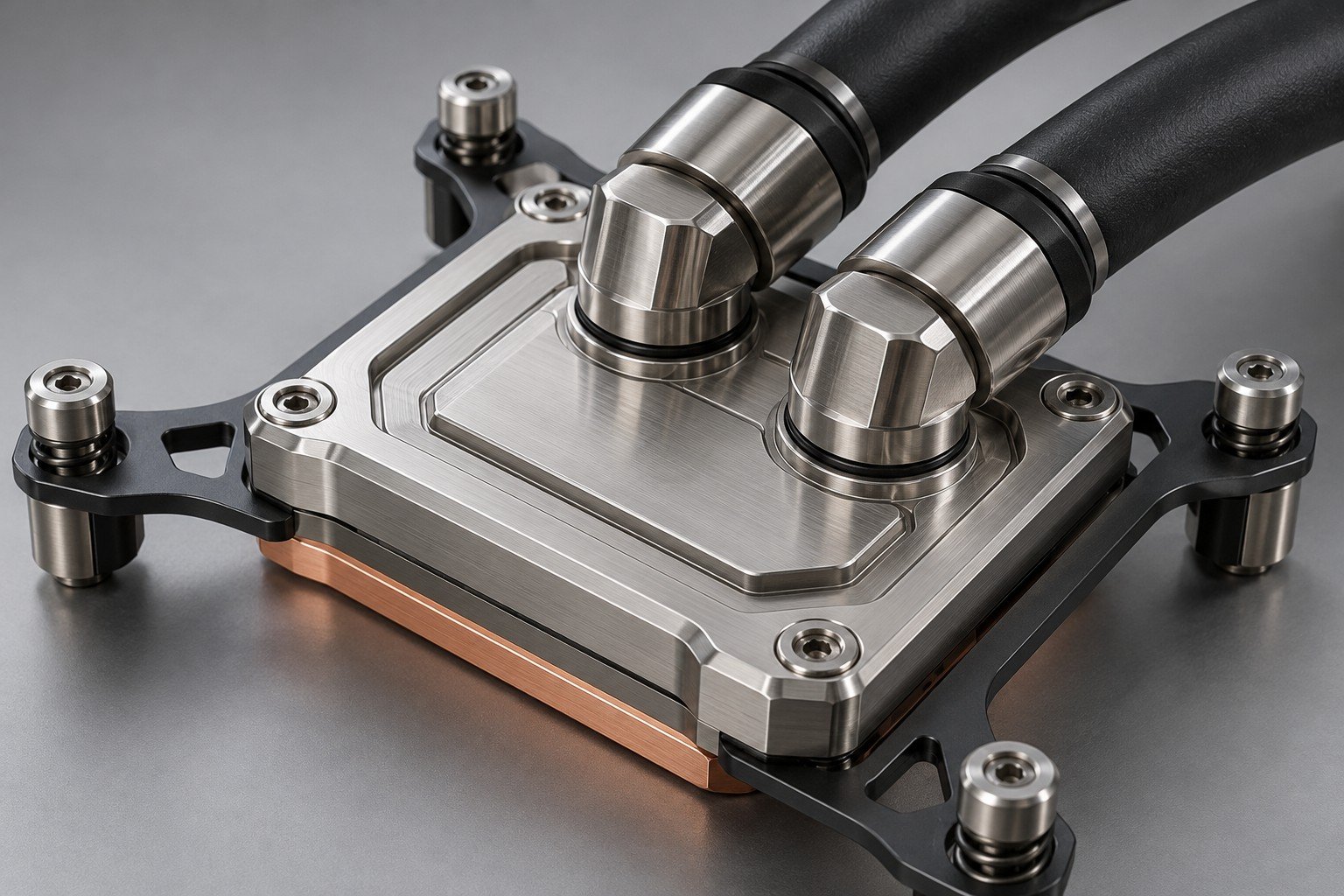
Define AI server cooling manifold port requirements together with fitting access, supply/return routing, seals and the installed loop.
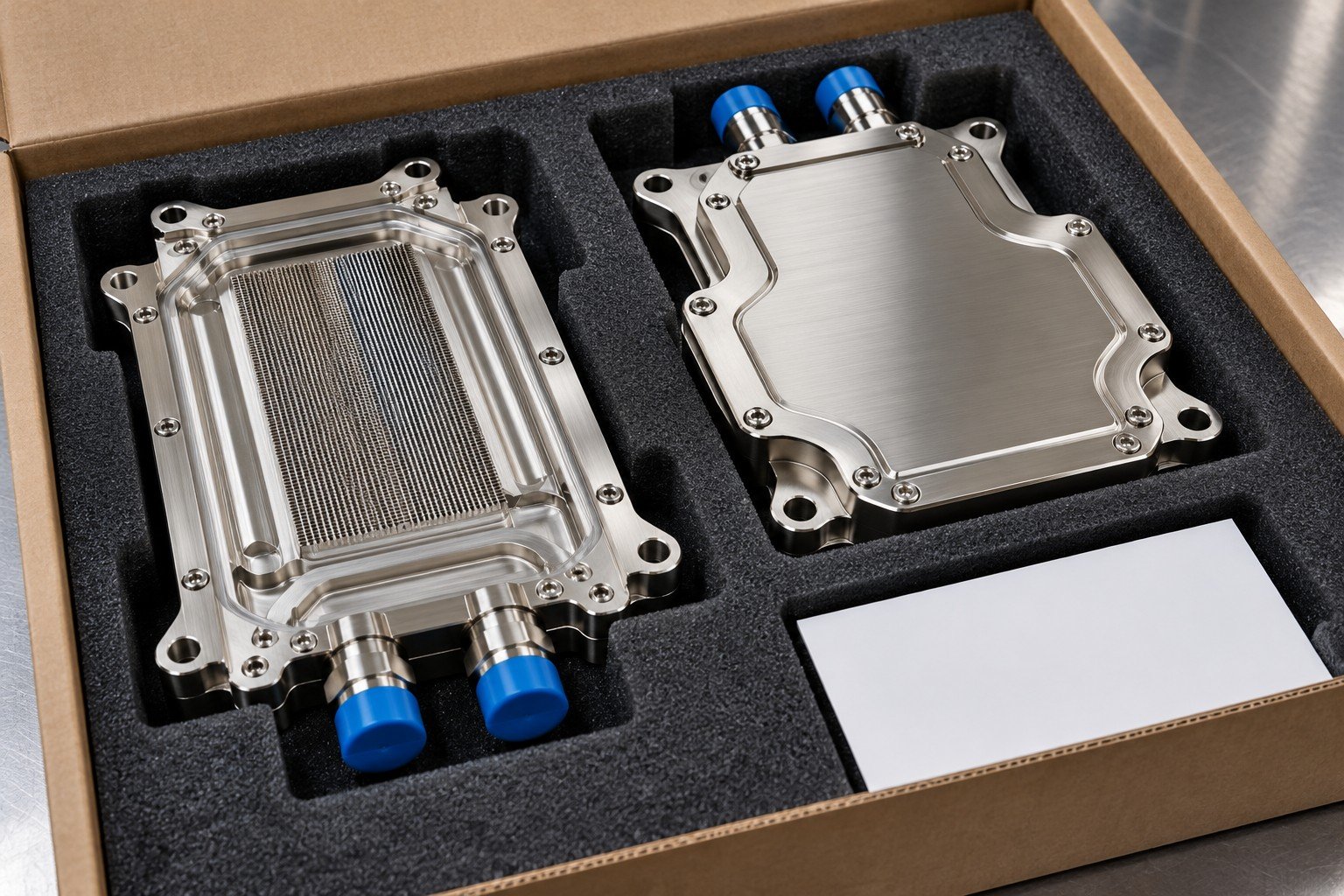
Agree AI server cooling sample approval before production, including dimensional fit, material identity, specified tests and who accepts platform thermal performance.
Illustrative engineering concepts
Select a component route against your actual platform. These concepts are not complete server systems or confirmed performance envelopes.
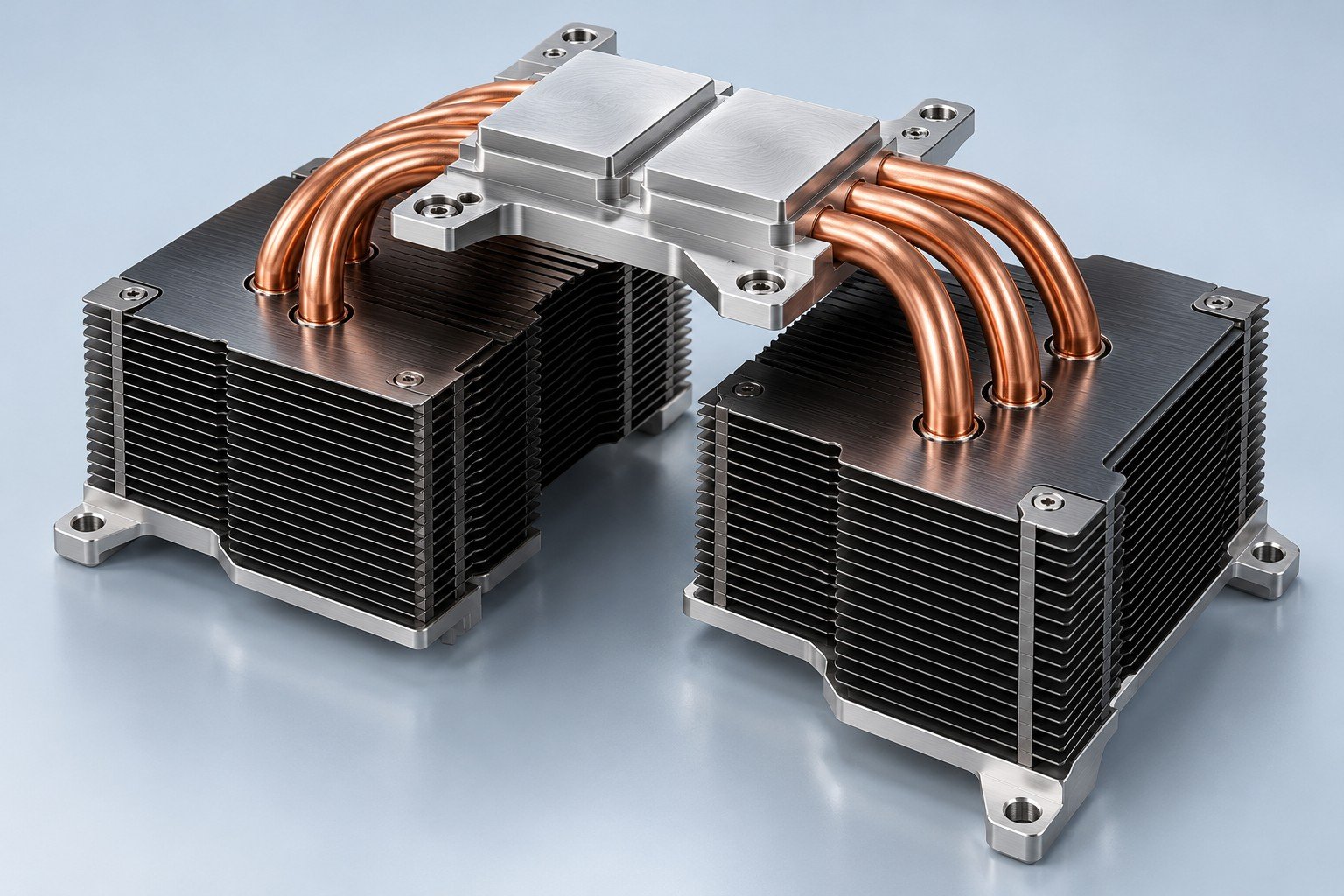
Review installed airflow, acoustic requirements, fin direction and enclosure clearance.
Review component requirements →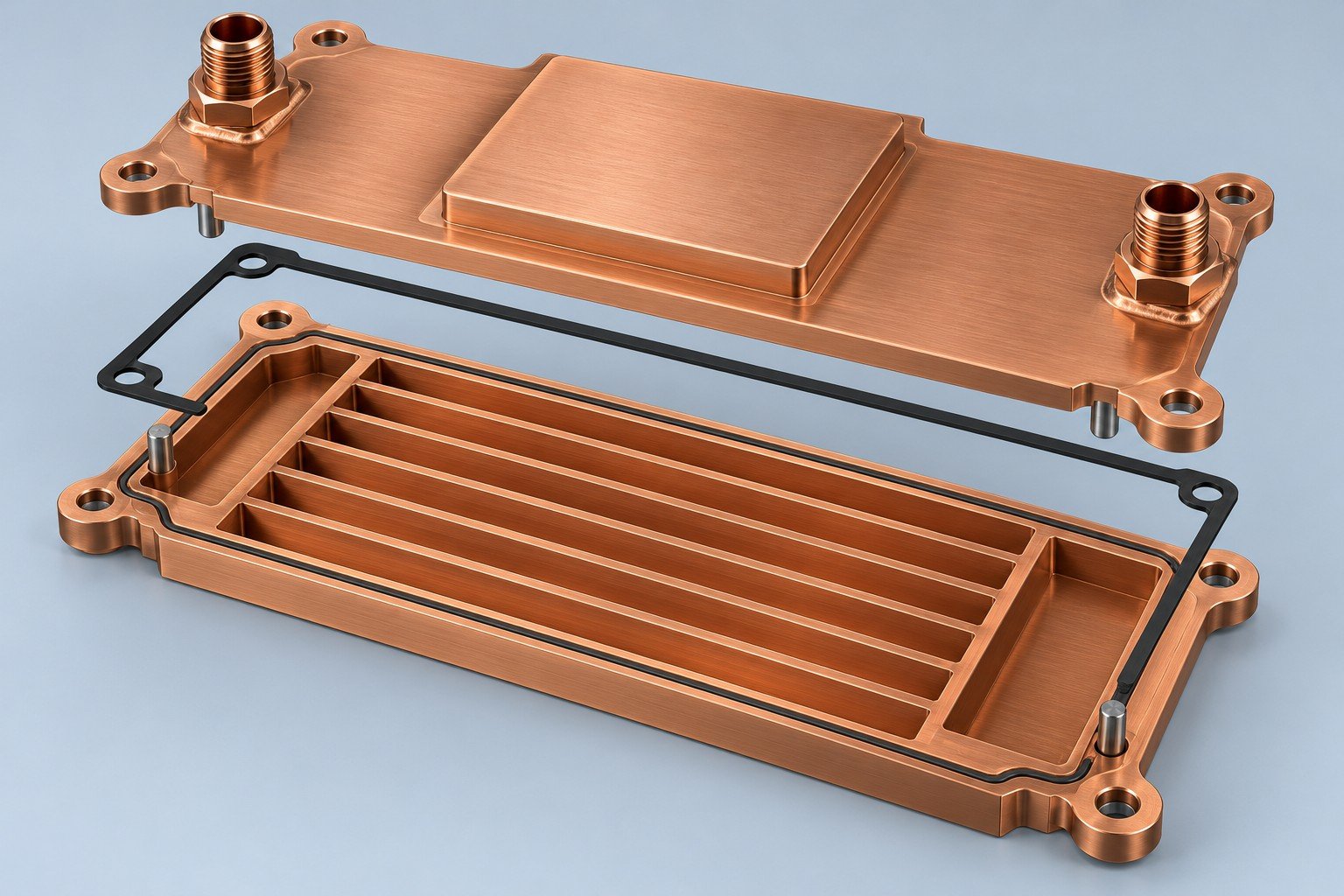
Match the device footprint, contact stack, coolant and final port interfaces.
Review component requirements →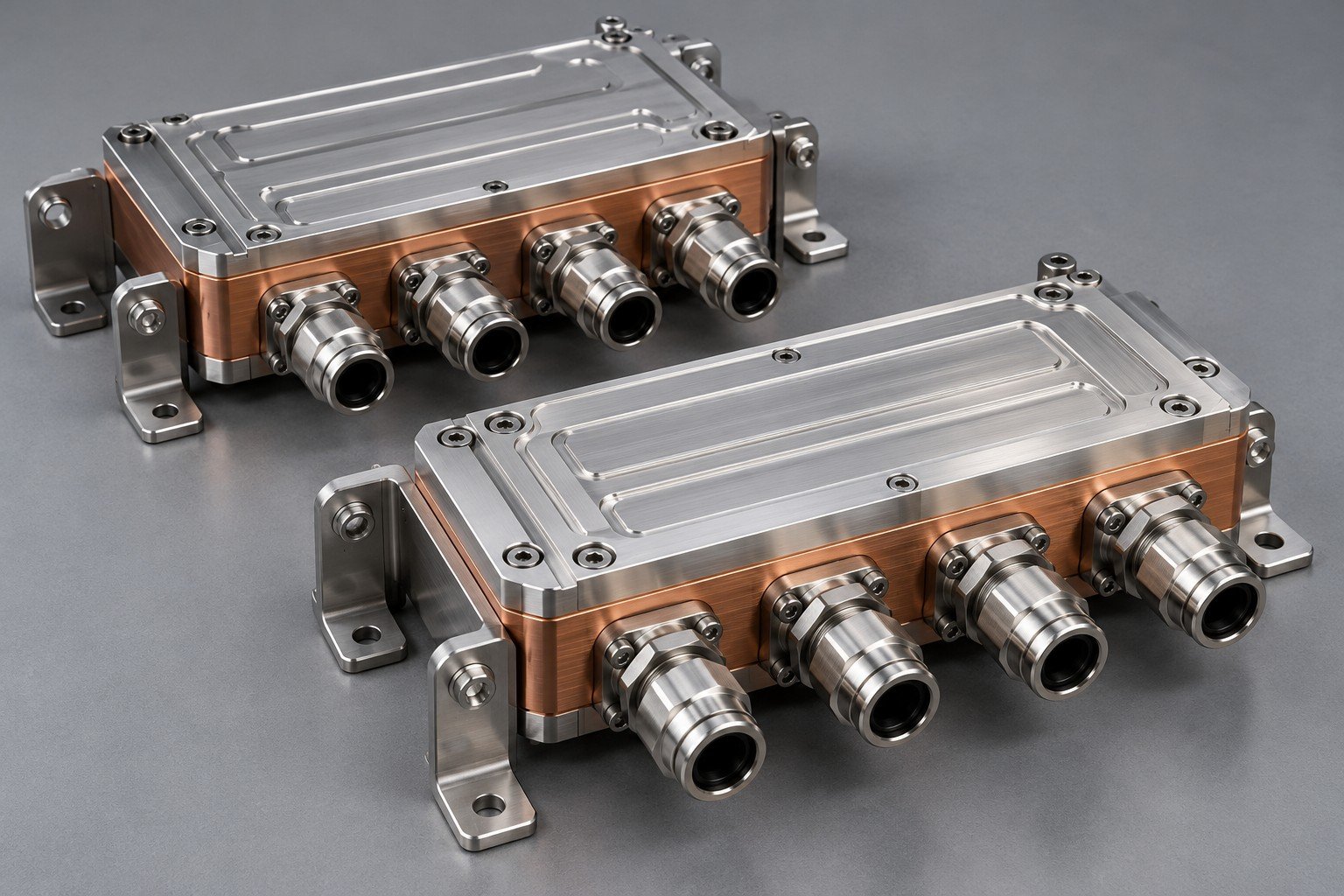
Review the port schedule, branch targets and supplied connection boundary.
Review component requirements →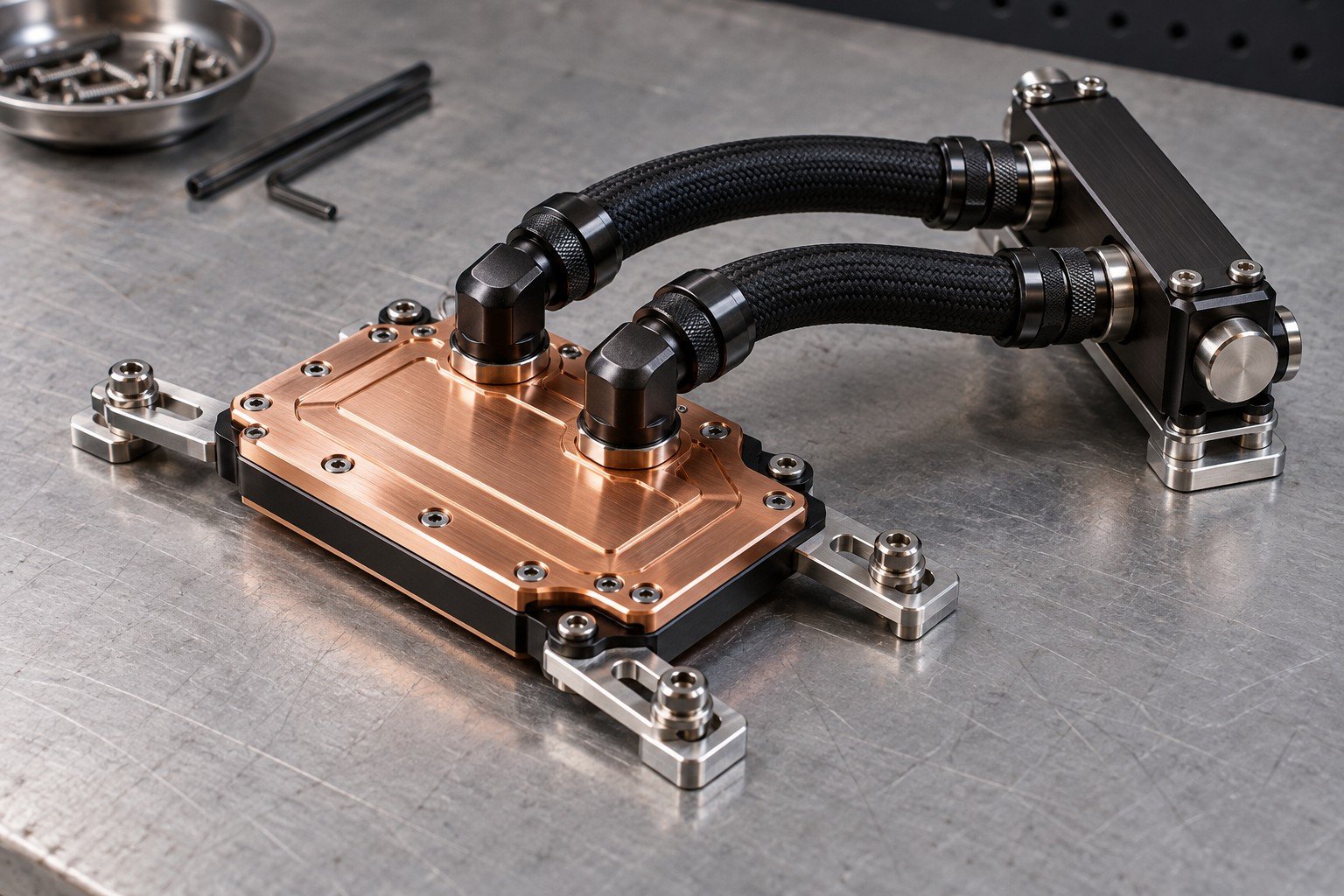
Agree brackets, connections, records and who accepts the platform sample.
Review component requirements →Illustrative engineering concepts
Separate platform thermal design from the manufacture of its defined components. Your AI server cooling assembly manufacturing review should identify which cold plates, heat sinks, fittings, brackets and connections belong to the supplied scope. The released platform interfaces and operating conditions govern the route; a component illustration is not a complete qualified server cooling system.
Interface background: OCP Cold Plate project →. General industry context does not establish LK MFG membership, certification or complete system compliance.
Compare bulk conduction and mass alongside your contact stack, coolant, coatings and manufacturing route. These references are not finished server-cooling tests or material substitution approvals.
Hydro 6061-T6 at 25°C. KME Cu-ETP annealed at 20°C.
Calculate finished mass from the actual geometry. A material conductivity difference does not establish a device-temperature reduction.
| Grade | European reference | Si | Fe | Cu | Mn | Mg | Zn | Al |
|---|---|---|---|---|---|---|---|---|
| 6061 | EN AW-6061 · AlMg1SiCu | 0.40–0.80 | ≤0.70 | 0.15–0.40 | ≤0.15 | 0.80–1.20 | ≤0.25 | Balance |
| C11000 | Cu-ETP · CW004A | — | — | ≥99.90 | — | — | — | — |
Selected elements only. Dash means not specified in this summary, not zero. 6061: Cr 0.04–0.35%, Ti ≤0.15%; C11000: O ≤0.040%; do not relabel Cu-ETP as oxygen-free copper. Aluminum other elements ≤0.05% each / ≤0.15% total. The purchasing standard and certificate govern. Confirm product form, temper, joining compatibility and required final condition.
Sources: Hydro 6061 → · KME Cu-ETP →
Set a temperature budget, state the interfaces and assign acceptance. The numeric example is chosen arithmetic, not a measured cooling curve, supported power range or system qualification.
Chosen example: (85°C limit − 35°C reference) / heat input gives the labelled total allowable resistance. Define the actual temperature node and reference. The total includes the applicable contact stack and cooling path; these are not LK MFG part ratings.
A report from different mounting, flow, inlet or heat-source conditions does not automatically validate your platform. Agree the actual configuration before the sample is built.
Keep dimensional fit, material identity, connection integrity and thermal acceptance as separate decisions. A component inspection or leak check does not replace platform performance approval.
Separate your thermal contact faces, sealing interfaces and wetted passages. Confirm the specified final condition with the mating assembly.
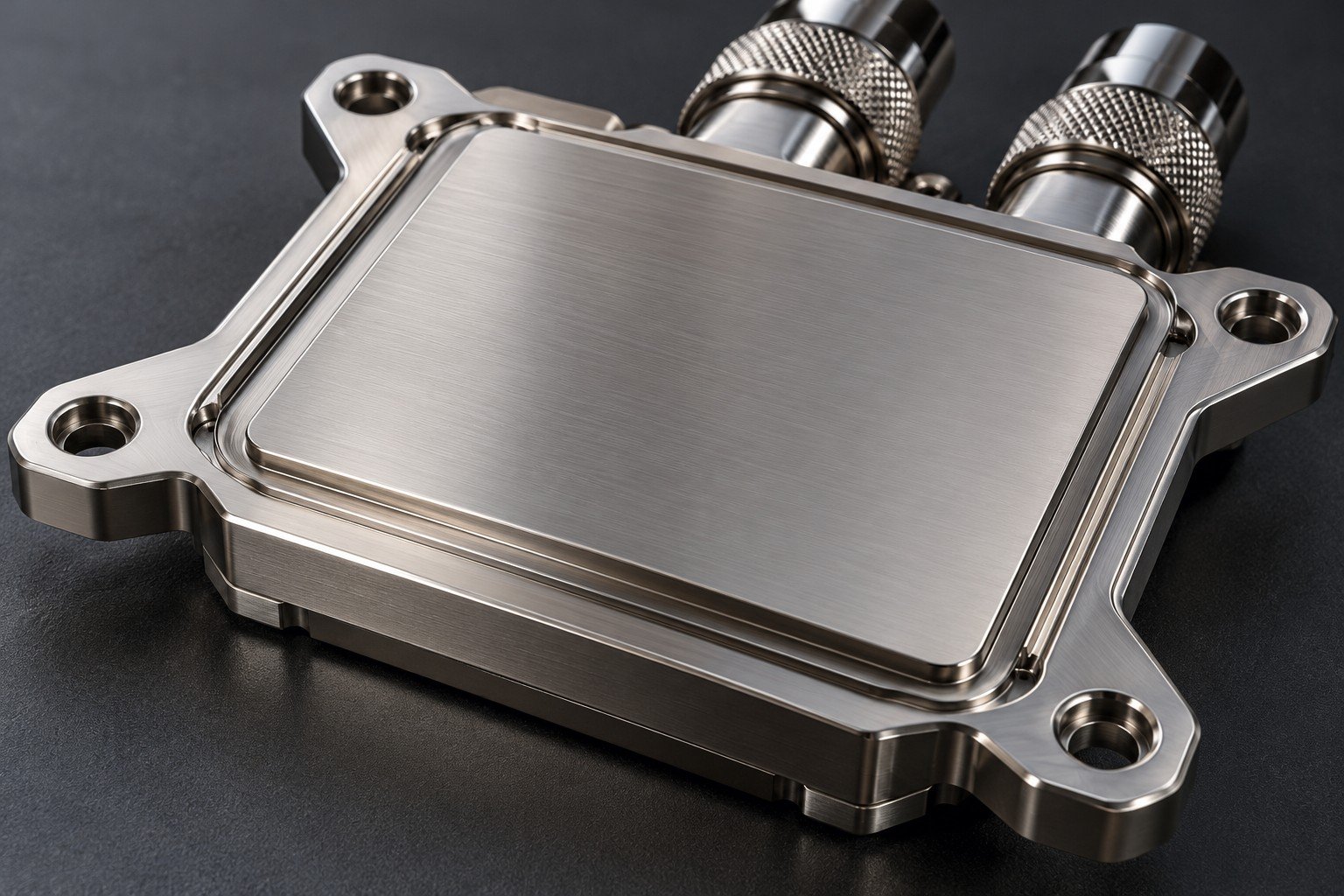
Define the contact area, machining allowance and final inspection state.
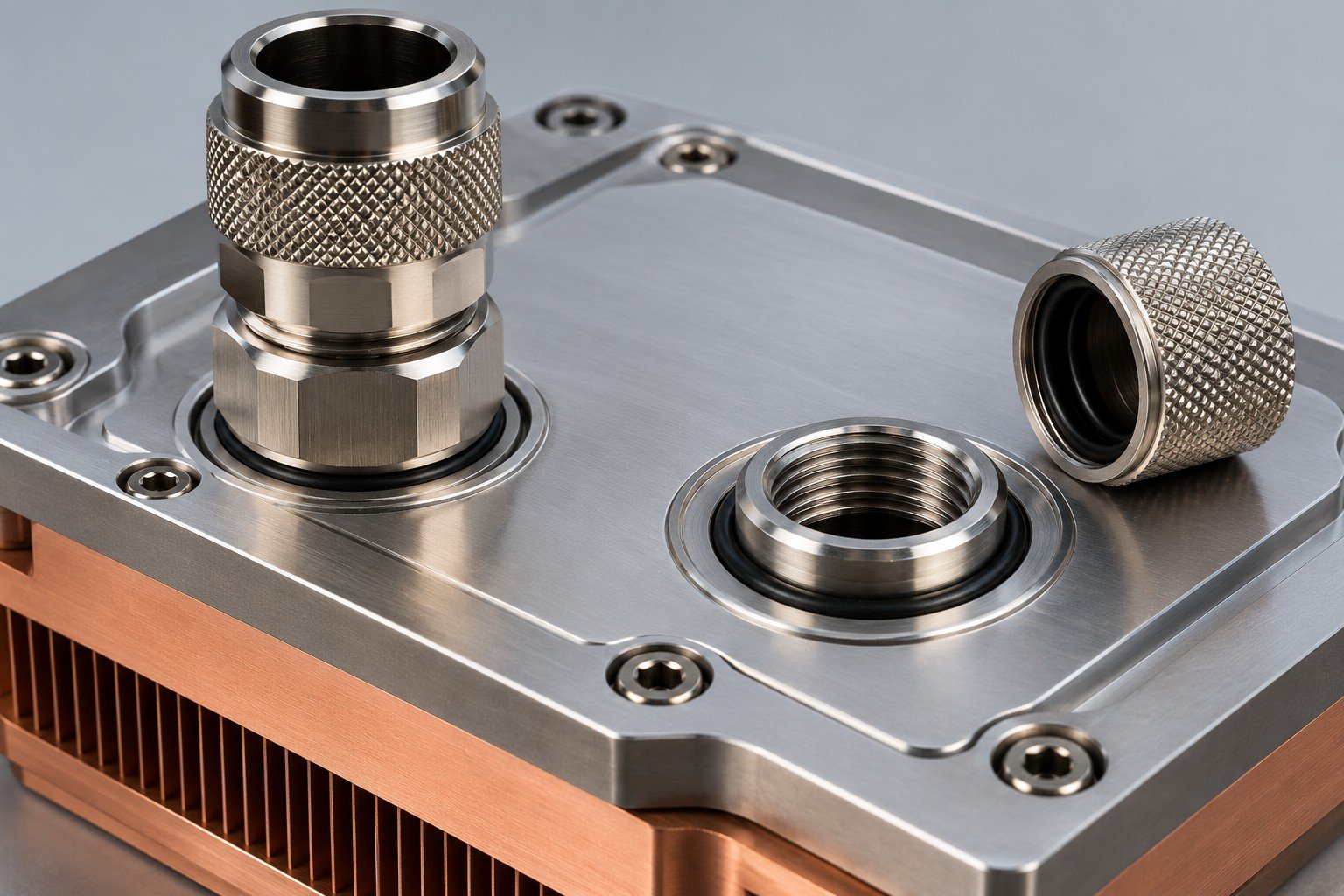
Specify the finished thread, fitting engagement and agreed sealing surfaces.
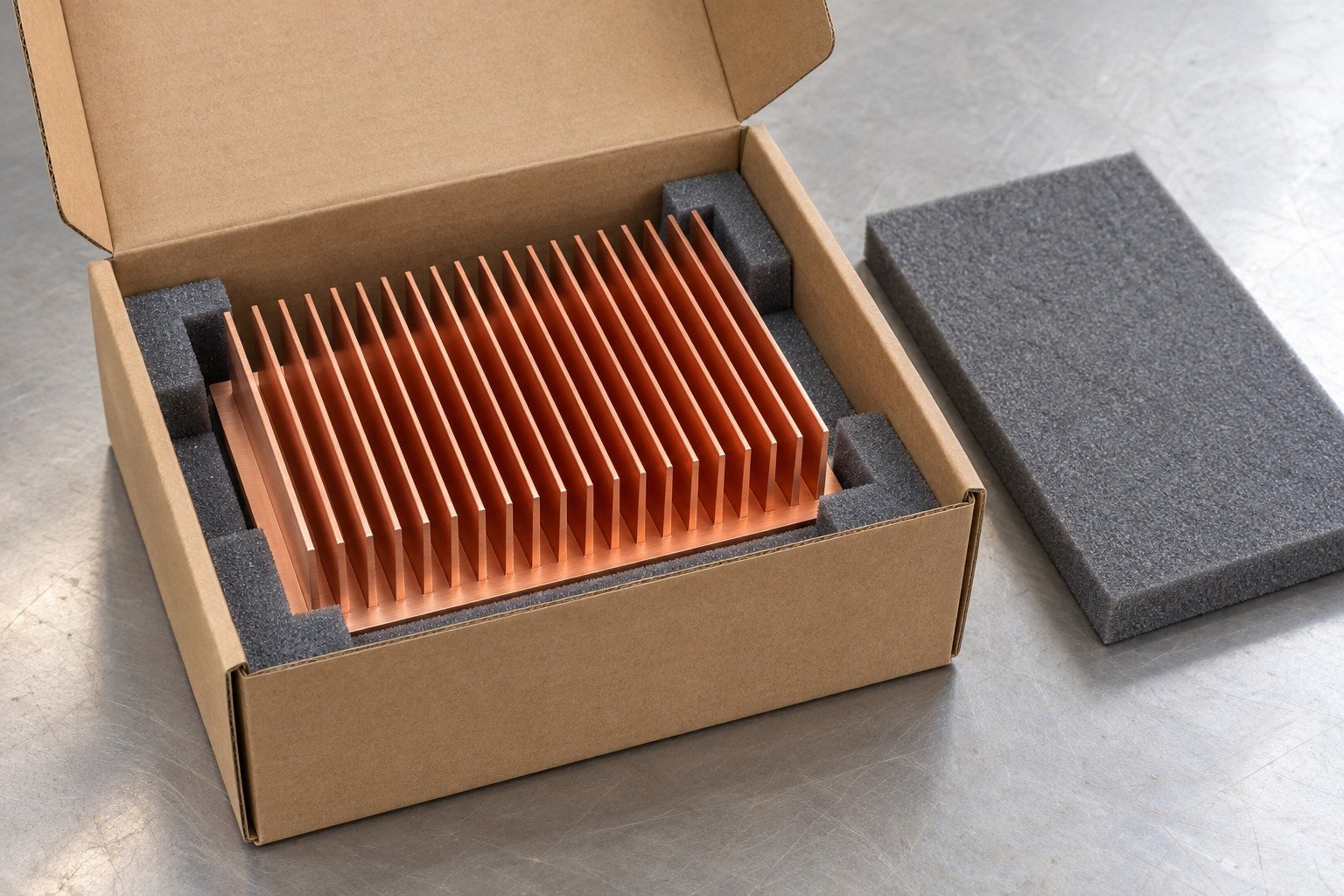
Protect fins, finished contact faces and ports; agree cleaning and shipment condition.
A finish is not a universal cooling improvement. Confirm its purpose, compatibility and inspection state. Review surface finishing options →
Illustrative engineering concepts
Put the dimensions that control sealing, assembly fit and heat transfer on your drawing.
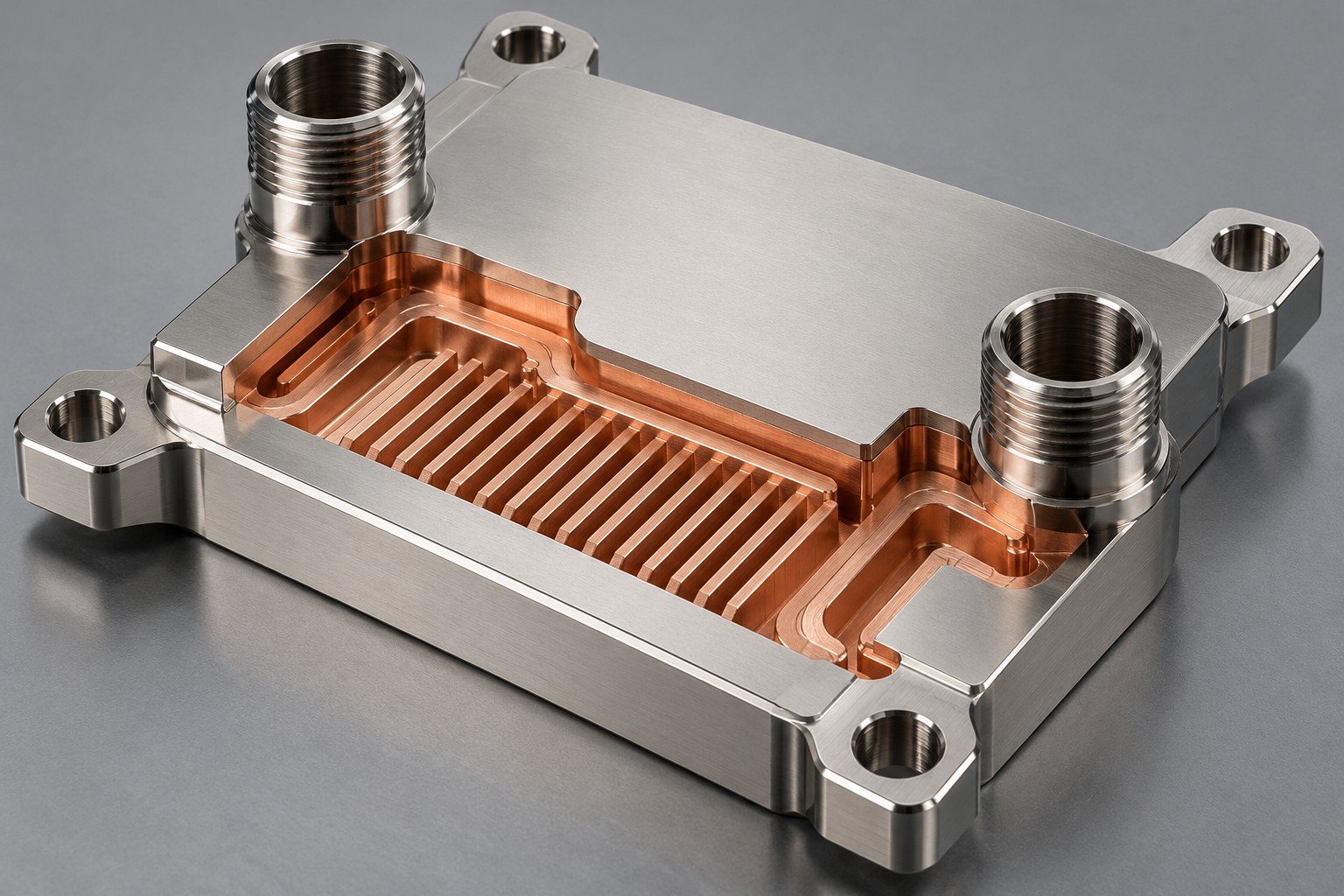
Illustrative component interface concept
Heat-source map, TIM and clamping stack
Thread designation, seal land and fitting engagement
Hole pattern, datum scheme and tool access
Joining access, wall thickness and cleaning scope
Flatness, masking, protected interfaces and inspection state
Resolve platform fit, contact stack, connection boundary, material compatibility, thermal approval and revision records before production.
Check chassis height, memory and board clearances, component footprints, brackets, mounting datums and the assembly sequence. Freeze the interfaces that control the component before production release.
Controlled drawing and the relevant service conditions.
Agreed method, inspection state, limits and required records.
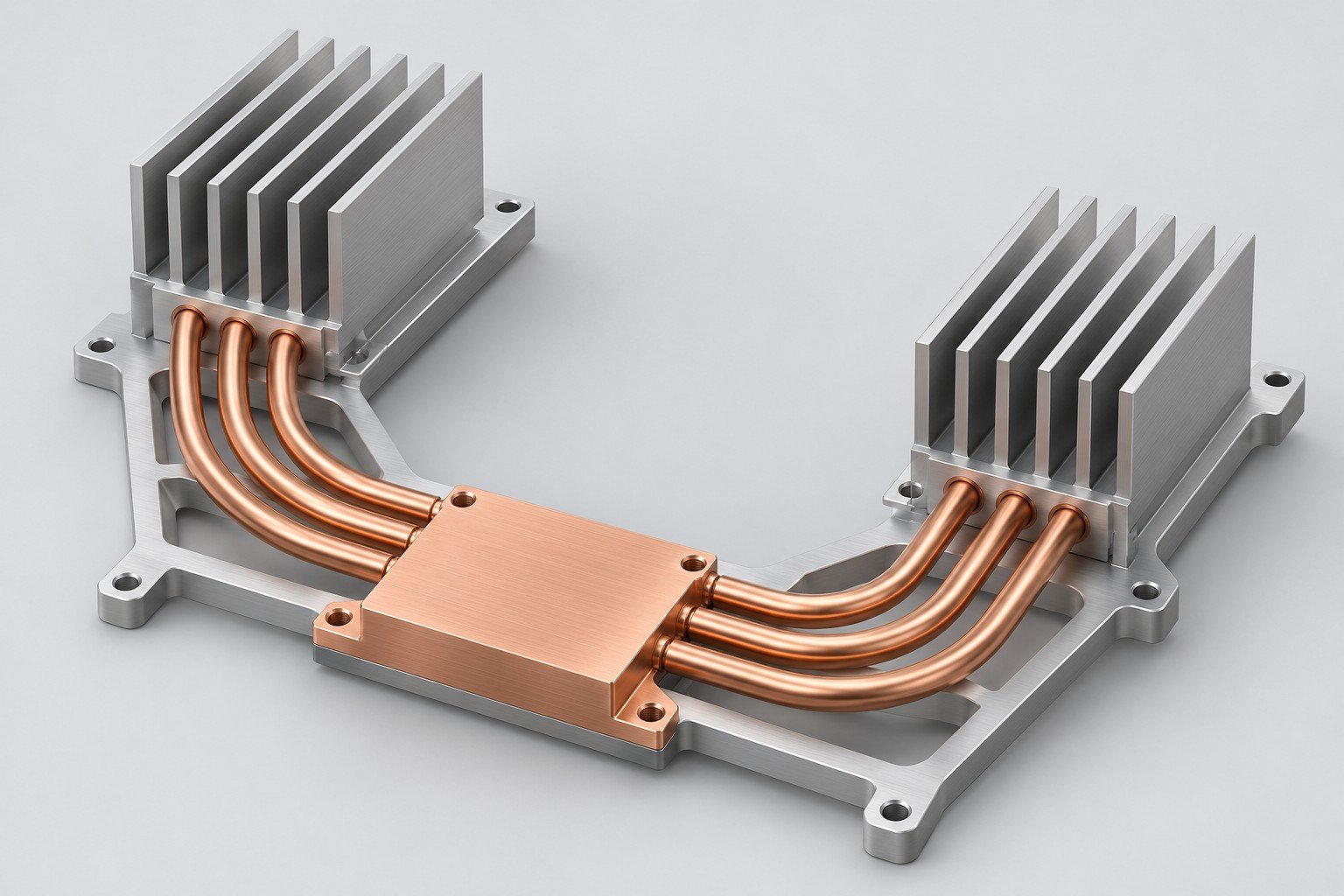
Illustrative engineering concept
Specify AI server cooling cold plate flatness on the finished contact area, plus datums, clamping responsibility and the defined TIM/contact stack. Component flatness alone does not establish device temperature.
Controlled drawing and the relevant service conditions.
Agreed method, inspection state, limits and required records.

Illustrative engineering concept
Define AI server cooling leak test requirements by method, medium, units, temperature, leakage limit and the supplied assembly boundary. State whether ports, plugs, seals and installed fittings are included.
Controlled drawing and the relevant service conditions.
Agreed method, inspection state, limits and required records.

Illustrative engineering concept
Review AI server cooling coolant compatibility for all wetted metals, coatings, seals, fittings and residues at the actual chemistry and temperature. Do not approve the loop from one material name alone.
Controlled drawing and the relevant service conditions.
Agreed method, inspection state, limits and required records.
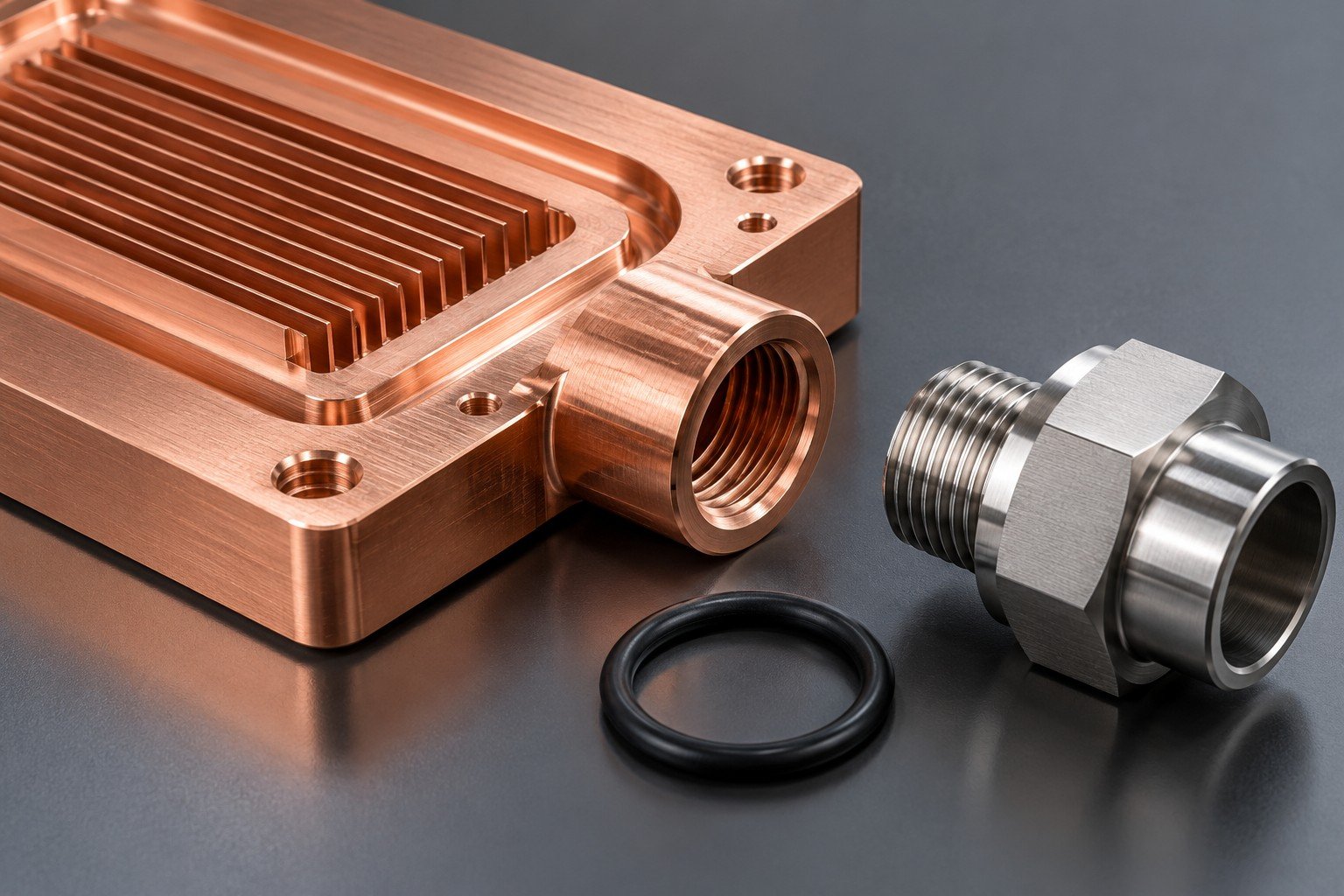
Illustrative engineering concept
An AI server cooling thermal test report should state geometry, power map, inlet or ambient reference, flow or airflow, sensors, TIM, mounting and uncertainty where agreed. Identify the party that approves platform performance.
Controlled drawing and the relevant service conditions.
Agreed method, inspection state, limits and required records.
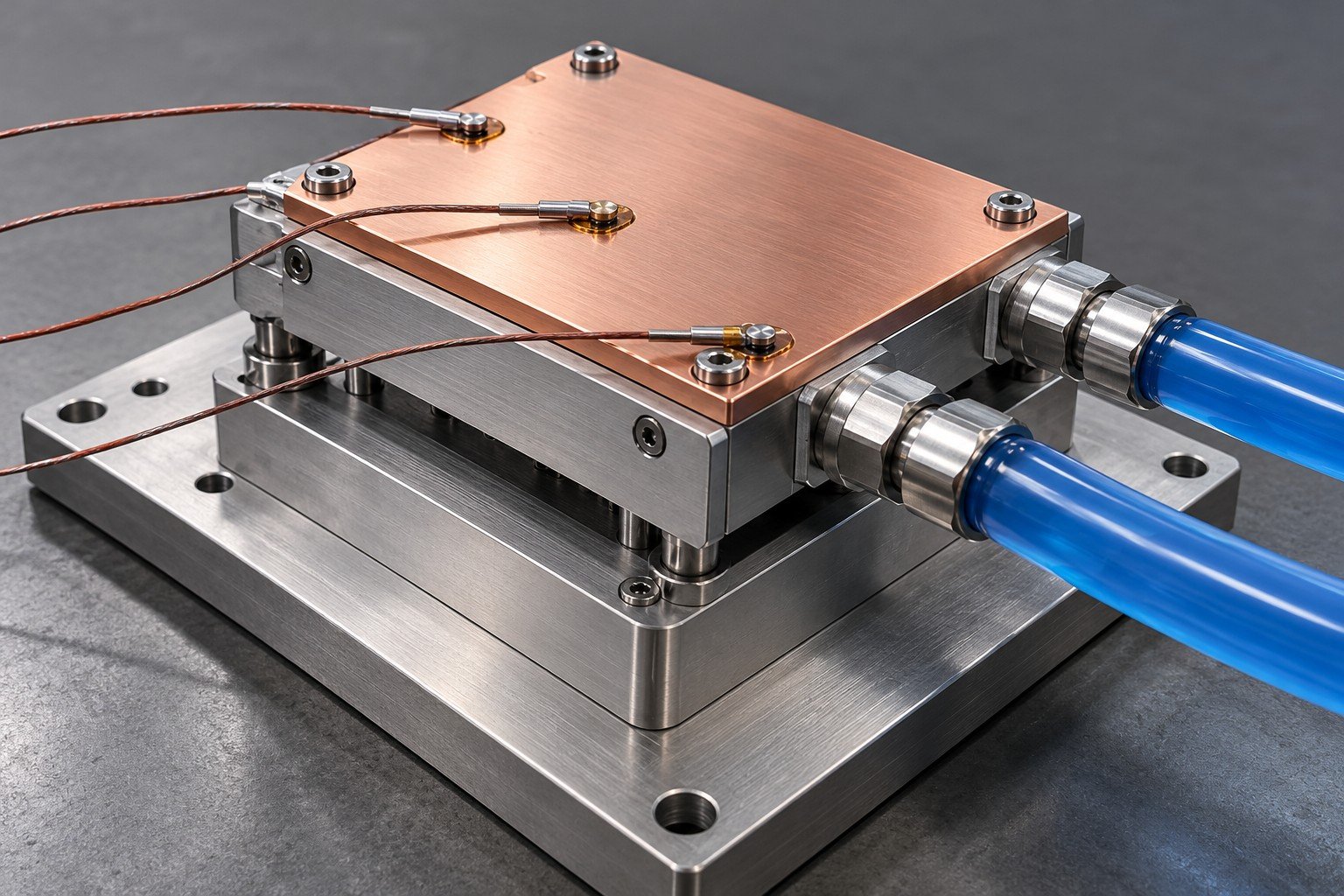
Illustrative engineering concept
Define AI server cooling component traceability for material, drawing revision, component identification, agreed assembly records and the sample results that accompany release. Confirm the actual documentation scope in the quote.
Controlled drawing and the relevant service conditions.
Agreed method, inspection state, limits and required records.
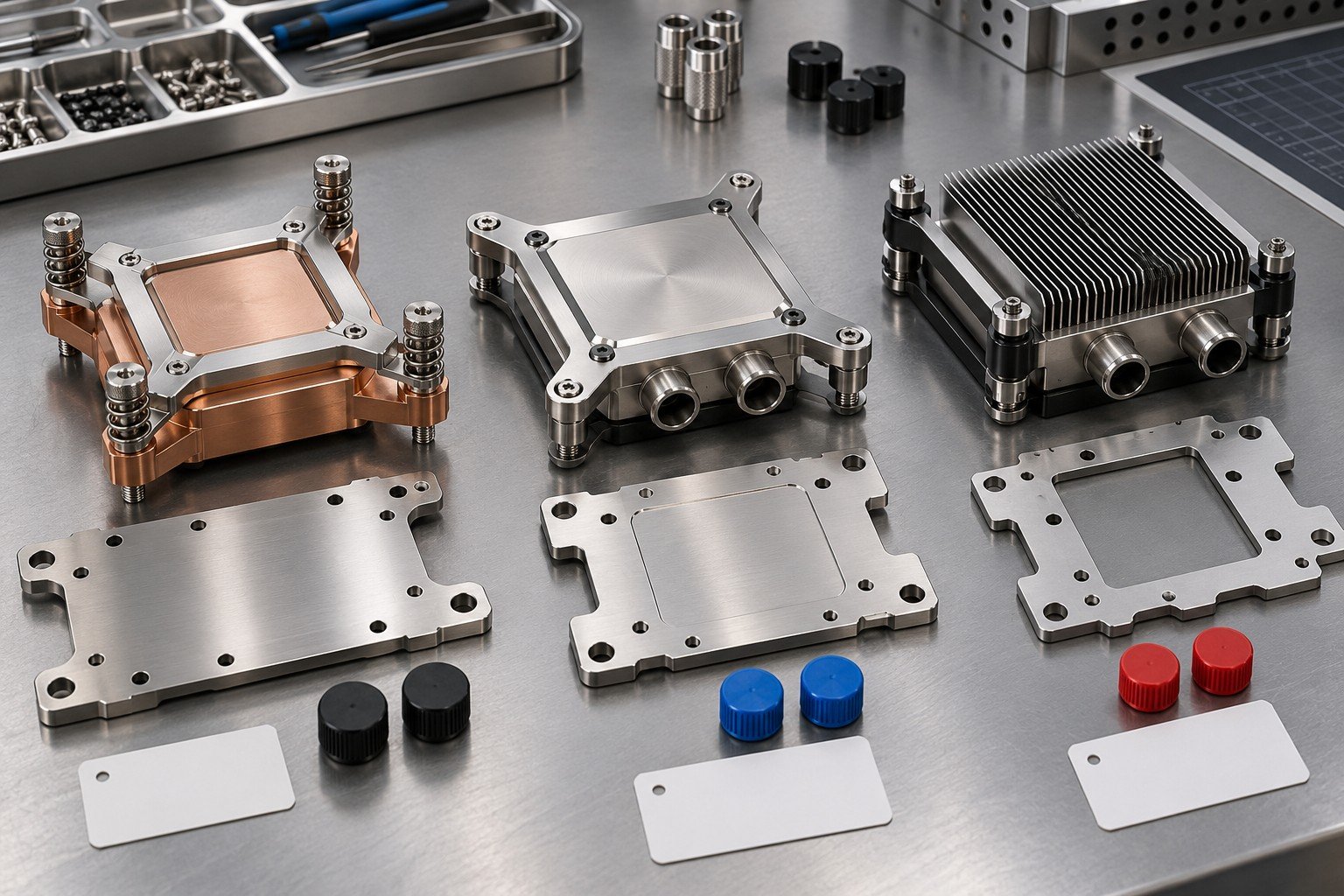
Illustrative engineering concept
Confirm revision, interfaces and operating inputs.
Agree materials, joining and final machining.
Review the finished component and assembly fit.
Assess specified dimensions, joints and test records.
Release the accepted revision, packaging and repeat-order scope.
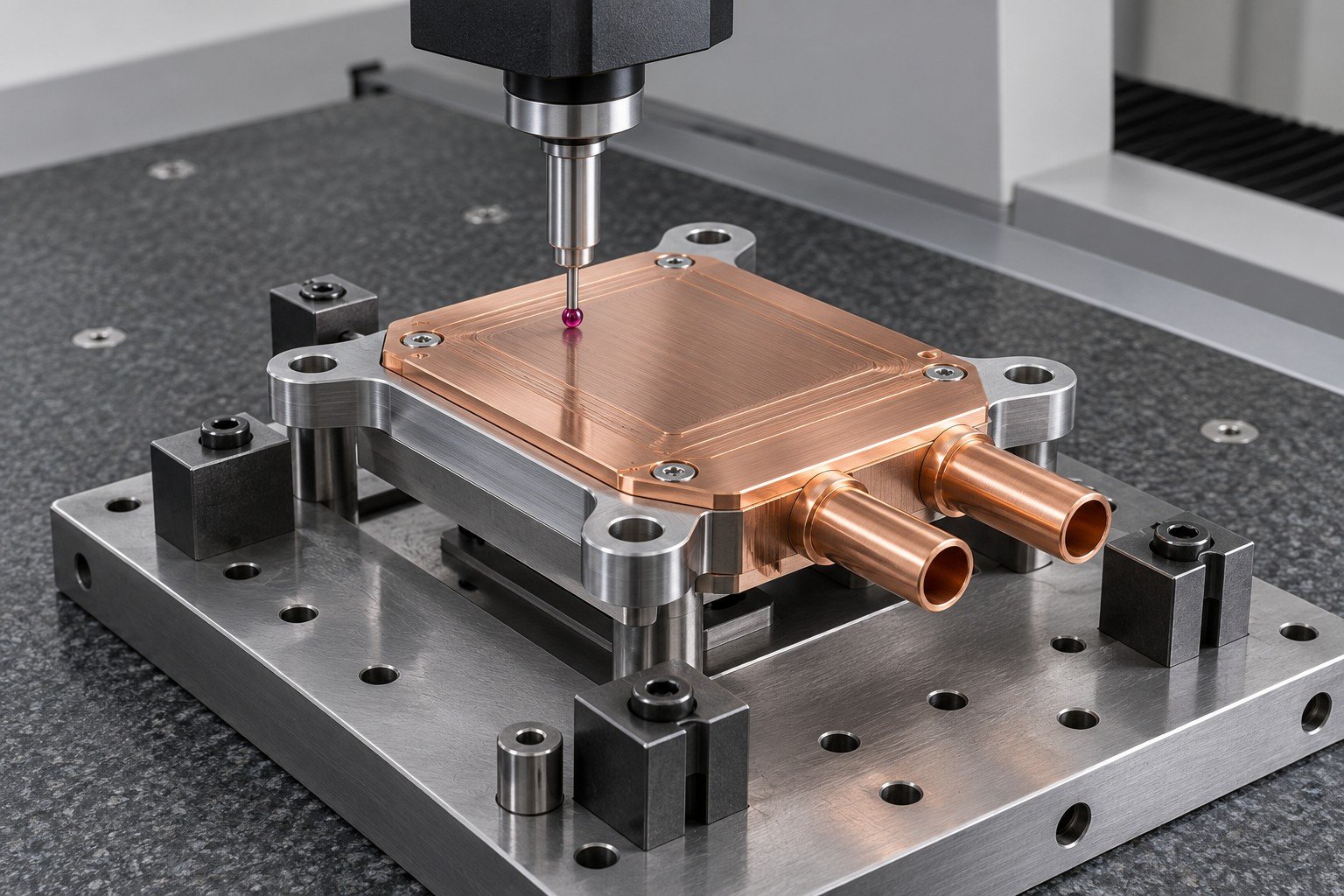
Illustrative component concept
When selecting an AI server cooling component supplier, separate manufacturing evidence from platform-level thermal approval. Your AI server liquid cooling prototype should confirm released interfaces, material, final dimensions and specified connection or leak checks. For low-volume AI server cooling parts, identify sample quantities, revision changes and repeat demand so the review matches your order.
These are application review topics, not customer case studies, platform endorsements or complete server-system certifications.
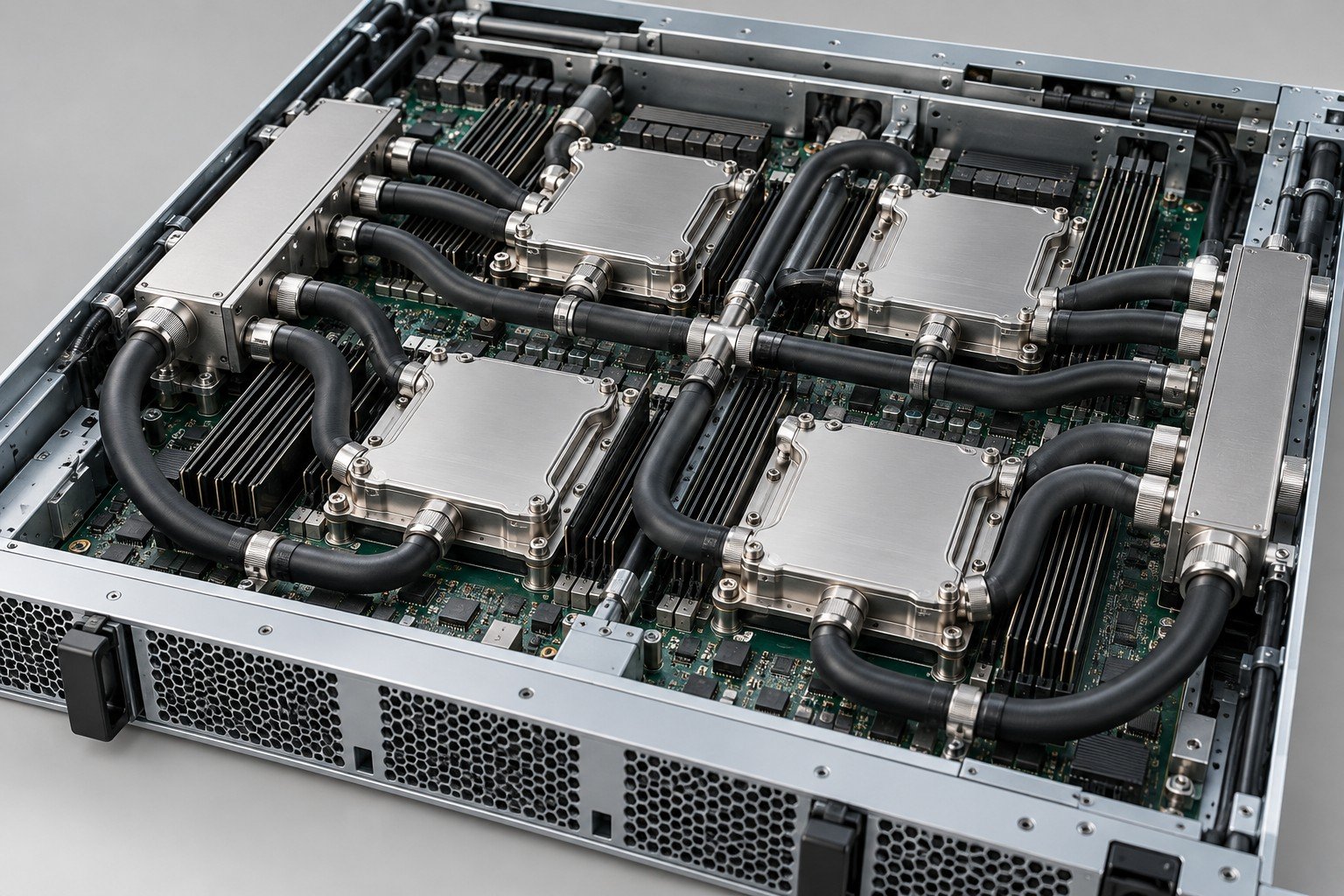
Review the released processor and accelerator footprints and component boundary.
Match chassis clearance, service access and the defined operating conditions.
Confirm contact area, mounting loads and the installed air or coolant path.
Resolve mounting datums, nearby components and the heat-source map.
Review ASIC interfaces, coolant connections or available airflow.
Define the individual component footprint and actual cooling responsibility.
Match the enclosure, service environment and maintenance interfaces.
Specify controlled hardware, sensors, operating inputs and the approval owner.
Illustrative assembly concept. Explore application requirements →
Ask your quote to separate component manufacturing, joining, finishing, inspection and any independently agreed validation. The drawing review confirms availability, quantities and delivery scope.
Agree the controlled drawing, material identity, final dimensional results, specified assembly or joining records, connection/leak checks and any separately defined thermal evidence. Identify the supplied component boundary and the person or team approving the sample.
A preliminary review can identify assumptions and open interfaces. Mark unresolved footprints, mounting loads, keep-outs, ports and operating conditions. Separate that budgetary scope from a production quotation based on released drawings and agreed acceptance.
Name the platform design owner or agreed validation party in the sample plan. Define the conditions and report needed for thermal approval. Manufacturing inspection, a leak check or a concept image does not replace that platform decision.
A custom AI server cooling parts quote should separate the specified components, machining, joining or assembly included, finish, inspection and sample records. Identify any independently agreed thermal validation and the boundary between the supplied part and the complete server system.
Confirm each platform footprint, keep-out envelope, mounting/contact requirements, connection routing and operating conditions. Similar outside dimensions do not establish interchangeability or thermal suitability.
State sample and repeat-order quantities, controlled revisions, critical interfaces, materials and acceptance records. Review tooling, assembly and inspection scope for the actual order; no universal minimum quantity or delivery promise is assumed.