Confirm the material
Name the grade, condition and specification; a trade name alone may be incomplete.
For your project: Reduce ambiguity before sourcing.
Core manufacturing processes for your prototypes, low-volume and repeat production.
Advanced manufacturing and engineering support for your complex, tight-tolerance parts.
Plan inspection, documentation and delivery around your production program.
Choose air- or liquid-cooling components around your thermal and mechanical requirements.

Manufacturing support for your cold plates, manifolds and cooling assemblies.
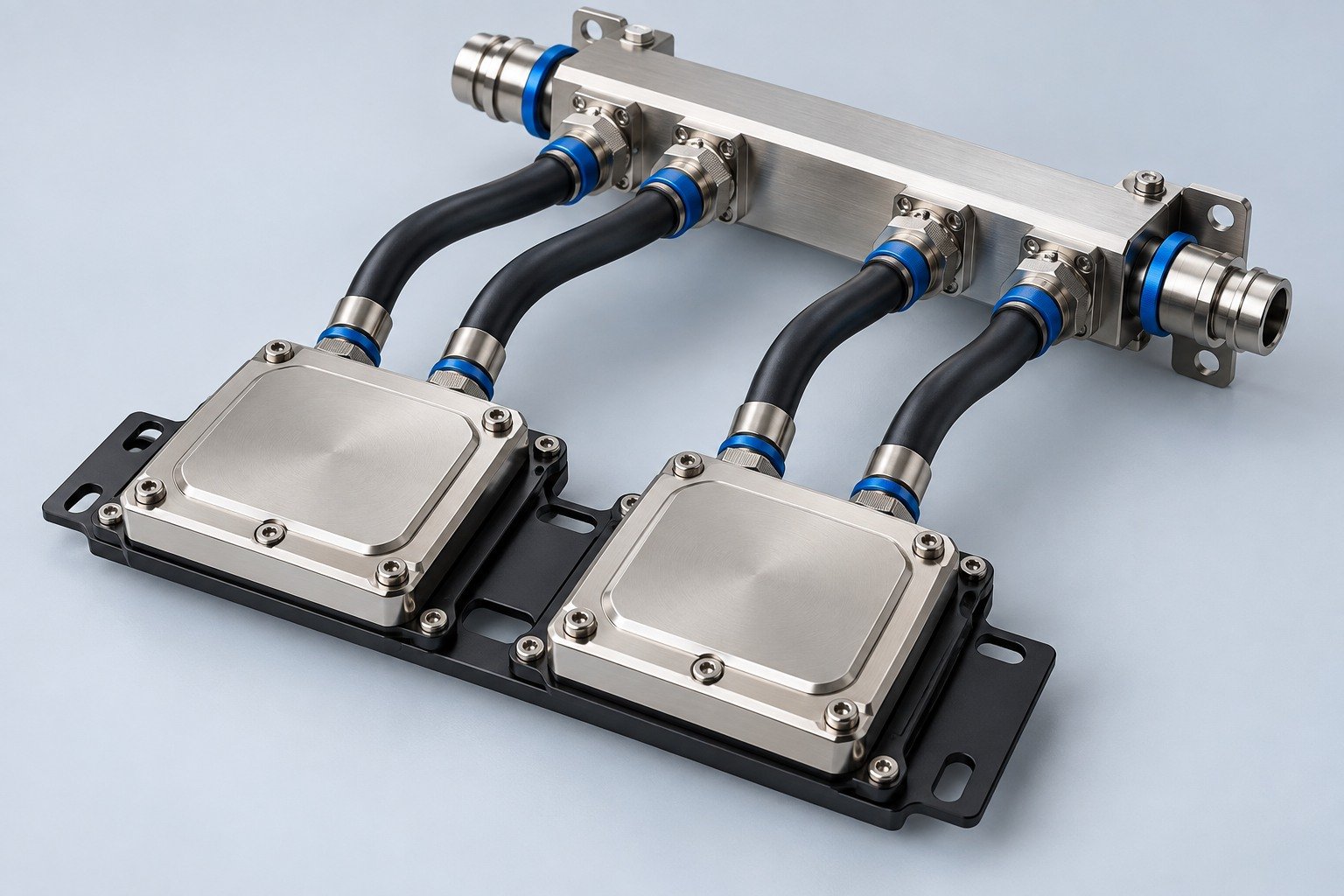
Find components for your power electronics, energy, laser and telecom application.
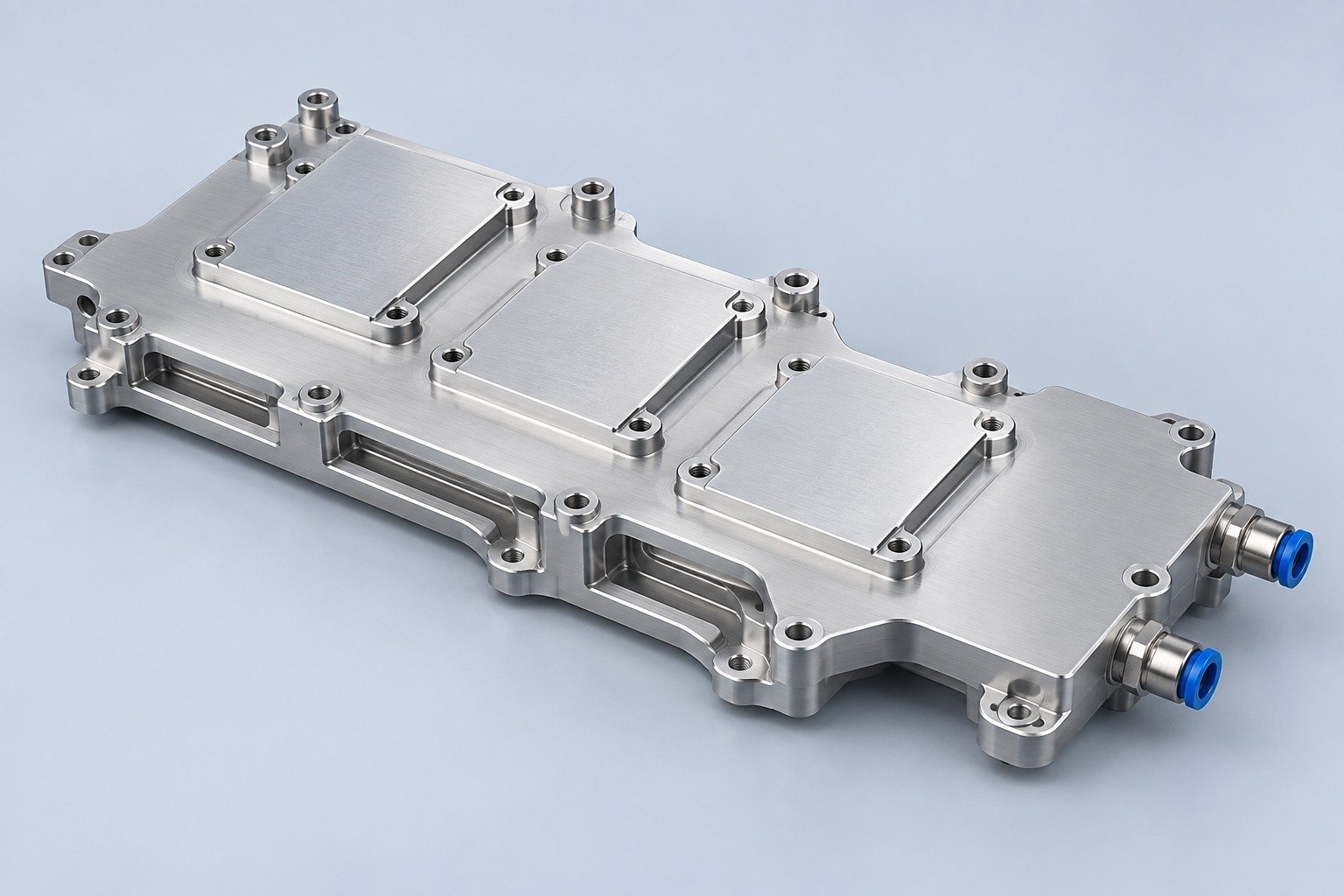
Components for your electronic systems.
Start with your functional and quality requirements.
Build around your operating environment.
Review grade, temper and finish for your metal parts.
 AluminumStrength, weight and machining
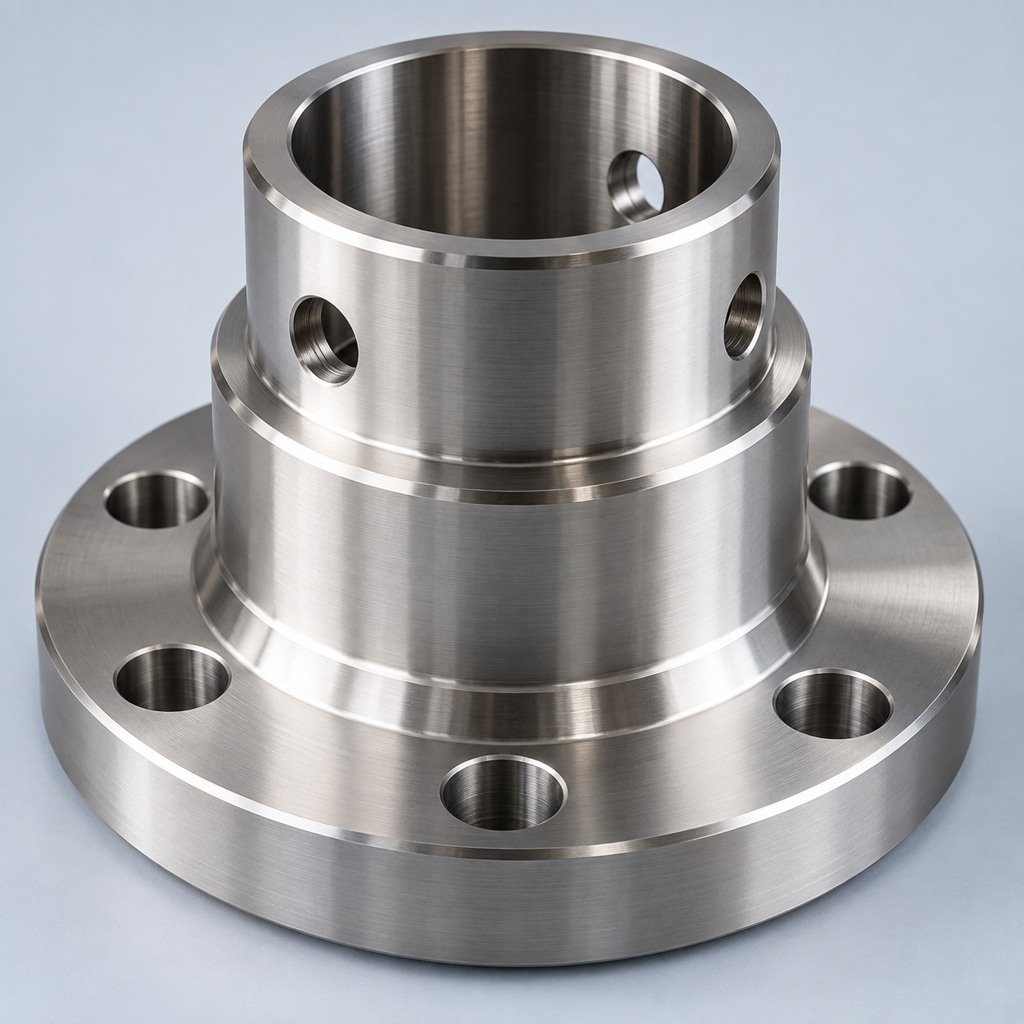 Stainless SteelCorrosion and finish requirements
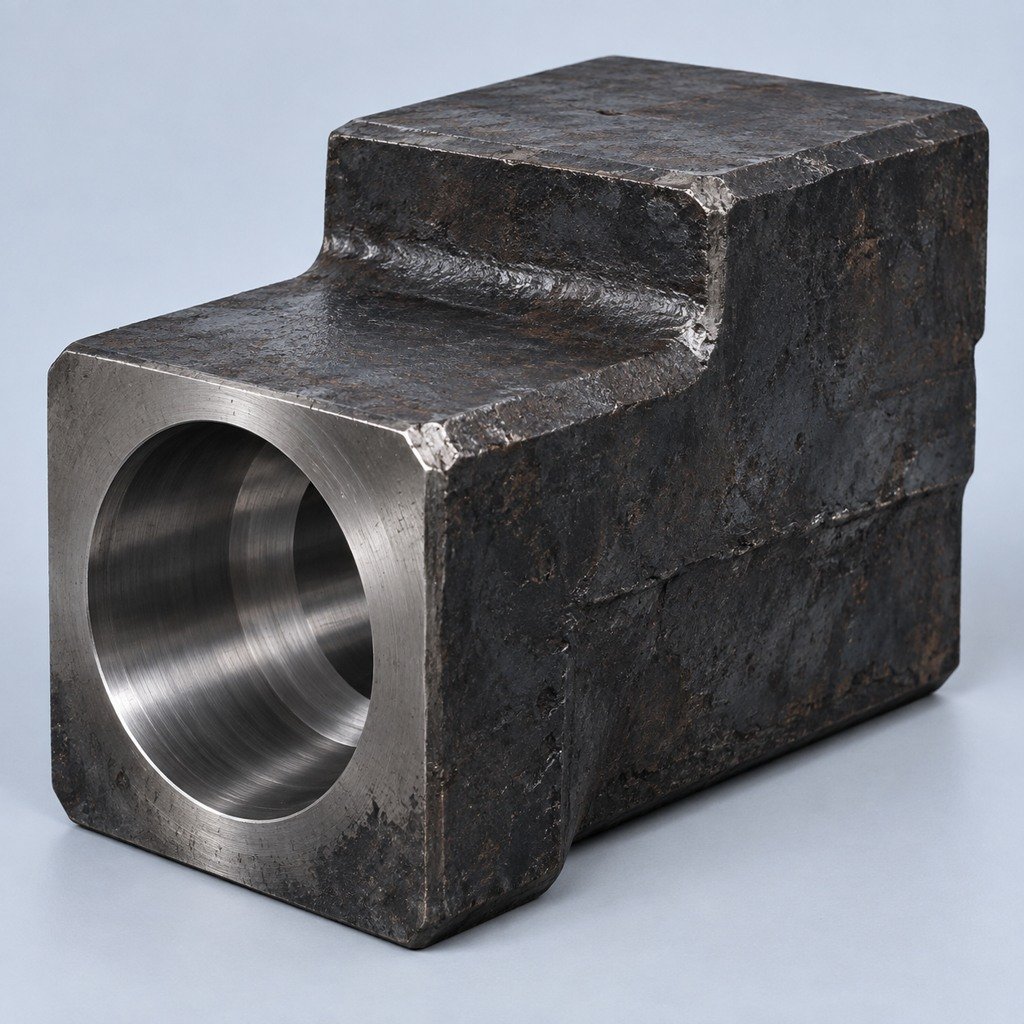 Carbon & Alloy SteelDiscuss grade and heat treatment
 Tool SteelDiscuss tooling and wear needs
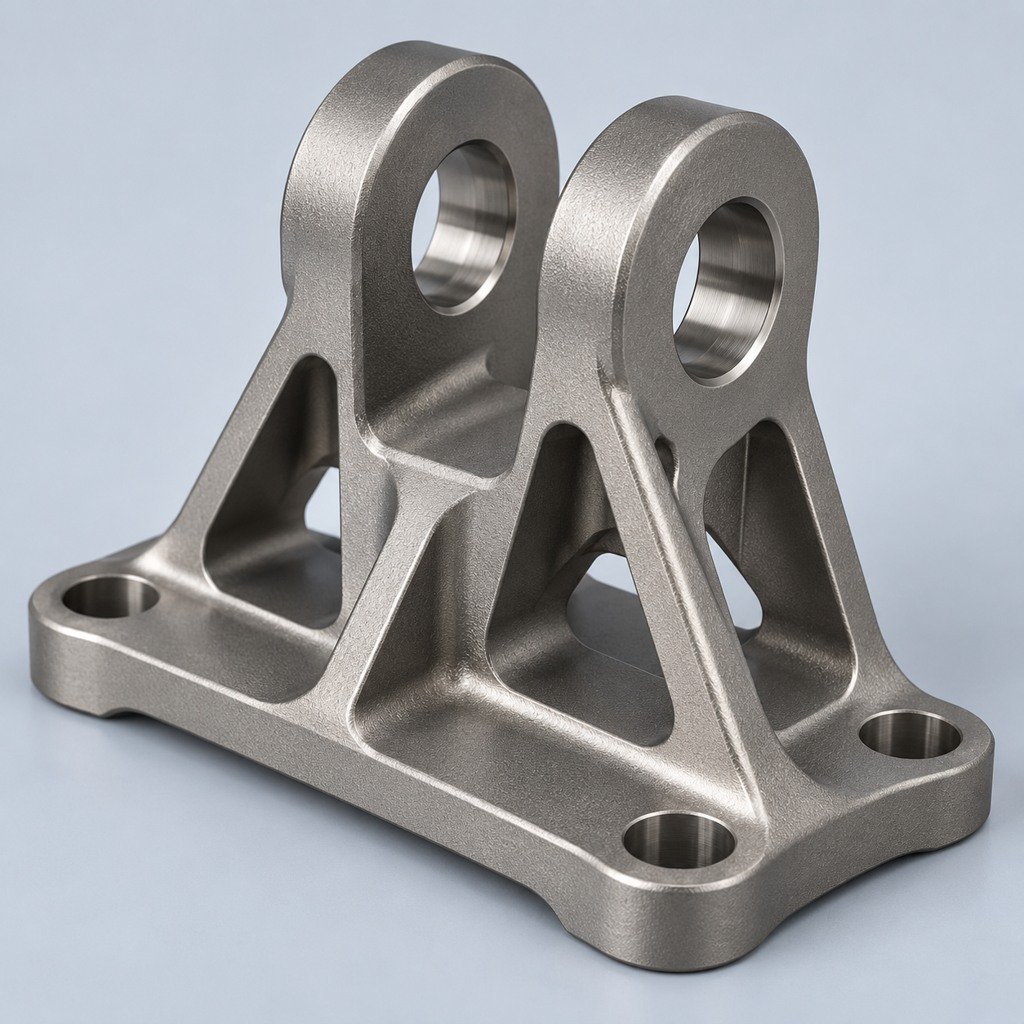 TitaniumReview grade and part geometry
 Copper & BrassDiscuss conductivity and machining
Match your polymer to function, process and environment.
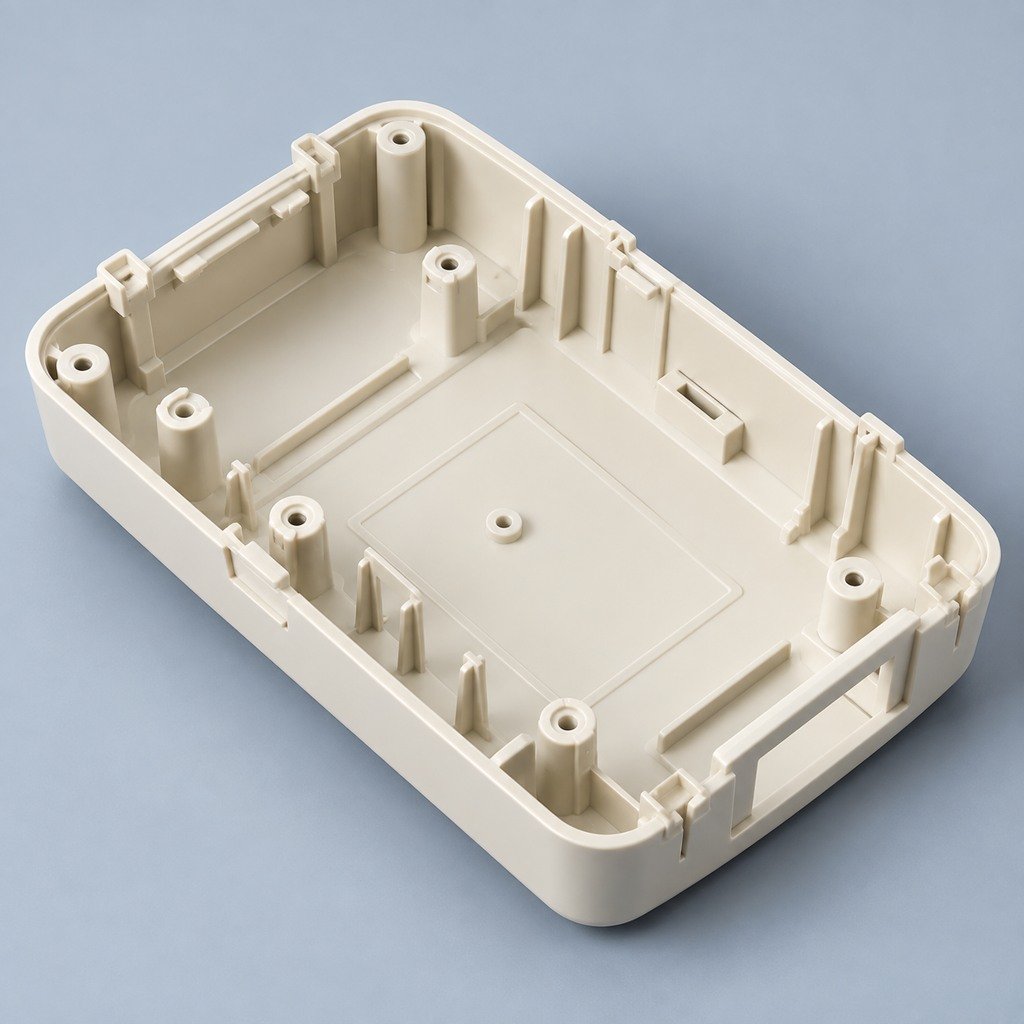 ABSReview enclosure and molding needs
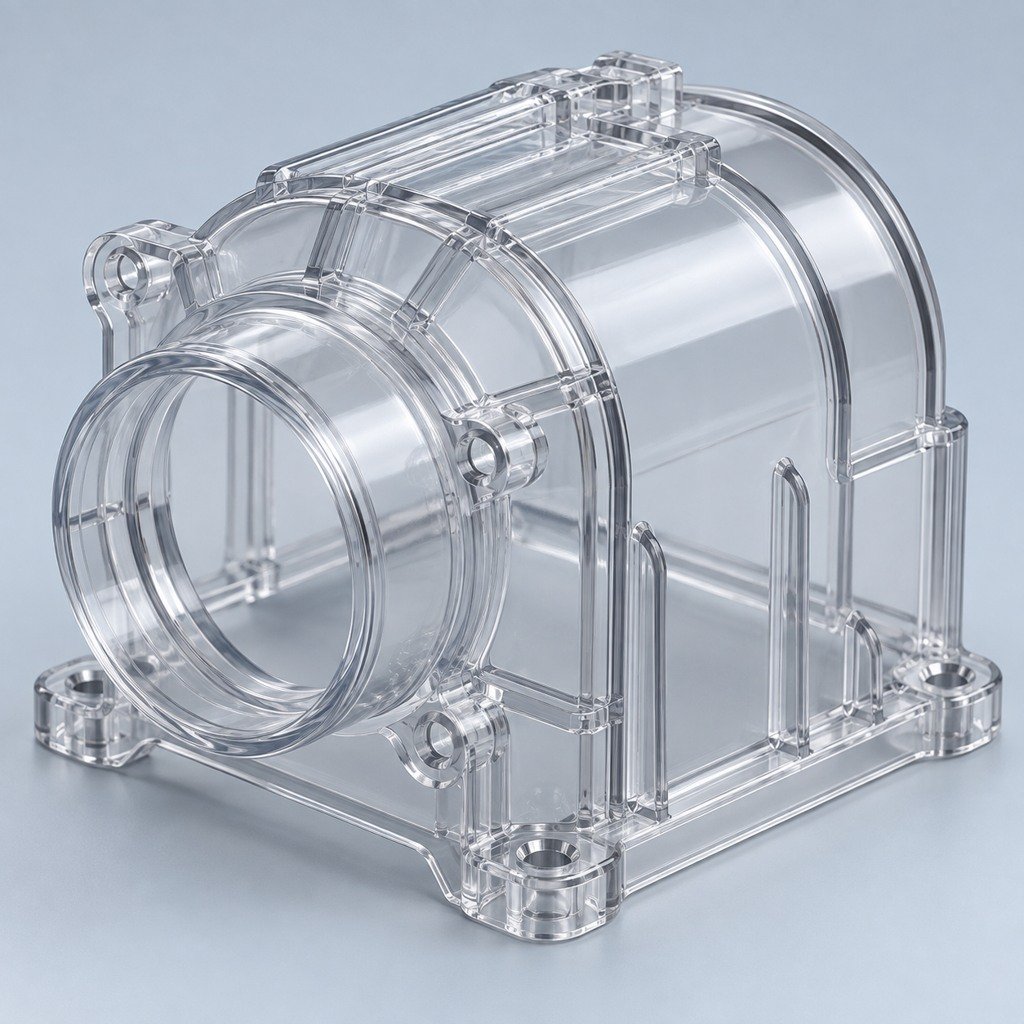 Polycarbonate (PC)Discuss clarity and impact needs
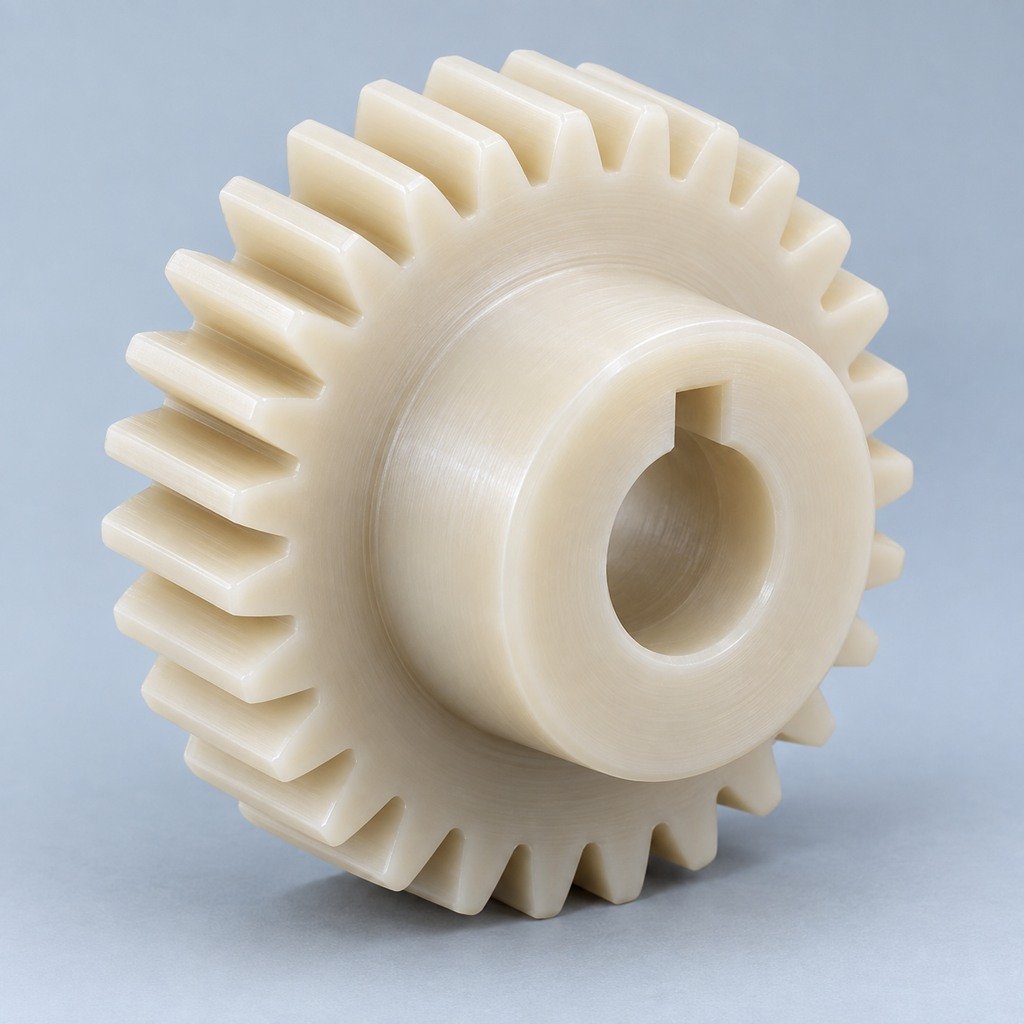 Nylon (PA)Review moisture and wear conditions
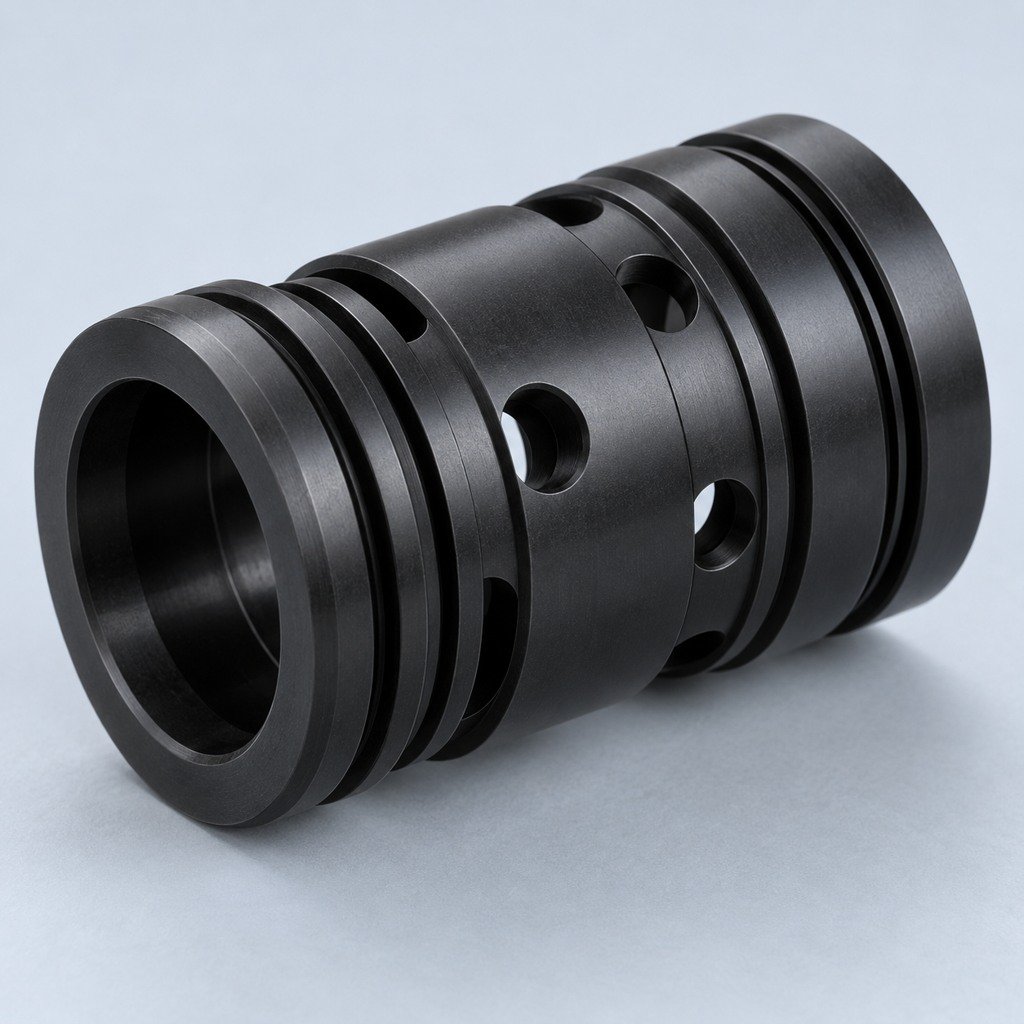 POM / AcetalReview fit and sliding features
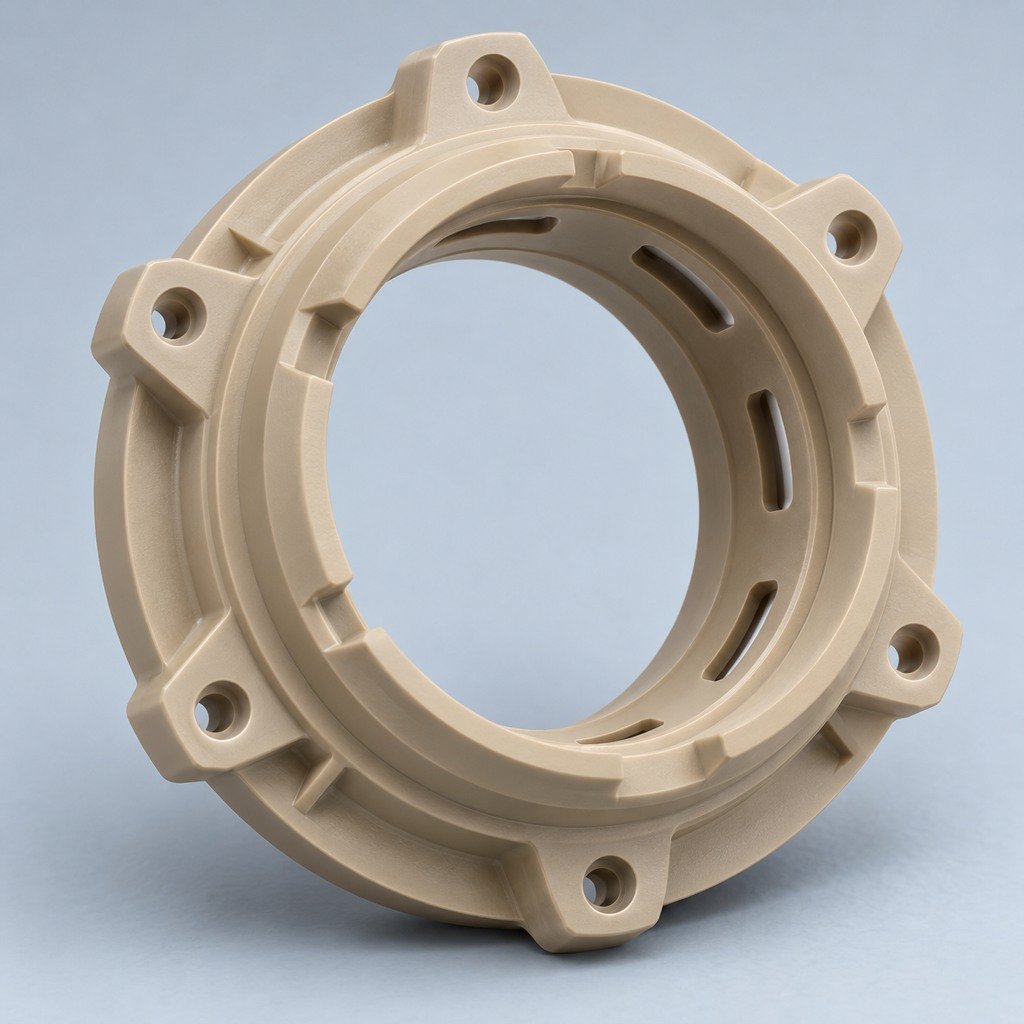 PEEKDiscuss operating conditions
 PTFEReview friction and chemical exposure
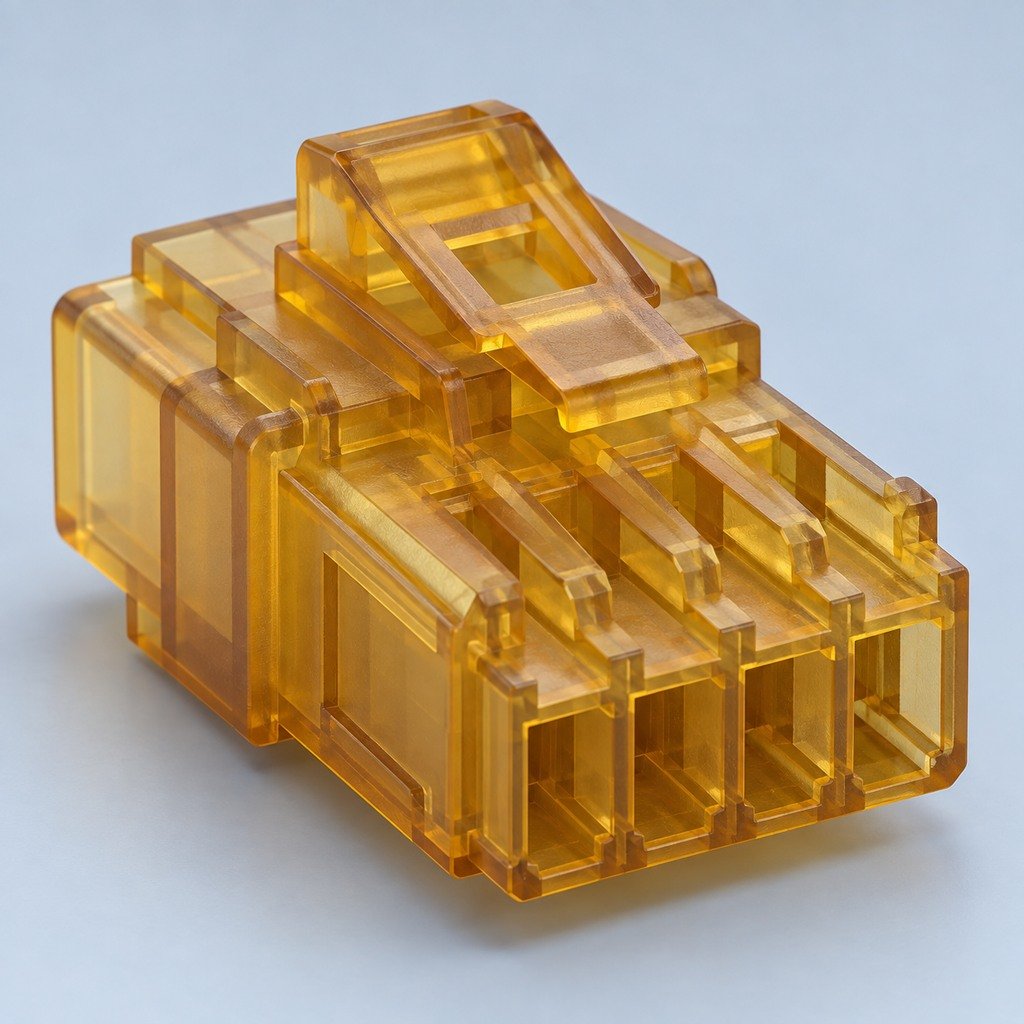 ULTEM / PEIDiscuss thermal and electrical needs
Confirm grade availability and application requirements.
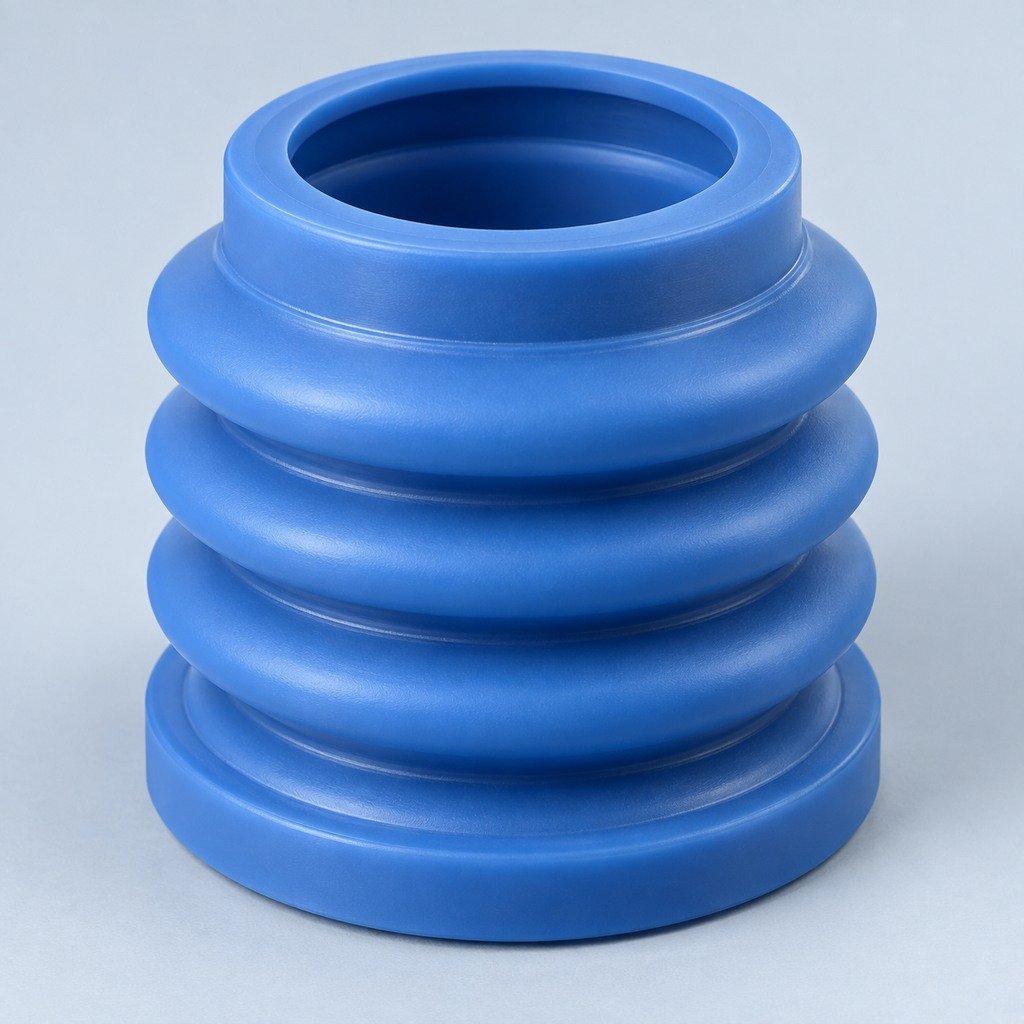 Silicone / LSRDiscuss flexible component needs
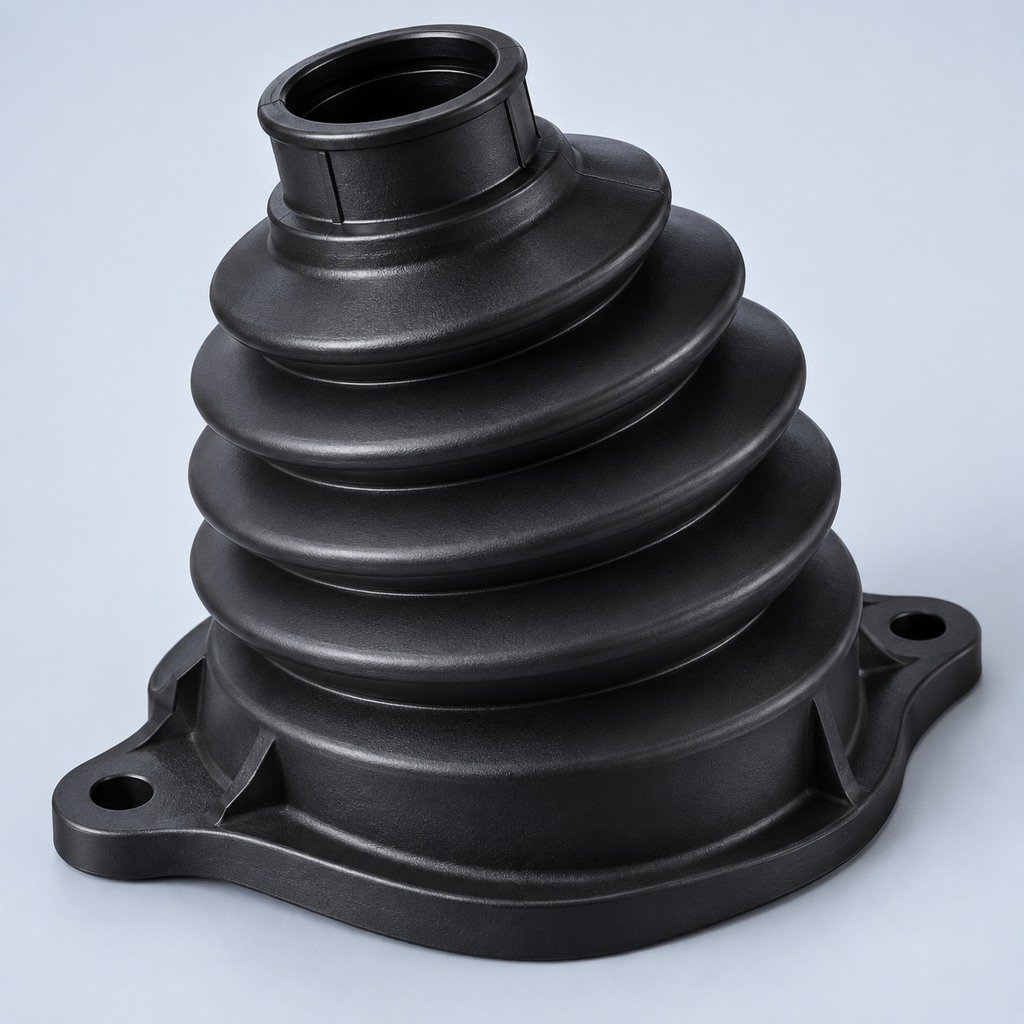 TPU / TPEReview flexibility and processing
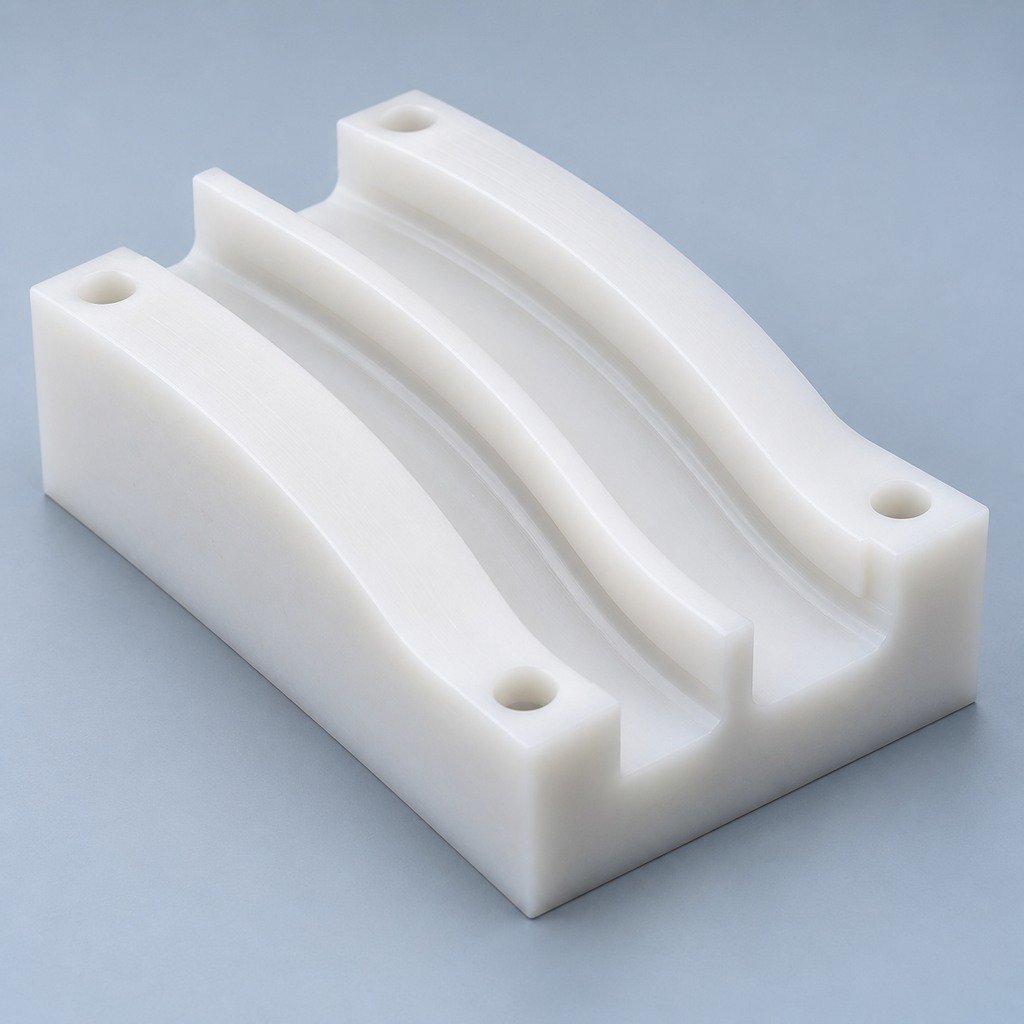 UHMW-PEDiscuss sliding and wear needs
 Acrylic / PMMAReview optical and cosmetic needs
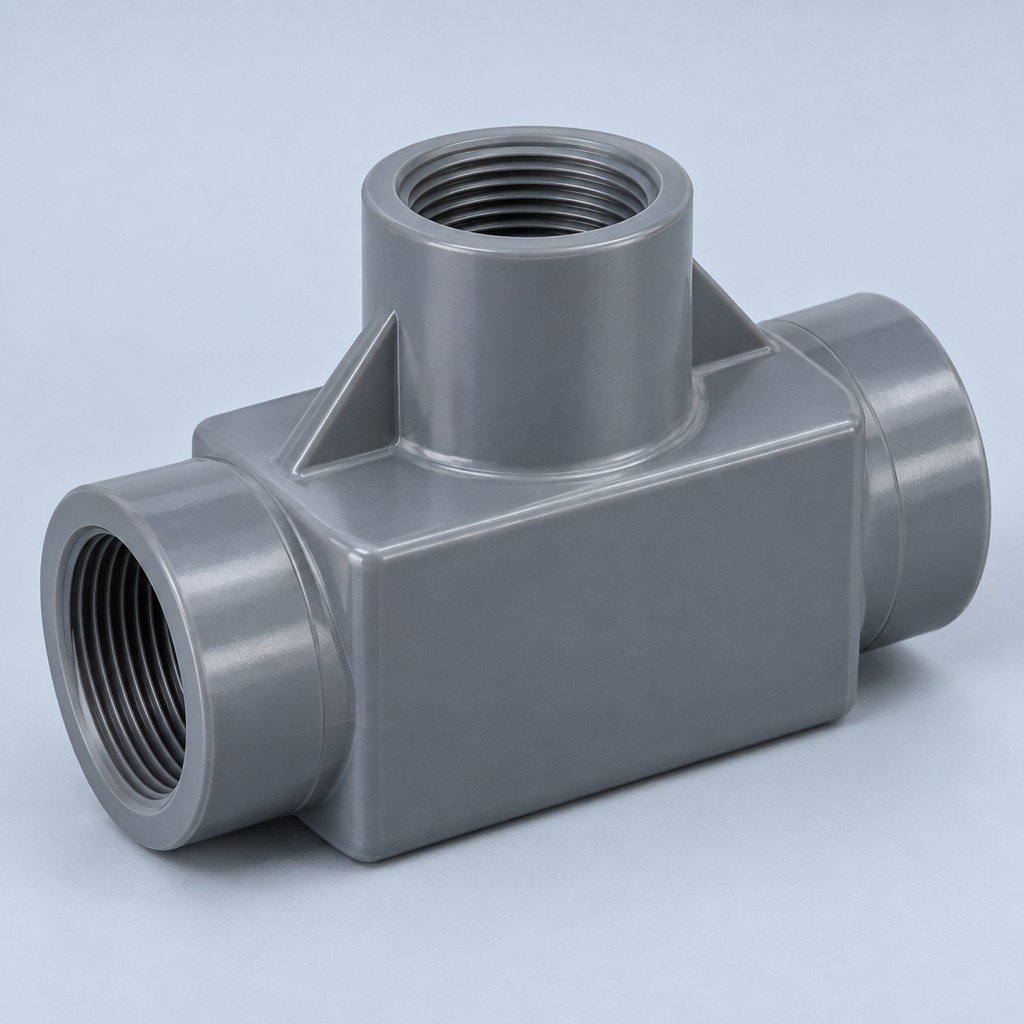 PVCDiscuss chemical exposure and grade
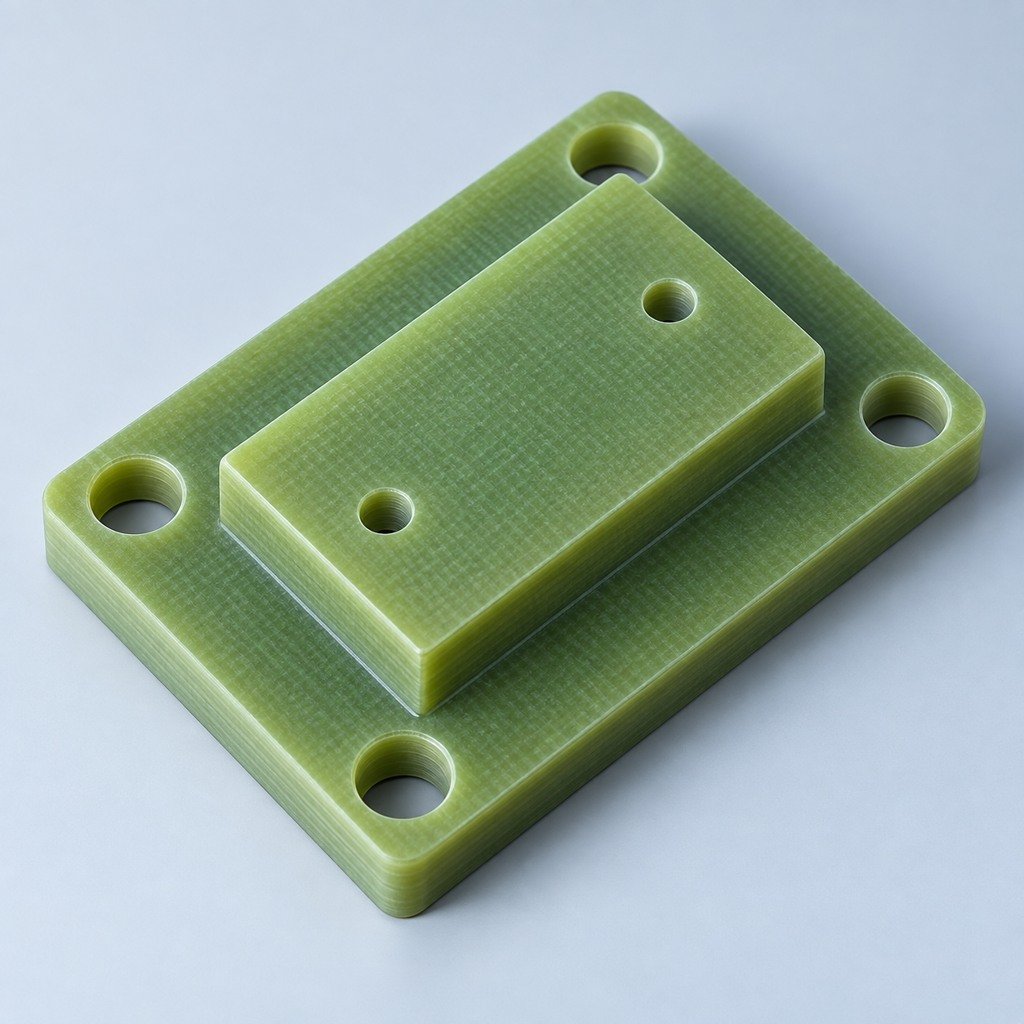 G10 / FR4Review insulation and laminate needs
Practical guidance for your part geometry and material decisions.
Prepare your process, budget and sourcing questions.
Build your knowledge before production.
Learn who we are and how we operate.
Find our U.S. support team or start a conversation.
MATERIAL RECORDS FOR YOUR PROJECT
Define your material certificate and heat / lot traceability requirements before production. Connect the requested grade, supplier records and delivered batch so your team can review the evidence it actually needs.
Send Your Drawing & Documentation Requirements →Provide your required document types and format with the drawing. Availability, cost and timing are confirmed for your project.

TRACEABILITY OVERVIEW
Start with your drawing, material specification and customer requirements. Agree what each record must identify, how it links to the order and who reviews it before release.

Name the grade, condition and specification; a trade name alone may be incomplete.
For your project: Reduce ambiguity before sourcing.
Specify the identifier and the production stage where it must be retained.
For your project: Make your requested batch link reviewable.
Agree whether your PO, part number, lot or serial number appears on the record.
For your project: Avoid receiving an unrelated certificate.
Use the approved drawing and document revision; record any accepted change.
For your project: Prevent repeat builds using outdated inputs.
Confirm whether the next order uses a new material lot and needs new evidence.
For your project: Review the next batch instead of reusing an old report.
7 topics to discuss before sourcing. Each record’s scope must be agreed for your order.

Your benefit: review the requested material evidence against a defined specification.
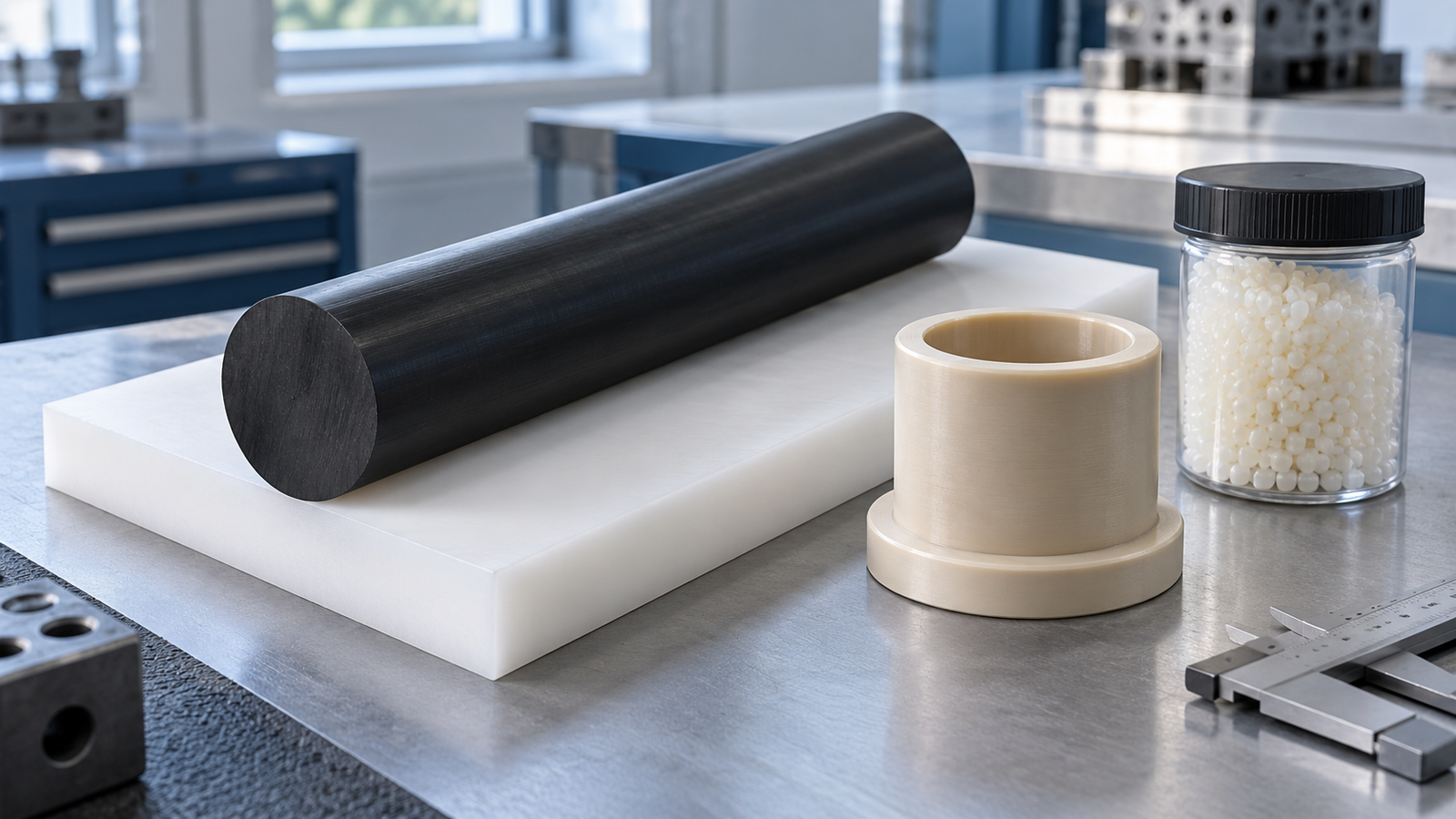
Your benefit: distinguish a named polymer family from the precise grade your part requires.

Your benefit: request the actual data fields you need instead of assuming a document title guarantees them.
Your benefit: separate a statement of conformity from measured material or dimensional results.

Your benefit: identify documentation gaps before placing the order. No blanket compliance claim is implied.
Your benefit: avoid treating the previous order’s material report as evidence for a different batch.

Your benefit: uncover unavailable records and extra work before a submission deadline.
Supplier or mill evidence within its stated property and batch scope.
When to request: When the specified material properties or batch evidence must be documented.
Links between material identifiers and agreed manufacturing or delivered batches.
When to request: When your program needs records connecting material to parts.
A declaration against the agreed part and specification scope.
When to request: When your purchase requirements call for that declaration.
Your required formats, submission artifacts and approval records.
When to request: When your customer specifies additional records; availability is reviewed.
Results for agreed characteristics, sample, revision and method.
When to request: When dimensions or other specified checks need recorded results.
| Record | Main purpose | Heat / lot | Link to parts | Measurement evidence |
|---|---|---|---|---|
| Material certificate | Material properties within the report scope | Check report | Only if explicitly linked | Not a dimensional report |
| Traceability record | Chain or batch association | Agreed identifiers | Agreed batch / part link | Not material test results |
| CoC | Declaration against specified scope | If required | Part / order / revision as agreed | Not a substitute for requested test data |
| Inspection report | Measured characteristics in scope | If required | Identified sample / batch | Agreed results |
| Customer package | Customer-specific evidence set | As required | As required | As required |
Your review: Confirm exact grade, condition and specification before sourcing.
Your review: Agree the required identifier and where it must remain visible.
Your review: Define the certificate-to-order and material-to-part links.
Your review: Agree segregation and identification requirements for your program.
Your review: Review the document against the approved part and drawing revision.
Your review: Include documentation scope at quotation; later recovery may be limited.
Use this checklist to agree responsibilities and record scope for your project.
Define material, part revision, record types and approval owner.
Confirm the available certificate and identifier scope before sourcing.
Agree the incoming material and order association.
Keep the specified batch identification through the agreed process stages.
Review part links, revisions and required inspection evidence.
Deliver the agreed documentation with the identified order or batch.
No. It addresses its stated material evidence scope. Dimensions, finish, function and other requirements may need separate checks.
No. A CoC is a declaration against a specified scope. An MTR generally reports material properties and batch information within its report scope. Agree which evidence your order requires.
Do not assume it can be recovered. Availability depends on the supplier and preserved identifiers. Request the required records before sourcing.
Only review it as evidence where the material and batch association is valid. A new material lot may require new records.
No blanket inclusion is promised. Provide your applicable requirements so evidence availability and scope can be reviewed for the material and finish.
Specify the retention period and access requirements with your inquiry. Confirm responsibilities and availability for the project before the order.
Images show illustrative material and documentation concepts, not actual customer parts, mill certificates or evidence of certification.