Injection Molding
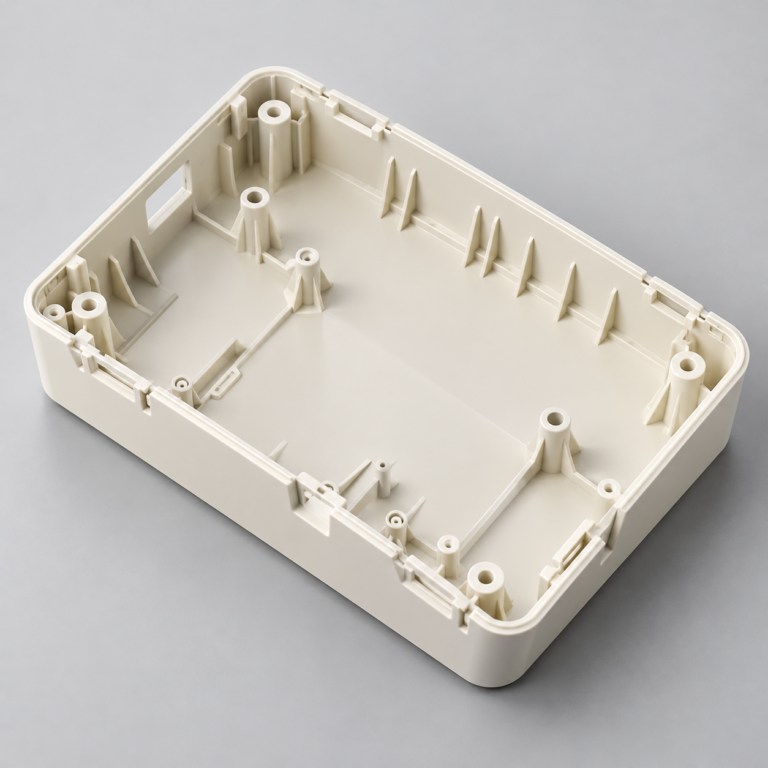
Tooling and molding for your repeat plastic parts.
From prototype to production, coordinated manufacturing solutions for your custom parts.
View All Services →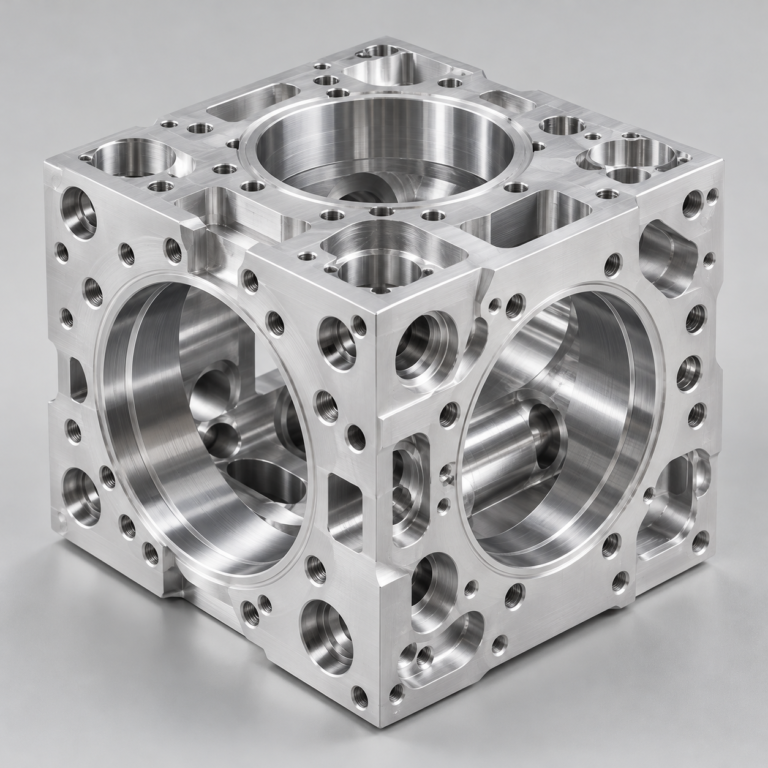
Precision parts for your tight tolerances and complex geometry.
Tooling and molding for your repeat plastic parts.
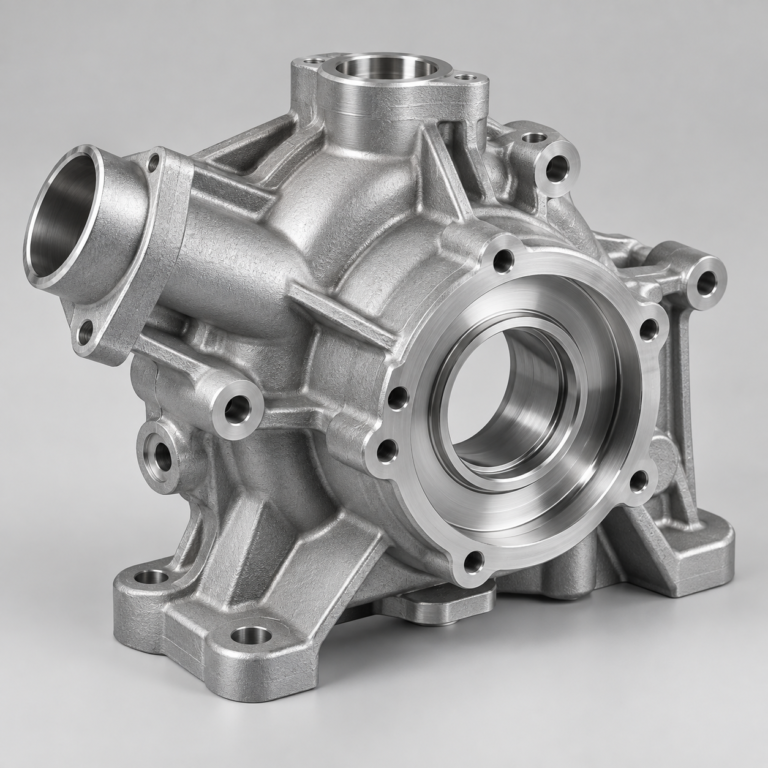
Metal casting options for your part and production volume.
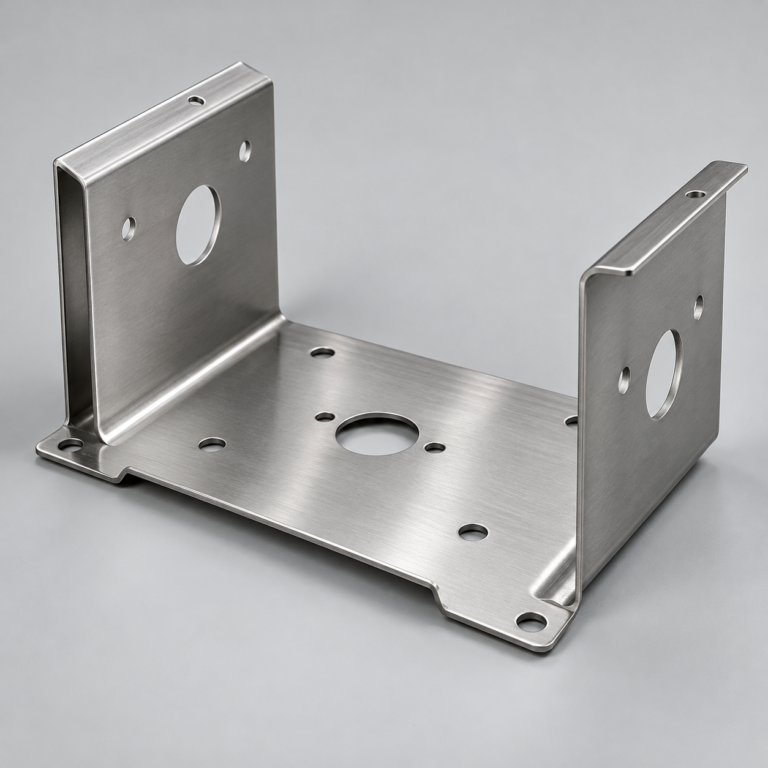
Cutting, forming and welding for your fabricated parts.
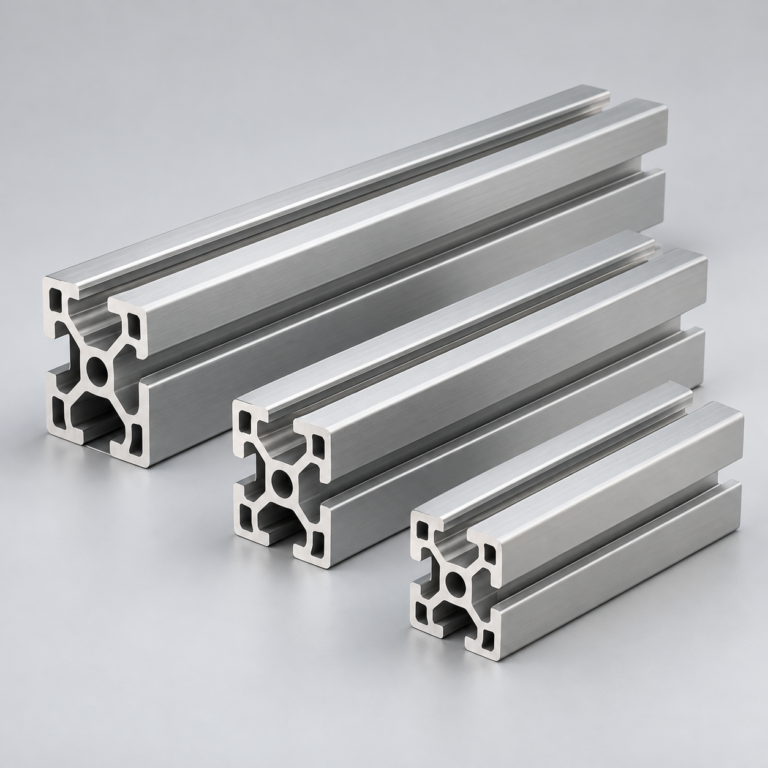
Custom profiles for your section, length and finish requirements.
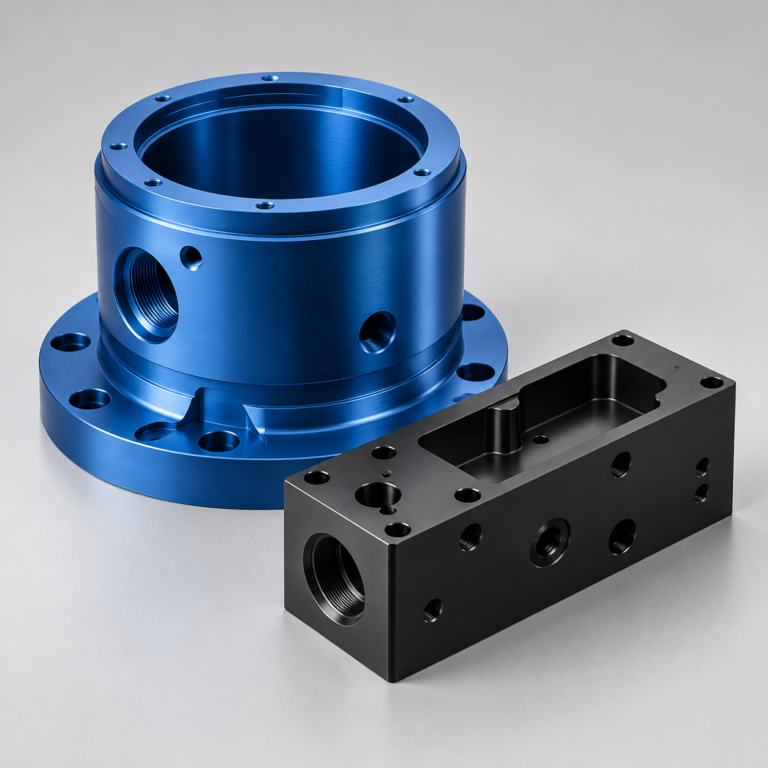
Finishes for your appearance, corrosion and wear requirements.
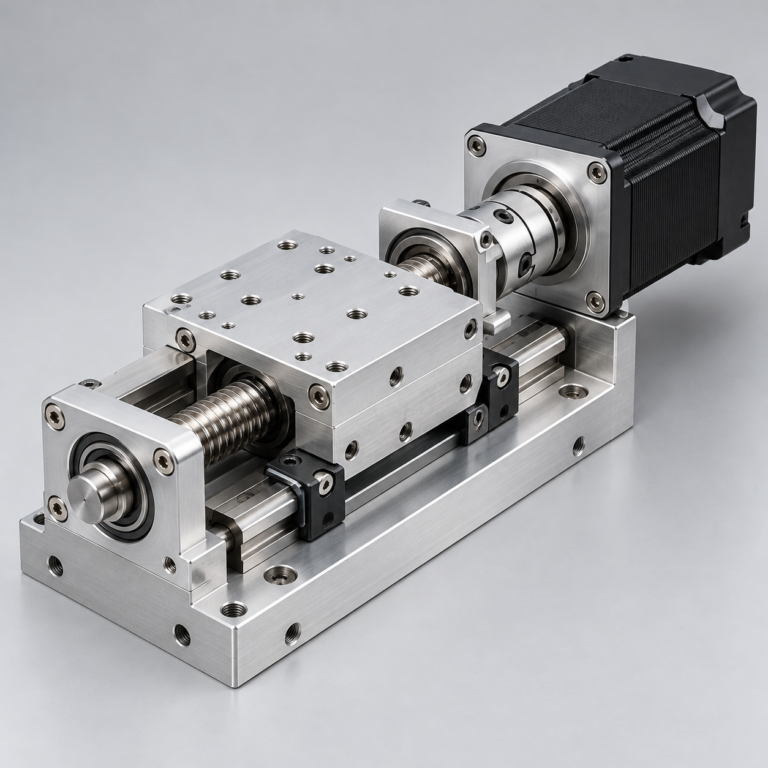
Sub-assemblies and final builds for your production program.
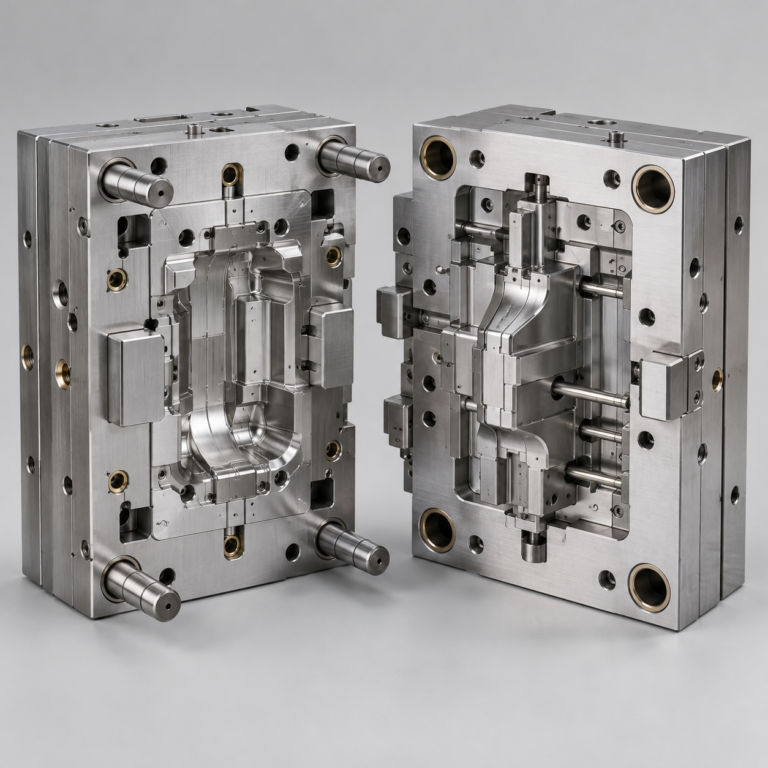
Production tooling built around your process and volume.
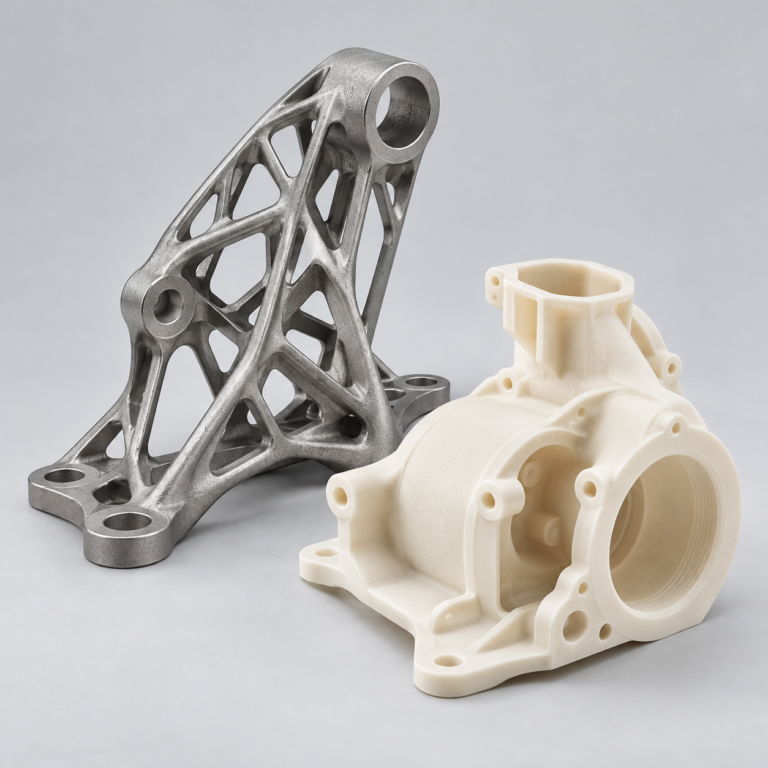
Prototype parts to check fit, function and design.
DFM, process planning and production support for your project.
Inspection, documentation, inventory and delivery planning for your program.
Choose air- or liquid-cooling components around your thermal and mechanical requirements.
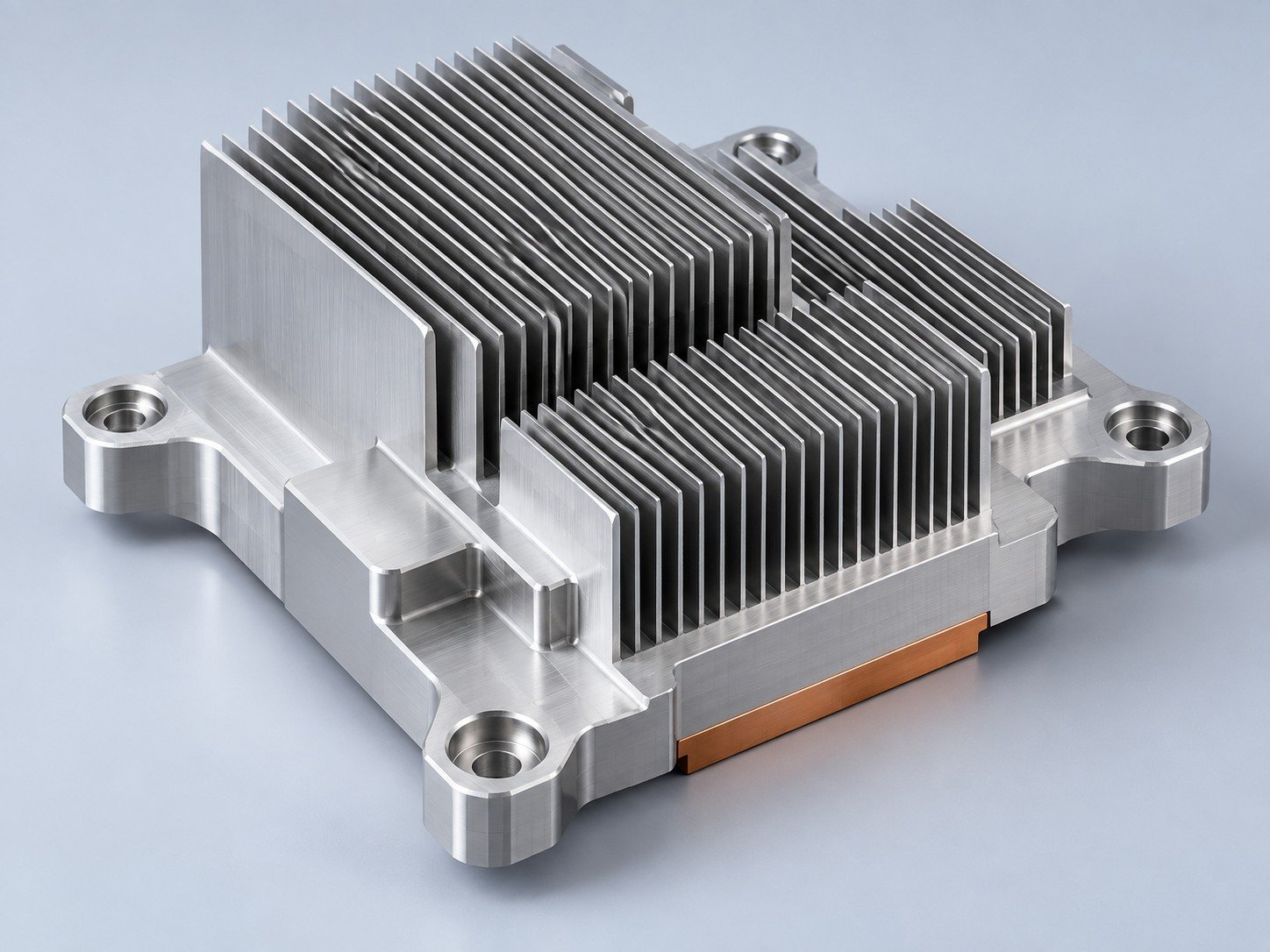
Manufacturing support for your cold plates, manifolds and cooling assemblies.
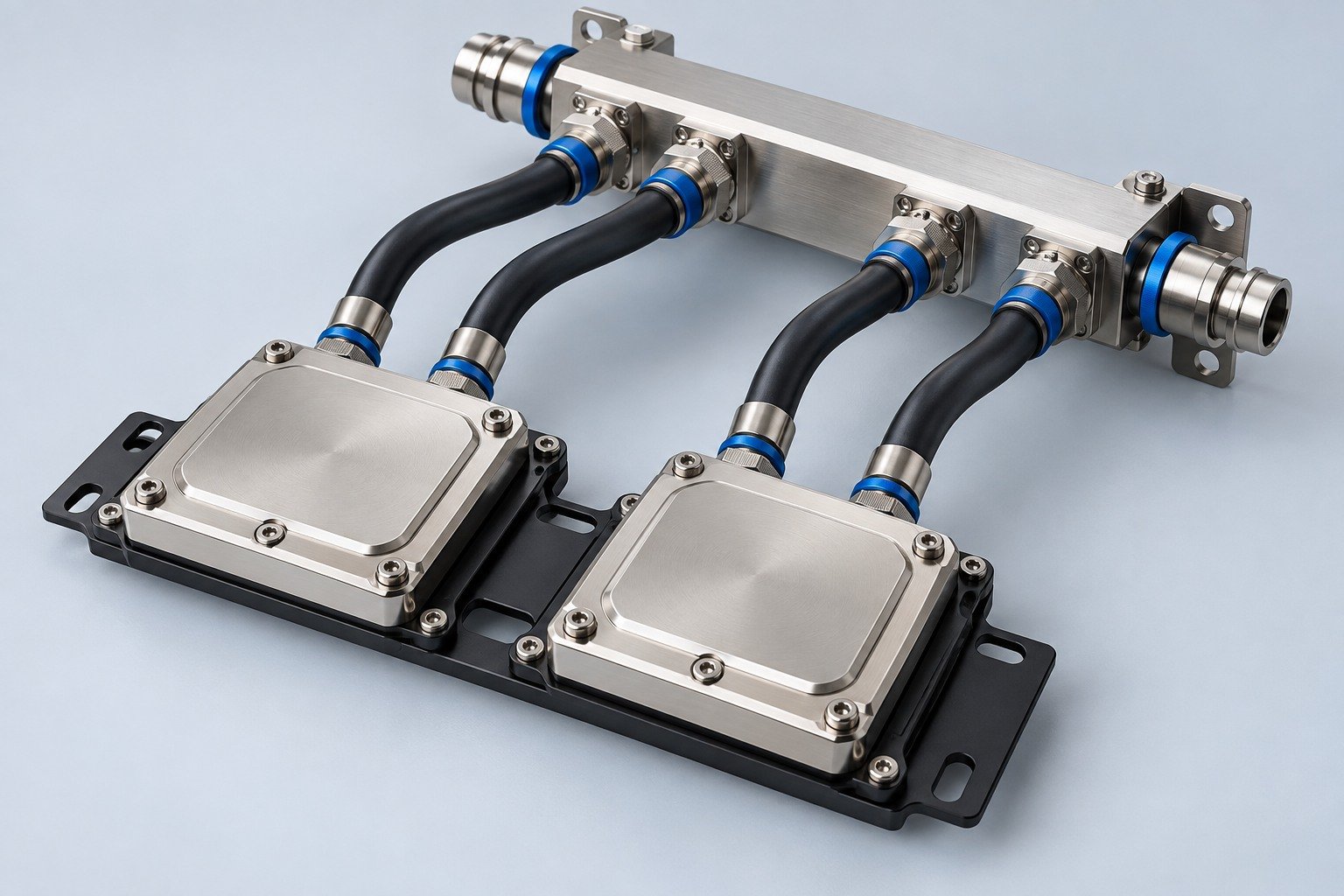
Find components for your power electronics, energy, laser and telecom application.
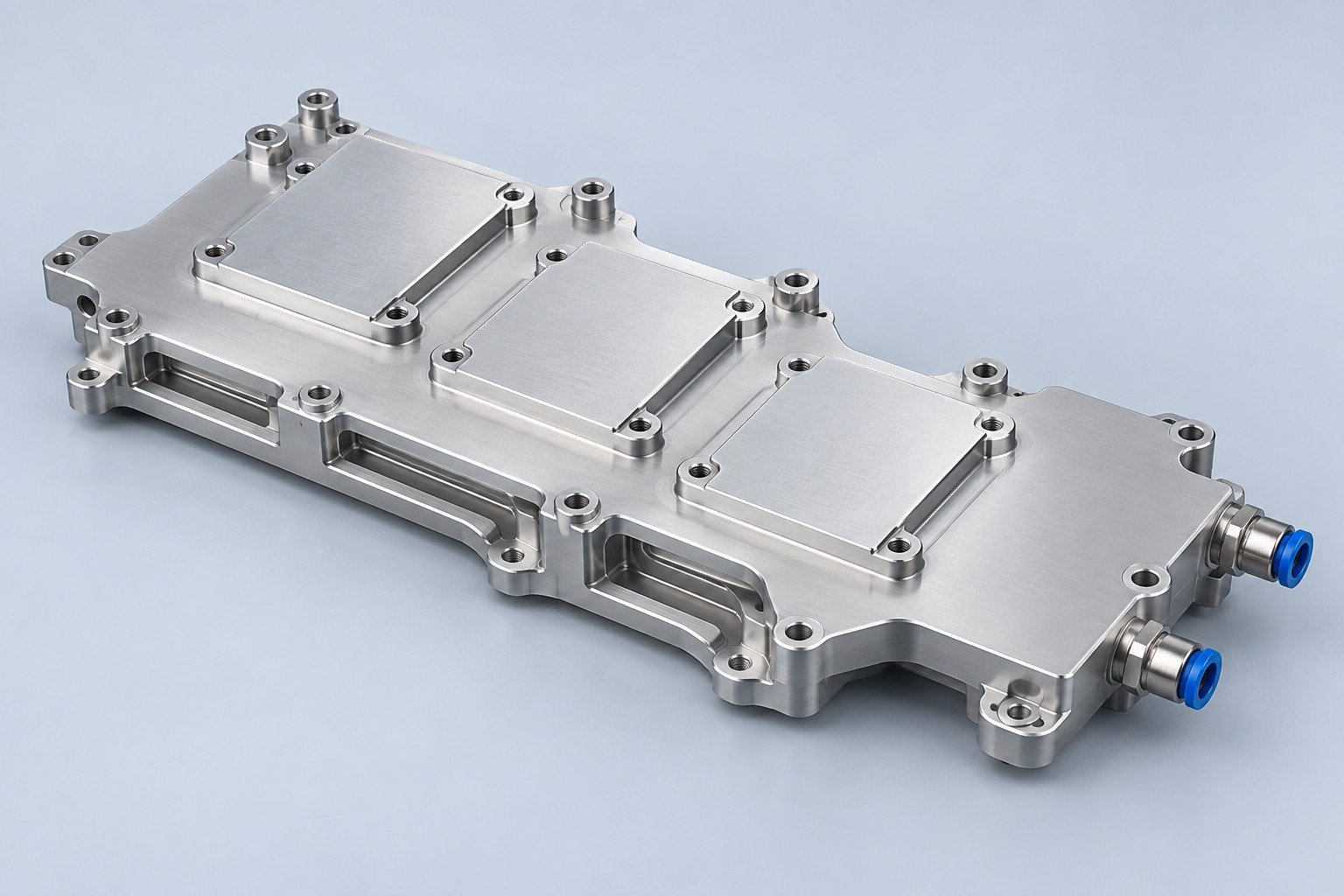
Components for your electronic systems.
Start with your functional and quality requirements.
Build around your operating environment.
From prototype to production, review material performance, manufacturability and cost for your part.
Review grade, temper and finish for your metal parts.
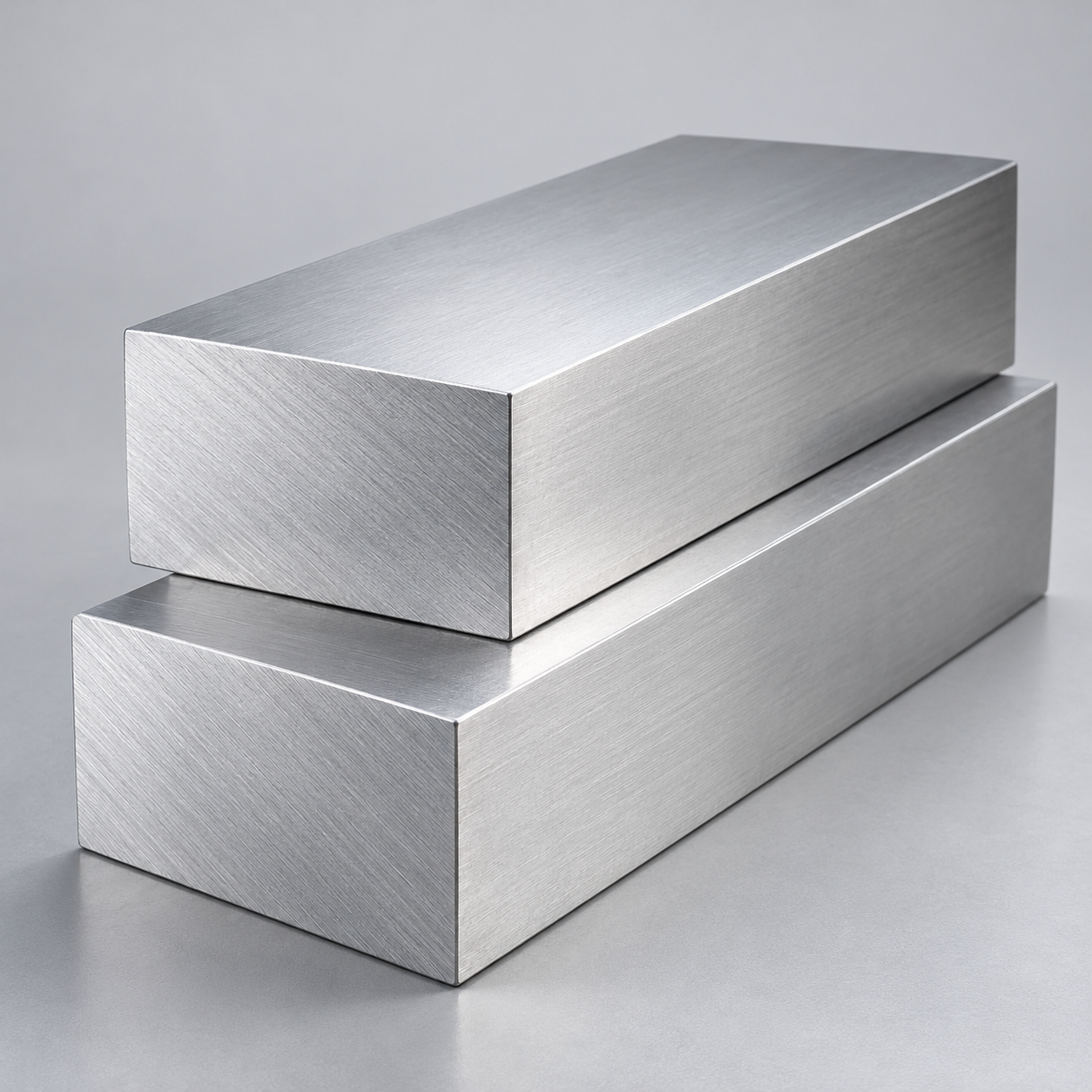 AluminumStrength, weight and machining›
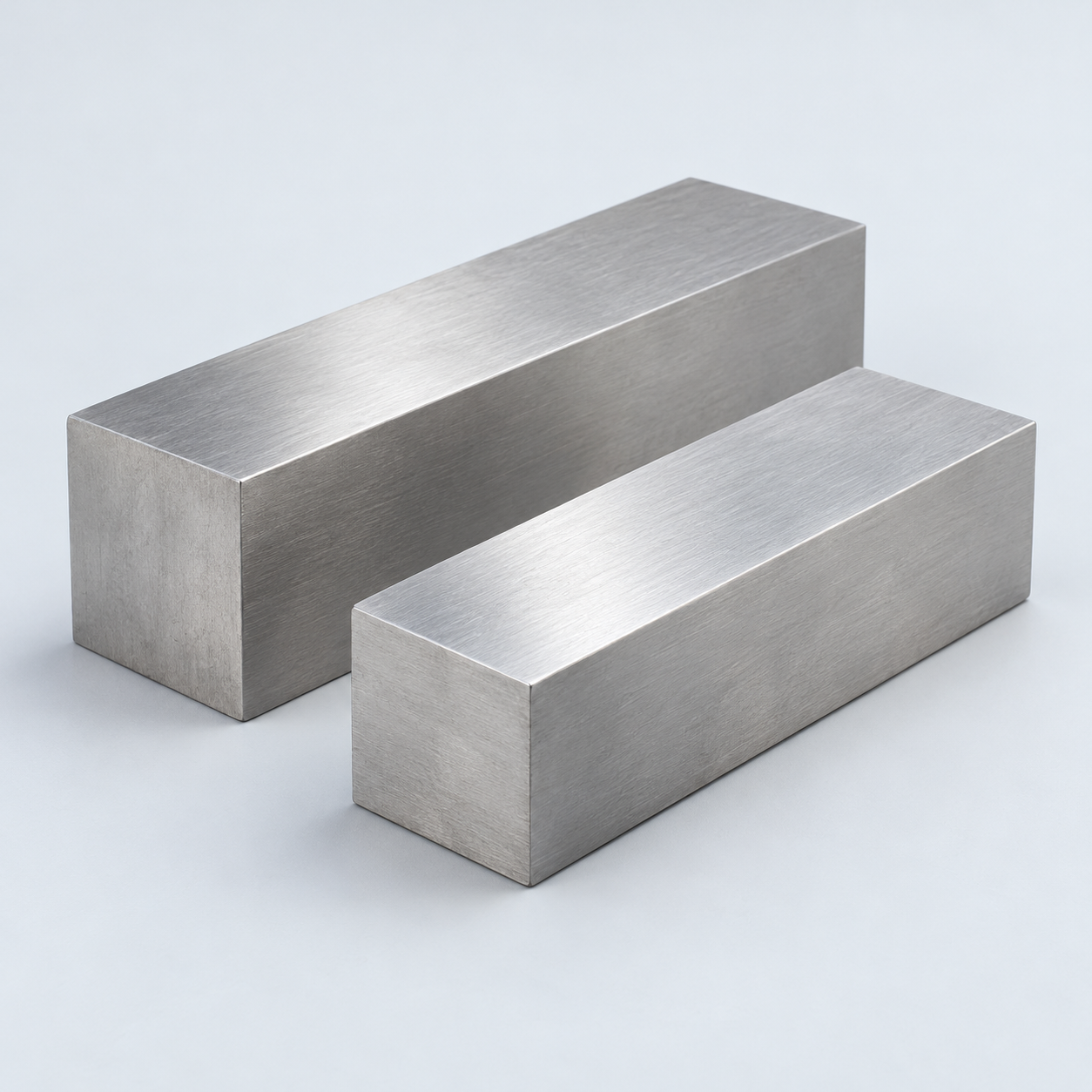 Stainless SteelCorrosion and finish requirements›
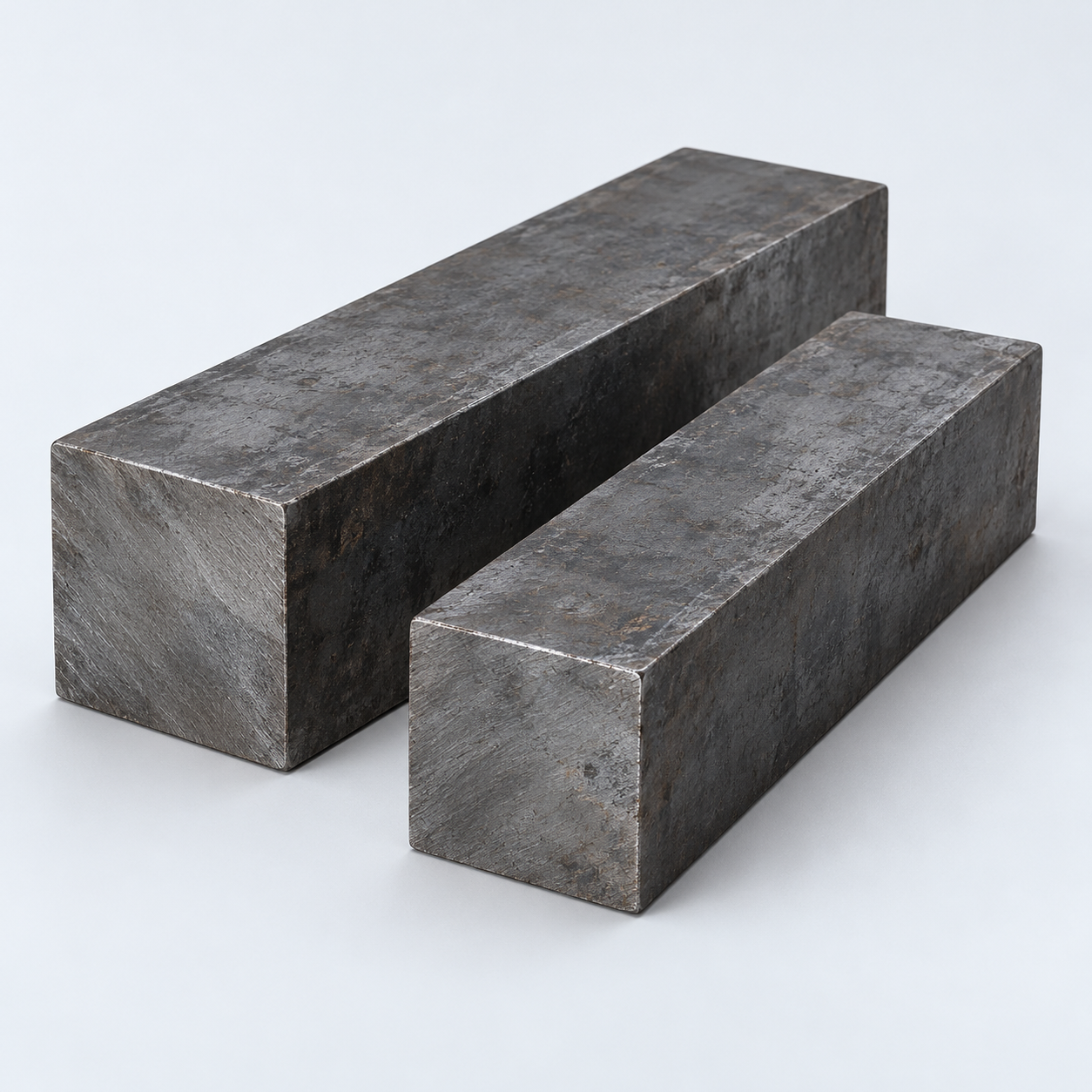 Carbon & Alloy SteelDiscuss grade and heat treatment›
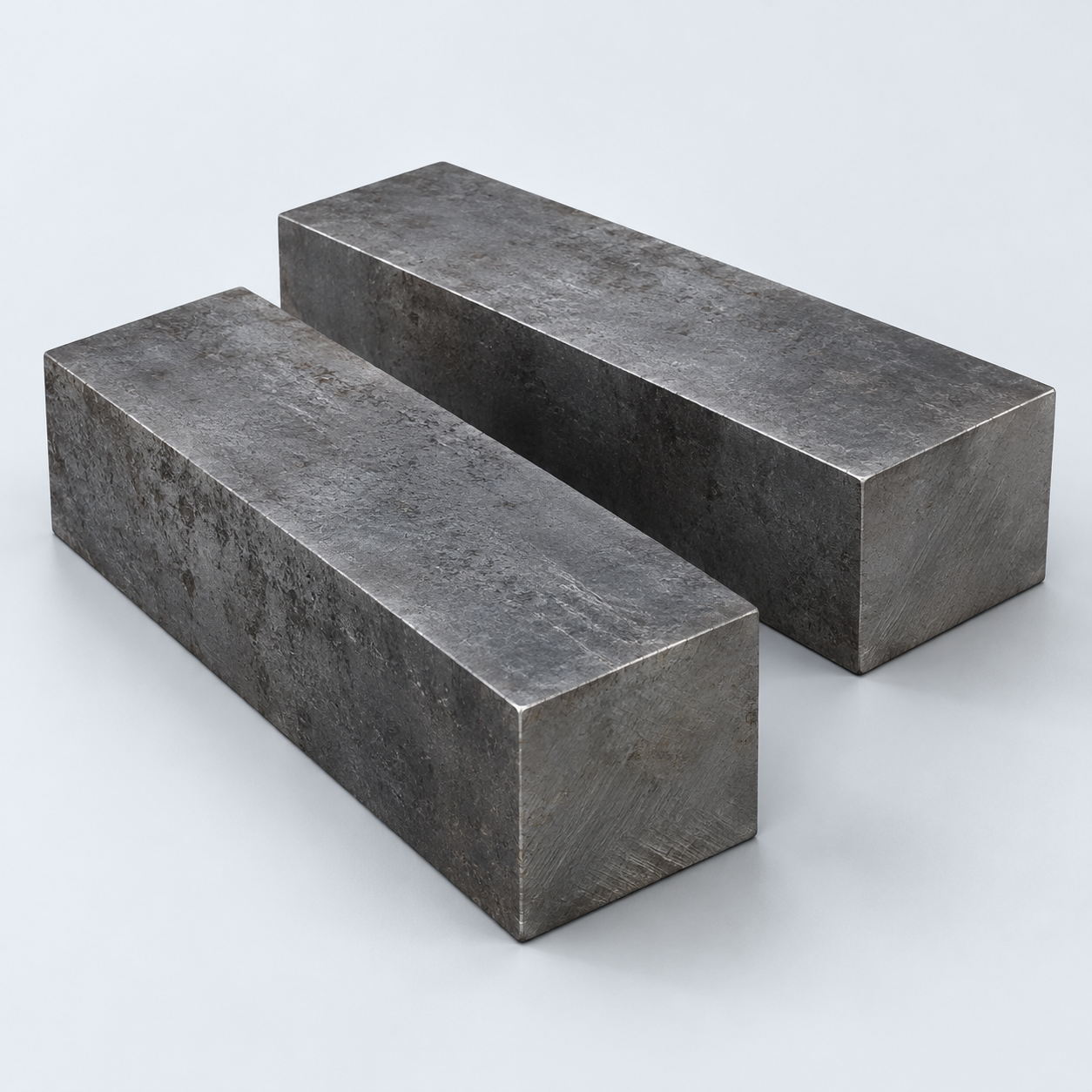 Tool SteelDiscuss tooling and wear needs›
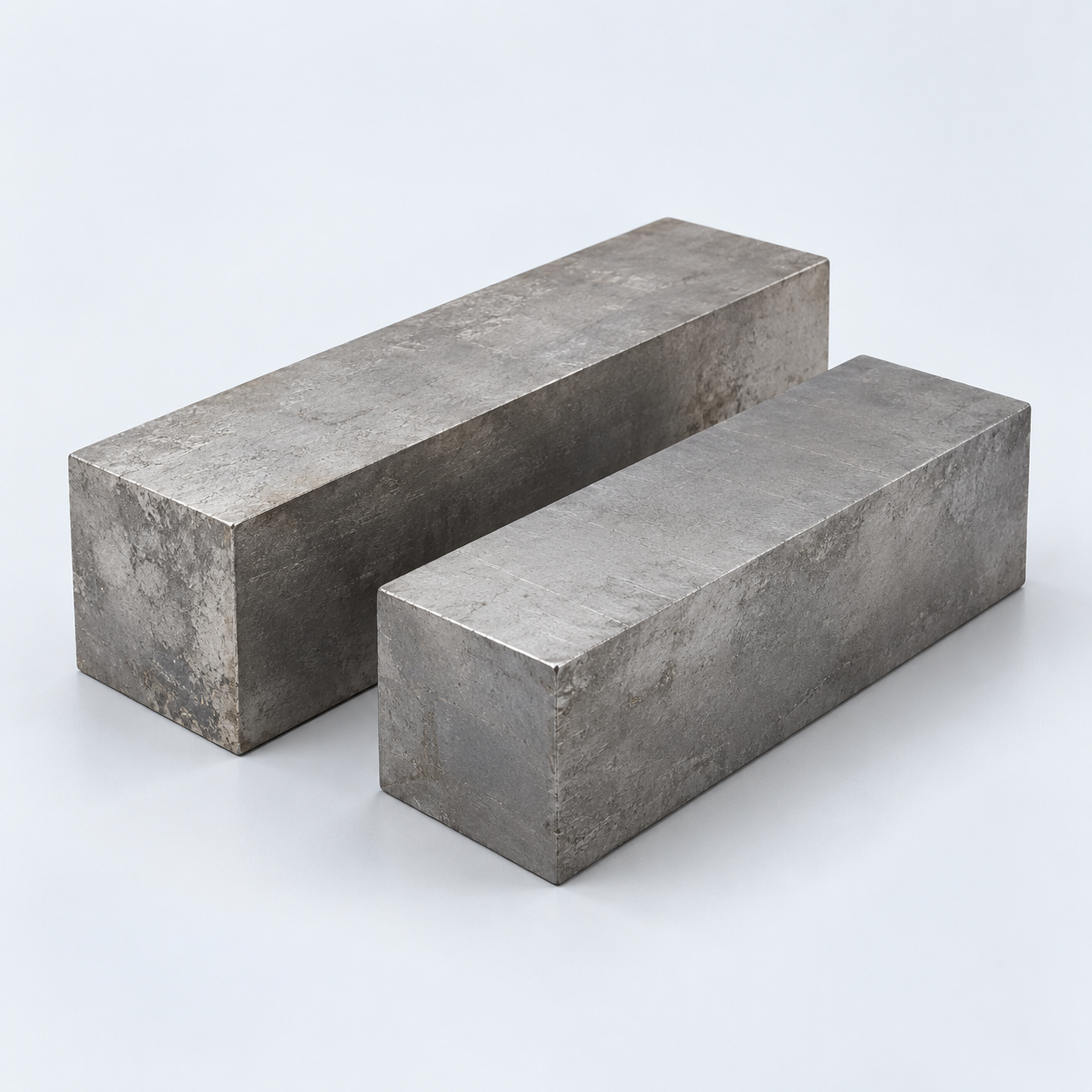 TitaniumReview grade and part geometry›
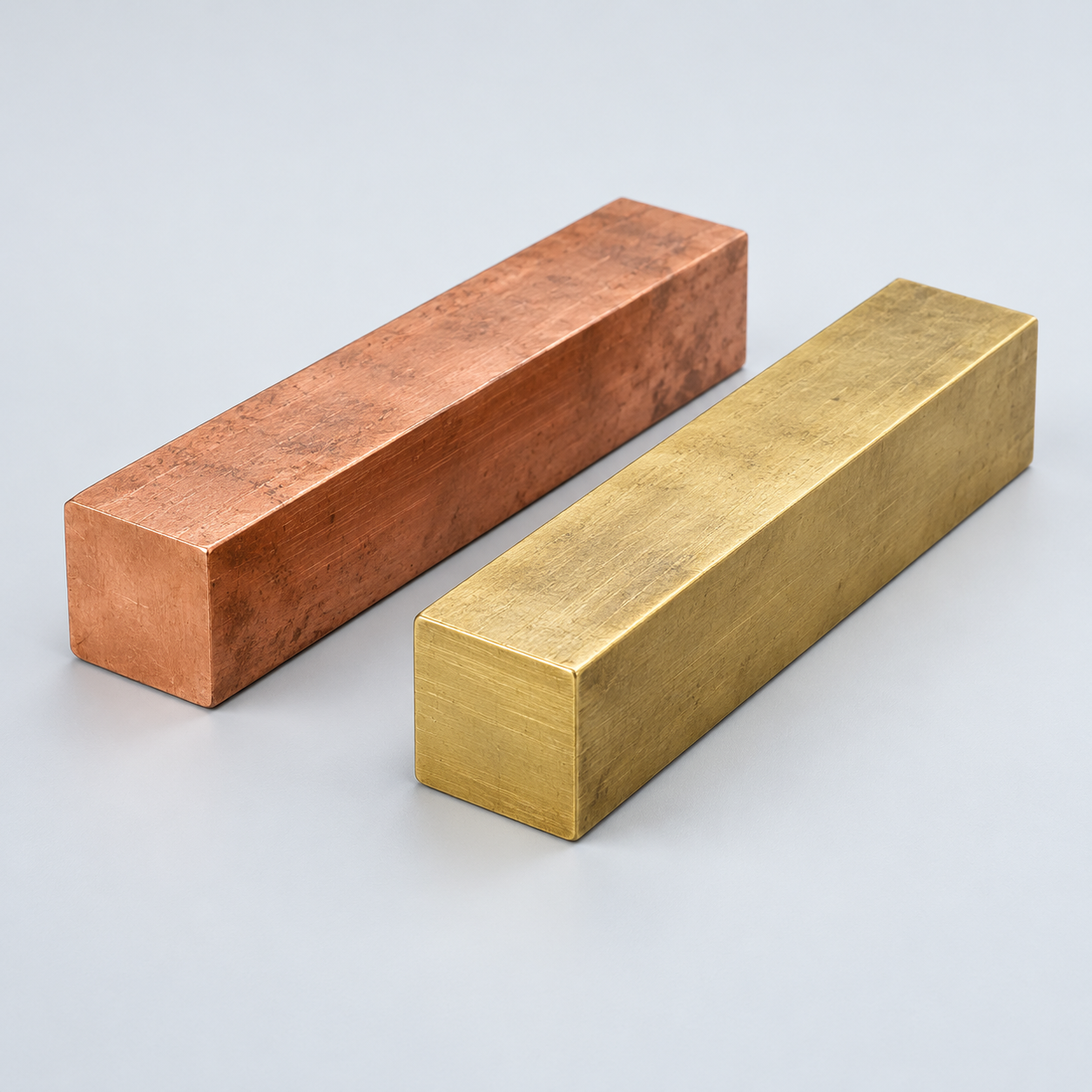 Copper & Brass & BronzeDiscuss conductivity and machining›
Match your polymer to function, process and environment.
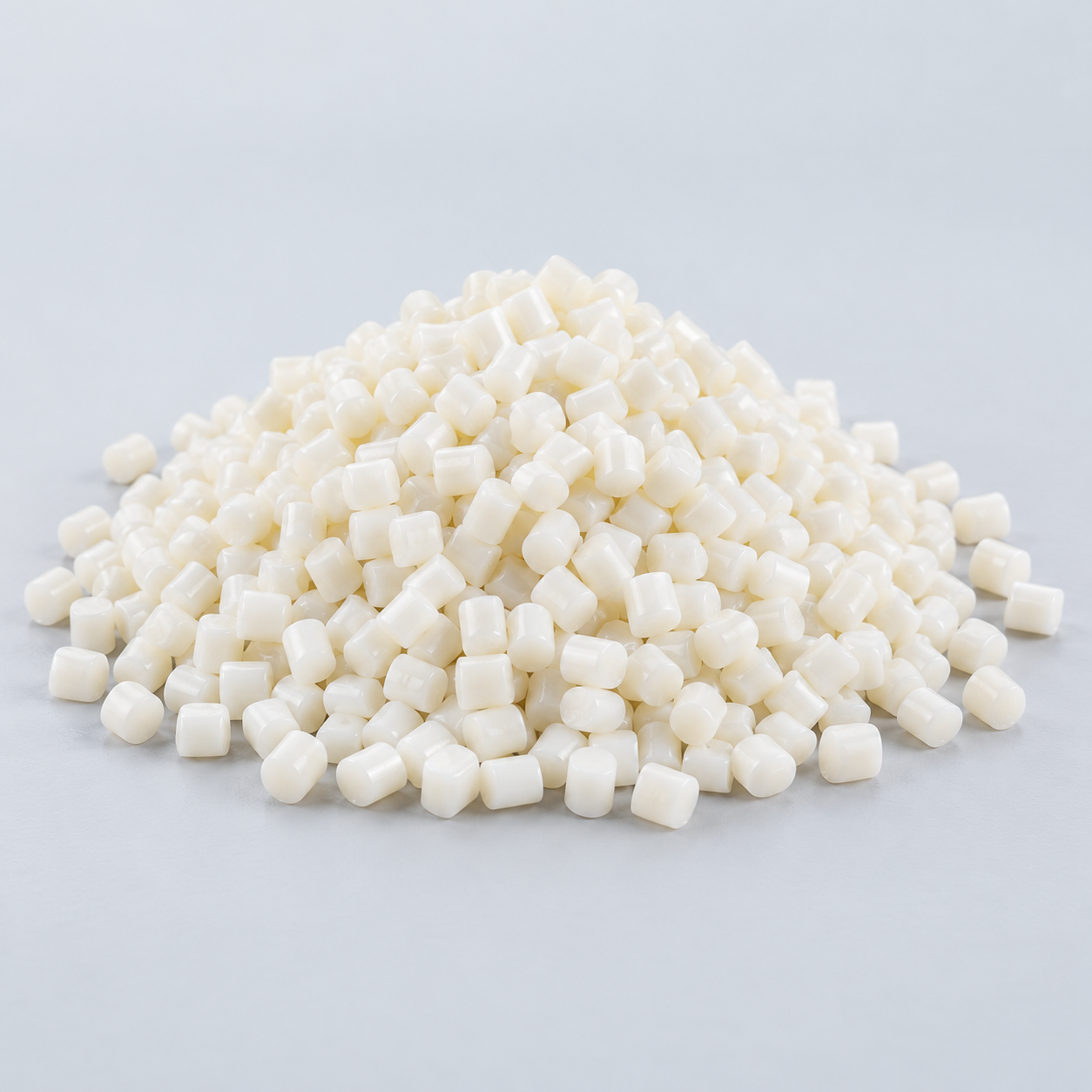 ABSReview enclosure and molding needs›
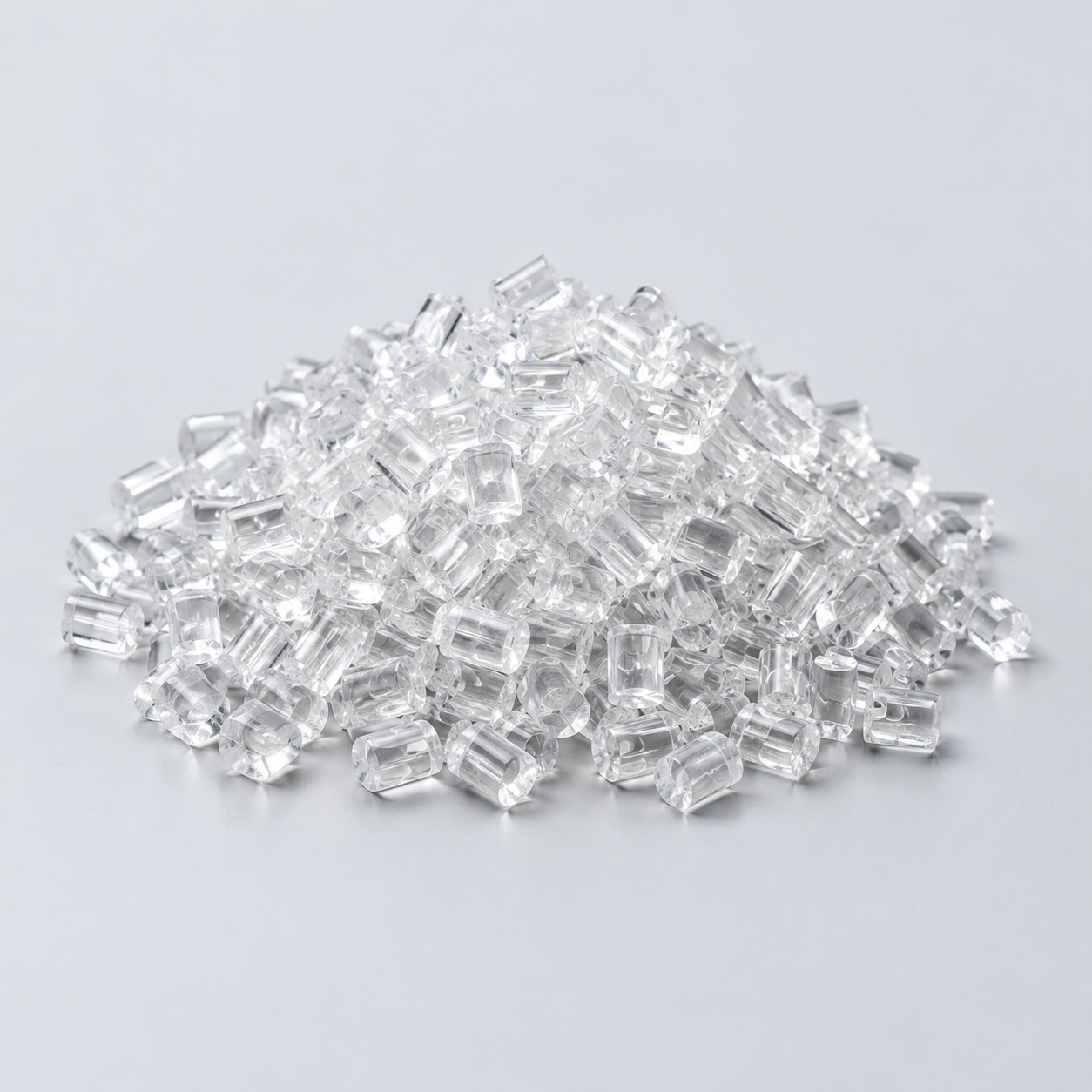 Polycarbonate (PC)Discuss clarity and impact needs›
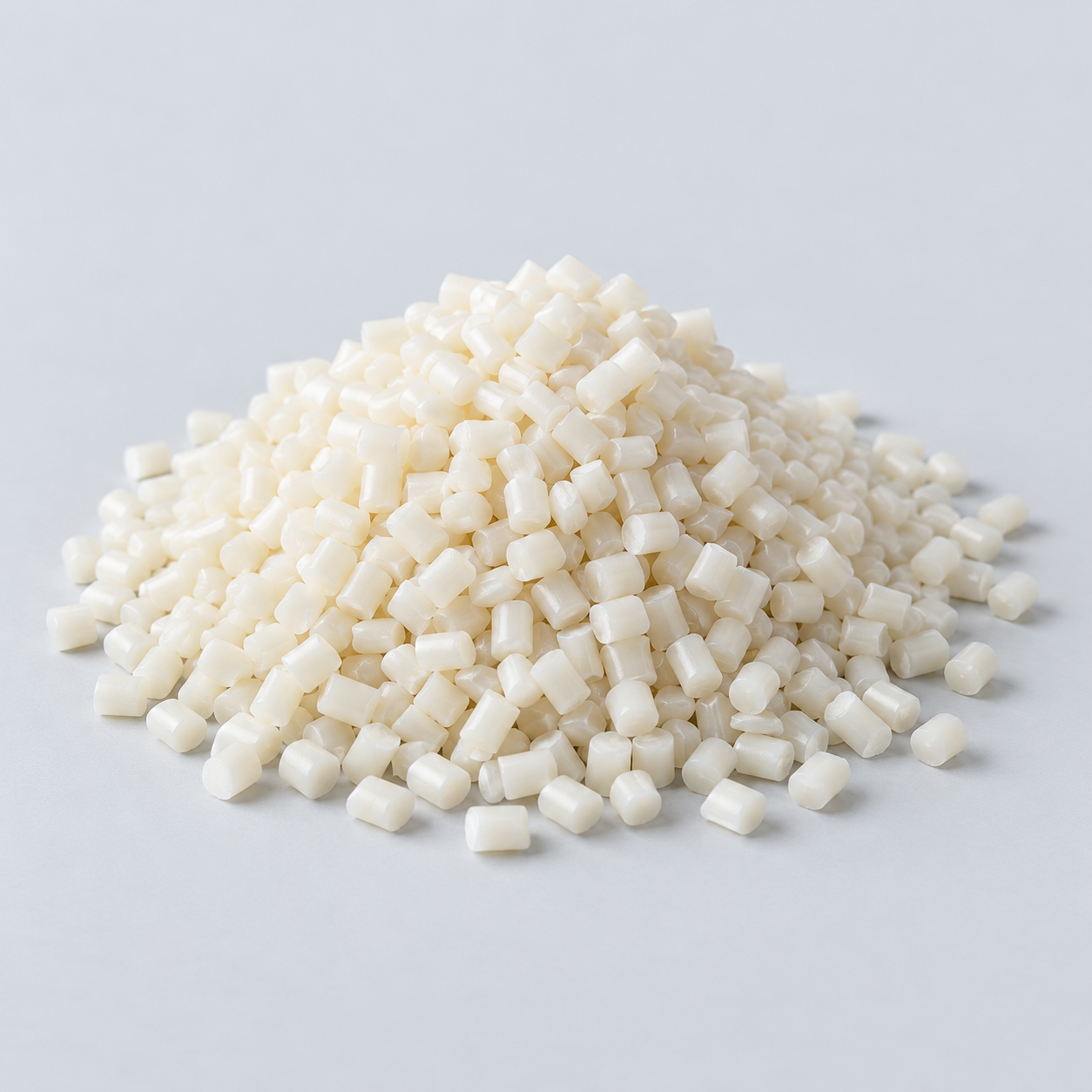 Nylon (PA)Review moisture and wear conditions›
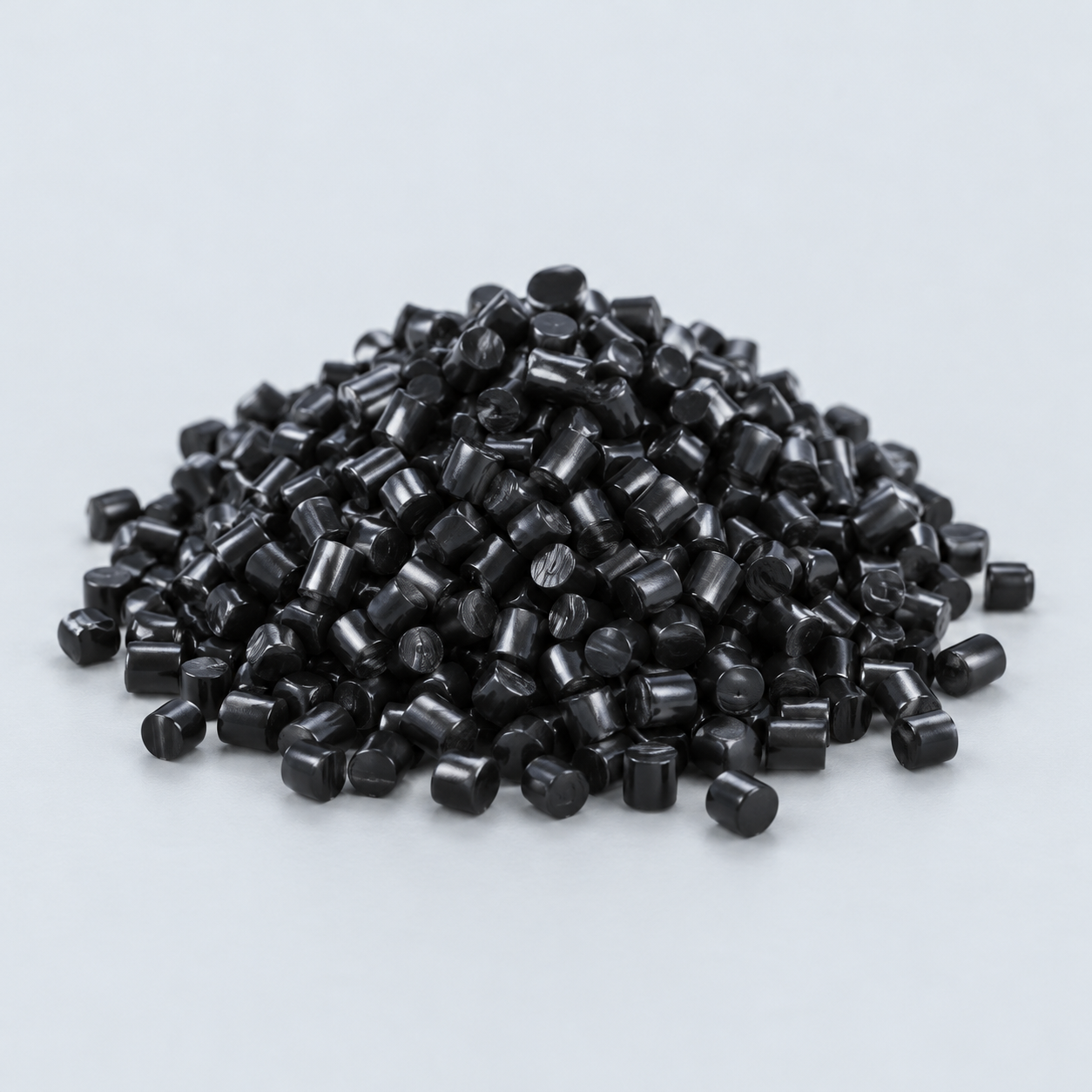 POM / AcetalReview fit and sliding features›
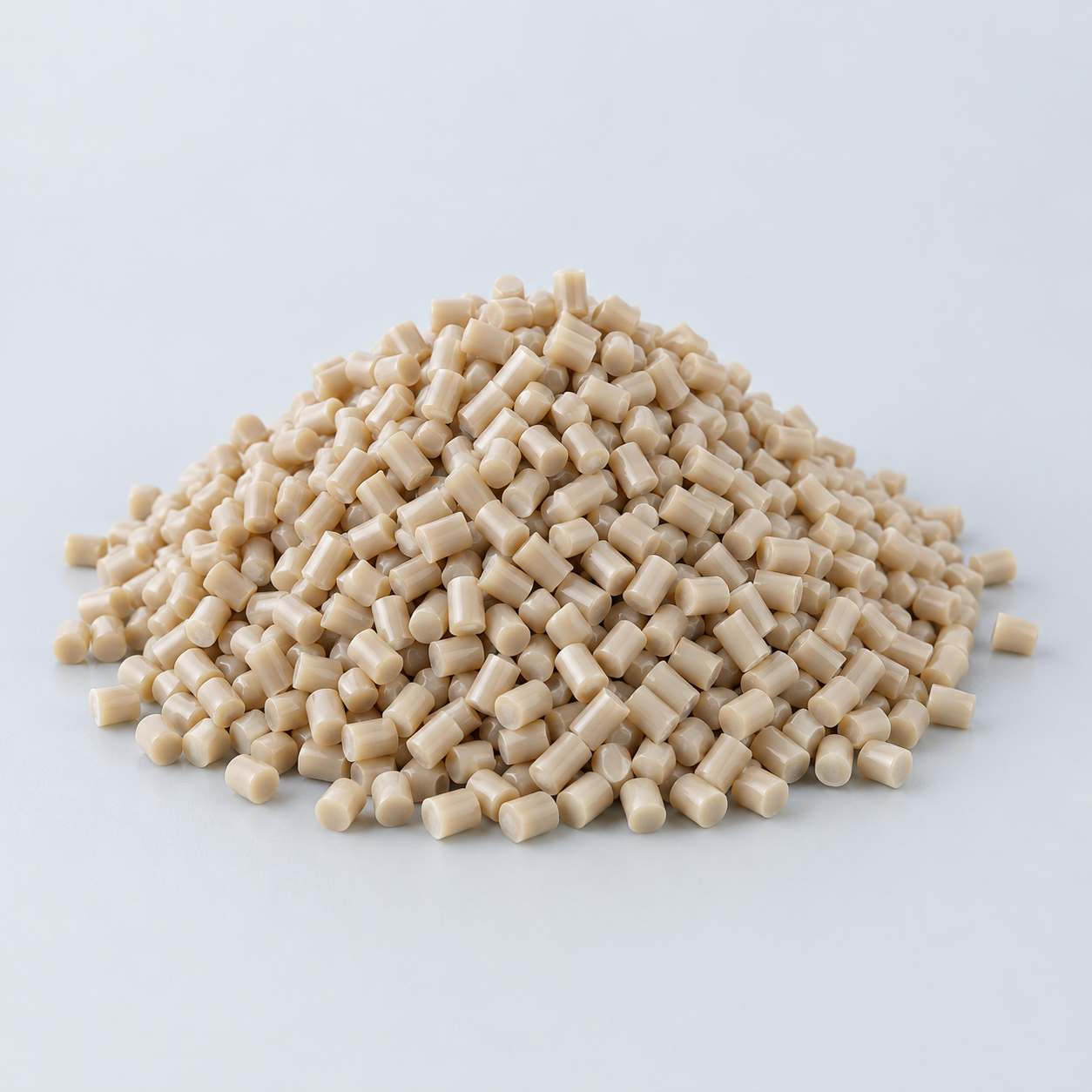 PEEKDiscuss operating conditions›
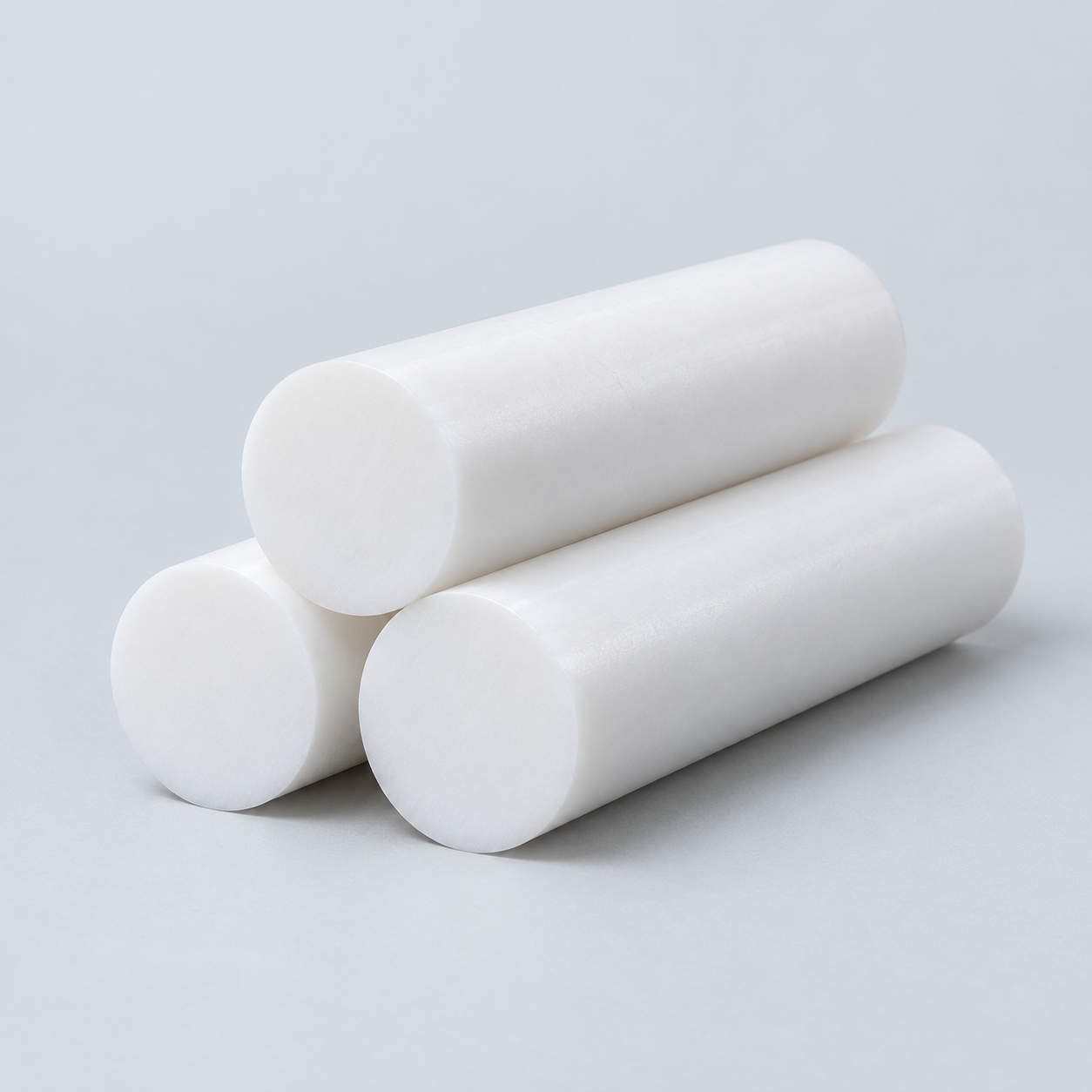 PTFEReview friction and chemical exposure›
 ULTEM / PEIDiscuss thermal and electrical needs›
Confirm grade availability and application requirements.
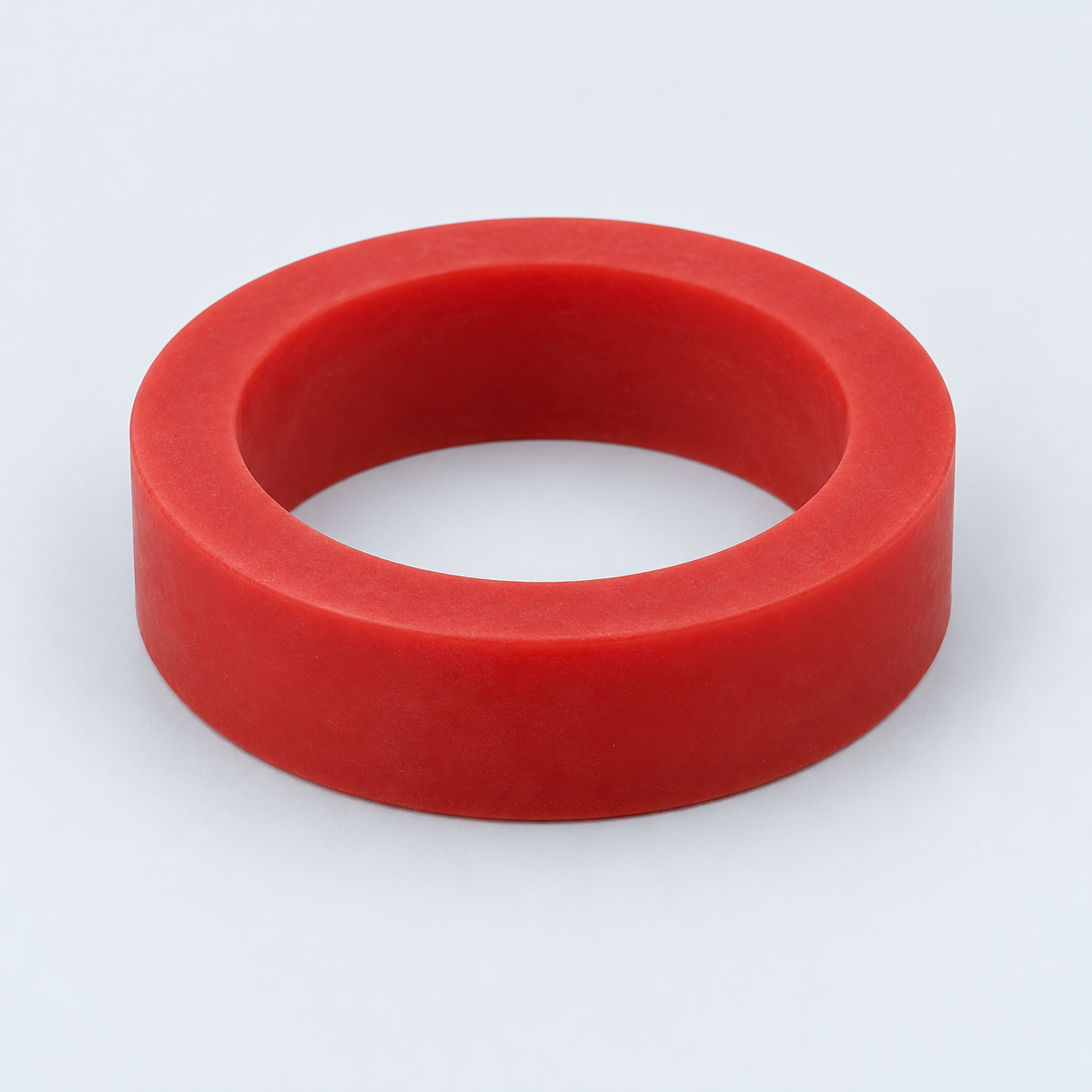 Silicone / LSRDiscuss flexible component needs›
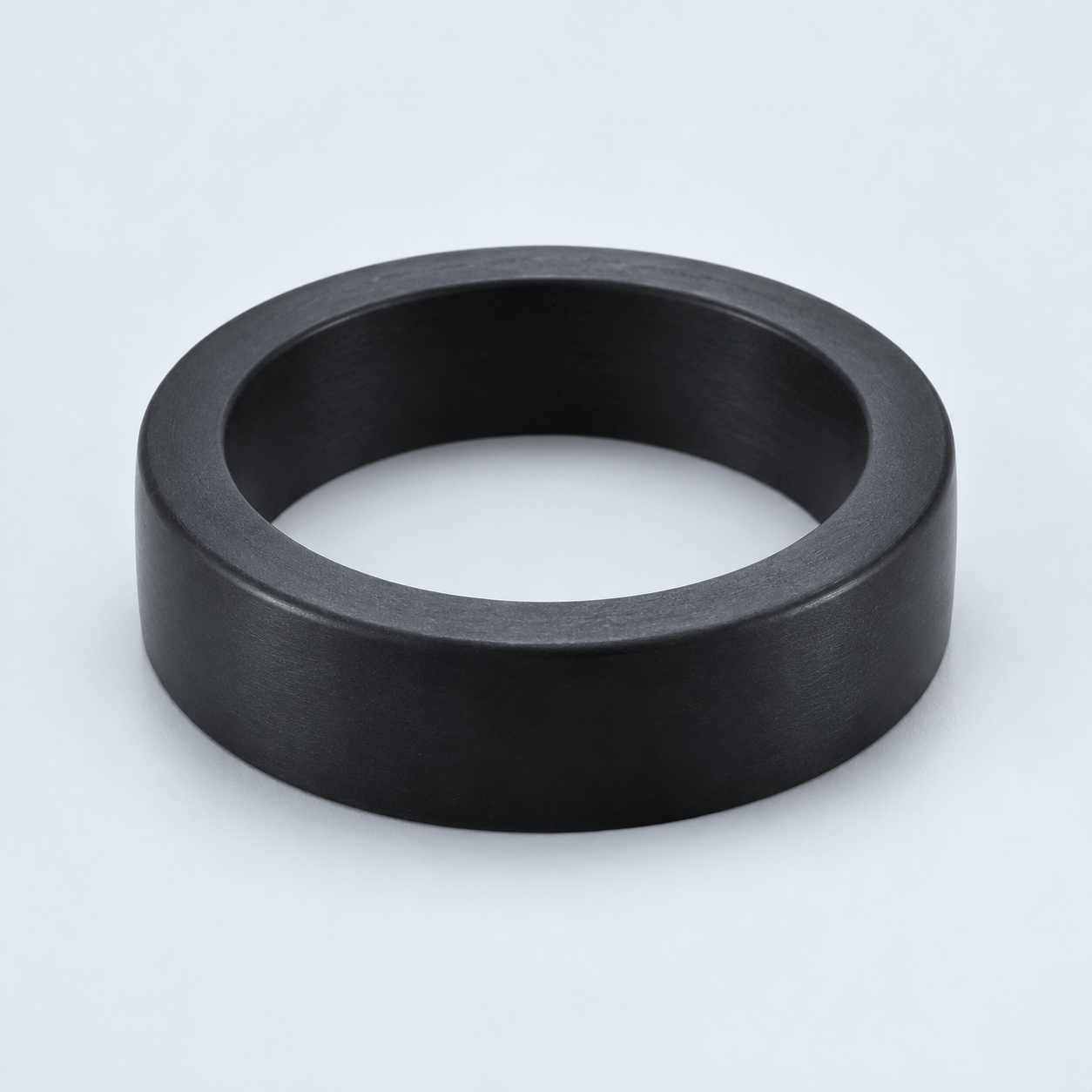 TPU / TPEReview flexibility and processing›
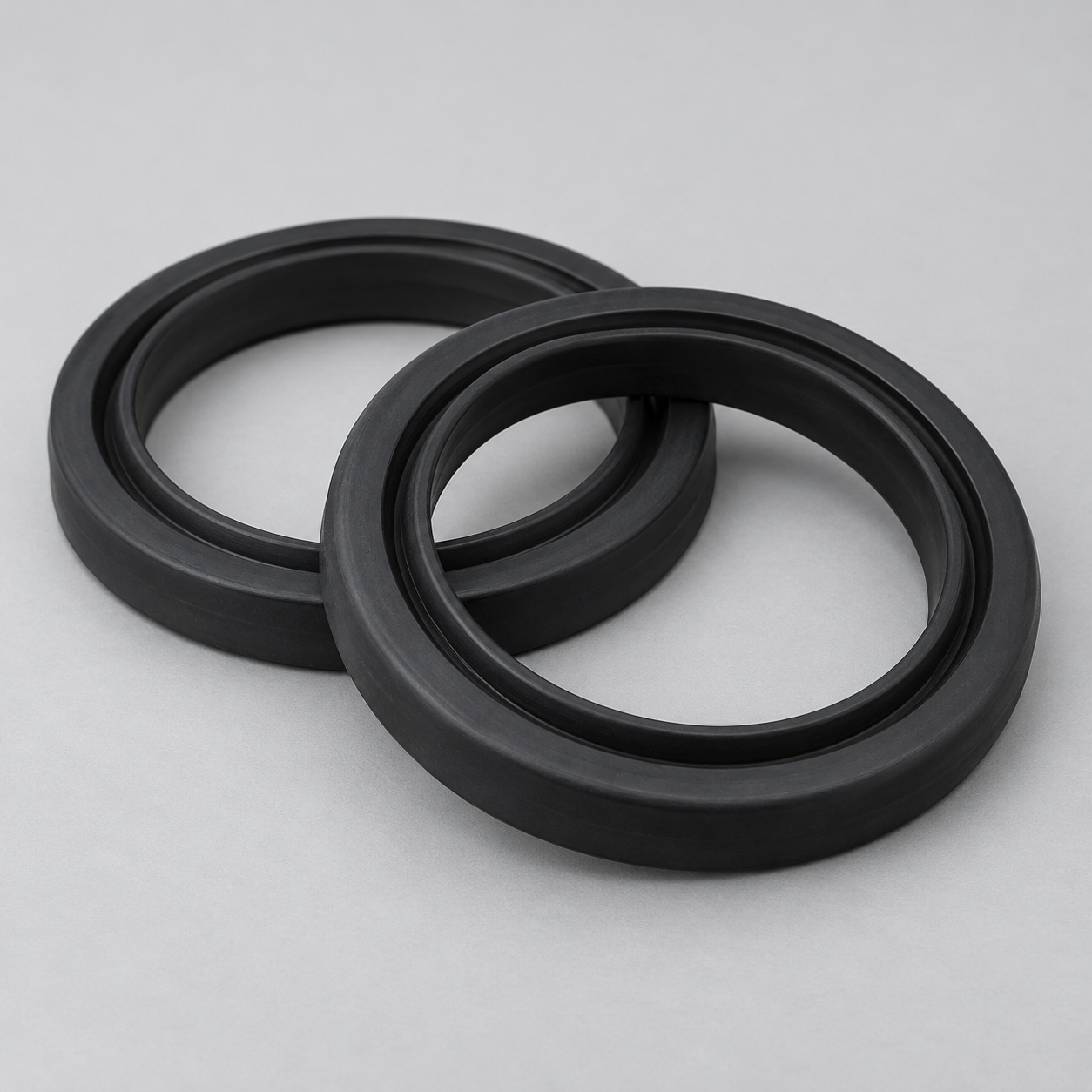 EPDMReview weathering and chemical exposure.›
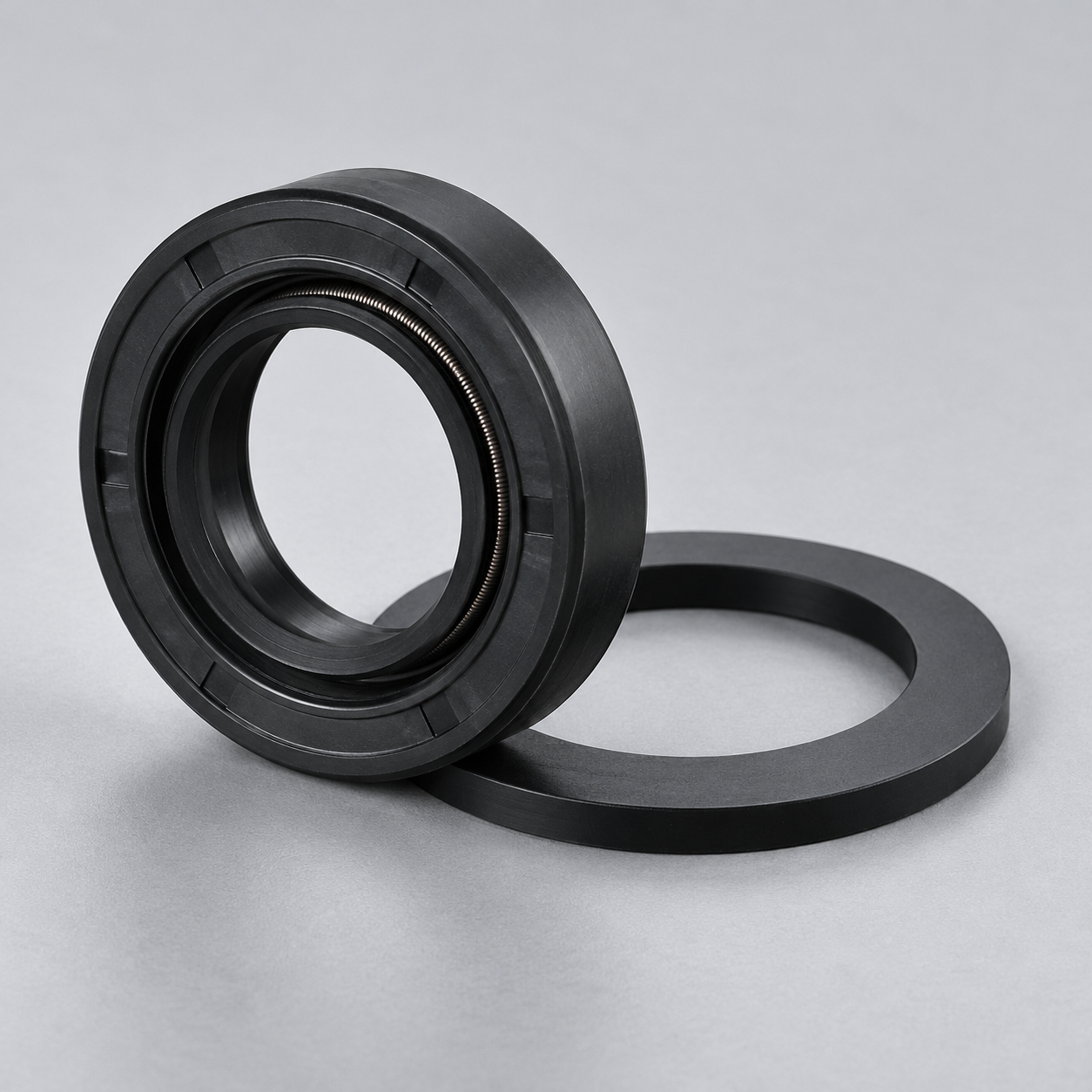 NBRReview oil and fuel exposure.›
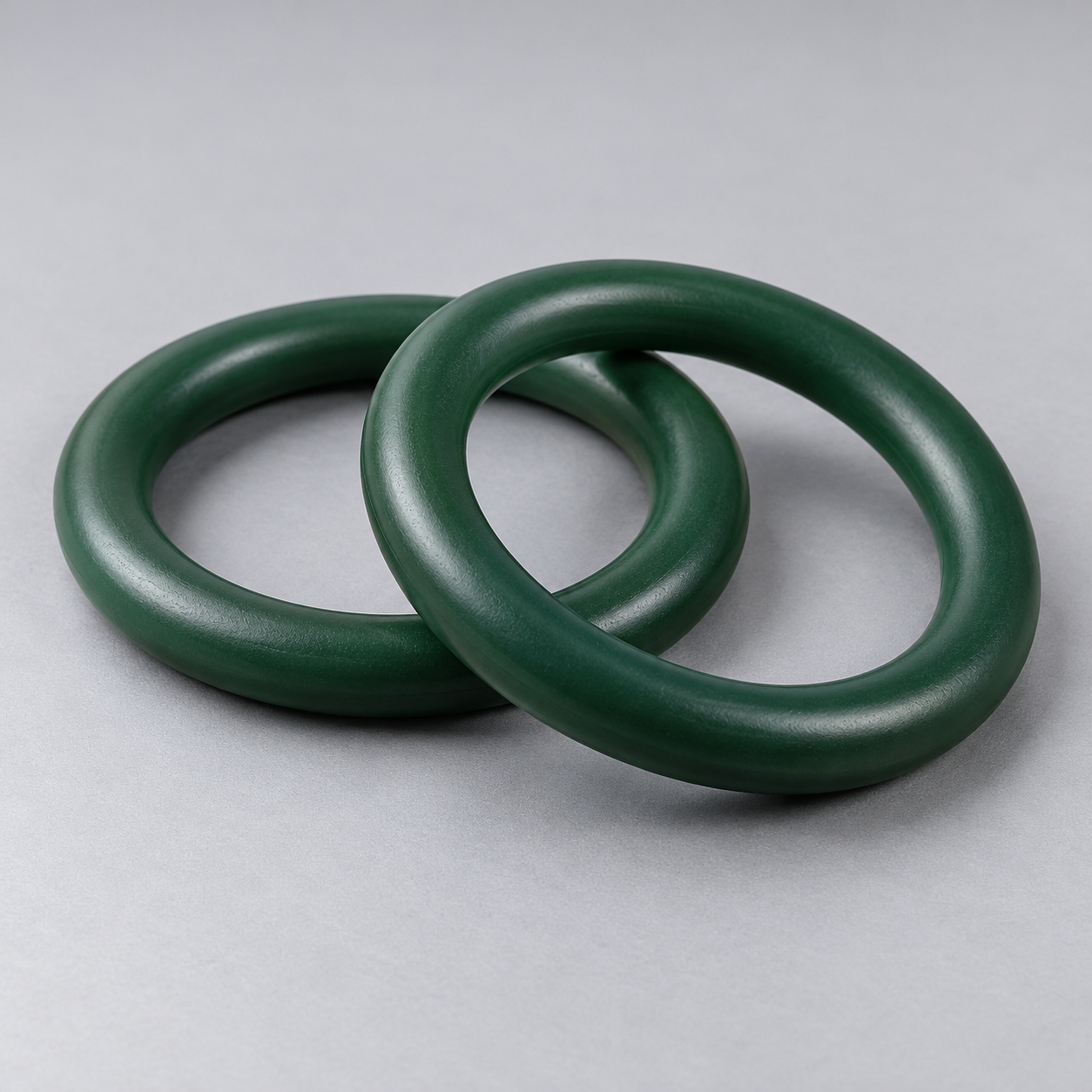 FKMReview temperature and chemical exposure.›
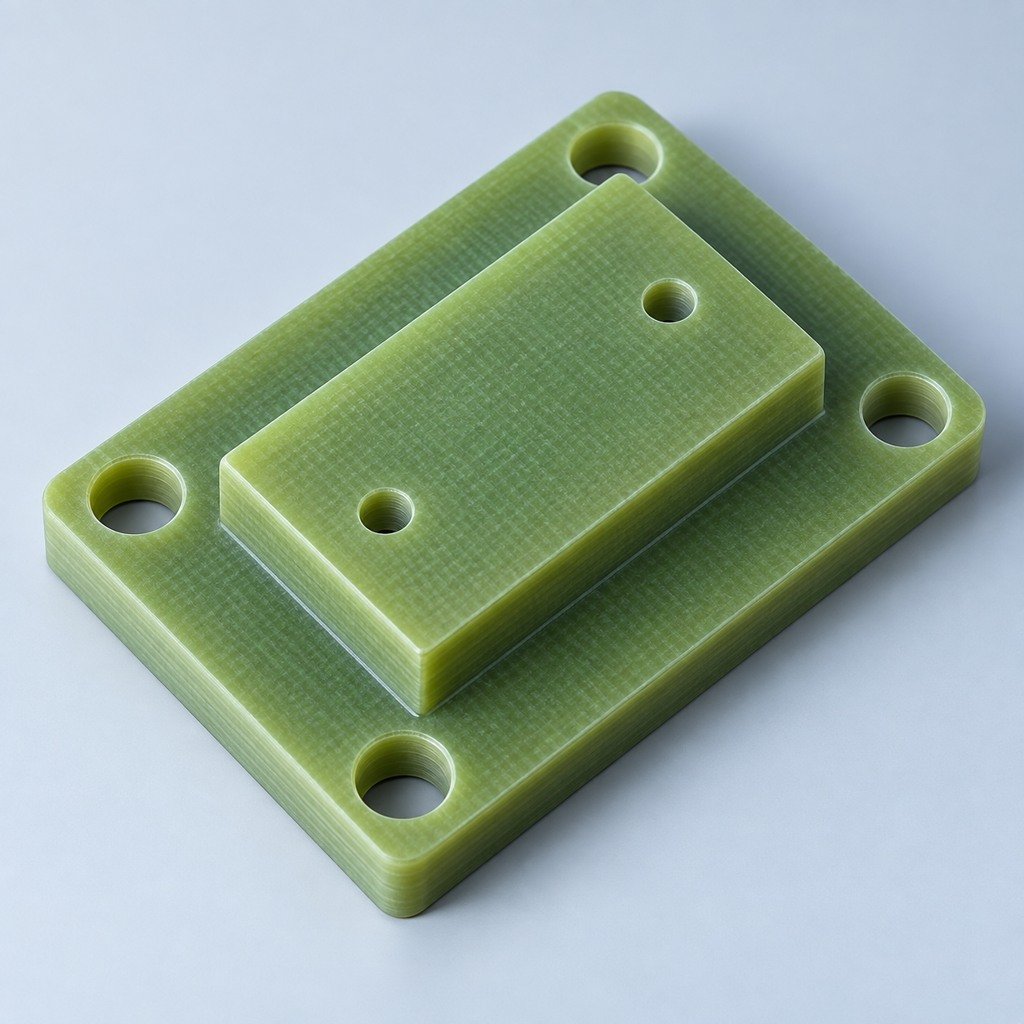 G10 / FR4Review insulation and laminate needs›
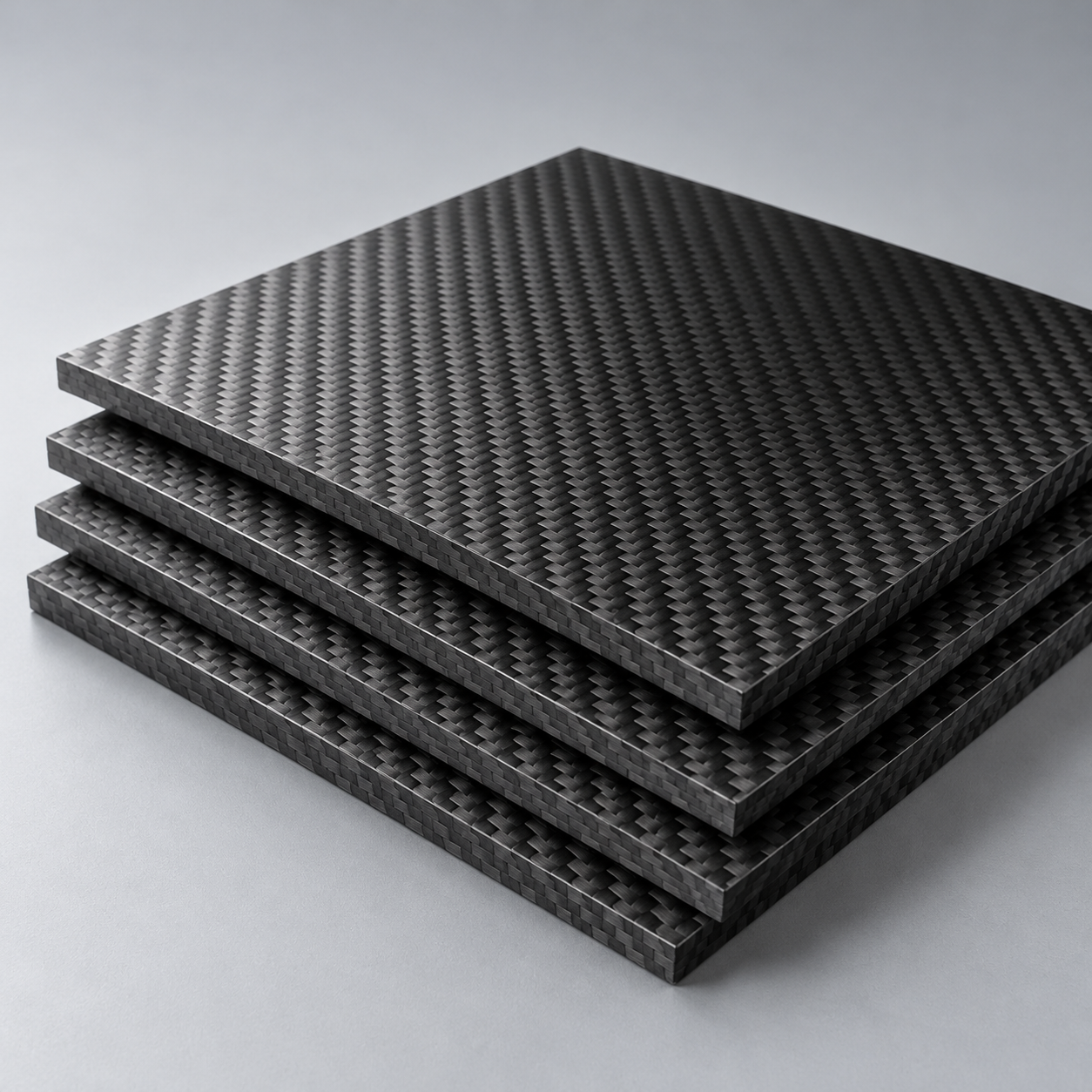 CompositesReview stiffness, weight and laminate.›Customer-Specified MaterialsConfirm your grade and requirements.›Other Specialty MaterialsDiscuss your application and grade.›
Practical guidance for your part geometry and material decisions.
Prepare your process, budget and sourcing questions.
Build your knowledge before production.
Learn who we are and how we operate.
Find our U.S. support team or start a conversation.
YOUR REINFORCEMENT. YOUR LAYUP. YOUR FINISHED PART.
Review composite manufacturing services around the complete reinforcement, resin system, layup, cure and drawing. For machined panels, formed components or composite prototyping, agree material identity, critical interfaces, edge condition and required evidence before comparing quotations.
This is a composite material and manufacturing-scope review. Exact material, tooling, machining, forming and inspection availability require project confirmation; no supplier qualification is transferred to LK MFG.
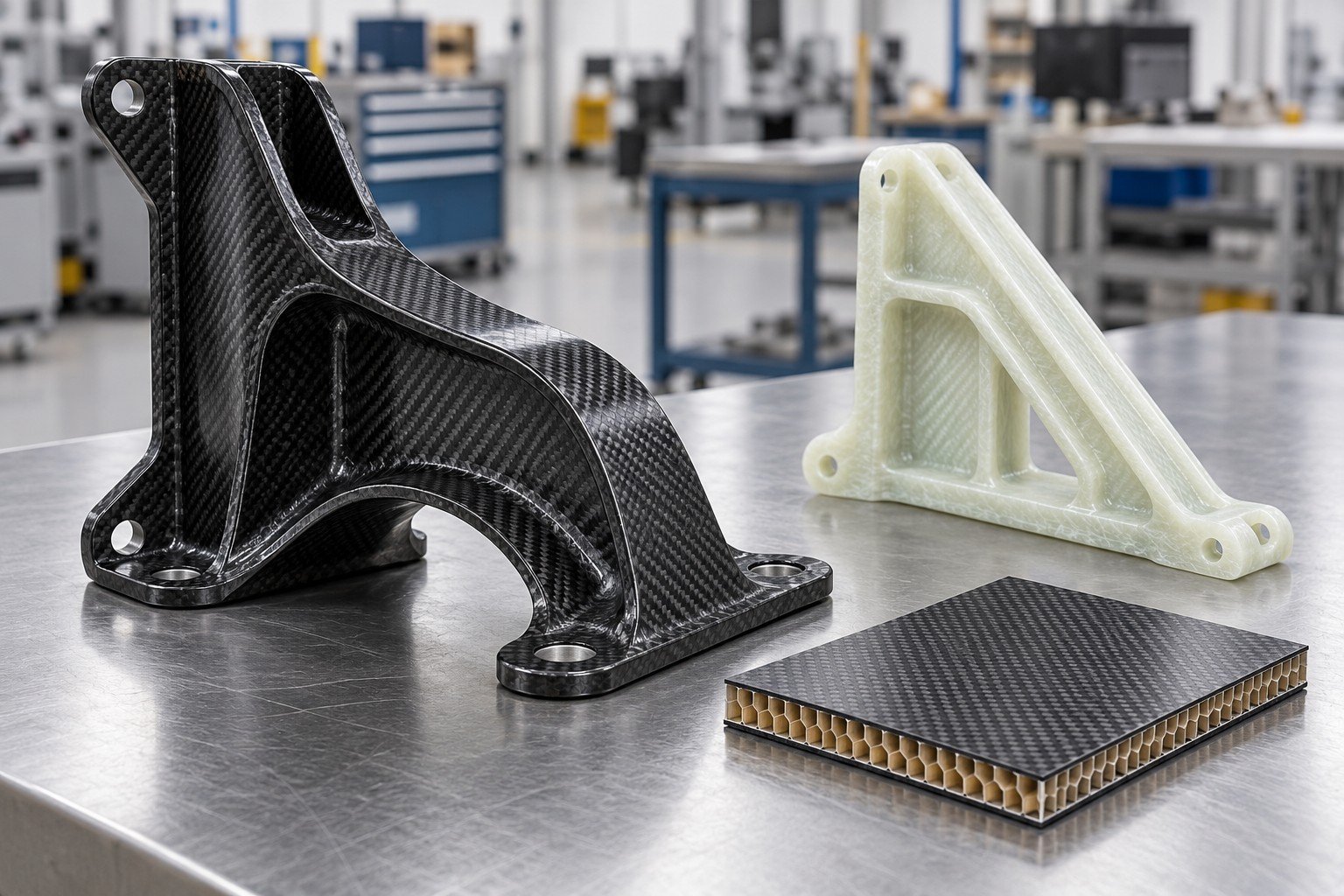
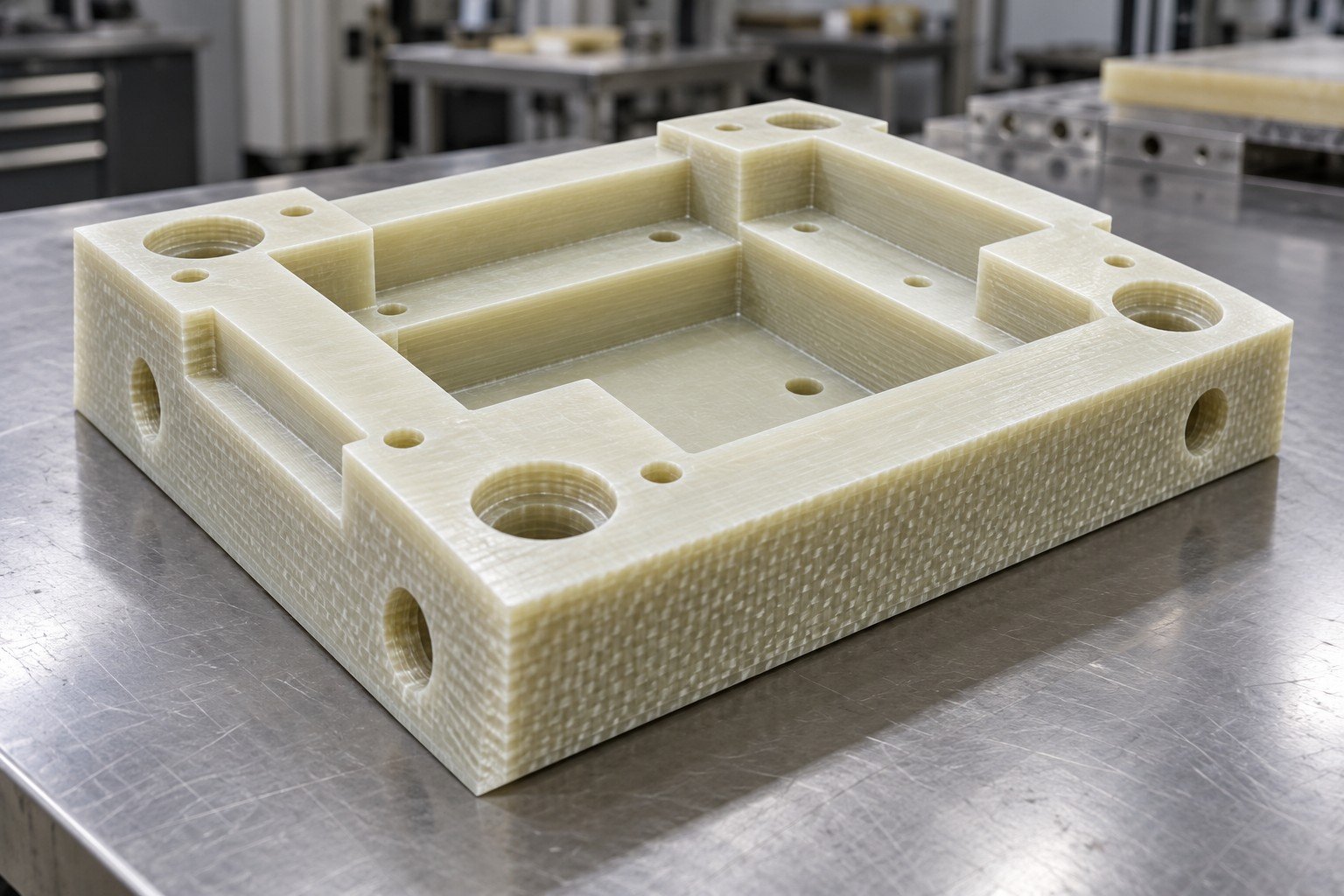
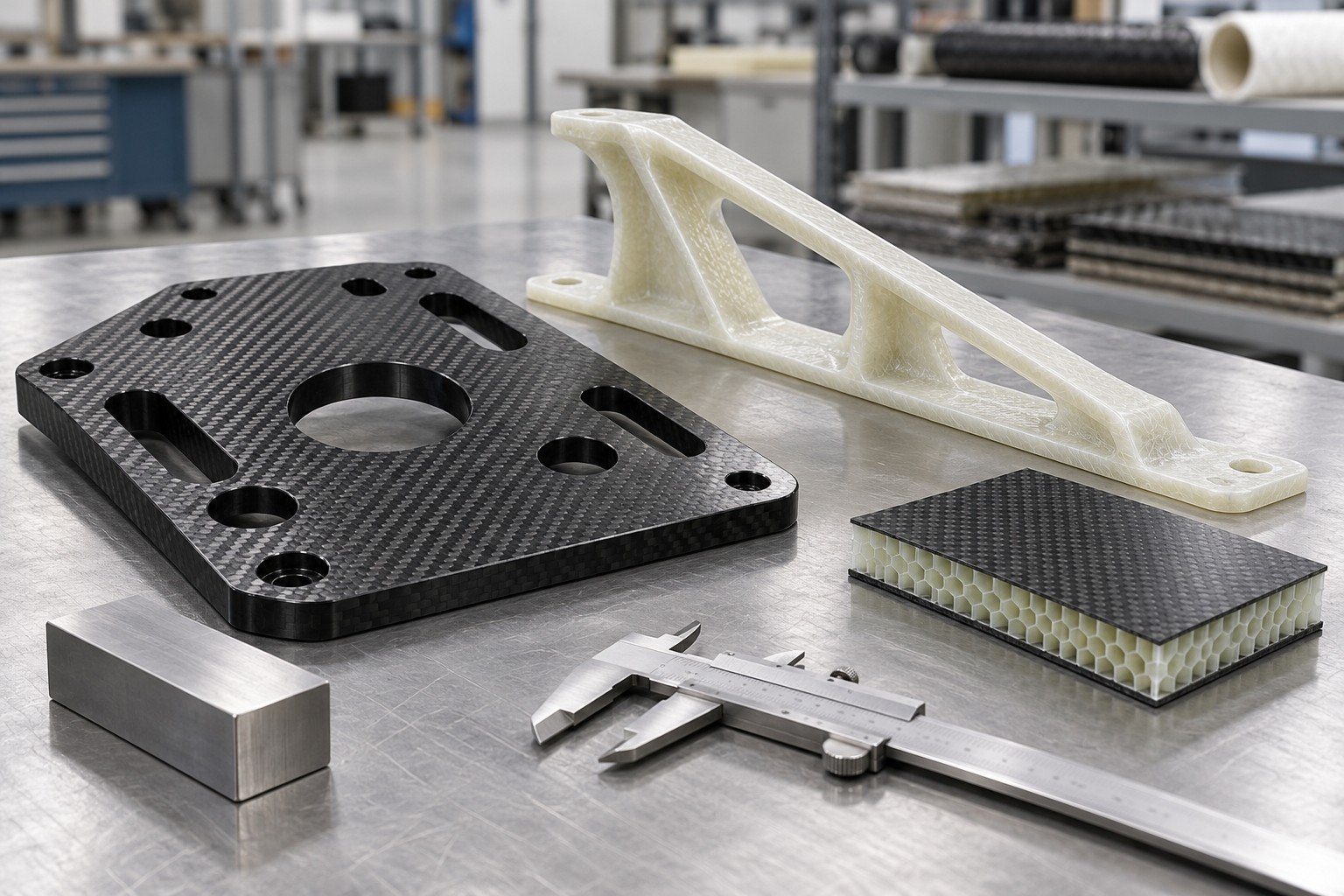
For GFRP machining, identify the full laminate, reinforcement, resin, thickness and direction. Agree critical holes, edges, support and finished-part inspection.
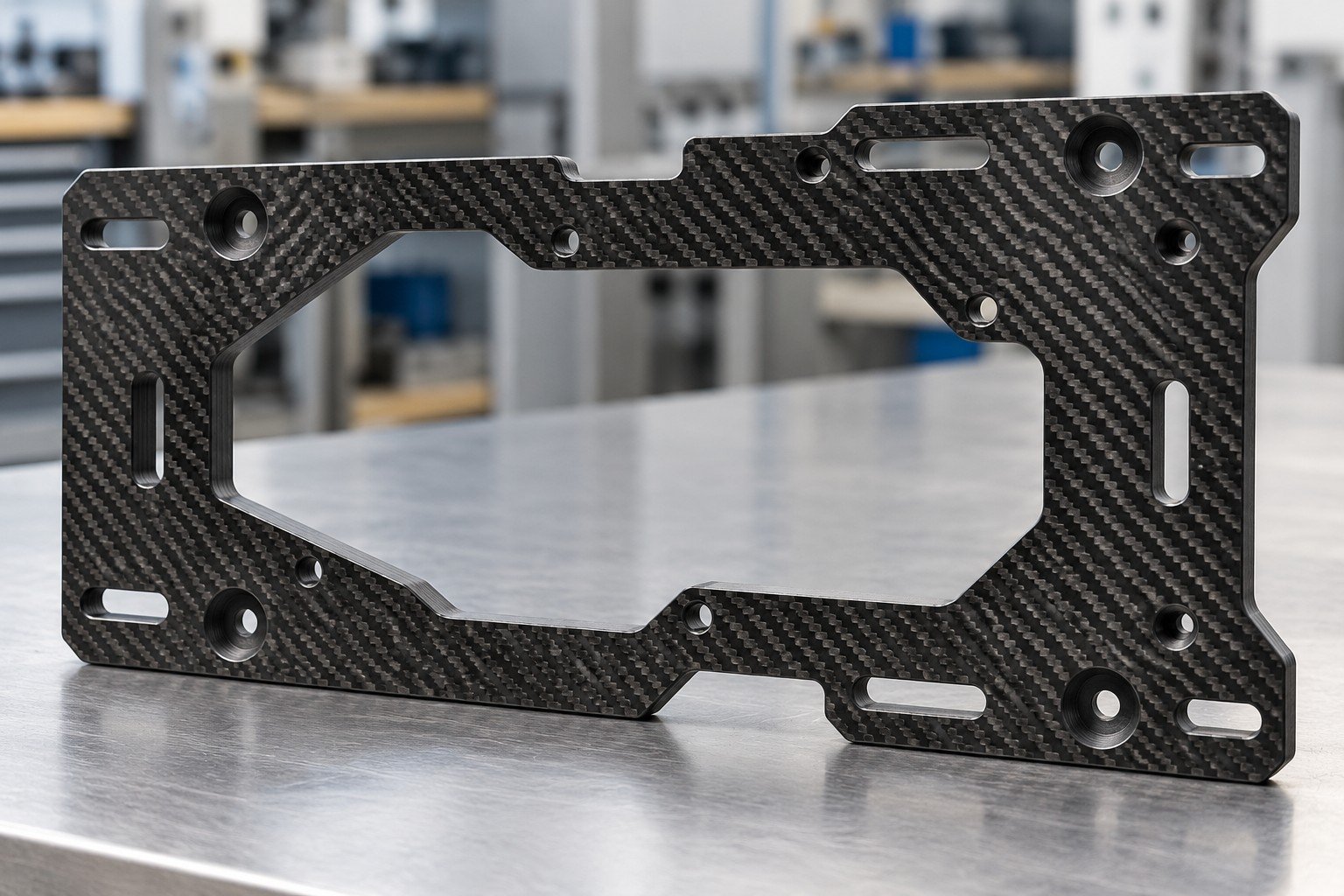
Review the actual cured laminate and controlled layup. A visible weave or carbon fiber grade does not identify every ply, resin or finished property.
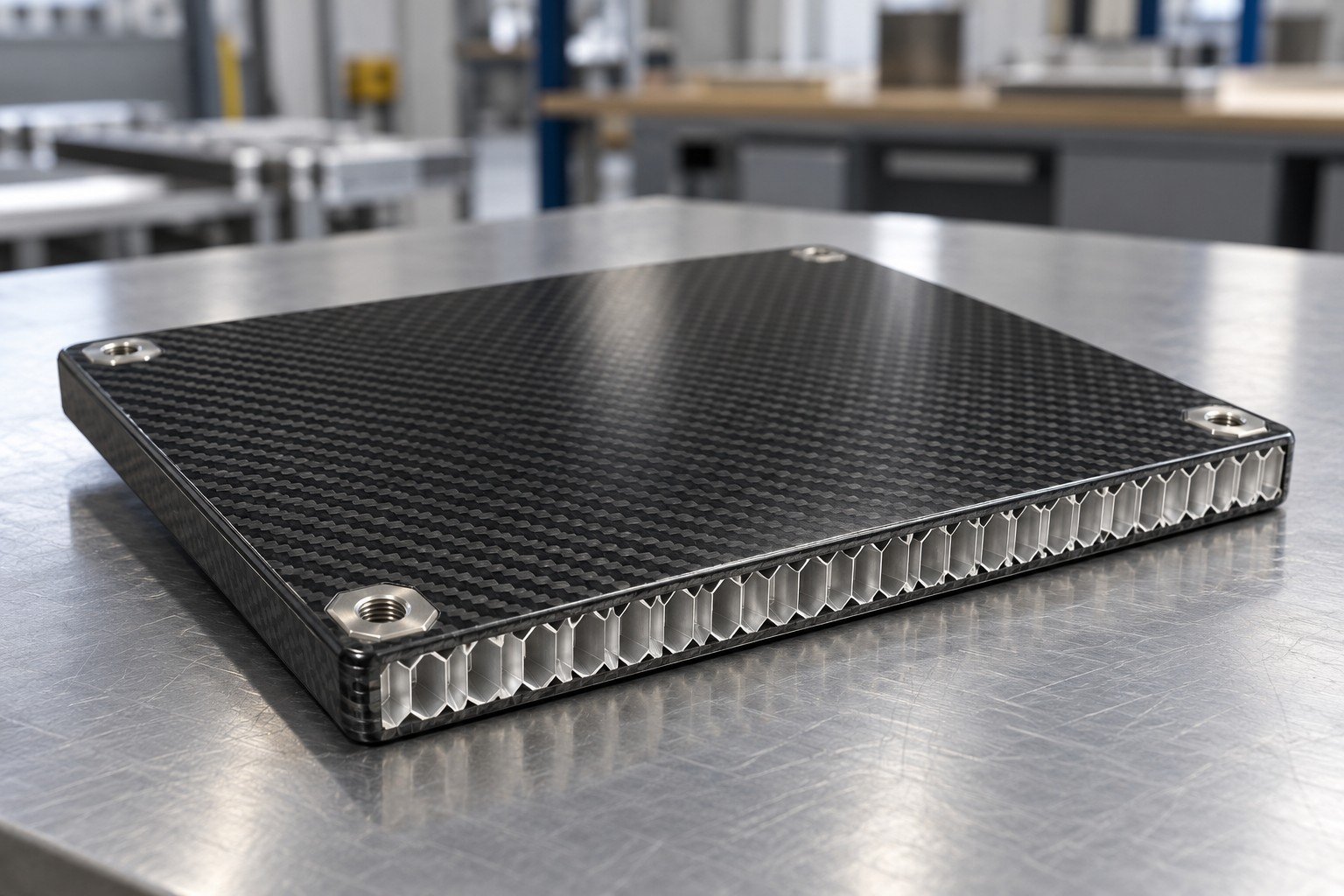
Retain face laminates, core, adhesive, inserts, edge closeouts and joining requirements. Agree the inspected final stack rather than only an overall thickness.
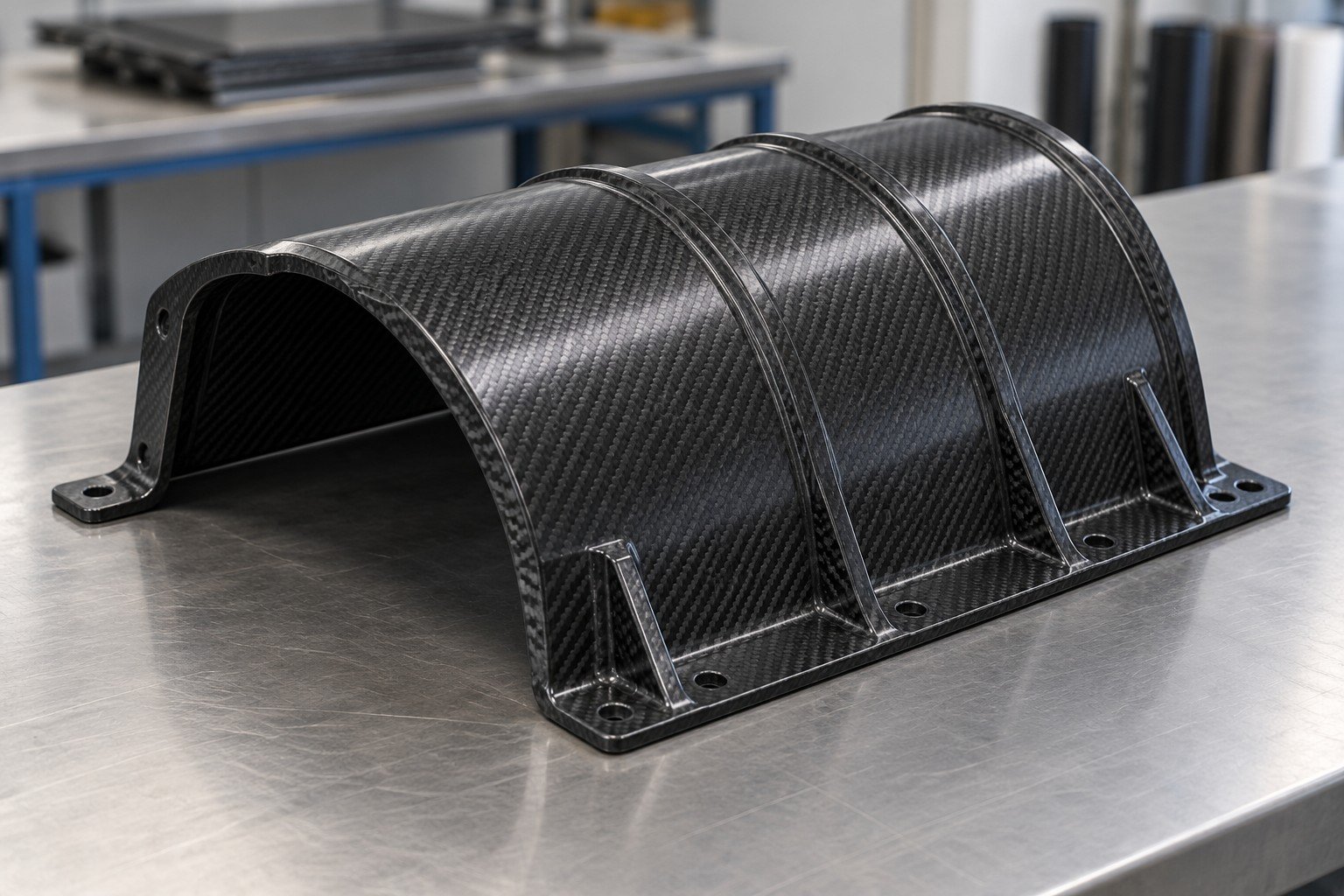
For carbon fiber molding services, review full prepreg or resin/reinforcement system, layup, tooling, cure and acceptance. Manufacturing availability requires project confirmation.
For a HEXPly 8552 custom parts quote, retain the complete prepreg product, reinforcement, resin content, ply format, layup and cure evidence. HEXPly 8552 identifies an epoxy matrix system, not a finished laminate specification by itself.
| Your decision | What to confirm |
|---|---|
| Material identity | Full reinforcement, resin or prepreg product and lots |
| Layup and cure | Ply architecture, sequence, direction, thickness and cure |
| Acceptance | Controlled drawing, approved sample and required tests |
Cured panels, prepregs and dry reinforcement need distinct material and process records.
| Your decision | What to confirm |
|---|---|
| Cured Panels and Stock | Identify full laminate or panel producer, reinforcement, resin, layup, cure state, thickness, orientation and lot. Machining a cured blank does not make its original layup or material history interchangeable. |
| Prepreg or Resin and Reinforcement | Retain full products, reinforcement architecture, resin content, storage and handling records, ply sequence, tooling and current cure instructions. Supplier resin or fiber names alone do not specify the finished laminate. |
Retain the actual assembly, environment and measuring condition.
| Your decision | What to confirm |
|---|---|
| Interfaces | Locating shoulders, holes, pockets, fasteners and edge condition |
| Environment | Temperature, moisture, loads and required exposure evidence |
| Measurement | Support, axes, critical dimensions and agreed method |
Supplier material evidence and finished-component acceptance serve different purposes.
| Your decision | What to confirm |
|---|---|
| Identity | Producer, full fiber/resin products, lots, ply schedule and cure |
| Drawing | Critical dimensions, hole positions, flatness and edges |
| Function | Approved sample and specified laminate, nondestructive or assembly tests |
TORAY T700S identifies a carbon fiber direction. Retain complete fiber designation, sizing, tow or fabric, resin compatibility, layup and cure. Fiber table properties are not laminate or finished-part allowables.
| Your decision | What to confirm |
|---|---|
| Material identity | Full reinforcement, resin or prepreg product and lots |
| Layup and cure | Ply architecture, sequence, direction, thickness and cure |
| Acceptance | Controlled drawing, approved sample and required tests |
Cured panels, prepregs and dry reinforcement need distinct material and process records.
| Your decision | What to confirm |
|---|---|
| Cured Panels and Stock | Identify full laminate or panel producer, reinforcement, resin, layup, cure state, thickness, orientation and lot. Machining a cured blank does not make its original layup or material history interchangeable. |
| Prepreg or Resin and Reinforcement | Retain full products, reinforcement architecture, resin content, storage and handling records, ply sequence, tooling and current cure instructions. Supplier resin or fiber names alone do not specify the finished laminate. |
Retain the actual assembly, environment and measuring condition.
| Your decision | What to confirm |
|---|---|
| Interfaces | Locating shoulders, holes, pockets, fasteners and edge condition |
| Environment | Temperature, moisture, loads and required exposure evidence |
| Measurement | Support, axes, critical dimensions and agreed method |
Supplier material evidence and finished-component acceptance serve different purposes.
| Your decision | What to confirm |
|---|---|
| Identity | Producer, full fiber/resin products, lots, ply schedule and cure |
| Drawing | Critical dimensions, hole positions, flatness and edges |
| Function | Approved sample and specified laminate, nondestructive or assembly tests |
TORAY T300 is a named carbon fiber, not a complete cured component. Retain full fiber form and sizing, resin, reinforcement architecture, ply sequence, cure and required part evidence.
| Your decision | What to confirm |
|---|---|
| Material identity | Full reinforcement, resin or prepreg product and lots |
| Layup and cure | Ply architecture, sequence, direction, thickness and cure |
| Acceptance | Controlled drawing, approved sample and required tests |
Cured panels, prepregs and dry reinforcement need distinct material and process records.
| Your decision | What to confirm |
|---|---|
| Cured Panels and Stock | Identify full laminate or panel producer, reinforcement, resin, layup, cure state, thickness, orientation and lot. Machining a cured blank does not make its original layup or material history interchangeable. |
| Prepreg or Resin and Reinforcement | Retain full products, reinforcement architecture, resin content, storage and handling records, ply sequence, tooling and current cure instructions. Supplier resin or fiber names alone do not specify the finished laminate. |
Retain the actual assembly, environment and measuring condition.
| Your decision | What to confirm |
|---|---|
| Interfaces | Locating shoulders, holes, pockets, fasteners and edge condition |
| Environment | Temperature, moisture, loads and required exposure evidence |
| Measurement | Support, axes, critical dimensions and agreed method |
Supplier material evidence and finished-component acceptance serve different purposes.
| Your decision | What to confirm |
|---|---|
| Identity | Producer, full fiber/resin products, lots, ply schedule and cure |
| Drawing | Critical dimensions, hole positions, flatness and edges |
| Function | Approved sample and specified laminate, nondestructive or assembly tests |
For an MTM 49-3 custom parts quote, retain the complete Syensqo prepreg product, reinforcement, resin content, layup, storage and out-time records, tooling and cure. Confirm current supplier instructions and final acceptance.
| Your decision | What to confirm |
|---|---|
| Material identity | Full reinforcement, resin or prepreg product and lots |
| Layup and cure | Ply architecture, sequence, direction, thickness and cure |
| Acceptance | Controlled drawing, approved sample and required tests |
Cured panels, prepregs and dry reinforcement need distinct material and process records.
| Your decision | What to confirm |
|---|---|
| Cured Panels and Stock | Identify full laminate or panel producer, reinforcement, resin, layup, cure state, thickness, orientation and lot. Machining a cured blank does not make its original layup or material history interchangeable. |
| Prepreg or Resin and Reinforcement | Retain full products, reinforcement architecture, resin content, storage and handling records, ply sequence, tooling and current cure instructions. Supplier resin or fiber names alone do not specify the finished laminate. |
Retain the actual assembly, environment and measuring condition.
| Your decision | What to confirm |
|---|---|
| Interfaces | Locating shoulders, holes, pockets, fasteners and edge condition |
| Environment | Temperature, moisture, loads and required exposure evidence |
| Measurement | Support, axes, critical dimensions and agreed method |
Supplier material evidence and finished-component acceptance serve different purposes.
| Your decision | What to confirm |
|---|---|
| Identity | Producer, full fiber/resin products, lots, ply schedule and cure |
| Drawing | Critical dimensions, hole positions, flatness and edges |
| Function | Approved sample and specified laminate, nondestructive or assembly tests |
Supplier-listed typical fiber tensile strength, MPa · Toray standard-modulus fiber product table
Fiber reference values, not cured-laminate data, design allowables or a finished-part ranking. Confirm full fiber designation, sizing and test conditions, then validate the actual resin, reinforcement architecture, layup, cure and component.
Supplier fiber table →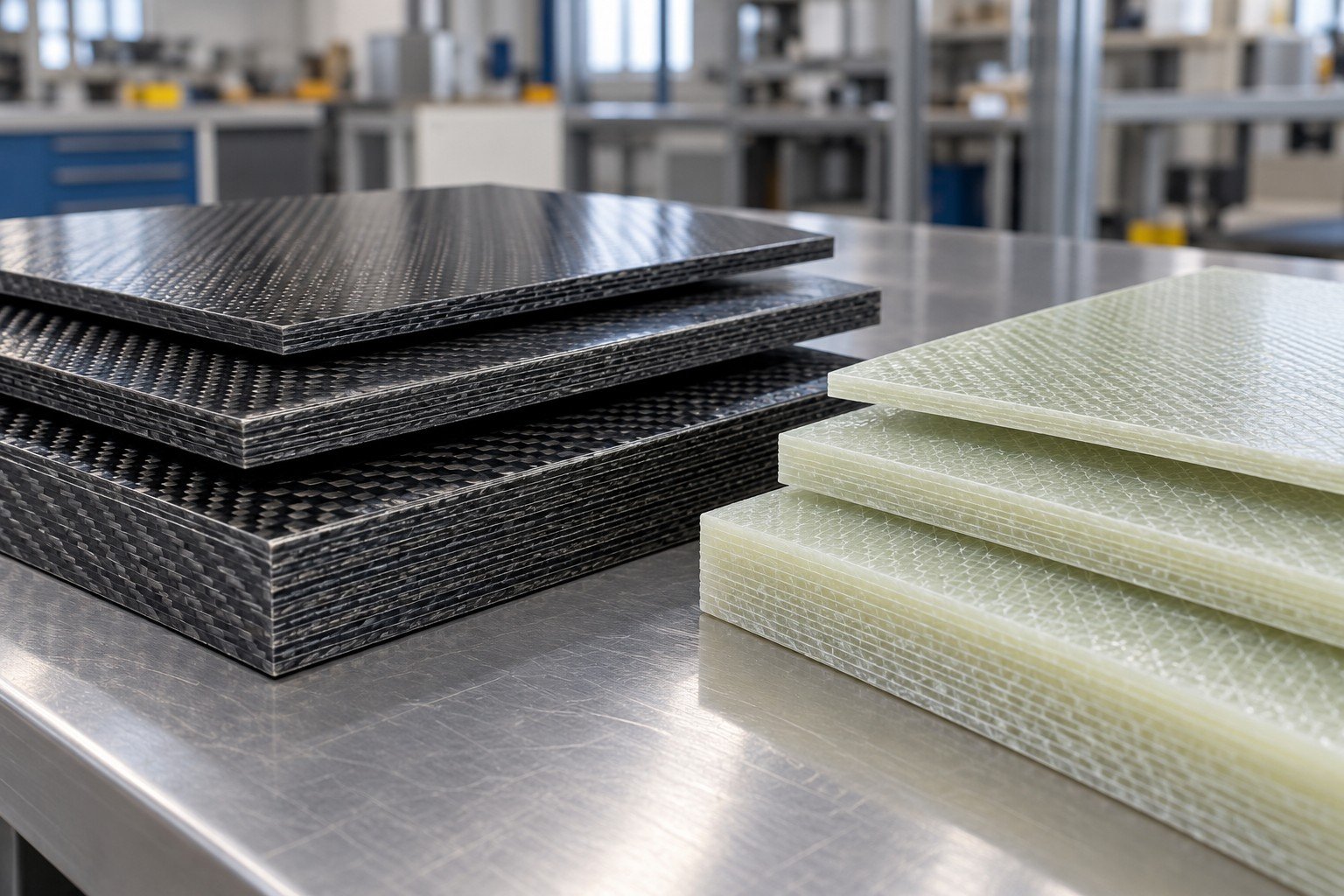
Identify full laminate or panel producer, reinforcement, resin, layup, cure state, thickness, orientation and lot. Machining a cured blank does not make its original layup or material history interchangeable.
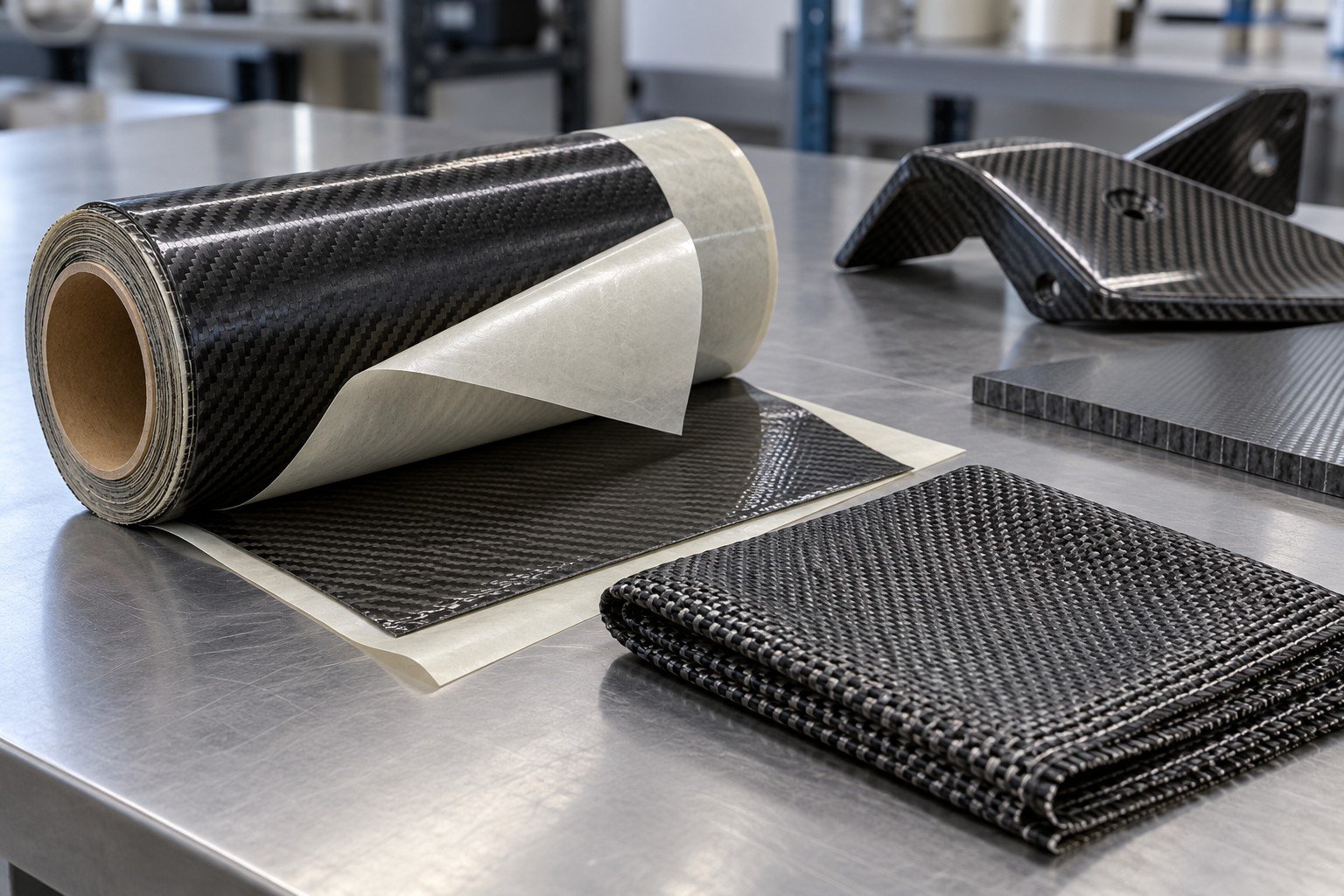
Retain full products, reinforcement architecture, resin content, storage and handling records, ply sequence, tooling and current cure instructions. Supplier resin or fiber names alone do not specify the finished laminate.
How should a composite layup schedule be supplied? Define ply material, sequence, angle, reference axes, symmetry where required, local reinforcements, core and inserts. Retain revision control and required cure evidence.
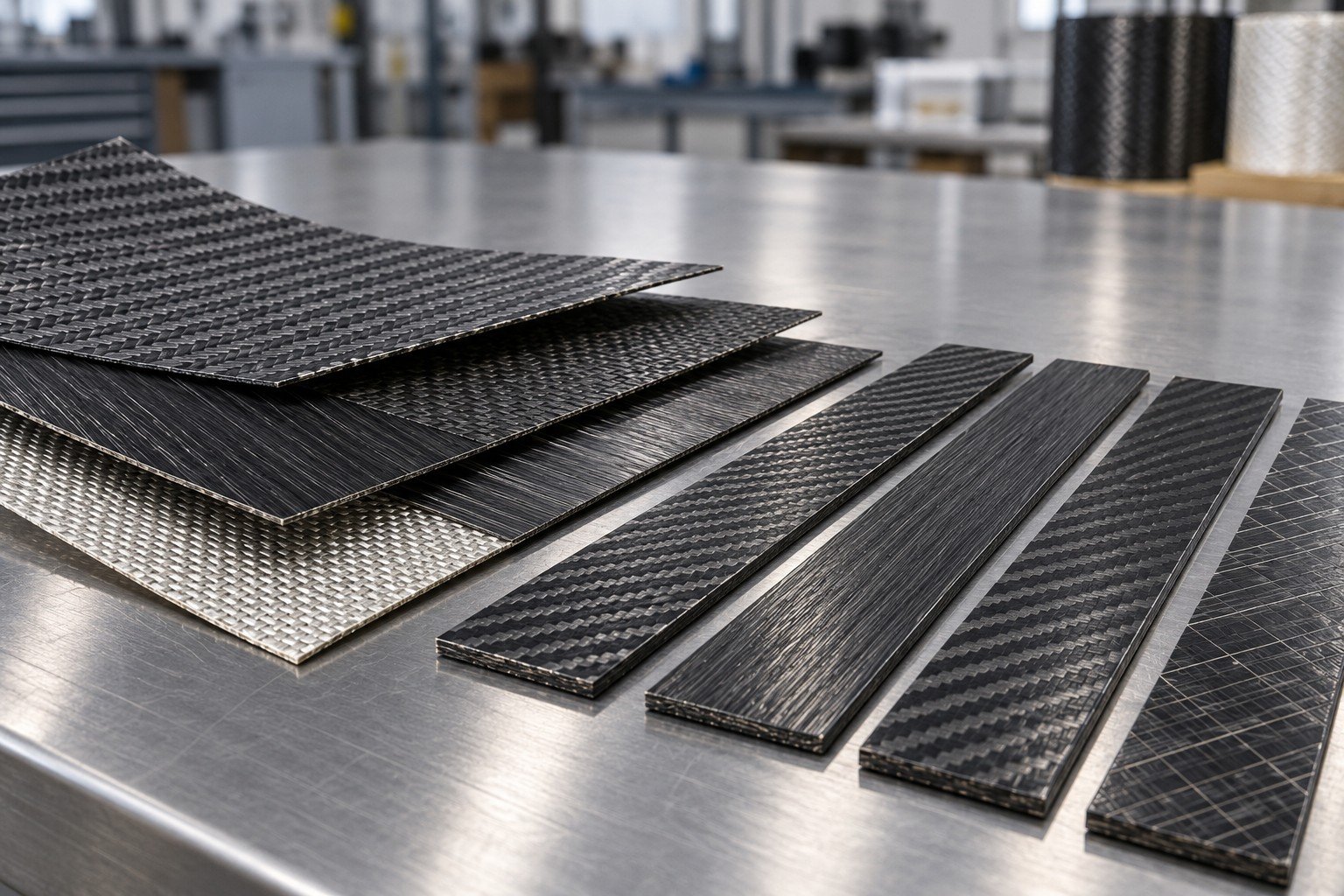
For composite delamination, agree the permitted location, extent and inspection method. How should composite delamination be accepted or rejected? Use drawing-specific criteria, approved samples and any specified nondestructive evidence; a surface photograph alone does not approve internal quality.
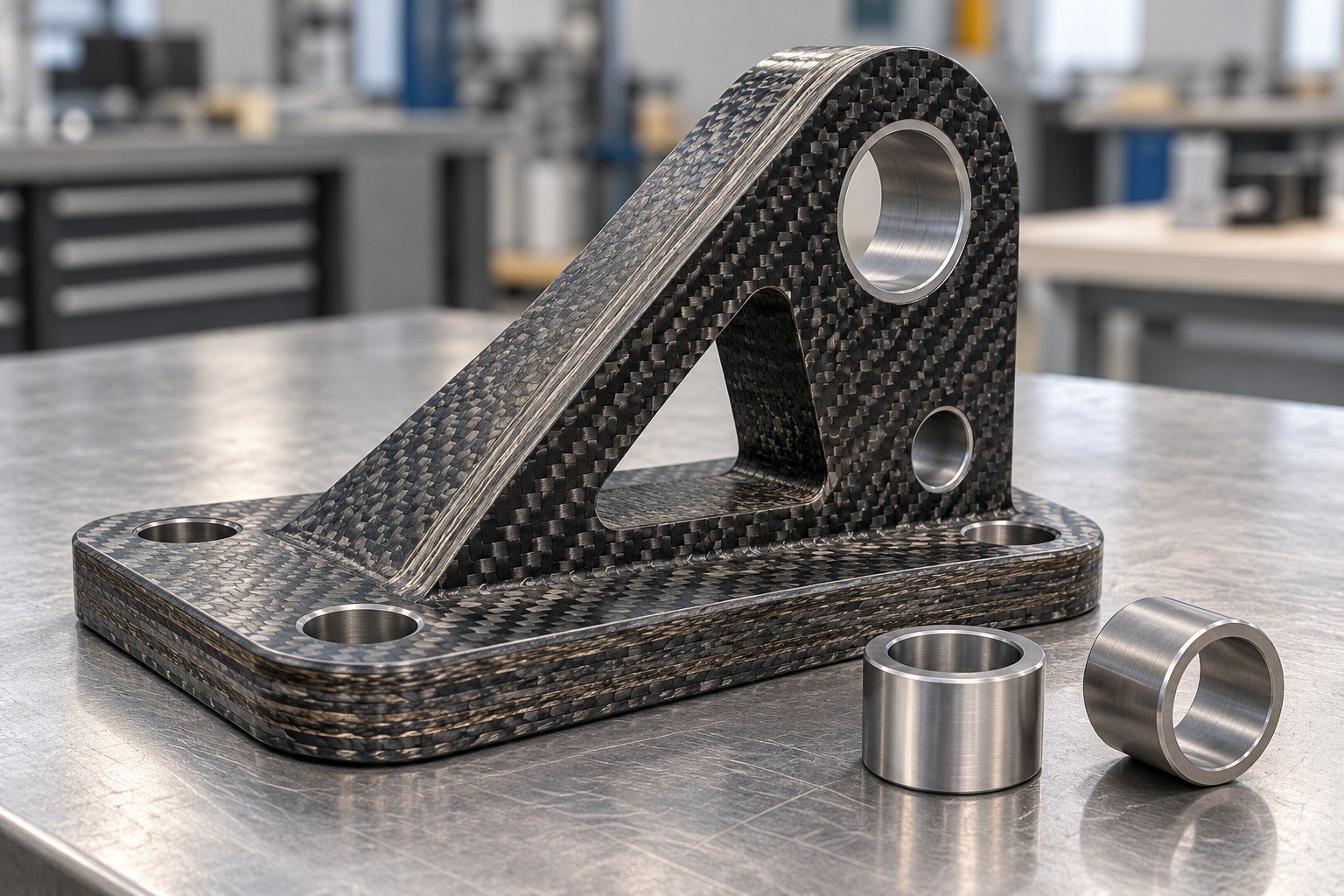
Review hole diameter, position, countersinks, thickness, fiber direction, support, inserts and load introduction. Agree final hole and interface inspection rather than transferring a metal machining assumption.
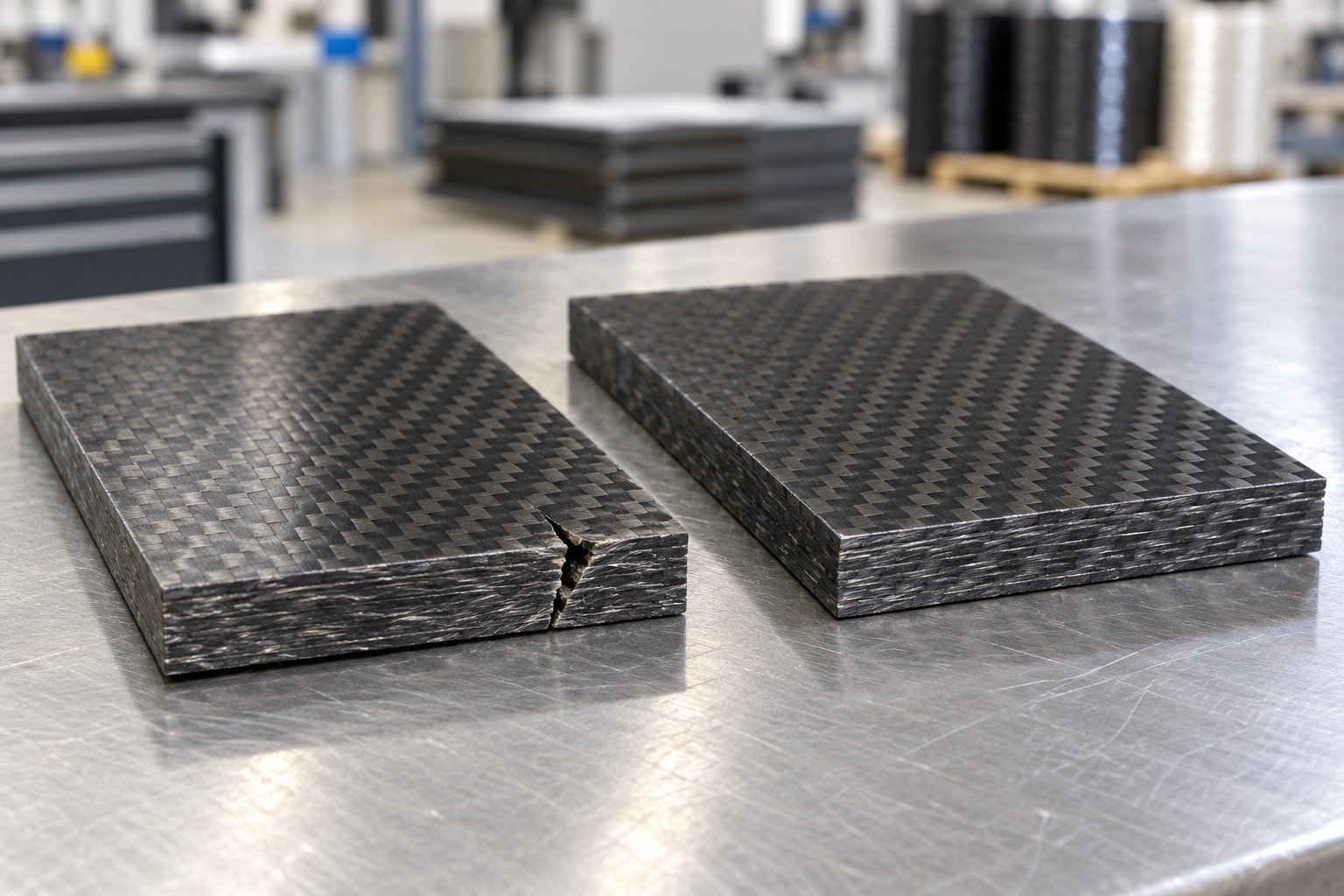
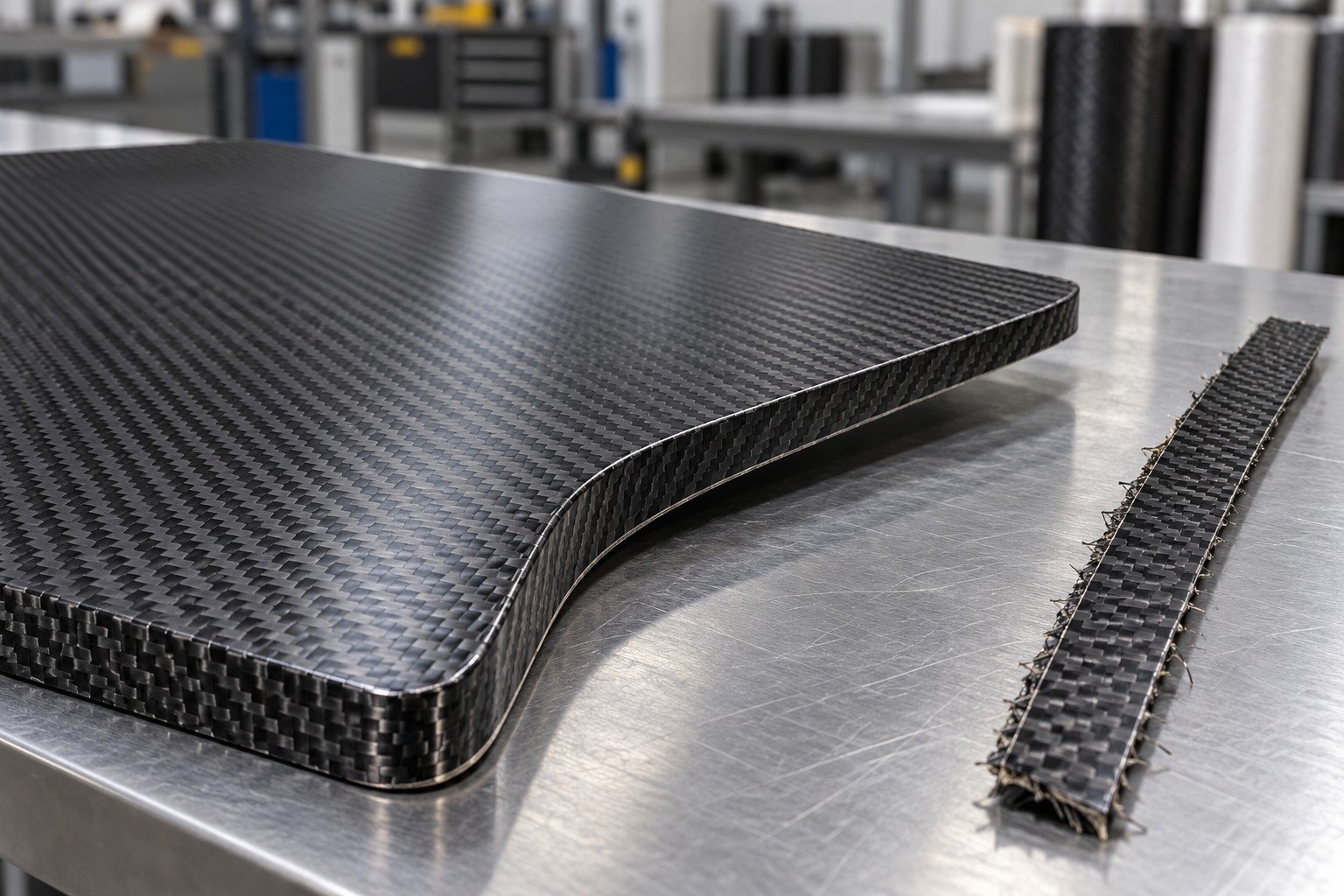
Specify the permitted edge breakout, exposed fibers, ply separation and finishing condition. Retain final dimensions and repeatable visual or specified inspection evidence for the actual laminate.
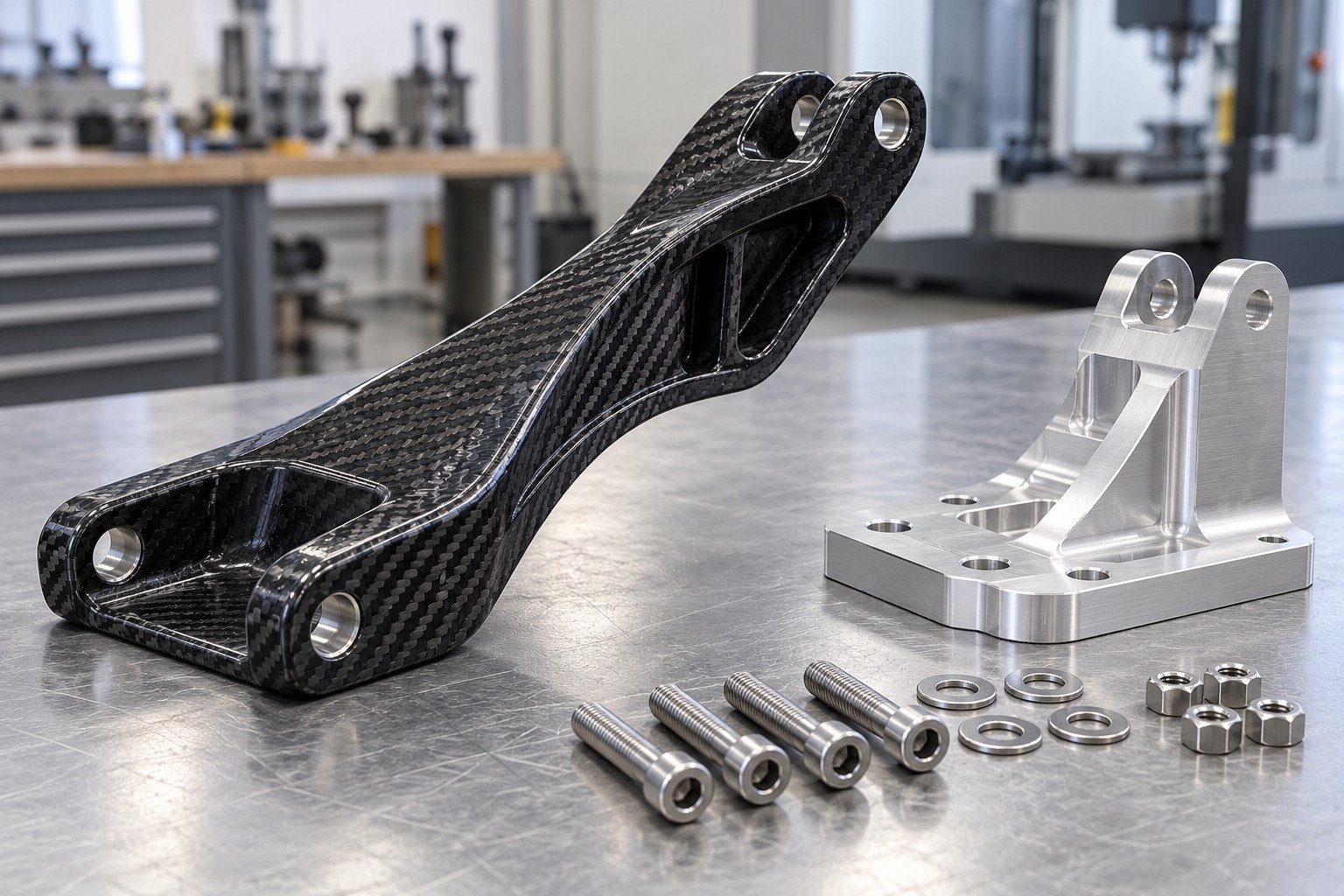
Agree mating components, adhesive or fastener system, surface preparation, cure condition and assembly requirements. Composite prototyping only validates the checks agreed for its material, layup and manufacturing state.
For composite material certification, agree full reinforcement and resin/prepreg identifiers, lots, layup revision, handling and cure records when required. Keep material evidence, dimensions and structural or functional approval separate.
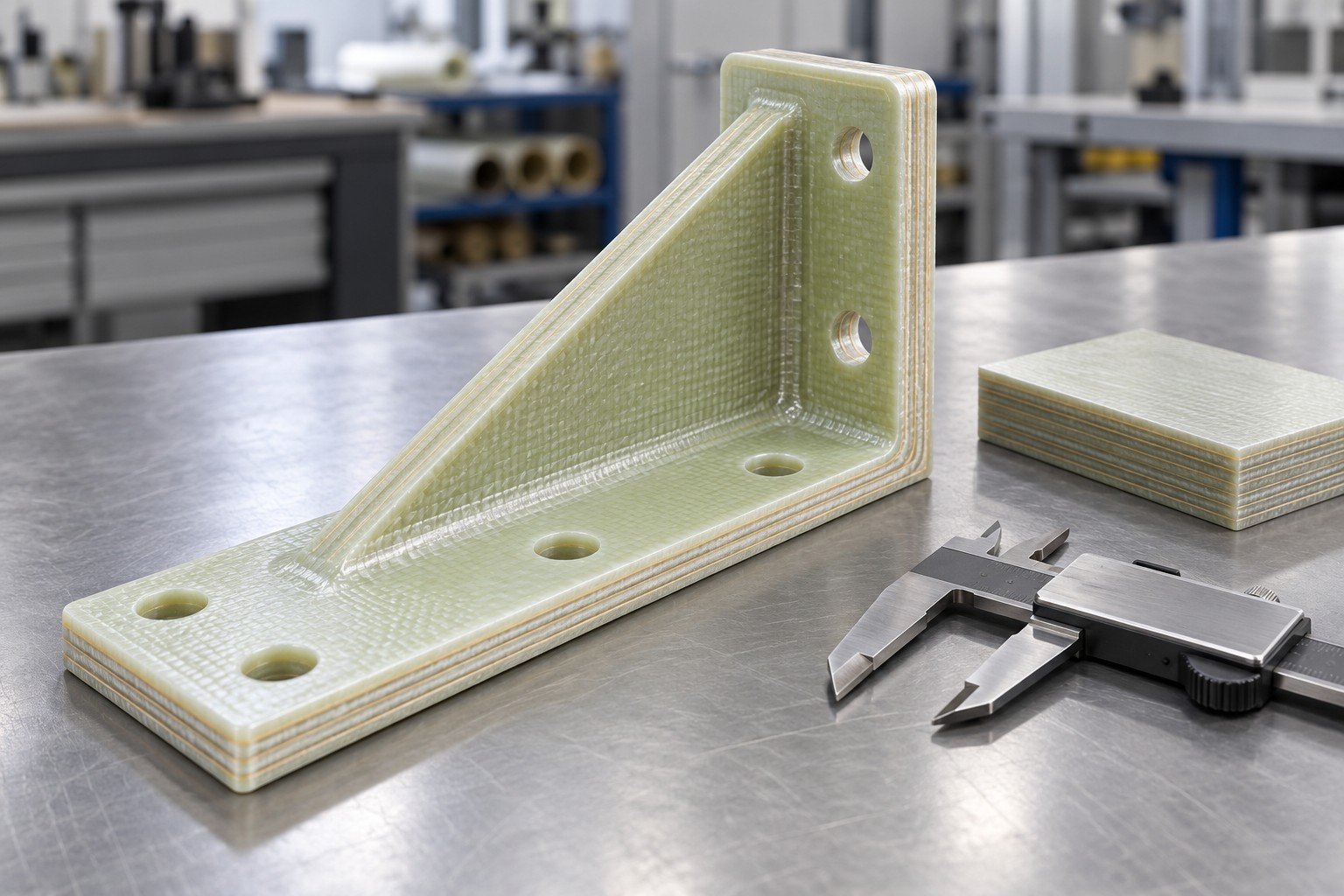
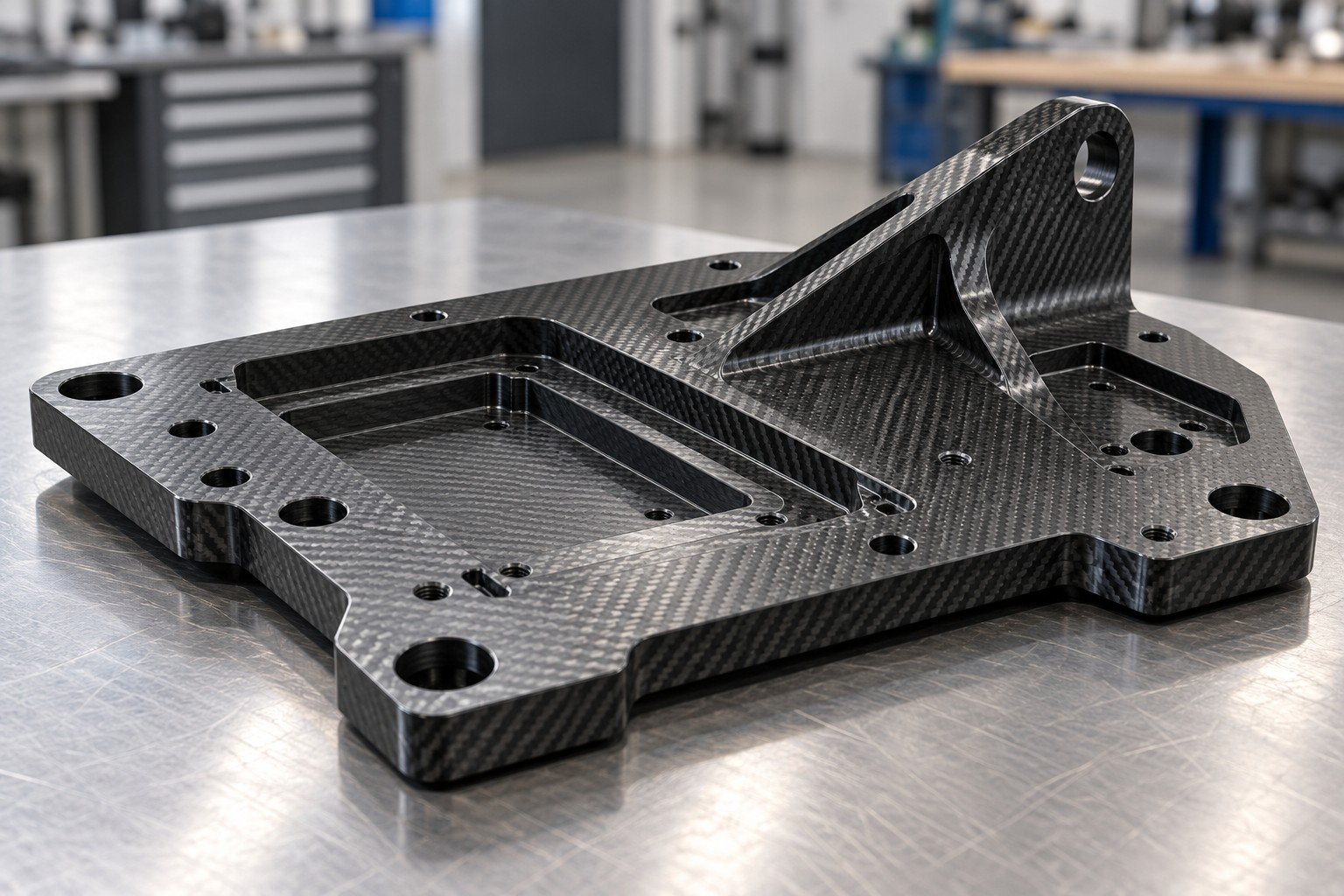
Review laminate identity, layup, thickness, holes, support and edge acceptance.
Review requirements →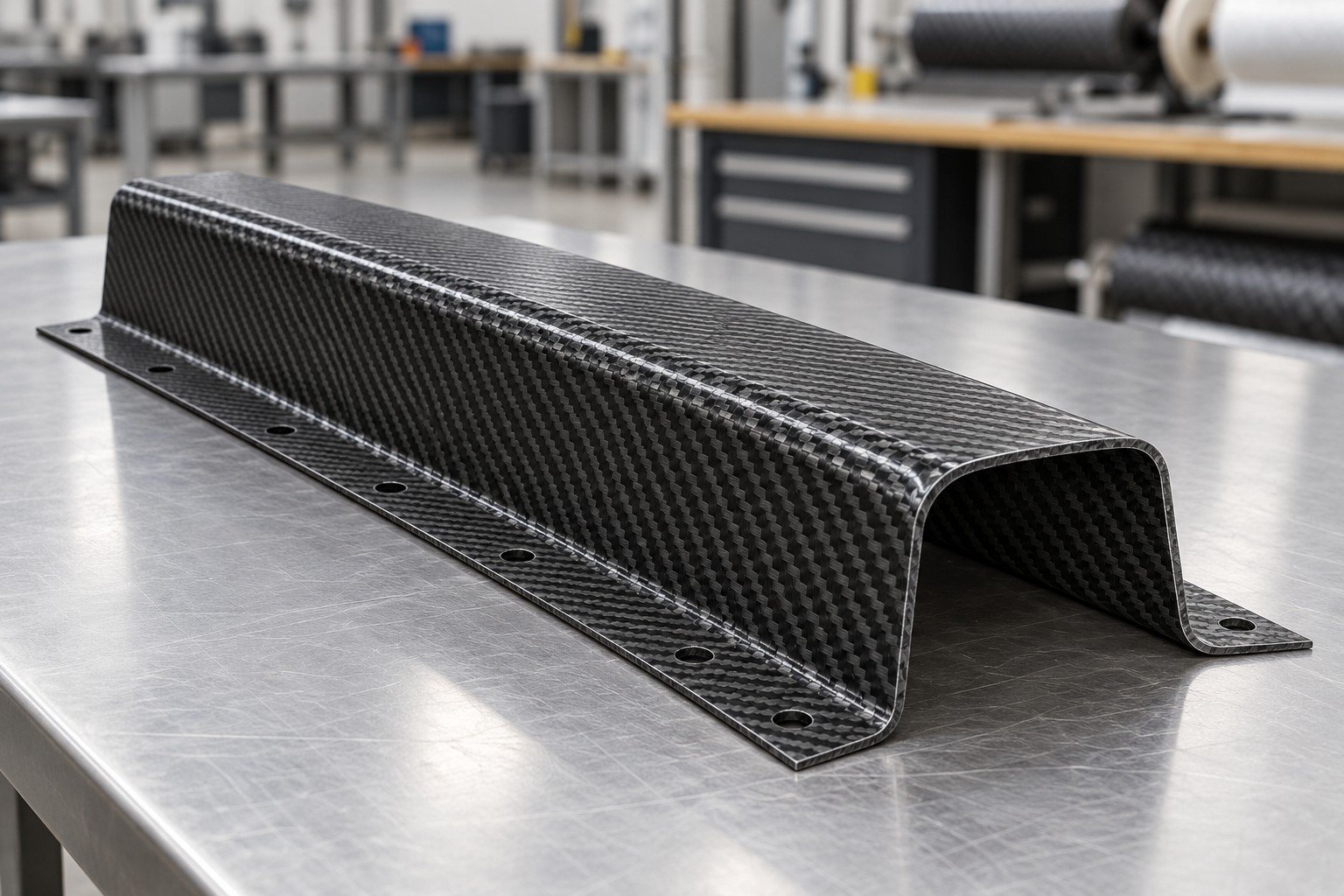
For carbon fiber molding services, review full material, tooling, layup, handling, cure and project availability.
Review requirements ↓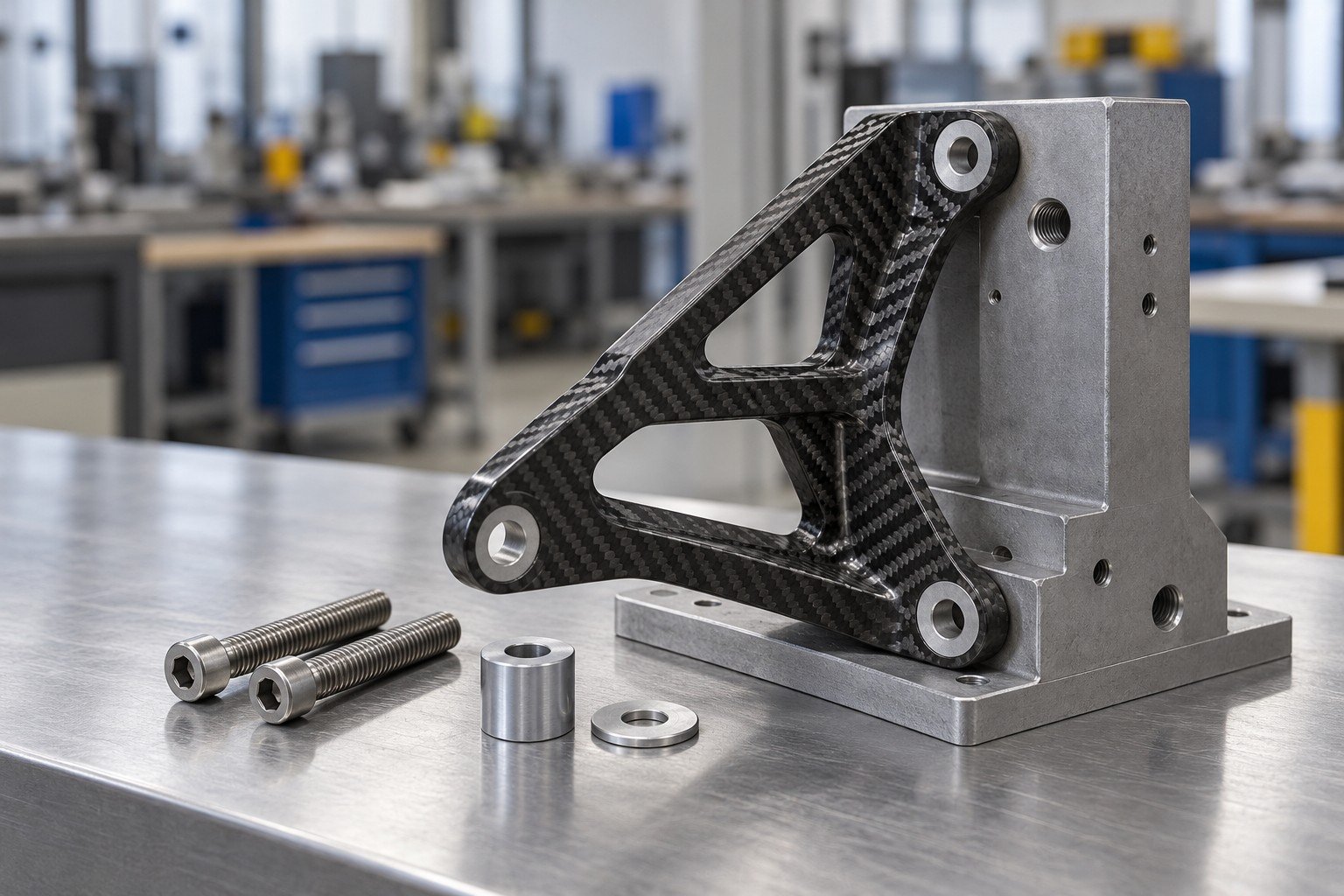
Define what your prototype represents in material, layup, cure, geometry and agreed tests.
Review requirements →Composite manufacturing scope and material availability require project confirmation; no supplier or aerospace qualification is implied.
| Your check | Evidence to agree |
|---|---|
| 1 | Full fiber and resin/prepreg products, producer, sizing or reinforcement form, lots and material history. |
| 2 | Controlled layup, cure state, drawing, thickness, hole positions, interfaces and edge condition. |
| 3 | Approved sample, agreed composite material certification and specified nondestructive, mechanical or assembly evidence. |
Material · Tooling and cure · Machining · Edges · Quantity · Inspection · Delivery
Send CAD and controlled drawing, complete laminate or prepreg system, layup schedule, quantities, tooling scope, cure and handling requirements, critical holes and interfaces, edge criteria and required tests. A composite machining quote needs the actual cured blank and final inspection scope.
No. Specify reinforcement form and sizing, resin system and content, ply sequence and angles, thickness, cure and relevant records. The fiber designation alone does not define the cured laminate.
Provide a controlled ply table with material, sequence, orientation and reference axes, plus local reinforcements, core, inserts, tooling references and cure or acceptance requirements.
Review the exact panel, thickness, layup, orientation, stock allowance, hole and edge requirements first. Agree process scope and inspection without assuming the blank or final part is interchangeable with another laminate.
Agree the location, extent, defect type and inspection method against the drawing. Retain approved samples and any specified nondestructive or functional evidence; a generic no-visible-defect statement is incomplete.
Do not approve the change from a fiber-strength comparison. Review full fiber product and sizing, resin, architecture, layup, cure, interfaces and required laminate or finished-part validation, then document approval.
| Reference | What it does and does not identify |
|---|---|
| GFRP / CFRP | Glass- or carbon-fiber reinforced polymer direction; retain full reinforcement, resin and layup. |
| TORAY T300 / T700S | Named carbon fibers; not complete laminate or finished-part specifications. |
| HEXPly 8552 / MTM 49-3 | Named epoxy matrix/prepreg system references; retain the exact reinforcement/product format and cure. |
| Cured laminate / sandwich assembly | Retain ply sequence, direction, thickness, core, inserts, adhesive and required acceptance records. |
Retain the required standards and manufacturer records rather than inventing an EN/DIN equivalent or an automatic product substitution.
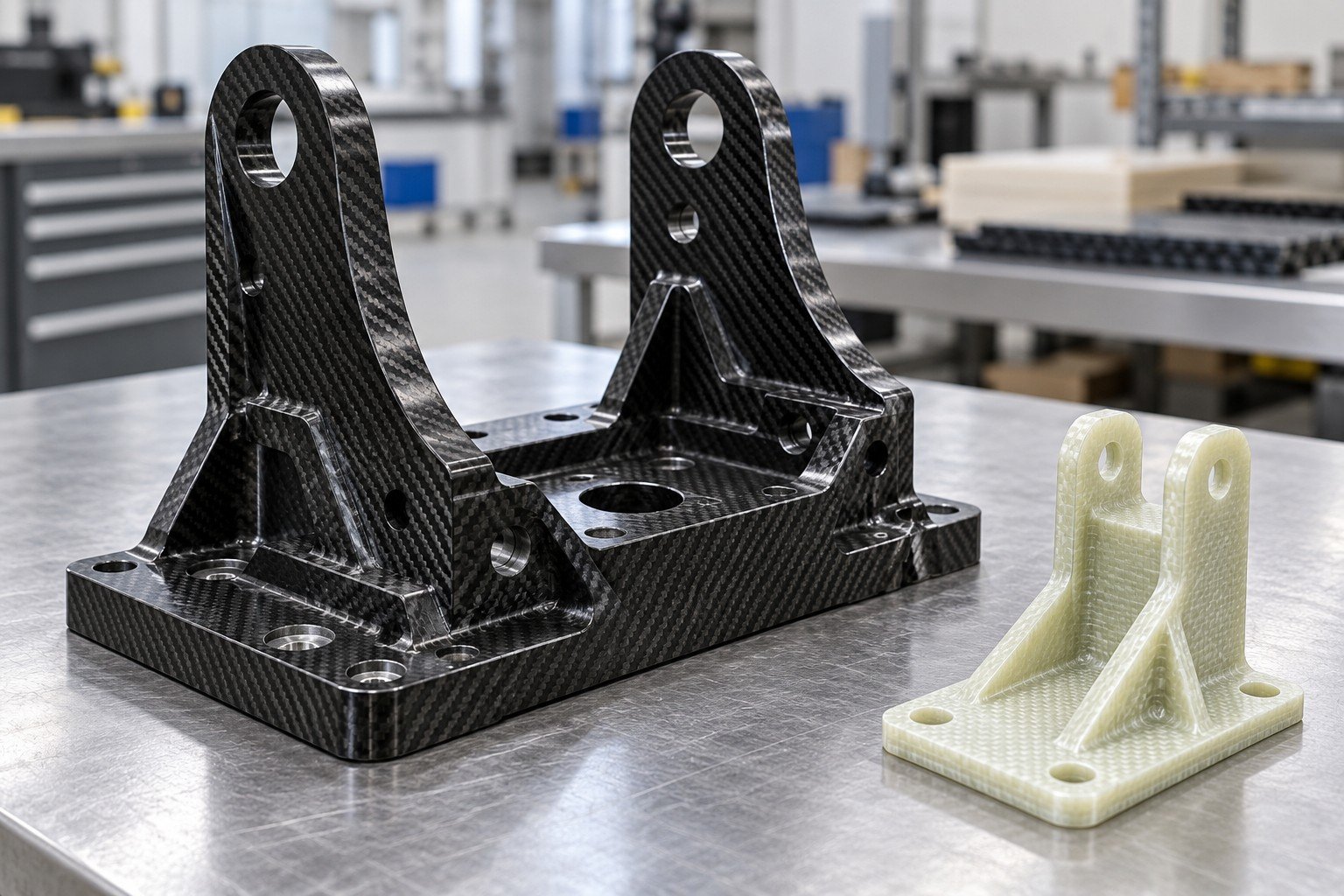
Product references: Toray, Hexcel and Syensqo manufacturer information. Generated concepts illustrate geometry, not actual customer parts, certified materials or company records.