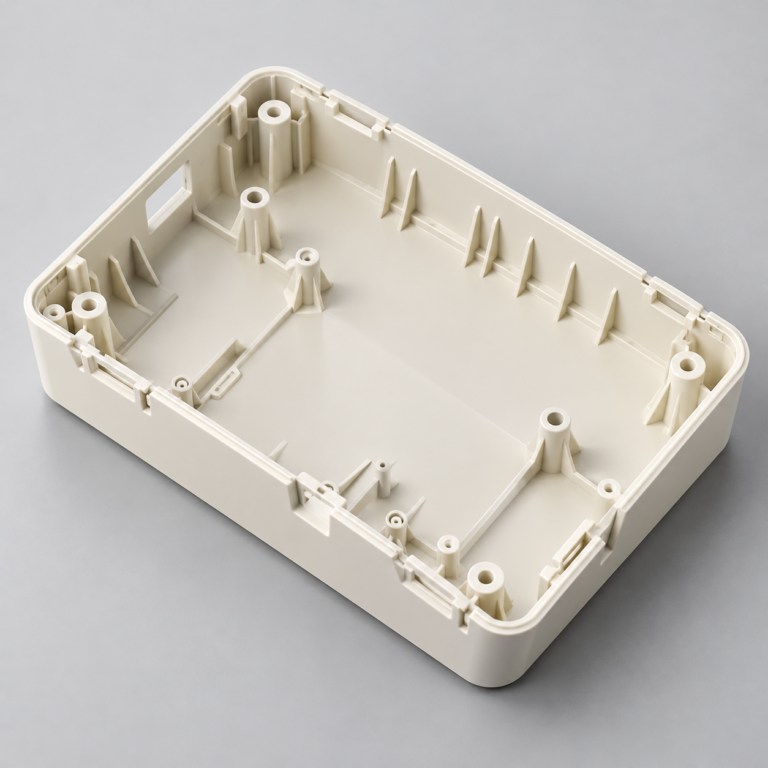
Injection Molding
Tooling and molding for your repeat plastic parts.
From prototype to production, coordinated manufacturing solutions for your custom parts.
View All Services →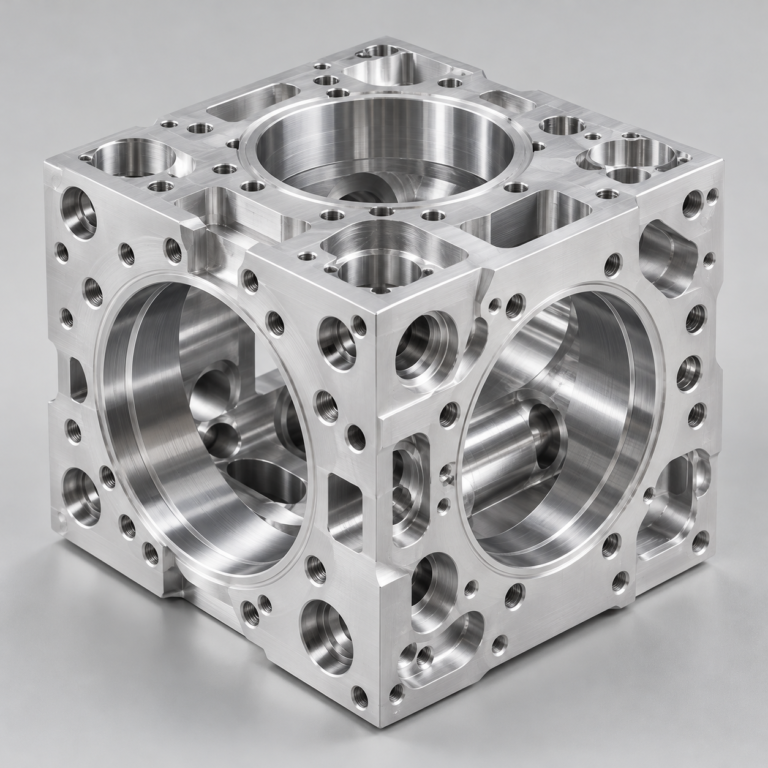
Precision parts for your tight tolerances and complex geometry.
Tooling and molding for your repeat plastic parts.
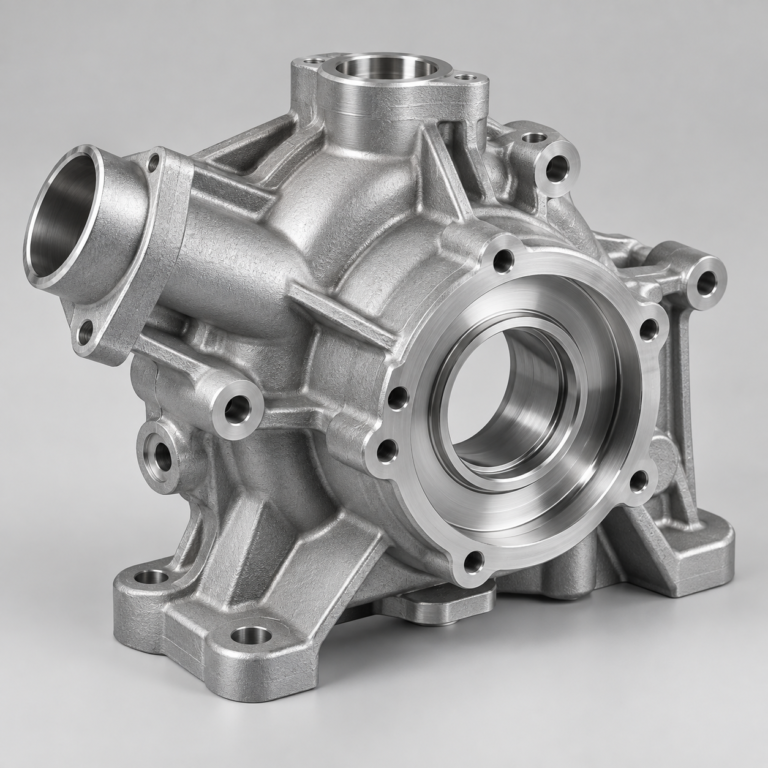
Metal casting options for your part and production volume.
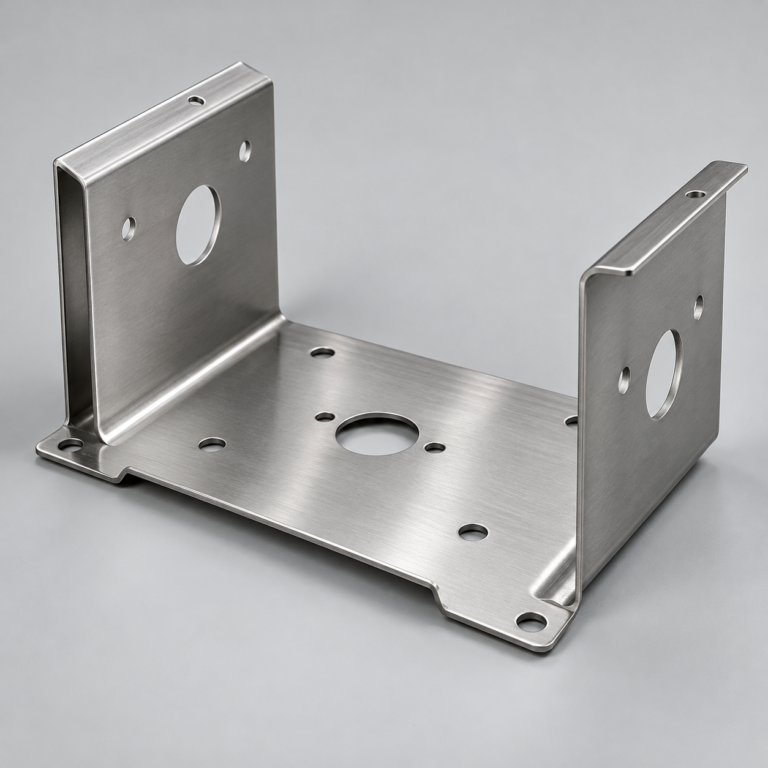
Cutting, forming and welding for your fabricated parts.
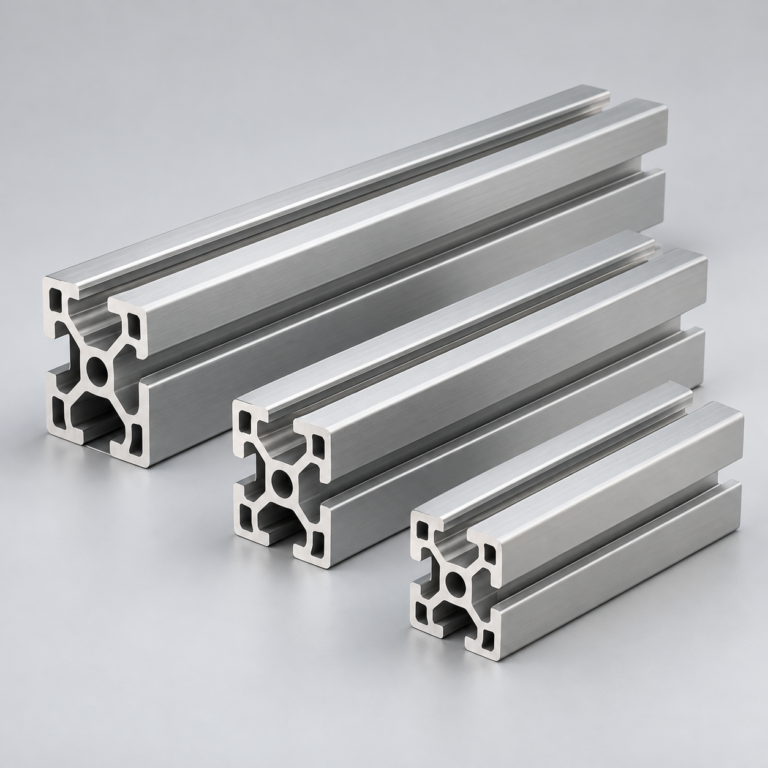
Custom profiles for your section, length and finish requirements.
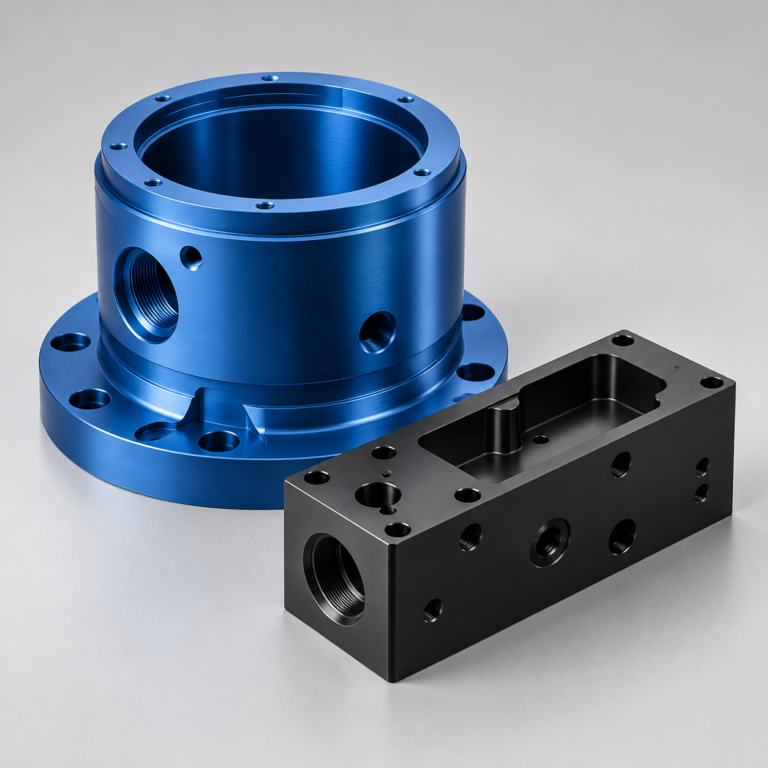
Finishes for your appearance, corrosion and wear requirements.
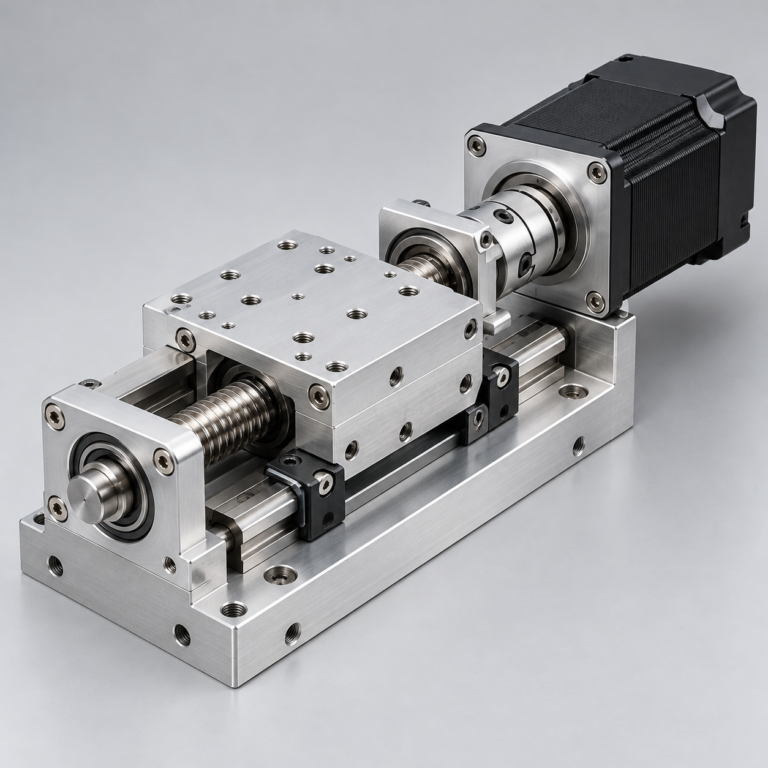
Sub-assemblies and final builds for your production program.
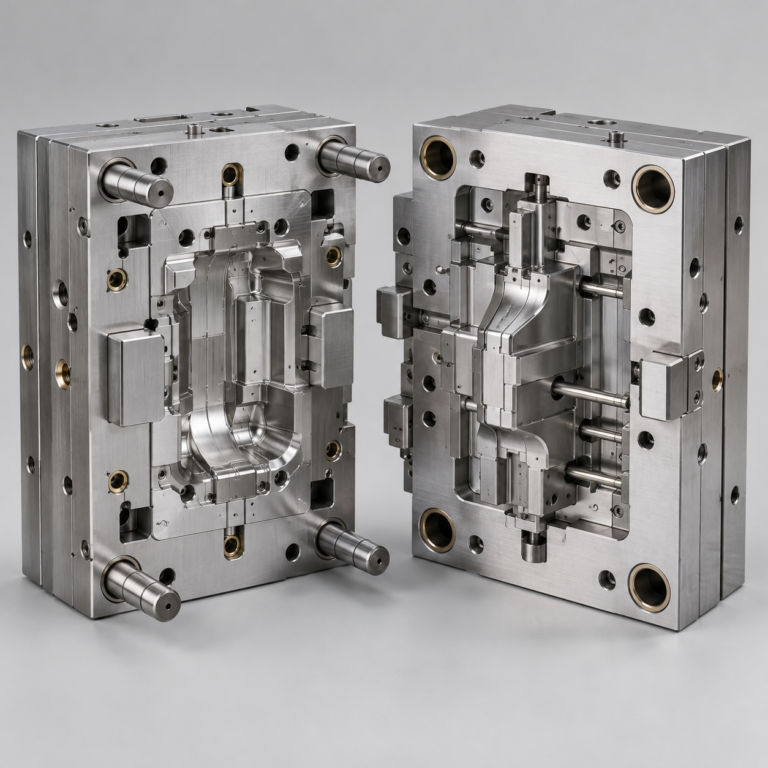
Production tooling built around your process and volume.
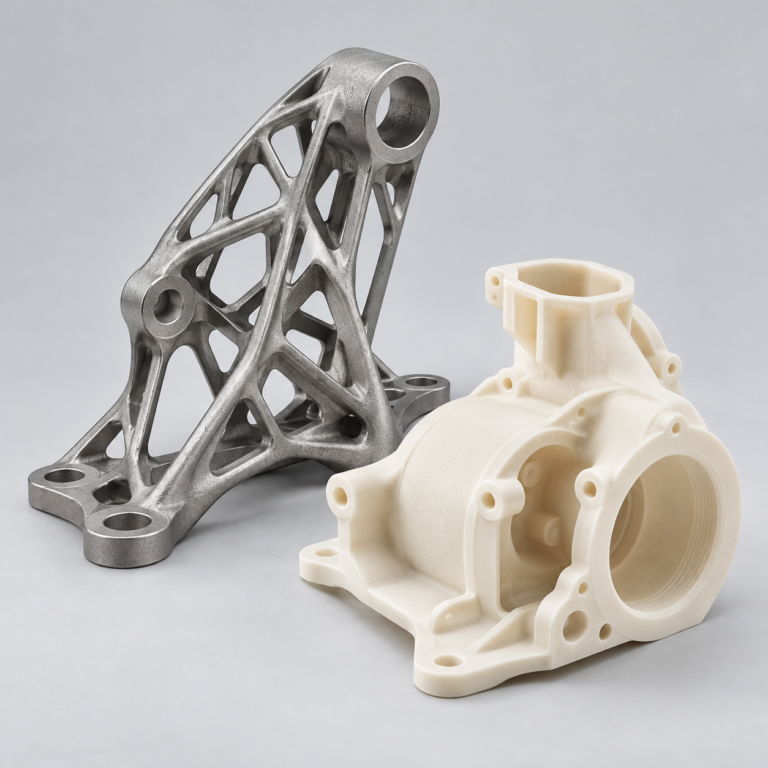
Prototype parts to check fit, function and design.
DFM, process planning and production support for your project.
Inspection, documentation, inventory and delivery planning for your program.
Choose air- or liquid-cooling components around your thermal and mechanical requirements.
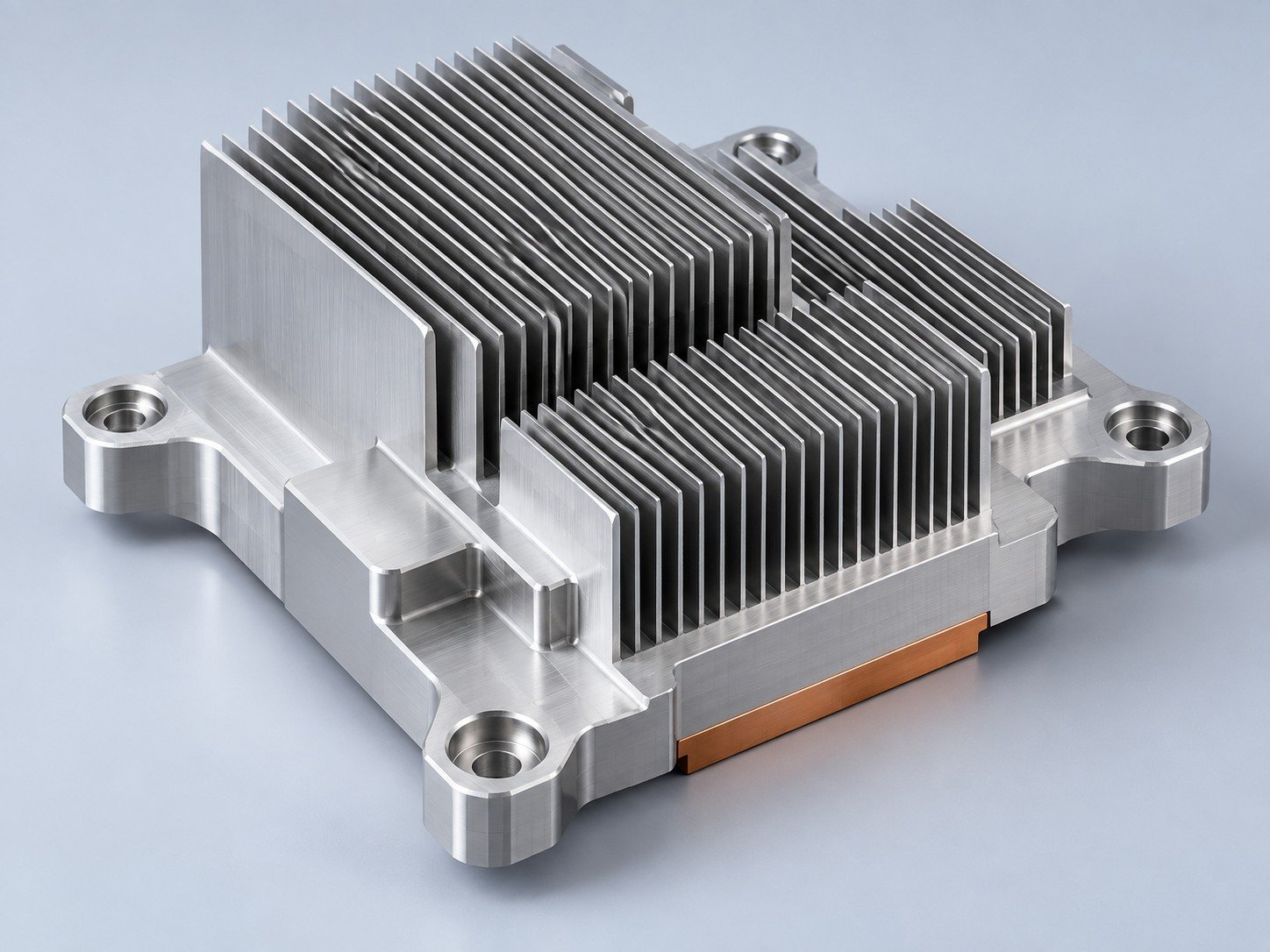
Manufacturing support for your cold plates, manifolds and cooling assemblies.
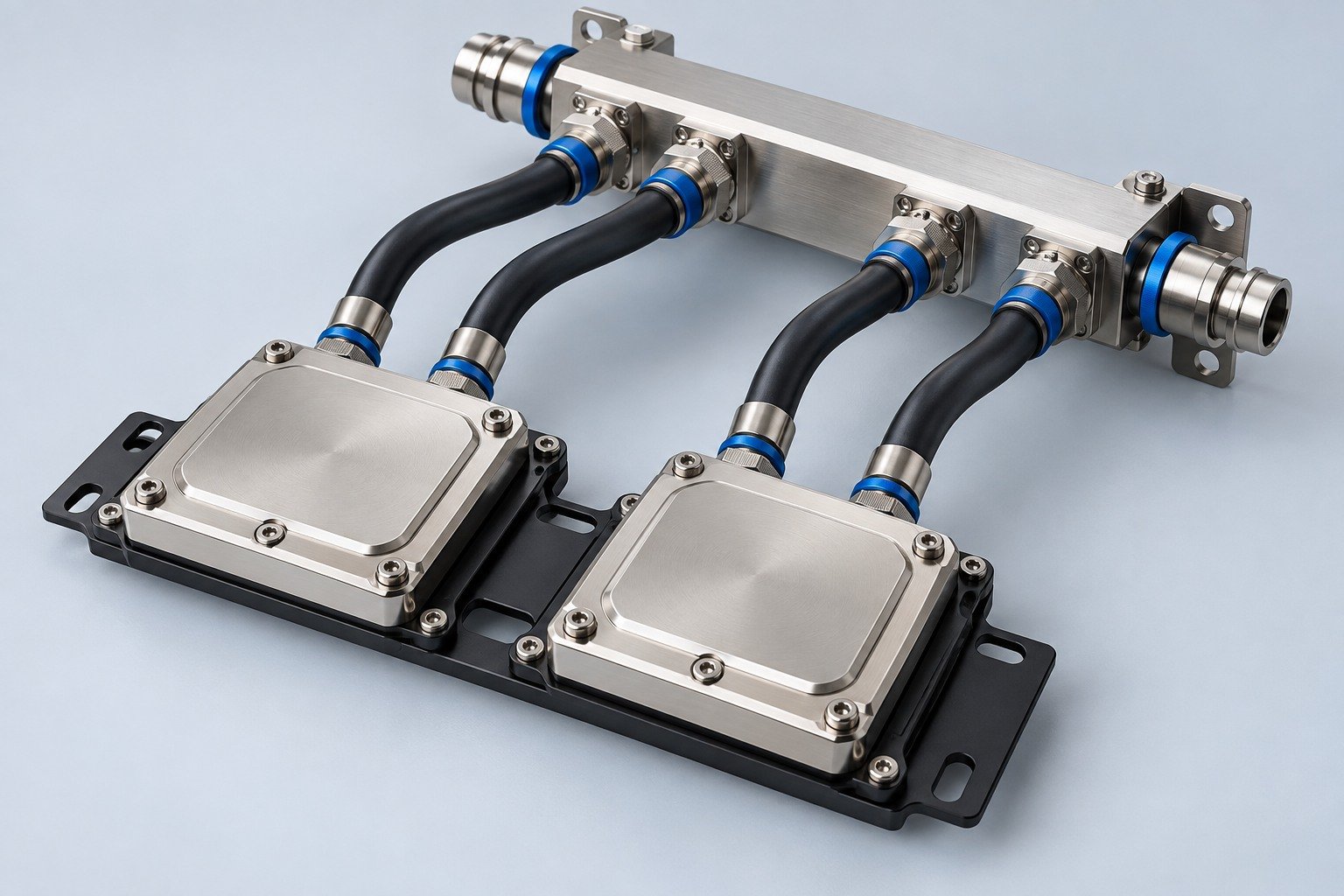
Find components for your power electronics, energy, laser and telecom application.
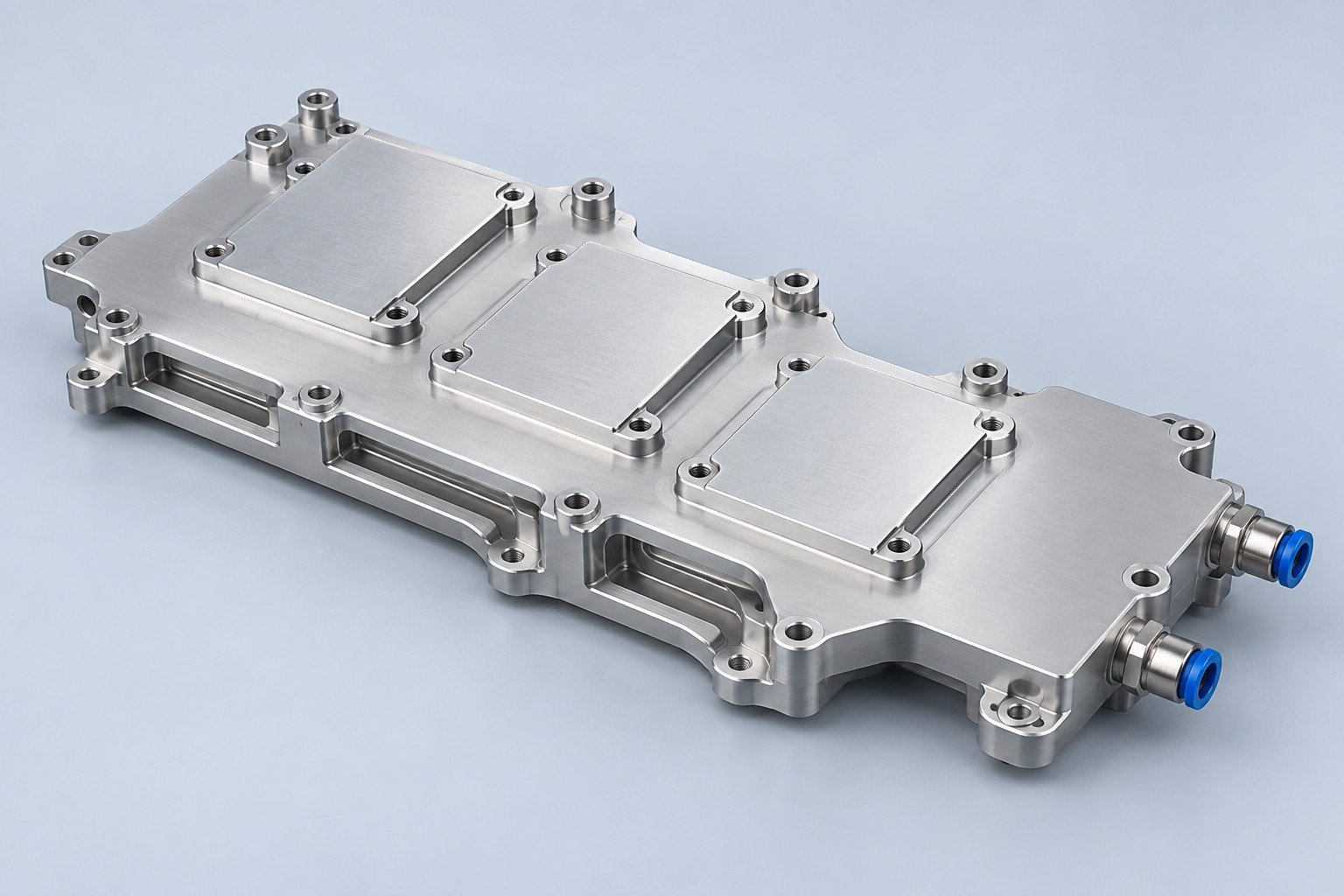
Components for your electronic systems.
Start with your functional and quality requirements.
Build around your operating environment.
From prototype to production, review material performance, manufacturability and cost for your part.
Review grade, temper and finish for your metal parts.
 AluminumStrength, weight and machining›
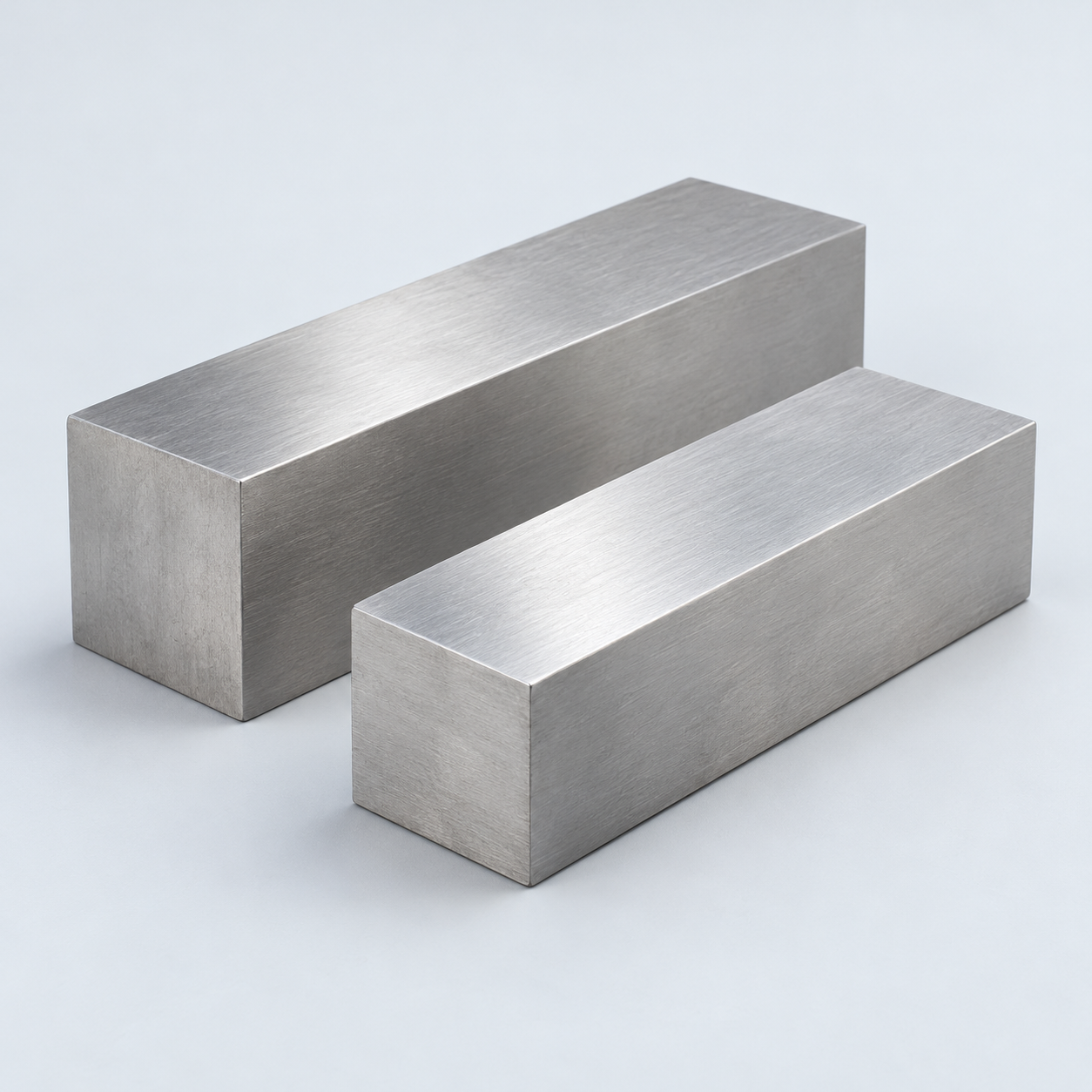 Stainless SteelCorrosion and finish requirements›
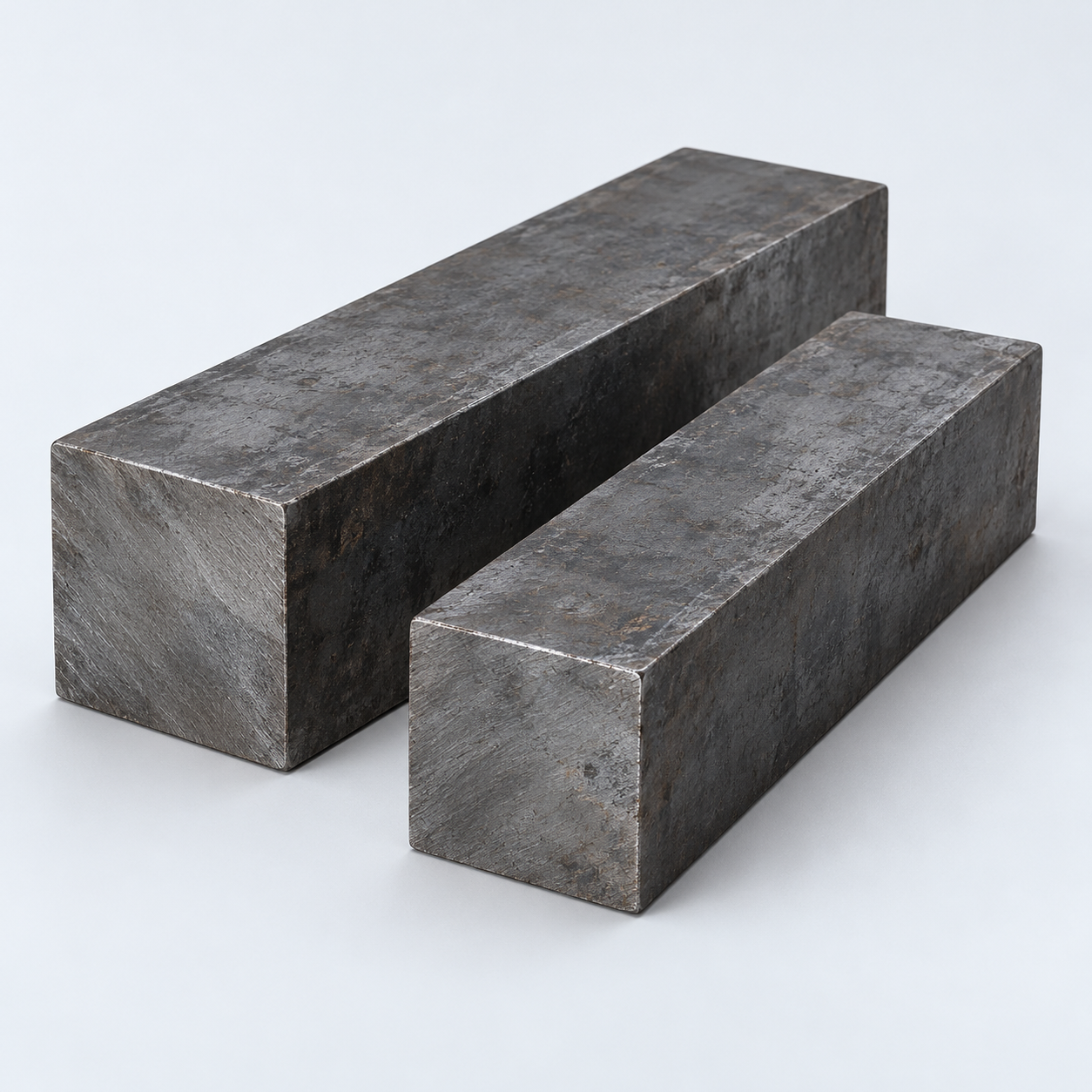 Carbon & Alloy SteelDiscuss grade and heat treatment›
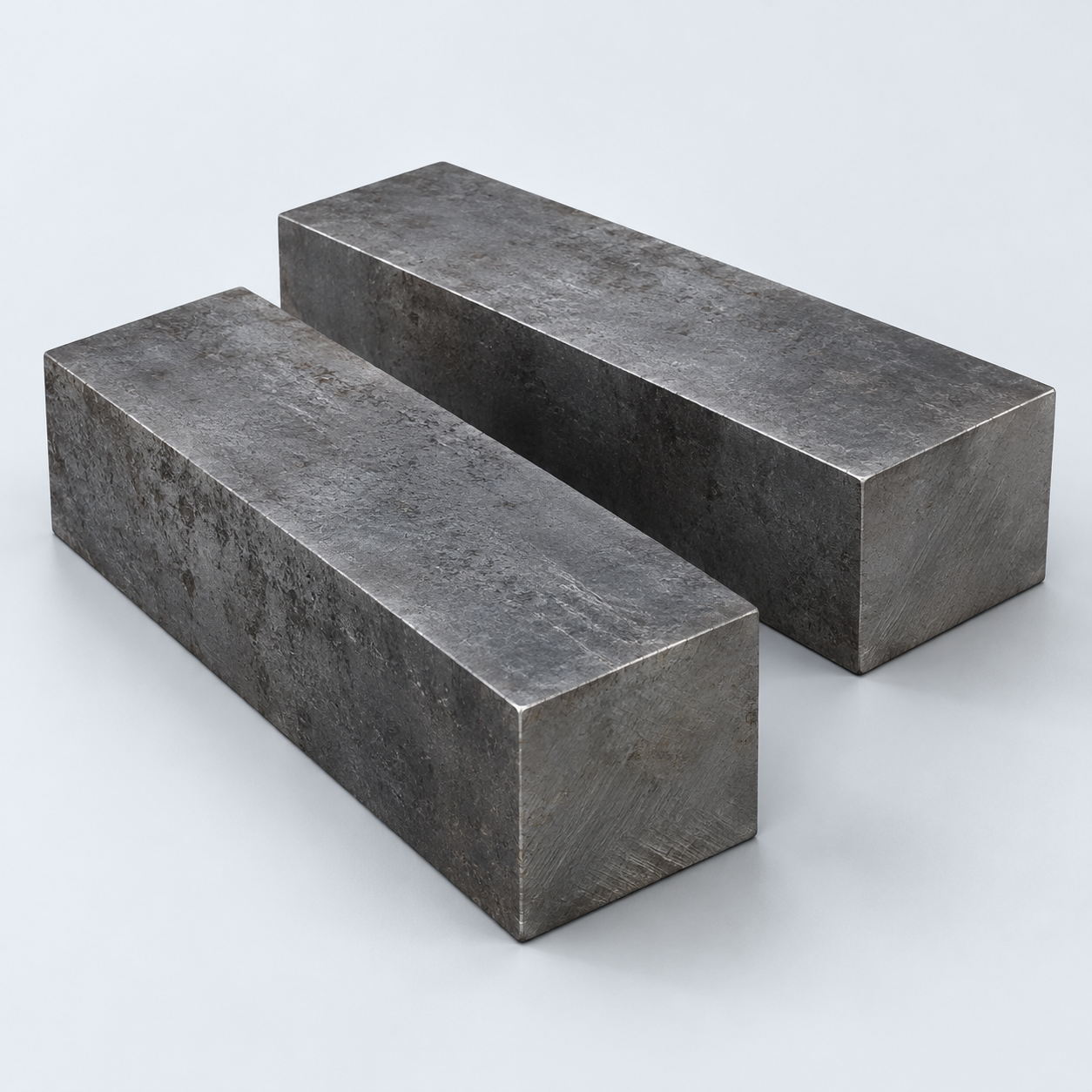 Tool SteelDiscuss tooling and wear needs›
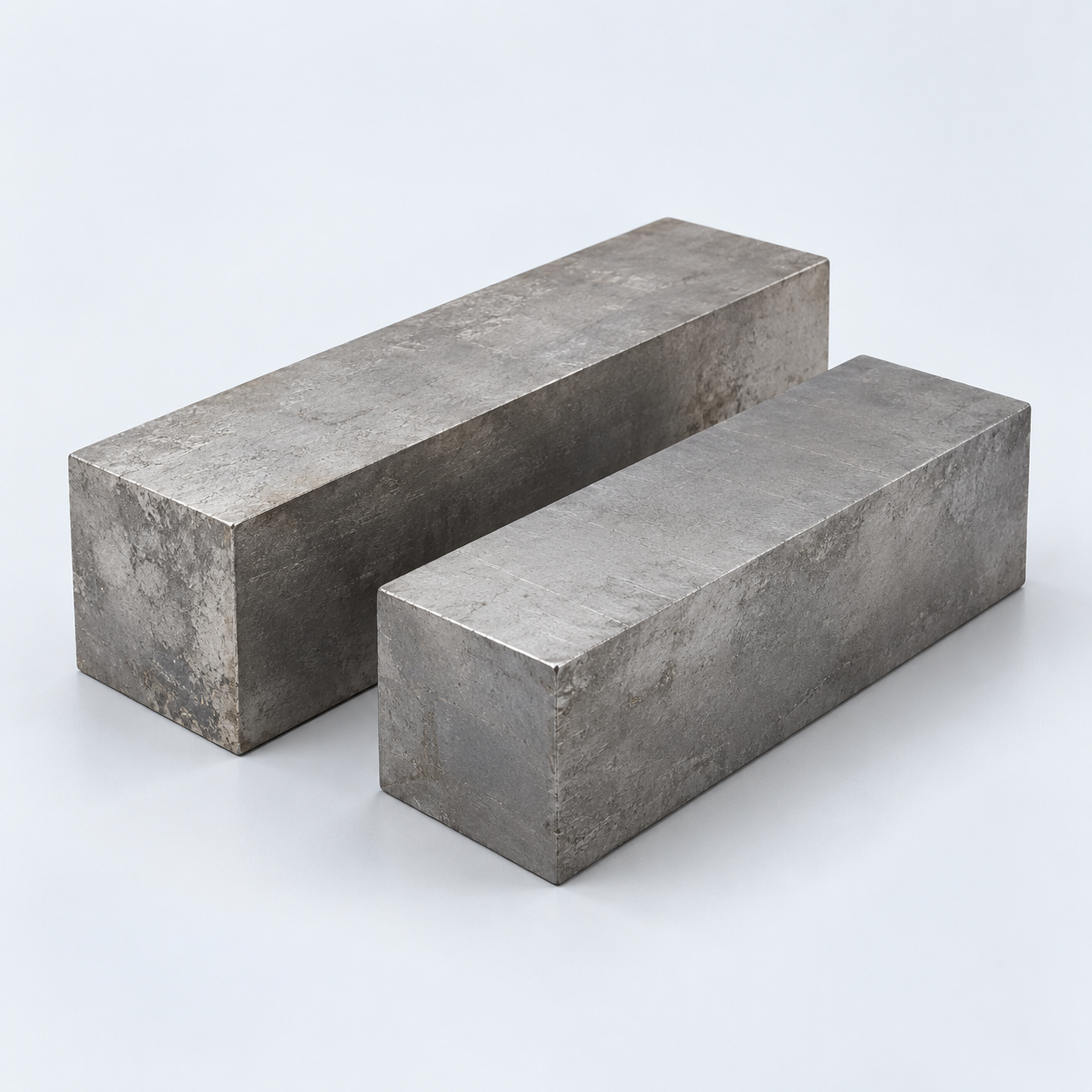 TitaniumReview grade and part geometry›
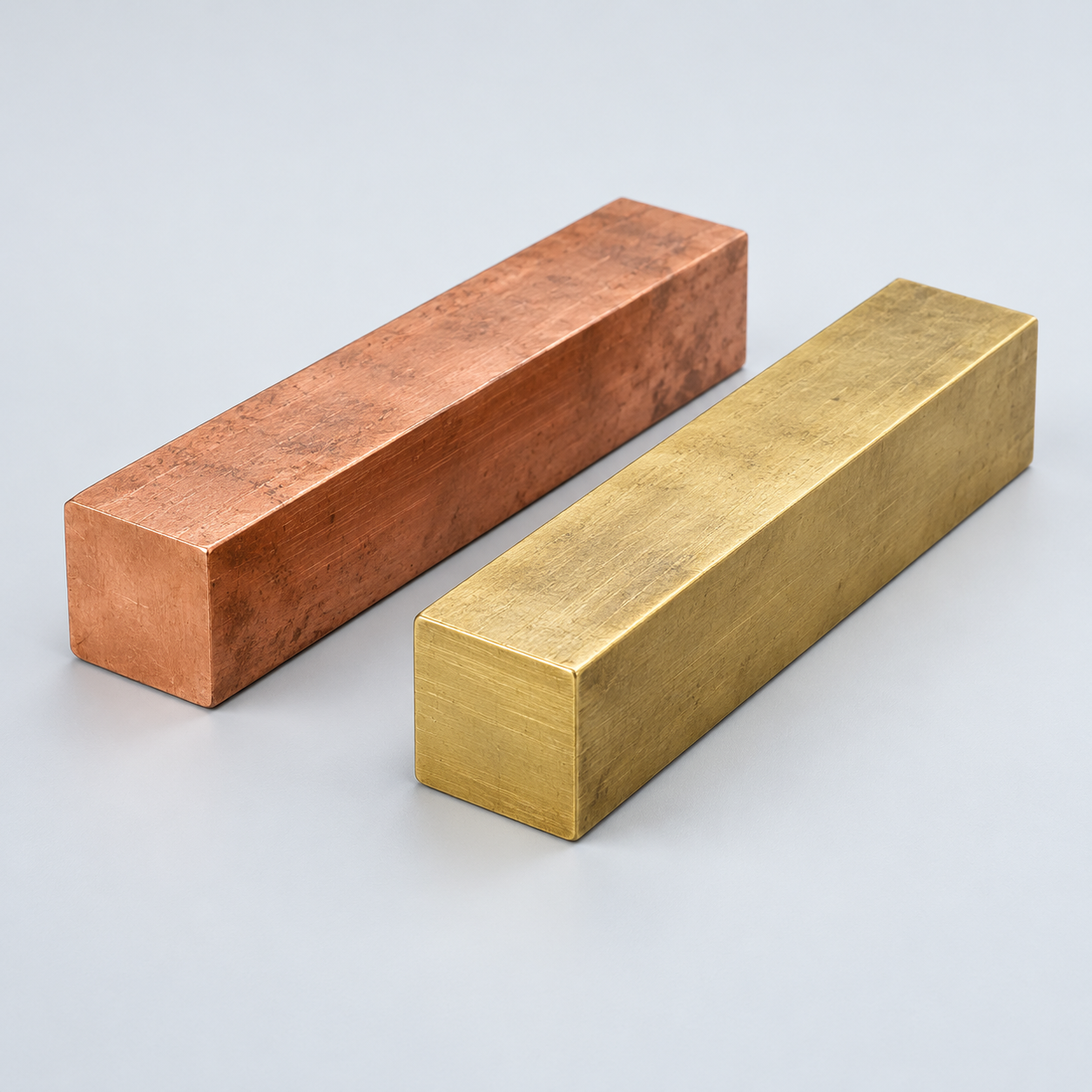 Copper & BrassDiscuss conductivity and machining›
Match your polymer to function, process and environment.
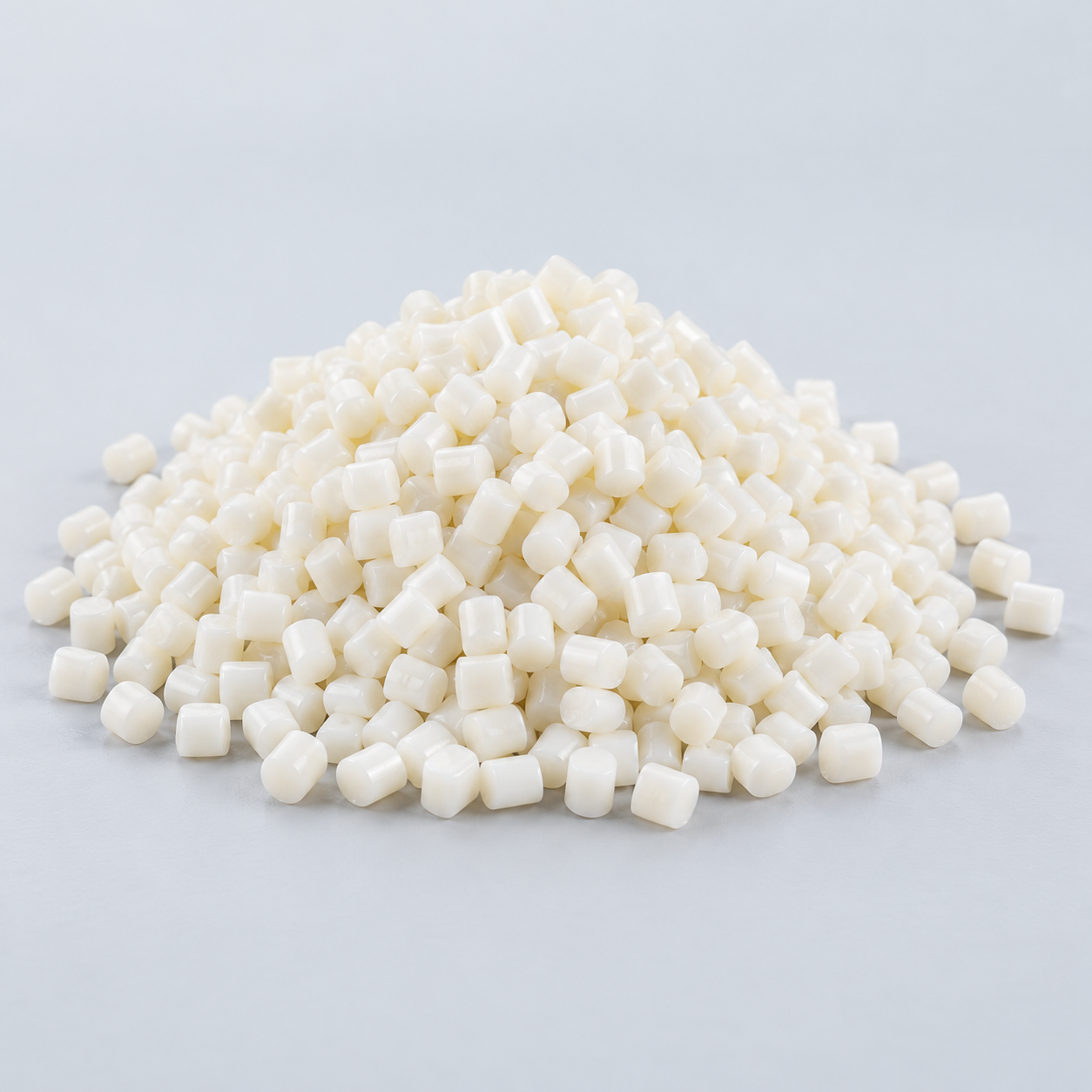 ABSReview enclosure and molding needs›
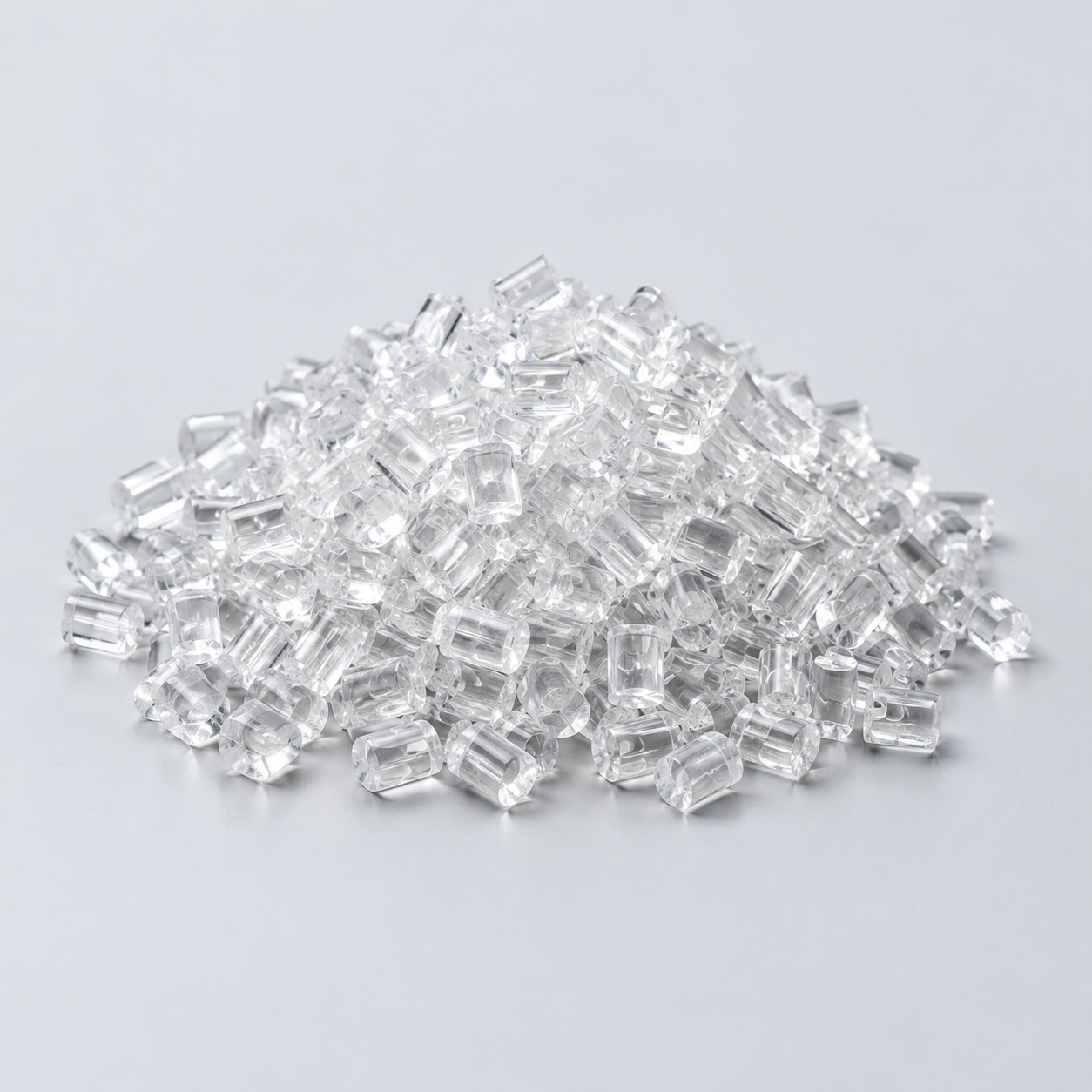 Polycarbonate (PC)Discuss clarity and impact needs›
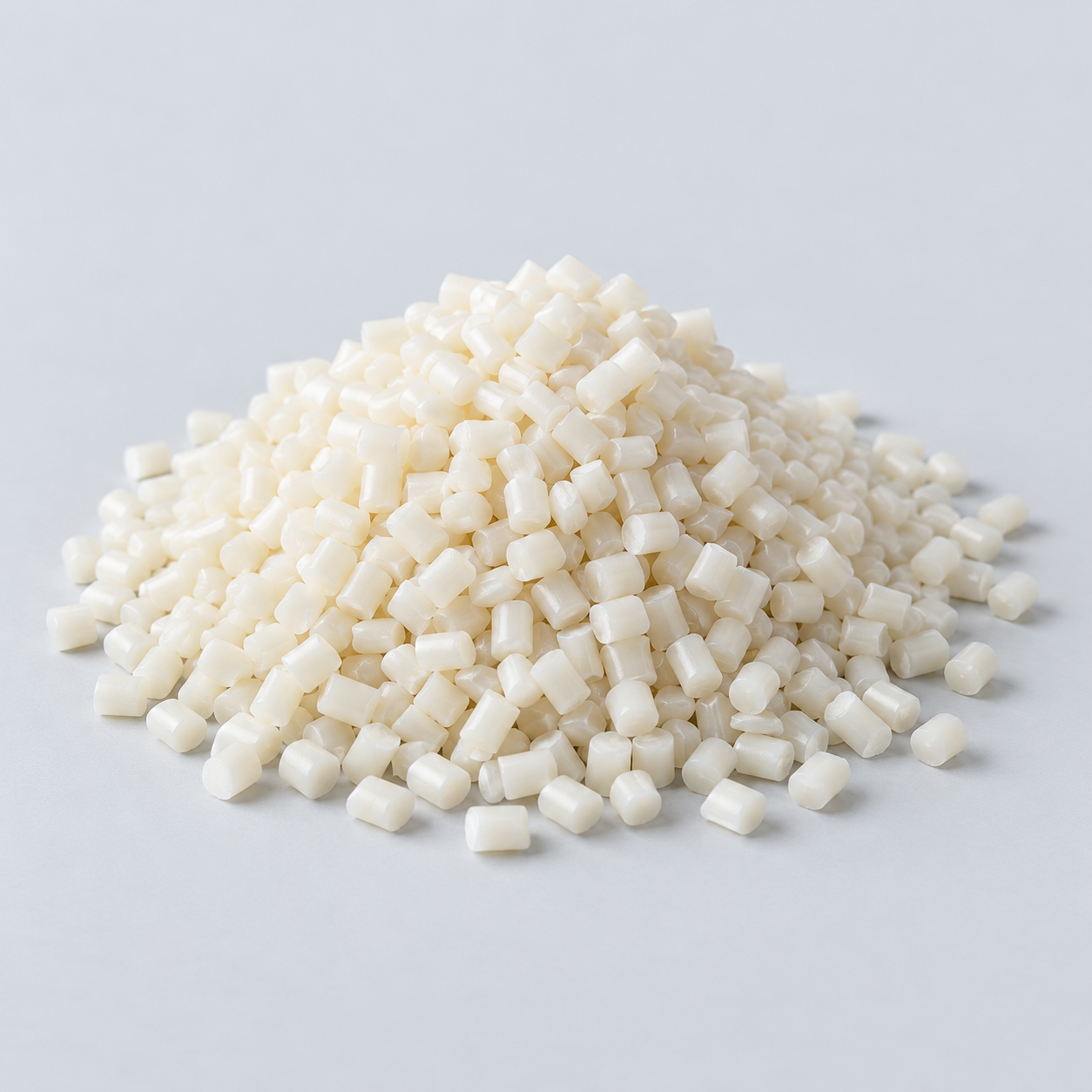 Nylon (PA)Review moisture and wear conditions›
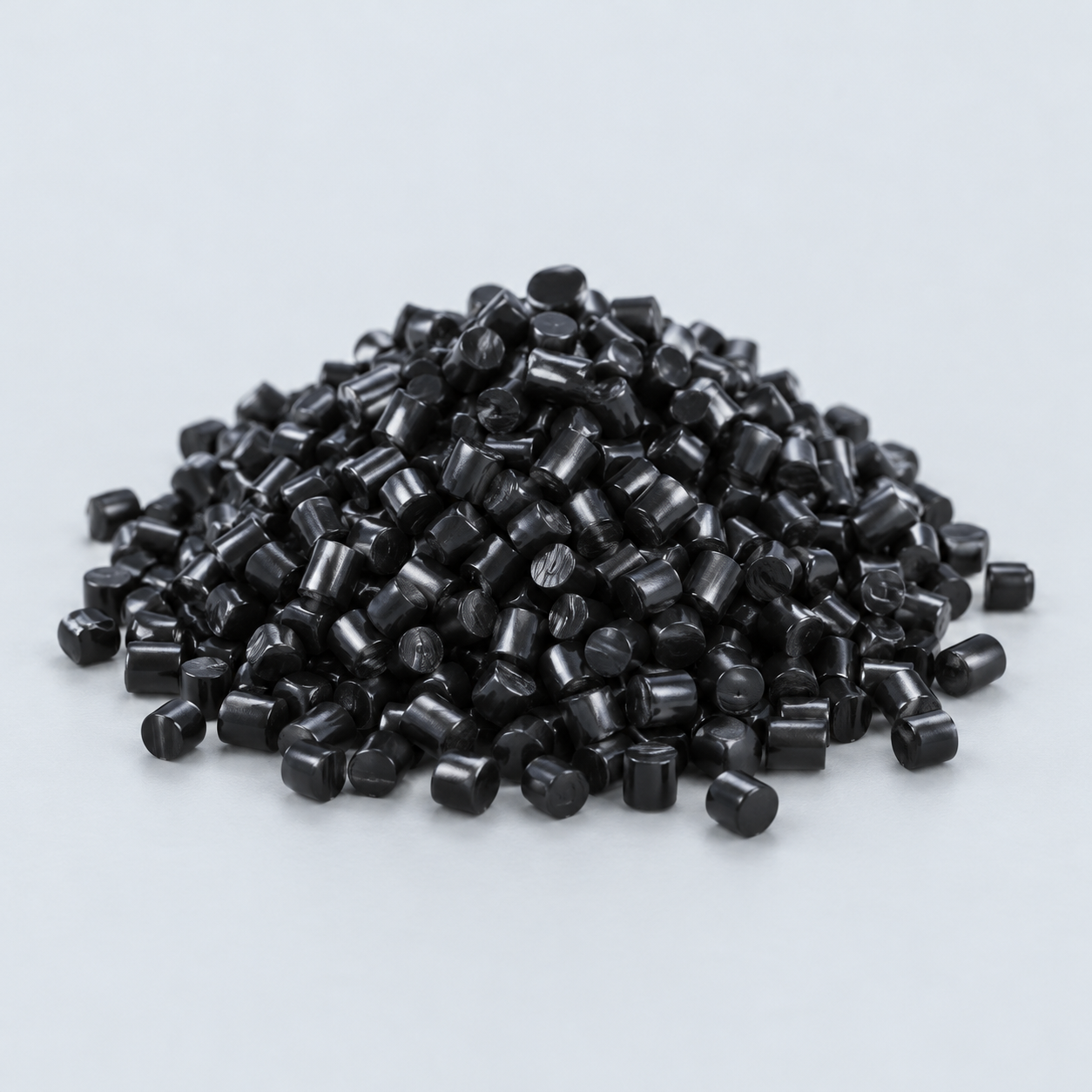 POM / AcetalReview fit and sliding features›
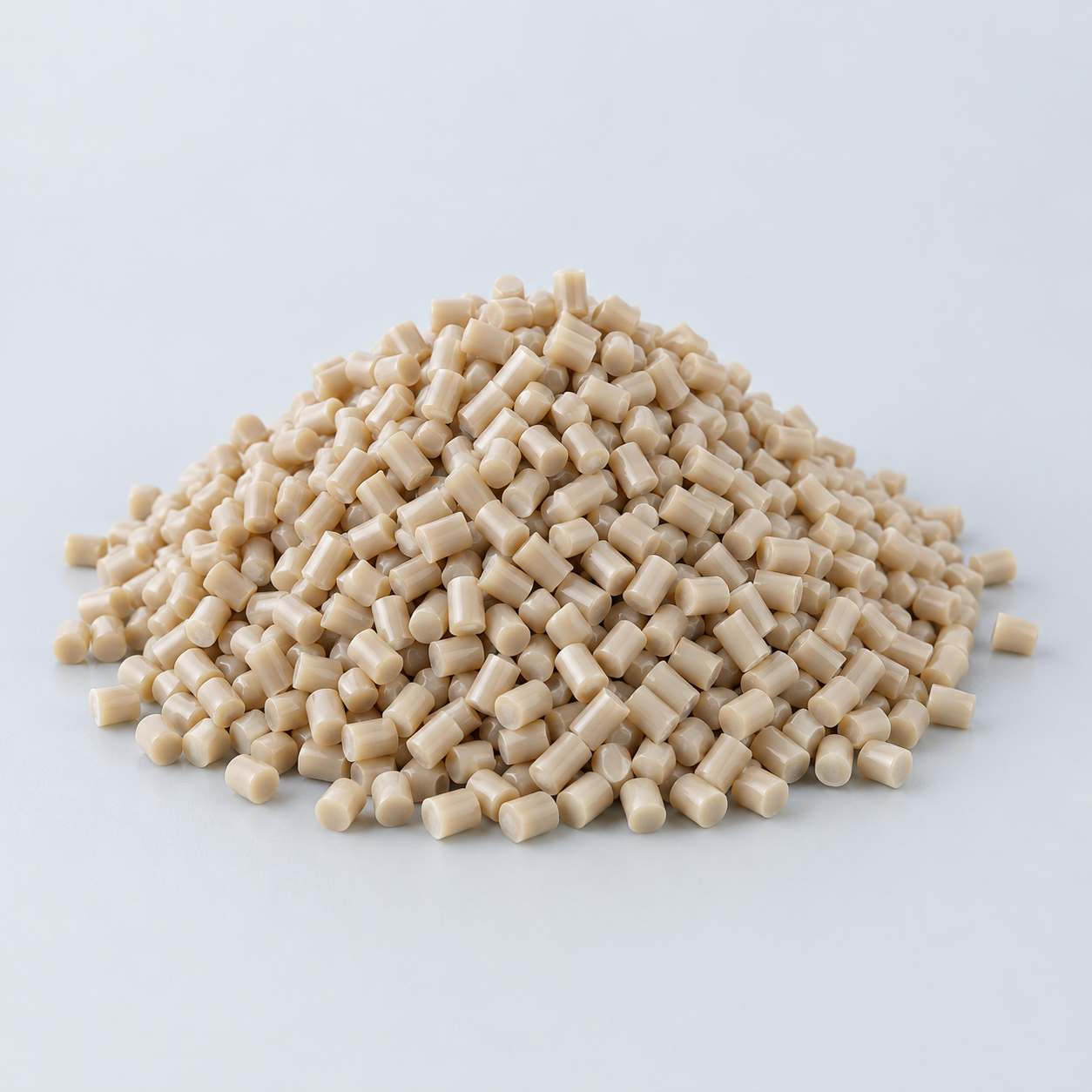 PEEKDiscuss operating conditions›
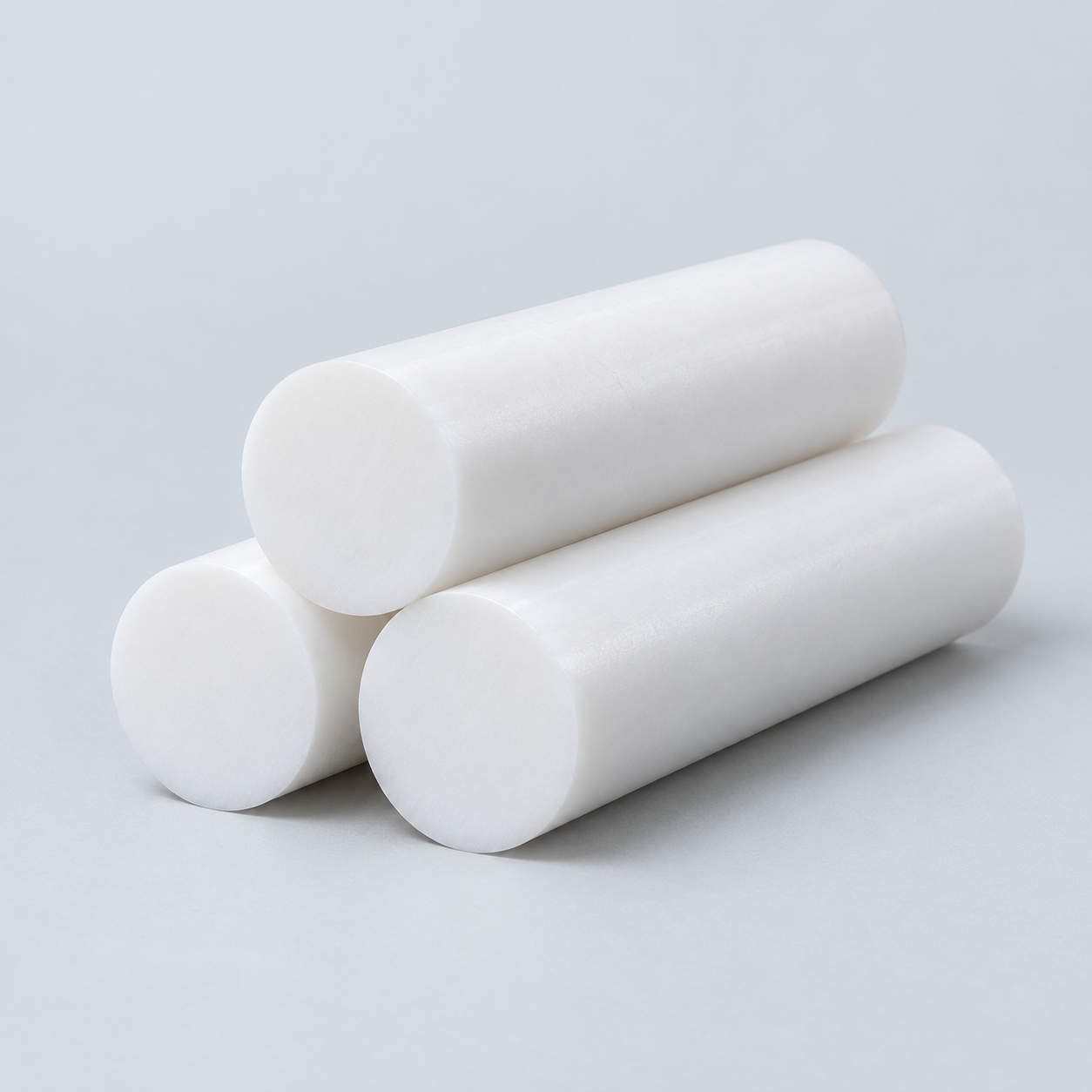 PTFEReview friction and chemical exposure›
 ULTEM / PEIDiscuss thermal and electrical needs›
Confirm grade availability and application requirements.
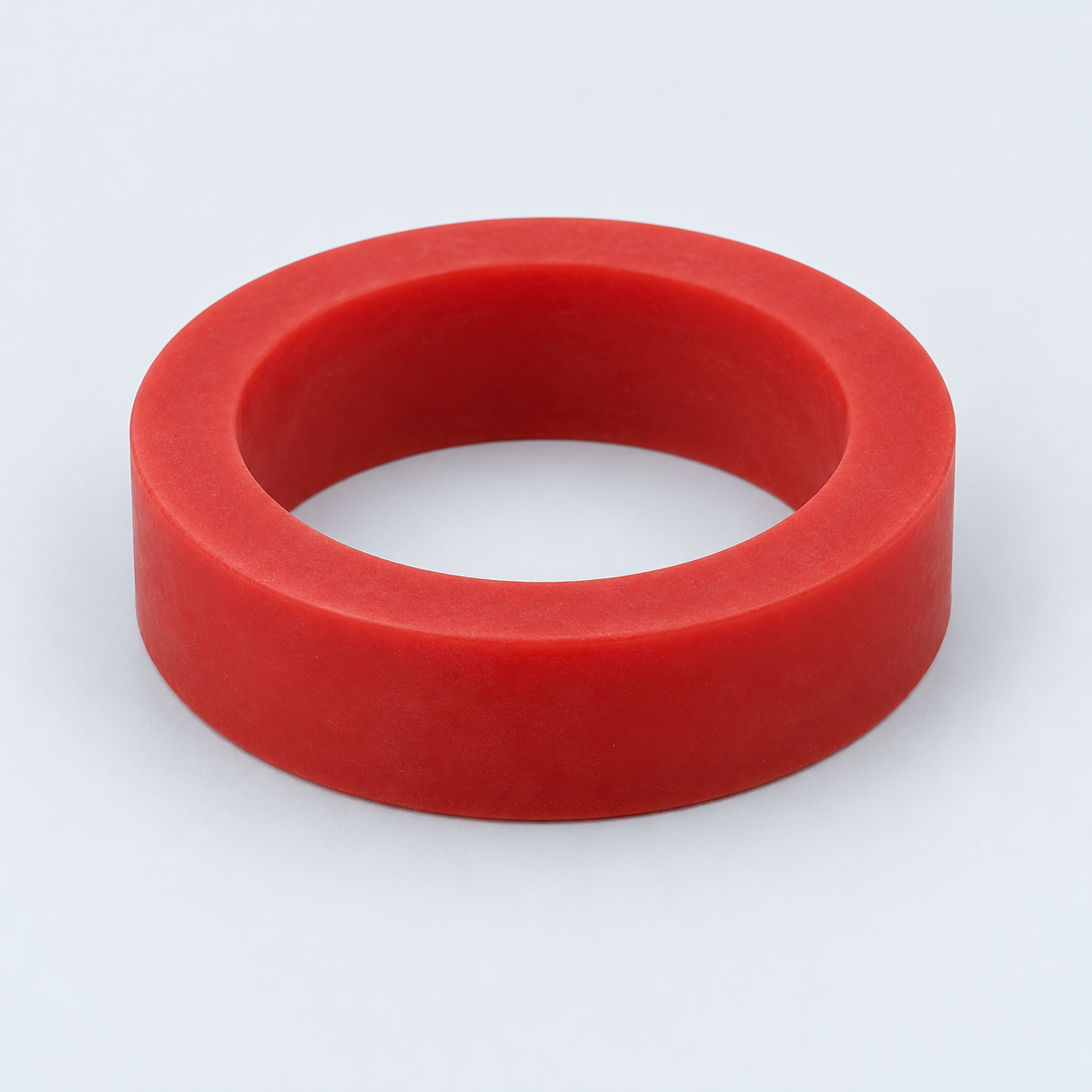 Silicone / LSRDiscuss flexible component needs›
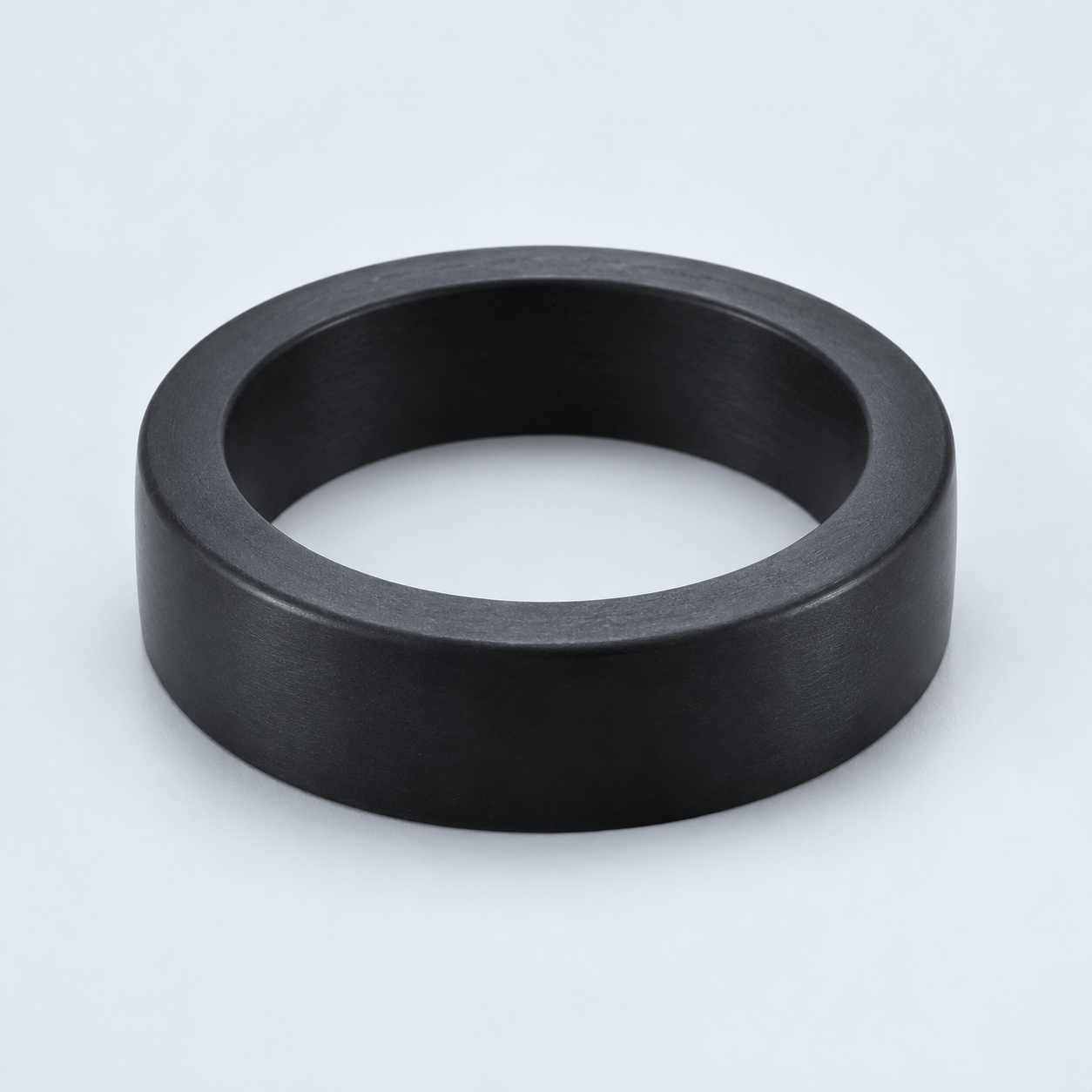 TPU / TPEReview flexibility and processing›
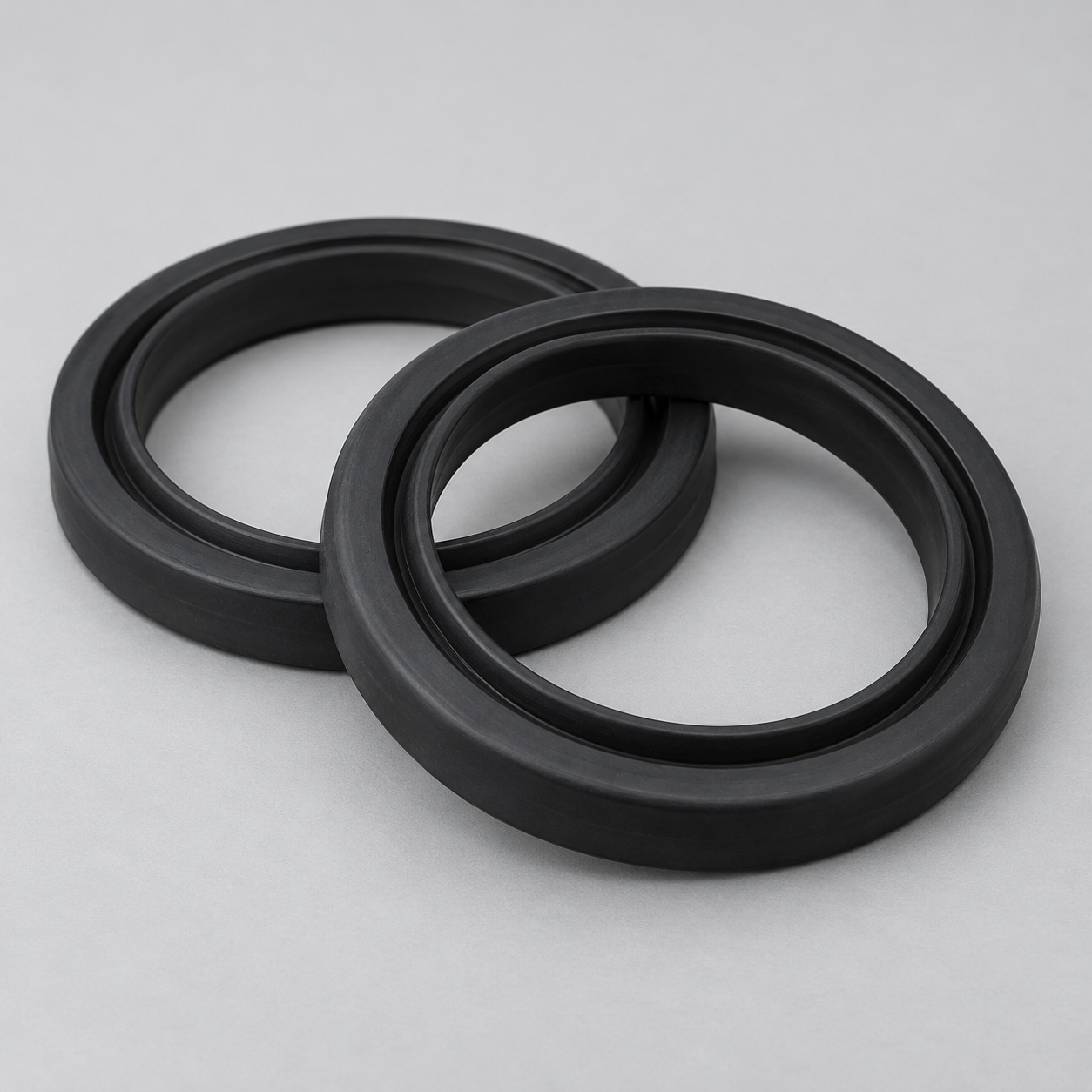 EPDMReview weathering and chemical exposure.›
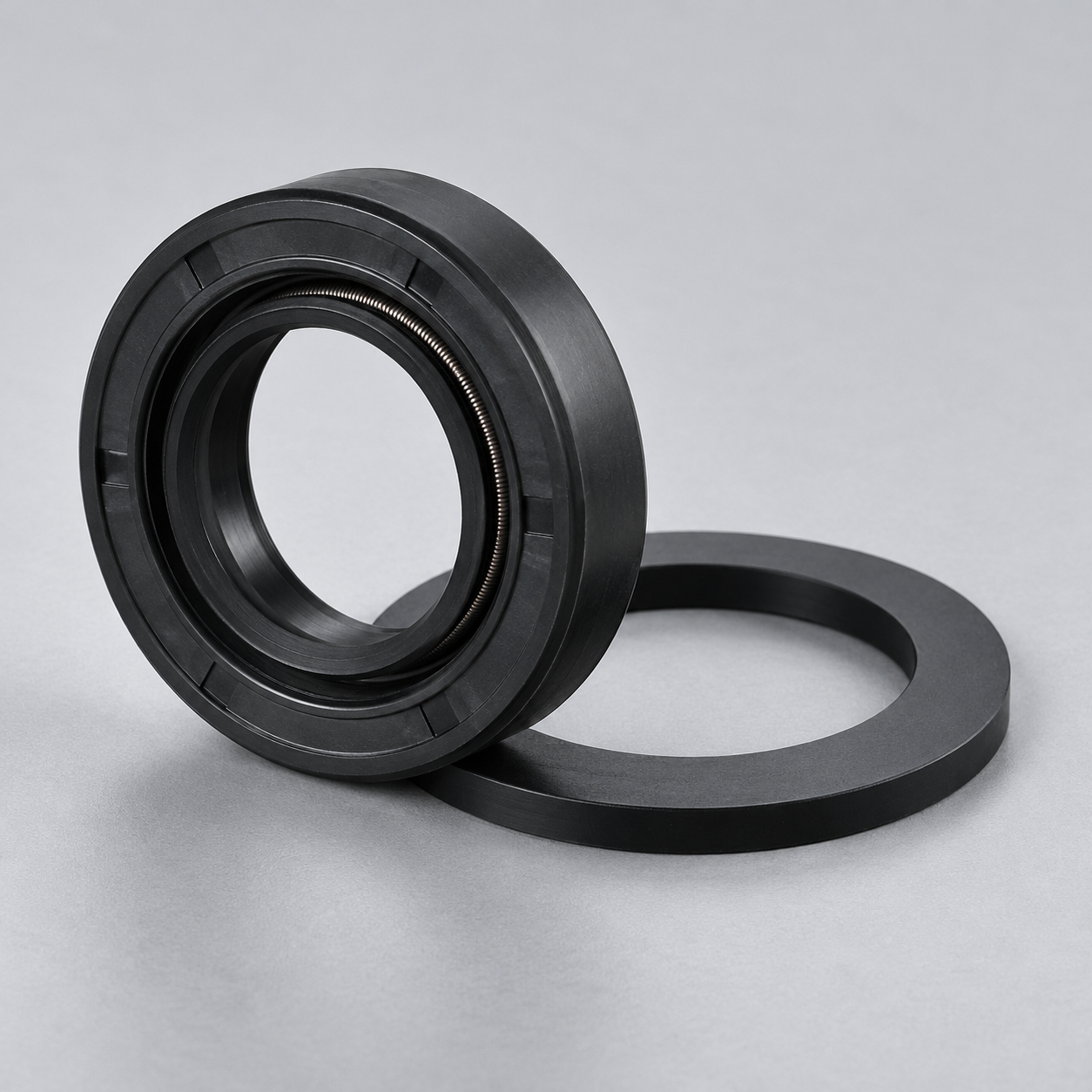 NBRReview oil and fuel exposure.›
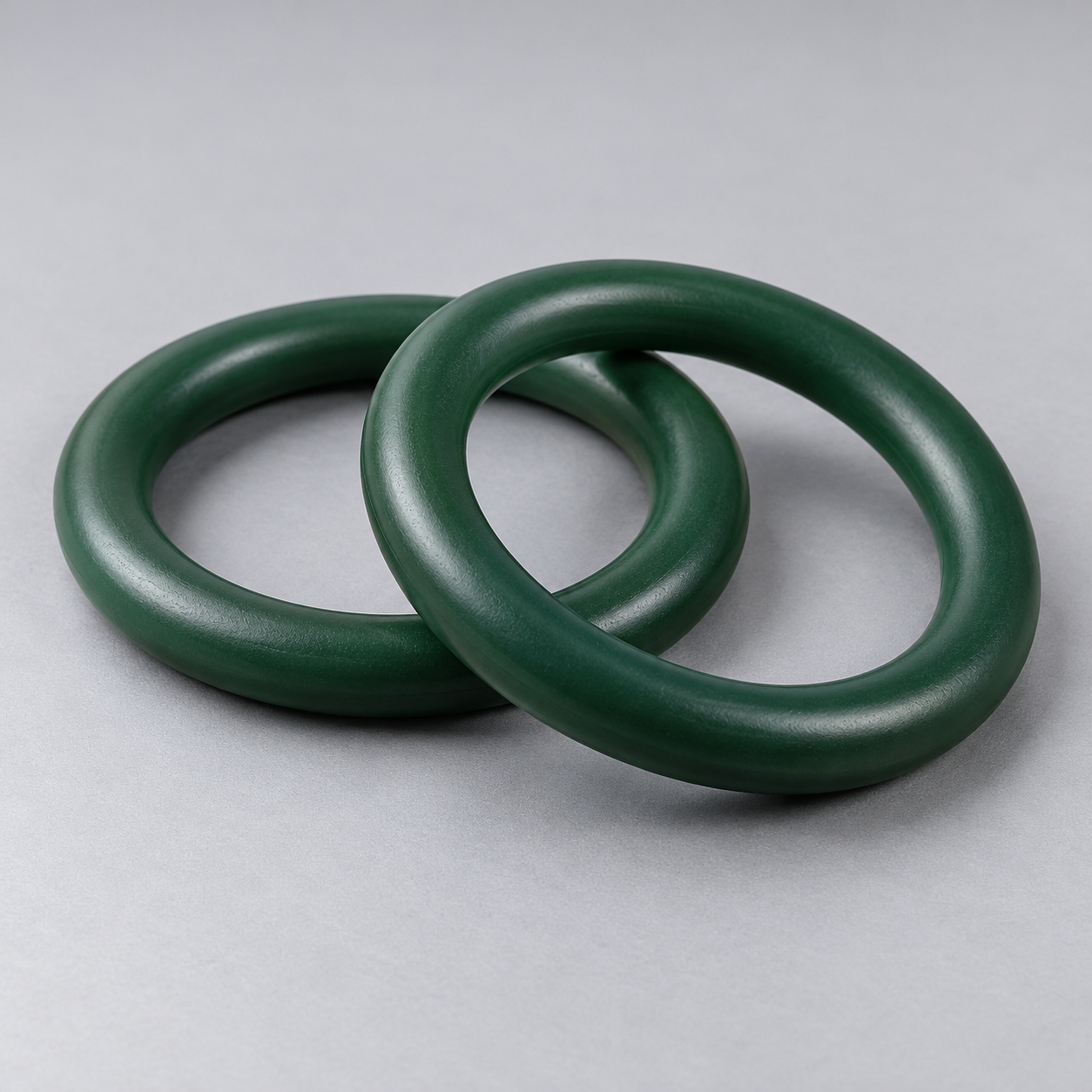 FKMReview temperature and chemical exposure.›
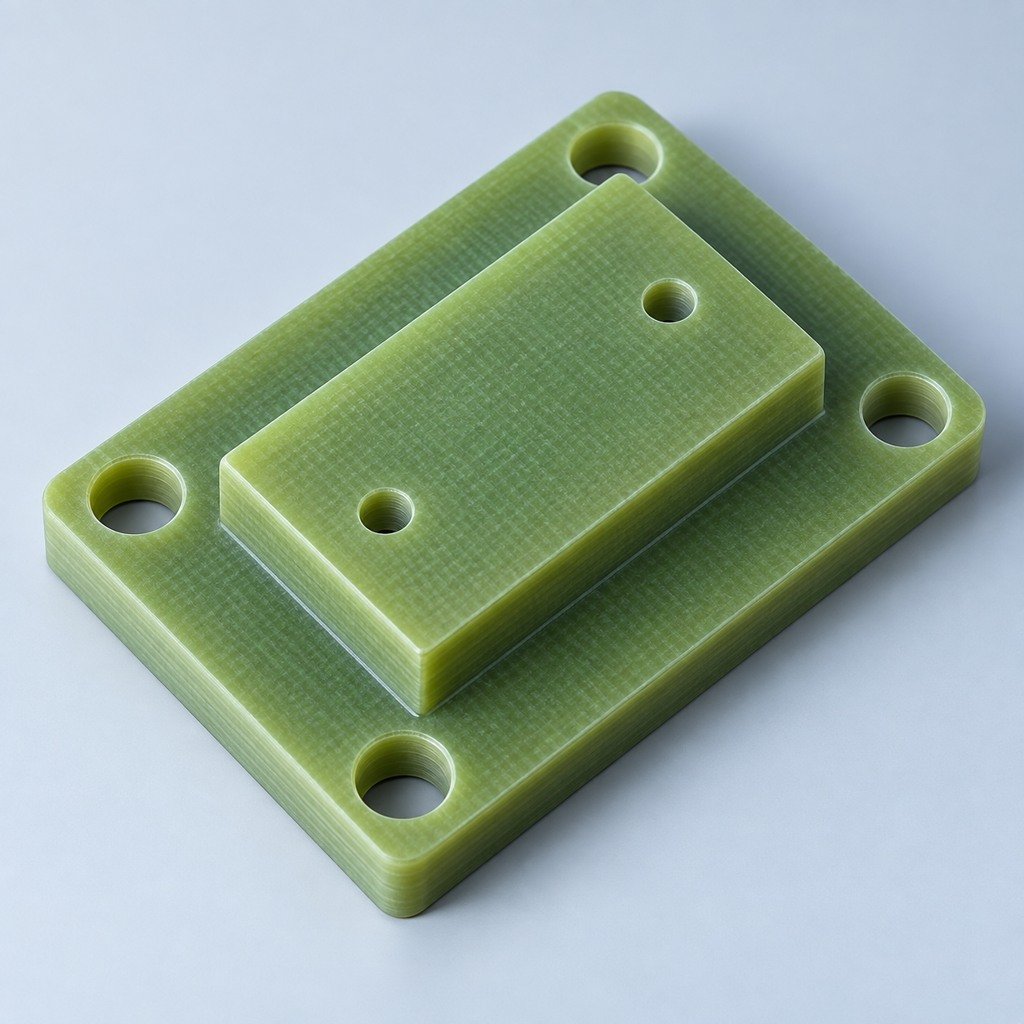 G10 / FR4Review insulation and laminate needs›
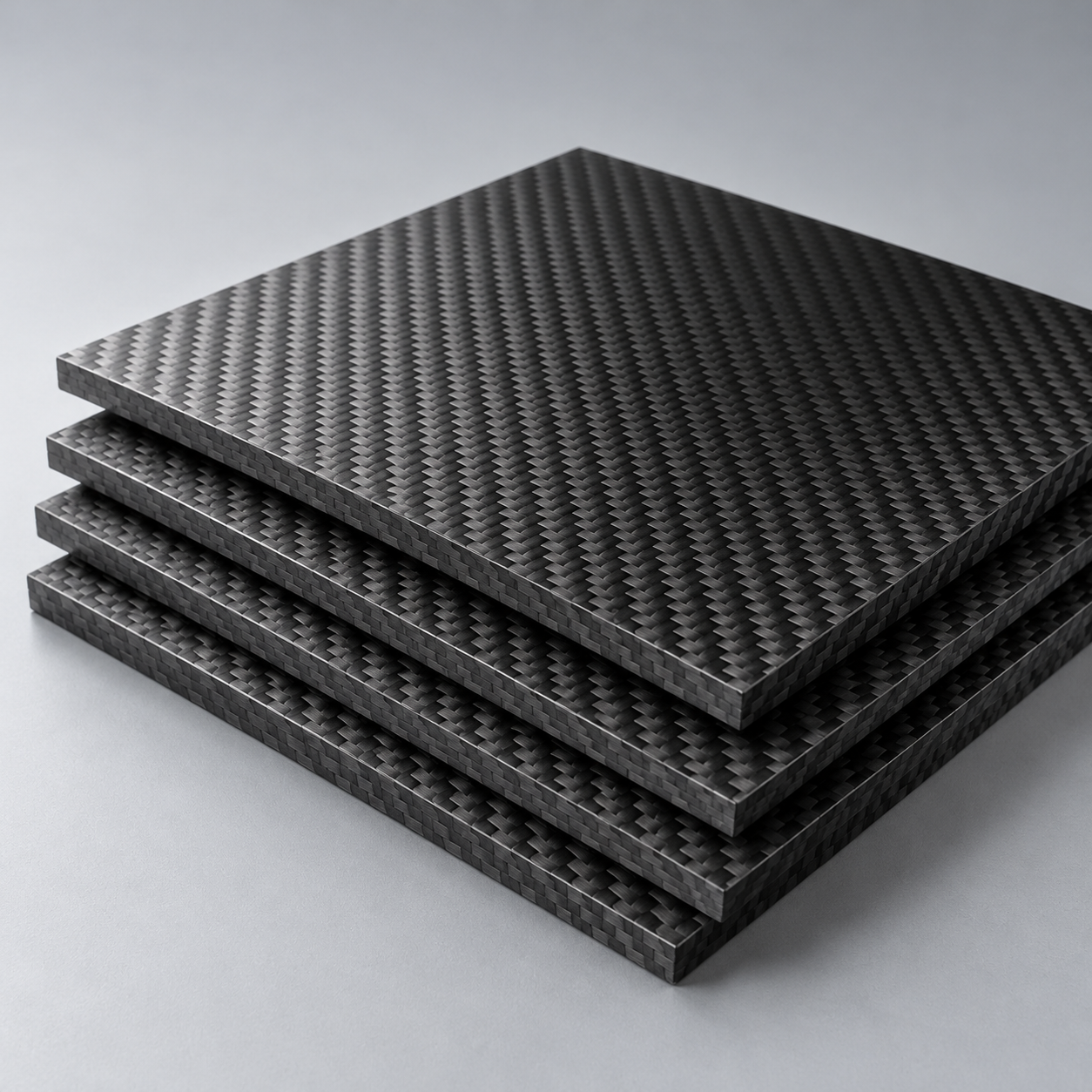 CompositesReview stiffness, weight and laminate.›Customer-Specified MaterialsConfirm your grade and requirements.›Other Specialty MaterialsDiscuss your application and grade.›
Practical guidance for your part geometry and material decisions.
Prepare your process, budget and sourcing questions.
Build your knowledge before production.
Learn who we are and how we operate.
Find our U.S. support team or start a conversation.
CUSTOM INJECTION MOLDING SERVICES
Bring your CAD, target volume and application requirements. Review design risks, compare prototype and production tooling, and define how your molded parts will be approved before you commit.
Know what to change, what to approve and what your quote covers.
✓ Design risks reviewed ✓ Tooling choices explained ✓ Acceptance criteria agreed

✓ Fit and function
✓ Tooling and part cost
✓ Sample and delivery milestones
Choose a process around your resin, interfaces and functional requirements before tooling.

For your rigid plastic parts: review resin grade, wall geometry and cosmetic surfaces before choosing a mold.
Learn More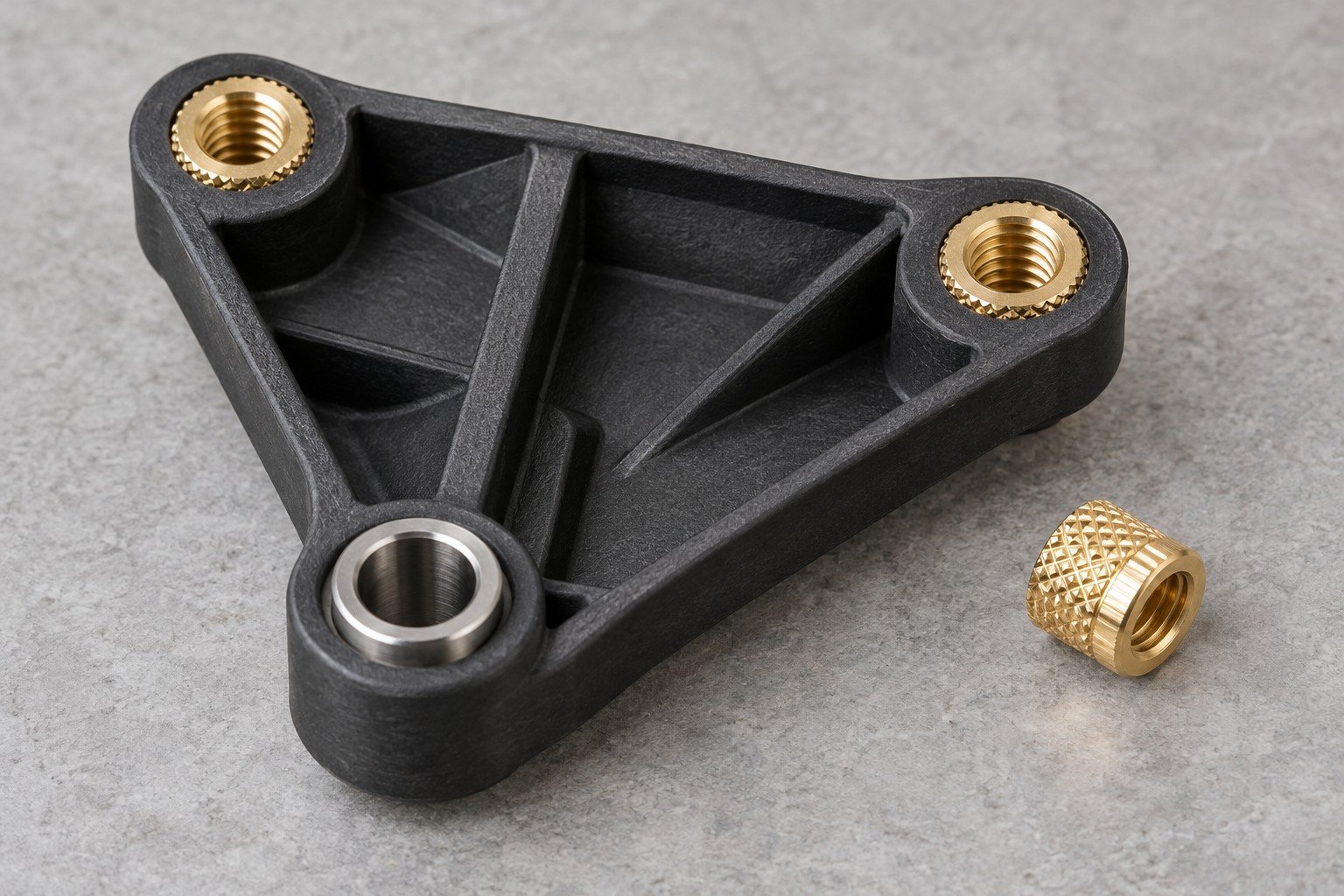
For your fastening points: define insert position, usable threads and joint loads before molding around metal.
Learn More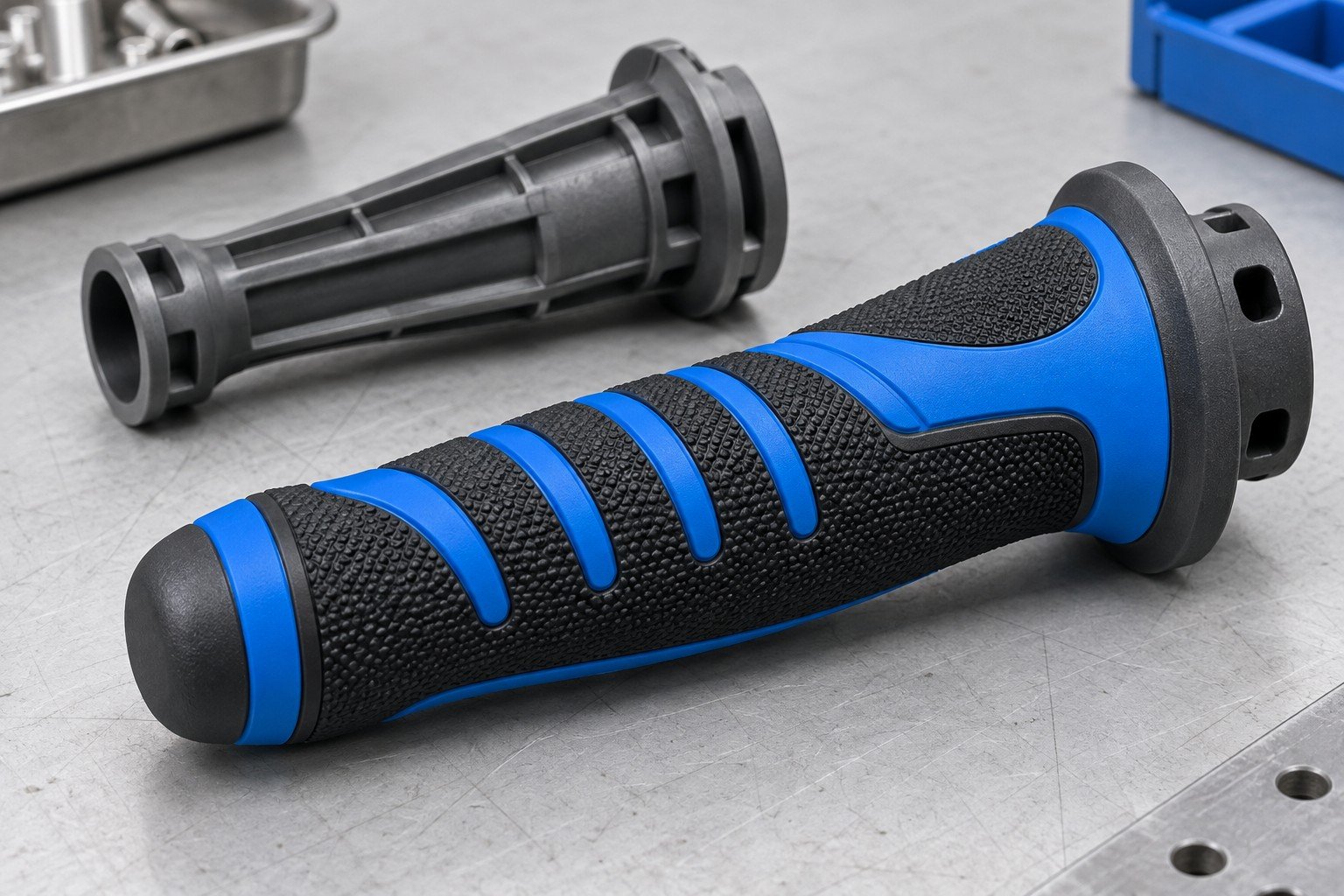
For your grip and protection: review the material pair, interface retention and bond acceptance before tooling.
Learn More
For your flexible seals: define hardness, sealing surfaces, flash limits and measurement conditions.
Learn MoreIllustrative component concept
Define how your parts will be checked
Understand design changes before tooling
Match your tool to your expected demand
Select resin around your use conditions
Discuss your project with Texas support
Protect your budget, assembly fit and launch plan with decisions tied to your drawing and production needs.
Compare initial mold investment with your expected part quantity. Review cavity count, tool life and maintenance before choosing a lower upfront price.
Review draft, wall thickness and undercuts before cutting the mold. Agree which changes need your approval and how sample revisions will be handled.
Identify the dimensions your assembly depends on. Agree datums, measurement methods and acceptance criteria before sampling.
Plan how your prototype results carry into production. Review tooling changes, repeat-order quantities and material availability before demand grows.
Evaluate insert molding and overmolding for your fastening, grip or sealing needs. Compare extra tooling complexity with the assembly work it may remove.
Flexible manufacturing solutions for your part, your volume and your timeline.

Use prototype injection molding to evaluate your design, material and functional requirements before committing to production tooling.

Build a production approach around annual volume, quality requirements and delivery planning.
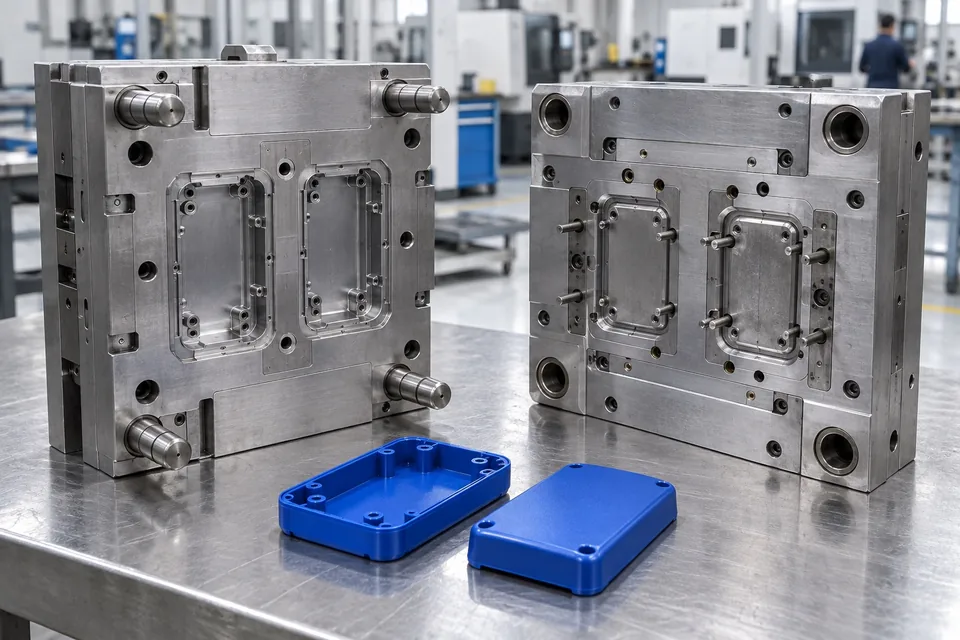
Review the parting line, gates, cooling and ejection before steel is cut.
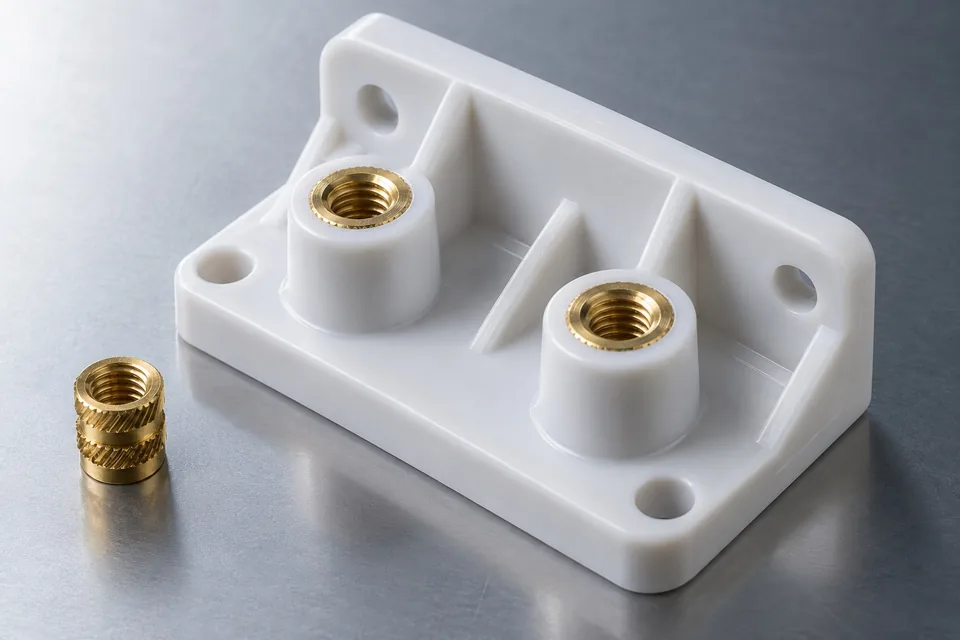
Mold around prepared inserts to combine mechanical strength with complex plastic geometry.
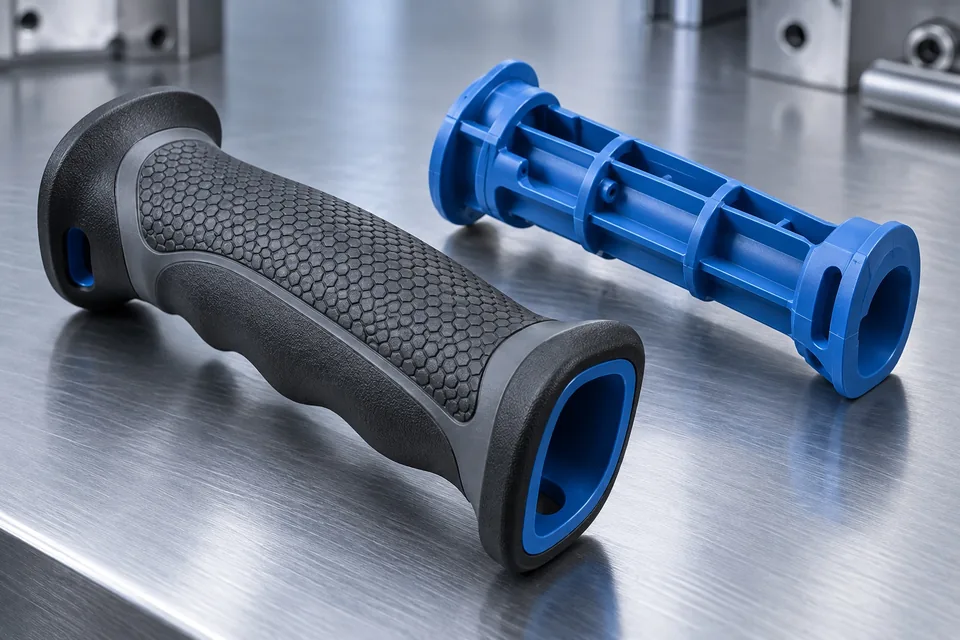
Add grip, sealing or protection through a second material.
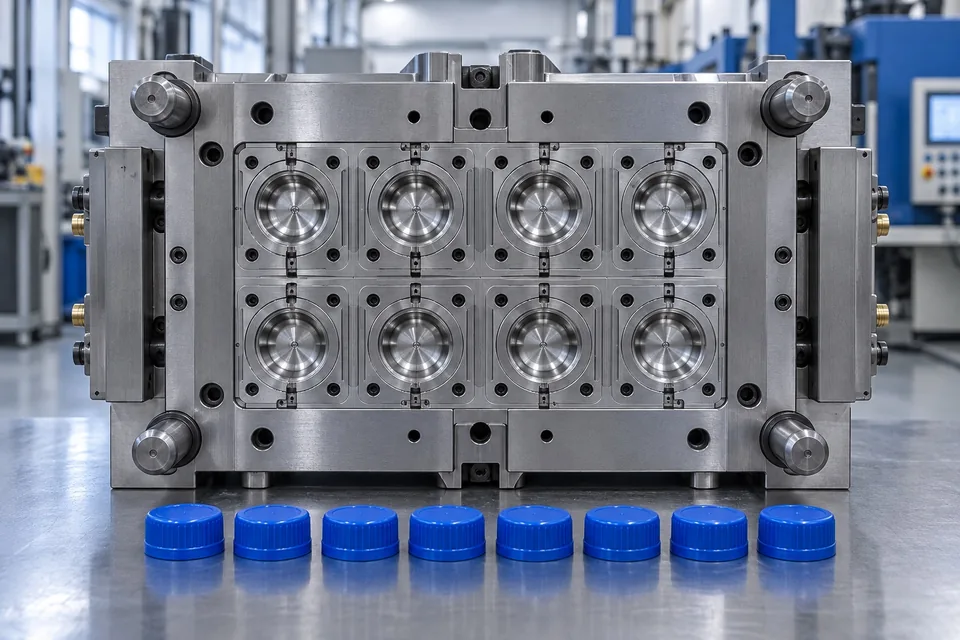
Produce multiple parts per cycle when demand and tool investment justify it.
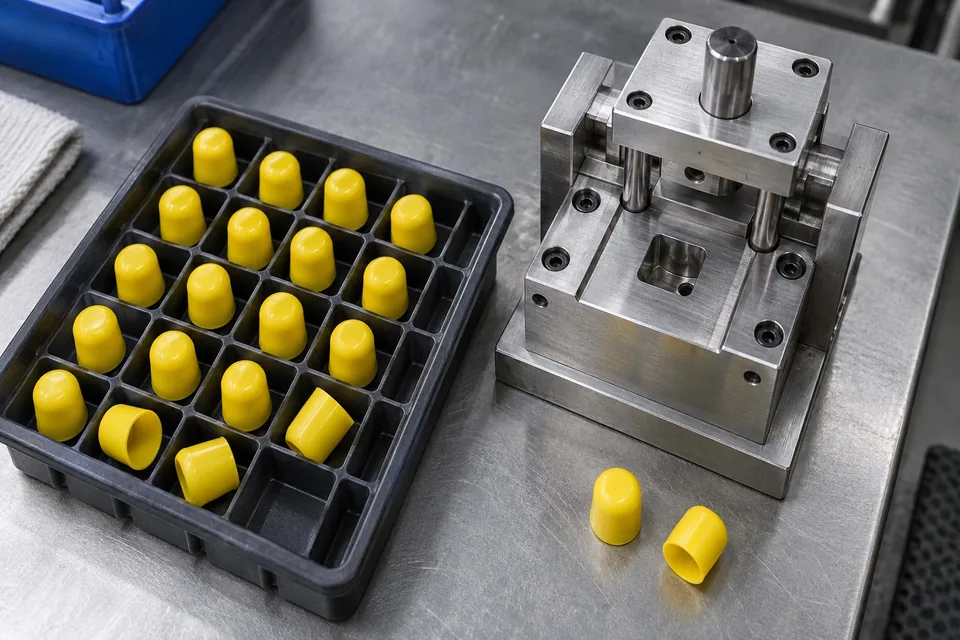
Support interim demand while the product and long-term production plan mature.
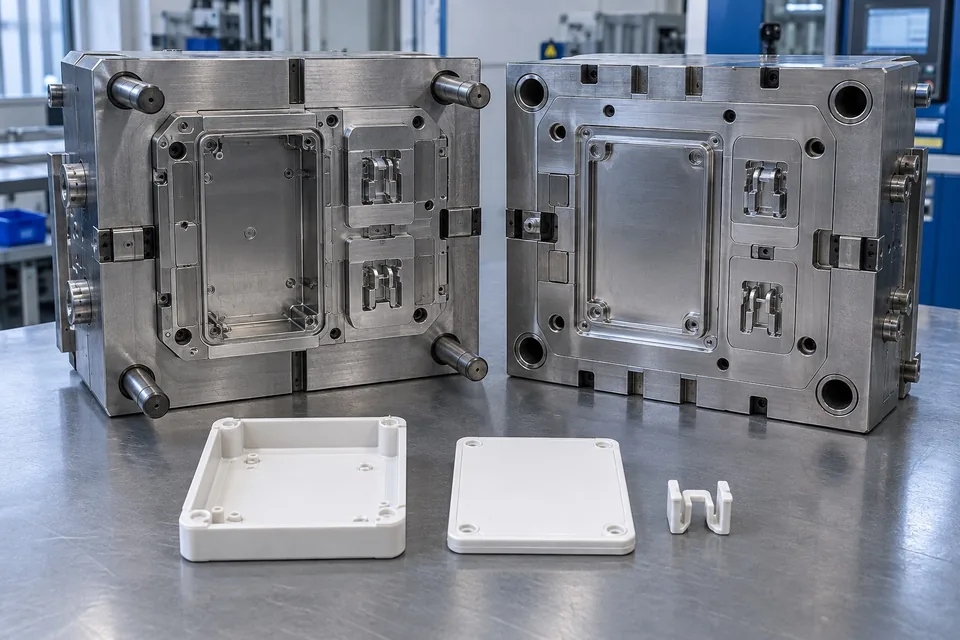
Consider a family mold when related components and production quantities are compatible.
Agree your drawing revision, approval points and delivery assumptions at each step. Your sample review is a decision point before production release.
PROJECT MILESTONE 1 OF 6
Share CAD and a controlled drawing, target quantity, resin preferences, critical dimensions and delivery needs.
YOUR PROJECT MILESTONE
PROJECT MILESTONE 2 OF 6
Review wall thickness, draft, gating, parting lines and release risks. Agree required changes and record unresolved actions.
YOUR PROJECT MILESTONE
PROJECT MILESTONE 3 OF 6
Confirm the approved design, tool concept, cavity plan, sampling approach and acceptance criteria.
YOUR PROJECT MILESTONE
PROJECT MILESTONE 4 OF 6
Review sample dimensions, fit and appearance with the relevant drawing revision. Document deviations and corrective actions.
YOUR PROJECT MILESTONE
PROJECT MILESTONE 5 OF 6
Close sample actions and agree the production baseline. For applicable programs, define PPAP level and customer-specific requirements in advance.
YOUR PROJECT MILESTONE
PROJECT MILESTONE 6 OF 6
Link order, part revision, shipment and material lot. Confirm which declarations and test records accompany the delivery.
YOUR PROJECT MILESTONE
Explore material families and discuss the grade that fits your application.
Tough enclosures; balance impact and appearance.
Lightweight parts with chemical resistance.
Flexible, impact-resistant components.
Optical clarity and surface appearance.
Final grade and suitability are confirmed for your geometry, environment and requirements.
Match the resin grade and color to its TDS, SDS, requested laboratory tests and actual lot records. A report for another material is not evidence for your part.
Impact resistance and transparency.
Wear resistance; account for moisture uptake.
Low friction and dimensional stability.
Electrical applications and chemical resistance.
Final grade and suitability are confirmed for your geometry, environment and requirements.
Match the resin grade and color to its TDS, SDS, requested laboratory tests and actual lot records. A report for another material is not evidence for your part.
Demanding thermal and mechanical environments.
Heat and chemical resistance.
High-temperature dimensional requirements.
Glass or mineral fillers for tailored stiffness.
Final grade and suitability are confirmed for your geometry, environment and requirements.
Match the resin grade and color to its TDS, SDS, requested laboratory tests and actual lot records. A report for another material is not evidence for your part.
Soft-touch grips and flexible components.
Abrasion-resistant flexible parts.
Flexible seals and weathering applications.
Confirm adhesion and process compatibility for overmolding.
Final grade and suitability are confirmed for your geometry, environment and requirements.
Match the resin grade and color to its TDS, SDS, requested laboratory tests and actual lot records. A report for another material is not evidence for your part.
Select a service to see how it supports your program.
Use prototype injection molding to evaluate your design, material and functional requirements before committing to production tooling.

Build a production approach around annual volume, quality requirements and delivery planning.
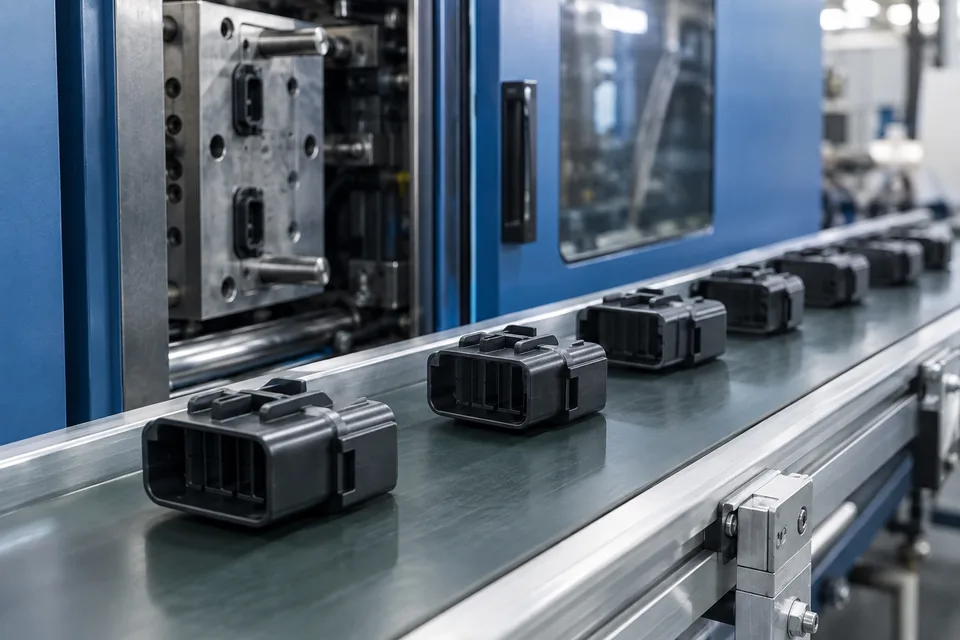
Review the parting line, gates, cooling and ejection before steel is cut.
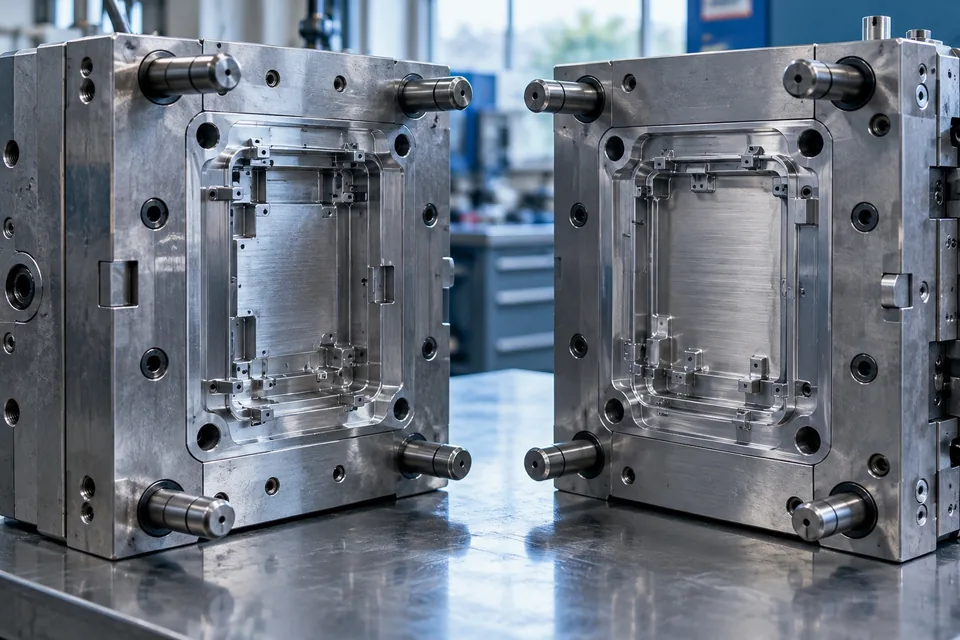
Mold around prepared inserts to combine mechanical strength with complex plastic geometry.
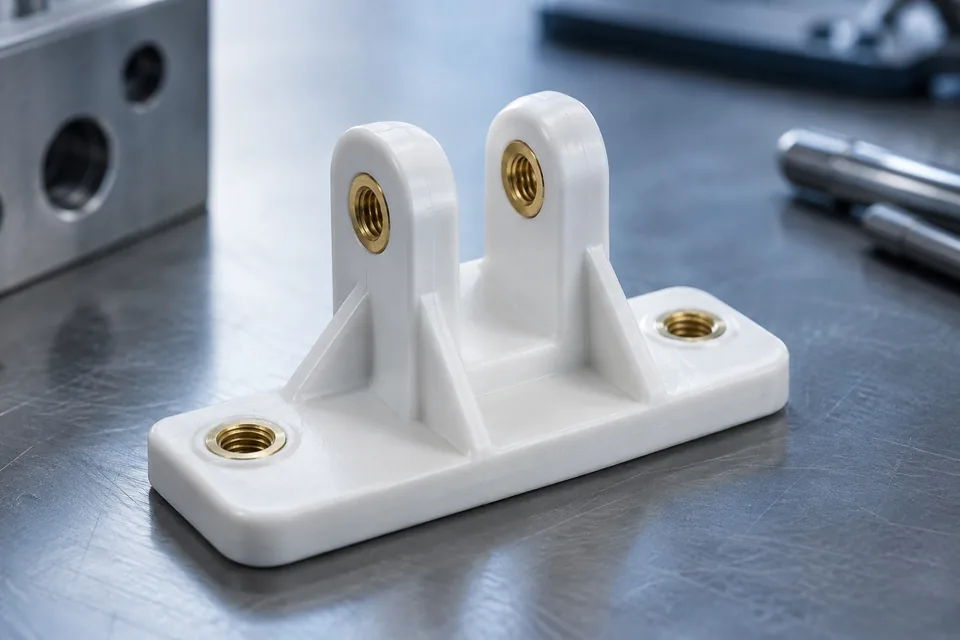
Add grip, sealing or protection through a second material.
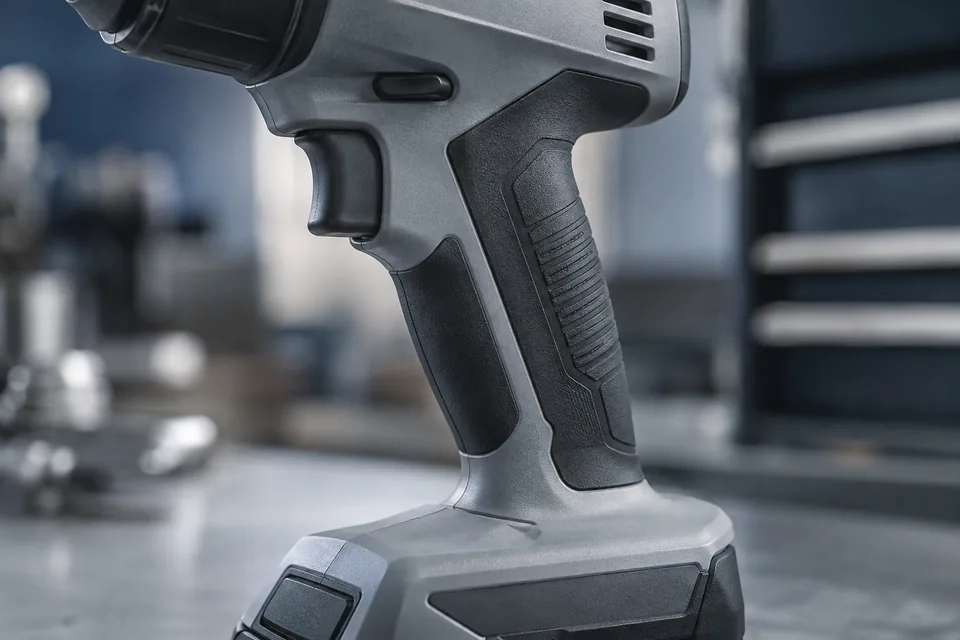
Review liquid silicone rubber molding around your seal, cover or bumper requirements.
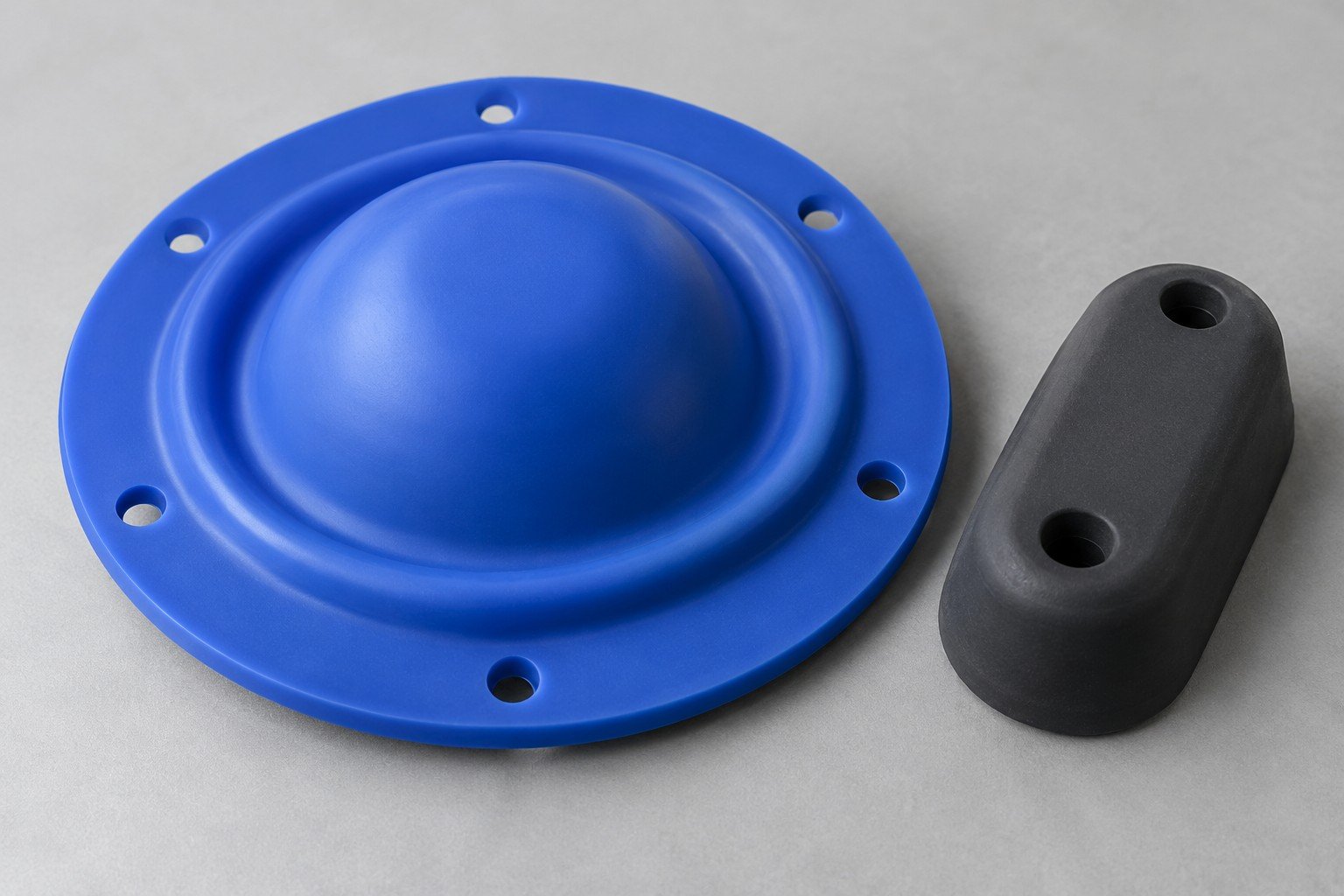
Produce multiple parts per cycle when demand and tool investment justify it.
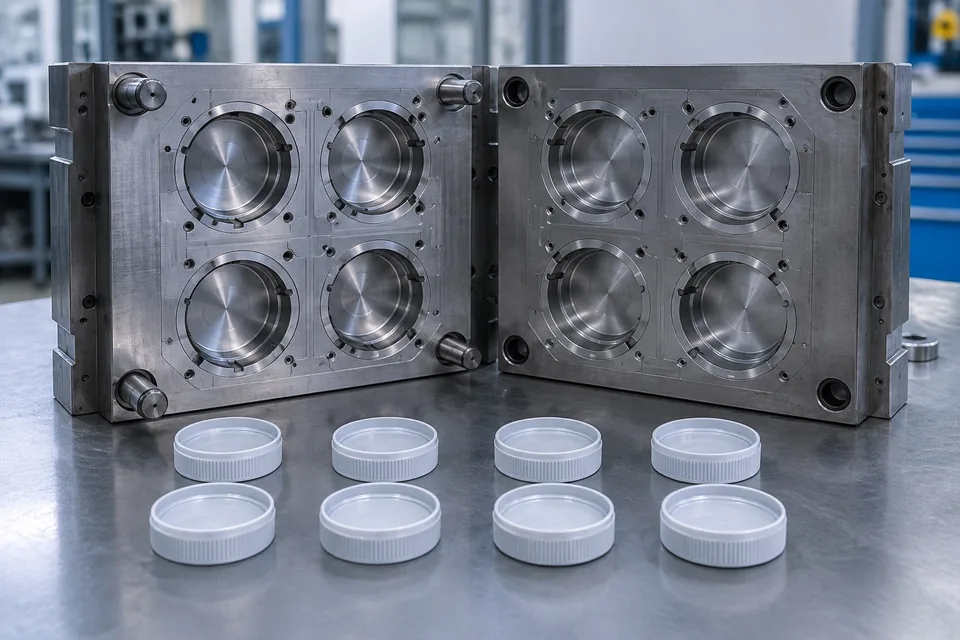
Consider a family mold when related components and production quantities are compatible.
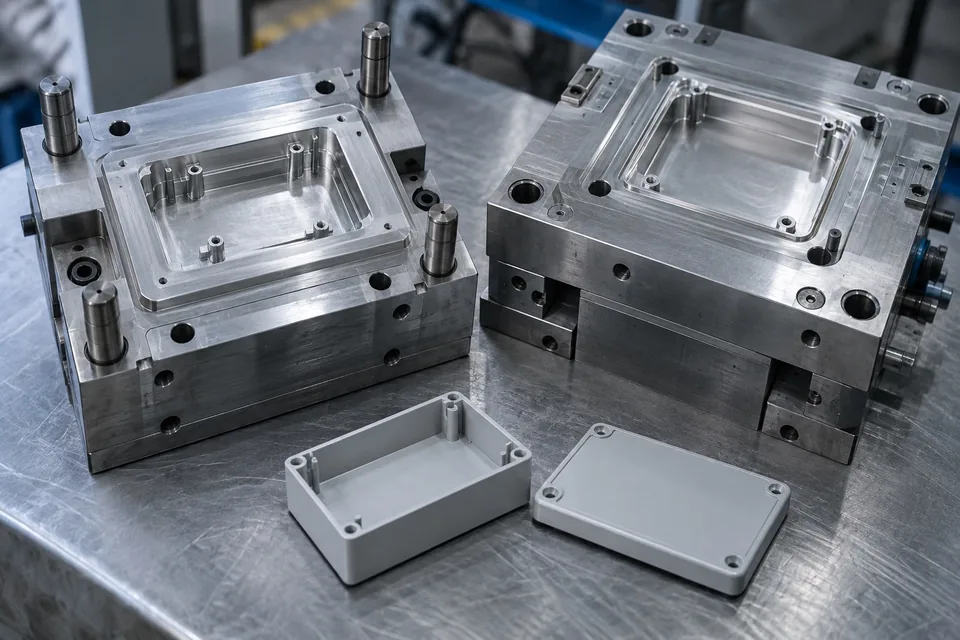
Your geometry, resin, finish and critical dimensions shape both tool cost and manufacturability. Review these together so your quotation reflects the part you actually need.
✓ Wall thickness ✓ Draft angles
✓ Undercuts ✓ Gate location
✓ Parting line ✓ Ejection
✓ Critical tolerances ✓ Material suitability
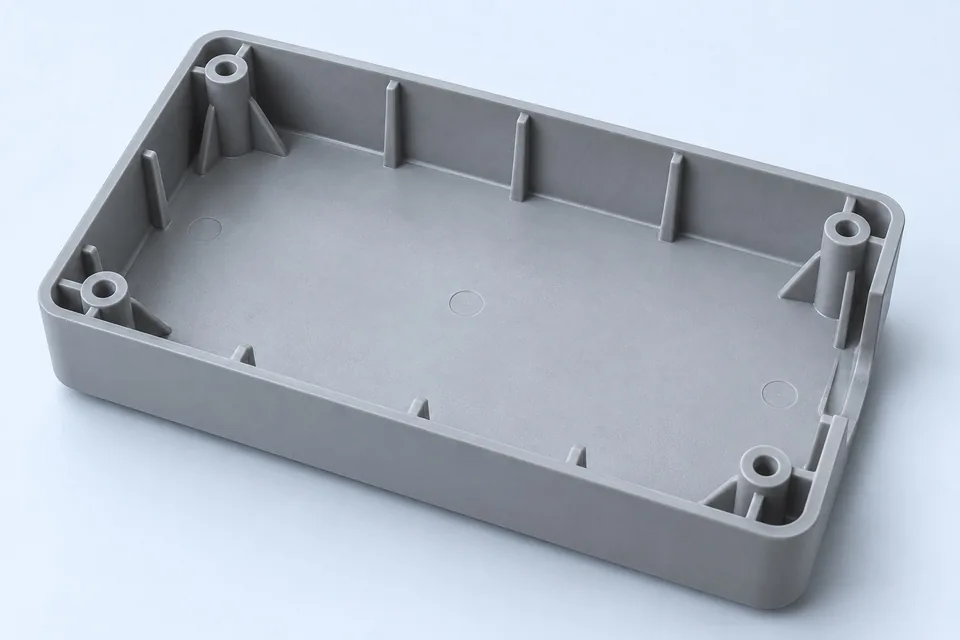
Identify manufacturability, tooling and design changes before committing to production tooling.
DESIGN FOR MANUFACTURING
Review wall transitions, ribs and local thick sections against your selected resin.
A clearer design-change list before the tool is committed.
Final recommendations depend on your geometry, resin grade, finish and acceptance criteria.
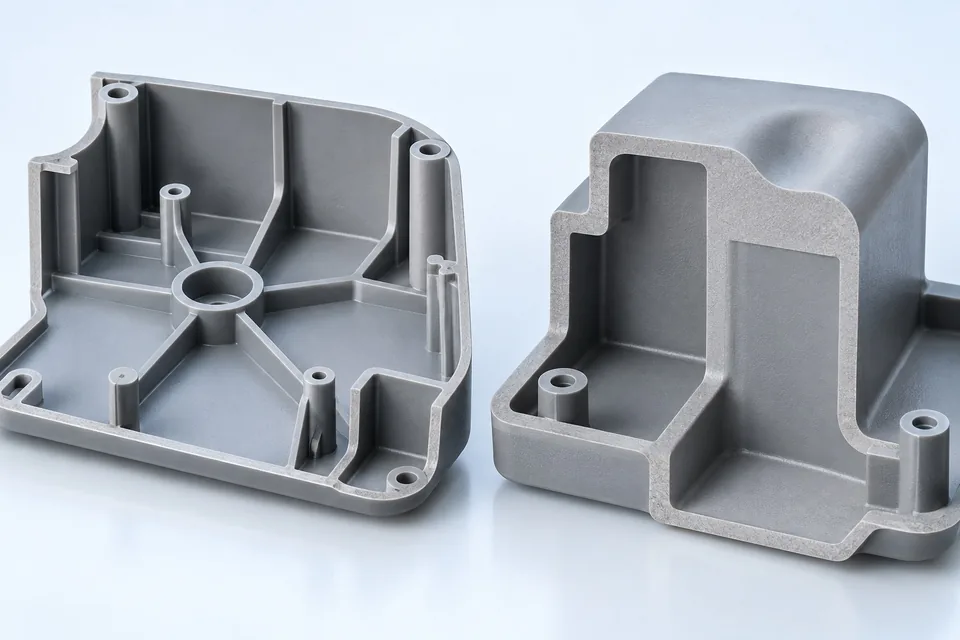
DESIGN FOR MANUFACTURING
Review draw direction, surface texture and draft on internal and external faces.
Reduce sticking and cosmetic damage without guessing a universal draft angle.
Final recommendations depend on your geometry, resin grade, finish and acceptance criteria.

DESIGN FOR MANUFACTURING
Identify undercuts, side actions and feasible geometry changes.
Compare feature value against tool cost and maintenance needs.
Final recommendations depend on your geometry, resin grade, finish and acceptance criteria.
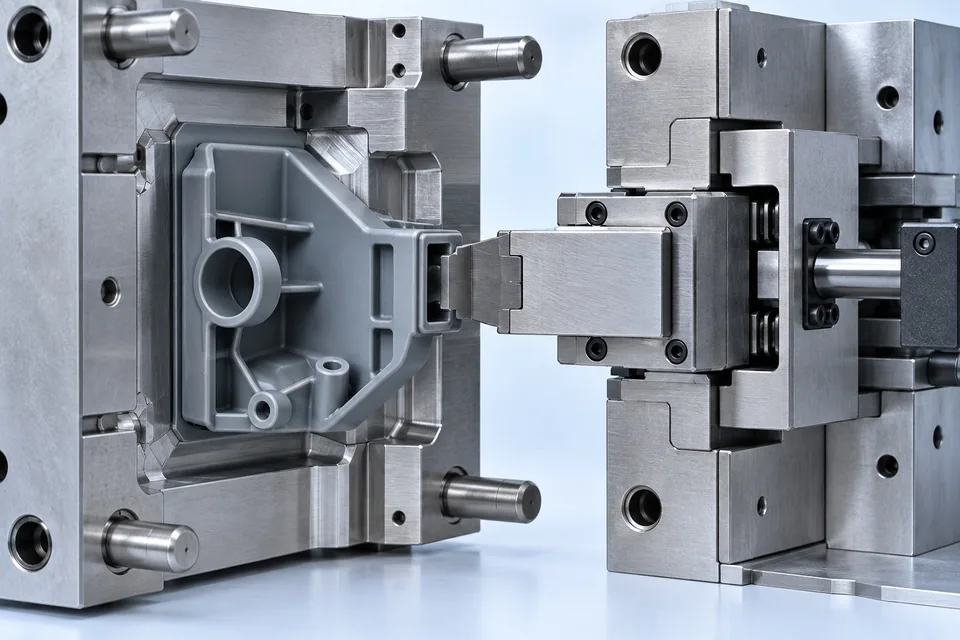
DESIGN FOR MANUFACTURING
Review filling, visible surfaces, gate removal and likely weld-line locations.
Agree cosmetic and functional trade-offs before tooling.
Final recommendations depend on your geometry, resin grade, finish and acceptance criteria.
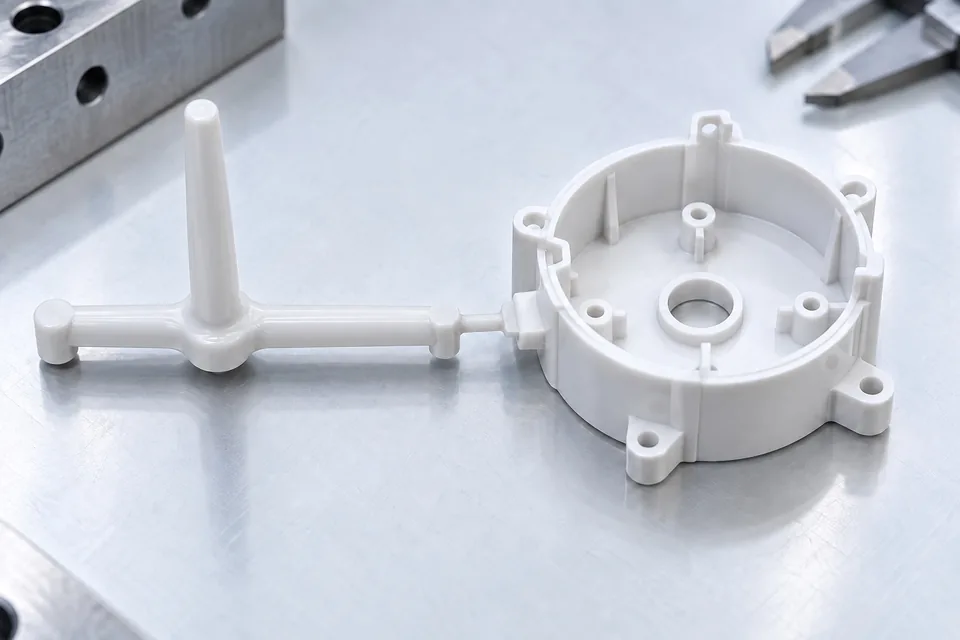
DESIGN FOR MANUFACTURING
Review the split line against sealing faces, appearance and flash limits.
Clearer acceptance criteria for assembly and appearance.
Final recommendations depend on your geometry, resin grade, finish and acceptance criteria.
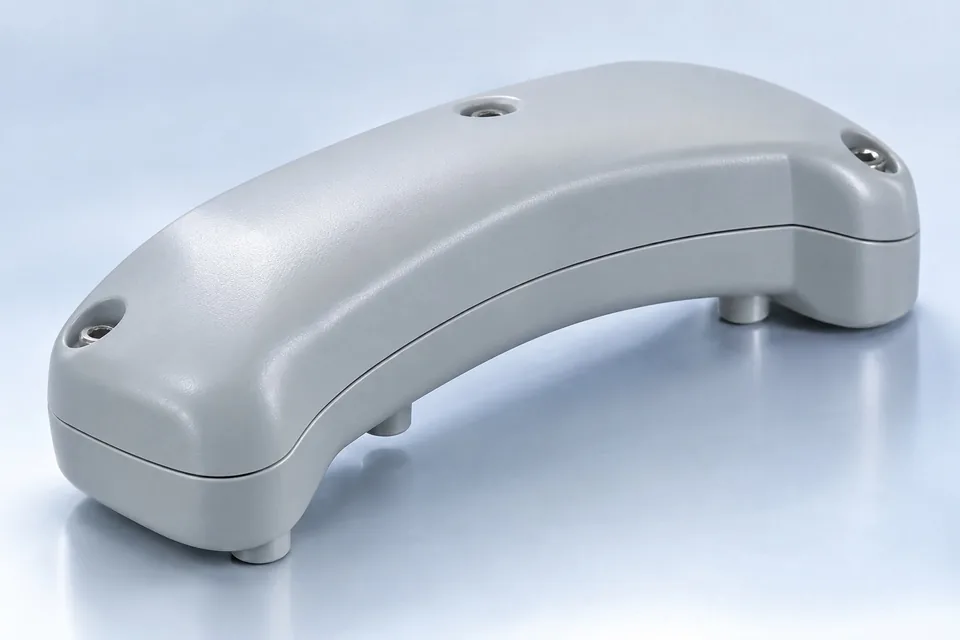
DESIGN FOR MANUFACTURING
Review pin locations, supported areas and permitted witness marks.
Reduce ejection distortion and unexpected marks on visible faces.
Final recommendations depend on your geometry, resin grade, finish and acceptance criteria.
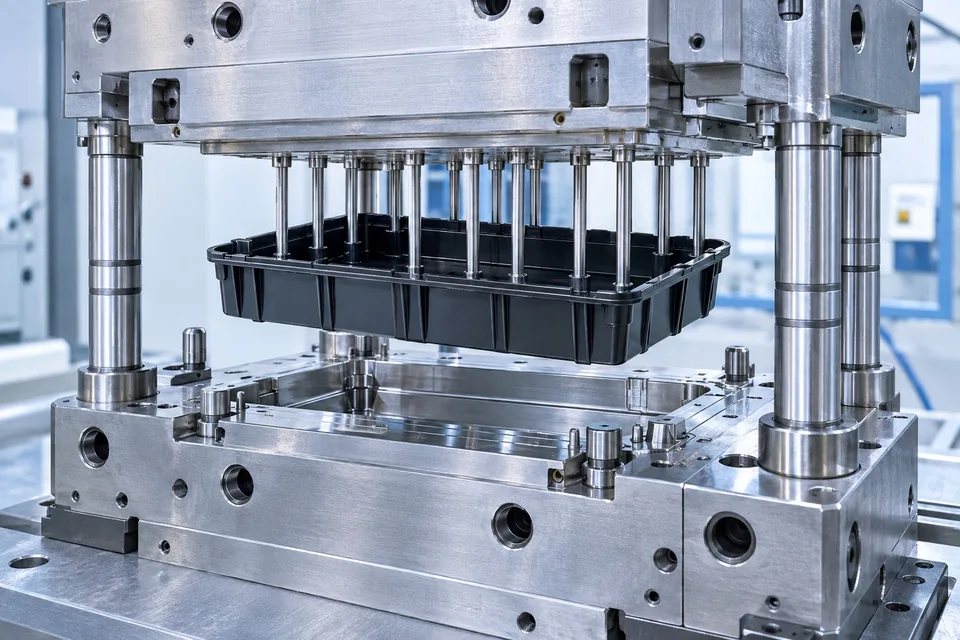
DESIGN FOR MANUFACTURING
Review thick sections, ribs, resin shrinkage and cooling balance.
Focus design changes on flatness, fit and visible surface requirements.
Final recommendations depend on your geometry, resin grade, finish and acceptance criteria.
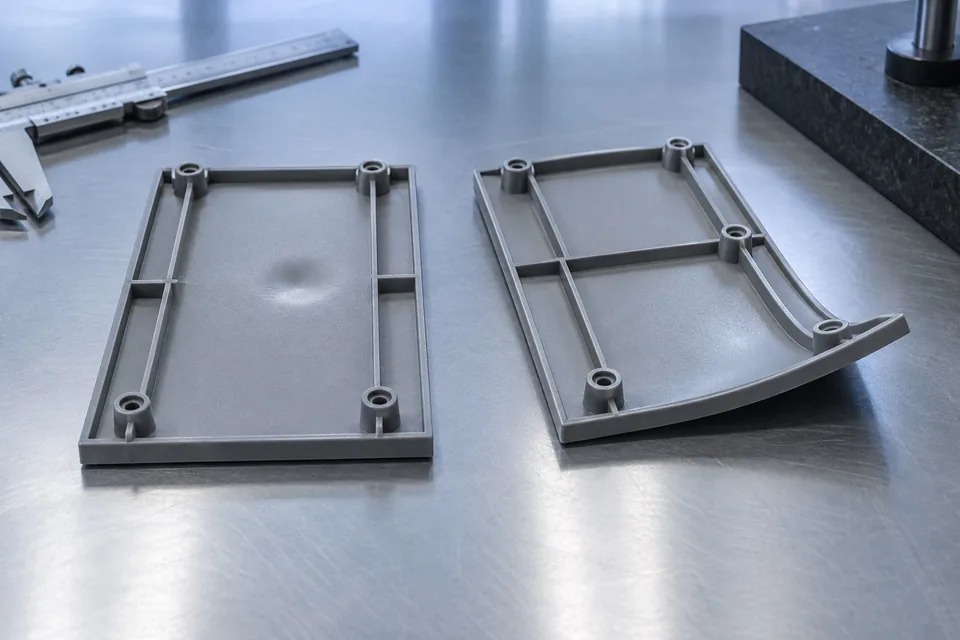
DESIGN FOR MANUFACTURING
Mark critical-to-quality dimensions, datums, mating features and the agreed measurement method. Review resin shrinkage and conditioning.
Avoid paying for unnecessary tight tolerances while agreeing how your critical features will be verified.
Final recommendations depend on your geometry, resin grade, finish and acceptance criteria.
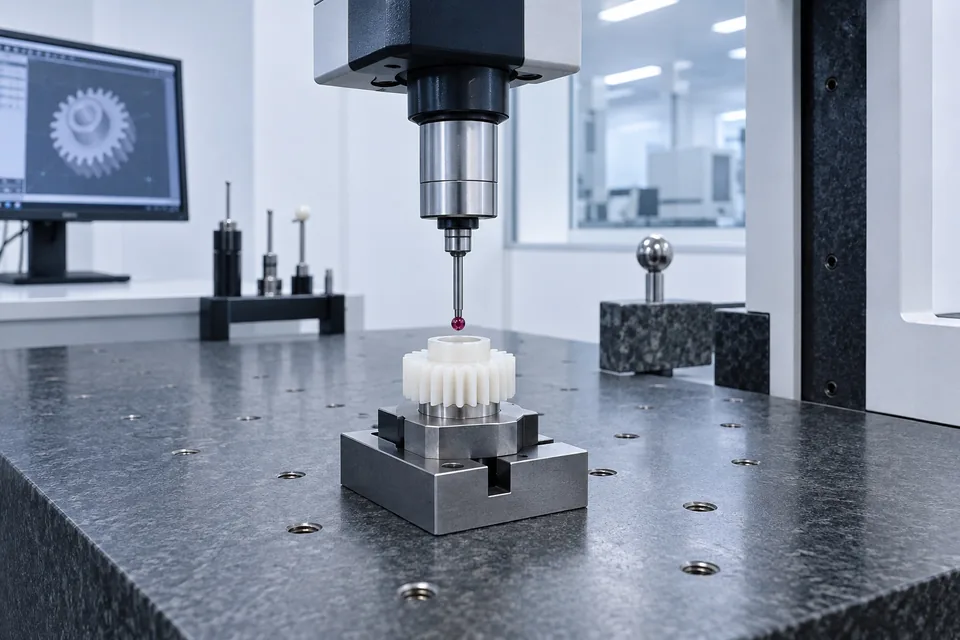
Compare prototype tooling, bridge tooling and production tooling against your design maturity, order quantity and repeat-production needs.

TOOLING OPTION 01
A focused approach for design evaluation and initial parts.
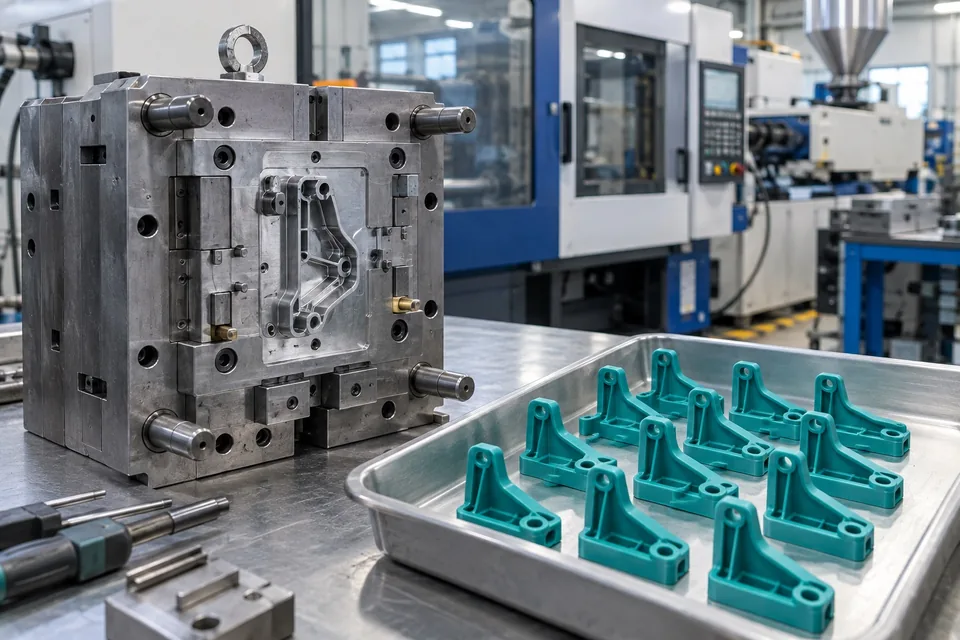
TOOLING OPTION 02
Support the gap between validation and long-term production.
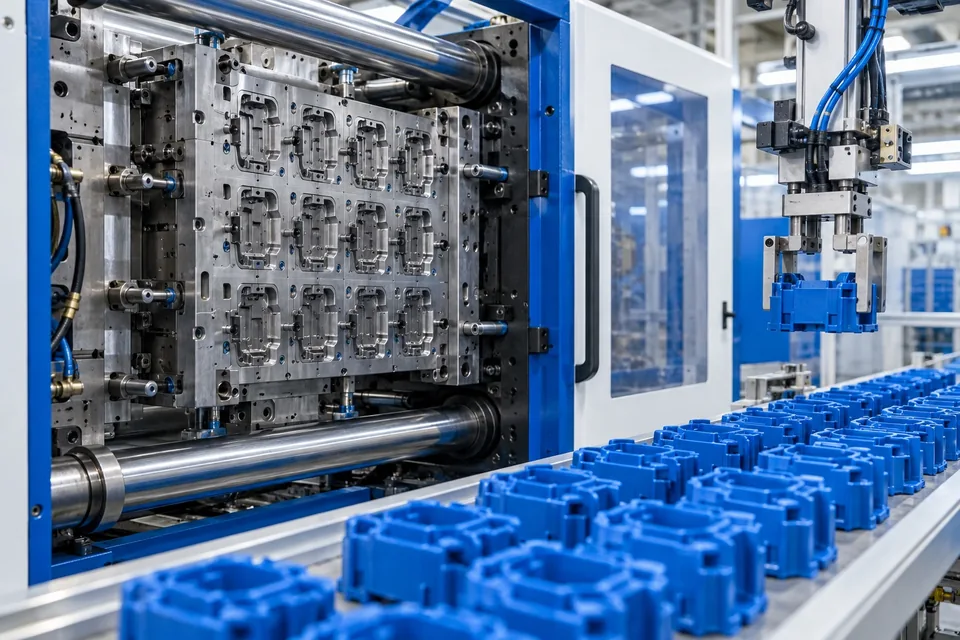
TOOLING OPTION 03
An approach for stable designs and sustained manufacturing.
Select a defect to see the review focus.
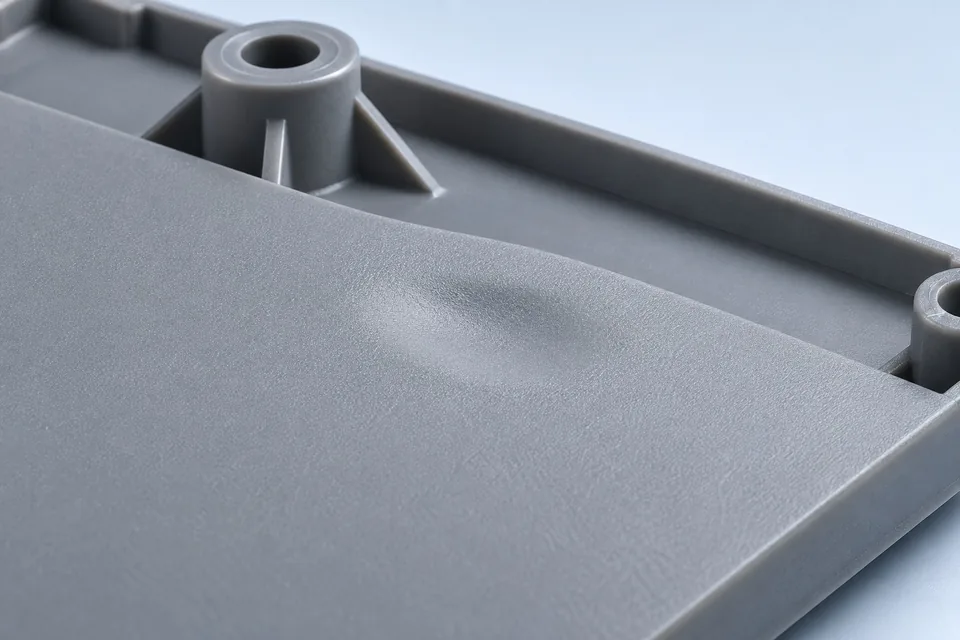
DEFECT REVIEW 01
Review wall intersections, packing and cooling.
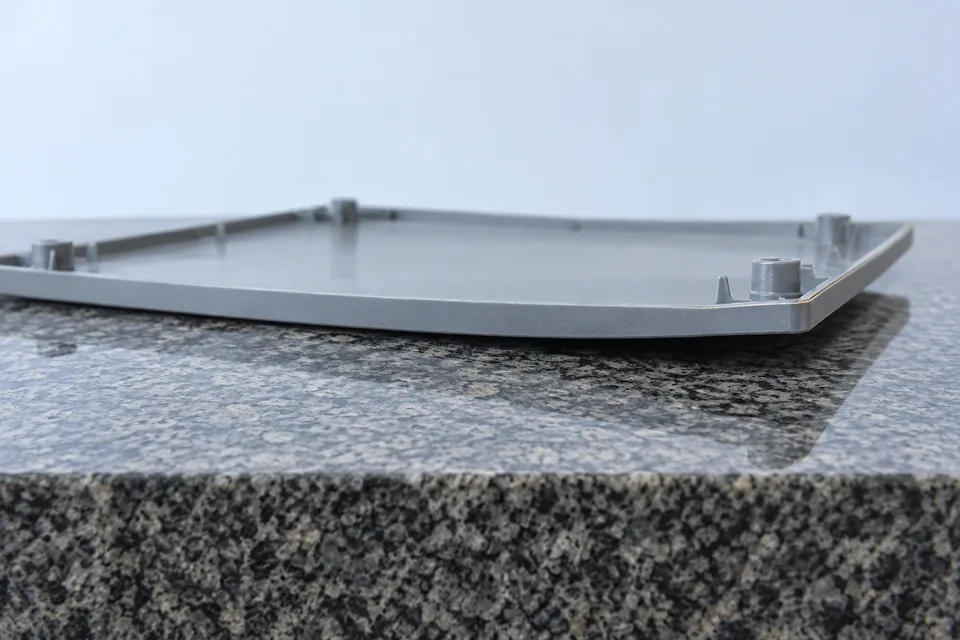
DEFECT REVIEW 02
Review wall balance, cooling and resin orientation.
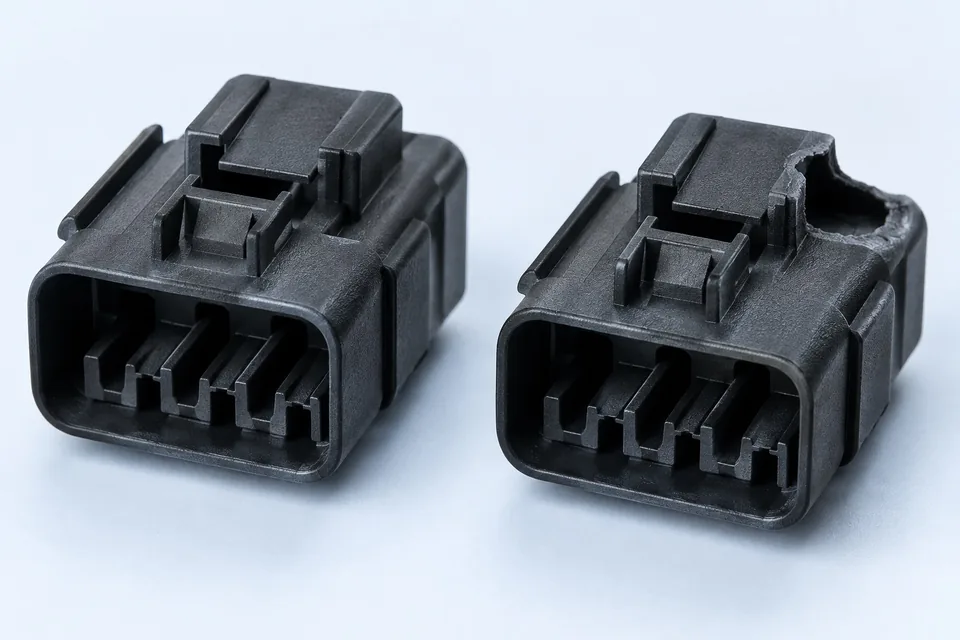
DEFECT REVIEW 03
Review flow paths, venting and processing window.
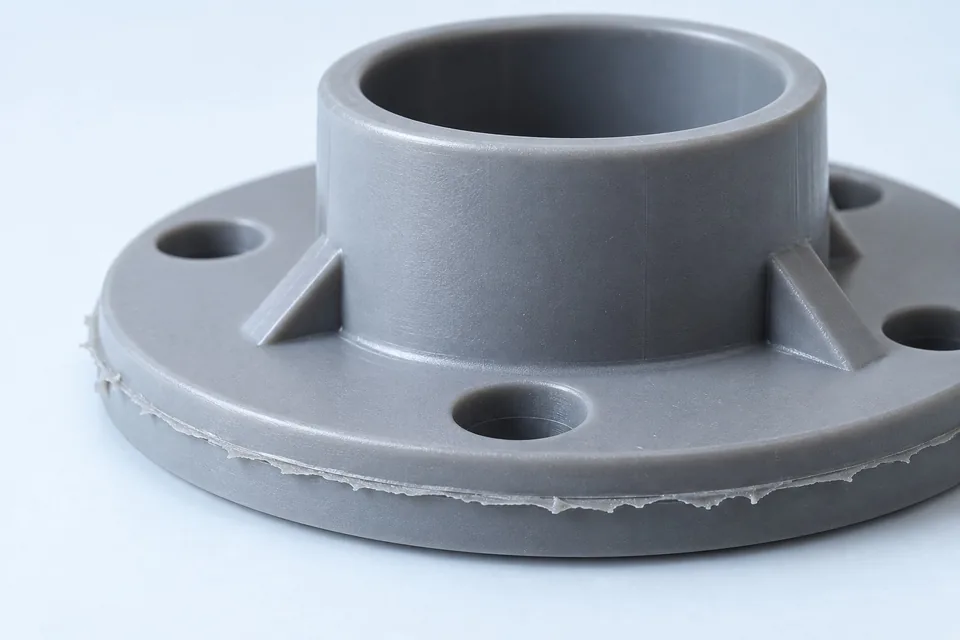
DEFECT REVIEW 04
Review shutoffs, tool condition and process pressure.
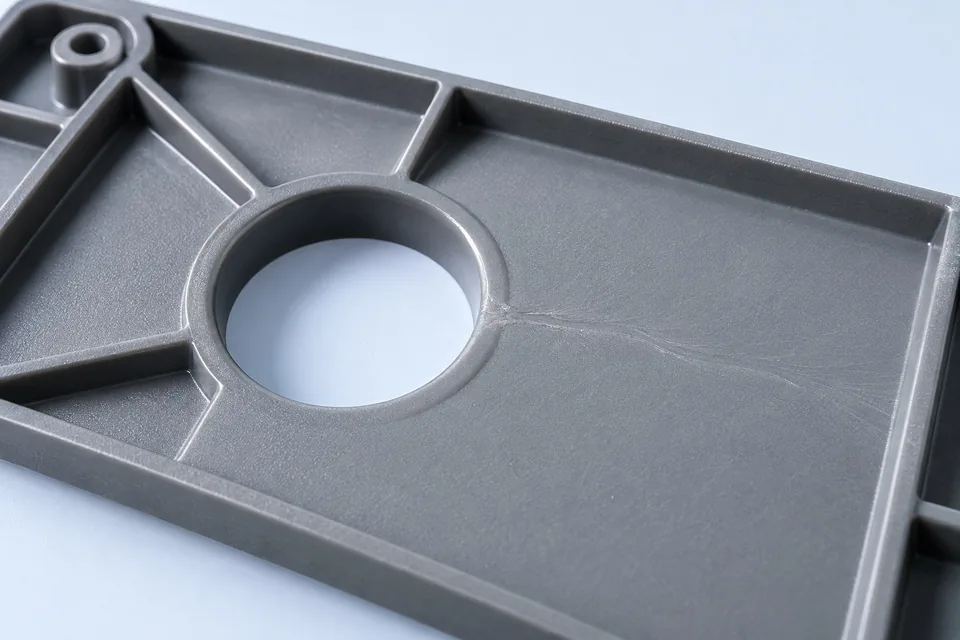
DEFECT REVIEW 05
Review gate locations and functional/cosmetic requirements.
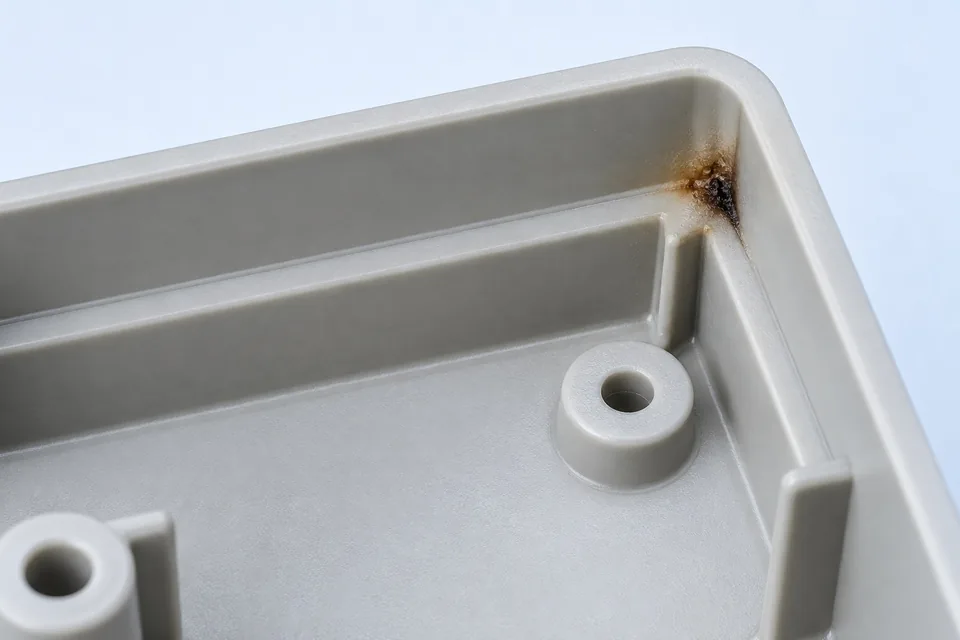
DEFECT REVIEW 06
Review venting and filling conditions.
Define your material checks, first-article review, in-process checks and shipment records before your production run.
QUALITY CHECKPOINT 01 / 04
Your project starts with approved material records and a clear inspection plan. For injection molding, confirm resin grade, color and lot before your run.
Inspection scope and acceptance criteria are agreed for your project.

QUALITY CHECKPOINT 02 / 04
Tie dimensions and sample observations to the controlled drawing.
Inspection scope and acceptance criteria are agreed for your project.
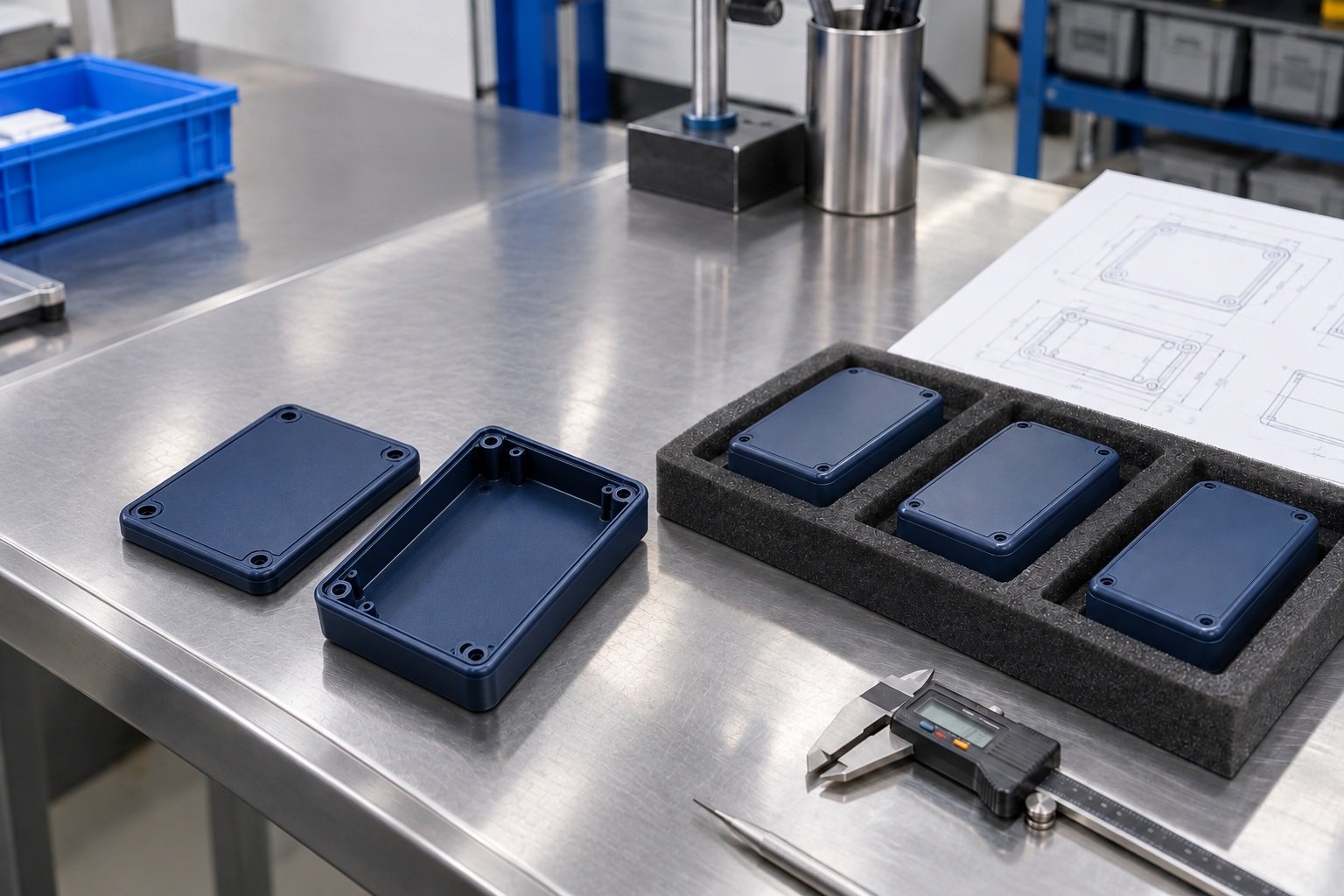
QUALITY CHECKPOINT 03 / 04
Record agreed control features, sampling intervals and responses to deviations.
Inspection scope and acceptance criteria are agreed for your project.
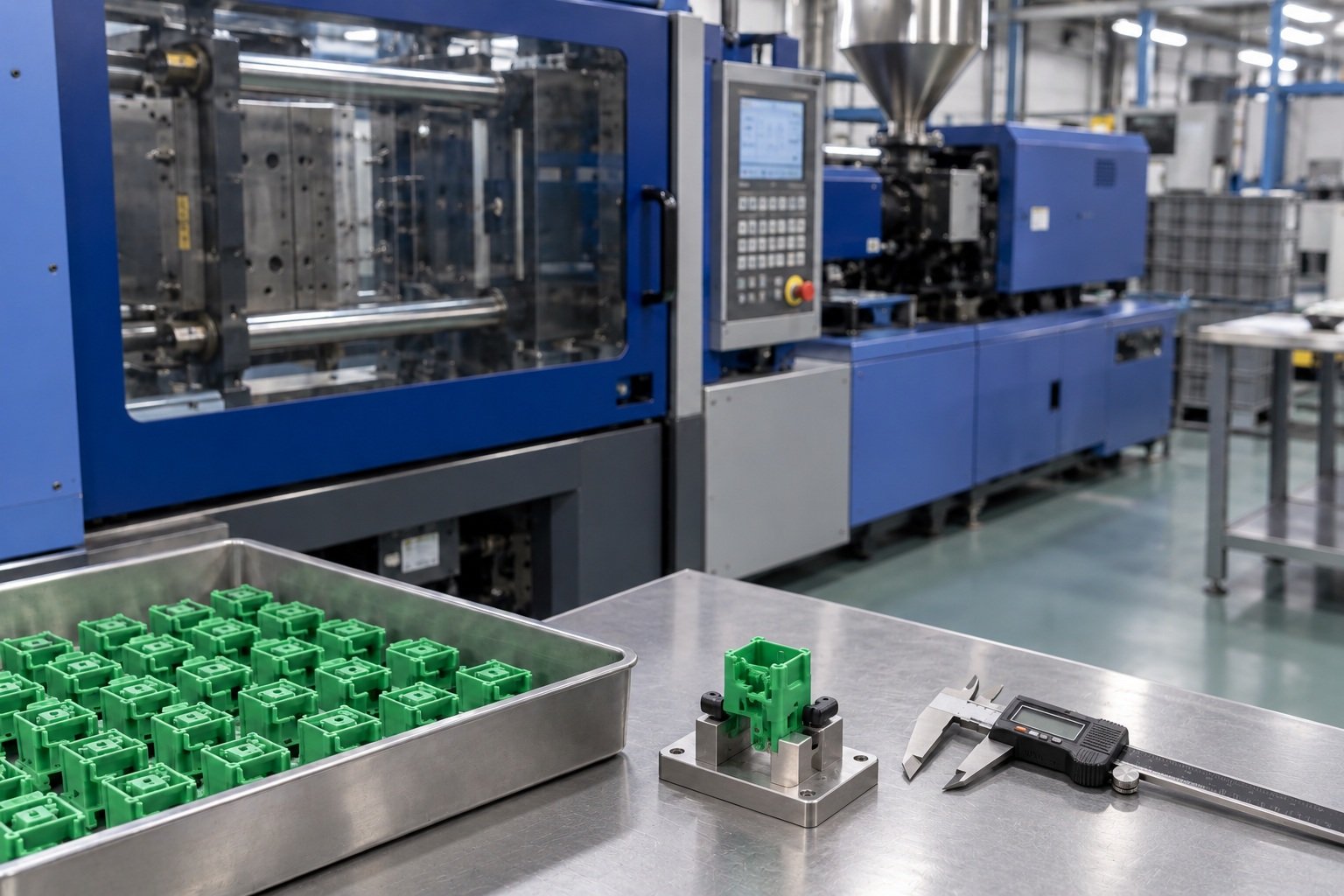
QUALITY CHECKPOINT 04 / 04
Check agreed dimensions, appearance and packaging before shipment.
Inspection scope and acceptance criteria are agreed for your project.
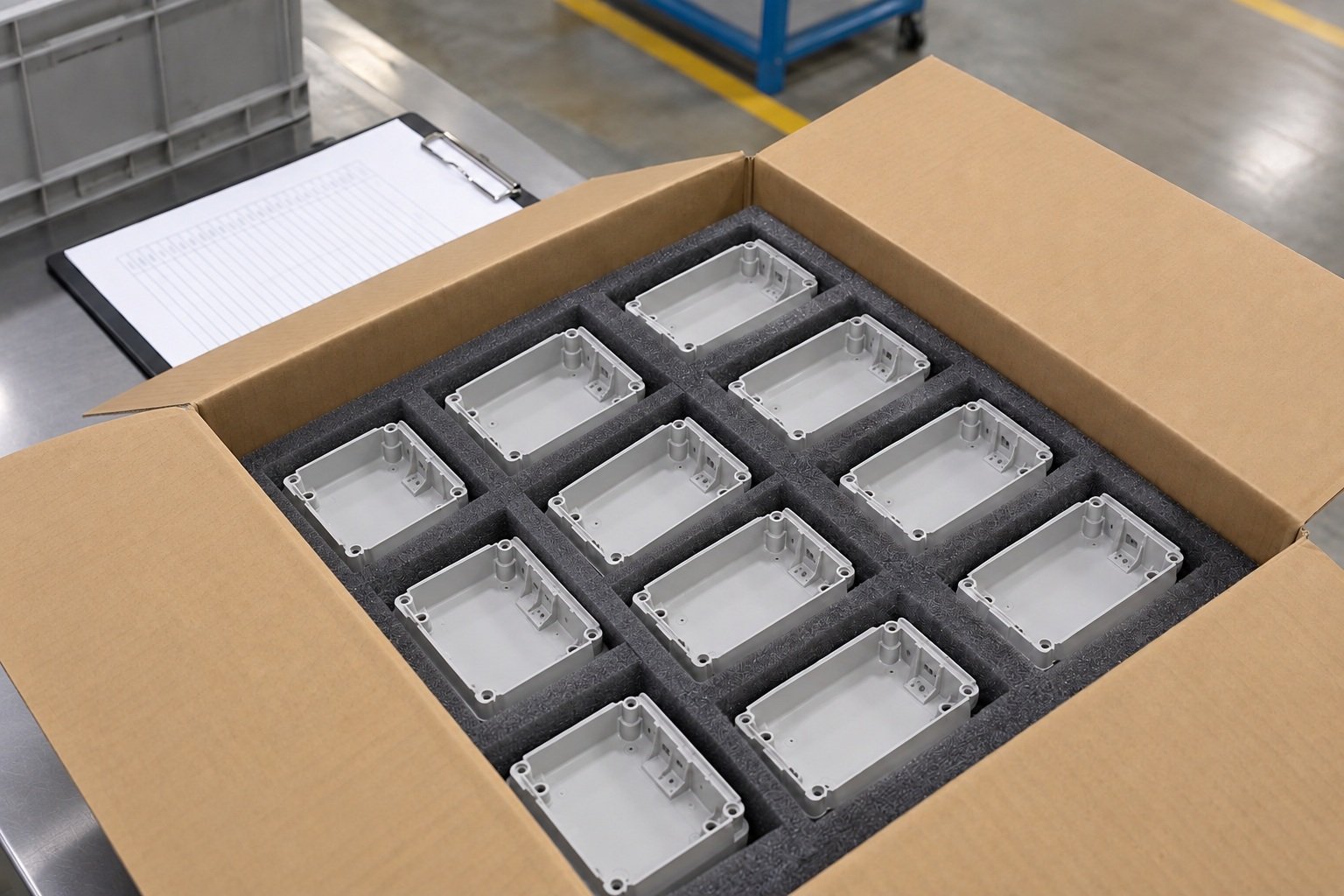
Specify the FAI, CMM, PPAP or material records your customer needs. Agree availability, sample size, cost and approval responsibilities in your quotation.
QUALITY DOCUMENTATION
Review your first molded samples before the next tooling decision.
Initial tool trial and design-feedback review.
Agreed dimensions, appearance, fit checks and open issues.
Sample observations and a proposed action list.
Make tooling changes with a shared record of what needs attention.
Confirm availability, inspection scope, sample size, timing and charges in your quotation.
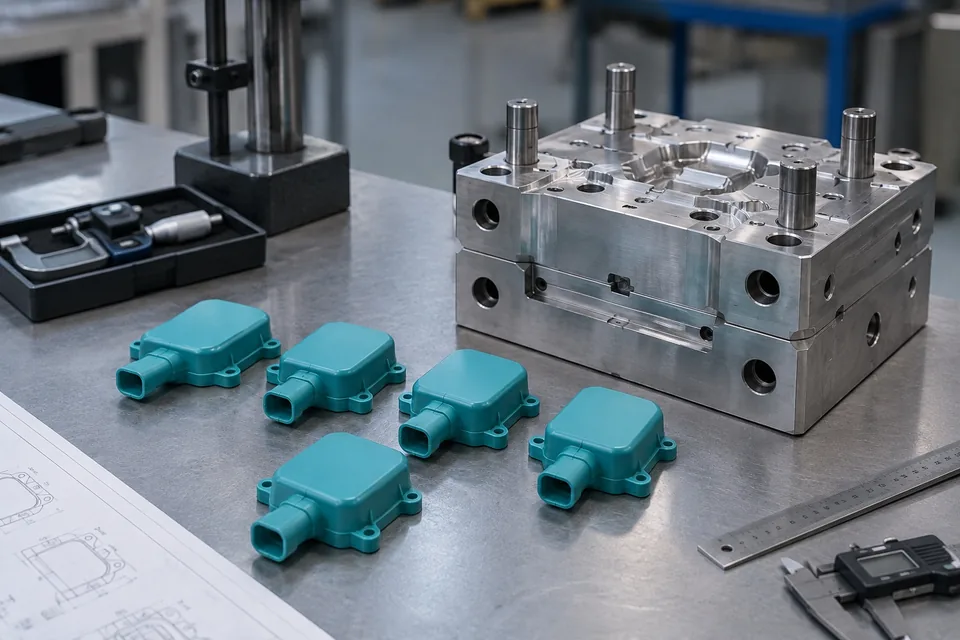
QUALITY DOCUMENTATION
Verify the critical dimensions that control fit and function.
Complex geometry or agreed critical-to-quality features.
Drawing datums, measured values and specified tolerances.
Results for the agreed measurement scope and sample quantity.
Give your quality team evidence for dimensional acceptance.
Confirm availability, inspection scope, sample size, timing and charges in your quotation.
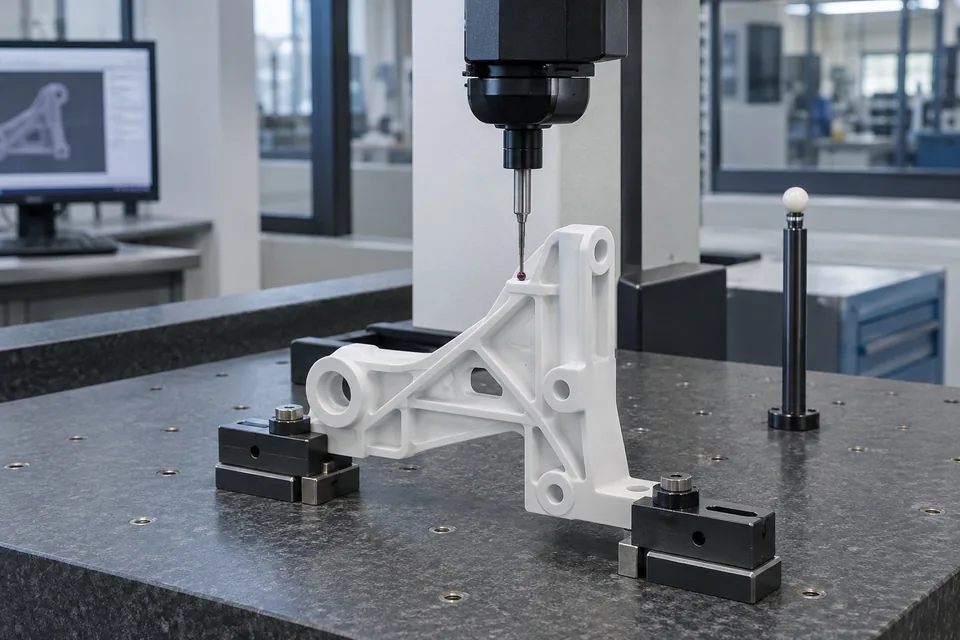
QUALITY DOCUMENTATION
Establish a documented baseline for your molded part.
Initial approval or an agreed significant change.
Selected or full drawing characteristics, as quoted.
An inspection record tied to the drawing revision and sample IDs.
Align engineering and purchasing before repeat orders.
Confirm availability, inspection scope, sample size, timing and charges in your quotation.
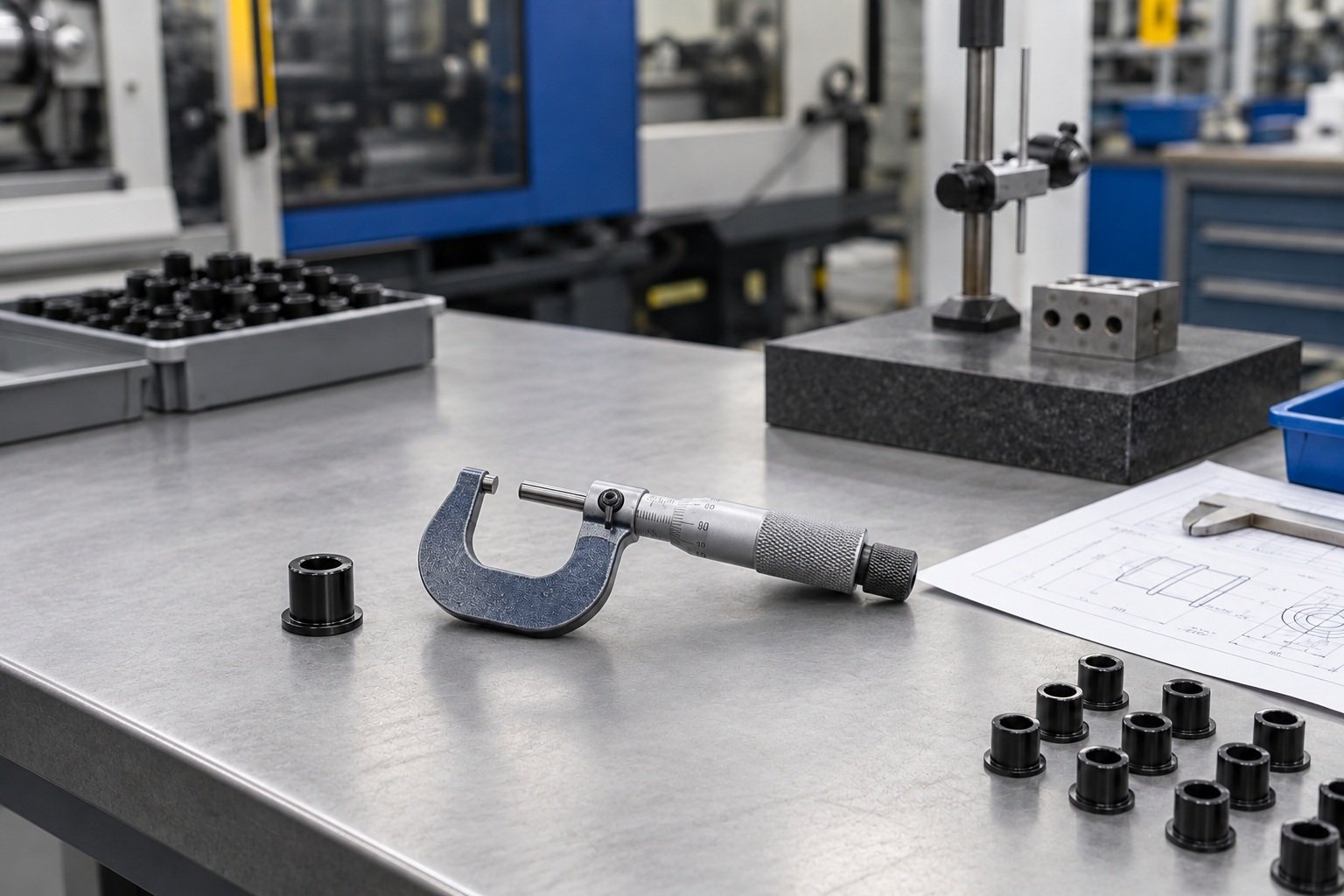
QUALITY DOCUMENTATION
Plan your customer’s production approval requirements early.
Programs that require an agreed PPAP submission.
Customer-specific elements, submission level and process evidence.
The agreed document package, subject to capability and scope confirmation.
Reduce late approval surprises by defining deliverables before tooling.
Confirm availability, inspection scope, sample size, timing and charges in your quotation.
QUALITY DOCUMENTATION
Connect your shipment to the agreed order requirements.
Receiving inspection and order documentation.
Part number, revision, order and the declared scope of conformity.
A shipment-linked declaration where agreed in the quotation.
Help your receiving team reconcile parts and paperwork; a CoC is not a dimensional report.
Confirm availability, inspection scope, sample size, timing and charges in your quotation.
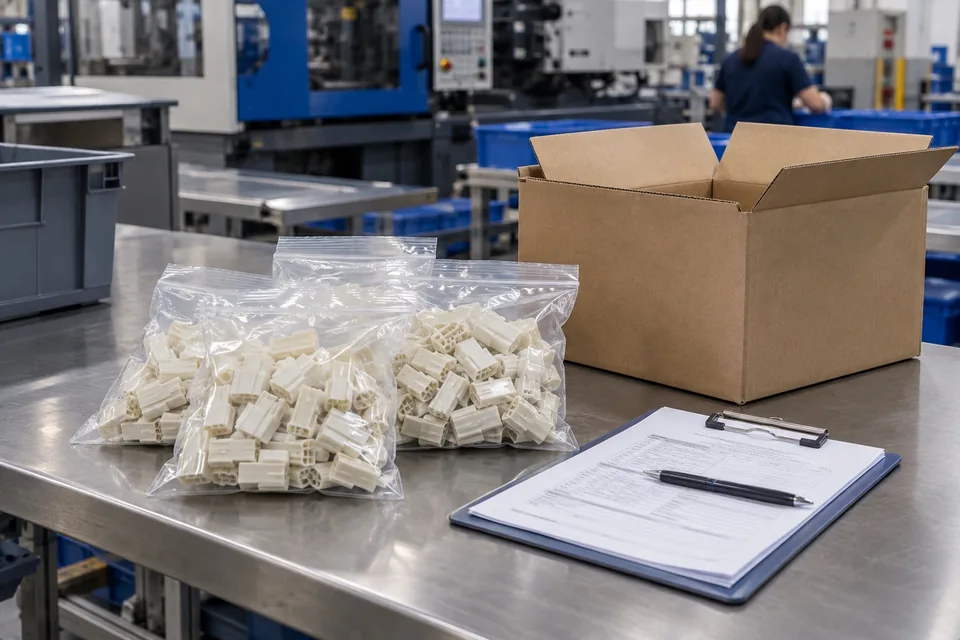
QUALITY DOCUMENTATION
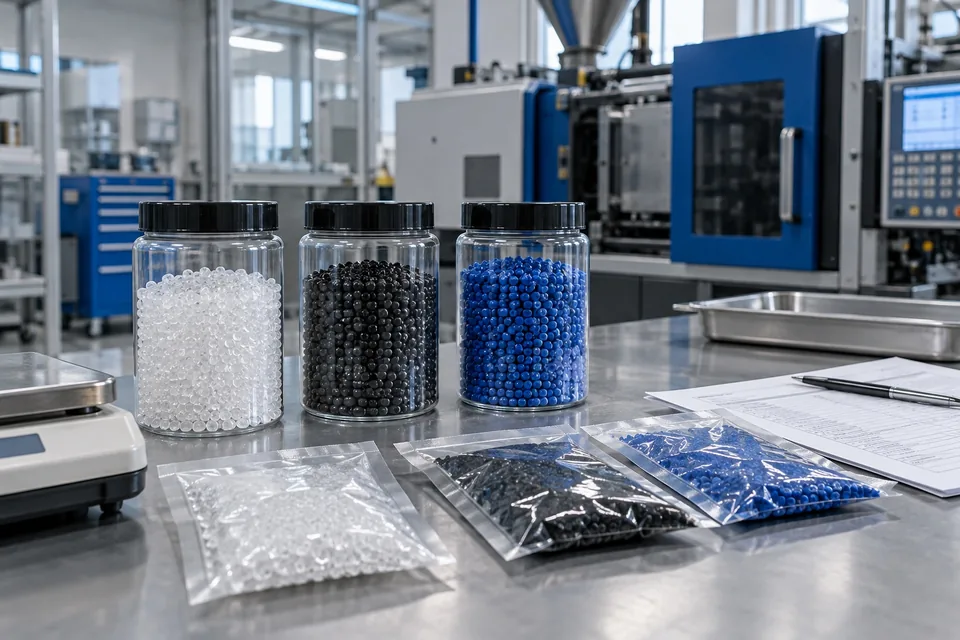
Keep resin identity and traceability aligned with your specification.
Specified resin grades or documented material traceability.
Grade, supplier and available batch or lot references.
Available supplier documentation and agreed traceability records.
Reduce ambiguity about material substitutions; a data sheet is not a lot-specific test report.
Confirm availability, inspection scope, sample size, timing and charges in your quotation.
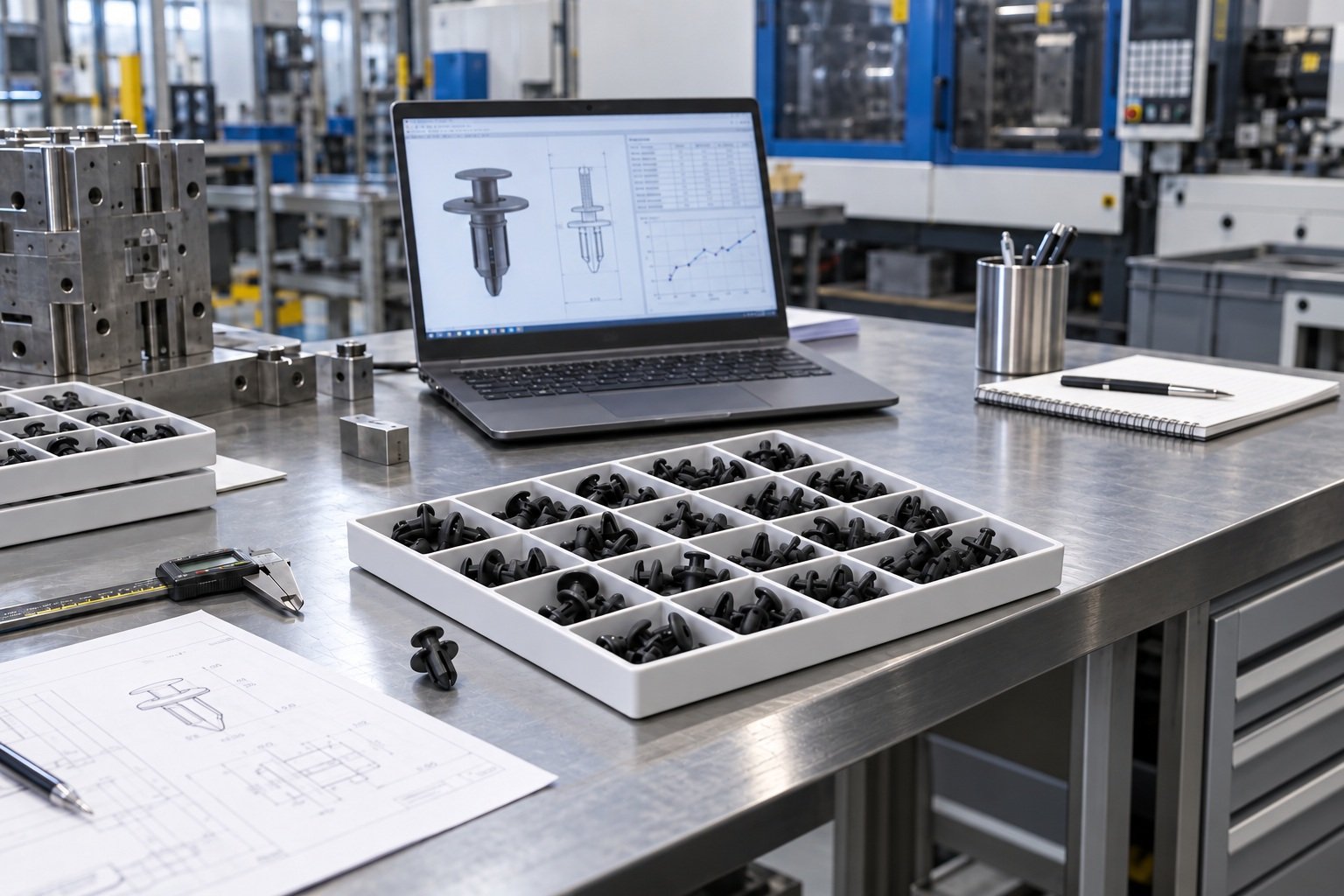
BEFORE TOOLING
Connect each concern to a drawing view, a recommended action and an owner. Record what changed and what still needs agreement before the mold is cut.
Wall thickness, draft, parting line, gate concept and release direction.
A clear change list and decision record for your engineering team.
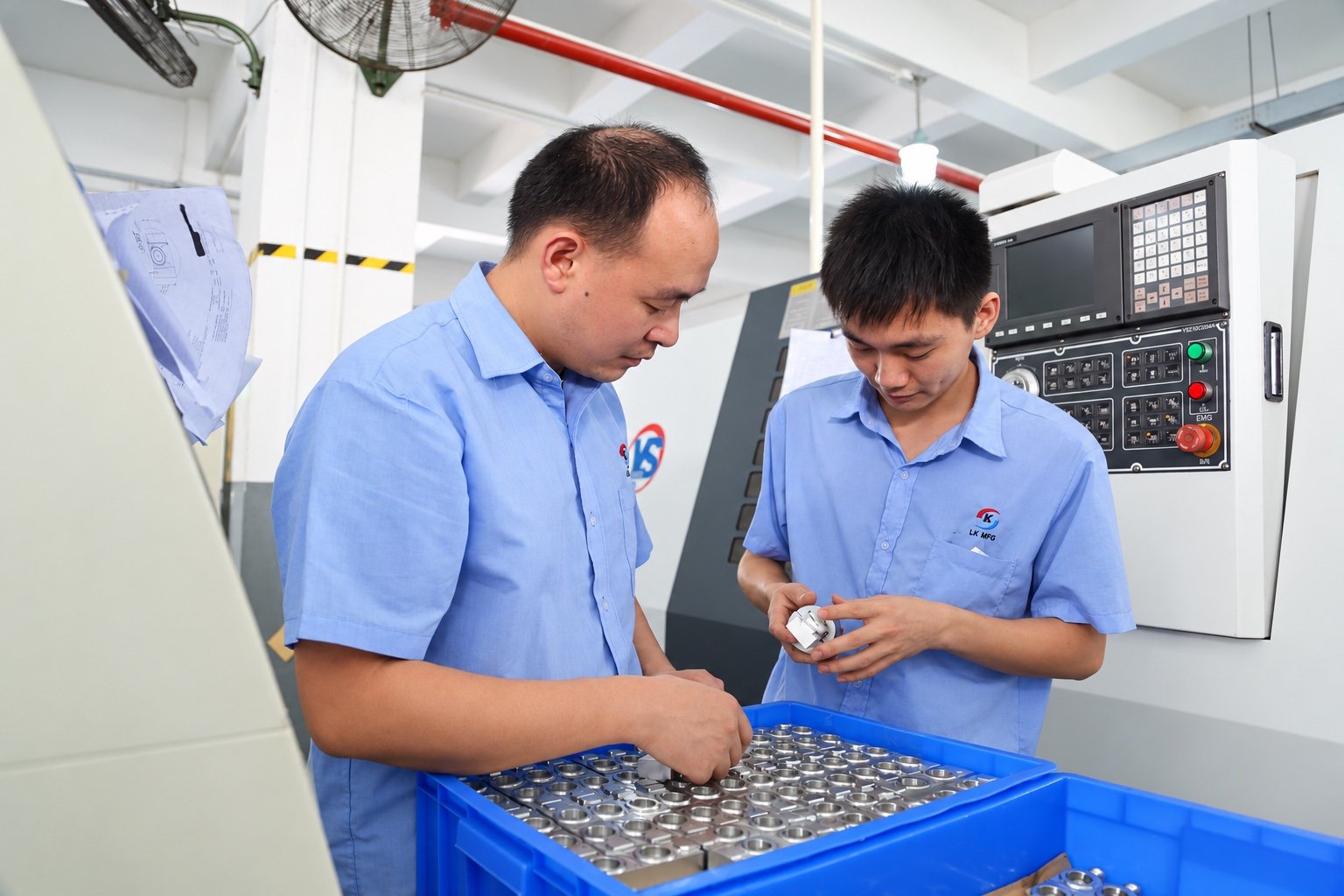
Custom plastic parts for demanding applications.
Housings and functional components; project requirements reviewed individually.
Enclosures, connectors and protective parts.
Functional parts and assemblies.
Housings, guides and custom components.
Durable application-specific parts.
Functional and cosmetic components.
Connect your technical questions with your sourcing decisions—from design changes to sample approval and repeat orders.
Understand the cost and manufacturing impact of changes to your design.
Coordinate your tooling, material and production requirements in one project plan.
Discuss open questions and next actions with your Texas contact.
Keep your drawing revisions and approval requirements connected as your program develops.
Review cost, timing, quality and mold ownership before you authorize tooling.
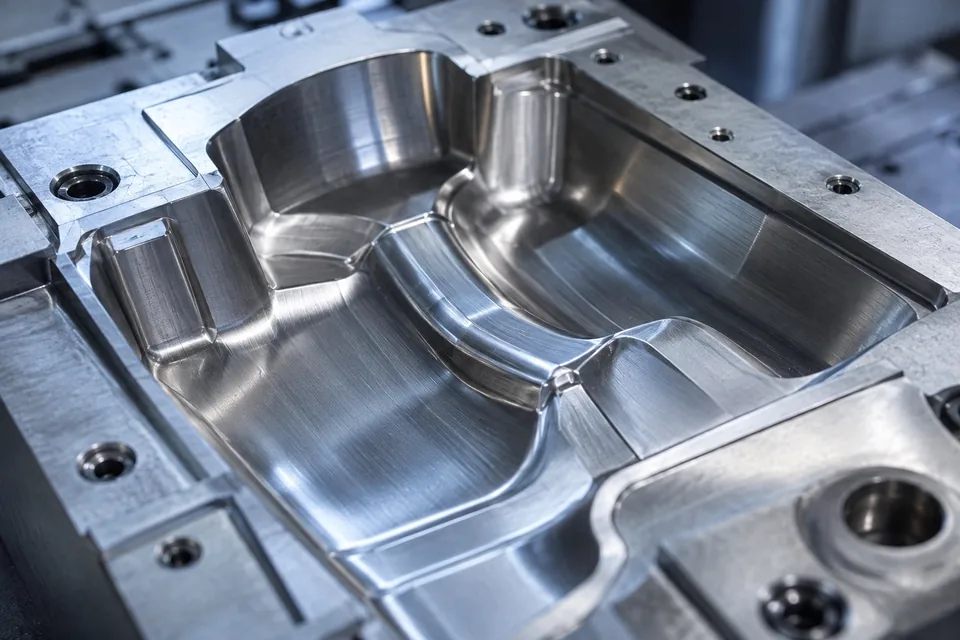
✓ Separate mold investment and part price
✓ Define your sample approval criteria
✓ Confirm lead time and shipping scope
✓ Agree mold ownership and change terms
Share your available 3D CAD and a dimensioned PDF drawing. STEP is a practical exchange format. Use the form to describe other formats and arrange transfer of native CAD files.
Send your 3D CAD and drawing revision, resin or application requirements, initial and annual quantities, critical dimensions, finish and target delivery date. Request separate mold and part pricing, with sampling, inspection, packaging and freight identified so you can compare equivalent scopes.
Your DFM review identifies geometry questions and proposed changes before tooling. Review the effect on fit, appearance and mold complexity, then approve the relevant drawing revision. Confirm whether mold-flow analysis or additional validation is included or quoted separately.
Discuss resin grade, color, texture, appearance and application requirements. Feasibility depends on the part and tooling design.
Part size, resin grade, cavity count, tool complexity, order quantity, finish and inspection scope all affect cost. Ask for tooling charges and part pricing to be separated, with the quotation assumptions clearly stated.
Ask for milestones tied to your final drawing, material selection, commercial approval and sample sign-off. Distinguish tooling time, sample revisions, production and transit. Confirm the start conditions and delivery assumptions in your quote.
Discuss your NDA and file-transfer requirements before sending sensitive drawings. Identify the authorized contacts and the files needed for review; confirm the agreed transfer method with your project contact.
These are distinct approaches that can be evaluated around design maturity, volume and expected lifecycle. The quotation confirms the selected scope.
Tell us whether you need FAI, material documentation, CMM reports, PPAP or a certificate of conformity. Availability and scope are agreed during quotation.
Discuss a staged plan for your prototype, bridge and production needs. Confirm what must be approved before each stage and whether a new tool, material qualification or inspection plan is required as quantities grow.
Identify the critical dimensions on your drawing. Resin shrinkage, part geometry, tooling and inspection method influence achievable tolerances. Confirm acceptance criteria during engineering review rather than assuming one tolerance applies to every feature.
Request written confirmation of mold ownership, storage, maintenance, expected service life, transfer conditions and change charges in your quotation. These project-specific terms should be agreed before tooling begins.
Compare your samples with the agreed drawing and acceptance criteria. Record the issue, proposed correction and next approval step. Agree who authorizes changes, how costs are assigned and when revised samples will be available before proceeding.
Confirm the shipping destination, packaging, freight scope, agreed delivery terms and responsibility for duties or taxes. Ask which inspection and material records accompany your shipment so receiving inspection has the information it needs.
Share your drawing, expected quantities and target timing. Discuss your design risks, tooling options and the information needed for a project-specific quotation.
✓ Discuss NDA before file transfer
✓ Define your engineering review scope
✓ Plan your sample approval milestones
A qualitative starting point; use the resin supplier’s grade data for engineering decisions.
Review: UV and temperature exposure
Review: Stiffness and shrinkage
Review: Chemical compatibility and drying
Review: Moisture and dimensional changes
Review: Bonding and processing limitations
Review: Drying and grade requirements
Review: Cost and processing requirements
Review: Hardness, shrinkage and adhesion