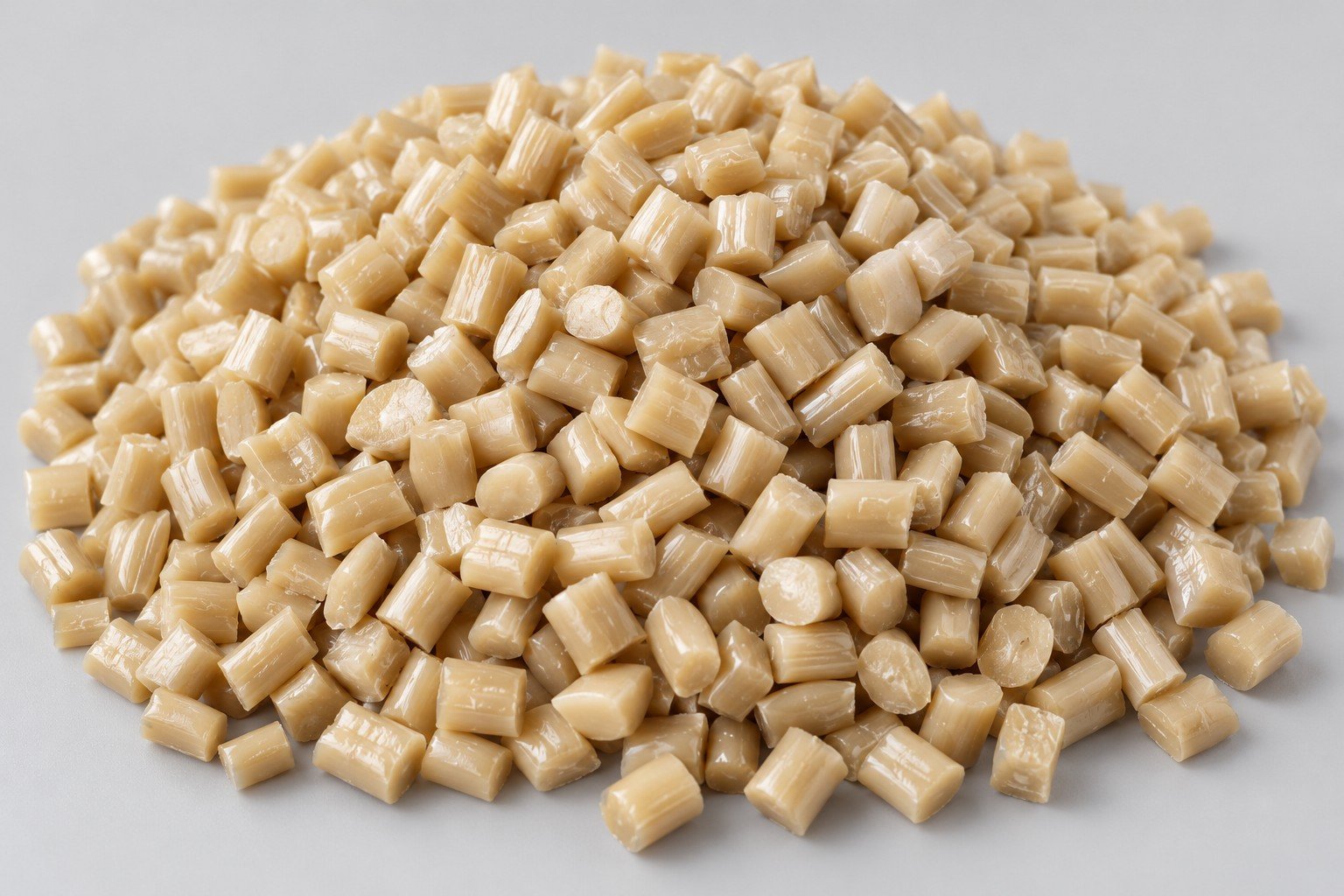
Injection Molding
Tooling and molding for your repeat plastic parts.
From prototype to production, coordinated manufacturing solutions for your custom parts.
View All Services →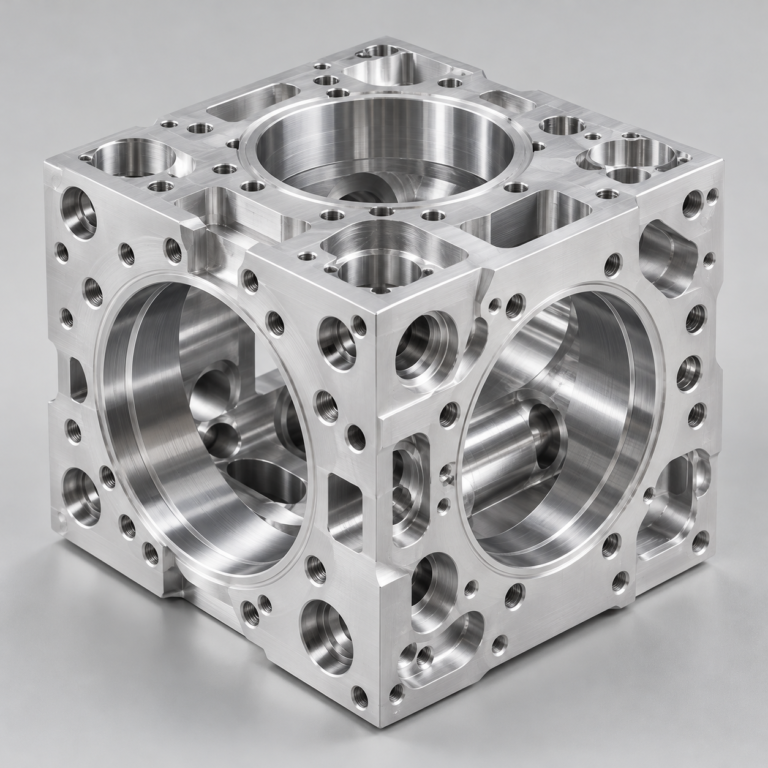
Precision parts for your tight tolerances and complex geometry.
Tooling and molding for your repeat plastic parts.
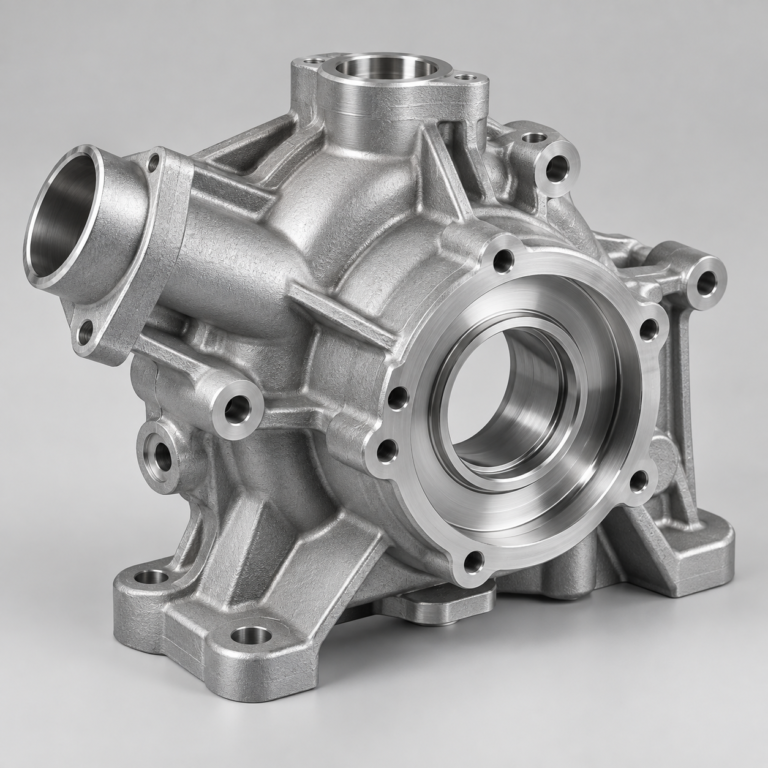
Metal casting options for your part and production volume.
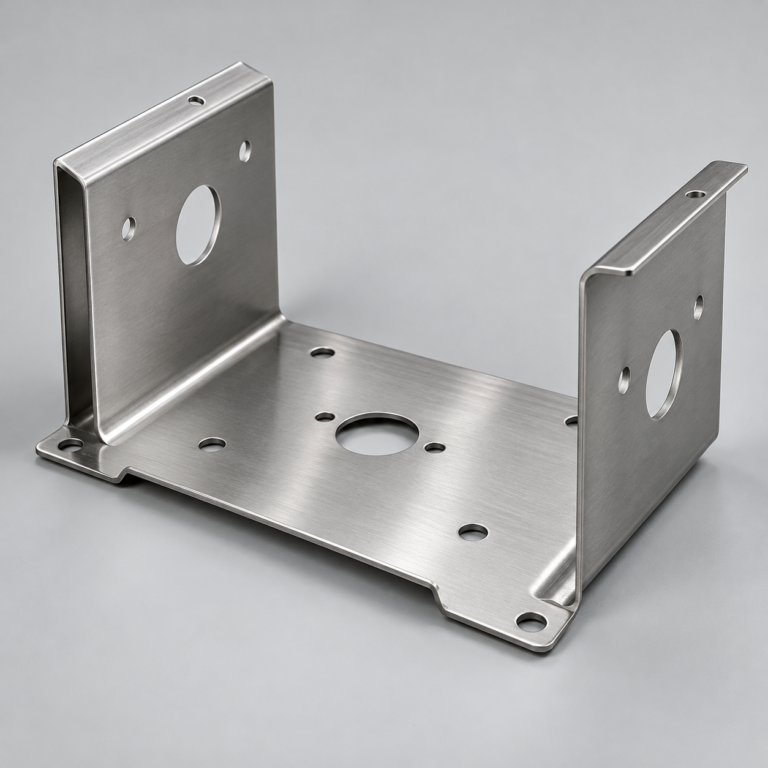
Cutting, forming and welding for your fabricated parts.
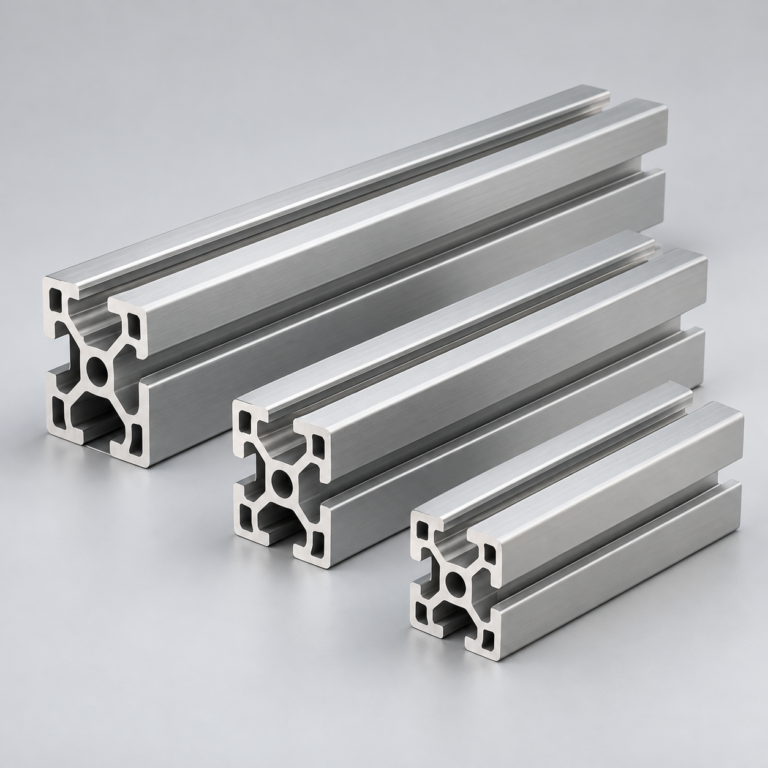
Custom profiles for your section, length and finish requirements.
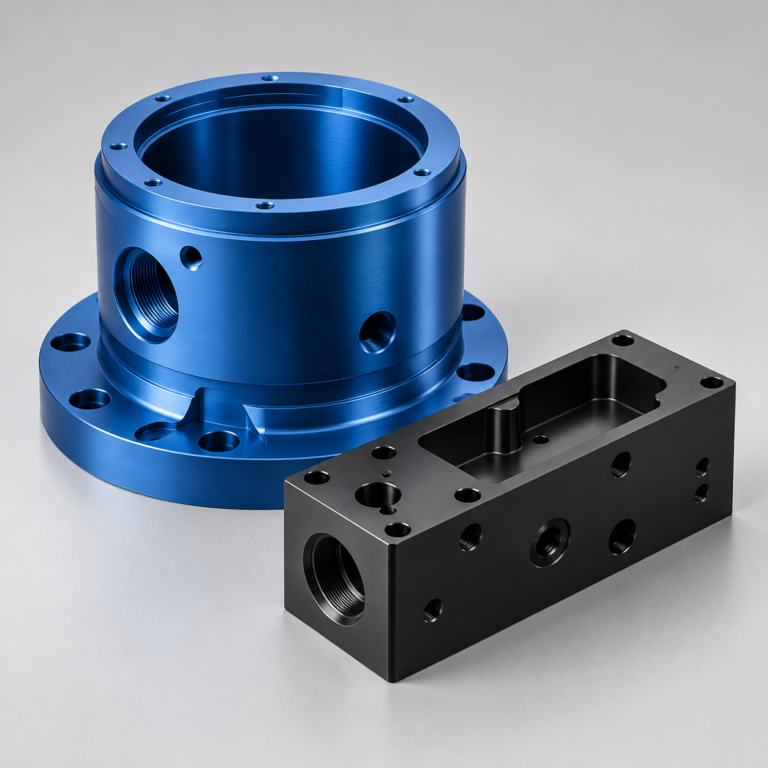
Finishes for your appearance, corrosion and wear requirements.
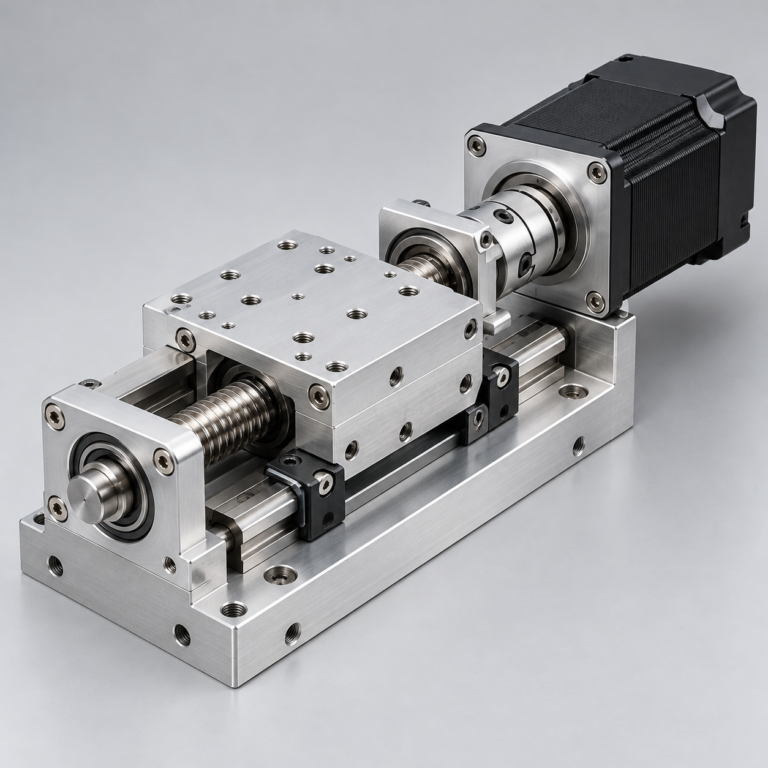
Sub-assemblies and final builds for your production program.
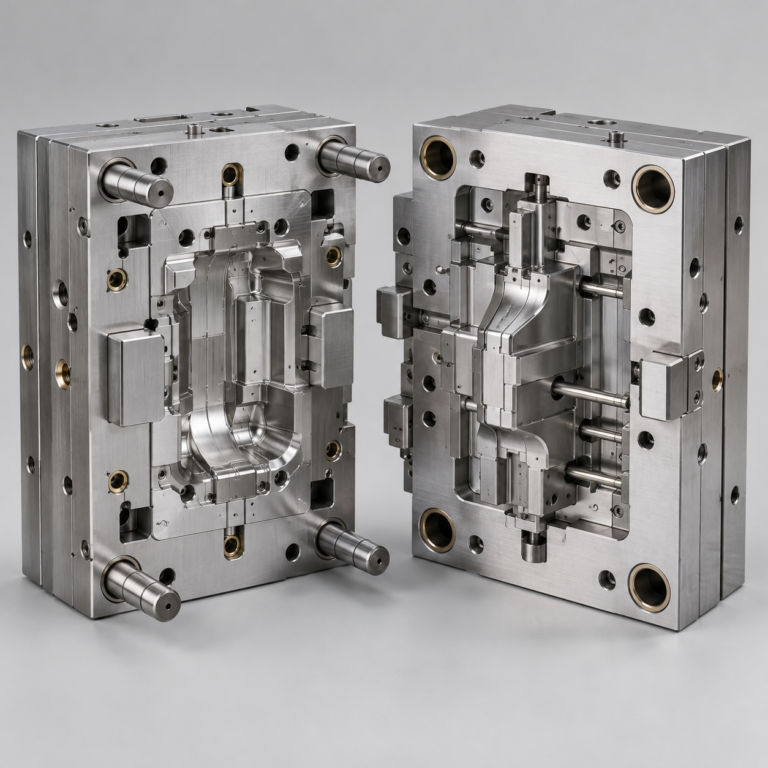
Production tooling built around your process and volume.
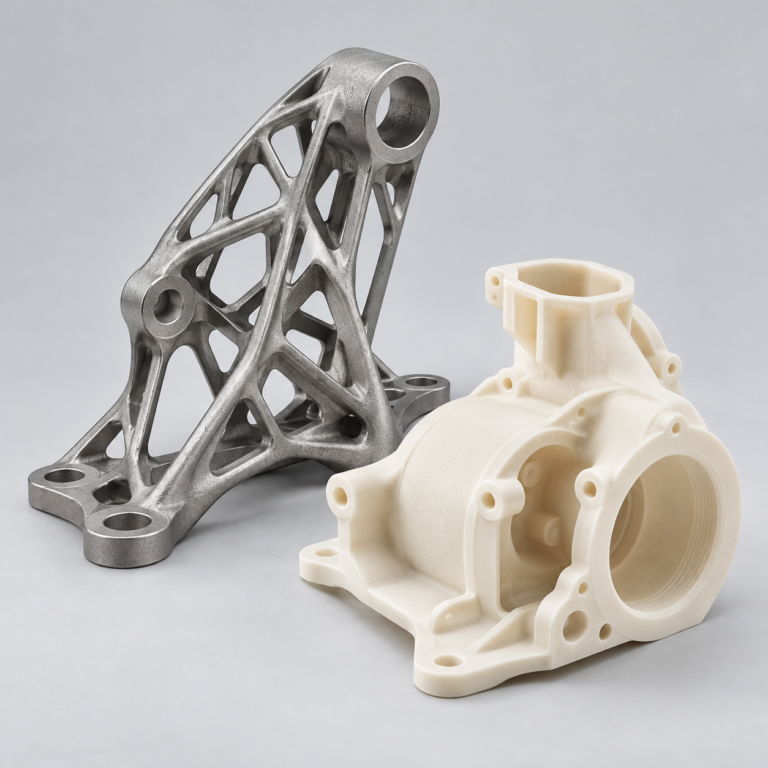
Prototype parts to check fit, function and design.
DFM, process planning and production support for your project.
Inspection, documentation, inventory and delivery planning for your program.
Choose air- or liquid-cooling components around your thermal and mechanical requirements.
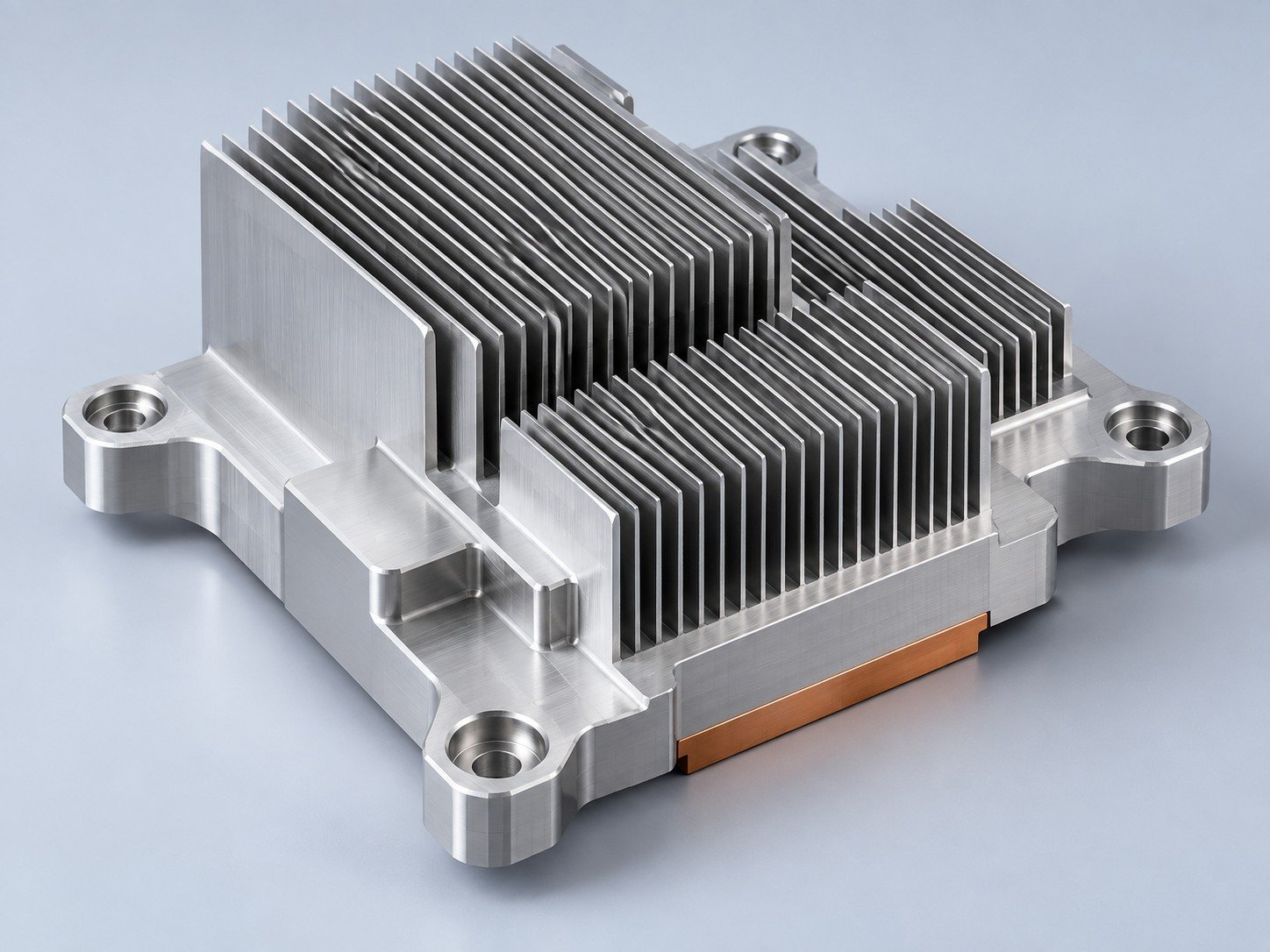
Manufacturing support for your cold plates, manifolds and cooling assemblies.
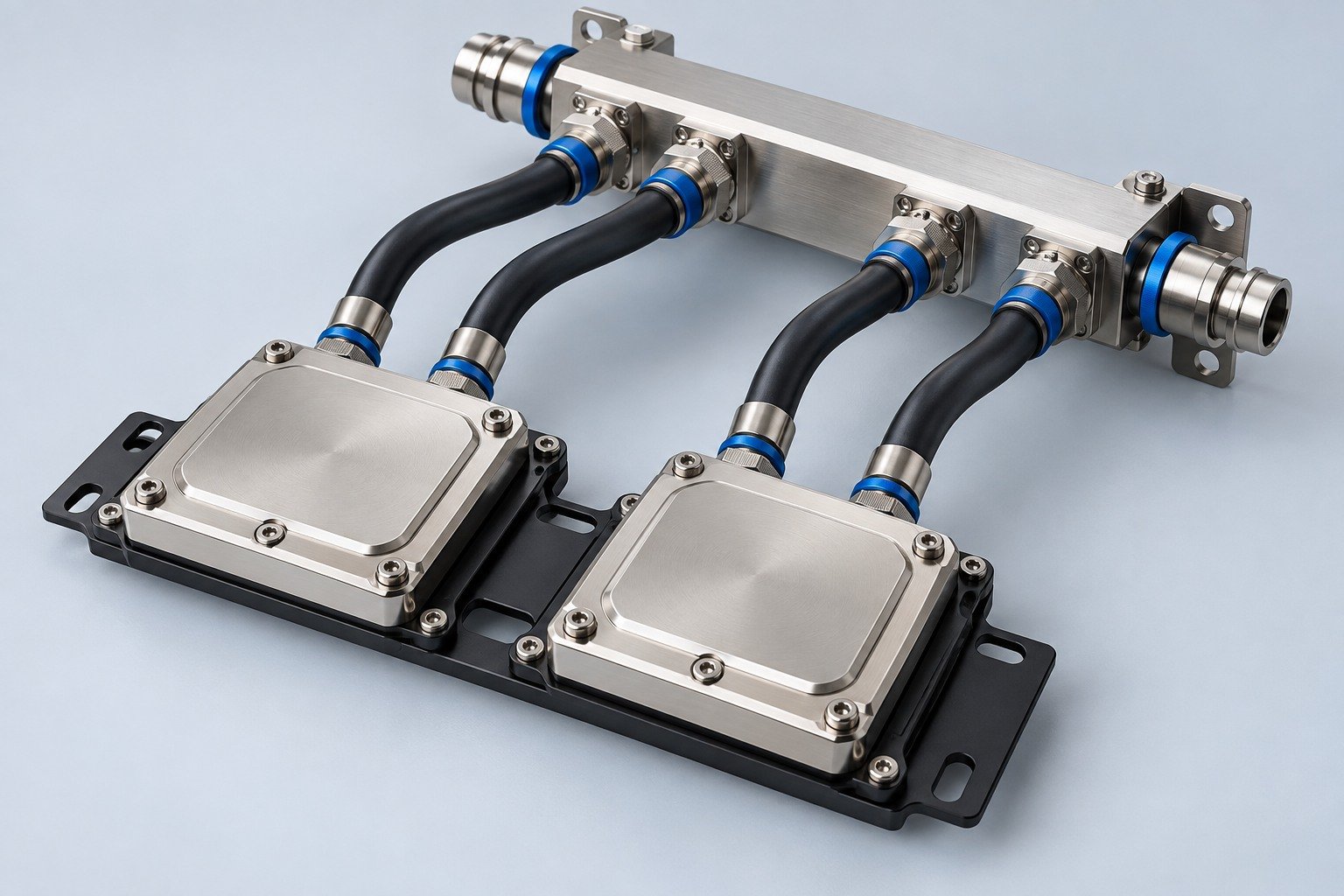
Find components for your power electronics, energy, laser and telecom application.
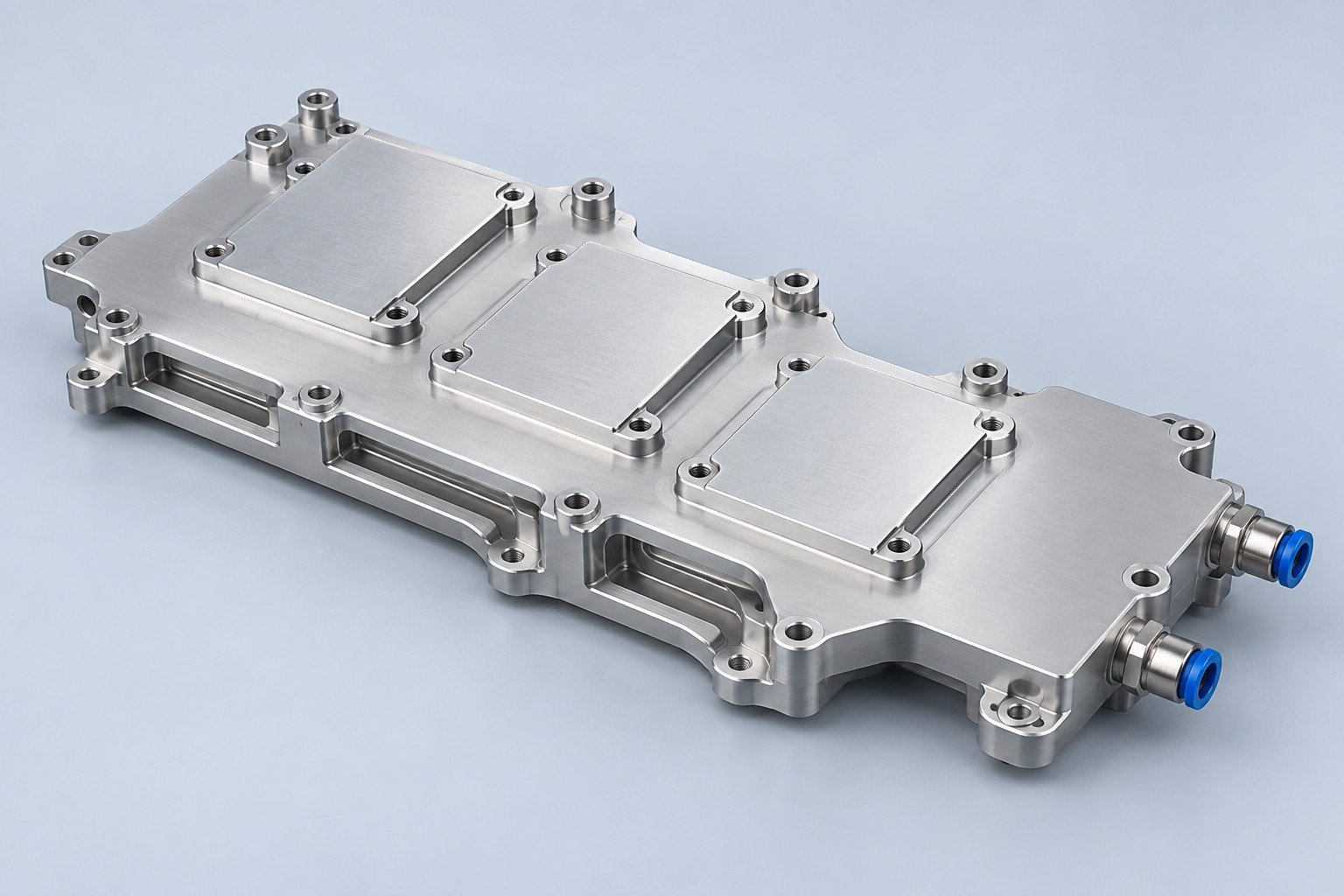
Components for your electronic systems.
Start with your functional and quality requirements.
Build around your operating environment.
From prototype to production, review material performance, manufacturability and cost for your part.
Review grade, temper and finish for your metal parts.
 AluminumStrength, weight and machining›
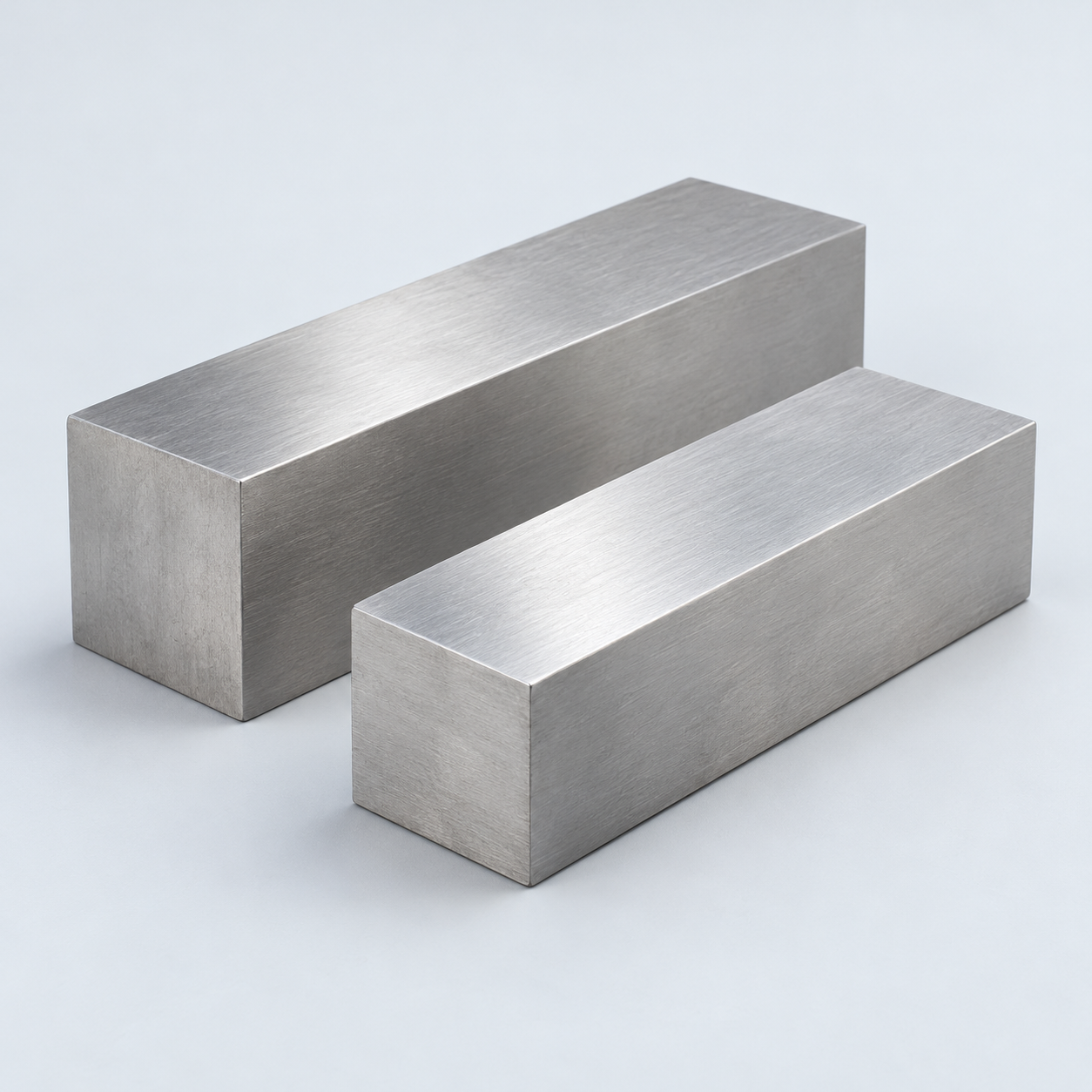 Stainless SteelCorrosion and finish requirements›
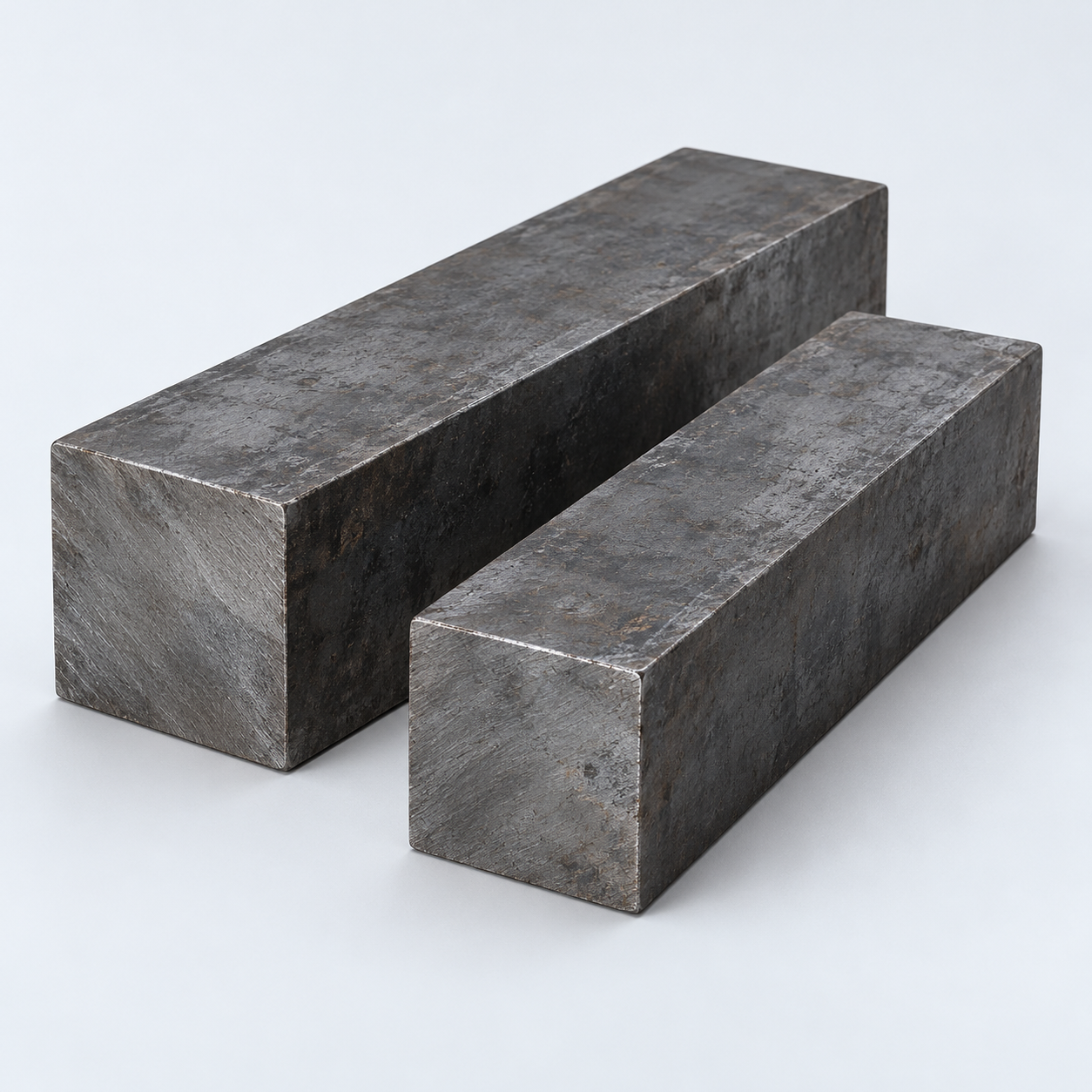 Carbon & Alloy SteelDiscuss grade and heat treatment›
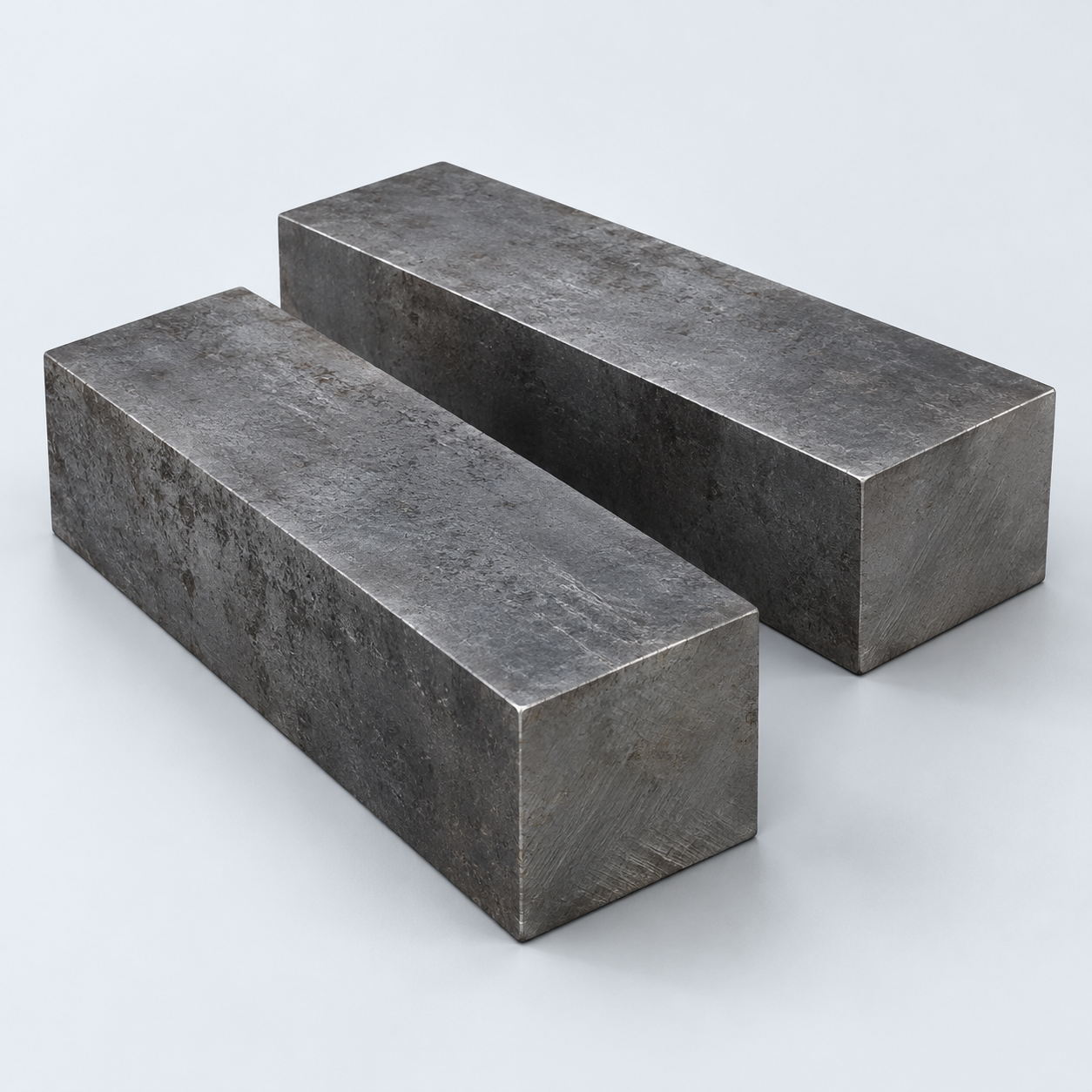 Tool SteelDiscuss tooling and wear needs›
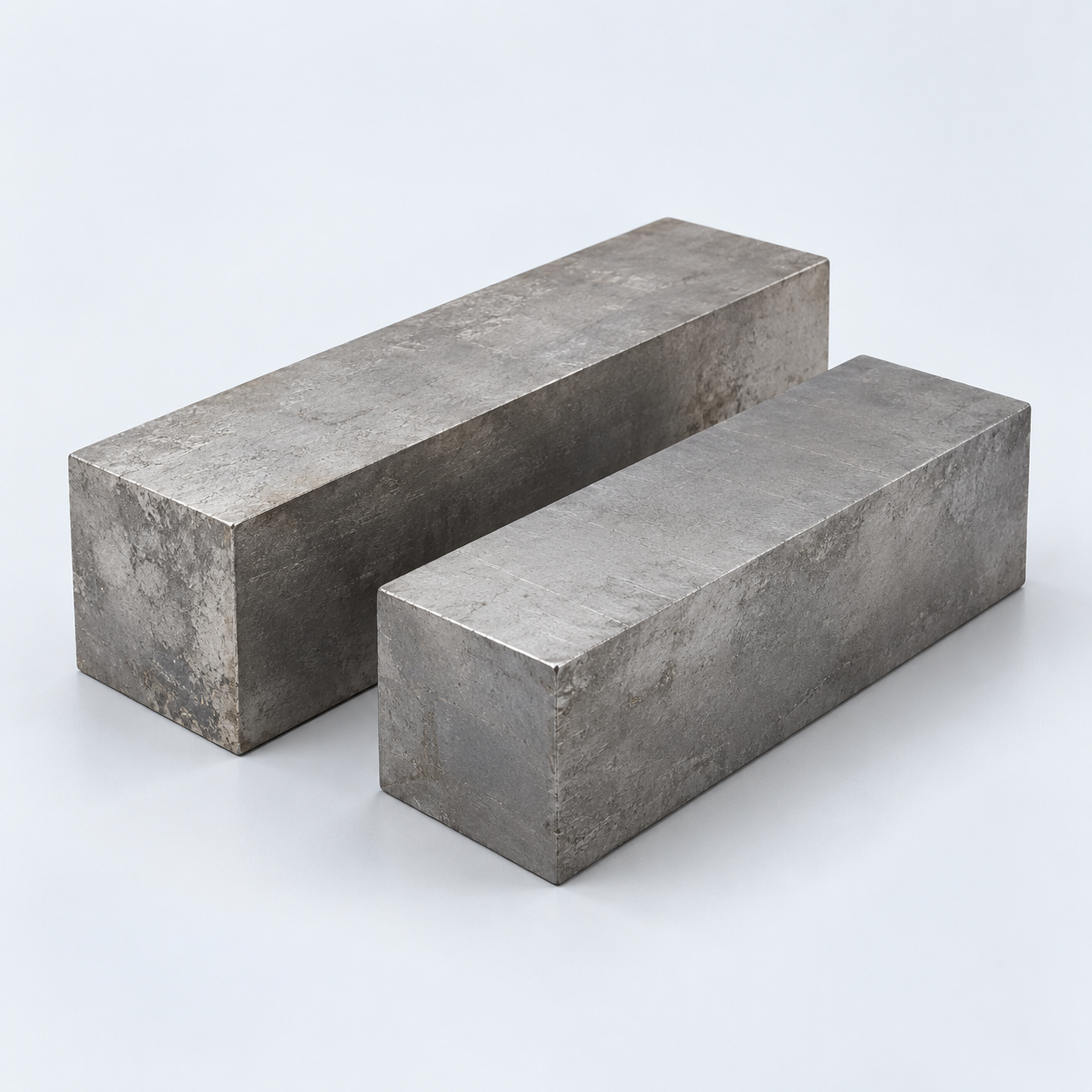 TitaniumReview grade and part geometry›
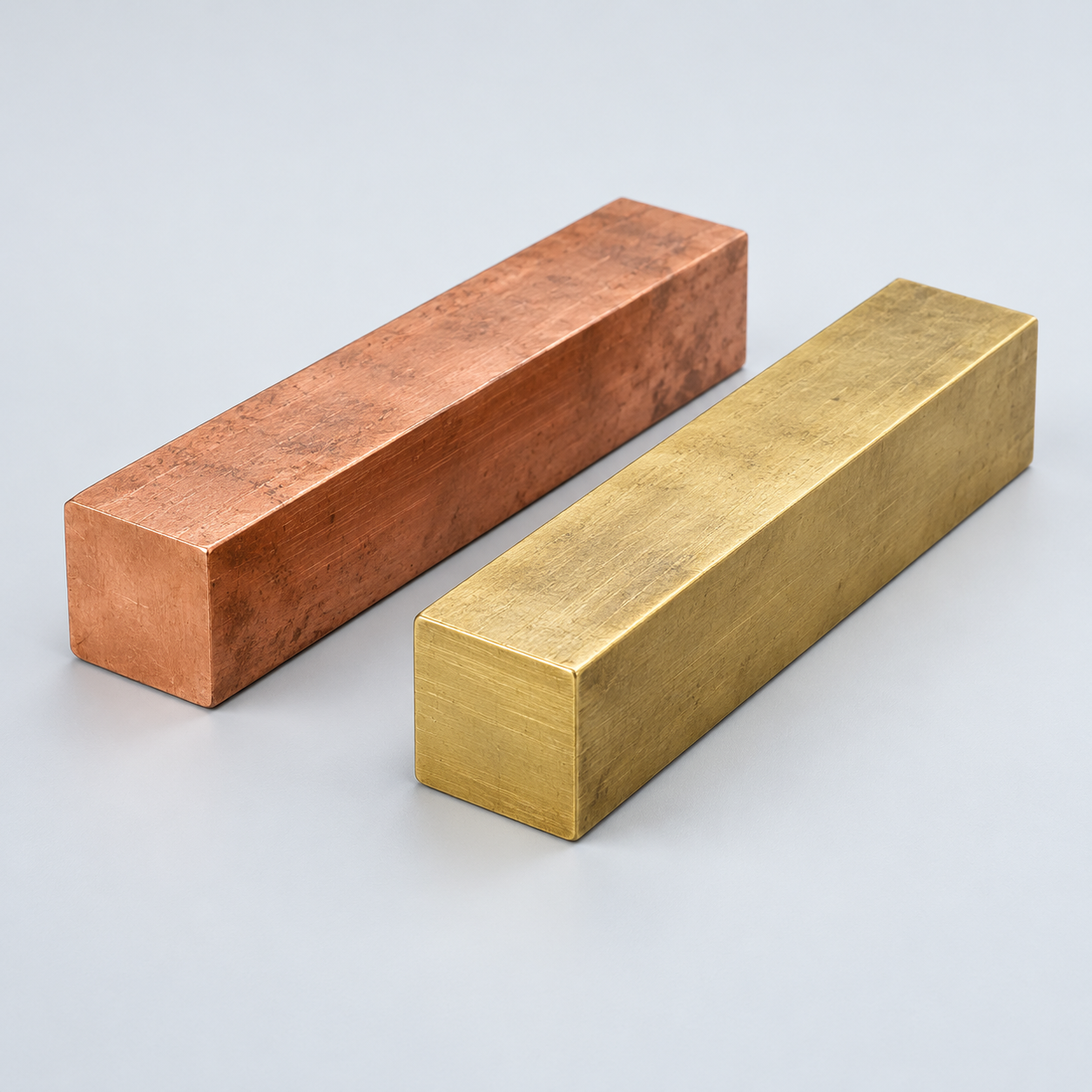 Copper & Brass & BronzeDiscuss conductivity and machining›
Match your polymer to function, process and environment.
 ABSReview enclosure and molding needs›
 Polycarbonate (PC)Discuss clarity and impact needs›
 Nylon (PA)Review moisture and wear conditions›
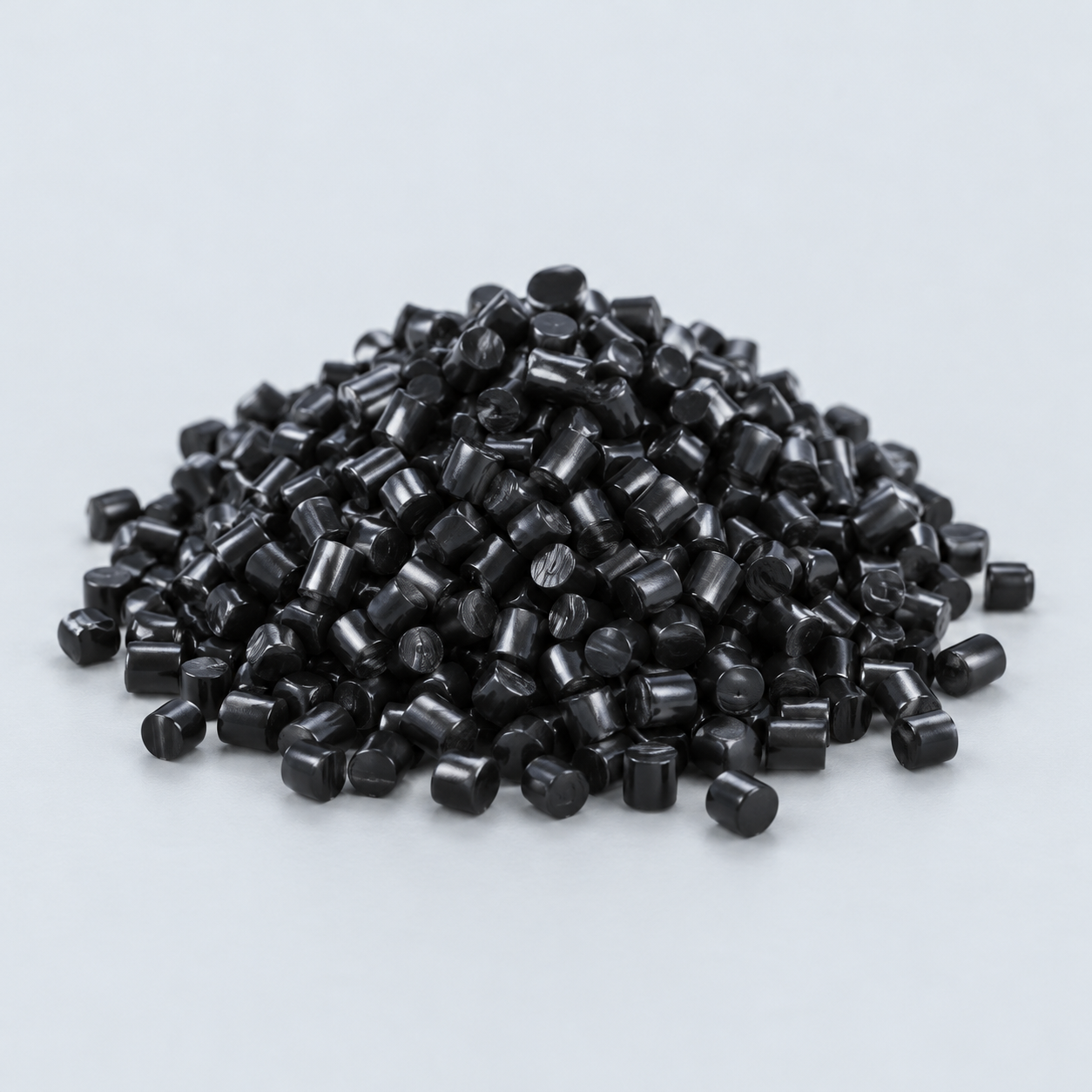 POM / AcetalReview fit and sliding features›
 PEEKDiscuss operating conditions›
 PTFEReview friction and chemical exposure›
 ULTEM / PEIDiscuss thermal and electrical needs›
Confirm grade availability and application requirements.
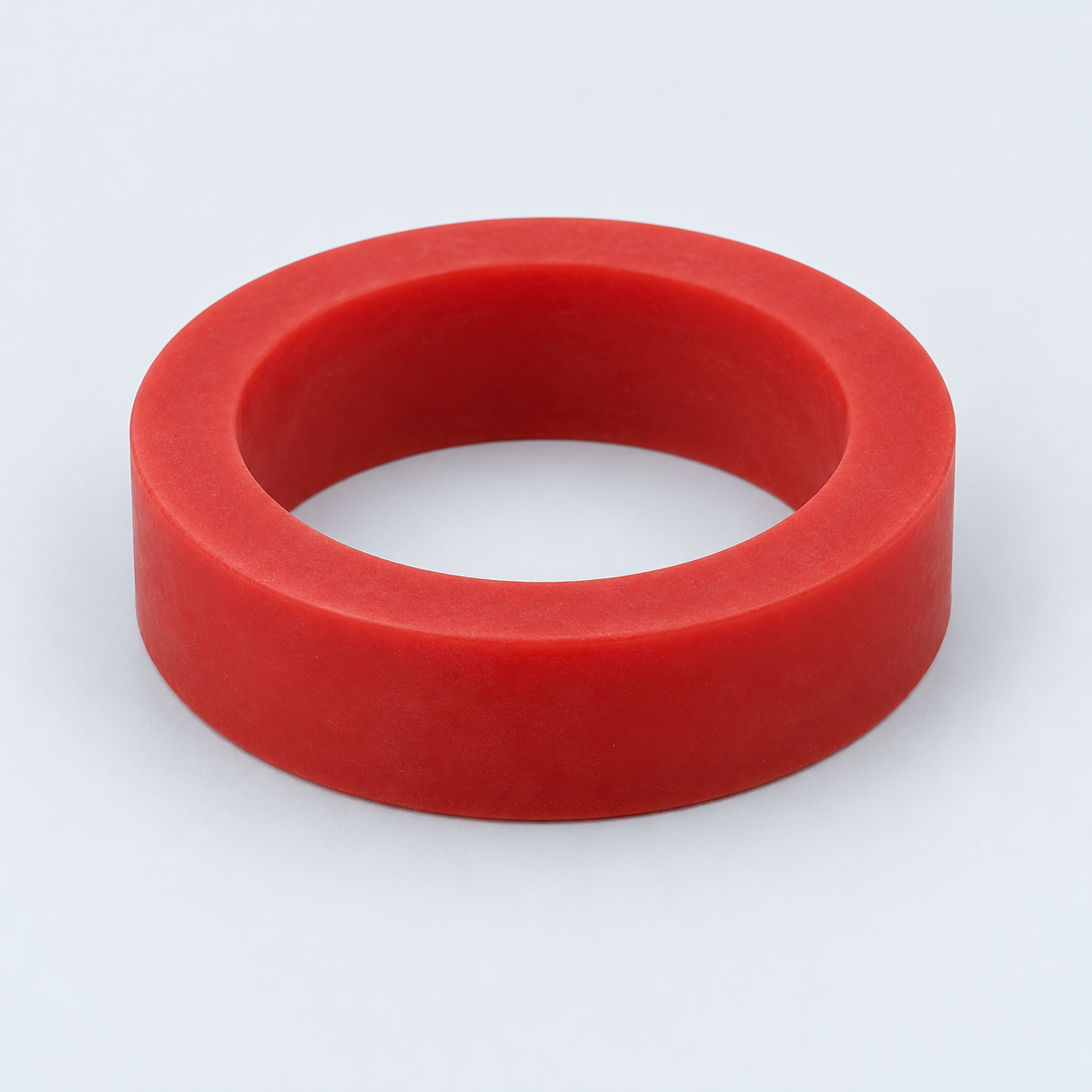 Silicone / LSRDiscuss flexible component needs›
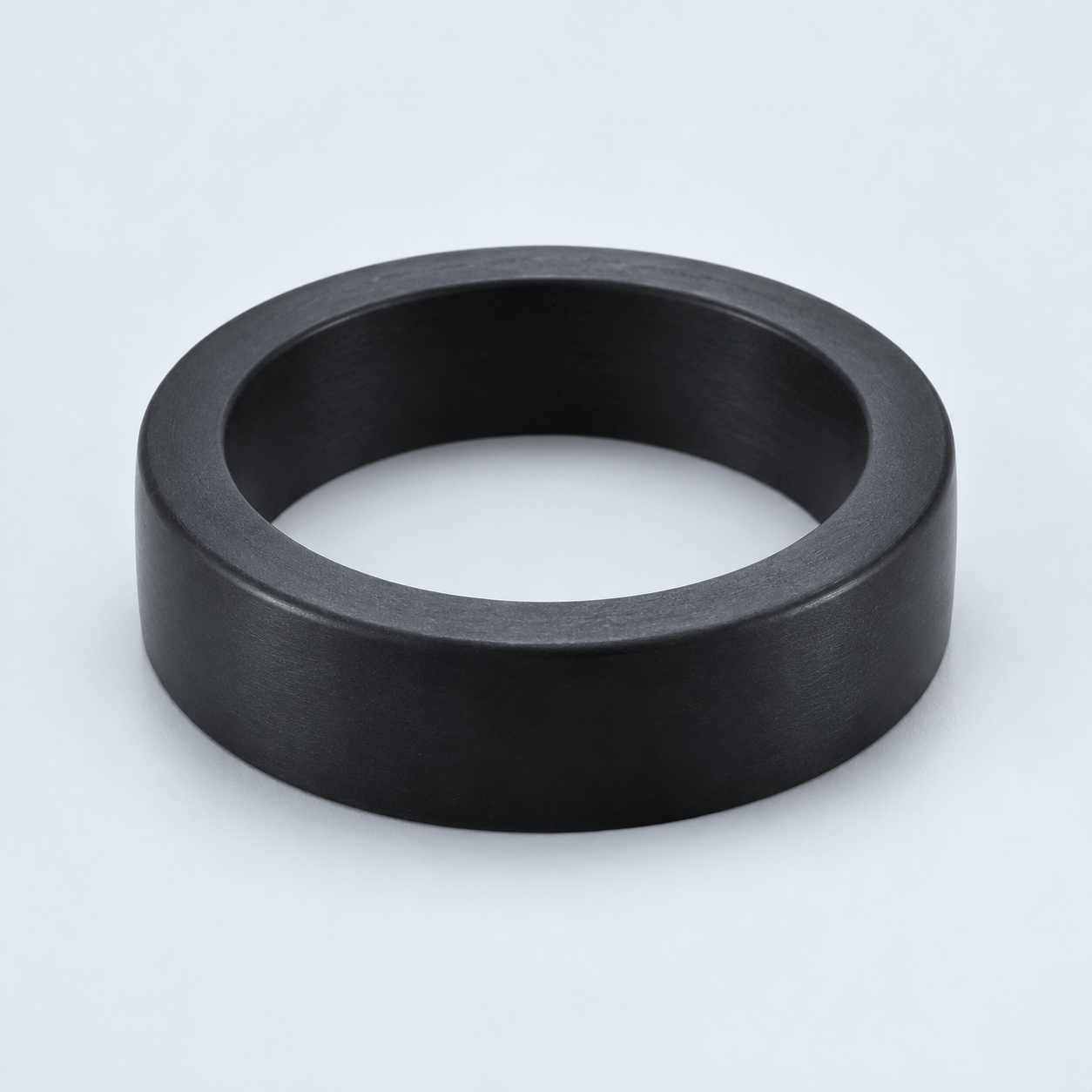 TPU / TPEReview flexibility and processing›
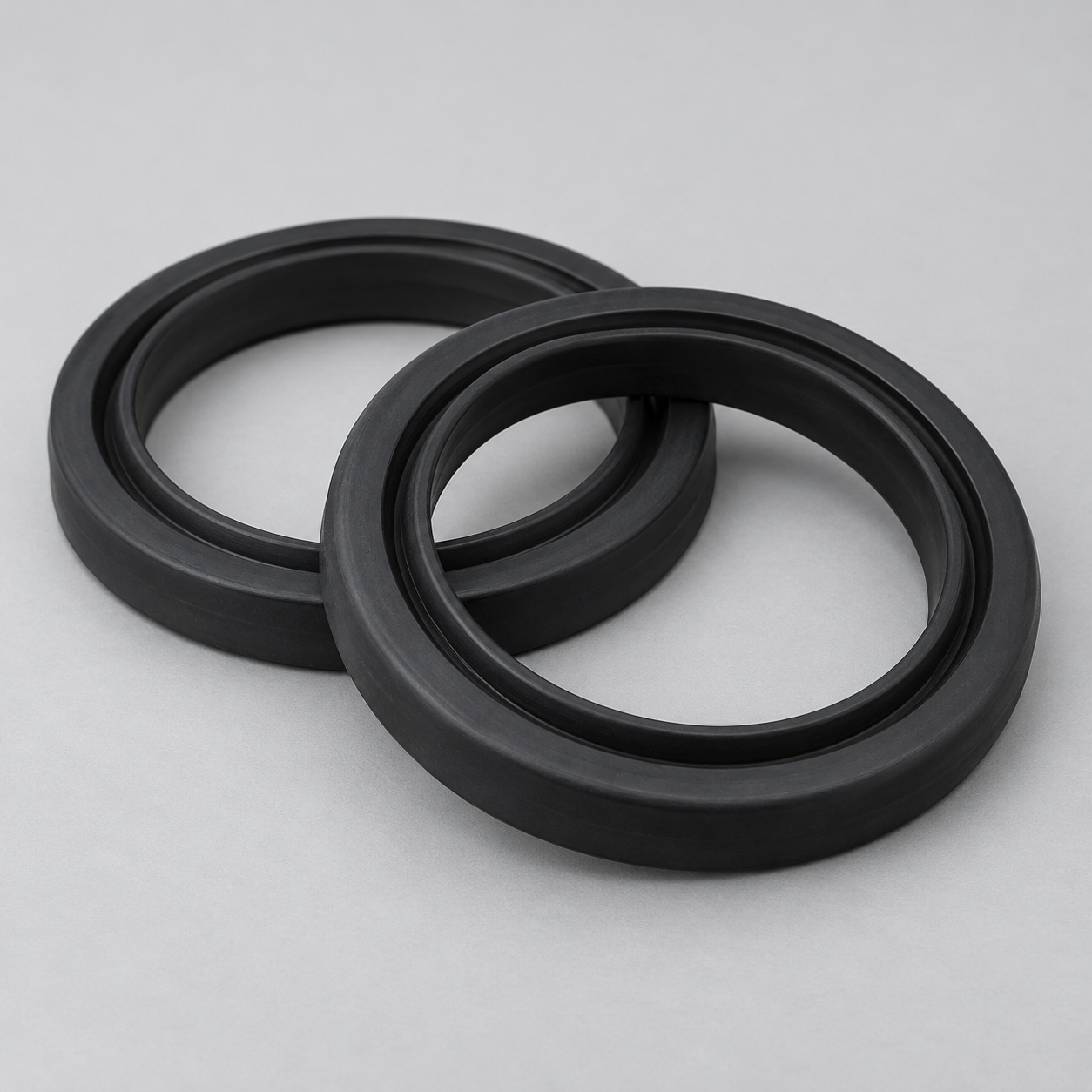 EPDMReview weathering and chemical exposure.›
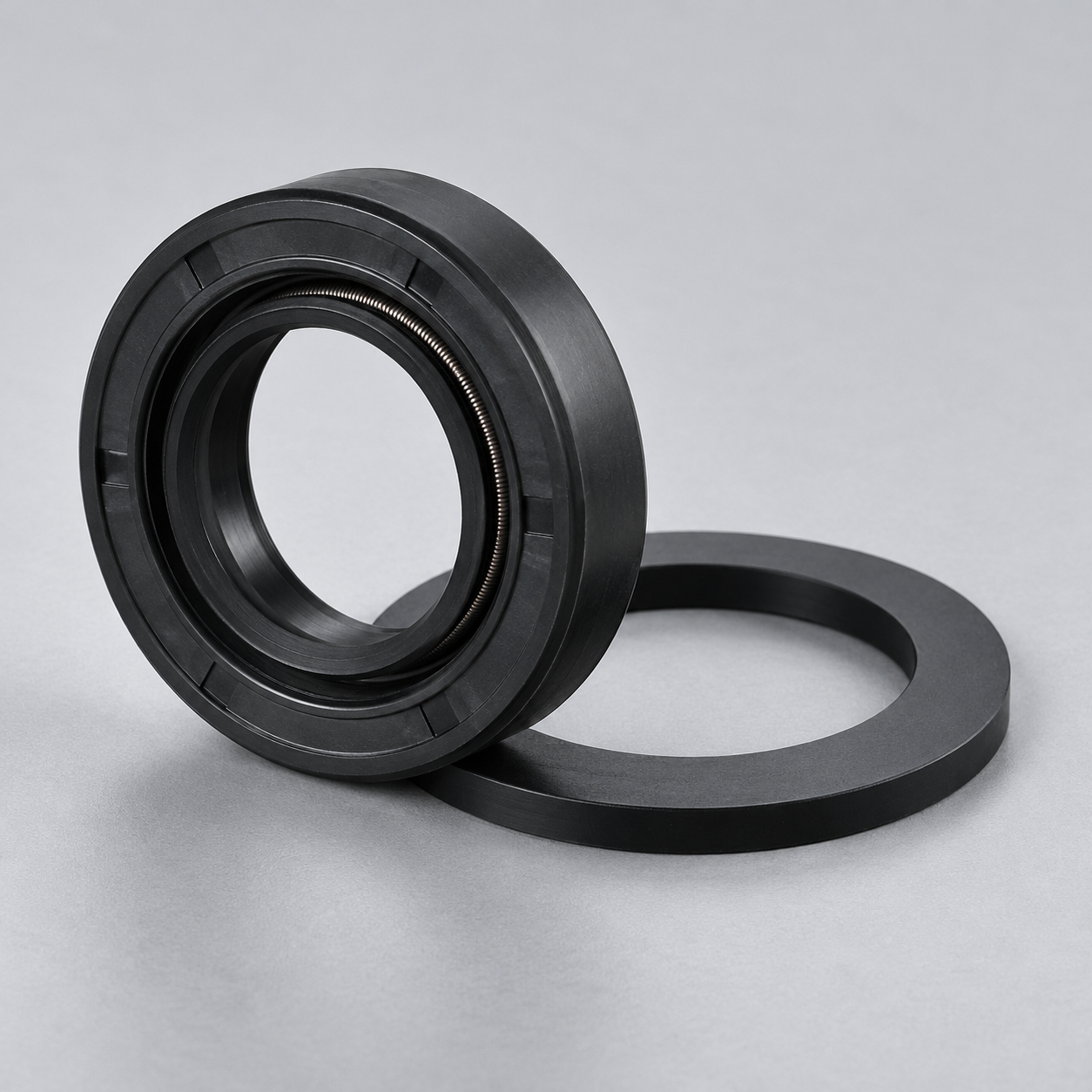 NBRReview oil and fuel exposure.›
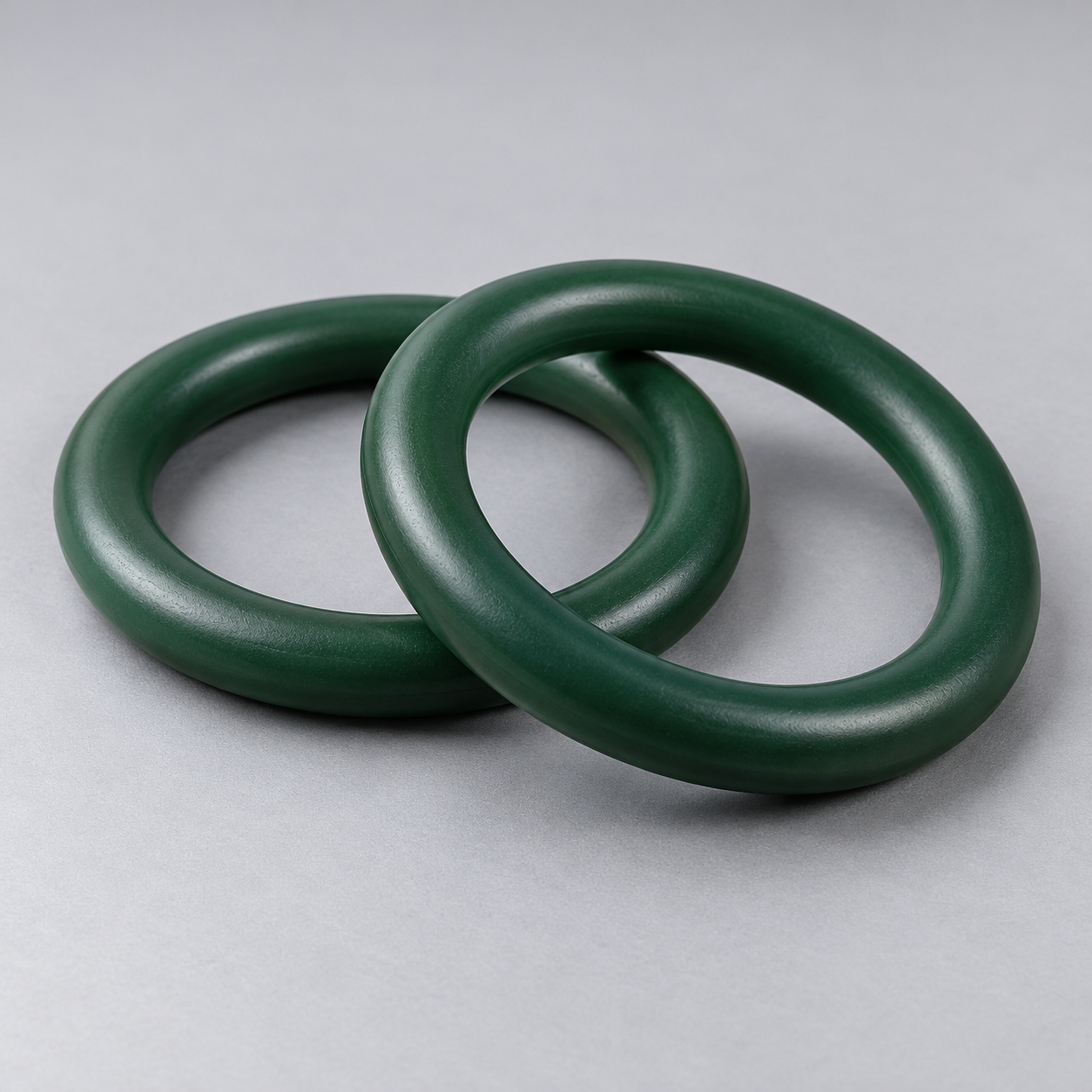 FKMReview temperature and chemical exposure.›
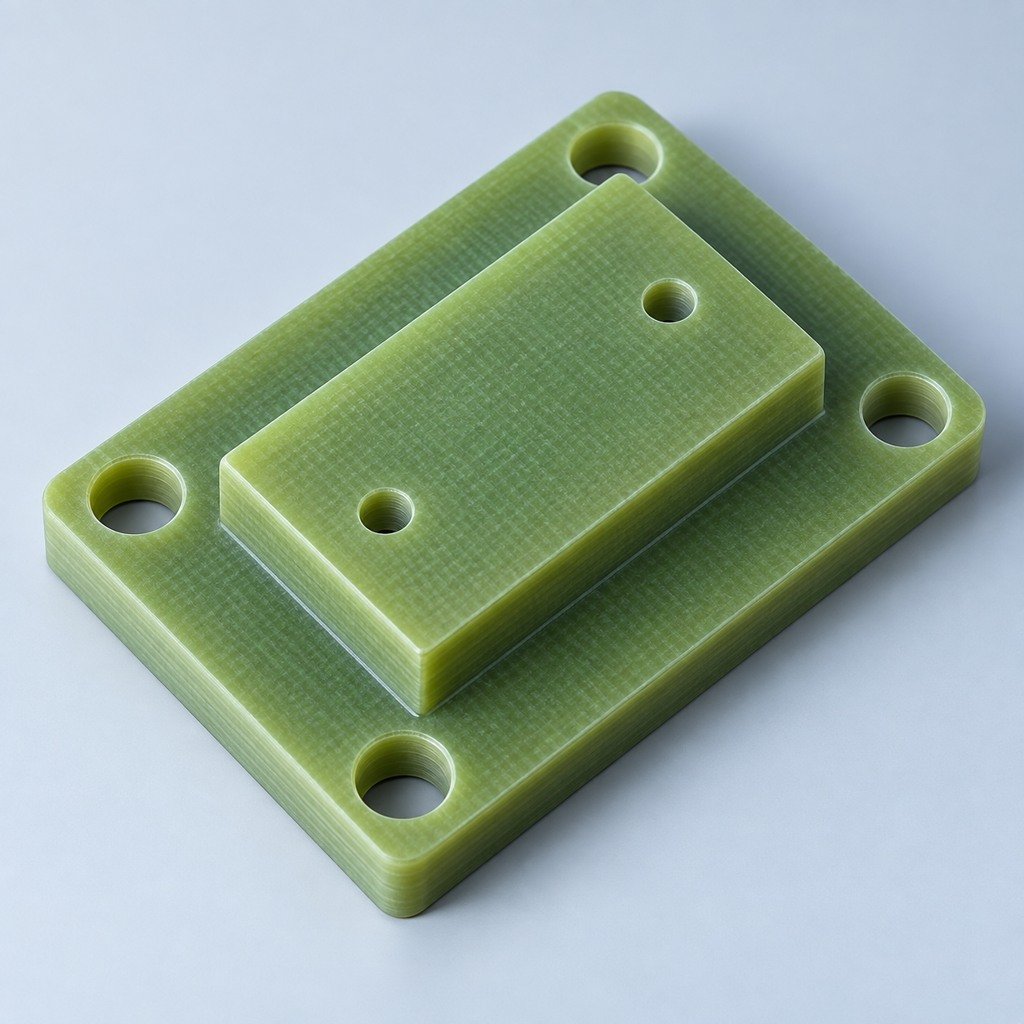 G10 / FR4Review insulation and laminate needs›
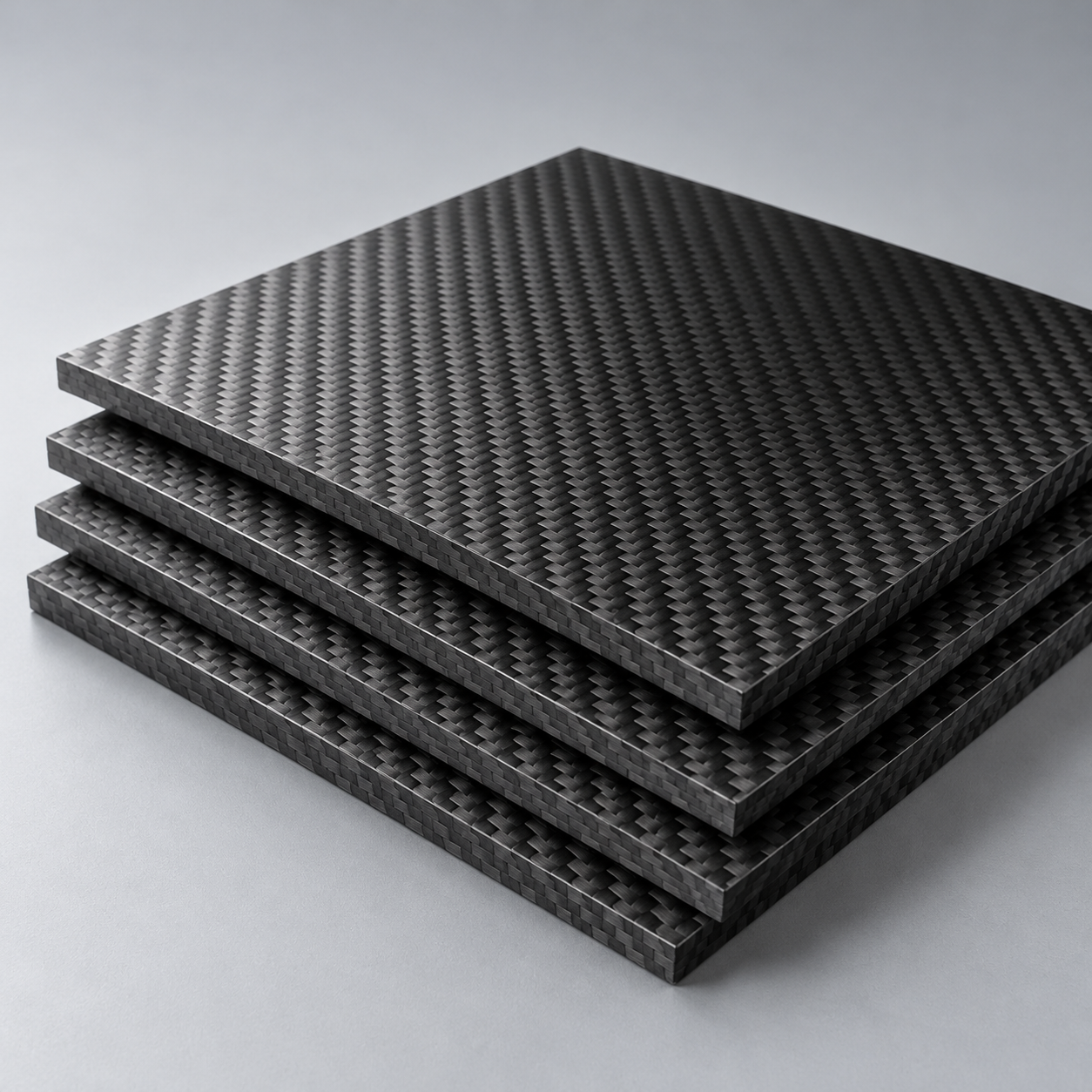 CompositesReview stiffness, weight and laminate.›Customer-Specified MaterialsConfirm your grade and requirements.›Other Specialty MaterialsDiscuss your application and grade.›
Practical guidance for your part geometry and material decisions.
Prepare your process, budget and sourcing questions.
Build your knowledge before production.
Learn who we are and how we operate.
Find our U.S. support team or start a conversation.
YOUR SCOPE. YOUR SAMPLE. YOUR SUPPLIER RECORD.
Use this machine shop supplier evaluation checklist to compare manufacturing scope, controlled requirements, sample evidence and order responsibilities. Record what has been reviewed before approving your supplier.
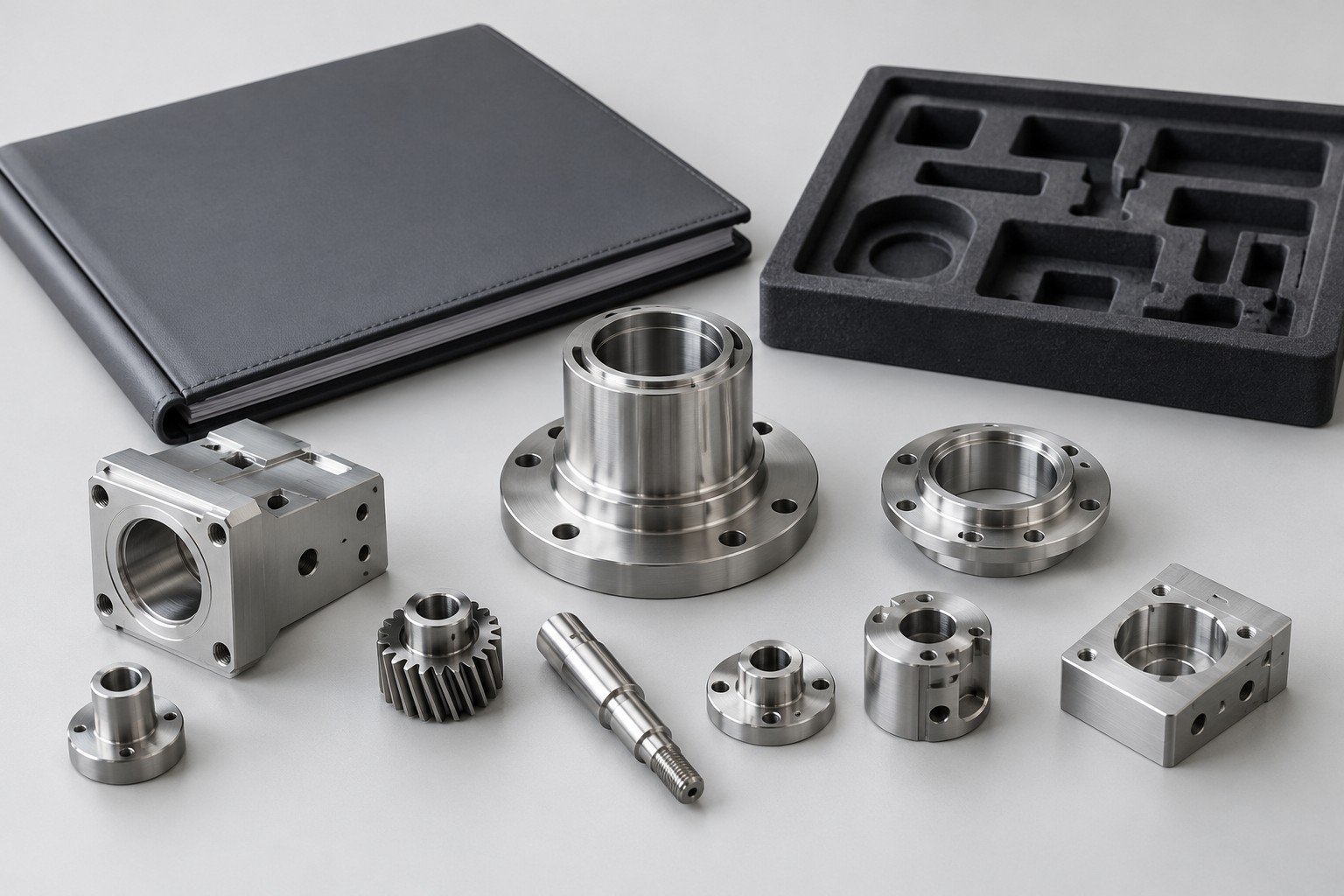
Identify the entity and included operations.
Connect the drawing, material and finish.
Agree what evidence your team reviews.
Define responsibilities for repeat orders.
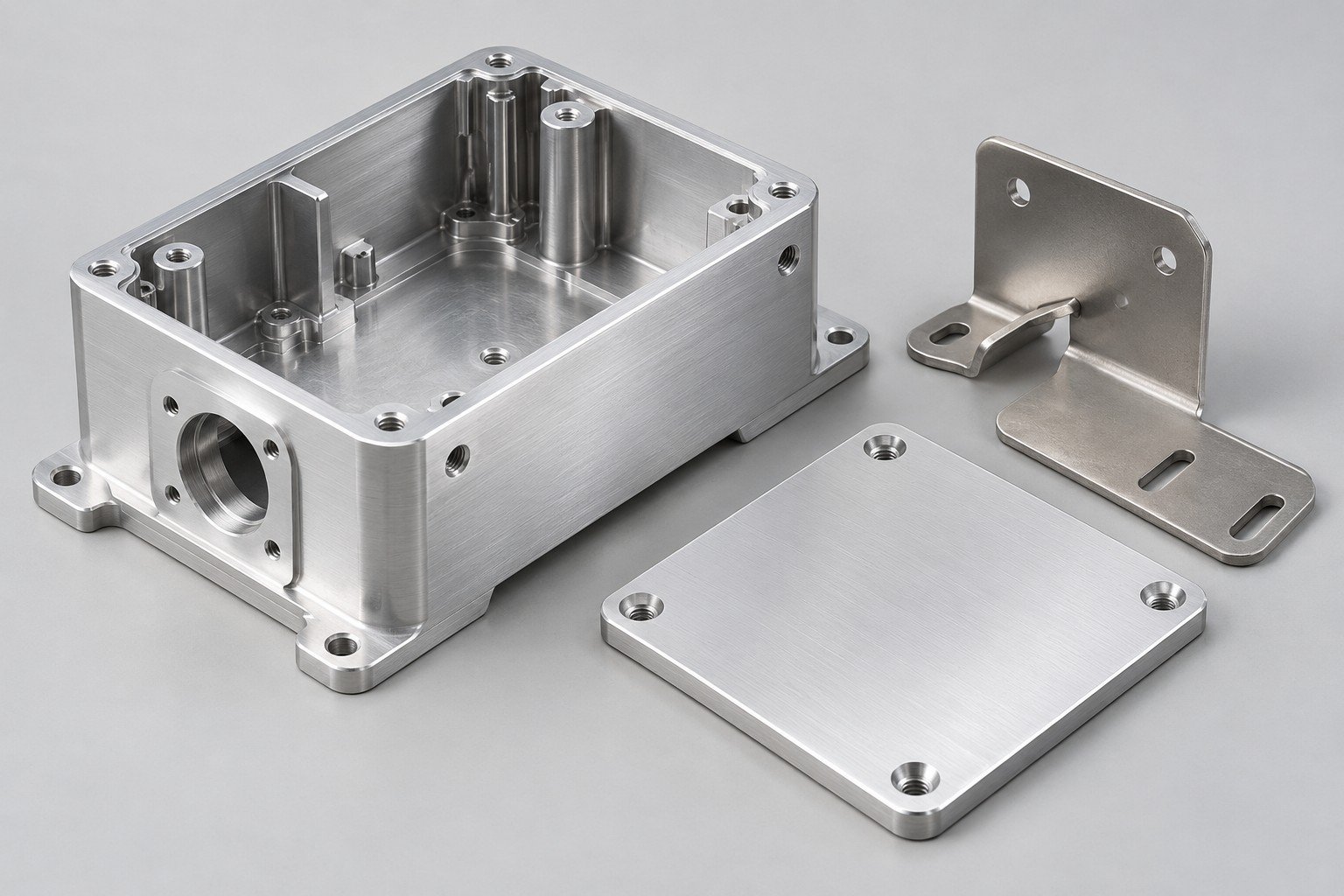
START WITH YOUR SUPPLIER REVIEW
Confirm the legal entity, manufacturing location, quotation scope and the contact responsible for the project.
Review machining, finishing, joining and outside work. Ask how requirements and records pass between operations.
Review the current certificate scope where relevant, inspection plan, sample requirements and document availability. A certificate does not accept your individual parts.
Use one approved baseline for your review.
Identify grade, condition and processing evidence.
Name acceptance checks and approval authority.
Obtain the required authorization before release.
Compare proposals against the same controlled scope. A lower total means little if the quotations cover different requirements.
| Review topic | Scope to compare | Your decision |
|---|---|---|
| Drawing baseline | Same revision, units, critical dimensions and agreed acceptance. | Confirm the same baseline or record the exception. |
| Material & finish | Same grade, condition, product form, treatment and masking scope. | Confirm the same baseline or record the exception. |
| Quantity & tooling | Separate sample, repeat quantity, tooling and any one-time scope. | Confirm the same baseline or record the exception. |
| Checks & delivery | Compare inspection records, packing, delivery assumptions and exclusions. | Confirm the same baseline or record the exception. |
FROM SUPPLIER REVIEW TO YOUR ORDER
Review the named organization, the work included in its quote and the evidence required for your part.
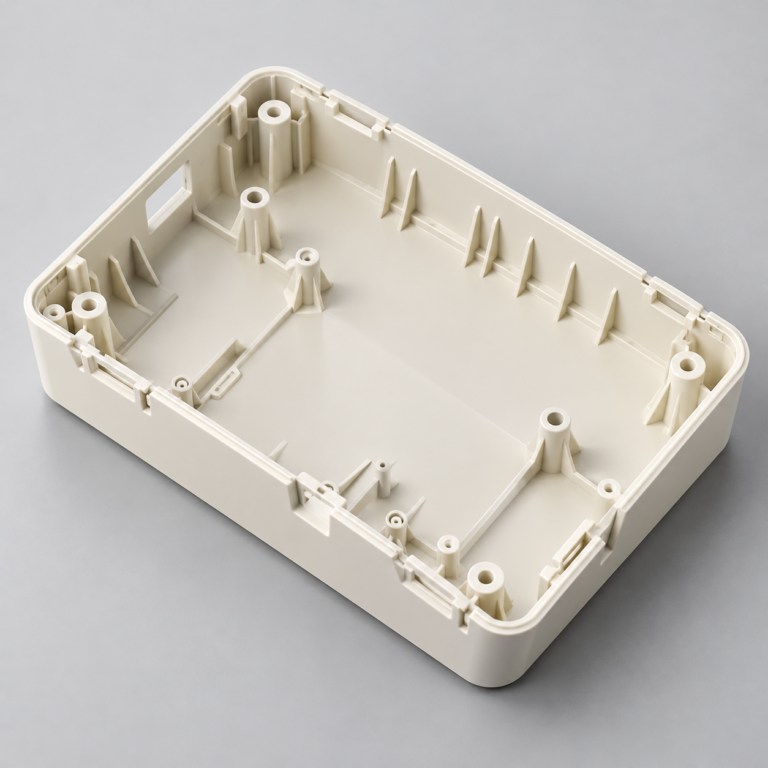
Explore company quality planning →These are illustrative component concepts, not competing supplier offers, case studies or price evidence.
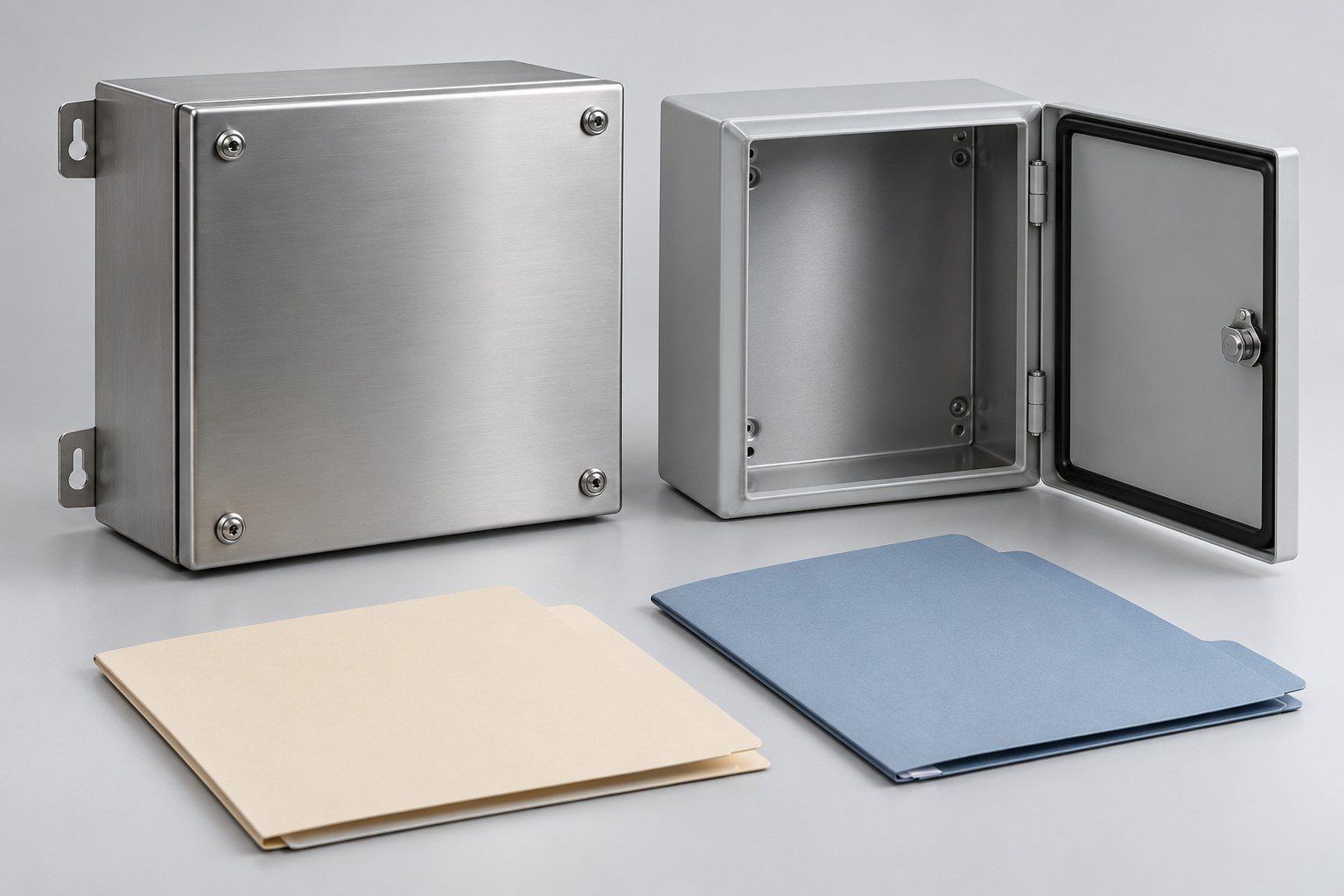
Use the checklist to identify unanswered questions. Keep the supplier documents and your approval decision in your own controlled purchasing record.
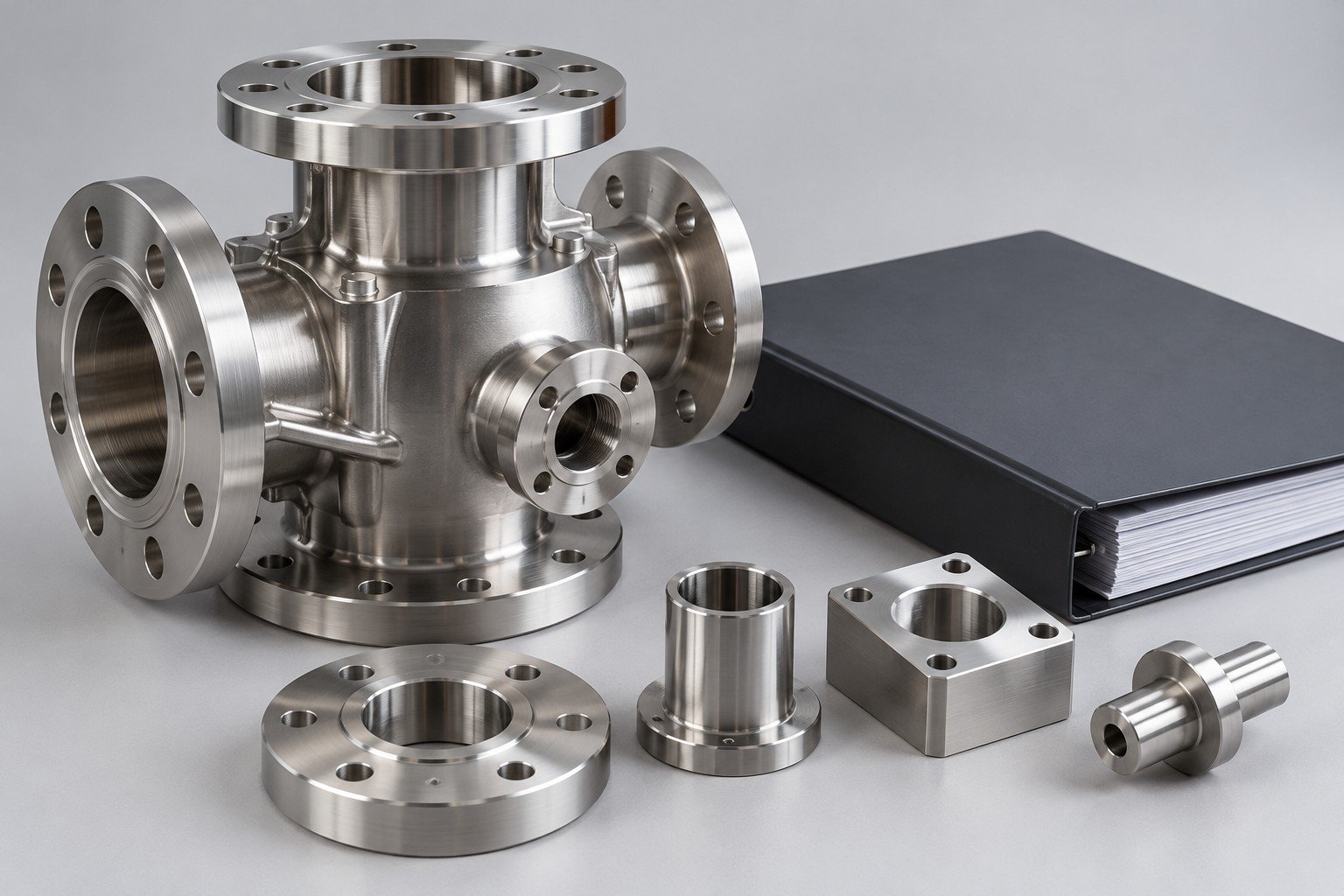
Manufacturing supplier sample evaluation should connect the approved revision to specific checks. Appearance alone does not establish dimensional compliance or application performance.
Review the critical dimensions, interfaces and inspection condition against the controlled drawing.
Agree the records that identify grade, condition, lot reference and required processing.
State who accepts each result and which application-level validation remains separate.
The concept caliper is closed and shows0.00mm as an illustrative zero check. It does not measure either pictured part.
Review company quality planning →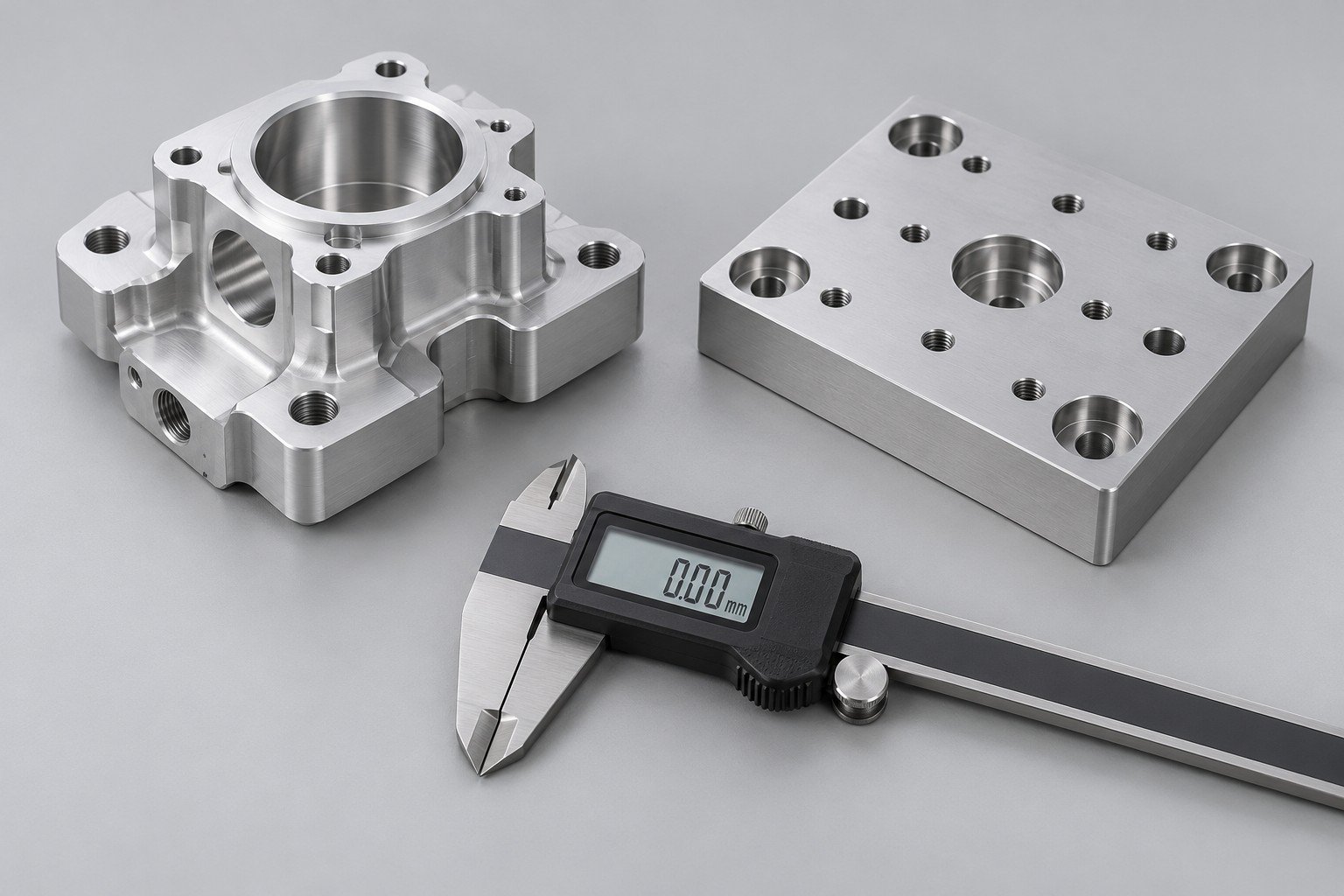
Define how revised drawings, materials and exceptions are approved.
Define which inspection and material records accompany the supplied batch.
Agree protection, cleaning, packing and identification requirements.
Identify contacts and the process for reporting, reviewing and closing an issue.
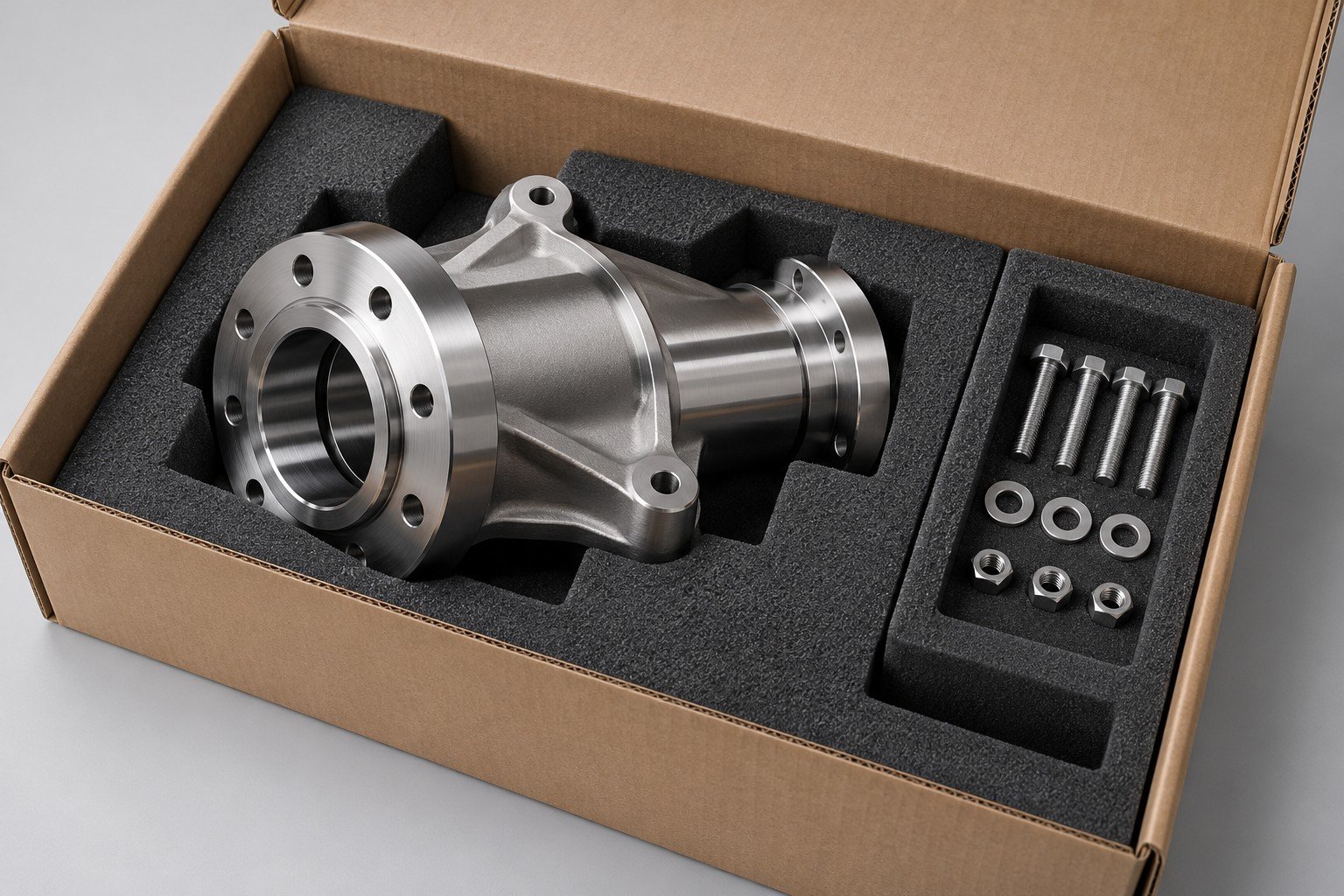
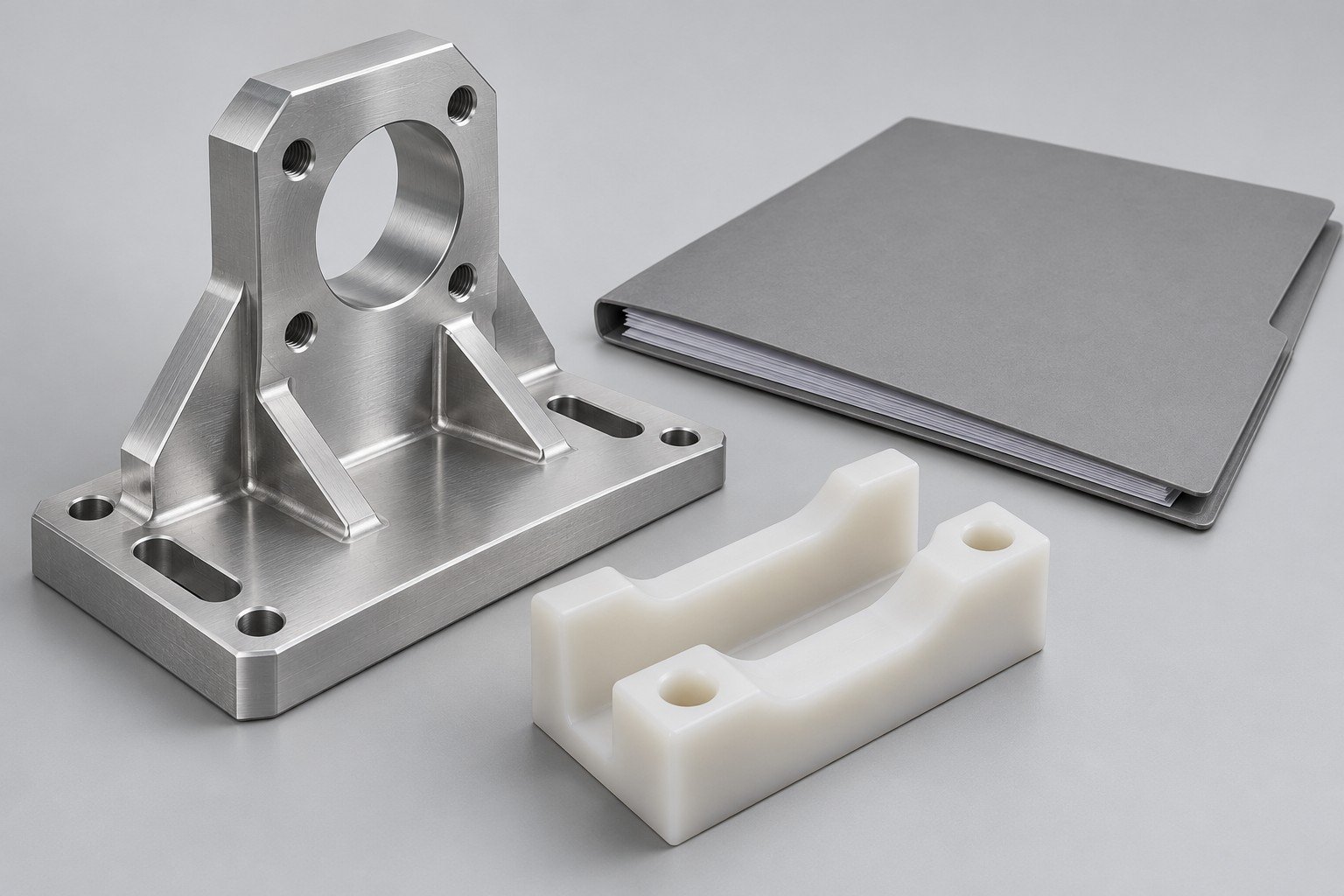
Agree contacts, affected quantities and approval responsibility for your order.
Identify the affected order, revision and parts.
Confirm authorized rework, replacement or other action.
Agree investigation and corrective actions.
Confirm the agreed evidence and retain your records.
Rework or a concession still needs the required authorization.
YOUR APPROVAL BASELINE
Use the review inputs and checklist above to identify unanswered questions. Your organization decides whether the supplier and sample meet your requirements.
Prepare DFM questions → · Review material identity → · Prepare the quote baseline →
Compare scope, controlled requirements, sample evidence, documentation and change responsibilities. Record unanswered questions and obtain your required internal approval.
No. It counts selected review checks only. Your organization decides qualification based on its requirements and evidence.
No. Review the current entity, site and certificate scope separately from the acceptance requirements for your parts.
Resolve the baseline first. Changes to geometry, material, quantity, finish or inspection can make the proposals cover different work.