Destination & scope
Provide the delivery address and agree the named place and shipping terms.
Core manufacturing processes for your prototypes, low-volume and repeat production.
Advanced manufacturing and engineering support for your complex, tight-tolerance parts.
Plan inspection, documentation and delivery around your production program.
Choose air- or liquid-cooling components around your thermal and mechanical requirements.

Manufacturing support for your cold plates, manifolds and cooling assemblies.
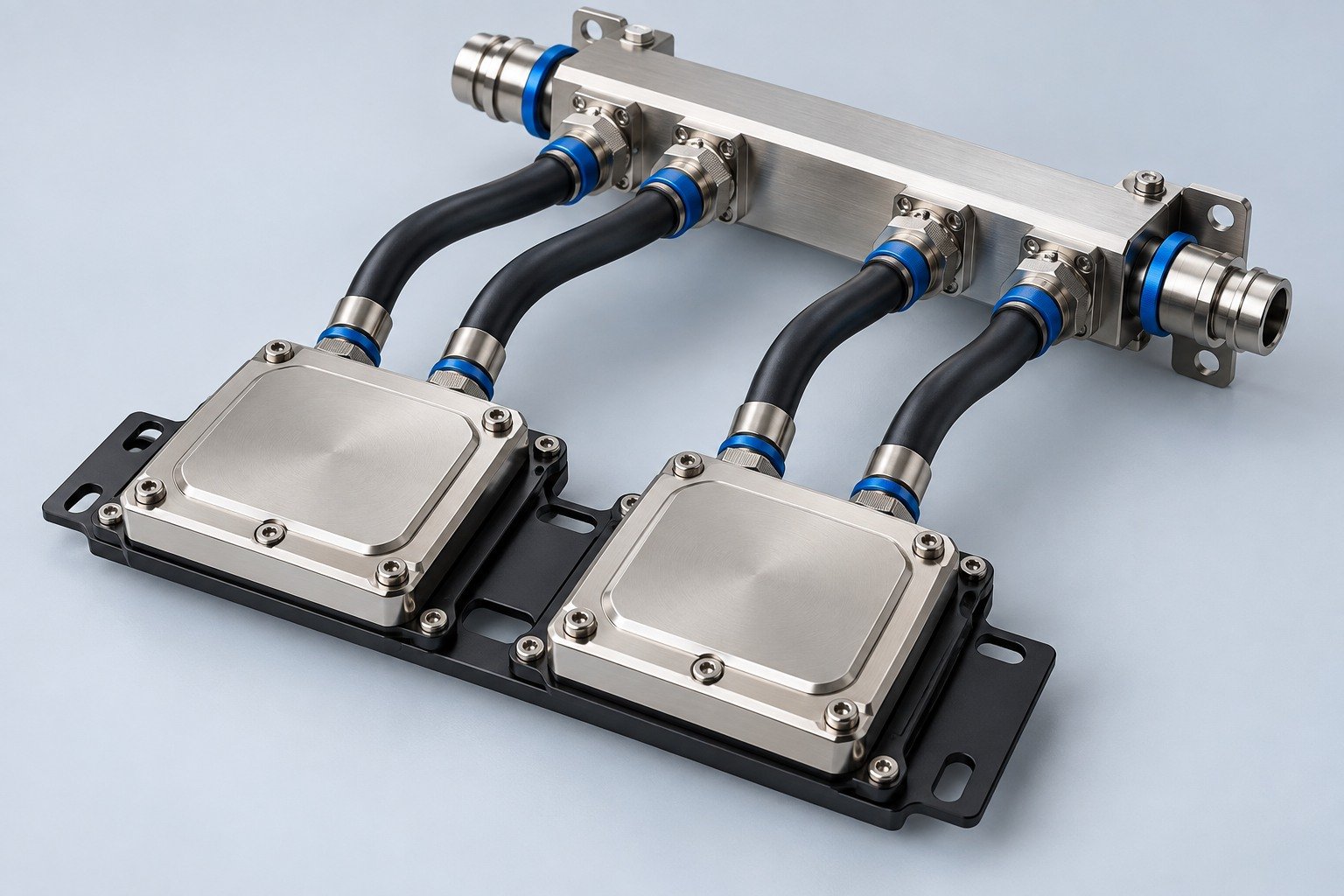
Find components for your power electronics, energy, laser and telecom application.
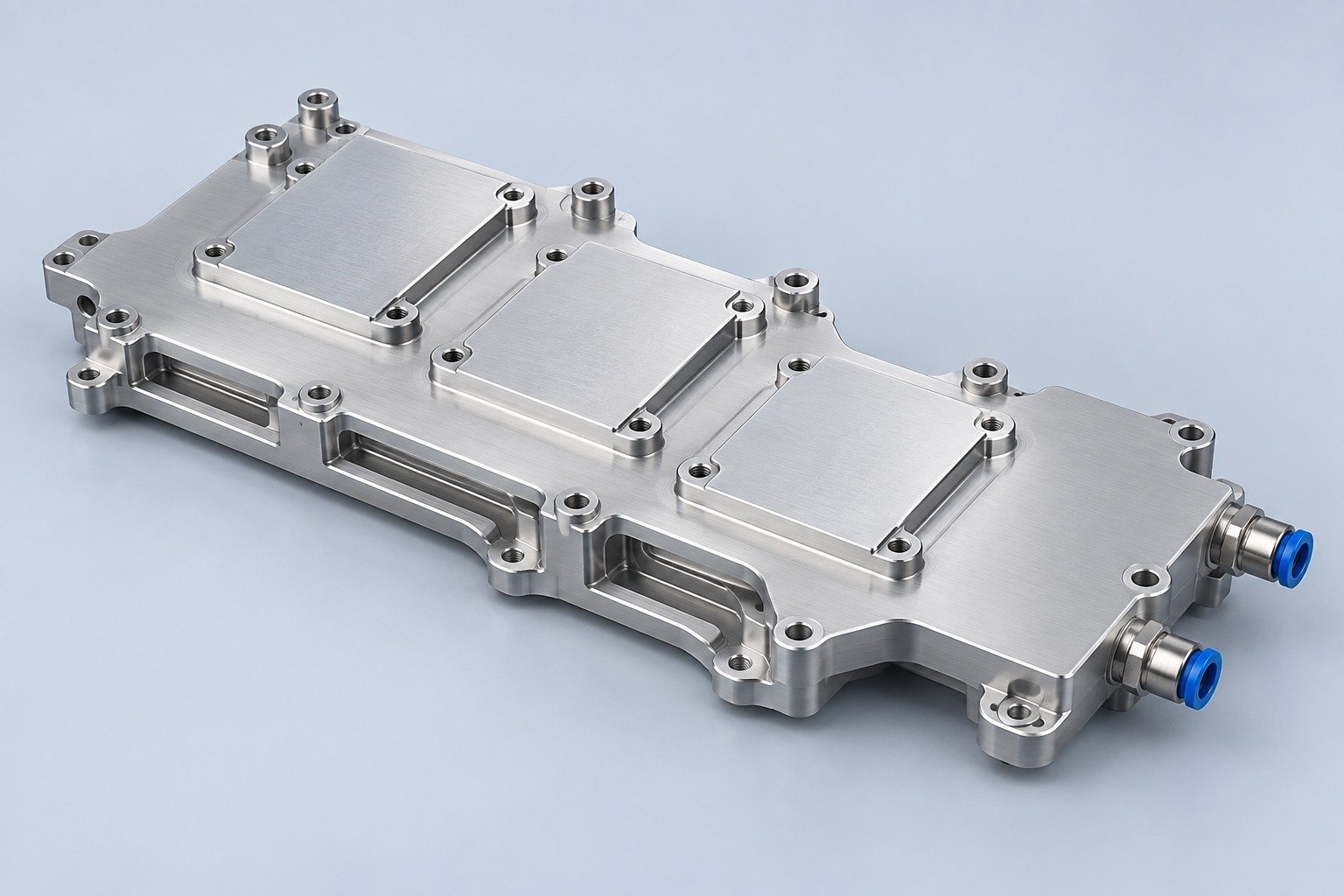
Components for your electronic systems.
Start with your functional and quality requirements.
Build around your operating environment.
Review grade, temper and finish for your metal parts.
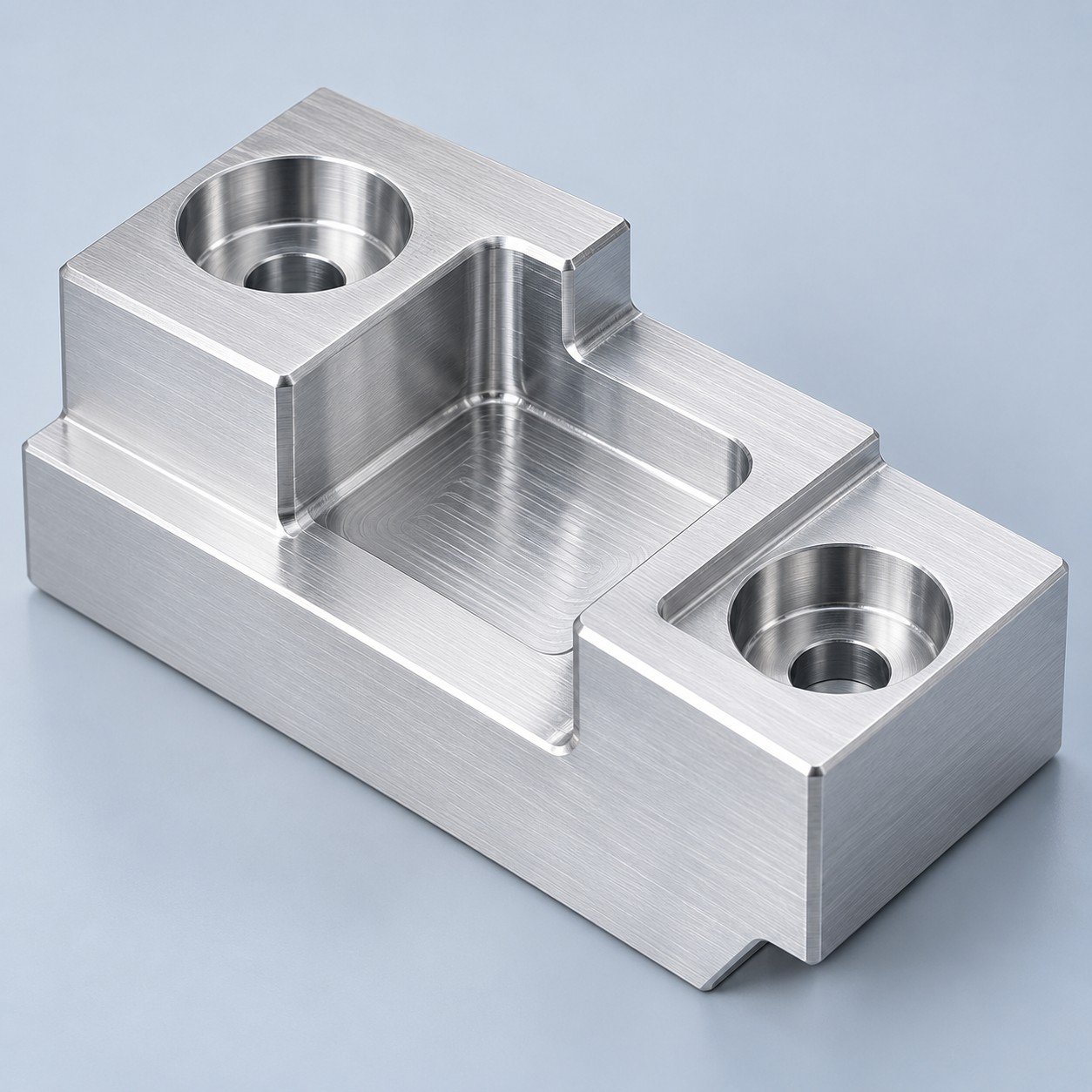 AluminumStrength, weight and machining
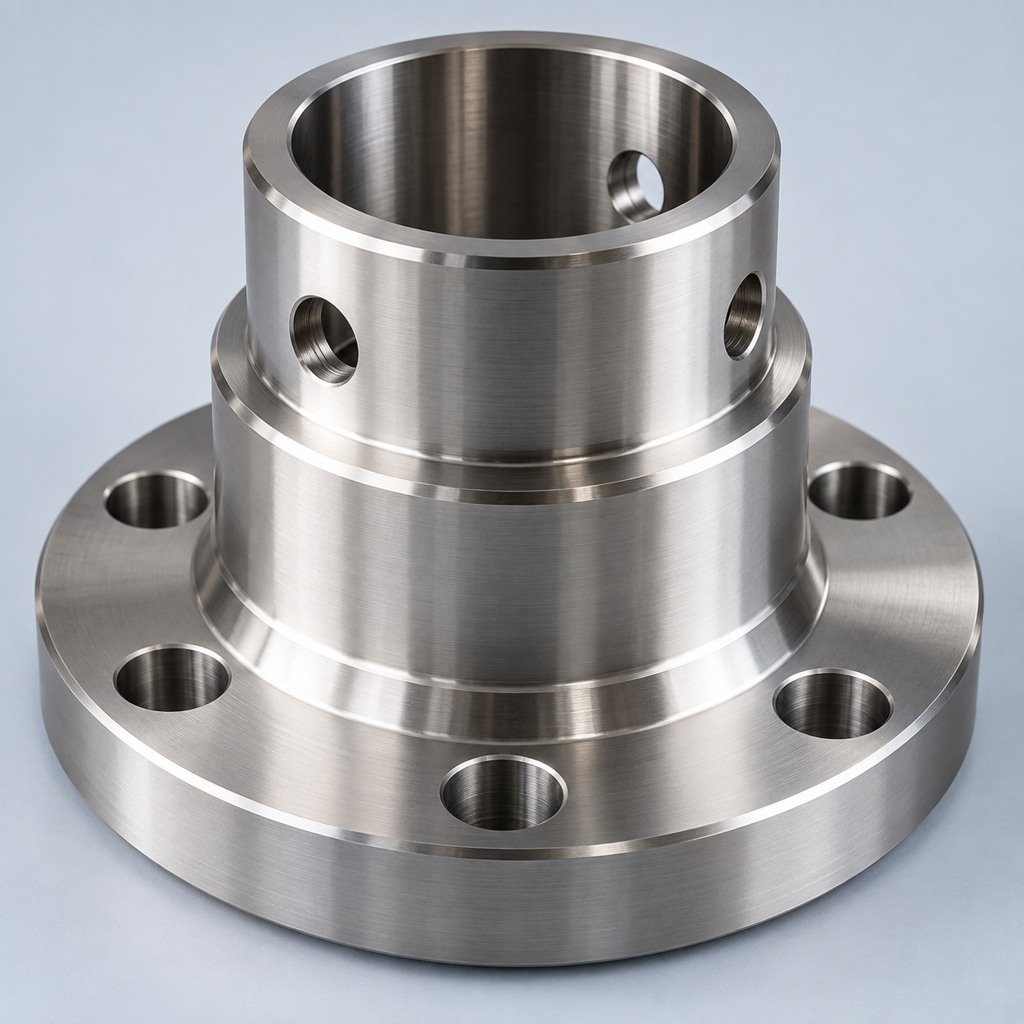 Stainless SteelCorrosion and finish requirements
 Carbon & Alloy SteelDiscuss grade and heat treatment
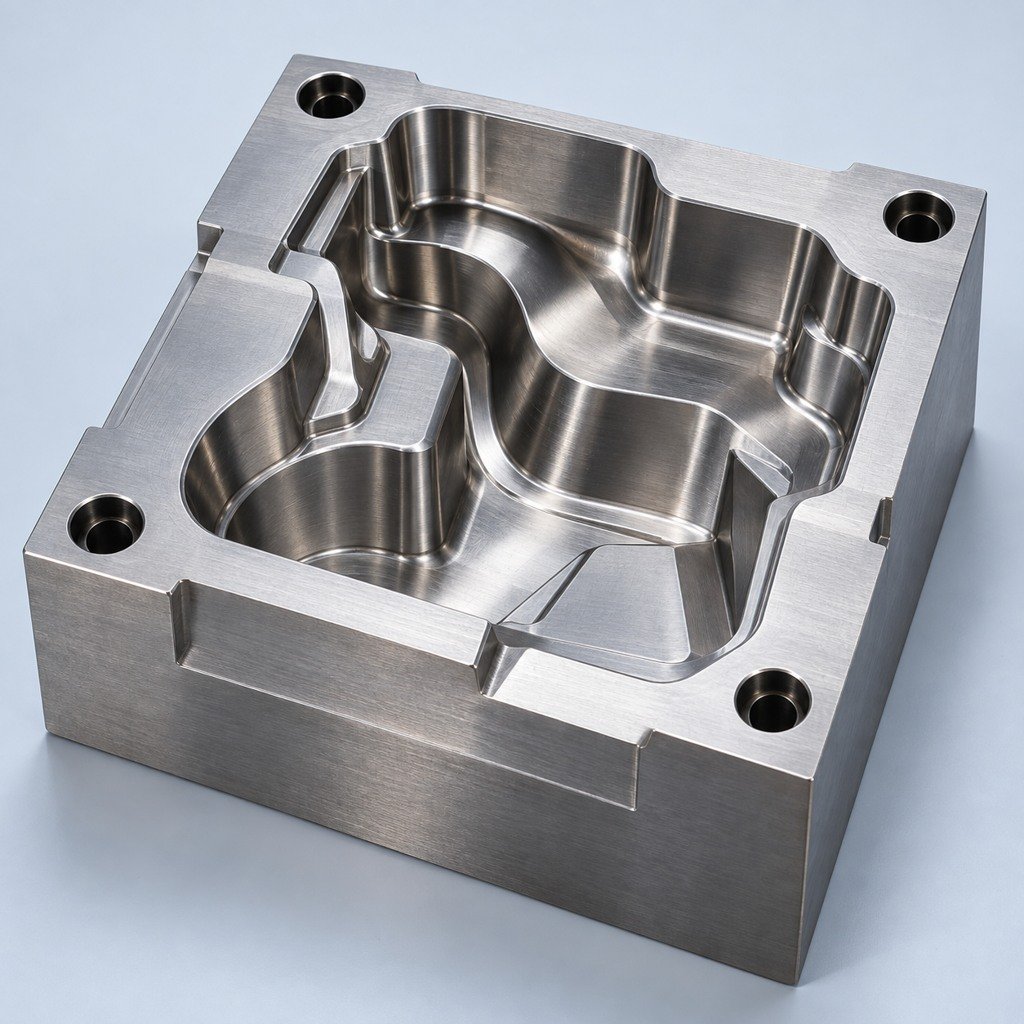 Tool SteelDiscuss tooling and wear needs
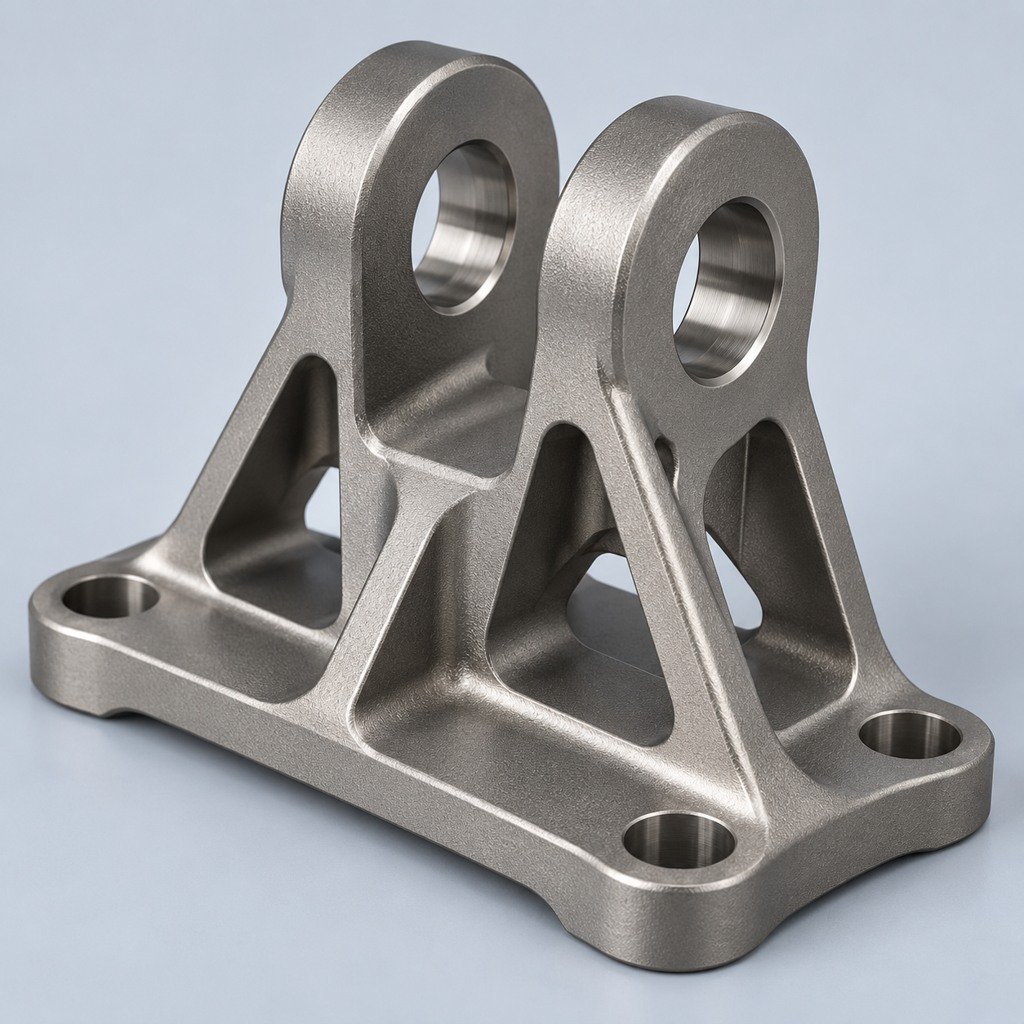 TitaniumReview grade and part geometry
 Copper & BrassDiscuss conductivity and machining
Match your polymer to function, process and environment.
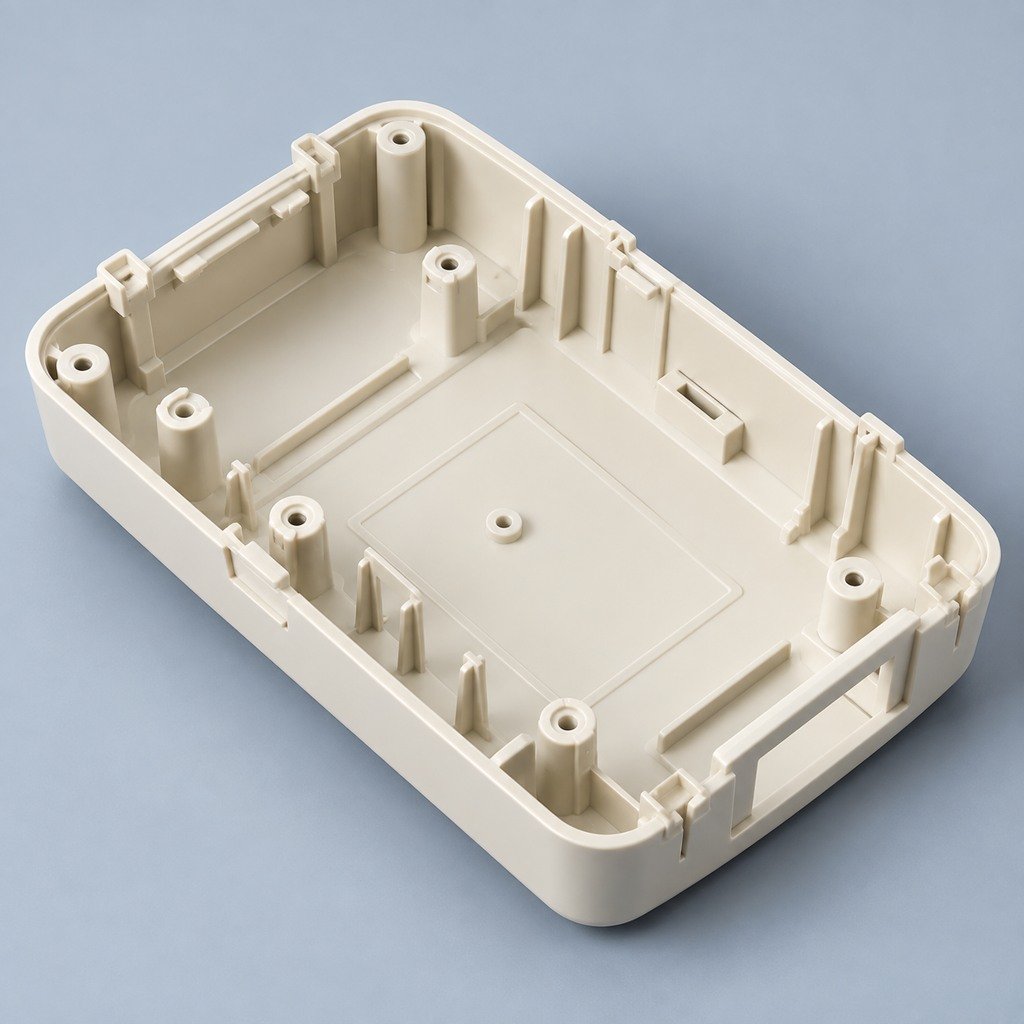 ABSReview enclosure and molding needs
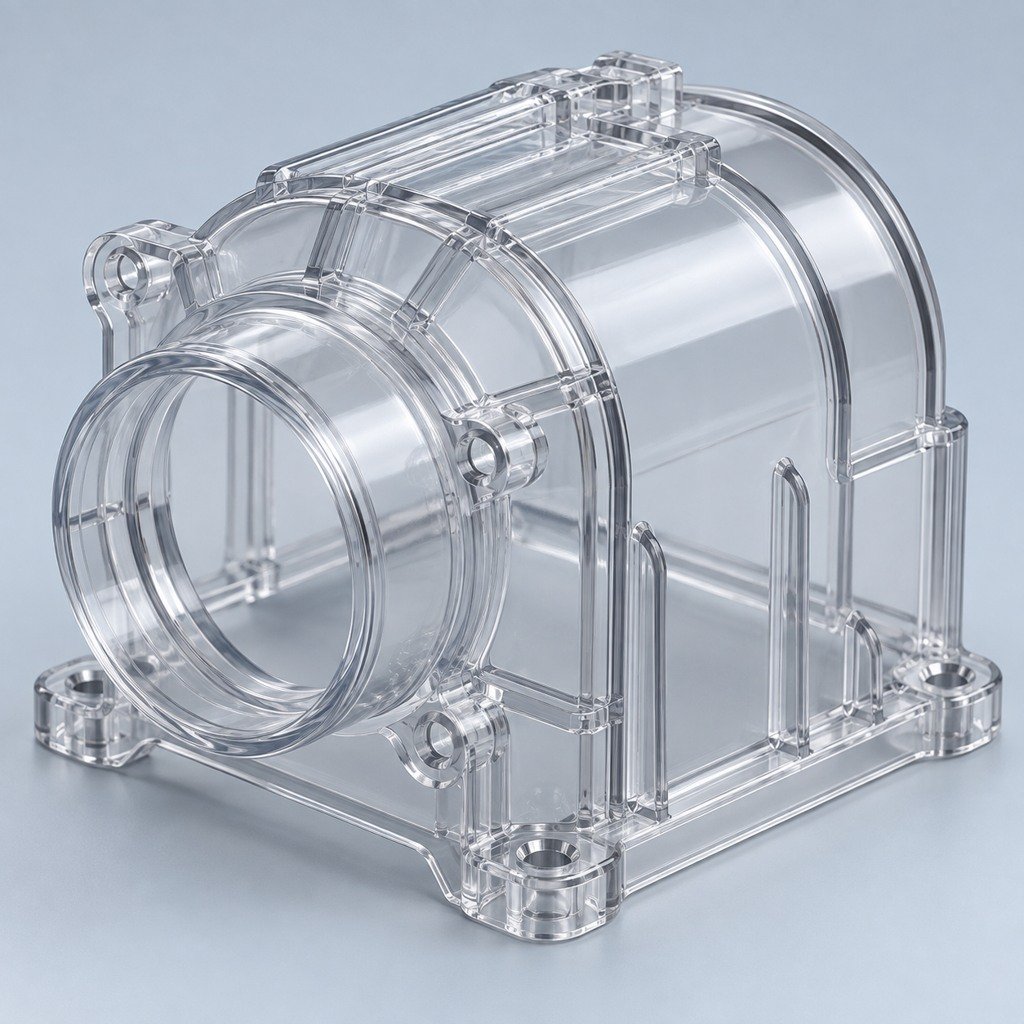 Polycarbonate (PC)Discuss clarity and impact needs
 Nylon (PA)Review moisture and wear conditions
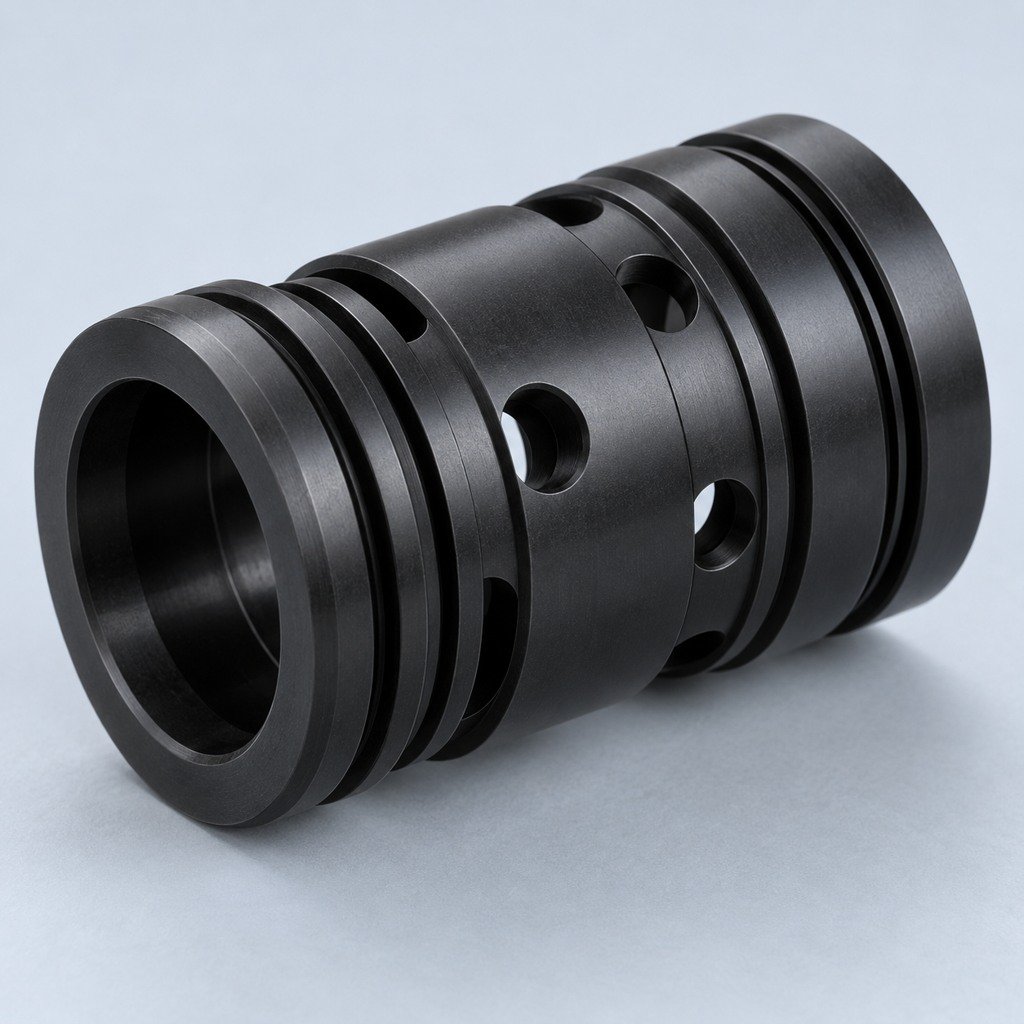 POM / AcetalReview fit and sliding features
 PEEKDiscuss operating conditions
 PTFEReview friction and chemical exposure
 ULTEM / PEIDiscuss thermal and electrical needs
Confirm grade availability and application requirements.
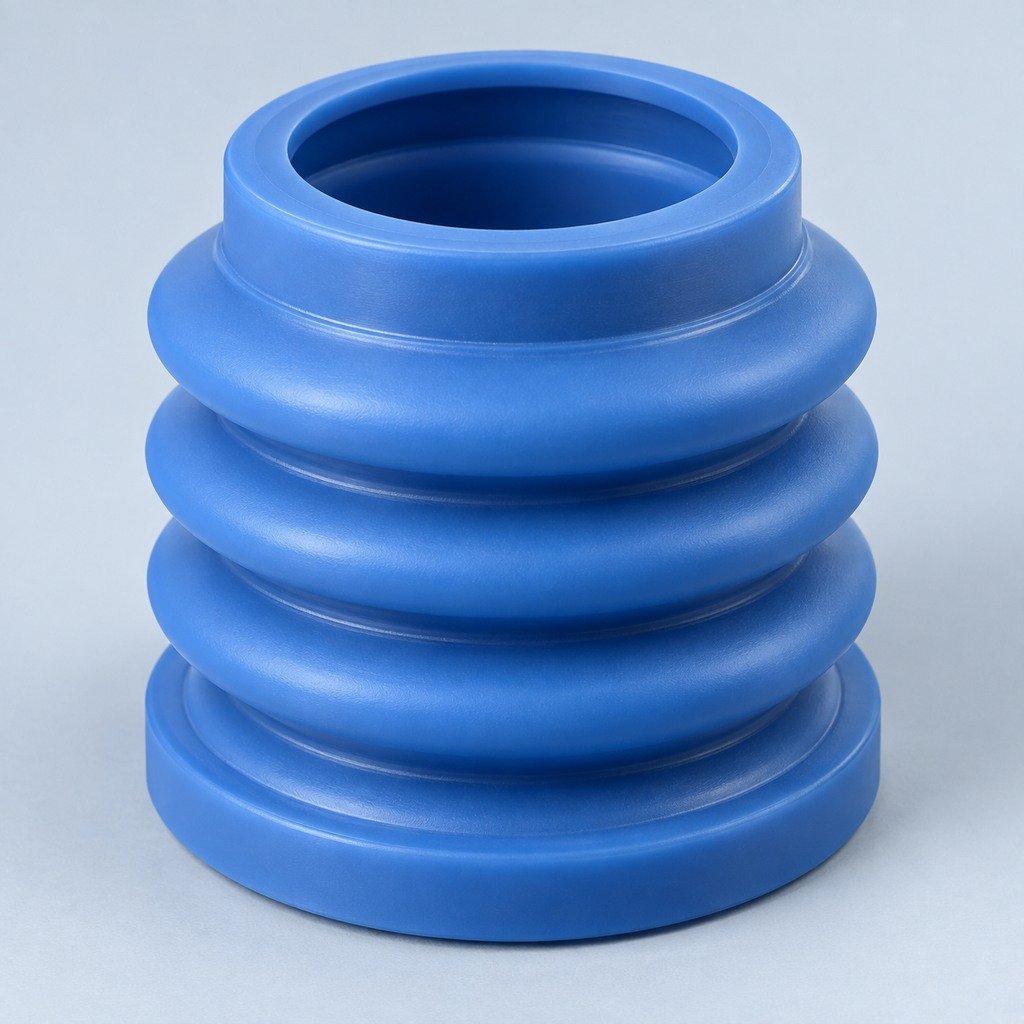 Silicone / LSRDiscuss flexible component needs
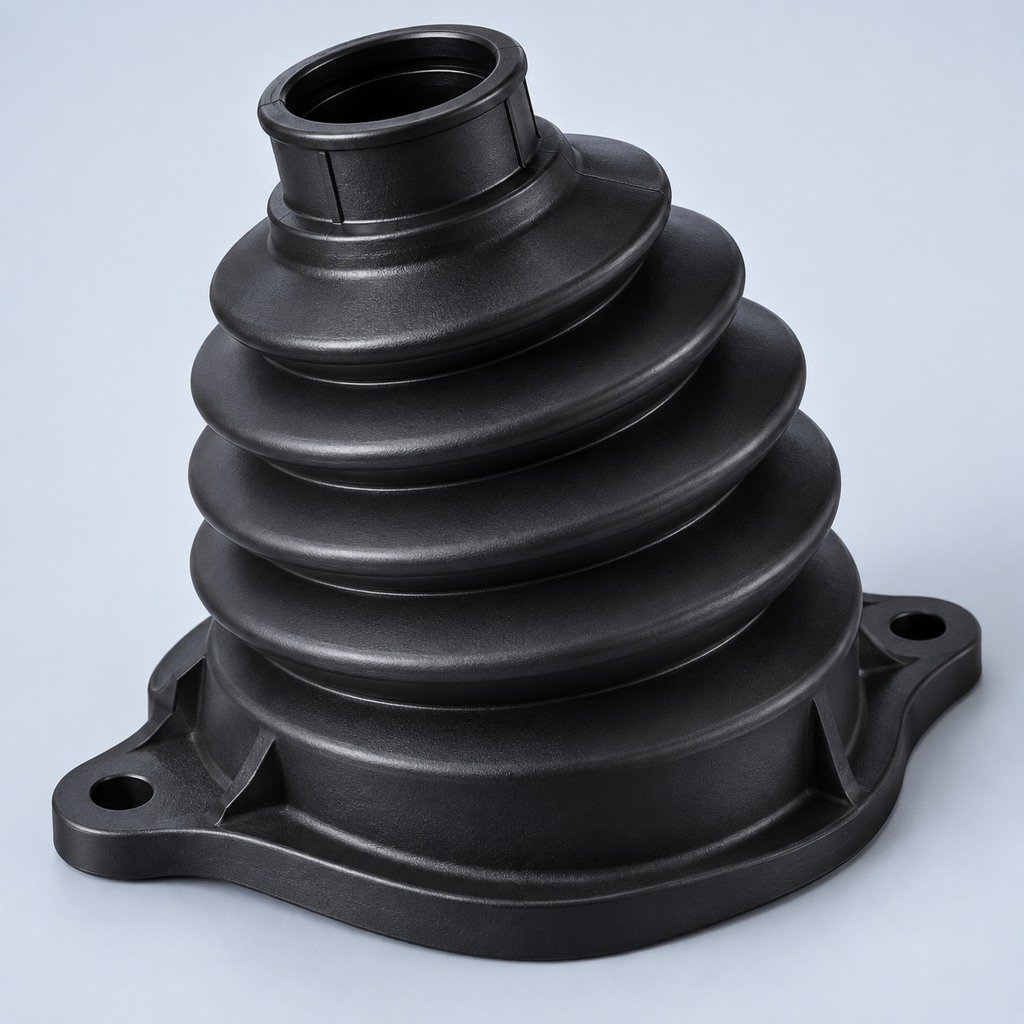 TPU / TPEReview flexibility and processing
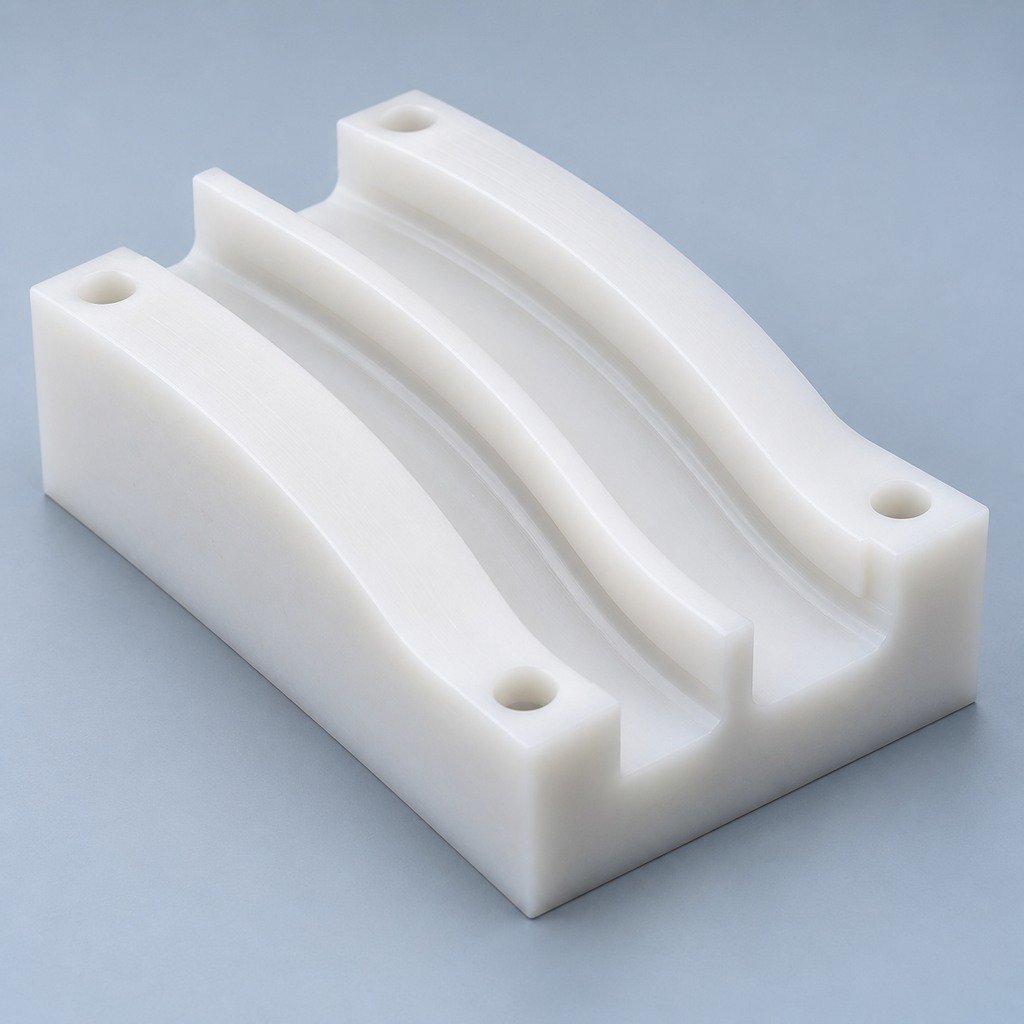 UHMW-PEDiscuss sliding and wear needs
 Acrylic / PMMAReview optical and cosmetic needs
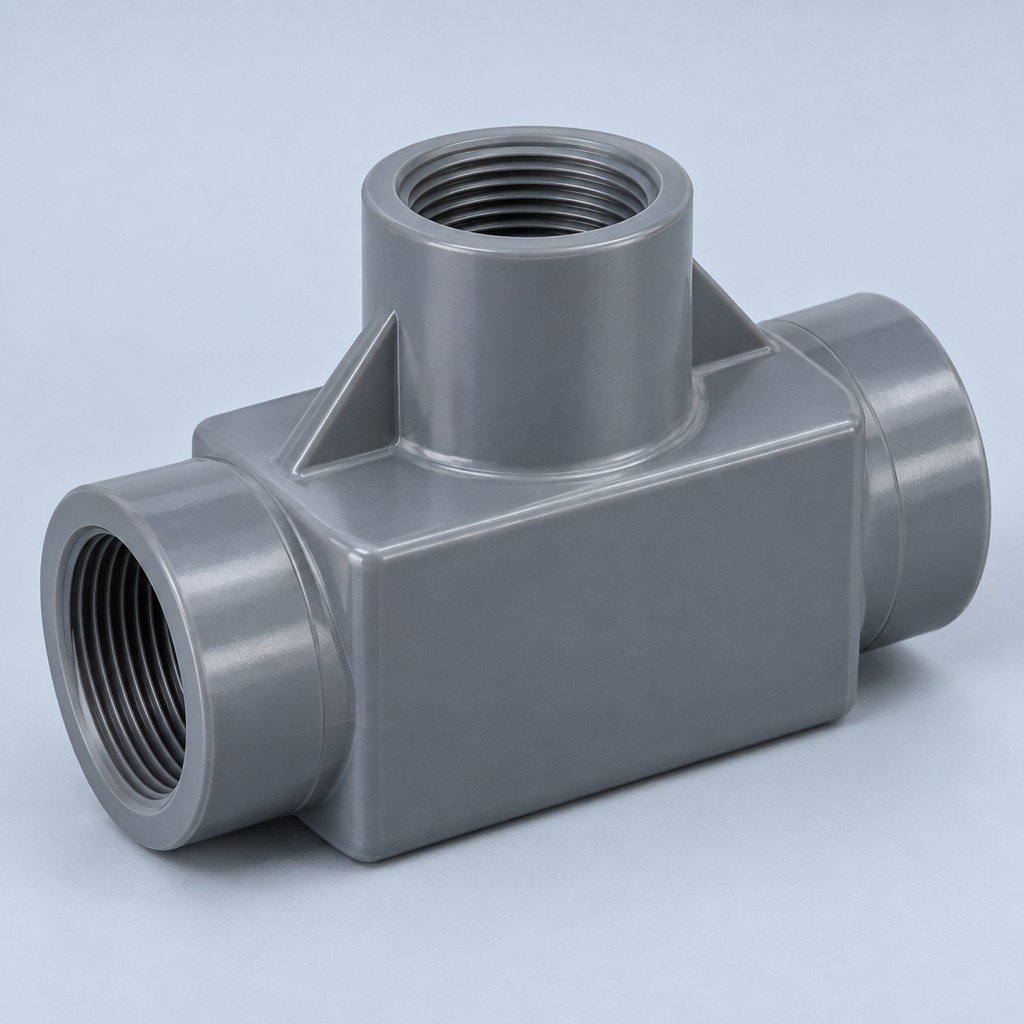 PVCDiscuss chemical exposure and grade
 G10 / FR4Review insulation and laminate needs
Practical guidance for your part geometry and material decisions.
Prepare your process, budget and sourcing questions.
Build your knowledge before production.
Learn who we are and how we operate.
Find our U.S. support team or start a conversation.
GLOBAL LOGISTICS FOR YOUR CUSTOM PARTS
Define your destination, required date, shipment size and documentation before choosing a freight route. Coordinate your custom-part shipment with production approval, packing and receiving responsibilities.
Share Your Delivery Requirements →Route, charges, customs responsibilities and delivery scope are confirmed for your order.

LOGISTICS OVERVIEW
Work backward from when and where your parts are needed. Review production release, packing, carrier handoff and destination receiving as separate decisions.

Provide the delivery address and agree the named place and shipping terms.
Provide part quantity, gross weight and packed dimensions.
Separate your preferred arrival date from any agreed carrier estimate.
Review critical surfaces, stacking, moisture and handling needs.
Agree invoice, packing-list and project quality-record scope.
Confirm who handles import clearance, duties and destination receiving.
Select the question your team needs to resolve first.

An option comparison tied to your timing; availability and transit are confirmed for the shipment.

A clearer scope comparison instead of a headline freight price.

A route review based on what will actually be handed to the carrier.

Fewer missing-information questions at carrier handoff.

A shared schedule that makes dependencies visible.

A repeat-shipment review using your current requirements, not an assumed identical order.

Review for time-sensitive production parts; compare weight, size and destination service.

Review for samples and smaller shipments; confirm handling and clearance scope.

Review for larger, less urgent shipments; include port, handling and destination responsibilities.

Discuss grouping approved parts when release dates and identification allow it.

Review project-specific Dallas-area receiving and scheduled releases. Explore warehouse support →
Destination, quantity, dates and responsibilities.
Complete your agreed inspection and approval.
Protect surfaces and label approved parts.
Confirm the agreed route and carrier documents.
Review tracking and clearance responsibilities.
Check condition, quantities and records at destination.
Timing depends on your approval, route, carrier and destination requirements; this workflow is not a fixed delivery-time promise.
DOCUMENTATION
Agreed product, quantity, value and shipment information.
Carton or pallet quantities, dimensions and weights.
Order-specific inspection or material evidence, when required.
Applicable documents confirmed for the shipment and destination.
Records linked to the approved part and manufacturing lot.
Additional receiving forms and format requirements agreed before dispatch.
6 record checks to agree before dispatch. Keep shipment, part and revision identifiers aligned.
Agree invoice and packing-list fields.
Define commodity and import responsibilities.
Identify your carrier reference and contact.
Attach agreed material and inspection evidence.
Match protection to your parts and route.
Confirm your address and delivery contact.

Agree required record types before pickup.
Check part number and drawing revision against packing records.
Define surface protection and handling before dispatch.
Review grouping and identify each partial release.
Agree responsibility and provide destination information early.
Review production release and receiving dependencies before booking.
5 shipment situations call for different decisions. Transit time, charges and service scope are confirmed for each order.
For your next review: compare required arrival date, sample size and the complete freight scope.
For your validation batch: link the approved part revision, sample identification and quality records to shipment.
For your ongoing demand: define shipment grouping, packing standards and receiving dates before dispatch.
For your mixed part list: confirm which parts can ship together and which dependencies may split a release.
For your local receiving plan: confirm responsibilities, stock scope and release instructions before freight booking.
Compare actual packed size, required date, destination and complete cost scope. The best fit depends on your shipment; this page does not prescribe one mode for all orders.
Yes. Specify your requested terms and named place for review. Availability, charges and responsibilities are confirmed in the order; this page does not promise every term for every shipment.
Provide the origin, destination, mode and required date. Carrier availability, clearance and production release affect timing. A project-specific estimate is reviewed before booking.
Start with your receiving and import requirements. Agree the invoice, packing list and any required origin, material or inspection evidence before pickup.
Discuss release dates, packaging and identification. Grouping can be reviewed when each approved part, revision and lot remains identifiable.
Discuss the receiving address, quantities and release plan. Project-specific warehouse scope and commercial terms must be agreed; direct shipment remains another option.
Agree update contacts and exception responsibilities. Keep shipment identity, packing records and receiving-condition evidence available for review.
No. The images on this page illustrate shipping situations and custom-part handling. They are not documentary photos of company facilities, carriers or customer shipments.
Images are illustrative logistics concepts. Freight scope is confirmed for your order.