A memorable display earns a conversation. A supplier evaluation report should show whether the proposed manufacturing route can deliver your part, your acceptance requirements and your commercial plan.
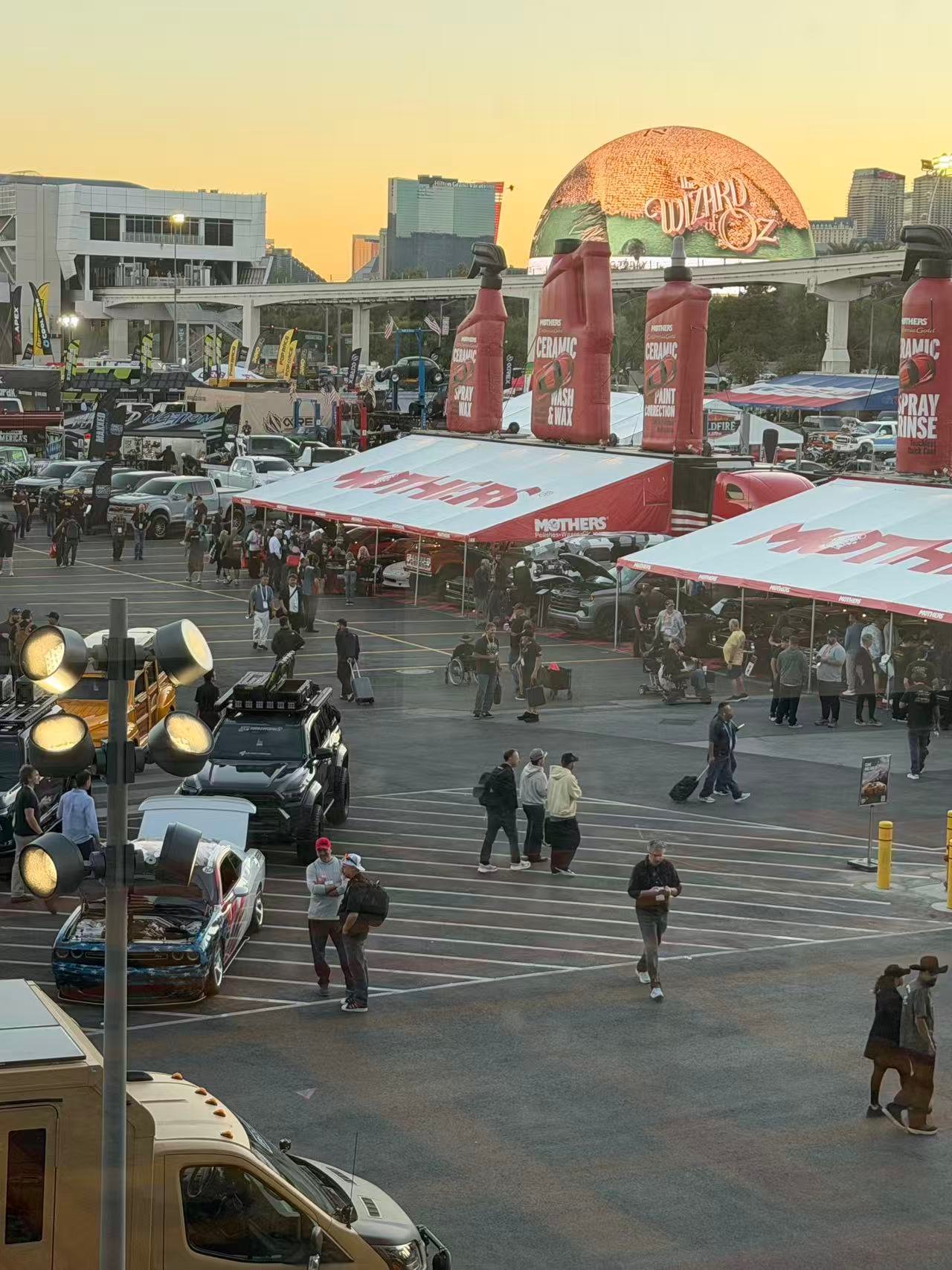
Start with a decision, then build the report
During SEMA week, purchasing teams can collect more contacts than they can meaningfully qualify. For an owner, the useful question is: what decision can we justify with the evidence we have, and what money or schedule are we putting at risk?
Choose the decision stage before assigning a score: request a quotation, authorize samples, approve a pilot, or release production. Each stage needs different evidence. A supplier may be suitable for an RFQ while still having unresolved production risks. Record that distinction instead of describing every promising contact as approved.
For the first screening conversation, use our automotive parts supplier qualification checklist. The report below turns those answers into a review procurement, engineering and management can use together.
The one-page management brief
- Decision requested: exactly what the team is being asked to authorize.
- Evidence available: what has been checked, by whom, against which revision.
- Open risks: unresolved technical, quality, delivery and commercial questions.
- Exposure: sample, tooling, inventory and payment commitments.
- Next gate: what must be demonstrated before the next commitment.
Use display vehicles to sharpen your questions
A complete vehicle makes the application visible. It does not reveal who manufactured each component, which drawing was approved, or how repeat batches were inspected. Turn visual interest into a requirements conversation: where does the component mount, what does it connect to, how is it serviced, and which characteristics determine acceptance?
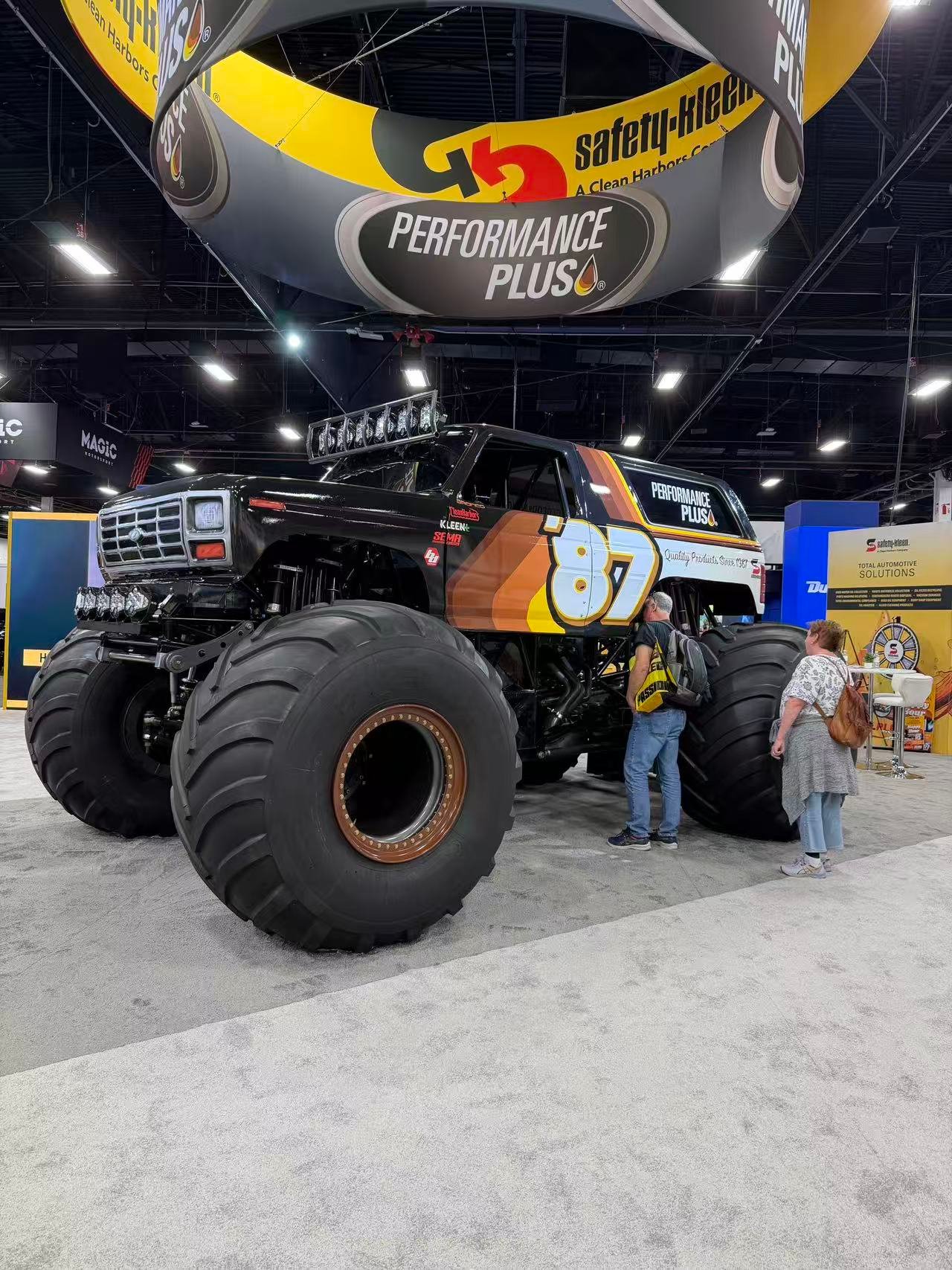
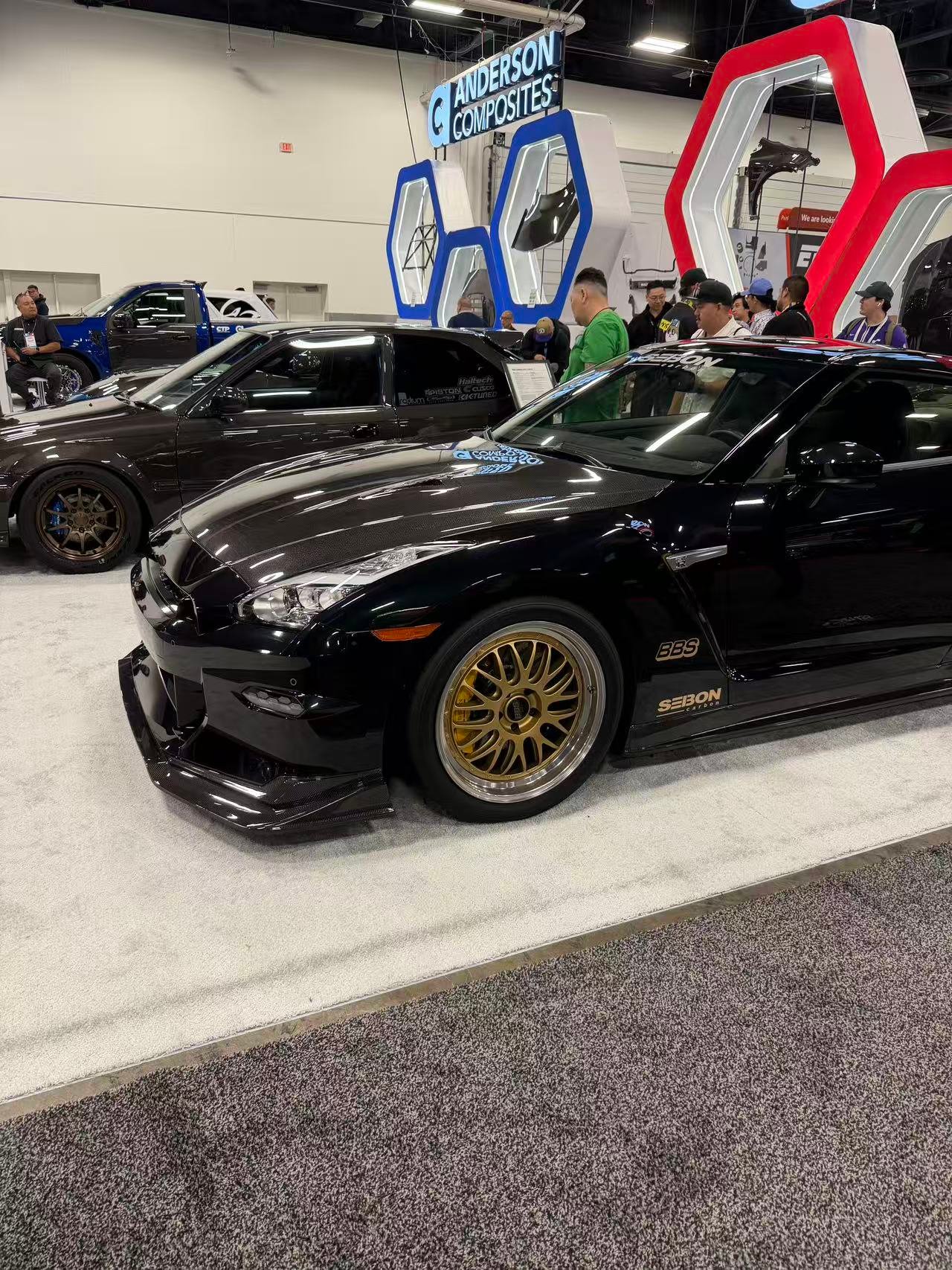
For appearance-sensitive components, agree viewing conditions, a reference sample, acceptable variation and packaging protection. For a bracket or housing, ask engineering to identify datums, mating features and measurement methods. Do not infer strength, material grade or production capability from a photograph.
Separate observations, supplier statements and verified evidence
A useful report makes the status of every important claim visible. “Supplier says capacity is available” and “capacity assumptions reviewed against the planned release schedule” are different levels of confidence. Neither should be silently converted into a guaranteed delivery promise.
| Report section | Evidence to request | Record before advancing |
|---|---|---|
| Technical fit | Drawing review, process route, difficult-feature comments and subcontracted steps | Approved revision, manufacturing site, reviewer and exceptions |
| Quality and traceability | Relevant inspection example, material records, measurement approach and corrective-action process | Acceptance criteria and how records connect to the delivered lot |
| Delivery readiness | Material availability, capacity assumptions, approval milestones and recovery options | Conditions behind lead time and the owner of each dependency |
| Commercial scope | Itemized quote, tooling, inspection, packaging, logistics and exclusions | Comparable scope, payment milestones, ownership and change rules |
Keep an evidence register with document name, date, source, reviewer and status: observed, supplier-stated, verified or missing. If certification is required, check its entity, site, scope and validity through an appropriate verification route. Part-specific approval remains a separate decision.
Look beyond the visible component: assembly interfaces matter
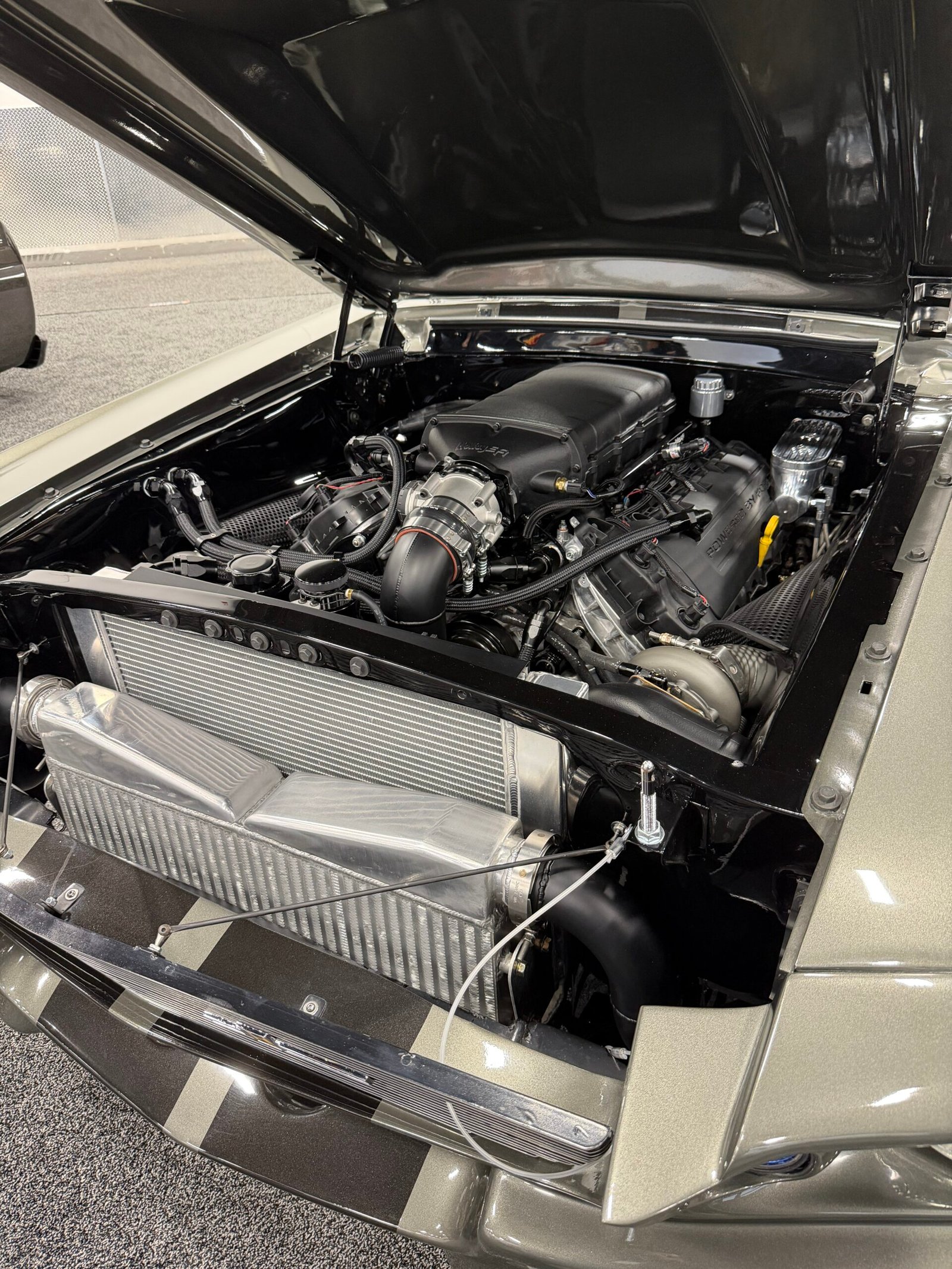
The engine-bay photograph is a useful reminder that a component is rarely purchased in isolation. Ports, brackets, fasteners, hoses, clearances and access interact. Ask what the supplier needs to understand about the surrounding assembly before quoting a custom part.
For a fluid-handling or thermal component, the responsible technical team should define media compatibility, operating conditions, interfaces and any required leak or pressure test procedure. For a machined interface, agree relevant dimensions and inspection methods. The sourcing report should list requirements and approval owners rather than invent universal test limits.
Connect the review to CNC machining and quality and documentation planning. Do not assume a showroom sample was produced by the route proposed for your order.
Use a scorecard without hiding mandatory requirements
Suggested framework, not measured supplier data: the weights below are editable decision guidance, not an industry benchmark or a rating of the photographed exhibitors. No real supplier has been scored.
| Review area | Suggested weight | Reviewer explanation |
|---|---|---|
| Technical and process fit | 25% | Fit of the proposed route to defined part requirements |
| Quality and traceability | 30% | Relevant inspection controls and evidence availability |
| Delivery and continuity | 20% | Material, capacity and approval assumptions |
| Comparable total cost | 15% | Complete equivalent scope, including exclusions |
| Communication and accountability | 10% | Named owners, revision control and escalation |
Agree scoring criteria before comparing candidates. If each area is scored from 0 to 5, weighted points equal the area weight multiplied by its score divided by 5. Keep missing evidence explicit. A high total cannot override an unresolved mandatory technical or quality requirement.
Put cost and commitment in the same view
Owners need to see the commitment attached to the recommendation. Separate one-time engineering and tooling costs from recurring unit cost. State quantity, packaging, freight basis, inspection scope and payment timing. Flag unresolved costs instead of setting them to zero.
A lower unit price may reflect a different material, quantity, finish, inspection scope or delivery assumption. Ask for alternatives as separately identified options and obtain technical approval before treating them as equivalent. See our CNC machining cost guide.
| Approval gate | Permitted next step | Evidence for the next gate |
|---|---|---|
| RFQ review | Clarify requirements and compare equivalent quotations | Resolved scope, route and assumptions |
| Sample authorization | Place a bounded sample order with agreed cost and criteria | Inspection results and application-specific evaluation |
| Pilot authorization | Evaluate a controlled batch from the intended route | Agreed process, quality and delivery evidence |
| Production release | Commit within documented approval limits | Approved requirements, release authority and ongoing controls |
Close the meeting with an action register
Assign each open item an owner, due date and closure evidence. Follow up with the drawing revision and decision stage. Procurement should own the commercial comparison, engineering the technical exceptions, and quality the acceptance evidence.
A recommendation can be simple: “Authorize the defined sample scope; production approval remains conditional on the listed evidence.” That is more useful than a confident ranking that obscures unanswered questions.
Frequently asked questions
Can a trade-show sample qualify a supplier?
It can justify a closer review. Qualification requires evidence for the proposed site, route, requirements and approval stage.
Should every supplier receive the same scorecard?
Use a consistent comparison basis for the same sourcing decision, retaining application-specific mandatory requirements. Agree changes before scoring.
Do the photographs show LK MFG customer projects?
The photographs were supplied for this editorial and show exhibition scenes and display vehicles. They do not identify LK MFG-made parts, customer relationships or endorsements by the pictured brands.
Turn your next conversation into a reviewable sourcing decision
Share your drawing revision, material, quantities, critical requirements and delivery target. LK MFG can discuss the information needed for your quotation or sample review.
Discuss Your Part Requirements →
Explore manufacturing buyer guides · LK MFG SEMA week information
Event context: SEMA Show 2026 runs November 3–6 in Las Vegas. Photographs provide editorial context. This report is a decision framework, not an audit of any exhibitor or evidence of LK MFG exhibiting.
