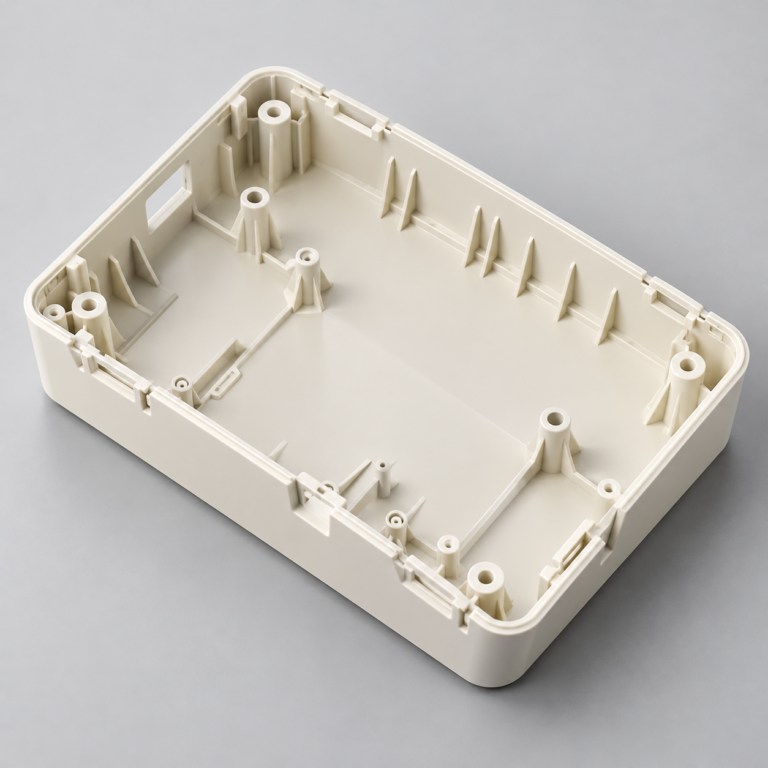
Injection Molding
Tooling and molding for your repeat plastic parts.
From prototype to production, coordinated manufacturing solutions for your custom parts.
View All Services →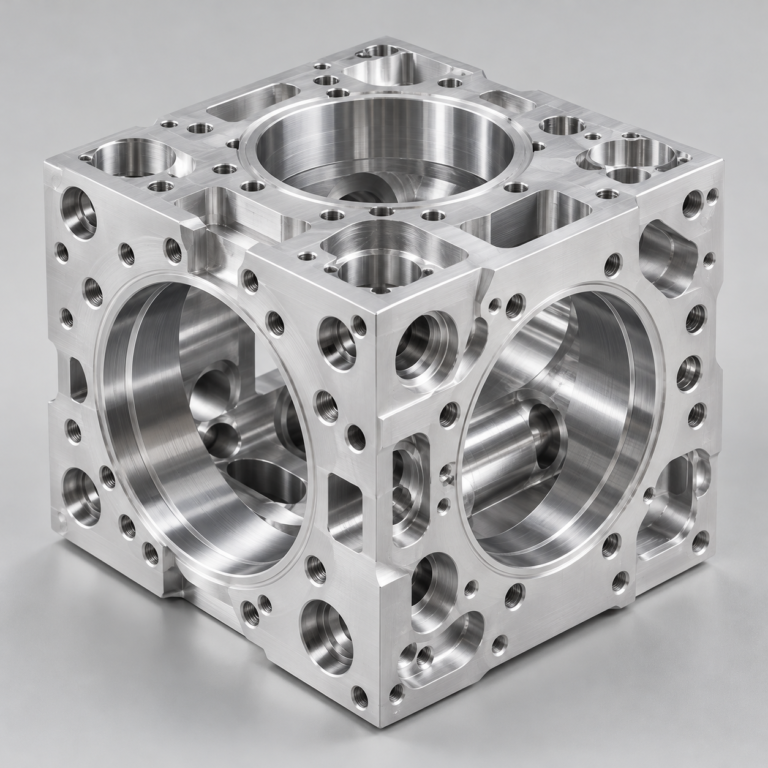
Precision parts for your tight tolerances and complex geometry.
Tooling and molding for your repeat plastic parts.
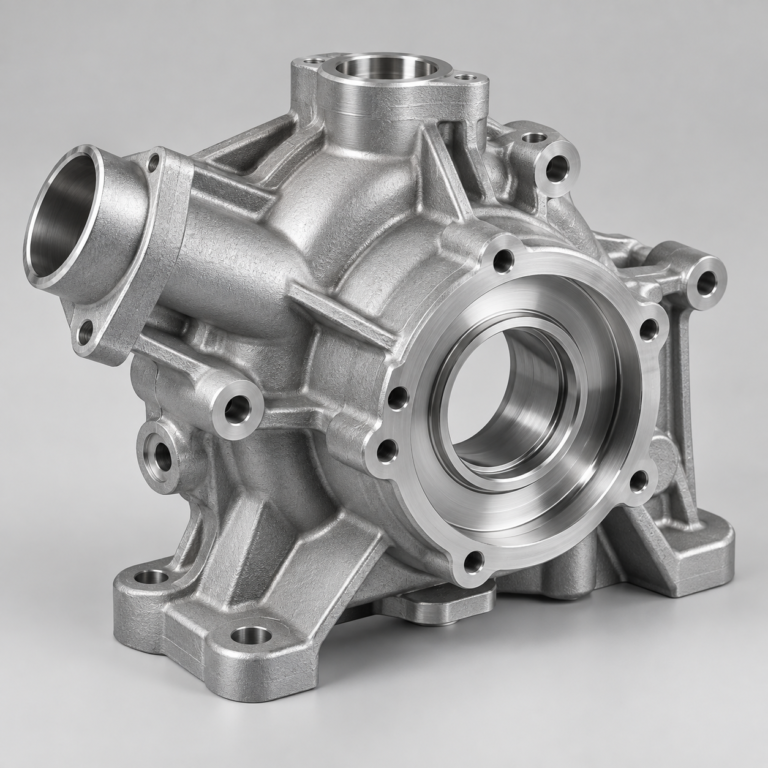
Metal casting options for your part and production volume.
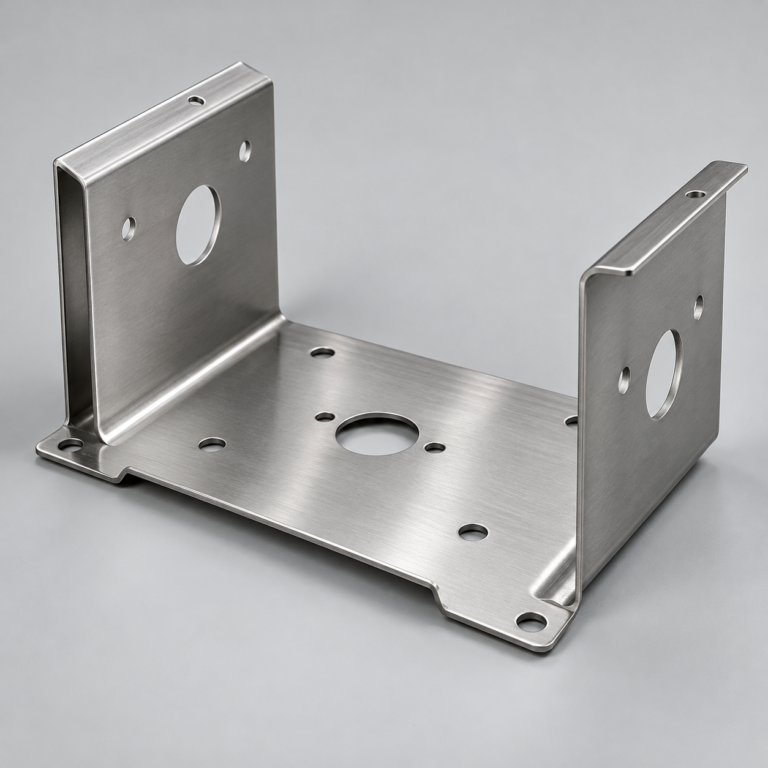
Cutting, forming and welding for your fabricated parts.
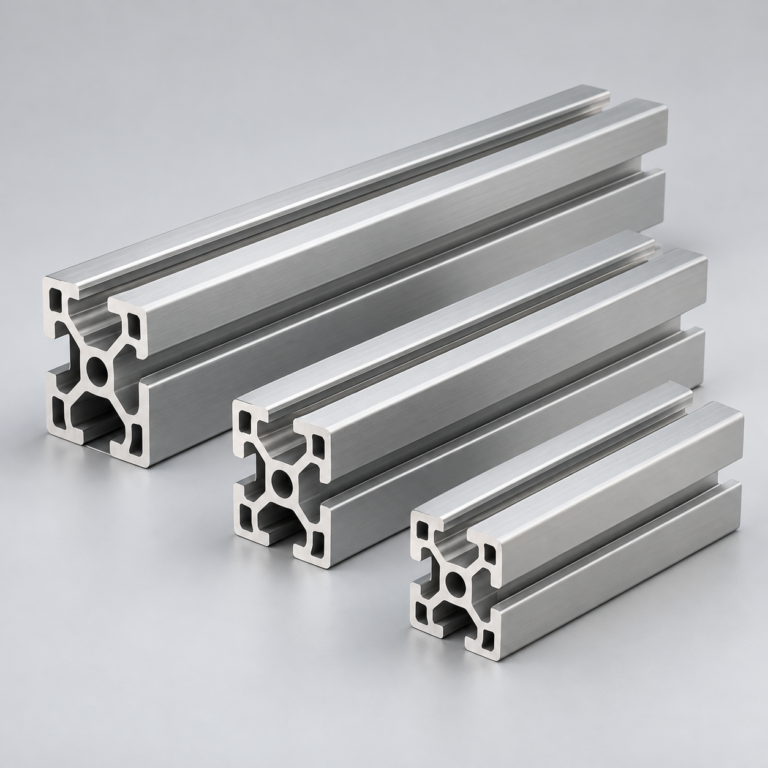
Custom profiles for your section, length and finish requirements.
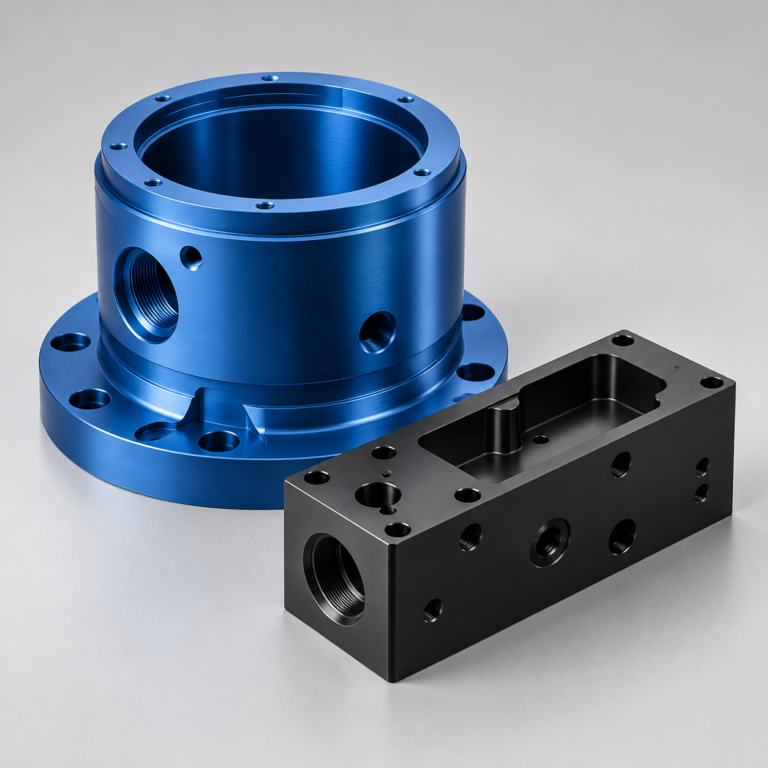
Finishes for your appearance, corrosion and wear requirements.
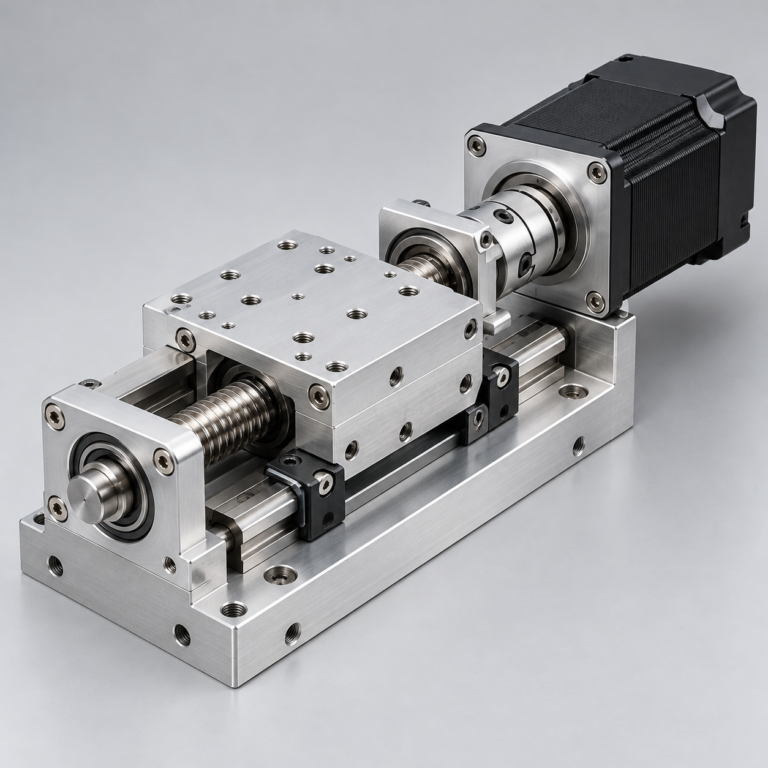
Sub-assemblies and final builds for your production program.
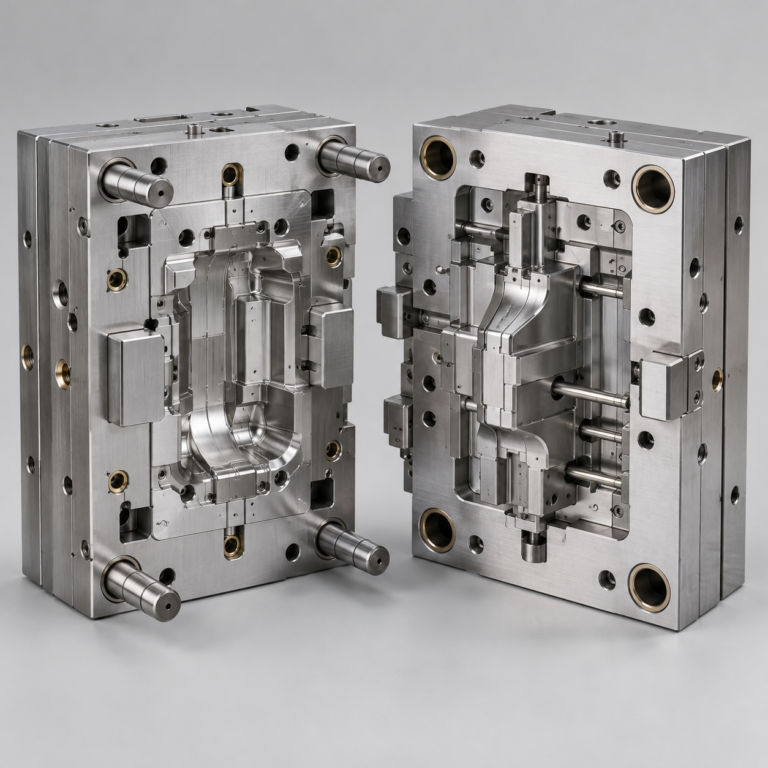
Production tooling built around your process and volume.
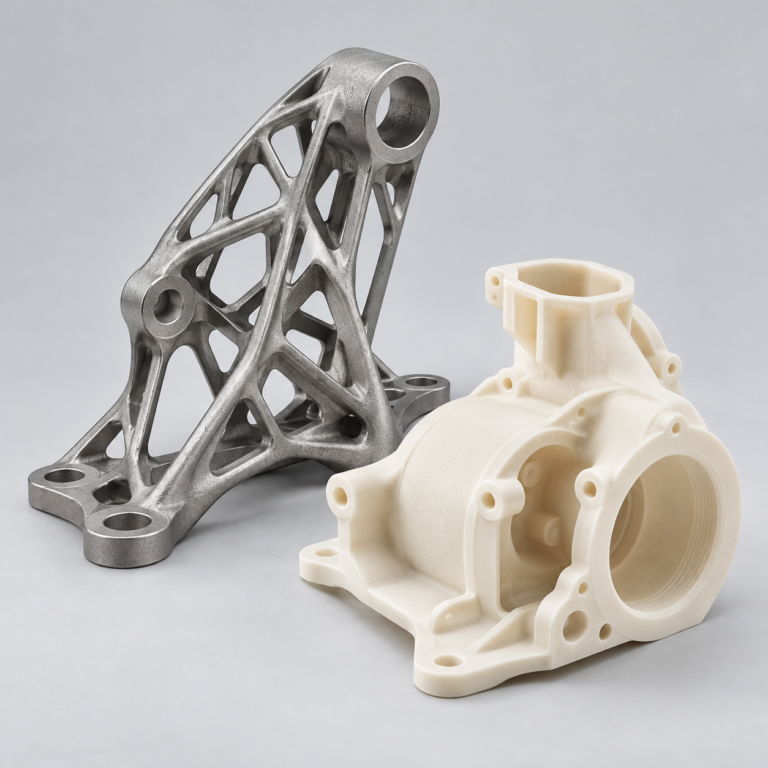
Prototype parts to check fit, function and design.
DFM, process planning and production support for your project.
Inspection, documentation, inventory and delivery planning for your program.
Choose air- or liquid-cooling components around your thermal and mechanical requirements.
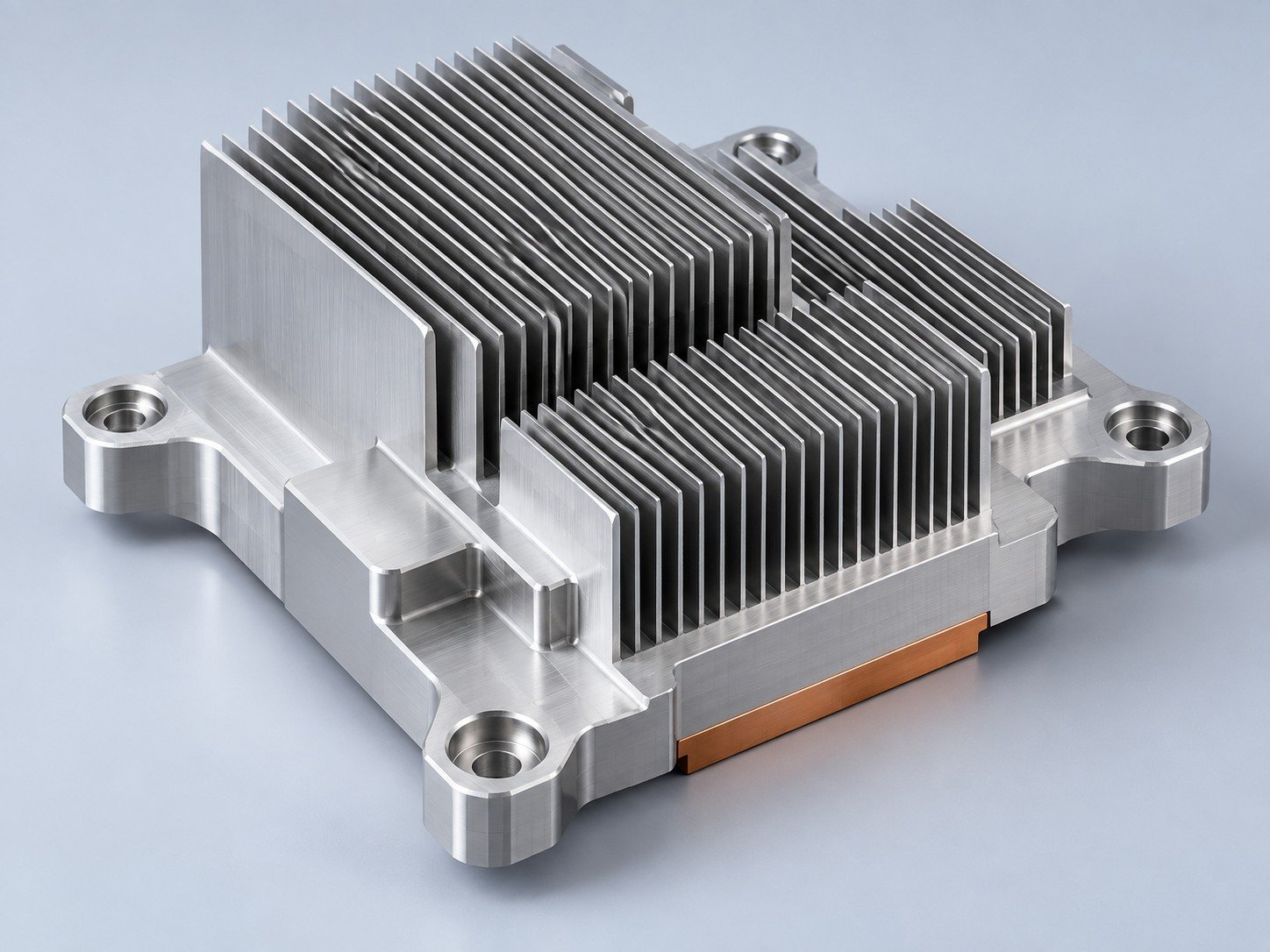
Manufacturing support for your cold plates, manifolds and cooling assemblies.
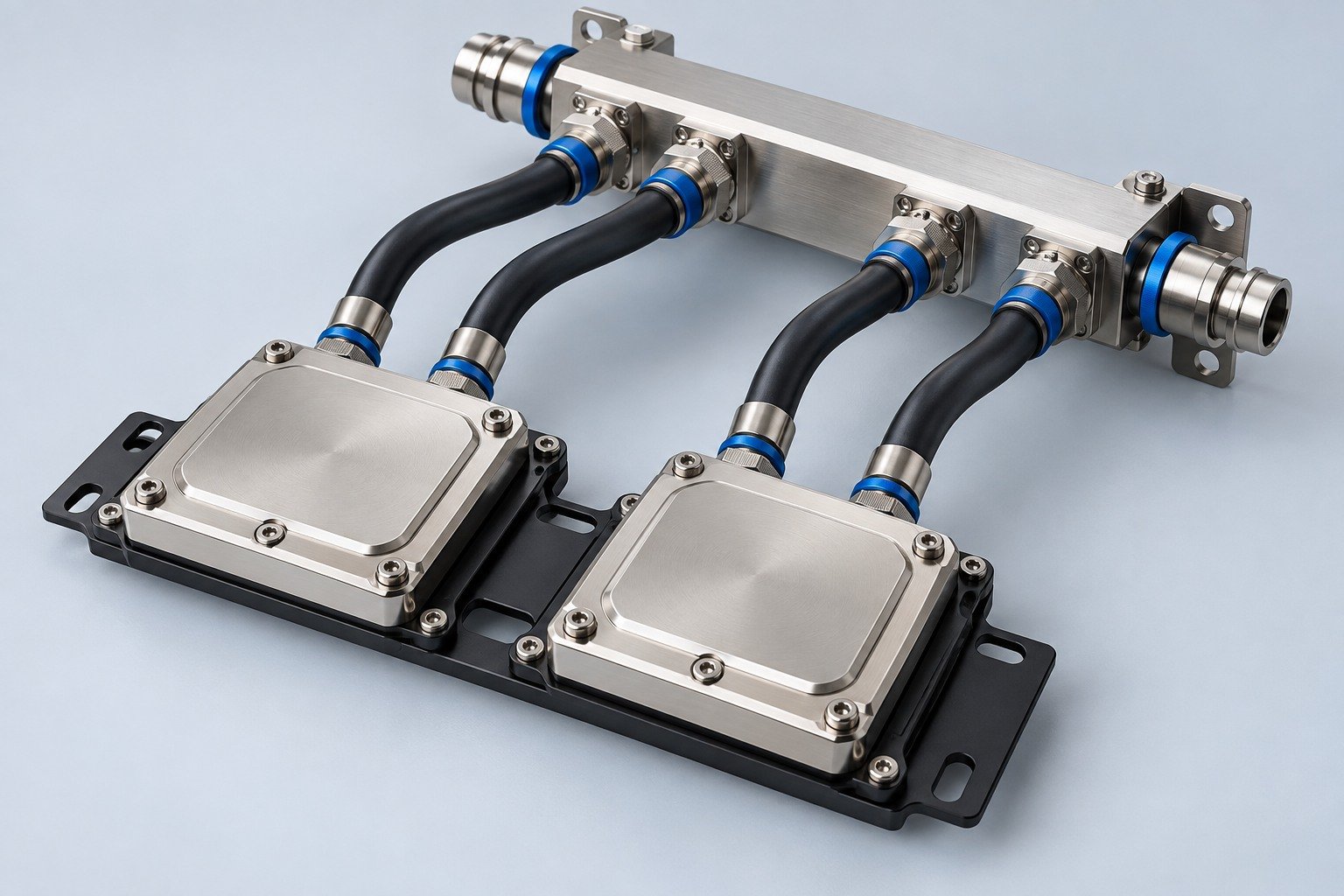
Find components for your power electronics, energy, laser and telecom application.
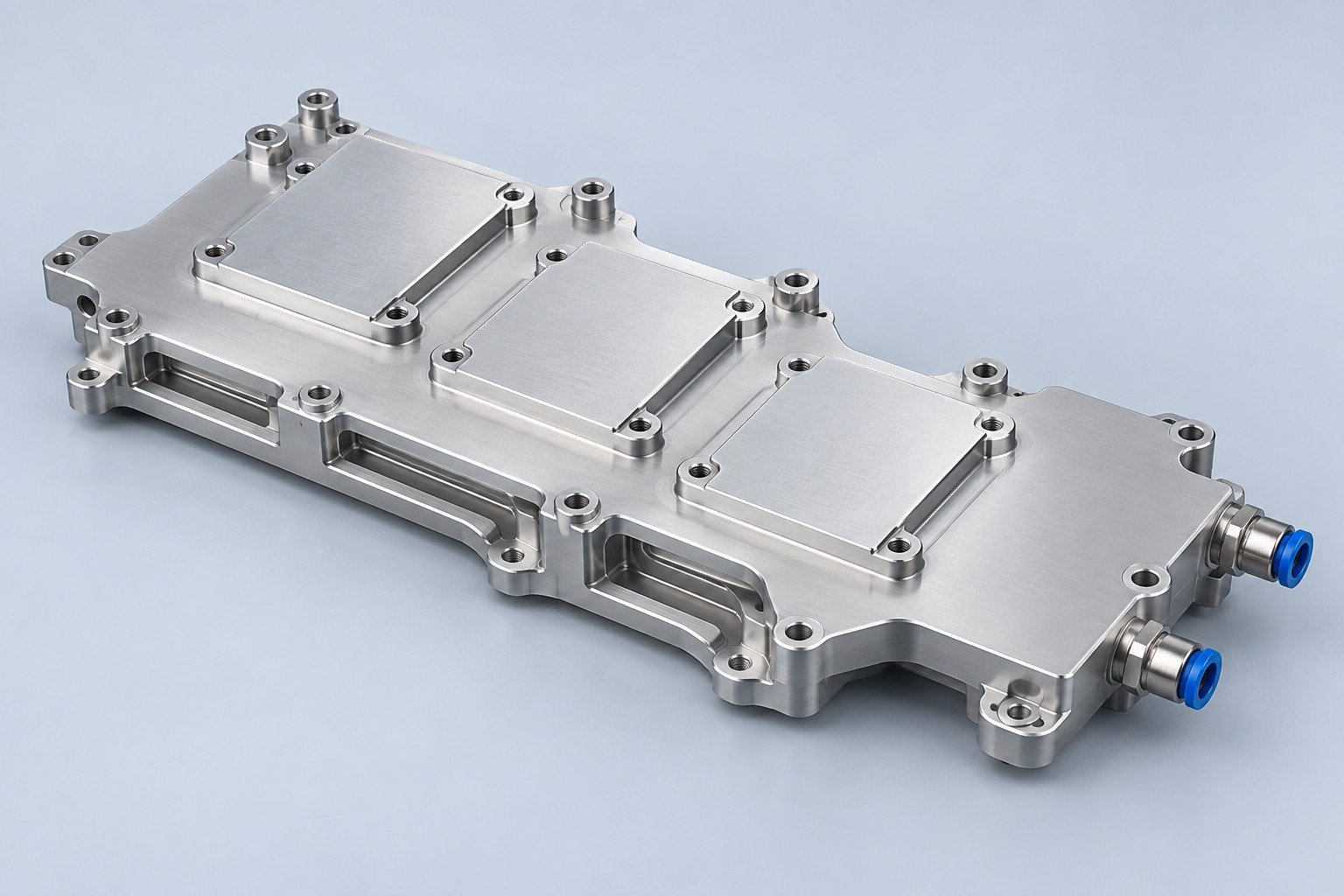
Components for your electronic systems.
Start with your functional and quality requirements.
Build around your operating environment.
From prototype to production, review material performance, manufacturability and cost for your part.
Review grade, temper and finish for your metal parts.
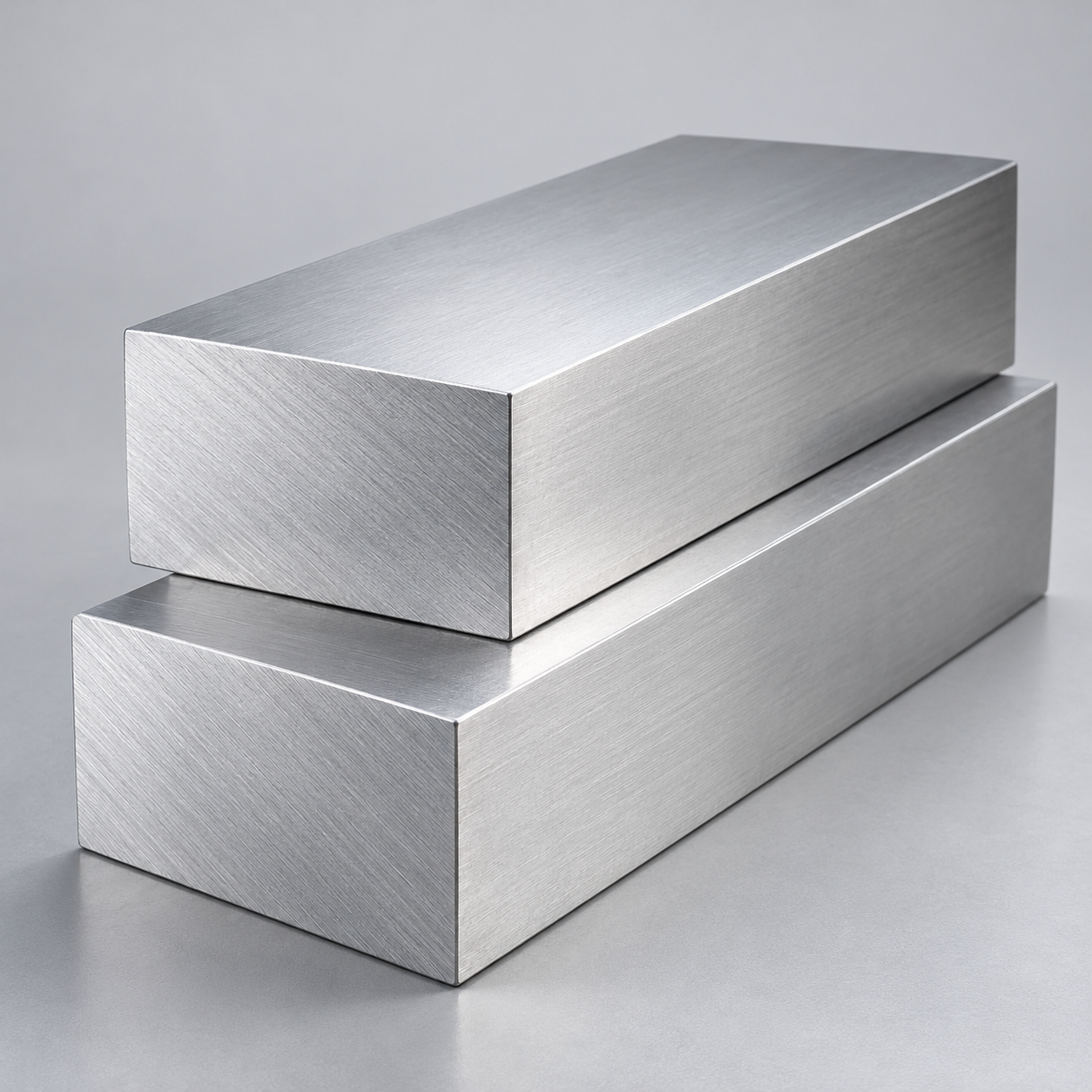 AluminumStrength, weight and machining›
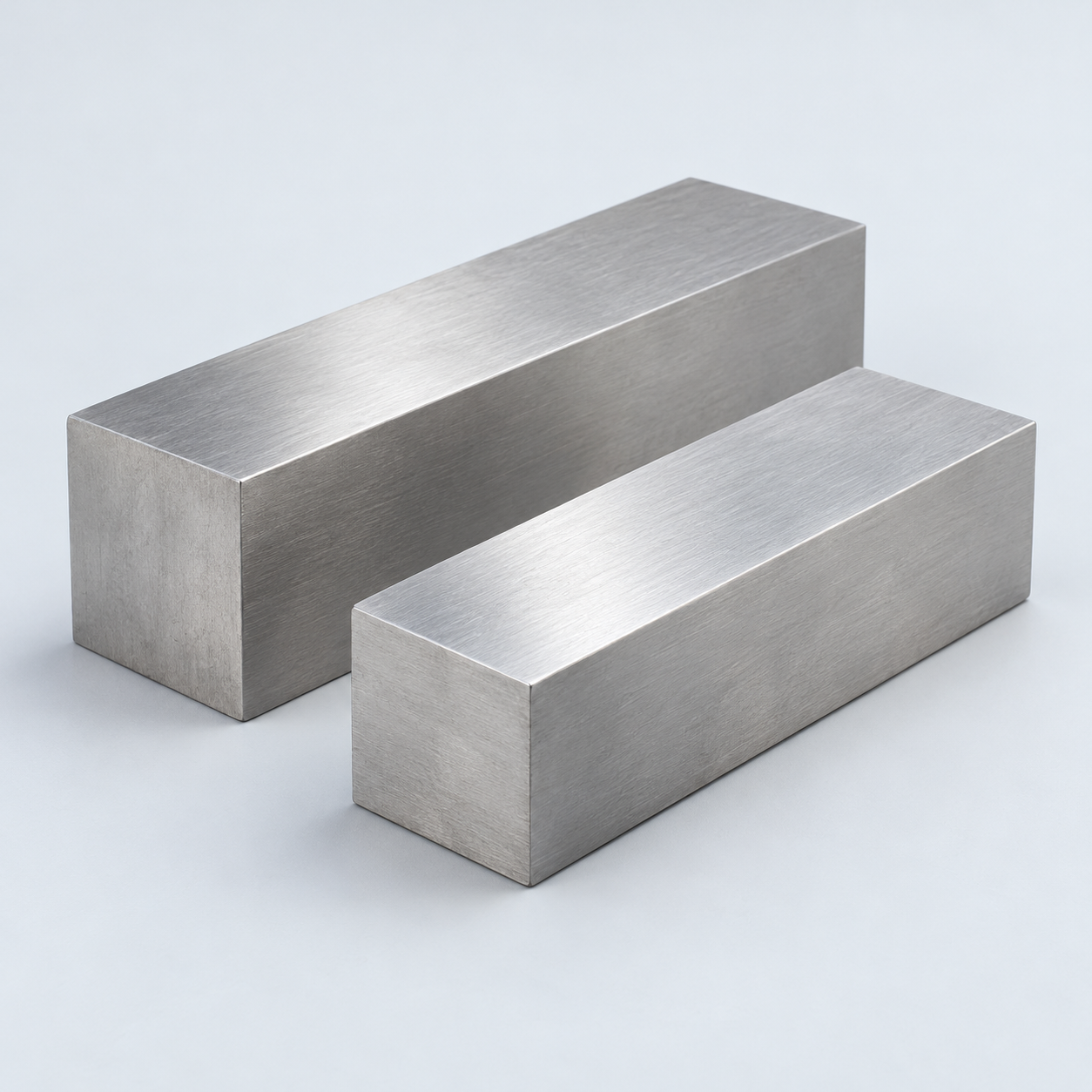 Stainless SteelCorrosion and finish requirements›
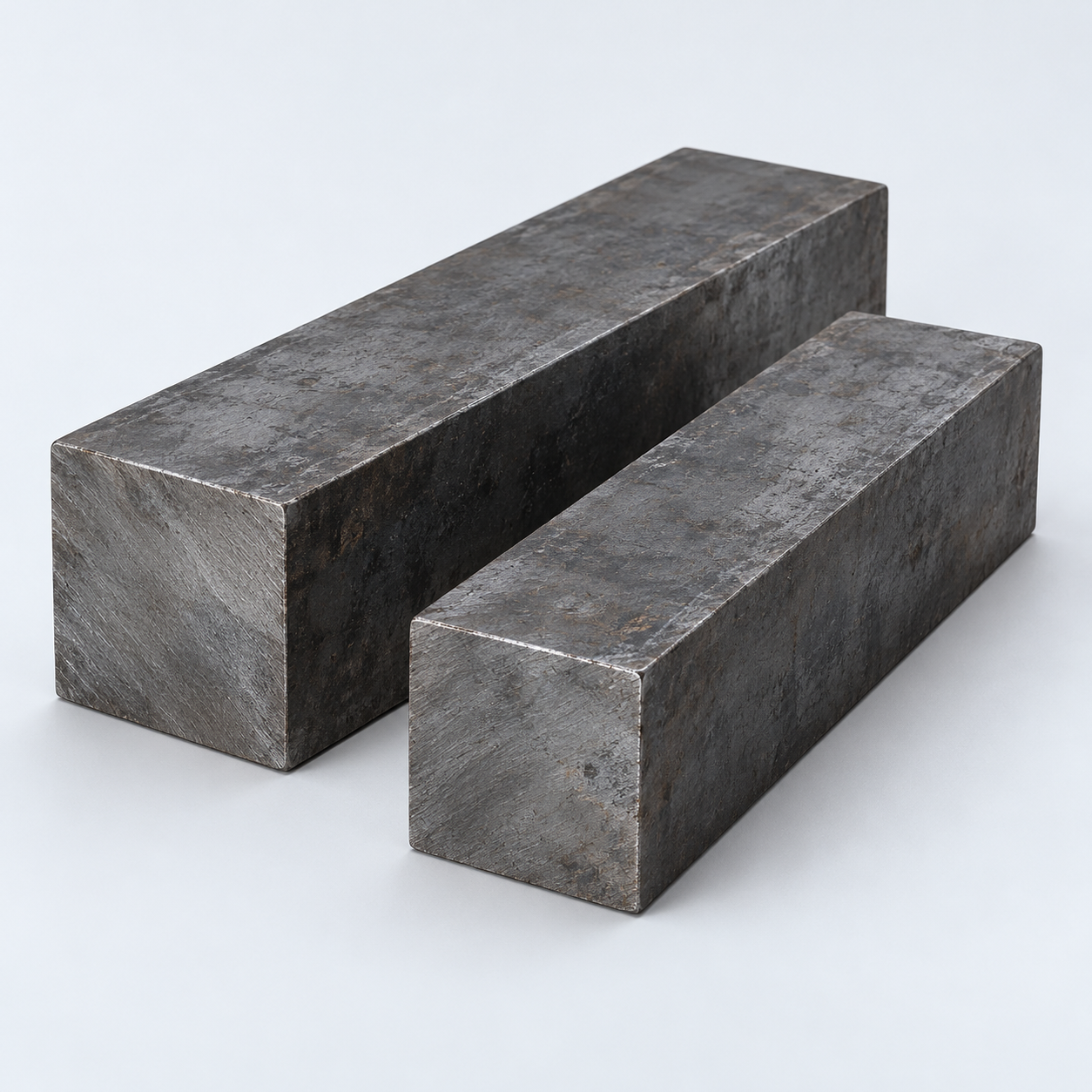 Carbon & Alloy SteelDiscuss grade and heat treatment›
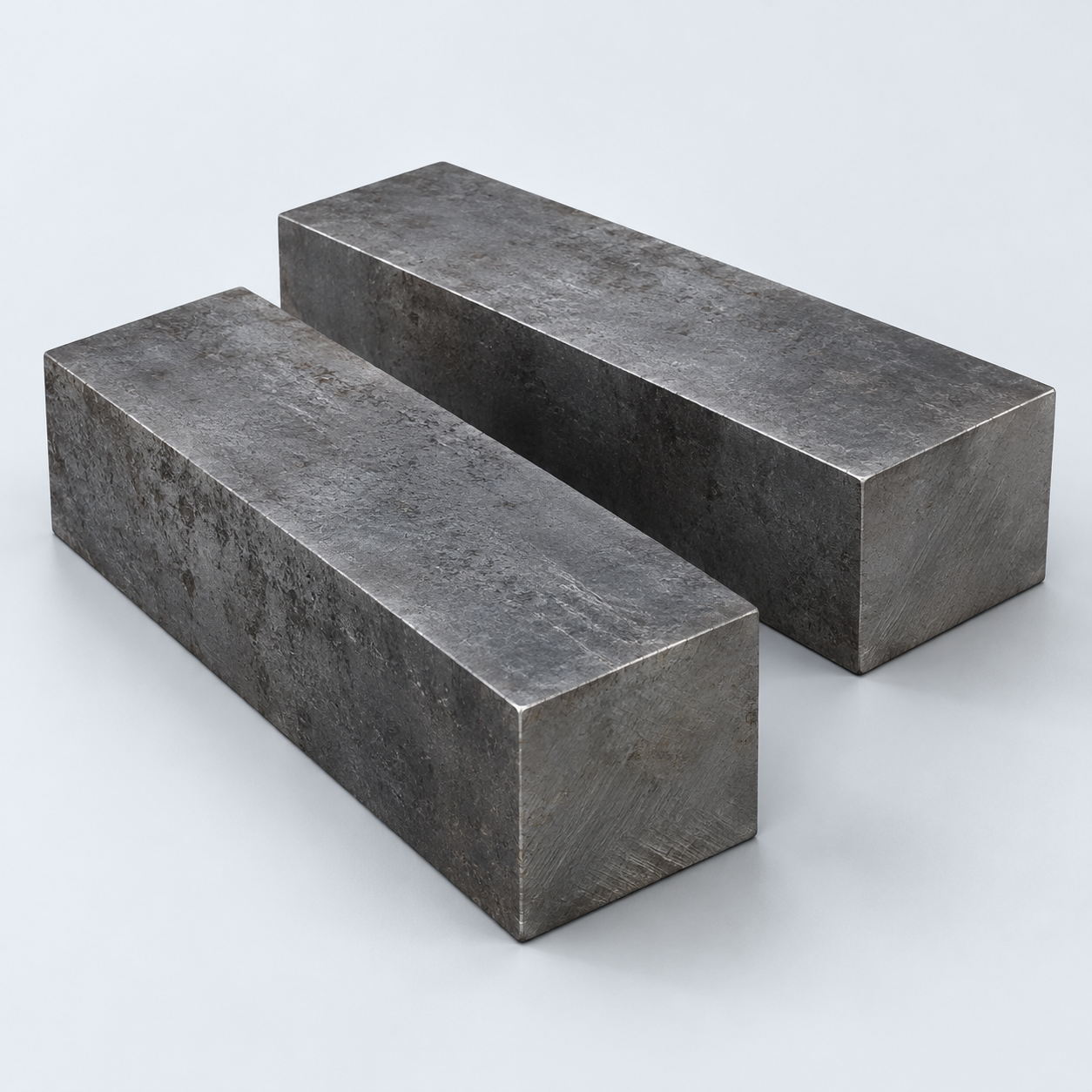 Tool SteelDiscuss tooling and wear needs›
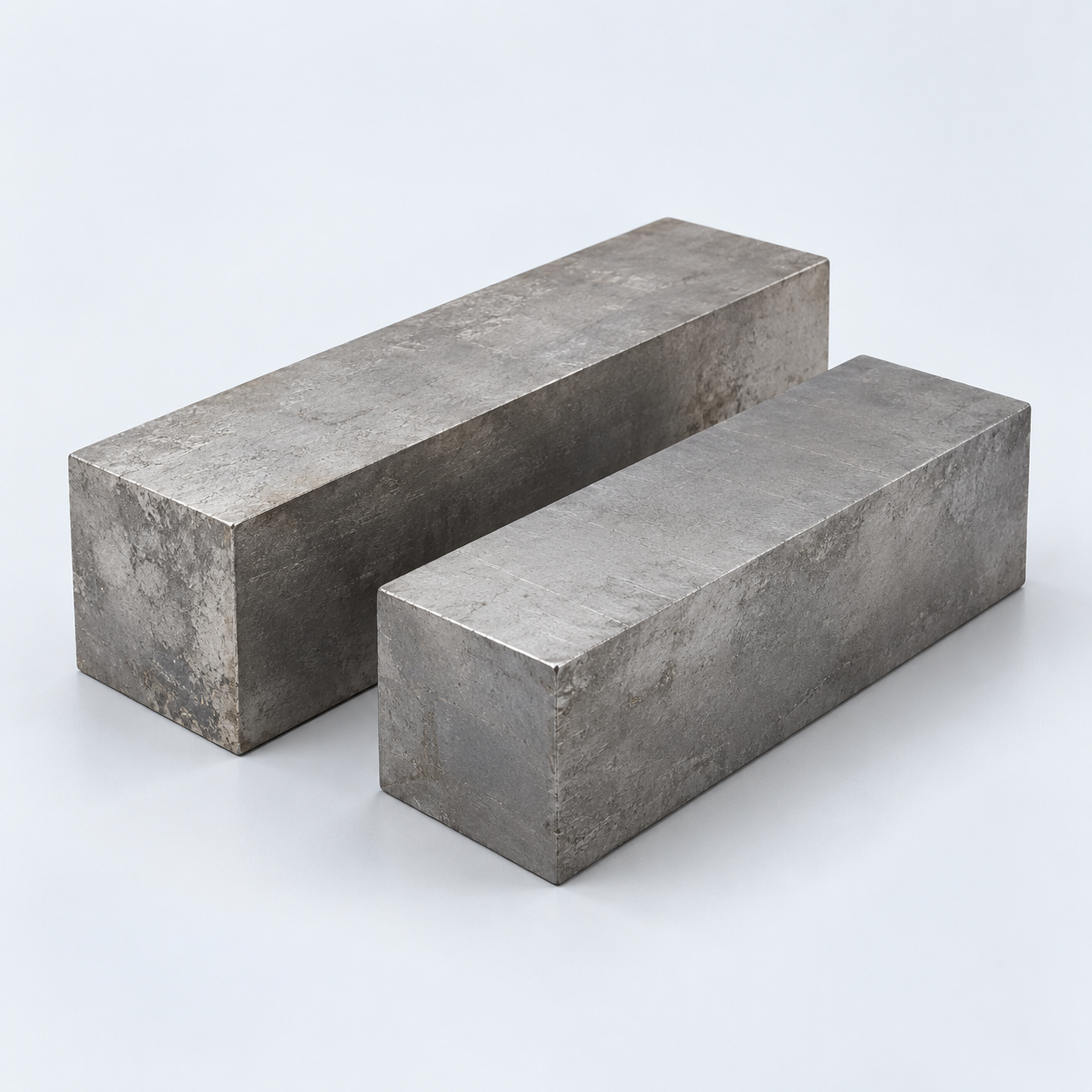 TitaniumReview grade and part geometry›
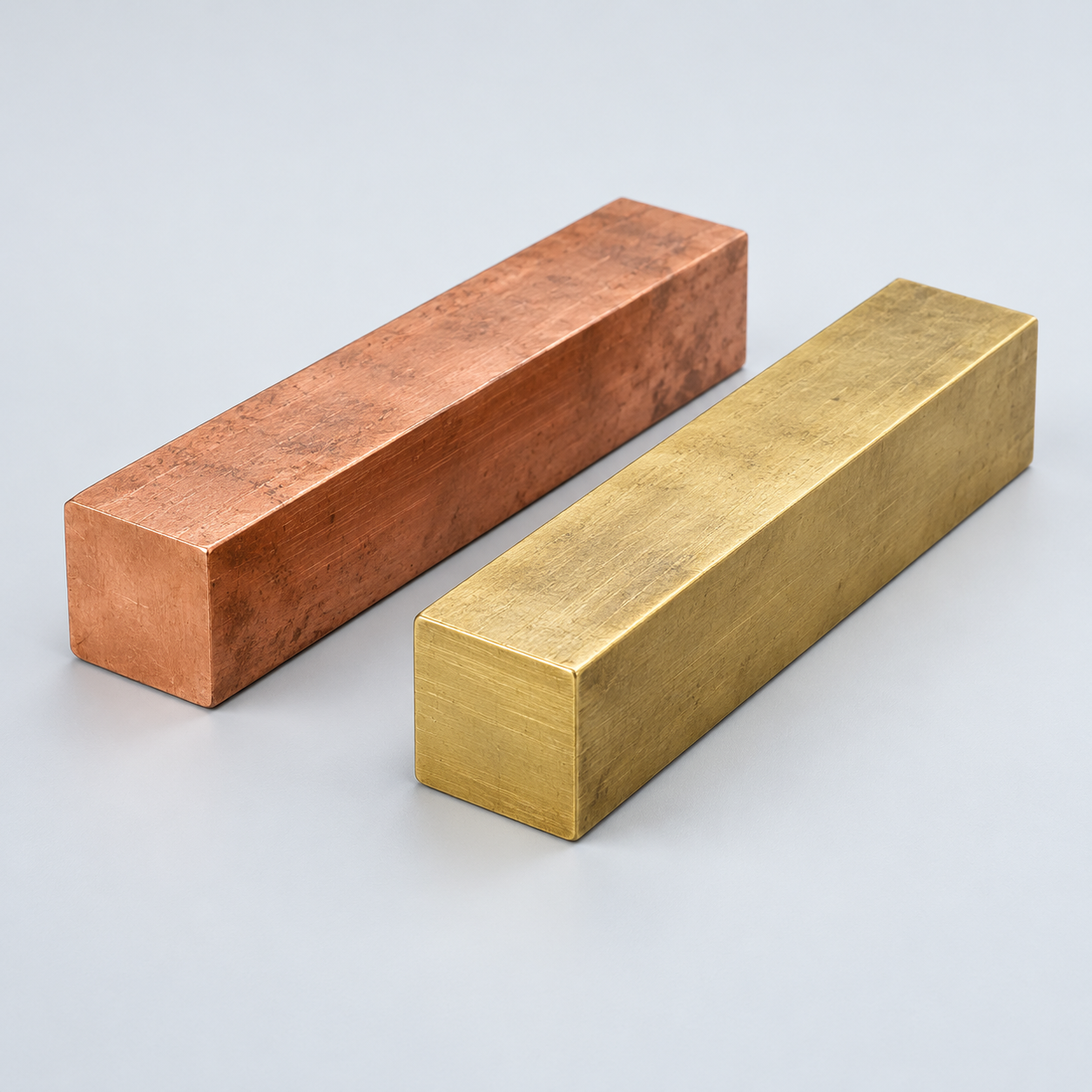 Copper & BrassDiscuss conductivity and machining›
Match your polymer to function, process and environment.
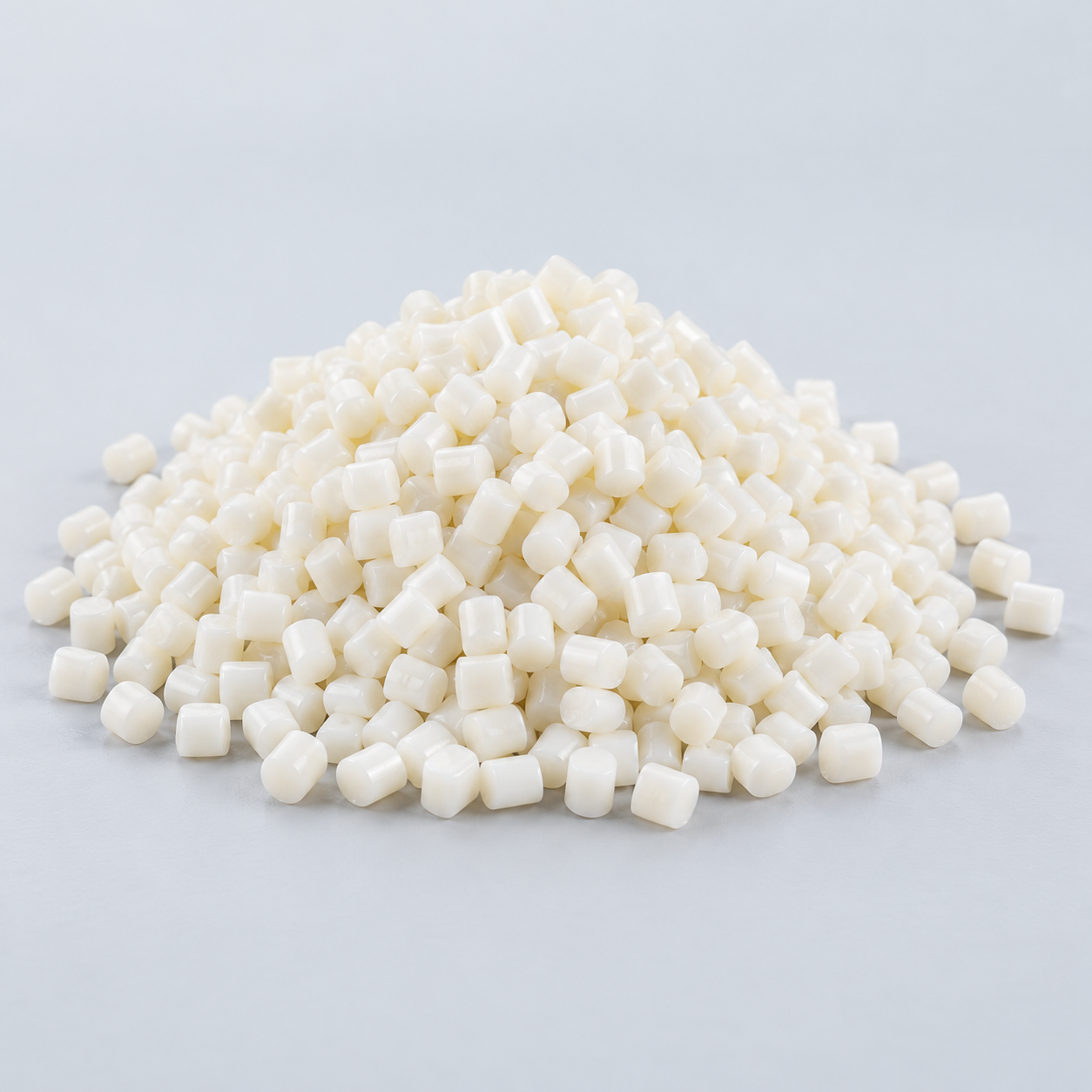 ABSReview enclosure and molding needs›
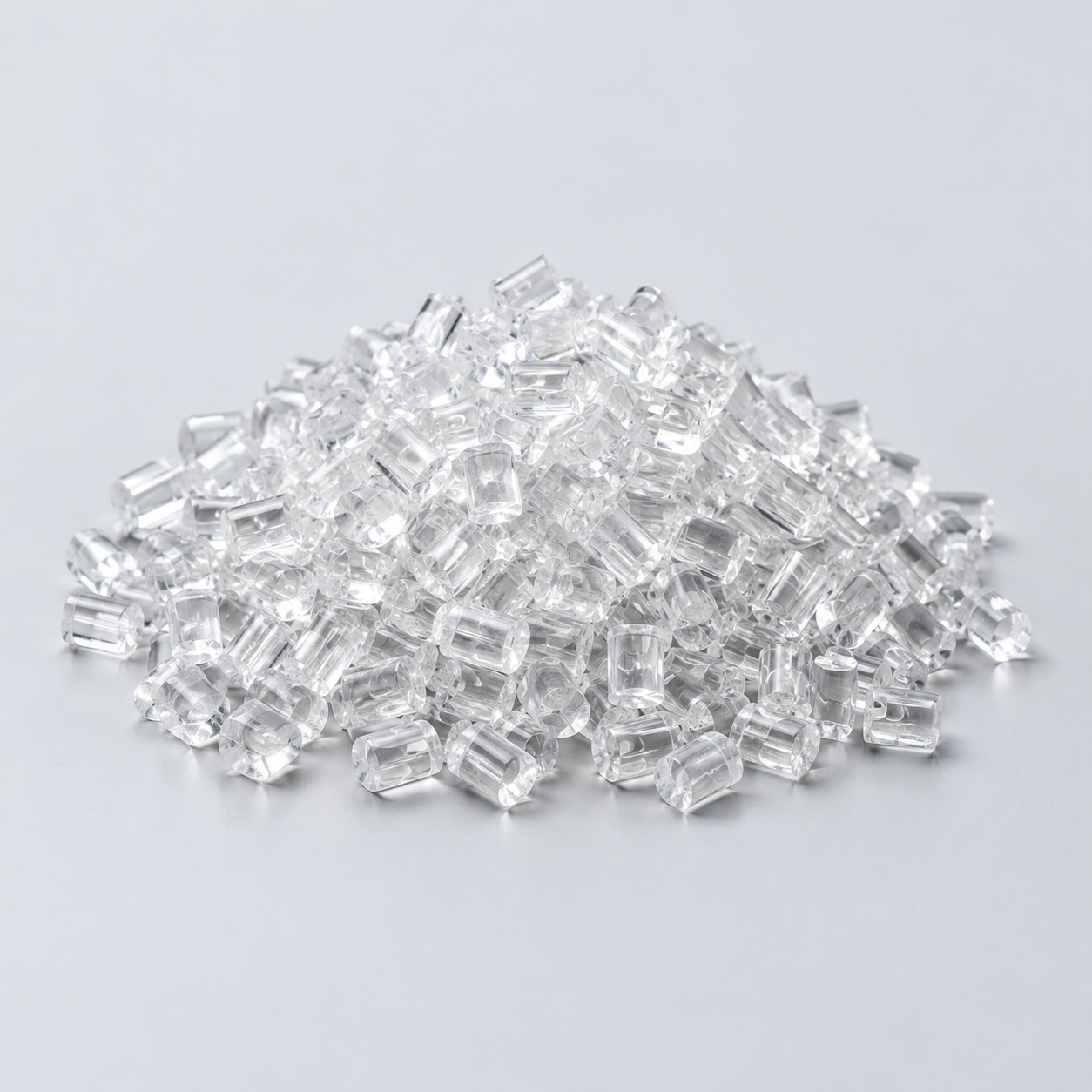 Polycarbonate (PC)Discuss clarity and impact needs›
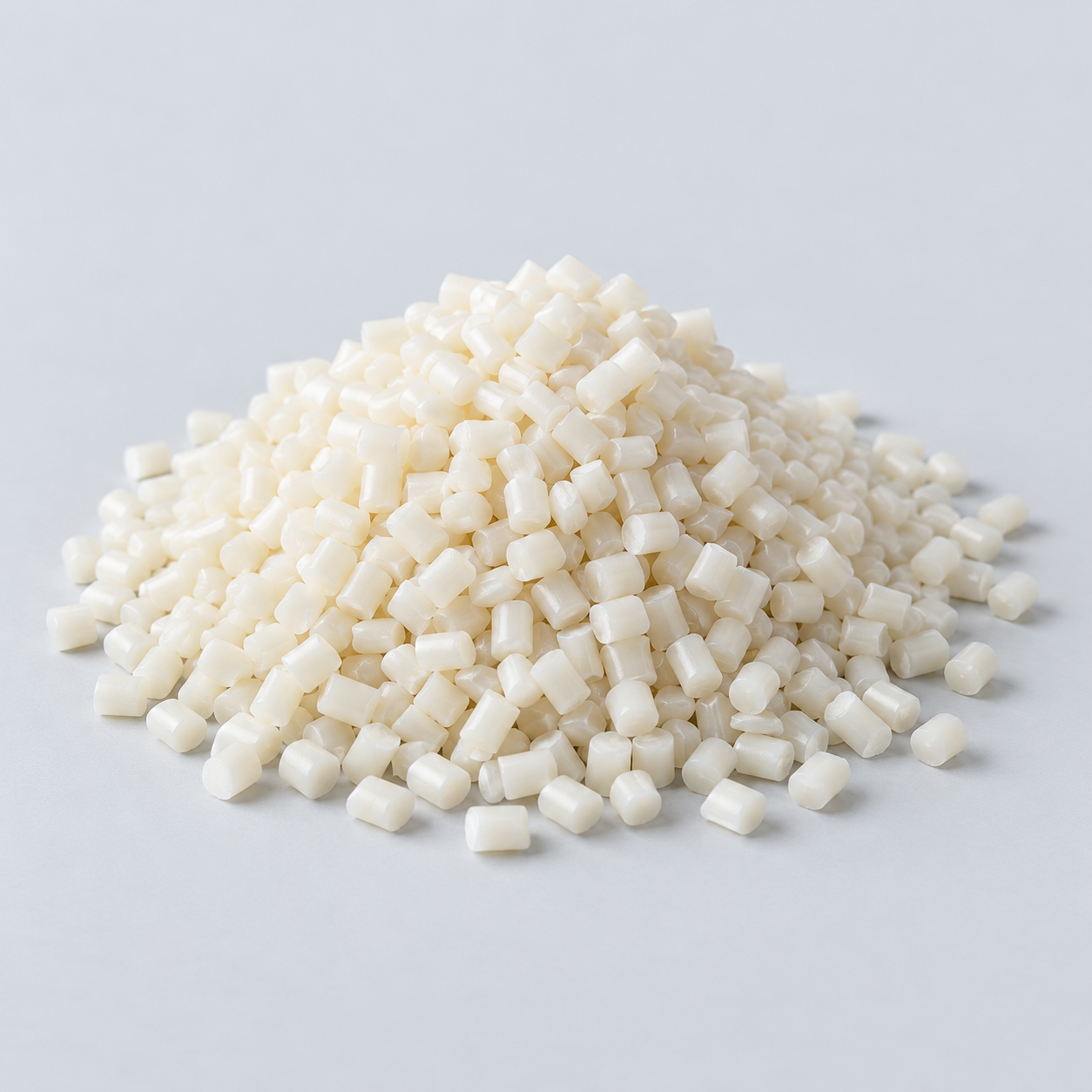 Nylon (PA)Review moisture and wear conditions›
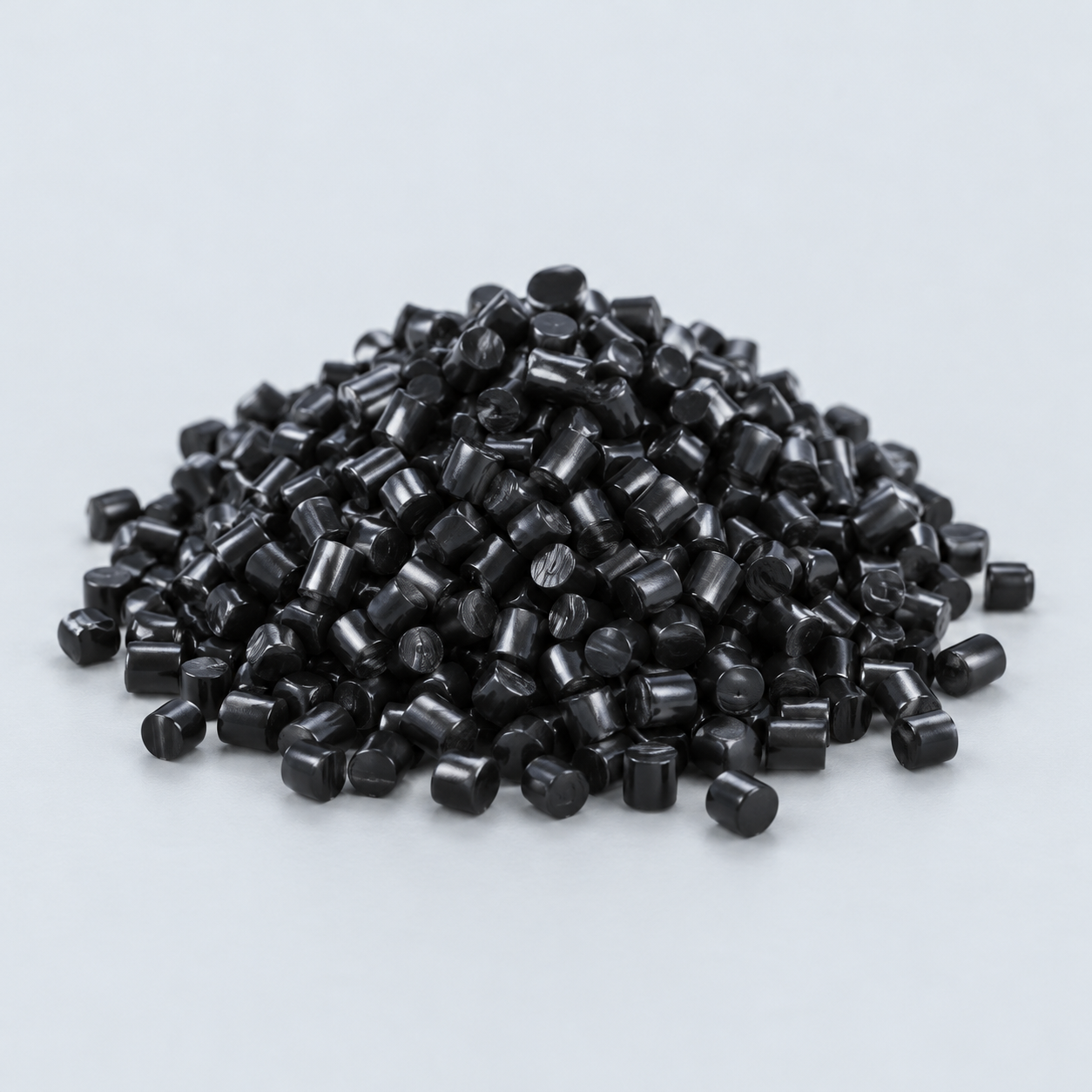 POM / AcetalReview fit and sliding features›
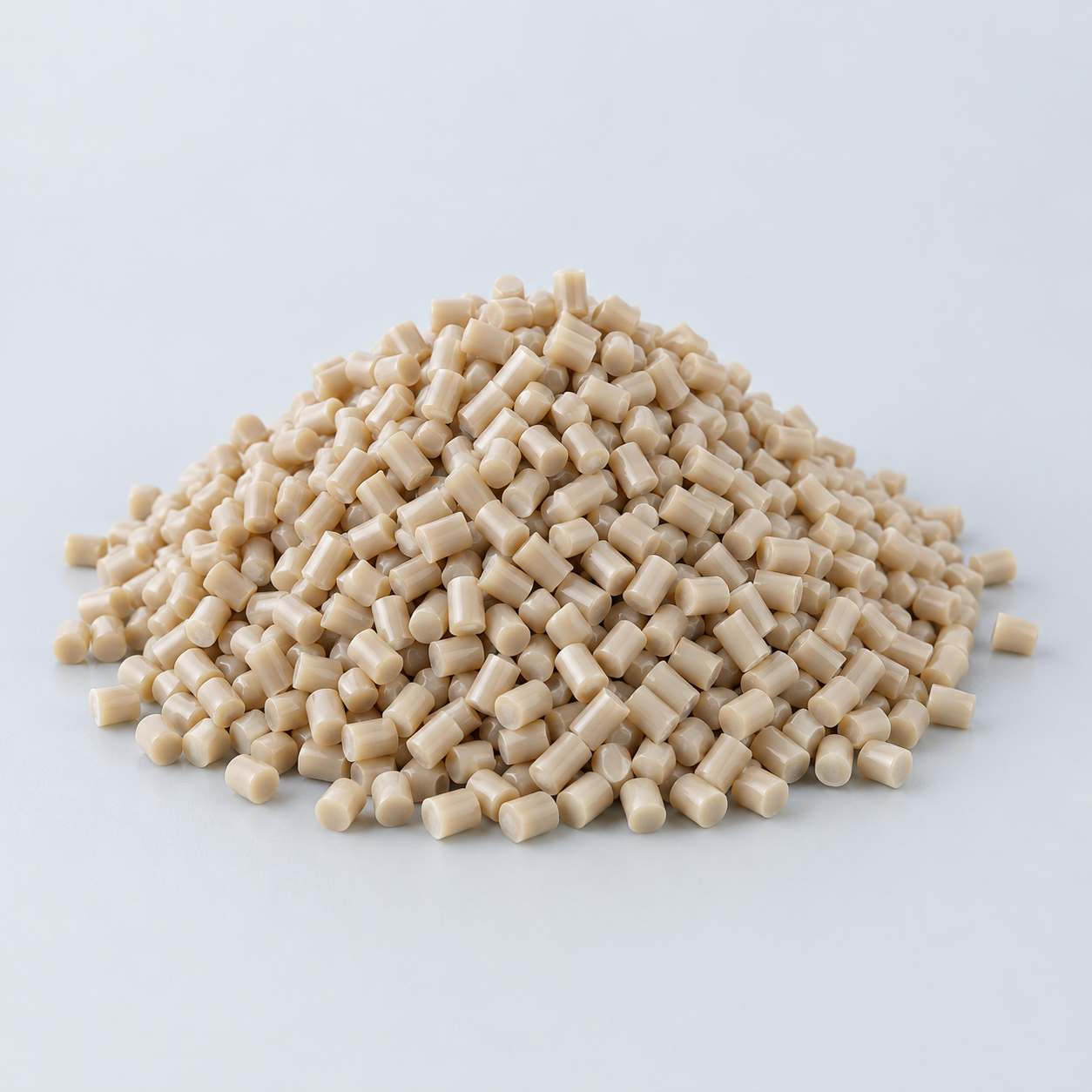 PEEKDiscuss operating conditions›
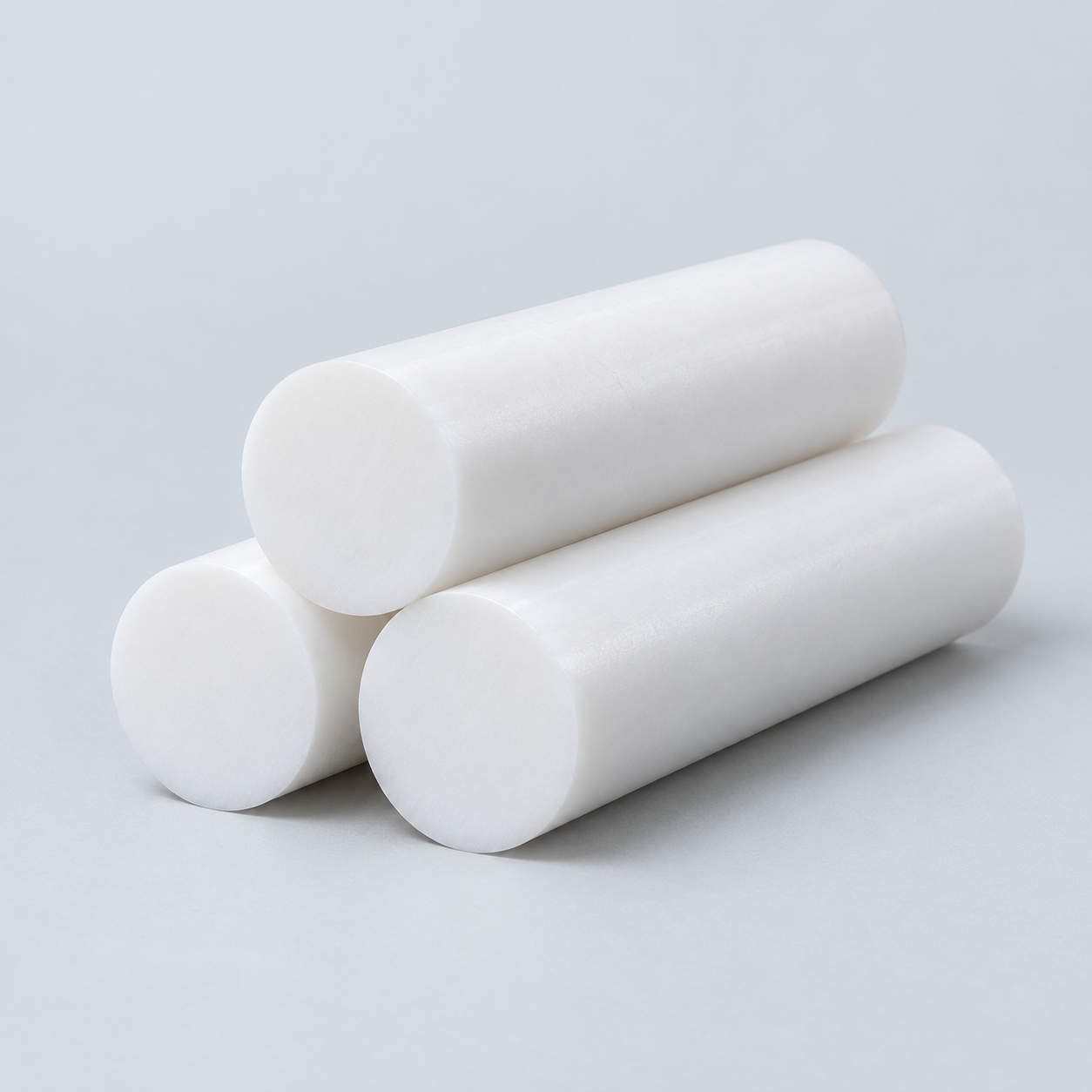 PTFEReview friction and chemical exposure›
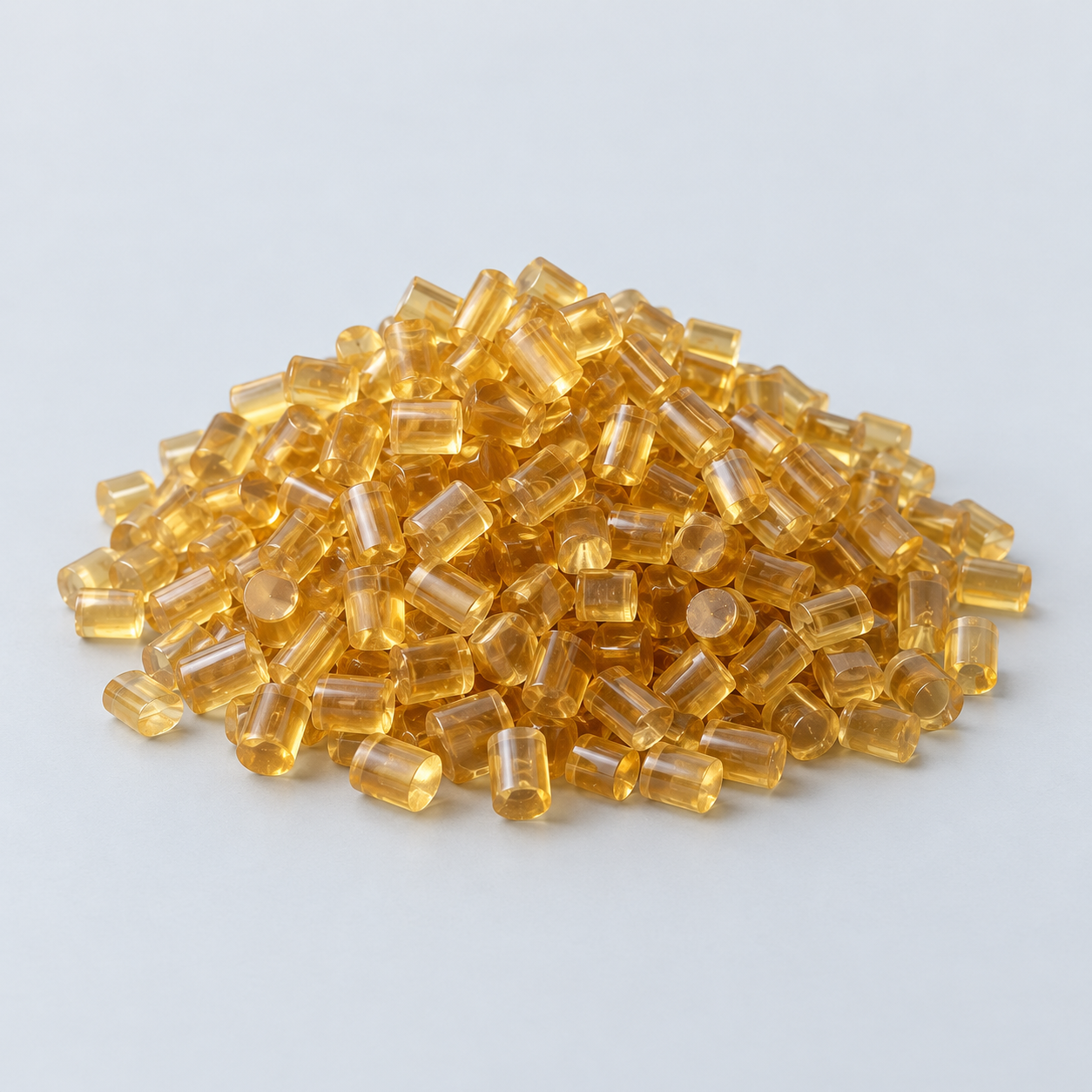 ULTEM / PEIDiscuss thermal and electrical needs›
Confirm grade availability and application requirements.
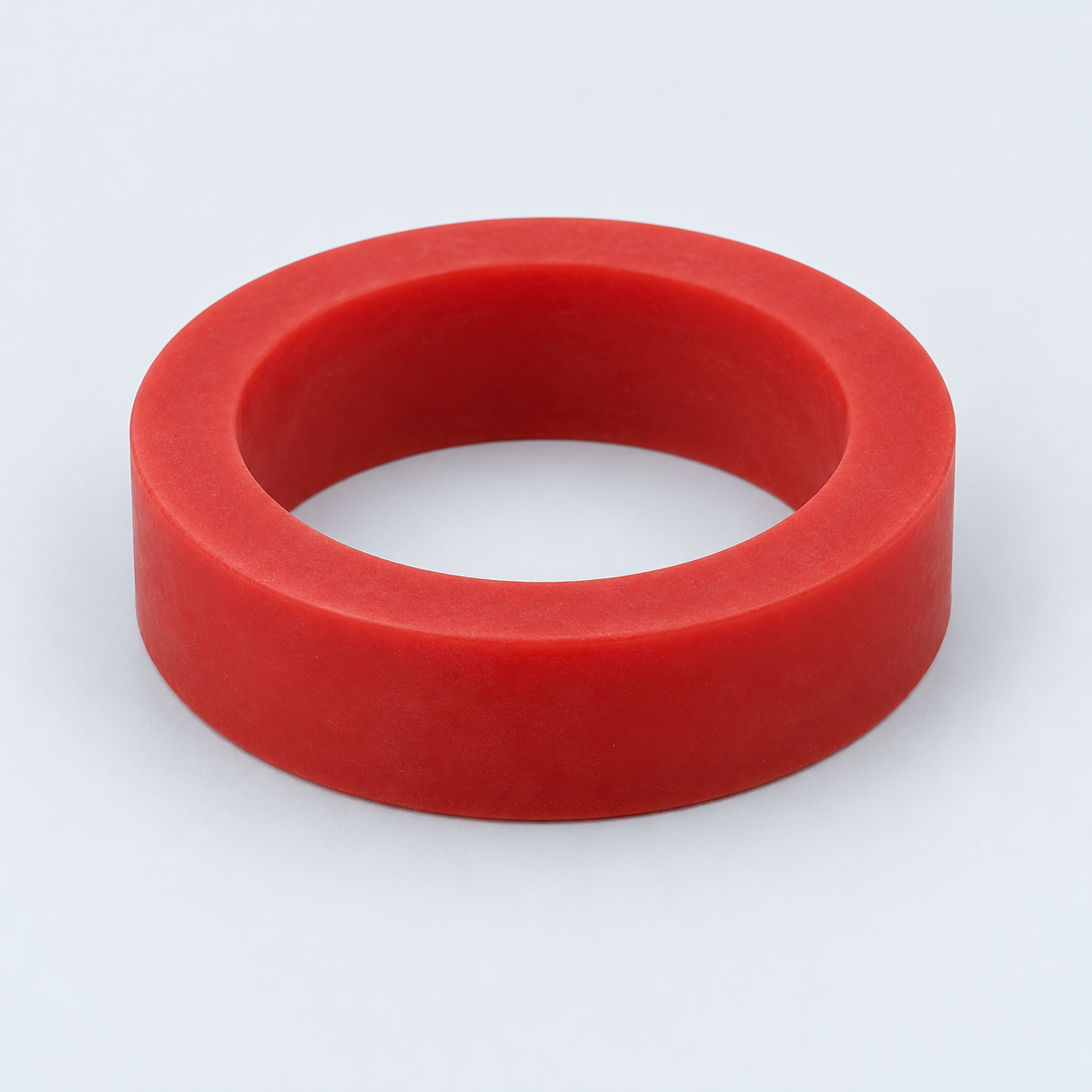 Silicone / LSRDiscuss flexible component needs›
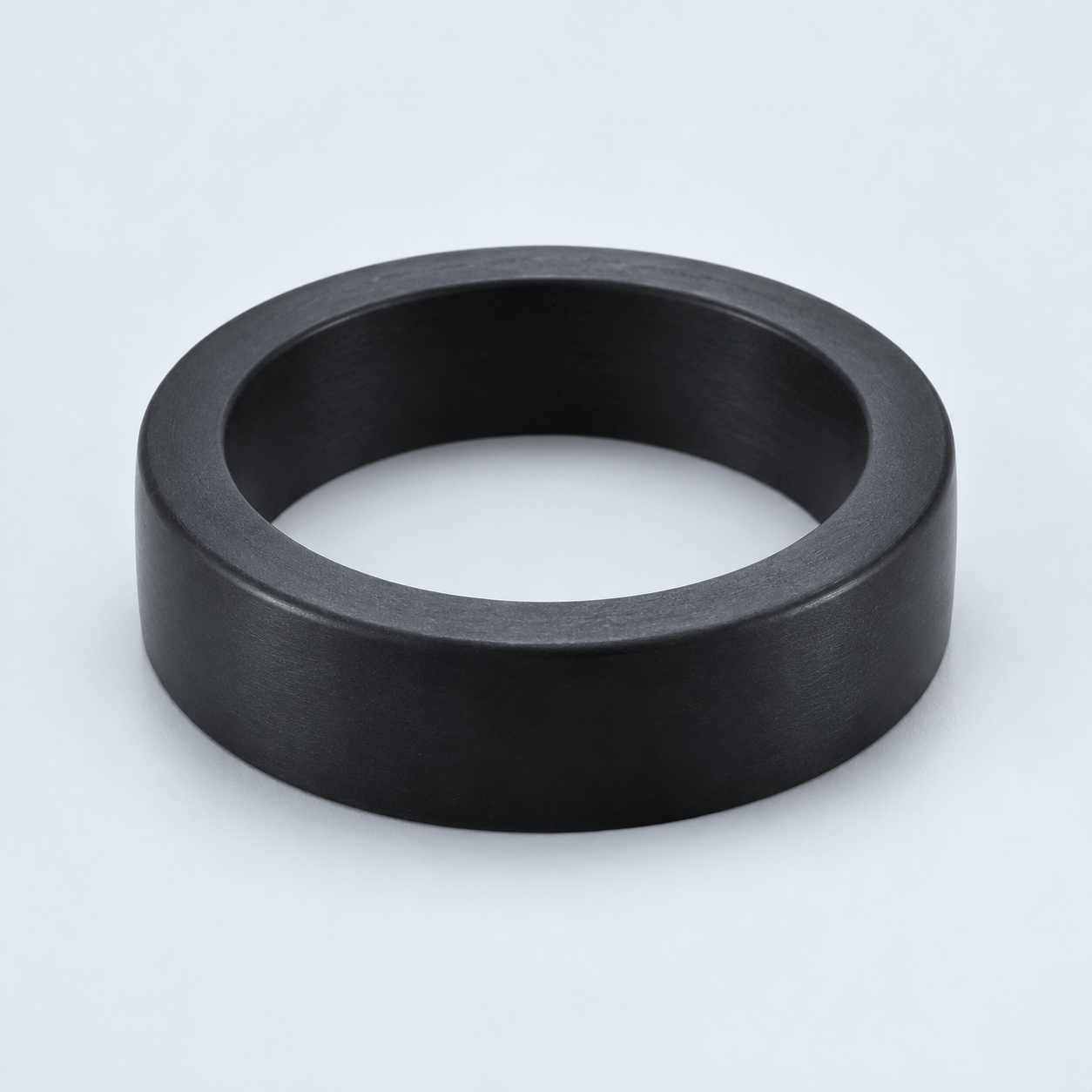 TPU / TPEReview flexibility and processing›
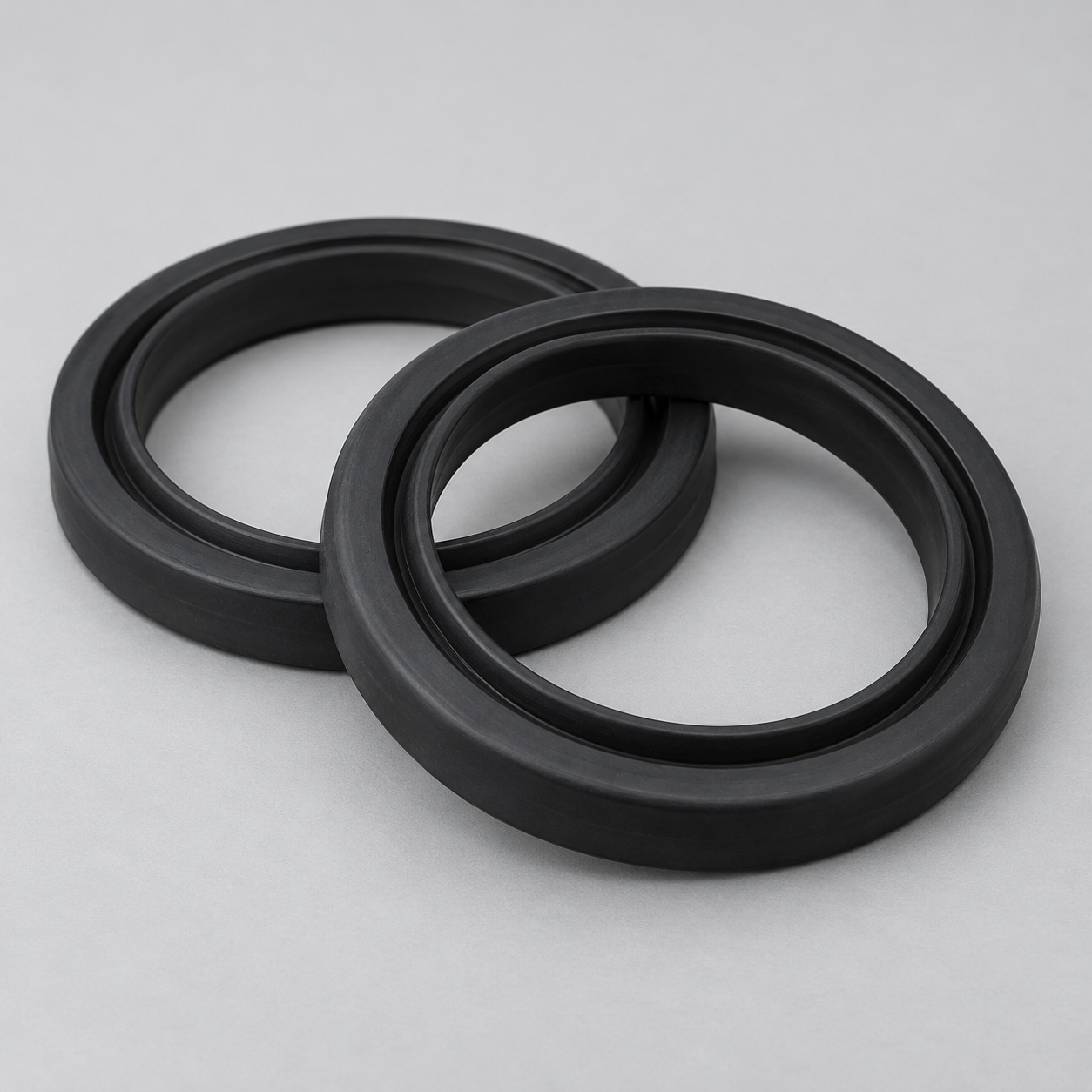 EPDMReview weathering and chemical exposure.›
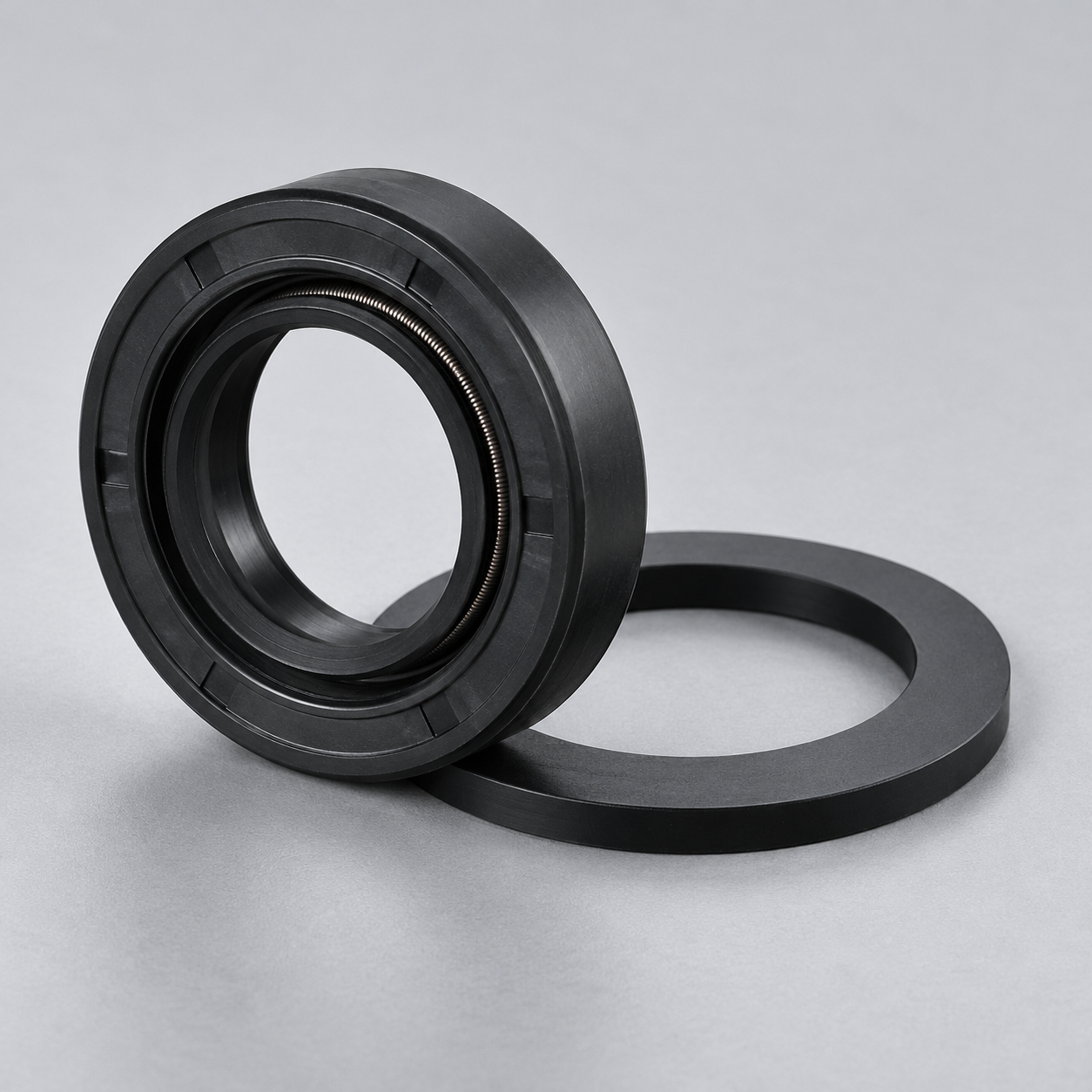 NBRReview oil and fuel exposure.›
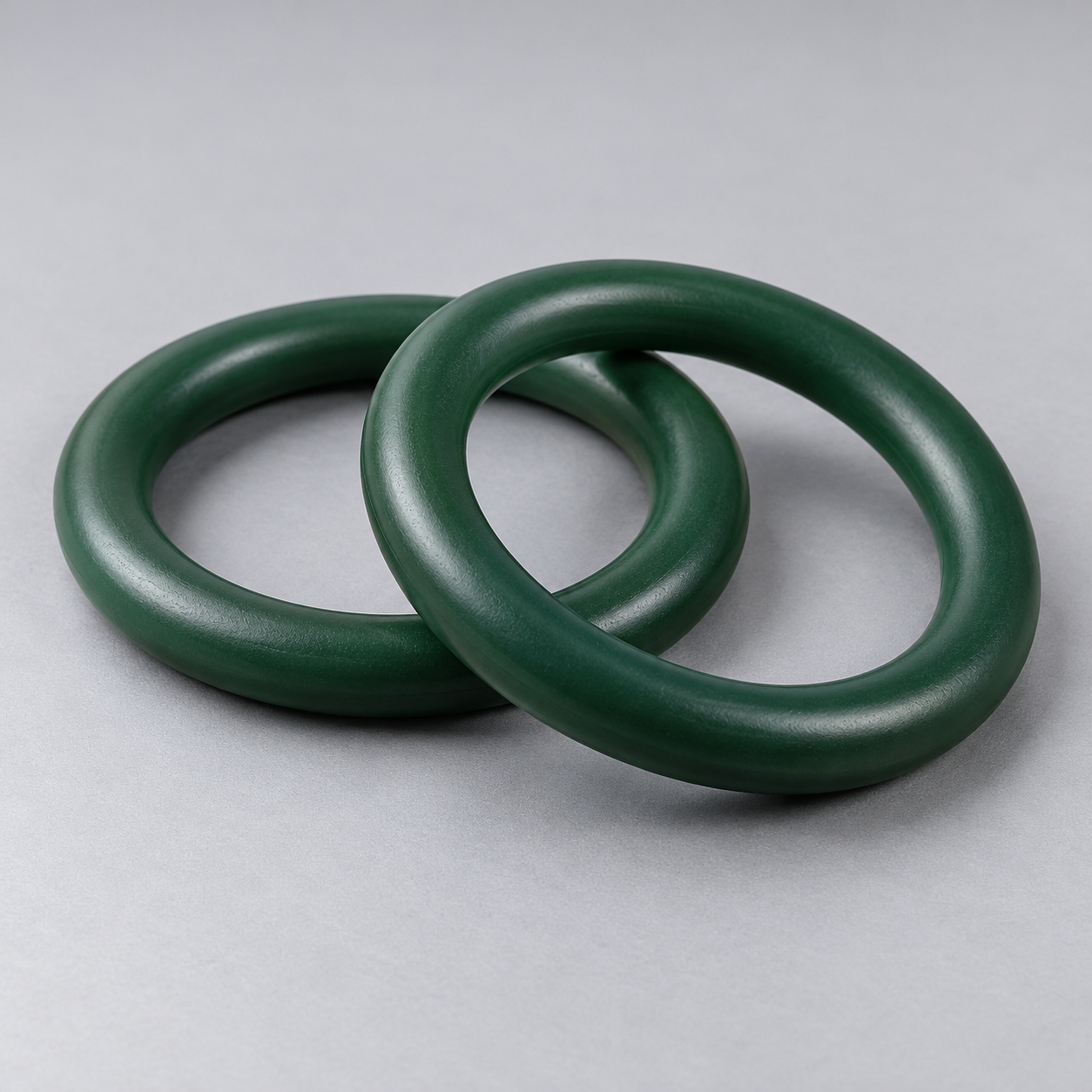 FKMReview temperature and chemical exposure.›
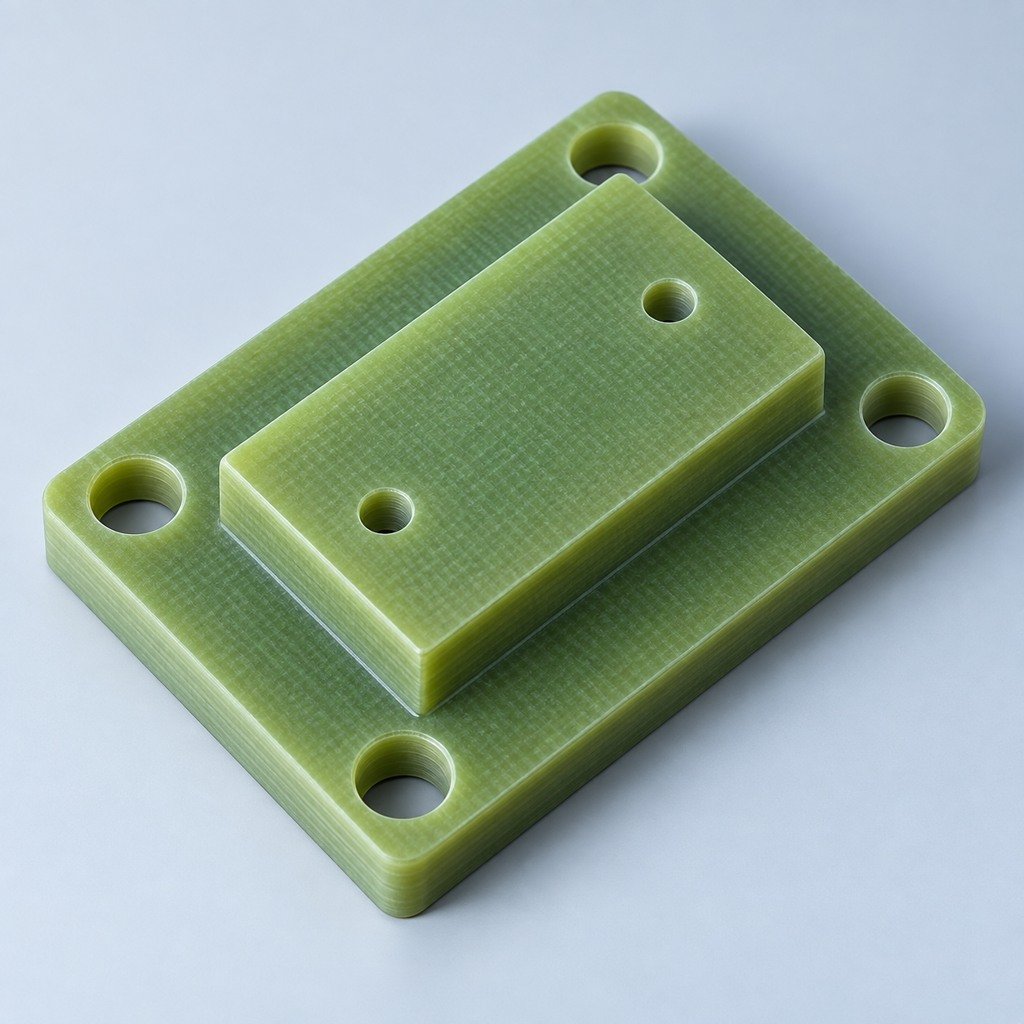 G10 / FR4Review insulation and laminate needs›
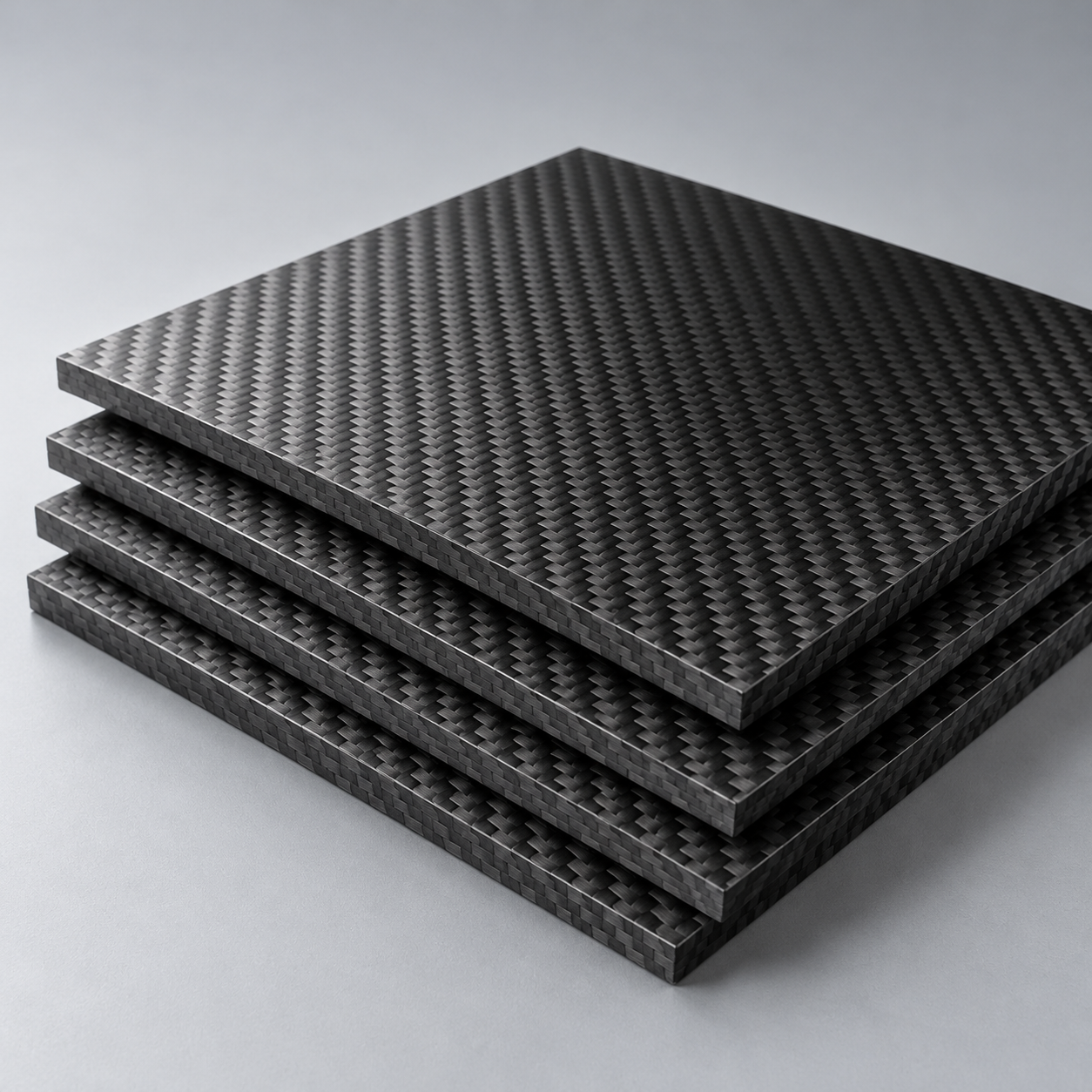 CompositesReview stiffness, weight and laminate.›Customer-Specified MaterialsConfirm your grade and requirements.›Other Specialty MaterialsDiscuss your application and grade.›
Practical guidance for your part geometry and material decisions.
Prepare your process, budget and sourcing questions.
Build your knowledge before production.
Learn who we are and how we operate.
Find our U.S. support team or start a conversation.
FOR YOUR NEXT BUILD AND REPEAT ORDER
Turn the lessons from your sample into controlled requirements for your next build. Our prototype to production support connects drawing changes, process choices, pilot evidence and production handover, so you can see what is ready and what still needs a decision.
Review Your Next Build →View the readiness checklist ↓Start with 3 inputs: your current revision, sample findings and planned quantities. Build scope and acceptance are agreed for your project.
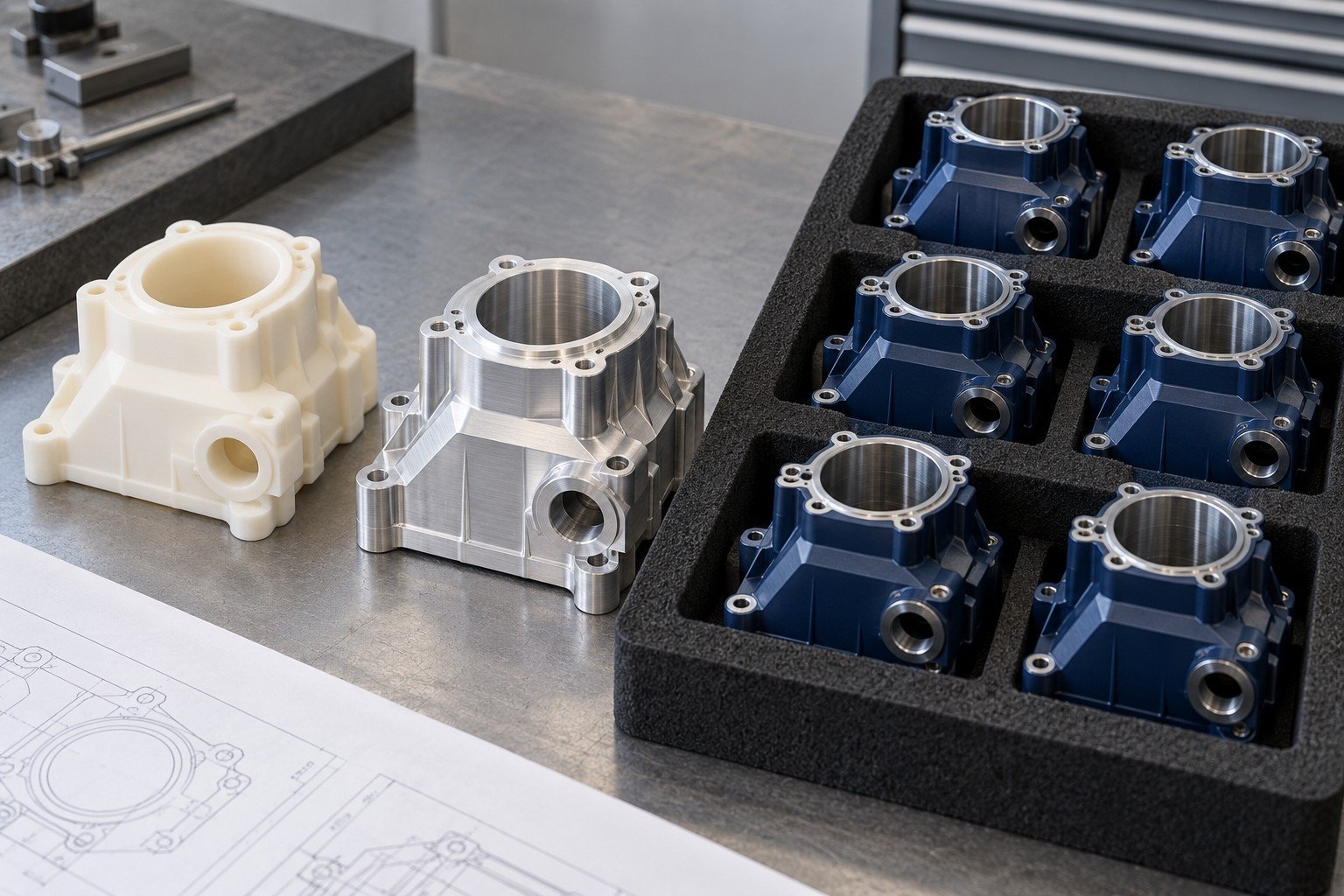
For your search for a prototype to production company, ask how the transition decisions and evidence will be retained.
Identify differences in design, material, process, tooling and acceptance from the tested sample.
Connect the drawing, sample findings and authorized decisions to one revision.
Define the pilot purpose and the evidence needed for your next release.
Assign open issues, customer approvals and responsibilities before the build.
Agree the records, controls and supply requirements for later orders.
Moving from prototype to mass production requires part-specific readiness evidence. Quantities and schedules are confirmed for the actual process and project.
The prototype establishes only the questions it was designed and built to answer.
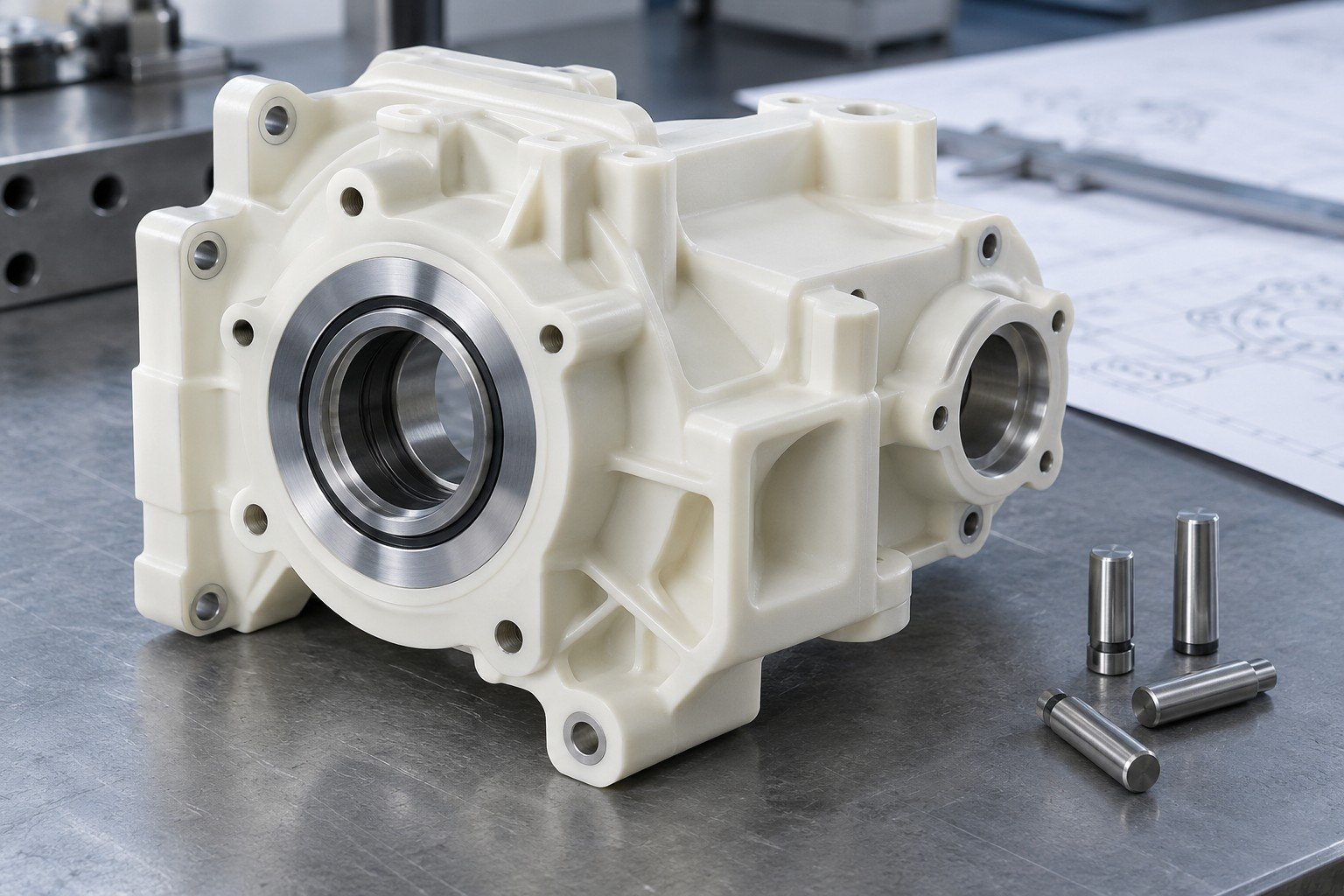
Pilot production connects your proposed process with defined verification and acceptance.
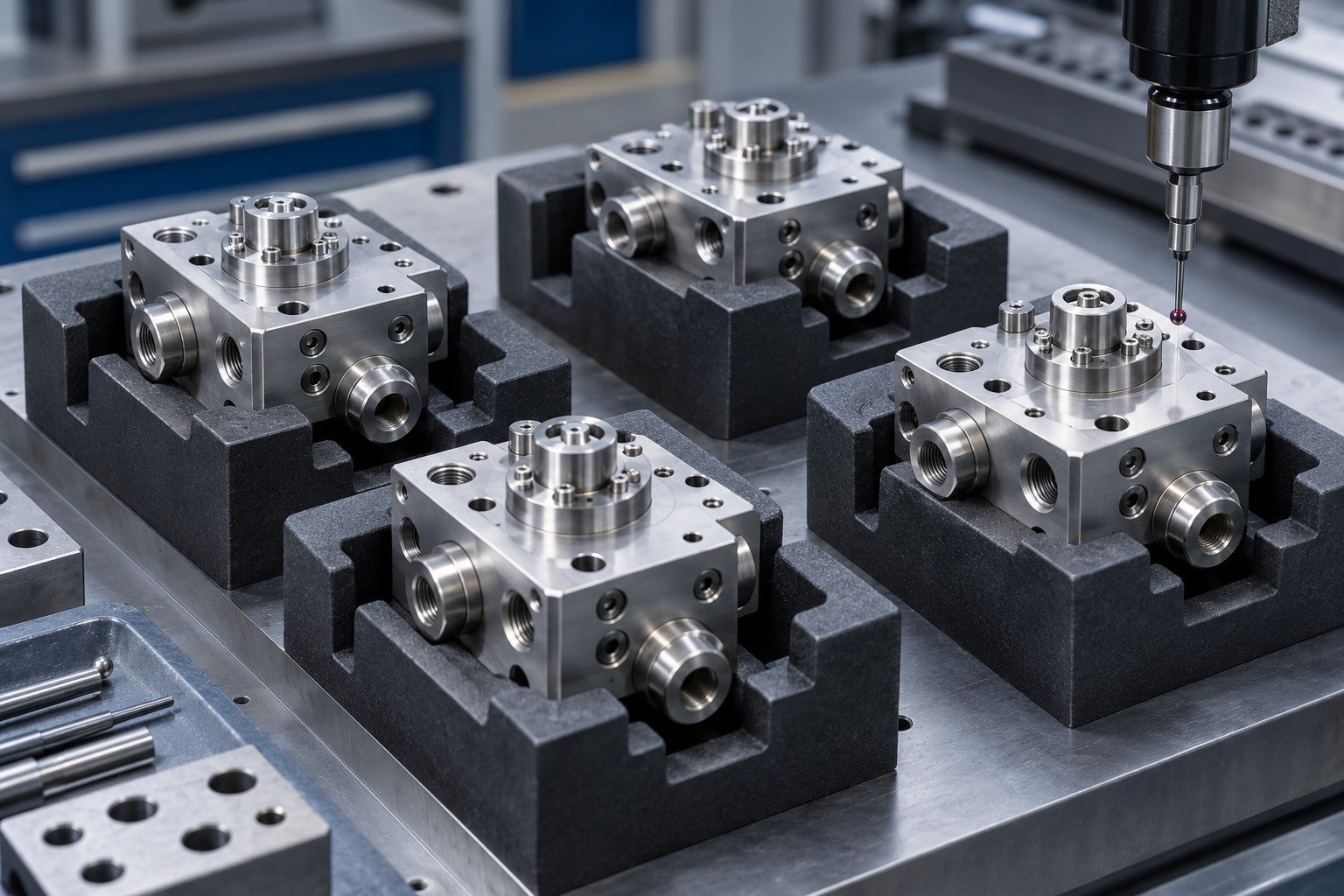
Production ramp up depends on more than sample appearance.
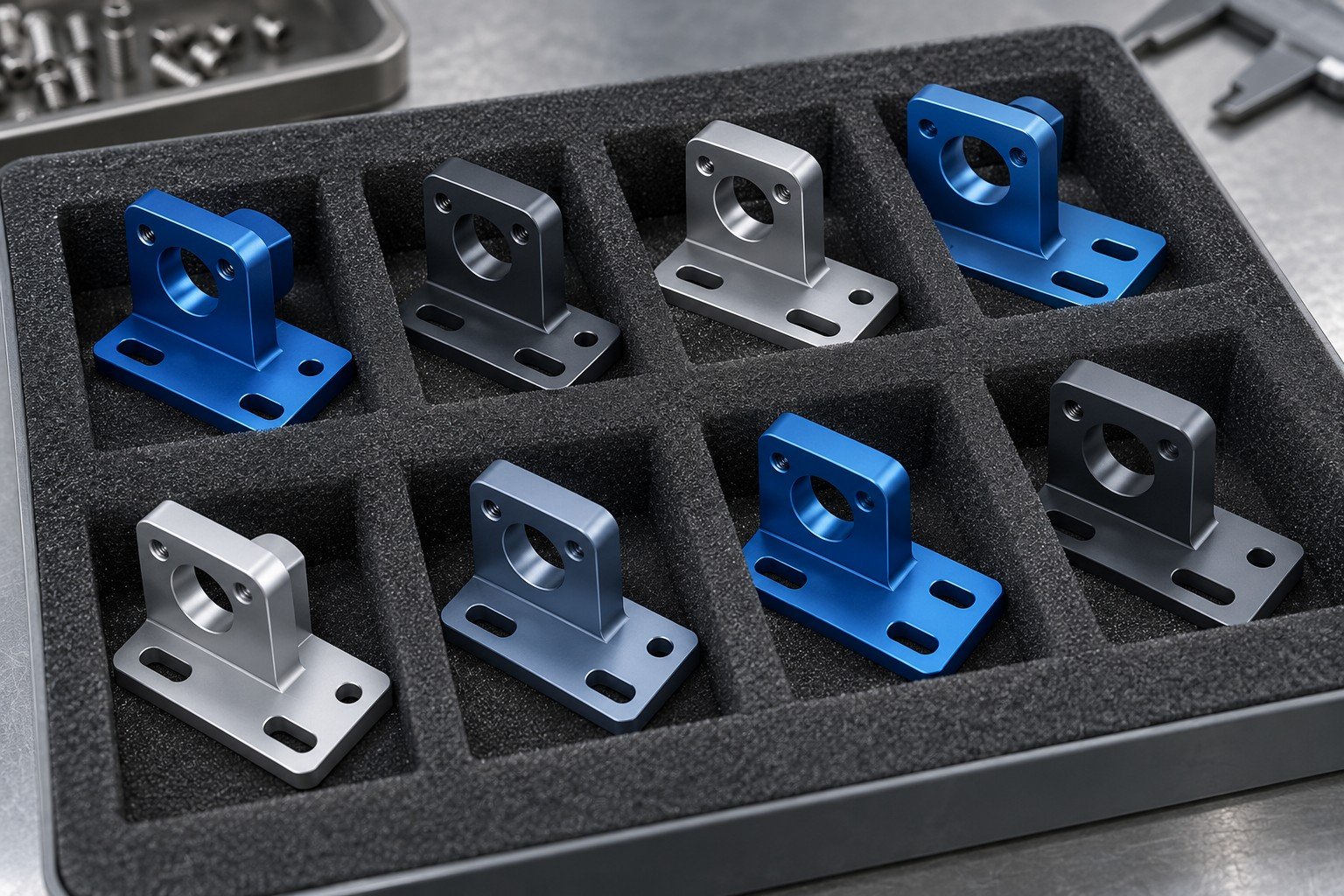
Production transition services should make the remaining work visible before it becomes a late change.
A good sample may rely on hand fitting or temporary workholding. Record what must change for repeat builds.
Keep engineering change control tied to drawing updates, affected stock, tooling and re-approval.
Include machining, finishing, assembly, inspection and packaging in the proposed route.
A purchase quantity does not define acceptance. State which evidence authorizes the next stage.
Review material, tooling, outside processes and delivery dependencies before committing to ramp quantities.
Prototype to production manufacturing starts with the intended final route, not just a larger order for the sample.
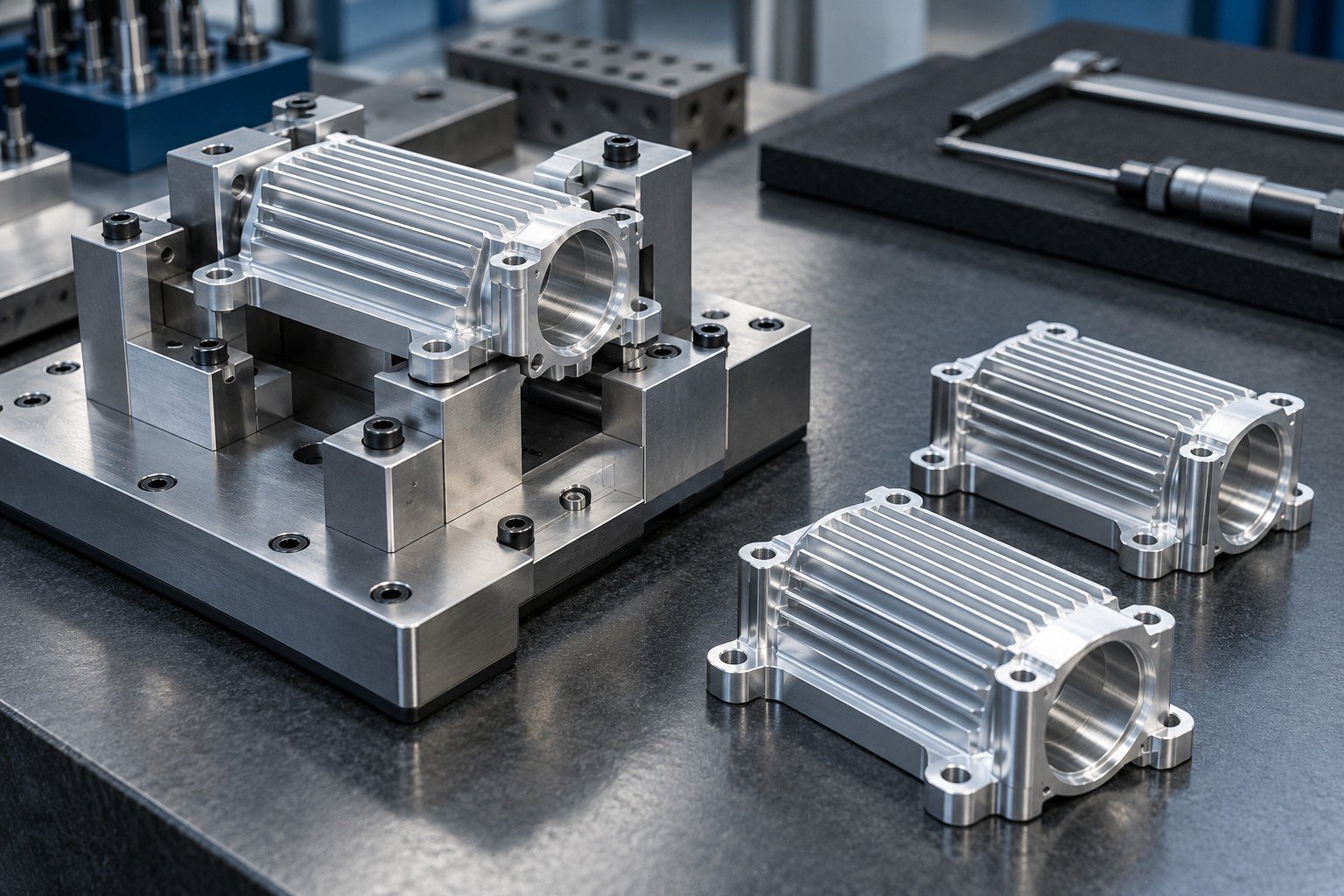
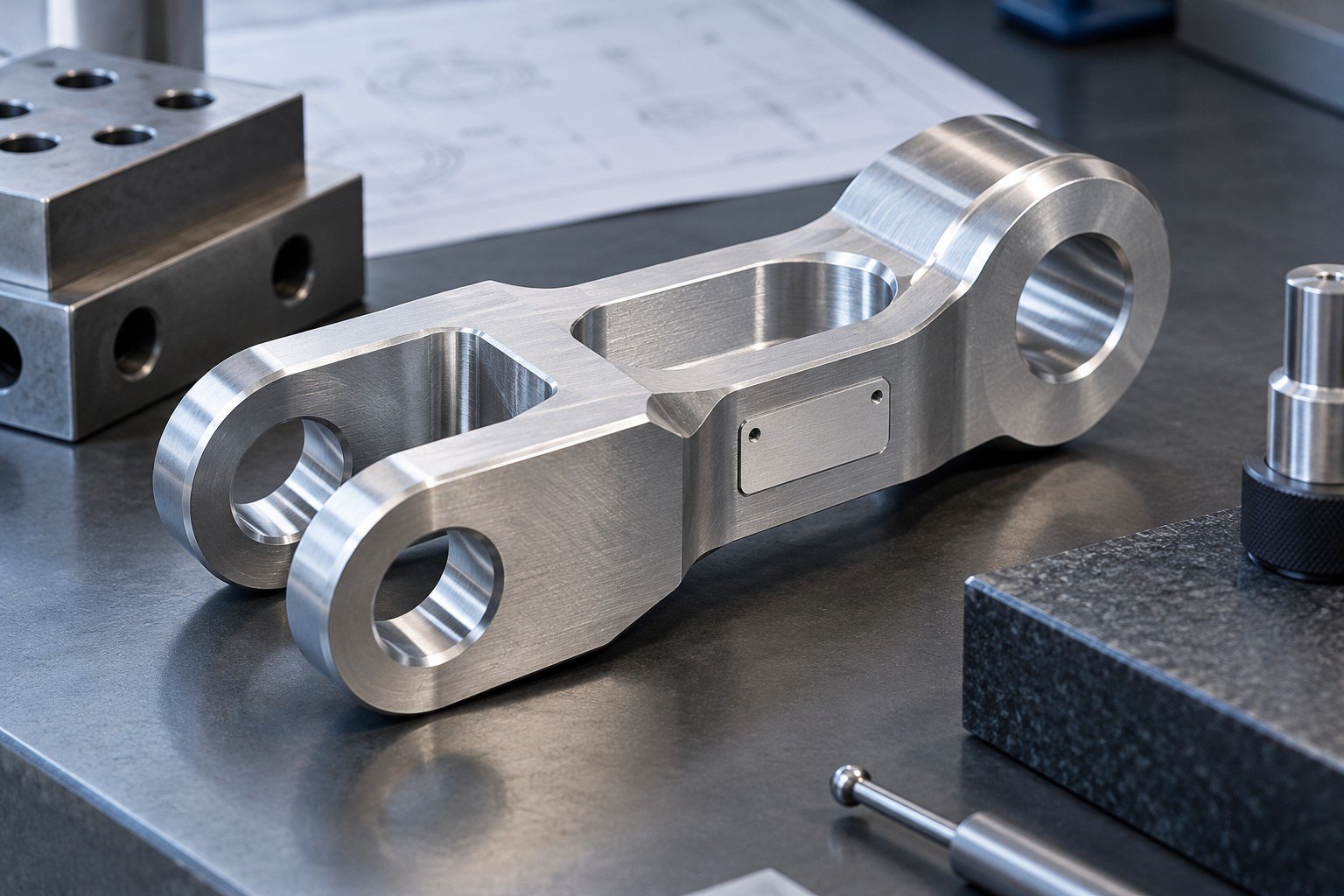
CNC machining production ramp up needs a reviewed setup, workholding, tool access and inspection plan.
Explore cnc machining →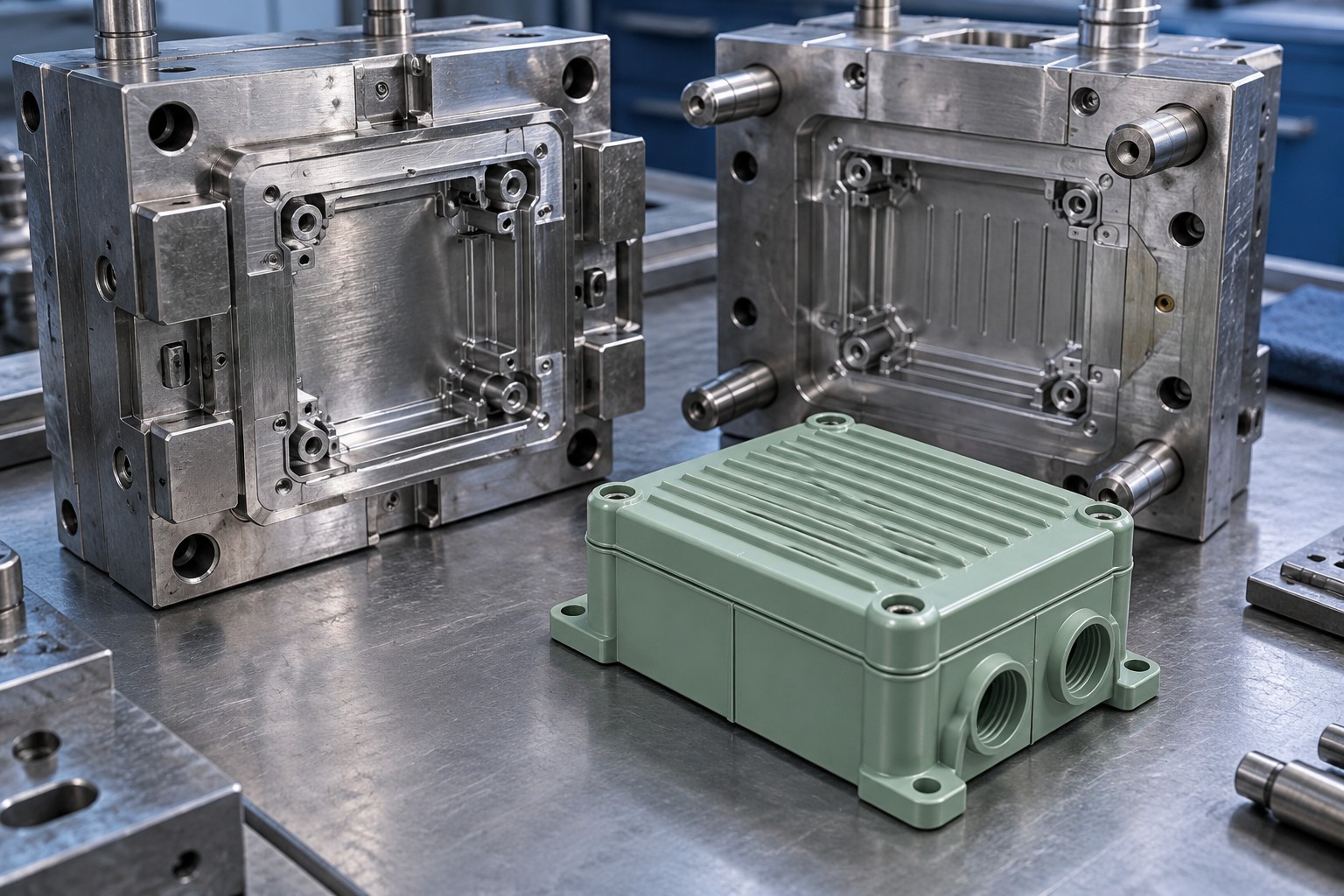
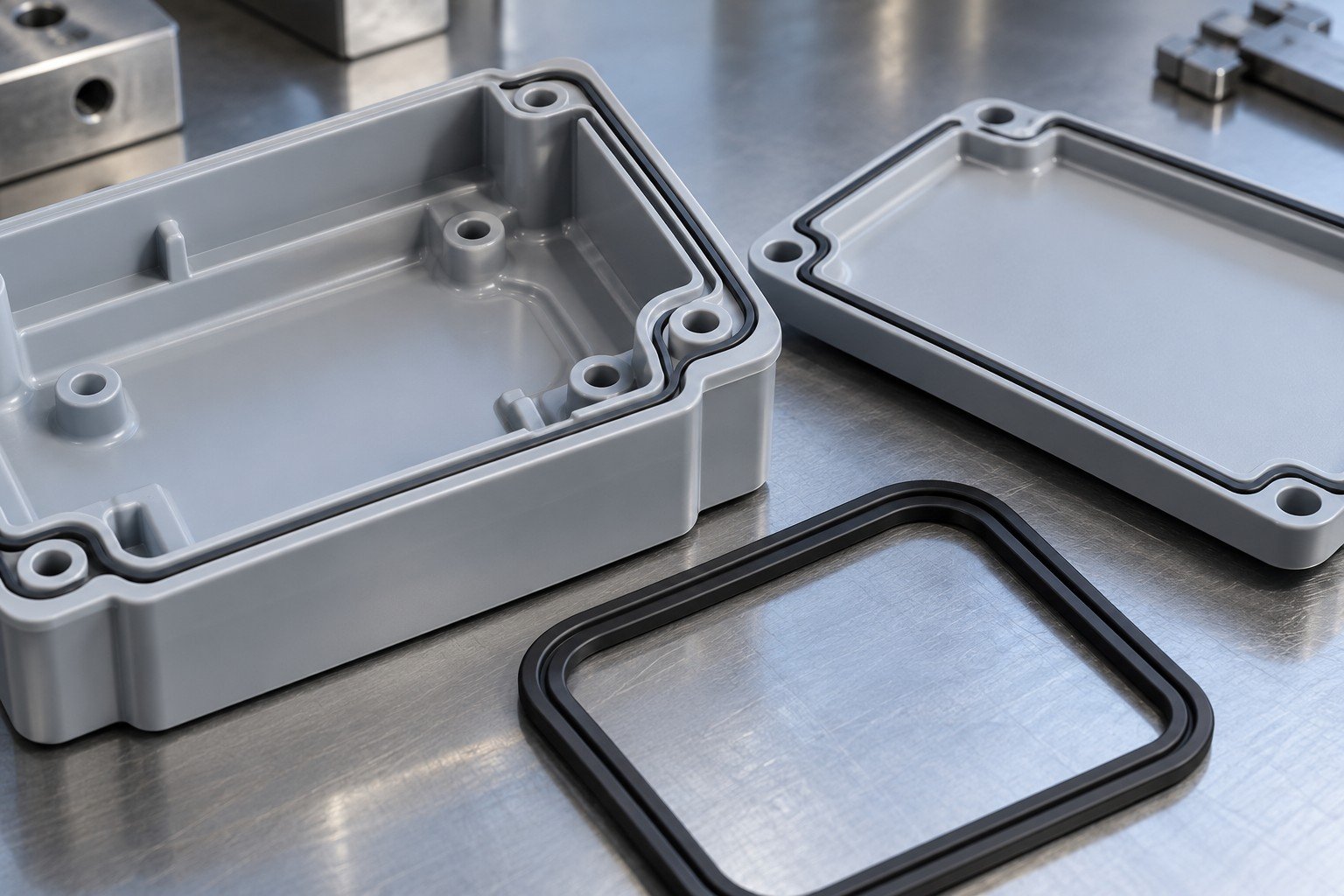
Injection molding production transfer needs tool condition, machine compatibility, resin, process records and a receiving trial.
Explore injection molding →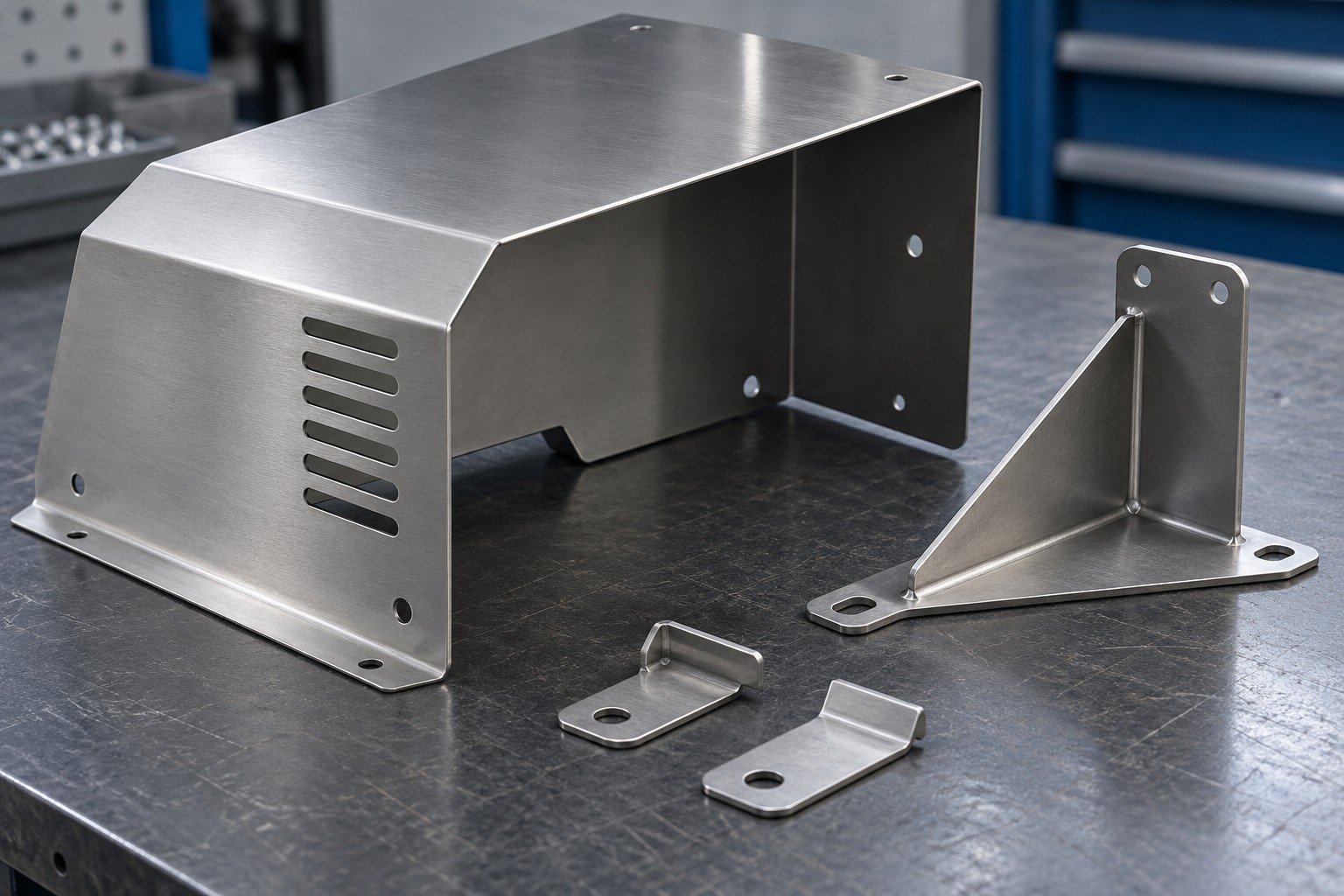
Sheet metal production transition needs bend sequence, fixtures, joining, finish and assembly fit reviewed together.
Explore sheet metal →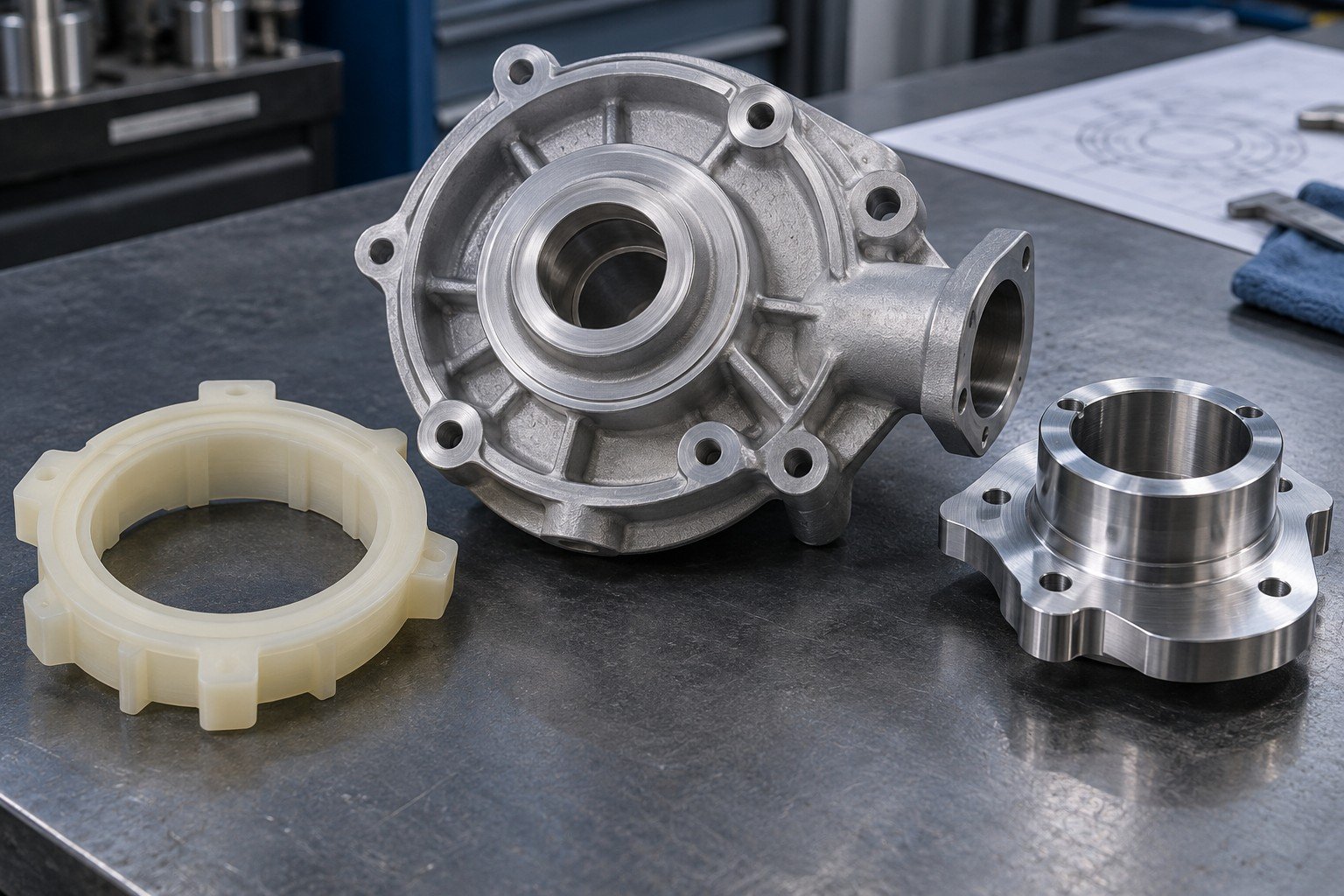
Moving from a printed or machined sample to a different production route changes what must be verified.
Explore process change →A production readiness assessment compares the actual available inputs with what your proposed build requires. Mark missing information instead of treating it as approved.
Controlled model, drawing, BOM and revision.
Exact grade, condition and finished-part requirements.
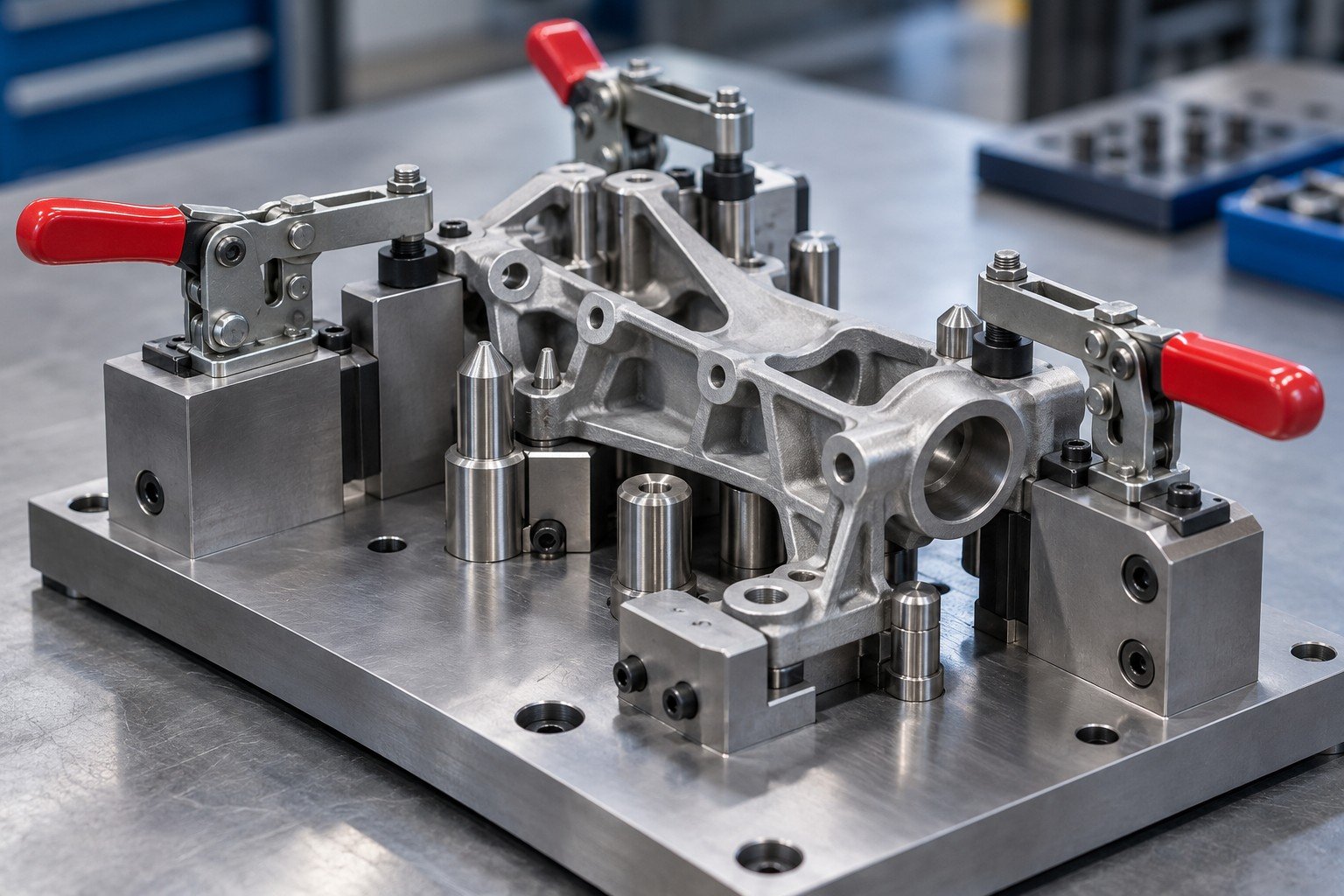
Ownership, condition, compatibility and replacement needs.
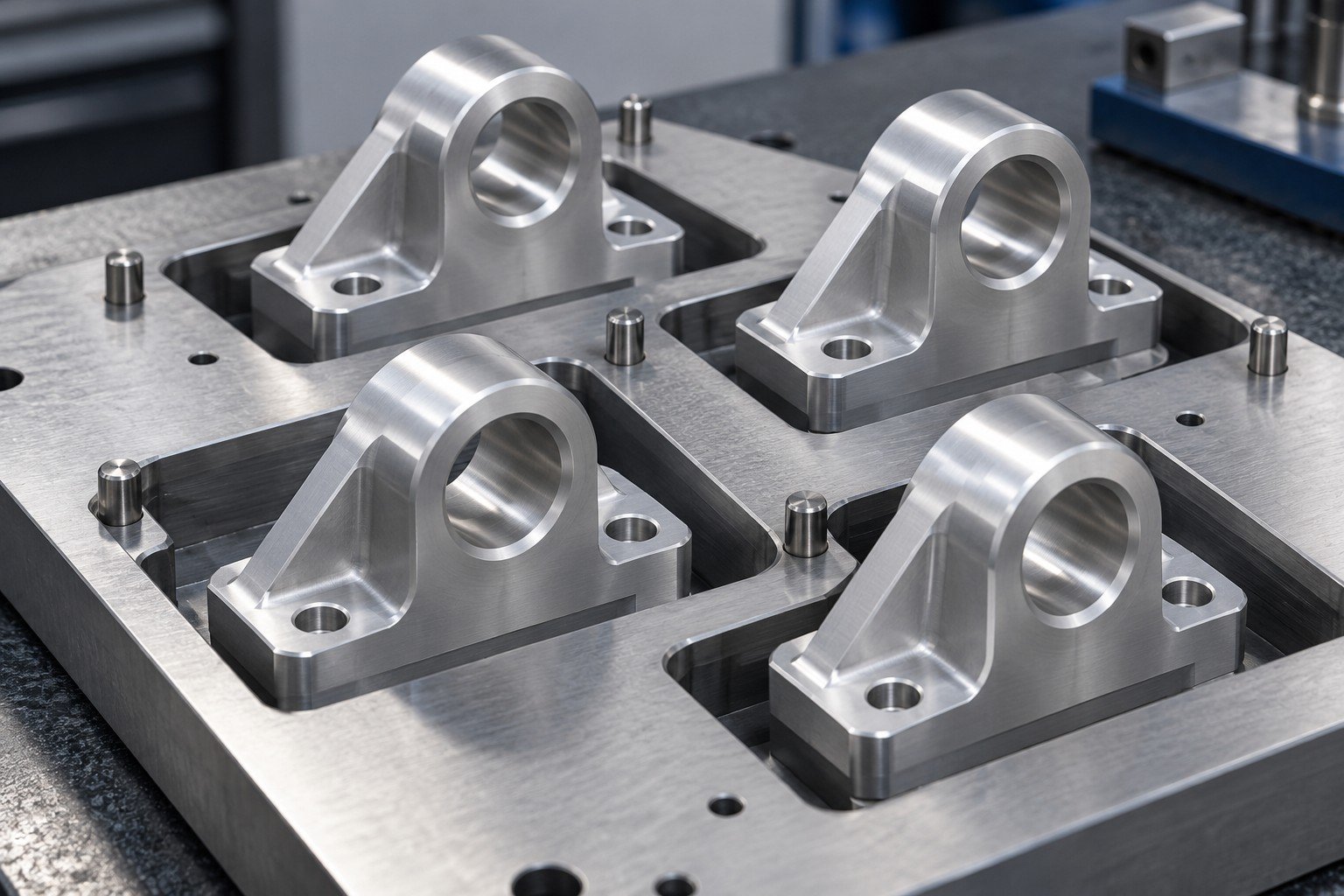
Questions, samples and acceptance for the next build.
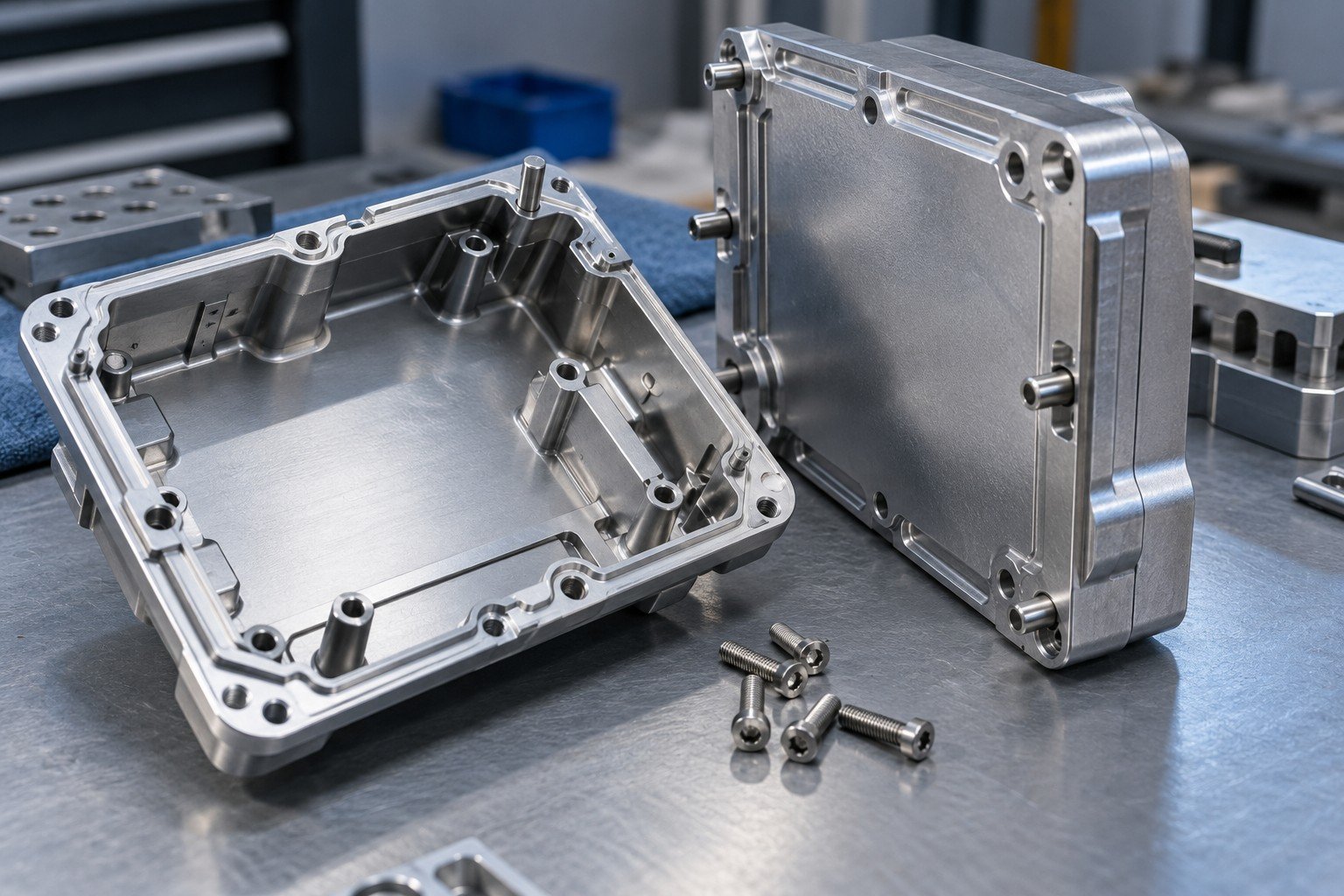
Mating features, fasteners and sequence.
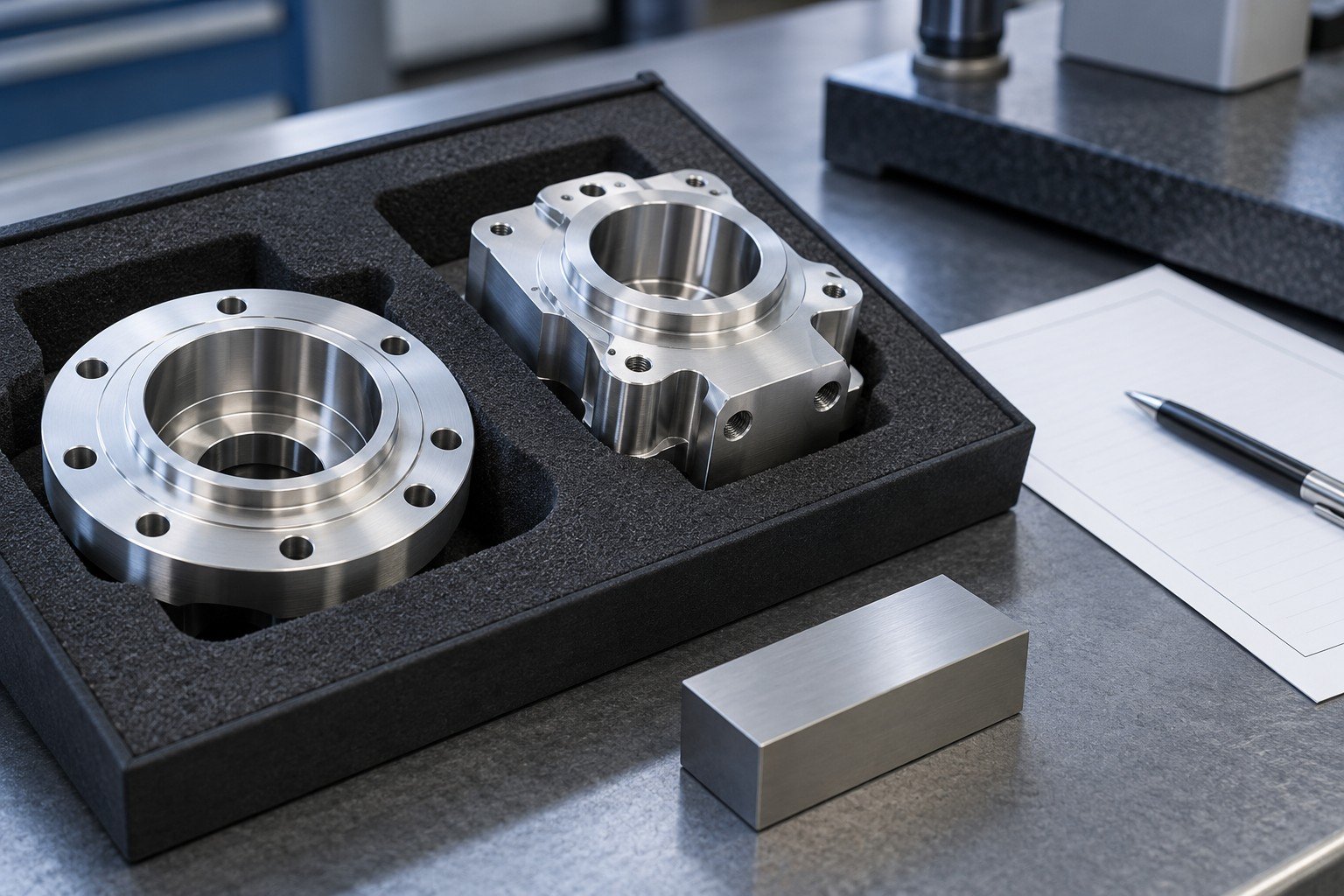
Critical features, method and required records.
Quantities, sources, dependencies and release assumptions.
Approved records, issue closure and repeat-order controls.
New product introduction services are scoped to the manufactured parts and activities agreed for your project. Product design authority and regulatory approval remain explicitly assigned.
Current drawing, sample history, quantities and unresolved requirements.
Intended material, process, tooling and differences from the prototype.
Sample scope, inspection, tests, responsibilities and acceptance.
Use the agreed revision and retain the relevant process and inspection evidence.
Resolve deviations, corrections and any necessary repeat verification.
Approve the repeat-build inputs, remaining limitations and handover records.
Use pilot run manufacturing to check the intended route and resolve defined questions before a larger release.
Specify which characteristics, functions and process assumptions the build must establish.
Review the assembled condition as well as the individual part drawing.
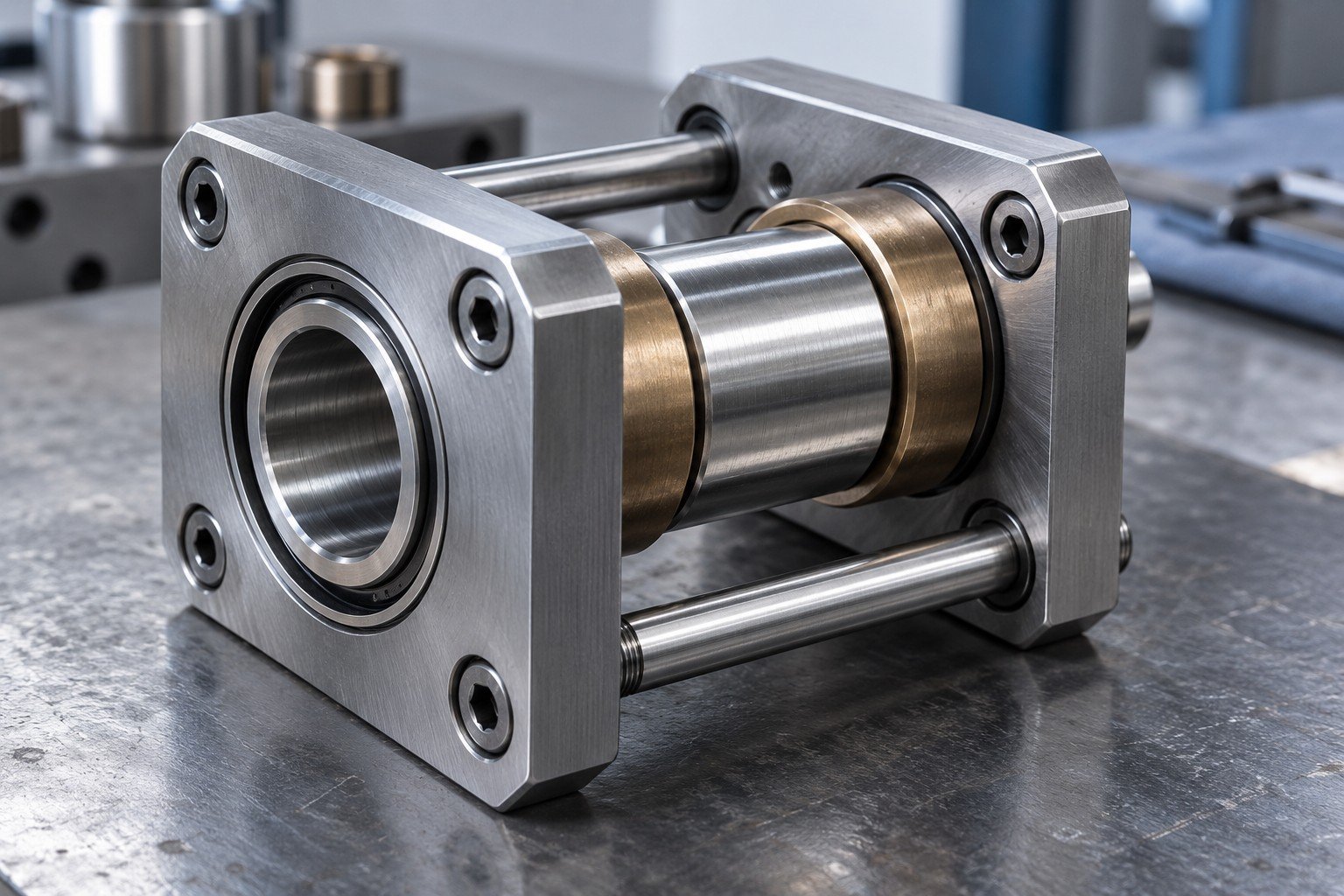
Increase scheduled quantities against agreed readiness and supply conditions.
Connect the manufactured-part scope to your wider introduction plan.
A transferred process or tool needs its own condition, compatibility and trial assessment.
State what the temporary route can support and the decision that ends its use.
Separate engineering review, pilot manufacture, tooling work, inspection and logistics.
Our prototype to production services begin with the evidence you already have, including what did not work.
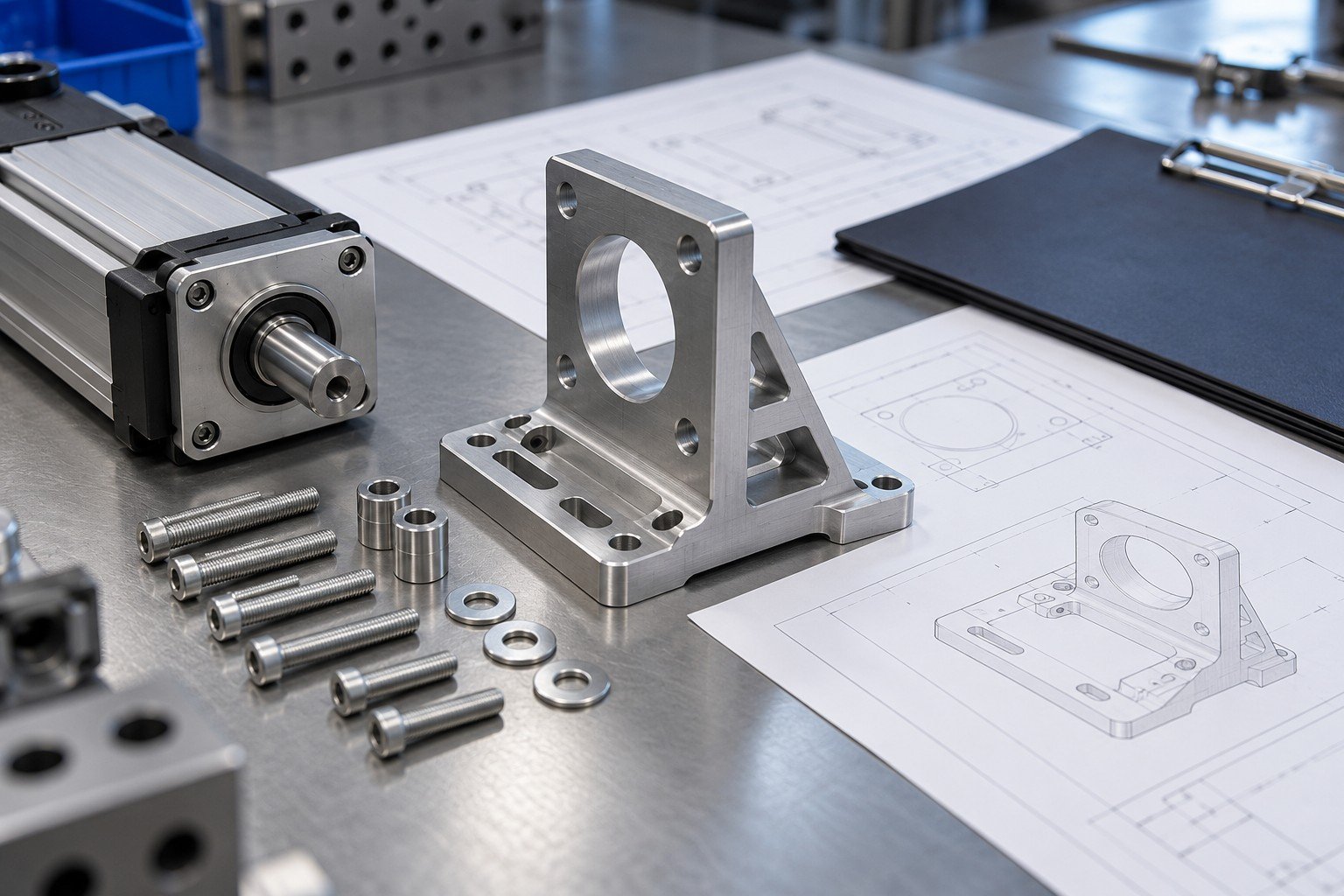
Material choice and manufacturing route remain part-specific. This review does not establish a universal capacity, tolerance or volume threshold.
Review stock form, workholding, tool wear, secondary operations and dimensional acceptance.
Review exact resin grade, tooling, molding or printing differences, cosmetic requirements and assembly.
Review bend sequence, weld distortion, fixtures, surface work and final interfaces.
Plan the interfaces, revision compatibility, bought-in items and assembly checks.
Discuss how to reduce risk when scaling production by making the assumptions and remaining verification visible, rather than relying on a general success promise.
Different material, process, orientation or hand finishing can limit the conclusions from a sample.
A model update must be reviewed against drawings, BOM, tooling and affected acceptance.
Condition, compatibility, maintenance and spare needs belong in the proposed build plan.
Finishing, cleaning, secondary machining and assembly can affect final acceptance.
Define the required characteristics, records and response to open issues.
Material, external processes and approvals can change the available build sequence.
Record the issue, approved action, affected revision and verification needed to close it.
Do not interpret delivery of samples as authorization for an unrestricted repeat build.
Dimensional reports, functional tests and product qualification answer different questions. Agree the evidence required for your parts.
Retain part, drawing, BOM, material, process and revision.
Connect critical requirements to a practical inspection or test method.
Retain the relevant lot, process and sample identity.
Separate conforming evidence, deviations and unanswered questions.
Retain the disposition, correction and any repeat checks.
Record who approved the scope and which limitations remain.
The actual released baseline.
The build and parts evaluated.
Results, deviations and open issues.
The authorized next step and conditions.
A production handover checklist helps retain the approved manufacturing basis. It does not replace customer approval or a project-specific quality requirement.
Model, drawing, BOM and requirements for the same revision.
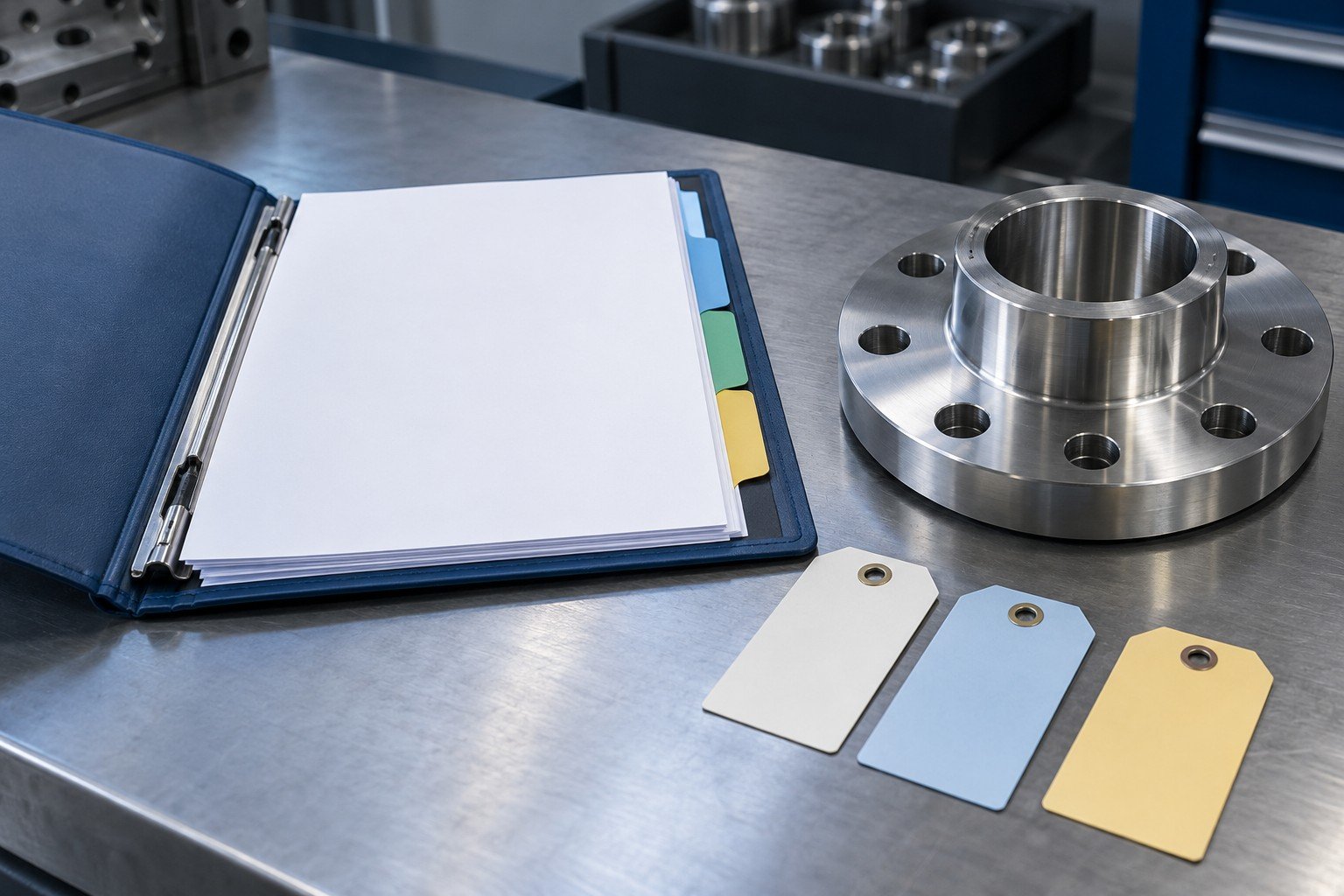
Samples, checks, findings and the acceptance decision.
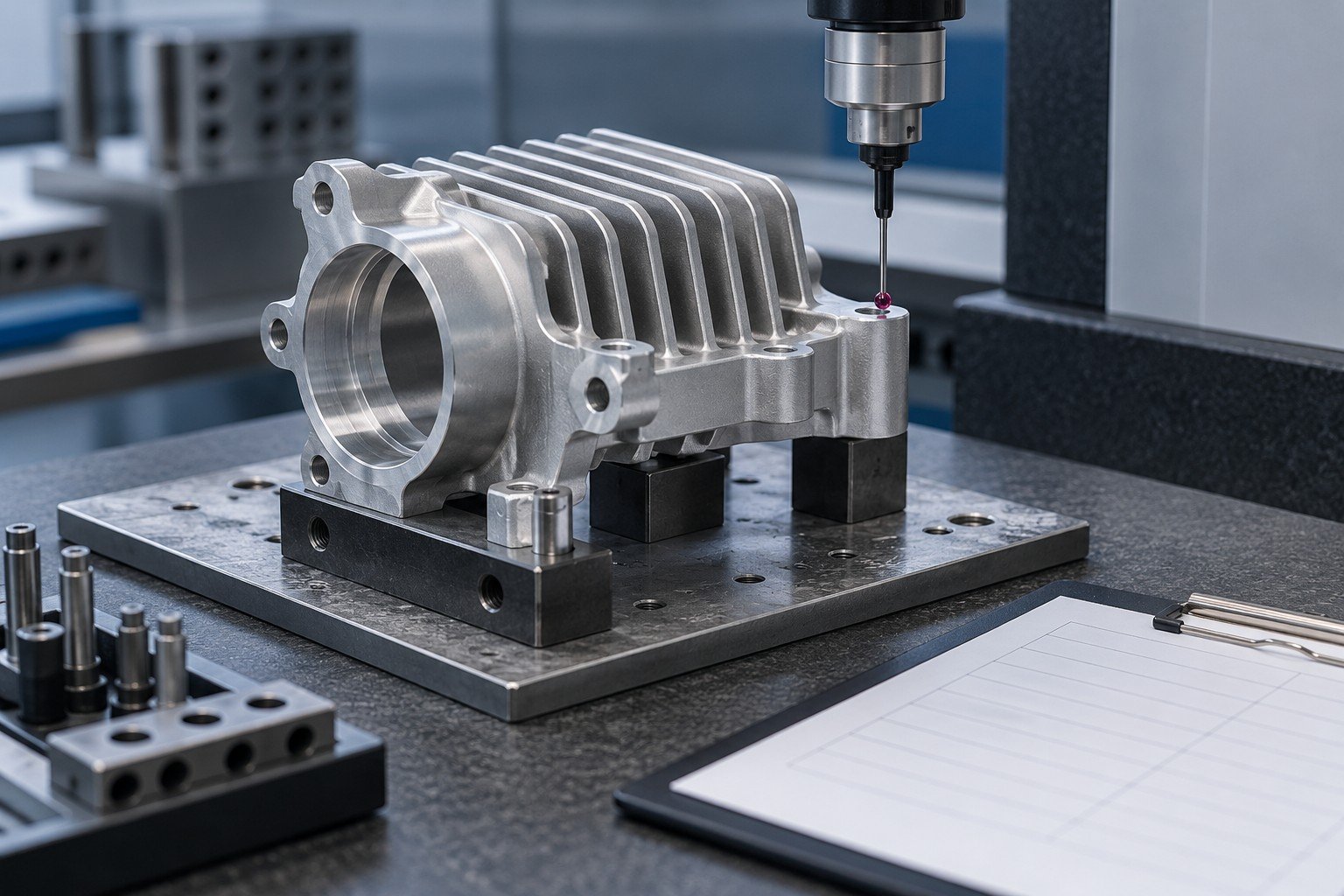
Condition, ownership, supplied items and receiving trial requirements.
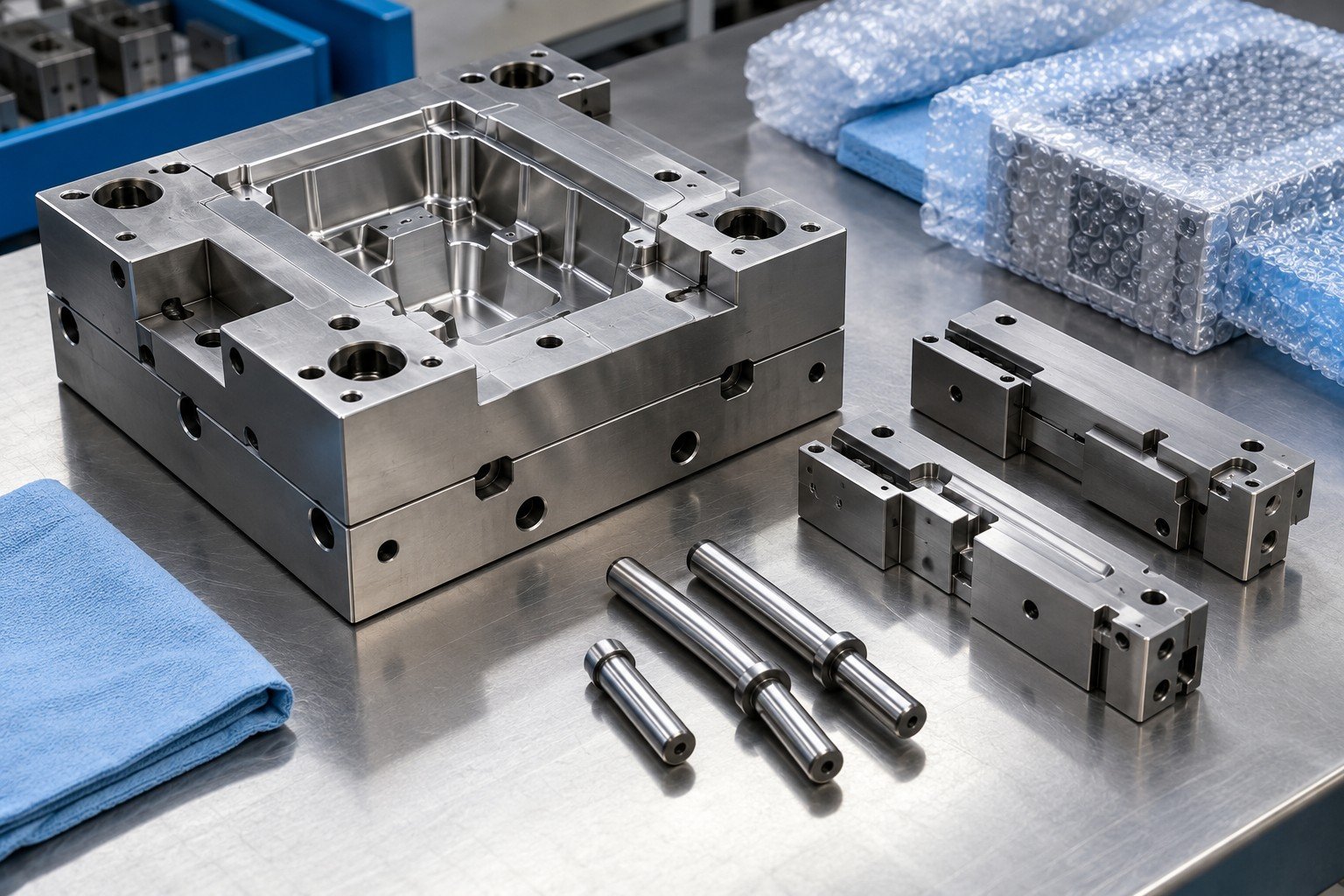
Reason, affected requirements, approved action and verification.
| Record | What it should identify |
|---|---|
| Baseline | Part and revision. |
| Evidence | Actual build, findings and limits. |
| Responsibility | Owner and authorized reviewer. |
| Next step | Approval, action or required verification. |
Owner, required evidence and disposition before the next release.
| Record | What it should identify |
|---|---|
| Baseline | Part and revision. |
| Evidence | Actual build, findings and limits. |
| Responsibility | Owner and authorized reviewer. |
| Next step | Approval, action or required verification. |
Quantities, materials, outside processes and delivery dependencies.
| Record | What it should identify |
|---|---|
| Baseline | Part and revision. |
| Evidence | Actual build, findings and limits. |
| Responsibility | Owner and authorized reviewer. |
| Next step | Approval, action or required verification. |
Released documents, tool records, quality plan, approval and change control.
| Record | What it should identify |
|---|---|
| Baseline | Part and revision. |
| Evidence | Actual build, findings and limits. |
| Responsibility | Owner and authorized reviewer. |
| Next step | Approval, action or required verification. |
Illustrative application concepts. Industry labels do not establish product qualification or a completed customer program.
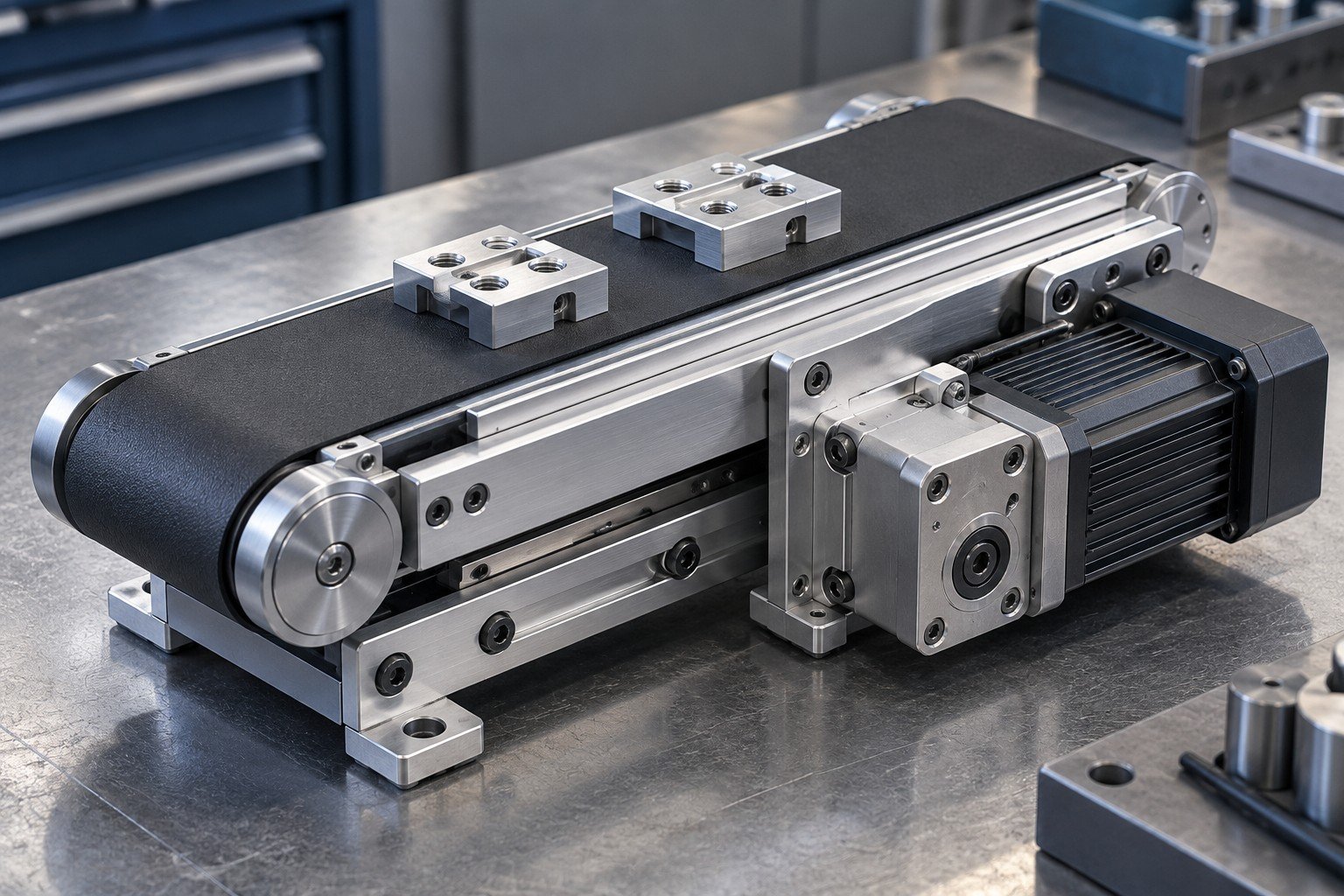
Review mounting, alignment, service access and the evidence your equipment build needs.
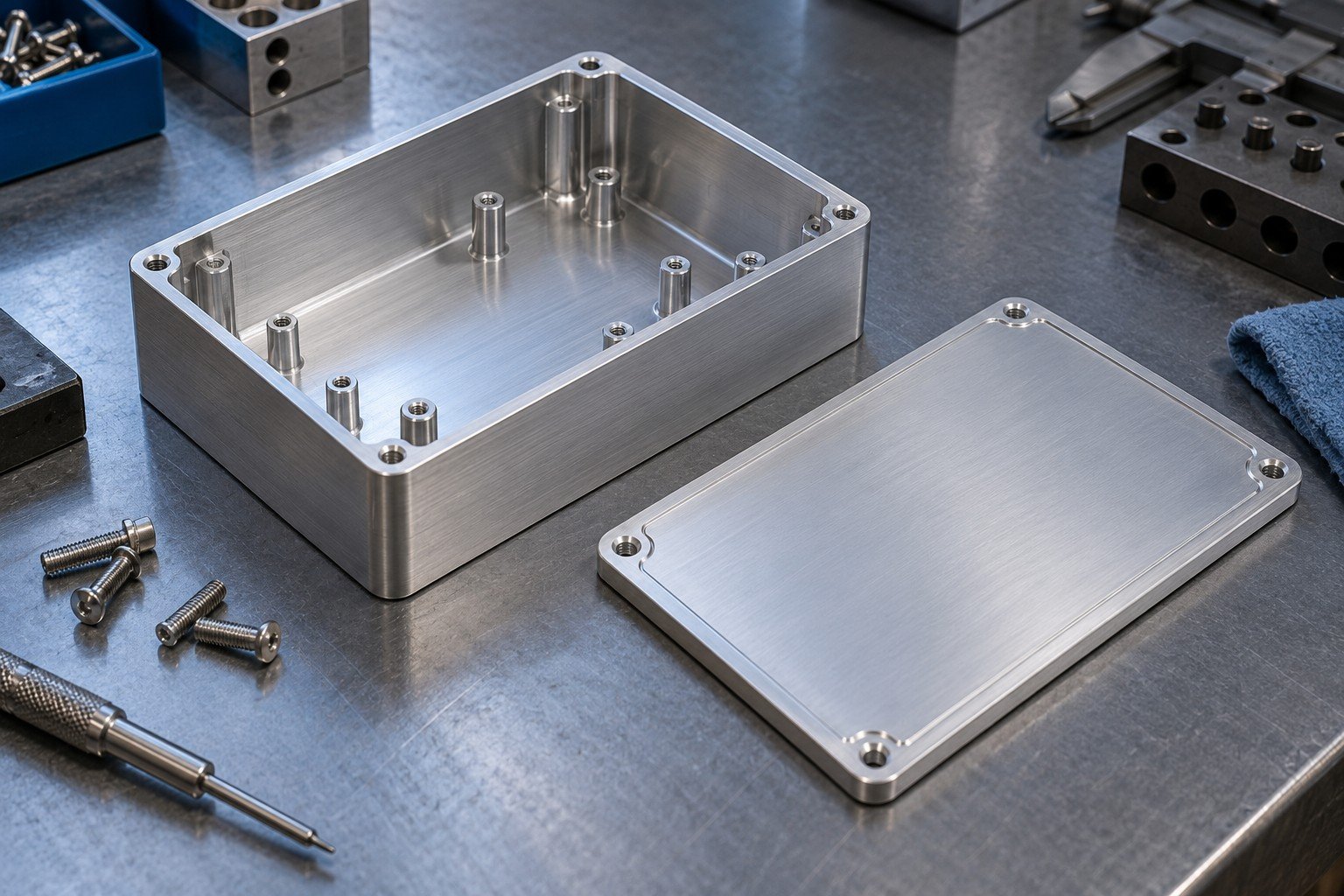
Review internal mounting, closure, finish and assembly fit before repeat supply.
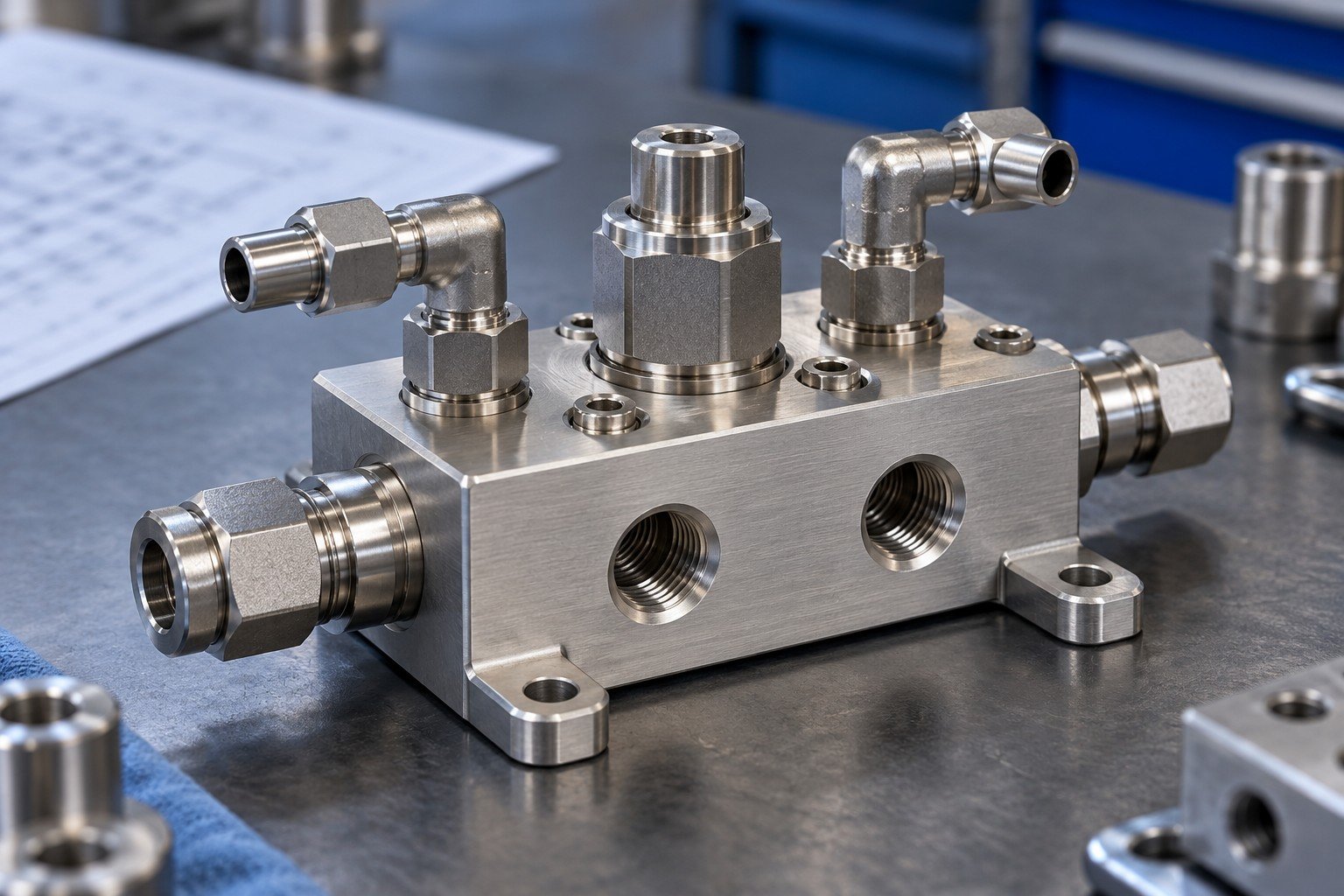
Connect ports, seals, secondary work and required testing to the accepted revision.
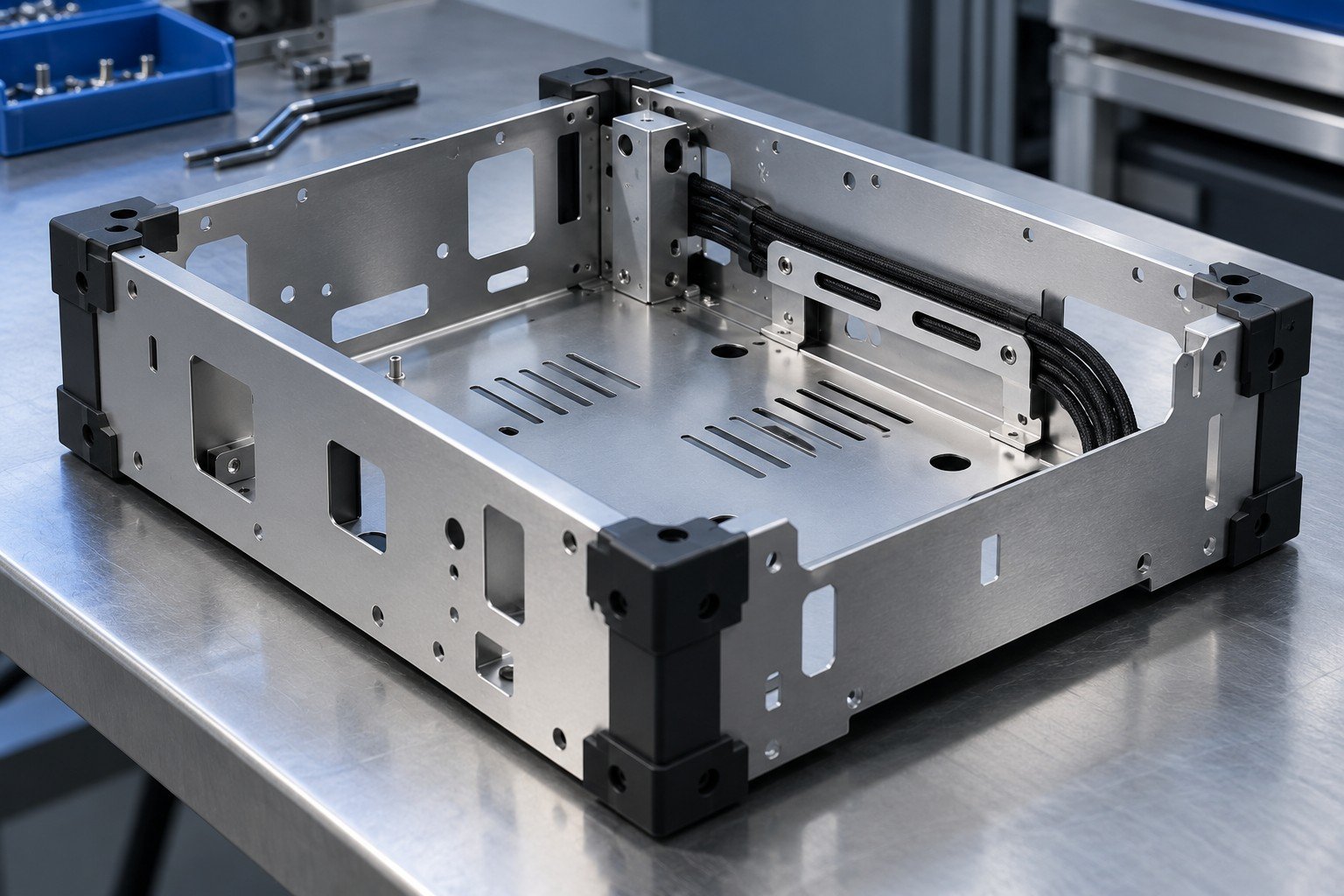
Review component revisions, fixtures, sequence and required fit or functional checks.
Coordinate the manufacturing review, sample findings and repeat-order requirements for your project.
Use the checklist to identify actual readiness and open work. Do not replace missing evidence with a numerical rating.
Controlled drawing, model, BOM and revision.
What was checked and what remains unresolved.
Exact specification and final condition.
Reviewed tools, fixtures and operations.
Required samples, checks and decision criteria.
Approved actions and required verification.
Material, quantity, schedule and external dependencies.
Released records, responsibilities and change control.
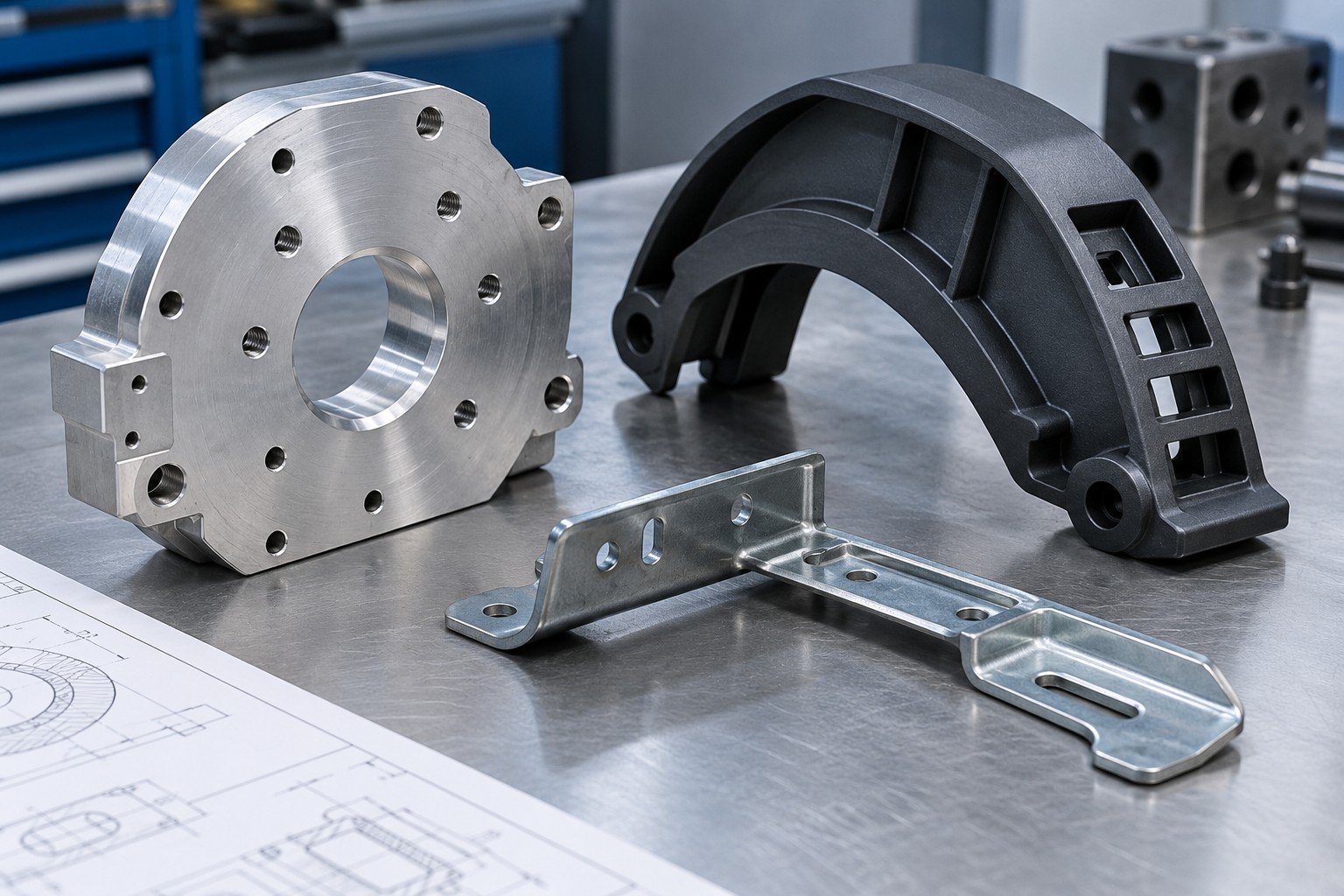
Share your current sample findings, intended route and remaining approval requirements.
Explore Rapid Prototyping →Record what the sample proved and how it differs from the intended production route. Review the controlled design, material, tooling, process, quantities and acceptance requirements. Define a pilot, review its evidence, close the agreed findings and authorize repeat-build inputs.
Cost depends on the actual scope: drawing changes, tooling or fixtures, pilot parts, secondary operations, inspection, testing and handover records. Compare equivalent finished-part requirements and separate one-time work from repeat-order pricing. No universal price is stated.
Timing depends on revision readiness, materials, tooling, outside processes, pilot results and approvals. Request a milestone plan showing dependencies and decisions. The schedule is confirmed for your project rather than promised from a generic quantity.
Provide the released design and BOM, material and finish requirements, intended route, tooling information, sample scope, checks, acceptance criteria and responsible reviewers. Identify missing inputs and unresolved issues before manufacture.
A prototype is ready to support the next decision when the agreed checks are complete and its limitations are understood. Production also needs approved inputs, a suitable route, required evidence and an authorized release. Sample appearance alone does not establish readiness.
Transfer can be reviewed after ownership, inventory, condition, compatibility, preservation and receiving requirements are known. A receiving trial and appropriate approval may be needed before repeat use. The existing tool is not assumed ready without review.
Keep changes controlled, identify prototype-to-production differences, define pilot acceptance, review actual findings and retain the released records. Make supply and approval dependencies visible. The required verification depends on the part and its consequences of failure.
It compares the proposed build with its required design, material, tooling, process, quality, supply and approval inputs. The useful output is a documented readiness decision and assigned open actions, not an unsupported generic score.
Only the agreed scope and evidence can support an approval decision. Functional validation, regulatory approval, process qualification and dimensional inspection have different purposes. Confirm customer responsibilities and any specialist testing separately.
That depends on the question the pilot must answer. Record all relevant differences in material, process, tooling and conditions. Do not extend the conclusions beyond what the actual build and testing represent.
Share the current sample process and intended final route. Review geometry, material state, tooling, secondary operations and verification changes before authorizing the new build.
Record the finding and affected requirement. Agree the disposition, drawing or process correction, responsible owner and verification needed before the next release. Keep the record connected to the controlled revision.
Required reports, submission level, sample scope and customer formats are agreed before ordering. Do not assume every document or test is included in a general manufacturing support quotation.
Rapid prototyping produces samples for defined learning. Drawing review checks the controlled technical requirements. This page connects sample findings, pilot evidence and the manufacturing handover for repeat supply.