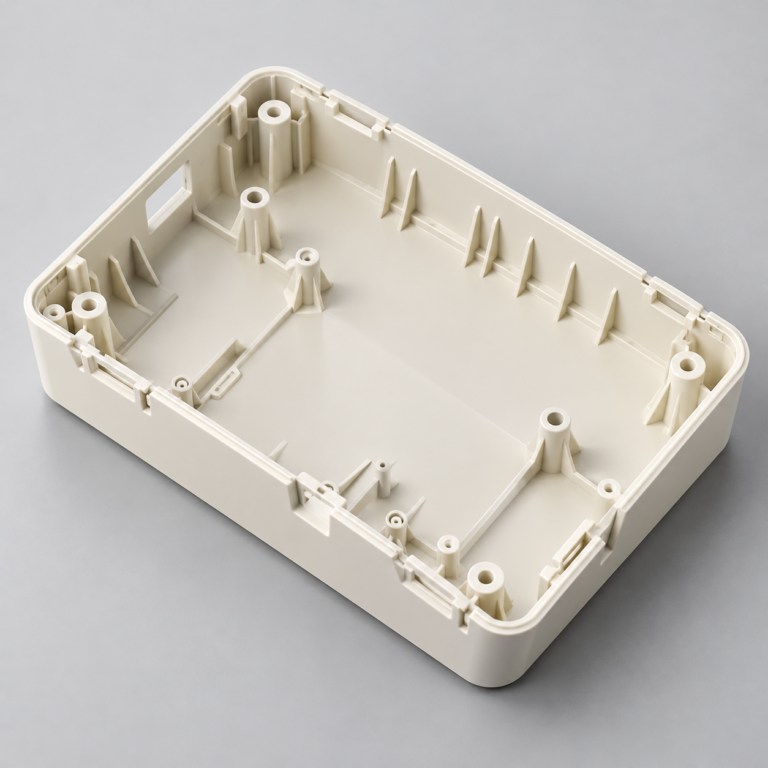
Injection Molding
Tooling and molding for your repeat plastic parts.
From prototype to production, coordinated manufacturing solutions for your custom parts.
View All Services →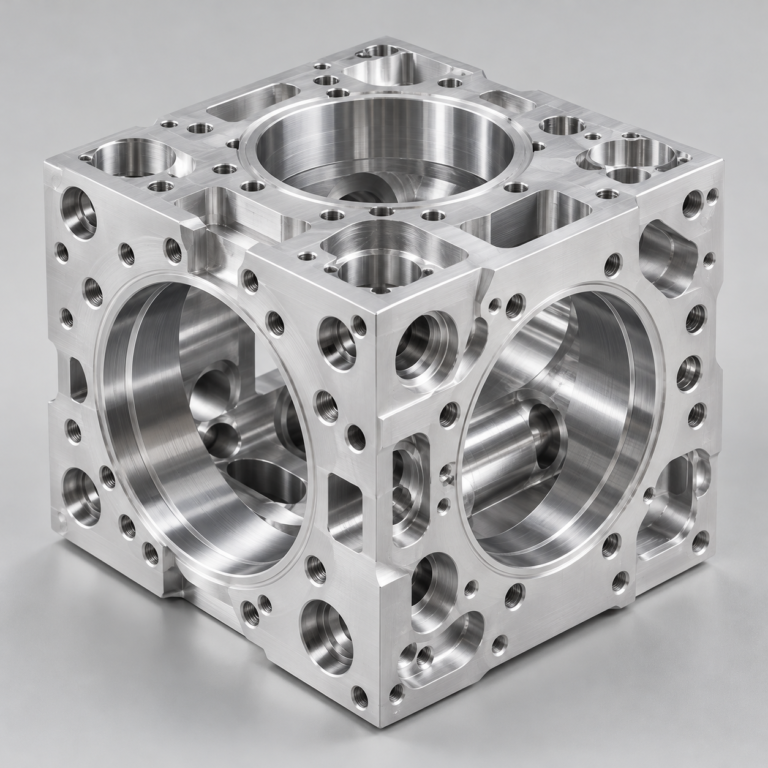
Precision parts for your tight tolerances and complex geometry.
Tooling and molding for your repeat plastic parts.
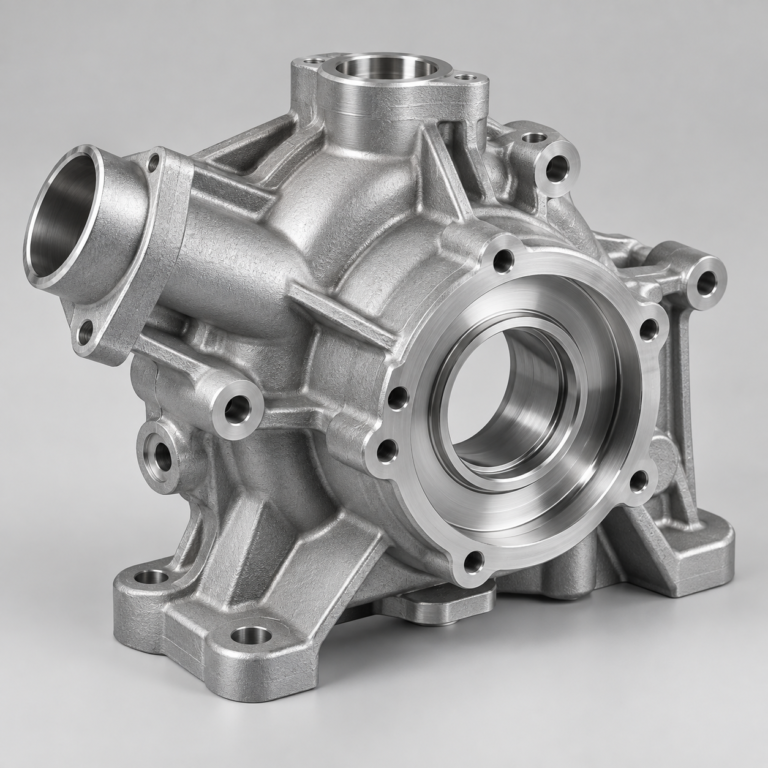
Metal casting options for your part and production volume.
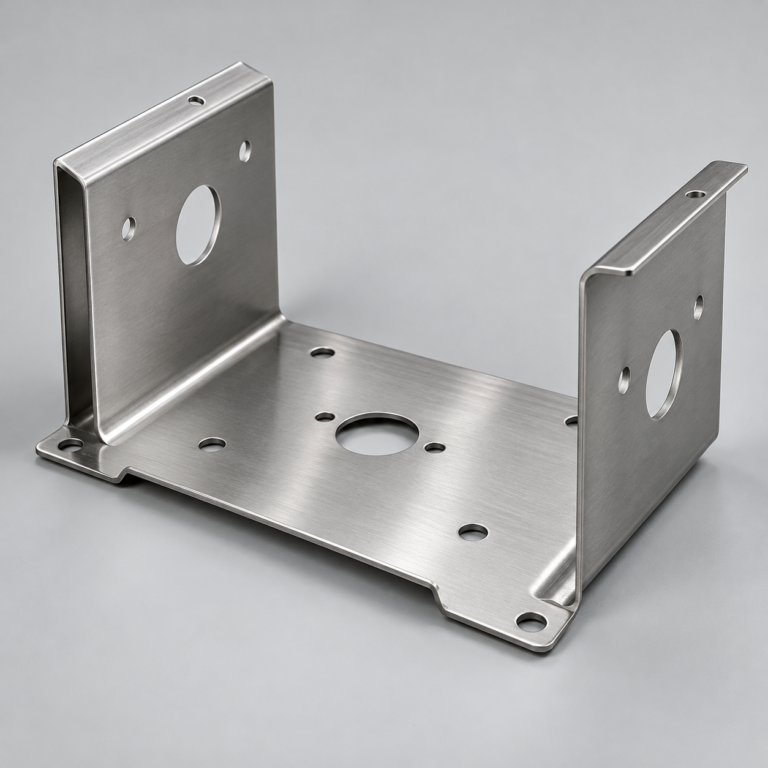
Cutting, forming and welding for your fabricated parts.
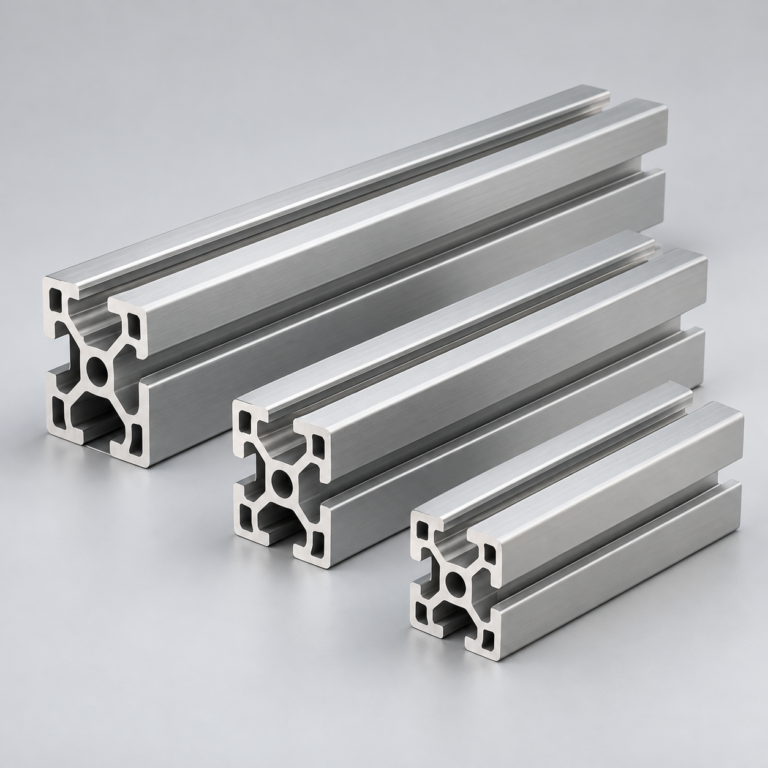
Custom profiles for your section, length and finish requirements.
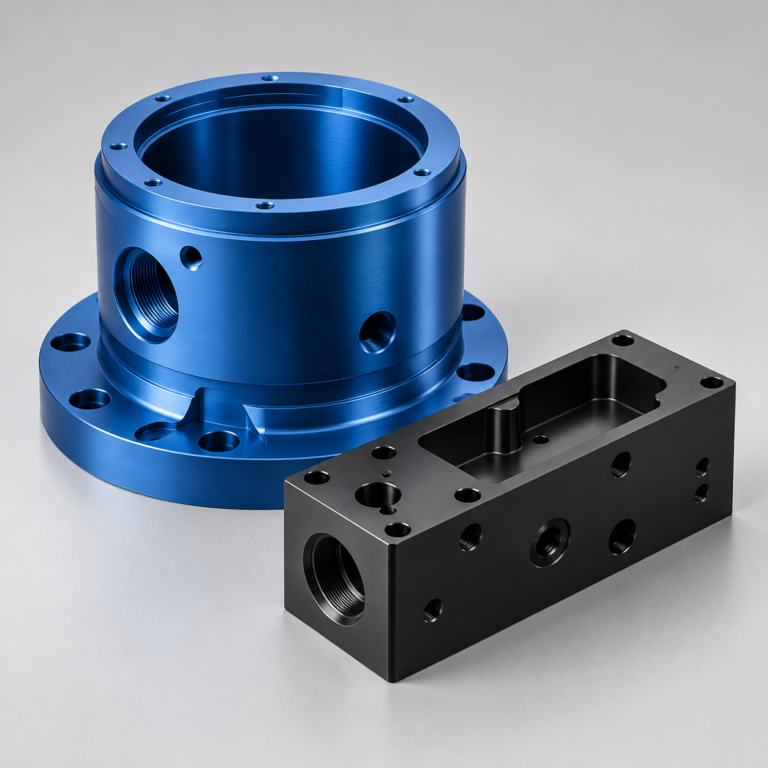
Finishes for your appearance, corrosion and wear requirements.
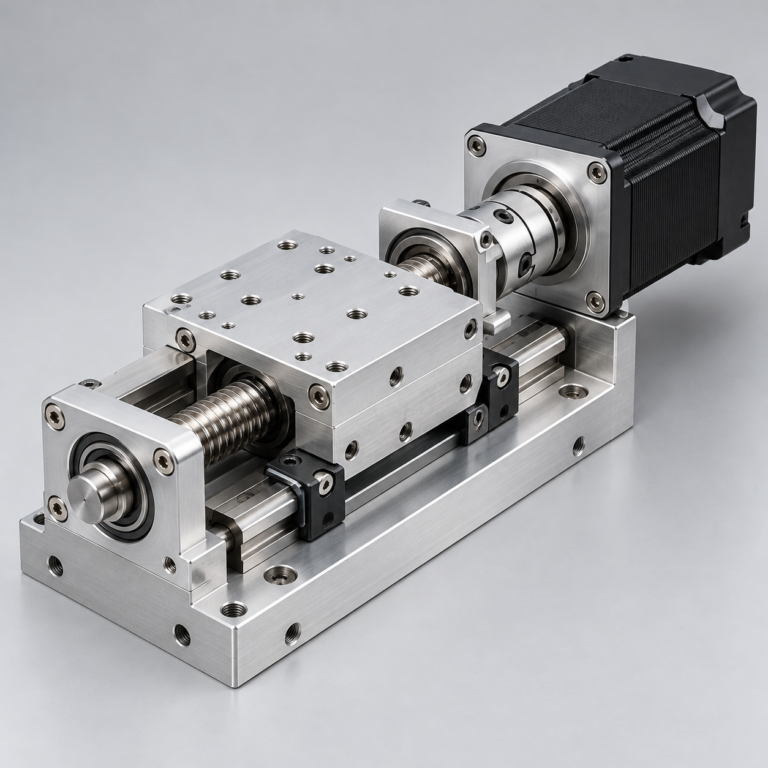
Sub-assemblies and final builds for your production program.
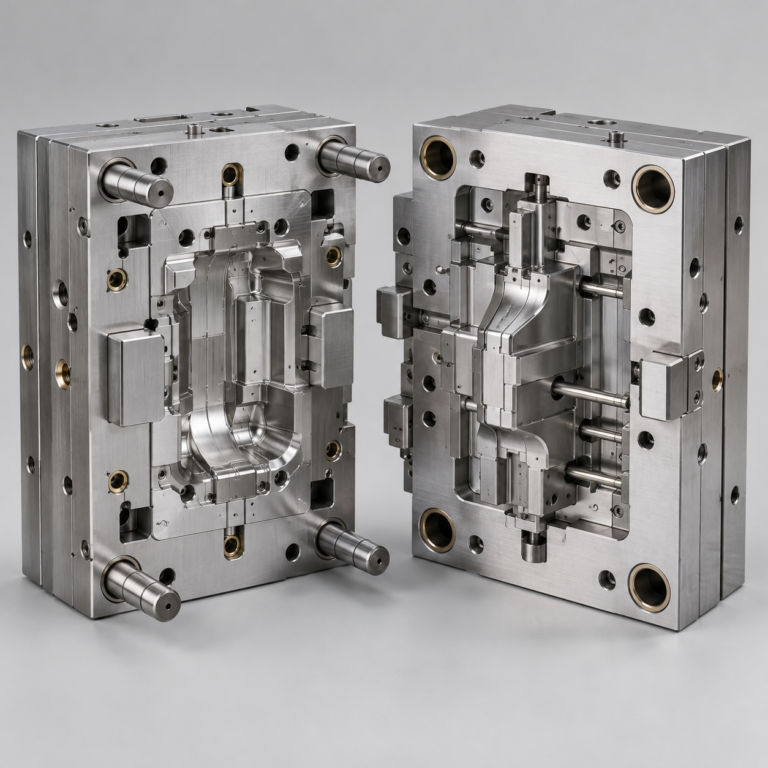
Production tooling built around your process and volume.
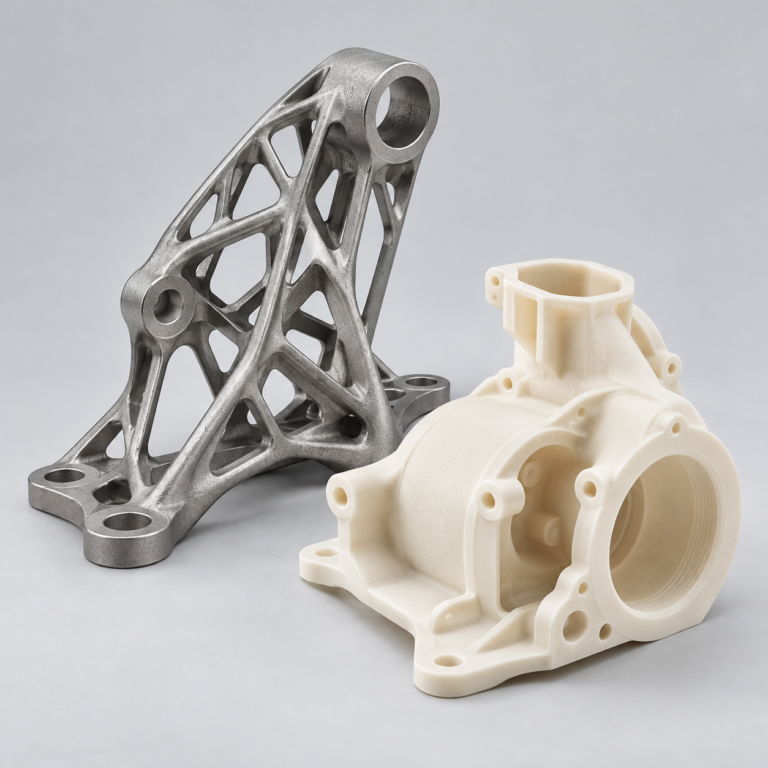
Prototype parts to check fit, function and design.
DFM, process planning and production support for your project.
Inspection, documentation, inventory and delivery planning for your program.
Choose air- or liquid-cooling components around your thermal and mechanical requirements.
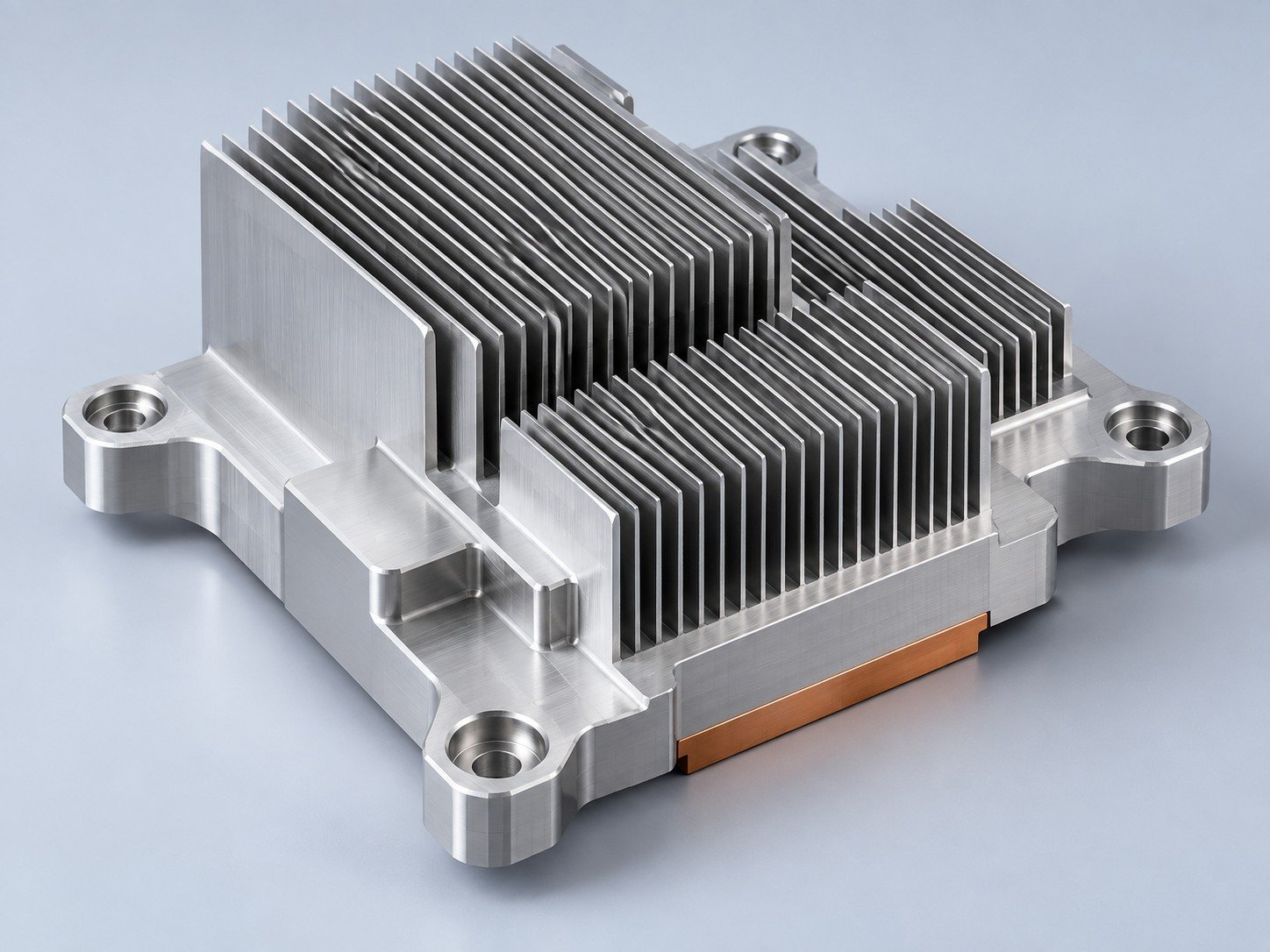
Manufacturing support for your cold plates, manifolds and cooling assemblies.
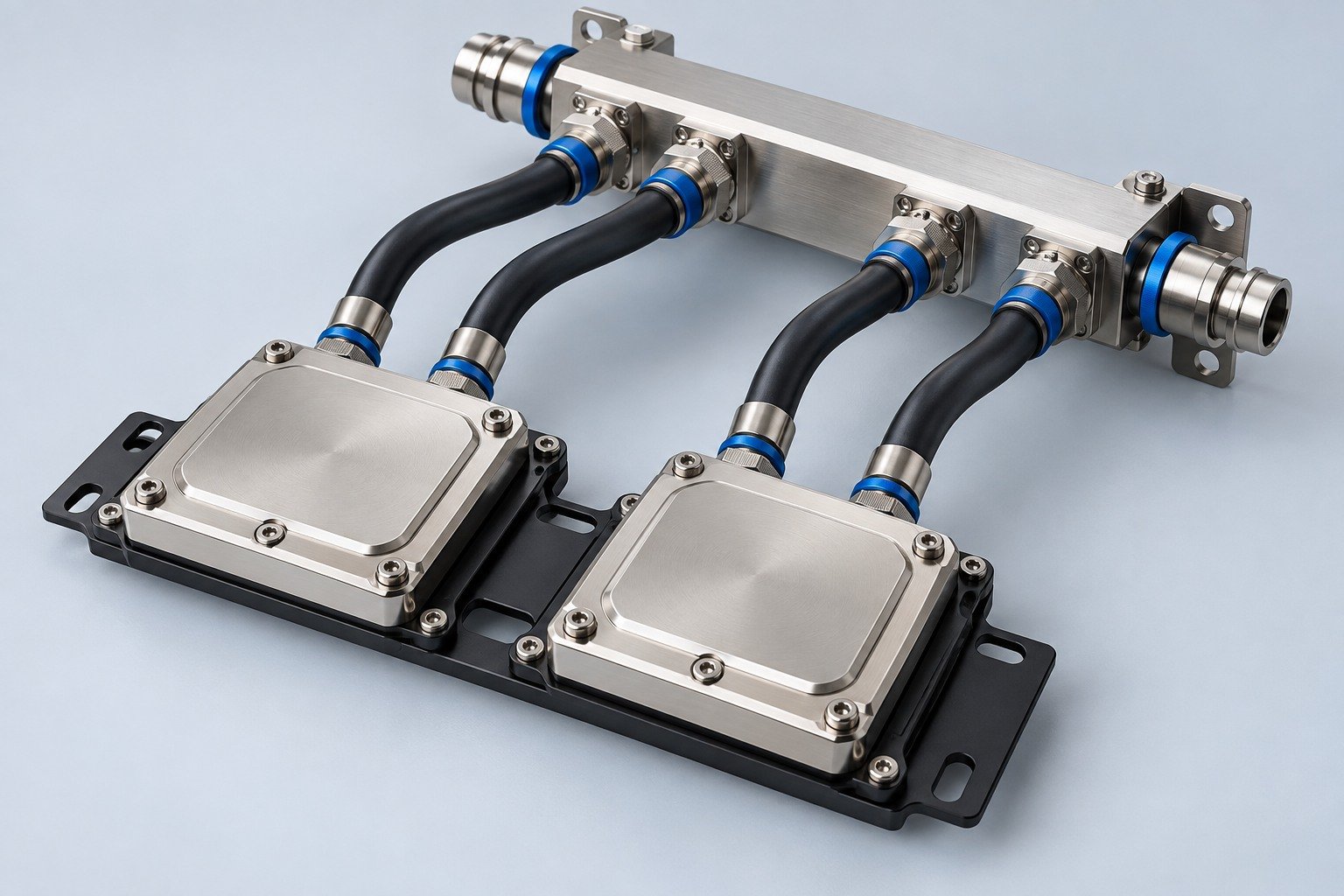
Find components for your power electronics, energy, laser and telecom application.
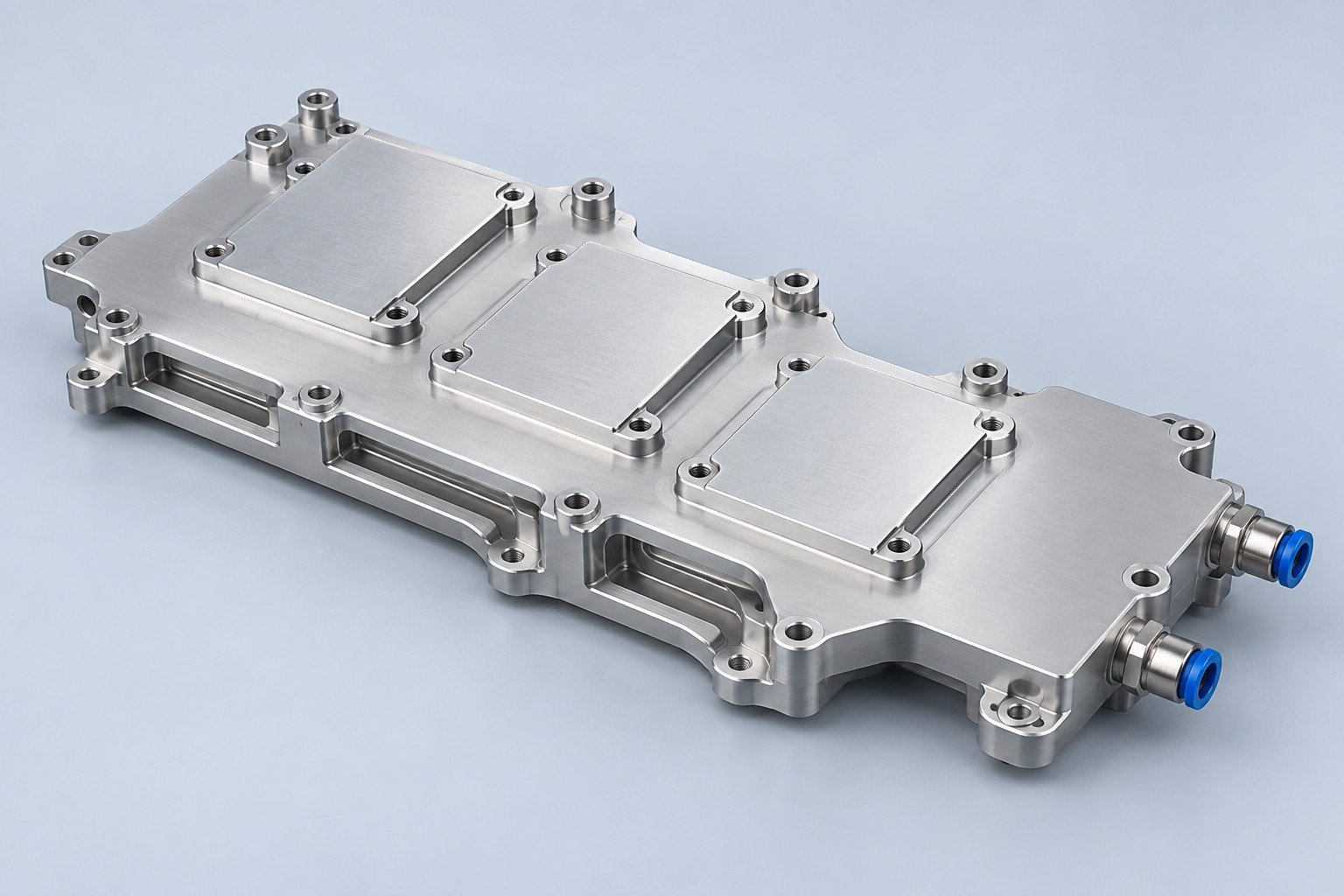
Components for your electronic systems.
Start with your functional and quality requirements.
Build around your operating environment.
From prototype to production, review material performance, manufacturability and cost for your part.
Review grade, temper and finish for your metal parts.
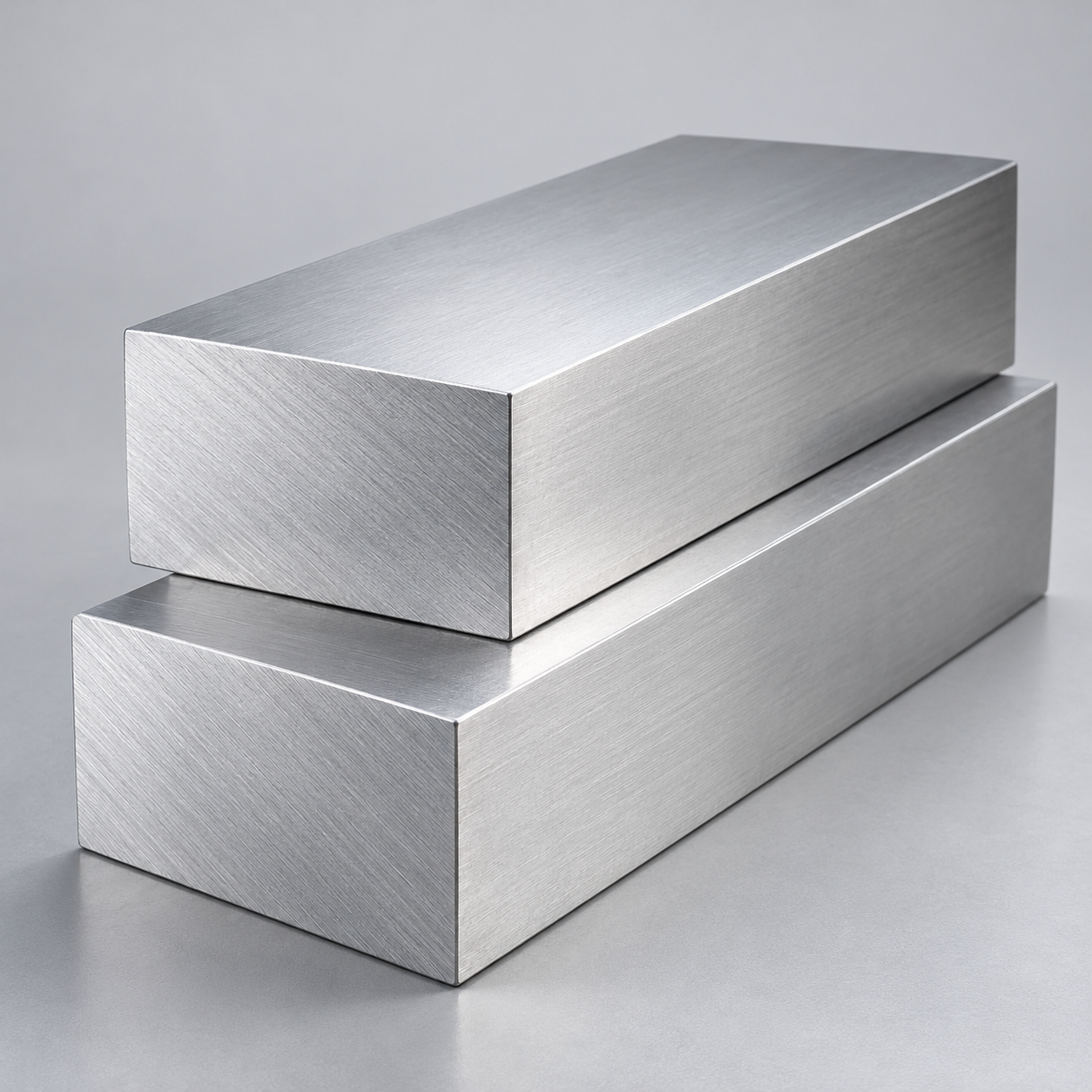 AluminumStrength, weight and machining›
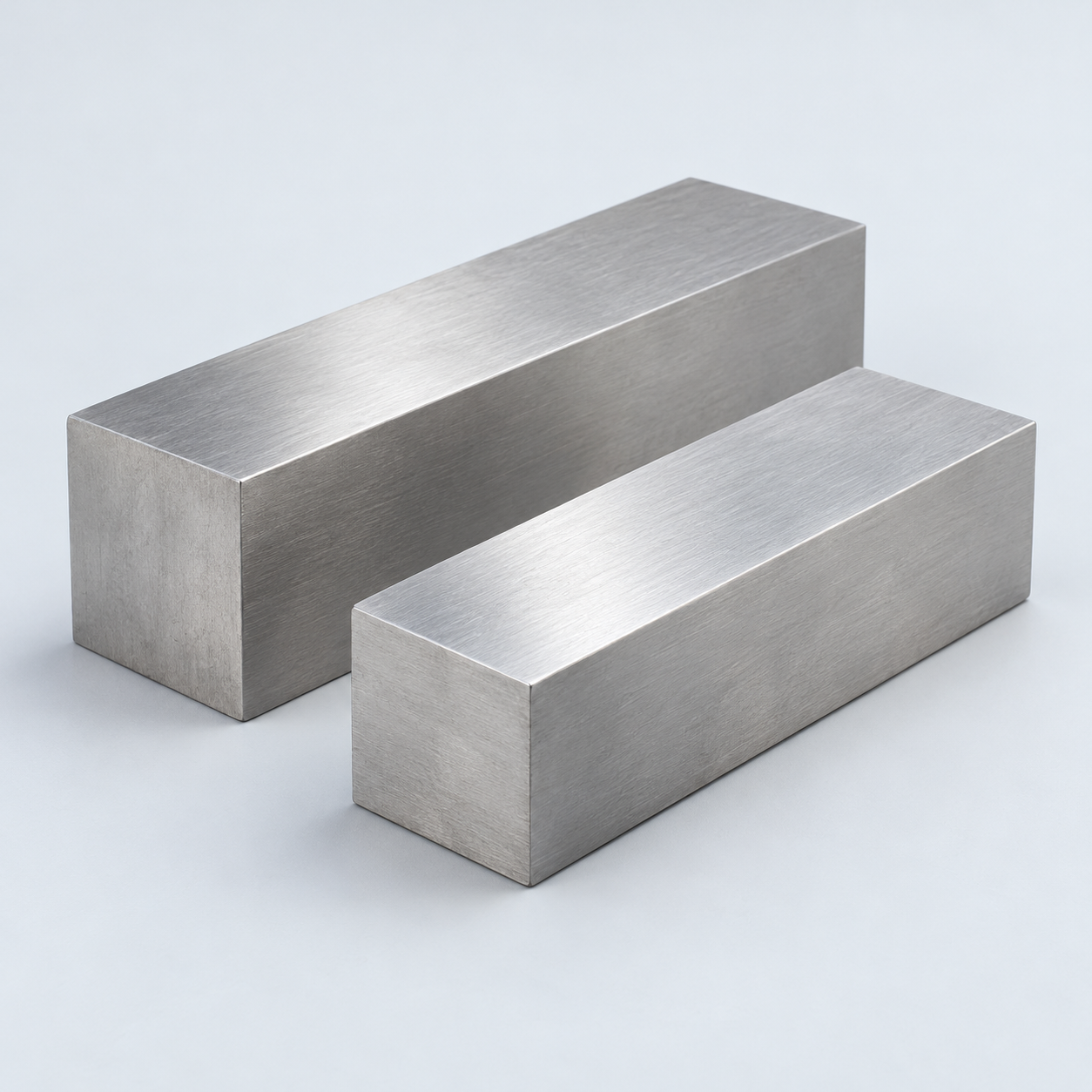 Stainless SteelCorrosion and finish requirements›
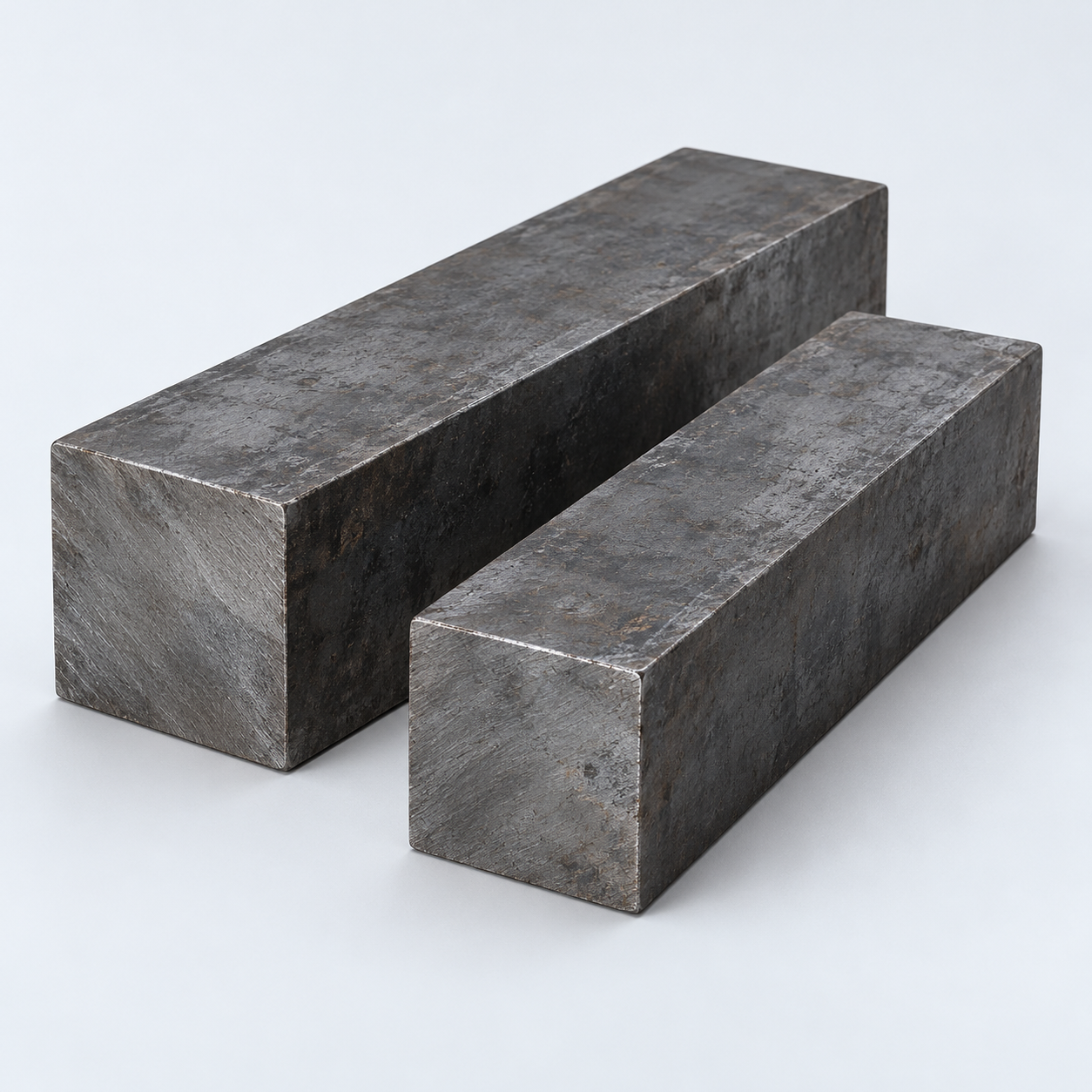 Carbon & Alloy SteelDiscuss grade and heat treatment›
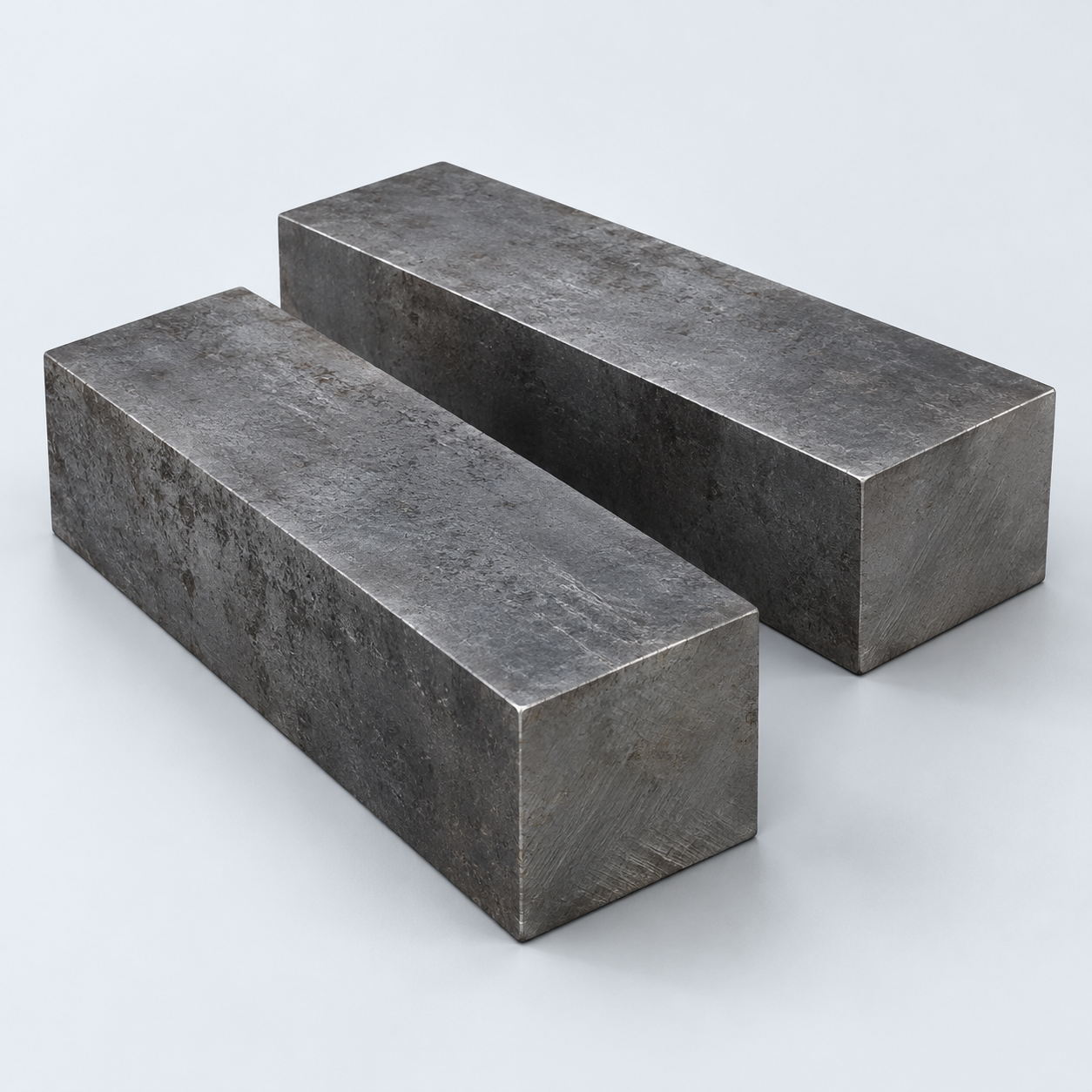 Tool SteelDiscuss tooling and wear needs›
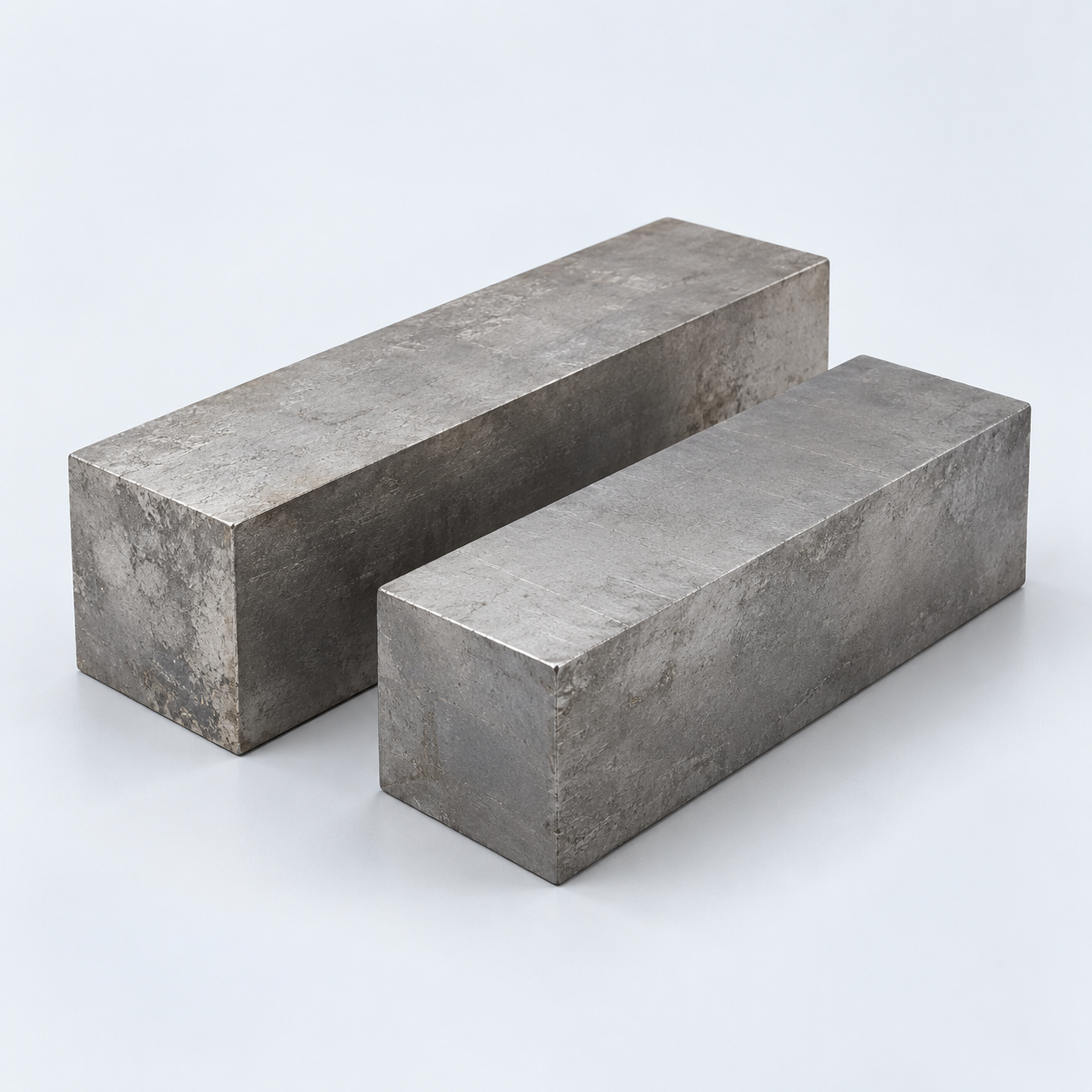 TitaniumReview grade and part geometry›
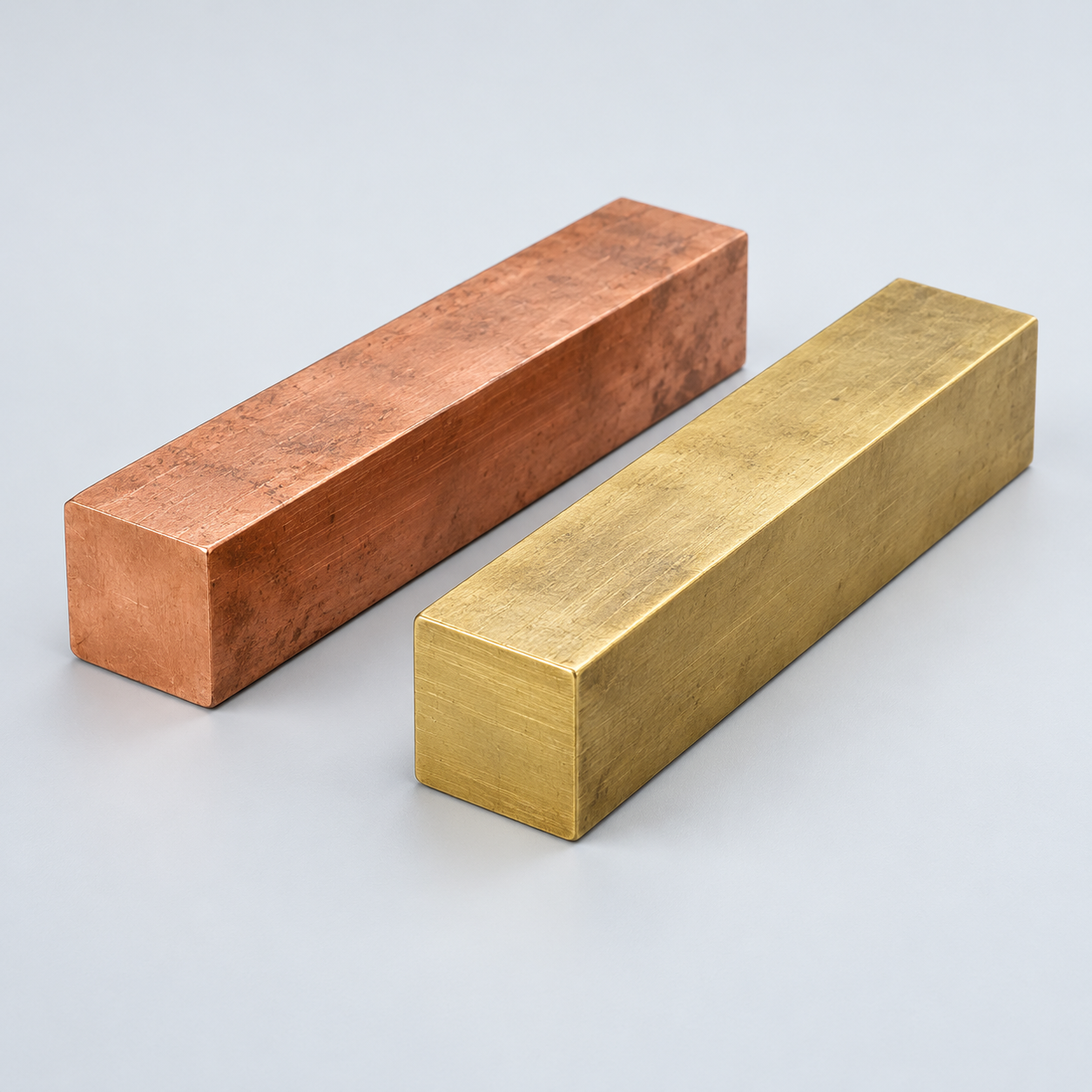 Copper & BrassDiscuss conductivity and machining›
Match your polymer to function, process and environment.
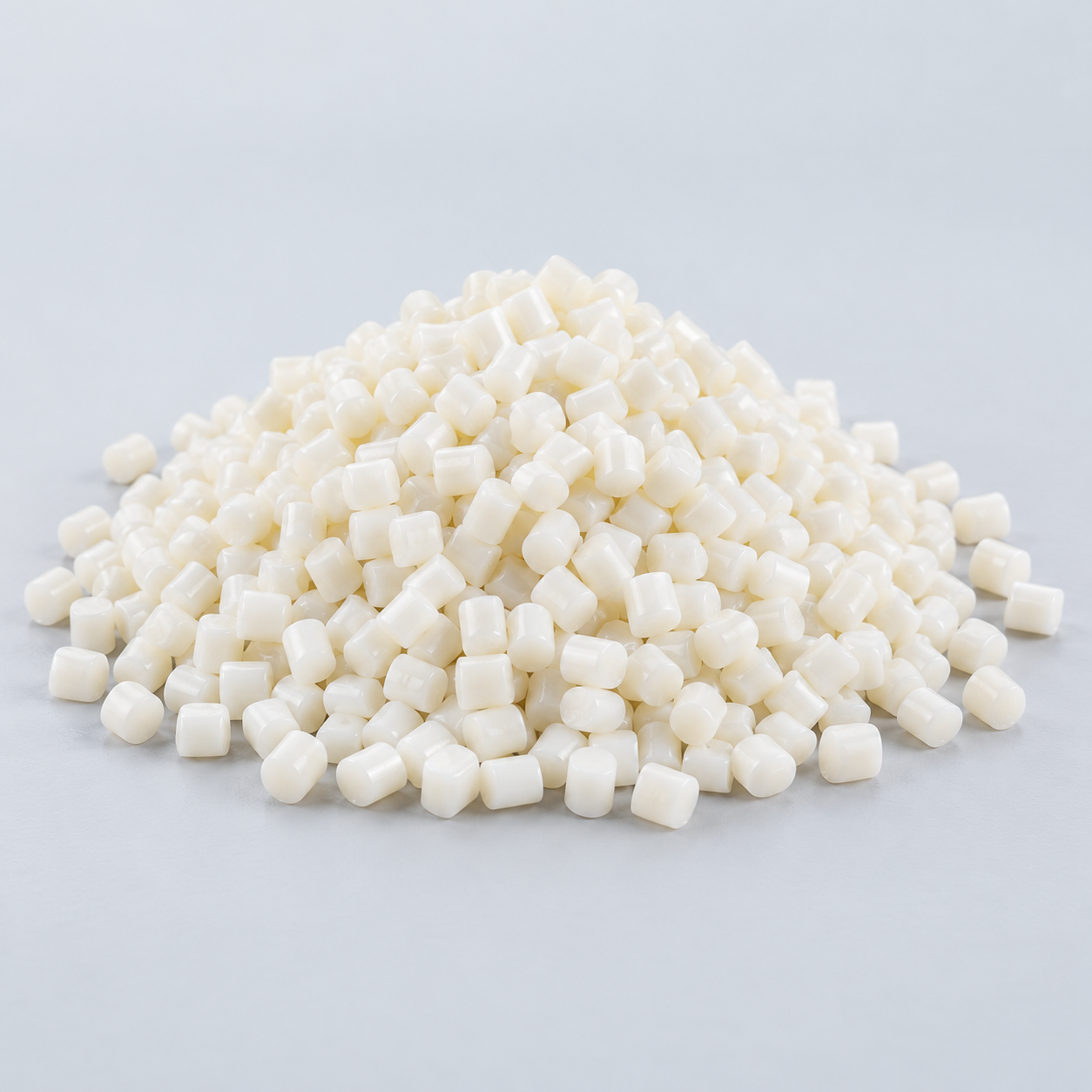 ABSReview enclosure and molding needs›
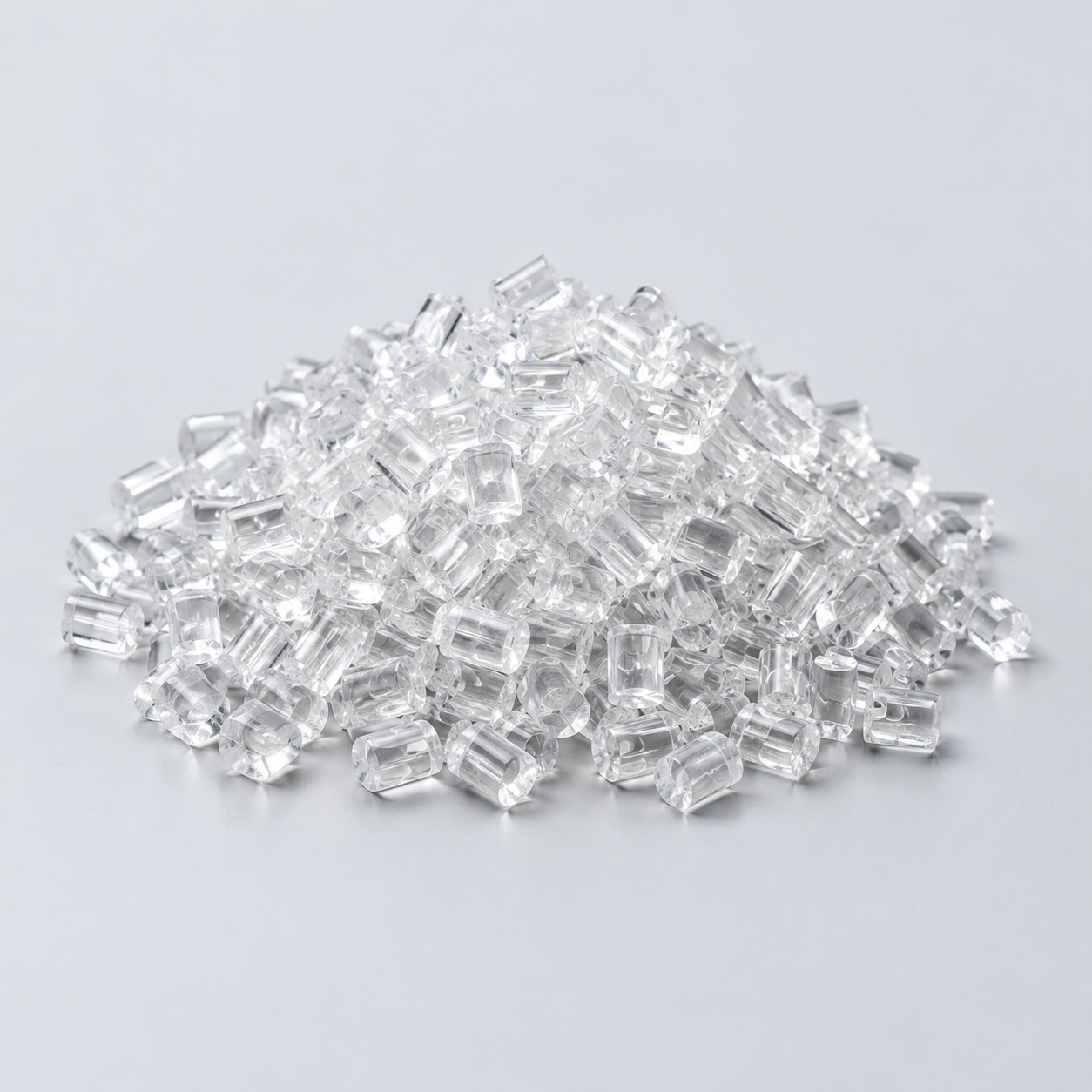 Polycarbonate (PC)Discuss clarity and impact needs›
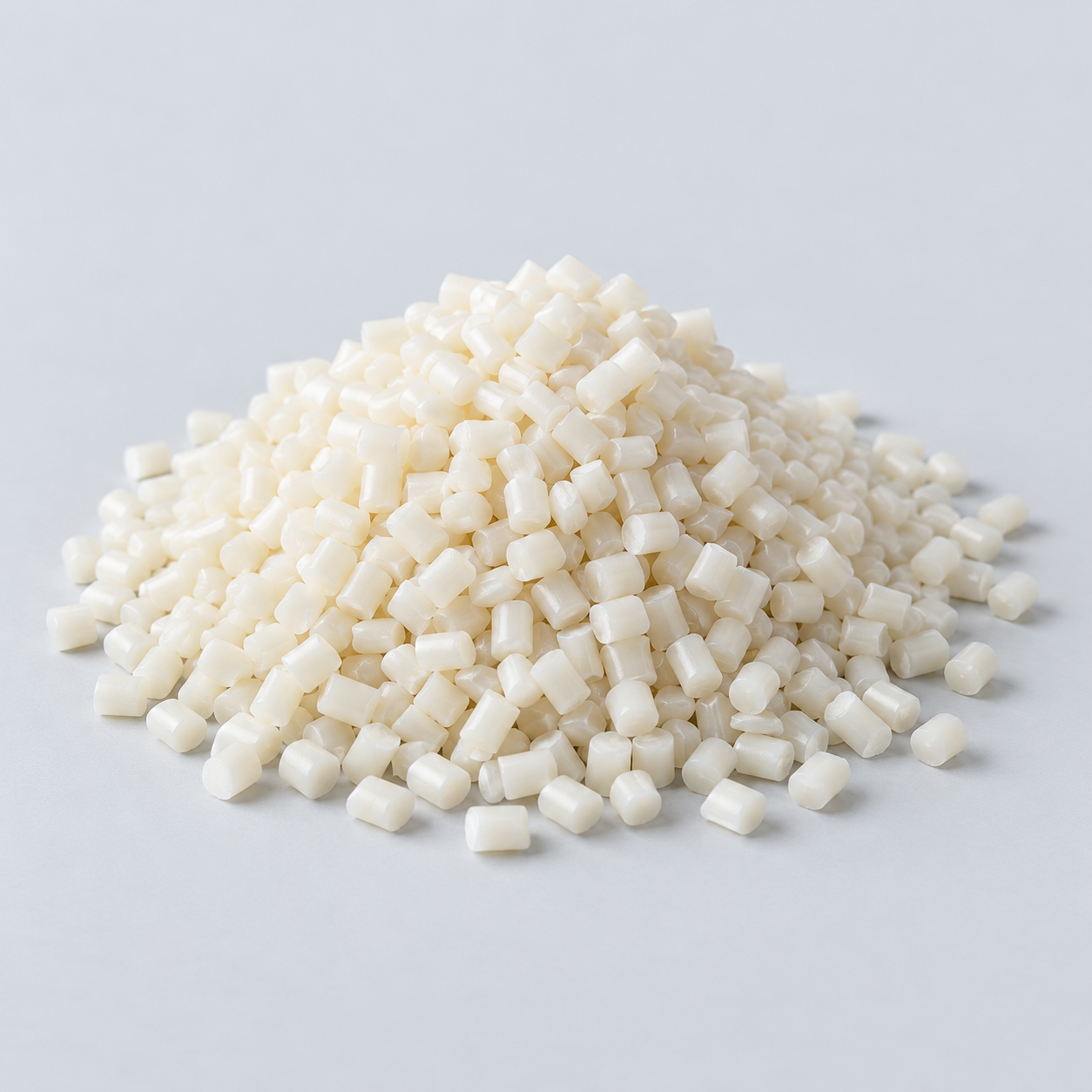 Nylon (PA)Review moisture and wear conditions›
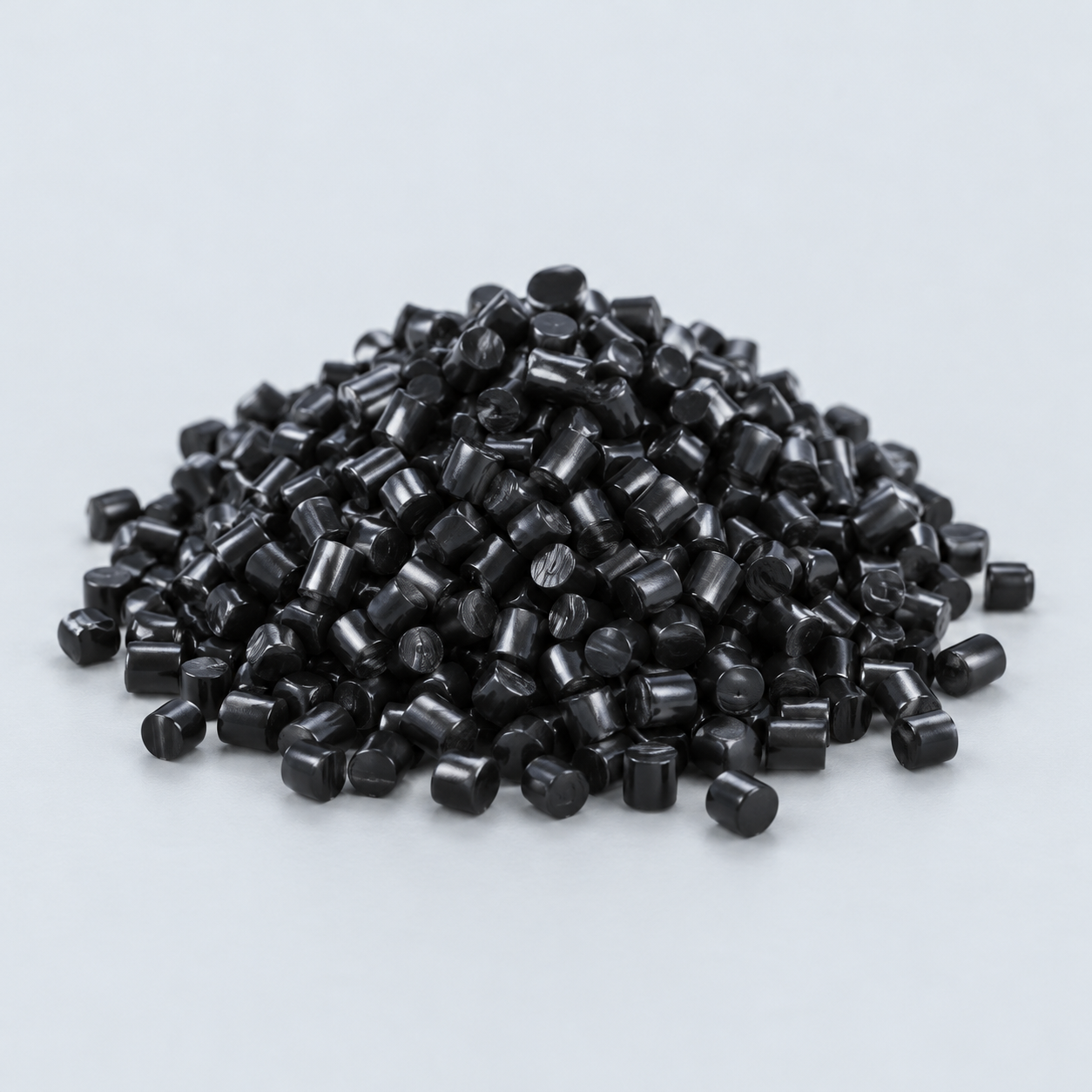 POM / AcetalReview fit and sliding features›
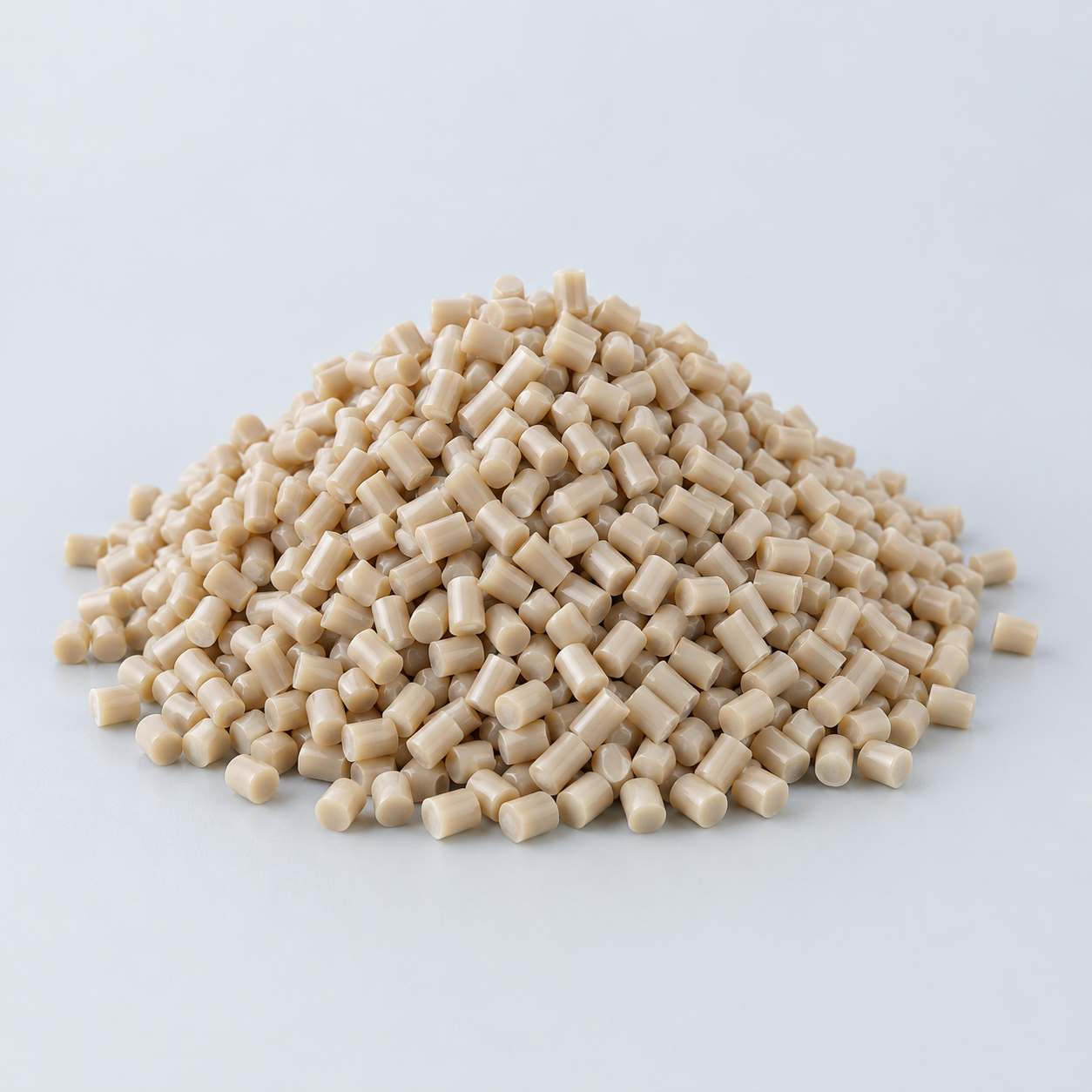 PEEKDiscuss operating conditions›
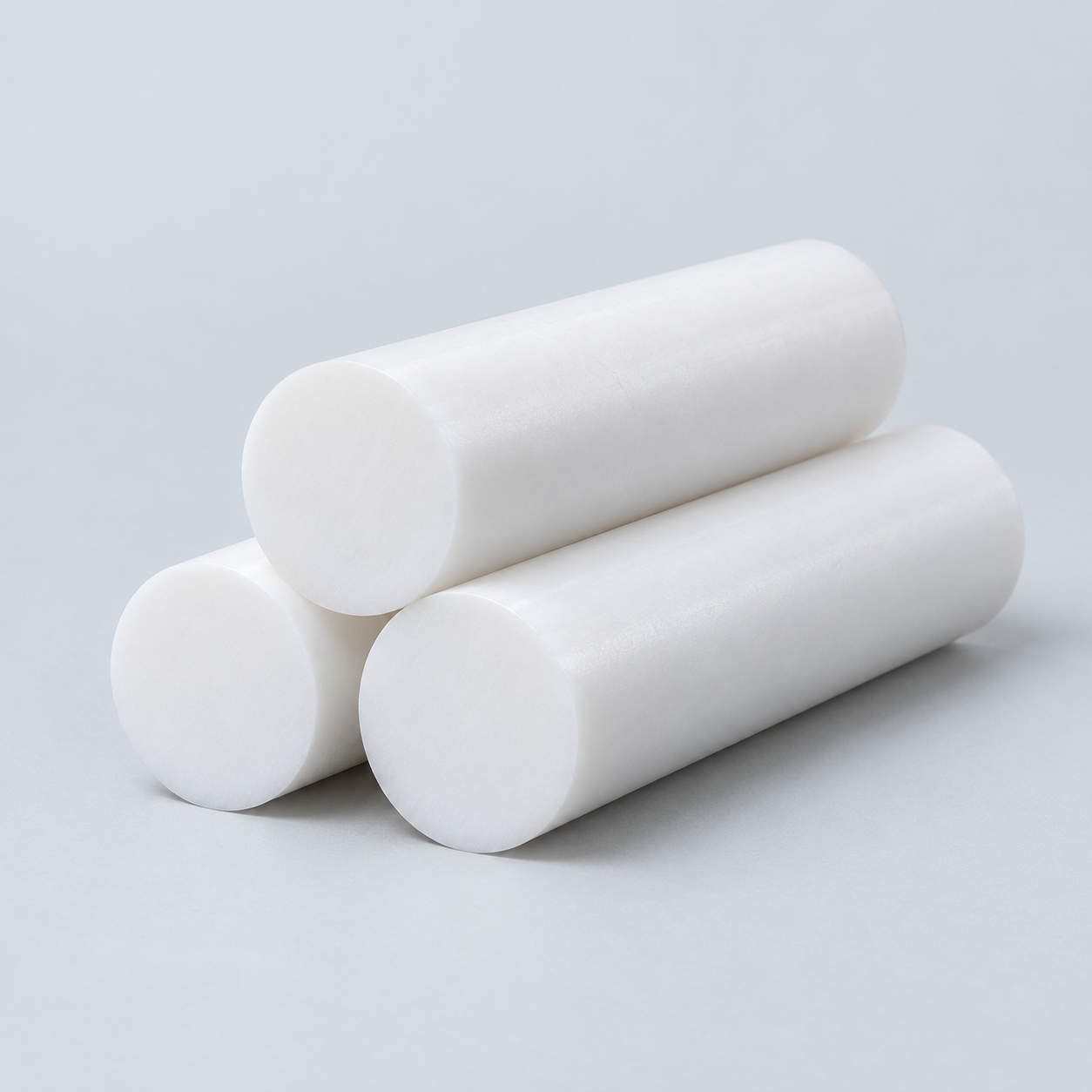 PTFEReview friction and chemical exposure›
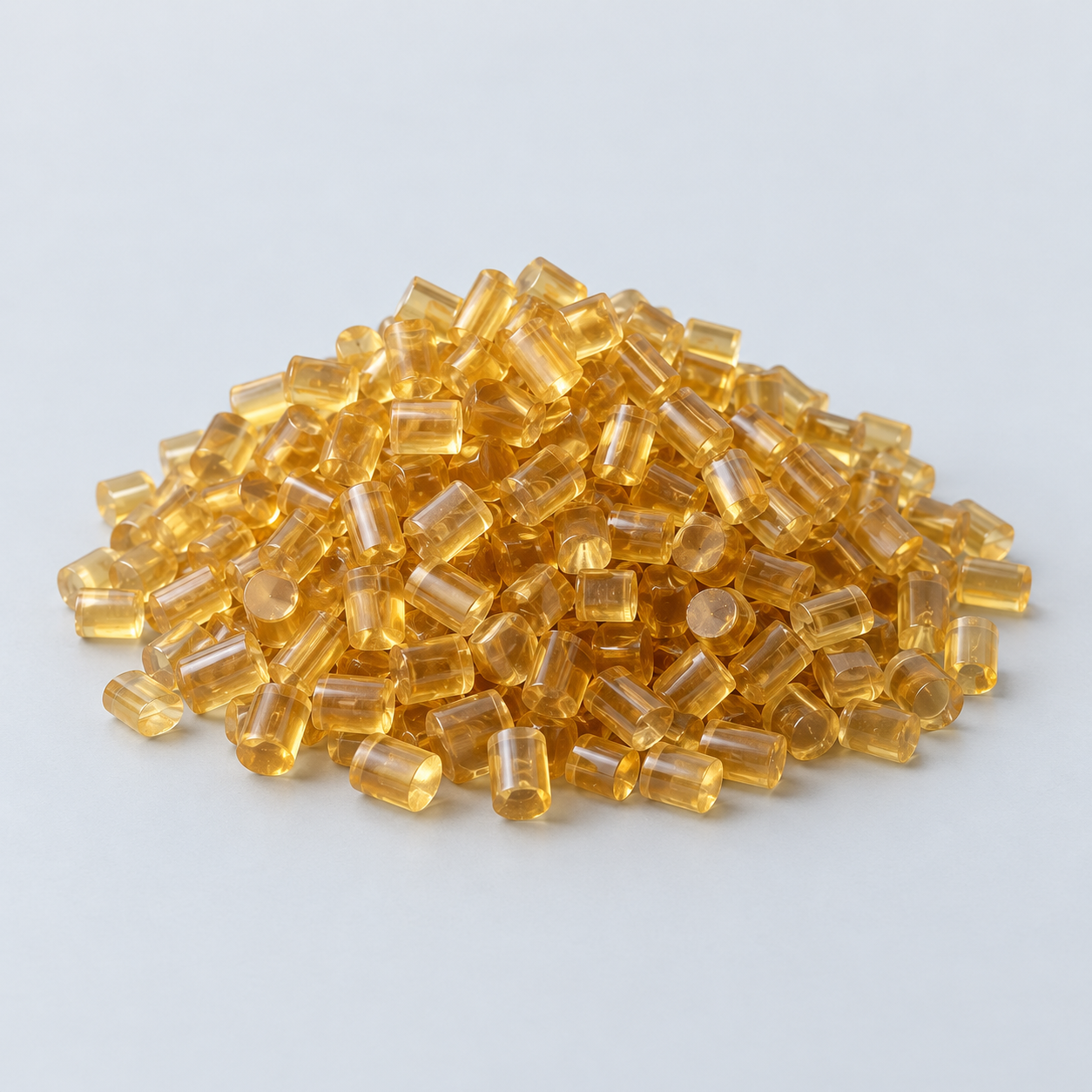 ULTEM / PEIDiscuss thermal and electrical needs›
Confirm grade availability and application requirements.
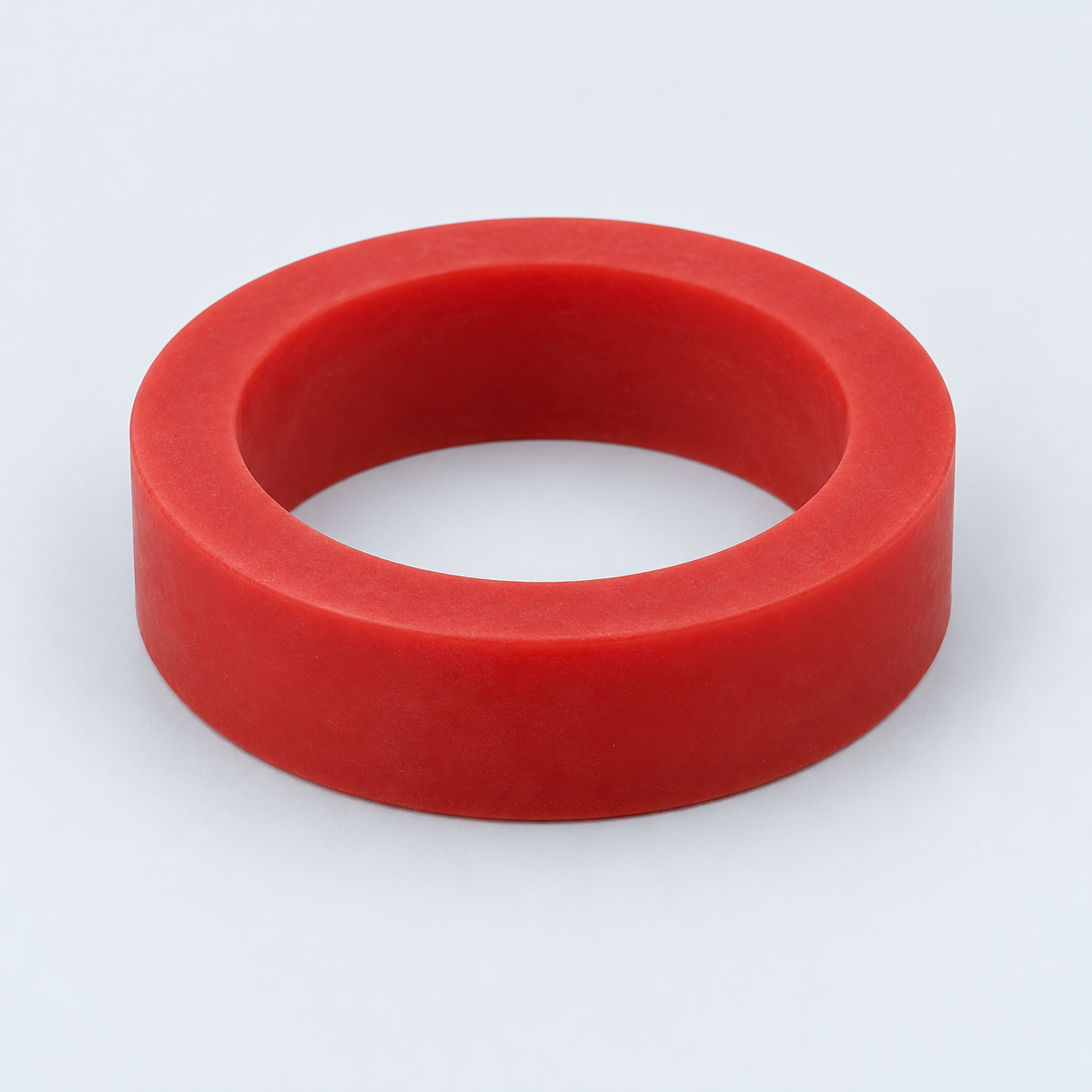 Silicone / LSRDiscuss flexible component needs›
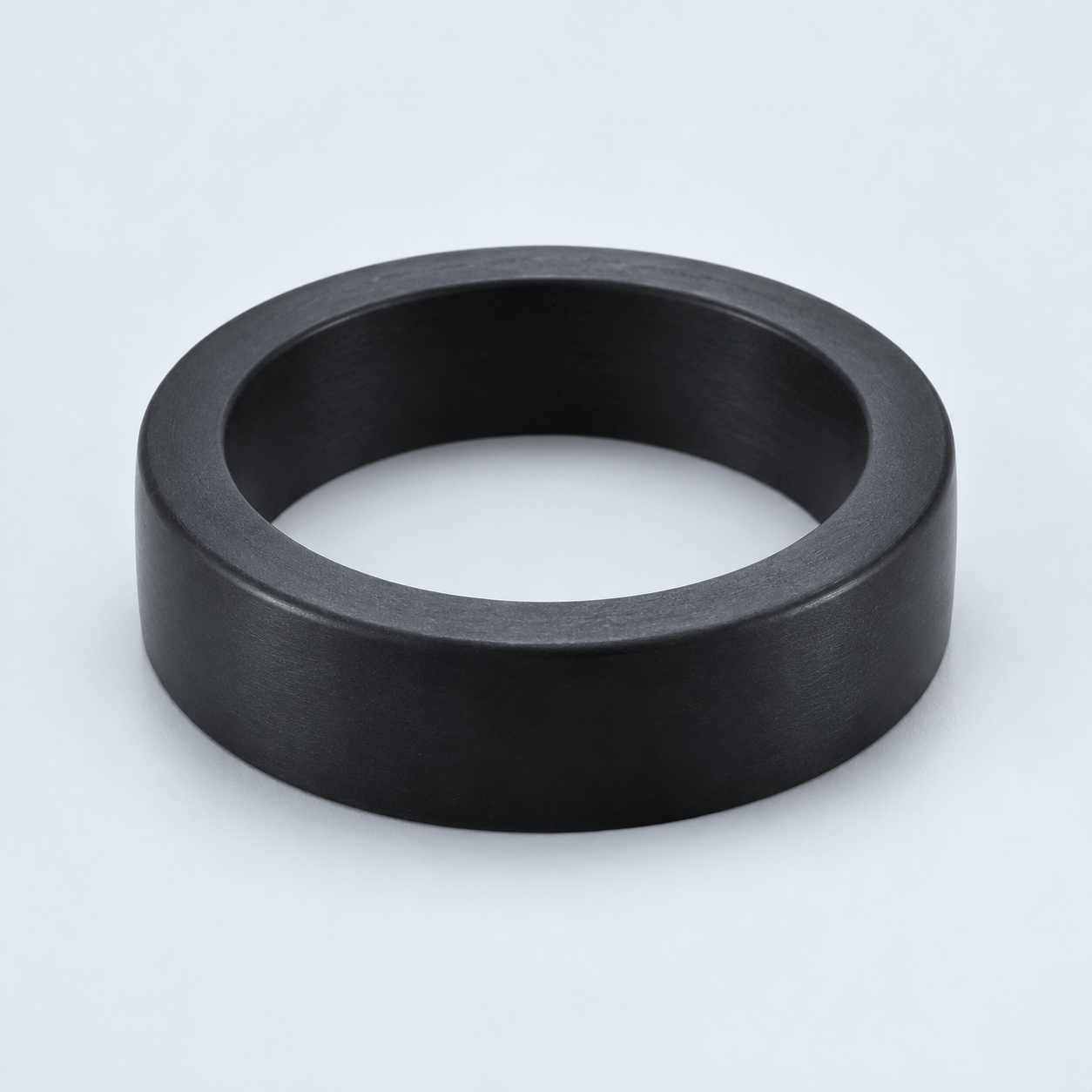 TPU / TPEReview flexibility and processing›
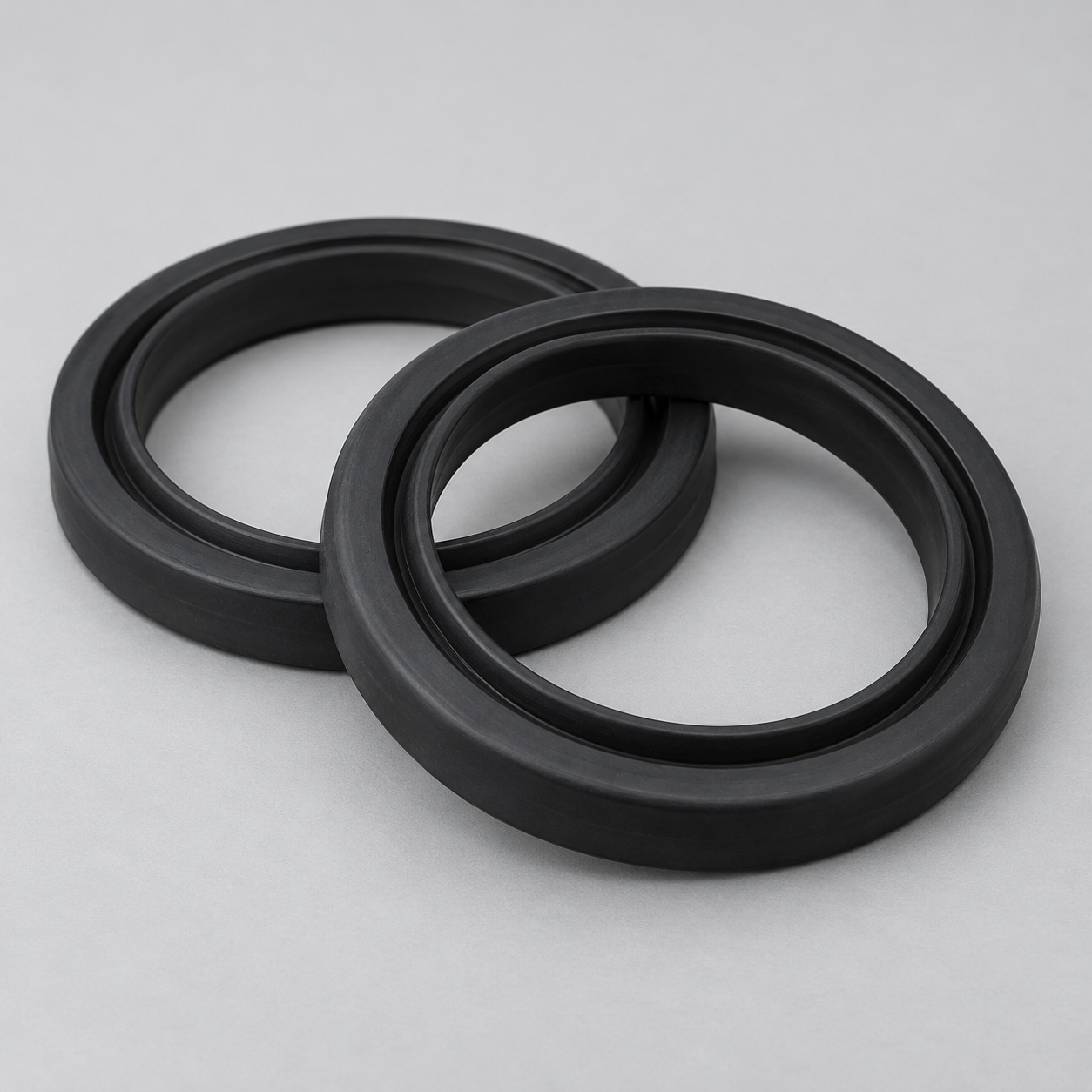 EPDMReview weathering and chemical exposure.›
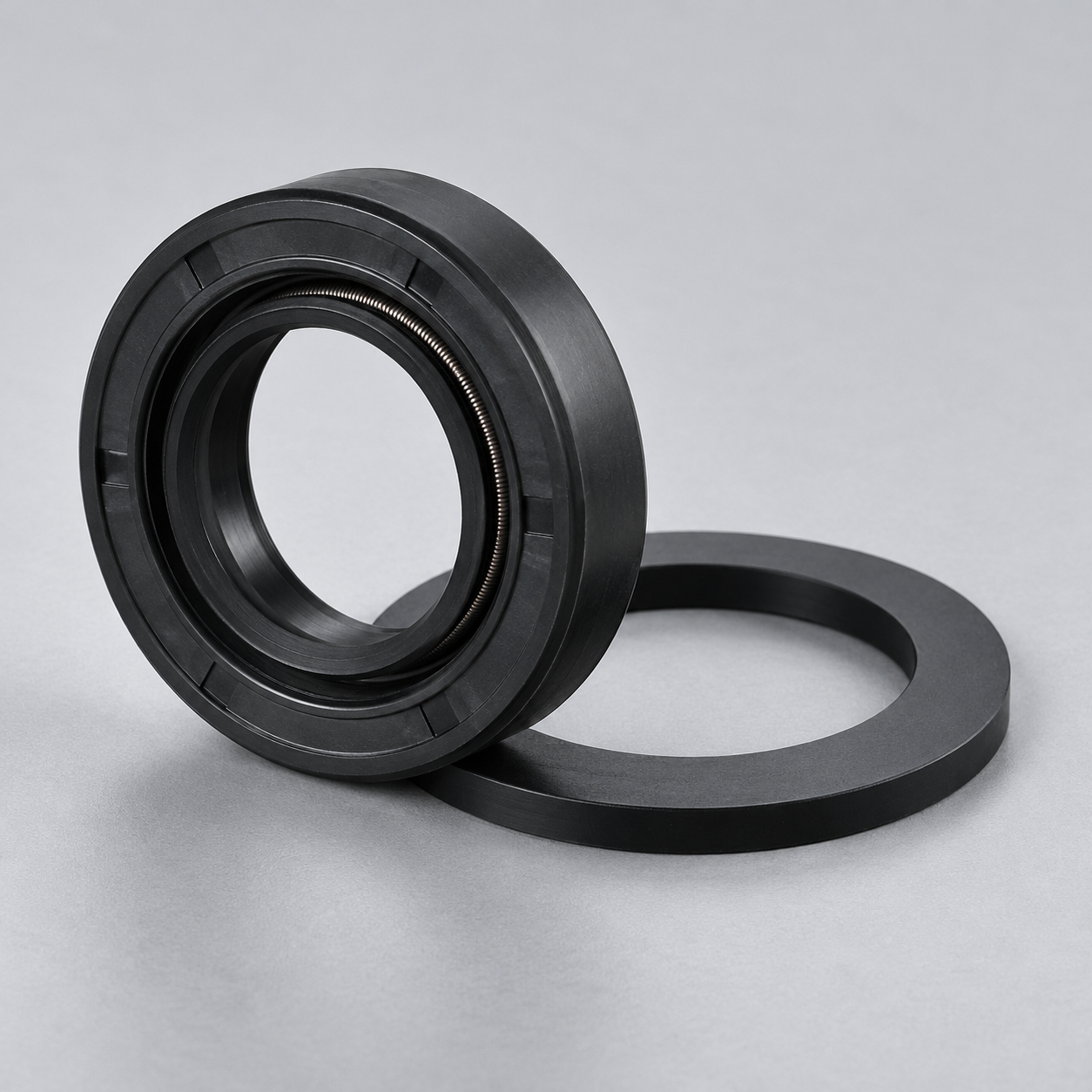 NBRReview oil and fuel exposure.›
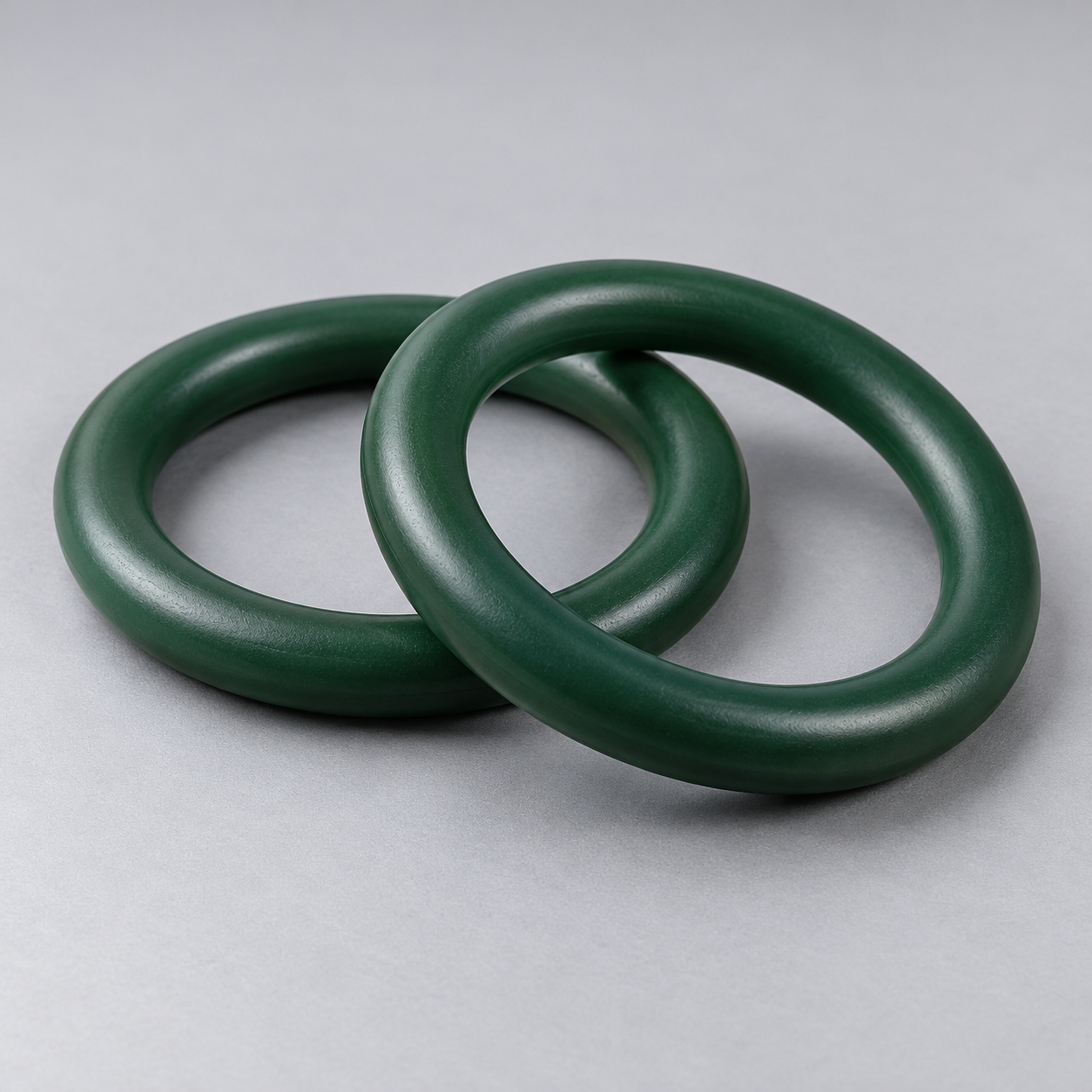 FKMReview temperature and chemical exposure.›
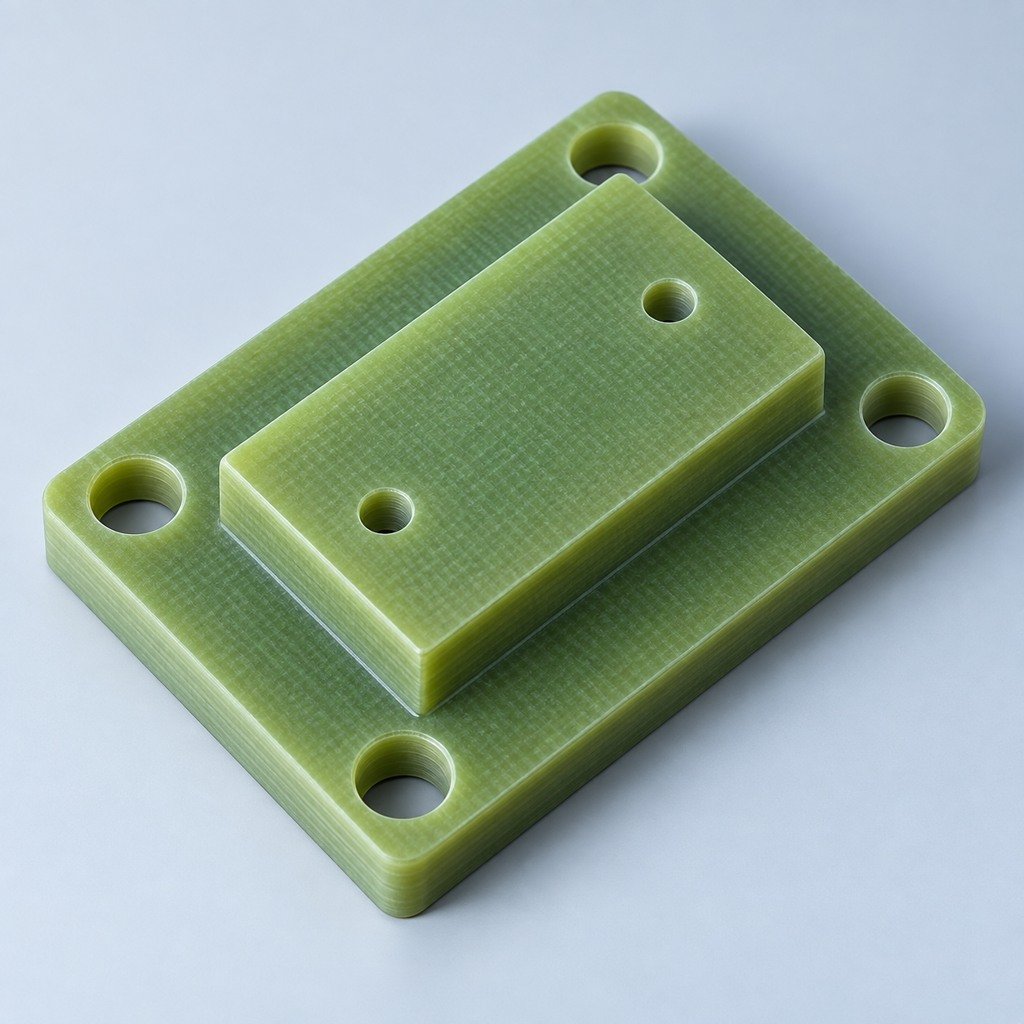 G10 / FR4Review insulation and laminate needs›
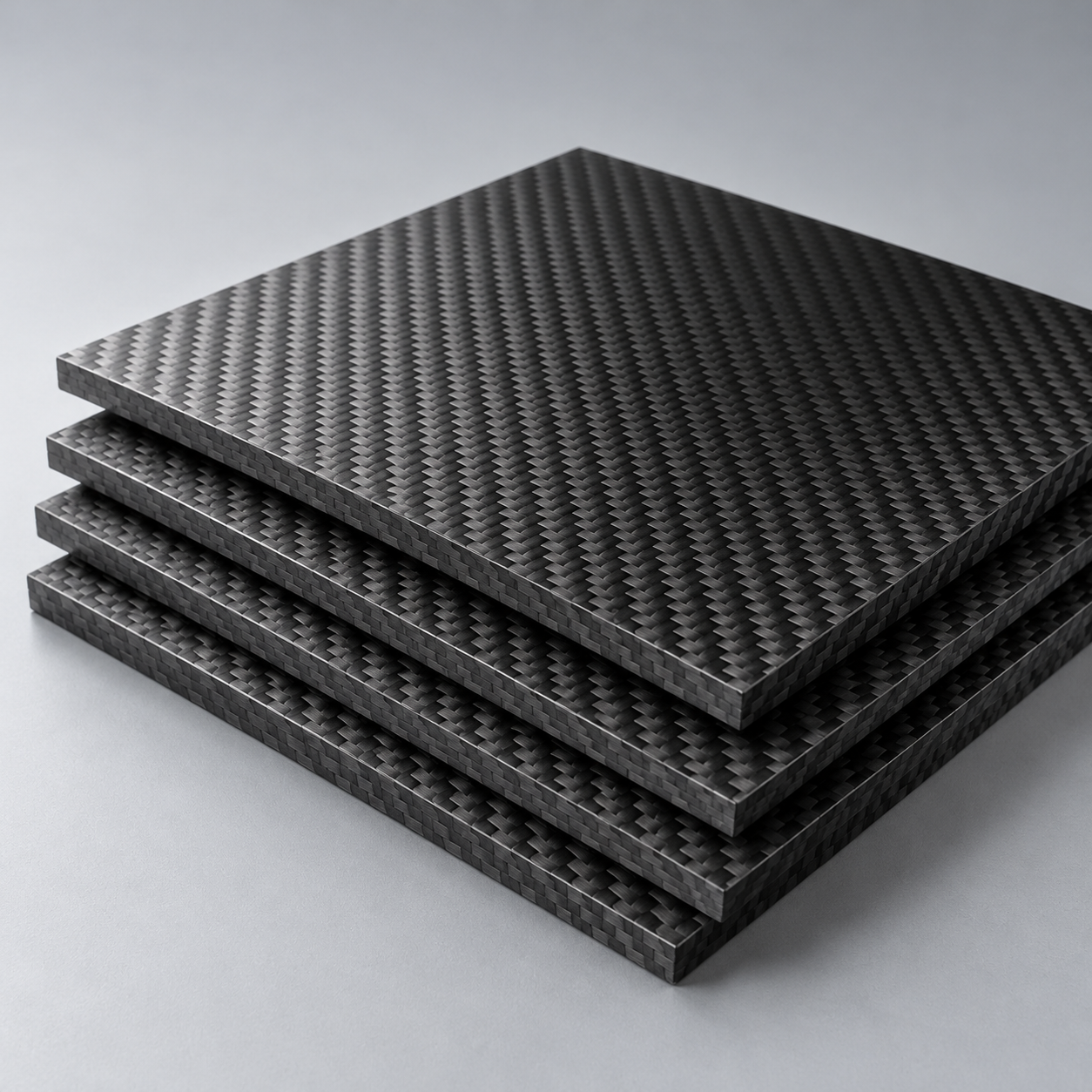 CompositesReview stiffness, weight and laminate.›Customer-Specified MaterialsConfirm your grade and requirements.›Other Specialty MaterialsDiscuss your application and grade.›
Practical guidance for your part geometry and material decisions.
Prepare your process, budget and sourcing questions.
Build your knowledge before production.
Learn who we are and how we operate.
Find our U.S. support team or start a conversation.
MEDIUM-CARBON STEEL · DEFINE THE FINAL CONDITION
Plan hardness and final fit before the first cut.
For your 1045 steel machining project, connect stock condition, journal geometry, treatment locations and final inspection. A grade name alone does not specify your finished shaft.
Product form, specification and supplied condition
Specified process, section and test locations
Journals, runout, texture and inspection state
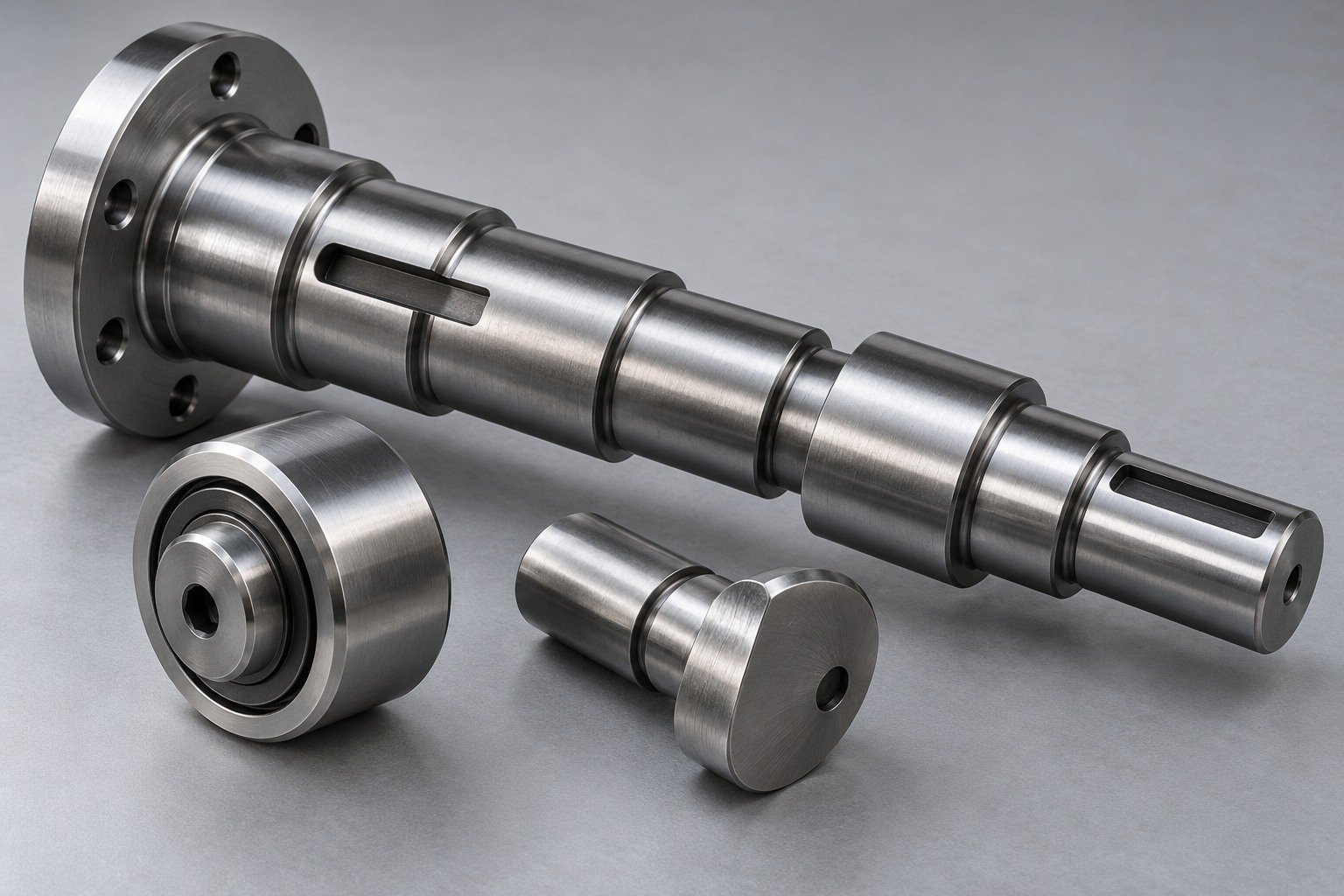
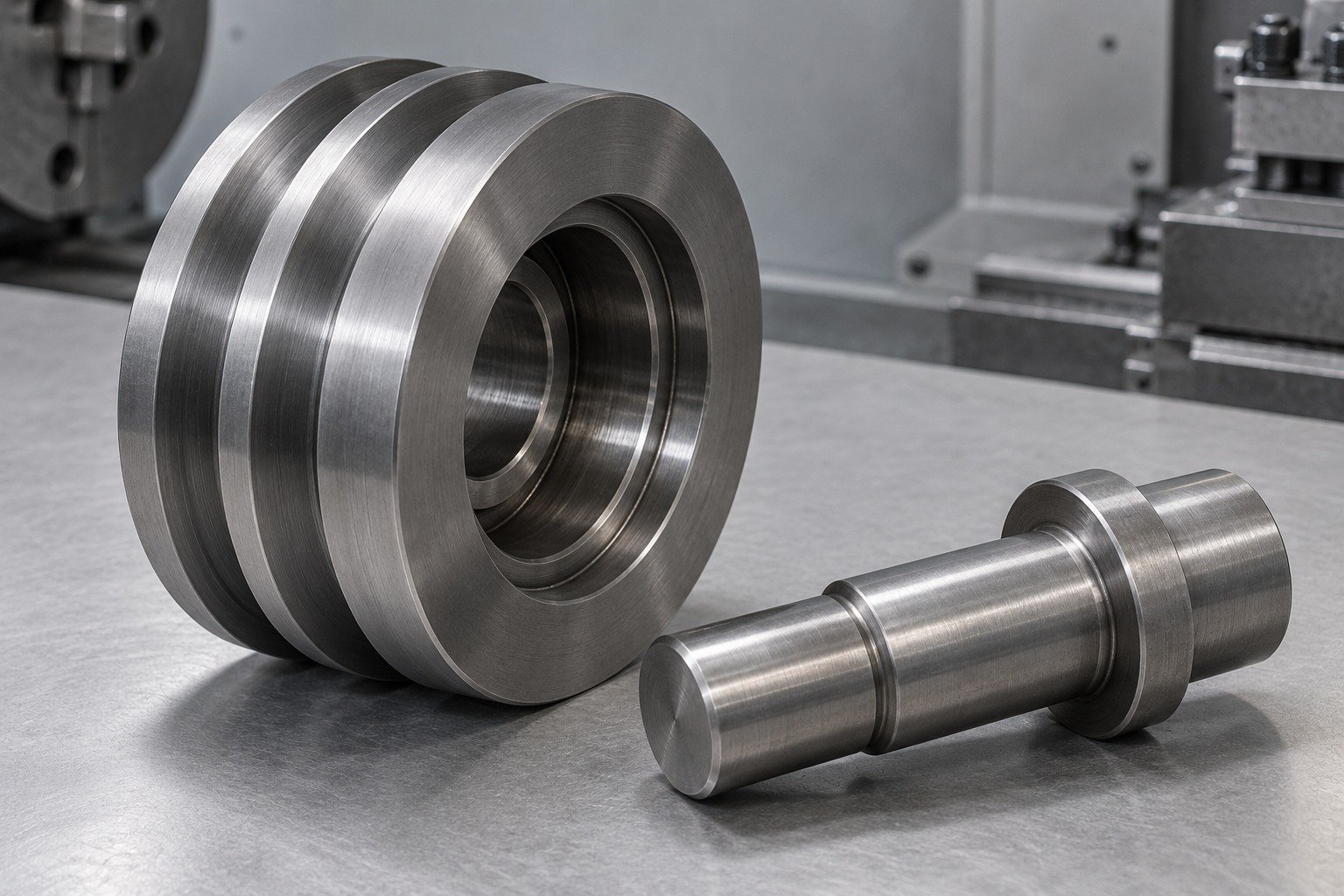
1045 is a medium-carbon engineering steel. Consider the grade for shafts, pins and rollers when your required properties and treatment route suit the actual section.
For custom 1045 steel parts, define whether the supplied stock is hot rolled, normalized, cold finished or otherwise specified. Keep that starting state separate from final hardness and fit.
CNC Machining Review →| State | Your required input | What to verify |
|---|---|---|
| Incoming material | 1045 grade, stock form, product standard and condition | Material identity and supplied records |
| After specified treatment | Process, treated surfaces, hardness or properties and test locations | Condition, distortion and remaining allowance |
| Finished component | Final machining, protection, critical fit and texture | Final acceptance after the complete sequence |
1045 steel properties vary with condition and section. Do not transfer an unqualified catalog strength or hardness to your finished part.
These producer reference values support your grade review. They are not LK batch test results.
Mass % · common axis 0–1.00%
Chemistry limits do not establish hardness, strength or interchangeability.
| Selected mass % | 1045 · Interlloy bar | C45 · Ovako EN ISO 683-1 |
|---|---|---|
| Carbon | 0.43–0.50 | 0.42–0.50 |
| Silicon | 0.10–0.35 | 0.10–0.40 |
| Manganese | 0.60–0.90 | 0.50–0.80 |
Other elements and product requirements also apply. This is the specifically named C45 reference variant, not every C45 producer variant. Verify the actual order specification and lot certificate.
A commonly compared European designation. Review the product standard, chemistry and delivery condition.
A distinct E variant; do not collapse every C45-family grade into one set of limits.
AISI 1045 / SAE 1045 and UNS G10450 identify the requested US grade family. Similar names do not approve a substitute.
Cross-reference names come from the cited producer sheets; the specified standard and material records govern your order.
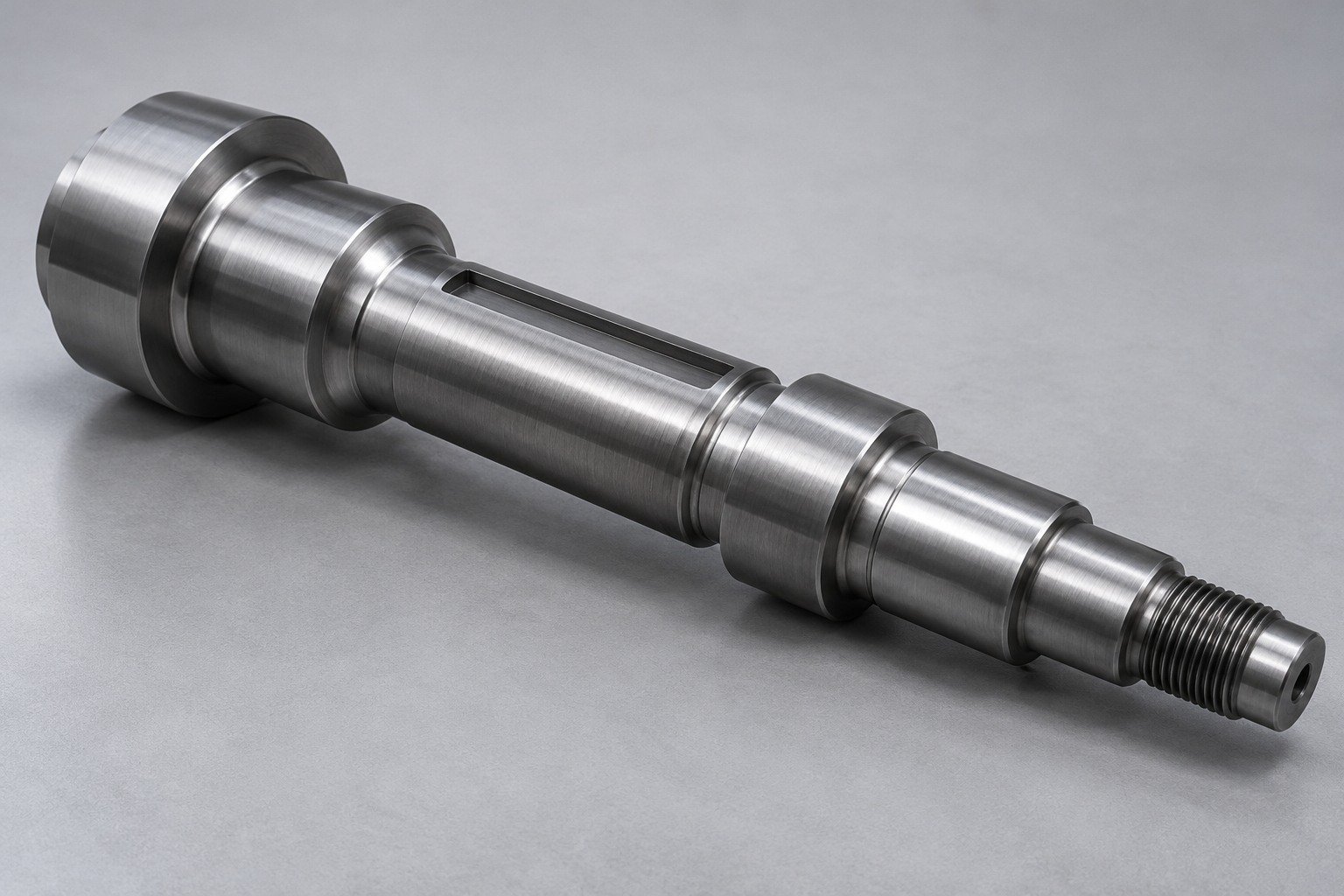
For your 1045 steel shafts, define bearing fits, runout, shoulder transitions and the location of any treated surfaces.
Review Turning →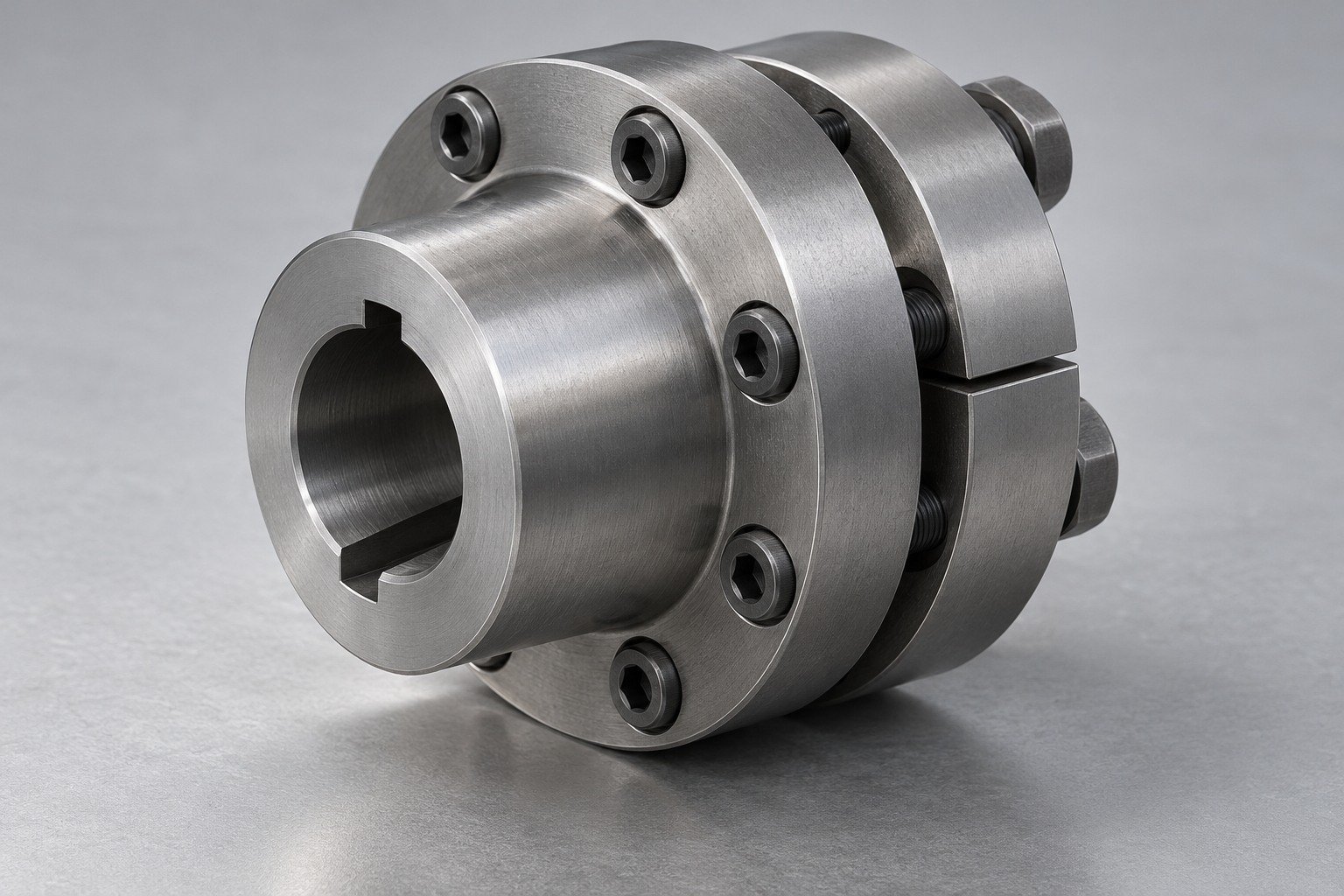
Connect your keyway, bore, flange and bolt circle to the same datum scheme. Identify mating components and final surface requirements.
Review Turning →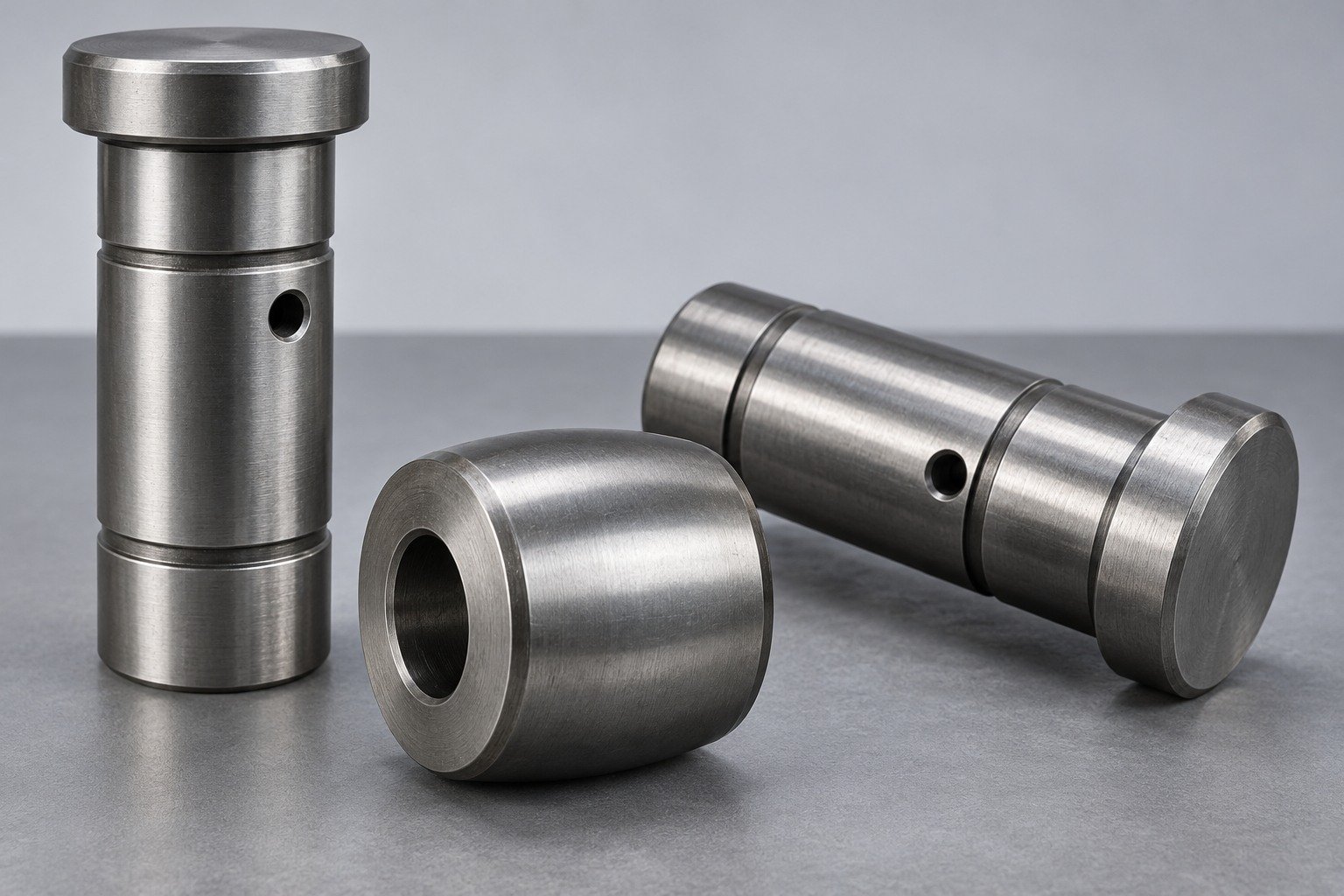
For your 1045 steel pins and rollers, show load-related contact surfaces, edge transitions, lubrication features and final inspection.
Review Turning →Identify fillet radii, relief grooves and mating clearance at changes in section.
For 1045 steel drilling and tapping, show useful depth, intersections and burr-removal access.
Define which journal locates the part, where runout is measured and the final acceptance state.
Fourth check: reserve explicit stock for any final grinding or machining after treatment.
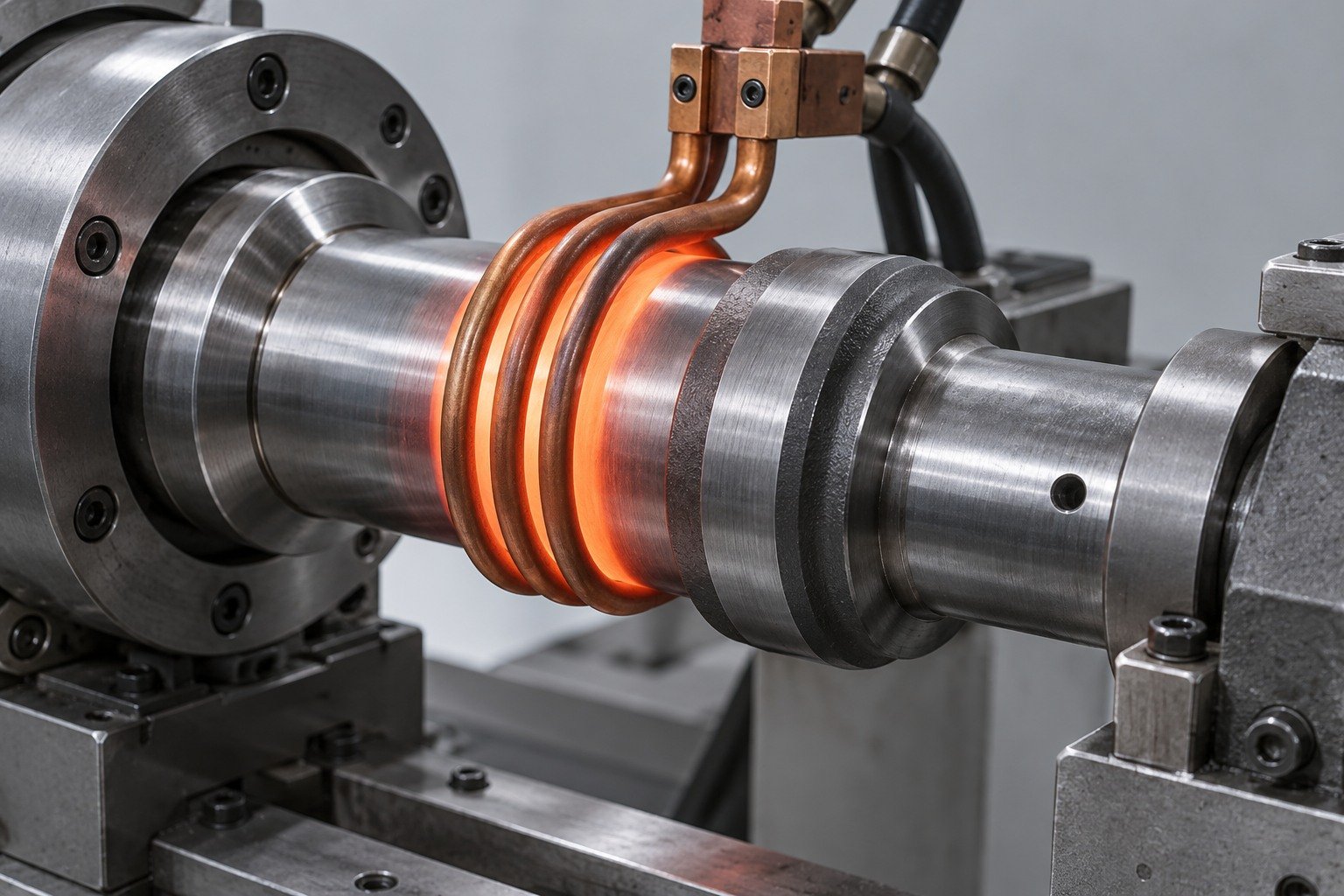
DFM & Drawing Review →For your 1045 steel induction hardening inquiry, agree treated zones, hardness scale, depth definition and verification method. Do not imply that a surface condition applies through the entire section.
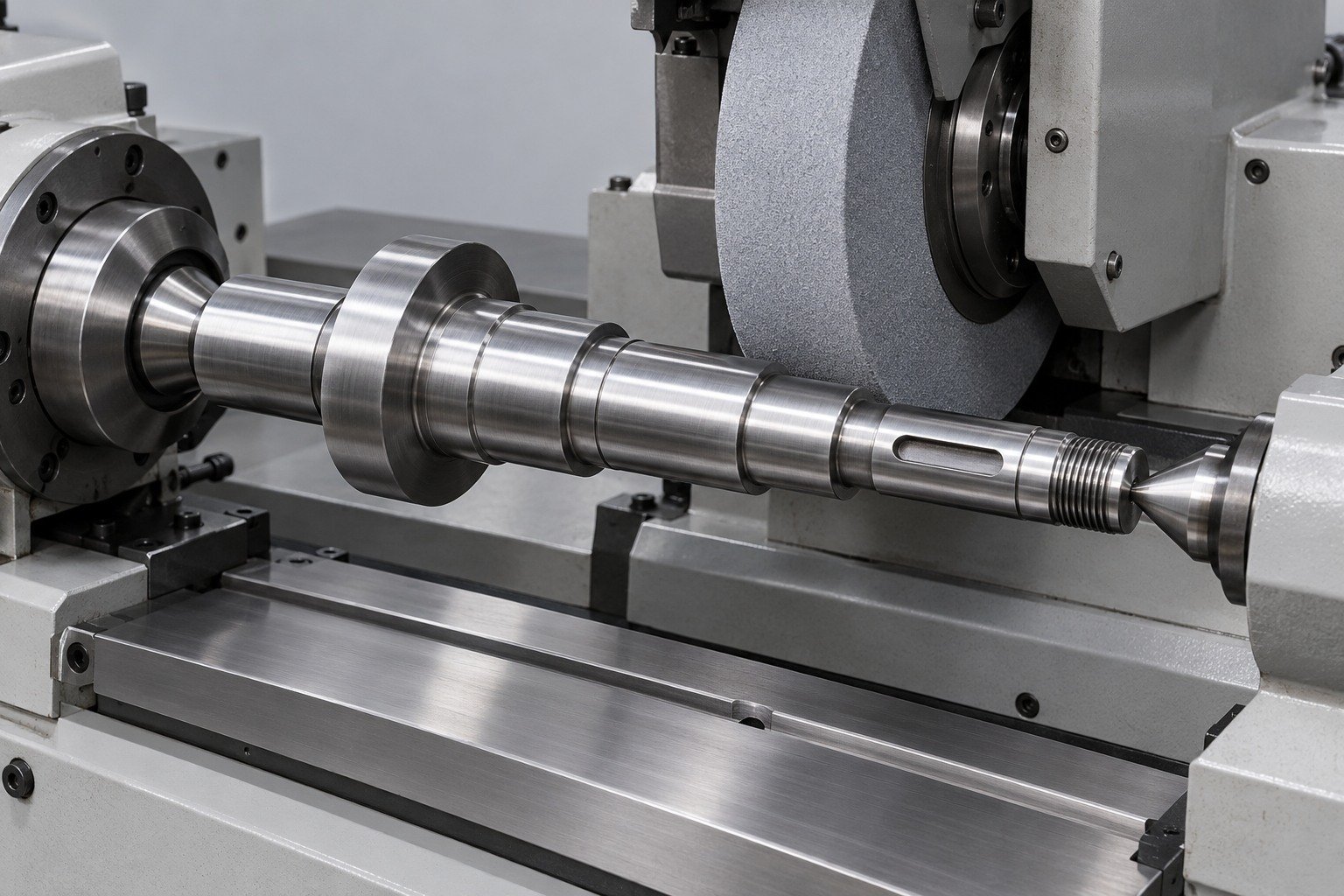
For 1045 steel grinding, identify journals, texture, runout and final size after treatment. Agree the amount and location of remaining stock before rough machining.
Section size, supplied state and process affect response. Required hardness or properties need a defined verification basis.
Review material condition, section, joint and thermal controls before choosing this grade for a weldment. Do not treat joining as an automatic secondary operation.
Specify the full finish system, storage and exposure. Identify functional surfaces and any sealing or lubrication requirement.
State coating specification, masked areas, dimensional allowance and any required embrittlement controls for the actual material condition.
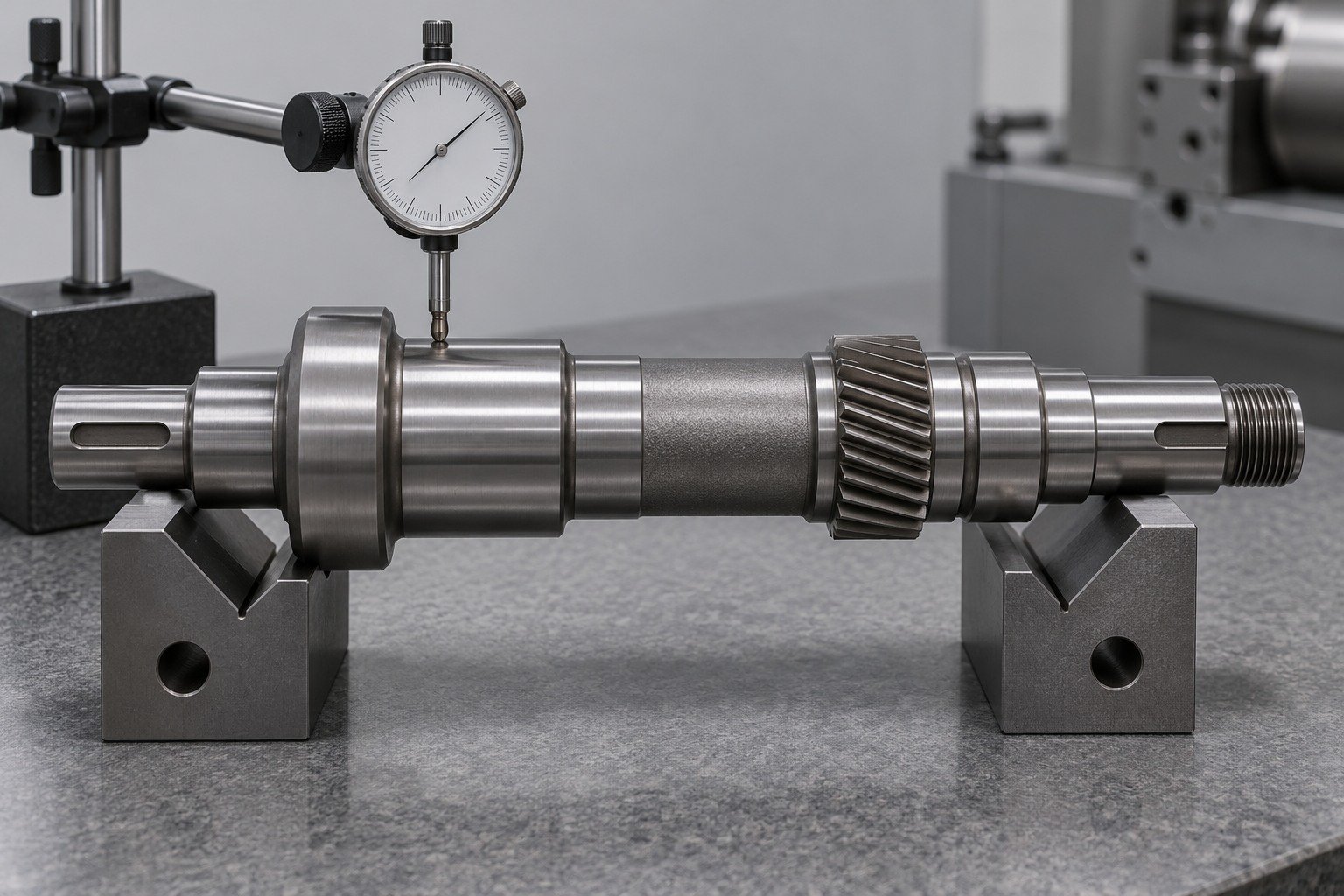
For your 1045 steel machined parts, keep the final condition connected with the inspection drawing.
Quality Assurance →Compare Carbon & Alloy Steel →
Review section size, required hardness or strength, treatment route and service load. 4140 is an alloy steel; it is not an automatic upgrade or substitute.
They are similar-designation references with differences shown in the selected chemistry table. Approve the actual product standard, variant and condition.
It is carbon steel. Define the environment and protective finish, storage and packaging your component requires.
It can be reviewed for specified hardening routes. Distinguish surface hardening from section-wide properties and define test locations and final machining.
Shafts, pins, axles and rollers are common producer examples. Suitability depends on your required condition, geometry and acceptance.
For your 1045 steel machining quote, send CAD, drawing, stock condition, quantity, treatment, final fit, finish and inspection requirements.
Welding requires a specific review of the material condition, section and joint. Agree the procedure and final acceptance before committing to the grade.