Injection Molding
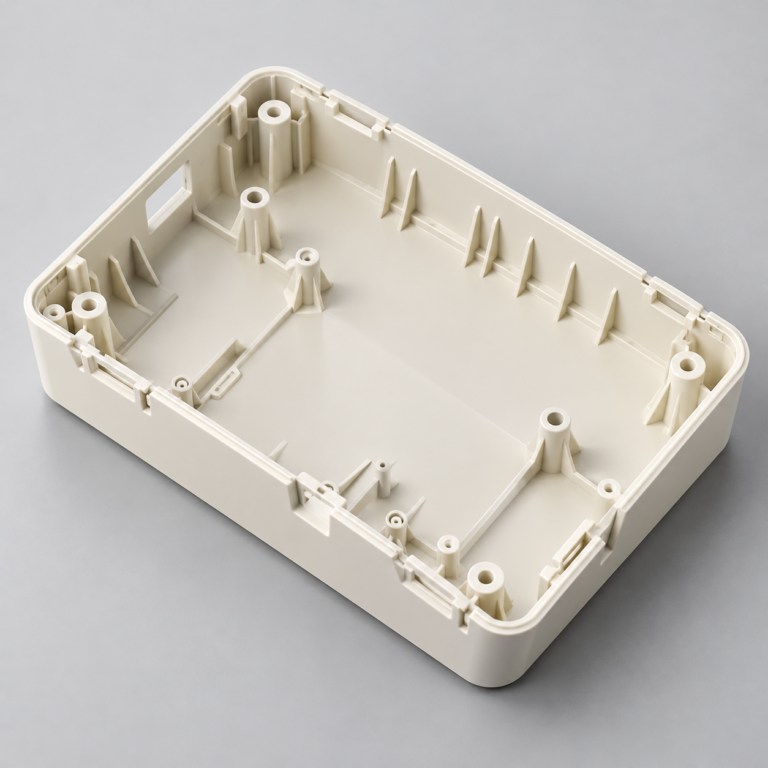
Tooling and molding for your repeat plastic parts.
From prototype to production, coordinated manufacturing solutions for your custom parts.
View All Services →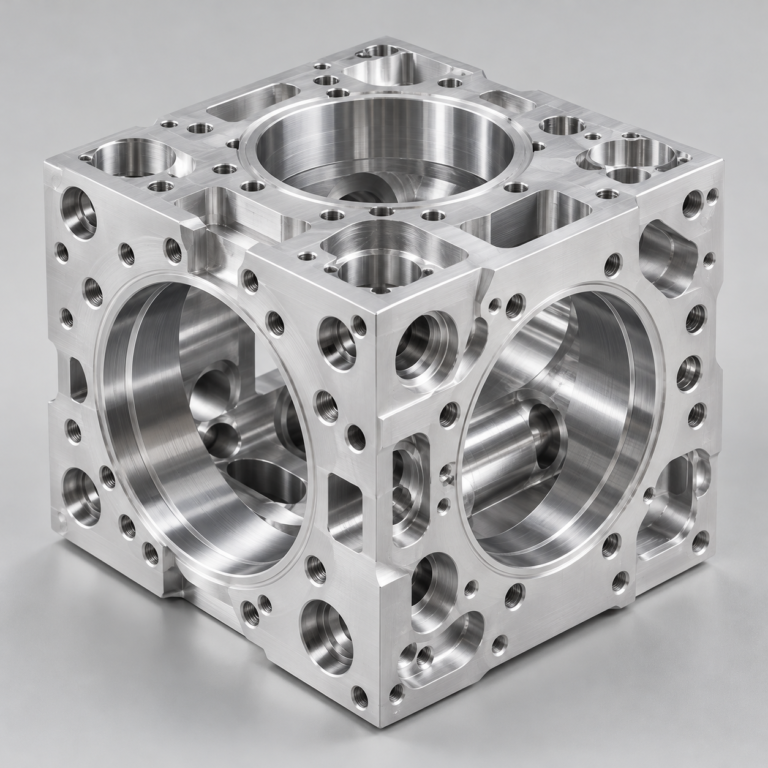
Precision parts for your tight tolerances and complex geometry.
Tooling and molding for your repeat plastic parts.
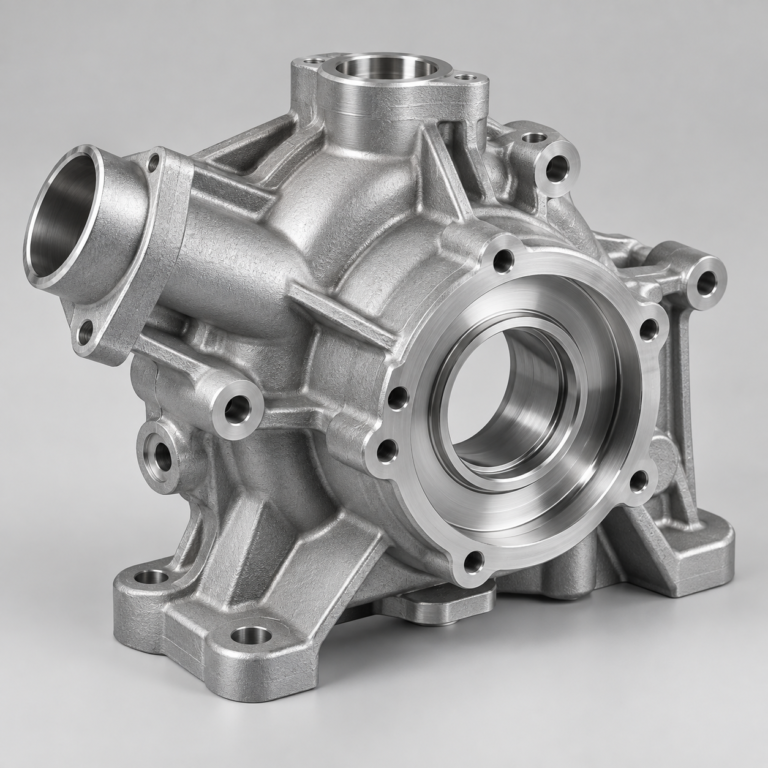
Metal casting options for your part and production volume.
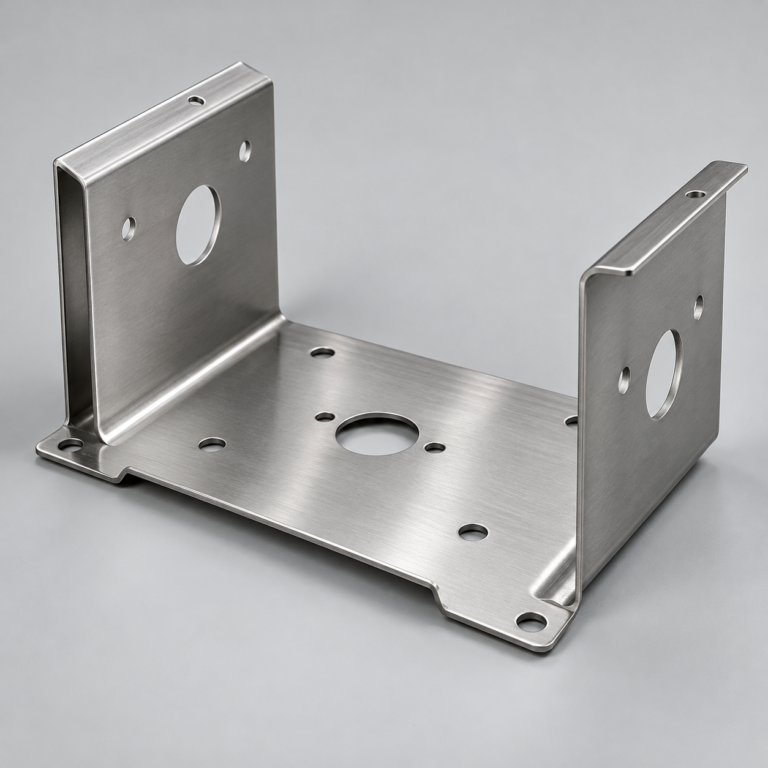
Cutting, forming and welding for your fabricated parts.
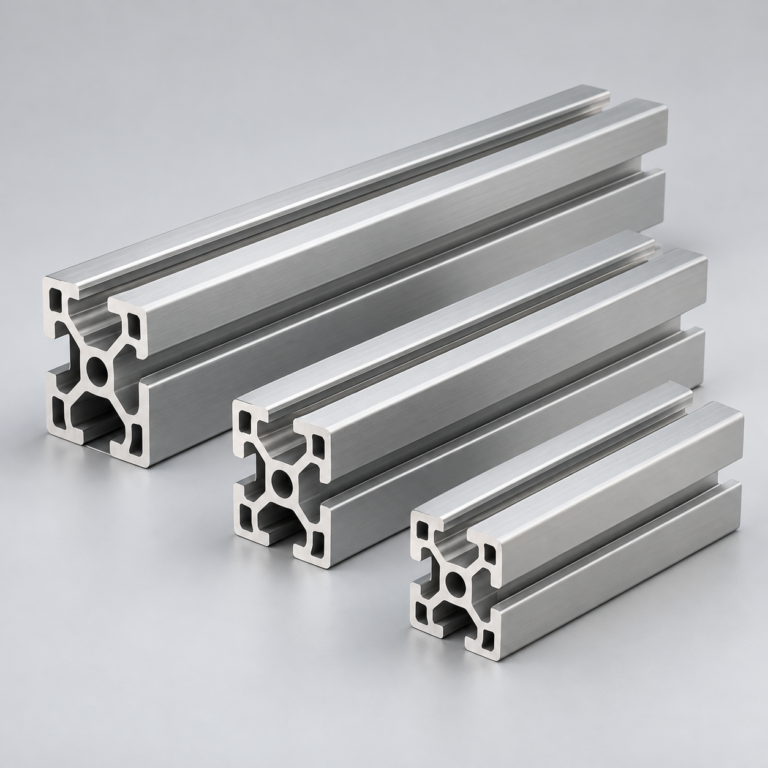
Custom profiles for your section, length and finish requirements.
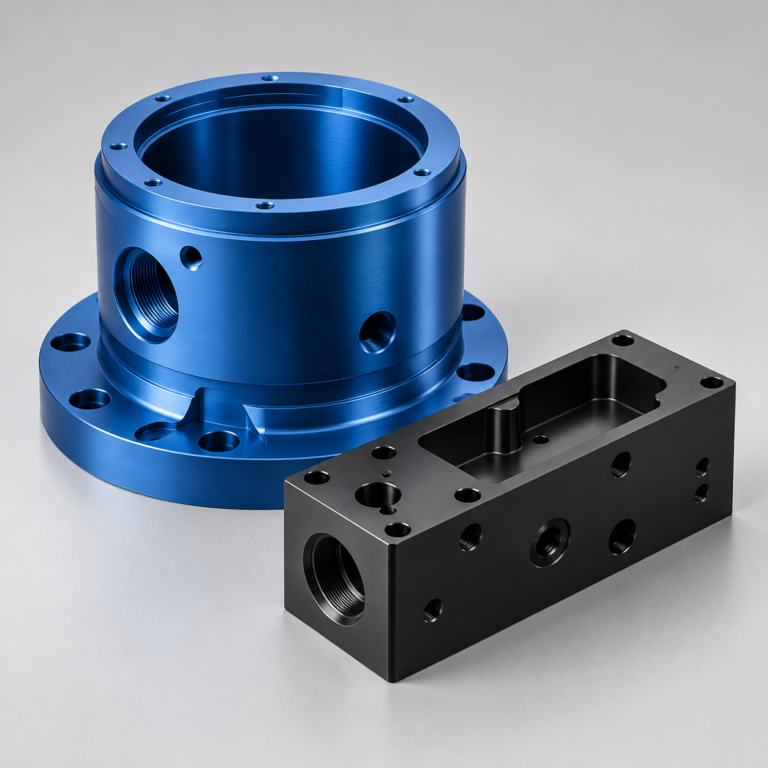
Finishes for your appearance, corrosion and wear requirements.
Sub-assemblies and final builds for your production program.
Production tooling built around your process and volume.
Prototype parts to check fit, function and design.
DFM, process planning and production support for your project.
Inspection, documentation, inventory and delivery planning for your program.
Choose air- or liquid-cooling components around your thermal and mechanical requirements.
Manufacturing support for your cold plates, manifolds and cooling assemblies.
Find components for your power electronics, energy, laser and telecom application.
Components for your electronic systems.
Start with your functional and quality requirements.
Build around your operating environment.
From prototype to production, review material performance, manufacturability and cost for your part.
Review grade, temper and finish for your metal parts.
 AluminumStrength, weight and machining›
 Stainless SteelCorrosion and finish requirements›
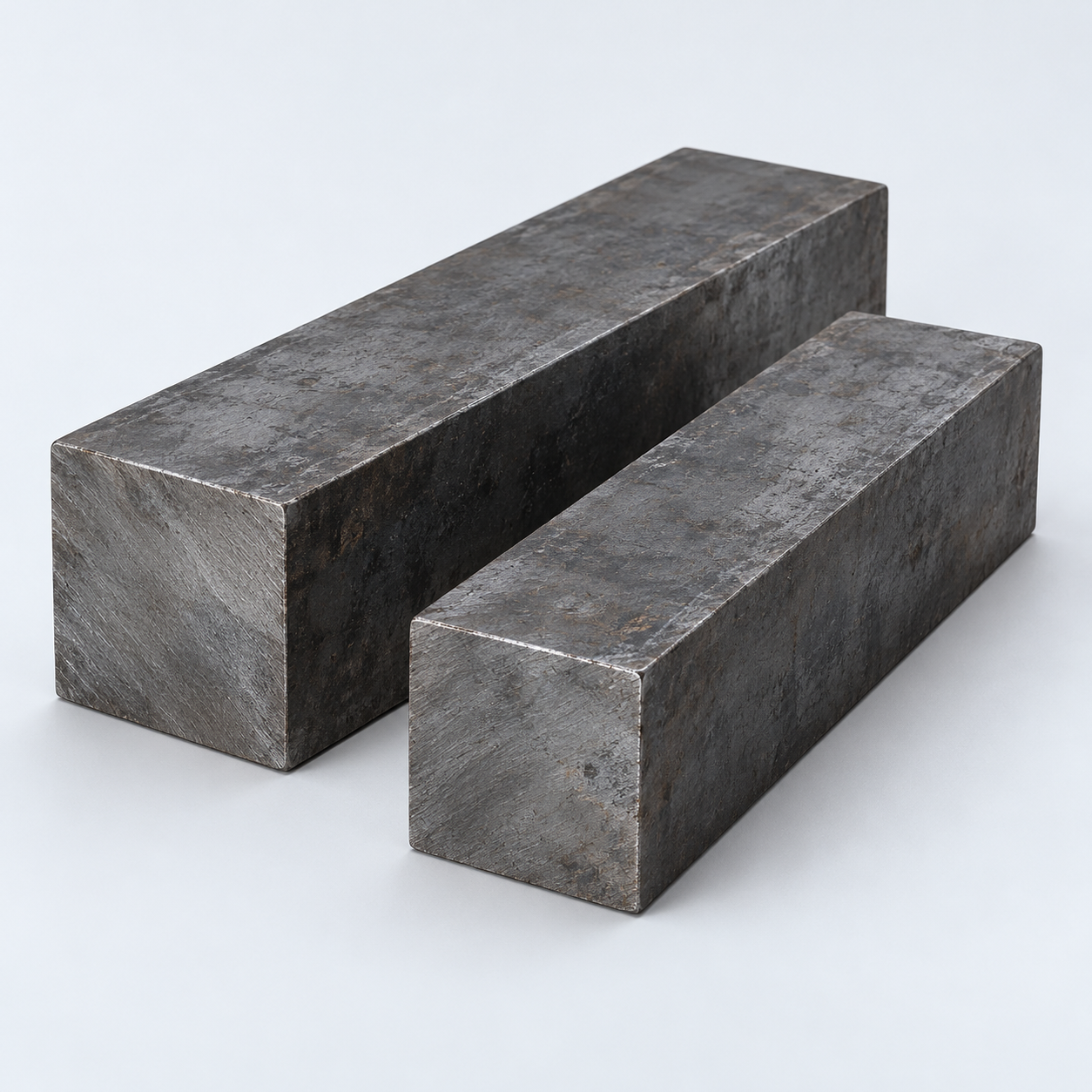 Carbon & Alloy SteelDiscuss grade and heat treatment›
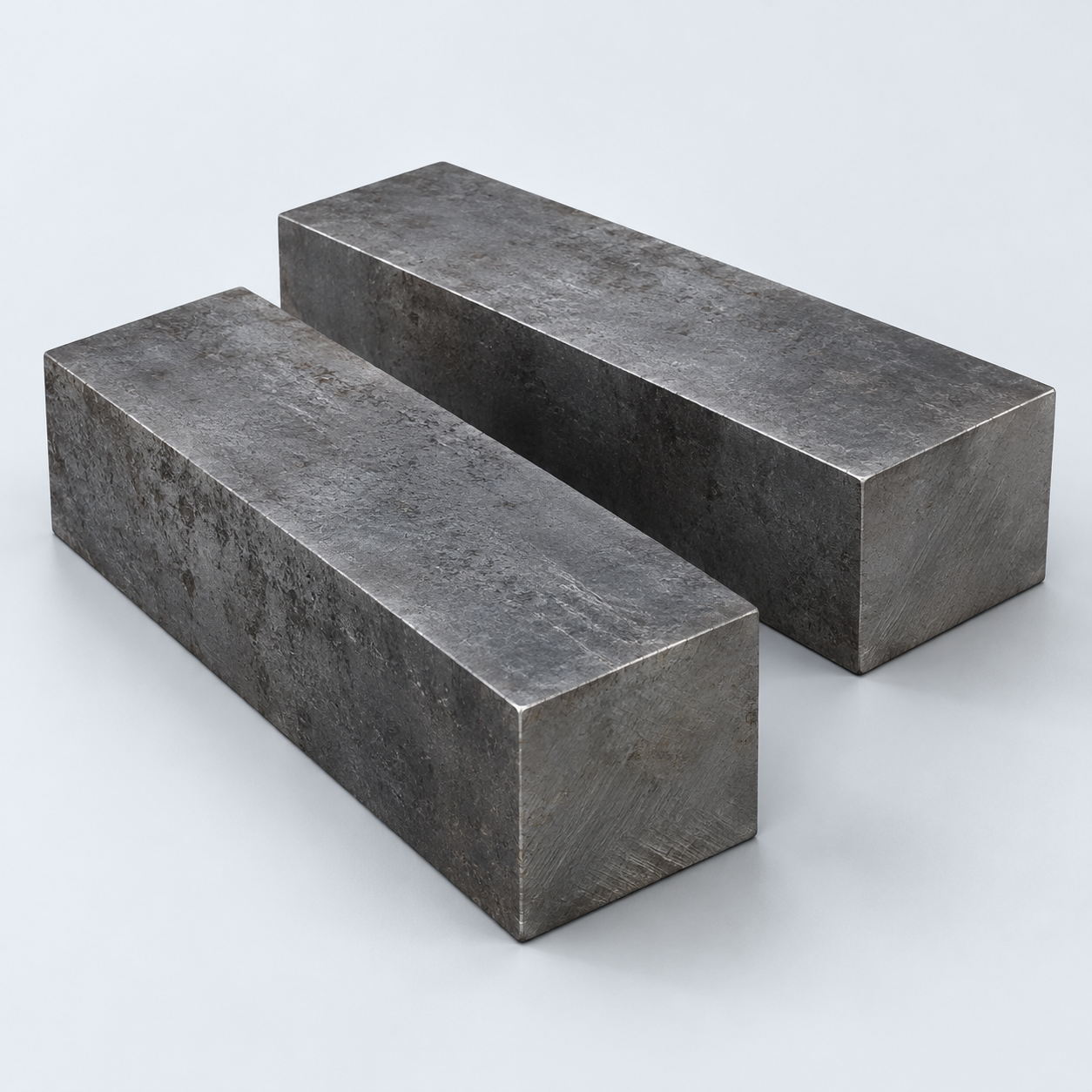 Tool SteelDiscuss tooling and wear needs›
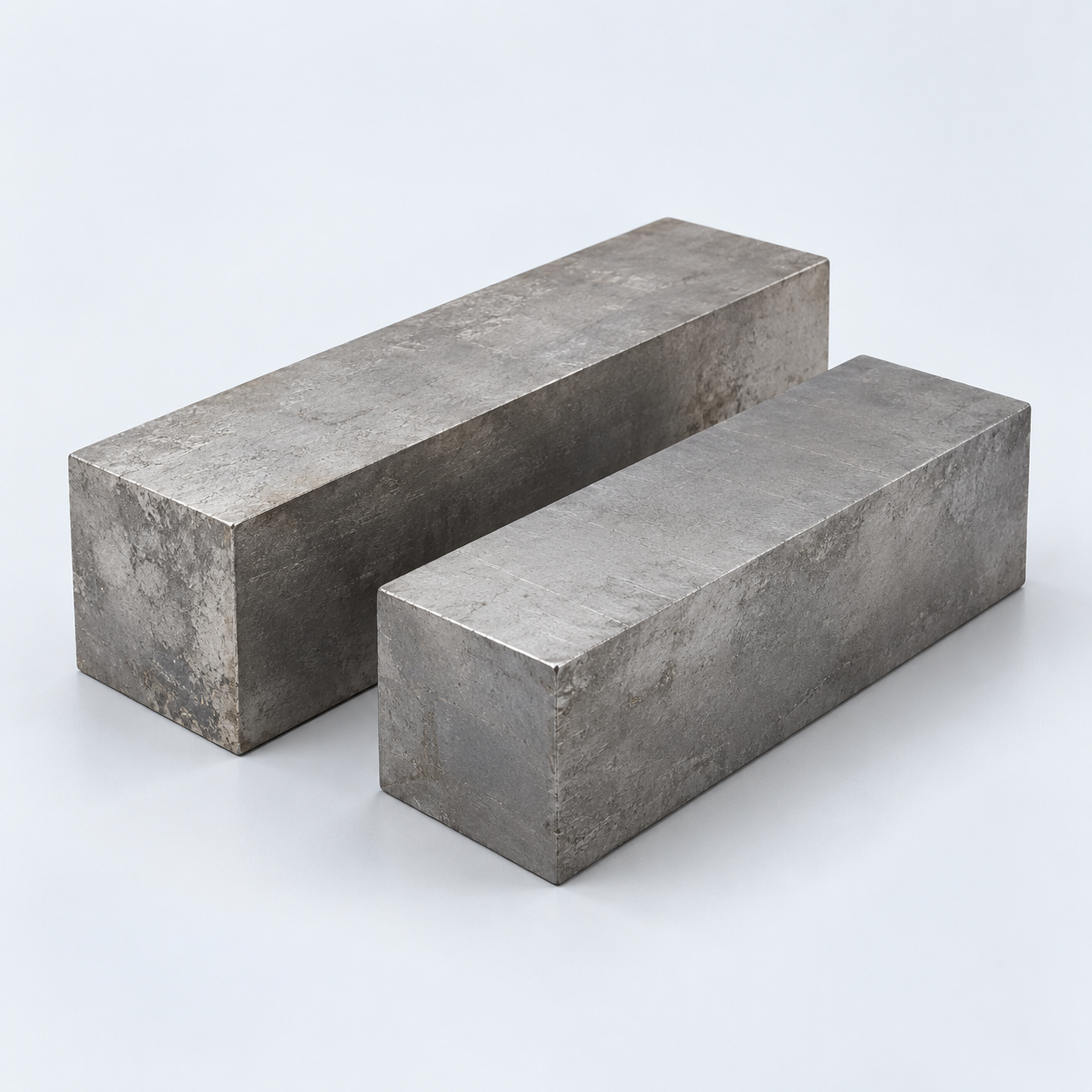 TitaniumReview grade and part geometry›
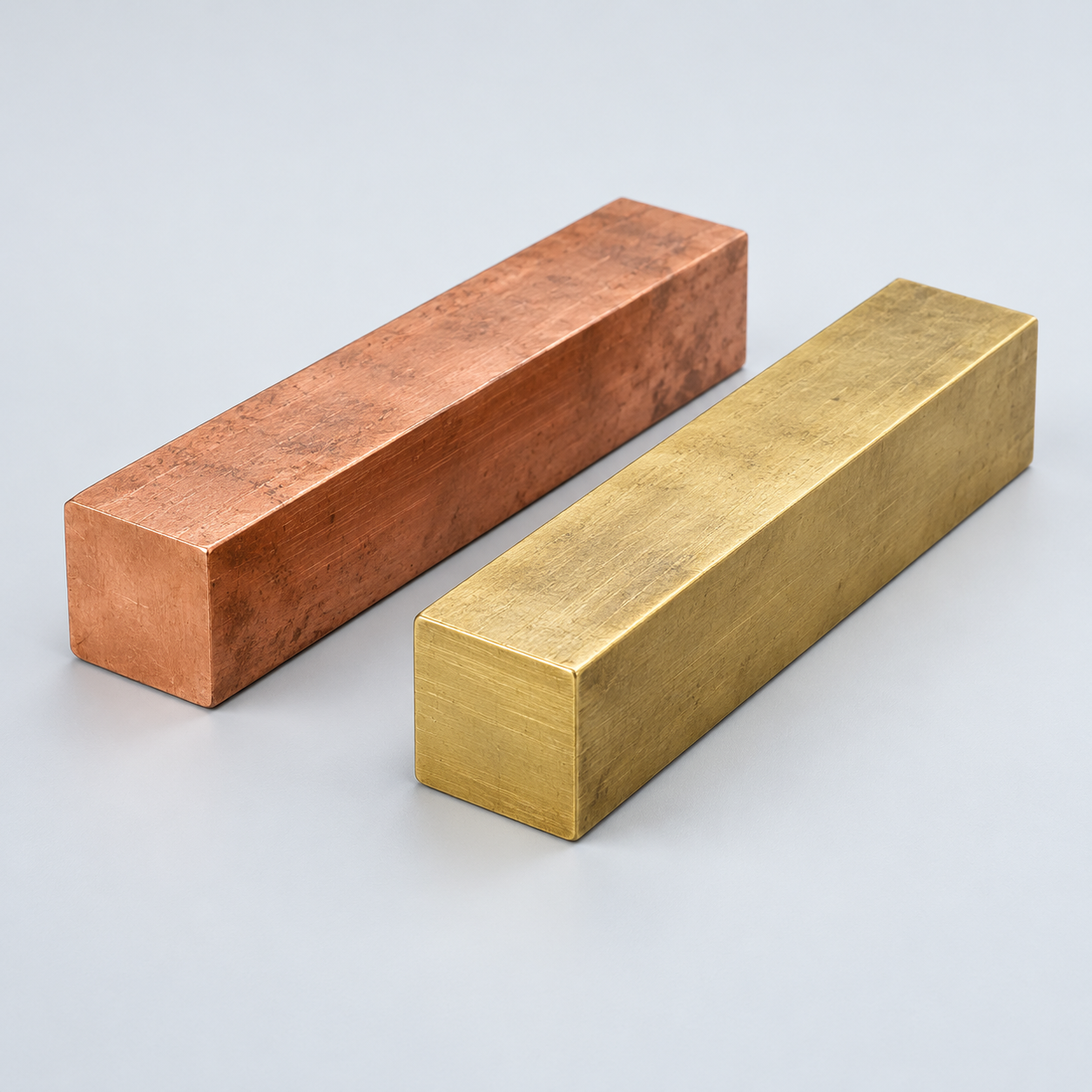 Copper & Brass & BronzeDiscuss conductivity and machining›
Match your polymer to function, process and environment.
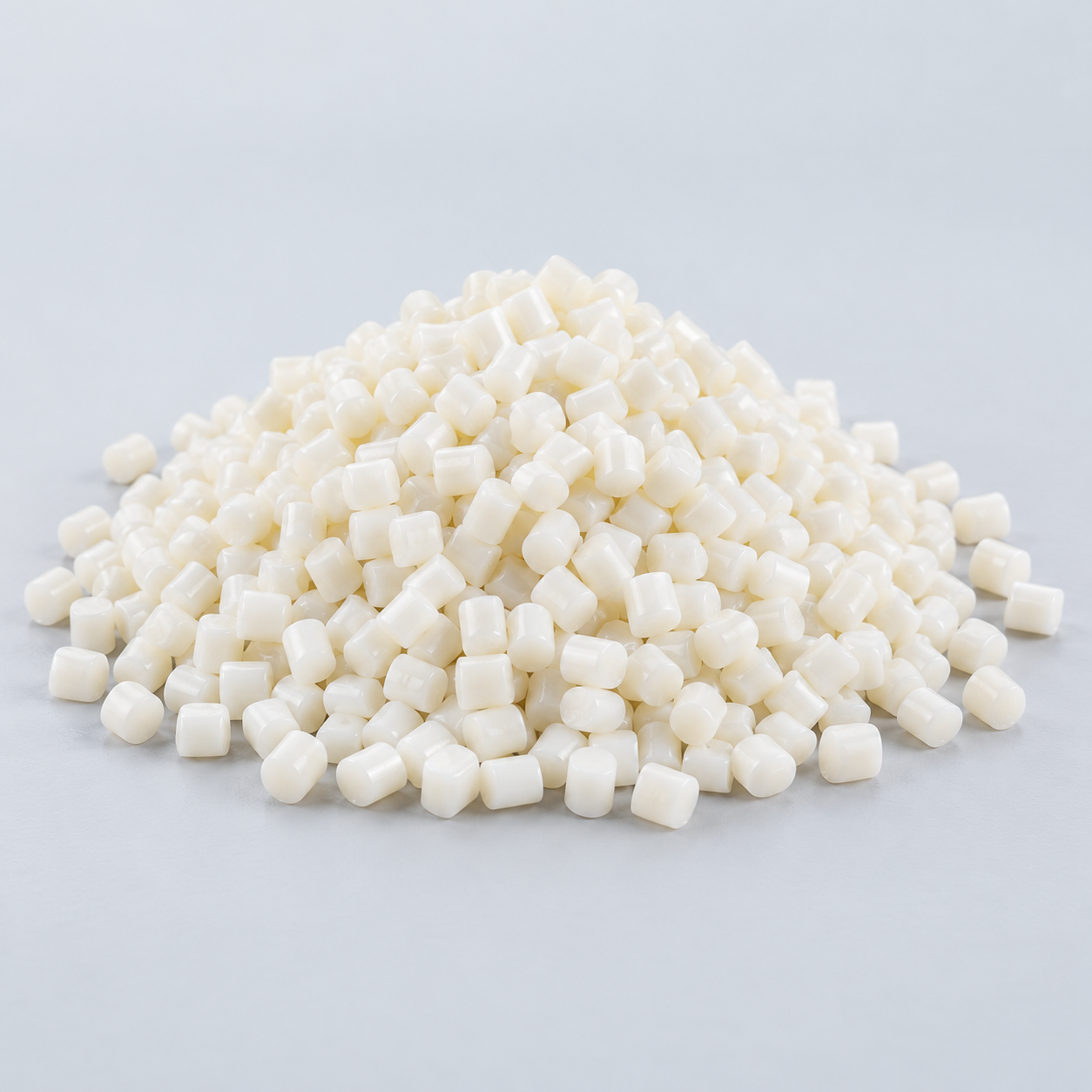 ABSReview enclosure and molding needs›
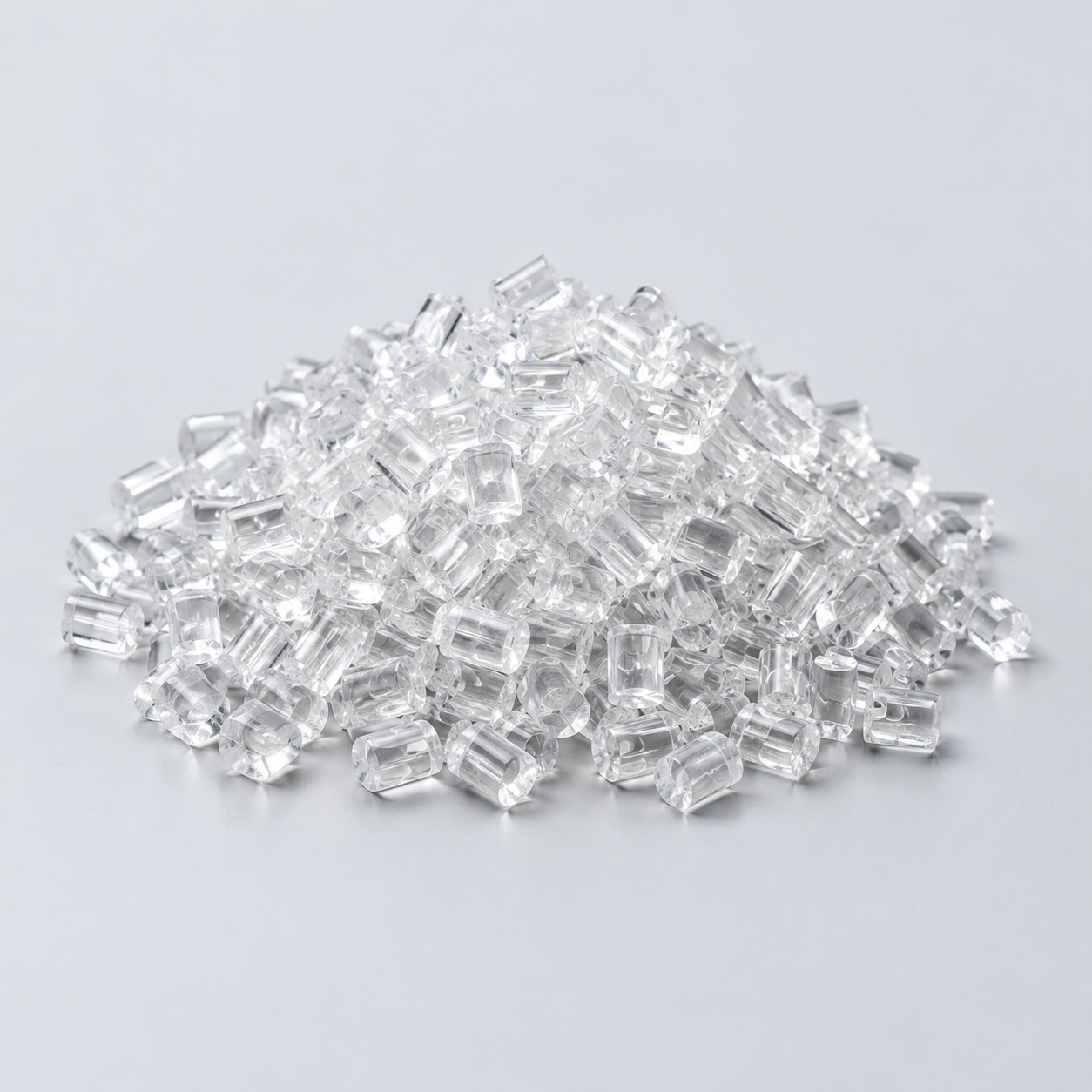 Polycarbonate (PC)Discuss clarity and impact needs›
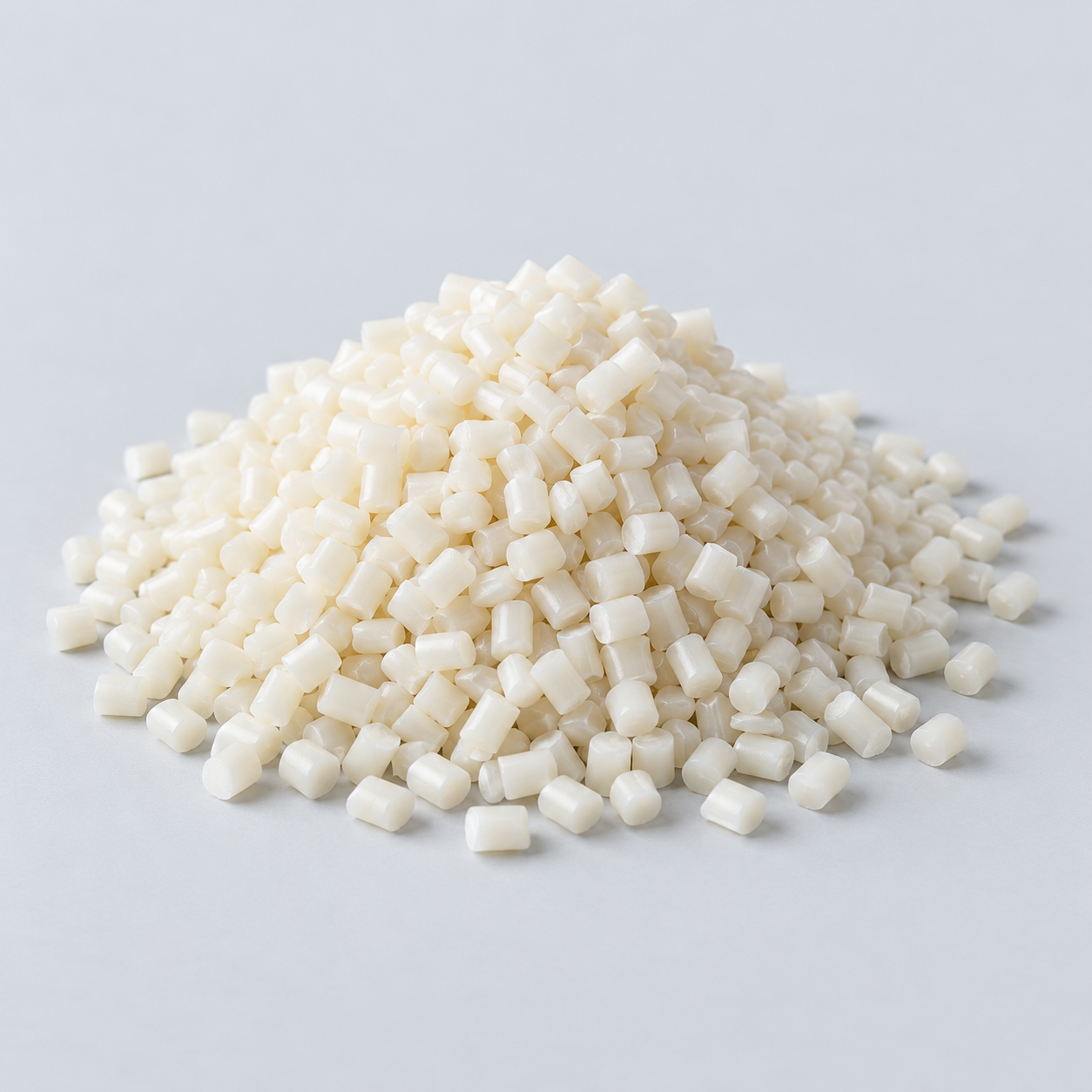 Nylon (PA)Review moisture and wear conditions›
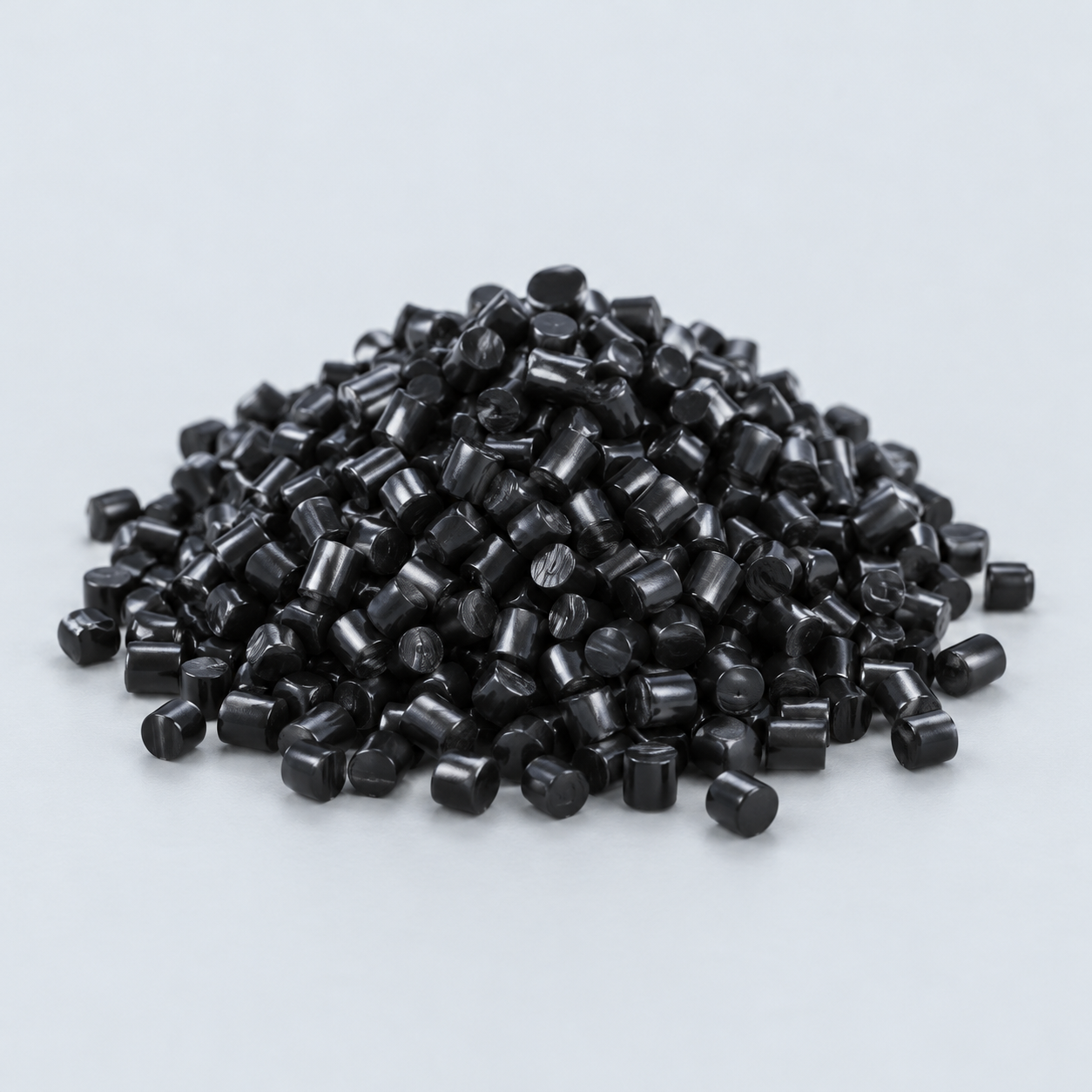 POM / AcetalReview fit and sliding features›
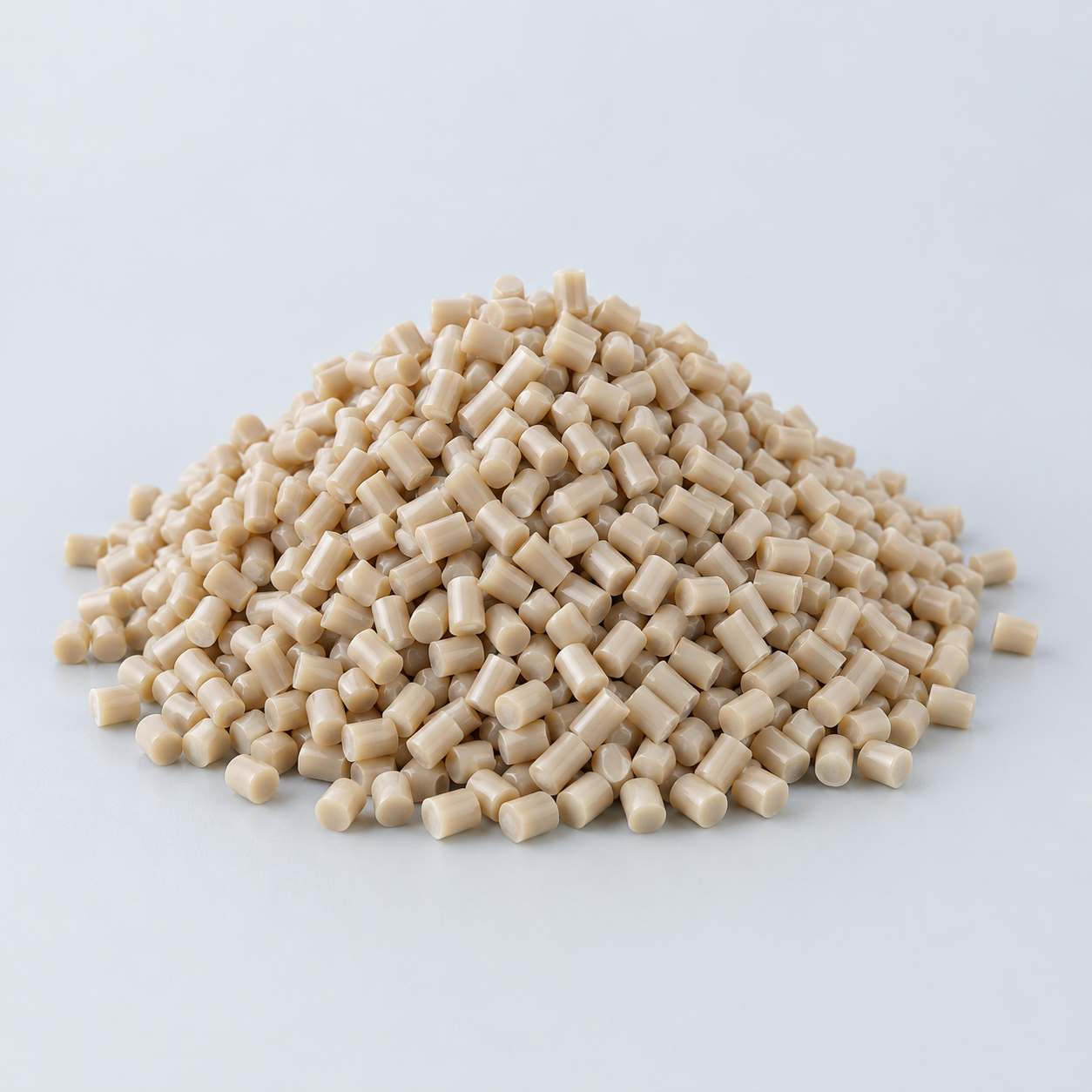 PEEKDiscuss operating conditions›
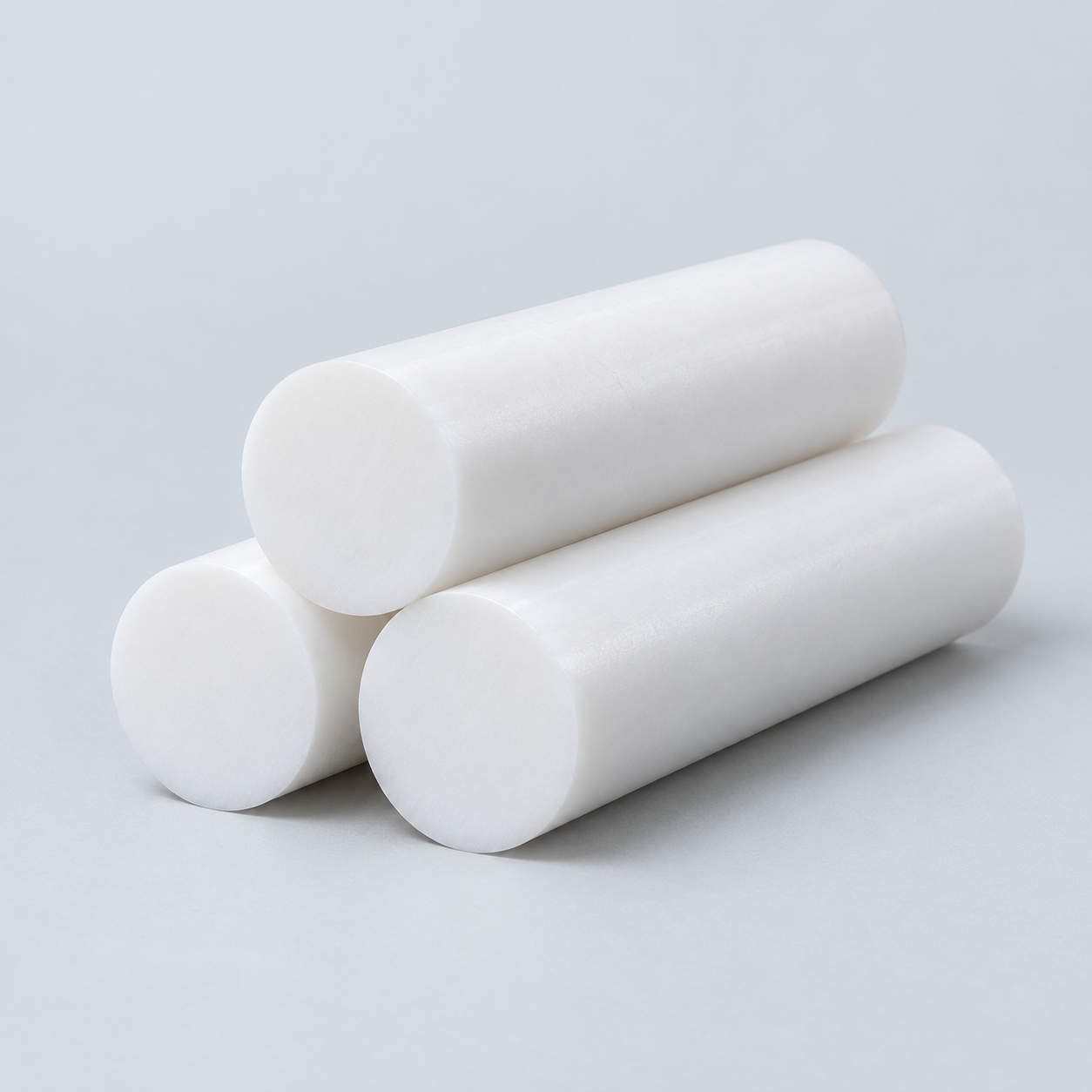 PTFEReview friction and chemical exposure›
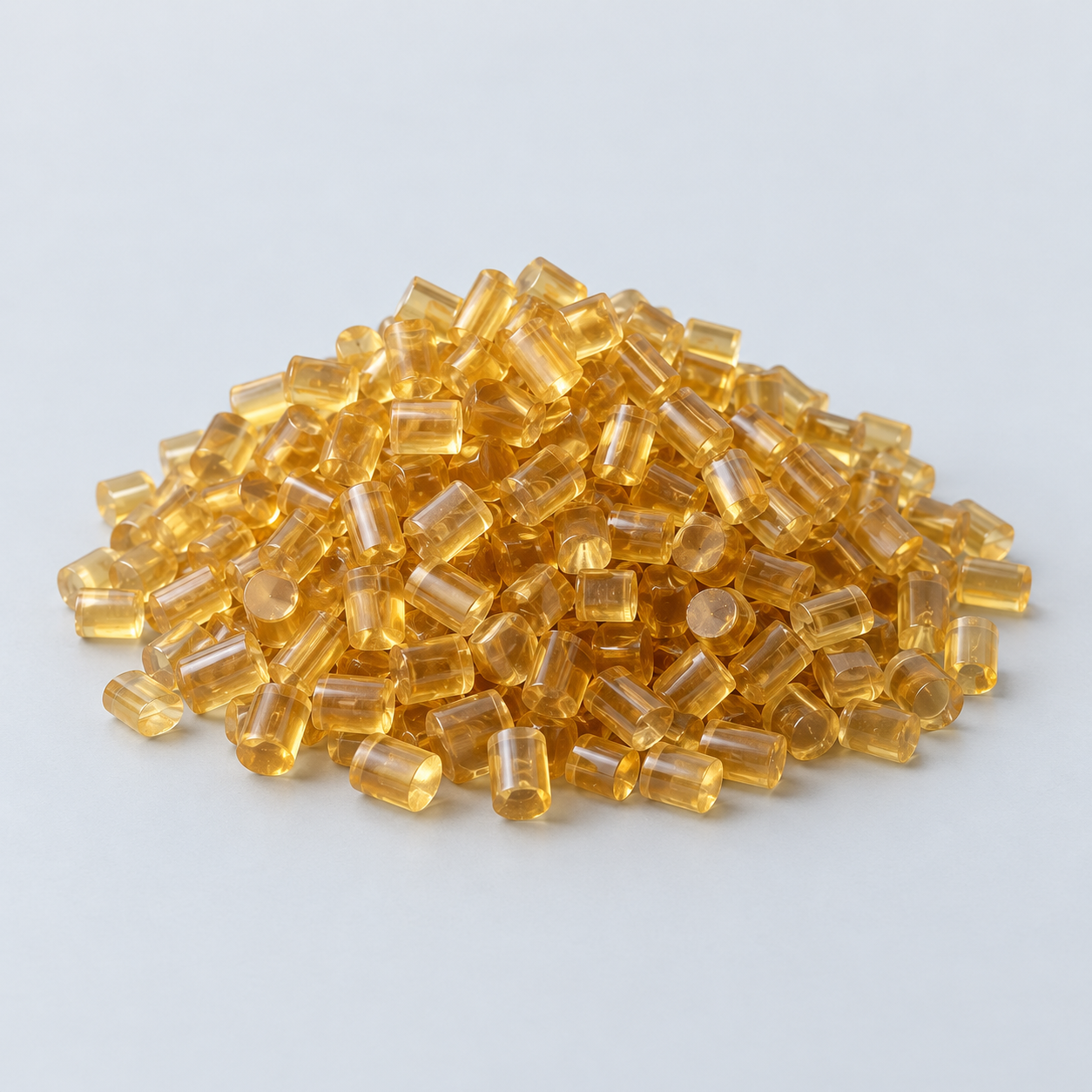 ULTEM / PEIDiscuss thermal and electrical needs›
Confirm grade availability and application requirements.
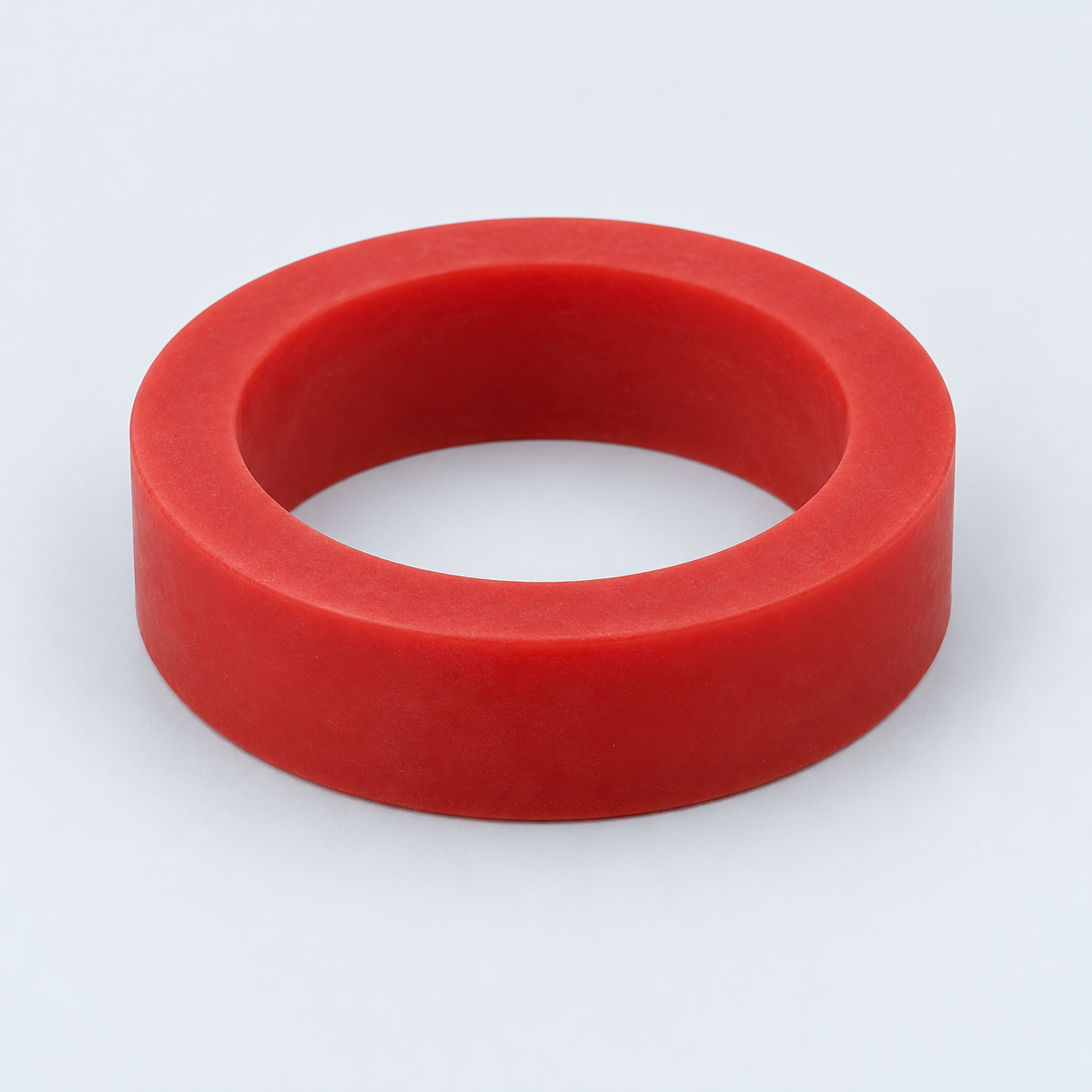 Silicone / LSRDiscuss flexible component needs›
 TPU / TPEReview flexibility and processing›
 EPDMReview weathering and chemical exposure.›
 NBRReview oil and fuel exposure.›
 FKMReview temperature and chemical exposure.›
 G10 / FR4Review insulation and laminate needs›
 CompositesReview stiffness, weight and laminate.›Customer-Specified MaterialsConfirm your grade and requirements.›Other Specialty MaterialsDiscuss your application and grade.›
Practical guidance for your part geometry and material decisions.
Prepare your process, budget and sourcing questions.
Build your knowledge before production.
Learn who we are and how we operate.
Find our U.S. support team or start a conversation.
Learn when injection molding is the right choice for your plastic parts based on volume, cost, design, materials, tolerances, tooling risk, and production needs.
Many companies begin with 3D printing or CNC machining for prototypes, but once demand grows, these methods may become too expensive, too slow, or too inconsistent. Injection molding becomes the better choice when you need repeatable plastic parts, stable quality, lower unit cost, and scalable production.
The decision is not about the process itself. The real question is: Which manufacturing method gives the best balance of cost, quality, lead time, and scalability for your product?
This transition is a critical turning point for many common scenarios:
Volume is usually the primary driver for tooling decisions. Here is a practical guide from a buyer's perspective. Keep in mind, exact break-even points depend on part size, material, mold complexity, and annual demand.
| Quantity Range | Best Manufacturing Method | Reason |
|---|---|---|
| 1–20 pcs | 3D Printing or CNC Machining | Fast validation, zero tooling cost. |
| 20–100 pcs | CNC Machining, 3D Printing, Vacuum Casting | Early functional testing and small beta runs. |
| 100–1,000 pcs | Bridge tooling or low-volume injection molding | Start testing real production material with cheaper aluminum/soft steel molds. |
| 1,000–10,000 pcs | Injection molding | Unit cost begins to improve significantly. Tooling cost is amortized. |
| 10,000+ pcs | Production injection molding | Best cost, highest consistency, hardened steel molds for longevity. |
Upload your CAD files. Our engineering team will analyze your design and provide a break-even cost analysis comparing CNC machining vs. Injection Molding.
Get a Free Cost AnalysisThe customer's real concern is often sticker shock: Injection molding feels expensive at first because of the upfront mold tooling cost. However, it rapidly becomes the cheapest option over repeat production.
Practical Example: If CNC machining a custom plastic housing costs $18.00 each, but injection molding reduces the part cost to $2.50 each after a $5,000 tooling investment, the mold cost pays for itself at roughly 320 parts. If you expect to order 2,000 parts annually, the decision is clear.
Caution: Do not choose injection molding only because the unit price looks low. Always calculate the Total Cost of Ownership (TCO), including the mold, T1 samples, potential modifications, secondary operations, inspection, packaging, and logistics.
Injection molding is unforgiving to design changes once steel is cut. It is best chosen when your design is relatively stable. Before requesting a tooling quote, ask yourself:
Warning: If the design changes significantly after the mold is cut, modification (welding and re-machining) can be expensive and will delay your project.
Different industries have different triggers for moving to injection molding. Here is how supply chain managers and engineers make the call across sectors:
Typical Parts: Connectors, brackets, interior trim, covers, clips.
Why Mold? Choose injection molding (often with PA66 GF) when durability under heat/vibration and strict dimensional repeatability matter across thousands of vehicles.
Typical Parts: Enclosures, handles, disposable components, diagnostic housings.
Why Mold? Choose injection molding when material traceability, biocompatibility (e.g., medical-grade PC/ABS), and clean, wipeable appearances are mandatory.
Typical Parts: Sensor housings, cable management, lightweight structural covers, gears.
Why Mold? Transition to molding when production scales up and you need to reduce the weight and cost of previously machined aluminum or 3D printed parts.
Typical Parts: Cosmetic housings, buttons, bezels, battery covers, internal supports.
Why Mold? Essential for achieving flawless surface finishes (SPI A-grades or custom textures), thin walls, and precise snap-fits for assembly.
How do you know when to graduate from prototyping methods to mass production? Use this buyer-friendly comparison:
| Factor | 3D Printing | CNC Machining | Injection Molding |
|---|---|---|---|
| Best For | Rapid Prototype | Low-volume precision | Repeat production |
| Tooling Required | No | No | Yes |
| Unit Cost at Scale | High | Medium / High | Low |
| Lead Time (First Parts) | Fast (Days) | Fast (Days to Weeks) | Slower (Weeks for Tooling) |
| Consistency | Medium | High | Very High |
| Surface Finish | Medium (Layer lines) | Good (Tool marks) | Excellent (Custom textures) |
| Design Changes | Easy | Easy | Harder after tooling |
You should choose injection molding when you need specific, production-grade plastic materials that 3D printing resins or filaments cannot perfectly replicate.
Note: Material selection must be confirmed before tooling begins, as different plastics have different shrink rates, which dictates the mold cavity dimensions.
A common buyer pain point: A cheap supplier might make acceptable CNC samples but fail completely in mass production molding. Customers need robust process control, not just a low initial quote.
Injection molding is valuable when you demand stable repeatability across tens of thousands of parts. This includes dimensional consistency, cosmetic uniformity, and lot-to-lot material stability. Reputable suppliers will provide First Article Inspection (FAI) reports, and for strict industries, full PPAP documentation.
LK Tools is ISO 9001 certified. We provide full FAI reports, material certs, and strict quality control from our global facilities to our USA warehouse.
Explore Our Quality StandardsIf your product is customer-facing, aesthetics matter. Injection molding offers unparalleled options for surface finishes directly from the mold, eliminating the need for expensive post-processing in many cases.
Protect your investment by asking these questions before signing a tooling PO:
Injection molding is probably the right choice for your project right now if you can check most of these boxes:
Transitioning to injection molding shouldn't be a gamble. LK Tools supports buyers and engineers by de-risking the entire process. We offer:
Injection molding is the right choice when your plastic part has moved beyond early testing and you need stable quality, repeatable production, vastly improved unit costs, and long-term scalability. By evaluating your volume, design readiness, and total cost of ownership, you can confidently make the transition from prototyping to mass manufacturing.
Upload your CAD files and LK Tools will provide a DFM review, tooling recommendation, and cost optimization suggestions.