Injection Molding
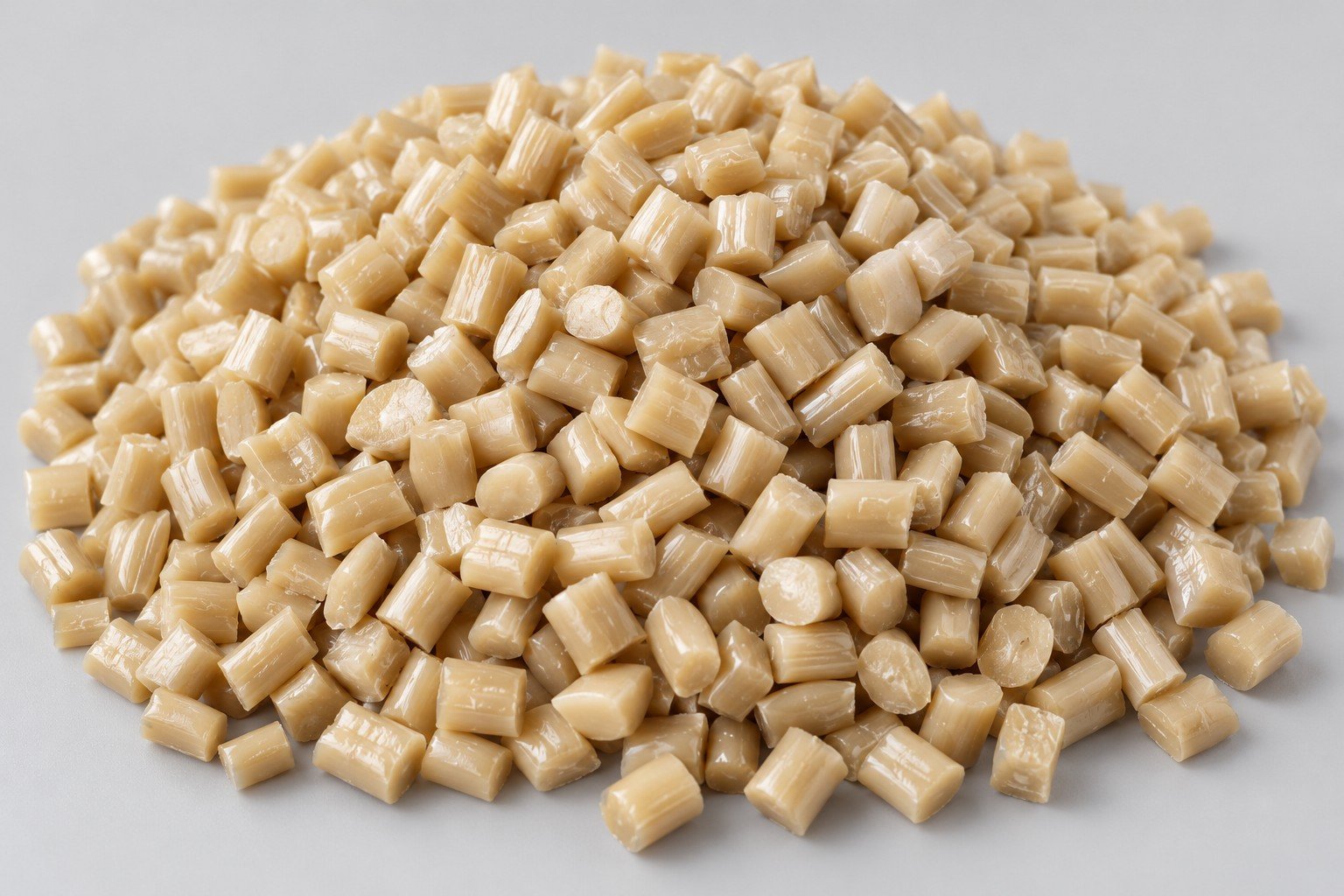
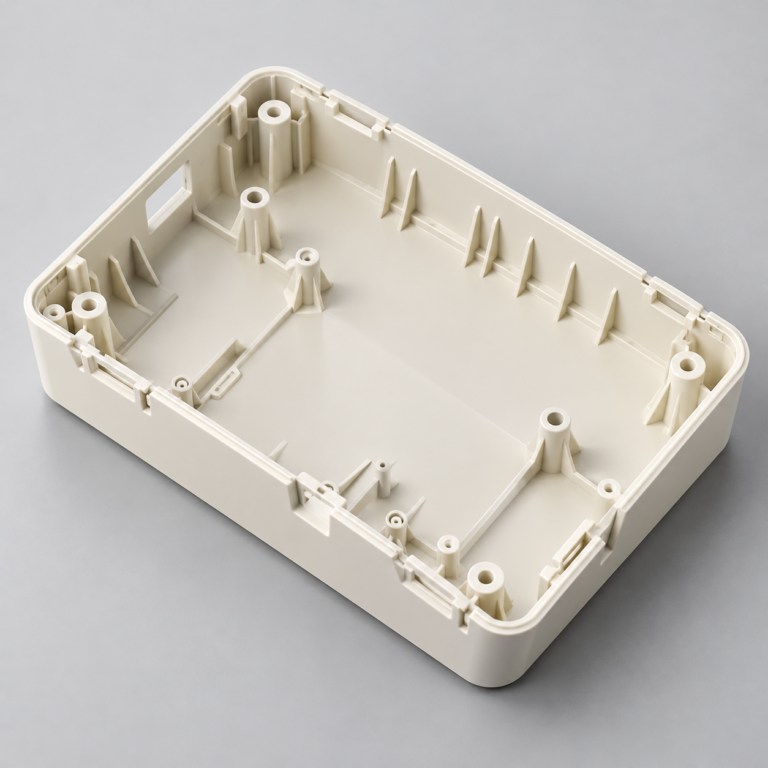
Tooling and molding for your repeat plastic parts.
From prototype to production, coordinated manufacturing solutions for your custom parts.
View All Services →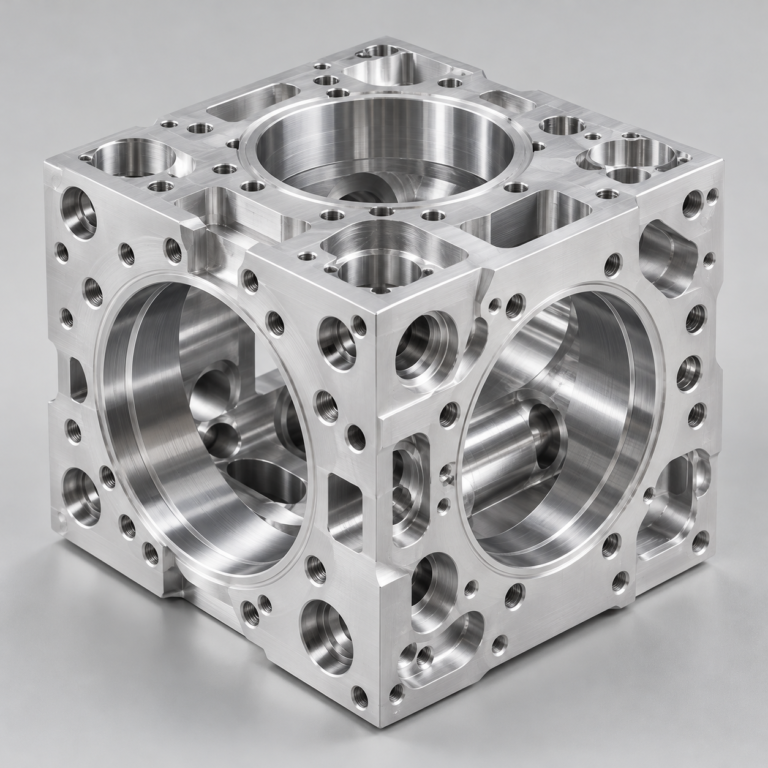
Precision parts for your tight tolerances and complex geometry.
Tooling and molding for your repeat plastic parts.
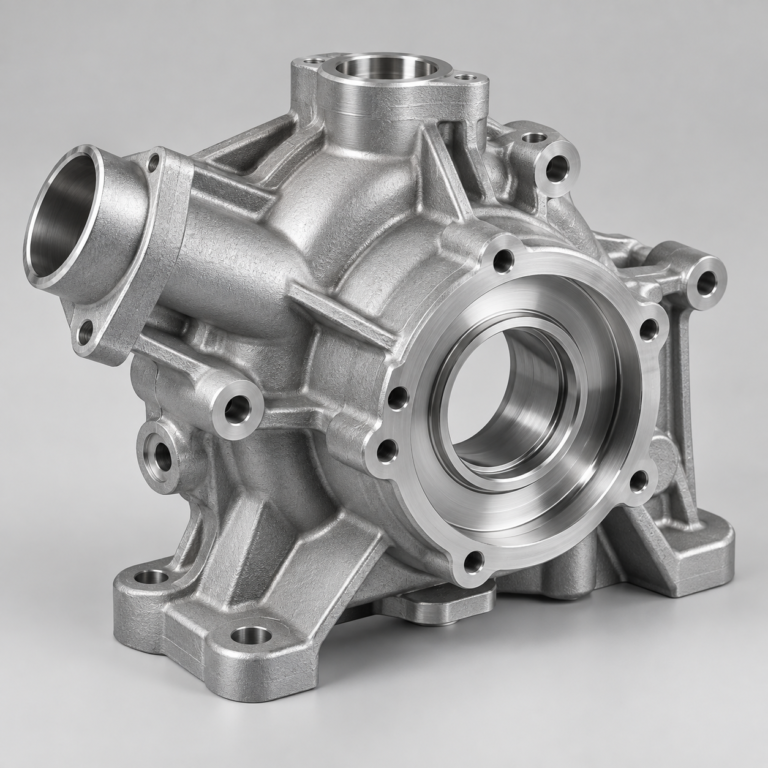
Metal casting options for your part and production volume.
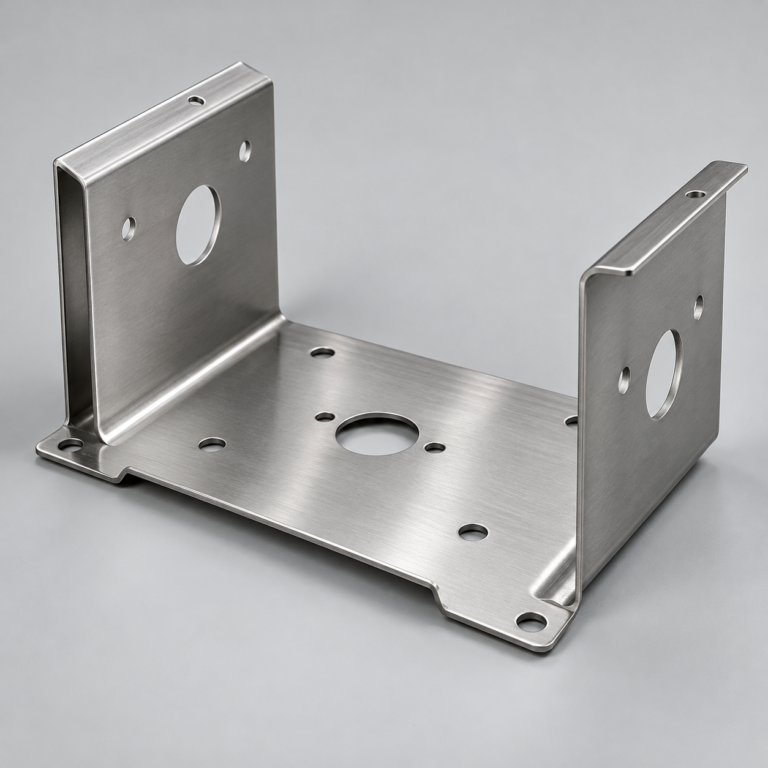
Cutting, forming and welding for your fabricated parts.
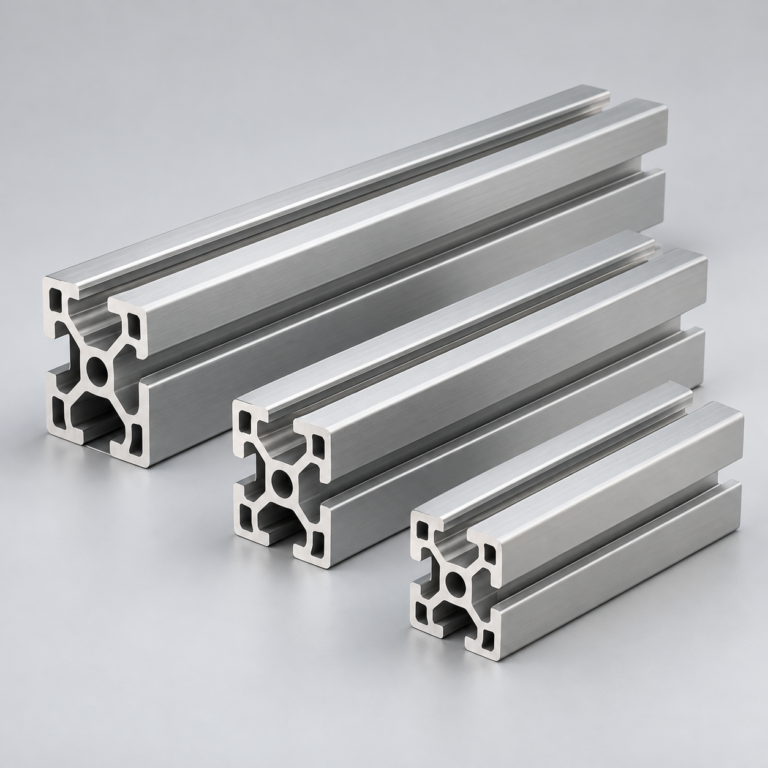
Custom profiles for your section, length and finish requirements.
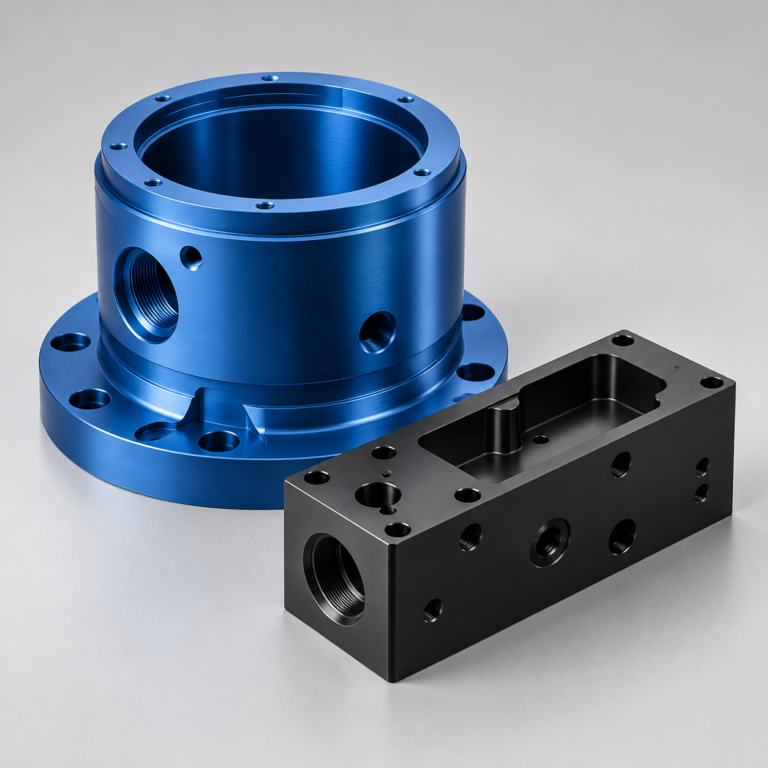
Finishes for your appearance, corrosion and wear requirements.
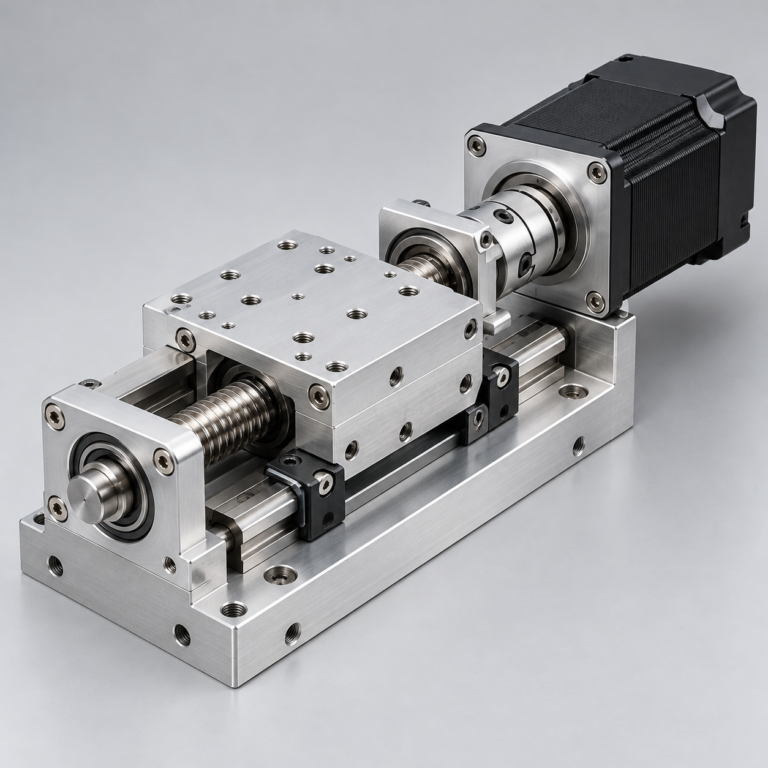
Sub-assemblies and final builds for your production program.
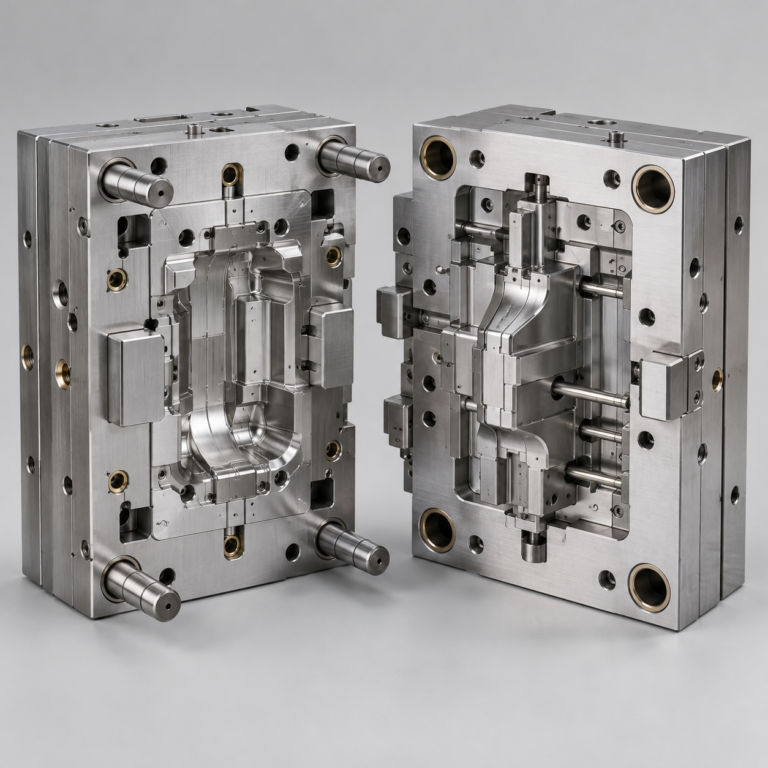
Production tooling built around your process and volume.
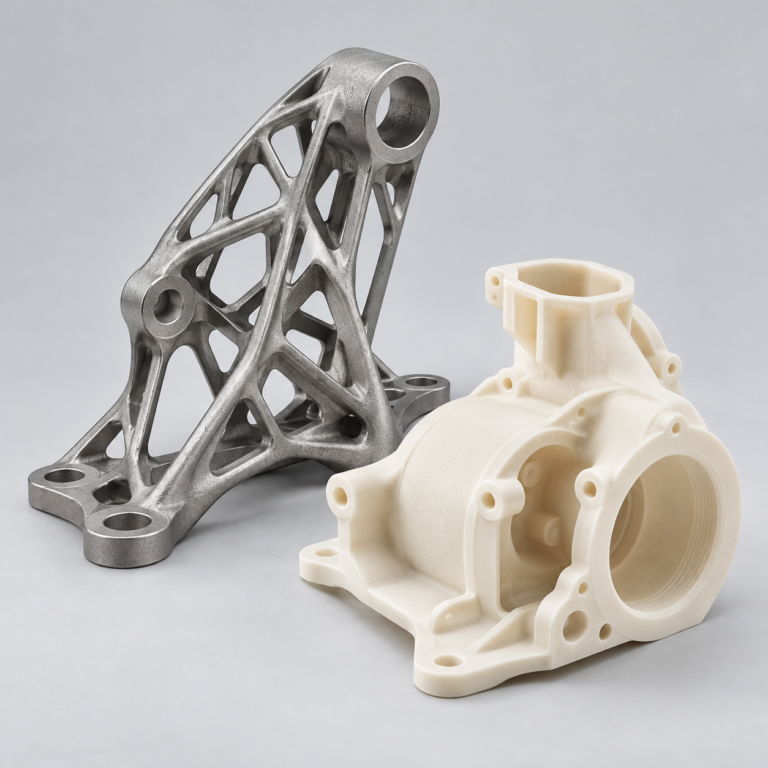
Prototype parts to check fit, function and design.
DFM, process planning and production support for your project.
Inspection, documentation, inventory and delivery planning for your program.
Choose air- or liquid-cooling components around your thermal and mechanical requirements.
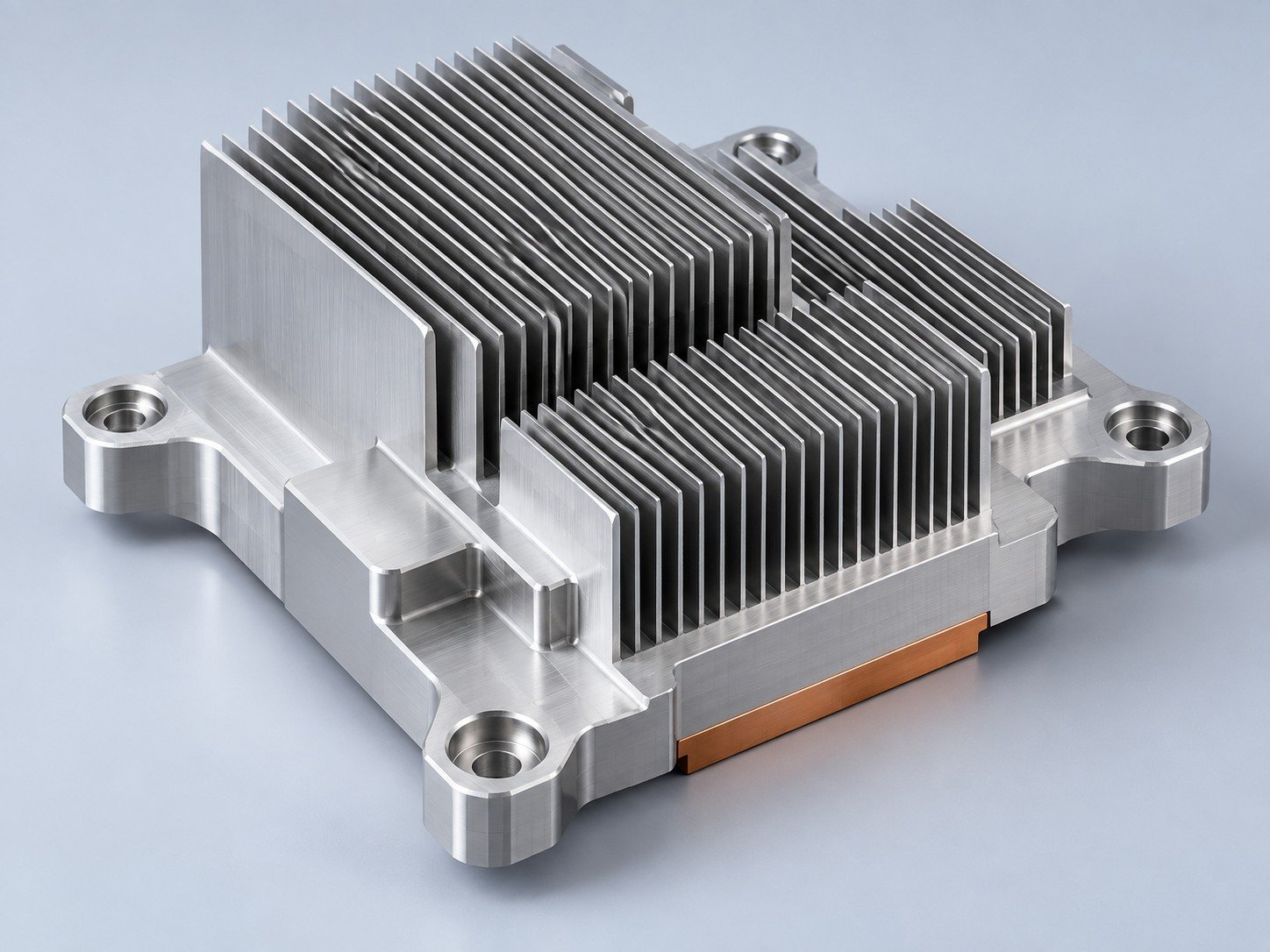
Manufacturing support for your cold plates, manifolds and cooling assemblies.
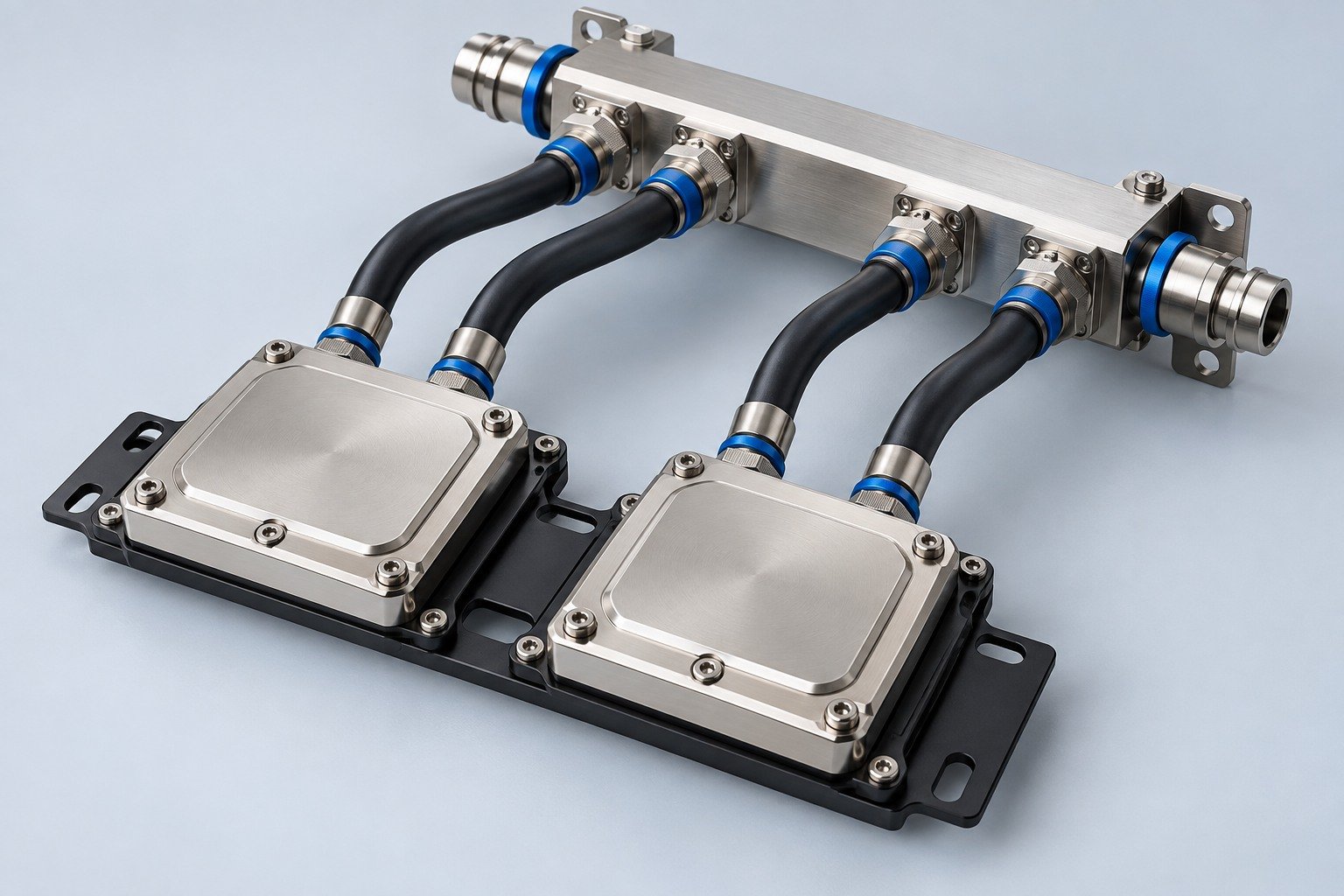
Find components for your power electronics, energy, laser and telecom application.
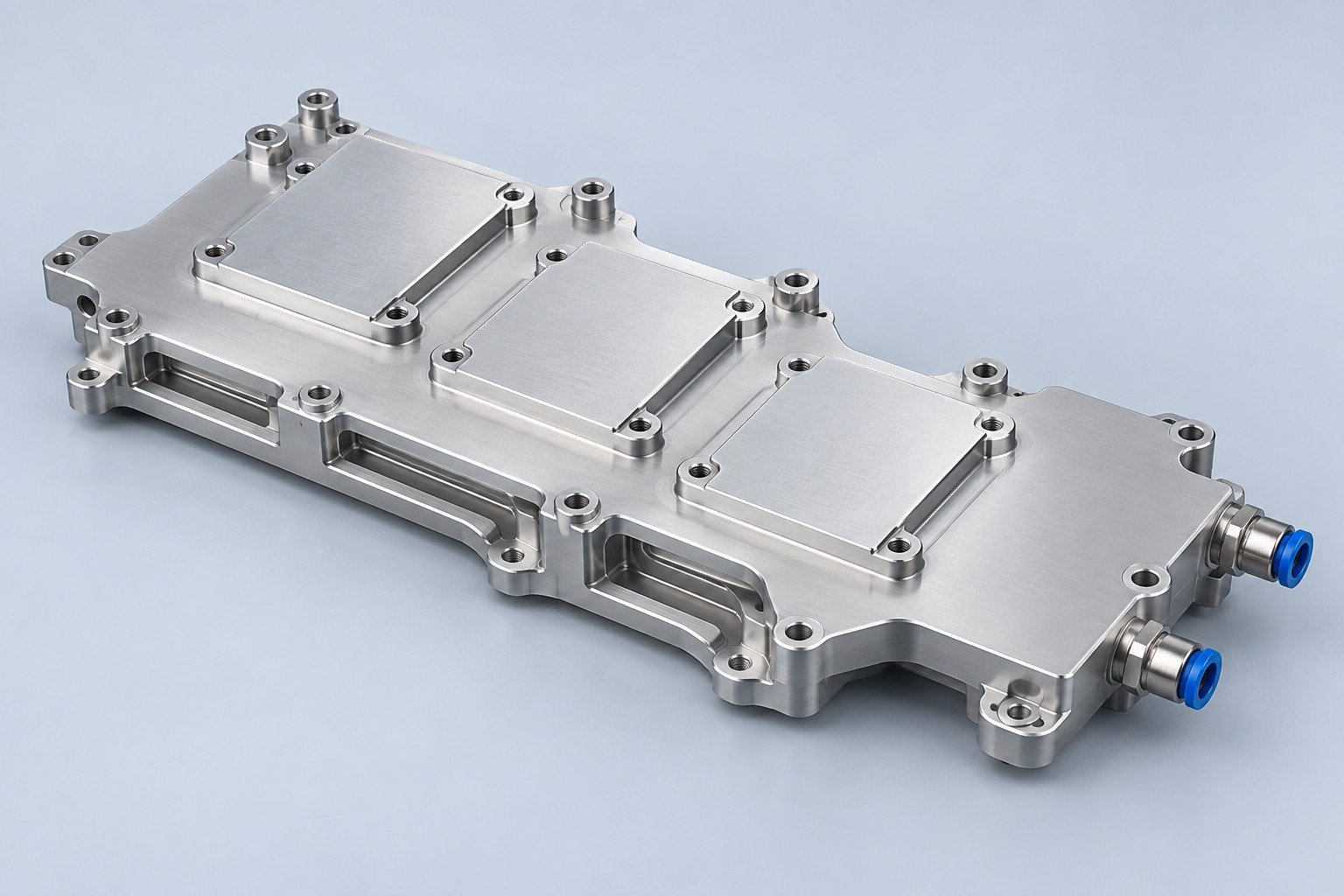
Components for your electronic systems.
Start with your functional and quality requirements.
Build around your operating environment.
From prototype to production, review material performance, manufacturability and cost for your part.
Review grade, temper and finish for your metal parts.
 AluminumStrength, weight and machining›
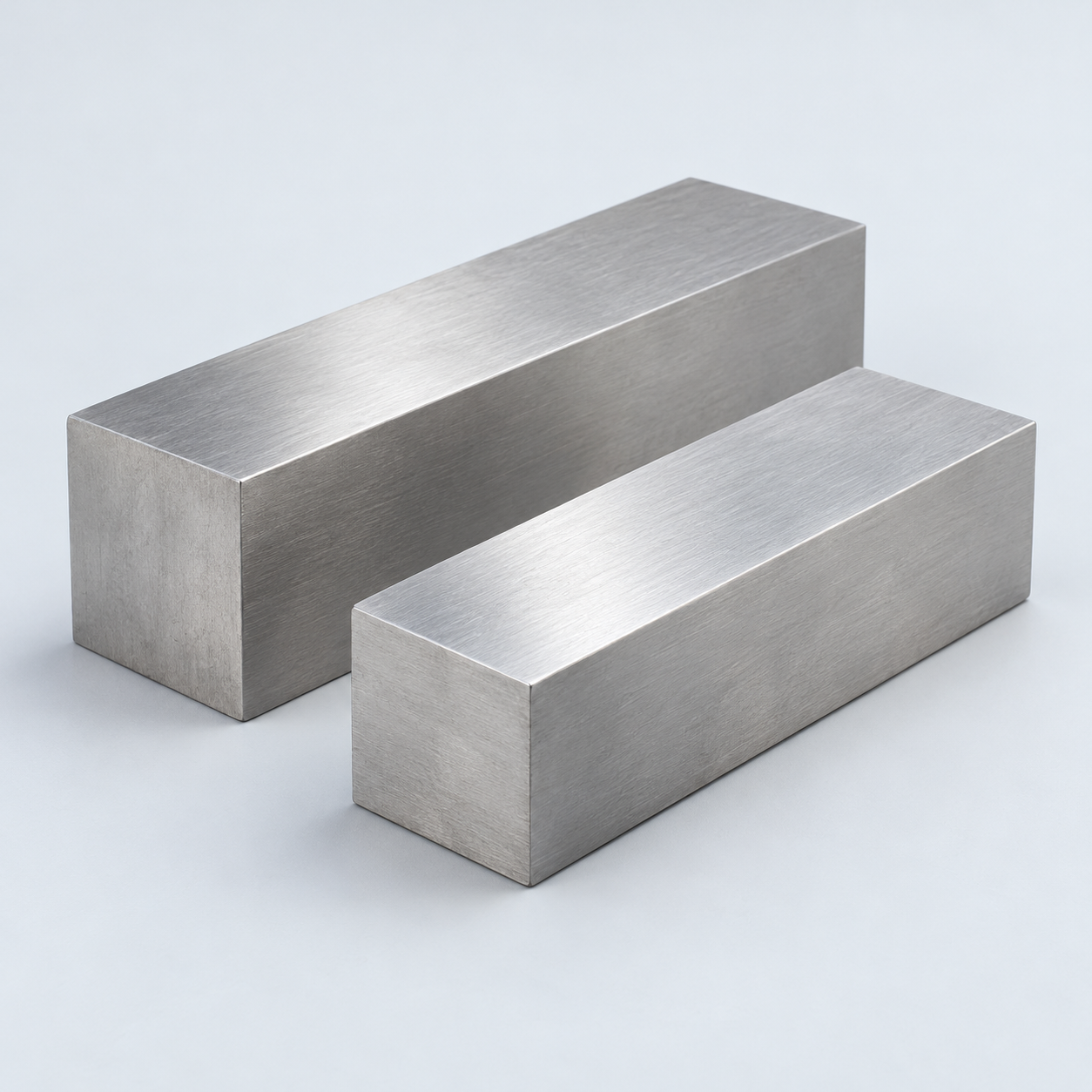 Stainless SteelCorrosion and finish requirements›
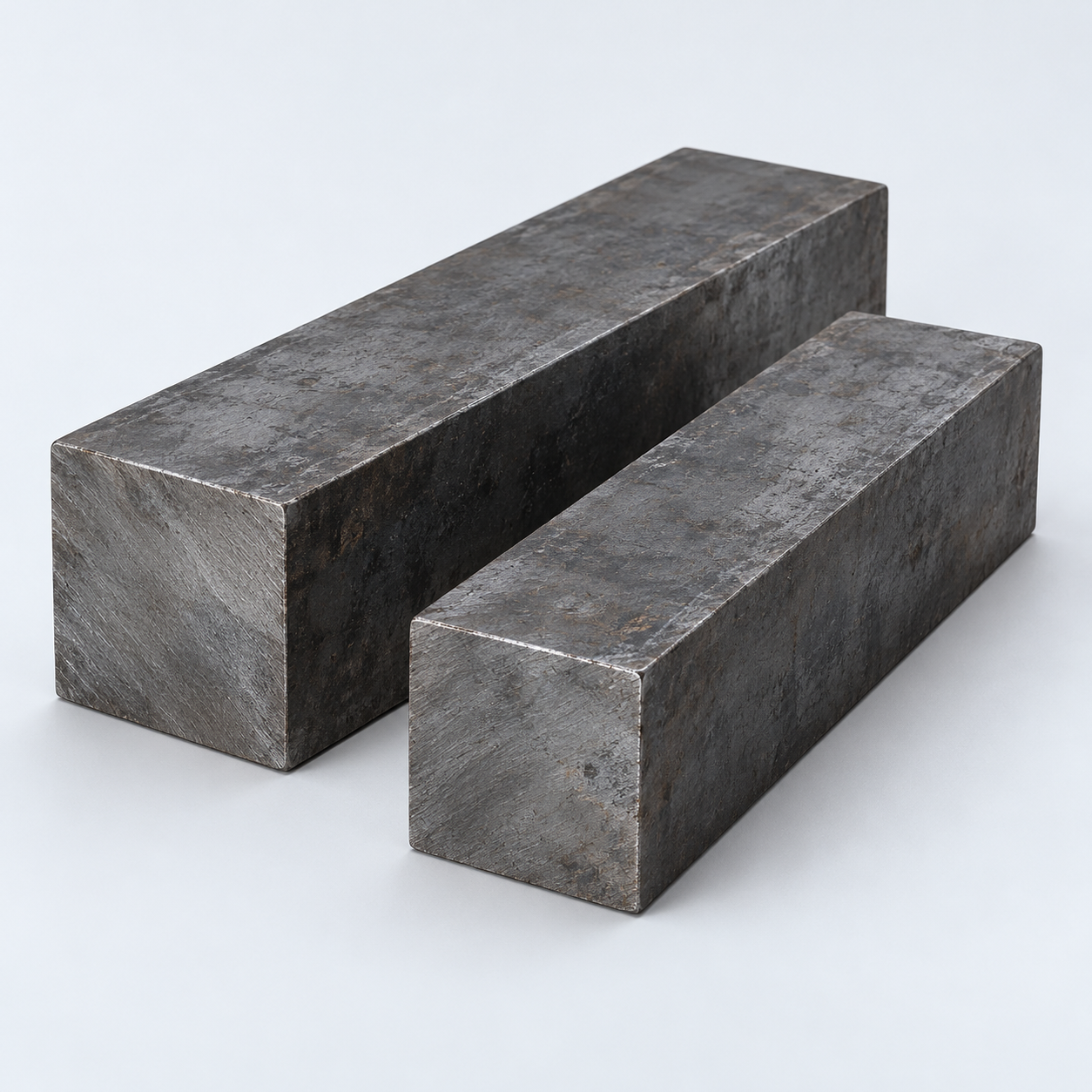 Carbon & Alloy SteelDiscuss grade and heat treatment›
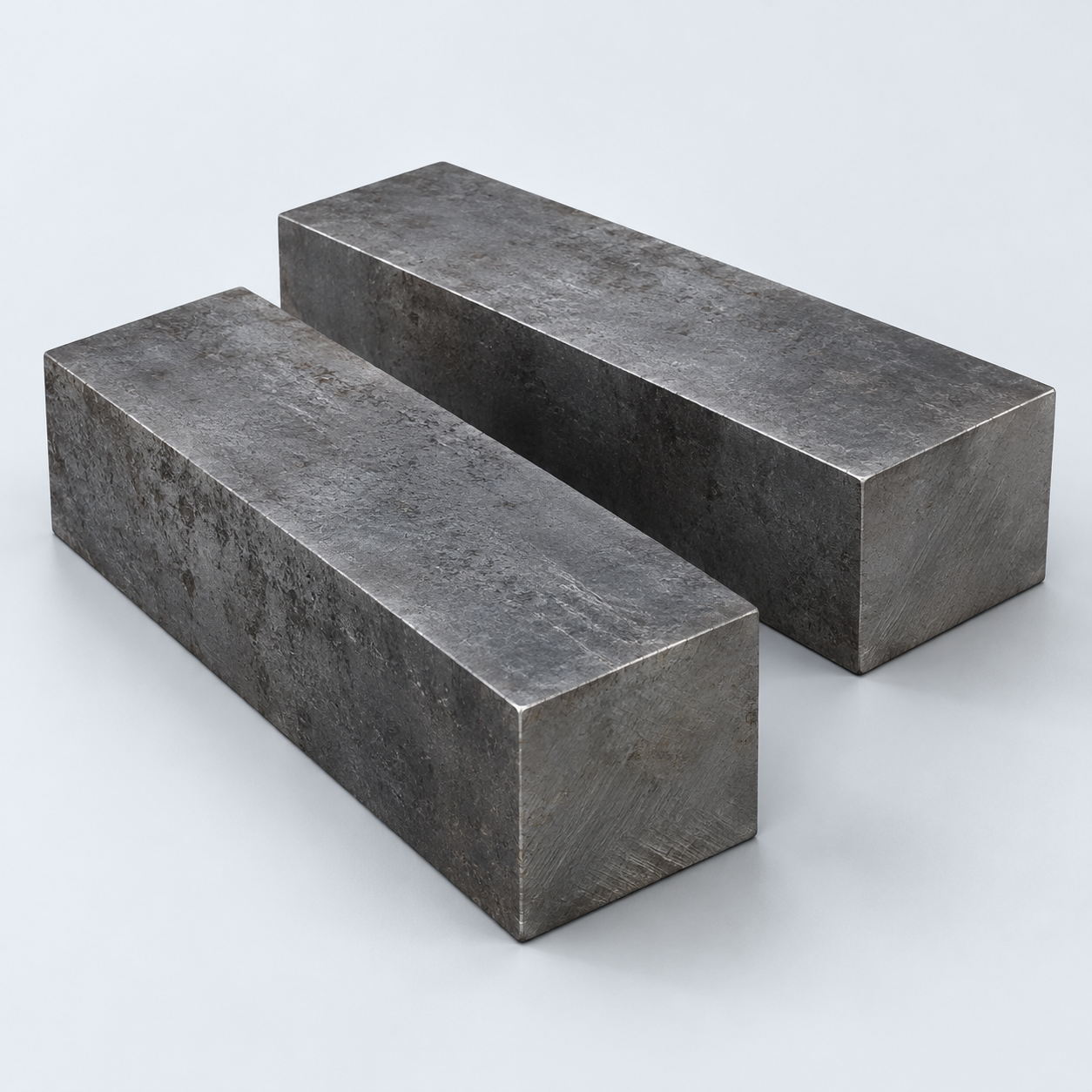 Tool SteelDiscuss tooling and wear needs›
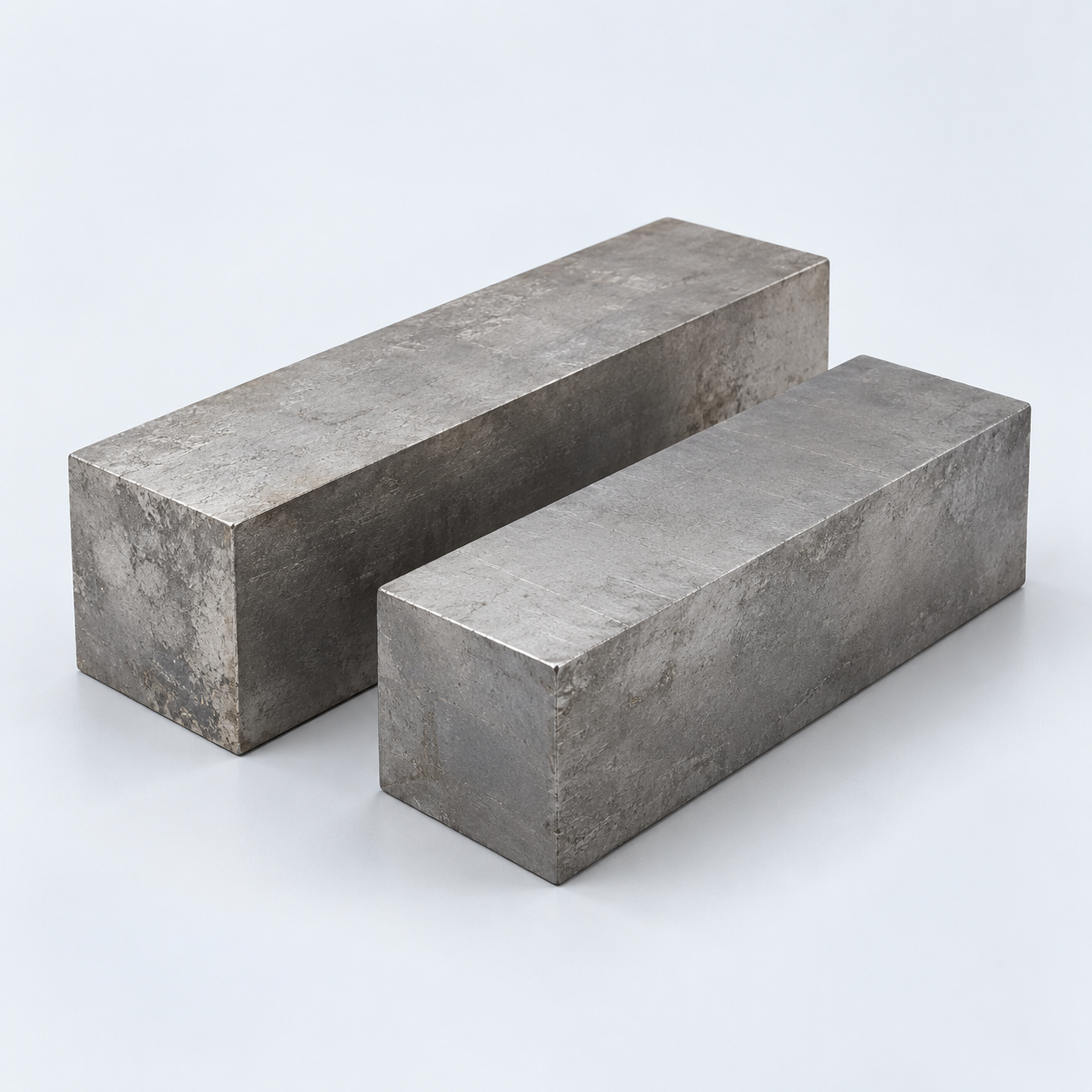 TitaniumReview grade and part geometry›
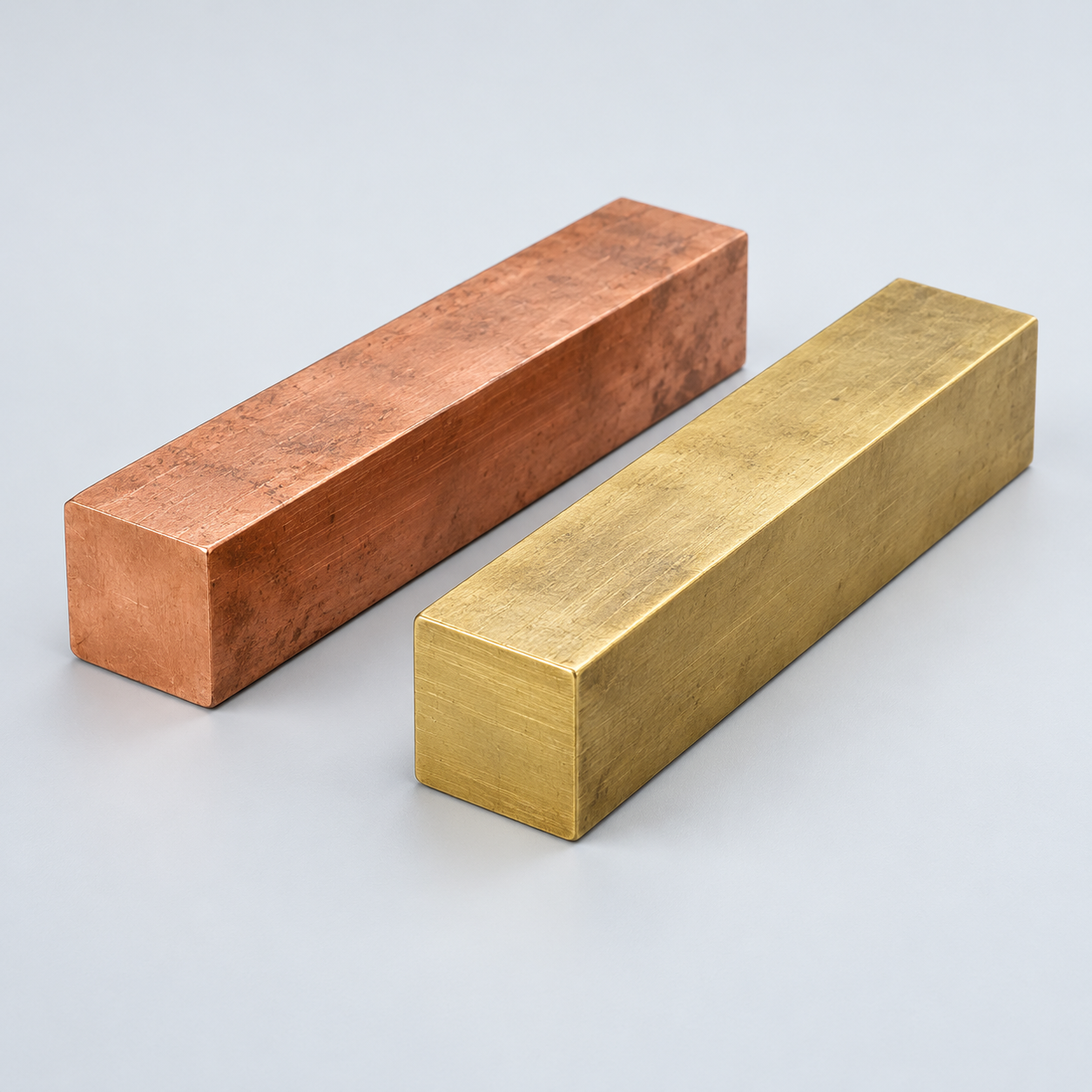 Copper & Brass & BronzeDiscuss conductivity and machining›
Match your polymer to function, process and environment.
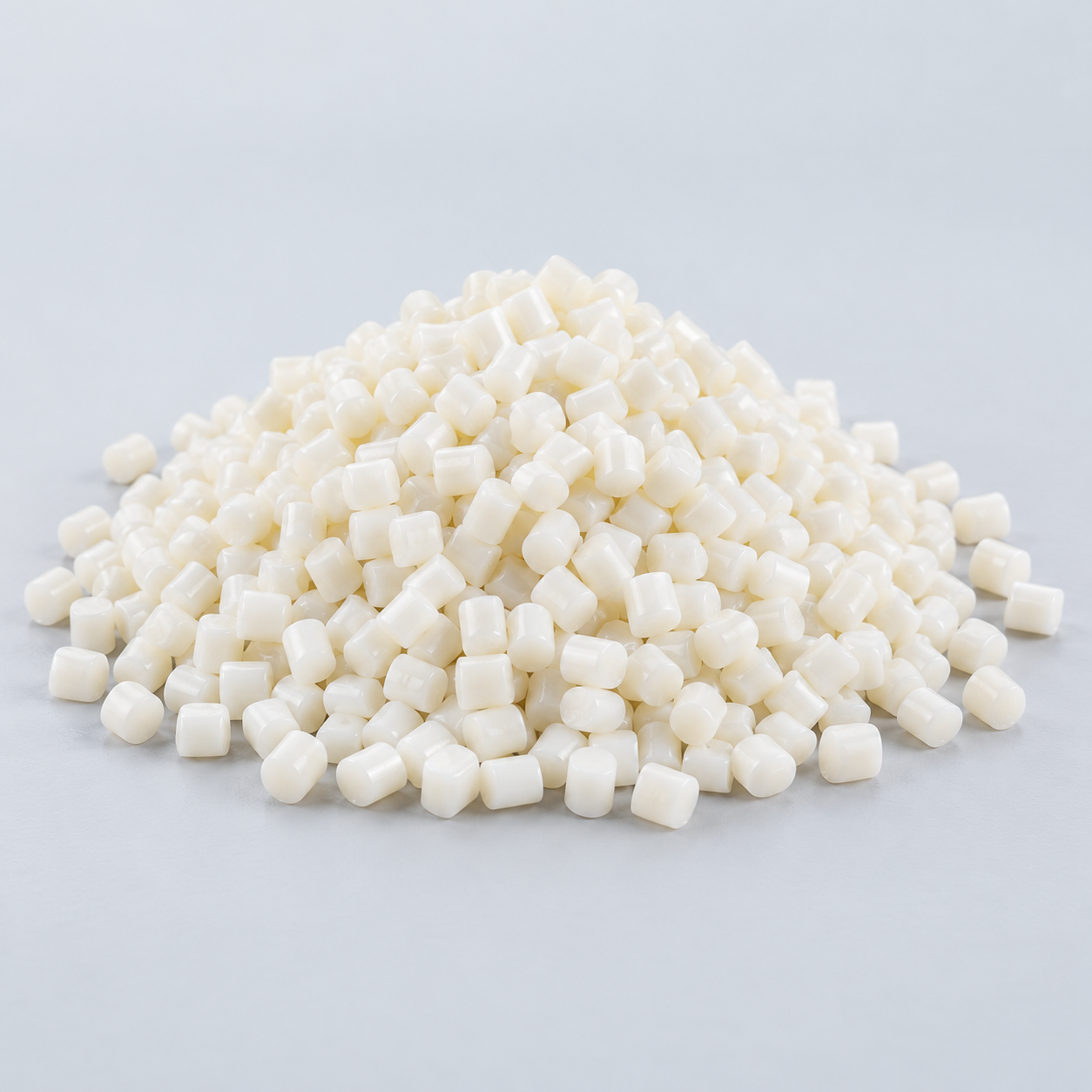 ABSReview enclosure and molding needs›
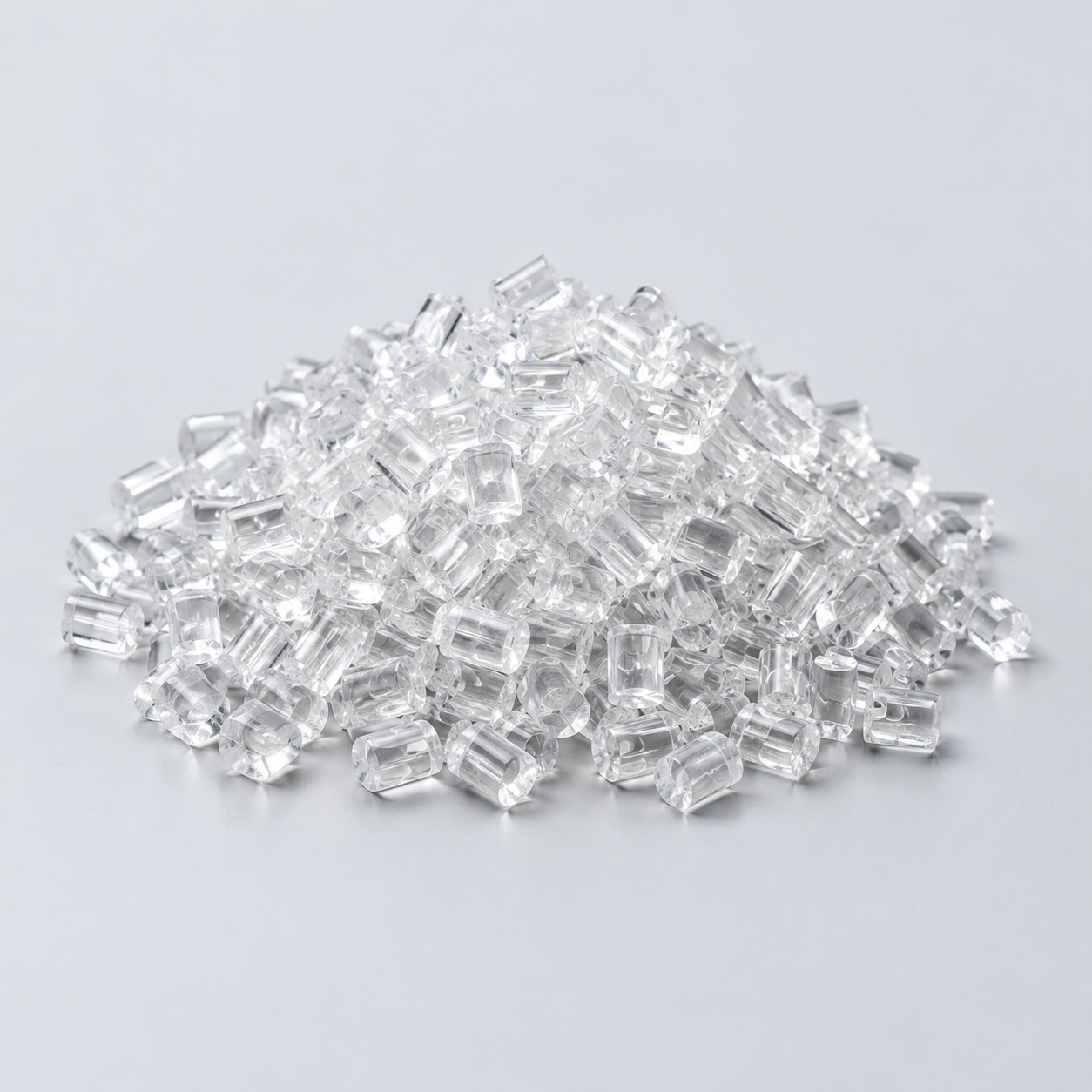 Polycarbonate (PC)Discuss clarity and impact needs›
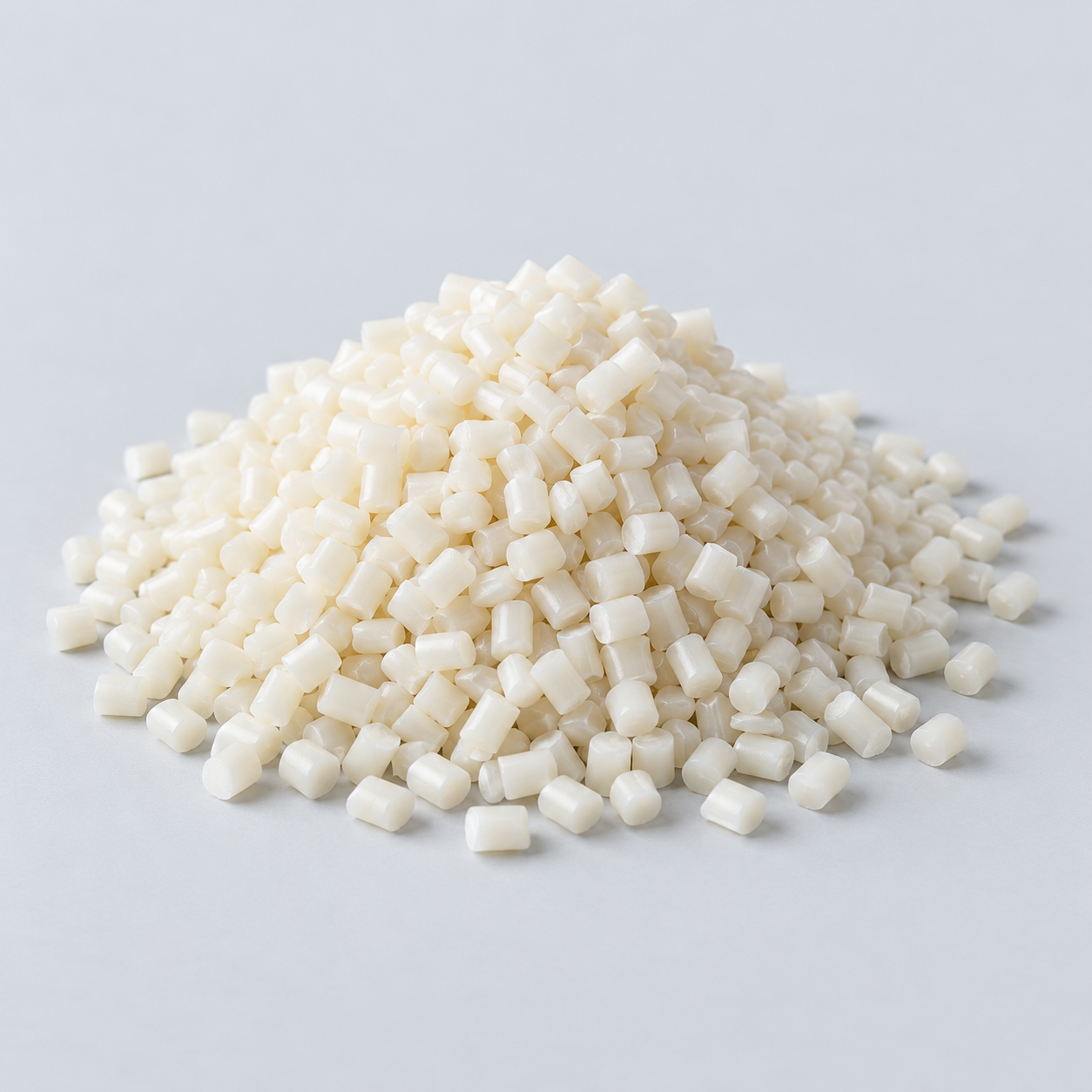 Nylon (PA)Review moisture and wear conditions›
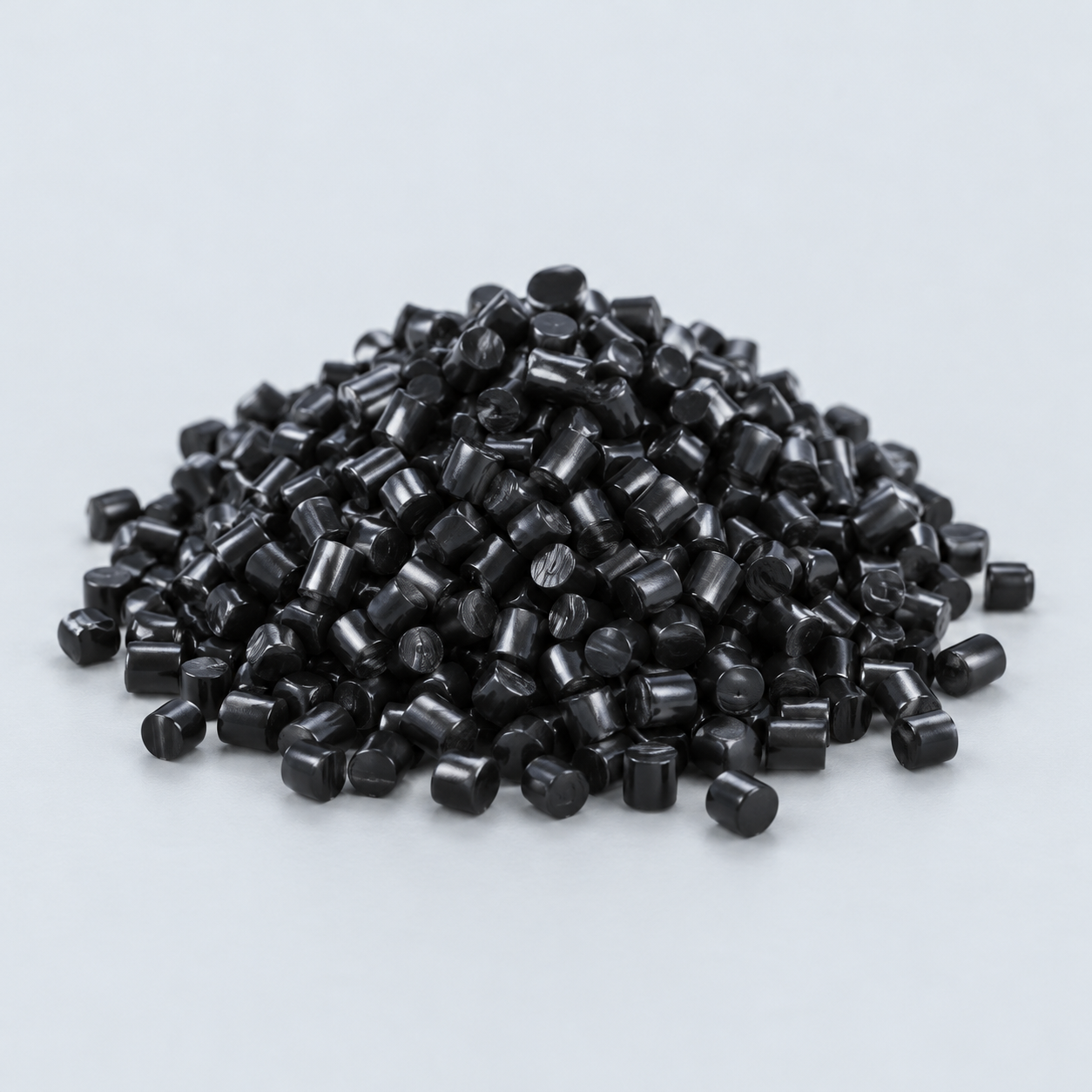 POM / AcetalReview fit and sliding features›
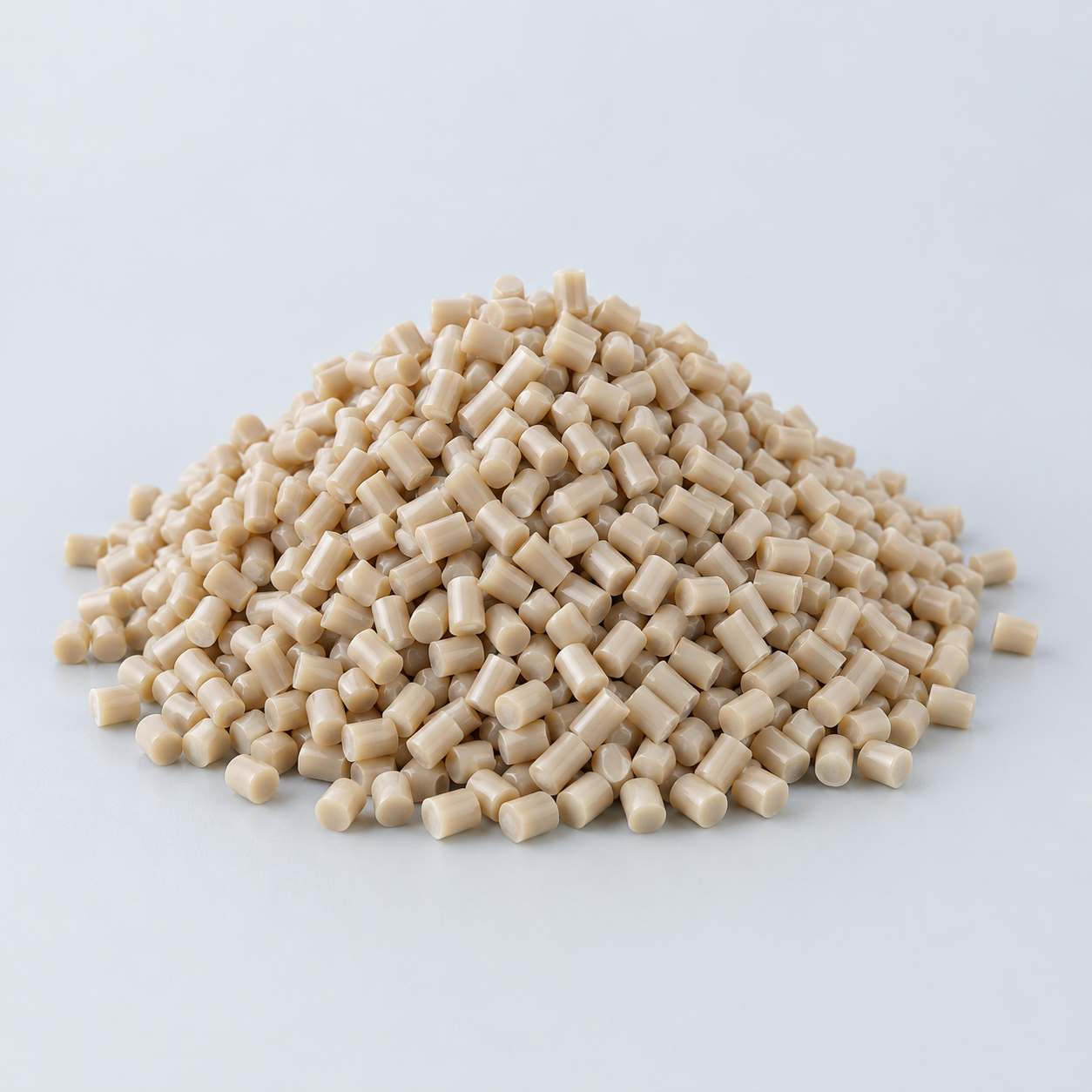 PEEKDiscuss operating conditions›
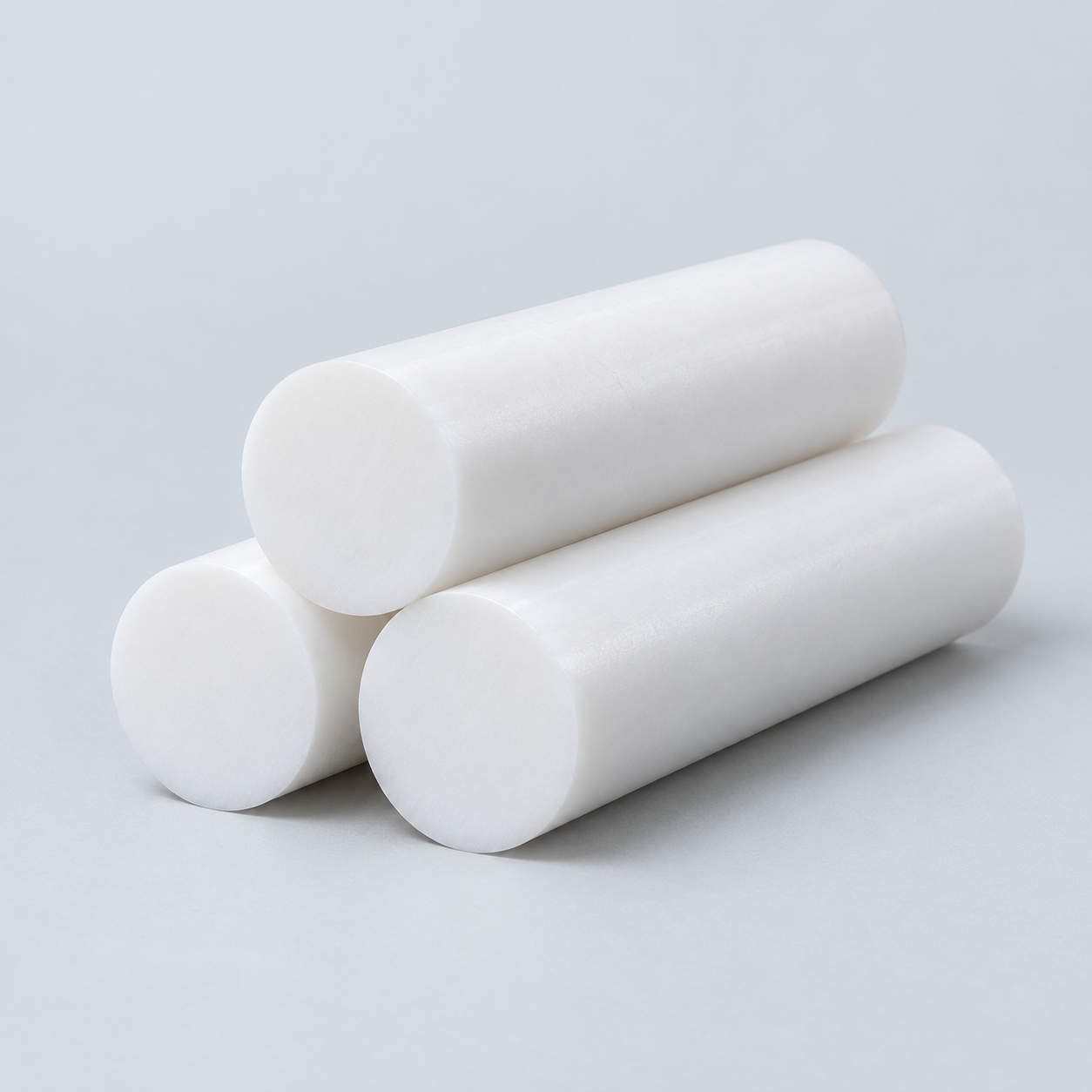 PTFEReview friction and chemical exposure›
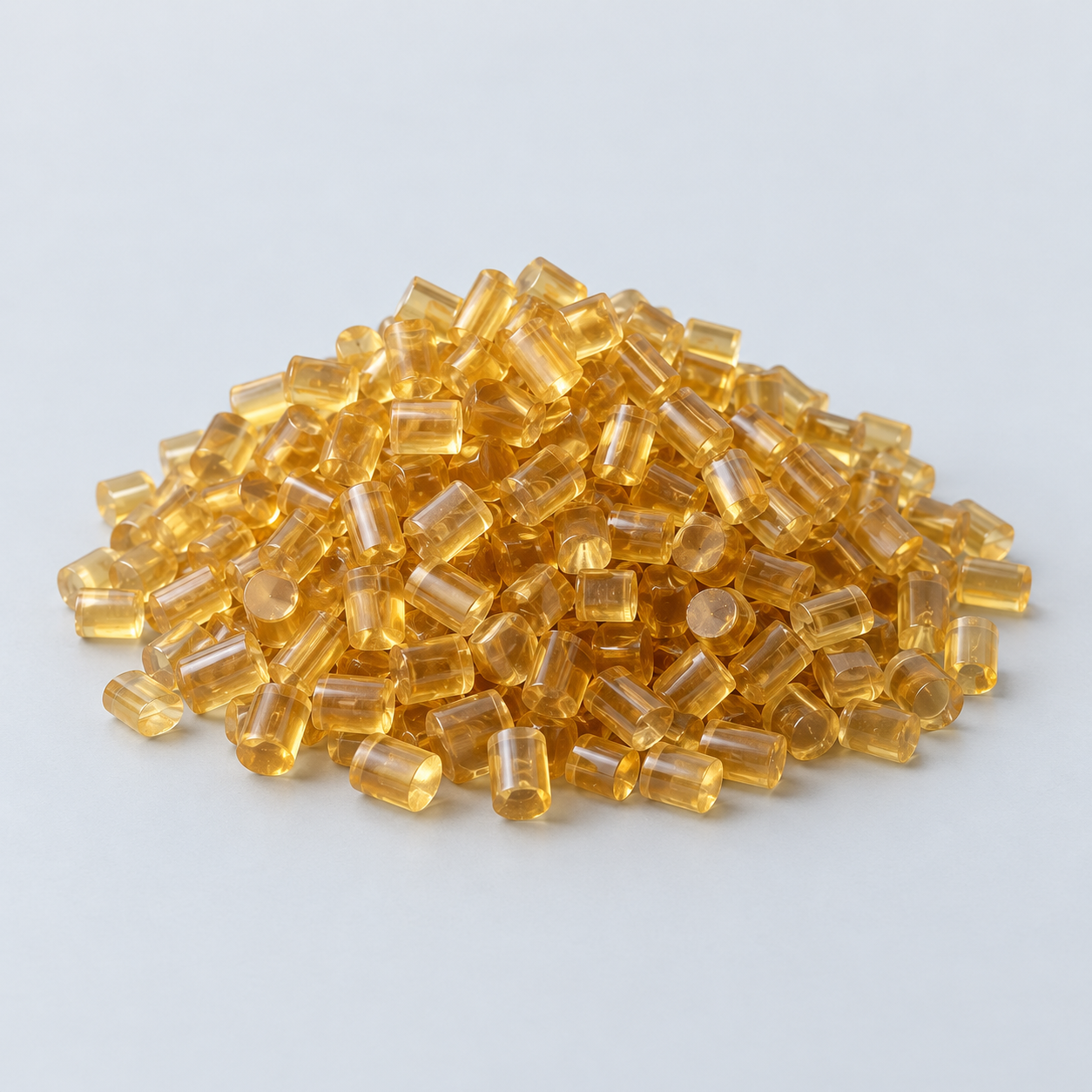 ULTEM / PEIDiscuss thermal and electrical needs›
Confirm grade availability and application requirements.
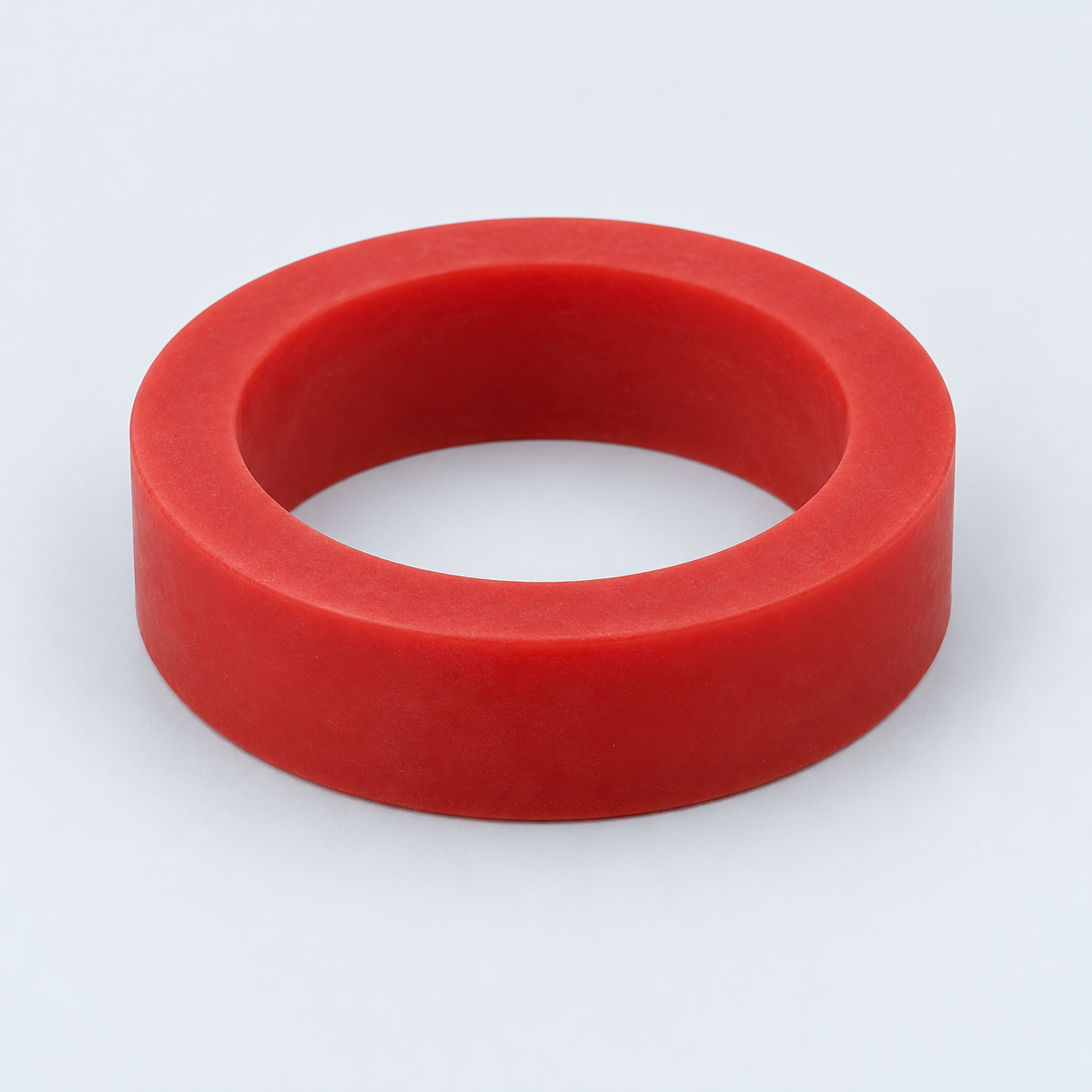 Silicone / LSRDiscuss flexible component needs›
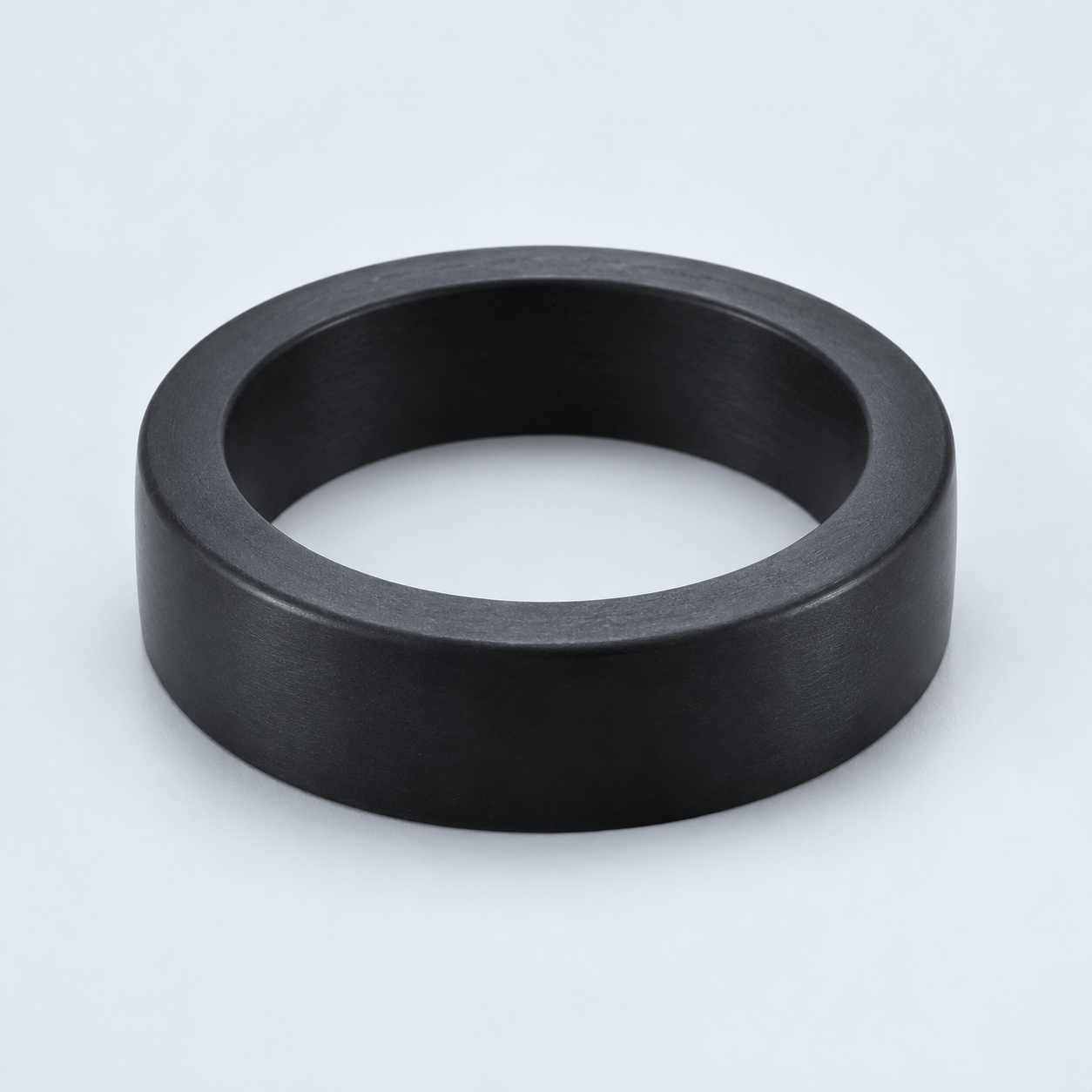 TPU / TPEReview flexibility and processing›
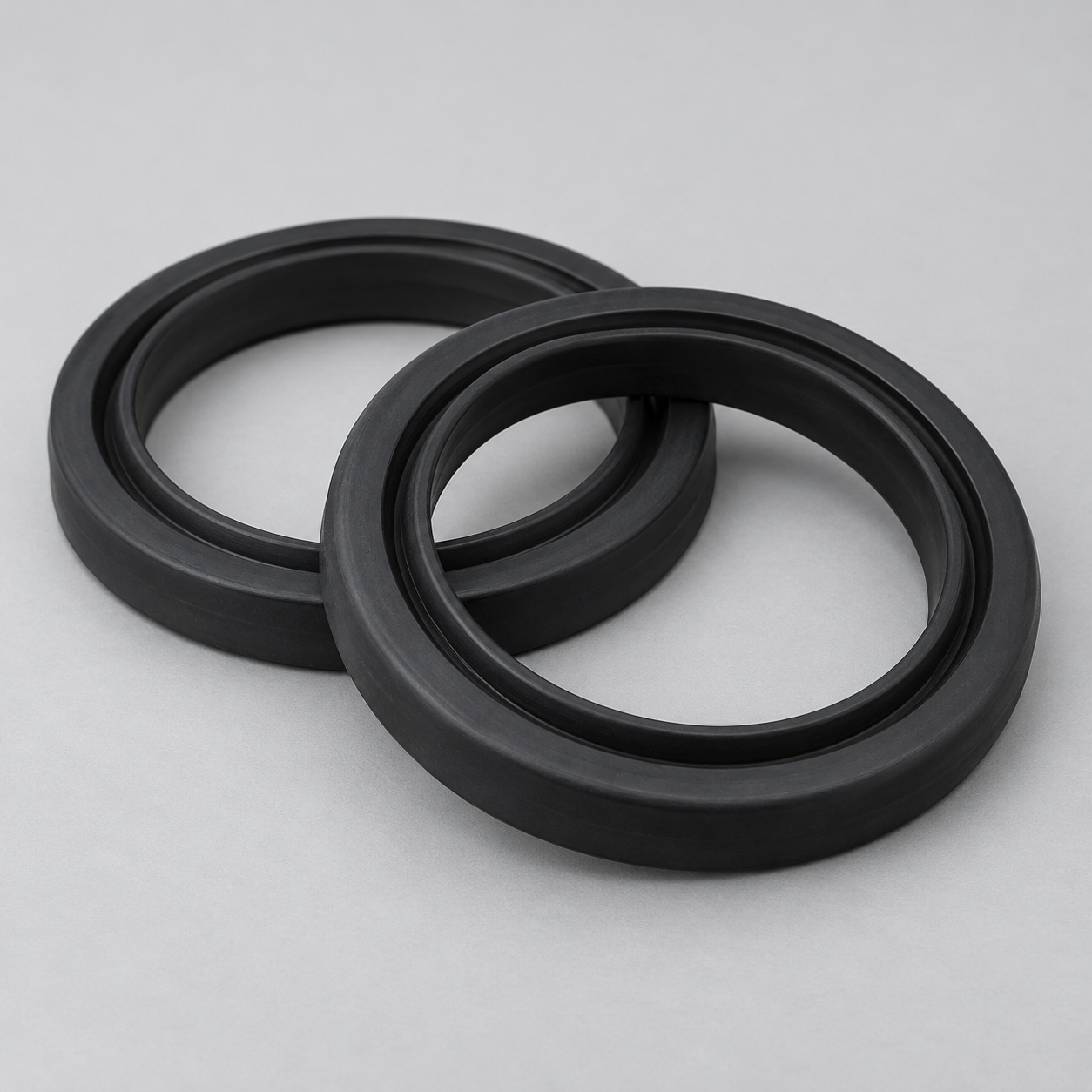 EPDMReview weathering and chemical exposure.›
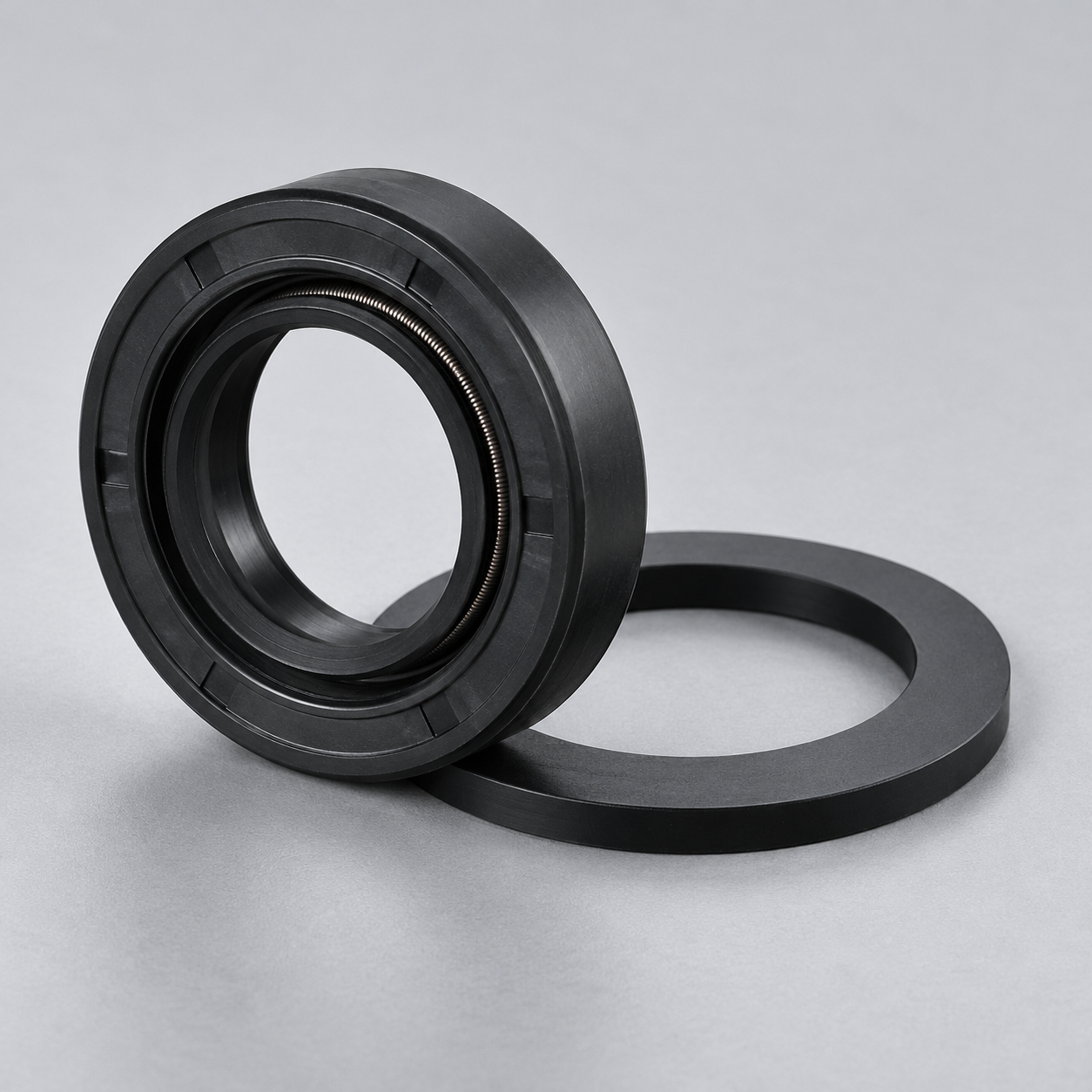 NBRReview oil and fuel exposure.›
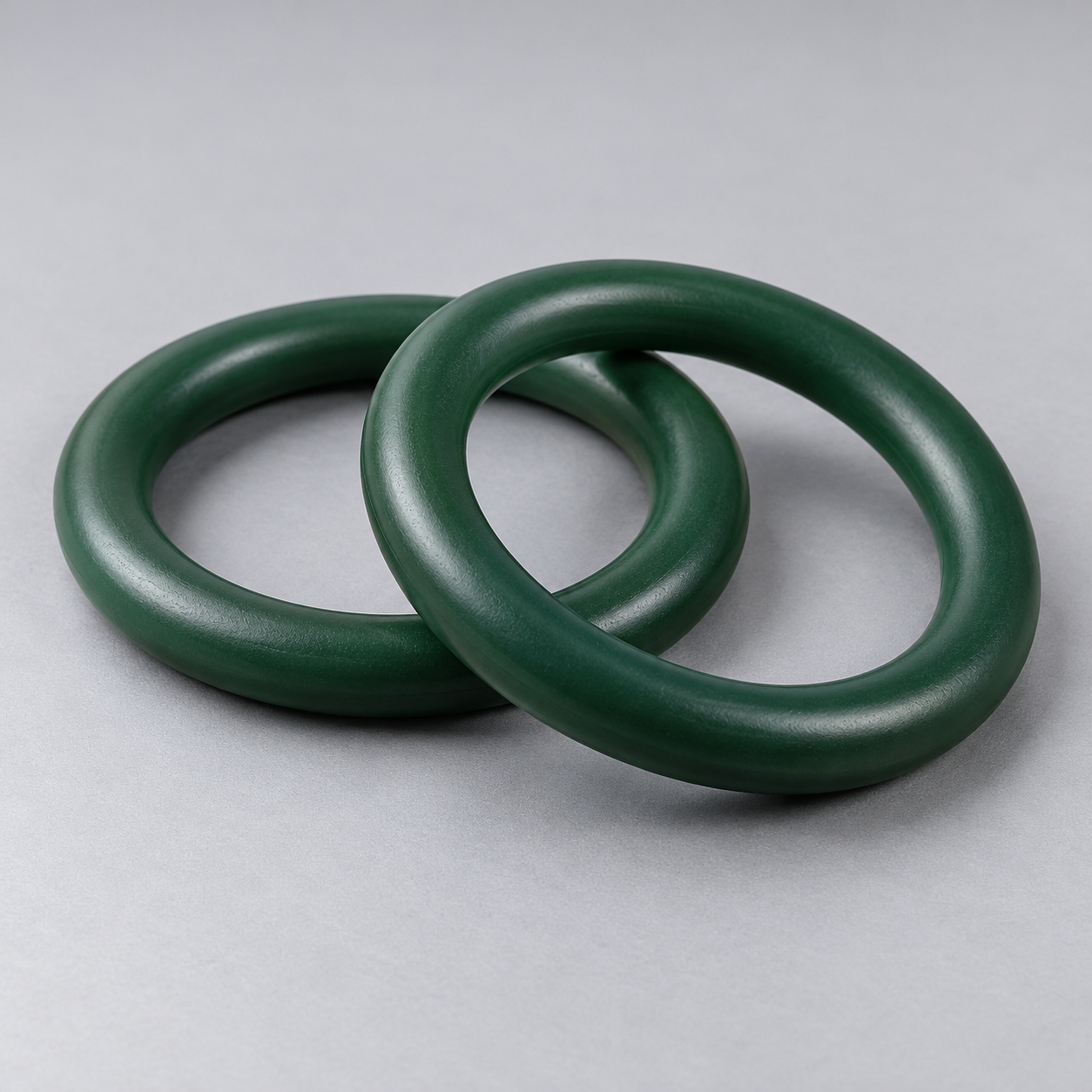 FKMReview temperature and chemical exposure.›
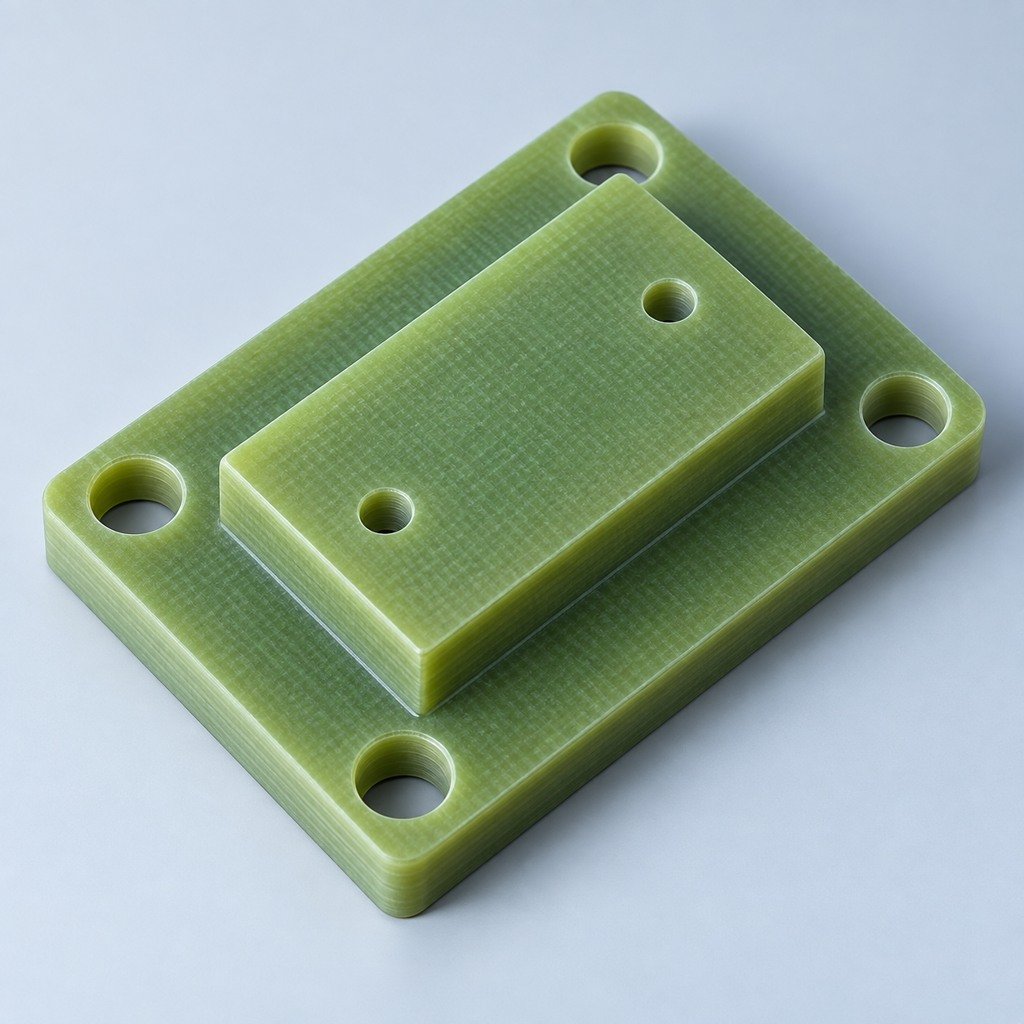 G10 / FR4Review insulation and laminate needs›
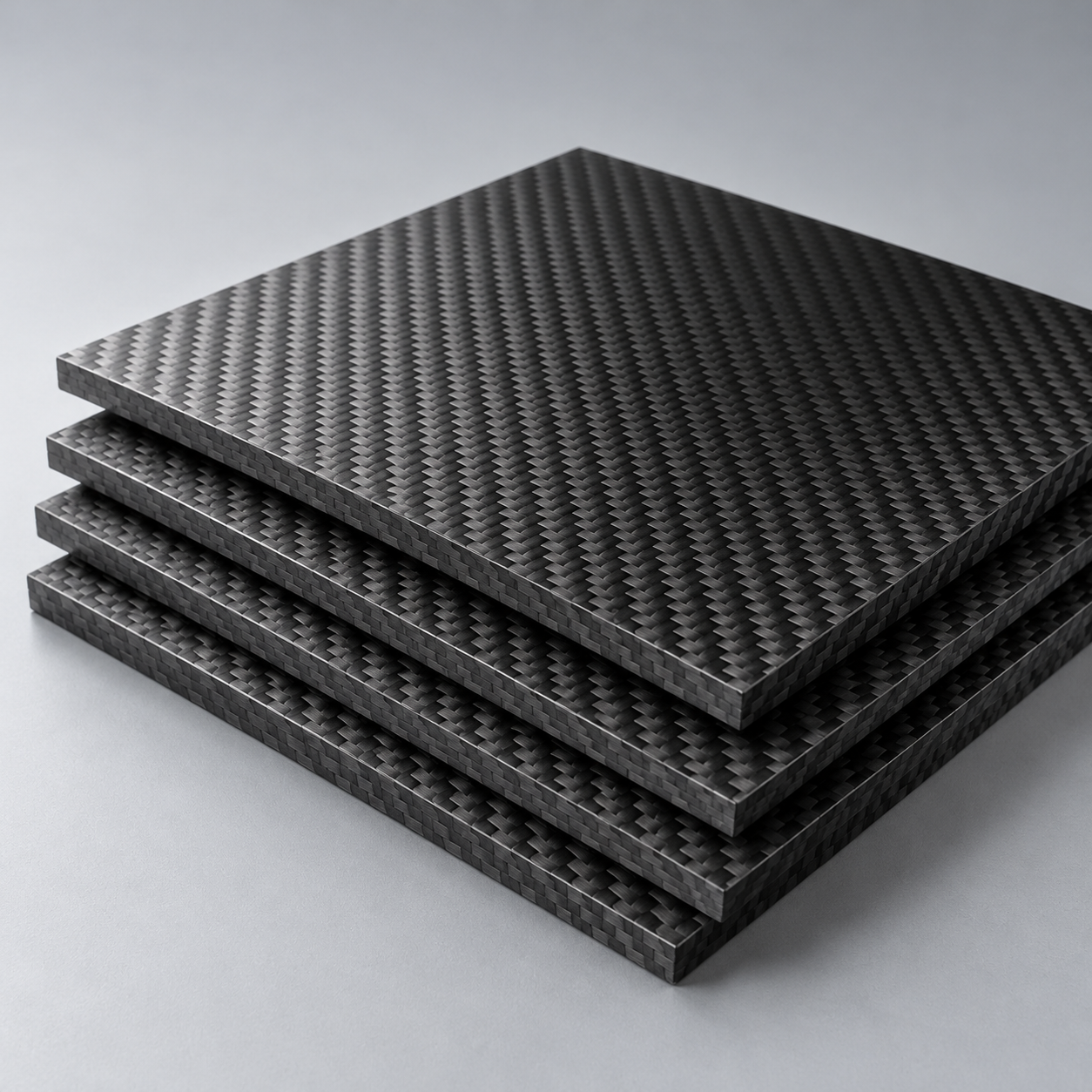 CompositesReview stiffness, weight and laminate.›Customer-Specified MaterialsConfirm your grade and requirements.›Other Specialty MaterialsDiscuss your application and grade.›
Practical guidance for your part geometry and material decisions.
Prepare your process, budget and sourcing questions.
Build your knowledge before production.
Learn who we are and how we operate.
Find our U.S. support team or start a conversation.
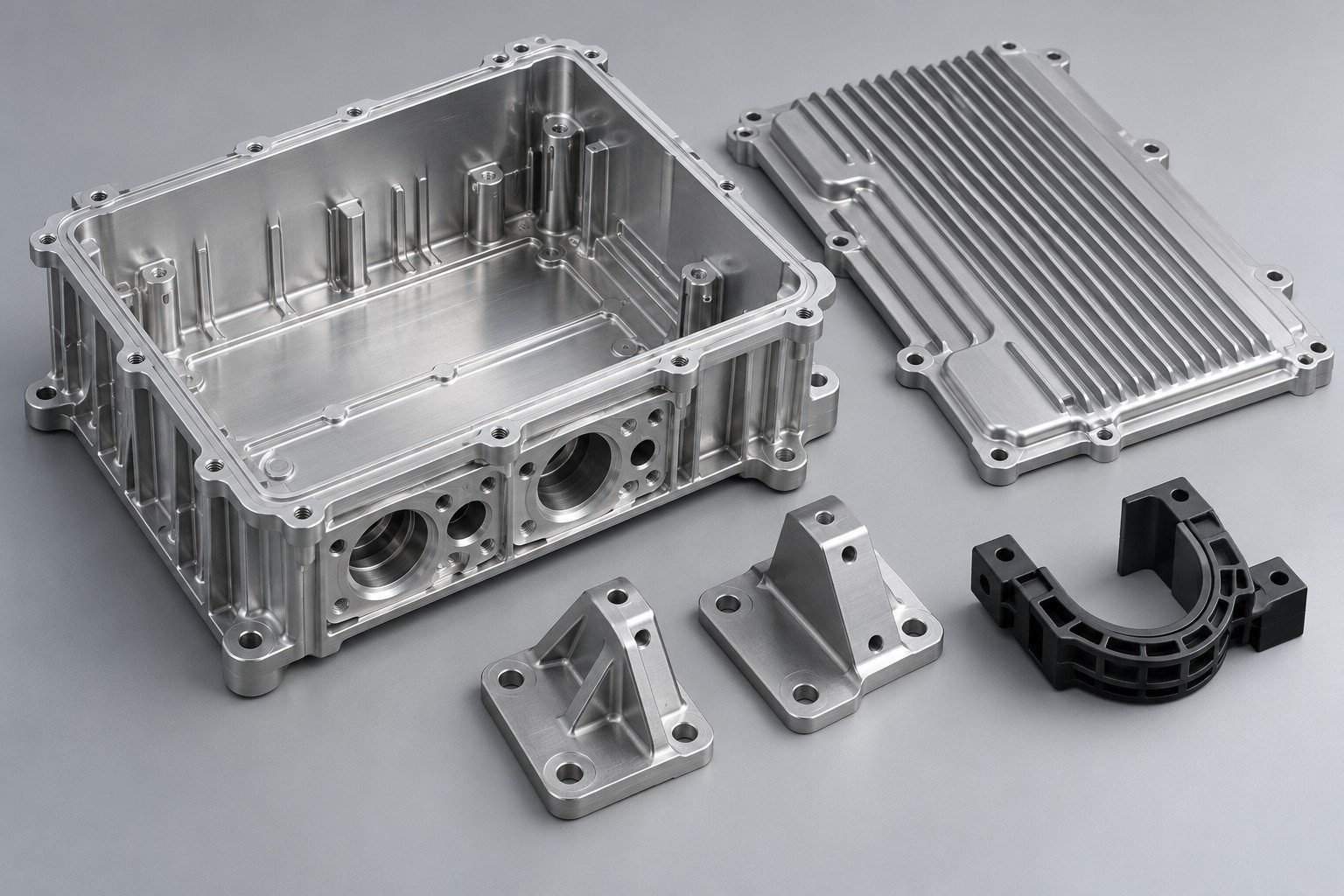
YOUR PROTOTYPE. YOUR INTERFACES. YOUR RELEASE CRITERIA.
For your automotive prototype parts manufacturer review, define what the sample must prove before choosing a process. Connect your CAD, installed interfaces and material condition to the inspection records your team needs.
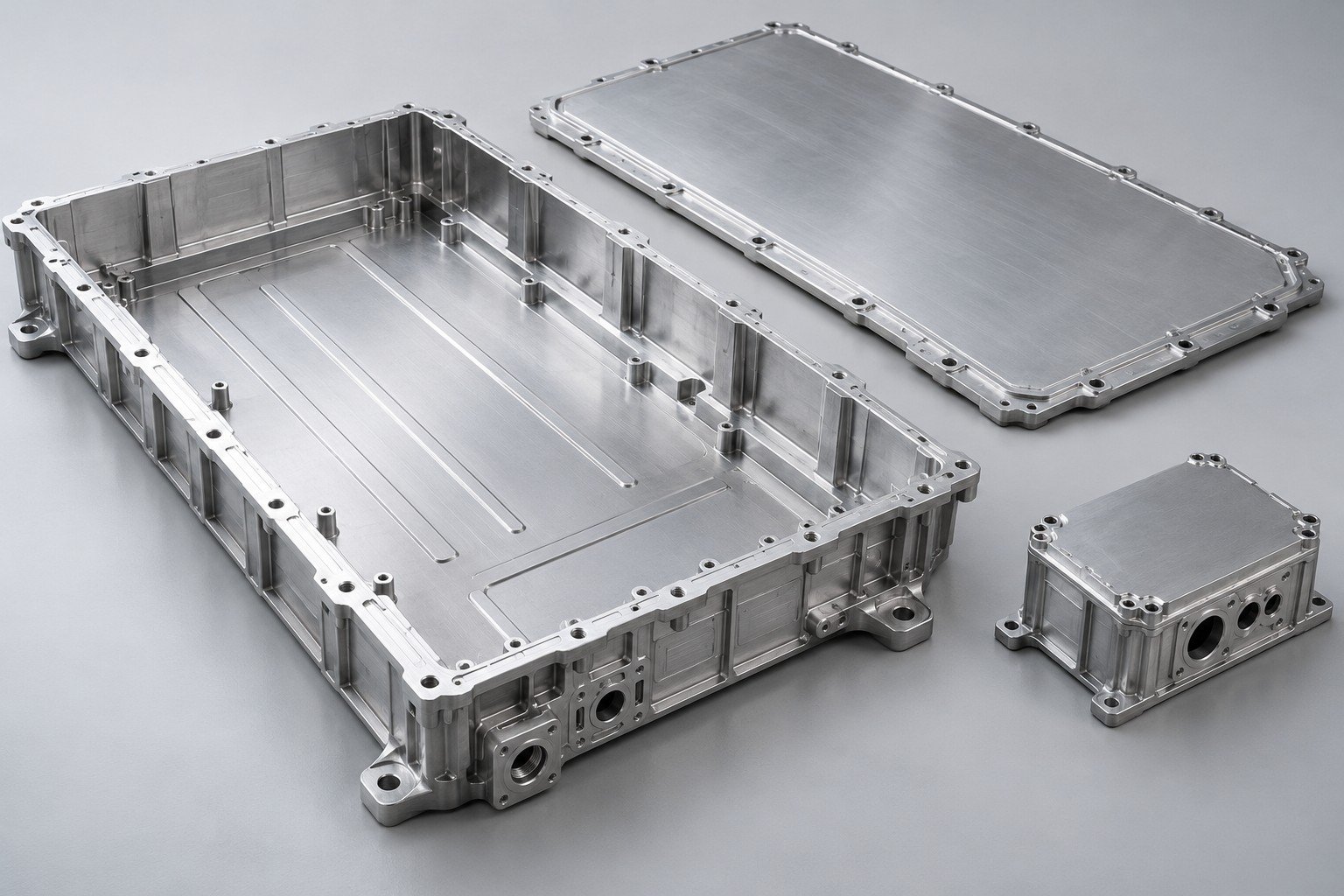
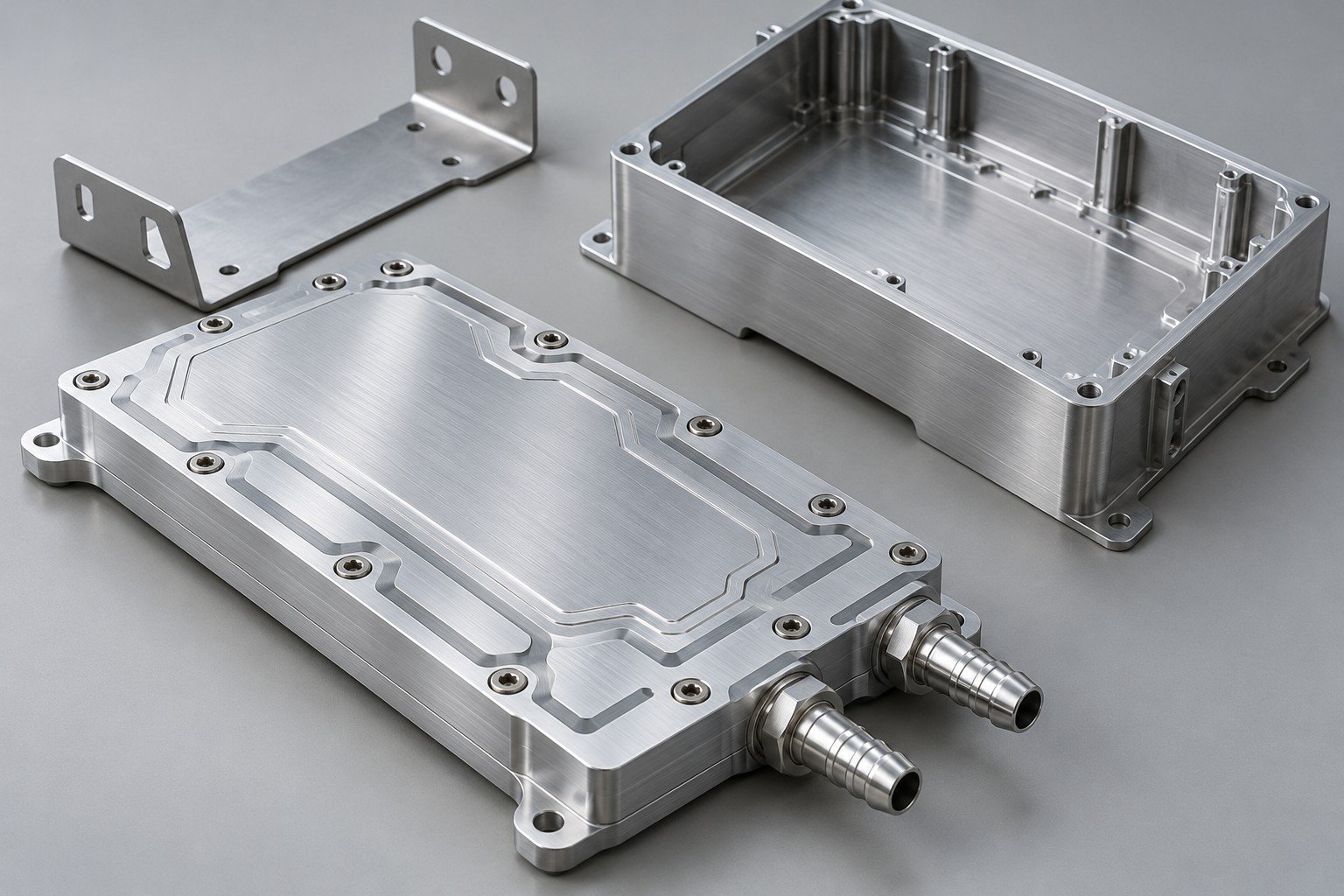
For custom EV battery enclosures, share the empty mechanical housing drawing, cover interface, mounting points and specified joining route. Battery cells and complete pack approval are separate.
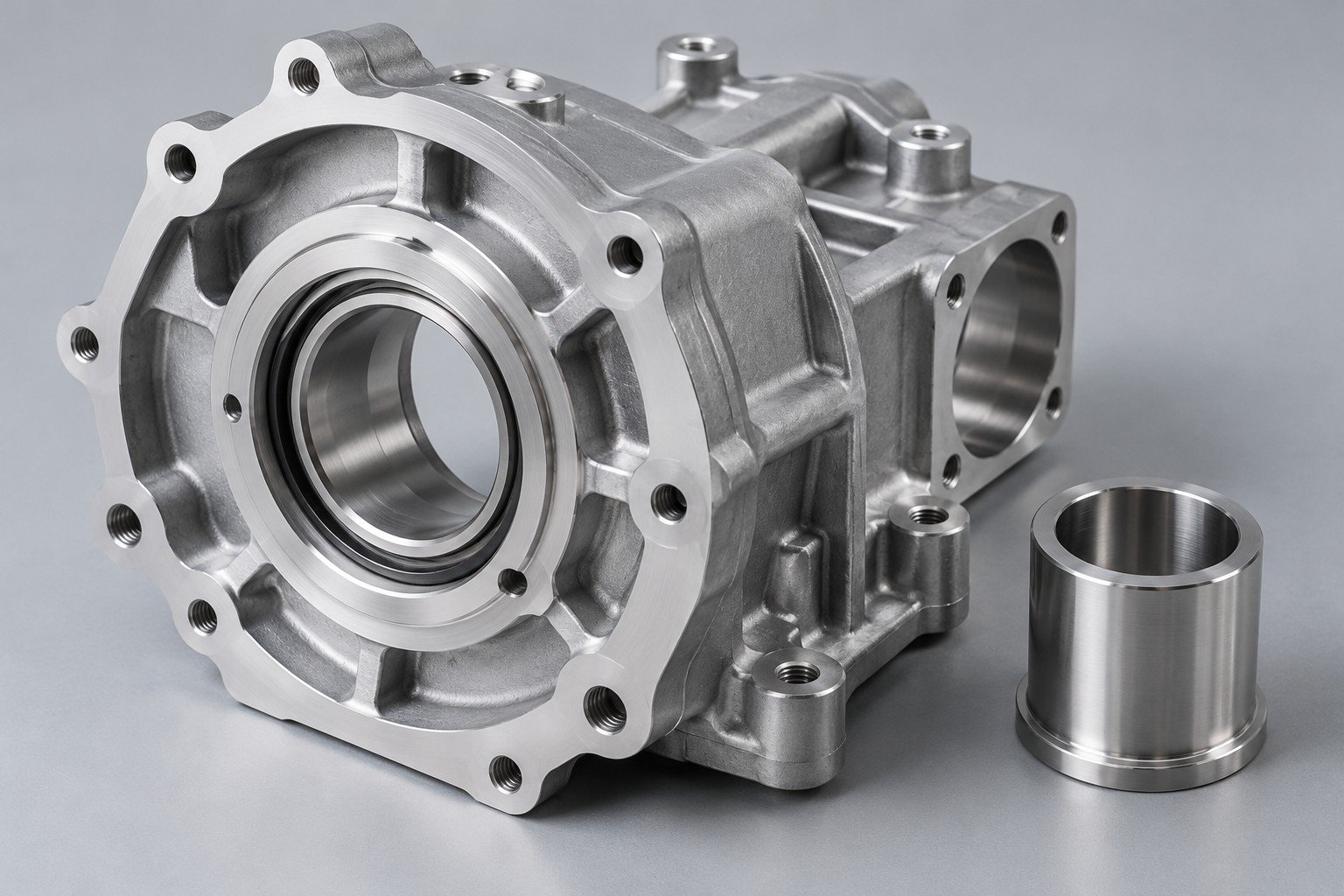
Review aluminum EV powertrain housings around bearing seats, sealing faces, datum features and final-condition inspection. A material name alone does not establish vehicle suitability.
For ABS plastic injection parts for automotive, define the resin specification, appearance zones, mounting features and intended test environment.
Component manufacture and dimensional acceptance do not establish vehicle, battery-pack or installed-system approval.
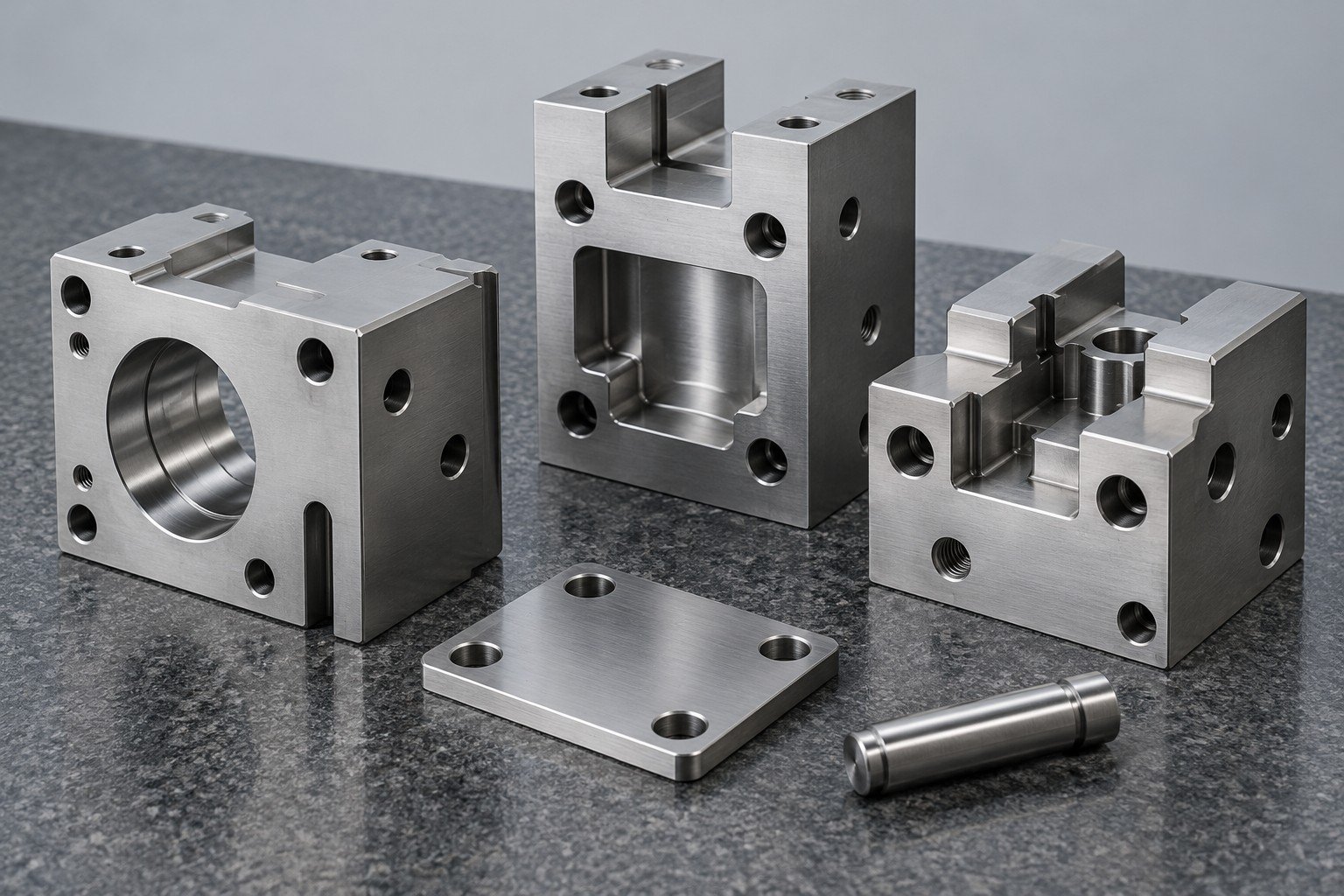
For your EV component machining supplier review, distinguish functional fits from general dimensions. Mark the features that locate, seal, fasten or move against another part.
Identify datums, bearing seats, pin positions and the installed assembly condition.
Define coating masks, protected contacts and the condition in which fit is checked.
Share mating components, seal details and required inspection access.
This arithmetic example compares worst-case linear tolerance accumulation. It is an assumed drawing exercise, not a measured part report, statistical prediction or quoted manufacturing capability.
All three dimensions assumed at the same tolerance; baseline 0–0.30 mm total limit.
Worst-case limit = sum of the absolute individual limits. Signed dimension directions, nominal dimensions and actual functional requirements still need your assembly drawing.
Assign tolerances from the assembly function. Do not tighten every feature merely to make the drawing look precise.
This comparison does not model geometric tolerances, thermal expansion, deformation or statistical distributions. Simplexity · tolerance analysis reference →
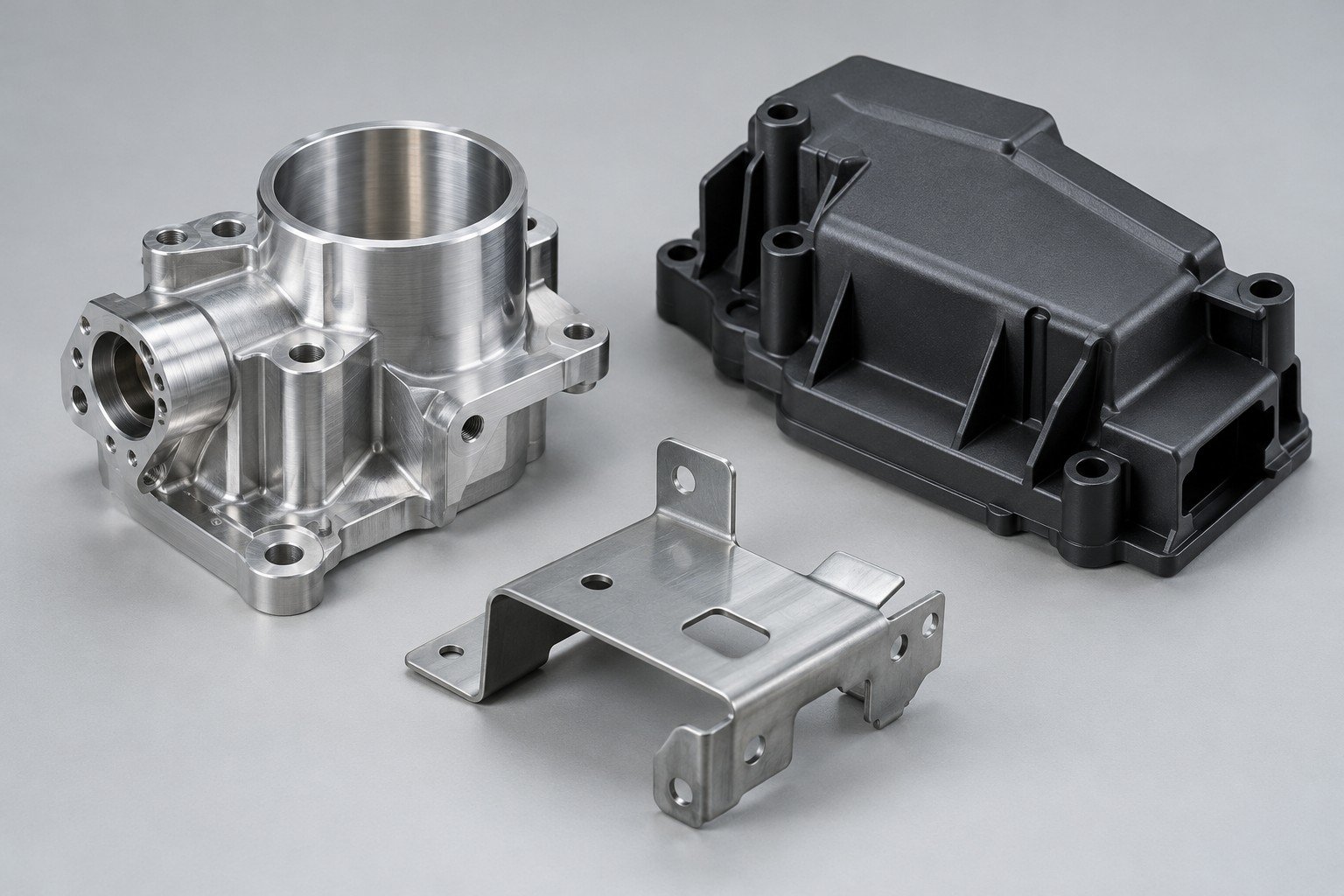
Review access, wall geometry, critical dimensions and the expected revision cycle before committing to tooling. An automotive ABS injection mold needs an approved resin, part design and agreed tool scope.
| Your need | Route to review | Agree before release |
|---|---|---|
| Housings, mounts & functional bores | CNC machining → | Datums, tool access, material condition and final fits |
| Panels, covers & formed brackets | Sheet-metal fabrication → | Bends, seams, mounting hardware and finish masks |
| Repeat molded covers | Injection molding → | Resin, draft, tooling, appearance zones and trial approval |
| Cooling interfaces | Battery cooling plates → | Coolant, ports, contact faces and separate test scope |
OEM injection molding for automotive requires project-specific supplier, tooling and approval requirements. No universal tooling break-even quantity, delivery time or PPAP promise is implied.
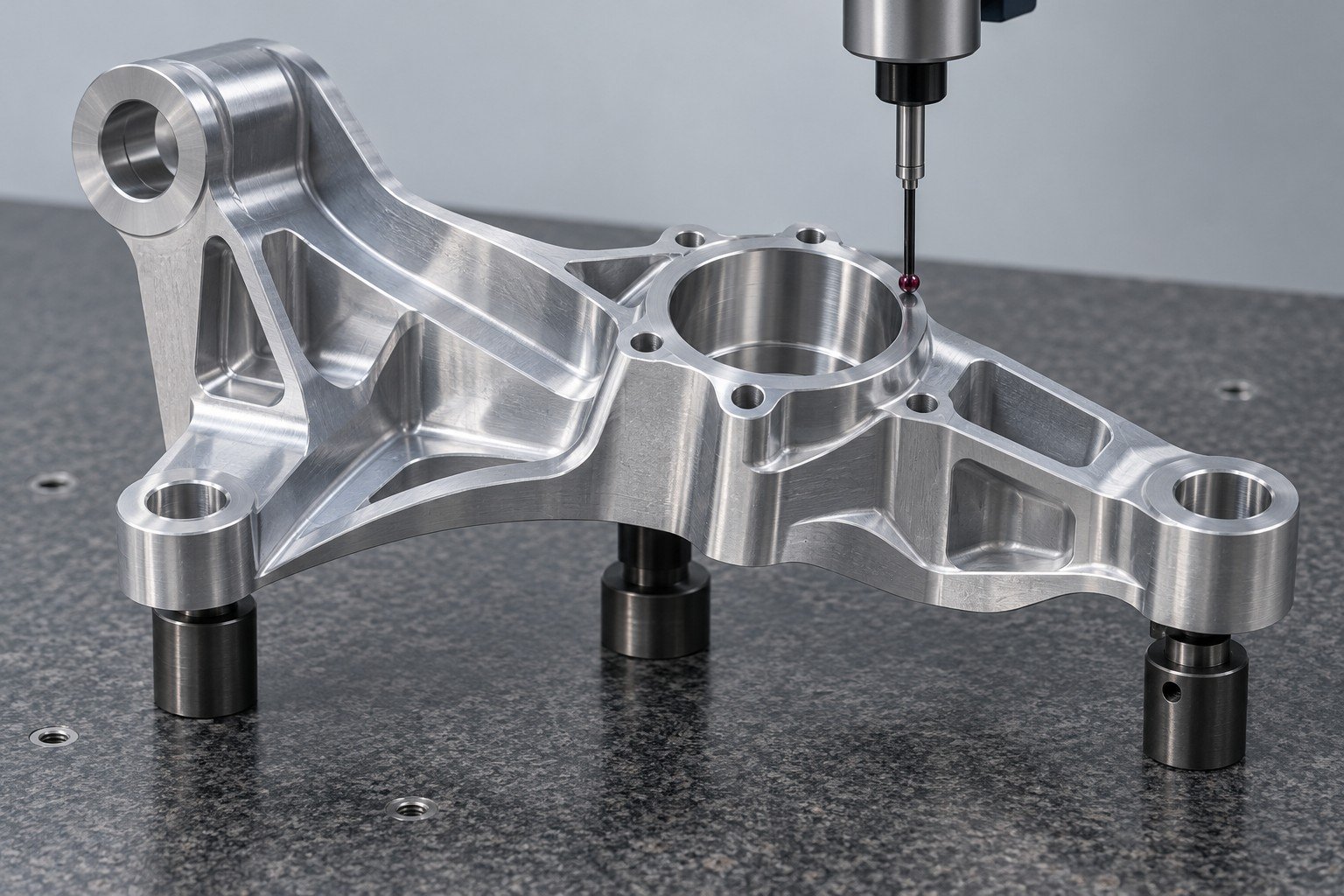
For automotive validation fixture machining, define what the fixture locates and what the test must establish. A dimensional report does not certify a test method or approve the vehicle system.
Confirm the drawing revision, critical features and mating-part condition.
Agree traceability, selected checks, reporting format and who approves the test result.
Confirm the accepted sample, change control and any customer-specific document package.
Identify prototype, validation or repeat-production purpose.
Resolve material, geometry, interfaces and process questions.
Build against the agreed revision and acceptance scope.
Record accepted features, test ownership and required documents.
Confirm packing, repeat demand and approved changes.
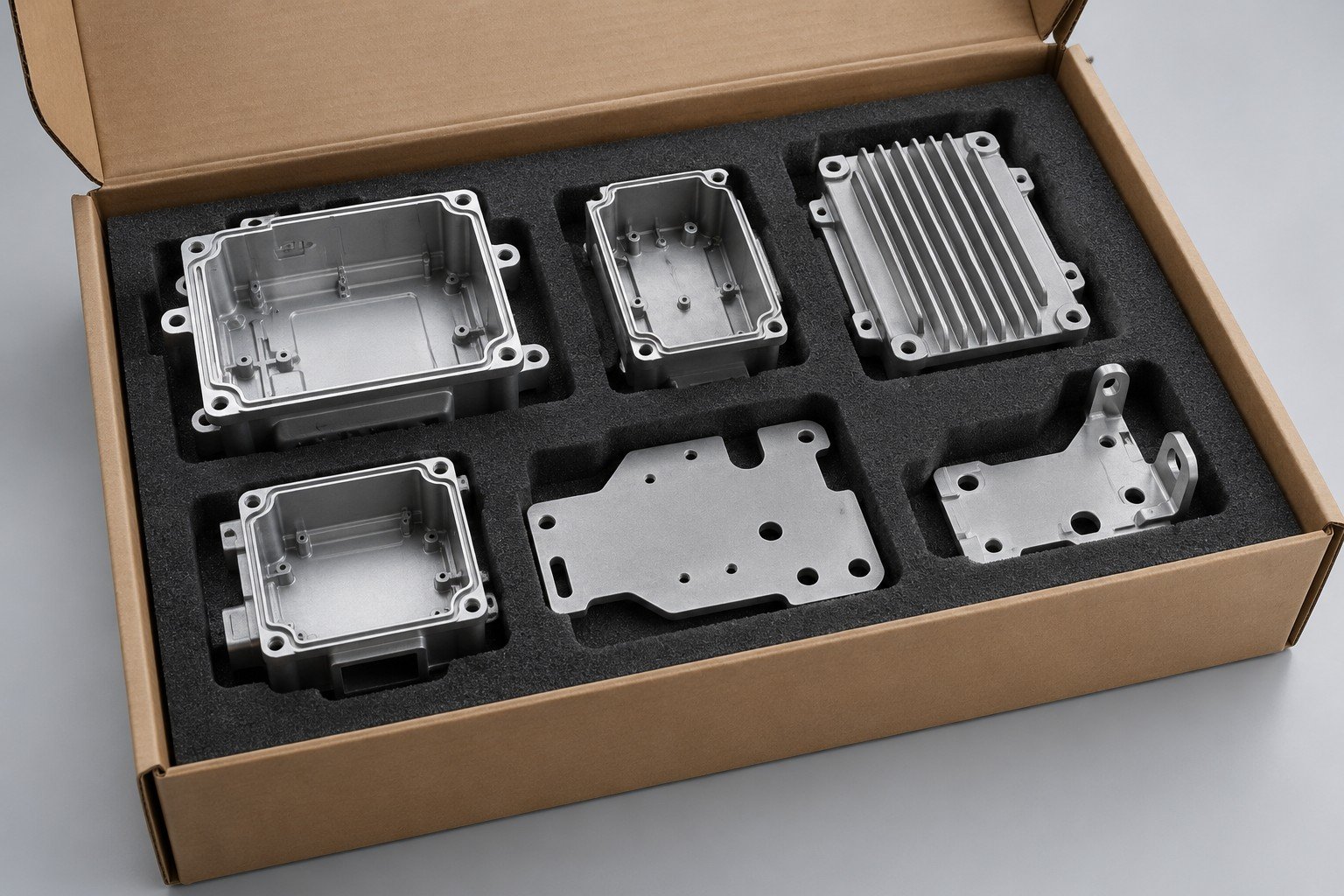
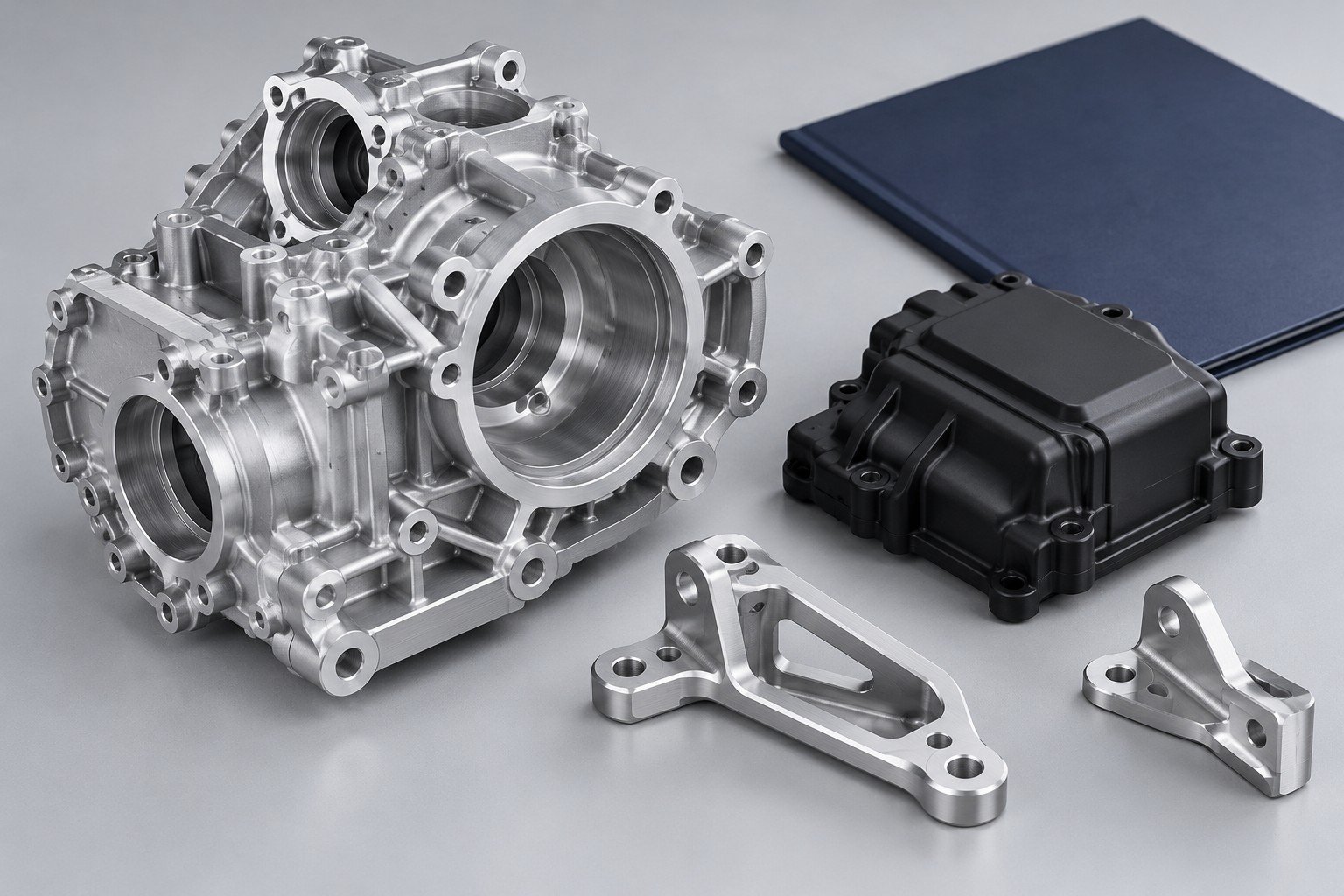
Share CAD, the controlled drawing, installed function, critical fits, full material and finish, quantities and required evidence. State which tests belong to your team and which component checks you want quoted.
Agree that transition explicitly. A fit-check sample may use a different process, material condition or inspection scope from the repeat-production part.
Start with function. Mark locating, sealing and mating dimensions separately from general dimensions; review the full assembly stack before adding tighter limits.
No. Identify your customer-specific submission requirements and required elements during quotation. Confirm available records and responsibilities for the project rather than assuming a universal package.