Injection Molding
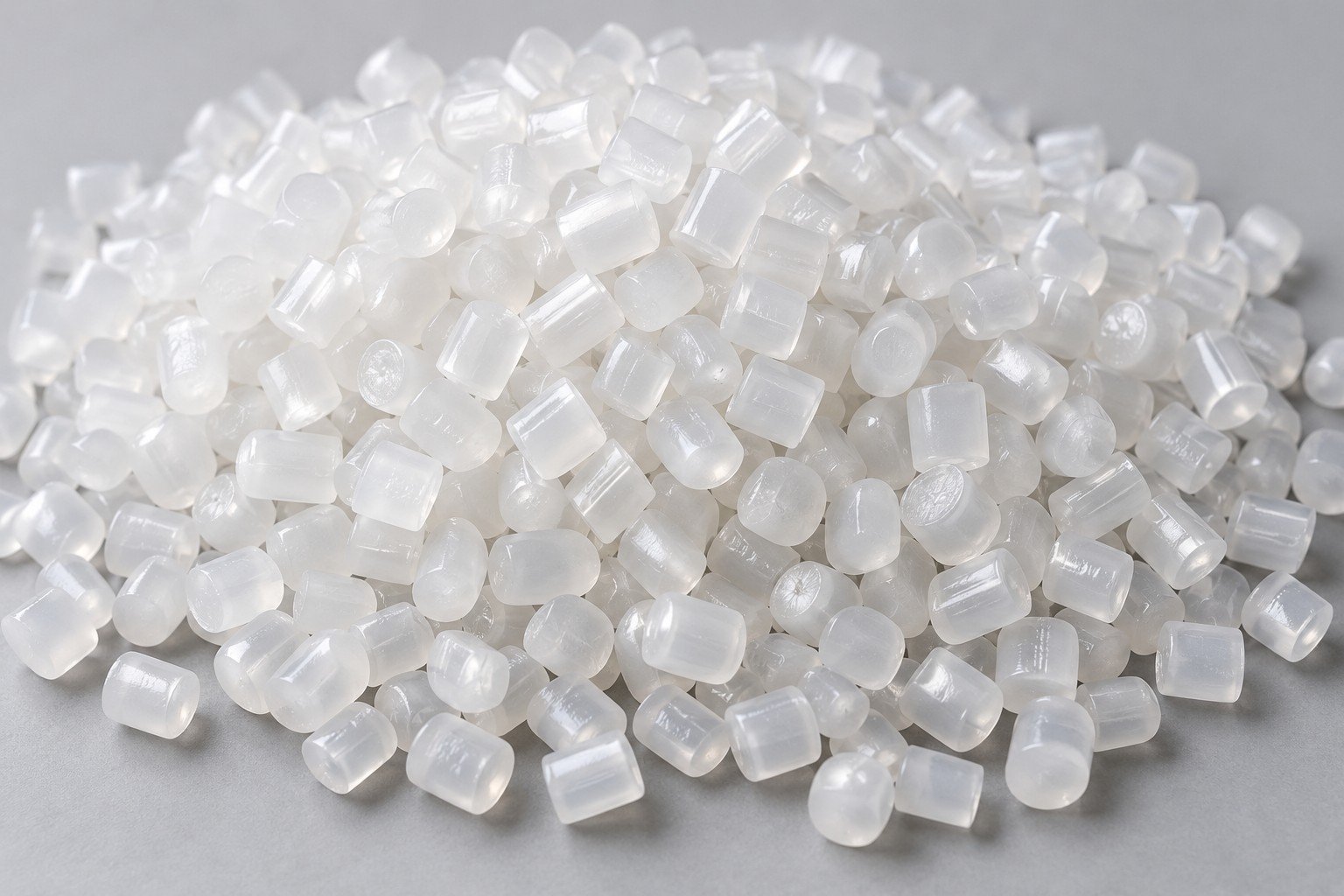
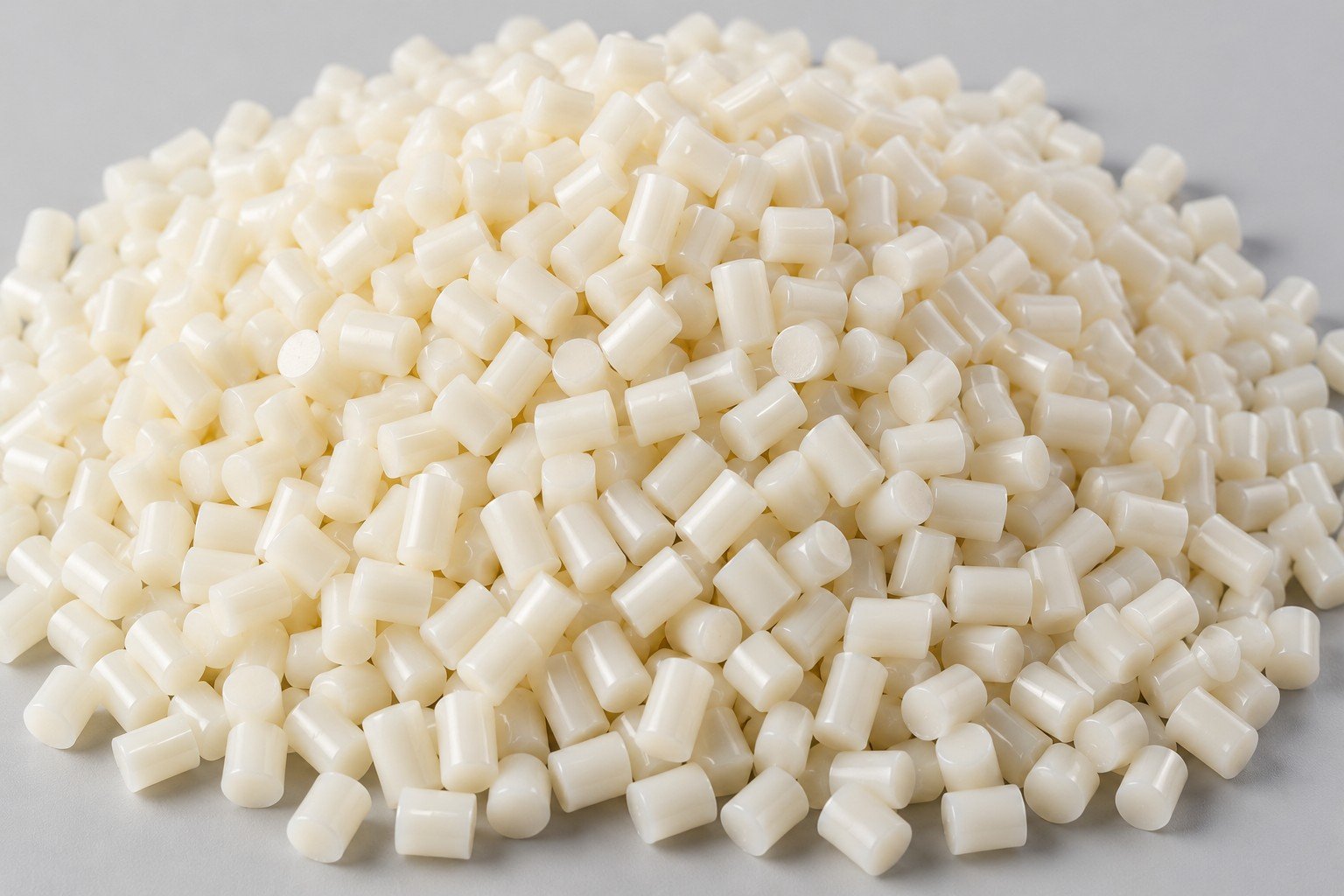
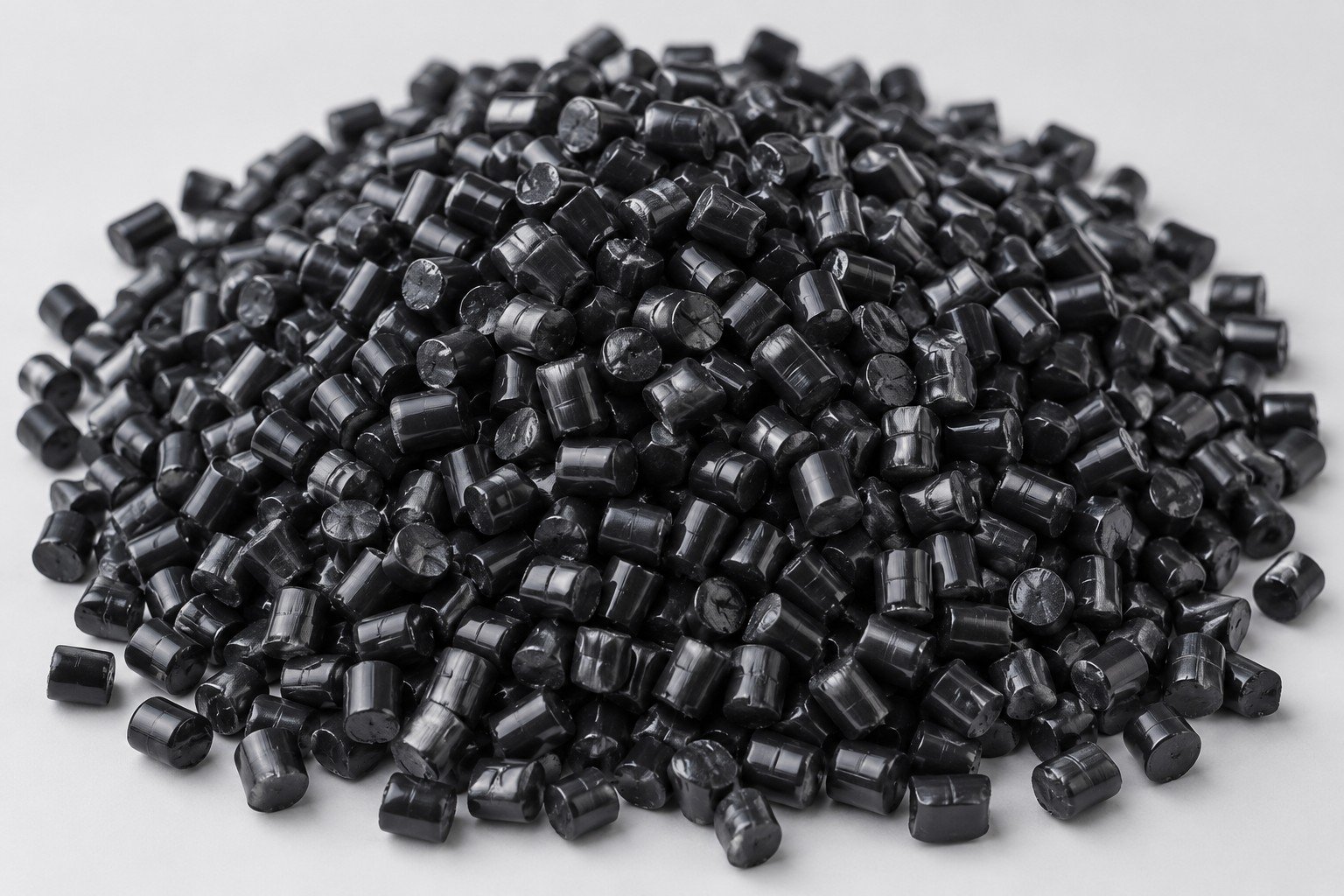
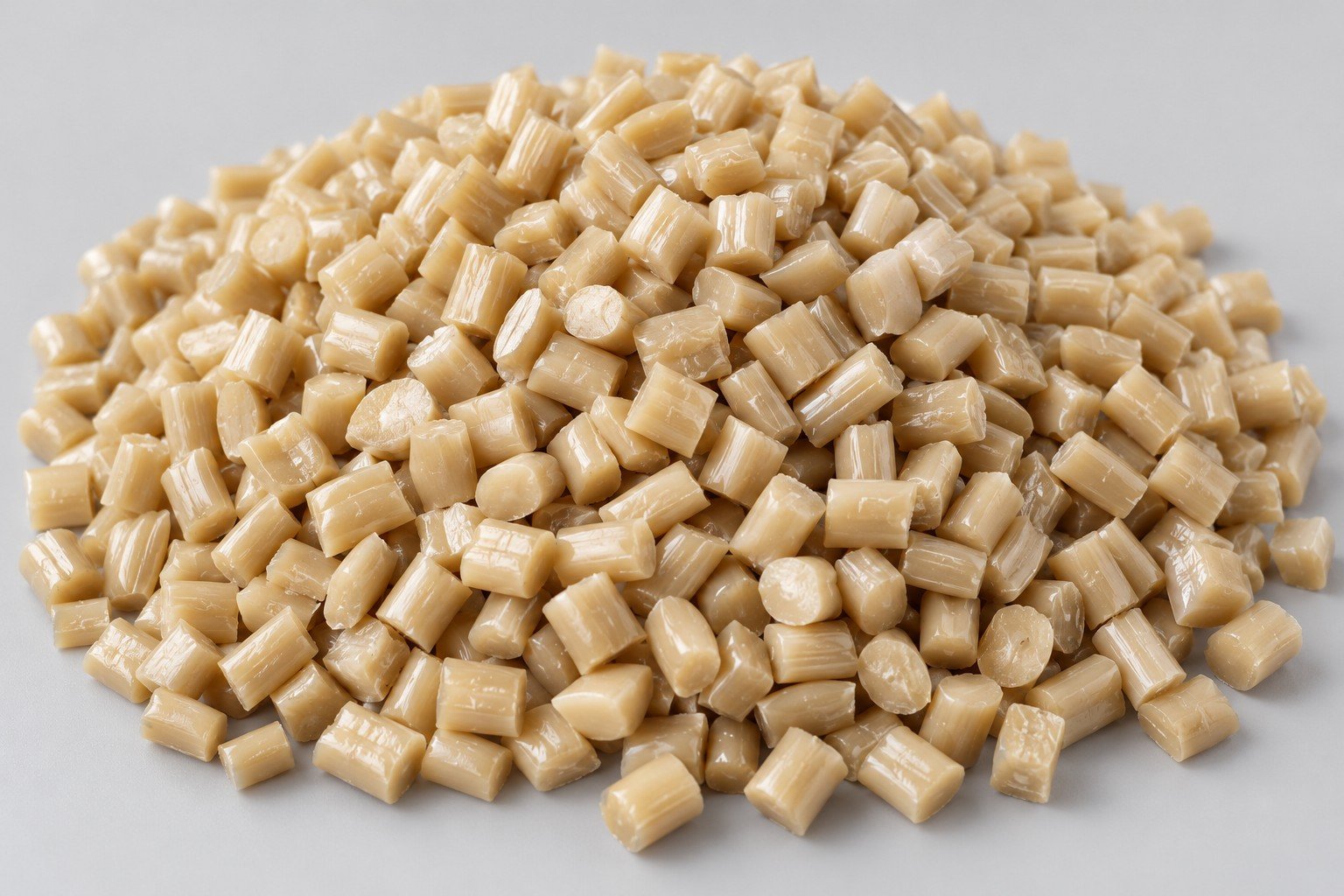
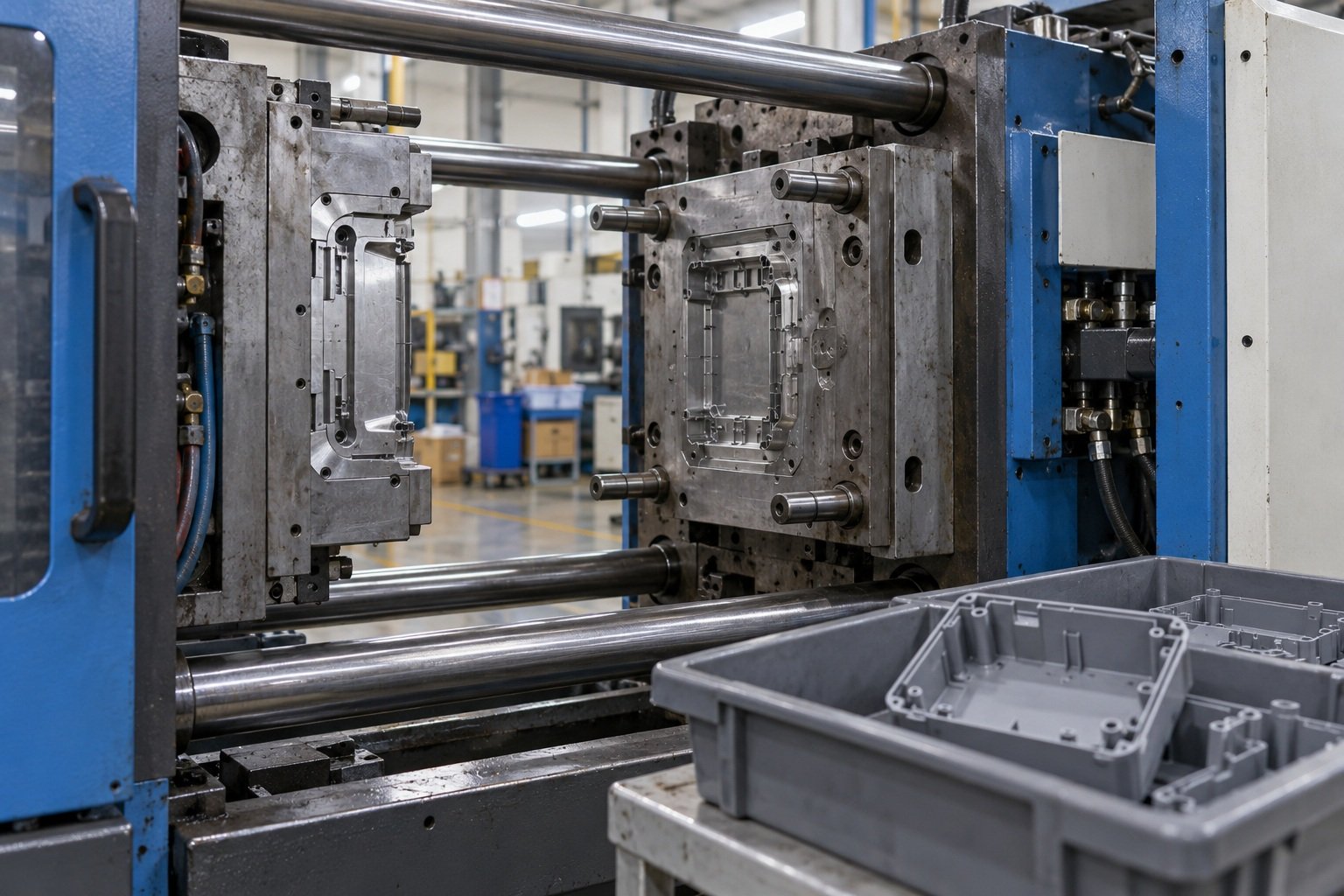
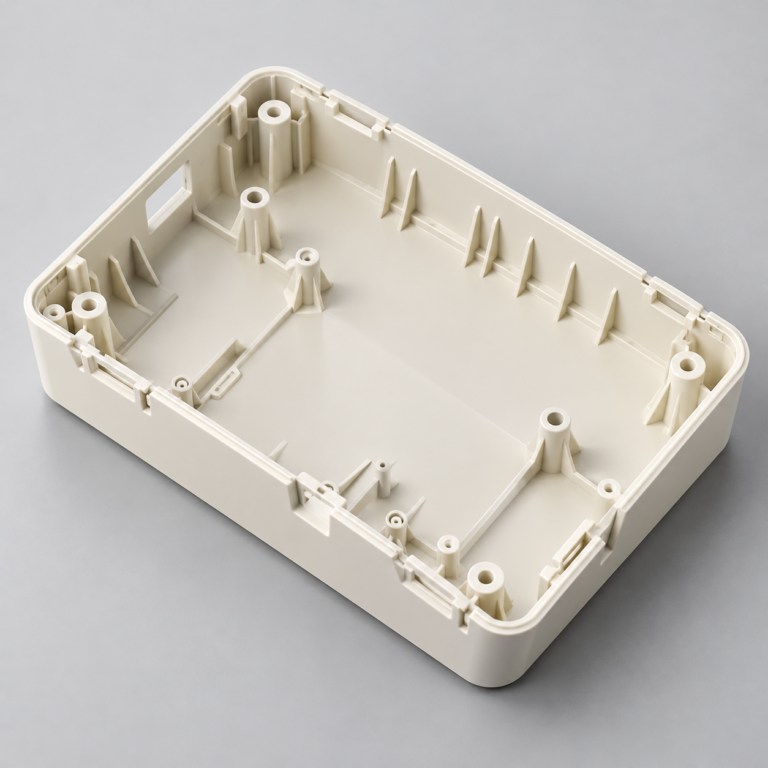
Tooling and molding for your repeat plastic parts.
From prototype to production, coordinated manufacturing solutions for your custom parts.
View All Services →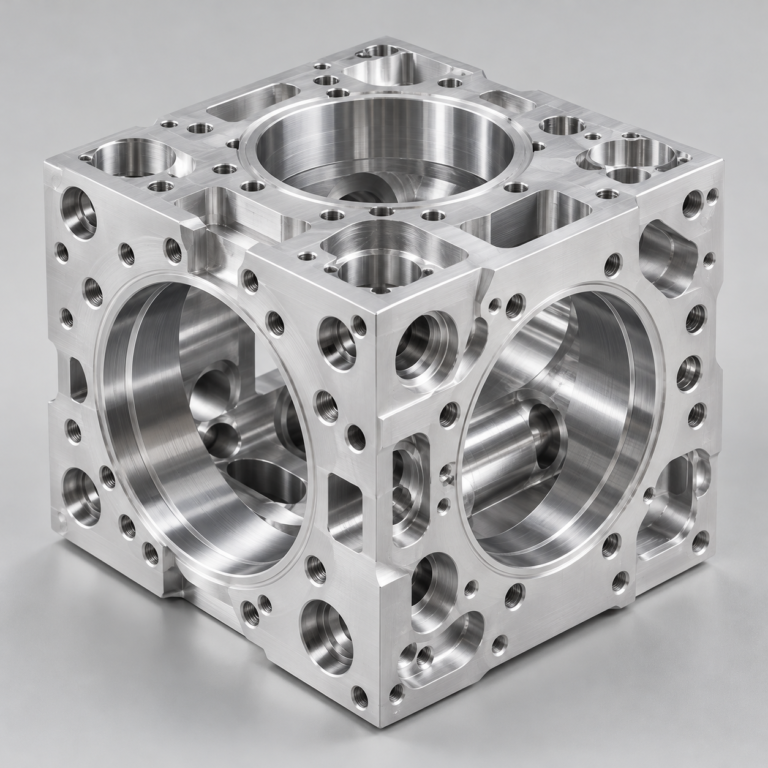
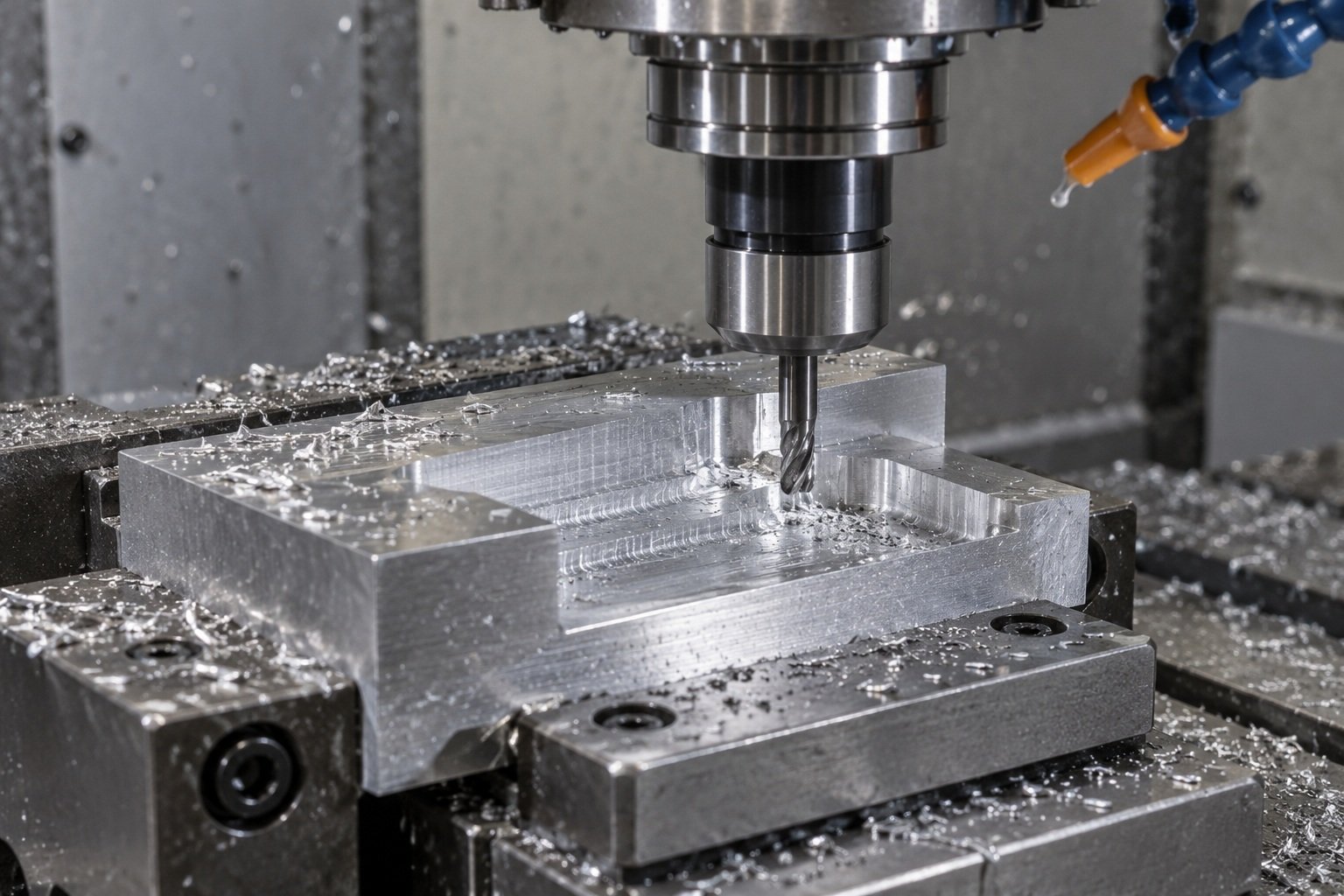
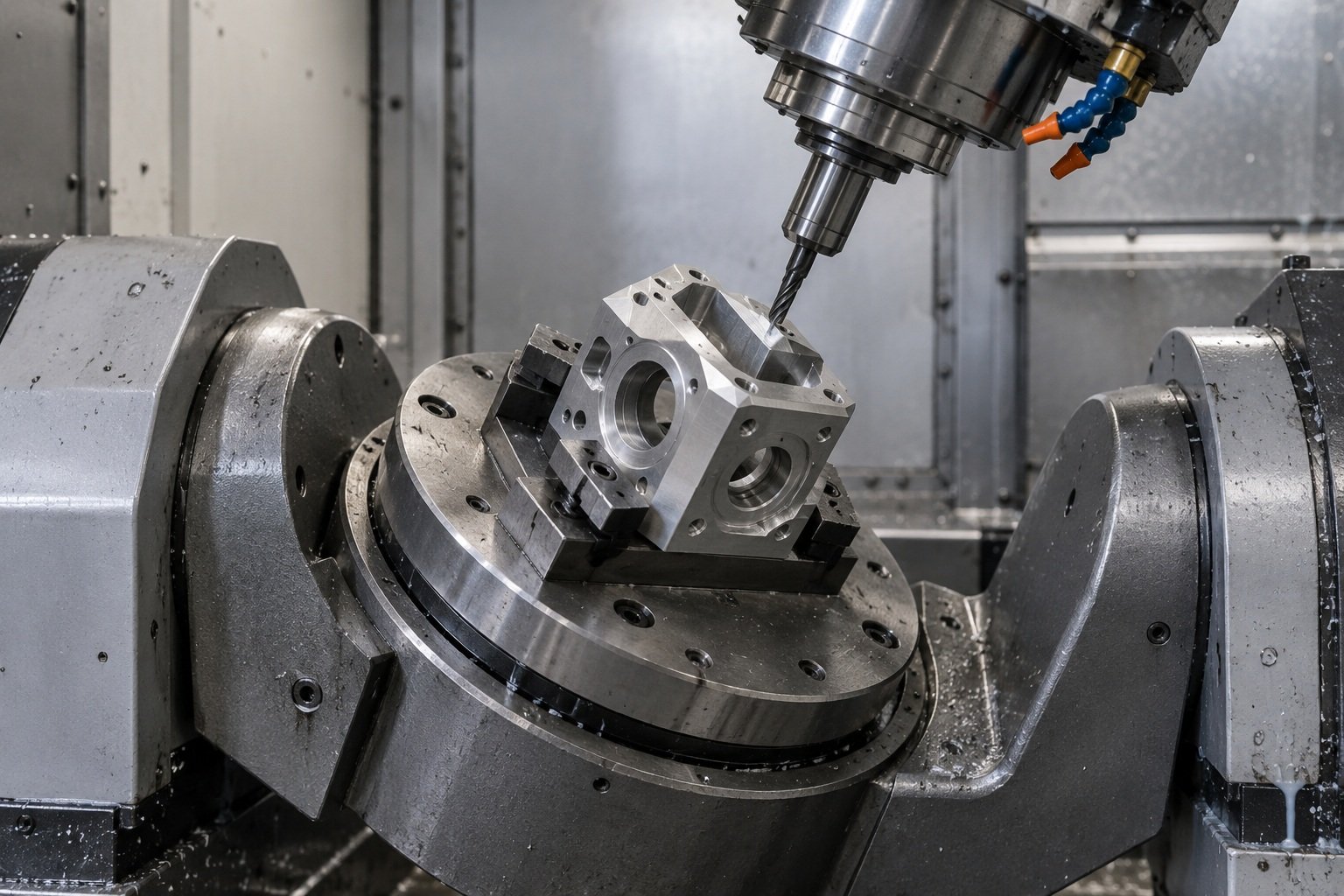
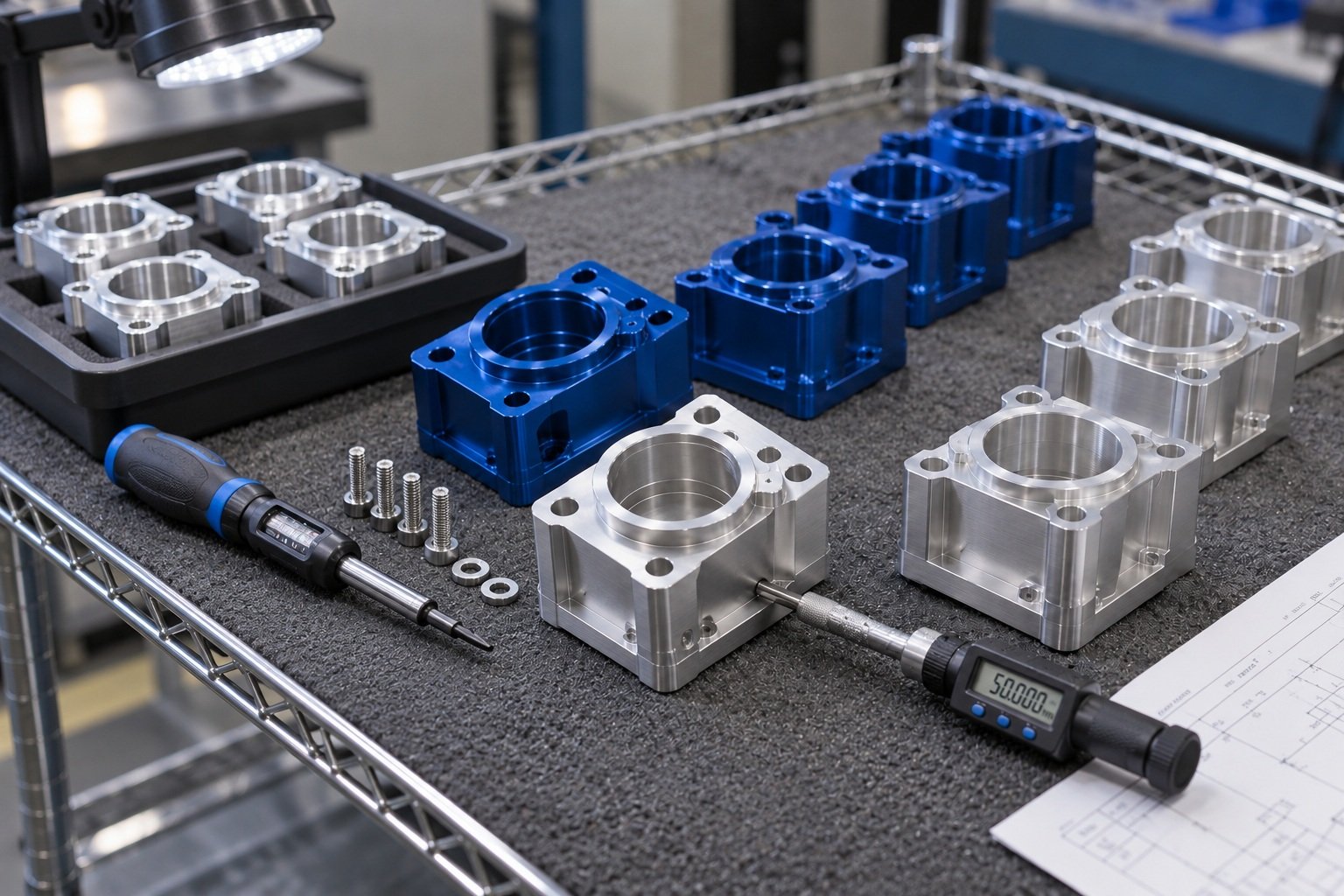
Precision parts for your tight tolerances and complex geometry.
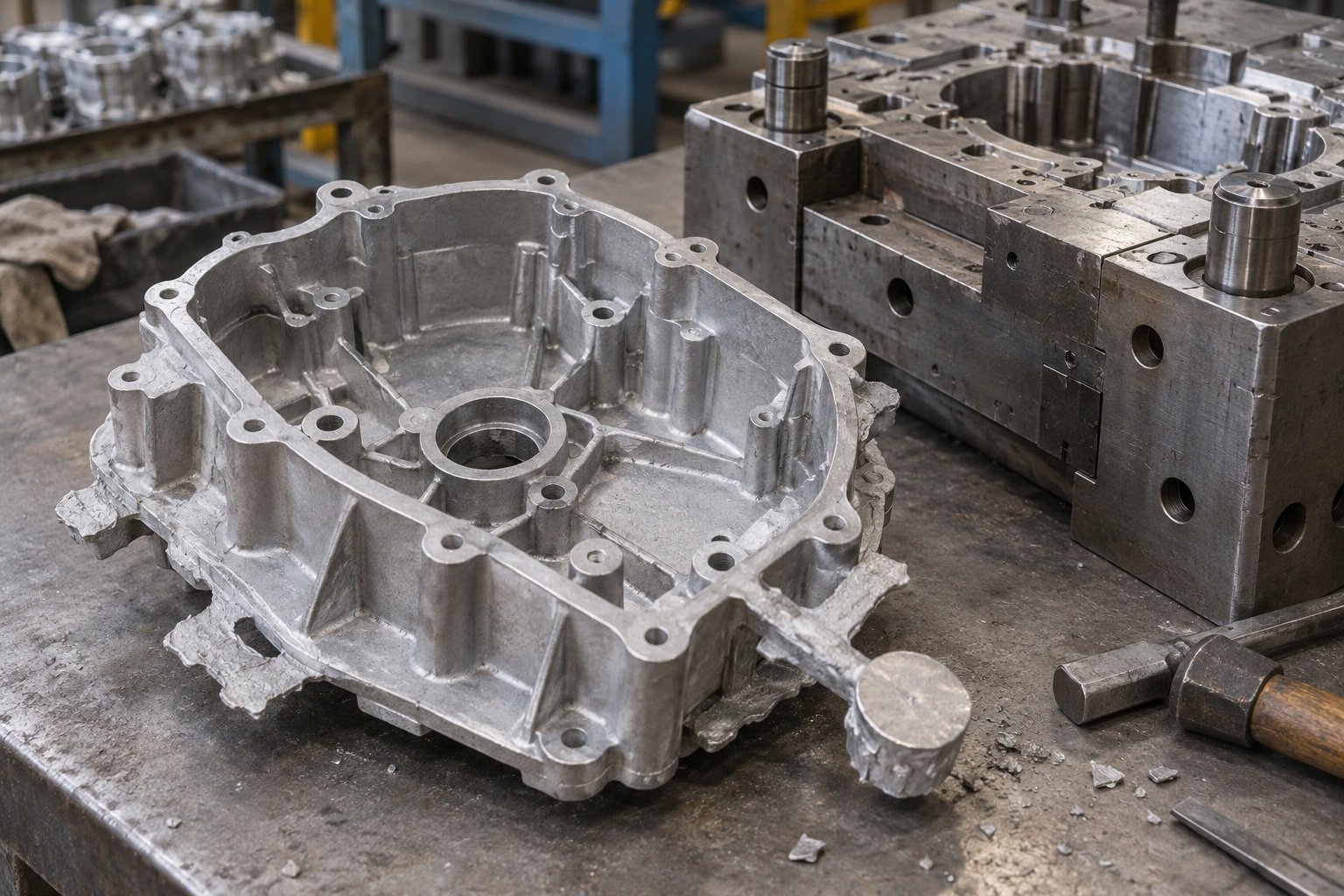
Tooling and molding for your repeat plastic parts.
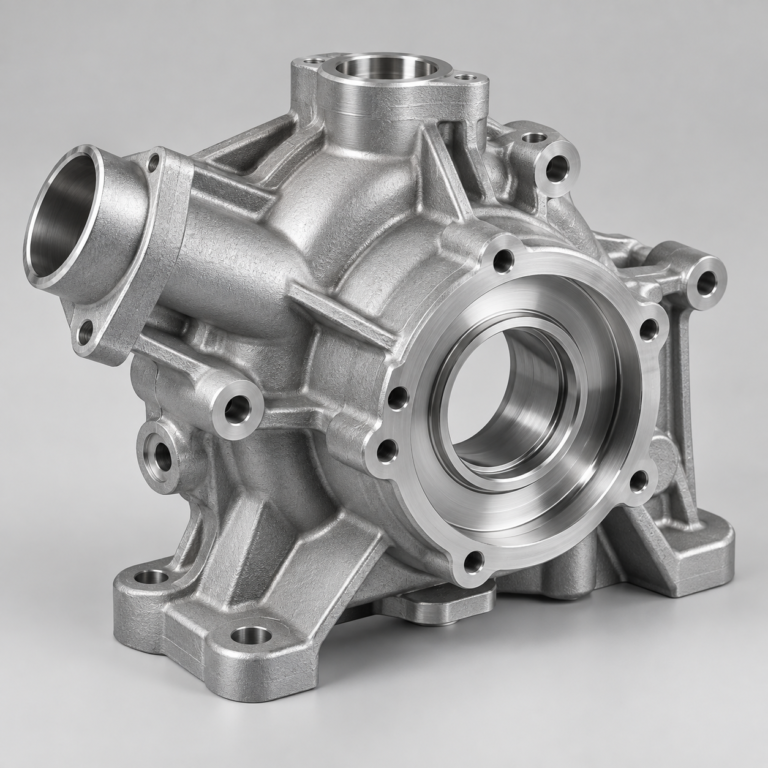
Metal casting options for your part and production volume.
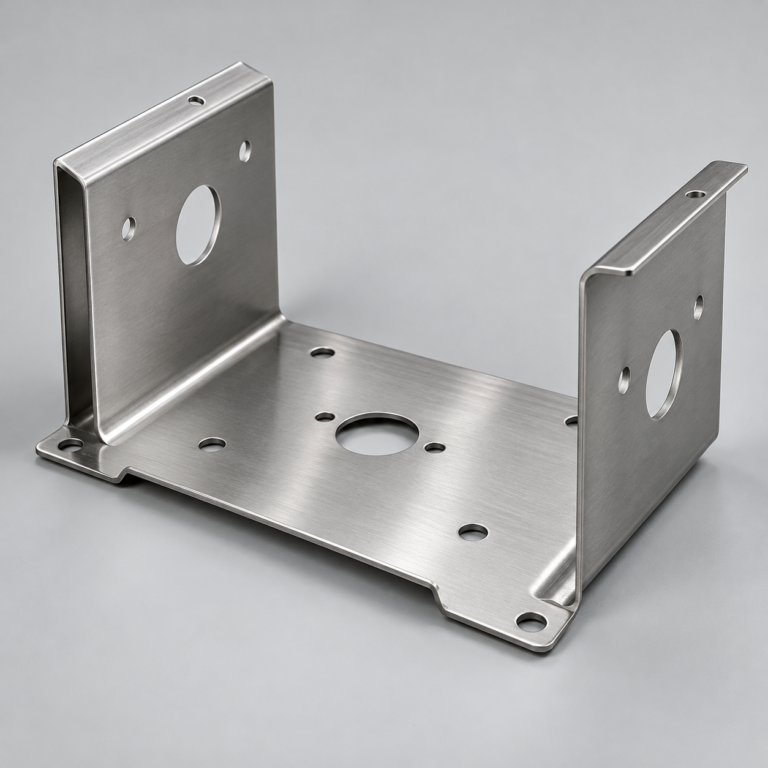
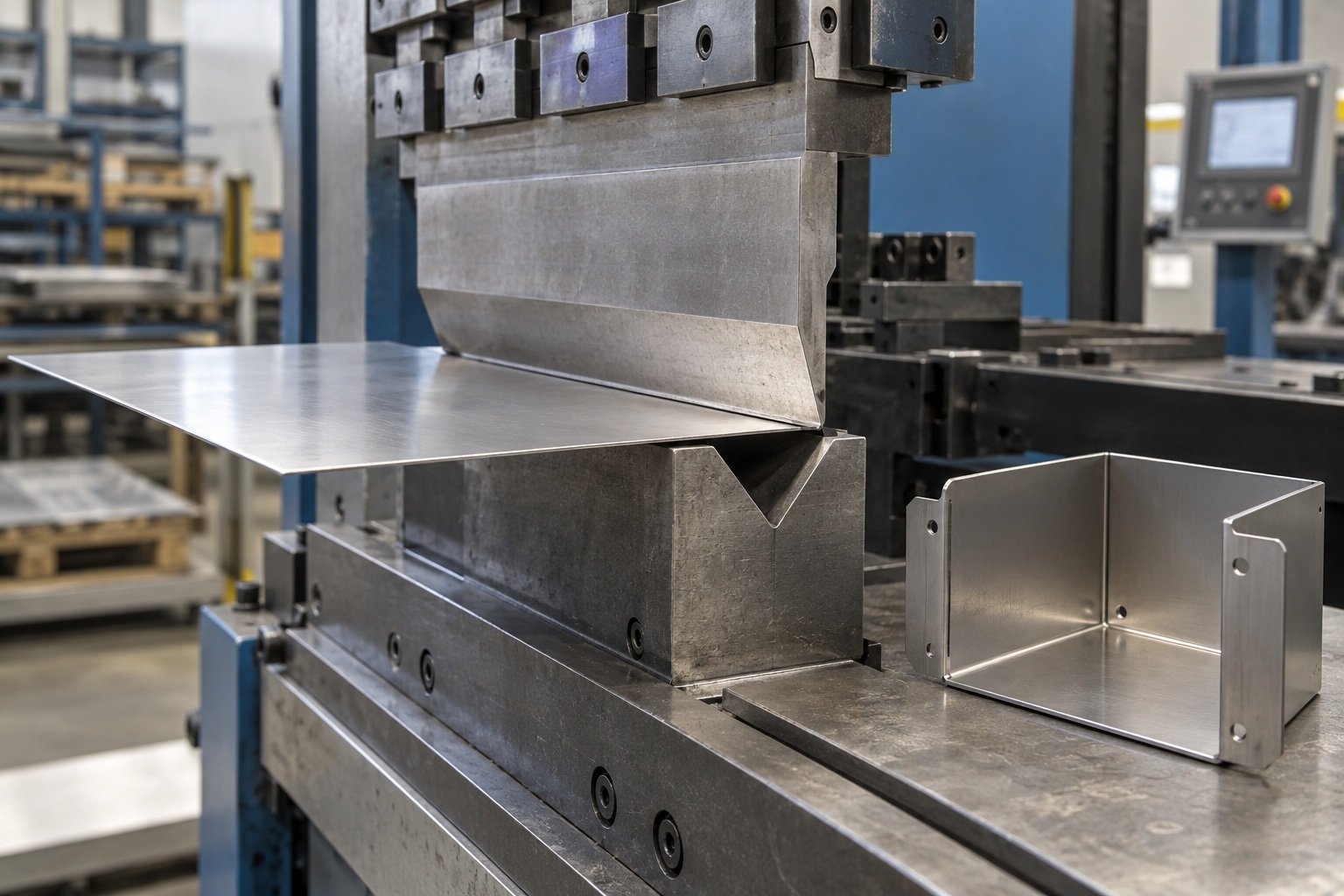
Cutting, forming and welding for your fabricated parts.
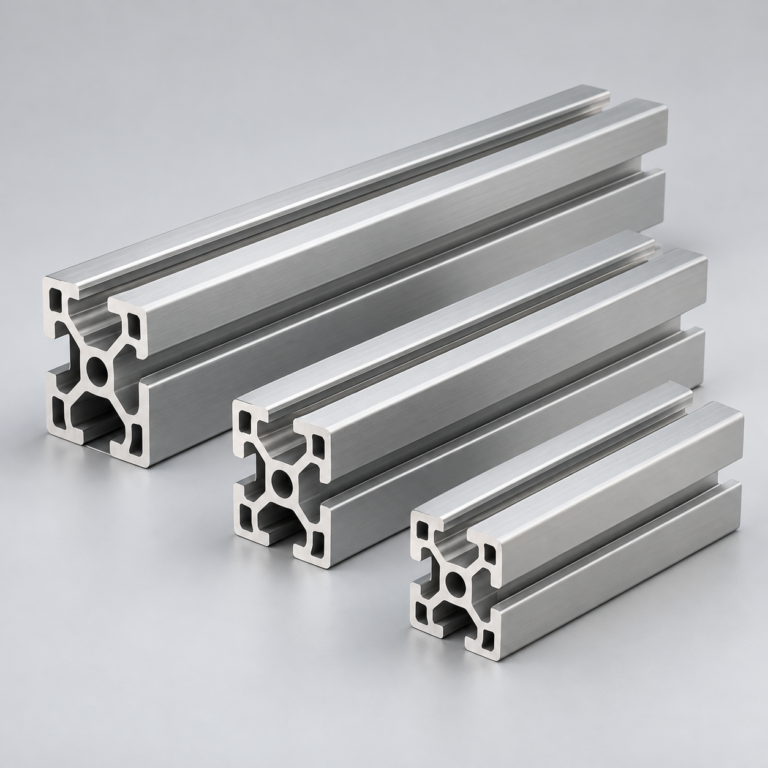
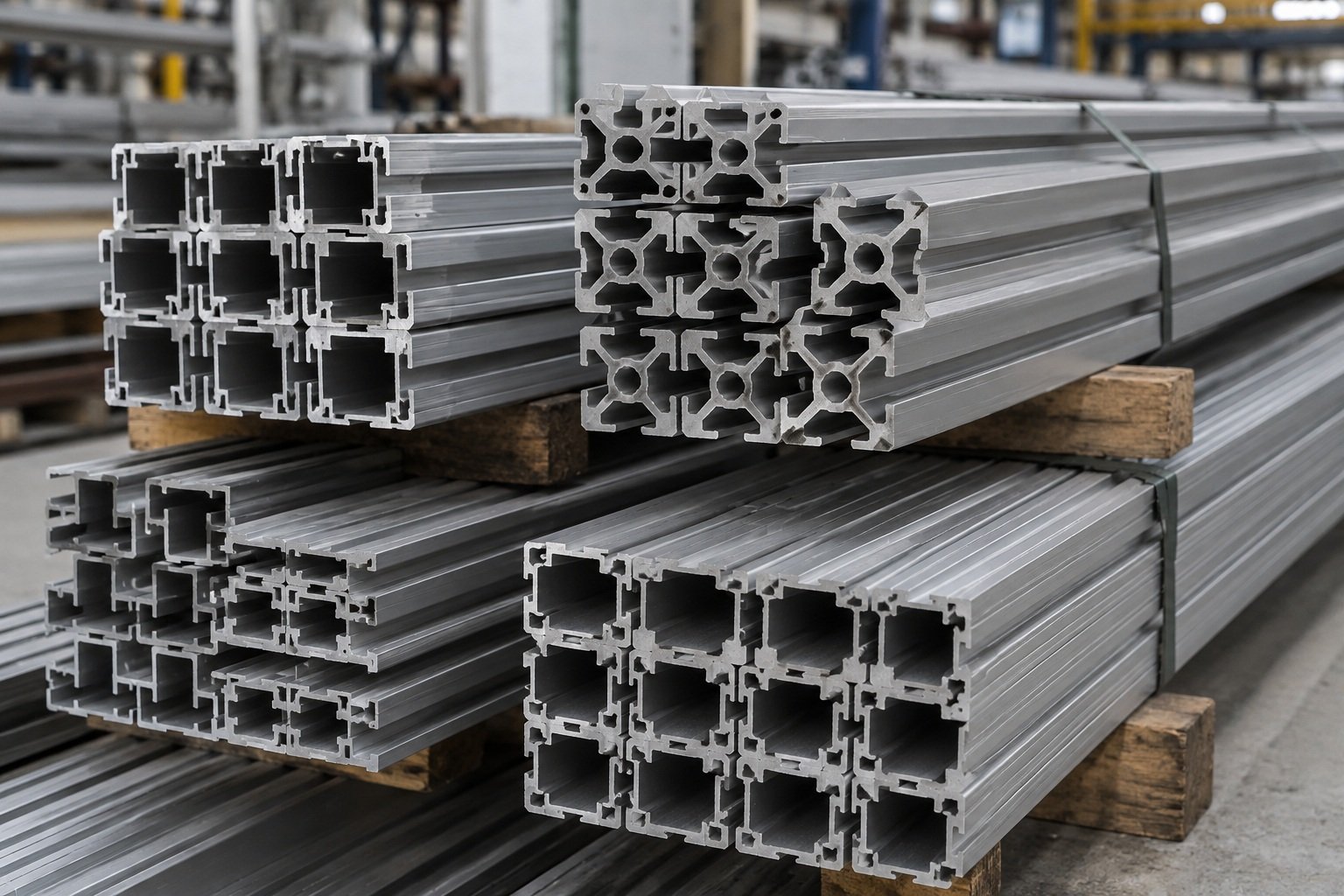
Custom profiles for your section, length and finish requirements.
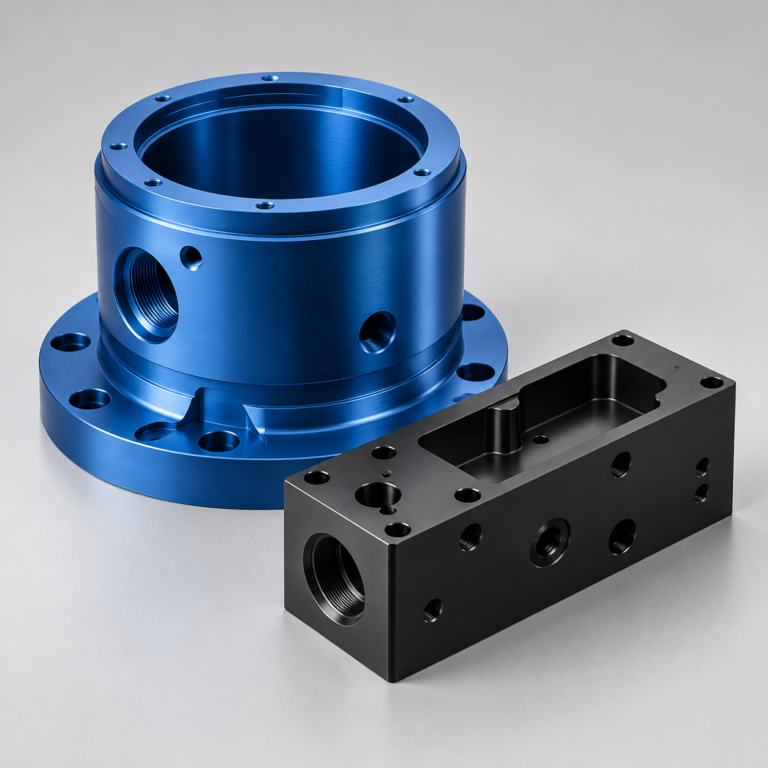
Finishes for your appearance, corrosion and wear requirements.
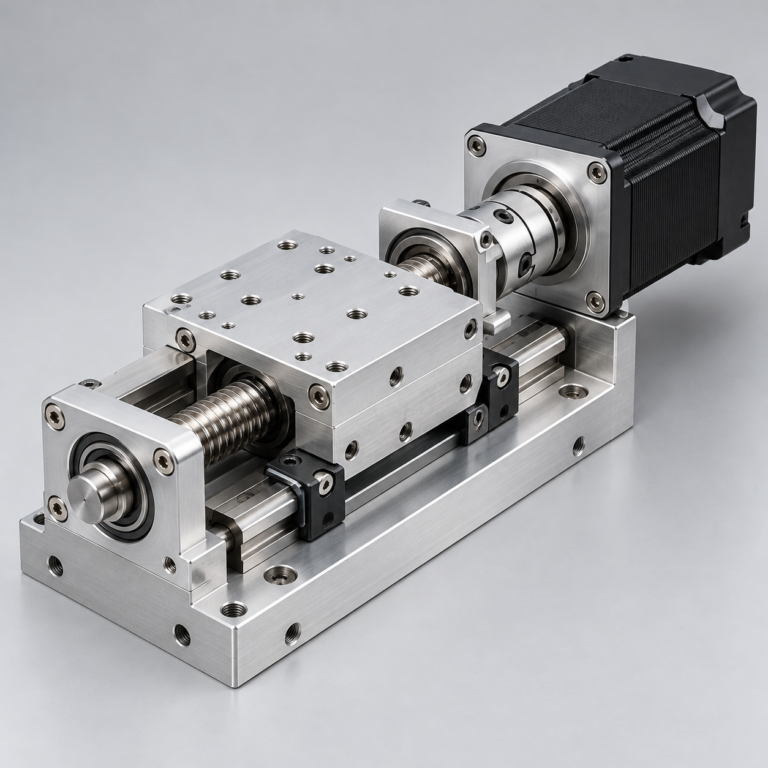
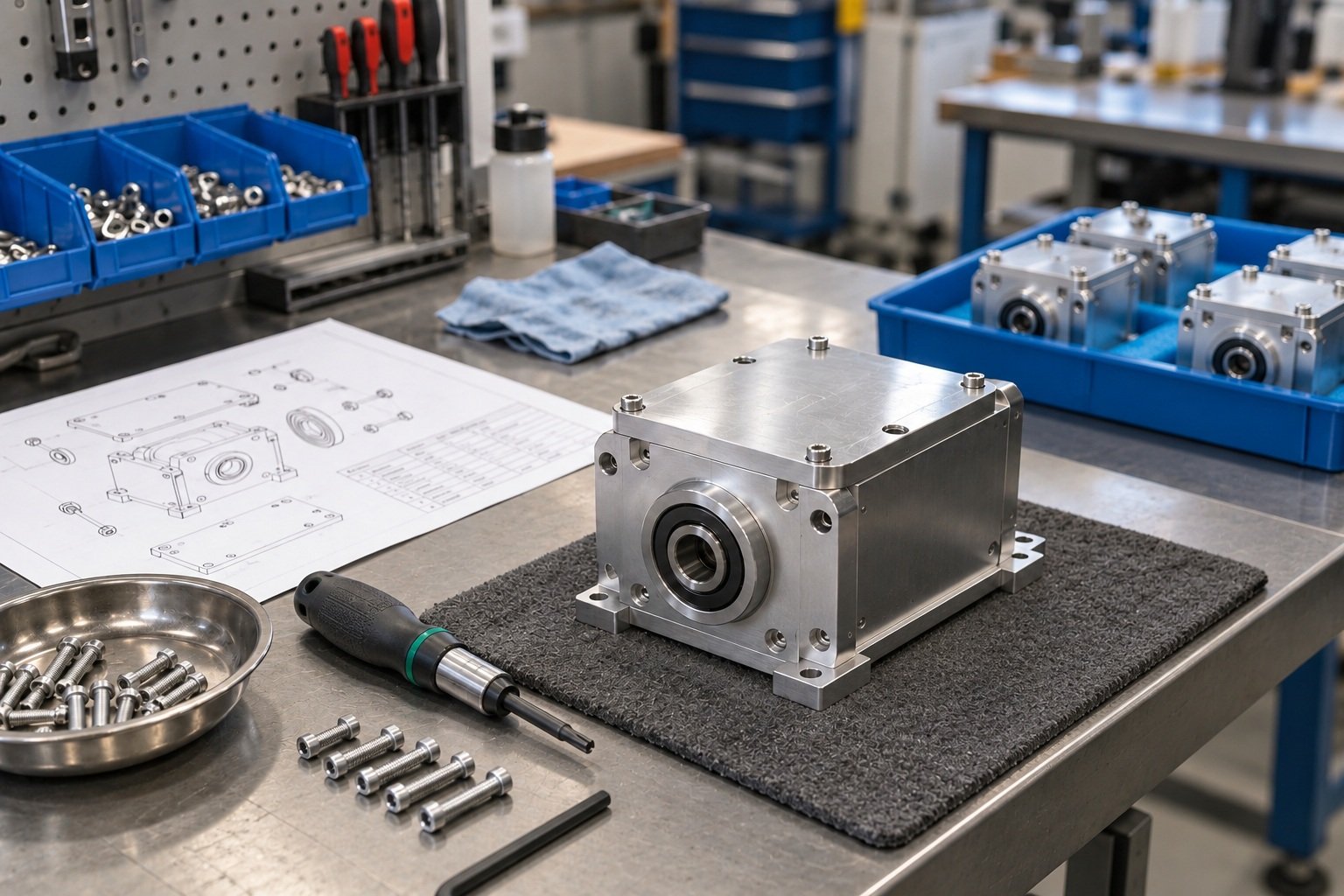
Sub-assemblies and final builds for your production program.
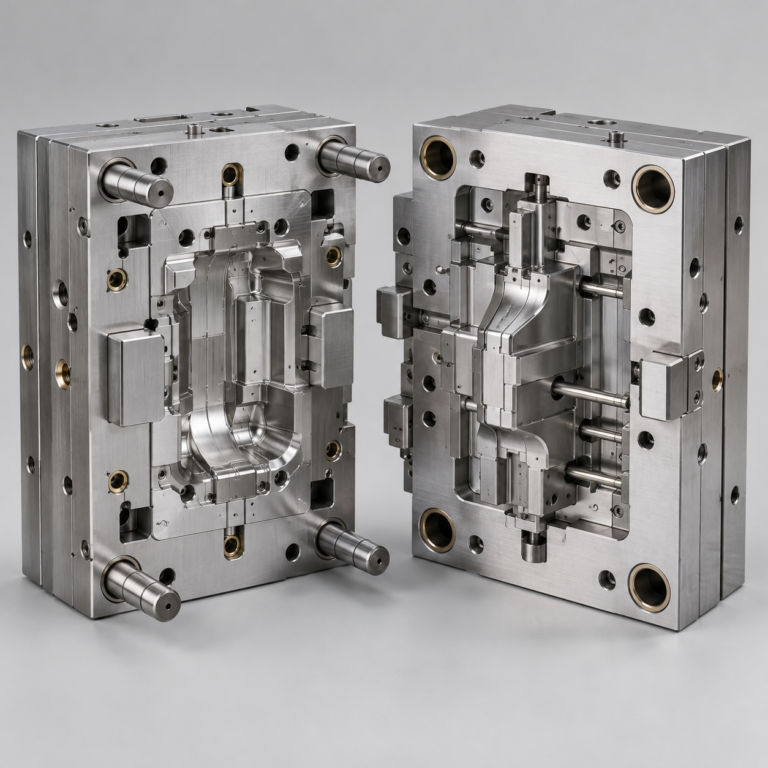
Production tooling built around your process and volume.
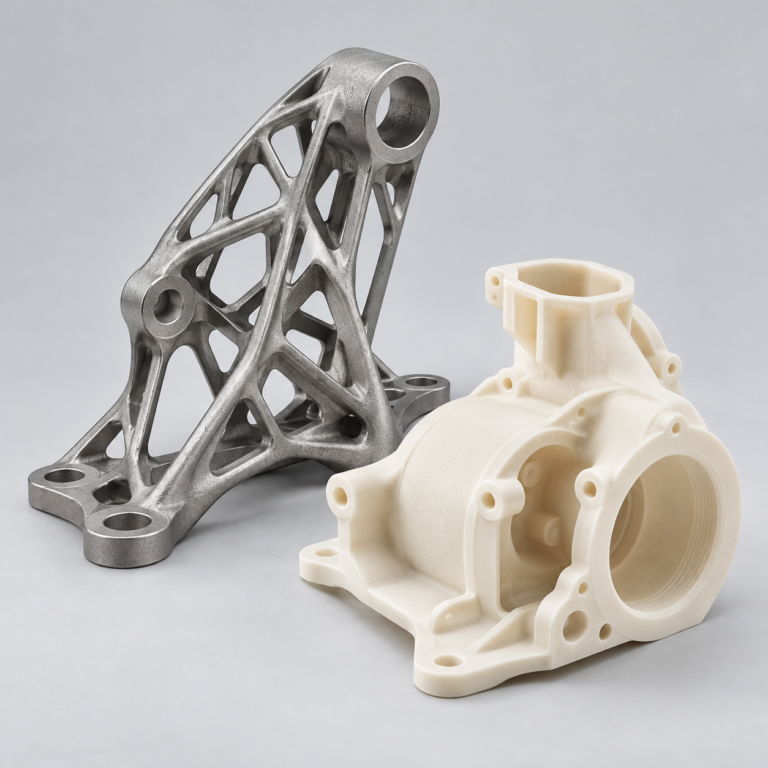
Prototype parts to check fit, function and design.
DFM, process planning and production support for your project.
Inspection, documentation, inventory and delivery planning for your program.
Choose air- or liquid-cooling components around your thermal and mechanical requirements.
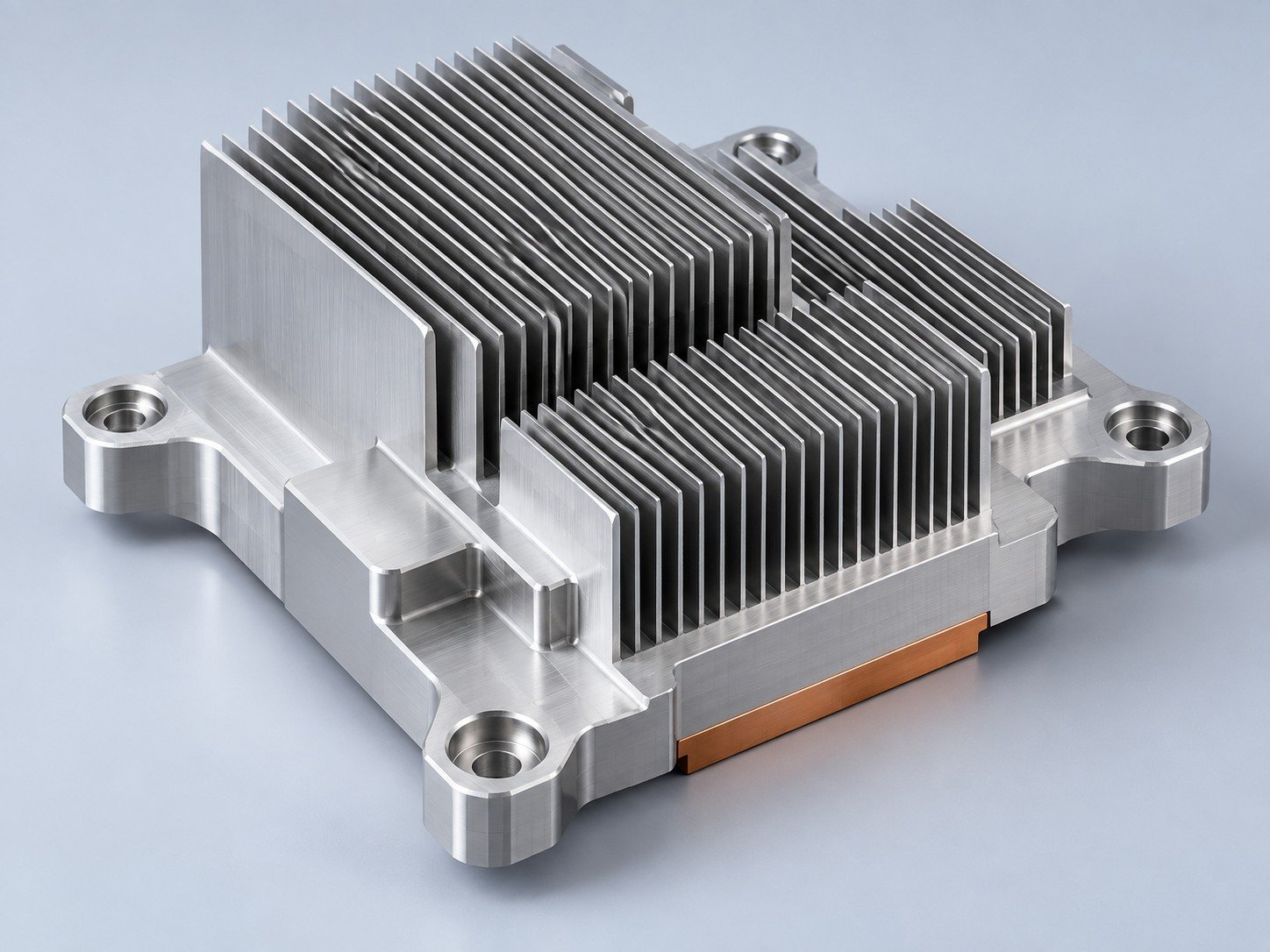
Manufacturing support for your cold plates, manifolds and cooling assemblies.
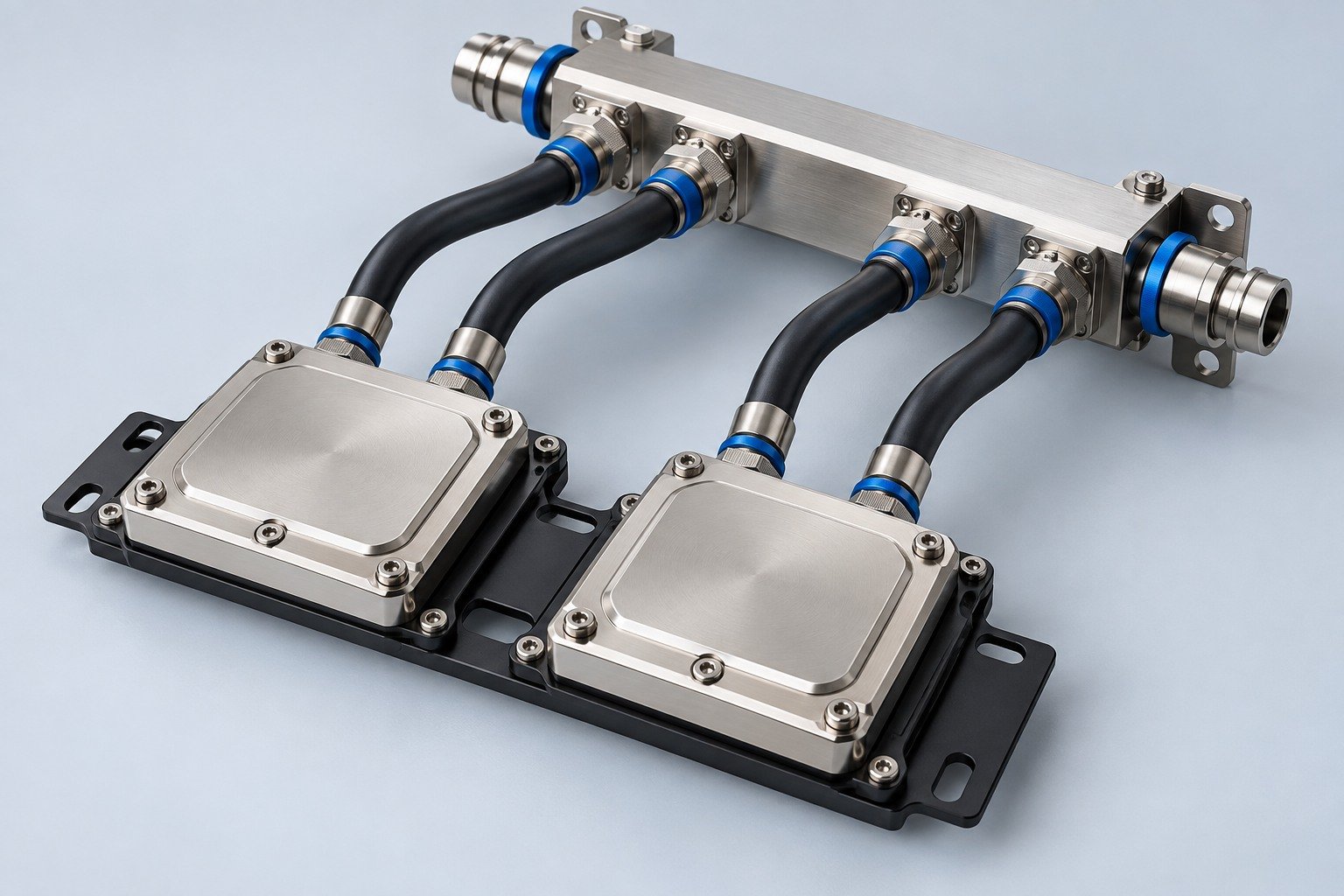
Find components for your power electronics, energy, laser and telecom application.
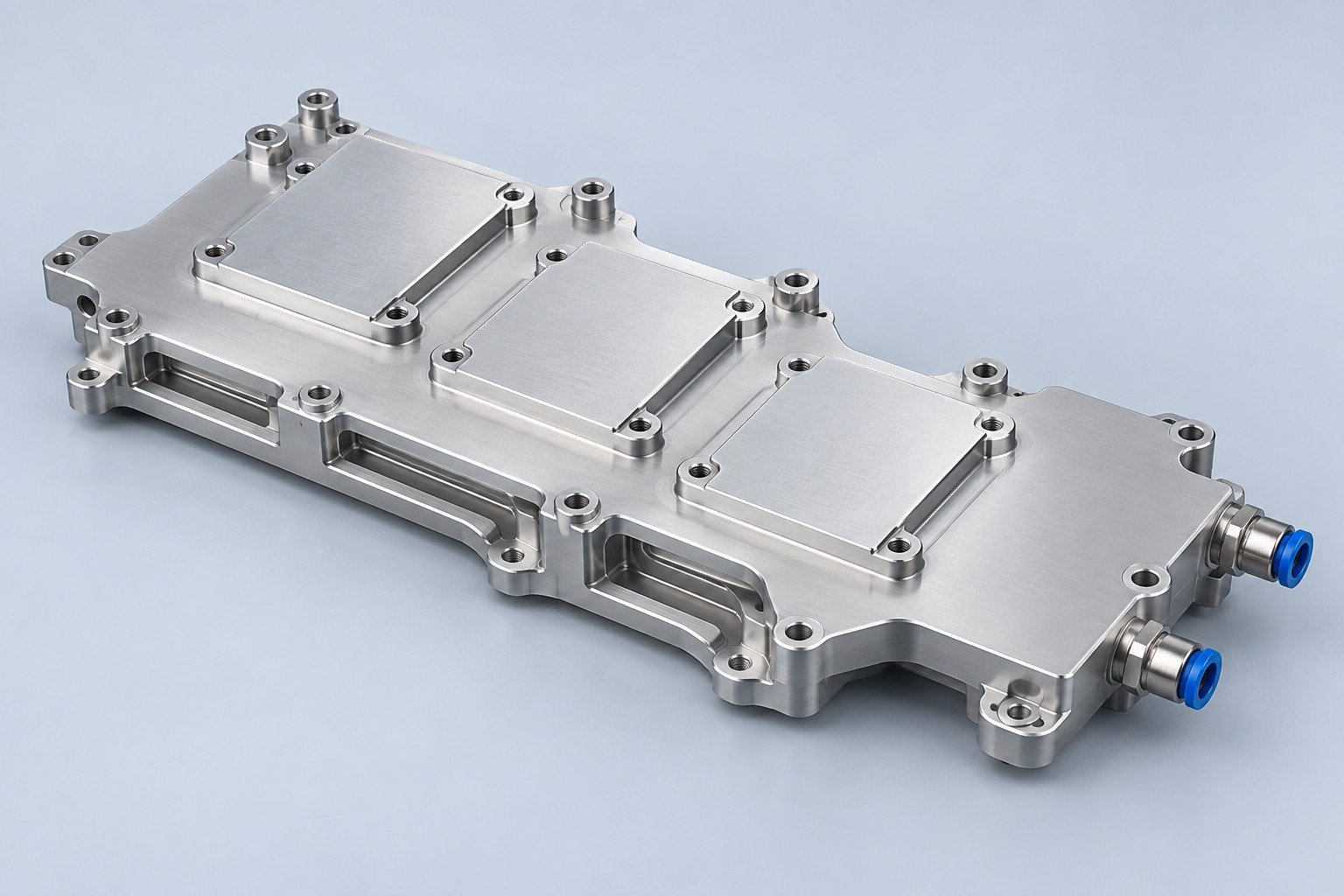
Components for your electronic systems.
Start with your functional and quality requirements.
Build around your operating environment.
From prototype to production, review material performance, manufacturability and cost for your part.
Review grade, temper and finish for your metal parts.
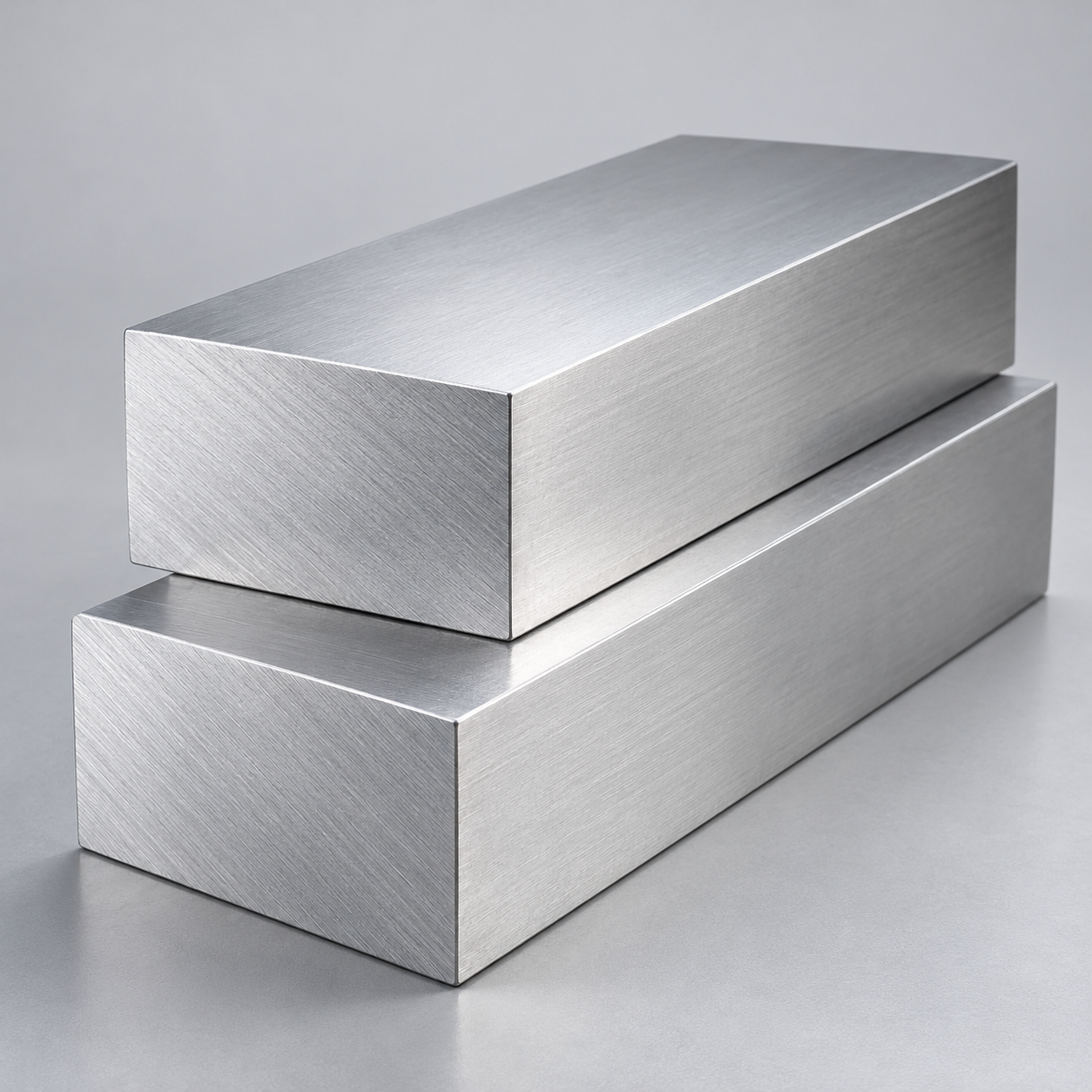 AluminumStrength, weight and machining›
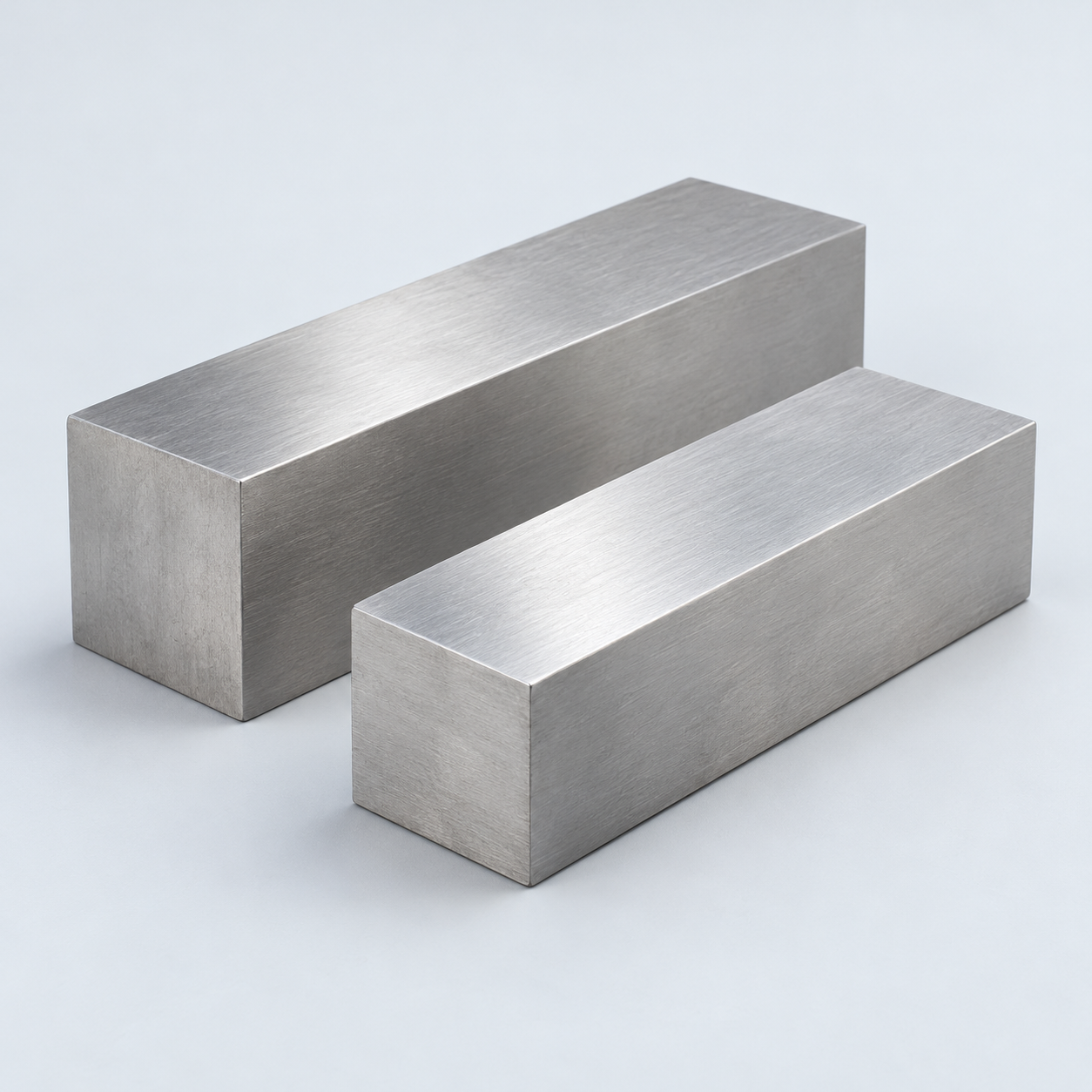 Stainless SteelCorrosion and finish requirements›
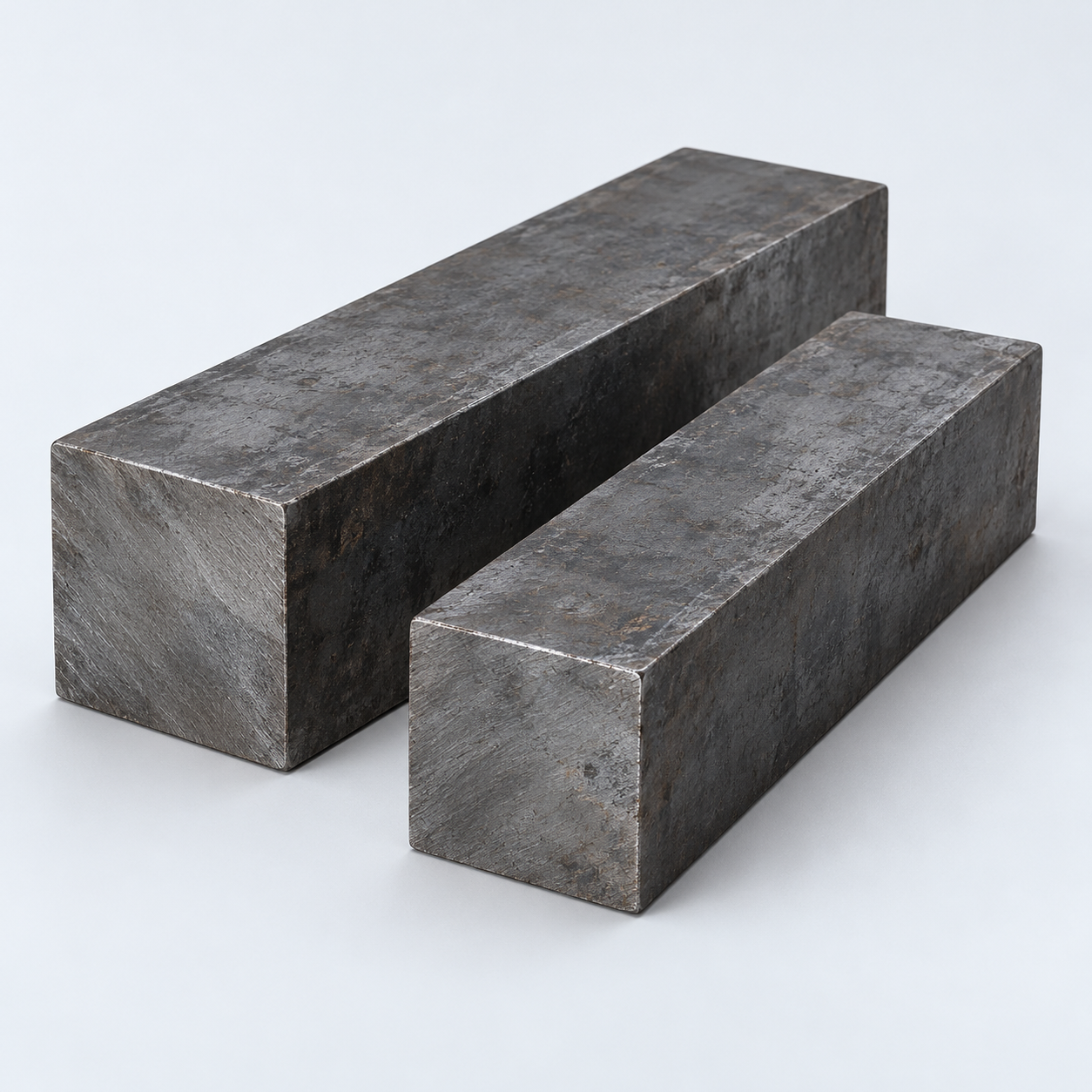 Carbon & Alloy SteelDiscuss grade and heat treatment›
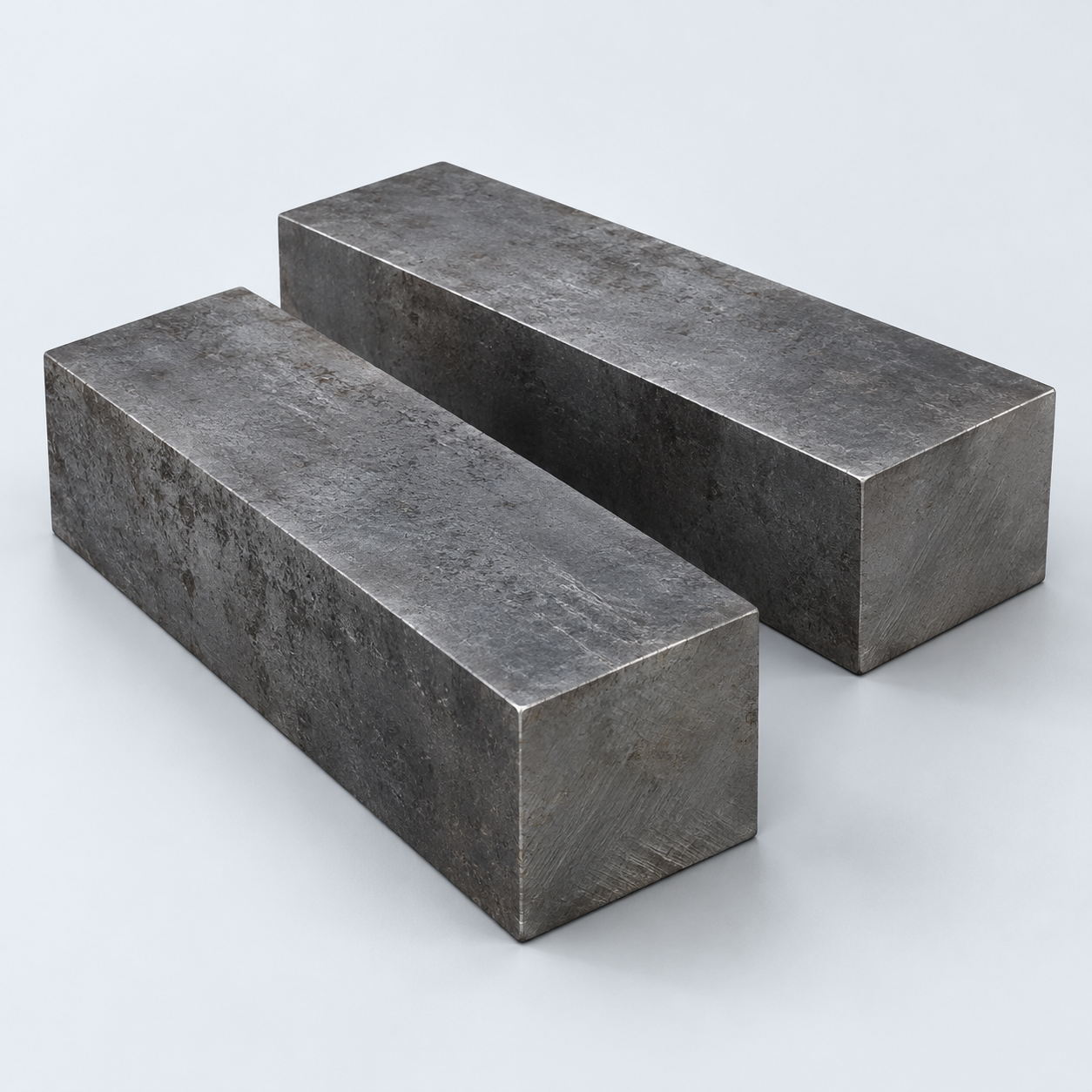 Tool SteelDiscuss tooling and wear needs›
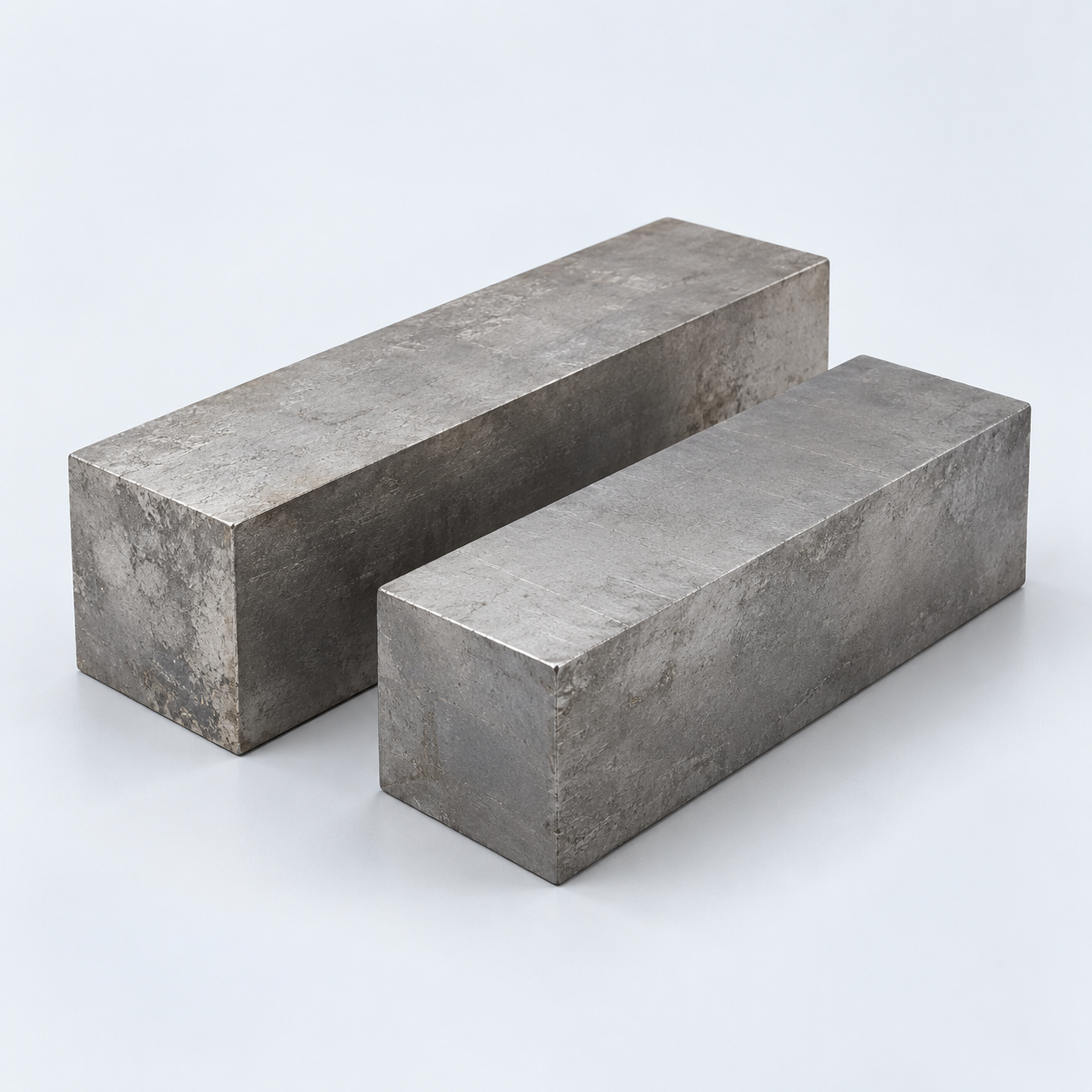 TitaniumReview grade and part geometry›
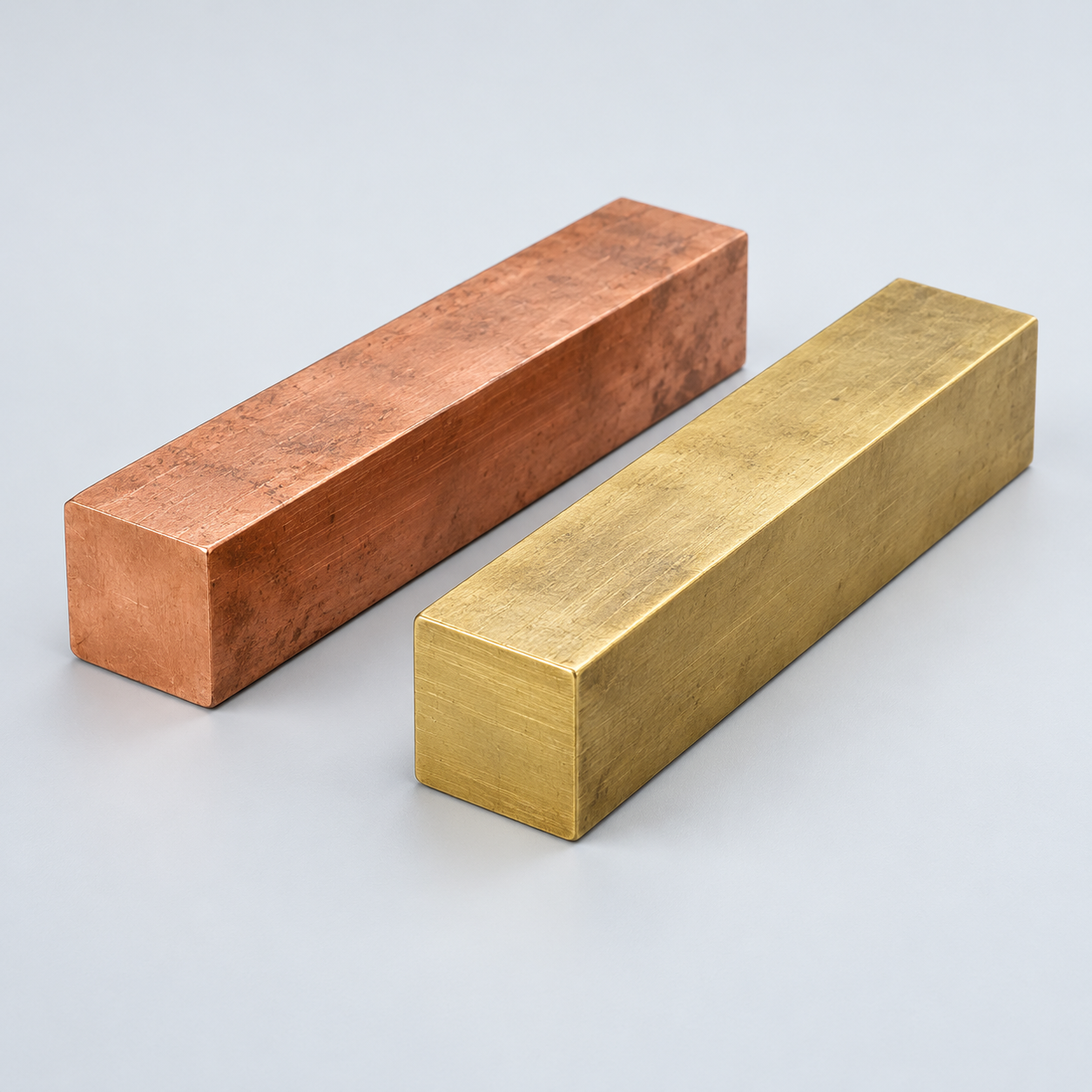 Copper & Brass & BronzeDiscuss conductivity and machining›
Match your polymer to function, process and environment.
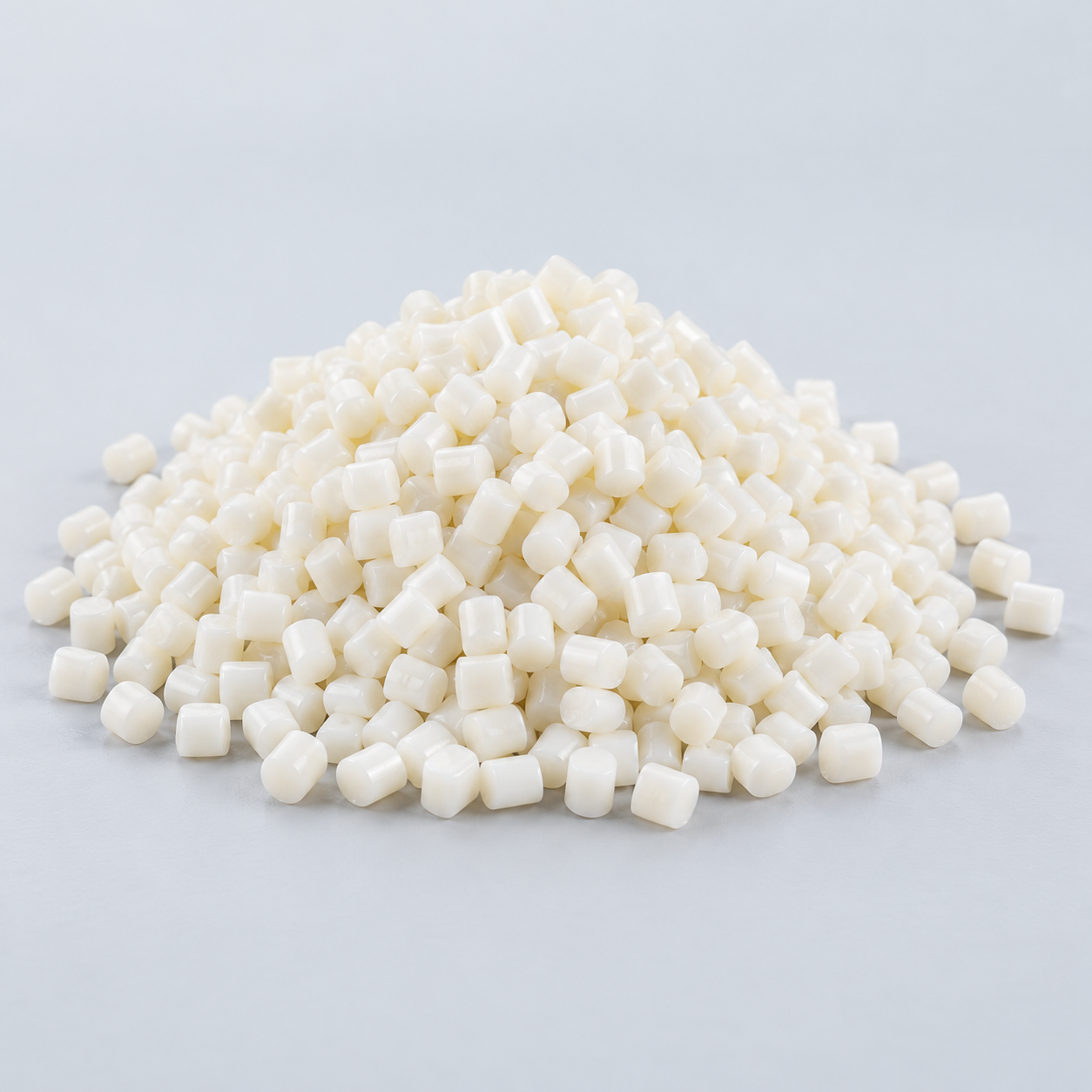 ABSReview enclosure and molding needs›
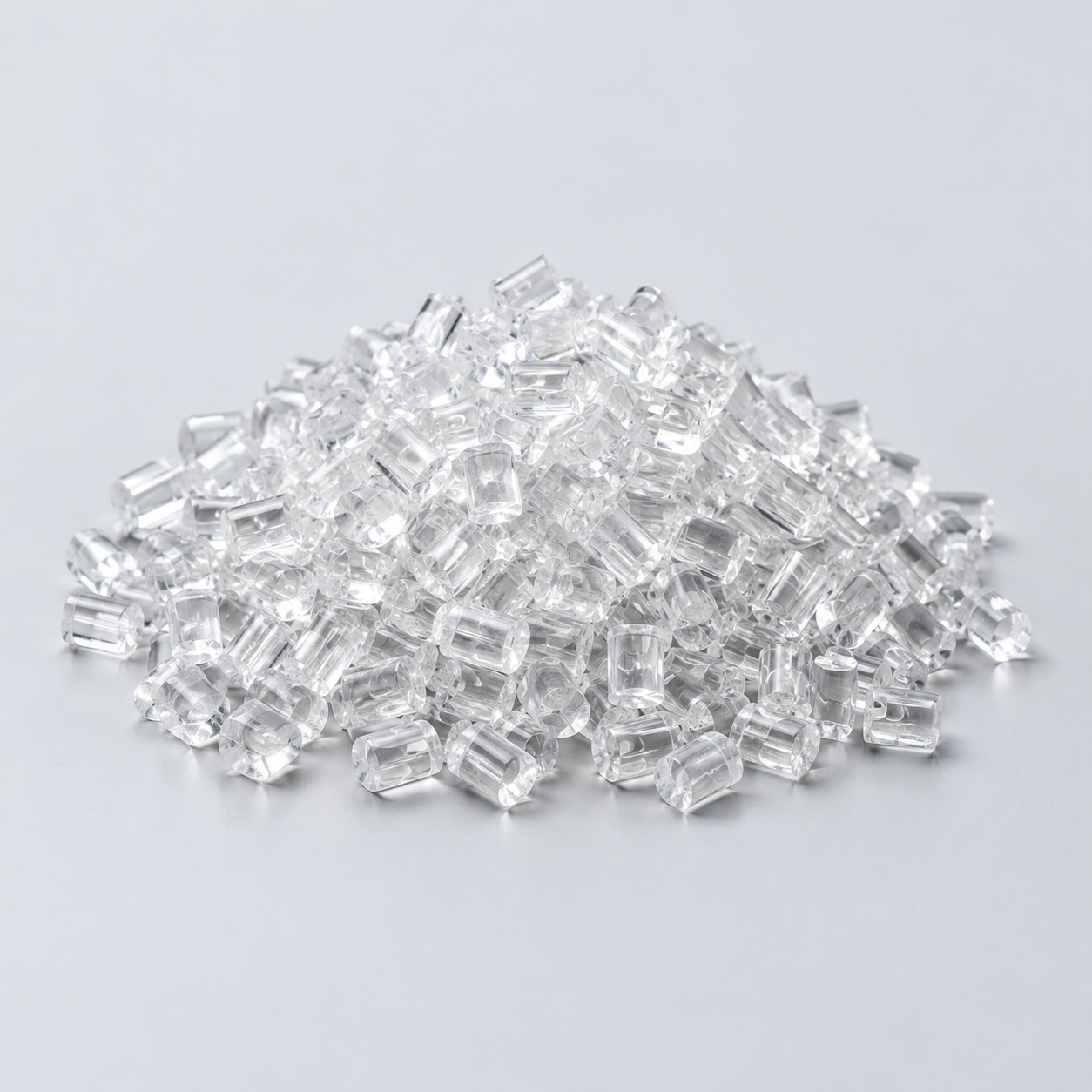 Polycarbonate (PC)Discuss clarity and impact needs›
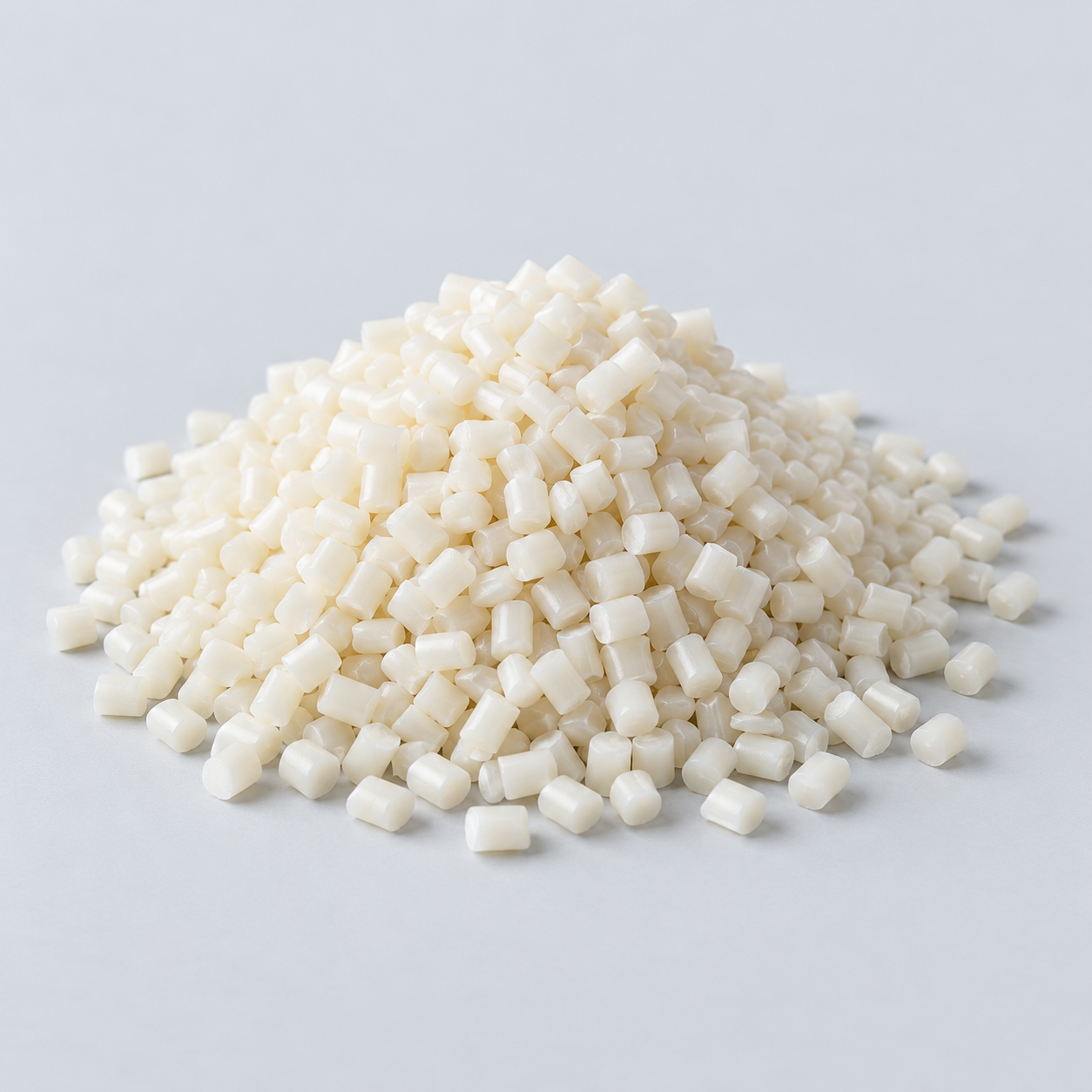 Nylon (PA)Review moisture and wear conditions›
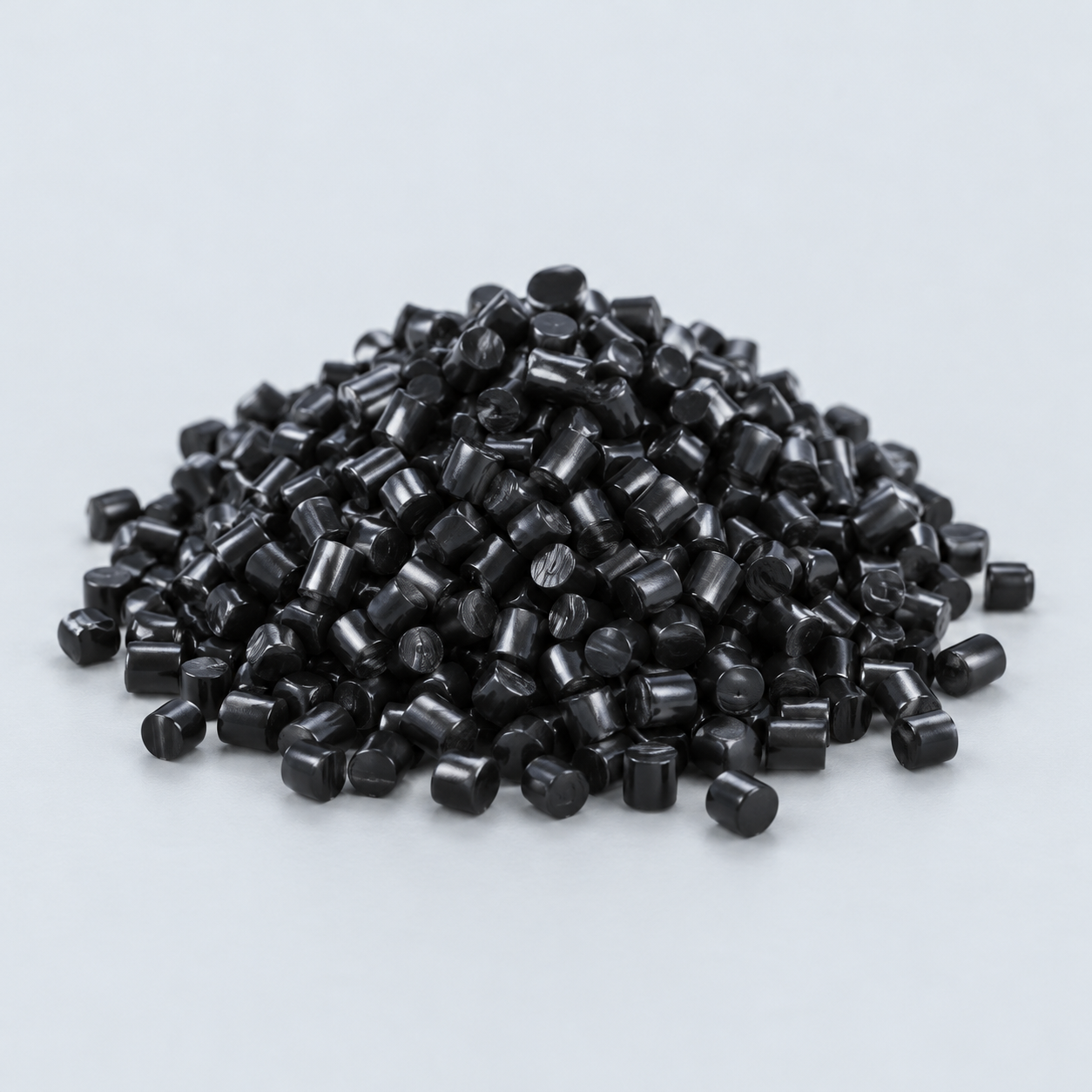 POM / AcetalReview fit and sliding features›
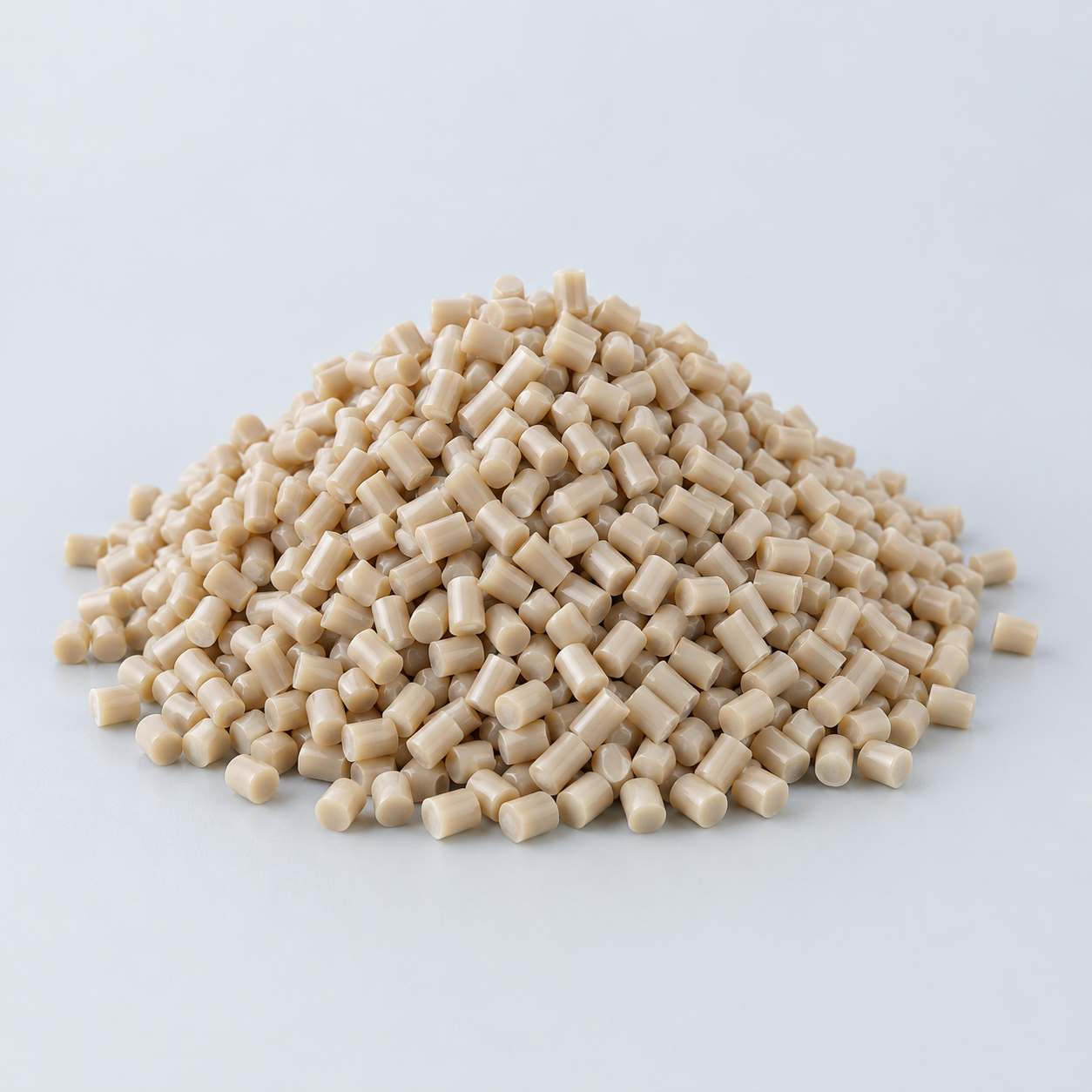 PEEKDiscuss operating conditions›
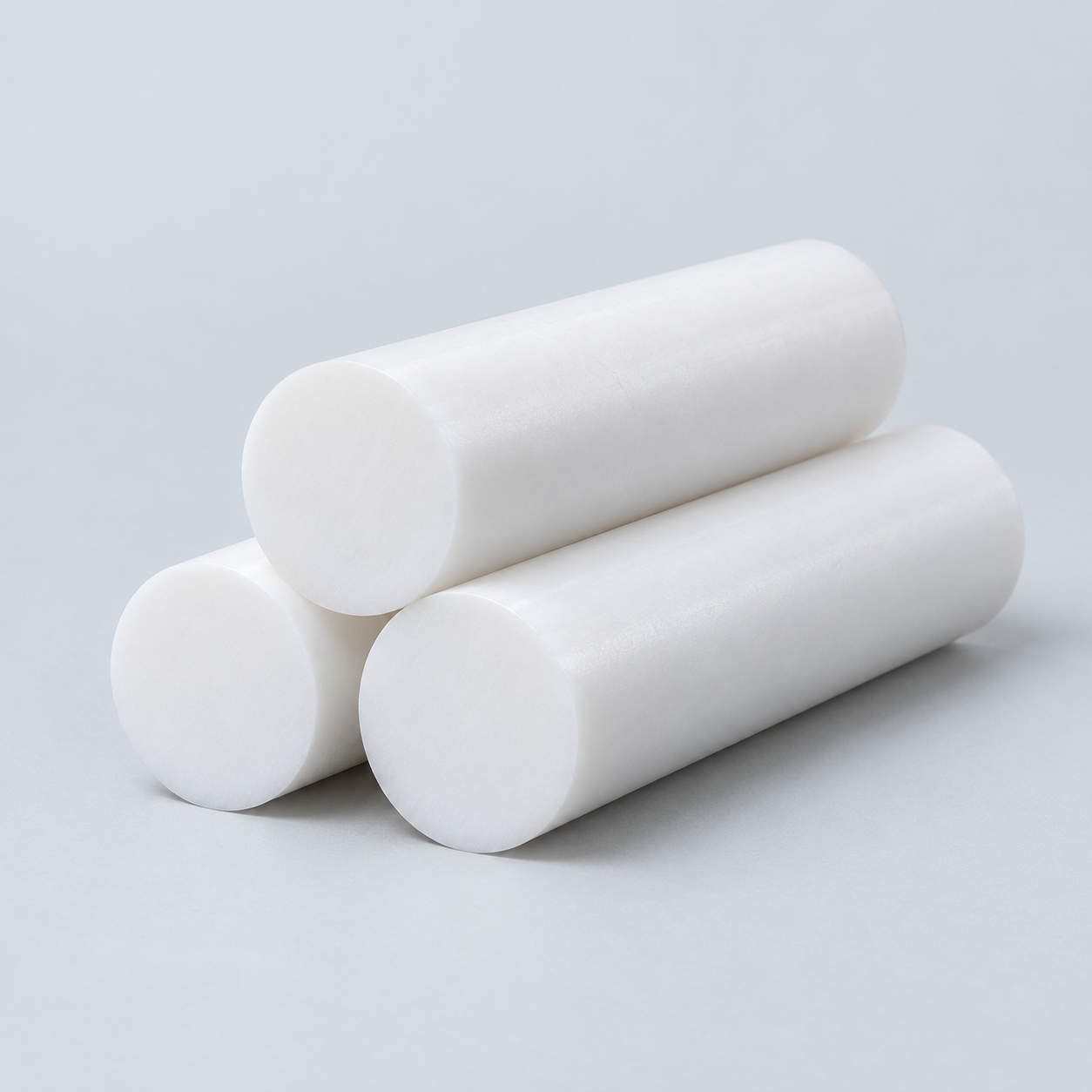 PTFEReview friction and chemical exposure›
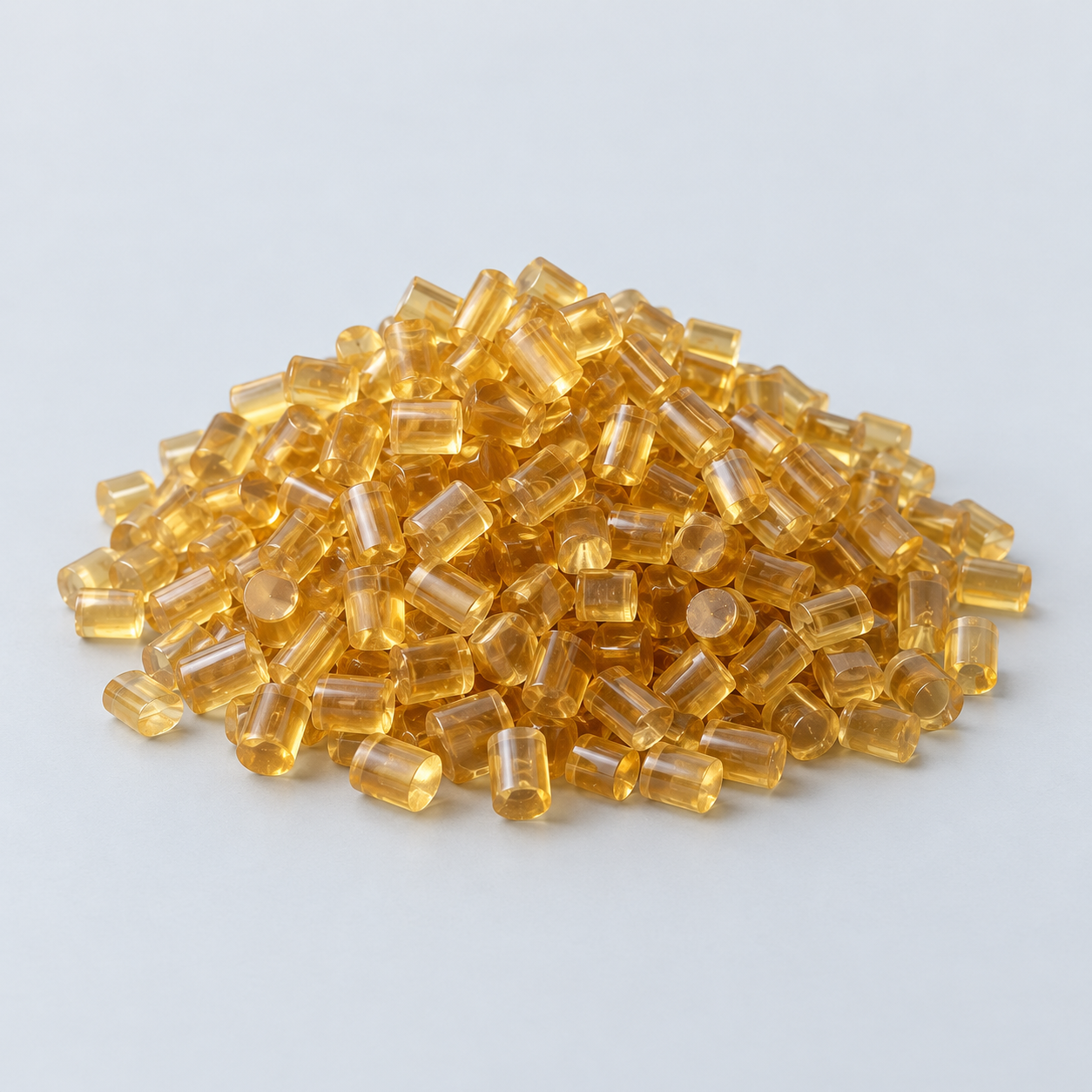 ULTEM / PEIDiscuss thermal and electrical needs›
Confirm grade availability and application requirements.
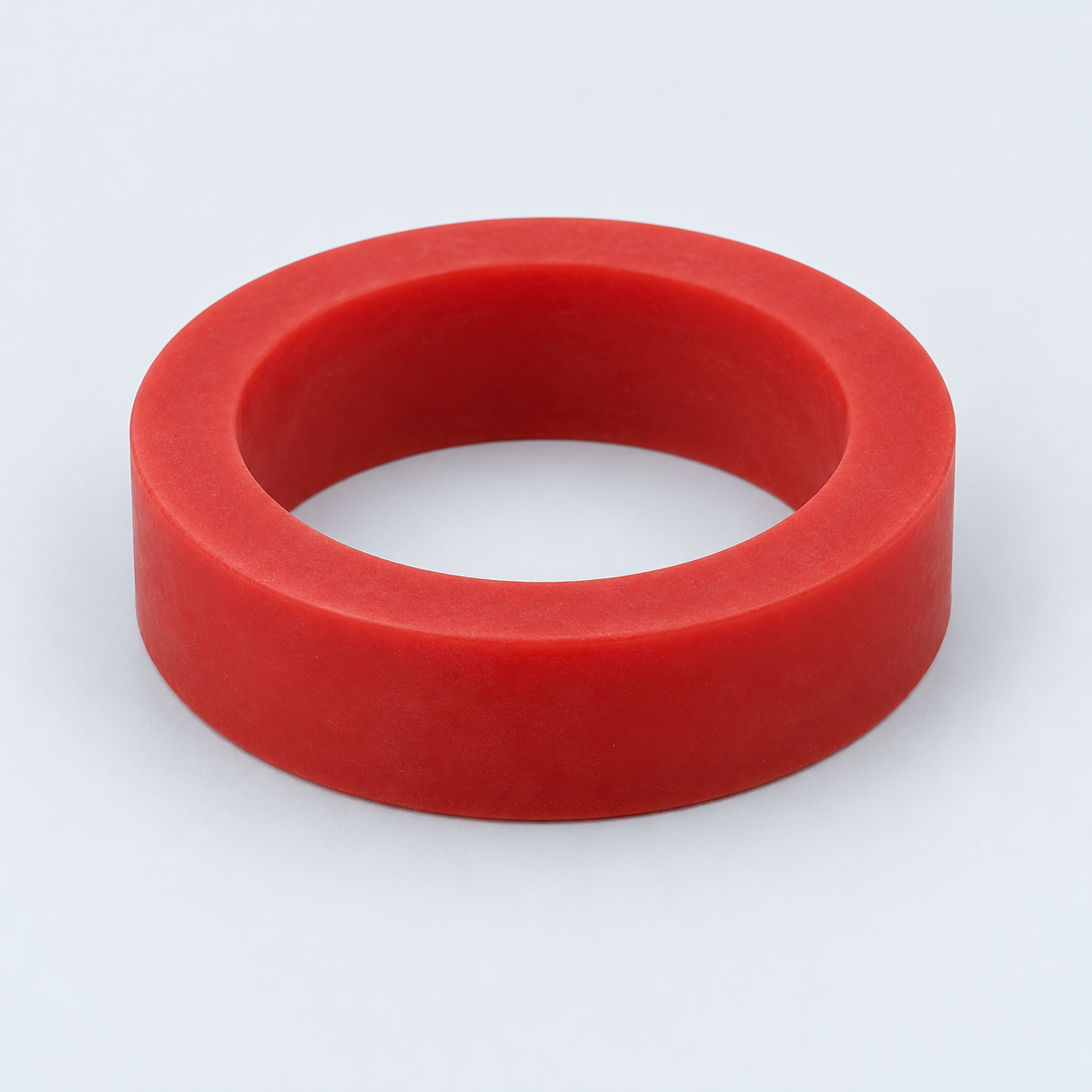 Silicone / LSRDiscuss flexible component needs›
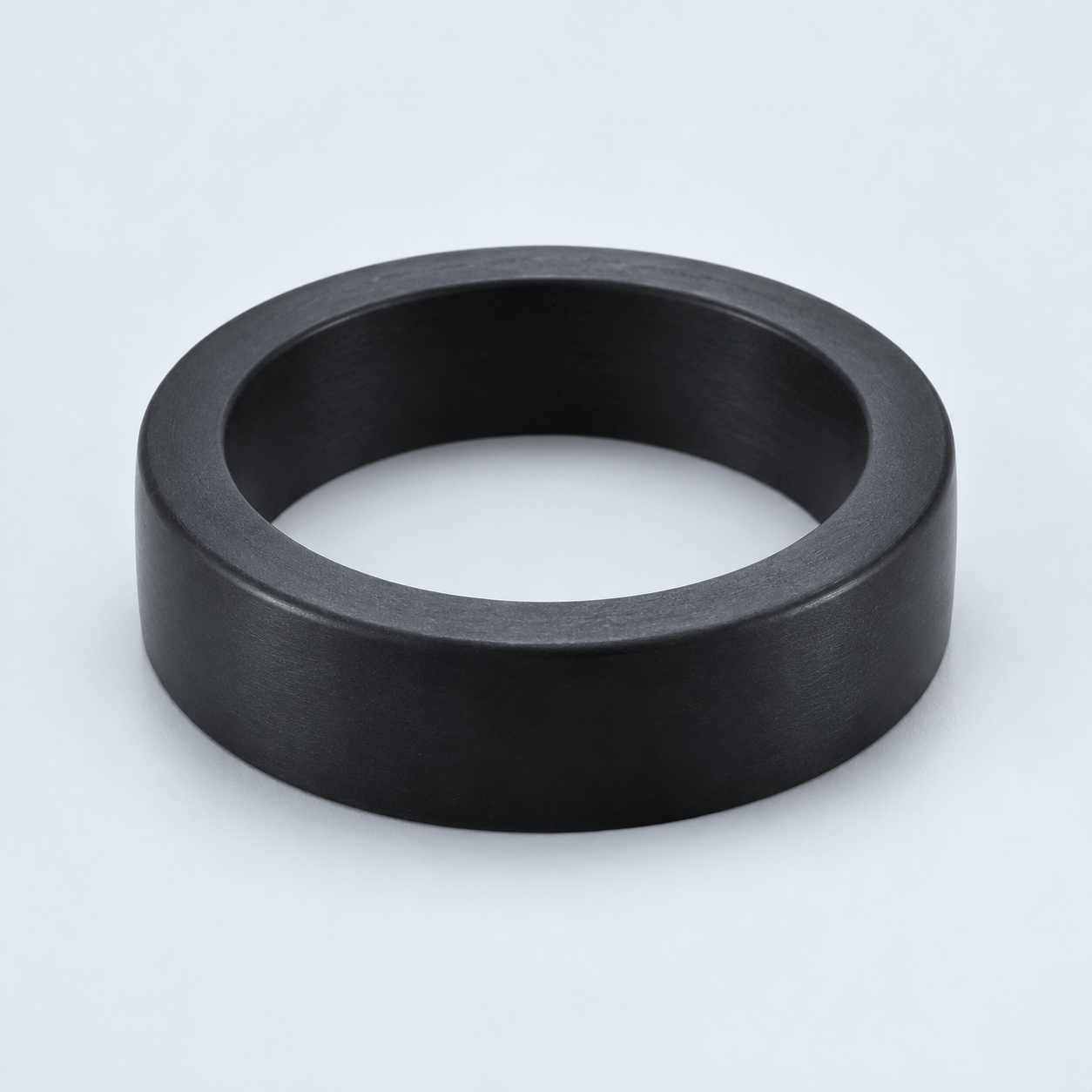 TPU / TPEReview flexibility and processing›
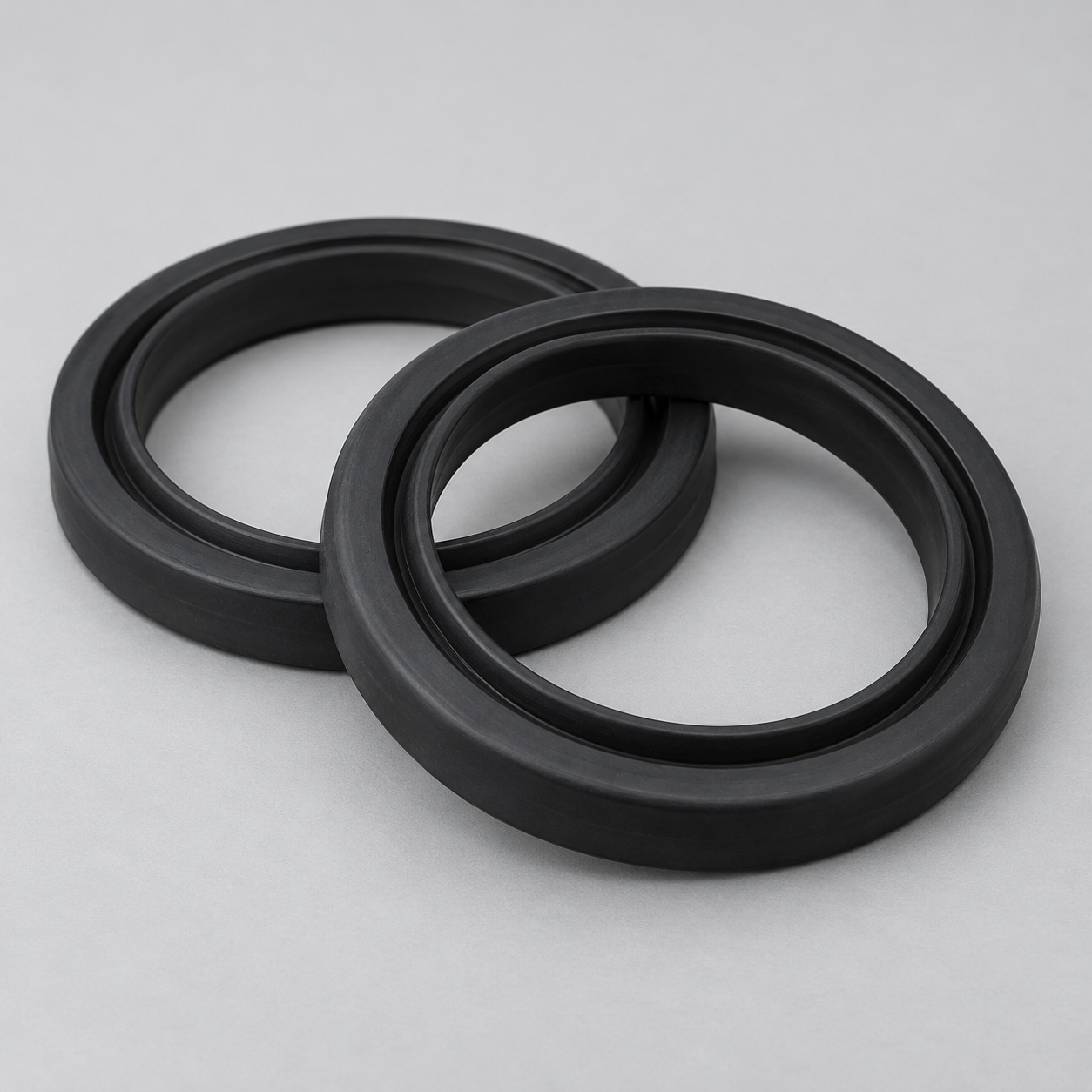 EPDMReview weathering and chemical exposure.›
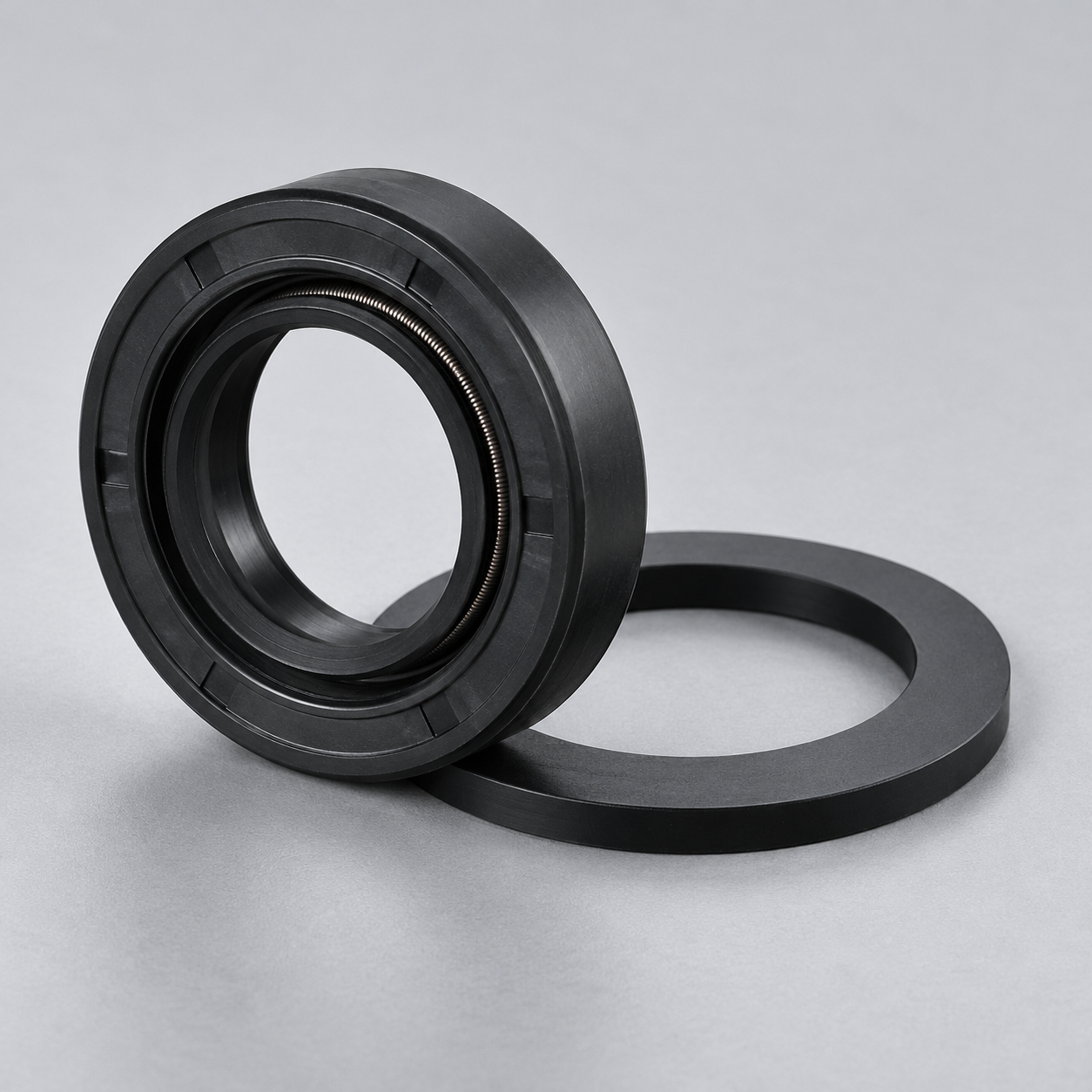 NBRReview oil and fuel exposure.›
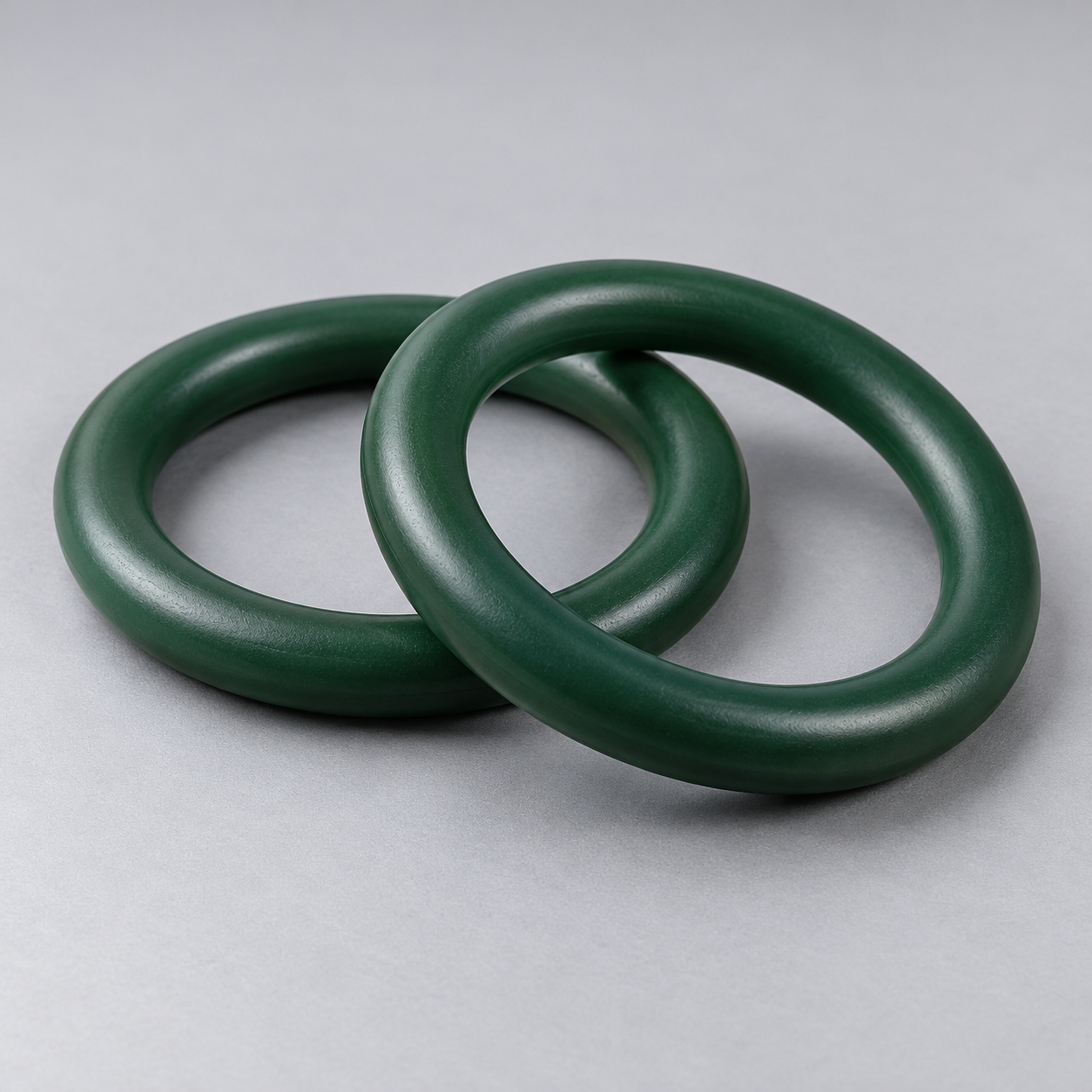 FKMReview temperature and chemical exposure.›
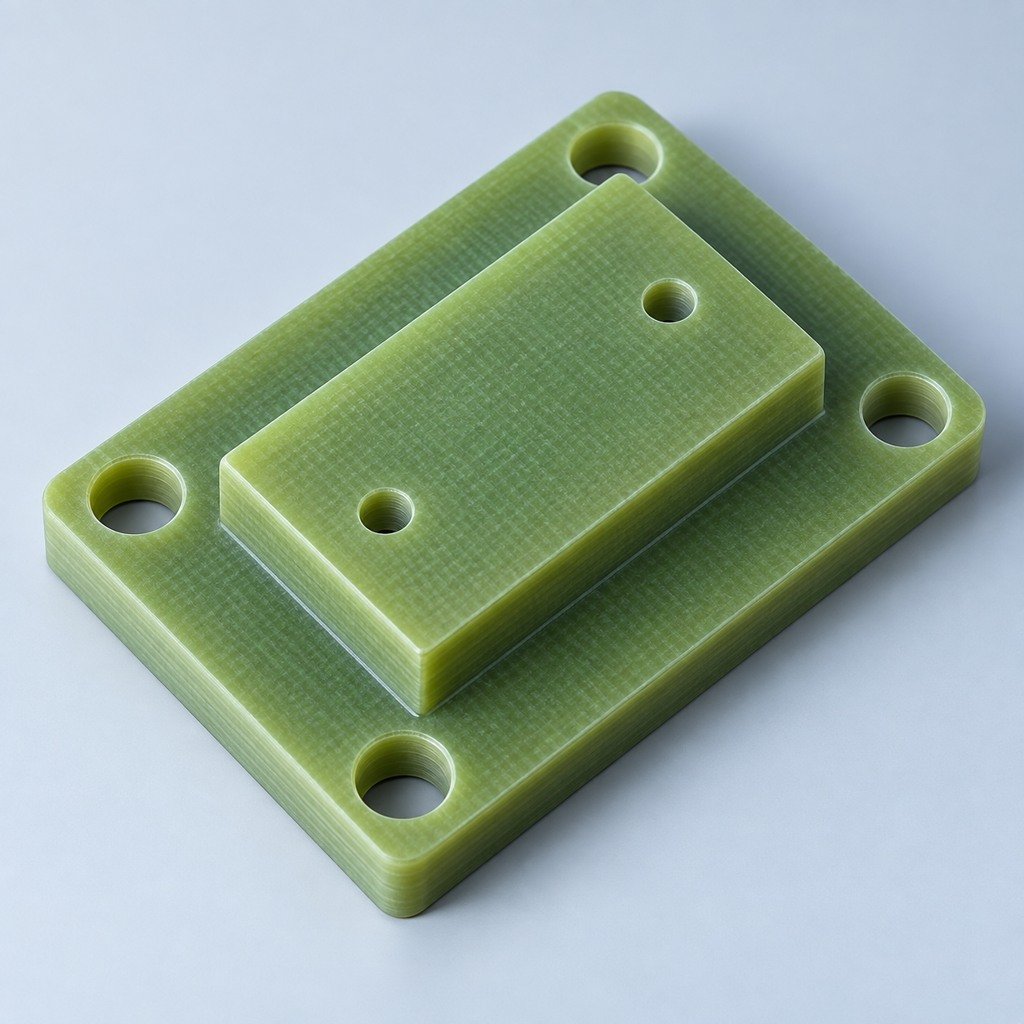 G10 / FR4Review insulation and laminate needs›
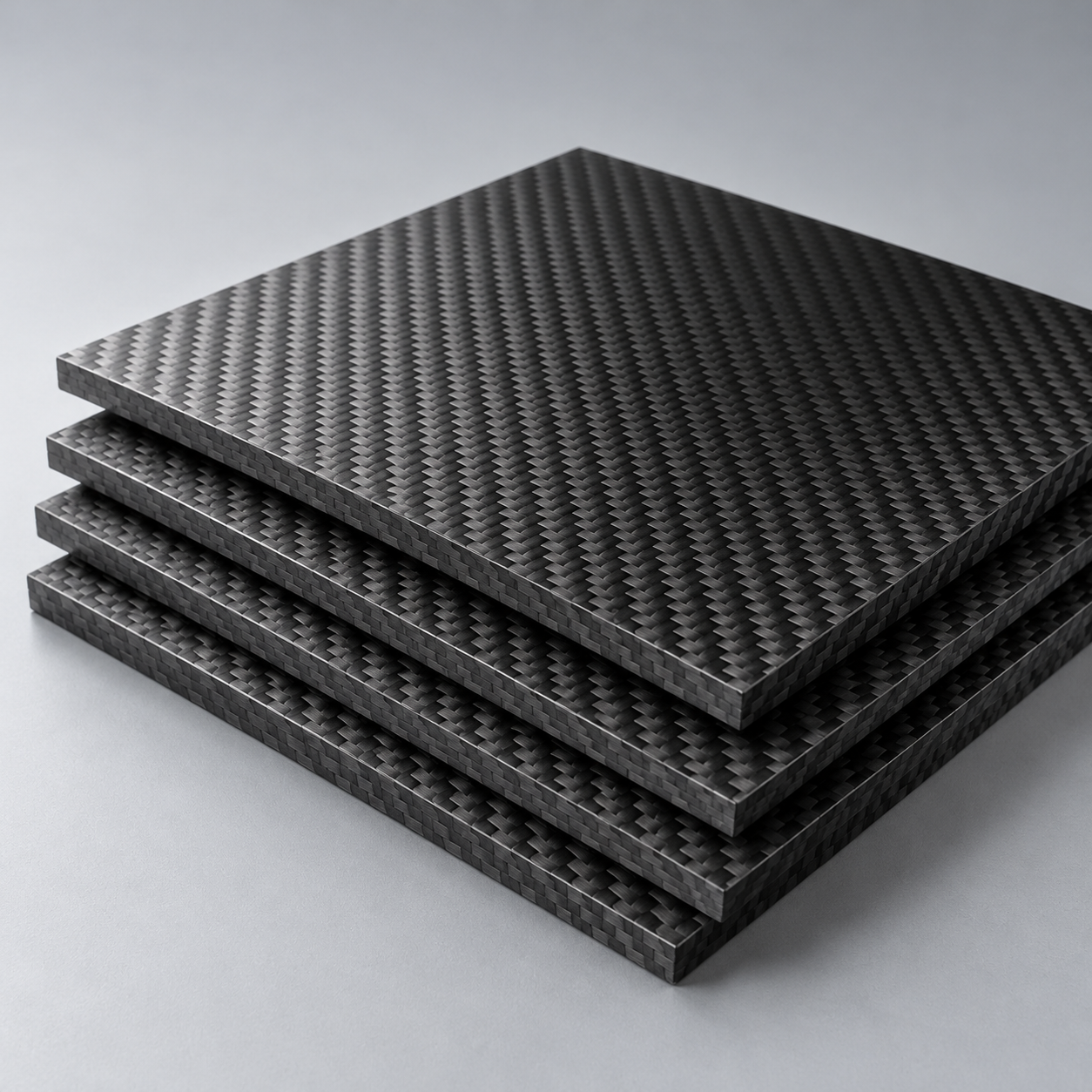 CompositesReview stiffness, weight and laminate.›Customer-Specified MaterialsConfirm your grade and requirements.›Other Specialty MaterialsDiscuss your application and grade.›
Practical guidance for your part geometry and material decisions.
Prepare your process, budget and sourcing questions.
Build your knowledge before production.
Learn who we are and how we operate.
Find our U.S. support team or start a conversation.
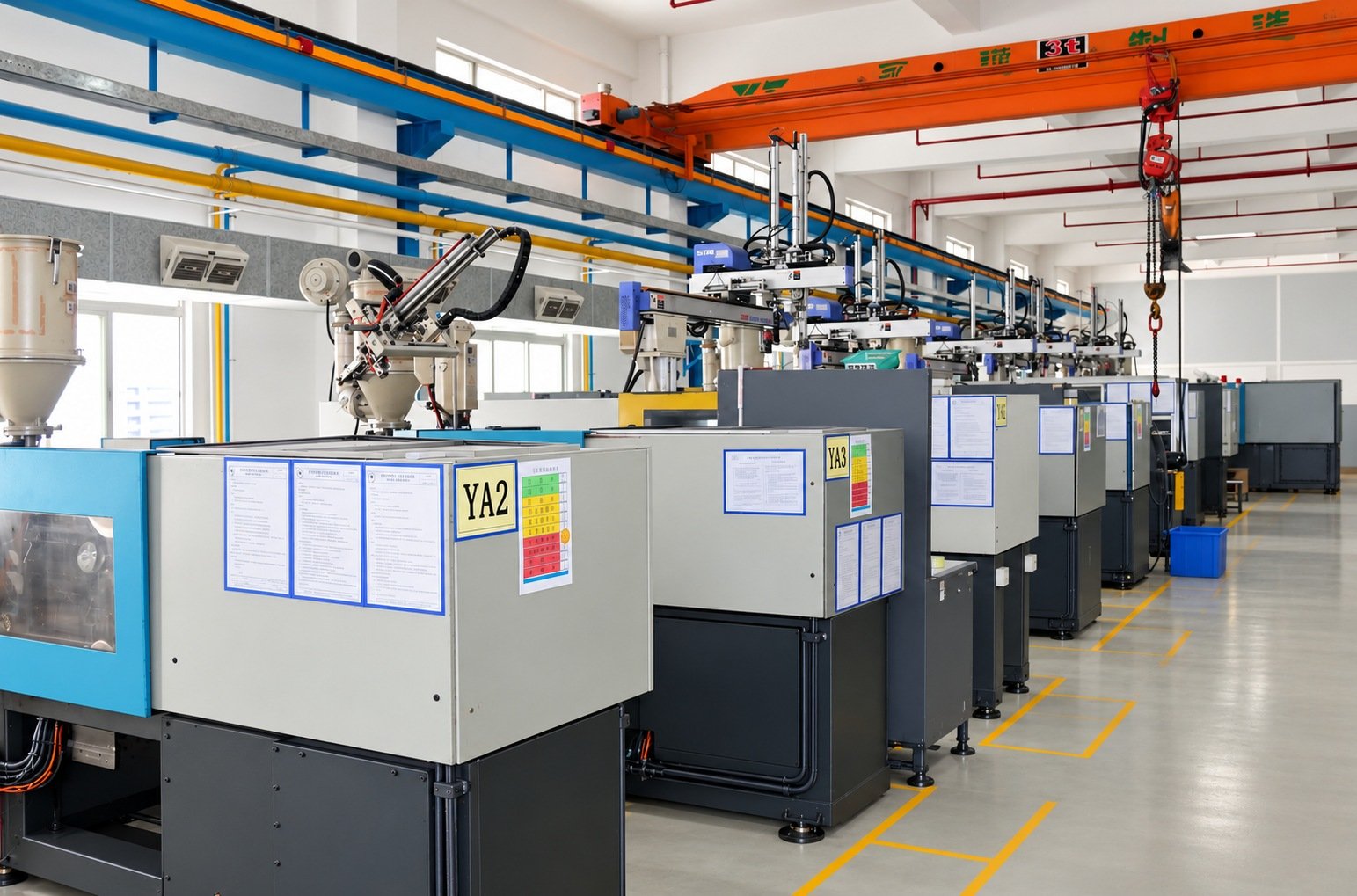
INDUSTRIES
Match your part to one of 12 industry applications. Review your drawing, material, functional interfaces and sample records before committing to the manufacturing route.
Explore Your Industry →Your requirements lead the conversation. These are the decisions we help you make.
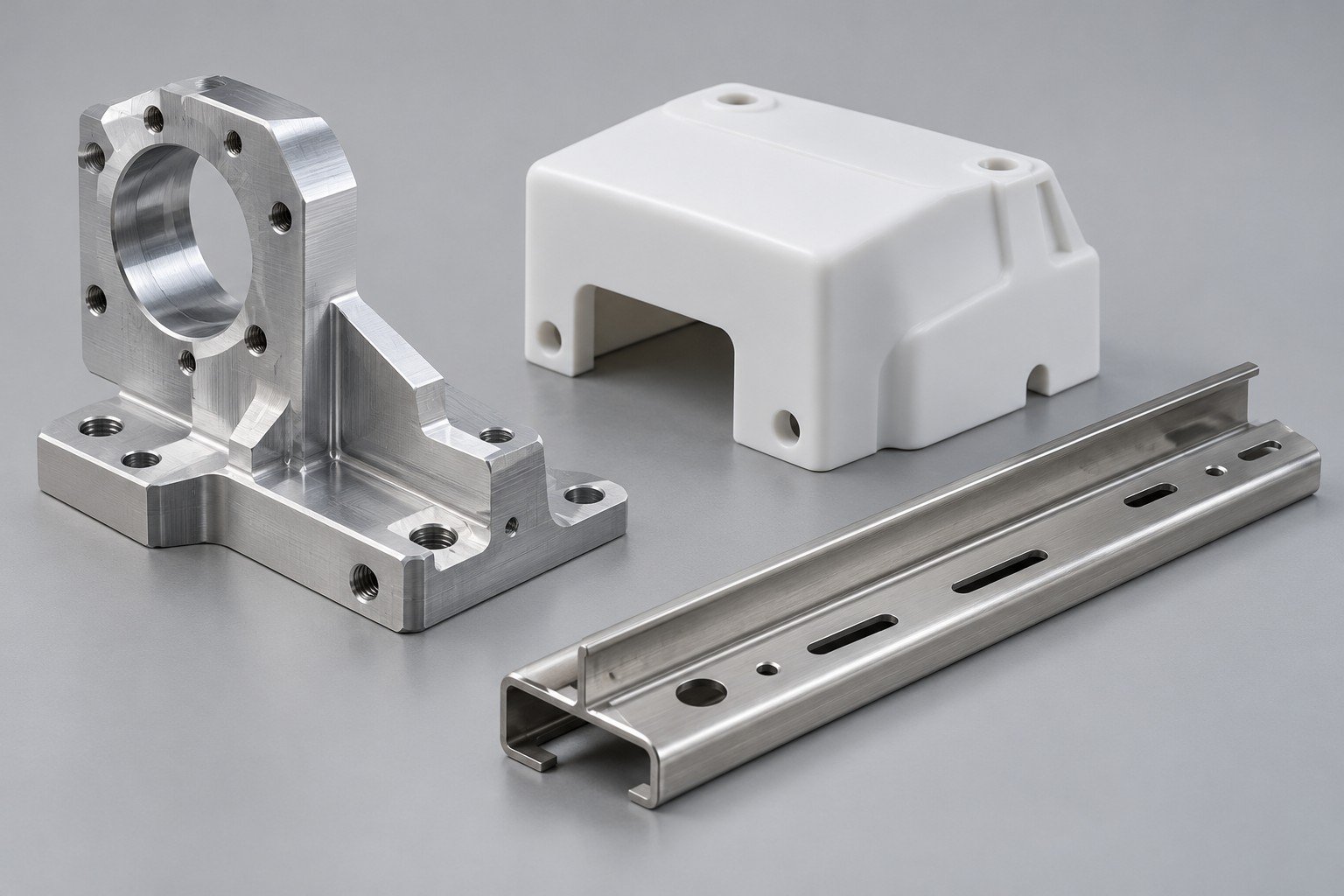
Resolve tool access, interfaces and design questions before production.
Connect datums and functional features to an agreed inspection plan.
Plan your first build and repeat demand together.
Define FAI, PPAP and material records where your program requires them.
Agree packaging, delivery milestones and communication ownership.
Compare a complete scope and understand the quotation assumptions.
Choose the closest application, then define your part, installed conditions and acceptance records. Industry names do not establish regulatory qualification.
Define your enclosure, mounting and thermal interfaces.
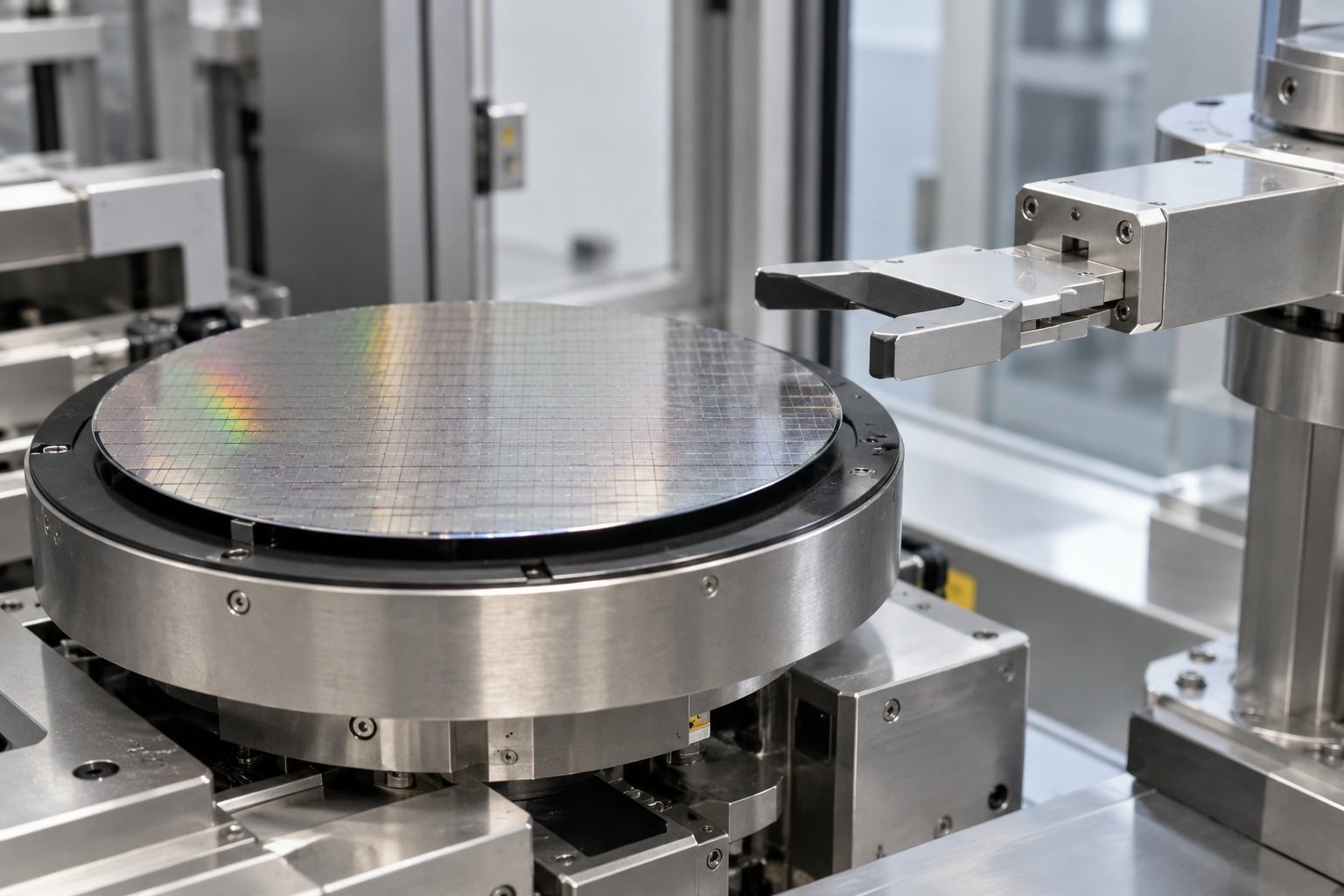
For your custom semiconductor equipment components, define contact datums, surface finish, cleaning and packaging on the released drawing.
Mounting parts · equipment housings · fixturesExplore this application →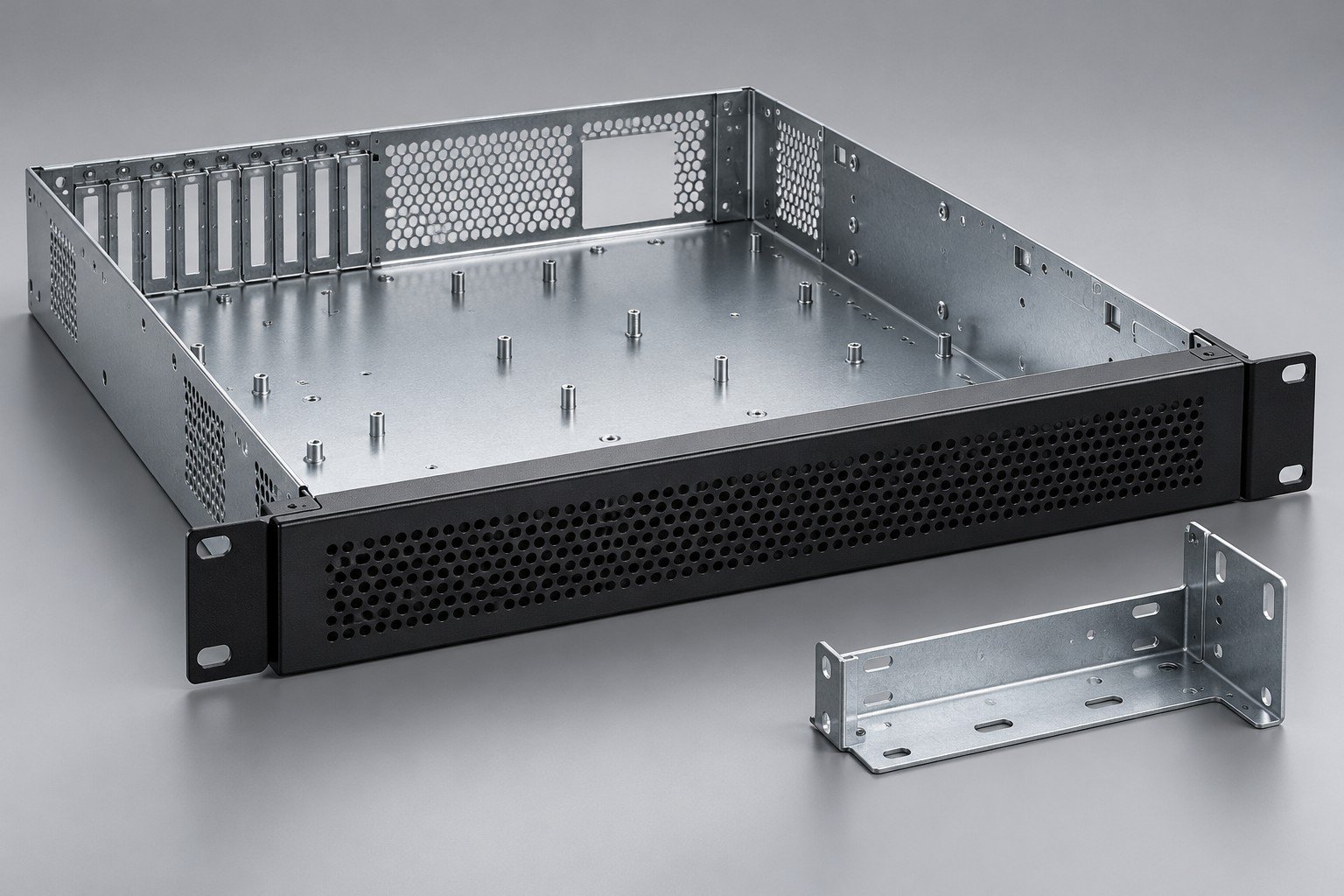
Review your custom server mounting brackets, chassis interfaces and rack hardware together. Define holes, sheet thickness and electrical clearances; review cooling separately.
Server chassis · rack hardware · busbarsExplore this application →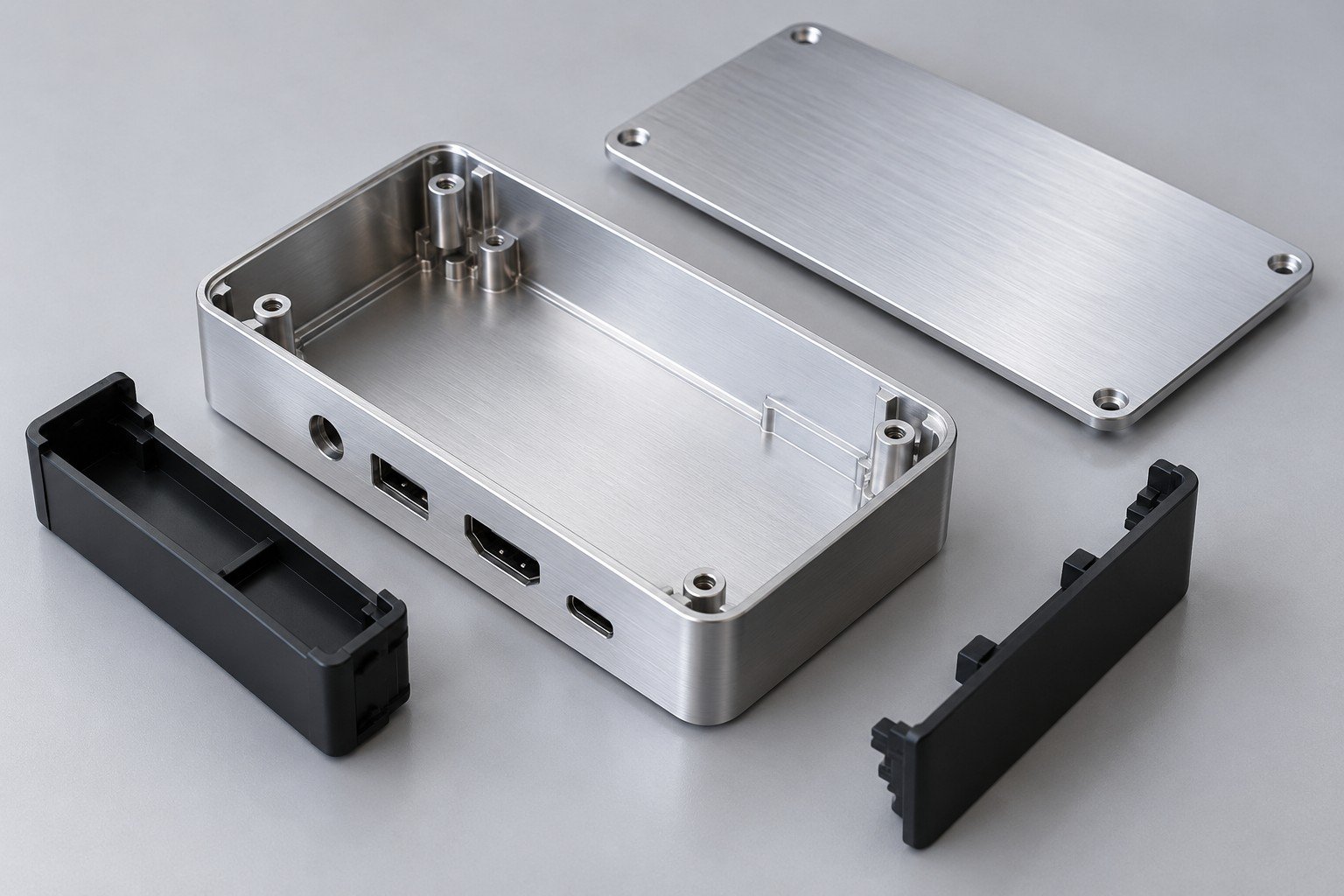
For your custom aluminum electronics housing, identify cosmetic faces, color samples, connector openings and the assembled fit before choosing the production route.
Enclosures · covers · cosmetic interfacesExplore this application →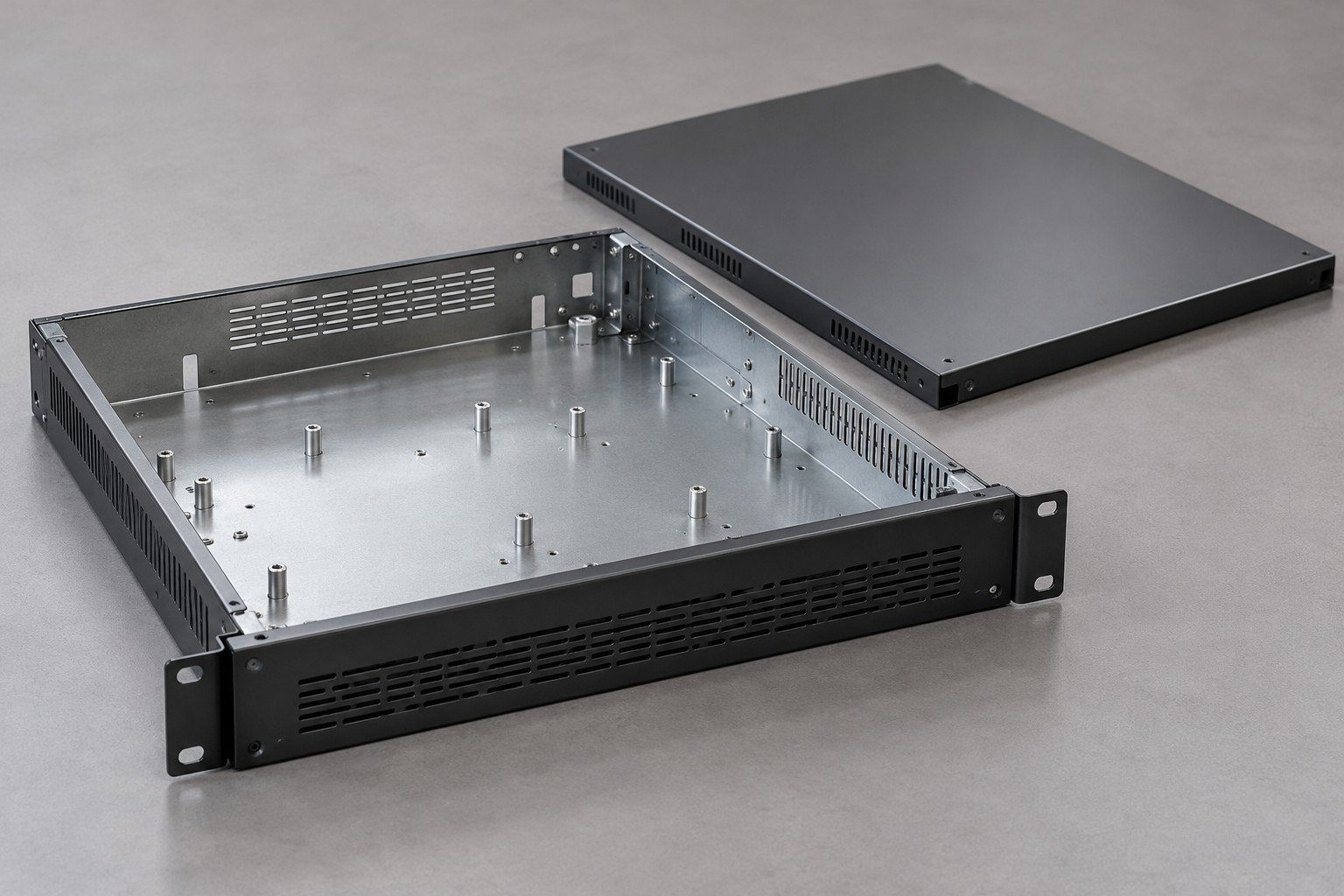
Define the indoor or outdoor environment for your custom networking equipment enclosures. Review mounting, sealing and thermal interfaces against the installed assembly.
Rack enclosures · mounting parts · housingsExplore this application →Agree the supplied component, qualification boundary and sample evidence.
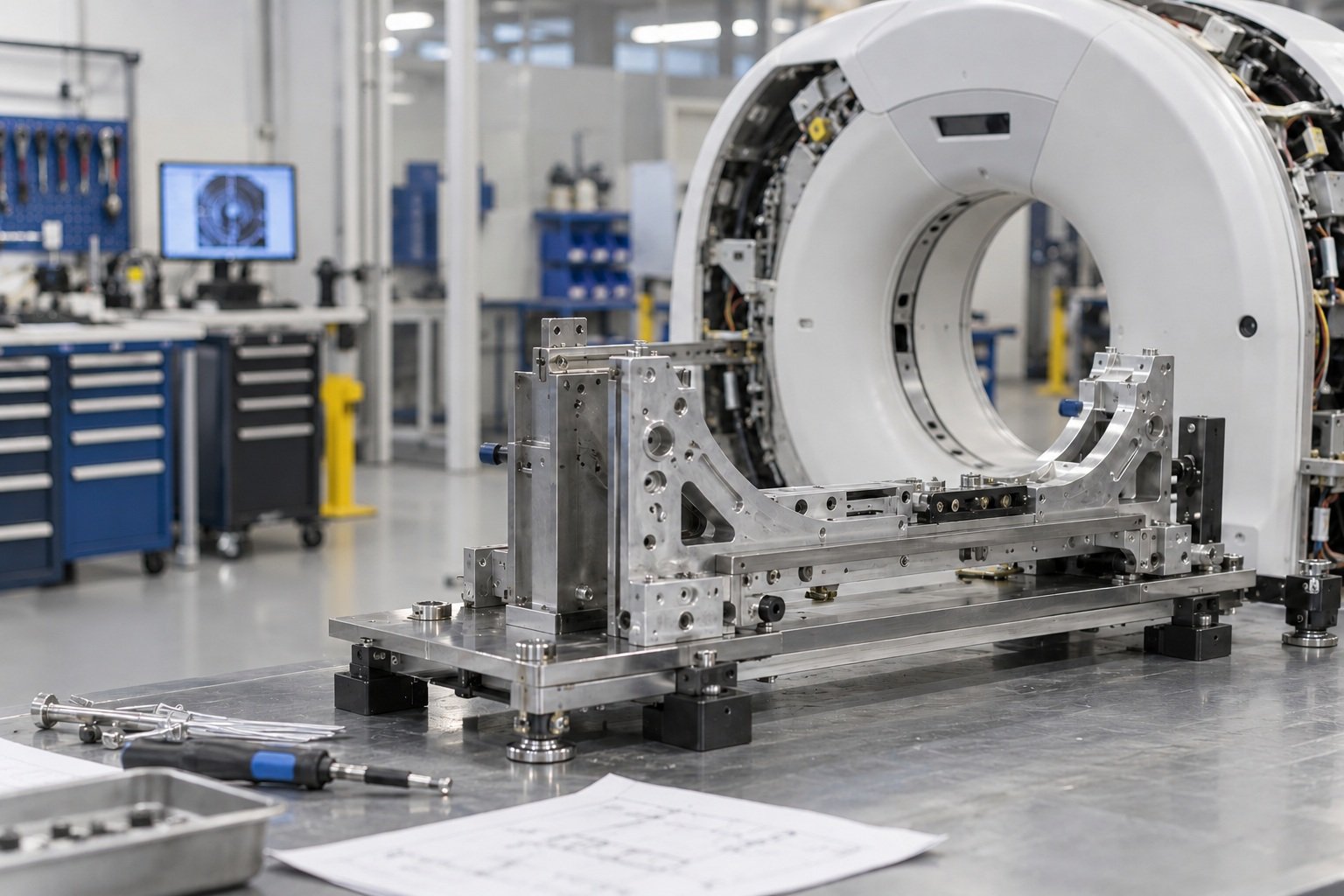
Start your medical device prototype machining review with the intended use, contact type and required records. Non-implant equipment housings and brackets remain subject to project review.
Equipment housings · brackets · prototypesExplore this application →
For aerospace ground support equipment parts, identify the project eligibility, controlled drawing, material lot and first-article scope before quotation.
Ground-support components · prototypesExplore this application →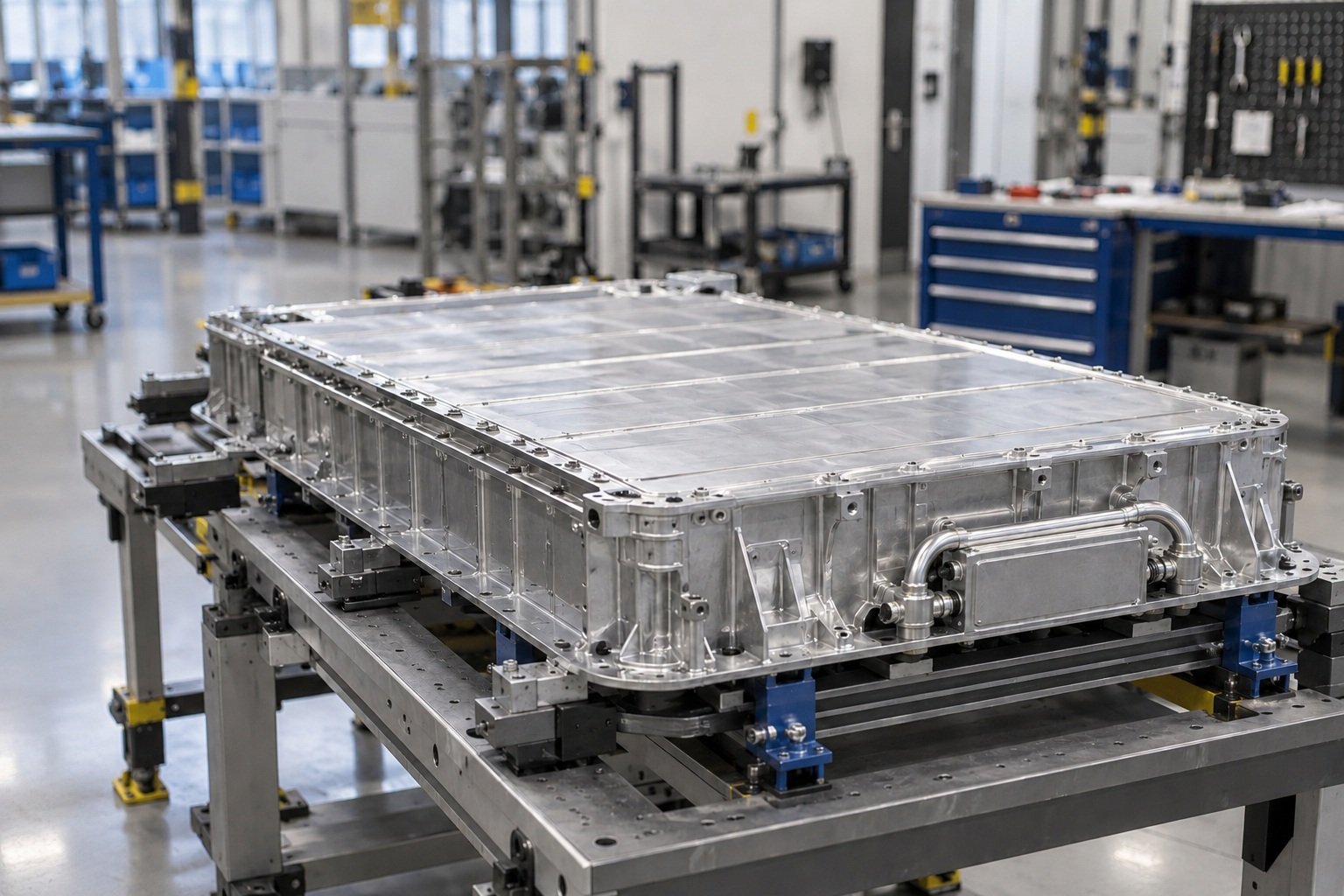
Plan your automotive validation fixture machining around the locating scheme, assembled interfaces and sample quantities. Agree any production approval documents separately.
Validation fixtures · housings · mounting partsExplore this application →
Review your custom robot gripper fingers for payload, mating interfaces, mass and replacement needs. Keep functional tolerances distinct from general dimensions.
Gripper fingers · mounting plates · supportsExplore this application →Build the review around maintenance, corrosion and your operating environment.
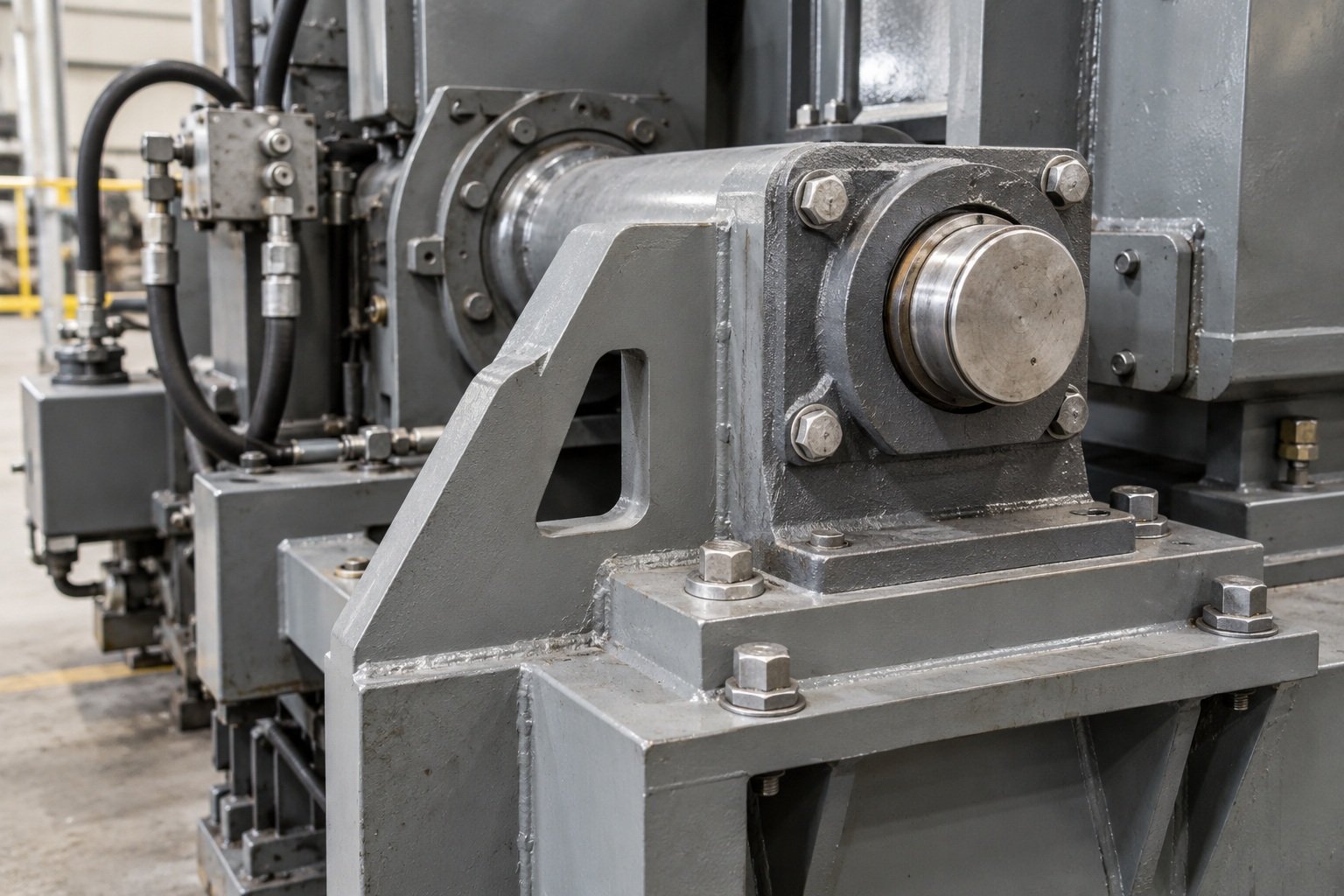
For industrial replacement parts machining, provide the controlled drawing and describe wear, mating fits and acceptance needs. A worn sample alone does not define the original specification.
Replacement parts · guards · fixturesExplore this application →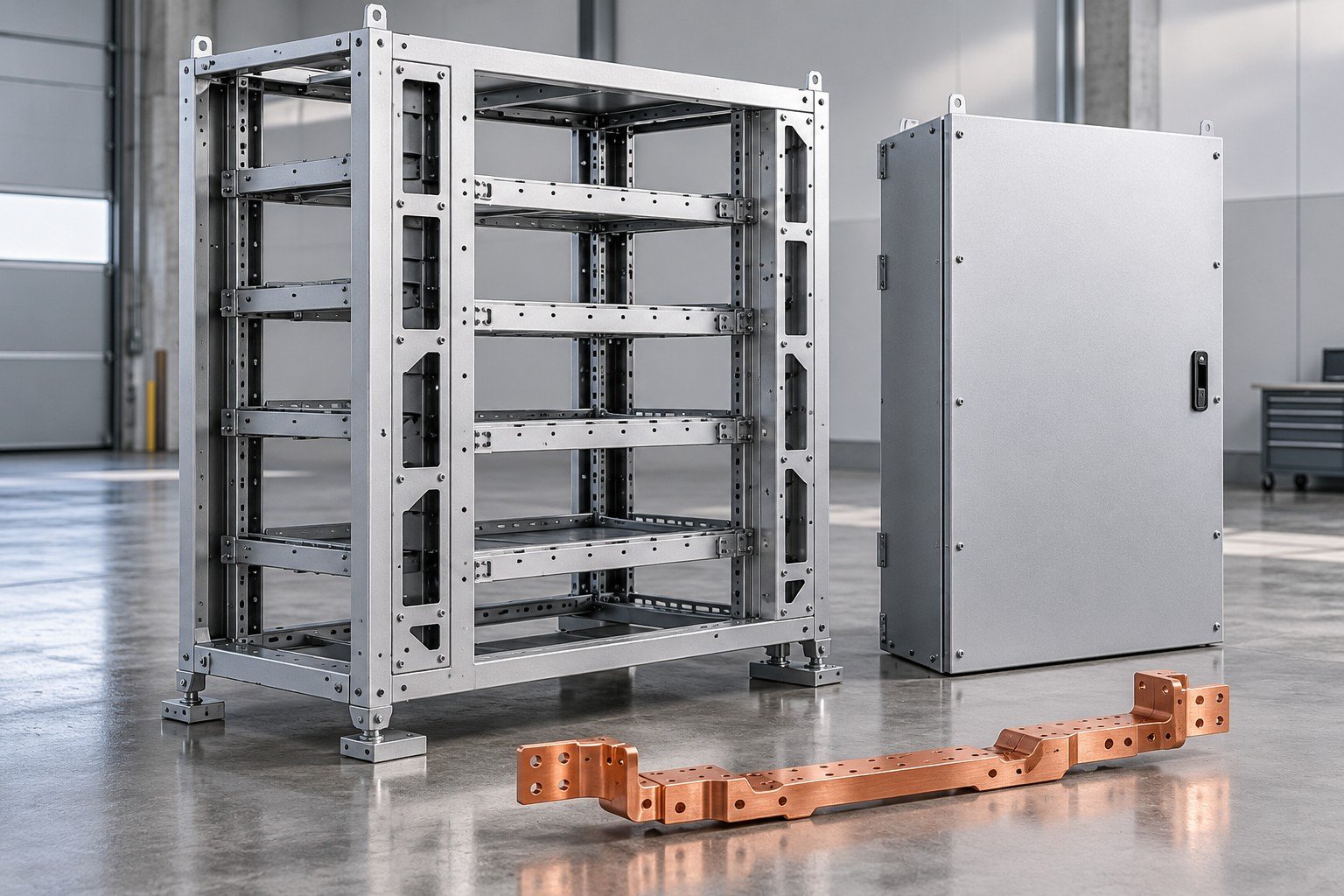
Define your energy storage enclosure sheet metal fabrication scope with installation dimensions, coating, insulation and electrical-clearance requirements.
Storage enclosures · racks · busbarsExplore this application →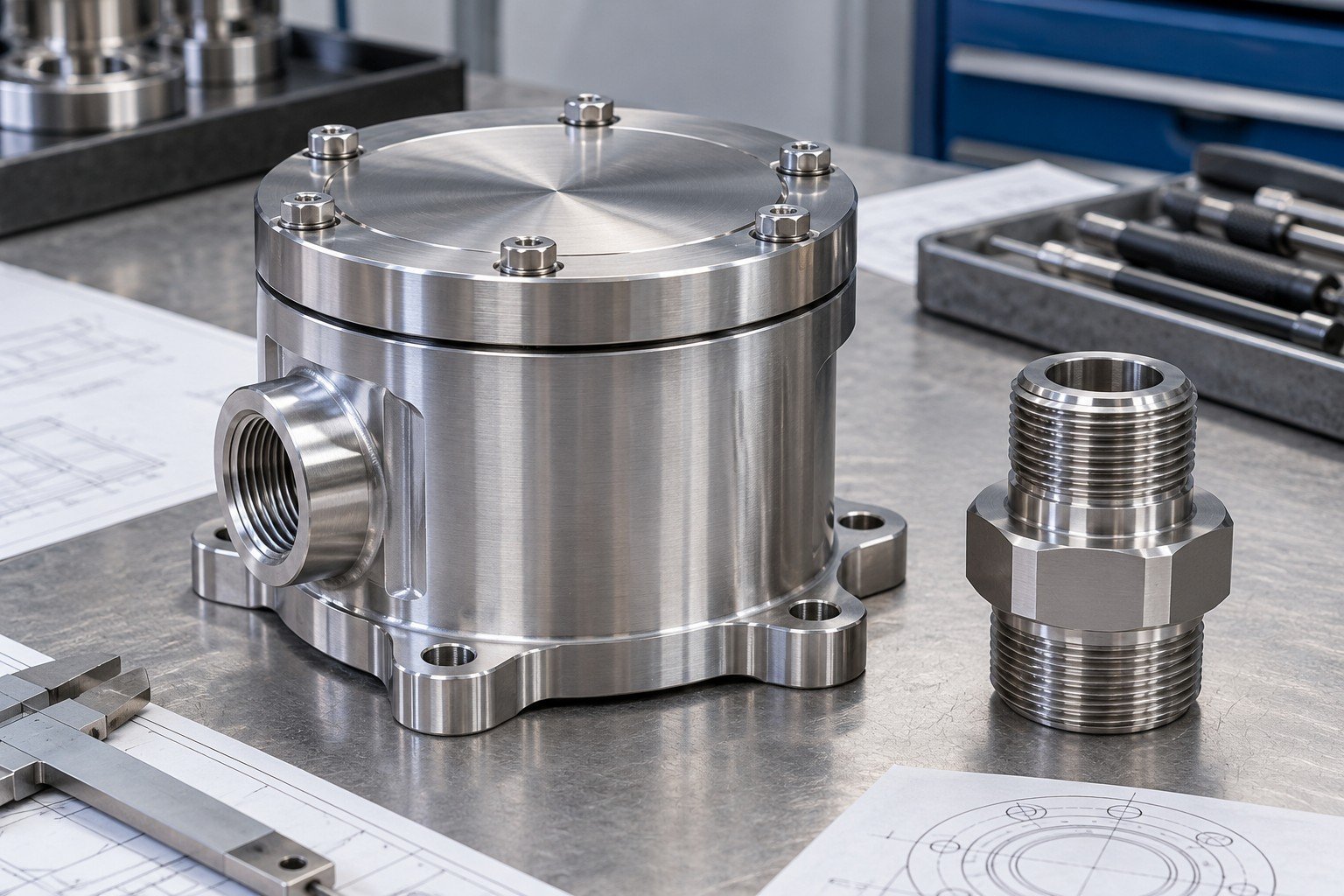
For custom oilfield equipment components, identify the fluid, temperature, load and pressure boundary. General non-pressure components and prototypes are reviewed first.
Instrument housings · adapters · prototypesExplore this application →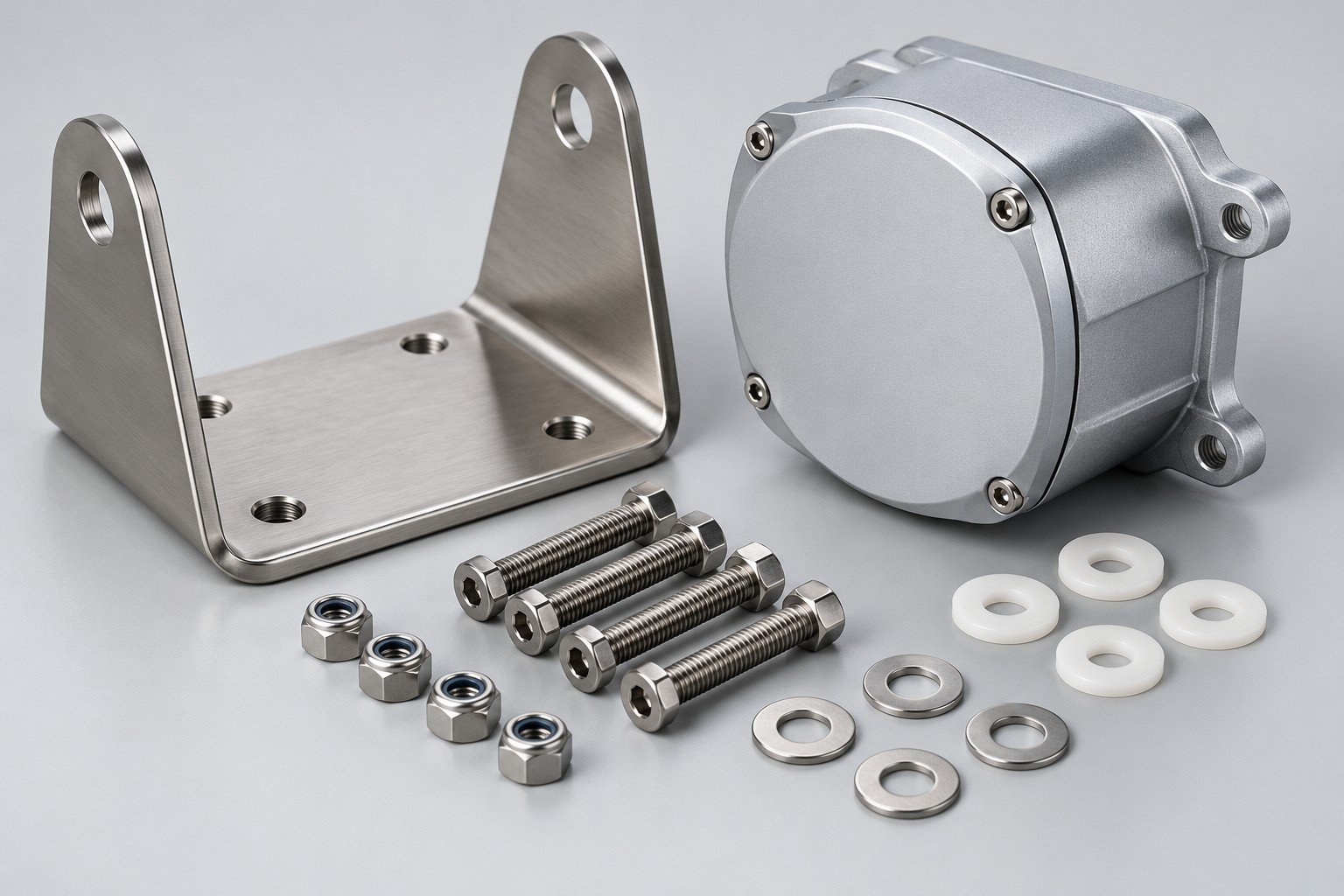
Specify immersion, saltwater exposure, loads and mating metals for your custom marine equipment brackets. Review coating and isolation details before material approval.
Equipment brackets · housings · interfacesExplore this application →Find the component interfaces and purchasing inputs for your mobility program. Explore the transportation collection →
Choose your challenge. Review a practical manufacturing and inspection path.
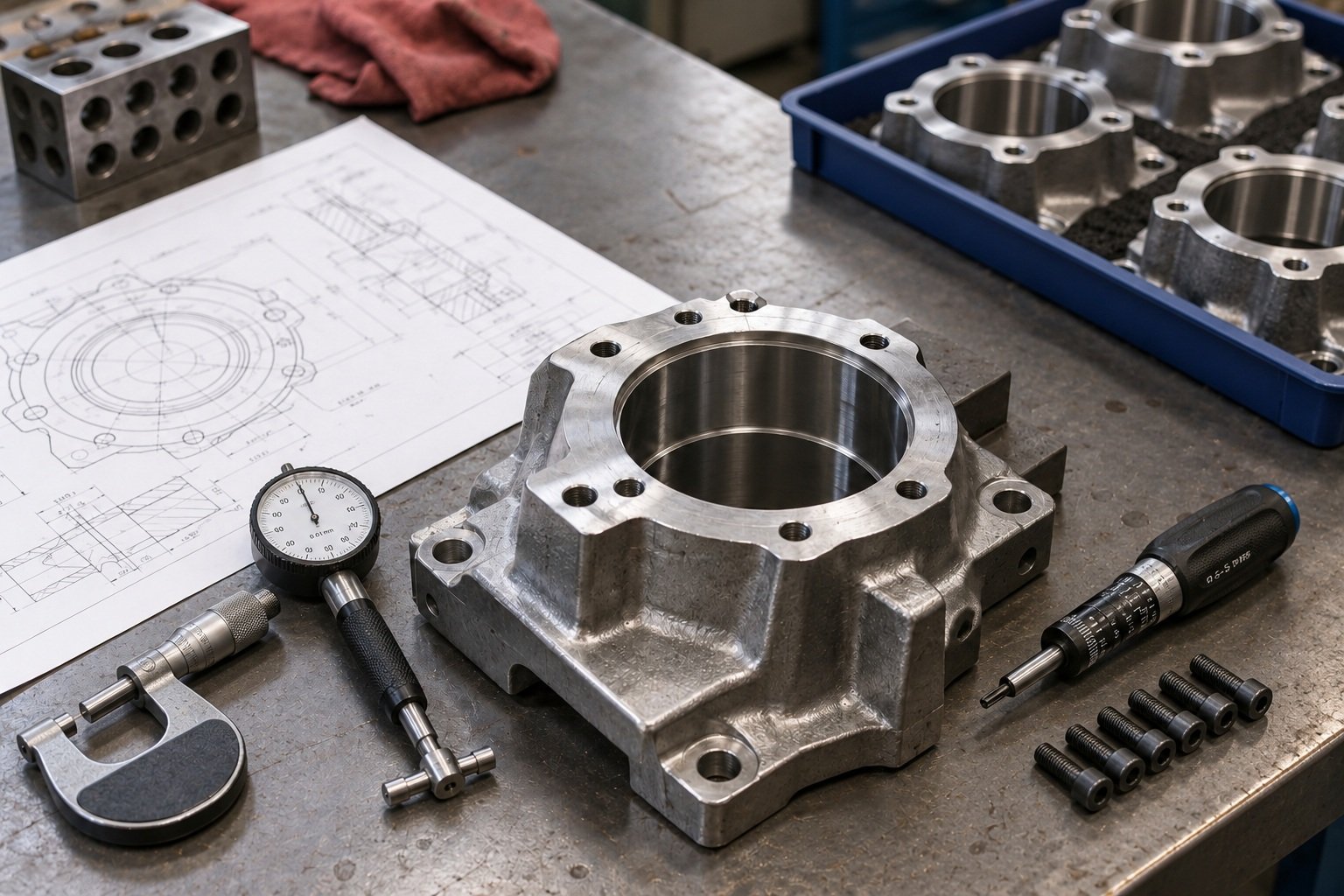
Your tolerance stack and mating surfaces should be reviewed before production. Let’s agree which dimensions control fit and how they will be measured.
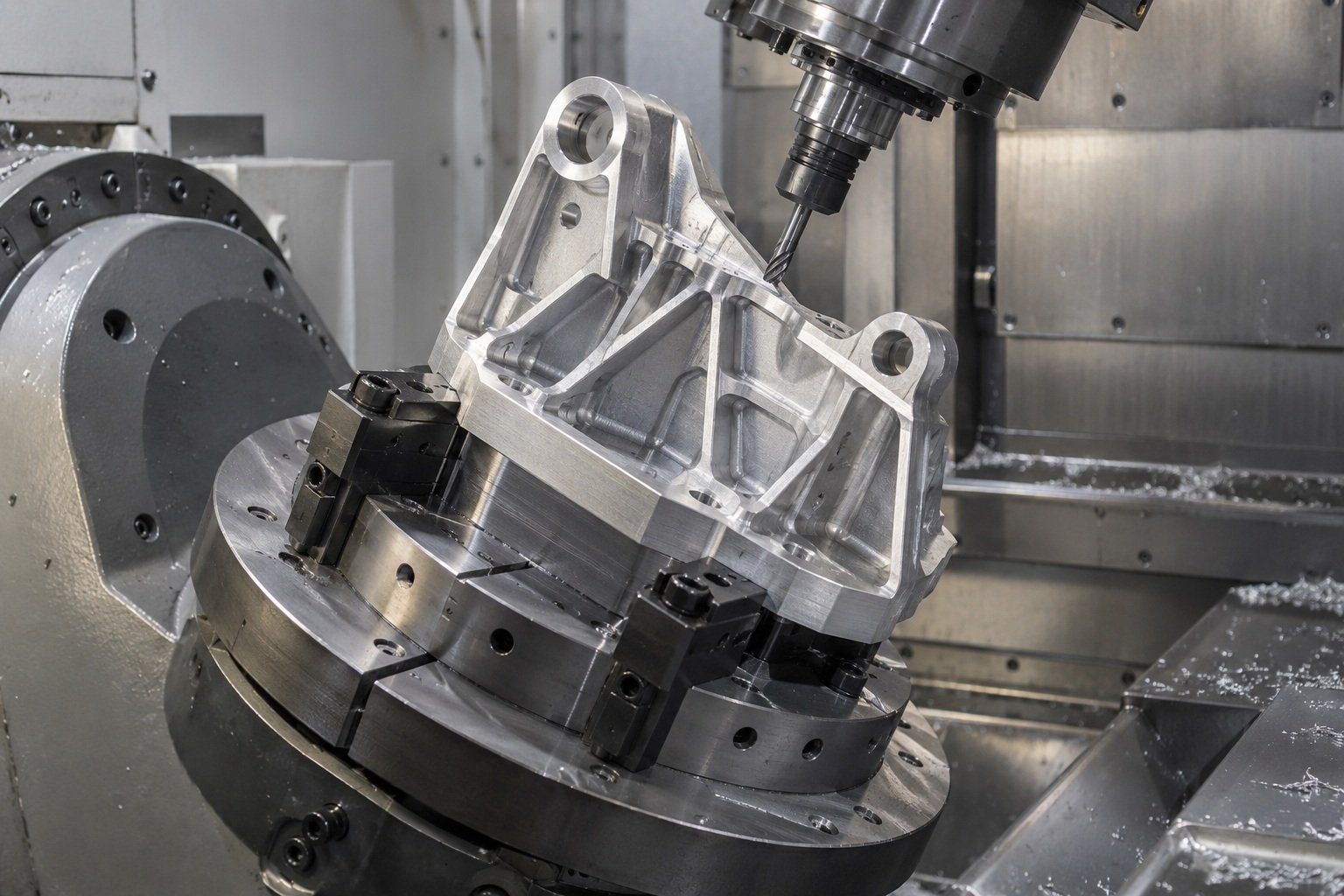
Your part may need multiple faces, thin features or difficult tool access. Review the manufacturing route without losing the function you designed.
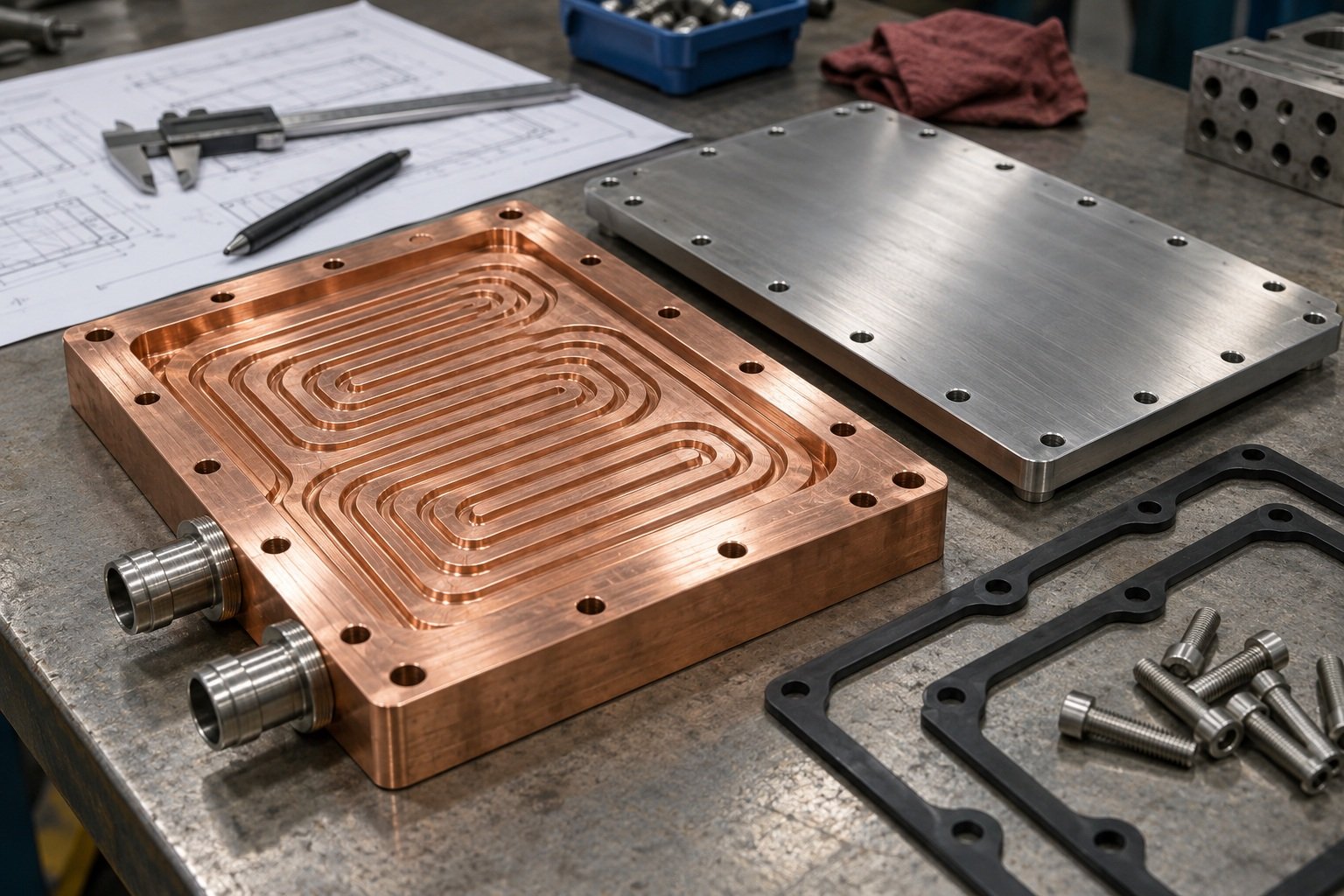
Your cooling design depends on contact surfaces, ports and assembly details. Share your drawing, interface requirements and validation plan.
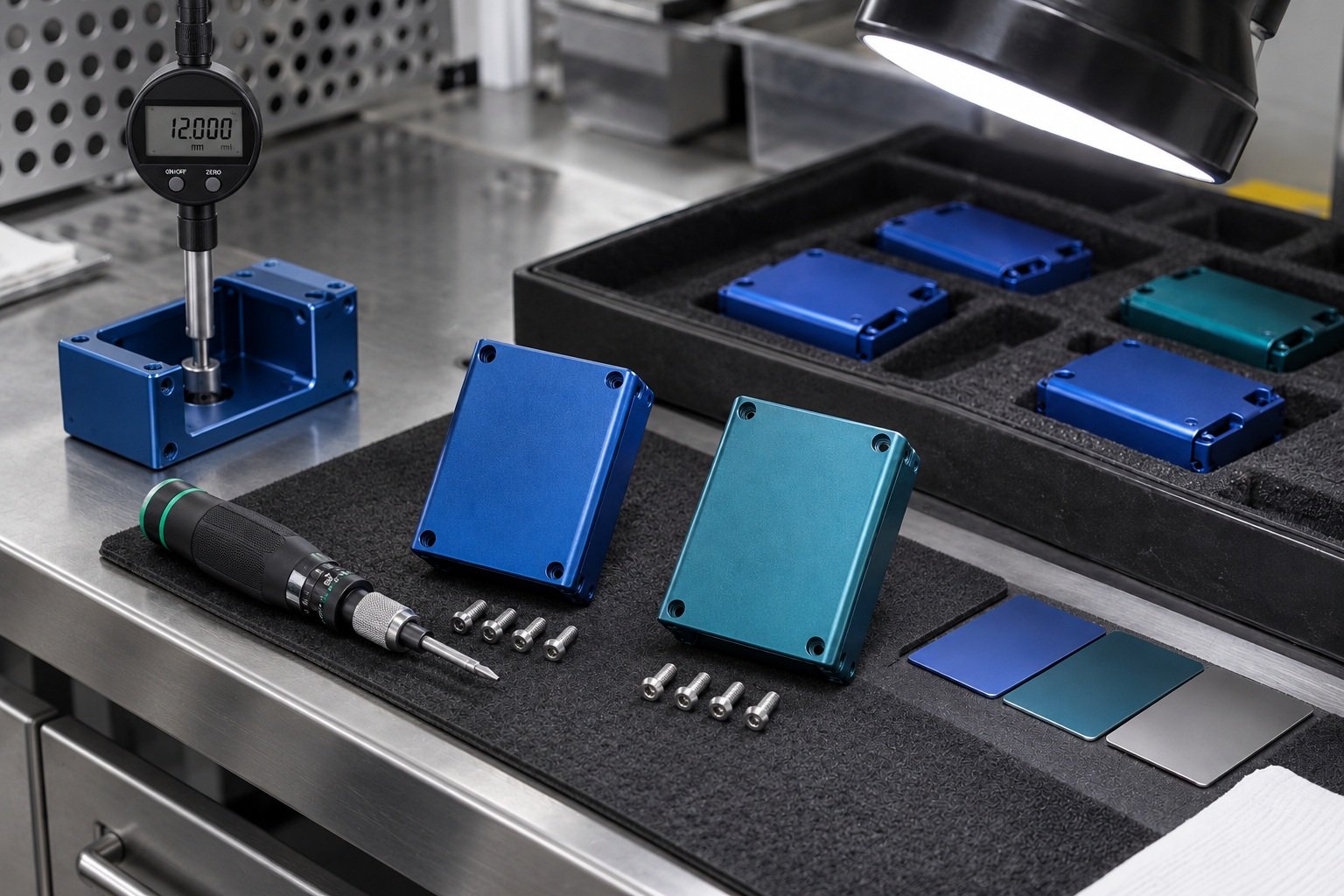
Your acceptable appearance should be clear before finishing starts. Identify visible faces and agree how samples will be compared.

Your prototype should answer fit, function and manufacturing questions. Keep the first-build quantity and acceptance goals visible.
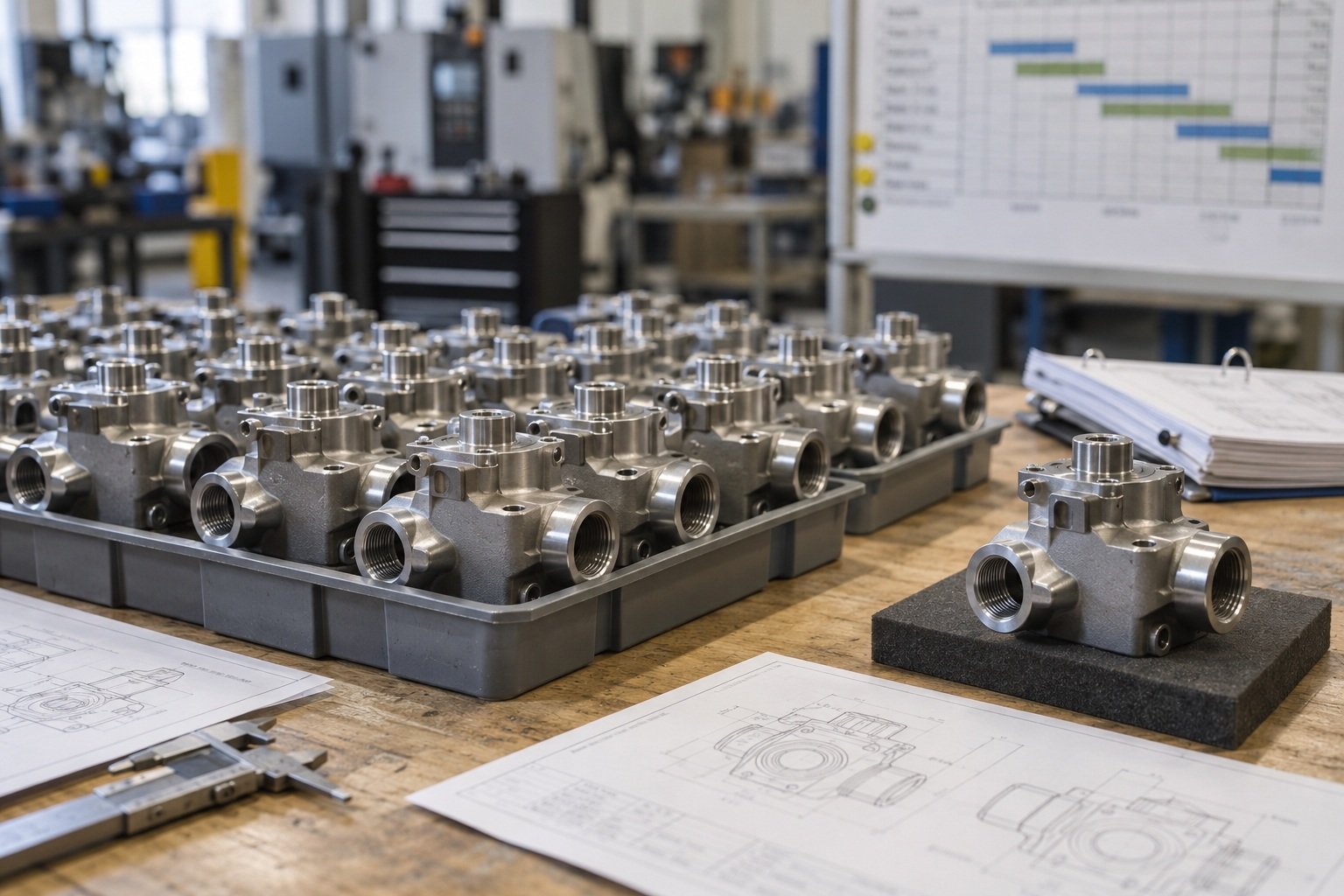
Your production plan should connect the approved sample to repeat supply. Plan capacity, process control and delivery milestones together.
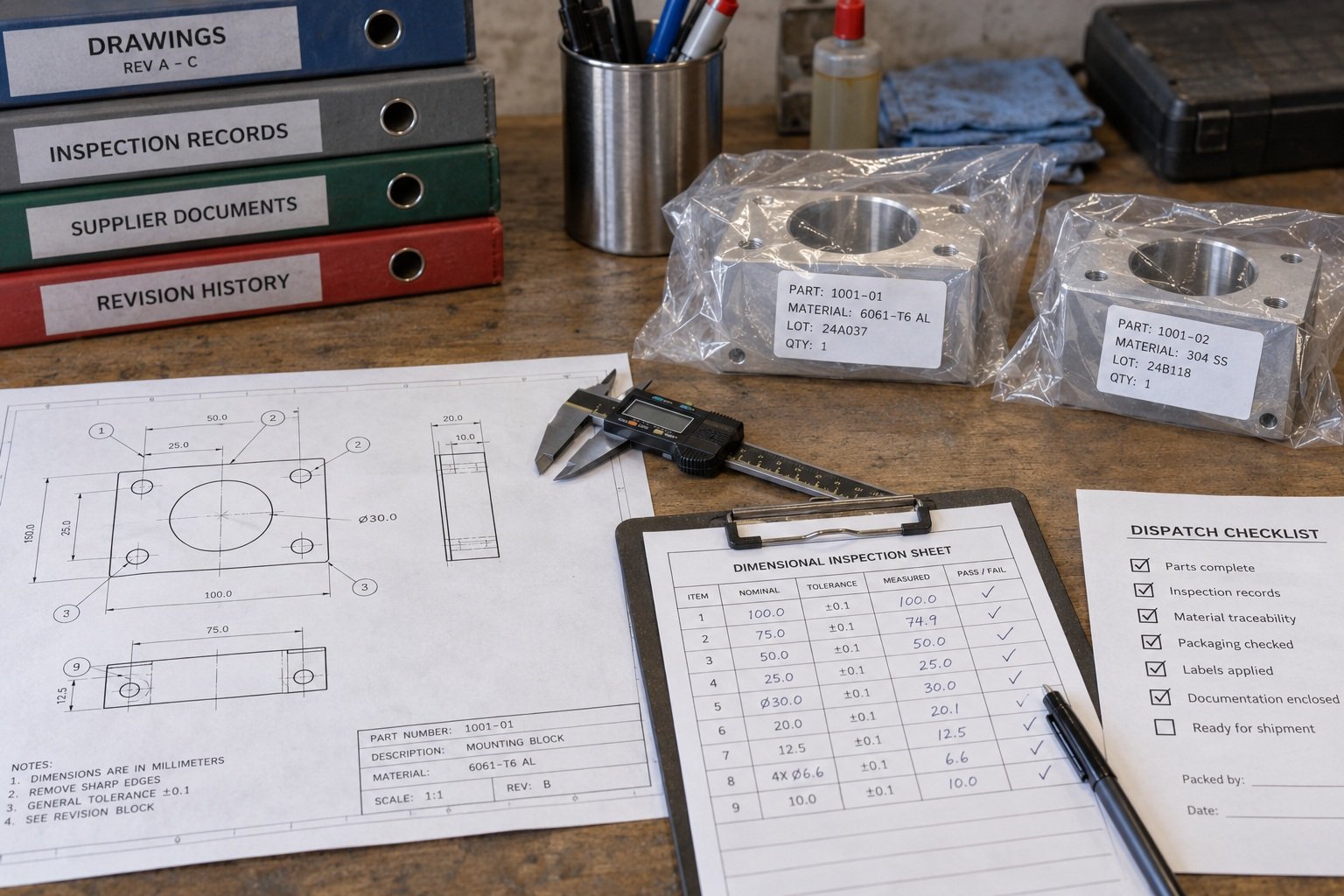
Your documentation scope belongs in the quote. Tell us which records your incoming inspection or approval process needs.
Carry your drawing, material and acceptance requirements through each handoff.
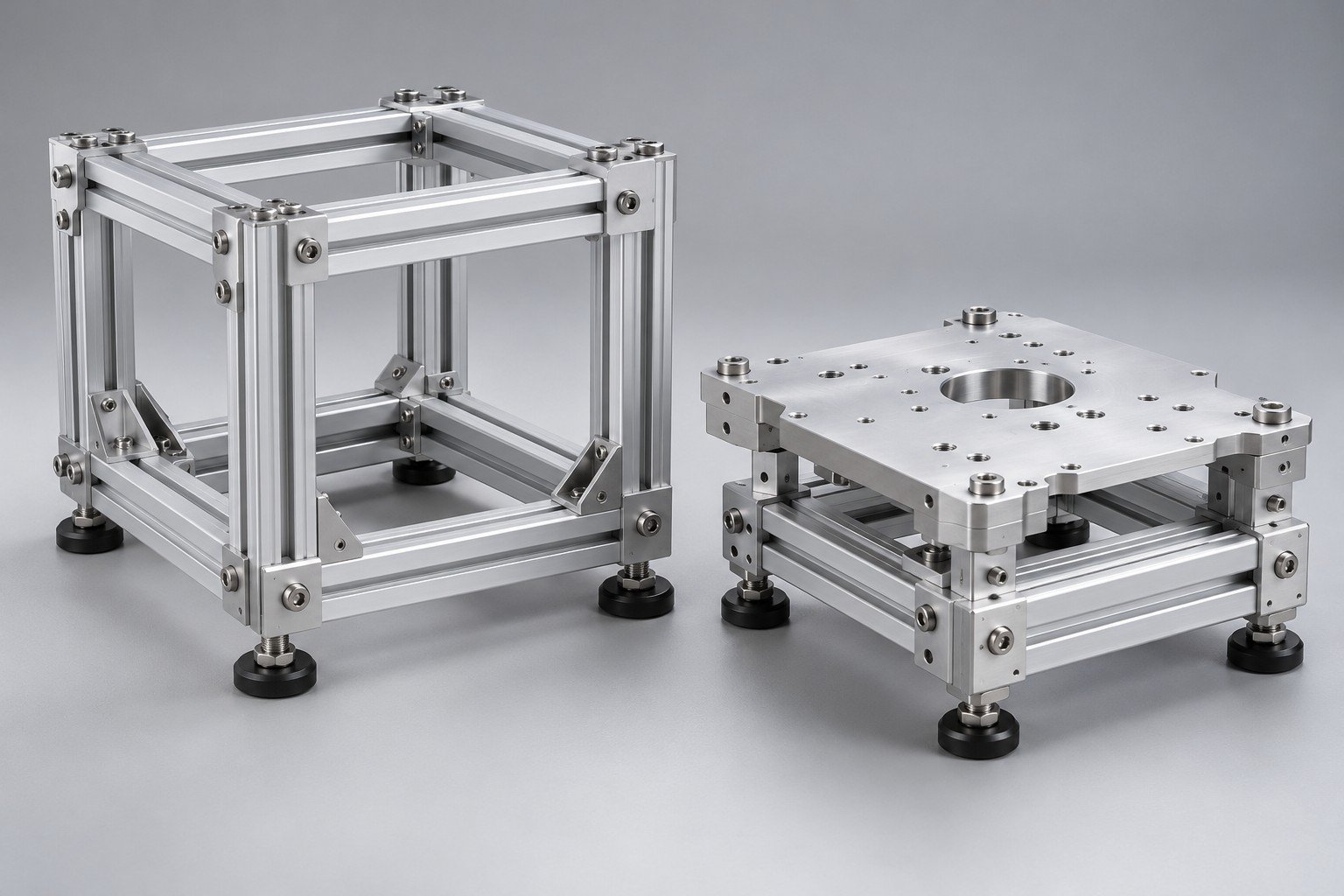
Share drawings, quantities and key requirements.
Review design, material and the manufacturing route.
Build and evaluate initial parts against your criteria.
Review agreed measurements and acceptance records.
Carry approved requirements into a controlled build.
Plan your packaging, supply and repeat orders.
Choose records that answer your component questions. This comparison is a planning guide; the actual specification and approval owner determine the scope.
A European reference name or a property value alone does not authorize substitution.
Review your material specification →| Application group | Your interface review | Component evidence to agree | Separate approval to identify |
|---|---|---|---|
| High-tech & electronics | Connector access, contact faces and appearance | Final interface dimensions, material identity, handling | Electrical, EMC and complete-system performance |
| Precision & advanced systems | Datums, mating features and controlled drawing units | Specified material condition, critical-feature reports | Device, vehicle, machine or flight eligibility |
| Industrial & energy | Mounting loads, exposure, seals and service access | Agreed dimensional, material and selected test records | Pressure, electrical, load and environmental validation |
Your inspection plan follows your requirements. Agree the records and scope before ordering.
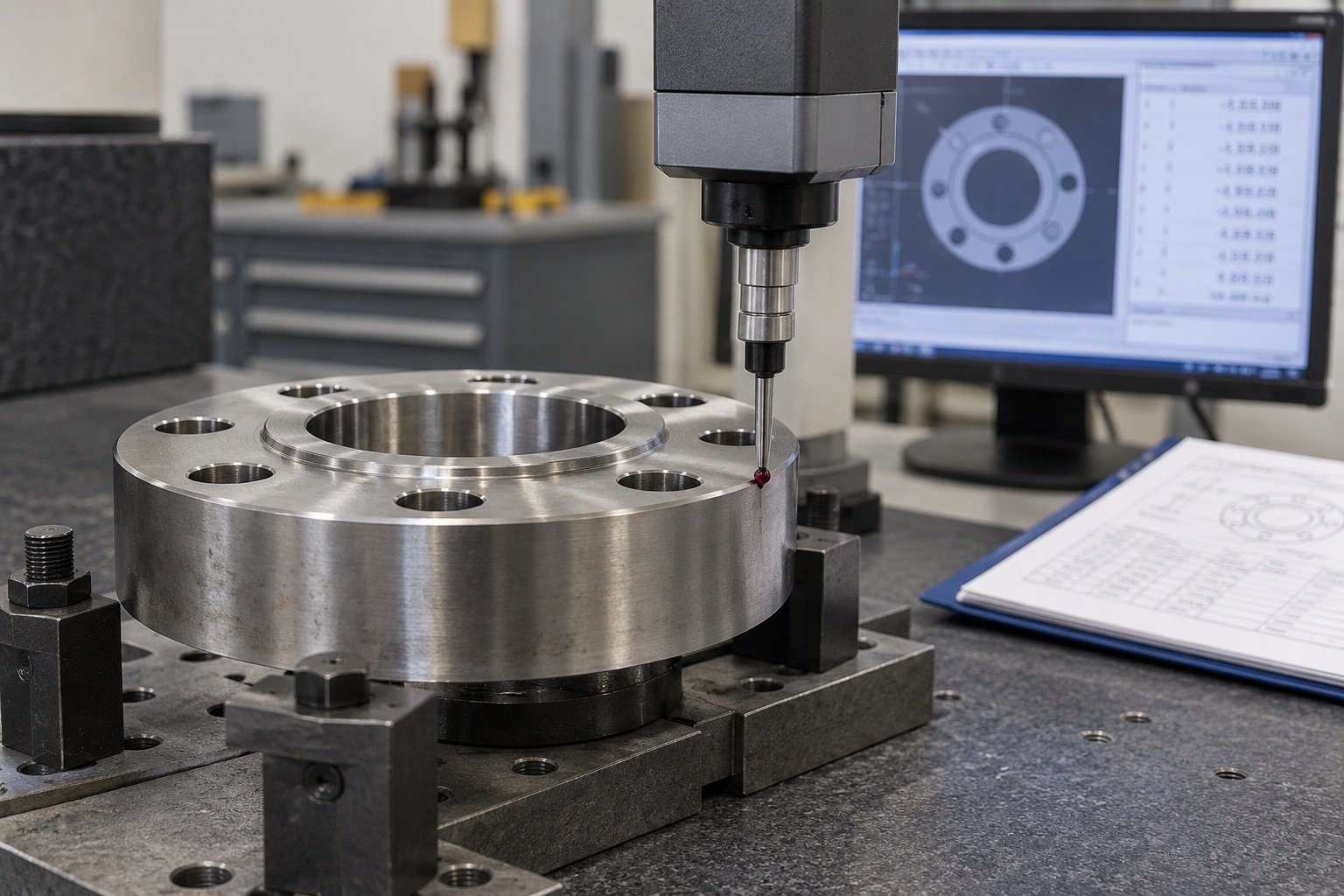
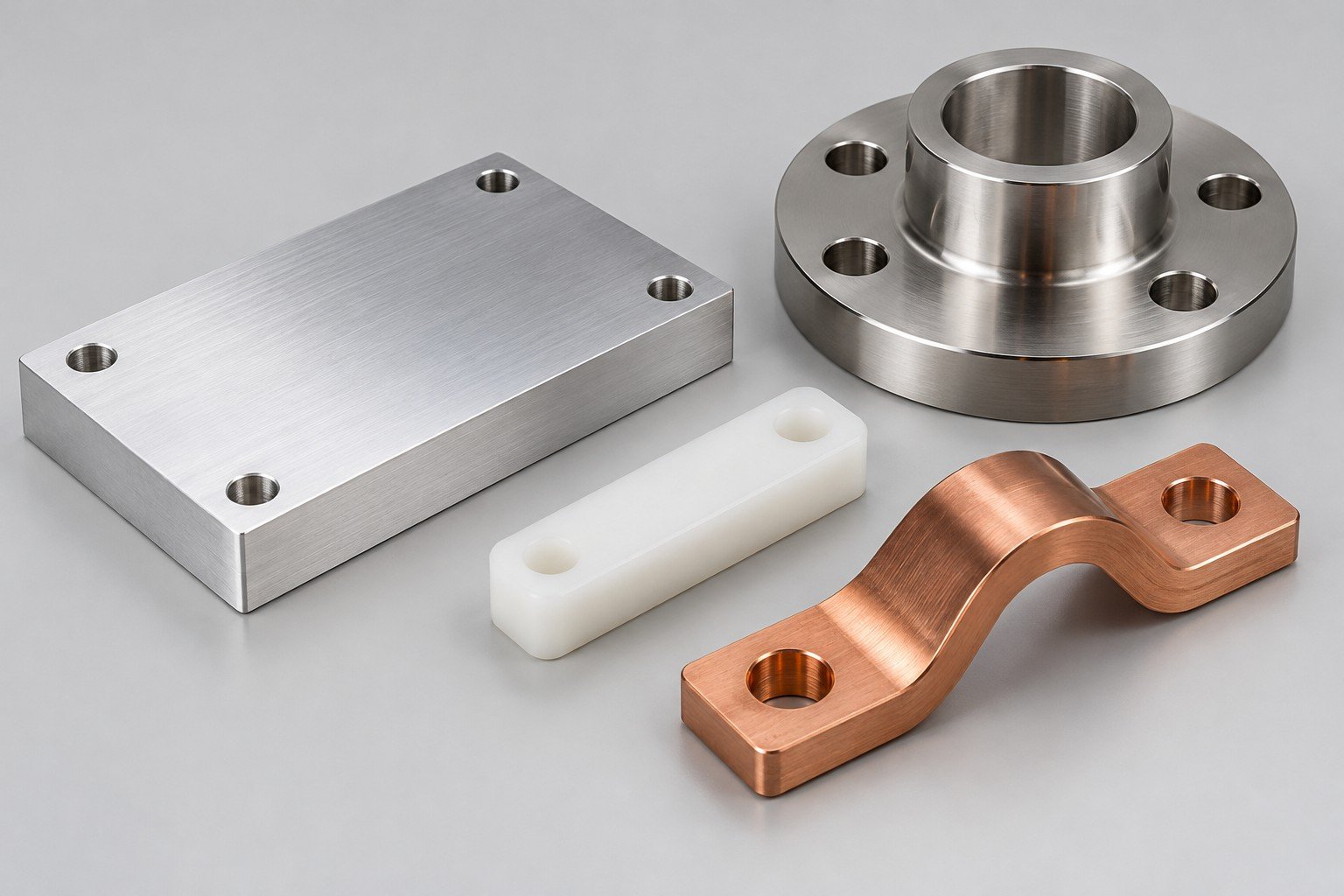
Company part photographs show real geometry. Your drawing determines the application and acceptance requirements.
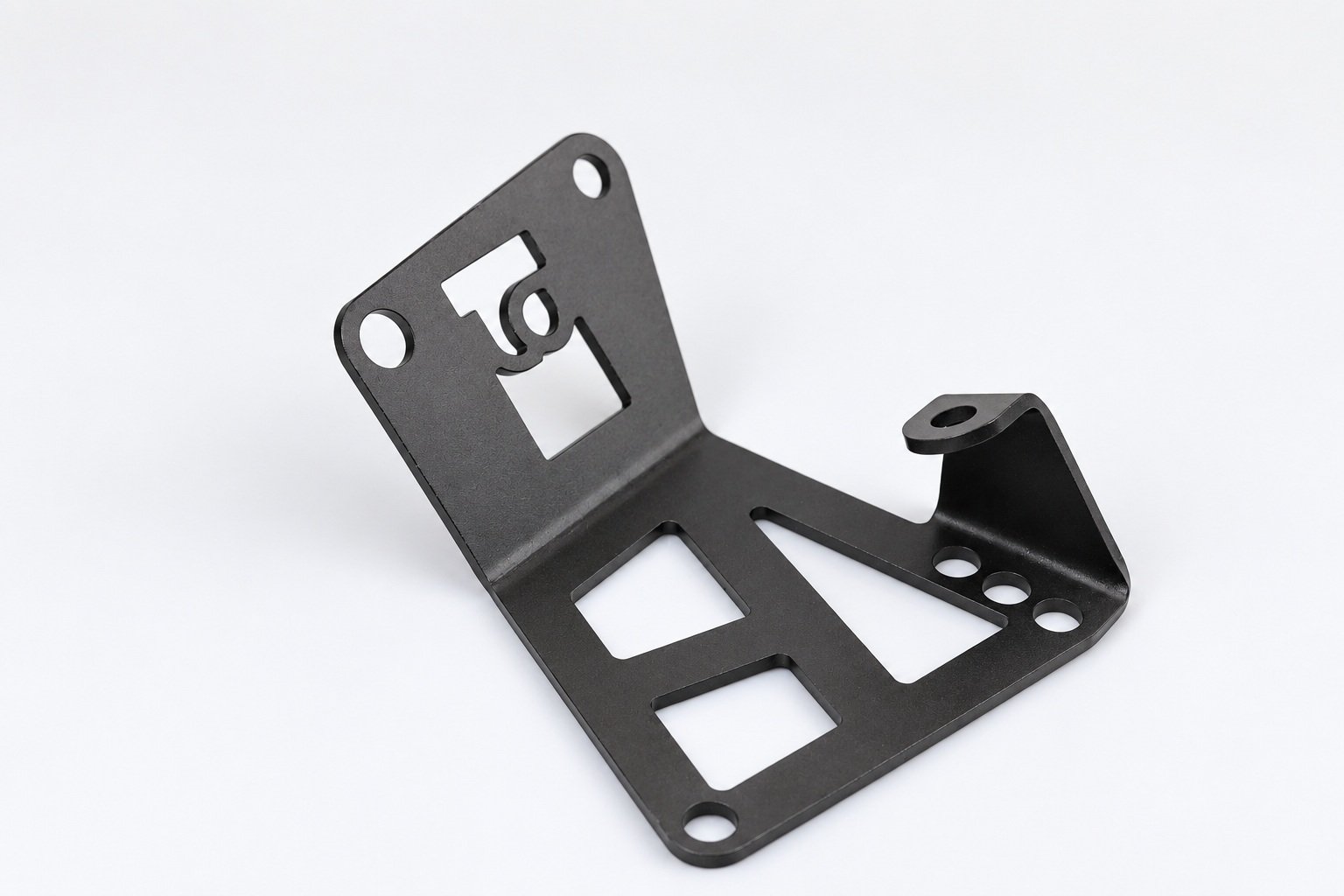
Bends, hole positions and mounting interfaces.
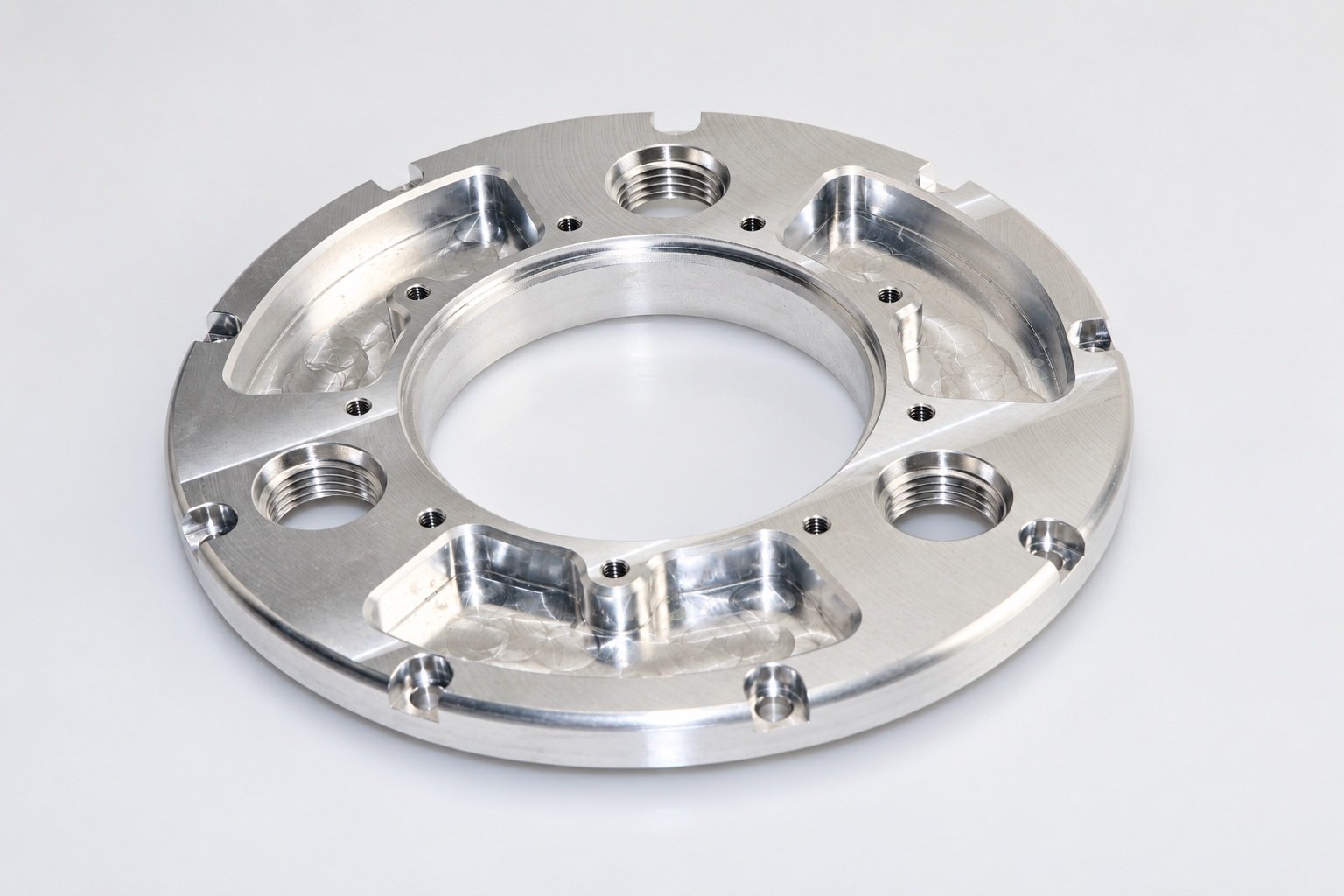
Concentric features and bolt pattern.
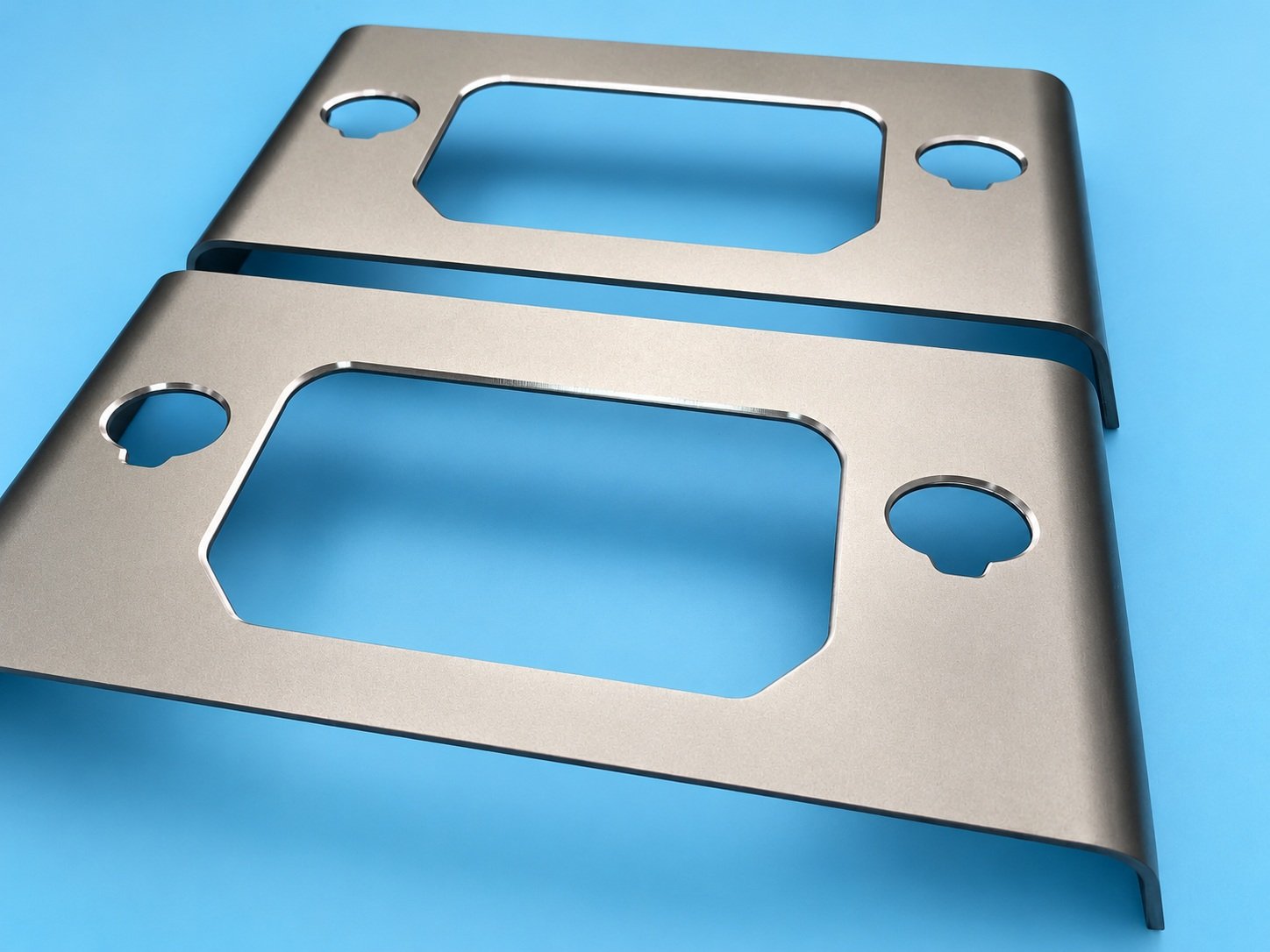
Cutouts, hole pattern and mating face.
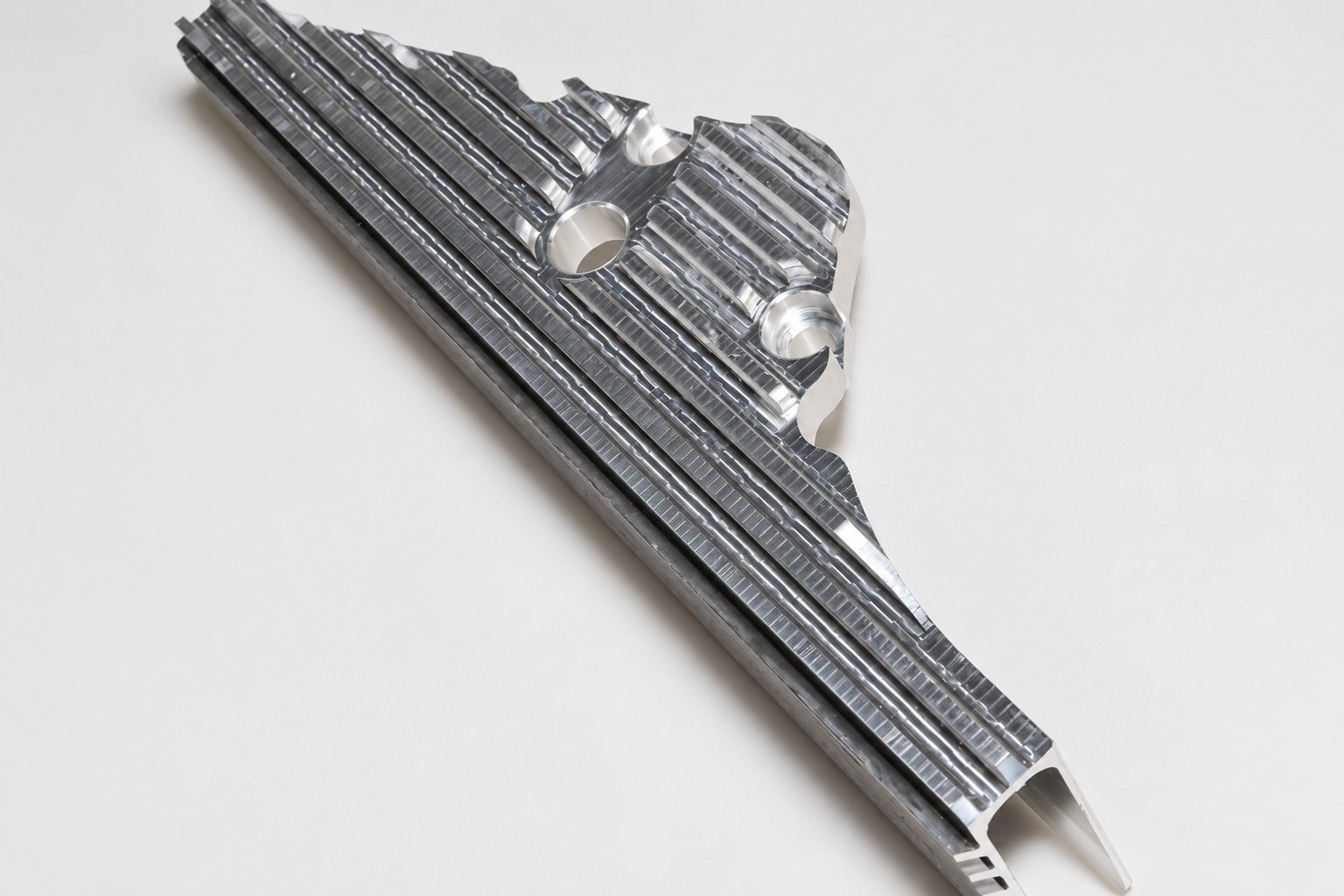
Fins, mounting features and contact surfaces.
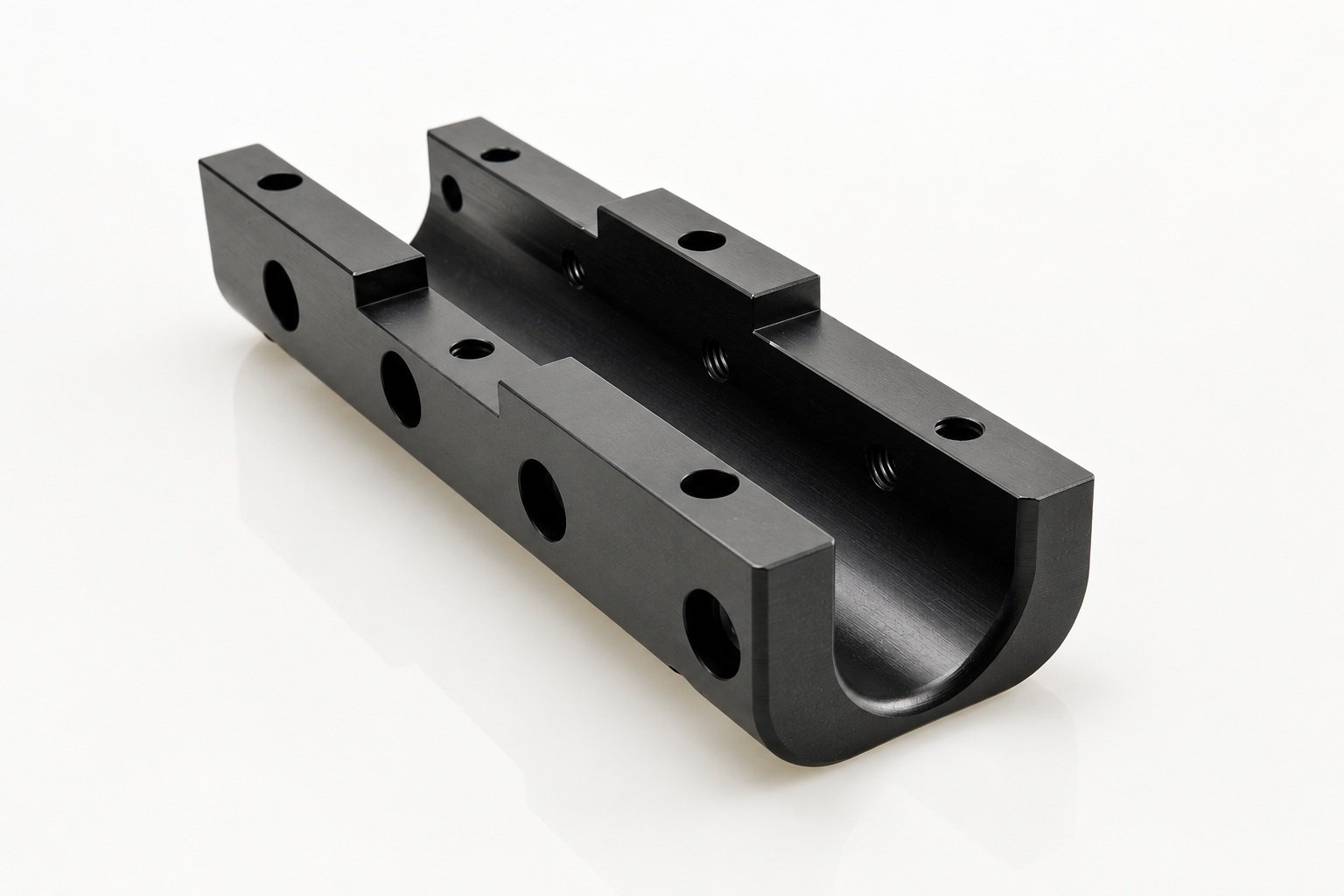
Channel geometry and aligned mounting holes.
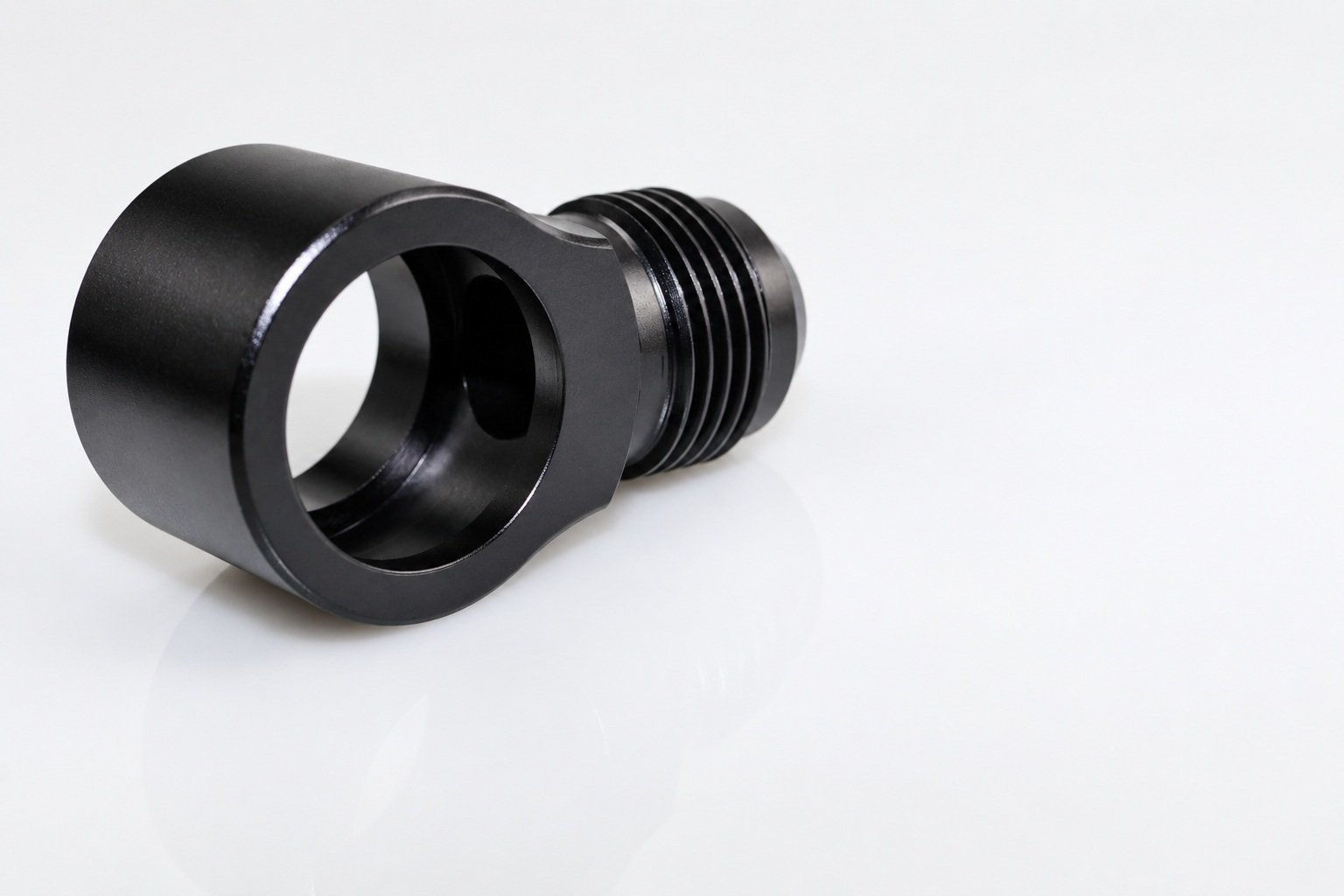
Thread, bore and tool engagement features.
Choose the route for your design, performance and cost goals.
China manufacturing and Dallas-area support connect your requirements, production and delivery.
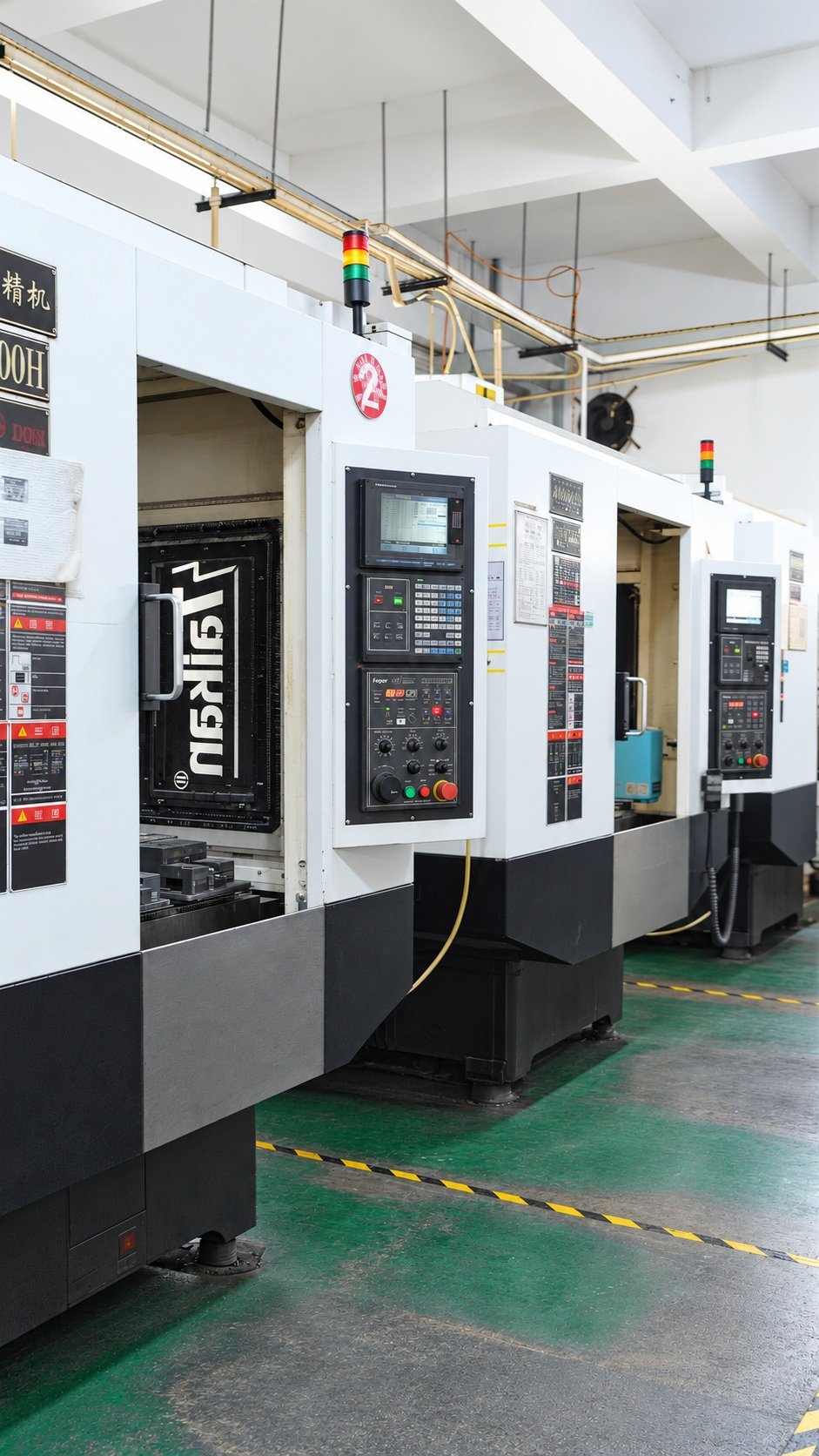
DALLAS-AREA SUPPORT
Keep your questions, quote coordination and delivery discussions connected with our U.S. team.
Start with your part type, then review the requirements that matter.
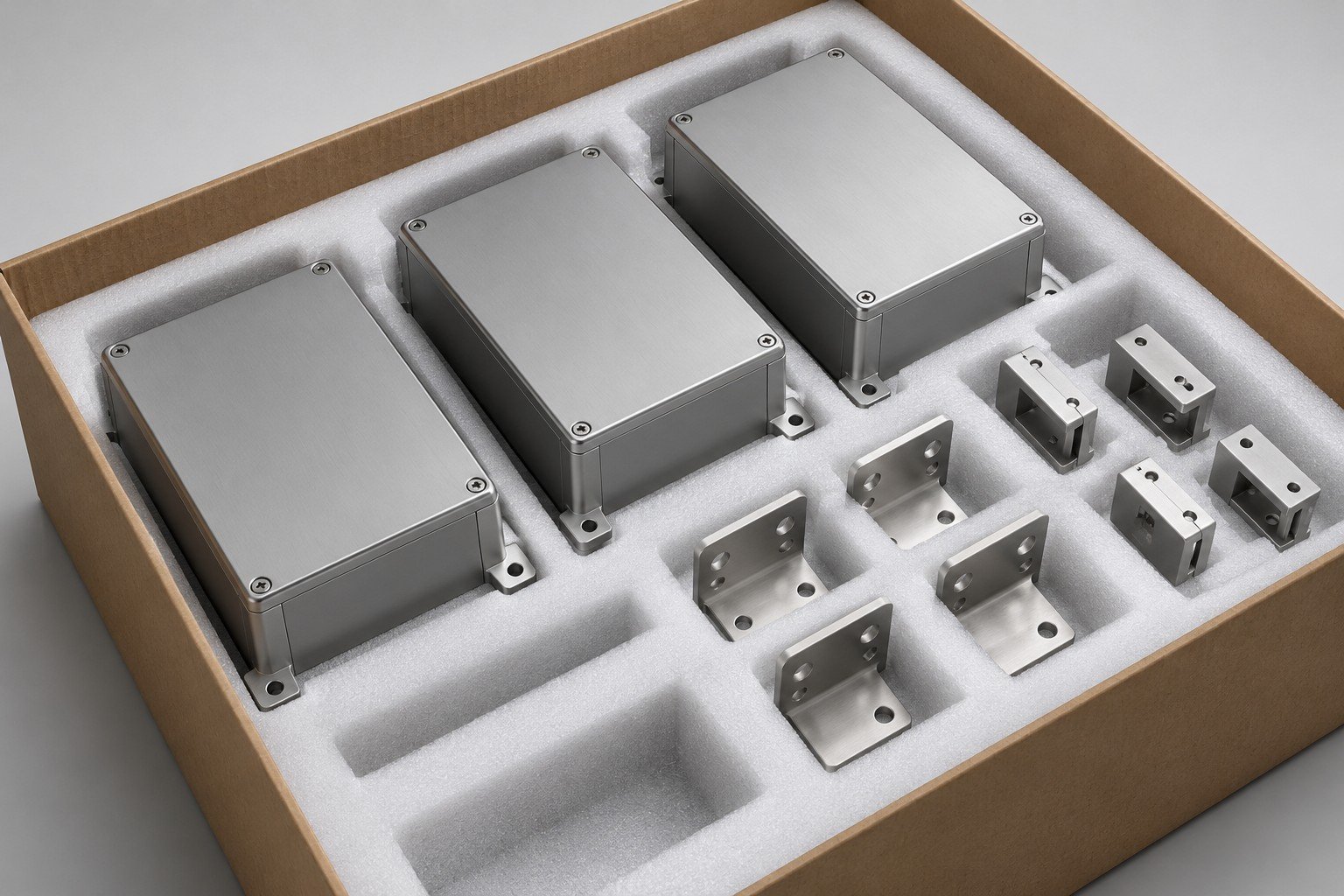
Prepare your controlled drawing, quantity, material specification and required records before requesting a manufacturing review.
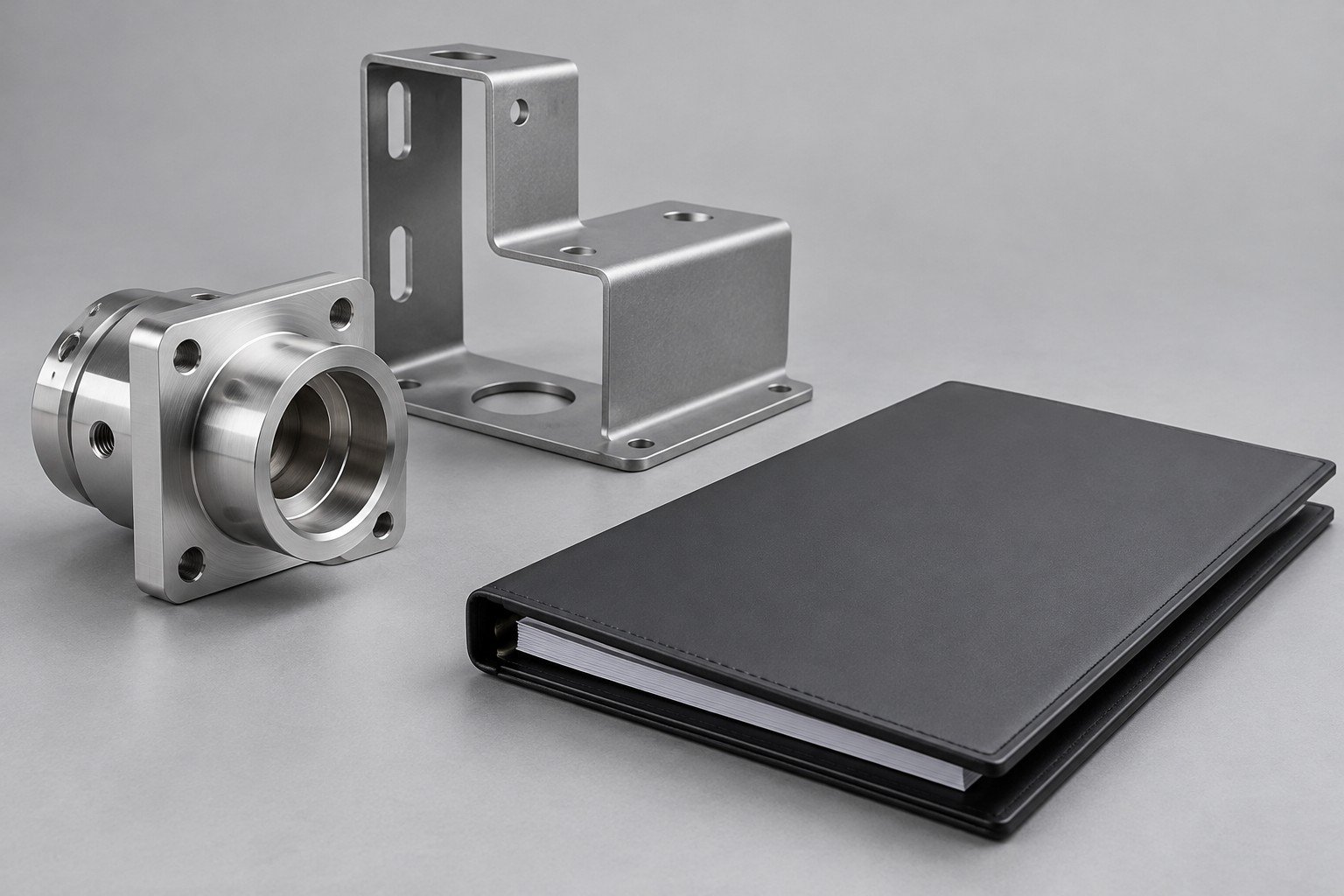
Share your first-build quantity and repeat demand. We review the process, sample acceptance and controlled requirements needed for your production plan.
Identify your functional dimensions and datums. Your reviewed quote confirms achievable features, measurement methods and inspection scope for the specific geometry and material.
Specify dimensional reports, FAI format, PPAP level and material records before ordering. Availability and scope are agreed for your project.
Send the latest controlled drawing and identify changes. Agree the production revision and approval status before releasing the order.
Discuss repeat quantities, schedule and approved requirements. Material, process control, inspection and change records should remain connected to each order.
Start with loads, temperature, corrosion, geometry and volume. Compare manufacturing, finishing, inspection and delivery scope together.
The application and process scenes are photographic illustrations. Company factory and component photographs are identified separately. No regulated end-use approval is implied.
Tell us the applicable specifications, certifications, cleanliness, validation and traceability requirements. These are reviewed for the order; we do not assume universal medical or aerospace qualification.