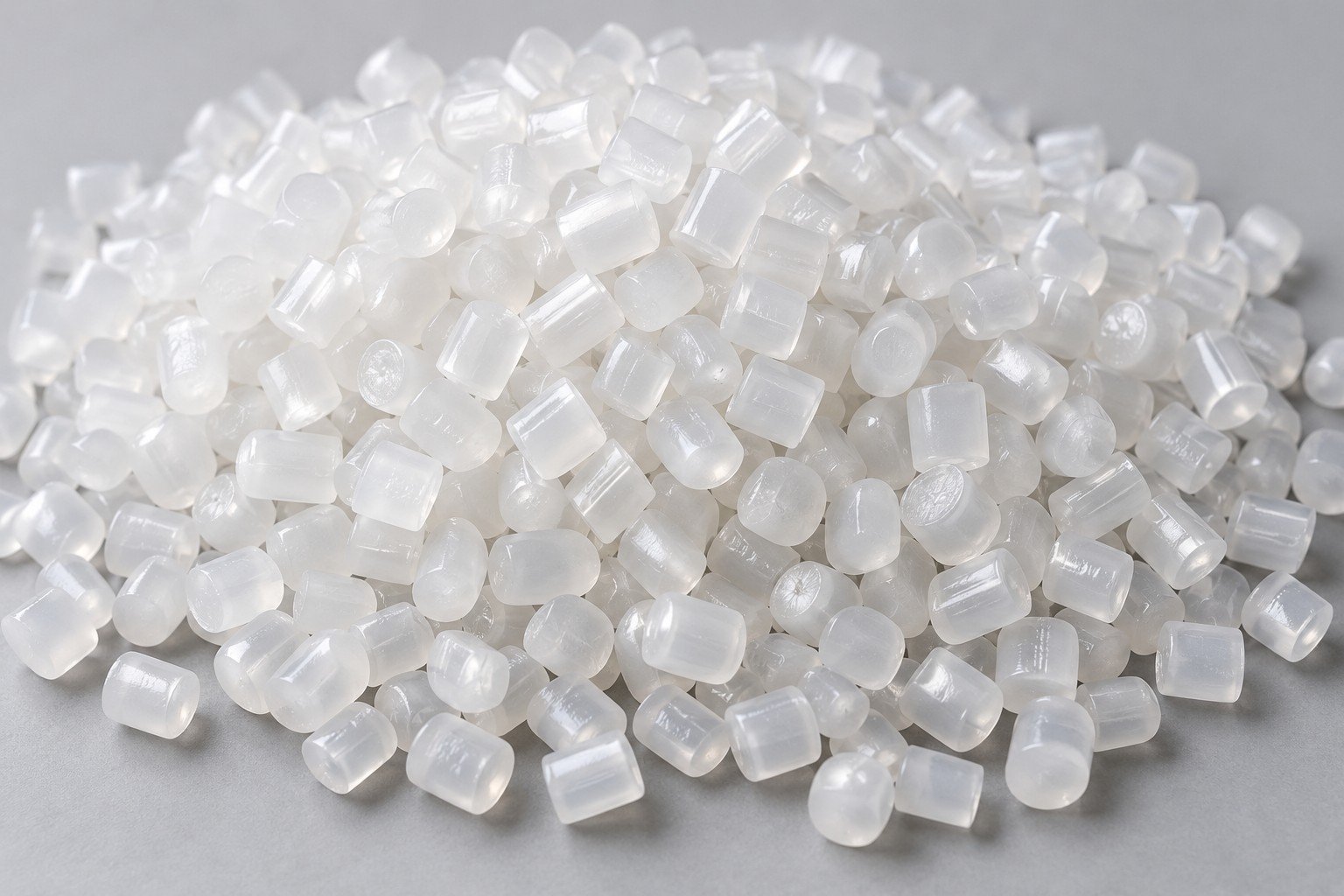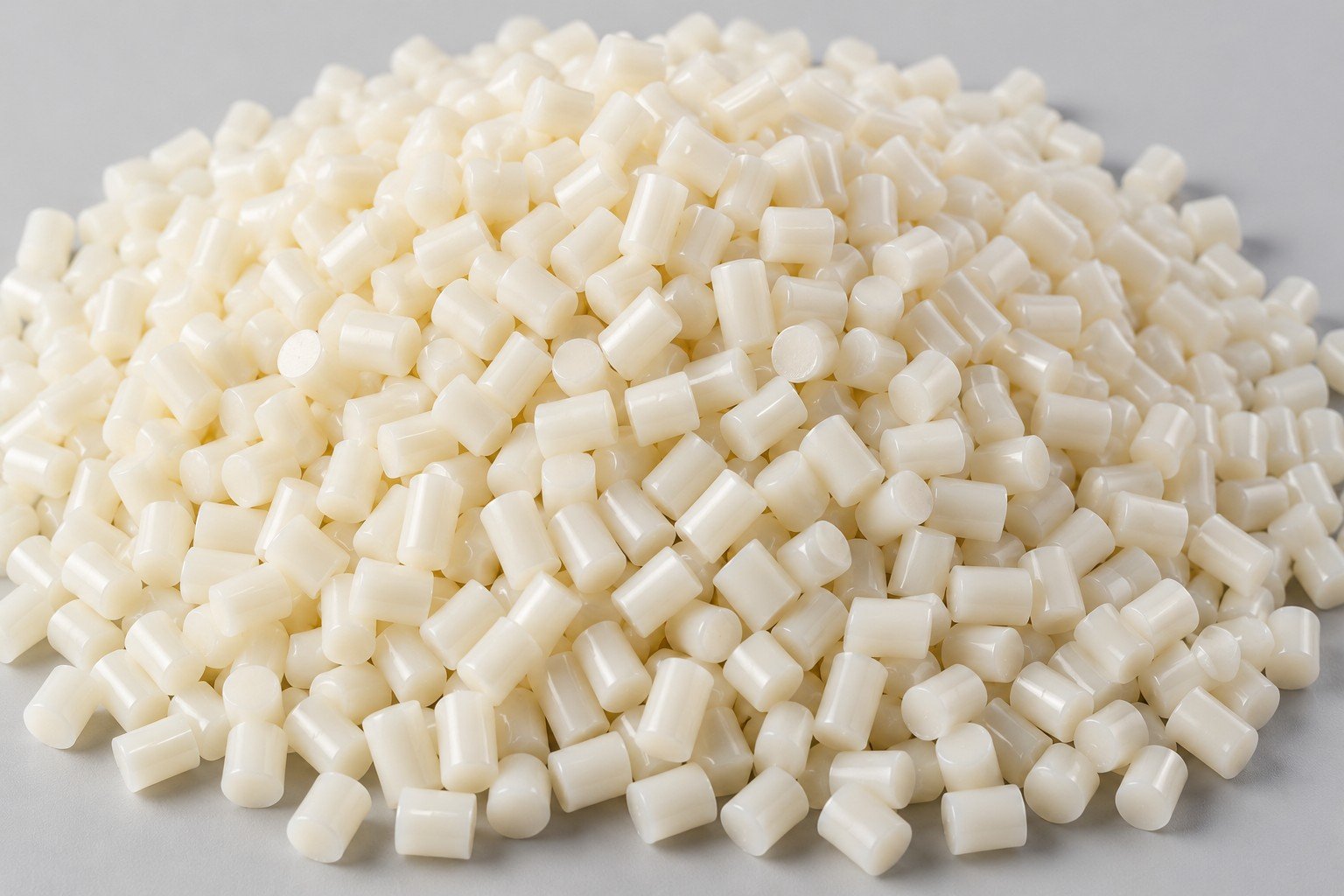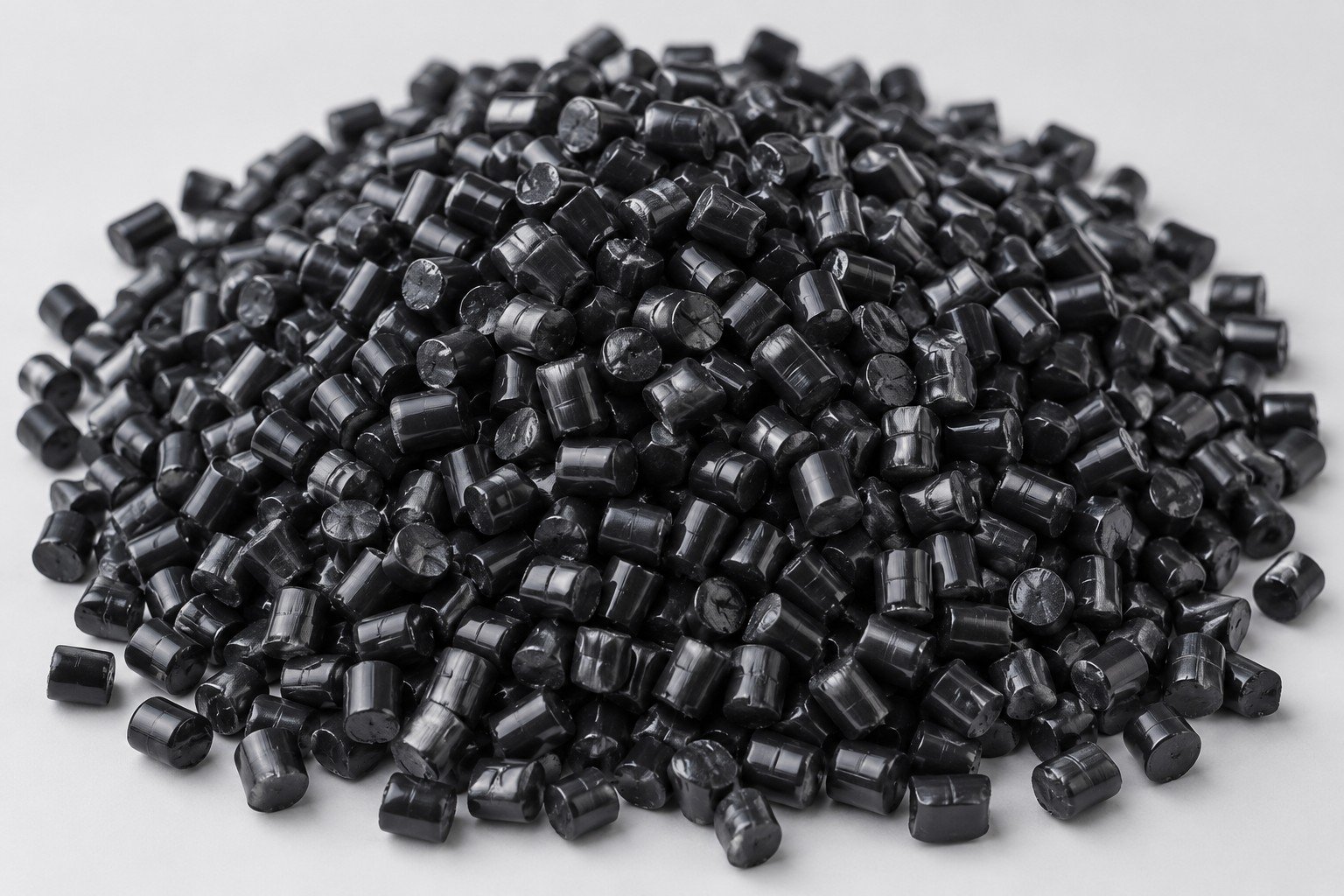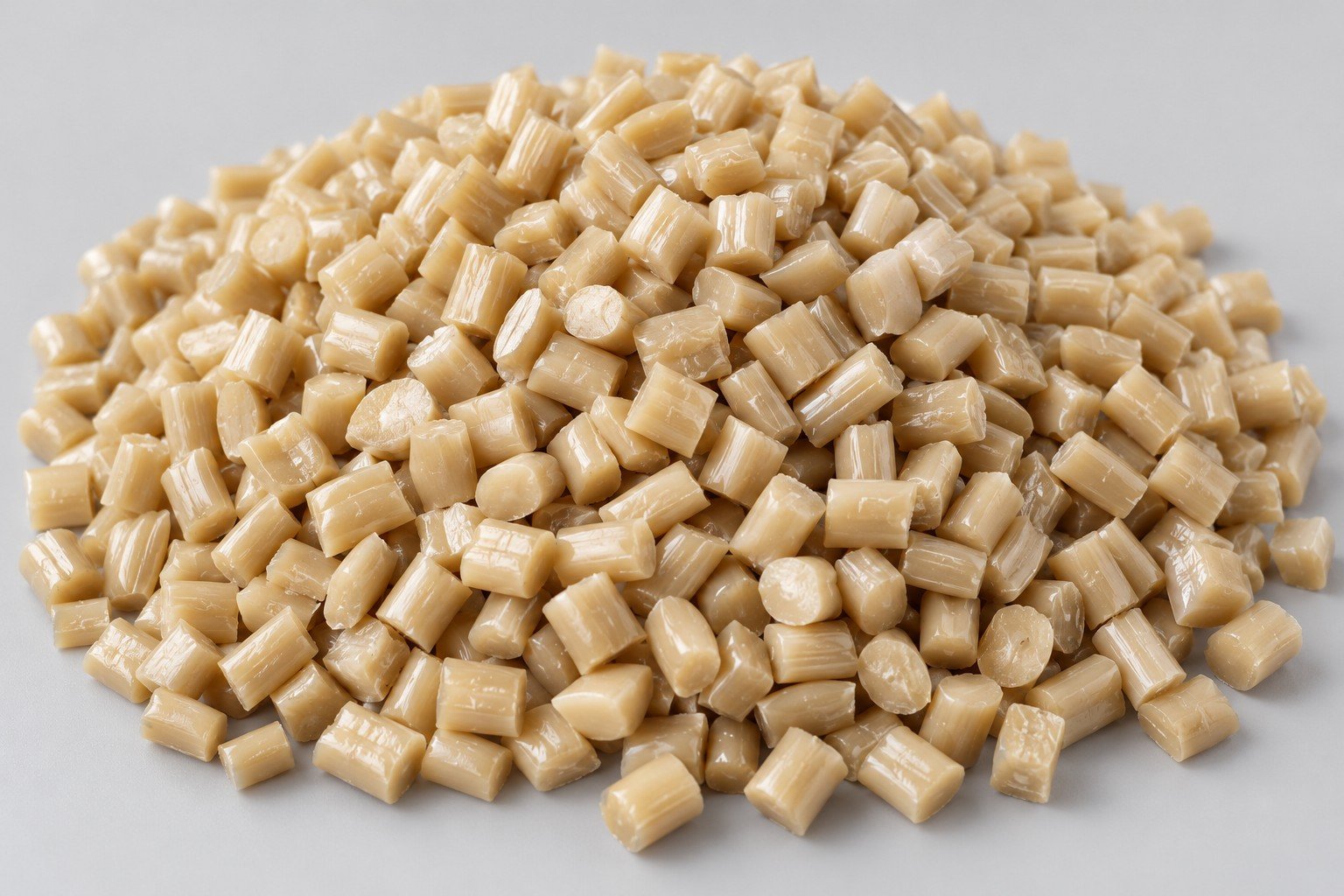
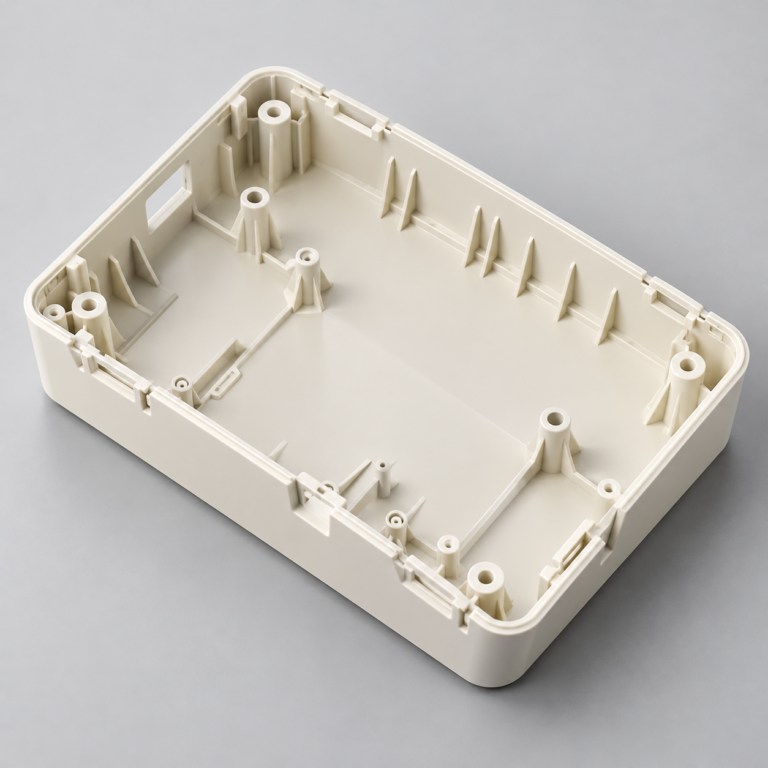
Injection Molding
Tooling and molding for your repeat plastic parts.
From prototype to production, coordinated manufacturing solutions for your custom parts.
View All Services →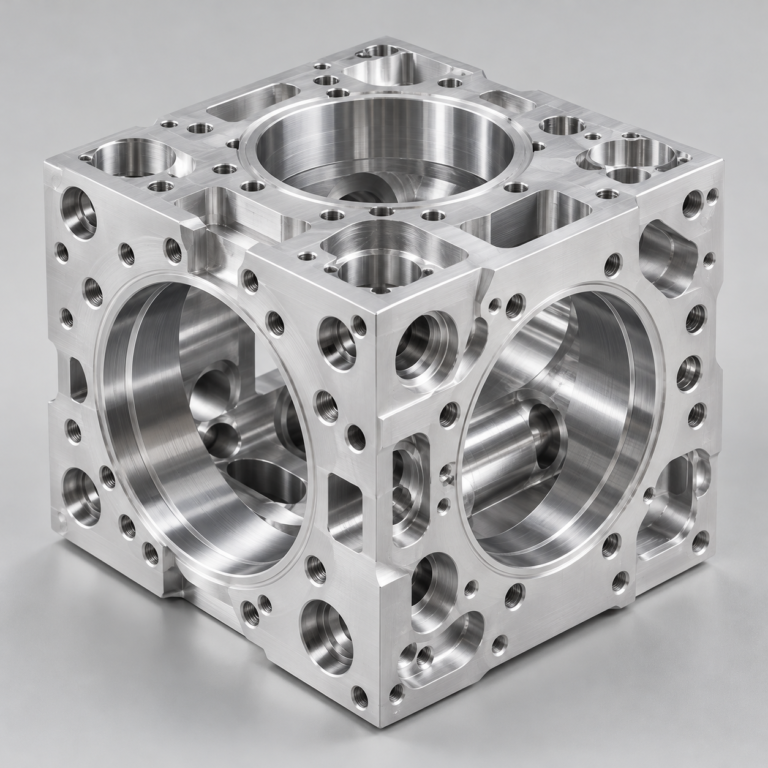
Precision parts for your tight tolerances and complex geometry.
Tooling and molding for your repeat plastic parts.
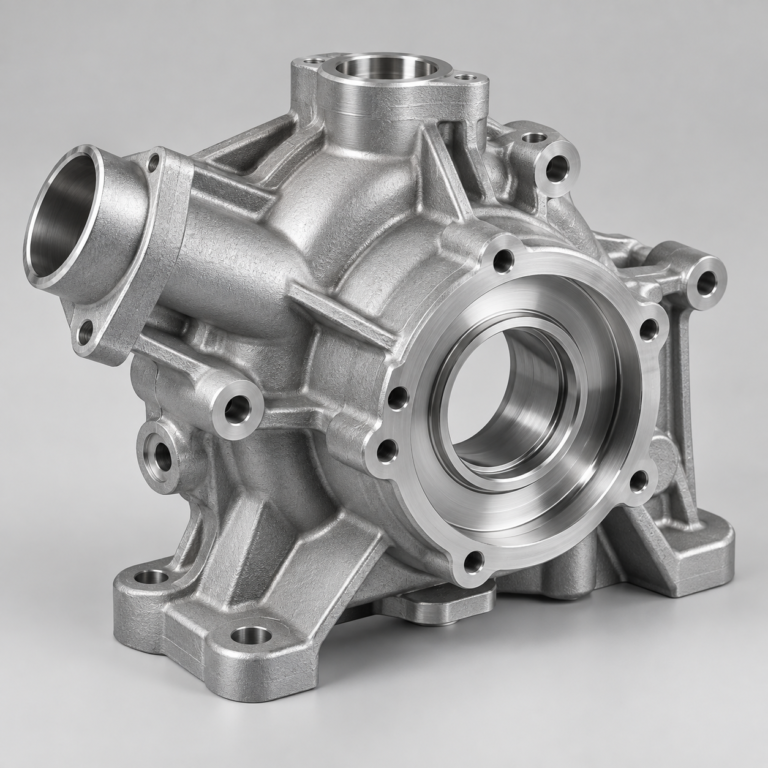
Metal casting options for your part and production volume.
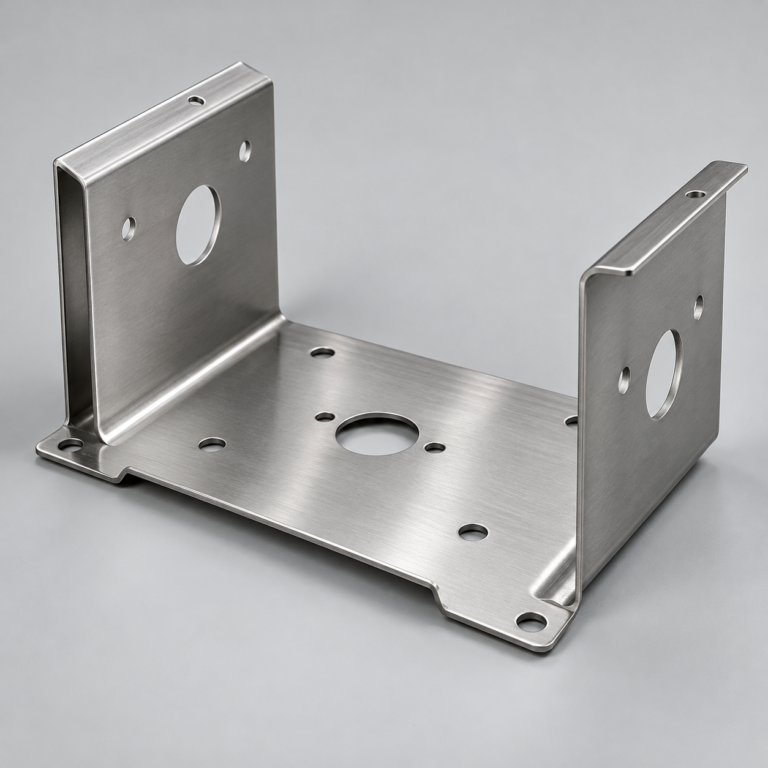
Cutting, forming and welding for your fabricated parts.
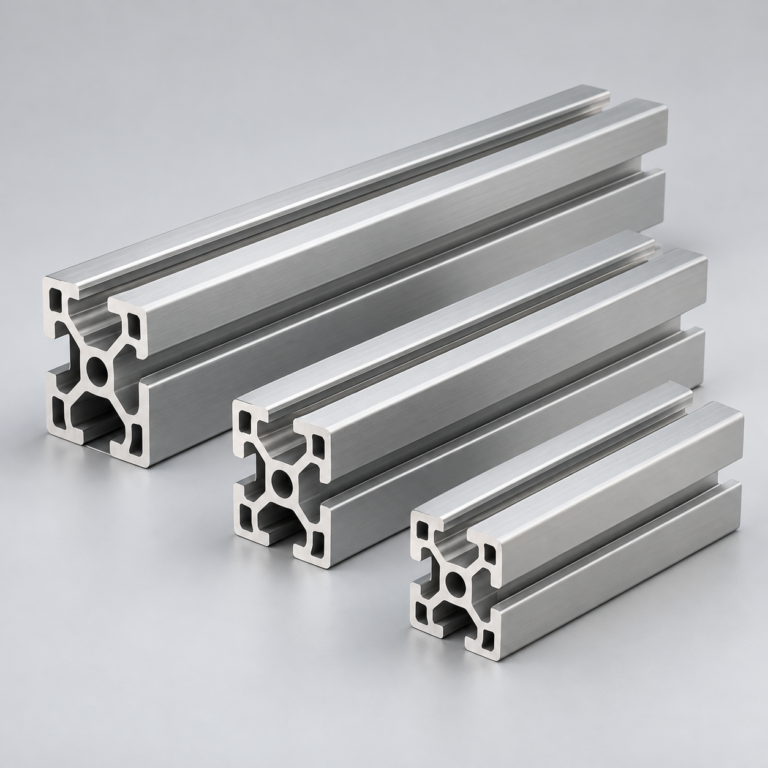
Custom profiles for your section, length and finish requirements.
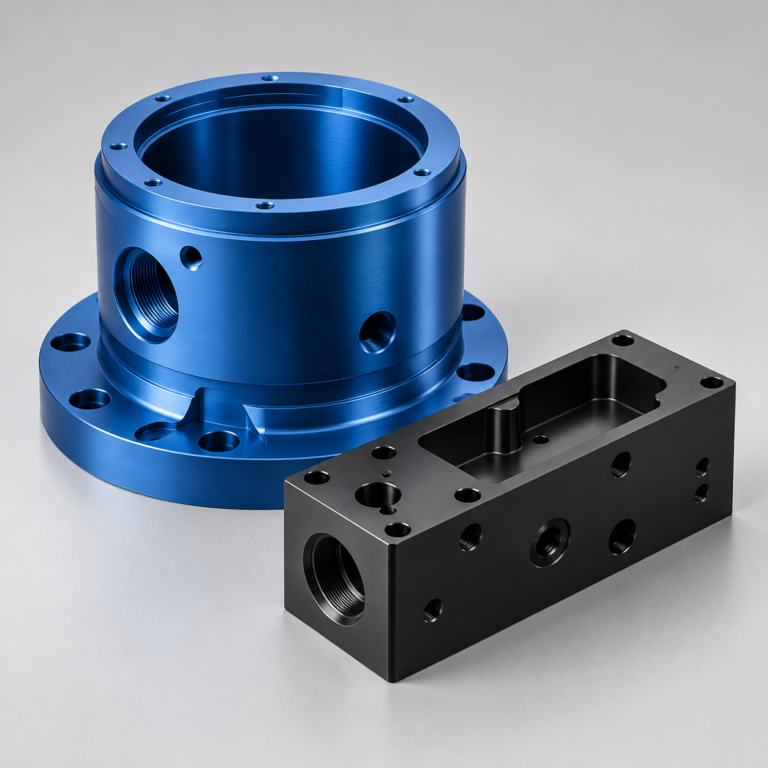
Finishes for your appearance, corrosion and wear requirements.
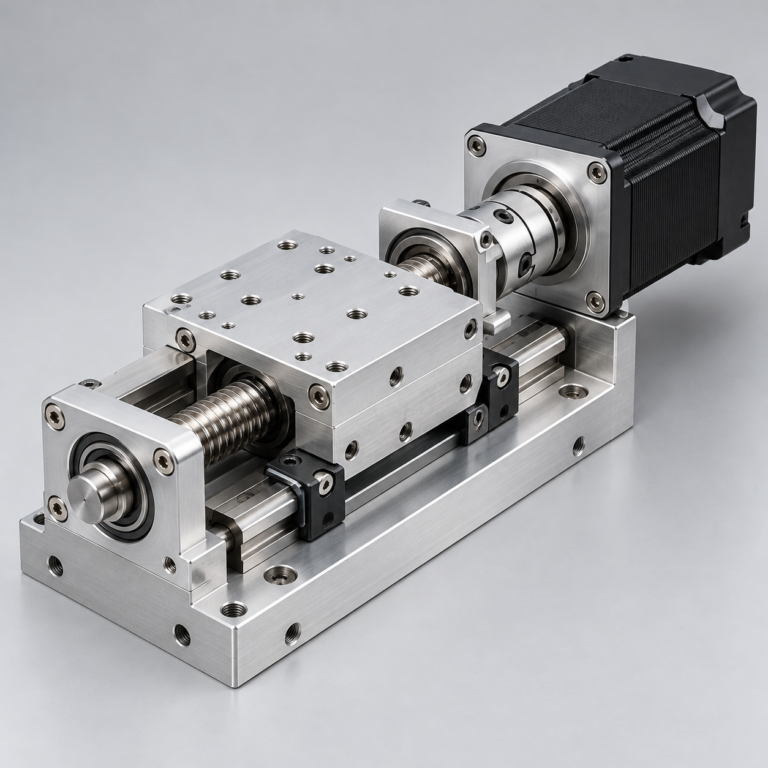
Sub-assemblies and final builds for your production program.
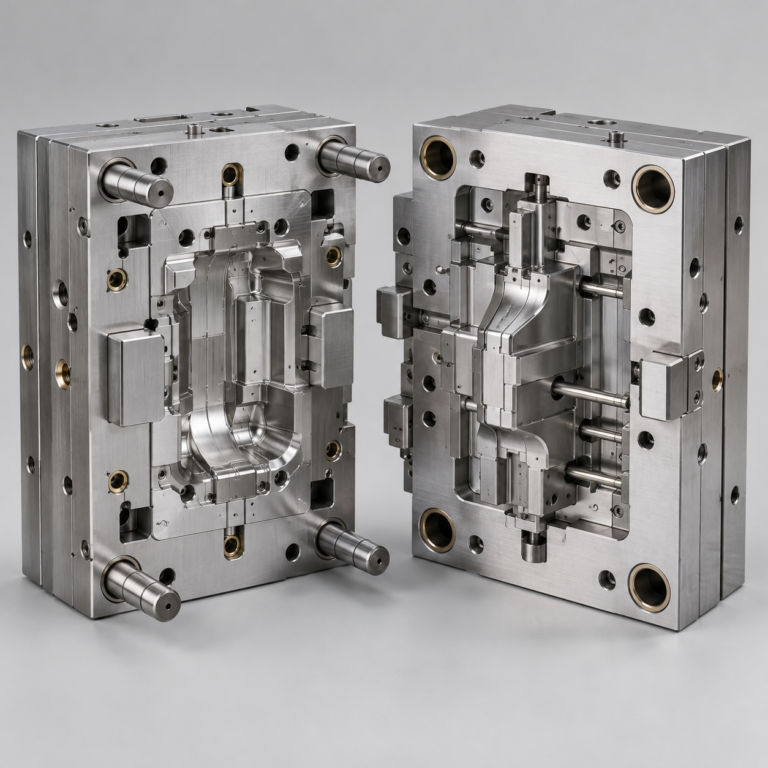
Production tooling built around your process and volume.
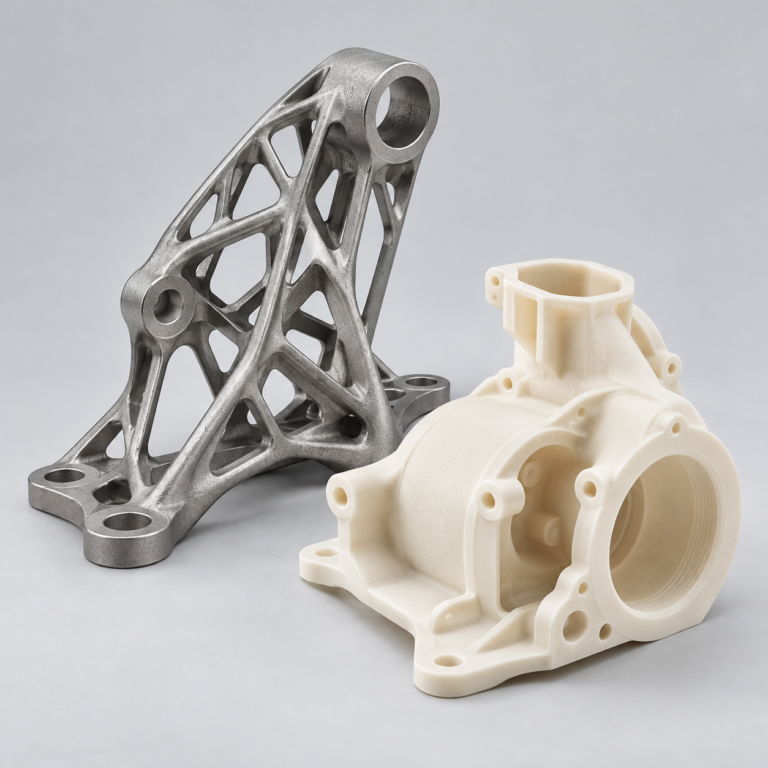
Prototype parts to check fit, function and design.
DFM, process planning and production support for your project.
Inspection, documentation, inventory and delivery planning for your program.
Choose air- or liquid-cooling components around your thermal and mechanical requirements.
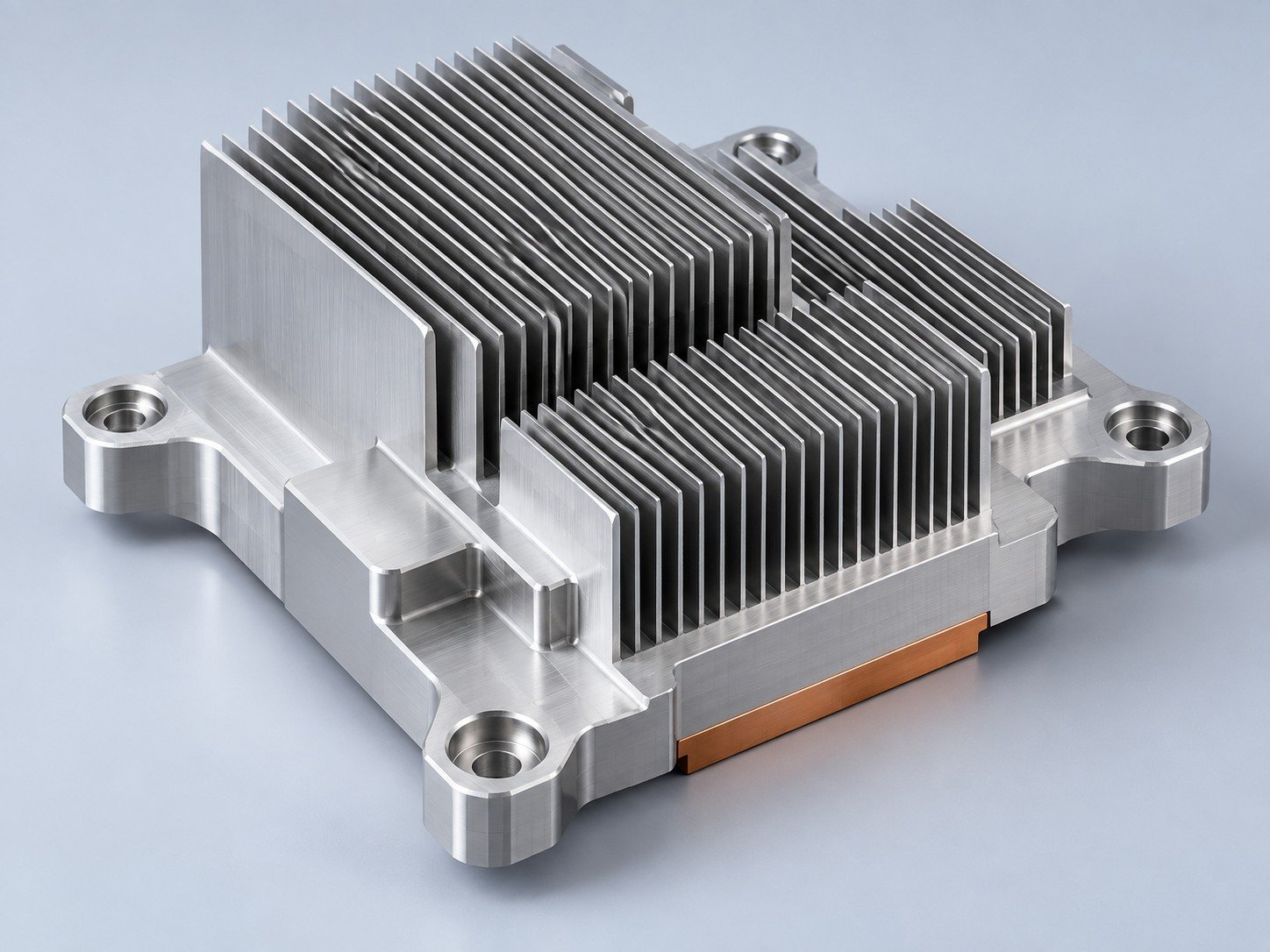
Manufacturing support for your cold plates, manifolds and cooling assemblies.
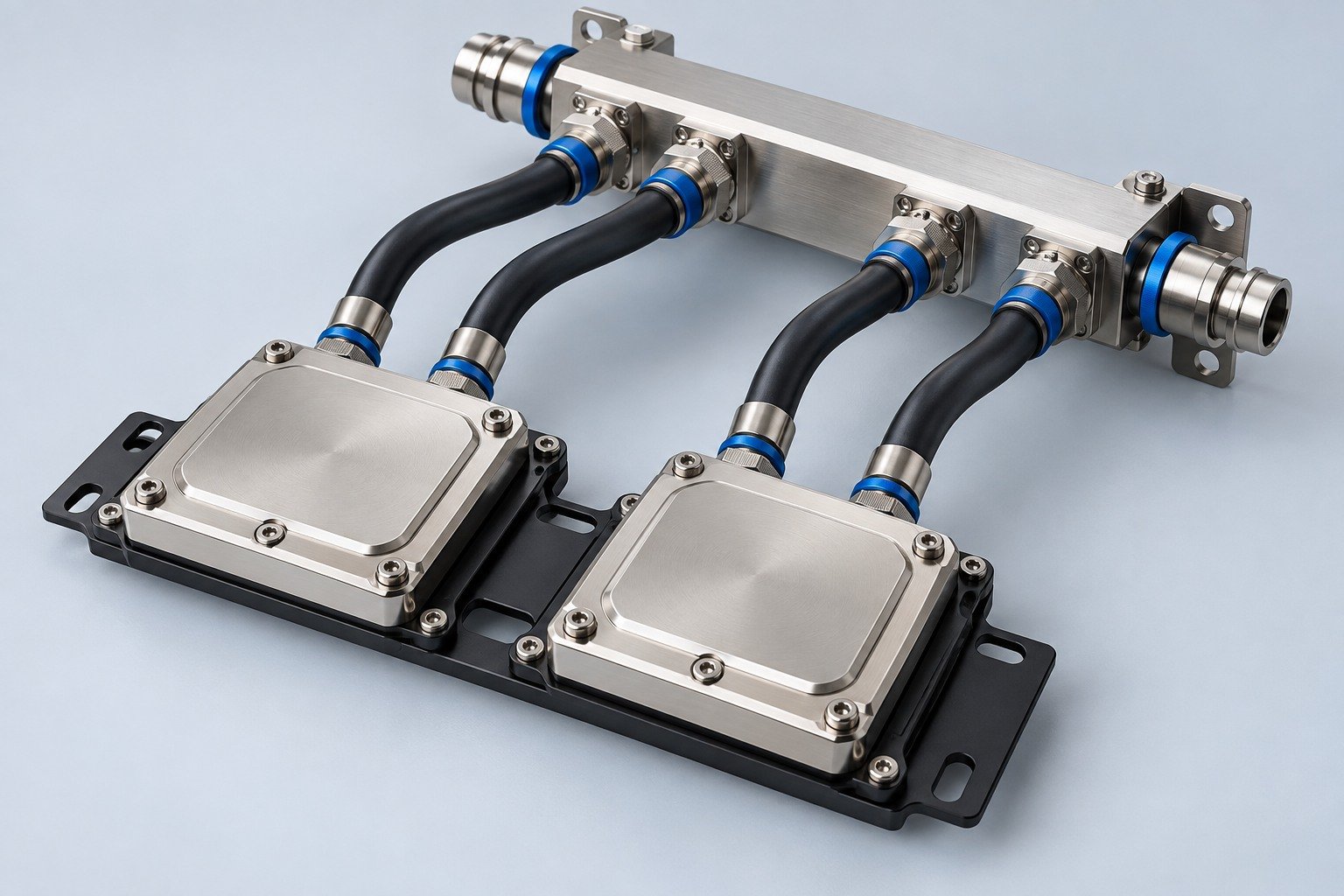
Find components for your power electronics, energy, laser and telecom application.
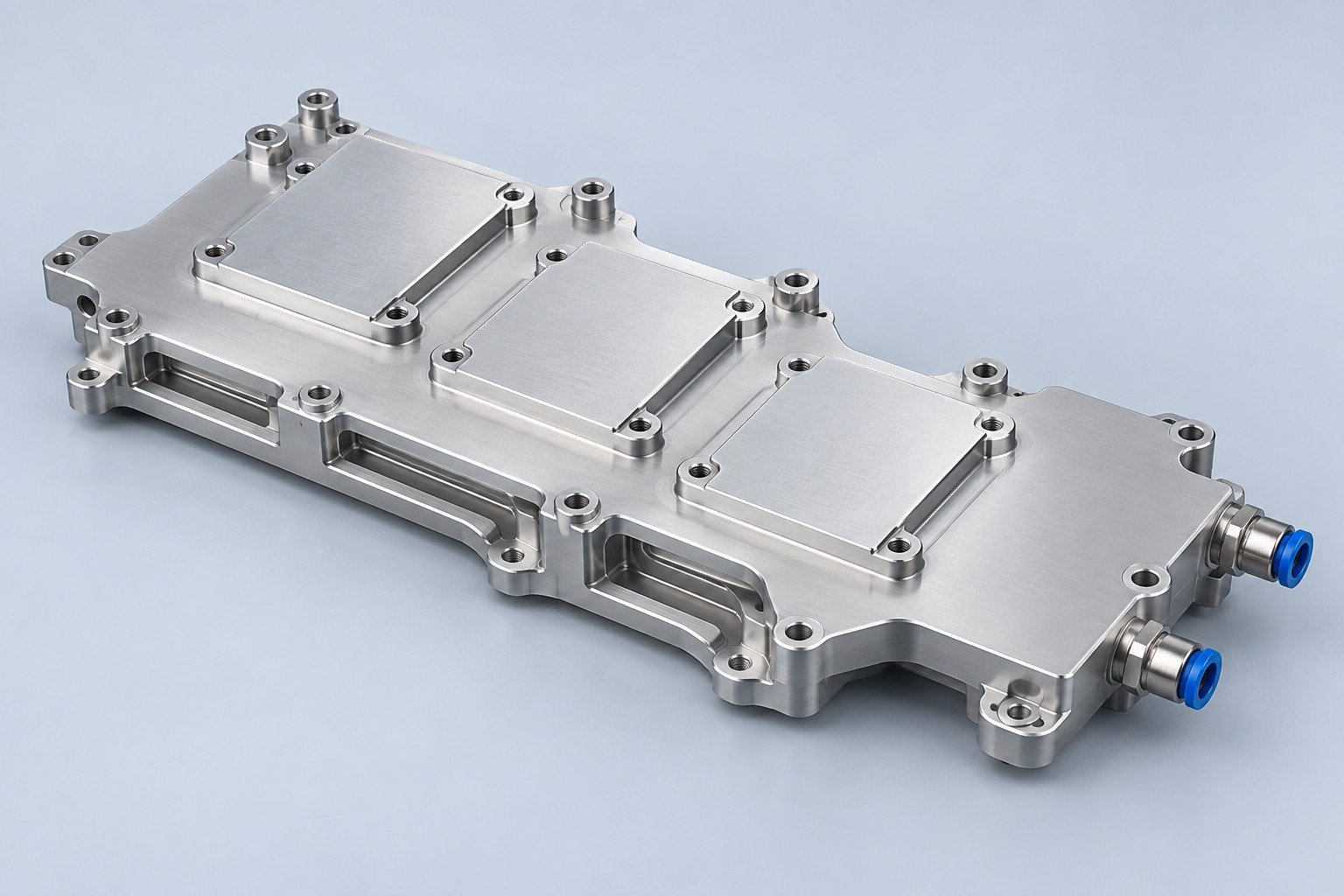
Components for your electronic systems.
Start with your functional and quality requirements.
Build around your operating environment.
From prototype to production, review material performance, manufacturability and cost for your part.
Review grade, temper and finish for your metal parts.
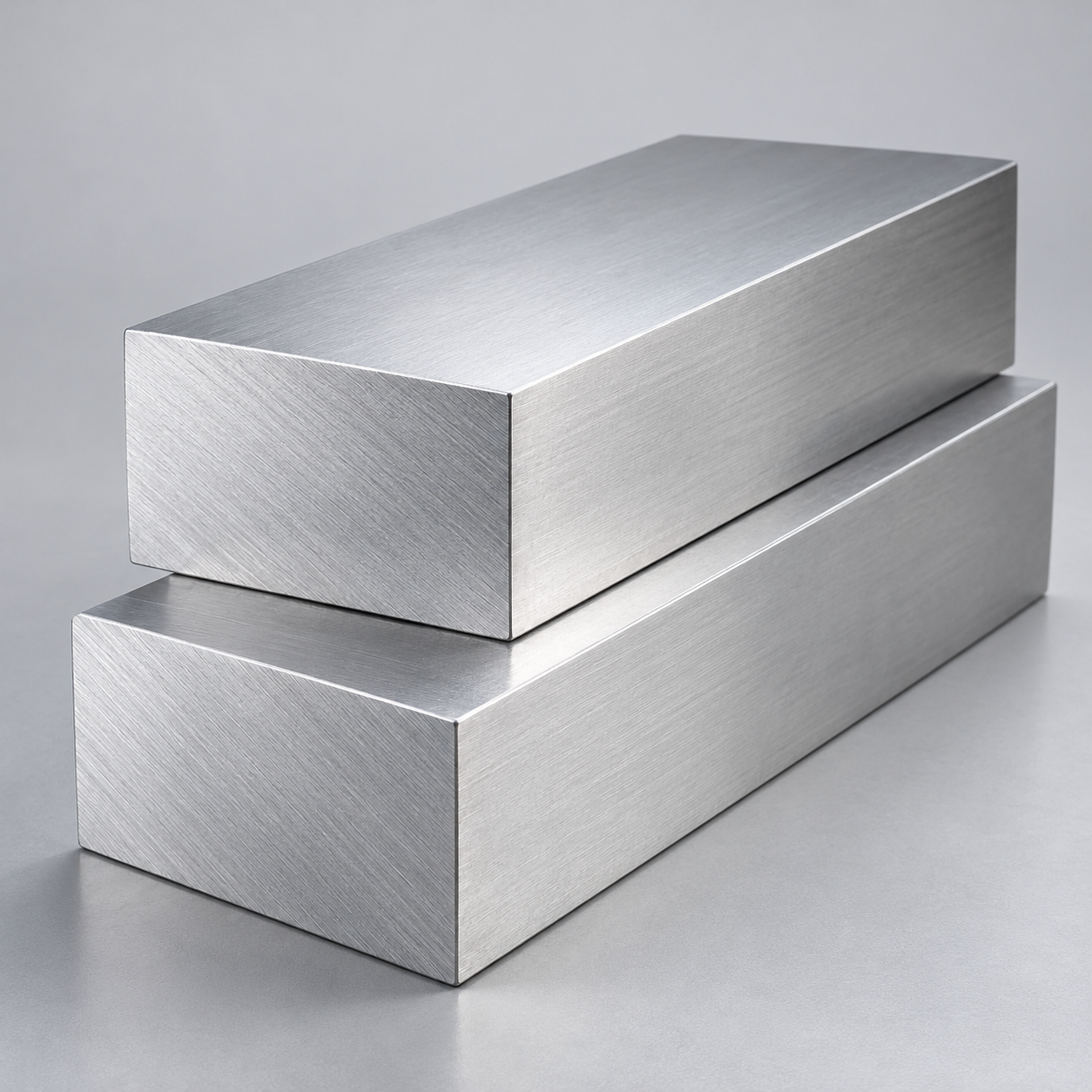 AluminumStrength, weight and machining›
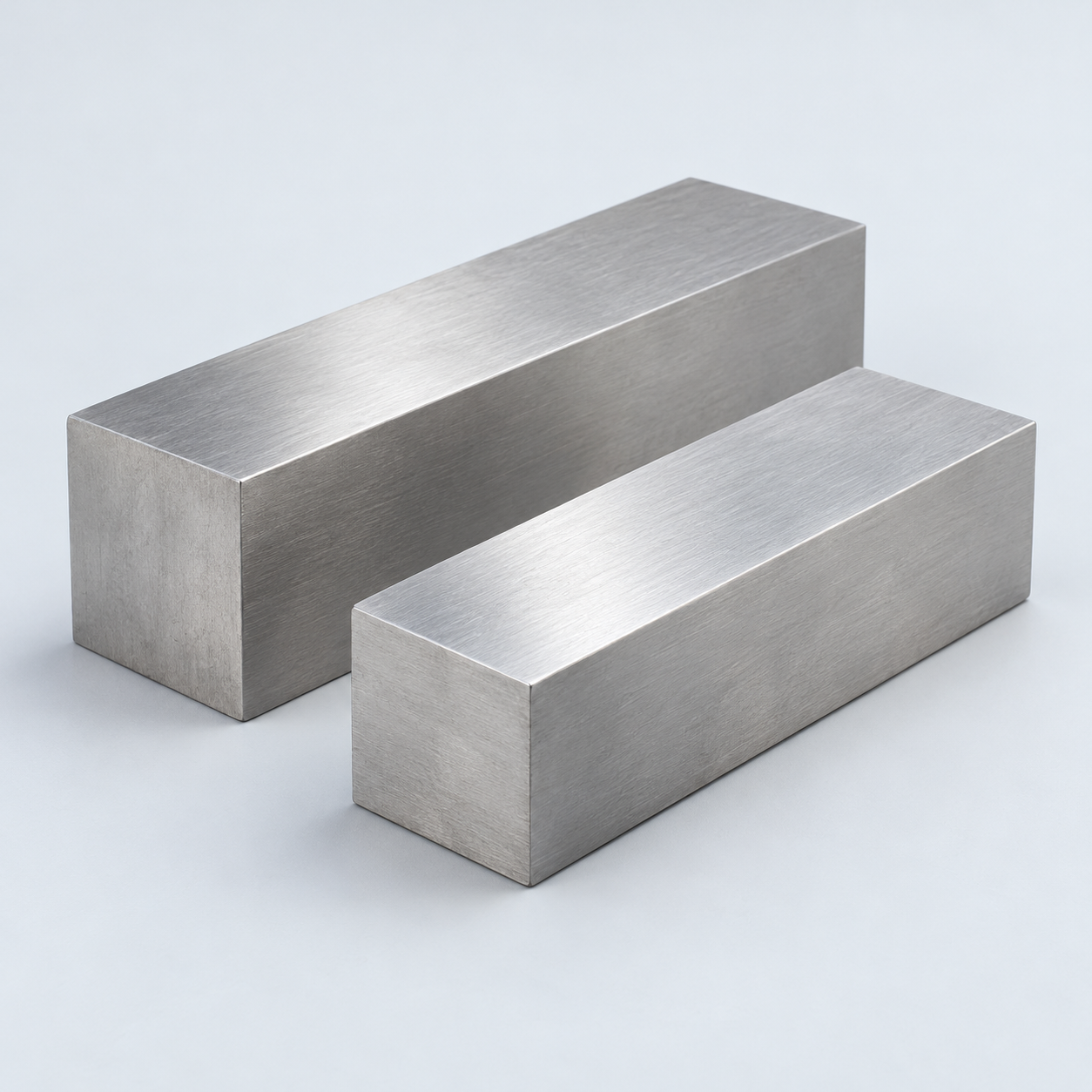 Stainless SteelCorrosion and finish requirements›
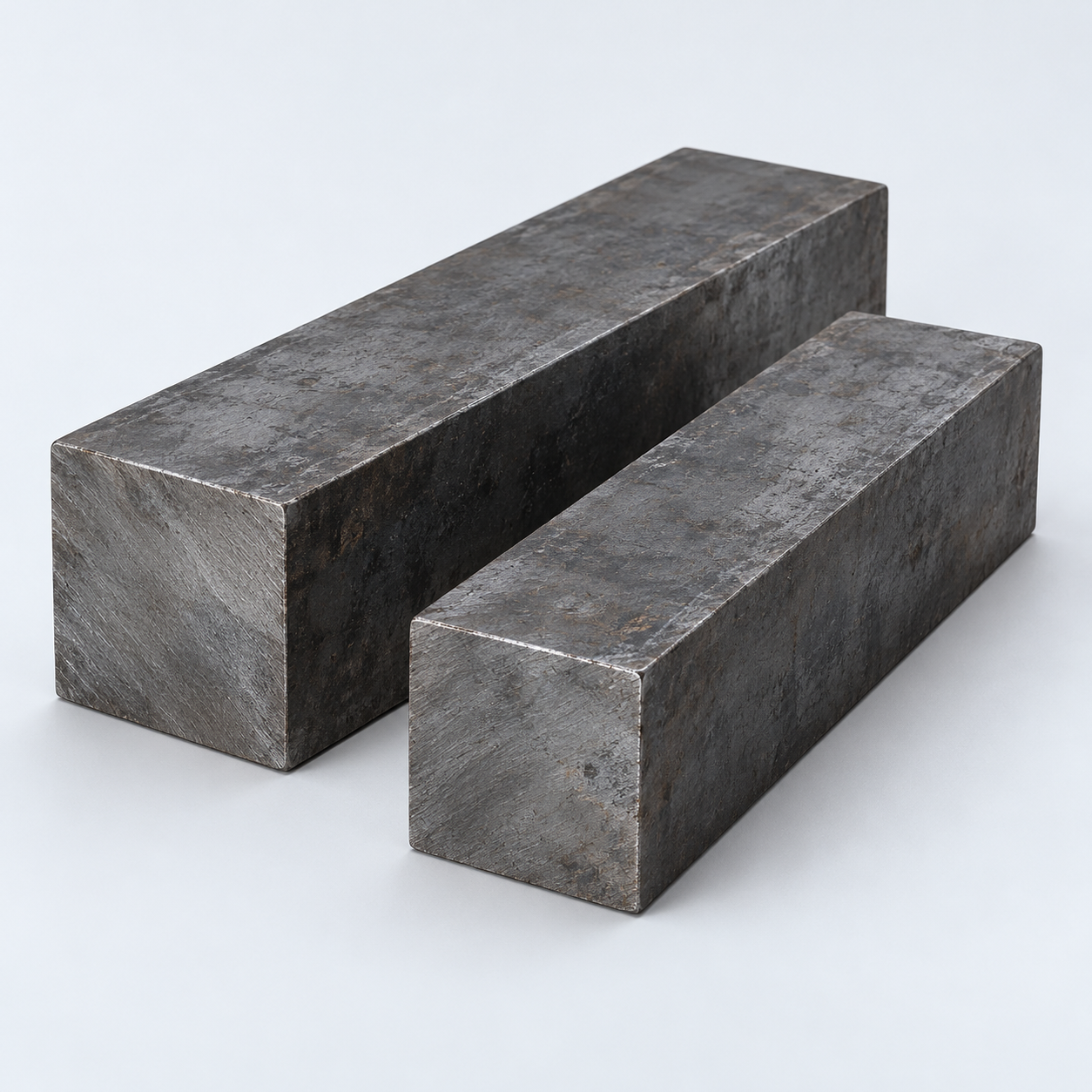 Carbon & Alloy SteelDiscuss grade and heat treatment›
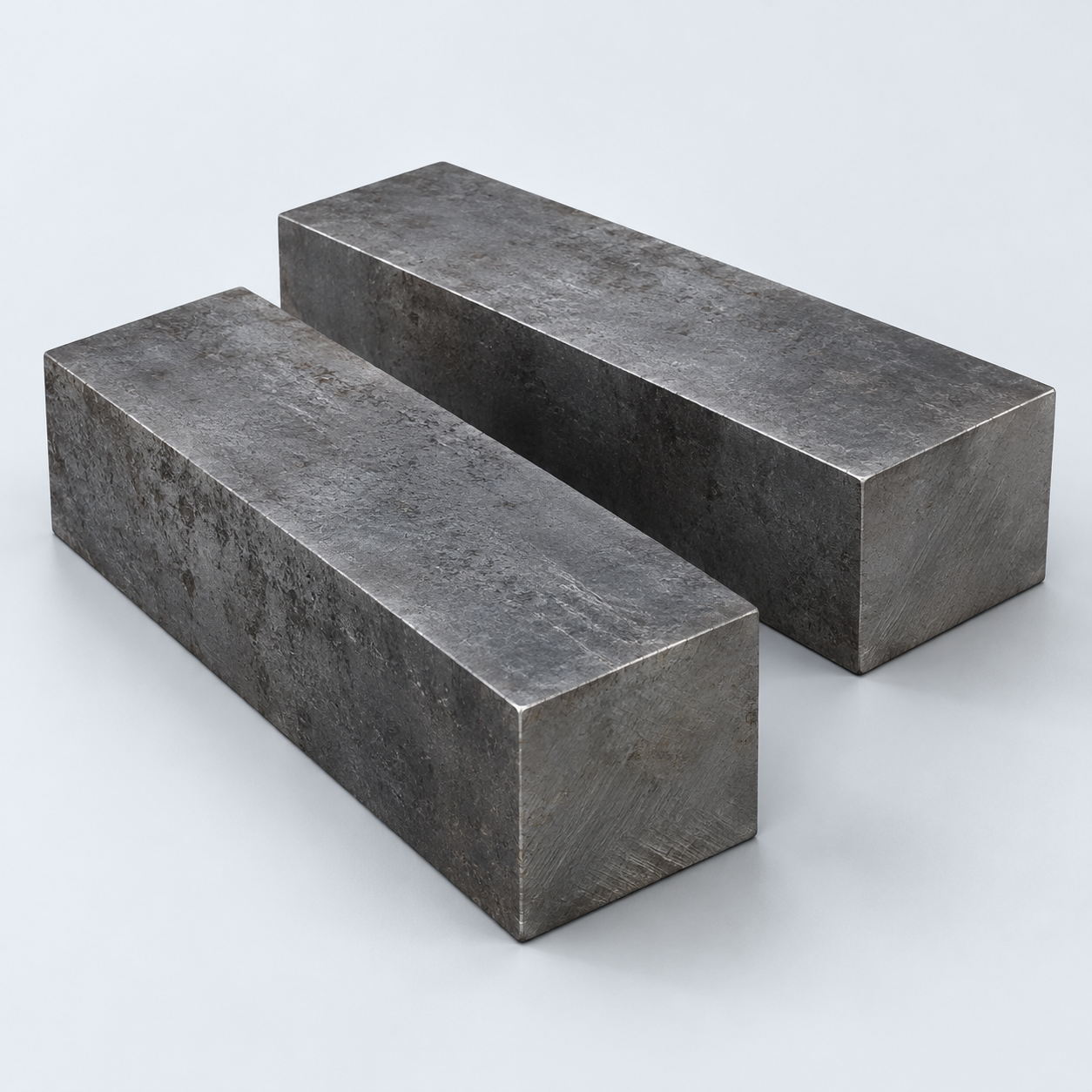 Tool SteelDiscuss tooling and wear needs›
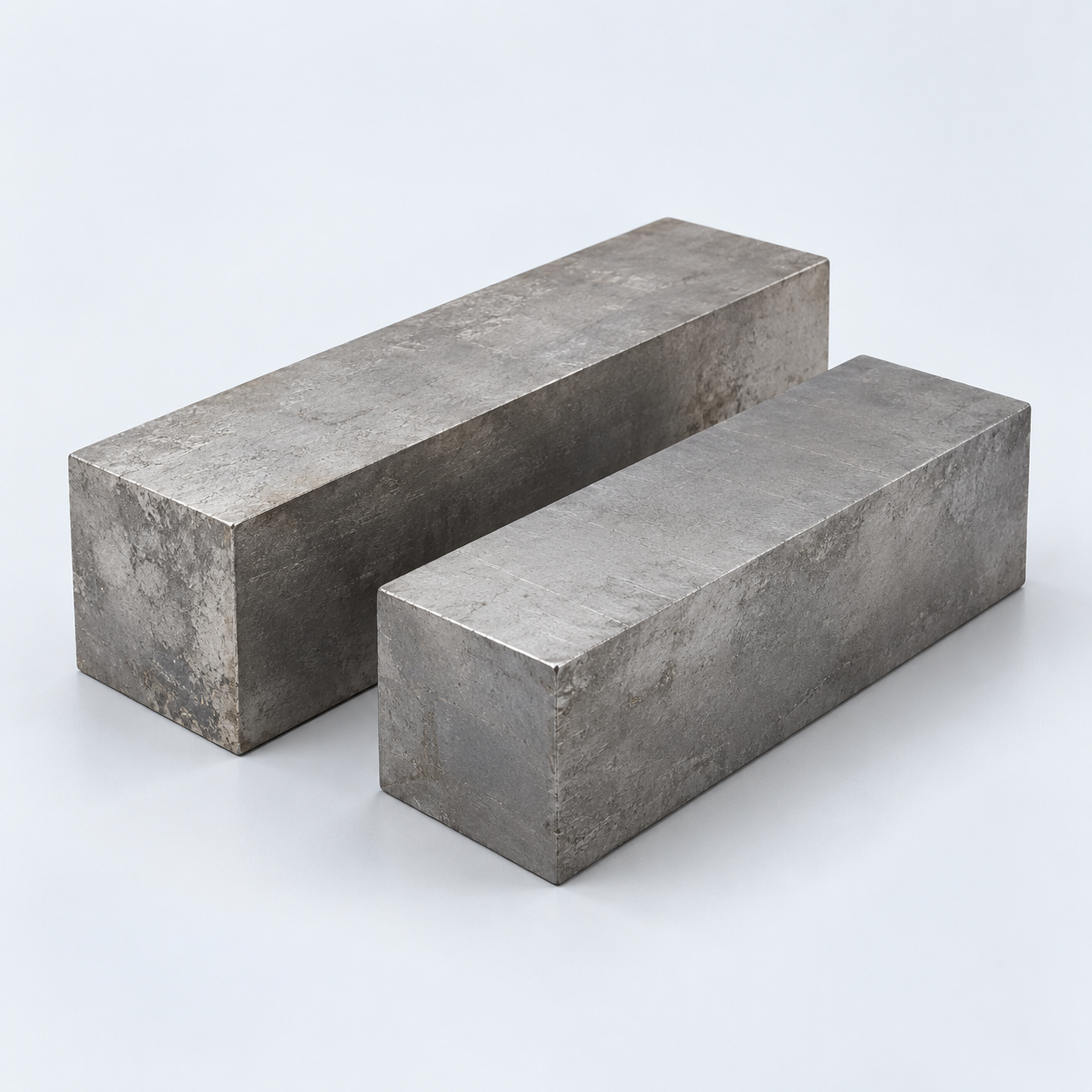 TitaniumReview grade and part geometry›
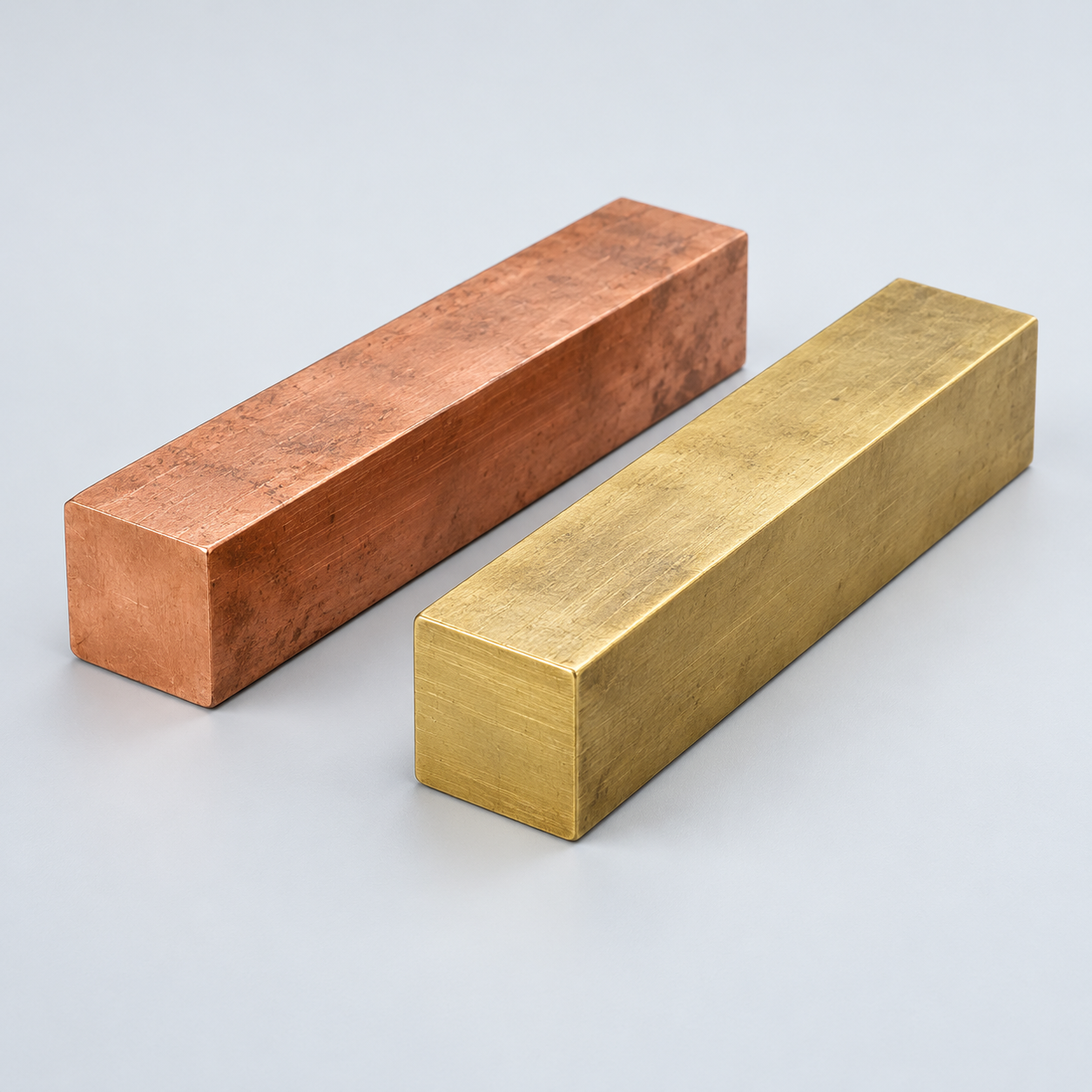 Copper & Brass & BronzeDiscuss conductivity and machining›
Match your polymer to function, process and environment.
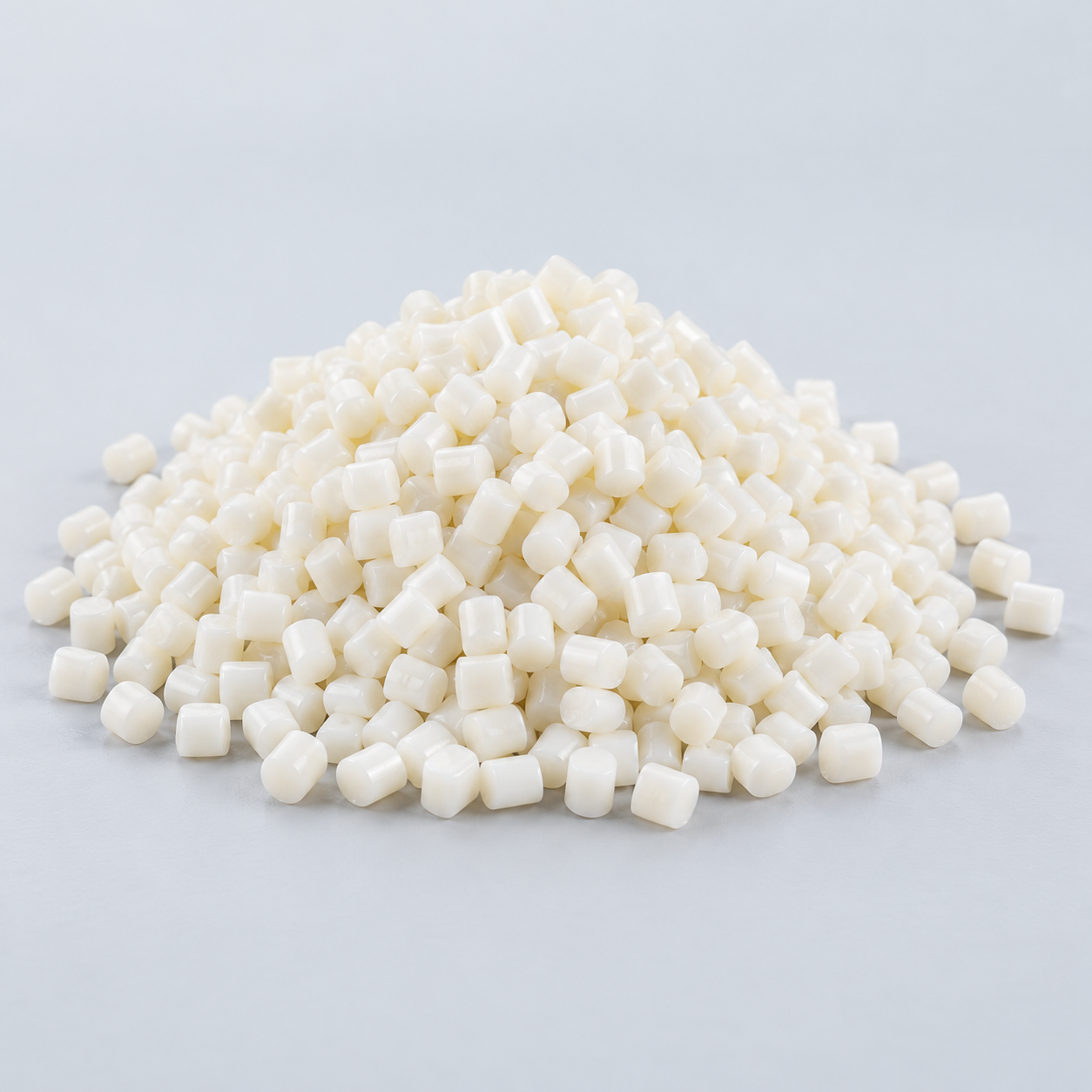 ABSReview enclosure and molding needs›
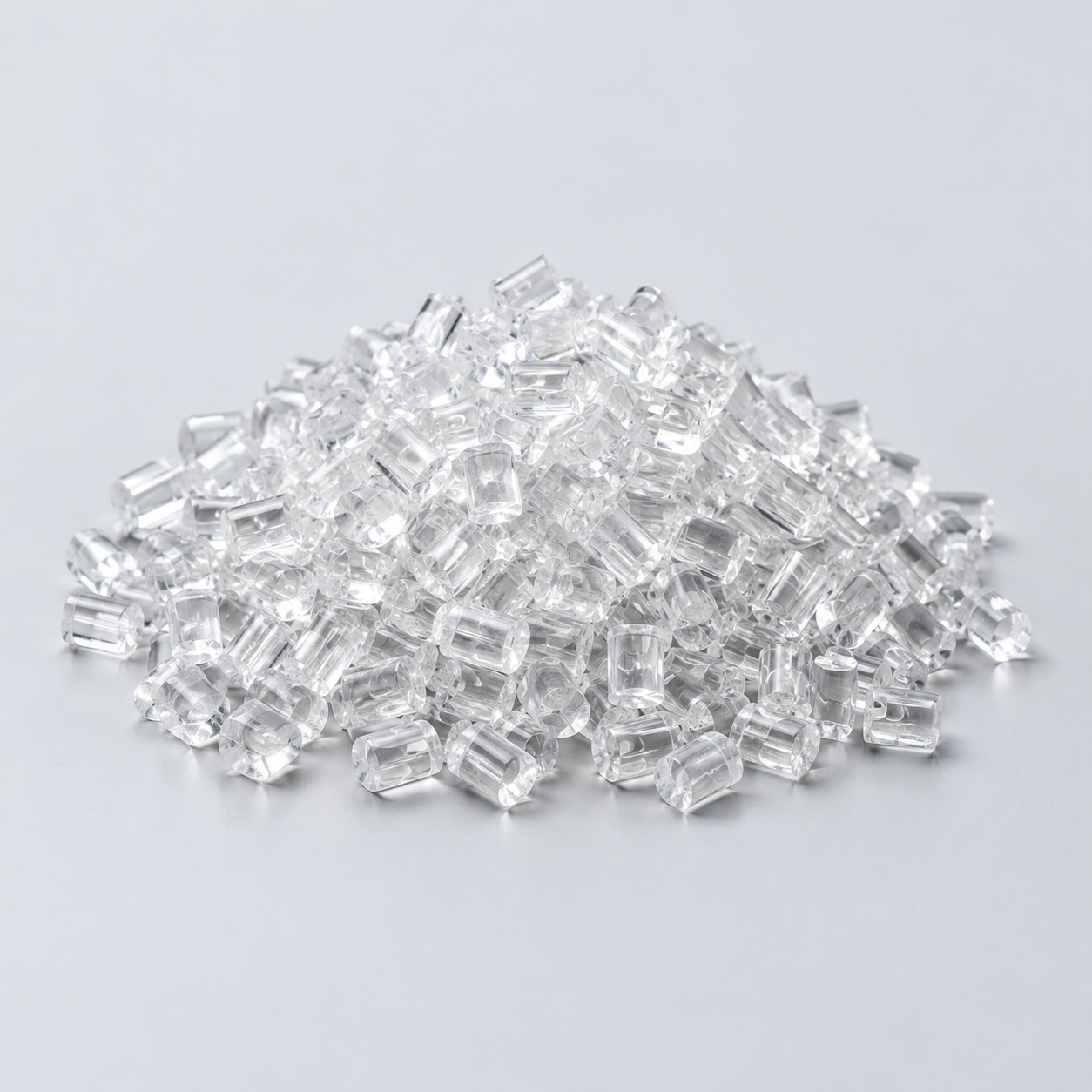 Polycarbonate (PC)Discuss clarity and impact needs›
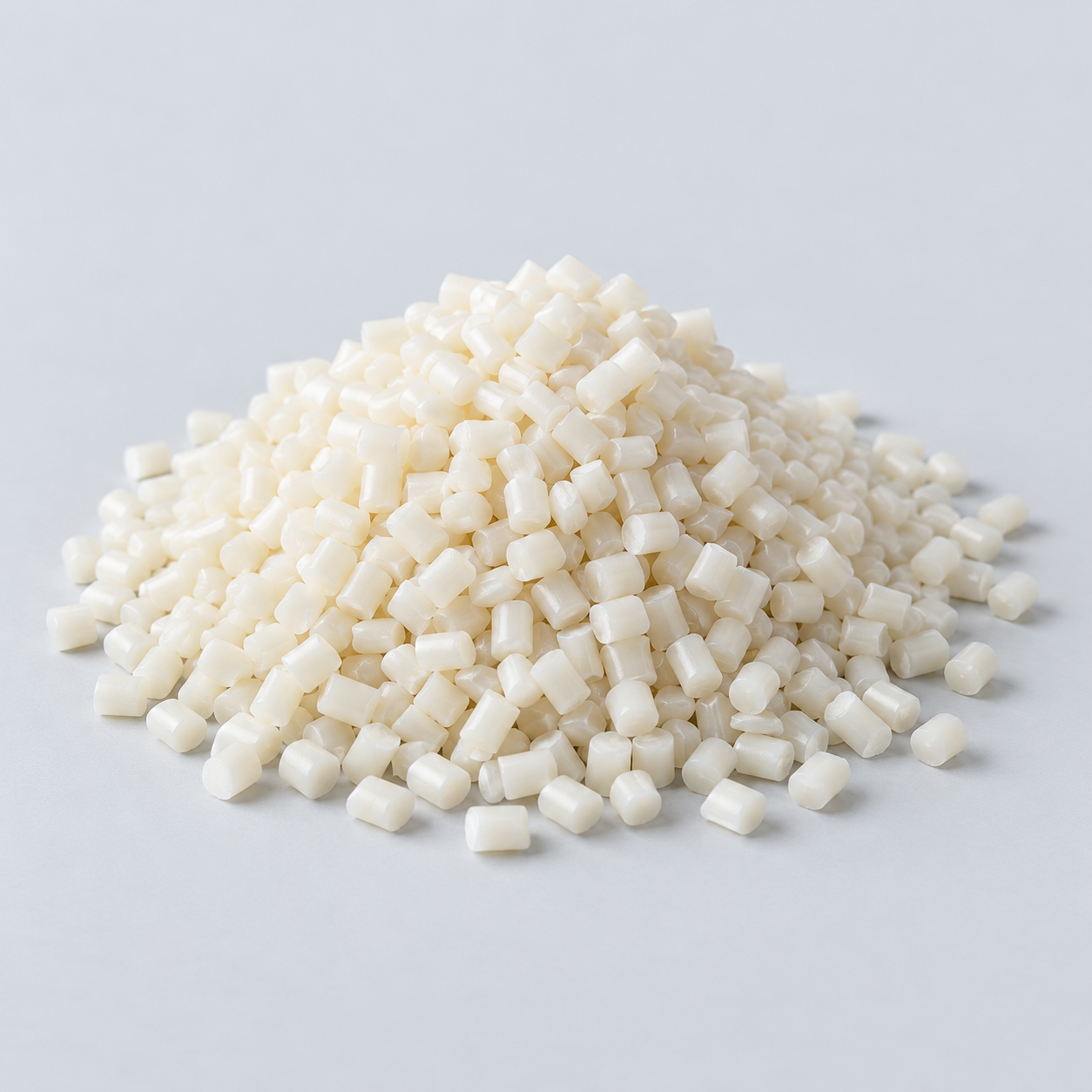 Nylon (PA)Review moisture and wear conditions›
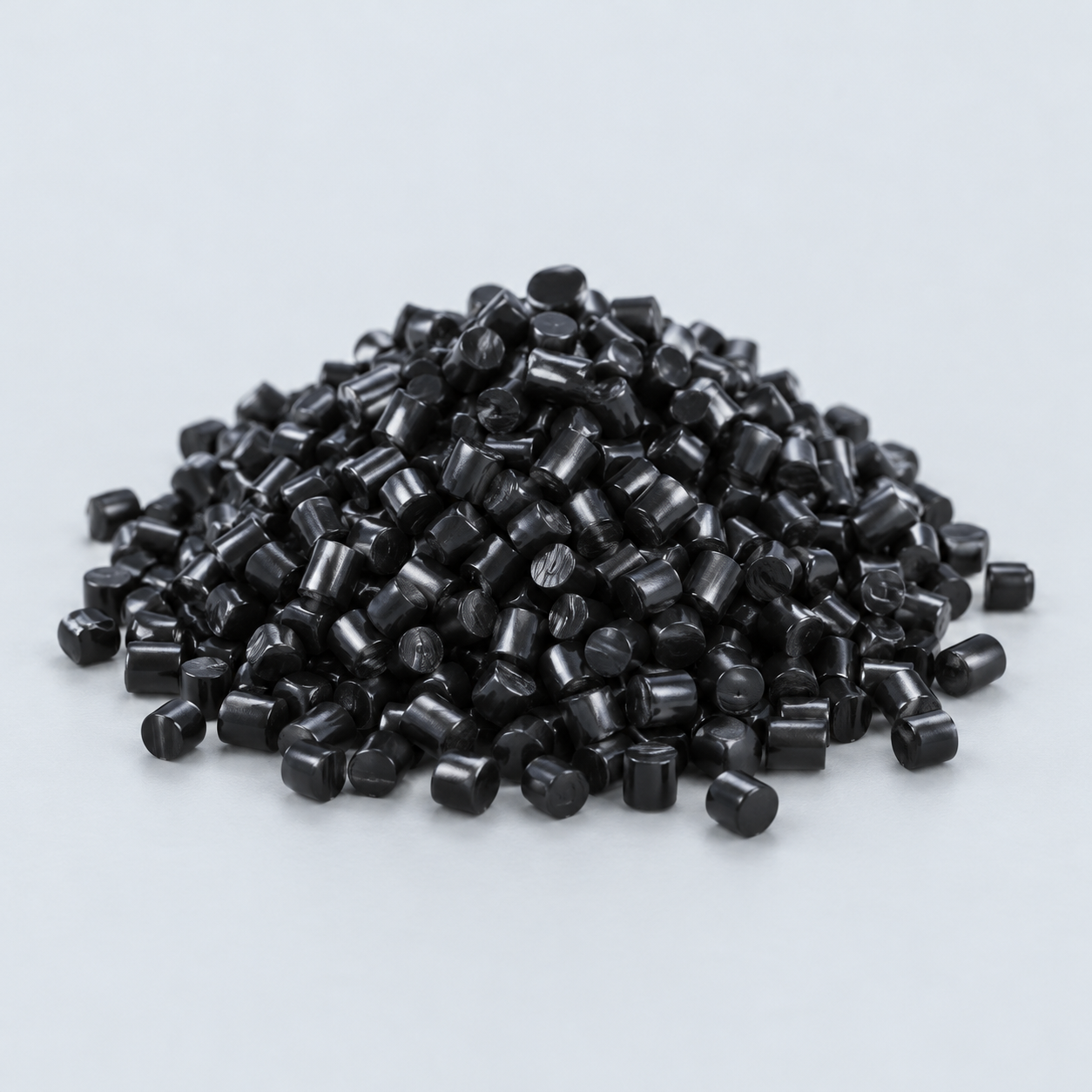 POM / AcetalReview fit and sliding features›
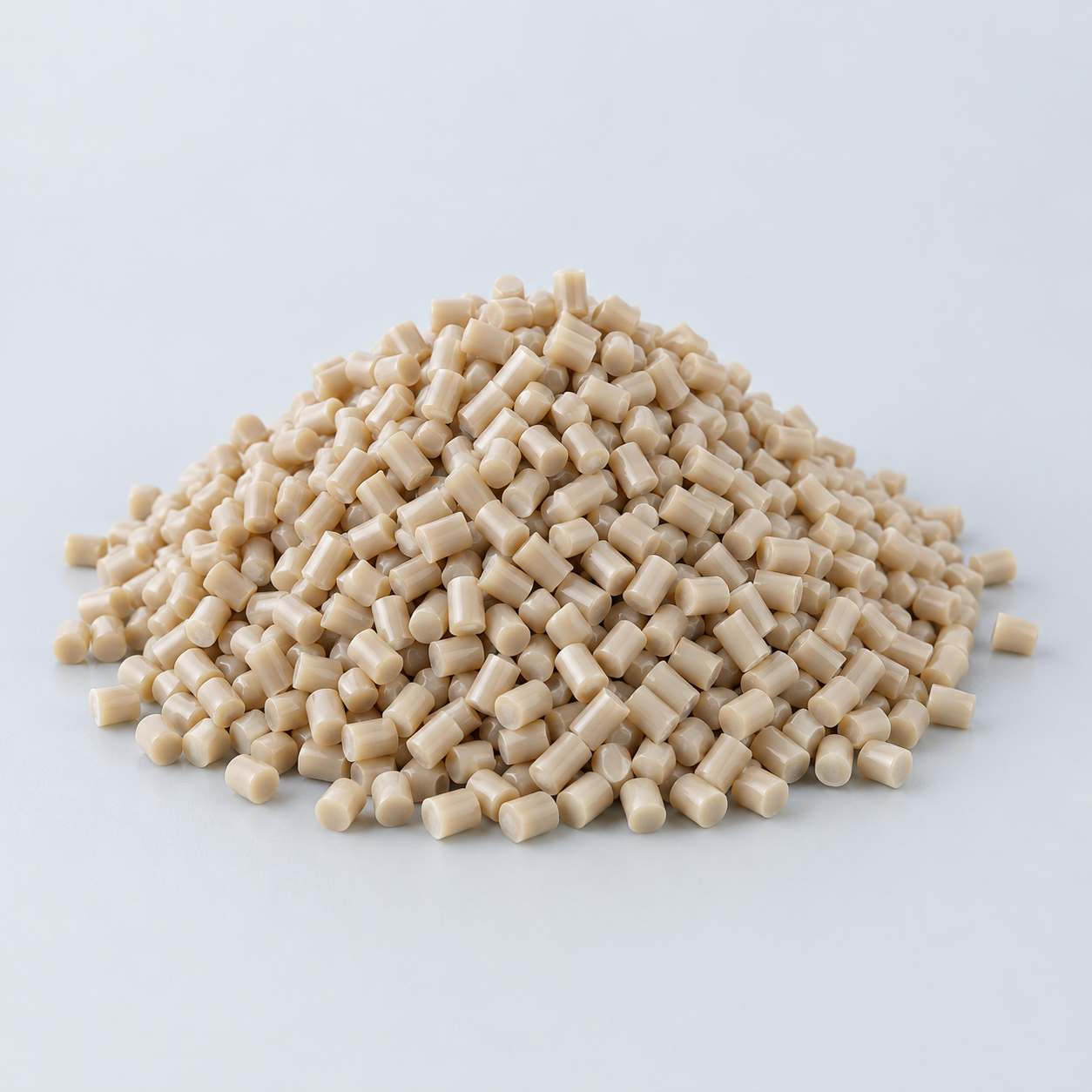 PEEKDiscuss operating conditions›
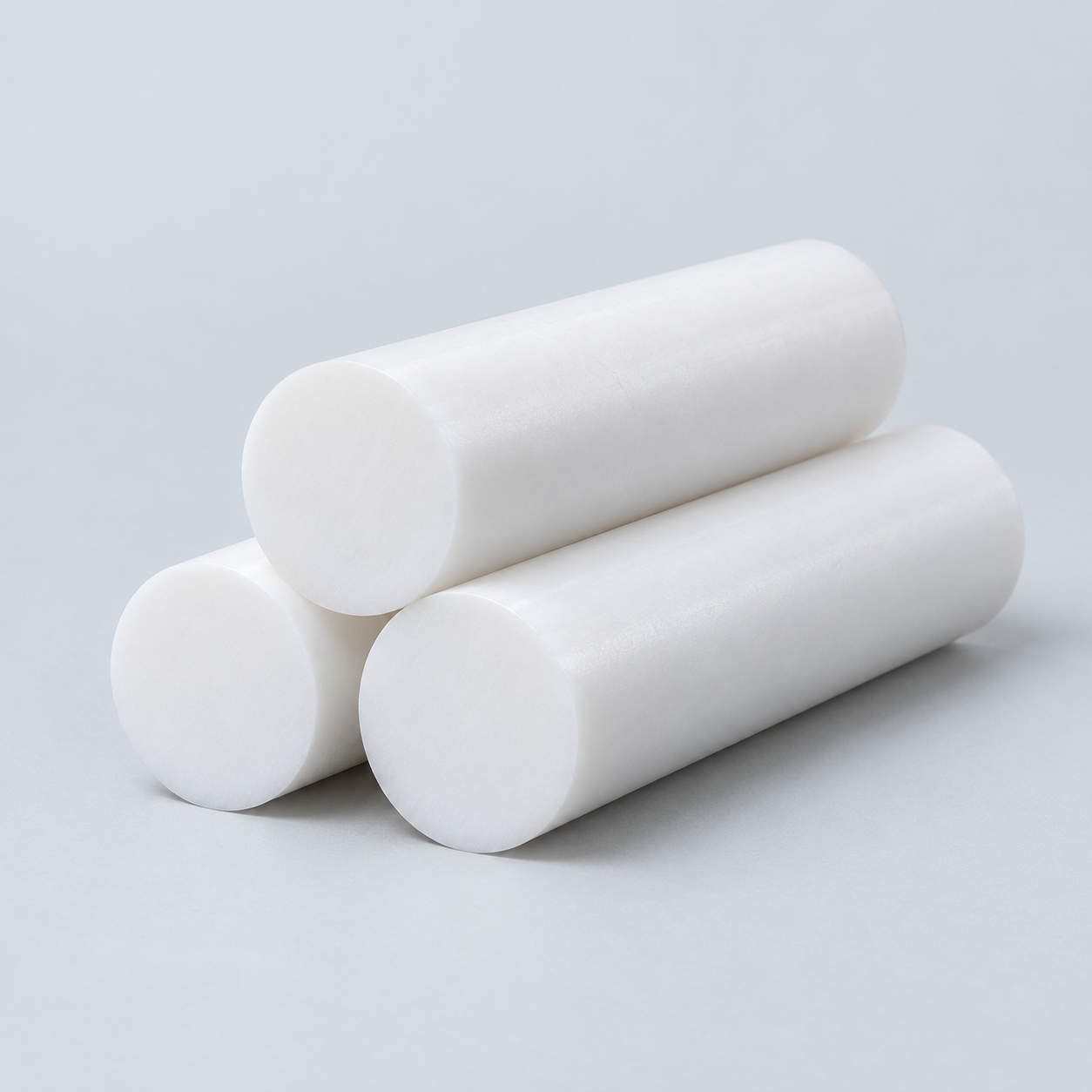 PTFEReview friction and chemical exposure›
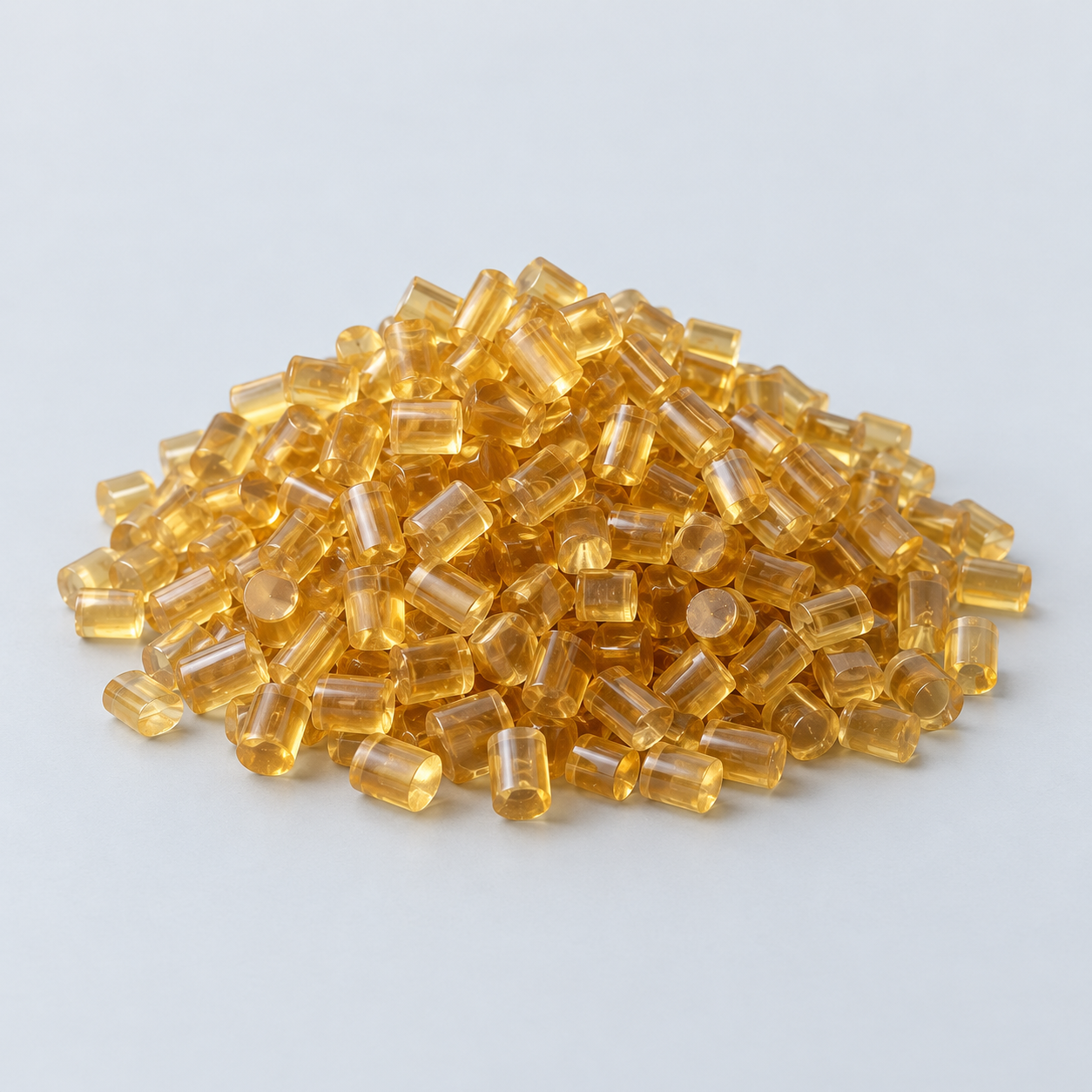 ULTEM / PEIDiscuss thermal and electrical needs›
Confirm grade availability and application requirements.
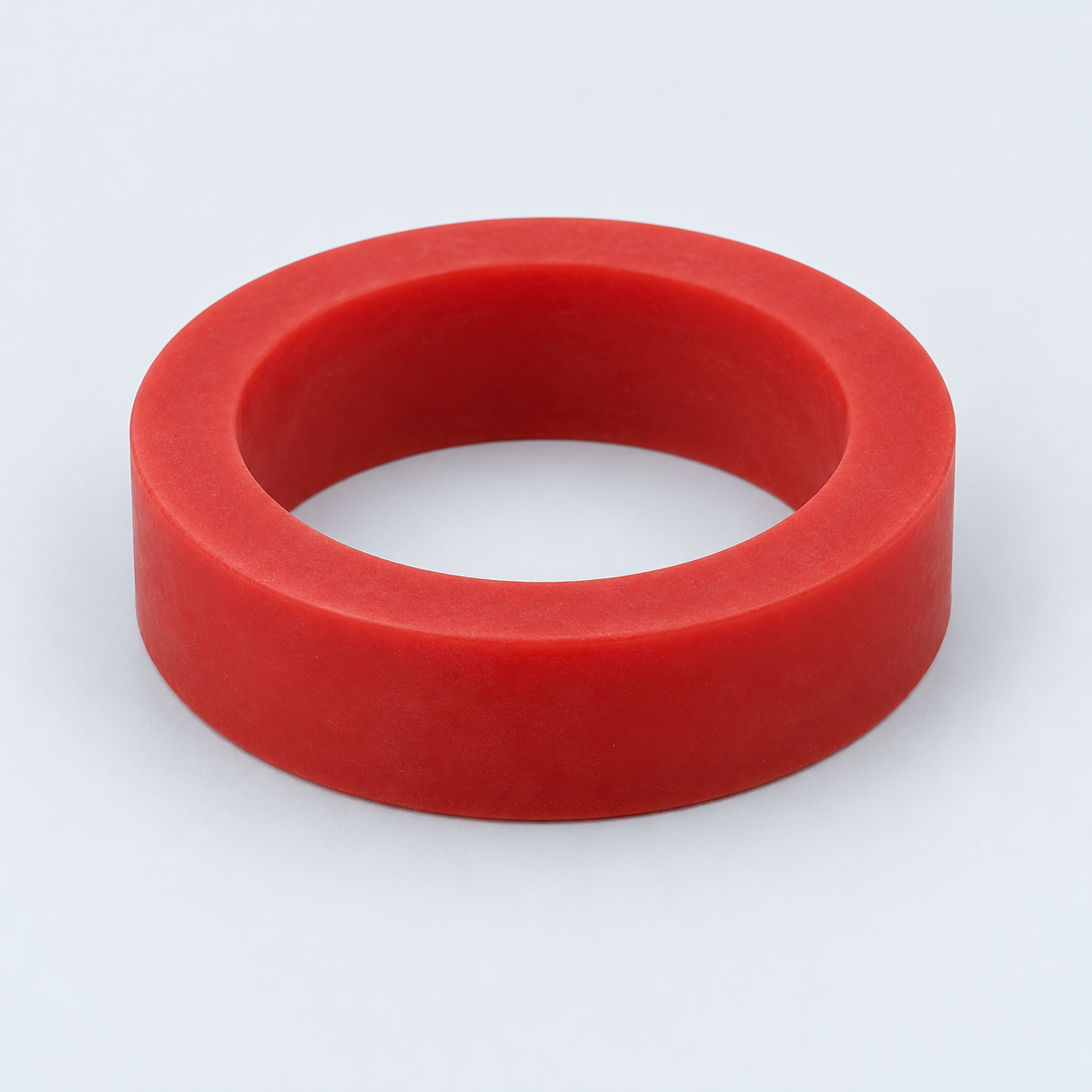 Silicone / LSRDiscuss flexible component needs›
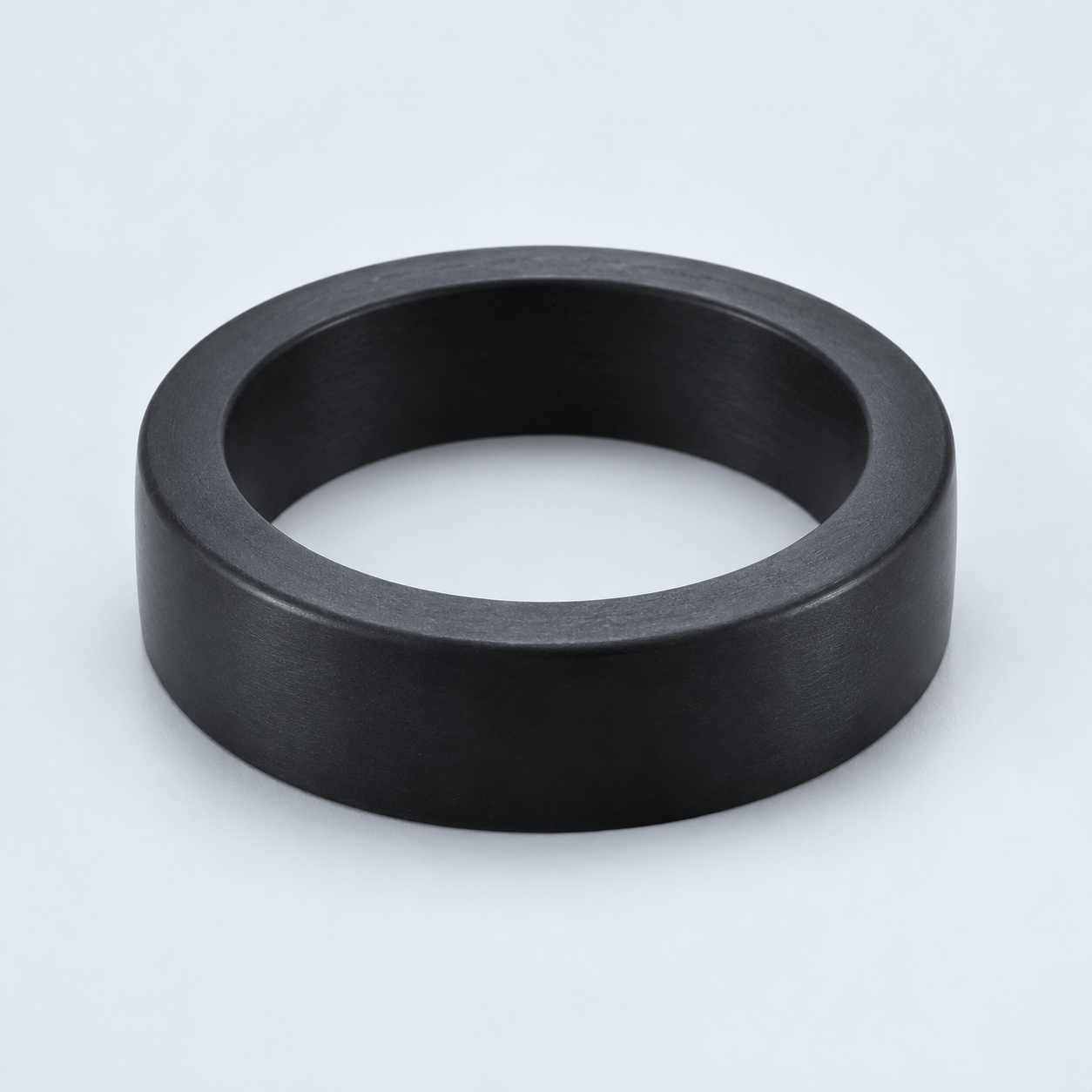 TPU / TPEReview flexibility and processing›
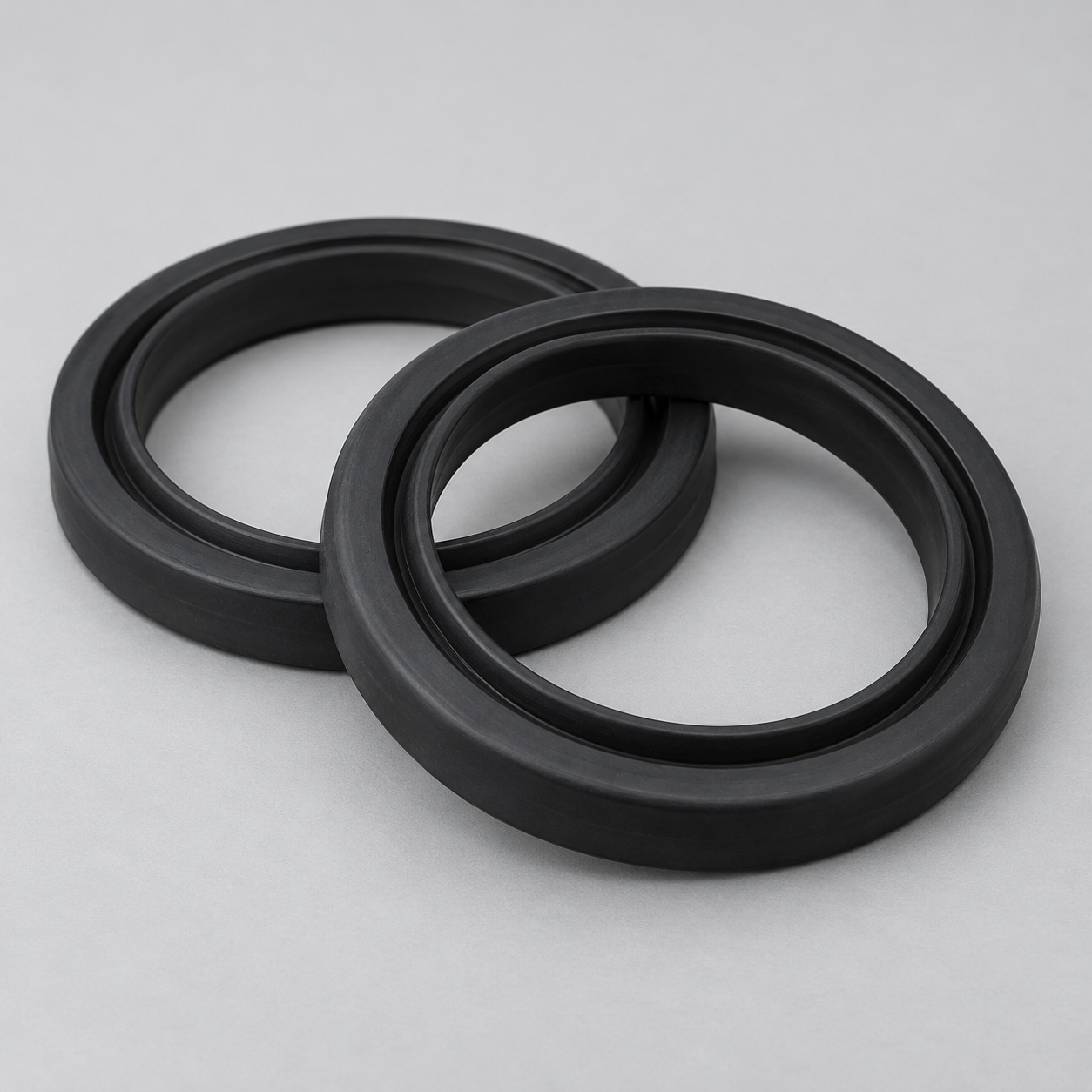 EPDMReview weathering and chemical exposure.›
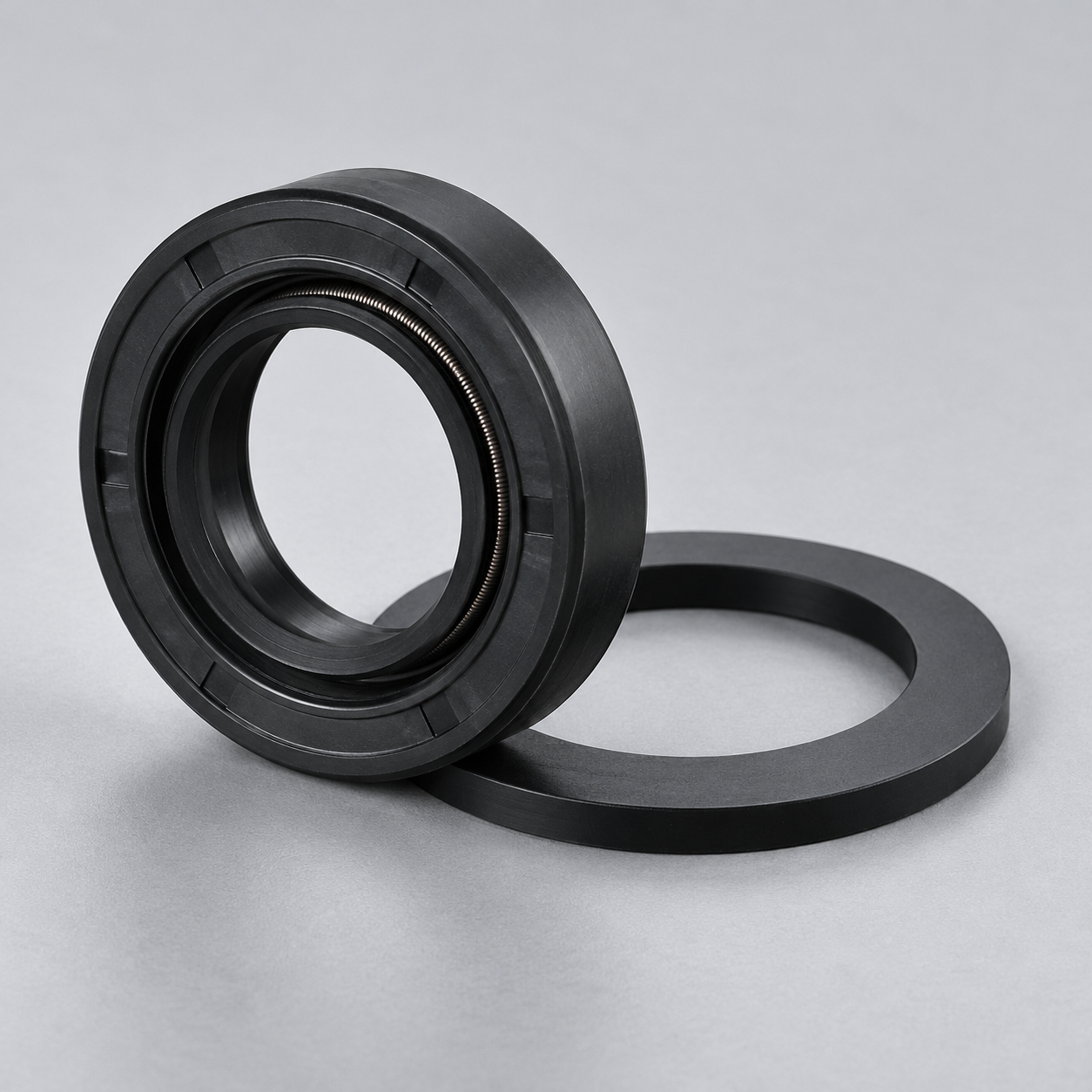 NBRReview oil and fuel exposure.›
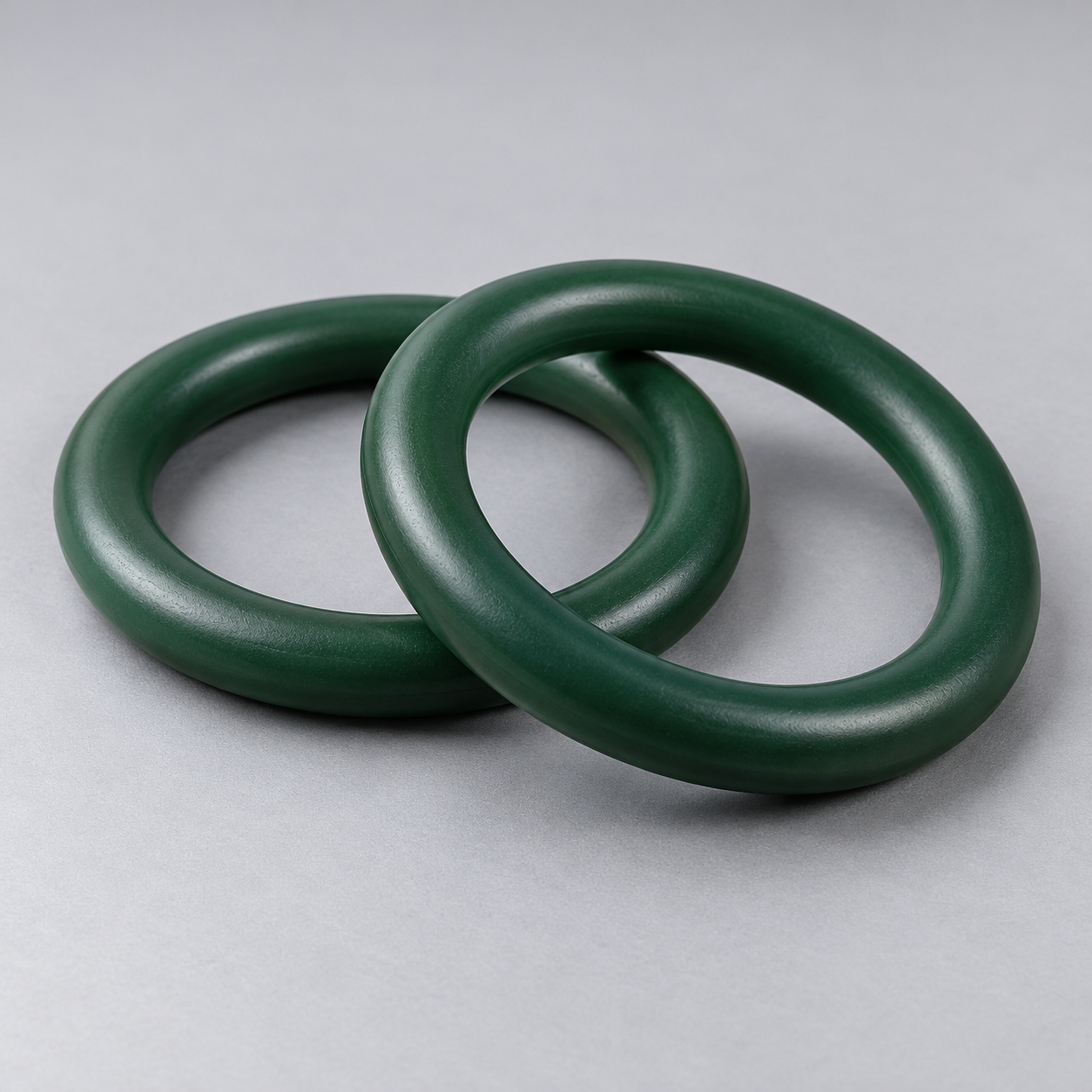 FKMReview temperature and chemical exposure.›
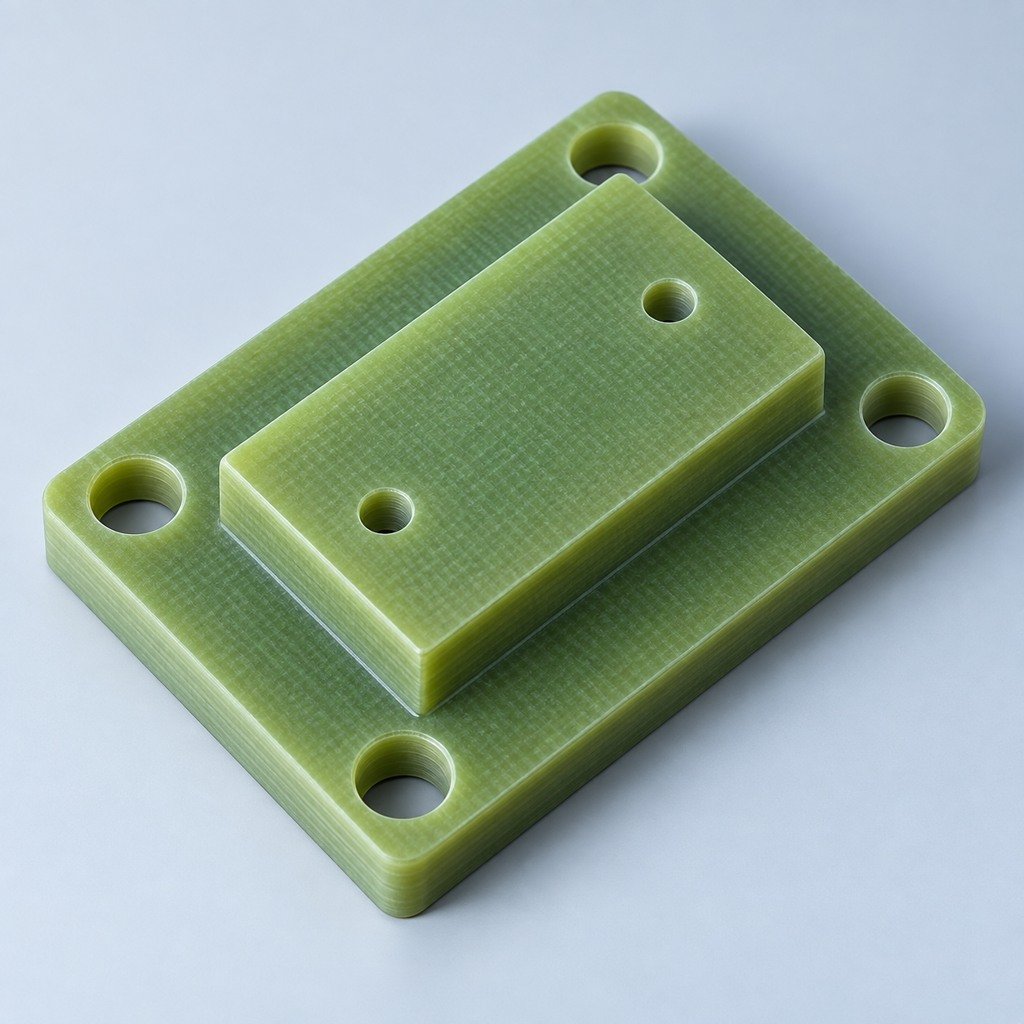 G10 / FR4Review insulation and laminate needs›
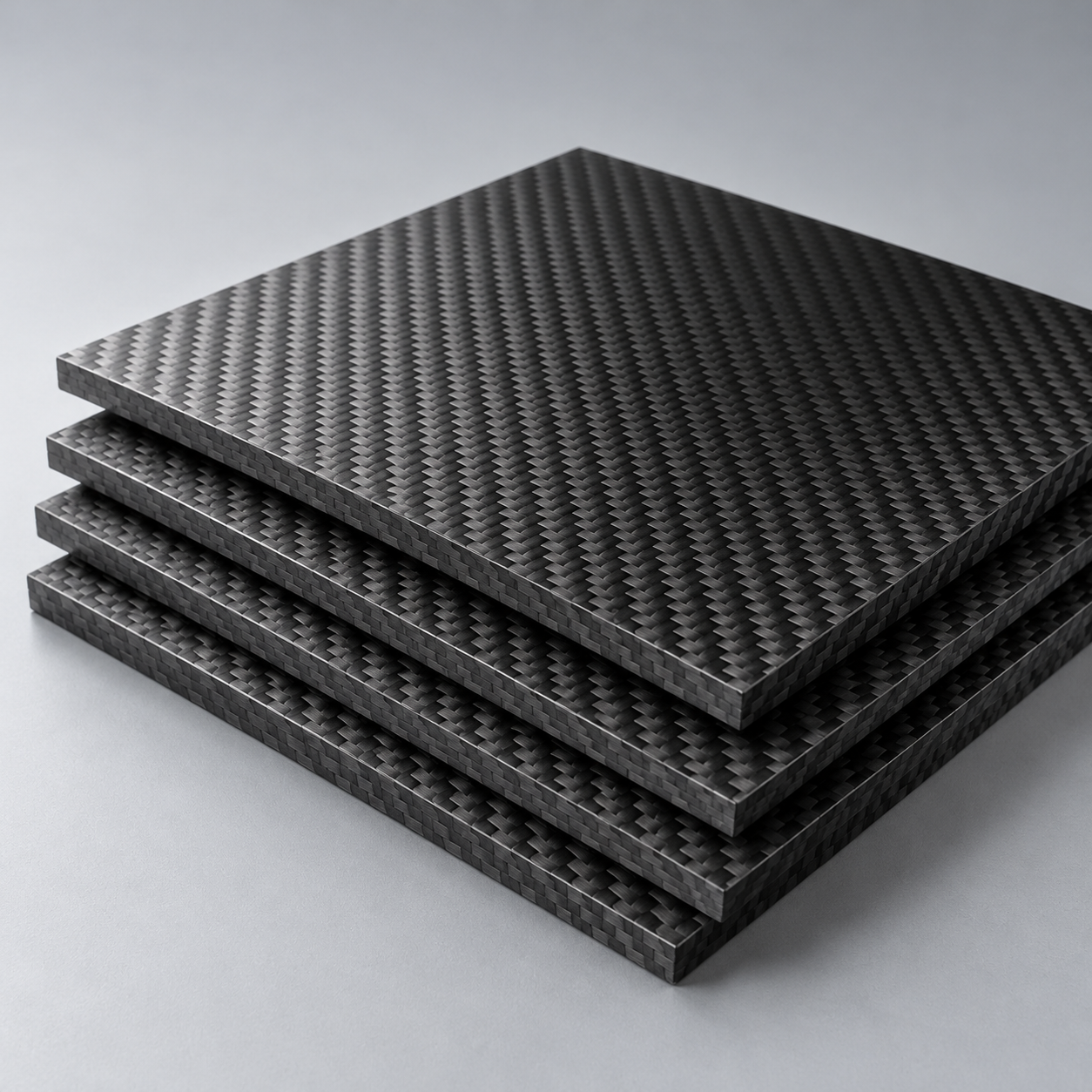 CompositesReview stiffness, weight and laminate.›Customer-Specified MaterialsConfirm your grade and requirements.›Other Specialty MaterialsDiscuss your application and grade.›
Practical guidance for your part geometry and material decisions.
Prepare your process, budget and sourcing questions.
Build your knowledge before production.
Learn who we are and how we operate.
Find our U.S. support team or start a conversation.
Find your component, server interface or application. Review materials, fit and acceptance requirements before production.
Review your requirements
Select material and process
Define test methods and records
Support your production plan
Choose a starting point based on your component, server or application.
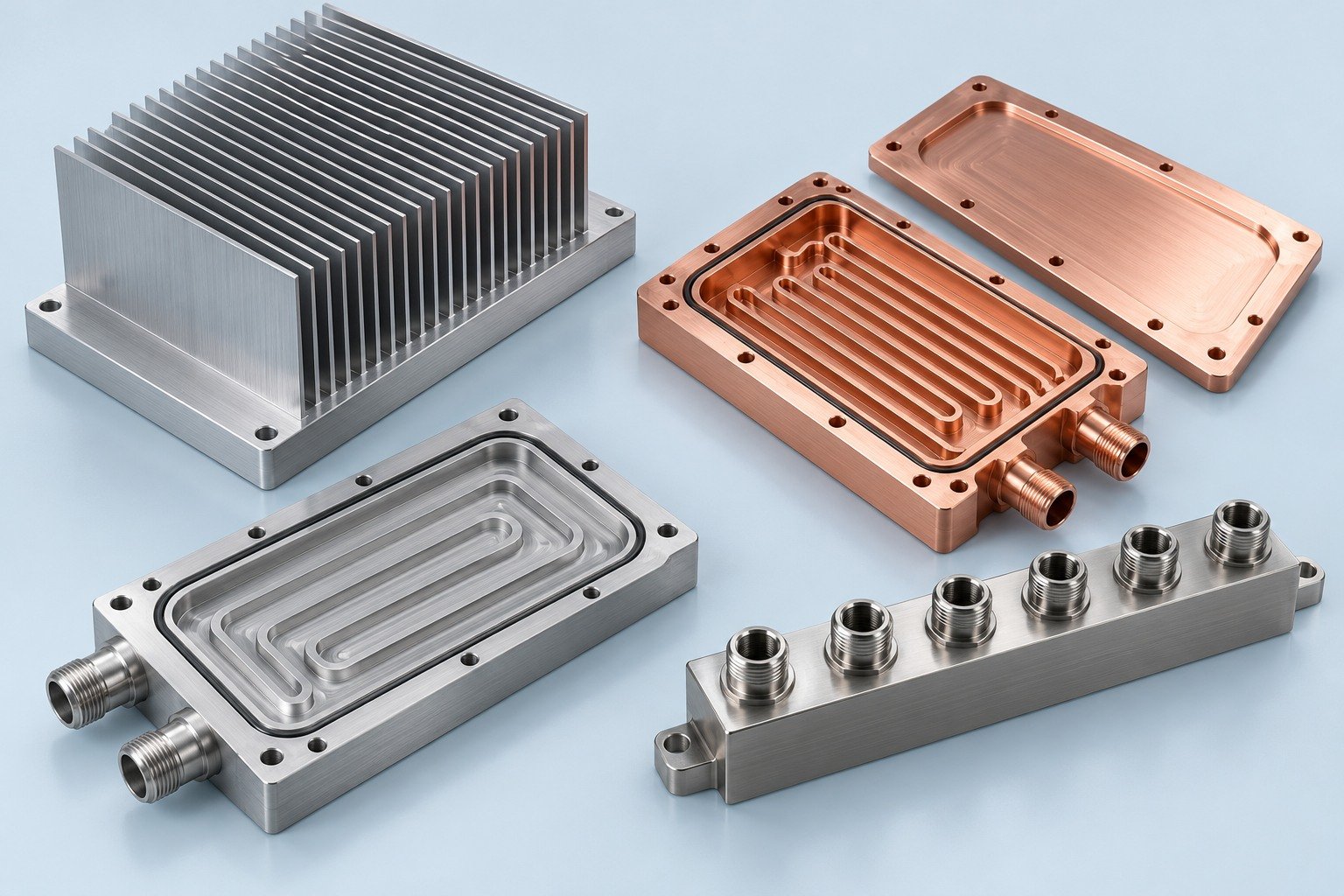
Heat sinks, cold plates and manifolds for air or liquid cooling.
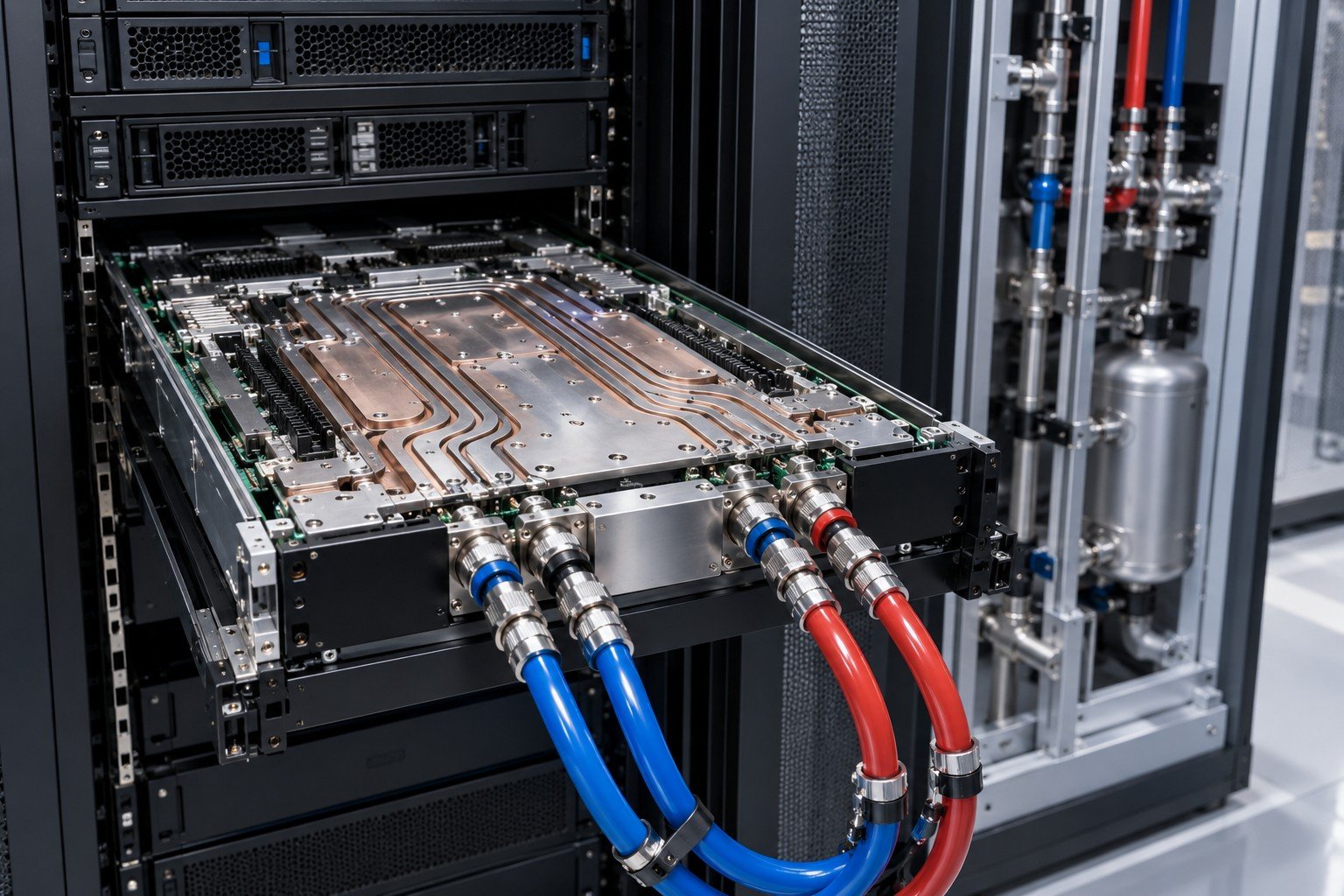
Component manufacturing for your server, rack and liquid-cooling interfaces.
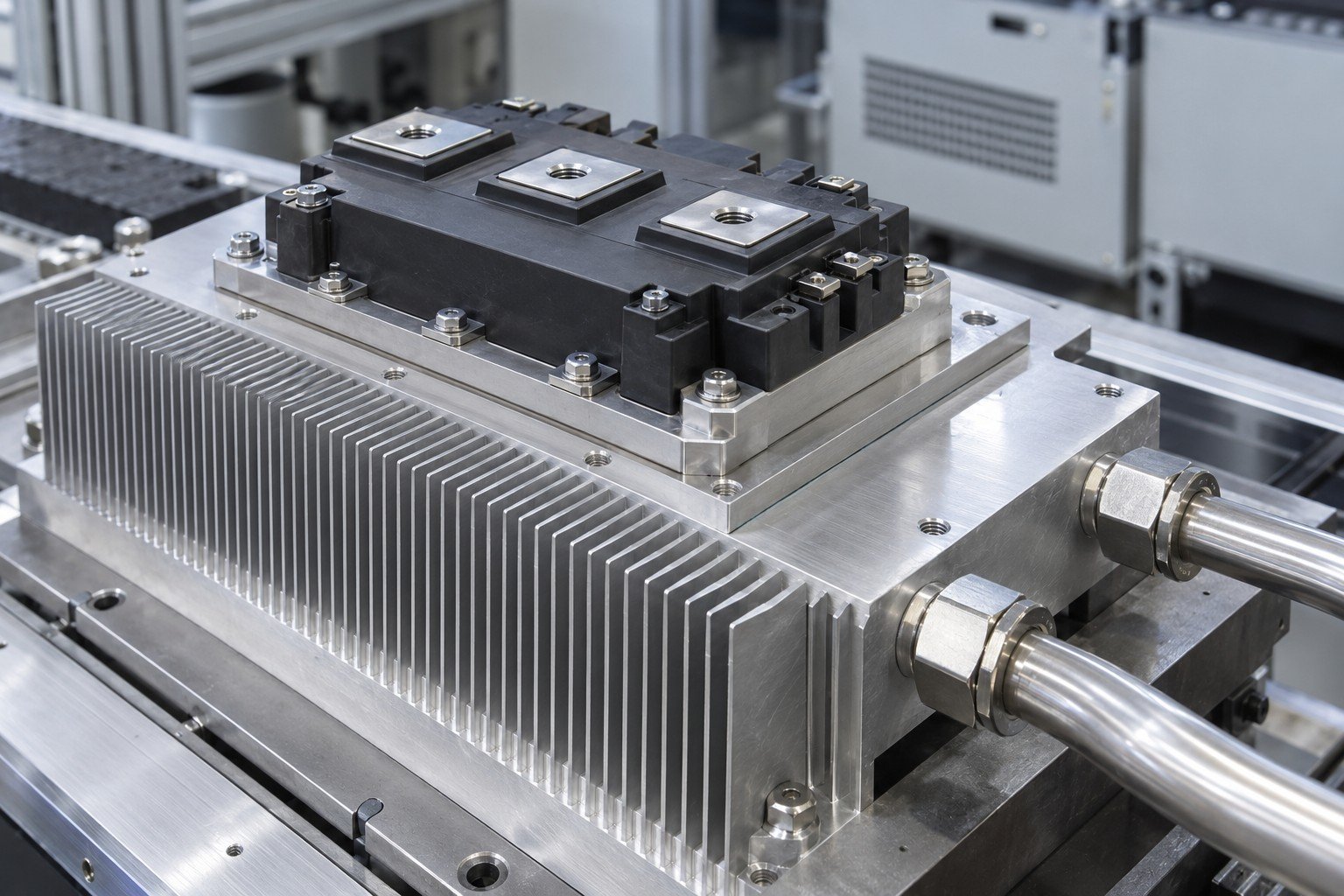
Thermal components for power electronics, energy, laser and telecom applications.
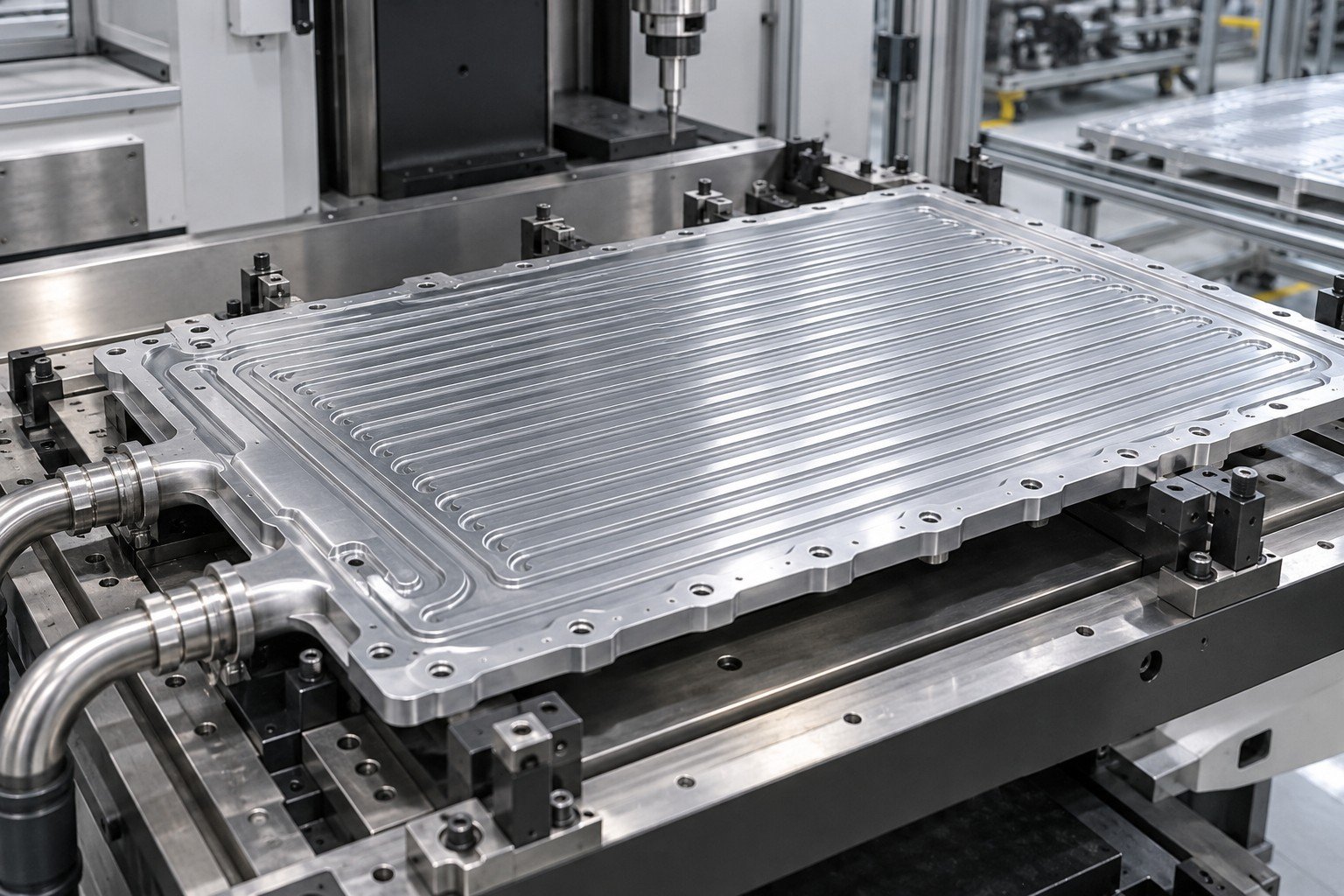
Match your component to the assembly and review key interface requirements.
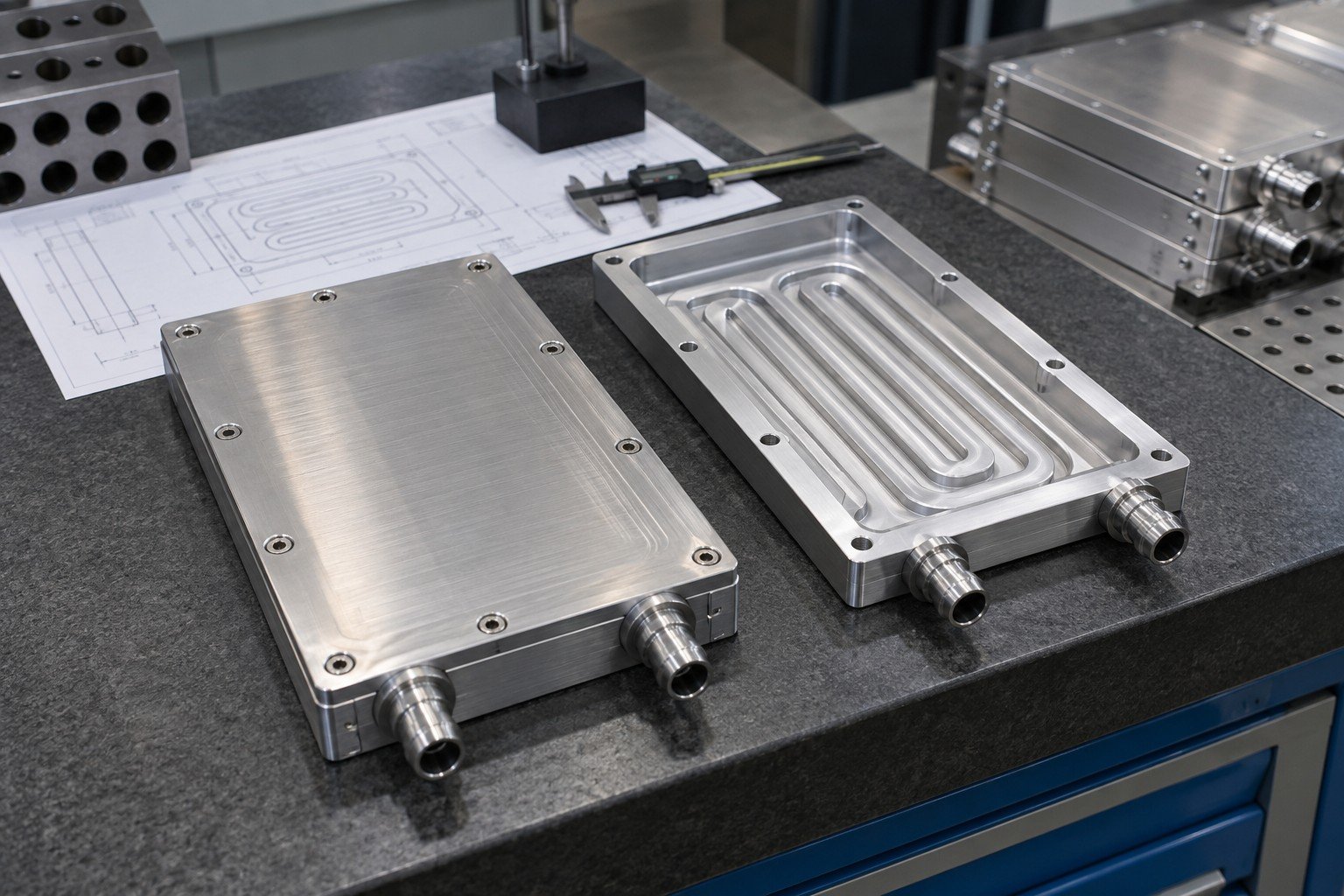
For your aluminum extrusion heat sink, review the fin profile, base contact and secondary machining together.
Confirm flow direction, cover joining route and accessible seal geometry before manufacturing.
Define each port, connection position and cleaning requirement on a controlled drawing.
Supply mounting keep-outs and the contact-face requirements for your specific package.
Explore GPU / CPU Cold Plates →
Review manifolds, brackets and component interfaces against your assembly drawings.
State mounting flatness, interface material and electrical-isolation requirements.
Review usable envelope, support points and your specified leak-test conditions.
Confirm optical or electronic interfaces, environment and service connections.
Address key design and manufacturing risks early.
Confirm threads and sealing faces.
Agree test methods and limits.
Review coolant and finish.
Check datums and contact surfaces.
A clear manufacturing flow to help you plan your project.
Share drawings and key requirements.
Review manufacturing and inspection scope.
Build and confirm key features.
Review dimensions, function and test records.
Start the approved repeat-supply plan.
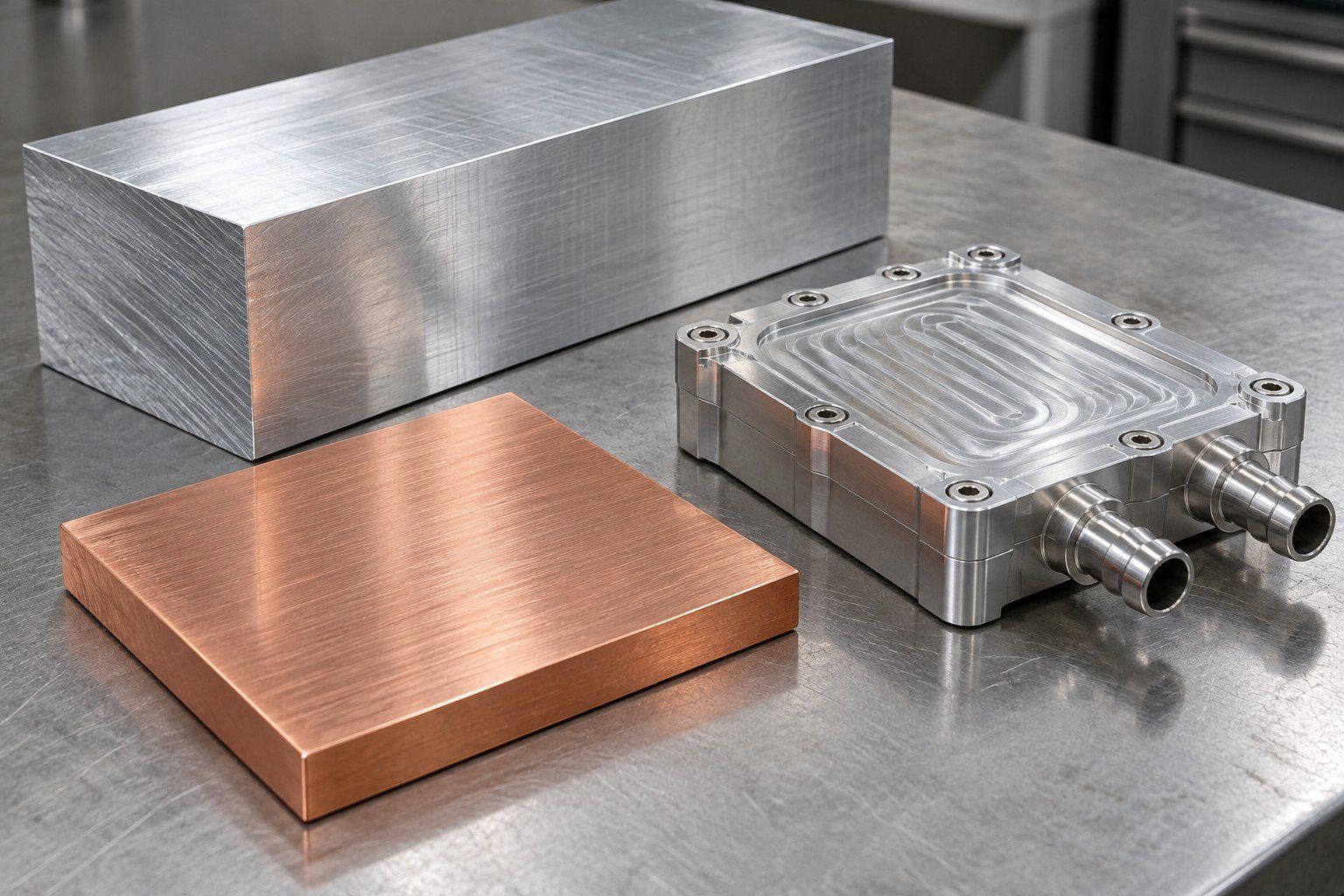
For your cold plate, conductivity is one input. Weight, wetted-path compatibility and the joining route also affect your choice.
C110 copper offers higher bulk conductivity. 6061-T6 aluminum offers lower density. Confirm the grade, temper and full coolant circuit before specifying either material.
W/(m·K), near room temperature · zero baseline
Typical material data, not an LK MFG test report or a prediction of cooling-system performance. Thermal resistance also depends on geometry, interfaces, coolant flow and pressure drop.
6061-T6 / T6511: 167 W/(m·K) at 25°C, Hydro 2019/01 alloy data. C110: 390 W/(m·K), Olin Brass / Wieland typical physical-property data. Values describe different specified grades and are for initial comparison, not a guaranteed specification.
Hydro 6061 data sheet Wieland C110 data sheetFrom precision machining to final inspection, coordinate the key processes for your thermal components.
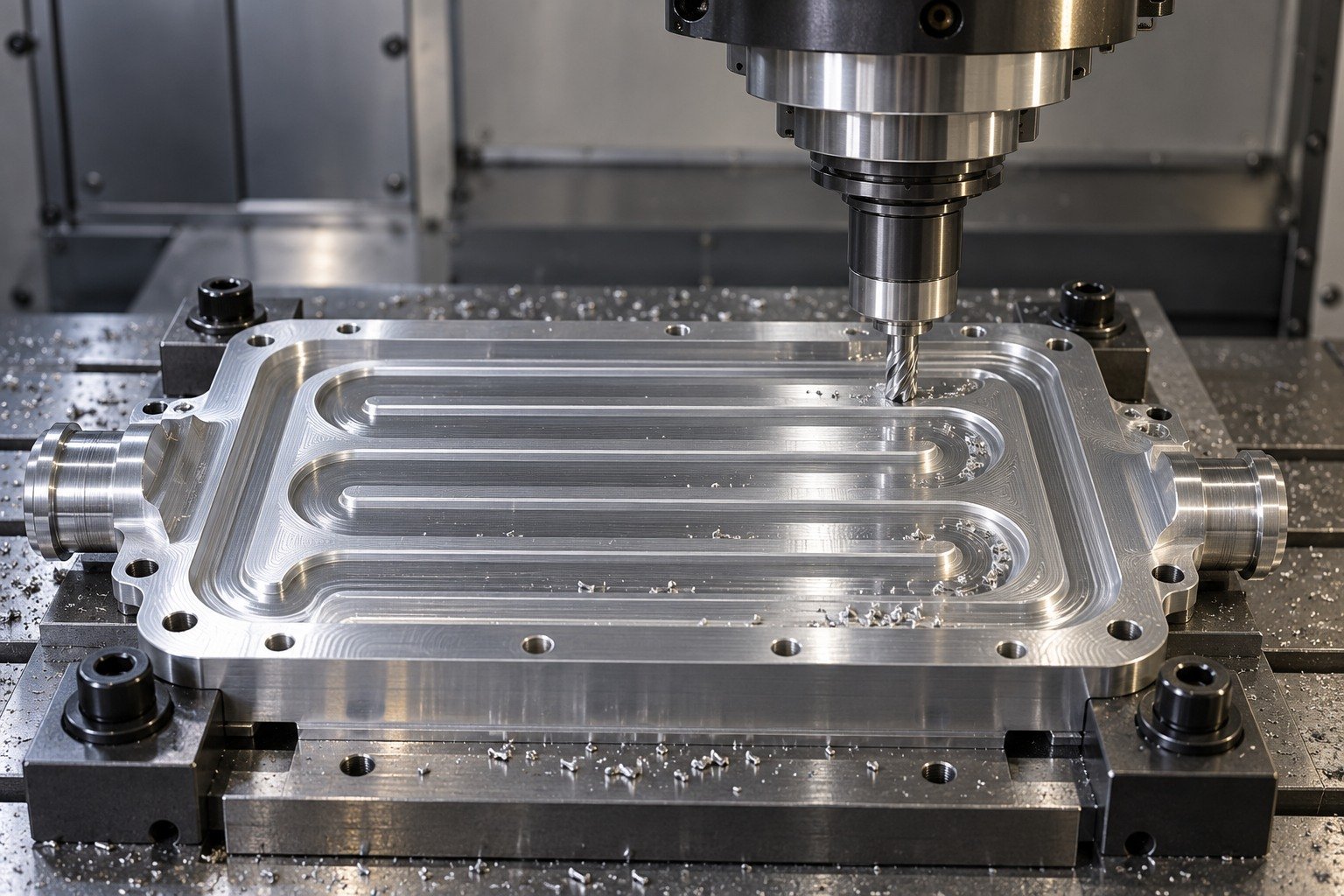
CNC machining, aluminum extrusion and precision finishing.
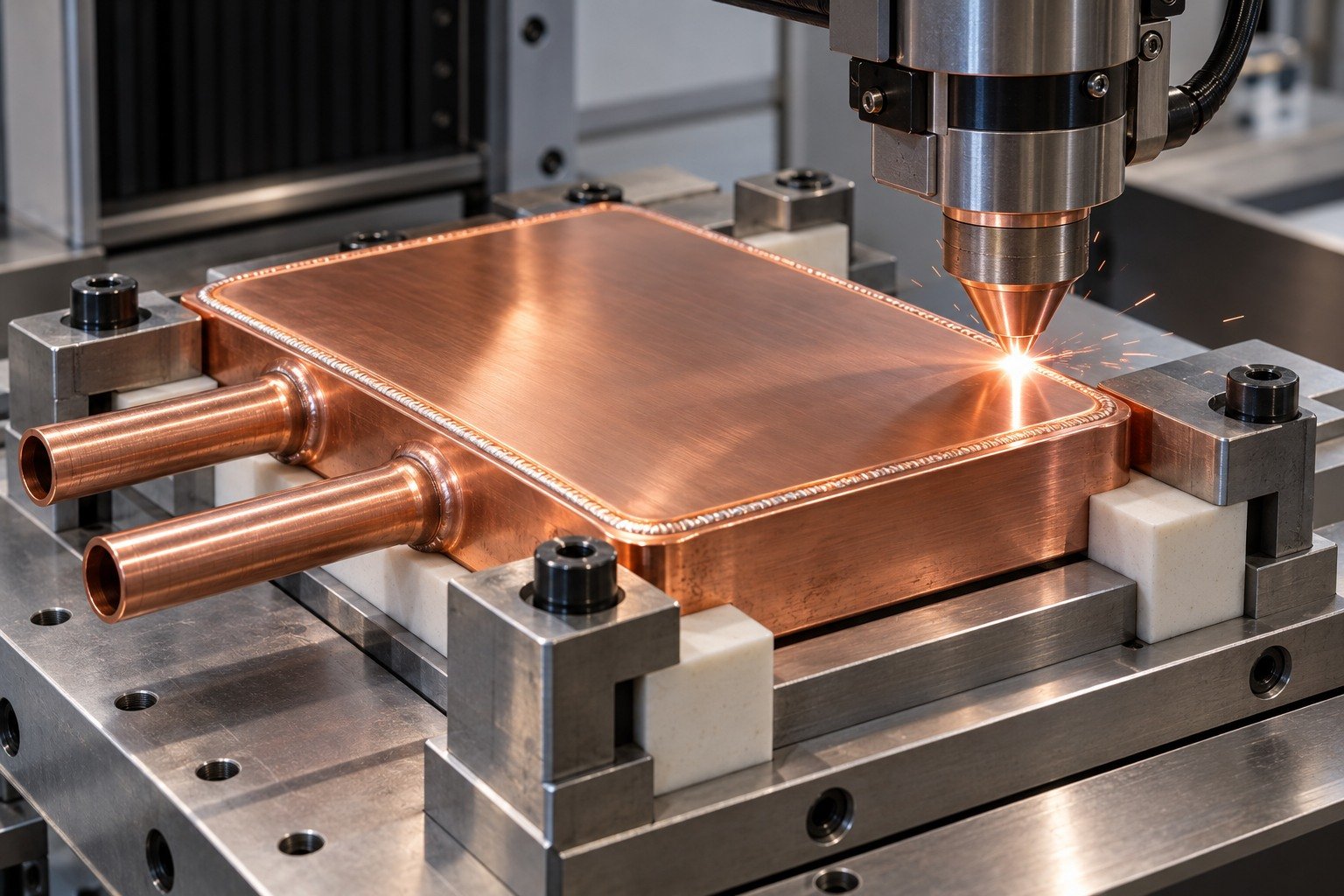
Review brazing, welding or mechanical assembly for your design.
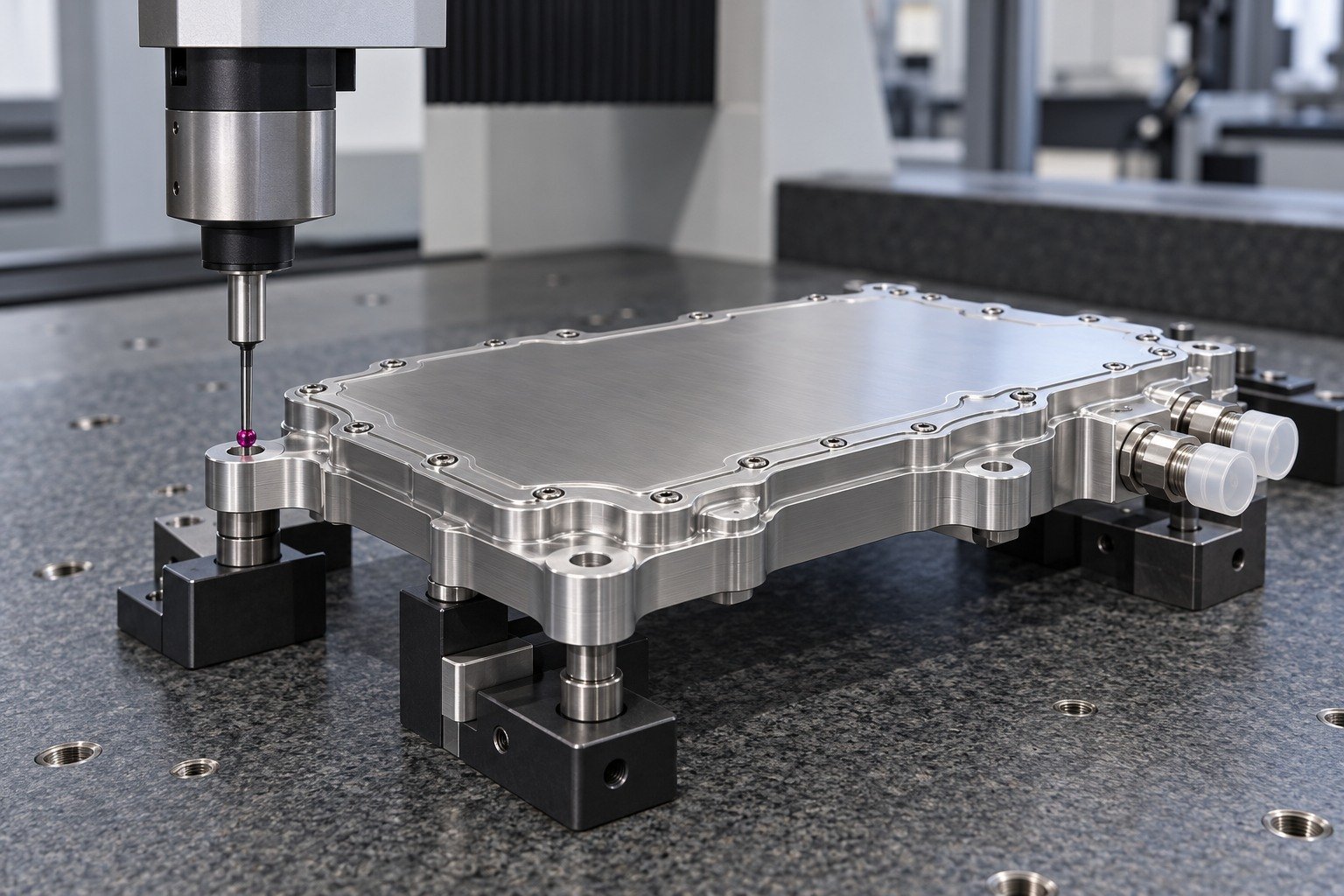
Dimensional inspection and the records agreed for your order.
Process, joining route and test scope are confirmed for your project.
Define the documentation and checks for your approval.
Confirm alloy, temper, stock form and required lot records.
Identify coolant-contact materials and finish restrictions.
Confirm the released model and drawing before work starts.
Confirm the latest drawing, material and key changes.
Review critical interfaces and dimensions.
Agree test method, conditions, limits and documentation.
Review your agreed datums, seal grooves and mounting faces.
Confirm joint preparation and any specified process checks.
Record approved revisions before changing a repeat build.
Review the dimensions and acceptance criteria agreed for your order.
Match required material and inspection records to the shipment.
Confirm cleanliness, port protection and packaging requirements.
Manufacturing in China with local project support in the Dallas area.
Direct engineering coordination.
Track progress and resolve issues.
Discuss samples and repeat production.
Share the following information to help us review your project.
Common questions before your manufacturing review.
Start with your component, operating conditions and interfaces. Agree the manufacturing and acceptance scope before production.
Review the joining route before freezing wall thickness, channel access and material condition. Brazing, friction stir welding (FSW) or mechanical sealing suitability and availability are confirmed for the specific part.
List every wetted material and the coolant chemistry before choosing the plate. Mixed-metal corrosion risk depends on the circuit, fluid and operating conditions. Agree compatible materials and a fluid-management plan with your system designer.
Dimensional inspection checks specified geometry. Cooling performance needs an agreed thermal test with defined heat load, interface, coolant temperature, flow and measurement conditions.
This page covers manufactured thermal components and agreed subassemblies. Complete CDU or cooling-system supply, design validation and certification are confirmed separately in your quotation.
Review material, manufacturing, joining, finishing, test and inspection scope, records, quantity, packaging and delivery assumptions. Identify exclusions before you approve the order.