Injection Molding
Tooling and molding for your repeat plastic parts.
From prototype to production, coordinated manufacturing solutions for your custom parts.
View All Services →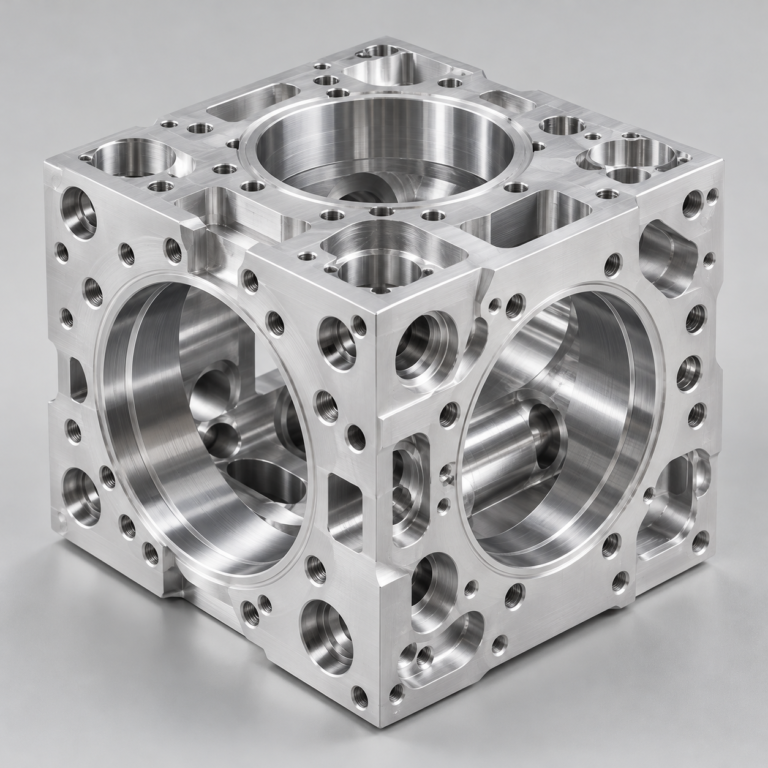
Precision parts for your tight tolerances and complex geometry.
Tooling and molding for your repeat plastic parts.
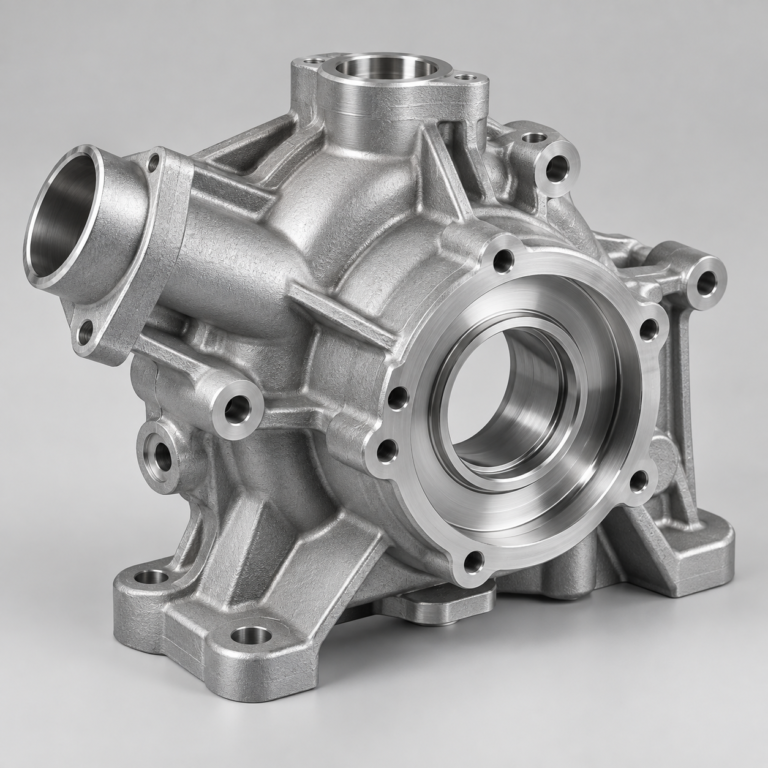
Metal casting options for your part and production volume.
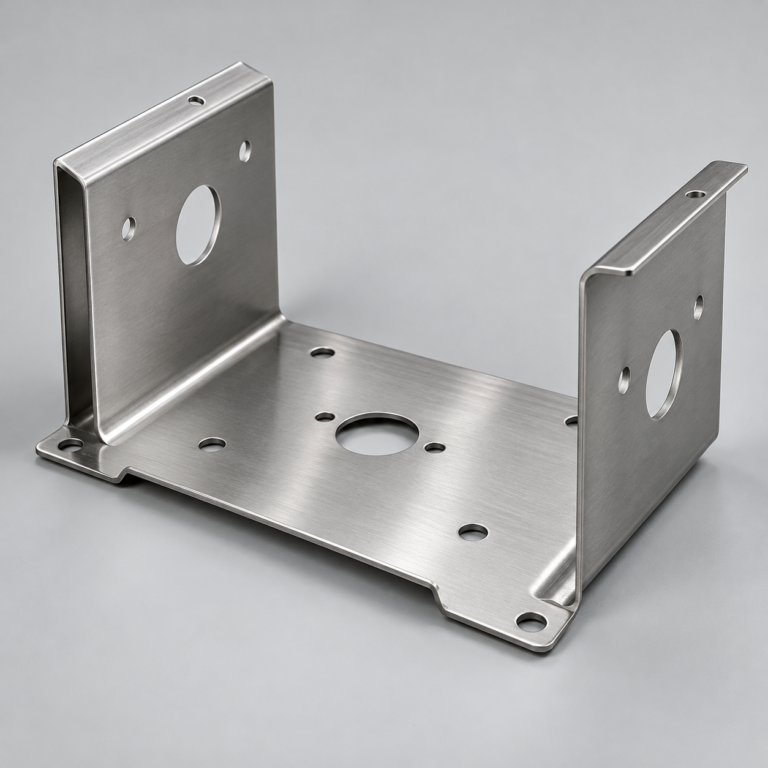
Cutting, forming and welding for your fabricated parts.
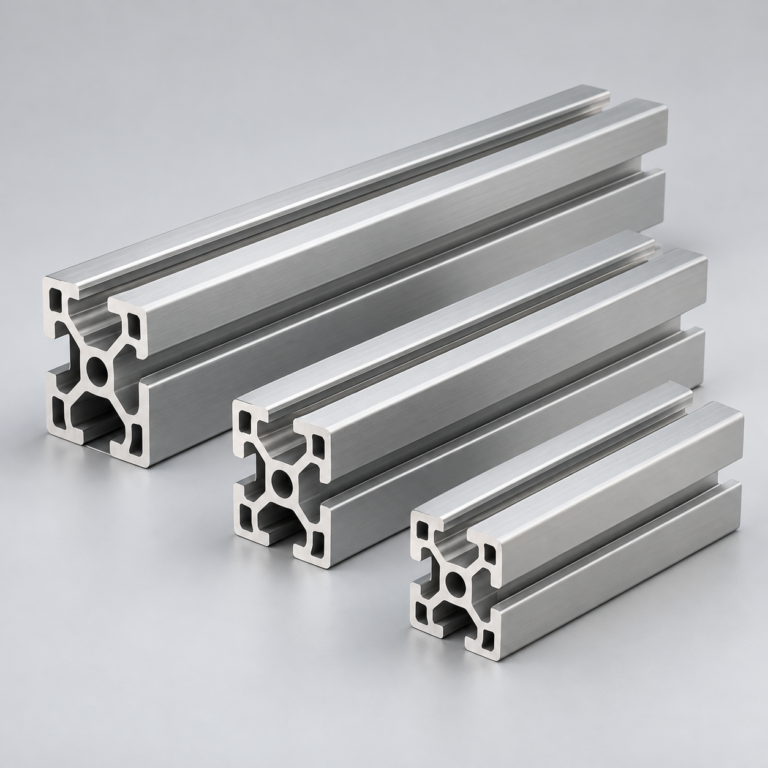
Custom profiles for your section, length and finish requirements.
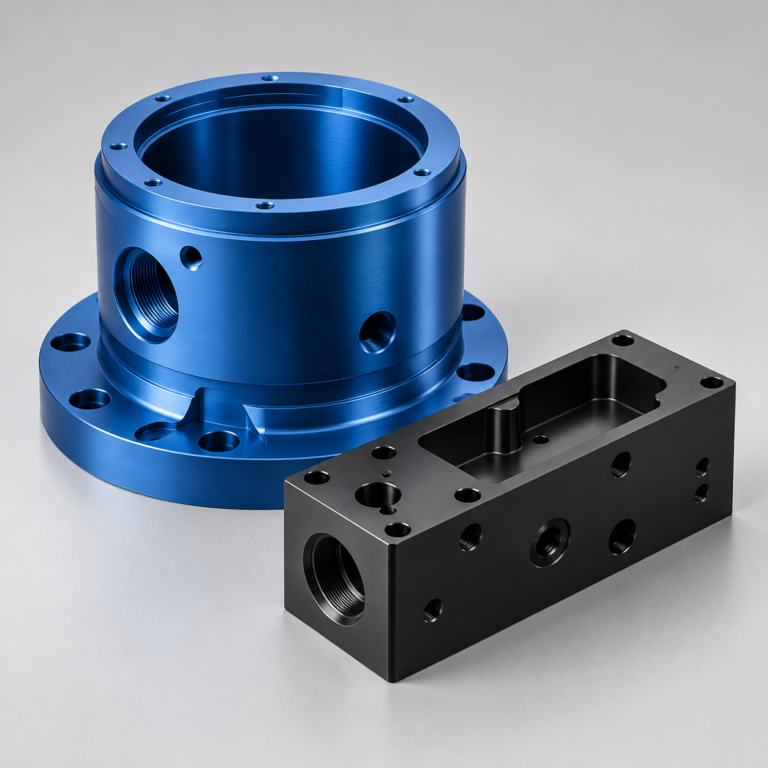
Finishes for your appearance, corrosion and wear requirements.
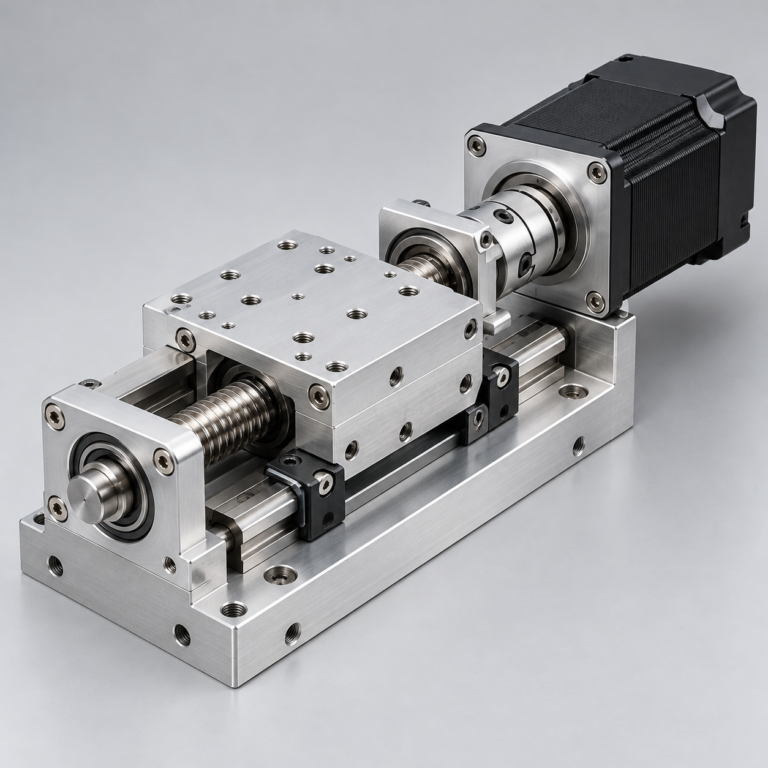
Sub-assemblies and final builds for your production program.
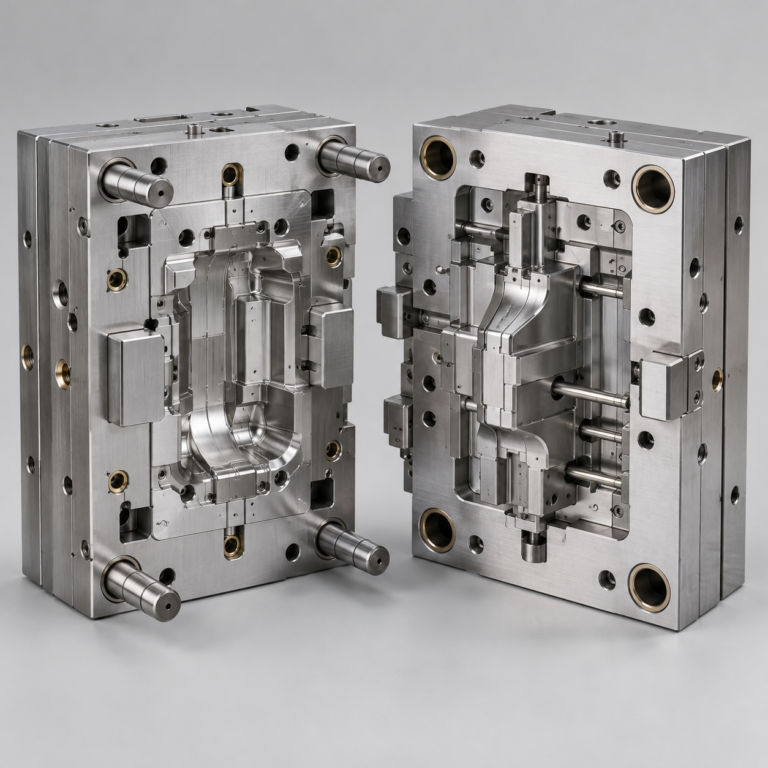
Production tooling built around your process and volume.
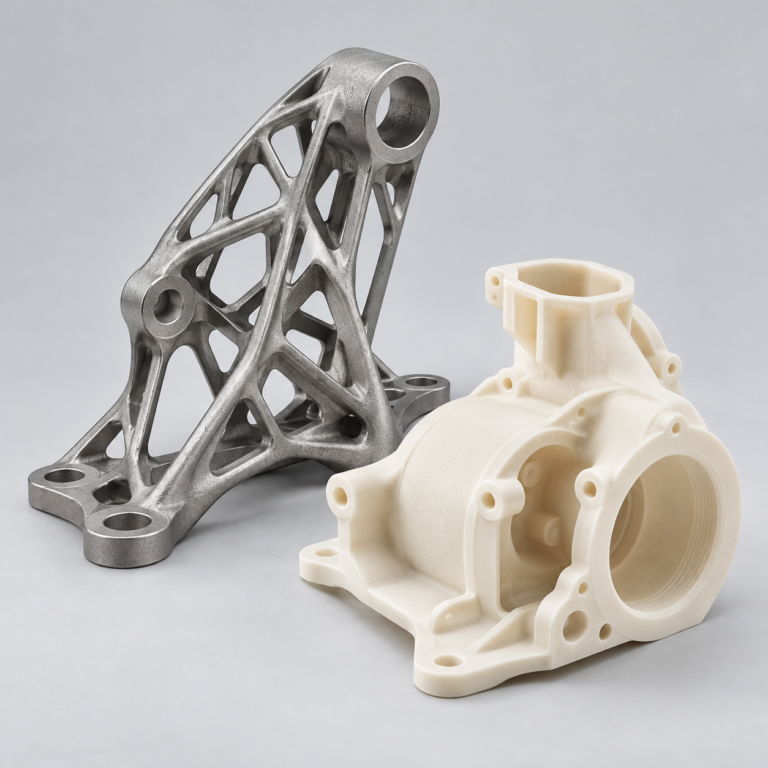
Prototype parts to check fit, function and design.
DFM, process planning and production support for your project.
Inspection, documentation, inventory and delivery planning for your program.
Choose air- or liquid-cooling components around your thermal and mechanical requirements.
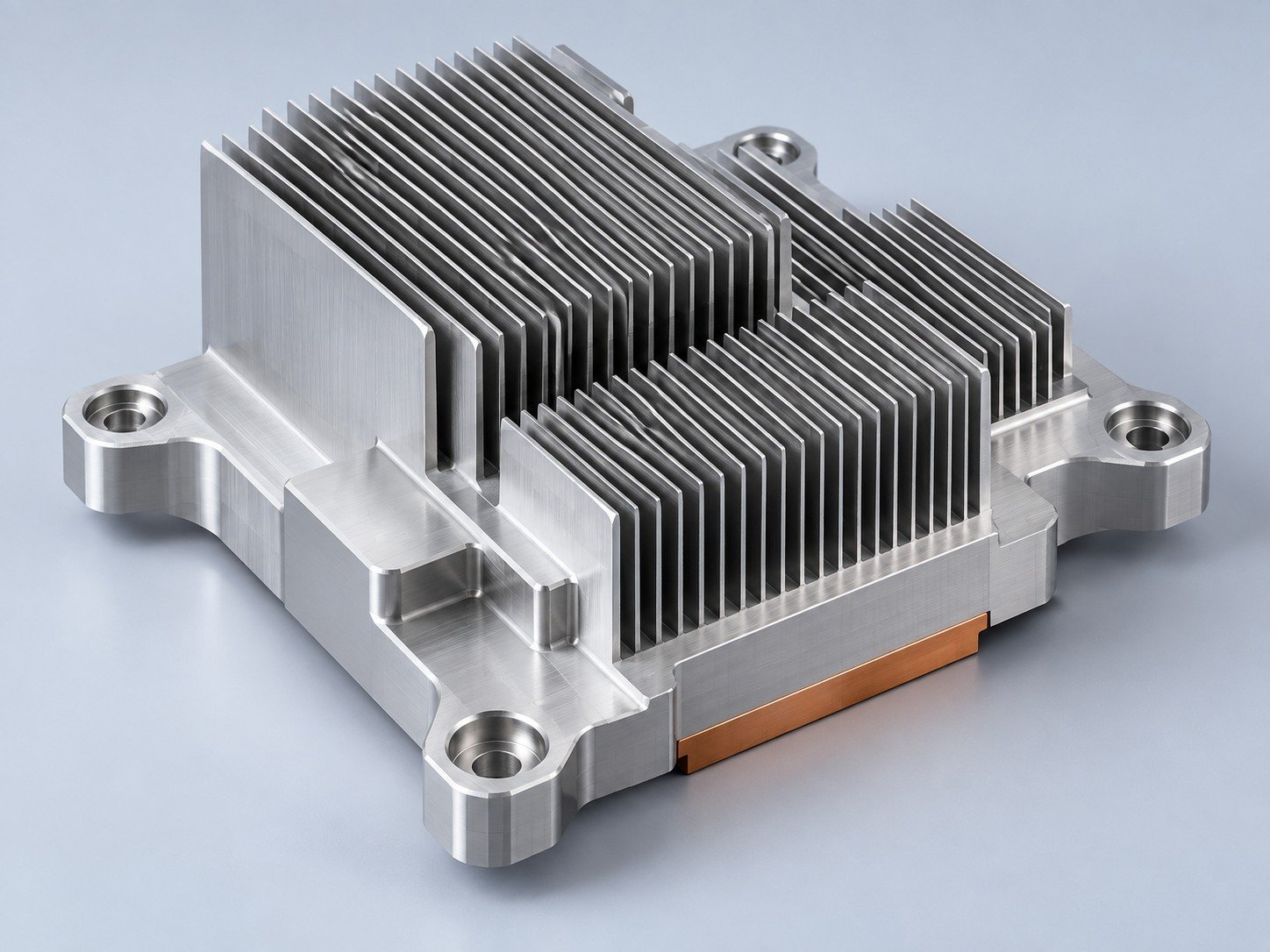
Manufacturing support for your cold plates, manifolds and cooling assemblies.
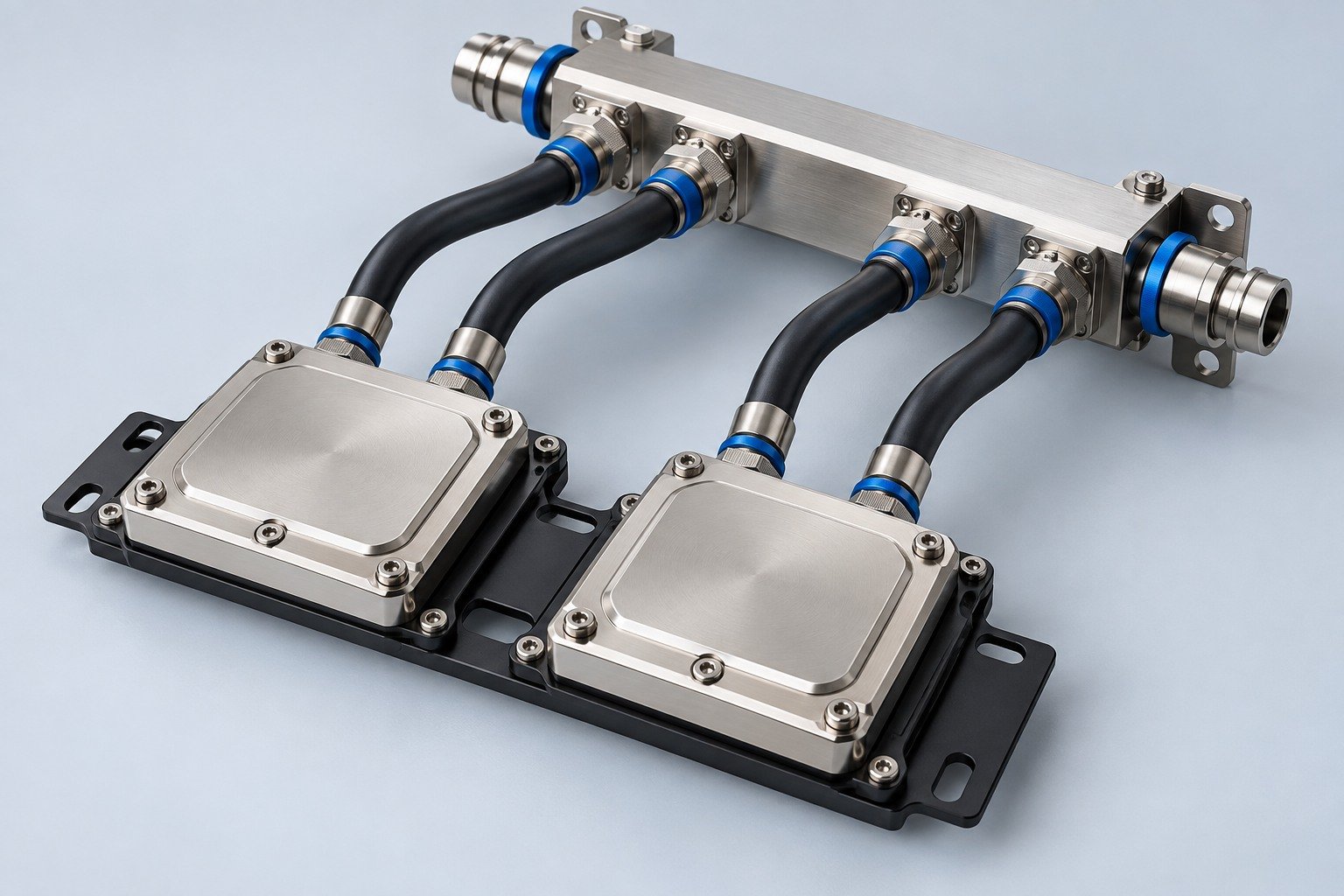
Find components for your power electronics, energy, laser and telecom application.
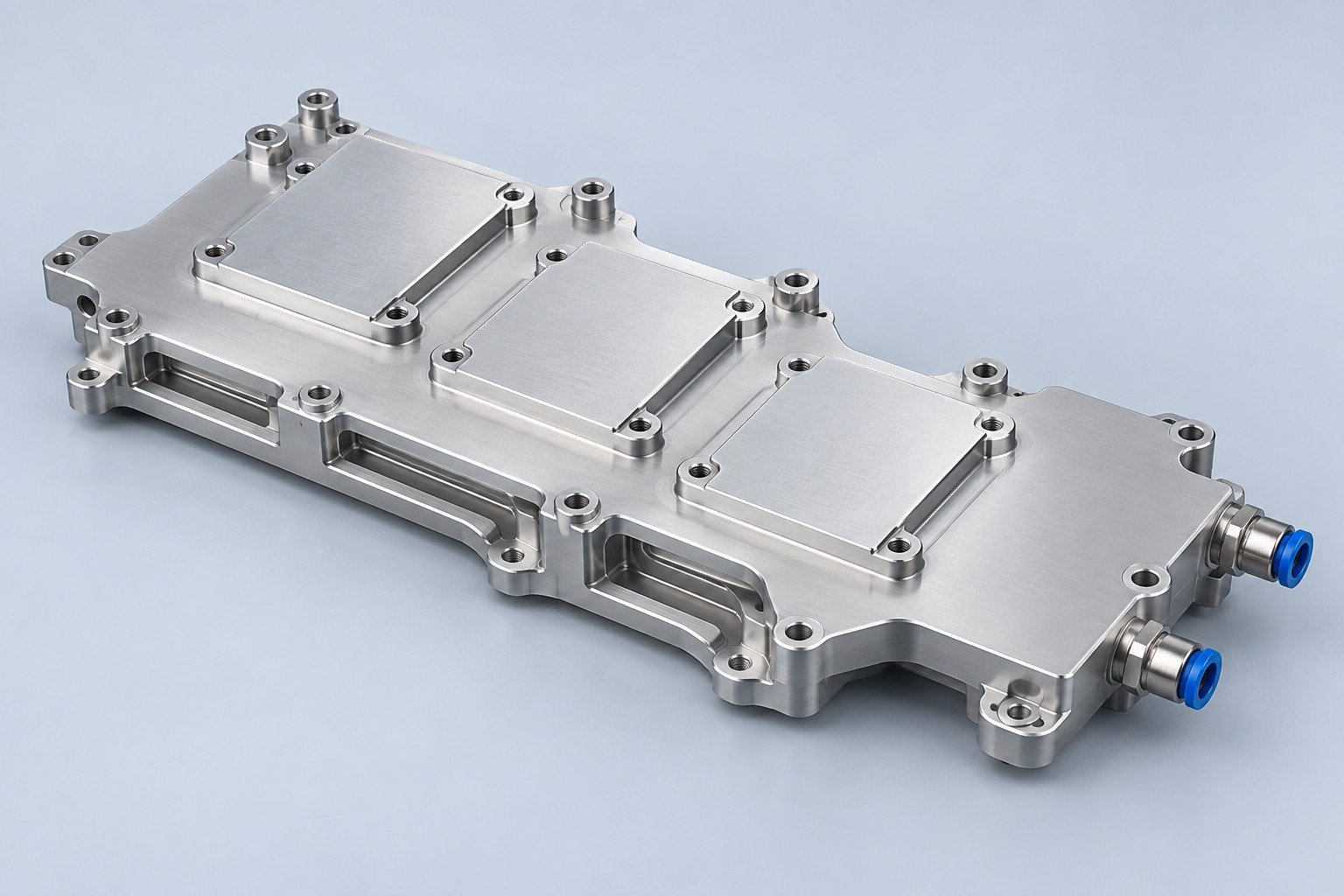
Components for your electronic systems.
Start with your functional and quality requirements.
Build around your operating environment.
From prototype to production, review material performance, manufacturability and cost for your part.
Review grade, temper and finish for your metal parts.
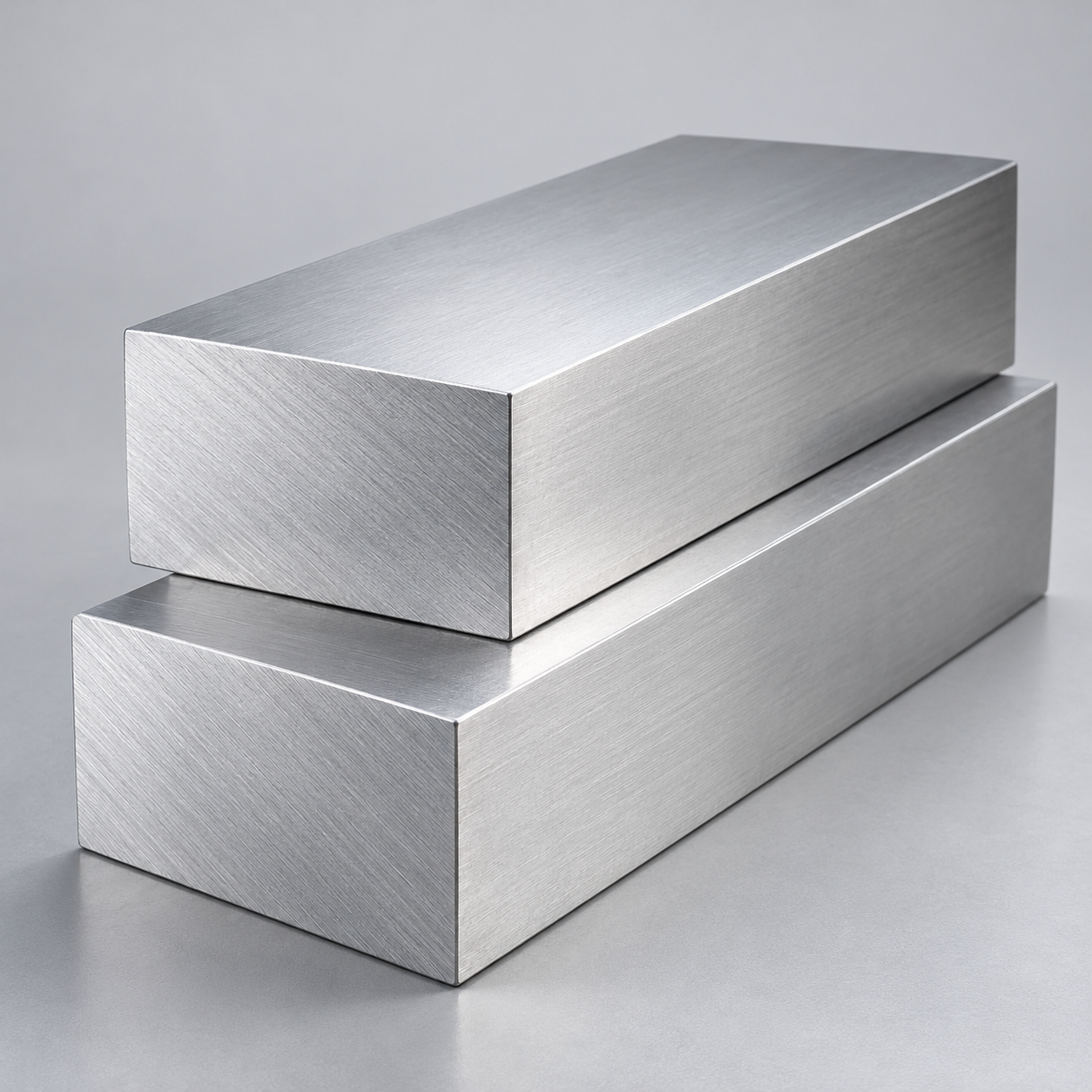 AluminumStrength, weight and machining›
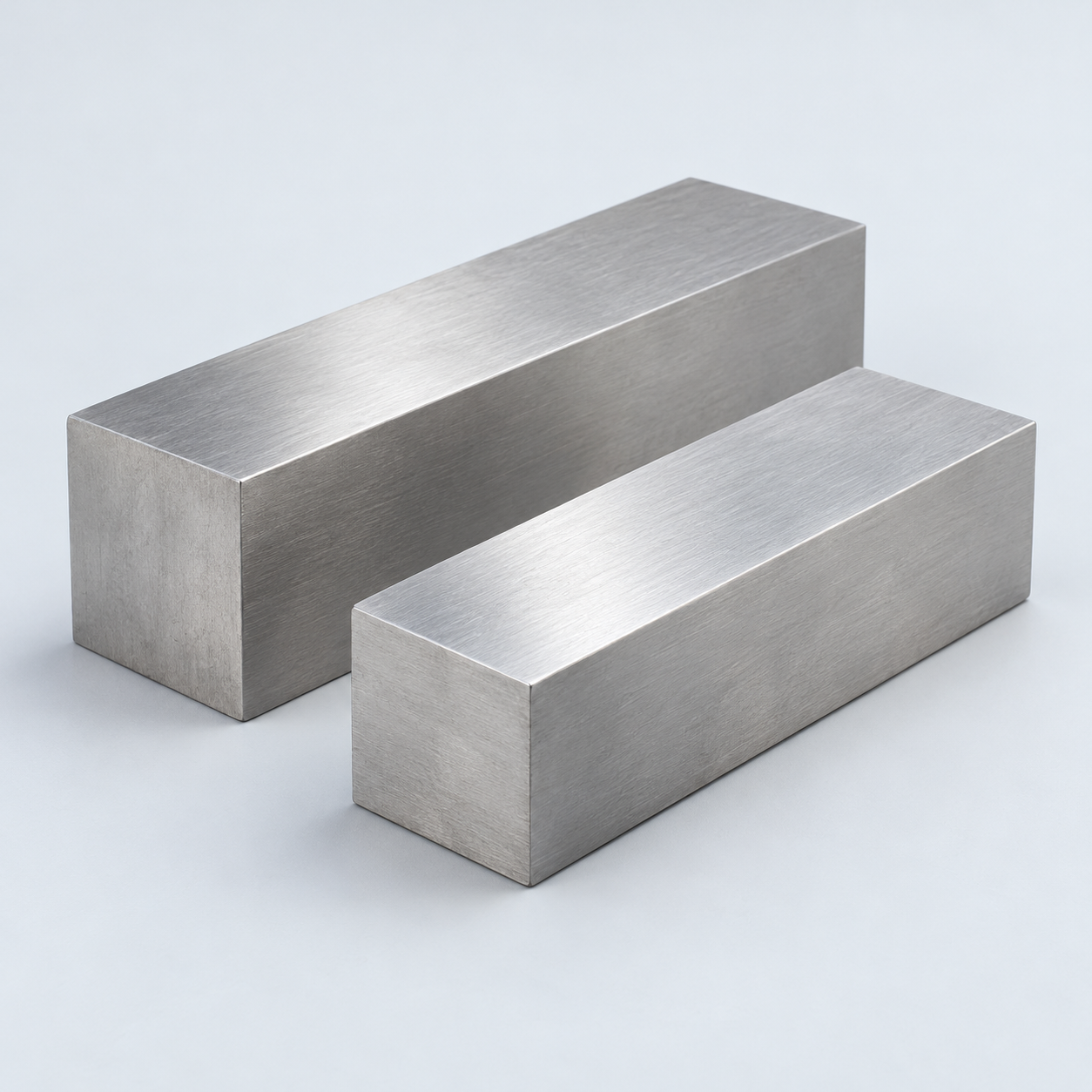 Stainless SteelCorrosion and finish requirements›
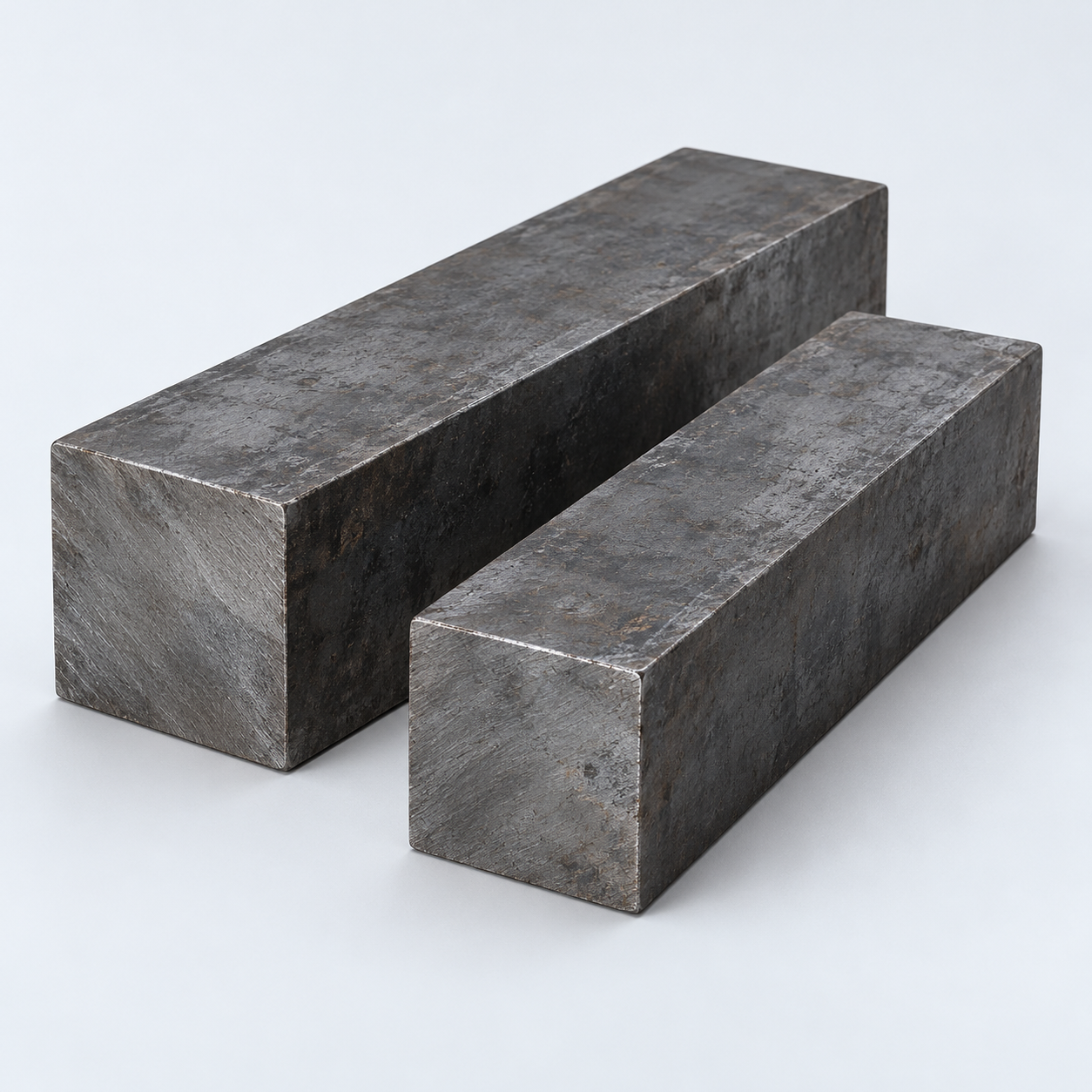 Carbon & Alloy SteelDiscuss grade and heat treatment›
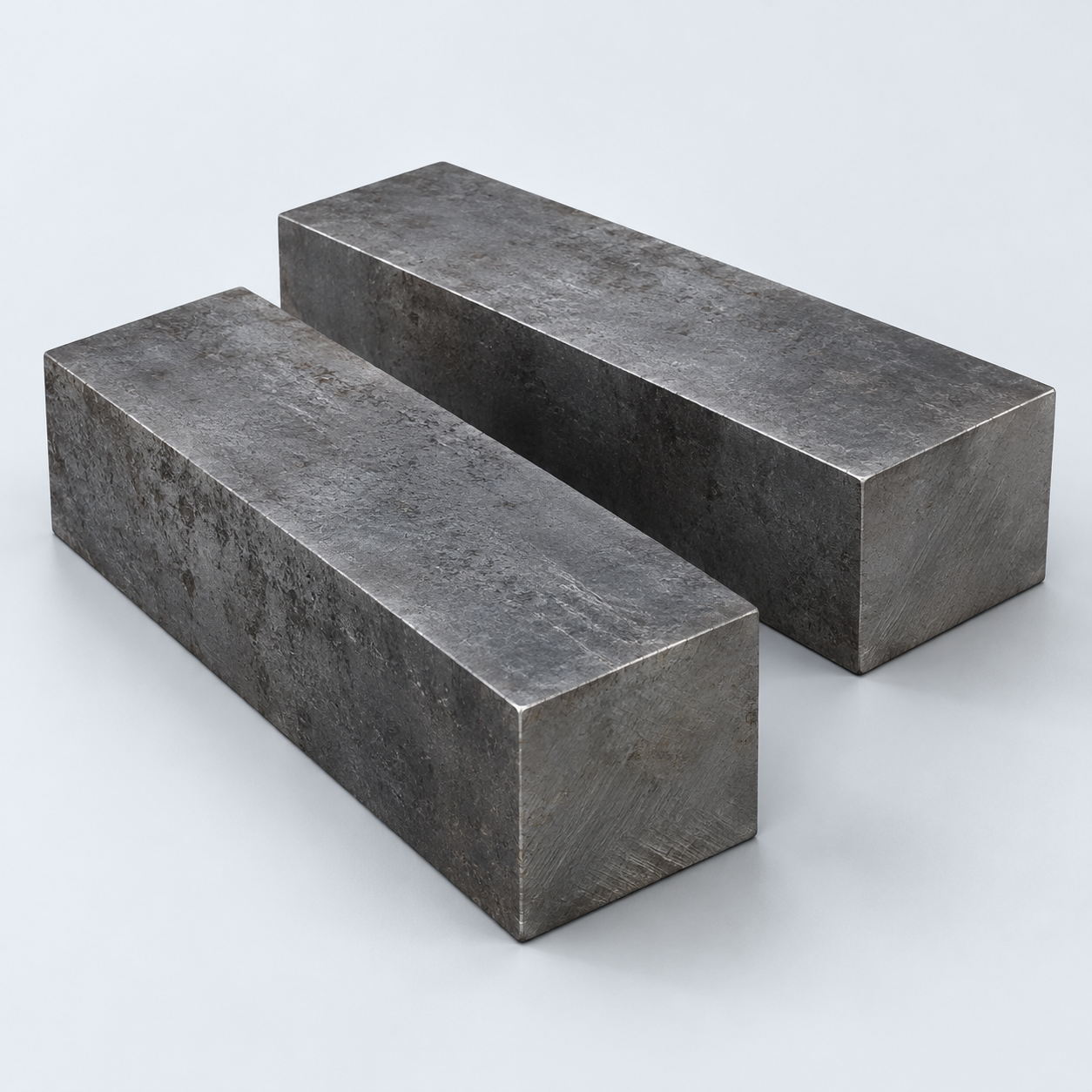 Tool SteelDiscuss tooling and wear needs›
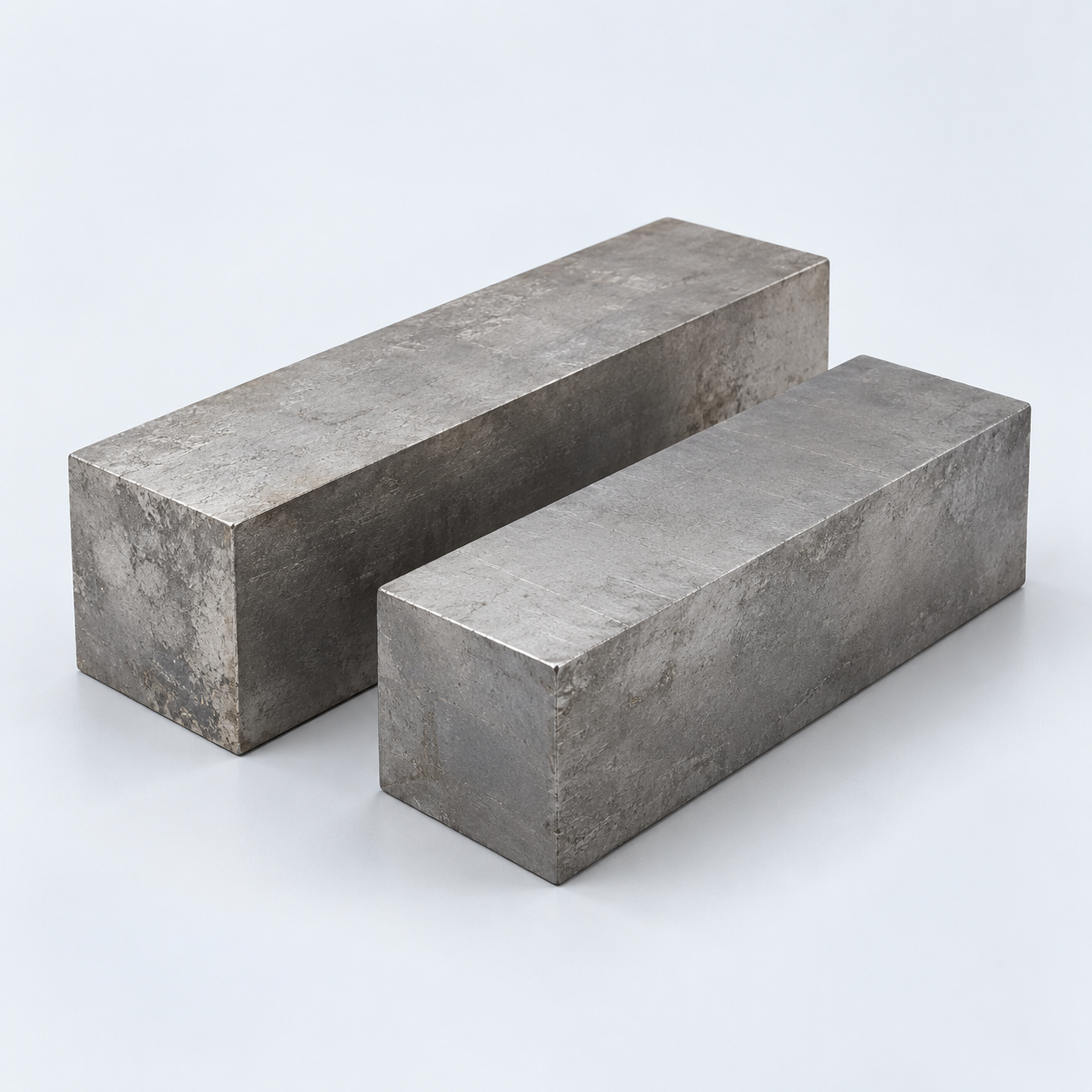 TitaniumReview grade and part geometry›
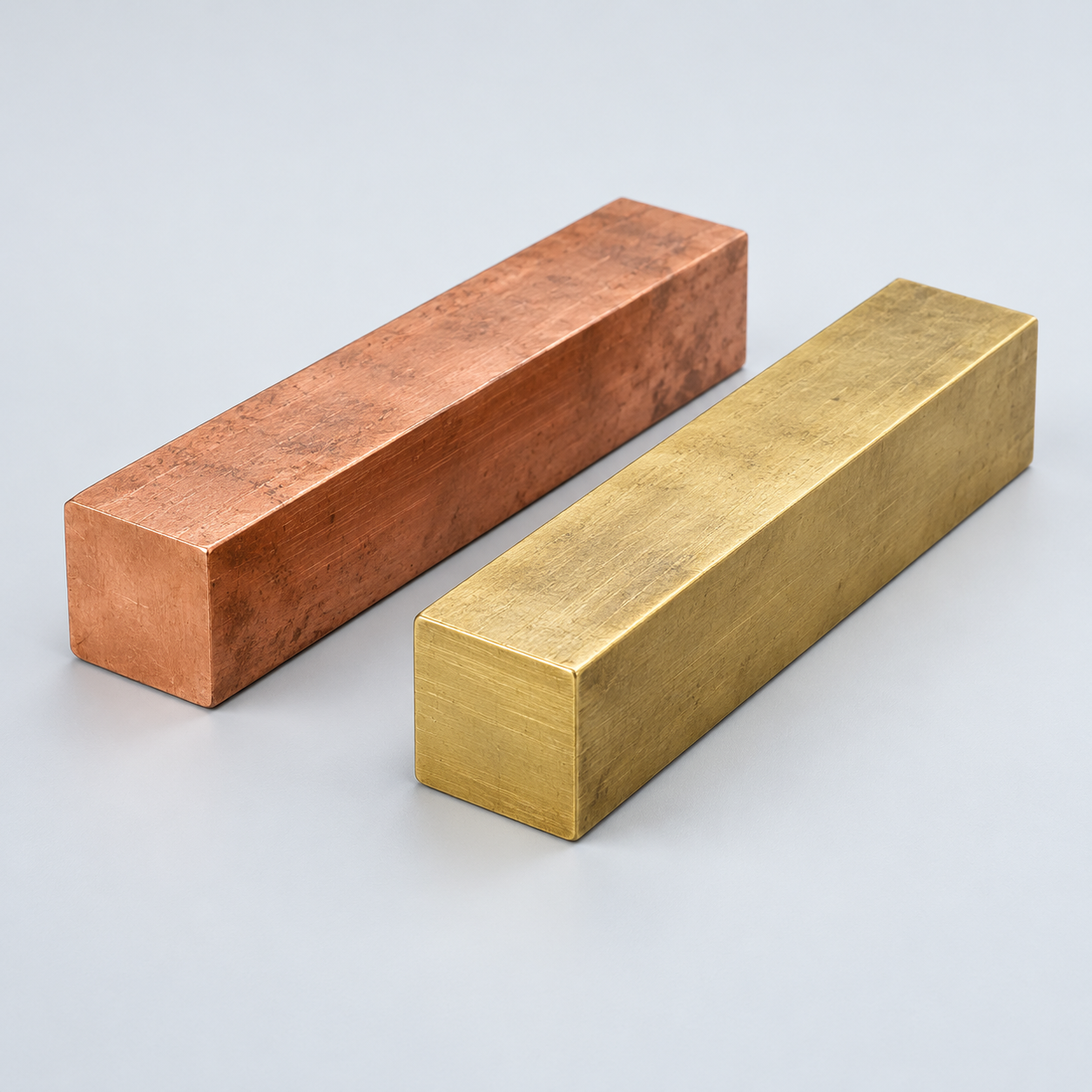 Copper & Brass & BronzeDiscuss conductivity and machining›
Match your polymer to function, process and environment.
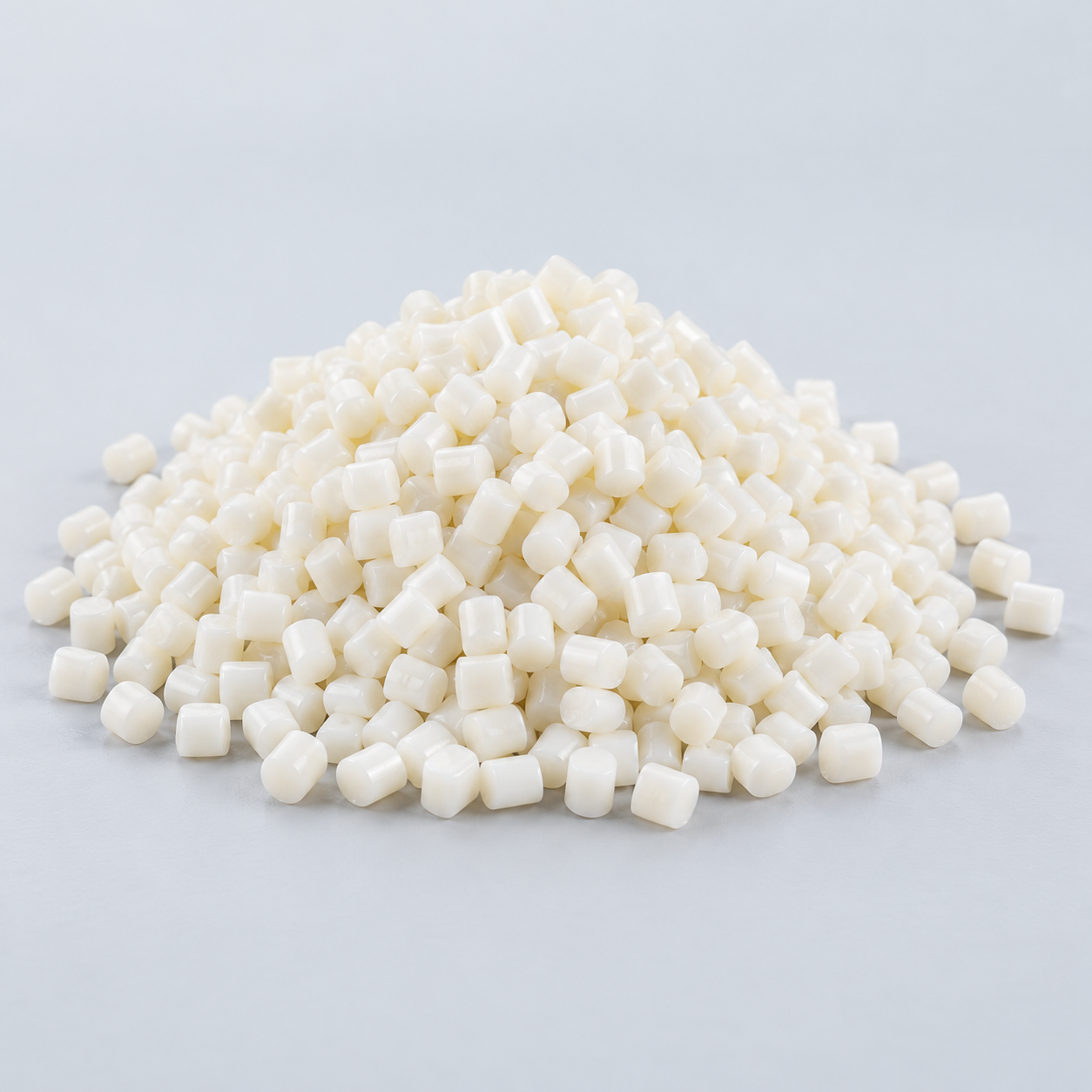 ABSReview enclosure and molding needs›
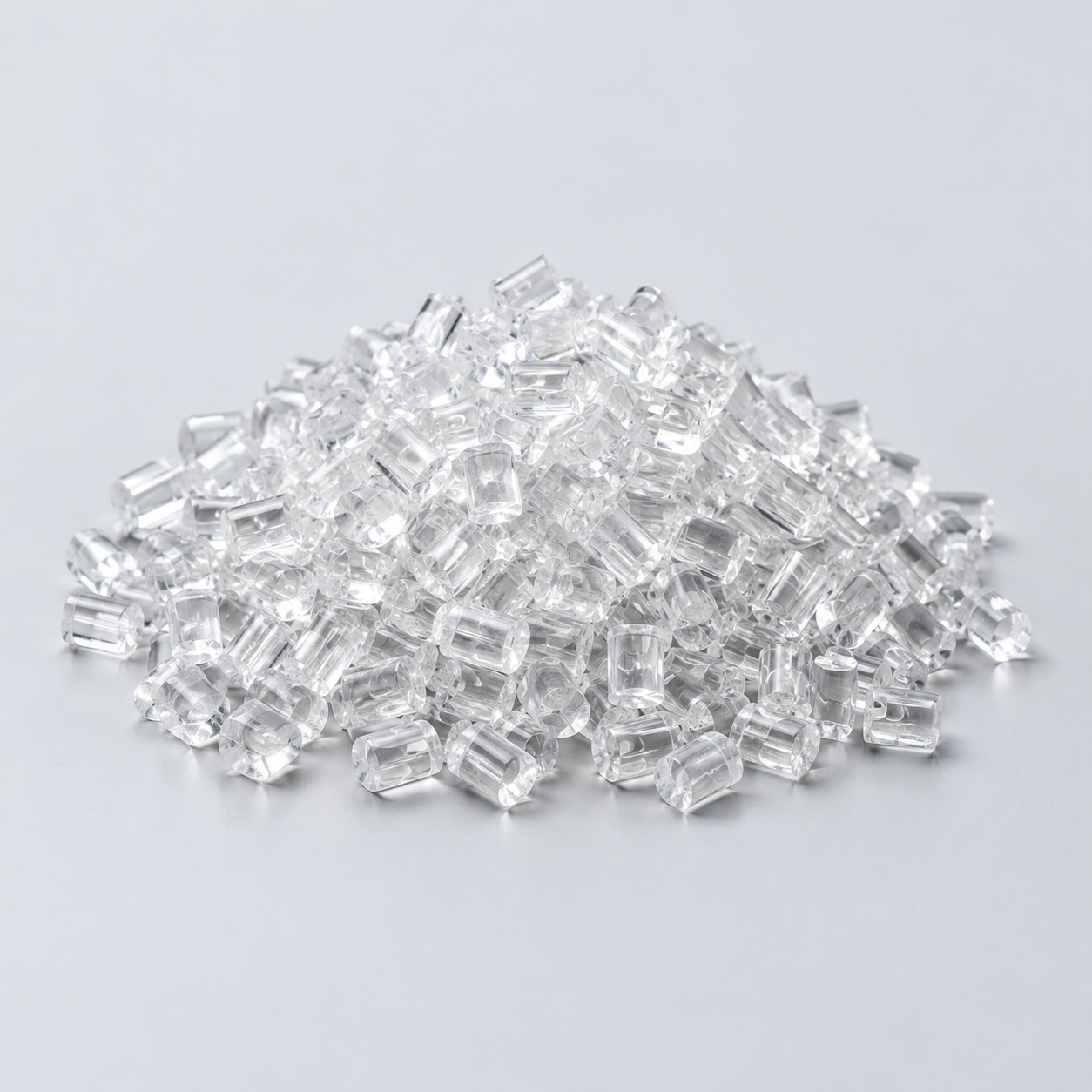 Polycarbonate (PC)Discuss clarity and impact needs›
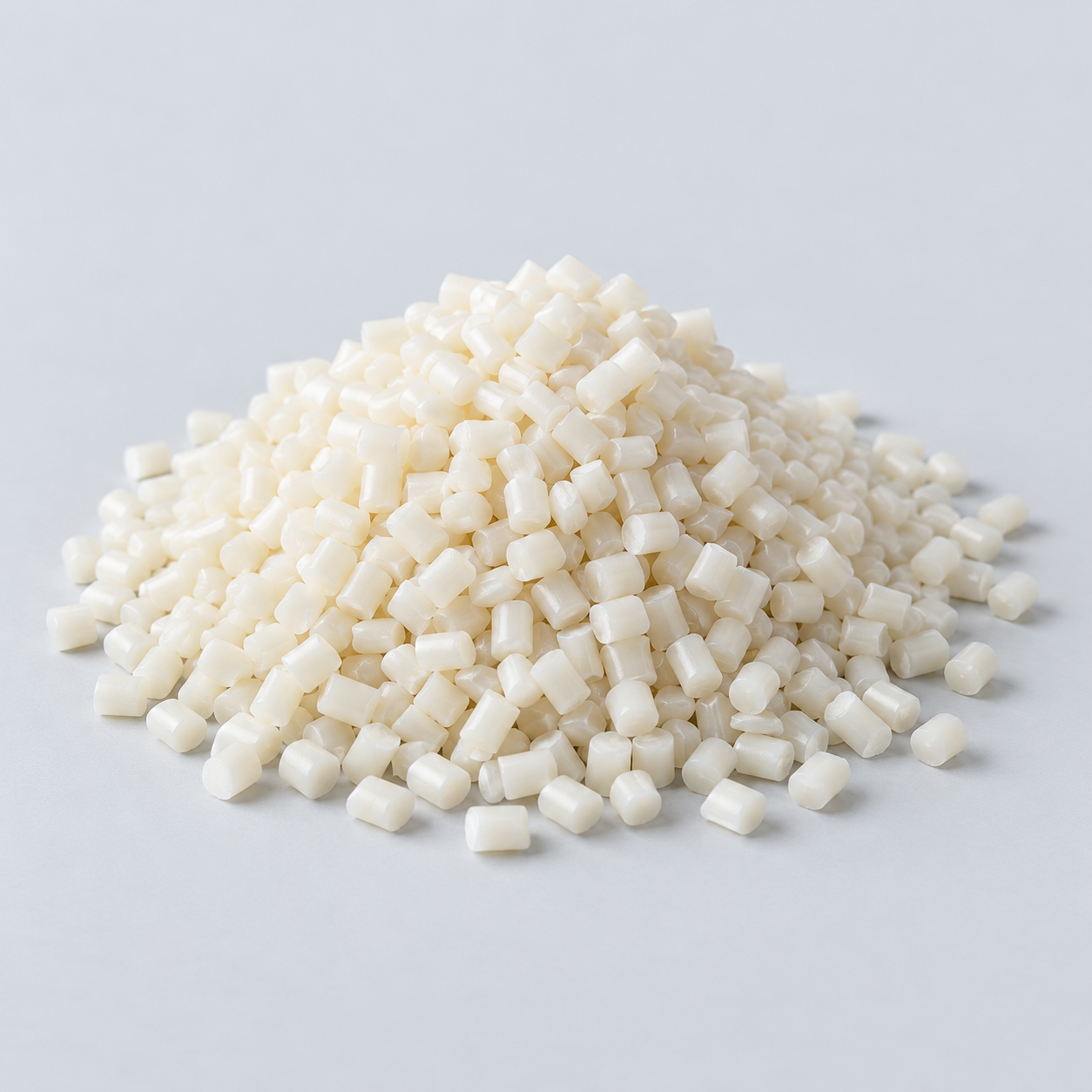 Nylon (PA)Review moisture and wear conditions›
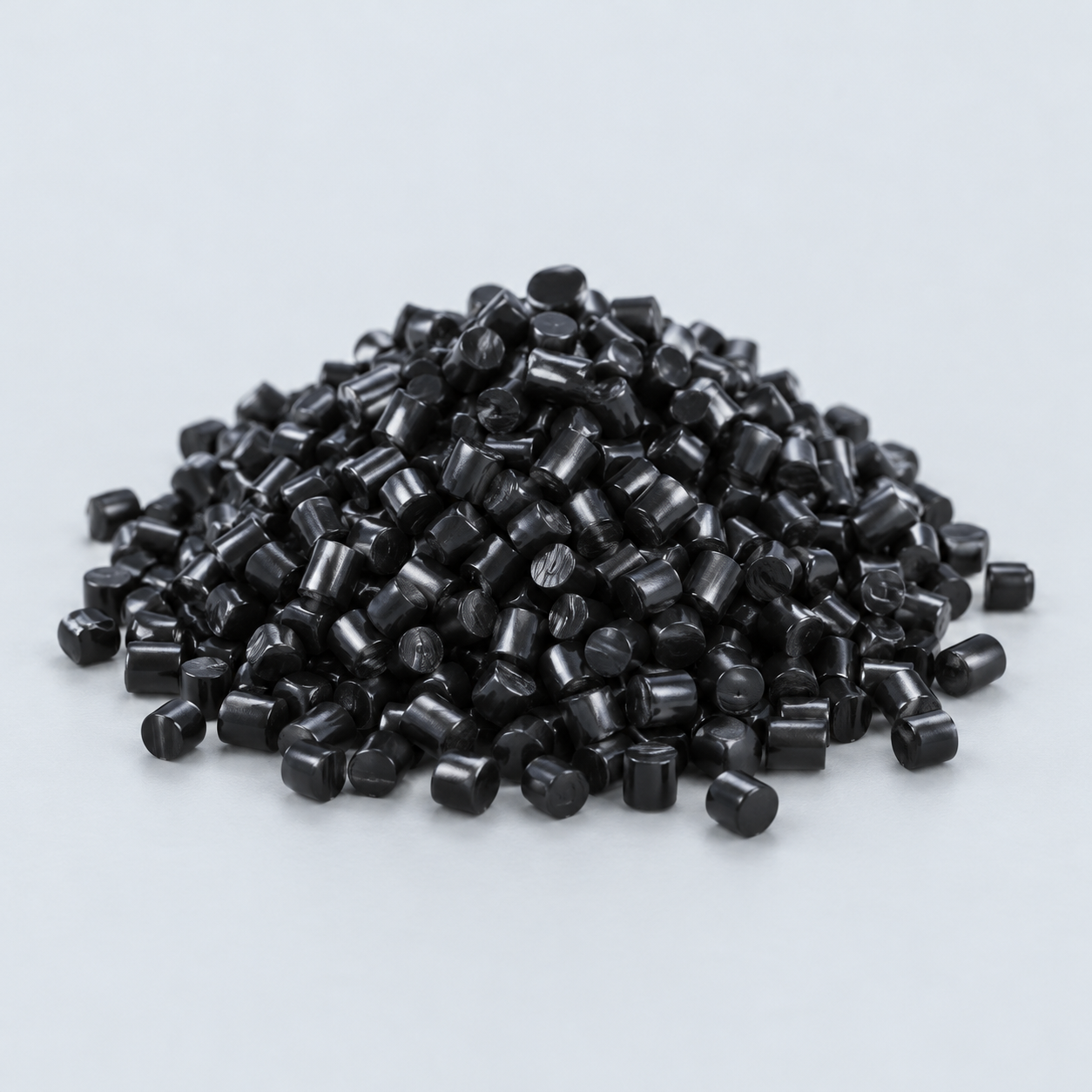 POM / AcetalReview fit and sliding features›
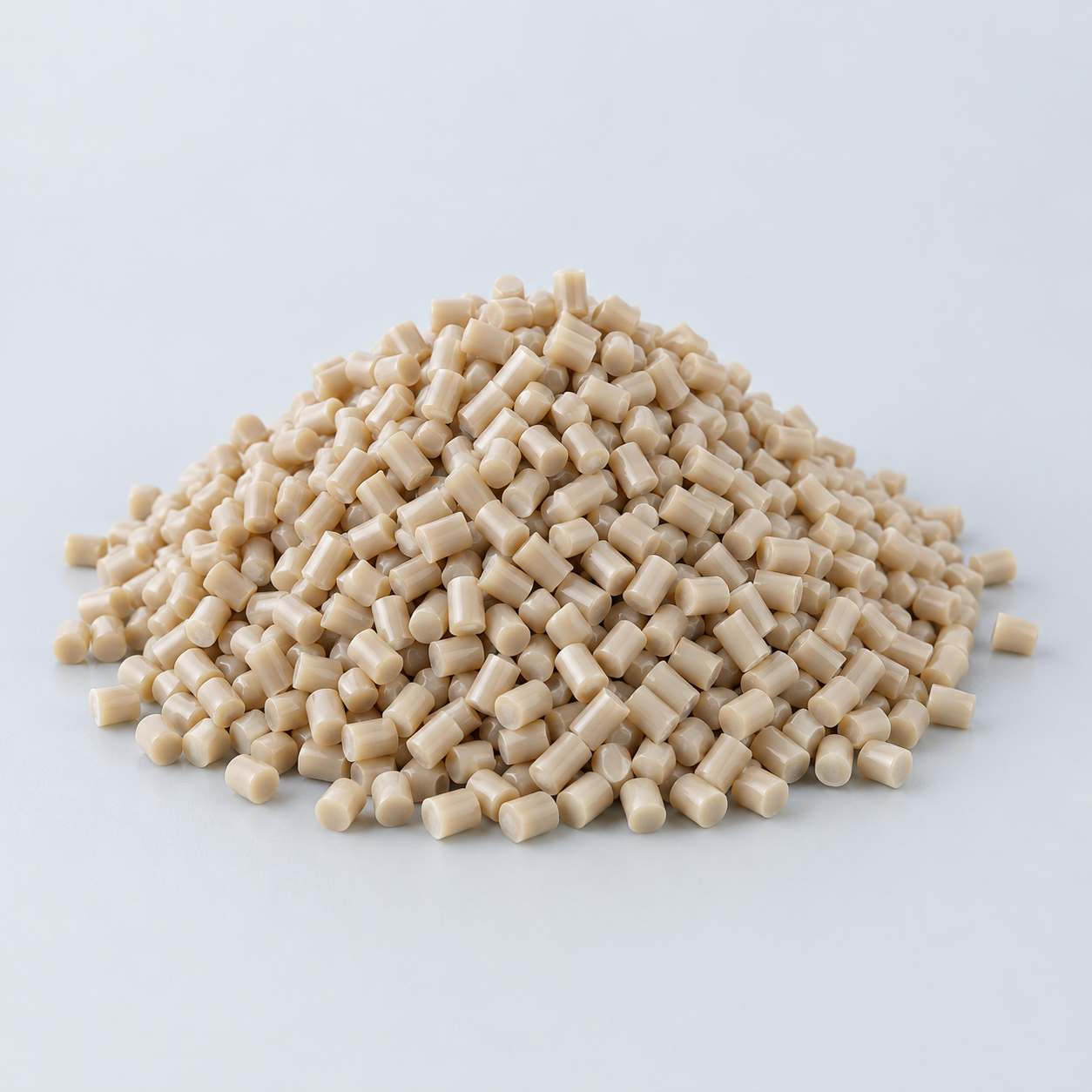 PEEKDiscuss operating conditions›
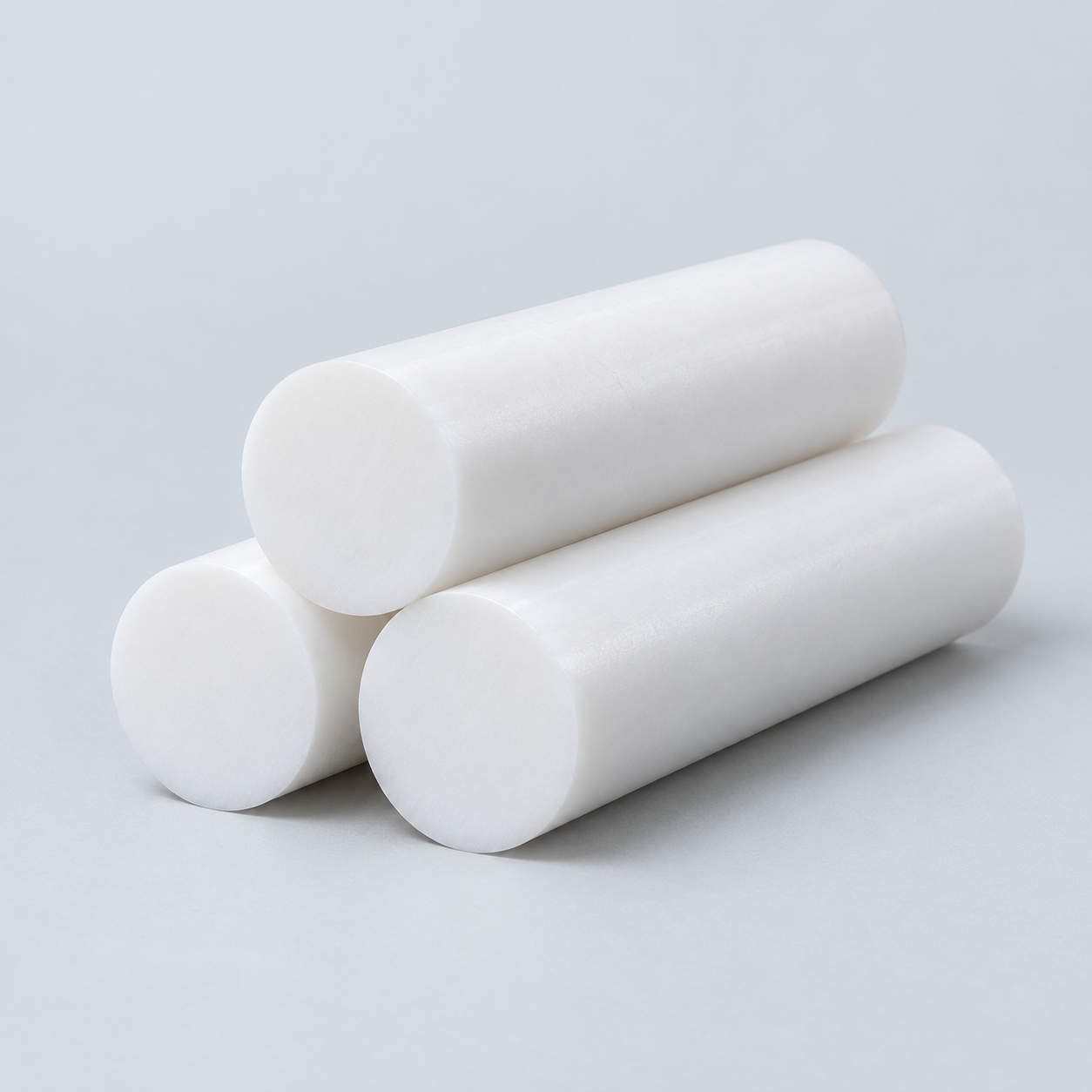 PTFEReview friction and chemical exposure›
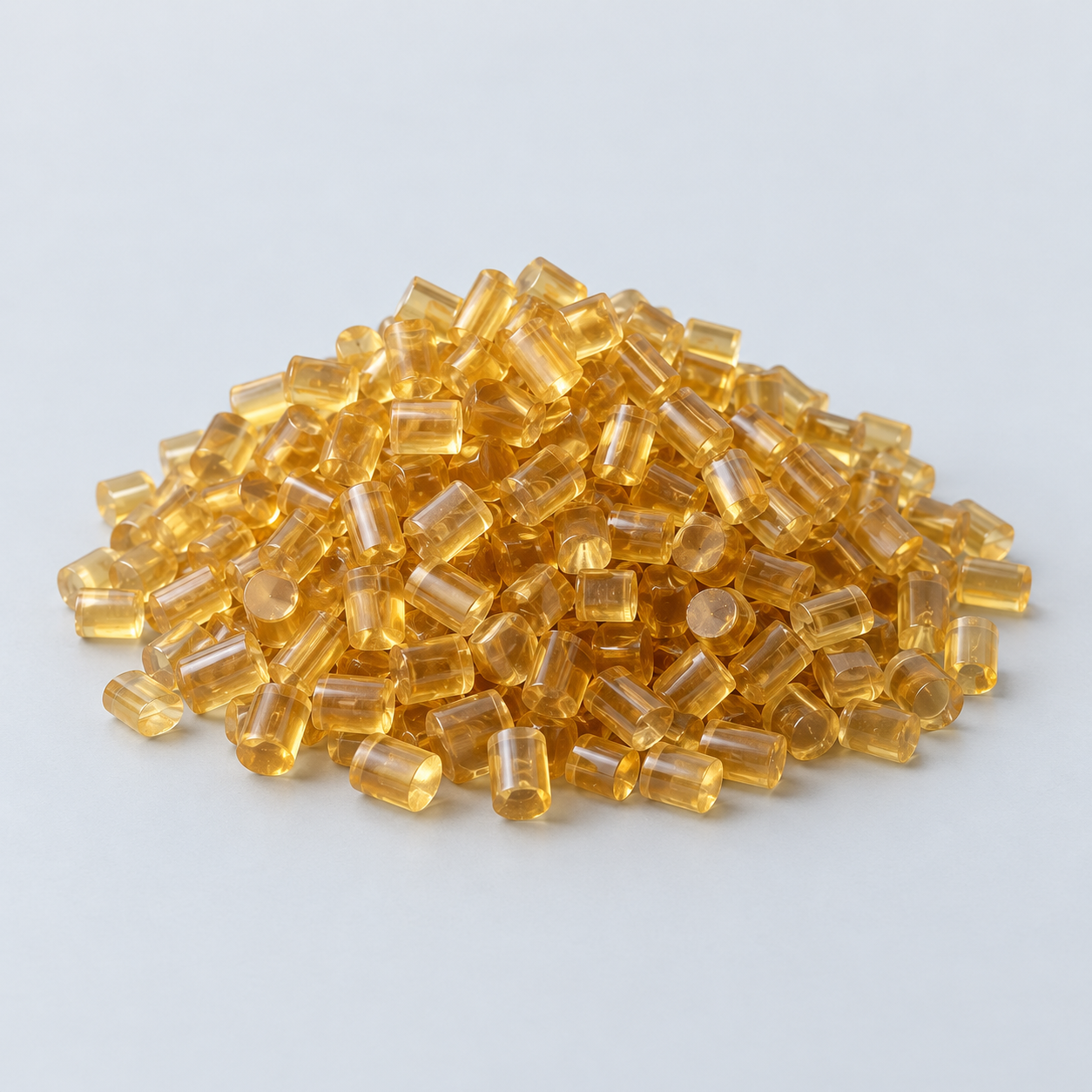 ULTEM / PEIDiscuss thermal and electrical needs›
Confirm grade availability and application requirements.
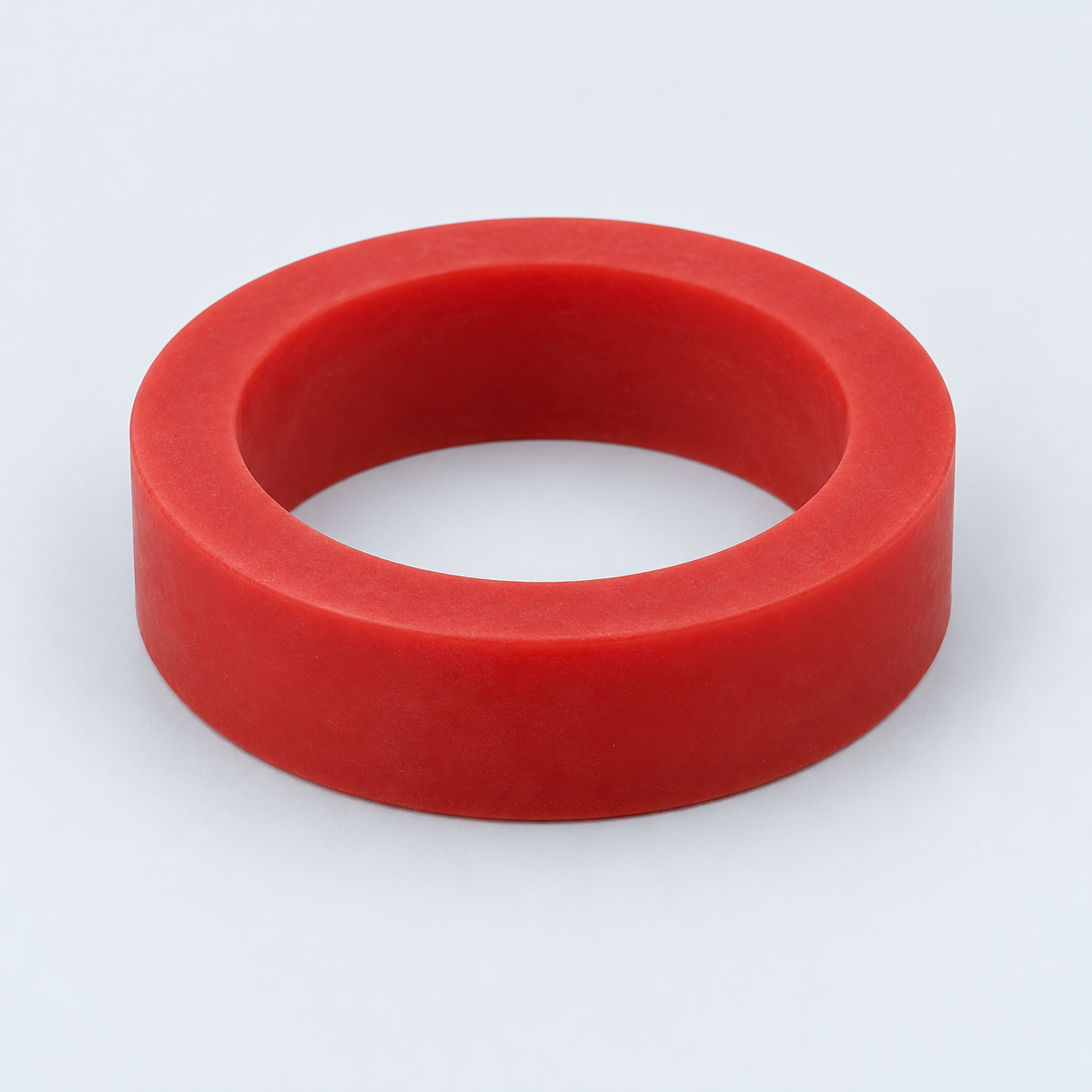 Silicone / LSRDiscuss flexible component needs›
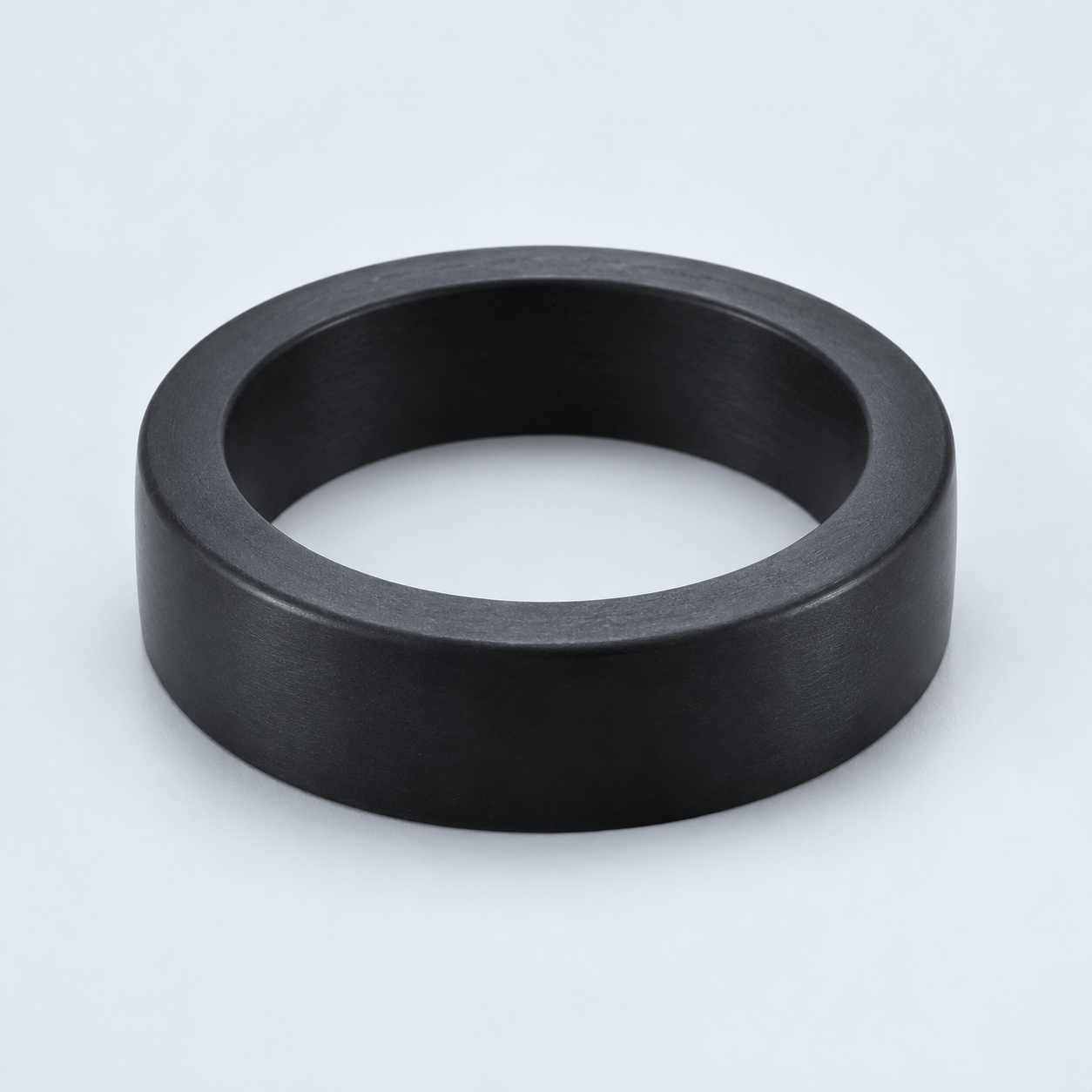 TPU / TPEReview flexibility and processing›
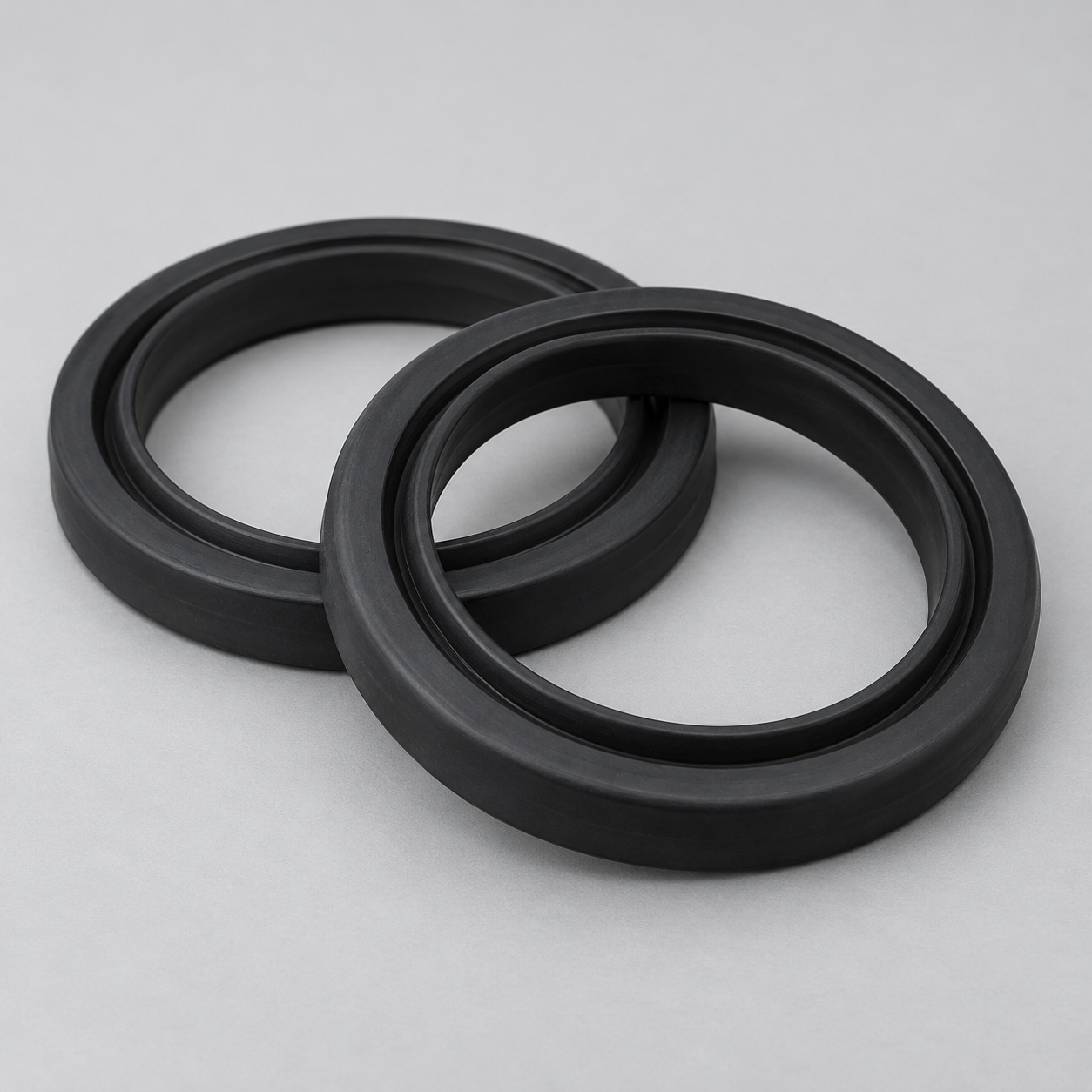 EPDMReview weathering and chemical exposure.›
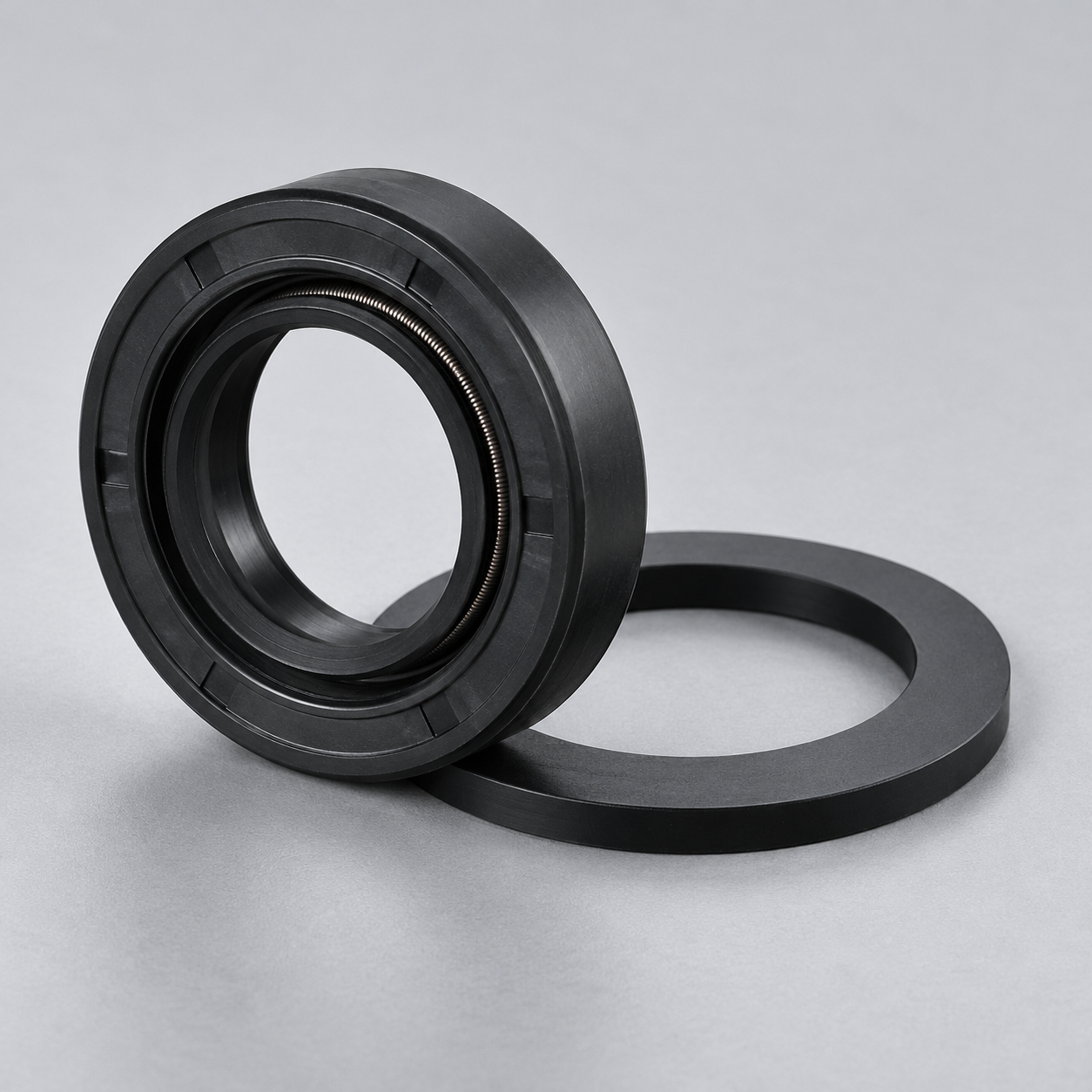 NBRReview oil and fuel exposure.›
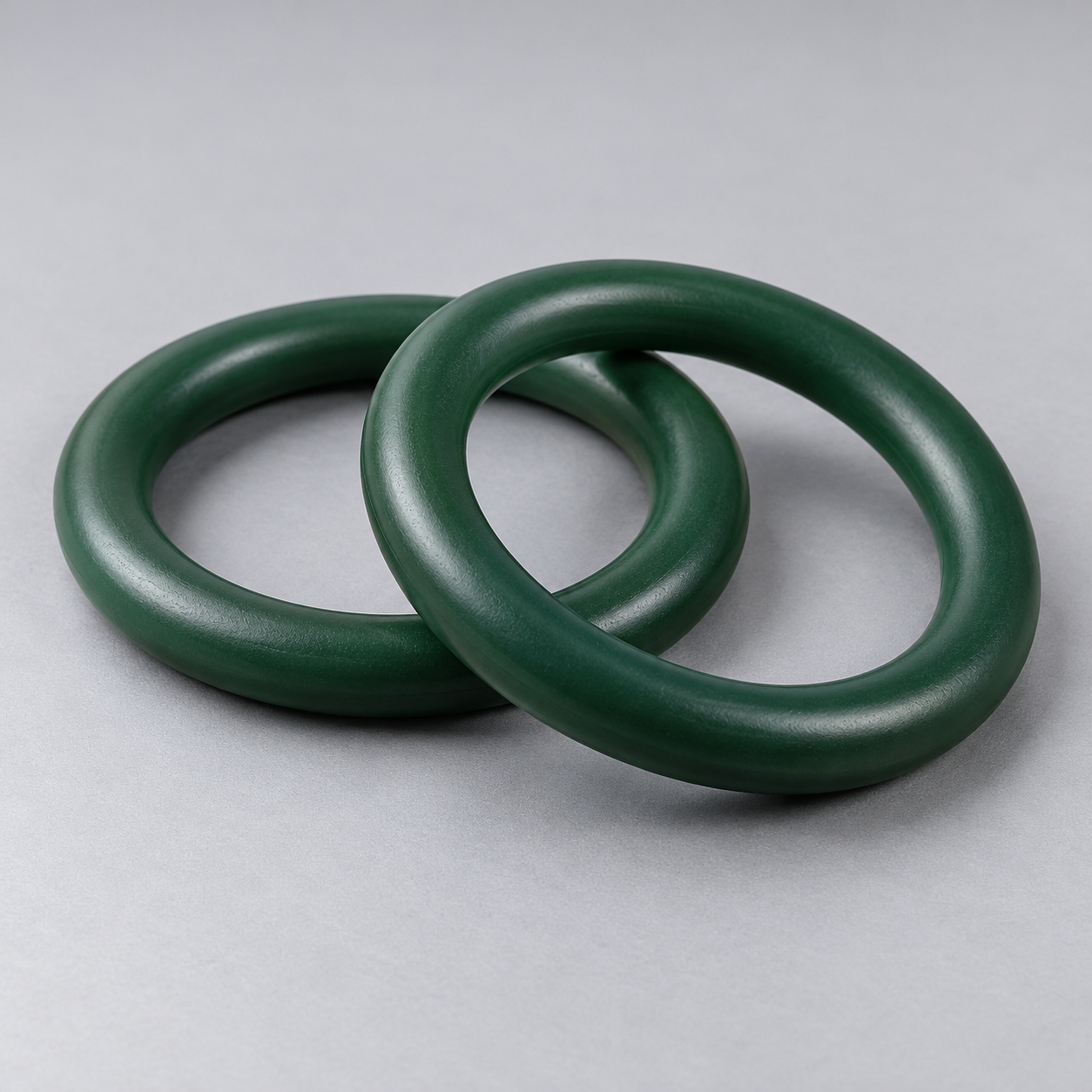 FKMReview temperature and chemical exposure.›
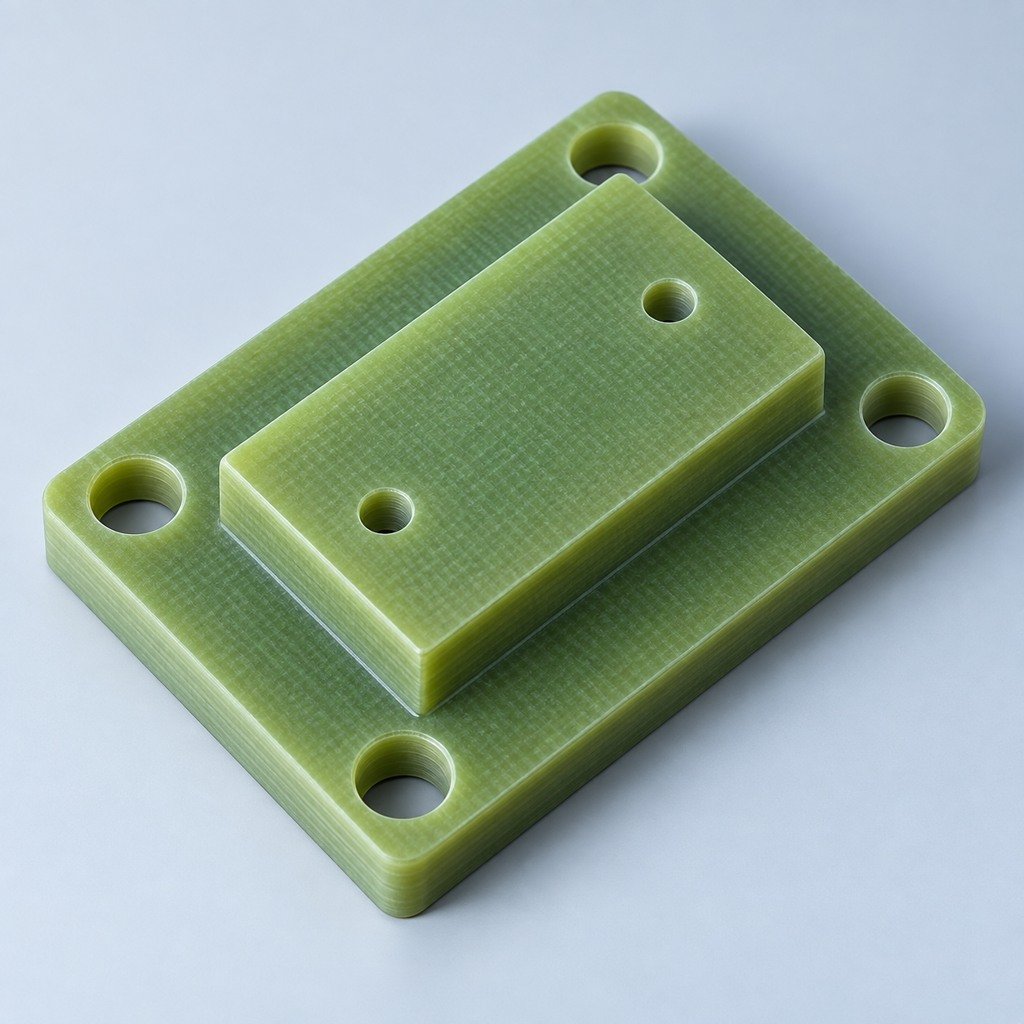 G10 / FR4Review insulation and laminate needs›
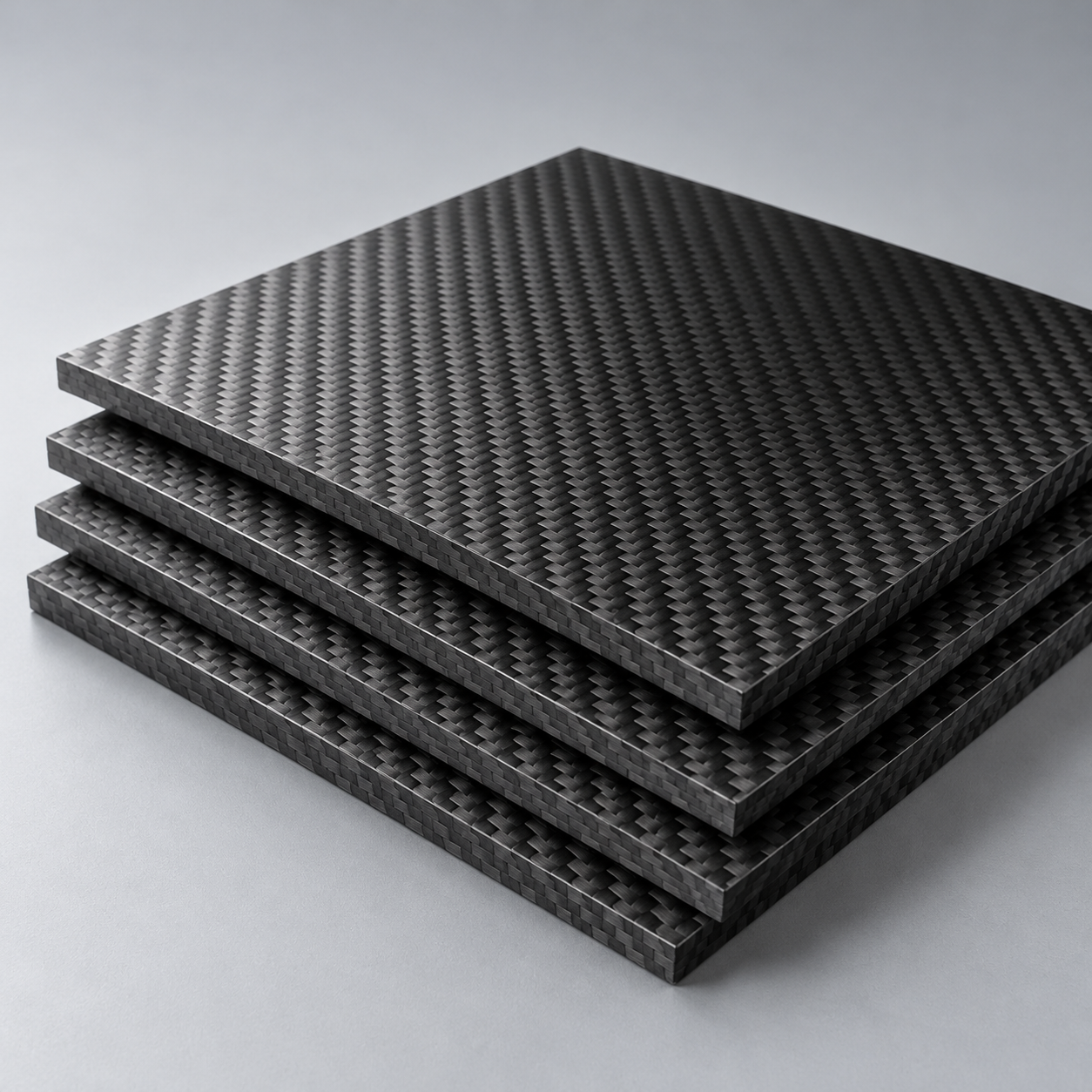 CompositesReview stiffness, weight and laminate.›Customer-Specified MaterialsConfirm your grade and requirements.›Other Specialty MaterialsDiscuss your application and grade.›
Practical guidance for your part geometry and material decisions.
Prepare your process, budget and sourcing questions.
Build your knowledge before production.
Learn who we are and how we operate.
Find our U.S. support team or start a conversation.
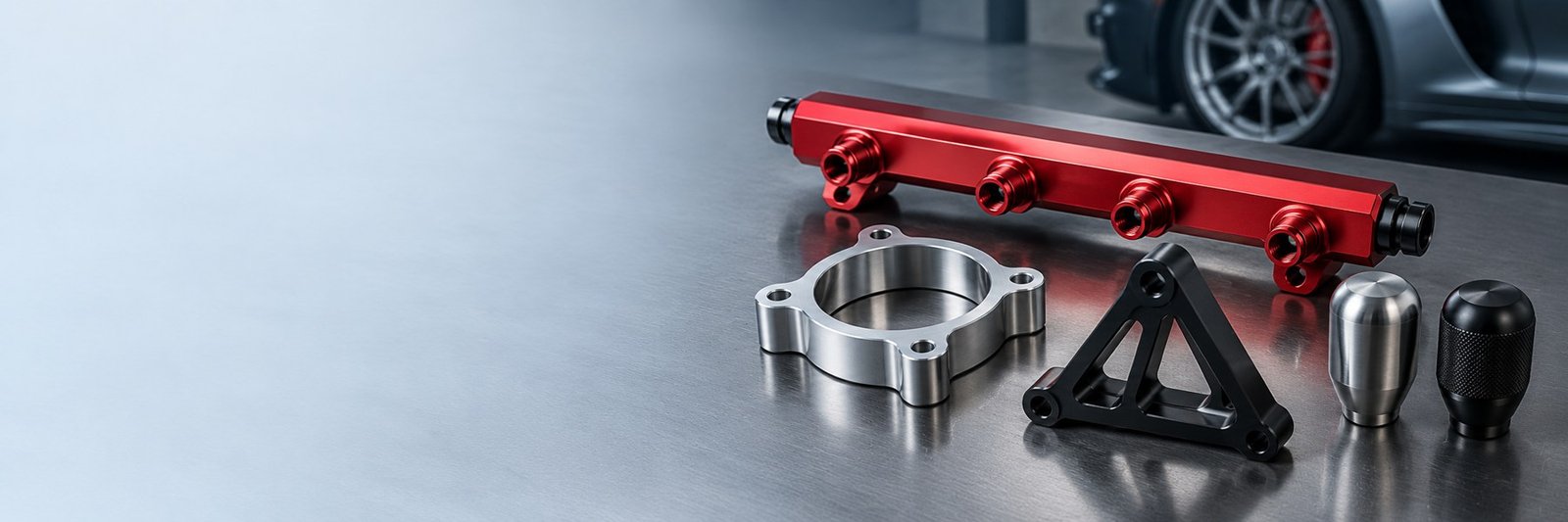
Choose an automotive aftermarket parts manufacturer around your drawing, approved sample and repeat-order requirements. For your brand, define the part number, finish and packaging before production.
Resolve tool access, fits and finish allowances.
Approve the sample and controlled revision.
U.S. communication; manufacturing in China.
6 application groups for your product brief, with the interfaces that affect manufacturing and fit.
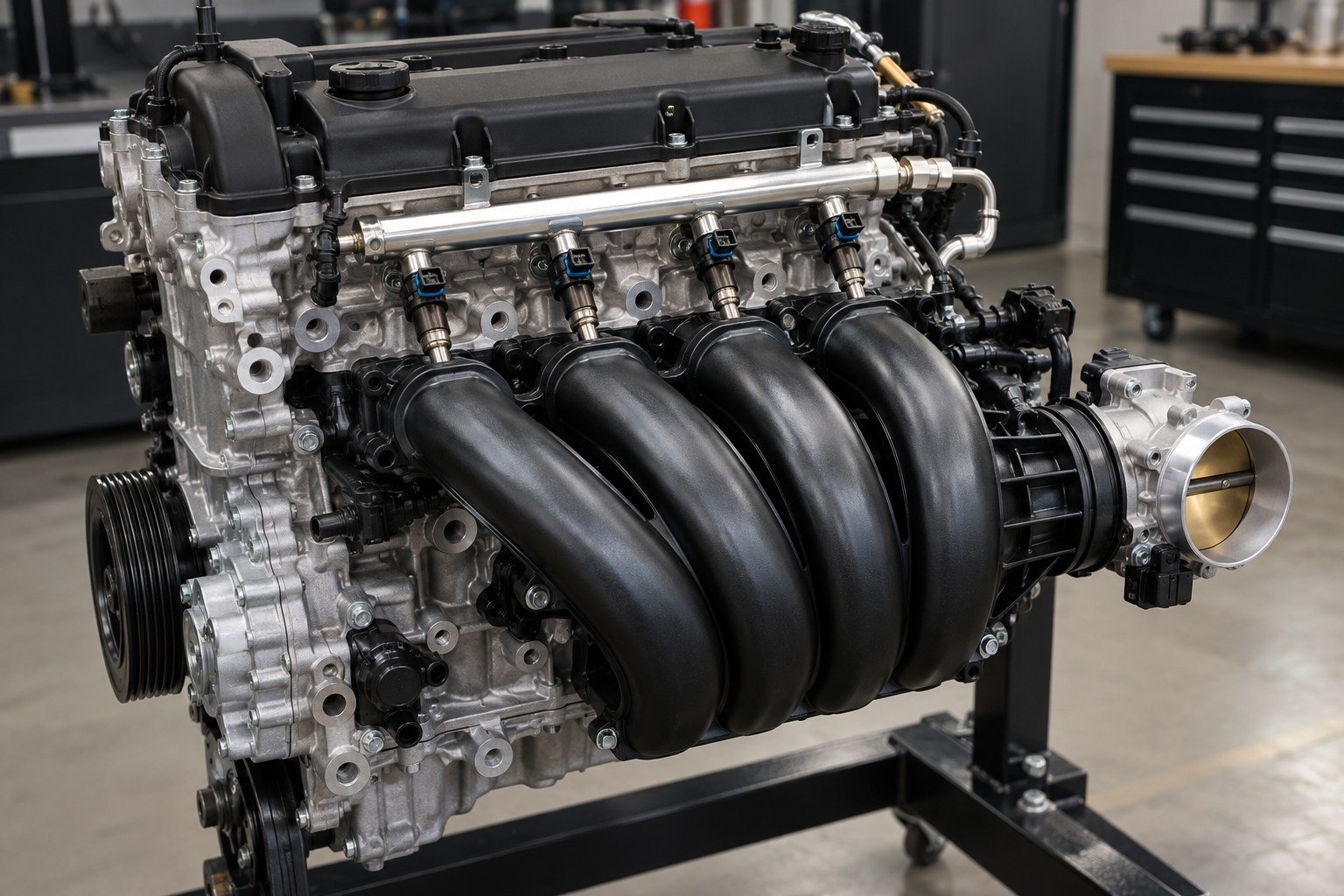
Define injector geometry, port positions and the required sealing checks.
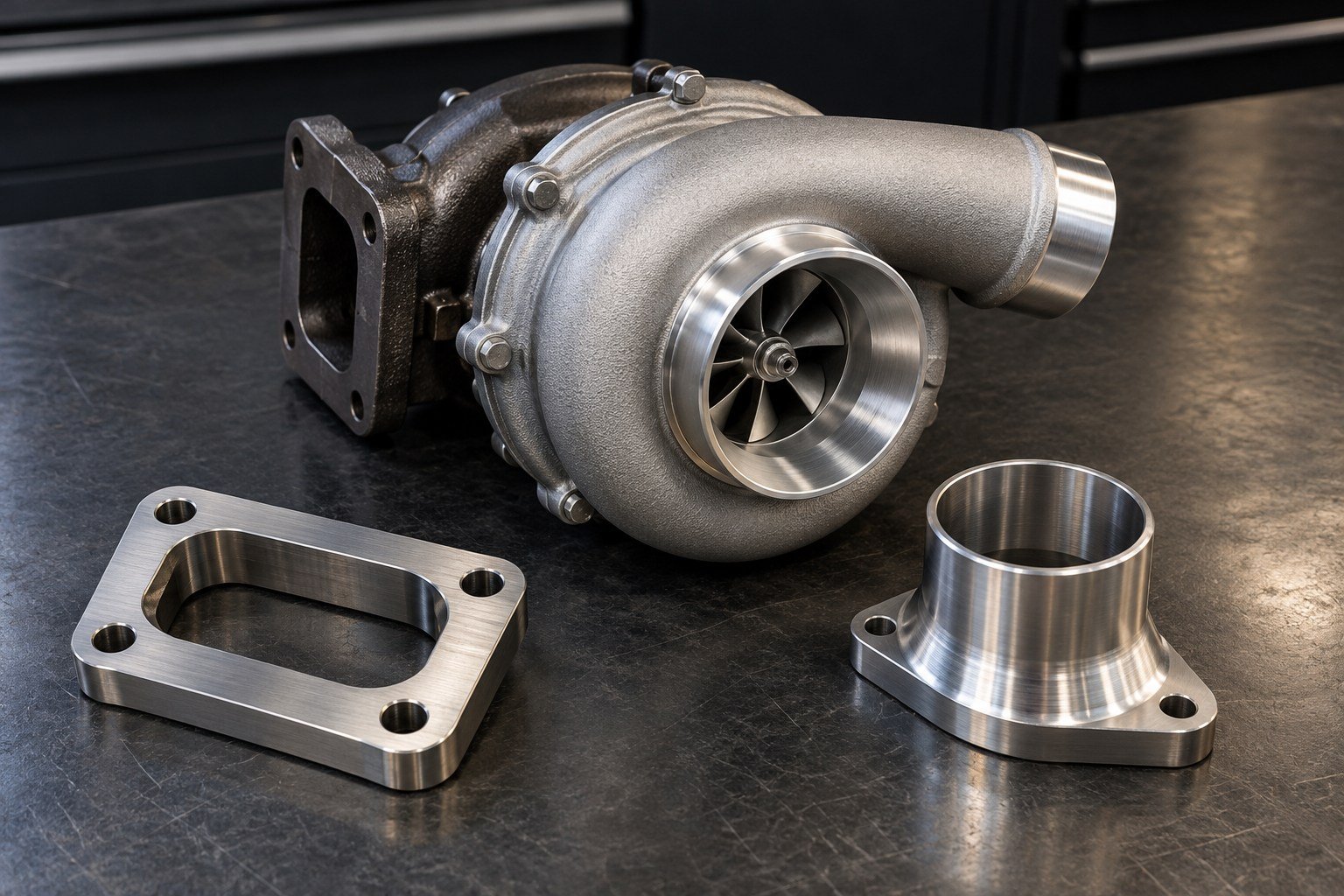
Match flange patterns, gasket faces and your temperature specification.
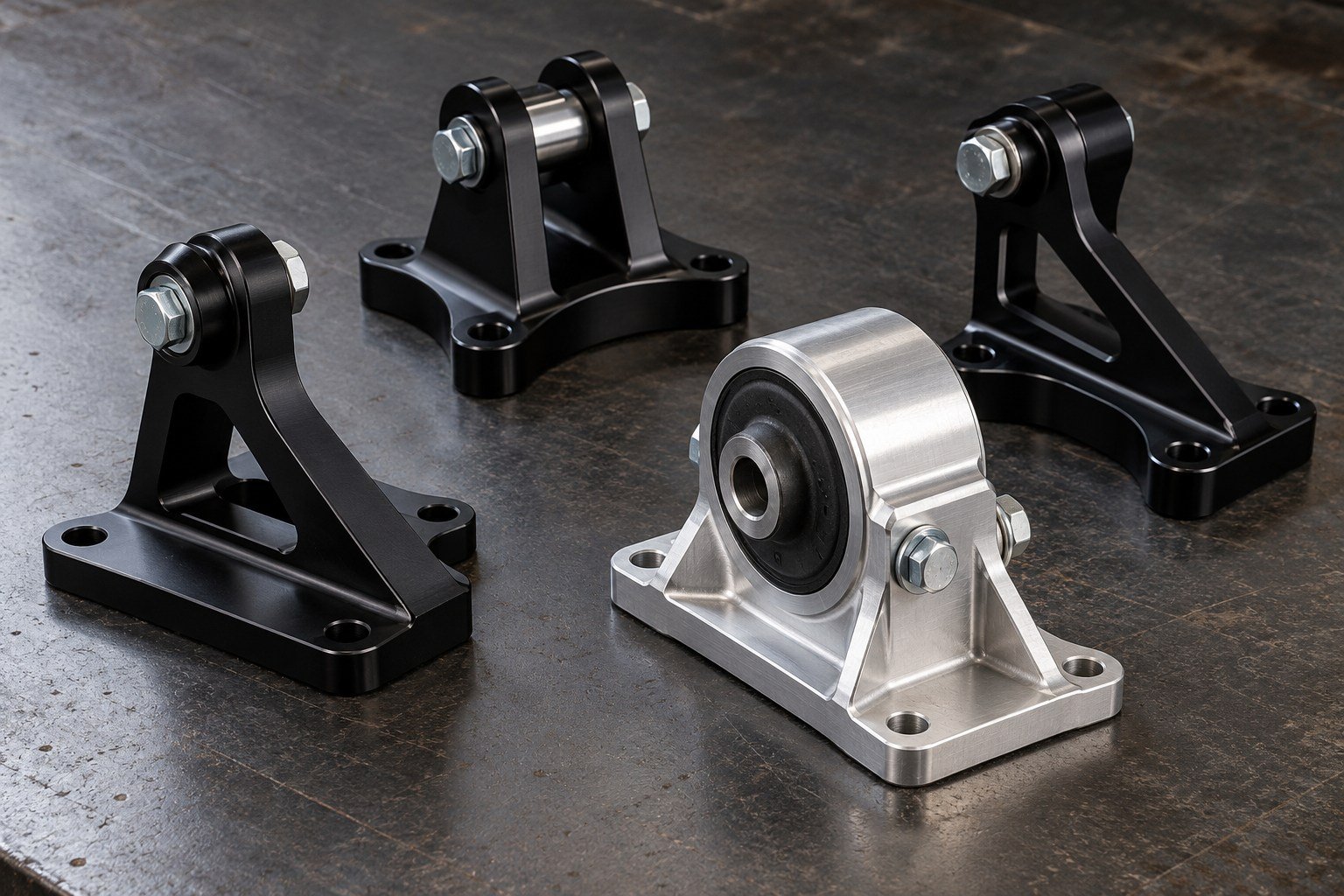
Control locating datums, fastener interfaces and drawing-defined loads.
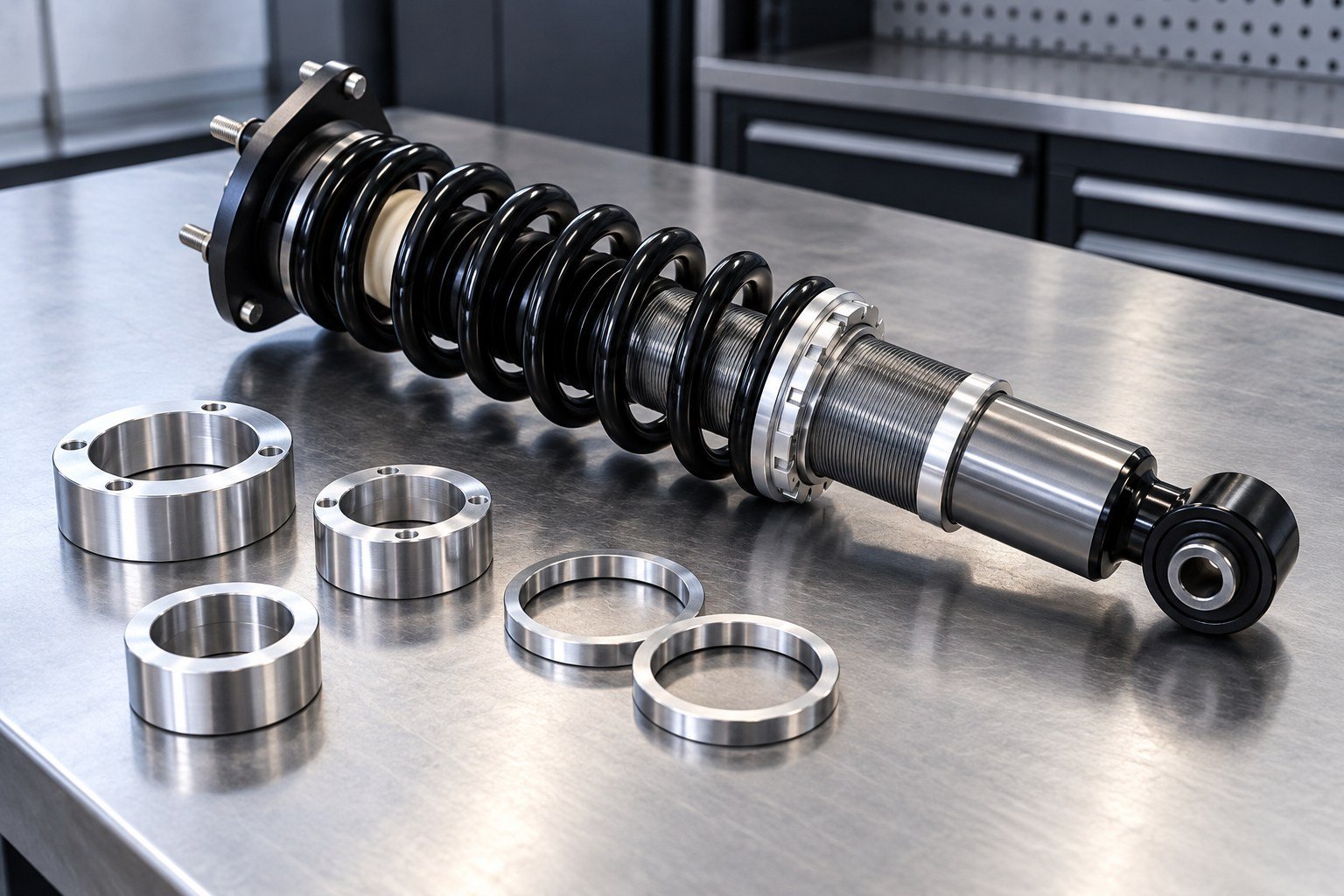
Review spacer stack-up, mating pilots and validation responsibilities.
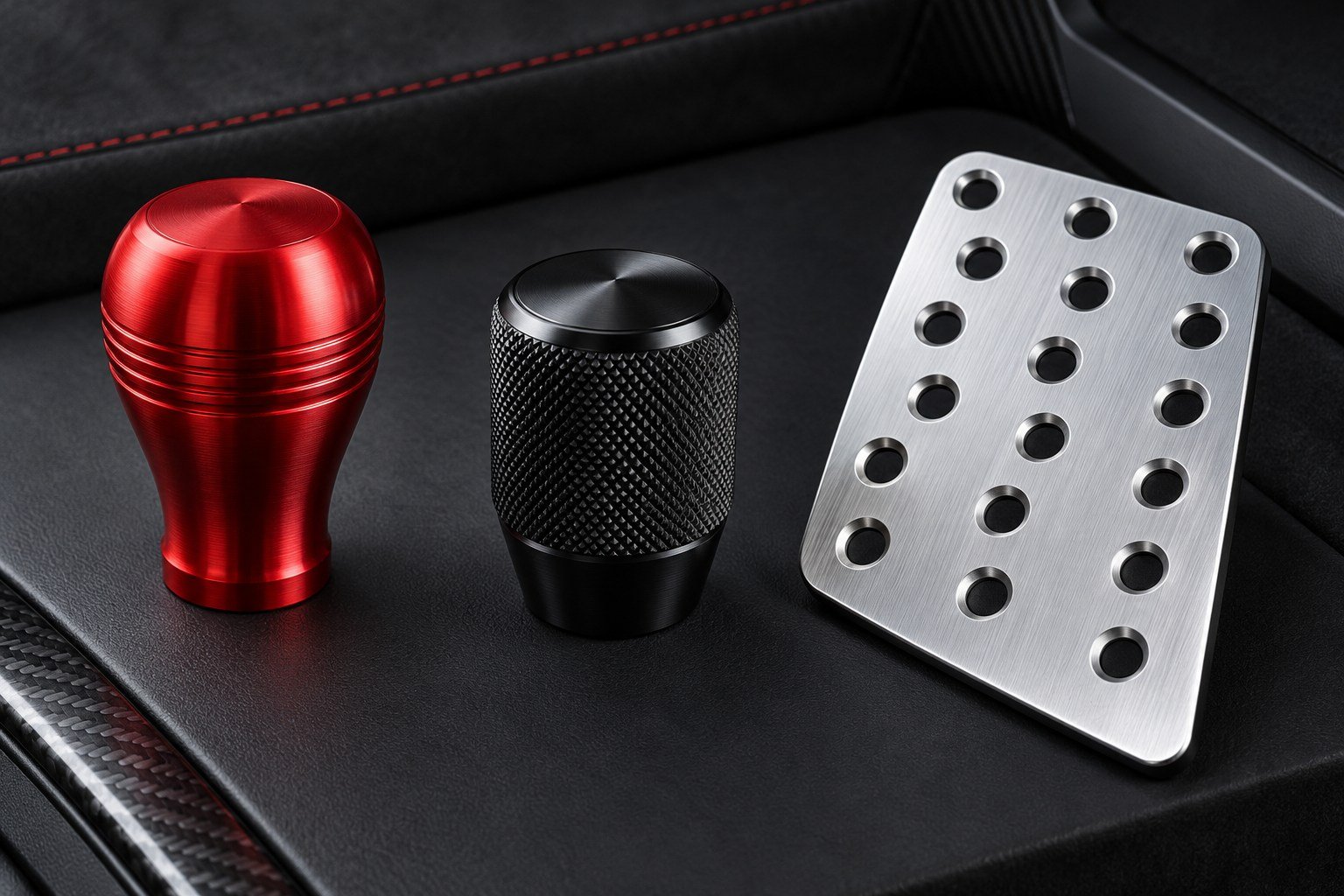
Approve tactile surfaces, threads, engraving and appearance zones.
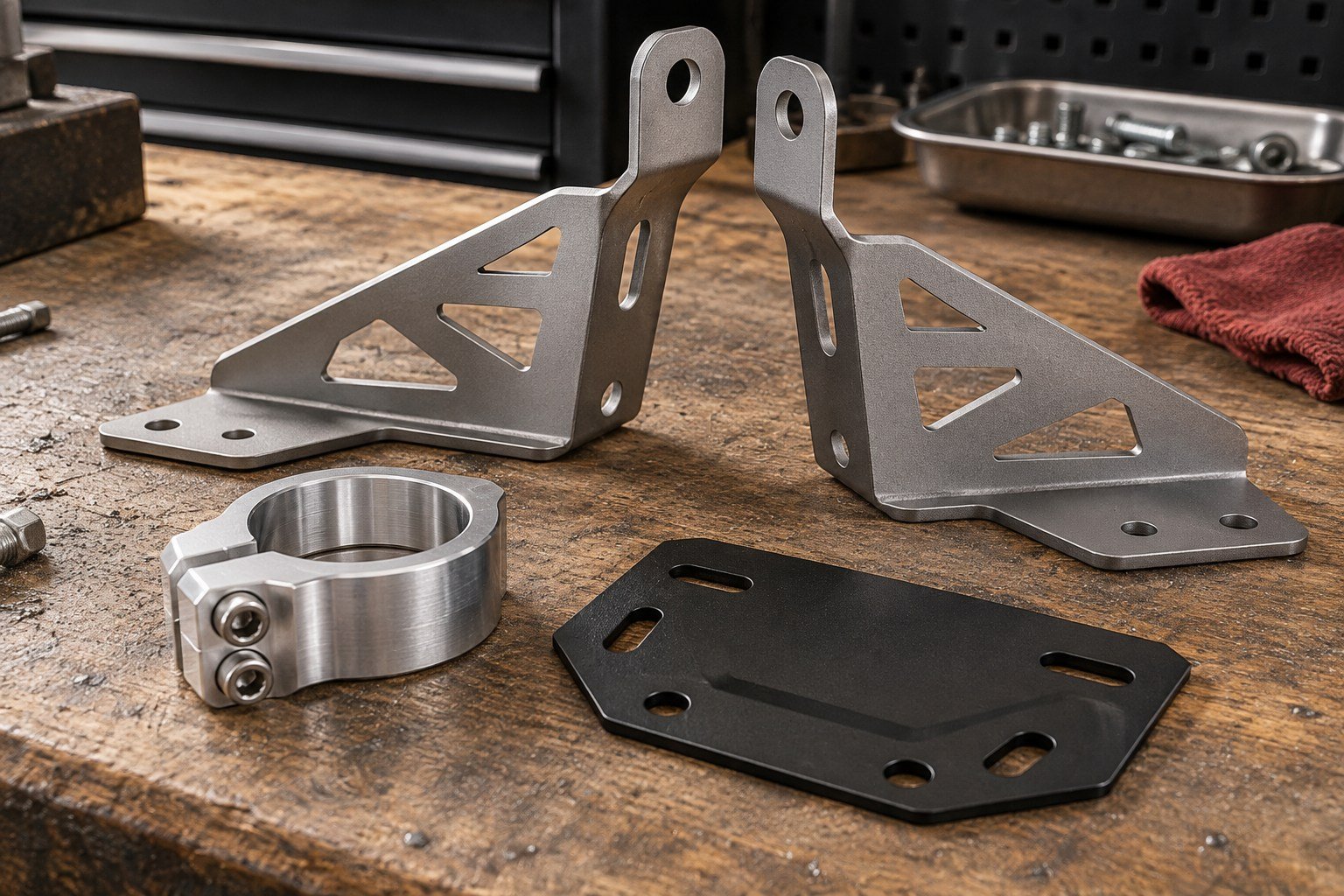
Specify mounting clearances, coating masks and packing protection.
For custom aftermarket auto parts manufacturing, send the interface drawing rather than a retail listing. Review these 10 component families against your design.
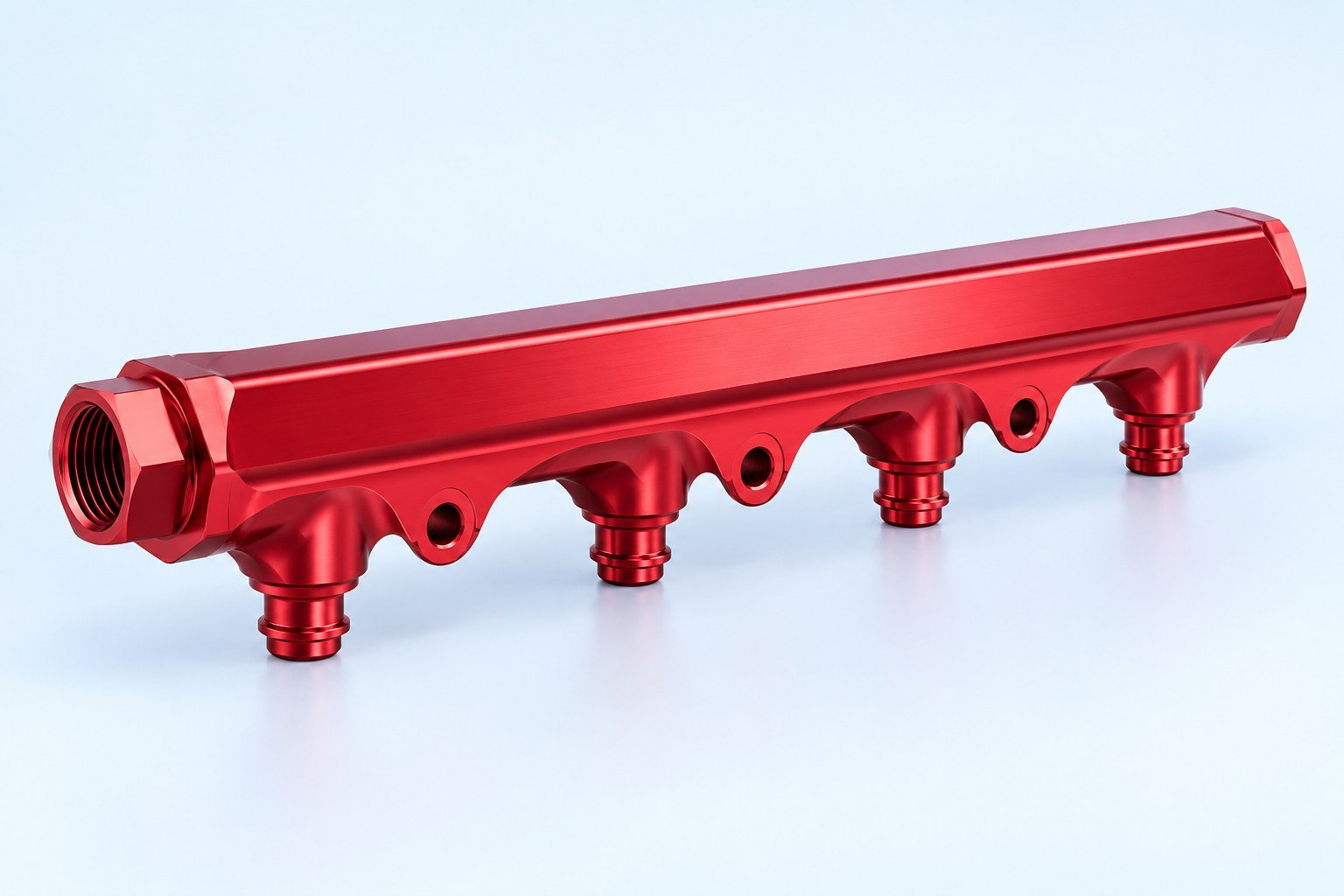
Injector ports, fuel fitting threads and sealing interfaces.
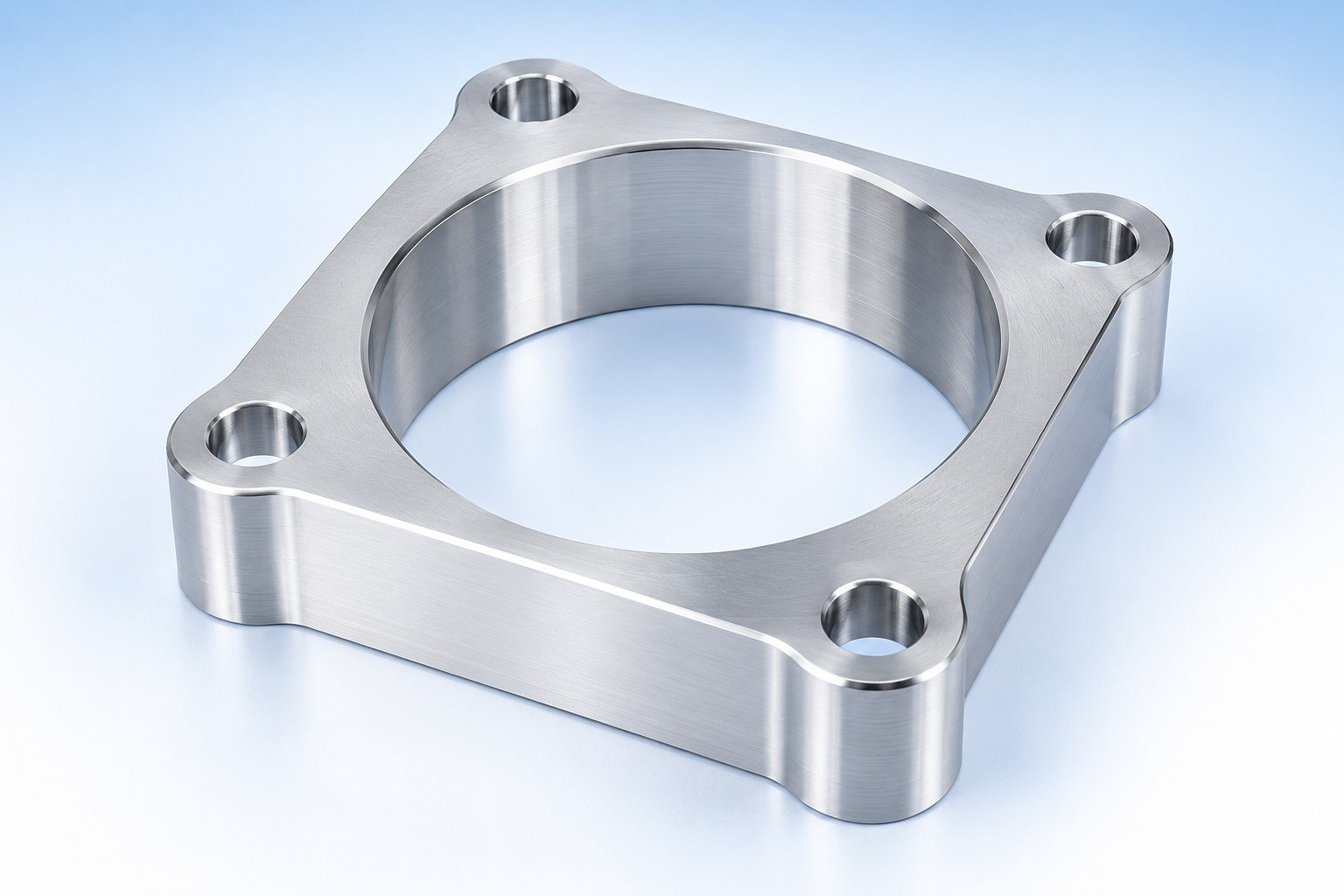
Bore, bolt pattern, gasket face and installed clearance.
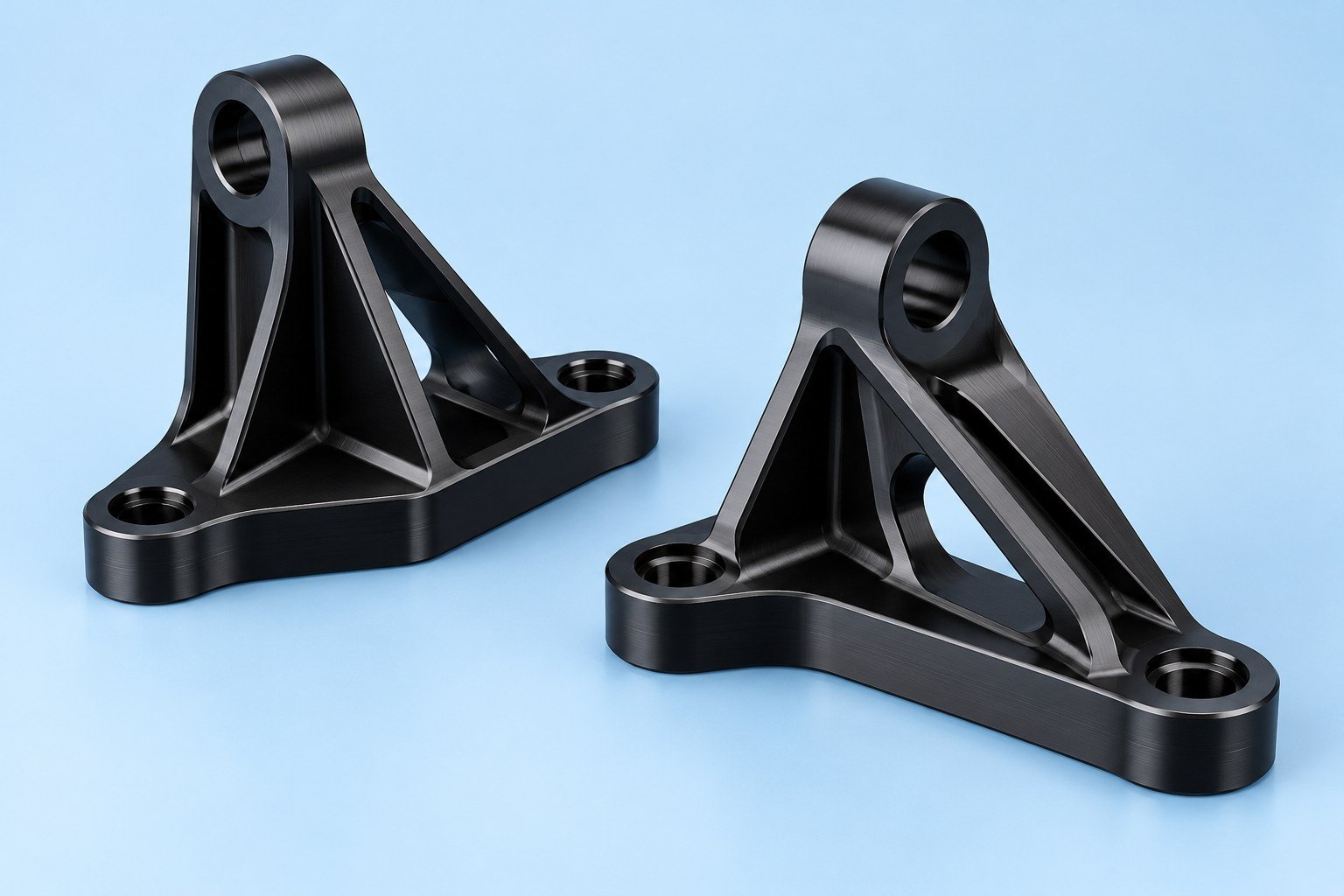
Datum locations, rib geometry and finish allowances.

Thickness, parallel faces and customer-defined validation.
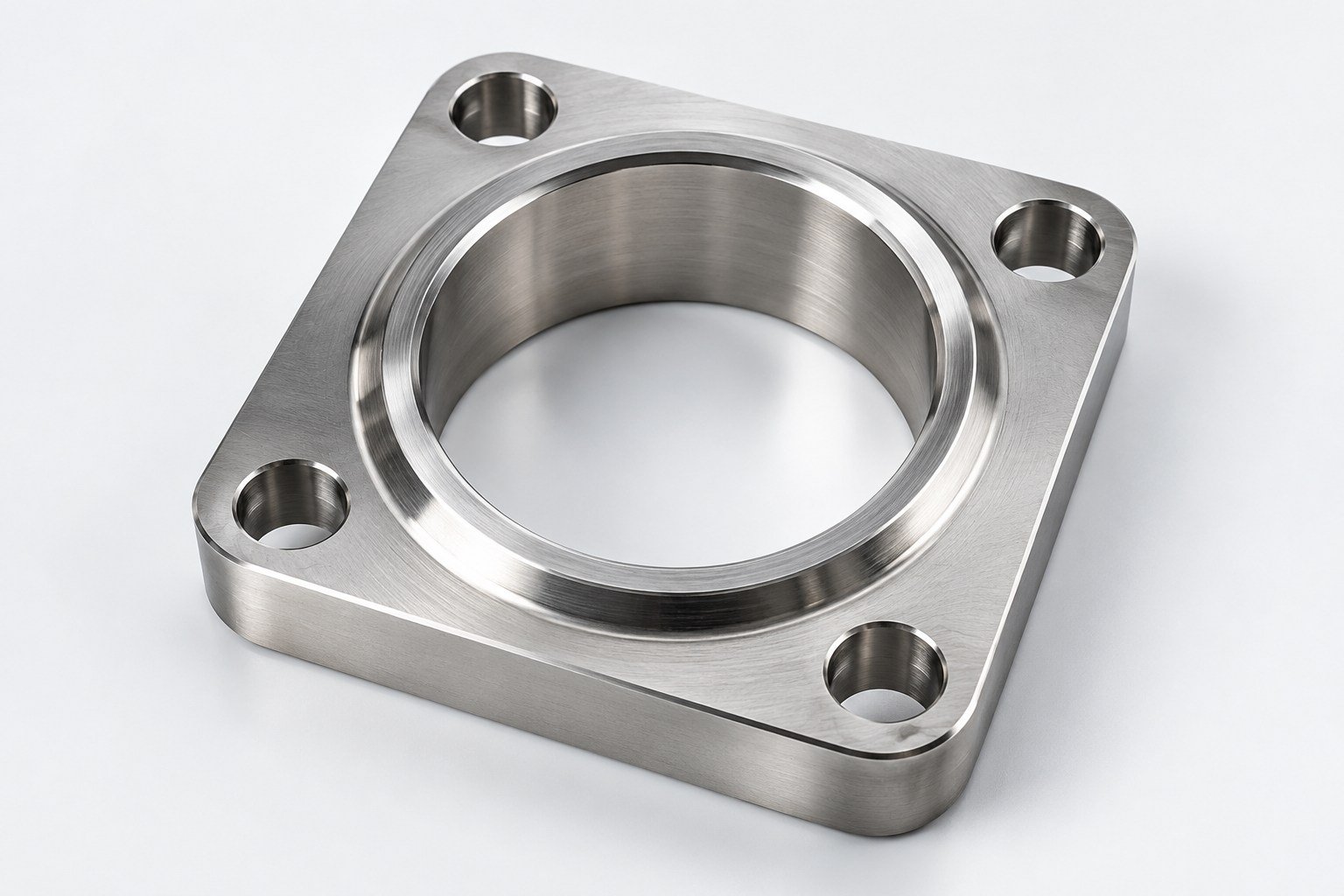
Port pattern, mating face and temperature requirements.
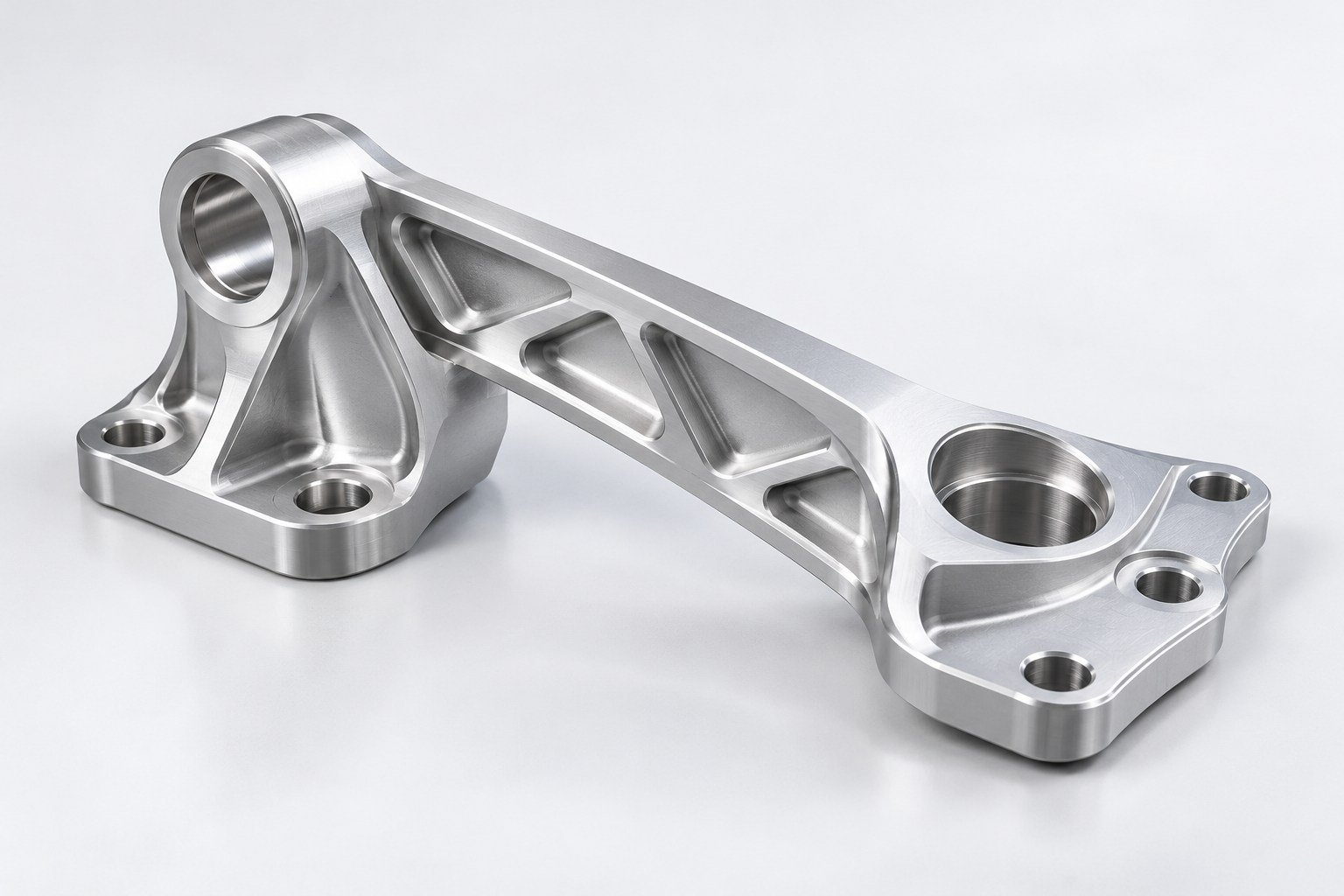
Mounting interfaces, load inputs and fastener access.
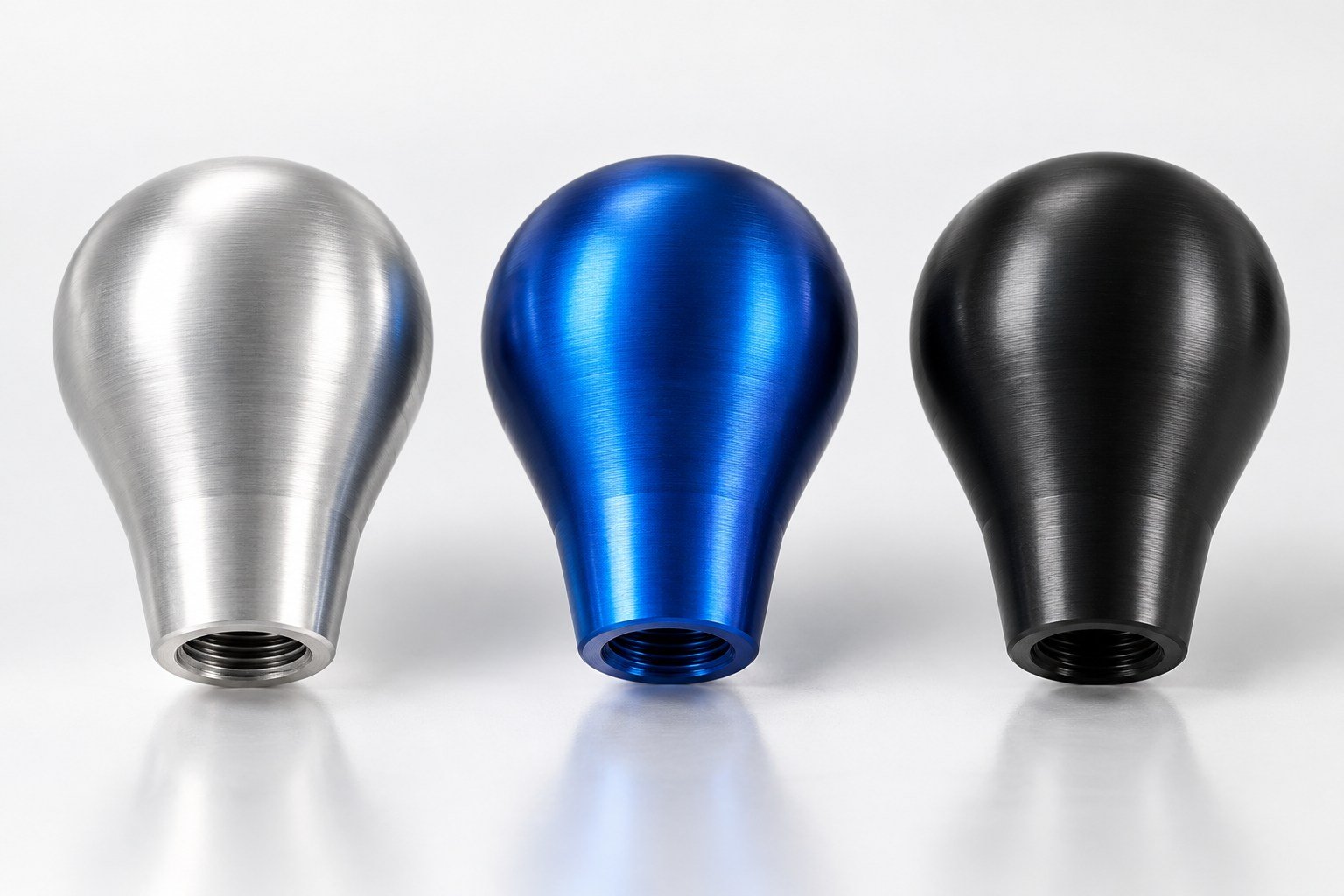
Thread, grip profile, engraving and color reference.
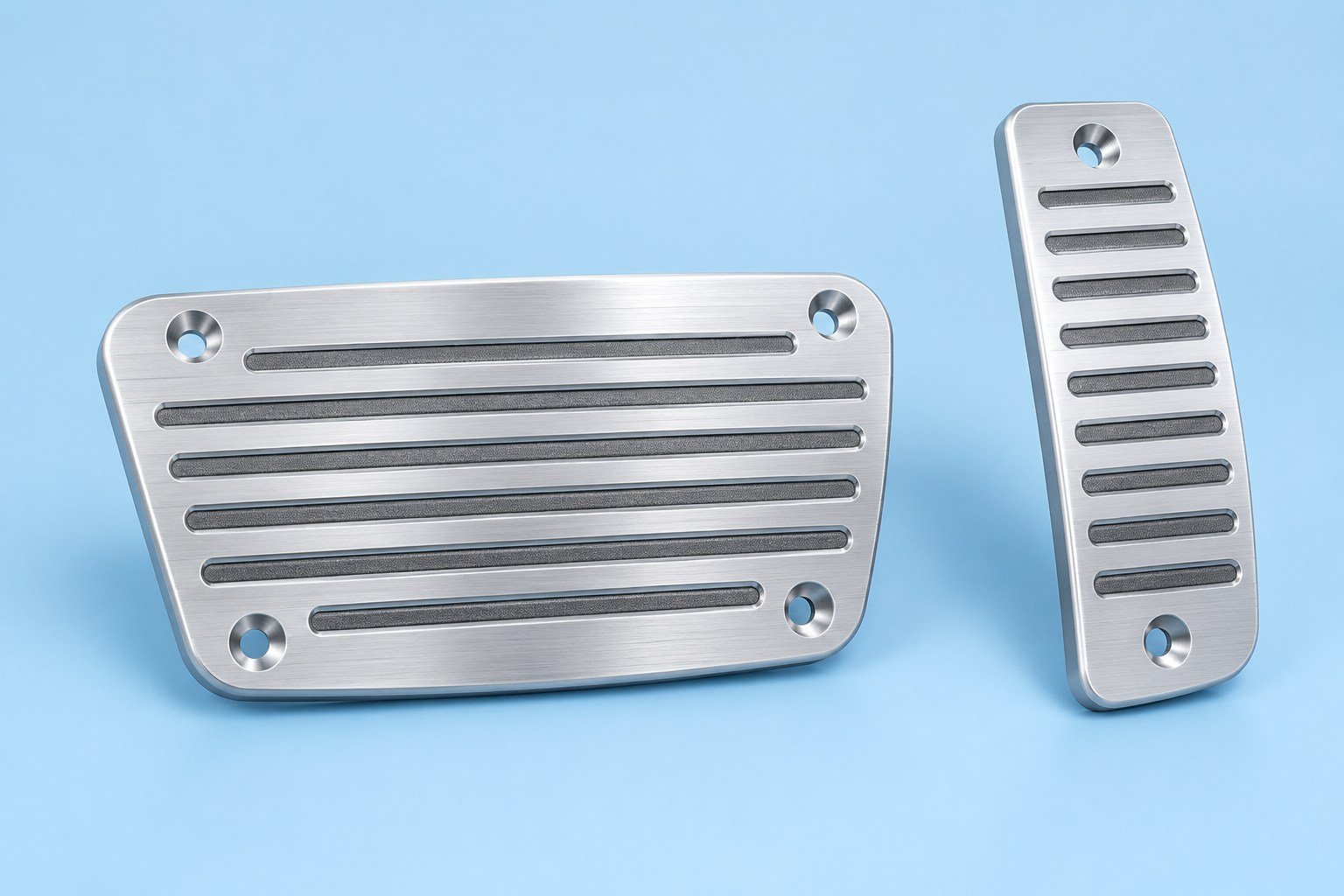
Mounting holes, grip texture and fitment drawing.

Slots, bend locations and corrosion-protection requirements.
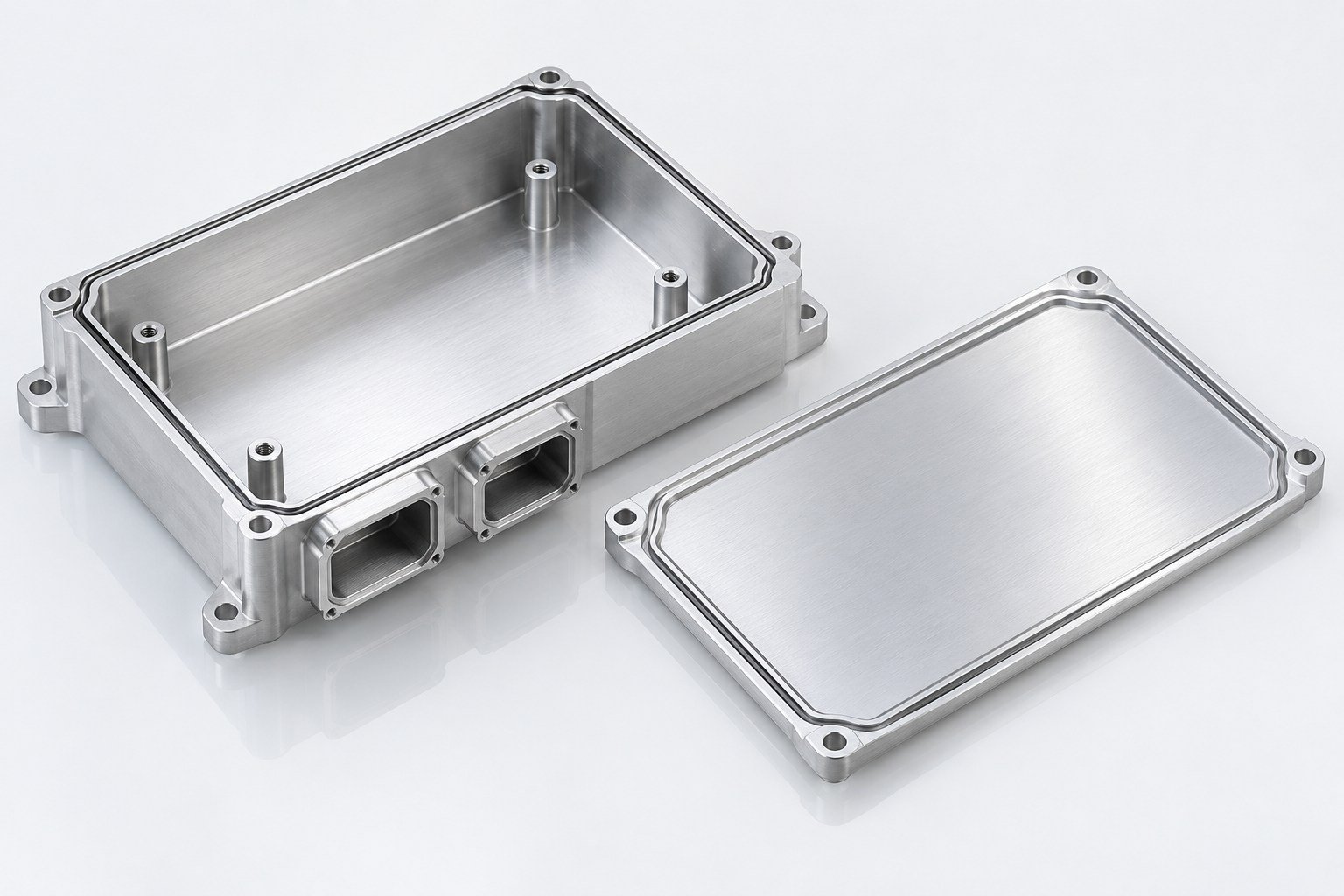
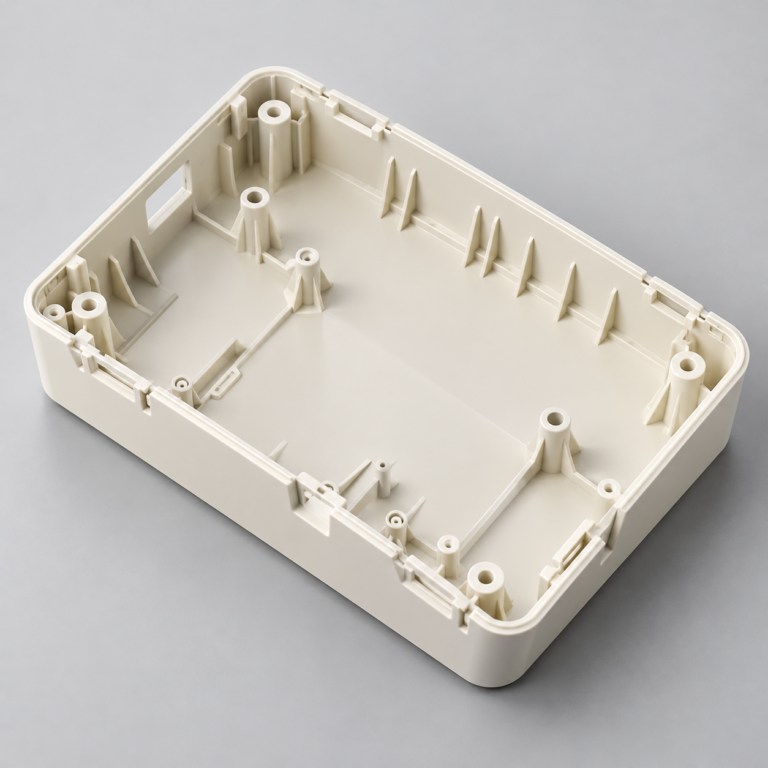
PCB bosses, connector cutouts, cover fit and sealing grooves.
Product and workshop visuals are illustrative concepts, not stock inventory, customer parts, factory evidence or approved fitment claims.
For your automotive aftermarket CNC machining project, compare geometry, material, tooling and repeat demand before choosing a process.
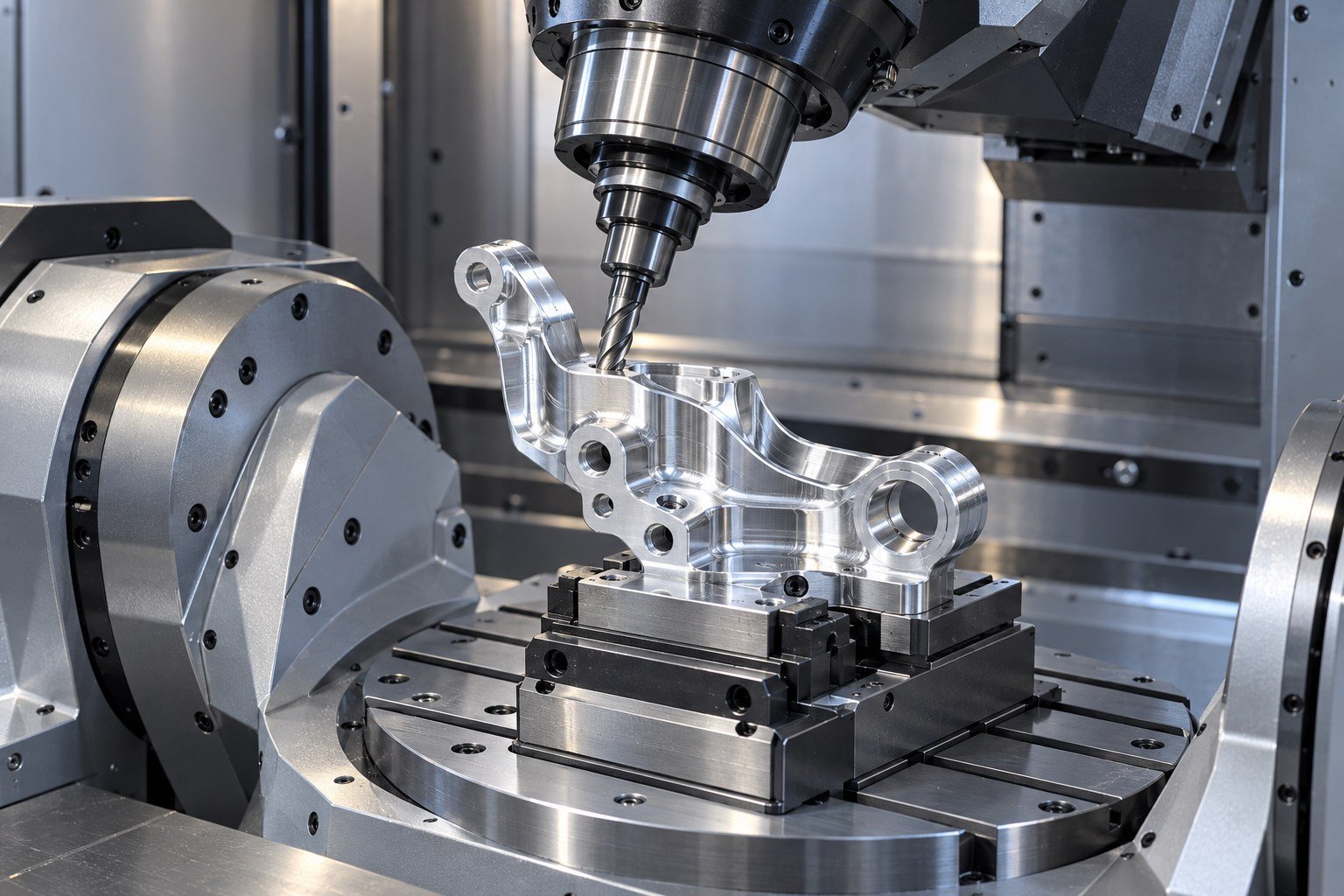
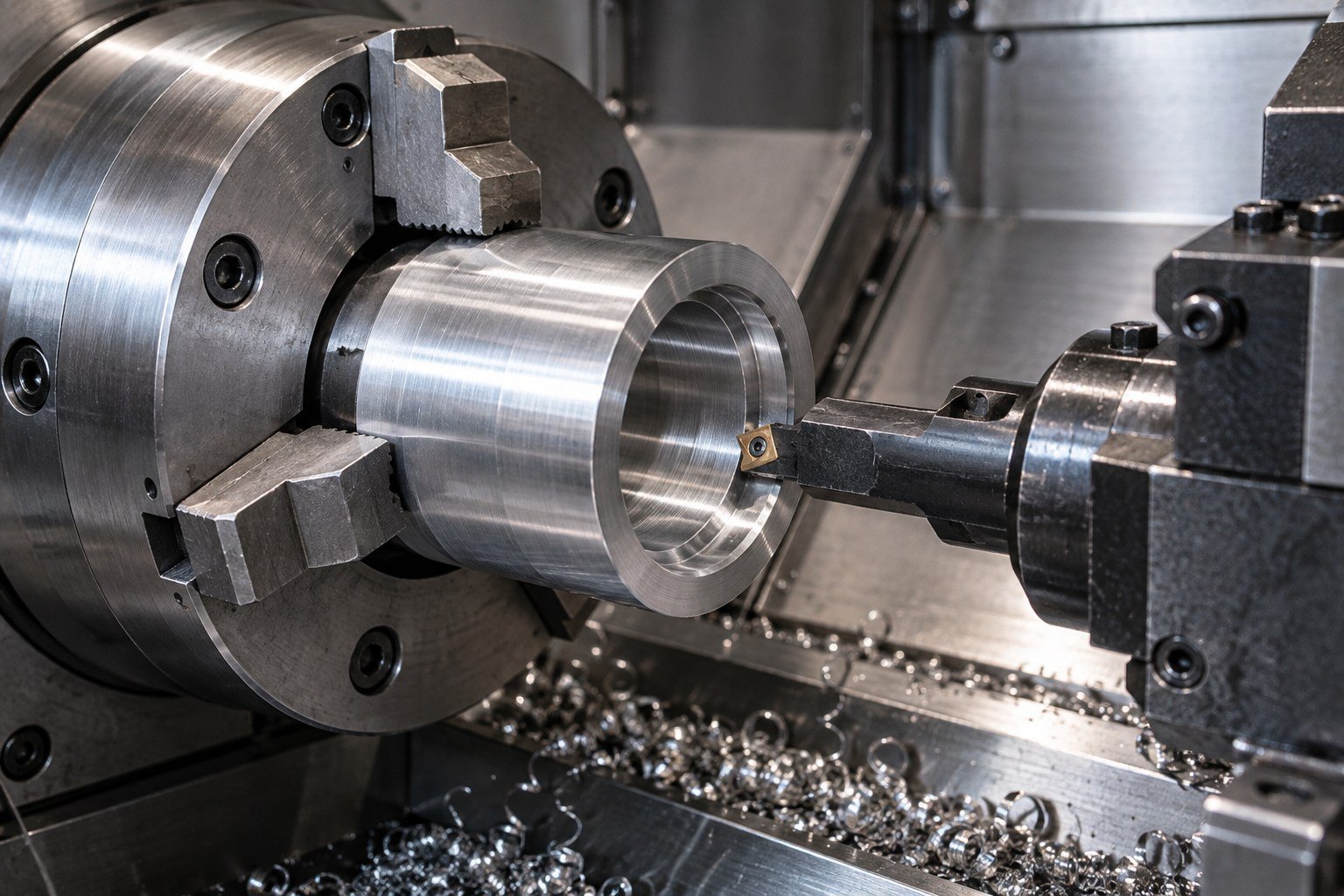
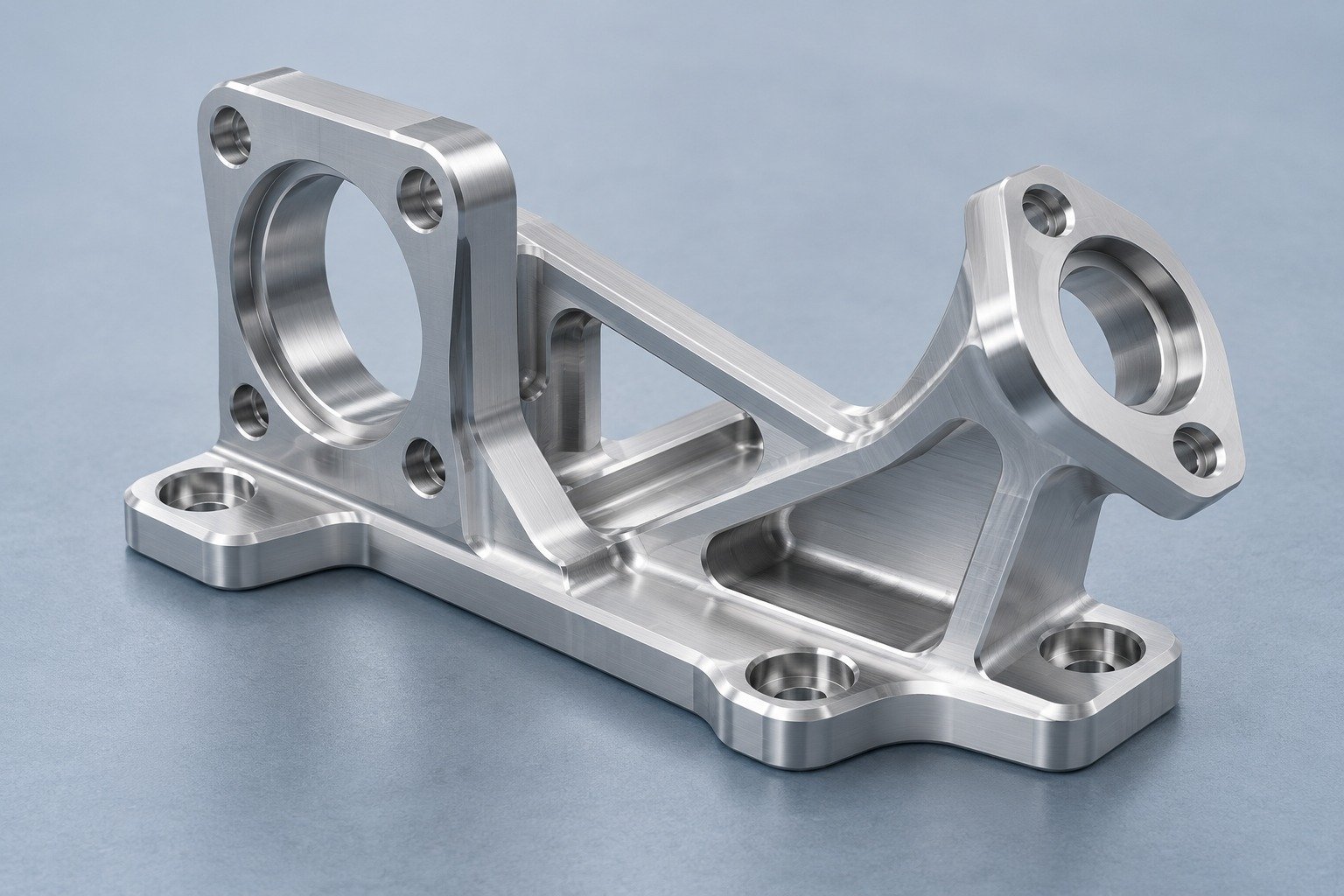
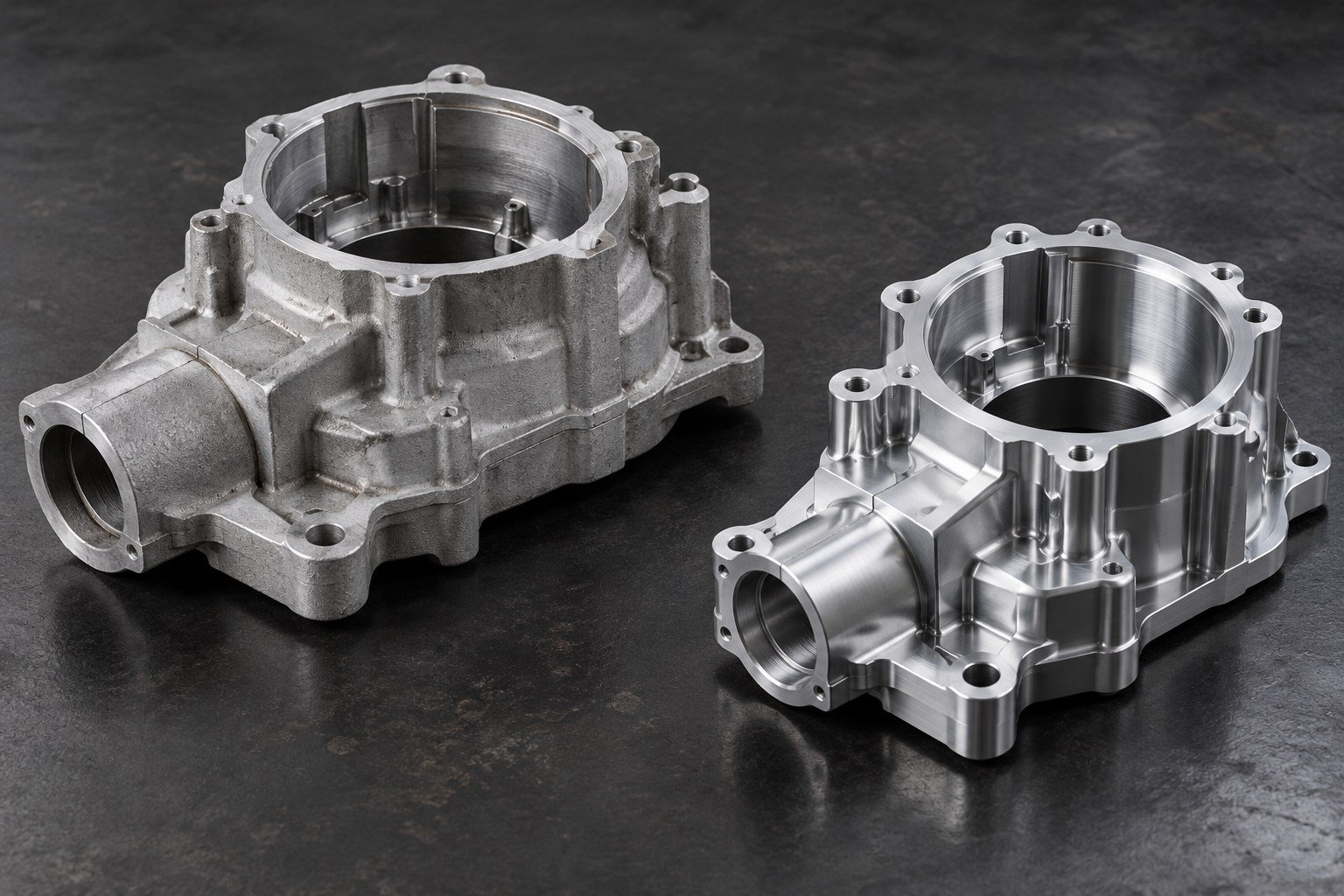
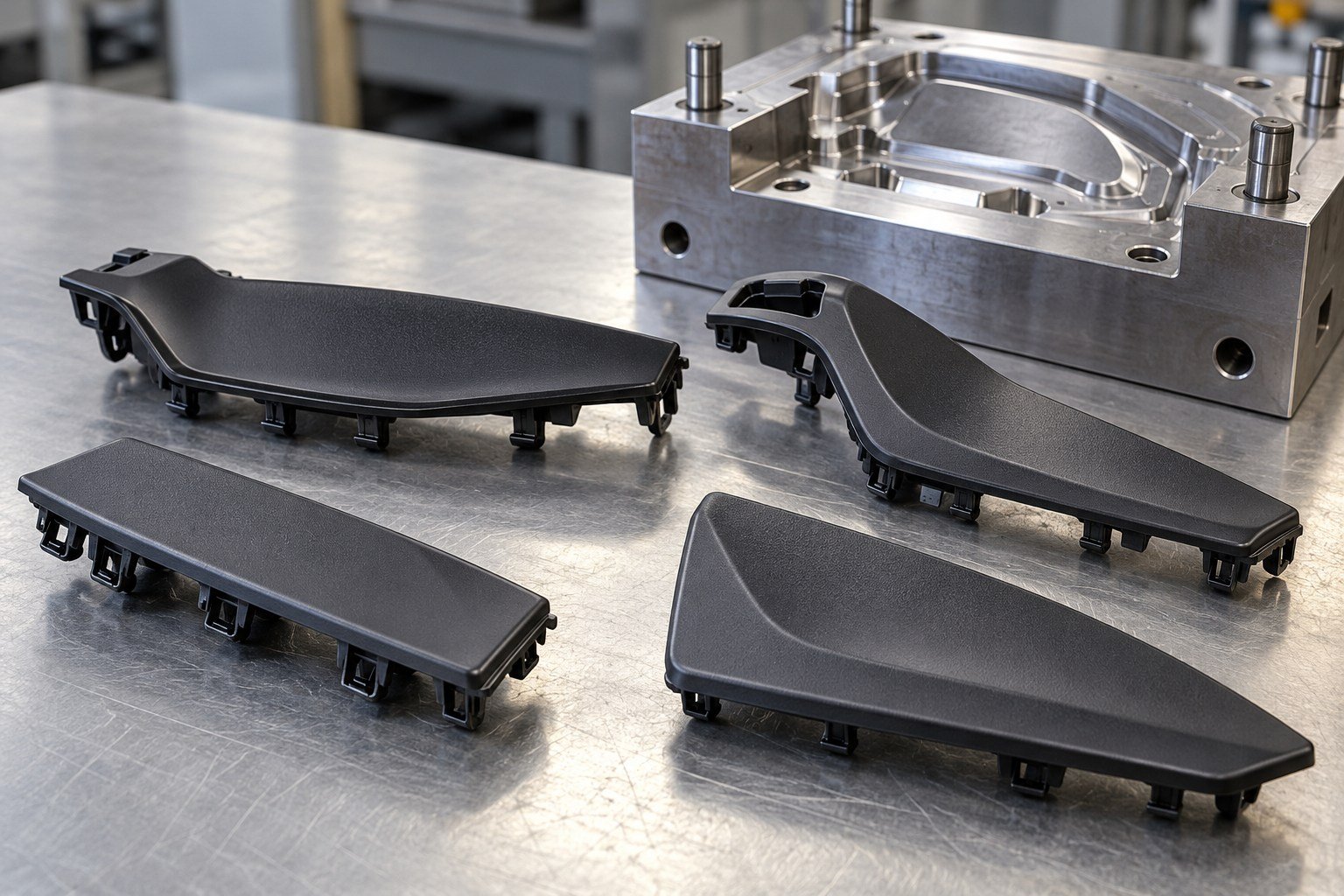

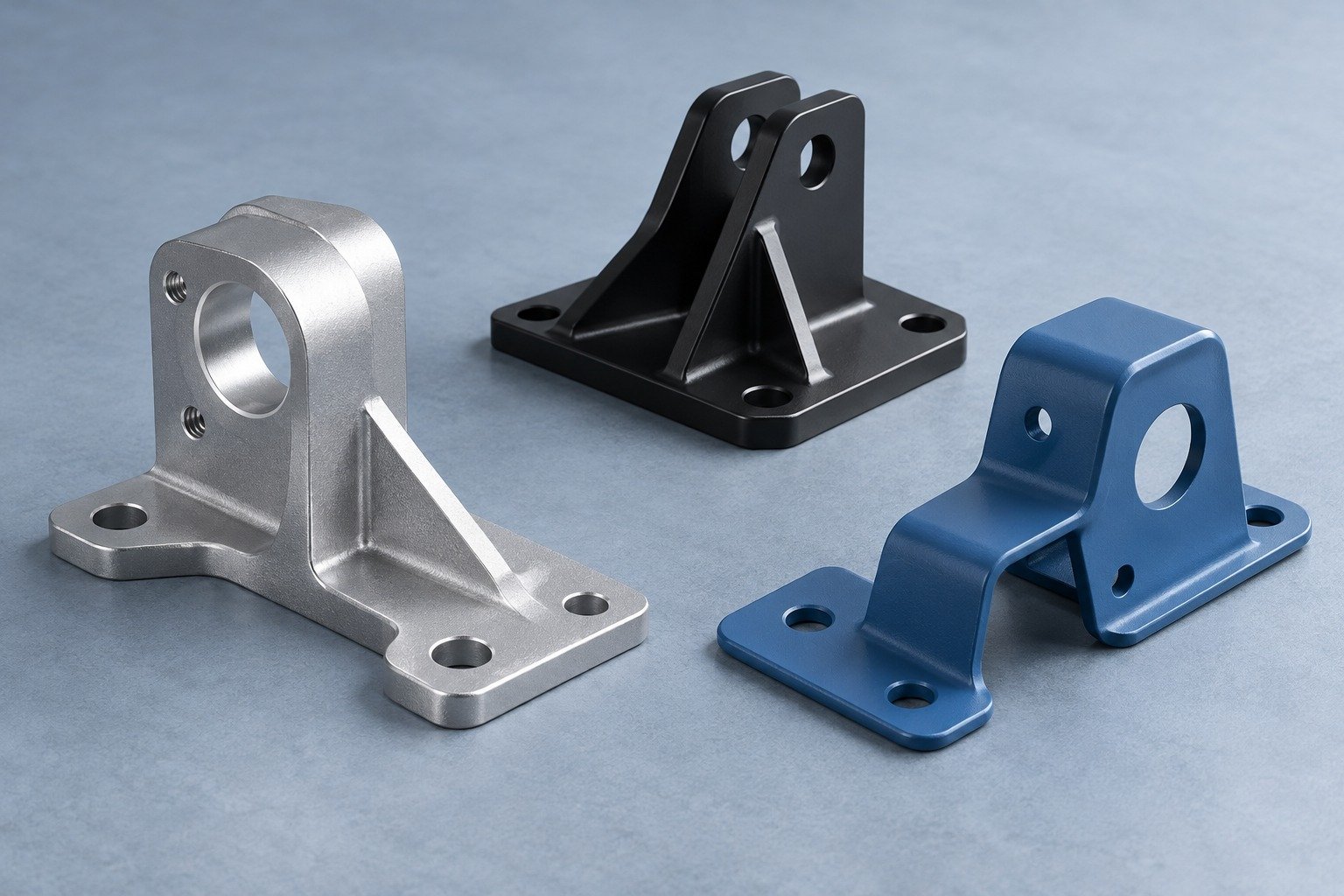
Illustrative manufacturing concepts. Process suitability and acceptance scope are confirmed from your drawing.
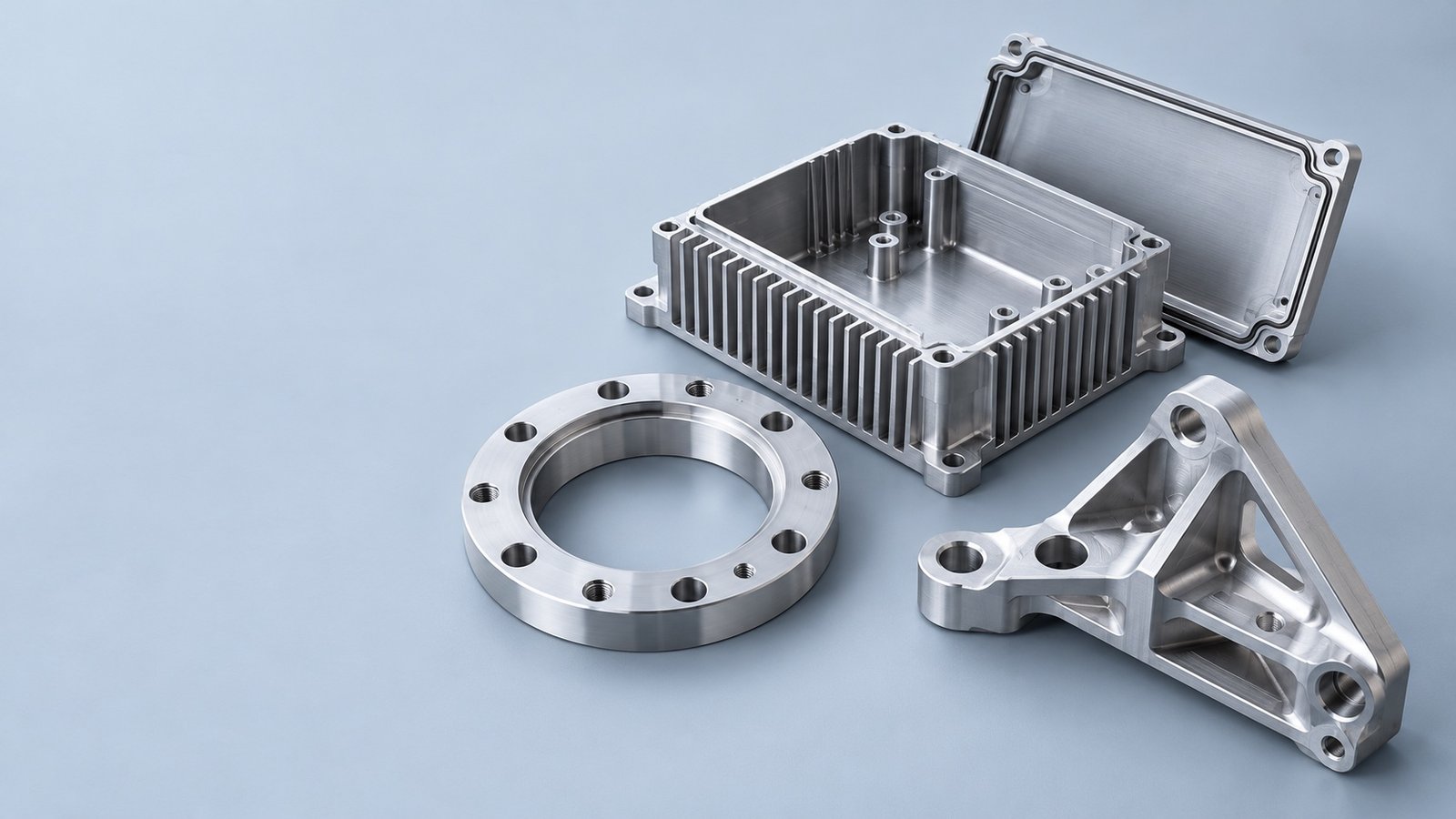
Specify your temper, bores, threads and final surface.
Confirm your heat treatment, protected fits and corrosion requirements.
Identify product form, required temper and corrosion-protection scope.
Review sheet temper, bend radii and finish before forming.
Define the extrusion profile, straightness and cosmetic surfaces.
Match your structural drawing to the delivered condition and stock form.
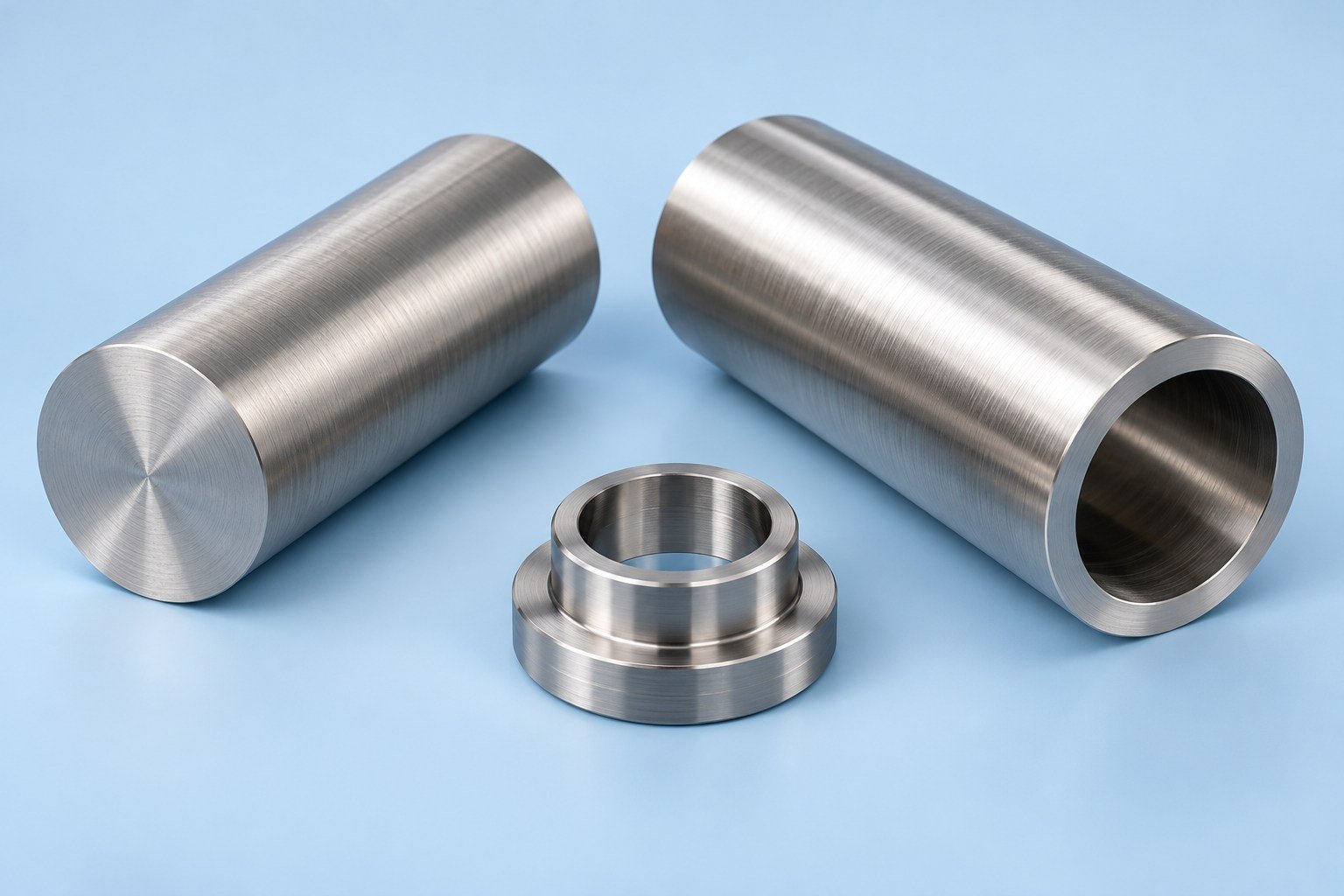
For corrosion-facing interfaces, specify the exact grade, product form, finish and cleaning requirements.

Identify the alloy, delivered condition, heat-treatment sequence and inspection scope before machining.
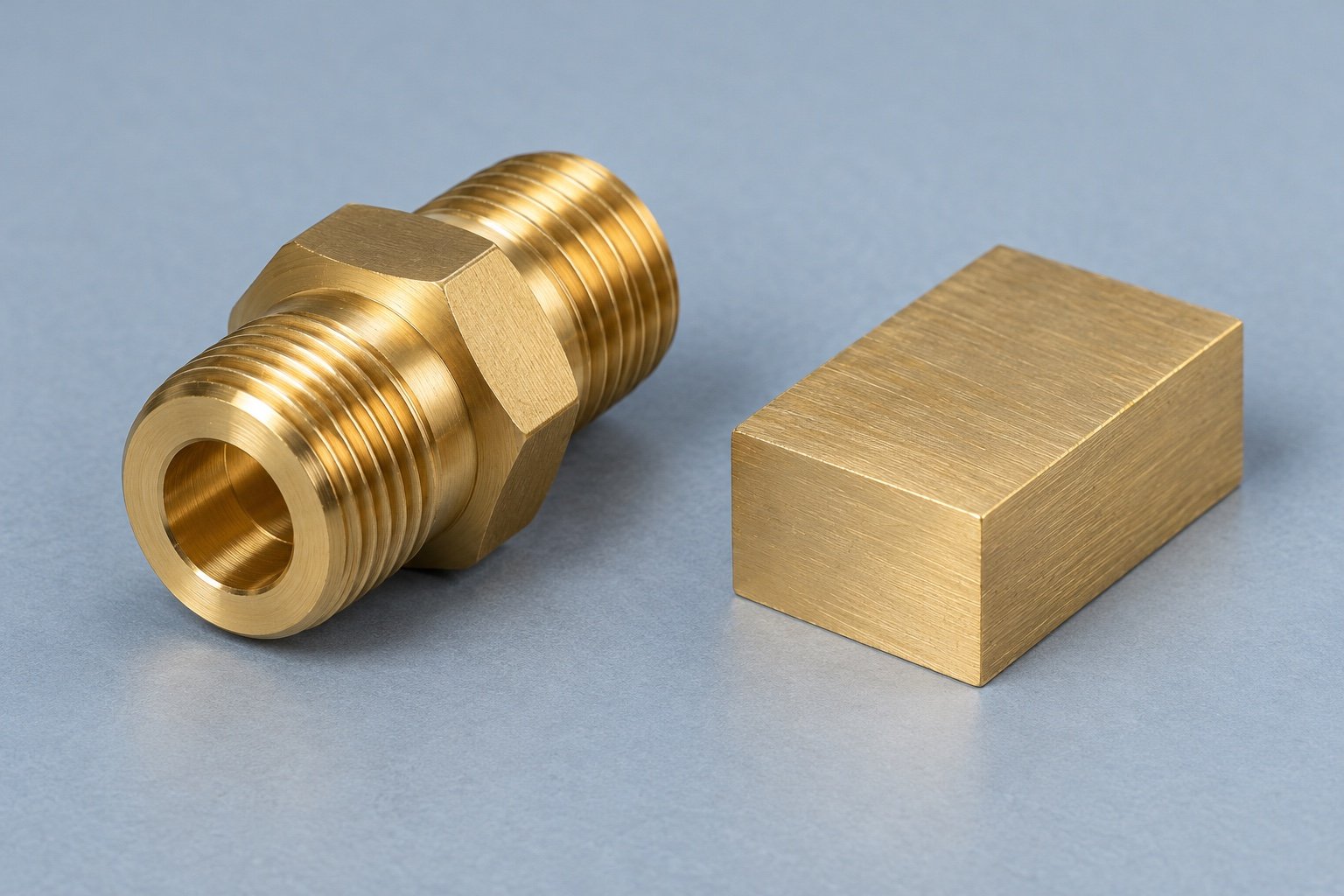
Define alloy identity, thread requirements, surface treatment and any composition restrictions for your component.
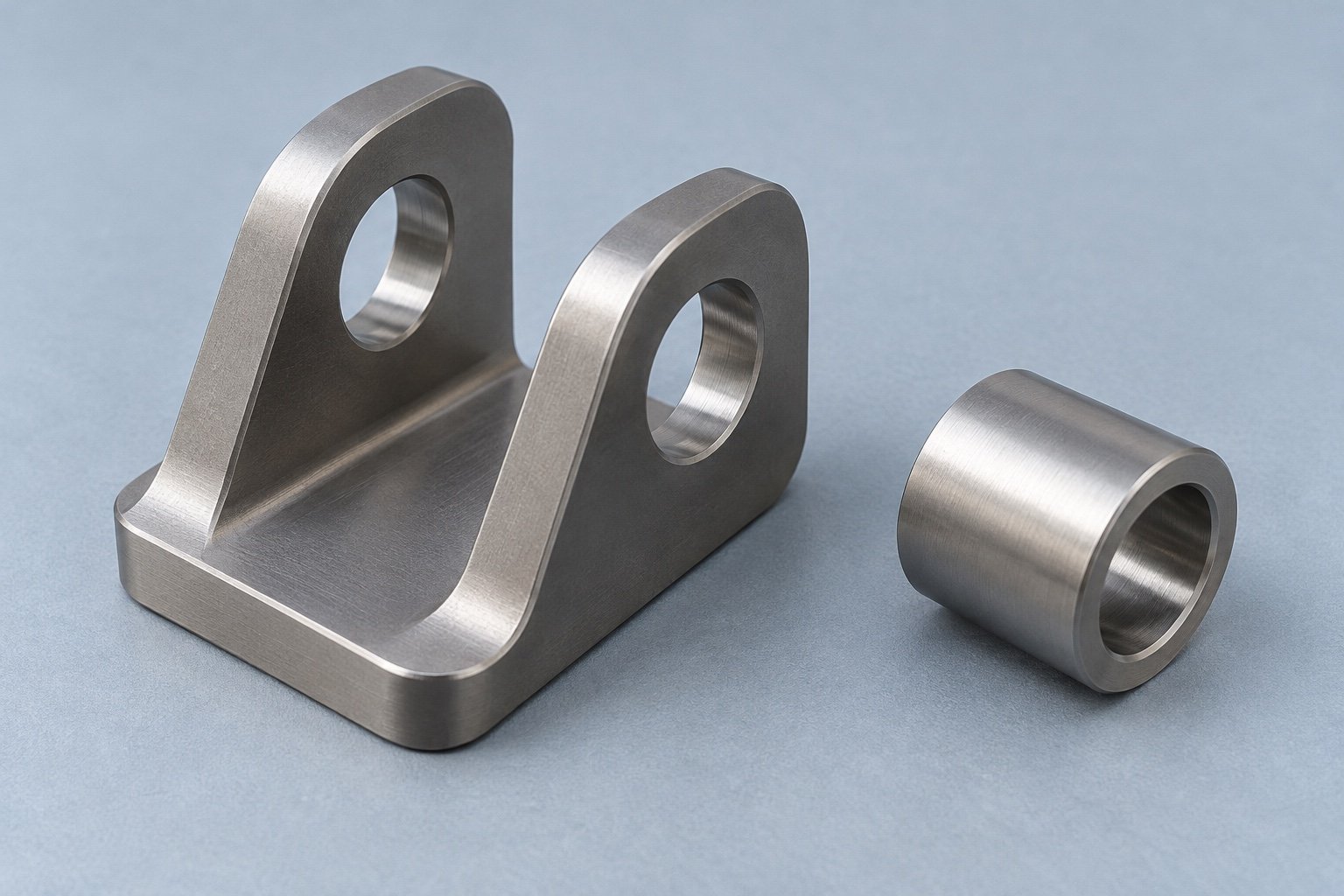
Confirm grade, stock form, protected surfaces and inspection requirements rather than selecting by appearance.
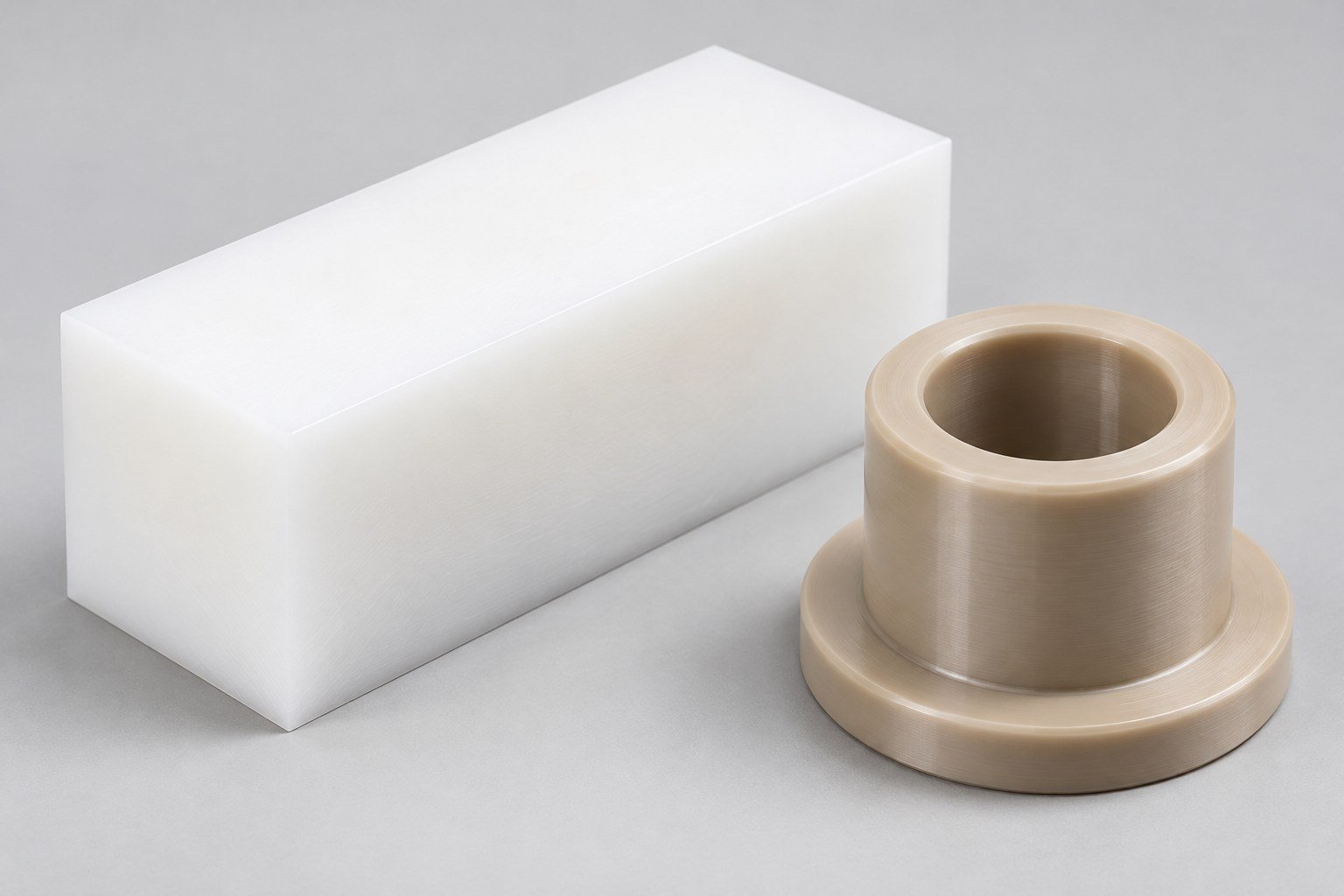
Name the resin manufacturer and grade, additives, exposure conditions and mating features for your component.
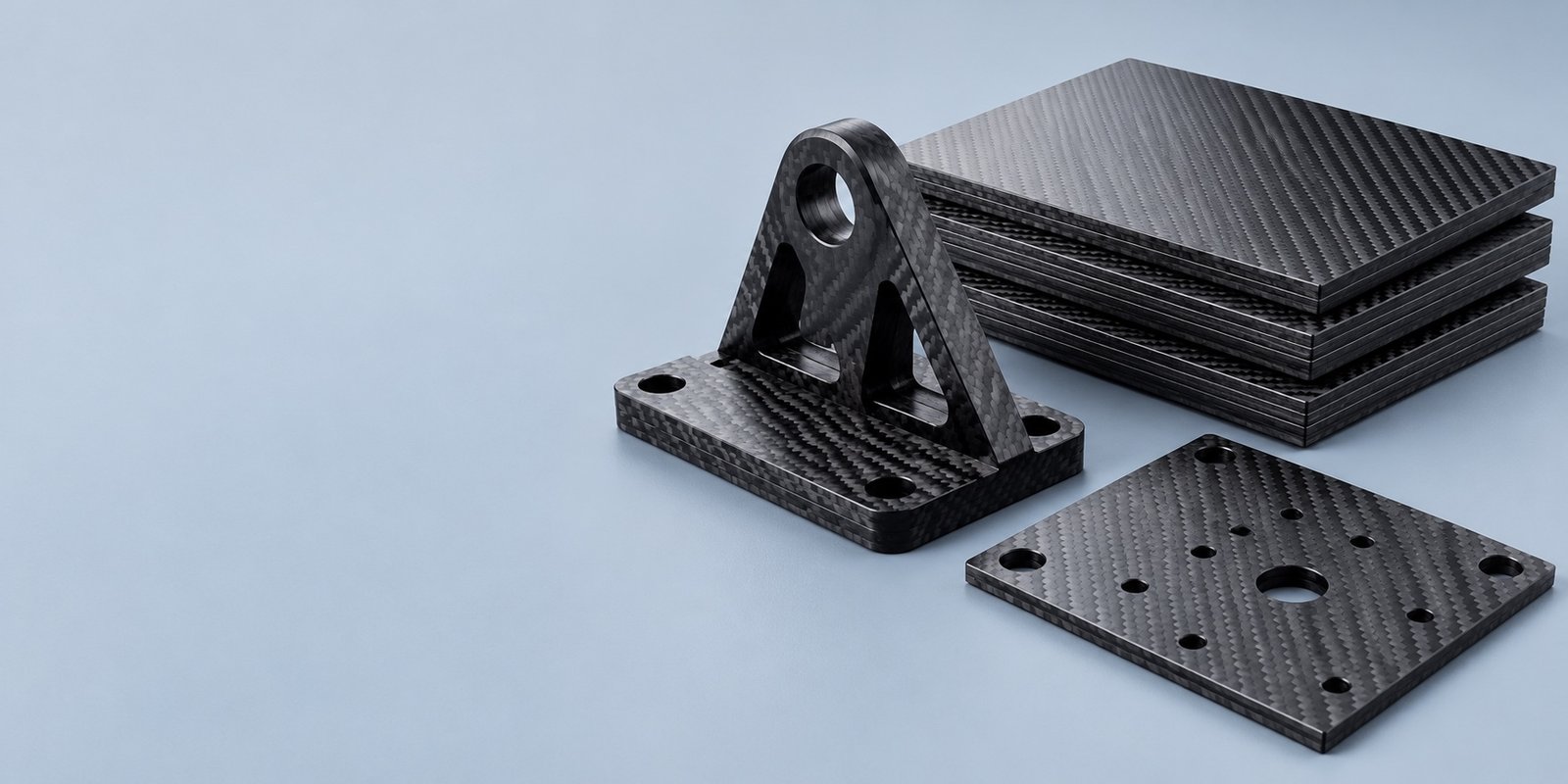
Review layup, resin system and machining requirements for your custom parts.
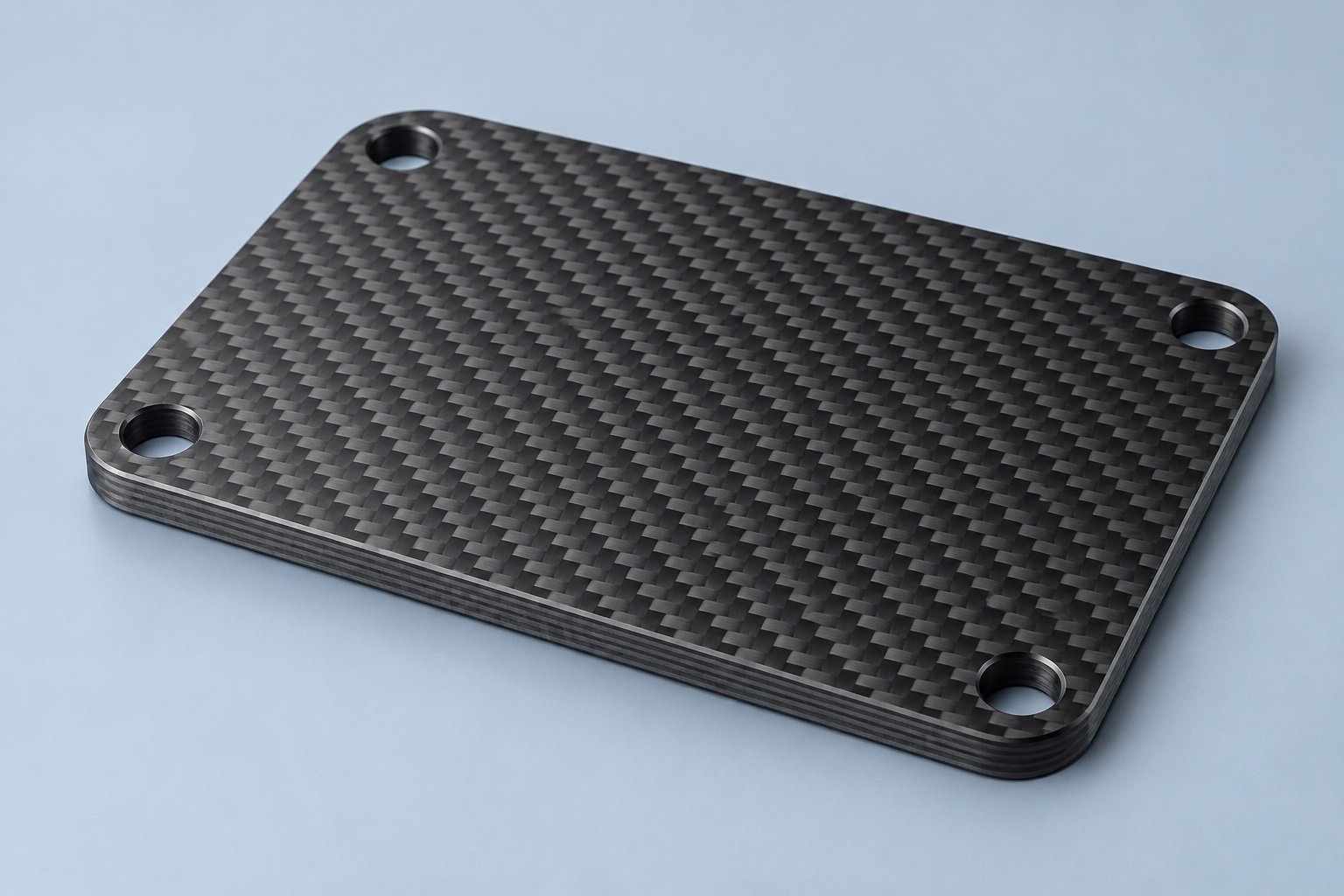
Your plate outline, holes and protected surfaces.
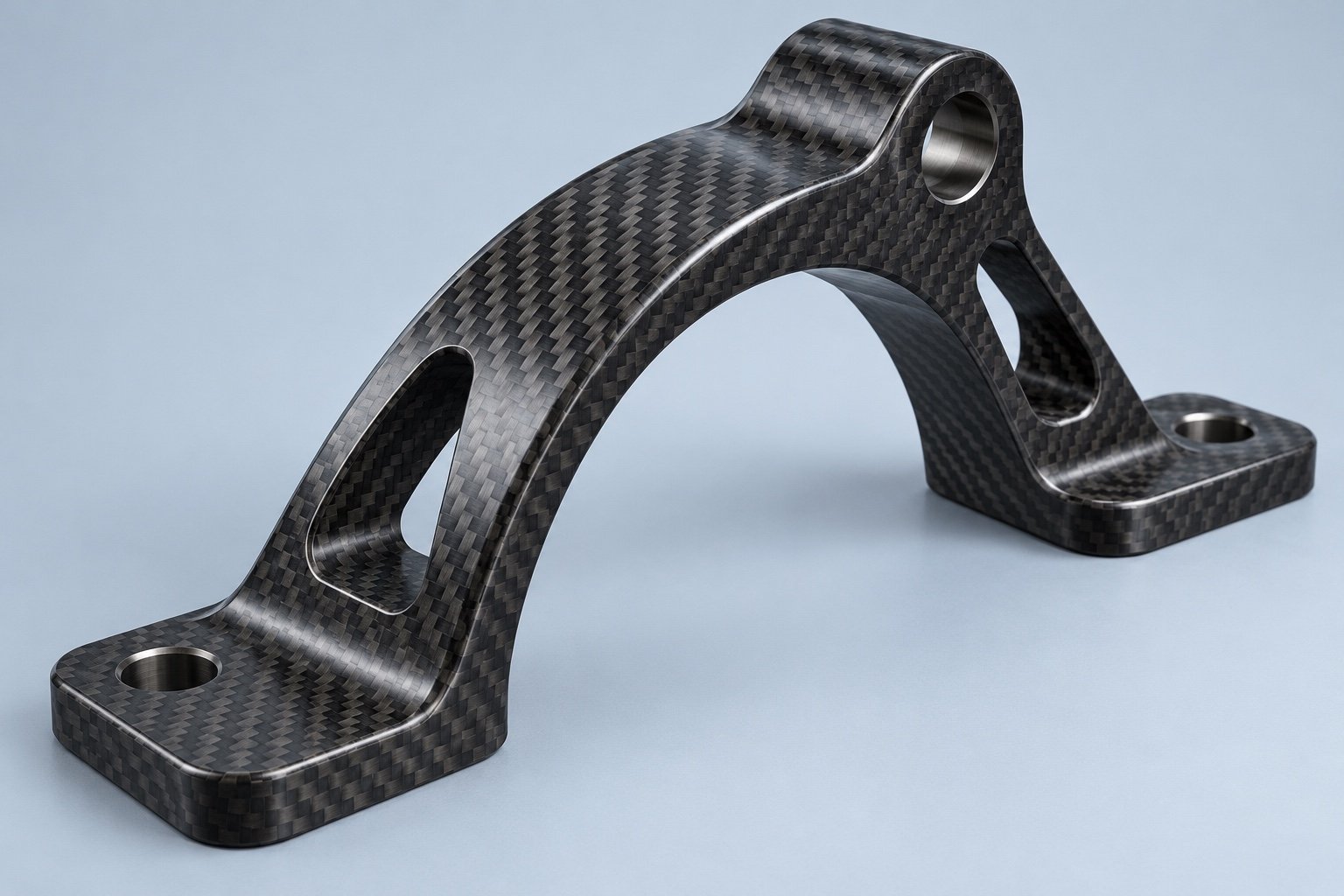
Your load path, laminate direction and interfaces.
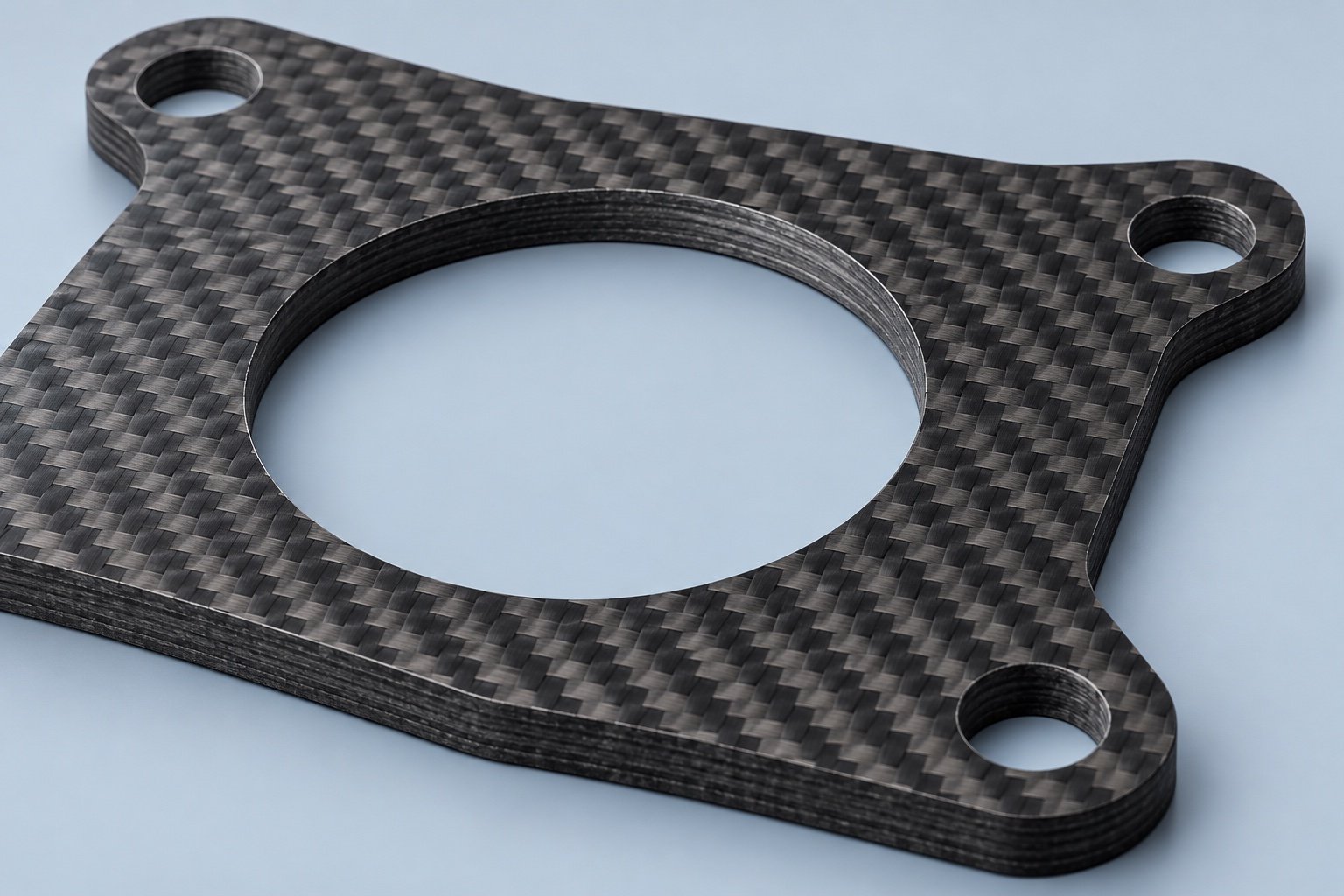
Your hole geometry and edge-quality criteria.
Specify the full grade and condition so your billet aluminum automotive parts and other components are quoted consistently. Illustrative material applications, not actual batch certification.
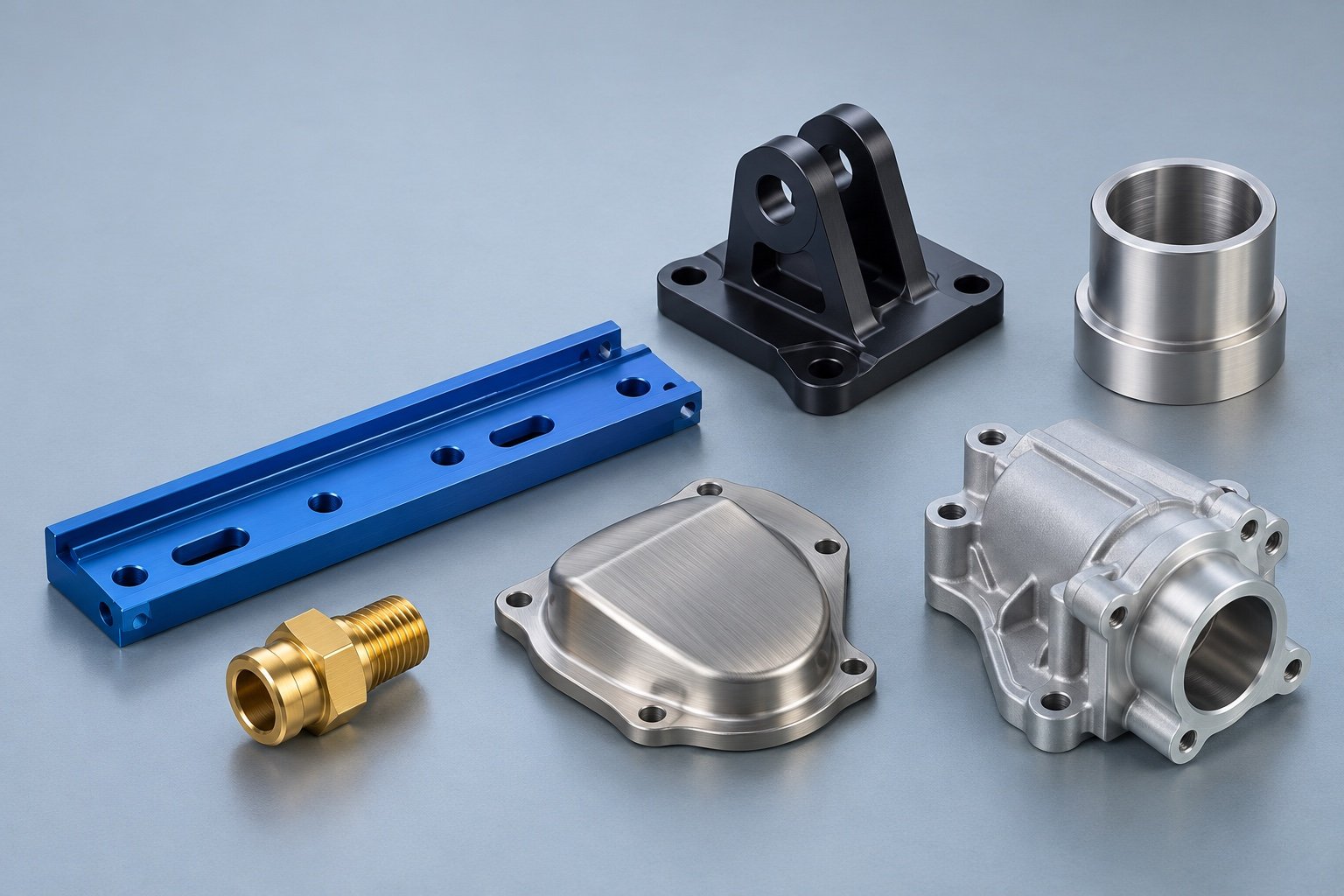
For your aftermarket parts, define the final surface, protected fits and appearance reference before production.
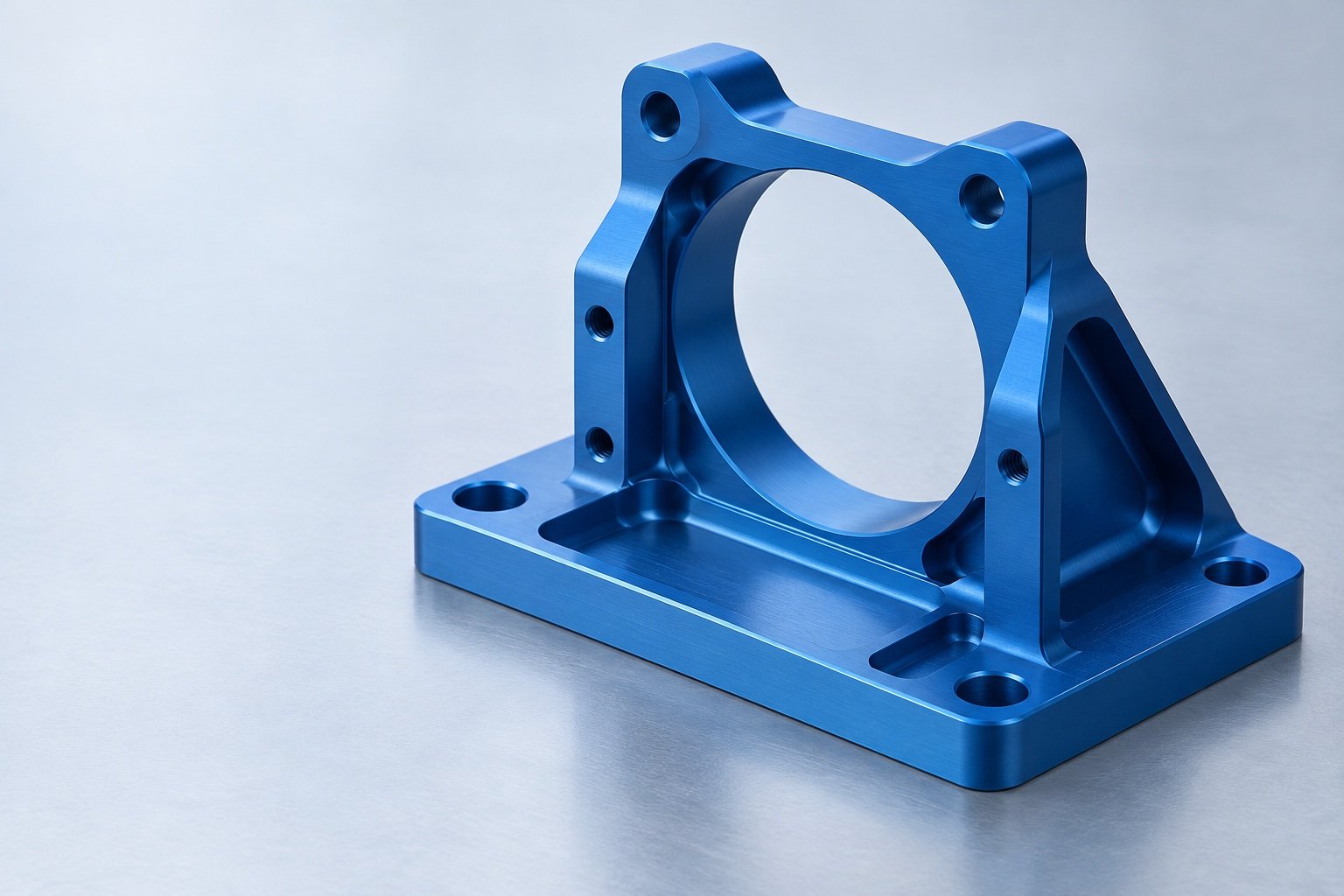
Agree the aluminum grade, finish class, color sample and masked interfaces.
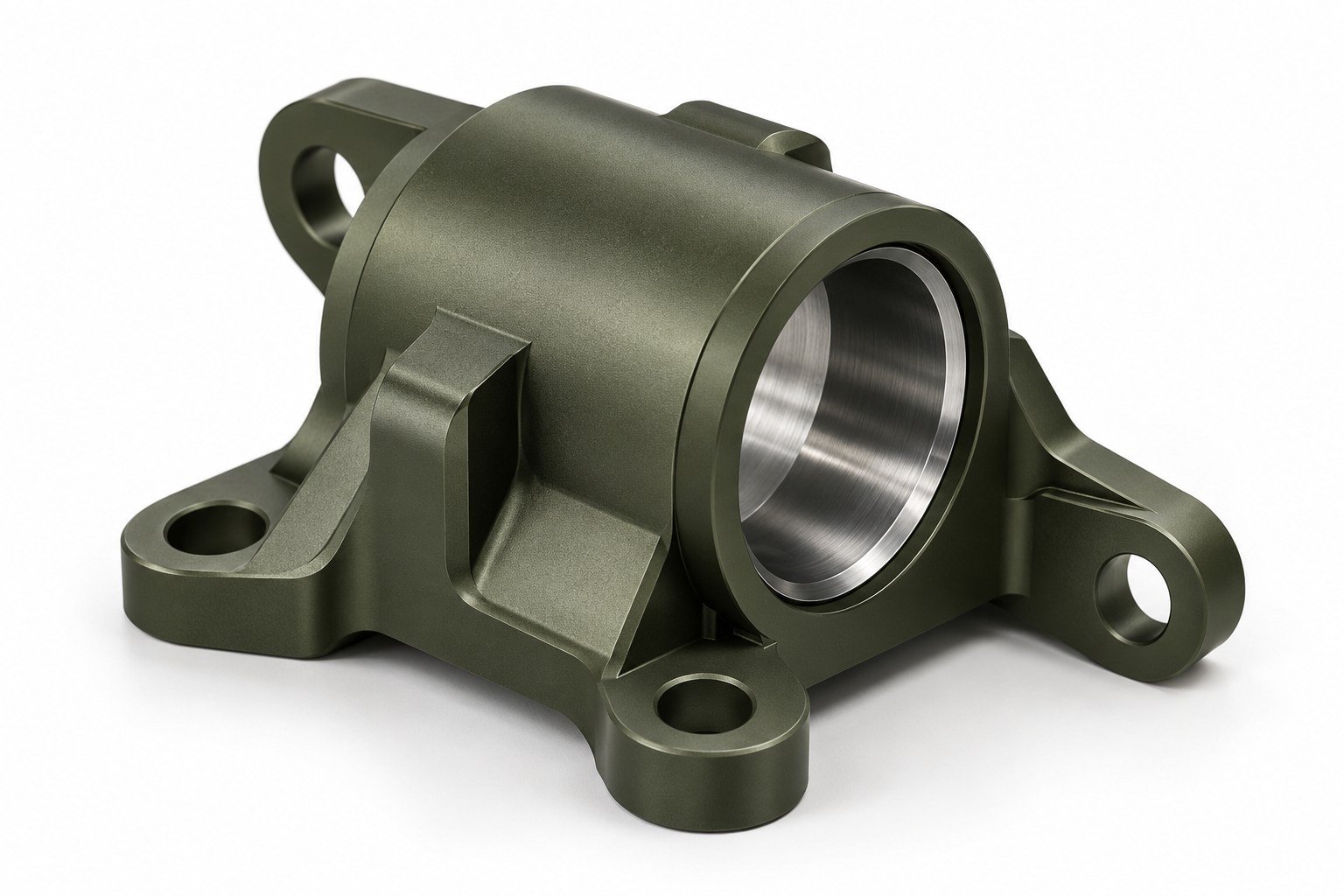
Specify the required coating, final dimensions and acceptance method for your part.
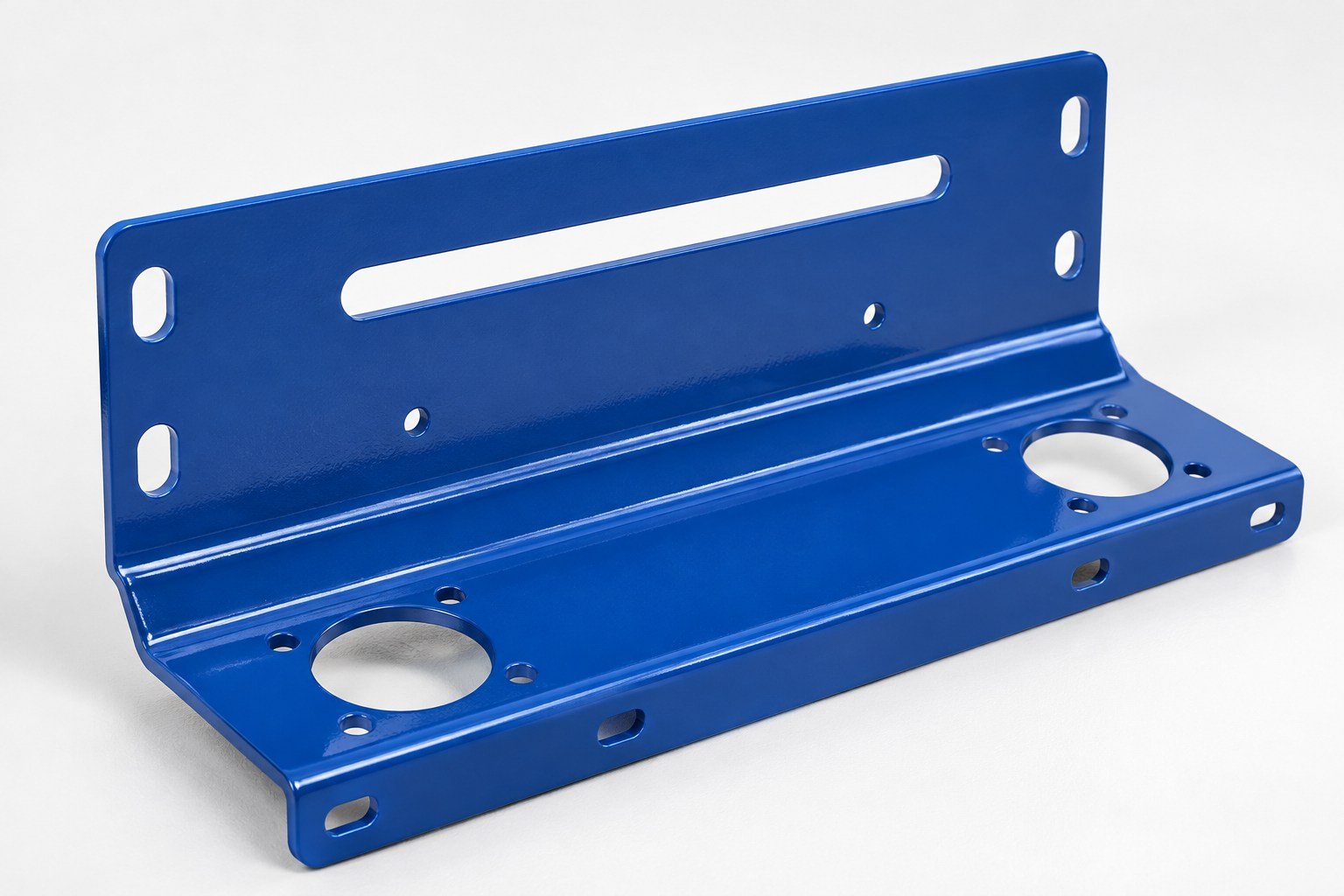
Identify cosmetic zones, color reference and coating masks before quotation.
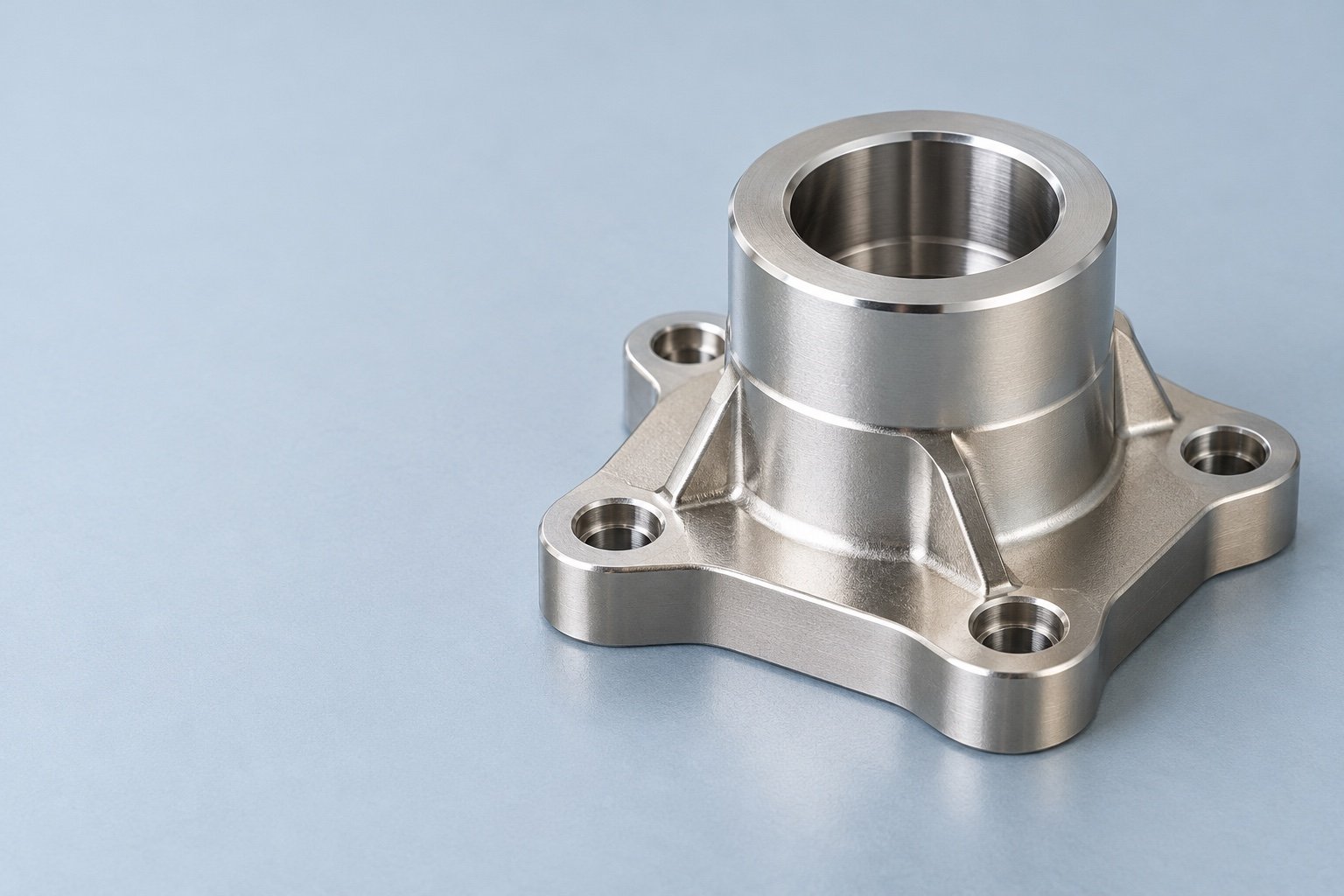
Name the base material, deposit type, thickness requirement and agreed testing.
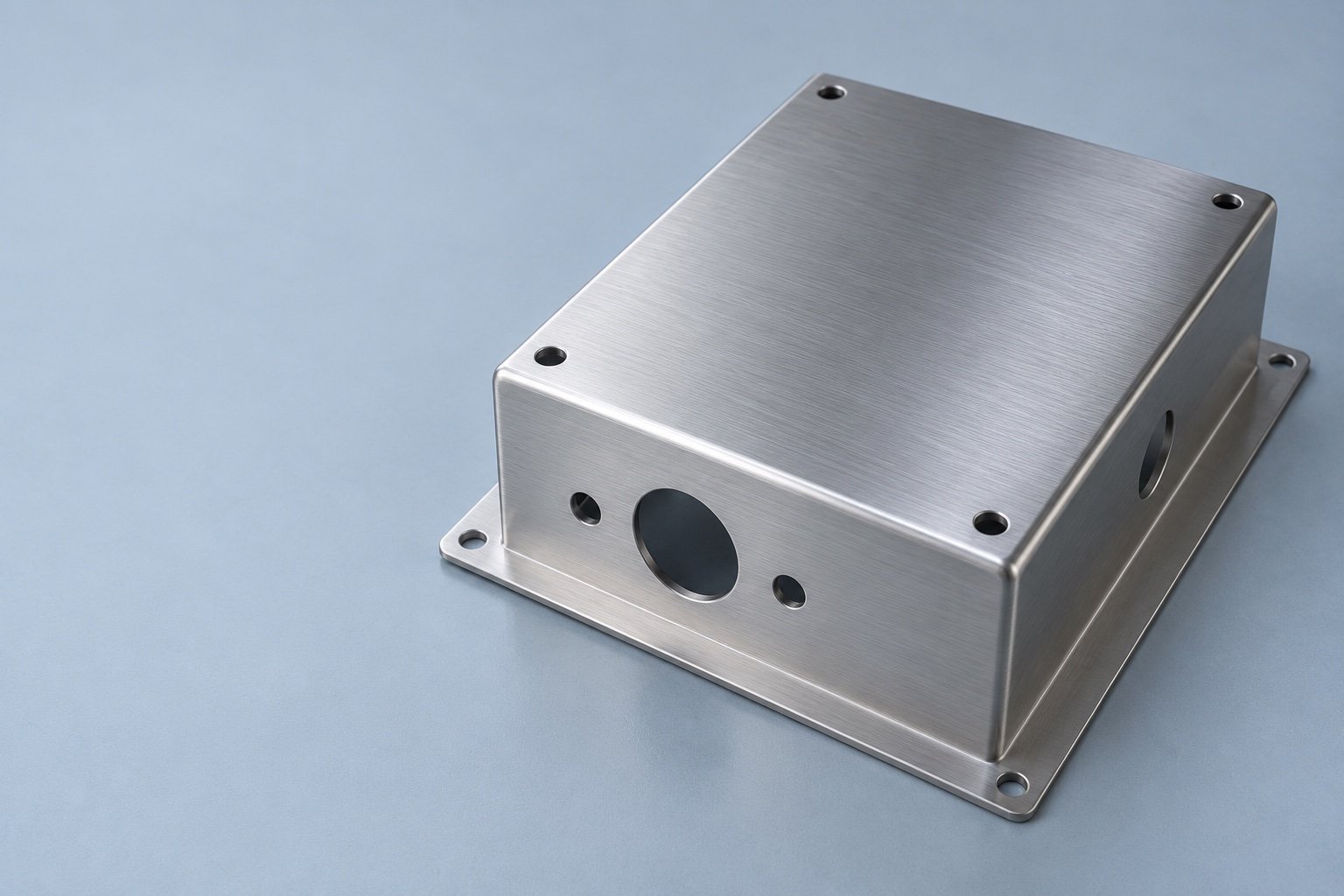
Provide a grain direction, cosmetic reference and protected-edge requirements.

Specify substrate grade, supplementary protection and inspection requirements.

Confirm stainless grade, cleaning specification and required verification.

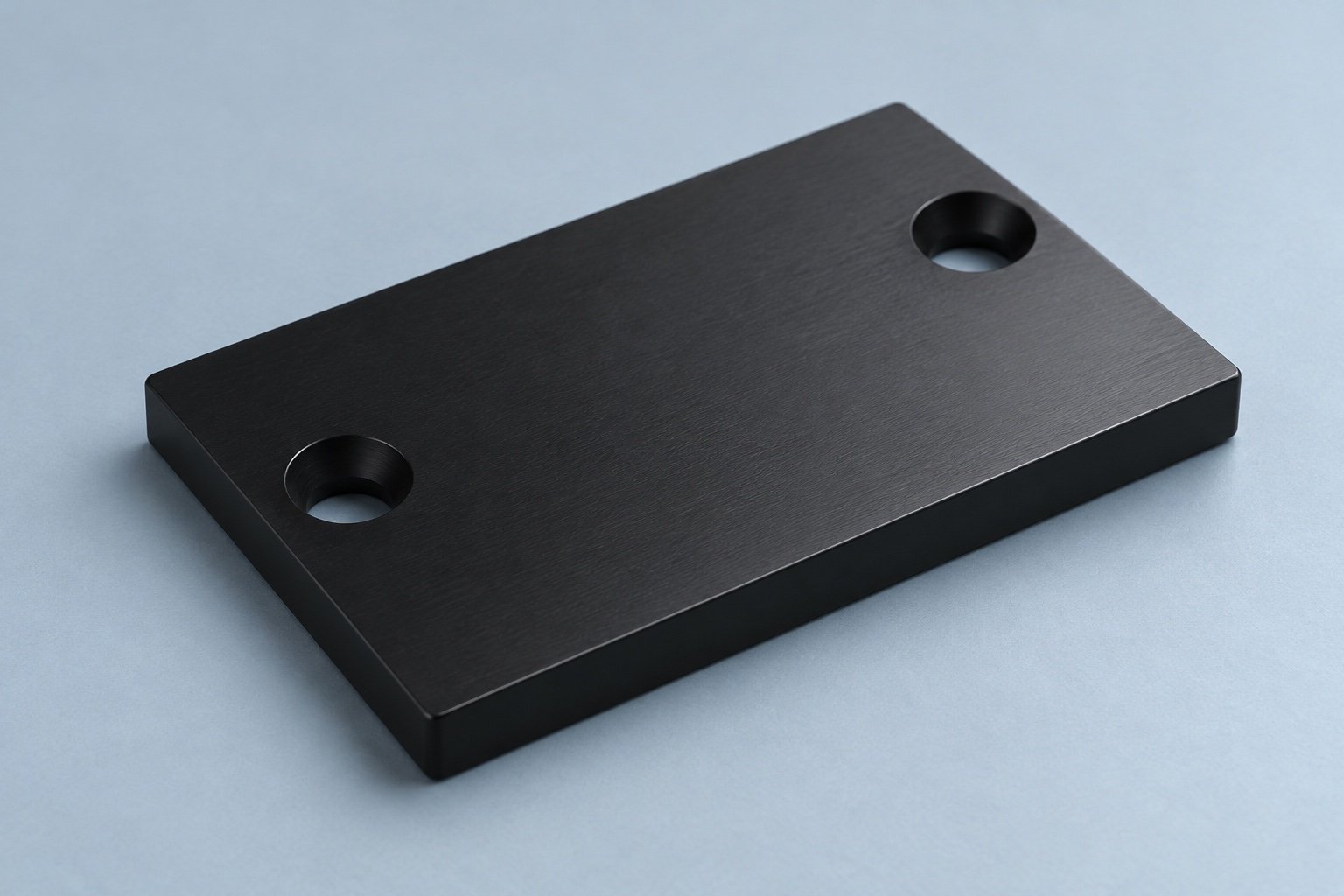
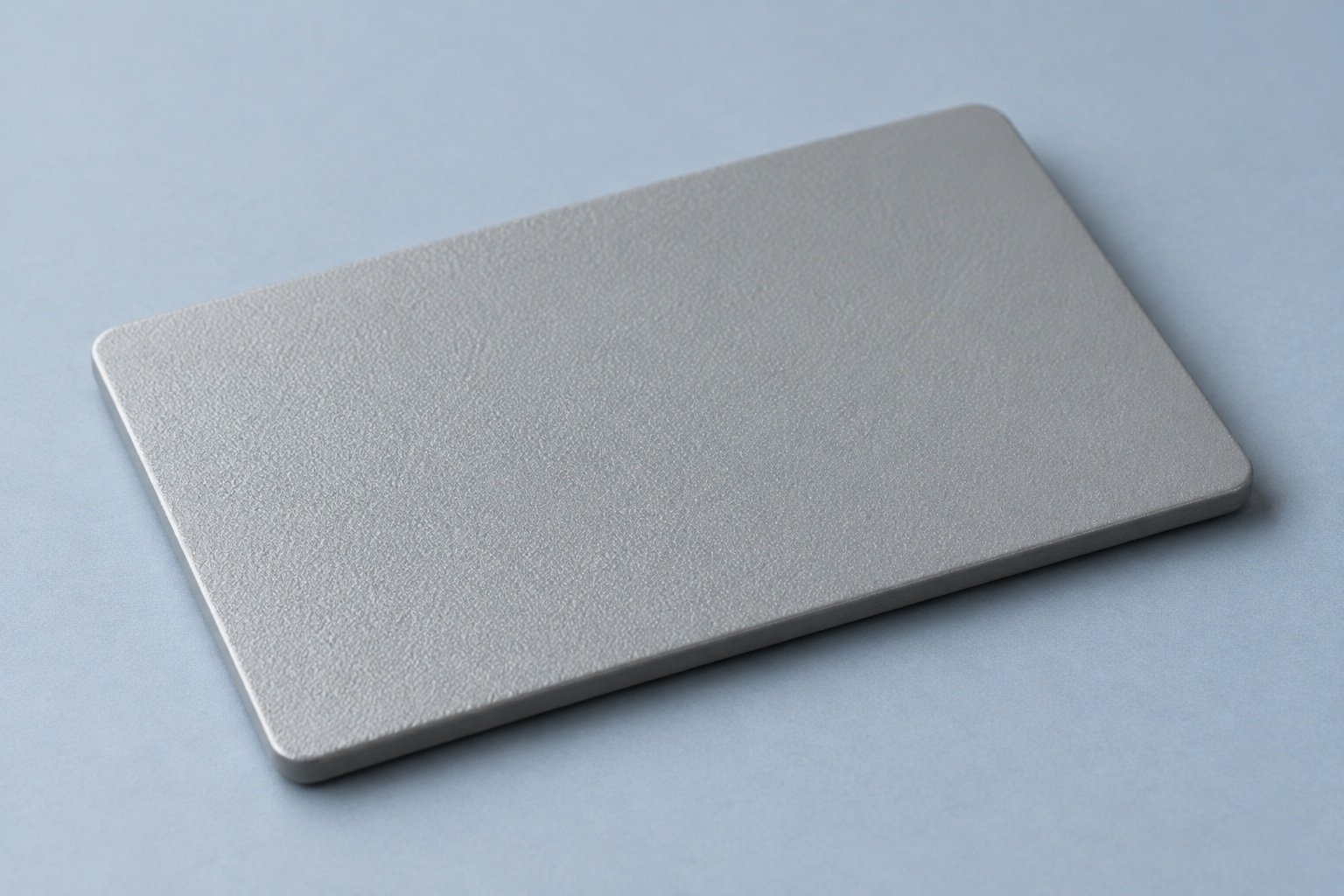
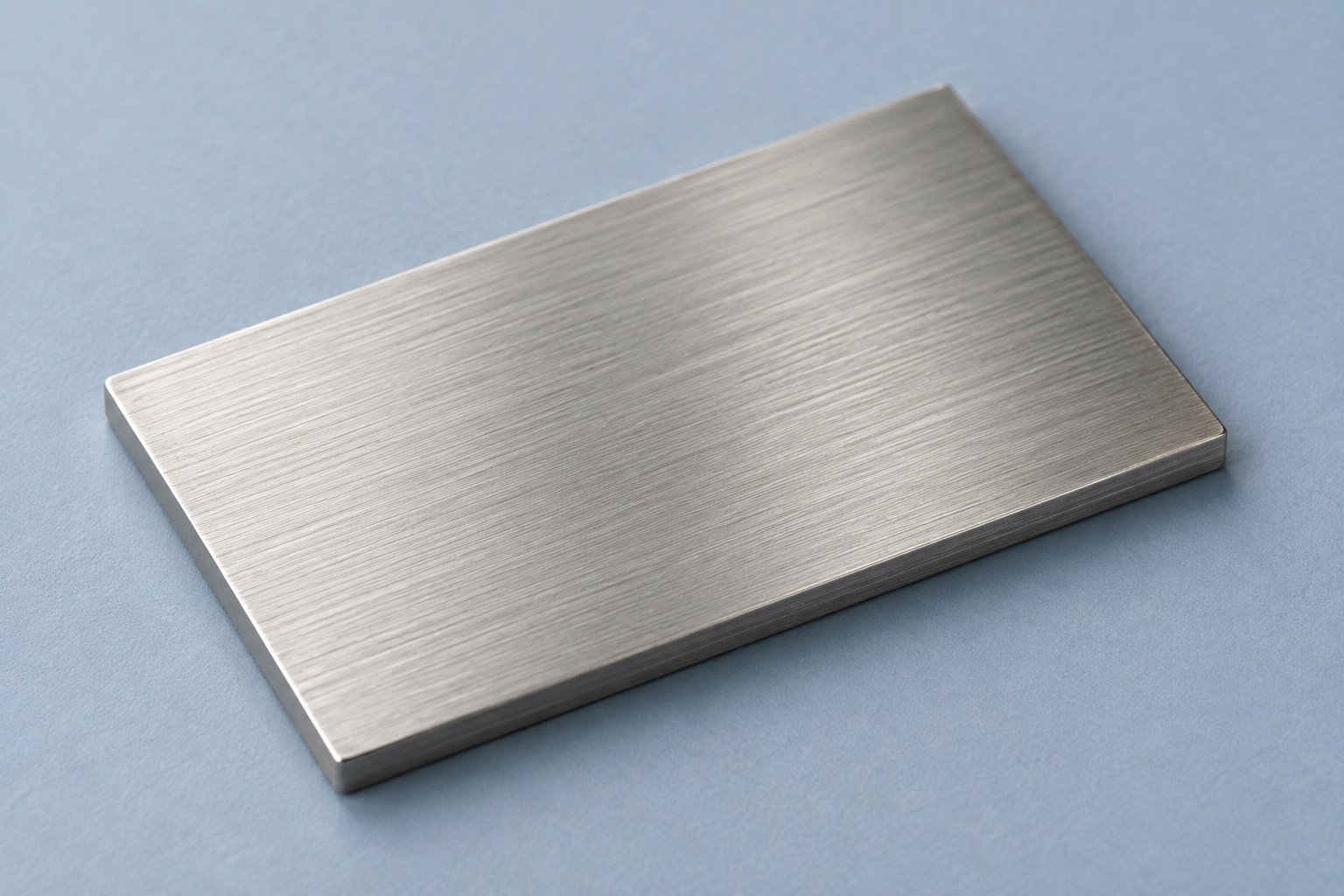
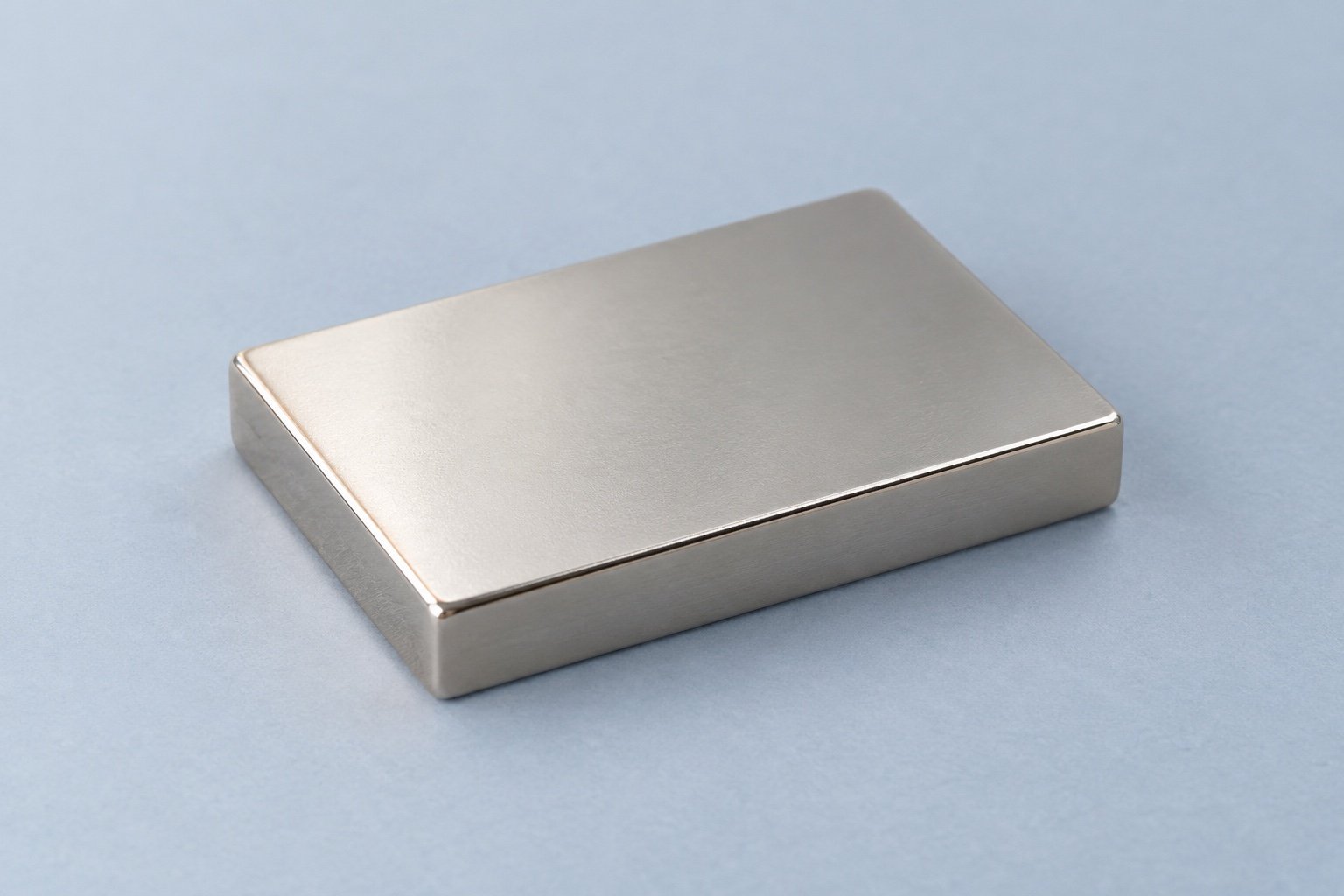

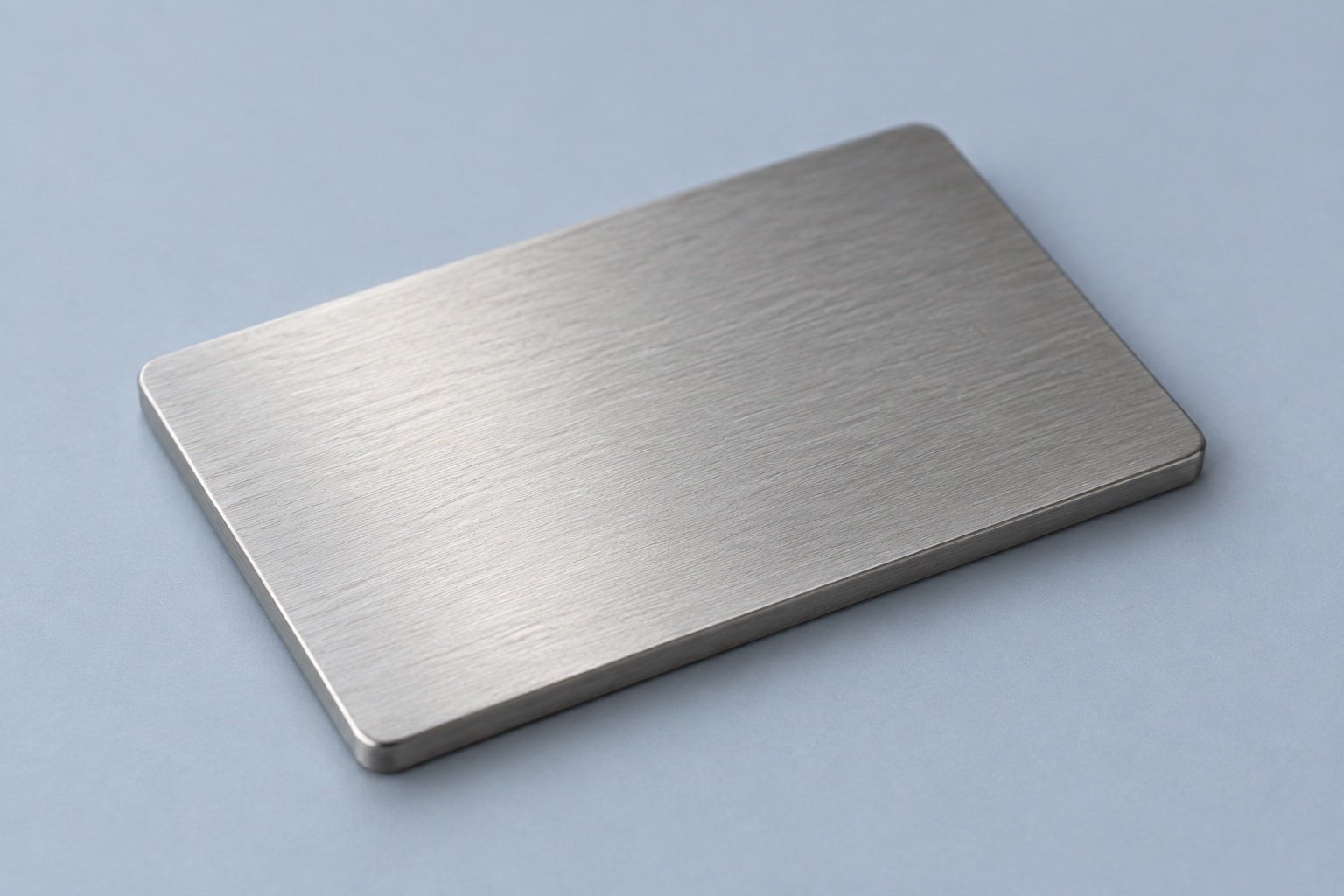
Agree the test method, acceptance limits and required records for your order.
Dry-film measurement for compatible coating / metal systems.
Tape-test method; confirm coating and test conditions.
Salt-fog apparatus practice; define duration and acceptance separately.
Approve appearance reference, protected surfaces and final fits.
ⓘ Standards are references. Applicability, tests and compliance are confirmed per project. No certification claimed. Images are illustrative surface concepts.
Plan your approved samples, repeat production and inspection records.
Evaluate your private label automotive parts manufacturer against the details that must survive a reorder.
Functional datums and cosmetic surfaces.
Approved revision and finish sample.
Part numbers, labels and protected surfaces.
Agreed design, material and process changes.
Separate dimensional acceptance from installed-vehicle validation.
Controlled drawing and change level.
Mating features and critical dimensions.
Prototype fit and finish review.
FAI, material records and PPAP if agreed.
Product validation and documentation scope are defined by your team and confirmed during quotation. Dimensional inspection does not establish fatigue life, pressure suitability or vehicle-system safety.
4 decisions help your aftermarket CNC parts supplier quote the work you actually need.
Provide CAD, drawing revision, material, quantity and target date.
Resolve manufacturing questions, finish scope and inspection requirements.
Approve the sample and record any changes before releasing repeat production.
Confirm packaging, identification, delivery terms and required records.
For your aftermarket program, distinguish where the part is made from where your project communication is supported.

Agree who owns the drawing and sample approval.
Confirm packing, delivery terms and import responsibilities.
Discuss local coordination and any inventory arrangement.
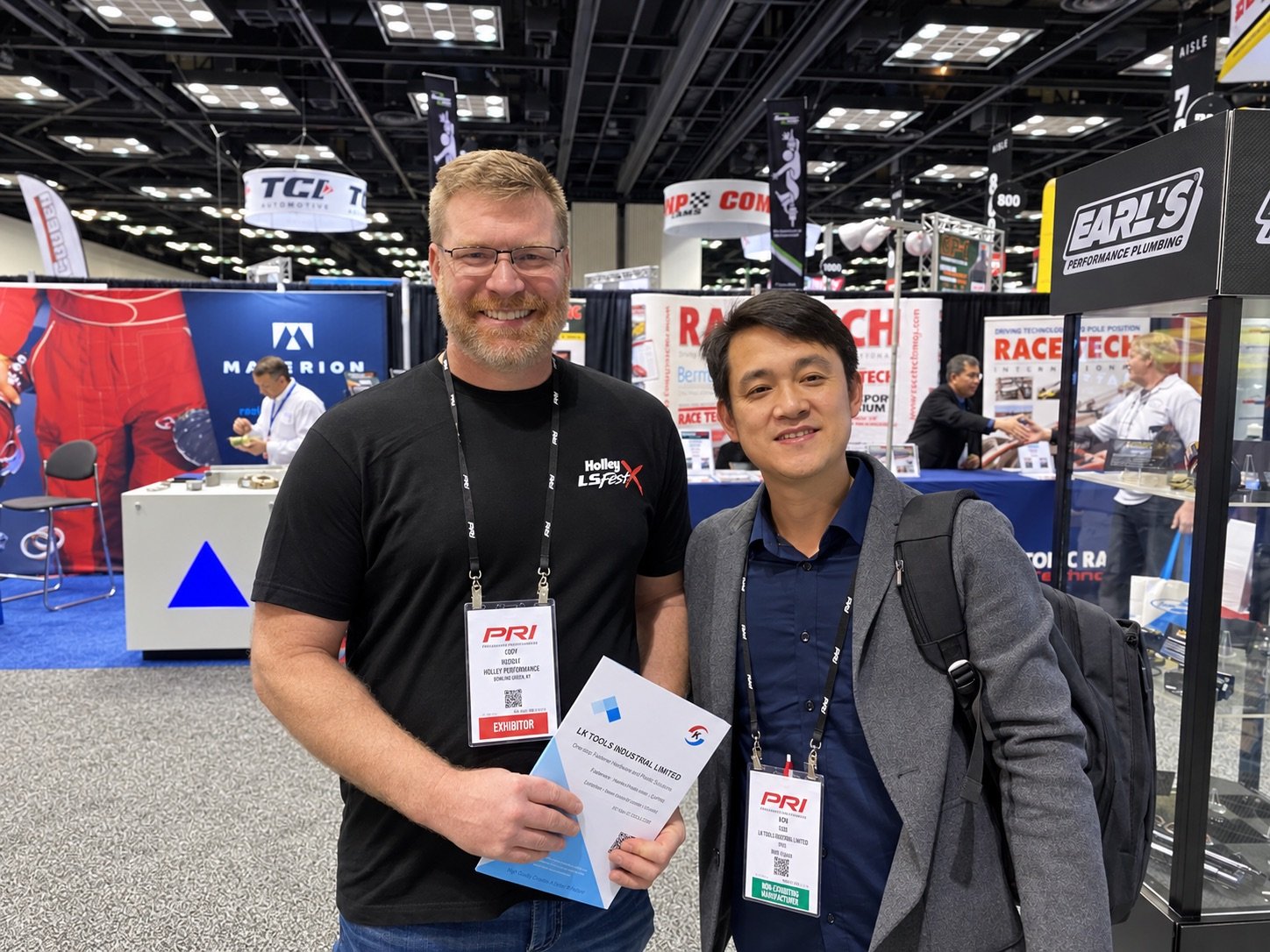
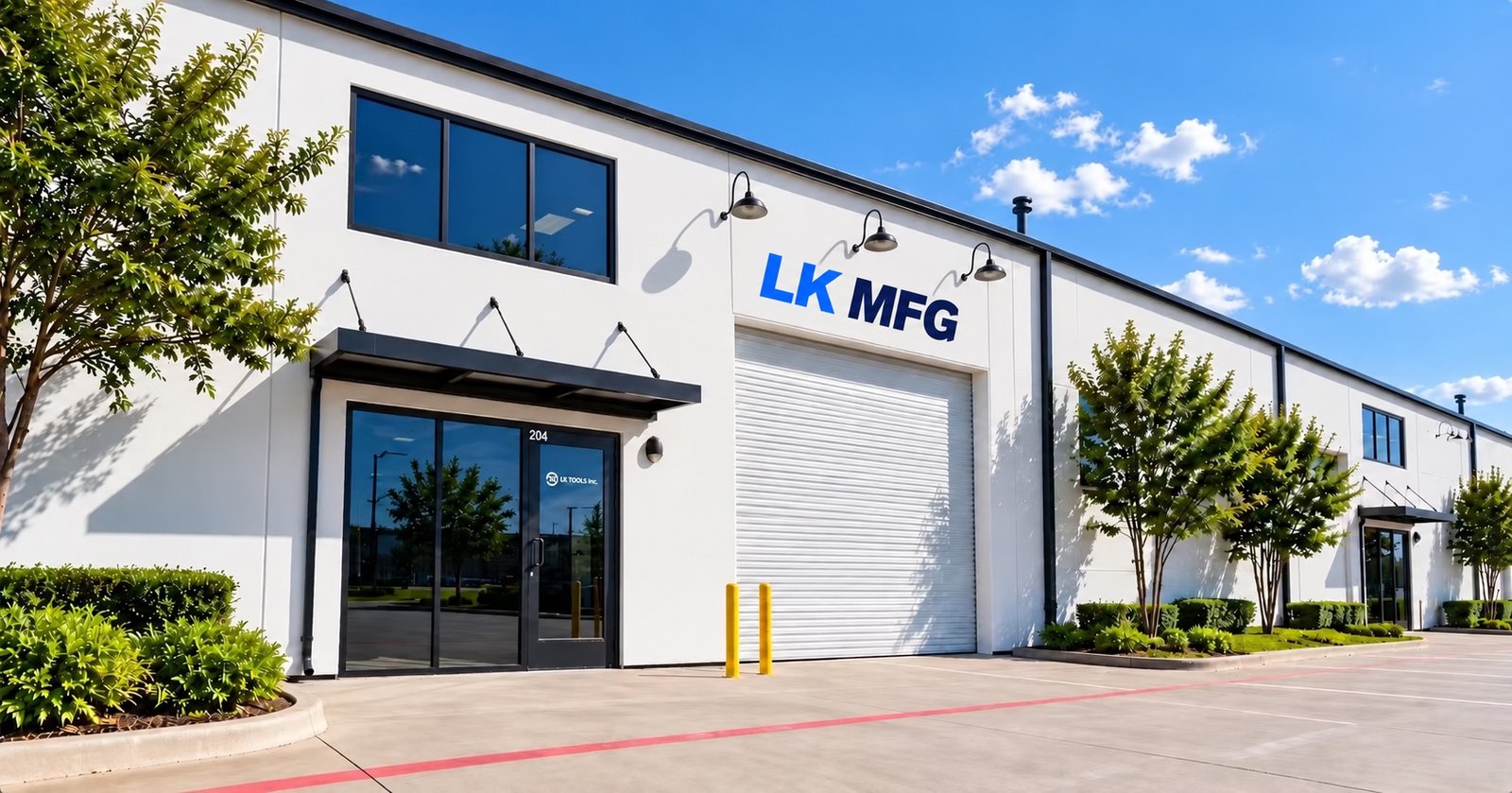
Genuine company and customer-discussion photographs. Manufacturing in China; U.S. support does not mean U.S. manufacture or a default local stock program.
Factory & Operations →Upload the drawing revision, material, finish and quantities. Add your approved appearance sample, packing requirements and target date when available.
Send the part drawing and your sample or repeat-order quantities for review. You can request comparisons such as 10, 50, 100 or 500 pieces, but these are quotation scenarios rather than a published MOQ or a guarantee that every quantity is economical.
Material and stock size, programming, fixtures, tool access, number of setups, finishing and inspection all affect cost. Ask suppliers to quote the same drawing revision and acceptance requirements so you can compare the scope.
Include your part number, marking file, packaging artwork and forecast repeat demand. Agree sample approval, finish references, batch identification and change notification in the order scope; private labeling does not establish installed-product approval.
Provide 3D CAD plus a dimensioned drawing with critical fits, material and finish. A STEP model may not capture tolerances, thread notes or appearance requirements. Ask for an NDA before sharing confidential design details.
Define the visible surfaces, acceptable marks, color reference and inspection conditions. Agree a representative finish sample and protect threads and mating fits. Color consistency should be reviewed against the approved standard, not a screen rendering.
Specify the required document list and report features before quotation. FAI, material records and customer-specific PPAP elements depend on the agreed project scope. They do not substitute for your installed-assembly or vehicle-level validation.
Provide the mating components, intended application and any available drawings. Wear, damage and unknown material can make a sample an unreliable nominal reference. Agree measurement, modeling, prototype validation and design rights before production.
Request a schedule covering engineering review, material availability, samples, finishing, inspection and shipping. Confirm delivery terms, packaging and import responsibilities. There is no universal lead time or duty-inclusive price for every custom part.

Keep the approved drawing, finish reference, part number and packaging instructions together. Your next RFQ starts with a clear manufacturing brief.
Review Your RFQ Inputs →