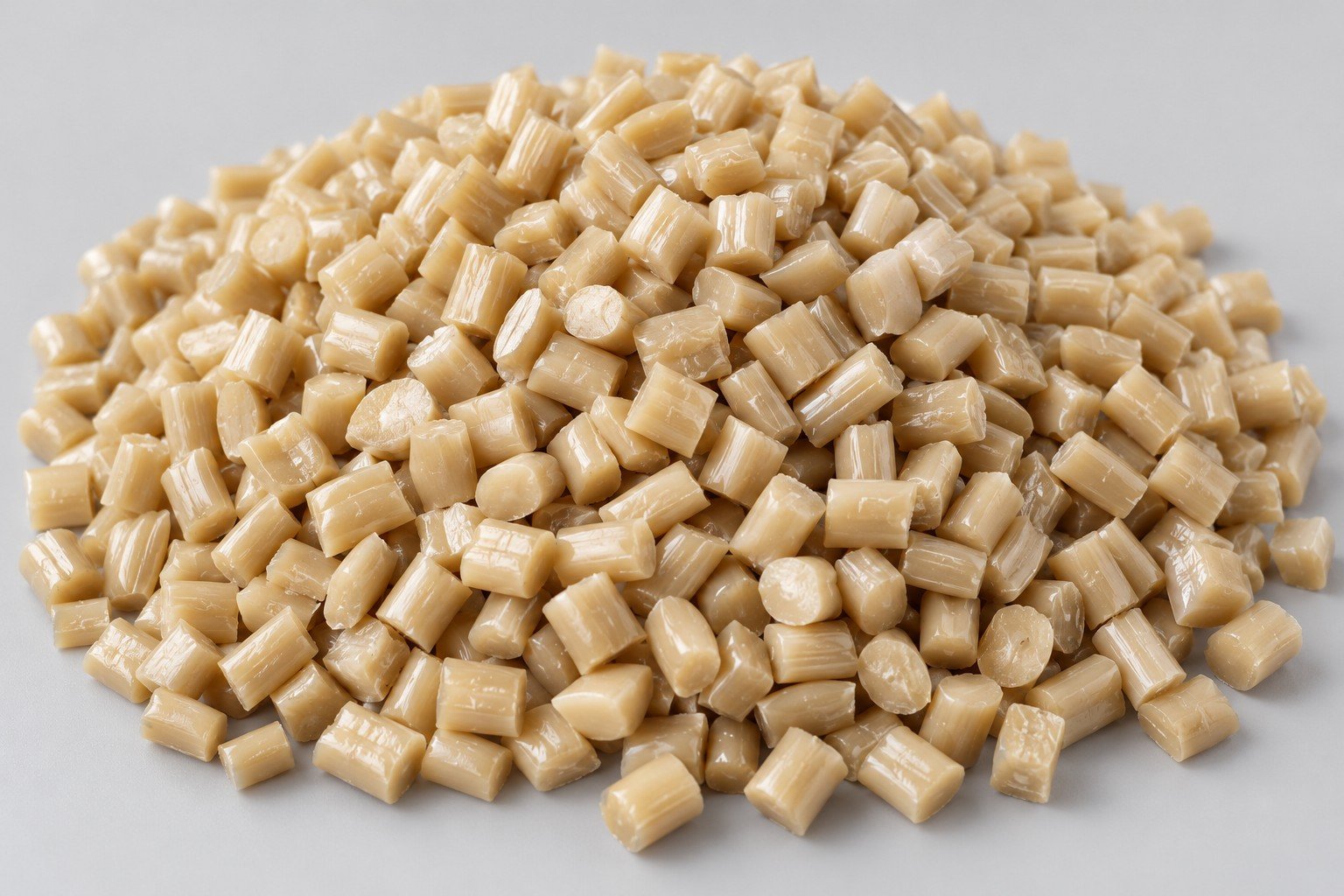
Injection Molding
Tooling and molding for your repeat plastic parts.
From prototype to production, coordinated manufacturing solutions for your custom parts.
View All Services →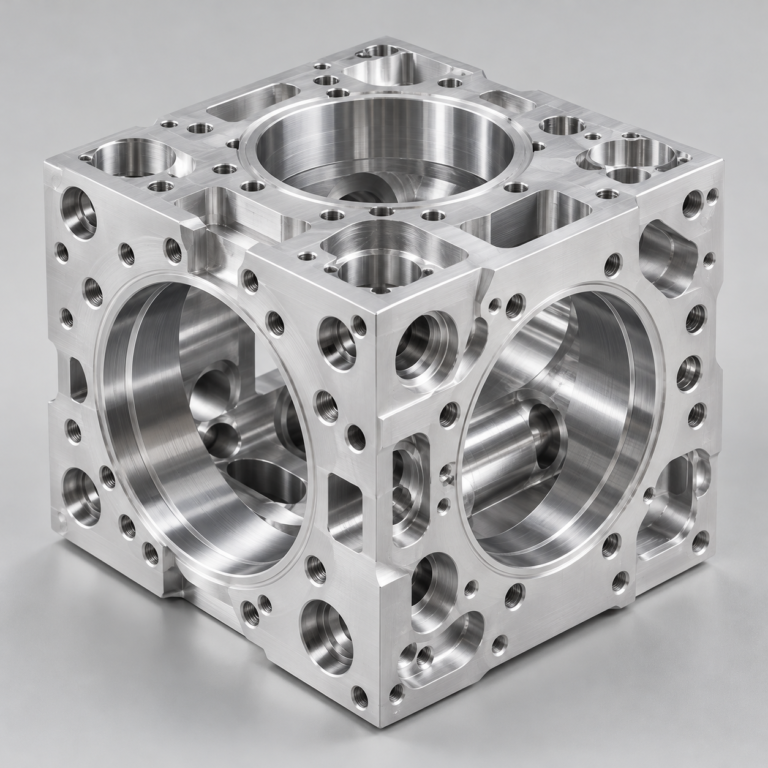
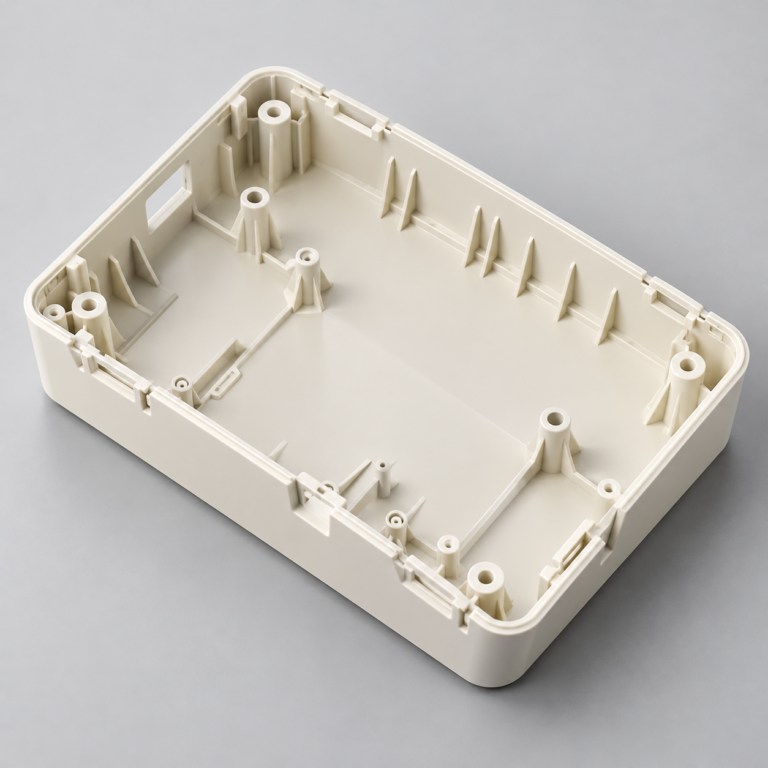
Precision parts for your tight tolerances and complex geometry.
Tooling and molding for your repeat plastic parts.
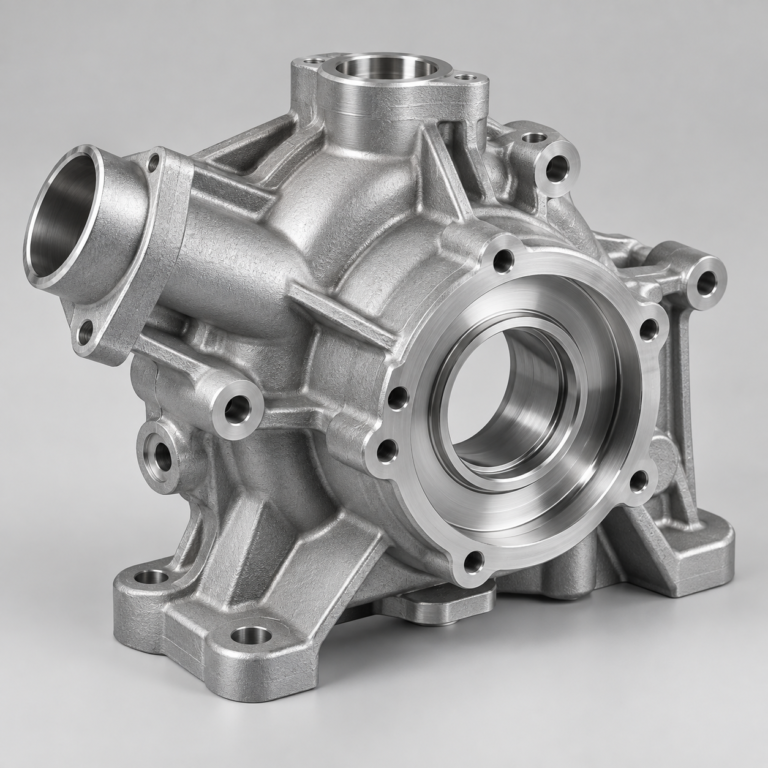
Metal casting options for your part and production volume.
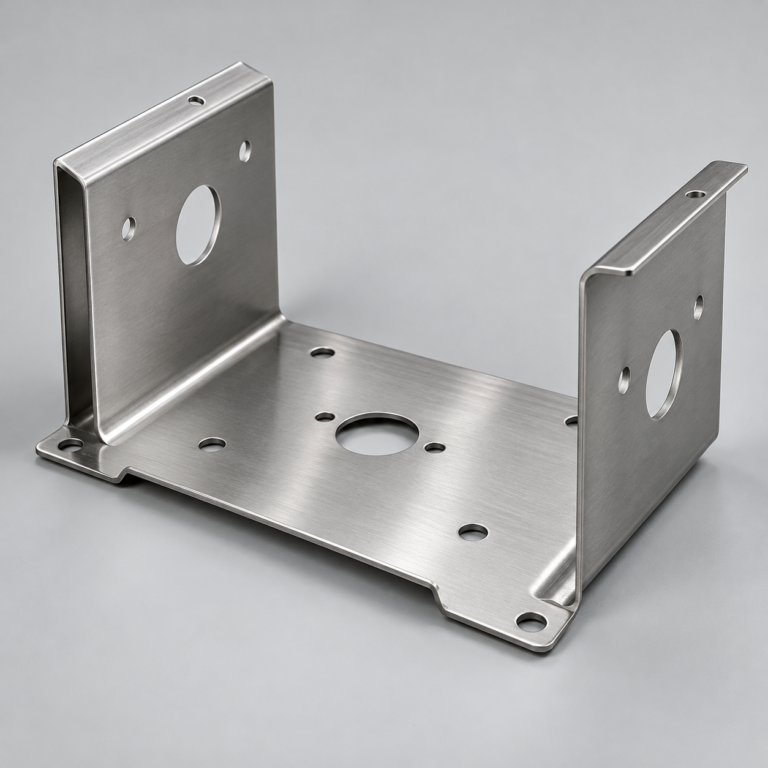
Cutting, forming and welding for your fabricated parts.
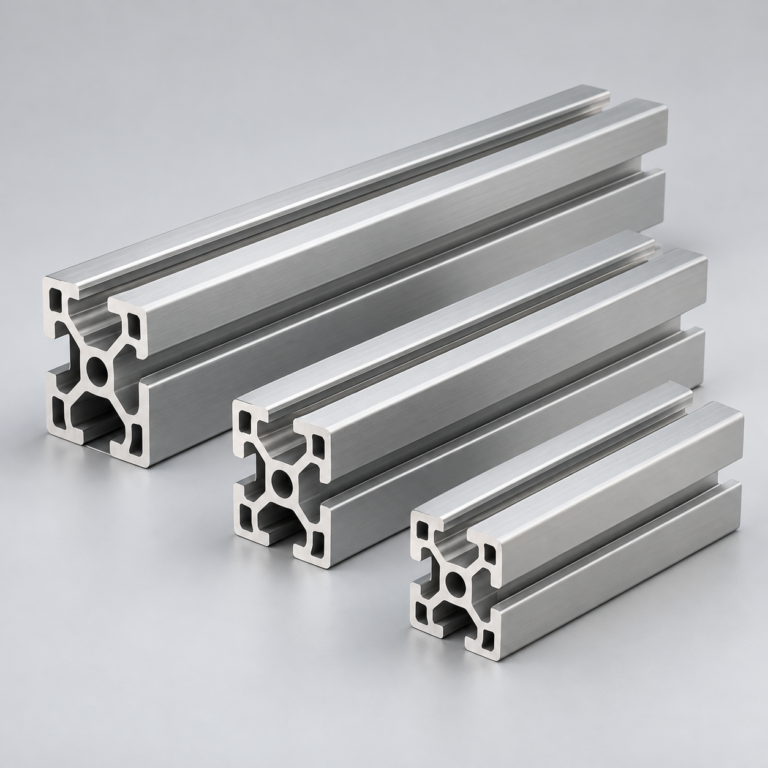
Custom profiles for your section, length and finish requirements.
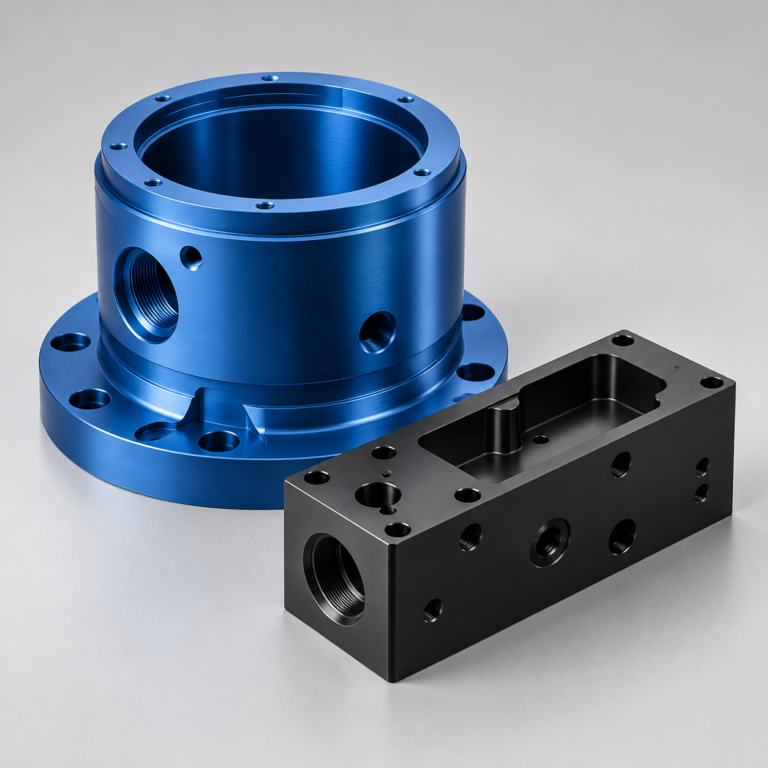
Finishes for your appearance, corrosion and wear requirements.
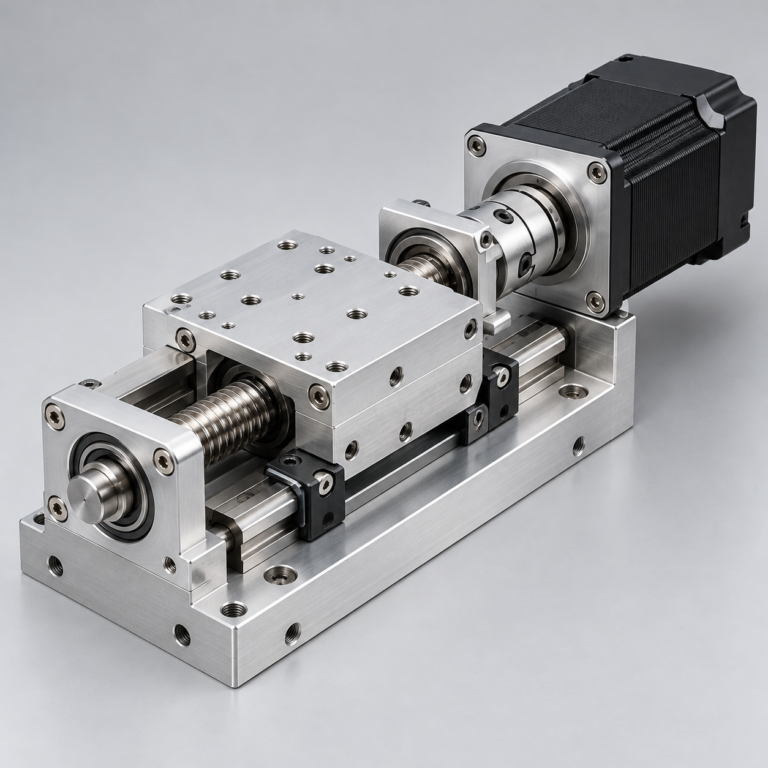
Sub-assemblies and final builds for your production program.
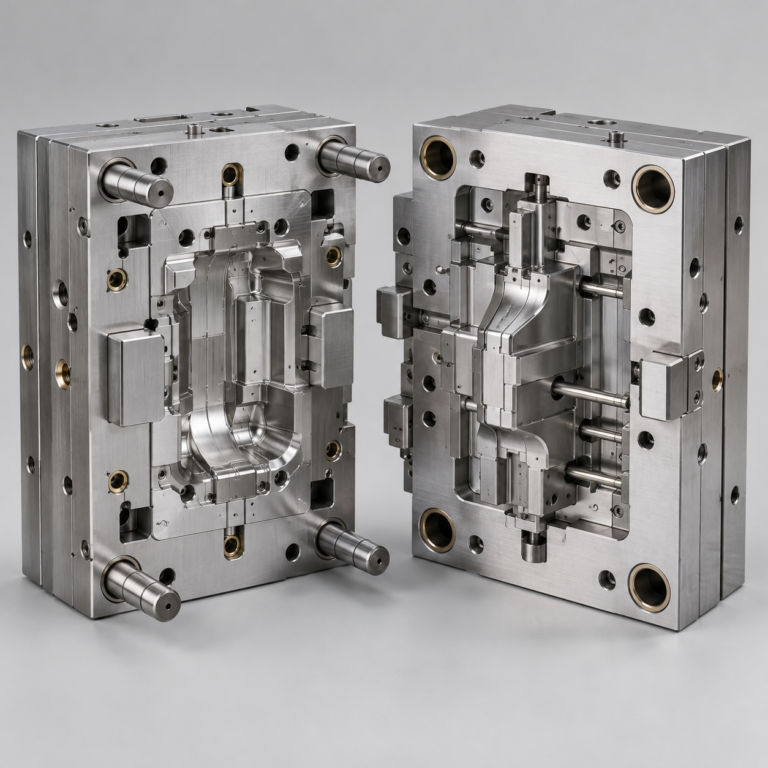
Production tooling built around your process and volume.
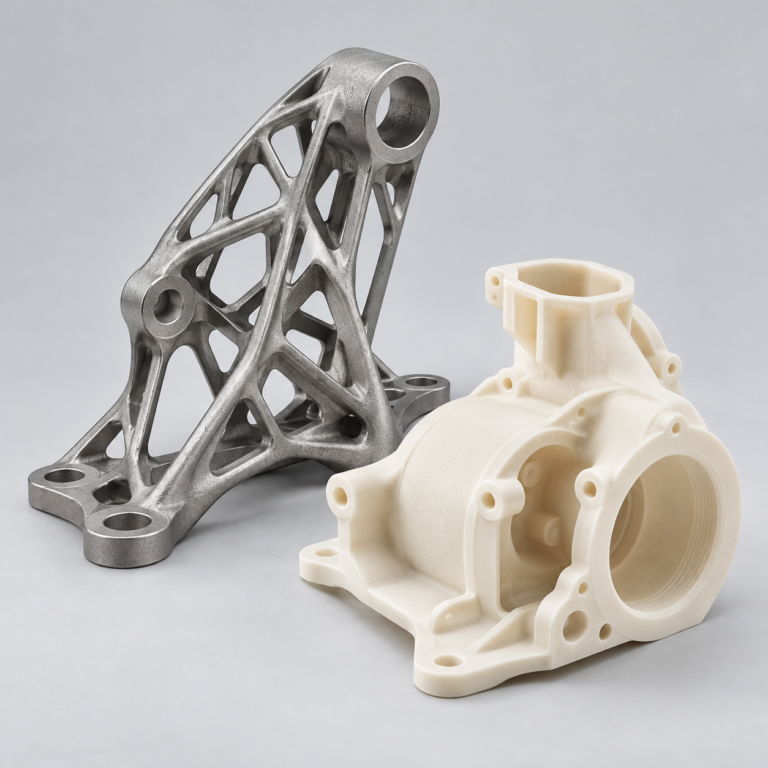
Prototype parts to check fit, function and design.
DFM, process planning and production support for your project.
Inspection, documentation, inventory and delivery planning for your program.
Choose air- or liquid-cooling components around your thermal and mechanical requirements.
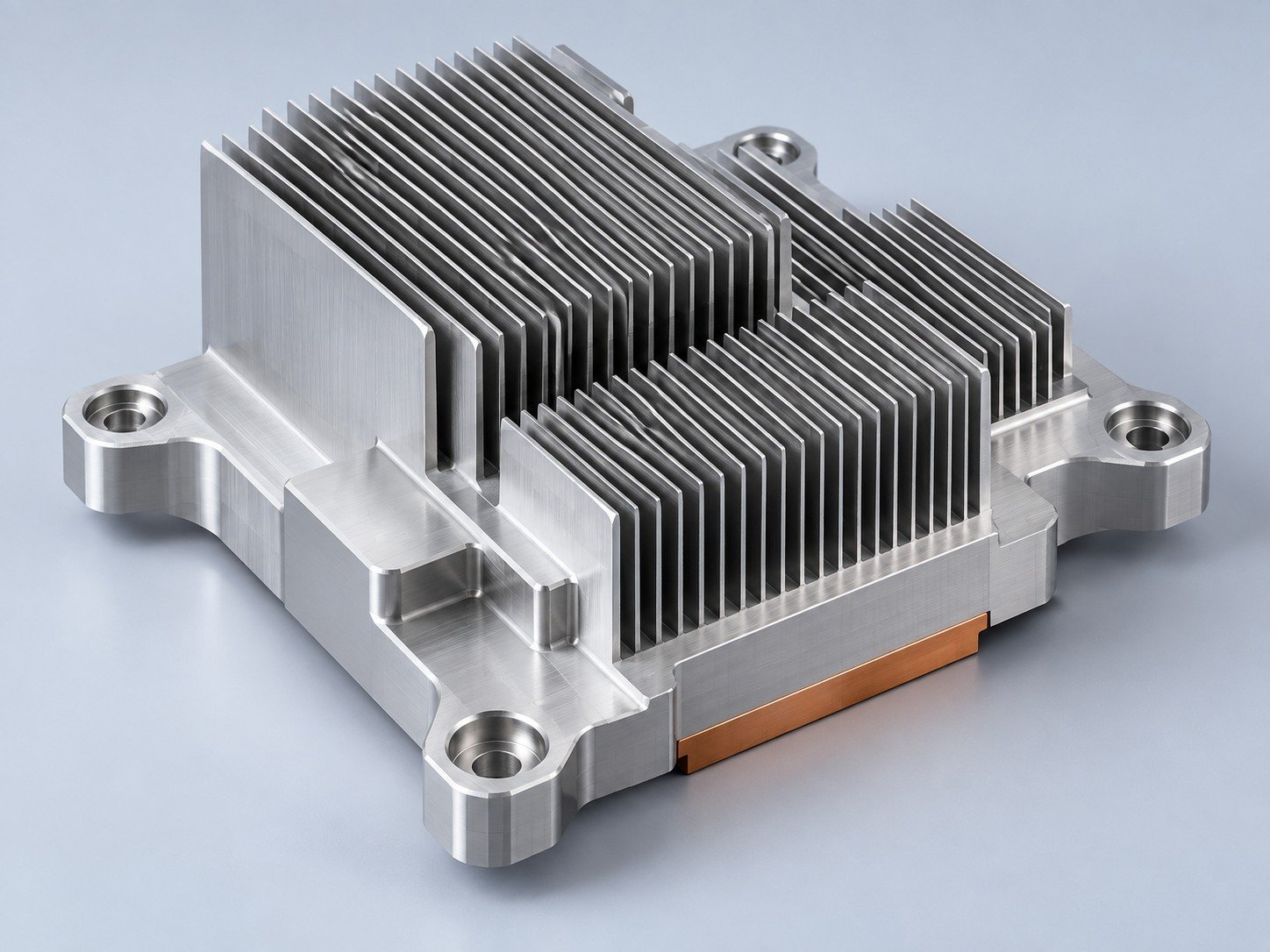
Manufacturing support for your cold plates, manifolds and cooling assemblies.
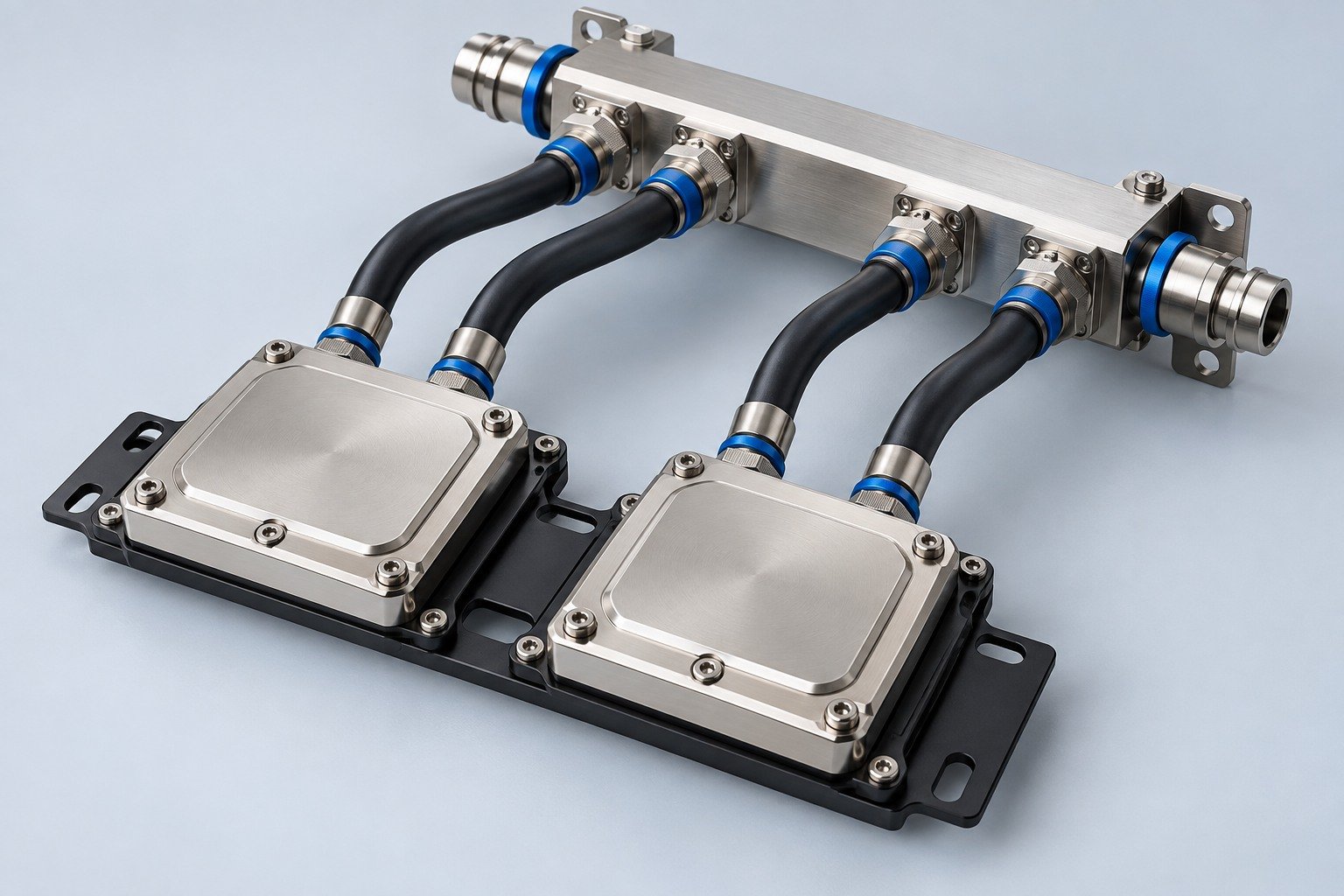
Find components for your power electronics, energy, laser and telecom application.
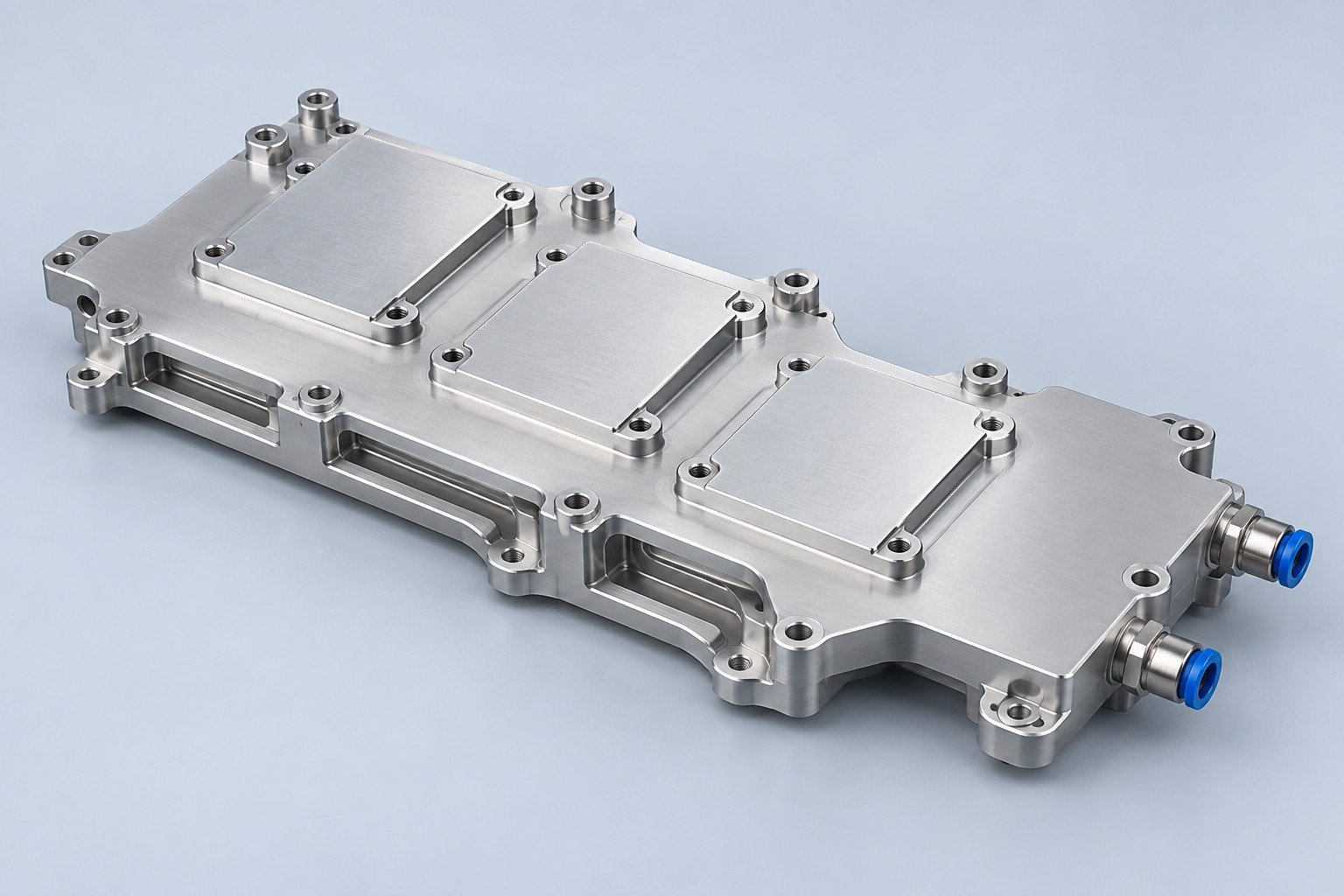
Components for your electronic systems.
Start with your functional and quality requirements.
Build around your operating environment.
From prototype to production, review material performance, manufacturability and cost for your part.
Review grade, temper and finish for your metal parts.
 AluminumStrength, weight and machining›
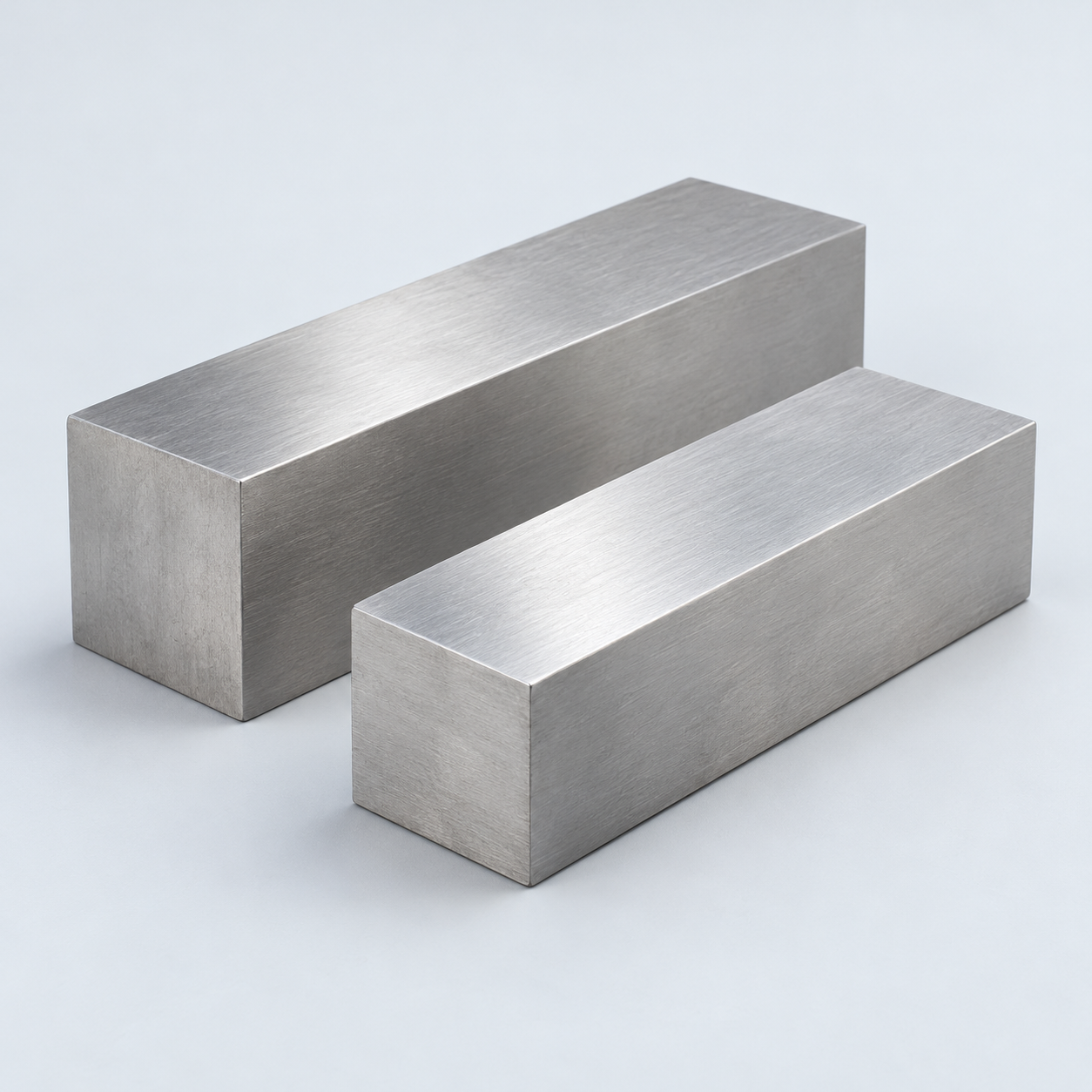 Stainless SteelCorrosion and finish requirements›
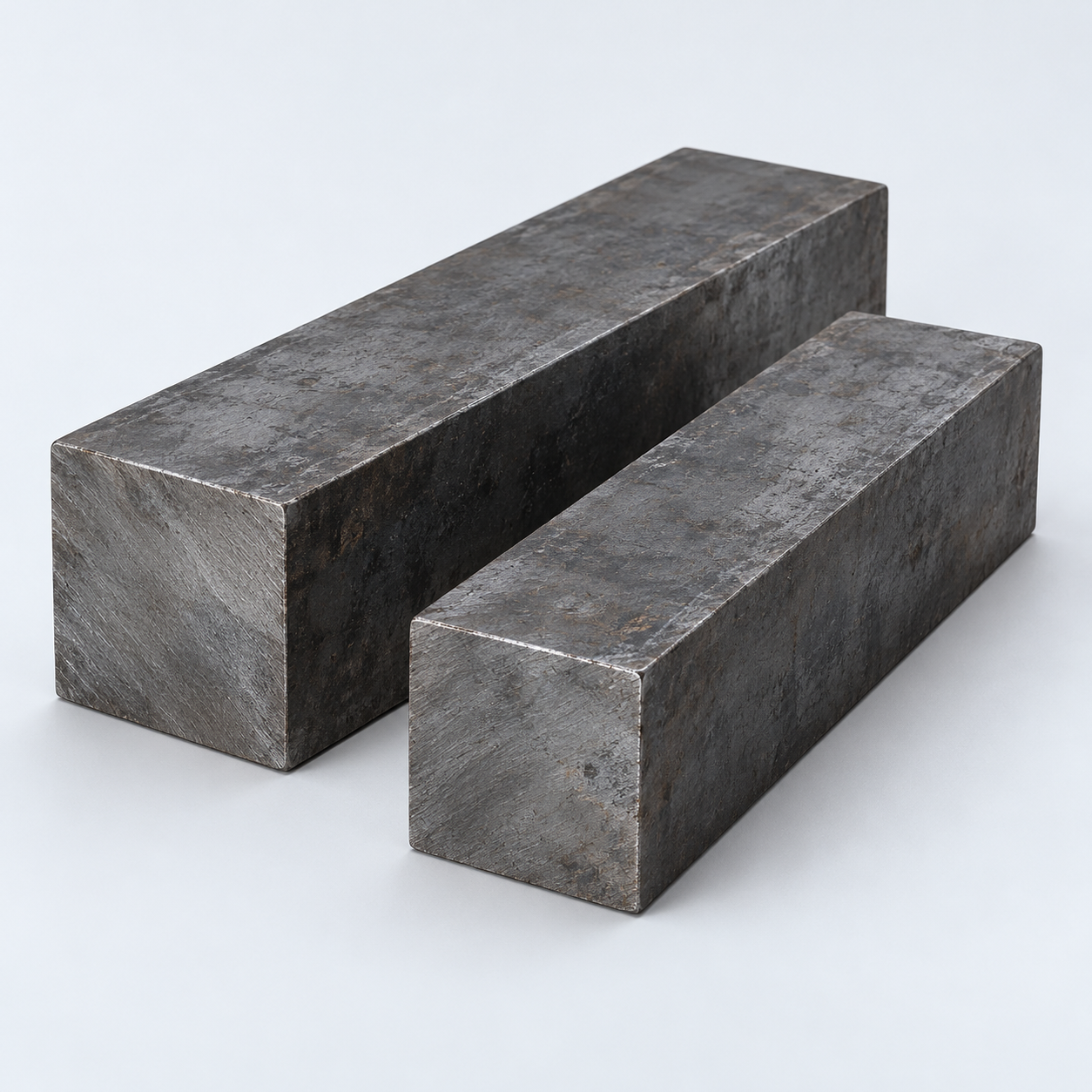 Carbon & Alloy SteelDiscuss grade and heat treatment›
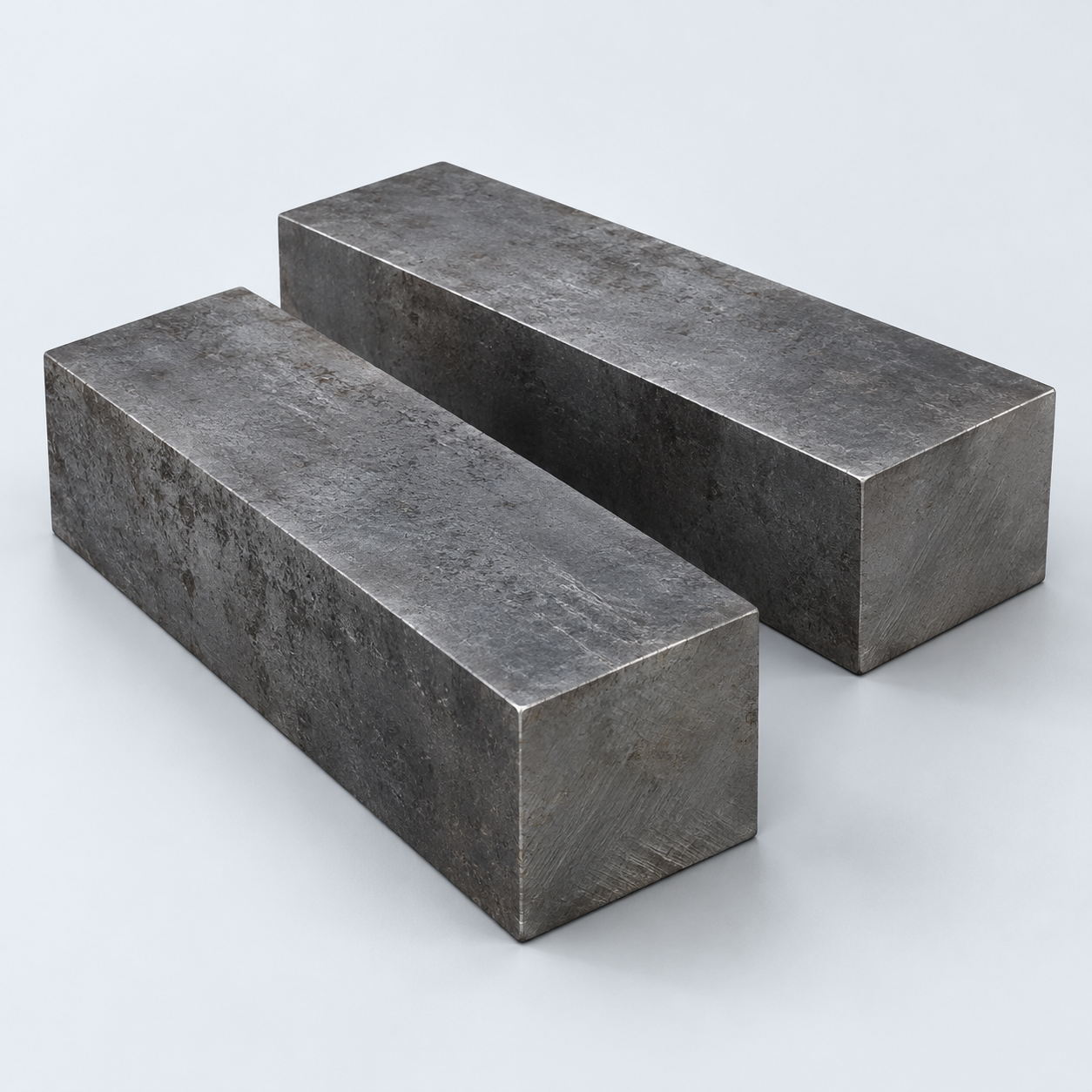 Tool SteelDiscuss tooling and wear needs›
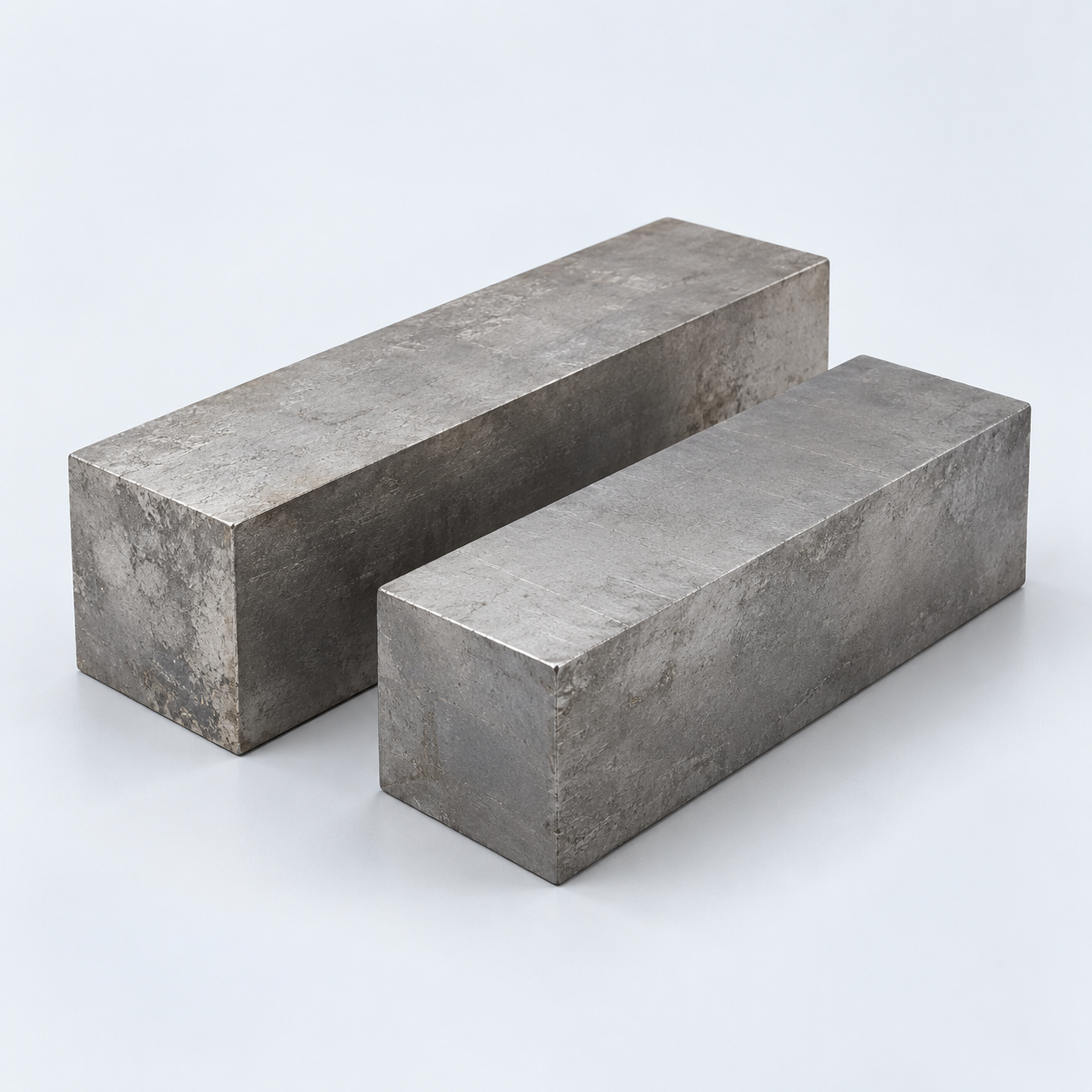 TitaniumReview grade and part geometry›
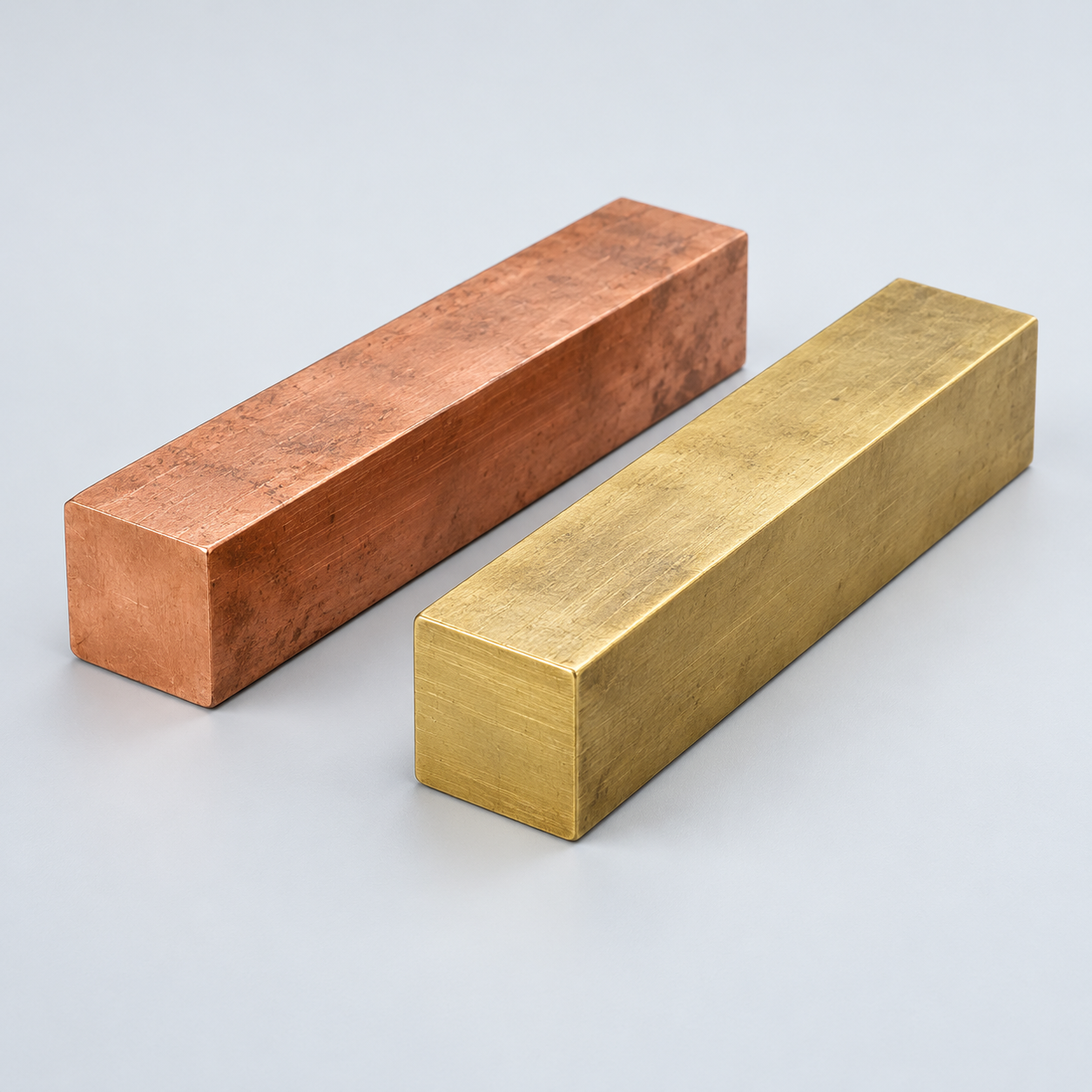 Copper & Brass & BronzeDiscuss conductivity and machining›
Match your polymer to function, process and environment.
 ABSReview enclosure and molding needs›
 Polycarbonate (PC)Discuss clarity and impact needs›
 Nylon (PA)Review moisture and wear conditions›
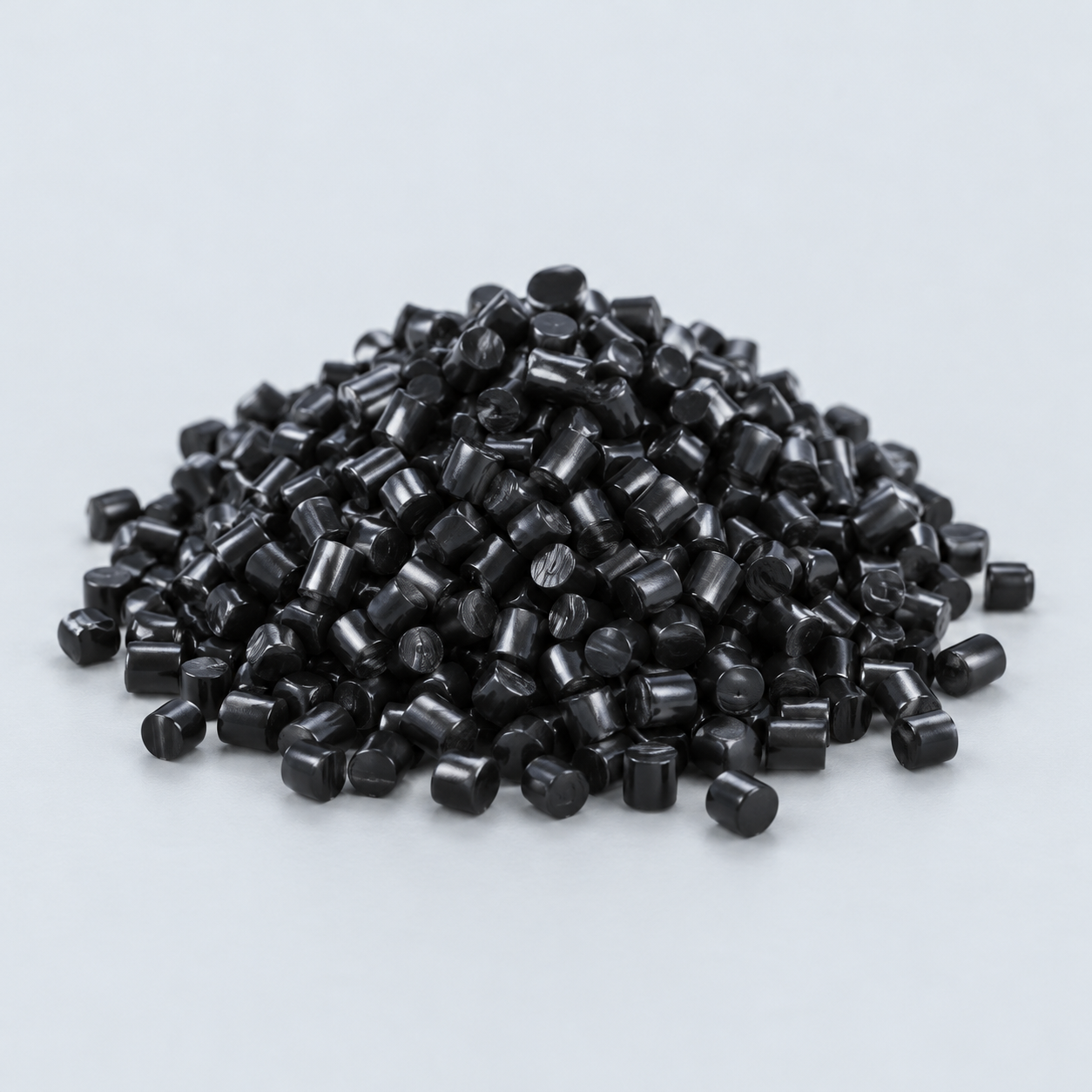 POM / AcetalReview fit and sliding features›
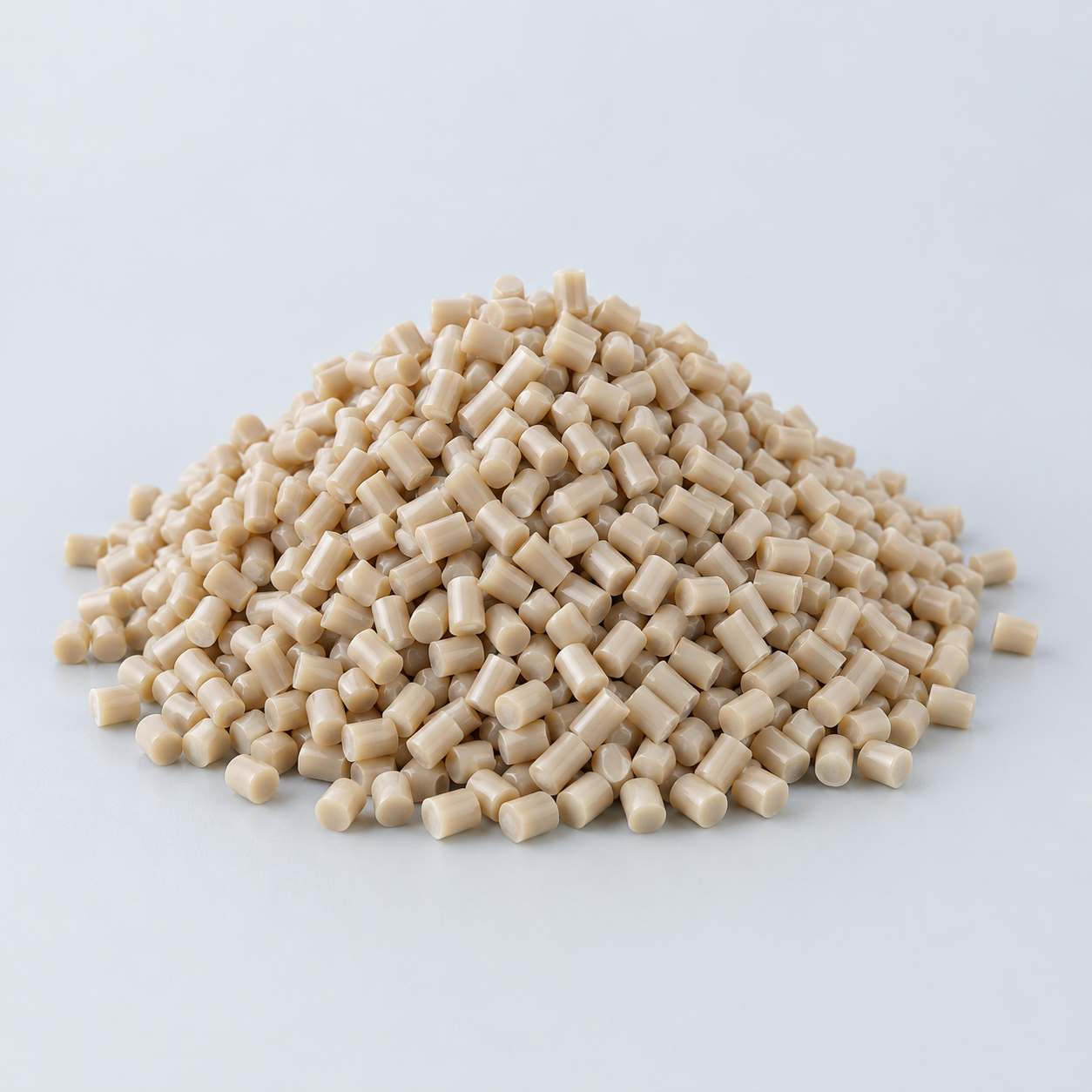 PEEKDiscuss operating conditions›
 PTFEReview friction and chemical exposure›
 ULTEM / PEIDiscuss thermal and electrical needs›
Confirm grade availability and application requirements.
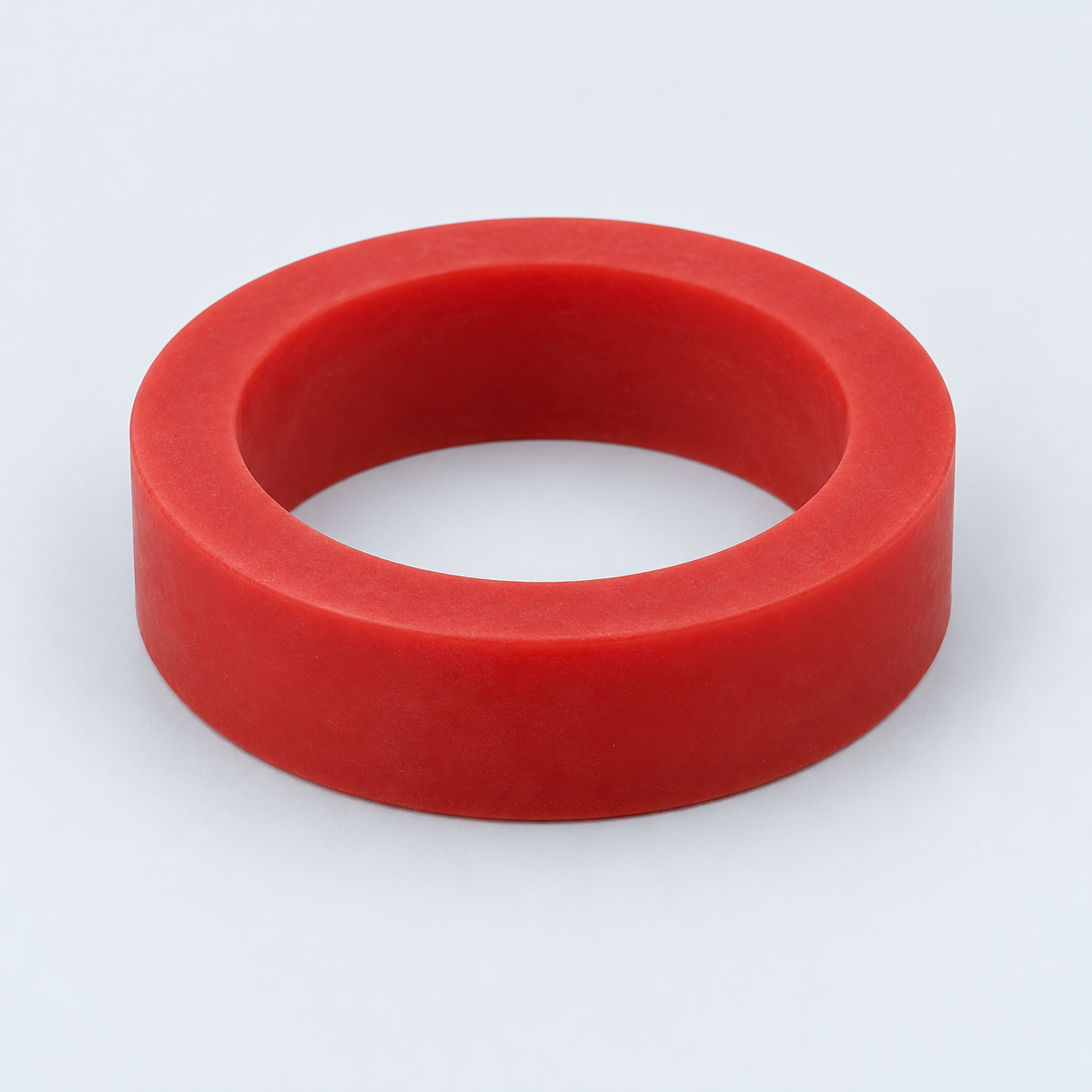 Silicone / LSRDiscuss flexible component needs›
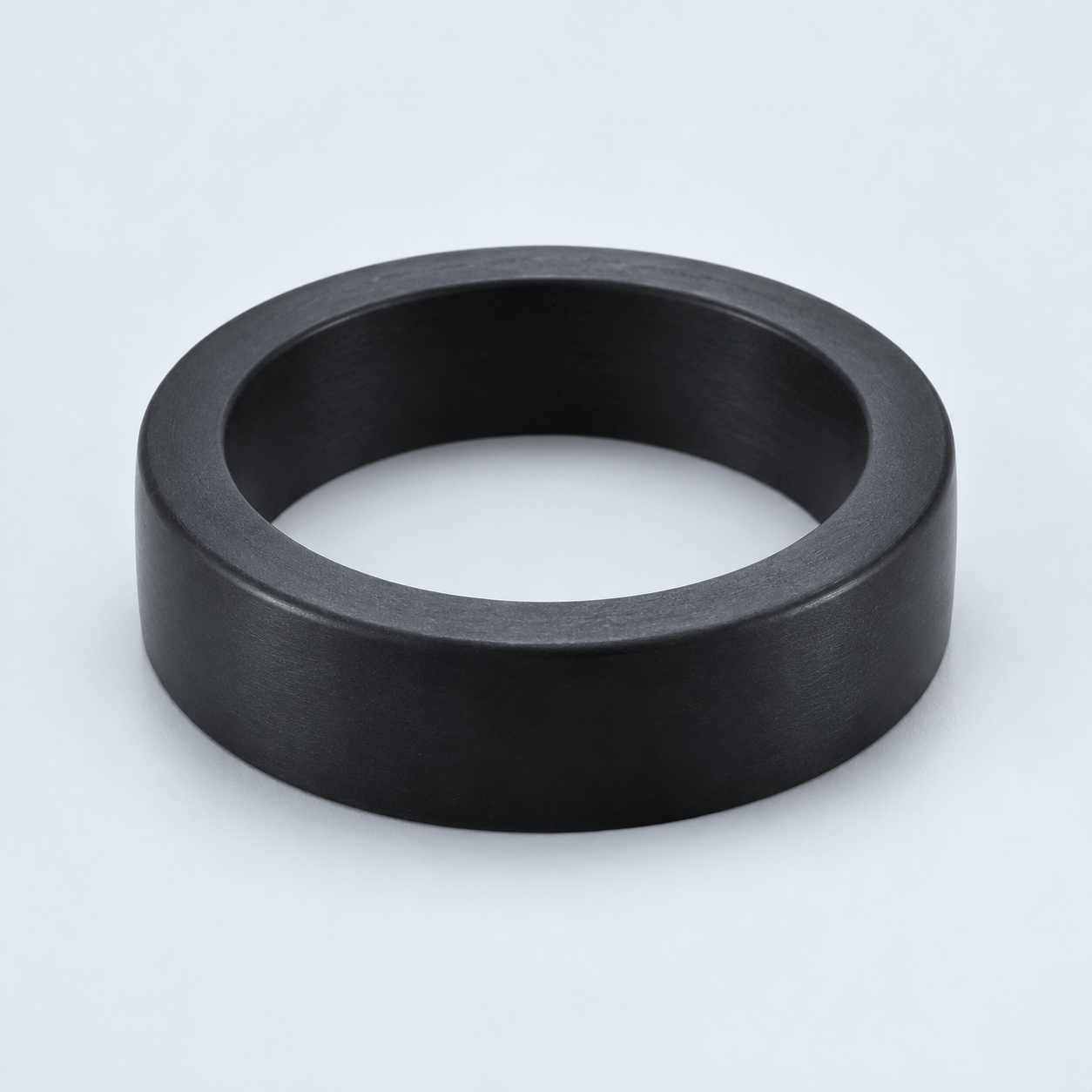 TPU / TPEReview flexibility and processing›
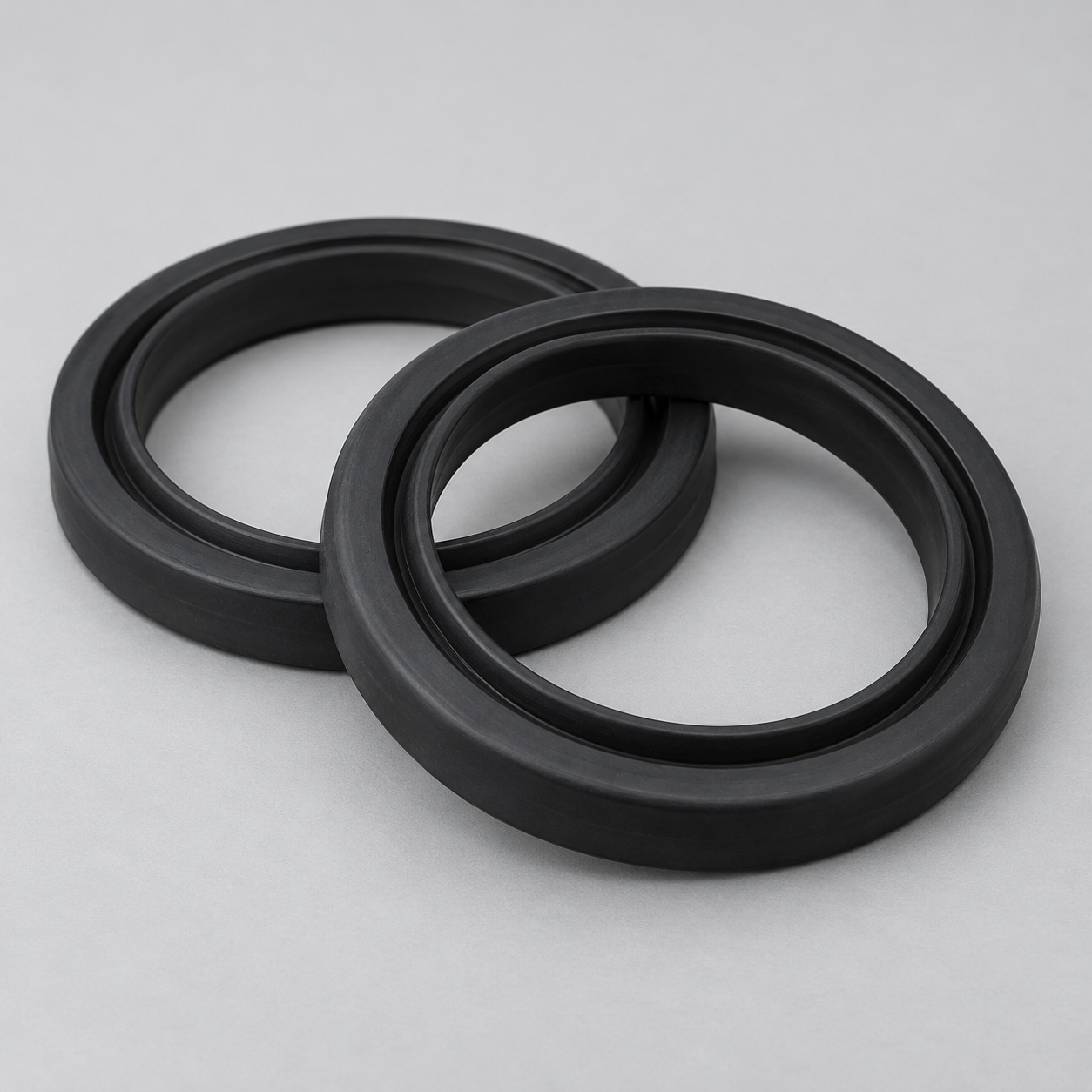 EPDMReview weathering and chemical exposure.›
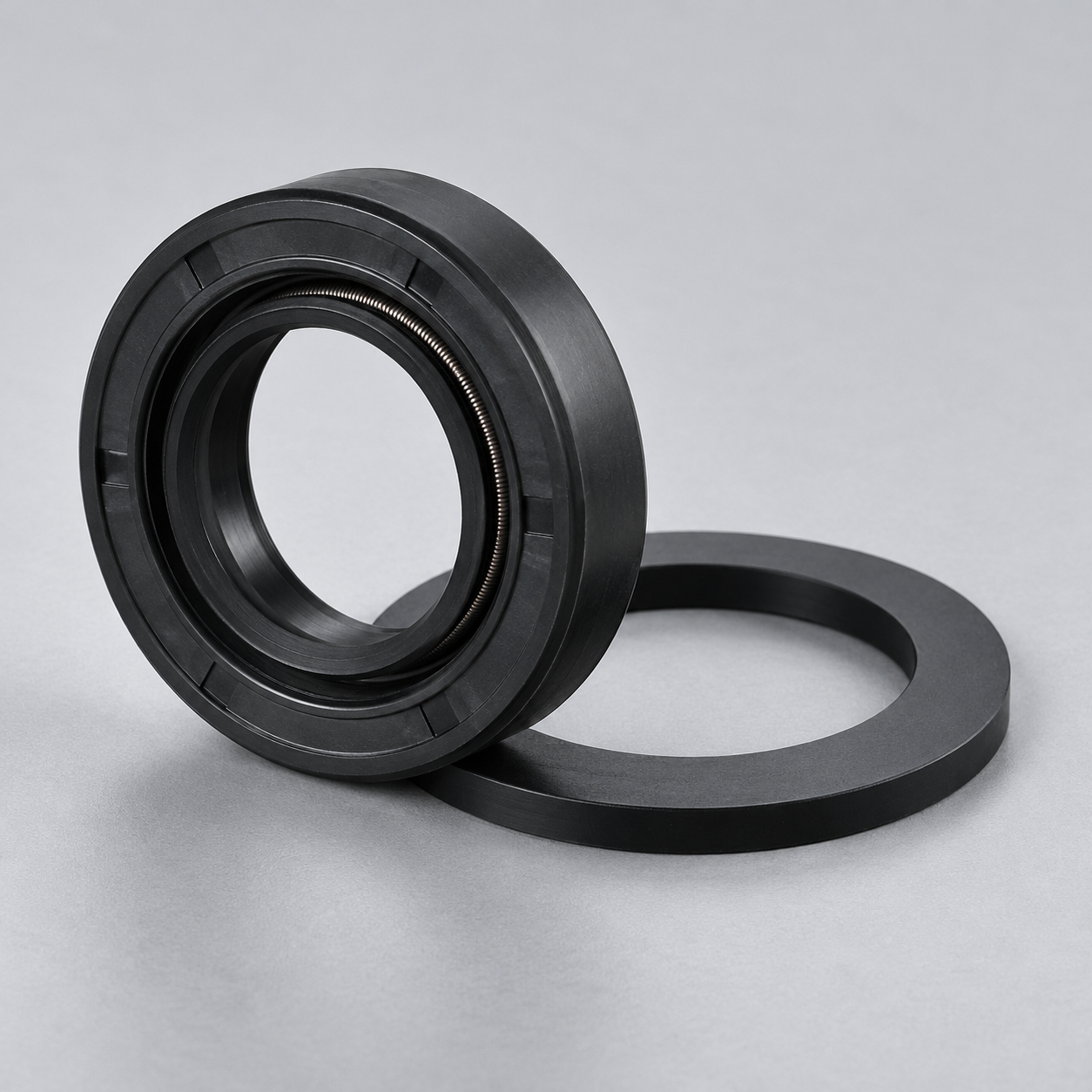 NBRReview oil and fuel exposure.›
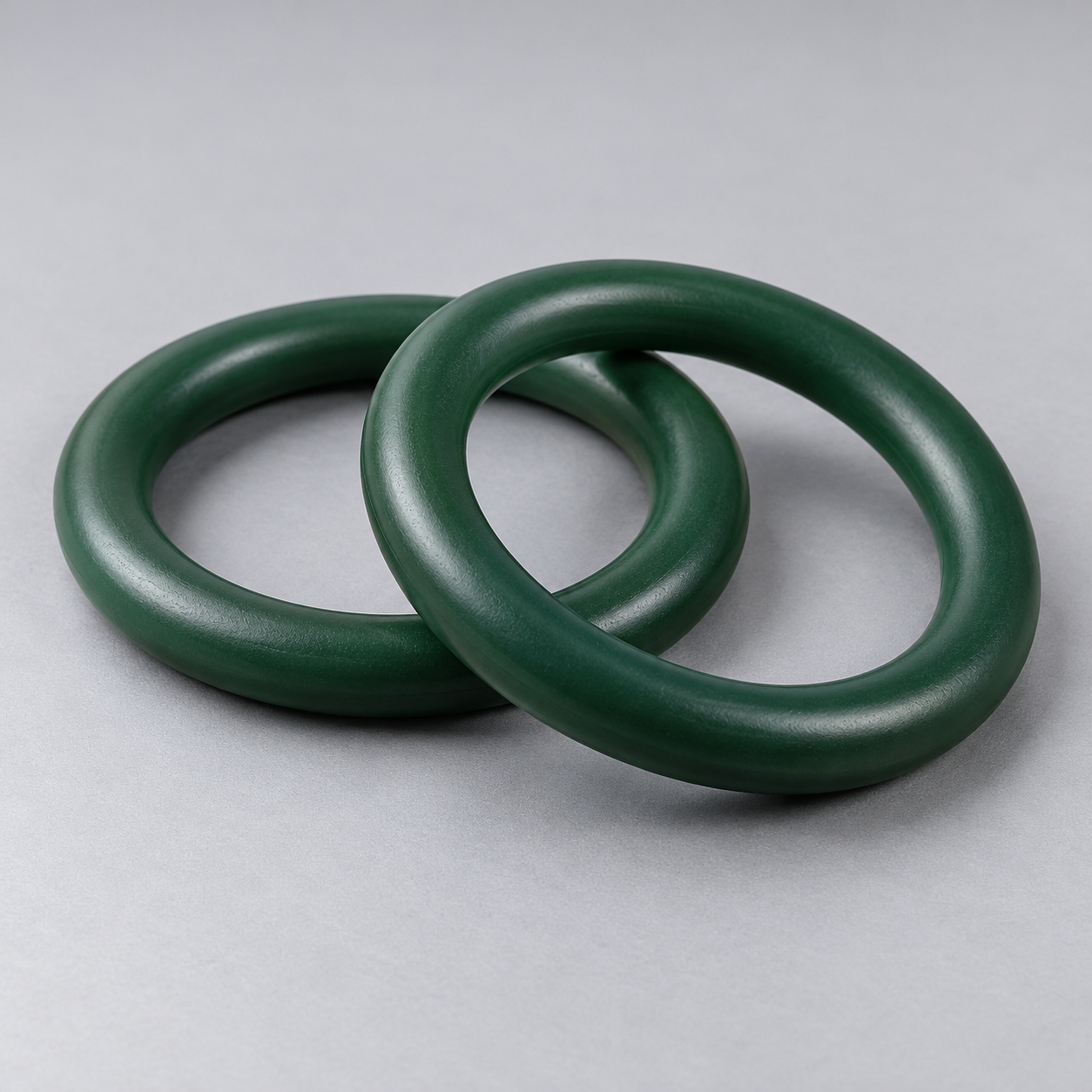 FKMReview temperature and chemical exposure.›
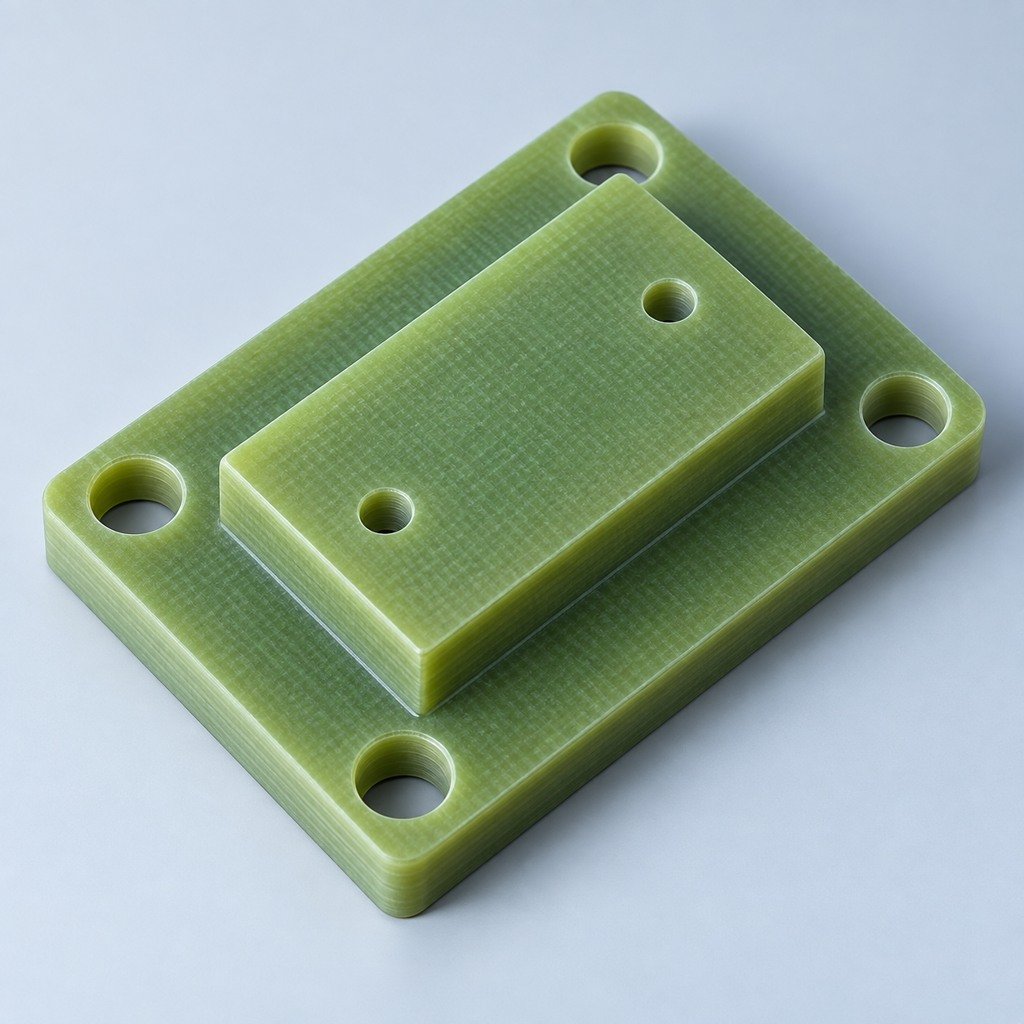 G10 / FR4Review insulation and laminate needs›
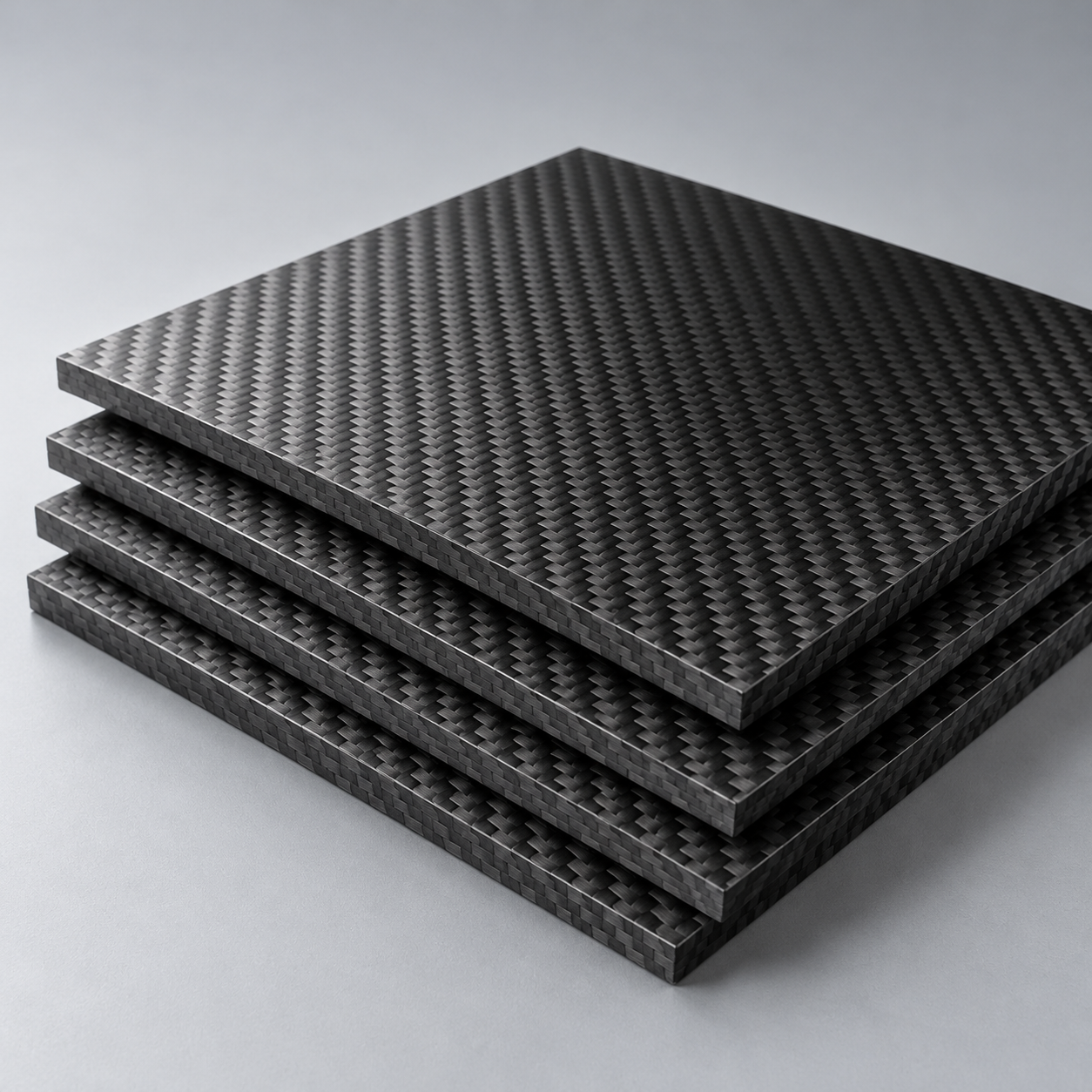 CompositesReview stiffness, weight and laminate.›Customer-Specified MaterialsConfirm your grade and requirements.›Other Specialty MaterialsDiscuss your application and grade.›
Practical guidance for your part geometry and material decisions.
Prepare your process, budget and sourcing questions.
Build your knowledge before production.
Learn who we are and how we operate.
Find our U.S. support team or start a conversation.
FOR YOUR INTERFACES, CONFIGURATION AND ACCEPTANCE
Bring manufactured parts, bought-in items and subassemblies together around a controlled build requirement. Our complex assembly services focus on the interfaces, sequence, configuration and agreed checks that your delivered assembly needs.
Review Your Assembly Scope →See the integration checklist ↓Start with 3 inputs: the assembly drawing, controlled BOM and acceptance requirements. Supplied work, testing and design responsibility are agreed for your project.

Complex assembly and integration needs more than a complete parts list. It needs a shared definition of what must fit, function and be recorded.
Identify what is delivered as a component, subsystem or completed mechanical assembly.
Connect drawing revisions, BOM, bought-in items and permitted alternatives.
Check locating, alignment, fits, fasteners and service access together.
State characteristics, methods, conditions and acceptance criteria.
Keep design authority, customer inputs and release approval explicit.
When comparing a complex assembly manufacturer, ask how configuration, interfaces, findings and acceptance decisions will be controlled.
Individually acceptable components may not meet the combined assembly requirement.
A substituted part or mixed revision can change fit, use or the test basis.
Access, orientation, locating and fastening can change how the assembly is built.
A general instruction to test does not define conditions or acceptance.
A shop-floor correction needs an approved disposition and traceable revision.
Review required parts, documents, sources and receiving conditions.

Assemble to the approved requirements and record relevant checks or settings.
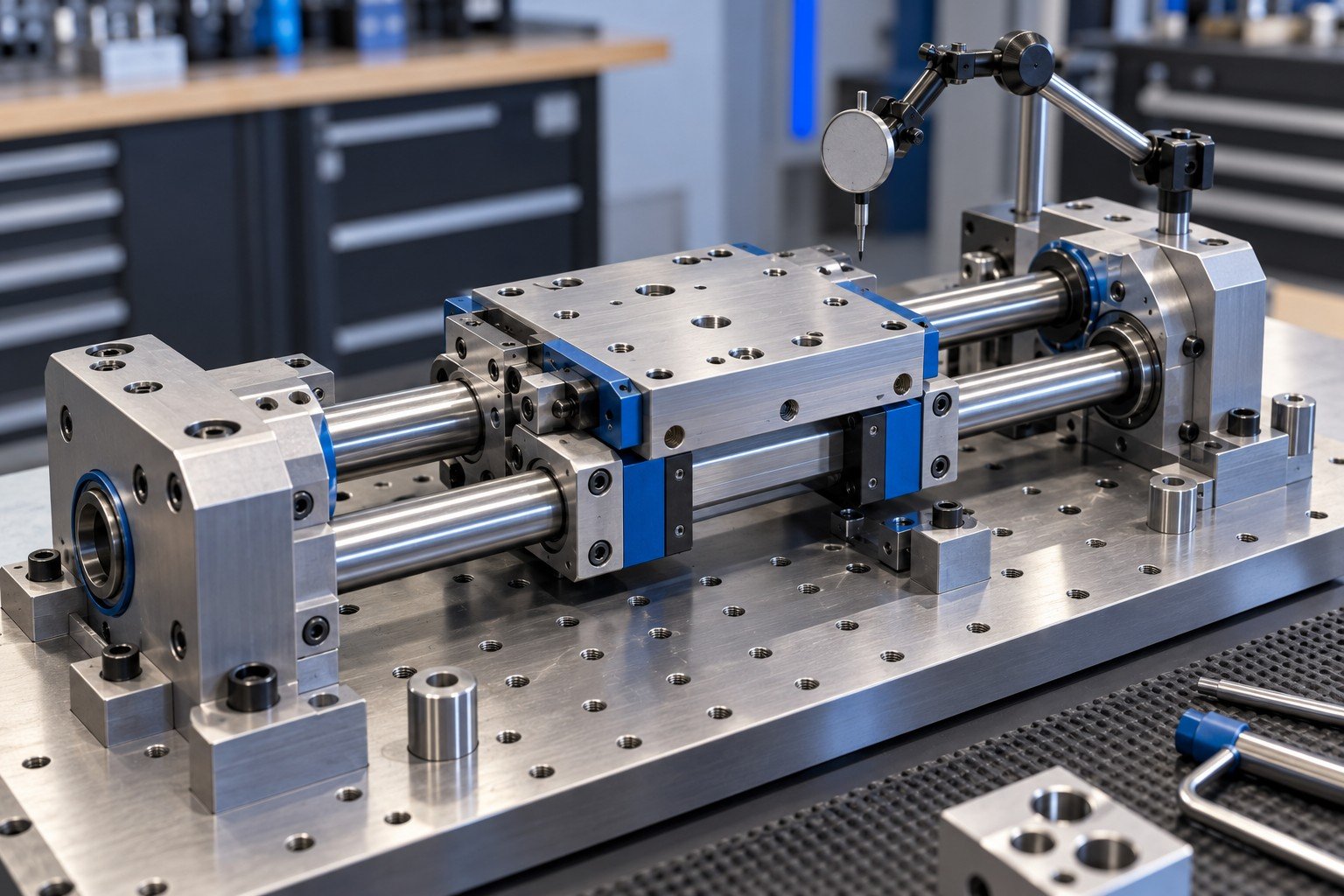
Apply the defined checks and review findings against acceptance.
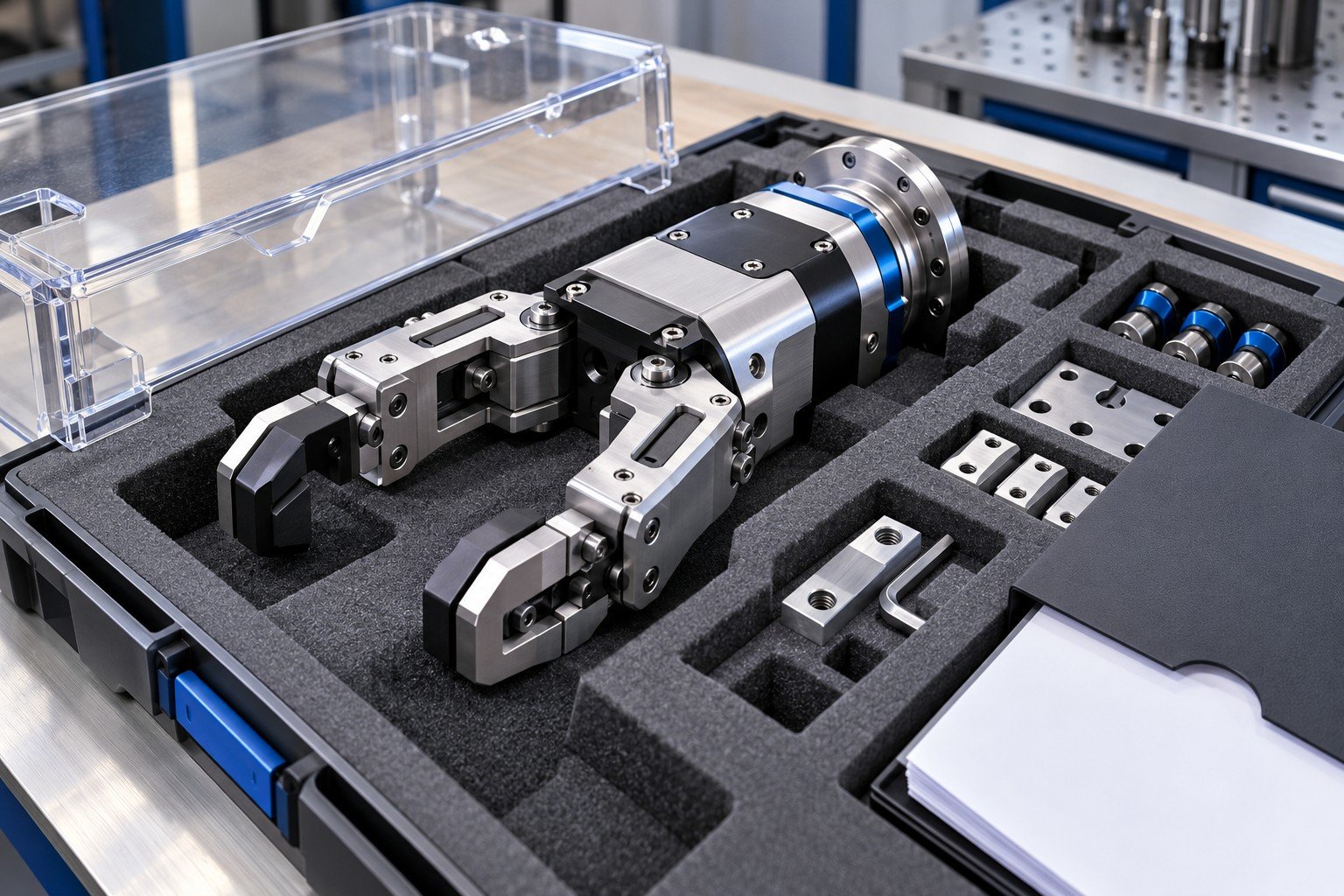
Top level assembly manufacturing does not automatically include system design, software, electrical commissioning or product certification. Confirm any additional scope separately.
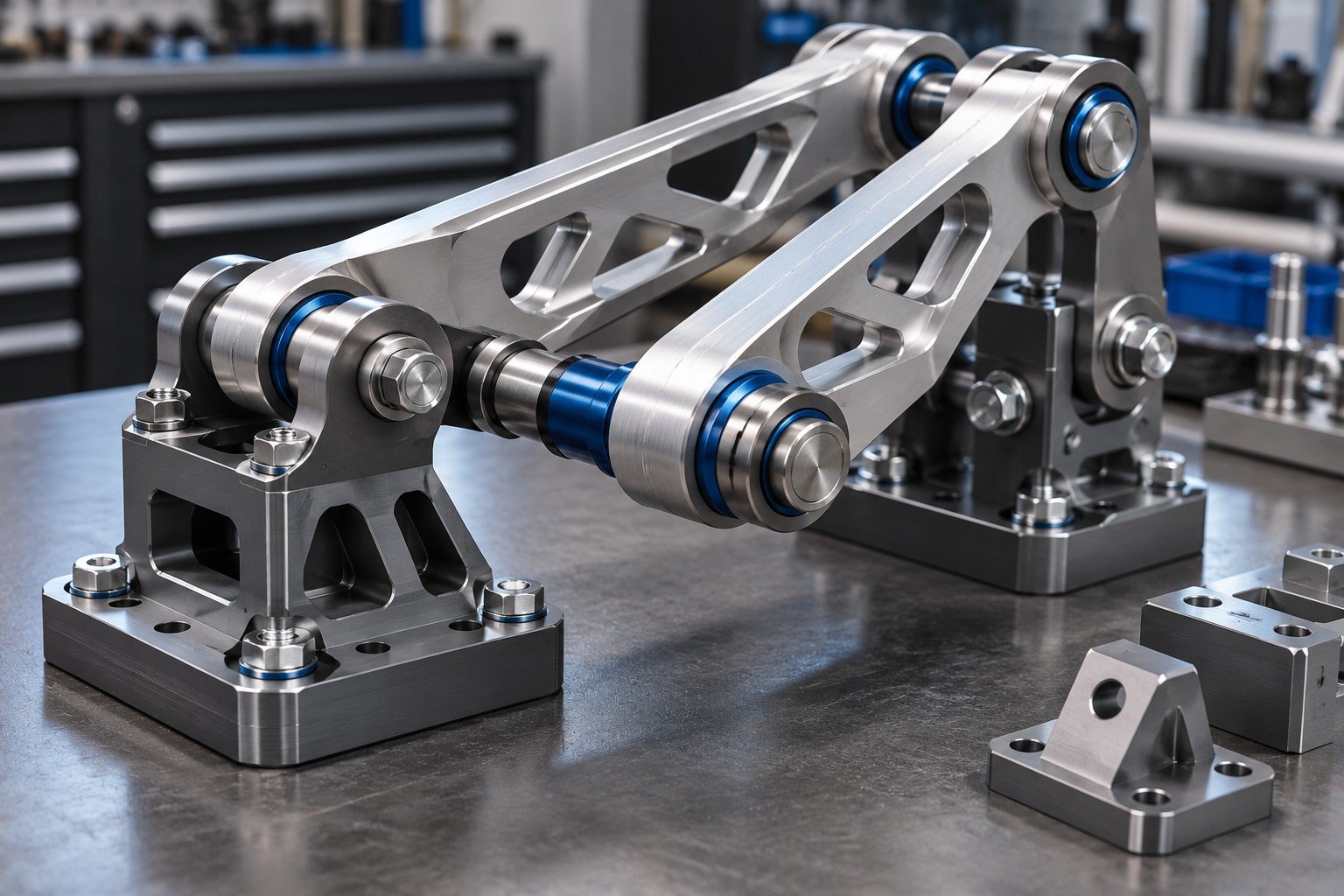
Build to print assembly services use your controlled design and agreed work instructions as the manufacturing basis.
Explore related support →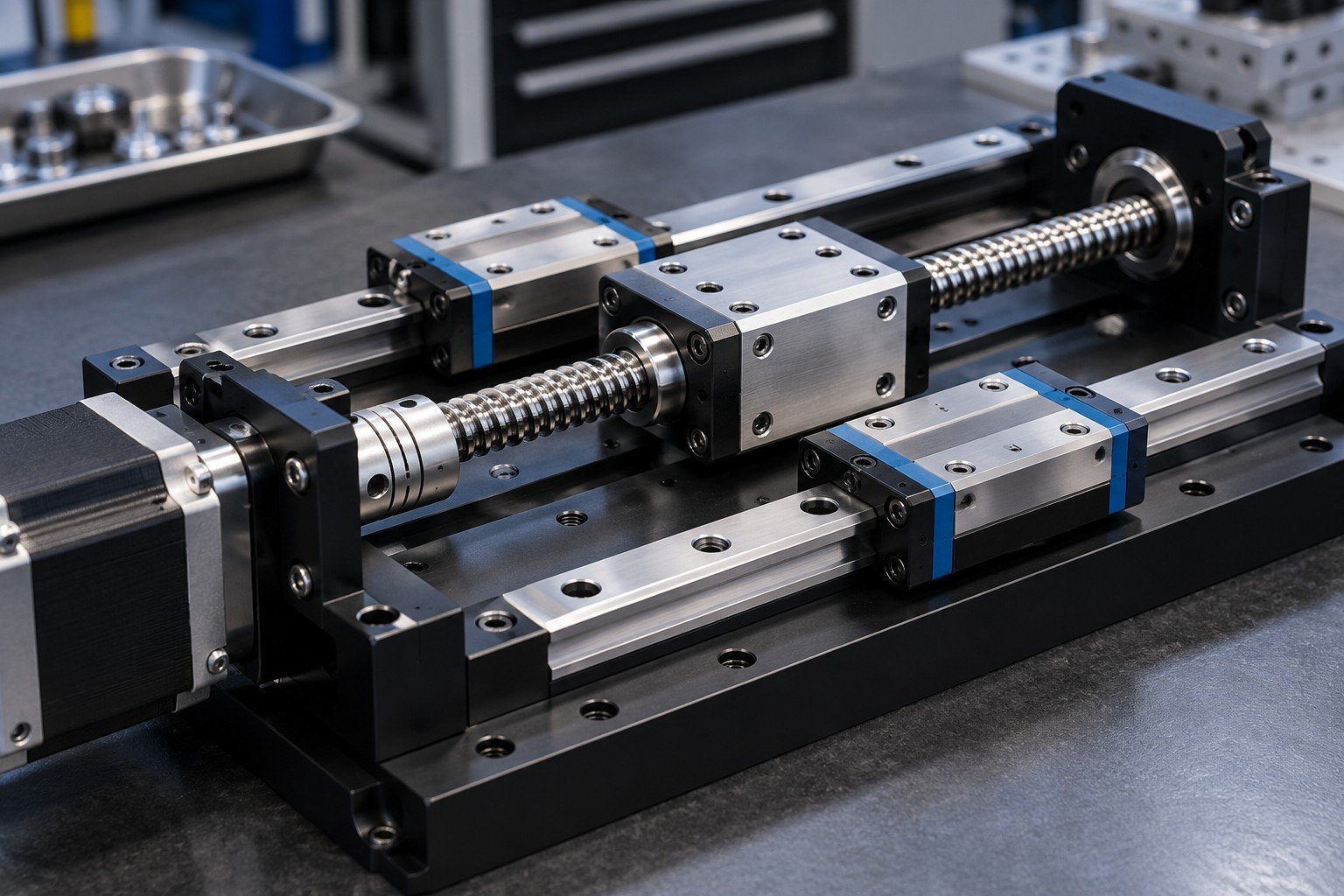
Subsystem integration services connect defined modules and their mechanical interfaces within the supplied scope.
Explore related support →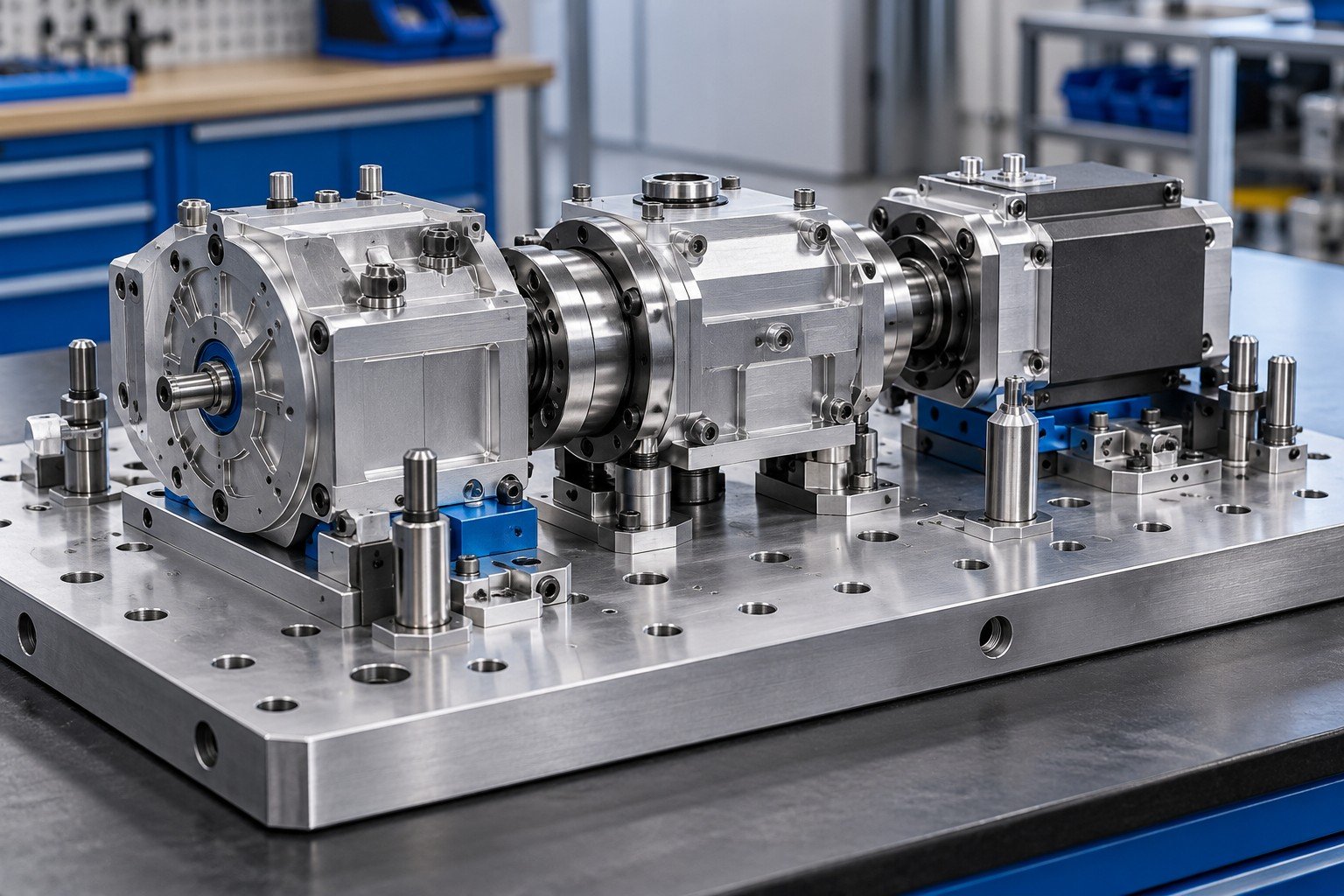
Mechanical integration services review the relationships between parts, mounting conditions and required checks.
Explore related support →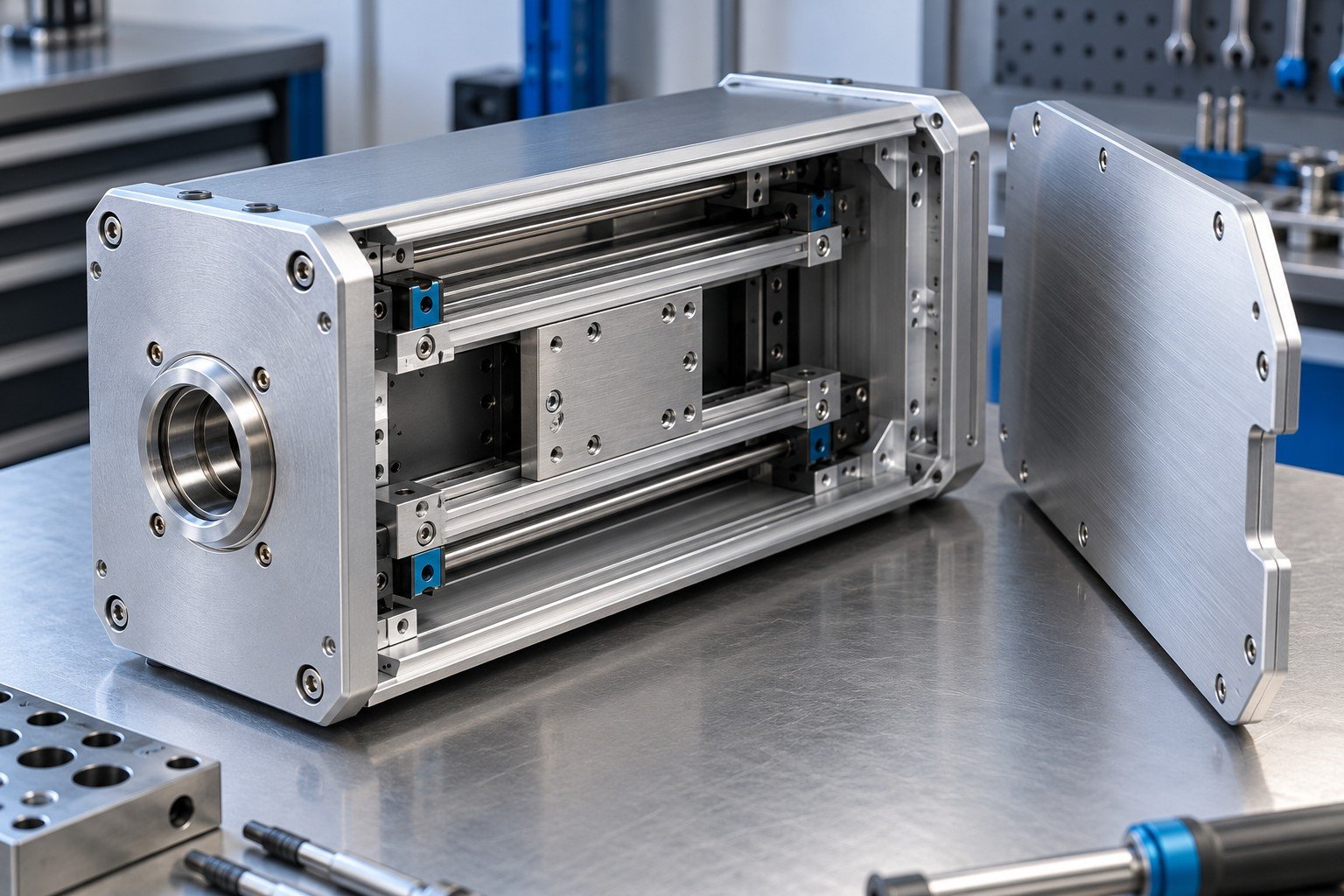
High level assembly services need a clear definition of supplied items, completed condition and remaining customer work.
Explore related support →OEM assembly integration begins with the actual controlled requirements and a clear division of supplied and customer-retained work.

Controlled model, assembly drawing and delivered unit.

Revision, quantities and customer-supplied items.
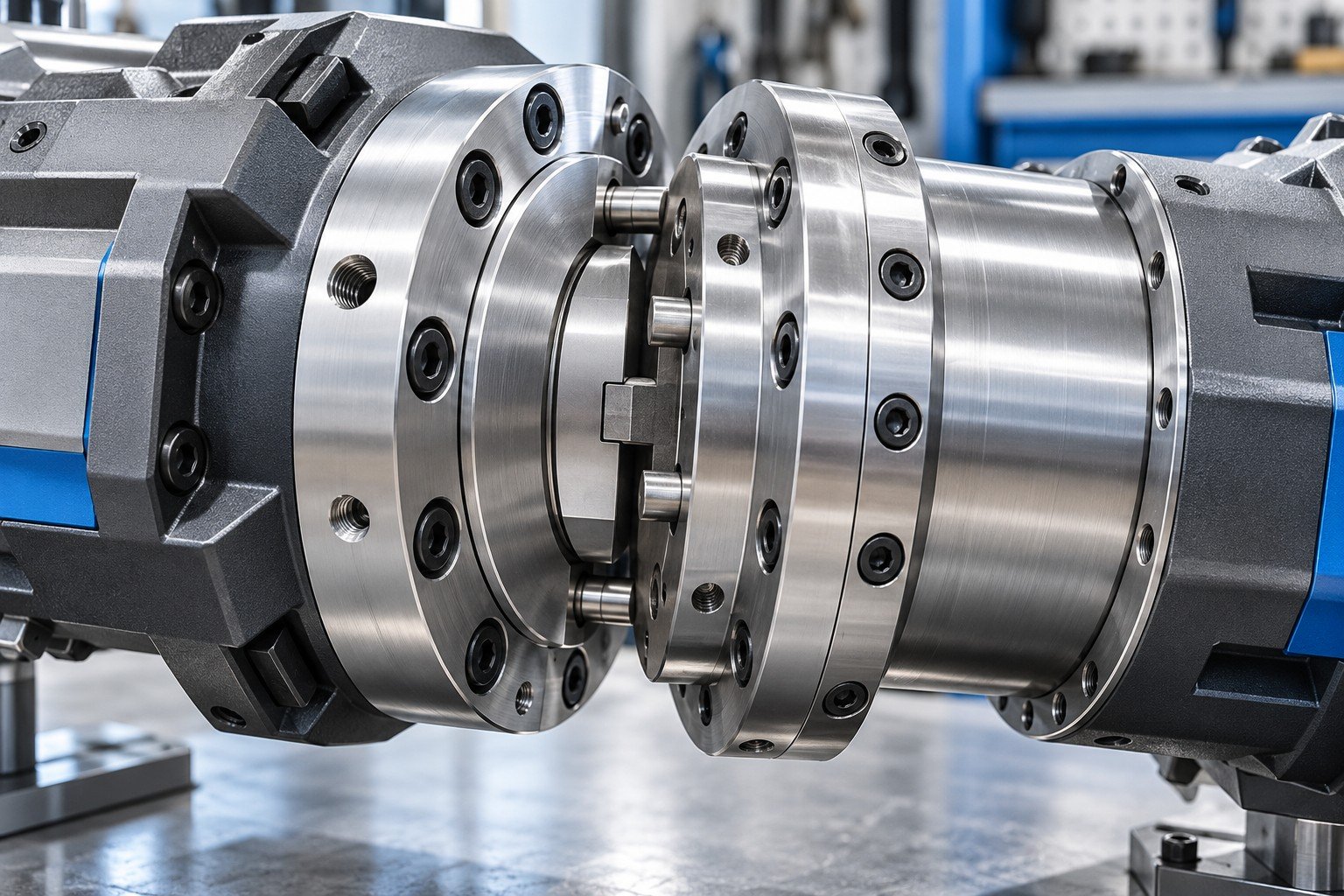
Mating features, datums and stack relationships.
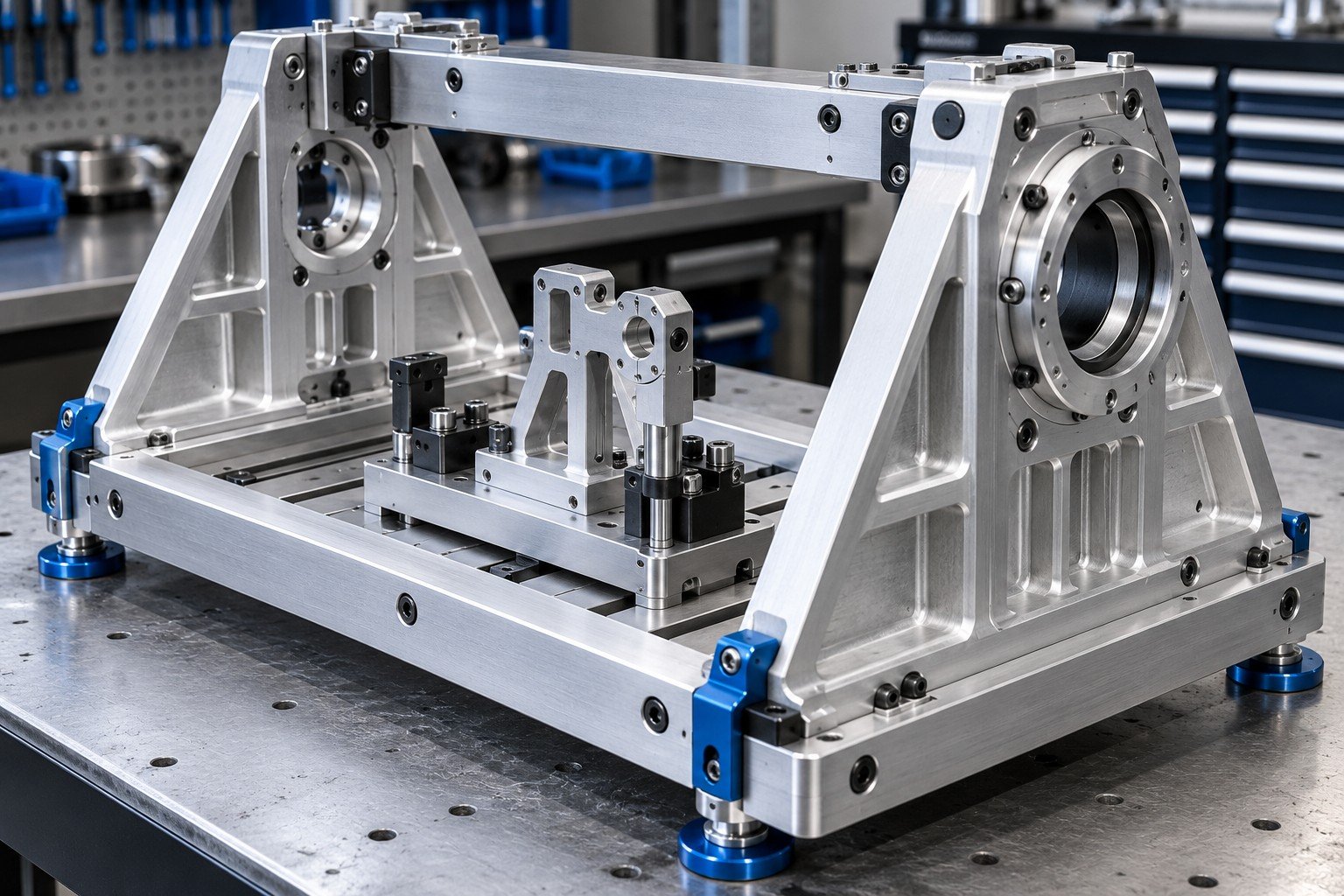
Locating, handling, access and fastening steps.
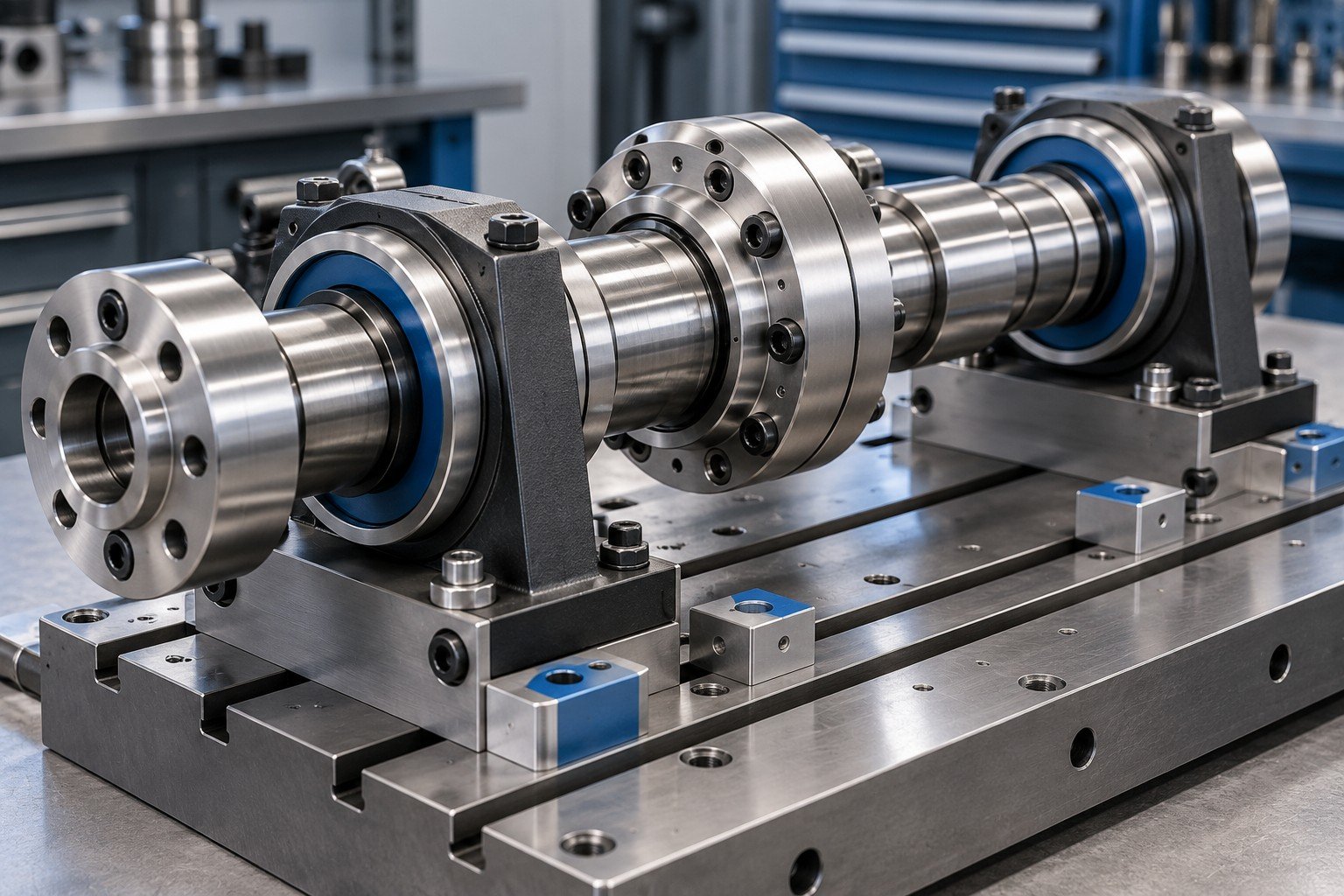
Required references and verification method.

Approved fastening, lubrication and adjustment requirements.
Agreed inspections, functional checks and records.
Identity, approved alternatives and release conditions.
Assembly sequence planning should identify dependencies and access constraints before they become late build changes.
Agree assembly definition, BOM, revision and design responsibility.
Identify fits, locating features, alignment, fastening and access.
Define receiving, kitting, fixtures, adjustments and required checks.
Keep parts, substitutions and work instructions controlled.
Record the required inspection or functional-check evidence.
Close findings, retain identity and prepare the agreed delivery package.
Define the datums, mating condition and required alignment check before adjustment.
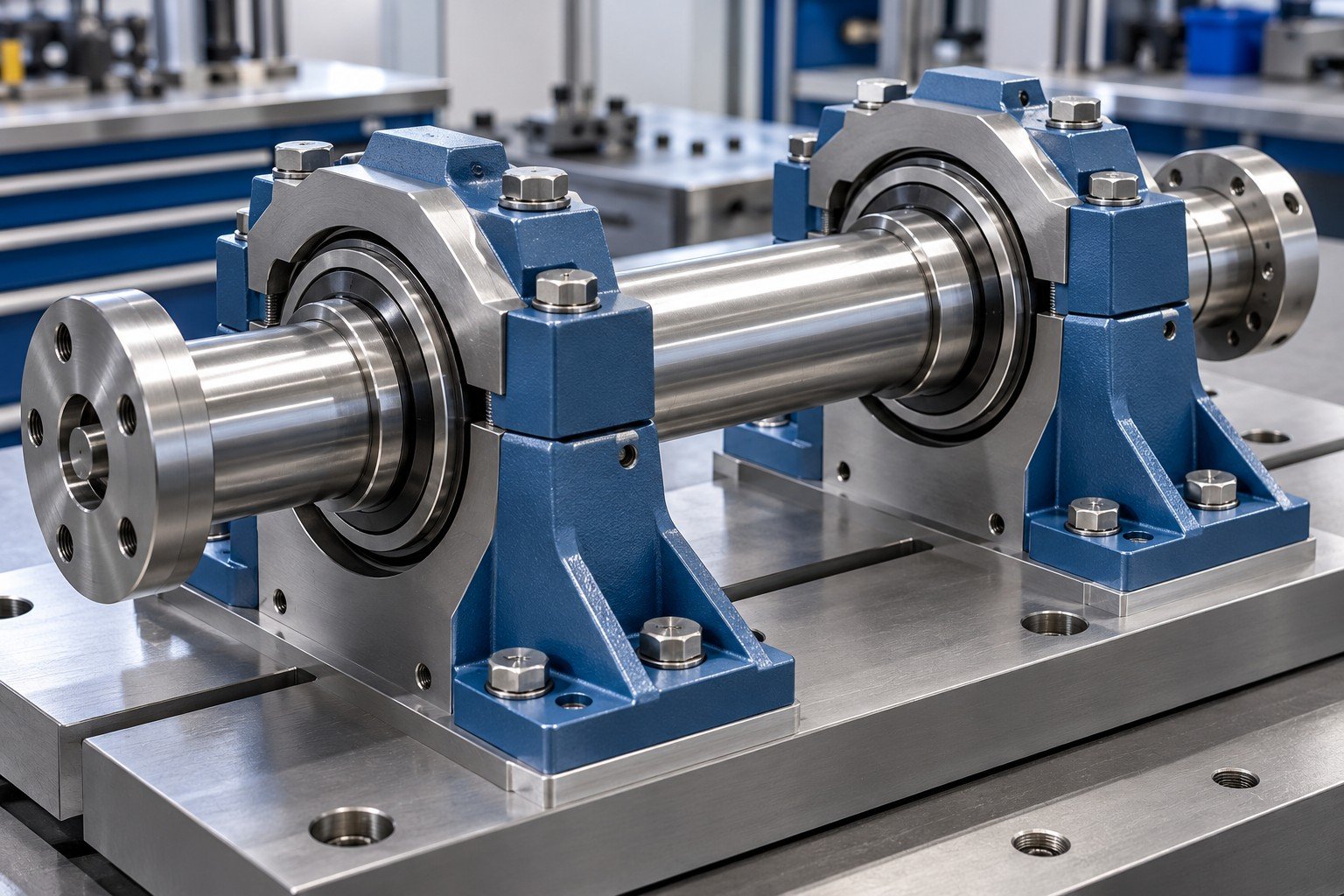
Review locating features, clearances, fastening, seals and access between modules.

Agree the fixture purpose, interface, acceptance and responsible design reviewer.
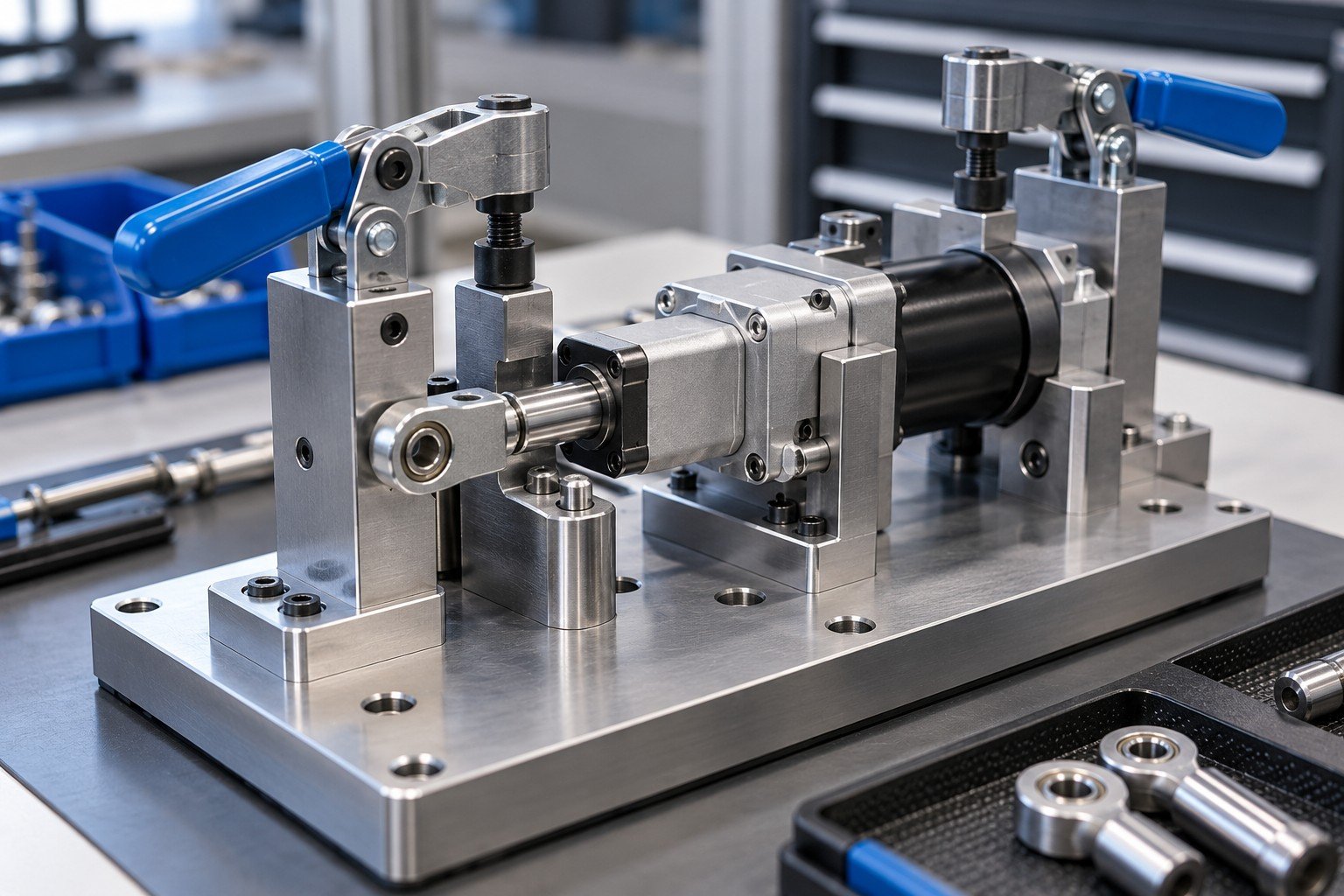
Agree receiving checks, quantities, condition, identity and treatment of missing or unacceptable items.
Review different material behavior, finishes, fastening and service conditions at mating interfaces.
Define what the check must establish, its conditions and the acceptance decision.
Build requirements and permitted adjustments must be controlled.
The quotation should name supplied components, assembly work, checks and records.
Share the controlled assembly basis and identify anything still undecided.
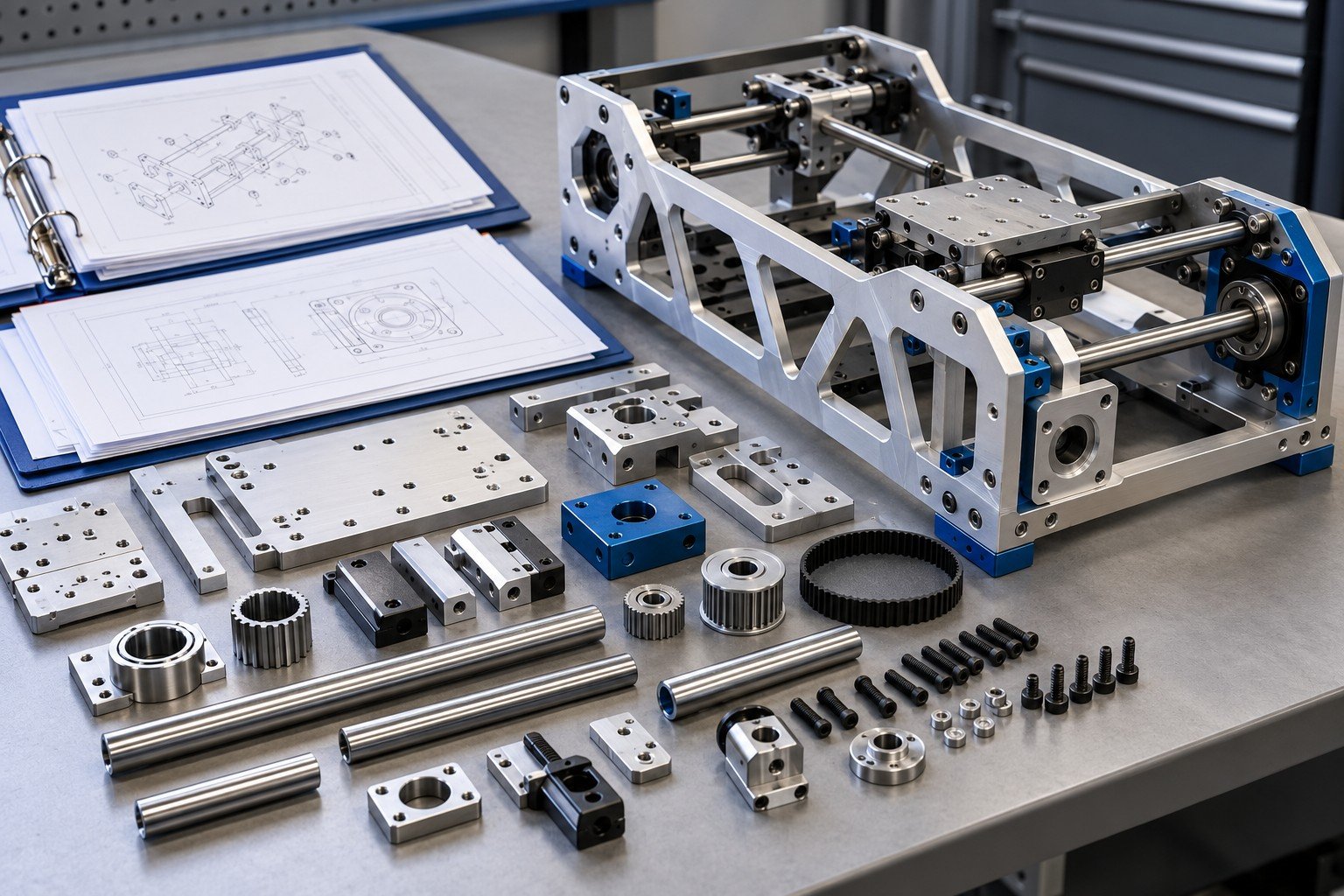
Complex mechanical assembly requires the final mating condition, not only the individual component drawing.
Complex equipment subassemblies need clear mechanical connections and acceptance at each boundary.
Define locating references, adjustment methods and the required evidence.
Assembly configuration management connects the delivered unit to its documents and actual components.
The review should make unresolved interfaces visible without inventing universal alignment, torque or performance figures.
Keep actual component identity and approved substitutions linked to the build.
Individual tolerances need to be considered in the assembly relationship.
Confirm locating surfaces, datums and build conditions.
Review tool access, orientation and the necessary sequence.
Define what can be adjusted and the acceptance evidence required.
Specify conditions, method, required record and acceptance.
Record conflicts, approved actions and affected revisions.
Plan locks, guards, packaging and receiving information as needed.
Identify the required configuration, interfaces and mechanical or functional checks.
State the method, condition, fixture and responsible reviewer.
Retain relevant part, revision, configuration and lot information.
Separate accepted results, deviations and questions that remain.
Keep the decision and any required repeat verification traceable.
Connect the delivered assembly to its approved records and limitations.
The released drawing and BOM.
The actual components and approved work.
The agreed checks and findings.
The authorized release and conditions.
Drawing, BOM, revision and approved component alternatives.

Relevant mating, locating, fit and alignment evidence.

Defined checks, results, findings and release decision.
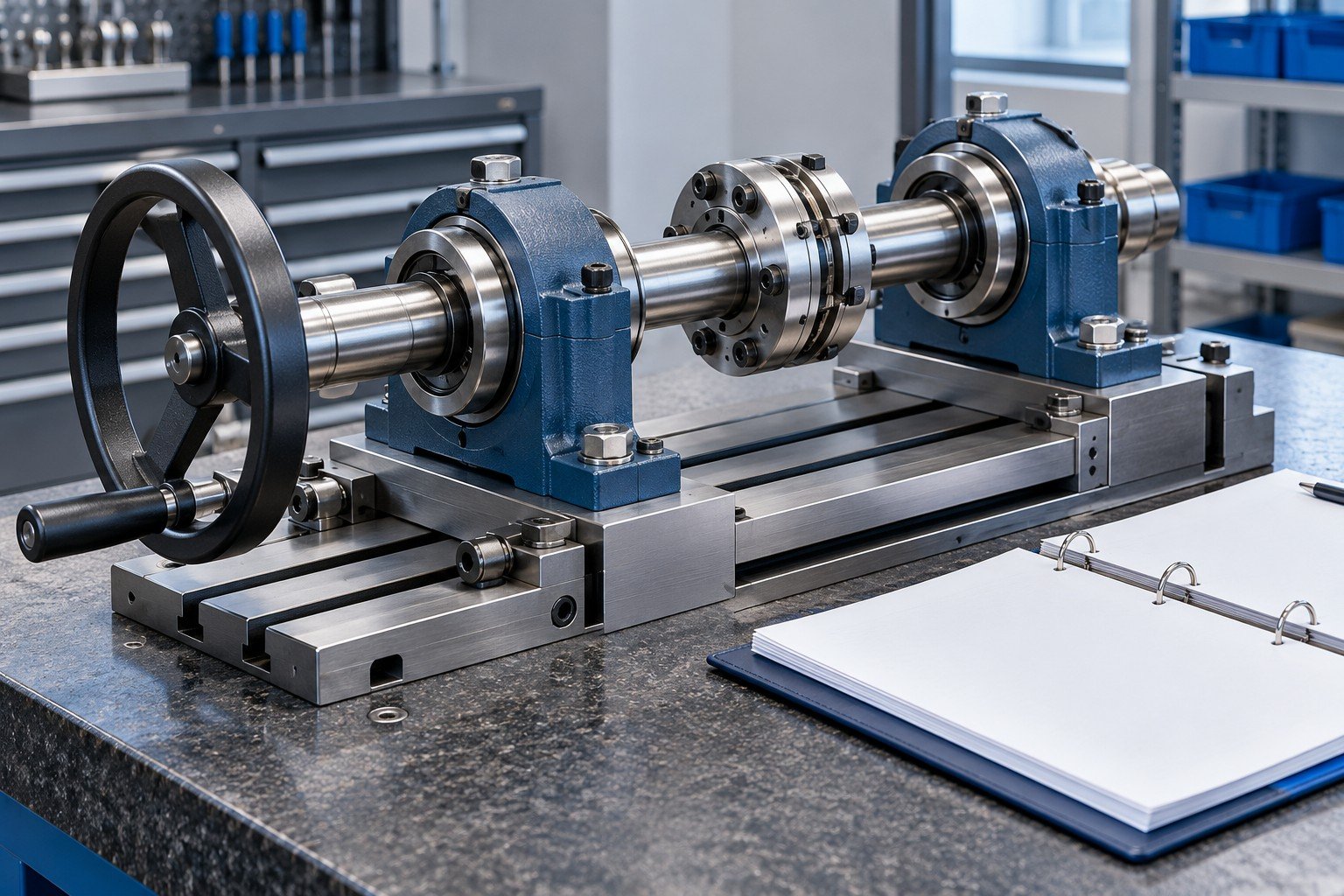
Steps, fixtures, settings and required in-process checks.
| Field | Purpose |
|---|---|
| Identify | Assembly and released configuration. |
| Verify | Requirement, method and actual evidence. |
| Resolve | Findings and approved actions. |
| Release | Acceptance authority and delivery conditions. |
Supplied items, identity, shortages and accepted dispositions.
| Field | Purpose |
|---|---|
| Identify | Assembly and released configuration. |
| Verify | Requirement, method and actual evidence. |
| Resolve | Findings and approved actions. |
| Release | Acceptance authority and delivery conditions. |
Authorized decisions, affected revisions and verification.
| Field | Purpose |
|---|---|
| Identify | Assembly and released configuration. |
| Verify | Requirement, method and actual evidence. |
| Resolve | Findings and approved actions. |
| Release | Acceptance authority and delivery conditions. |
Required records, packaging and receiving information.
| Field | Purpose |
|---|---|
| Identify | Assembly and released configuration. |
| Verify | Requirement, method and actual evidence. |
| Resolve | Findings and approved actions. |
| Release | Acceptance authority and delivery conditions. |
Illustrative mechanical concepts. Capacity, equipment suitability and any specialist work are reviewed for the actual project.

Review substantial mechanical modules against the controlled build and supplied scope.

Define alignment, travel interfaces, fastening and the required checks.
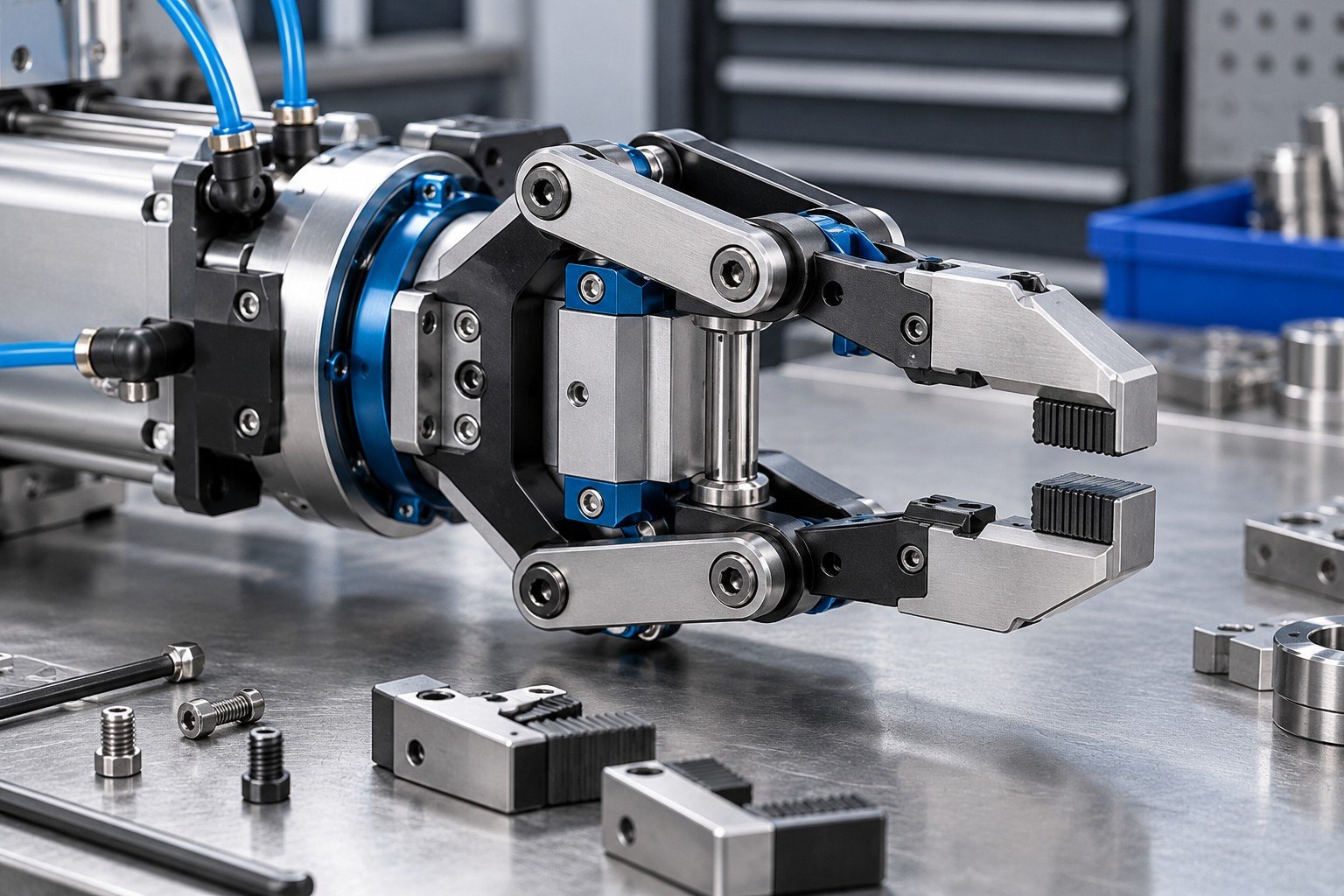
Review grippers, mounts, guards and mechanical integration boundaries.
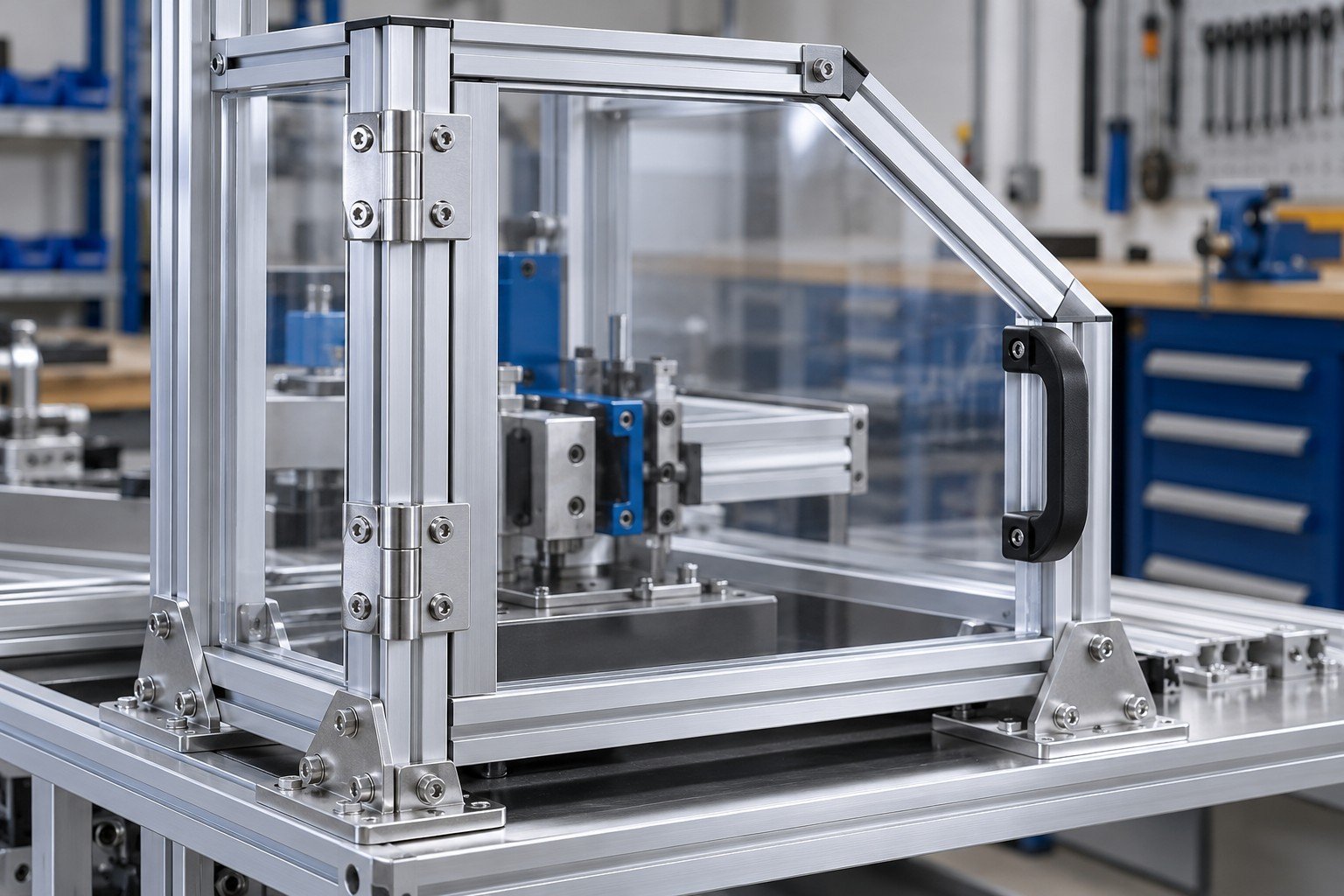
Coordinate mixed materials, frame interfaces, service access and assembly records.
Keep assembly questions, component requirements and acceptance decisions connected to the responsible team.

A useful checklist retains the actual build requirements and open decisions without inventing a generic complexity score.
Defined assembly and scope boundaries.
Drawing, BOM, revision and approved parts.
Fit, location, alignment and service access.
Kitting, fixtures, steps and adjustments.
Receiving and supply responsibilities.
Required checks, methods and records.
Authorized decisions and repeat verification.
Released unit, protection and delivery evidence.
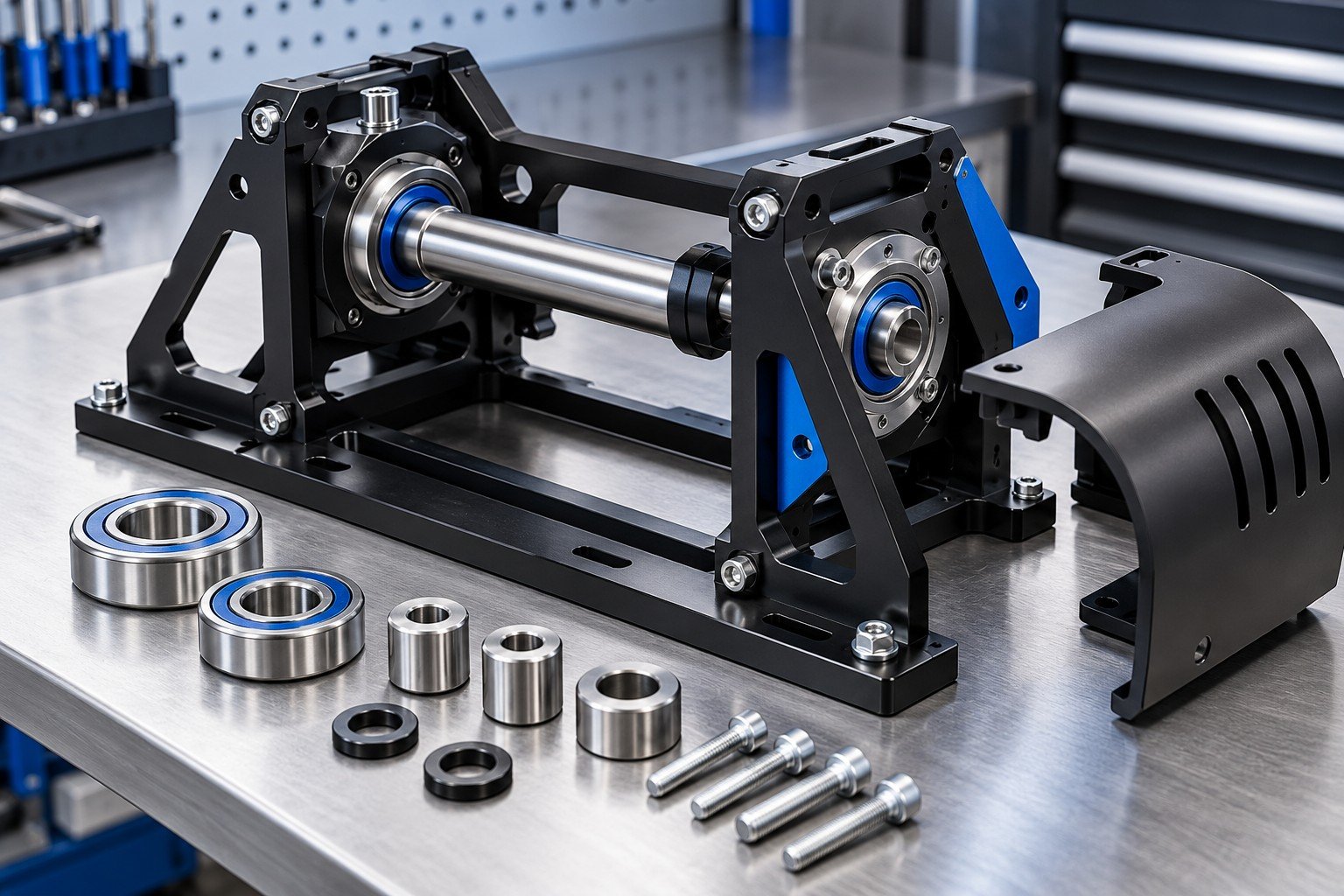
Share what is supplied, what must fit and function, and what your team will complete after delivery.
Explore Mechanical Assembly →It is an assembly scope where the relationships between multiple parts or modules require controlled configuration, sequence, interfaces and acceptance. Complexity depends on the build and its requirements, not a universal minimum component count.
Provide assembly CAD, controlled drawings and BOM, revision, component source responsibilities, critical interfaces, work instructions, required inspections or tests, acceptance records, quantities and delivery requirements. Identify gaps and exclusions.
Customer supplied components can be reviewed within the proposed scope. Agree receiving condition, quantities, identity, checks, shortages, substitution rules and responsibility for unacceptable items before the build.
Define the required mating condition, datums, fit, alignment and functional relationship. Agree a practical check and record at the appropriate stage. An individual part inspection does not automatically establish the complete assembly interface.
Testing follows the agreed acceptance plan, including characteristics, method, condition, fixture, records and reviewer. Mechanical checks, functional tests and broader product qualification are different scopes. Confirm any specialist testing separately.
The identified design authority and relevant customer or quality approvers must authorize changes. Record the reason, affected documents and components, approved action and any repeat verification. Do not treat a shop-floor adjustment as automatic design approval.
The agreed report should identify the unit and configuration, requirements checked, methods and conditions, actual results, findings, accepted exceptions and release decision. The exact format and evidence are defined for the order.
Build to print uses the supplied controlled design as the manufacturing basis. Design and build includes additional design responsibility that must be explicitly contracted and reviewed. This page does not imply automatic transfer of design authority.
No. The drawing, application and acceptance plan define the required alignment and how it is checked. The service name does not establish a numerical capability or guarantee.
Only if explicitly reviewed and agreed. A mechanical assembly quotation does not automatically include firmware, PLC programming, electrical safety testing, system commissioning or regulatory certification.
A proposed alternative needs review against fit, function, material, quality and configuration requirements. Use only the substitution process and approvals agreed for the project.
Keep the current drawing, BOM, approved alternatives, instructions and acceptance requirements connected to the released revision. Record changes and their effect before repeating the build.
Fixture concepts, manufacture and verification can be discussed as separate project scope. Define the purpose, interface requirements, acceptance and responsible design reviewer before ordering.
Mechanical assembly addresses the agreed build operations. Multi-process manufacturing coordinates component routing. This page focuses on multi-component interfaces, configuration, integration sequence and the evidence for the delivered mechanical unit.