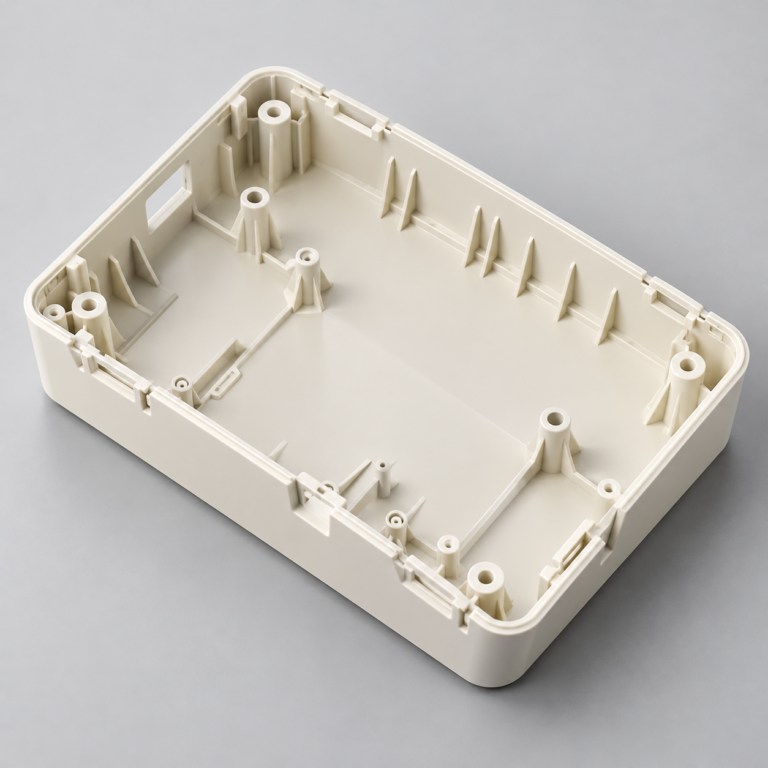
Injection Molding
Tooling and molding for your repeat plastic parts.
From prototype to production, coordinated manufacturing solutions for your custom parts.
View All Services →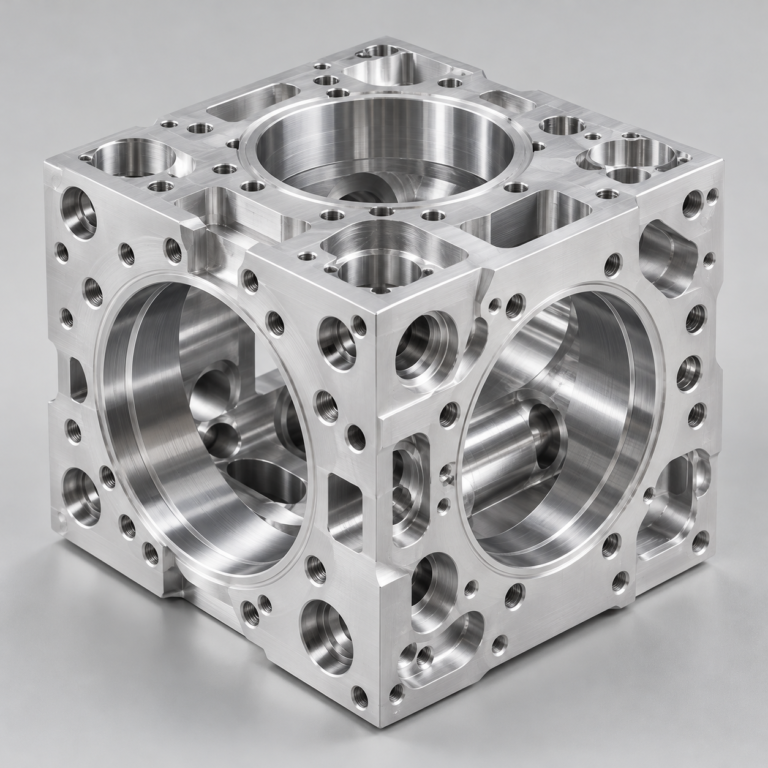
Precision parts for your tight tolerances and complex geometry.
Tooling and molding for your repeat plastic parts.
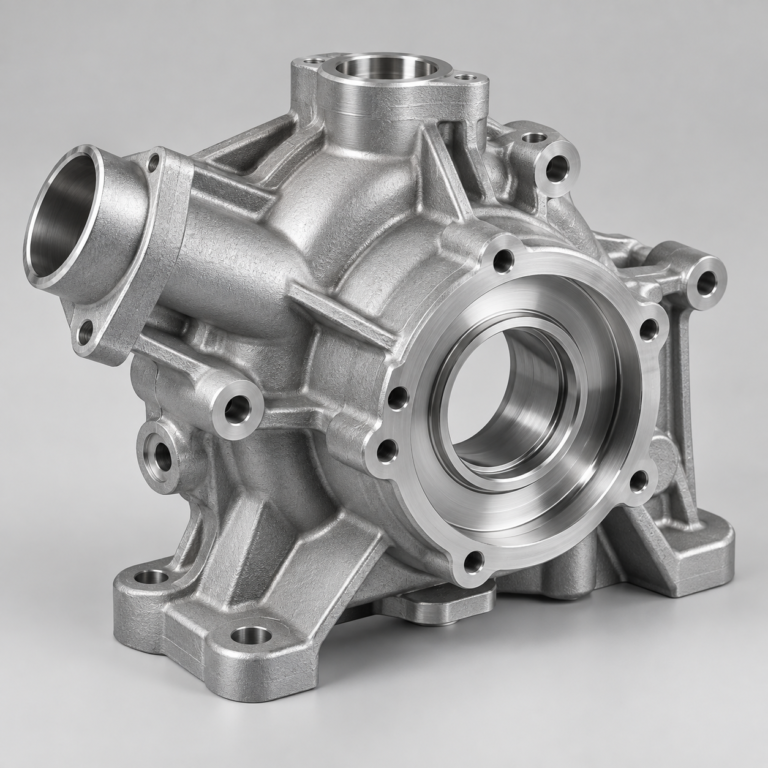
Metal casting options for your part and production volume.
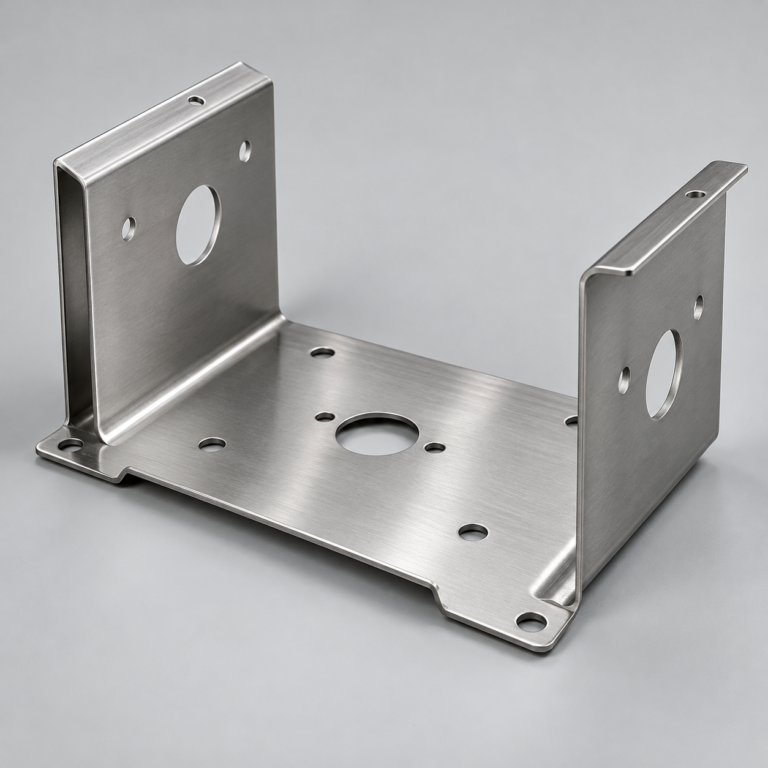
Cutting, forming and welding for your fabricated parts.
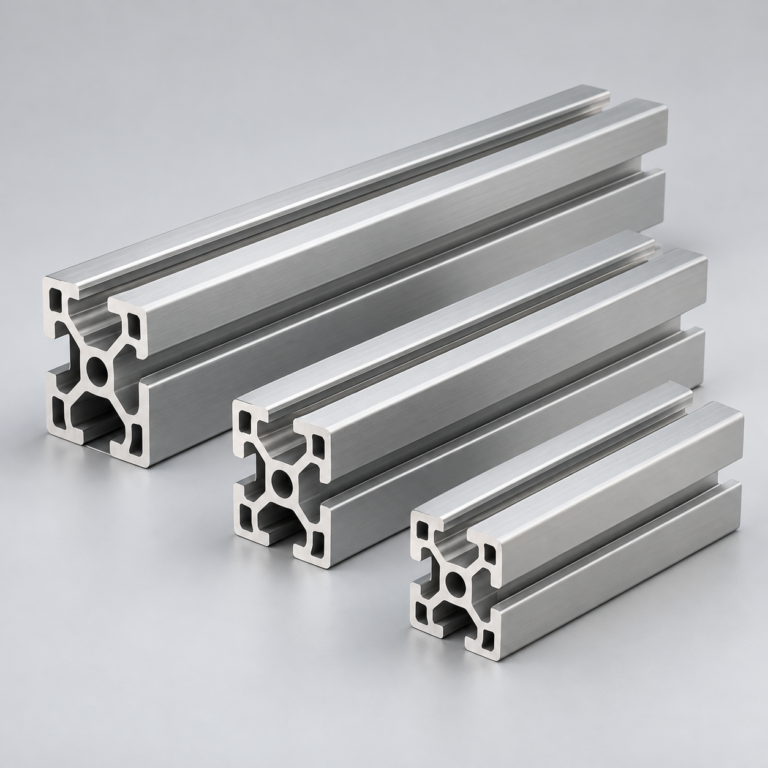
Custom profiles for your section, length and finish requirements.
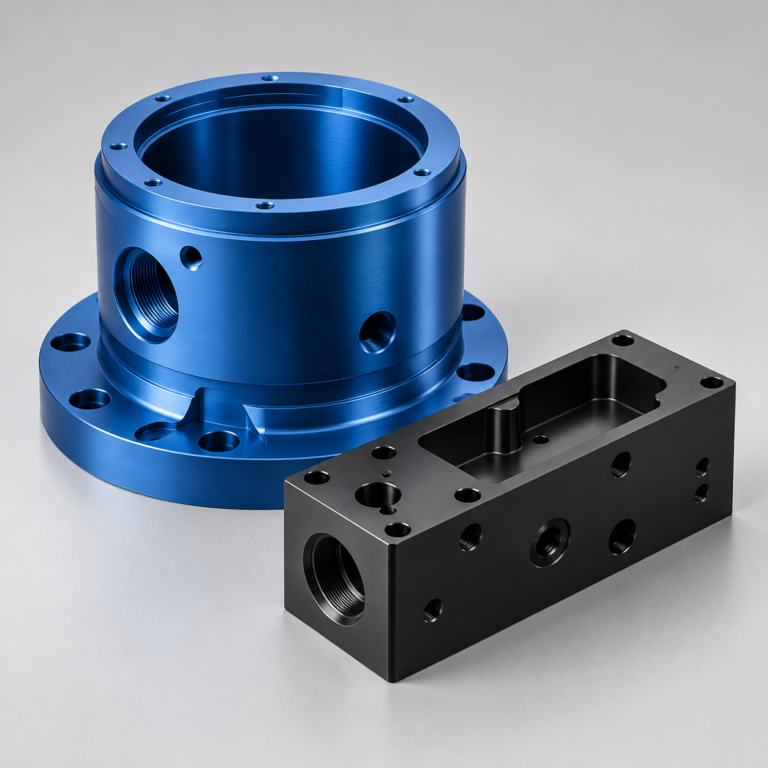
Finishes for your appearance, corrosion and wear requirements.
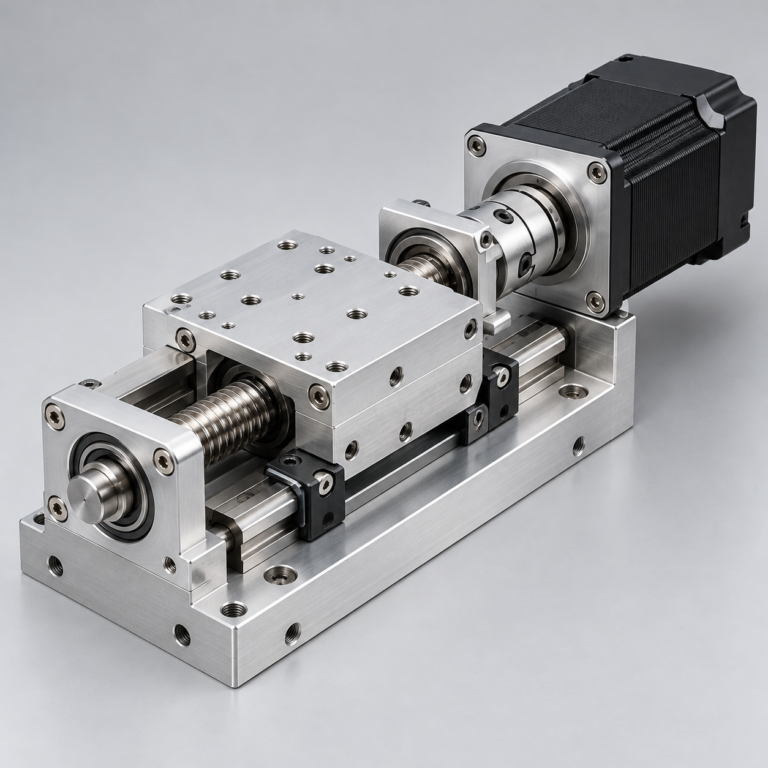
Sub-assemblies and final builds for your production program.
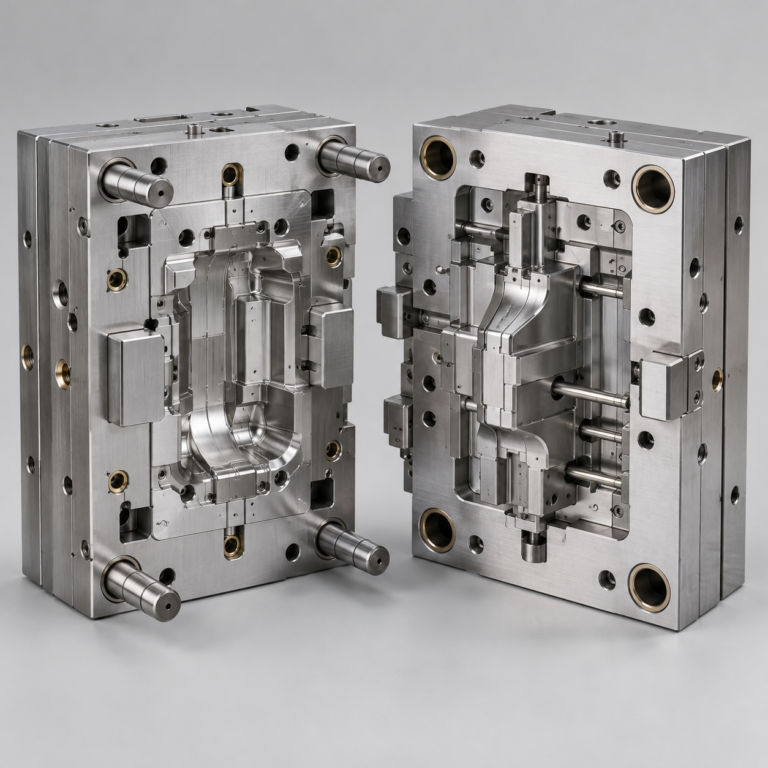
Production tooling built around your process and volume.
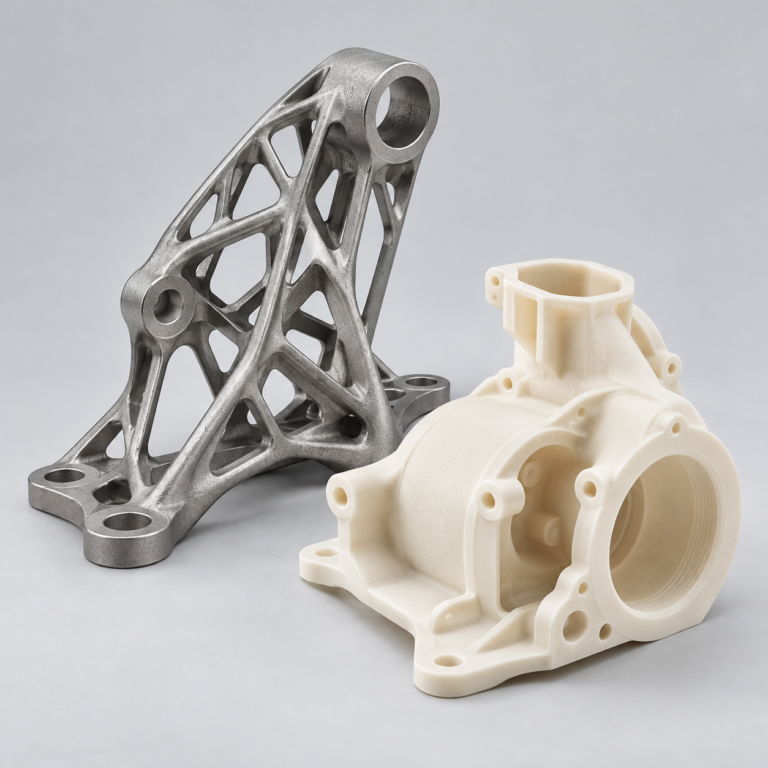
Prototype parts to check fit, function and design.
DFM, process planning and production support for your project.
Inspection, documentation, inventory and delivery planning for your program.
Choose air- or liquid-cooling components around your thermal and mechanical requirements.
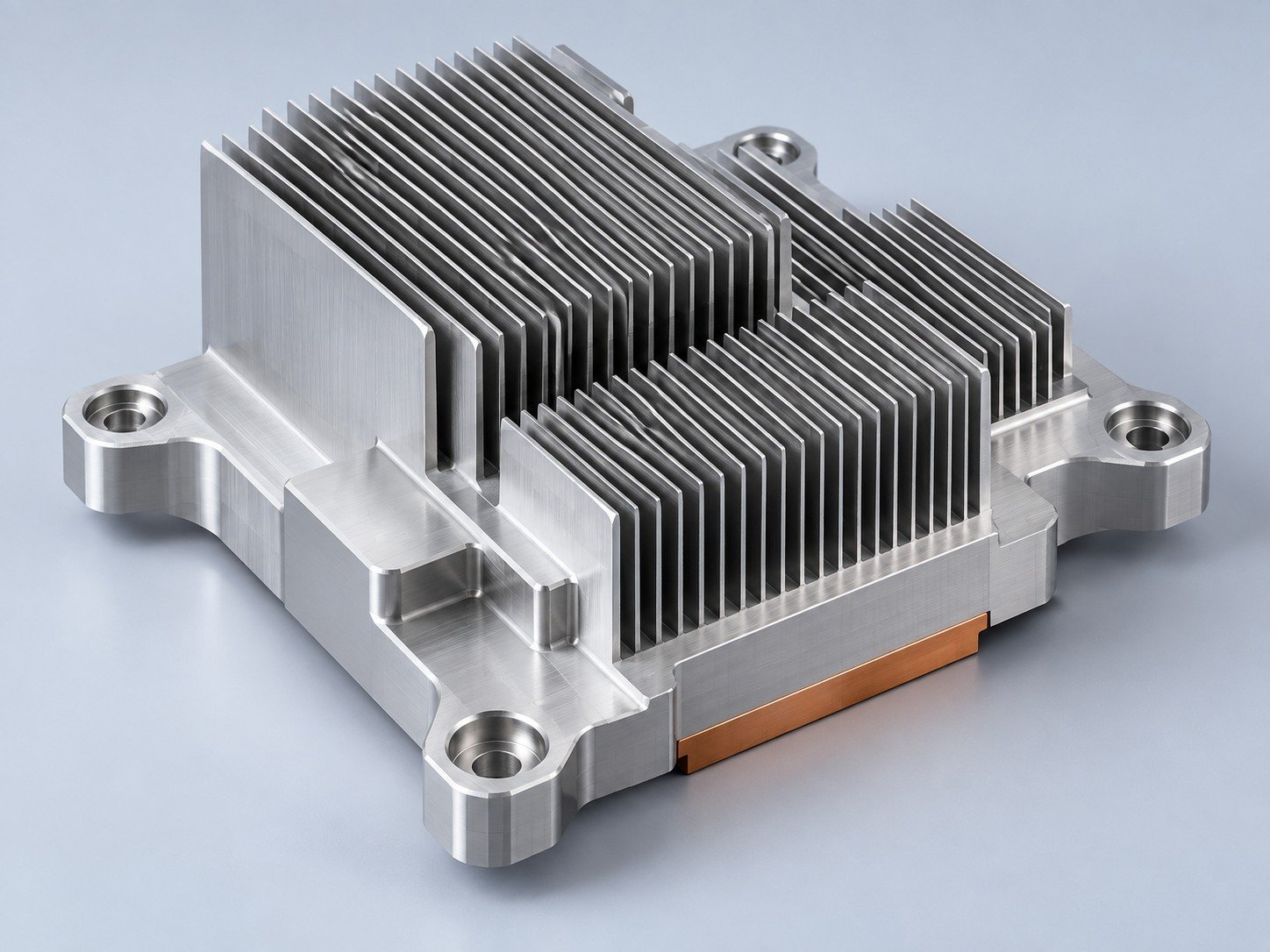
Manufacturing support for your cold plates, manifolds and cooling assemblies.
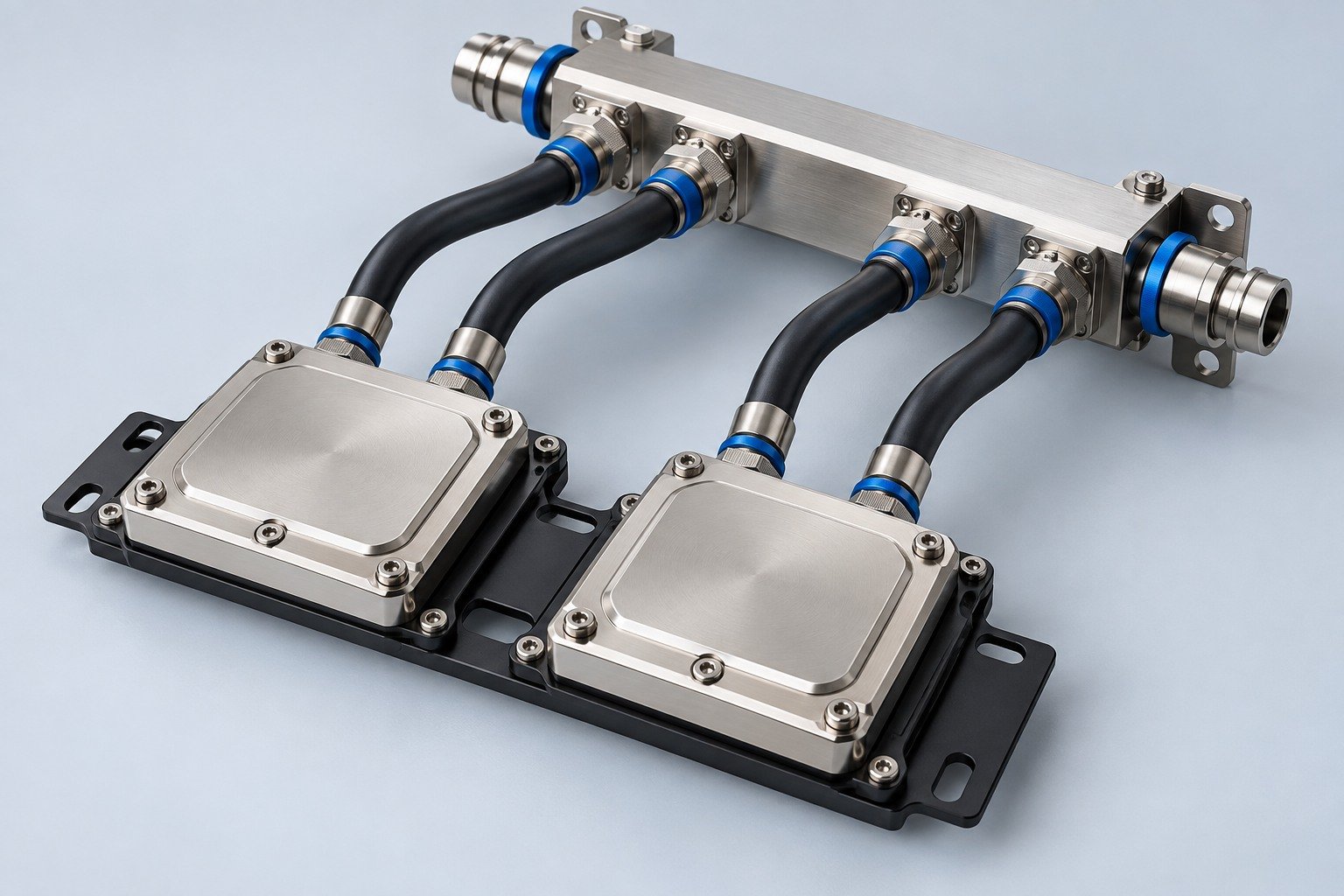
Find components for your power electronics, energy, laser and telecom application.
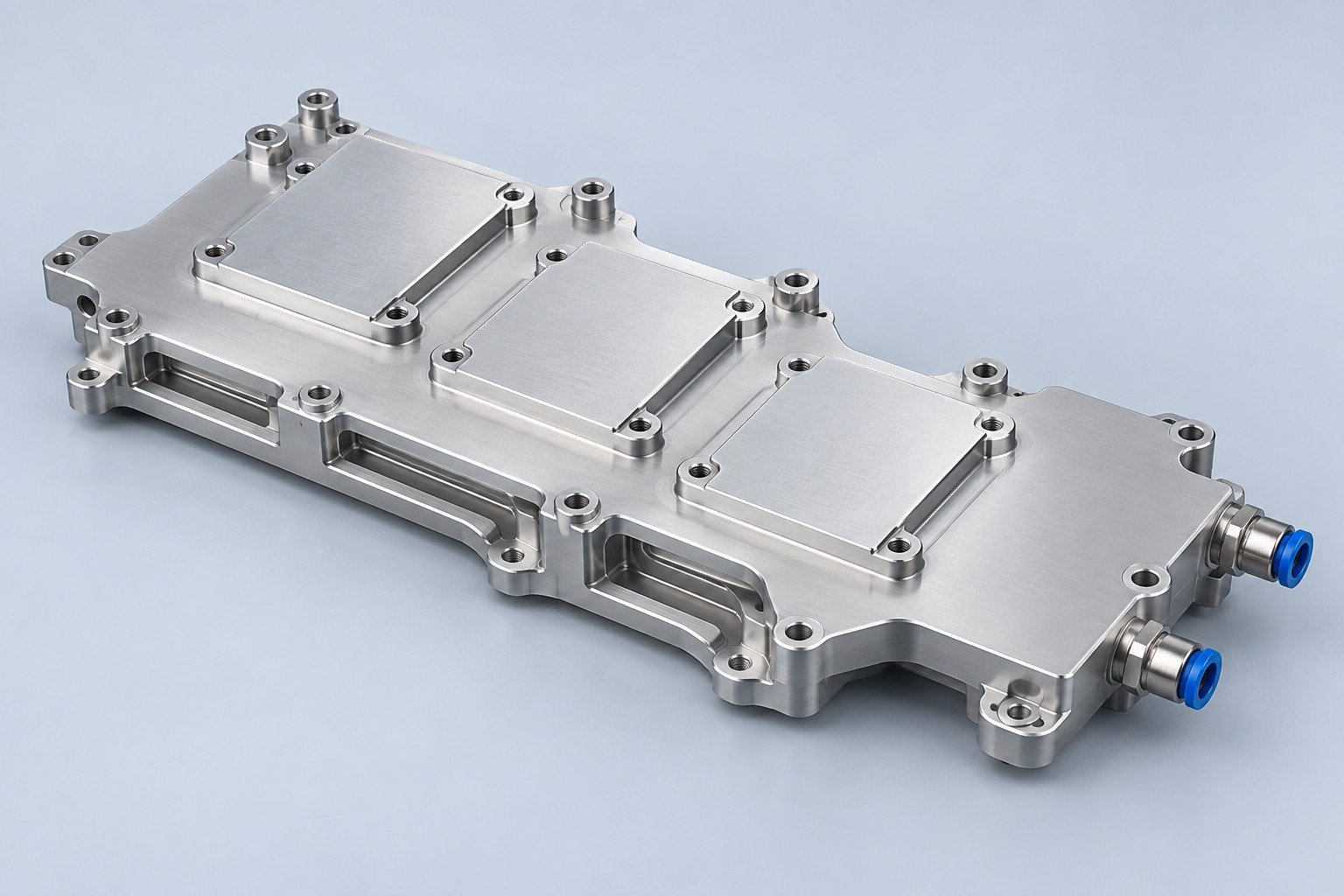
Components for your electronic systems.
Start with your functional and quality requirements.
Build around your operating environment.
From prototype to production, review material performance, manufacturability and cost for your part.
Review grade, temper and finish for your metal parts.
 AluminumStrength, weight and machining›
 Stainless SteelCorrosion and finish requirements›
 Carbon & Alloy SteelDiscuss grade and heat treatment›
 Tool SteelDiscuss tooling and wear needs›
 TitaniumReview grade and part geometry›
 Copper & BrassDiscuss conductivity and machining›
Match your polymer to function, process and environment.
 ABSReview enclosure and molding needs›
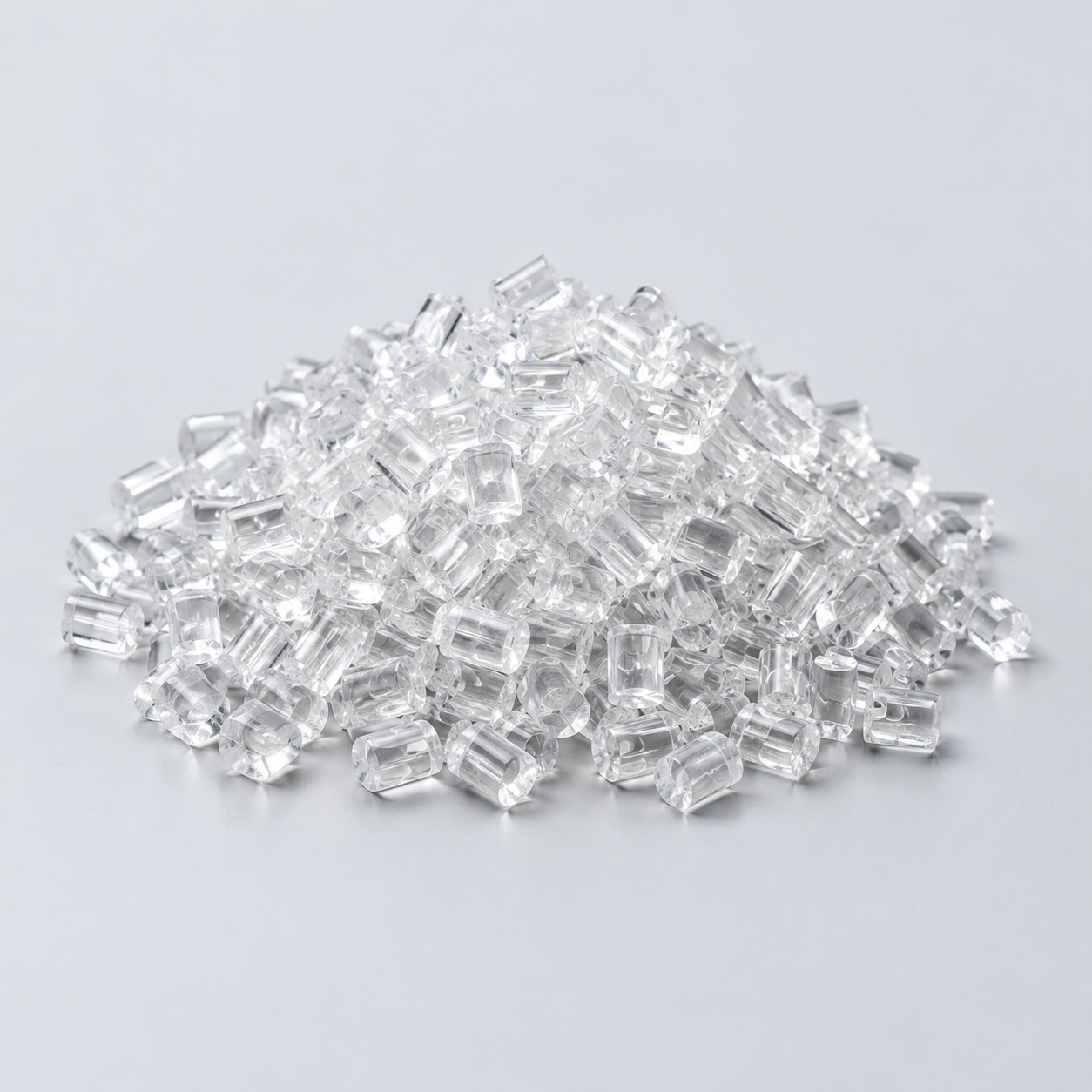 Polycarbonate (PC)Discuss clarity and impact needs›
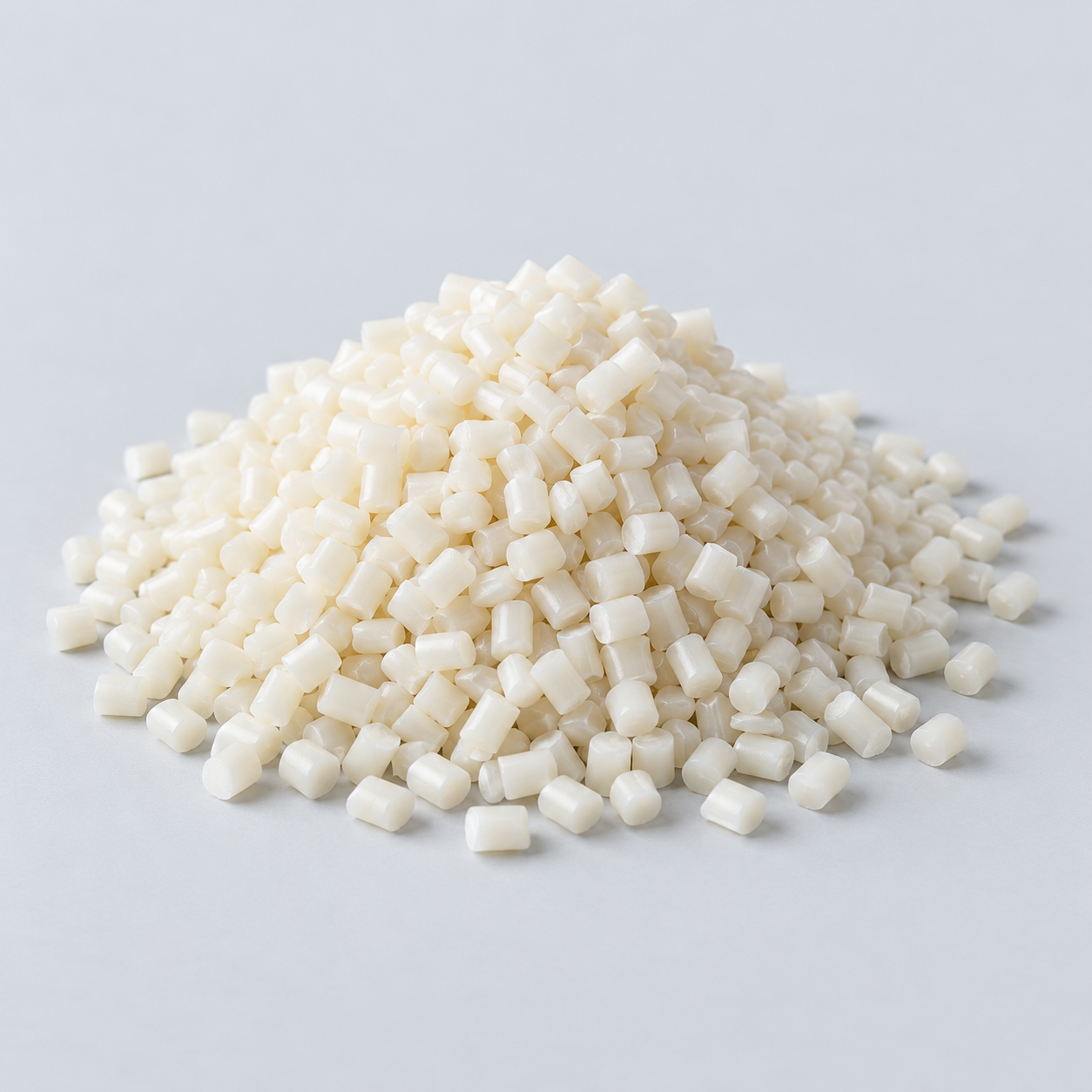 Nylon (PA)Review moisture and wear conditions›
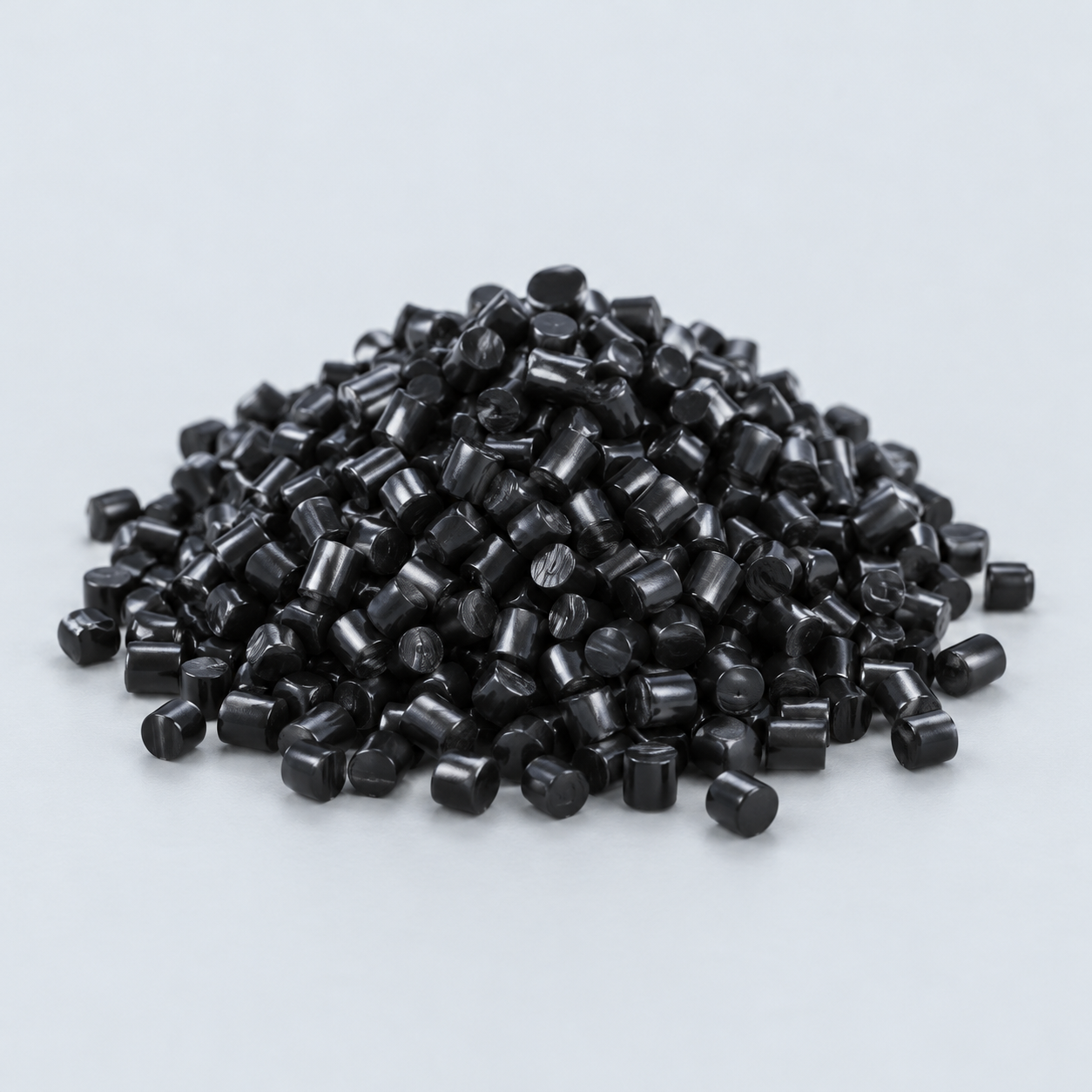 POM / AcetalReview fit and sliding features›
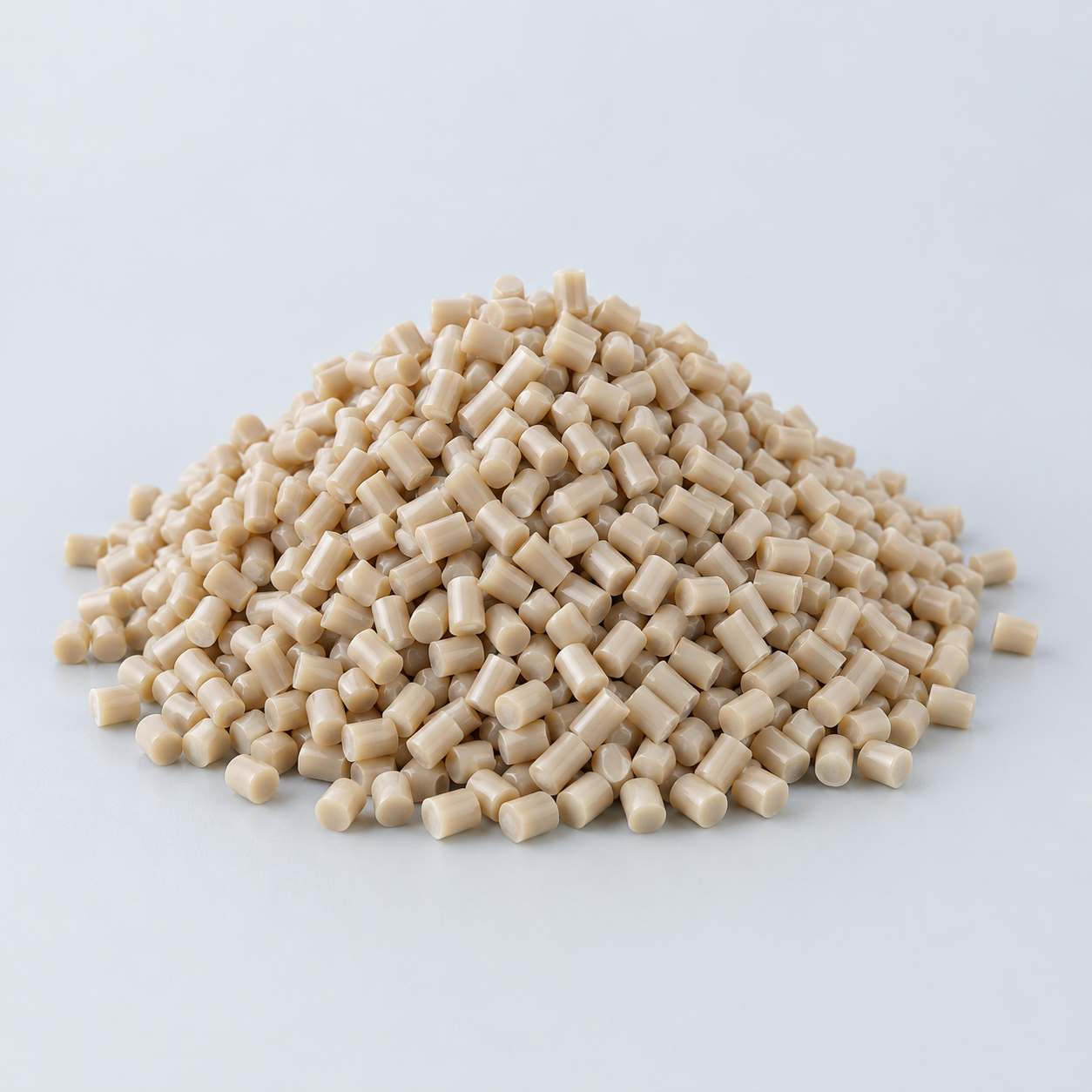 PEEKDiscuss operating conditions›
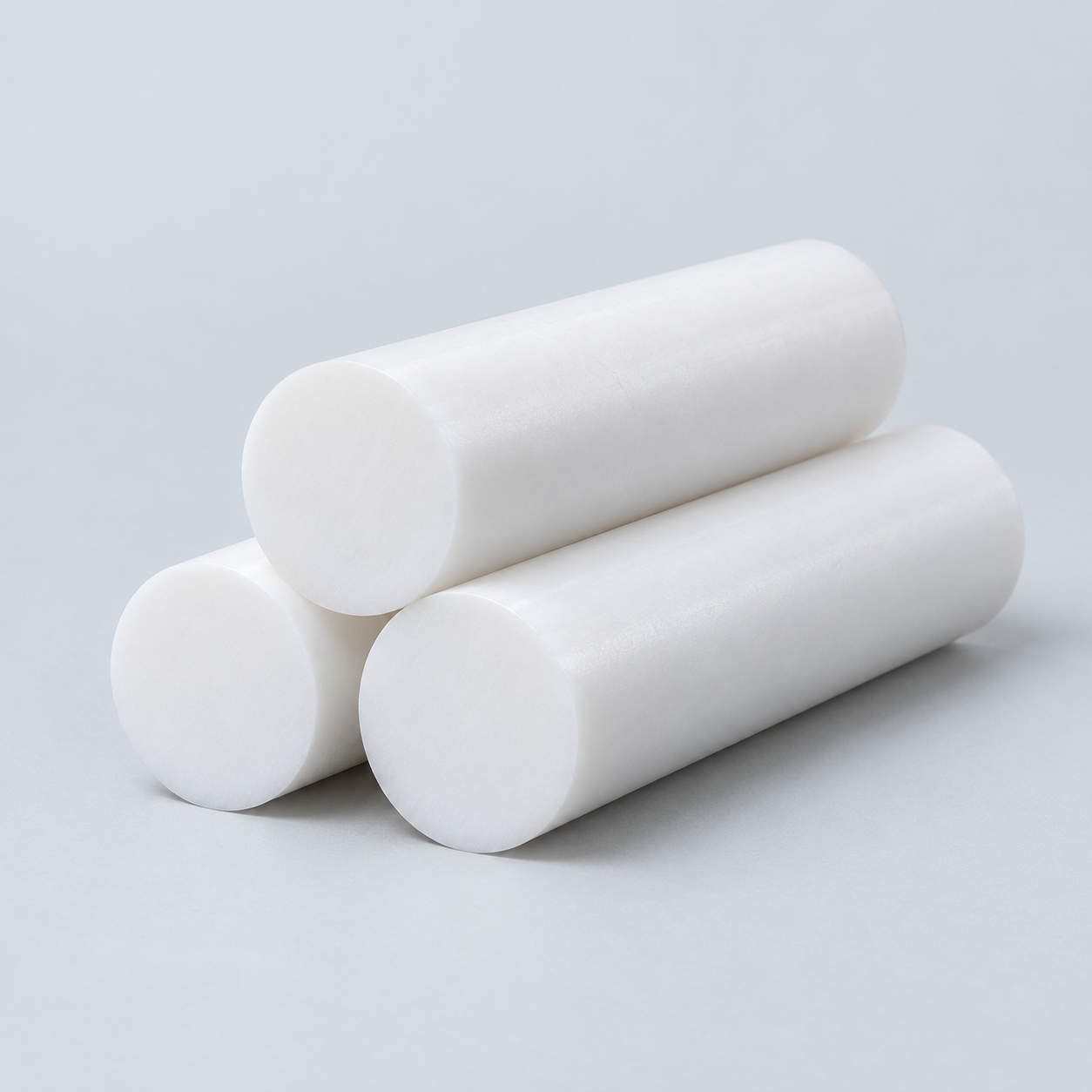 PTFEReview friction and chemical exposure›
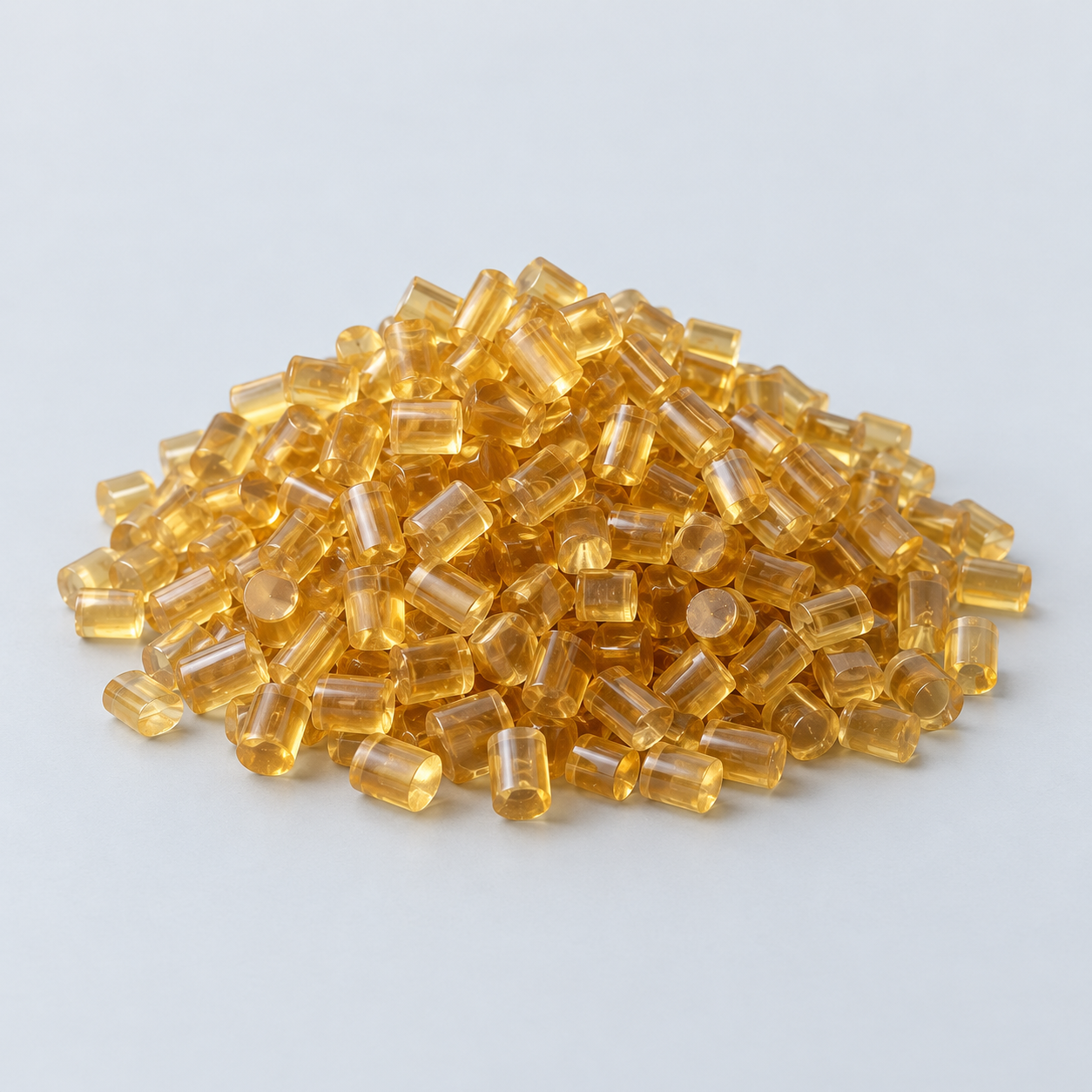 ULTEM / PEIDiscuss thermal and electrical needs›
Confirm grade availability and application requirements.
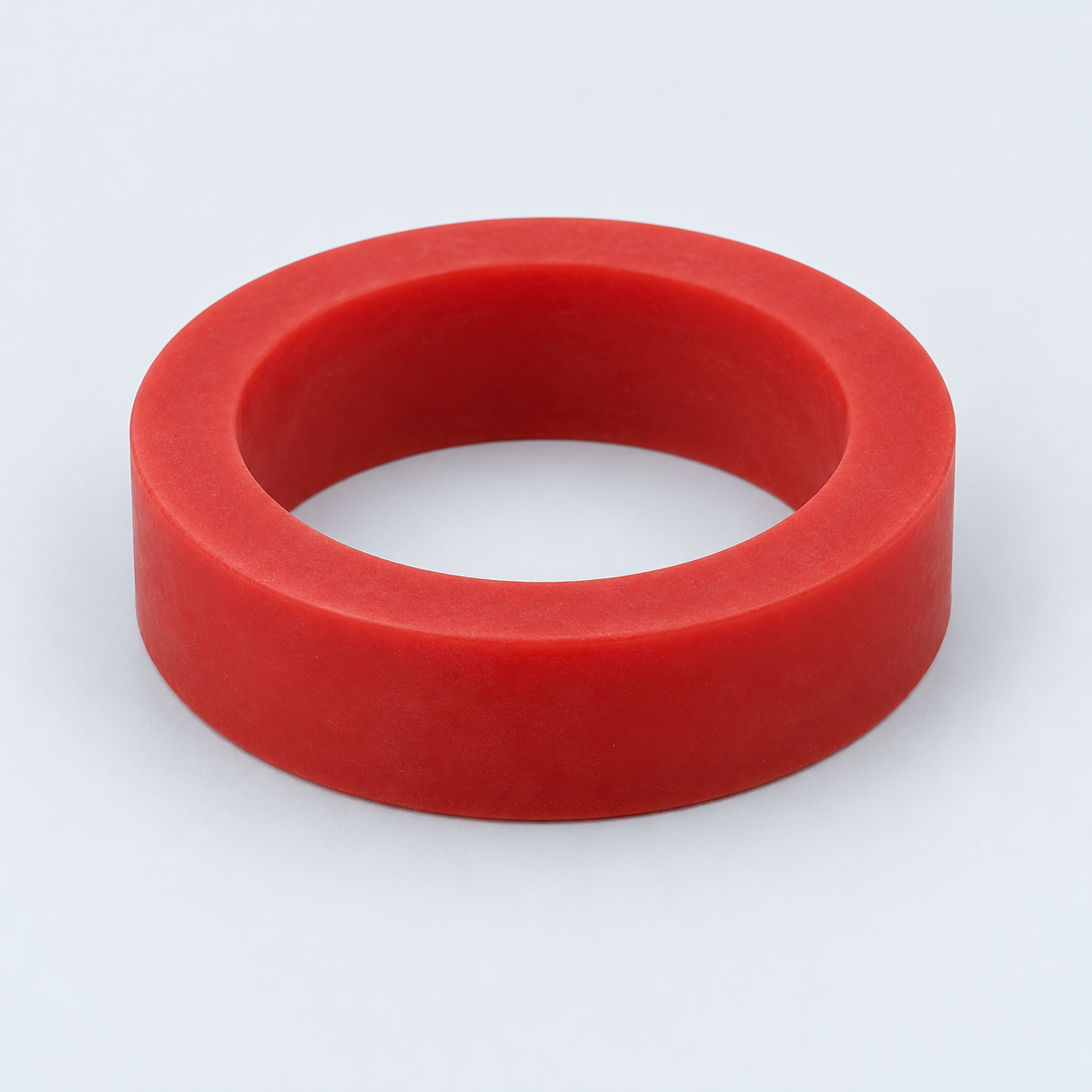 Silicone / LSRDiscuss flexible component needs›
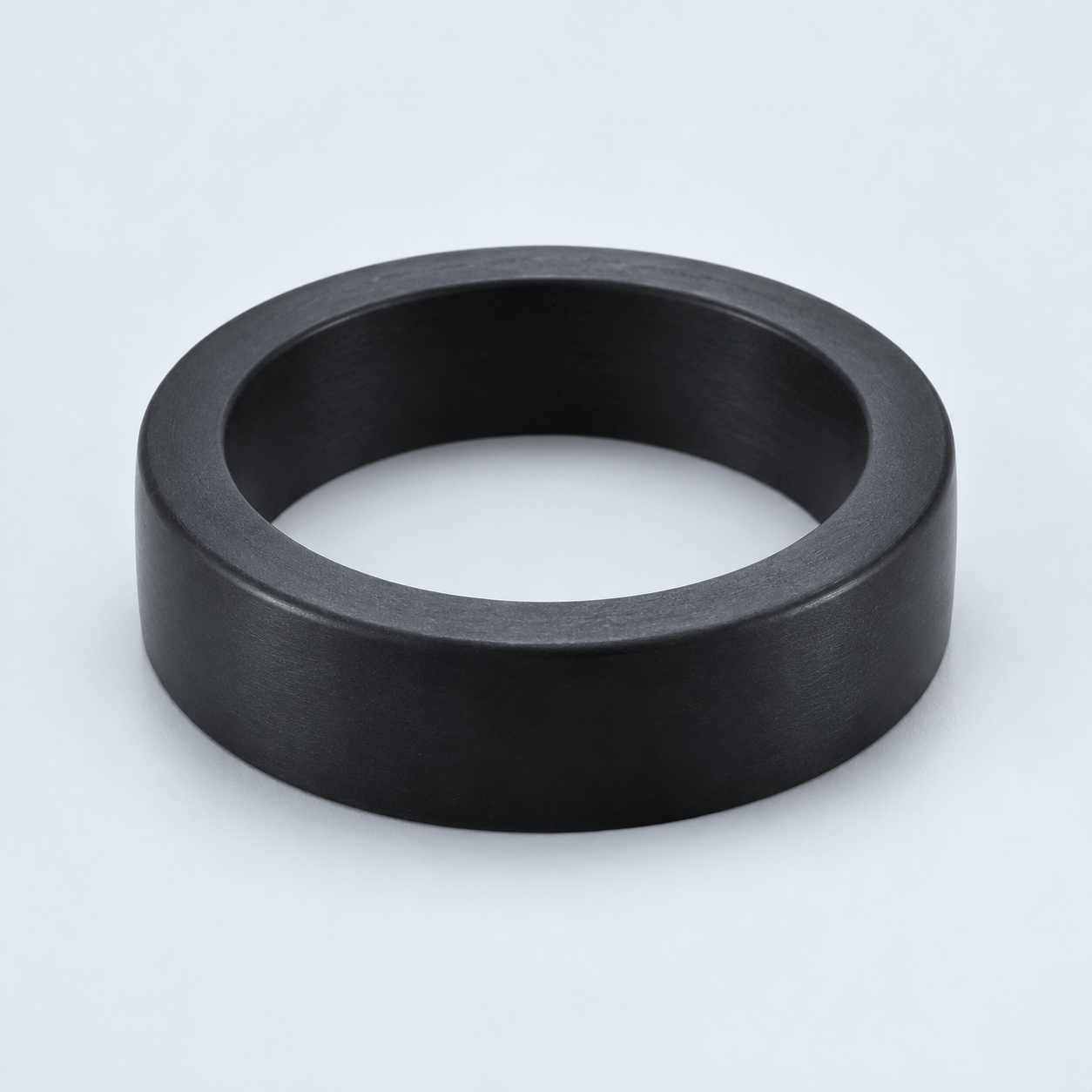 TPU / TPEReview flexibility and processing›
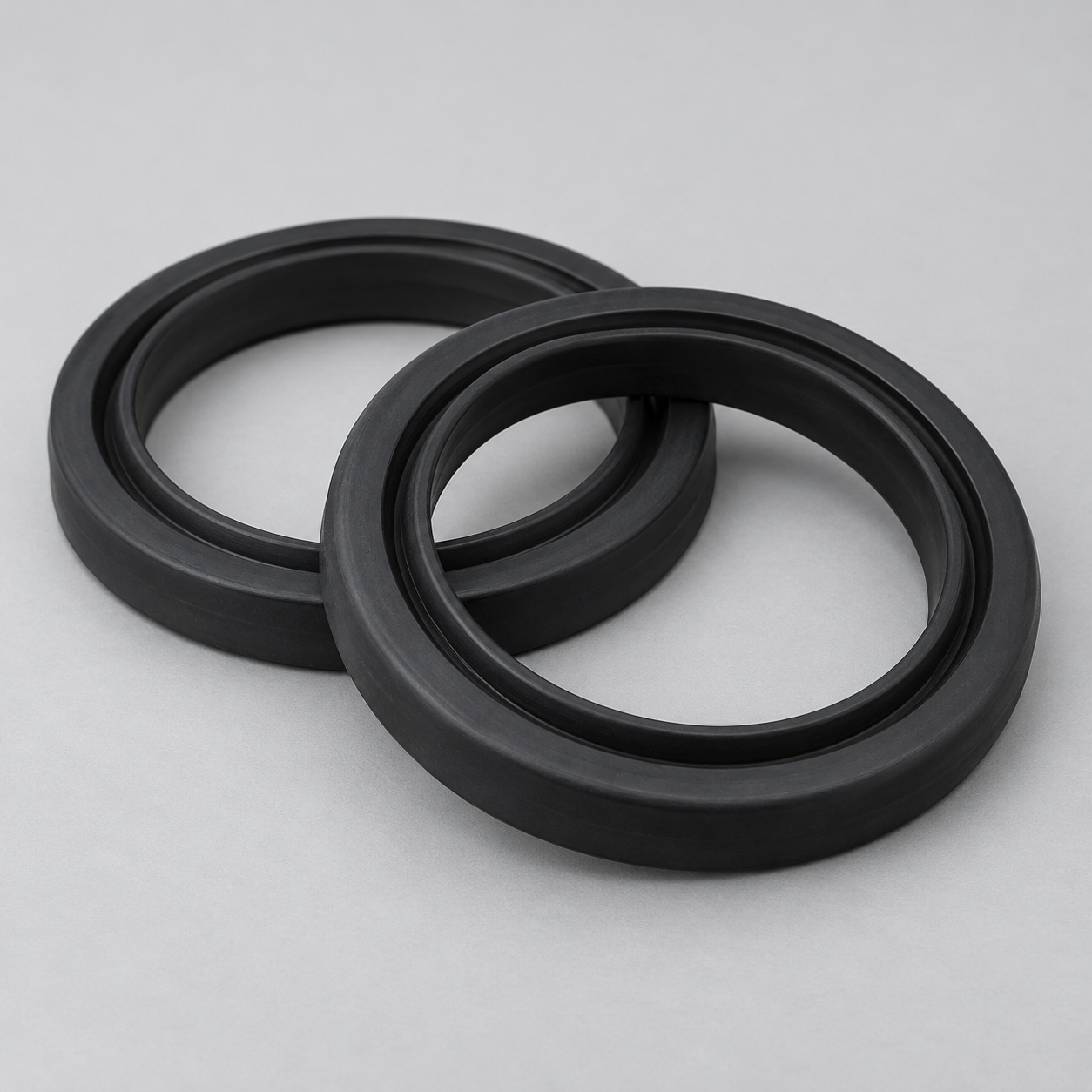 EPDMReview weathering and chemical exposure.›
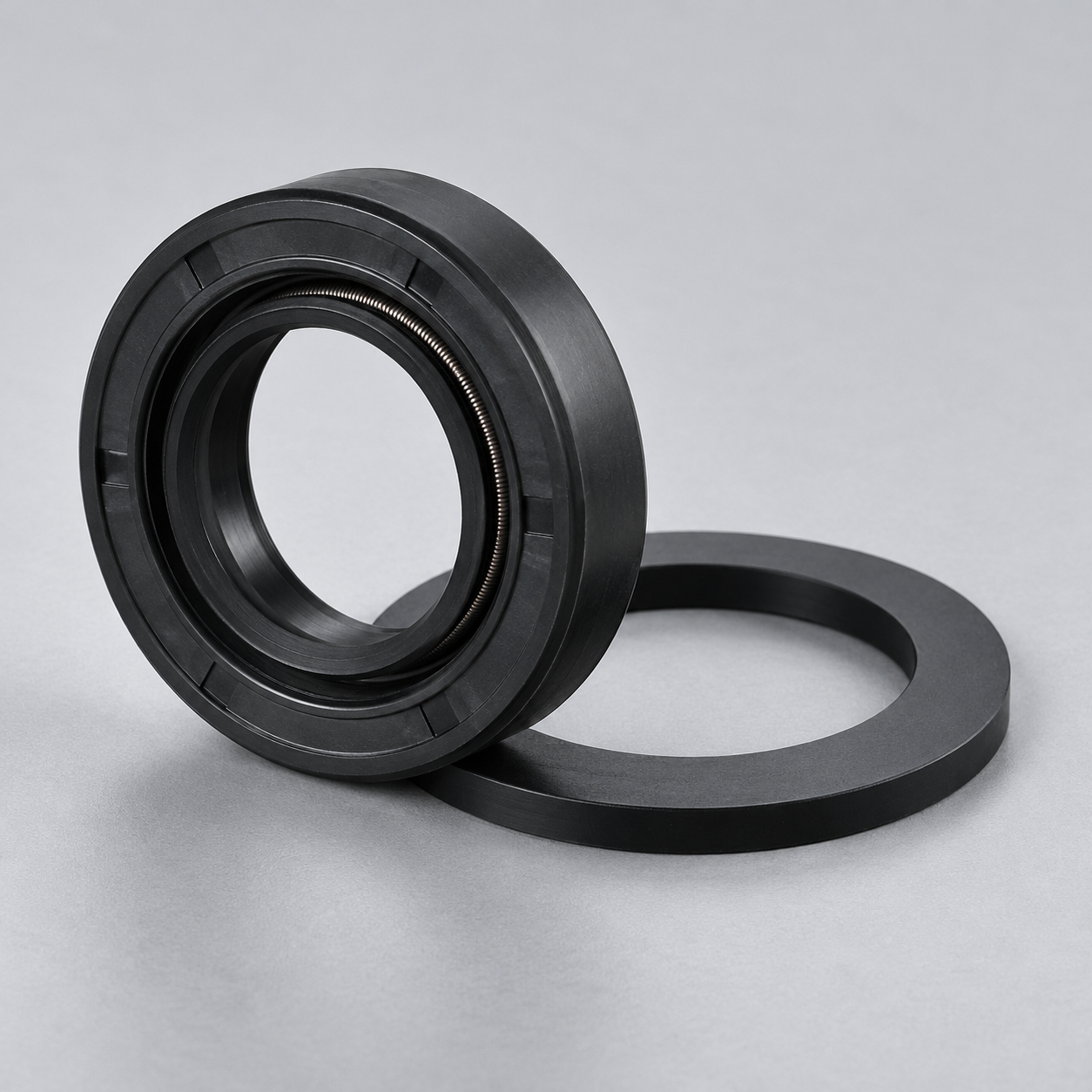 NBRReview oil and fuel exposure.›
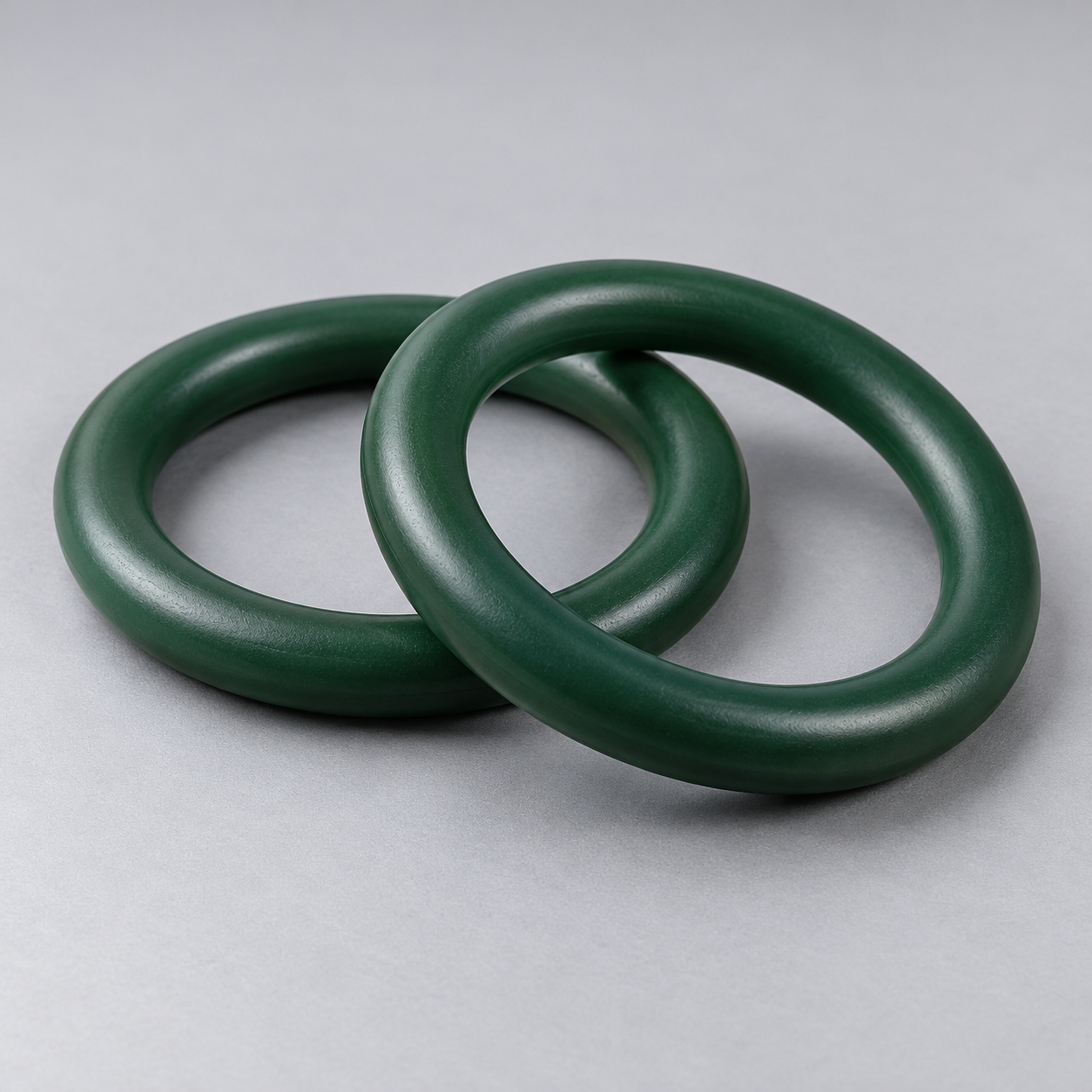 FKMReview temperature and chemical exposure.›
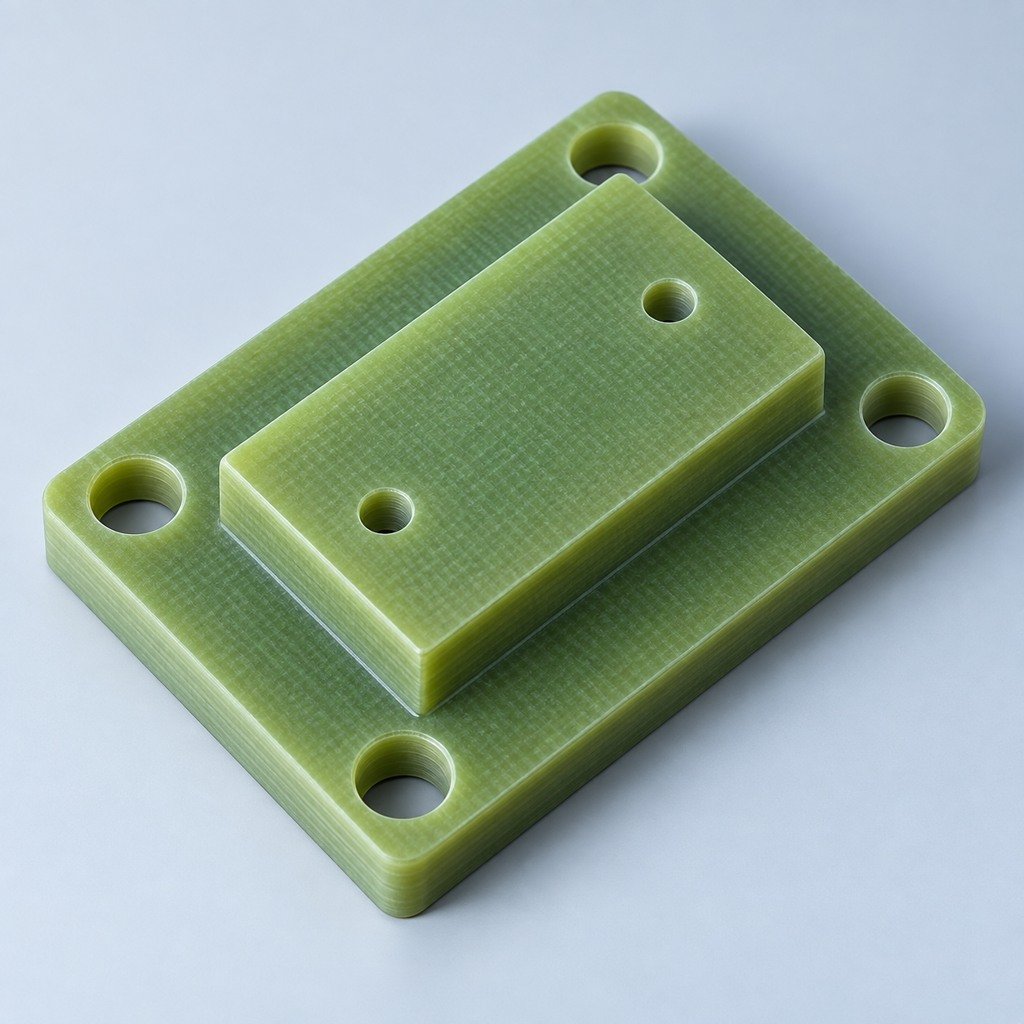 G10 / FR4Review insulation and laminate needs›
 CompositesReview stiffness, weight and laminate.›Customer-Specified MaterialsConfirm your grade and requirements.›Other Specialty MaterialsDiscuss your application and grade.›
Practical guidance for your part geometry and material decisions.
Prepare your process, budget and sourcing questions.
Build your knowledge before production.
Learn who we are and how we operate.
Find our U.S. support team or start a conversation.
AISI 303 · UNS S30300 · EN 1.4305
For your 303 stainless steel machining project, start with the turned features, threaded interfaces and environment your part must serve.
Use the free-machining grade when it fits your drawing and acceptance requirements. Review corrosion exposure and any joining before choosing 303 over another stainless grade.
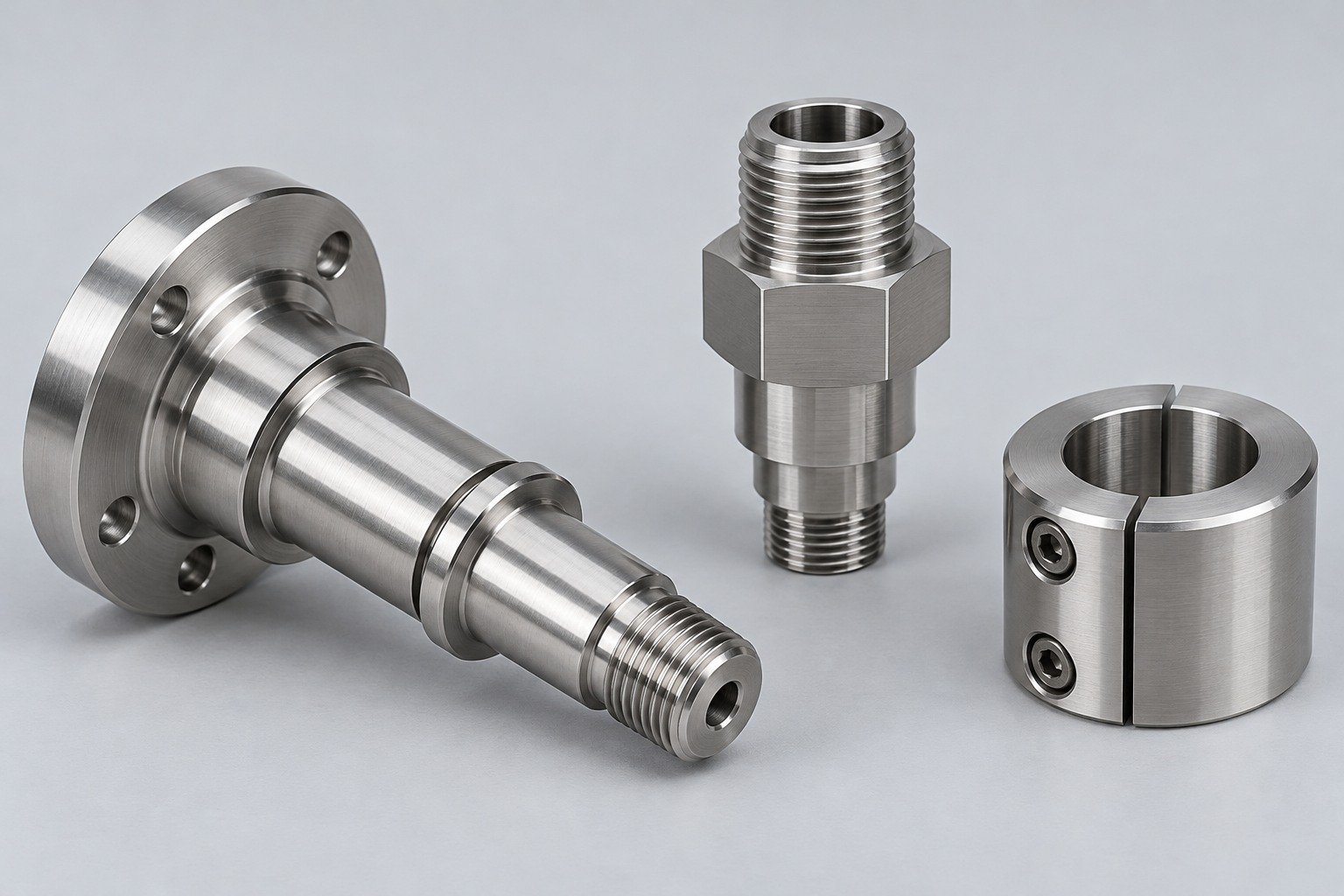
Stainless steel 303 is an austenitic free-machining grade. Its sulfur modification supports chip breaking, but your material choice must also account for the actual exposure and manufacturing sequence.
Use SS 303 or 303 stainless as search names; retain the full grade and product specification on your drawing and purchase order.
| Search name | Order check |
|---|---|
| AISI 303 / UNS S30300 | Confirm the specified standard and delivery condition. |
| EN 1.4305 | Common European correspondence; confirm product form and specification before substitution. |
| 303 stainless steel ASTM A582 | Confirm applicable revision, size, condition and agreed certificate scope. |
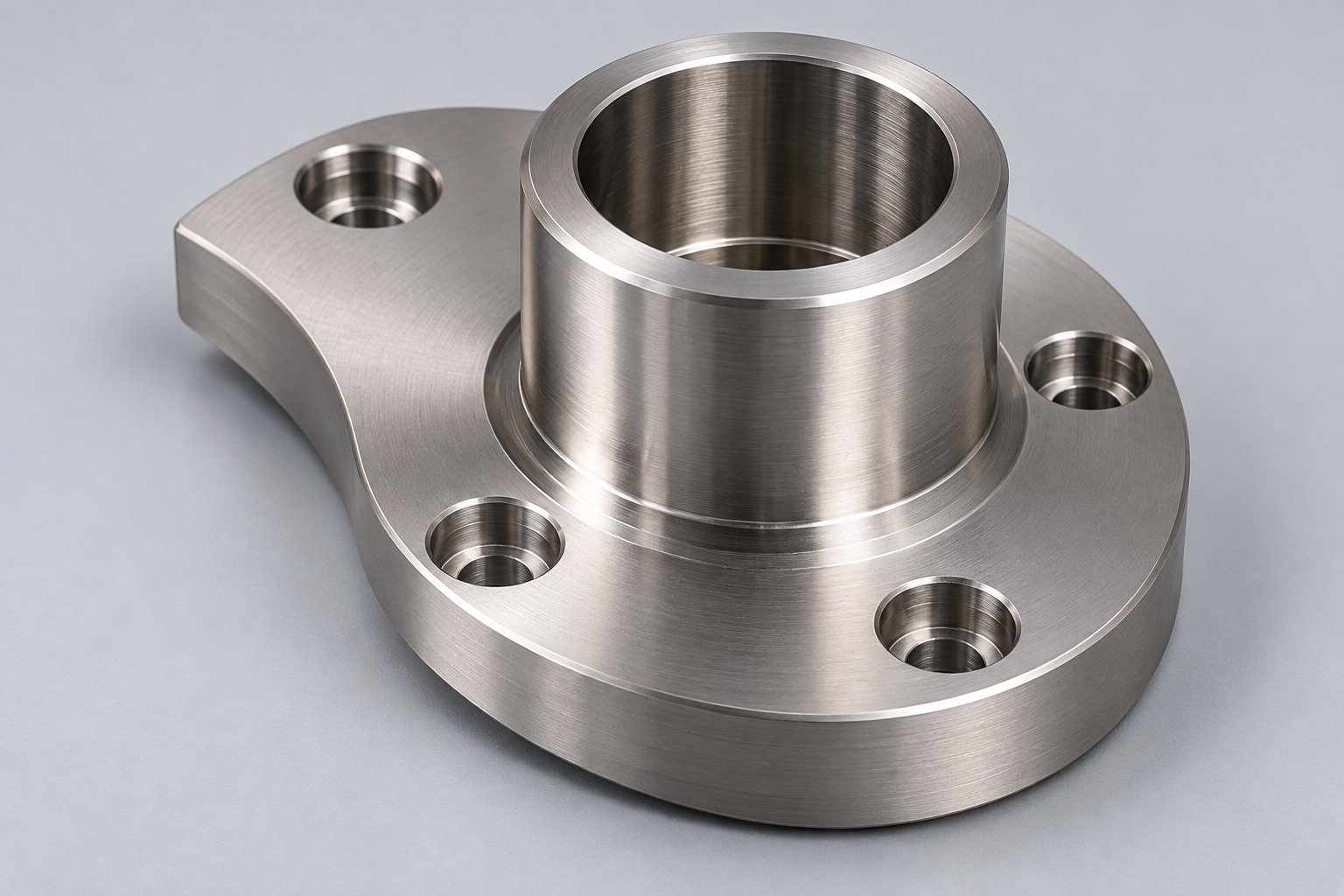
Are turned lands, cross holes, threads and repeat small components the primary manufacturing need?
What fluid, cleaning, temperature, moisture and dissimilar-metal contact will the part see?
Does your design need welding or heavy forming? Review another grade where the process conflicts with 303.
Connect 303 stainless steel turning to the shoulders, grooves, bore and thread that control your assembly. Mark the datum and runout relationships rather than applying the same tight tolerance to every diameter.
For 303 stainless steel shafts, define bearing lands and final straightness. For 303 stainless steel bushings and 303 stainless steel spacers, identify mating diameters, length relationships and burr limits.
303 stainless steel screw machine parts and 303 stainless steel Swiss machining require a review of bar form, feature access and the proposed production route.
CNC Turning → · Swiss Turning →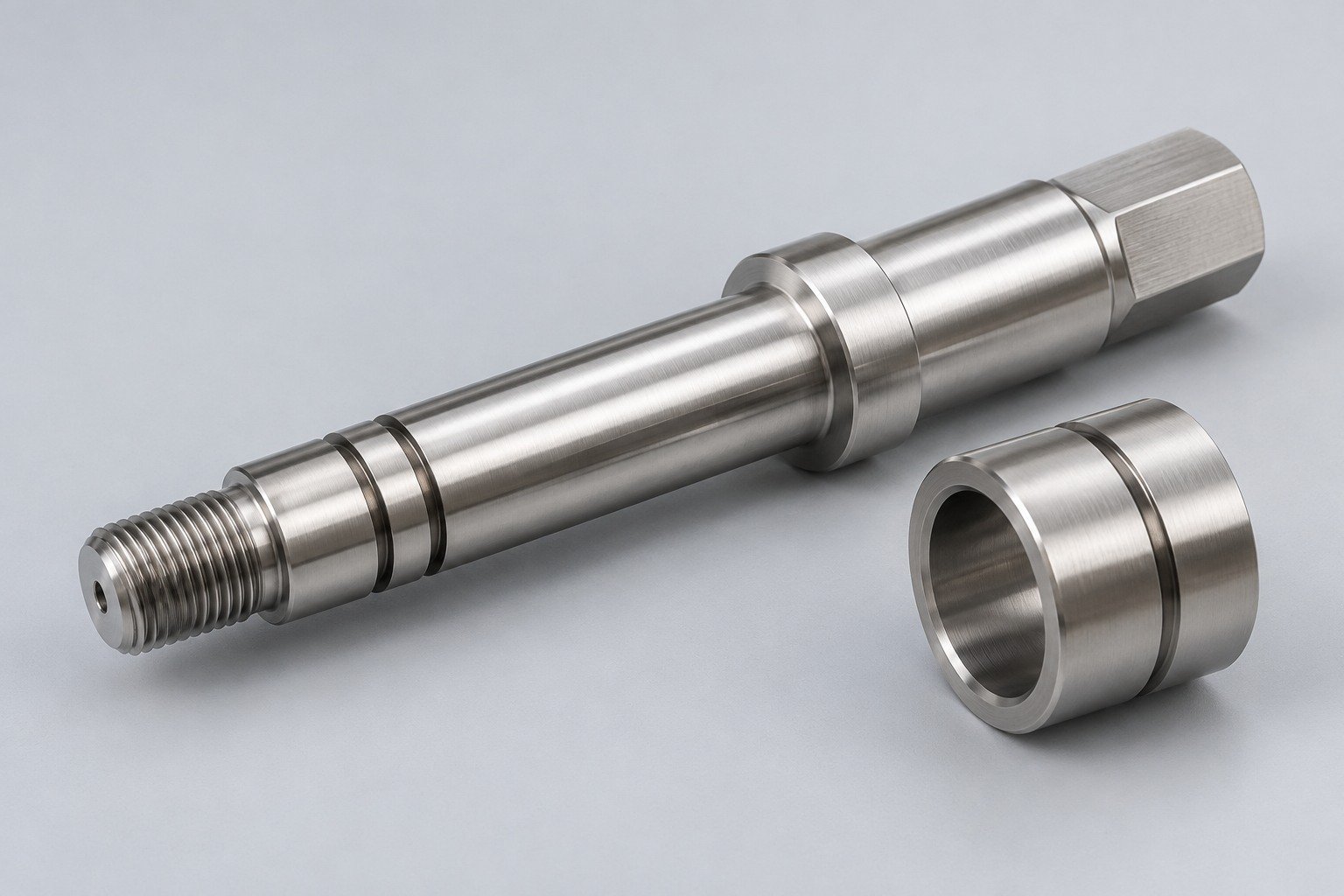
For 303 stainless steel milling, relate pockets, wall sections and hole patterns to the workholding and inspection datum. Identify inaccessible edges that need a separate deburring operation.
303 stainless steel drilling needs a clear depth and intersection requirement. State whether a hole is blind, through, cross-drilled or part of a threaded interface.
CNC Milling →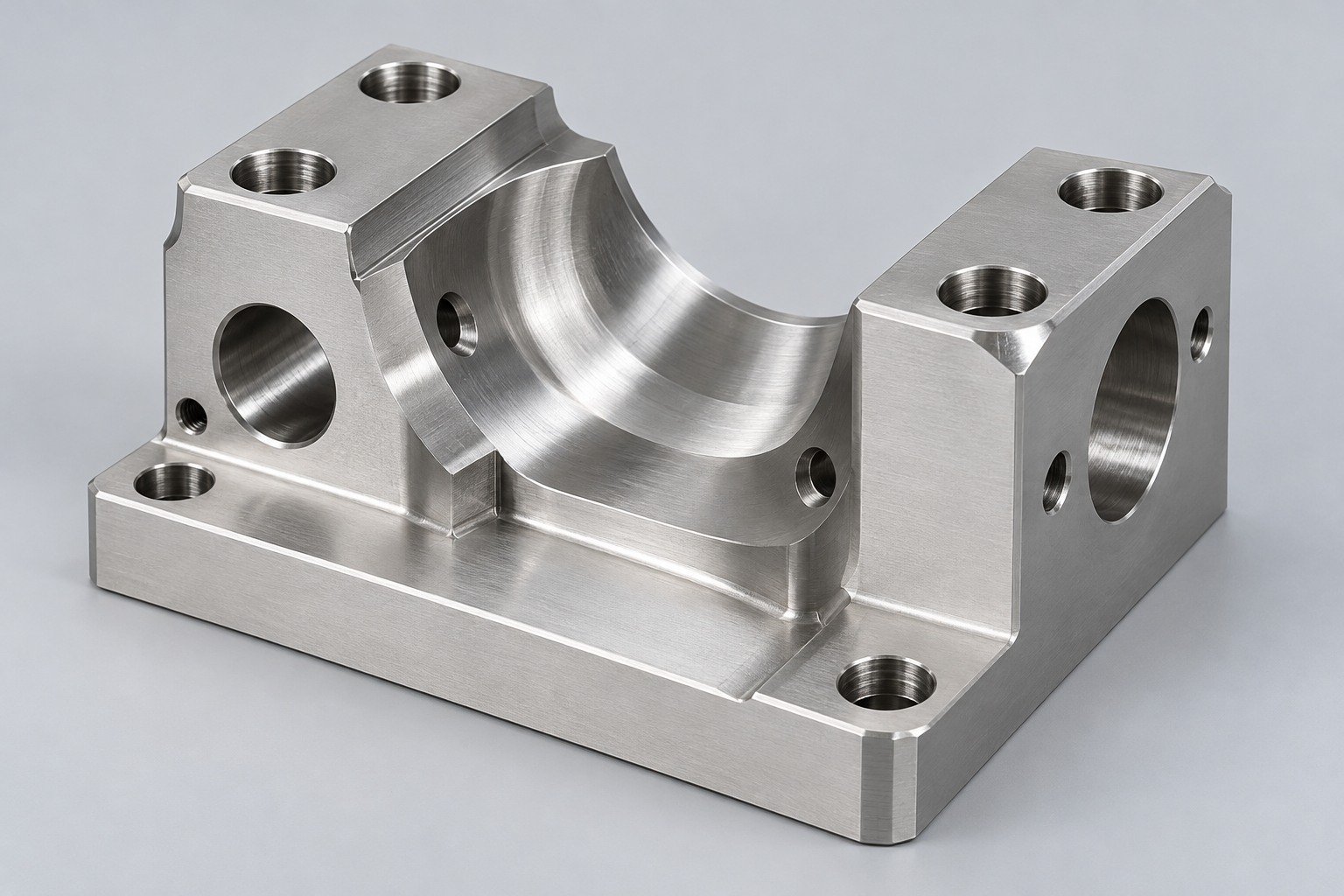
For 303 stainless steel tapping, give the thread standard, class, useful depth and entry condition. Agree how internal burrs and intersecting holes will be checked.
For 303 stainless steel threaded parts, confirm the finished thread after cleaning, marking or any specified surface process. Call out mating hardware and functional fit requirements.
DFM & Drawing Review →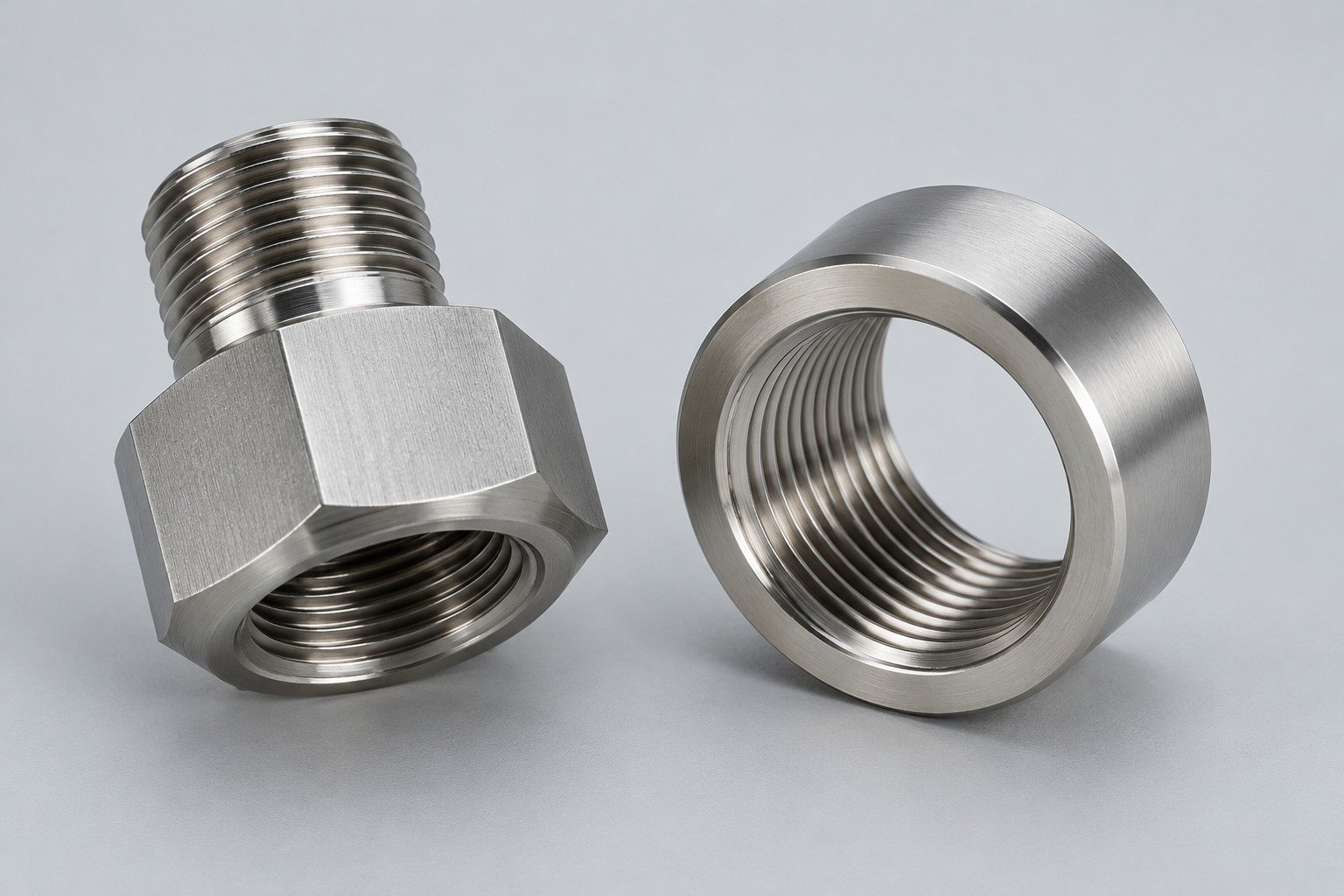
Read 303 stainless steel properties against the product specification and condition. The following supplier type analysis supports a material discussion; your lot certificate and controlled order requirements govern procurement.
CarTech® 303 reference · mass % · range segment
| Element | Supplier type analysis · mass % |
|---|---|
| C | ≤0.12 |
| Mn | ≤2.00 |
| P | ≤0.200 |
| S | ≥0.150 |
| Si | ≤1.00 |
| Cr | 17.00–19.00 |
| Ni | 8.00–10.00 |
| Fe | Balance |
Selected CarTech® 303 datasheet. The PDF lists sulfur as a minimum; do not treat the web summary’s conflicting maximum label as the procurement limit. Not an LK batch analysis.
Supplier 303 datasheet →The cited supplier lists specific gravity 7.83 and approximately 160 HB after its stated annealing treatment. These are reference values, not universal stock guarantees. 303 is not hardened by heat treatment; cold work can alter strength and hardness.
| Decision | 303 | 304/304L | 316/316L |
|---|---|---|---|
| Machining focus | Free-machining modification; review feature/condition | Review chip control and fabrication scope | Review exposure and machining condition together |
| Welded assembly | Supplier does not recommend welding | Evaluate exact grade and weld procedure | Evaluate low-carbon requirement and weld procedure |
| Corrosion exposure | Confirm environment before substitution | Review service medium and cleaning | Review actual chloride/chemical conditions; name alone is insufficient |
| Your approval | Keep specified material and finish | Do not substitute from similar appearance | Do not assume a general “marine grade” guarantee |
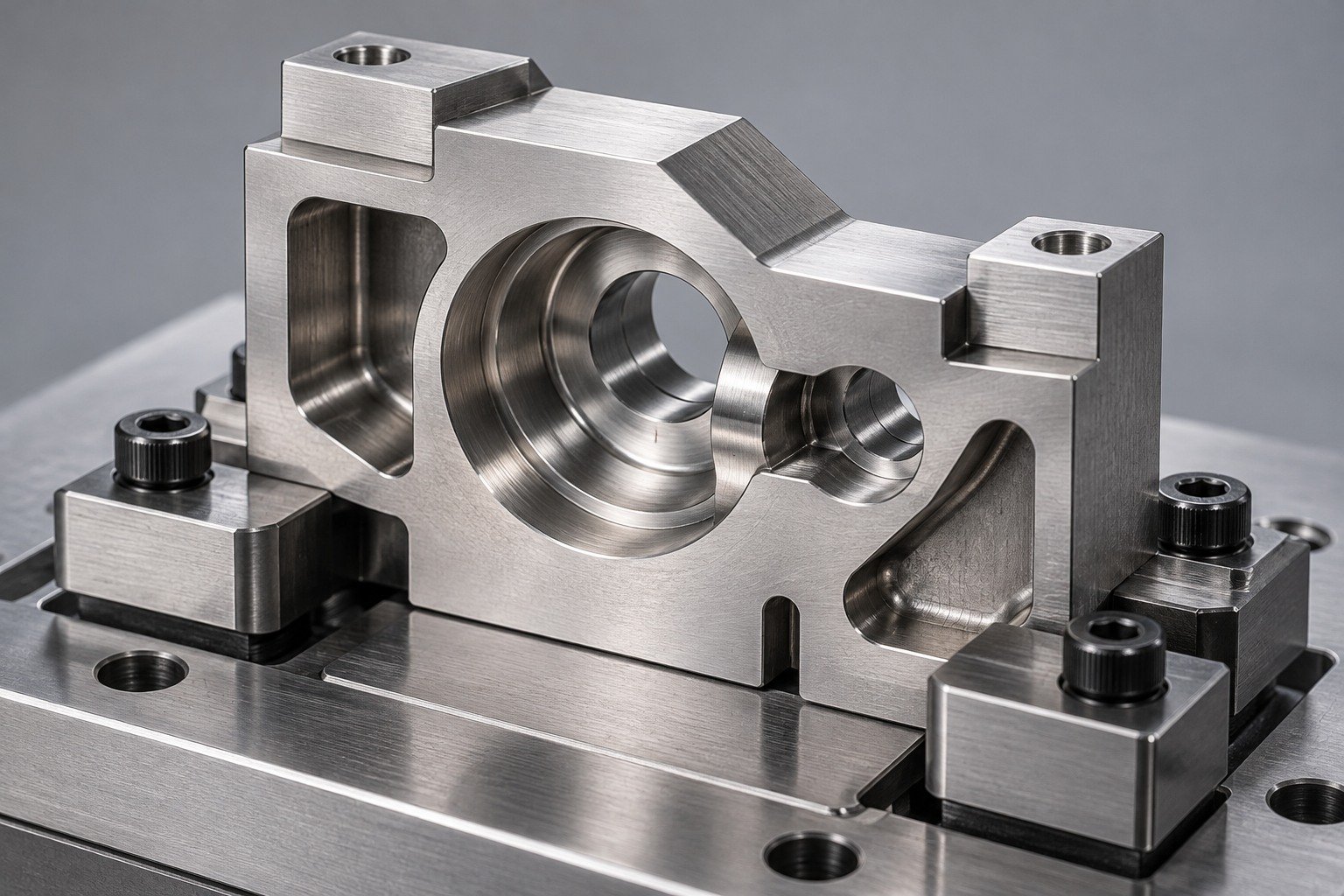
01 · Datums
01
Relate turning and milling datums before the second setup. Identify the bearing or assembly references.
Show locating faces, bore axes and the inspection setup. The pictured fixture illustrates access; your drawing supplies the actual dimensions.
A material identifier, not a dimensional or substitution approval.
Read the source and conditions →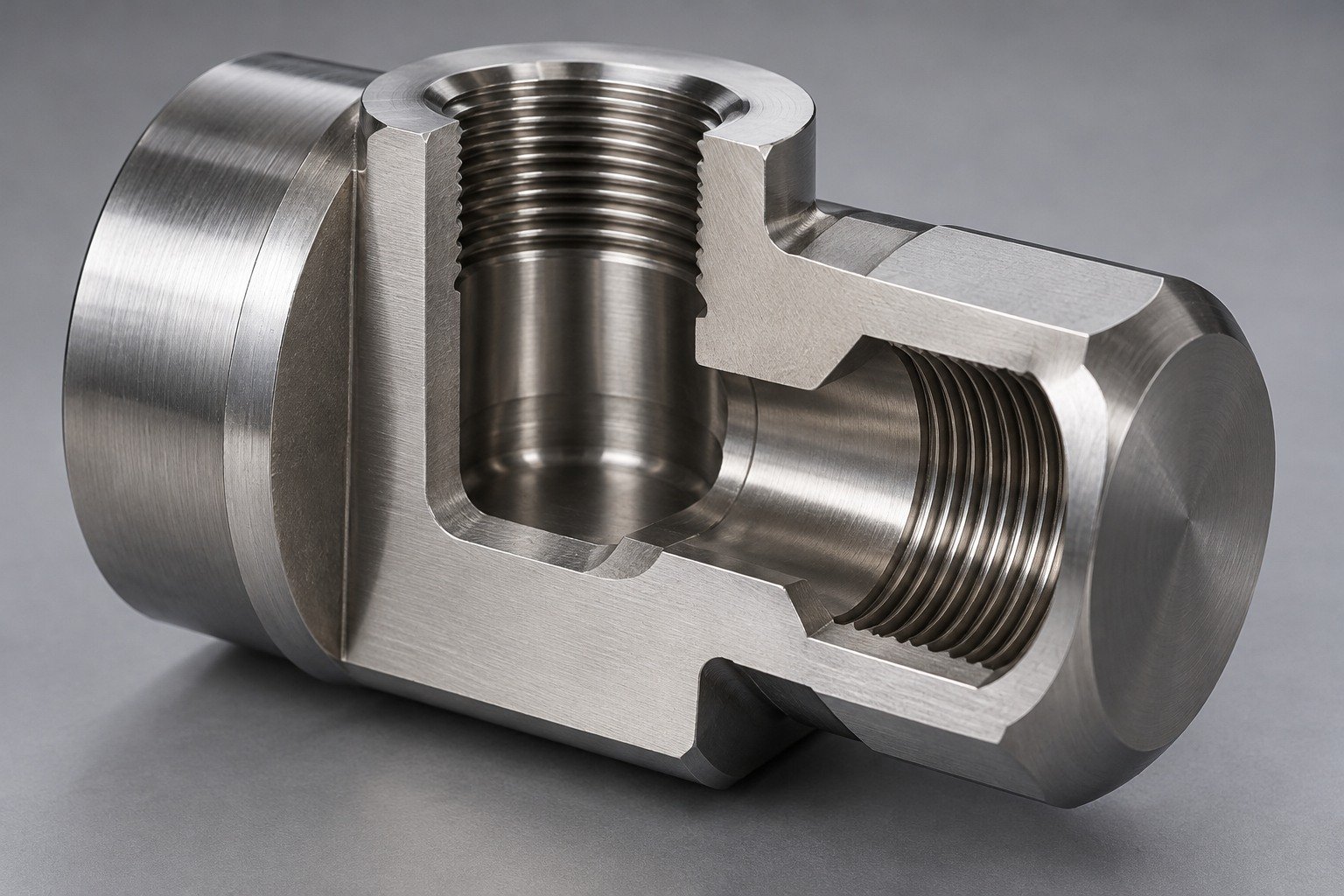
02 · Internal burrs
02
Specify cross-hole, thread and blind-pocket deburring access. Define how hidden burrs will be accepted.
Show the cross-hole intersection and how its edge can be reached for deburring and inspection.
Carpenter 303 reference. Sulfur supports free-machining behavior; it does not guarantee a burr-free intersecting passage.
Read the source and conditions →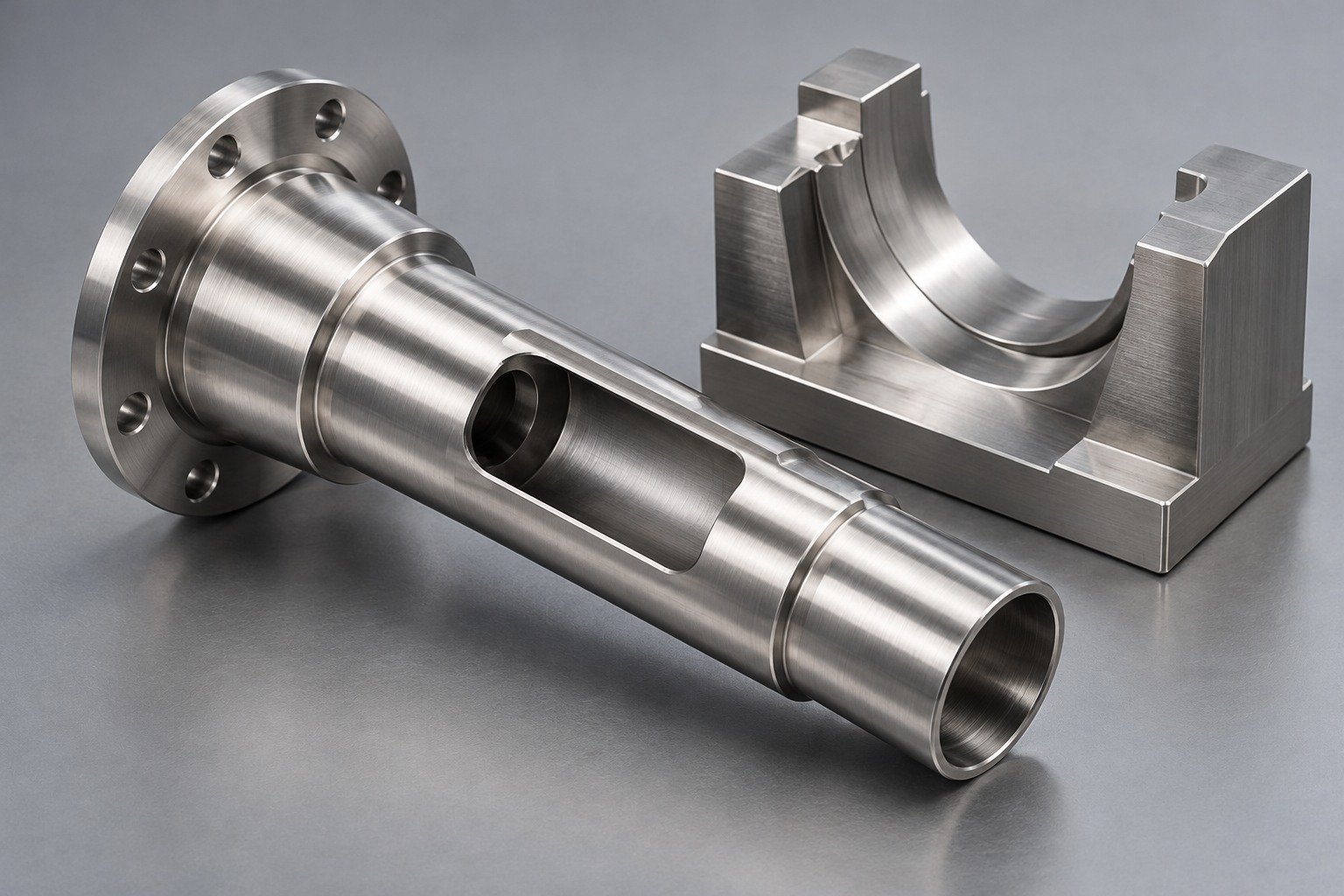
03 · Thin sections
03
Review clamping support and the order of material removal. Protect critical relationships from distortion.
Connect wall geometry, support and finishing sequence. Confirm stock condition before choosing feeds, tools and clamping.
Material chemistry is background for grade identification, not a wall-thickness or workholding guarantee.
Read the source and conditions →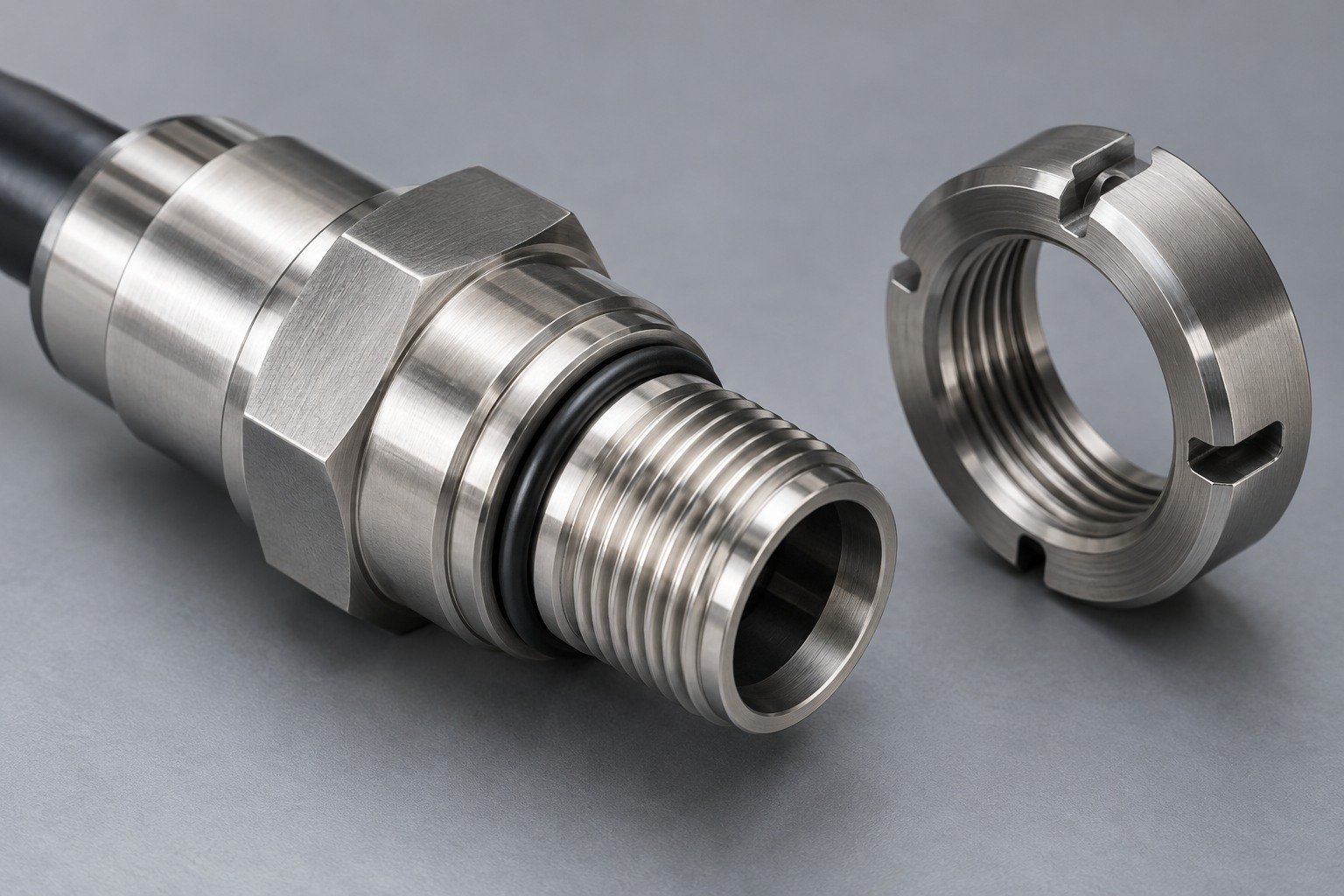
04 · Surface condition
04
Agree cleaning, visible faces and final acceptance after the specified surface route.
Define sealing faces, handling protection and cleaning. Review corrosion and joining needs before replacing another austenitic grade.
Read with the complete Carpenter 303 chemistry; appearance alone cannot certify the alloy or corrosion performance.
Read the source and conditions →For 303 stainless steel passivation, confirm the cleaning method, process compatibility and required evidence for the actual material and geometry. A treatment name is not a corrosion-life guarantee.
303 stainless steel polishing needs an agreed visible-face and appearance reference.303 stainless steel laser marking requires location, content, contrast and acceptance criteria.
Brushing & Polishing → · Laser Engraving →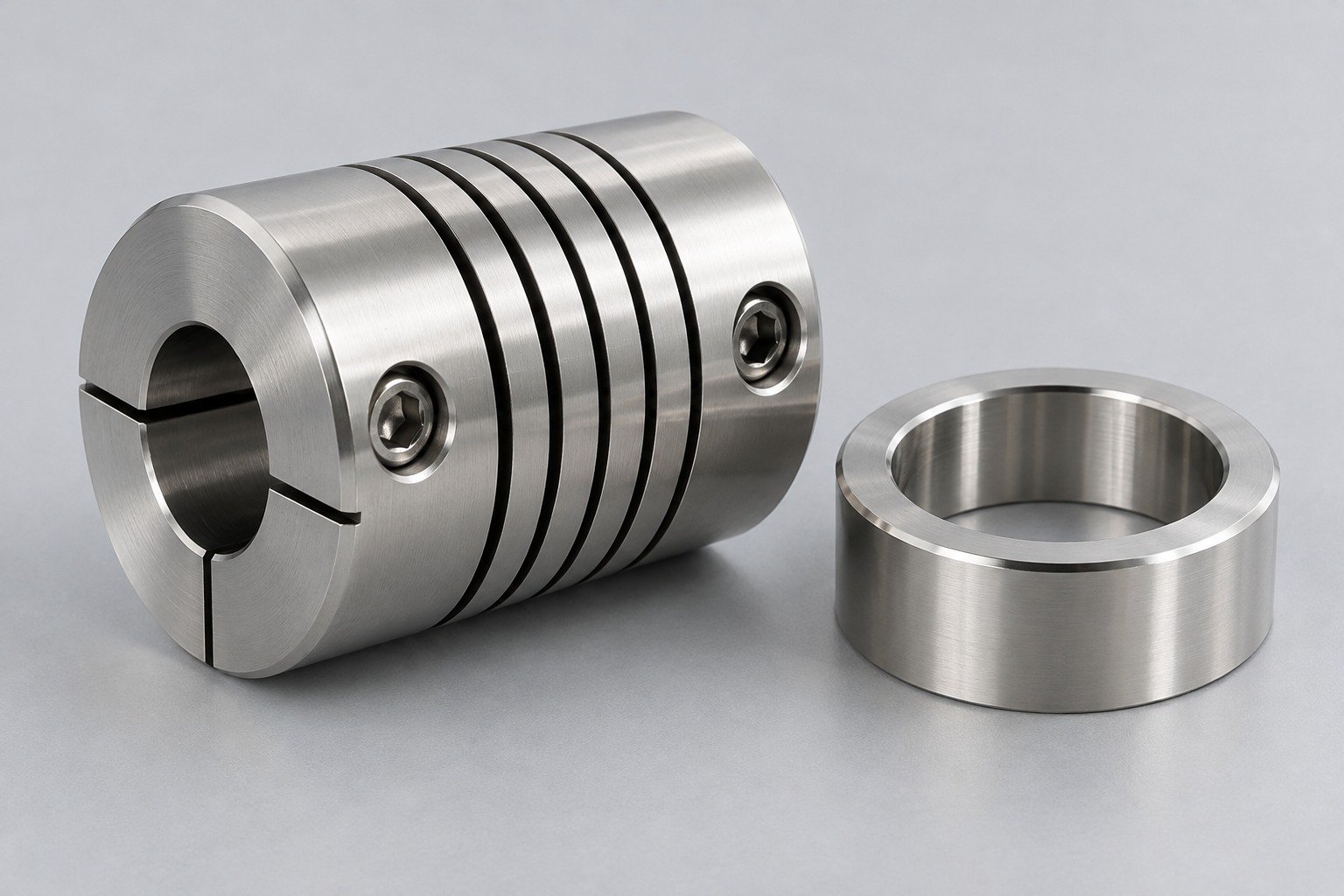
Grade, product standard, delivery condition and agreed material record.
Datums, mating sizes, threads and the finished inspection state.
Cleaning, marking, appearance and any specified treatment evidence.
Revision, lot identity, exceptions and protective packaging.
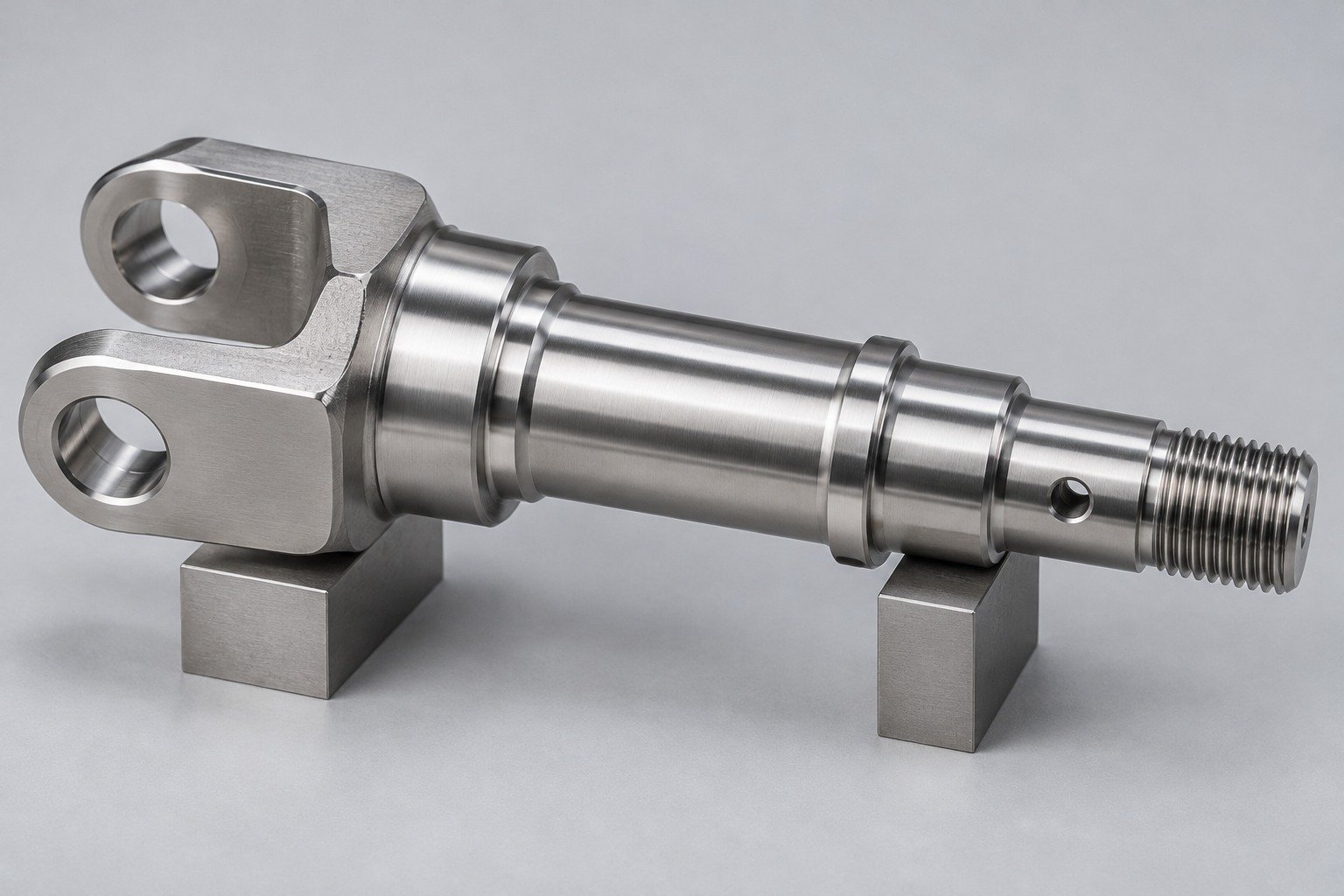
For 303 stainless steel prototype machining, define what the first parts must prove and how the intended production material and condition will be represented.
Confirm drawing revision, material, dimensions and finish.
Assess fit, hidden burrs, appearance and evidence scope.
Keep the approved revision, inspection plan and change record.
For your 303 stainless steel machining quote, compare the same finished-part scope. When reviewing a 303 stainless steel CNC parts manufacturer, ask how the proposed route addresses your drawing and acceptance requirements.
Product form, blank size and specified delivery condition.
Turned and milled setups, deep holes and internal burr removal.
Trial parts, repeat demand and release pattern.
Cleaning, polishing, marking and appearance approval.
Inspection, material records and handling protection.
Compare machining features, corrosion exposure and joining. Keep the exact grade on your drawing; a free-machining choice is not an automatic substitute.
Use the actual fluid, temperature, cleaning and moisture conditions. Specify your required material and review any proposed alternative.
Do not use a magnet alone to verify grade or condition. Material identity should follow the agreed specification and certificate; processing can affect magnetic response.
It can corrode in unsuitable conditions. Review exposure, surface contamination, cleaning and retained moisture instead of assuming all stainless grades behave alike.
The cited Carpenter datasheet does not recommend welding because the sulfur modification can create welding problems. Review a different material or an explicitly qualified joining route.
Review a compatible cleaning/passivation route and evidence scope for your actual part. Confirm treatment requirements before final acceptance.
Review shafts, bushings, spacers and threaded components where machining is prominent and the service environment suits the specified material.
Send the drawing, material condition, quantity, finish and required records. Geometry, setup access, material removal and acceptance scope affect your quotation.
For 303 stainless steel machining services, provide a controlled scope so your supplier can review the 303 stainless steel machined parts you need.
Controlled revision and CAD when available.
Grade, standard and condition.
Critical sizes, datums and thread requirements.
Prototype and repeat quantities.
Cleaning, appearance and marking requirements.
Inspection, material identity and packing scope.