Injection Molding
Tooling and molding for your repeat plastic parts.
From prototype to production, coordinated manufacturing solutions for your custom parts.
View All Services →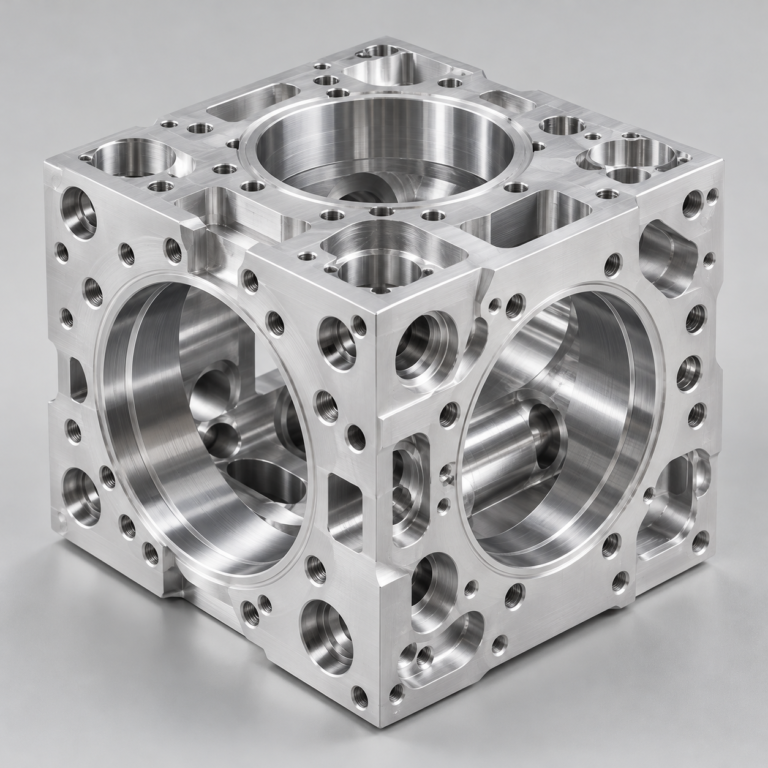
Precision parts for your tight tolerances and complex geometry.
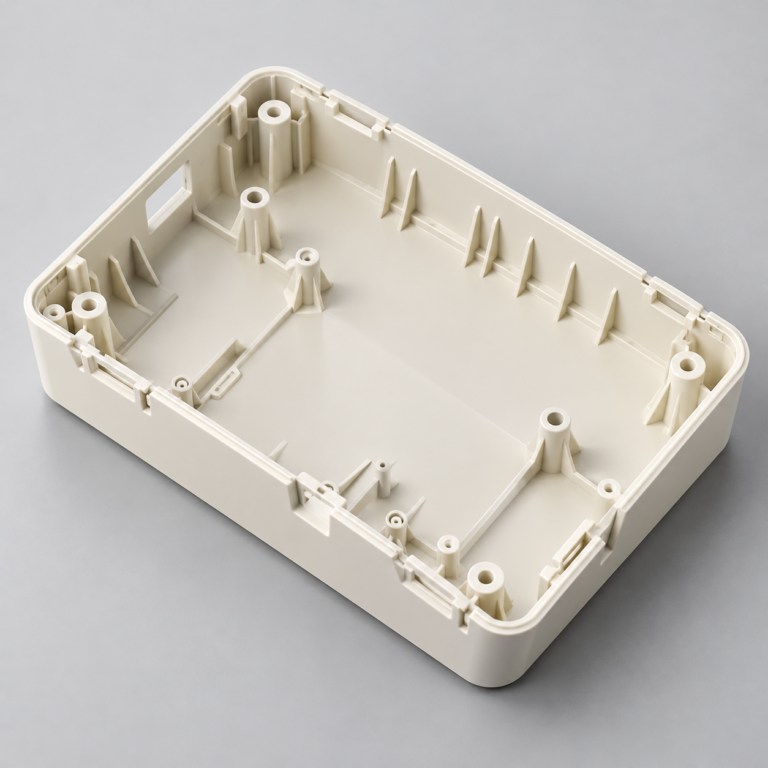
Tooling and molding for your repeat plastic parts.
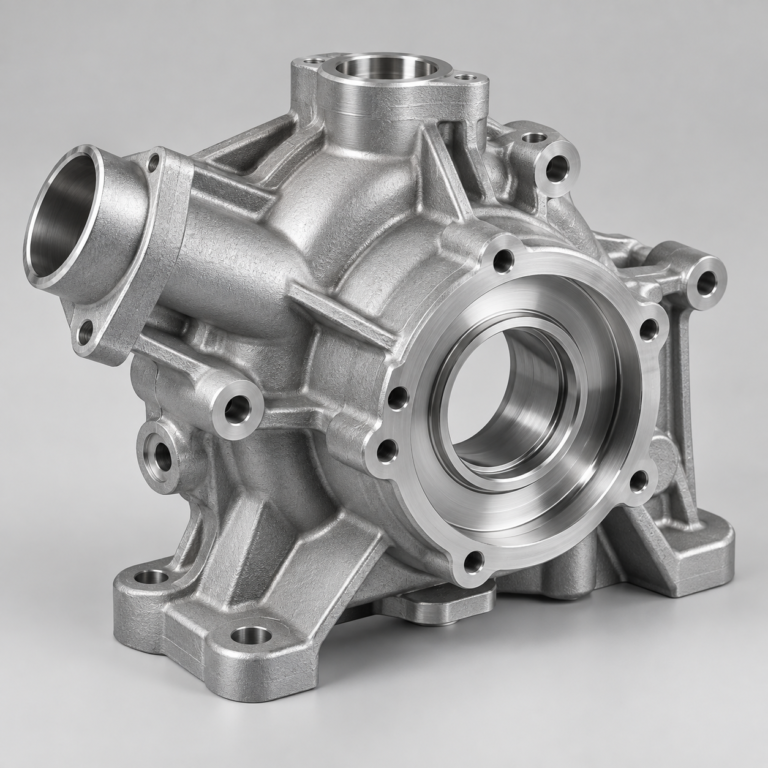
Metal casting options for your part and production volume.
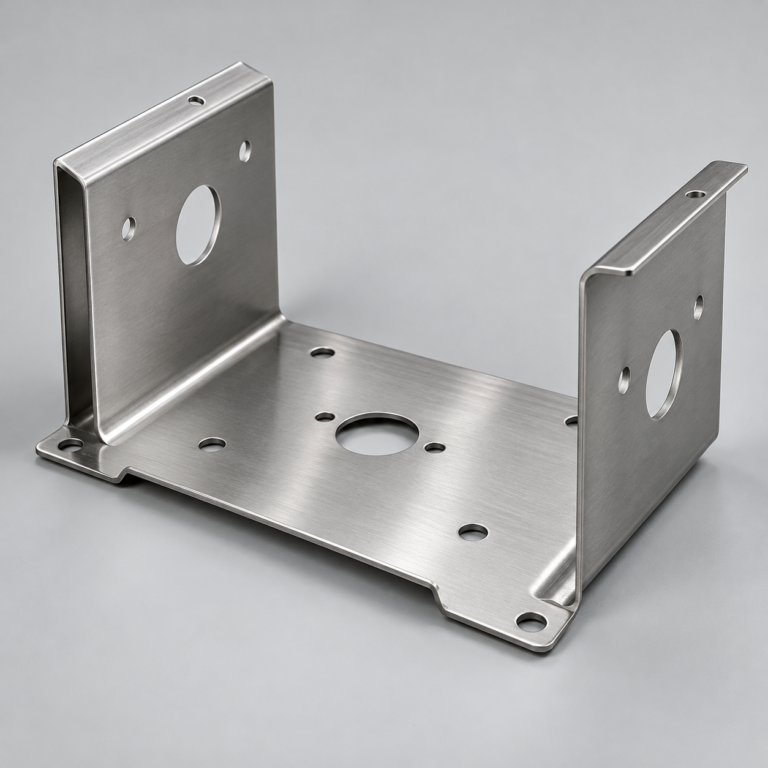
Cutting, forming and welding for your fabricated parts.
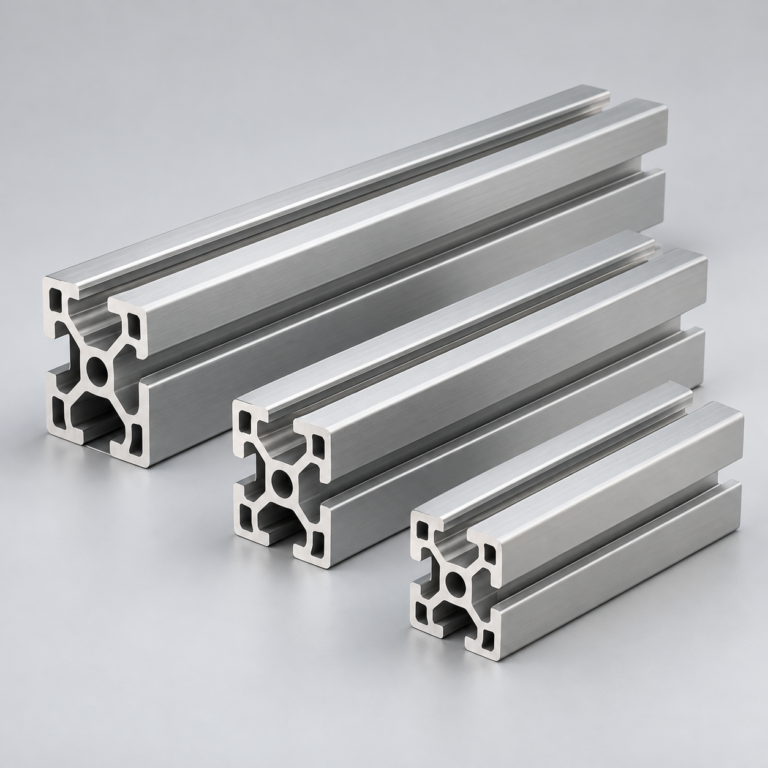
Custom profiles for your section, length and finish requirements.
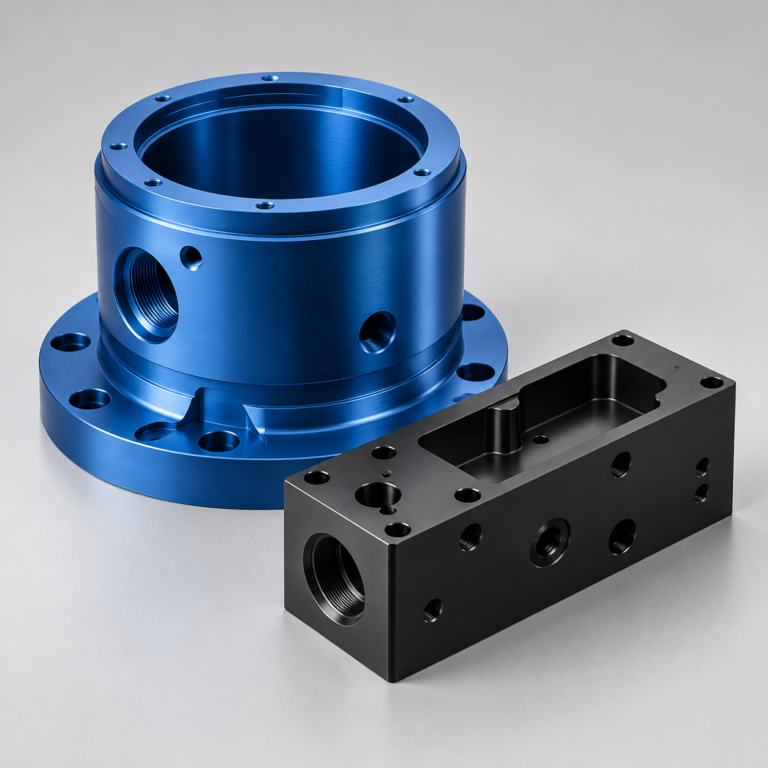
Finishes for your appearance, corrosion and wear requirements.
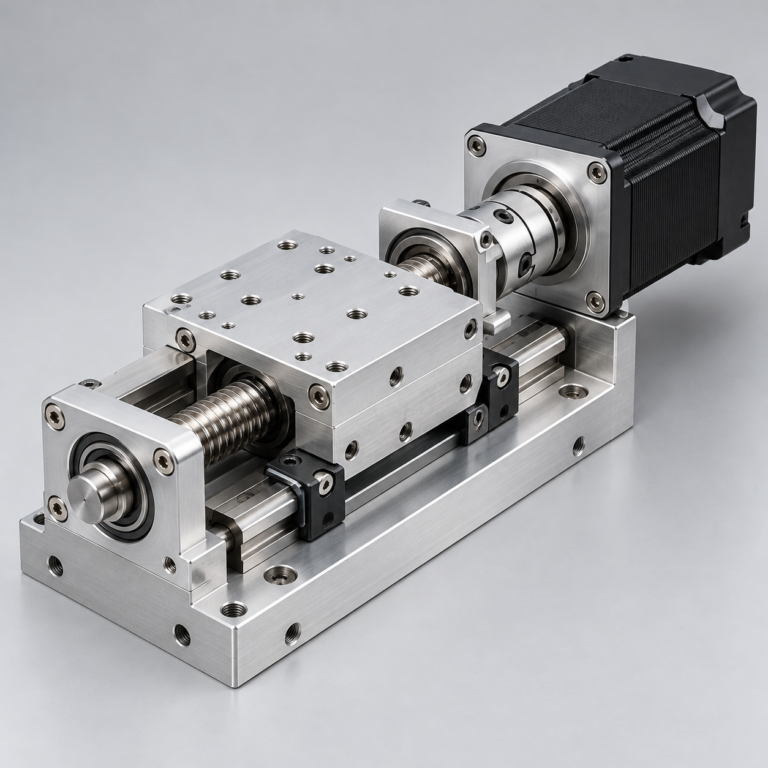
Sub-assemblies and final builds for your production program.
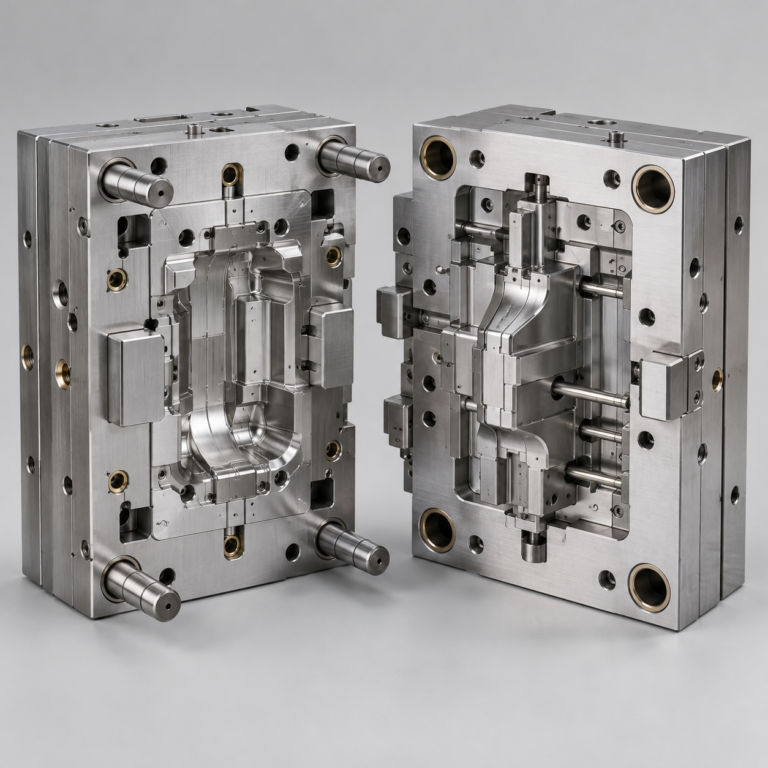
Production tooling built around your process and volume.
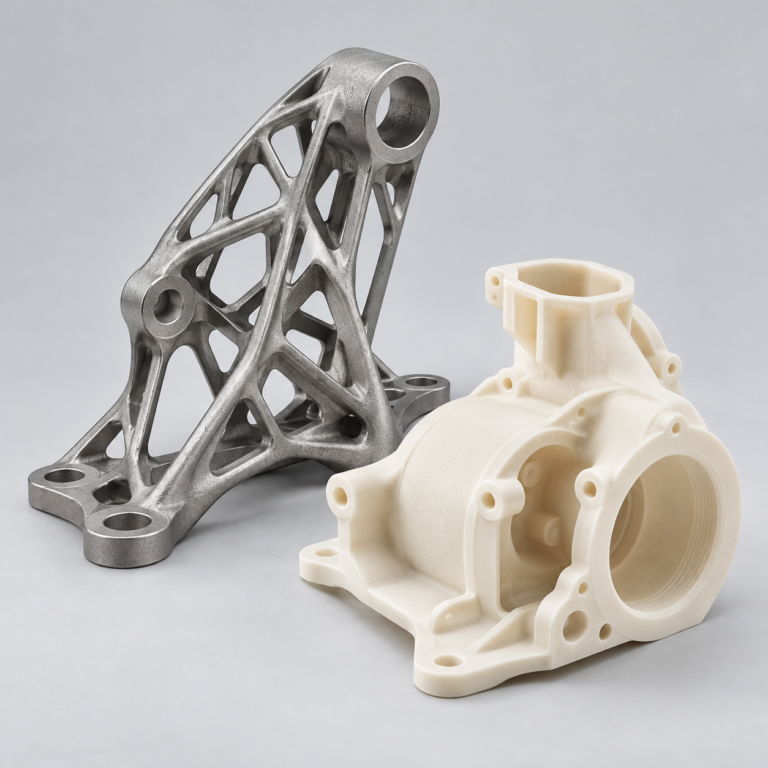
Prototype parts to check fit, function and design.
DFM, process planning and production support for your project.
Inspection, documentation, inventory and delivery planning for your program.
Choose air- or liquid-cooling components around your thermal and mechanical requirements.
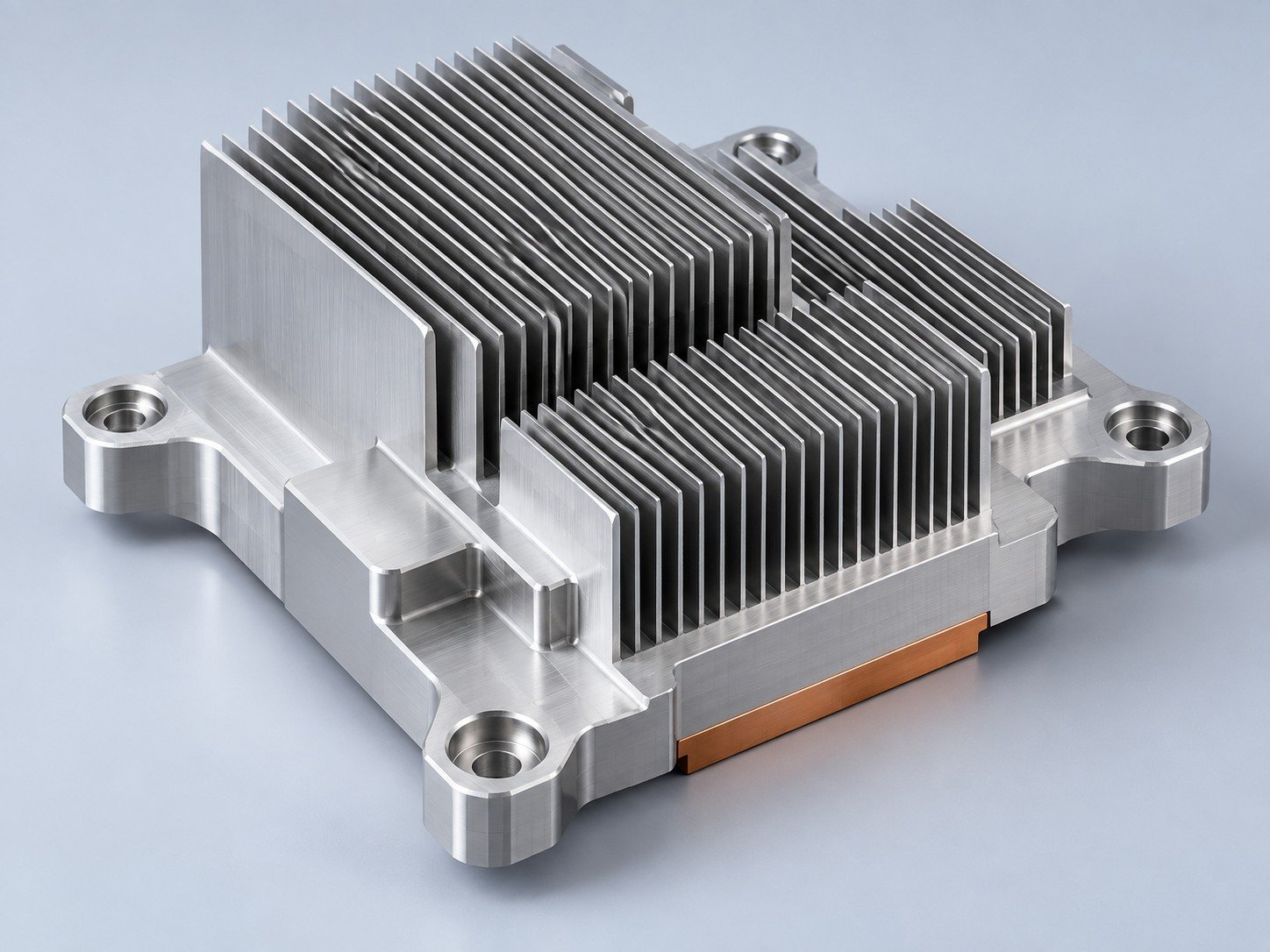
Manufacturing support for your cold plates, manifolds and cooling assemblies.
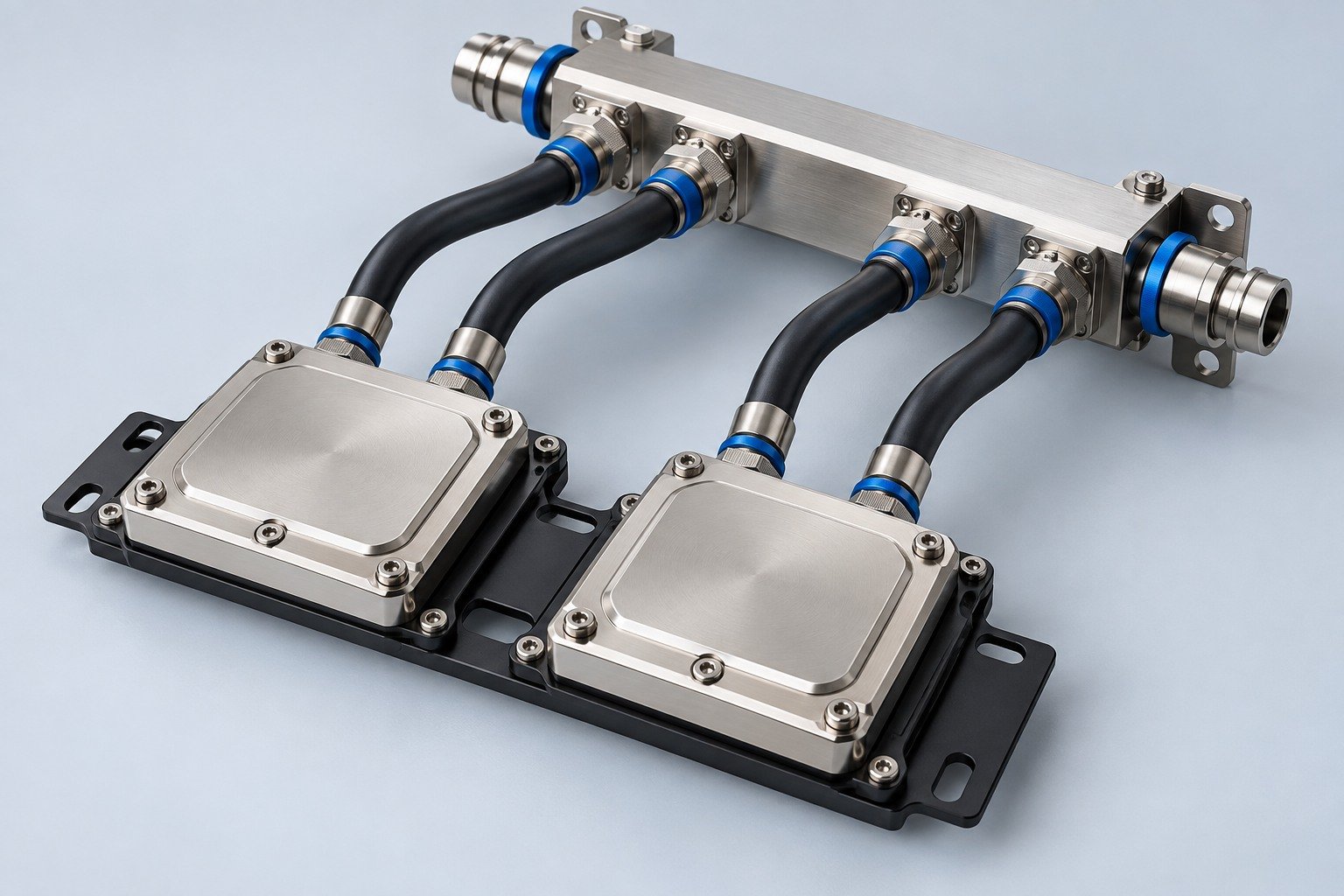
Find components for your power electronics, energy, laser and telecom application.
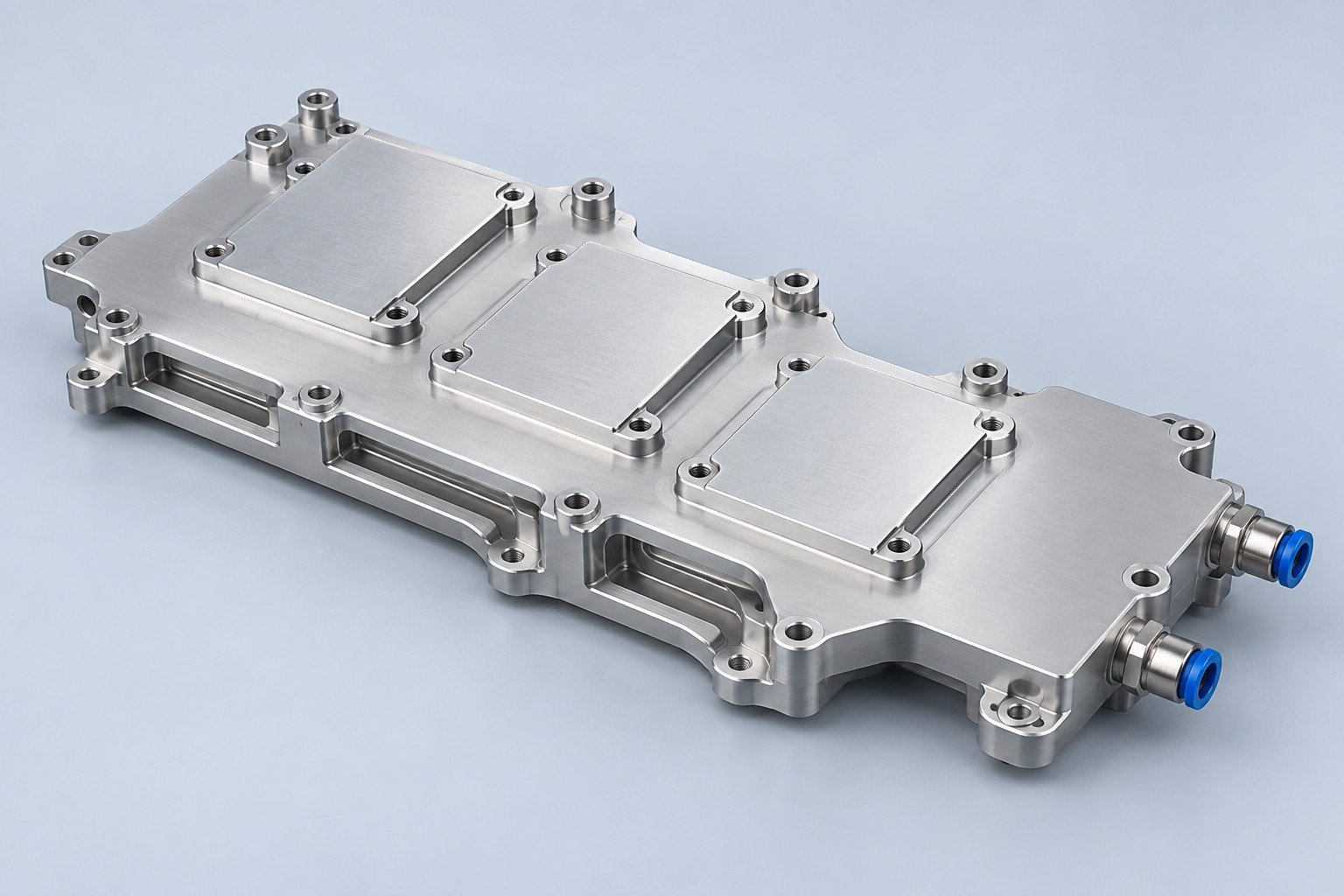
Components for your electronic systems.
Start with your functional and quality requirements.
Build around your operating environment.
From prototype to production, review material performance, manufacturability and cost for your part.
Review grade, temper and finish for your metal parts.
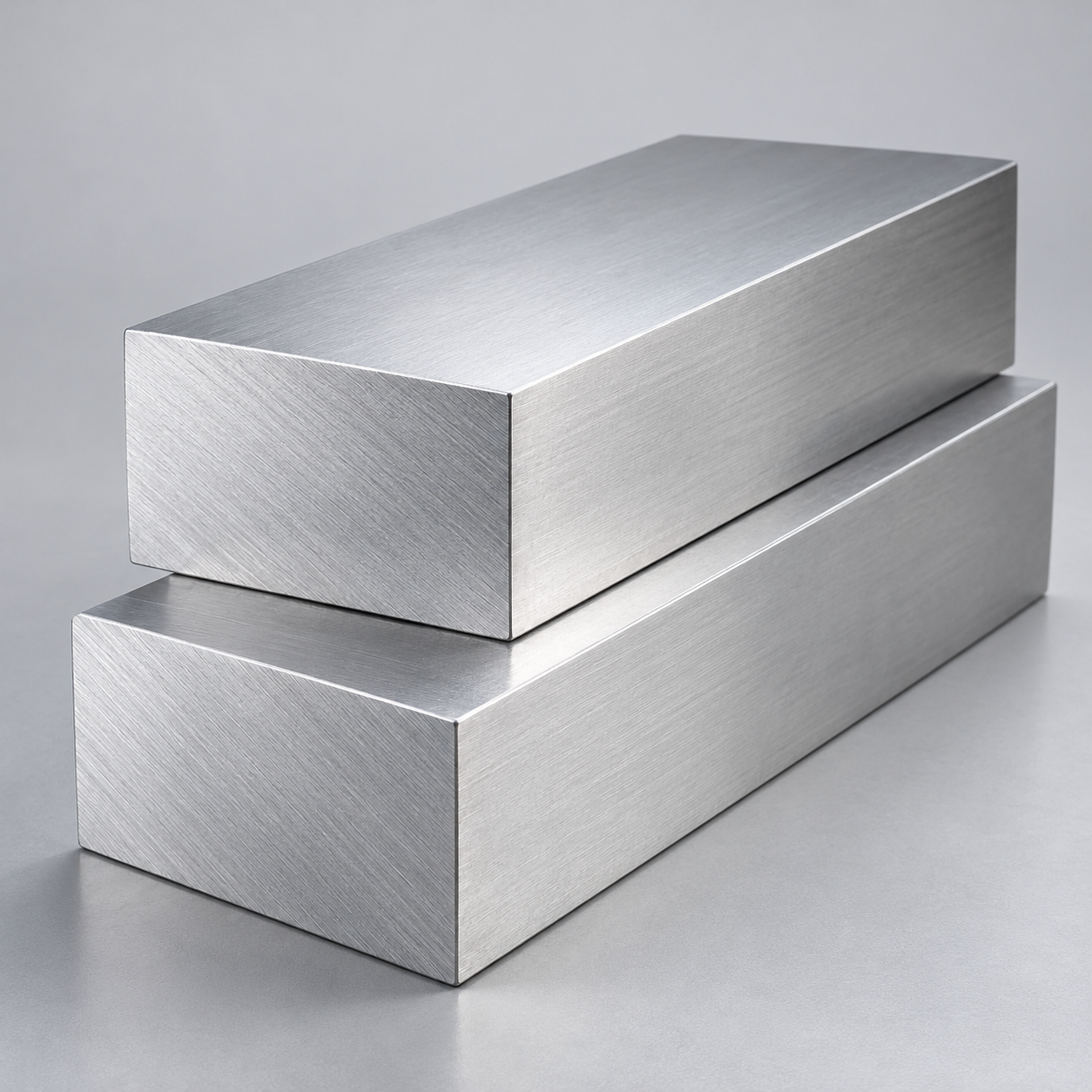 AluminumStrength, weight and machining›
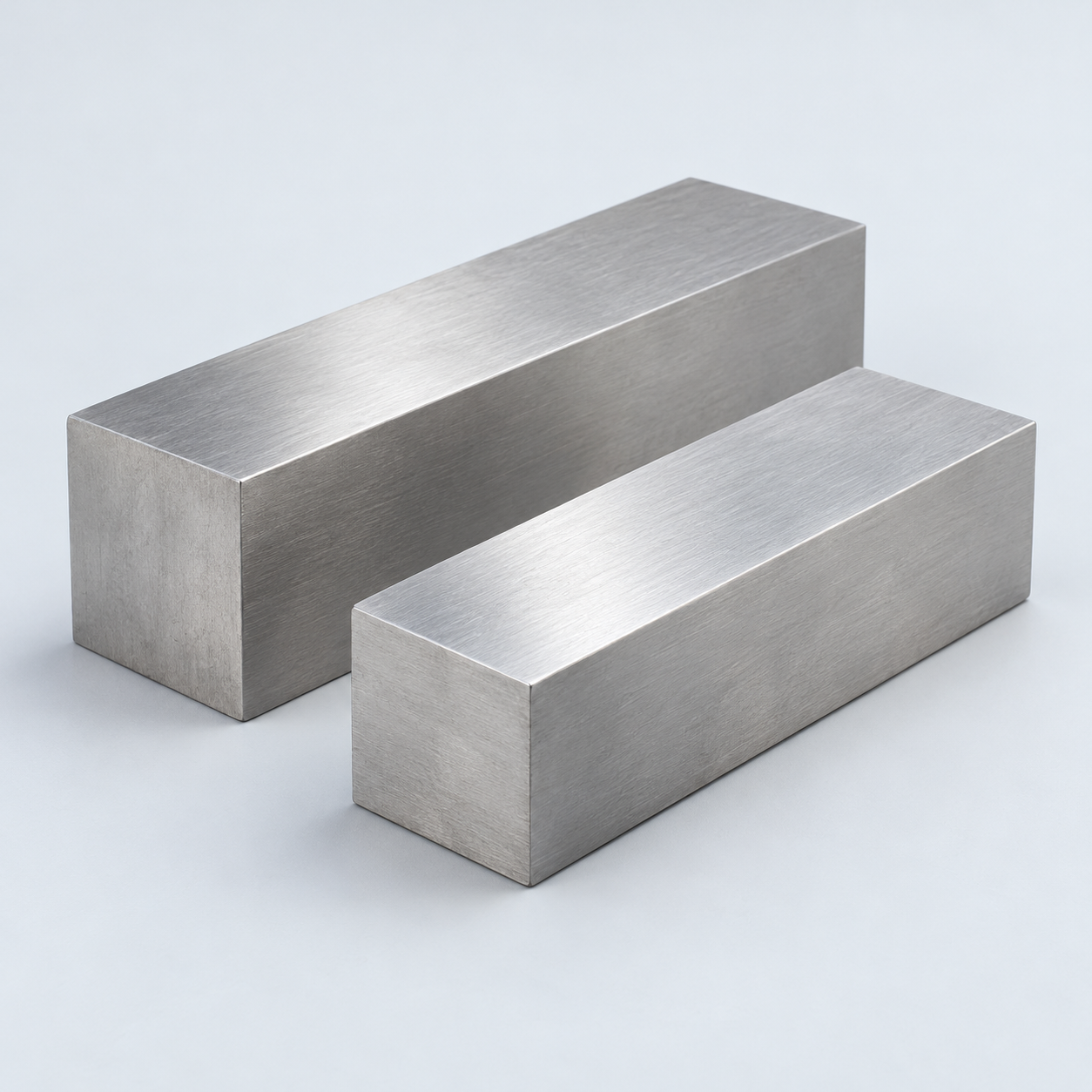 Stainless SteelCorrosion and finish requirements›
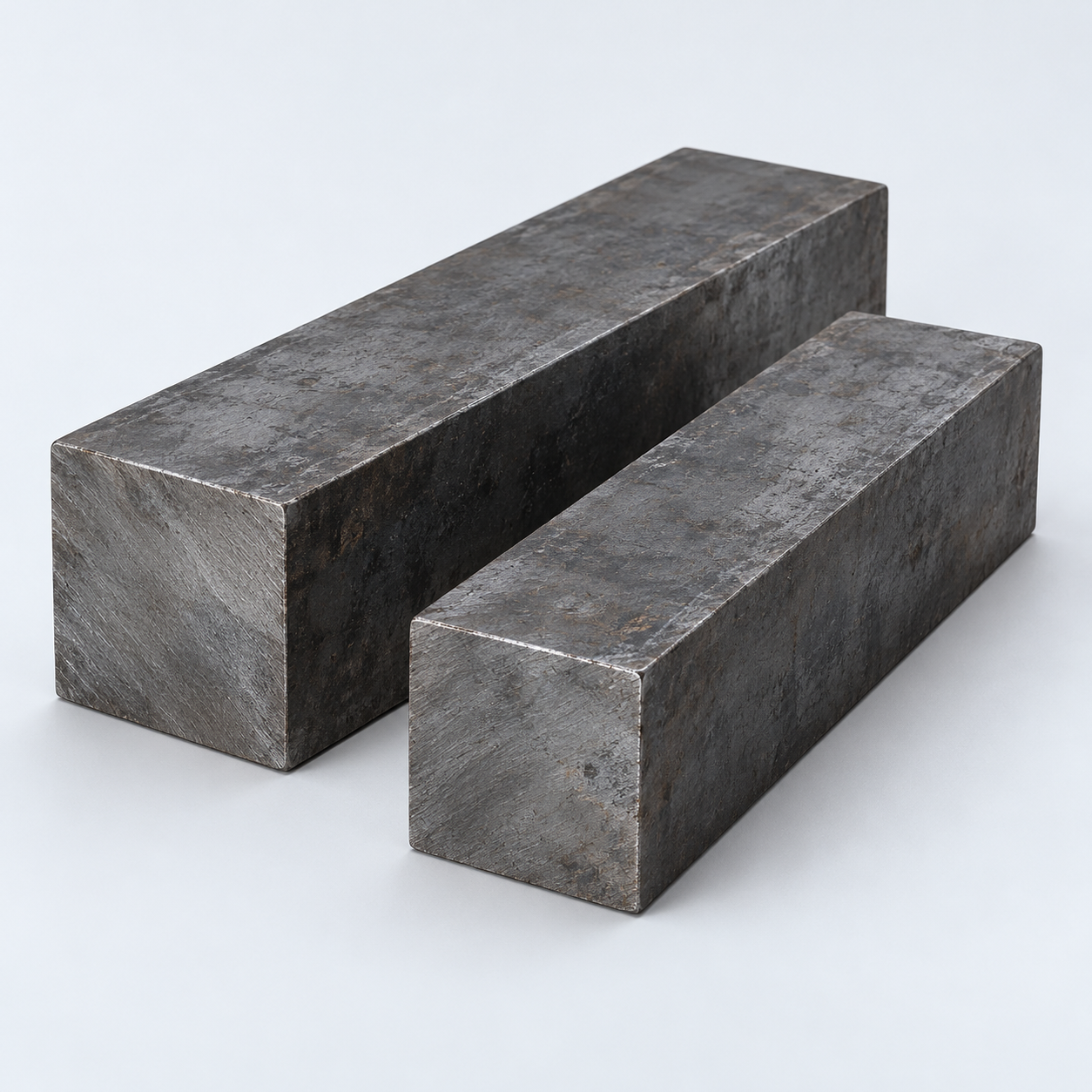 Carbon & Alloy SteelDiscuss grade and heat treatment›
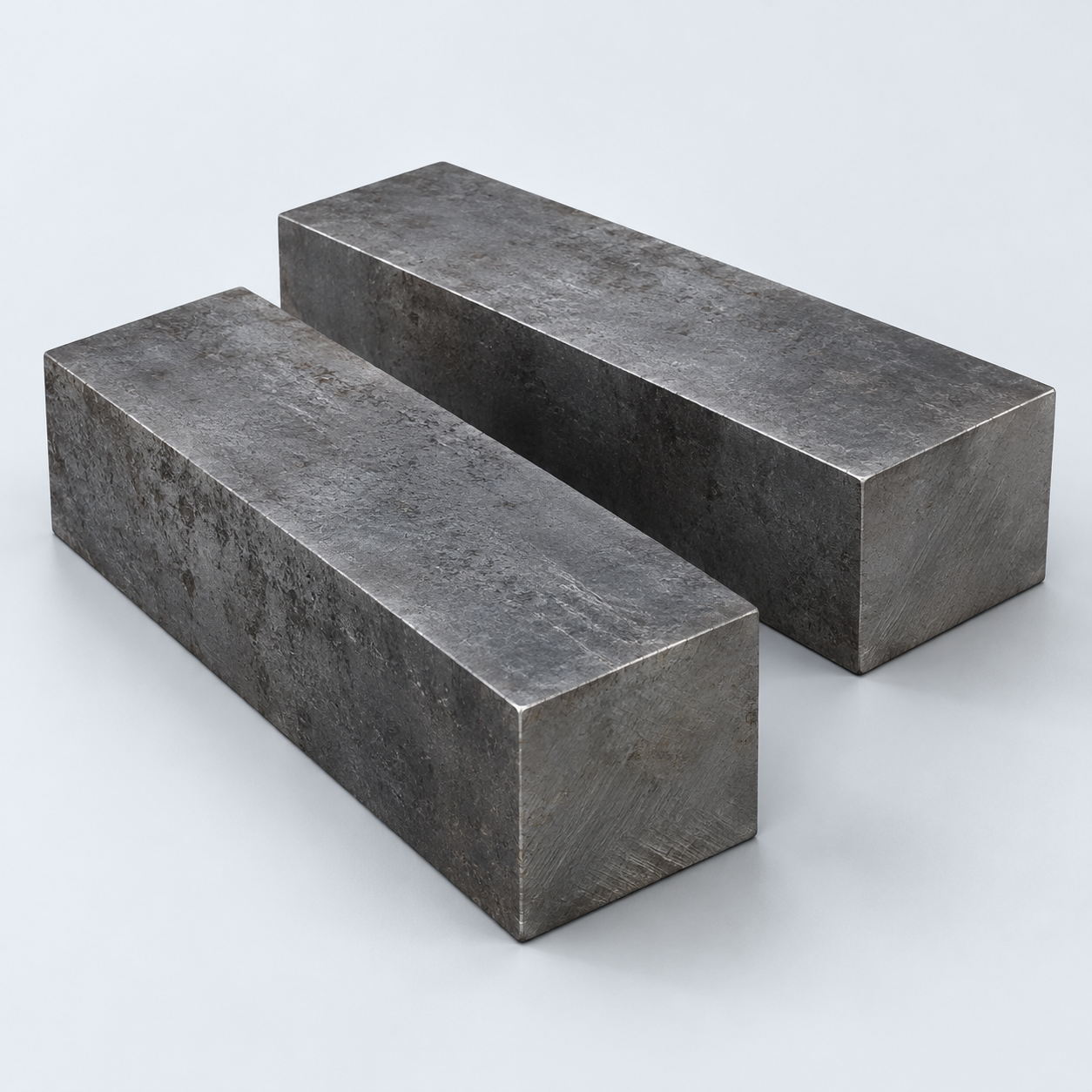 Tool SteelDiscuss tooling and wear needs›
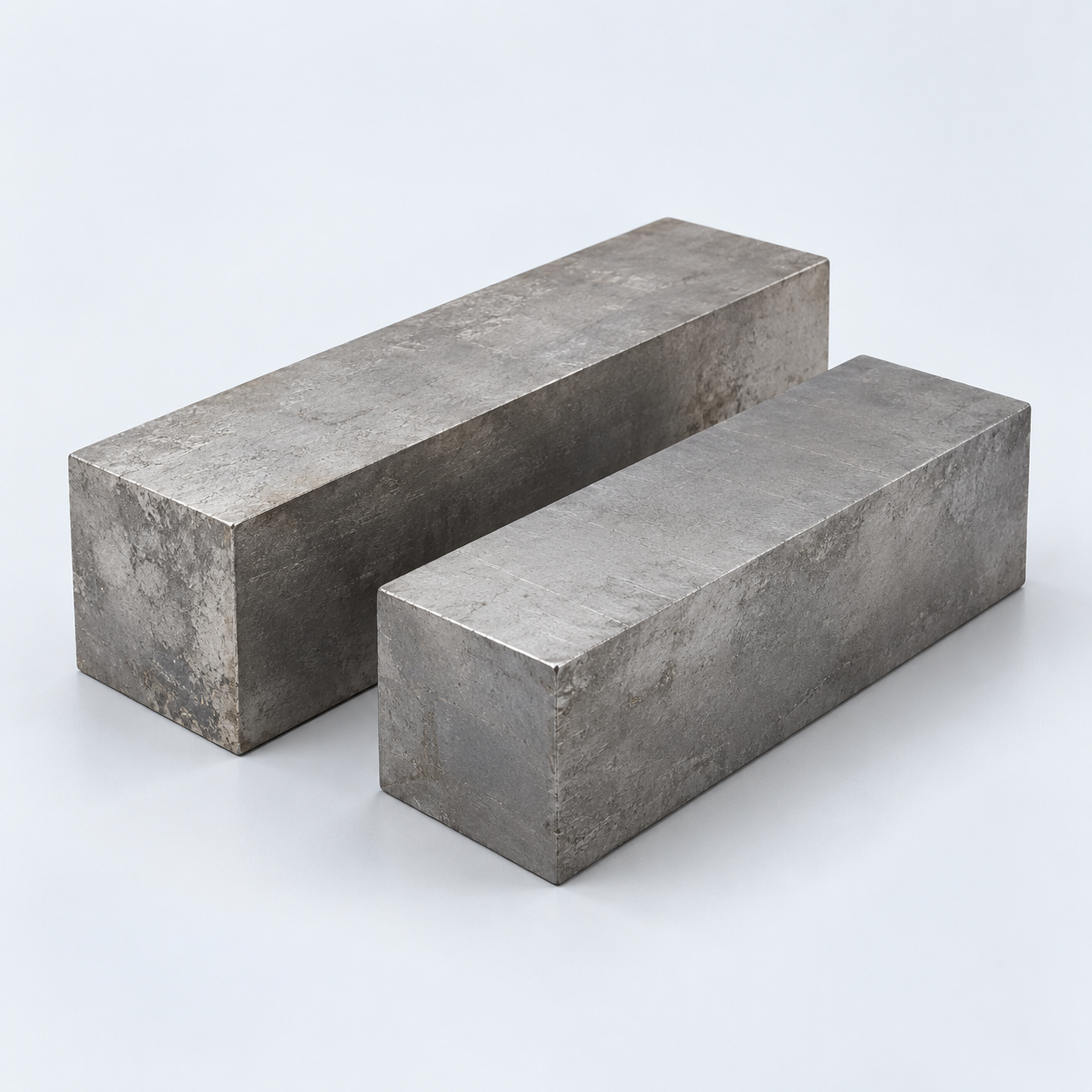 TitaniumReview grade and part geometry›
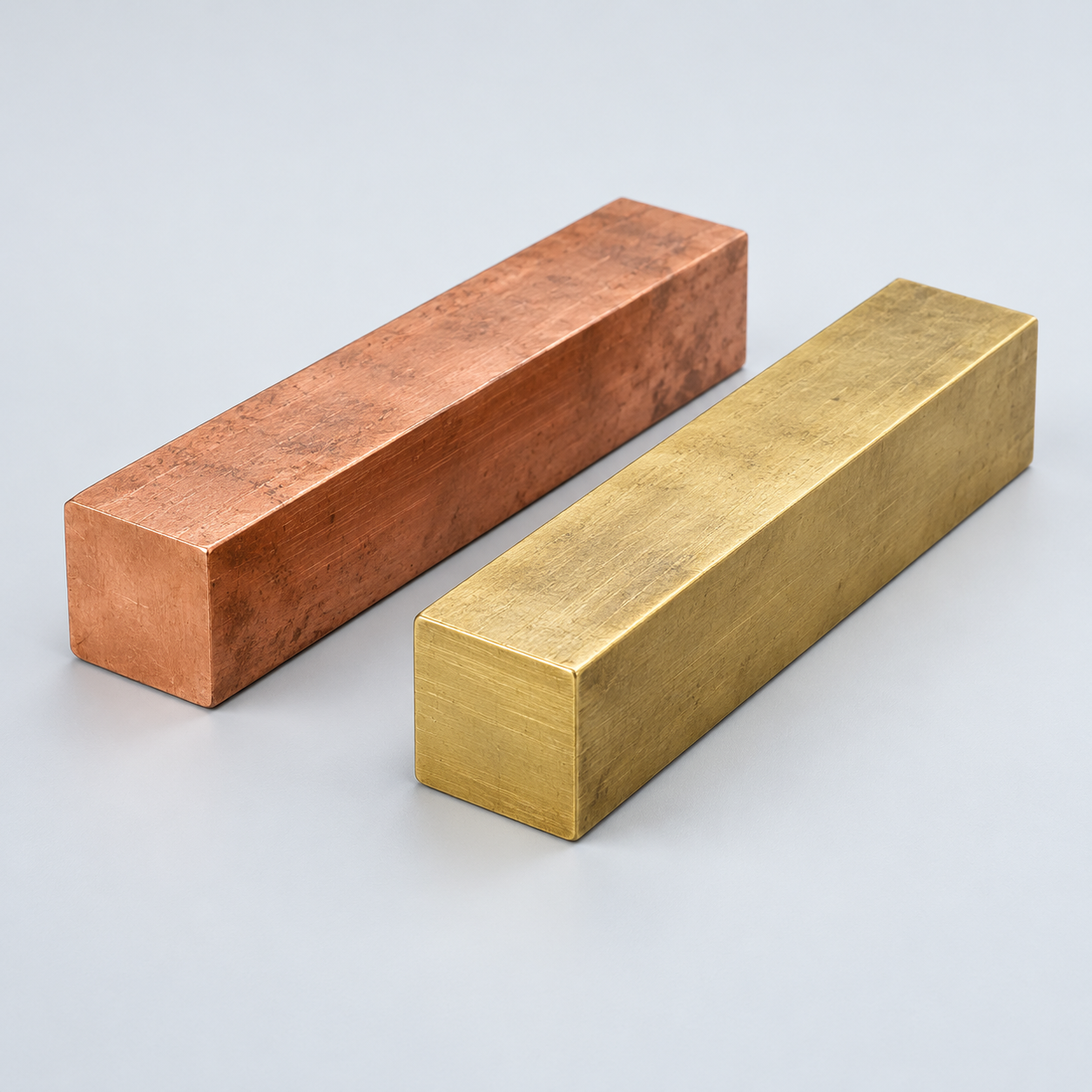 Copper & BrassDiscuss conductivity and machining›
Match your polymer to function, process and environment.
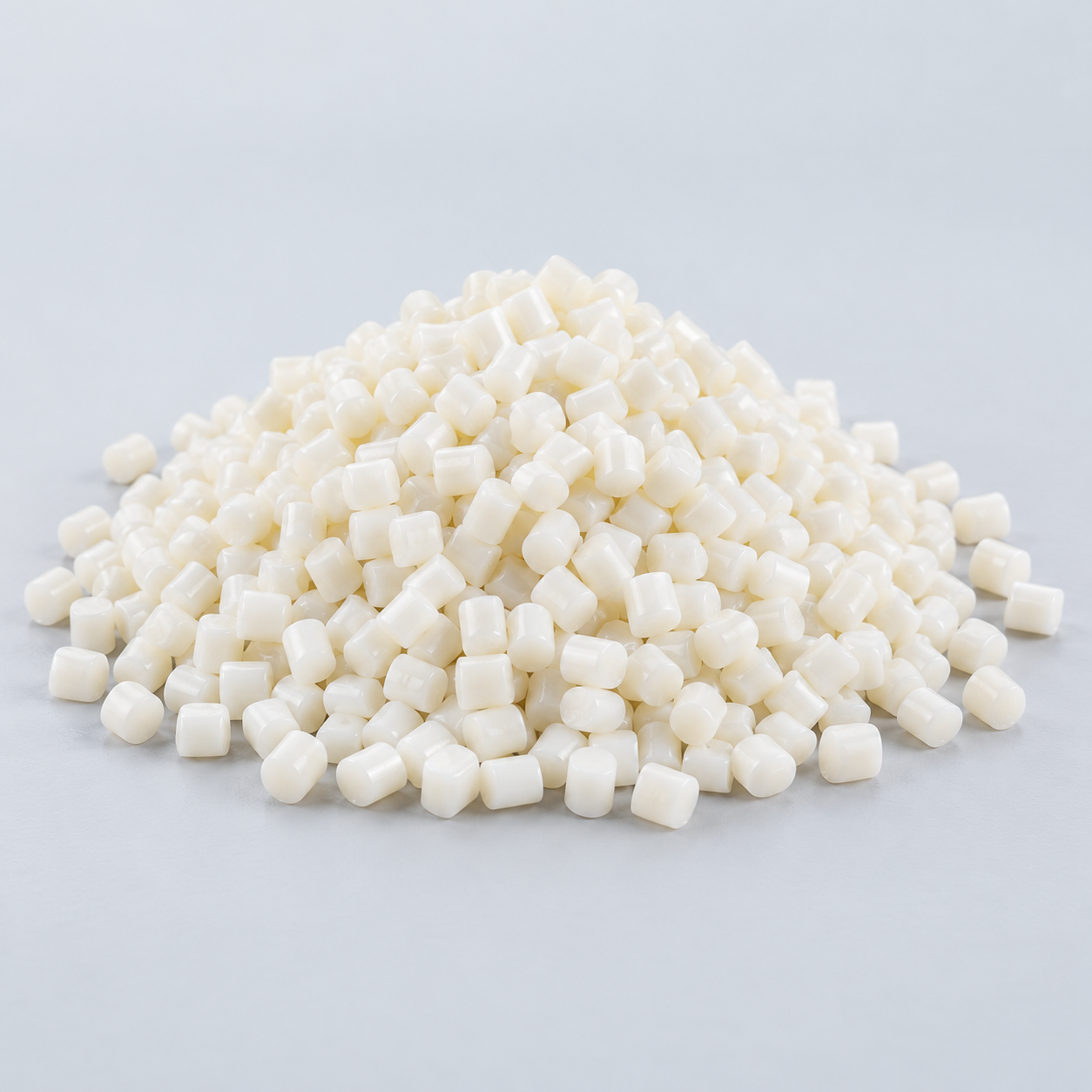 ABSReview enclosure and molding needs›
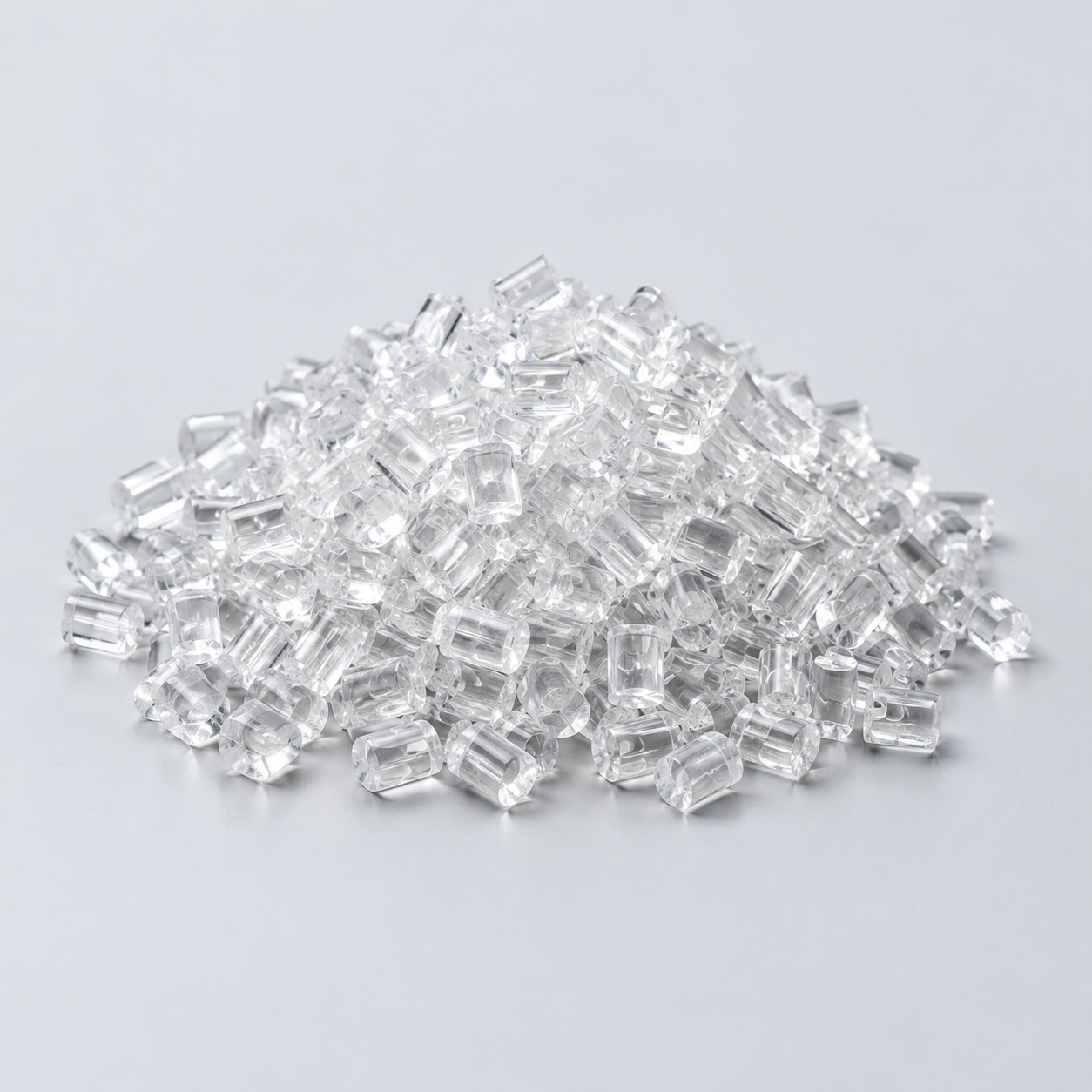 Polycarbonate (PC)Discuss clarity and impact needs›
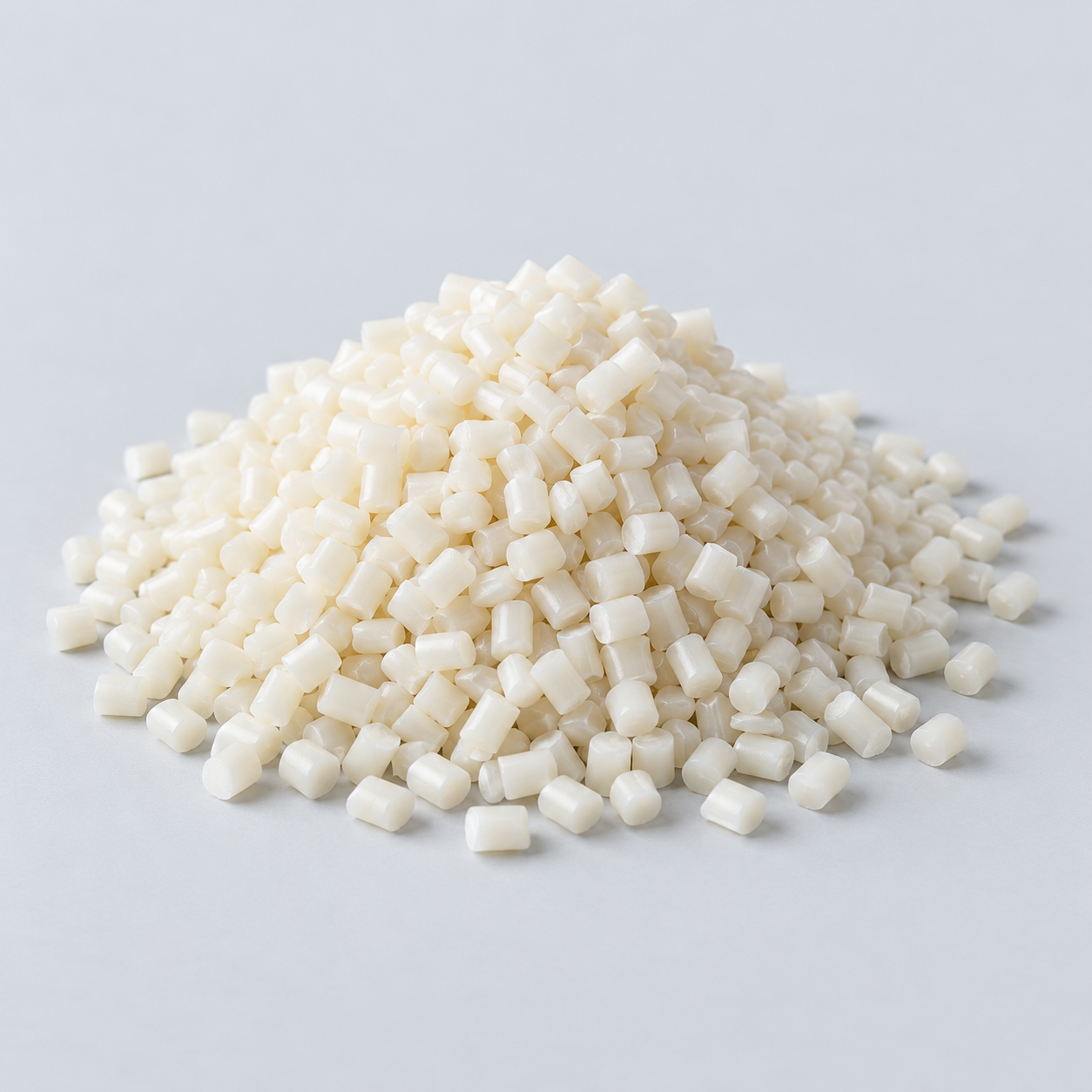 Nylon (PA)Review moisture and wear conditions›
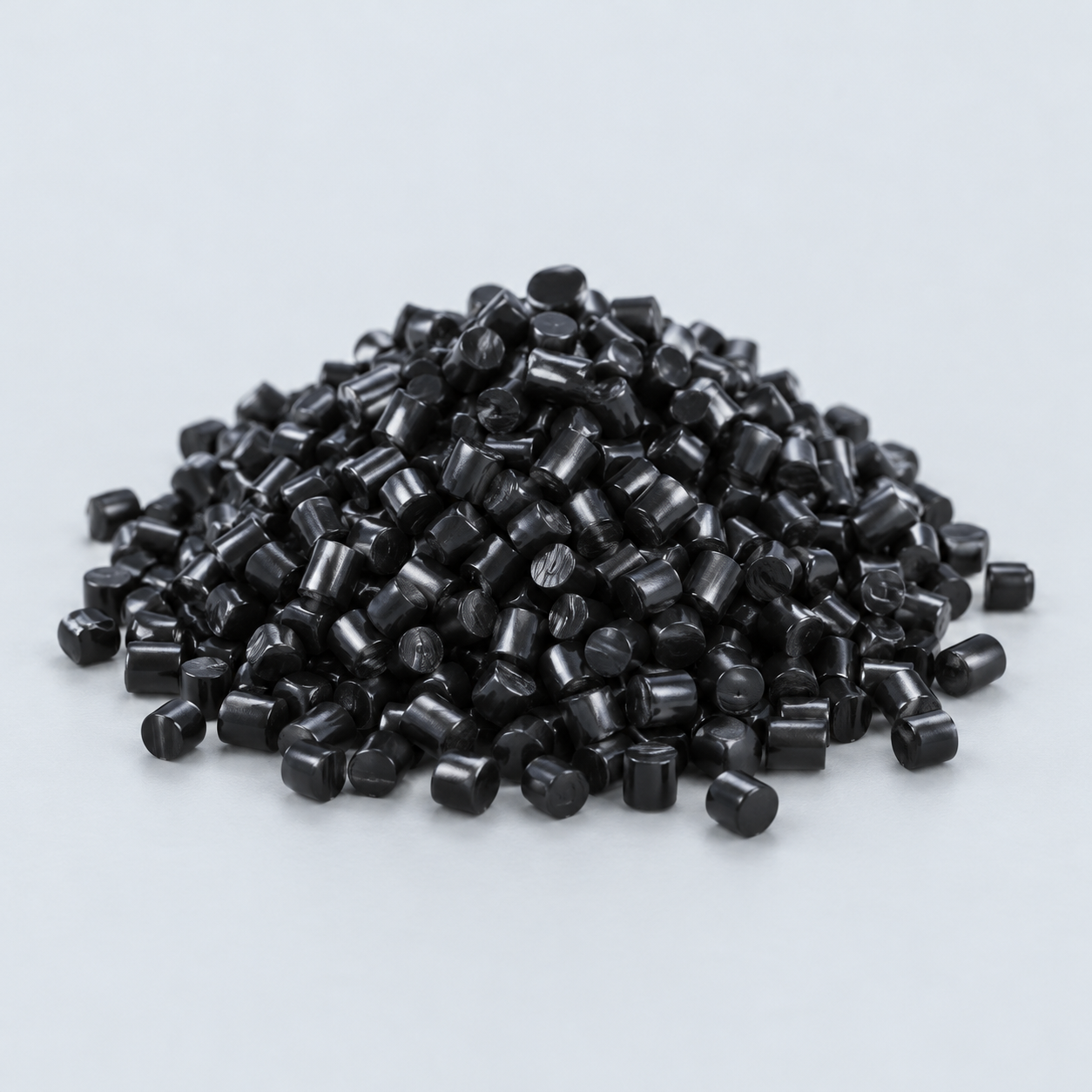 POM / AcetalReview fit and sliding features›
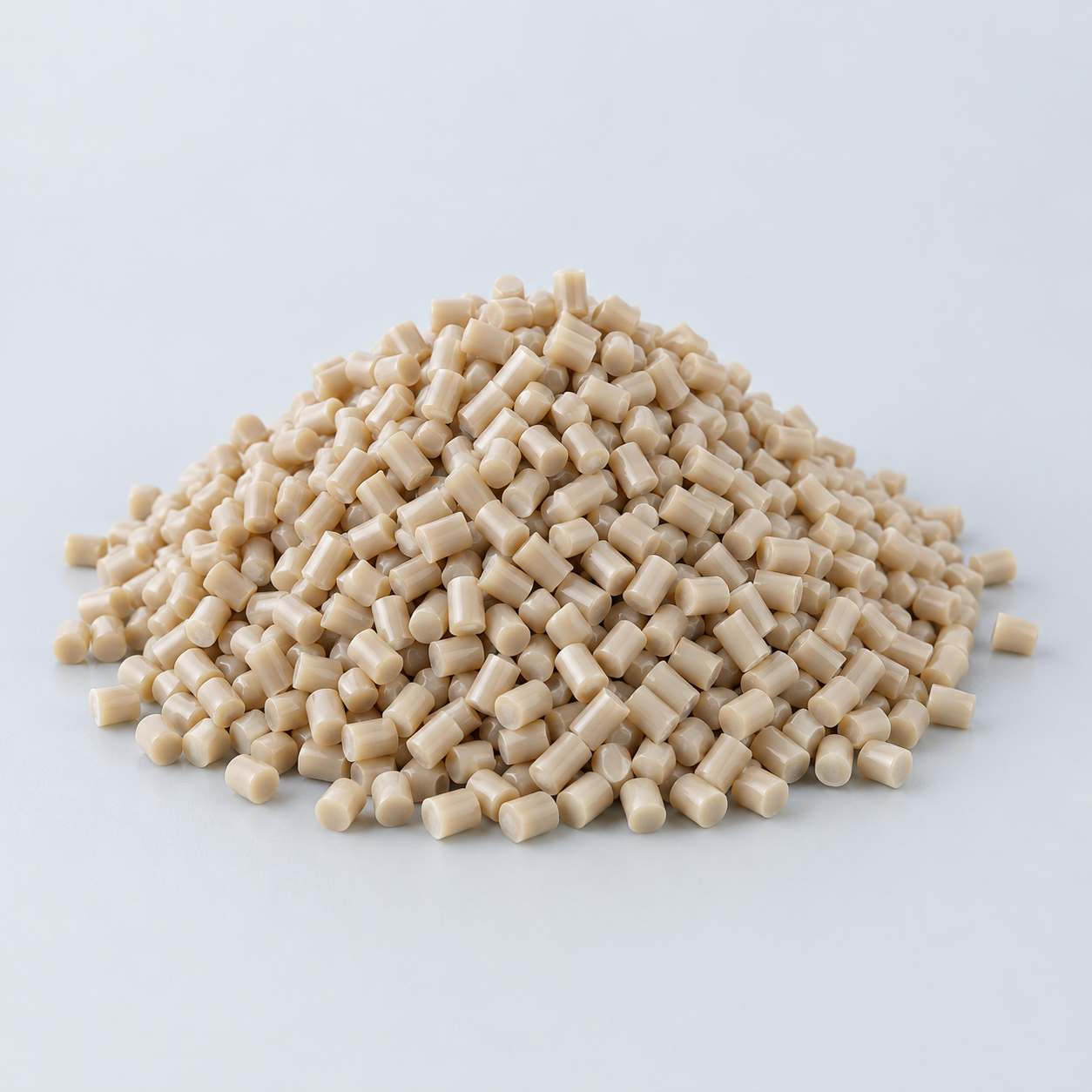 PEEKDiscuss operating conditions›
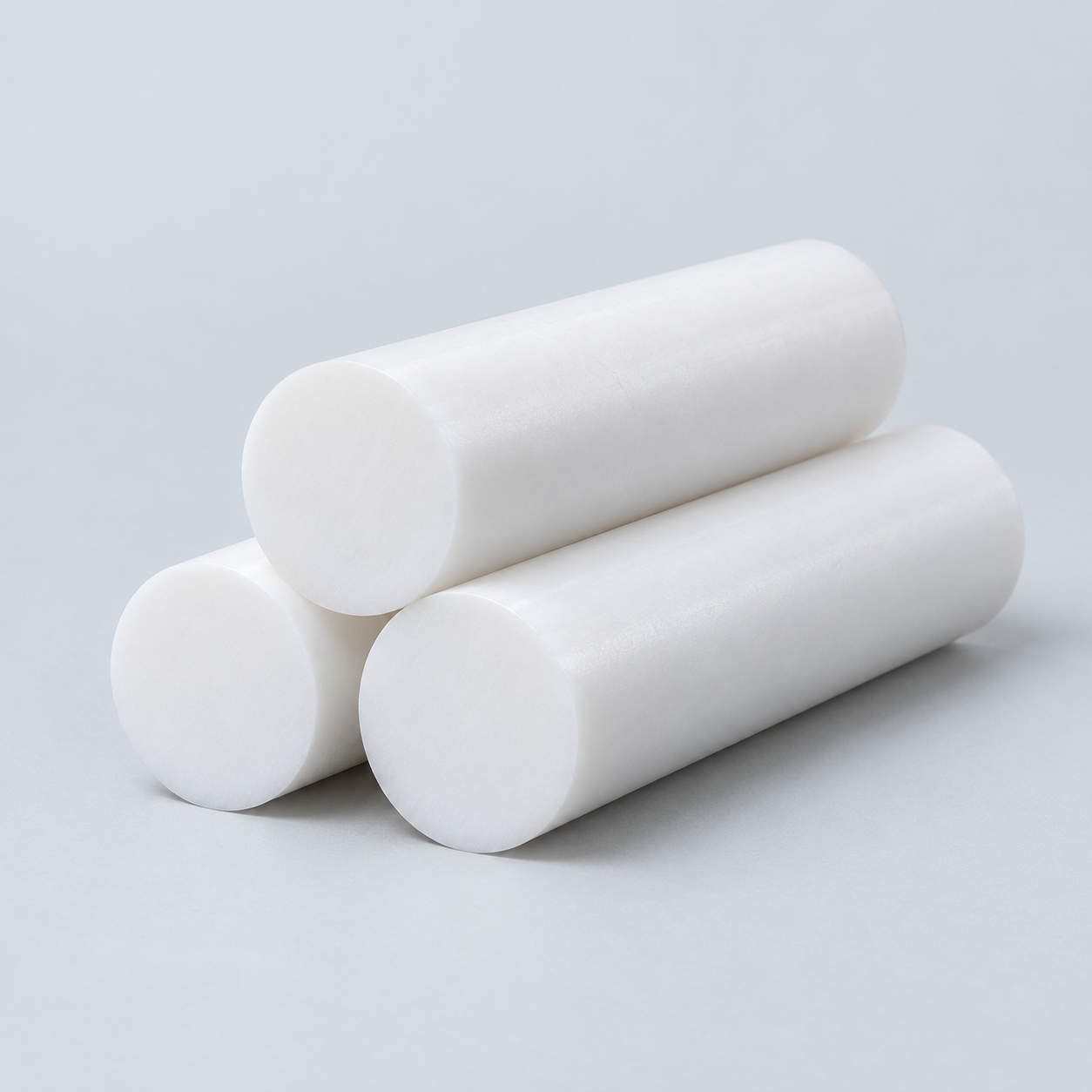 PTFEReview friction and chemical exposure›
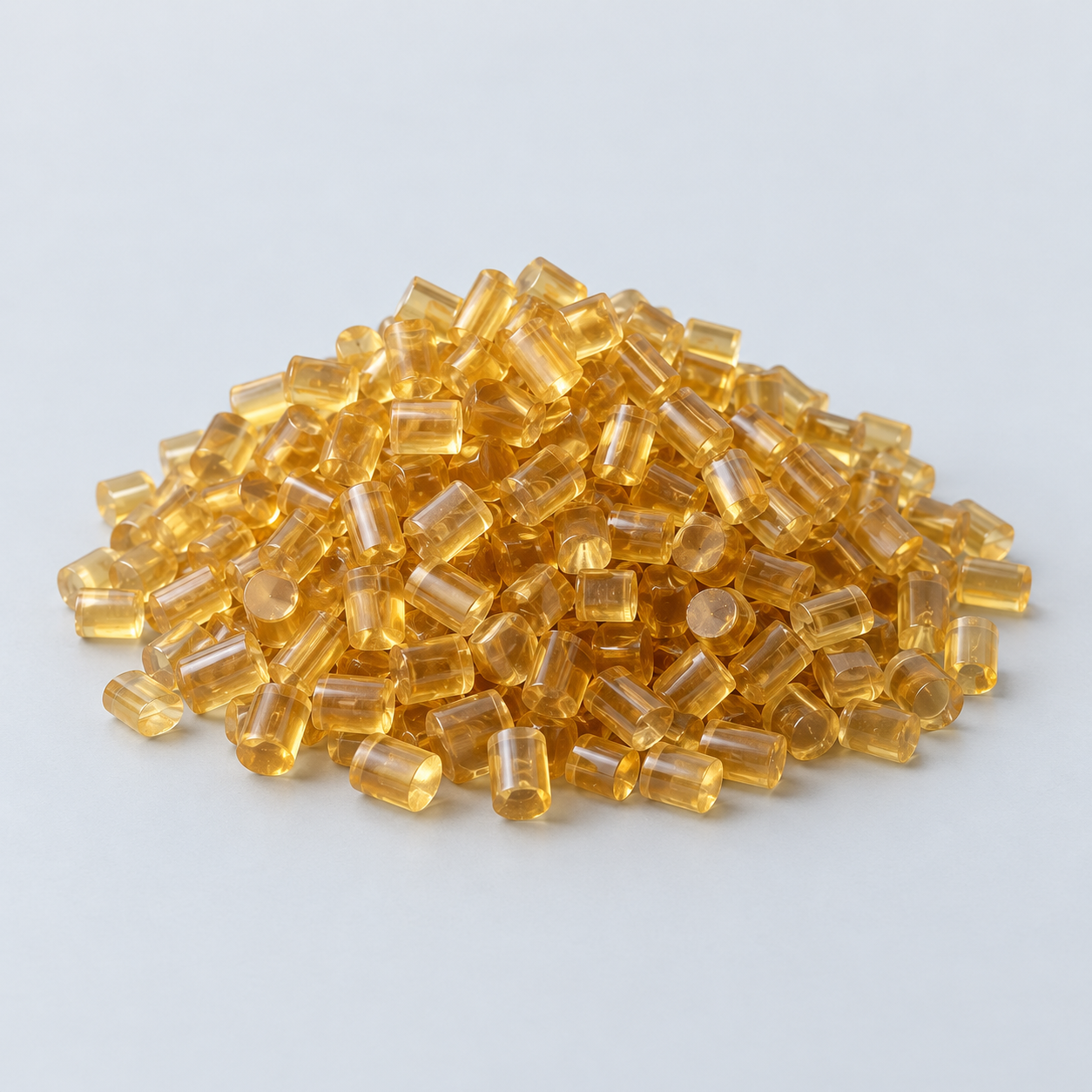 ULTEM / PEIDiscuss thermal and electrical needs›
Confirm grade availability and application requirements.
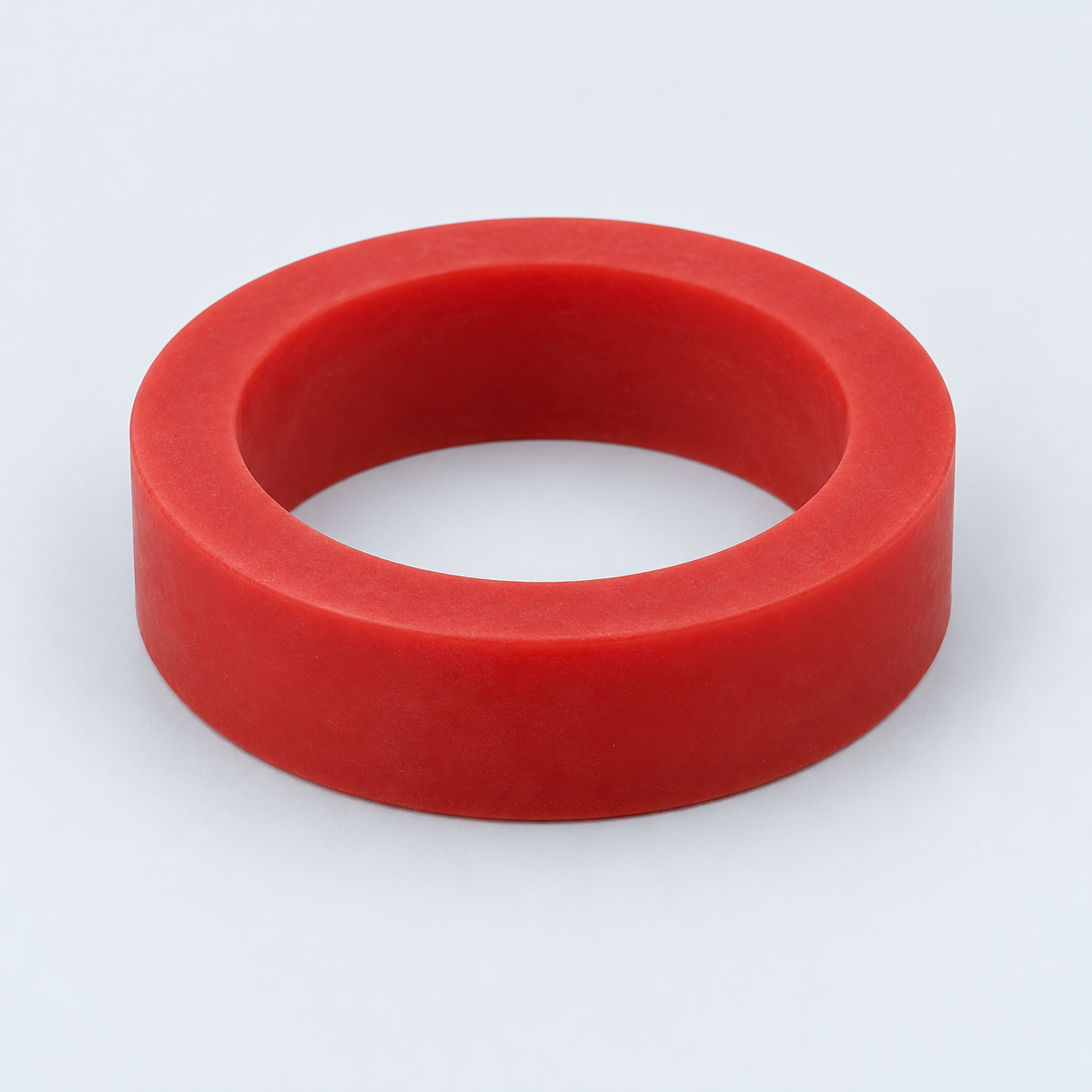 Silicone / LSRDiscuss flexible component needs›
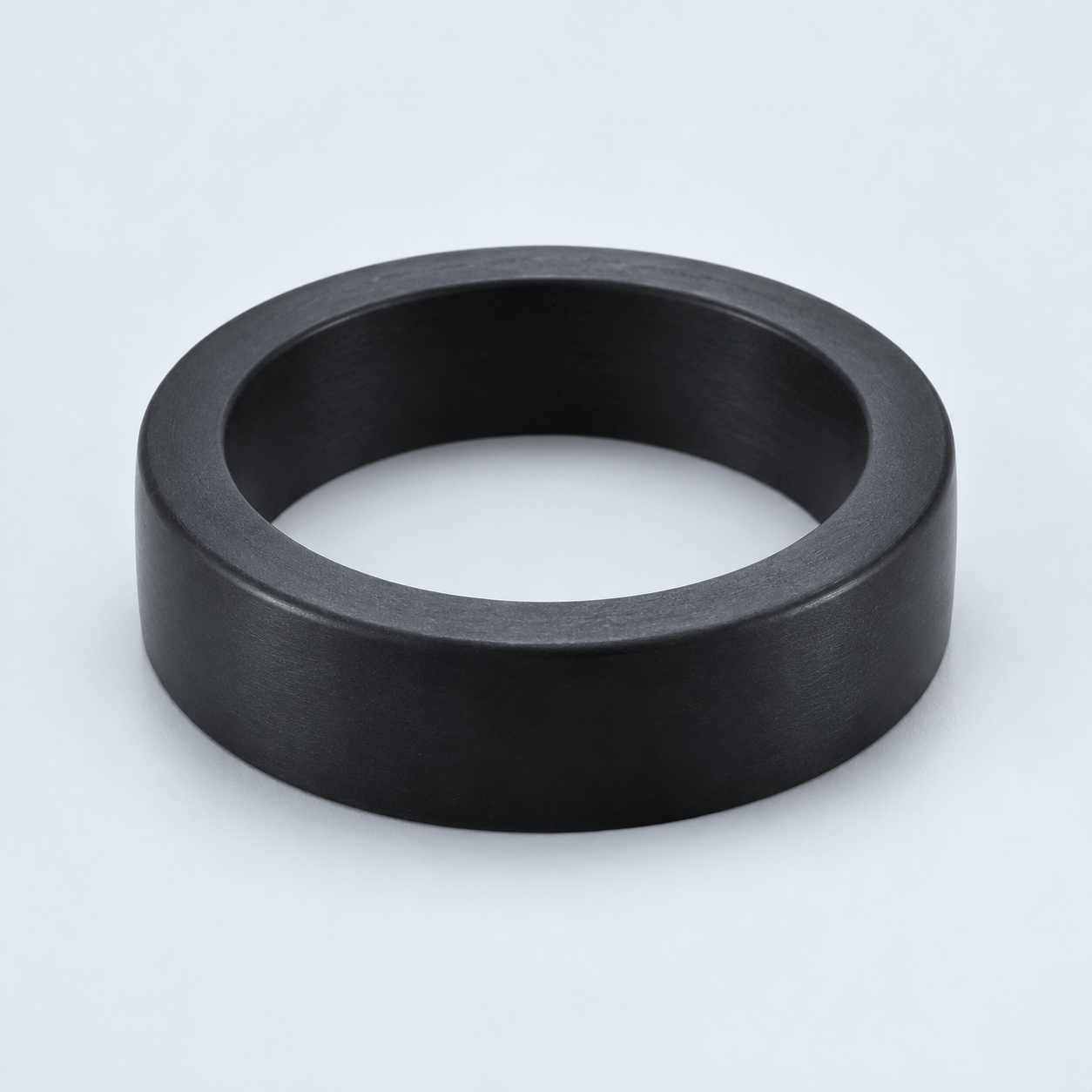 TPU / TPEReview flexibility and processing›
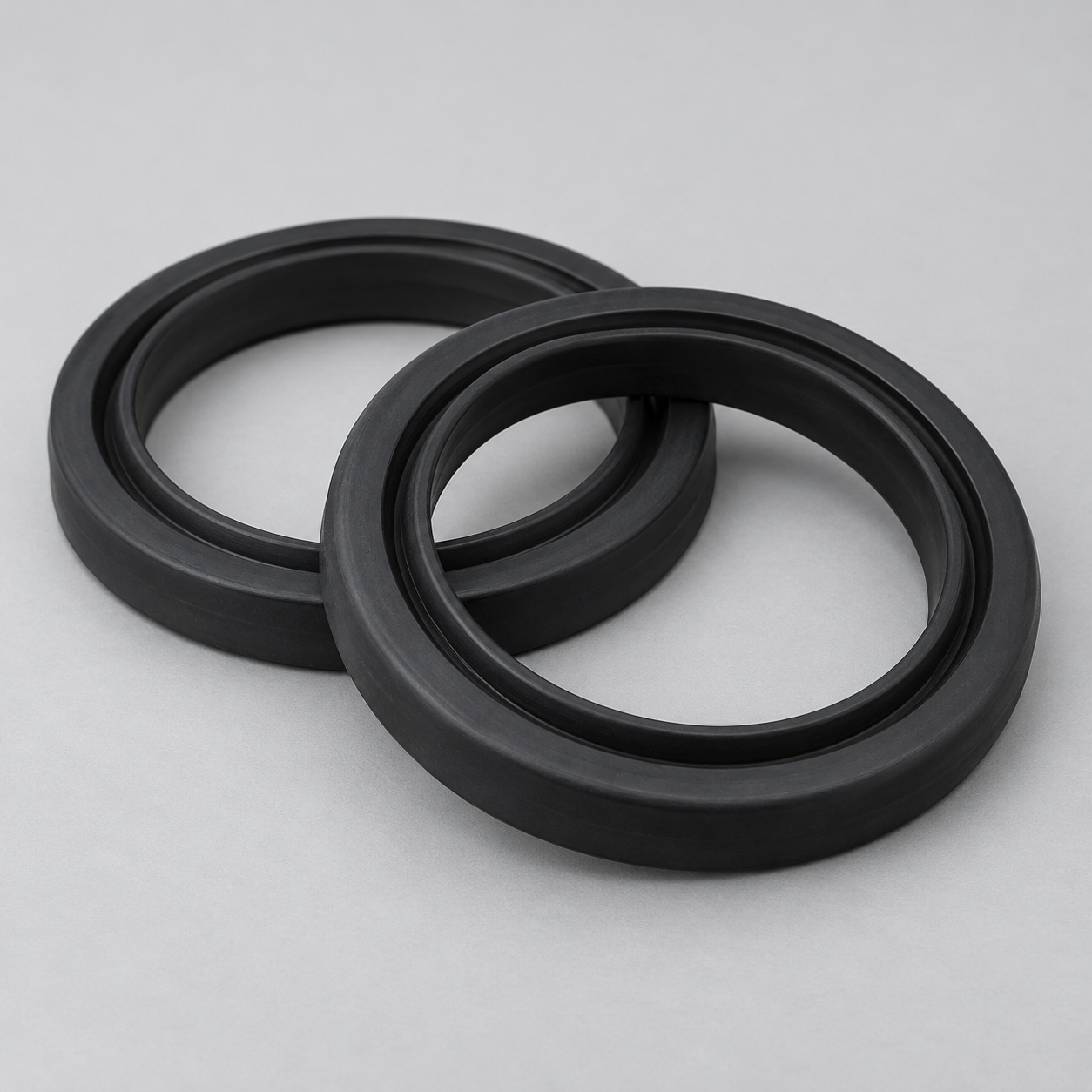 EPDMReview weathering and chemical exposure.›
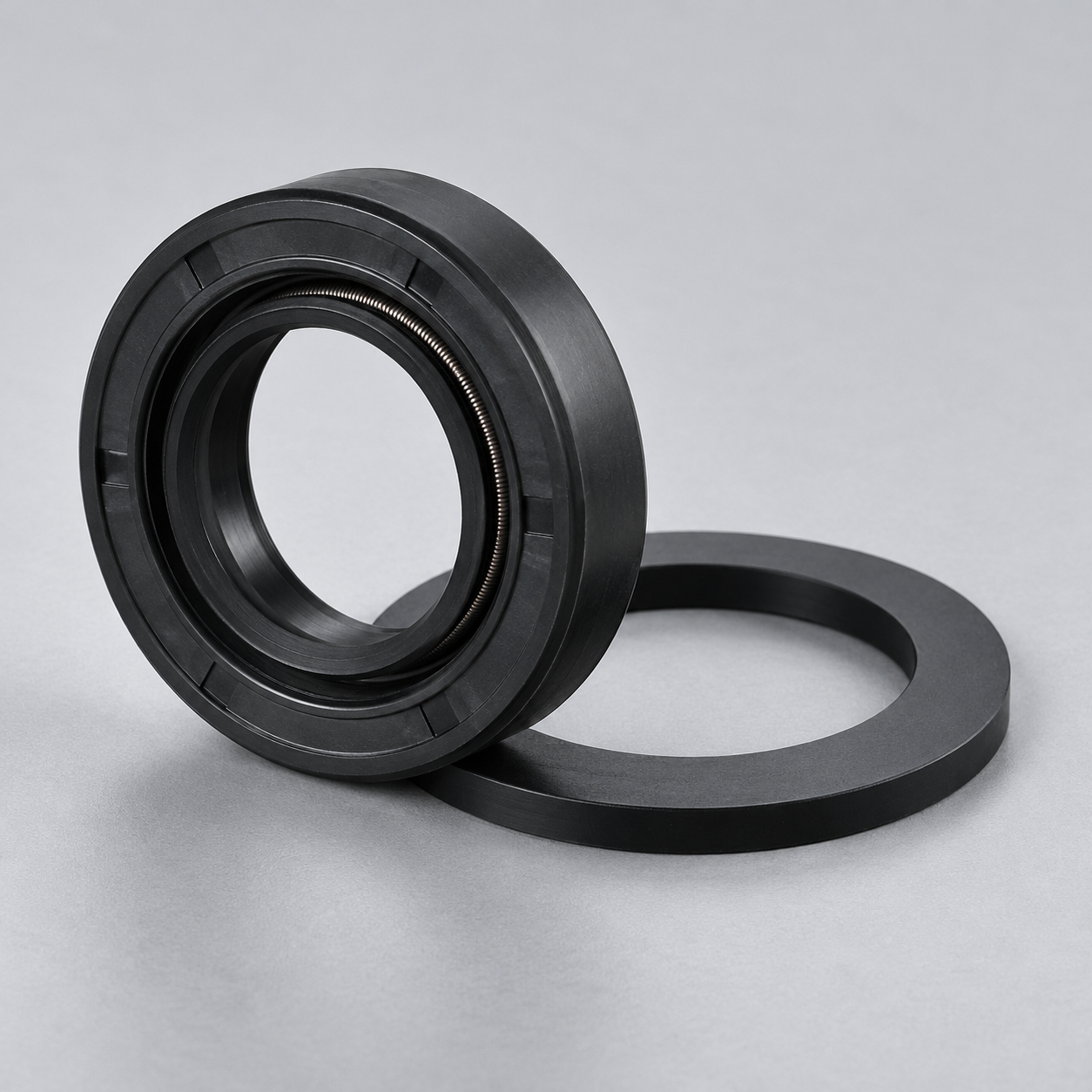 NBRReview oil and fuel exposure.›
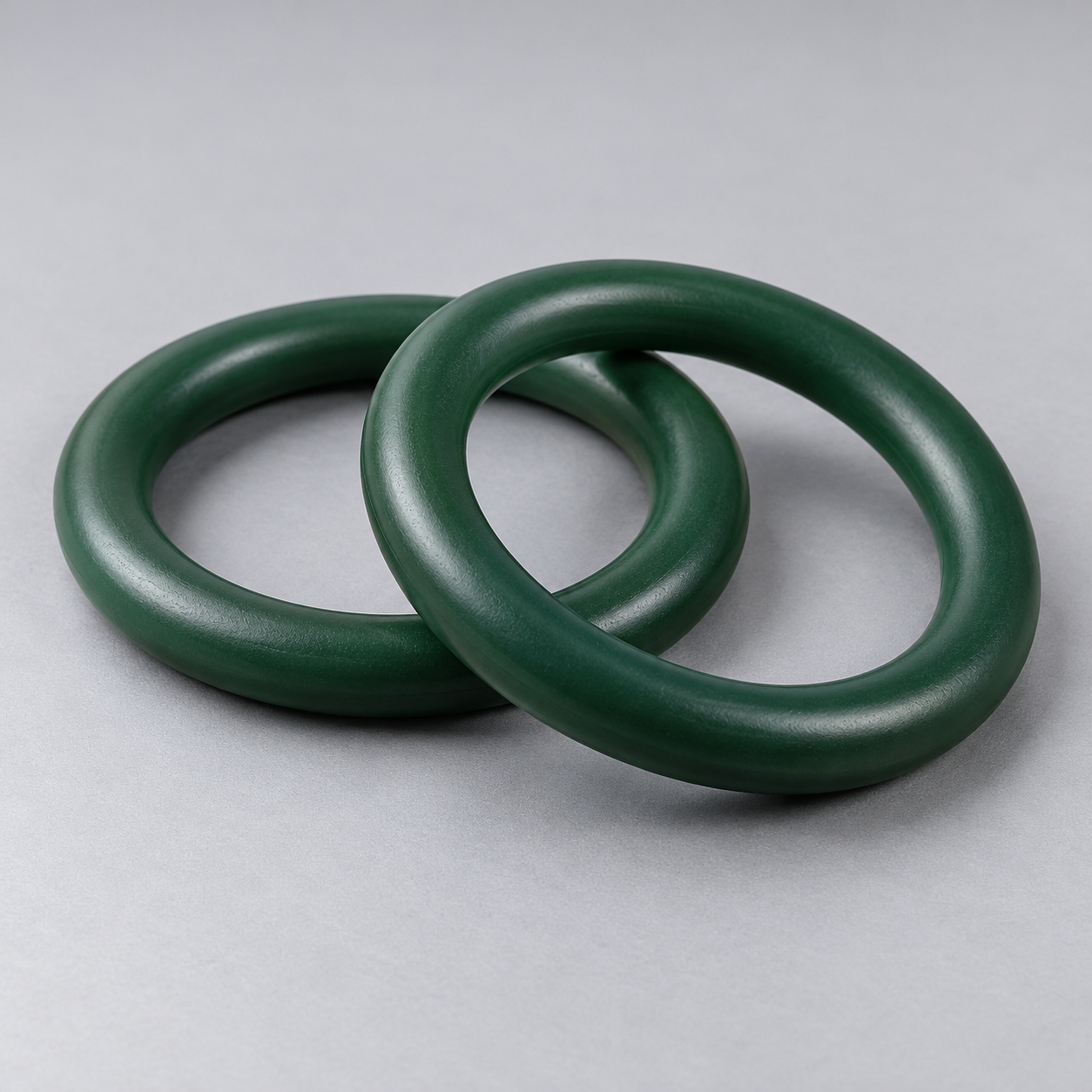 FKMReview temperature and chemical exposure.›
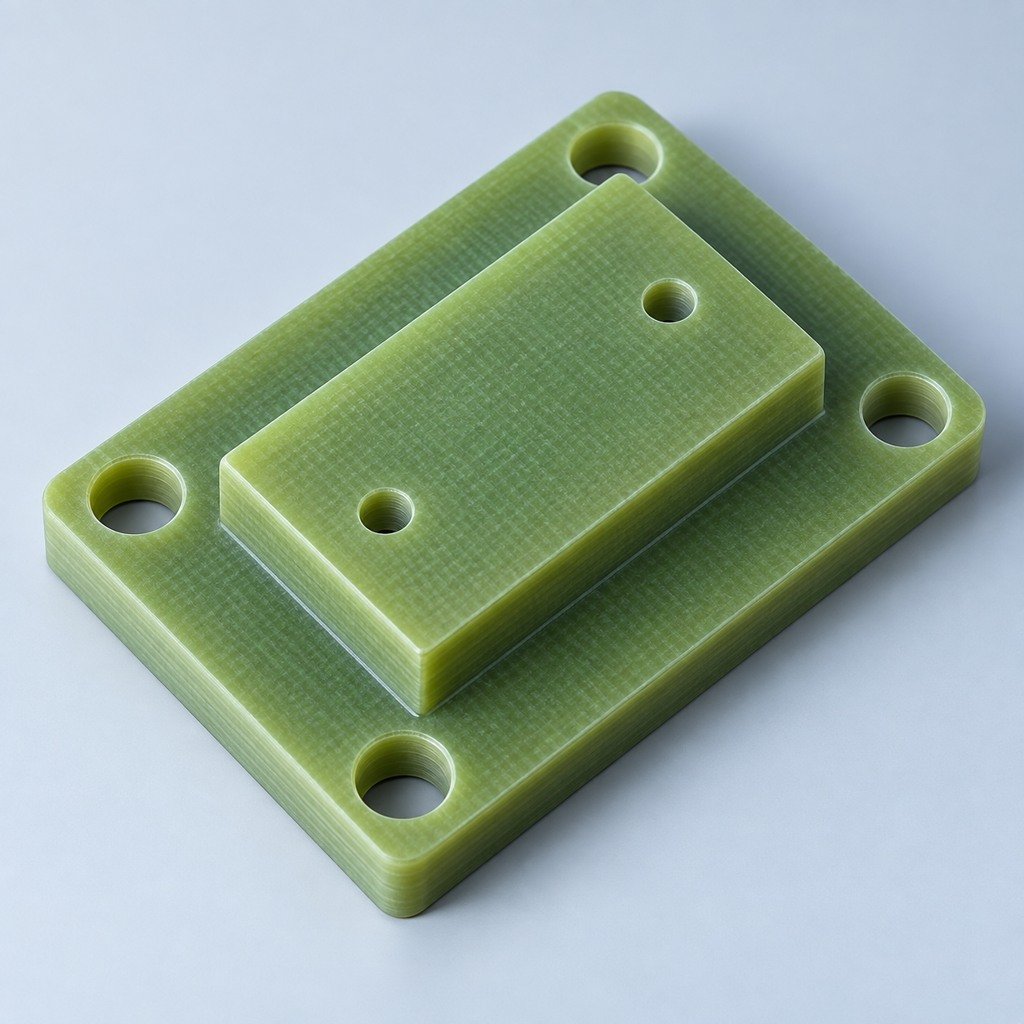 G10 / FR4Review insulation and laminate needs›
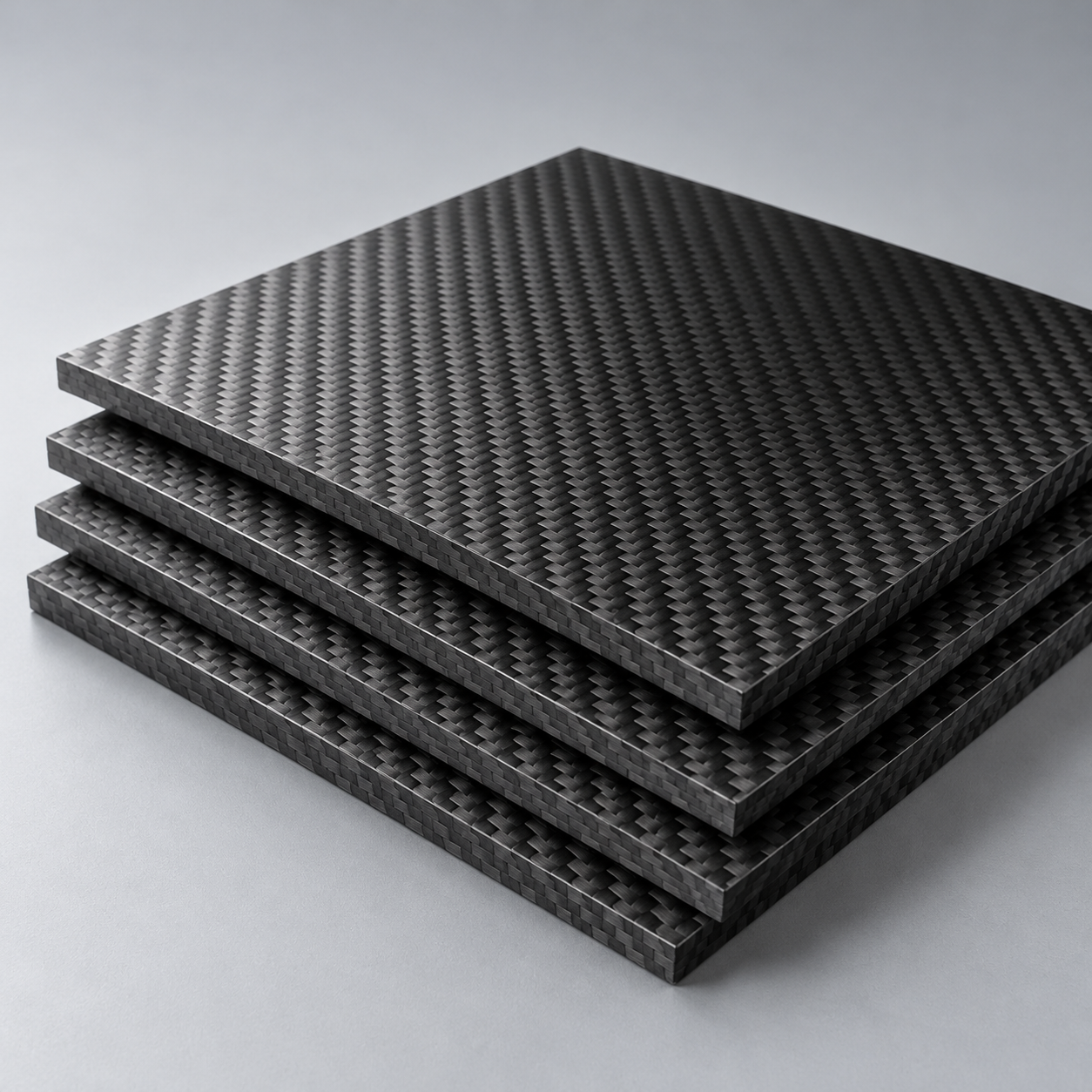 CompositesReview stiffness, weight and laminate.›Customer-Specified MaterialsConfirm your grade and requirements.›Other Specialty MaterialsDiscuss your application and grade.›
Practical guidance for your part geometry and material decisions.
Prepare your process, budget and sourcing questions.
Build your knowledge before production.
Learn who we are and how we operate.
Find our U.S. support team or start a conversation.
SURFACE FINISHING SERVICES
Protect your function. Define your appearance.
Bring anodizing, powder coating, plating and mechanical finishing into your manufacturing plan. Review material, critical fits, cosmetic zones and inspection before your parts enter production.
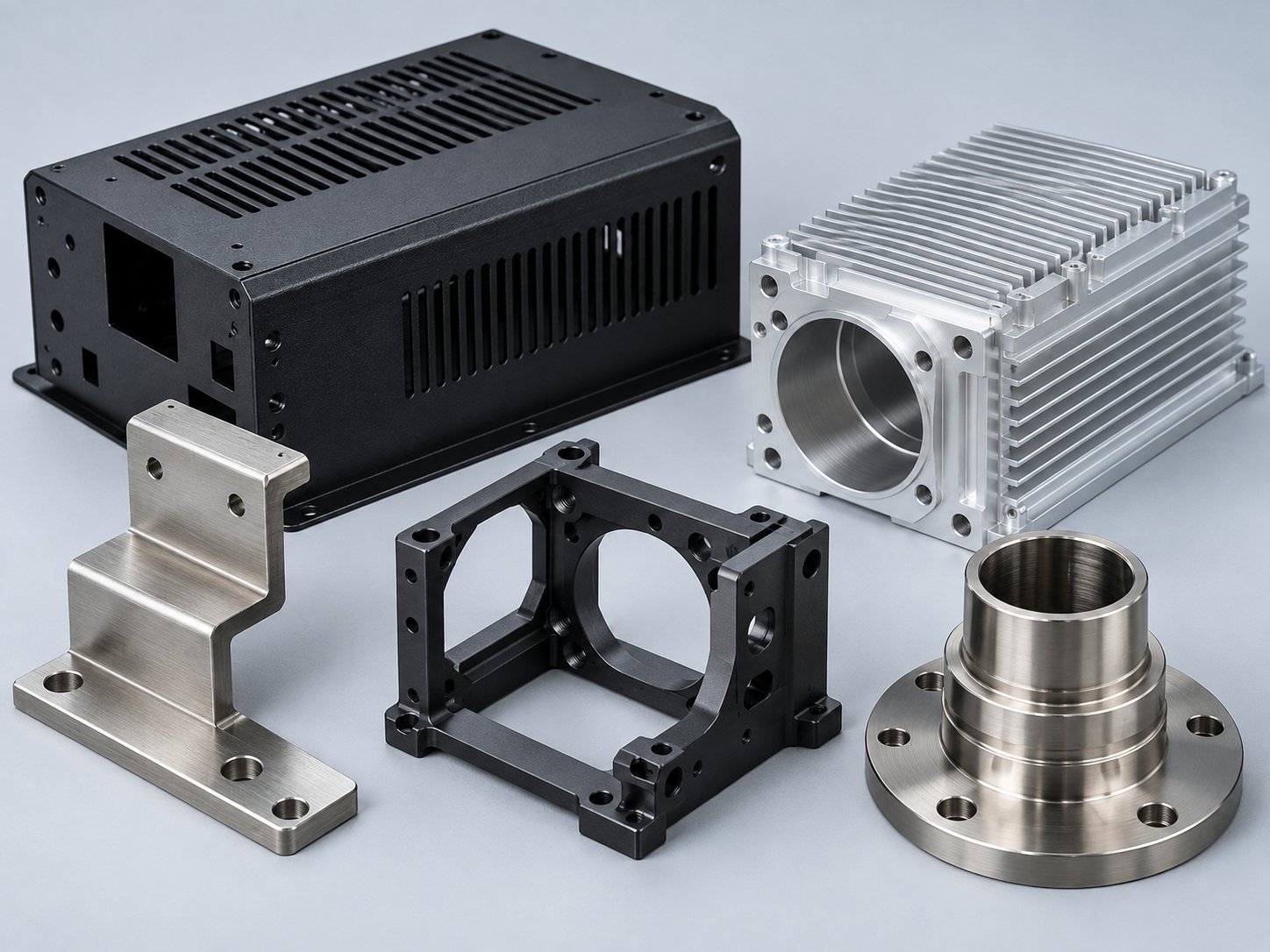
Choose a finish, then review its material, appearance and fit requirements.
Illustrative finish examples. Suitability and scope are confirmed for your drawing.
SURFACE FINISHING FOR YOUR APPLICATION
Start with the conditions your part must withstand, then agree the finished result.
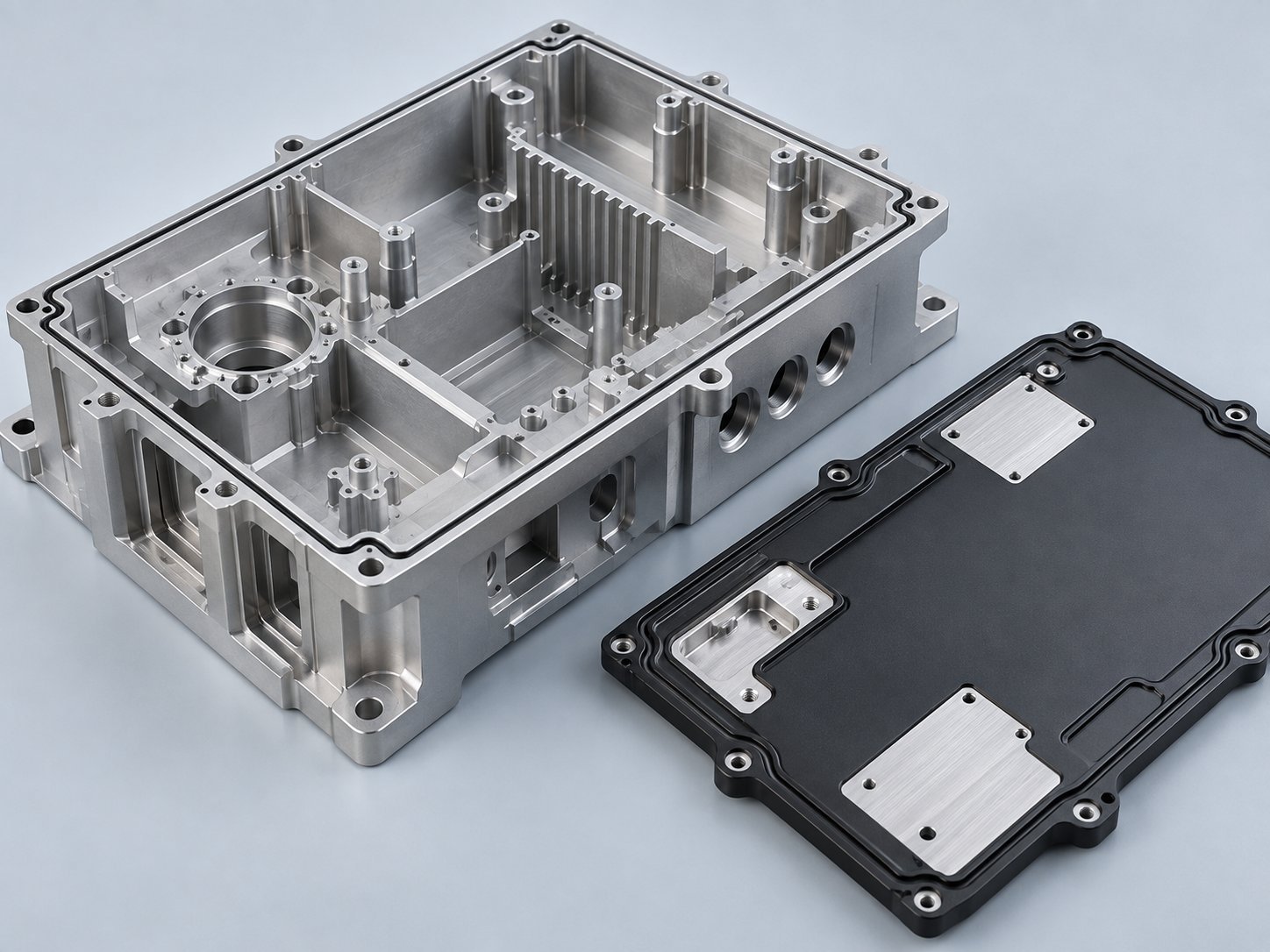
Product images are illustrative design concepts. Your approved drawing, finish specification and acceptance criteria control supplied parts.
EXPLORE YOUR FINISHING OPTIONS
Confirm availability and the full specification in your quotation.
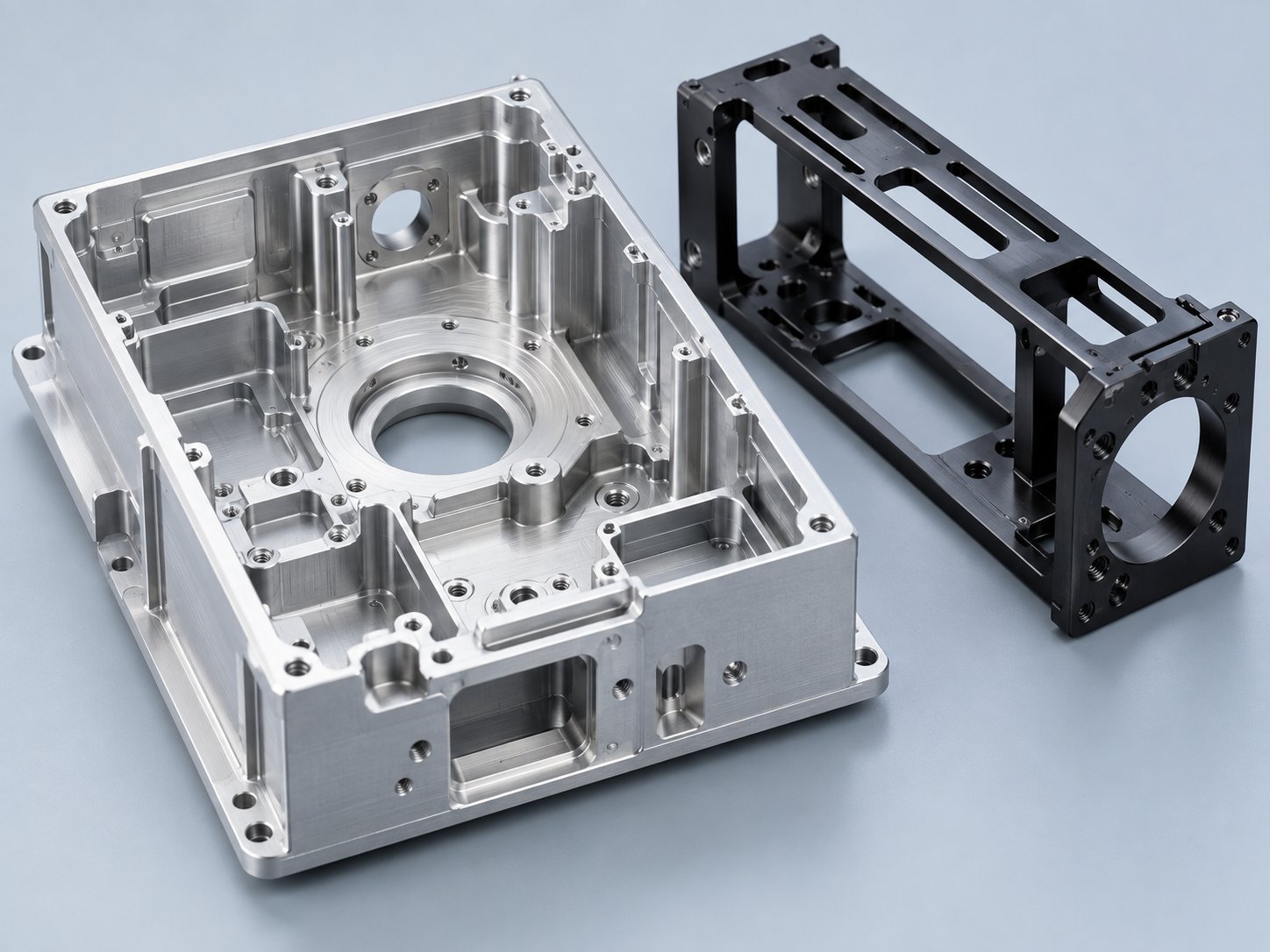
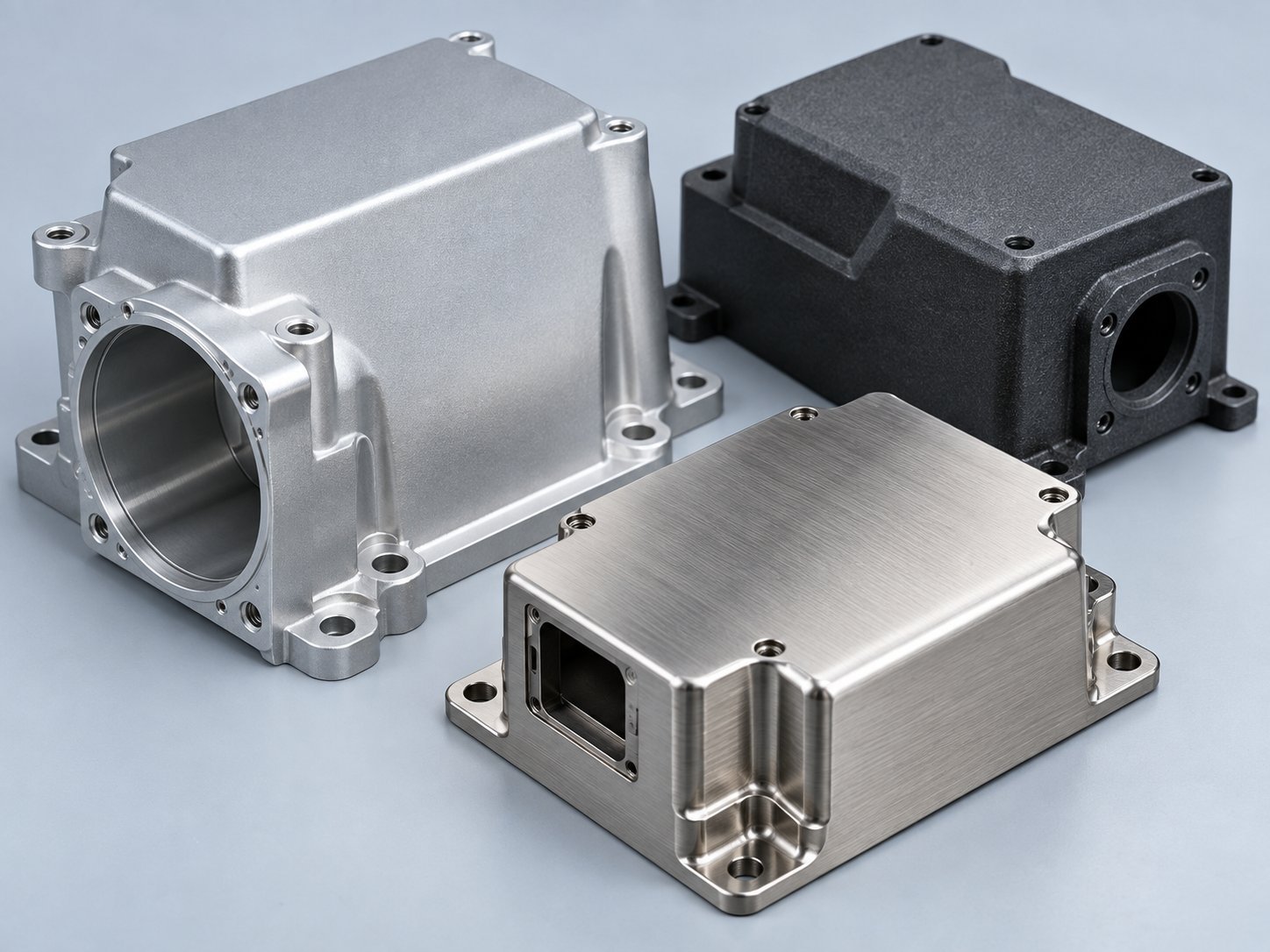
Review clear, black or color anodizing for appearance and corrosion requirements. Where wear matters, discuss hard anodizing and the finished dimensions.
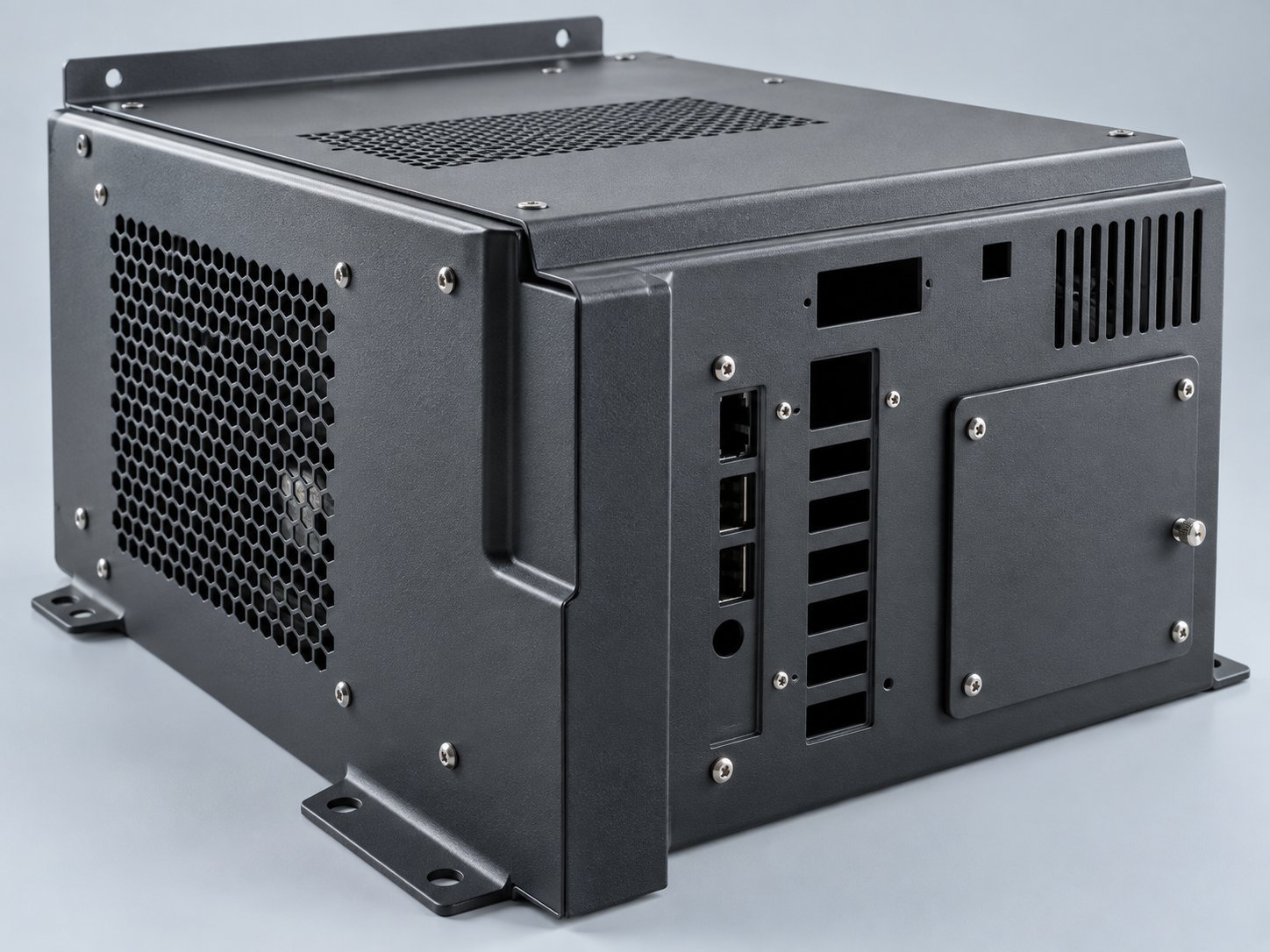
Coordinate preparation, coating and curing around your substrate and application. Define the texture and gloss your customer will see.
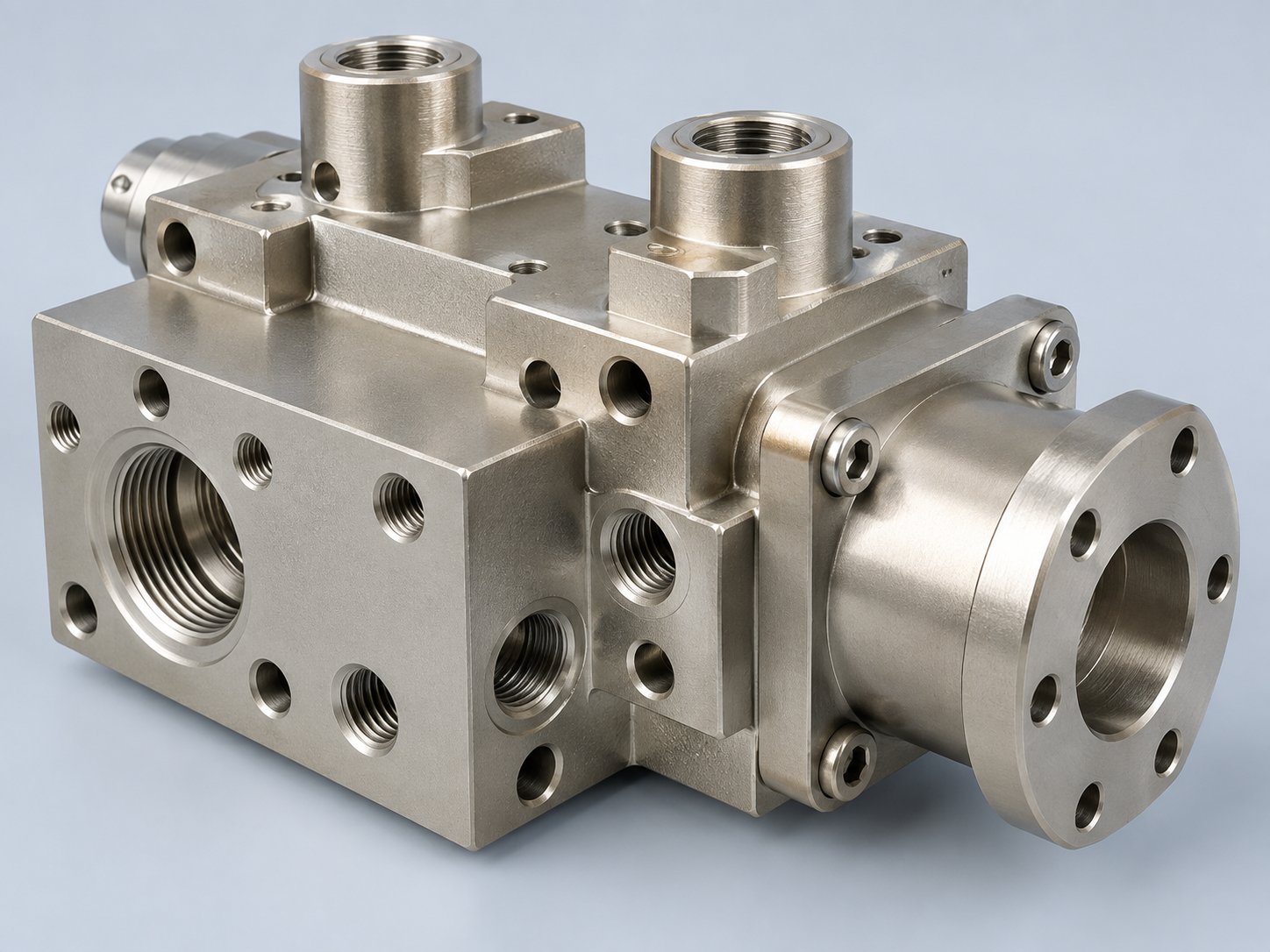
Review a nickel coating where corrosion, wear or surface requirements call for a plated finish. Confirm substrate preparation and the required deposit specification.
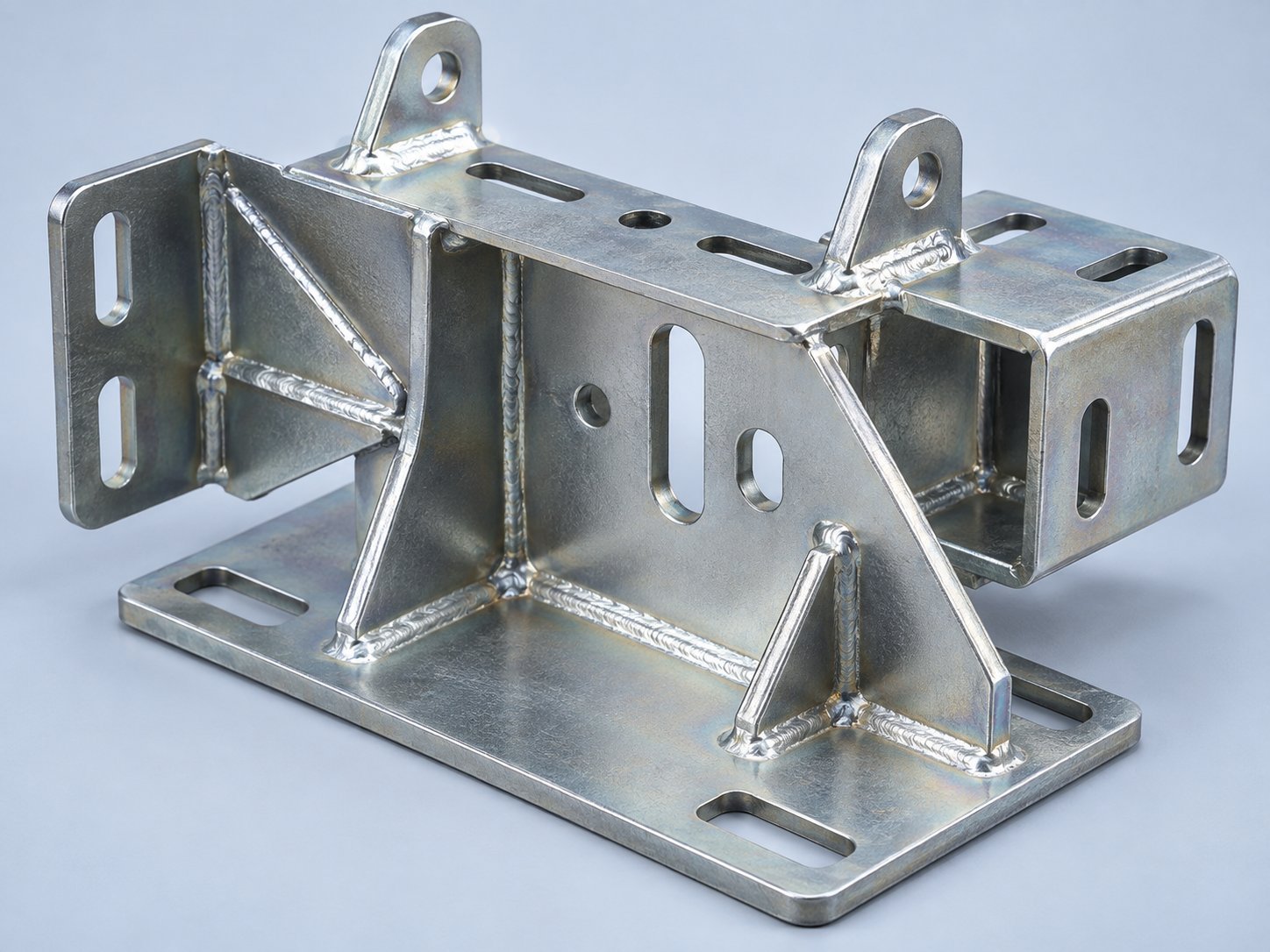
Consider a zinc coating system for suitable steel parts. Match the passivate, topcoat and acceptance requirements to the service environment.
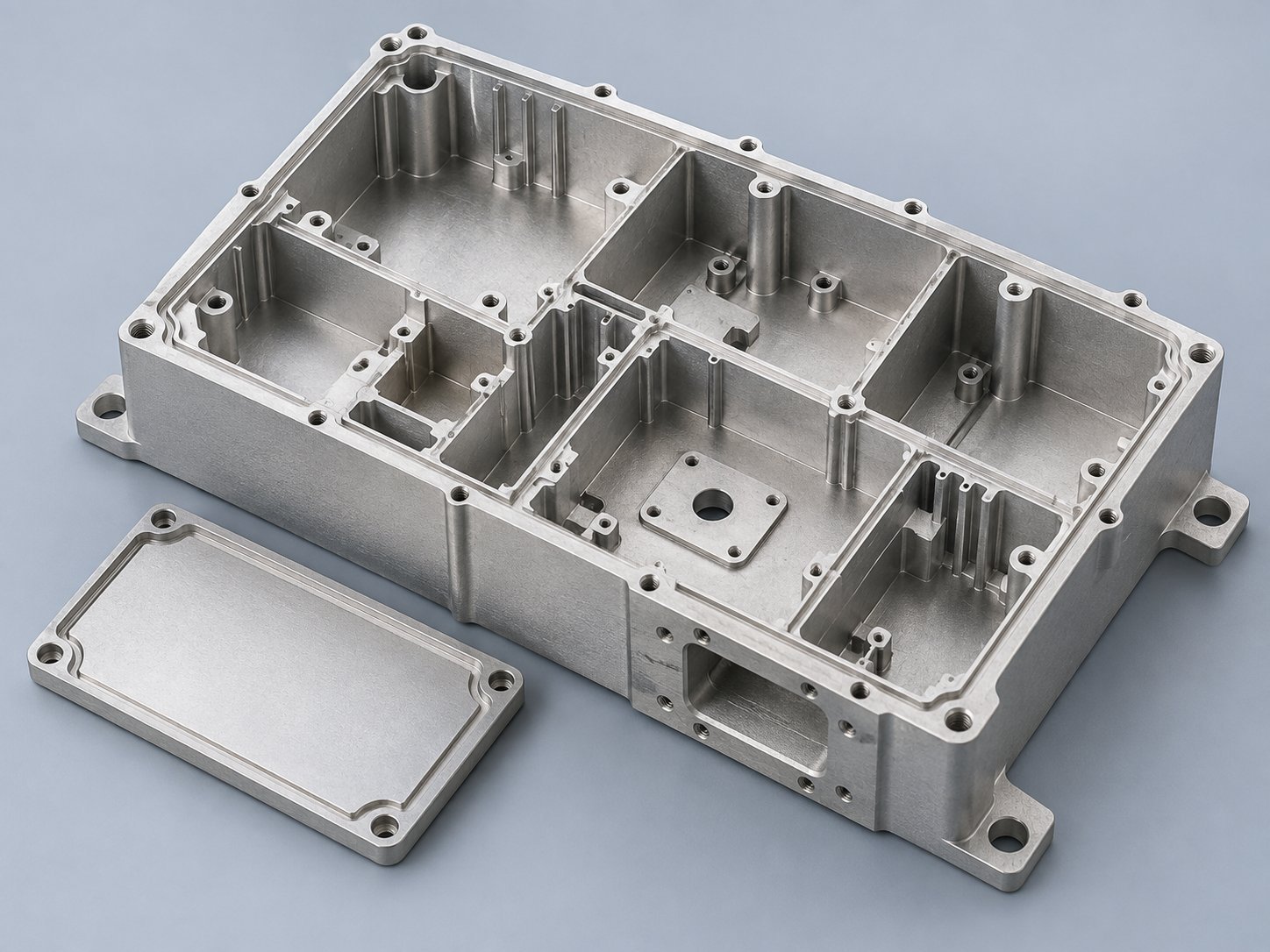
Review chemical conversion coating for suitable aluminum parts where corrosion protection, paint preparation or electrical contact requirements matter.
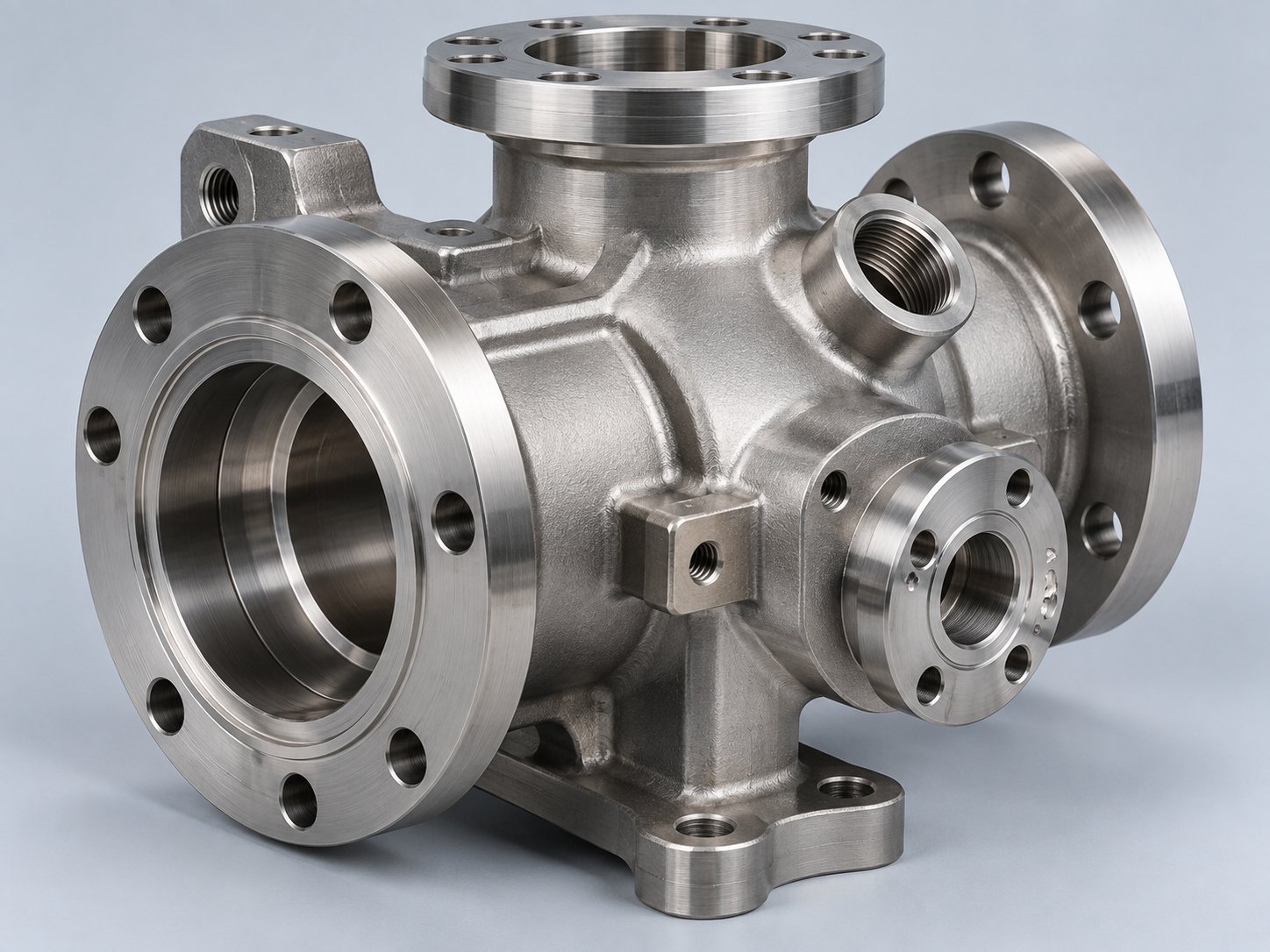
Discuss passivation after machining or fabrication to address surface contamination. Define cleaning and acceptance around your stainless grade and application.
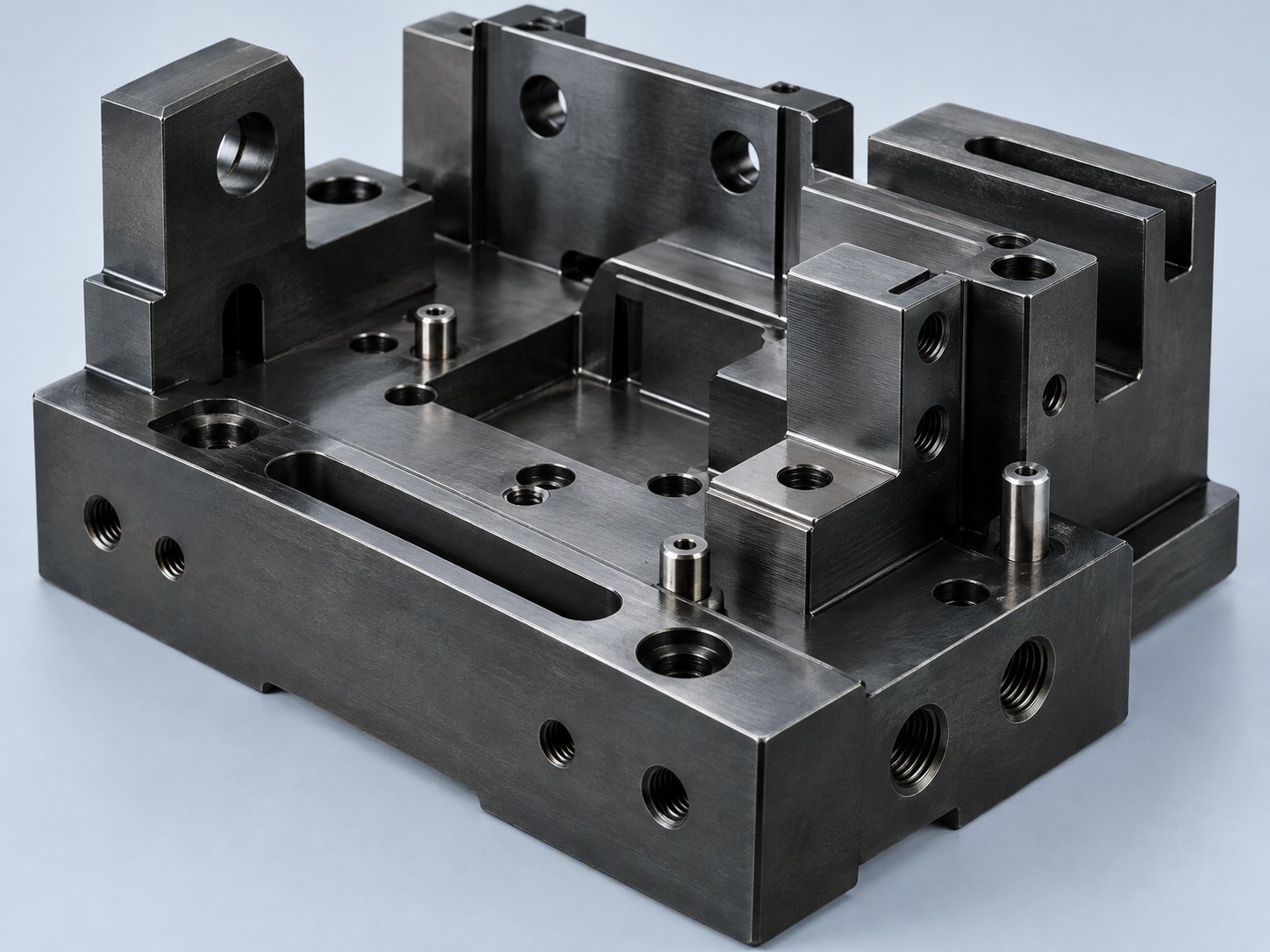
Review black oxide when a dark appearance and limited dimensional change suit your component. Include the post-treatment and service environment in the decision.
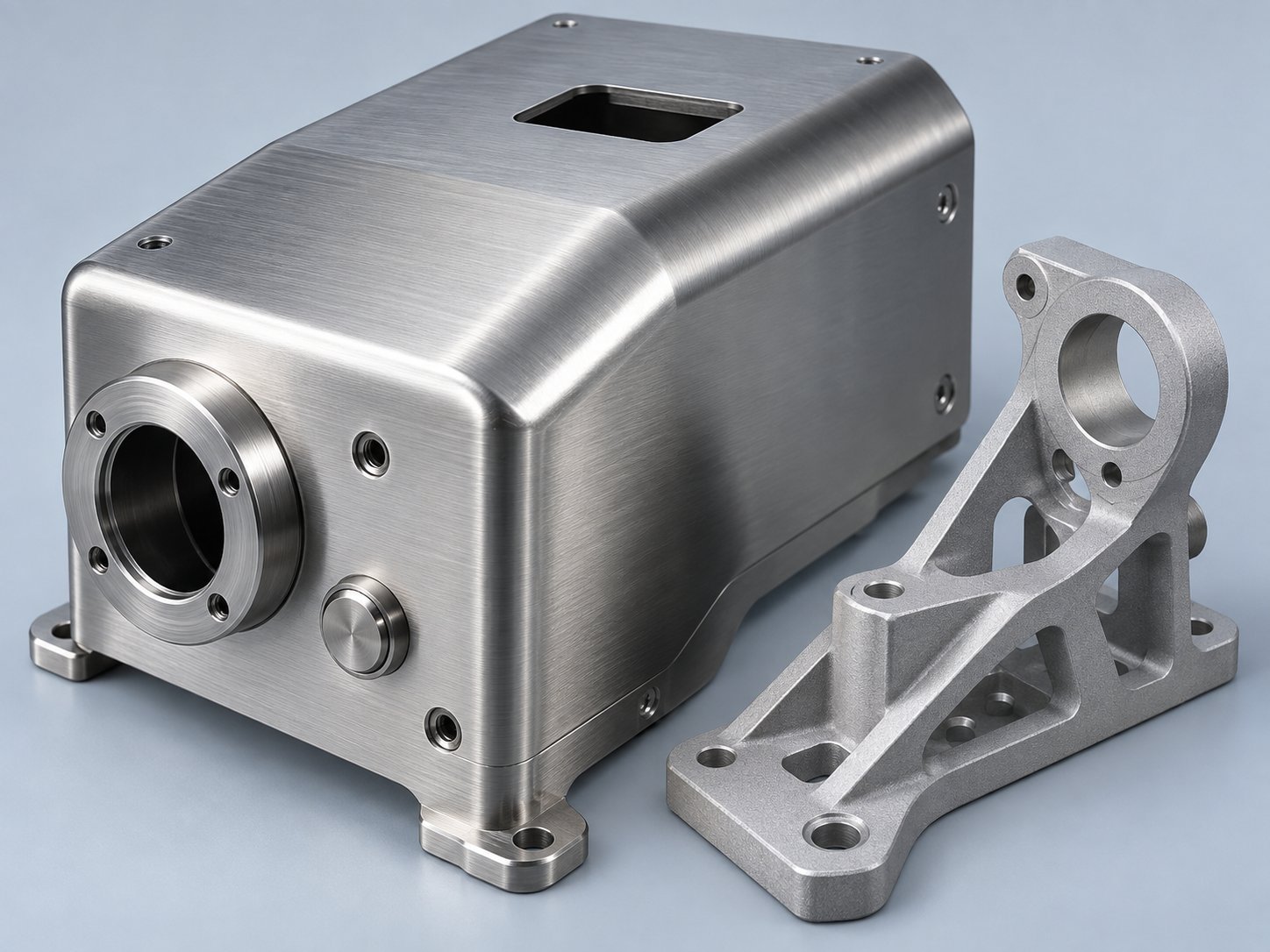
Use bead blasting or directional brushing to prepare and define your surface. Review marks, edges and cosmetic zones before chemical finishing or coating.
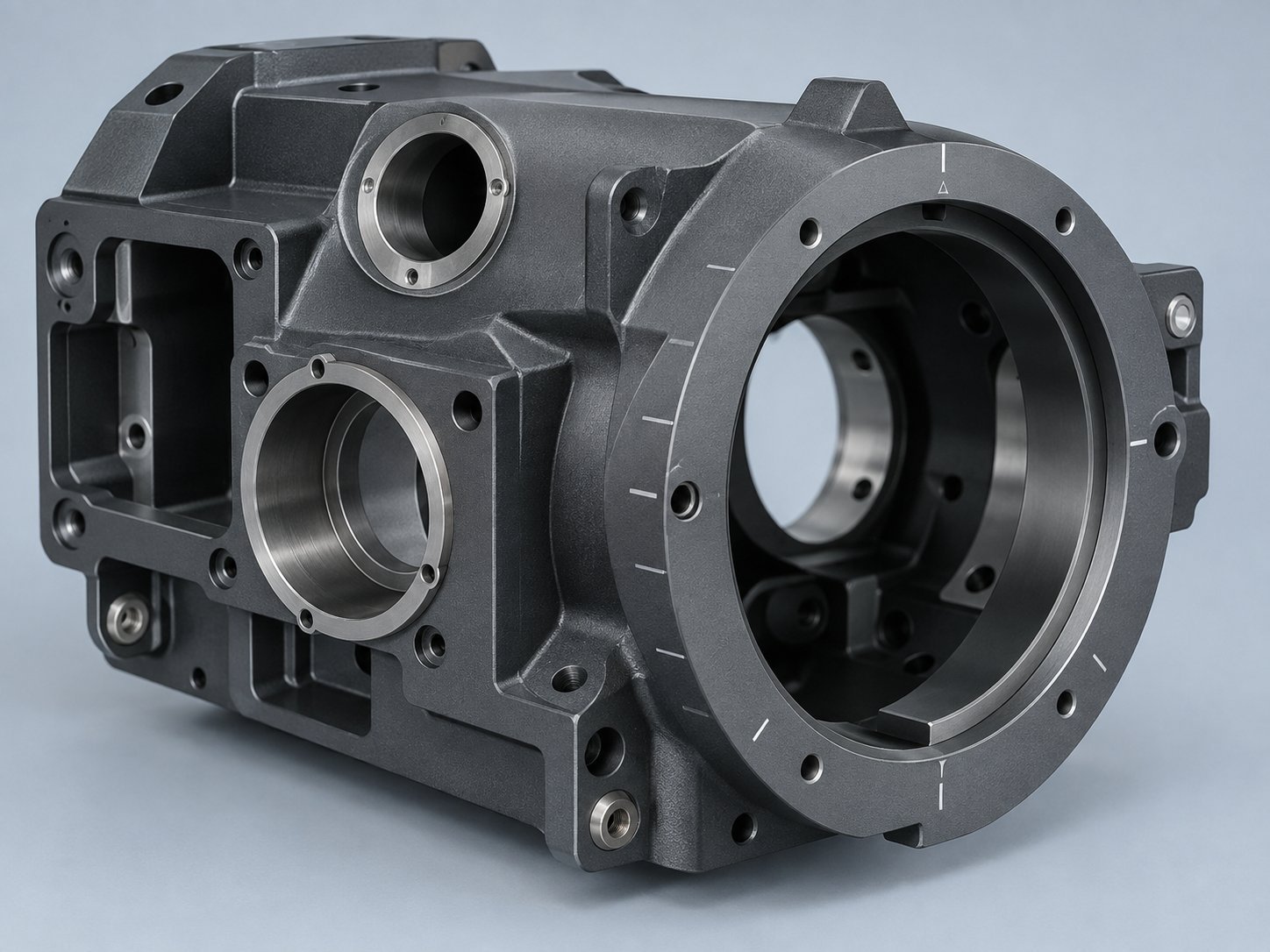
Coordinate paint or part marking with the substrate, coating system and visibility requirements. Confirm artwork, location and durability before release.
MATERIAL COMPATIBILITY
These are starting points for review, not a universal compatibility guarantee.
| Your base material | Options to review | Confirm for your part |
|---|---|---|
| Aluminum | Anodizing · conversion coating · powder coating | Alloy, silicon content, coating build-up and appearance |
| Stainless steel | Passivation · brushing · polishing | Grade, contamination, grain direction and cosmetic zones |
| Carbon steel | Zinc plating · powder coating · black oxide | Corrosion system, steel strength and protected interfaces |
| Brass / copper | Suitable plating · polishing · protective coating | Deposit specification, tarnish and electrical requirements |
| Zinc die cast | Suitable plating · painting · powder coating | Porosity, preparation, curing conditions and finish sample |
| Plastics | Compatible painting · printing · marking | Polymer, adhesion, temperature limits and artwork |
Alloy, heat treatment, surface condition and the finish specification affect feasibility. Review high-silicon die-cast aluminum before specifying cosmetic anodizing.
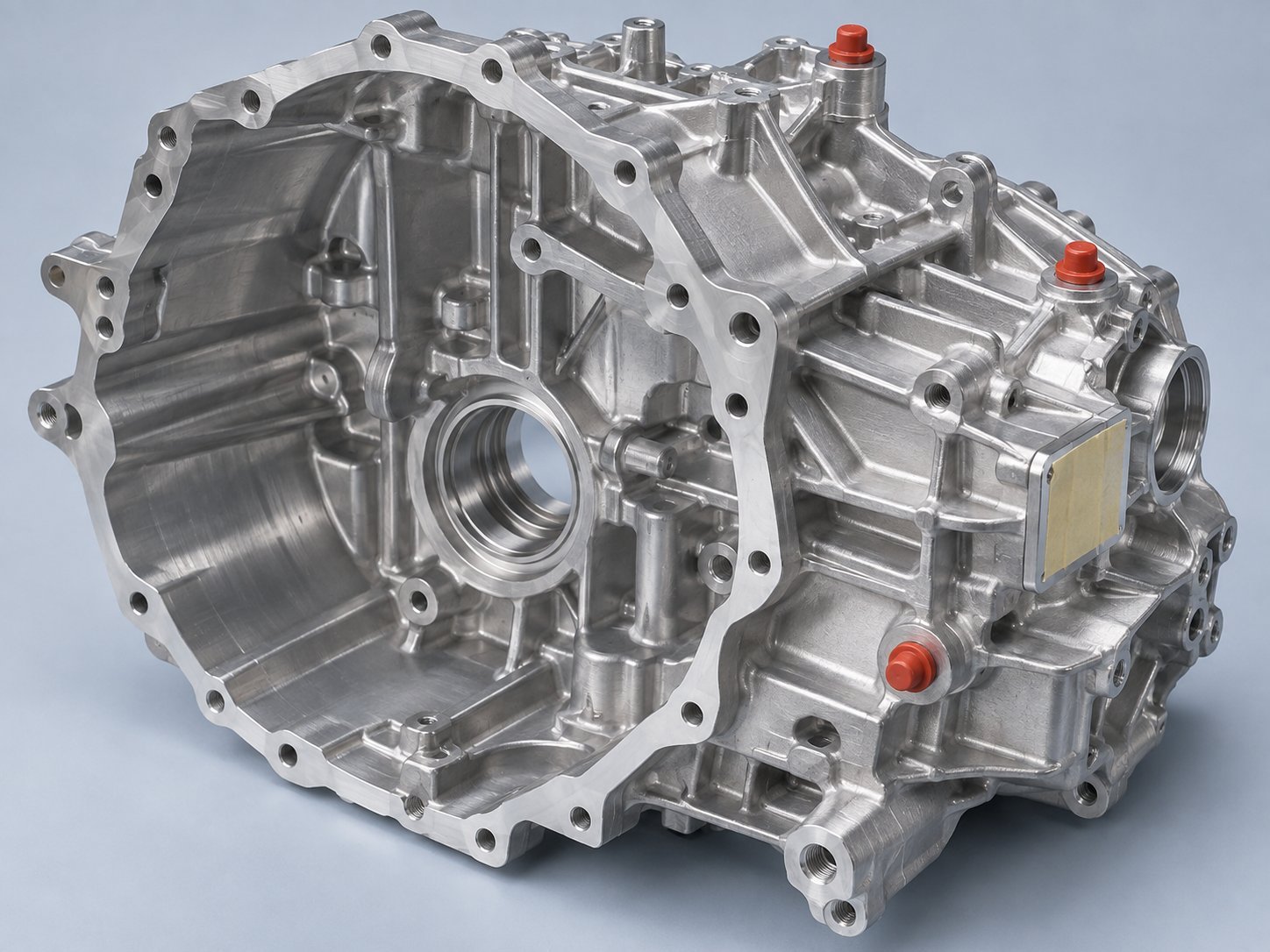
DFM & MASKING BEFORE FINISHING
Put functional surfaces and cosmetic expectations on the same drawing.
COMPARE FINISHES AROUND YOUR REQUIREMENTS
A finish can improve one requirement while changing another. Review the complete system.
| Finish family | Your main review | Dimensional / assembly consideration | Appearance decision |
|---|---|---|---|
| Anodizing | Aluminum protection and specified wear performance | Growth and penetration affect finished fits; review masking | Alloy, pretreatment, color and sealing |
| Powder coating | Protective coating and cosmetic finish | Build-up and curing conditions; mask functional interfaces | Texture, gloss and approved color reference |
| Electroless nickel | Specified deposit performance | Deposit thickness on bores, threads and mating faces | Substrate marks and preparation |
| Zinc plating | Corrosion-protection system for suitable steel | Deposit and post-treatment requirements | Passivate appearance and allowable variation |
| Conversion coating | Corrosion protection, paint base or electrical requirements | Specify class and contact requirements | Alloy-dependent shade and permitted marks |
| Black oxide | Dark appearance and supplementary protection | Review material and post-treatment | Surface preparation and oiled appearance |
FROM YOUR DRAWING TO AN APPROVED FINISH
A color code alone does not define texture, gloss or allowable variation.
YOUR INTEGRATED MANUFACTURING PLAN
Keep the process route and acceptance requirements connected.
Build your geometry with the allowance needed for the finish.
Clean, deburr and prepare the specified surface condition.
Apply the reviewed coating or treatment and protect critical zones.
Use your approved identification, artwork and location.
Check the agreed appearance, thickness and functional requirements.
Protect cosmetic surfaces and interfaces for your next assembly step.
QUALITY YOU CAN REVIEW
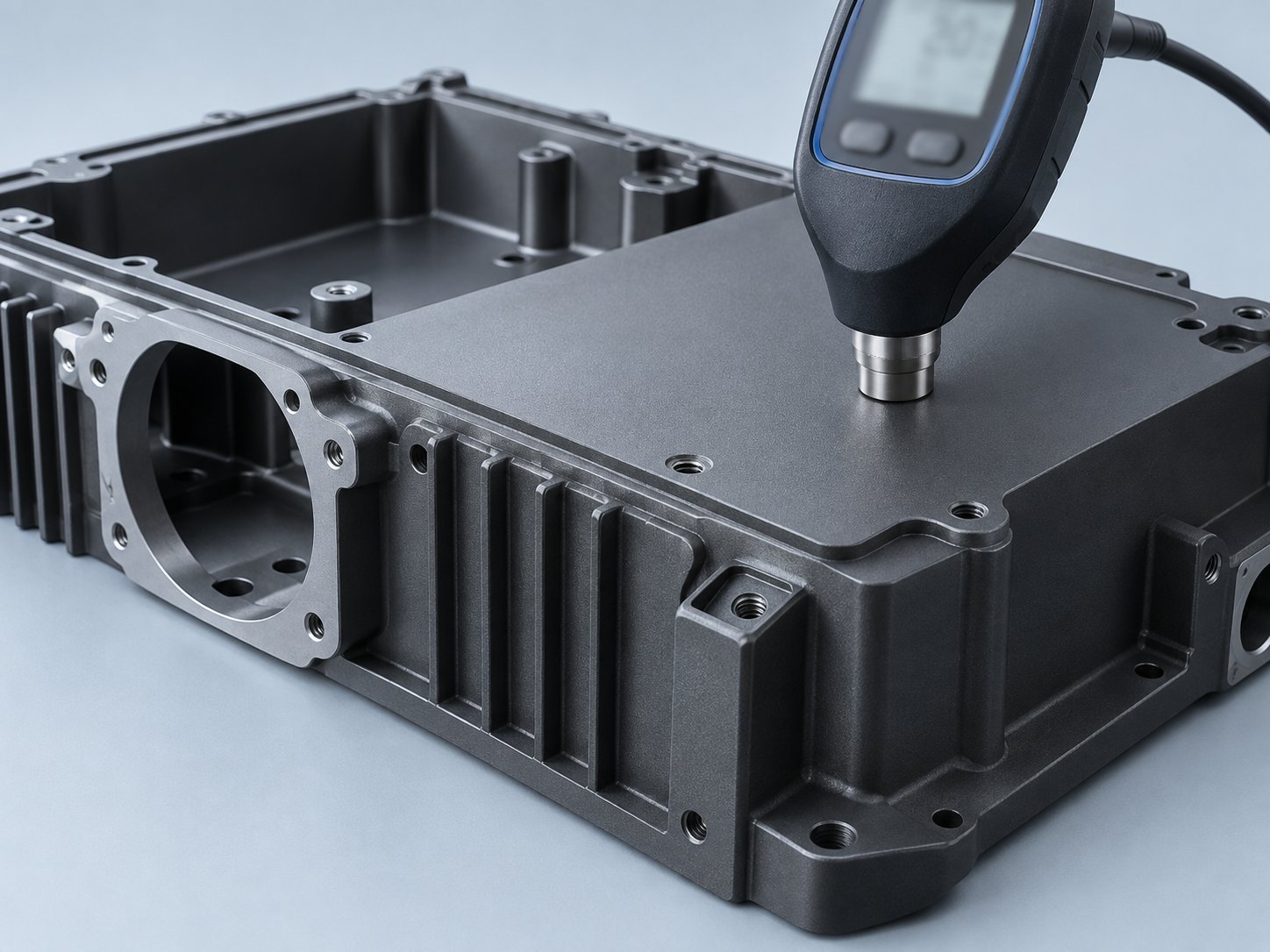
Agree the inspection method, sampling and records before production.
Approved sample, cosmetic zones and viewing conditions.
Measurement locations and specified acceptance limits.
Masking, threads, mating faces and electrical contacts.
Adhesion or corrosion testing when agreed for your program.
Testing and material or process documentation are scoped in your quotation. A test result should be evaluated against the stated method and acceptance criteria.
YOUR INDUSTRY · YOUR FINISH REQUIREMENTS
Tell us what your part must withstand and which surfaces your customer will see.
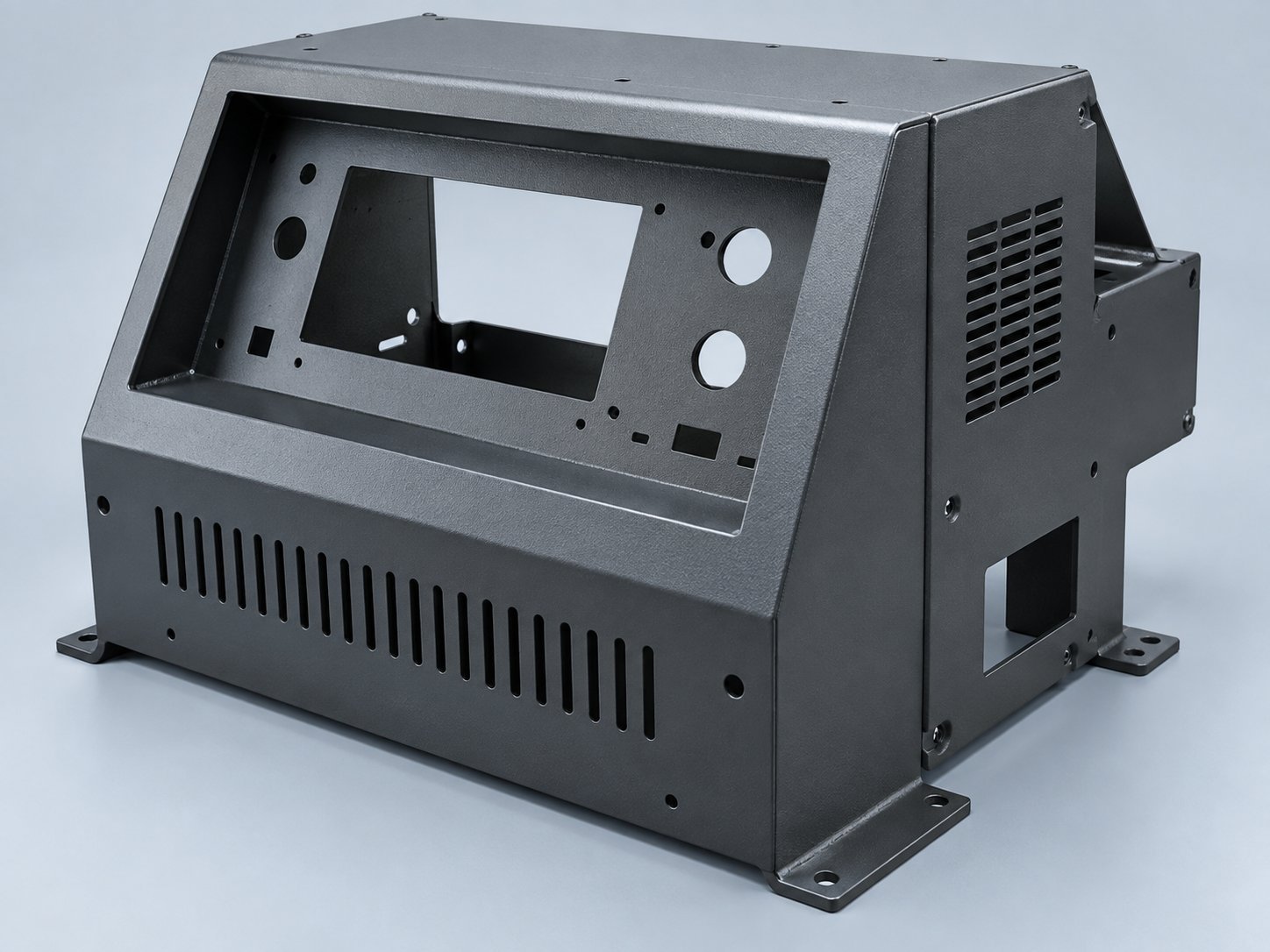
Your protective enclosure finish, access panels and mounting interfaces.
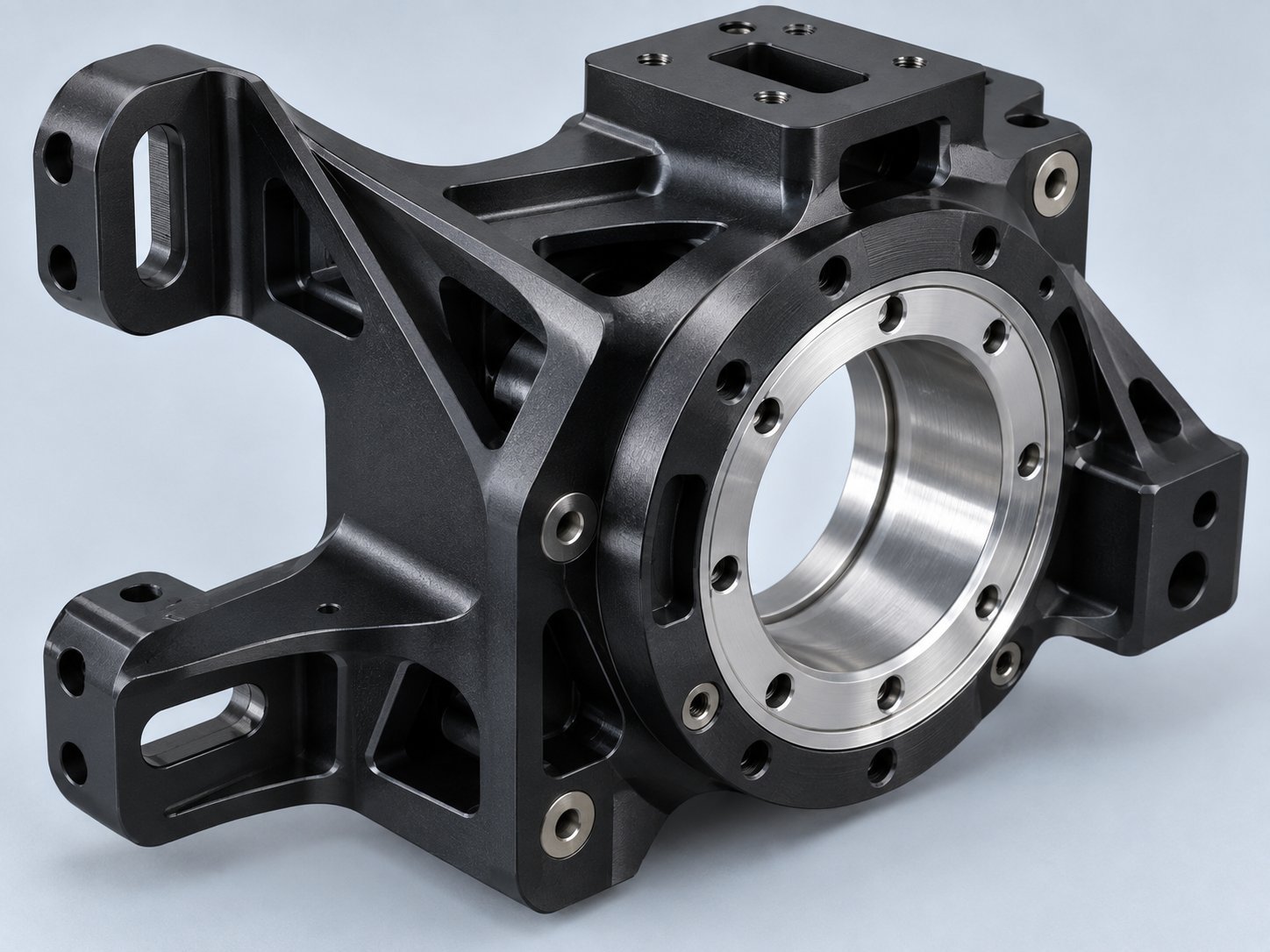
Your wear surfaces, precision bores and assembly contacts.
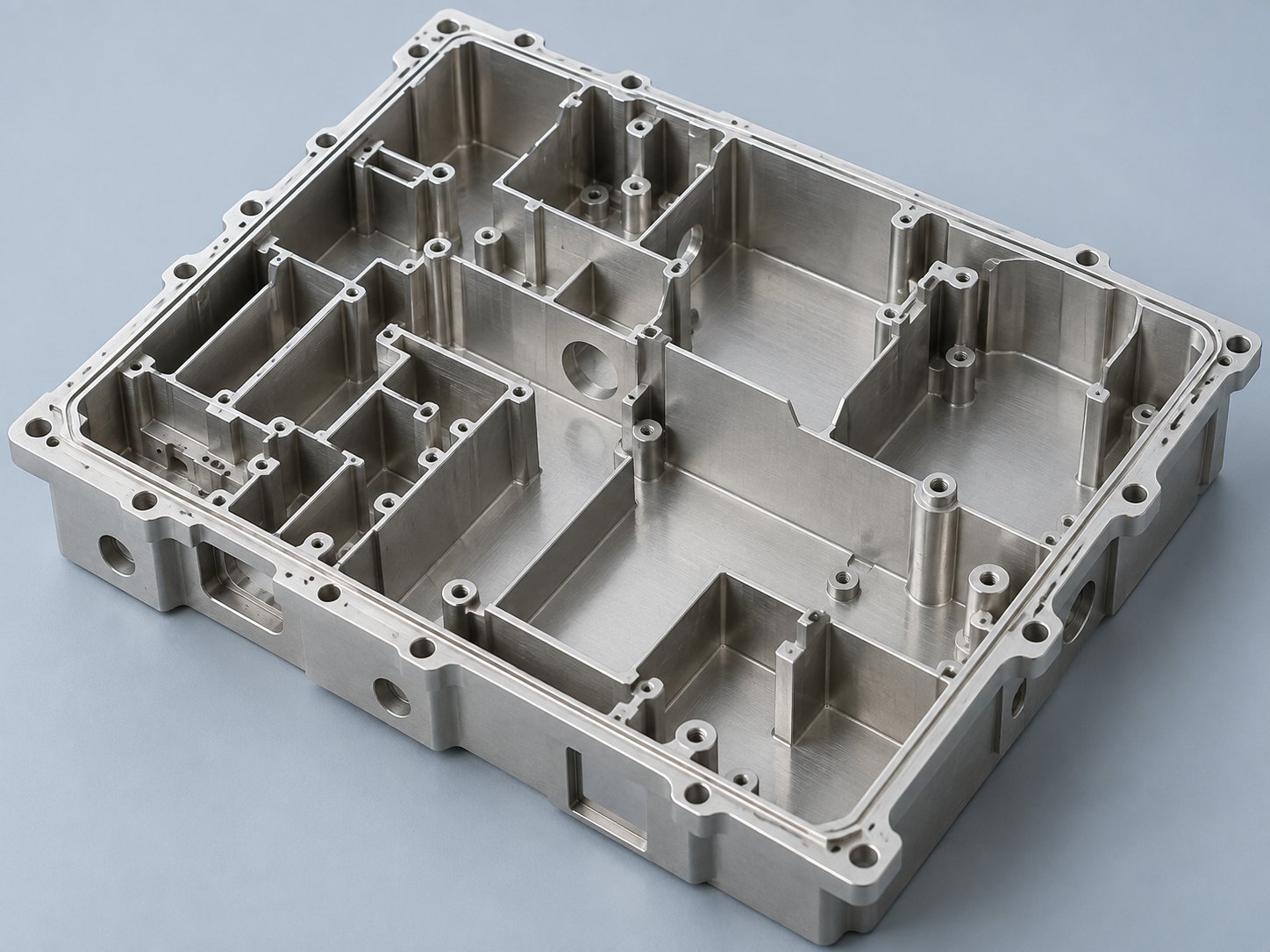
Your conductive interfaces, cosmetic panels and shielding requirements.
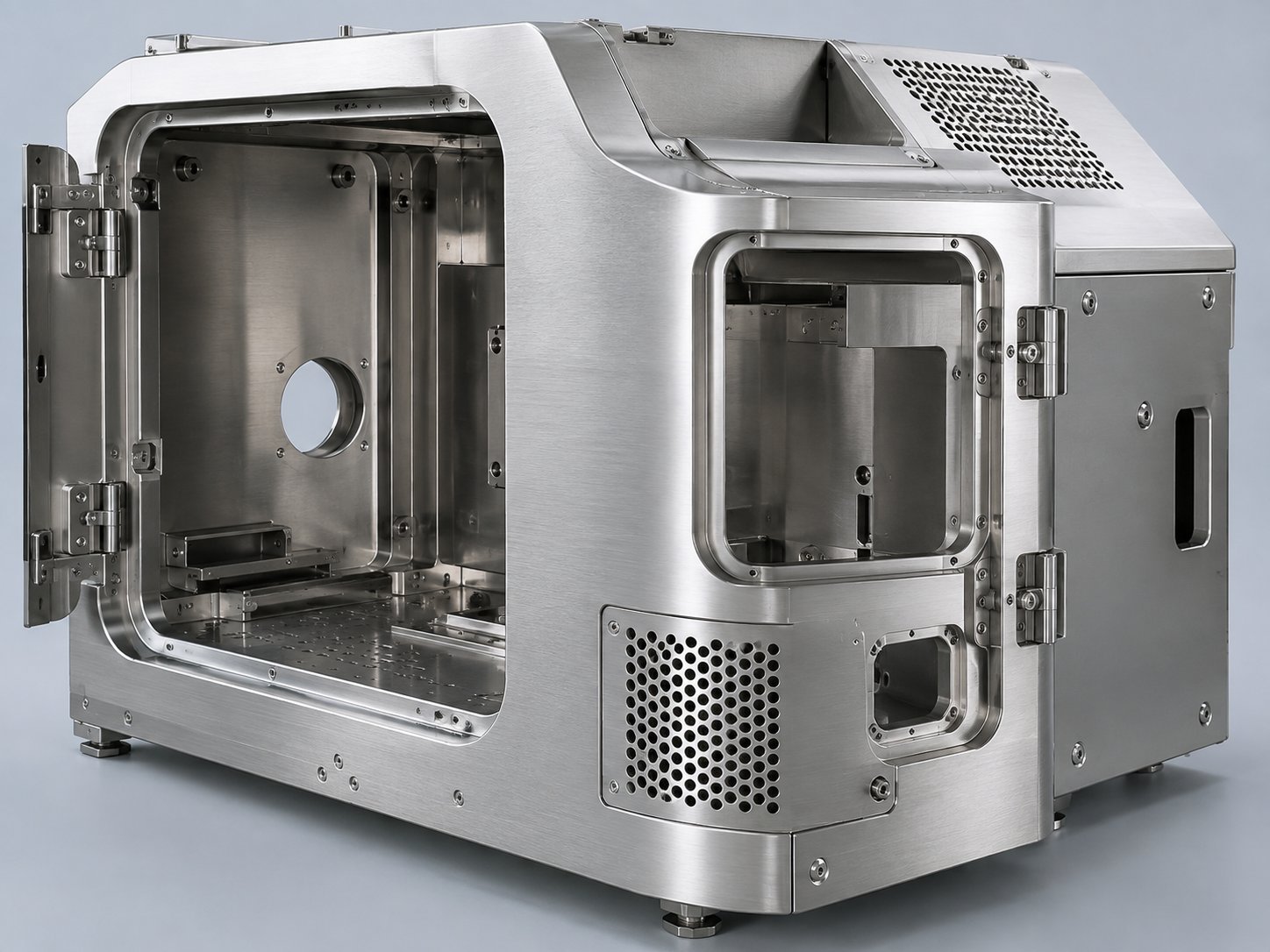
Your cleaning exposure, surface condition and visible zones.
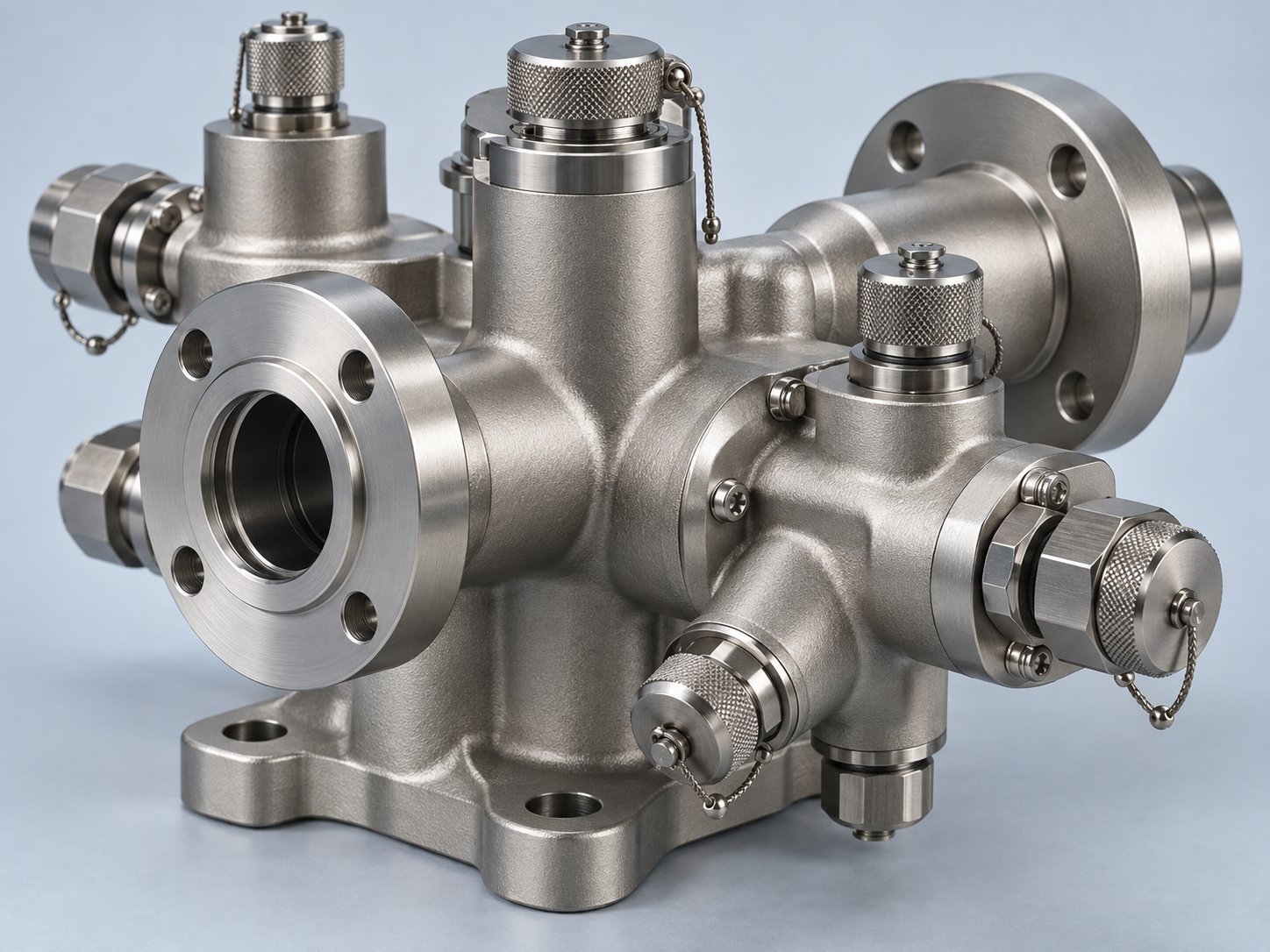
Your environment, corrosion system and controlled interfaces.
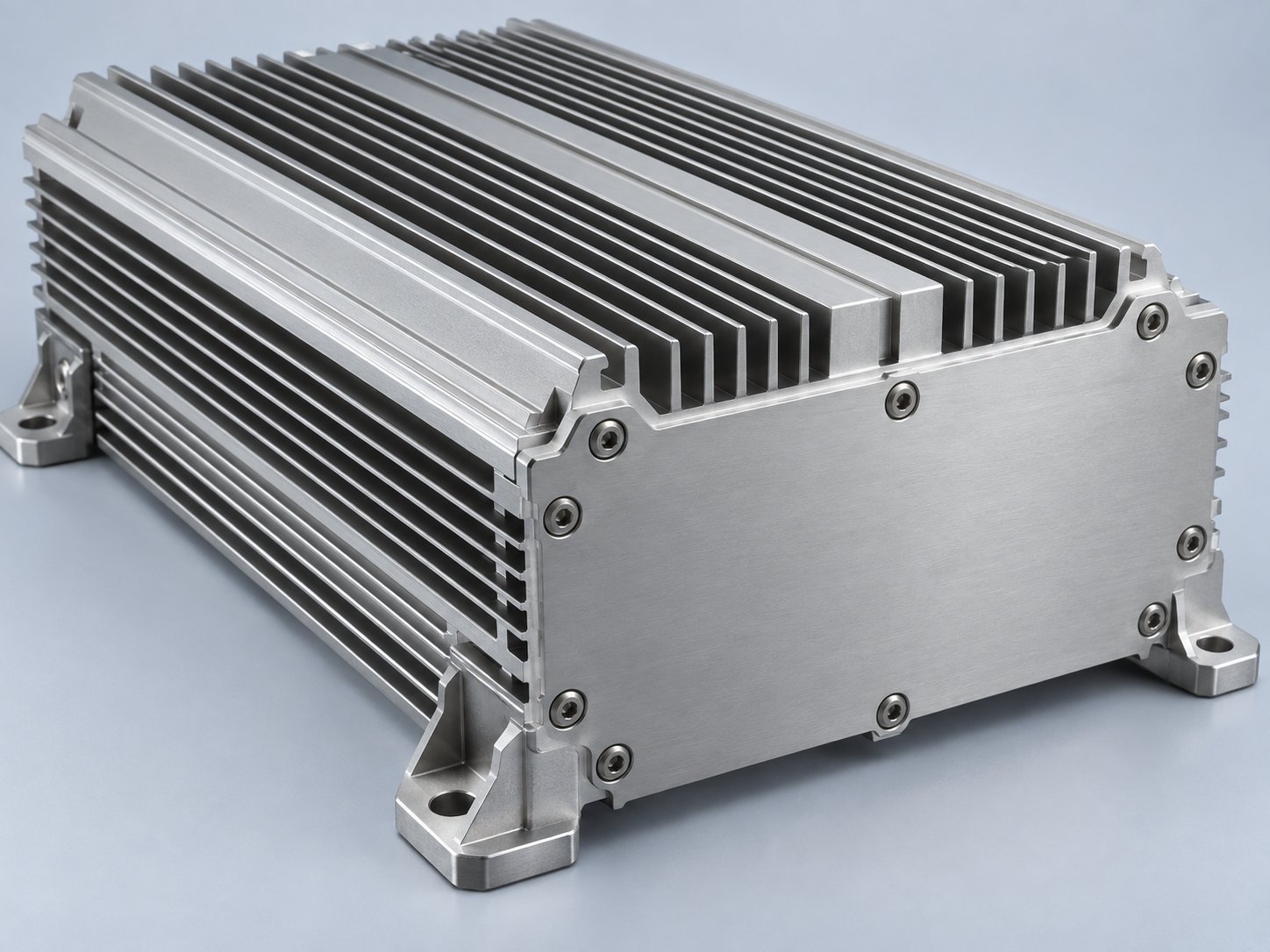
Your outdoor exposure, thermal interfaces and coating requirements.
Start with your substrate, operating environment, wear, electrical contact and appearance requirements. Share the drawing and specifications so the finish can be reviewed with masking, dimensions and inspection.
Coatings and treatments can affect finished dimensions. Mark critical bores, threads, seal faces and fits. Agree machining allowance, masking and the required inspection condition before production.
Provide the color reference, gloss, texture and cosmetic zones. Approve a representative sample and agree acceptable variation. Material and pretreatment can affect appearance, especially with anodizing.
Identify the areas and required finished condition on your drawing. Review the masking boundary, contact requirements and inspection method as part of the finish plan.
Material, part geometry, quantity, preparation, masking, coating system, sample approval and inspection all influence the quote. Include your target date, batch demand and delivery destination.
Review anodizing & fits
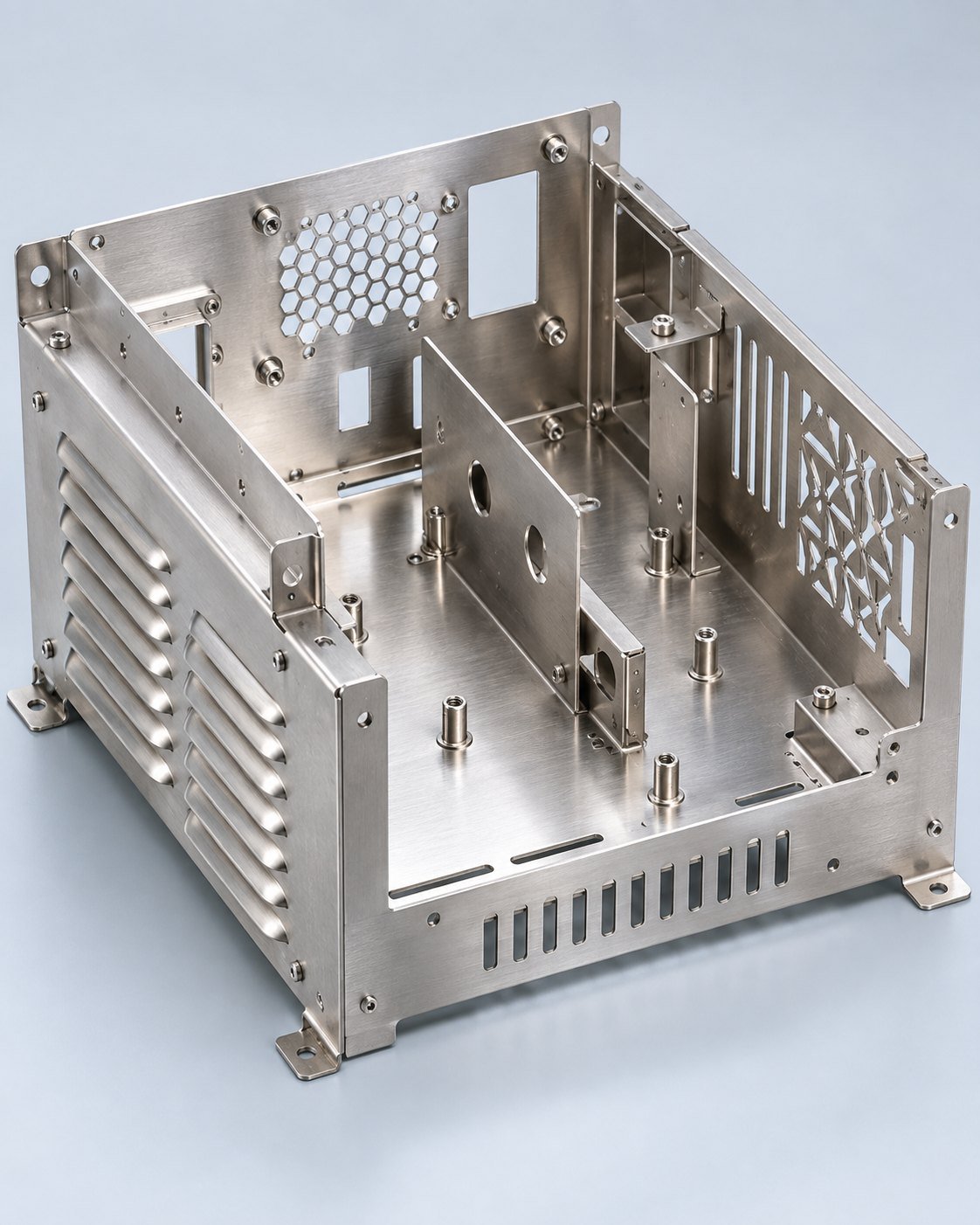
Review coating & masking
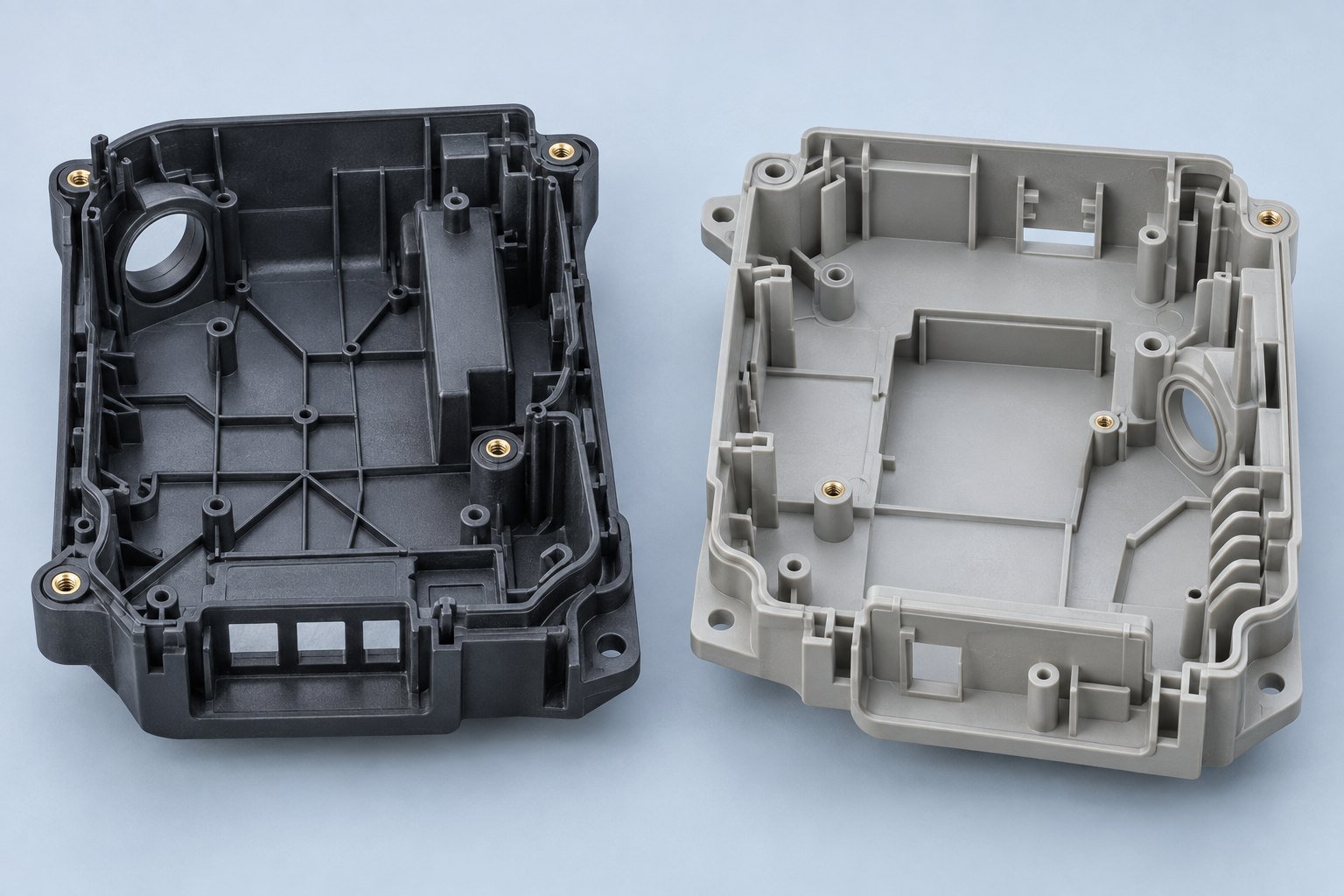
Review paint compatibility
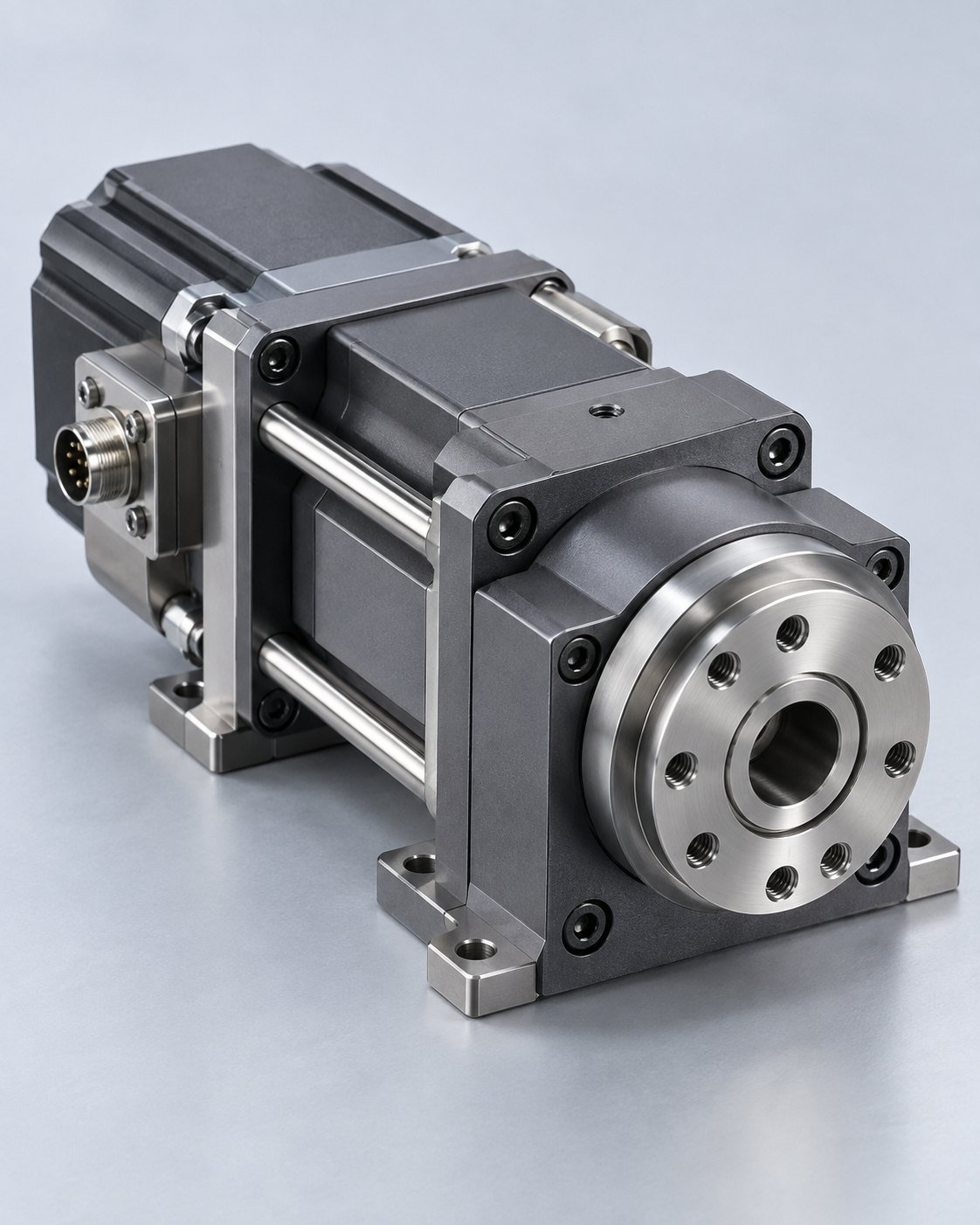
Review mating surfaces
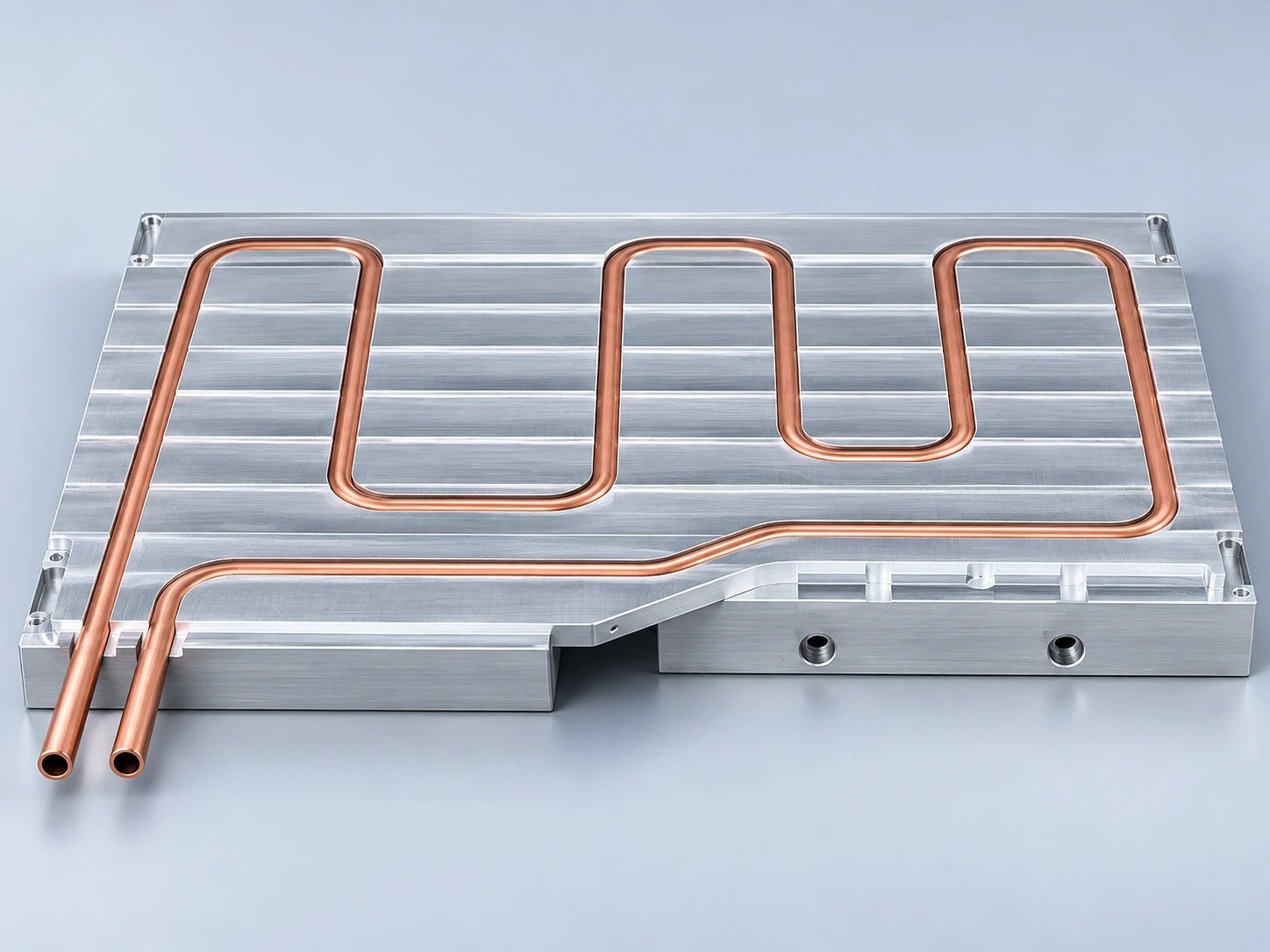
Illustrative components.