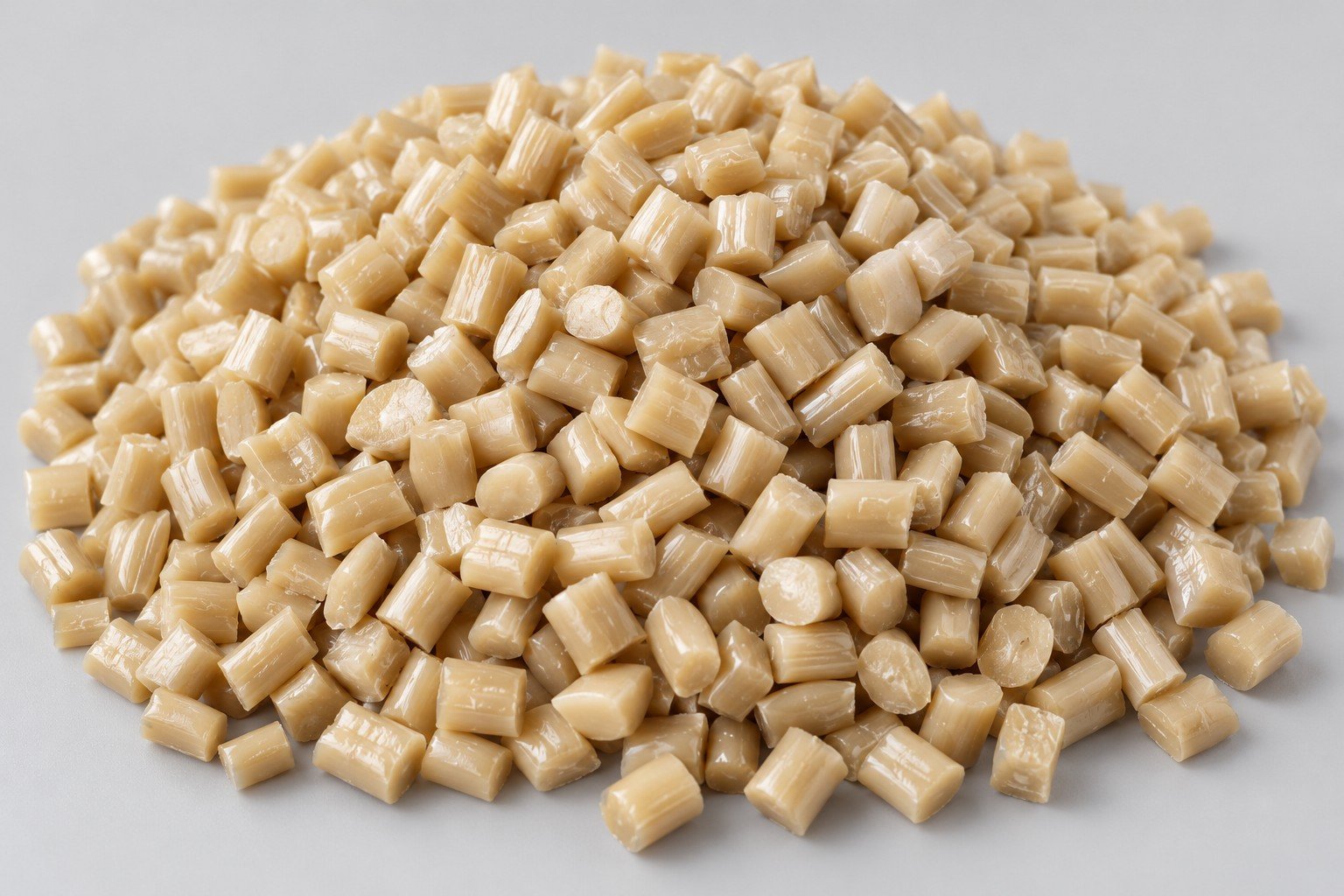
Injection Molding
Tooling and molding for your repeat plastic parts.
From prototype to production, coordinated manufacturing solutions for your custom parts.
View All Services →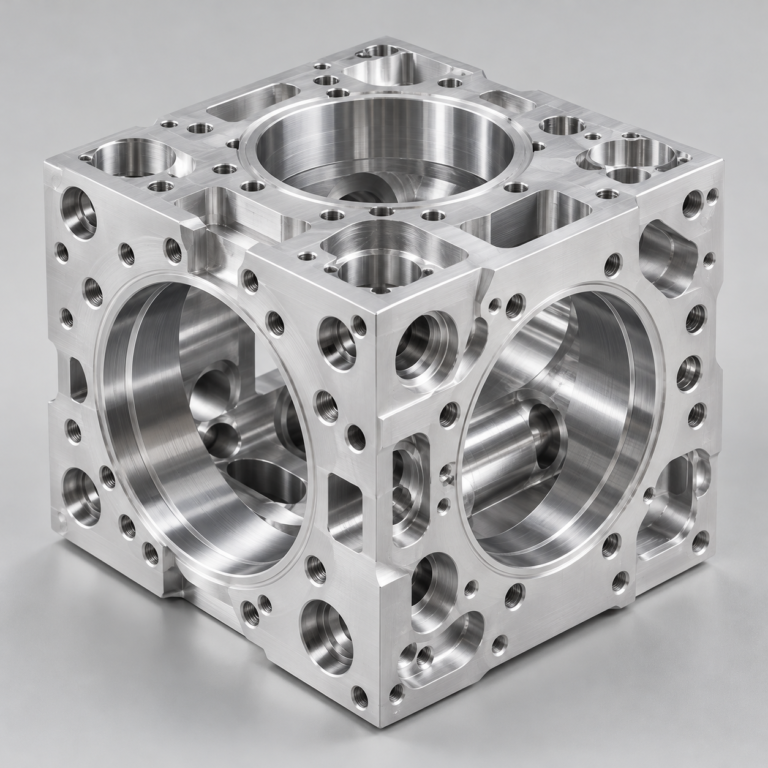
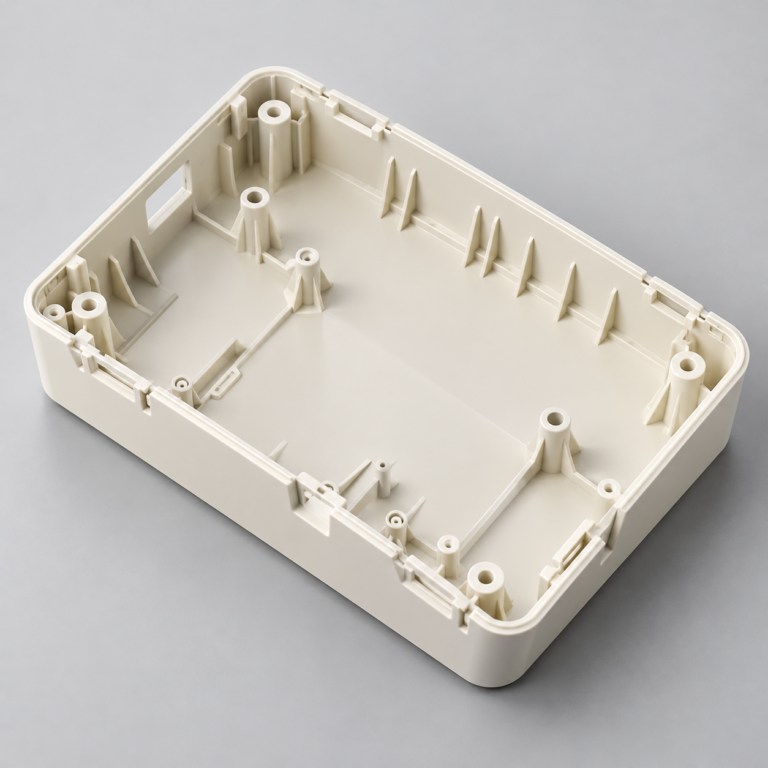
Precision parts for your tight tolerances and complex geometry.
Tooling and molding for your repeat plastic parts.
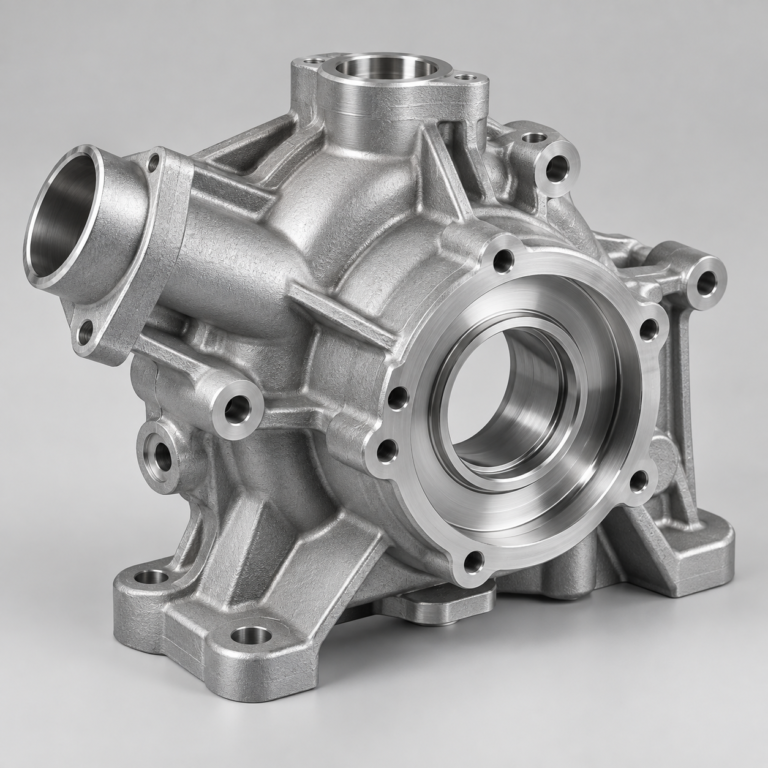
Metal casting options for your part and production volume.
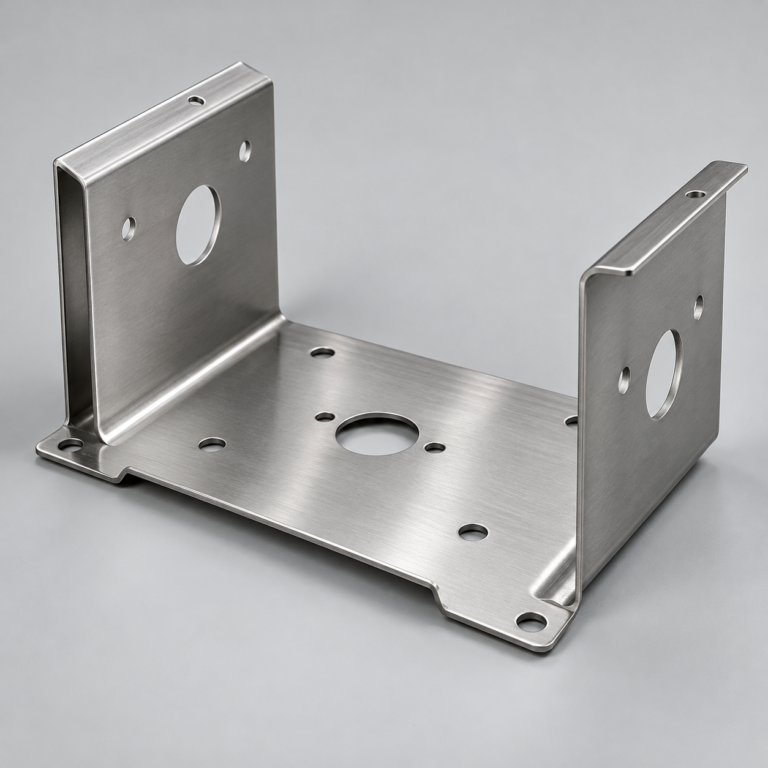
Cutting, forming and welding for your fabricated parts.
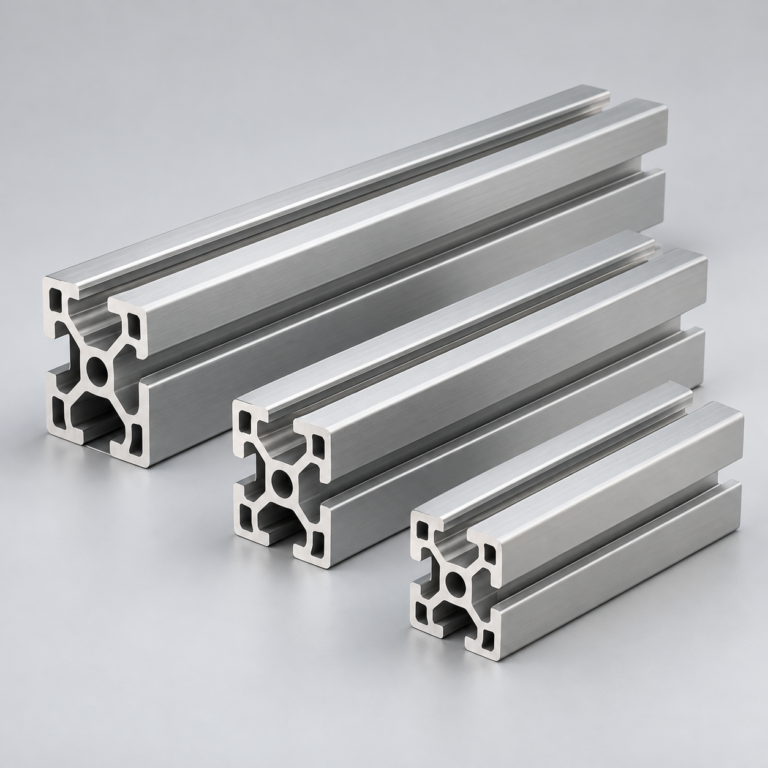
Custom profiles for your section, length and finish requirements.
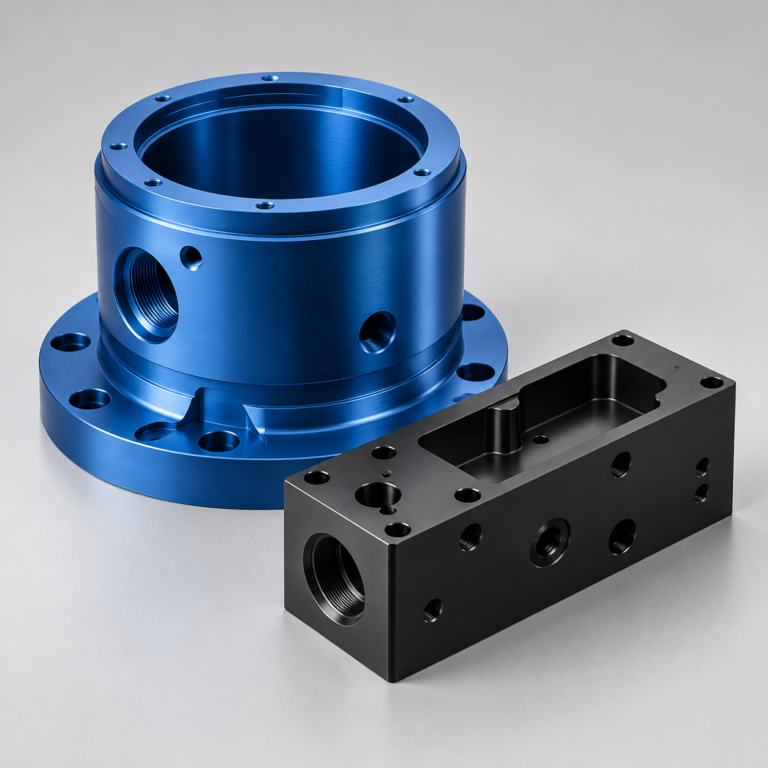
Finishes for your appearance, corrosion and wear requirements.
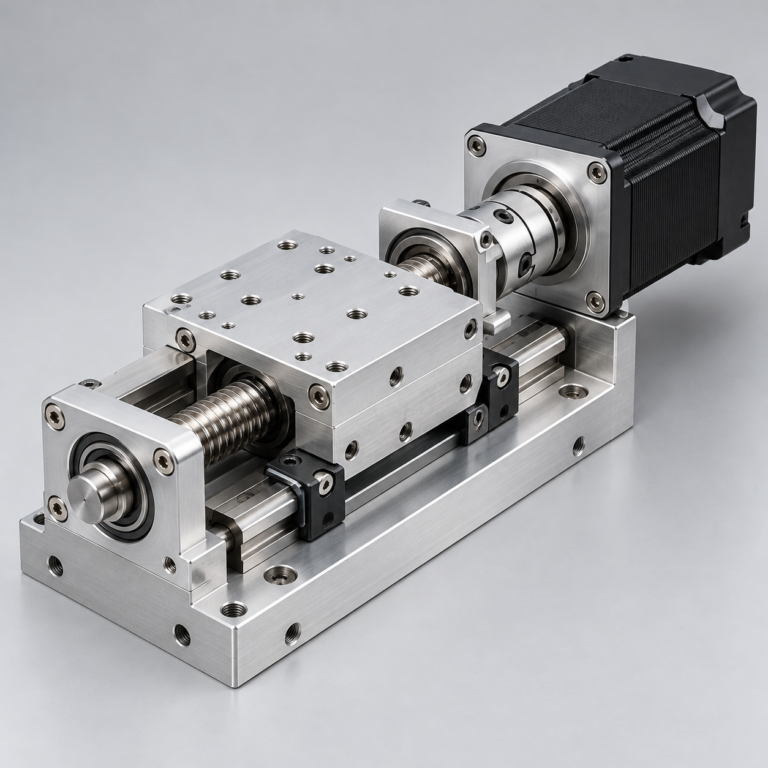
Sub-assemblies and final builds for your production program.
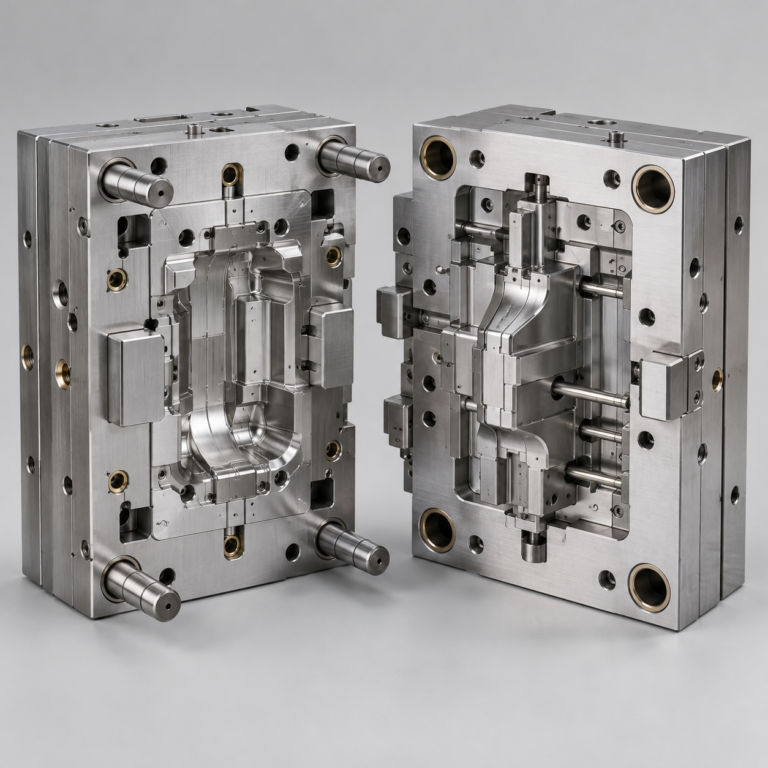
Production tooling built around your process and volume.
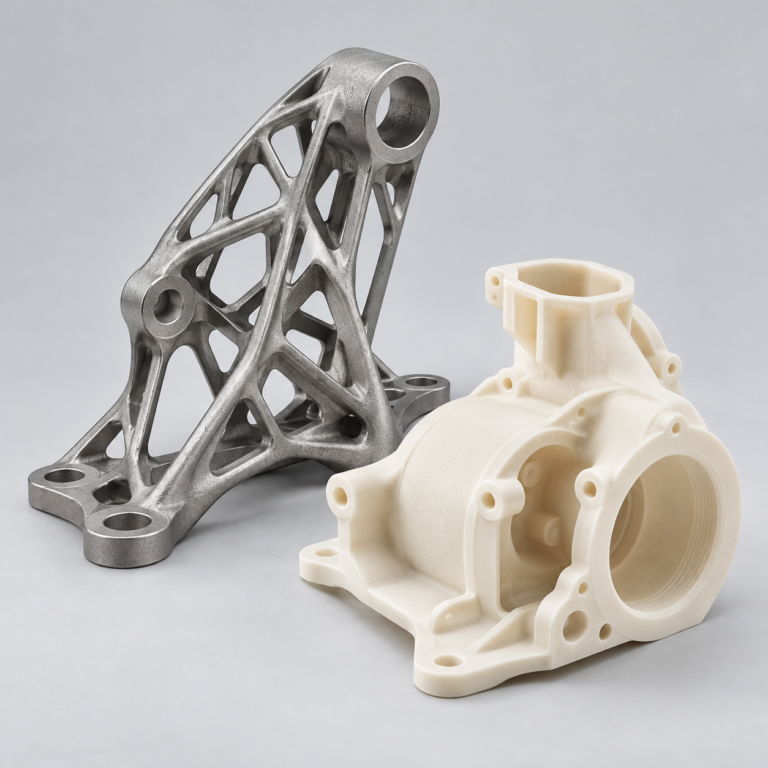
Prototype parts to check fit, function and design.
DFM, process planning and production support for your project.
Inspection, documentation, inventory and delivery planning for your program.
Choose air- or liquid-cooling components around your thermal and mechanical requirements.
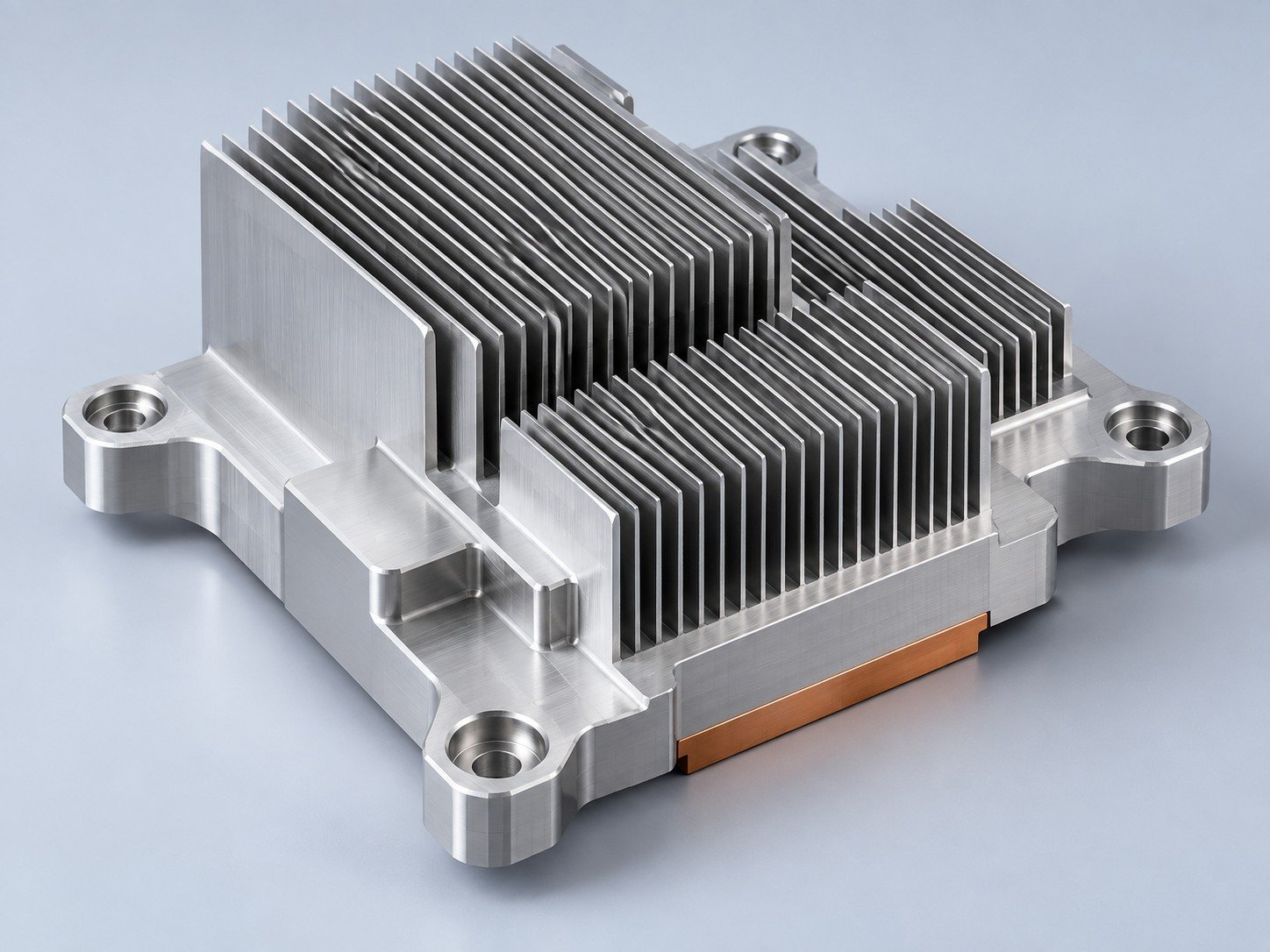
Manufacturing support for your cold plates, manifolds and cooling assemblies.
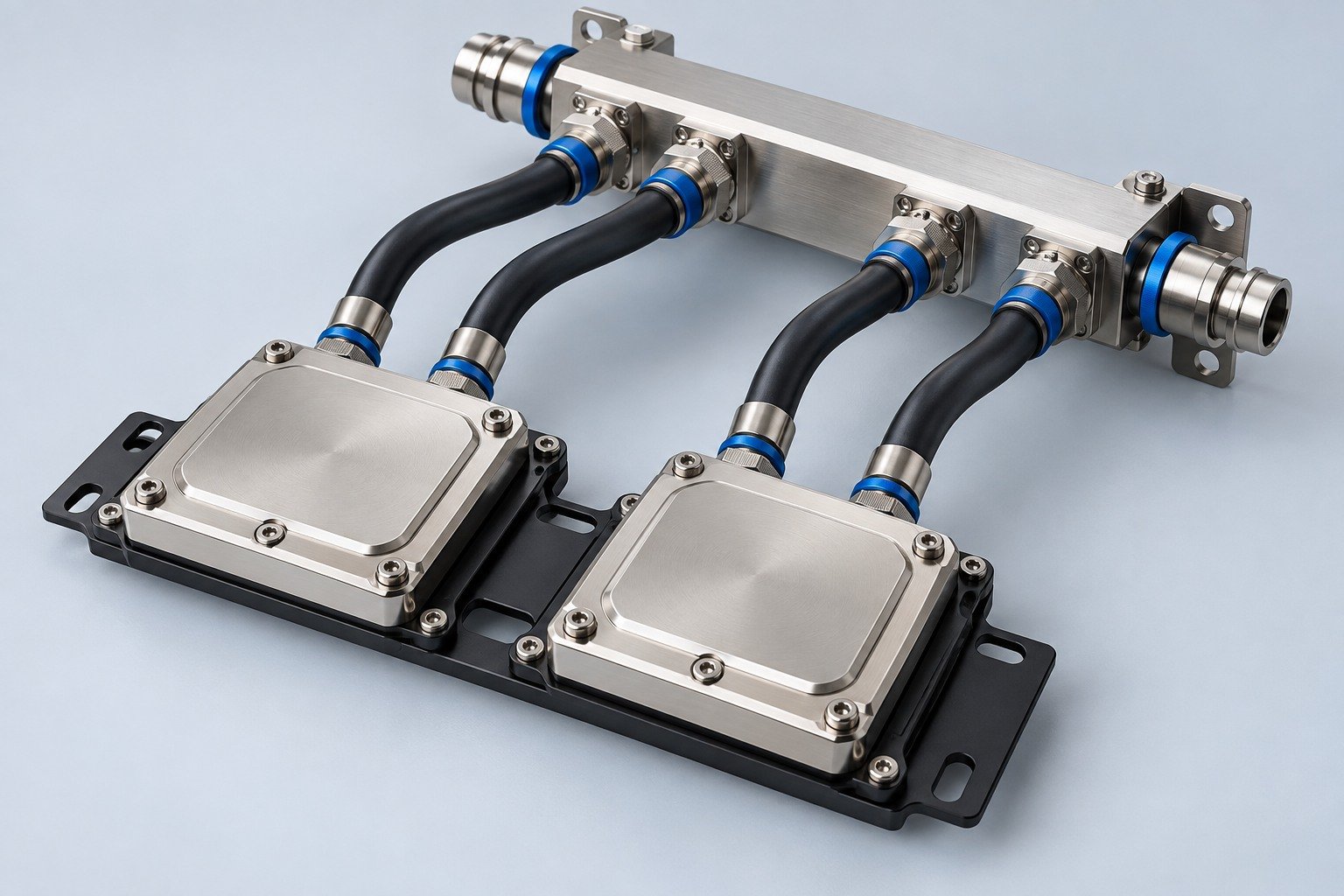
Find components for your power electronics, energy, laser and telecom application.
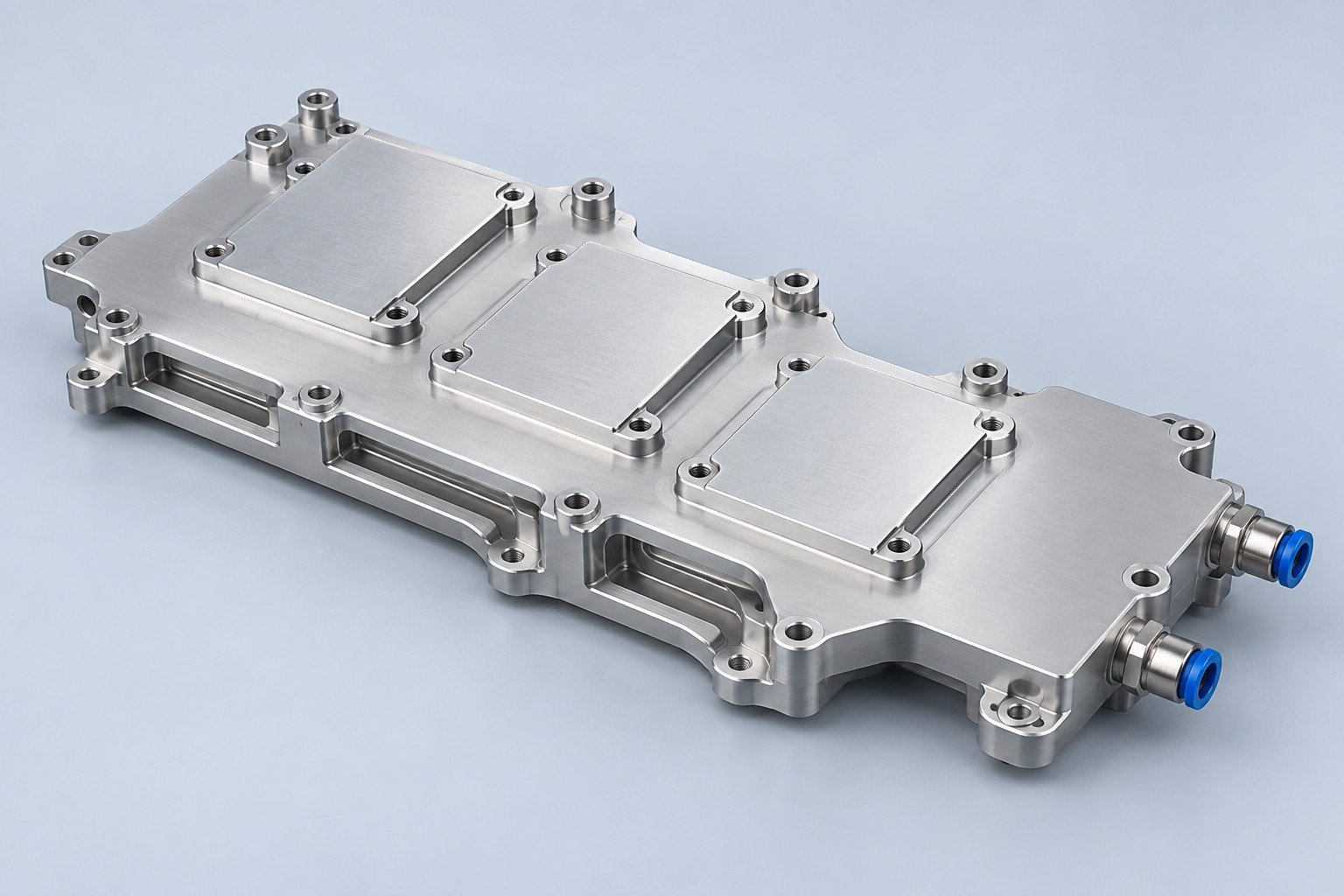
Components for your electronic systems.
Start with your functional and quality requirements.
Build around your operating environment.
From prototype to production, review material performance, manufacturability and cost for your part.
Review grade, temper and finish for your metal parts.
 AluminumStrength, weight and machining›
 Stainless SteelCorrosion and finish requirements›
 Carbon & Alloy SteelDiscuss grade and heat treatment›
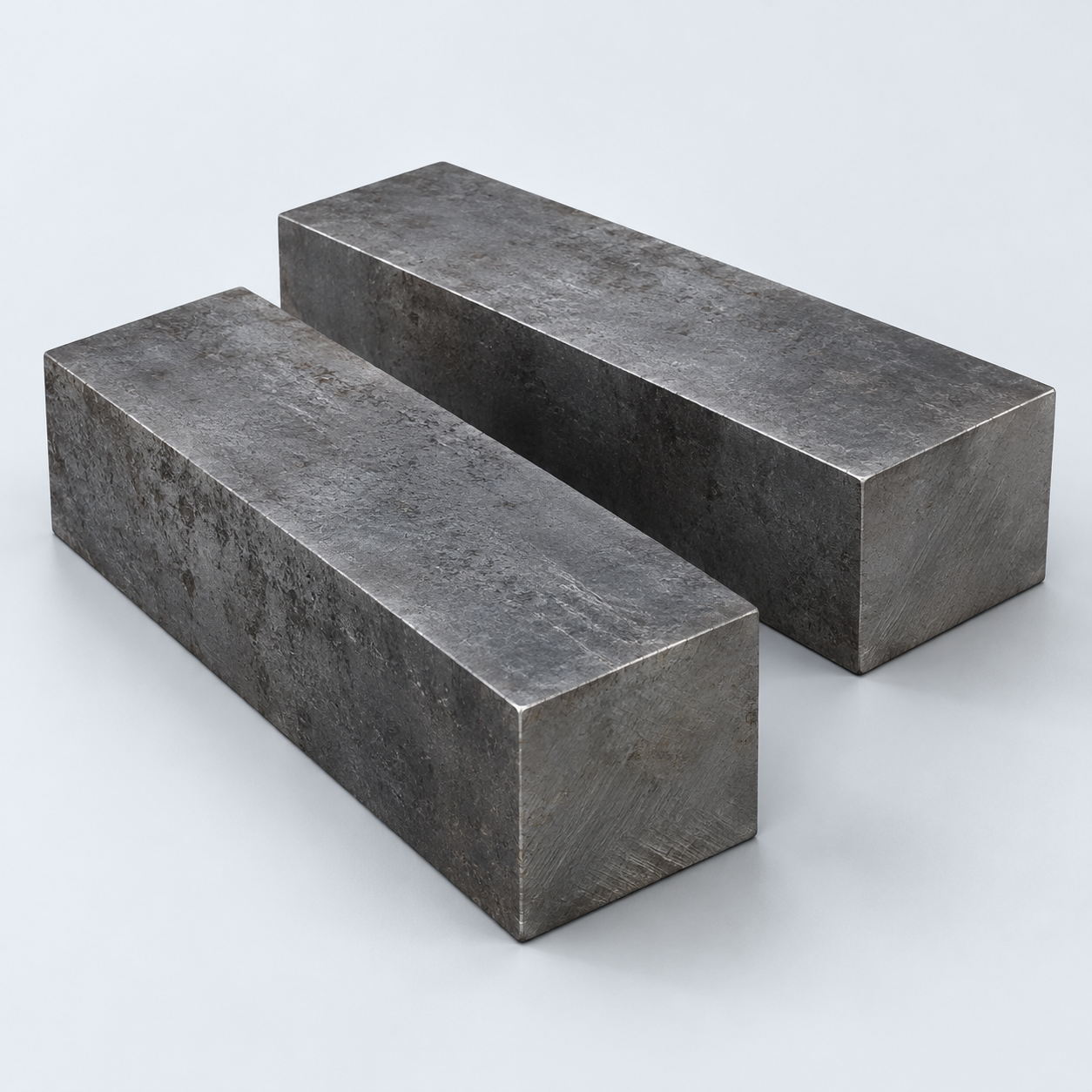 Tool SteelDiscuss tooling and wear needs›
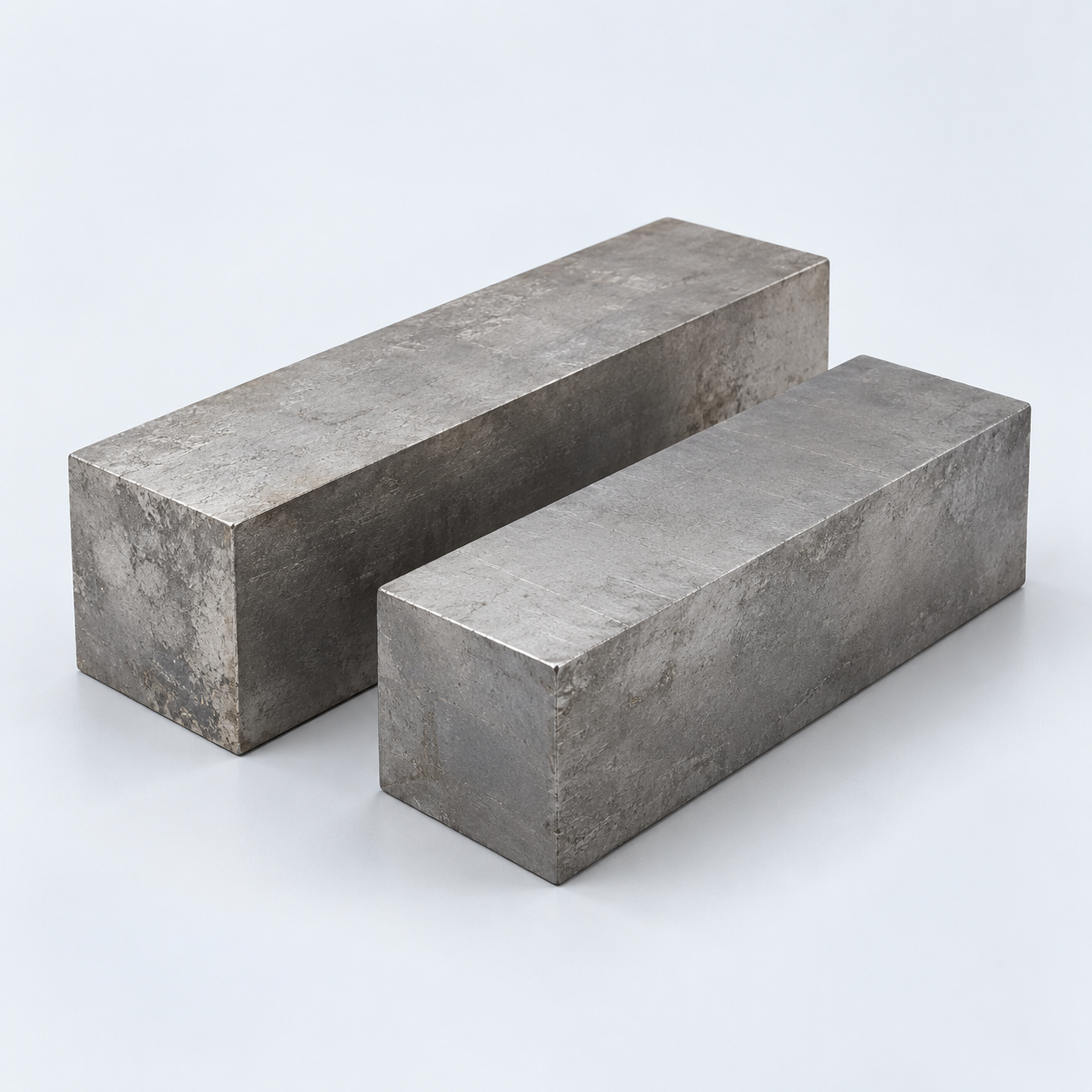 TitaniumReview grade and part geometry›
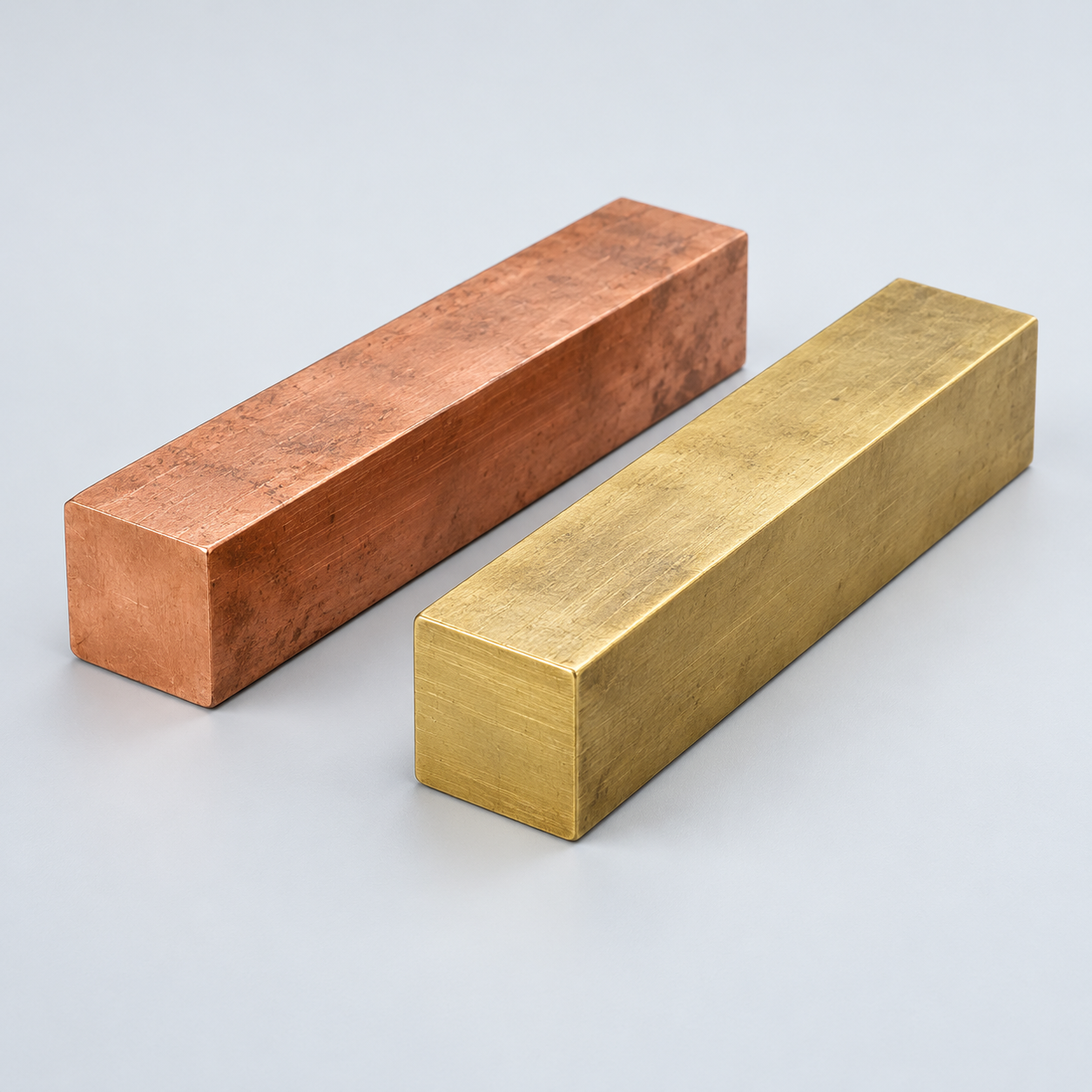 Copper & Brass & BronzeDiscuss conductivity and machining›
Match your polymer to function, process and environment.
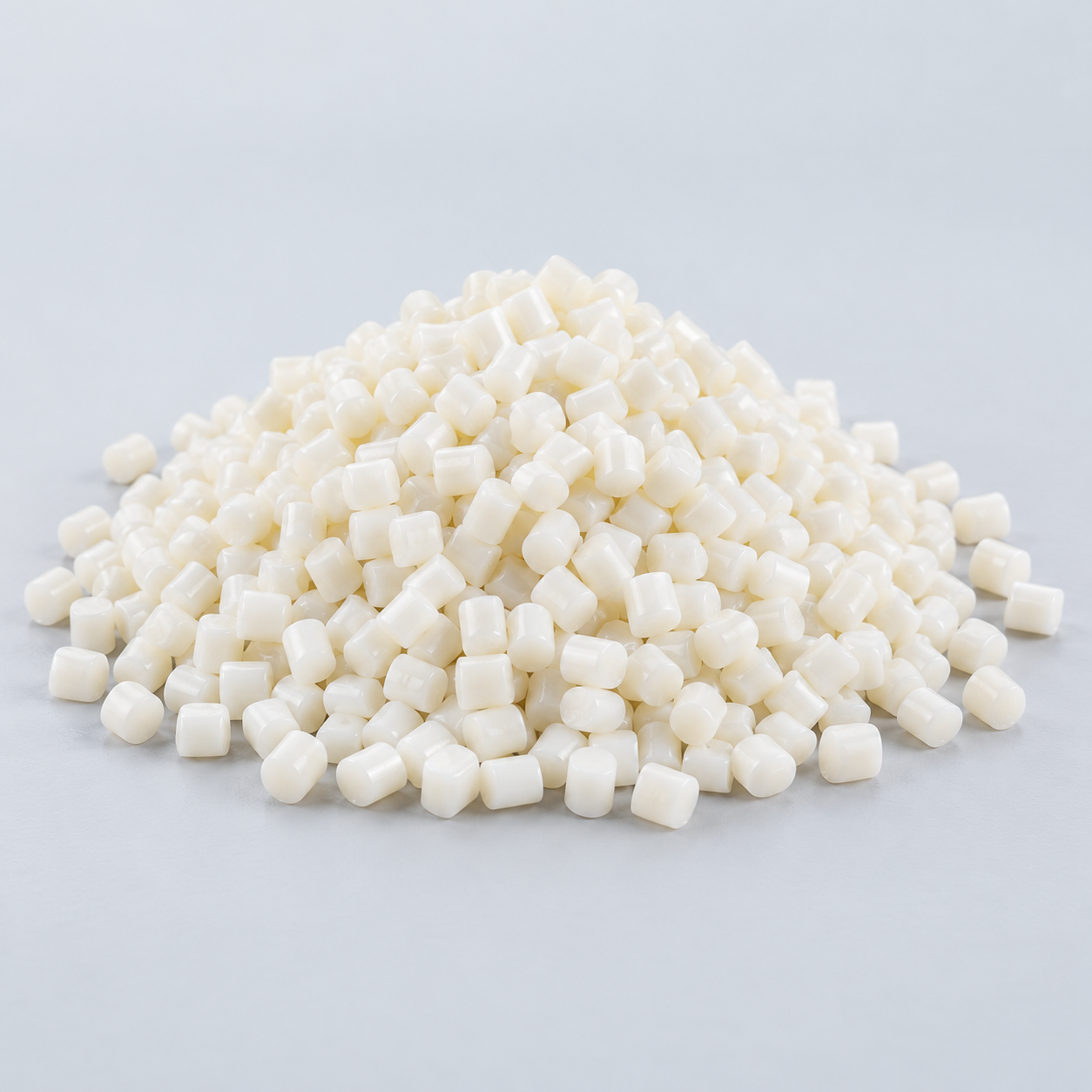 ABSReview enclosure and molding needs›
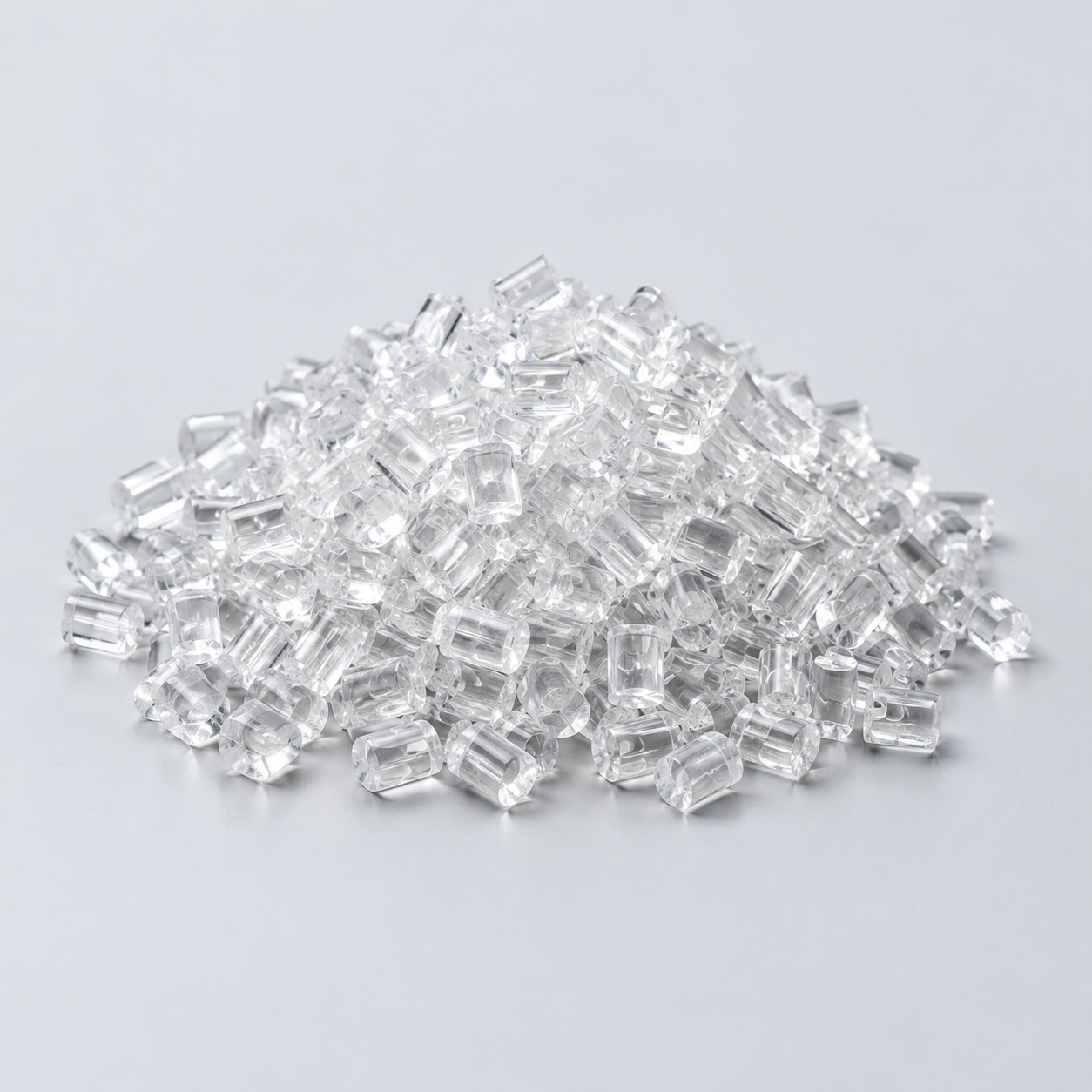 Polycarbonate (PC)Discuss clarity and impact needs›
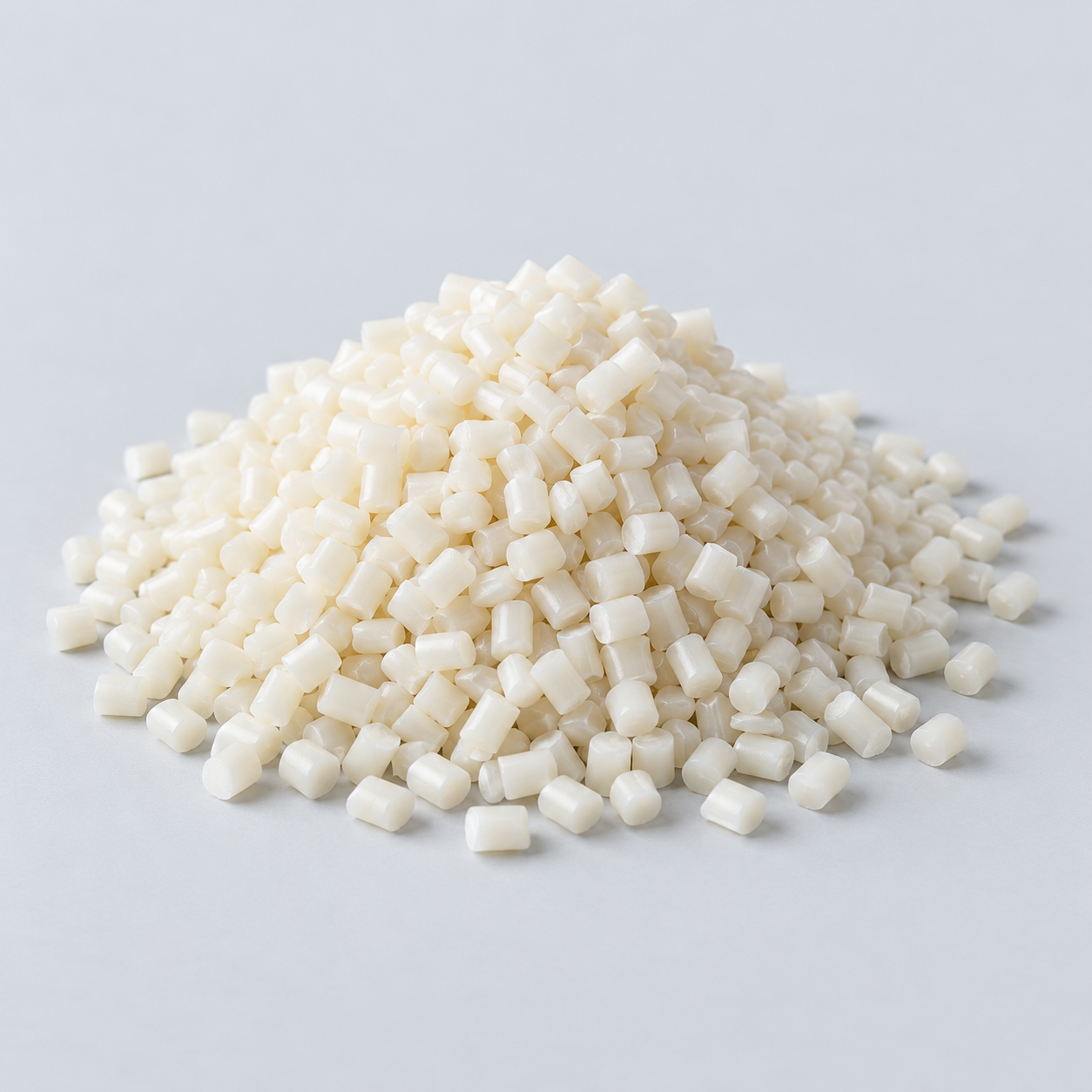 Nylon (PA)Review moisture and wear conditions›
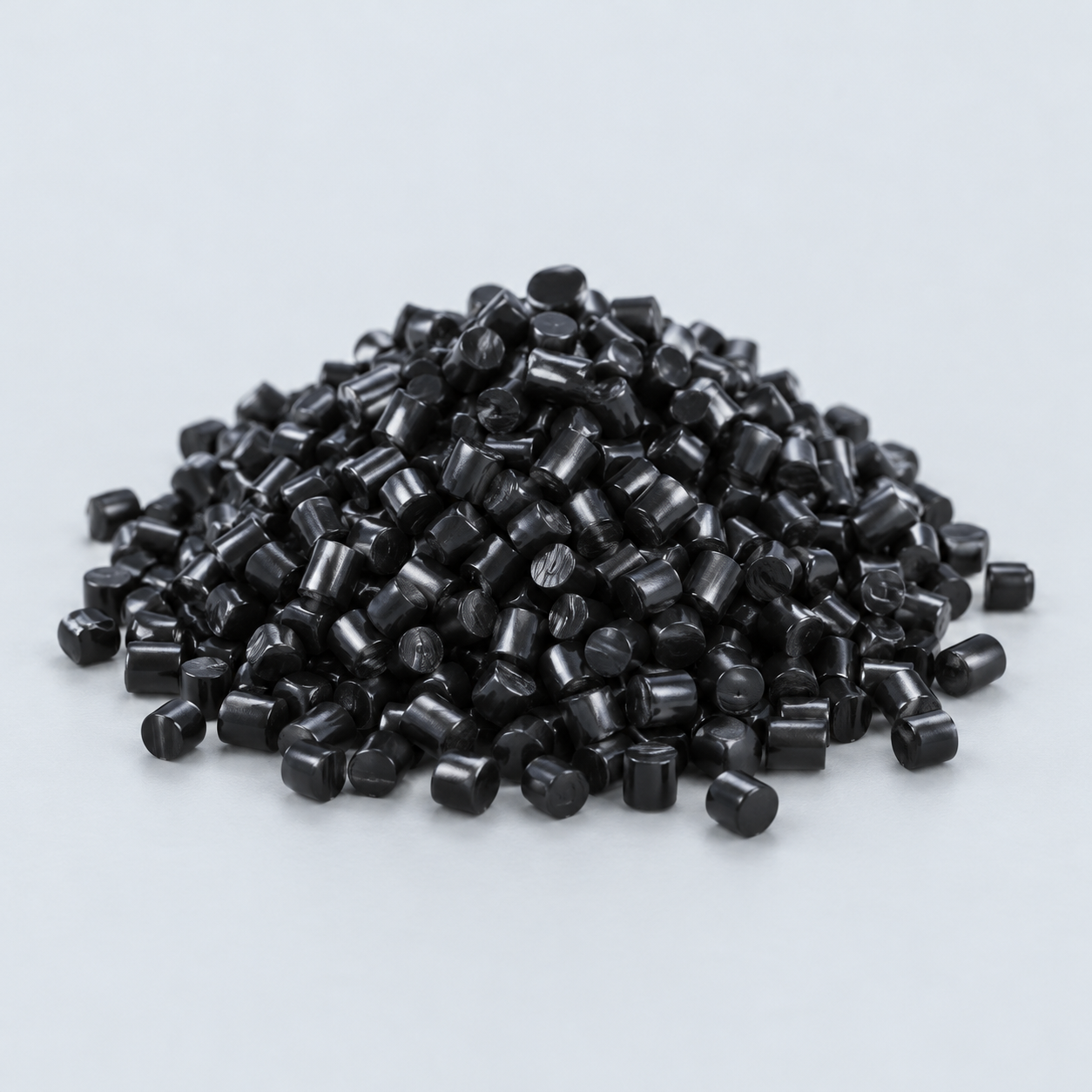 POM / AcetalReview fit and sliding features›
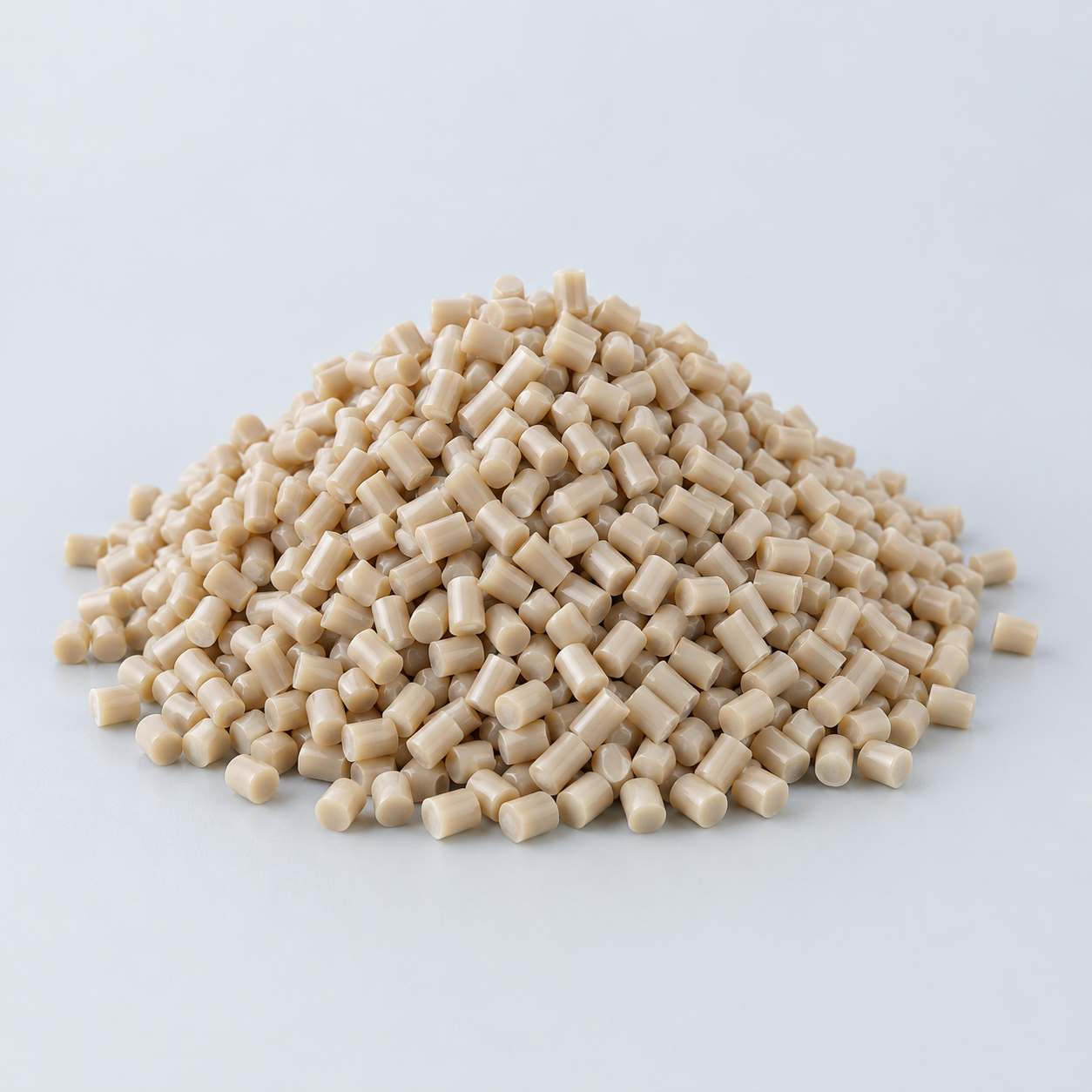 PEEKDiscuss operating conditions›
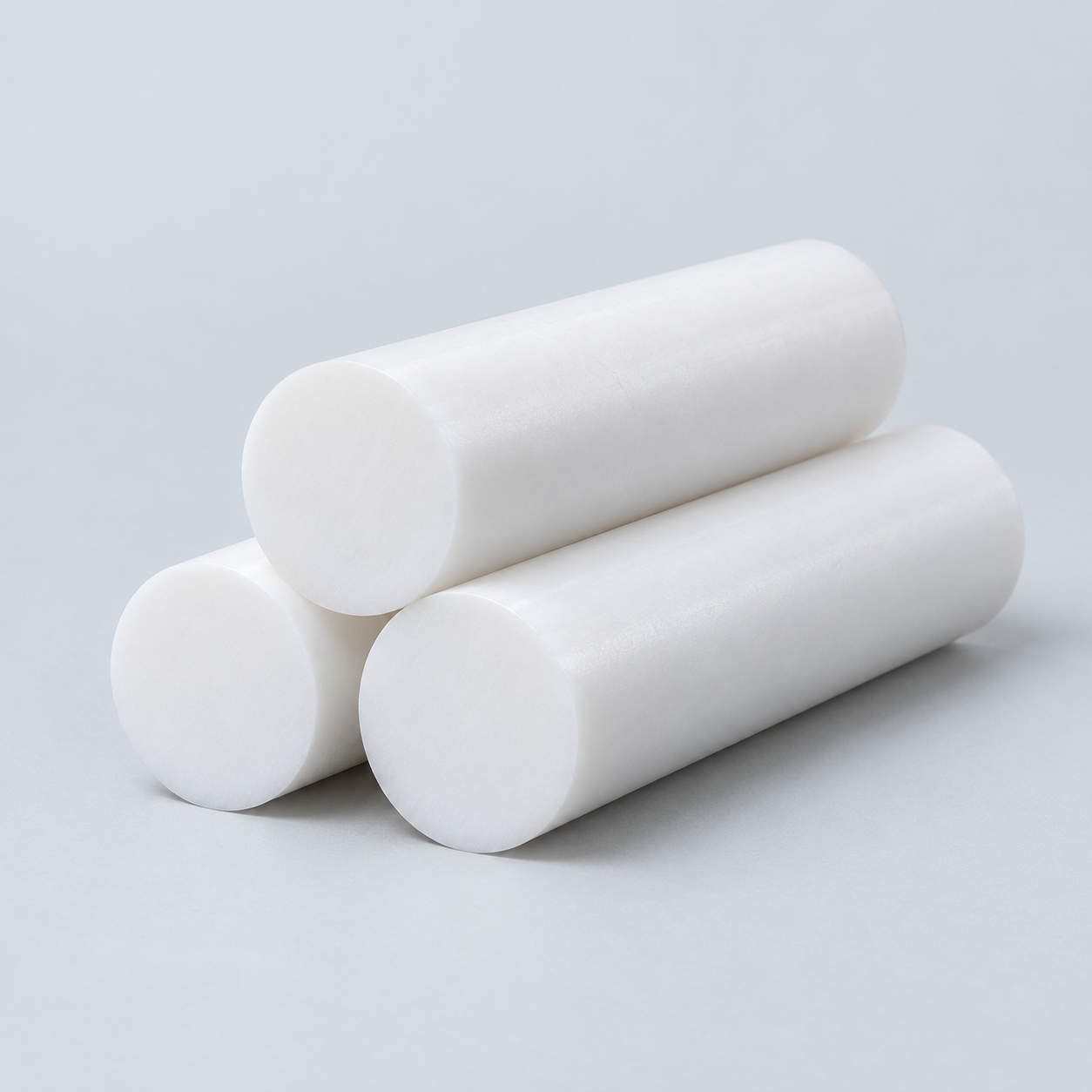 PTFEReview friction and chemical exposure›
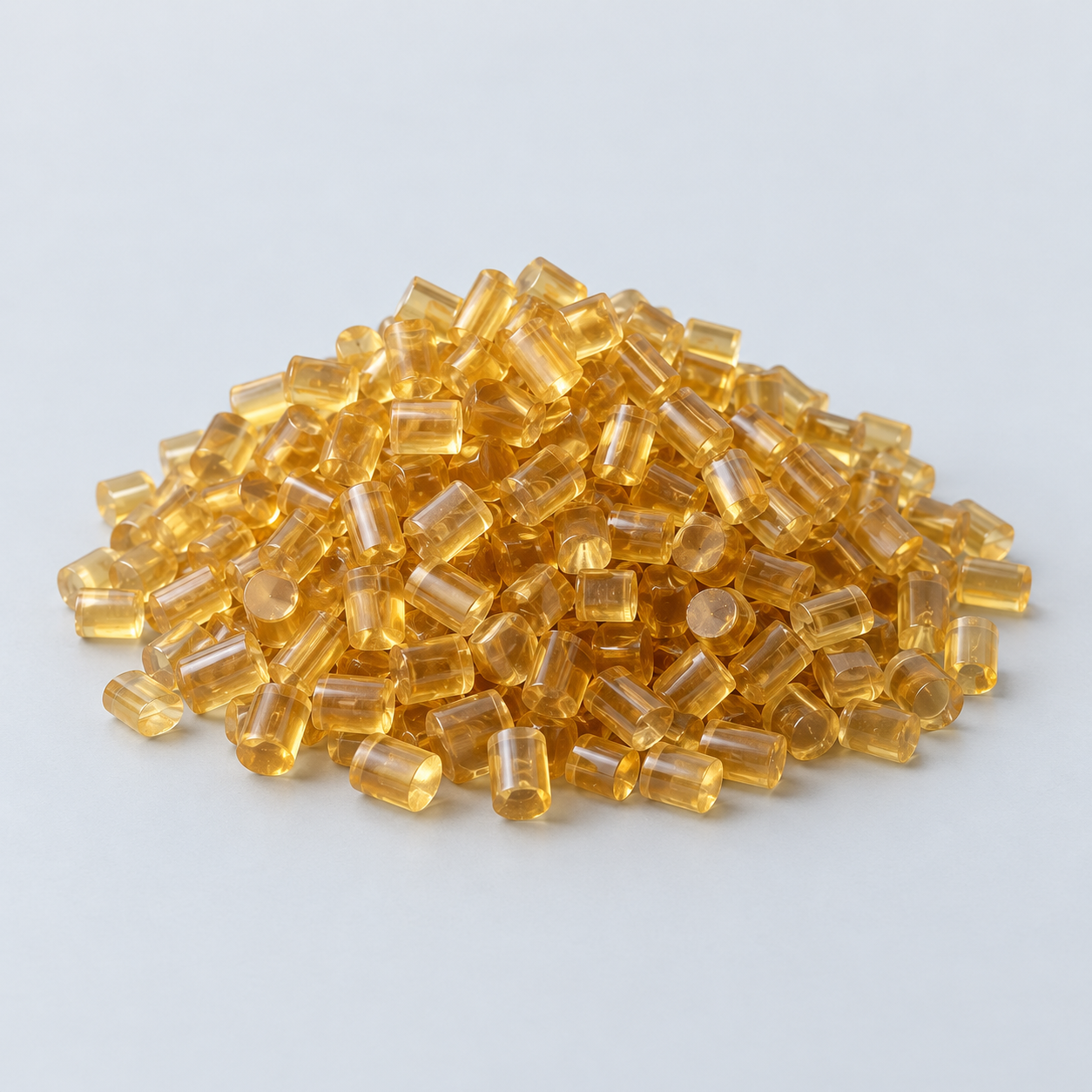 ULTEM / PEIDiscuss thermal and electrical needs›
Confirm grade availability and application requirements.
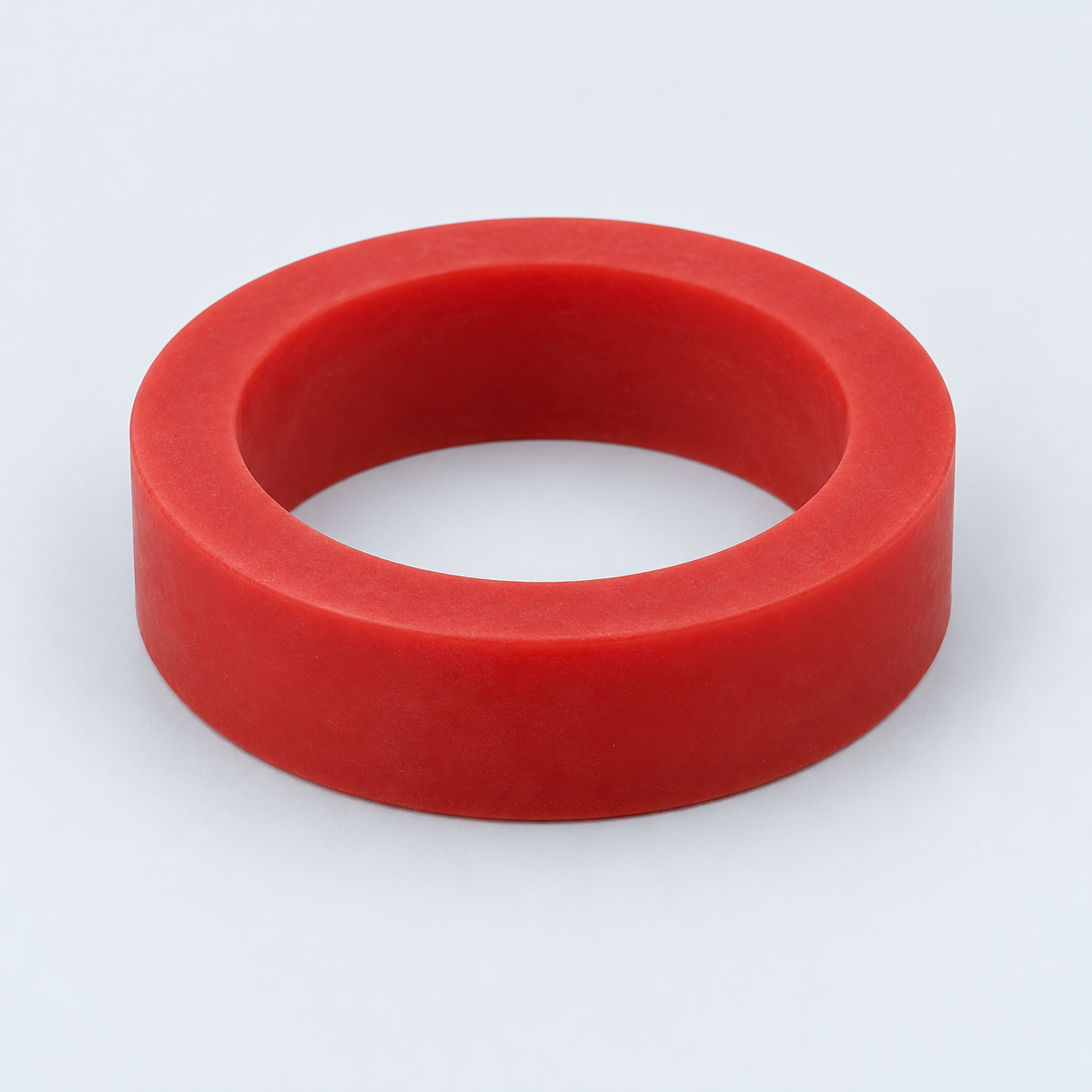 Silicone / LSRDiscuss flexible component needs›
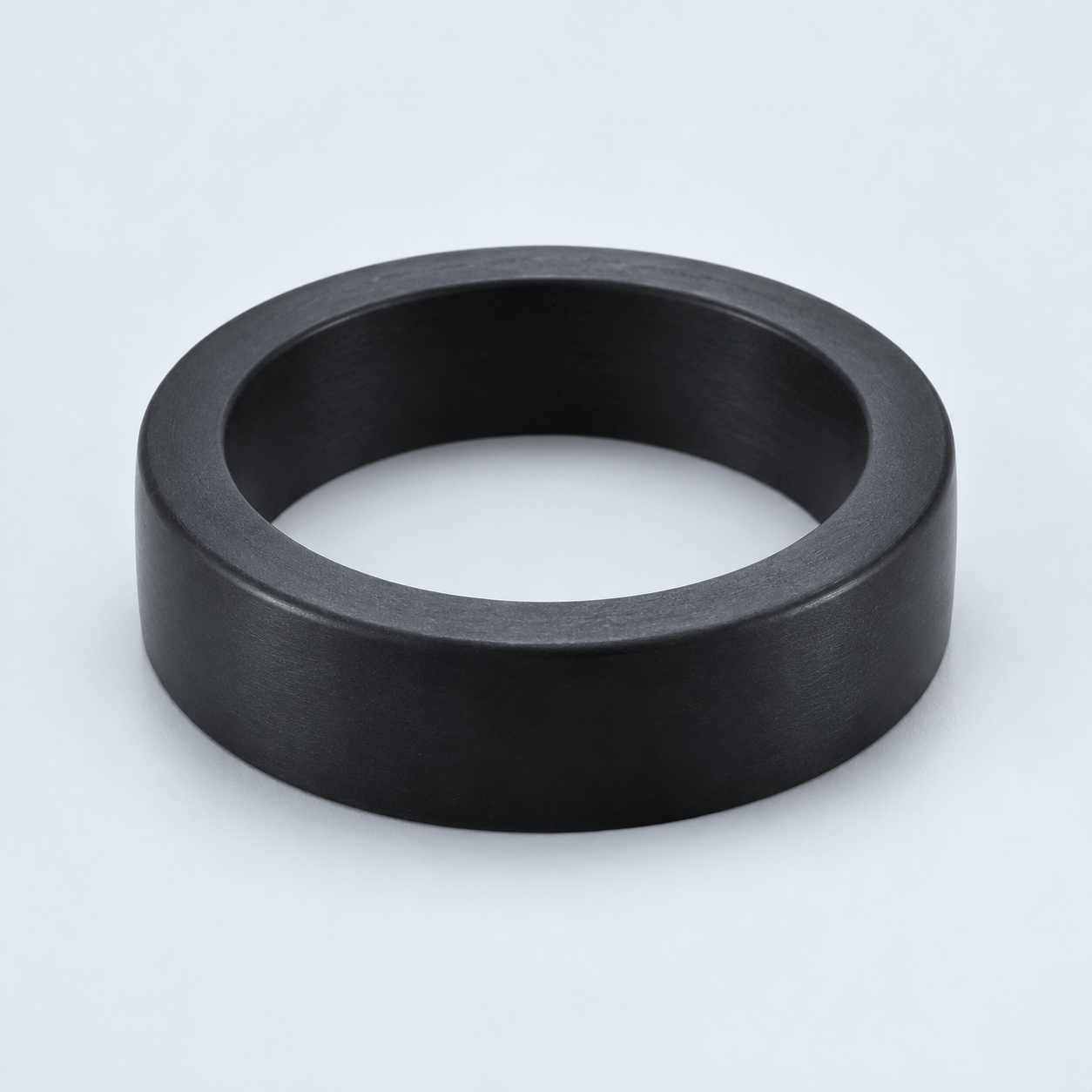 TPU / TPEReview flexibility and processing›
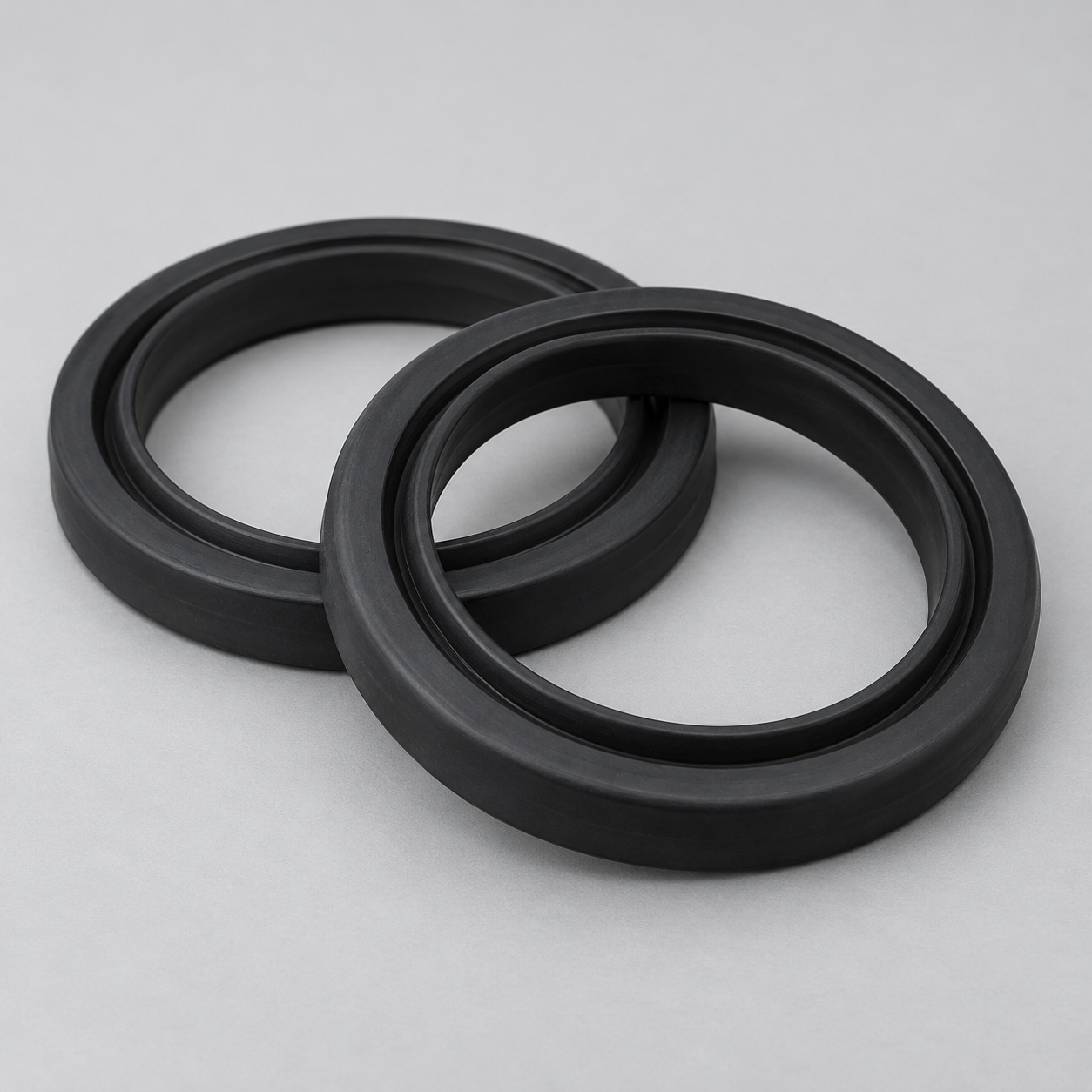 EPDMReview weathering and chemical exposure.›
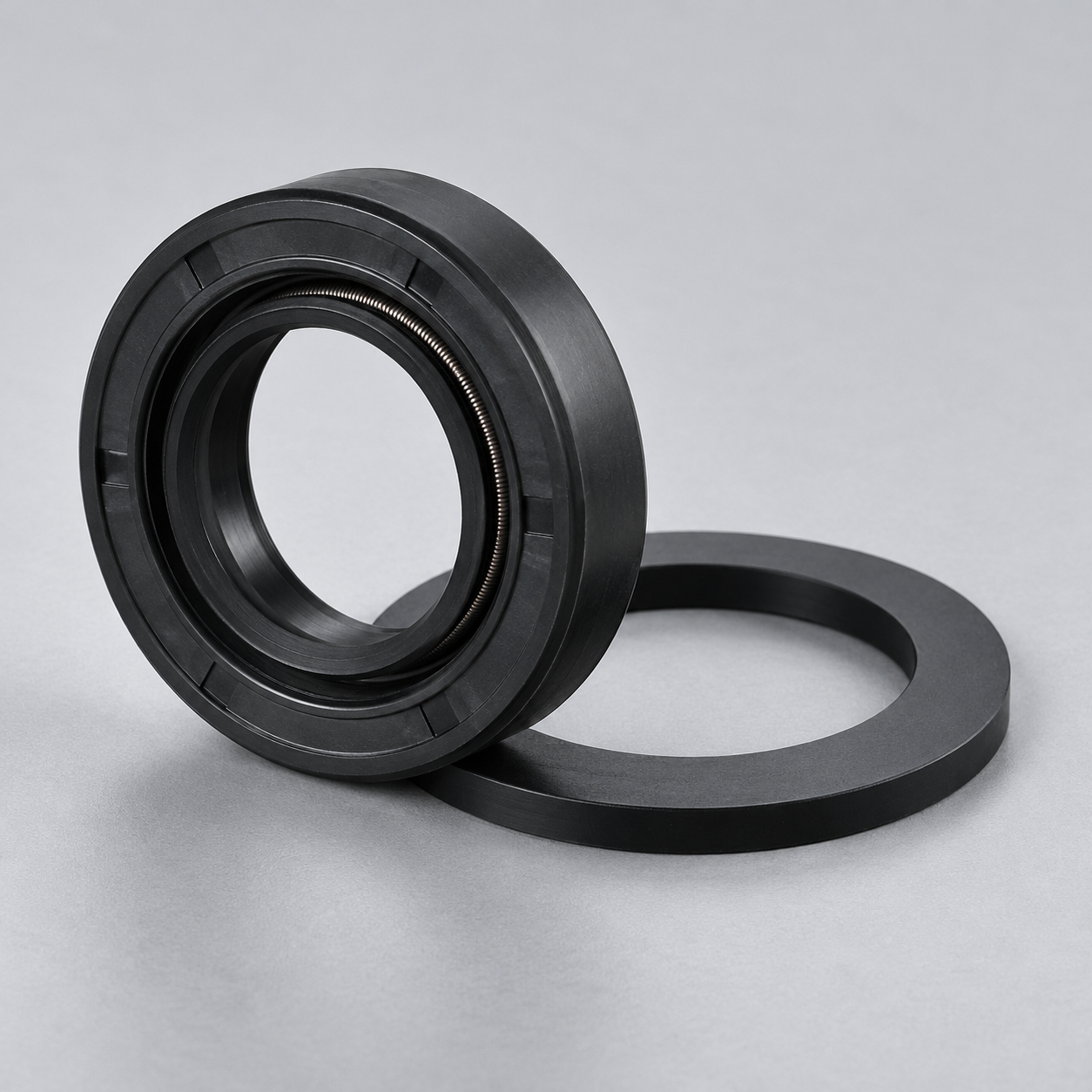 NBRReview oil and fuel exposure.›
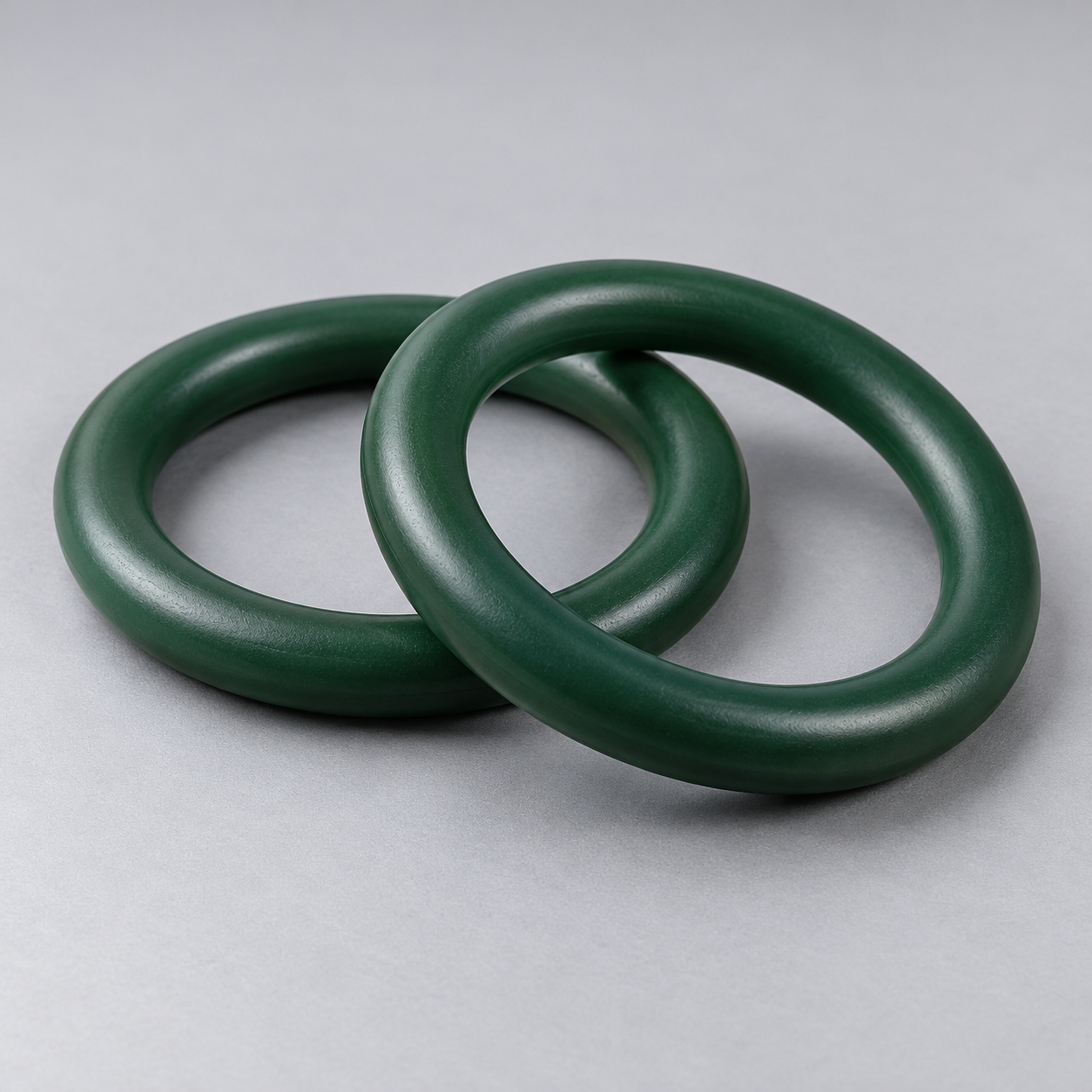 FKMReview temperature and chemical exposure.›
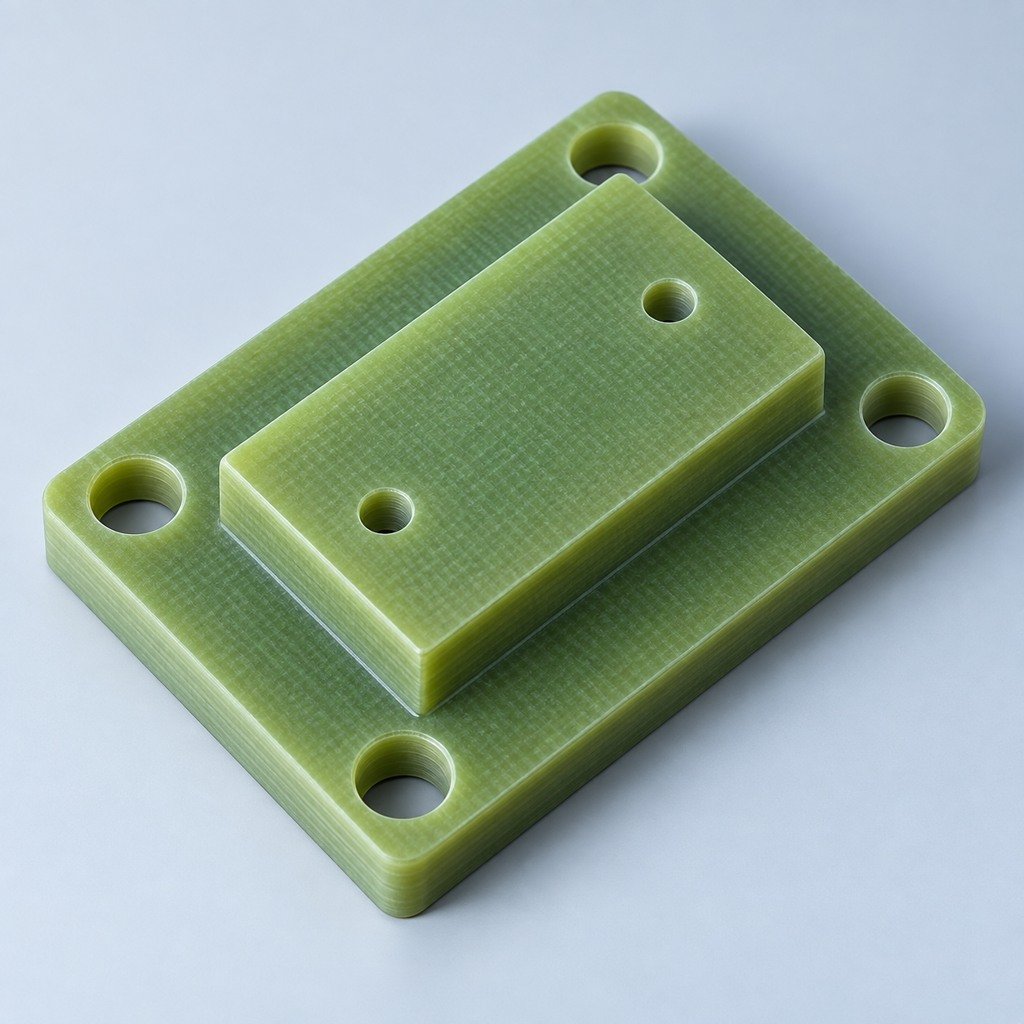 G10 / FR4Review insulation and laminate needs›
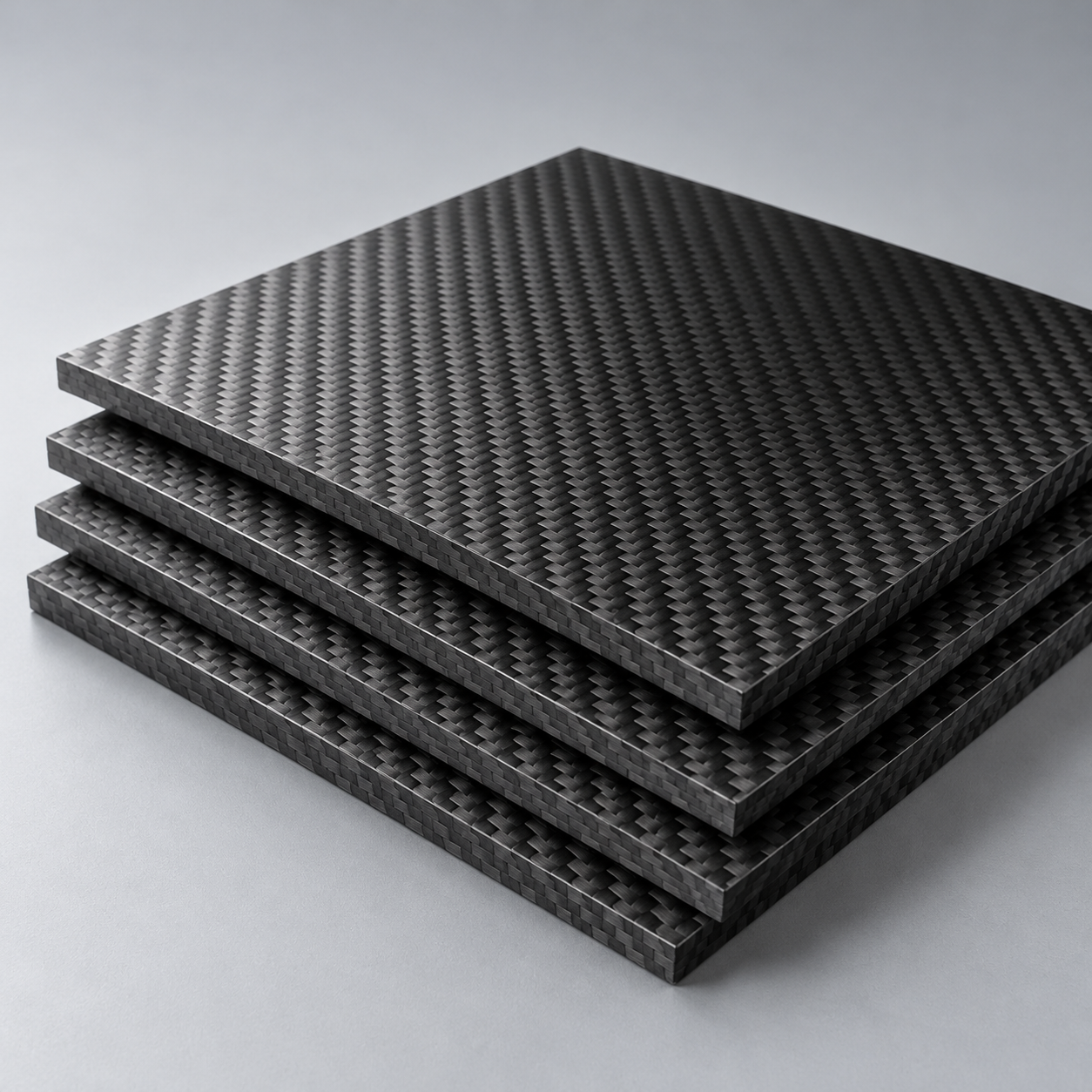 CompositesReview stiffness, weight and laminate.›Customer-Specified MaterialsConfirm your grade and requirements.›Other Specialty MaterialsDiscuss your application and grade.›
Practical guidance for your part geometry and material decisions.
Prepare your process, budget and sourcing questions.
Build your knowledge before production.
Learn who we are and how we operate.
Find our U.S. support team or start a conversation.
YOUR EXPOSURE. YOUR MATERIAL PAIR. YOUR ASSEMBLY DETAILS.
For your marine machined parts manufacturer review, connect the part drawing to its actual exposure and mating assembly. Define material identity, contact details, finish and required acceptance before production.
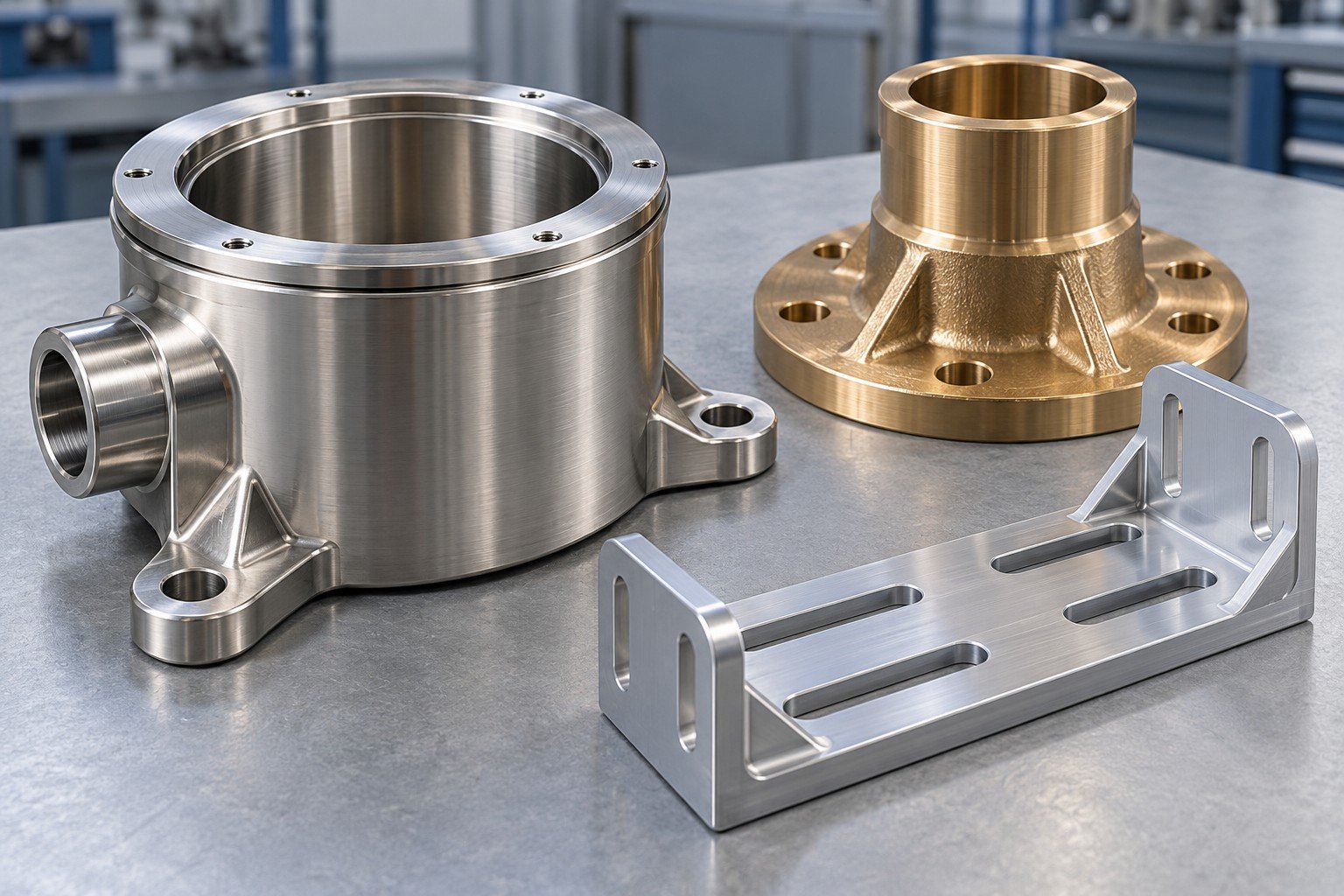
Is the part in salt air, splash, stagnant water or continuous immersion?
Which metals, fasteners, seals and electrical paths contact it?
Which surfaces, edges and contacts need treatment or protection?
Which component and installed-system checks must your team approve?
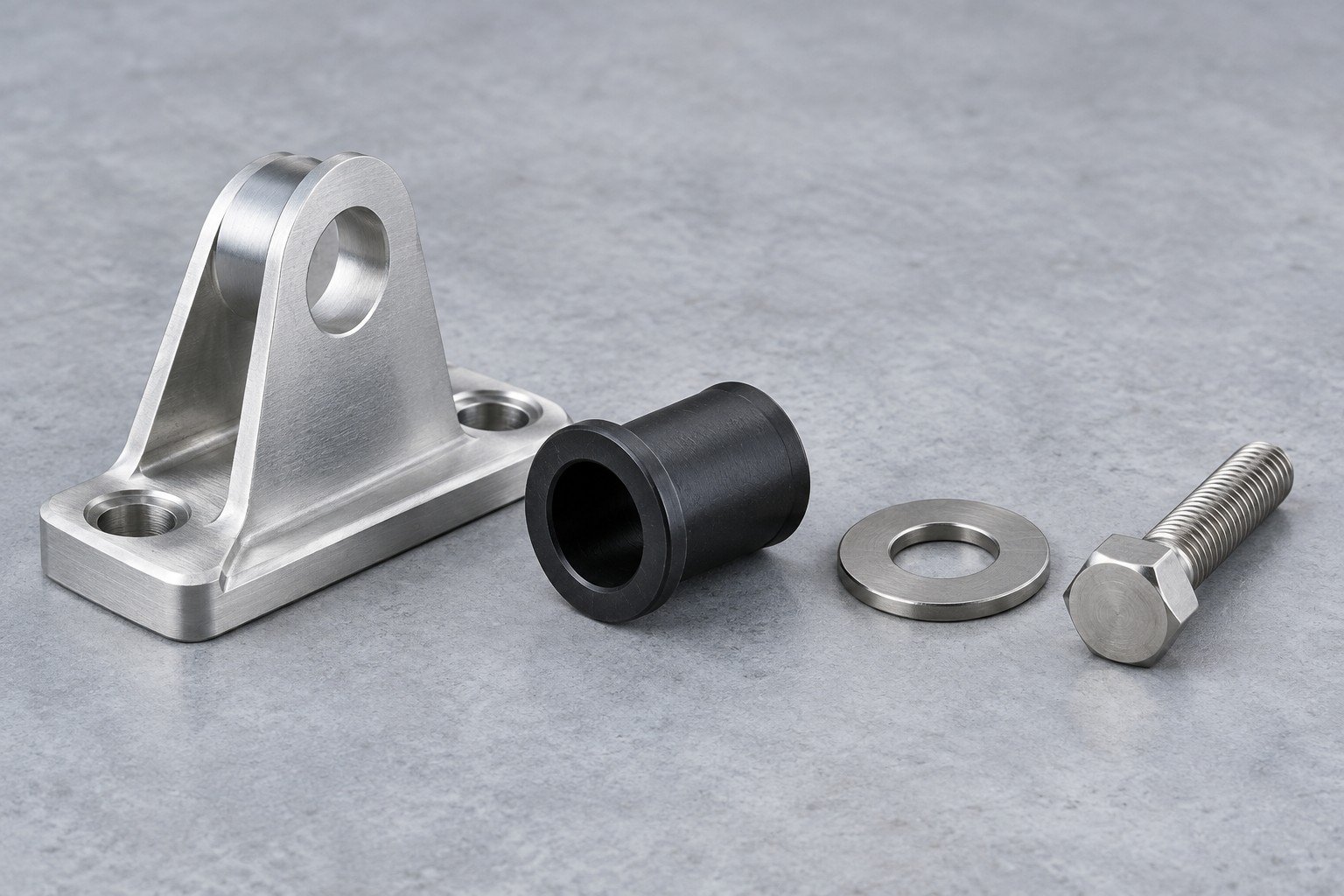
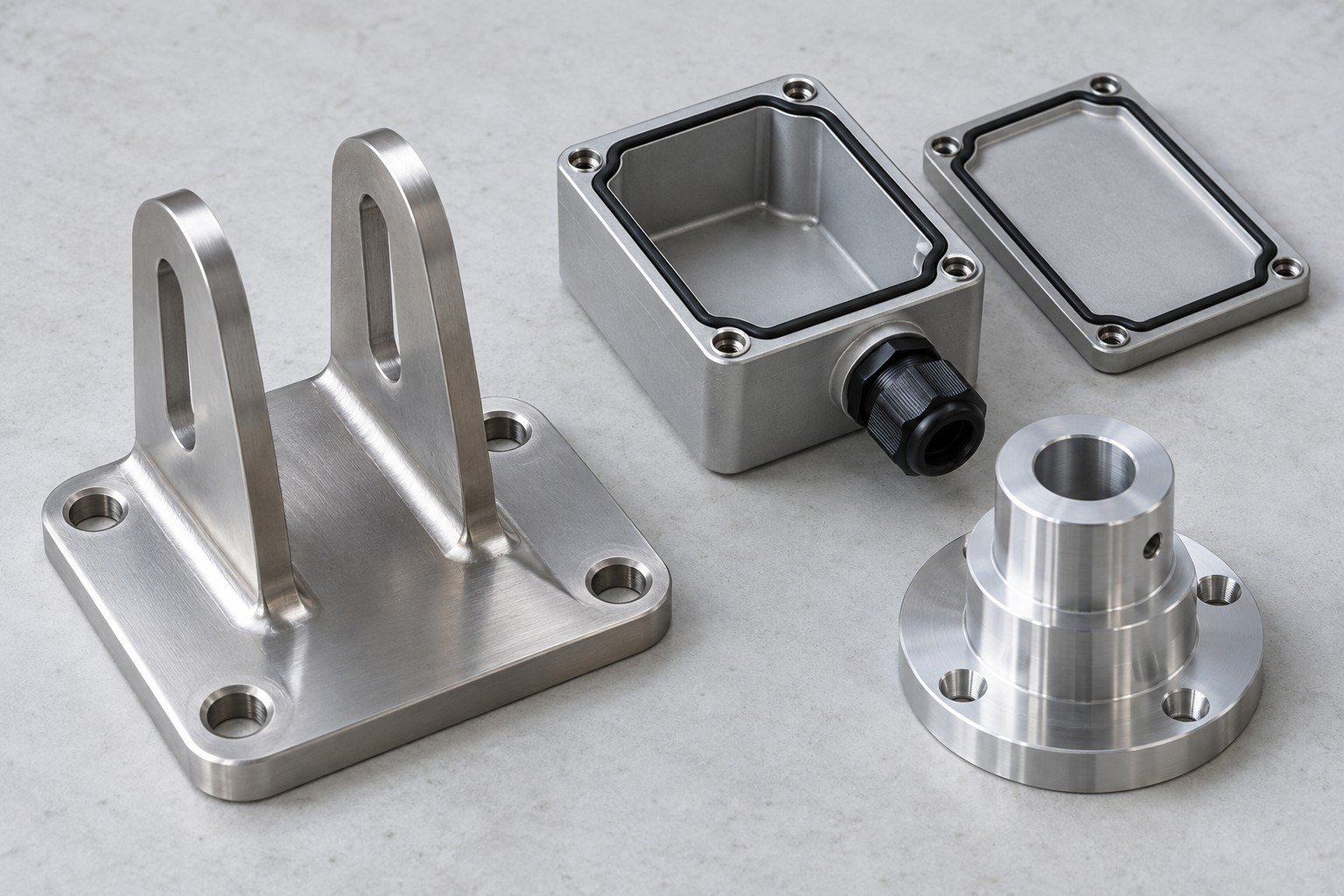
For custom marine equipment brackets, share the equipment drawing, attachment points and actual loading requirements.
For your marine equipment housing manufacturer review, define cable openings, seals, access and mounting faces.
For marine aluminum parts machining, identify mating materials, protected contacts, coating details and the required final condition.
This risk-review matrix compares conditions to investigate. It does not assign corrosion scores, service life or a universal material ranking.
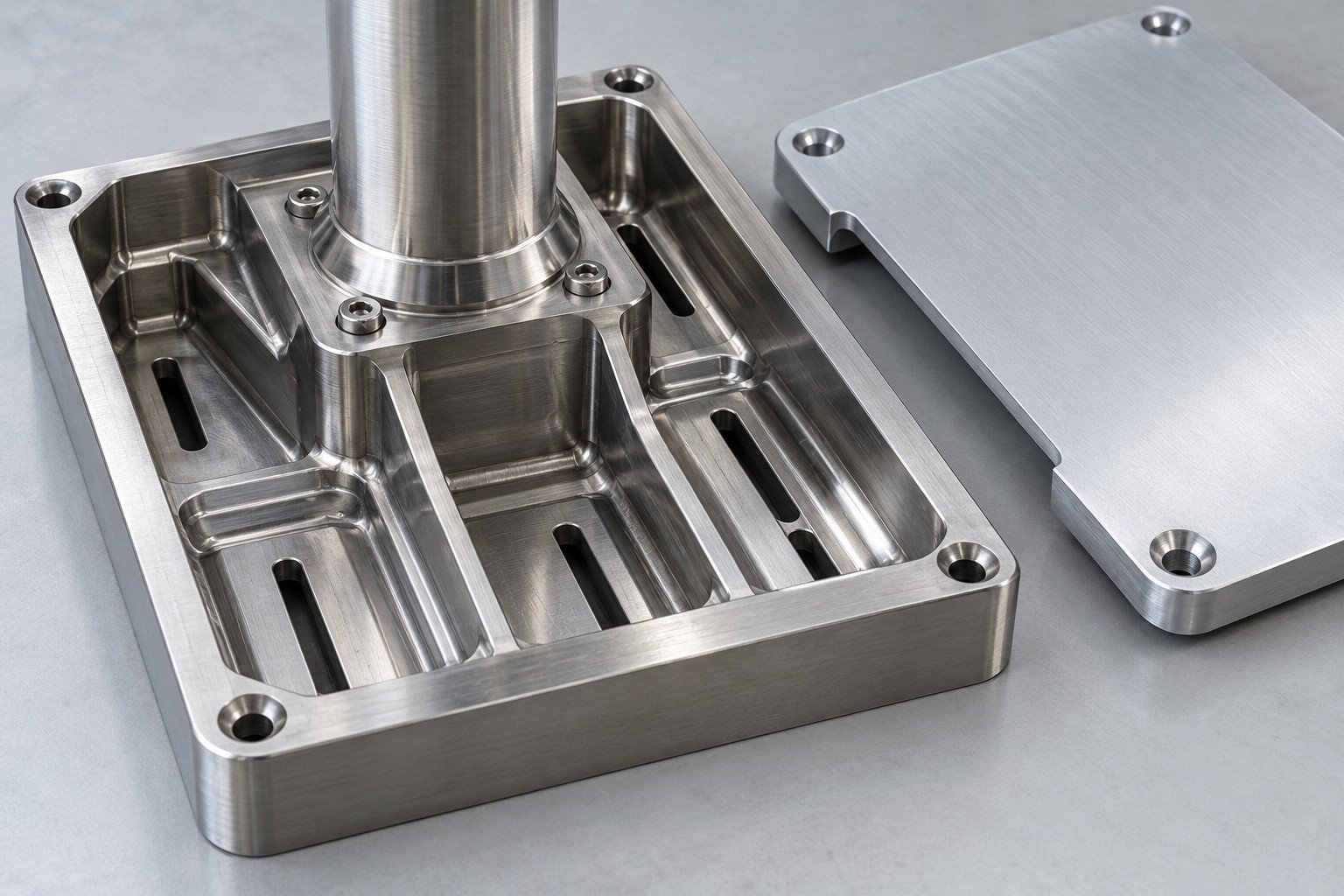
Identify salt air, splash, trapped moisture or immersion.
Review mating metals, electrical paths and electrolyte together.
Agree the installed condition and evidence with your system owner.
| Your exposure | Risk to investigate | Input your review needs |
|---|---|---|
| Salt-laden atmosphere | Salt deposits, wet/dry cycles and surface contamination | Location, cleaning, surface finish and drainage |
| Splash or trapped moisture | Persistent wet crevices and local attack | Joint geometry, seals, fasteners and access for maintenance |
| Continuous seawater contact | Pitting, crevice attack and assembly interactions | Water conditions, temperature, flow, material and system protection review |
| Dissimilar-metal contact | Galvanic interaction when a conductive path and electrolyte are present | Material pair, electrical paths, wet area and agreed protection strategy |
The suitability of 316-type stainless in seawater depends on exposure and assembly conditions. Crevices and localized attack still require review; a material label alone does not establish service life.
For corrosion resistant marine components, give the designer and supplier the exposure, mating metals, joint geometry, finish and required evidence together.
Outokumpu · corrosion mechanisms → · BSSA · seawater application limits →
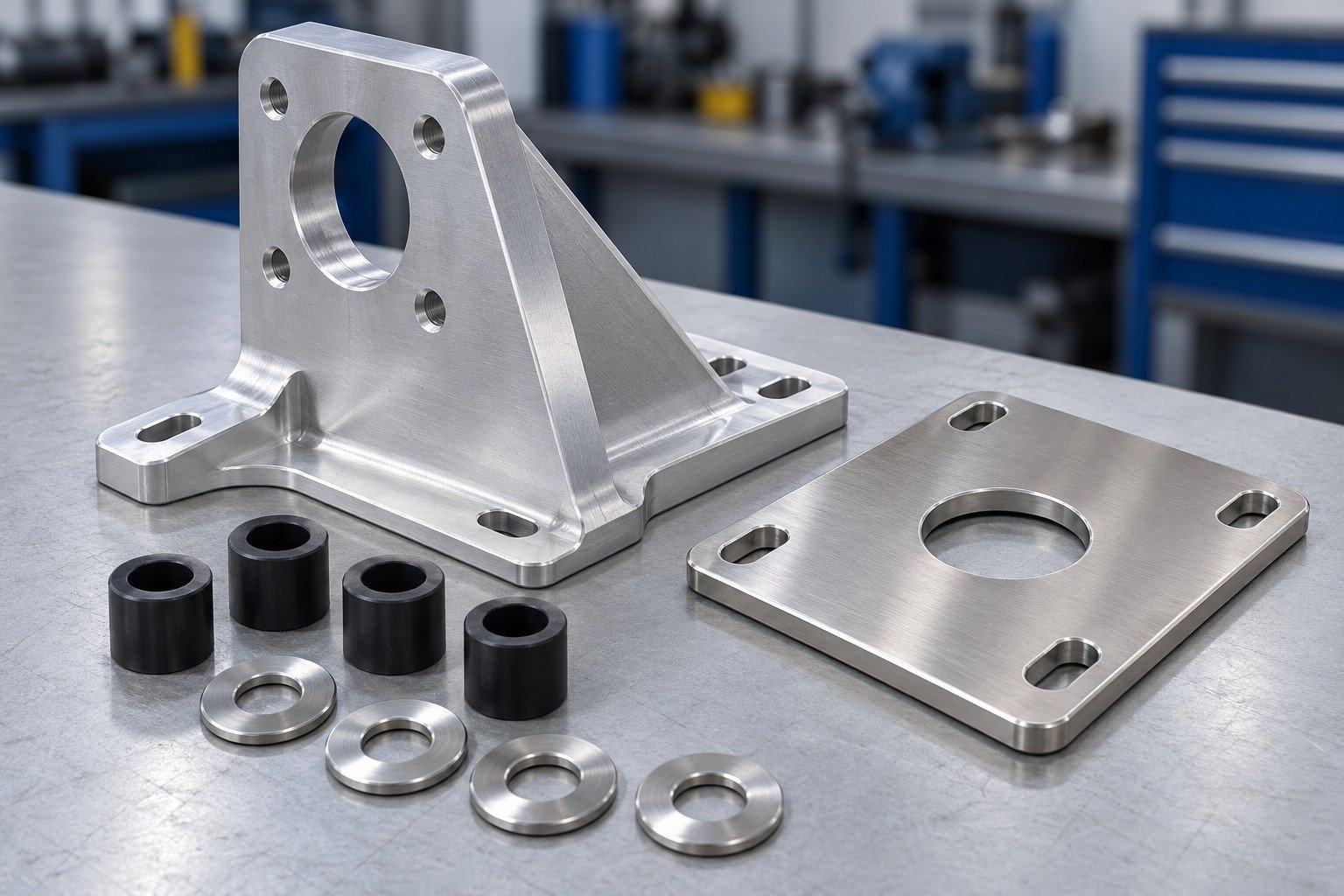
Dissimilar metals, an electrical path and a shared electrolyte can create a galvanic interaction. Review these together rather than assuming a coating or washer alone resolves the assembly.
Specify agreed contact/isolation details, sealing and maintenance access where appropriate. Electrical bonding and cathodic-protection requirements must be reviewed with the system owner.
Boat-builder corrosion guidance →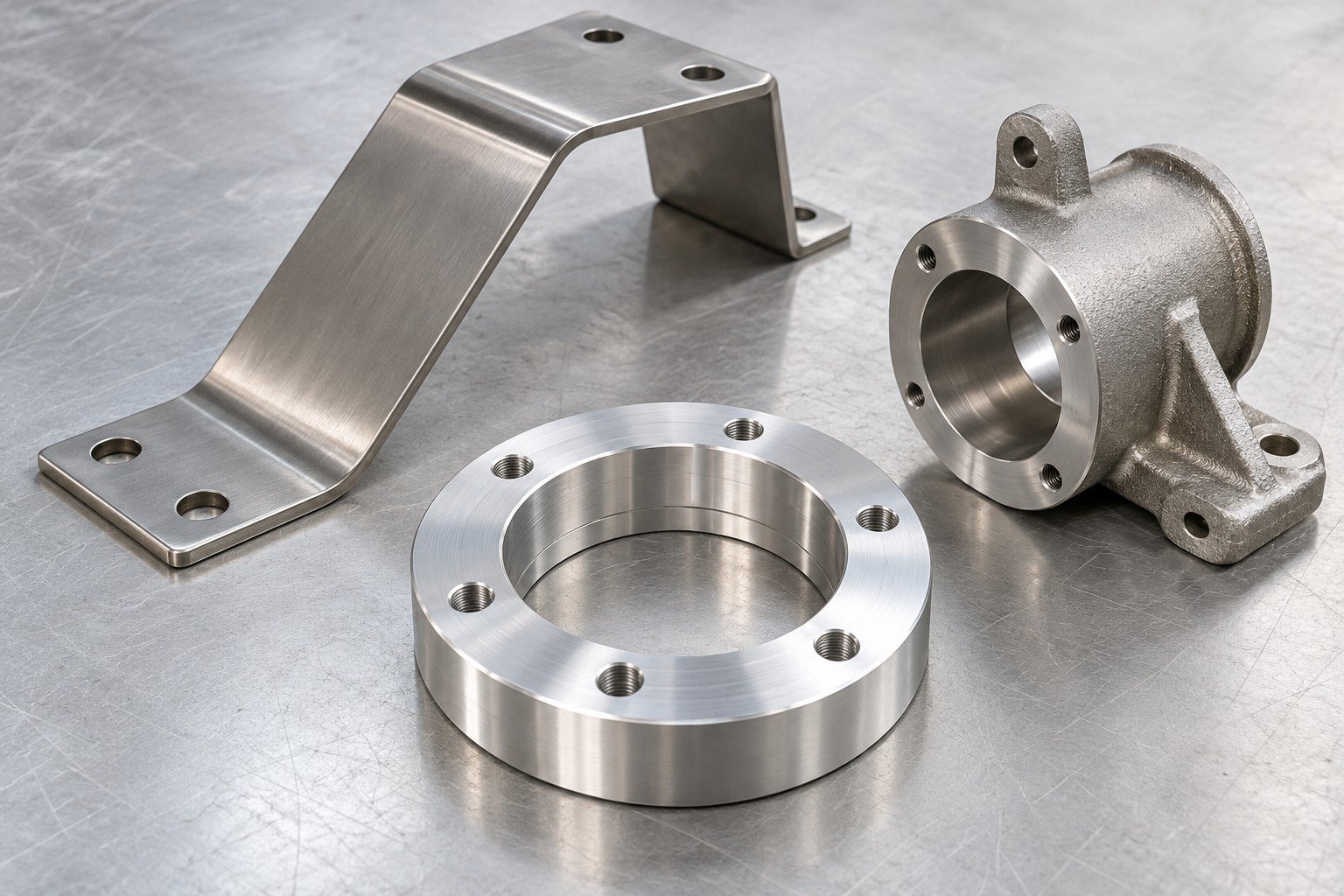
Connect your component geometry and exposure to the manufacturing and finishing route.
| Your part feature | Route to review | Acceptance input |
|---|---|---|
| Mounting bores, shoulders and sealing faces | CNC machining | Functional datums, final-condition dimensions and surface requirements |
| Covers and formed mounting supports | Sheet-metal fabrication | Bends, seams, edges, fasteners and contact details |
| Complex repeat housing geometry | Casting with agreed secondary machining | Specified alloy, tooling geometry and critical machined interfaces |
| Multi-part supports or housings | Mechanical assembly | Component revisions, mating metals, sealing and agreed sample checks |
A dimensional report or salt-spray result alone does not establish service life in the installed marine environment.
Keep material identity and surface processing connected to the final mating fit. Define what evidence your purchasing and engineering teams need.
Specified grade, product form, condition and required lot identity.
Required finish, treatment, protected contacts and edge details.
Selected mounting, seal and cable-entry dimensions.
Separate part inspection from corrosion, sealing and installed-system approval.
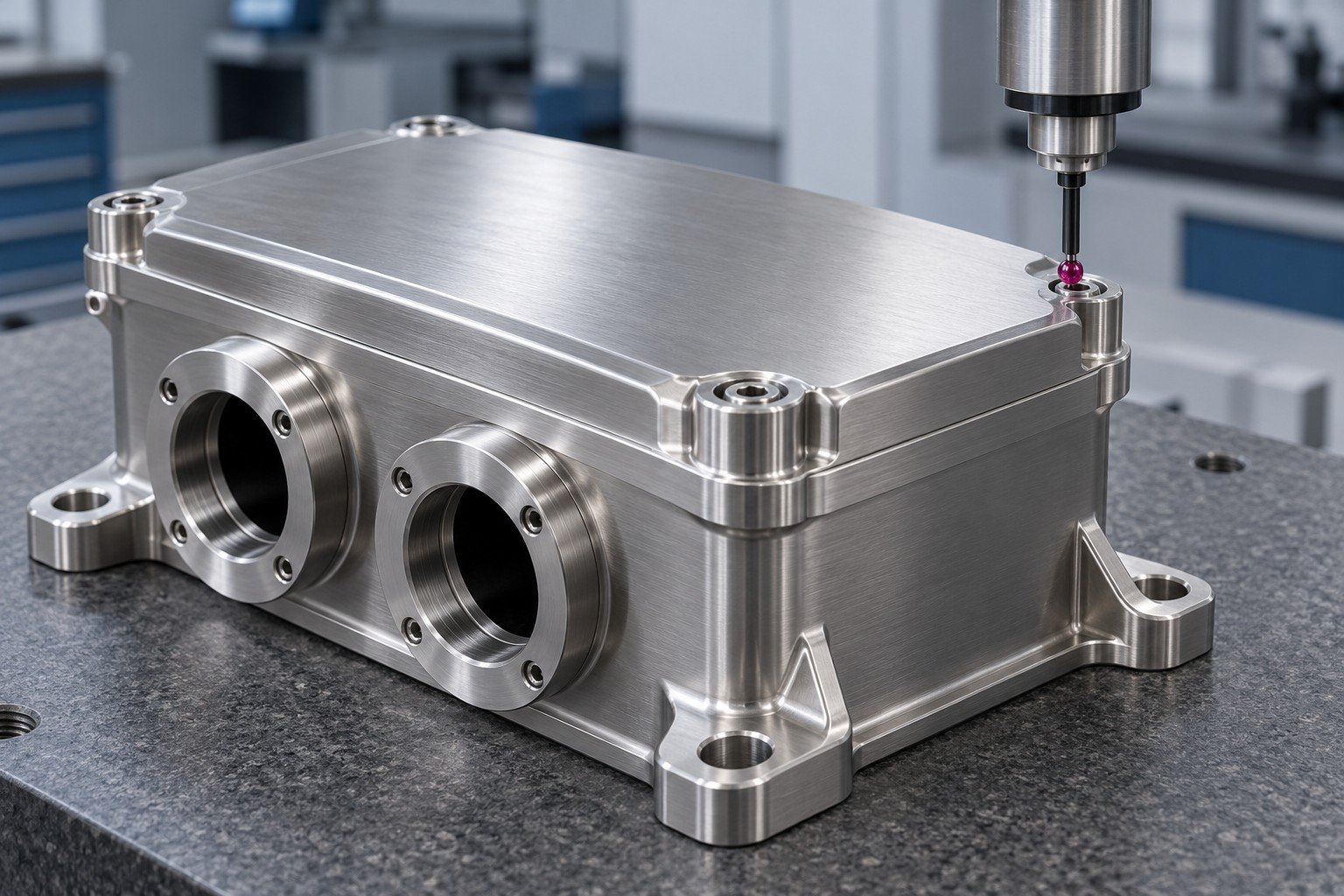
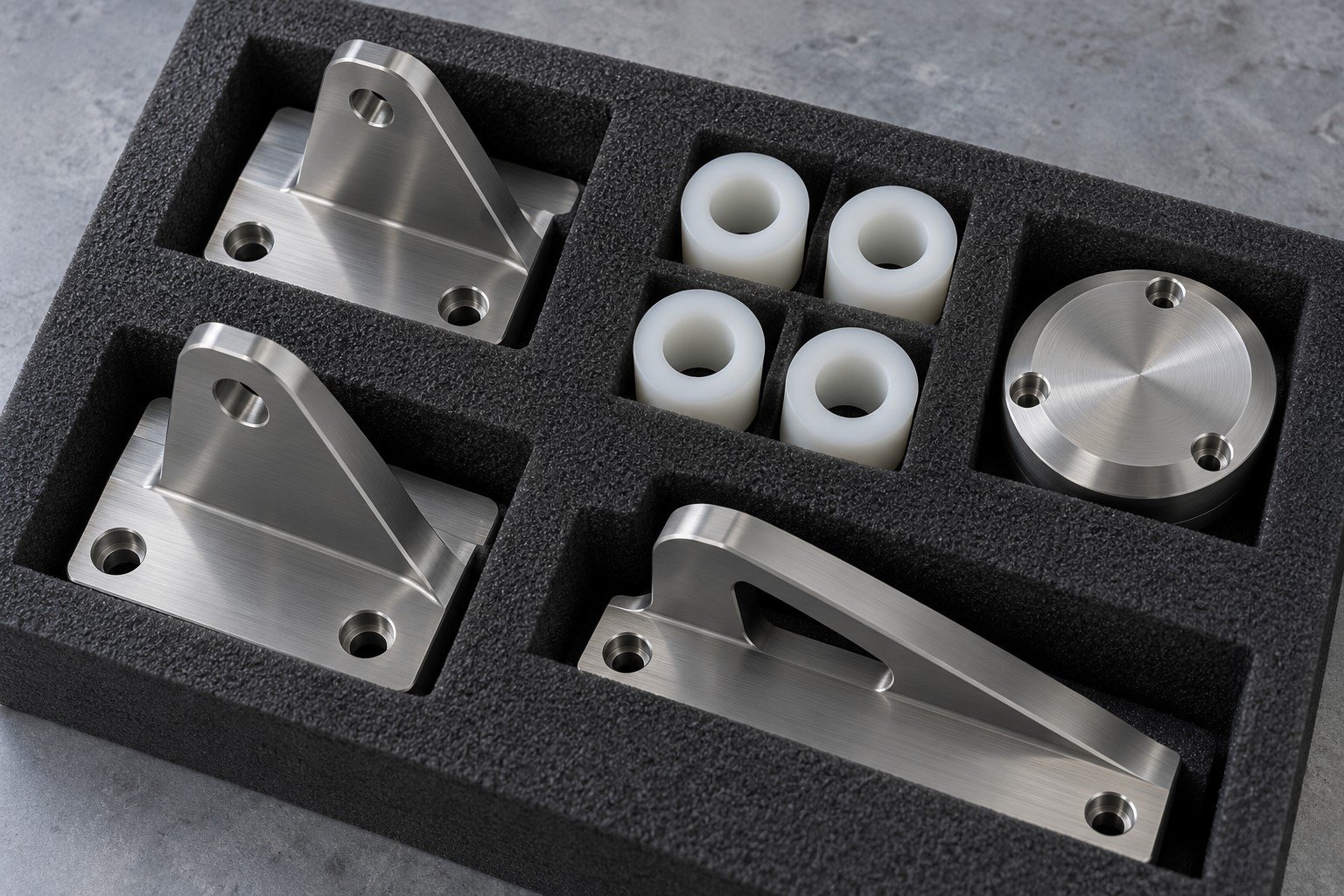
Share the revision, interfaces and actual application.
Review geometry, material and manufacturing sequence.
Check the agreed features and mating condition.
Review specified records and approval responsibility.
Confirm repeat scope, packaging and delivery plan.
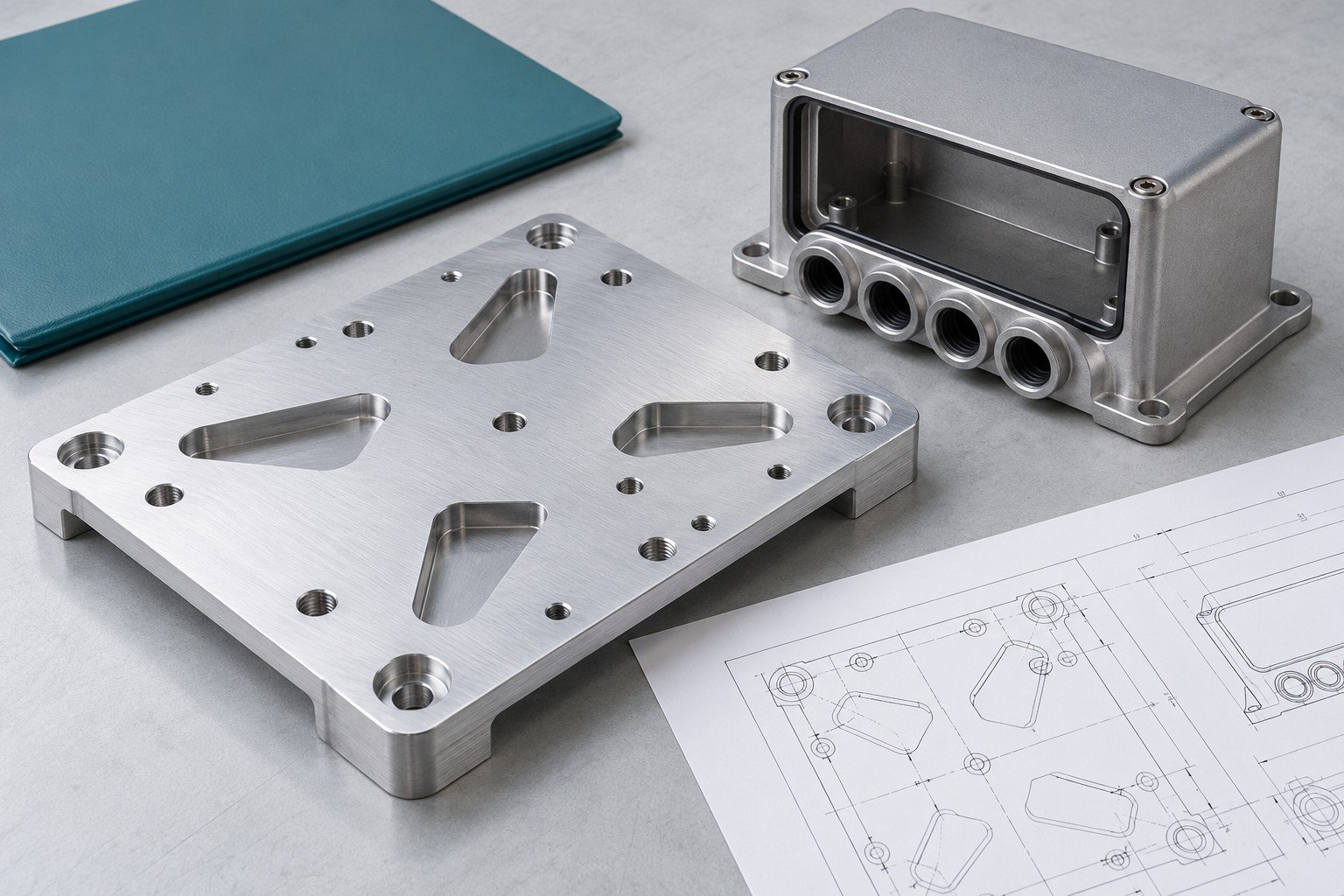
Review the material pair, electrical contact paths and water exposure with the system designer. Specify agreed isolation, sealing, finish and maintenance details where appropriate. Confirm bonding and cathodic-protection requirements separately; no single washer or coating is a universal solution.
No. Exposure, water conditions, temperature, flow and crevice geometry matter. Confirm the application and full material specification rather than treating a grade name as a corrosion-proof guarantee.
Do not assume a direct service-life prediction. Define the test method, specimen, acceptance criteria and how the evidence relates to the actual application with the responsible engineering team.
Provide CAD, controlled drawings, actual exposure, mating materials, material/finish requirements, trial/repeat quantities and the required inspection and validation scope.
Confirm your specified grade and condition. Explore materials →
Review finish and protected contacts. Explore finishing →
Connect interfaces to your drawing. Explore drawing controls →