Too many touchpoints
Your risk: Repeated clarification across suppliers can lose context.
Your review: Agree a part-and-process map and escalation owner.
Core manufacturing processes for your prototypes, low-volume and repeat production.
Advanced manufacturing and engineering support for your complex, tight-tolerance parts.
Plan inspection, documentation and delivery around your production program.
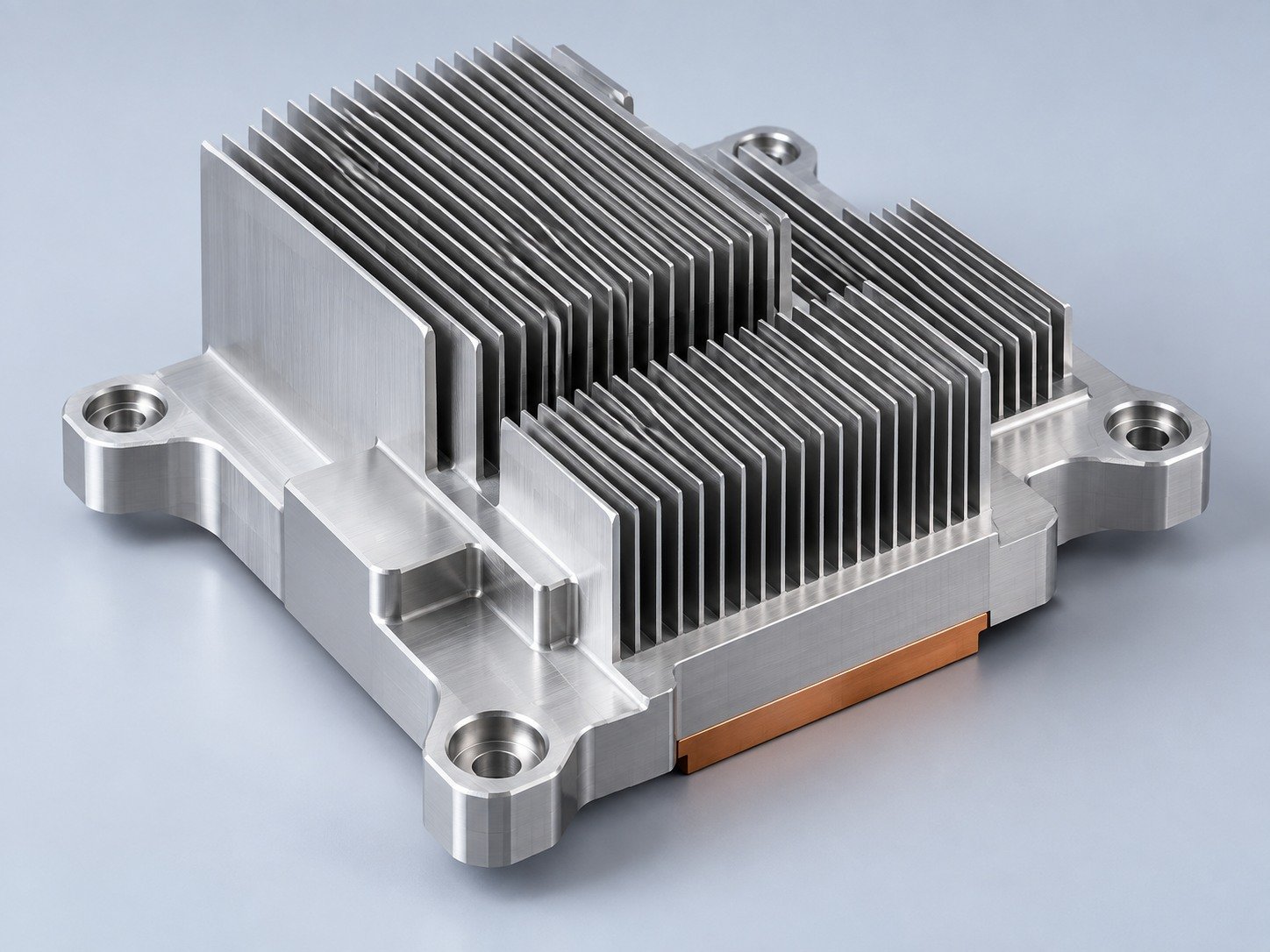
Choose air- or liquid-cooling components around your thermal and mechanical requirements.
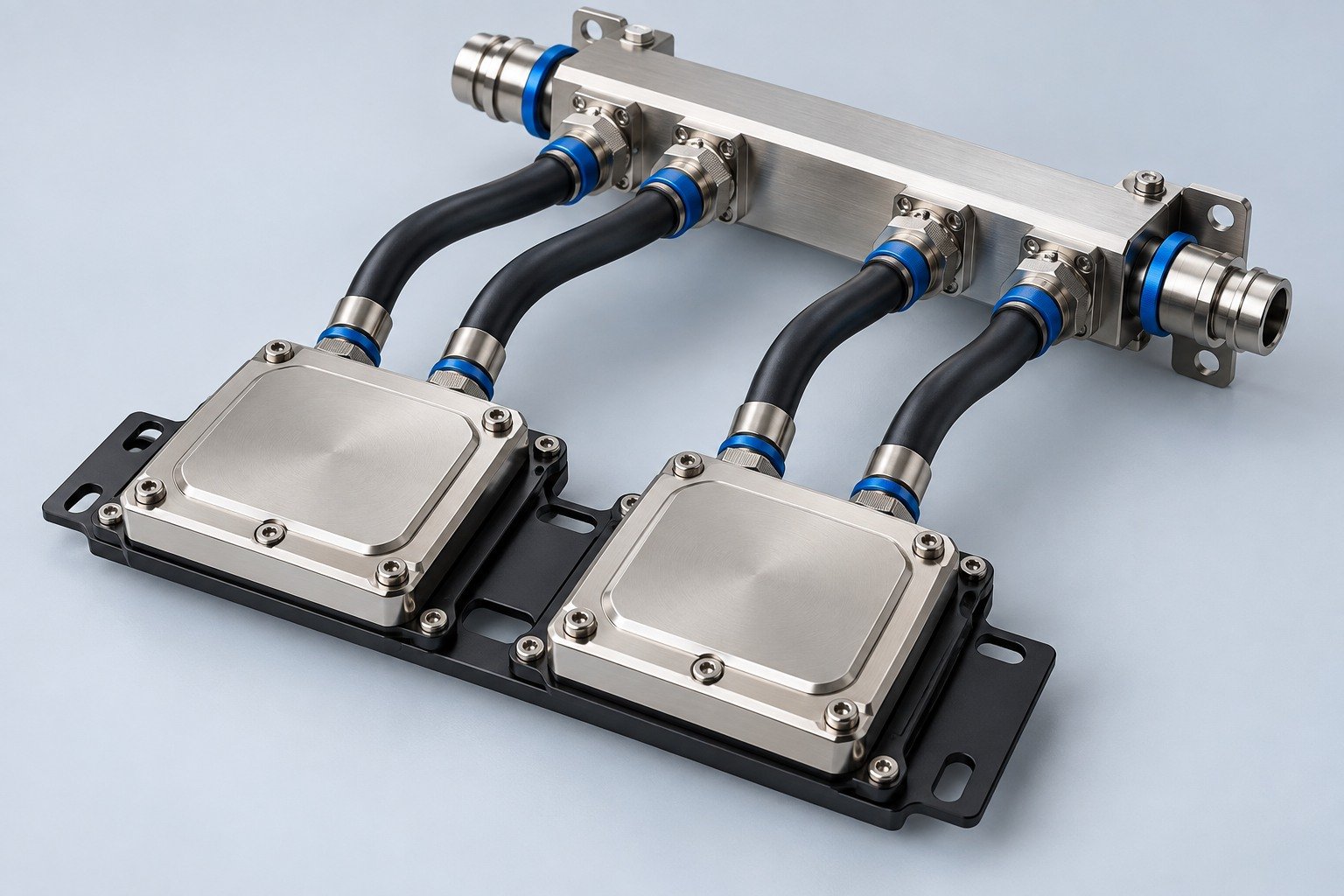
Manufacturing support for your cold plates, manifolds and cooling assemblies.
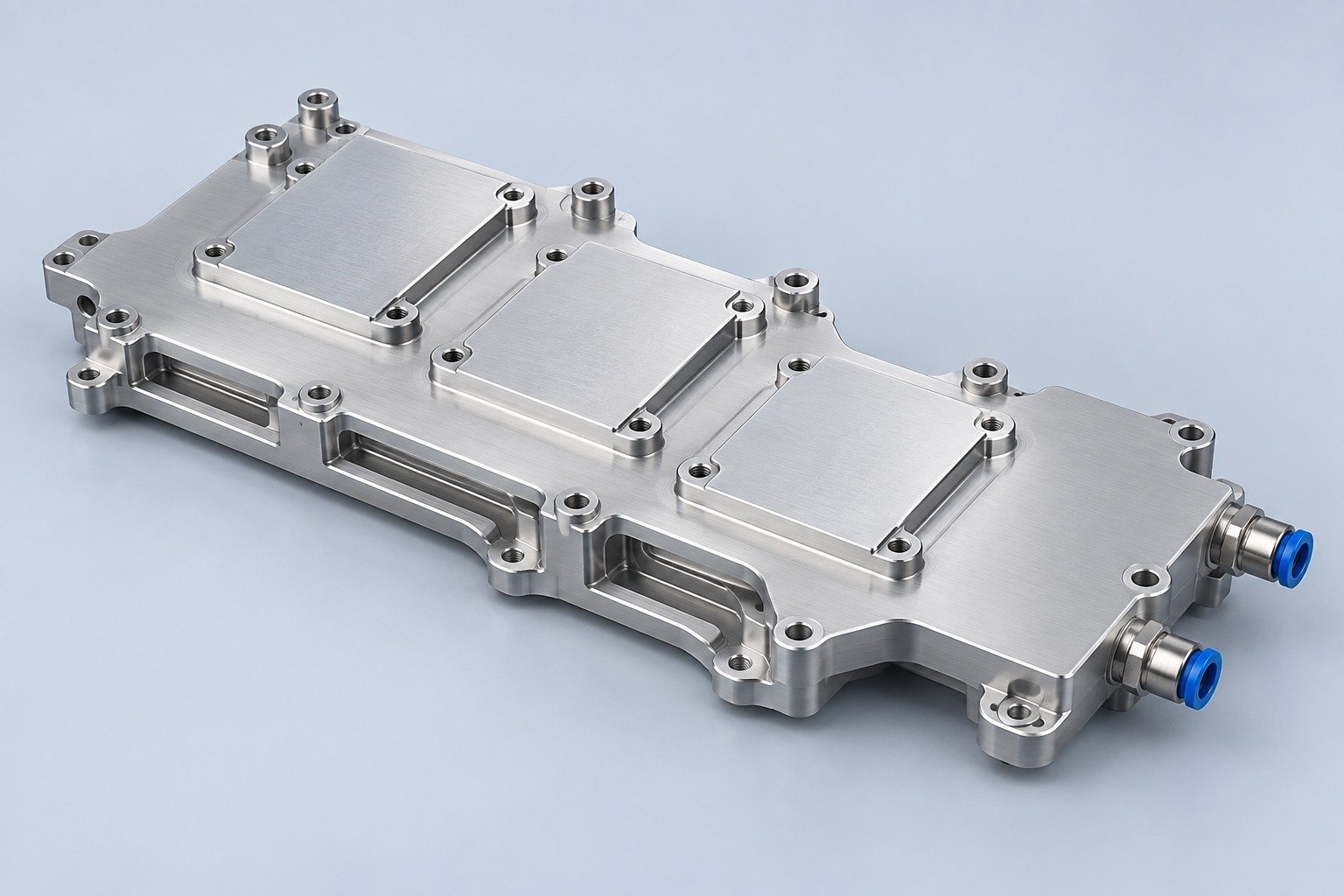
Find components for your power electronics, energy, laser and telecom application.
Components for your electronic systems.
Start with your functional and quality requirements.
Build around your operating environment.
Review grade, temper and finish for your metal parts.
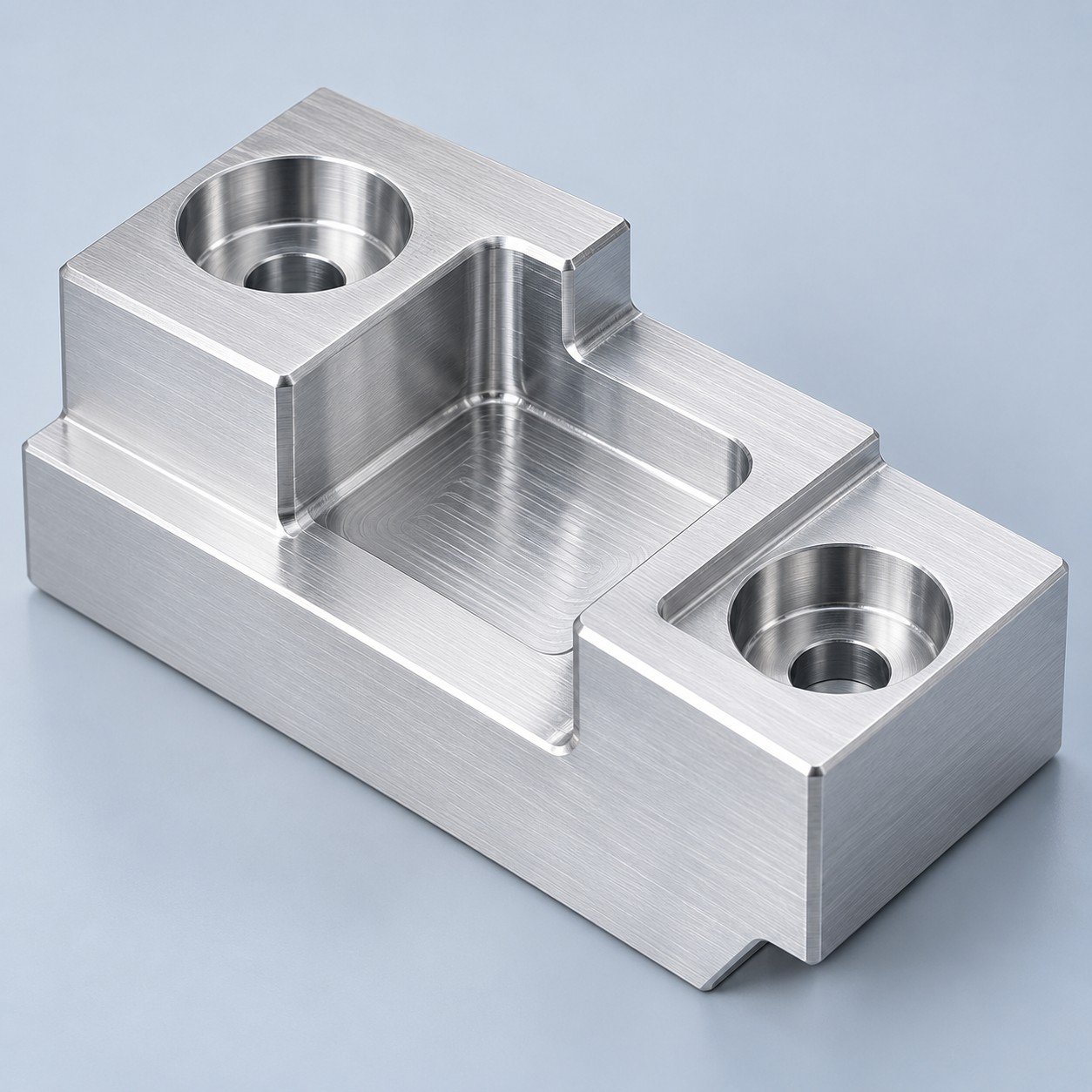 AluminumStrength, weight and machining
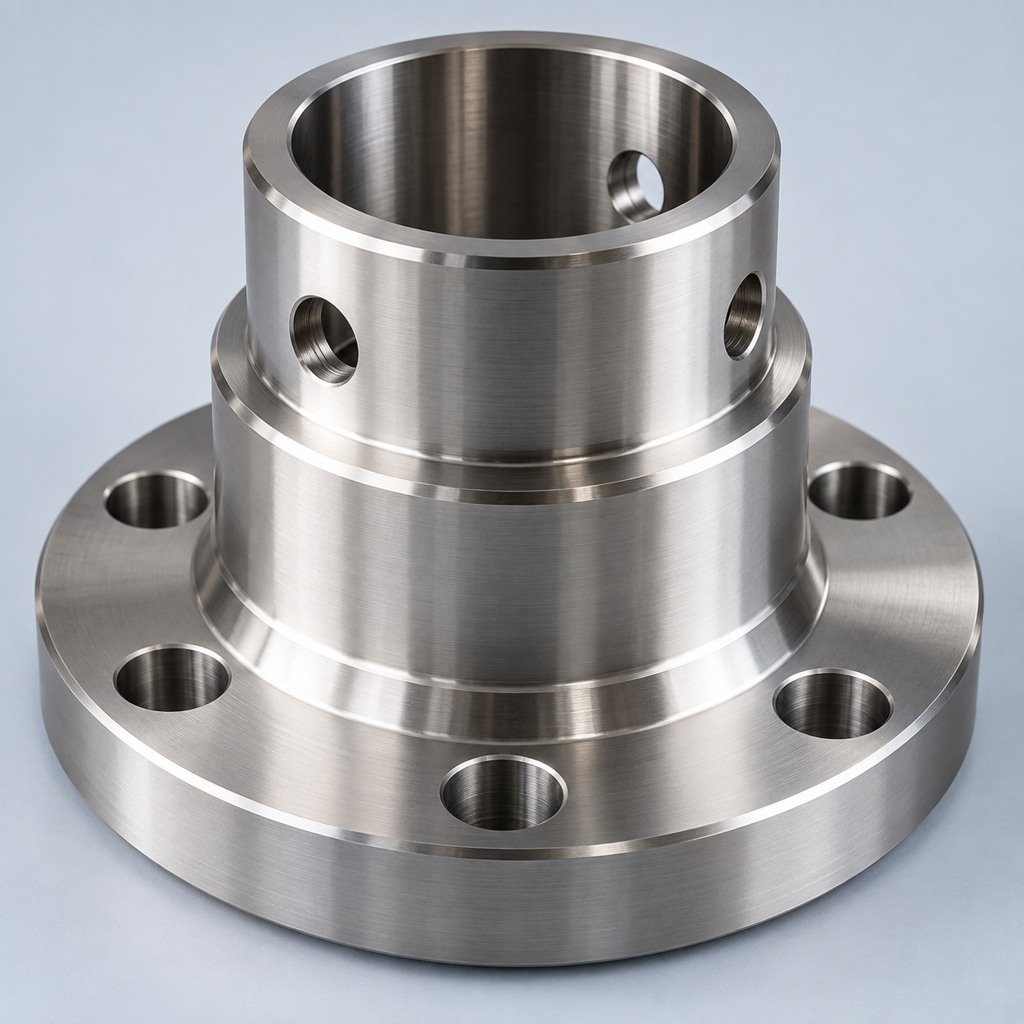 Stainless SteelCorrosion and finish requirements
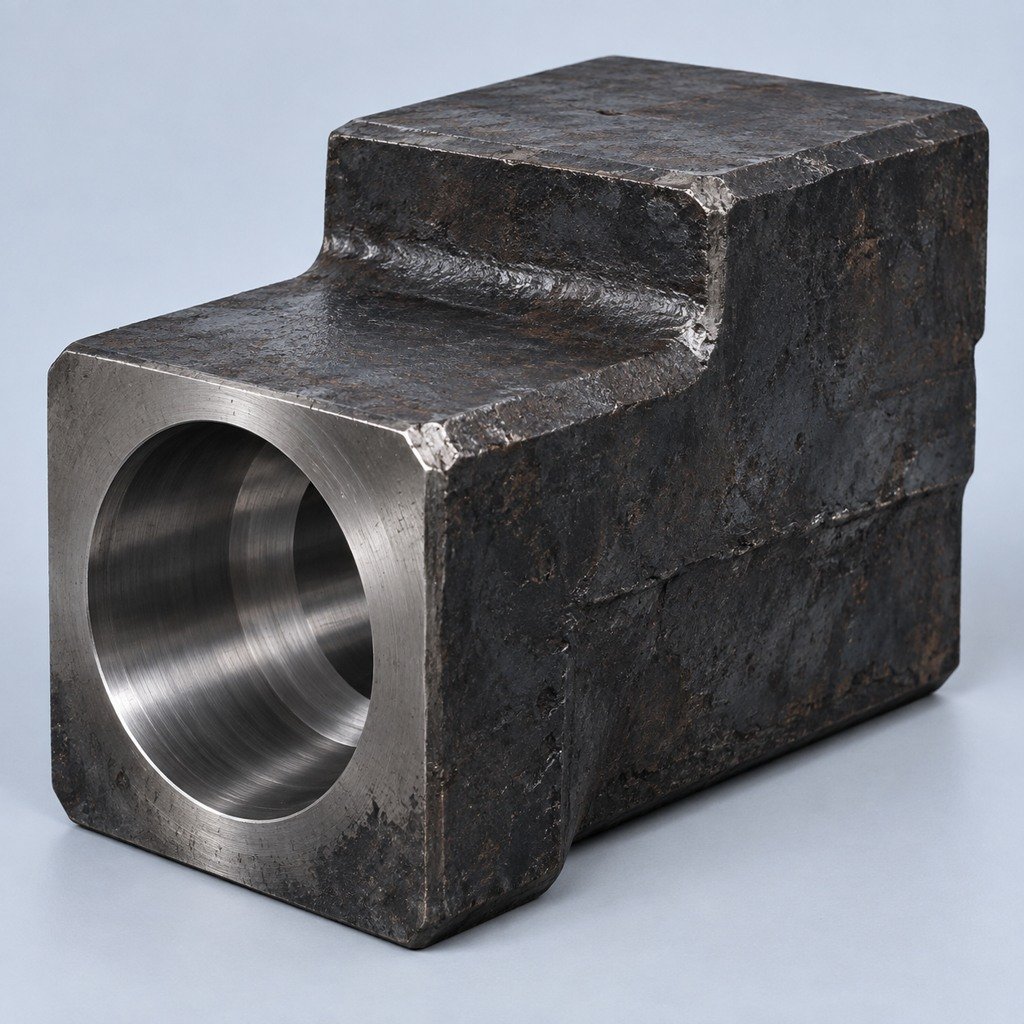 Carbon & Alloy SteelDiscuss grade and heat treatment
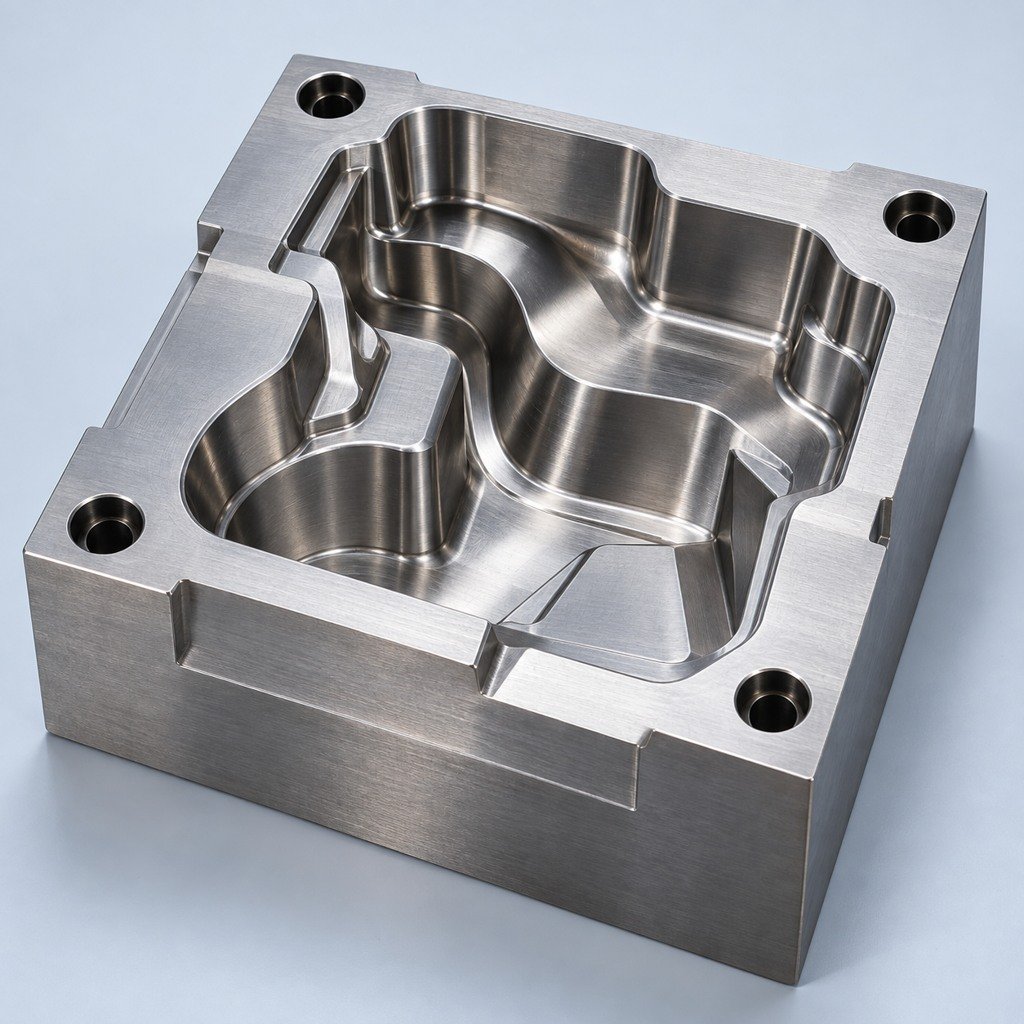 Tool SteelDiscuss tooling and wear needs
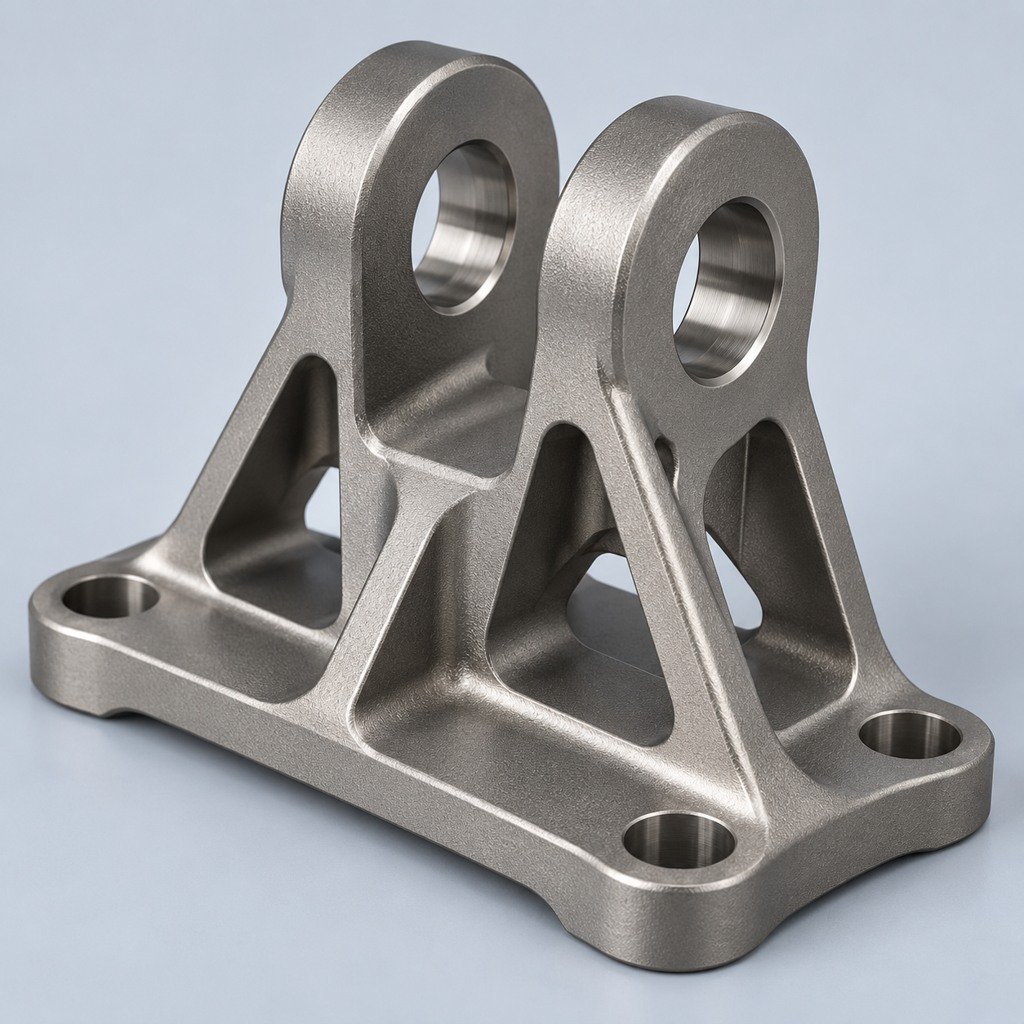 TitaniumReview grade and part geometry
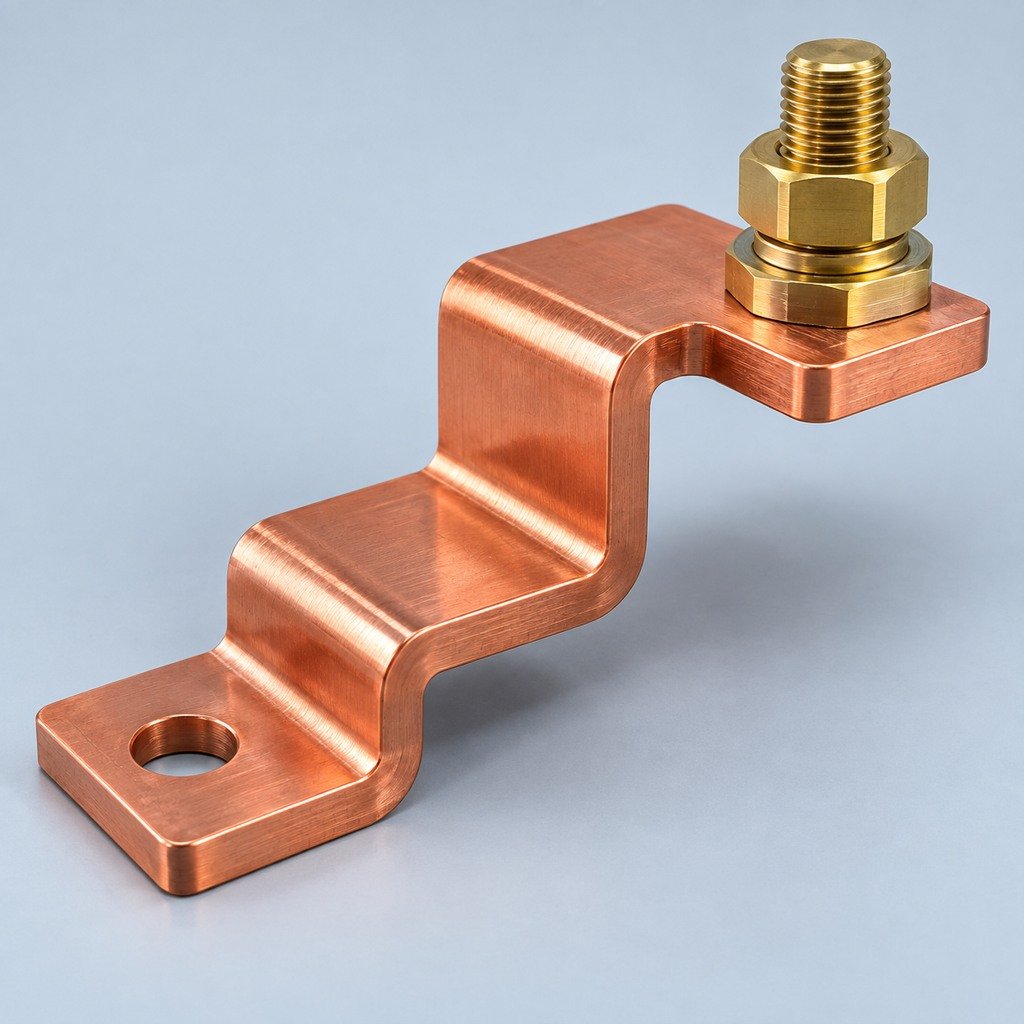 Copper & BrassDiscuss conductivity and machining
Match your polymer to function, process and environment.
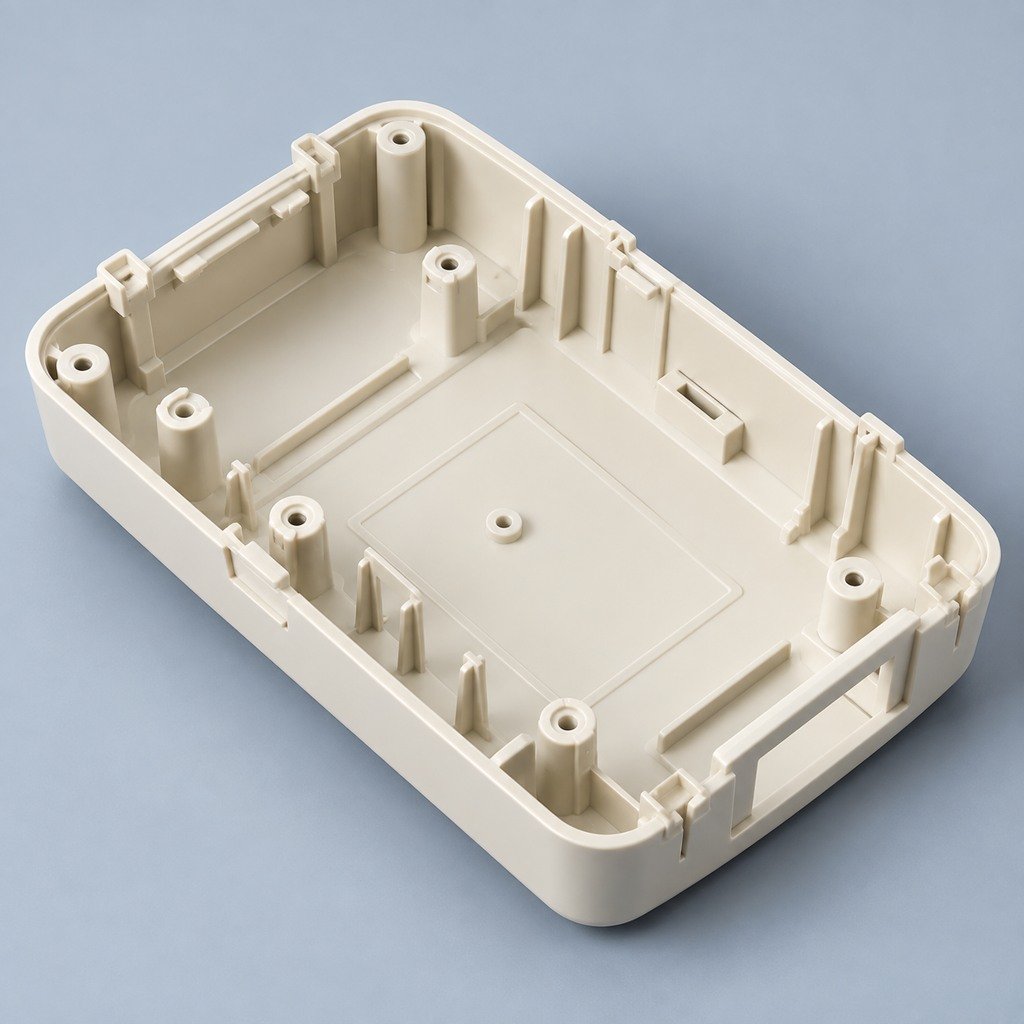 ABSReview enclosure and molding needs
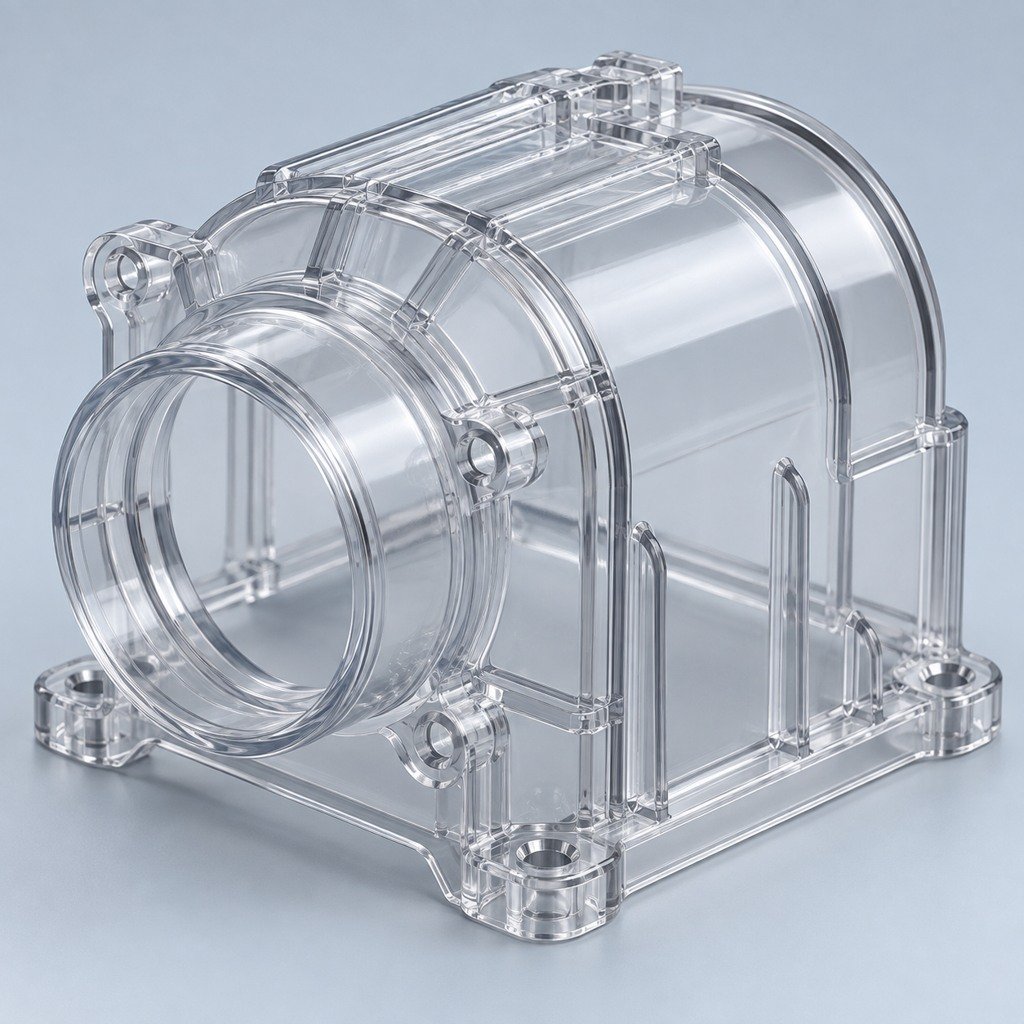 Polycarbonate (PC)Discuss clarity and impact needs
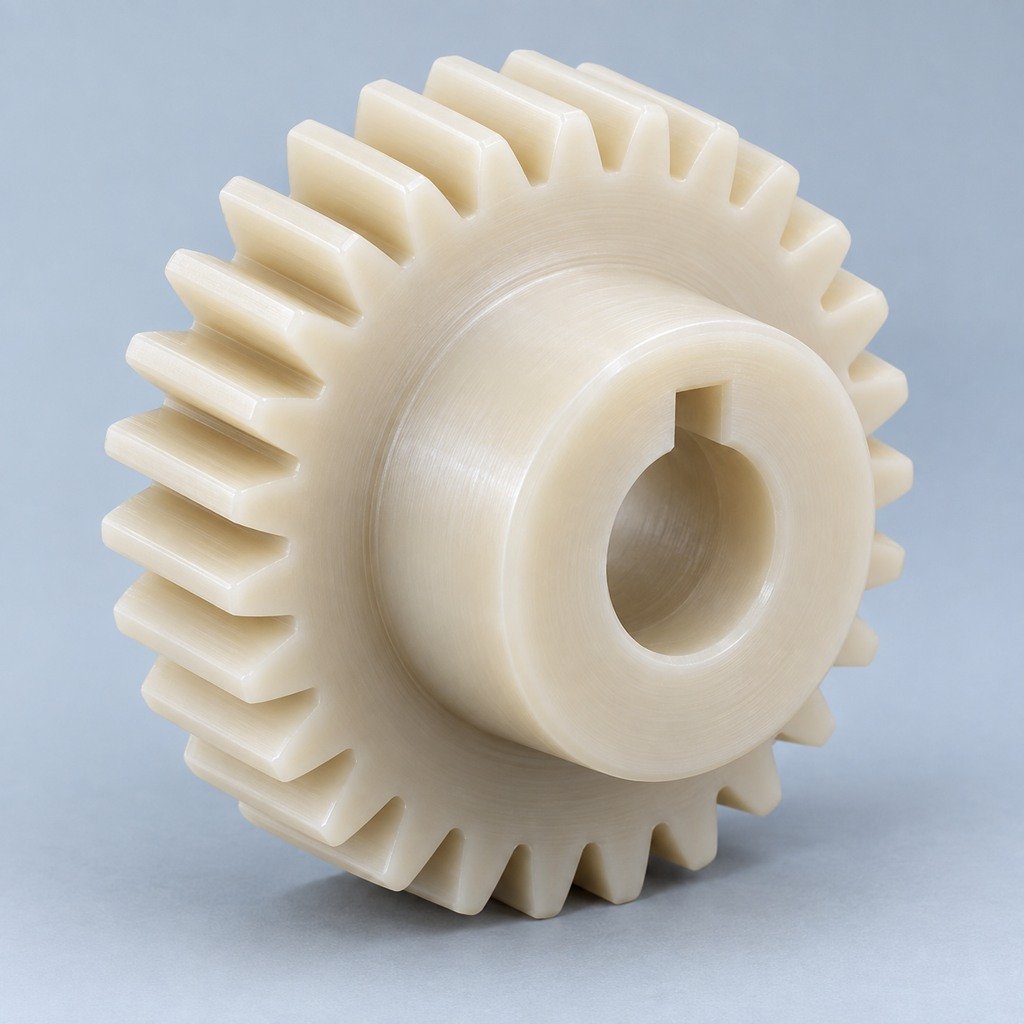 Nylon (PA)Review moisture and wear conditions
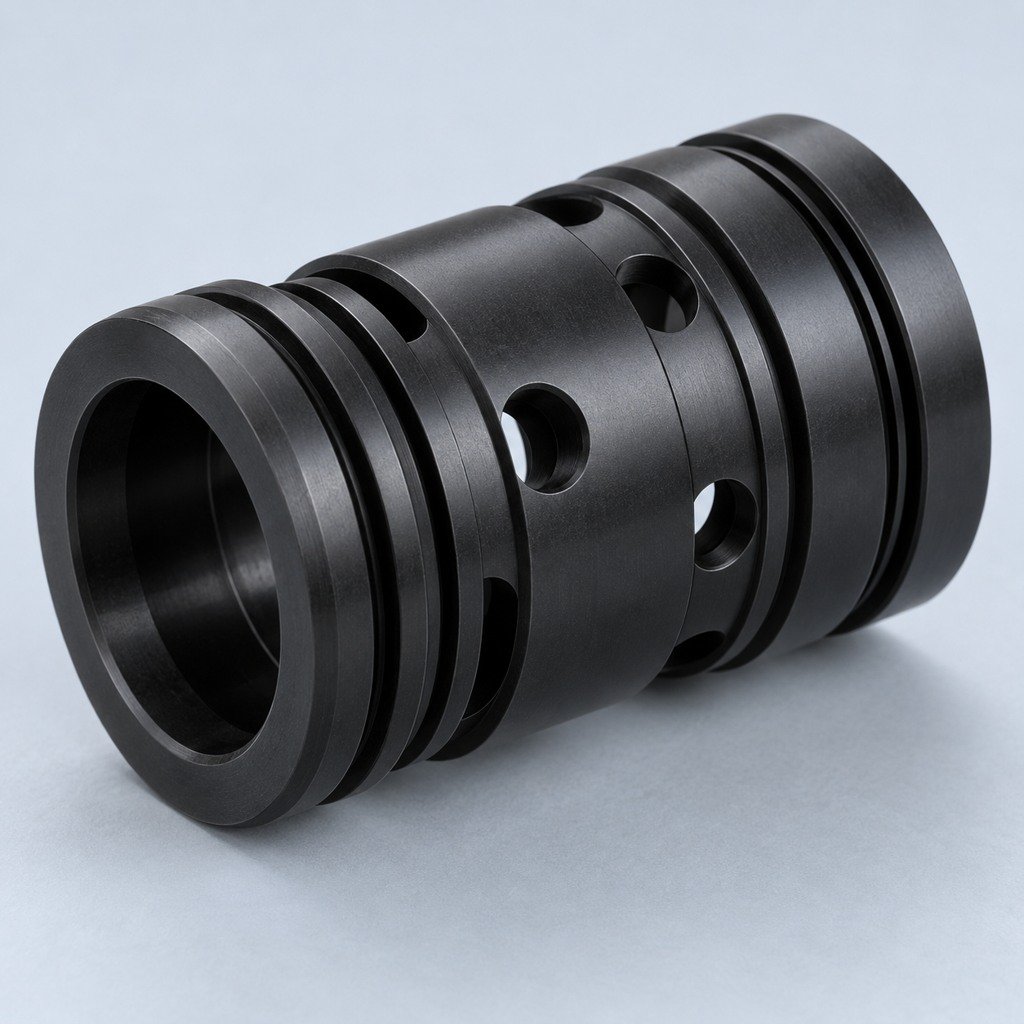 POM / AcetalReview fit and sliding features
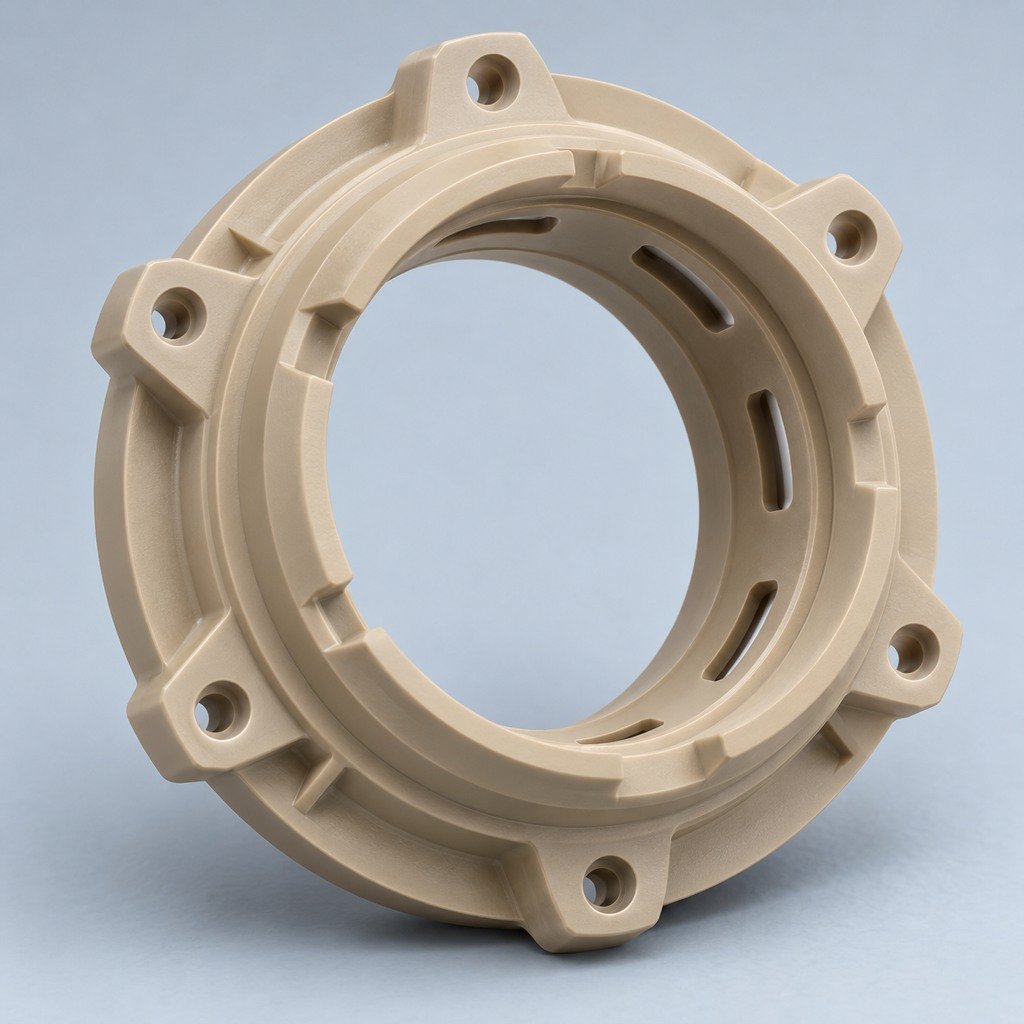 PEEKDiscuss operating conditions
 PTFEReview friction and chemical exposure
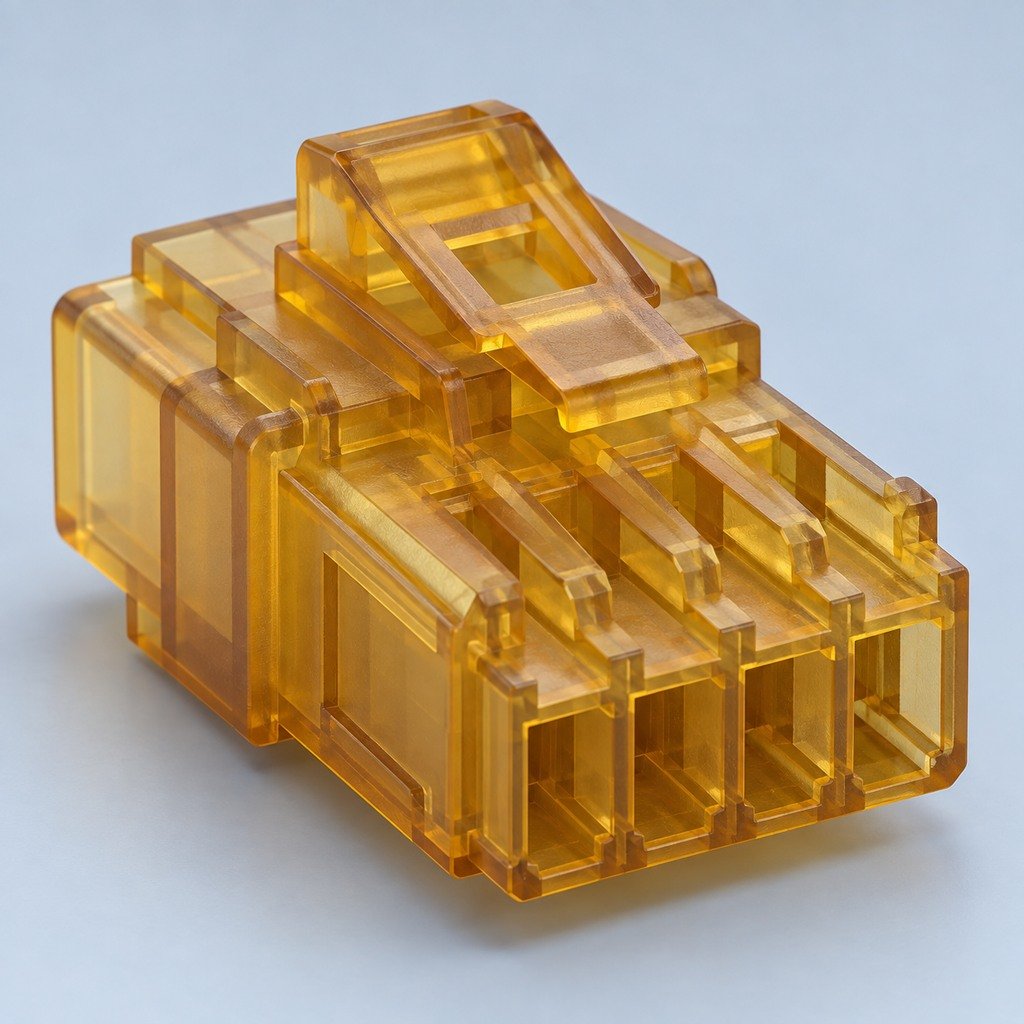 ULTEM / PEIDiscuss thermal and electrical needs
Confirm grade availability and application requirements.
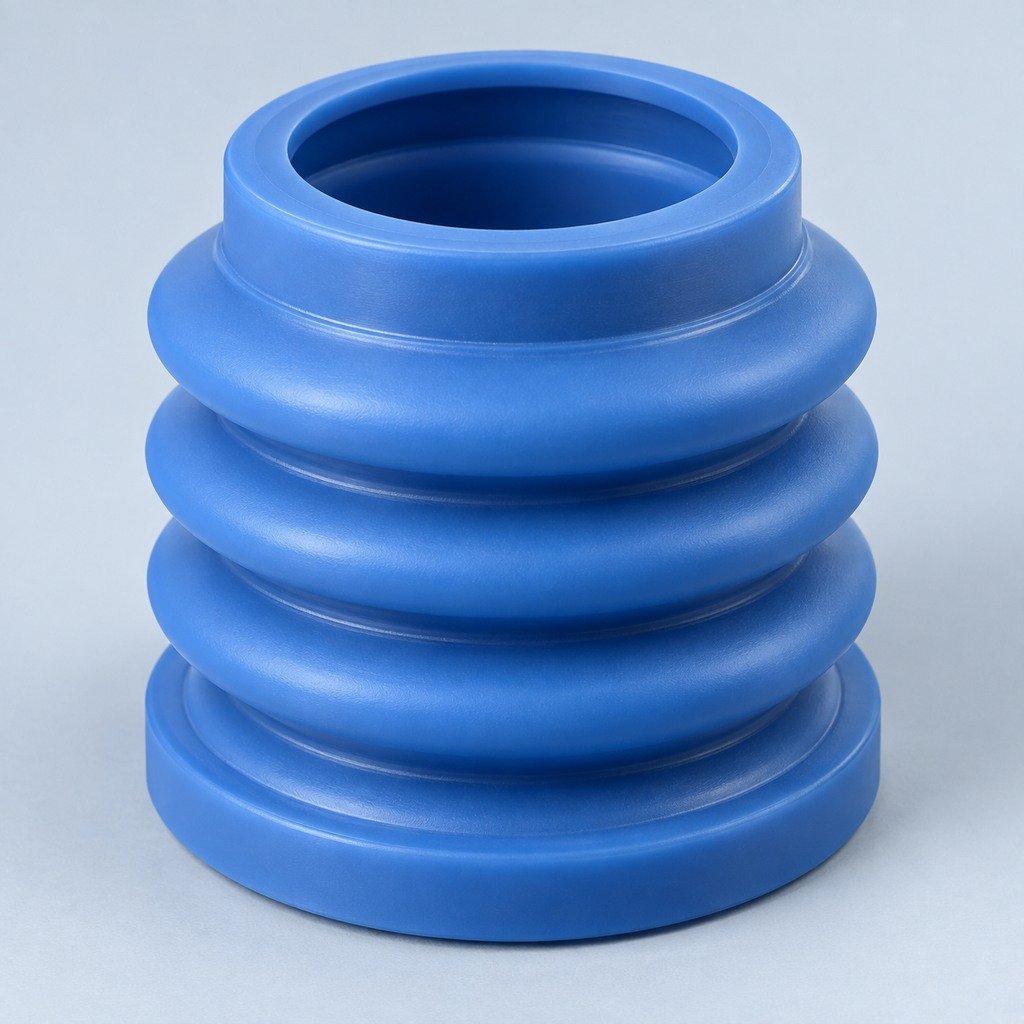 Silicone / LSRDiscuss flexible component needs
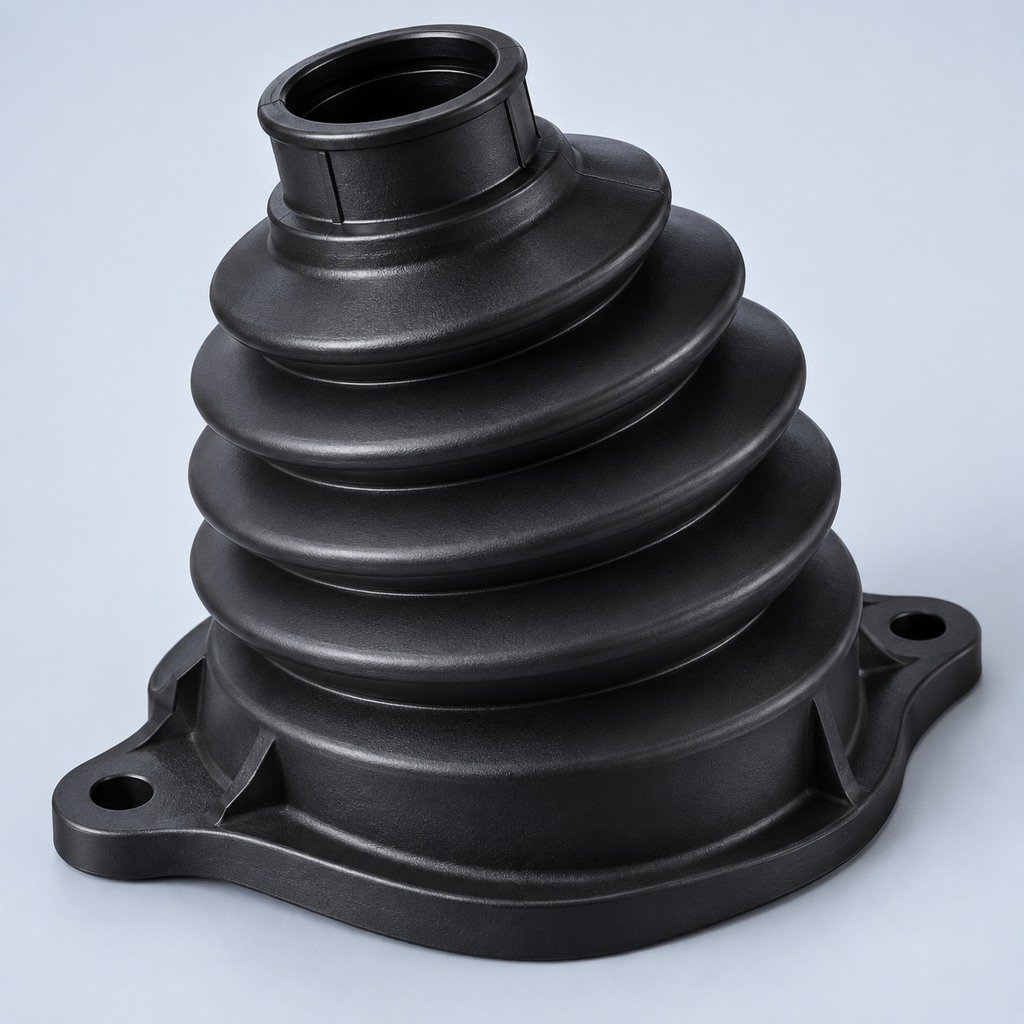 TPU / TPEReview flexibility and processing
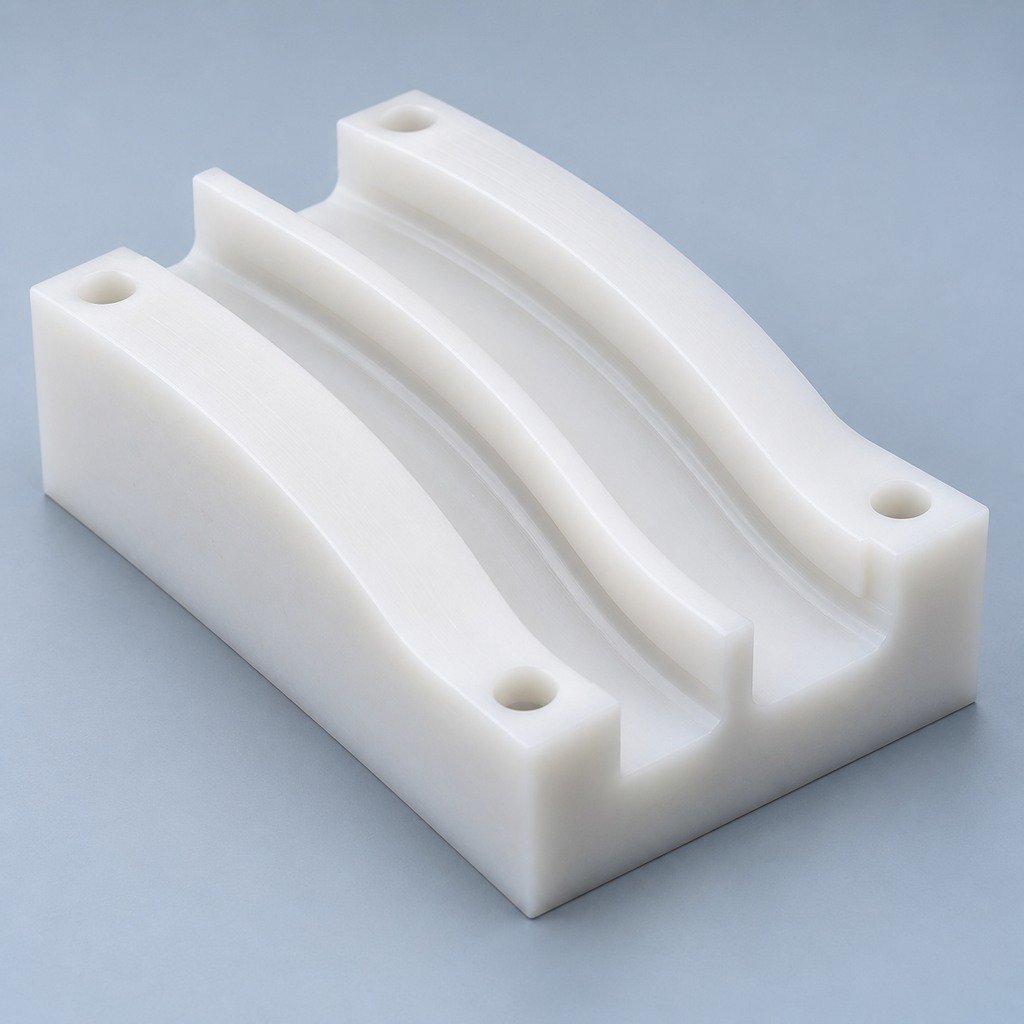 UHMW-PEDiscuss sliding and wear needs
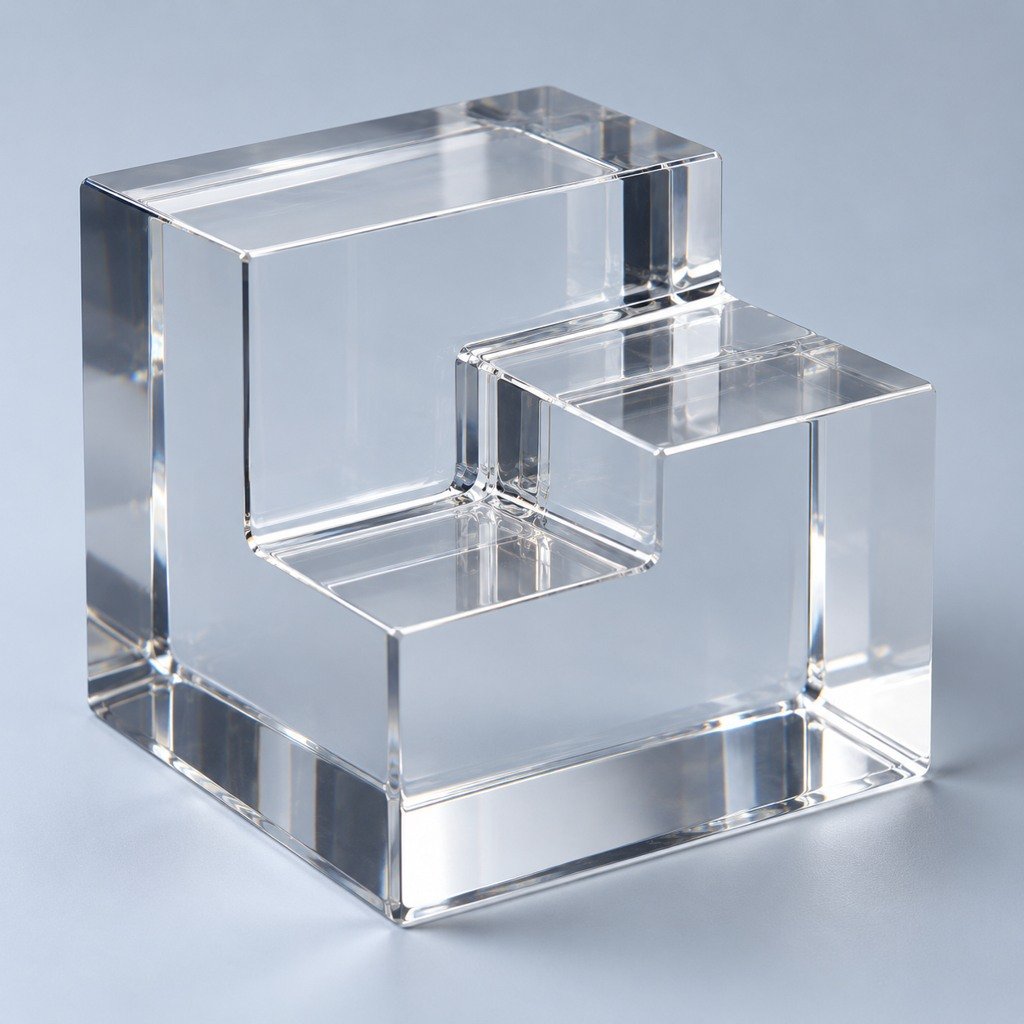 Acrylic / PMMAReview optical and cosmetic needs
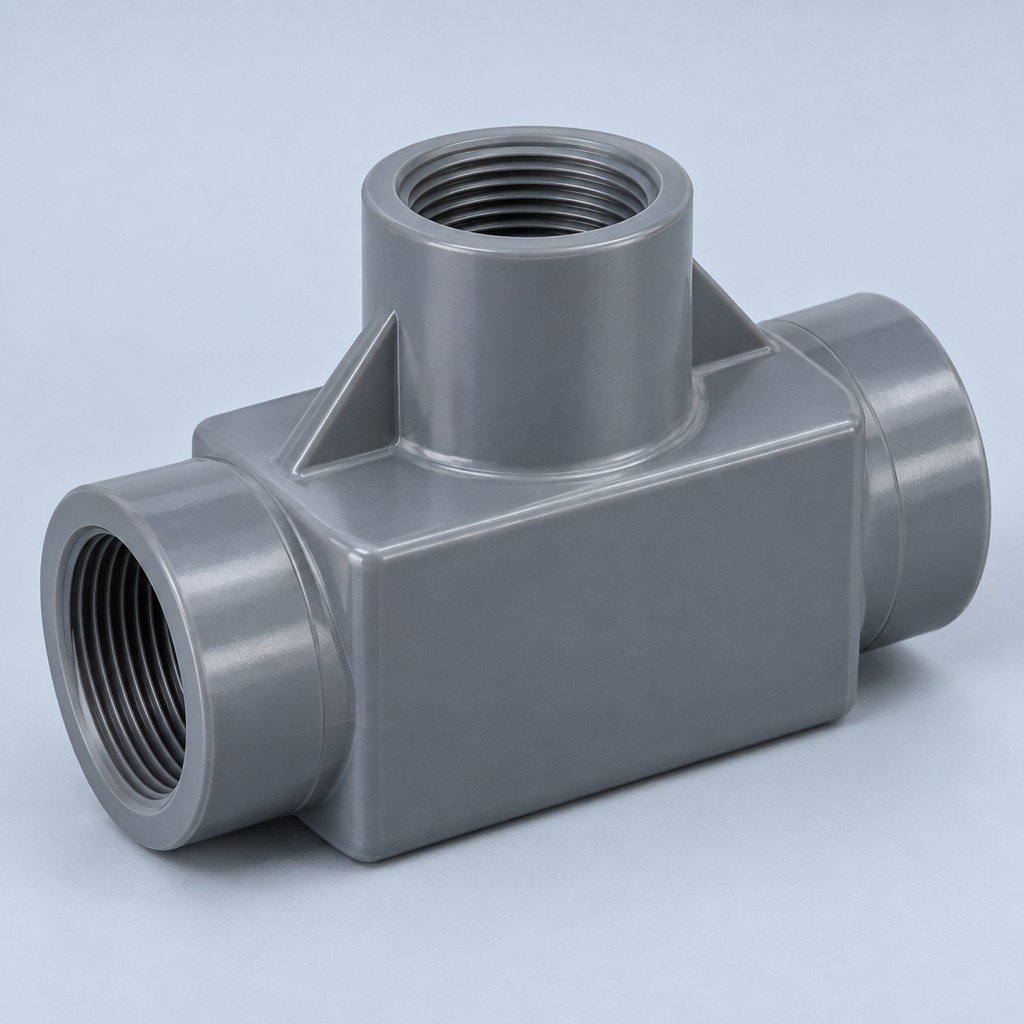 PVCDiscuss chemical exposure and grade
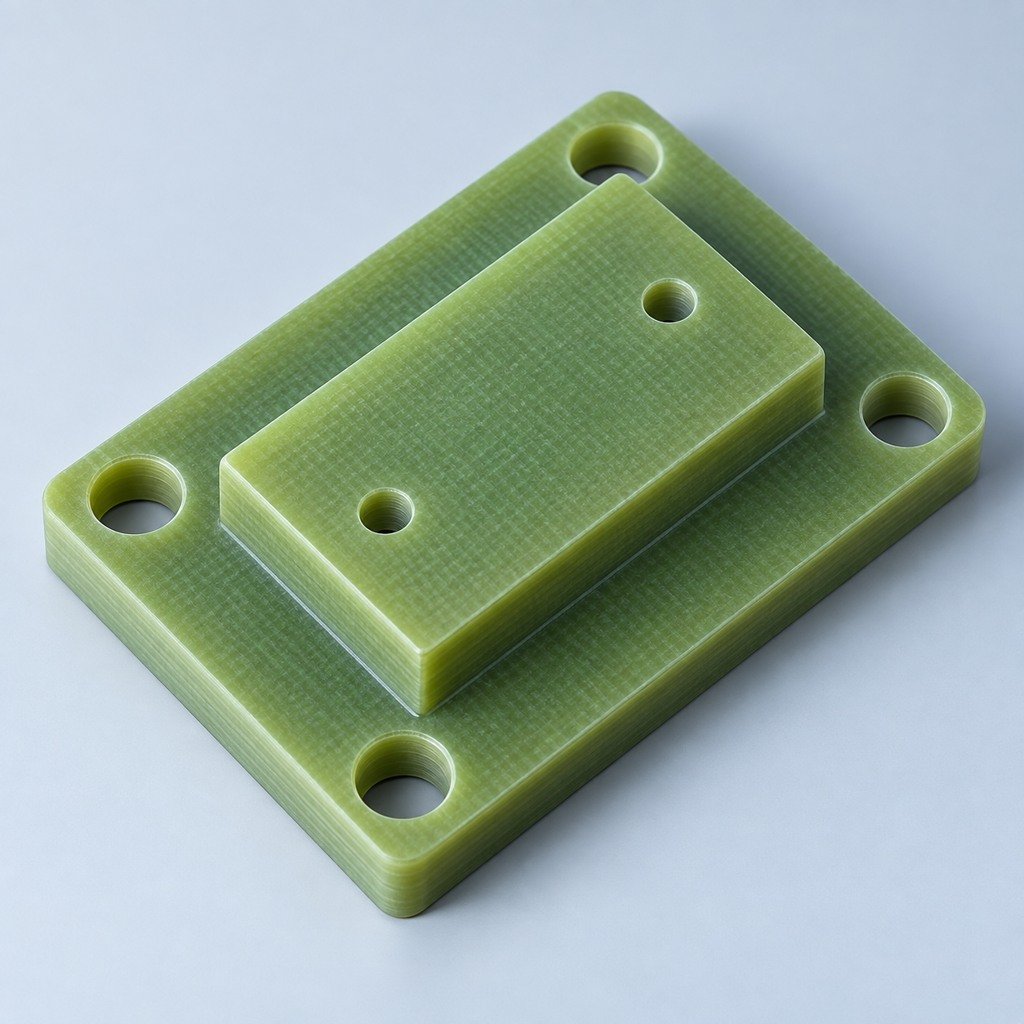 G10 / FR4Review insulation and laminate needs
Practical guidance for your part geometry and material decisions.
Prepare your process, budget and sourcing questions.
Build your knowledge before production.
Learn who we are and how we operate.
Find our U.S. support team or start a conversation.
SUPPLY COORDINATION FOR YOUR PROGRAM
Bring your BOM, drawings and release requirements into one review. Discuss how machining, molding, fabrication, finishing and assembly can be coordinated around your approved revisions and delivery plan.
Share Your BOM & Drawings →Process coverage, responsibilities, pricing and timing are confirmed for your individual program.
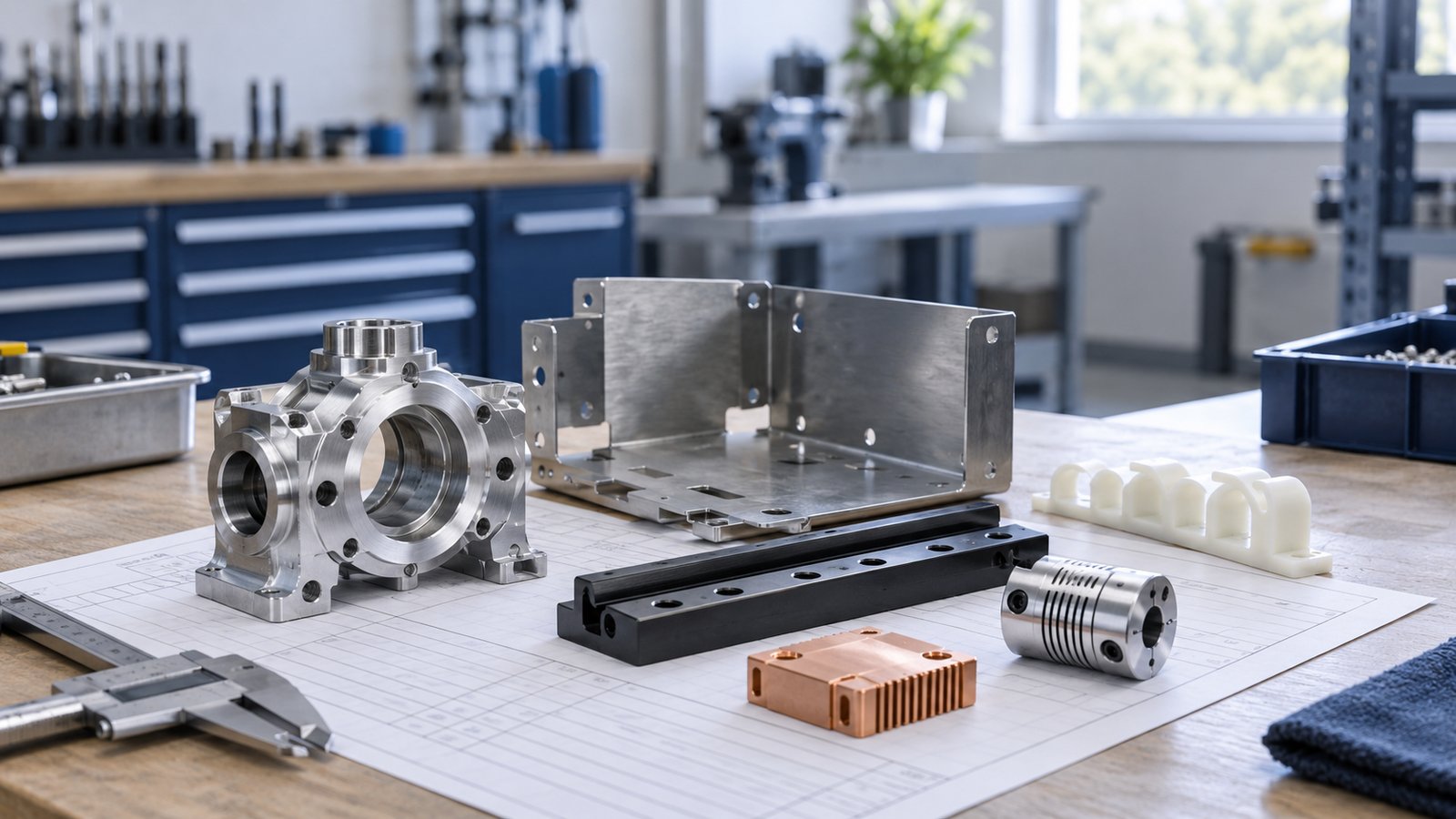
VENDOR CONSOLIDATION OVERVIEW
A smaller supplier list helps only when the hand-offs remain controlled. Review the process, revision, evidence and release requirements for each part before combining work into a program.
Your risk: Repeated clarification across suppliers can lose context.
Your review: Agree a part-and-process map and escalation owner.
Your risk: Parts made to different drawing versions may not fit.
Your review: Identify one approved revision for each part and record changes.
Your risk: A shared part description can hide different requirements.
Your review: Review grade, specification, finish and accepted substitutions.
Your risk: Reports can omit the fields your approval requires.
Your review: Define the evidence scope and format before production.
Your risk: Combining shipments may delay an urgent part.
Your review: Compare release dates before grouping freight.
Your risk: The next order can restart old questions.
Your review: Retain approved drawings, requirements and release records.
Start with the decision that matters most to your program.
A reviewable coordination plan with clear exceptions.
Fewer hidden scope differences when comparing quotes.
A clearer view of schedule dependencies; no unreviewed delivery promise.

Consistent review inputs without assuming identical inspection for every process.

A shipping scope aligned to your receiving needs.

Less repeated clarification when your requirements are unchanged.
Each route keeps its own drawing, approval and inspection requirements.
Complex geometry, bores, threads and machined interfaces.
Resin, tooling, molded features and approval samples.
Casting geometry, tooling and secondary machining.
Thickness, bends, welded features and fit.
Profile, cut length and secondary operations.
Finish specification, masking and appearance criteria.
Fit, purchased inputs and functional checks in scope.
List parts, revisions, quantities and exceptions.
Map the work and clarify specialist inputs.
Agree inspection, documents and approval owners.
Track process dependencies and approved changes.
Align records, packaging and shipment grouping.
Retain the approved baseline and review new inputs.
QUALITY & DOCUMENTATION
Define the required set by part and order. Combining suppliers does not replace process-specific inspection or customer approval.
Approved inputs and recorded changes.
MTR / COA or other agreed supplier evidence.
Measured characteristics and agreed format.
Only the customer-required scope, when applicable.
Agreed links between parts, batches and records.
Order, packaging and shipment information.
Confirm design and route assumptions.
Review fit, process and inspection inputs.
Record the accepted revision and evidence.
Review quantities and changes against the baseline.
Agree release dates, packaging and destinations.
Discuss Dallas-area coordination and any inventory scope.
Scope depends on process, material, approvals and sourcing requirements. Identify customer-nominated or specialist items so the review can state what is included and excluded.
No. Compare complete scope, quantities, tooling, records, packaging and freight. A smaller supplier count alone does not prove a lower total cost.
Discuss it before release. Grouping depends on part readiness, required dates, packaging and destination; urgent parts may need a separate shipment.
Provide a controlled drawing for each part. Agree how changes are approved, recorded and communicated across the affected processes before the build.
Specify the required records and customer format. Availability and the inspection / approval scope are confirmed for the project rather than automatically included.
Review the new quantity, revision, evidence and release dates against the approved baseline before confirming the next build.
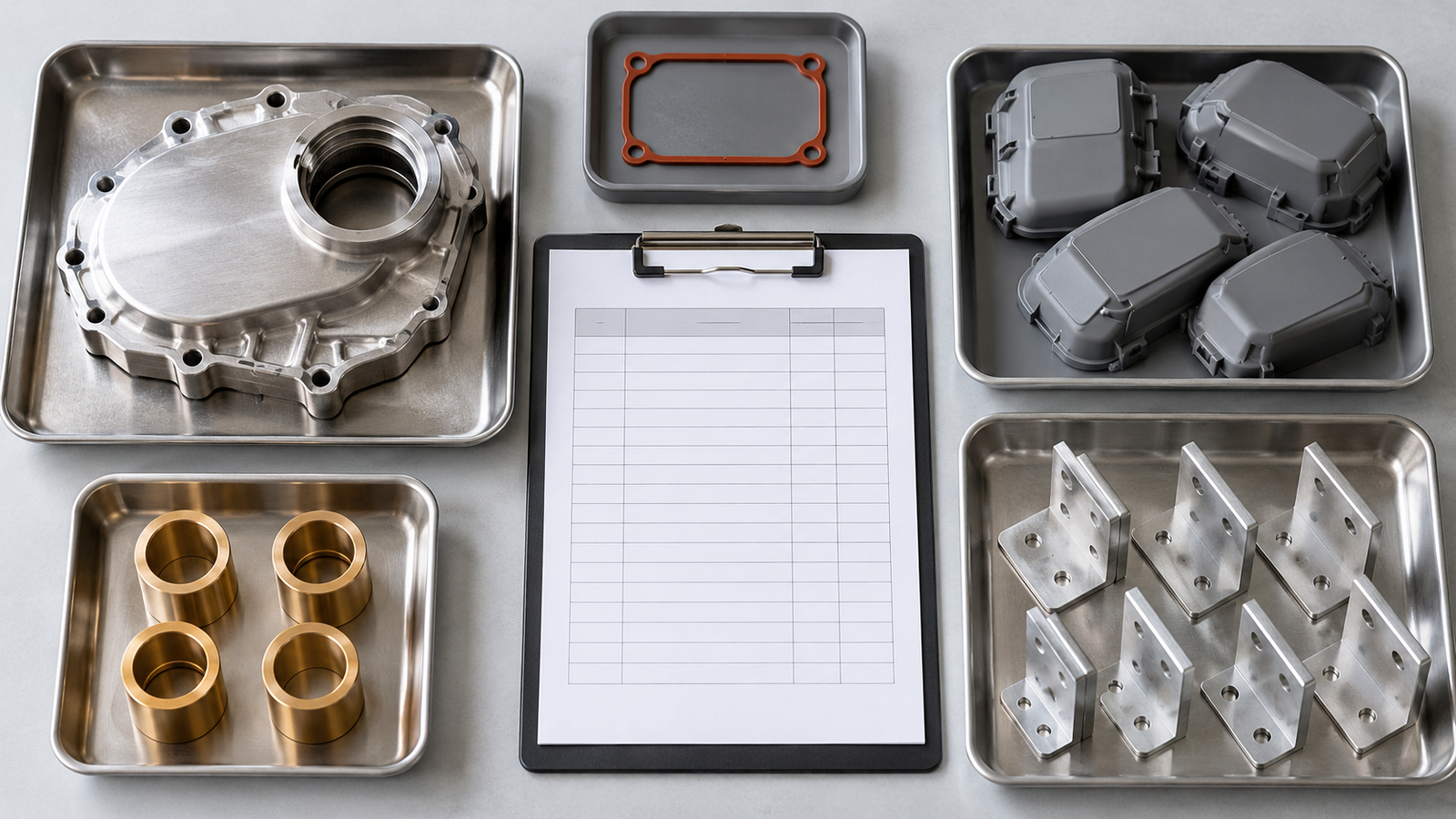
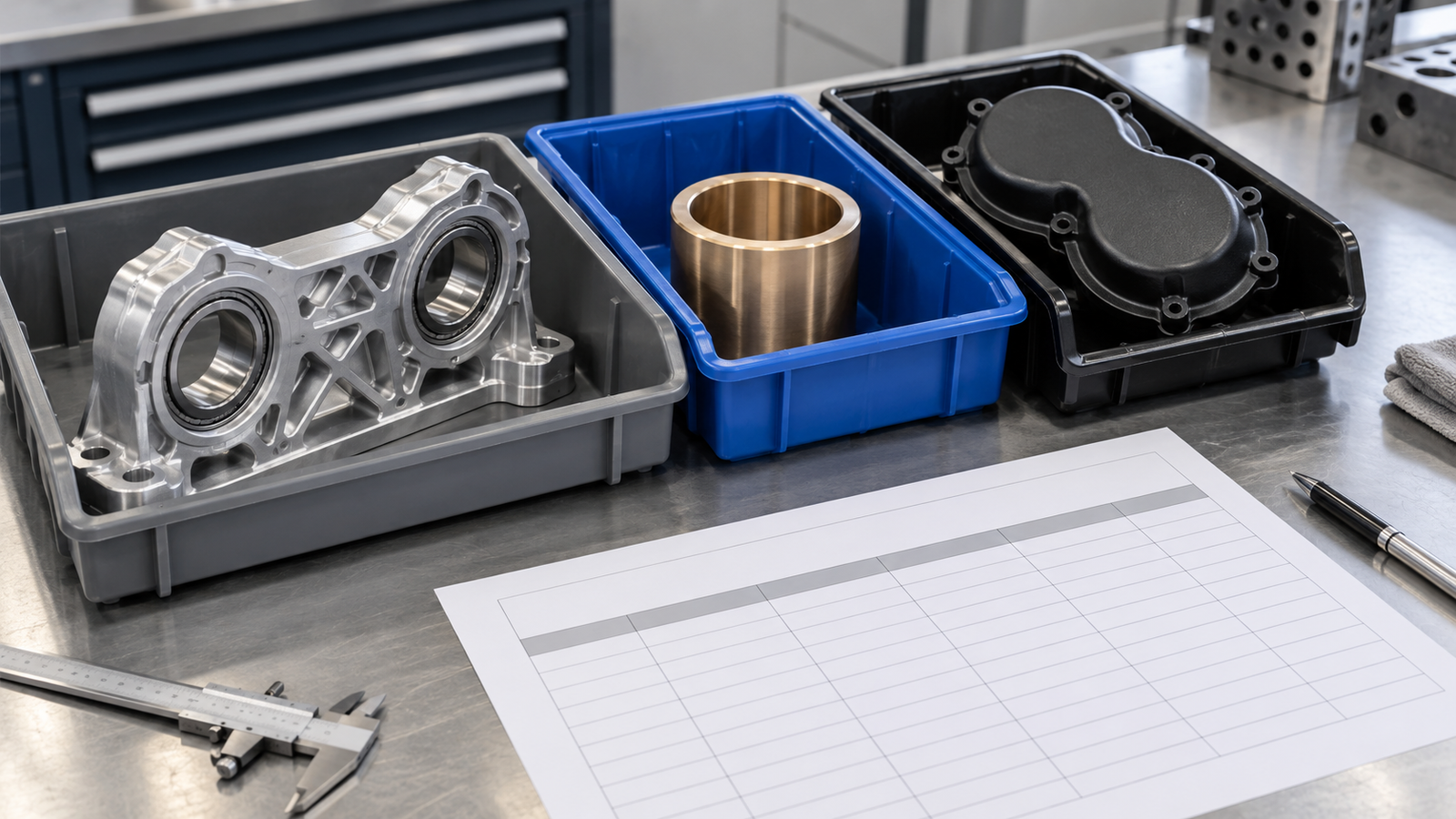
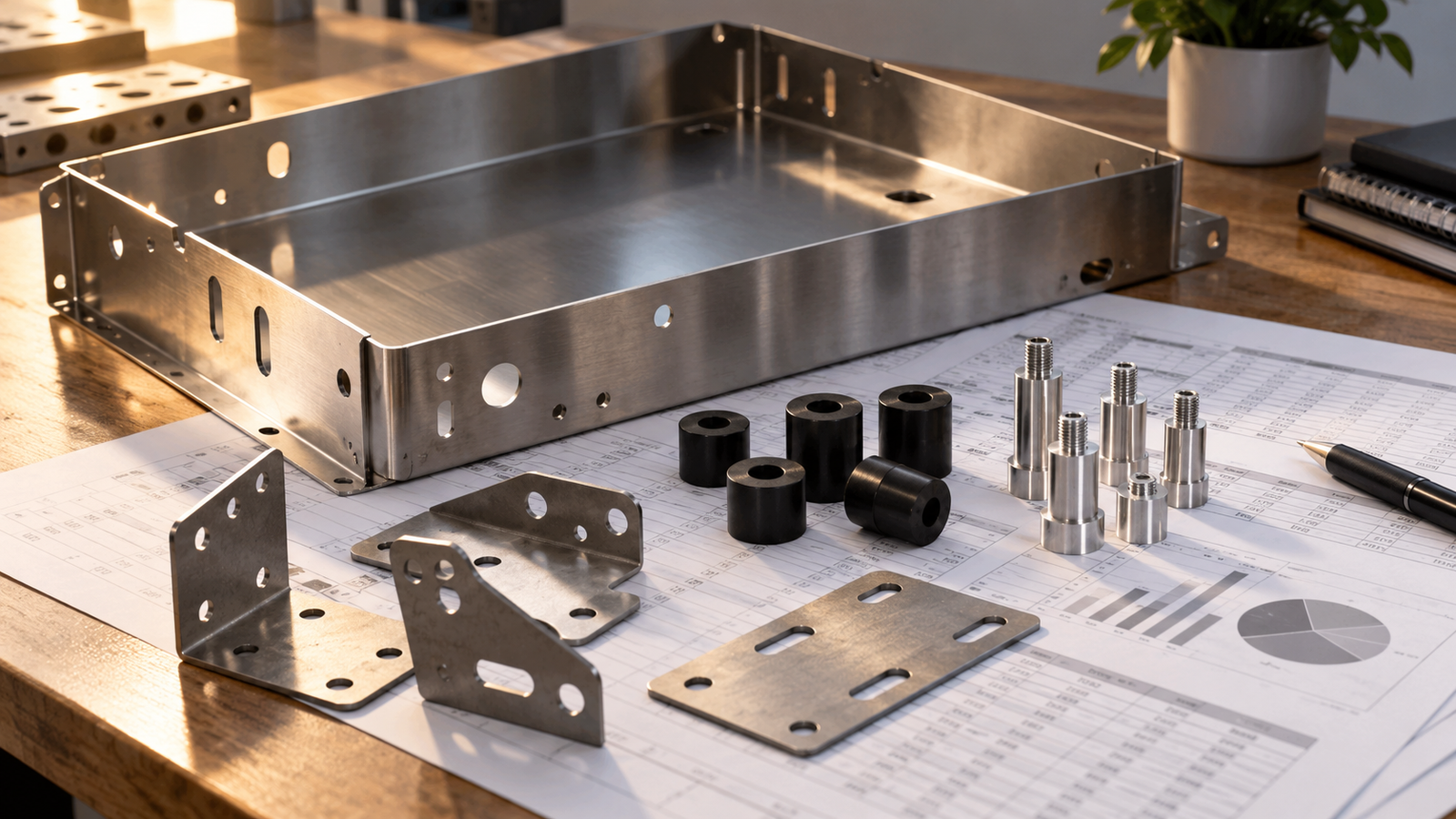
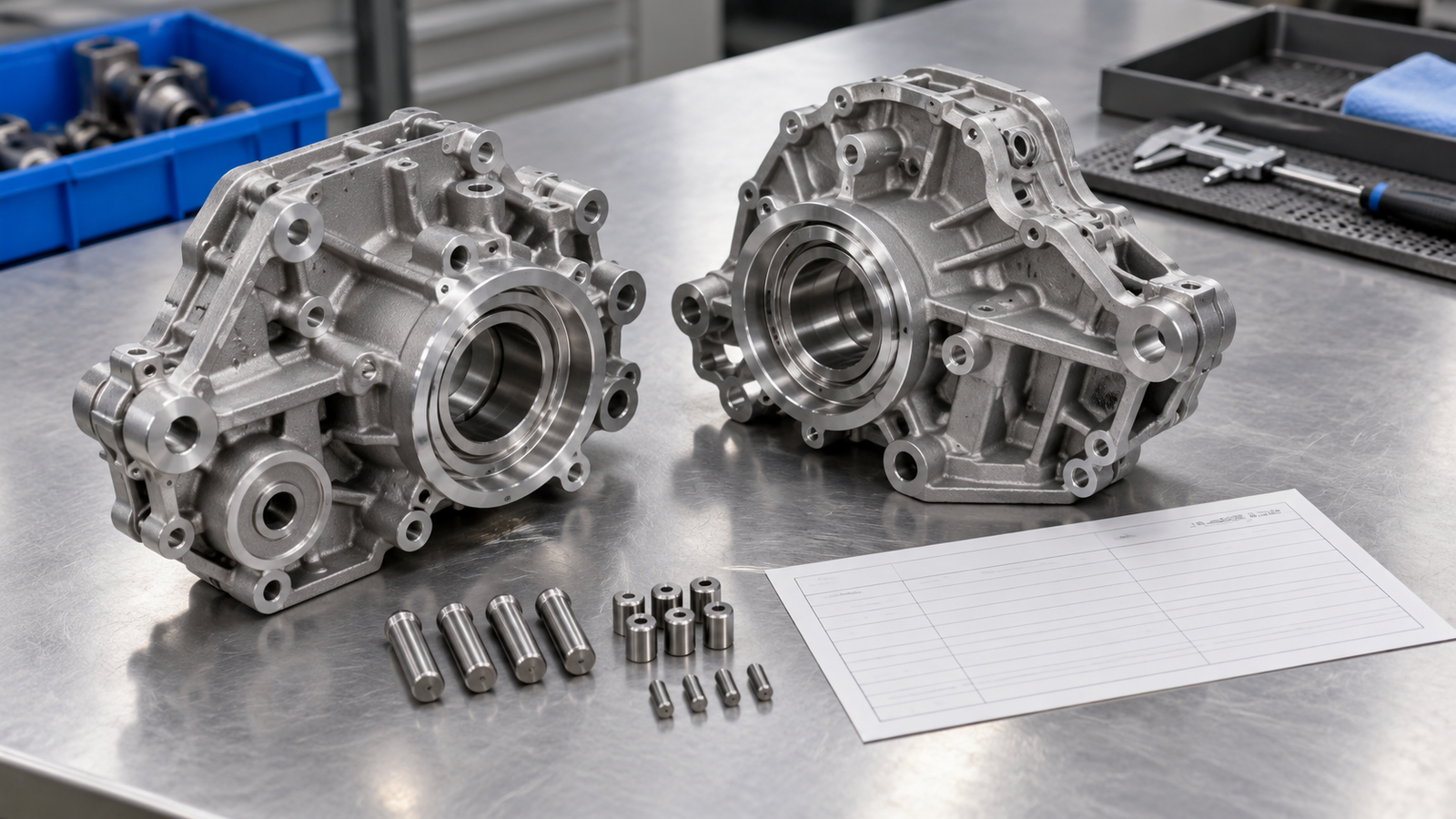
Images show illustrative manufacturing and supply-planning concepts, not actual customer parts or documentary facility photographs.