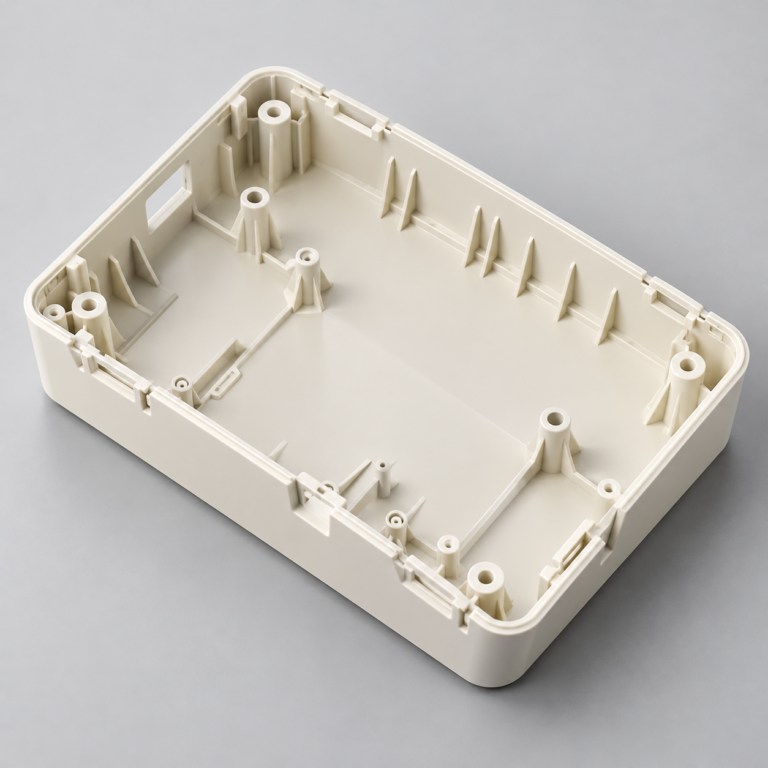
Injection Molding
Tooling and molding for your repeat plastic parts.
From prototype to production, coordinated manufacturing solutions for your custom parts.
View All Services →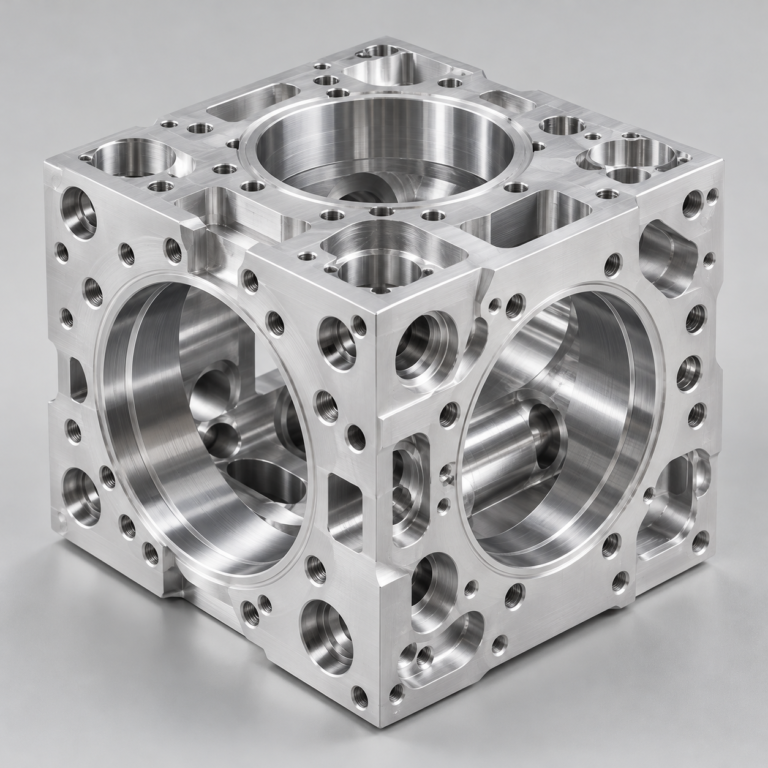
Precision parts for your tight tolerances and complex geometry.
Tooling and molding for your repeat plastic parts.
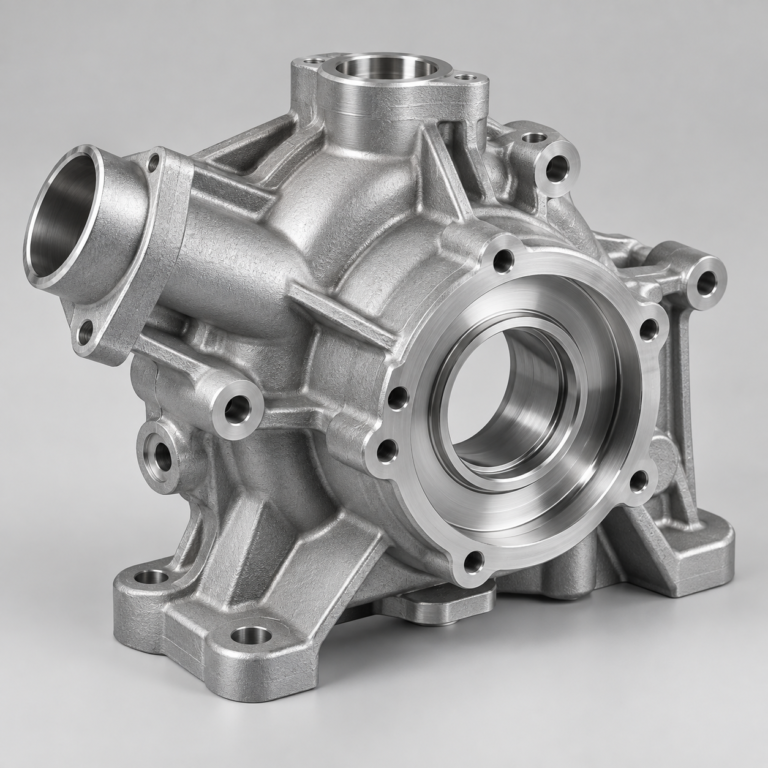
Metal casting options for your part and production volume.
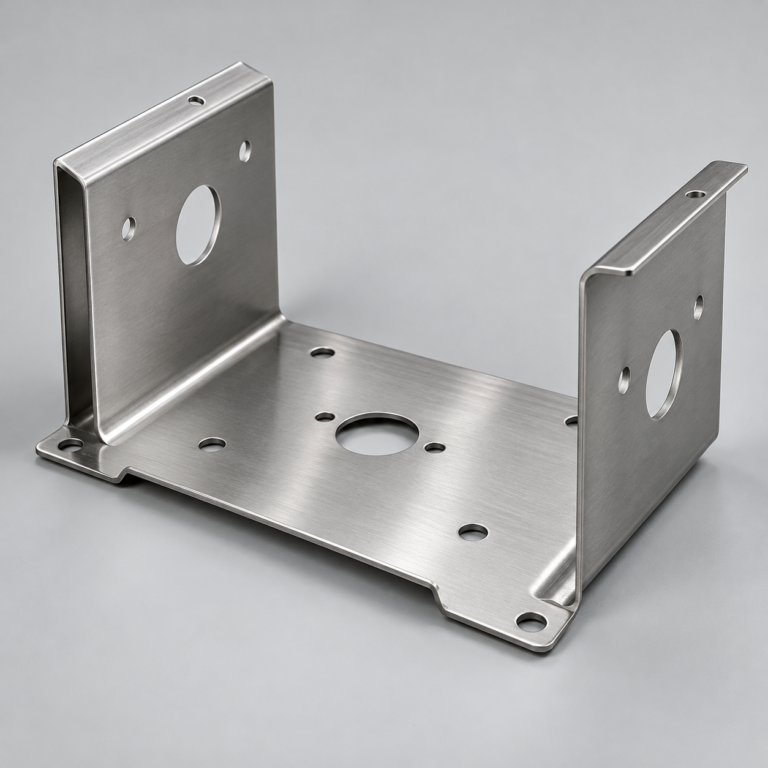
Cutting, forming and welding for your fabricated parts.
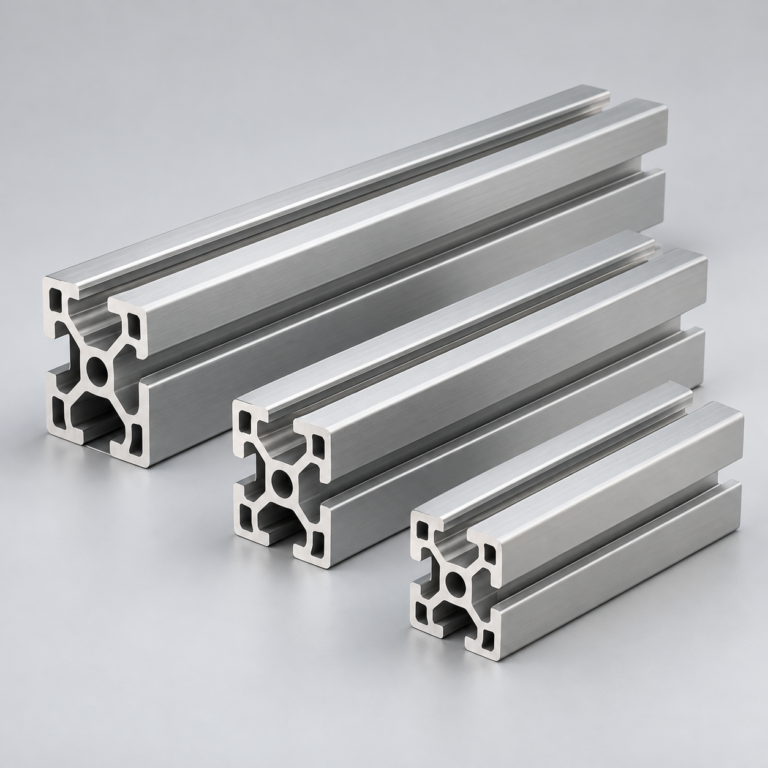
Custom profiles for your section, length and finish requirements.
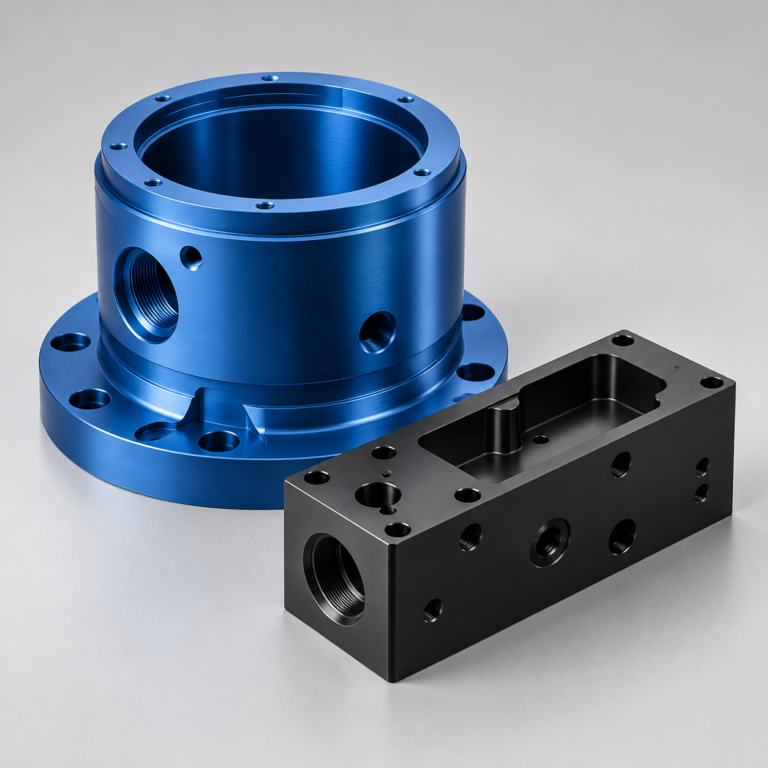
Finishes for your appearance, corrosion and wear requirements.
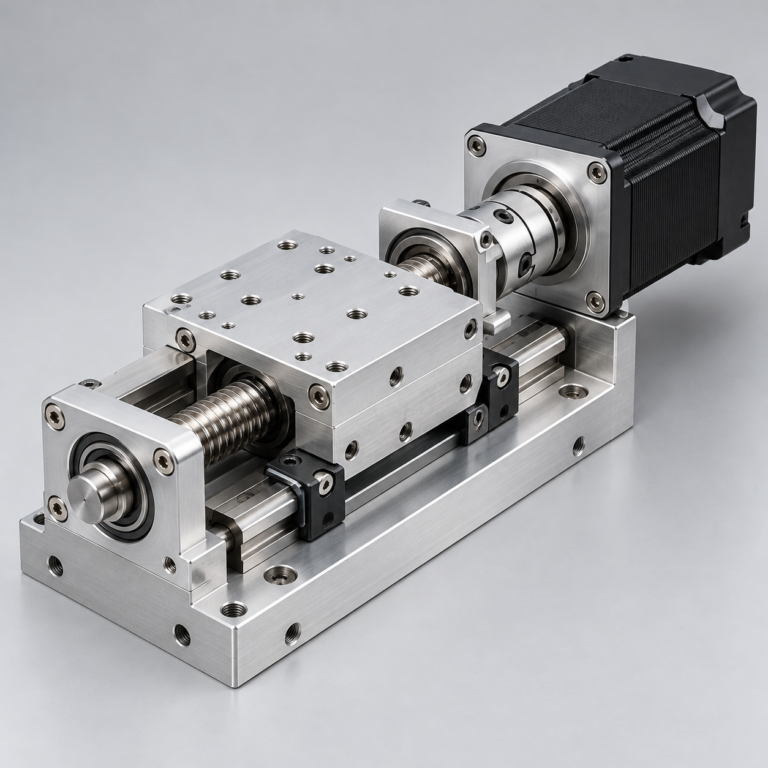
Sub-assemblies and final builds for your production program.
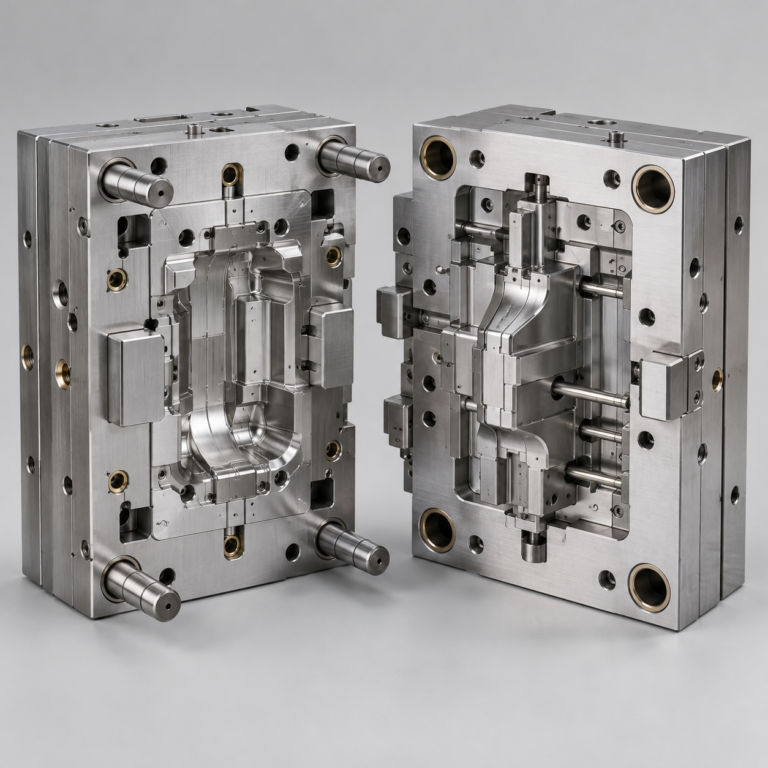
Production tooling built around your process and volume.
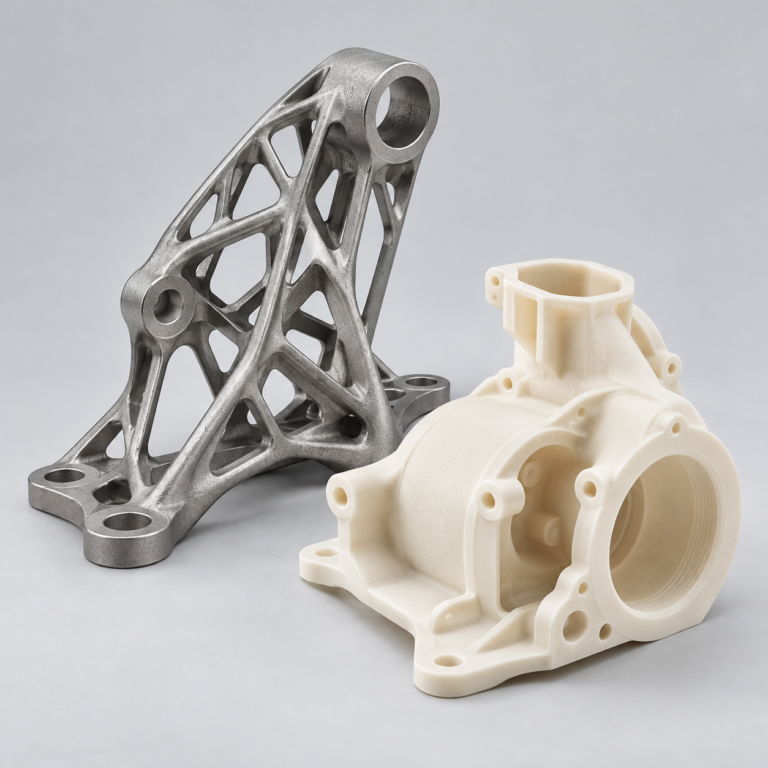
Prototype parts to check fit, function and design.
DFM, process planning and production support for your project.
Inspection, documentation, inventory and delivery planning for your program.
Choose air- or liquid-cooling components around your thermal and mechanical requirements.
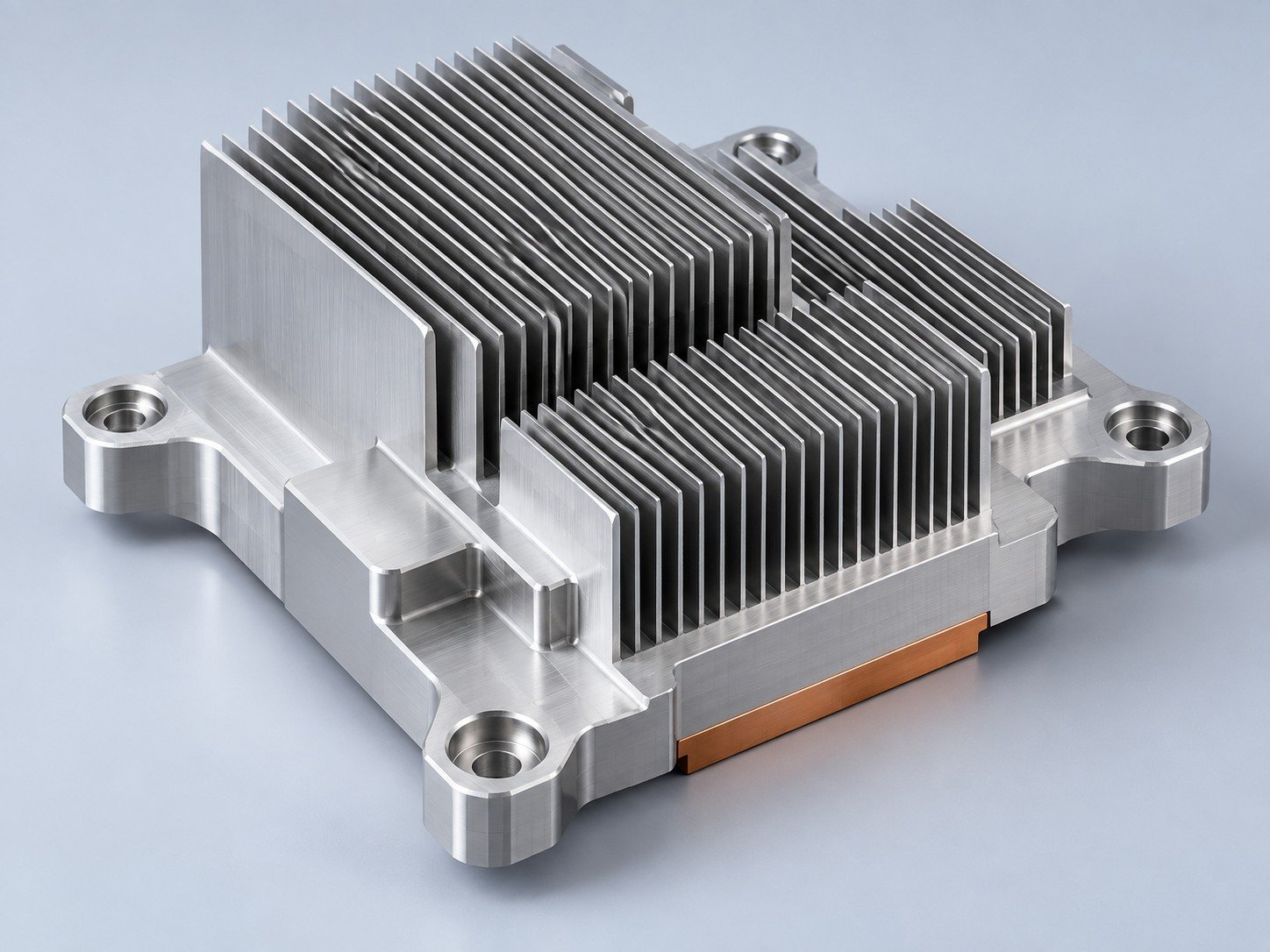
Manufacturing support for your cold plates, manifolds and cooling assemblies.
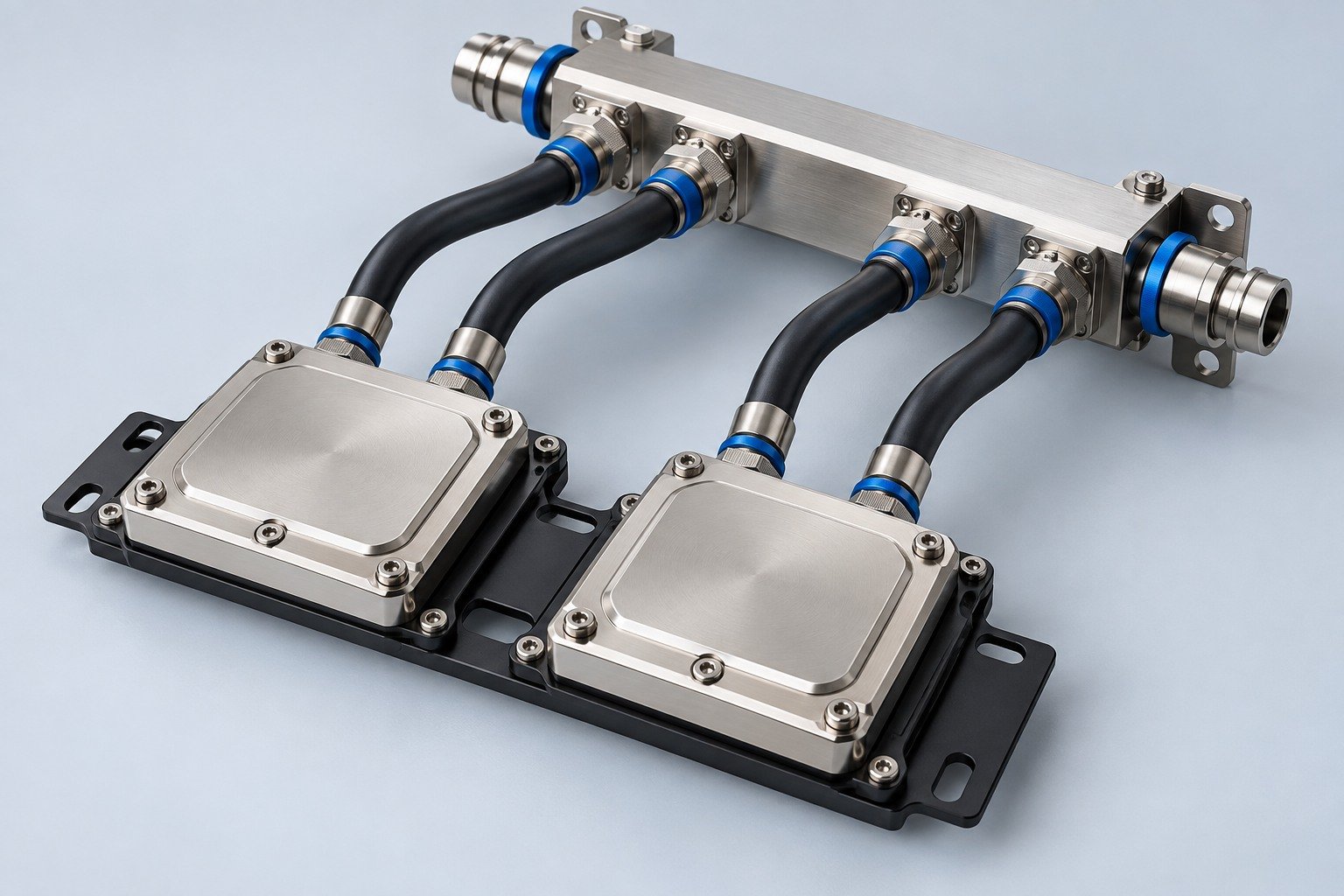
Find components for your power electronics, energy, laser and telecom application.
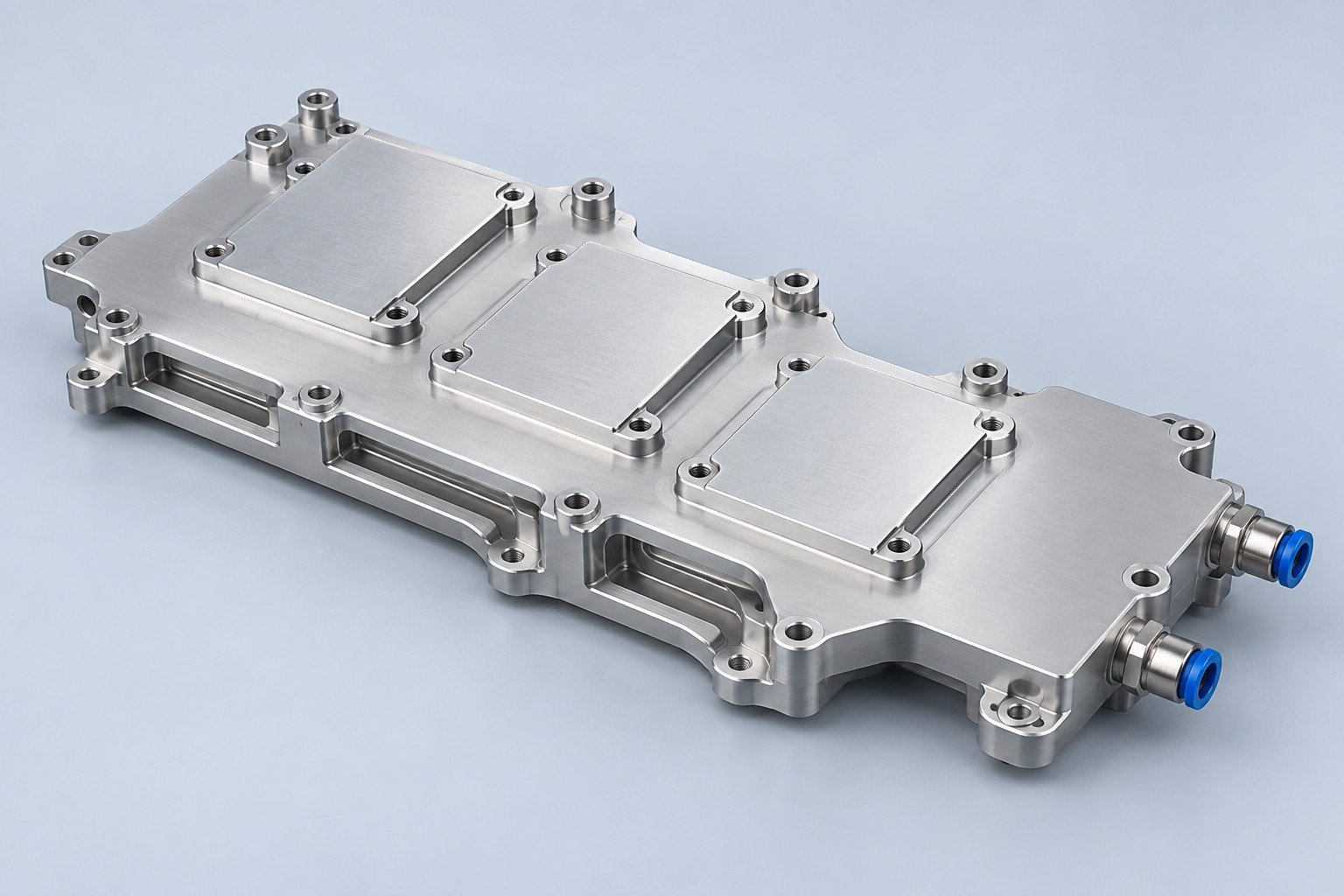
Components for your electronic systems.
Start with your functional and quality requirements.
Build around your operating environment.
From prototype to production, review material performance, manufacturability and cost for your part.
Review grade, temper and finish for your metal parts.
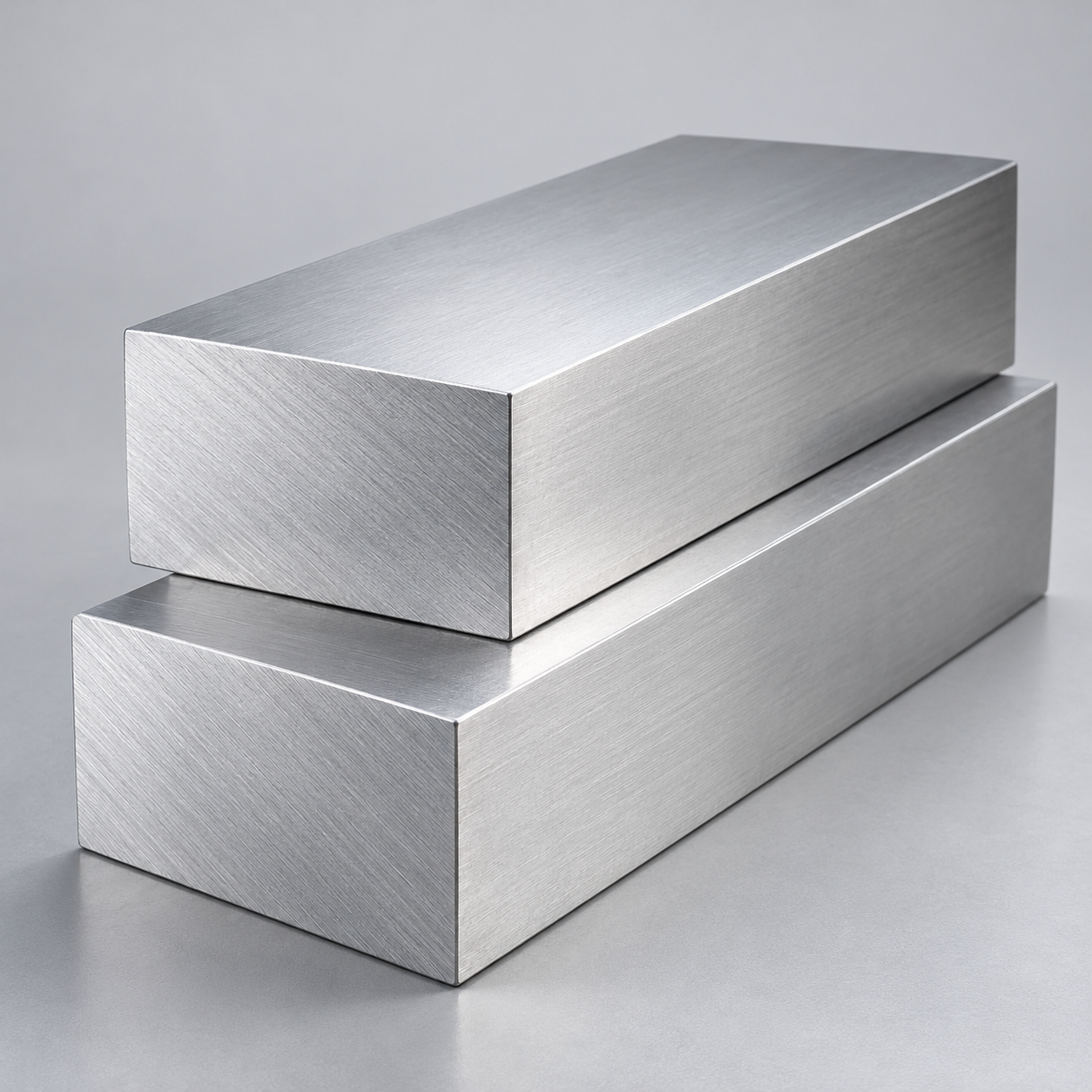 AluminumStrength, weight and machining›
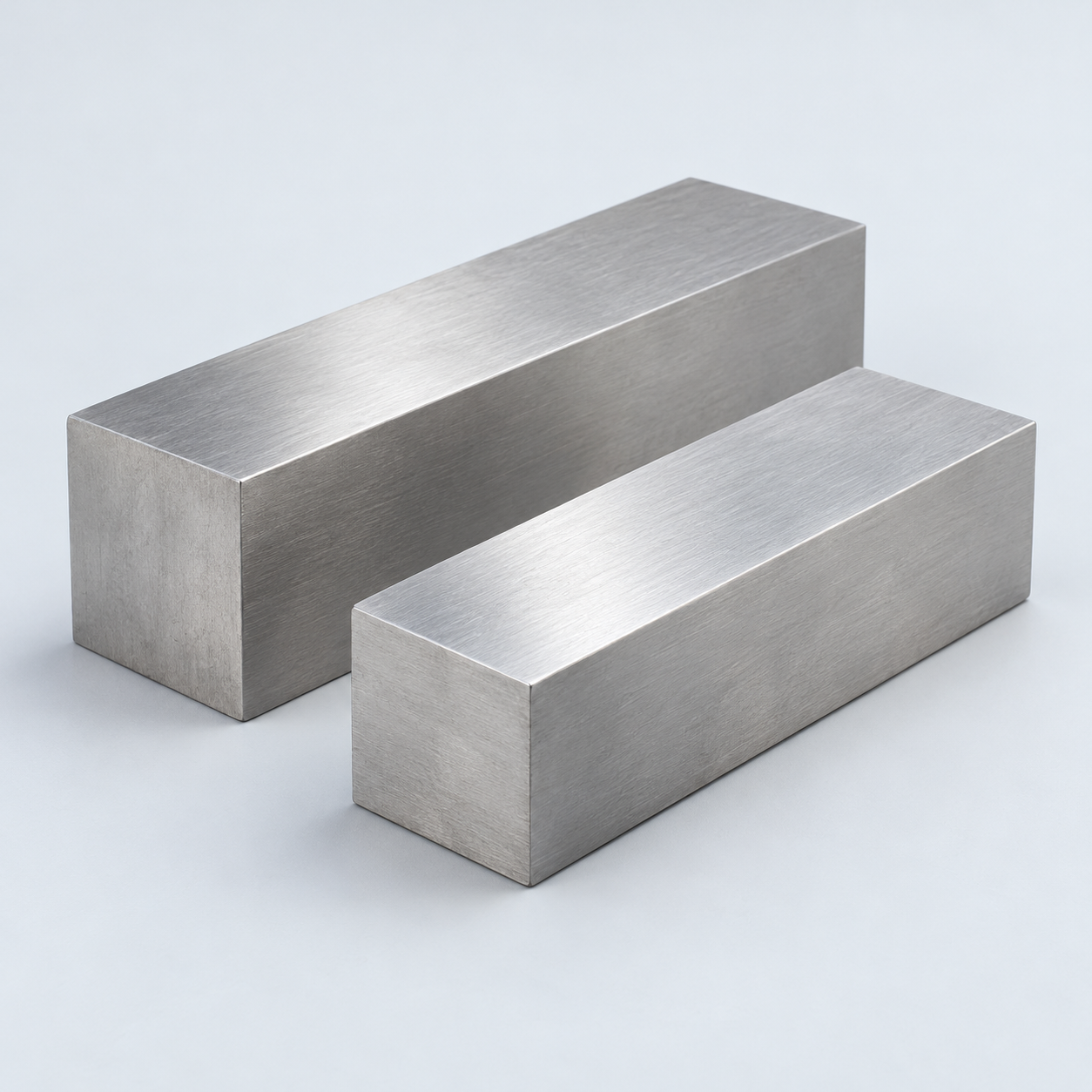 Stainless SteelCorrosion and finish requirements›
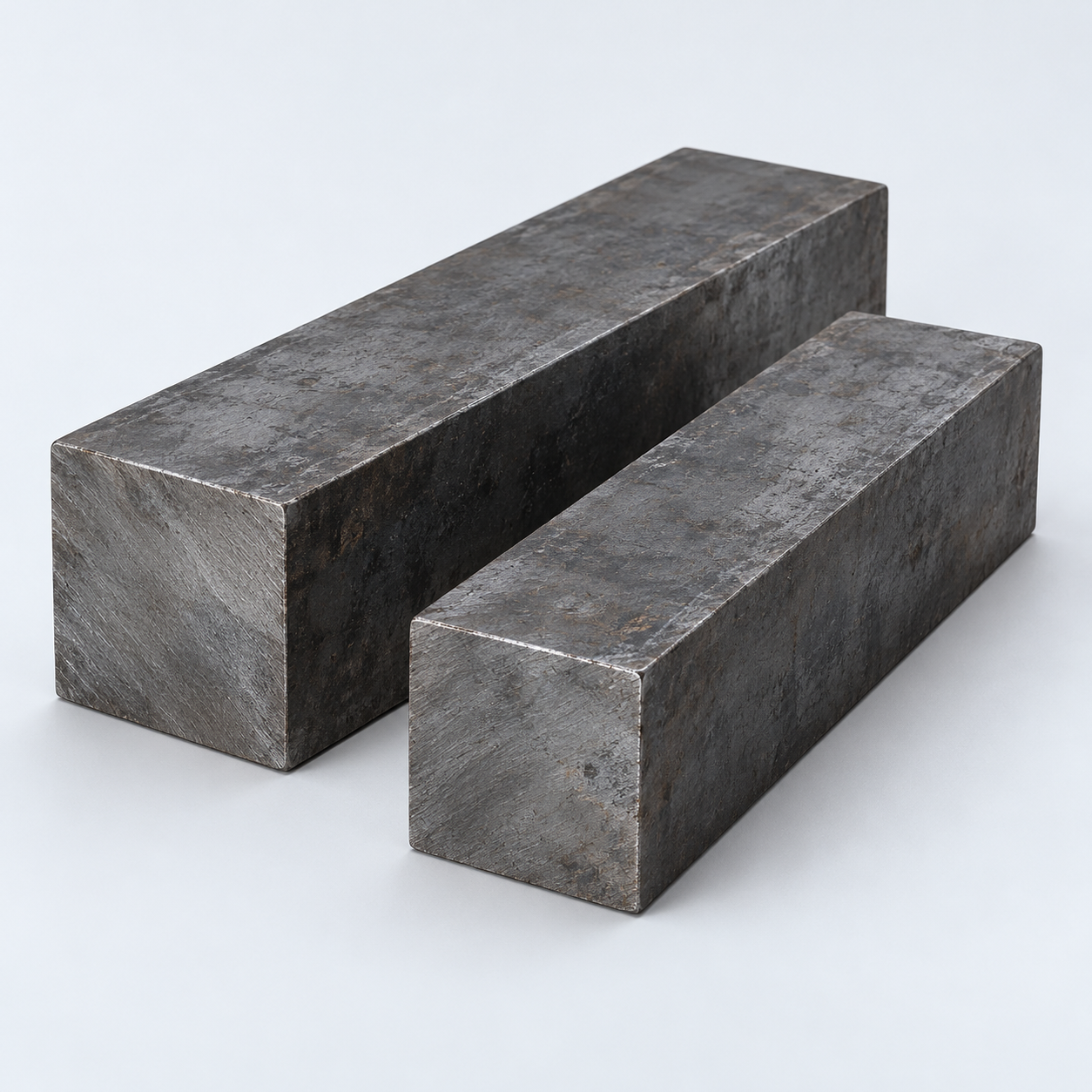 Carbon & Alloy SteelDiscuss grade and heat treatment›
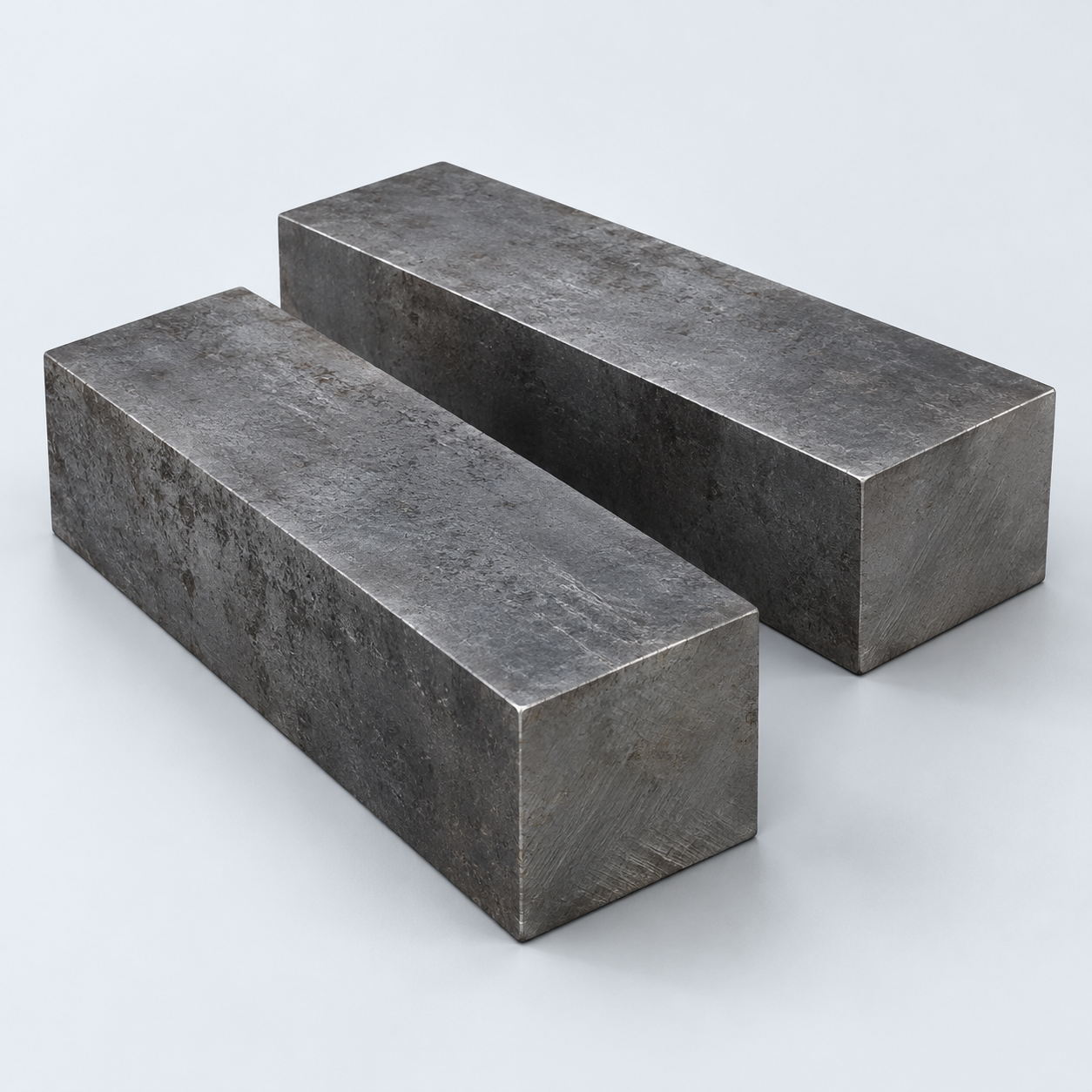 Tool SteelDiscuss tooling and wear needs›
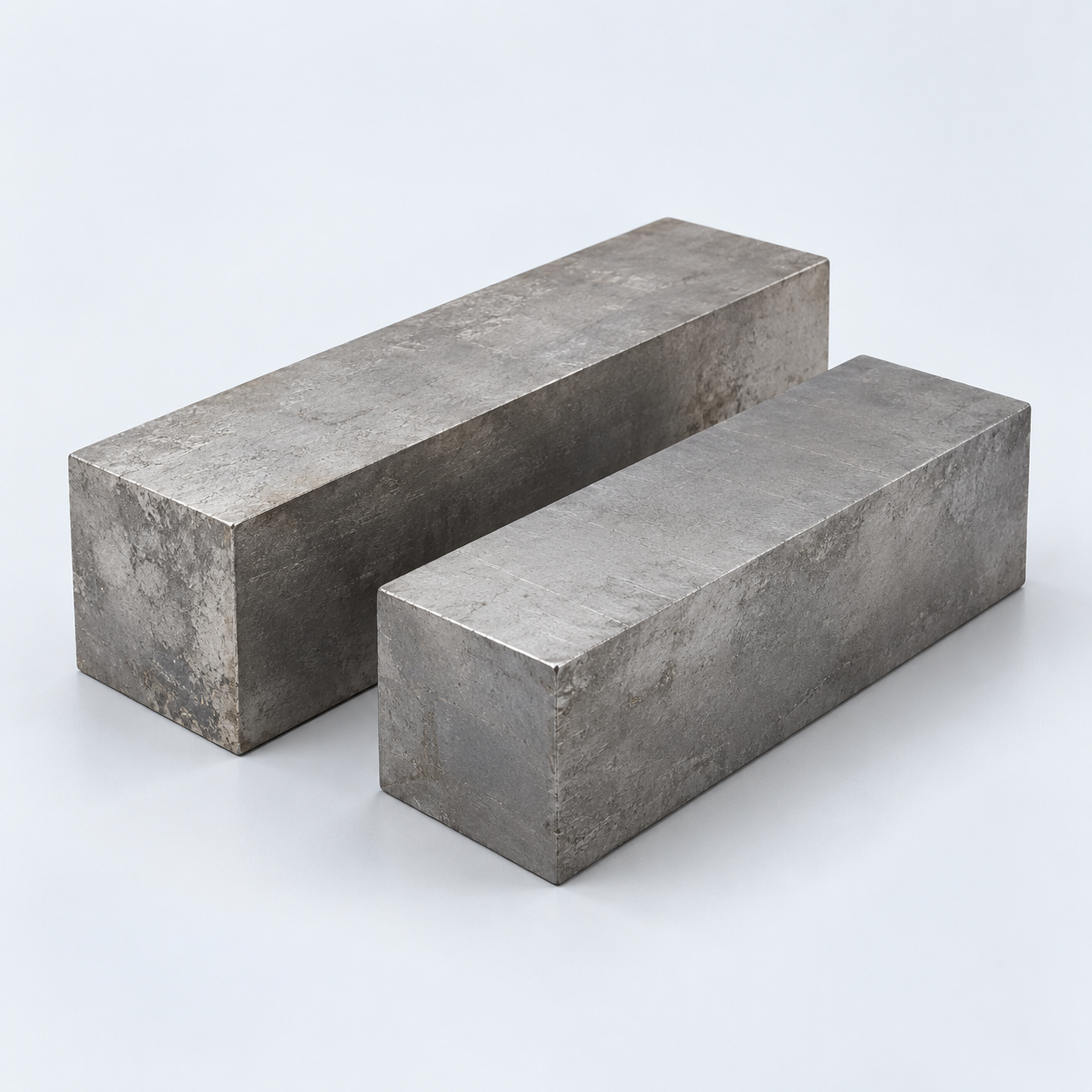 TitaniumReview grade and part geometry›
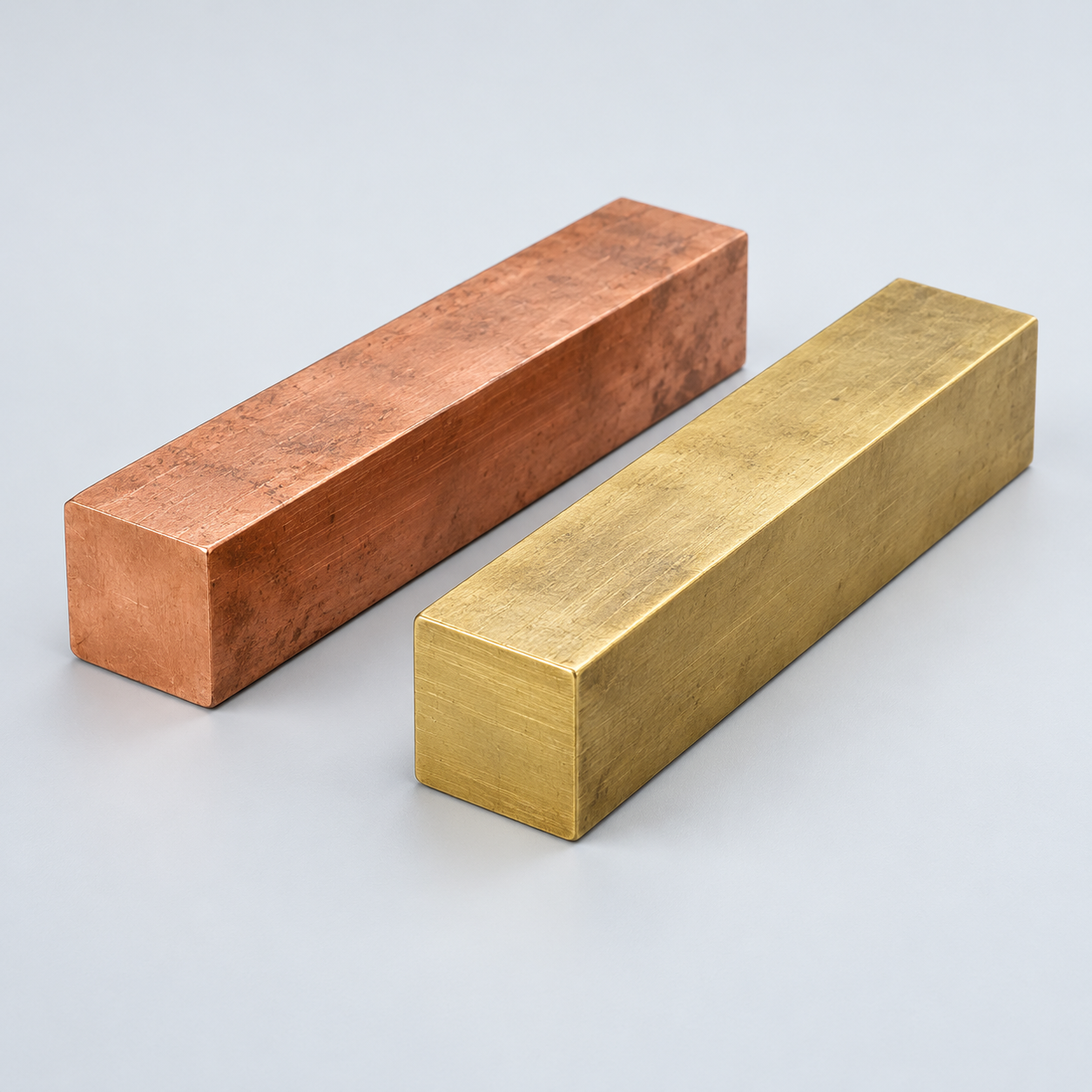 Copper & Brass & BronzeDiscuss conductivity and machining›
Match your polymer to function, process and environment.
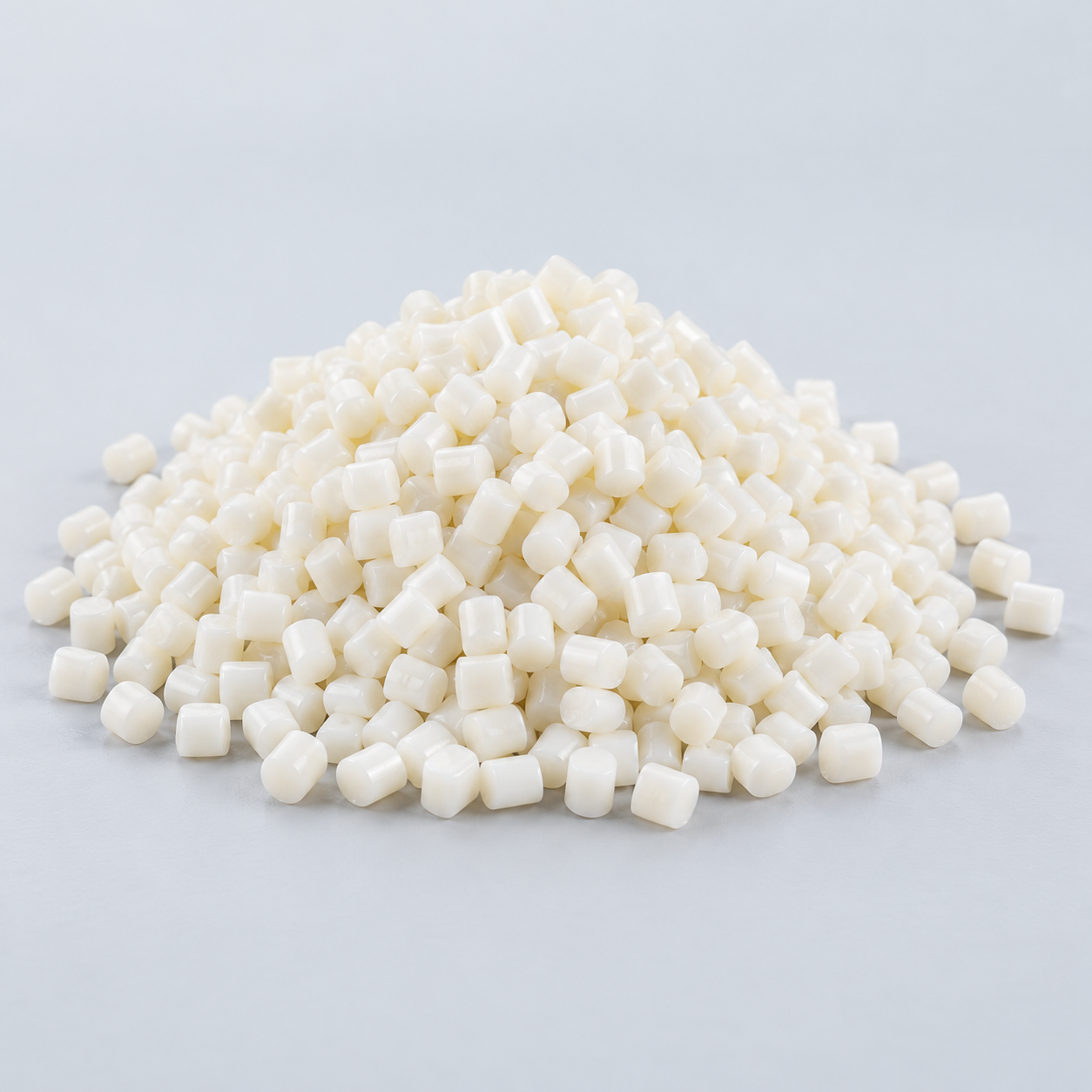 ABSReview enclosure and molding needs›
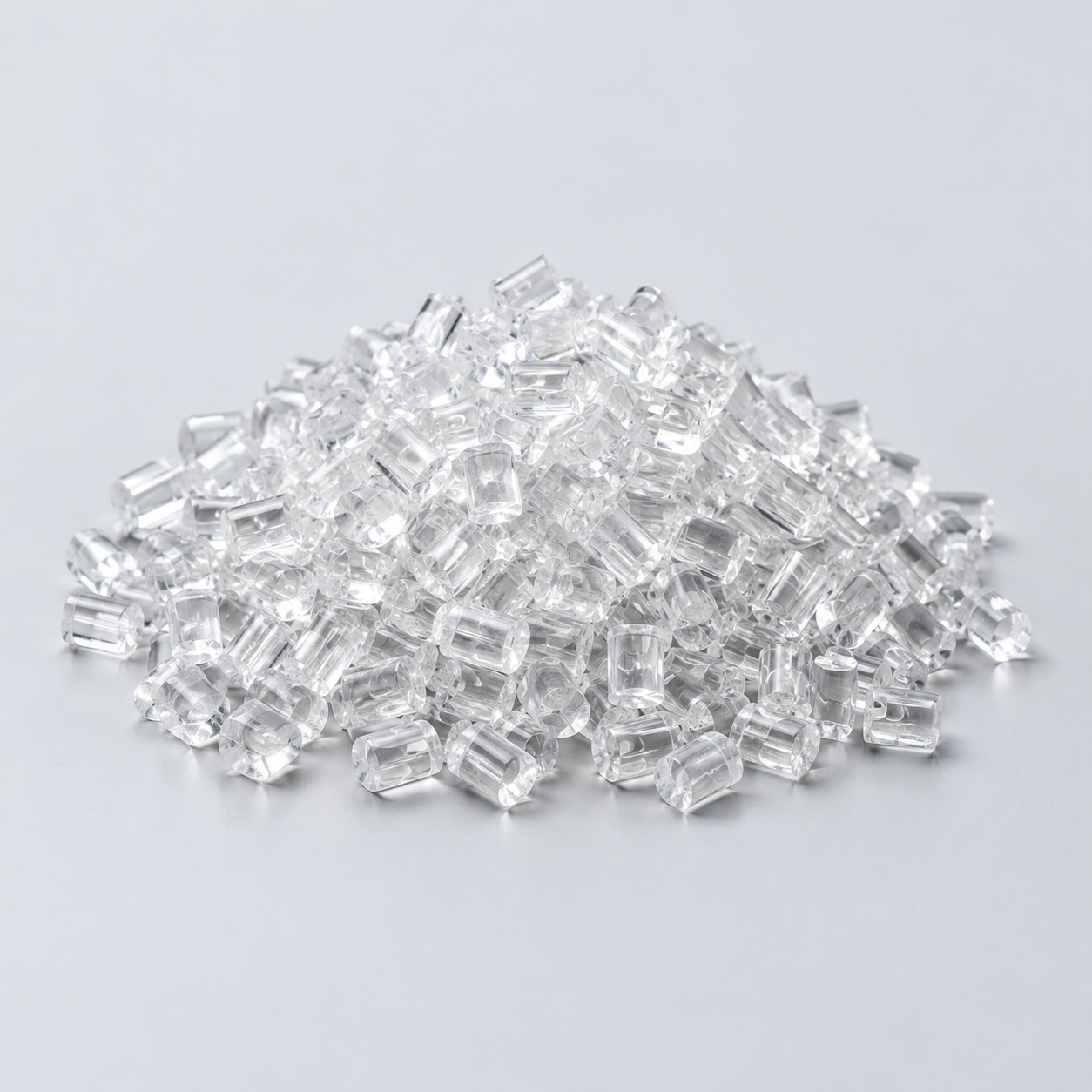 Polycarbonate (PC)Discuss clarity and impact needs›
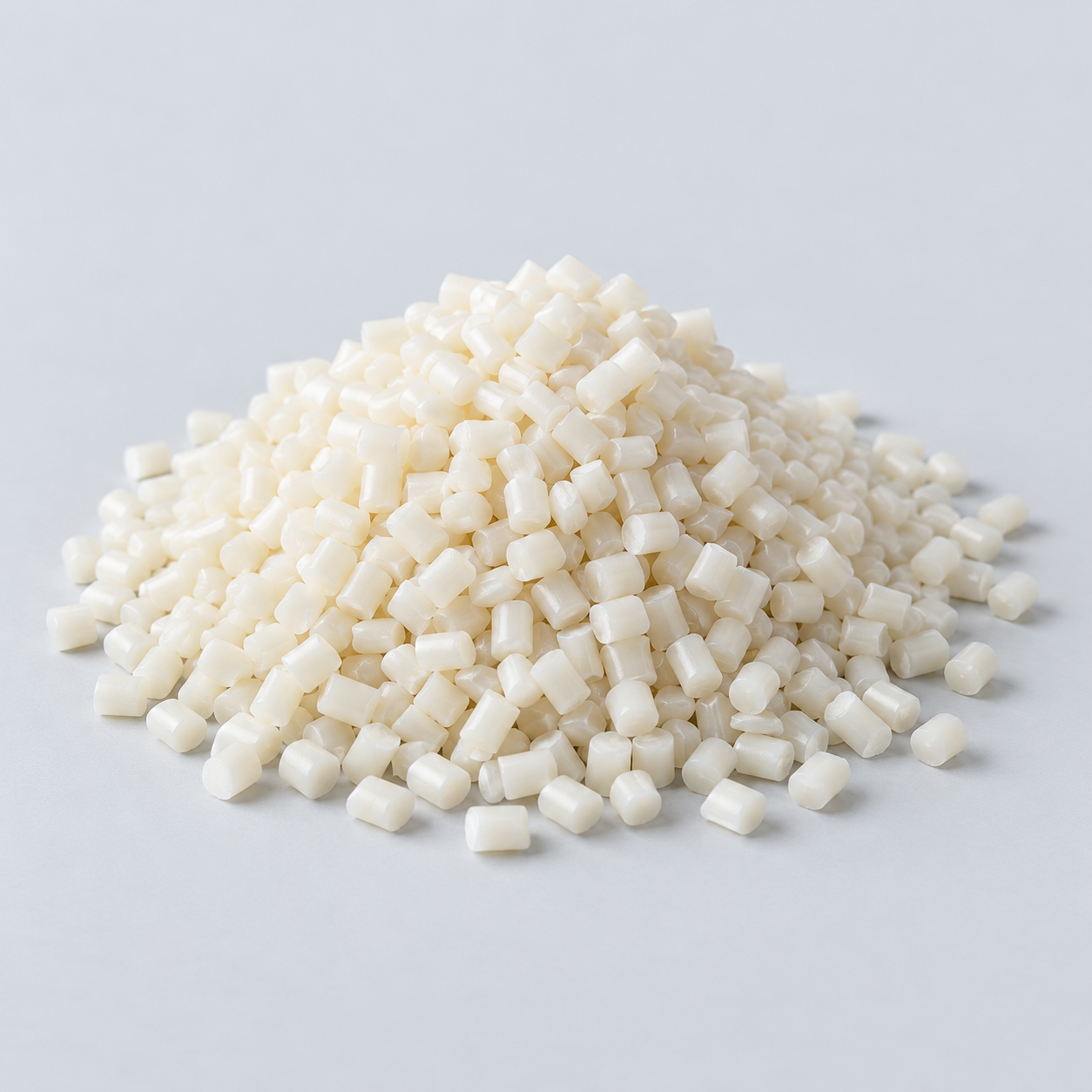 Nylon (PA)Review moisture and wear conditions›
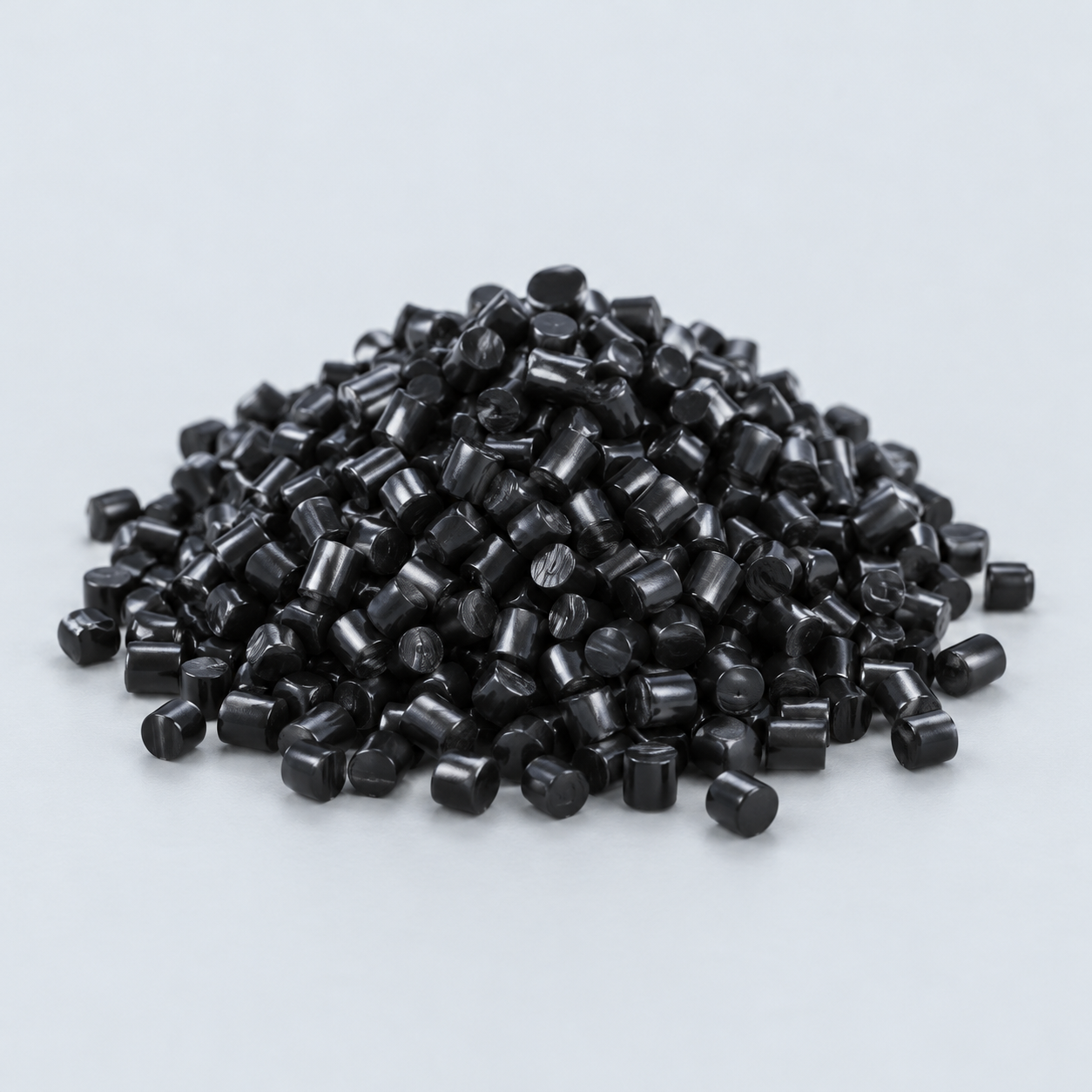 POM / AcetalReview fit and sliding features›
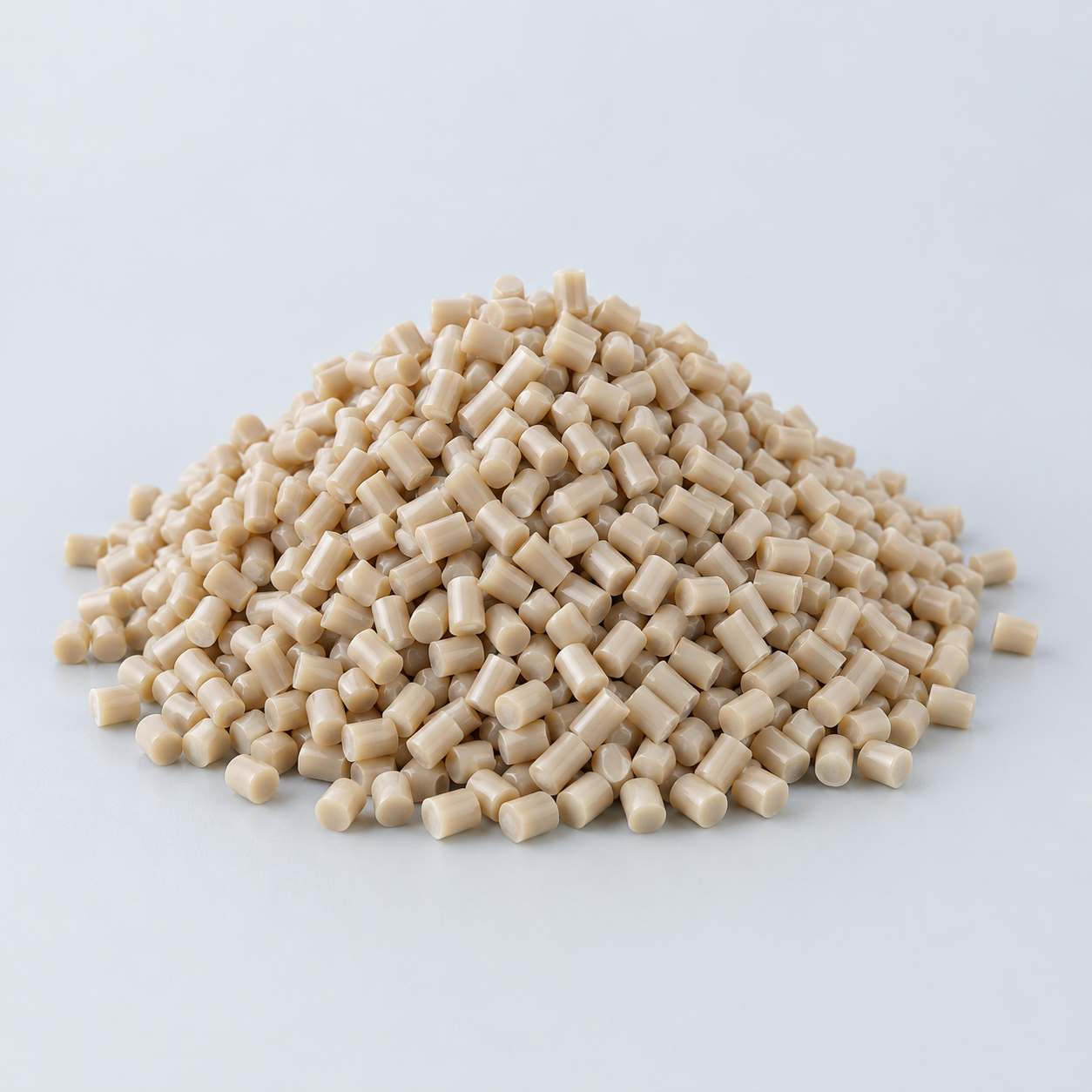 PEEKDiscuss operating conditions›
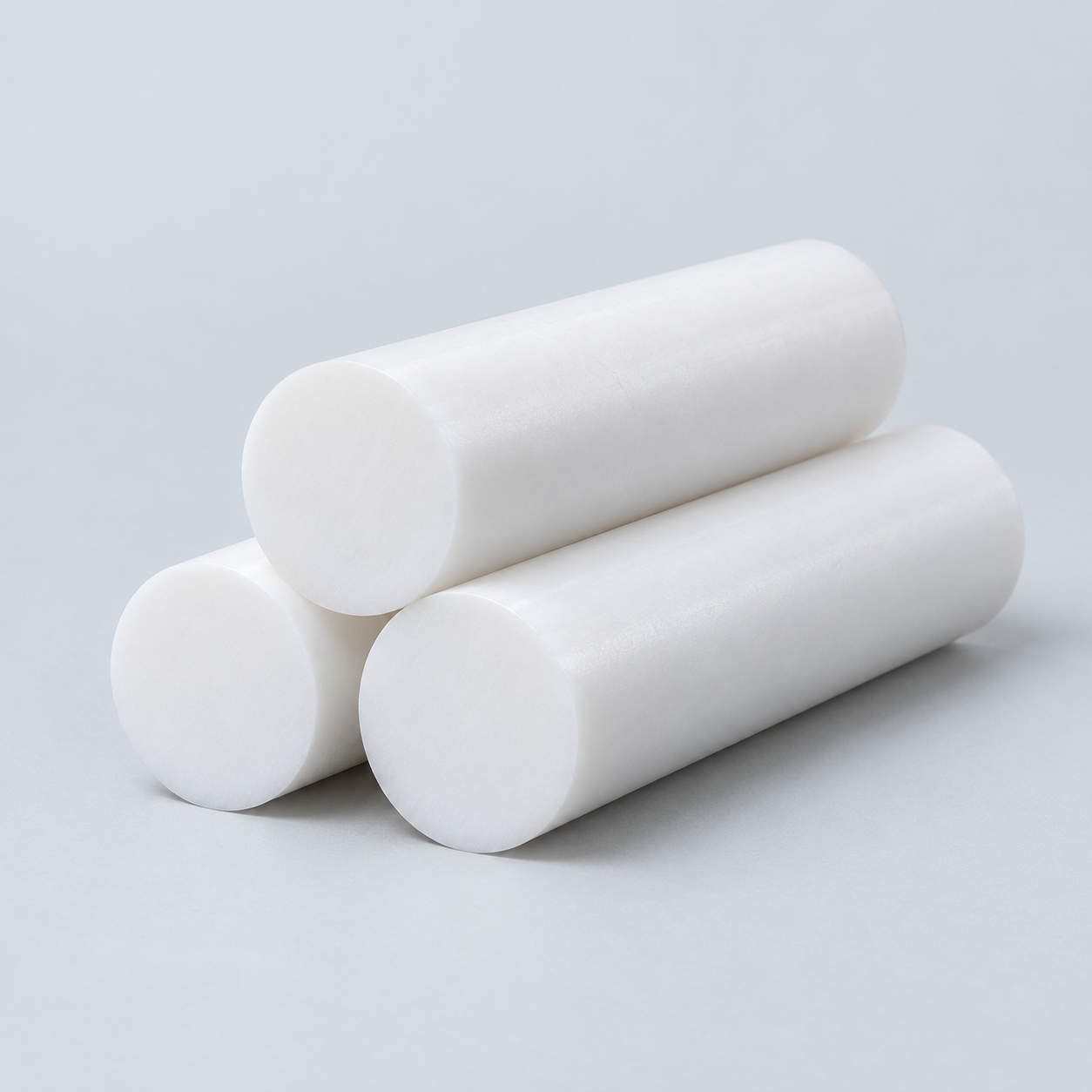 PTFEReview friction and chemical exposure›
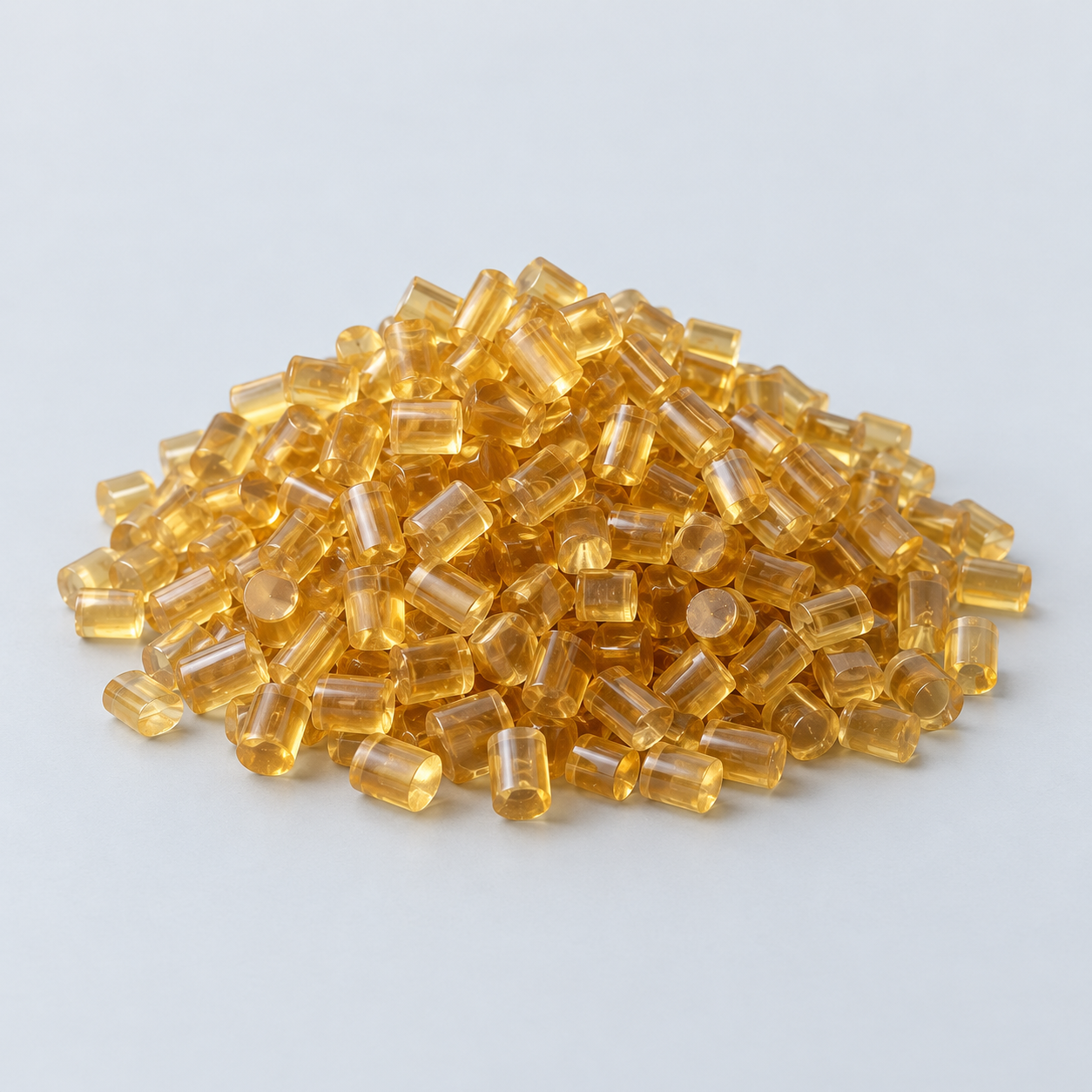 ULTEM / PEIDiscuss thermal and electrical needs›
Confirm grade availability and application requirements.
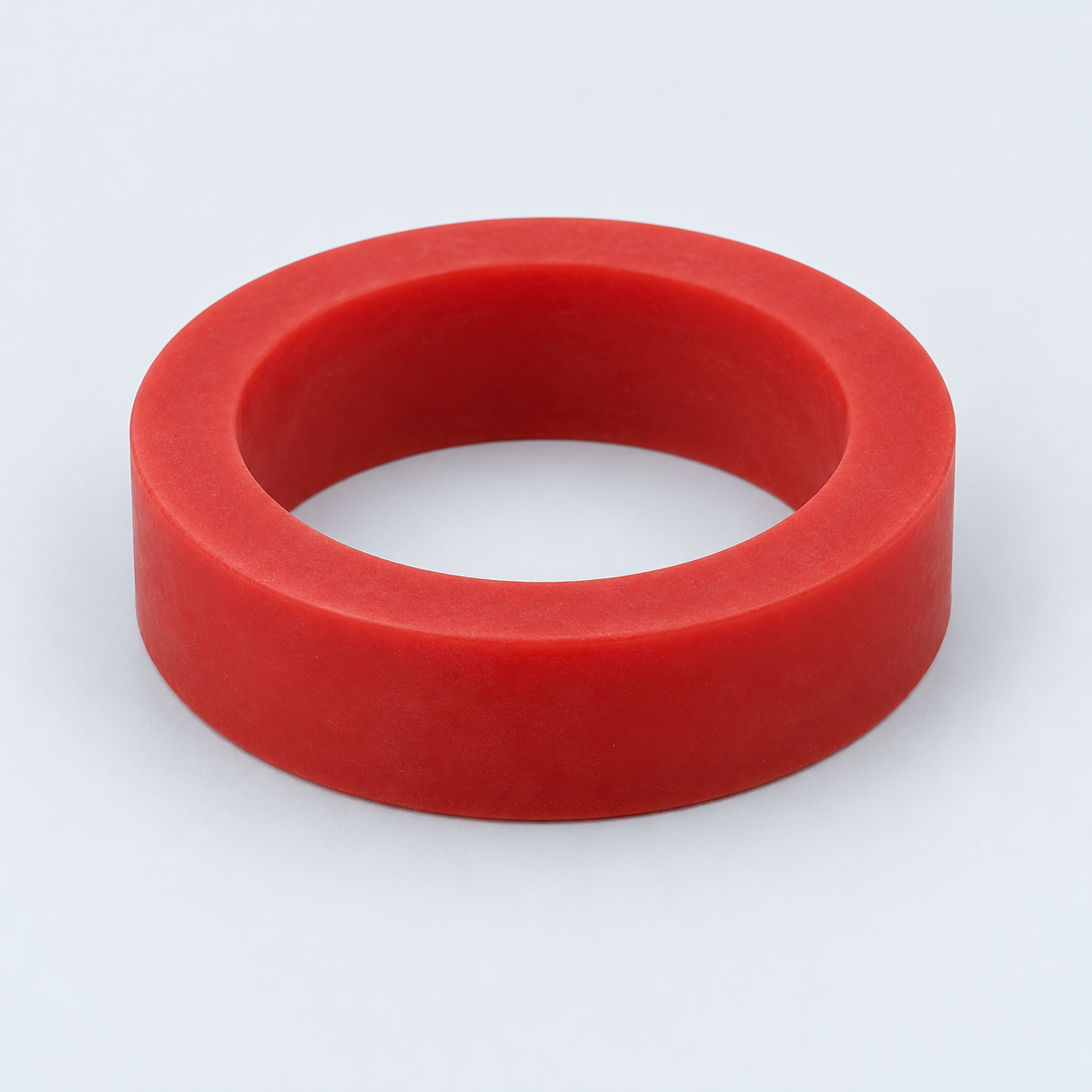 Silicone / LSRDiscuss flexible component needs›
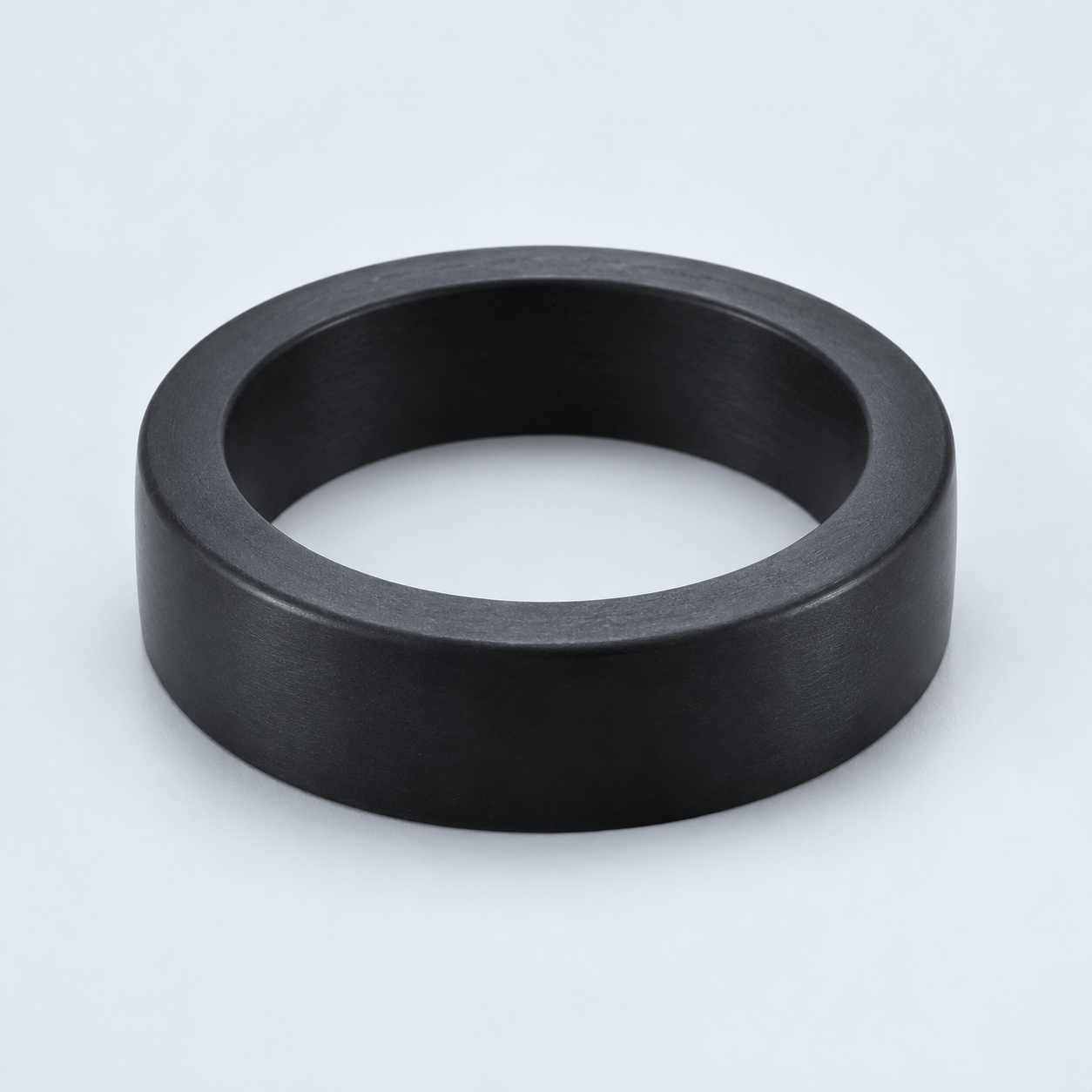 TPU / TPEReview flexibility and processing›
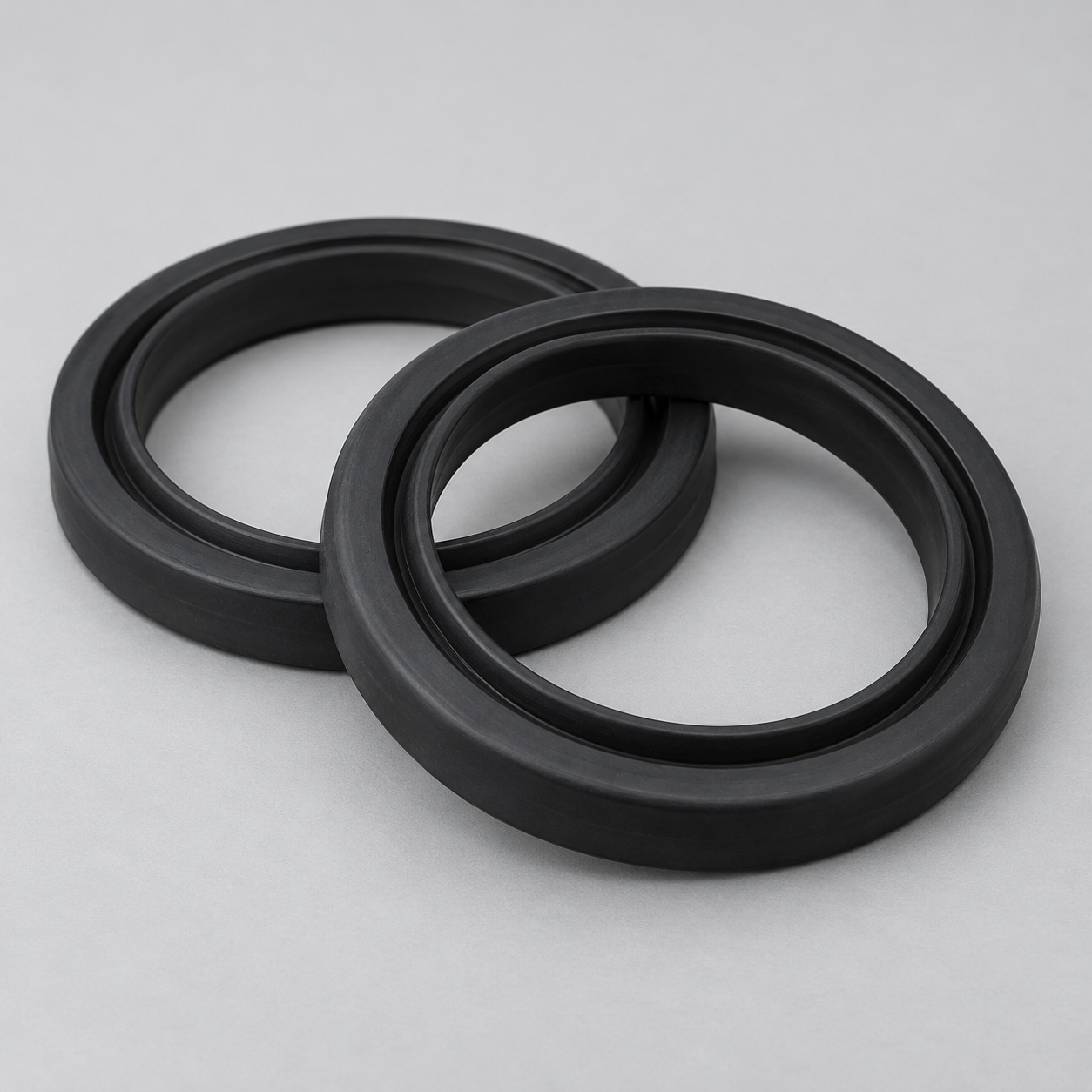 EPDMReview weathering and chemical exposure.›
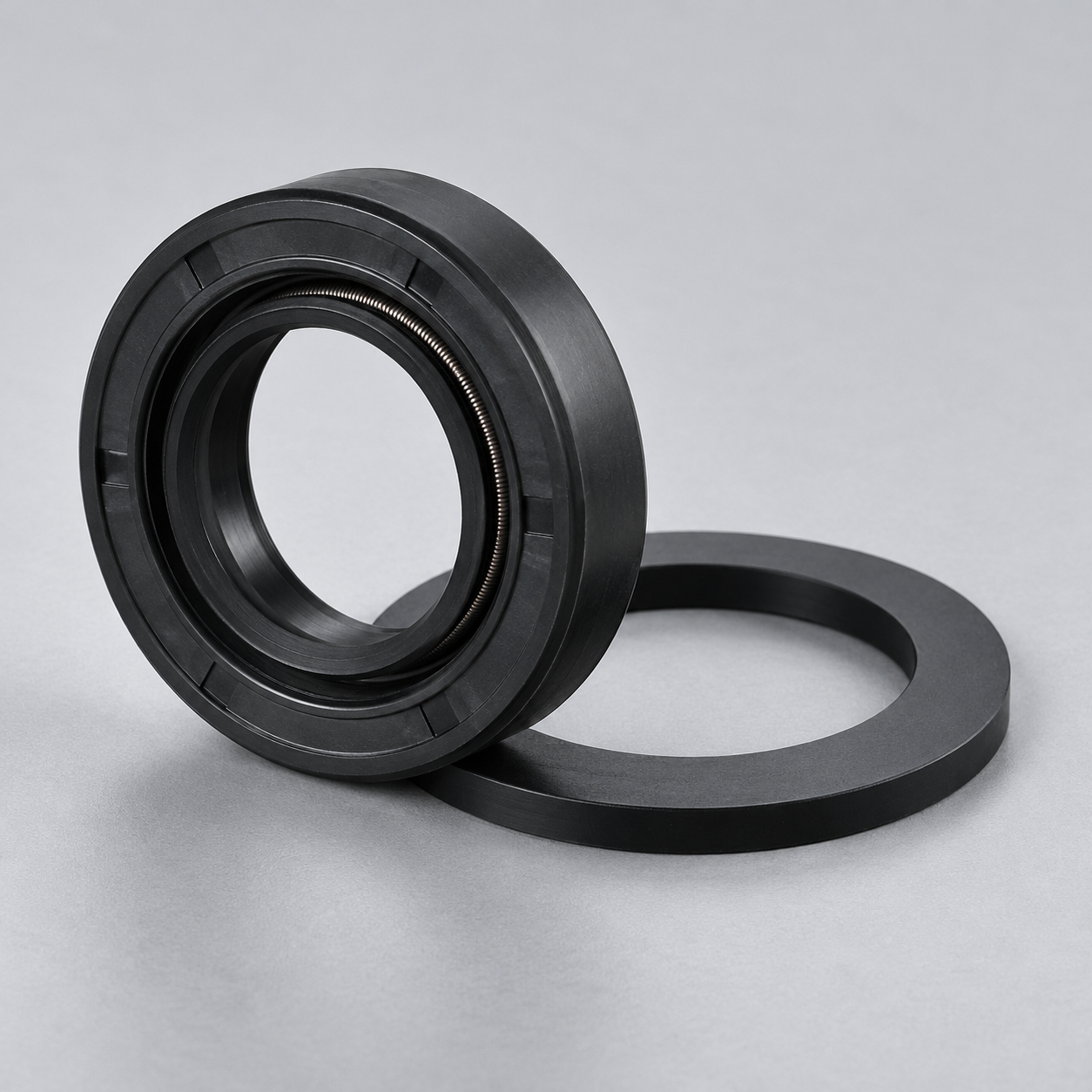 NBRReview oil and fuel exposure.›
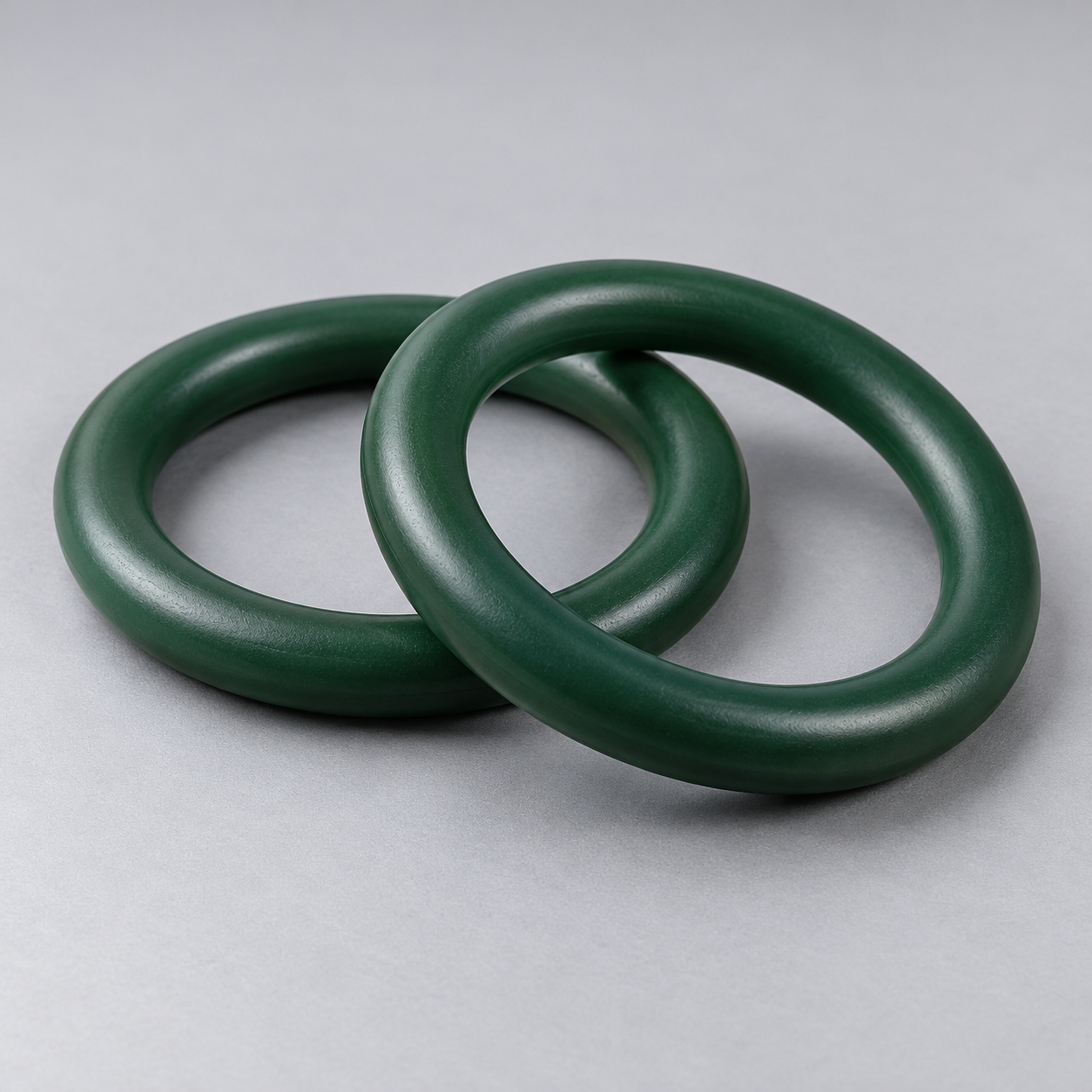 FKMReview temperature and chemical exposure.›
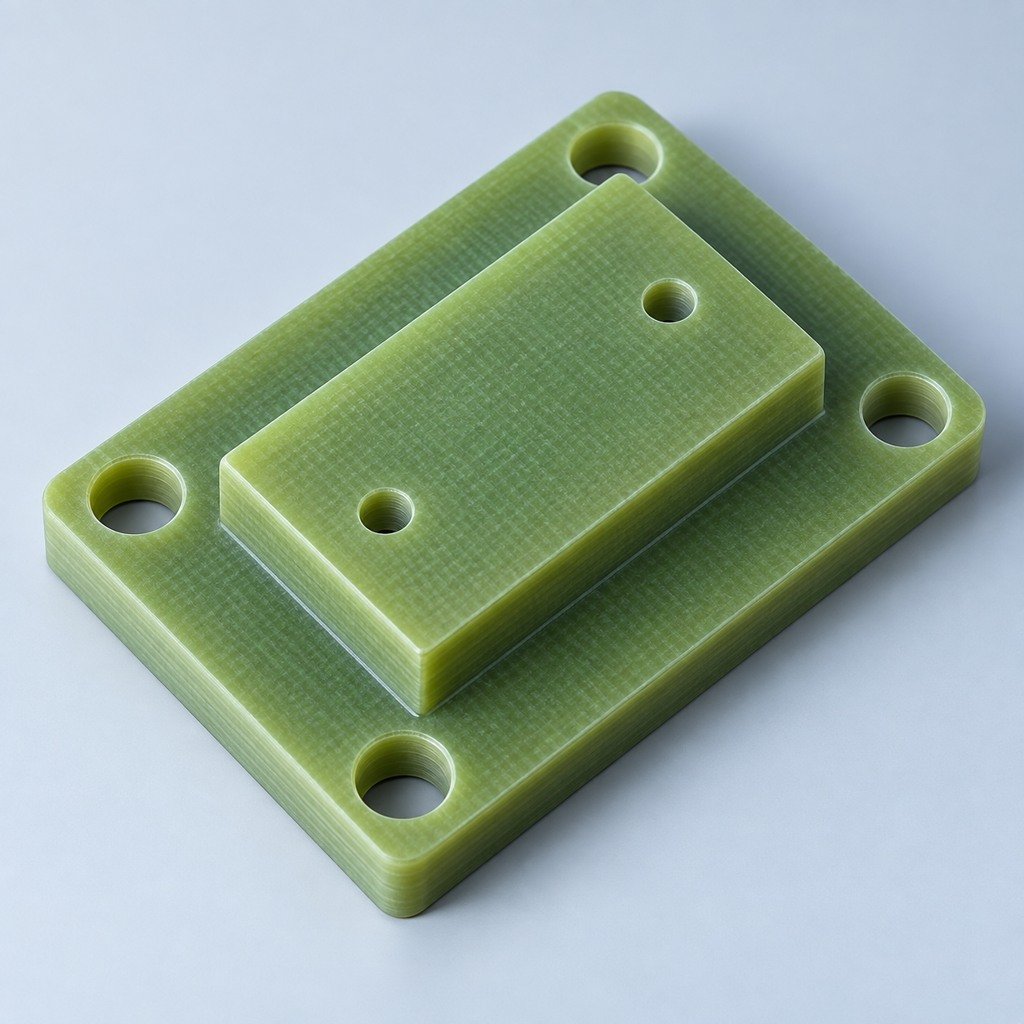 G10 / FR4Review insulation and laminate needs›
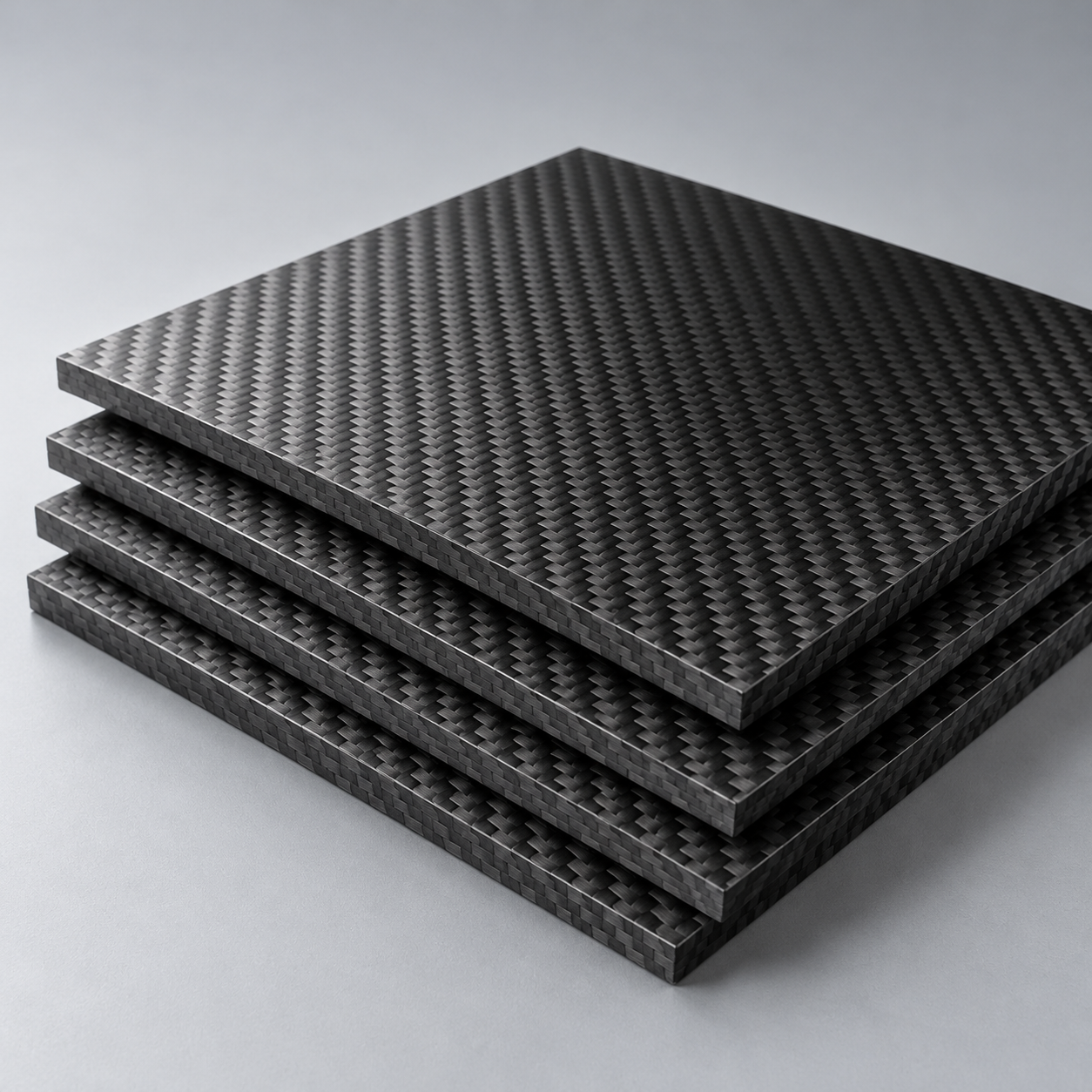 CompositesReview stiffness, weight and laminate.›Customer-Specified MaterialsConfirm your grade and requirements.›Other Specialty MaterialsDiscuss your application and grade.›
Practical guidance for your part geometry and material decisions.
Prepare your process, budget and sourcing questions.
Build your knowledge before production.
Learn who we are and how we operate.
Find our U.S. support team or start a conversation.
For your bus or commercial vehicle equipment program, review display mounts, equipment covers and fabricated mounting hardware around installation and service access. Keep vehicle-specific interfaces in the drawing and agree the evidence your purchasing team needs.

For your custom commercial vehicle parts manufacturing RFQ, identify the actual part geometry and installed interfaces.

Mounting pattern and tool clearance. Provide your drawing, mating references and quantity.
Explore manufacturing details →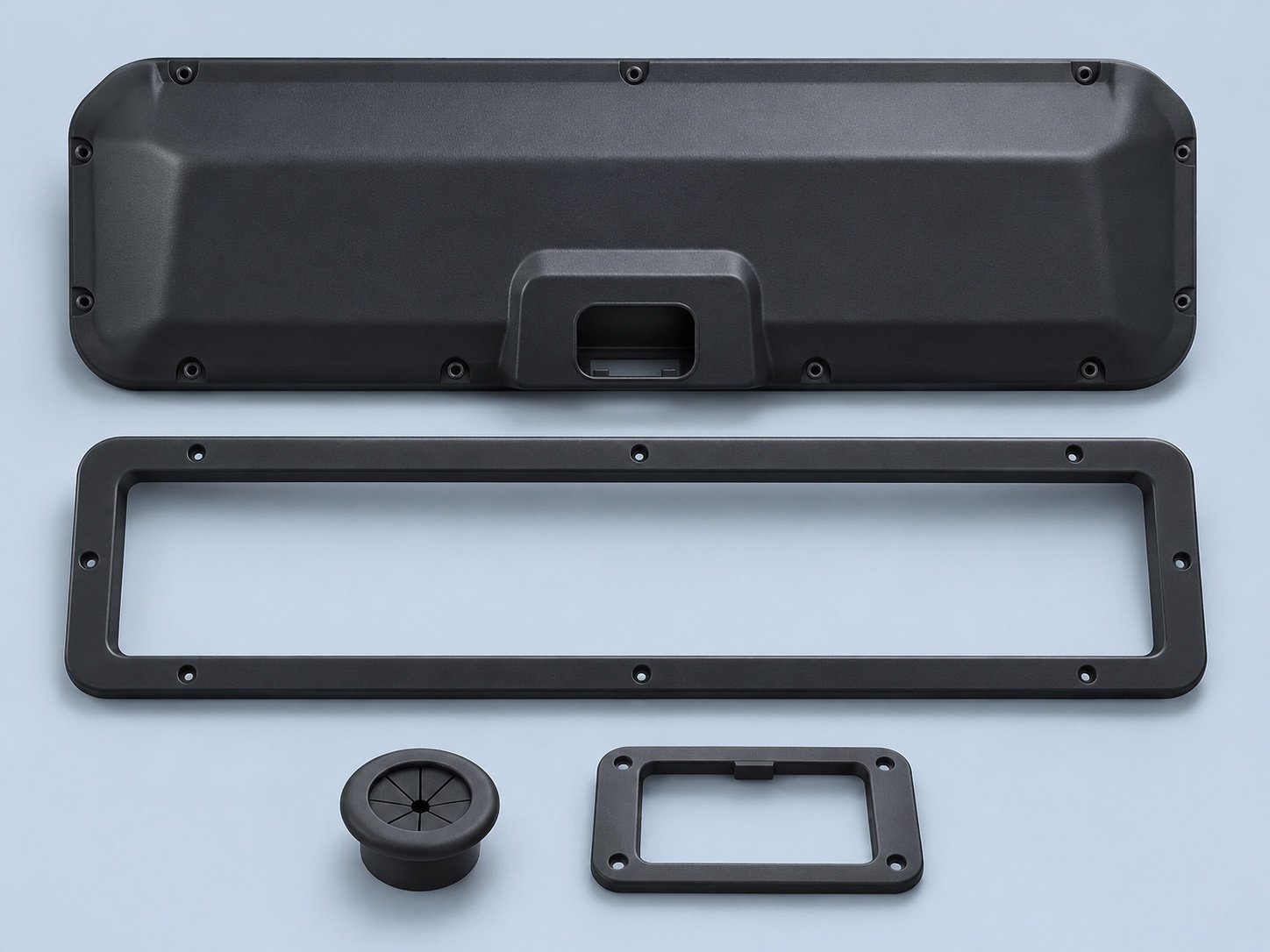
Cover mating faces and cable access. Provide your drawing, mating references and quantity.
Explore manufacturing details →
Bend references and assembly envelope. Provide your drawing, mating references and quantity.
Explore manufacturing details →Illustrative images show example geometry and finishes. Vehicle fit and system qualification require separate validation.

Identify bores, shoulders, threads, datums and accessible tool paths.
Compare folded or formed features with machining and the quantities you expect to reorder.
Agree masked interfaces, appearance samples and any assembly responsibility.
| Material reference | Your purchasing decision |
|---|---|
| 6061 / EN AW-6061 | Specify temper and stock form. Selected chemistry: Mg 0.80–1.20 wt%; Si 0.40–0.80 wt%. |
| 7075 / EN AW-7075 | Specify delivered condition. Selected chemistry: Mg 2.10–2.90 wt%; Zn 5.10–6.10 wt%. |
| 304 / 1.4301 · 316 / 1.4401 | Reference grade names; confirm the purchasing specification and required condition. |
| Engineering plastics | Name the resin manufacturer and grade, reinforcement, color and exposure requirements. |
Selected reference chemistry only, aluminum balance; not batch test results. Cross-standard names are search references, not substitution approval. Your specification and material certificate govern acceptance.
Review material options →
Identify mounting faces, hole patterns and surrounding equipment on the drawing.
Review cable routing, removable covers and accessible fasteners before production.
Specify part numbers, revision labels and any report-to-batch relationship.
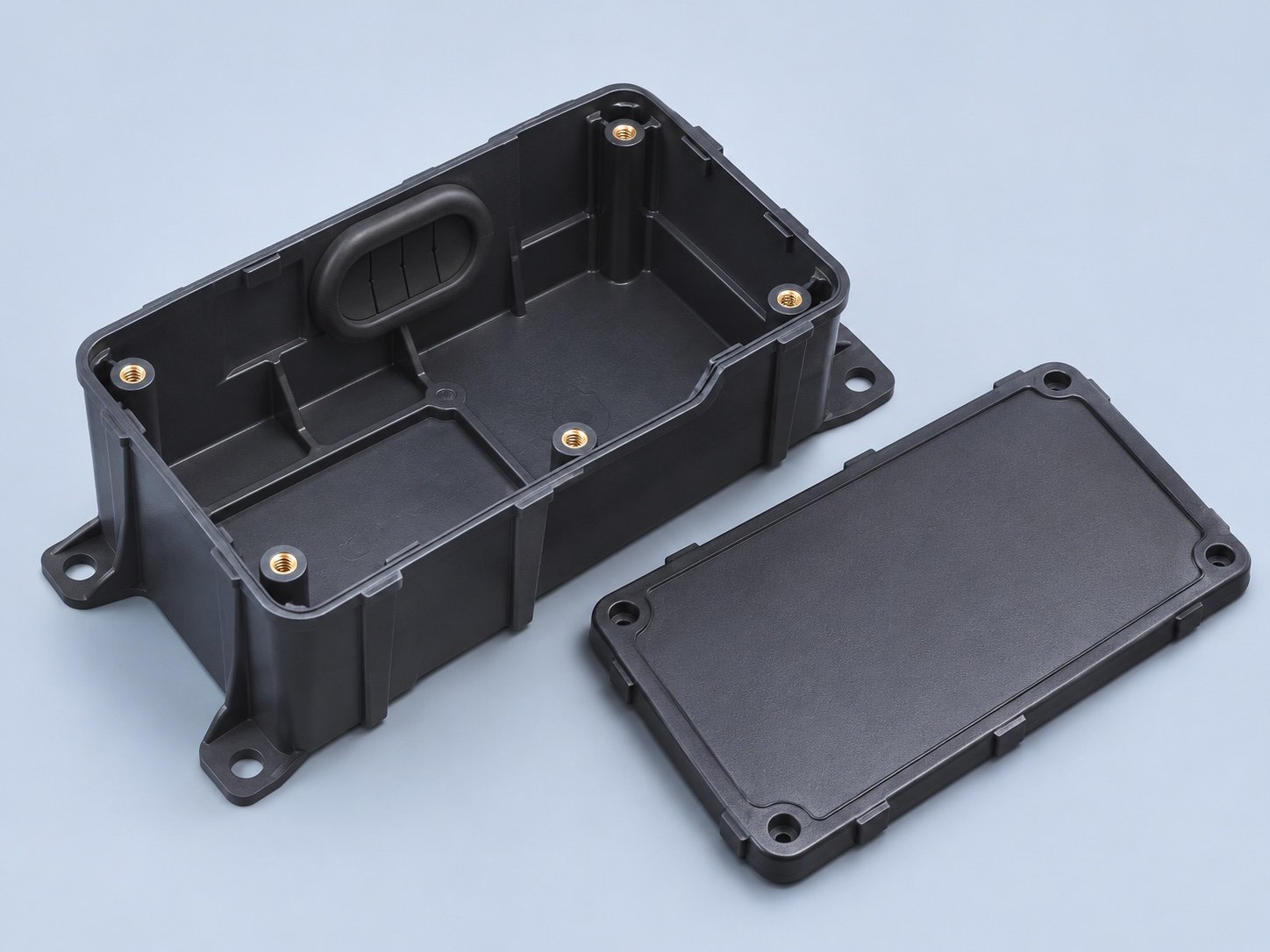

Send CAD plus the controlled drawing and mating references.
Confirm material, process, finish, quantity and required records.
Approve dimensional and appearance evidence; complete your application validation.
Keep the approved revision, part ID, packing and change authority.
For your accessory product line, distinguish where the part is made from where your project communication is supported.

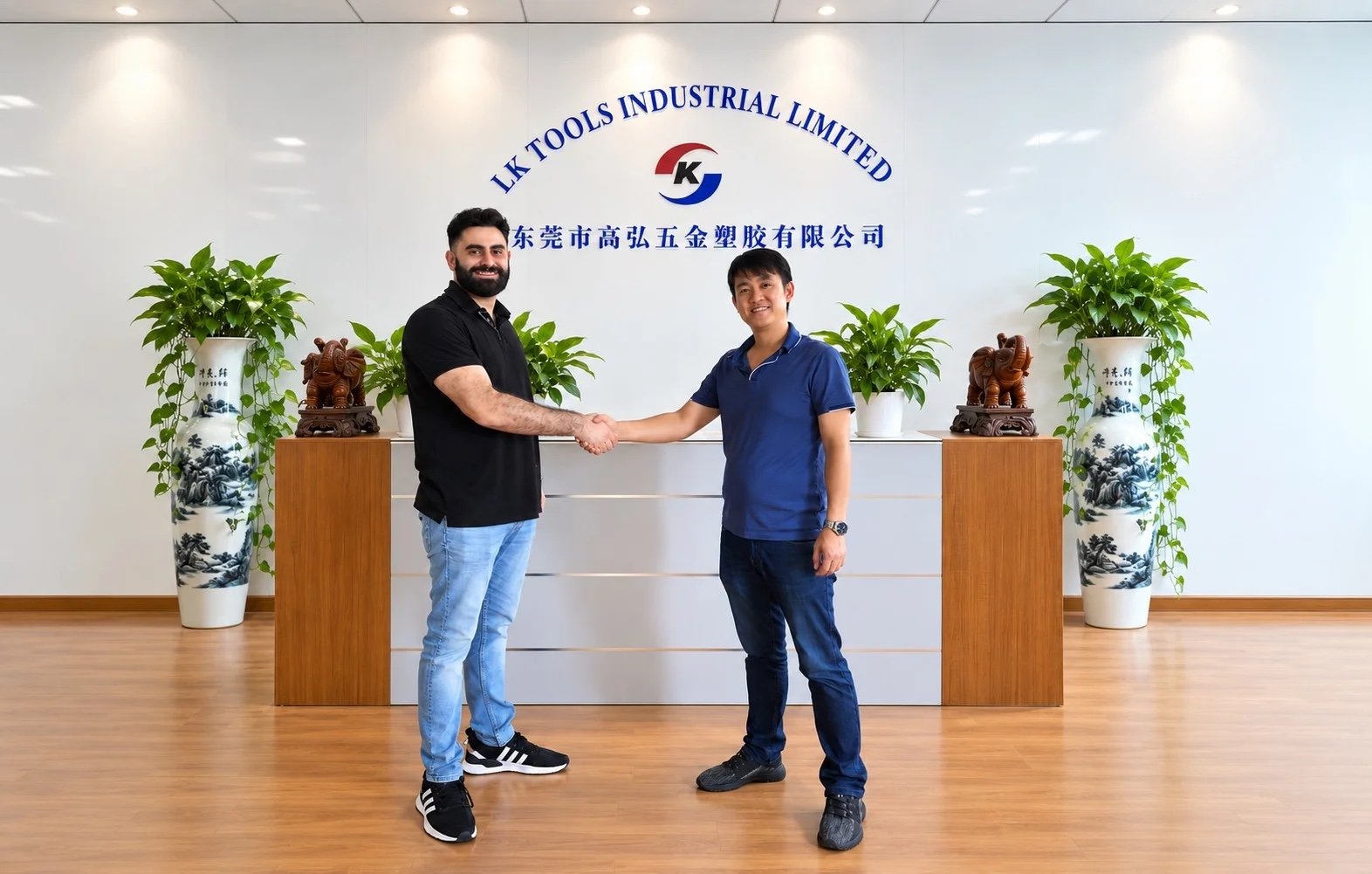
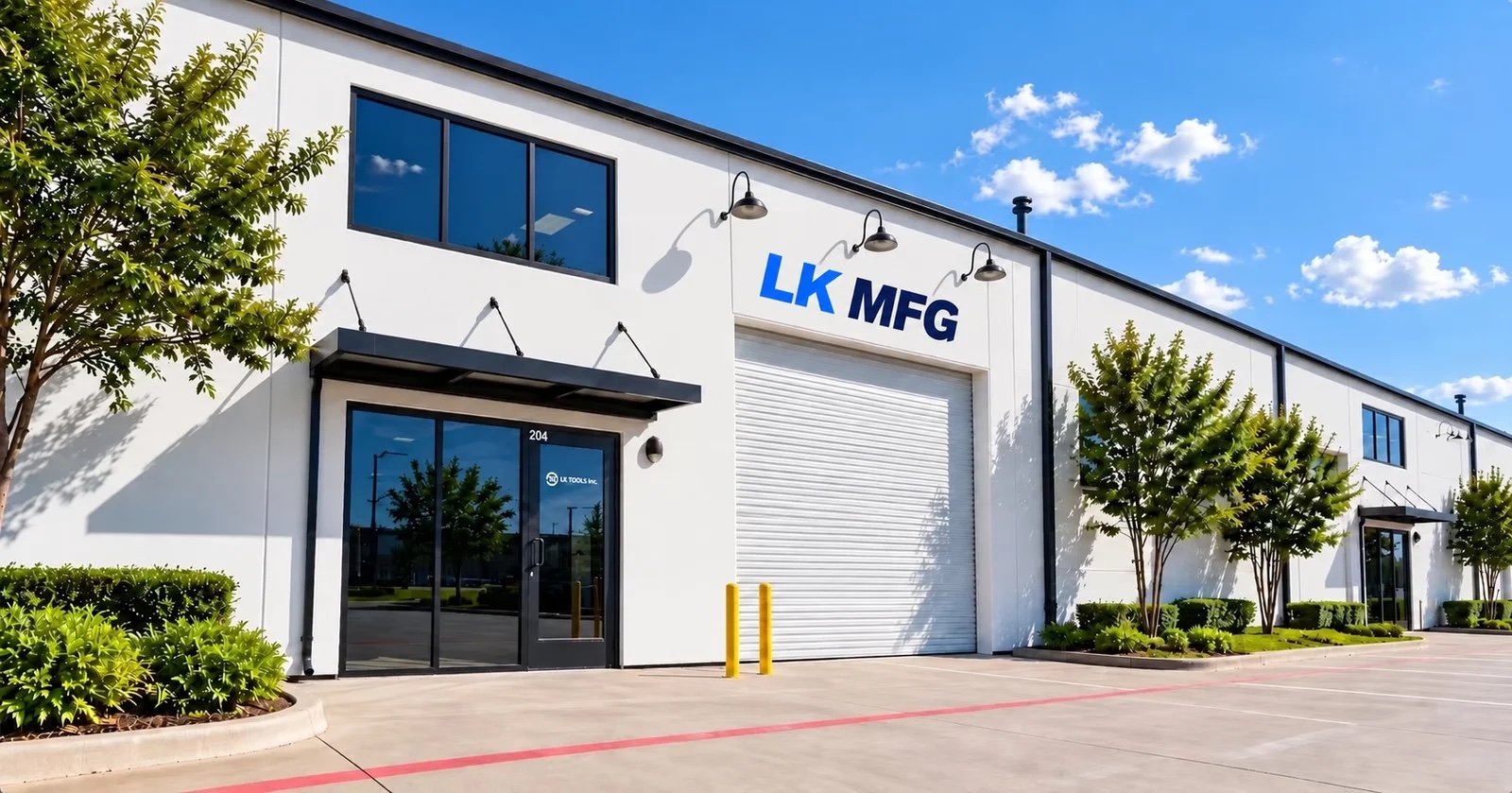
Agree who owns the drawing and sample approval.
Confirm packing, delivery terms and import responsibilities.
Discuss local coordination and any inventory arrangement.
Genuine company and customer-discussion photographs. Manufacturing in China; U.S. support does not mean U.S. manufacture or a default local stock program.
Factory & Operations →Upload the drawing revision, material, finish and quantities. Add your approved appearance sample, packing requirements and target date when available.
Provide the equipment envelope, mounting pattern, cable access and service-removal path. Mark the visible surfaces and the interfaces that must remain clear after finishing.
State your revision, marking, packaging and batch-record requirements in the RFQ. The quote will confirm the identification and documentation scope for your program.
State the required certificates, FAI features, sampling and any customer-specific documentation before quotation. Scope and availability are confirmed for the order.
No. Dimensional and appearance checks are separate from your installed-product testing and qualification. Define validation responsibilities for your program.