Injection Molding
Tooling and molding for your repeat plastic parts.
From prototype to production, coordinated manufacturing solutions for your custom parts.
View All Services →
Precision parts for your tight tolerances and complex geometry.
Tooling and molding for your repeat plastic parts.
Metal casting options for your part and production volume.
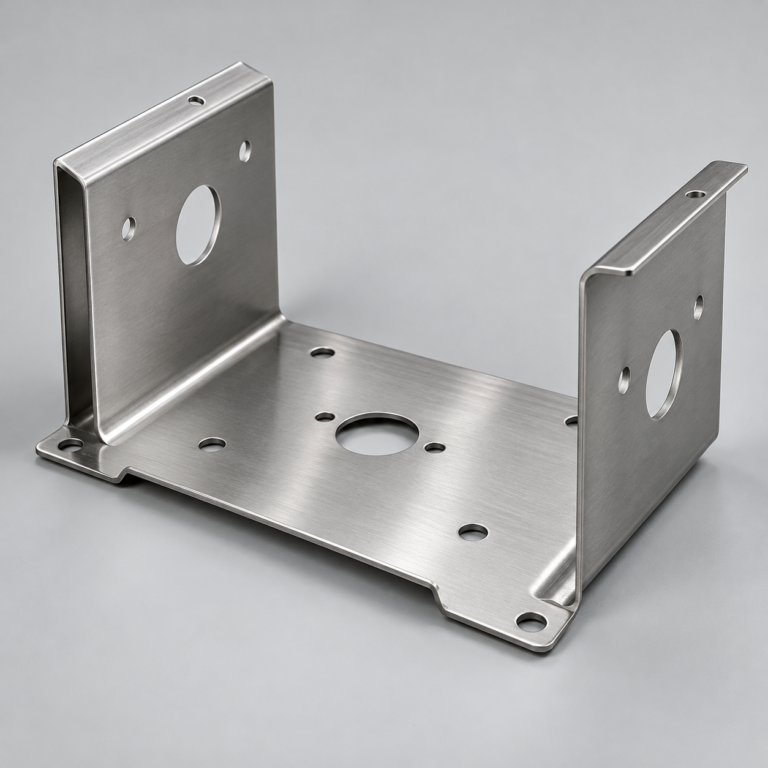
Cutting, forming and welding for your fabricated parts.
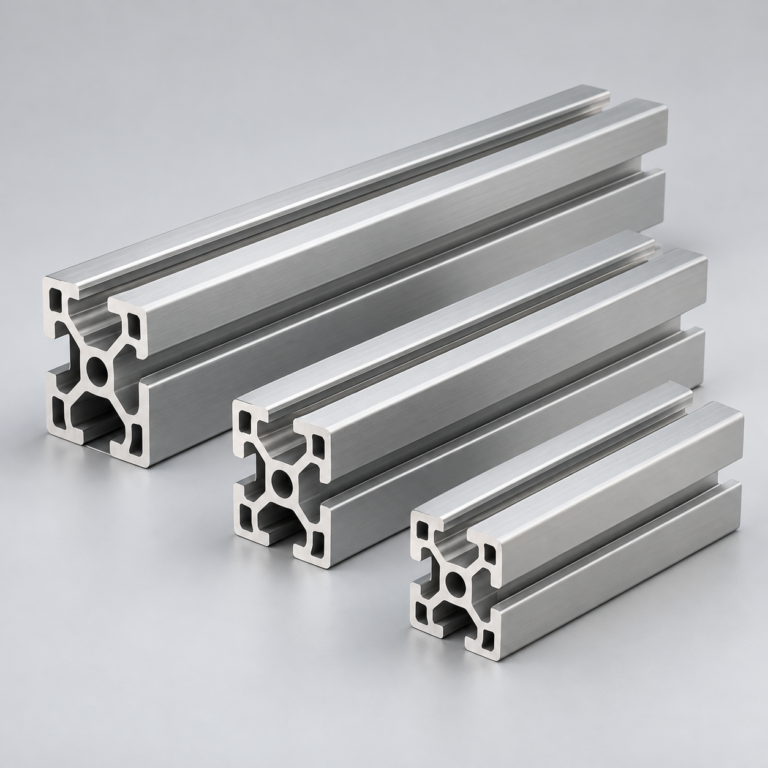
Custom profiles for your section, length and finish requirements.
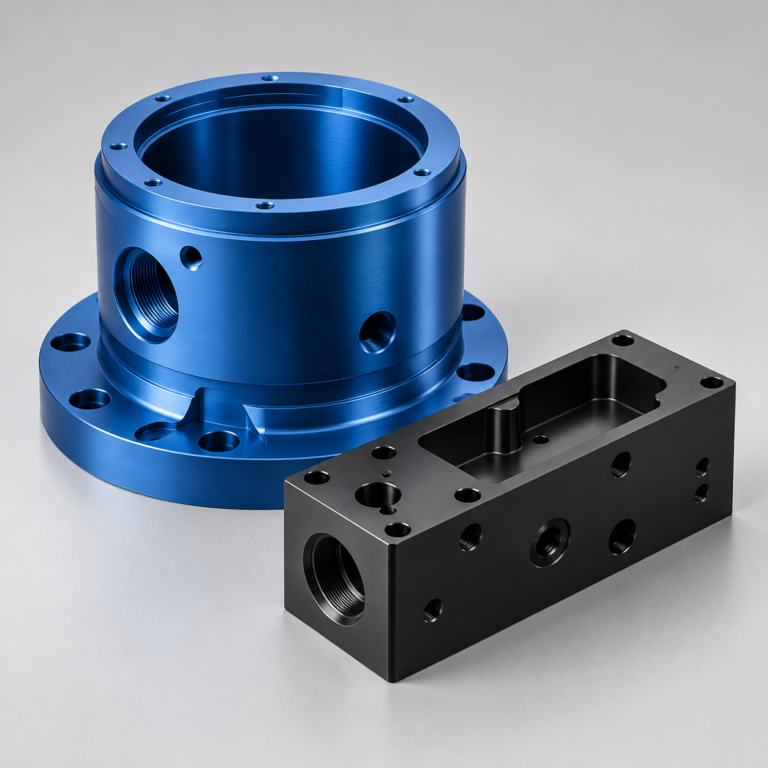
Finishes for your appearance, corrosion and wear requirements.
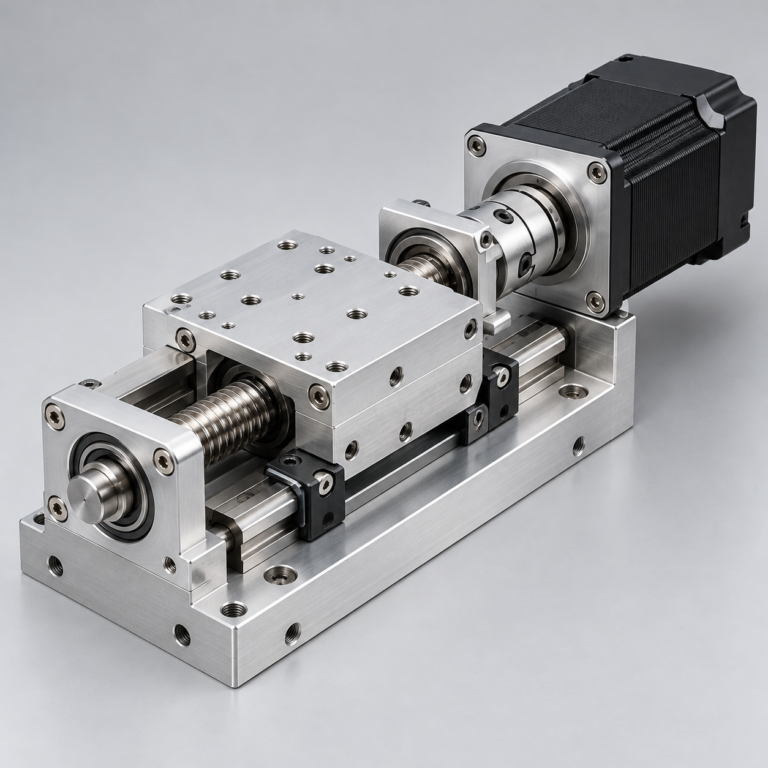
Sub-assemblies and final builds for your production program.
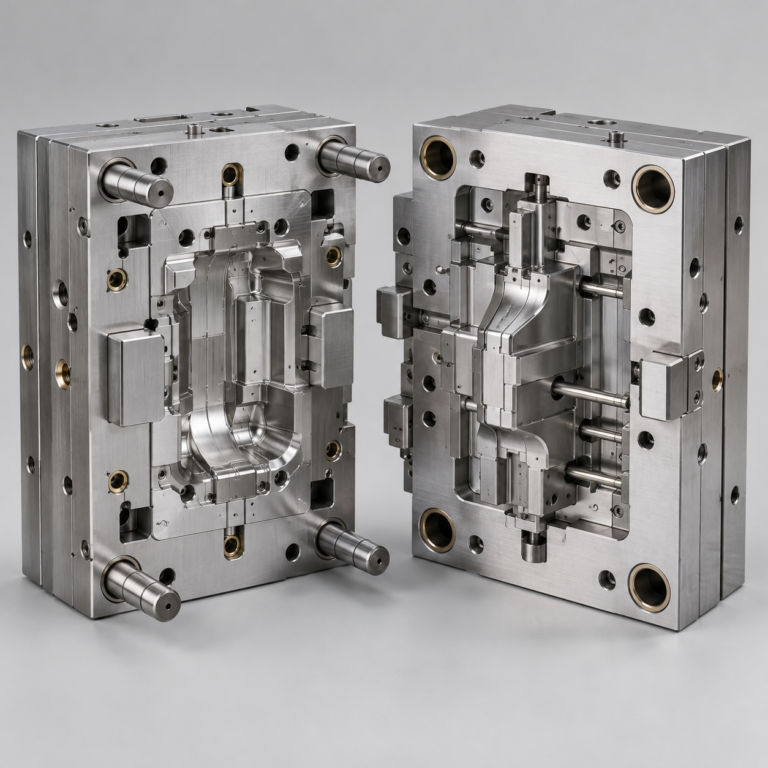
Production tooling built around your process and volume.
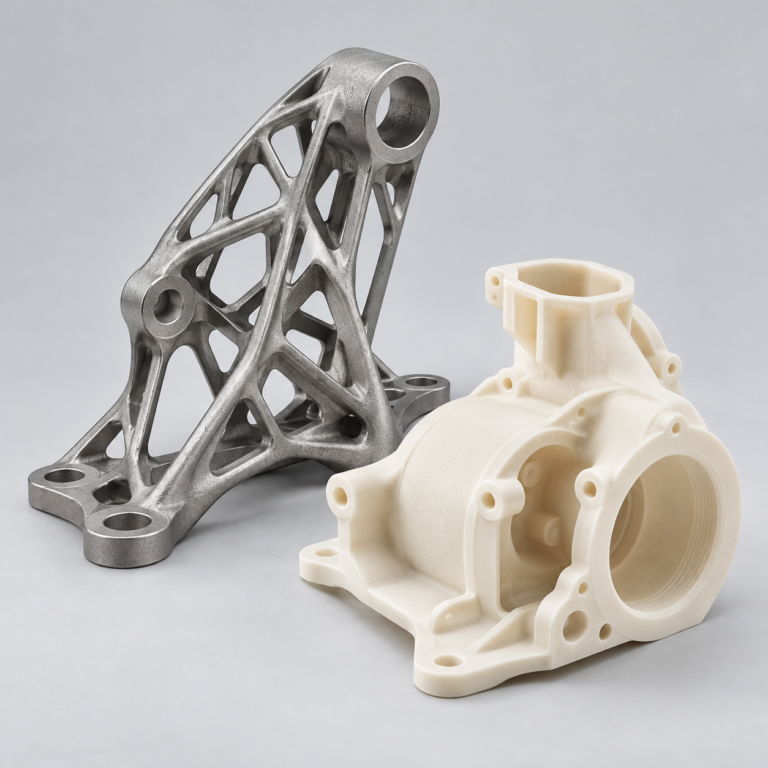
Prototype parts to check fit, function and design.
DFM, process planning and production support for your project.
Inspection, documentation, inventory and delivery planning for your program.
Choose air- or liquid-cooling components around your thermal and mechanical requirements.
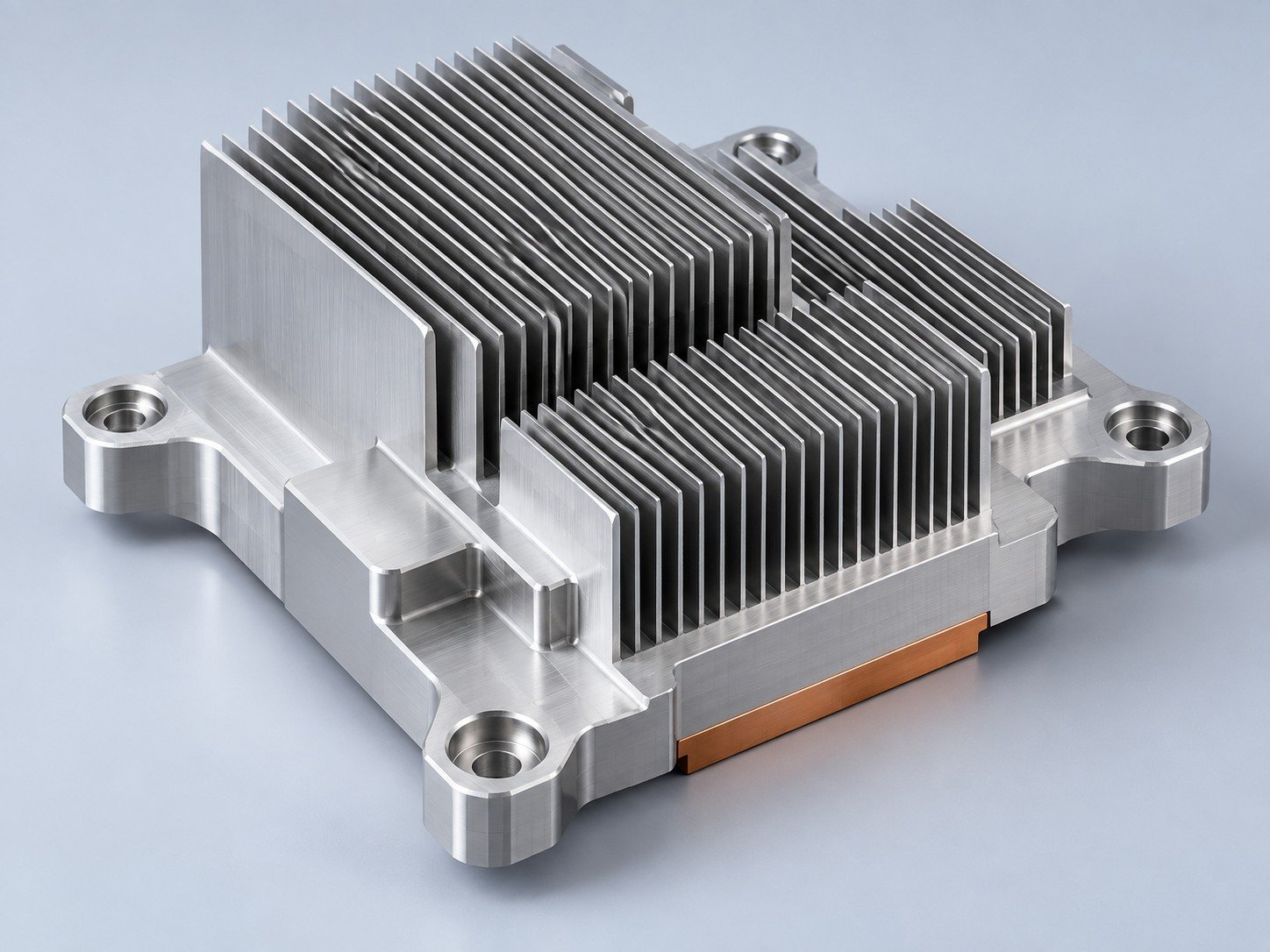
Manufacturing support for your cold plates, manifolds and cooling assemblies.
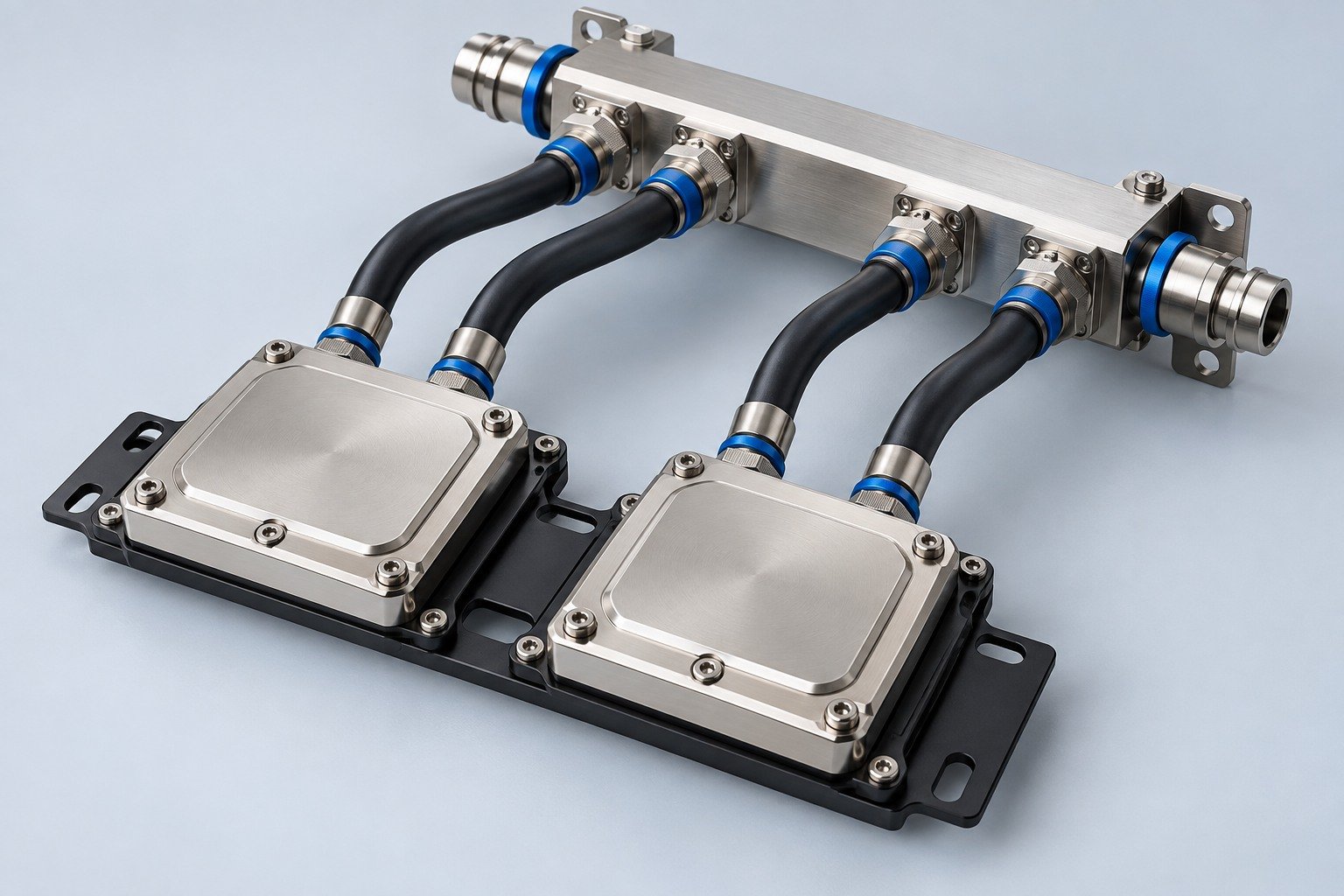
Find components for your power electronics, energy, laser and telecom application.
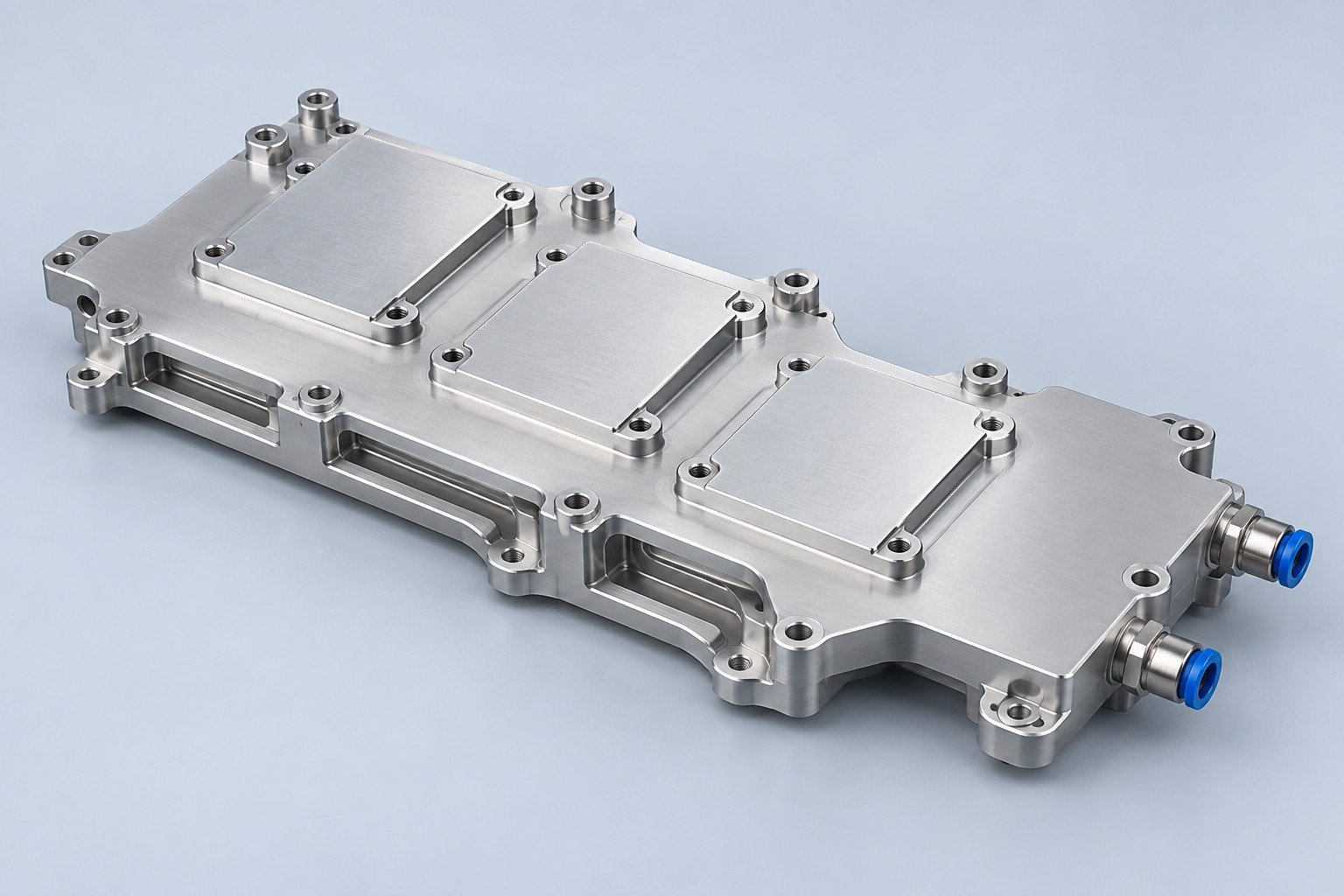
Components for your electronic systems.
Start with your functional and quality requirements.
Build around your operating environment.
From prototype to production, review material performance, manufacturability and cost for your part.
Review grade, temper and finish for your metal parts.
 AluminumStrength, weight and machining›
 Stainless SteelCorrosion and finish requirements›
 Carbon & Alloy SteelDiscuss grade and heat treatment›
 Tool SteelDiscuss tooling and wear needs›
 TitaniumReview grade and part geometry›
 Copper & Brass & BronzeDiscuss conductivity and machining›
Match your polymer to function, process and environment.
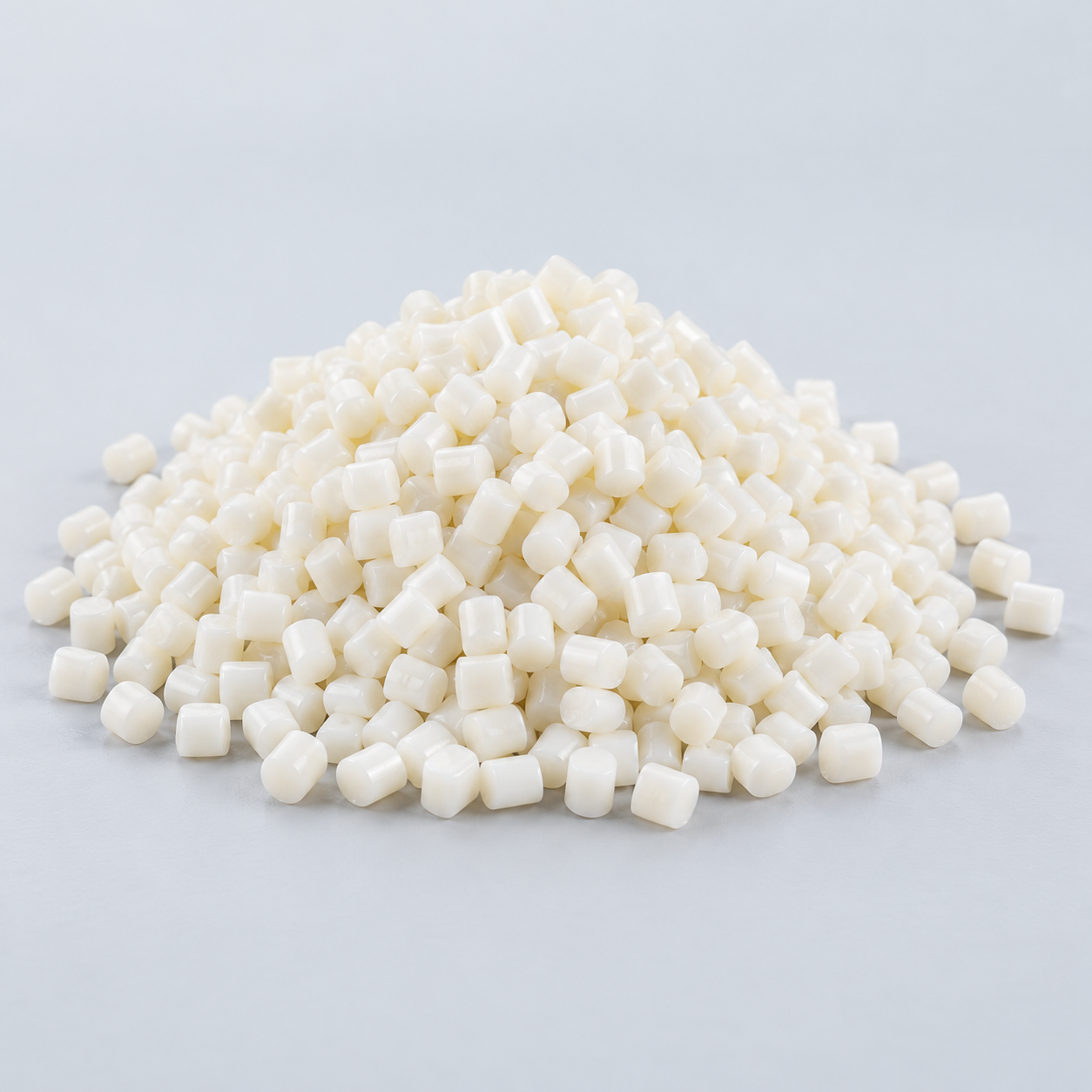 ABSReview enclosure and molding needs›
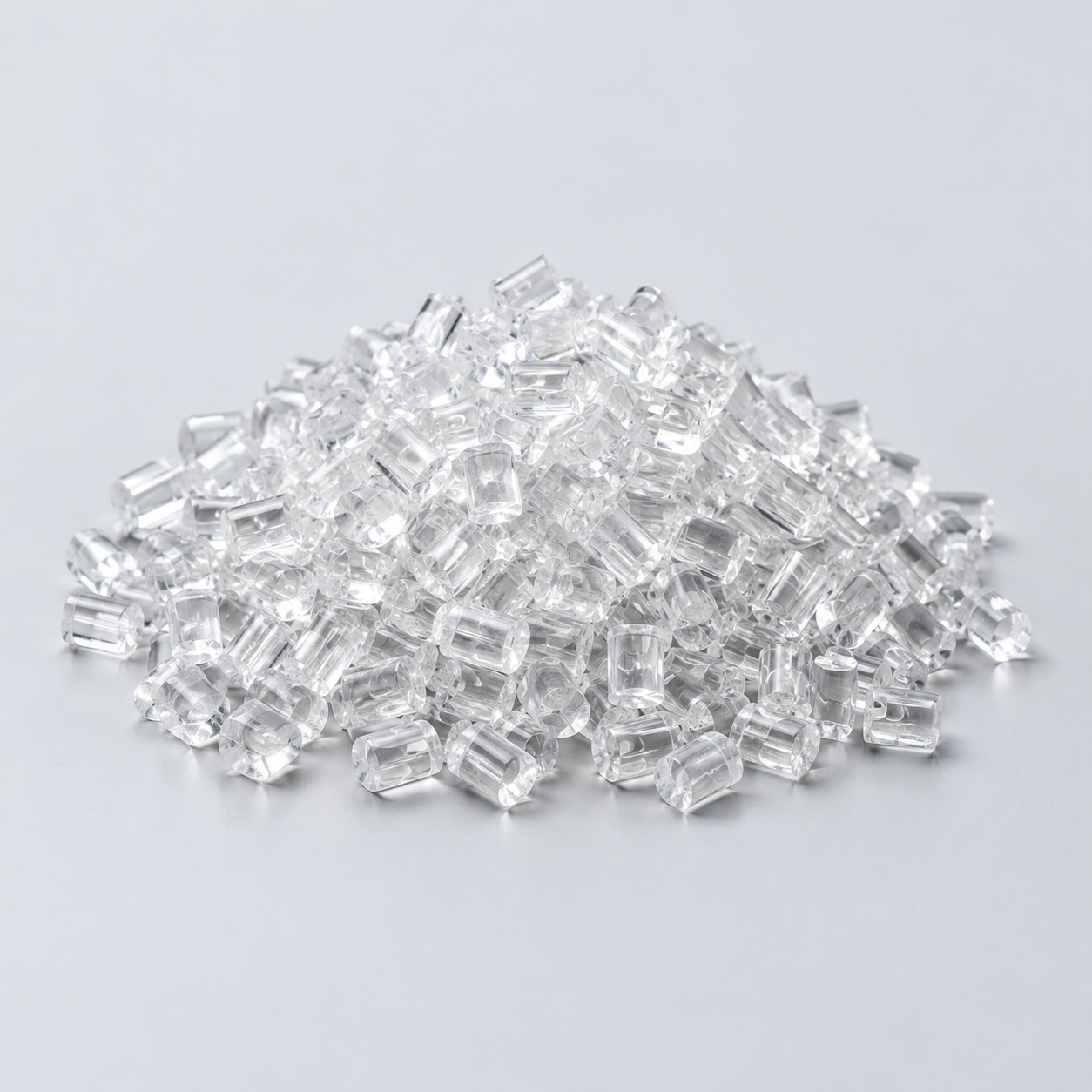 Polycarbonate (PC)Discuss clarity and impact needs›
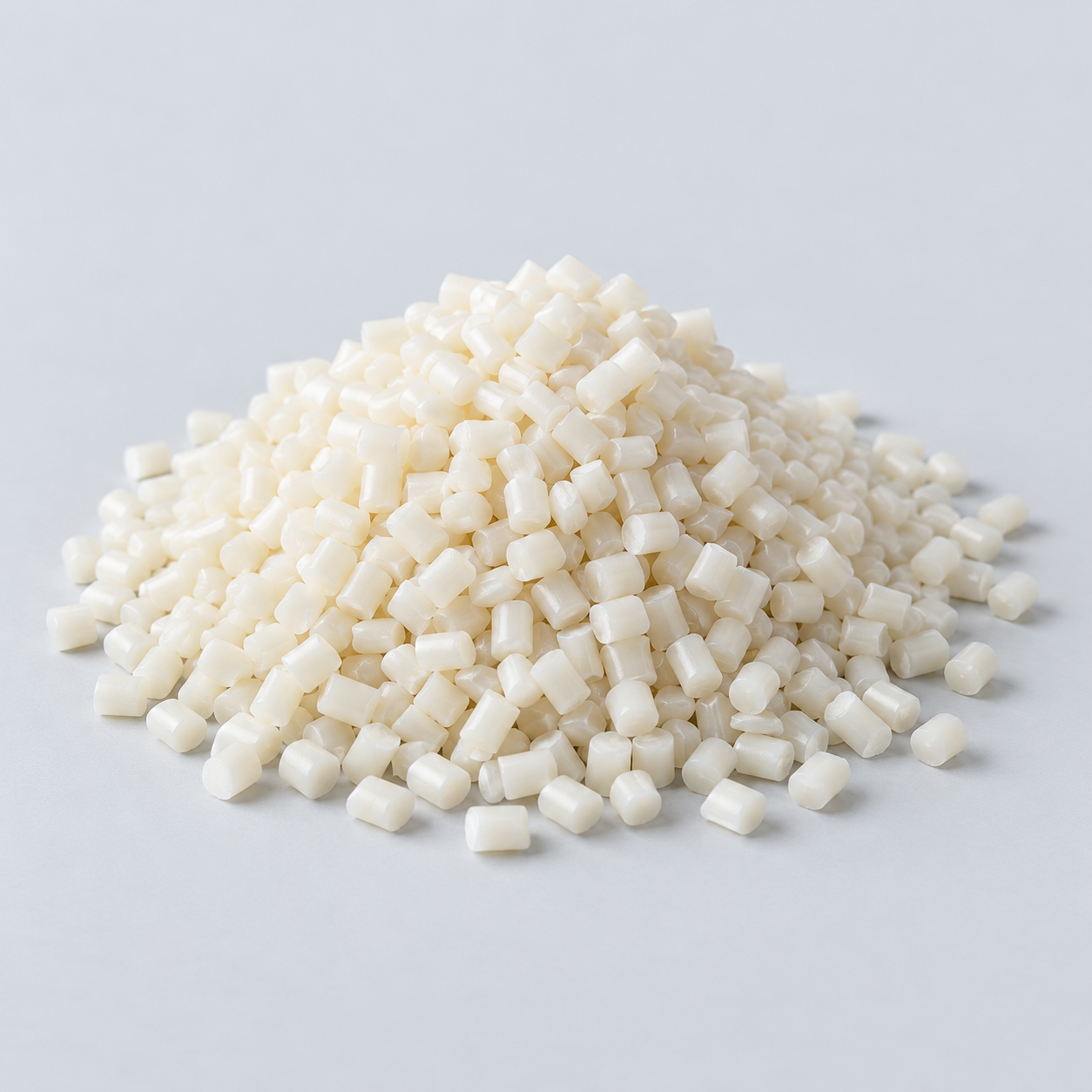 Nylon (PA)Review moisture and wear conditions›
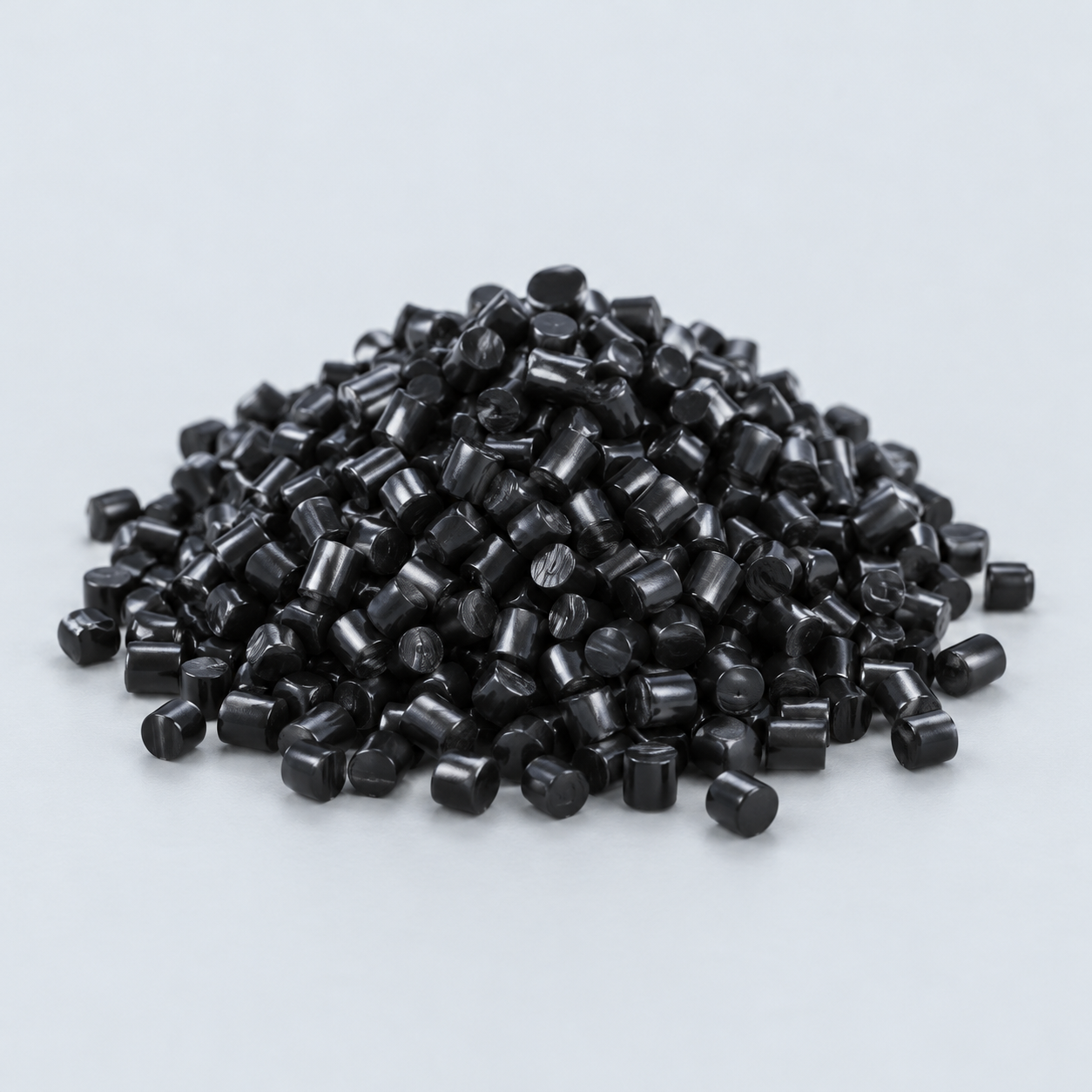 POM / AcetalReview fit and sliding features›
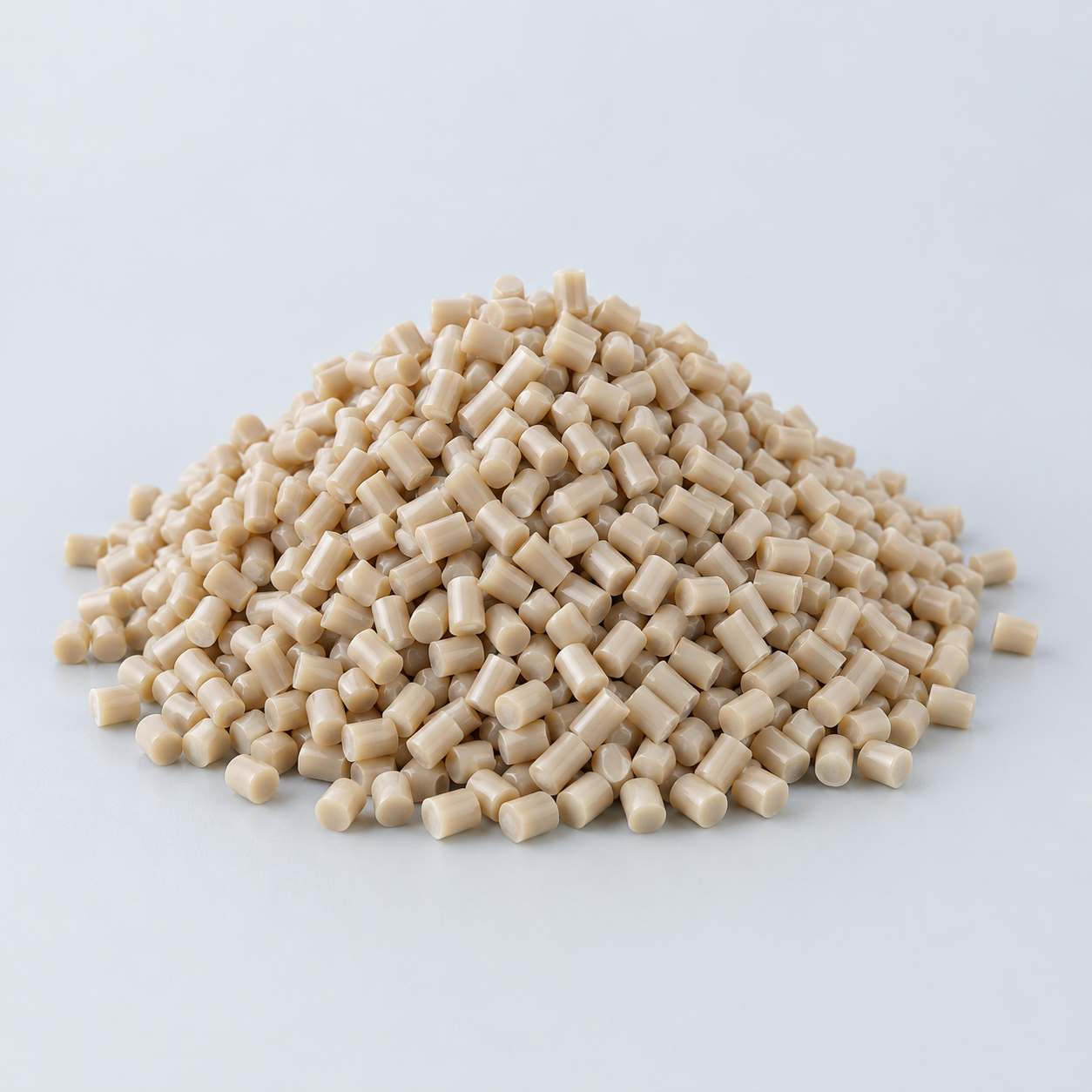 PEEKDiscuss operating conditions›
 PTFEReview friction and chemical exposure›
 ULTEM / PEIDiscuss thermal and electrical needs›
Confirm grade availability and application requirements.
 Silicone / LSRDiscuss flexible component needs›
 TPU / TPEReview flexibility and processing›
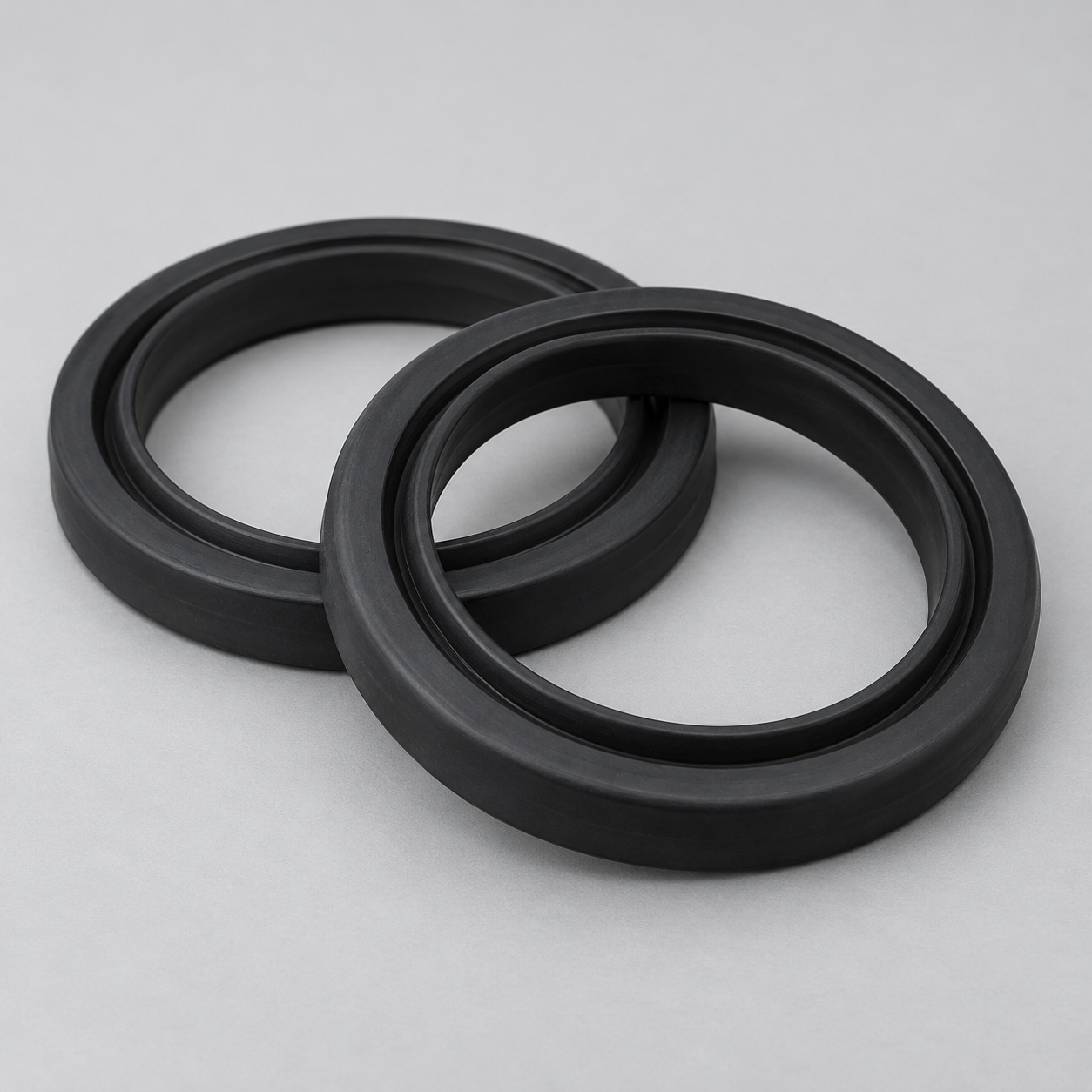 EPDMReview weathering and chemical exposure.›
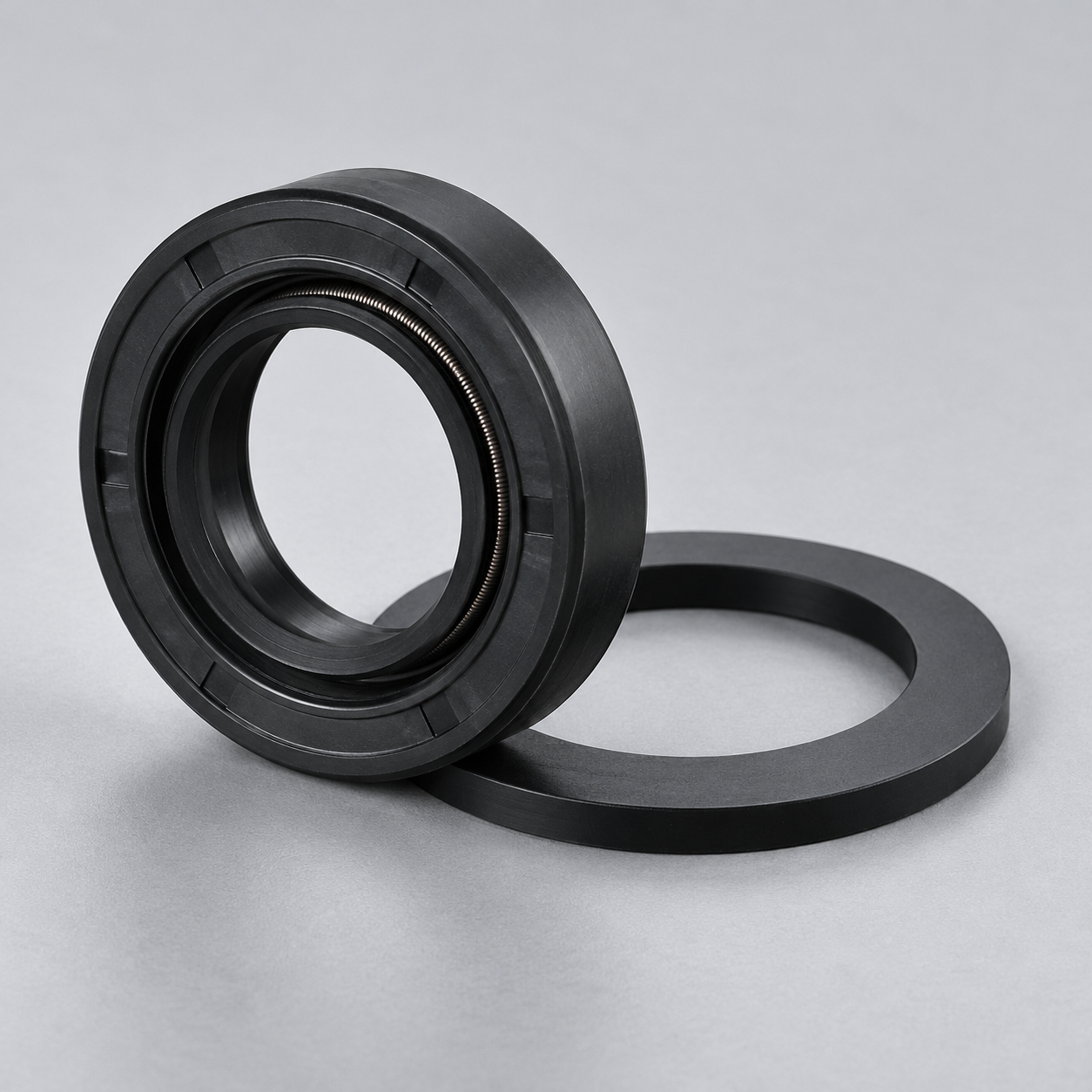 NBRReview oil and fuel exposure.›
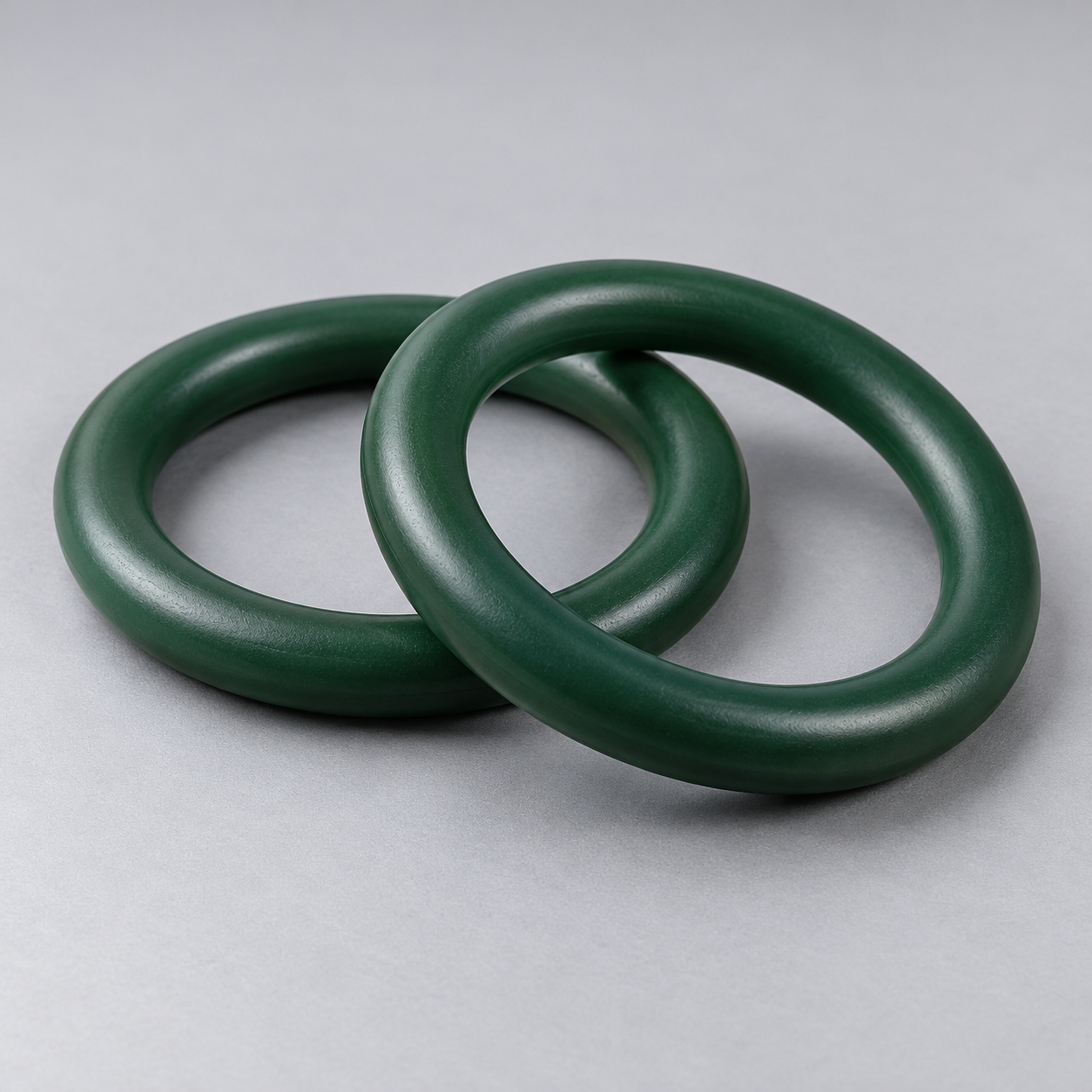 FKMReview temperature and chemical exposure.›
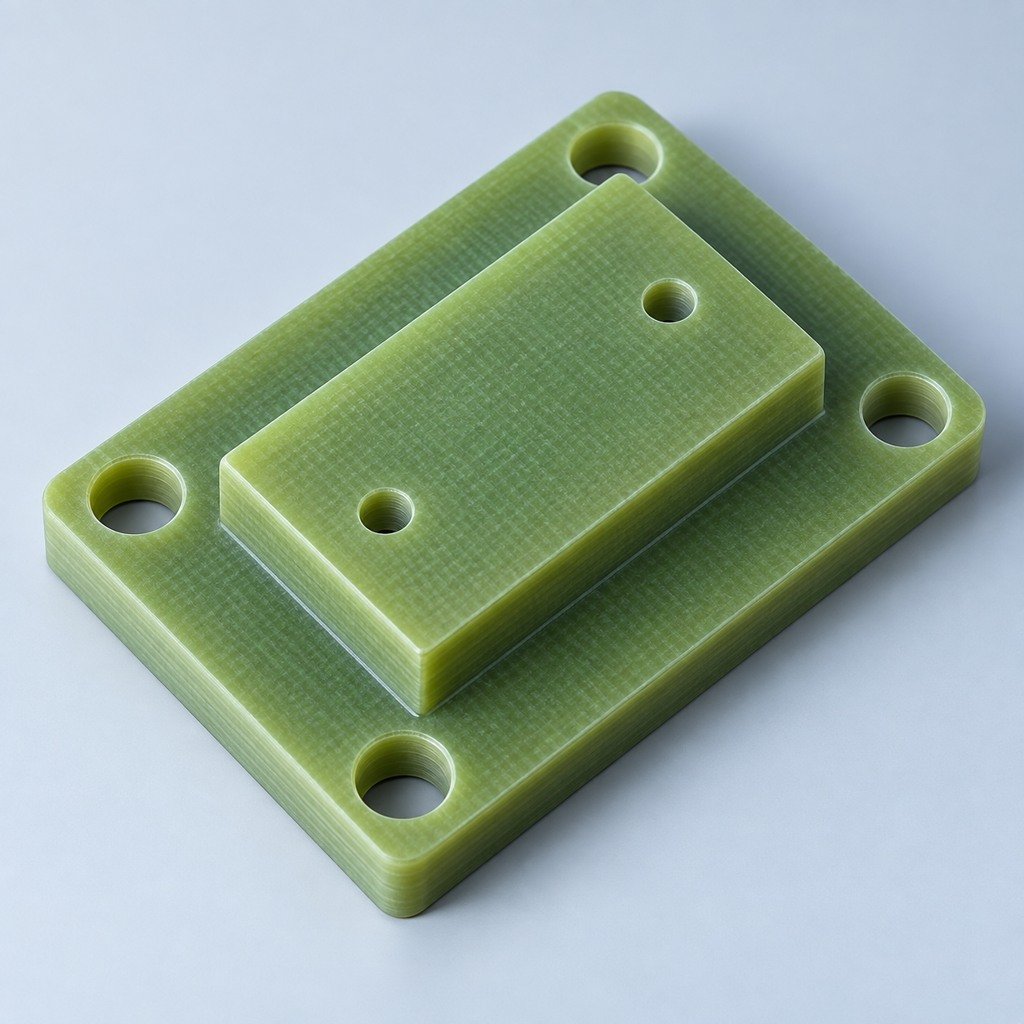 G10 / FR4Review insulation and laminate needs›
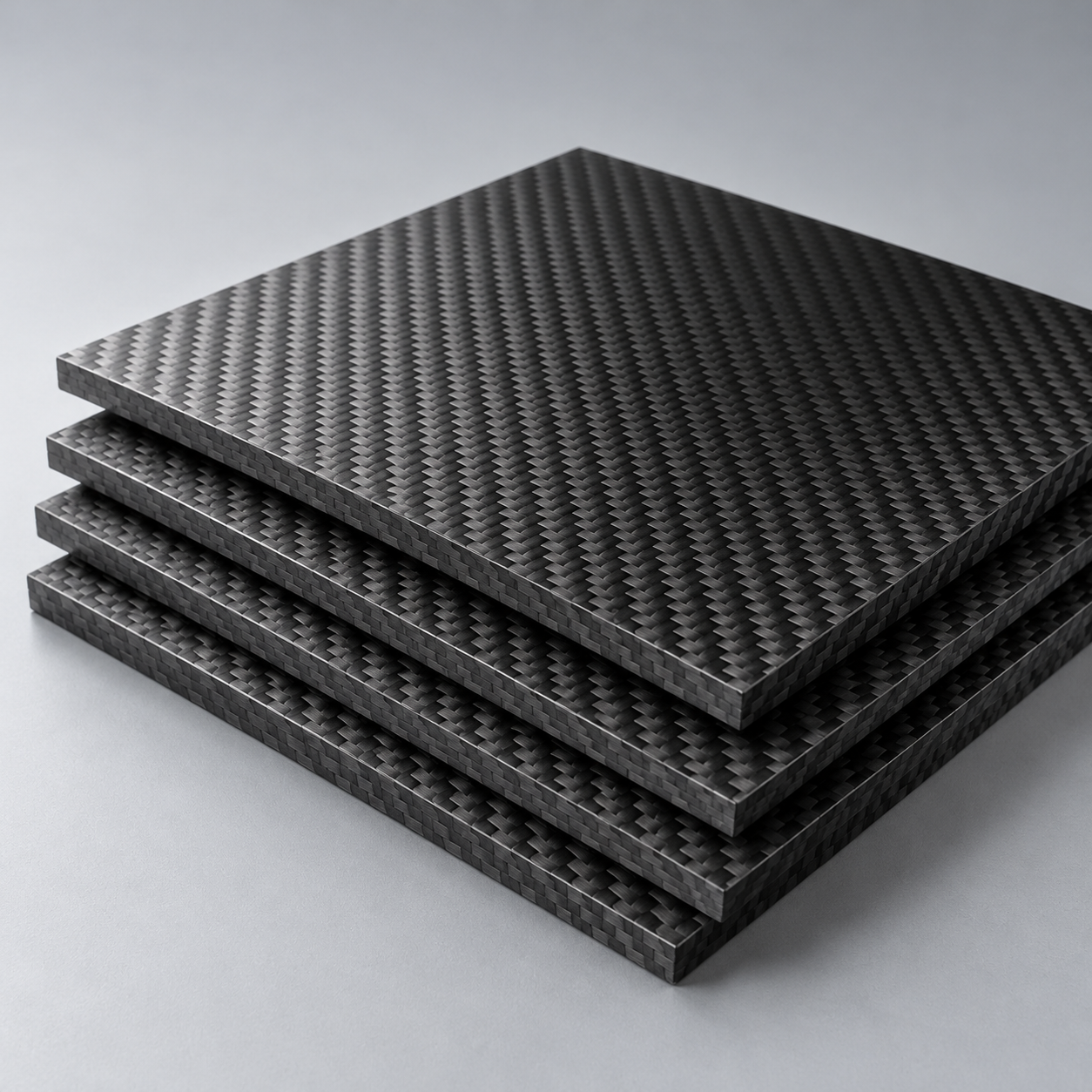 CompositesReview stiffness, weight and laminate.›Customer-Specified MaterialsConfirm your grade and requirements.›Other Specialty MaterialsDiscuss your application and grade.›
Practical guidance for your part geometry and material decisions.
Prepare your process, budget and sourcing questions.
Build your knowledge before production.
Learn who we are and how we operate.
Find our U.S. support team or start a conversation.
YOUR GRADE. YOUR COLOR. YOUR FINISHED FIT.
Your ABS plastic machining or molding review starts with the actual grade, color and product form. Connect impact, heat, appearance and assembly needs before committing stock or tooling.
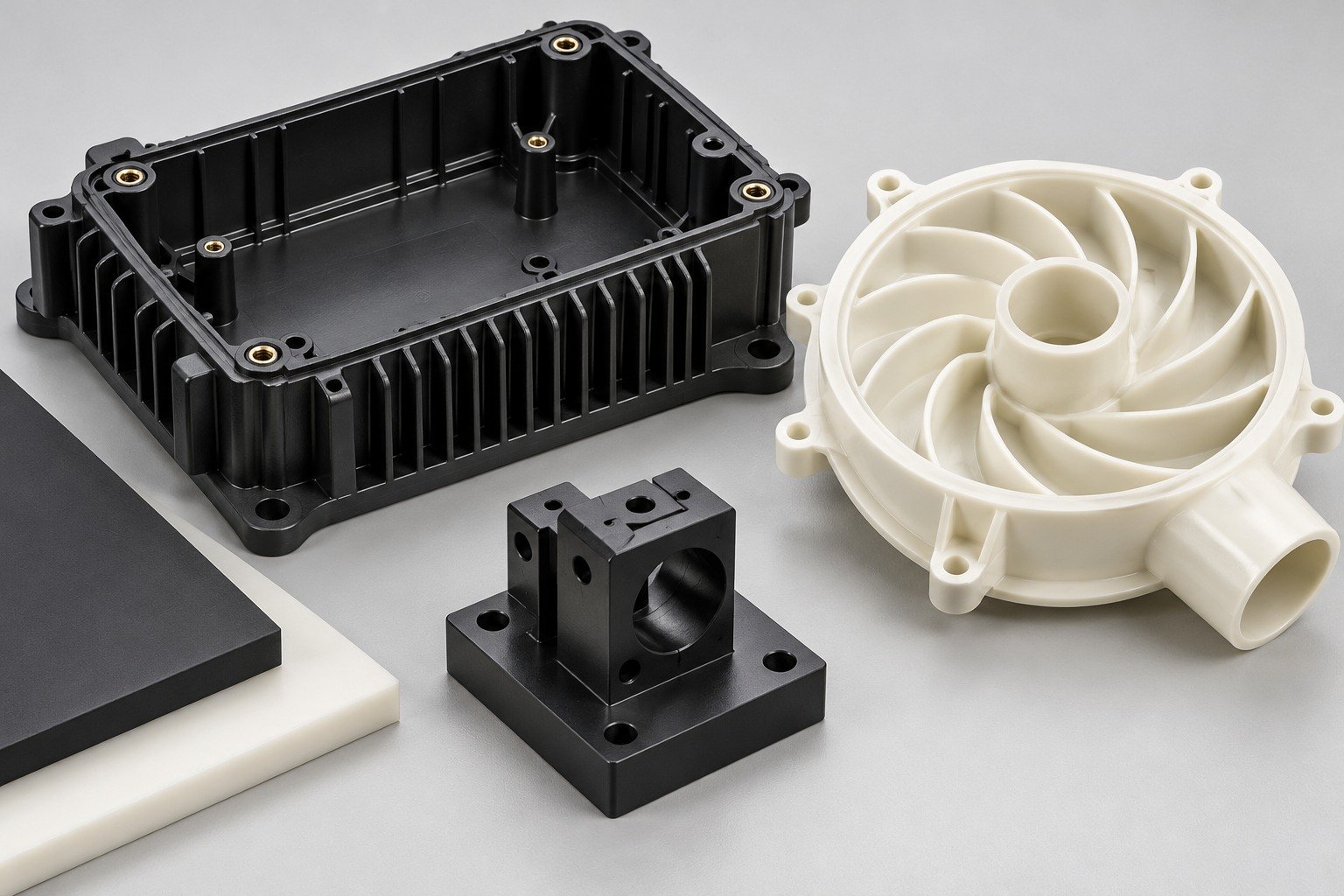
4 starting points for your ABS plastic material grades review. Select the complete manufacturer, grade and color before approving a change.
For your custom ABS housings, identify screw bosses, cosmetic faces and mating lips. PA-757 is one general-purpose resin reference; verify its color and current specification.
| Your reference | What to confirm |
|---|---|
| Manufacturer | CHIMEI |
| Material family | ABS — acrylonitrile butadiene styrene |
| Primary route | Injection molding resin |
| Your review | Grade, color, appearance and final fit |
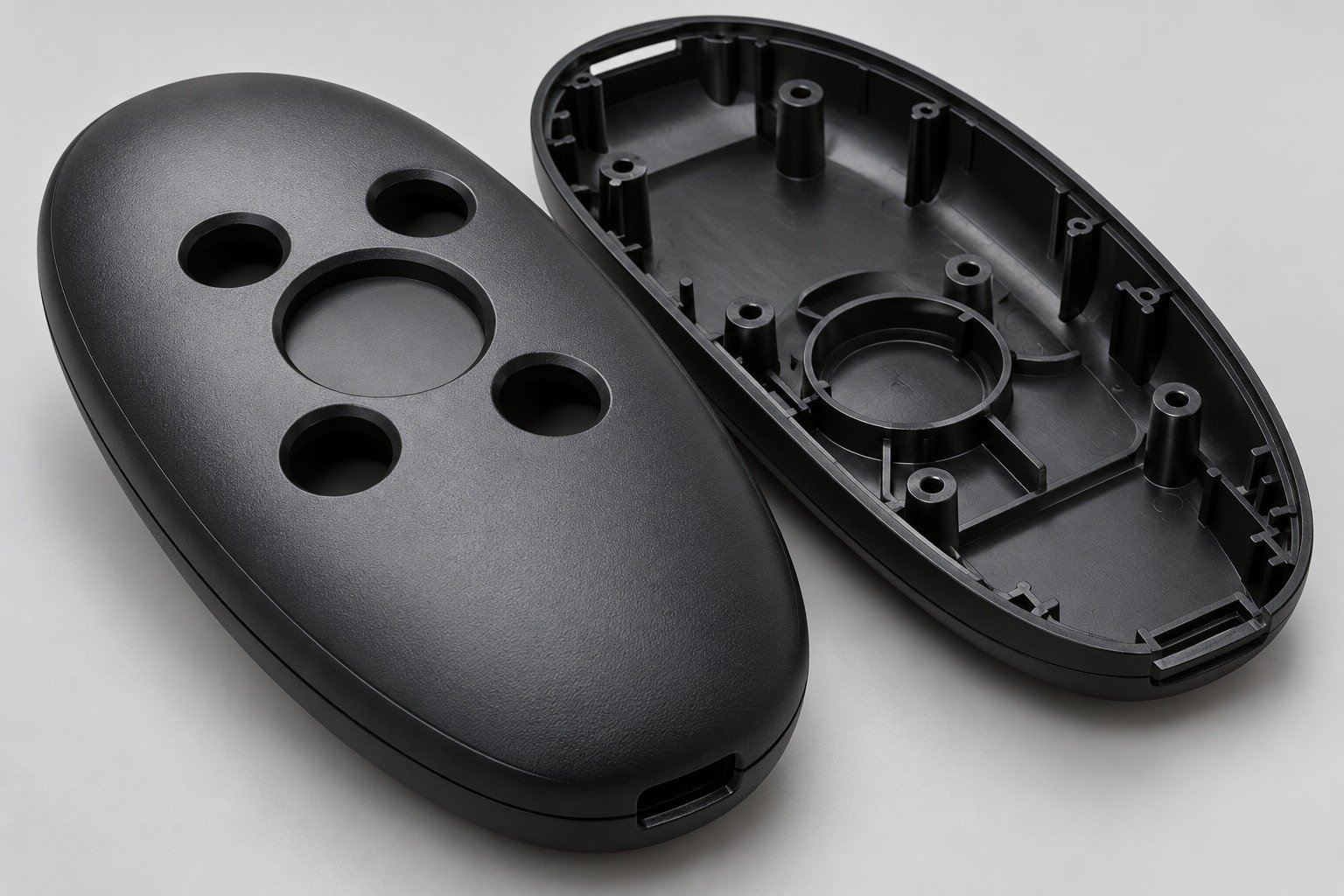
For your PA-757 injection molded parts, retain the current supplier datasheet, test method and specimen conditions. Review impact and flow separately; published resin data is not your finished-part acceptance report.
| Your reference | What to confirm |
|---|---|
| Flow metric | MVR and MFR are different quantities |
| Impact evidence | Method, notch, temperature and specimen |
| Your approval | Part geometry and application-specific test |
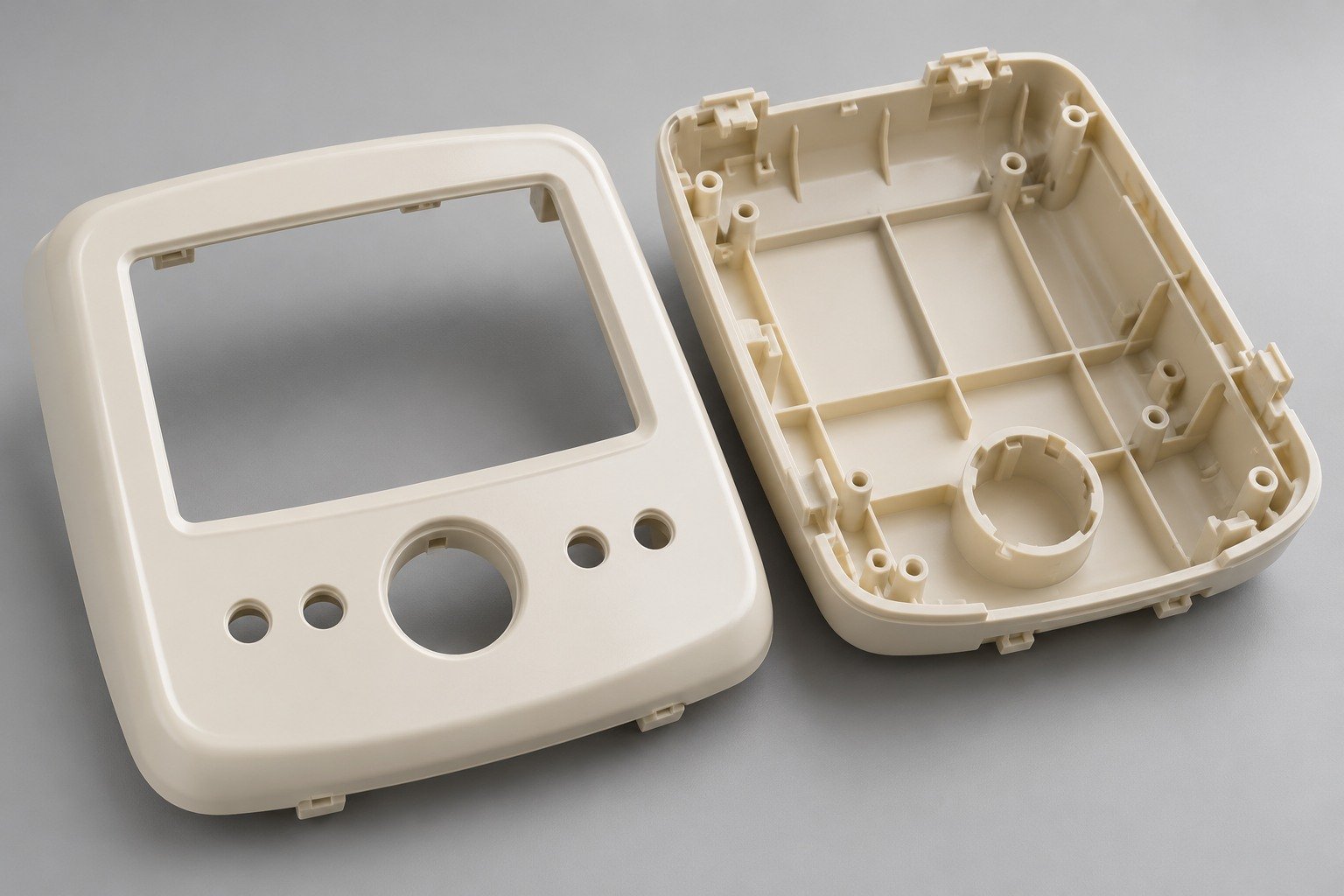
For your ABS machining vs injection molding decision, separate molding pellets from the purchased sheet or rod. A machined prototype can verify fit; it does not validate a molded part’s impact or fire classification.
| Your reference | What to confirm |
|---|---|
| Molding route | Resin, tooling, gate layout and sample purpose |
| CNC stock | Named sheet or rod product and condition |
| Assembly | Datums, threads, seam gap and accepted edges |
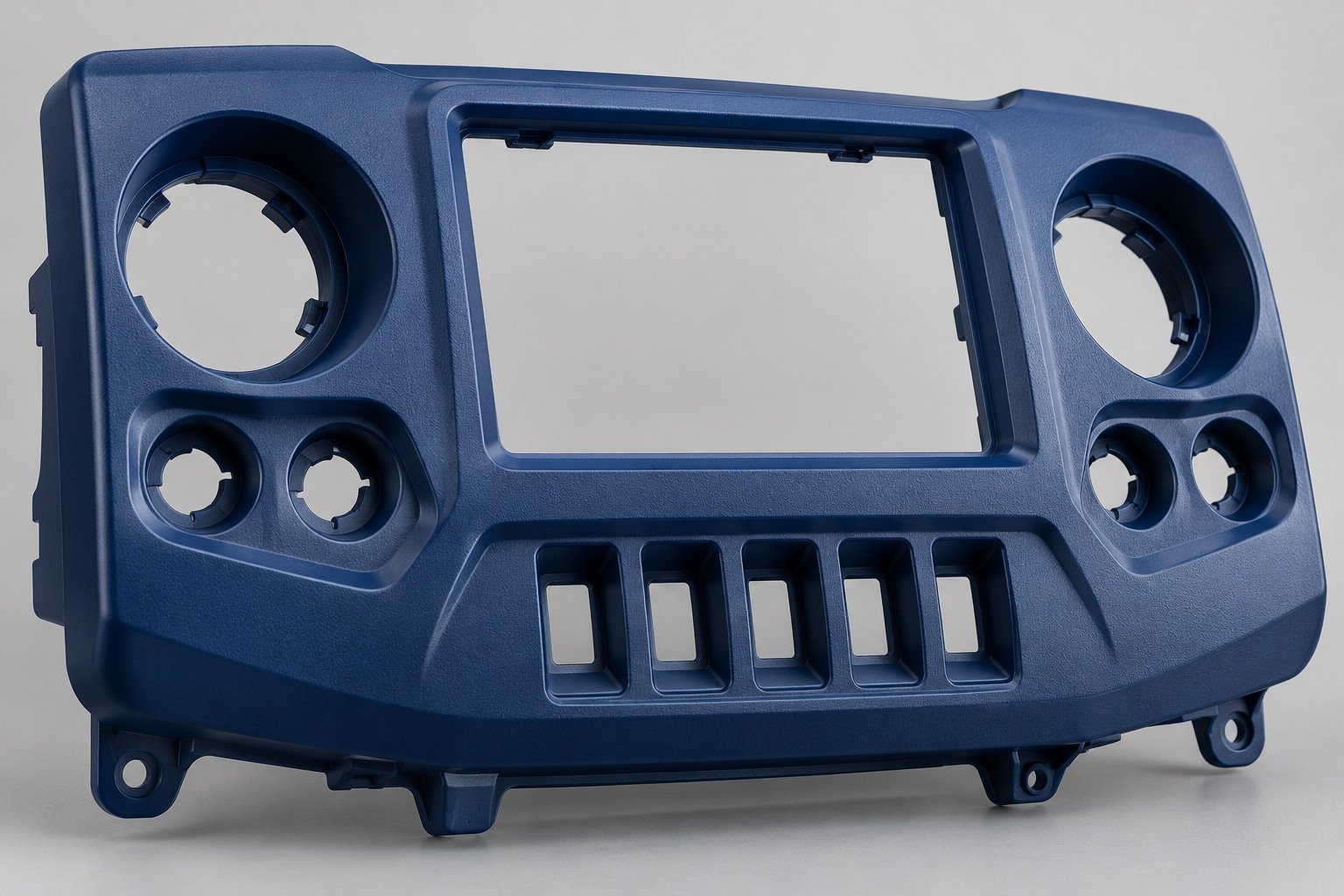
For your custom ABS parts, confirm the exact color code, visible faces, texture and reference sample. Retain material-lot identity and approval for any source, color or formulation change.
| Your reference | What to confirm |
|---|---|
| Material record | Full grade and color; approved alternatives |
| Your appearance | Color, gloss, texture and allowed marks |
| Receiving check | Critical fits, sampling and finished-state records |
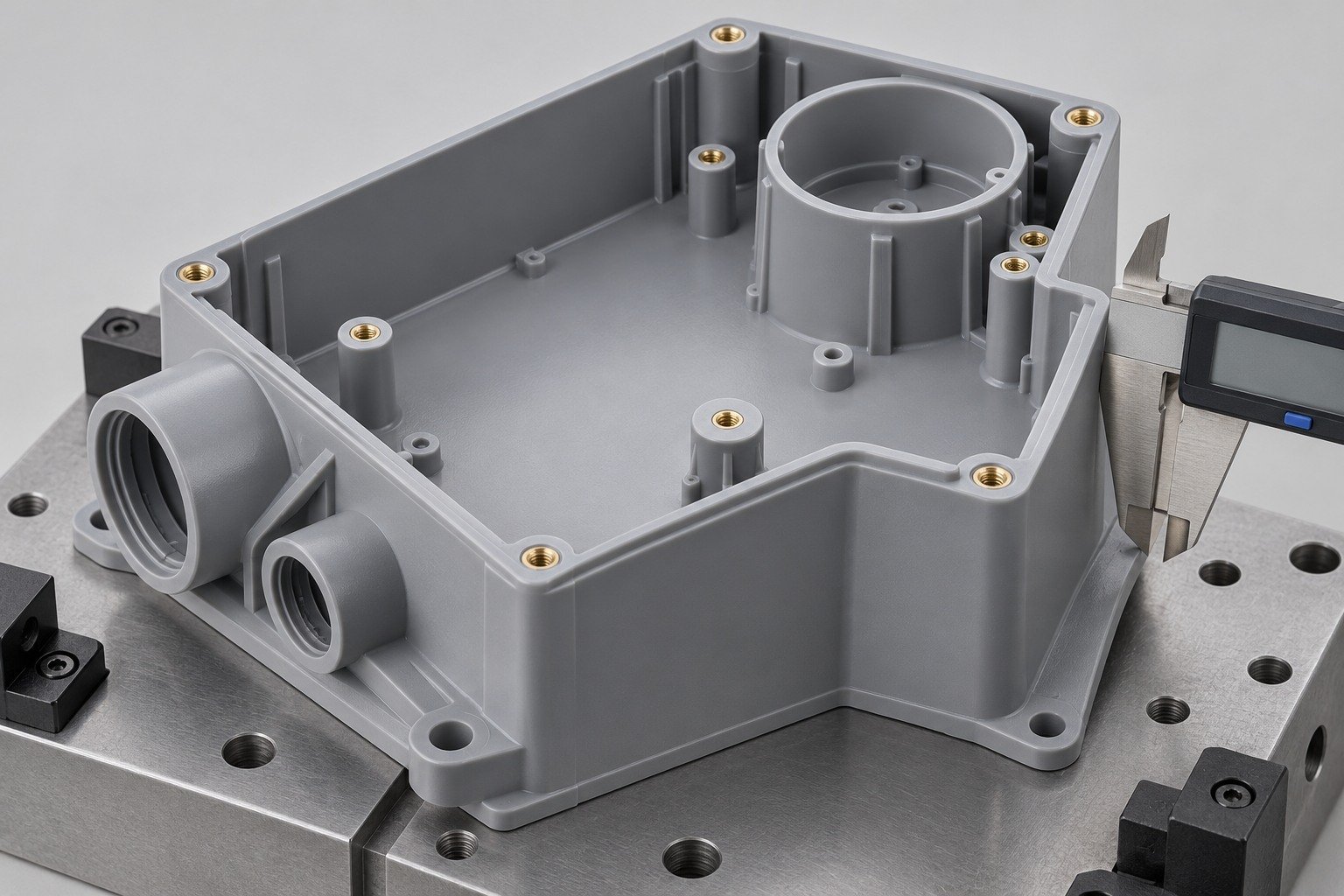
For your ABS injection molding project, compare the controlled drawing, material identity, appearance sample and final assembly. Repeat ABS injection molding needs an agreed source and change-control route.
| Your reference | What to confirm |
|---|---|
| Manufacturer | INEOS Styrolution |
| Material family | ABS — acrylonitrile butadiene styrene |
| Primary route | Injection molding resin |
| Your review | Grade, color, appearance and final fit |
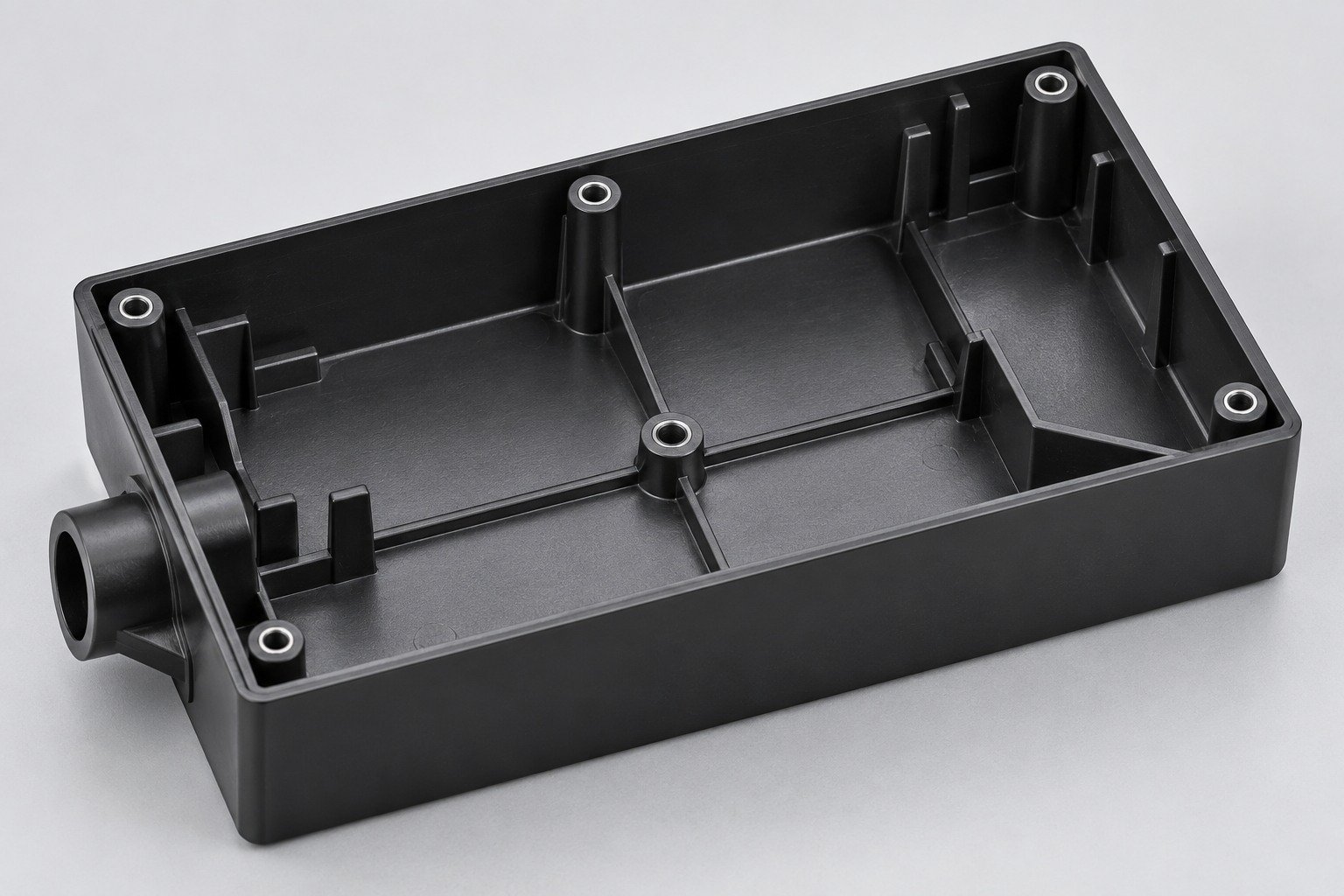
For your Terluran GP-22 molded parts, retain the current supplier datasheet, test method and specimen conditions. Review impact and flow separately; published resin data is not your finished-part acceptance report.
| Your reference | What to confirm |
|---|---|
| Flow metric | MVR and MFR are different quantities |
| Impact evidence | Method, notch, temperature and specimen |
| Your approval | Part geometry and application-specific test |
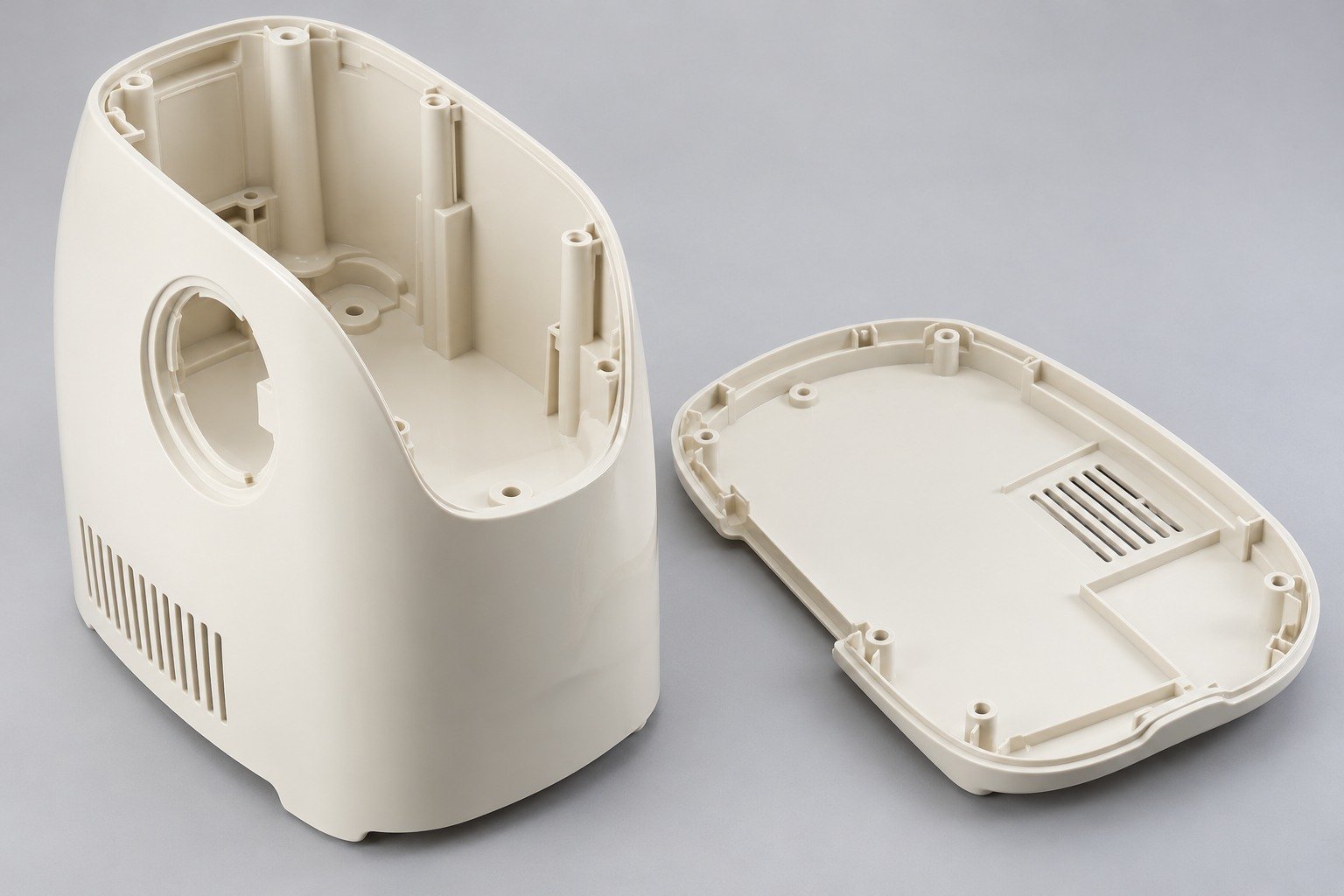
For your ABS machining vs injection molding decision, separate molding pellets from the purchased sheet or rod. A machined prototype can verify fit; it does not validate a molded part’s impact or fire classification.
| Your reference | What to confirm |
|---|---|
| Molding route | Resin, tooling, gate layout and sample purpose |
| CNC stock | Named sheet or rod product and condition |
| Assembly | Datums, threads, seam gap and accepted edges |
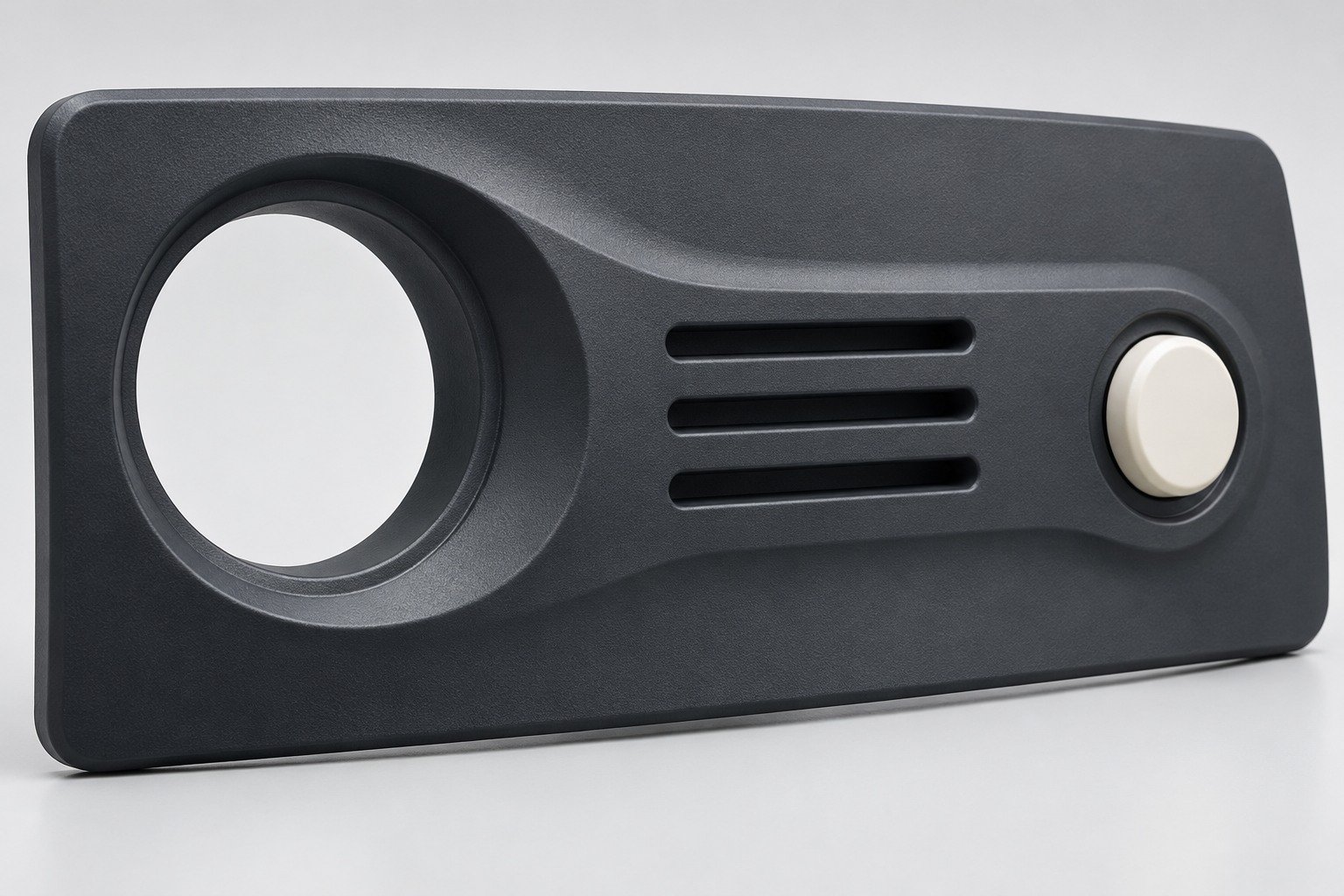
For your custom ABS parts, confirm the exact color code, visible faces, texture and reference sample. Retain material-lot identity and approval for any source, color or formulation change.
| Your reference | What to confirm |
|---|---|
| Material record | Full grade and color; approved alternatives |
| Your appearance | Color, gloss, texture and allowed marks |
| Receiving check | Critical fits, sampling and finished-state records |
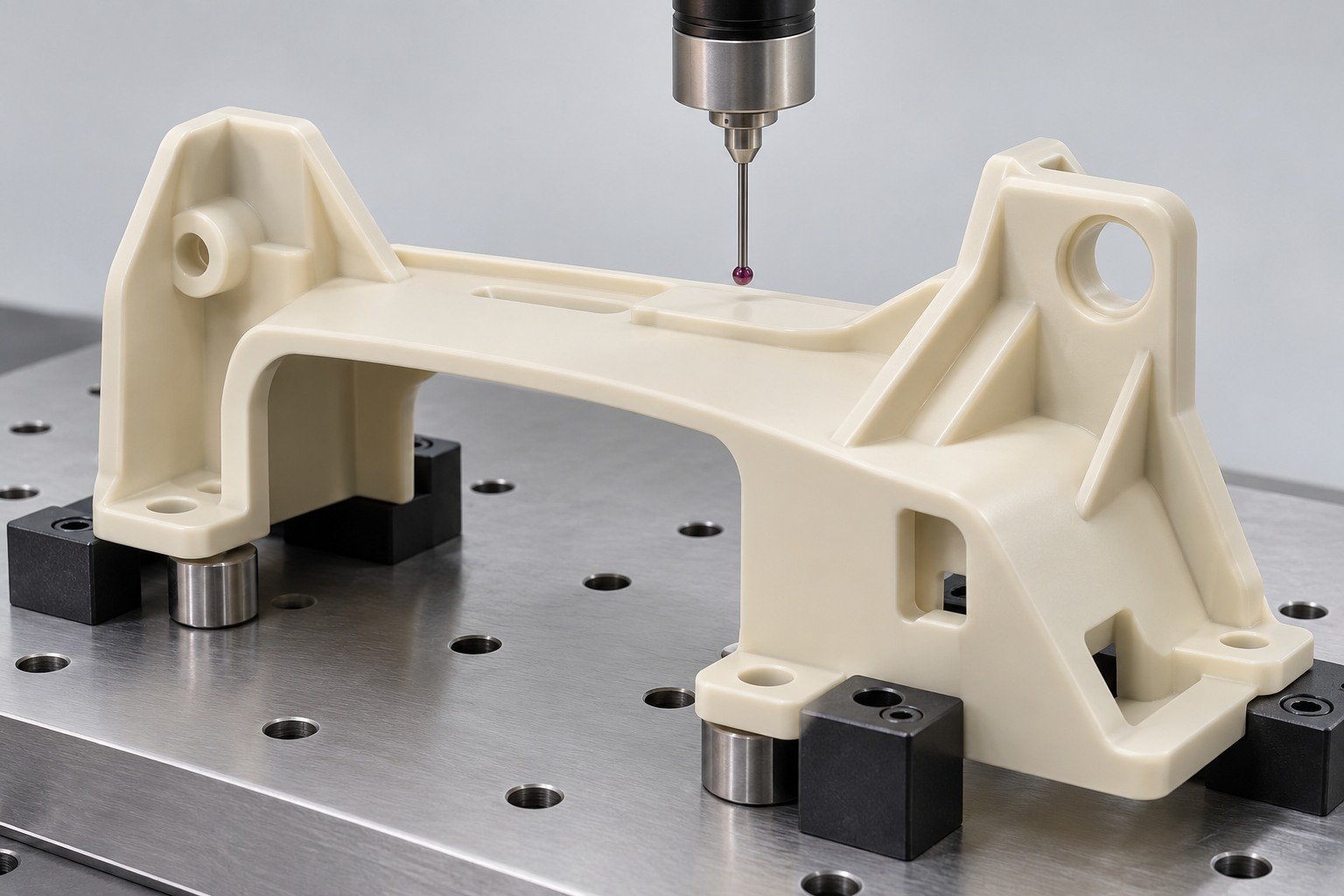
For your high impact ABS molded parts, define the drop or impact conditions and finished geometry. A resin impact test does not establish the performance of your enclosure.
| Your reference | What to confirm |
|---|---|
| Manufacturer | INEOS Styrolution |
| Material family | ABS — acrylonitrile butadiene styrene |
| Primary route | Injection molding resin |
| Your review | Grade, color, appearance and final fit |
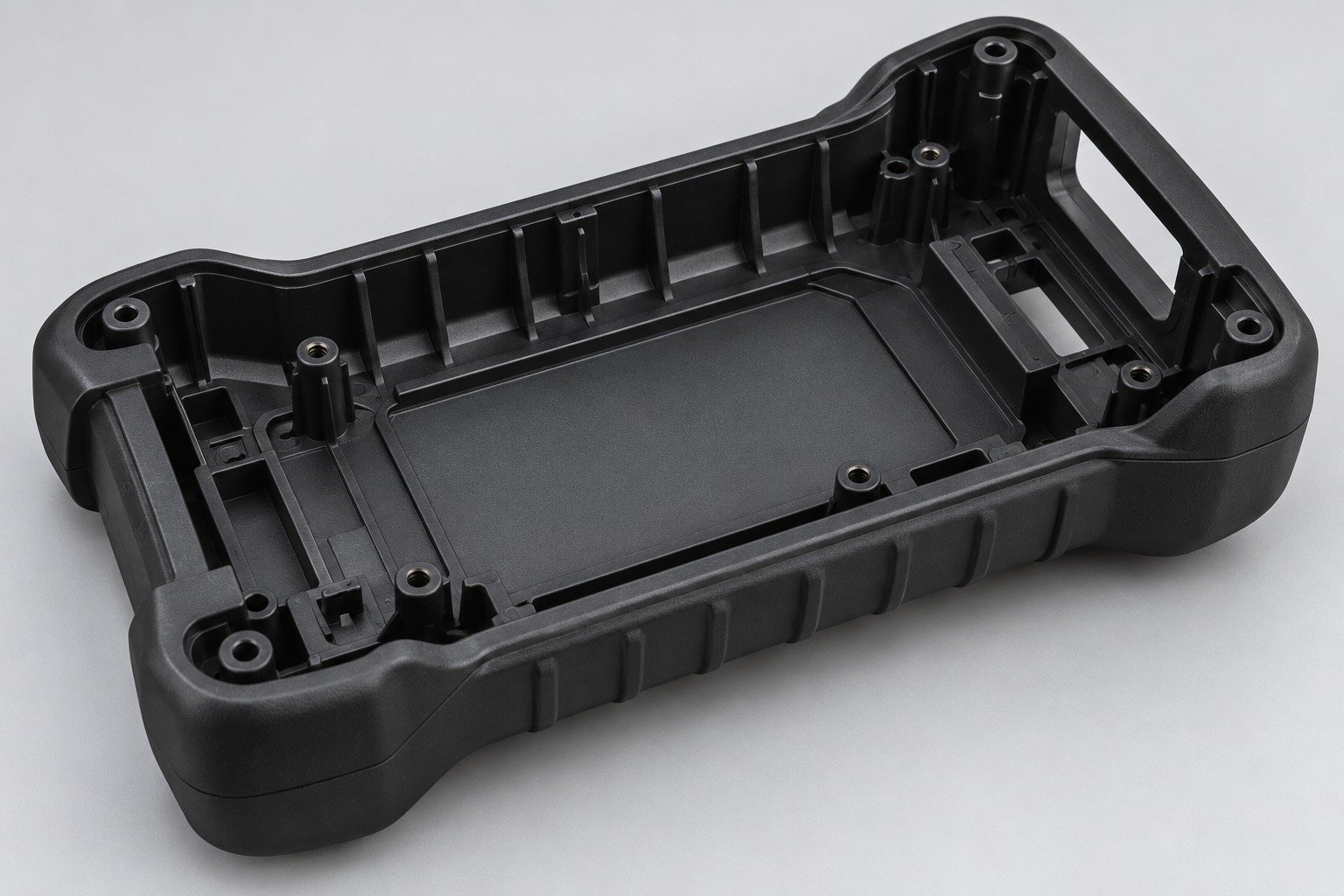
For your Terluran HI-10 injection molding, retain the current supplier datasheet, test method and specimen conditions. Review impact and flow separately; published resin data is not your finished-part acceptance report.
| Your reference | What to confirm |
|---|---|
| Flow metric | MVR and MFR are different quantities |
| Impact evidence | Method, notch, temperature and specimen |
| Your approval | Part geometry and application-specific test |
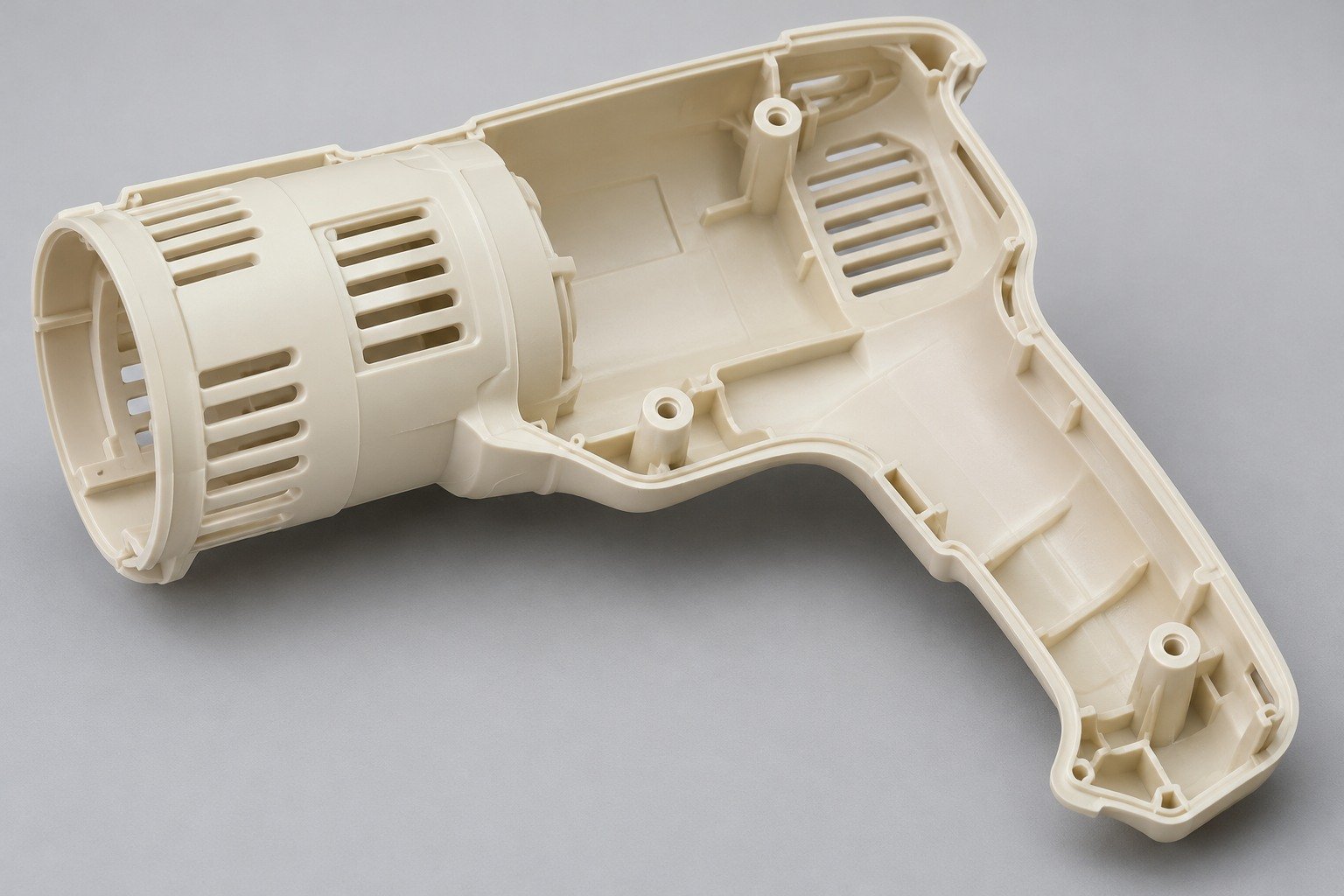
For your ABS machining vs injection molding decision, separate molding pellets from the purchased sheet or rod. A machined prototype can verify fit; it does not validate a molded part’s impact or fire classification.
| Your reference | What to confirm |
|---|---|
| Molding route | Resin, tooling, gate layout and sample purpose |
| CNC stock | Named sheet or rod product and condition |
| Assembly | Datums, threads, seam gap and accepted edges |
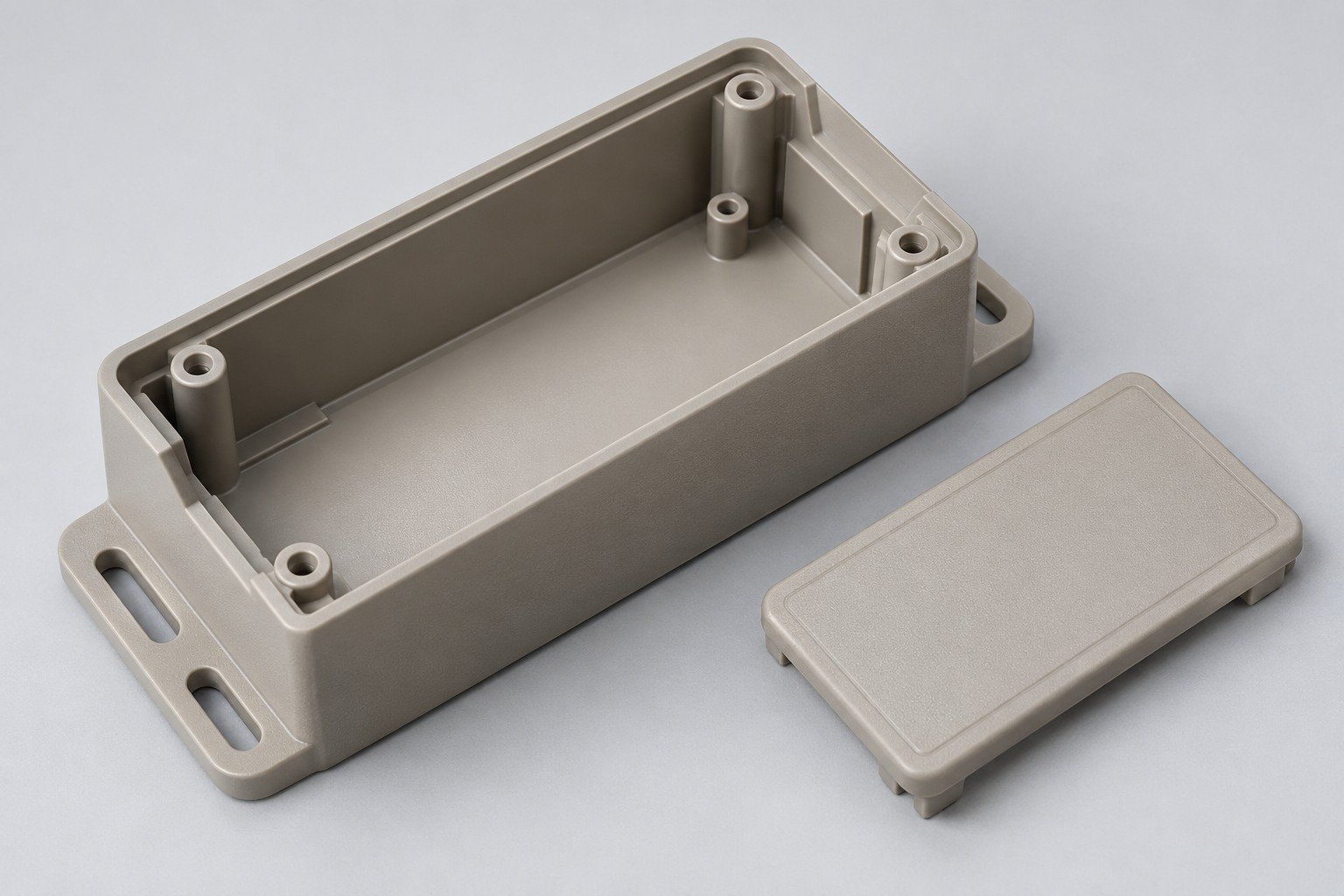
For your custom ABS parts, confirm the exact color code, visible faces, texture and reference sample. Retain material-lot identity and approval for any source, color or formulation change.
| Your reference | What to confirm |
|---|---|
| Material record | Full grade and color; approved alternatives |
| Your appearance | Color, gloss, texture and allowed marks |
| Receiving check | Critical fits, sampling and finished-state records |
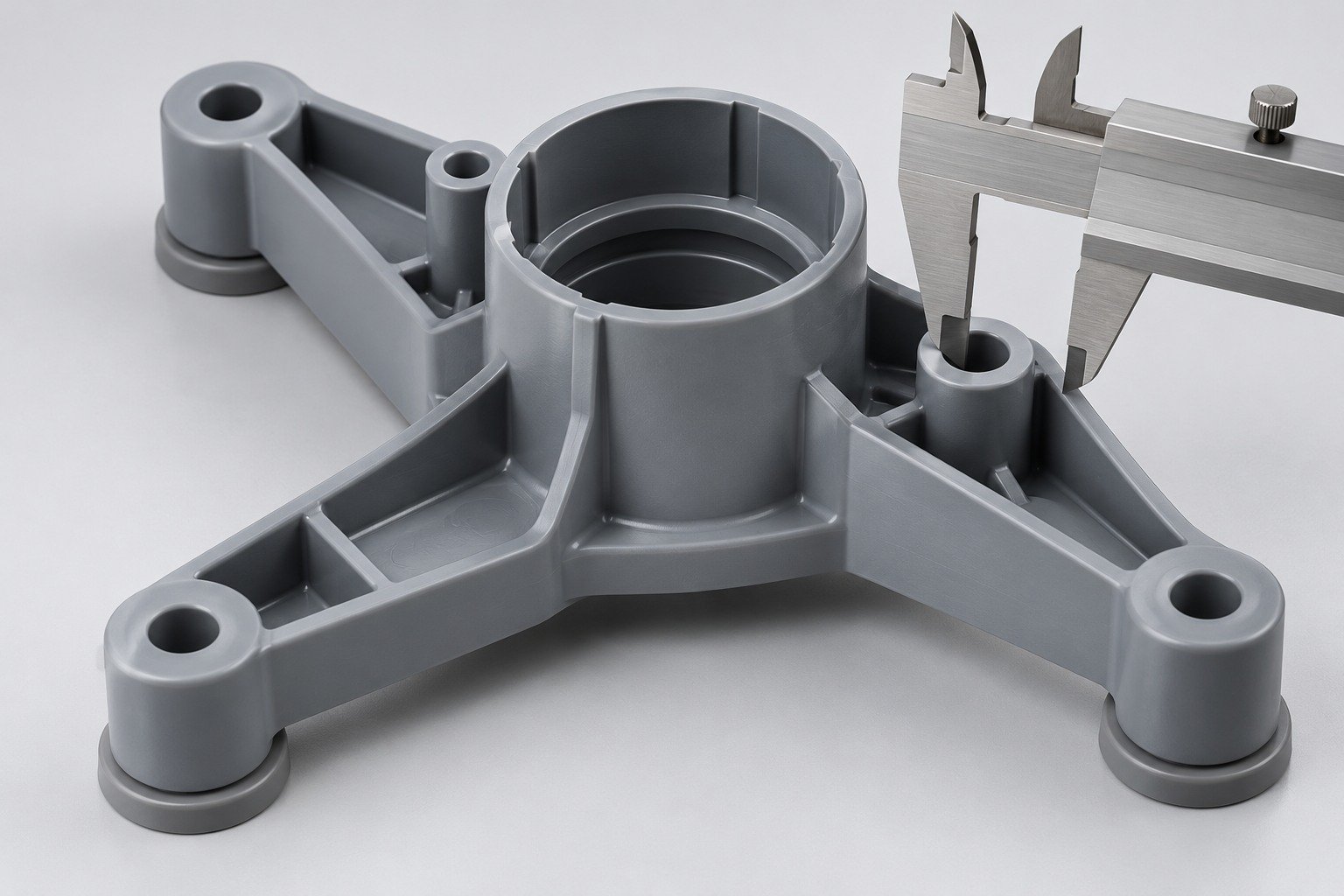
For your high flow ABS injection molding review, connect flow length, wall transitions and gates. Higher melt-volume rate is not a universal strength or quality score.
| Your reference | What to confirm |
|---|---|
| Manufacturer | INEOS Styrolution |
| Material family | ABS — acrylonitrile butadiene styrene |
| Primary route | Injection molding resin |
| Your review | Grade, color, appearance and final fit |
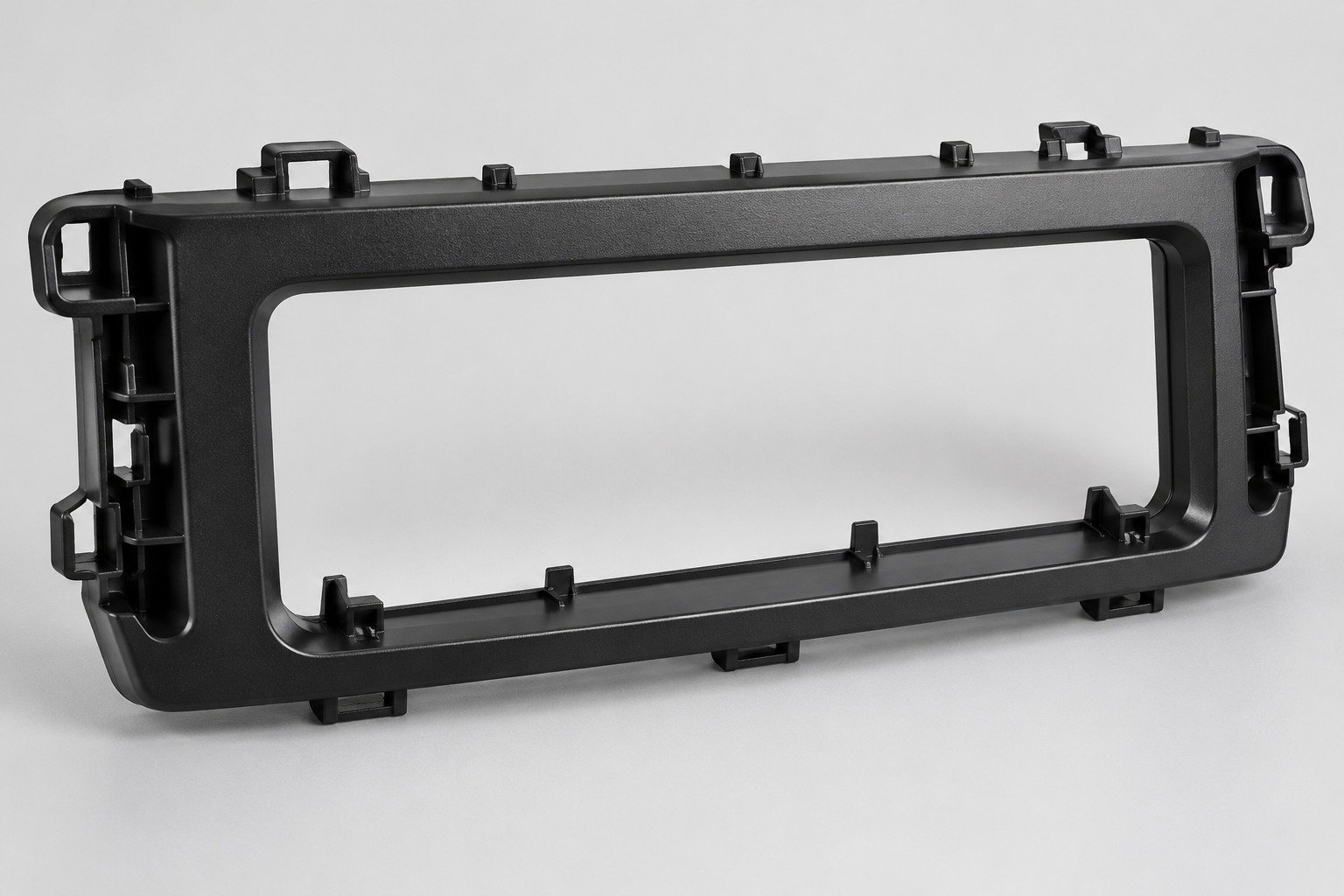
For your Terluran GP-35 molded parts, retain the current supplier datasheet, test method and specimen conditions. Review impact and flow separately; published resin data is not your finished-part acceptance report.
| Your reference | What to confirm |
|---|---|
| Flow metric | MVR and MFR are different quantities |
| Impact evidence | Method, notch, temperature and specimen |
| Your approval | Part geometry and application-specific test |
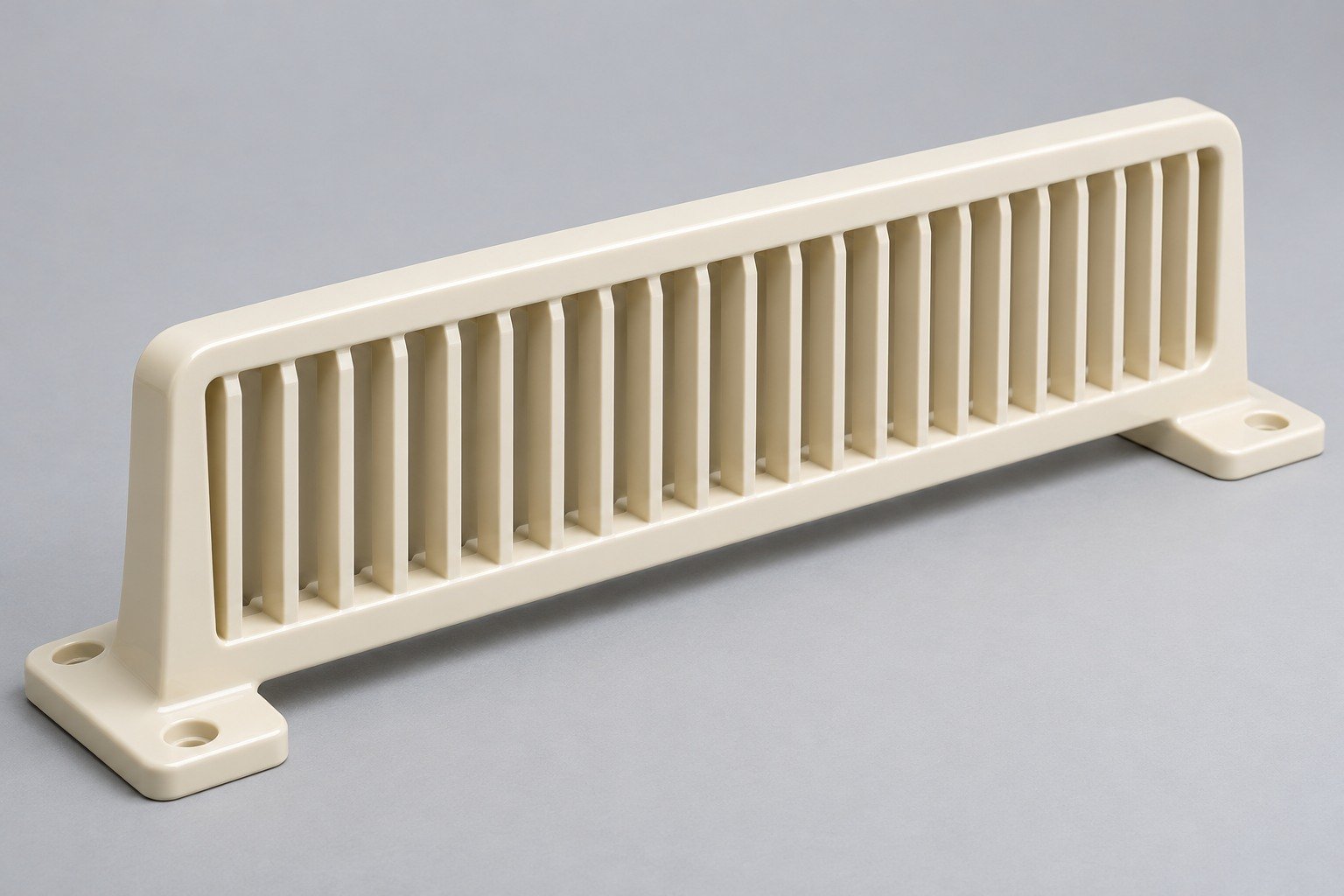
For your ABS machining vs injection molding decision, separate molding pellets from the purchased sheet or rod. A machined prototype can verify fit; it does not validate a molded part’s impact or fire classification.
| Your reference | What to confirm |
|---|---|
| Molding route | Resin, tooling, gate layout and sample purpose |
| CNC stock | Named sheet or rod product and condition |
| Assembly | Datums, threads, seam gap and accepted edges |
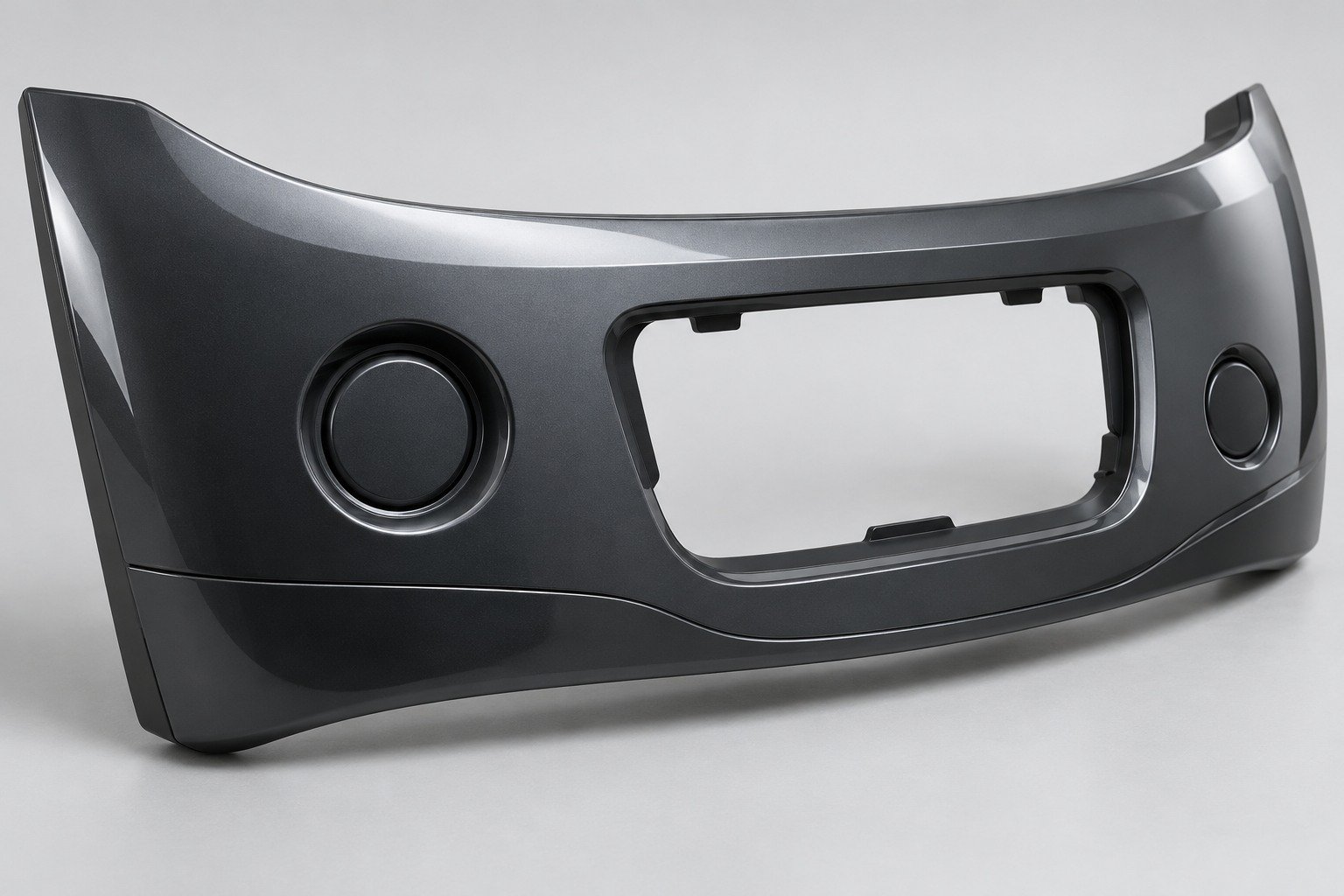
For your custom ABS parts, confirm the exact color code, visible faces, texture and reference sample. Retain material-lot identity and approval for any source, color or formulation change.
| Your reference | What to confirm |
|---|---|
| Material record | Full grade and color; approved alternatives |
| Your appearance | Color, gloss, texture and allowed marks |
| Receiving check | Critical fits, sampling and finished-state records |
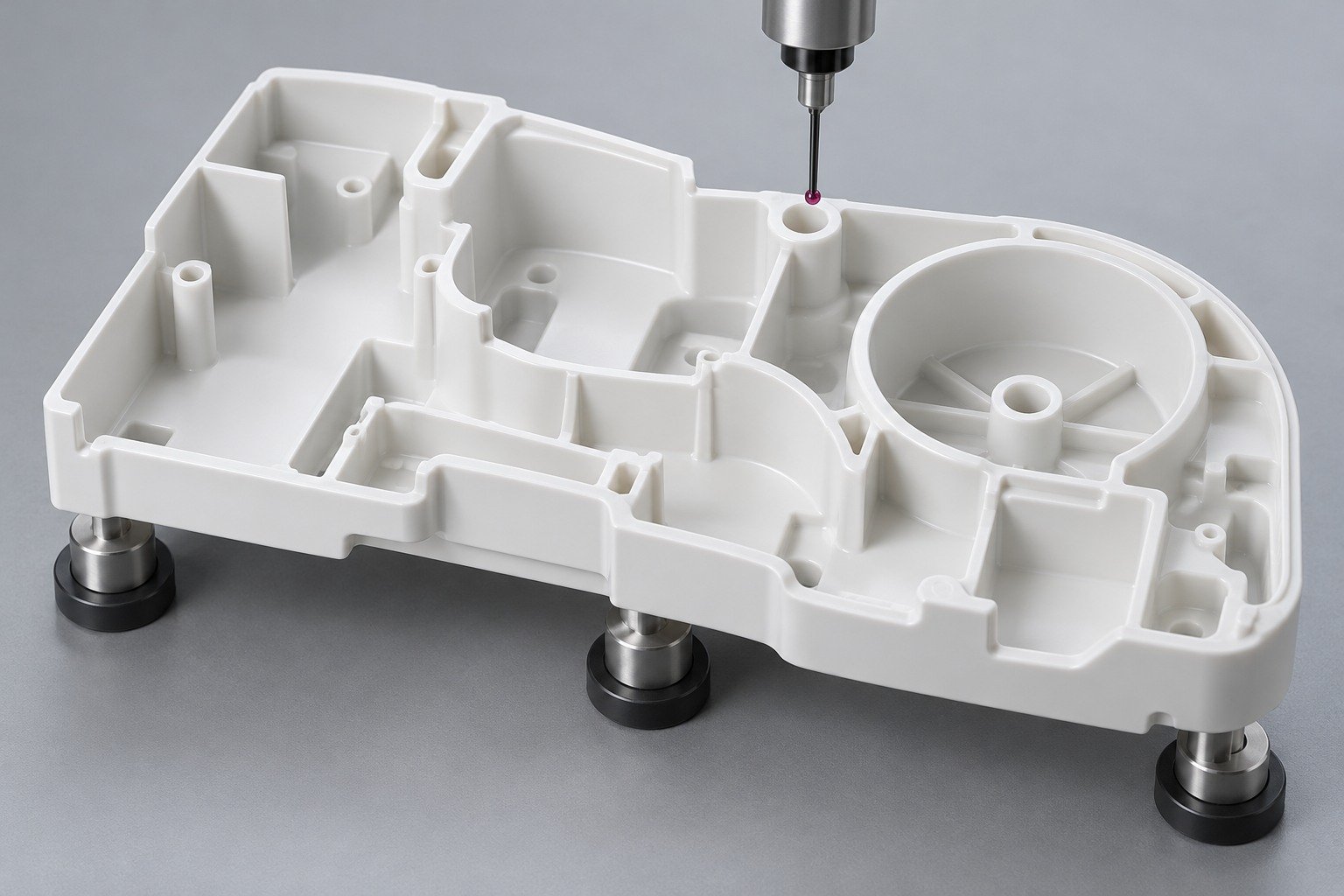
Same manufacturer, metric and test conditions. These typical references help your material review; they are not a material analysis of the illustrated parts.
220°C / 10 kg · ISO 1133 · cm³/10 min
23°C · ISO 179/1eA · kJ/m²
INEOS Styrolution 2026 EMEA portfolio, printed page 41. Typical resin references; confirm current grade/color records. MVR is not MFR. These are not design allowables or guaranteed finished-part performance.
Read the matching manufacturer dataset →8 additional grades in 6 review groups. Supply, processing scope and suitability are confirmed for your project.
For your PA-717C injection molding or PA-747 molded parts, define impact resistant ABS parts around the actual loading, geometry and acceptance test.
For your PA-756 injection molding or thin wall ABS molding review, identify wall transitions, flow path and allowed cosmetic marks.
For your heat resistant ABS injection molding and PA-777D molded parts, specify temperature, duration and applied load. A short-term test is not a continuous-use guarantee.
For your flame retardant ABS enclosure molding or PA-765A injection molding, match grade, color and wall thickness to current recognition records.
For your electroplating grade ABS parts or PA-727 injection molding, agree preparation, plating adhesion, appearance and dimensions after the complete finish route.
For your ABS profile extrusion, Terluran SP-6 extrusion or custom ABS profiles, confirm resin plus section specification, cut length and finished checks. Custom ABS extruded parts need their own approval.
Related, not equivalent: PC/ABS blends, ASA, MABS and ABS-like printing resins. Keep each material identity and process specification separate.
| Component / name | What your order needs |
|---|---|
| Acrylonitrile | One constituent of the ABS polymer family |
| Butadiene | Rubber phase in the ABS material system |
| Styrene | One constituent of the ABS polymer family |
| Composition percentages | Grade-specific formulation; no universal wt.% assigned here |
| European procurement | ABS / acrylonitrile butadiene styrene + manufacturer + exact trade grade + color |
POLYLAC PA-757 and Terluran GP-22 are commercial grades, not automatically equivalent EN/DIN metal designations. Your composition or material analysis report needs an agreed method, lot identity and actual supplier evidence.
Resin pellets, CNC stock and an extruded profile are different purchasing specifications.
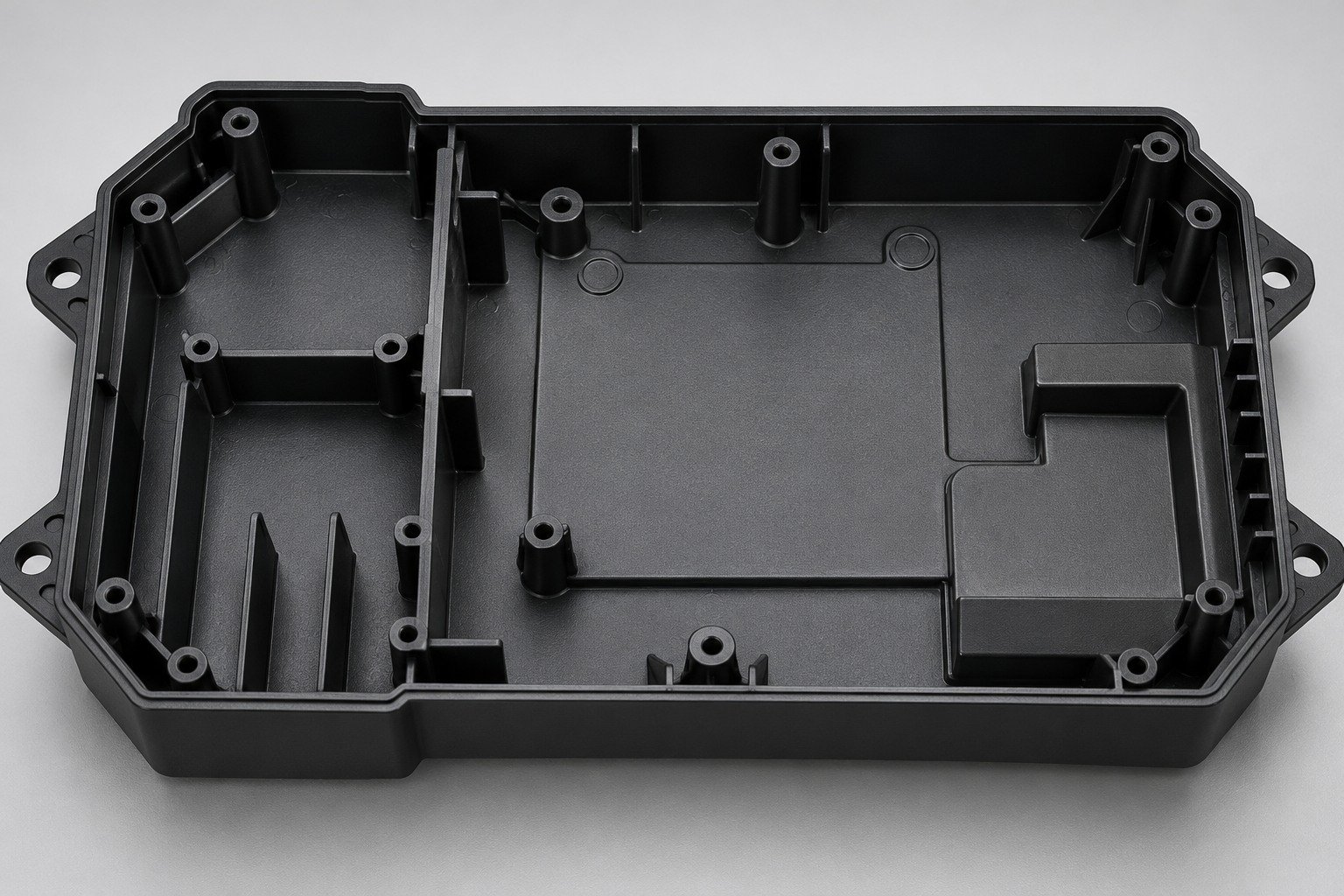
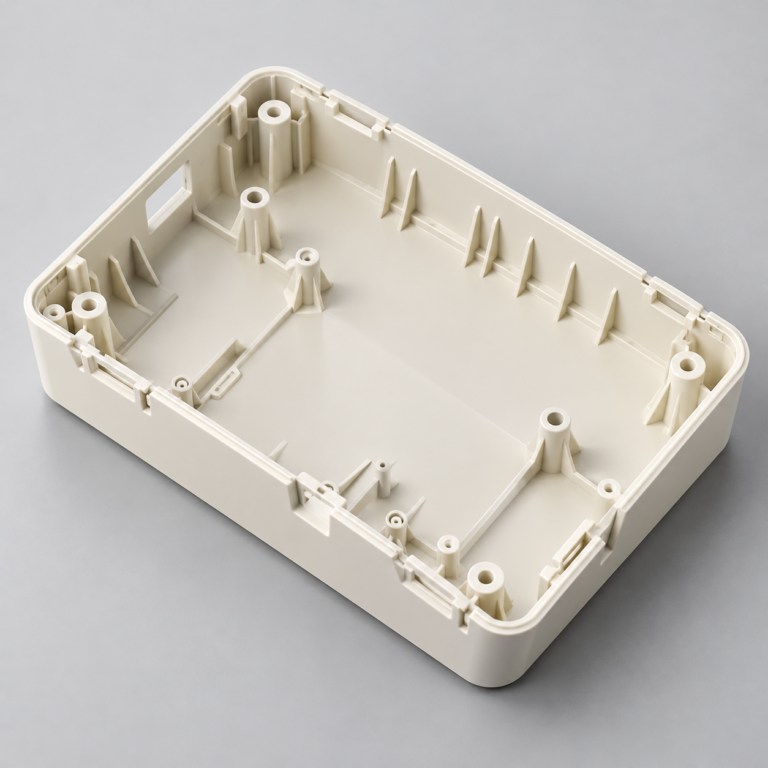
For your custom ABS enclosures, review tooling, shrinkage, boss design, assembly torque and the approved appearance sample.
Explore molding →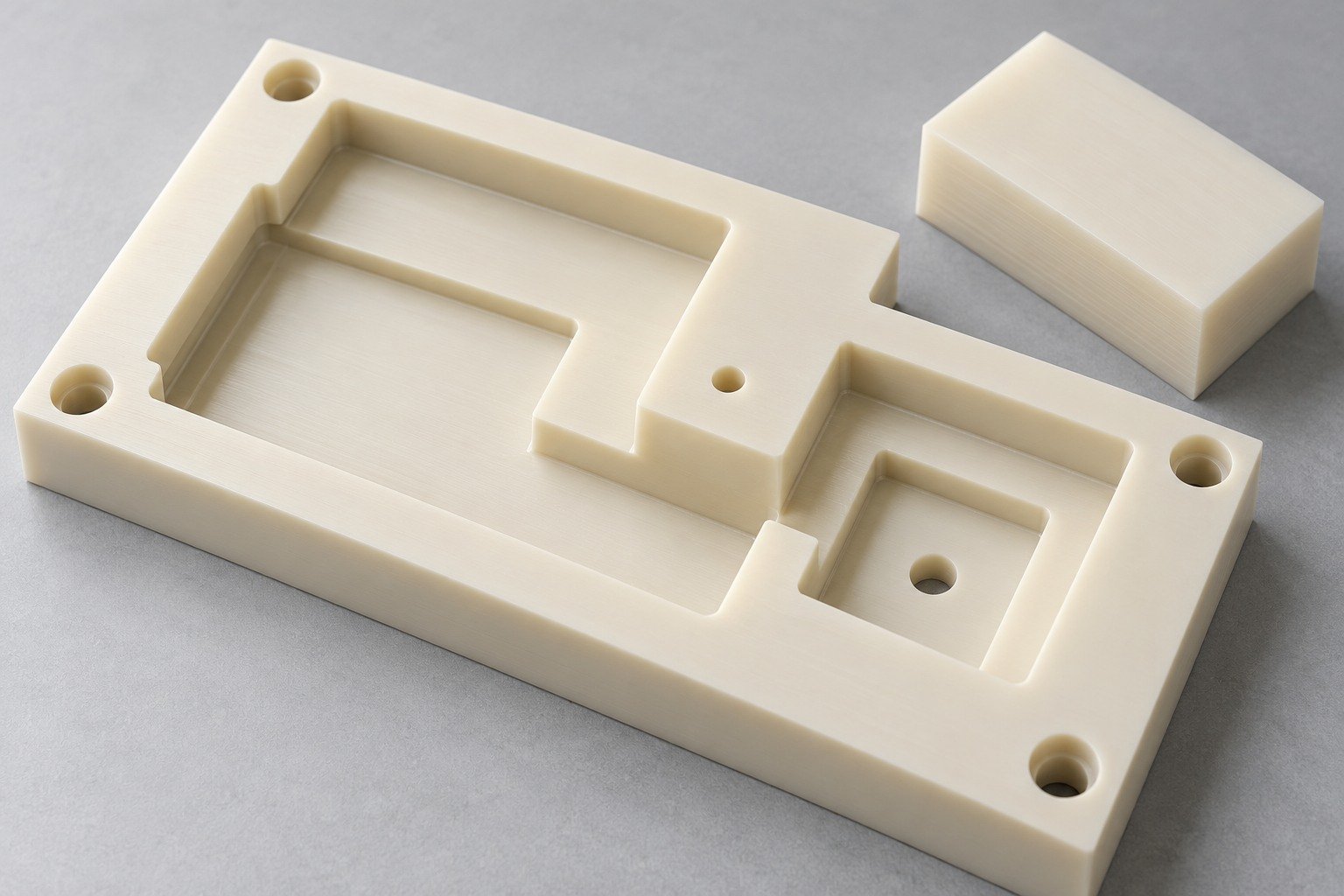
Confirm the actual stock product, support, critical fits and cosmetic faces. Compare prototype purpose with production needs.
Explore machining →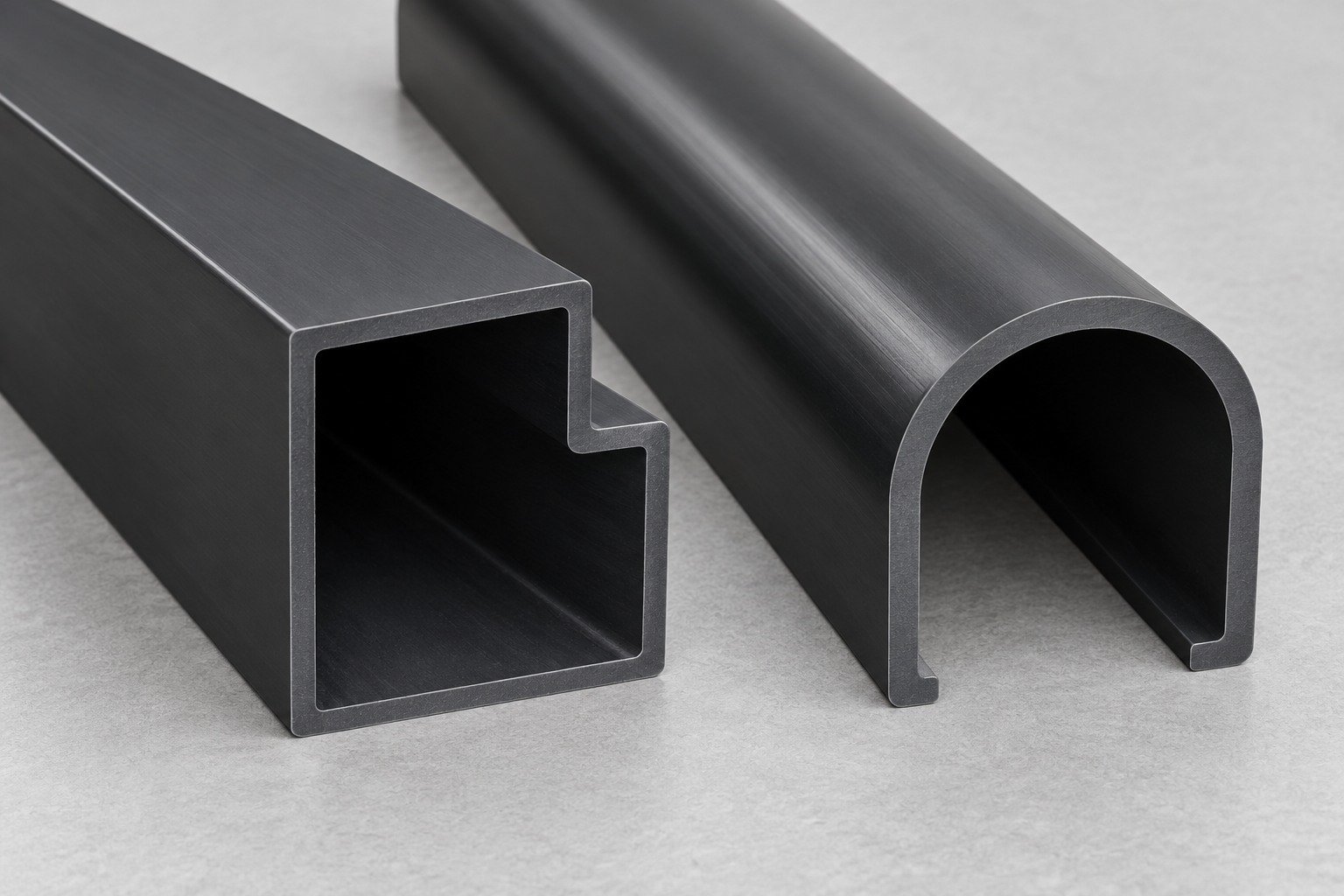
Agree resin, cross-section, wall geometry, cut lengths and receiving checks.
Explore extrusion →A machined or printed prototype does not establish impact or fire performance for a molded production part. Service suitability and material supply require project review.
Temperature, impact, cleaning fluids, UV and assembly stress.
Color, texture, sink limits, screw bosses, threads and seam gap.
Material identity, current recognition scope and approved production-route sample.
CHIMEI lists PA-765A in its TBBA series. Do not describe it as halogen-free. Current material recognition and finished-product approval are separate decisions.
Check the manufacturer listing →Not automatically. Confirm manufacturer, full grade, color, product form and your finished-part requirements. Obtain drawing-authority approval before changing source or formulation.
No. Match the exact grade, color and thickness to current supplier recognition records. A resin listing does not approve your finished enclosure.
No. Specify the actual sheet, rod or profile product and its supplier evidence. Material family names do not establish stock identity or delivery condition.
No. ABS-like is a performance description used for some printing resins; it does not establish ABS chemistry, manufacturing behavior or equivalent production performance.
Review UV, moisture, temperature, chemicals, coating and service duration for your actual grade. Outdoor exposure may require another material system. For ABS vs PC ABS for enclosures, compare the full grades rather than assuming a blend guarantees outdoor life.
Material and color, stock or tooling, part geometry, cosmetic requirements, process quantities, finishing and inspection affect your quotation. Compare the same drawing revision and acceptance scope.
Material references: CHIMEI · INEOS Styrolution · UL Solutions. Confirm current documents for your exact material and color. Generated concepts are not customer parts, material certification or proof of LK capacity.