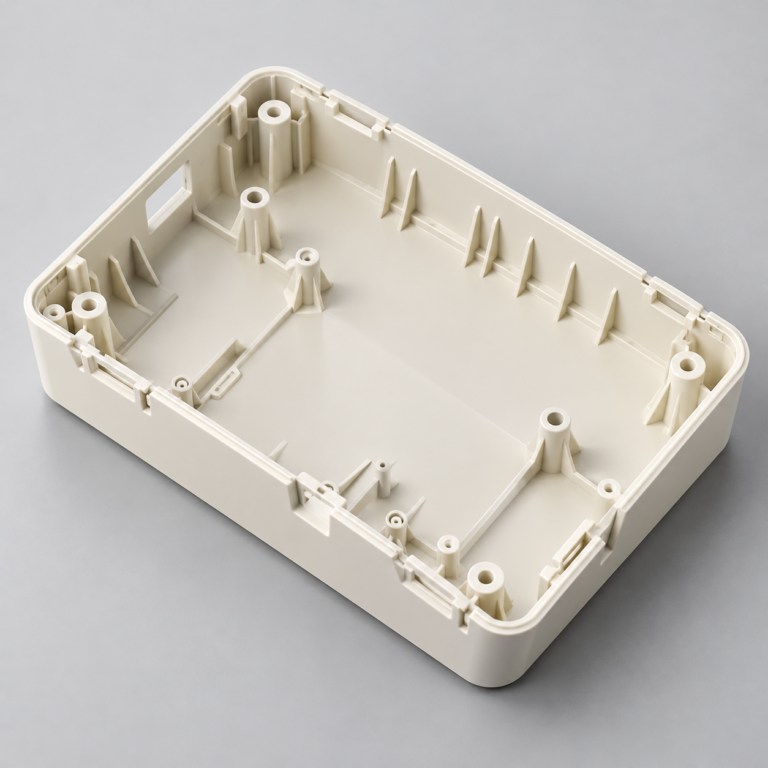
Injection Molding
Tooling and molding for your repeat plastic parts.
From prototype to production, coordinated manufacturing solutions for your custom parts.
View All Services →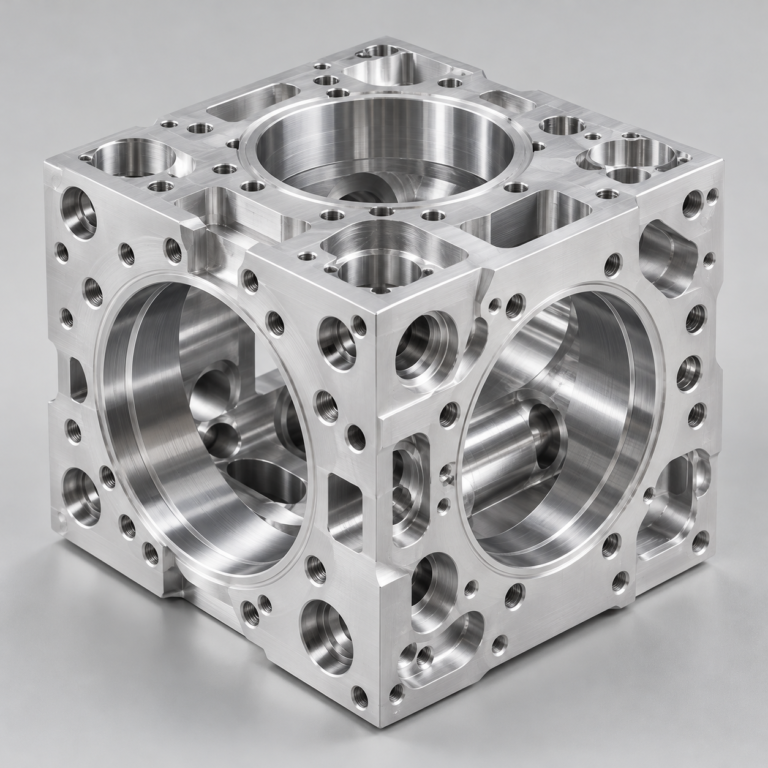
Precision parts for your tight tolerances and complex geometry.
Tooling and molding for your repeat plastic parts.
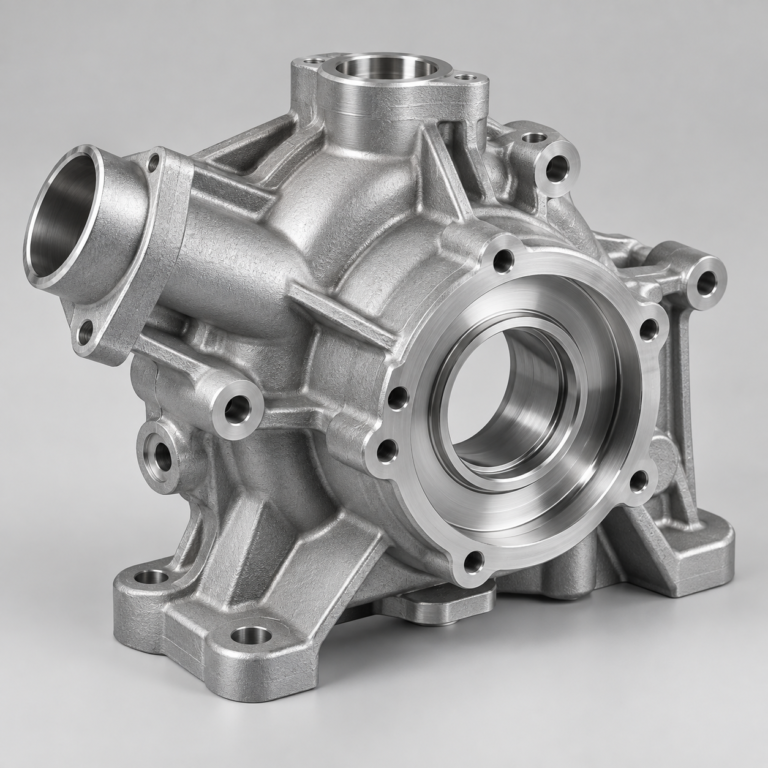
Metal casting options for your part and production volume.
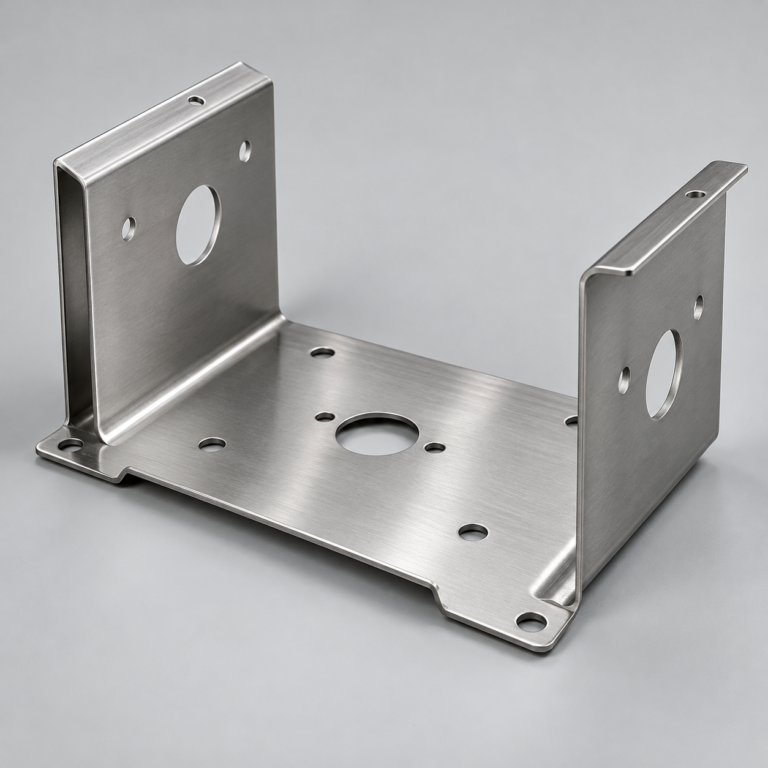
Cutting, forming and welding for your fabricated parts.
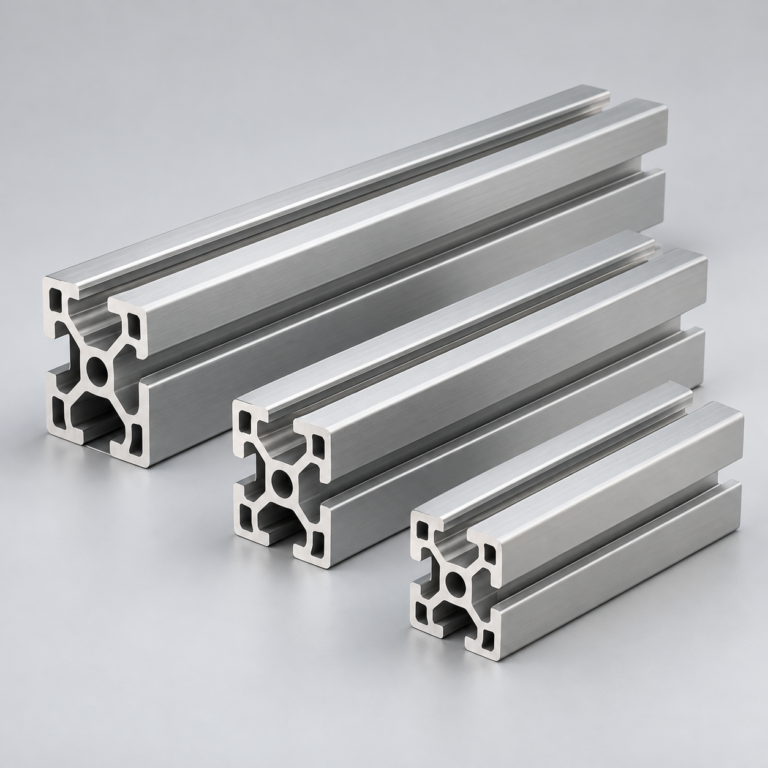
Custom profiles for your section, length and finish requirements.
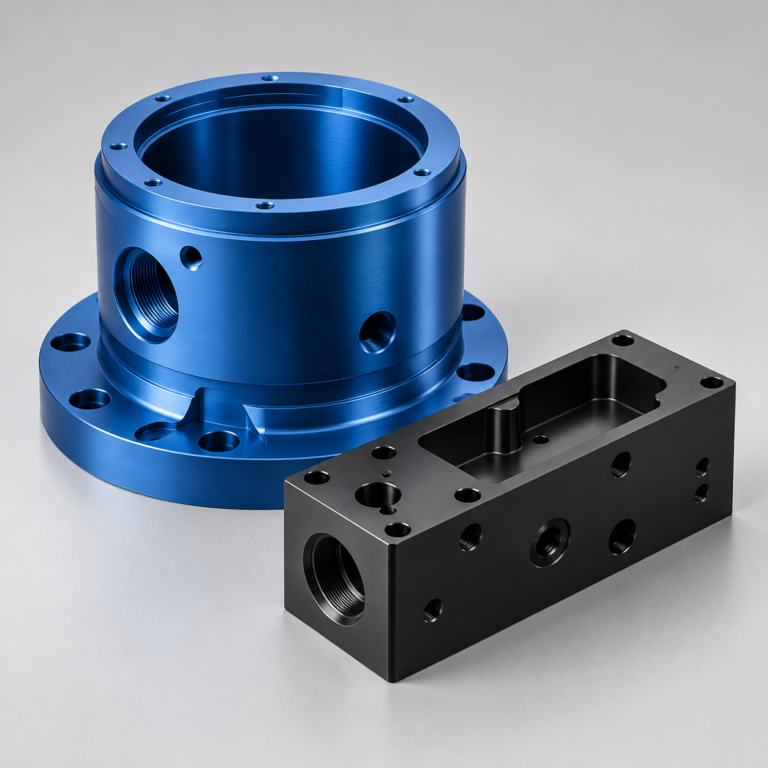
Finishes for your appearance, corrosion and wear requirements.
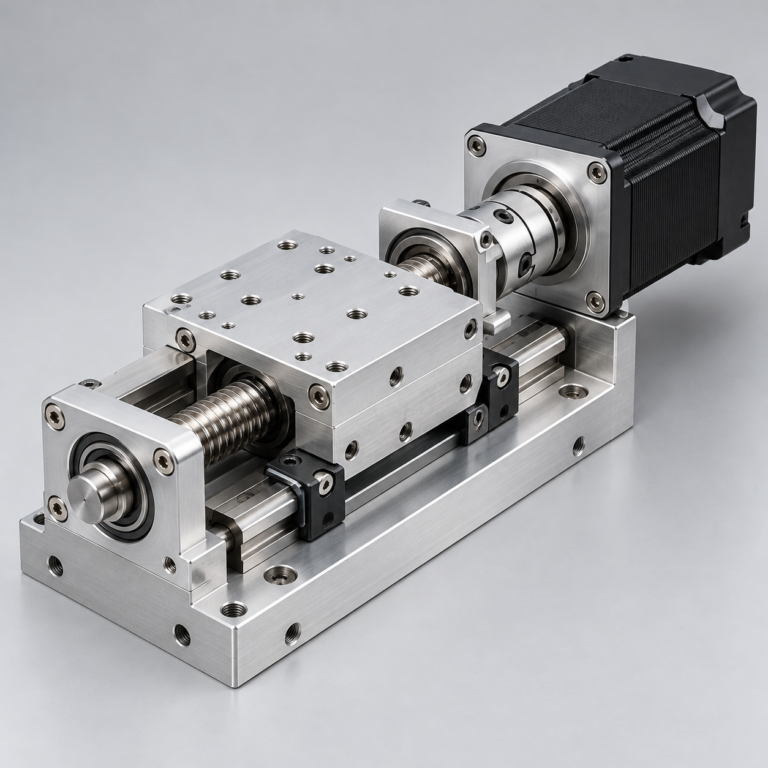
Sub-assemblies and final builds for your production program.
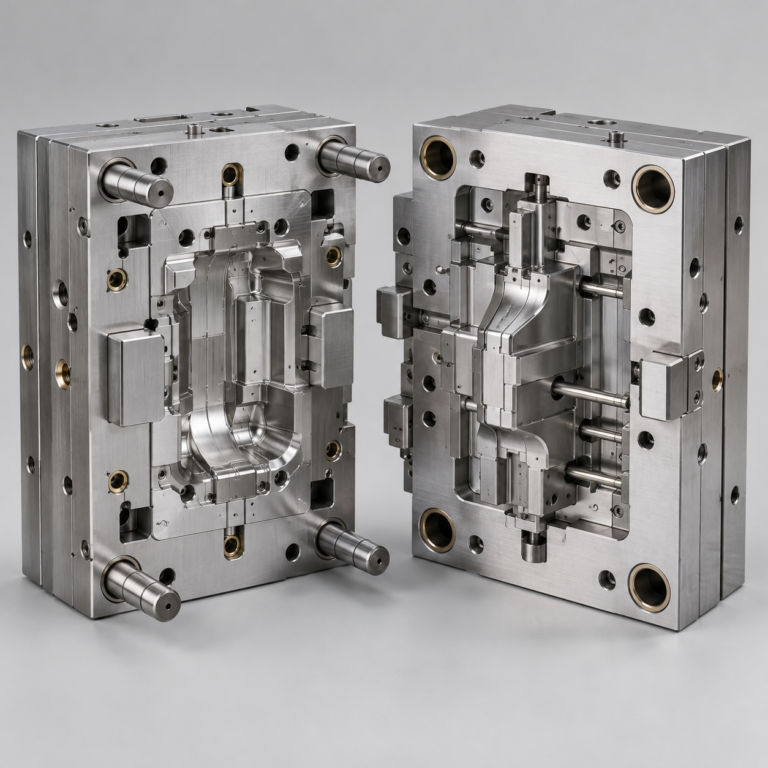
Production tooling built around your process and volume.
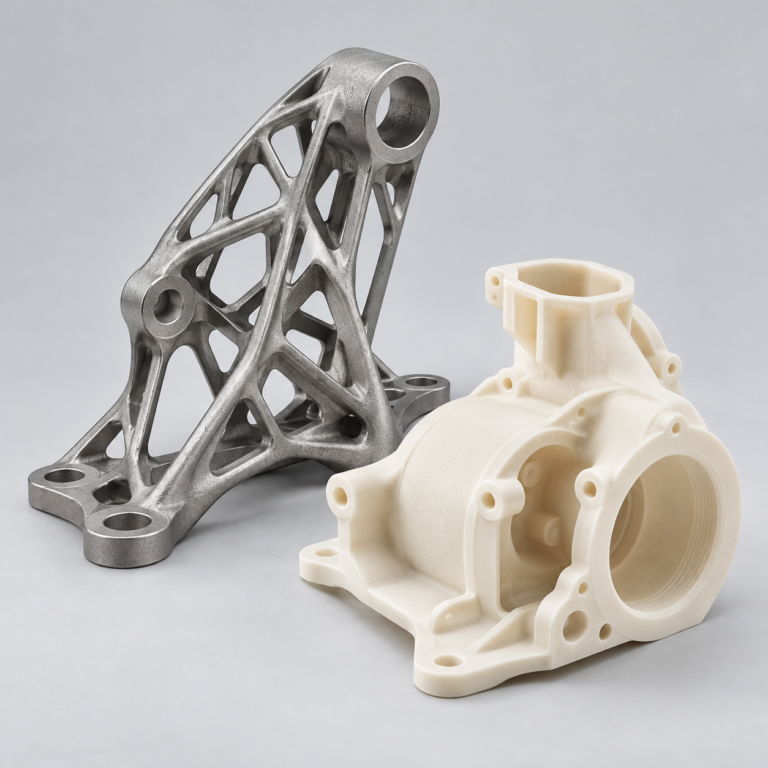
Prototype parts to check fit, function and design.
DFM, process planning and production support for your project.
Inspection, documentation, inventory and delivery planning for your program.
Choose air- or liquid-cooling components around your thermal and mechanical requirements.
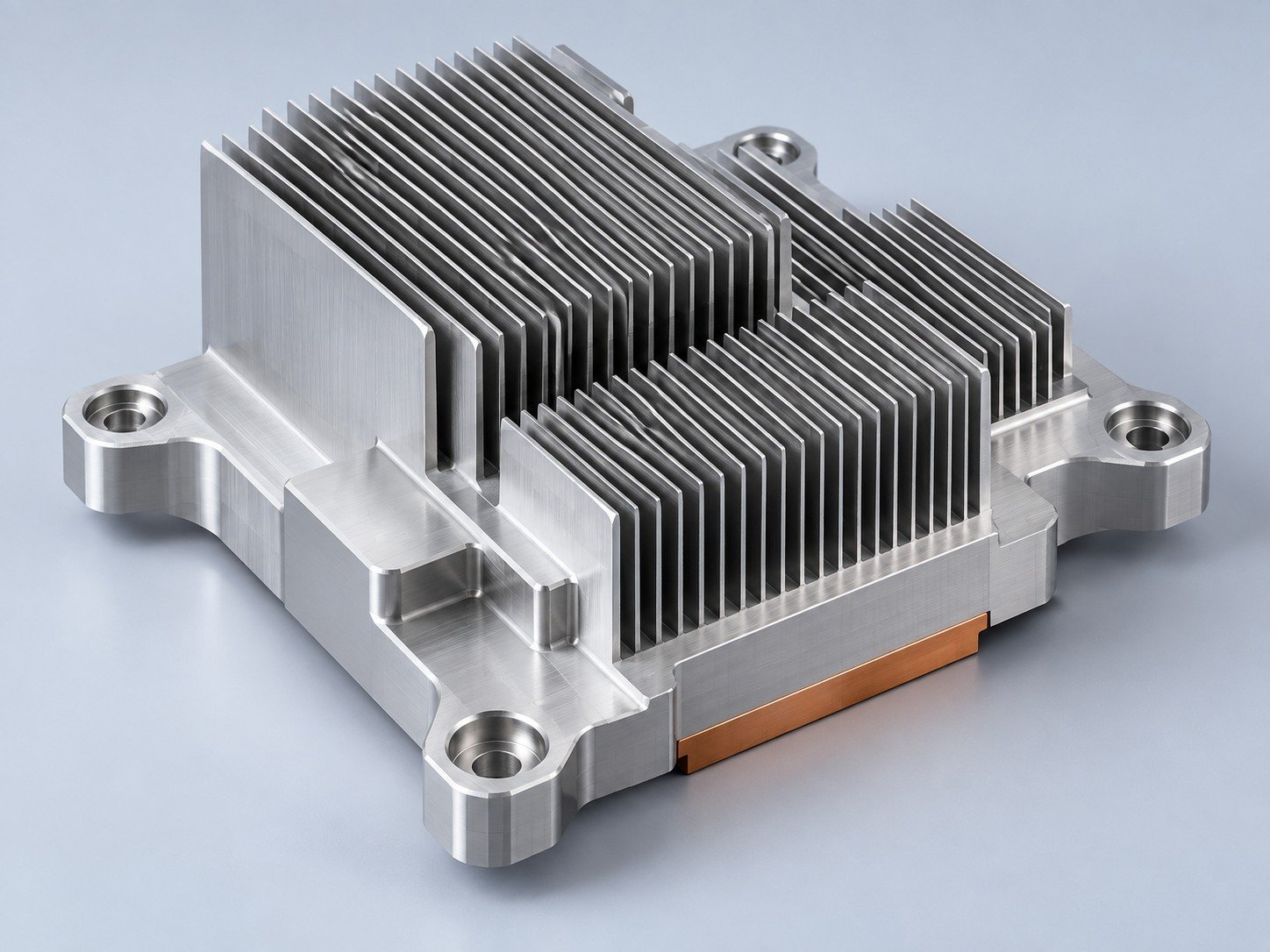
Manufacturing support for your cold plates, manifolds and cooling assemblies.
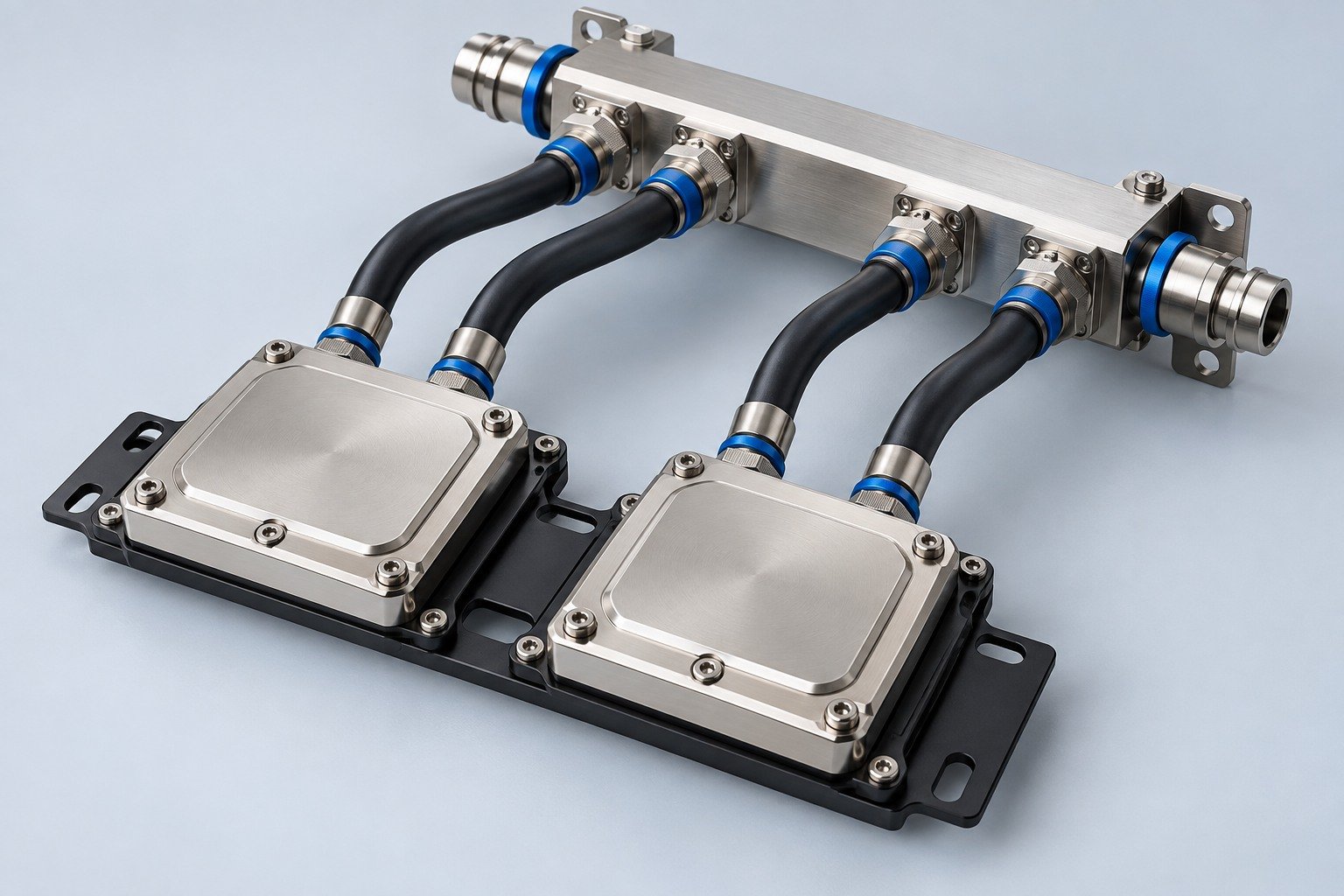
Find components for your power electronics, energy, laser and telecom application.
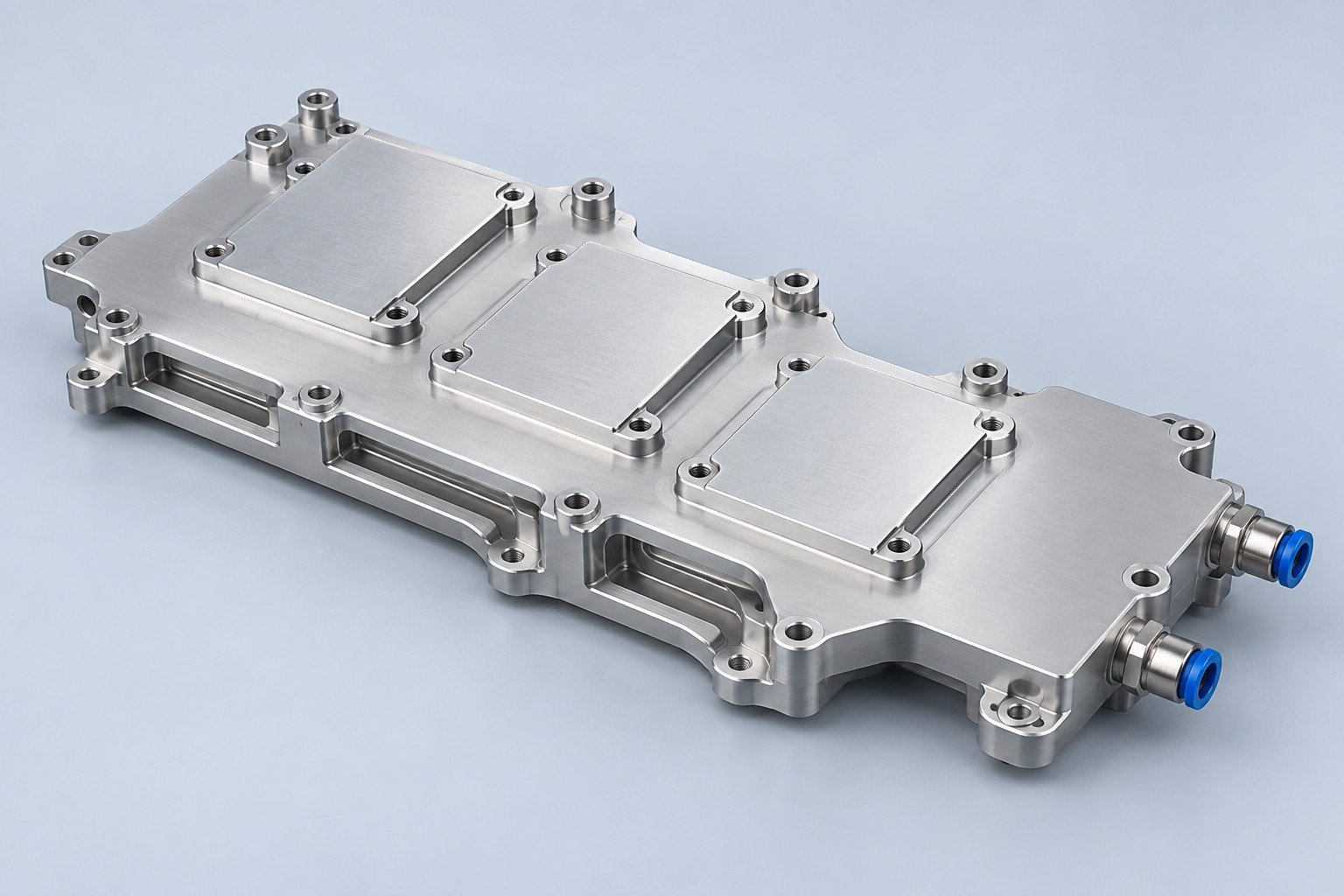
Components for your electronic systems.
Start with your functional and quality requirements.
Build around your operating environment.
From prototype to production, review material performance, manufacturability and cost for your part.
Review grade, temper and finish for your metal parts.
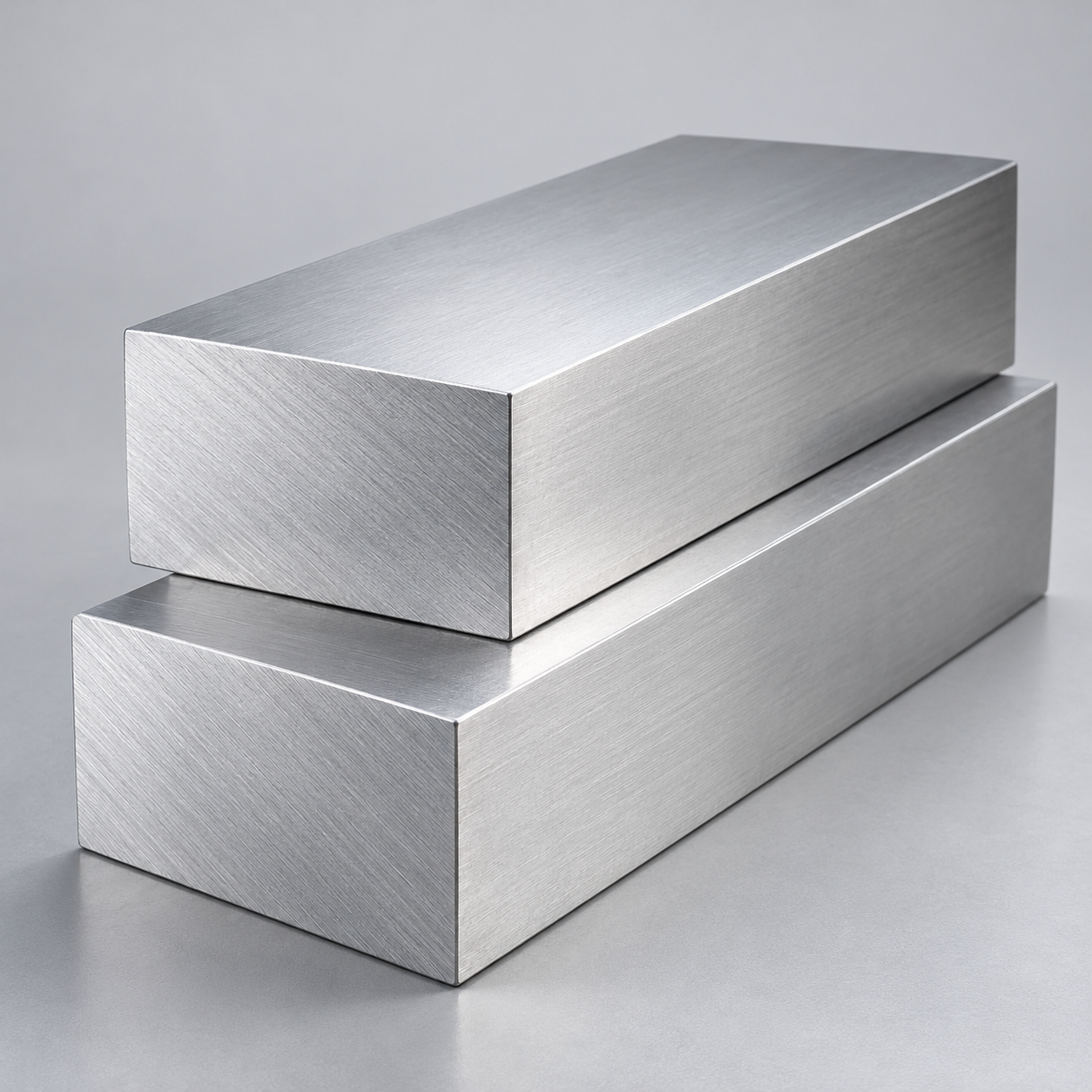 AluminumStrength, weight and machining›
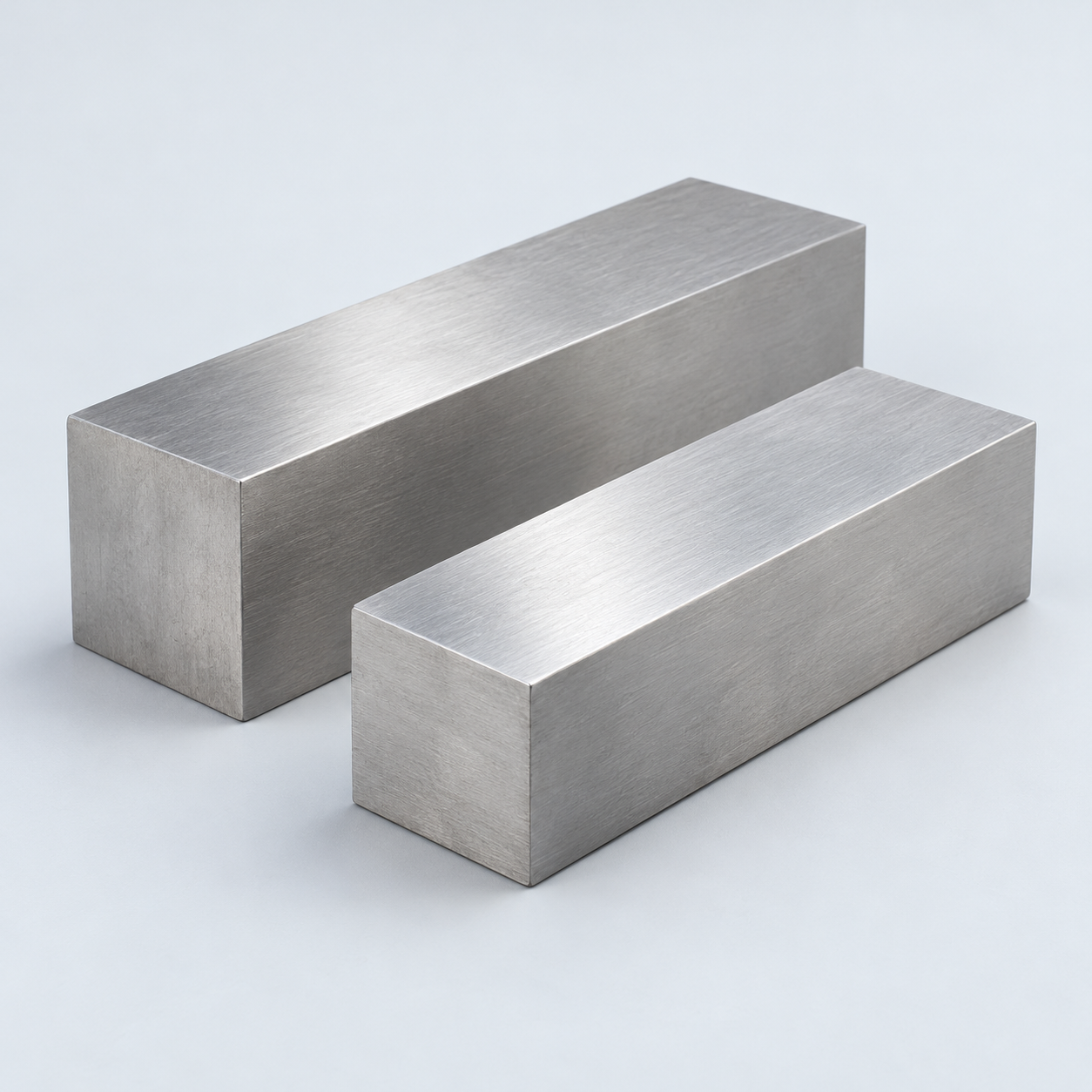 Stainless SteelCorrosion and finish requirements›
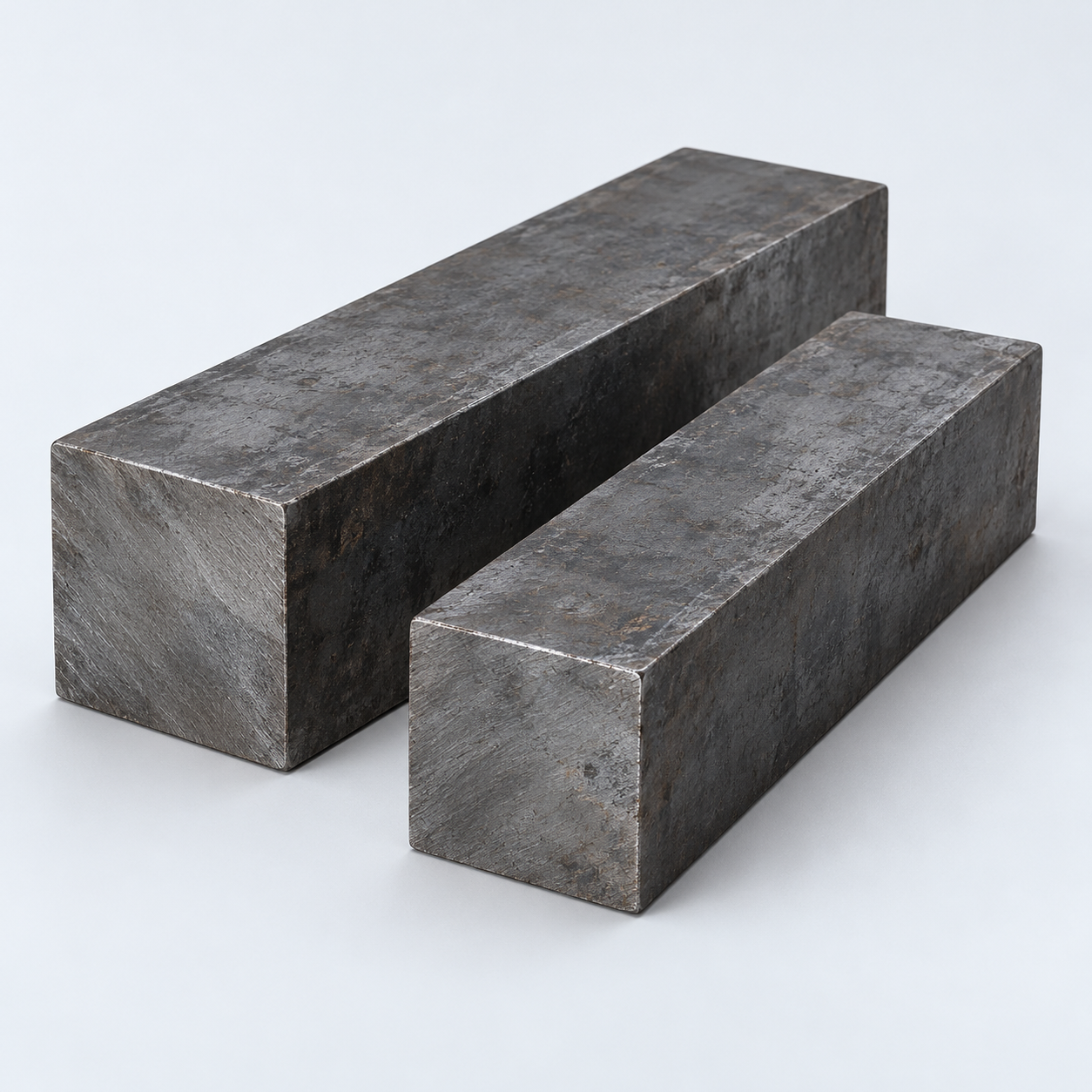 Carbon & Alloy SteelDiscuss grade and heat treatment›
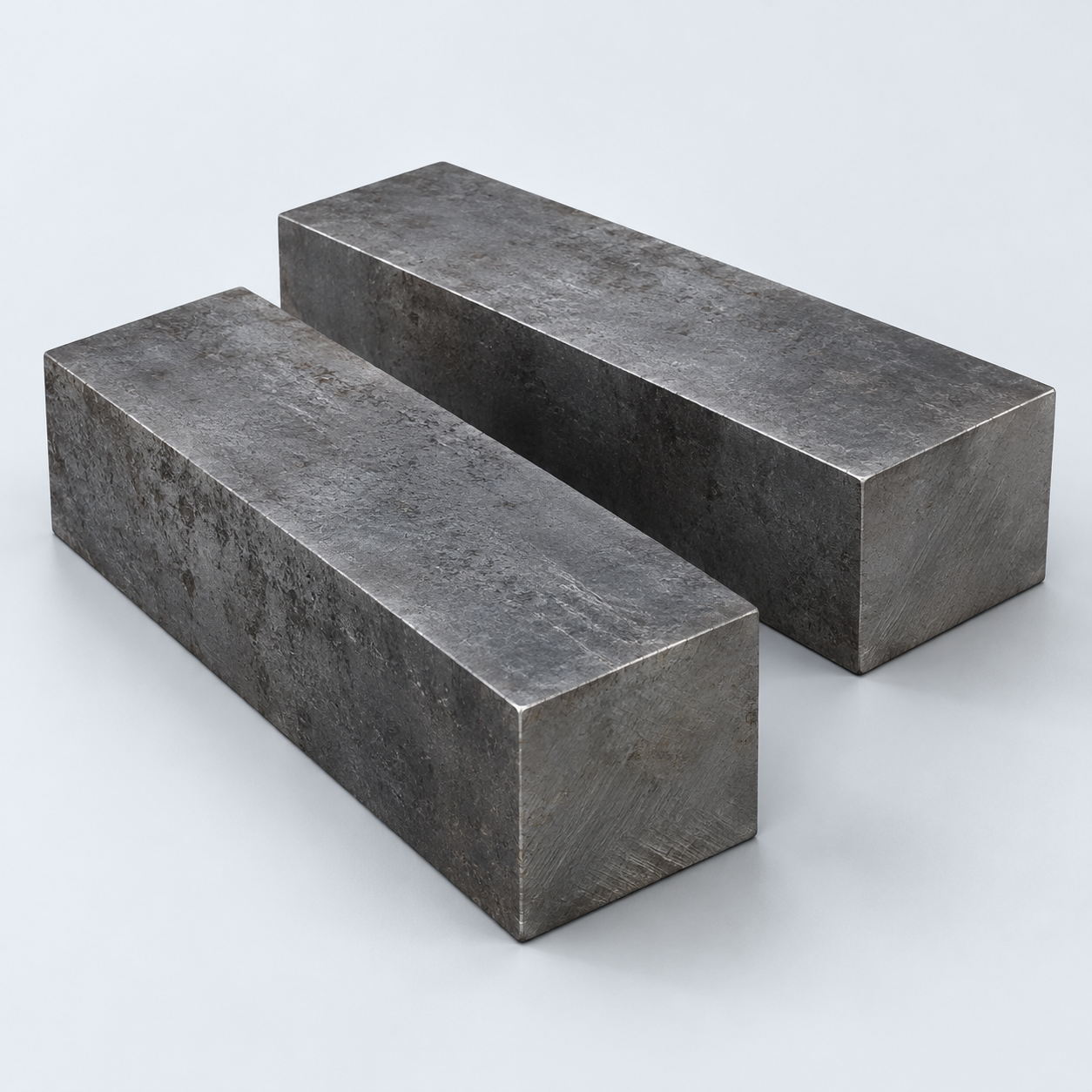 Tool SteelDiscuss tooling and wear needs›
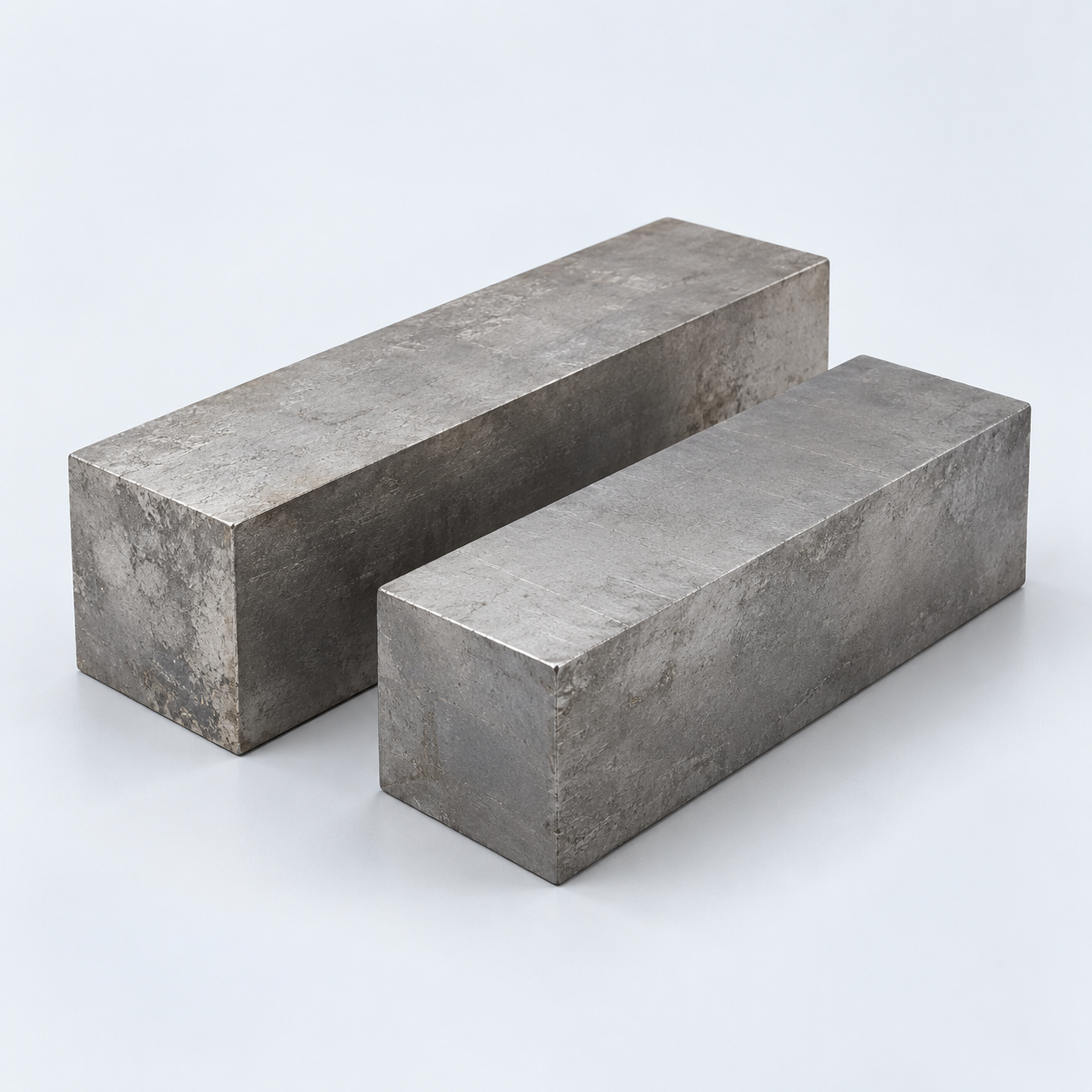 TitaniumReview grade and part geometry›
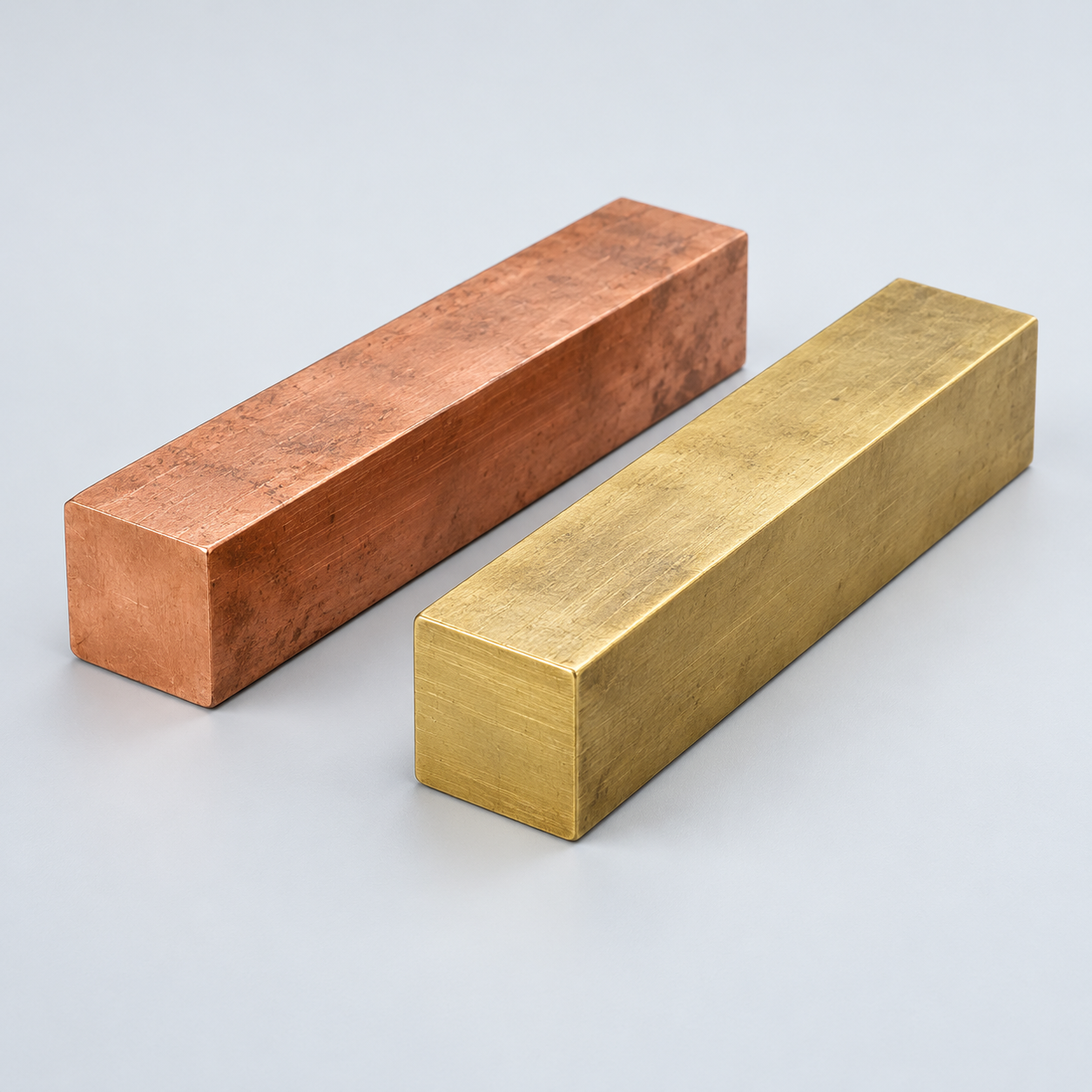 Copper & BrassDiscuss conductivity and machining›
Match your polymer to function, process and environment.
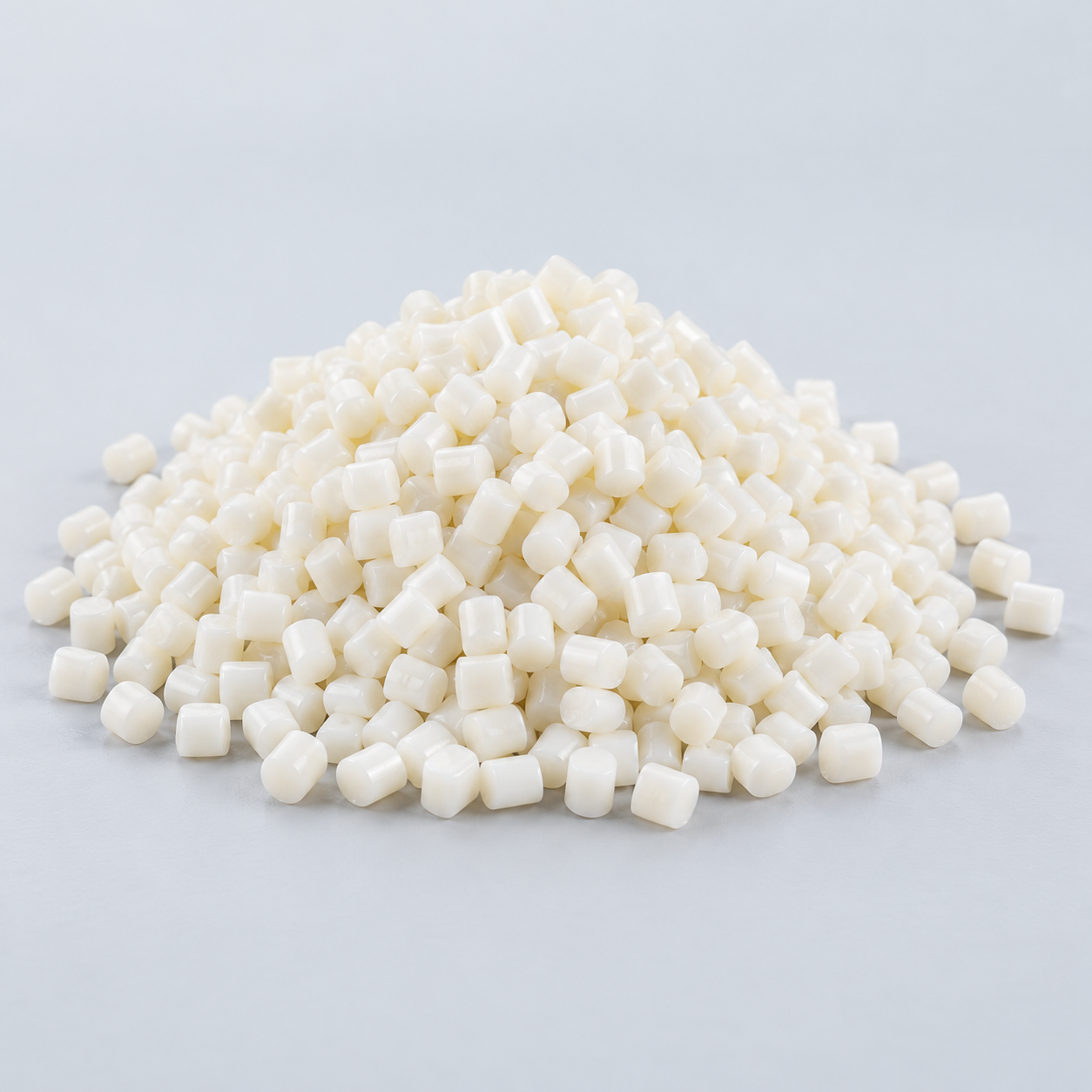 ABSReview enclosure and molding needs›
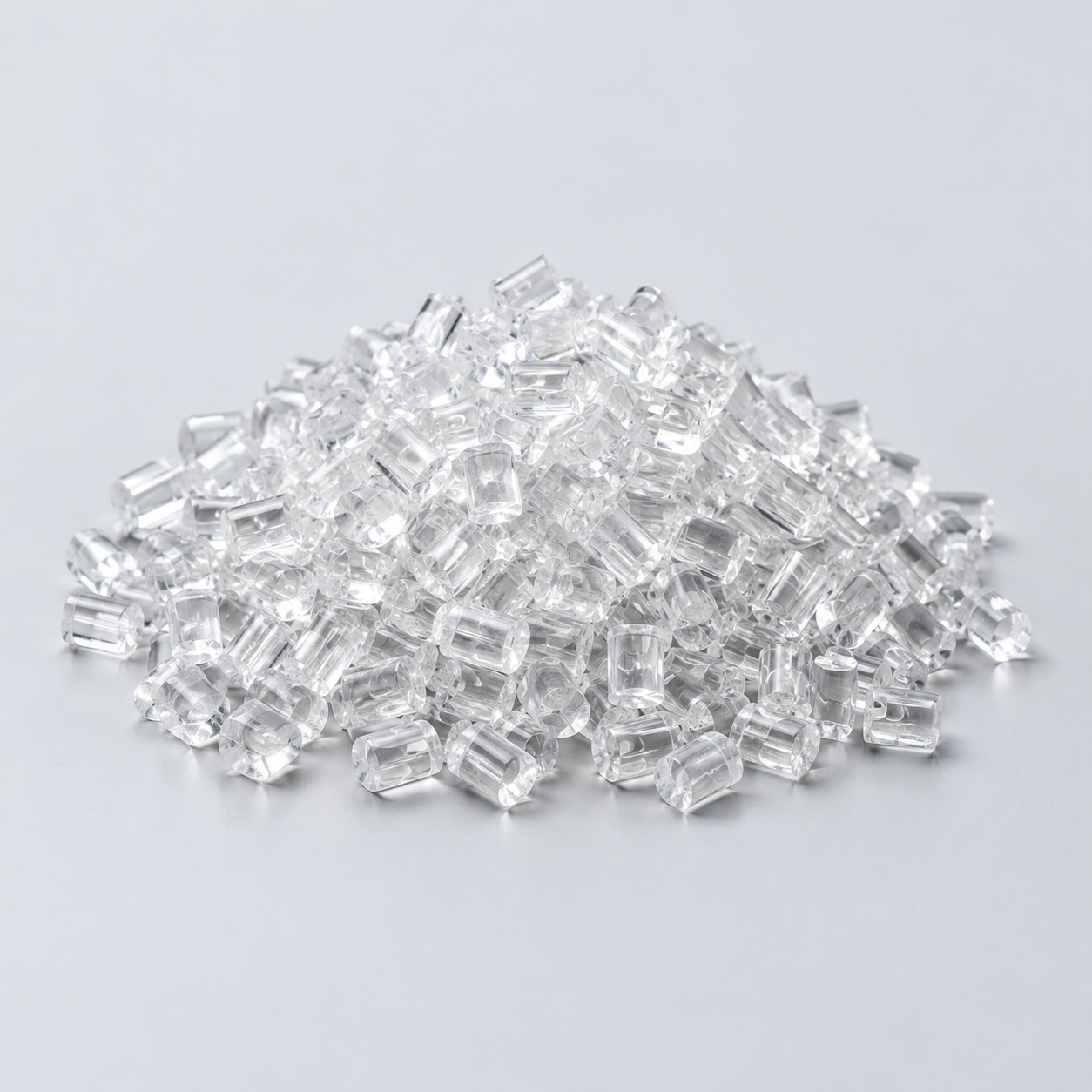 Polycarbonate (PC)Discuss clarity and impact needs›
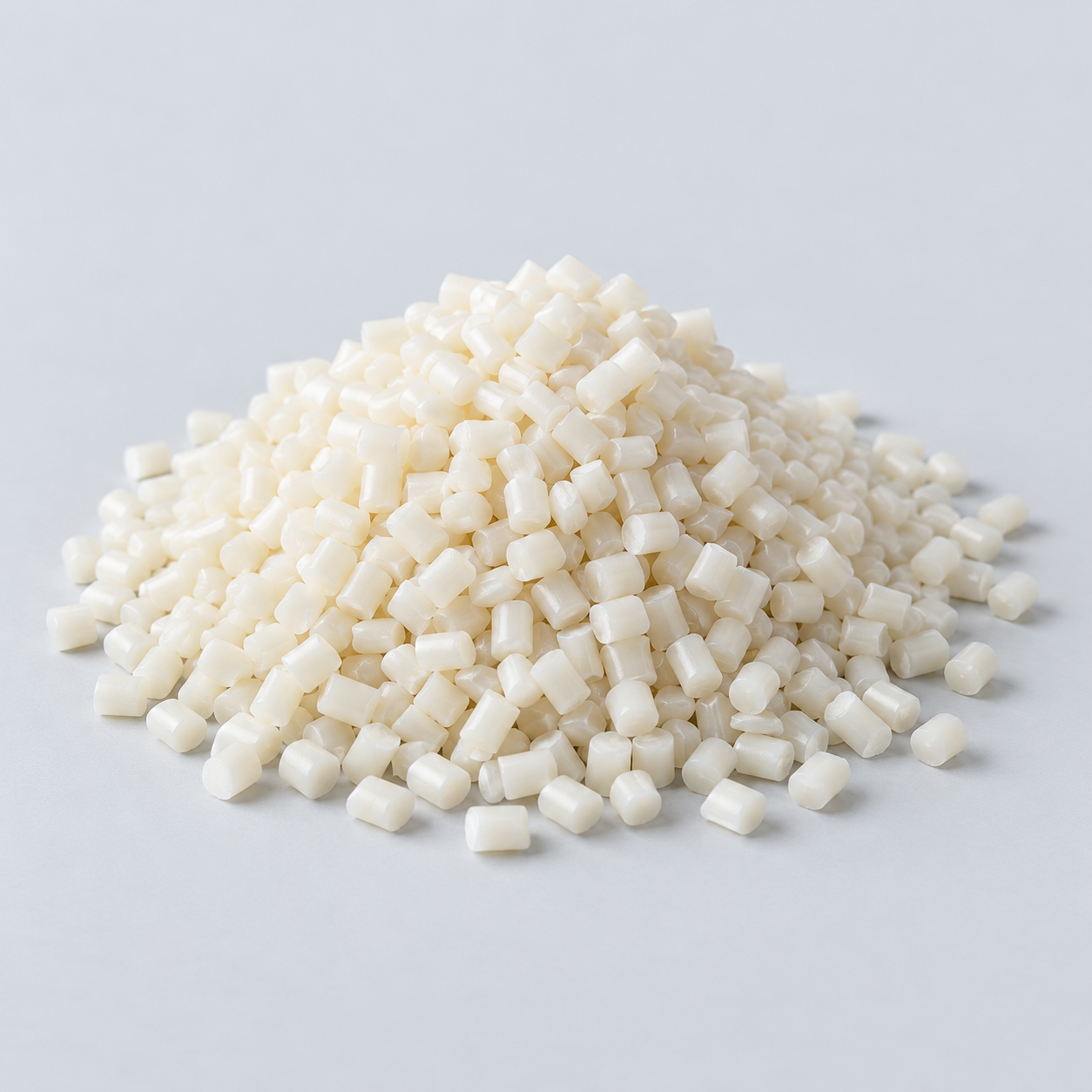 Nylon (PA)Review moisture and wear conditions›
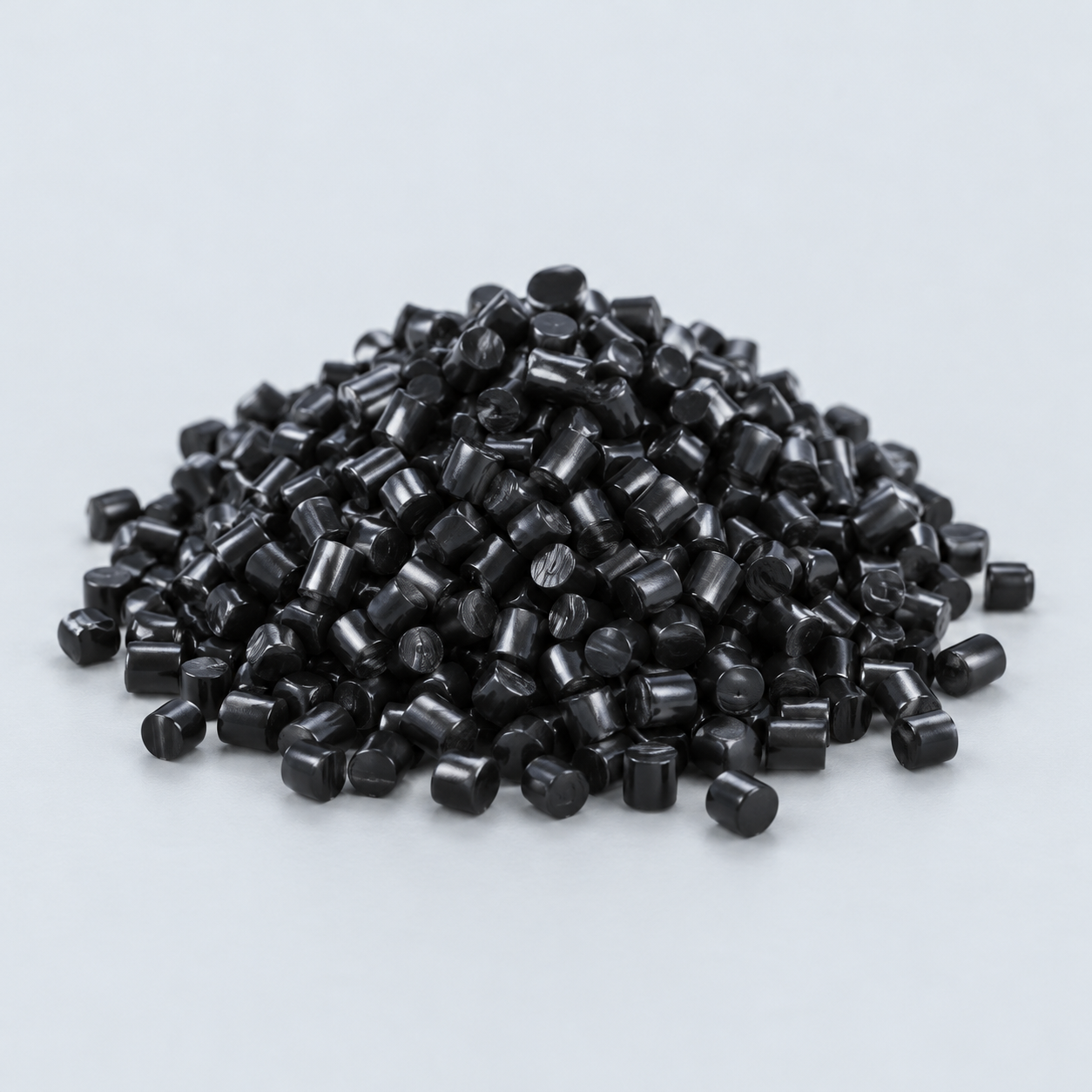 POM / AcetalReview fit and sliding features›
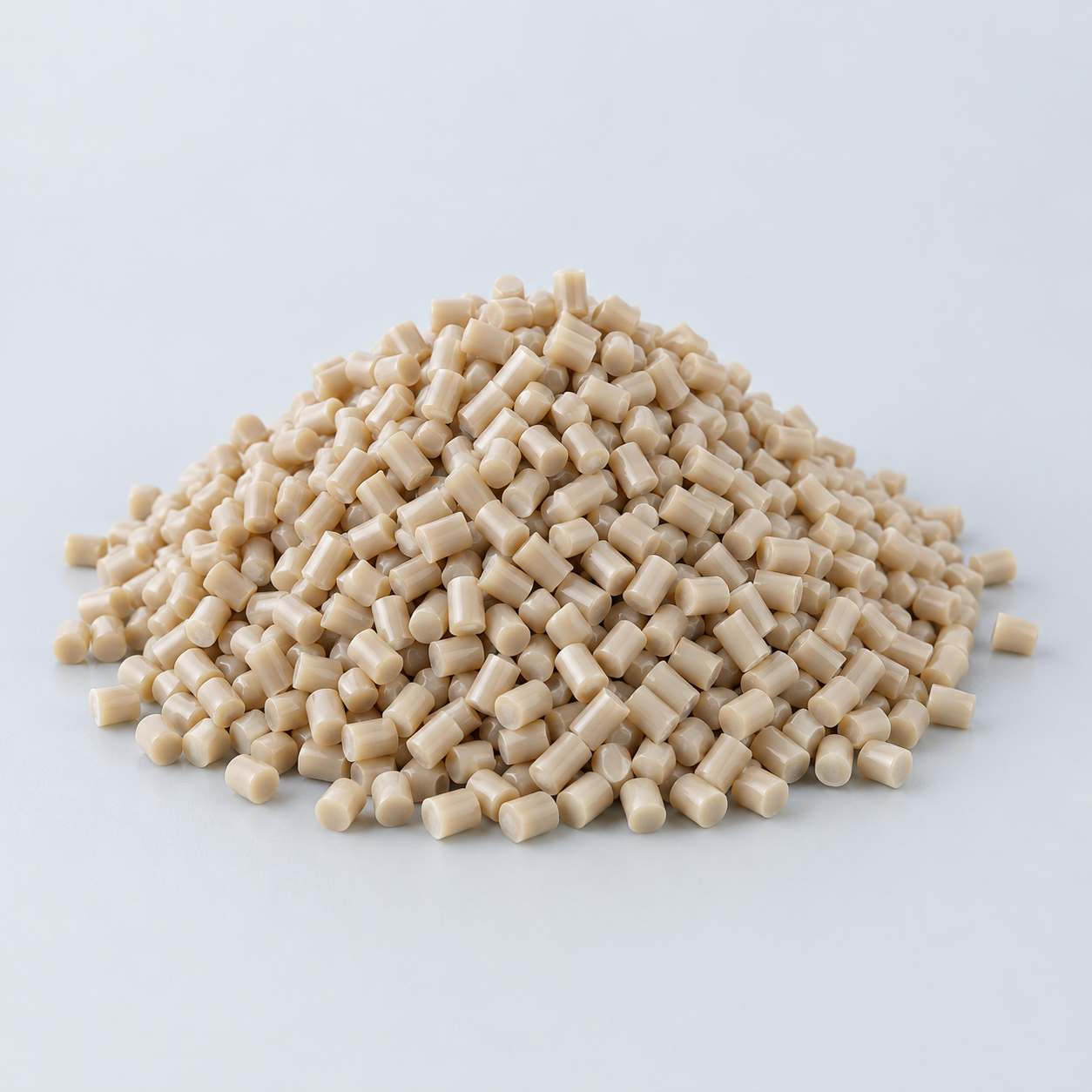 PEEKDiscuss operating conditions›
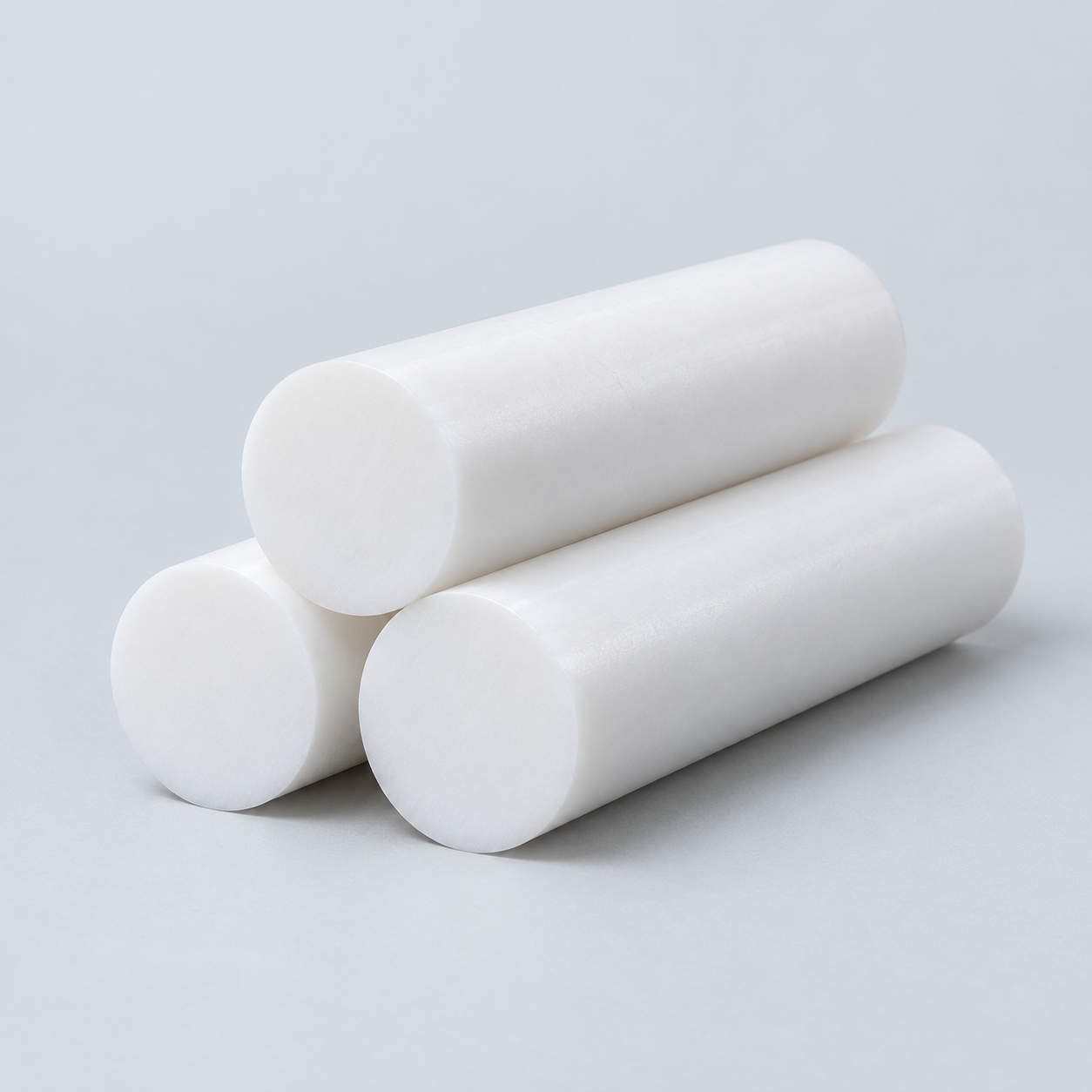 PTFEReview friction and chemical exposure›
 ULTEM / PEIDiscuss thermal and electrical needs›
Confirm grade availability and application requirements.
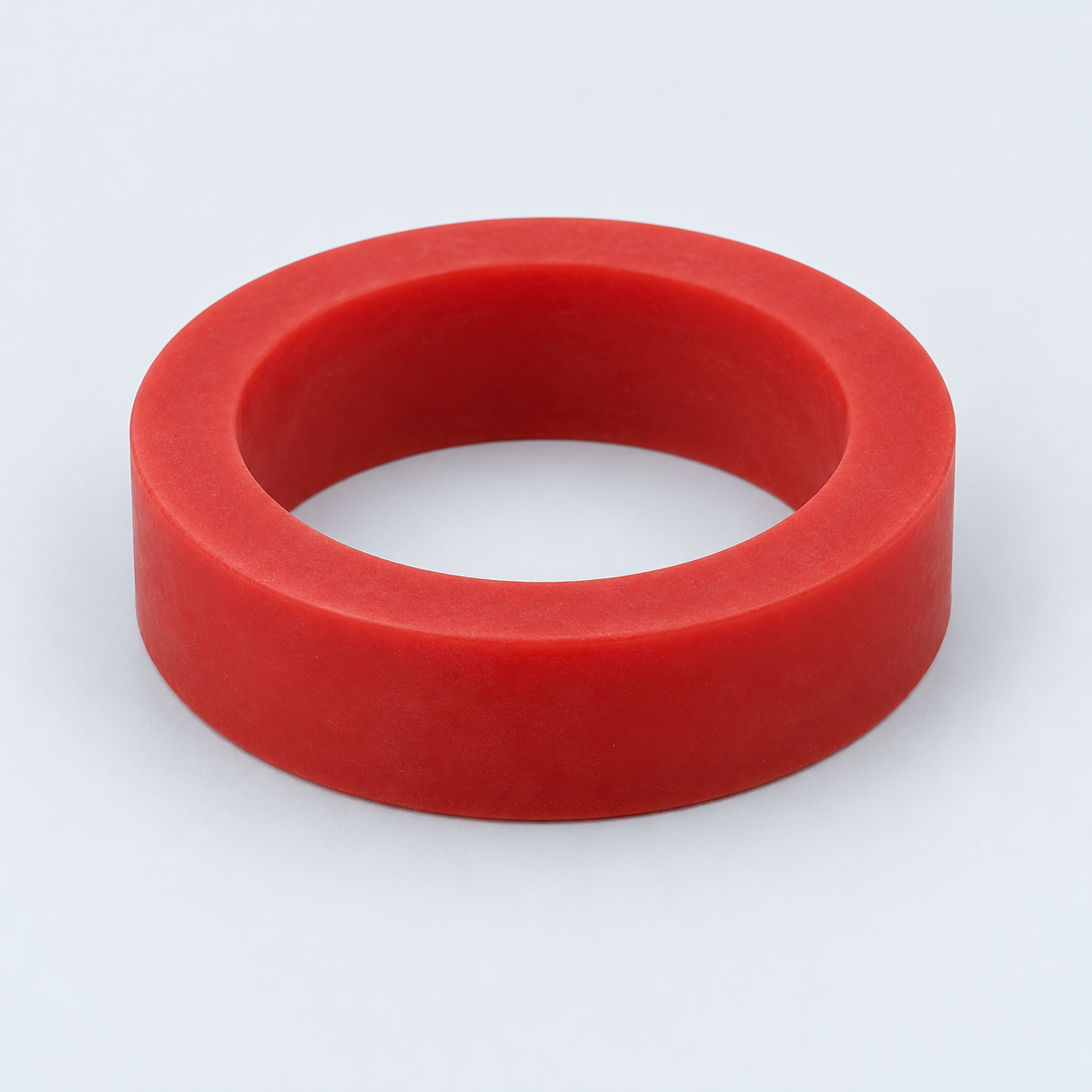 Silicone / LSRDiscuss flexible component needs›
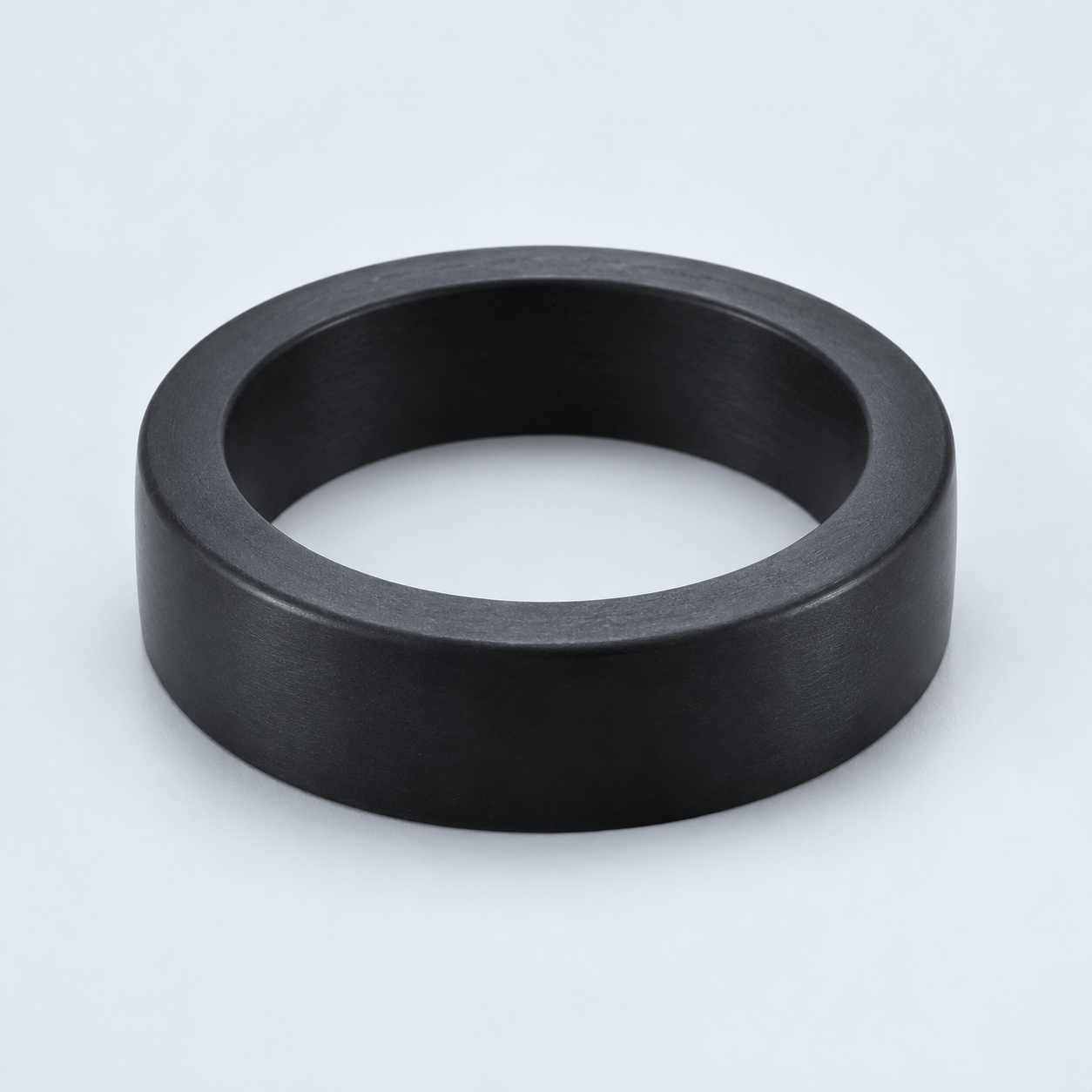 TPU / TPEReview flexibility and processing›
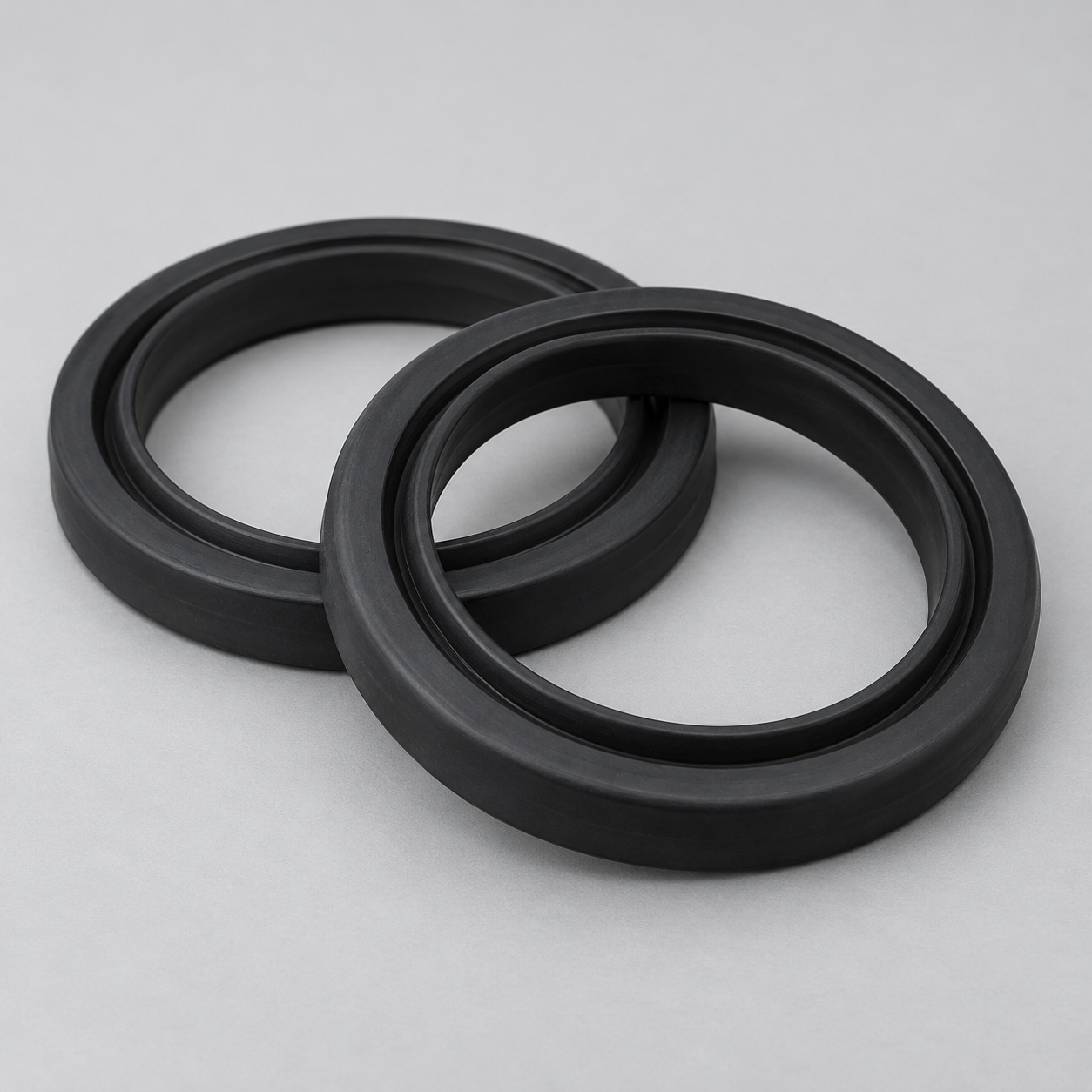 EPDMReview weathering and chemical exposure.›
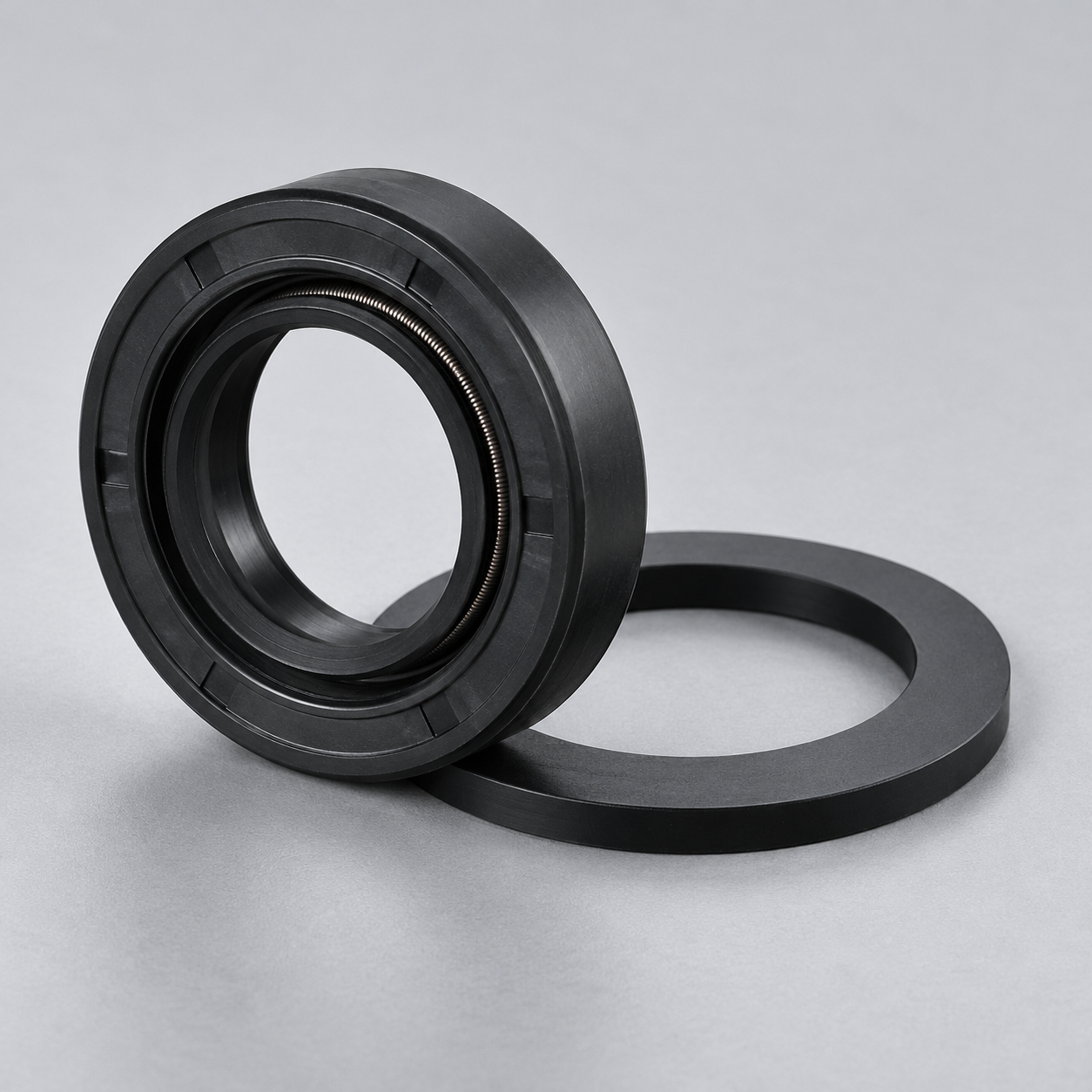 NBRReview oil and fuel exposure.›
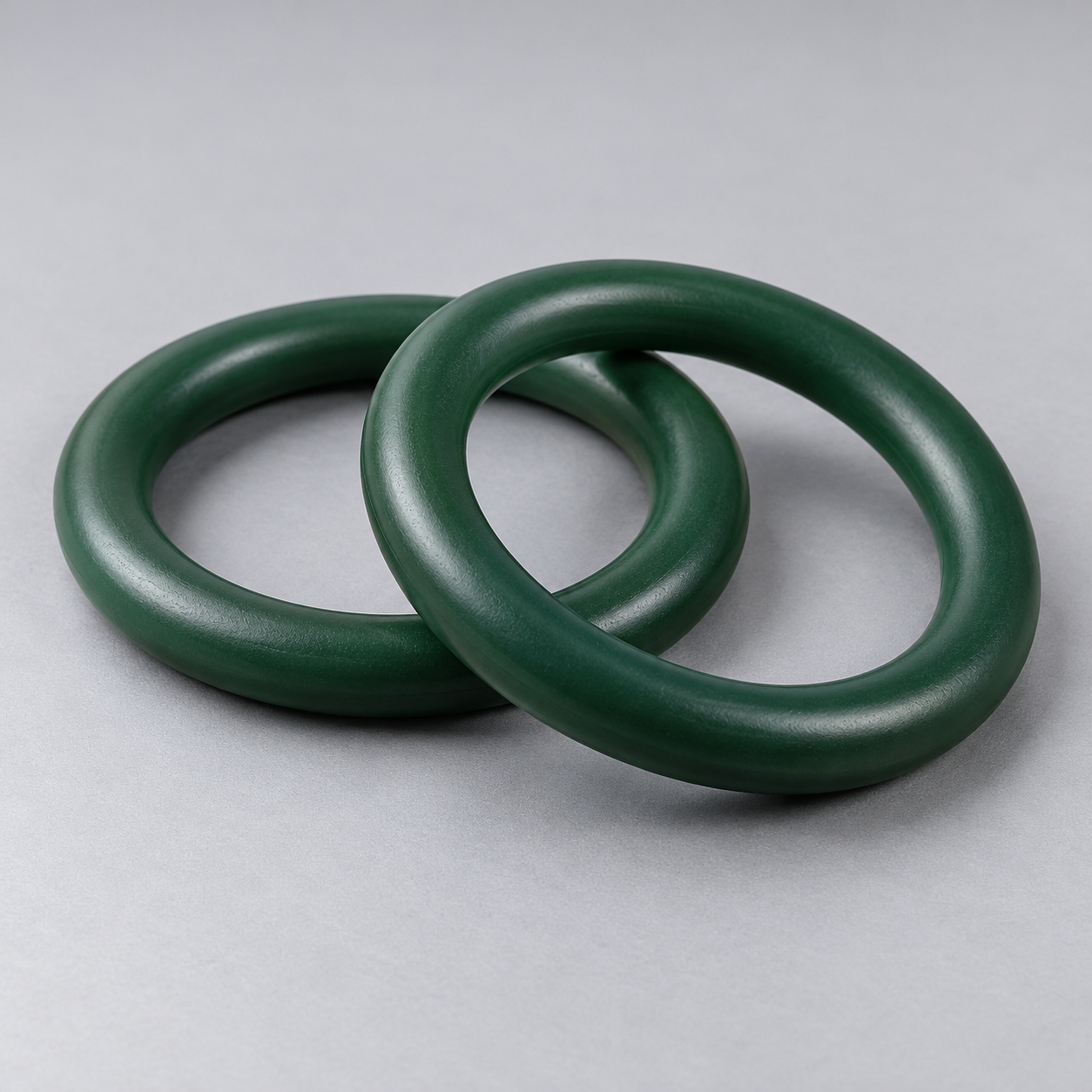 FKMReview temperature and chemical exposure.›
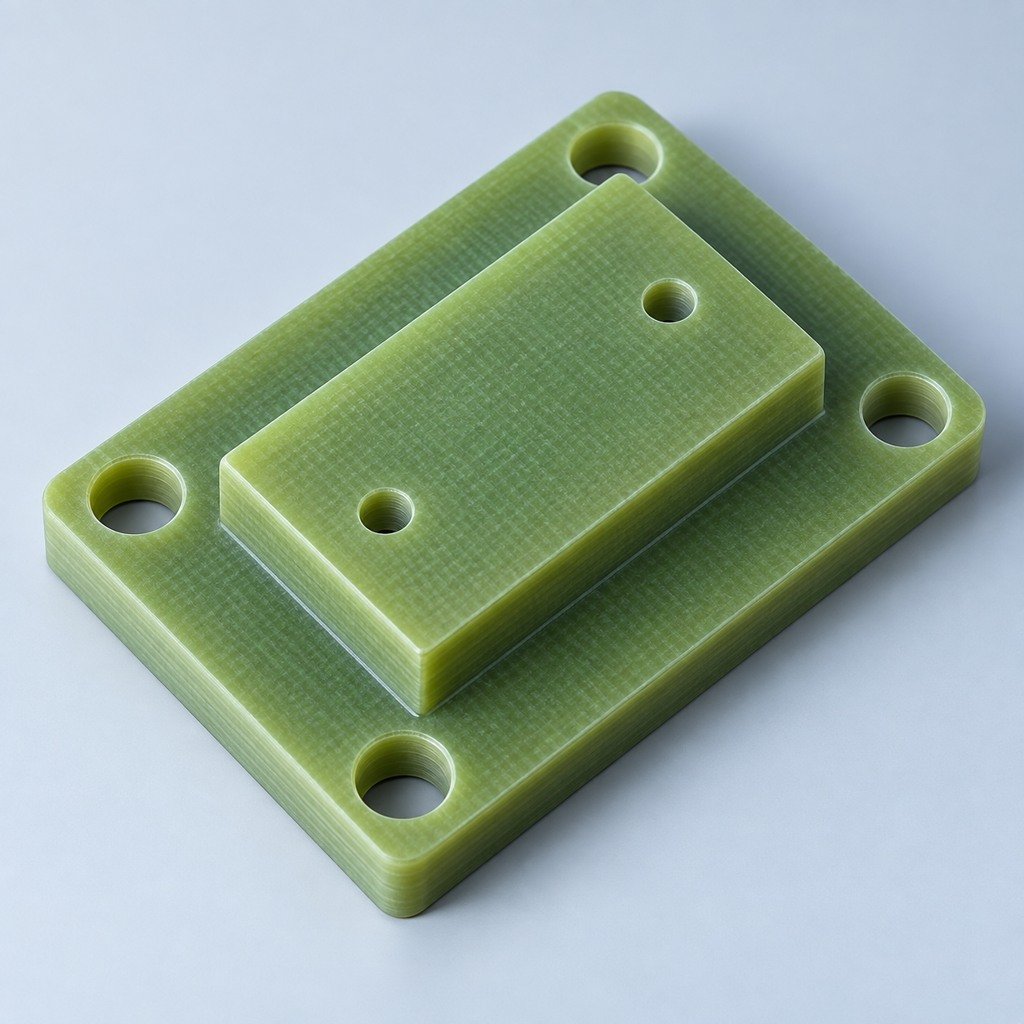 G10 / FR4Review insulation and laminate needs›
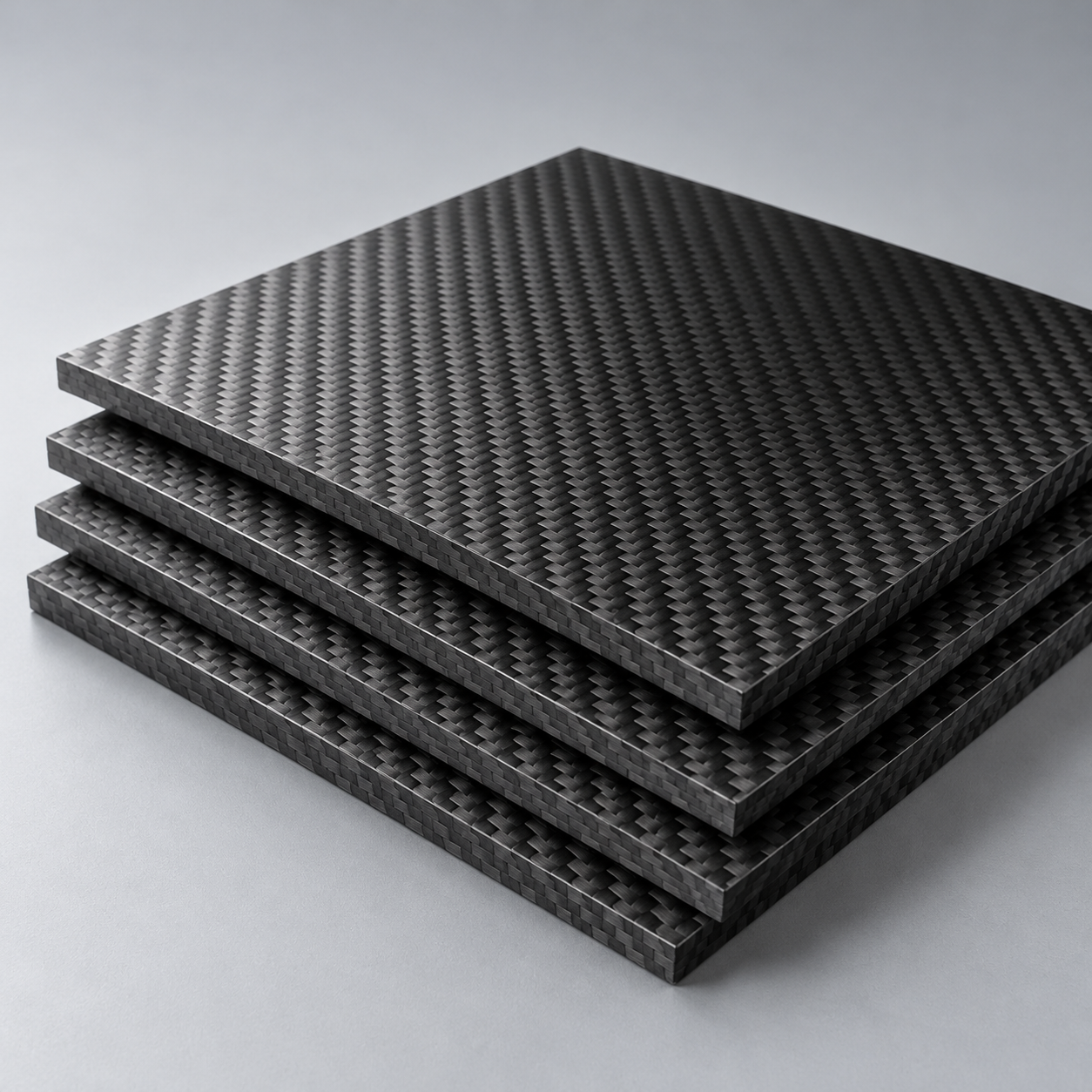 CompositesReview stiffness, weight and laminate.›Customer-Specified MaterialsConfirm your grade and requirements.›Other Specialty MaterialsDiscuss your application and grade.›
Practical guidance for your part geometry and material decisions.
Prepare your process, budget and sourcing questions.
Build your knowledge before production.
Learn who we are and how we operate.
Find our U.S. support team or start a conversation.
Get custom metal and plastic parts made around your drawing. Review critical fits, material, machining cost and inspection requirements before production, with Dallas-area support for your project.
Quality Management
Complex Geometries
Drawing-specific acceptance
Material Selection Support
Your Volume, Your Plan
Align your sample approval, repeat quantities and delivery milestones before you order.
Built Around Your Part, Your Tolerance and Your Production Goals
Your precision CNC machining service should protect how your part fits and works. Use CNC milling for pockets and mounting faces, CNC turning for rotational features, and multi-axis machining for complex access. Share your critical dimensions so process selection, workholding and inspection support your assembly.
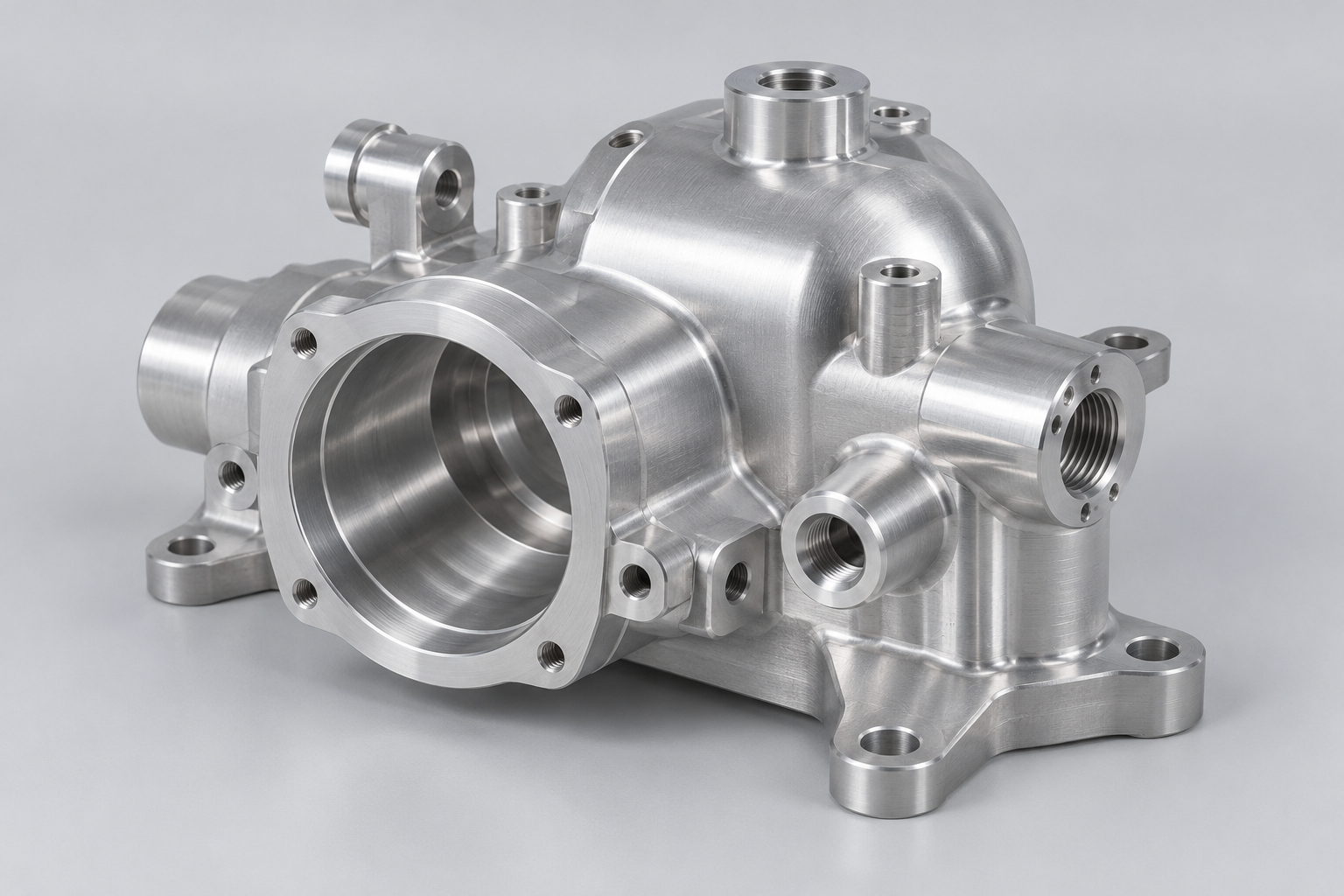
Choose CNC milling, turning or multi-axis machining around your geometry, critical features and order quantity.
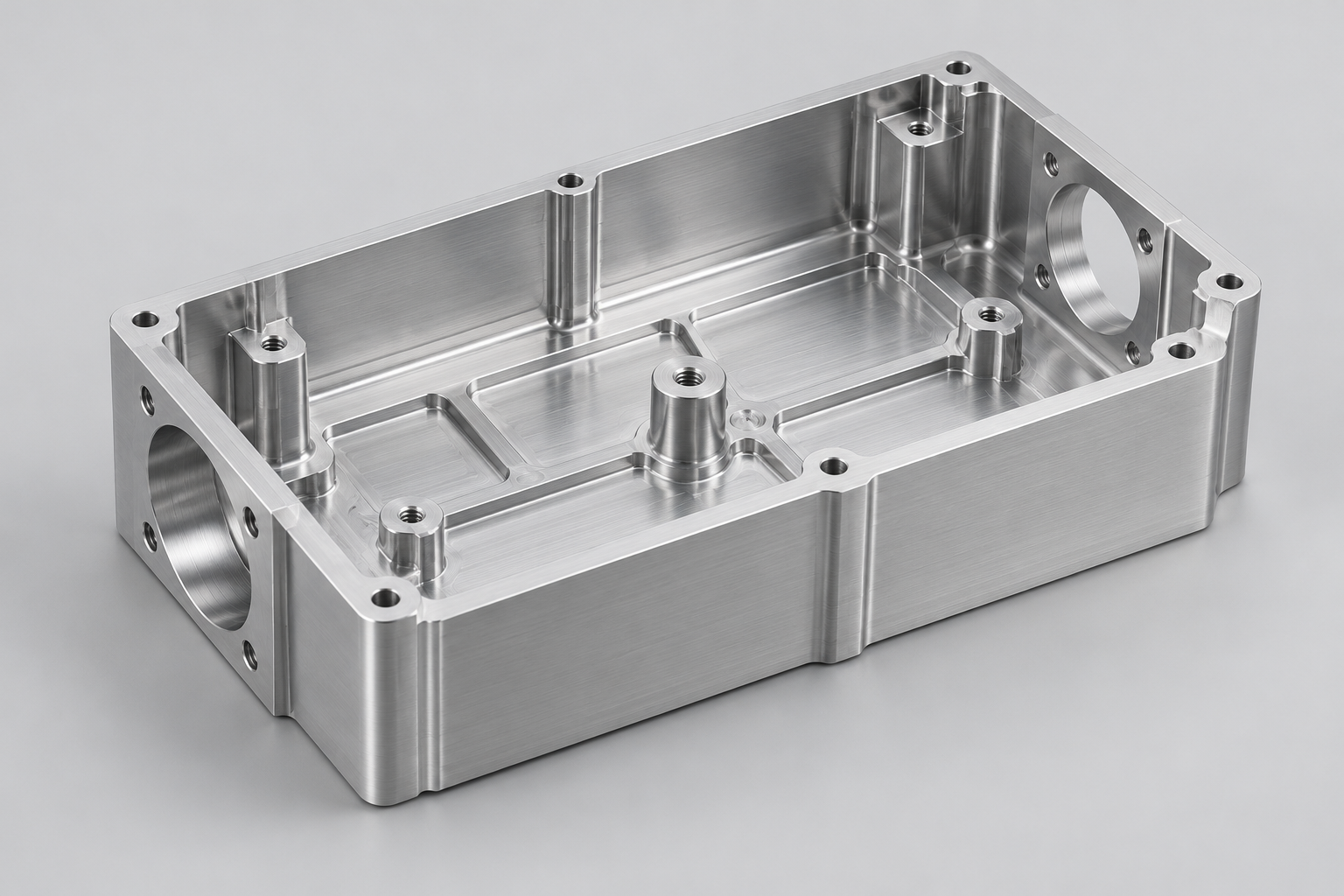
Machine your pockets, mounting faces and multi-side features with 3-axis and 4-axis CNC milling.
Learn More →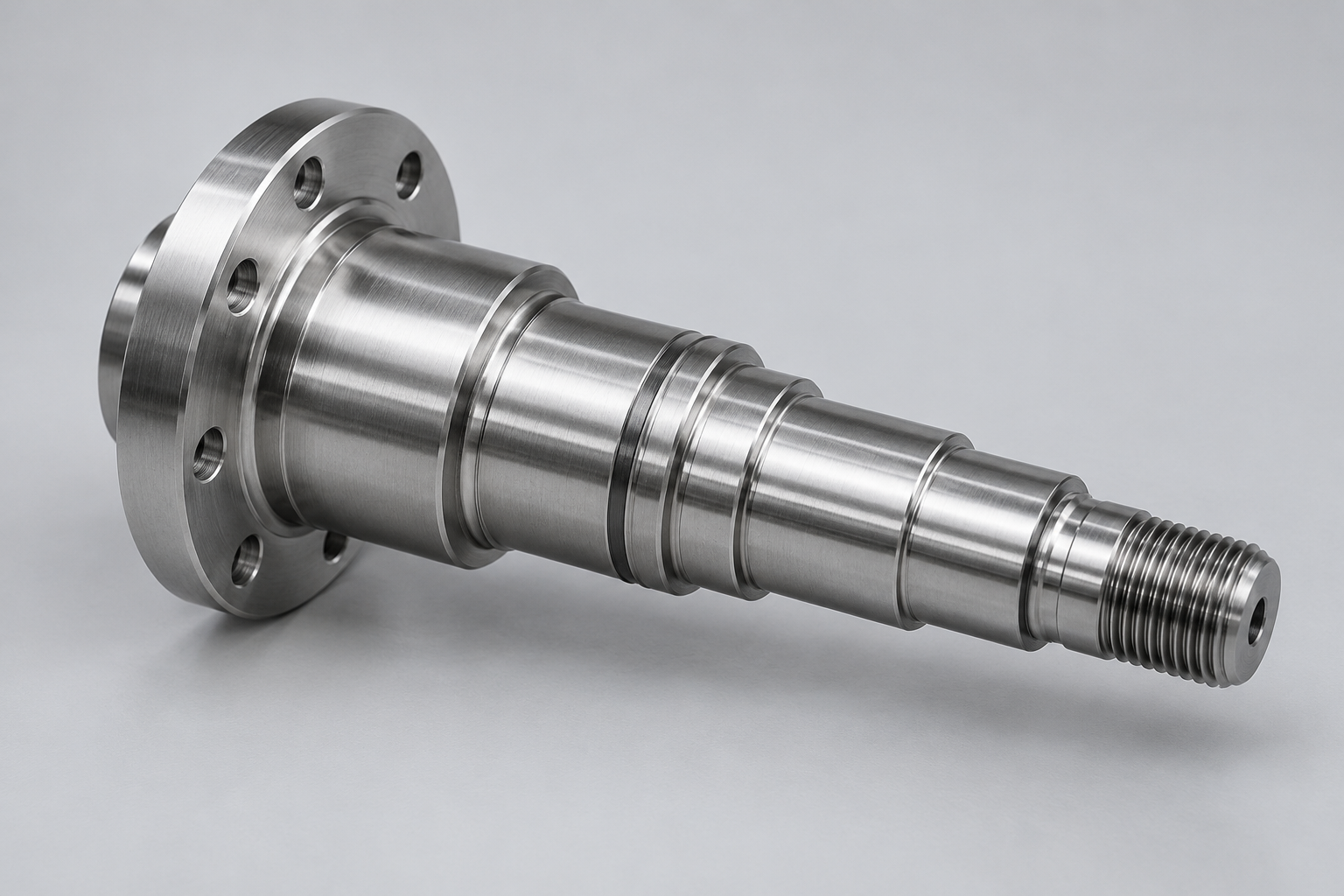
Produce your shafts, sleeves and flanges with concentric diameters, grooves and threads.
Learn More →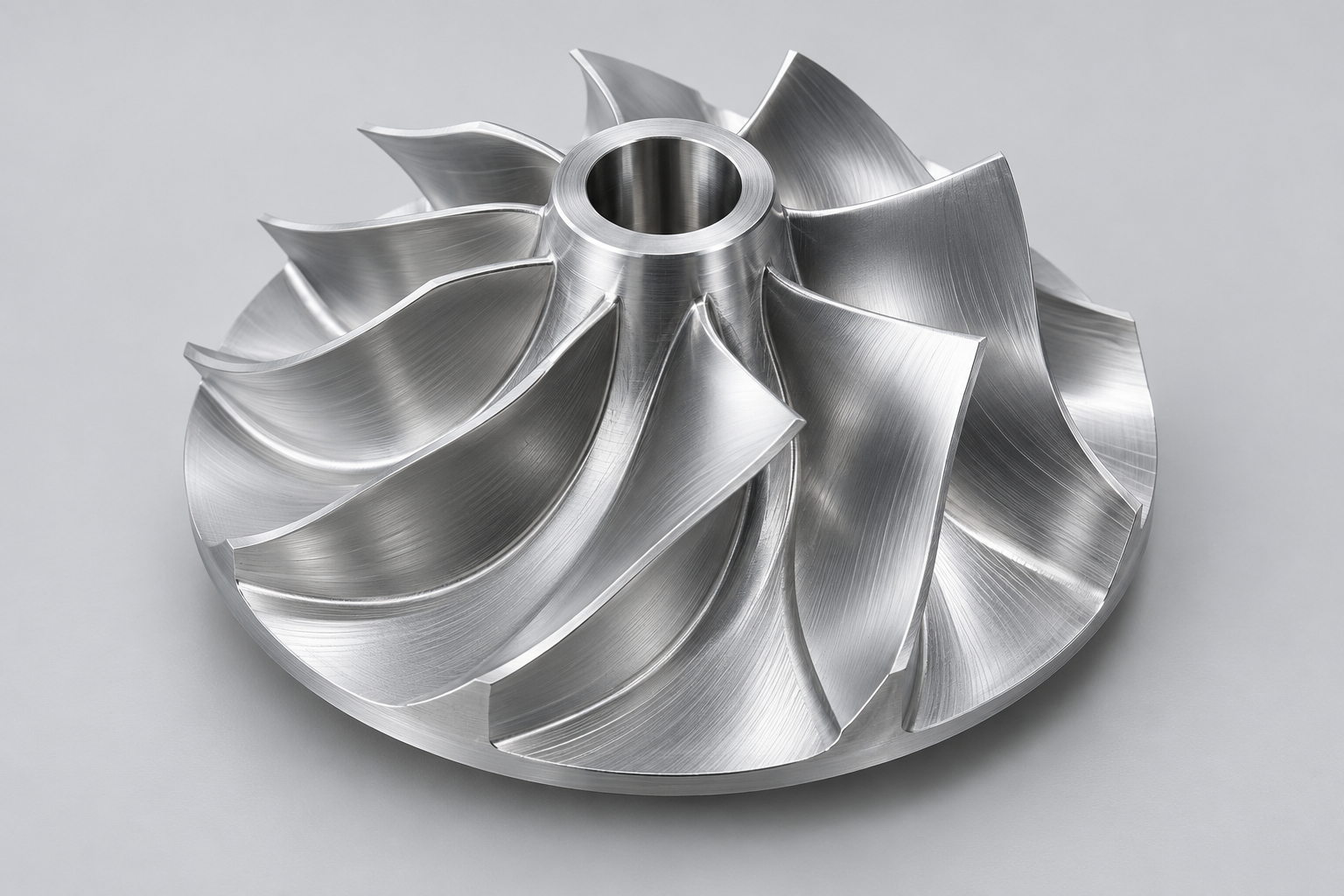
Reach your complex surfaces and angled features. Review setups around your critical datums.
Learn More →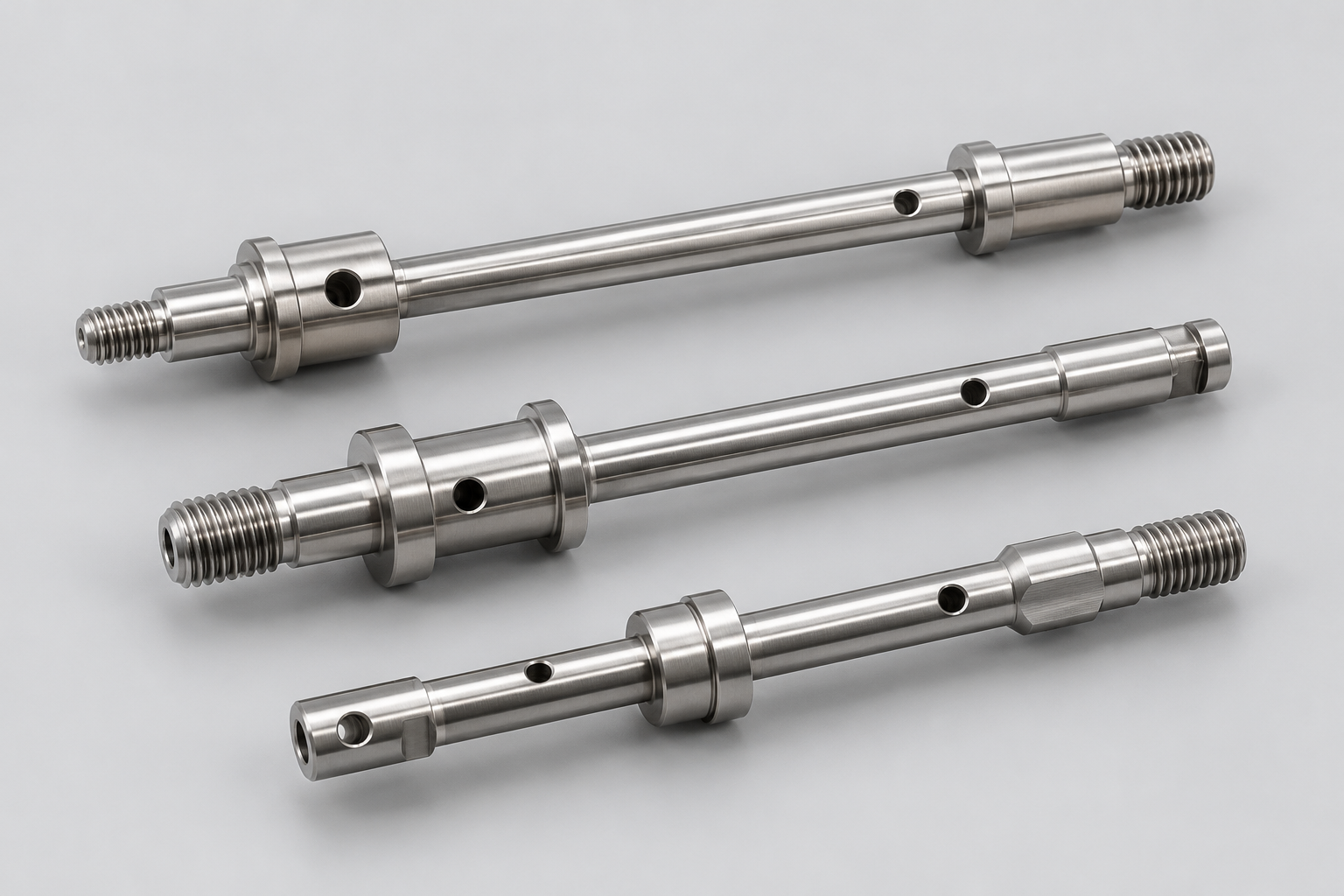
Support your small, slender turned parts. Confirm diameter, length, material and batch needs.
Learn More →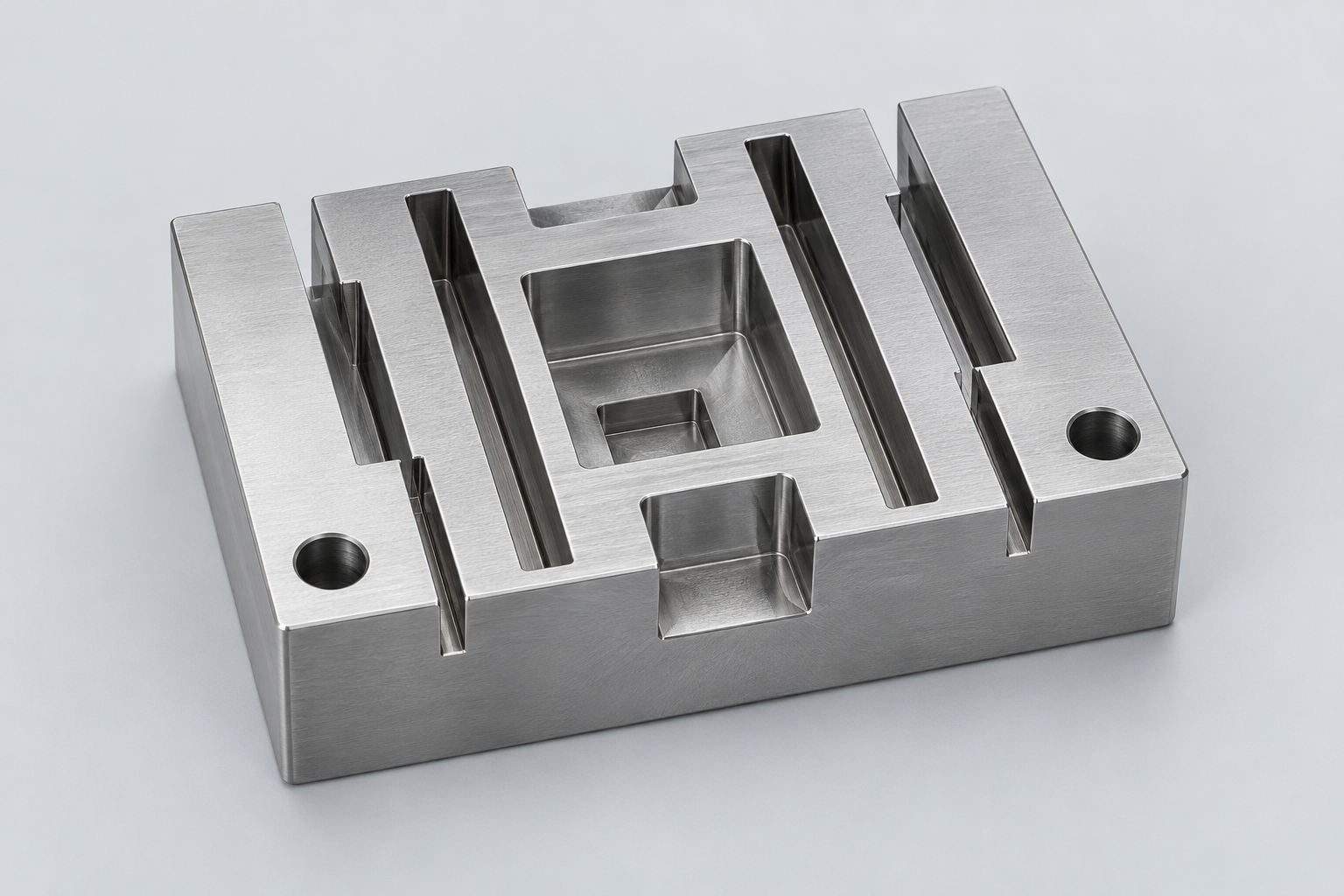
Review narrow slots and internal corners with Wire EDM. Sinker EDM scope is confirmed with your drawing.
Learn More →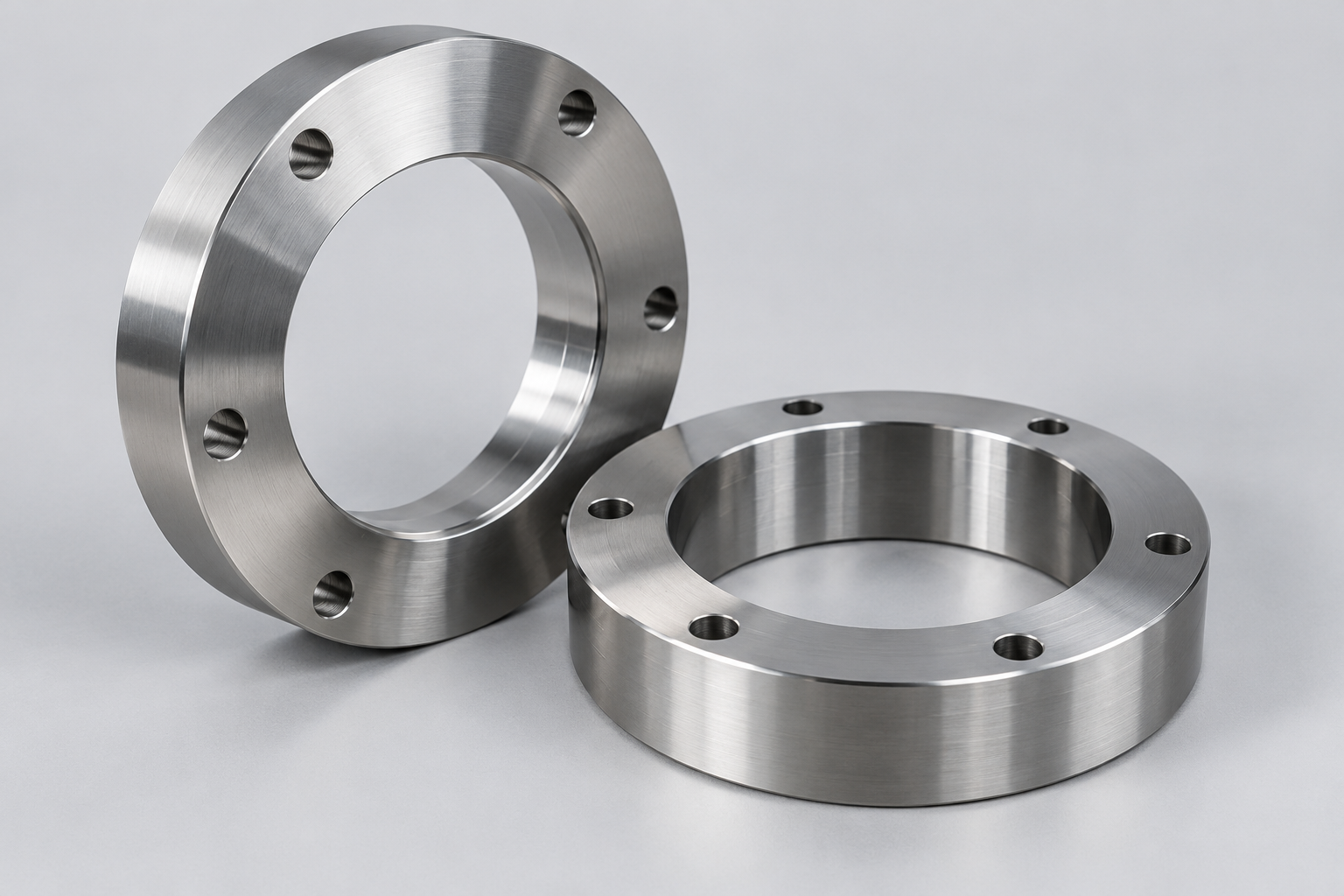
Specify your mating diameters, flatness and surface finish. Grinding scope is confirmed during your drawing review.
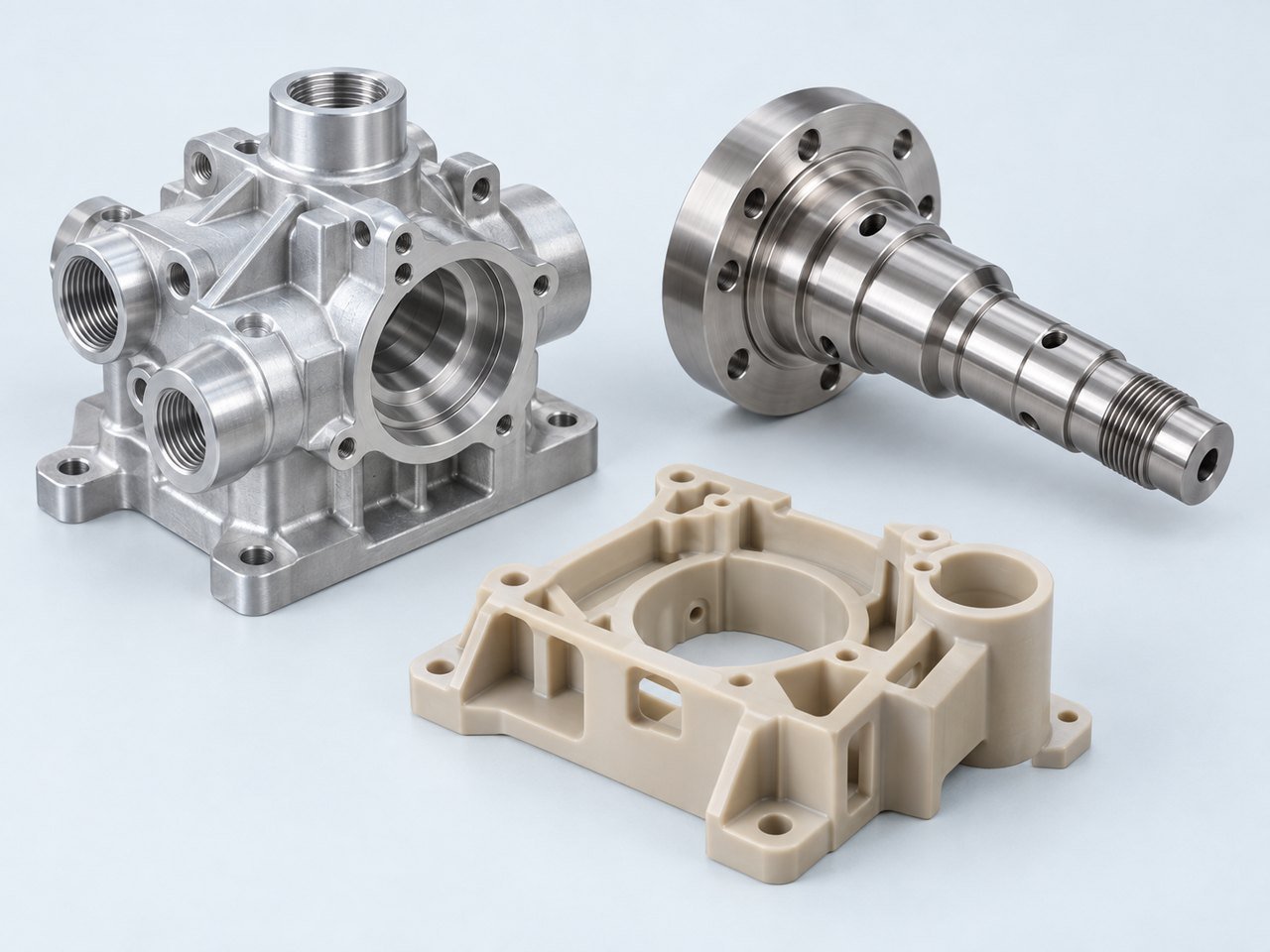
Learn More →Illustrative component concepts. Process availability and inspection scope are confirmed against your drawing.
Explore CNC component examples for your material, geometry and assembly requirements.
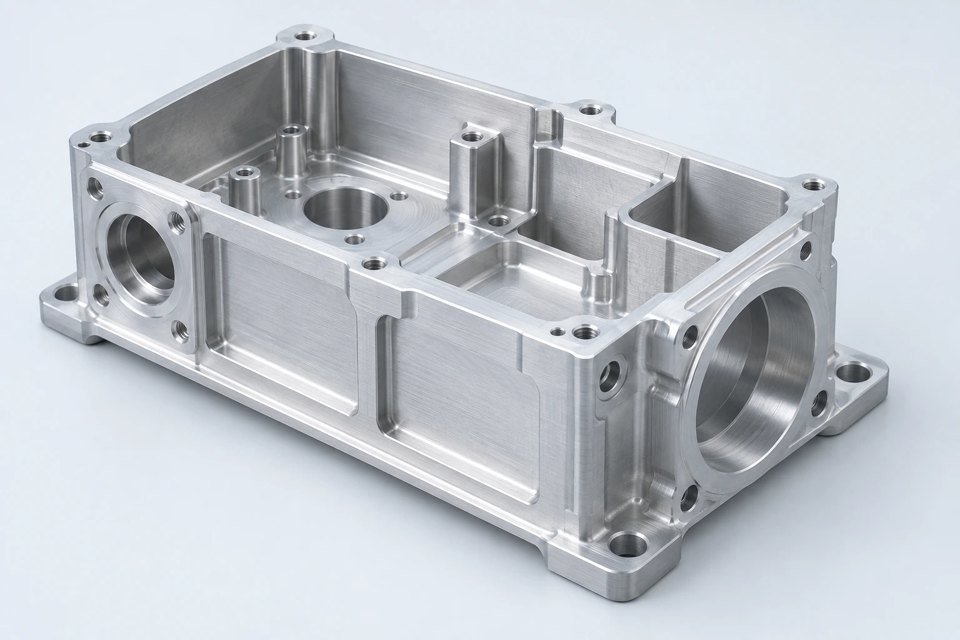
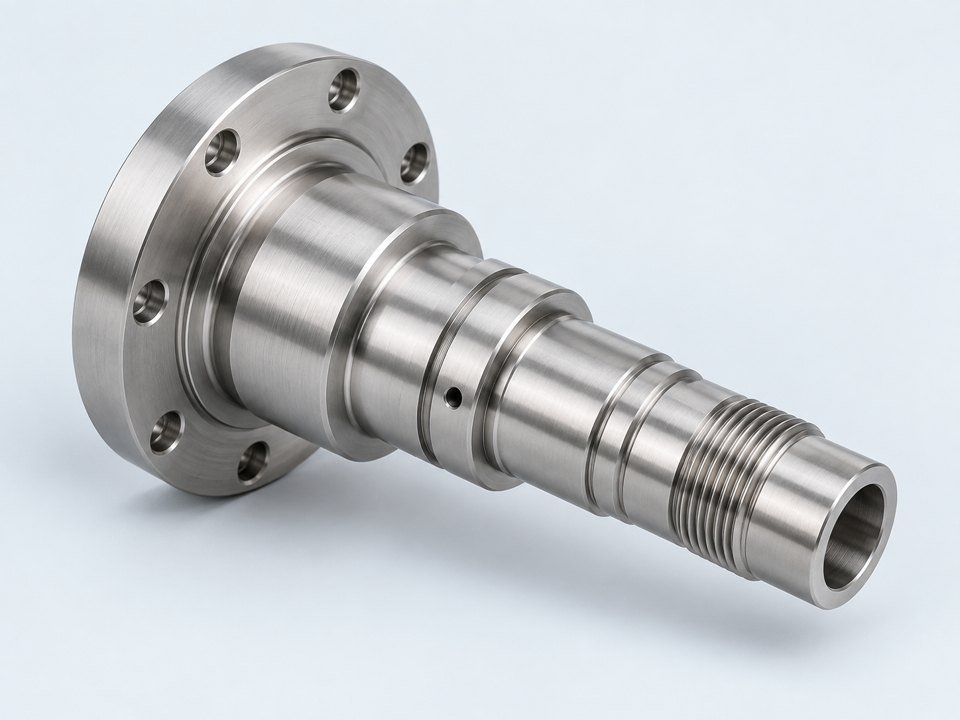
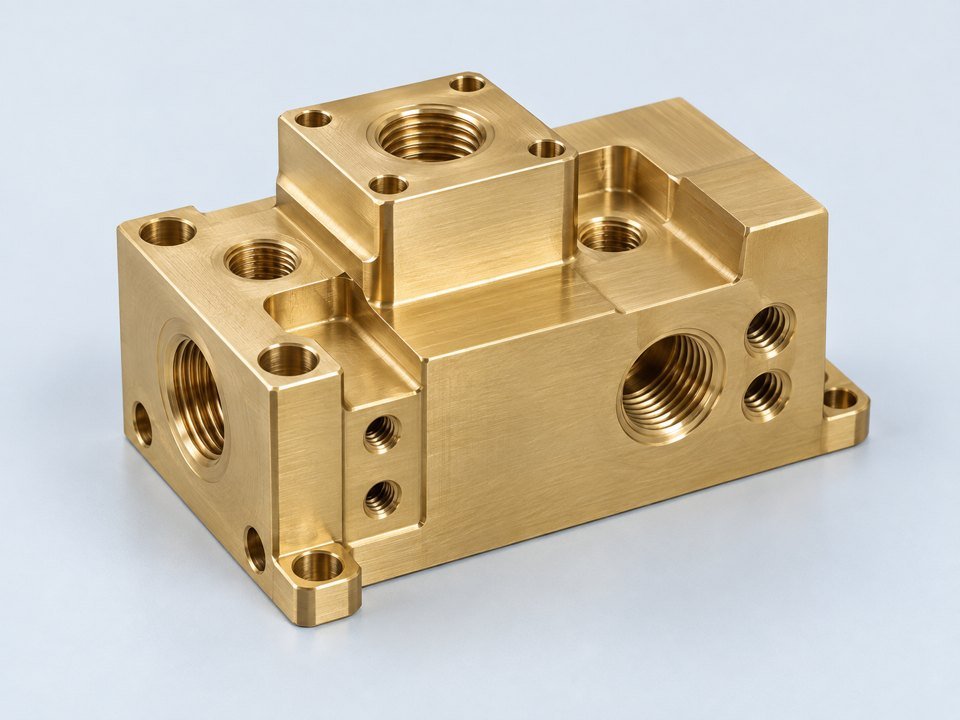
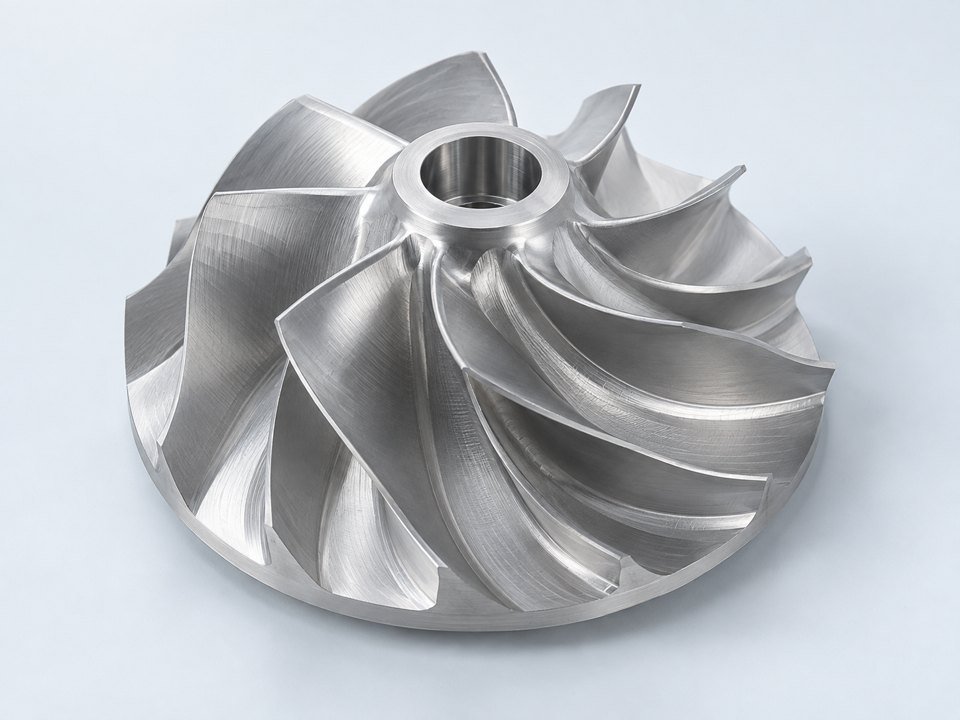
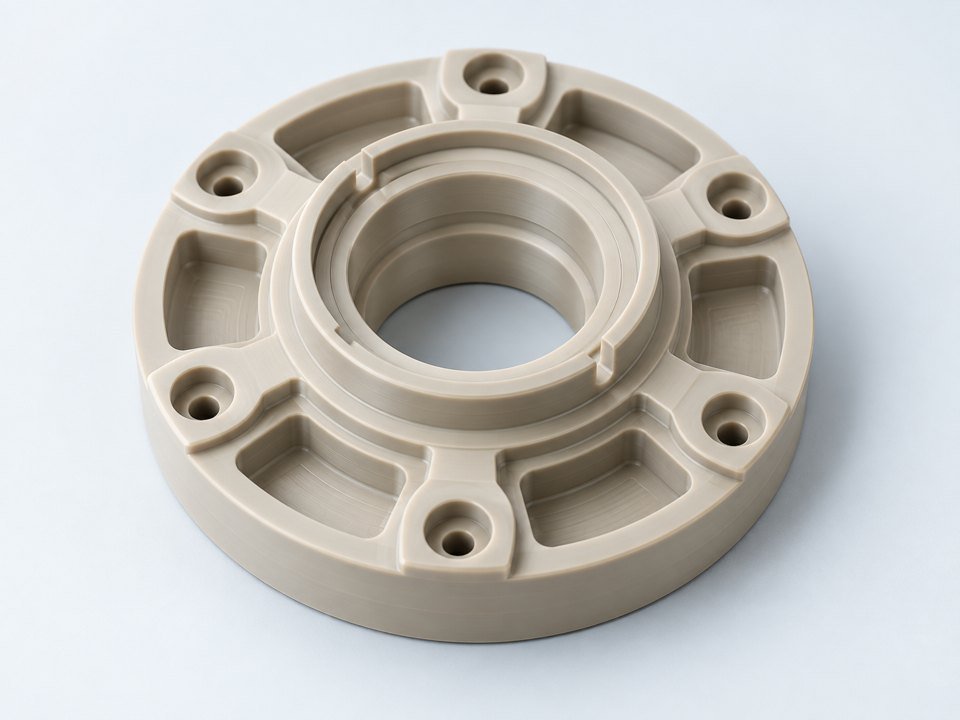
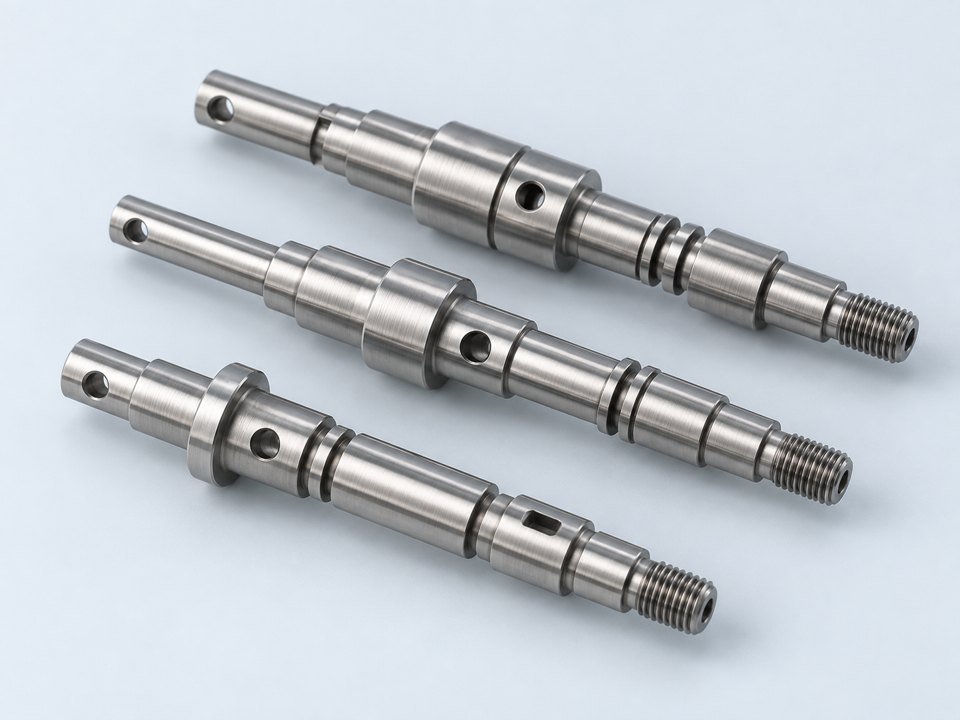
Illustrative component examples. Your material grade, tolerances and inspection scope are confirmed against your drawing.
Compare CNC machining approaches to find the best fit for your geometry and production requirements.
| Process | Best For | Typical Geometry | Typical Volume | Key Advantage |
|---|---|---|---|---|
| 3-Axis Milling | Standard prismatic parts | Simple to moderate | 1–10,000+ | Cost-effective and versatile |
| 4-Axis Milling | Multi-side features | More complex | 1–10,000+ | Fewer setups and refixtures |
| 5-Axis CNC | Complex surfaces | Highly complex | 1–5,000+ | Maximum geometry freedom |
| CNC Turning | Round / cylindrical parts | Rotational | 1–100,000+ | Precision and production efficiency |
| Swiss Machining | Small precision / slender parts | Long / slender | 1–100,000+ | Stable small-part production |
Choose your CNC machining material and finish together. Strength, corrosion resistance, temperature and mating dimensions affect the final part.
Carry your drawing revisions, material choice and acceptance criteria from prototype CNC machining into repeat production.
Define your critical datums, mating dimensions and inspection method before machining.
Maximum part size depends on the machine and part geometry. Below are typical capabilities for CNC machining.
| Machine Type | Typical Maximum Part Size (L × W × H) |
|---|---|
| 3-Axis CNC | 1200 × 1000 × 650 mm |
| 4-Axis CNC | 600 × 400 × 400 mm |
| 5-Axis CNC | 500 × 400 × 400 mm |
| Swiss CNC | Up to Ø32 mm × 300 mm (length) |
Practical guidelines for small features to ensure manufacturability and prevent tool breakage.
| Feature | Typical Guideline |
|---|---|
| Minimum hole diameter | 1.0 mm (varies by depth) |
| Minimum wall thickness | 0.5 mm (metal) / 1.0 mm (plastic) |
| Minimum slot width | 1.2 mm |
| Minimum pocket feature | Drawing dependent |
Typical tolerances are drawing and geometry dependent.
Because CNC tools are round, sharp internal corners are impossible to machine directly.
We support various methods for adding text, logos, or part numbers to your components.
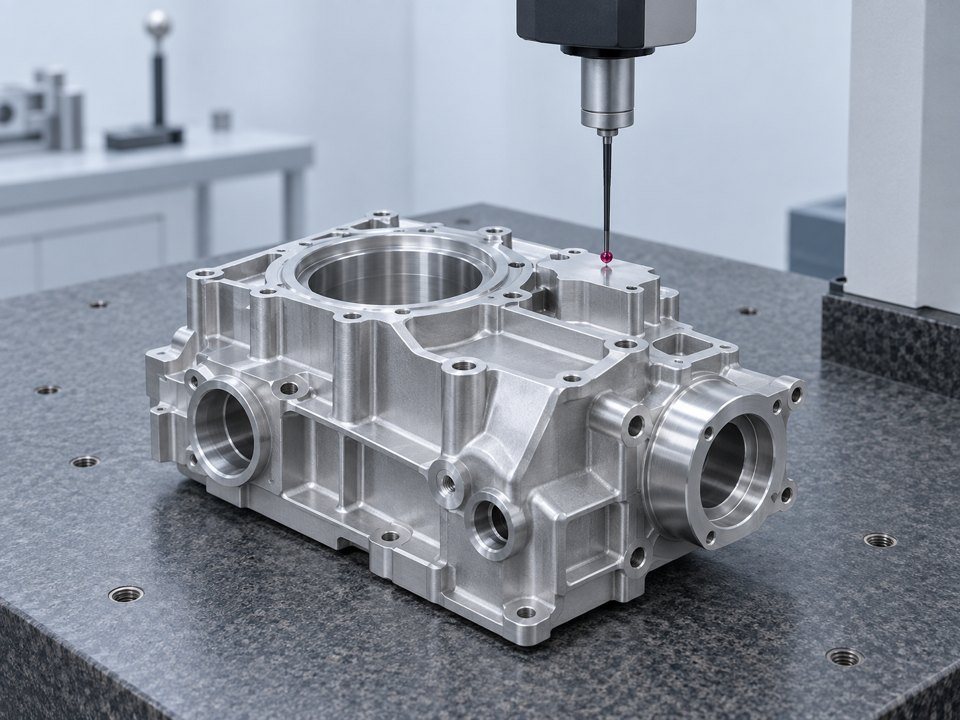
Agree how your critical features will be measured.
Review tool access, wall thickness and internal corners to reduce your avoidable machining cost.
Review stiffness and distortion
Match your cutter access
Reduce long-tool deflection
Check your depth-to-diameter ratio
Specify standard thread and depth
Define your edge-break requirement
Match your application to the right material, geometry and documented inspection requirements.
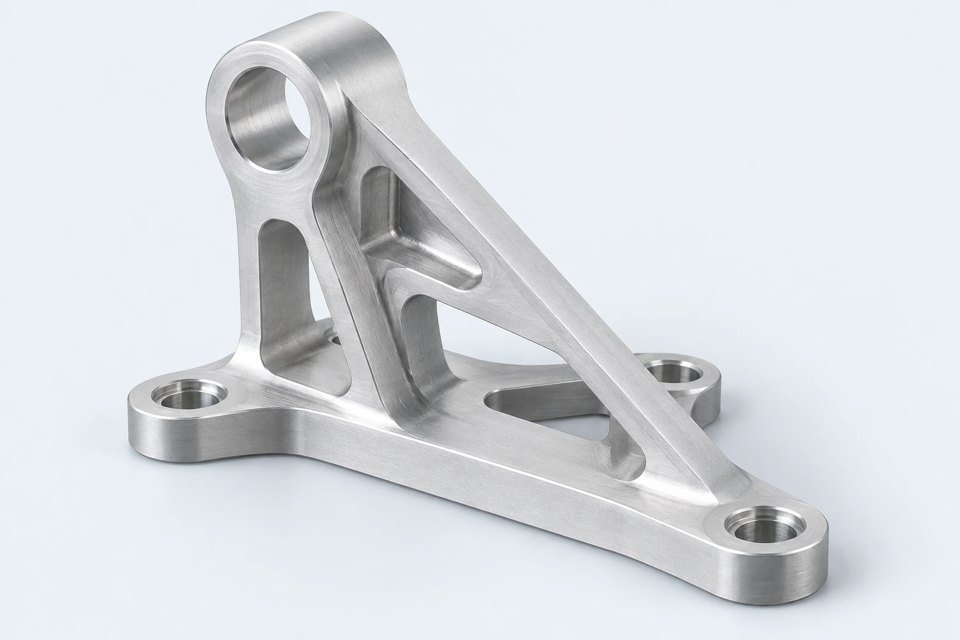
Structural brackets, housings and high-performance parts
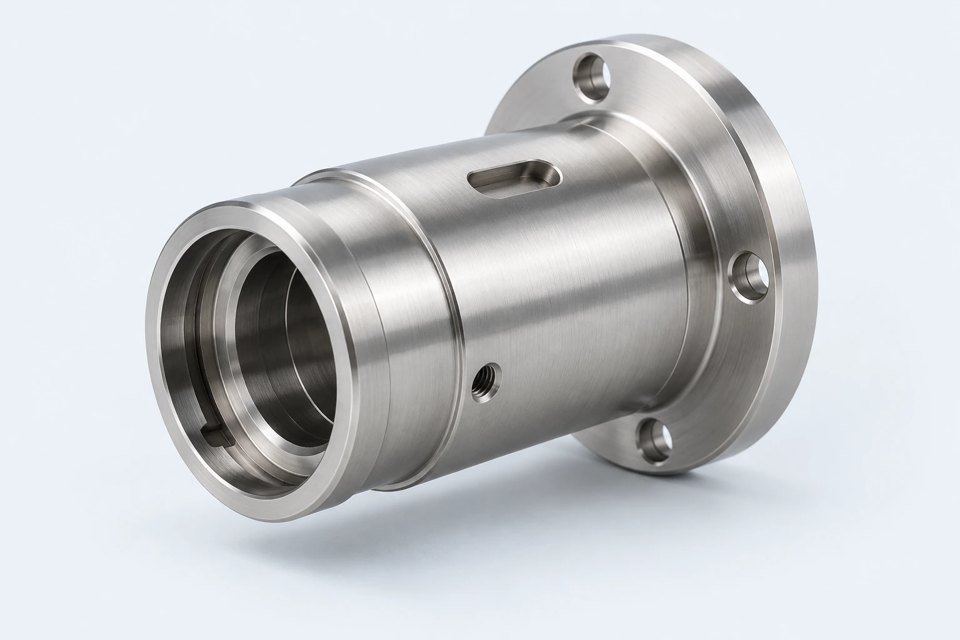
Precision components for medical devices
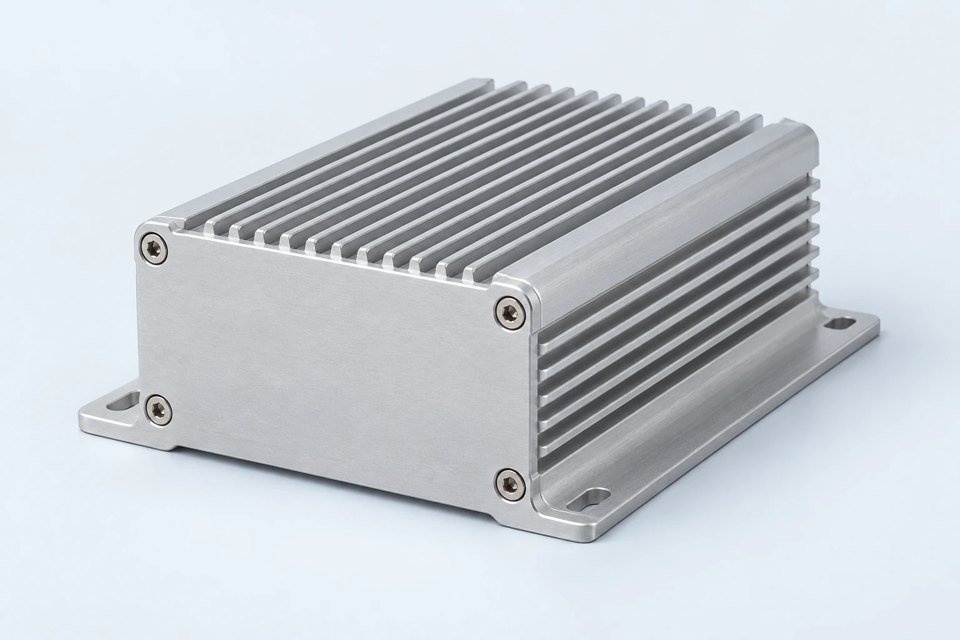
High-precision components for semiconductor equipment
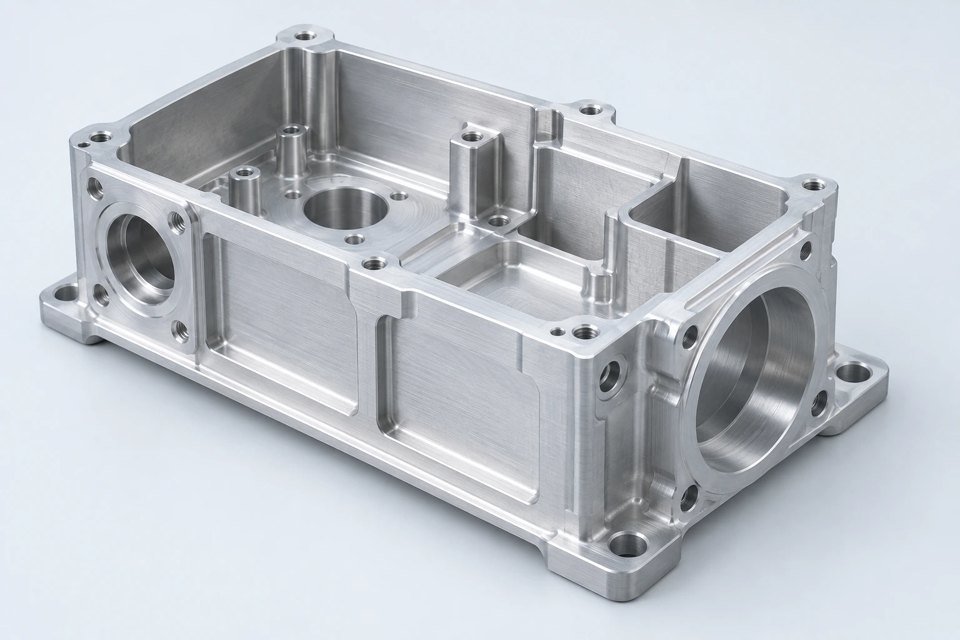
Joints, housings and motion-control parts
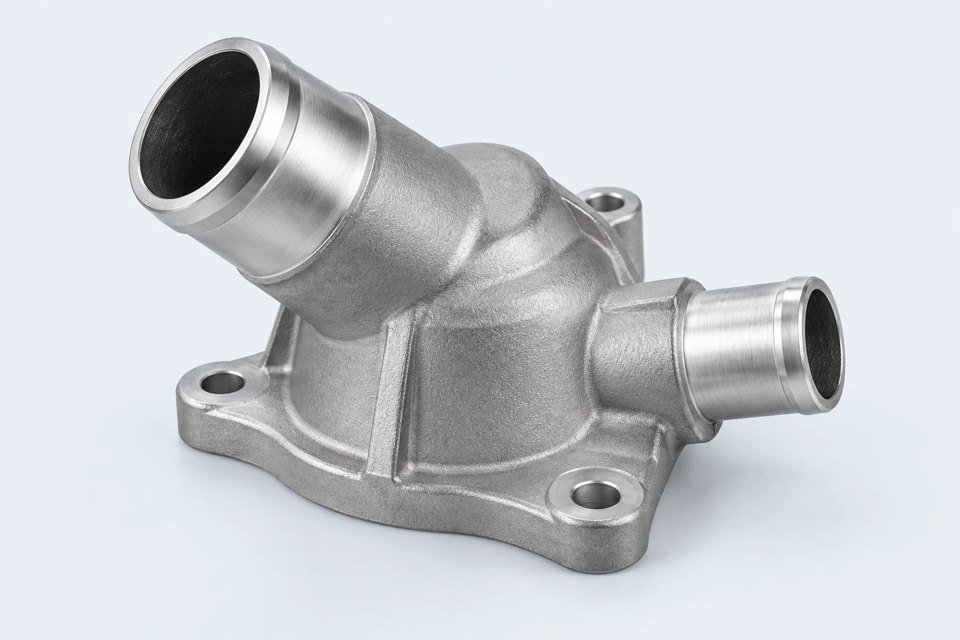
Prototypes and durable production parts
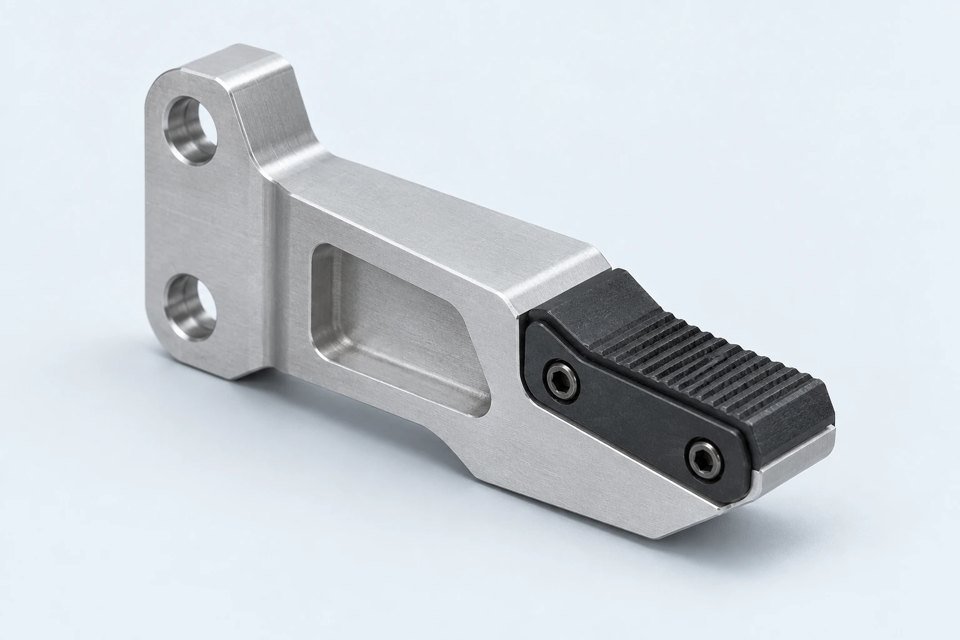
Custom components for automation systems
Know what your quote covers, how your parts are approved and who supports your next order.
Review your machining, finishing and inspection scope with one manufacturing contact.
Resolve your thin walls, deep pockets and tolerance risks before material is cut.
Request FAI, CMM results and material records for your agreed inspection scope before ordering.
Coordinate your drawing review and delivery plan with Dallas-area support and manufacturing in China.
See how your material, cycle time, tolerances and order quantity affect cost. Compare alternatives before changing your design.
Answers for your quotation, drawing review and production planning.