Your Review Focus
Setups, tooling and cycle time
Material grade and stock size
Tolerances, finishes and inspection

Core manufacturing processes for your prototypes, low-volume and repeat production.
Advanced manufacturing and engineering support for your complex, tight-tolerance parts.
Plan inspection, documentation and delivery around your production program.
Choose air- or liquid-cooling components around your thermal and mechanical requirements.
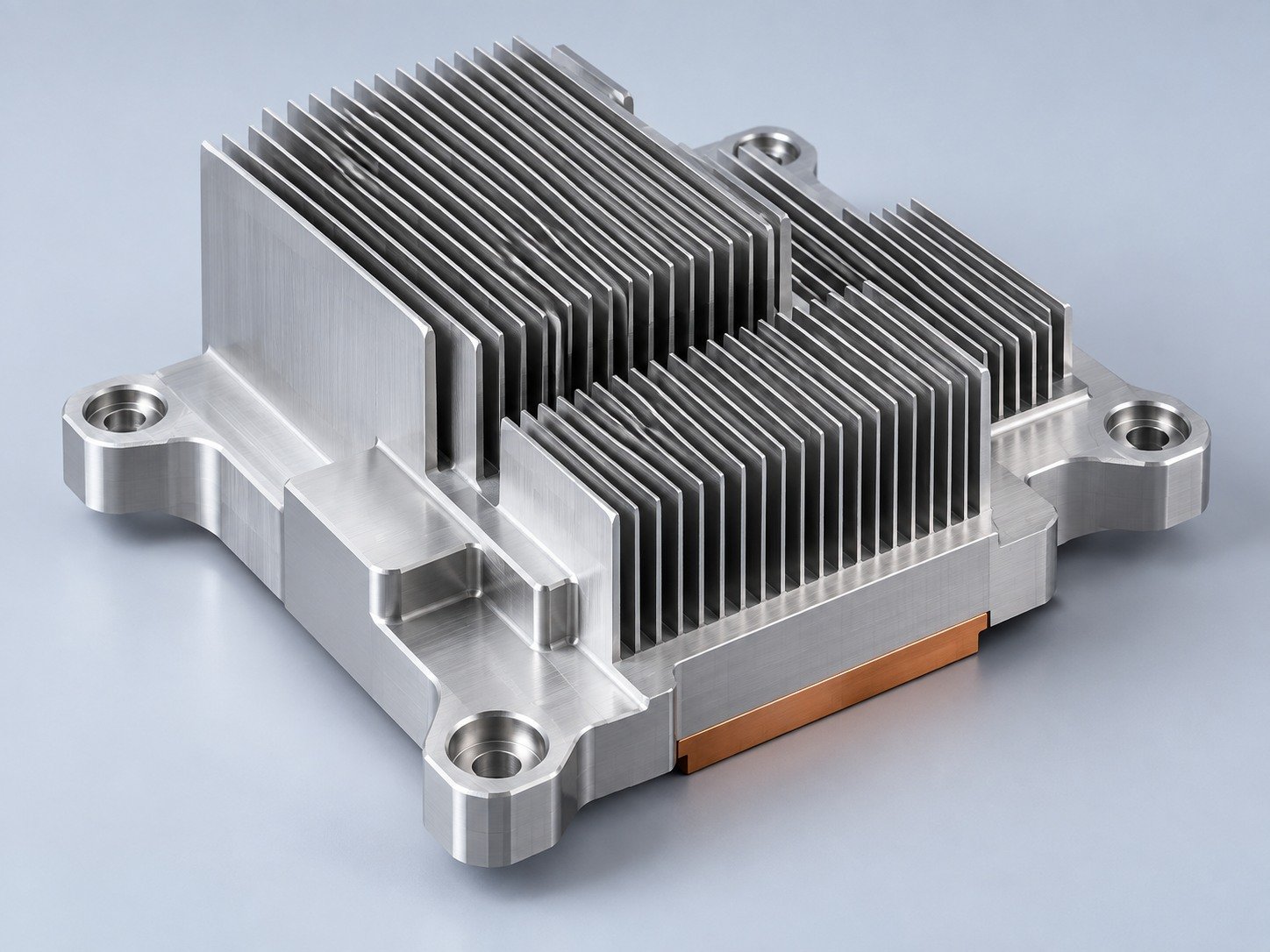
Manufacturing support for your cold plates, manifolds and cooling assemblies.
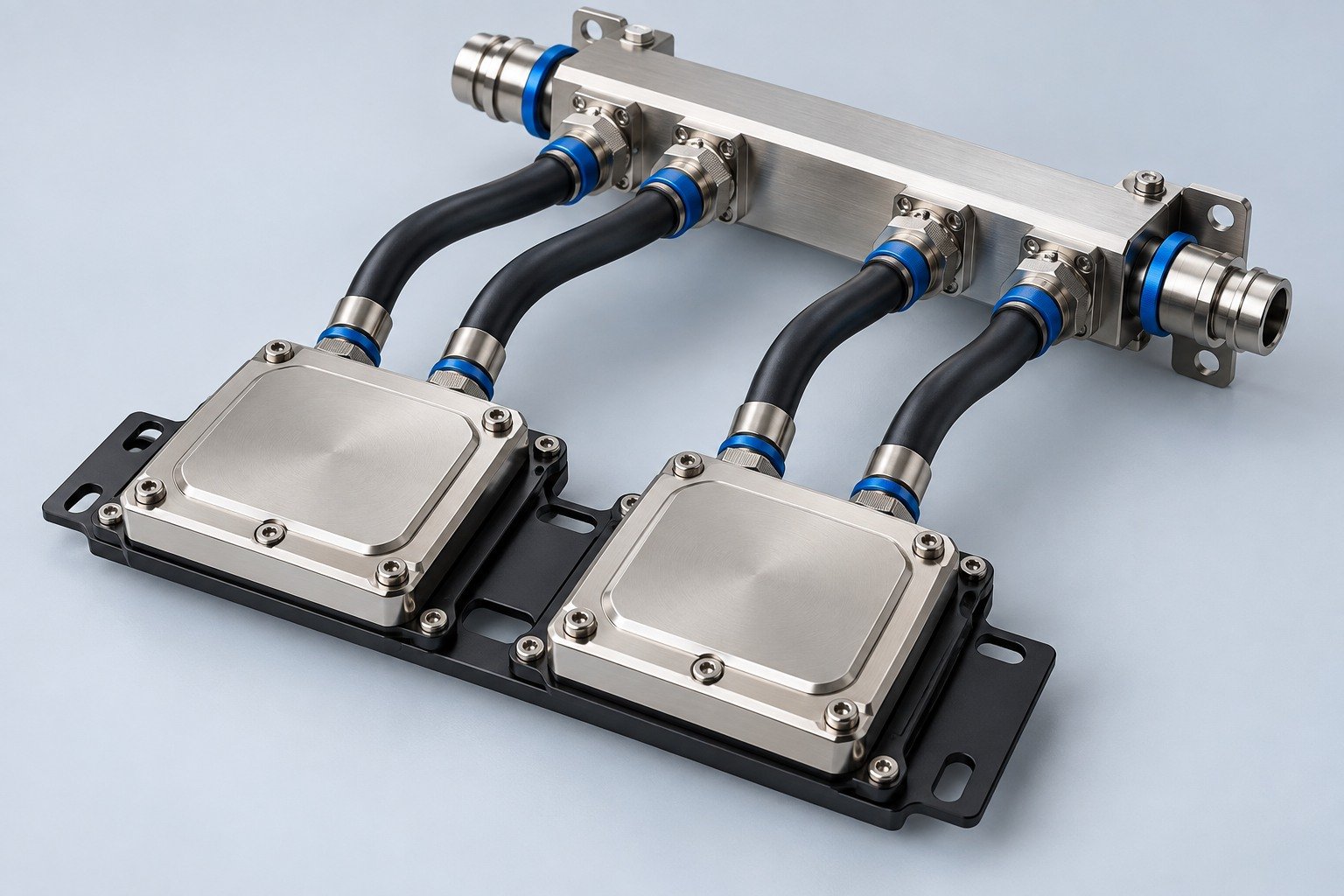
Find components for your power electronics, energy, laser and telecom application.
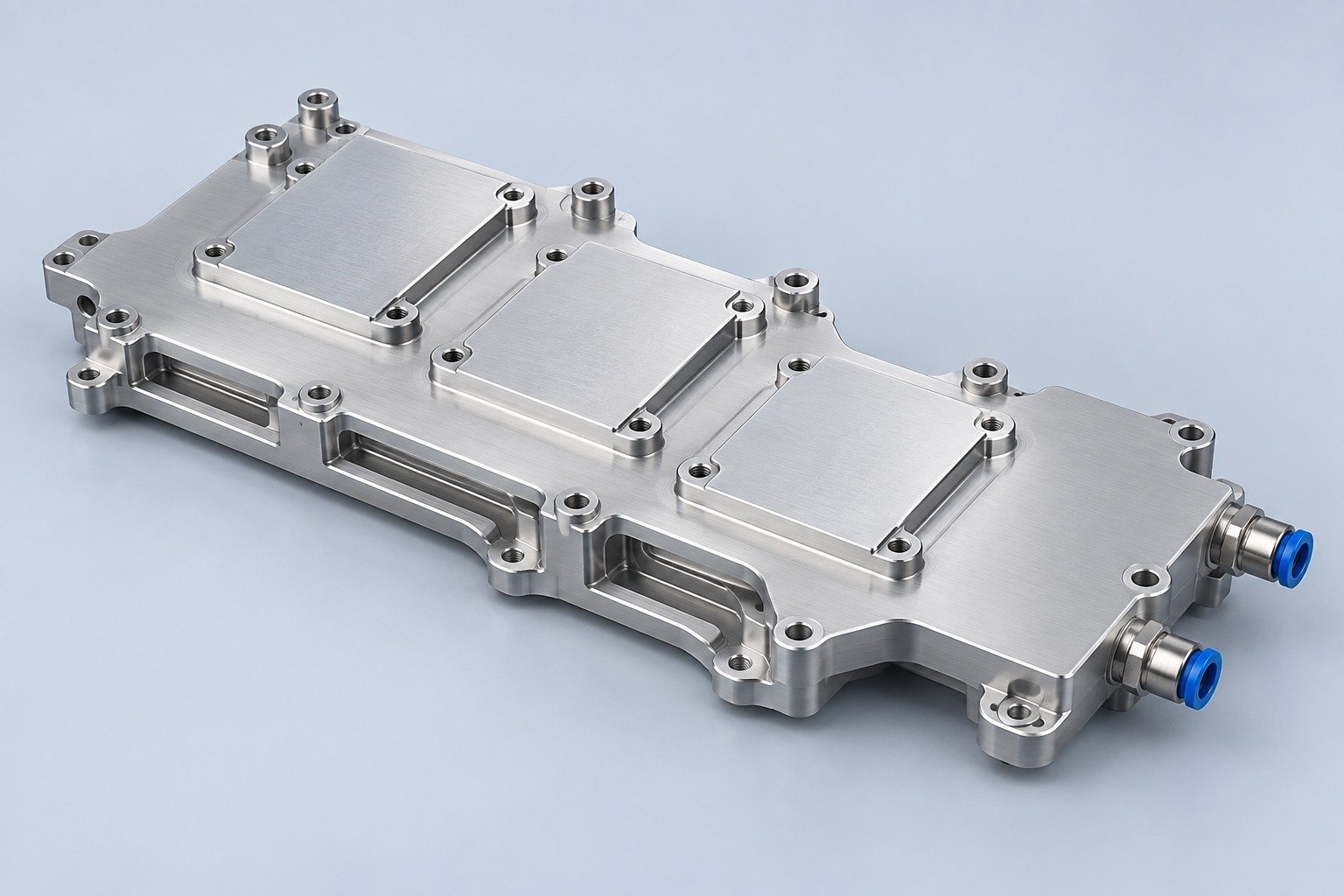
Components for your electronic systems.
Start with your functional and quality requirements.
Build around your operating environment.
Review grade, temper and finish for your metal parts.
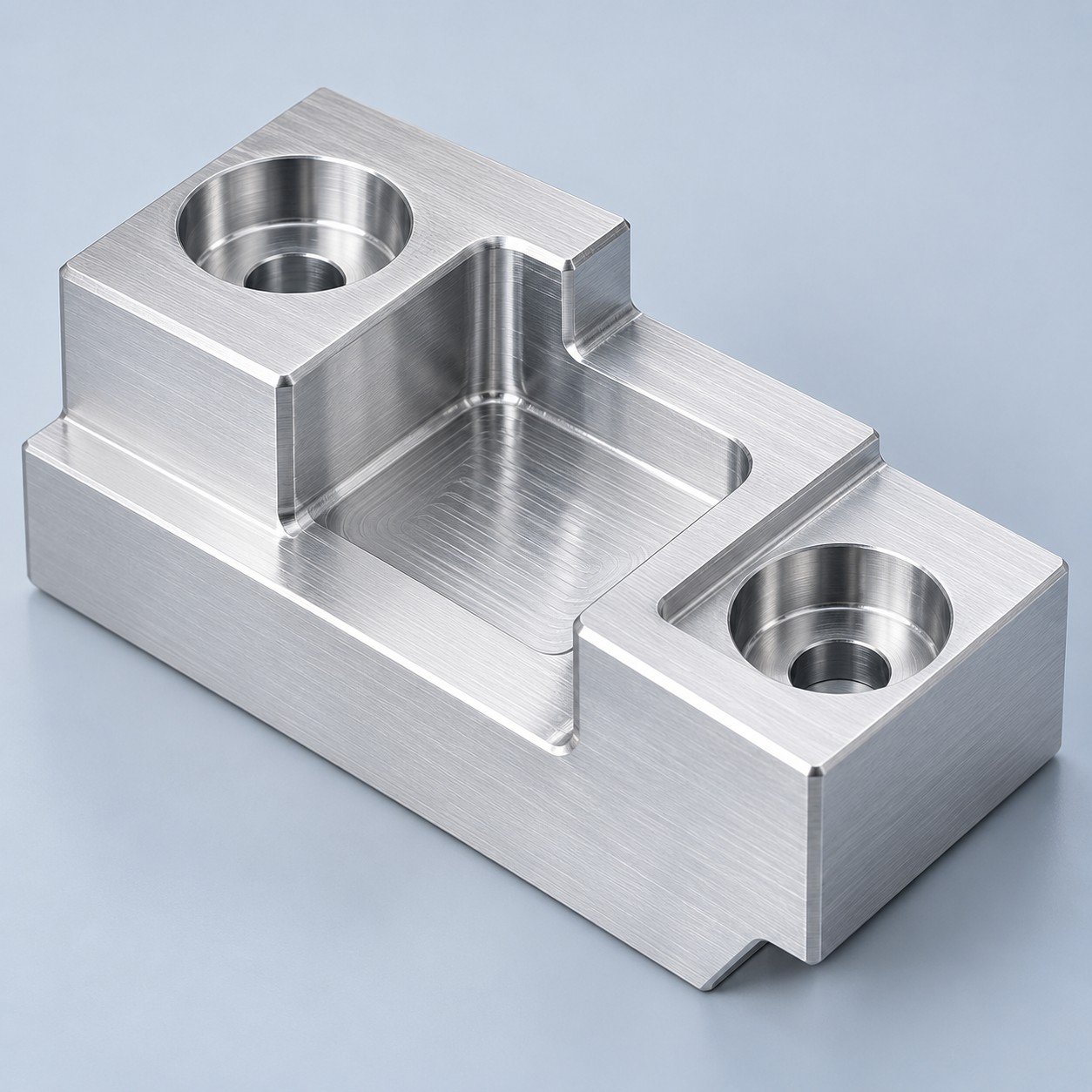 AluminumStrength, weight and machining
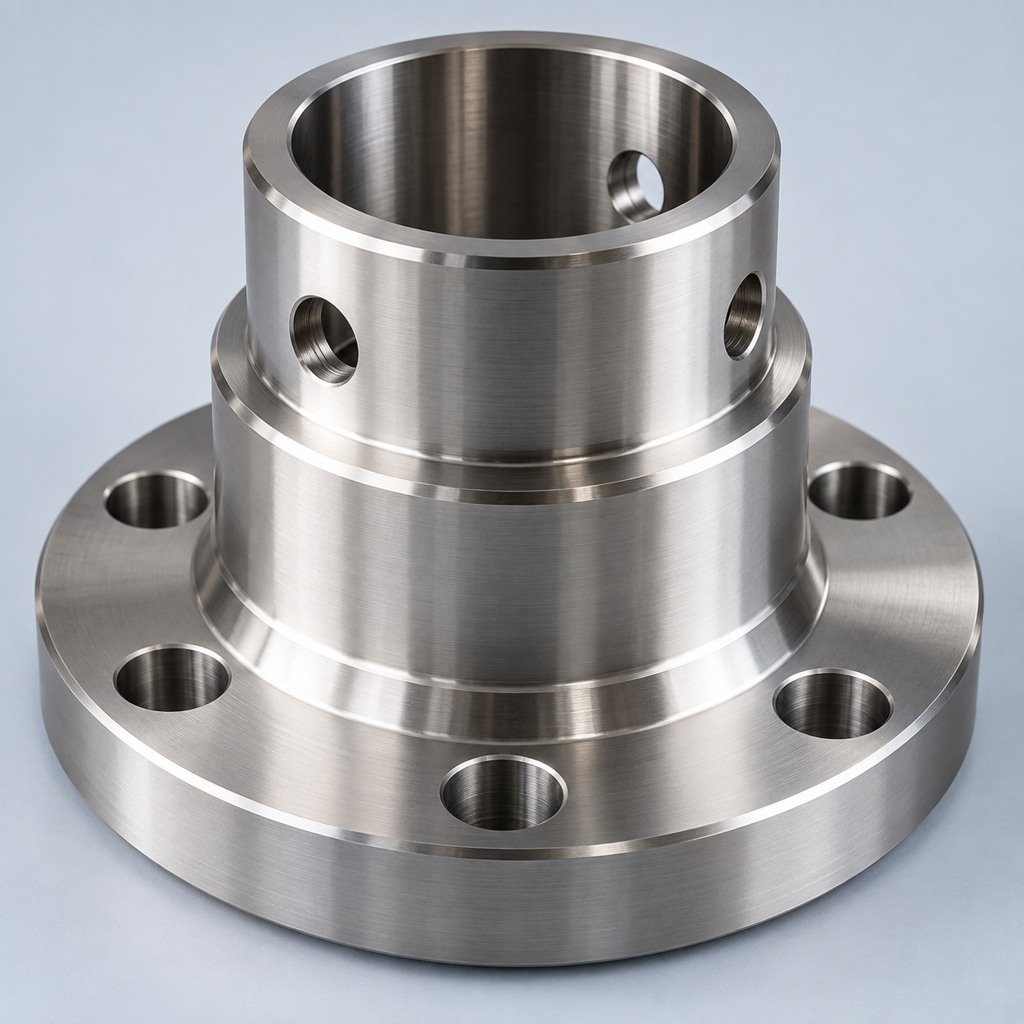 Stainless SteelCorrosion and finish requirements
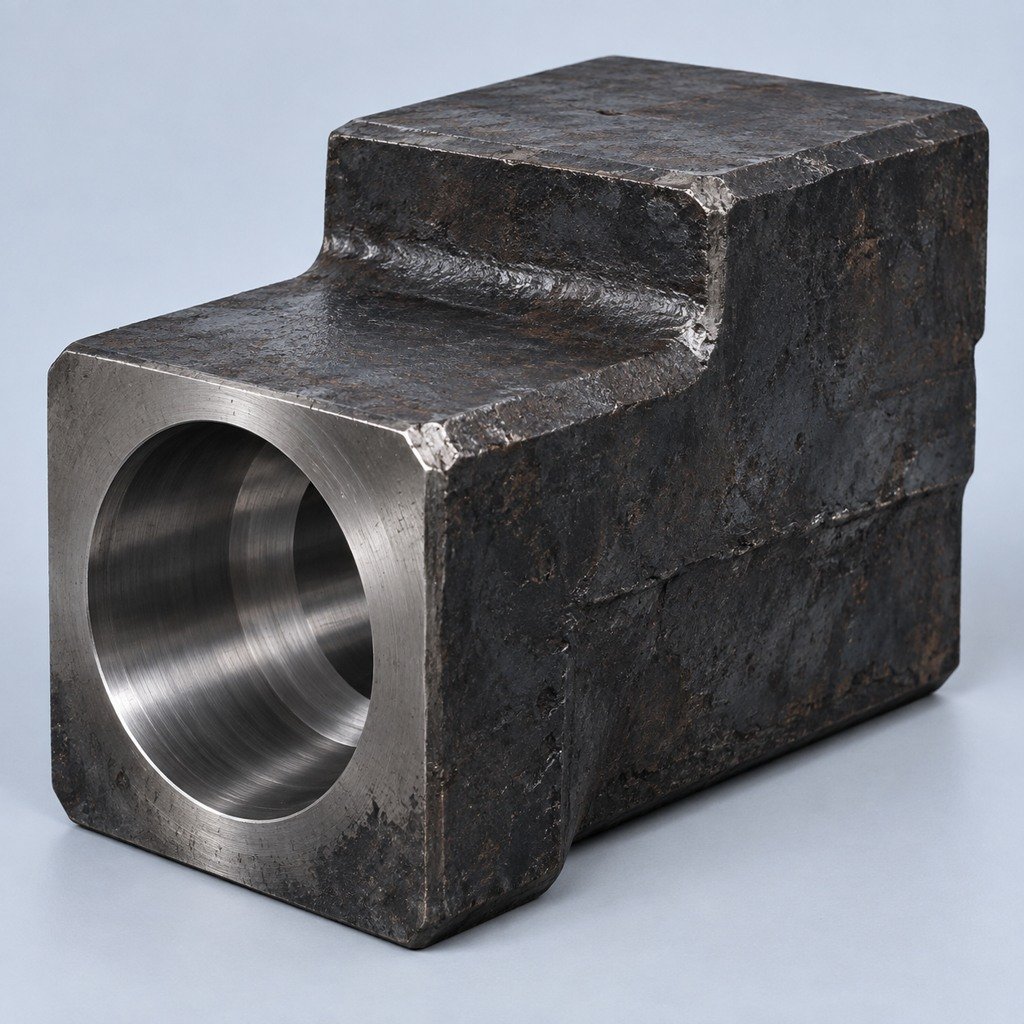 Carbon & Alloy SteelDiscuss grade and heat treatment
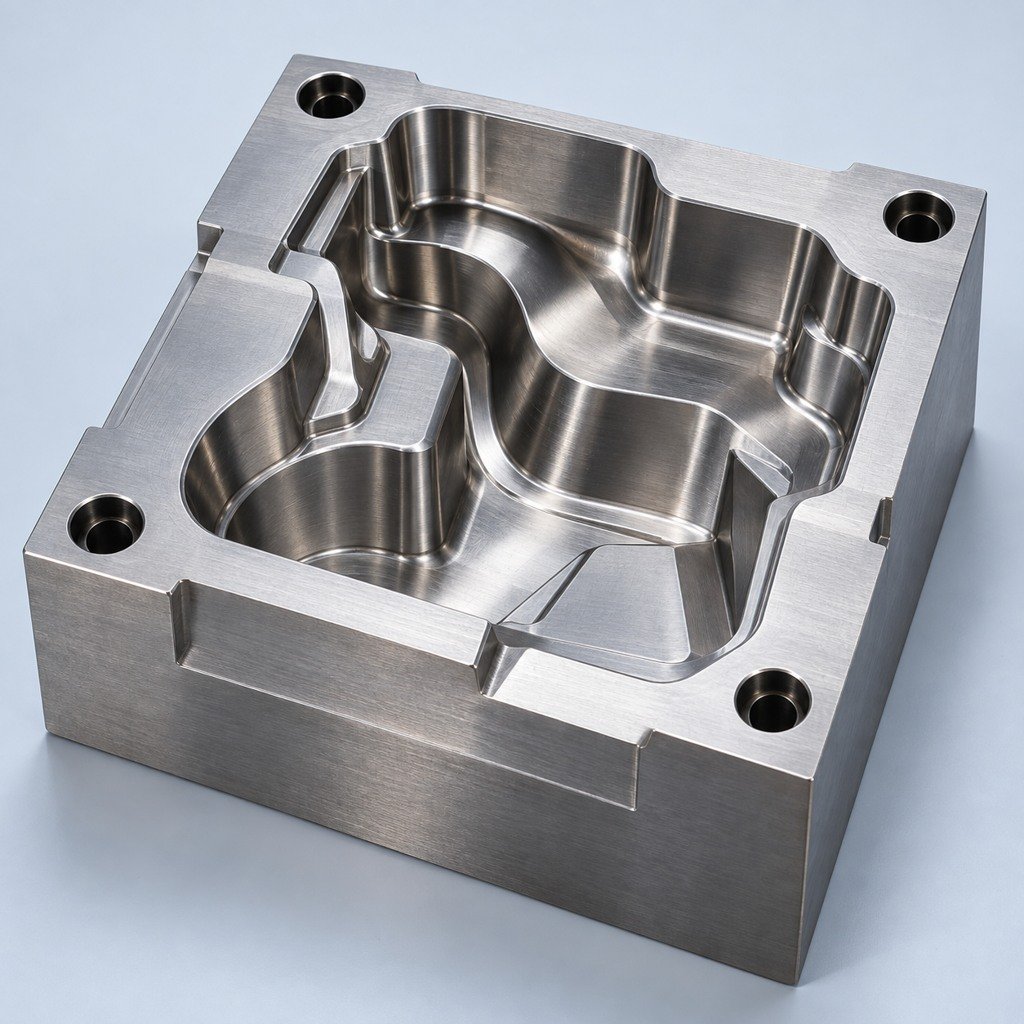 Tool SteelDiscuss tooling and wear needs
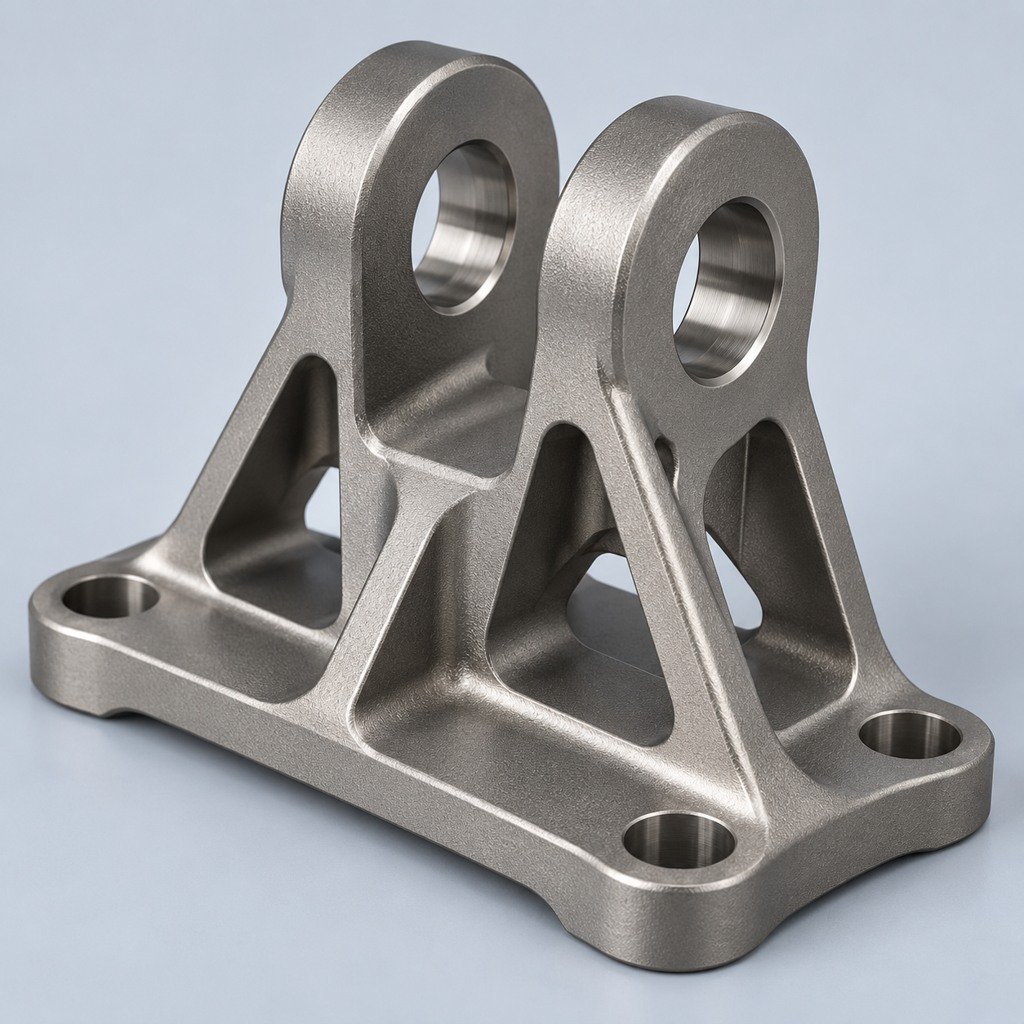 TitaniumReview grade and part geometry
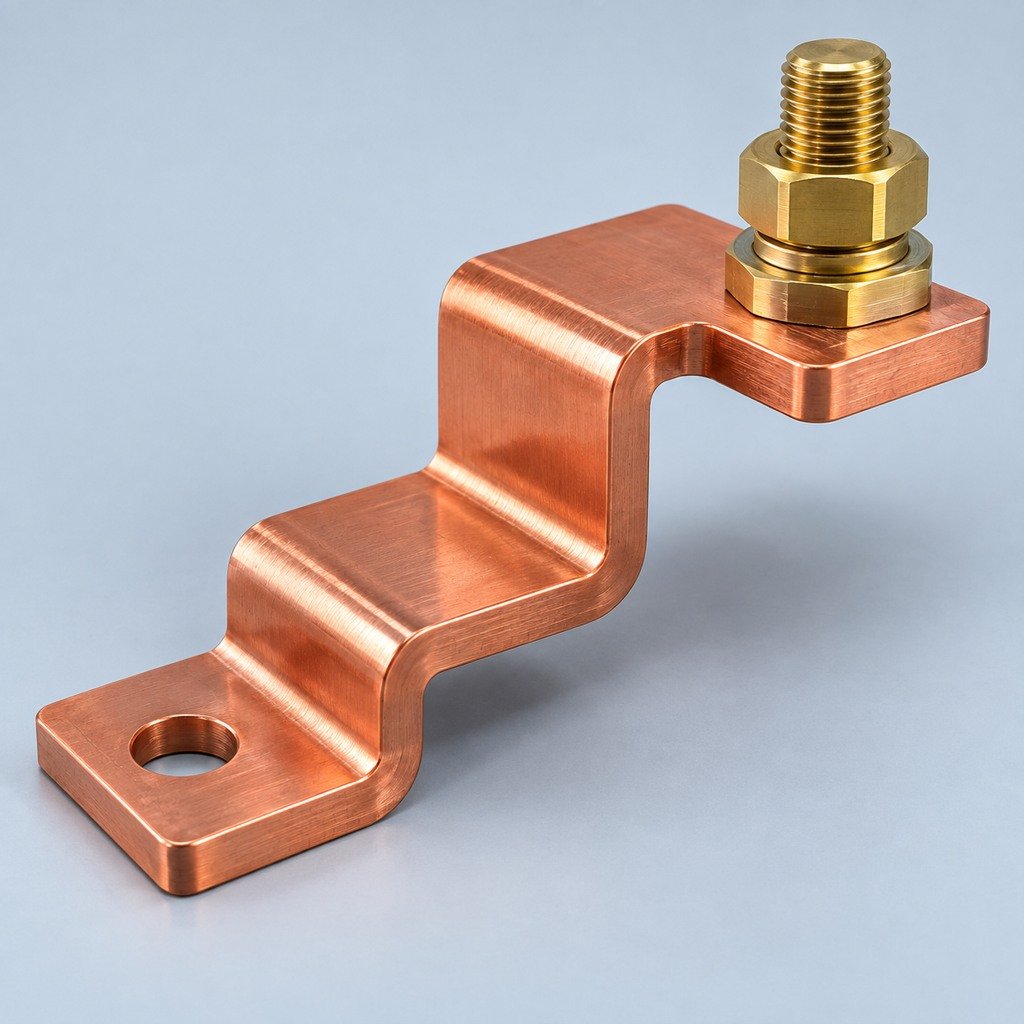 Copper & BrassDiscuss conductivity and machining
Match your polymer to function, process and environment.
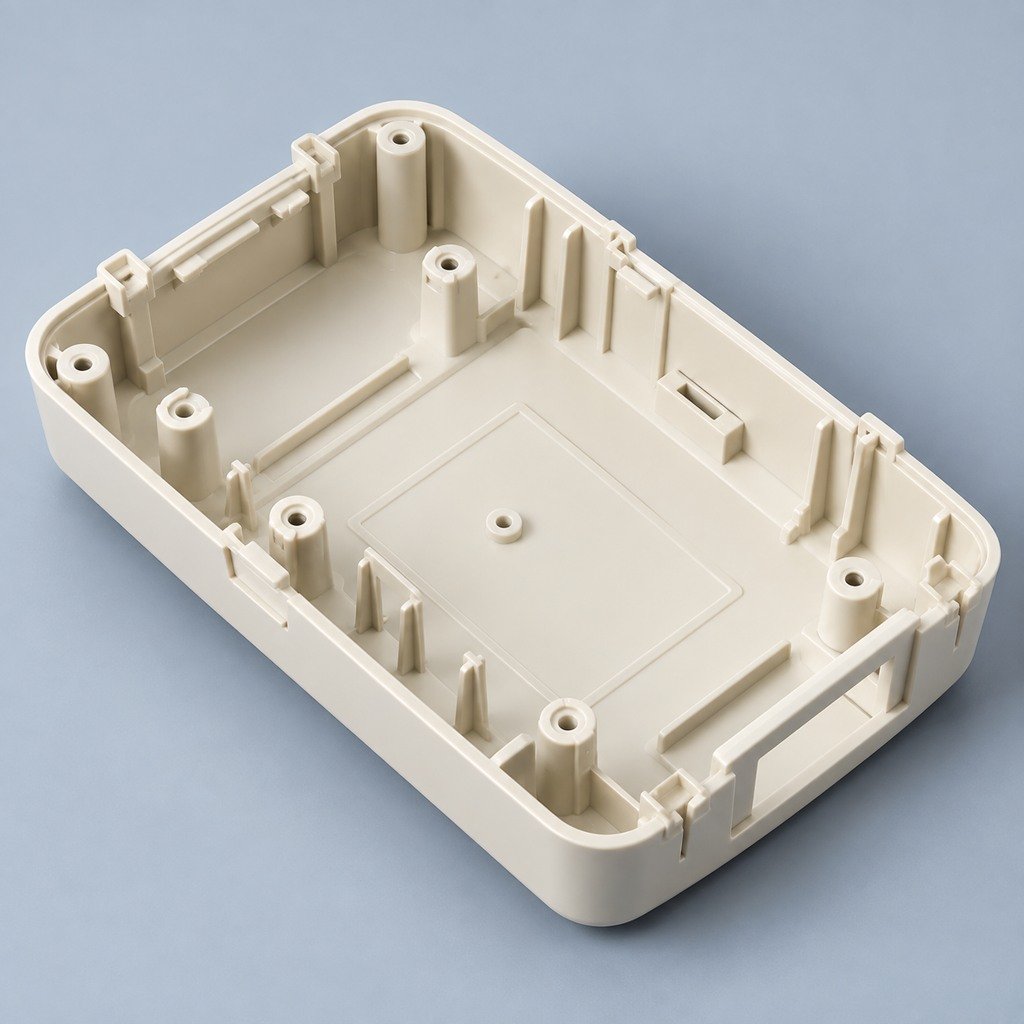 ABSReview enclosure and molding needs
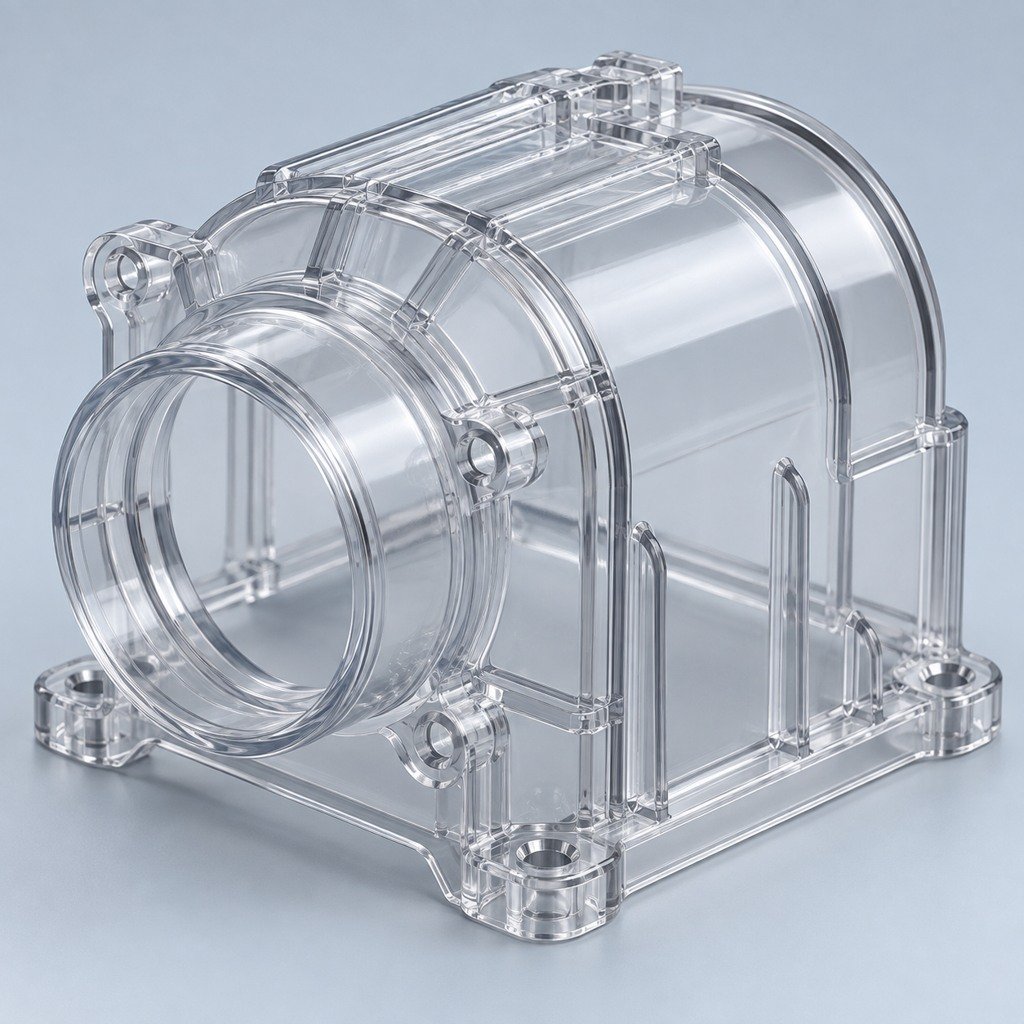 Polycarbonate (PC)Discuss clarity and impact needs
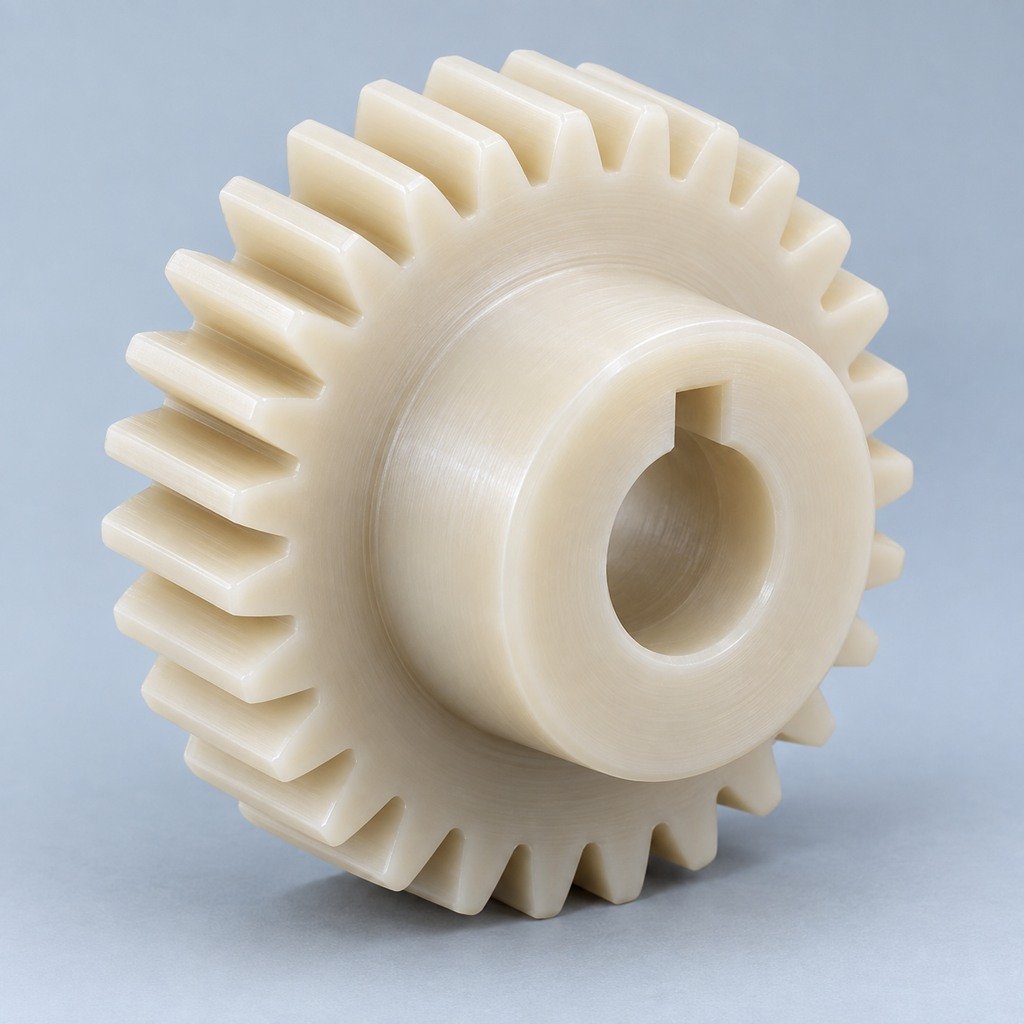 Nylon (PA)Review moisture and wear conditions
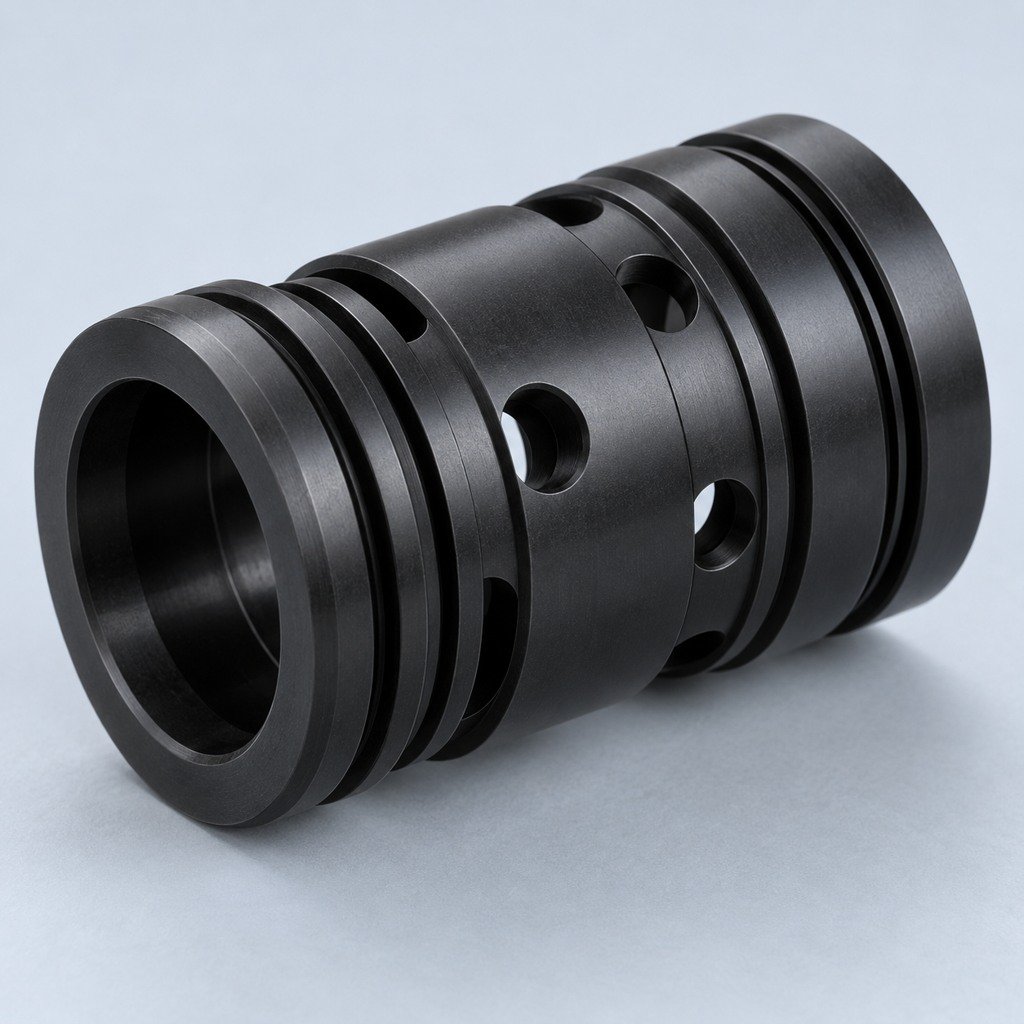 POM / AcetalReview fit and sliding features
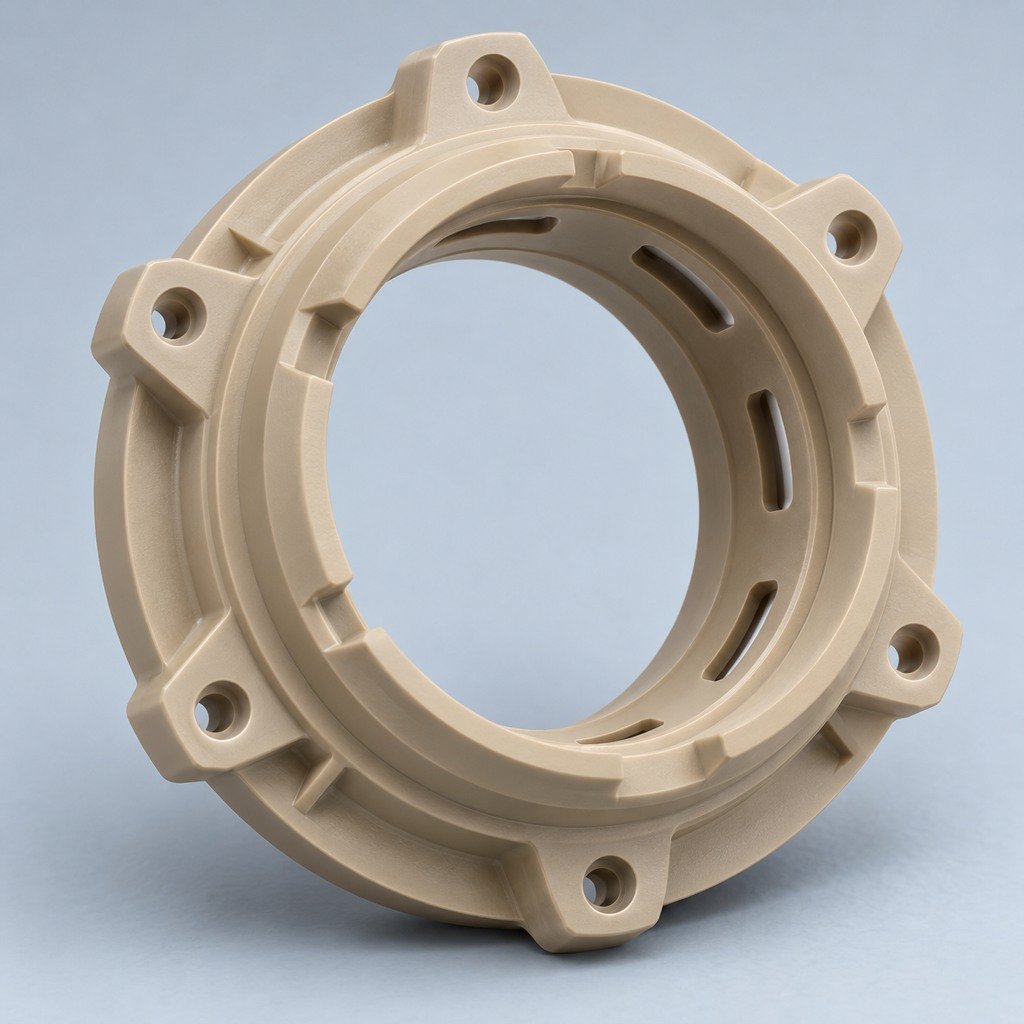 PEEKDiscuss operating conditions
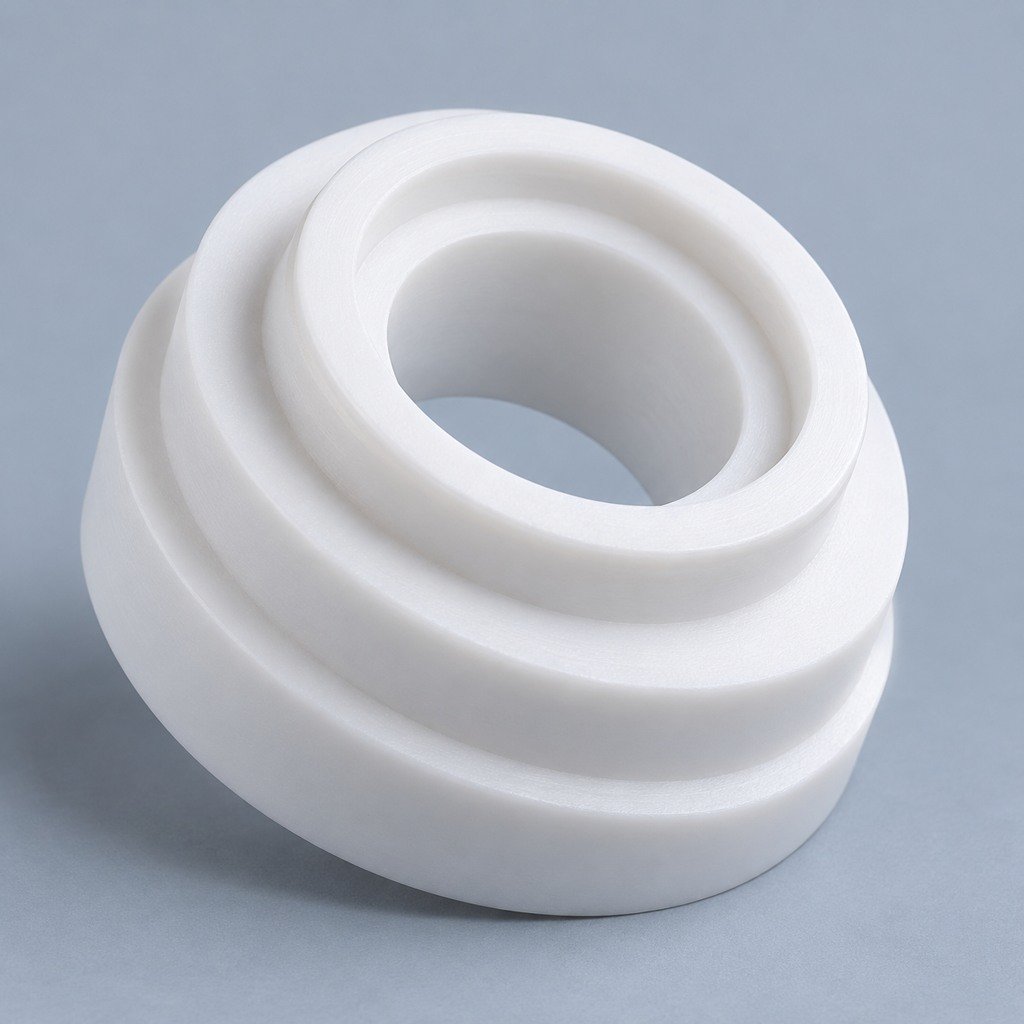 PTFEReview friction and chemical exposure
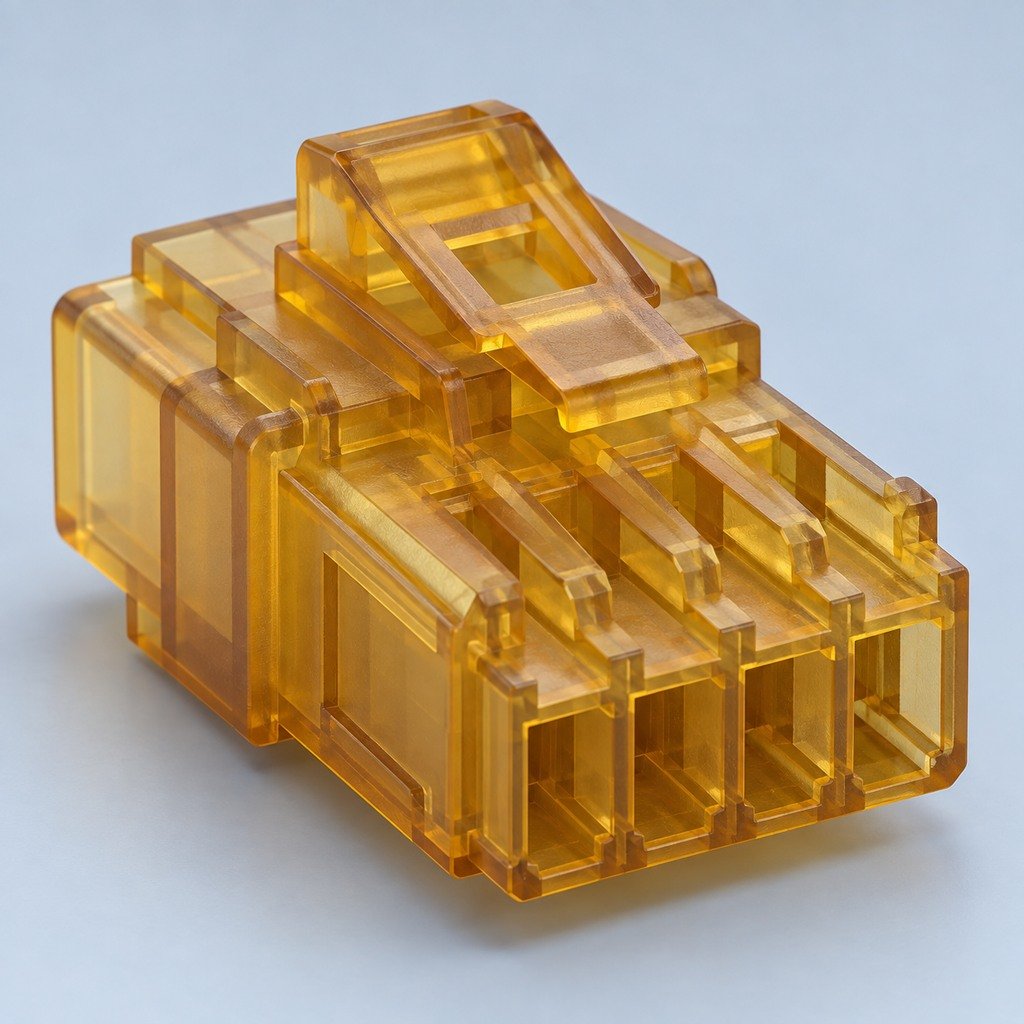 ULTEM / PEIDiscuss thermal and electrical needs
Confirm grade availability and application requirements.
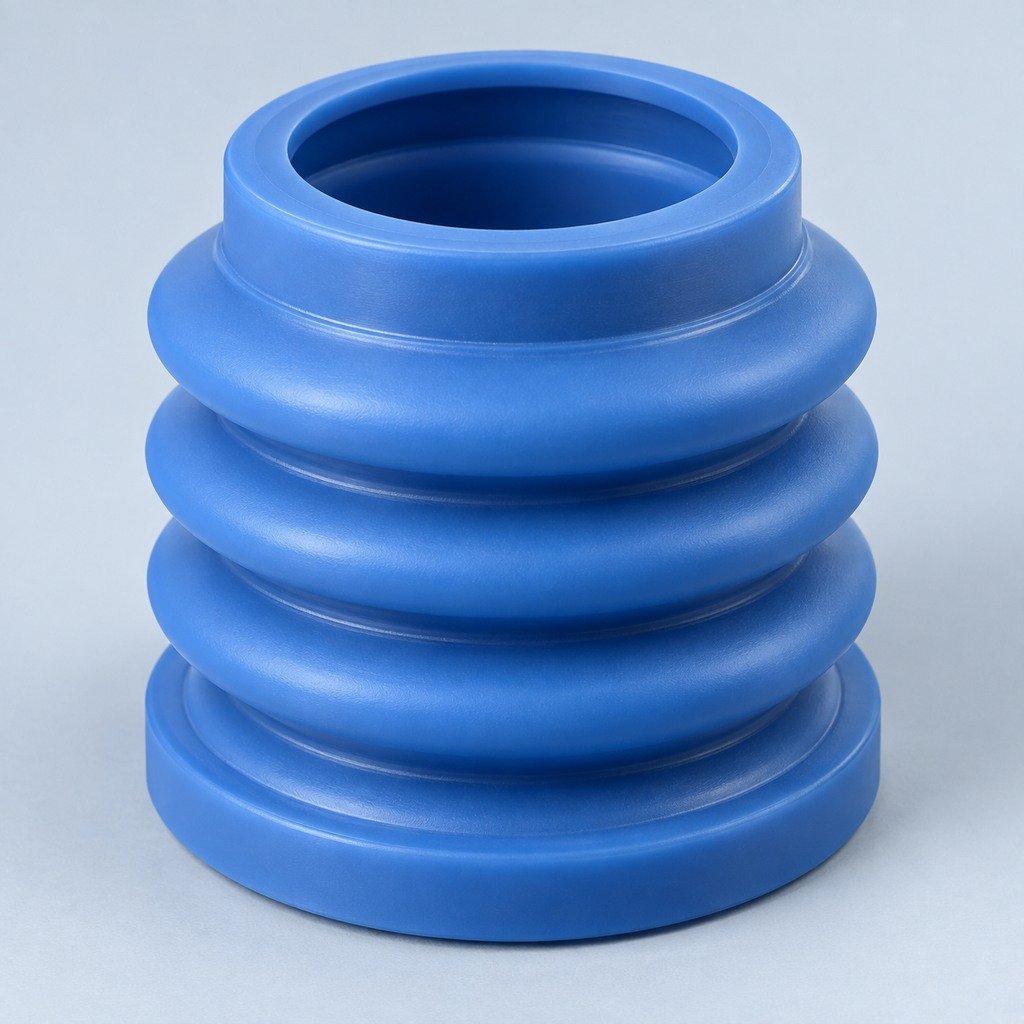 Silicone / LSRDiscuss flexible component needs
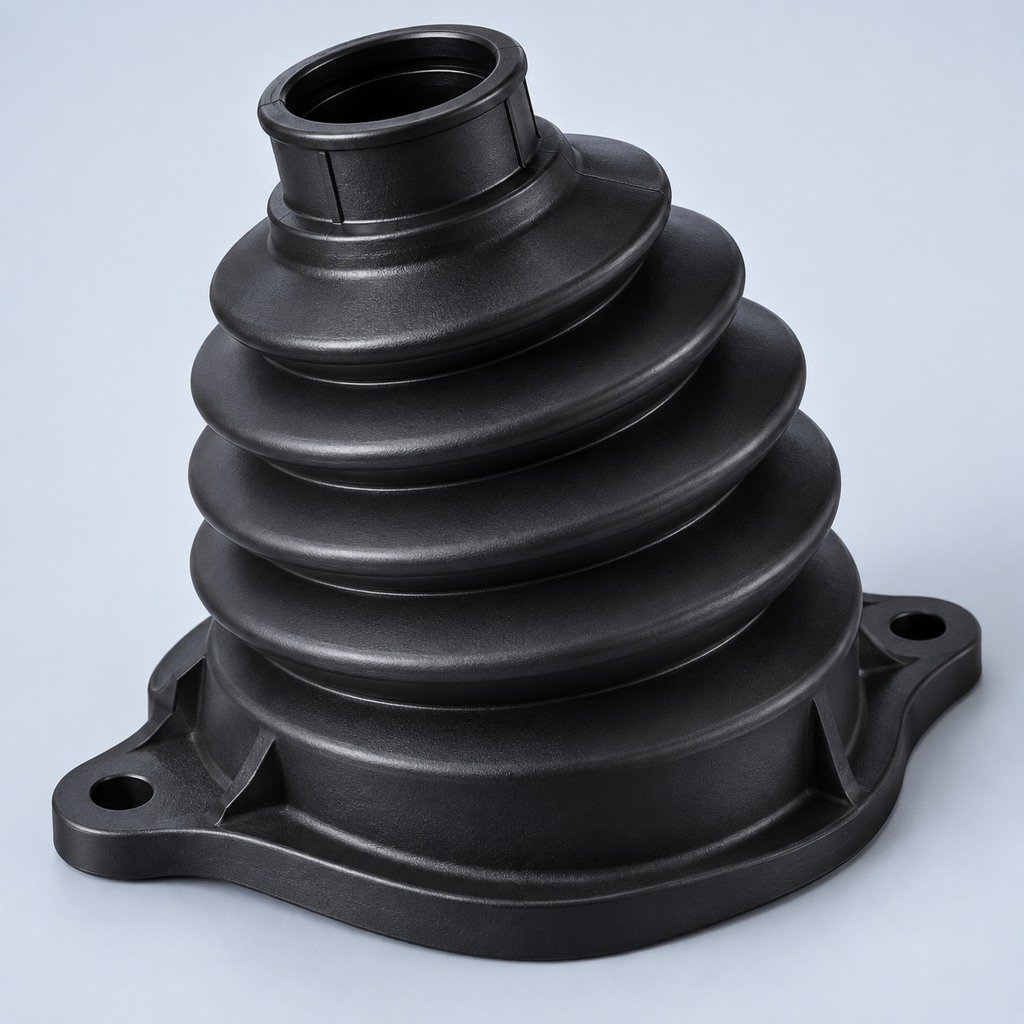 TPU / TPEReview flexibility and processing
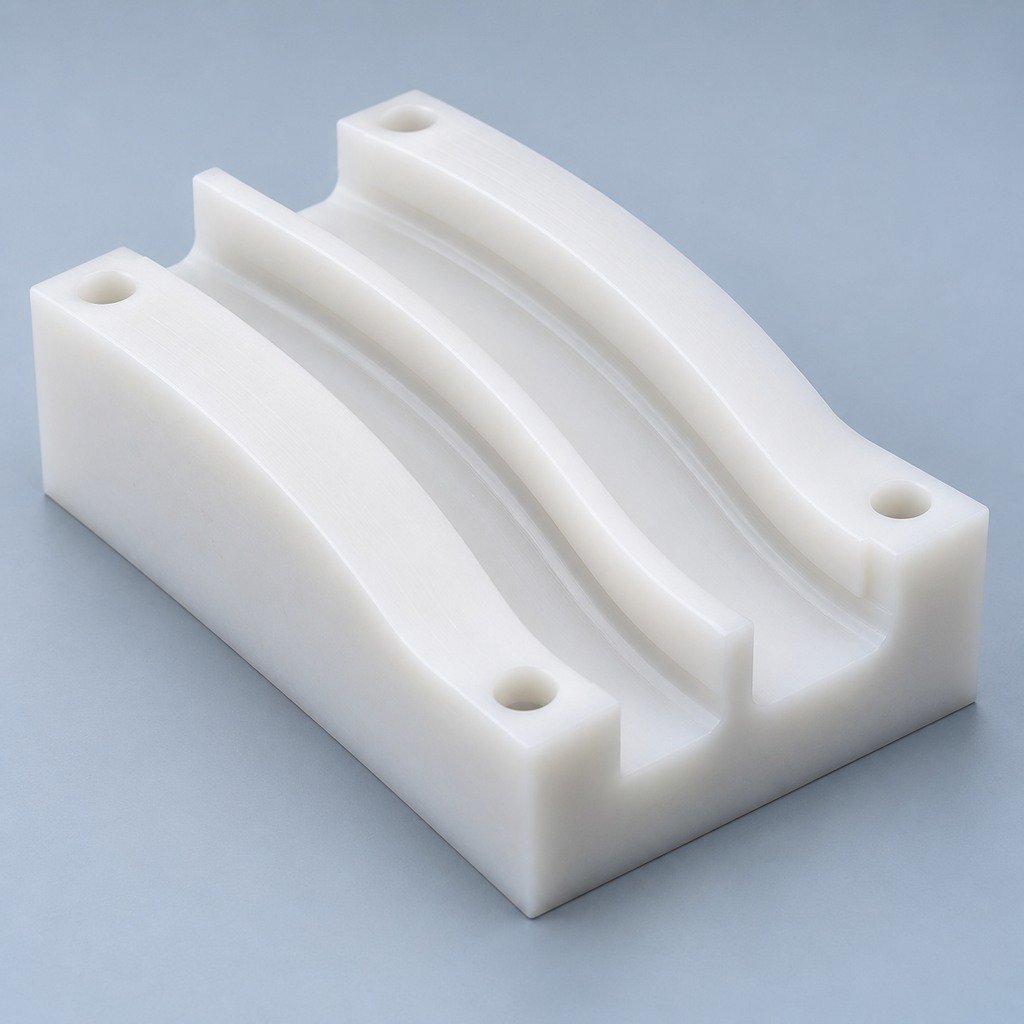 UHMW-PEDiscuss sliding and wear needs
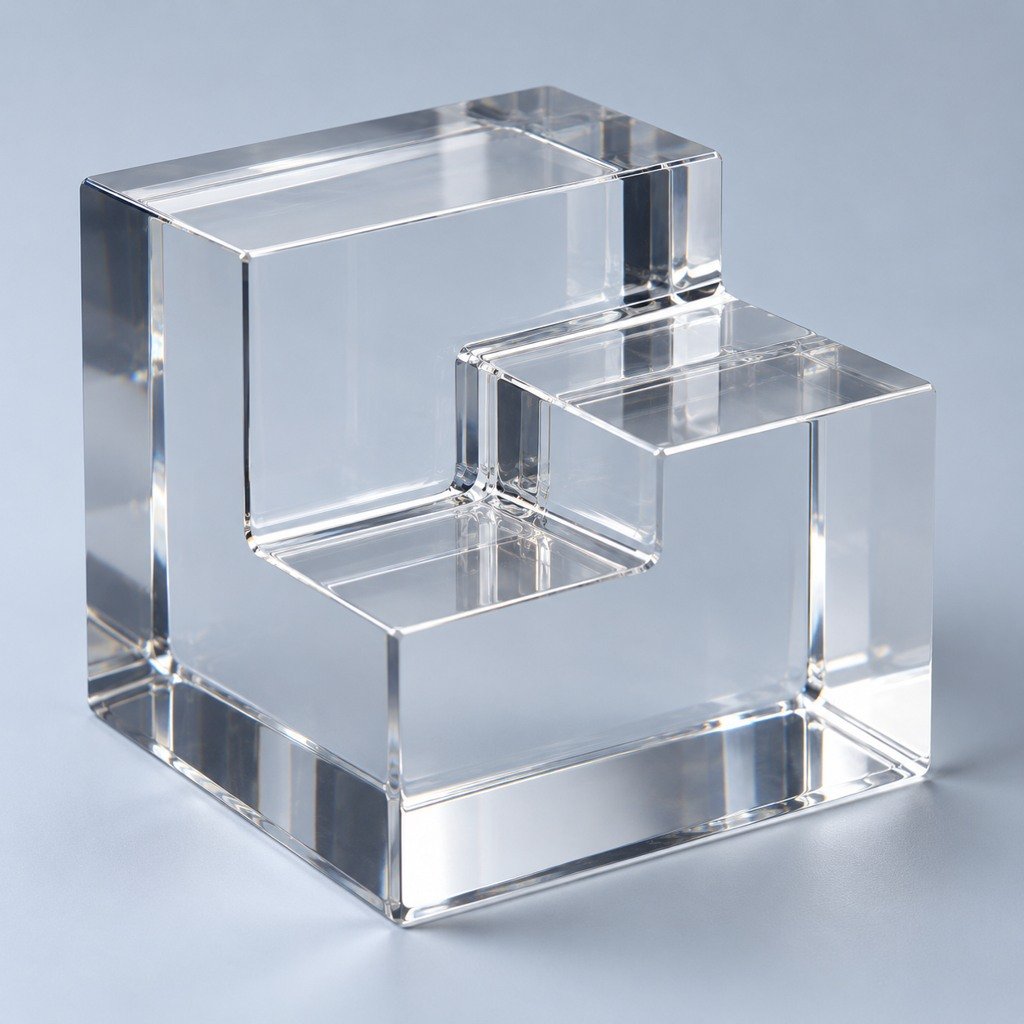 Acrylic / PMMAReview optical and cosmetic needs
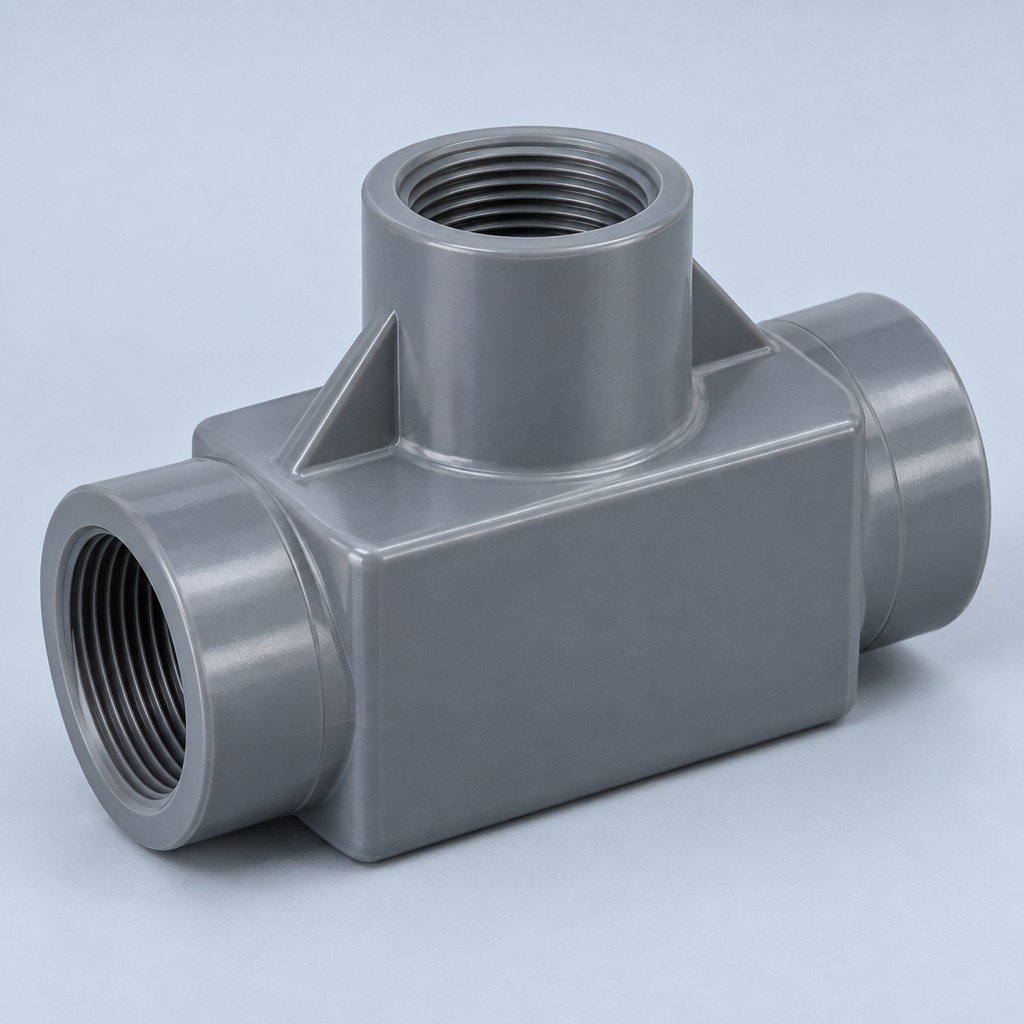 PVCDiscuss chemical exposure and grade
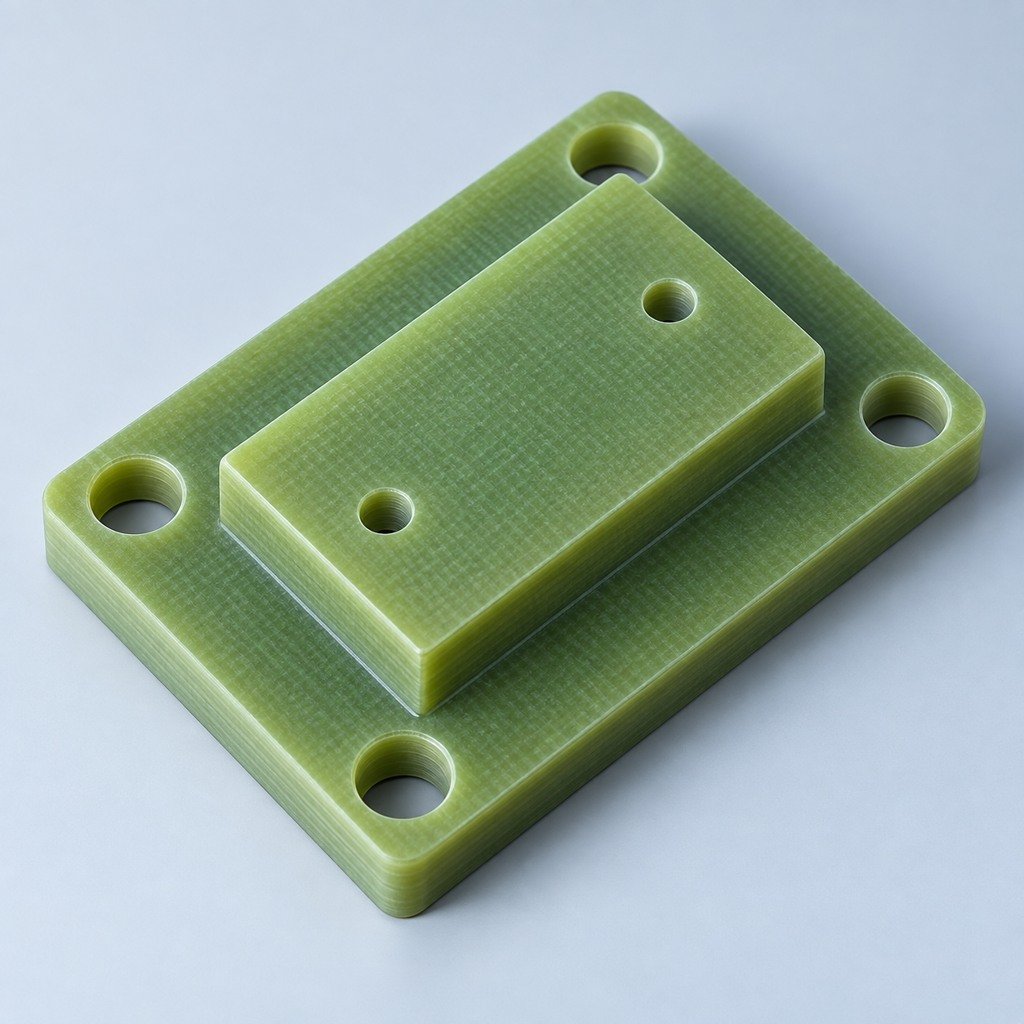 G10 / FR4Review insulation and laminate needs
Practical guidance for your part geometry and material decisions.
Prepare your process, budget and sourcing questions.
Build your knowledge before production.
Learn who we are and how we operate.
Find our U.S. support team or start a conversation.
DESIGN FOR MANUFACTURABILITY
Make your manufacturing decisions with the right information.
Review geometry, material, tolerances, tooling, finish and assembly before you commit to production. Build a practical plan around your part, your priorities and your approval criteria.
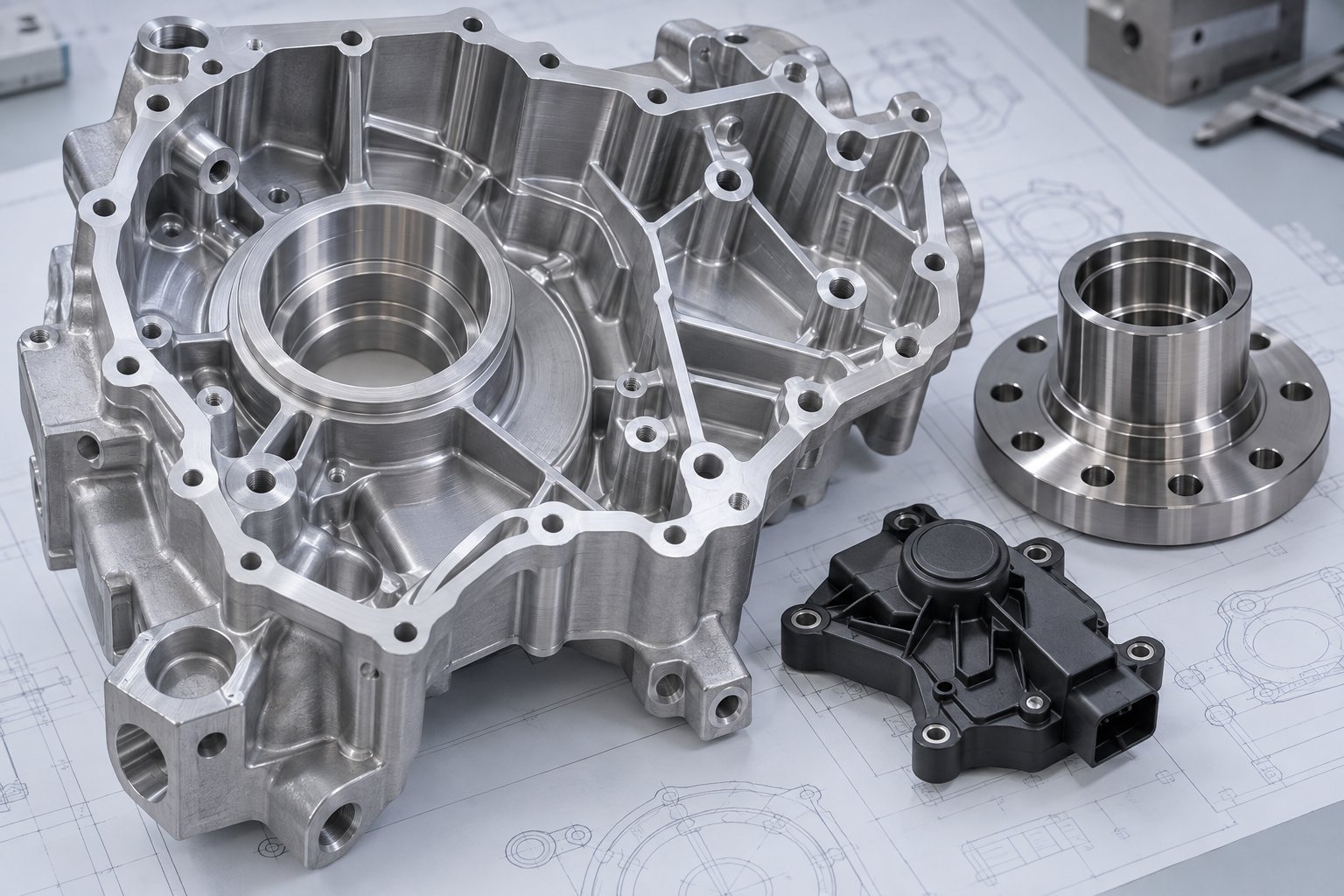
DFM OVERVIEW
Design for manufacturing analysis connects your design intent to the process that will make your part. Review priorities early, then approve changes against your functional requirements.
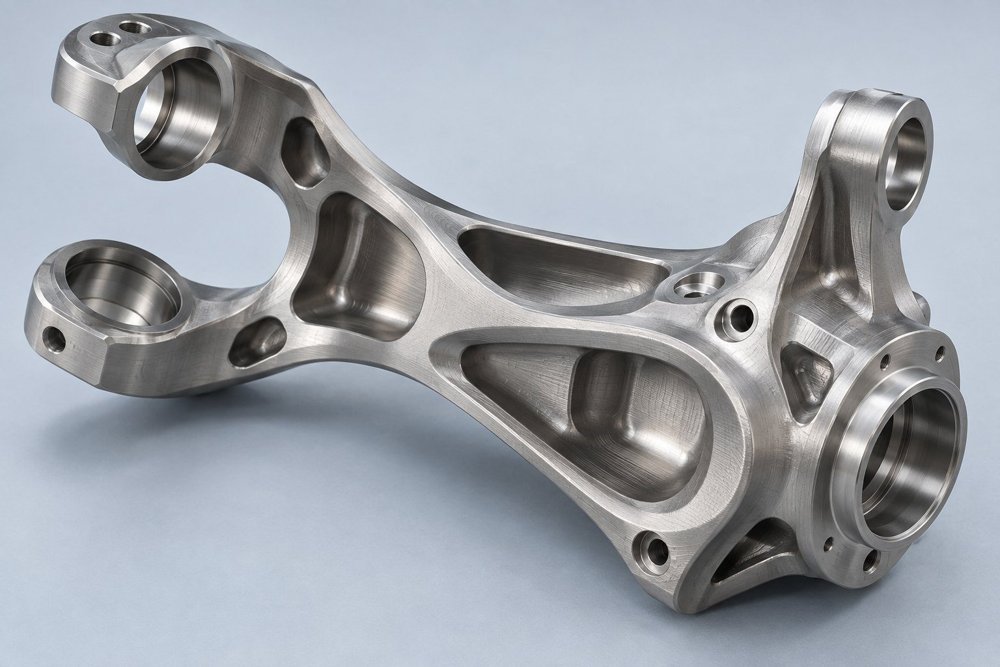
REVIEW BY MANUFACTURING PROCESS
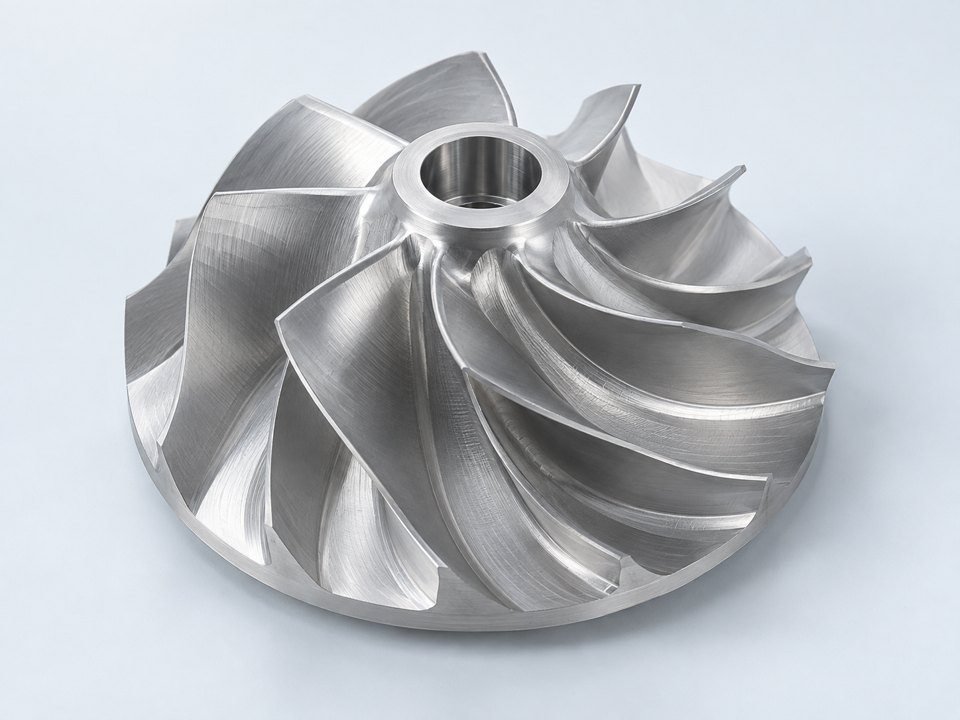
Review cutter access, internal radii, deep features and workholding before the machining route is fixed.
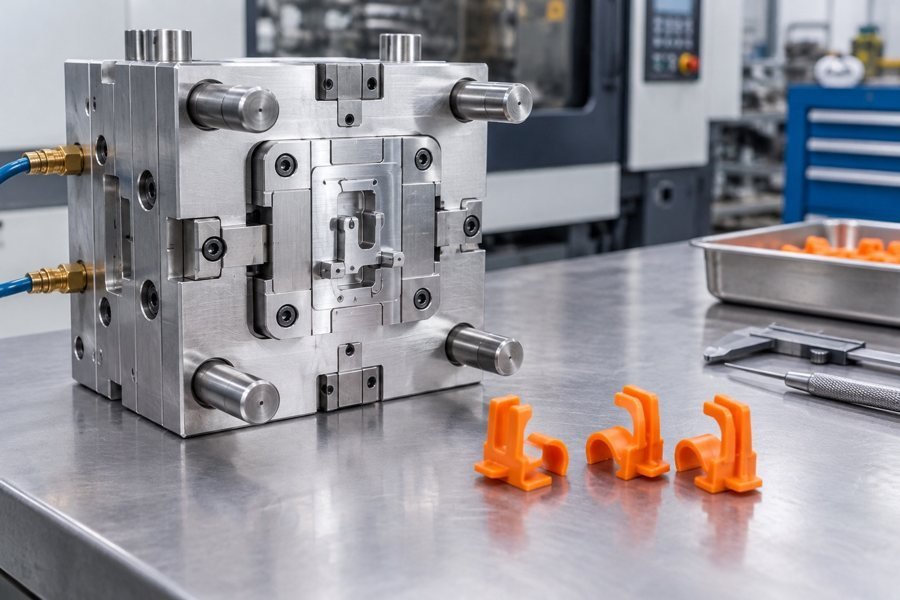
Review walls, draft, ribs, undercuts and cosmetic zones against your resin and tooling plan.
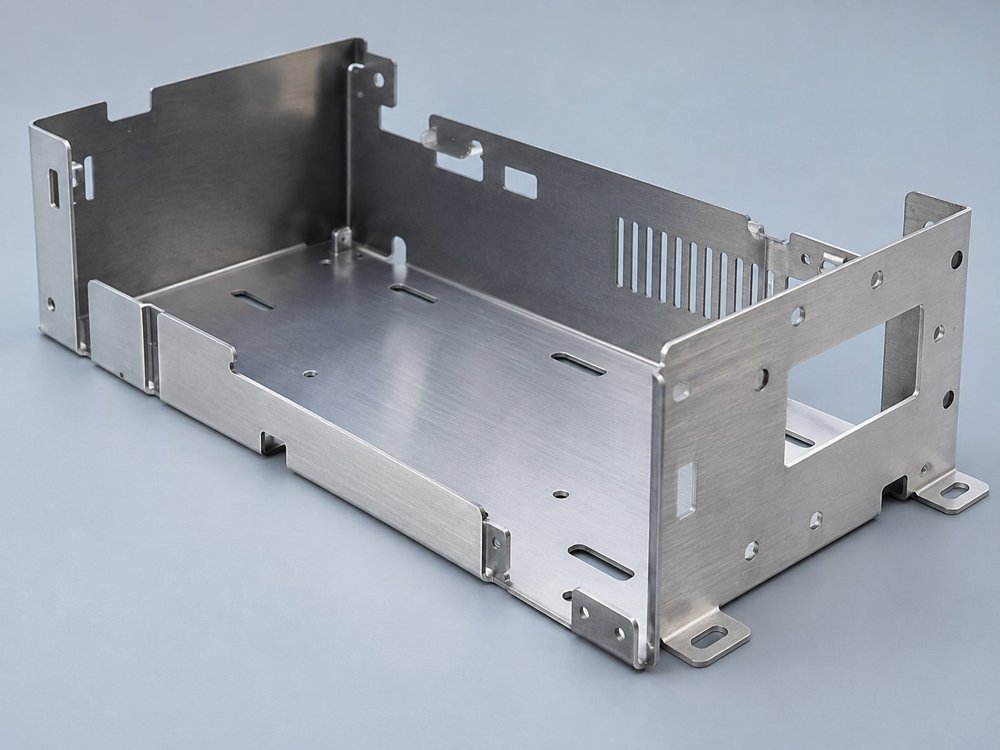
Review bends, holes, reliefs, hardware and welds together so the formed part supports your assembly.
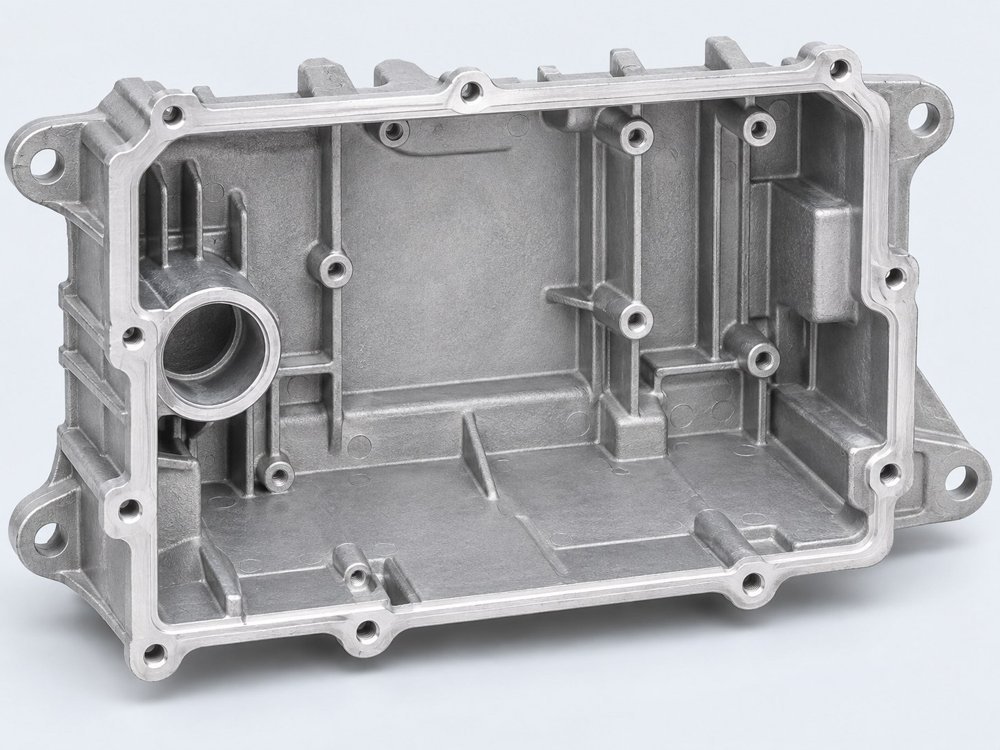
Align wall sections, draft and parting strategy with your alloy and post-machining requirements.
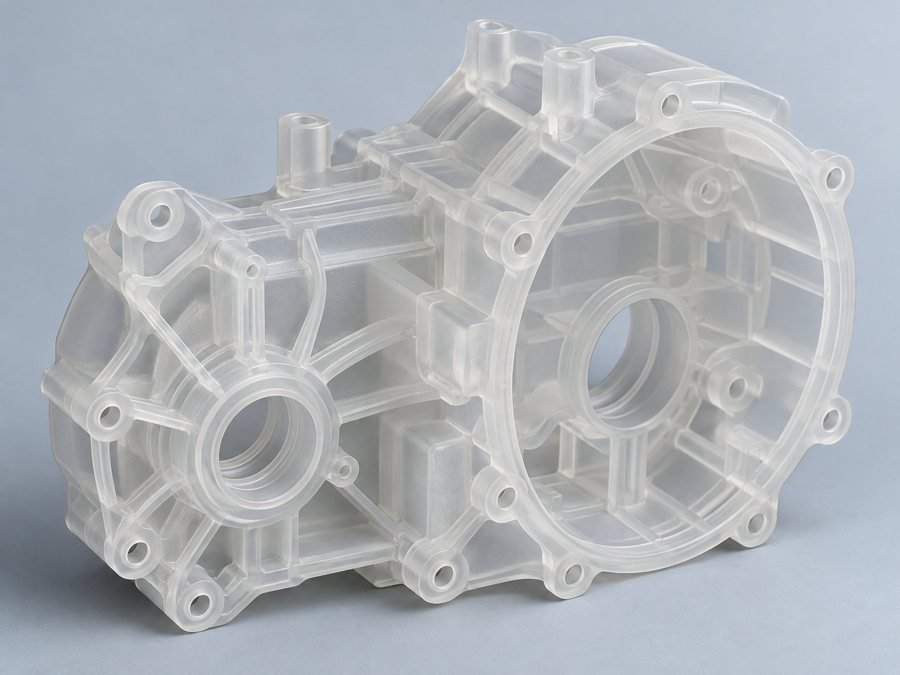
Consider process, orientation, support, material and post-processing before interpreting your prototype results.
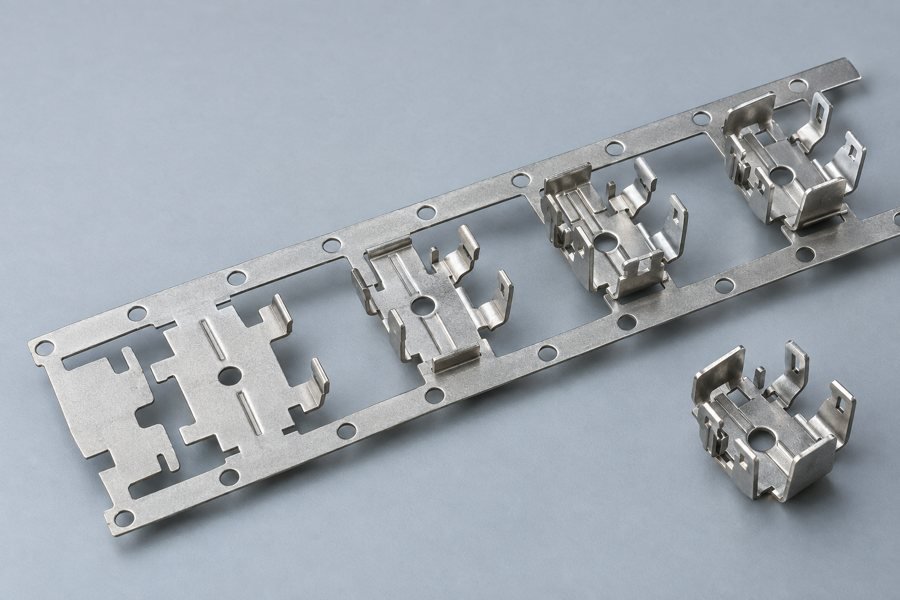
Review forming depth, radii, edge distances and strip strategy around your volume and material.
YOUR DESIGN PRIORITIES
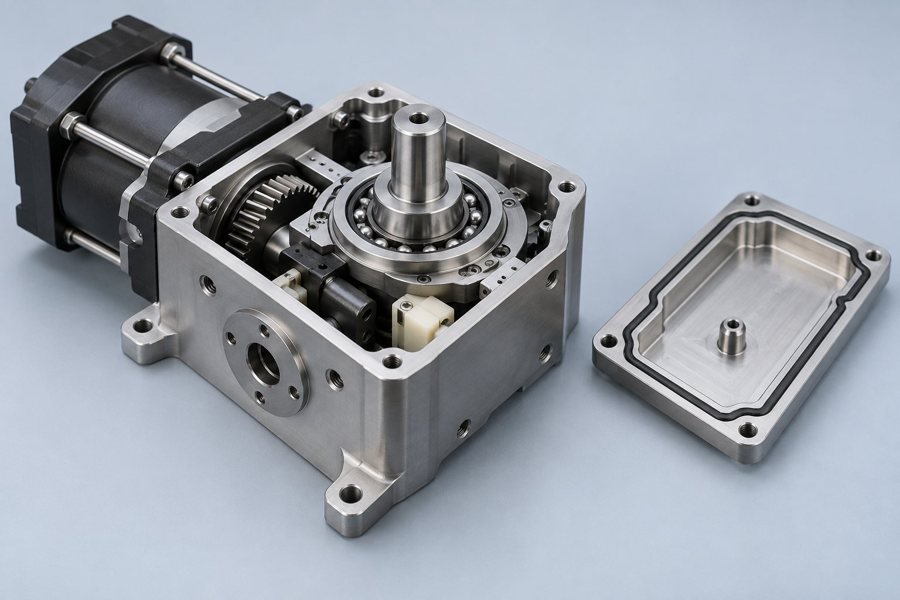
Separate essential function from avoidable complexity before changing your design.
Setups, tooling and cycle time
Material grade and stock size
Tolerances, finishes and inspection
Compare options against your total project cost.
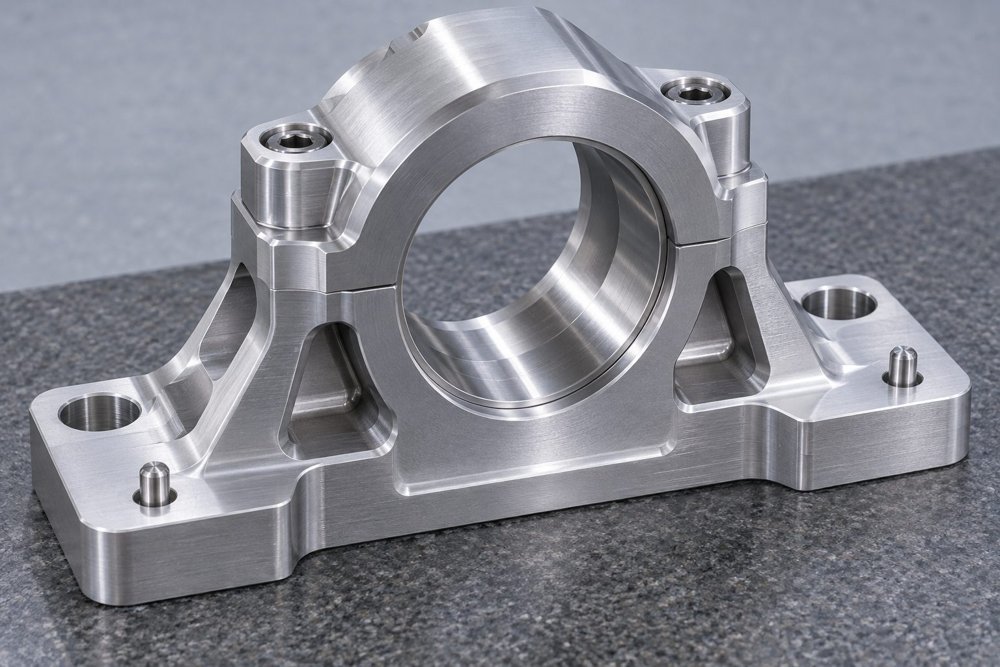
Identify which dimensions control function and which can follow a practical general tolerance.
Mating dimensions and datums
Tolerance accumulation across parts
Measurement method and acceptance
Spend precision where your assembly needs it.
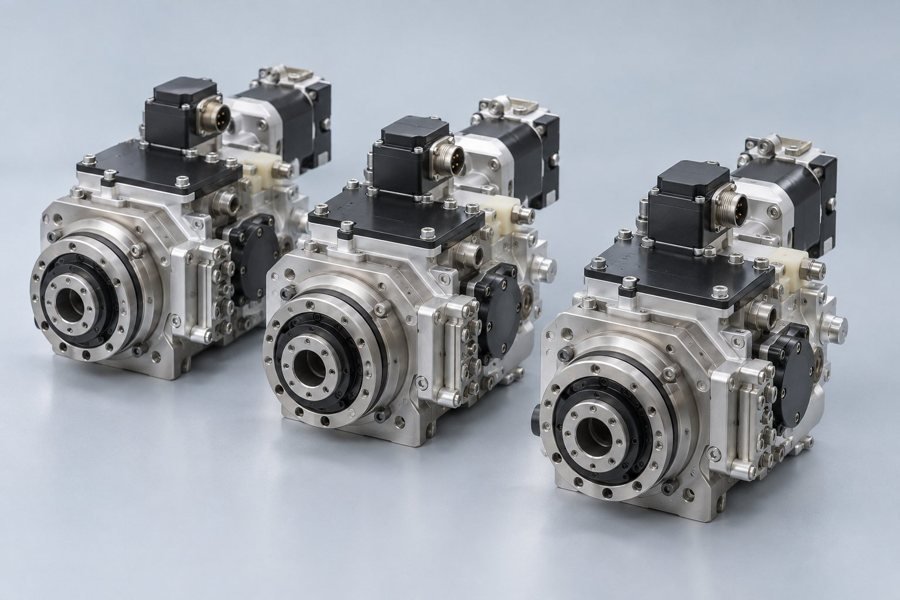
Review material availability, tooling, outside operations and approval steps together.
Stock and material specification
Tooling and secondary operations
Sample approval and release timing
Reduce avoidable handoffs and late design changes.
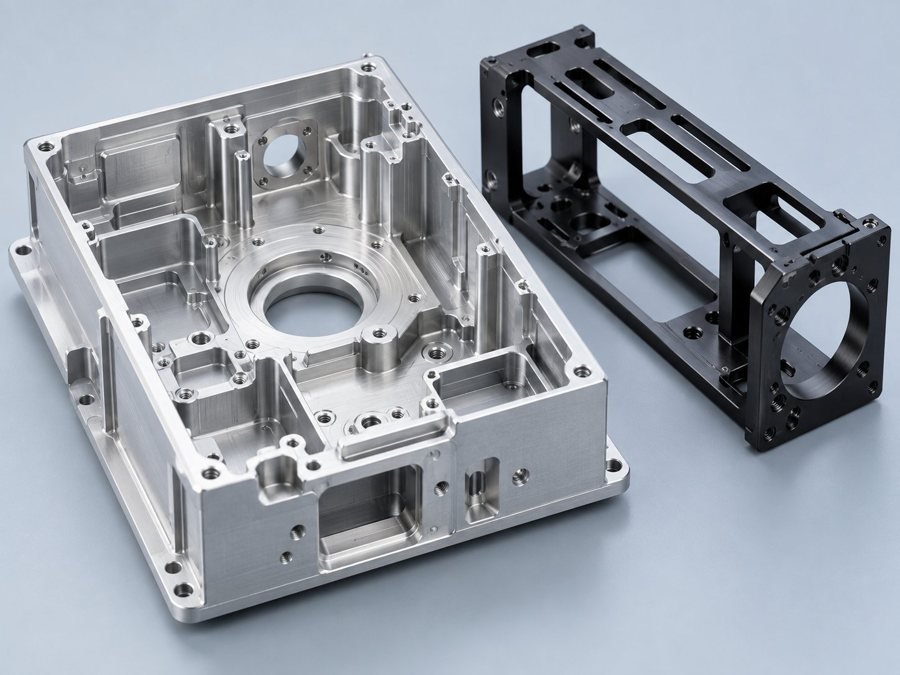
Identify visible surfaces, sealing faces, masking and finish build-up early.
Texture, color and appearance zones
Dimensional effect of finishing
Handling and protective packaging
Match your finished part to its intended use.
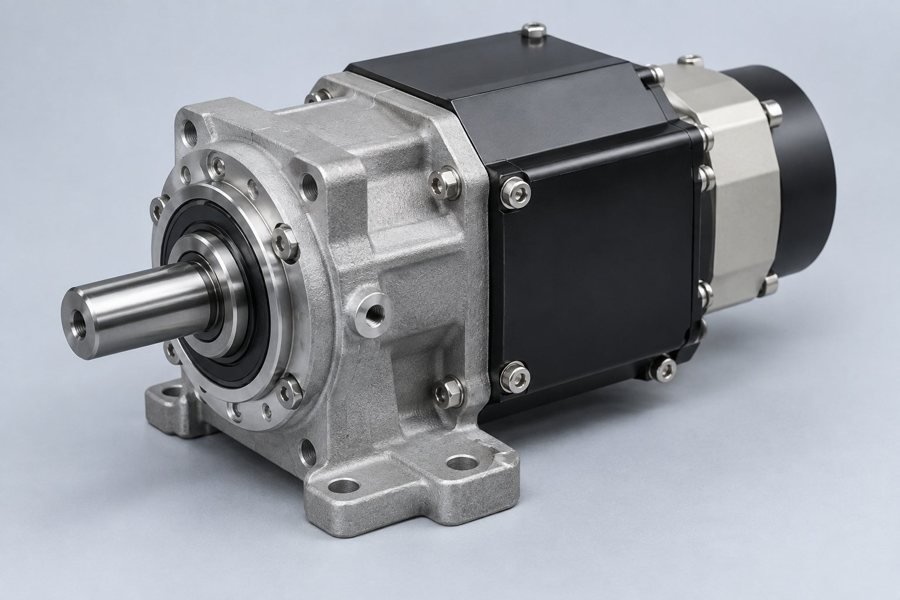
Consider mating parts, fastening access and build sequence alongside individual dimensions.
Fits and tolerance stack-up
Fastener and insert access
Assembly and inspection sequence
Reduce fit problems at your assembly station.
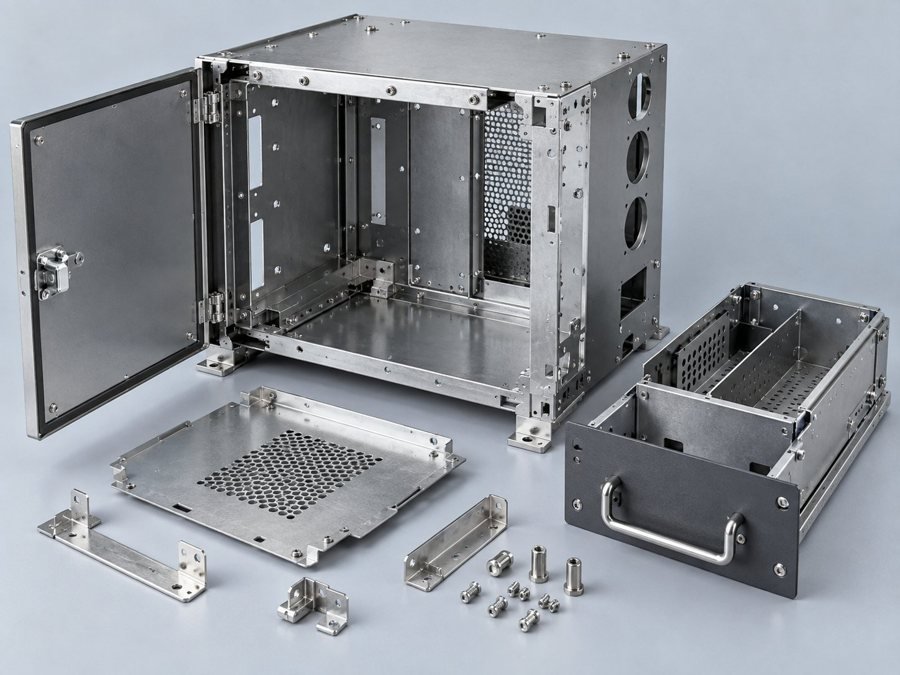
Compare prototype flexibility with repeat-production tooling and process control.
Initial and annual quantities
Tooling investment and revisions
Release sizes and repeat delivery
Make a process choice that fits your program.
IDENTIFY DESIGN RISKS EARLY
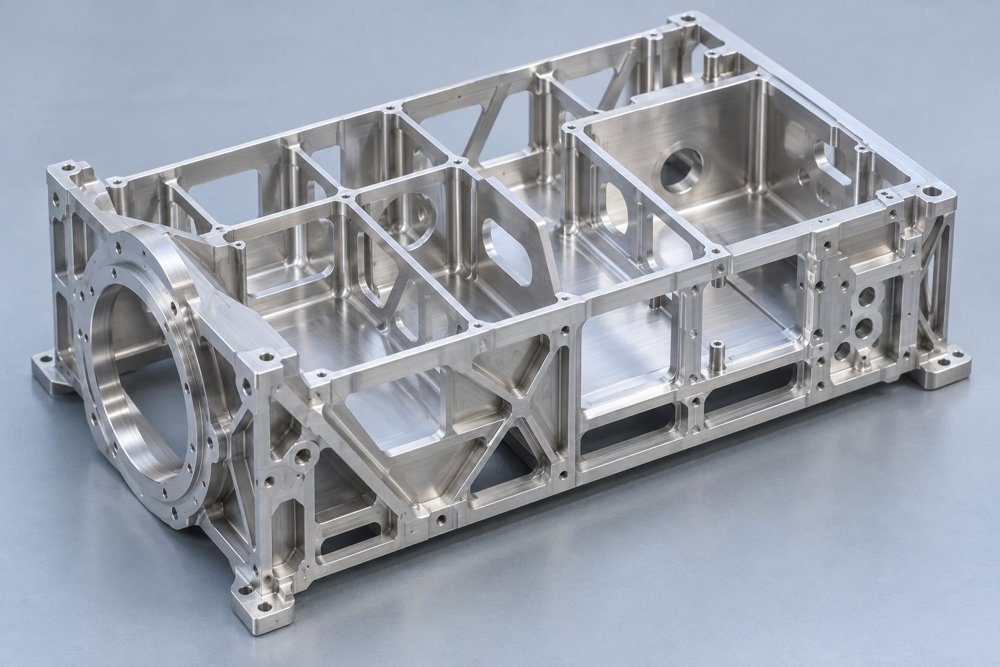
Thin sections can deflect or fail to fill; thick transitions can increase machining time or molding variation. Review walls for your chosen material and process.
More consistent features with less avoidable processing.
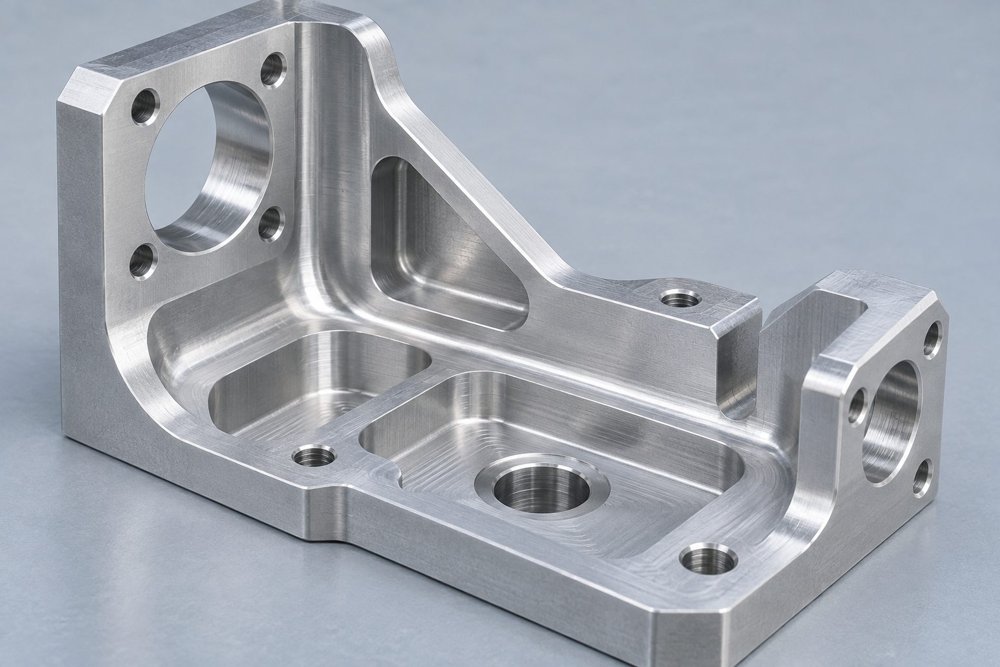
Match internal corners to practical cutter geometry or the selected forming and molding route. Specify mating clearance where a sharp corner is unnecessary.
Fewer difficult cuts and clearer fit requirements.
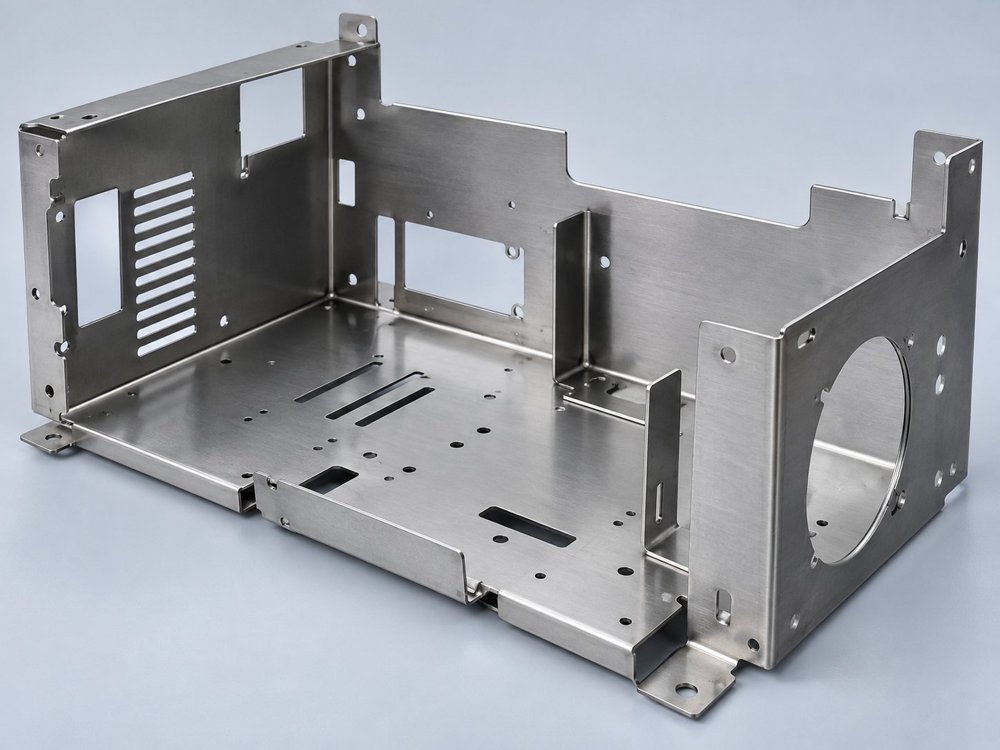
Review small holes, edge distances, threads and nearby bends against thickness, loading and process capability.
More reliable fastener and assembly interfaces.
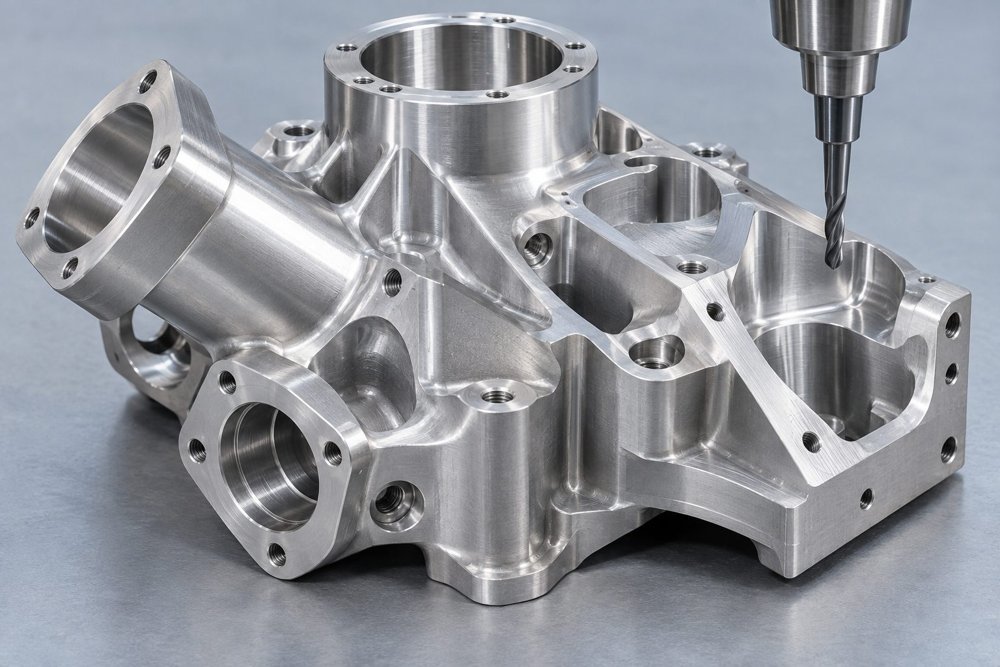
Review deep pockets, undercuts and long reach features before adding setups or specialized tooling.
A clearer machining route and fewer late changes.
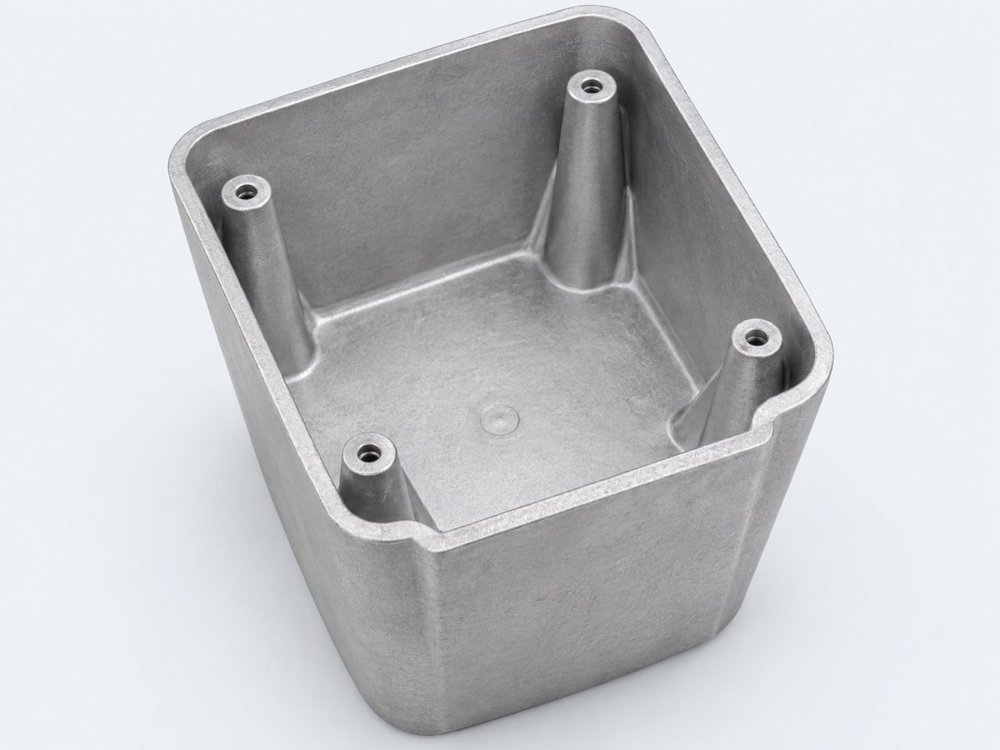
Review draw direction, draft, texture and undercuts for molded or cast parts. Confirm the parting strategy before tooling approval.
Reduce release difficulty and unnecessary tool complexity.
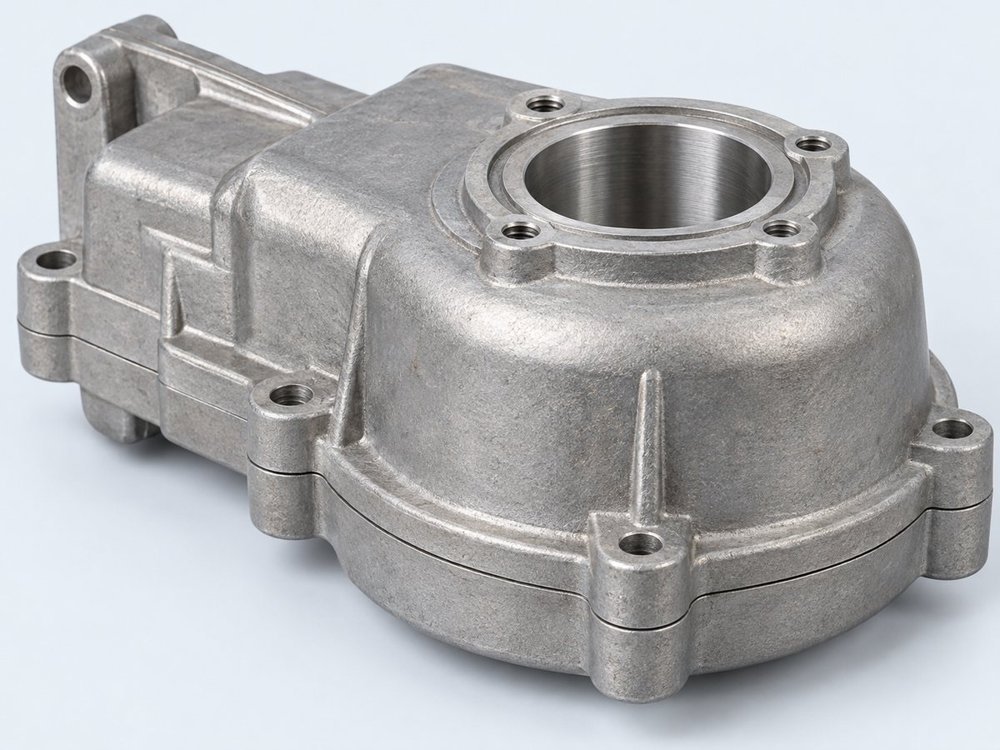
Identify cosmetic and functional zones so parting, gate and ejector locations can be reviewed against your acceptance criteria.
A finish plan aligned with your design intent.
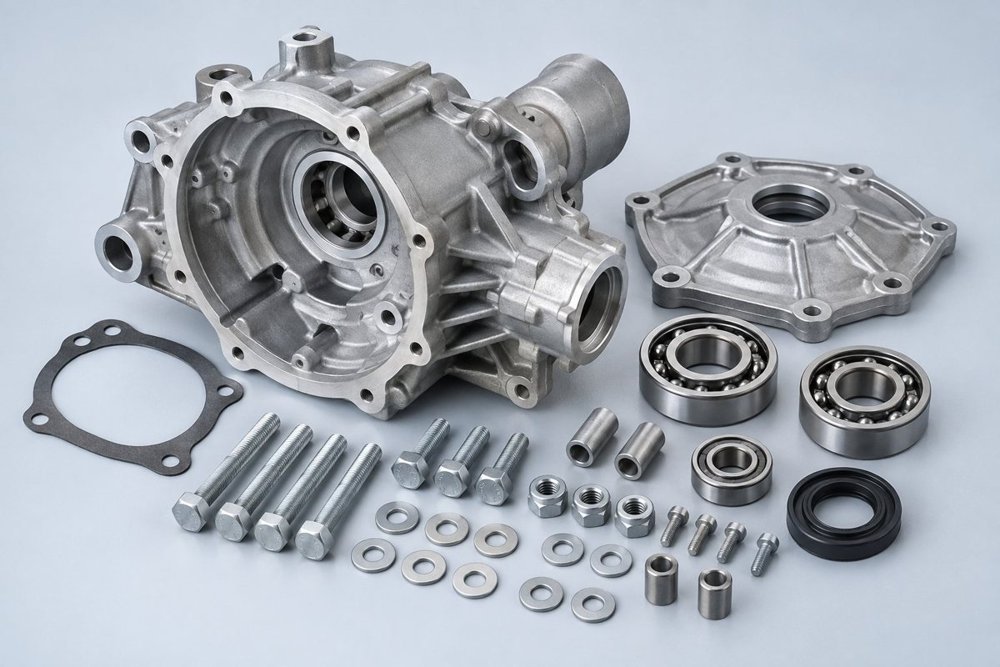
Review mating dimensions and datum relationships across components. Define the fit your product needs before tightening individual dimensions.
Better assembly planning and targeted precision.
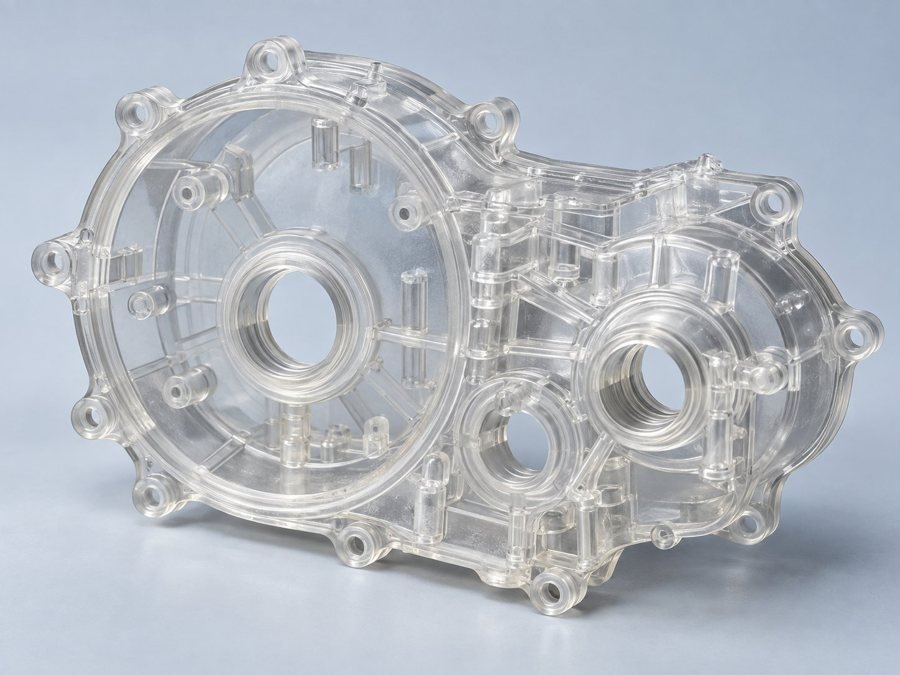
Specify visible zones, grain, texture and acceptable marks. Include finish samples or reference requirements when available.
Fewer subjective decisions at receiving inspection.
COMPARE MANUFACTURING ROUTES
| Decision | CNC Machining | Injection Molding | Sheet Metal | Die Casting | 3D Printing |
|---|---|---|---|---|---|
| Typical fit | Detailed metal or plastic parts | Repeat plastic components | Enclosures and brackets | Repeat metal components | Prototypes and complex features |
| Tooling consideration | Fixtures and cutting tools | Mold investment | Forming tools and fixtures | Die investment | Build preparation and supports |
| Key design review | Access, datums and radii | Walls, draft and gates | Bends, reliefs and hardware | Walls, draft and parting | Orientation, walls and supports |
| Material decision | Stock grade and condition | Resin and additives | Sheet grade and thickness | Casting alloy | Process-specific feedstock |
| Your next step | Define critical machined features | Review volume and moldability | Review flat and formed geometry | Review tooling and machining | Define your validation goal |
COST DRIVER ANALYSIS
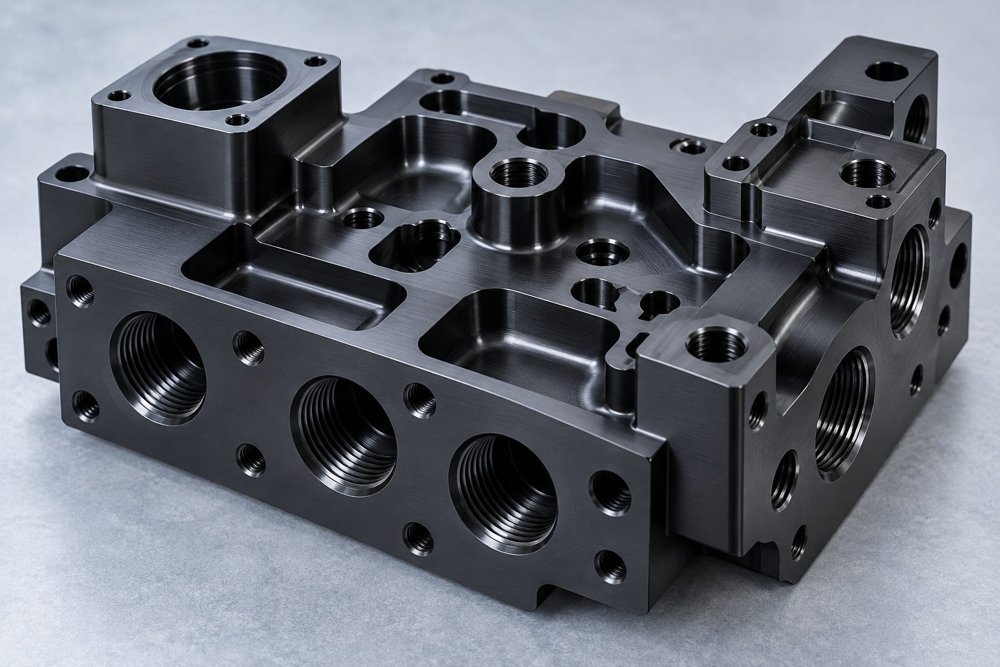
Simplify features that do not support your function.
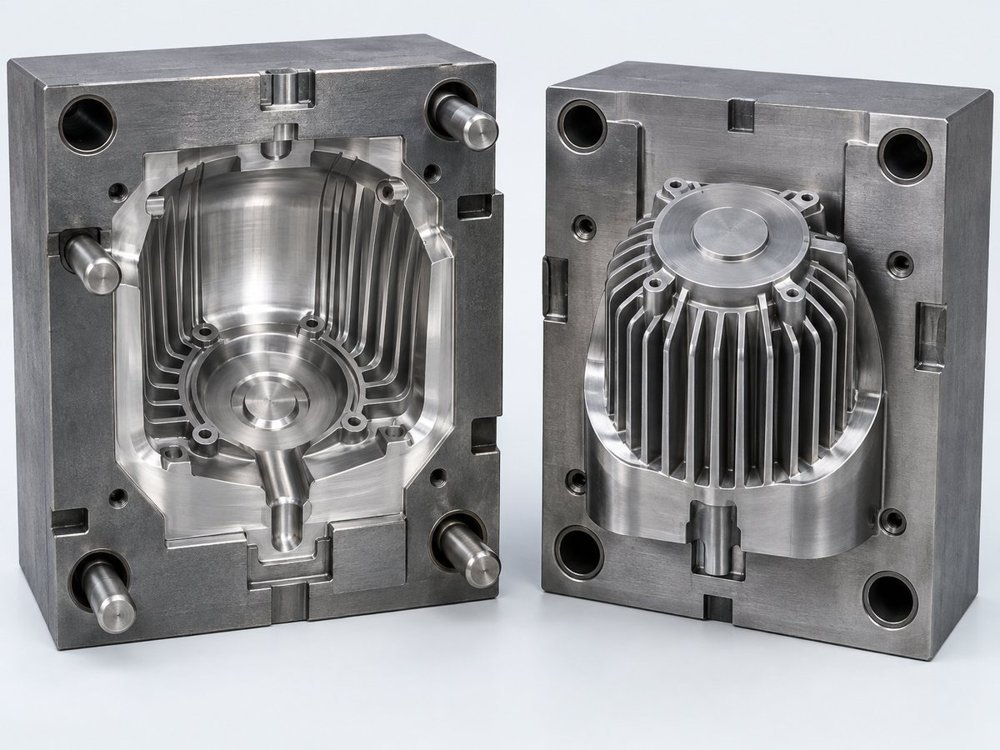
Review tool access, fixtures and repeat use.
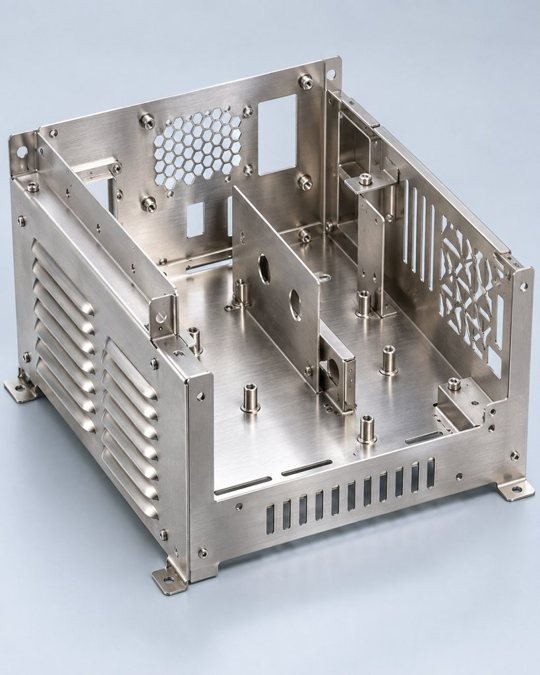
Compare suitable grades and available stock.
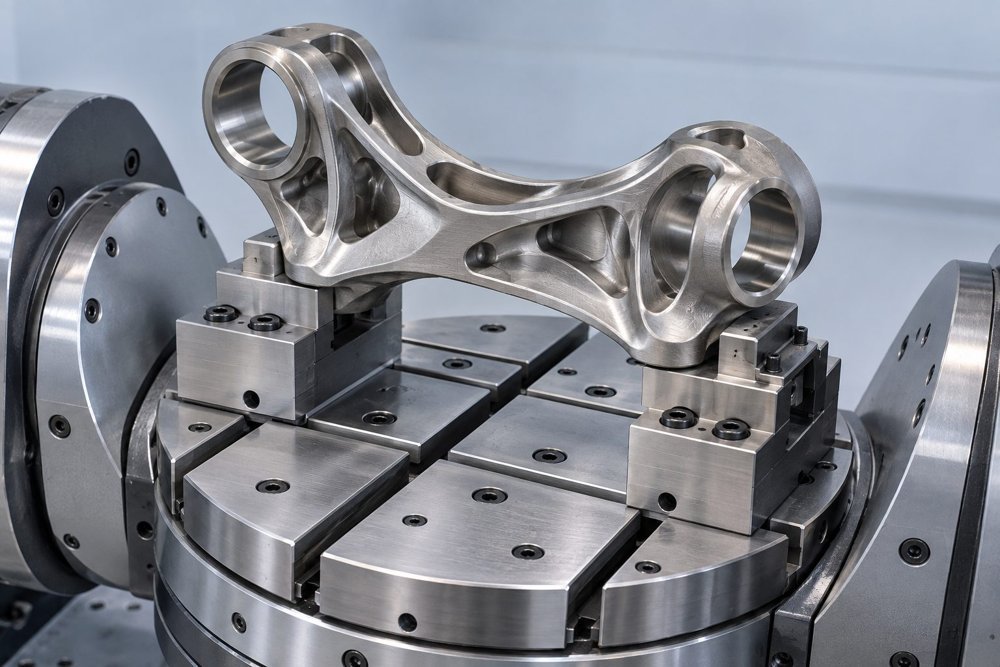
Apply tight limits to your critical interfaces.
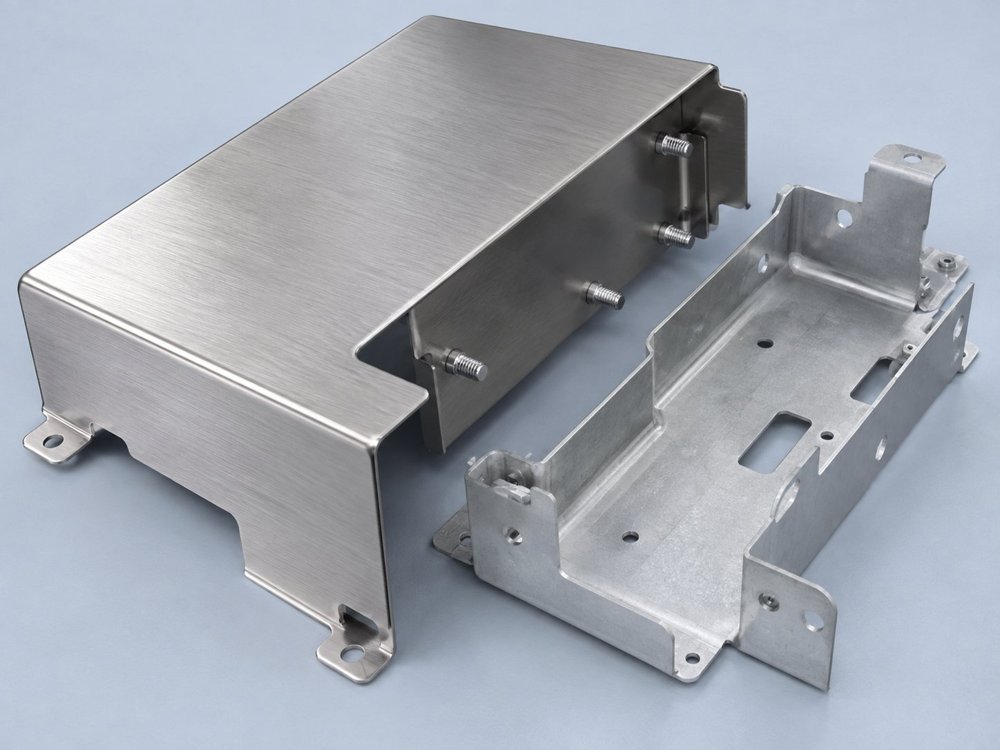
Specify the finish your application requires.
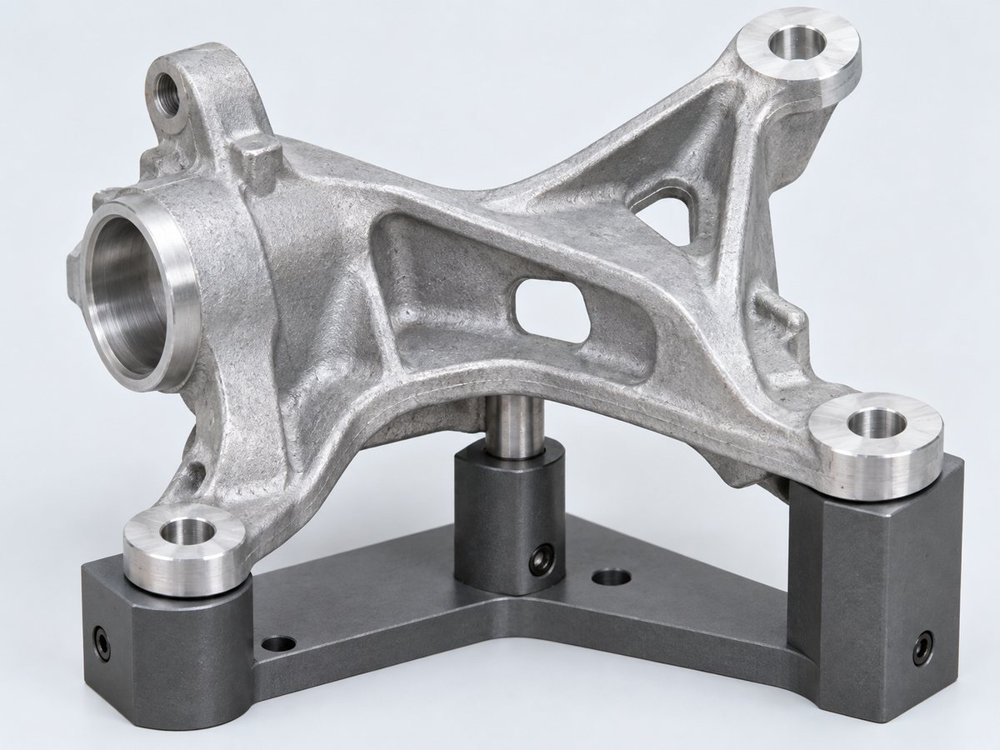
Align measurement scope with your drawing.
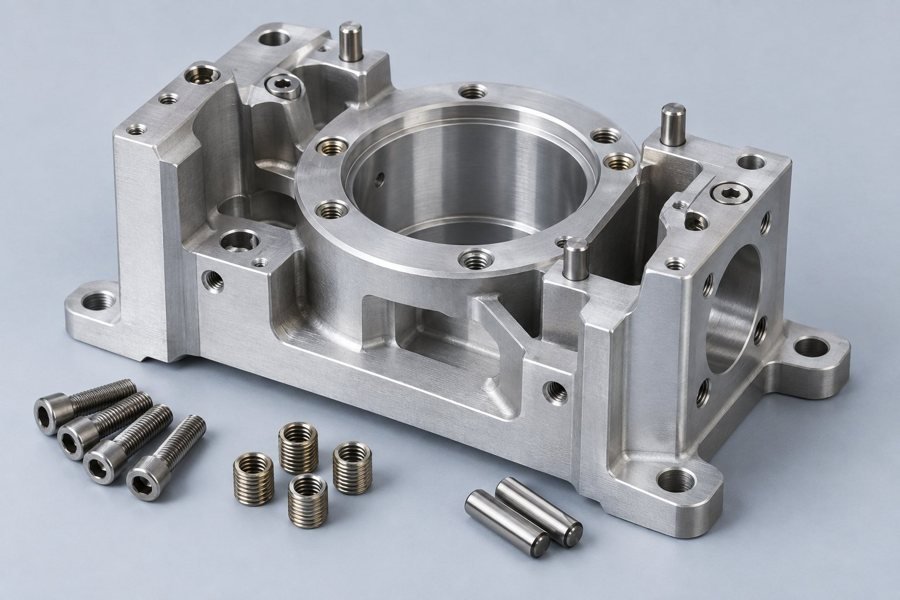
Review interfaces, hardware and build sequence.
FROM REVIEW TO PRODUCTION APPROVAL
You share controlled drawings, quantities and application needs.
We identify manufacturing questions and proposed actions within your review scope.
You approve design changes and release the updated revision.
We plan agreed prototype or first-article validation.
Review dimensions, material, finish and function against your criteria.
You approve the final drawing and production requirements.
QUALITY & DOCUMENTATION
Agree deliverables and acceptance criteria as part of your project scope.
Process-specific observations and recommendations.
Feature locations and open review questions.
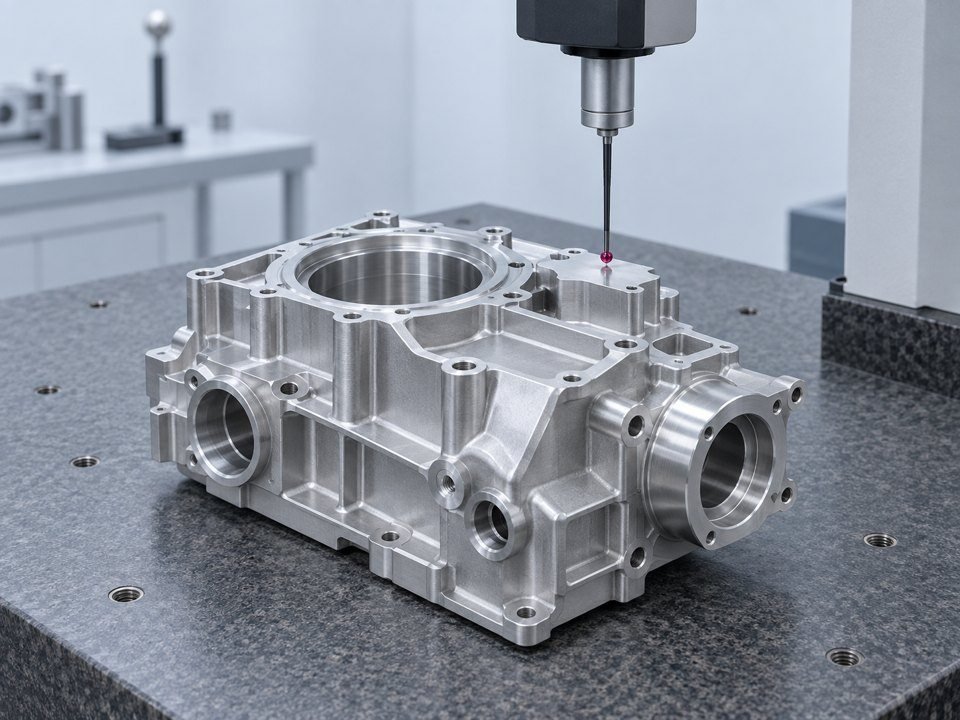
Methods and scope for your critical features.
Agreed sample and dimensional records.
Confirm required records before ordering.
Specify certificates needed for your program.
Keep approved drawing changes traceable.
Define production records for repeat supply.
INDUSTRIES & APPLICATIONS
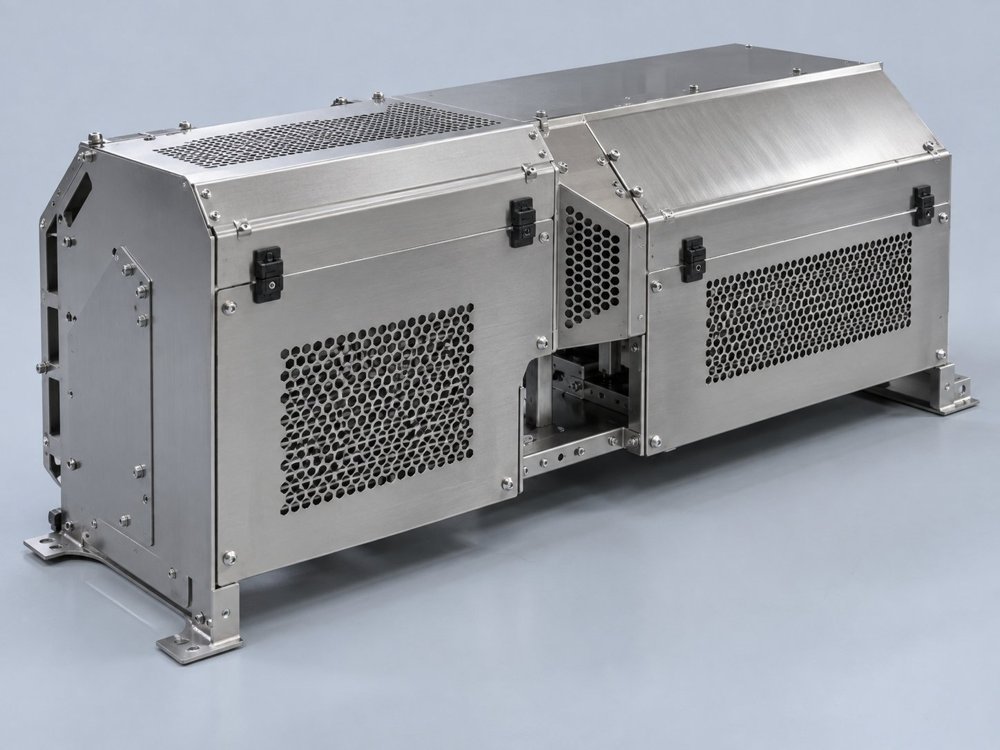
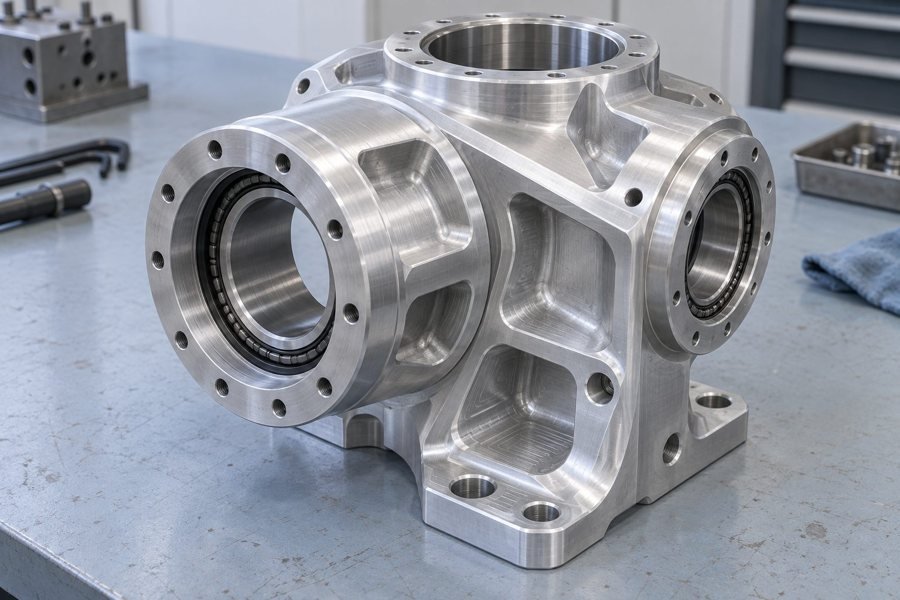
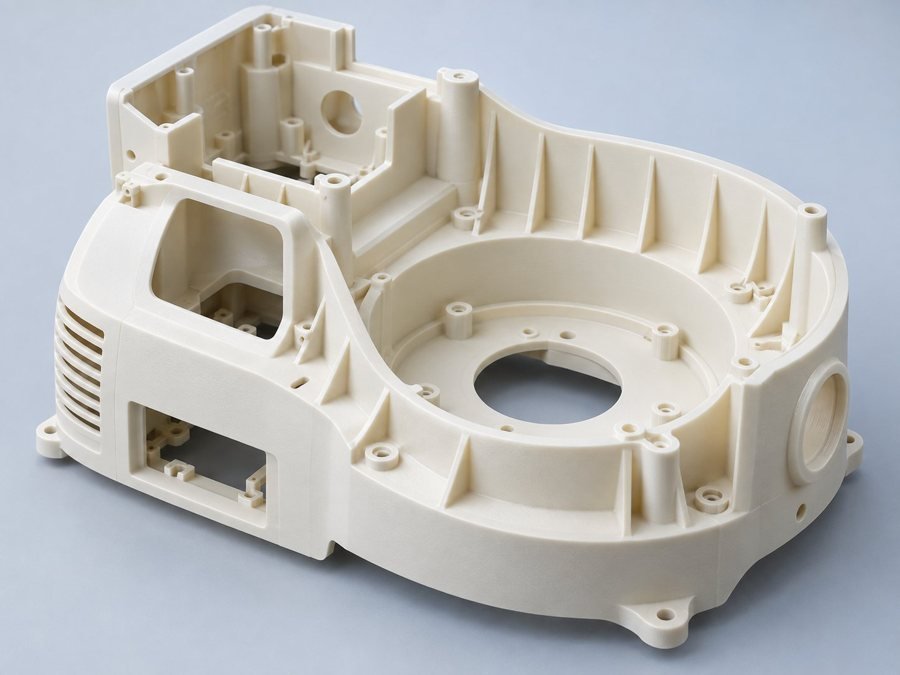
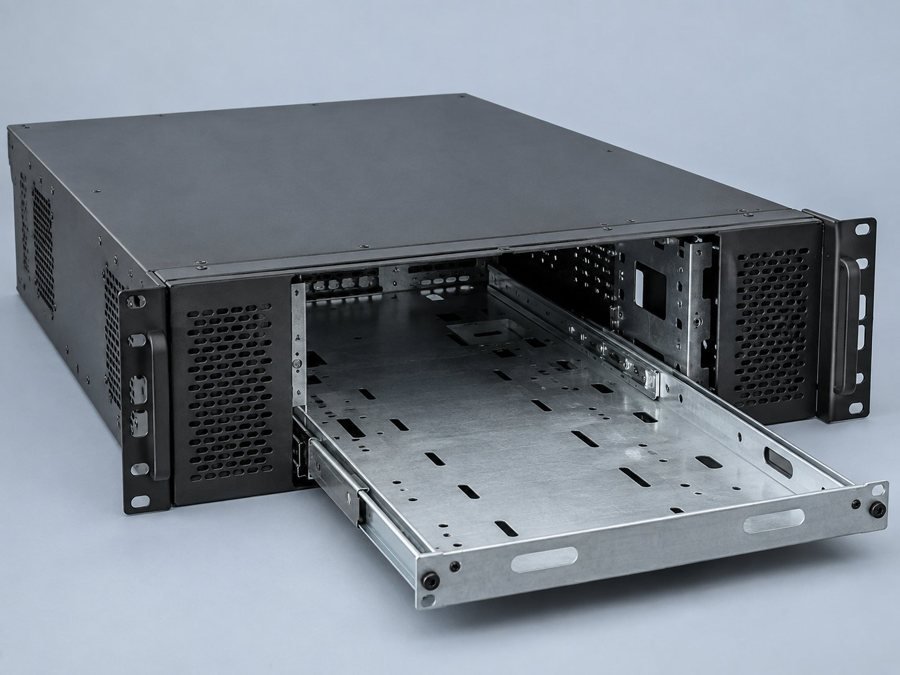
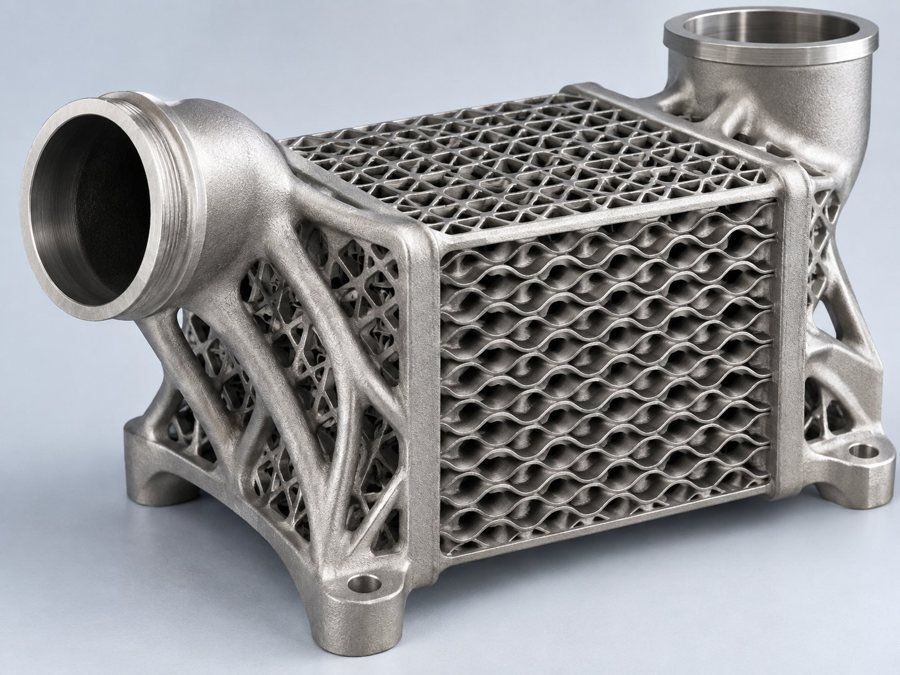
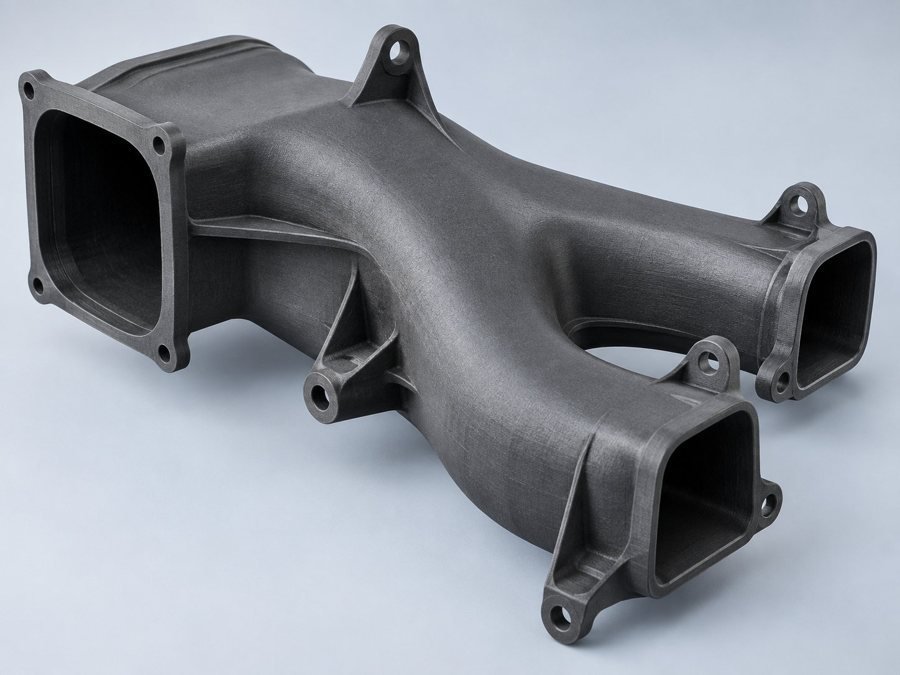
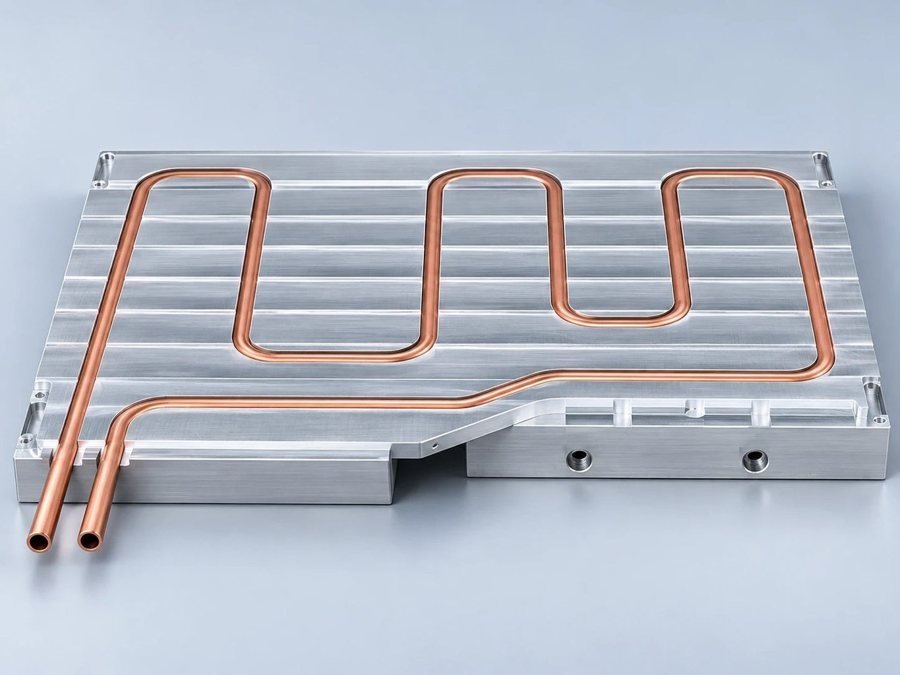
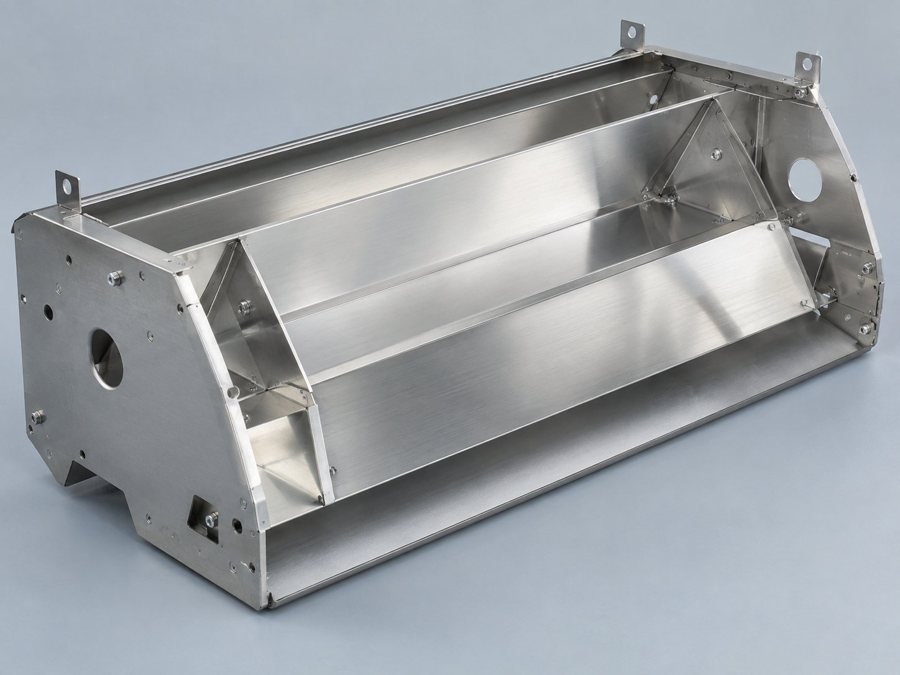

Coordinate your design questions and project communication.

Connect your review to the manufacturing route.
Design for manufacturing analysis reviews how your geometry, material, tolerances and finish relate to a proposed manufacturing process. It identifies questions and potential changes before production.
Send your 3D CAD, controlled 2D drawing, material, quantity and key functional requirements. Highlight critical dimensions, mating parts, cosmetic zones and documentation needs.
Timing depends on part complexity, process, the completeness of your files and the review scope. Confirm the expected response and deliverables when you share your project.
Manufacturing recommendations should be reviewed against your design intent. Your approved drawing revision and agreed specifications govern production.
Share your geometry, material, quantity and priorities. Suitable routes can be compared for tooling, feature access, finish and production needs.
Include your confidentiality requirements before sharing sensitive design details. Use the project contact route to discuss the appropriate NDA process.
Agree the deliverable format and scope with your project review. This may include drawing comments, open questions, recommendations and an inspection plan as specified.
Tell us what you need to learn before committing to production.
Discuss Your PartProduct imagery illustrates manufacturing concepts, not customer case studies. Review scope and deliverables are agreed for your project.