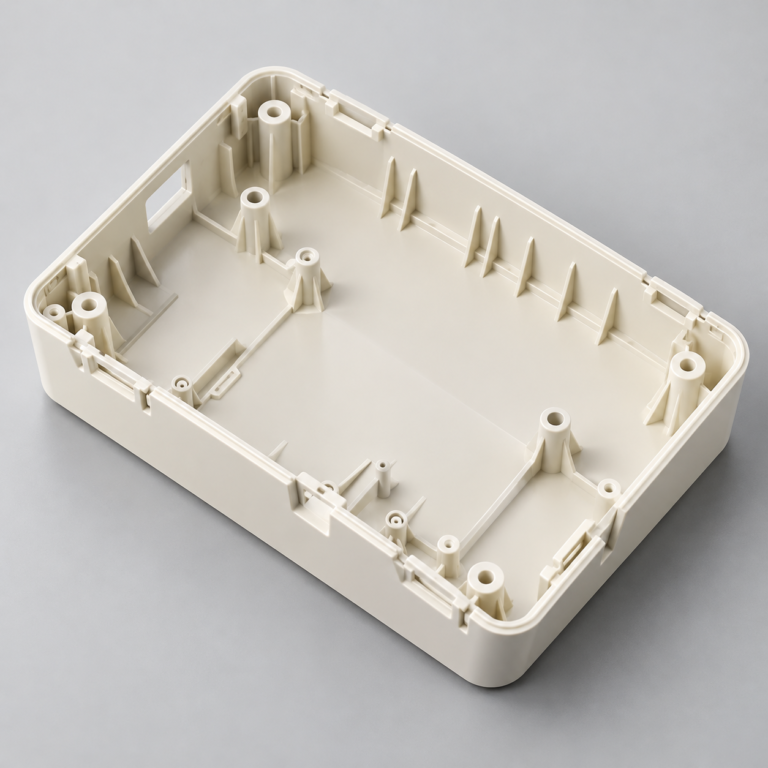
Injection Molding
Tooling and molding for your repeat plastic parts.
From prototype to production, coordinated manufacturing solutions for your custom parts.
View All Services →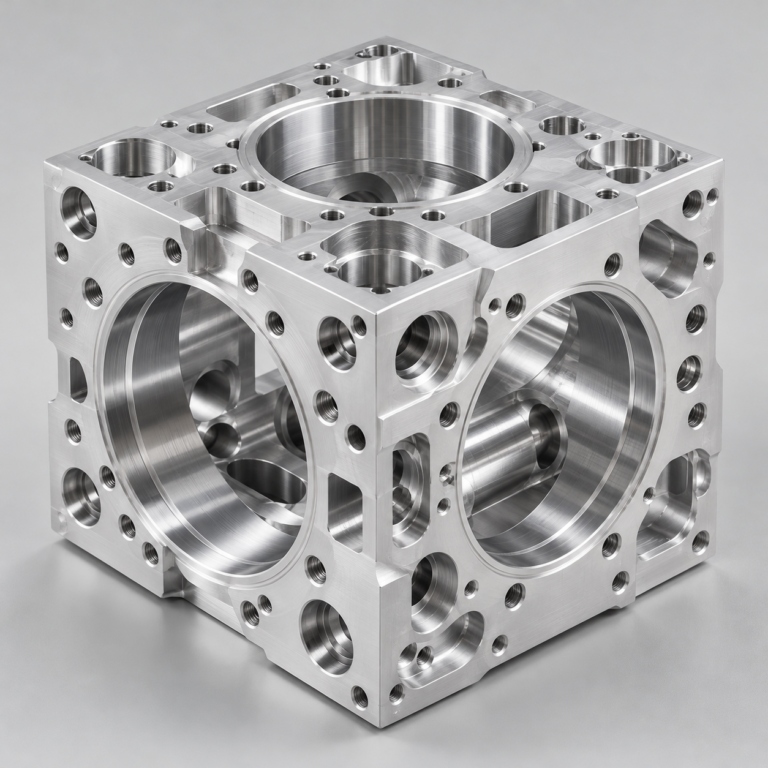
Precision parts for your tight tolerances and complex geometry.
Tooling and molding for your repeat plastic parts.
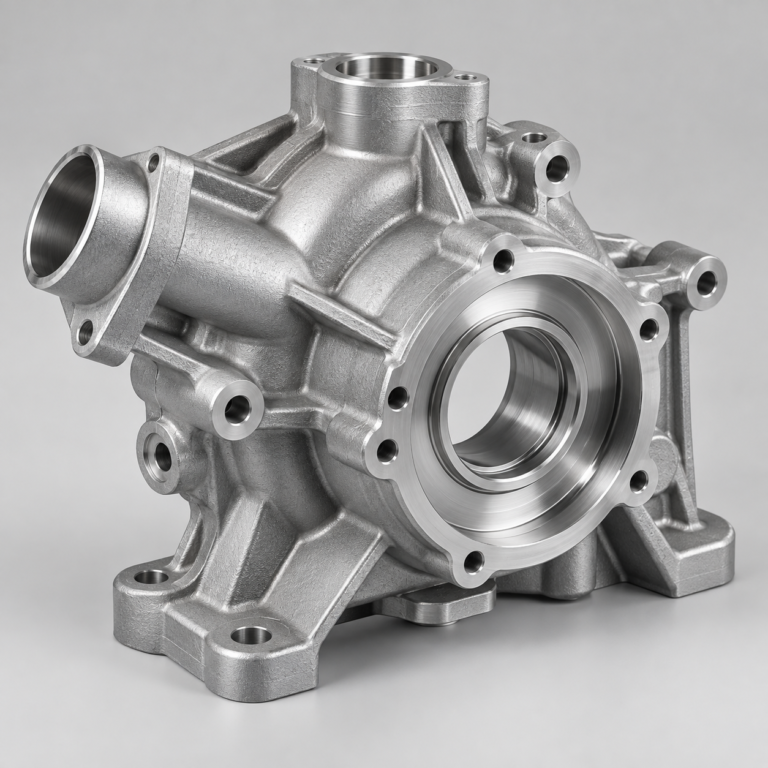
Metal casting options for your part and production volume.
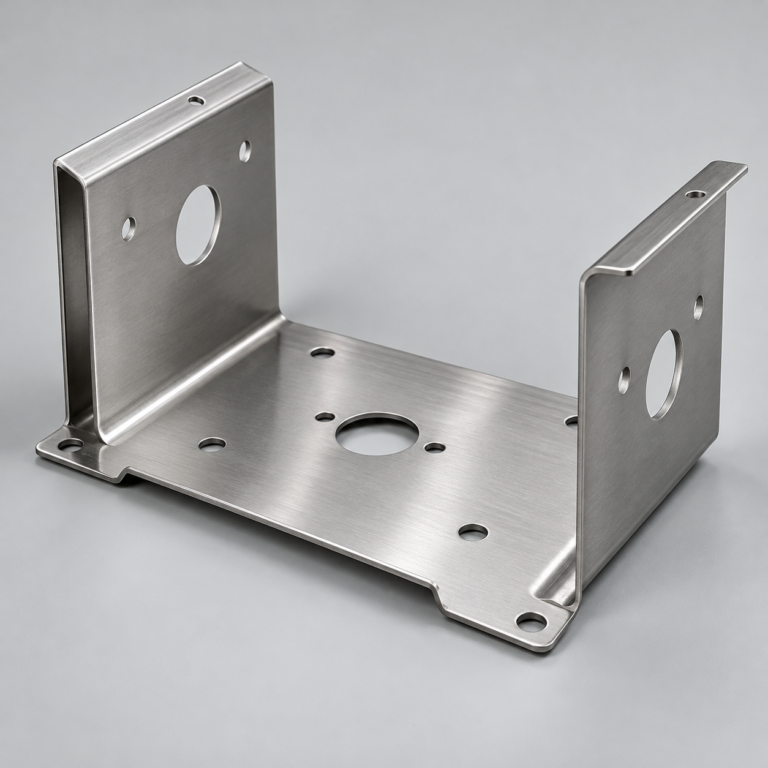
Cutting, forming and welding for your fabricated parts.
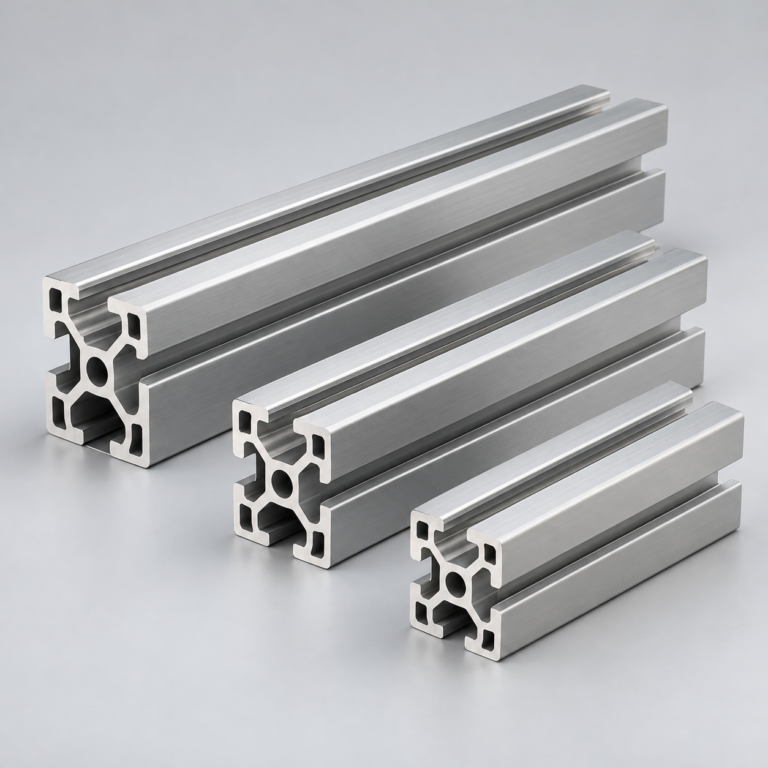
Custom profiles for your section, length and finish requirements.
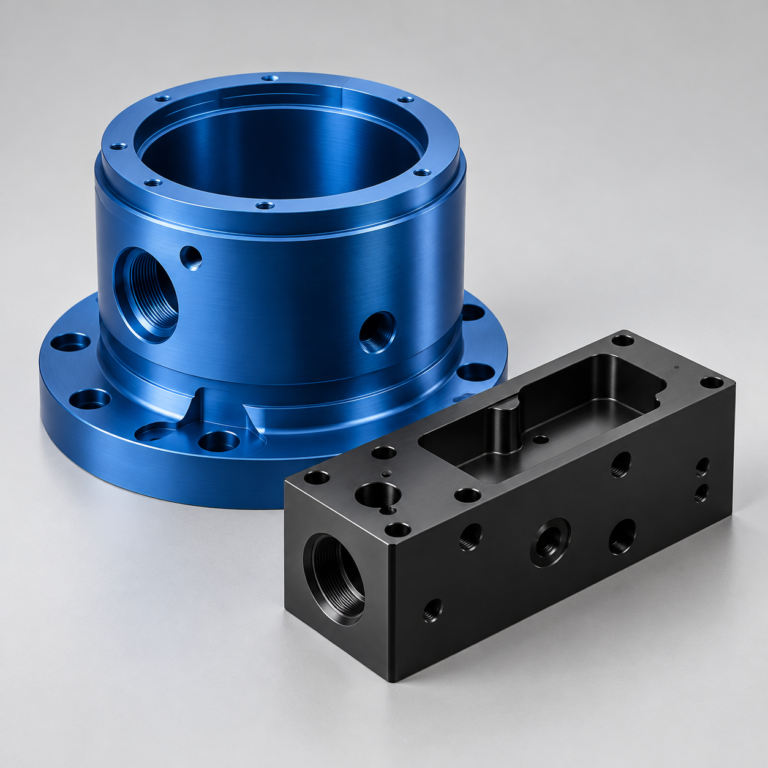
Finishes for your appearance, corrosion and wear requirements.
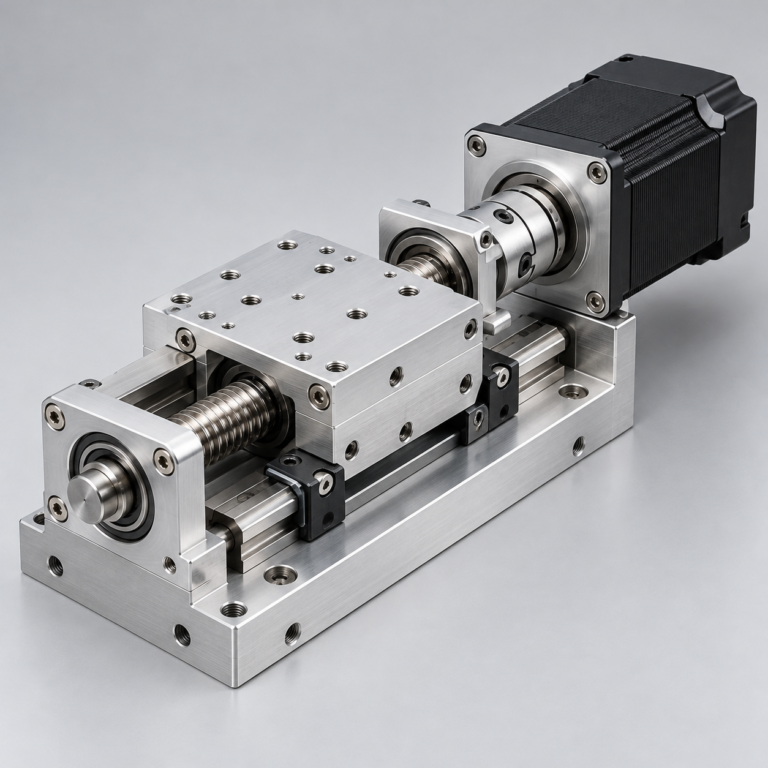
Sub-assemblies and final builds for your production program.
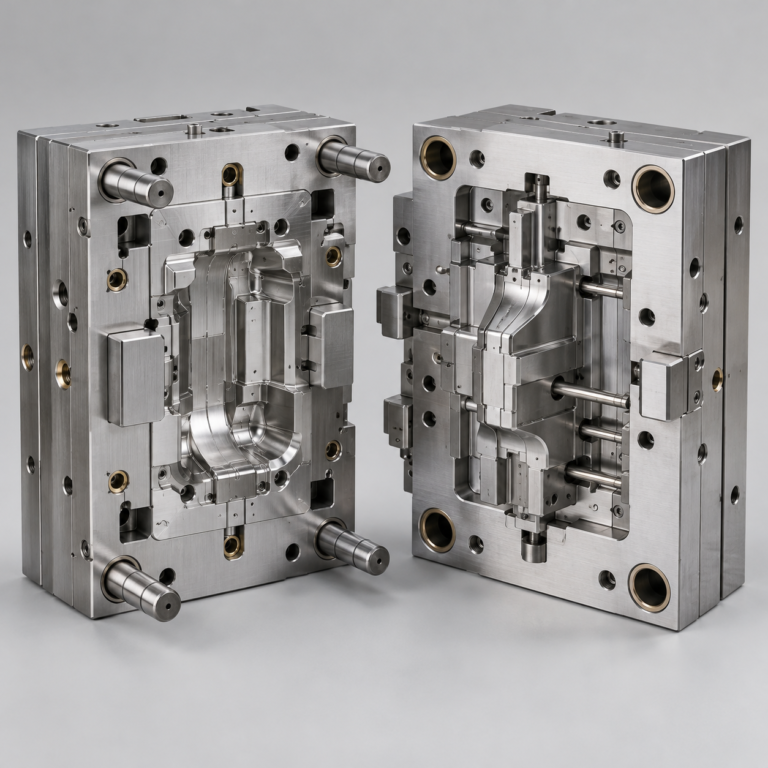
Production tooling built around your process and volume.
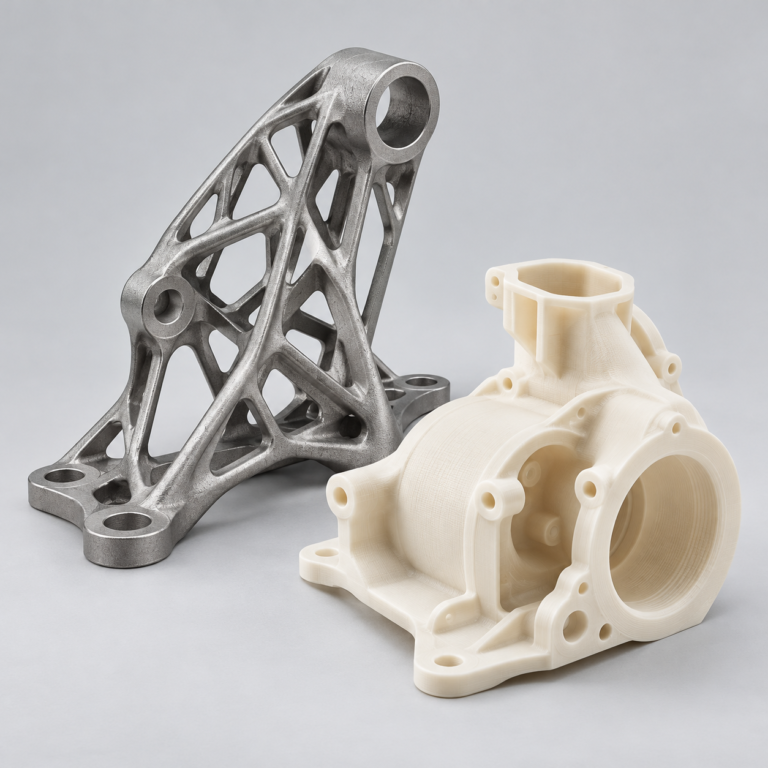
Prototype parts to check fit, function and design.
DFM, process planning and production support for your project.
Inspection, documentation, inventory and delivery planning for your program.
Choose air- or liquid-cooling components around your thermal and mechanical requirements.
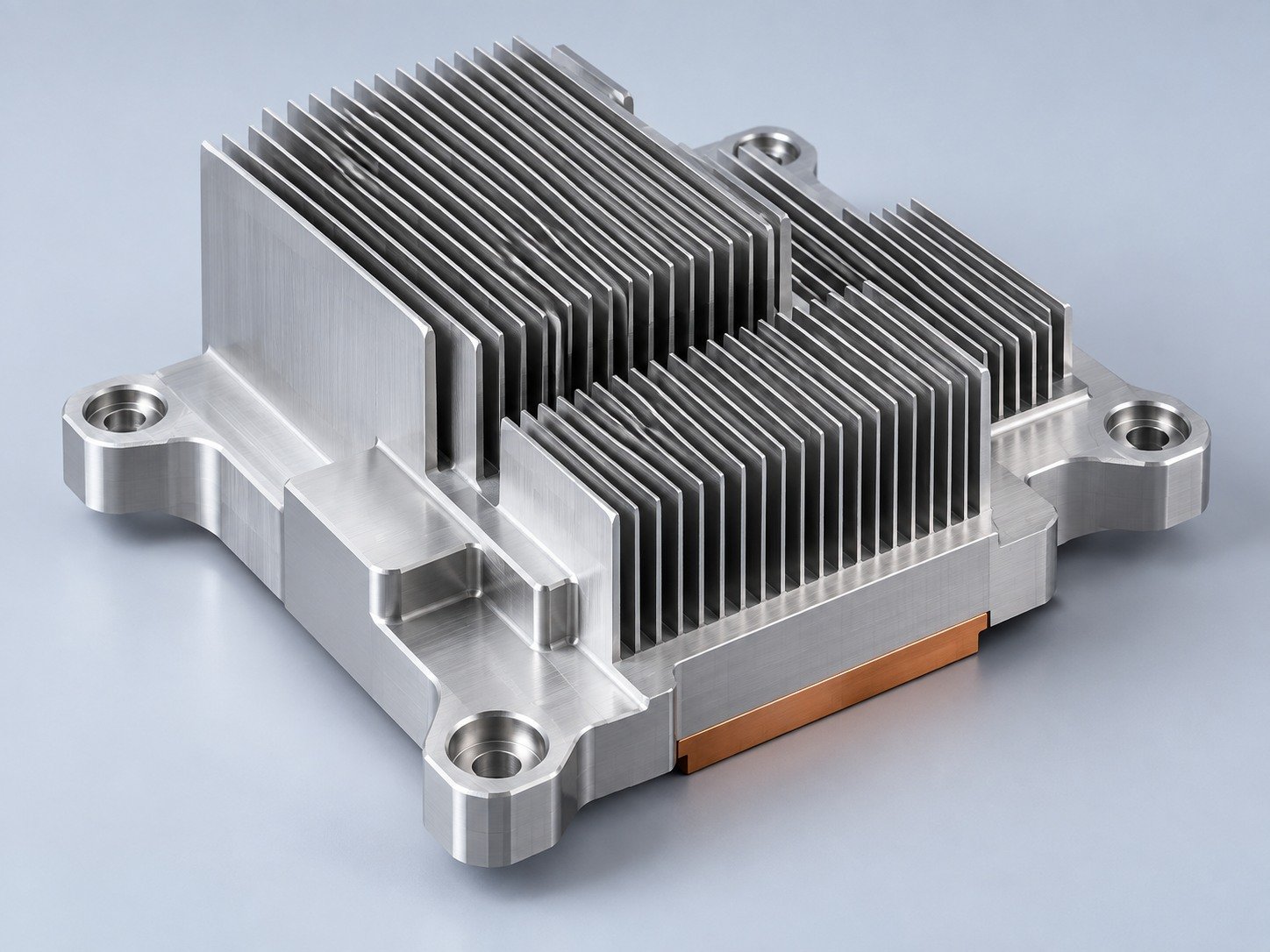
Manufacturing support for your cold plates, manifolds and cooling assemblies.
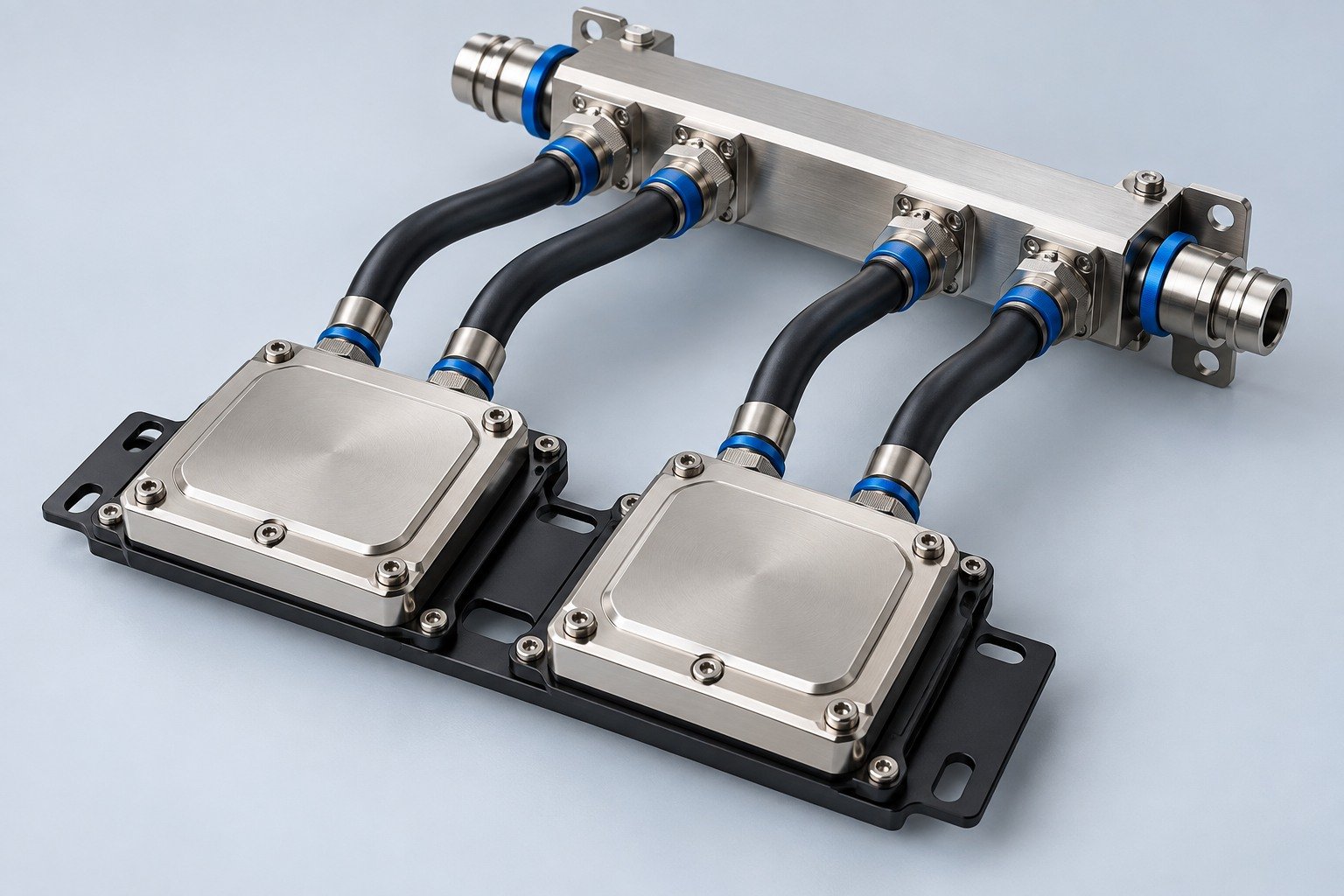
Find components for your power electronics, energy, laser and telecom application.
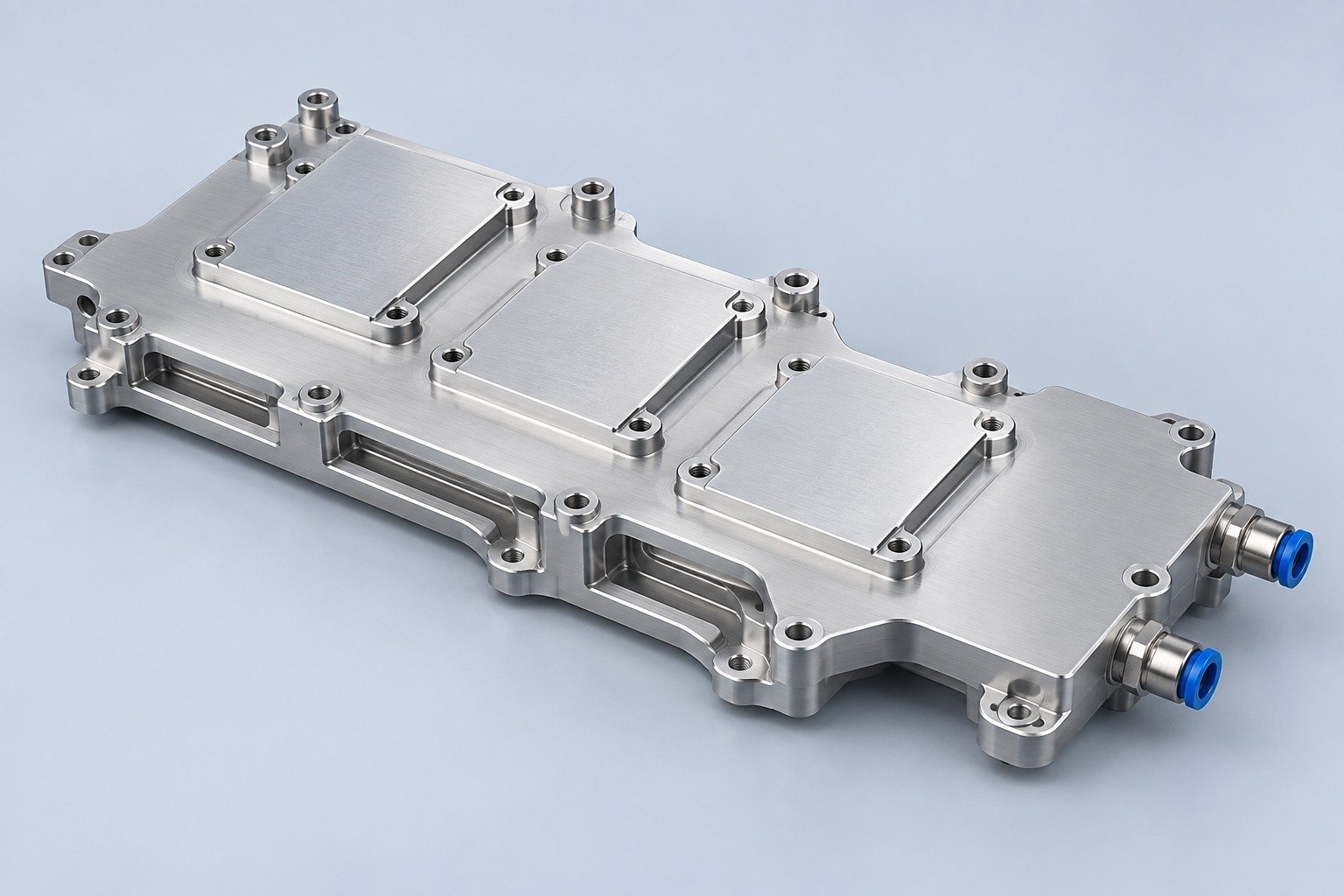
Components for your electronic systems.
Start with your functional and quality requirements.
Build around your operating environment.
From prototype to production, review material performance, manufacturability and cost for your part.
Review grade, temper and finish for your metal parts.
 AluminumStrength, weight and machining›
 Stainless SteelCorrosion and finish requirements›
 Carbon & Alloy SteelDiscuss grade and heat treatment›
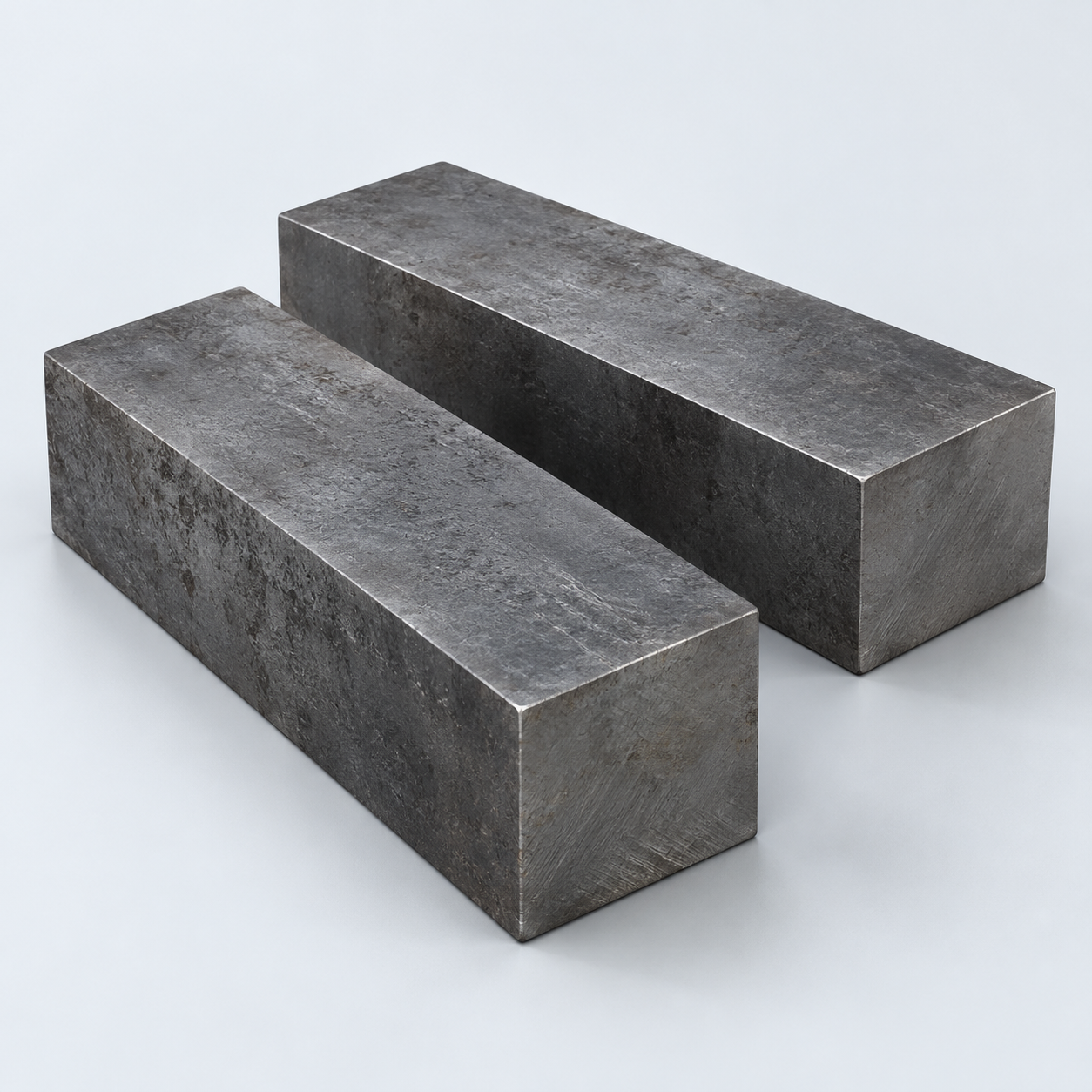 Tool SteelDiscuss tooling and wear needs›
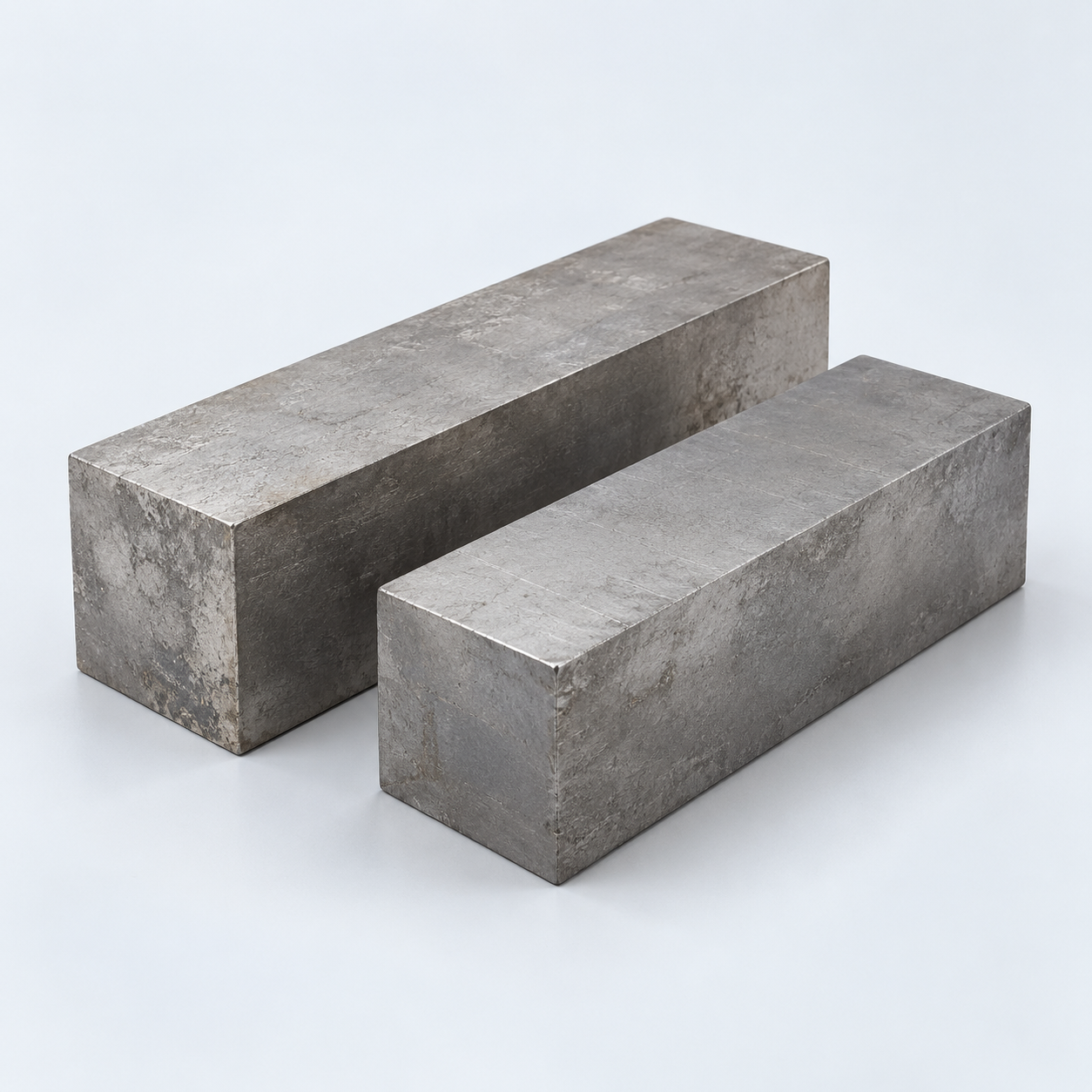 TitaniumReview grade and part geometry›
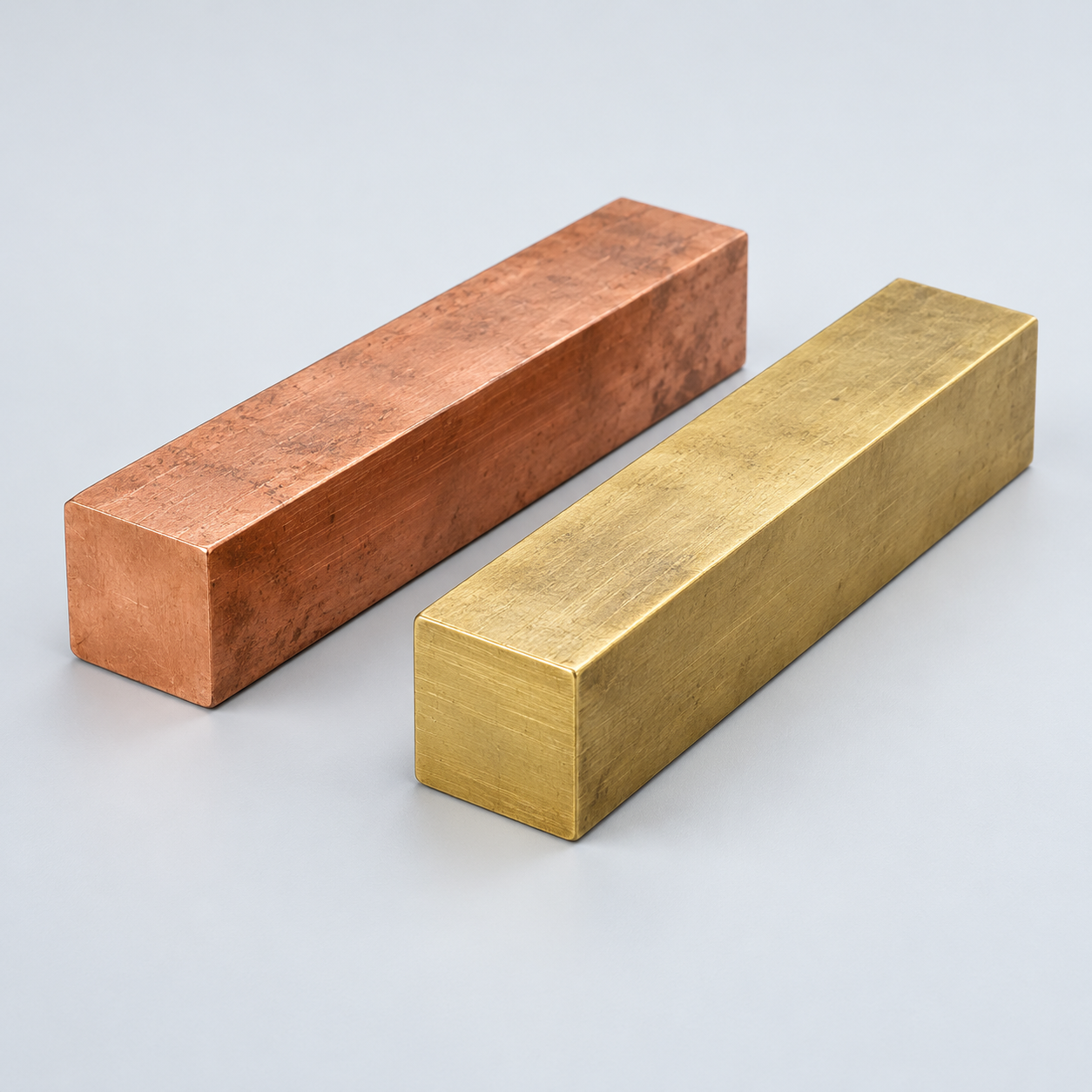 Copper & BrassDiscuss conductivity and machining›
Match your polymer to function, process and environment.
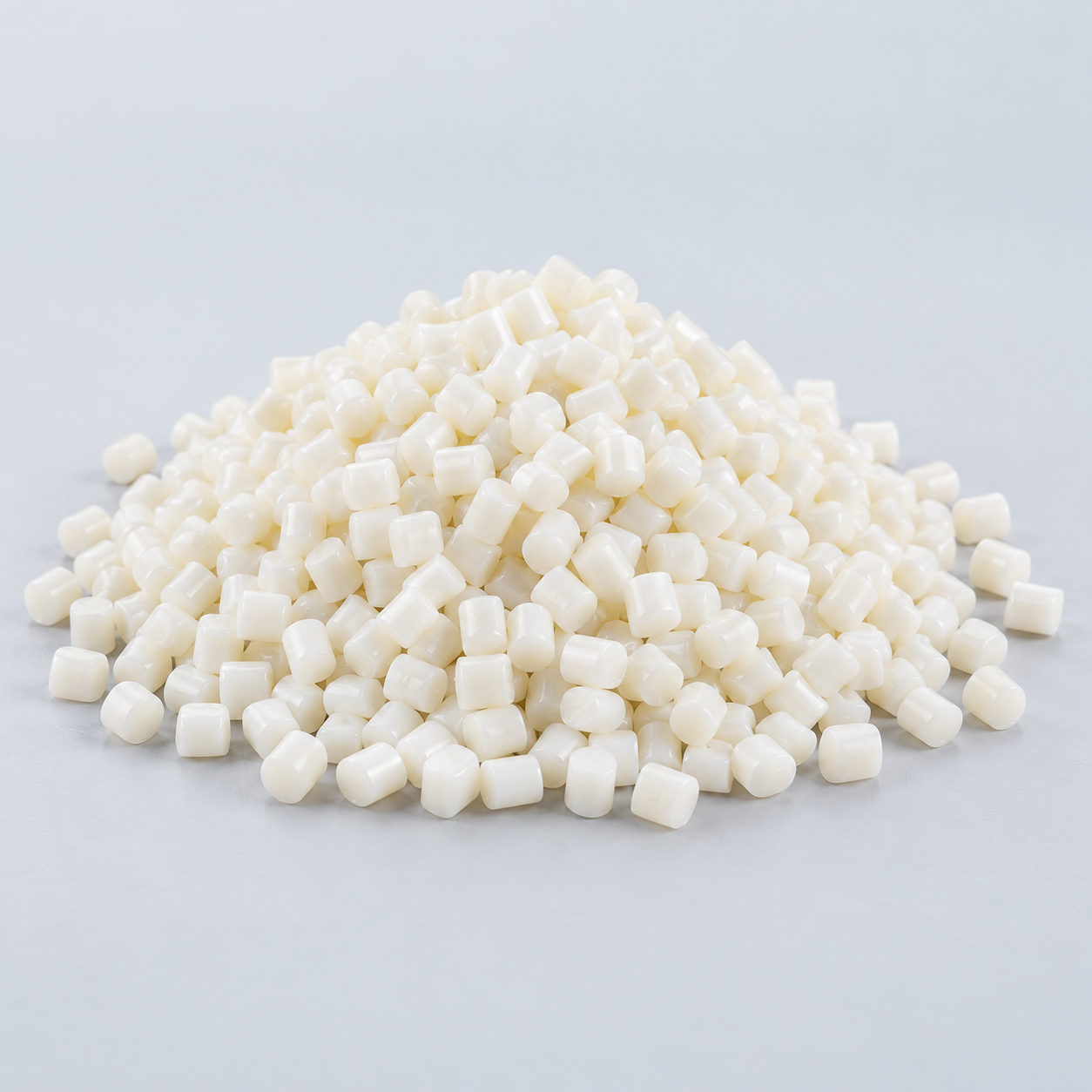 ABSReview enclosure and molding needs›
 Polycarbonate (PC)Discuss clarity and impact needs›
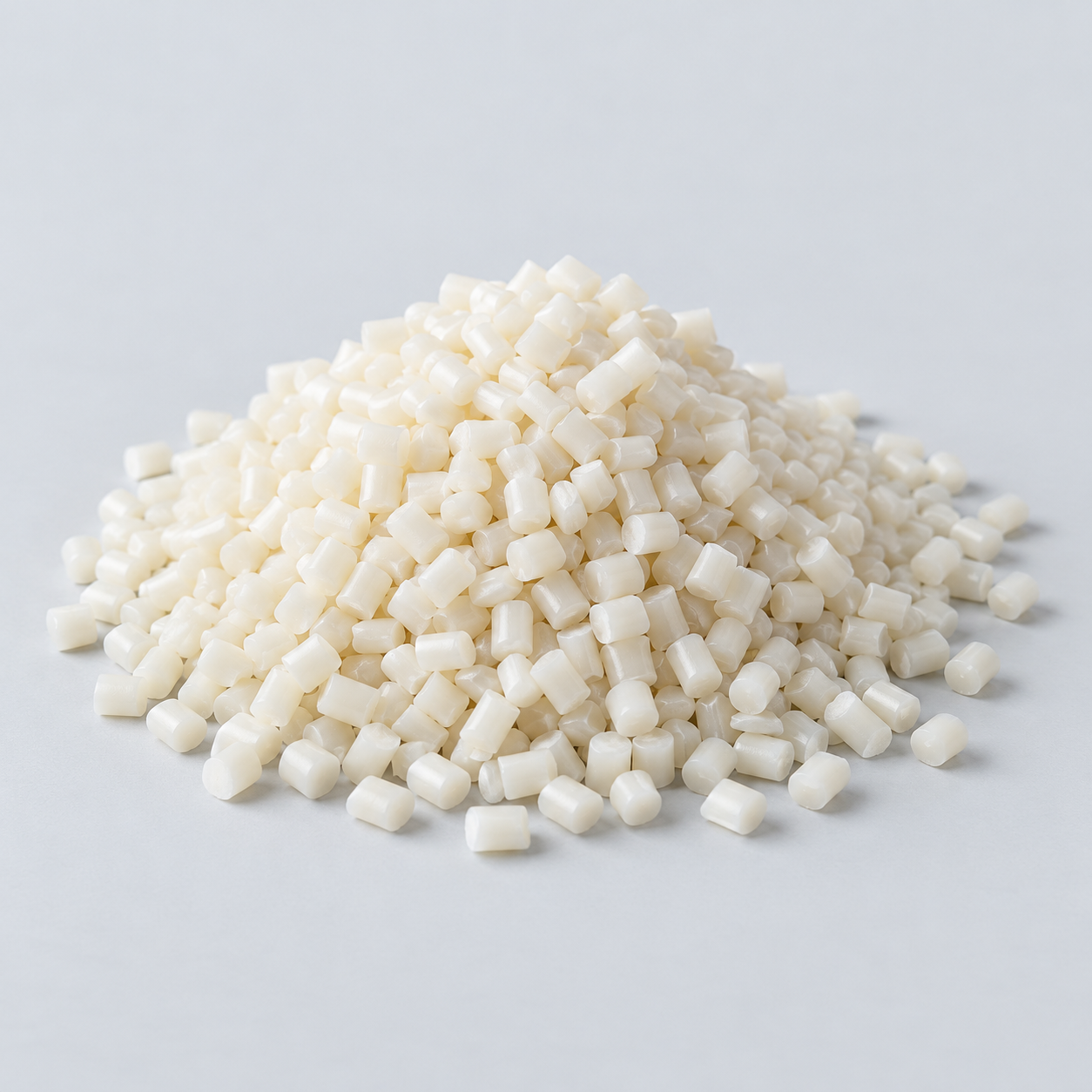 Nylon (PA)Review moisture and wear conditions›
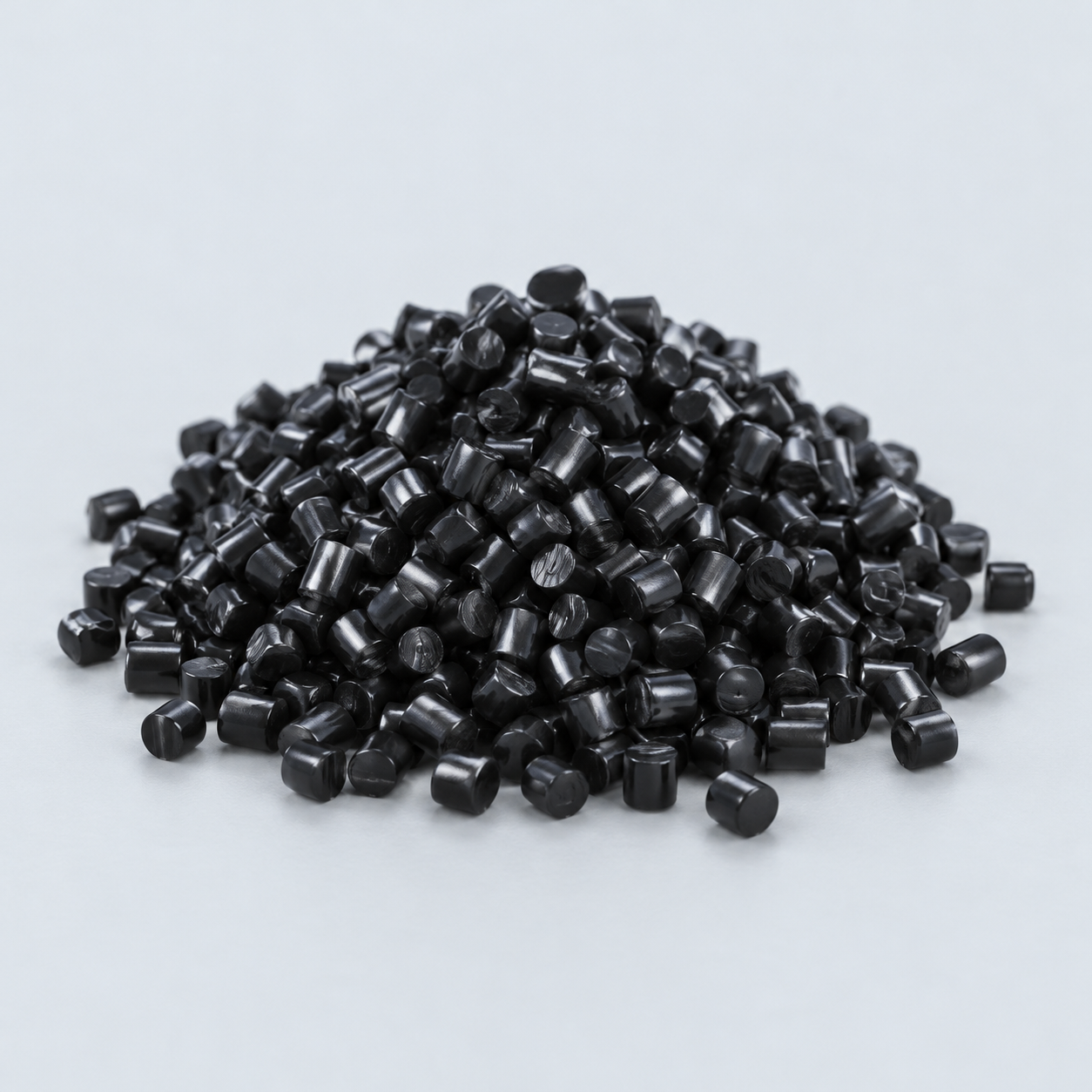 POM / AcetalReview fit and sliding features›
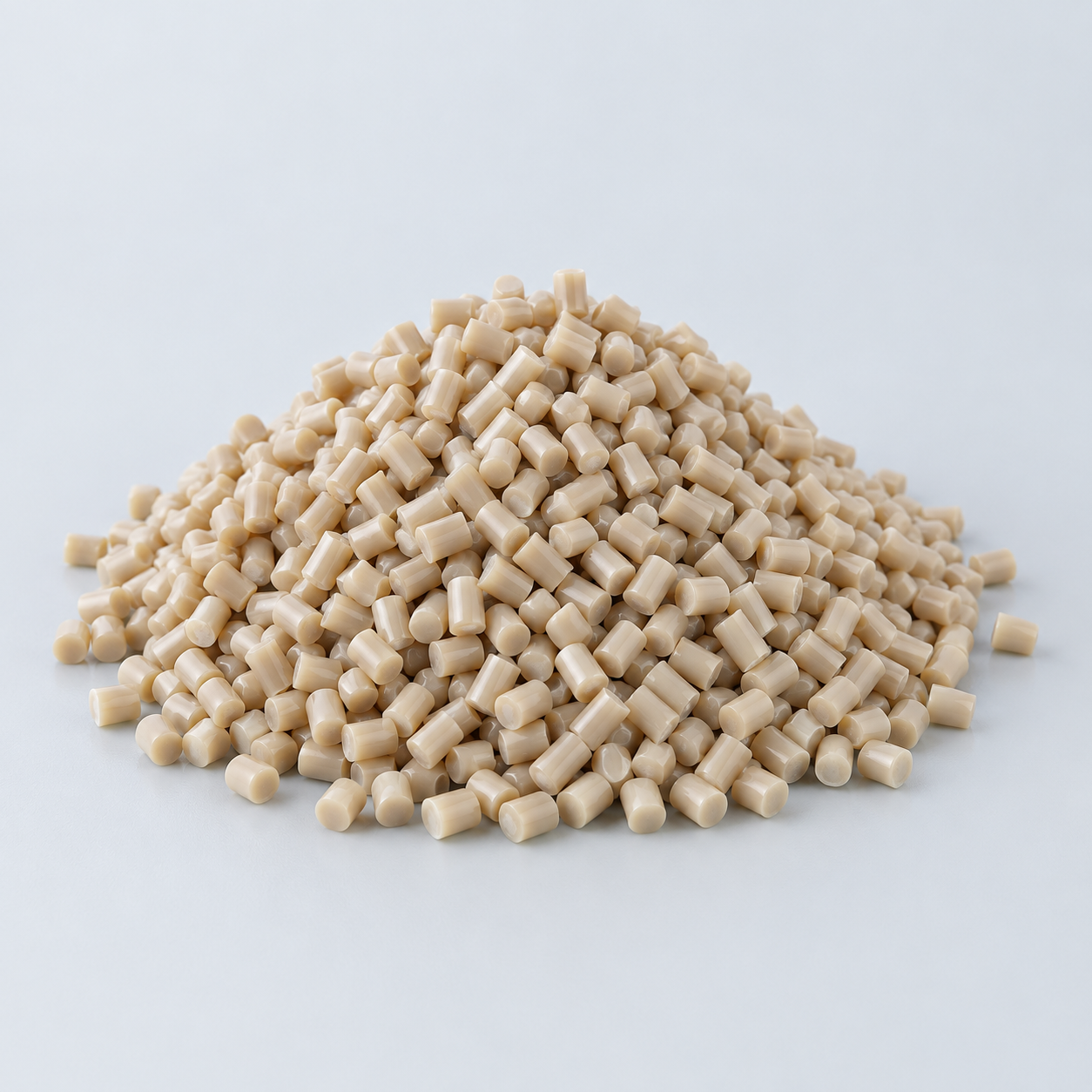 PEEKDiscuss operating conditions›
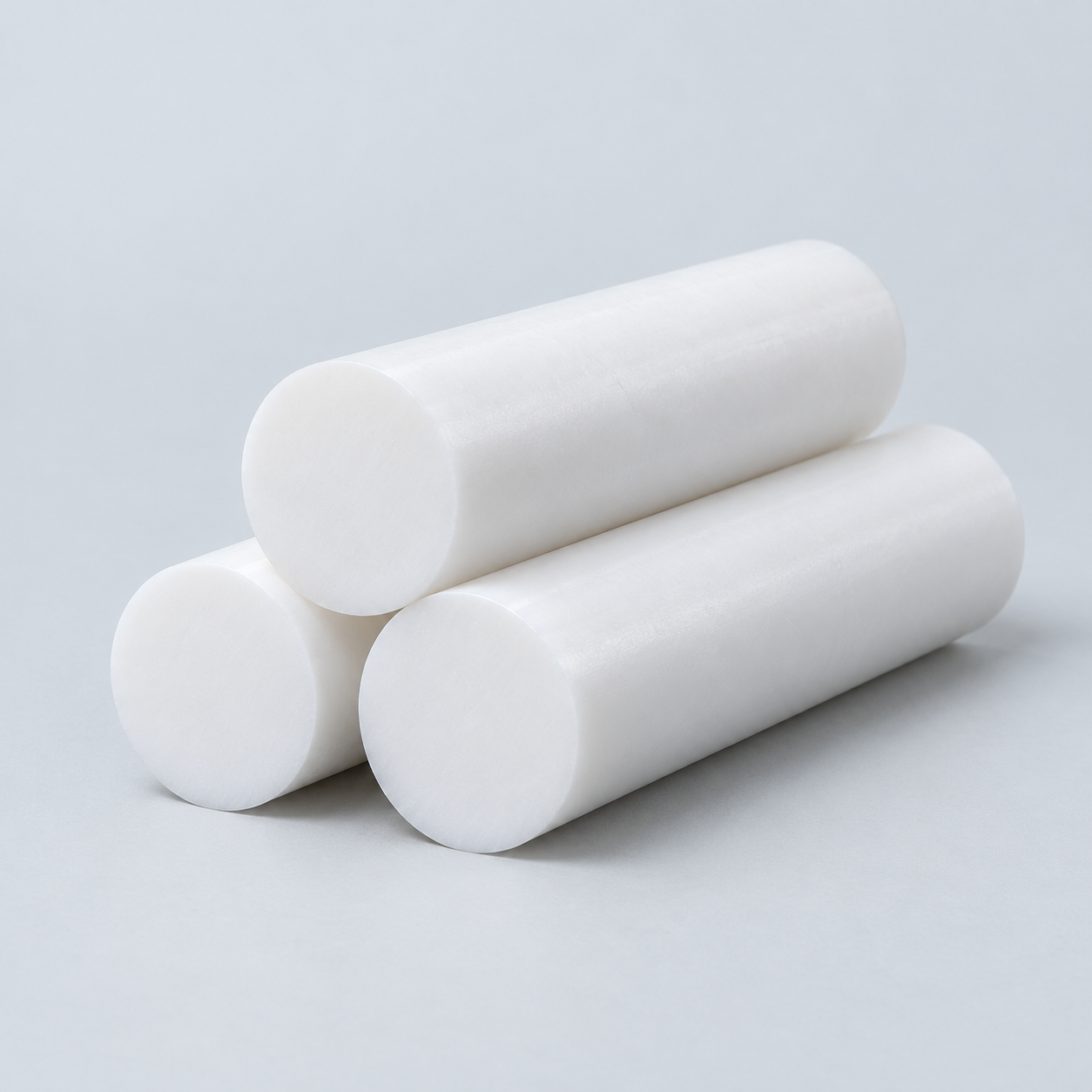 PTFEReview friction and chemical exposure›
 ULTEM / PEIDiscuss thermal and electrical needs›
Confirm grade availability and application requirements.
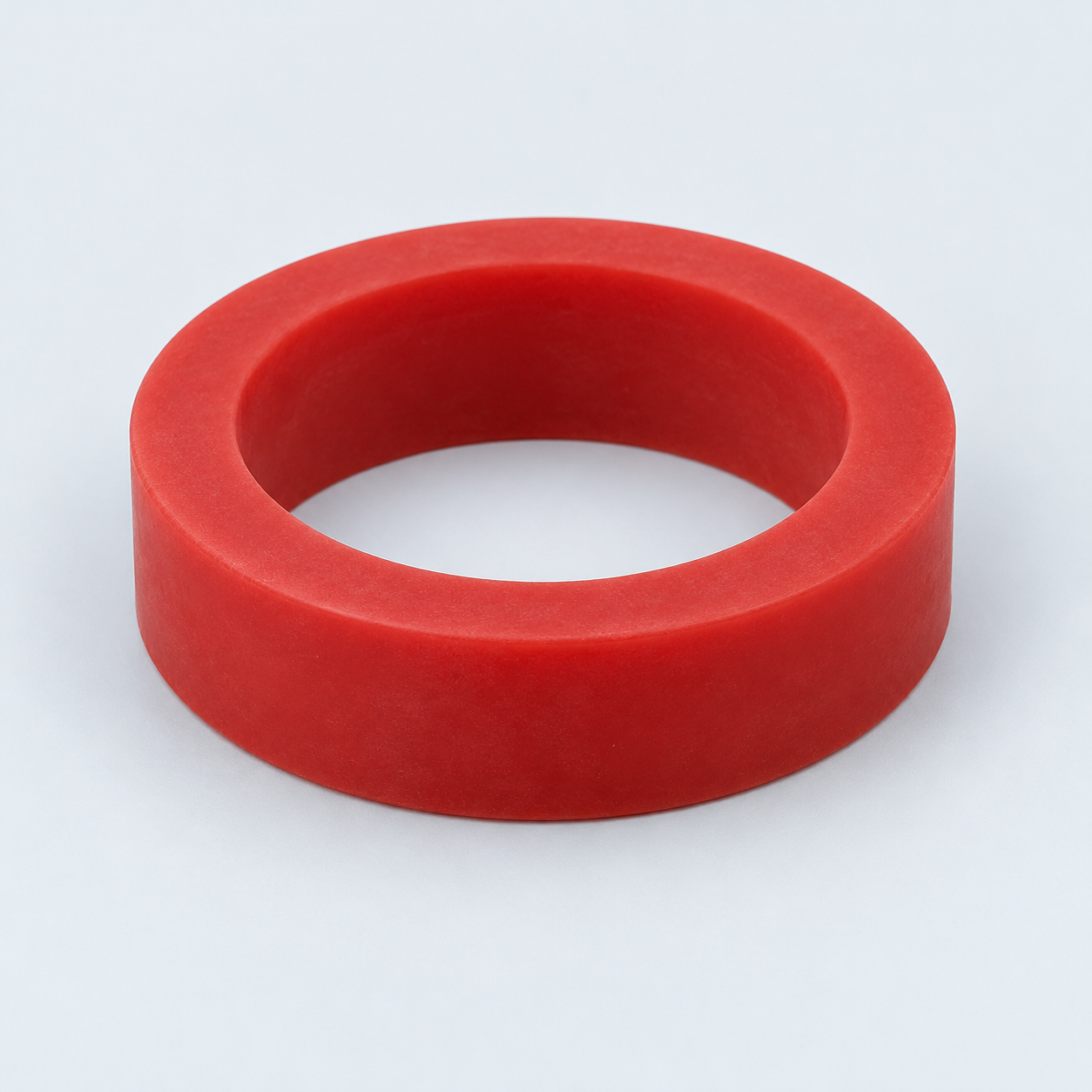 Silicone / LSRDiscuss flexible component needs›
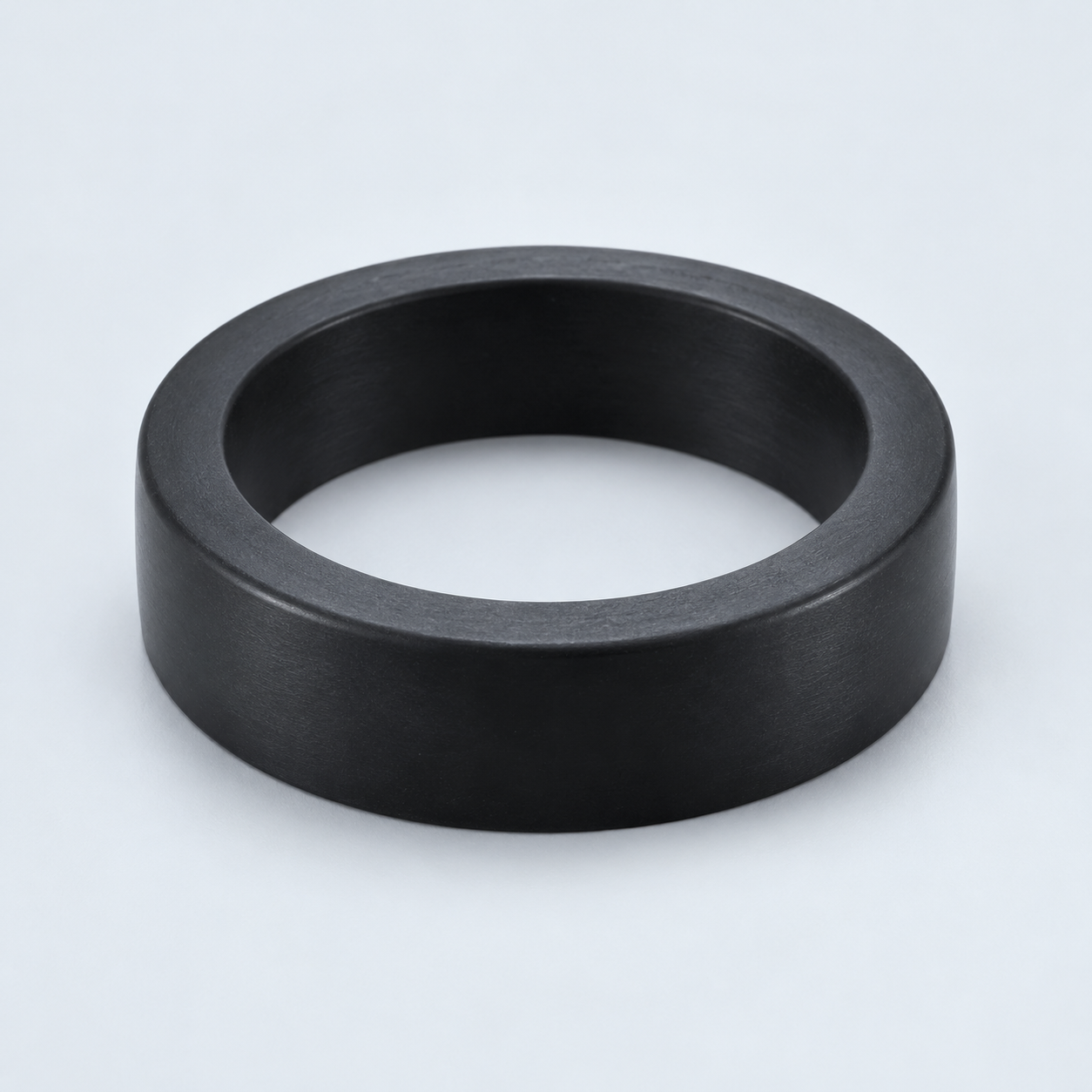 TPU / TPEReview flexibility and processing›
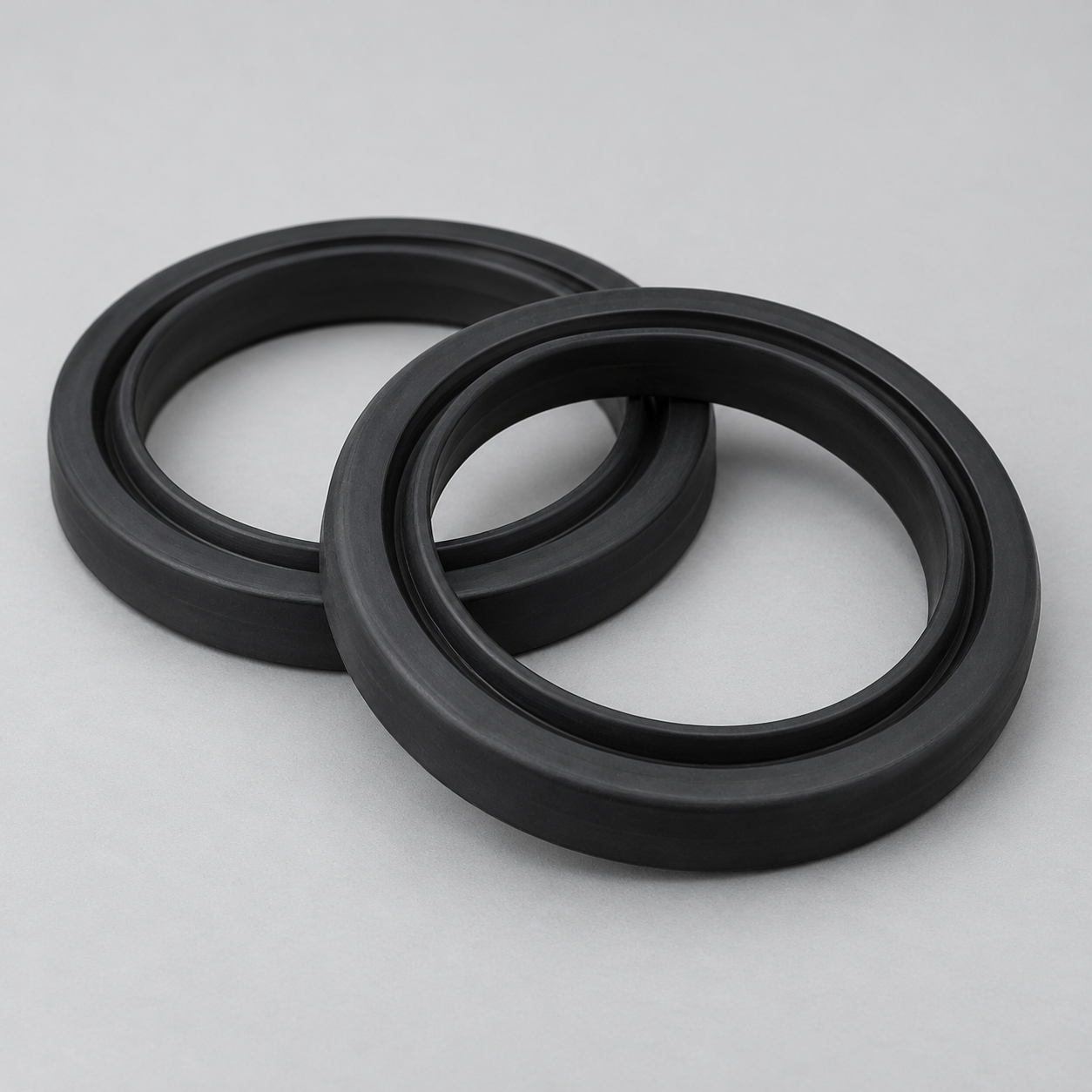 EPDMReview weathering and chemical exposure.›
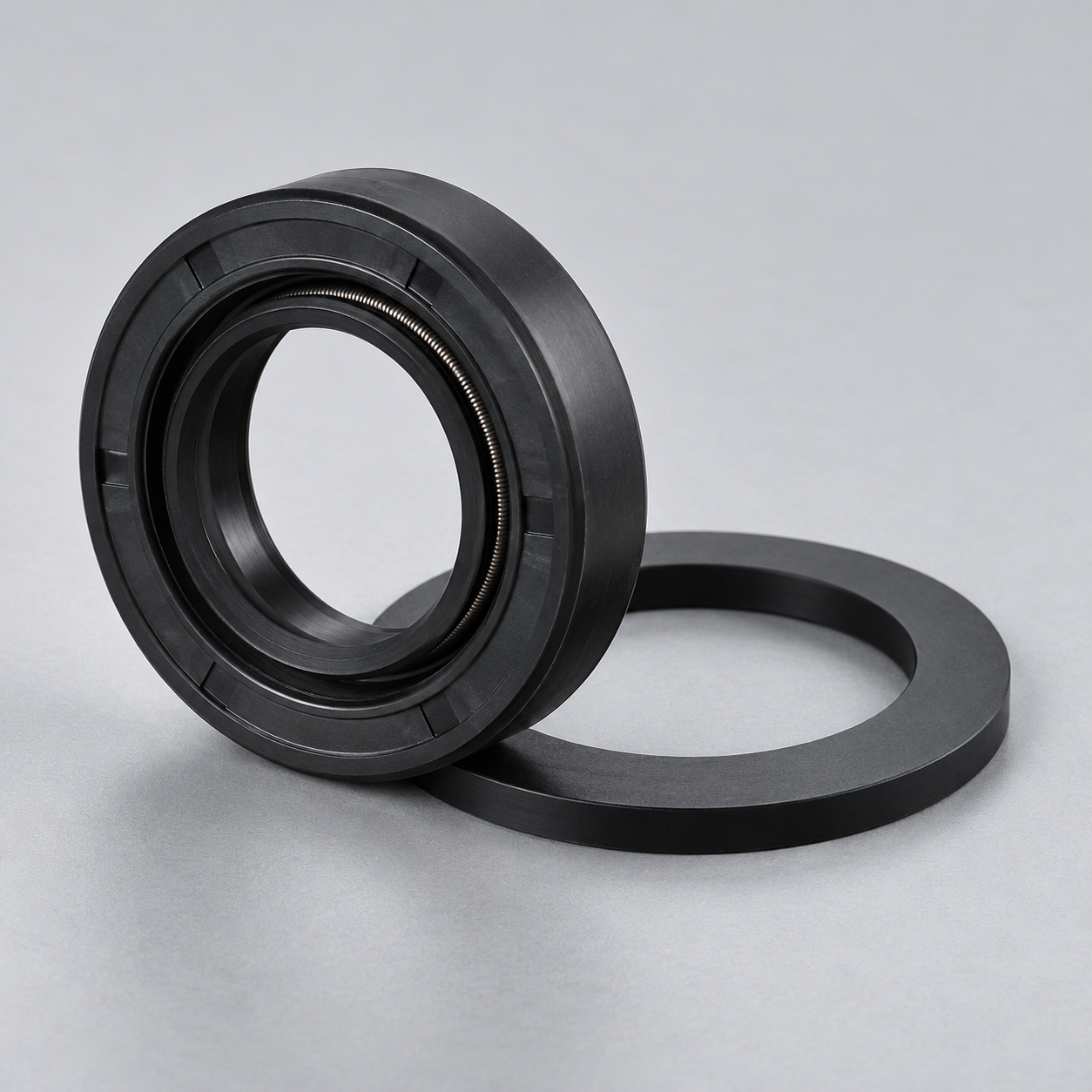 NBRReview oil and fuel exposure.›
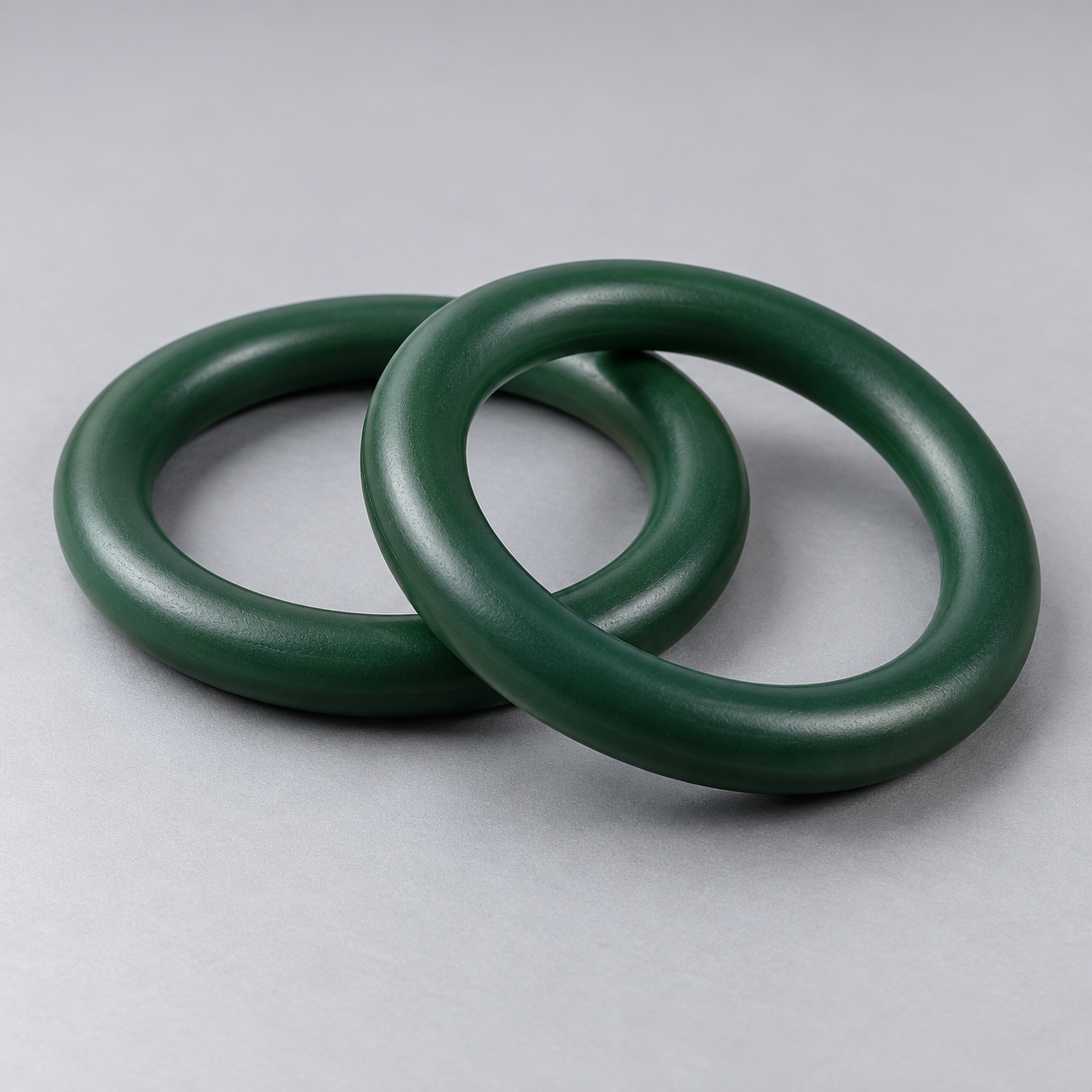 FKMReview temperature and chemical exposure.›
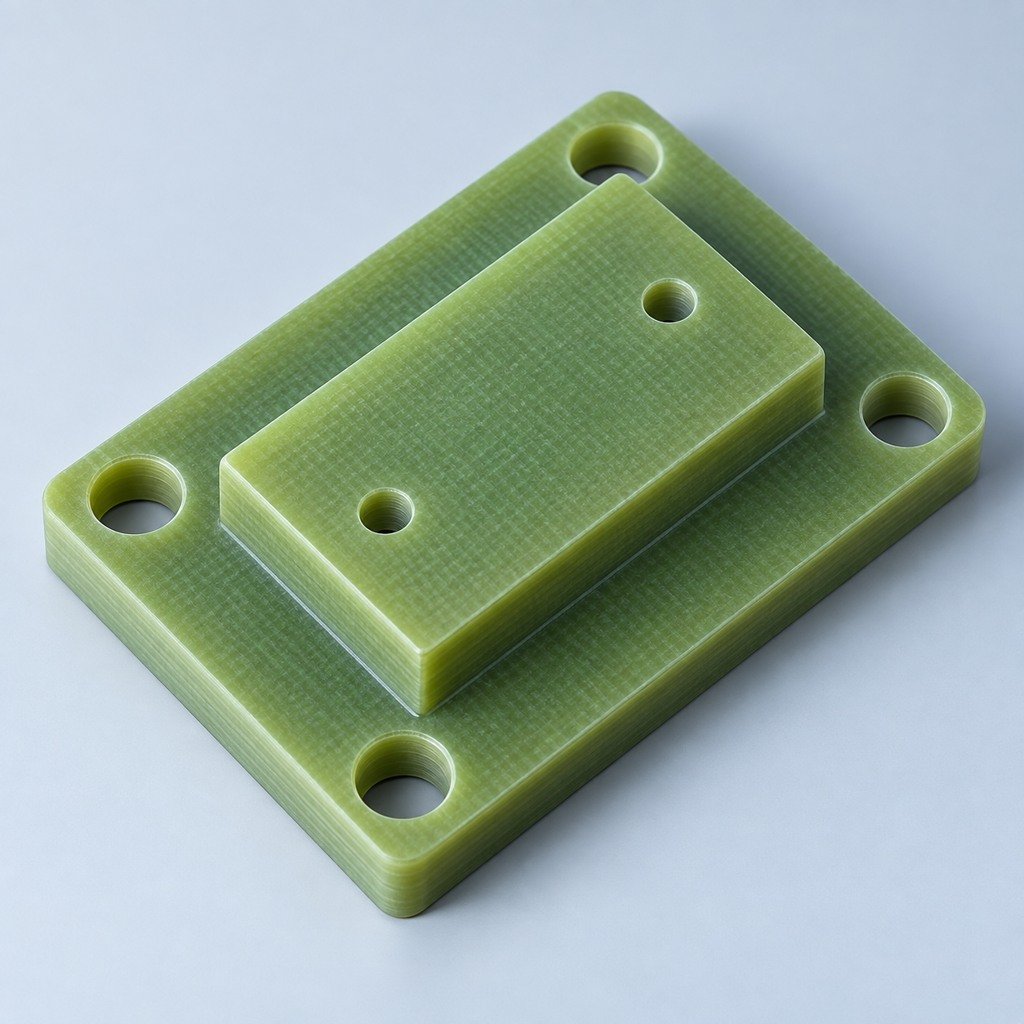 G10 / FR4Review insulation and laminate needs›
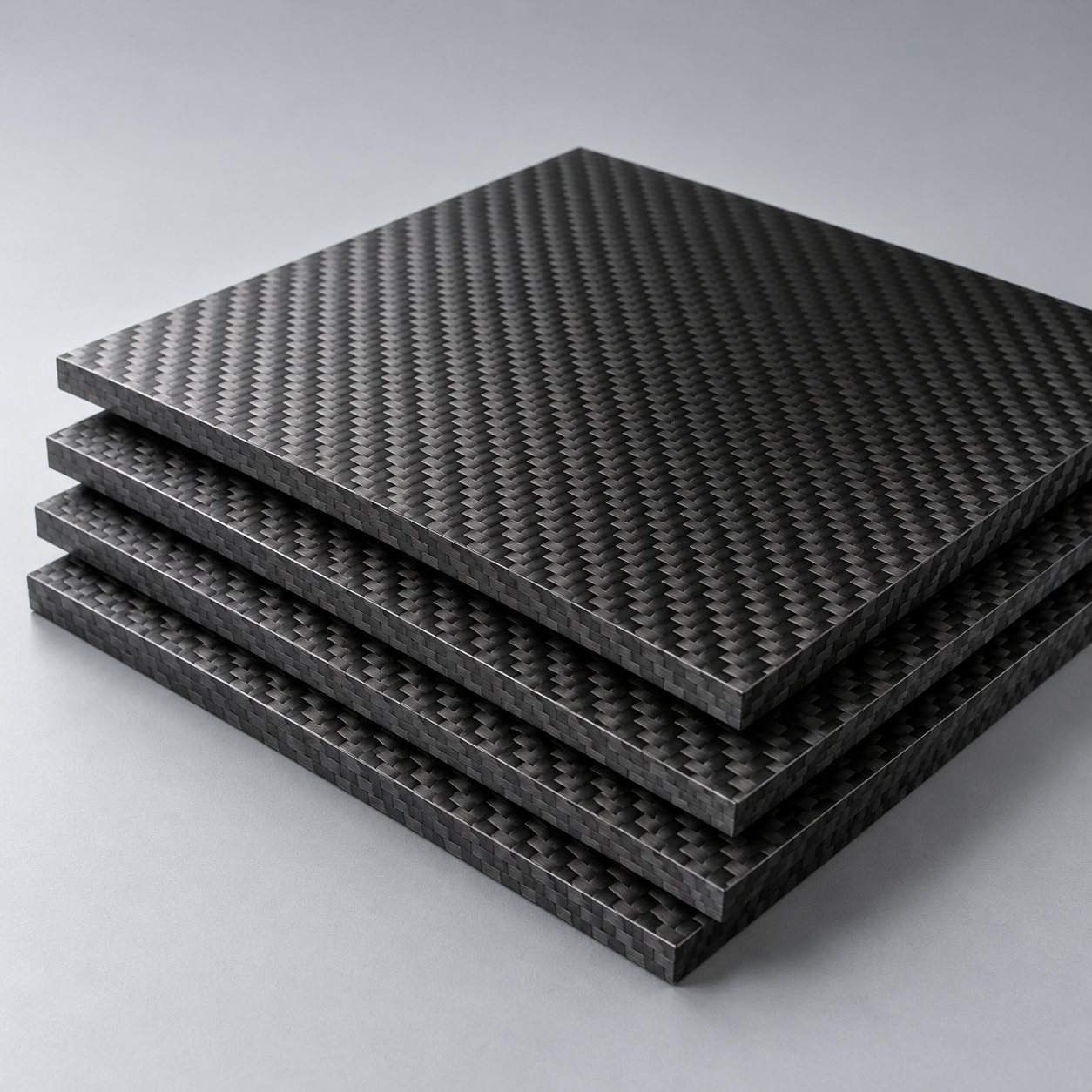 CompositesReview stiffness, weight and laminate.›Customer-Specified MaterialsConfirm your grade and requirements.›Other Specialty MaterialsDiscuss your application and grade.›
Practical guidance for your part geometry and material decisions.
Prepare your process, budget and sourcing questions.
Build your knowledge before production.
Learn who we are and how we operate.
Find our U.S. support team or start a conversation.
YOUR SUPPLIER REVIEW. YOUR PART REQUIREMENTS. YOUR RELEASE EVIDENCE.
An ISO 9001 quality management system concerns how an organization manages quality. Connect your certificate review with the drawings, process controls and quality records your order needs. A quality-system certificate and acceptance of your actual parts answer different questions.
3 separate checks: the supplying entity and site, the applicable certificate scope, and your order-specific acceptance evidence.
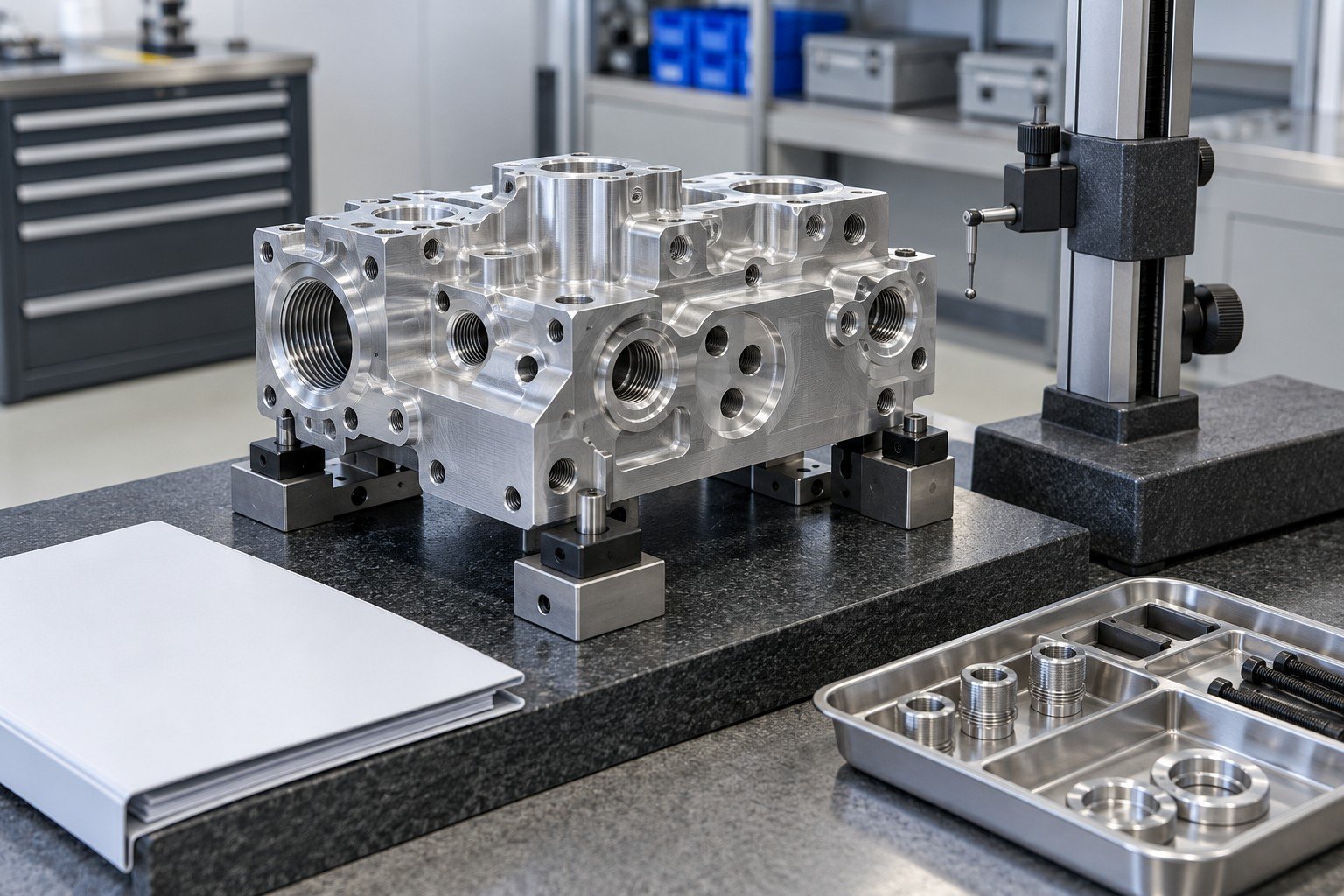
Entity and manufacturing site
Drawings and revisions
Methods and responsibility
Records and release
Changes and issue closure
Make the evidence request specific enough to support your sourcing decision.
Match the legal entity, manufacturing site and quoted route.
Read the actual activities, sites, edition and current status.
Control critical features, appearance, function and records.
Name the authority for changes, rework and any concession.
Agree the documentation, identity and release package.
Start with supplier identity and scope, then review the controls relevant to your order.
| Company-supplied copy | Certificate No. 10150205Q |
|---|---|
| Named organization | LK TOOLS INDUSTRIAL LIMITED |
| Named site | Building C No. 1 Road Wu xing Xia du New Village, Xiegang Town, Dongguan City, Guangdong, 523597, China; wording transcribed from supplied copy. |
| Edition on this copy | ISO 9001:2015 |
| Dates printed on copy | Issued January 15, 2025; expiry January 14, 2028. |
| Issuer printed on copy | Certification Europe (Hong Kong) Limited |
| Scope note | The supplied scope lists multiple manufacturing activities and excludes plating from its hardware-products wording. Review the full scope against your actual supplying entity, site and process. |
| Current verification status | Current surveillance and independent certificate status have not been verified here. Request current evidence before relying on certification for supplier approval. |
| Review date | October 18, 2026. Copy dates alone do not establish current certificate validity. |
This is a transcription of company-supplied information, not an independent current-validity statement. No certification-body logo or generated certificate is used on this page.
ISO 9001 certificate verification starts with the supplying legal entity and site. A sales brand or a partner certificate alone does not establish coverage of your order.
| Your input | Required supplier qualifications and the entity named on your order. |
|---|---|
| Your scope check | Compare the organization, site, certificate number and actual manufacturing route. |
| Your evidence request | Ask for a current copy and status confirmation through the issuer or applicable verification channel. |
| Your decision | Confirm coverage before treating an ISO 9001 certified manufacturer claim as established. |
ISO 9001 certificate scope describes the activities and sites covered by the certificate. It does not automatically cover every service shown on a website.
| Your input | Processes, sites and any externally supplied operations. |
|---|---|
| Your scope check | Distinguish the contracted entity, manufacturing site and outside suppliers. |
| Your evidence request | Request applicable scope and supplier-control information. |
| Your decision | Do not infer that every subcontractor holds the same certificate. |
Manufacturing document control connects approved drawings, specifications and changes to the work actually released for your order.
| Your input | Controlled drawing, CAD revision and customer specifications. |
|---|---|
| Your scope check | Confirm approval, issue, effective revision and superseded-document control. |
| Your evidence request | Agree the revision and change records relevant to your order. |
| Your decision | Resolve conflicting versions before work or release proceeds. |
A supplier qualification process should address the risk and requirements of the supplied material or operation. A certificate alone does not replace order acceptance.
| Your input | Required materials, outside processes and documentation. |
|---|---|
| Your scope check | Agree incoming checks and responsibility for externally supplied work. |
| Your evidence request | Request applicable material, process and supplier records. |
| Your decision | Review substitutions and exceptions against your specifications. |
Your supplier quality assurance process needs a clear link between requirements, work controls, inspection and authorized release.
| Your input | Critical features, datums, methods and acceptance limits. |
|---|---|
| Your scope check | Agree available inspection and any separately arranged testing. |
| Your evidence request | Define sampling, conditions, results and required records. |
| Your decision | Accept parts against the agreed drawing and order, not a certificate alone. |
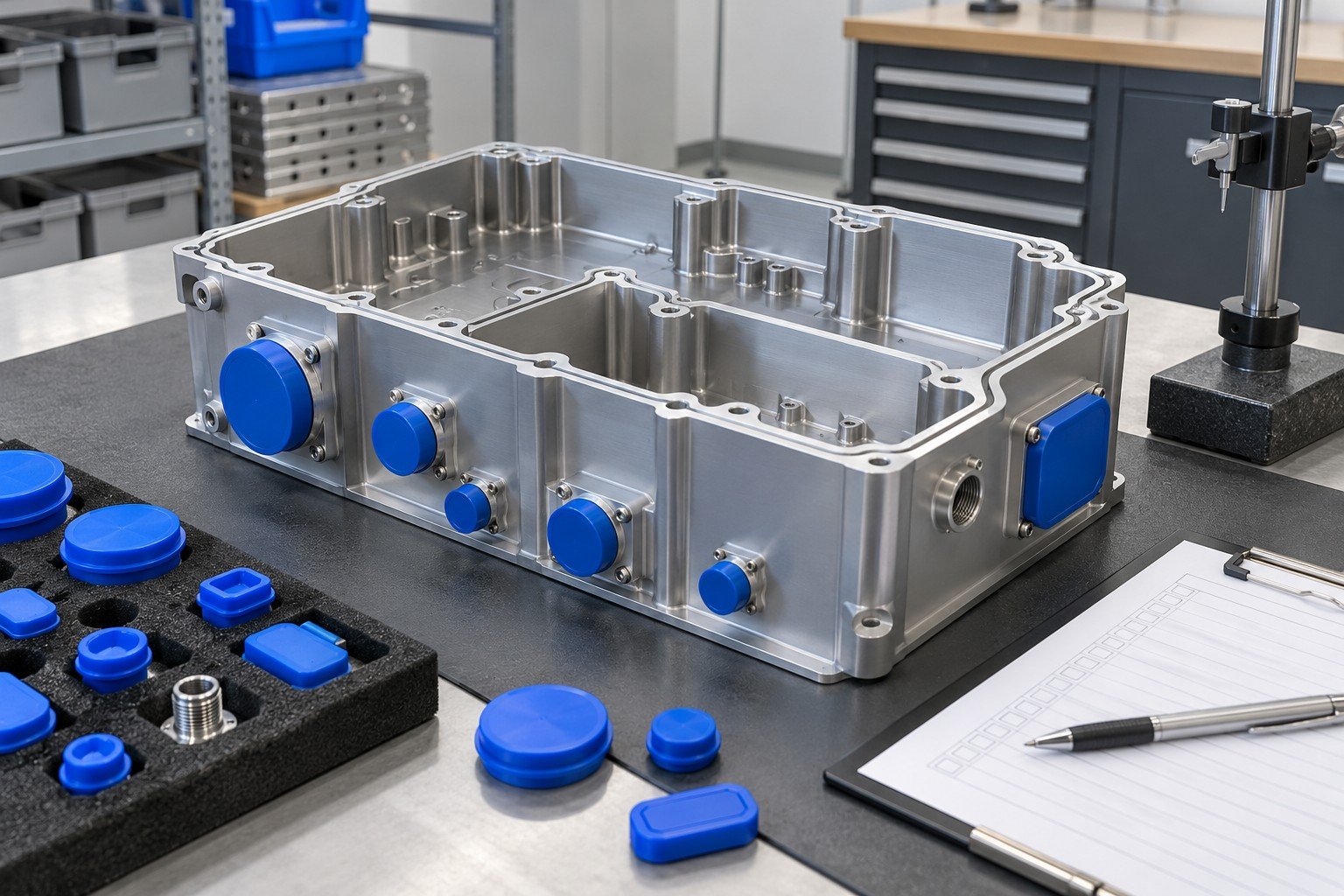
Nonconforming product control should identify the affected items, contain the issue and record an authorized disposition.
| Your input | Observed issue, affected identity and acceptance requirement. |
|---|---|
| Your scope check | Separate containment, rework, scrap and concession decisions. |
| Your evidence request | Agree affected-quantity review, disposition and reinspection records. |
| Your decision | Customer approval is required where the agreed requirement calls for it. |
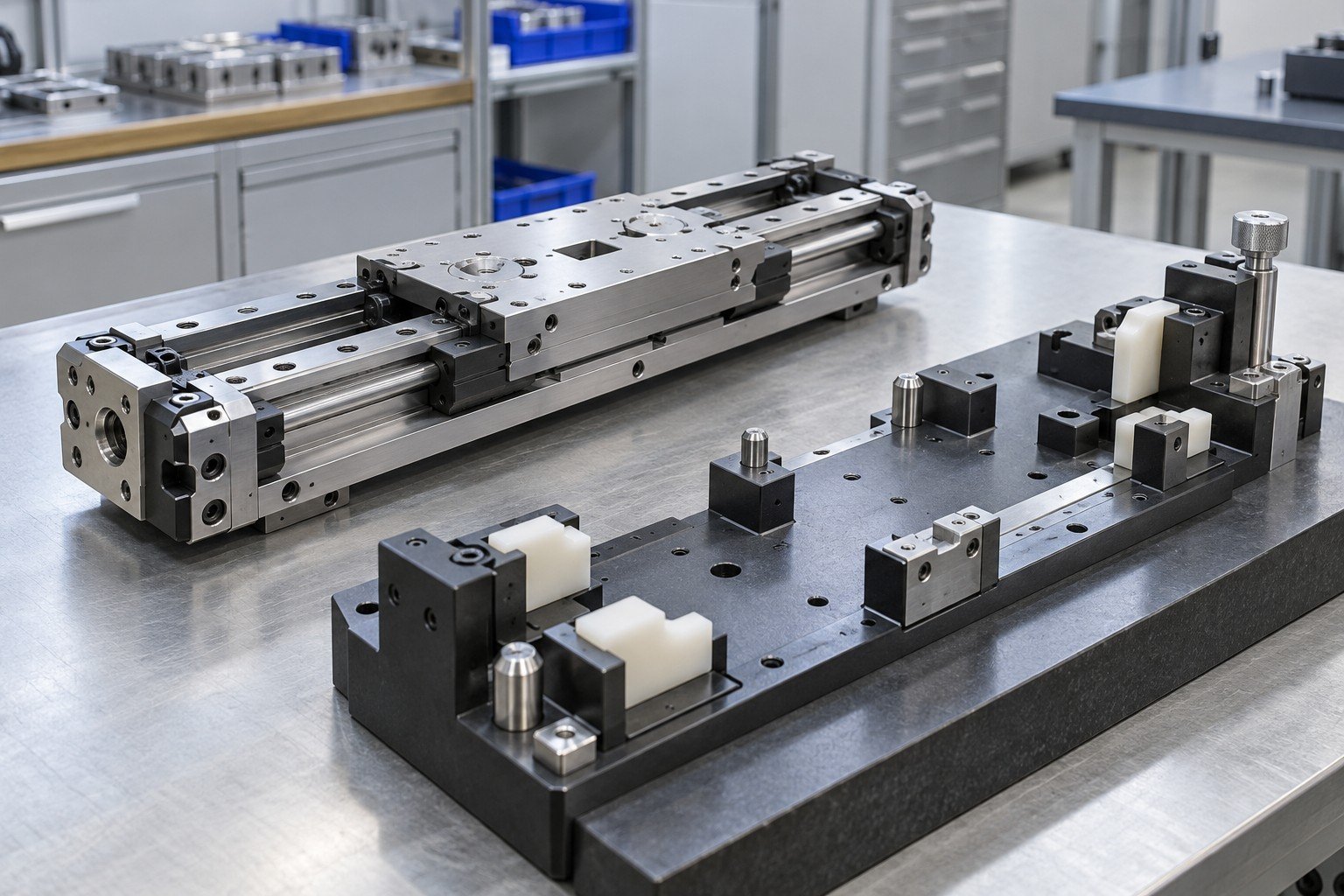
For corrective action in manufacturing, distinguish immediate correction from cause analysis, action and effectiveness verification.
| Your input | Problem evidence, recurrence risk and affected orders. |
|---|---|
| Your scope check | Agree responsibility, action scope and follow-up method. |
| Your evidence request | Request the applicable issue and effectiveness records. |
| Your decision | Confirm the action addresses the agreed cause before closing the issue. |
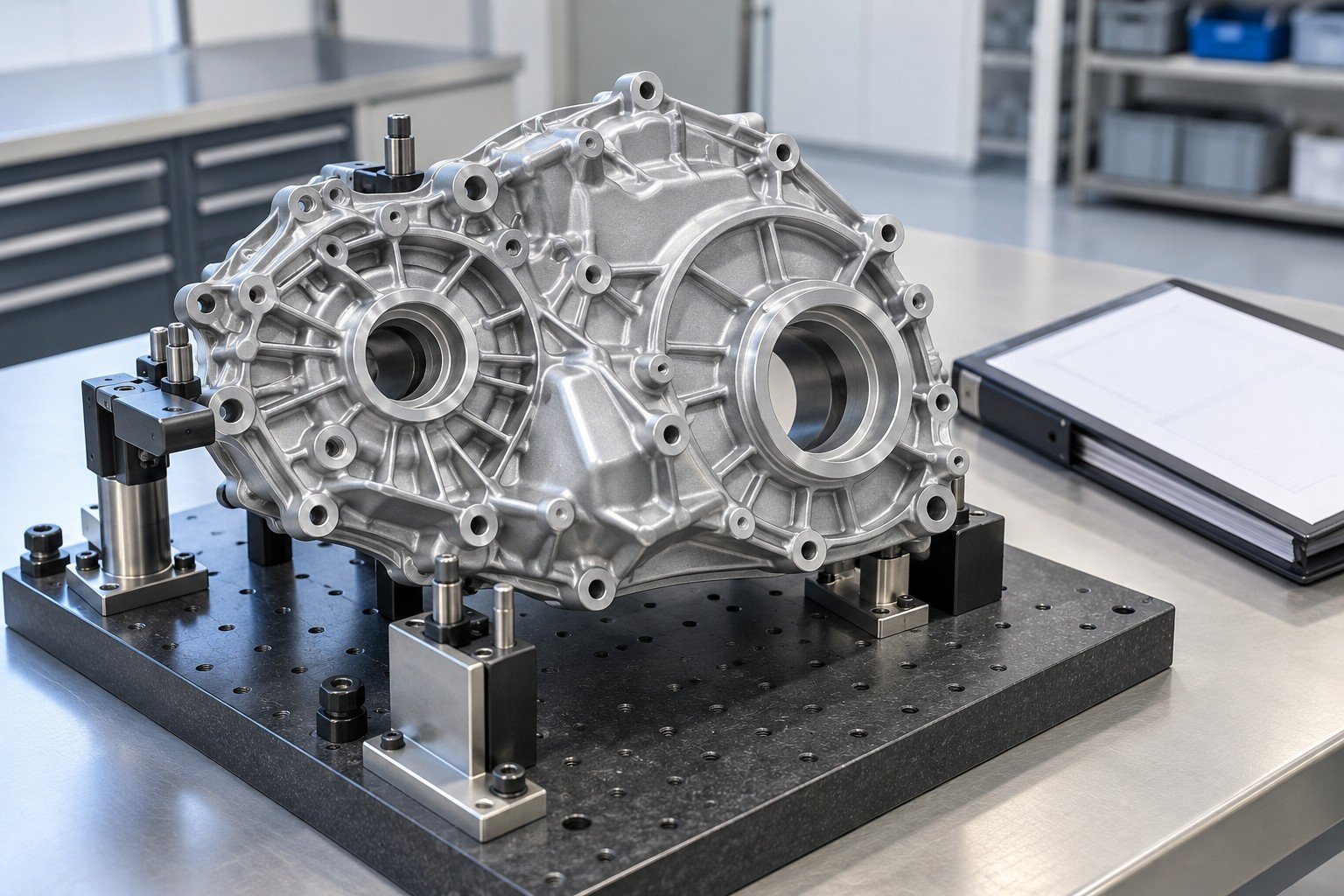
Use a clear sequence for the quality decisions your project requires.
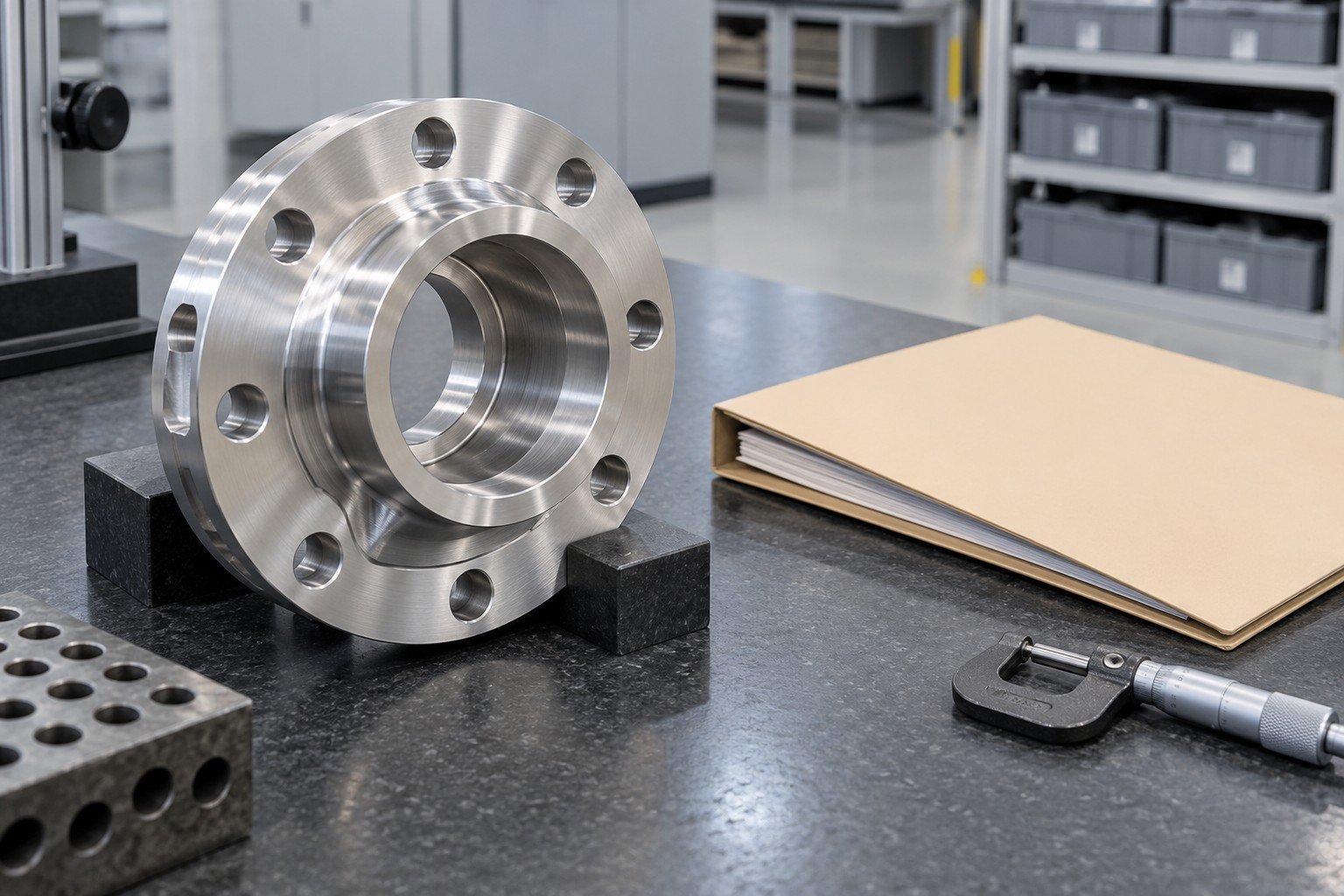
Confirm drawing revision, quality requirements, documents and responsibilities.
Confirm the controls and records that apply to your project rather than assuming a generic quality-system claim defines them.
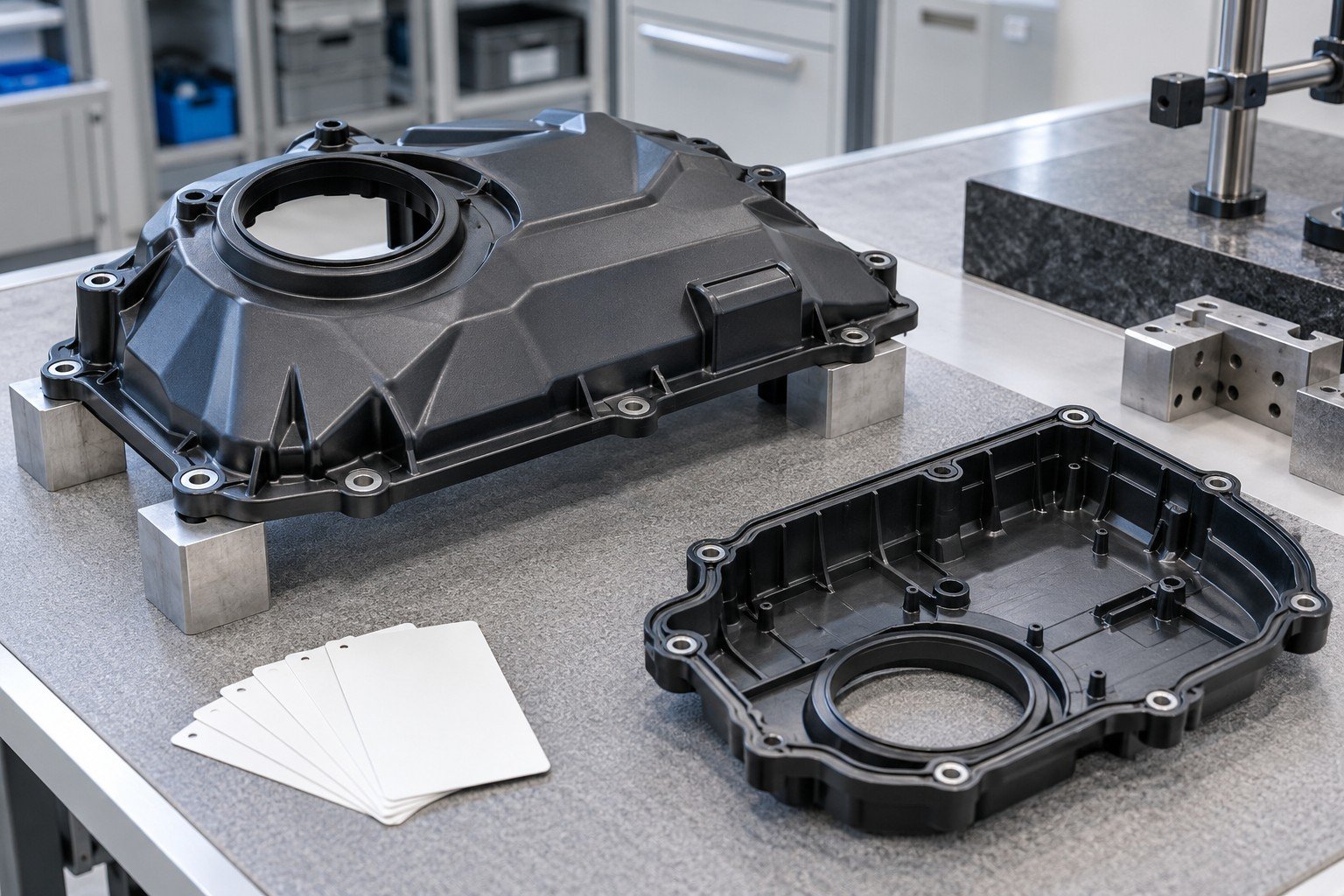
Agree critical features, references, changes and acceptance methods.
Confirm the controls and records that apply to your project rather than assuming a generic quality-system claim defines them.
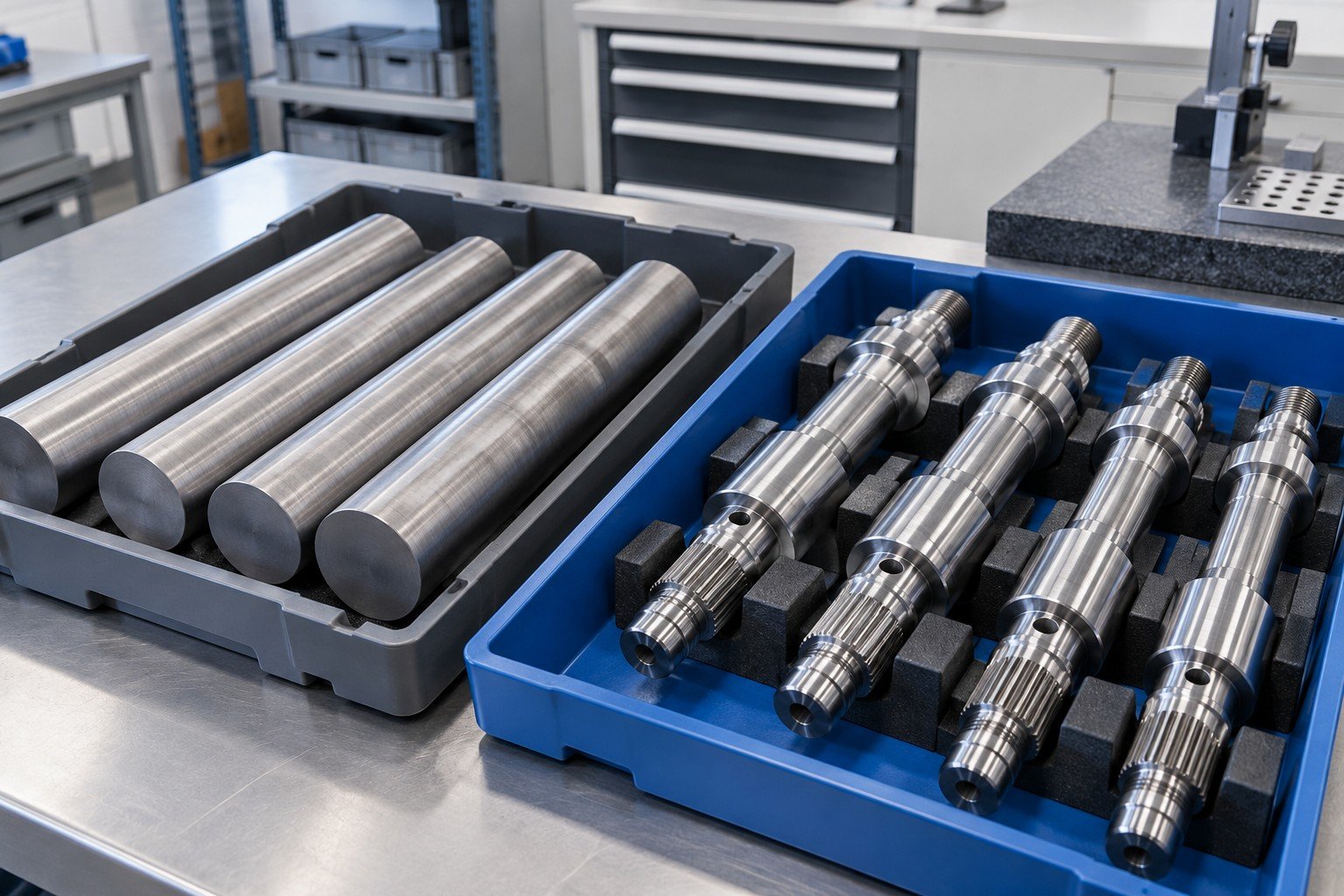
Review supplied materials and outside operations against the order.
Confirm the controls and records that apply to your project rather than assuming a generic quality-system claim defines them.
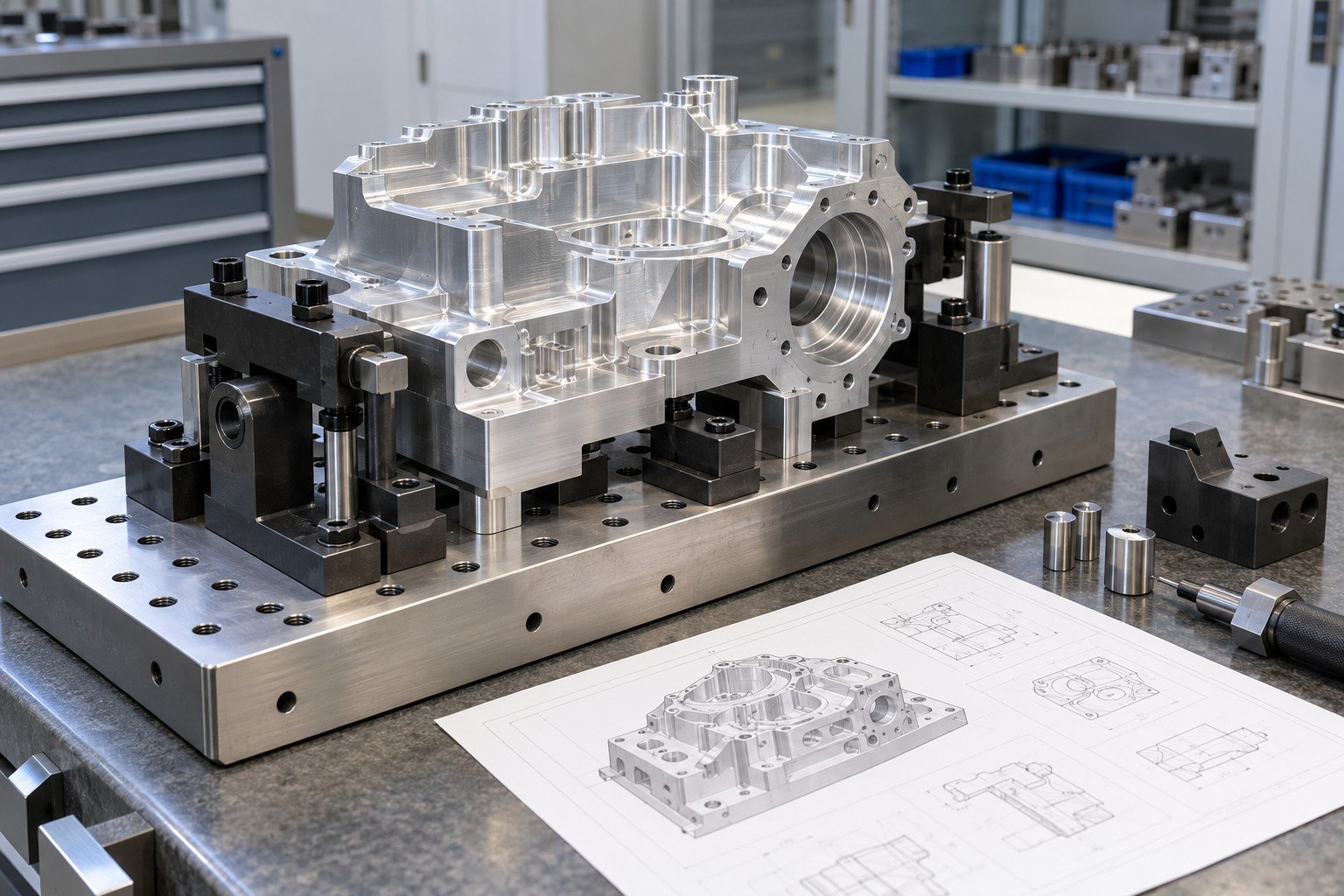
Connect setup, work instructions and checks to the approved requirements.
Confirm the controls and records that apply to your project rather than assuming a generic quality-system claim defines them.
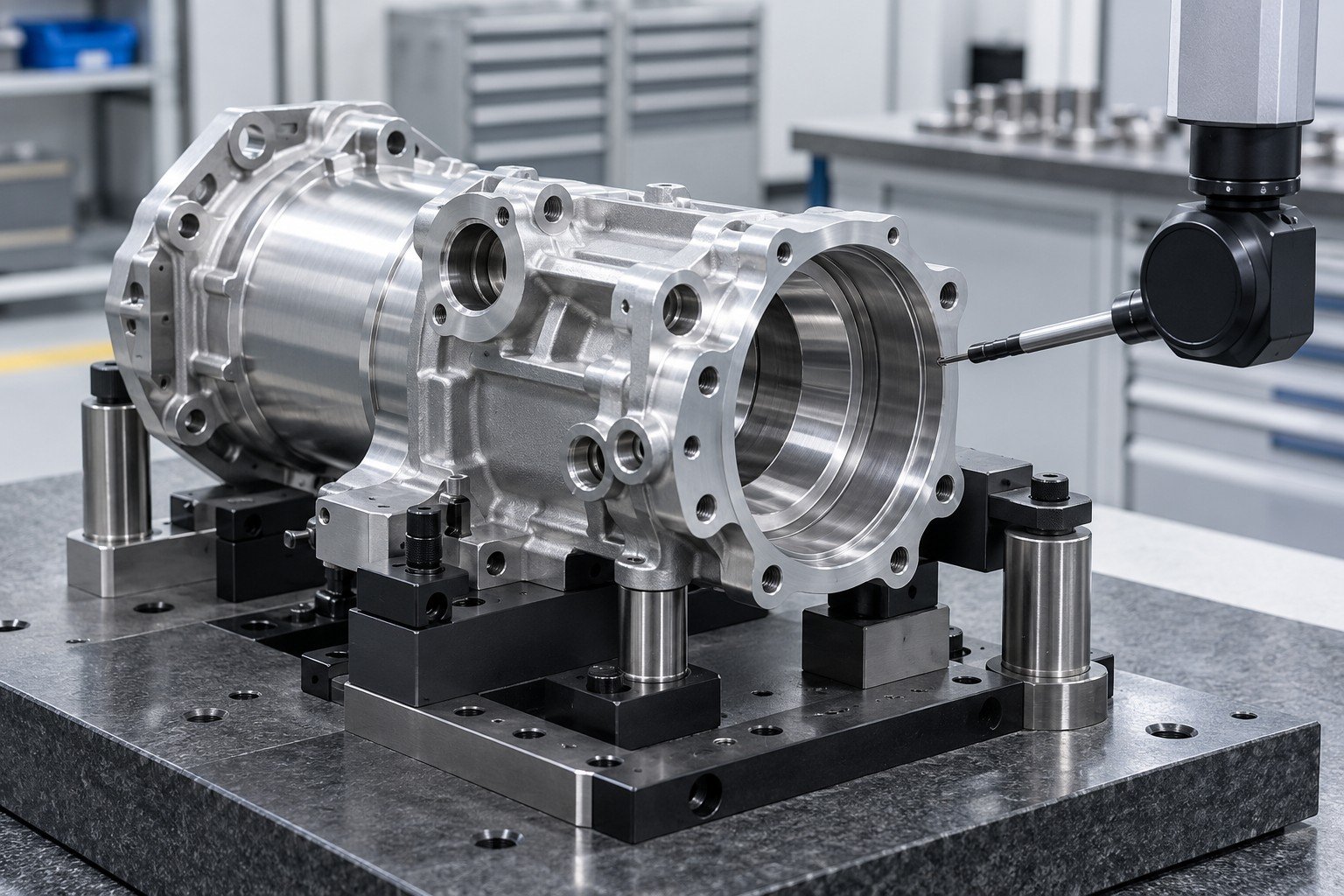
Record findings and resolve affected items through authorized disposition.
Confirm the controls and records that apply to your project rather than assuming a generic quality-system claim defines them.
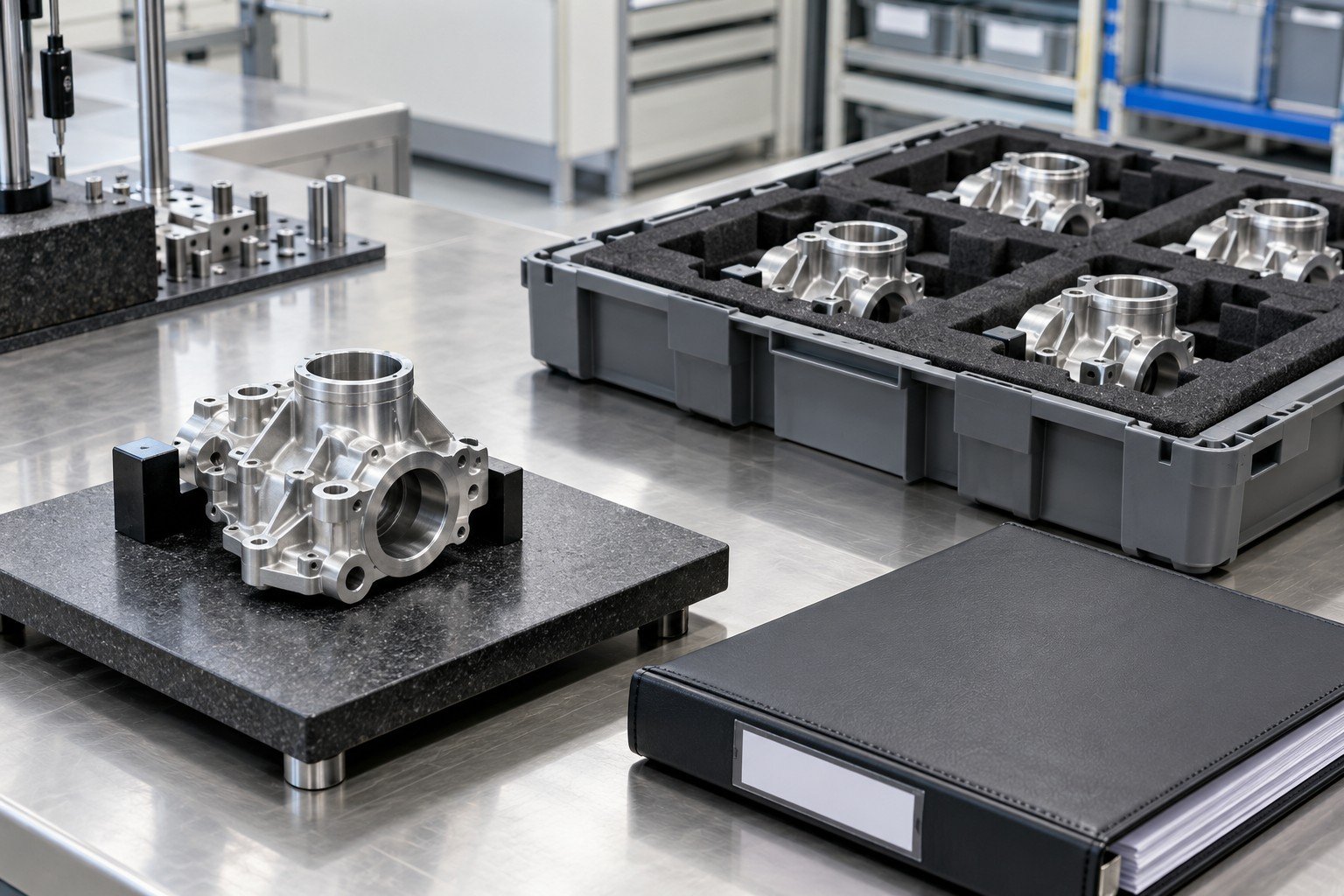
Link the delivered identity, agreed records and any continuing actions.
Confirm the controls and records that apply to your project rather than assuming a generic quality-system claim defines them.
Use risk-based thinking in manufacturing quality reviews to focus on consequences for your actual part and order.
A current CAD file and an older inspection drawing can describe different acceptance requirements.
| Your input | Order requirements, controlled revisions and relevant risk. |
|---|---|
| Your evidence | Agreed review, records and authorized decision. |
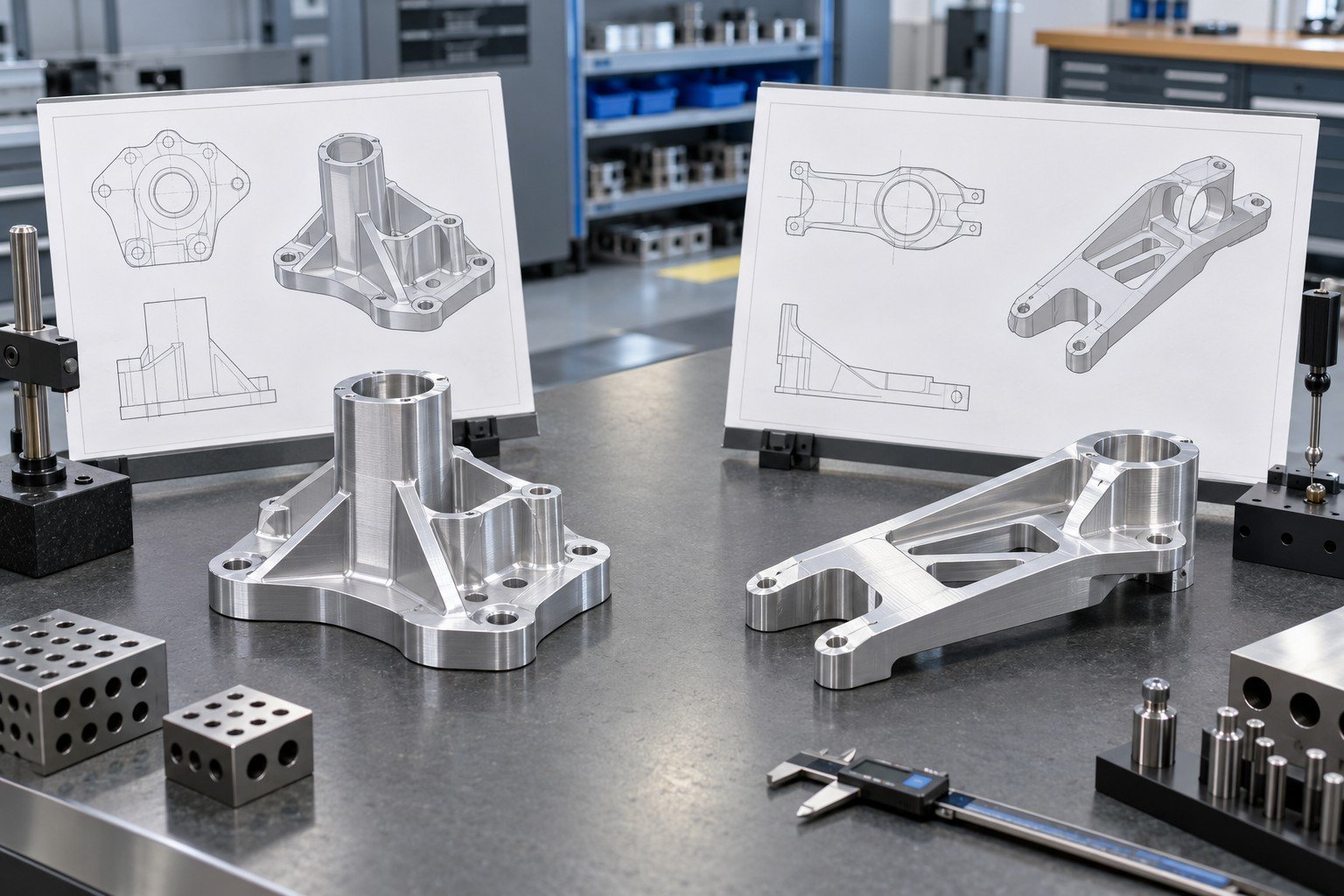
A group logo or website process list does not establish that every site or external process is covered.
| Your input | Order requirements, controlled revisions and relevant risk. |
|---|---|
| Your evidence | Agreed review, records and authorized decision. |
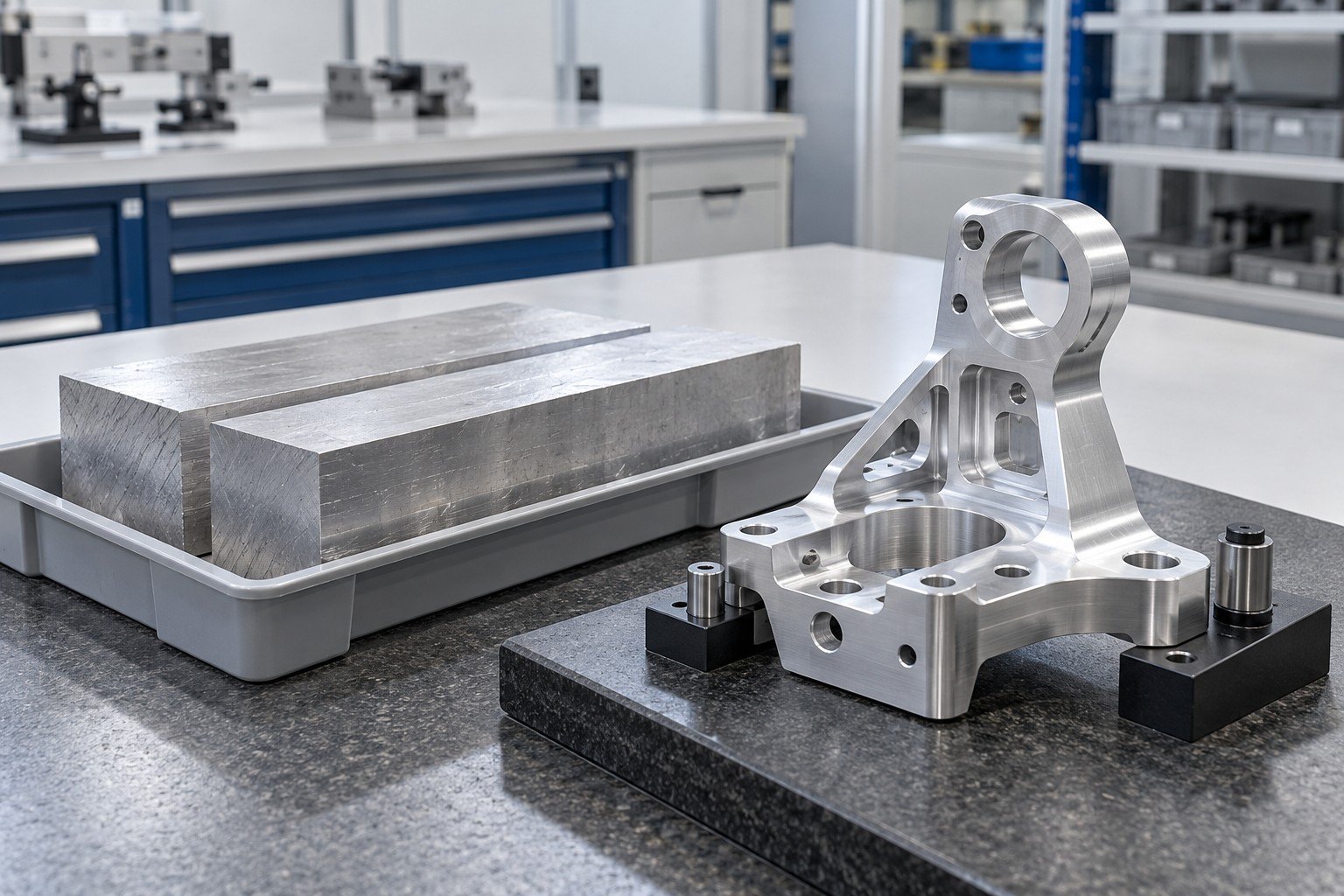
Review measurement access, conditions, resources and the uncertainty relevant to your requirement.
| Your input | Order requirements, controlled revisions and relevant risk. |
|---|---|
| Your evidence | Agreed review, records and authorized decision. |
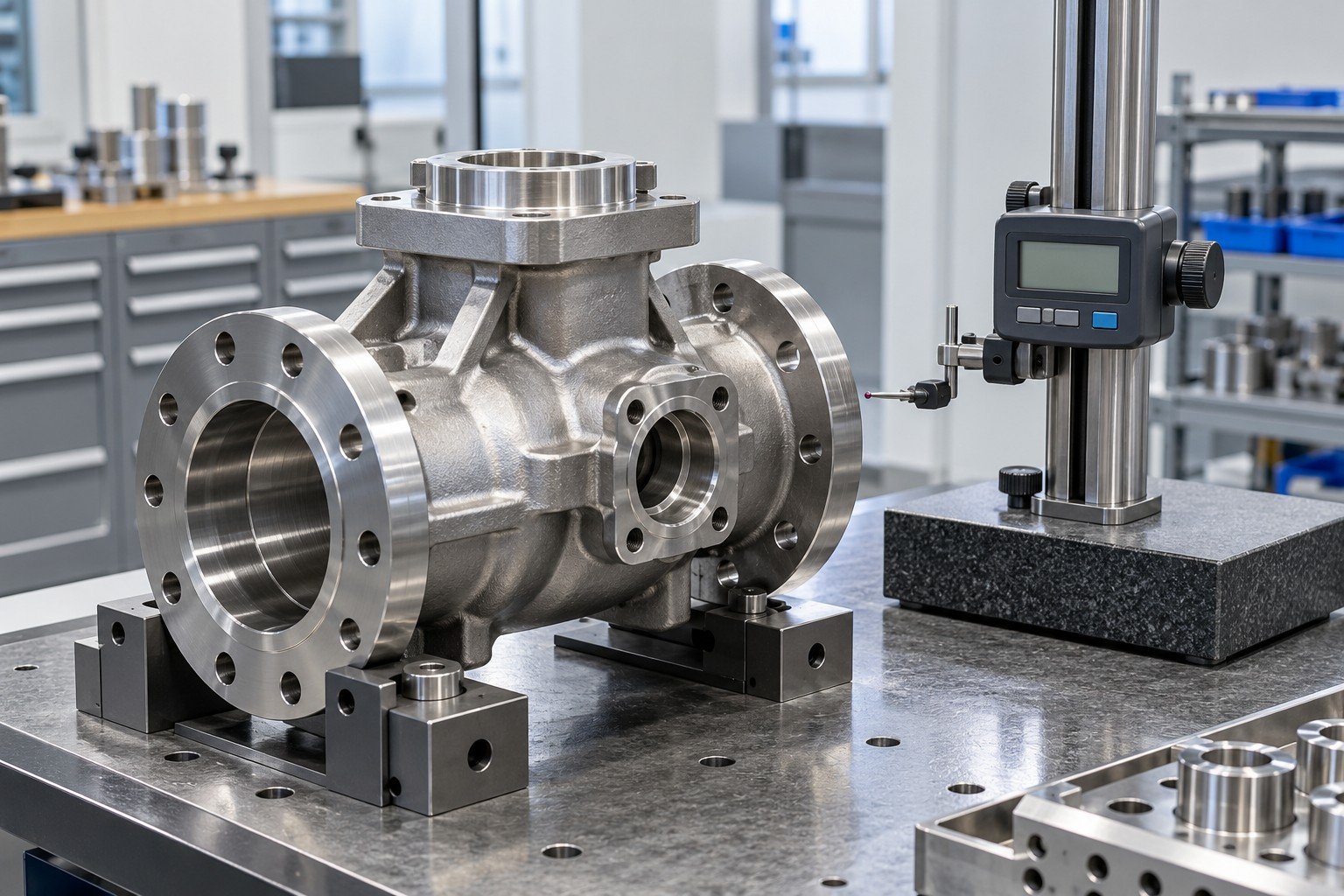
Keep suspect, accepted and reworked items distinguishable through disposition and reinspection.
| Your input | Order requirements, controlled revisions and relevant risk. |
|---|---|
| Your evidence | Agreed review, records and authorized decision. |
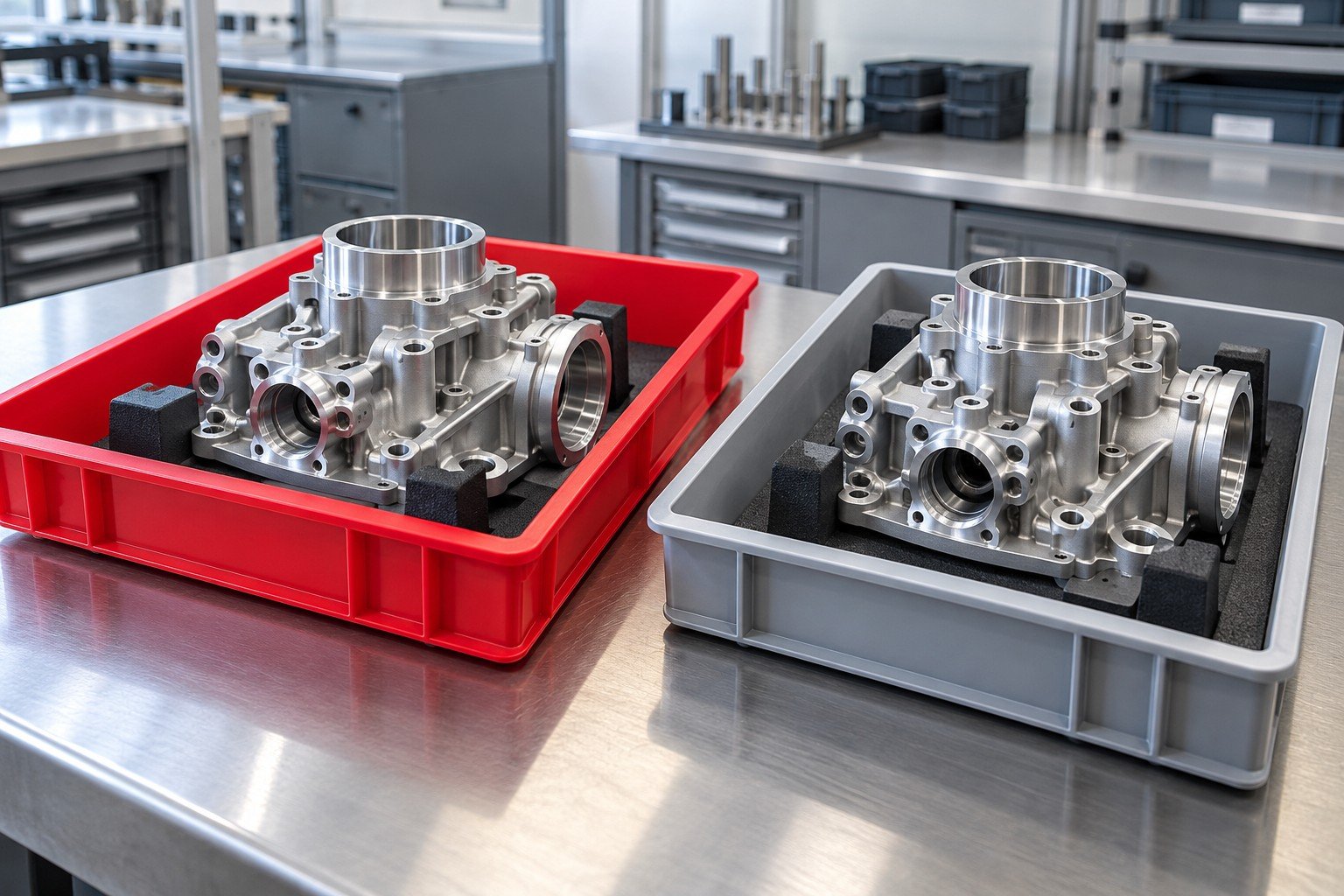
Use actual mating conditions and approved references where dimensions alone are insufficient.
| Your input | Order requirements, controlled revisions and relevant risk. |
|---|---|
| Your evidence | Agreed review, records and authorized decision. |
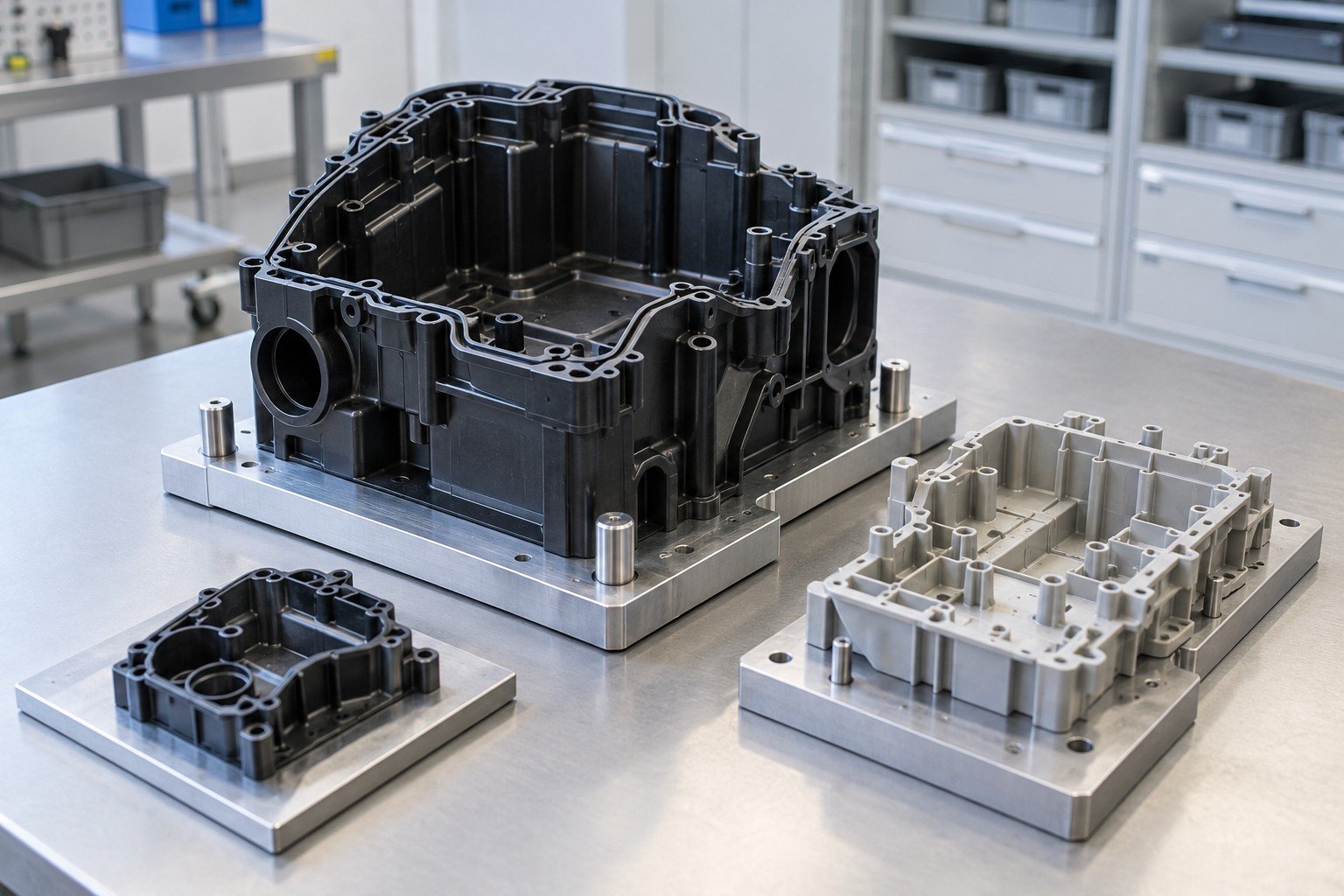
Traceability depth is specified for your order; ISO 9001 does not automatically mean every item is serialized.
| Your input | Order requirements, controlled revisions and relevant risk. |
|---|---|
| Your evidence | Agreed review, records and authorized decision. |
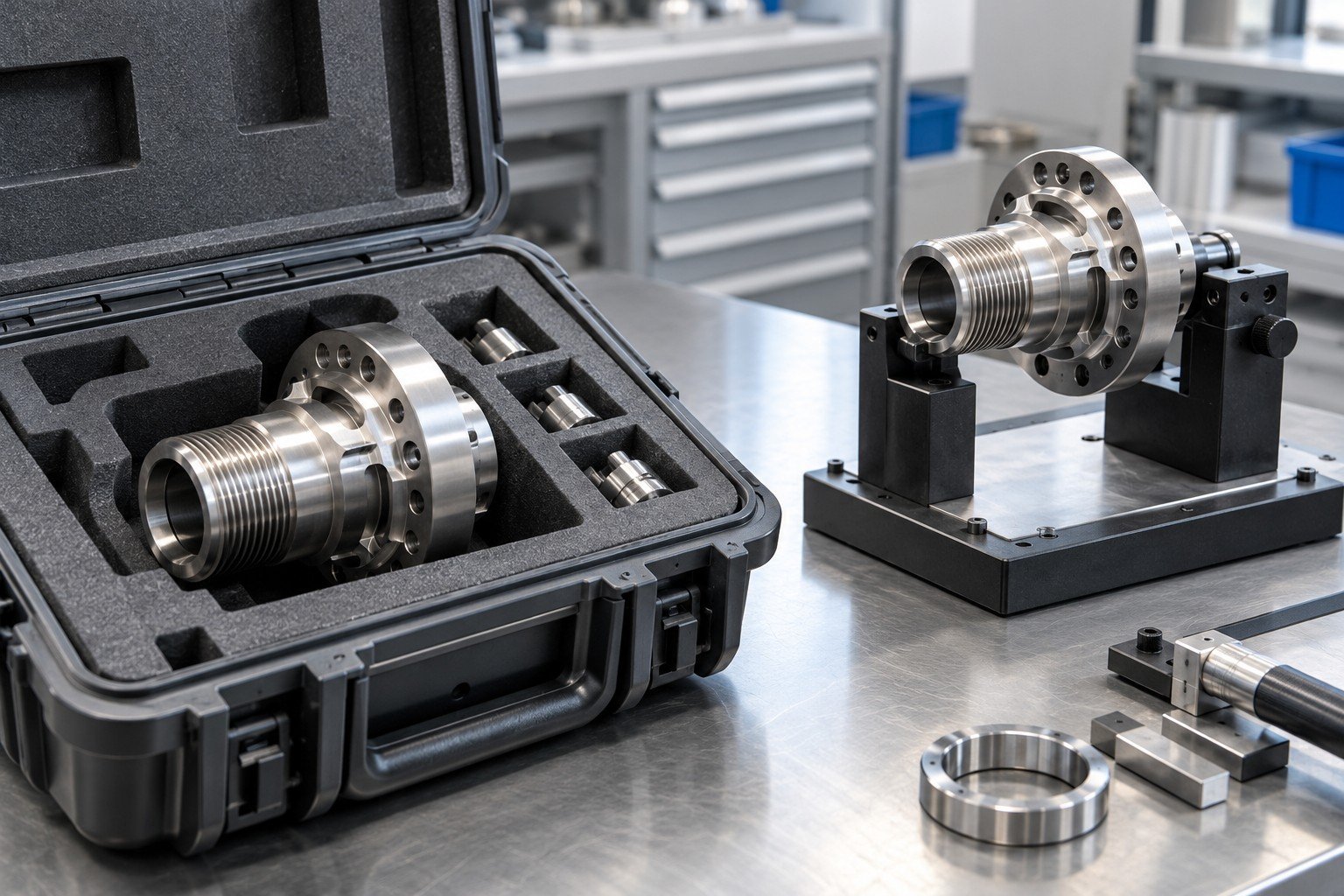
Record authorized rework and the acceptance needed before release.
| Your input | Order requirements, controlled revisions and relevant risk. |
|---|---|
| Your evidence | Agreed review, records and authorized decision. |
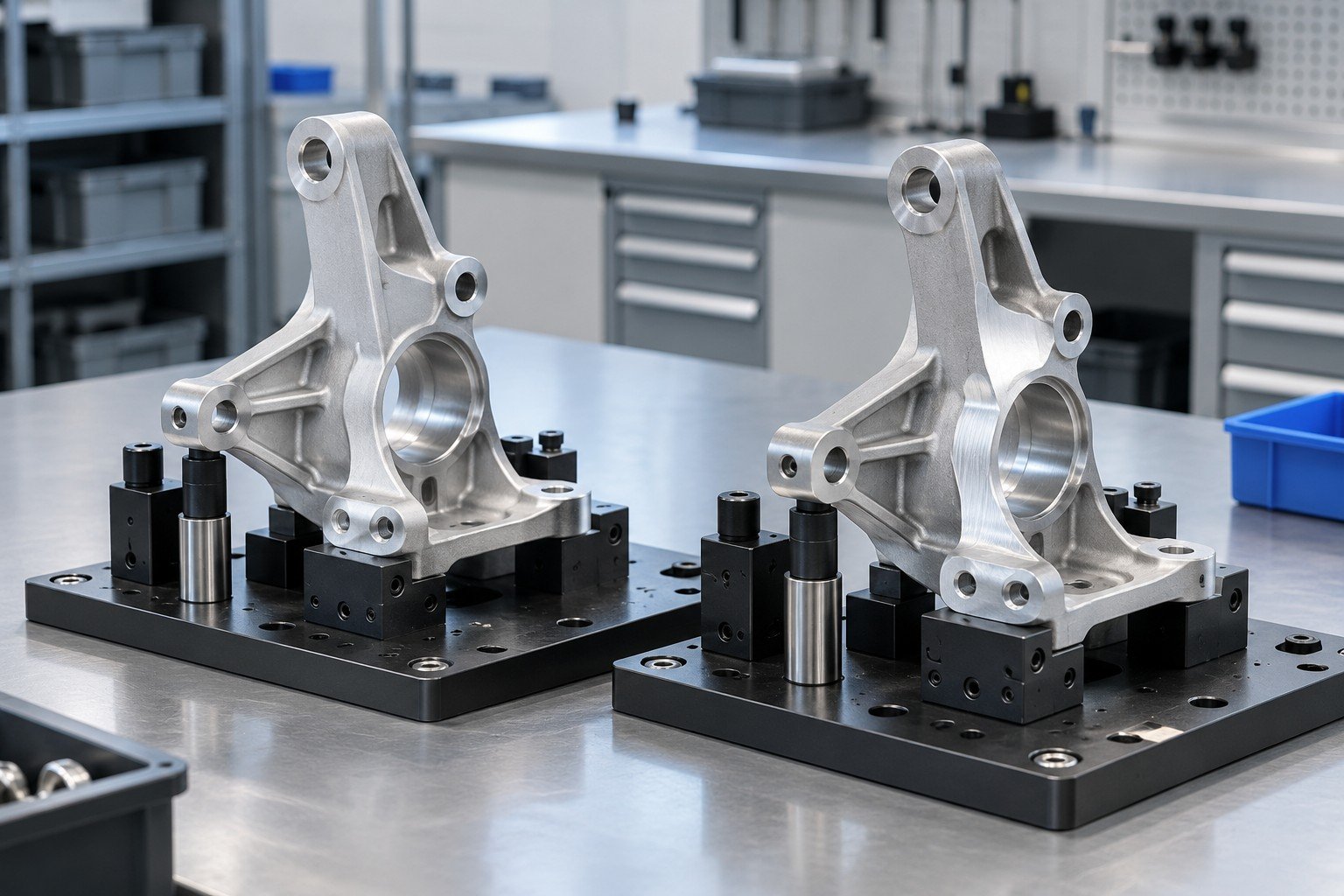
Confirm the required records, revisions, identities and approvals in the release package.
| Your input | Order requirements, controlled revisions and relevant risk. |
|---|---|
| Your evidence | Agreed review, records and authorized decision. |
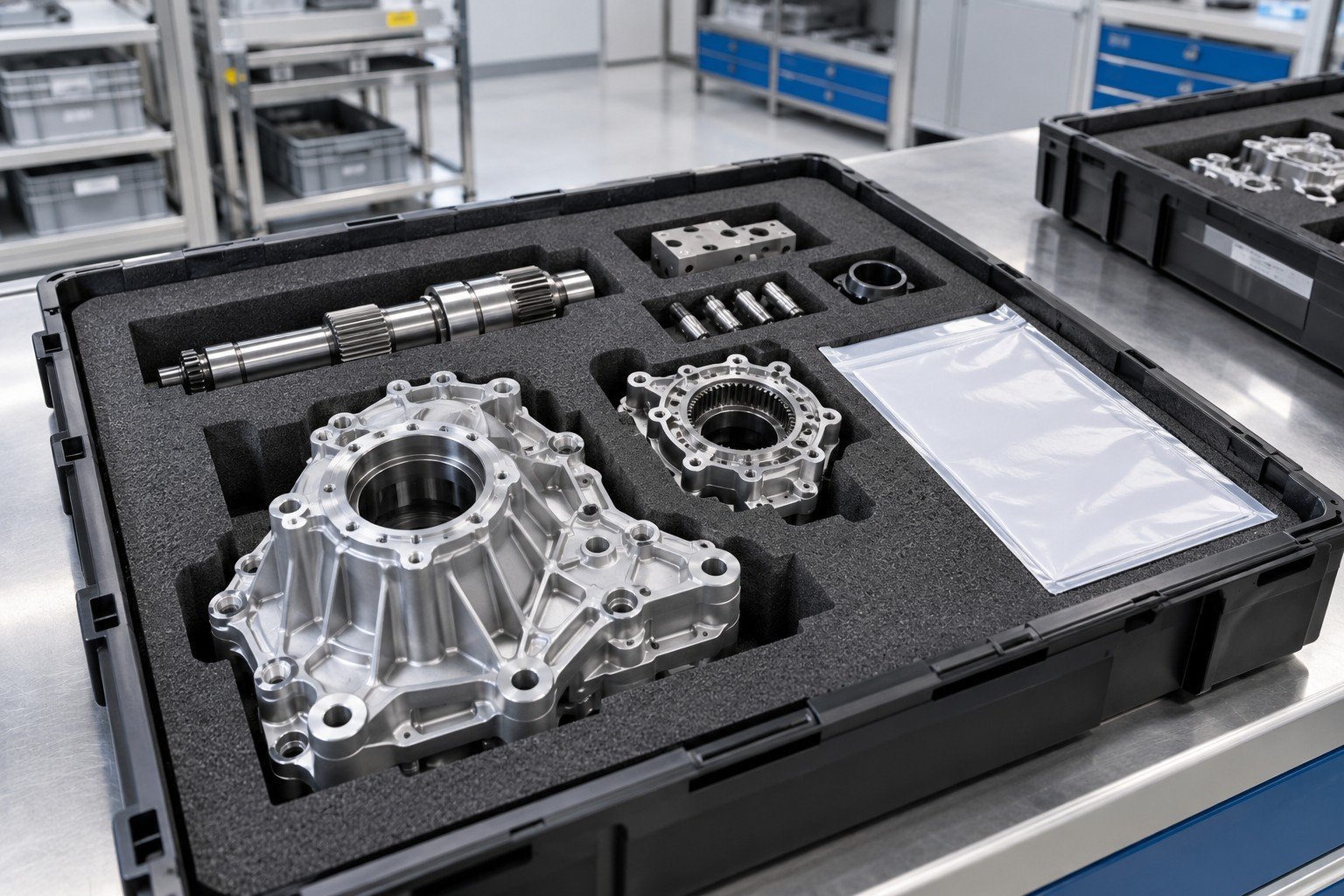
Industrial component quality assurance needs relevant evidence, not an automatic promise that every document accompanies every shipment.
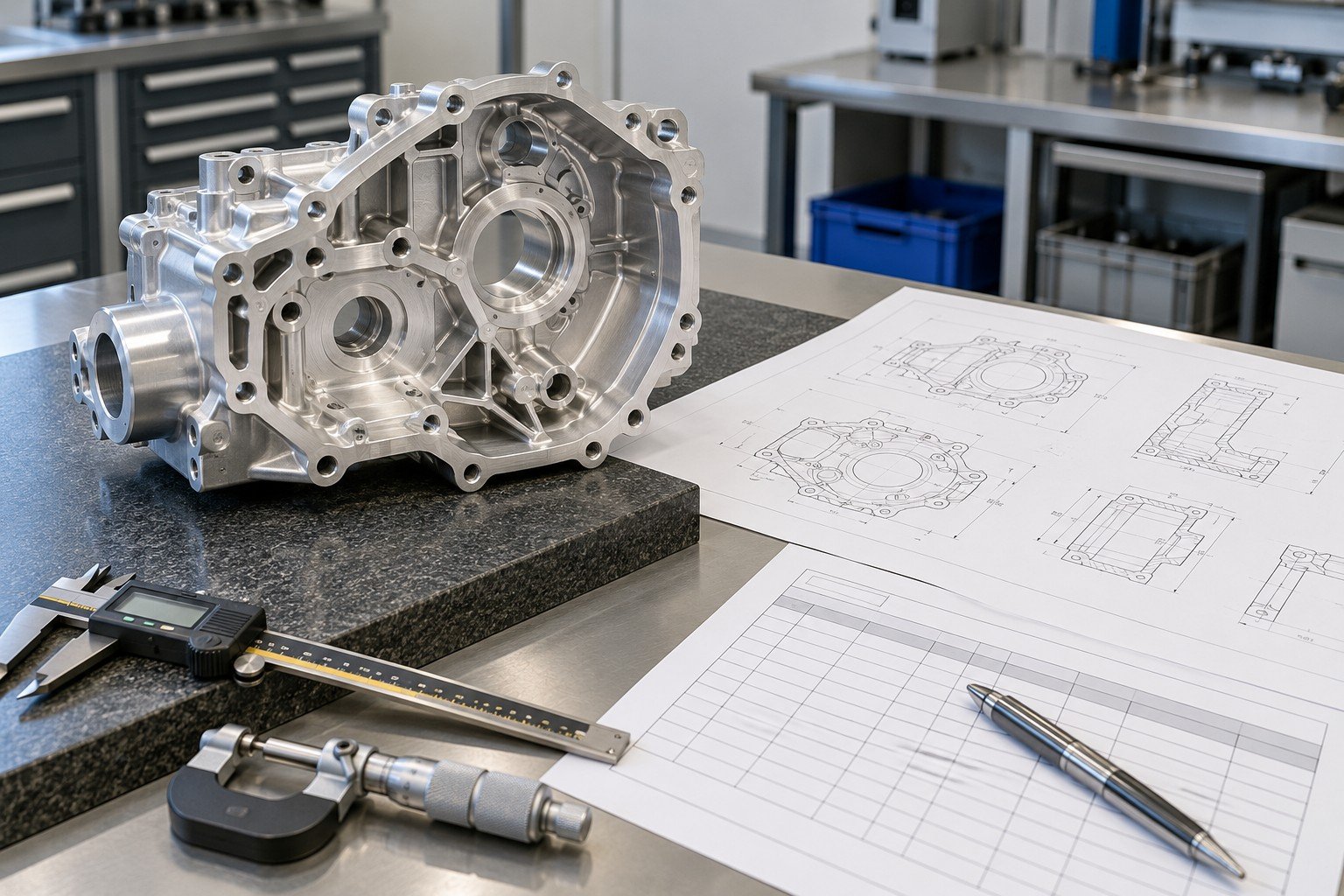
Controlled revisions, critical features and agreed reporting requirements.
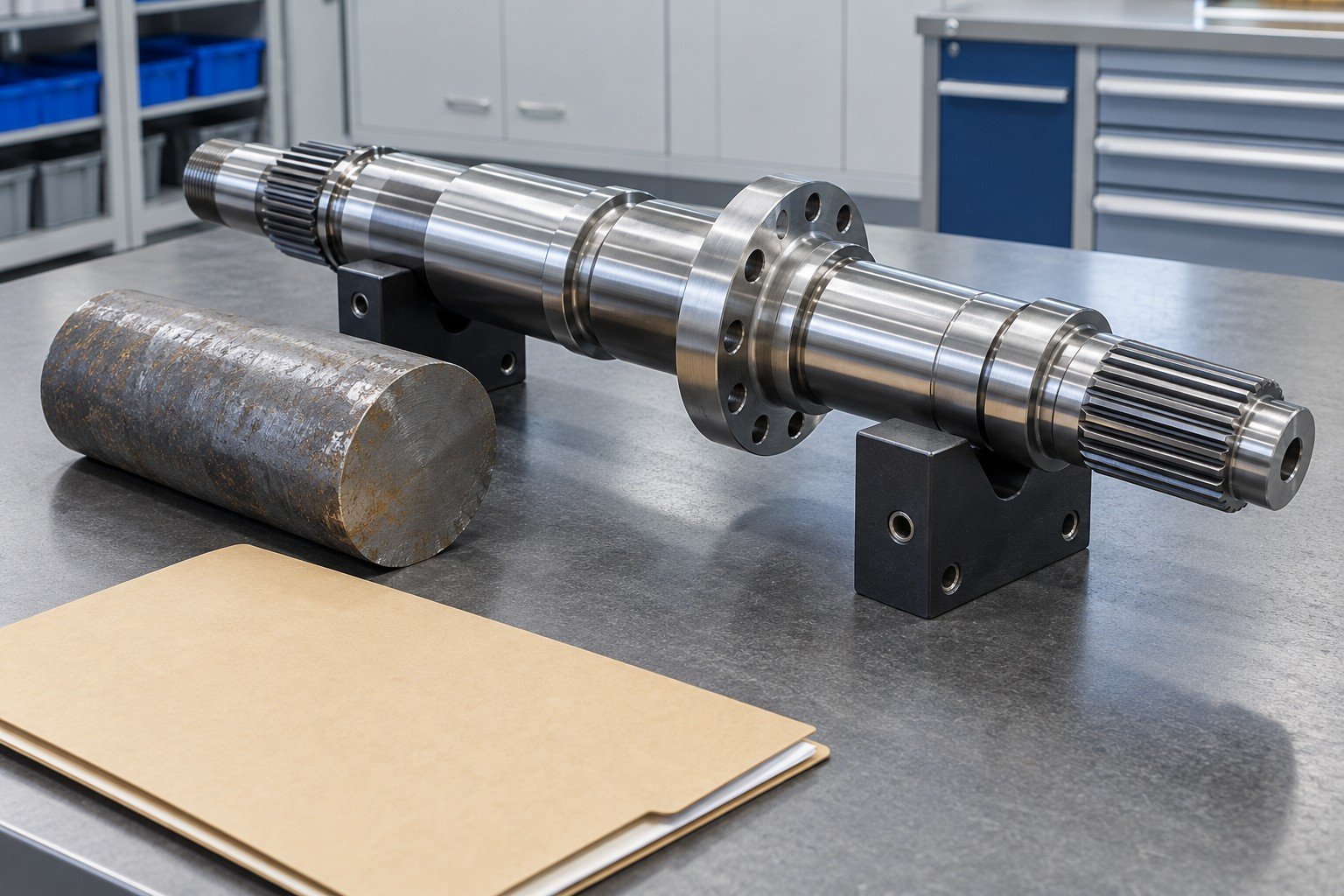
Requested grade and applicable material records; availability belongs in the quote.
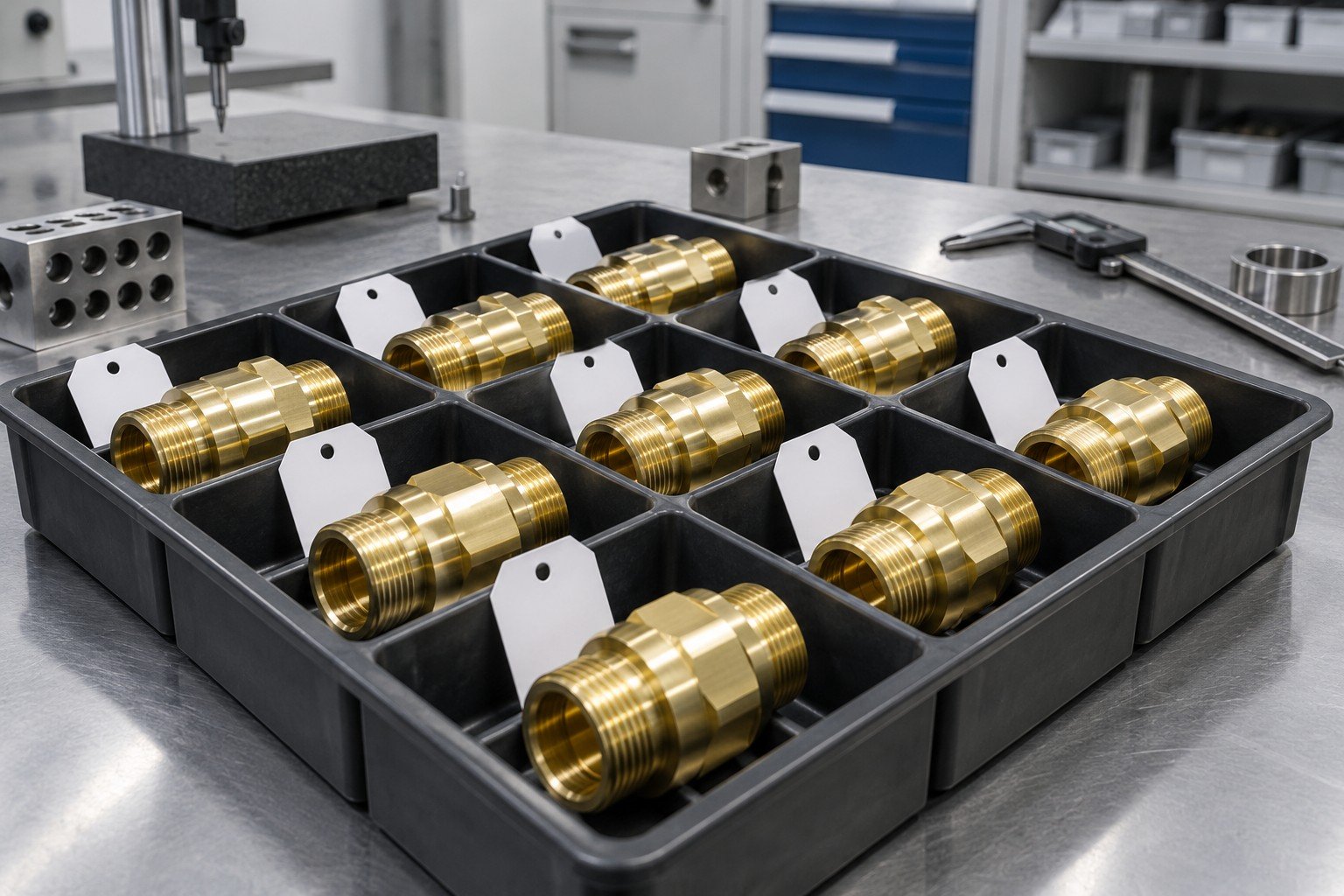
The level of part, batch or serial traceability agreed for your order.
Approved samples, results, exceptions and any required correction records.
Applicable process documentation and protected-interface requirements.
Agreed conformance statements, inspection records and release authority.
Set requirements, methods, records and responsibility.
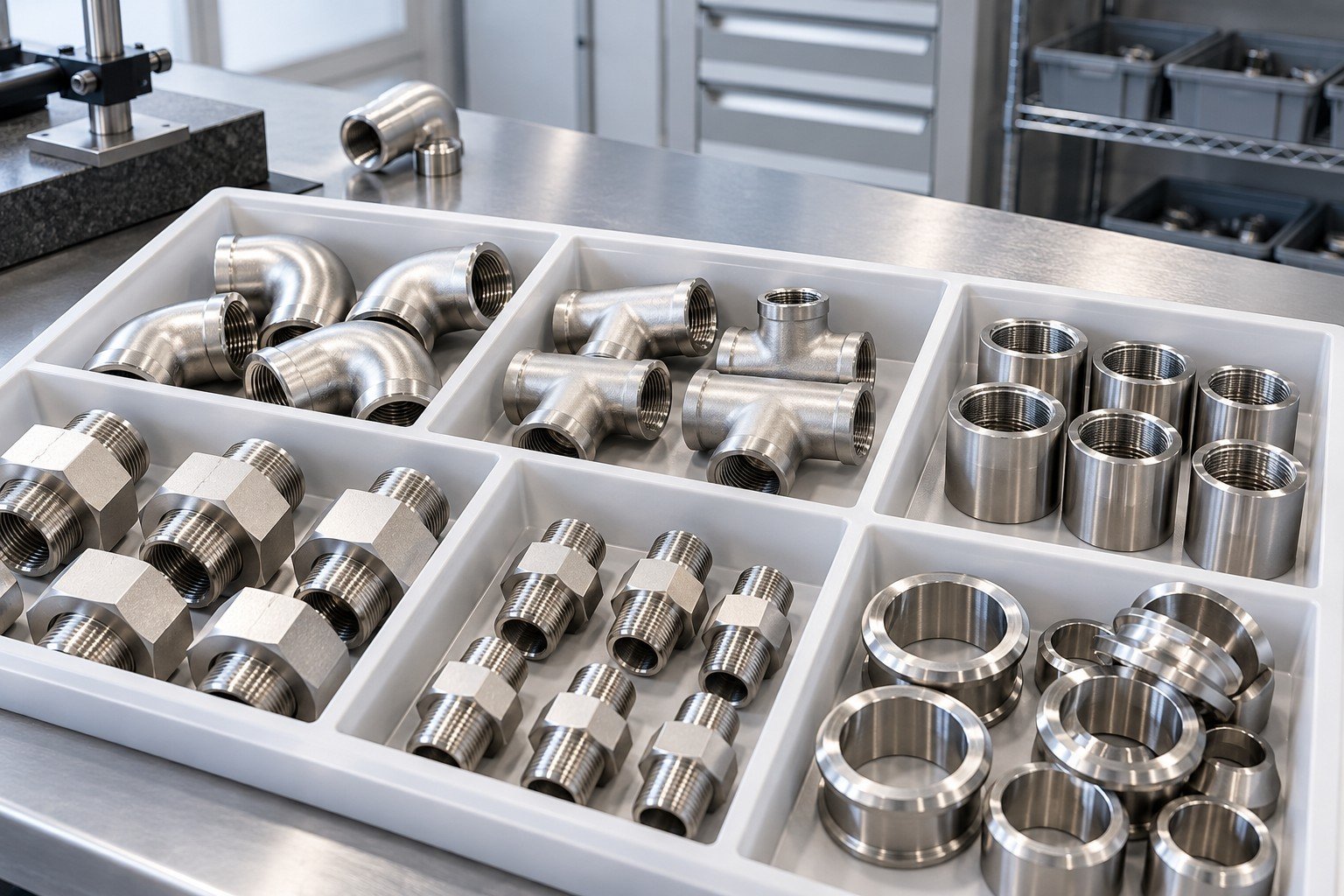
Confirm approved information, supplied items and outside work.
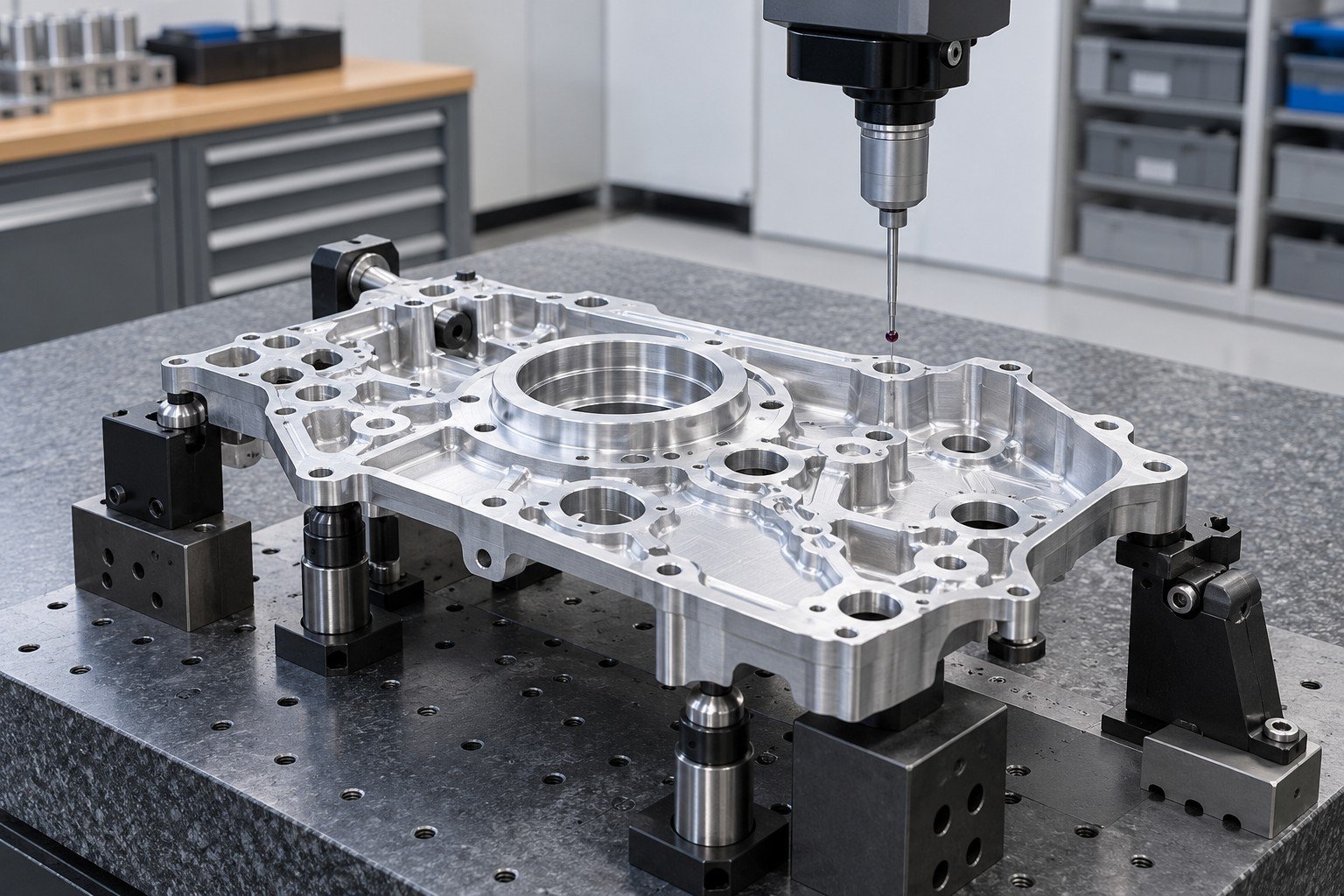
Check findings, contain issues and authorize disposition.
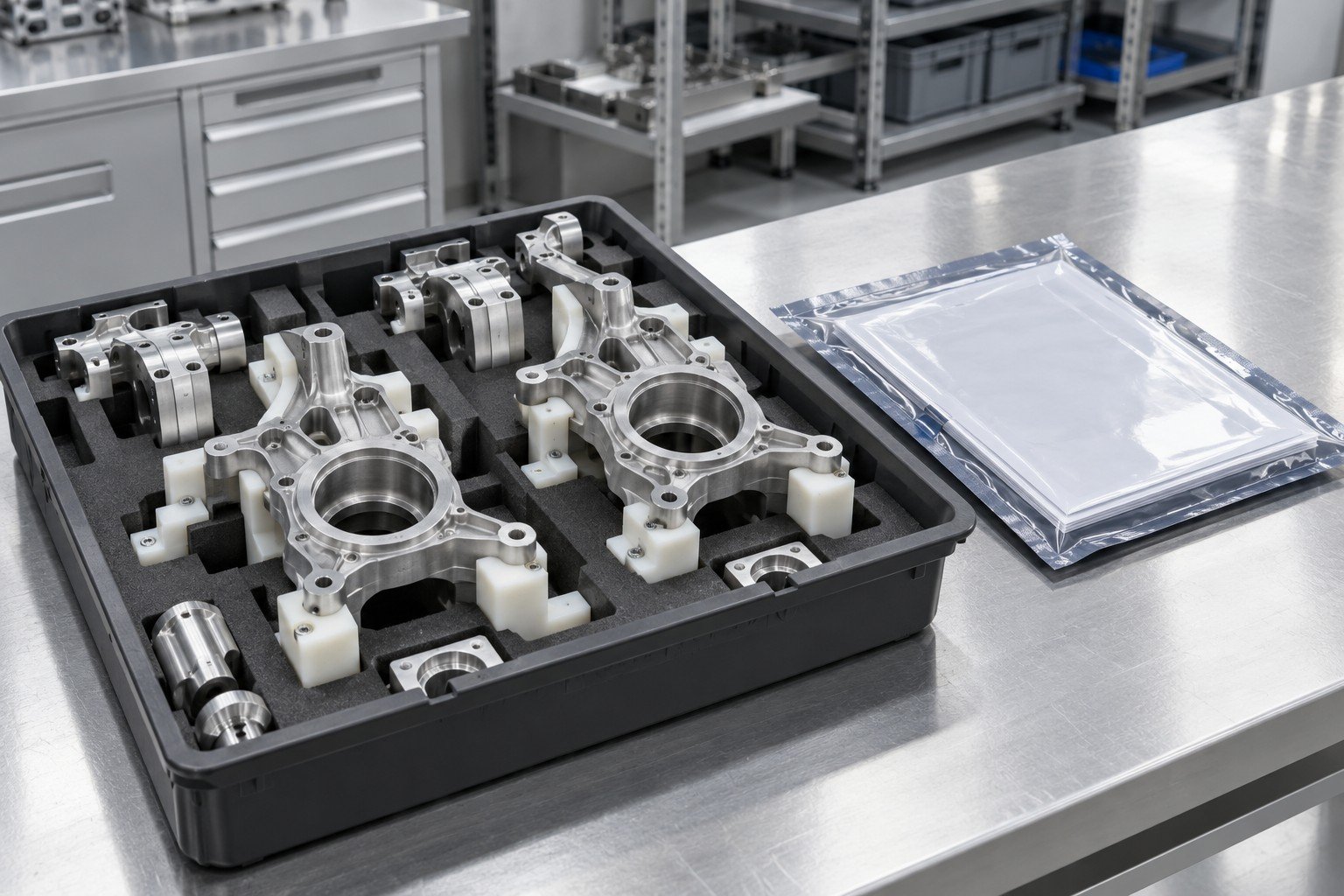
Agree release evidence and follow up on corrective actions.
Define the inspection scope before comparing reports or accepting a delivery.
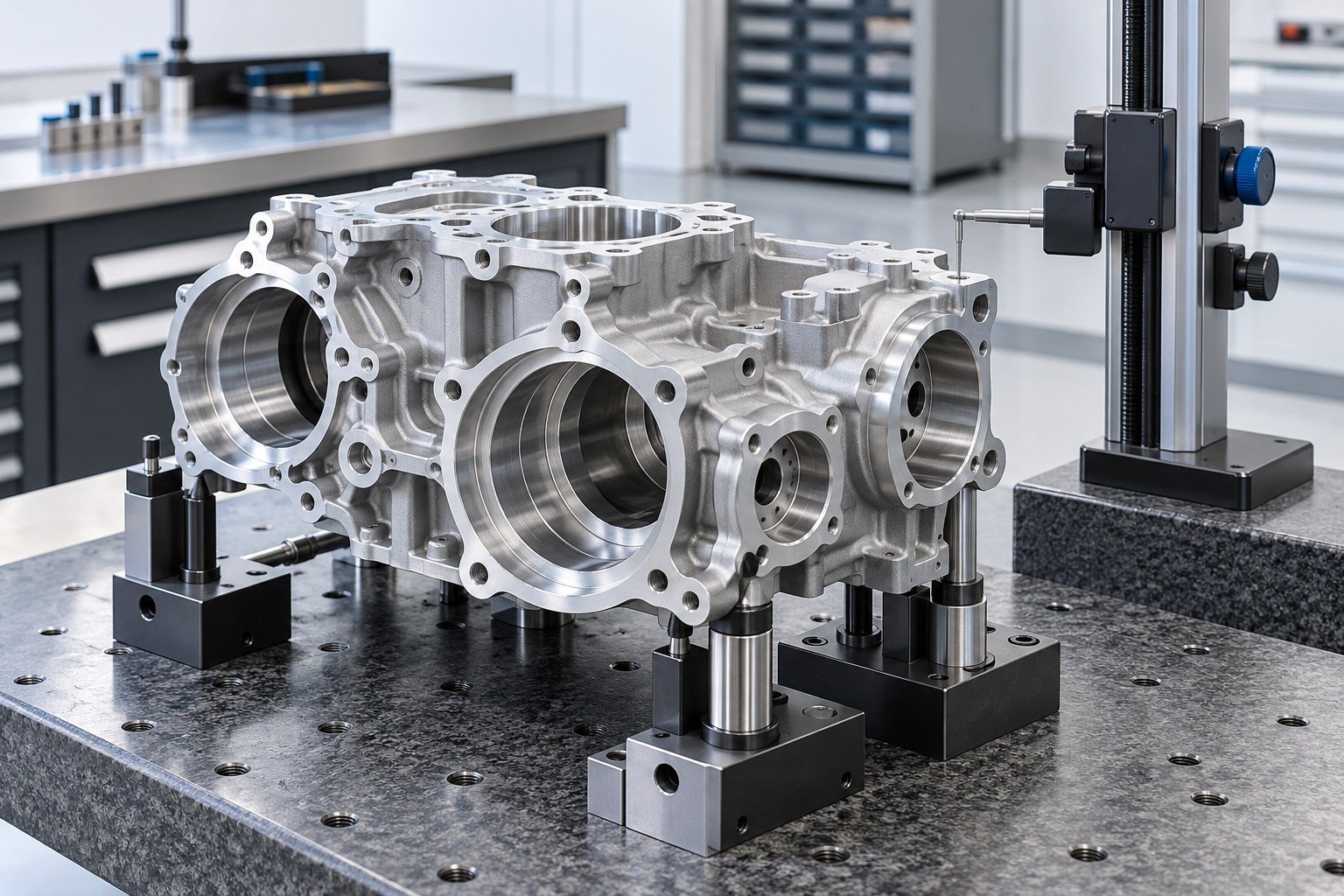
Agree your datums, critical dimensions, sampling, measurement conditions and reporting format. A gauge photograph is not a measurement result.
| Requirement | Drawing, specification and revision. |
|---|---|
| Method | Agreed resource and conditions. |
| Identity | Part, sample, lot or specified traceability. |
| Result | Recorded findings against acceptance. |
| Exception | Authorized disposition and follow-up. |
| Release | Agreed approval and delivery records. |
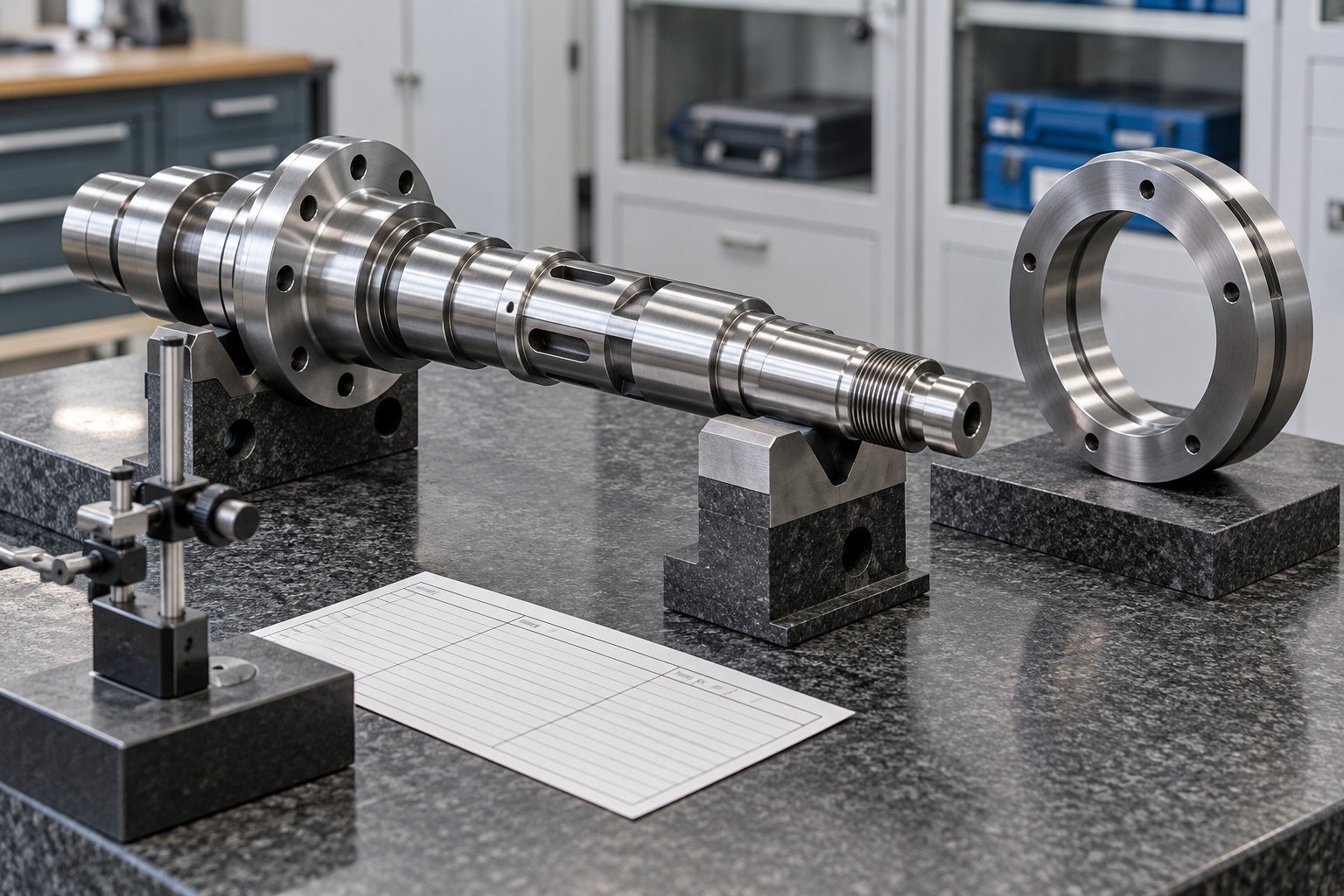
Equipment suitability, calibration status where applicable and method limitations need review. A certificate does not establish a universal measurement accuracy.
| Requirement | Drawing, specification and revision. |
|---|---|
| Method | Agreed resource and conditions. |
| Identity | Part, sample, lot or specified traceability. |
| Result | Recorded findings against acceptance. |
| Exception | Authorized disposition and follow-up. |
| Release | Agreed approval and delivery records. |
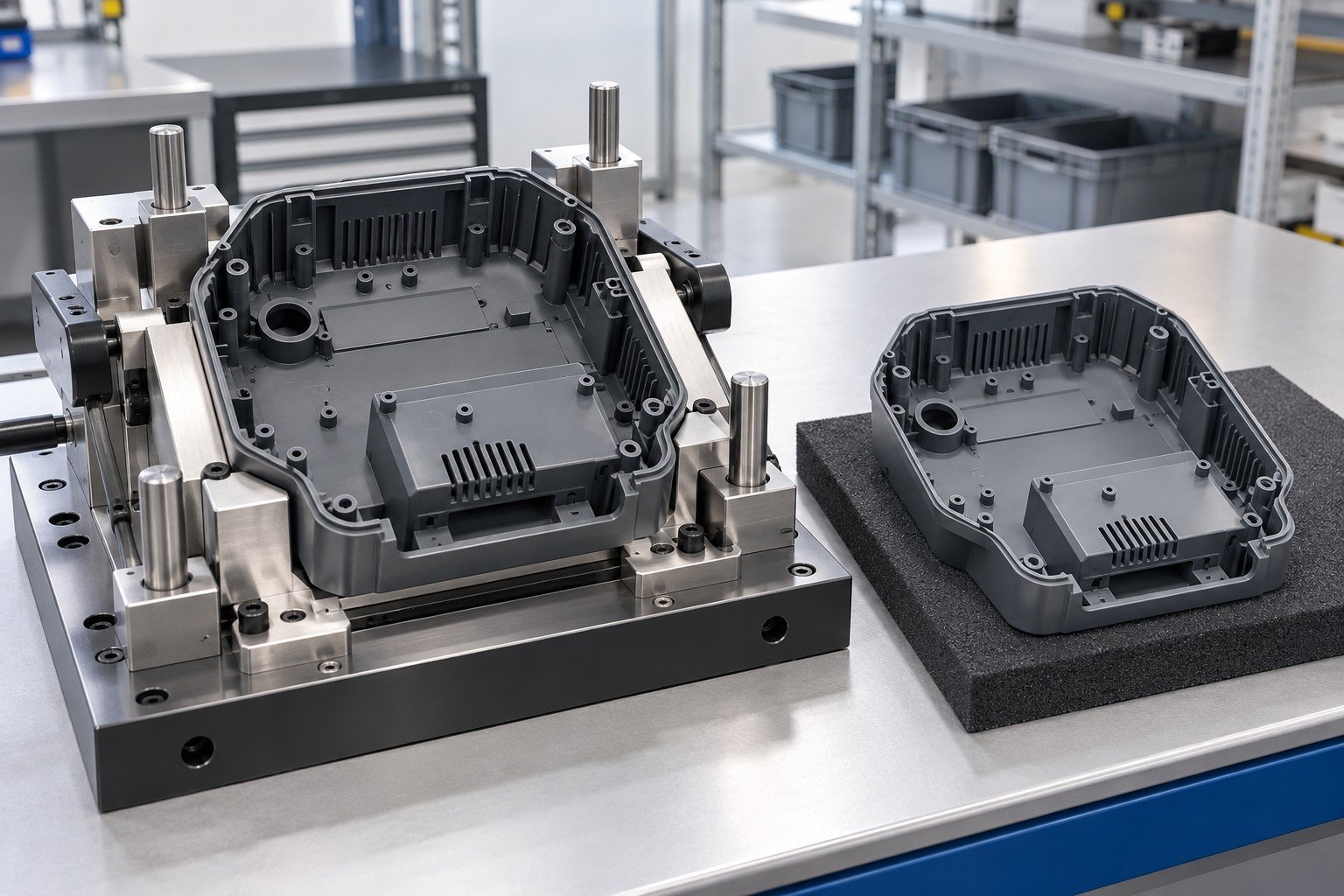
Review mating parts, visible faces and functional conditions separately. A dimensional report does not automatically establish appearance or operating performance.
| Requirement | Drawing, specification and revision. |
|---|---|
| Method | Agreed resource and conditions. |
| Identity | Part, sample, lot or specified traceability. |
| Result | Recorded findings against acceptance. |
| Exception | Authorized disposition and follow-up. |
| Release | Agreed approval and delivery records. |
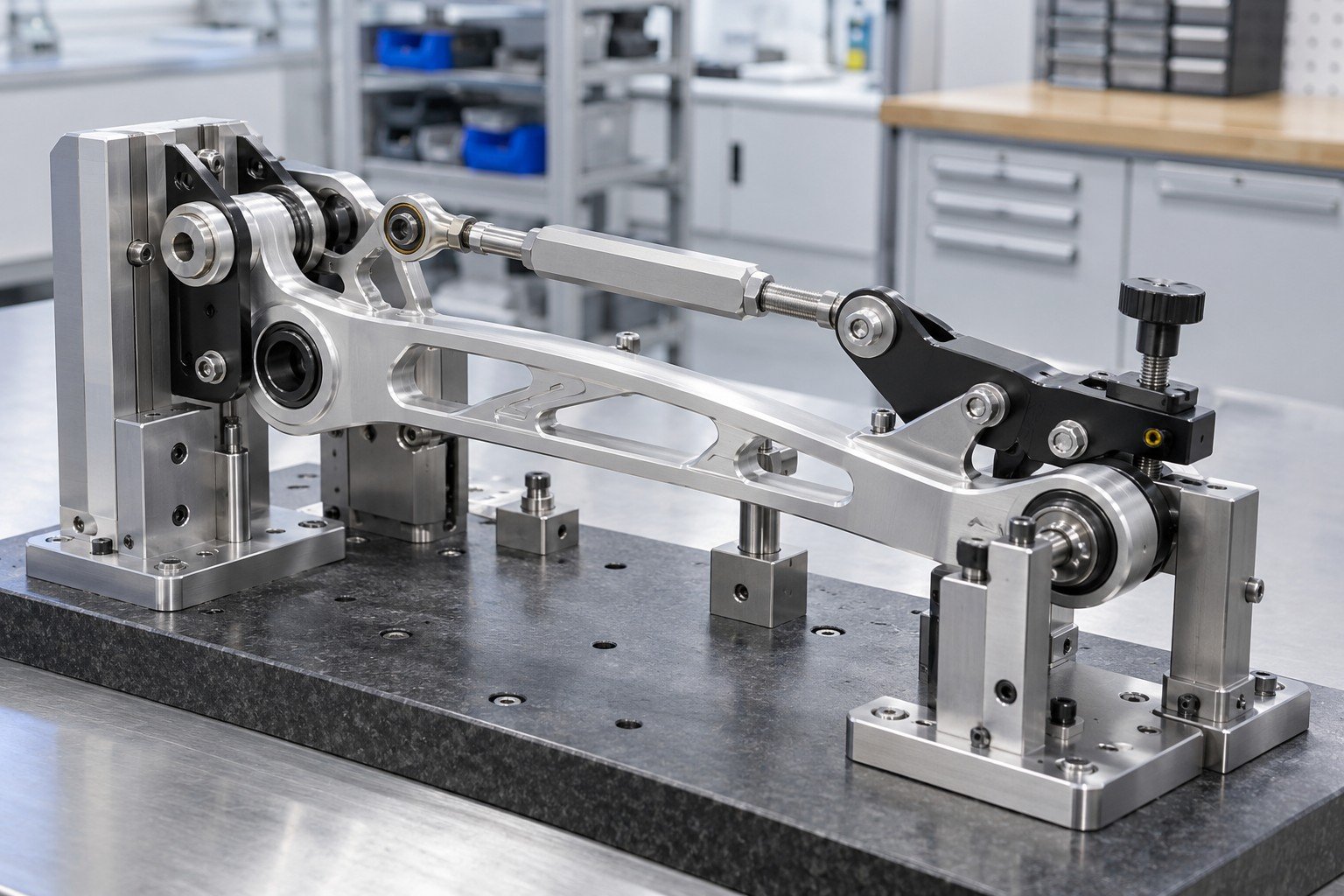
Your manufacturing quality records should identify the part revision, lot or agreed identity, checks and authorized release.
| Requirement | Drawing, specification and revision. |
|---|---|
| Method | Agreed resource and conditions. |
| Identity | Part, sample, lot or specified traceability. |
| Result | Recorded findings against acceptance. |
| Exception | Authorized disposition and follow-up. |
| Release | Agreed approval and delivery records. |
For your manufacturing quality management system review, separate certificate checks, part inspection and special validation.
Request the applicable certificate, site, scope and current-status evidence.
Agree inspections, reports, sample quantities and required documents.
Identify customer audits, additional testing and separately arranged resources.
Required documents and formats
Sampling and inspection conditions
Exception and change authority
Record access and confidentiality
ILLUSTRATIVE DOCUMENT-SCOPE CHECK — NOT AN INSPECTION RESULT
A management-system certificate does not by itself certify each product, establish regulatory approval or replace your agreed inspection evidence.
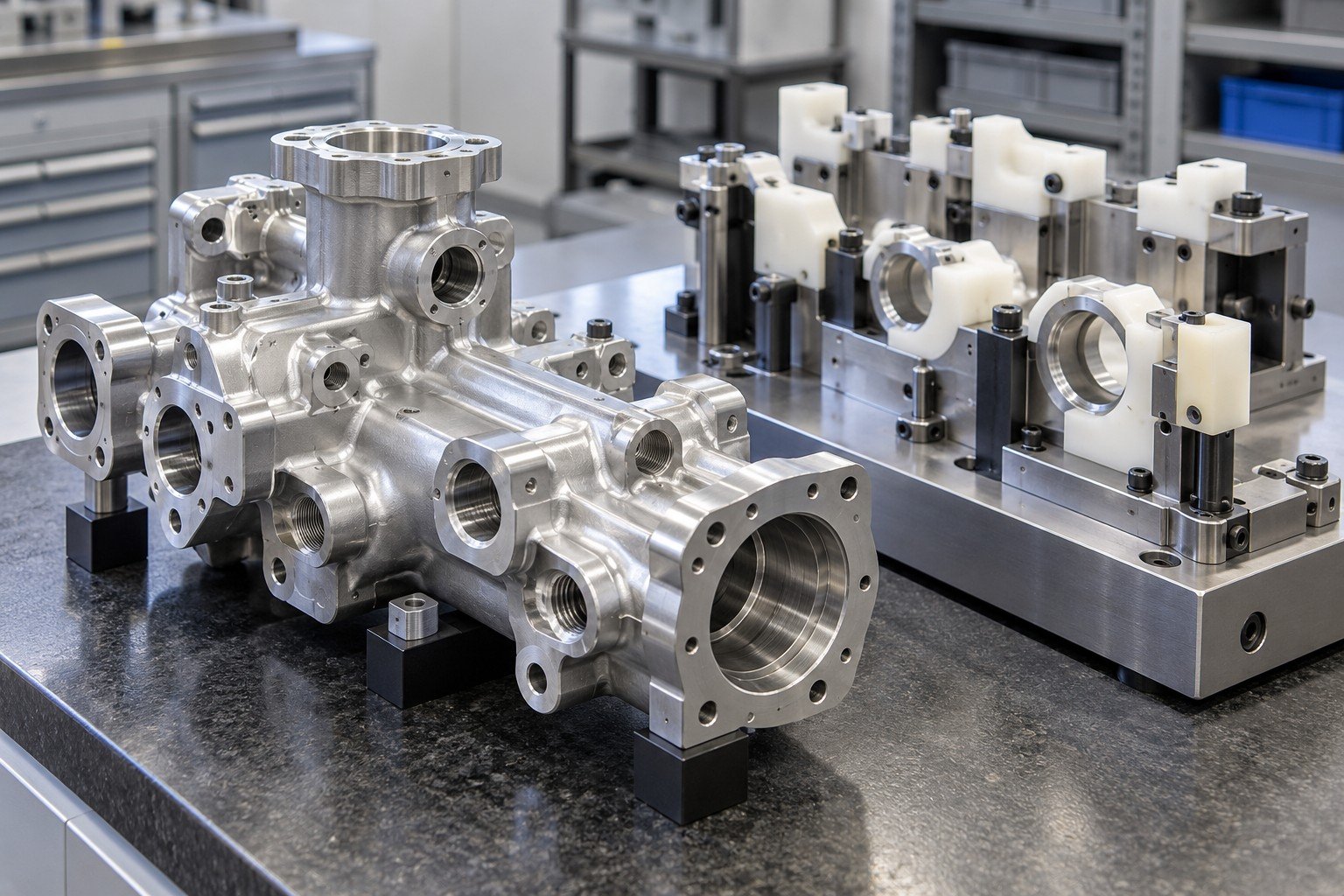
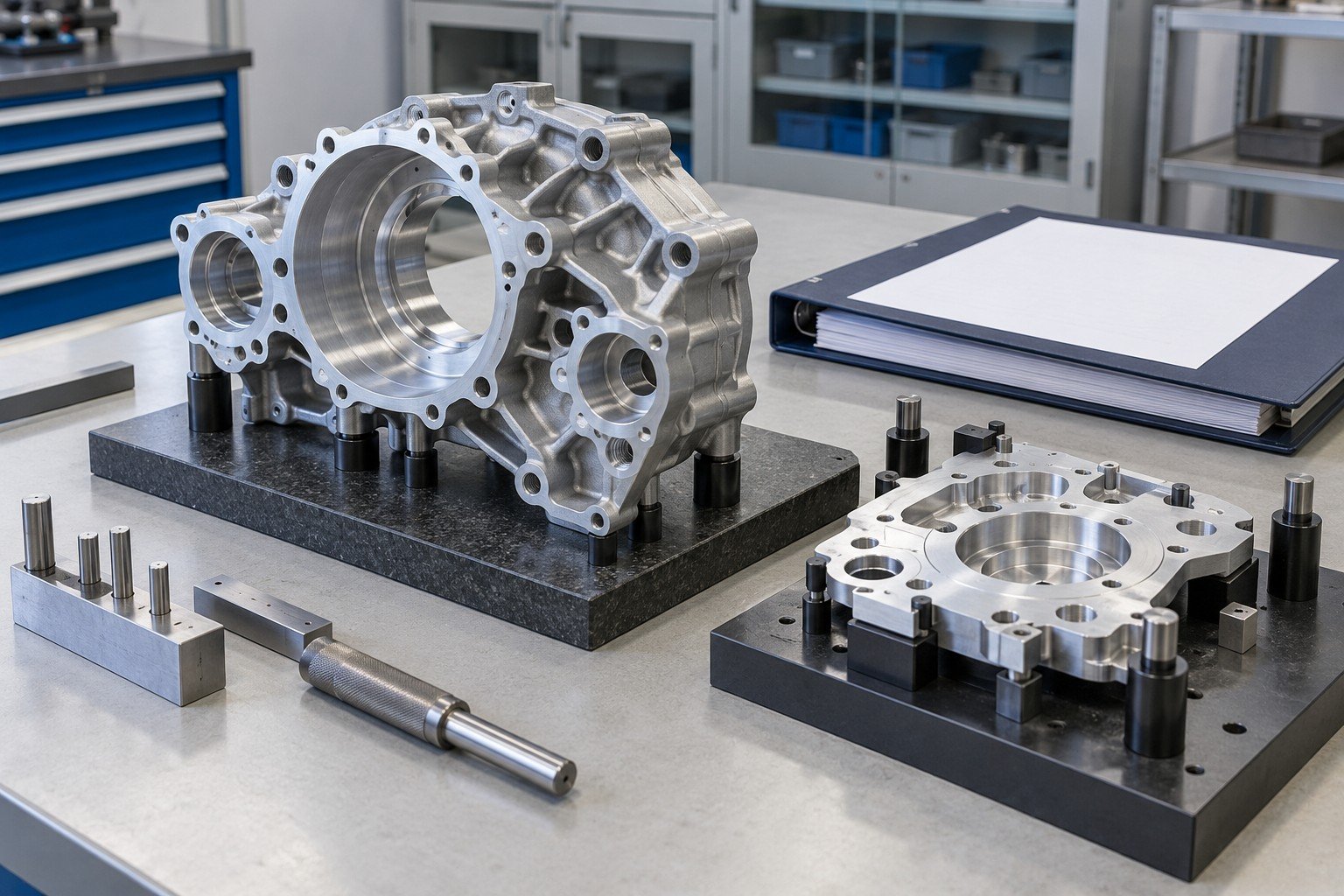
For an ISO 9001 certified machine shop review, verify the actual machining activities, site and current certificate status.
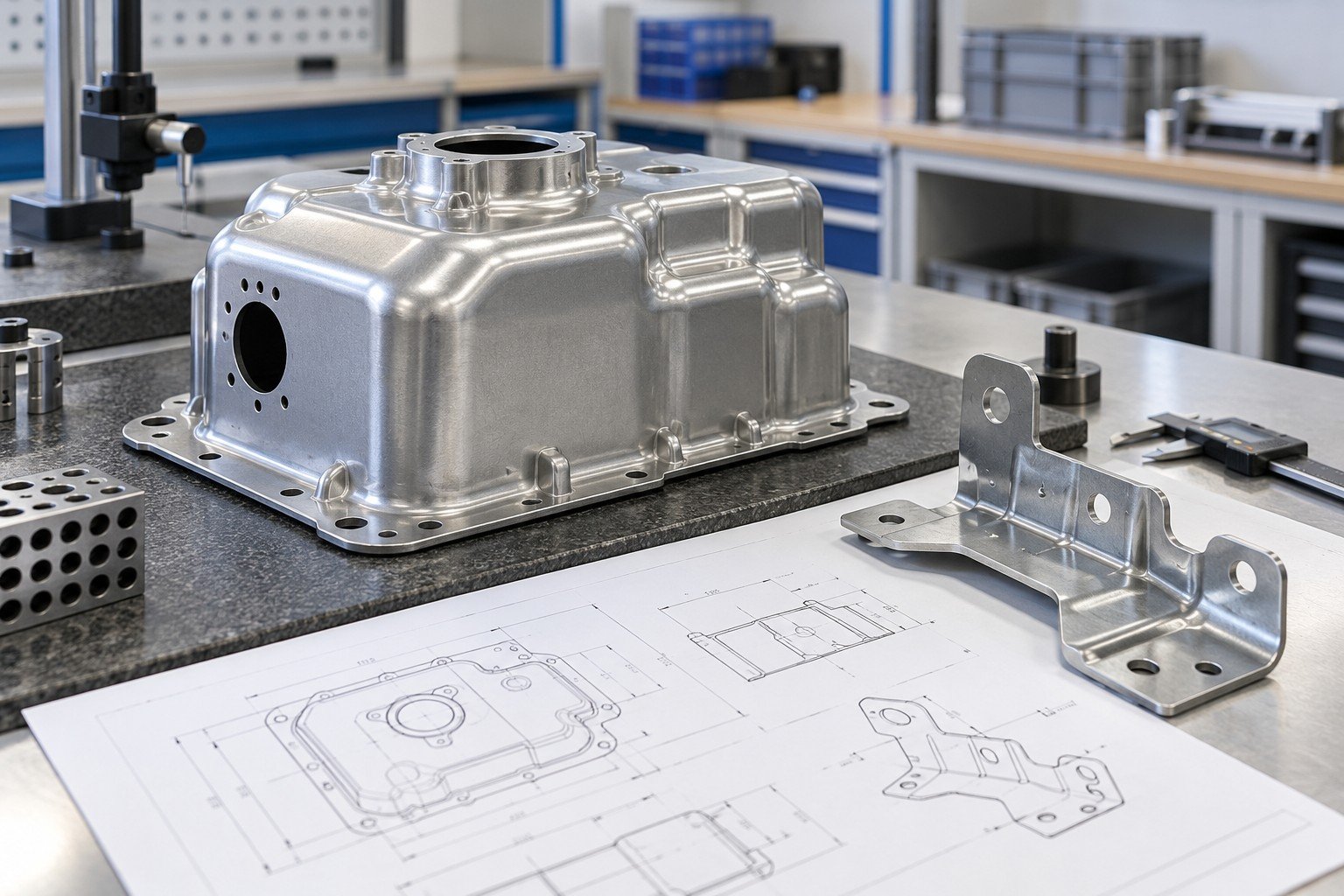
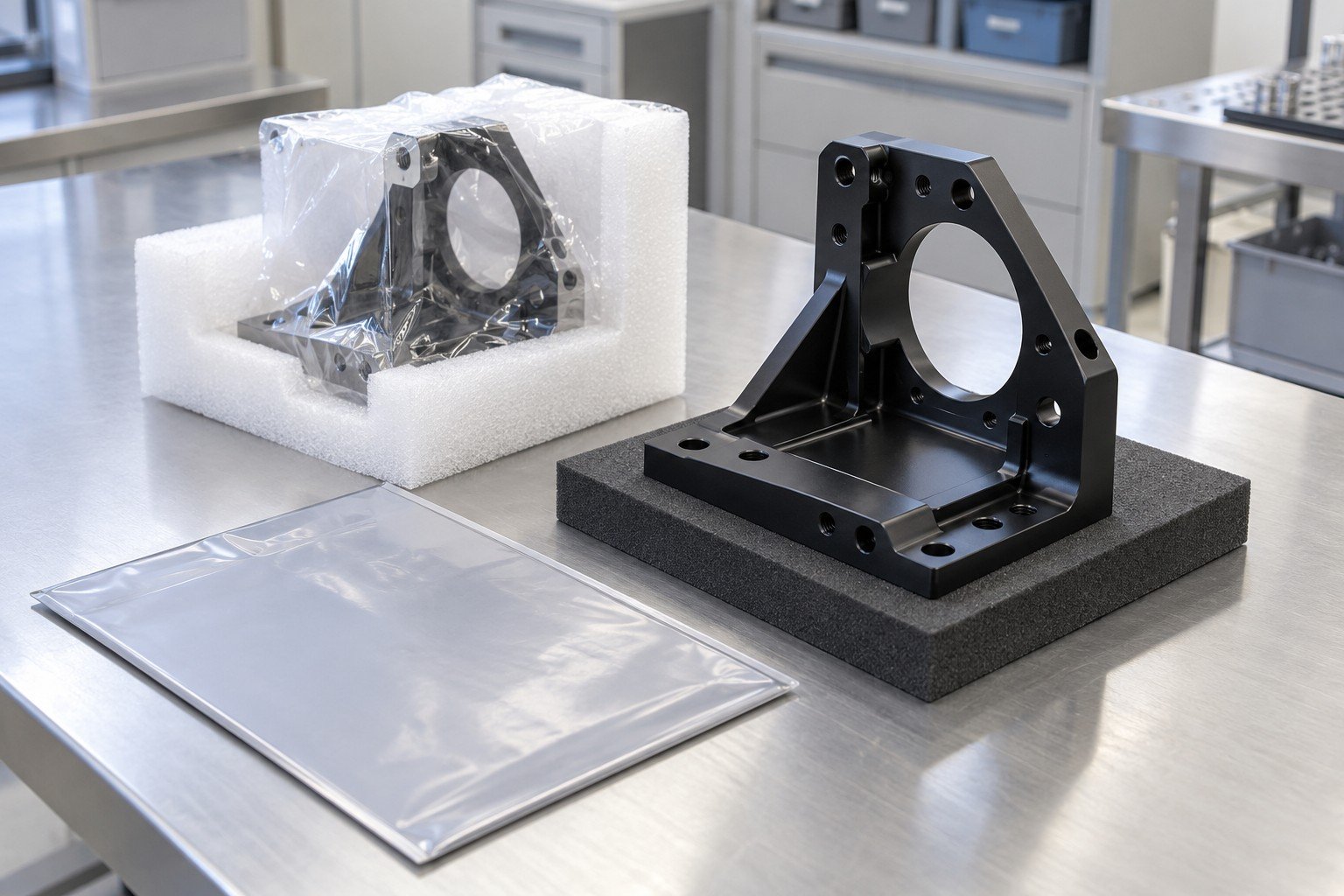
ISO 9001 metal fabrication supplier checks need the supplying route and your drawing-based inspection requirements.
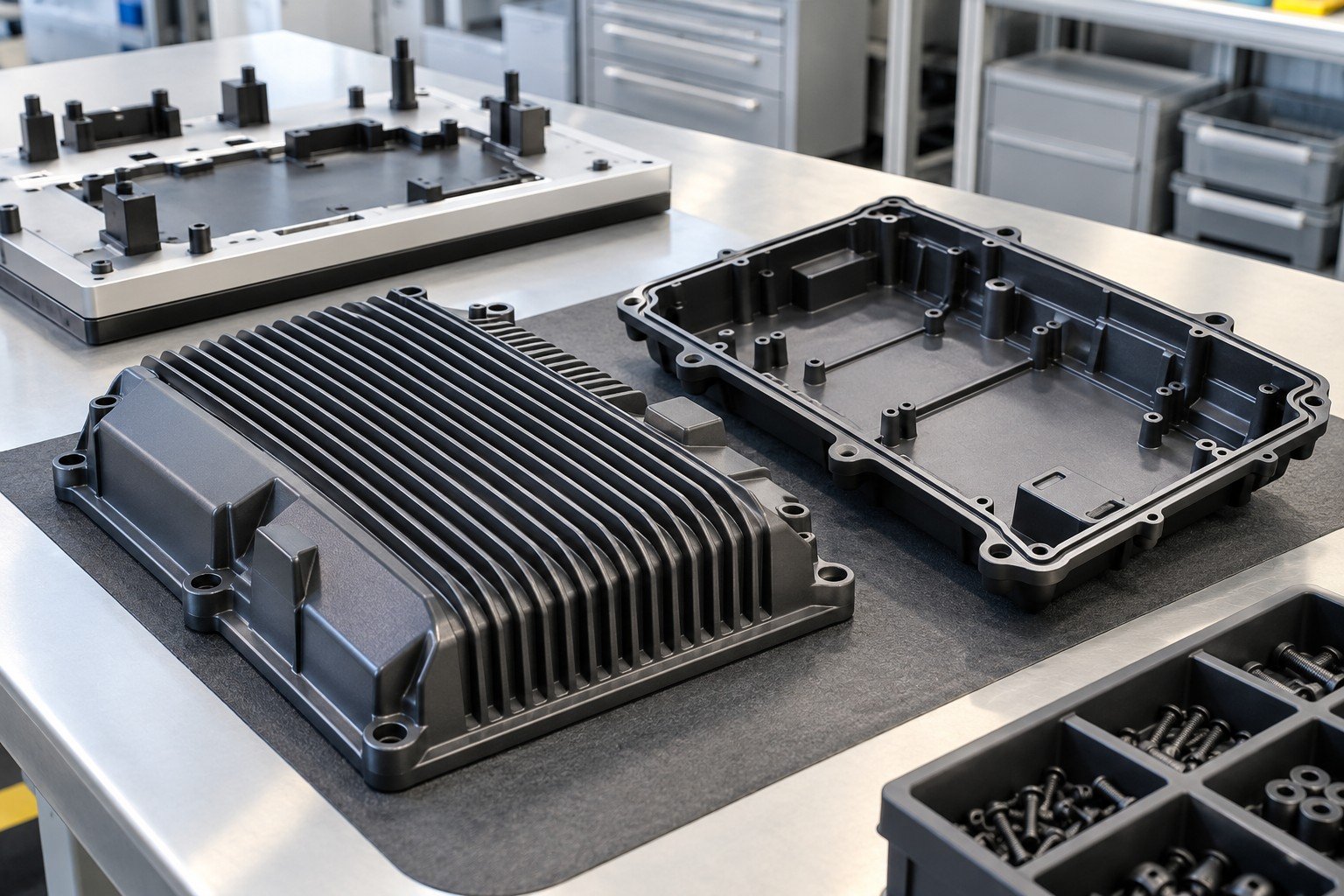
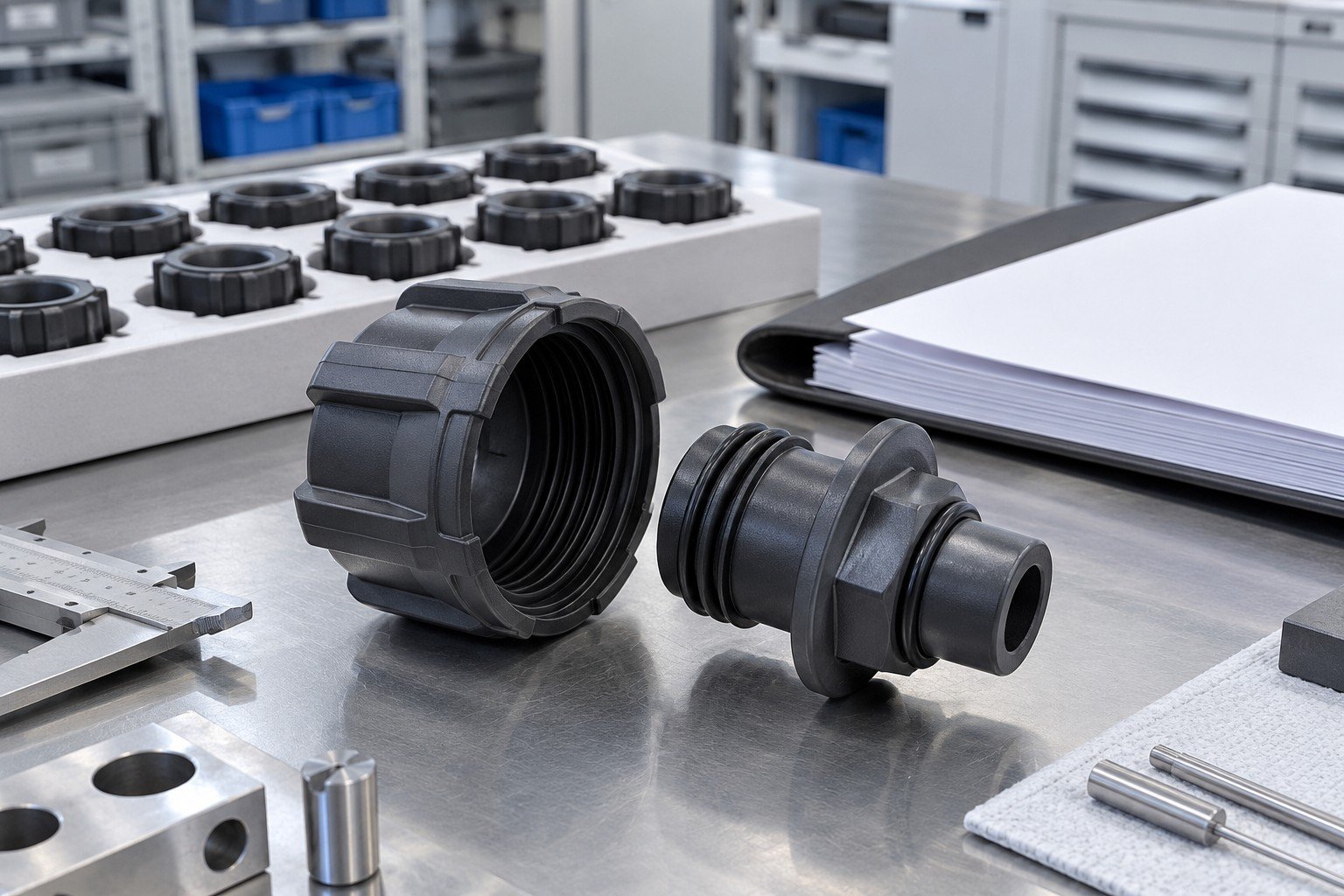
ISO 9001 plastic injection molding scope review is distinct from resin, sample and molded-part acceptance.
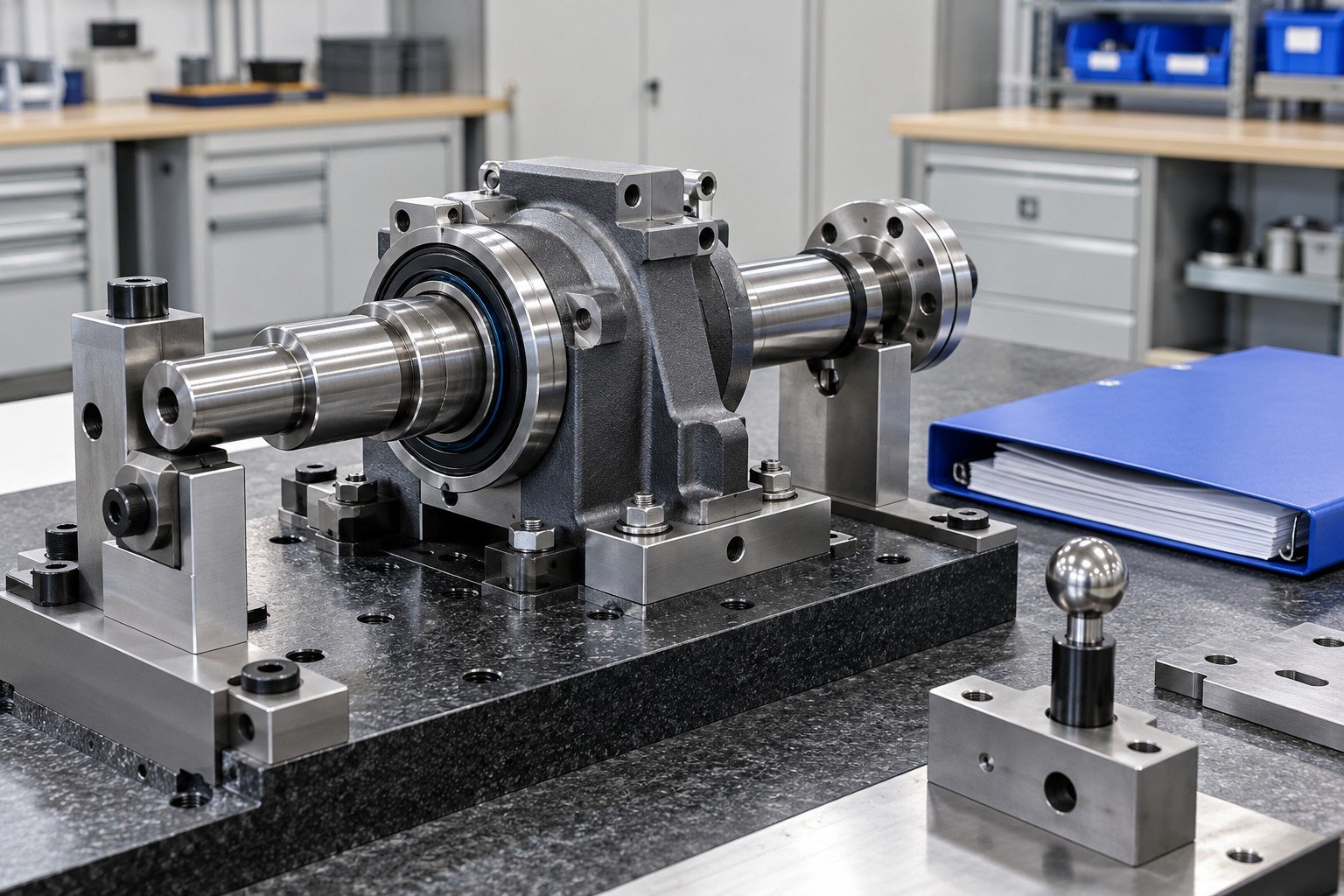
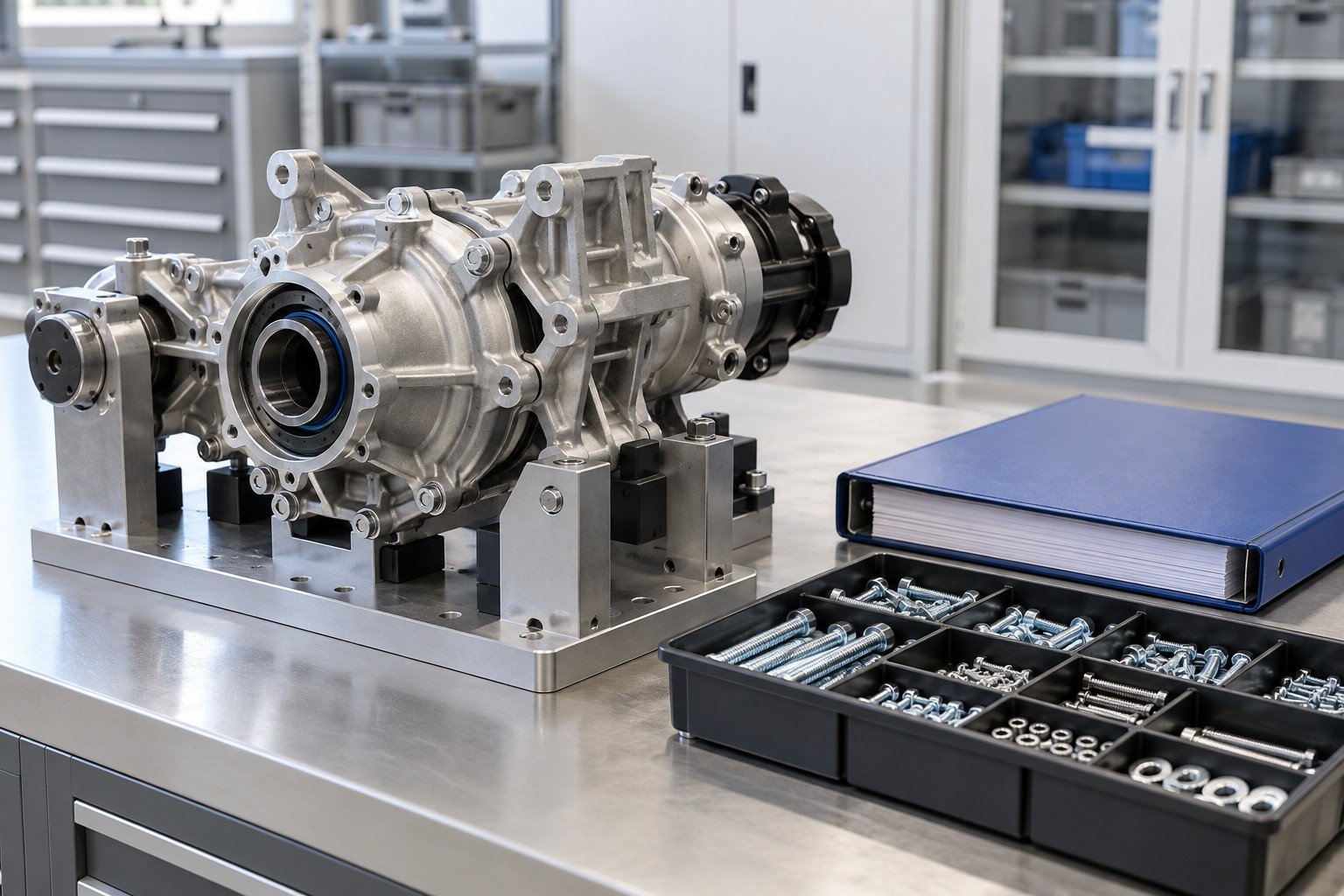
ISO 9001 assembly manufacturing supplier review should distinguish system scope from the agreed assembly and functional checks.
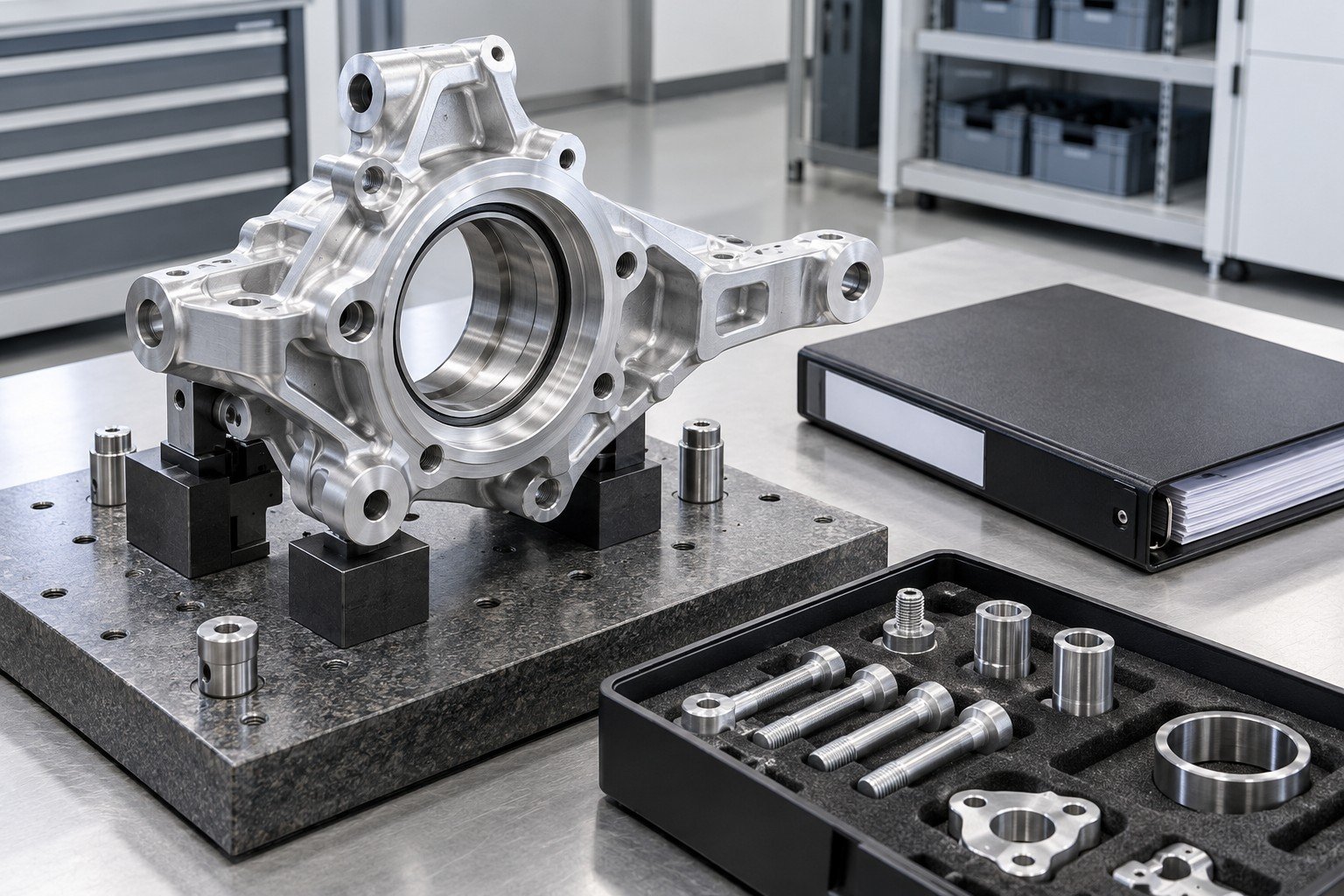
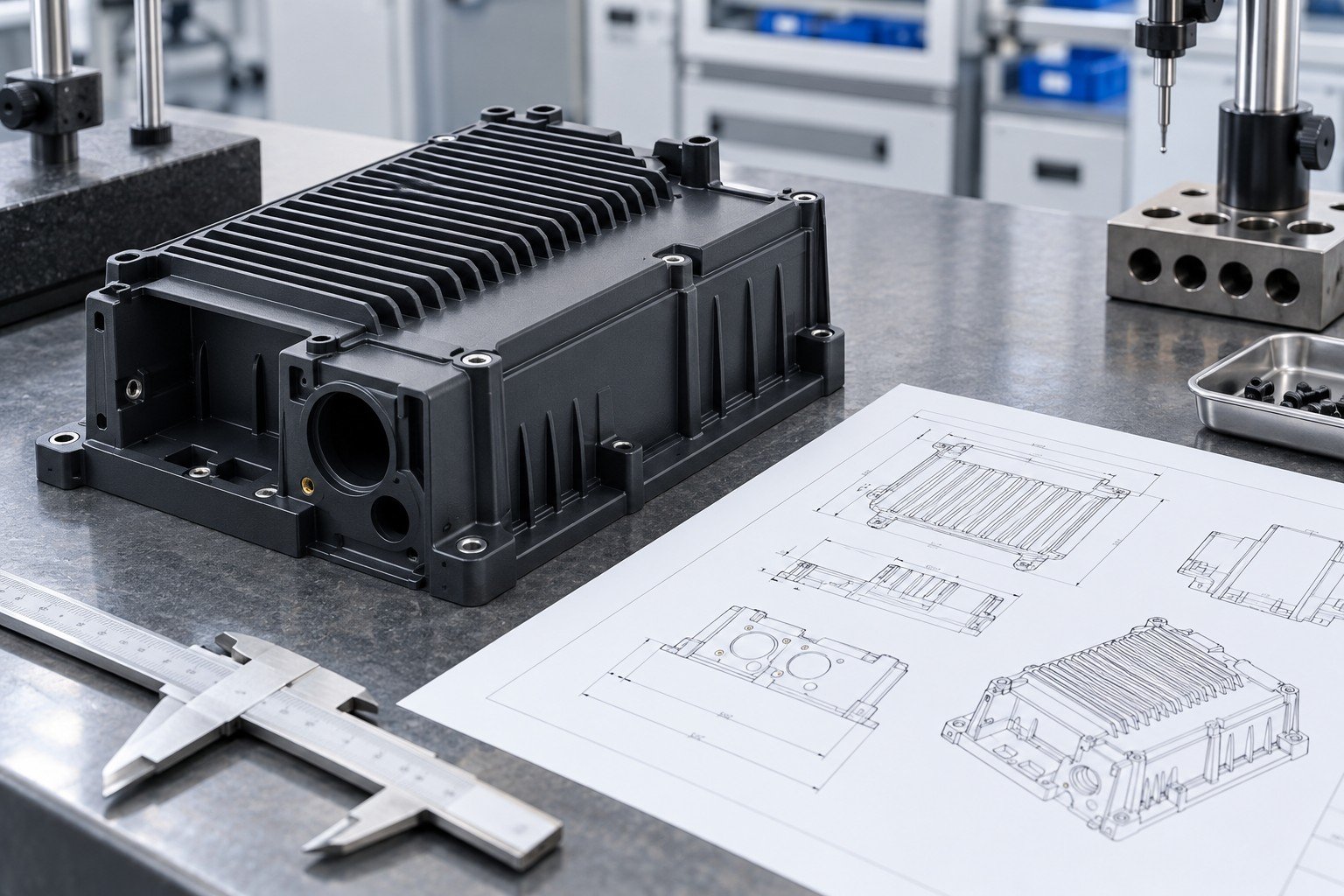
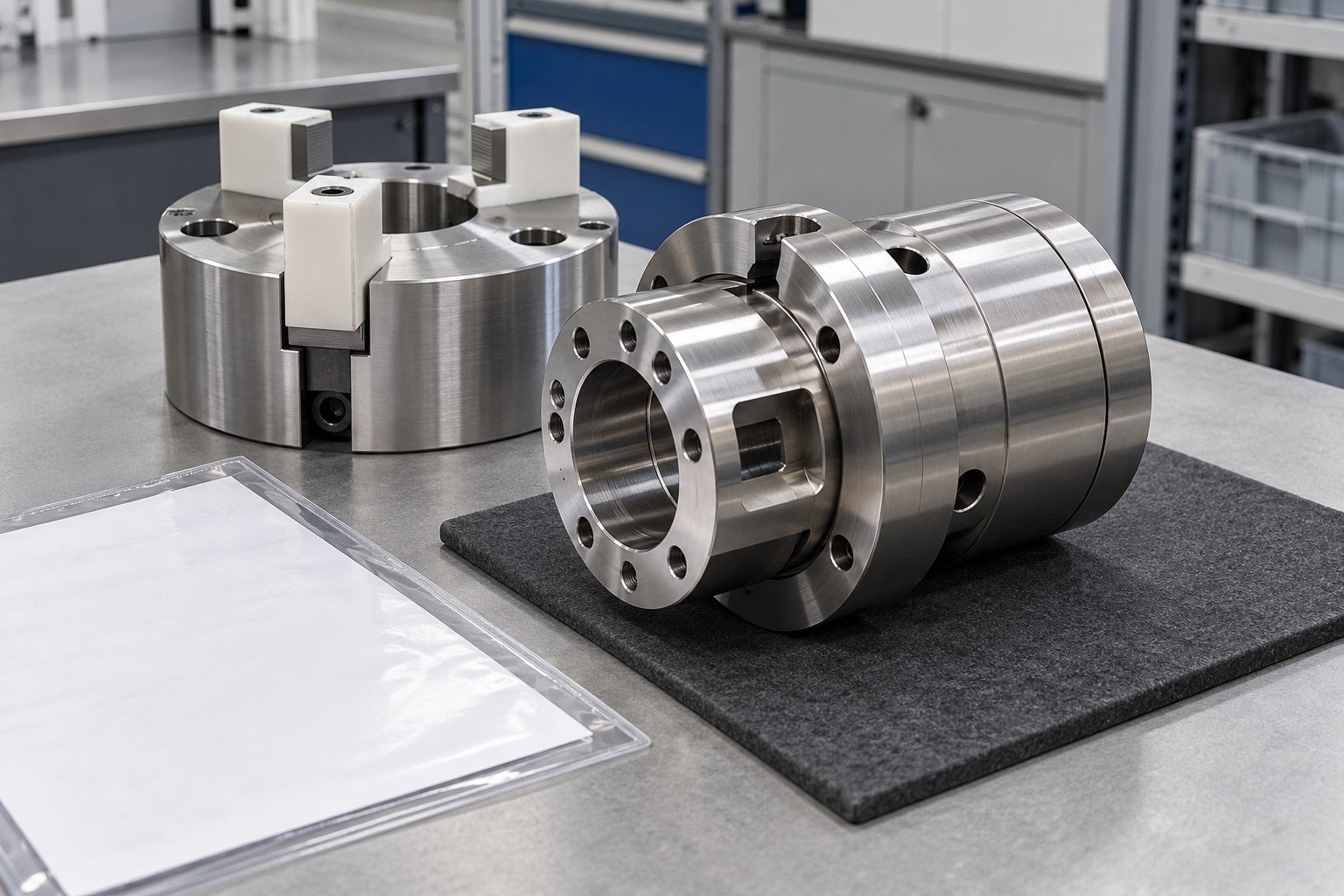
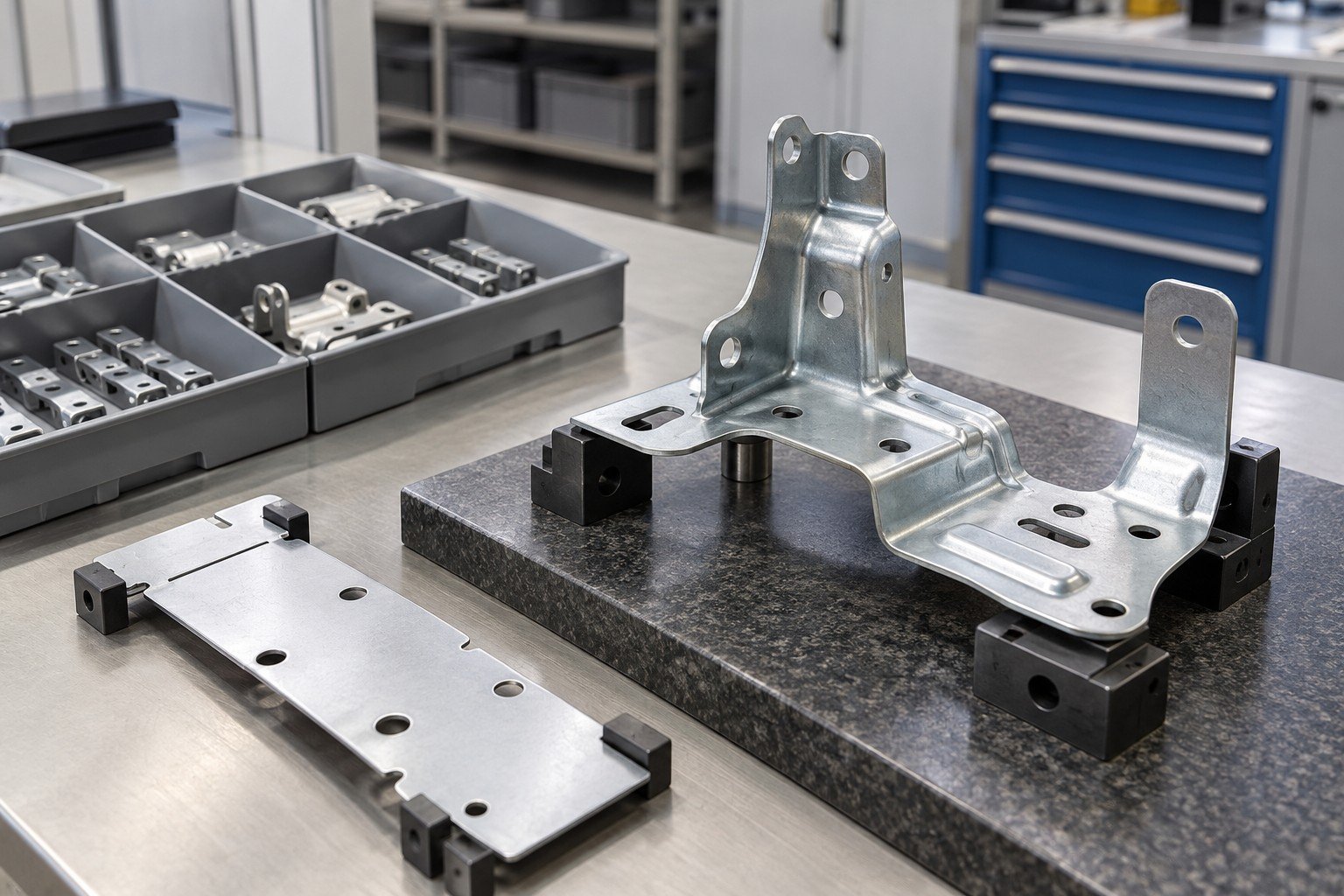
These are supplier-review topics and illustrative parts, not claims that a particular certificate currently covers every process shown. Confirm the applicable evidence for your order.
Coordinate your document request, supplier questions and order-specific quality requirements.

Identify the certificate and order documents needed for your review.
Confirm the responsible entity, site and externally supplied work.
Agree features, methods, records and exception authority.
Coordinate open questions, corrections and release decisions.
Request an NDA before sharing confidential drawings or records. Customer audits, record access and additional validation need an agreed scope and schedule.
Applicable supplier, site, scope and verified status.
Controlled requirements, methods and approved exceptions.
Agreed identity, records and authorized release.
Supplier approval, sample approval and shipment release are related decisions with different evidence.
Compare the legal entity, site, certificate number, edition, activity scope and current status. Use the issuer or an applicable independent verification channel. The company-supplied copy shown in the evidence table is not a substitute for current-status confirmation.
ISO 9001 concerns a quality management system. Certification does not by itself certify every product, establish compliance with a particular regulation or replace acceptance against your order and drawing. Define the inspection and release evidence needed for your parts.
The scope identifies the activities and sites covered by the certificate. Compare it with the supplying entity and manufacturing route for your order. Do not assume that every website service, group company or outside supplier is covered.
Check your customer, contract and applicable industry requirements. Certification is not a universal legal requirement for every manufacturer. Your supplier-qualification decision should identify any mandatory credentials and the evidence required for the order.
Discuss controlled drawings, dimensional or first-sample reports, material records, lot identity, process records and conformance or release documents as applicable. Availability, format, sampling and responsibility need confirmation in the quotation; not every document is automatically included.
The management of externally supplied processes is distinct from the certification status of each external supplier. Identify outside operations, their controls, required records and your order acceptance. A supplier certificate does not automatically certify every subcontractor.
Discuss the audit objective, supplying site, applicable scope, confidentiality, available records, format and schedule. A customer-audit request does not automatically authorize unrestricted access to every supplier or confidential production record.
ISO lists the 2026 edition as the replacement for the 2015 edition. Check the edition and current status on the supplier actual certificate and consult its certification body about transition arrangements. Do not relabel an existing 2015 certificate as 2026 or infer that a new standard edition alone determines certificate validity.
Identify and contain affected items, review the requirement, authorize disposition and record any required reinspection. Rework, scrap or a concession are different decisions. Do not treat a delivery date as authorization to waive an agreed requirement.
Review the applicable entity and site, drawing and change controls, external work, inspection methods, records, nonconformance handling and corrective follow-up. Compare the evidence with your order rather than relying on a general certified-supplier phrase.