Injection Molding
Tooling and molding for your repeat plastic parts.
From prototype to production, coordinated manufacturing solutions for your custom parts.
View All Services →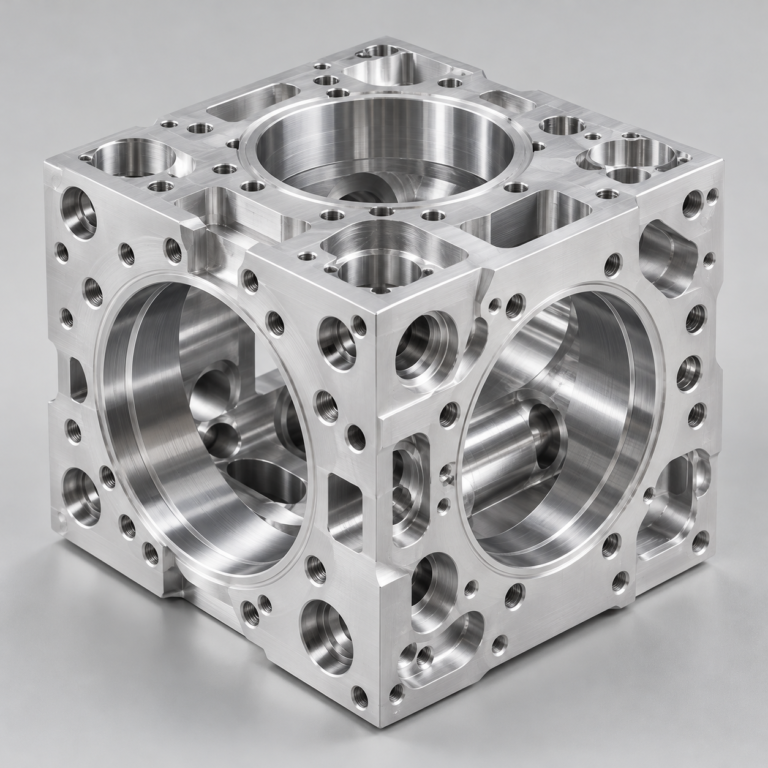
Precision parts for your tight tolerances and complex geometry.
Tooling and molding for your repeat plastic parts.
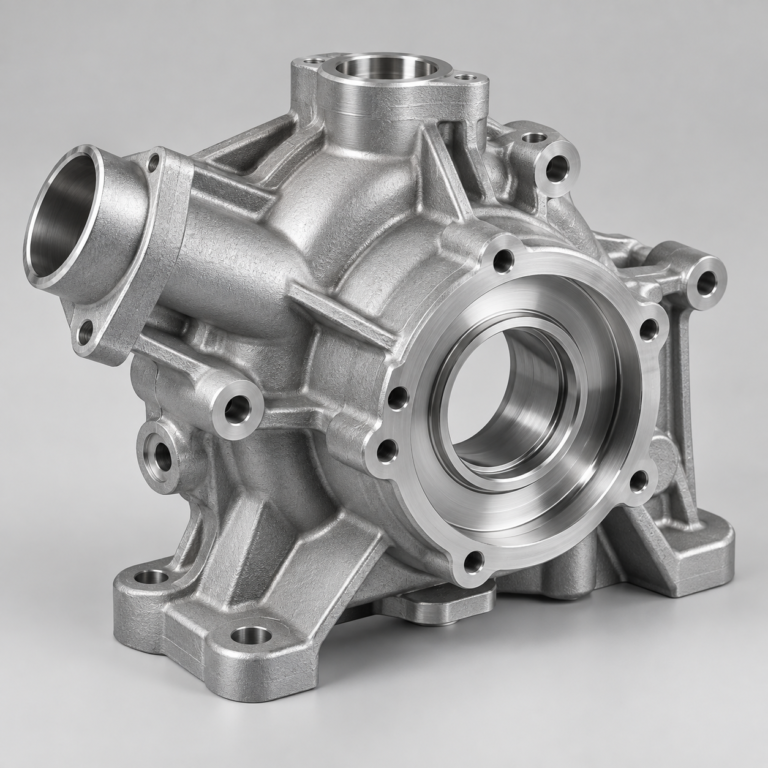
Metal casting options for your part and production volume.
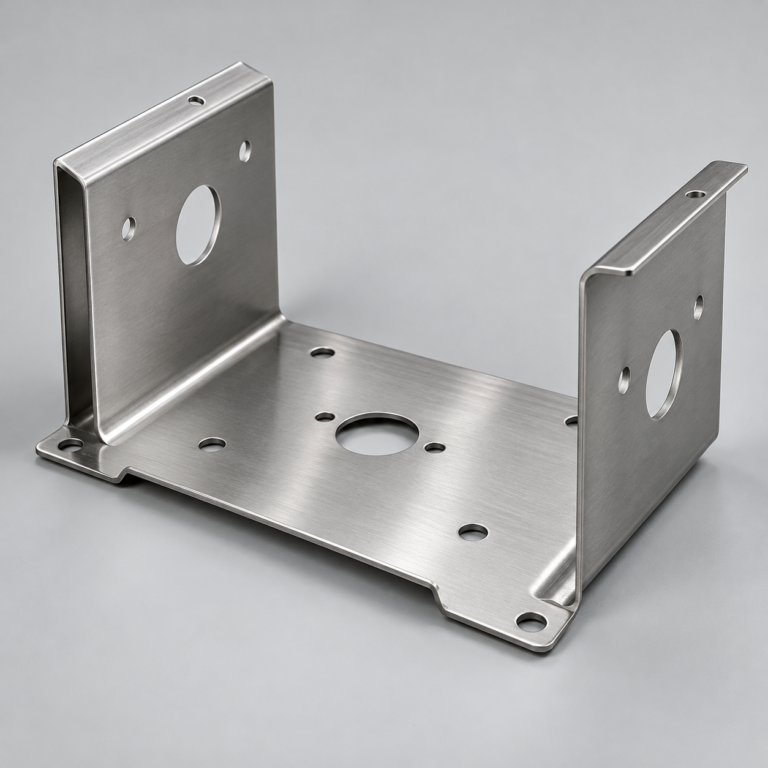
Cutting, forming and welding for your fabricated parts.
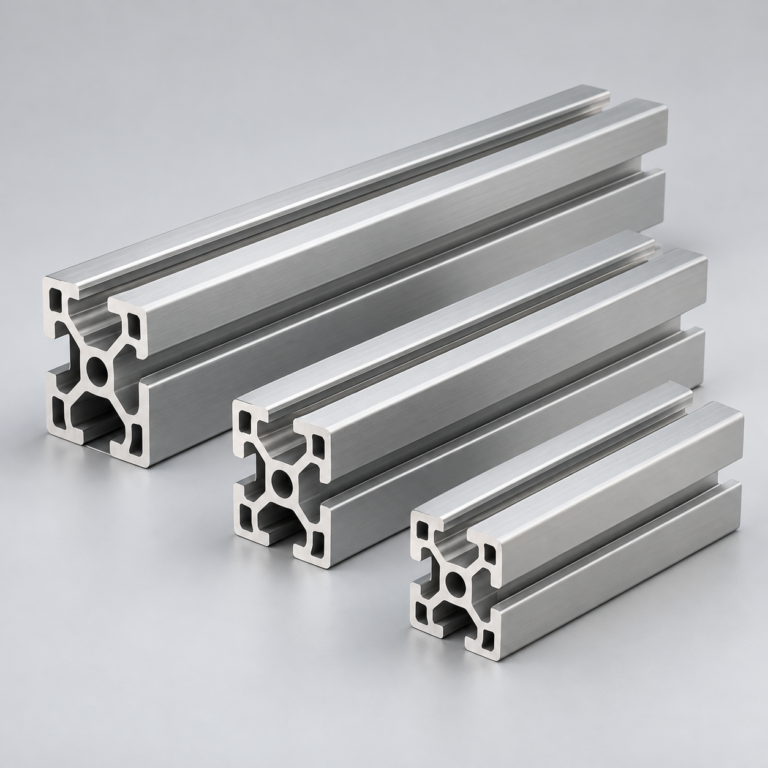
Custom profiles for your section, length and finish requirements.
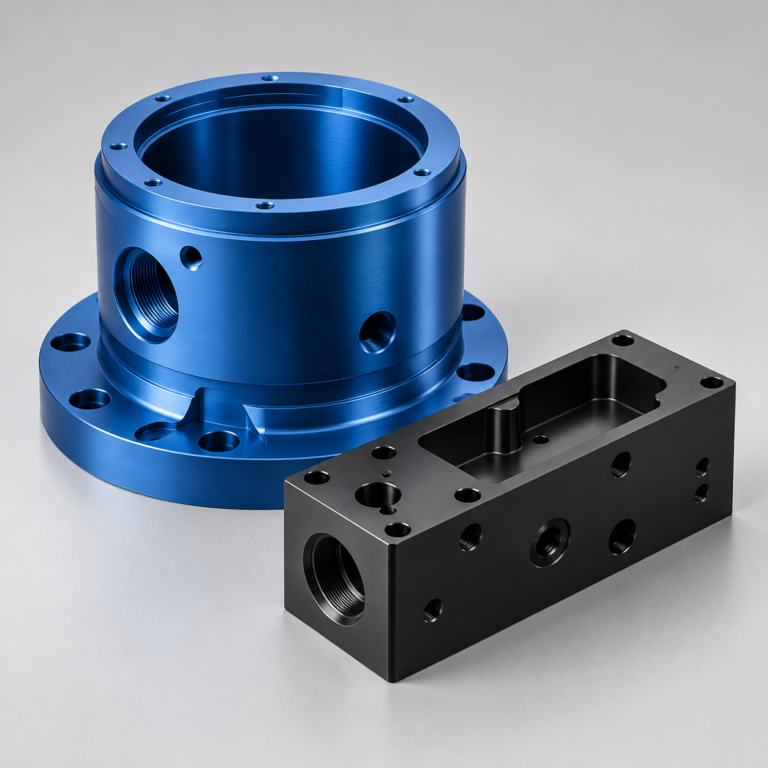
Finishes for your appearance, corrosion and wear requirements.
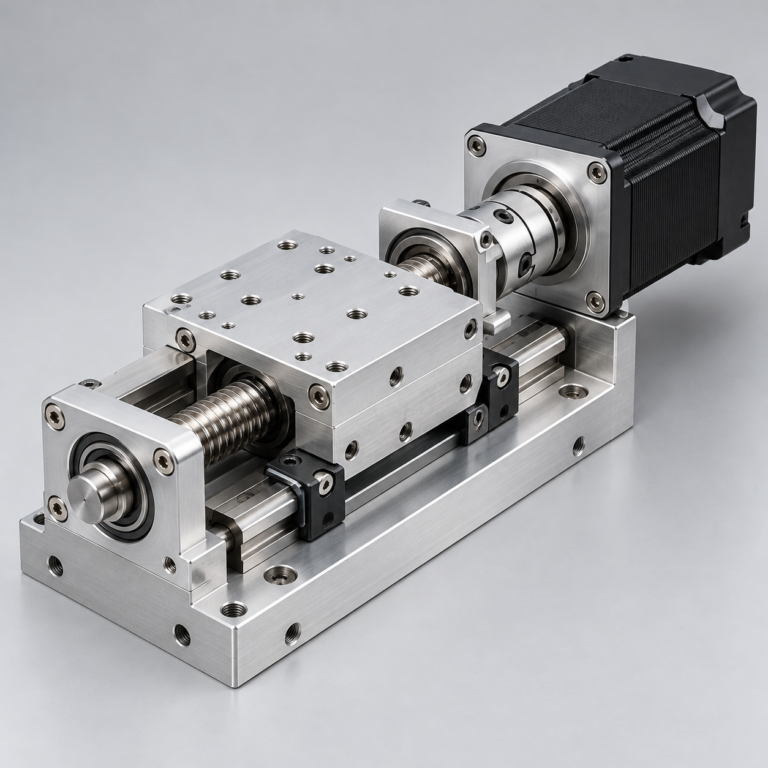
Sub-assemblies and final builds for your production program.
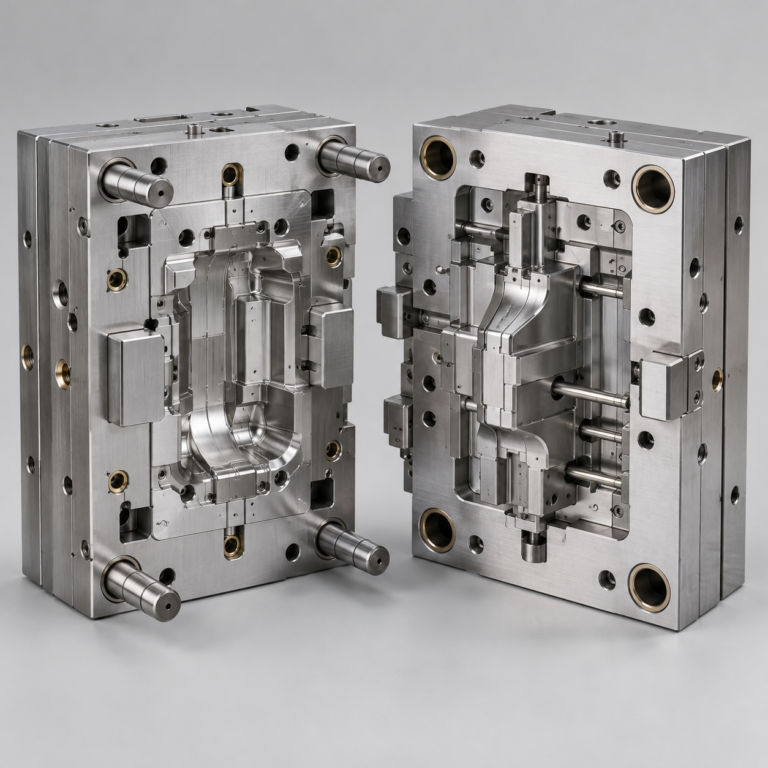
Production tooling built around your process and volume.
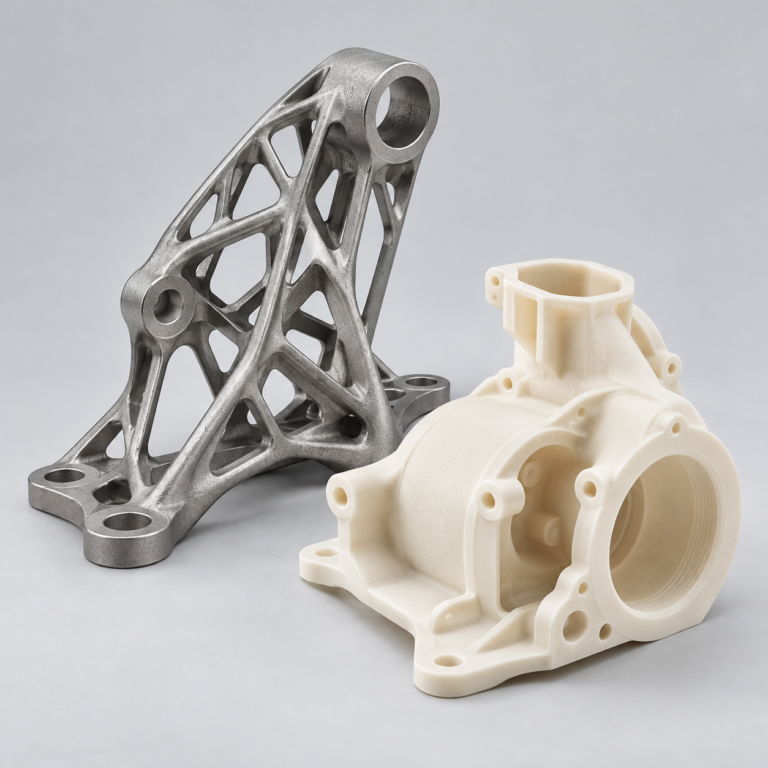
Prototype parts to check fit, function and design.
DFM, process planning and production support for your project.
Inspection, documentation, inventory and delivery planning for your program.
Choose air- or liquid-cooling components around your thermal and mechanical requirements.
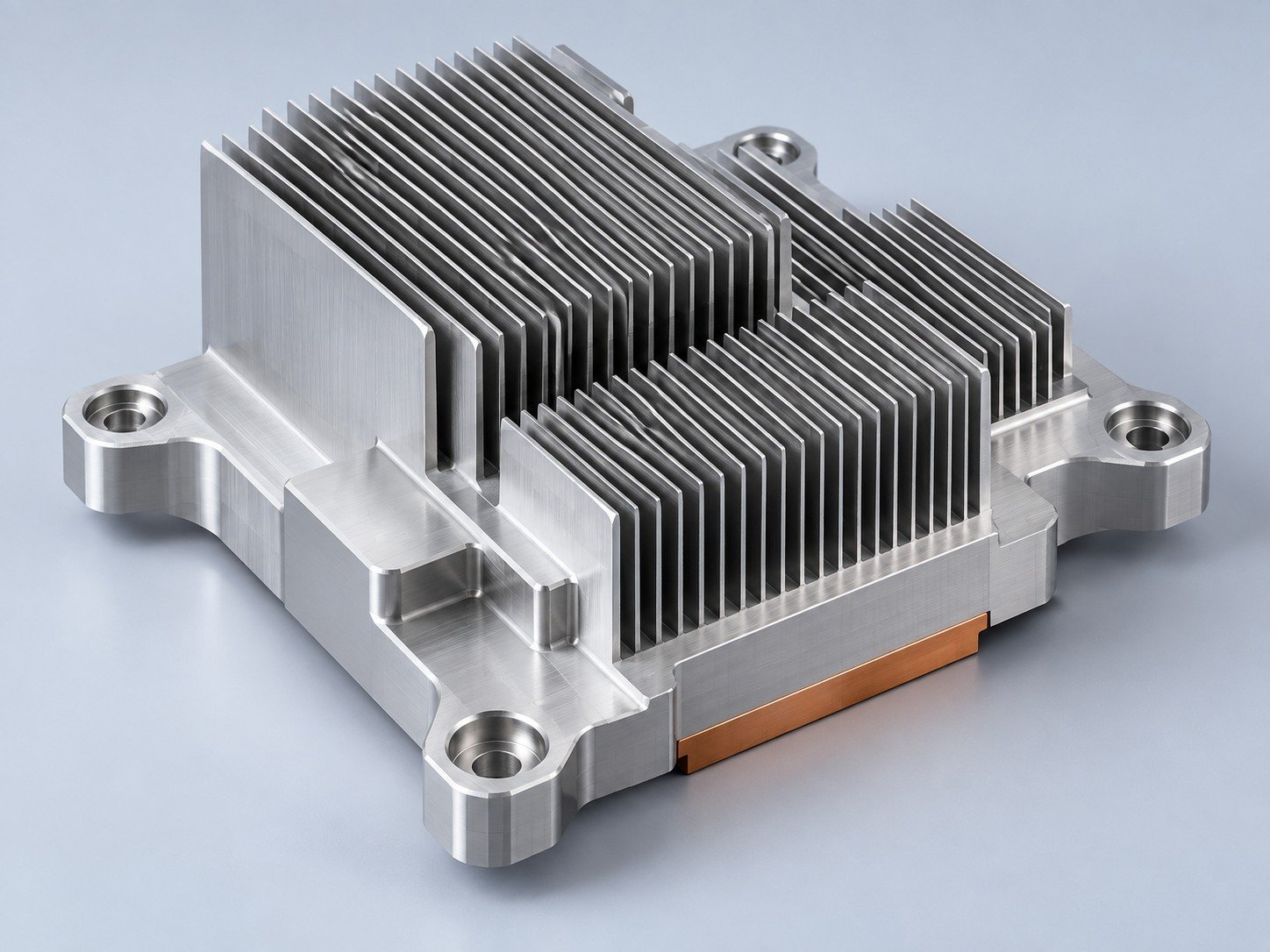
Manufacturing support for your cold plates, manifolds and cooling assemblies.
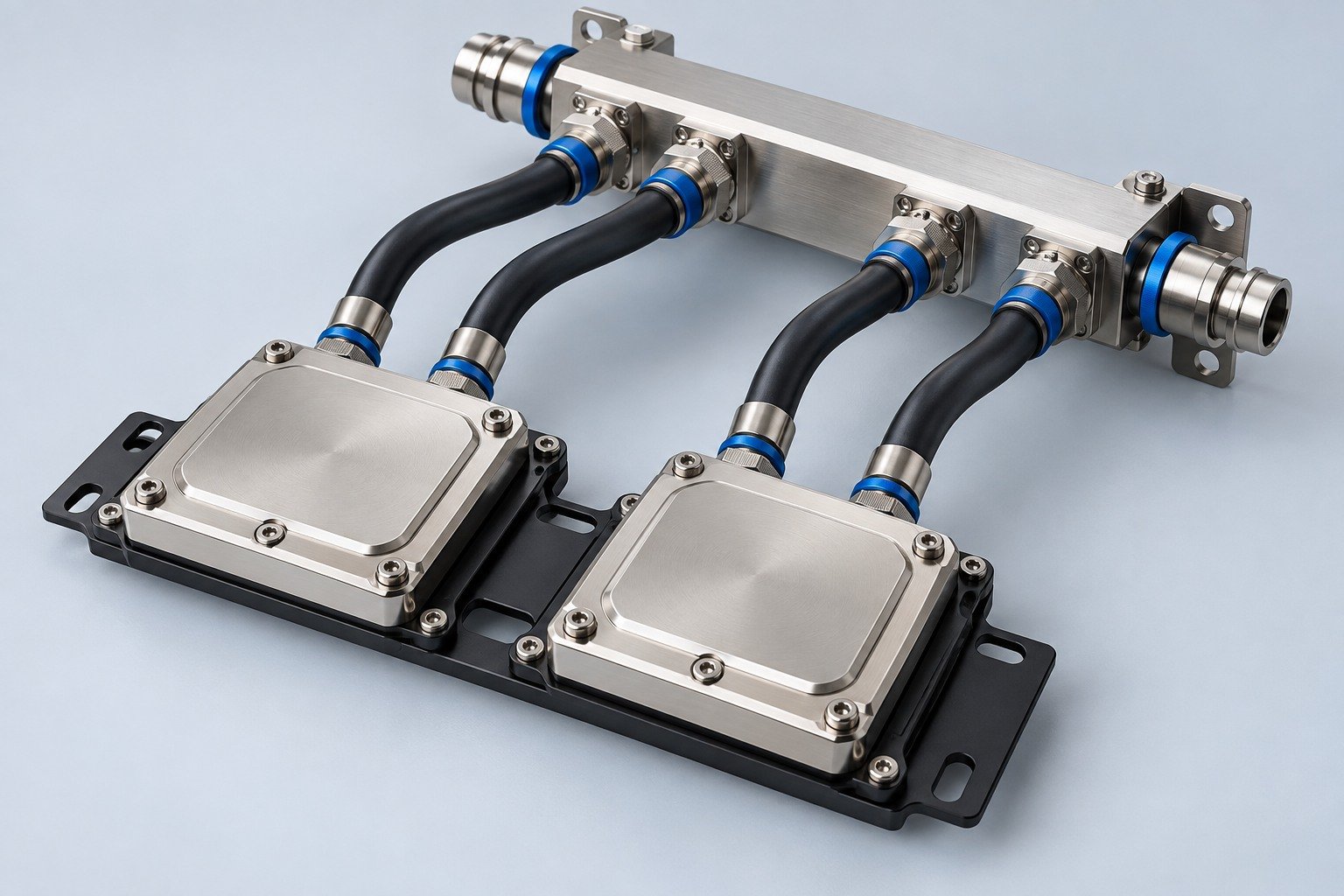
Find components for your power electronics, energy, laser and telecom application.
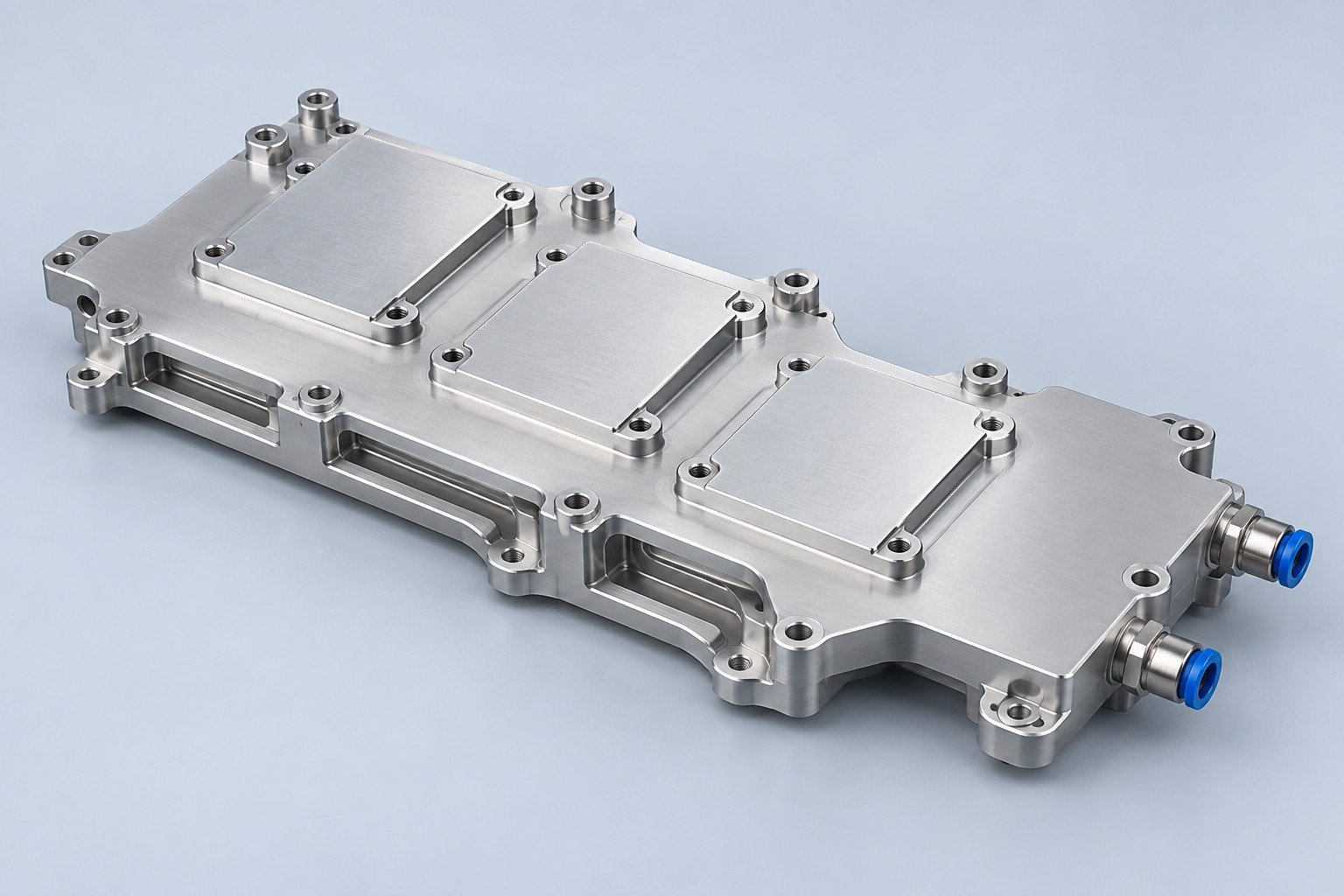
Components for your electronic systems.
Start with your functional and quality requirements.
Build around your operating environment.
From prototype to production, review material performance, manufacturability and cost for your part.
Review grade, temper and finish for your metal parts.
 AluminumStrength, weight and machining›
 Stainless SteelCorrosion and finish requirements›
 Carbon & Alloy SteelDiscuss grade and heat treatment›
 Tool SteelDiscuss tooling and wear needs›
 TitaniumReview grade and part geometry›
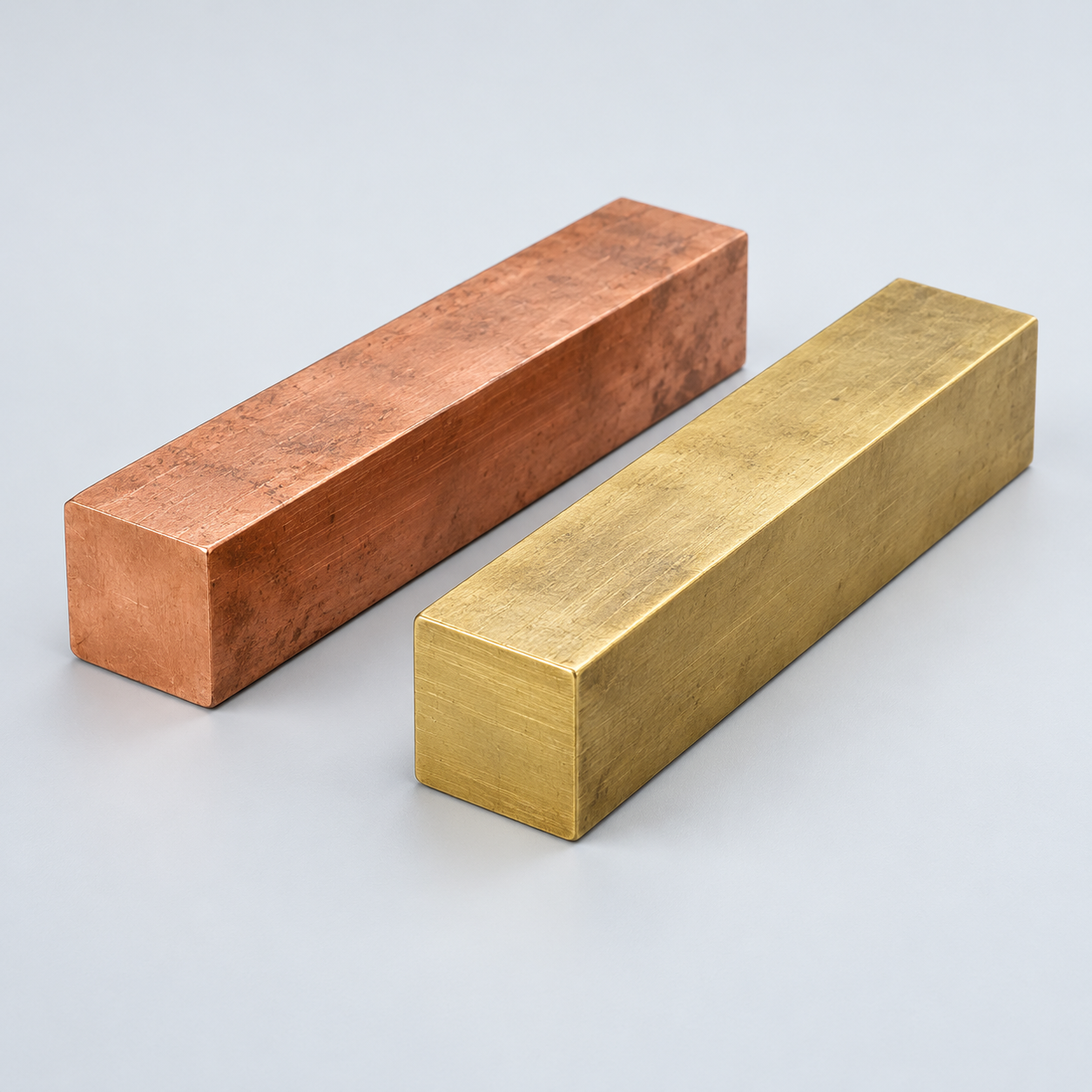 Copper & Brass & BronzeDiscuss conductivity and machining›
Match your polymer to function, process and environment.
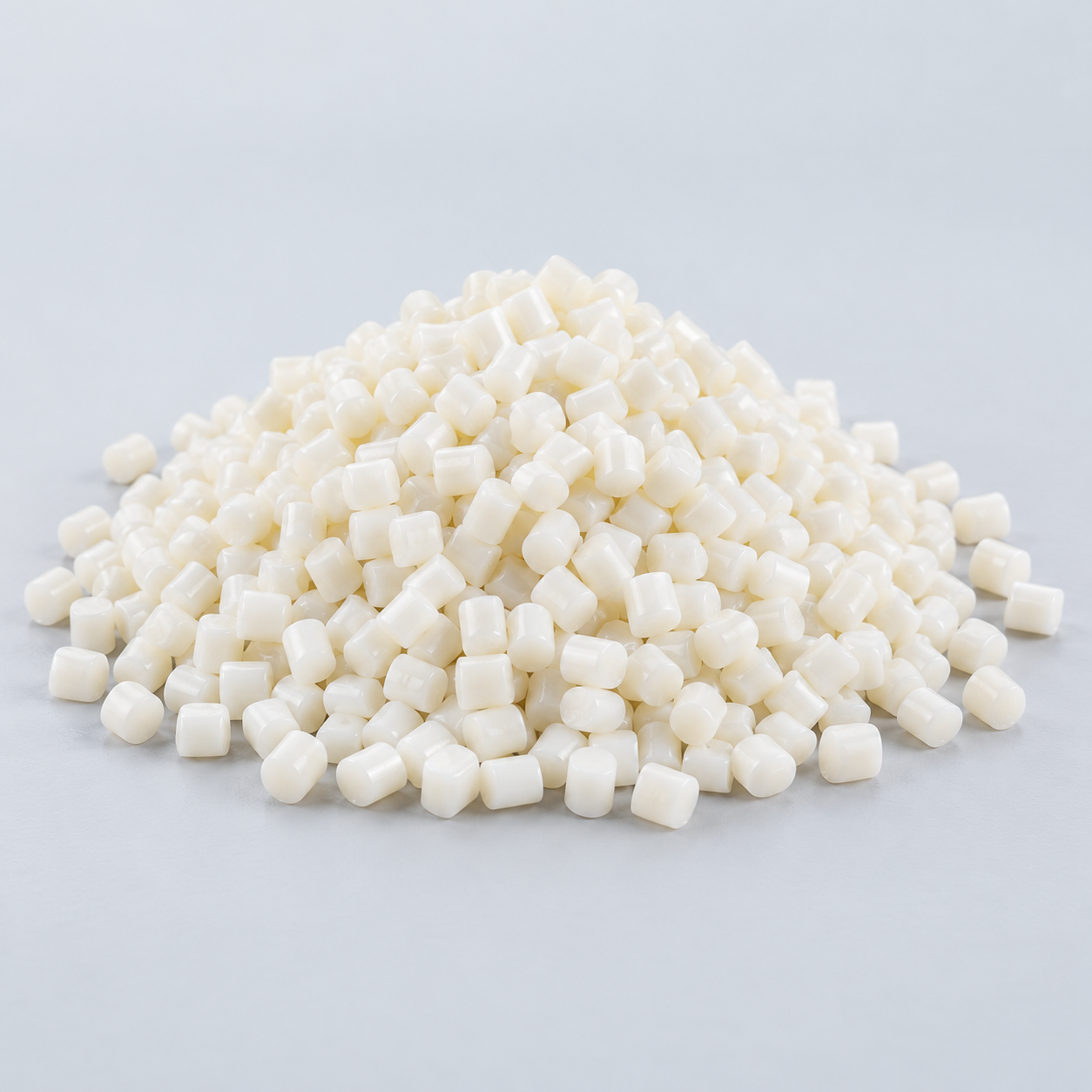 ABSReview enclosure and molding needs›
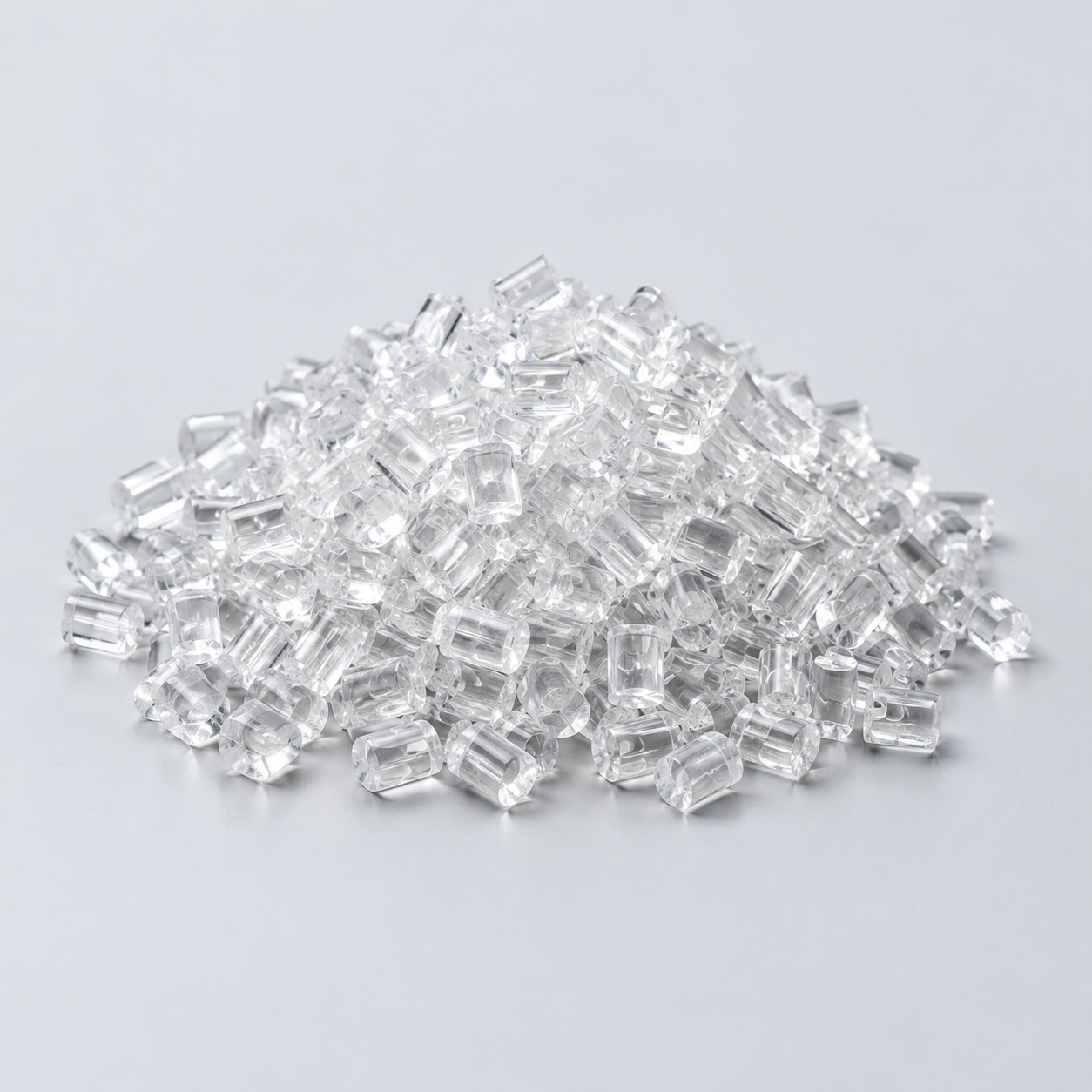 Polycarbonate (PC)Discuss clarity and impact needs›
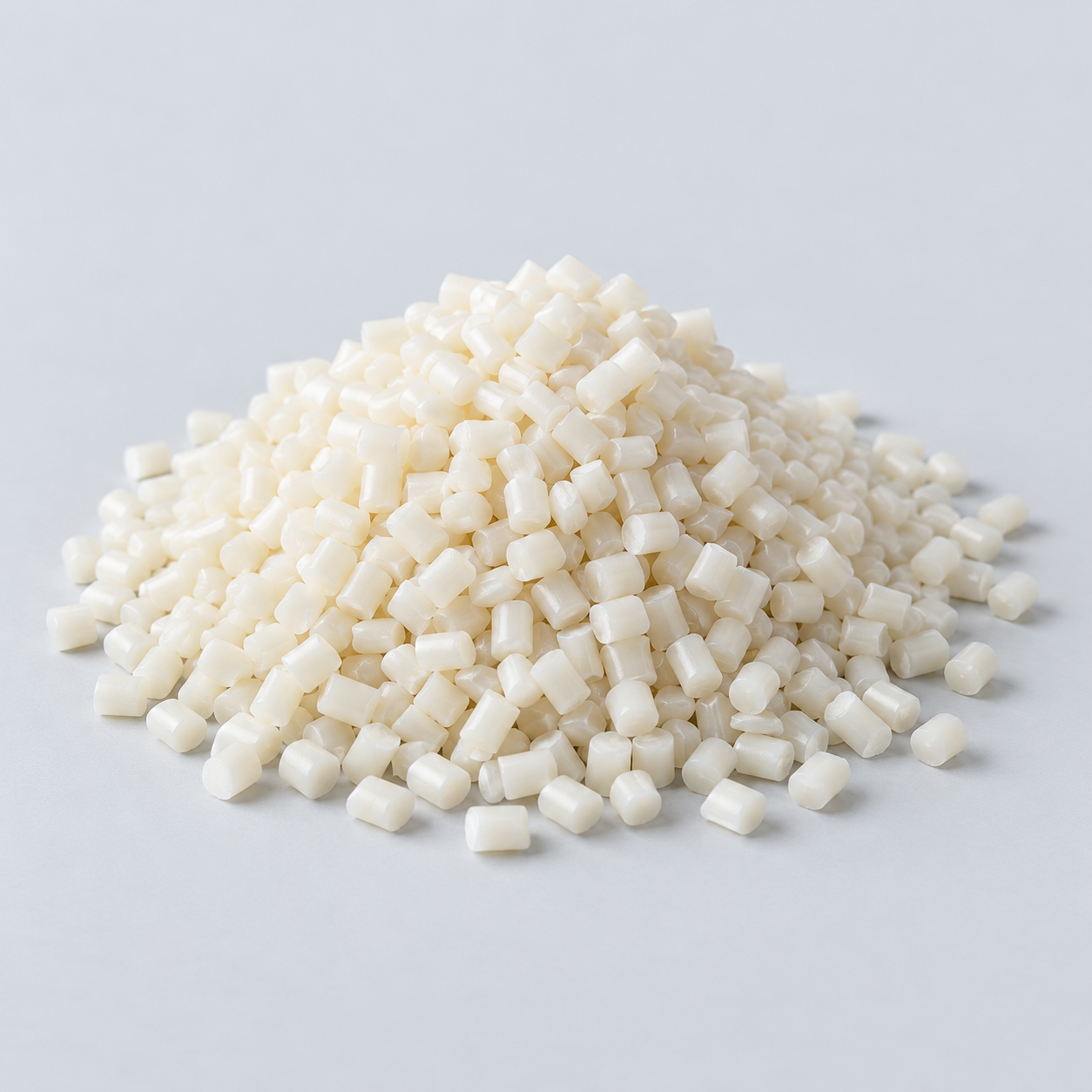 Nylon (PA)Review moisture and wear conditions›
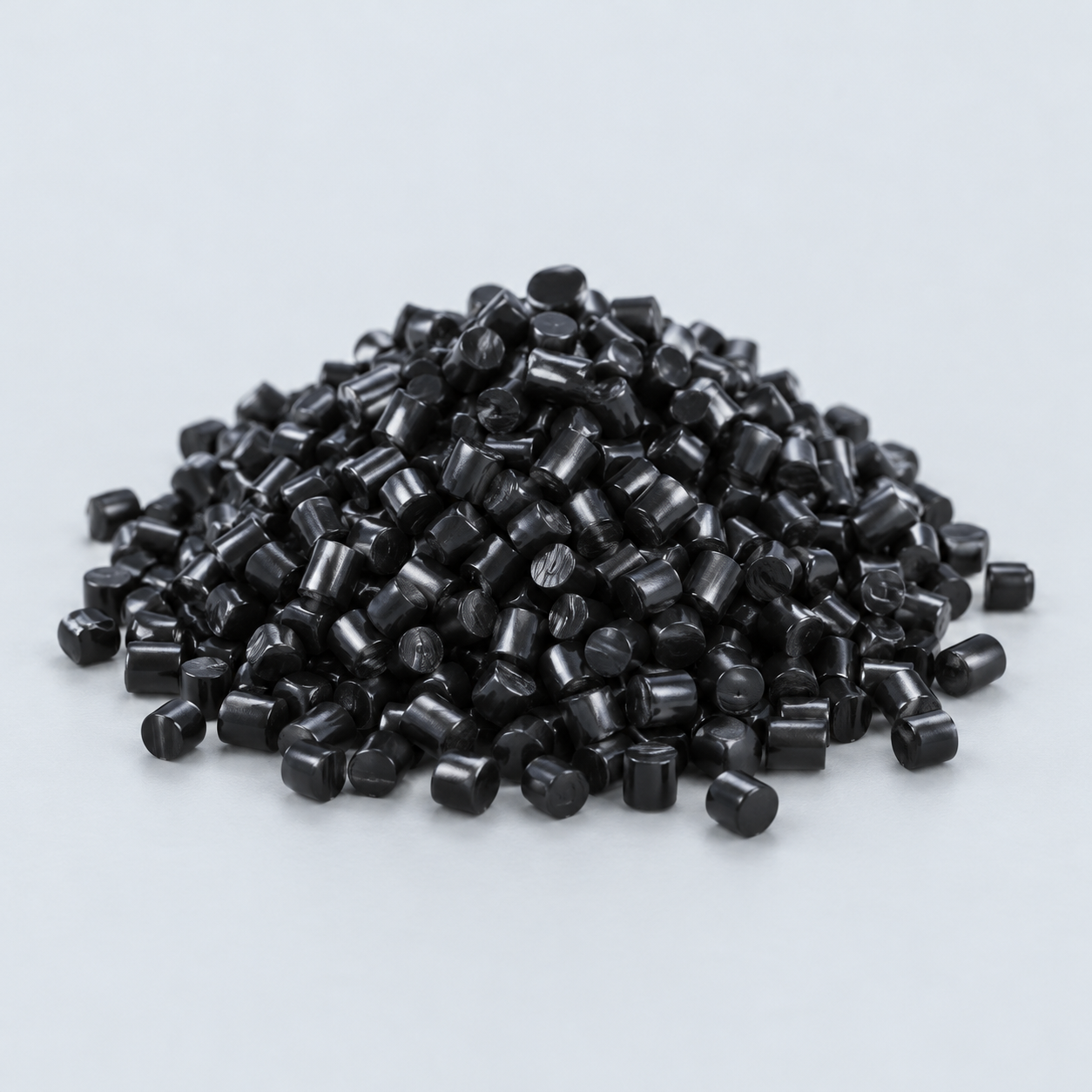 POM / AcetalReview fit and sliding features›
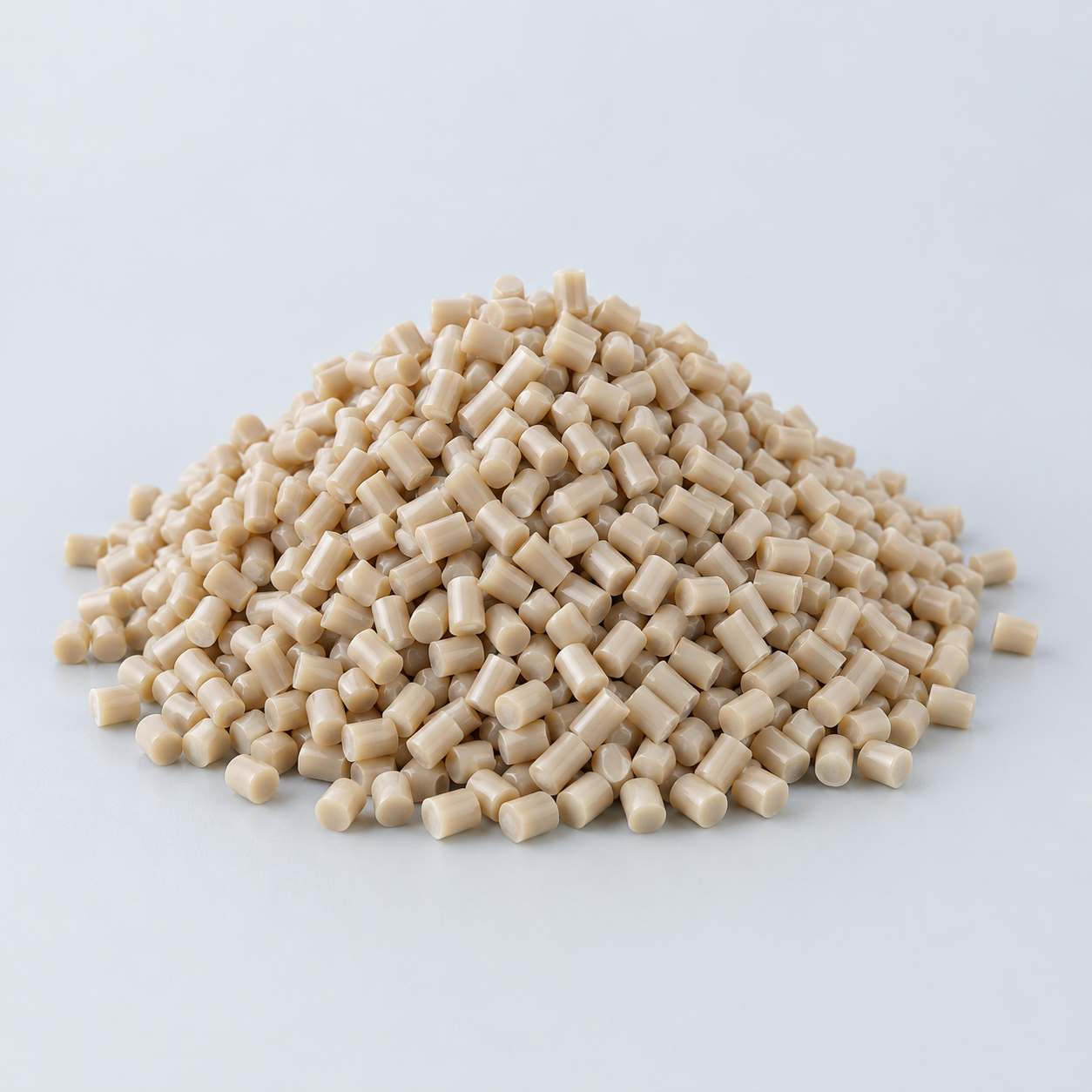 PEEKDiscuss operating conditions›
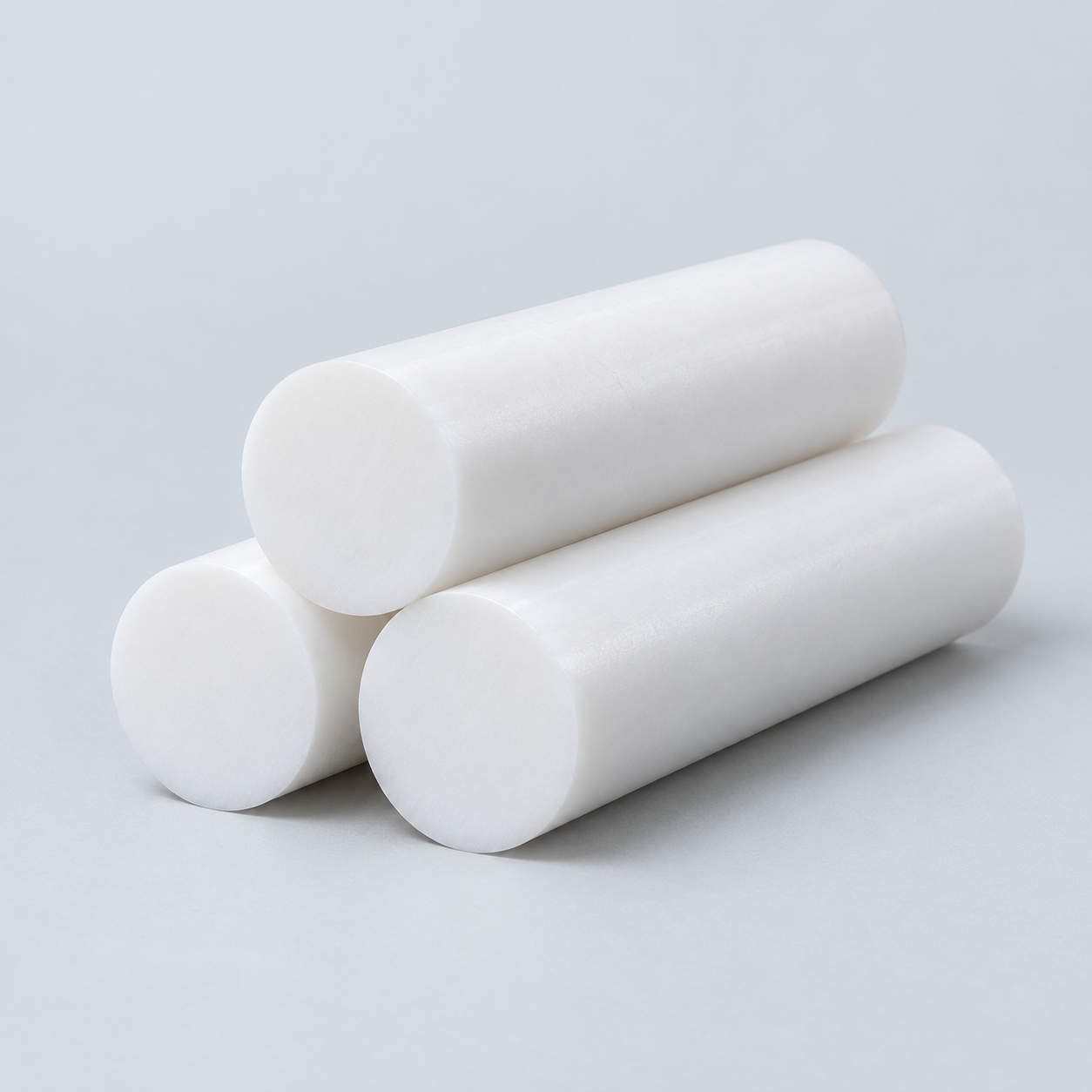 PTFEReview friction and chemical exposure›
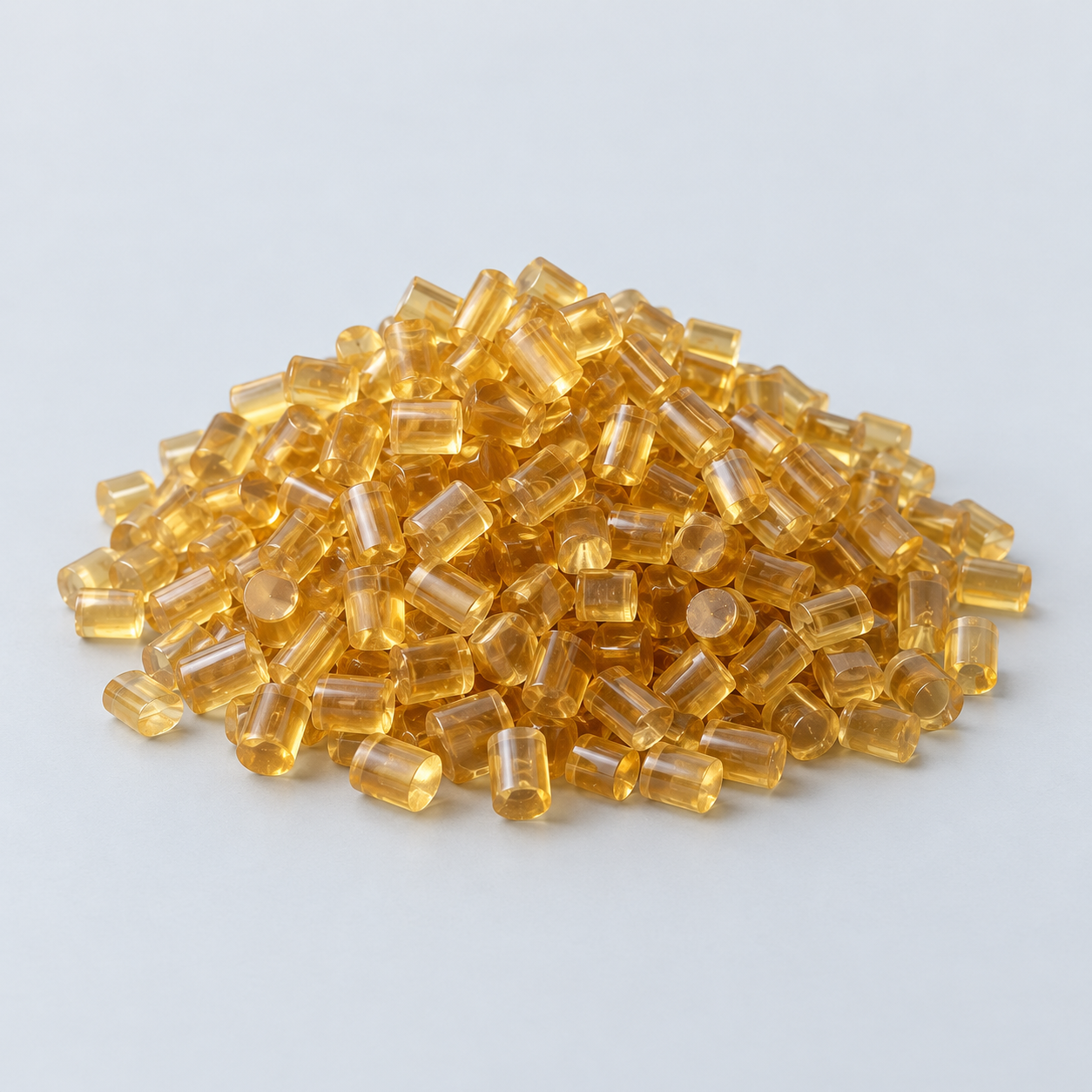 ULTEM / PEIDiscuss thermal and electrical needs›
Confirm grade availability and application requirements.
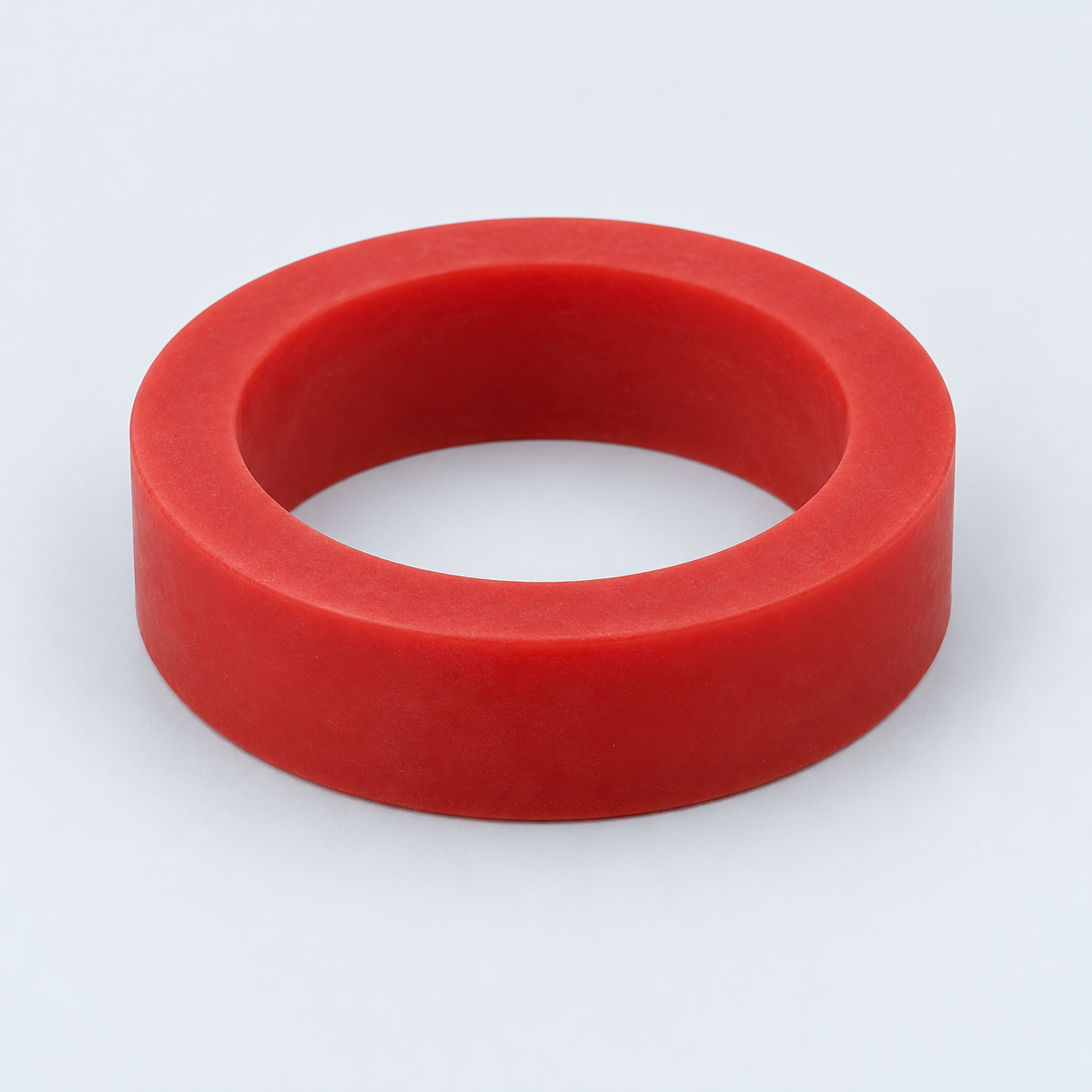 Silicone / LSRDiscuss flexible component needs›
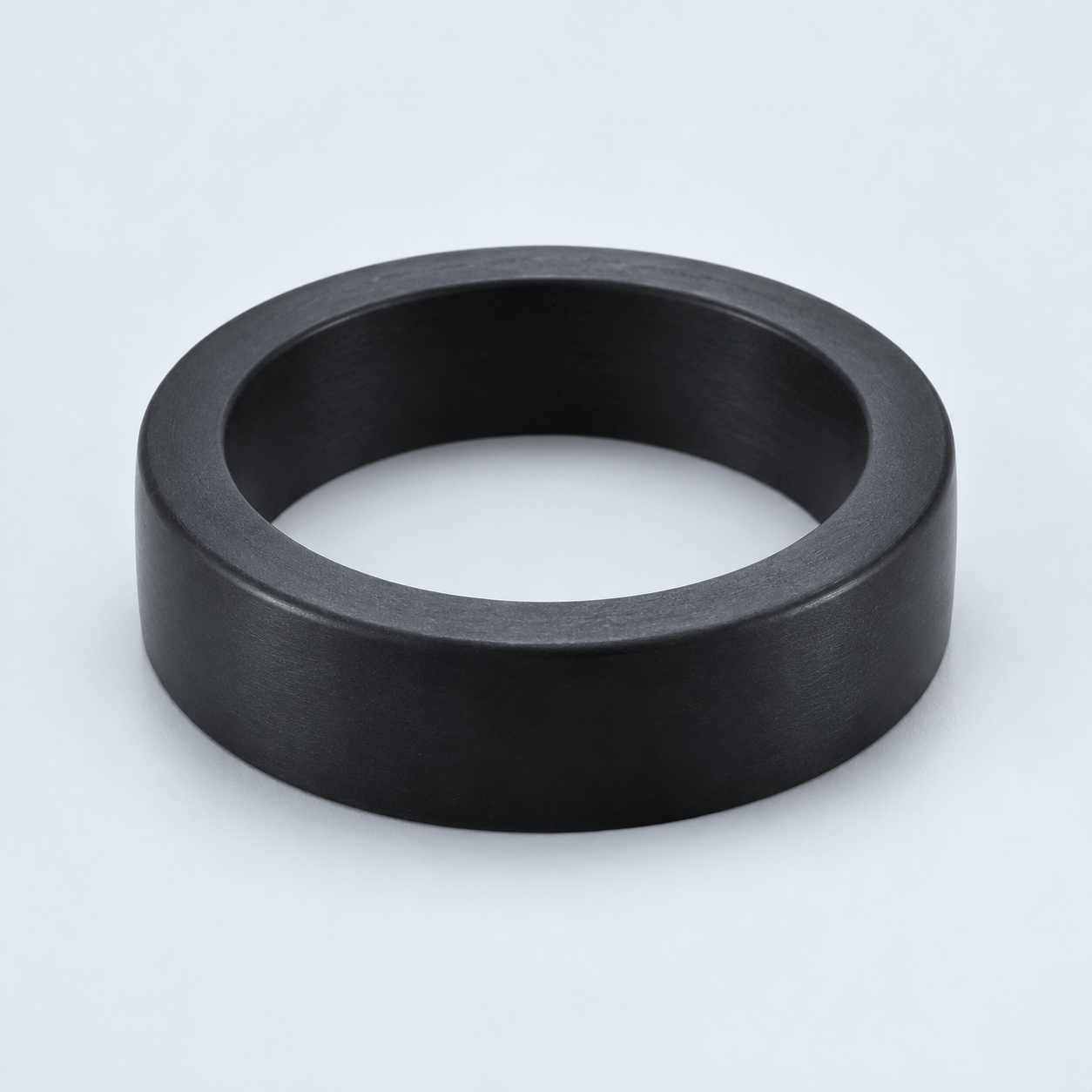 TPU / TPEReview flexibility and processing›
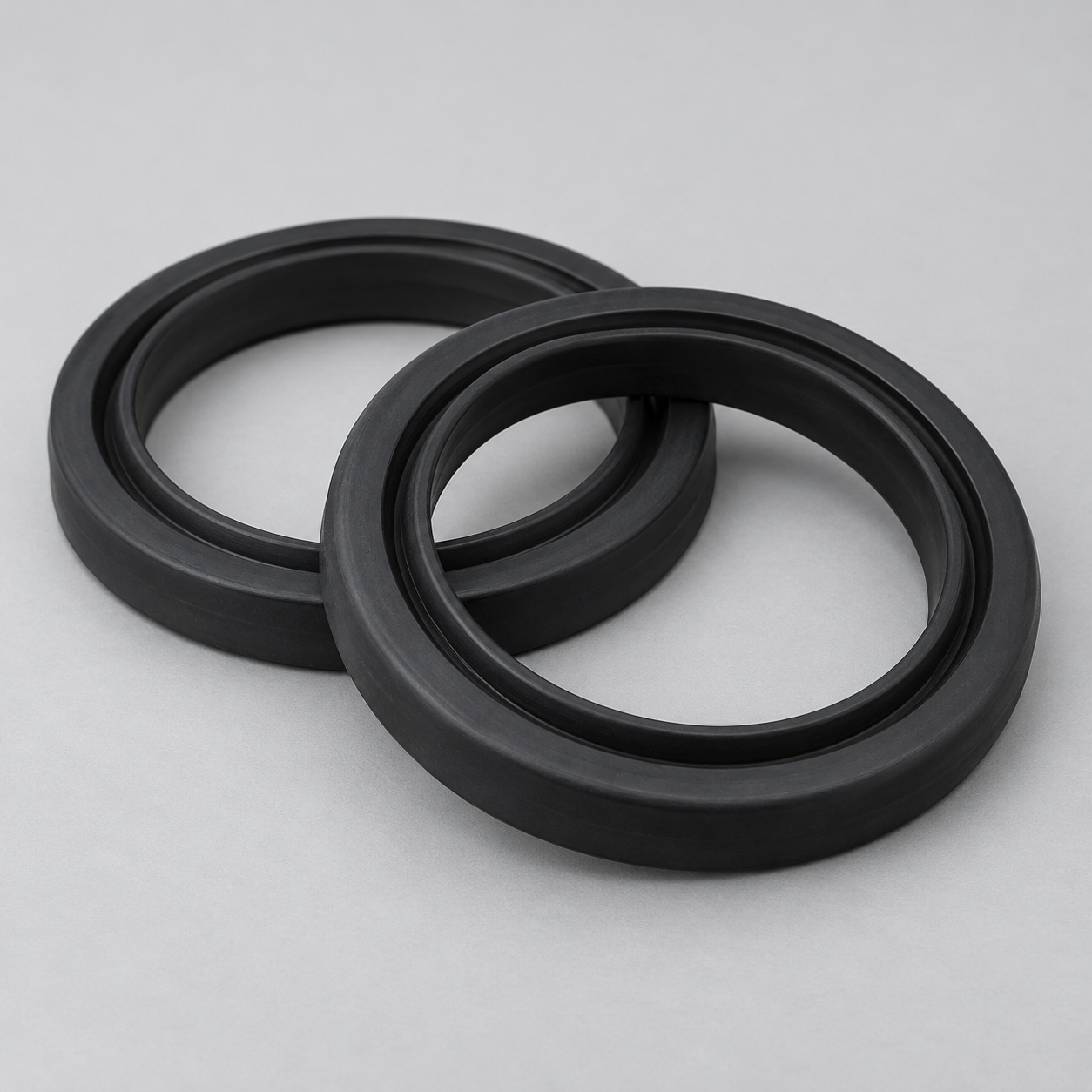 EPDMReview weathering and chemical exposure.›
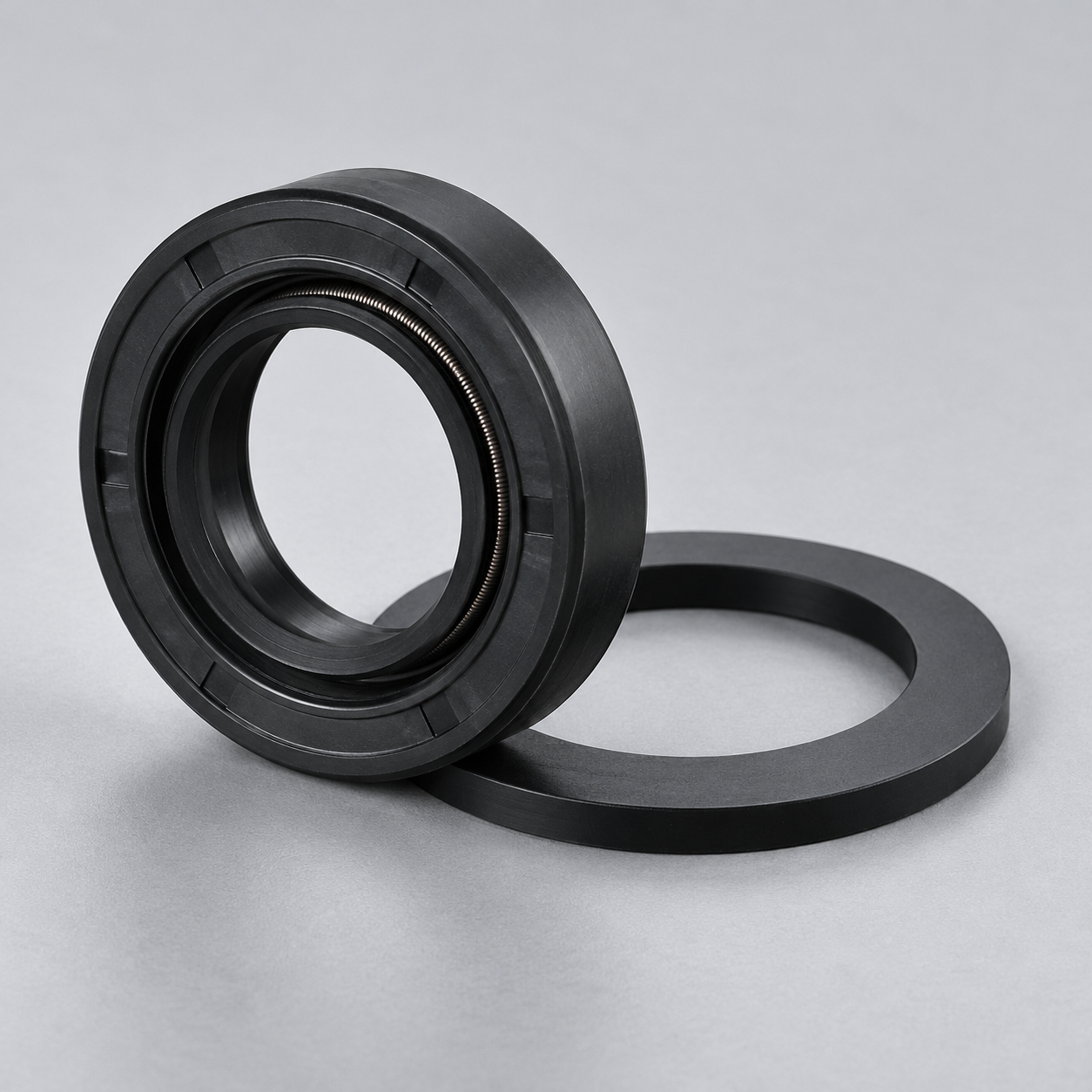 NBRReview oil and fuel exposure.›
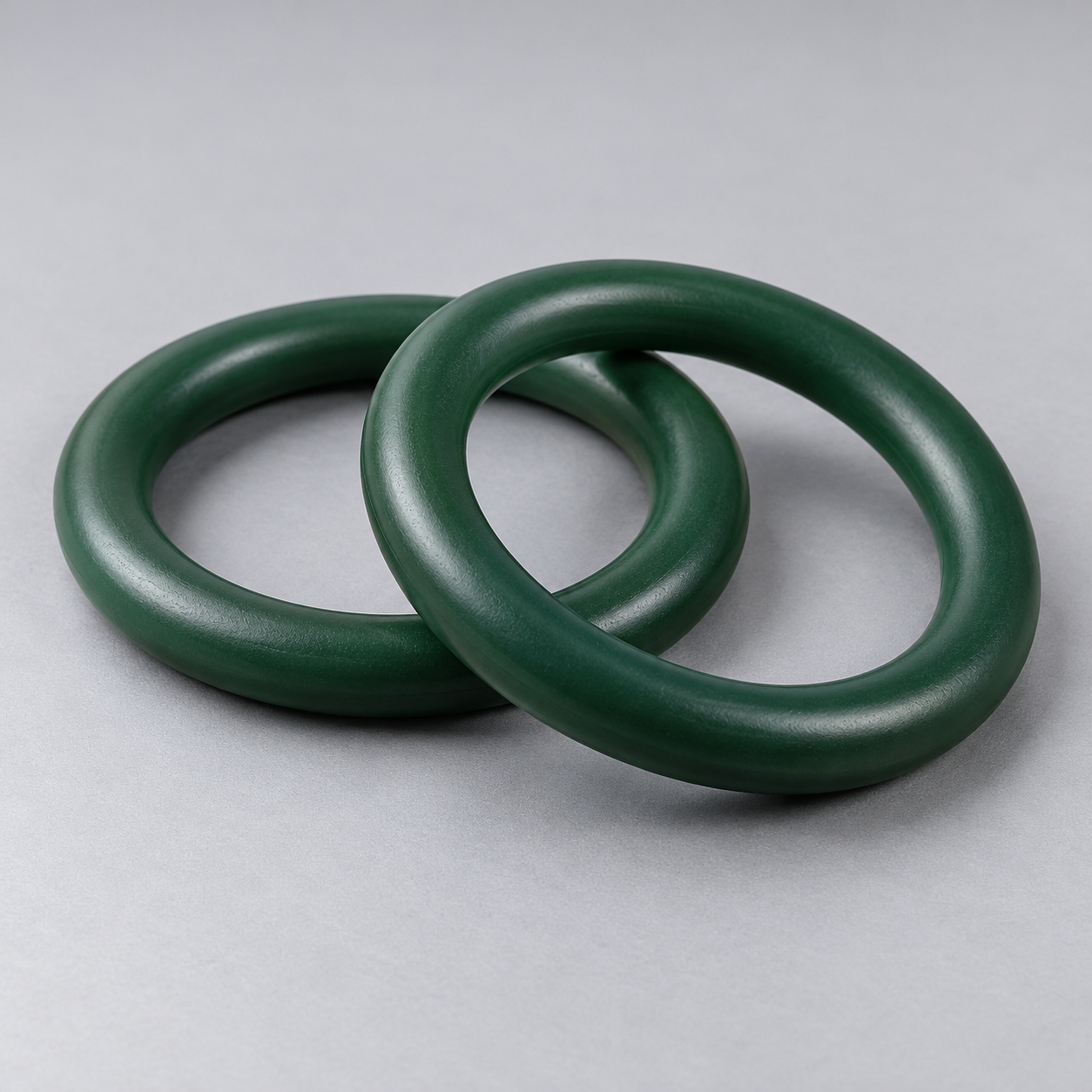 FKMReview temperature and chemical exposure.›
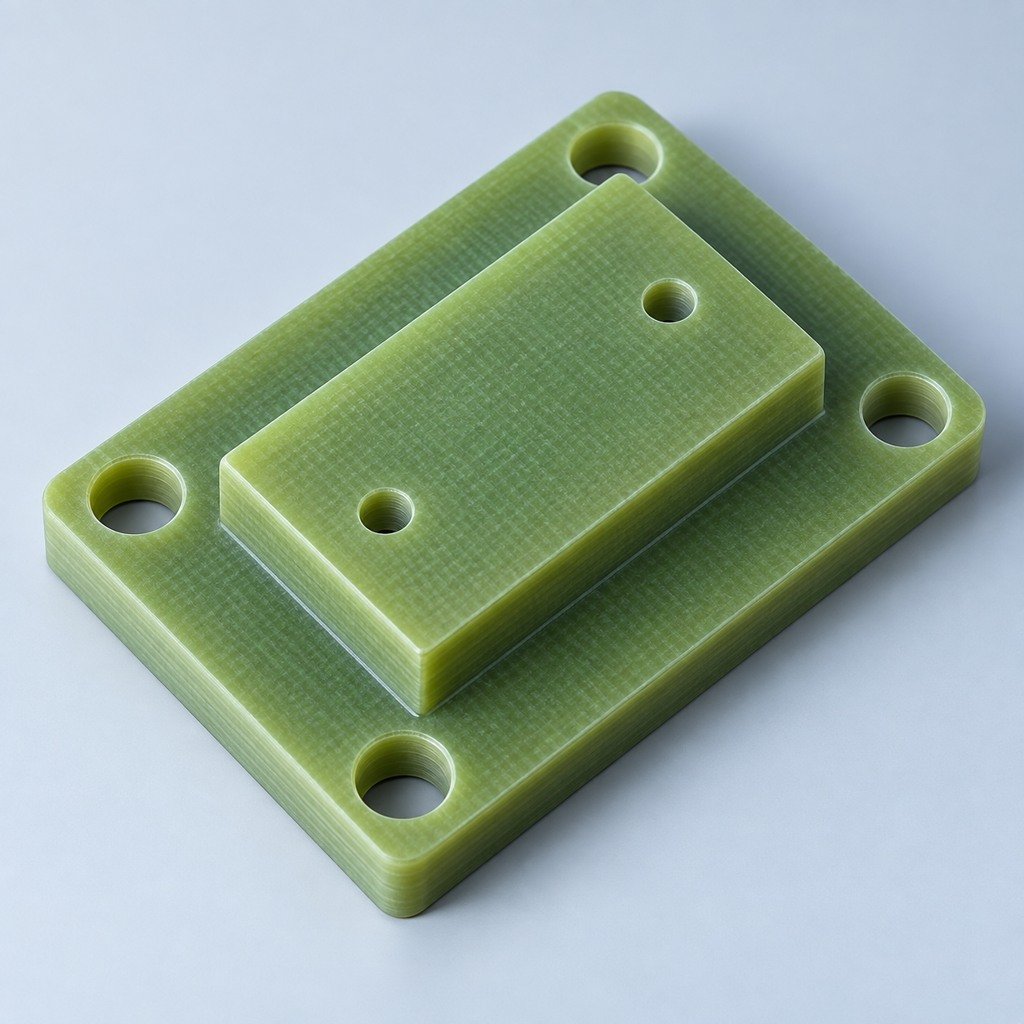 G10 / FR4Review insulation and laminate needs›
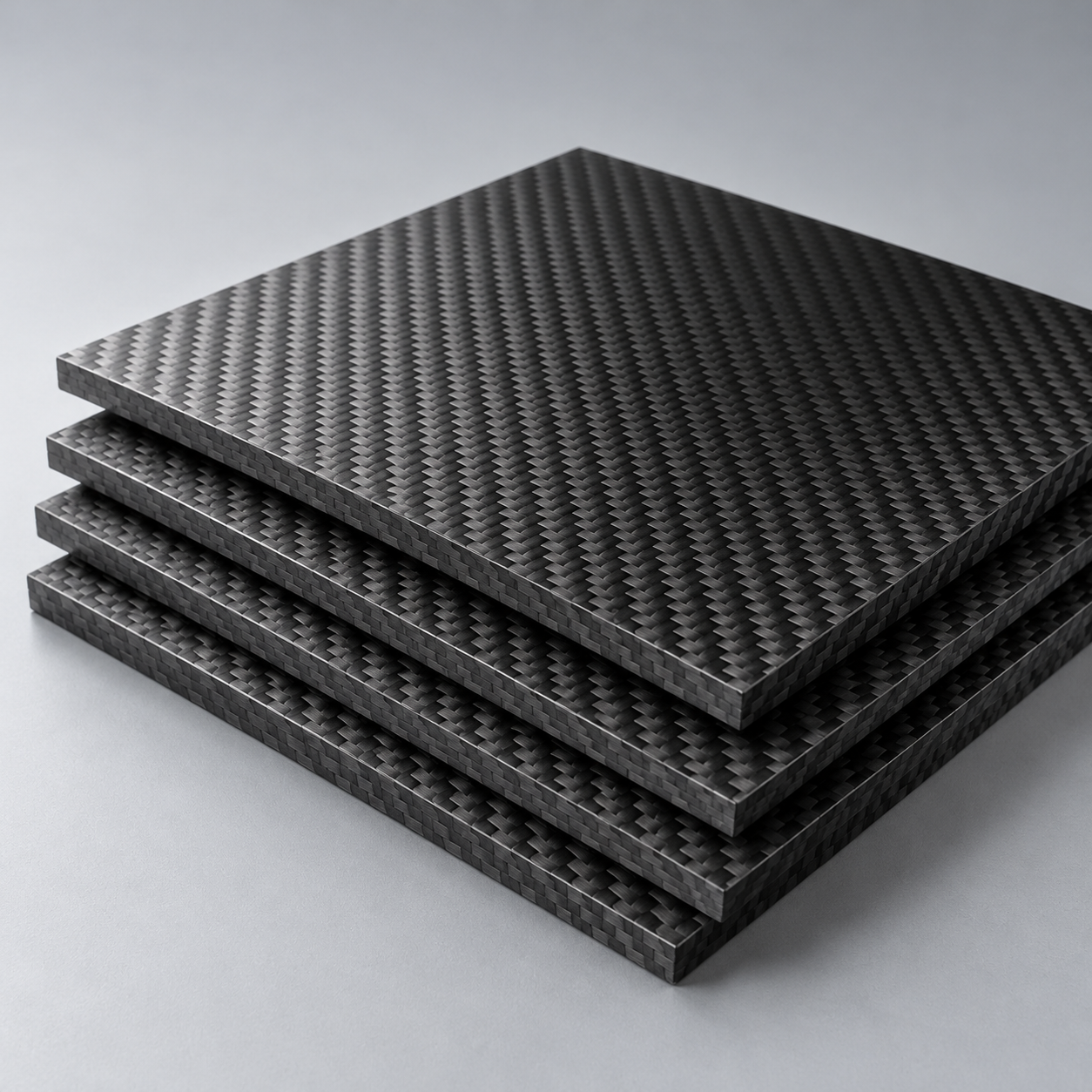 CompositesReview stiffness, weight and laminate.›Customer-Specified MaterialsConfirm your grade and requirements.›Other Specialty MaterialsDiscuss your application and grade.›
Practical guidance for your part geometry and material decisions.
Prepare your process, budget and sourcing questions.
Build your knowledge before production.
Learn who we are and how we operate.
Find our U.S. support team or start a conversation.
YOUR GRADE. YOUR MOISTURE CONDITION. YOUR FIT.
Plan your custom nylon parts around grade, stock or resin, moisture, load and finished fit. Define the inspection state before comparing nylon CNC machining and injection molding.
Material availability and manufacturing scope are confirmed for your drawing.
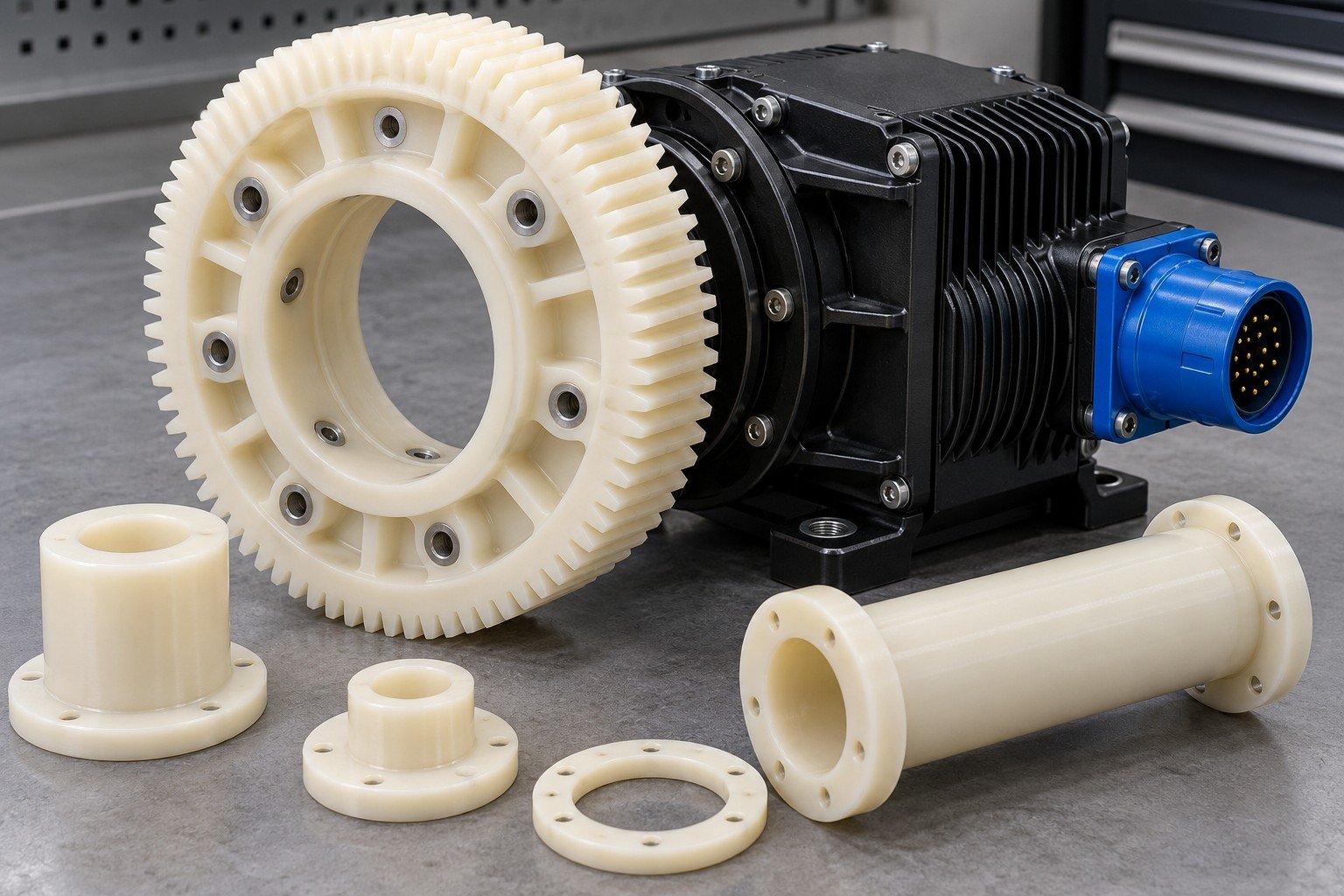
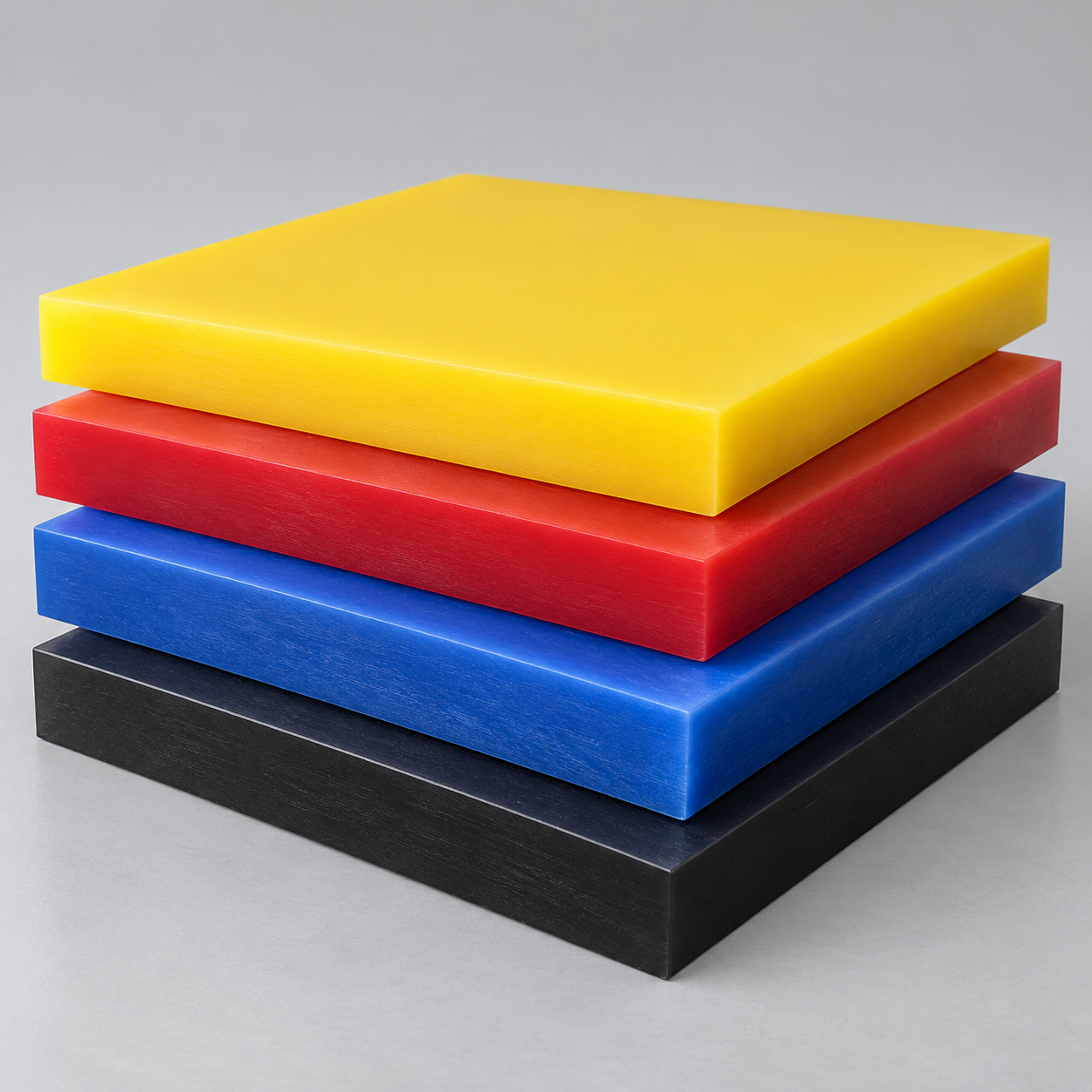
Identify the actual stock product. Cast and extruded nylon are not automatic substitutes; compare product, initial condition and usable blank size.
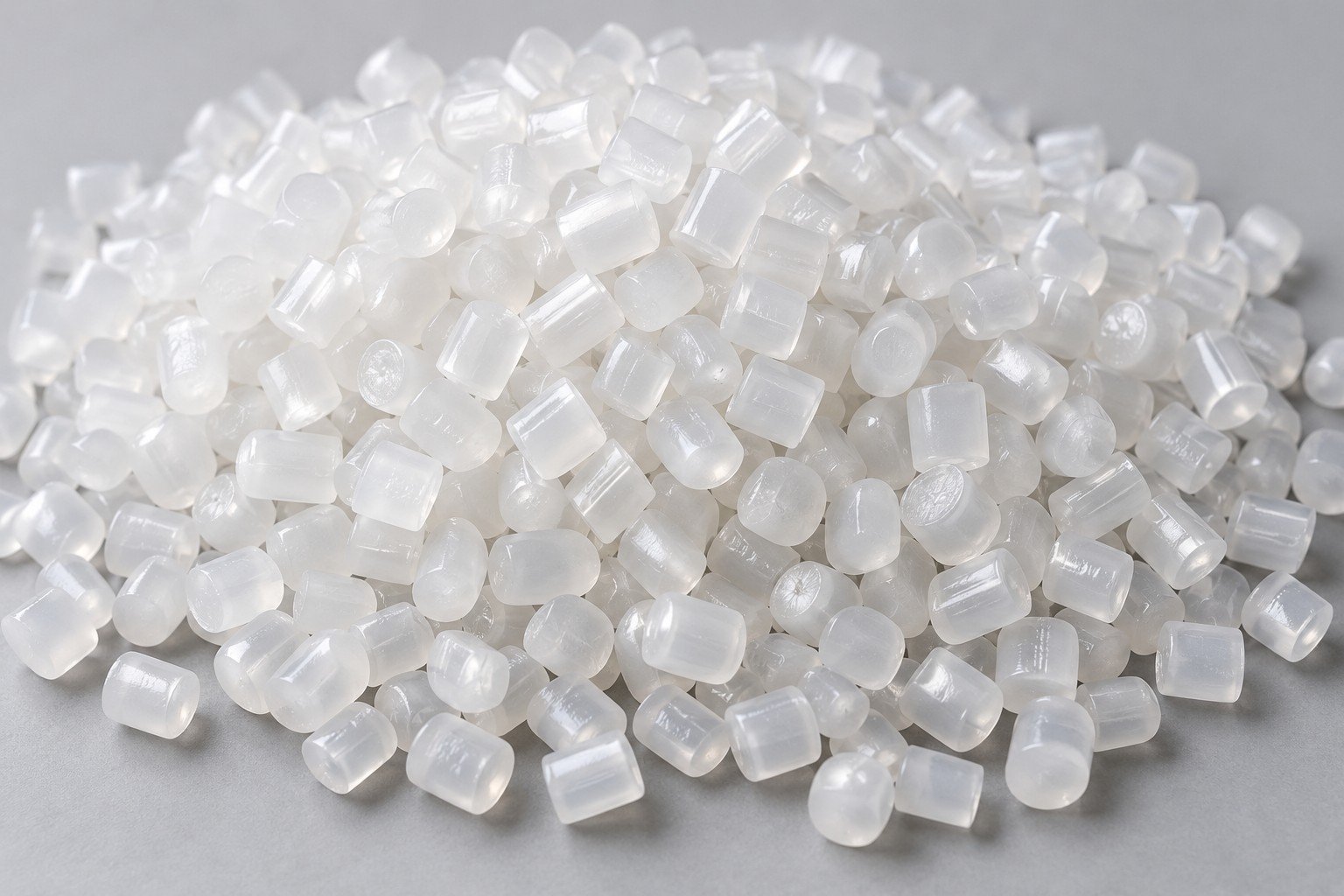
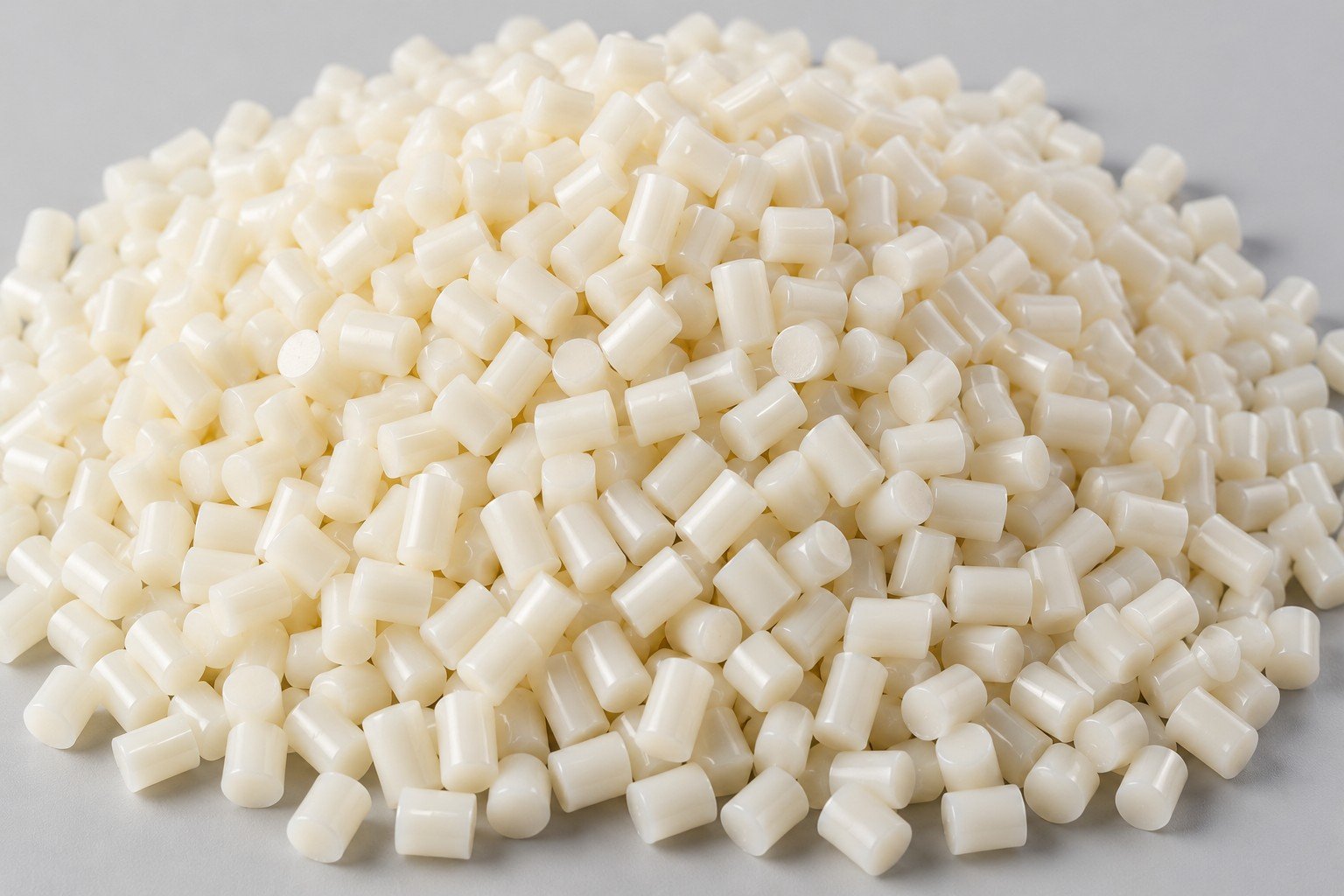
Specify the manufacturer grade, color and any filler. Approve the molded sample in the agreed moisture condition.
Printed PA11 / PA12 powders require their own material and process specification. A resin datasheet does not identify unspecified CNC stock.
4 starting points — review the complete product, not the family name alone.
Your extruded nylon review starts with the actual rod, plate or tube. Agree incoming condition, supported features and final-fit measurements.
| Your reference | What to confirm |
|---|---|
| Manufacturer | Ensinger |
| Material family & route | PA6 · extruded CNC stock |
| Purchasing form | Stock shapes for machining |
| Your review | Full product, color, lot, condition and fit |
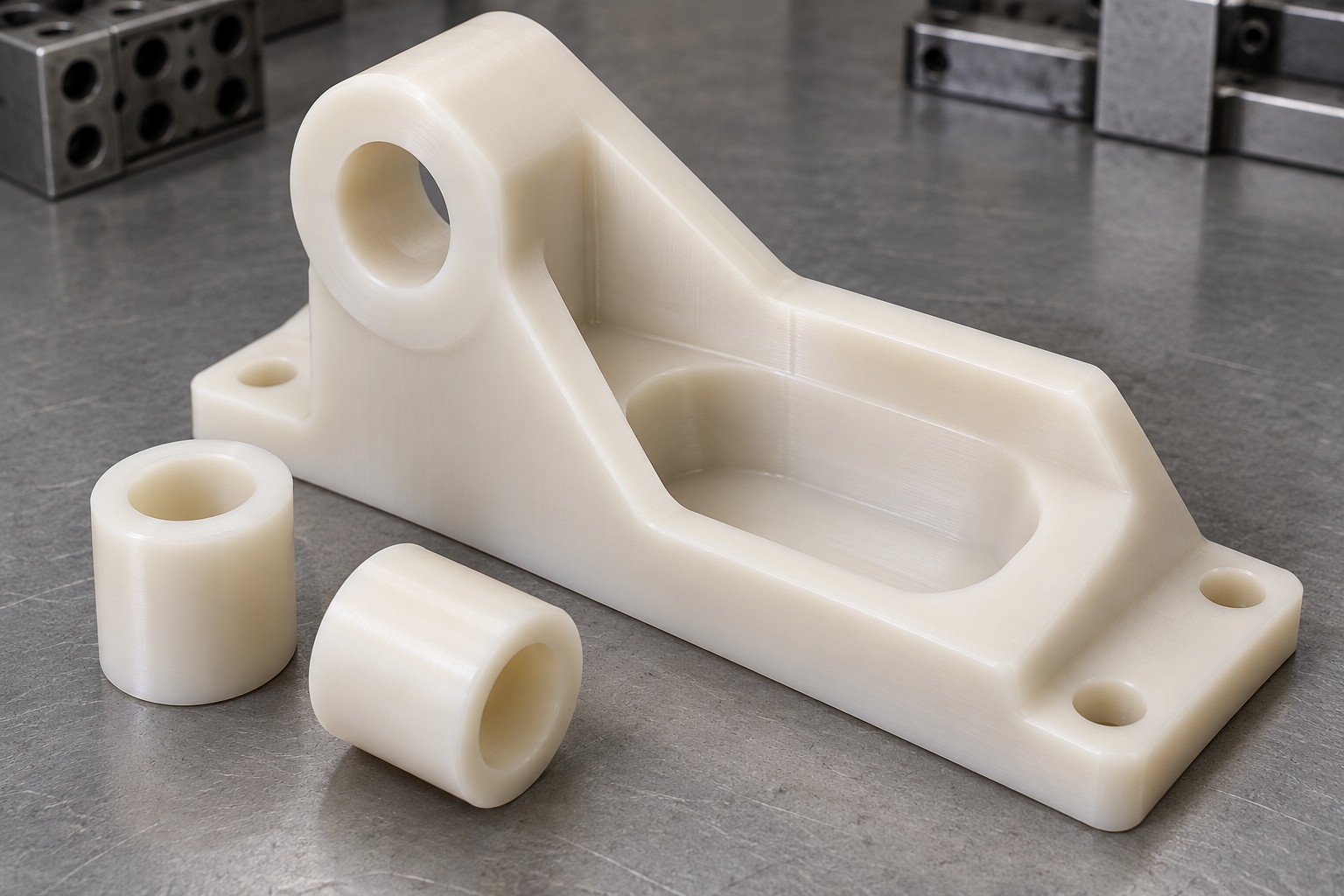
For your nylon dimensional stability review, keep dry and conditioned values separate. A PA family name does not specify every formulation, test specimen or delivery condition.
| Your reference | What to confirm |
|---|---|
| Product identity | TECAMID 6 natural |
| Dataset | Current manufacturer product data |
| Acceptance | Actual part and agreed inspection state |
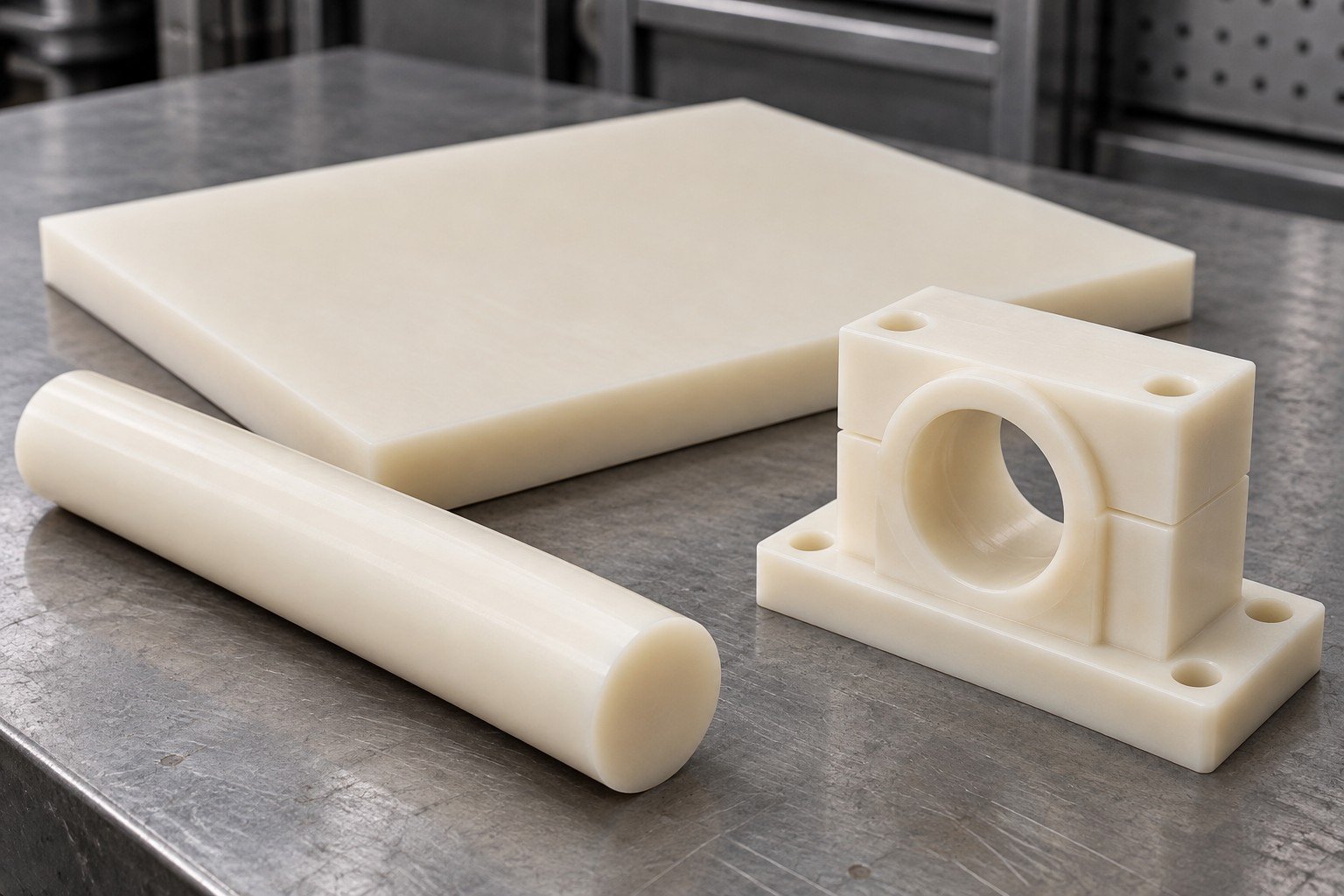
Nylon moisture absorption can change dimensions and mechanical response. Nylon machining tolerances and nylon press fit allowances need your actual stock, size, mating material and service conditions.
| Your reference | What to confirm |
|---|---|
| Moisture state | Dry, conditioned or agreed service state |
| Your interface | Load, temperature, humidity and clearance |
| Measurement | Datums, method and stabilization conditions |
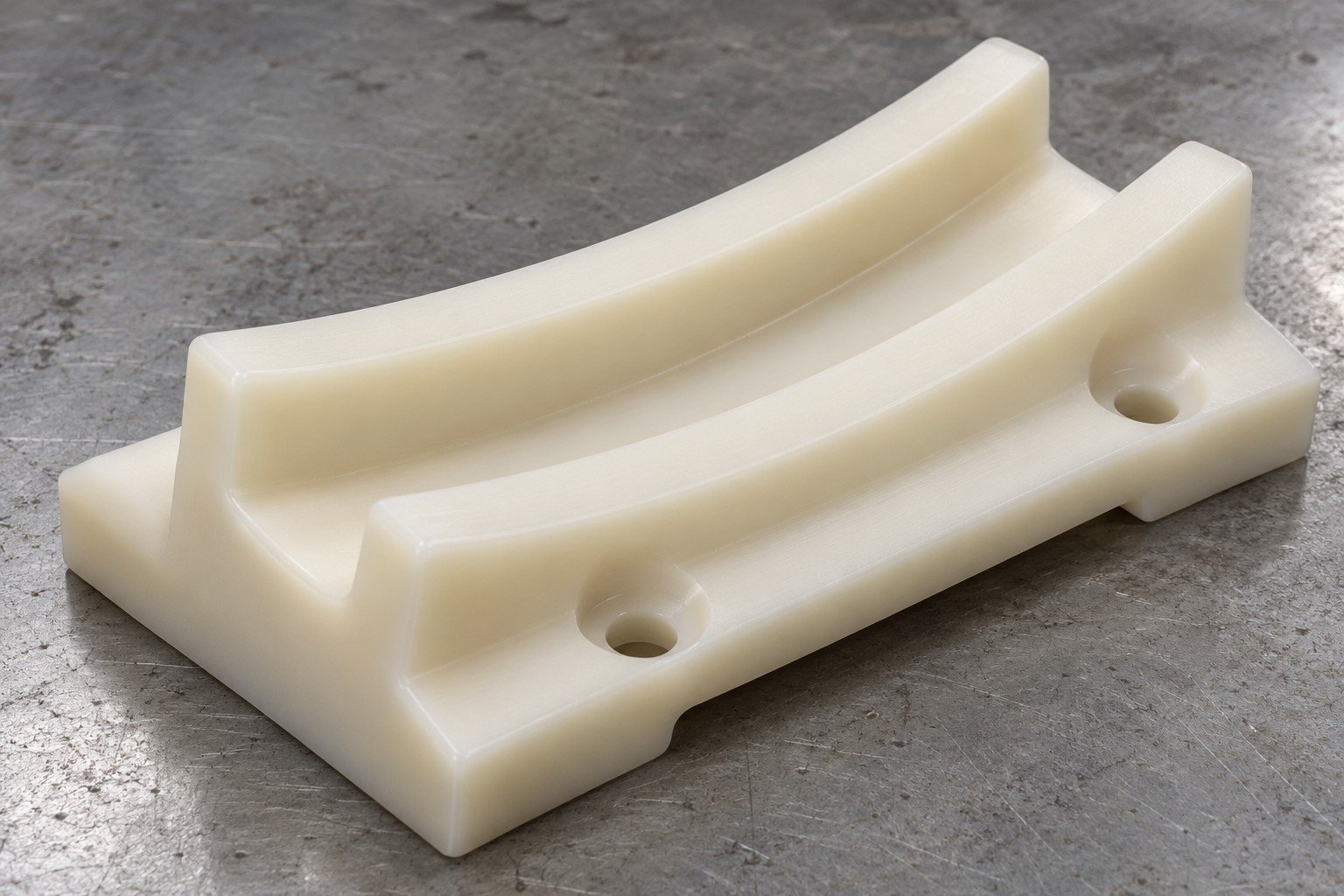
For your nylon machining material certification review, agree which supplier records identify the actual grade and lot. A family label or photograph cannot verify material identity.
| Your reference | What to confirm |
|---|---|
| Material identity | Full product, color, source and lot |
| Dimensions | Condition, sampling and measurement method |
| Function | Agreed wear tests and sample approval |
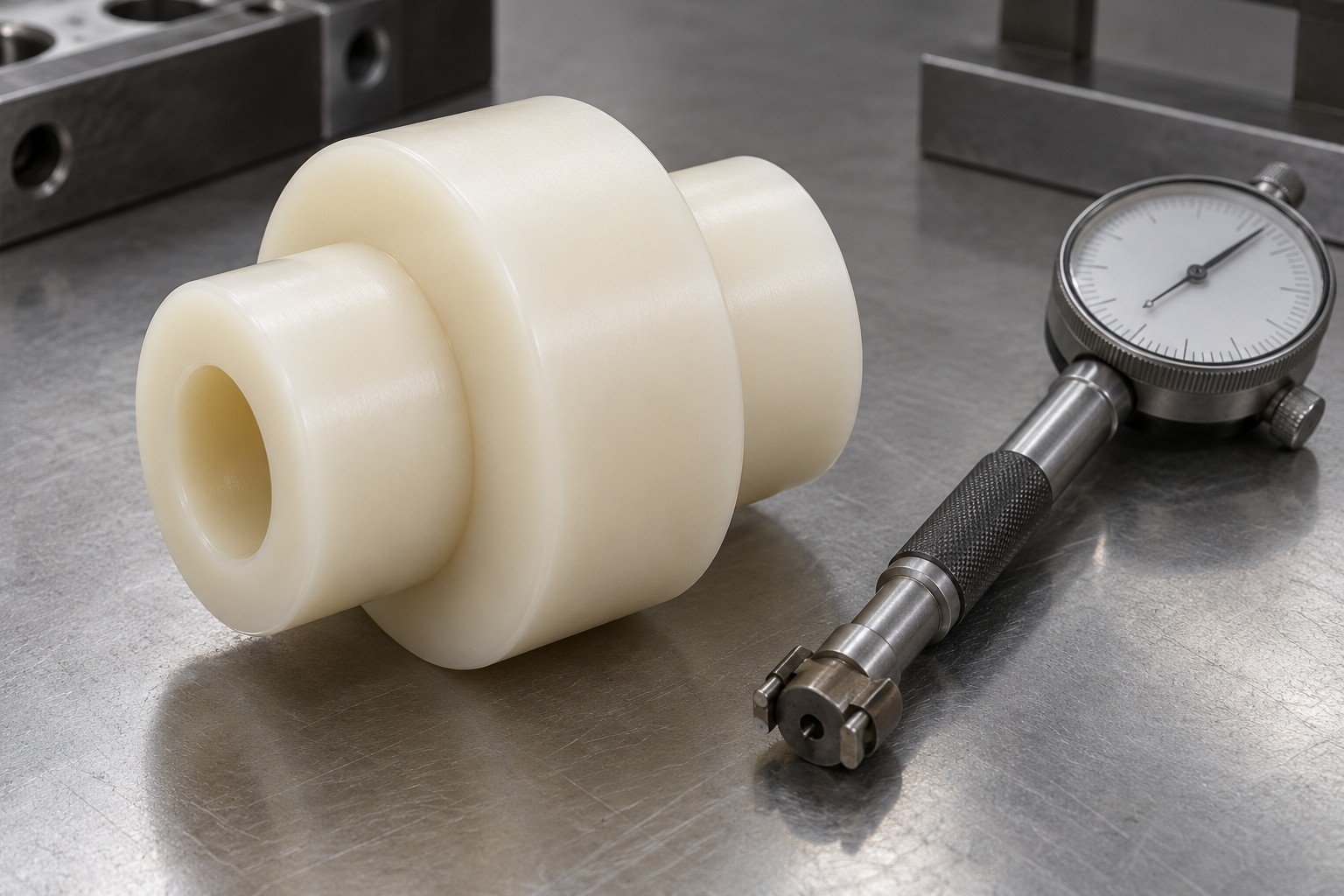
For your gears, bushings and rollers, confirm the cast stock product and final-fit conditions. Do not replace an extruded stock callout without approval.
| Your reference | What to confirm |
|---|---|
| Manufacturer | Ensinger |
| Material family & route | PA6 · cast CNC stock |
| Purchasing form | Stock shapes for machining |
| Your review | Full product, color, lot, condition and fit |
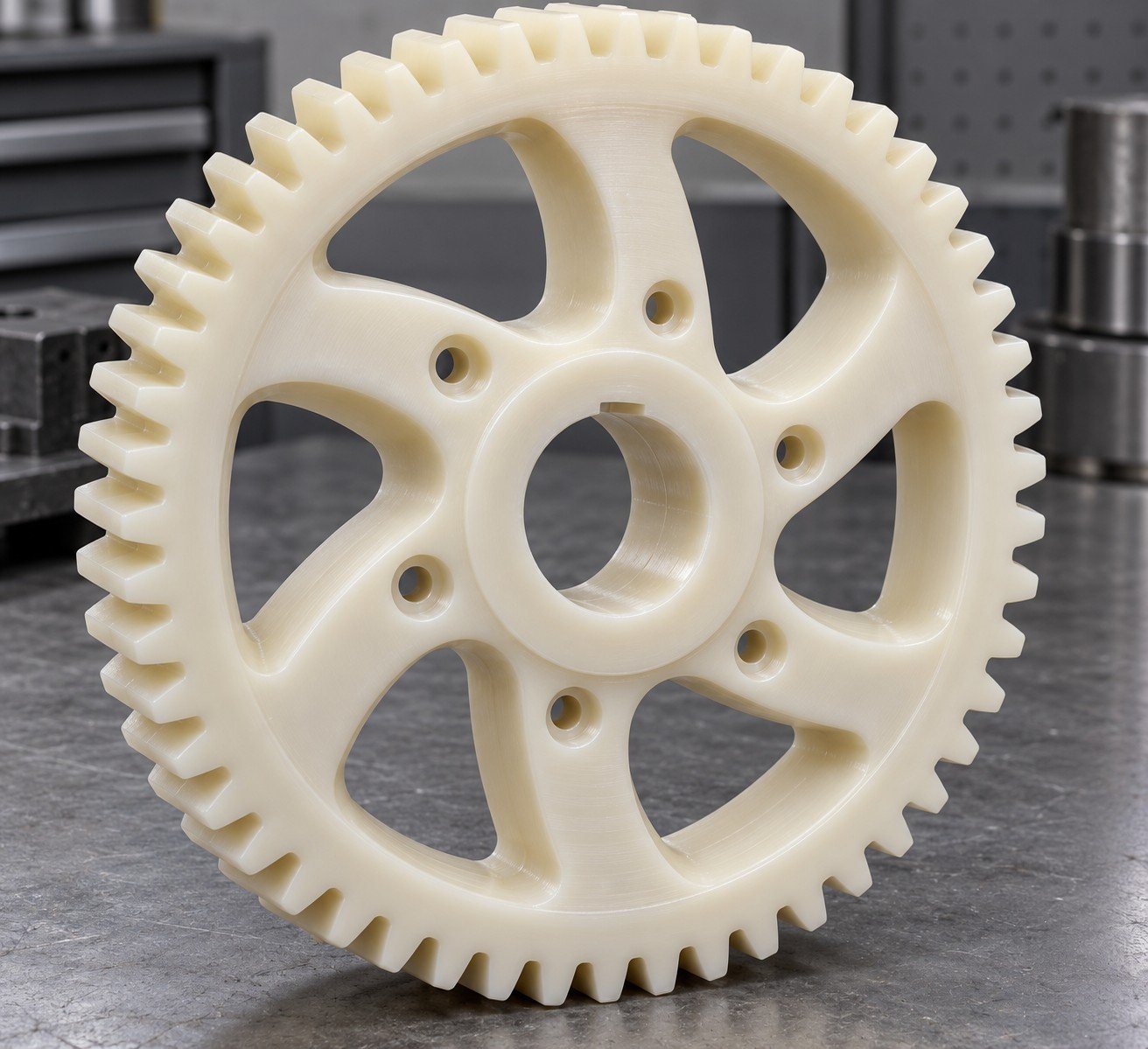
For your nylon dimensional stability review, keep dry and conditioned values separate. A PA family name does not specify every formulation, test specimen or delivery condition.
| Your reference | What to confirm |
|---|---|
| Product identity | TECAST T natural |
| Dataset | Current manufacturer product data |
| Acceptance | Actual part and agreed inspection state |
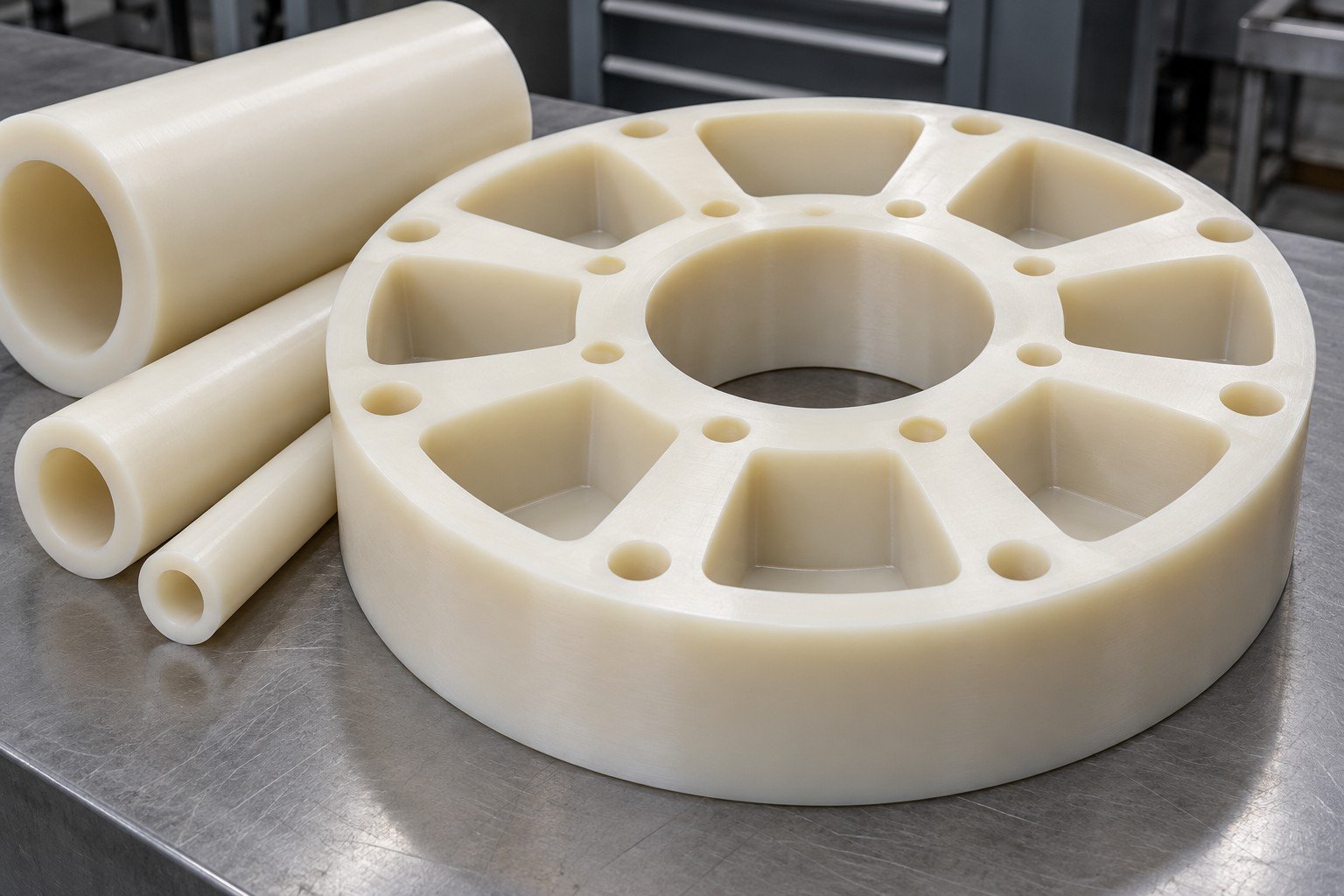
Nylon moisture absorption can change dimensions and mechanical response. Nylon machining tolerances and nylon press fit allowances need your actual stock, size, mating material and service conditions.
| Your reference | What to confirm |
|---|---|
| Moisture state | Dry, conditioned or agreed service state |
| Your interface | Load, temperature, humidity and clearance |
| Measurement | Datums, method and stabilization conditions |
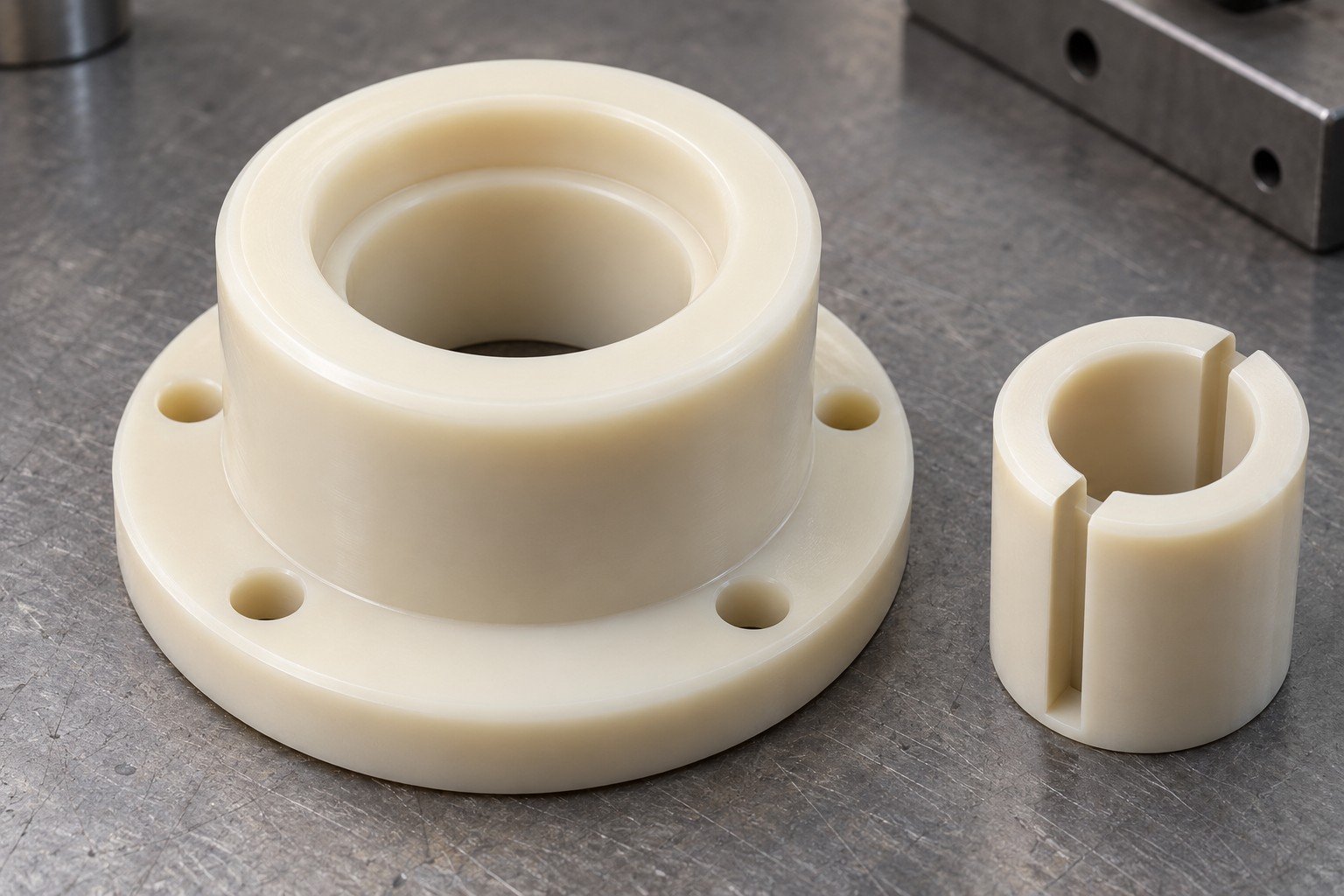
For your nylon machining material certification review, agree which supplier records identify the actual grade and lot. A family label or photograph cannot verify material identity.
| Your reference | What to confirm |
|---|---|
| Material identity | Full product, color, source and lot |
| Dimensions | Condition, sampling and measurement method |
| Function | Agreed wear tests and sample approval |
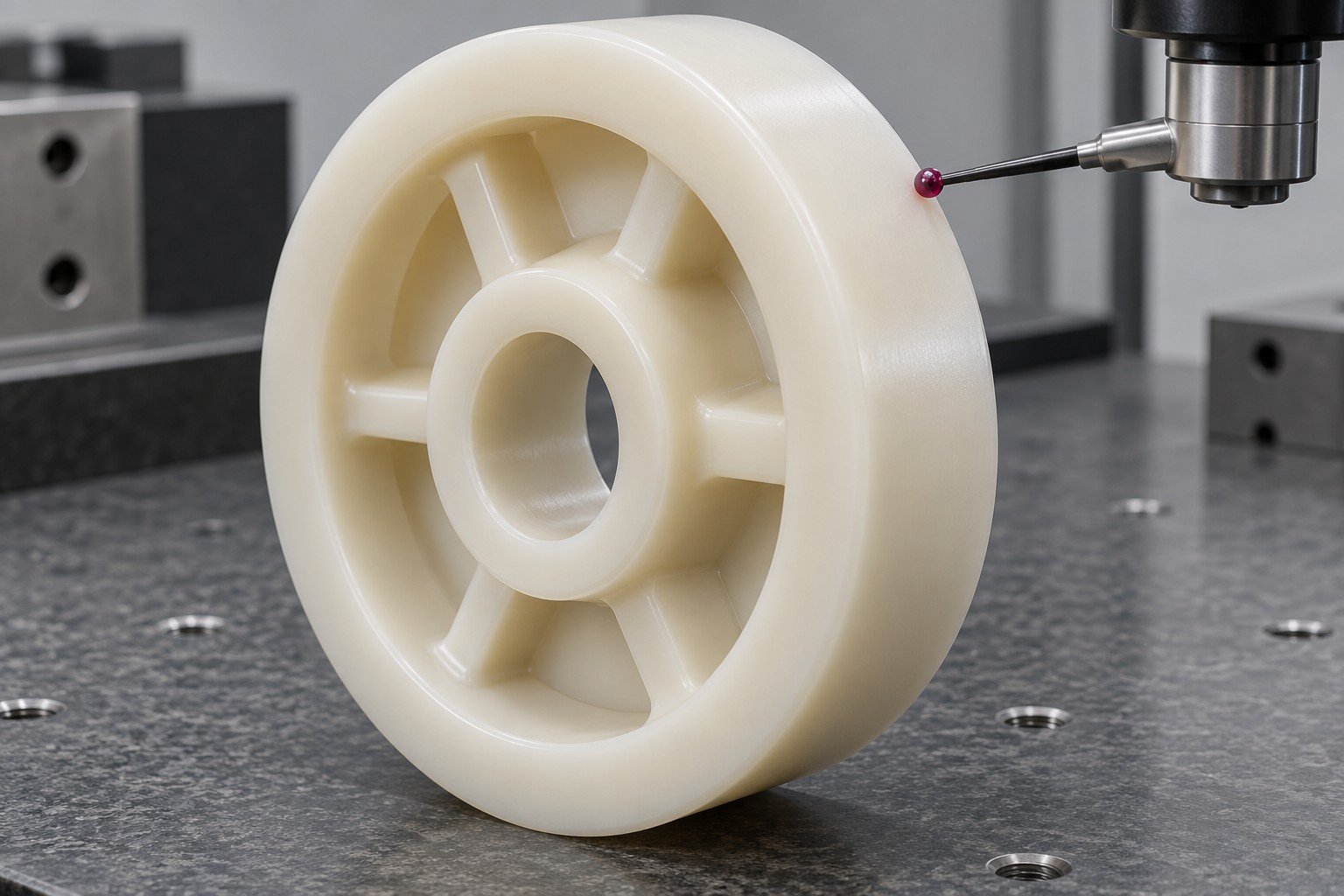
For your PA6 vs PA66 review, compare the complete stock products, moisture state, operating temperature and mating geometry.
| Your reference | What to confirm |
|---|---|
| Manufacturer | Ensinger |
| Material family & route | PA66 · extruded CNC stock |
| Purchasing form | Stock shapes for machining |
| Your review | Full product, color, lot, condition and fit |
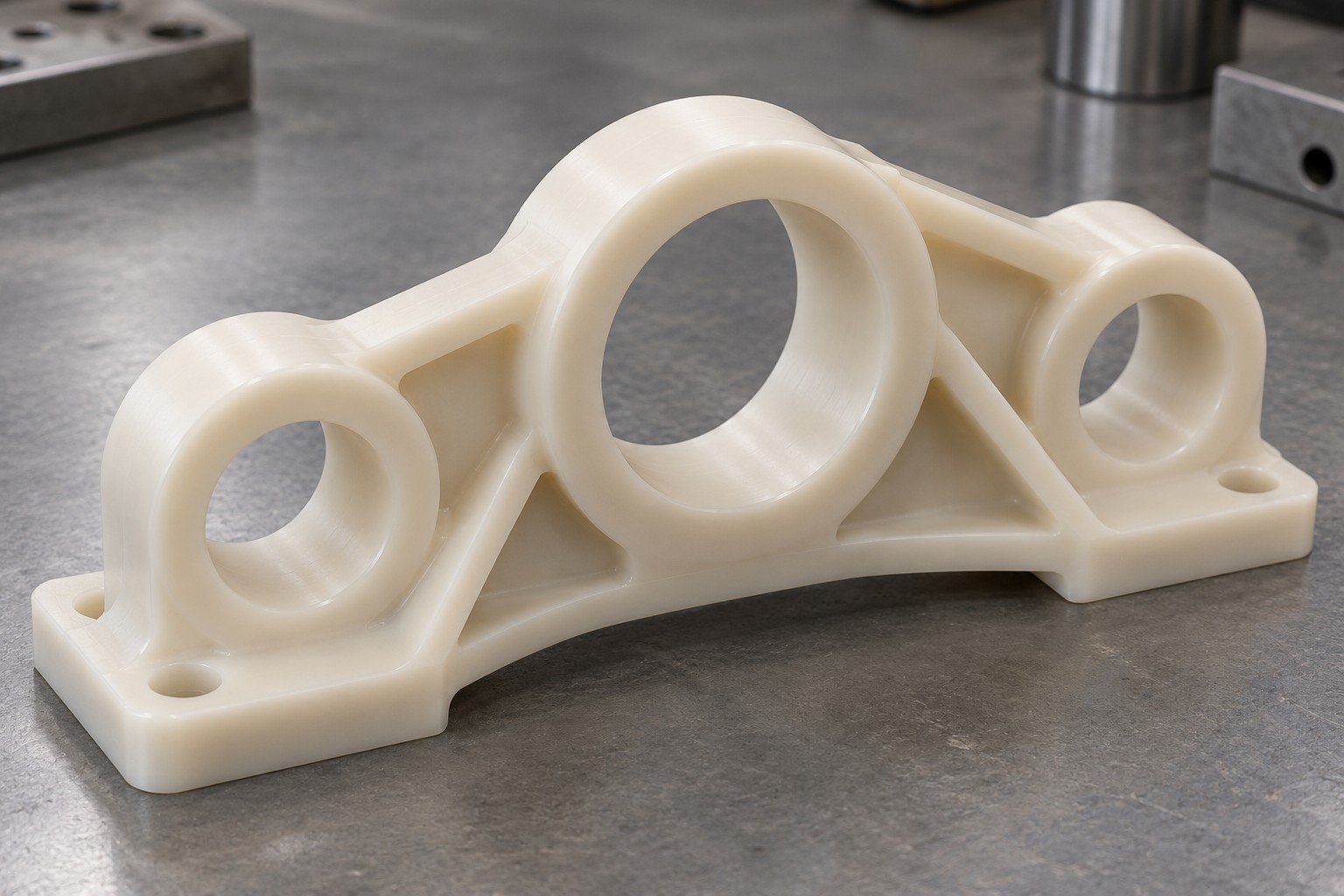
For your nylon dimensional stability review, keep dry and conditioned values separate. A PA family name does not specify every formulation, test specimen or delivery condition.
| Your reference | What to confirm |
|---|---|
| Product identity | TECAMID 66 natural |
| Dataset | Current manufacturer product data |
| Acceptance | Actual part and agreed inspection state |
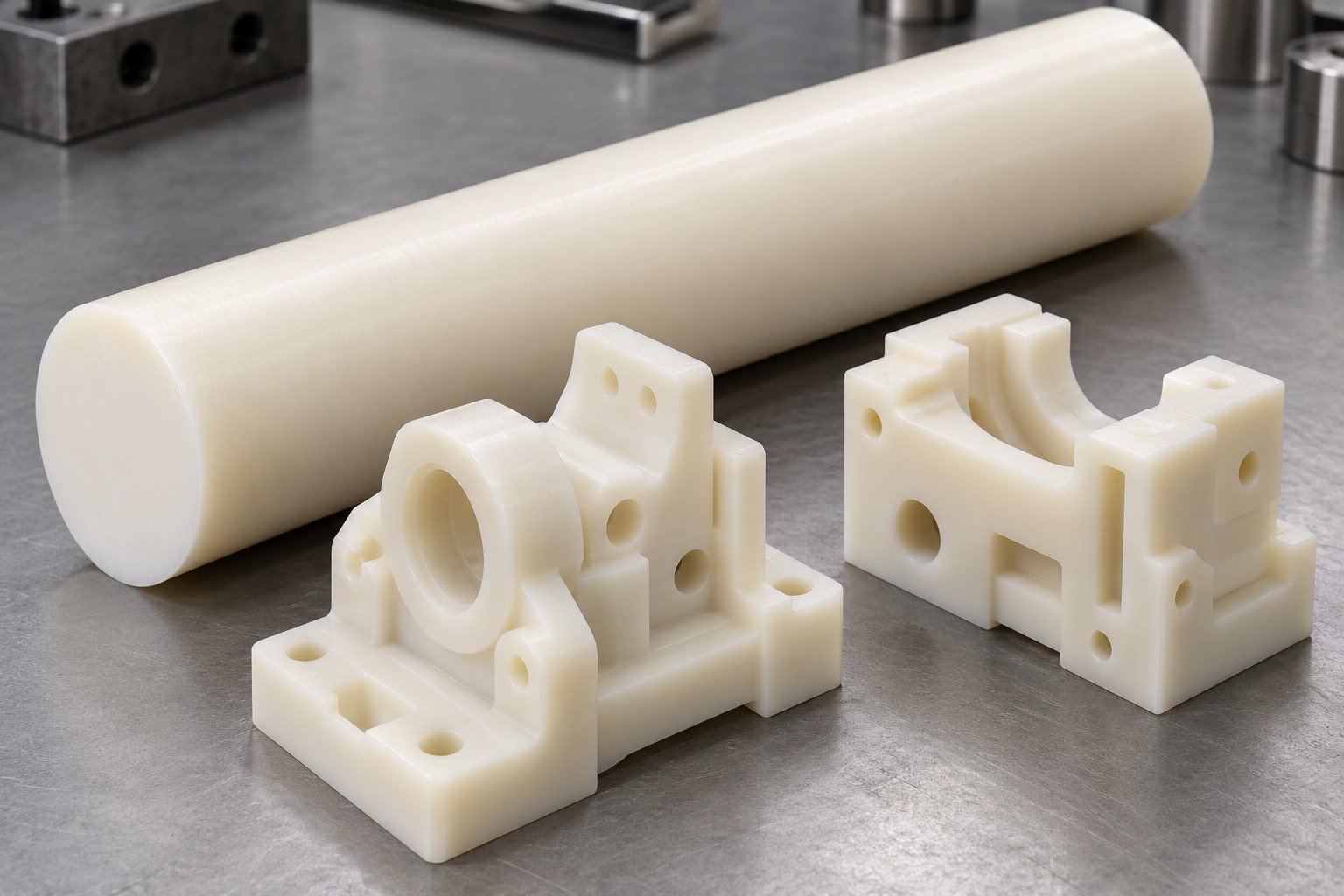
Nylon moisture absorption can change dimensions and mechanical response. Nylon machining tolerances and nylon press fit allowances need your actual stock, size, mating material and service conditions.
| Your reference | What to confirm |
|---|---|
| Moisture state | Dry, conditioned or agreed service state |
| Your interface | Load, temperature, humidity and clearance |
| Measurement | Datums, method and stabilization conditions |
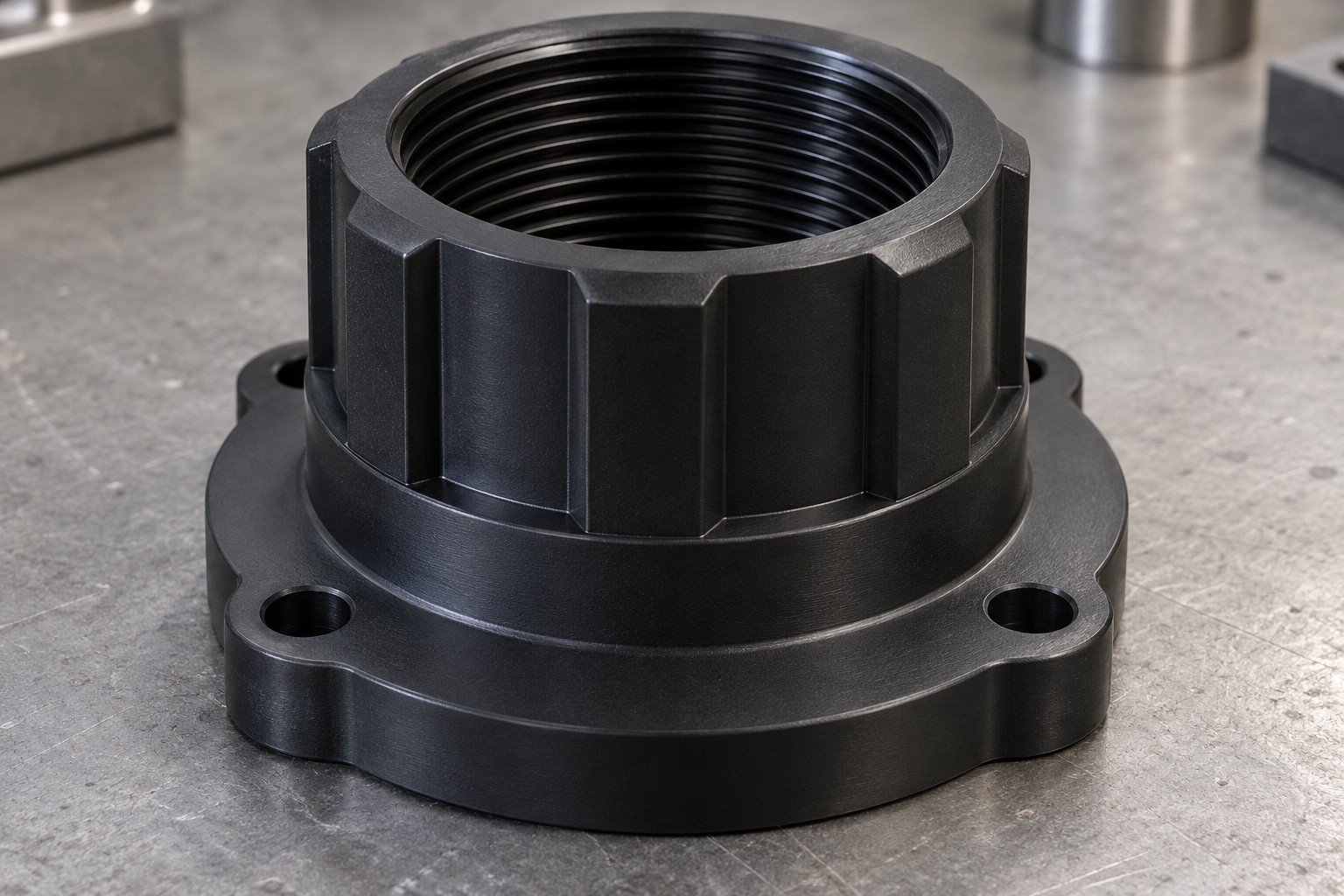
For your nylon machining material certification review, agree which supplier records identify the actual grade and lot. A family label or photograph cannot verify material identity.
| Your reference | What to confirm |
|---|---|
| Material identity | Full product, color, source and lot |
| Dimensions | Condition, sampling and measurement method |
| Function | Agreed wear tests and sample approval |
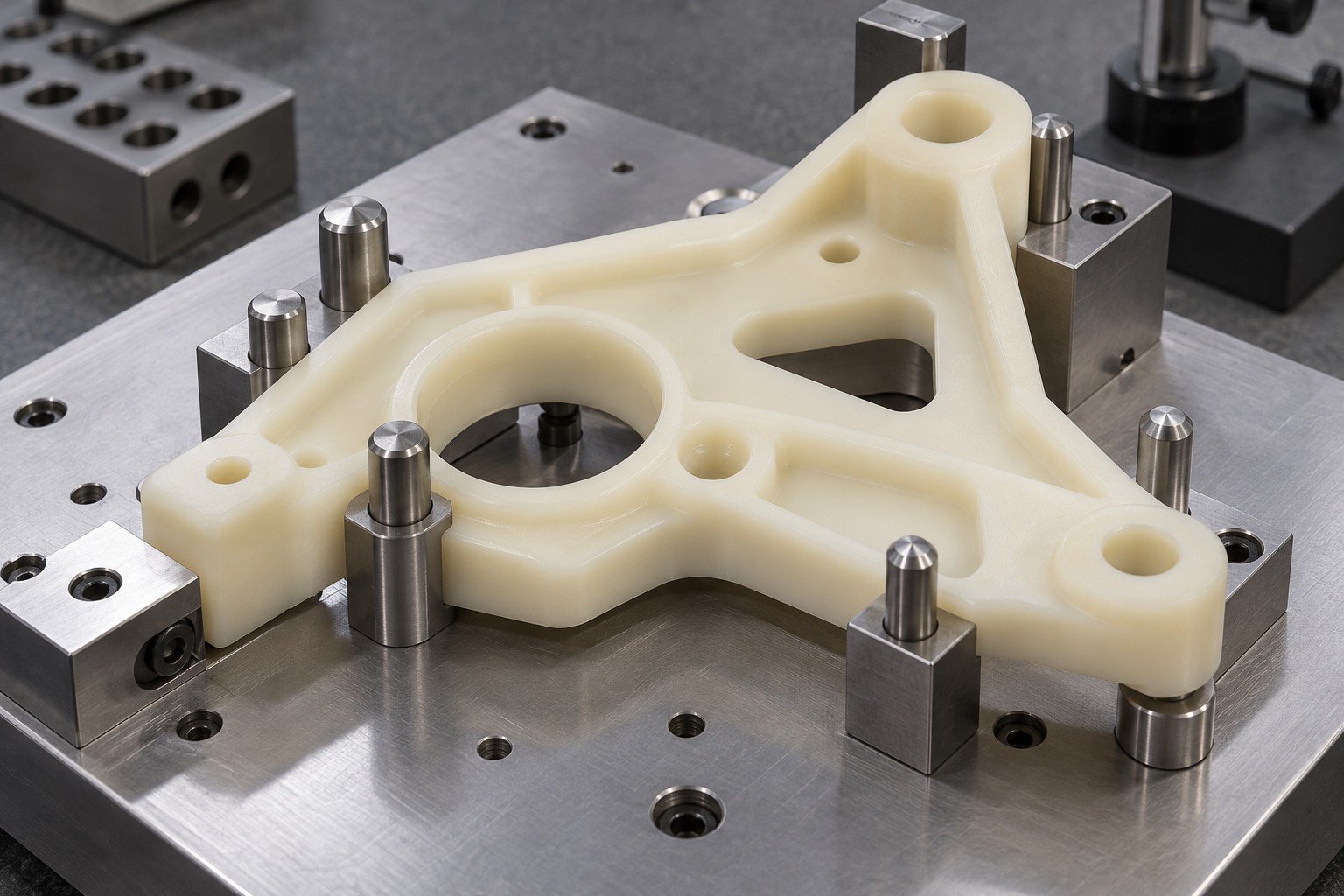
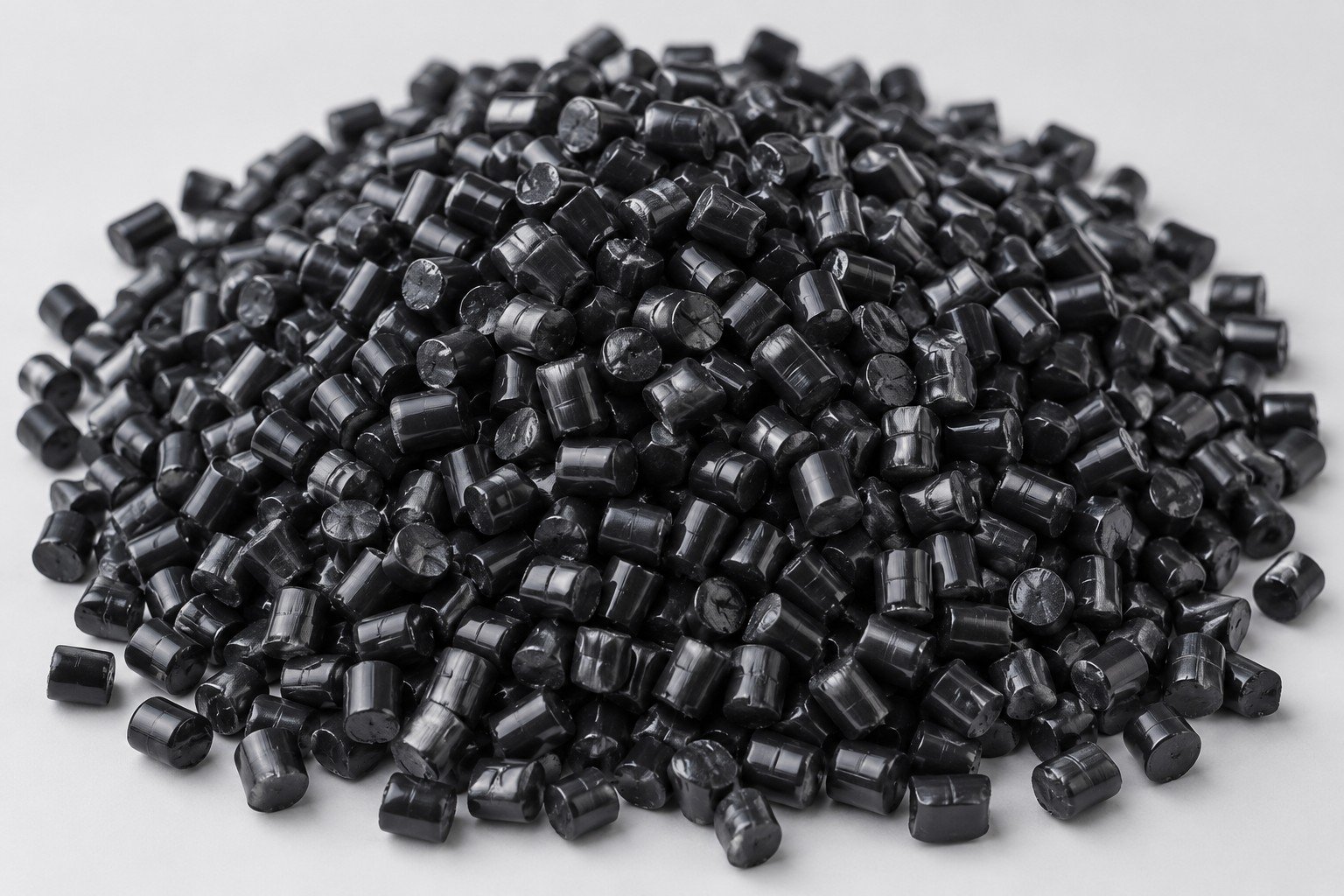
For your nylon injection molding review, specify the complete resin and color. The comparison below uses the current uncoloured B3S reference; a black color code needs its own current data.
| Your reference | What to confirm |
|---|---|
| Manufacturer | BASF |
| Material family & route | PA6 · molding resin |
| Purchasing form | Molding resin |
| Your review | Full product, color, lot, condition and fit |
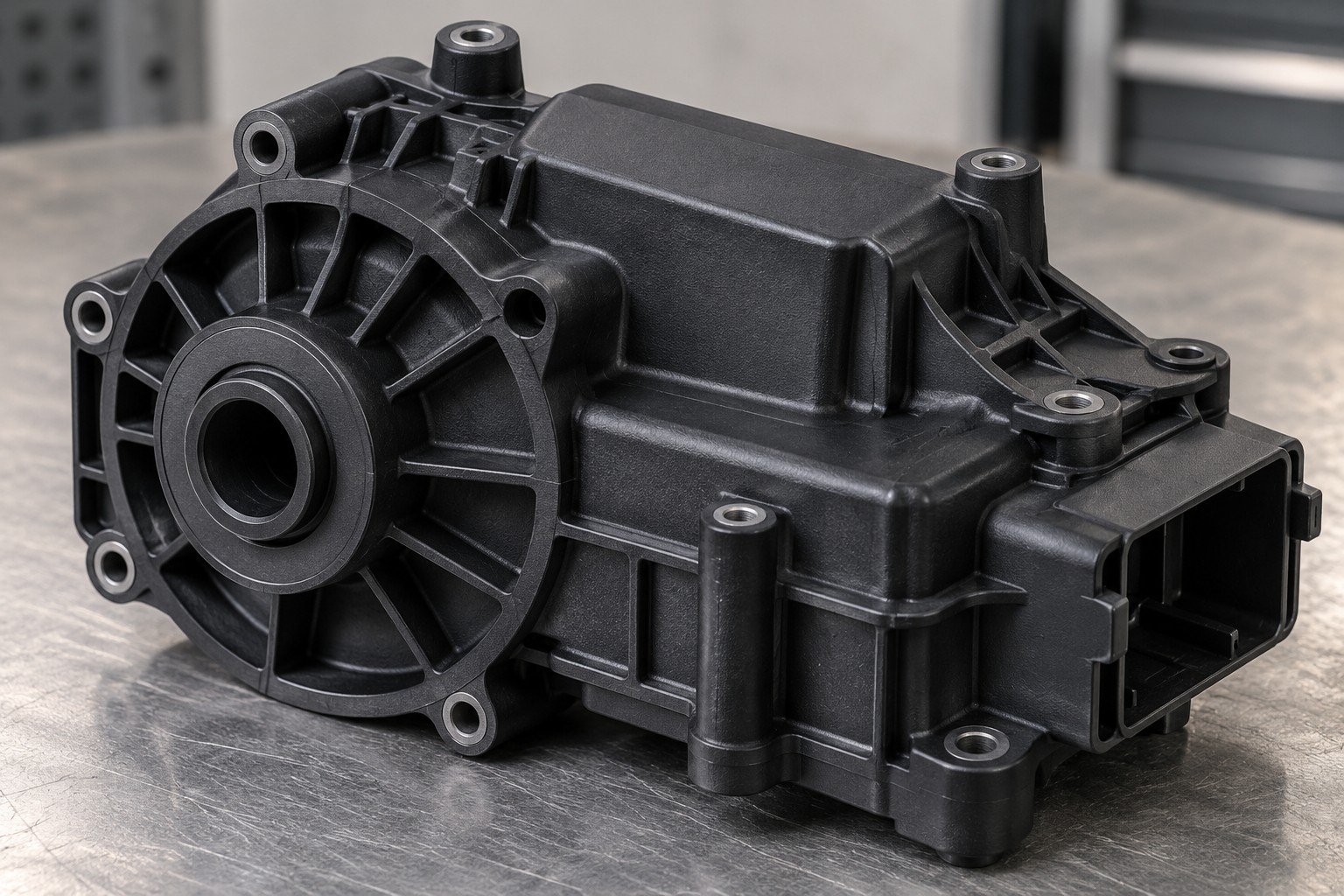
For your nylon dimensional stability review, keep dry and conditioned values separate. A PA family name does not specify every formulation, test specimen or delivery condition.
| Your reference | What to confirm |
|---|---|
| Product identity | Ultramid B3S |
| Dataset | Current manufacturer product data |
| Acceptance | Actual part and agreed inspection state |
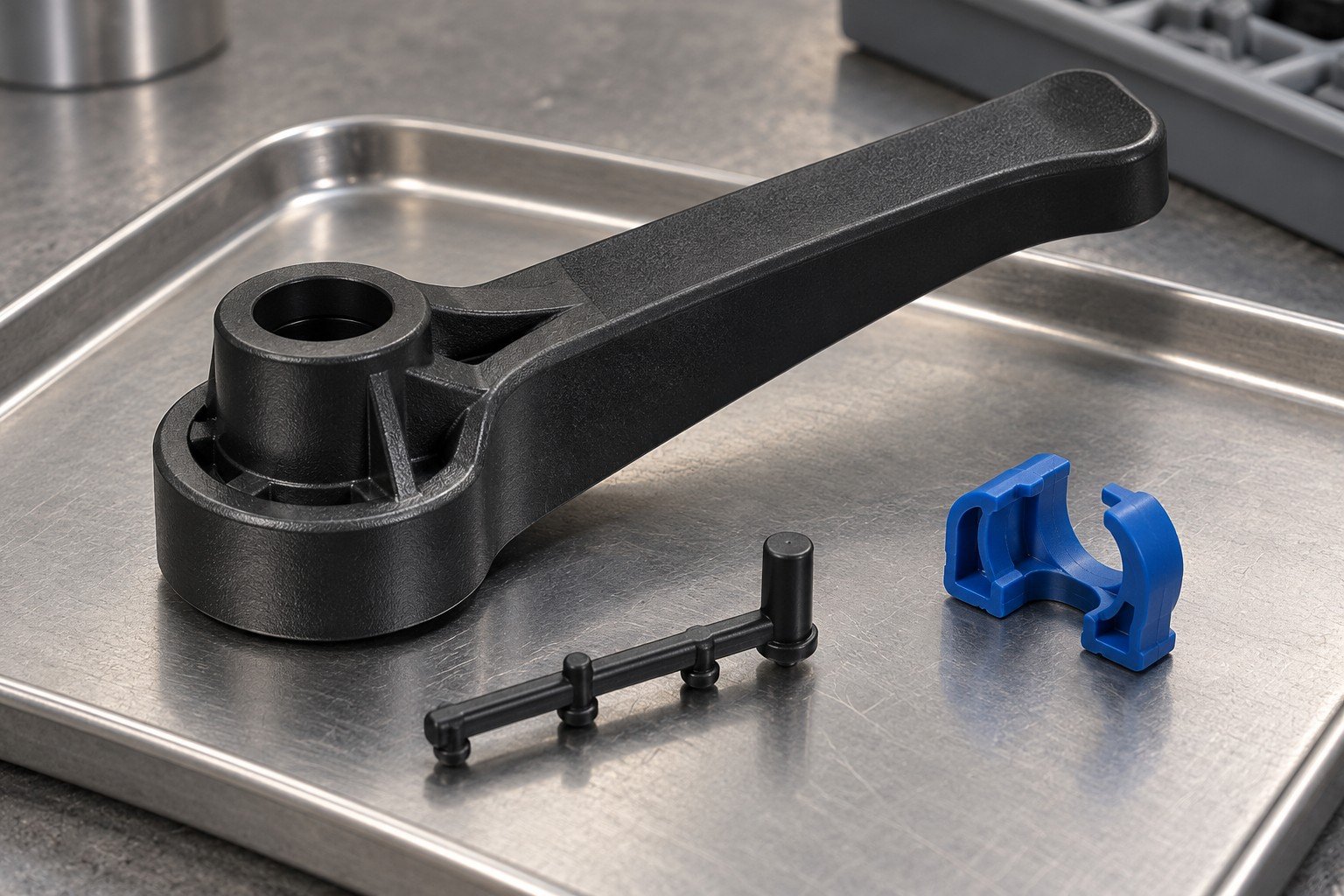
Nylon moisture absorption can change dimensions and mechanical response. Nylon machining tolerances and nylon press fit allowances need your actual stock, size, mating material and service conditions.
| Your reference | What to confirm |
|---|---|
| Moisture state | Dry, conditioned or agreed service state |
| Your interface | Load, temperature, humidity and clearance |
| Measurement | Datums, method and stabilization conditions |
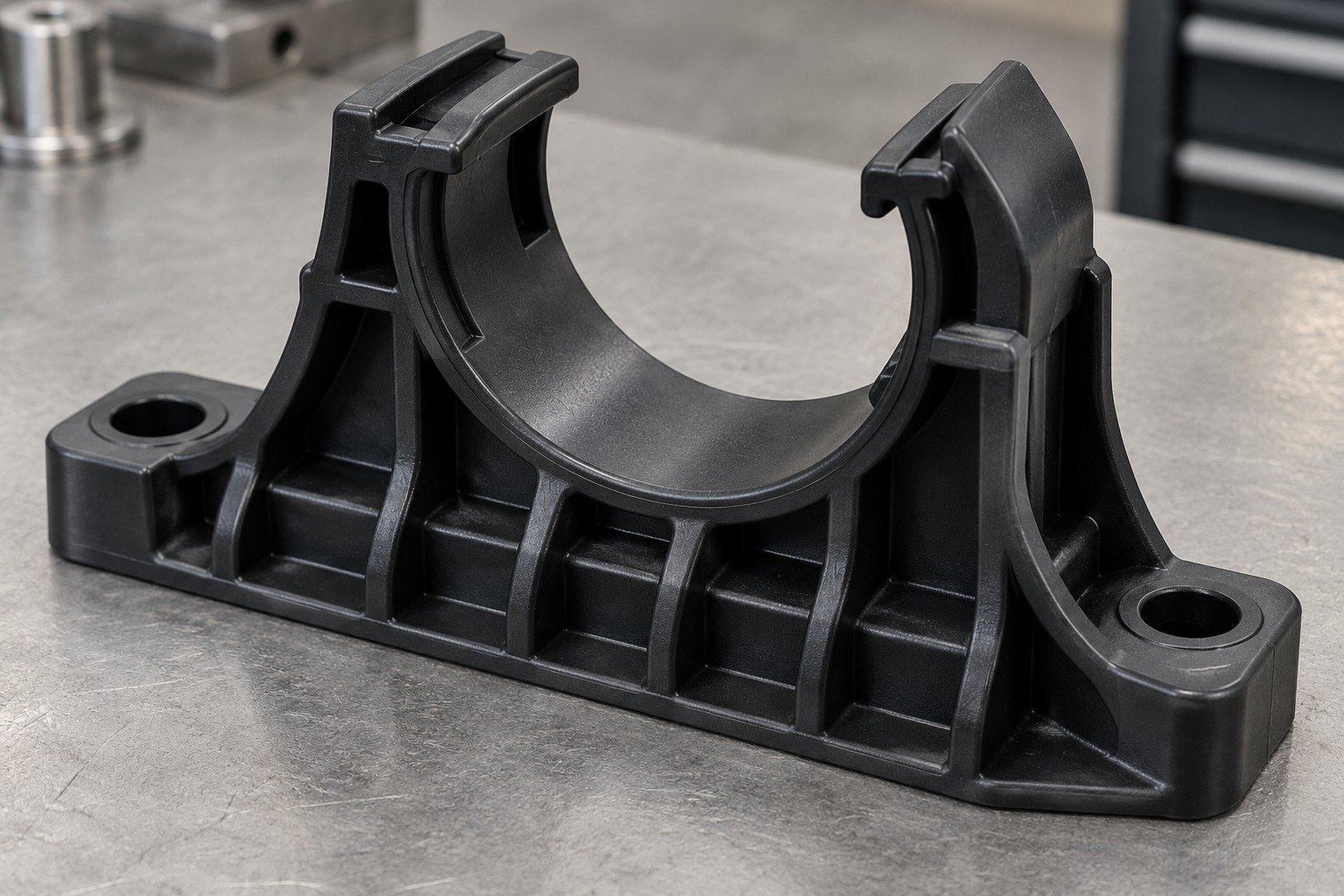
For your nylon machining material certification review, agree which supplier records identify the actual grade and lot. A family label or photograph cannot verify material identity.
| Your reference | What to confirm |
|---|---|
| Material identity | Full product, color, source and lot |
| Dimensions | Condition, sampling and measurement method |
| Function | Agreed wear tests and sample approval |
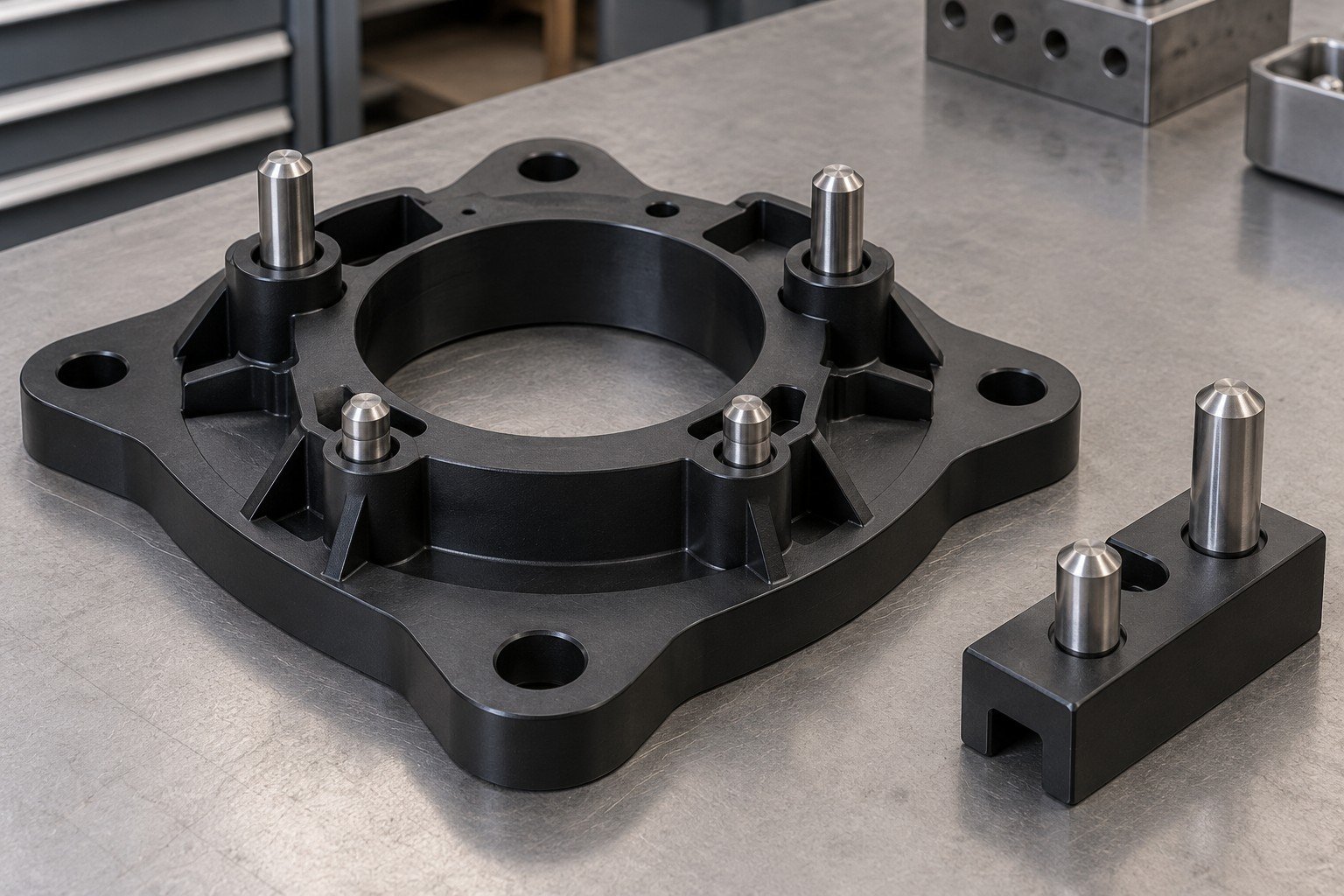
One PA6 resin, two states. This is not a ranking of all nylon grades.
Uncoloured product · 23°C · ISO 527-1/-2 · BASF 09/2026
Agree dry, conditioned or service-state inspection.
Review temperature, humidity and critical interfaces.
Define load, speed, counterface and lubrication.
Typical resin references, not design allowables. These are stiffness values, not dimensional-change percentages. Do not apply uncoloured resin data to BK00464, another color or CNC stock.
BASF current source →8 additional products, grouped by the question they help you review.
Stock and resin differ. Review fiber direction, mating wear and the full product.
Review load, speed, lubrication and counterface. Additives are not equivalent.
Review moisture exposure and finished fit for your PA12 machined parts.
Retain the full suffix; agree required material and application records.
Confirm current product version, application and supplier availability.
Confirm current product version and full resin callout before purchase.
Candidates for project review — not inventory, approvals or a guarantee of manufacturing capability. PA66 GF30 does not identify one unique replacement part number.
| Polymer / modification | What your order needs |
|---|---|
| PA6 / polyamide 6 | Cast or extruded stock, or exact resin grade |
| PA66 / polyamide 66 | Complete manufacturer product and supply condition |
| PA11 / PA12 | Separate polymer families; specify stock, resin or powder |
| GF / CF / lubricant modified | Exact filler type and grade-specific content; verify supplier evidence |
| Composition / analysis report | Actual lot, agreed method and supplier records |
Review your mating surfaces and working conditions before selecting the grade.
For conditioned nylon dimensions, define the sample state and measurement method. Water-absorption weight % is not linear dimensional growth. Drying resin before molding and conditioning a finished part are different operations.
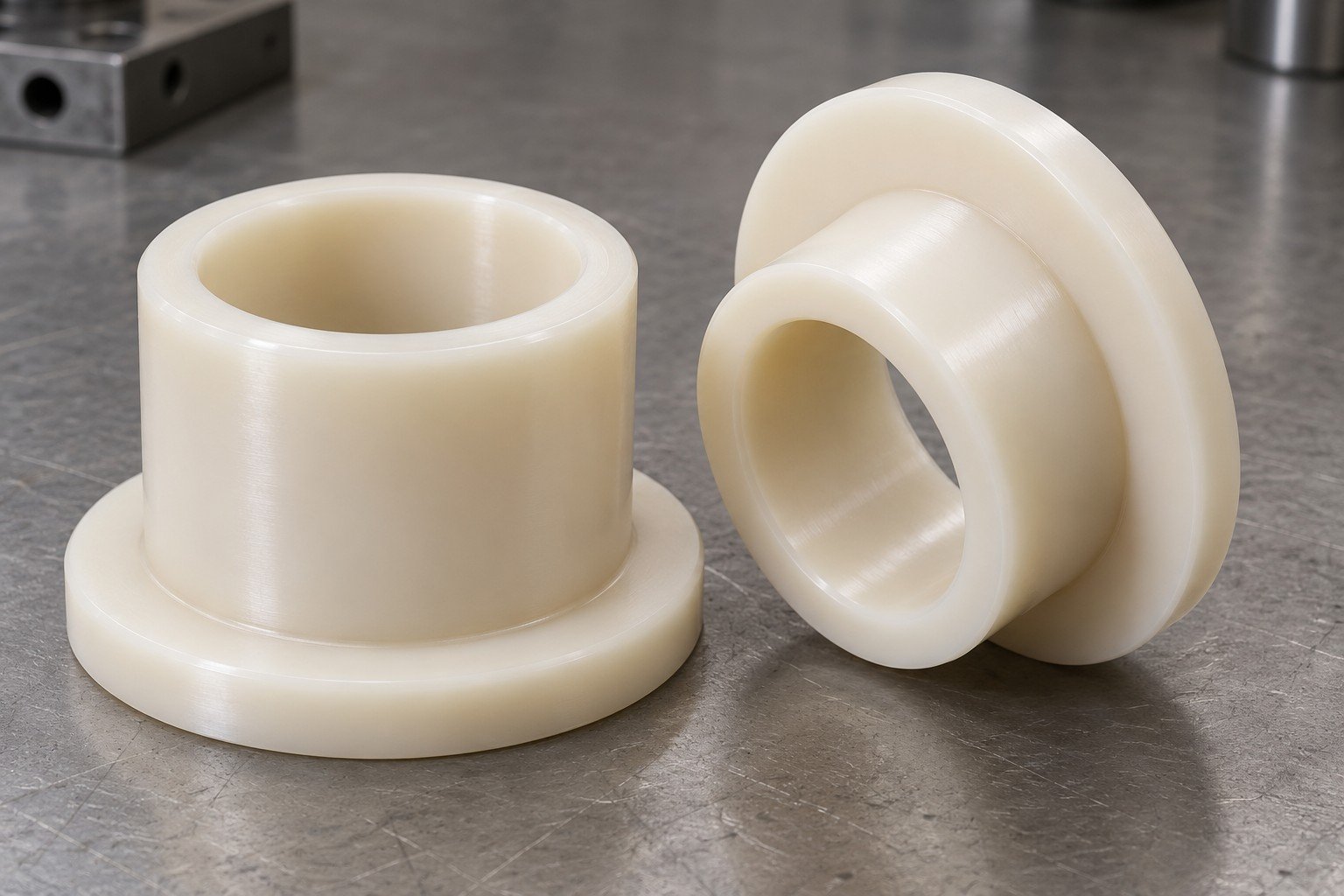
Review wall transitions, support and material removal. For nylon injection molding warpage, consider geometry, resin condition, gating, cooling and filler direction together.
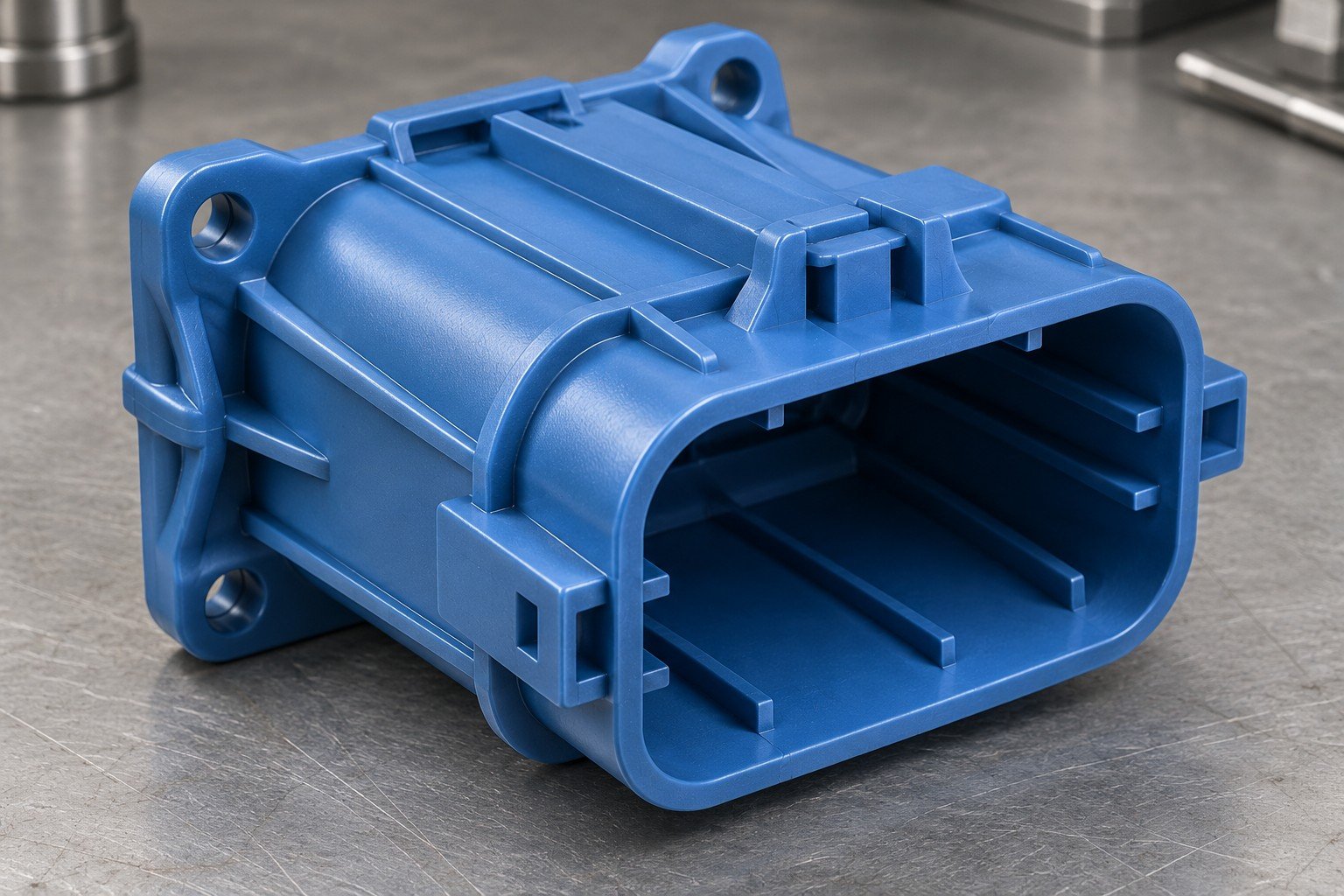
Nylon bushing clearance and nylon gear wear depend on load, speed, counterface, lubrication and working environment. An oil filled nylon machining option is not an automatic replacement for unfilled stock.
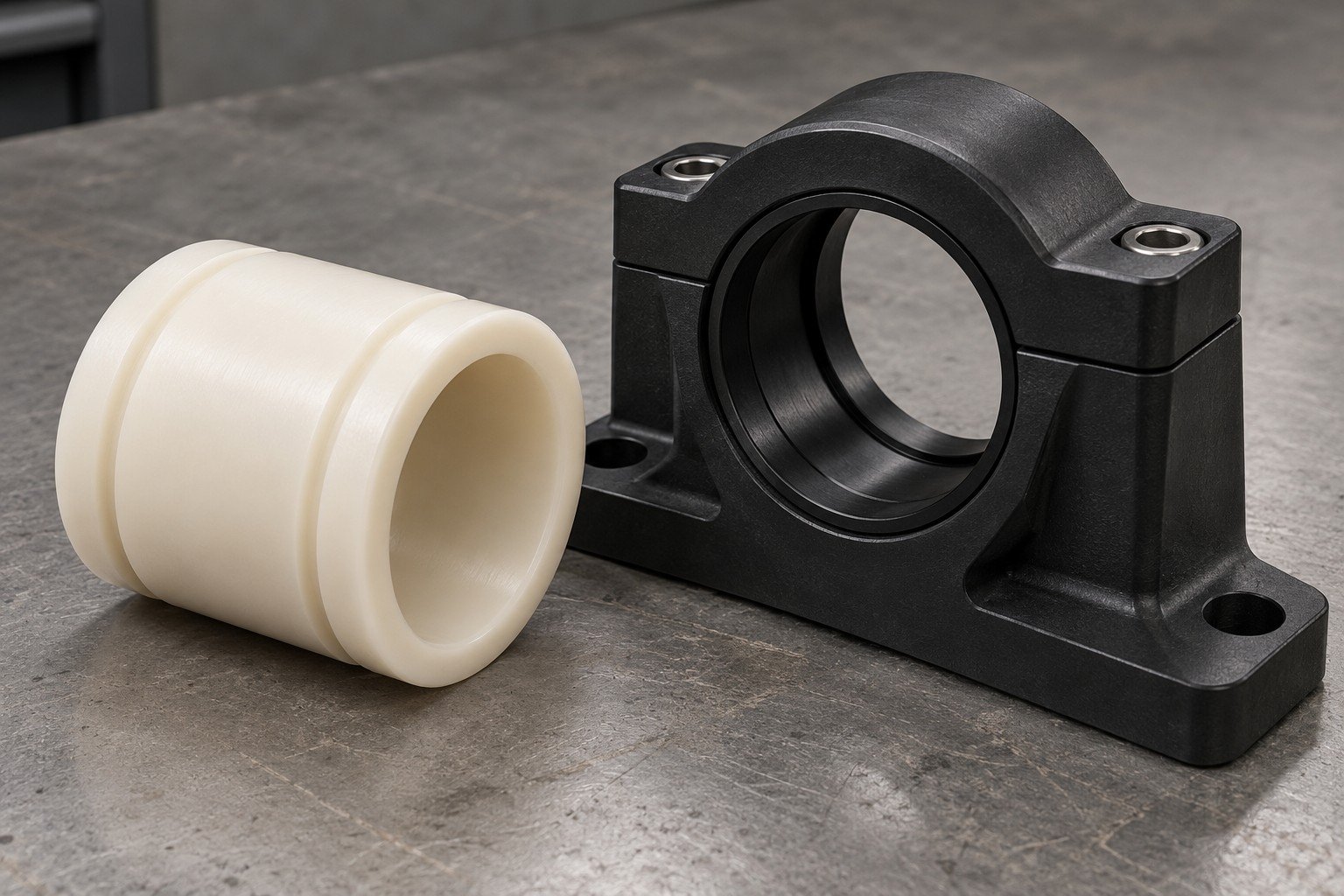
Nylon glass fiber orientation can influence molded dimensions. Glass filled nylon may expose fibers at the surface; agree cosmetic faces and mating wear rather than assuming higher filler is always better.
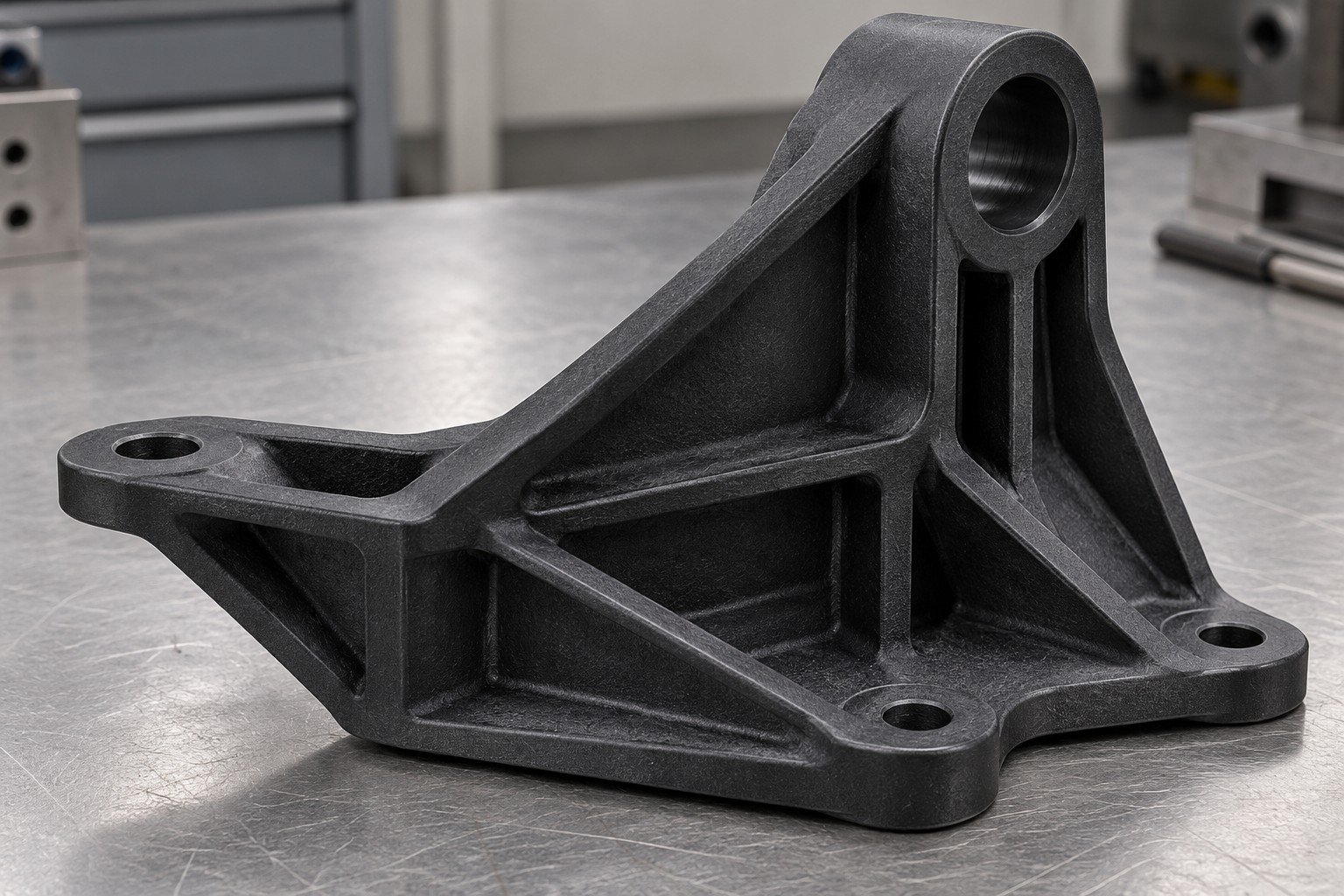
Review insert type, retention loads and moisture-related fit changes. Specify allowable nylon machining burrs, edge breaks and the inspection of critical bores.
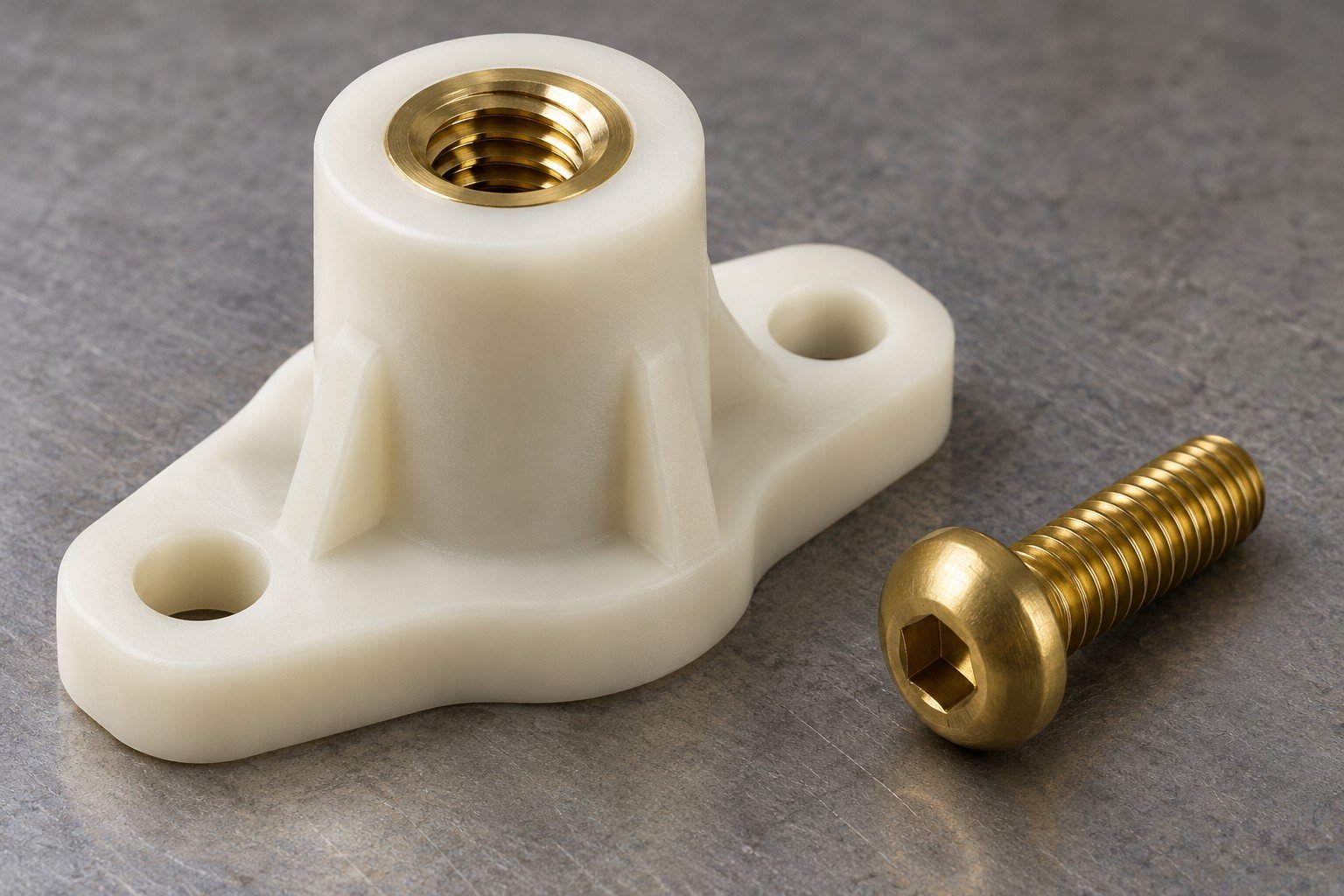
For nylon molded parts inspection or machined parts, state datums, moisture condition, temperature and sampling. Record material identity separately from dimensional and functional acceptance.
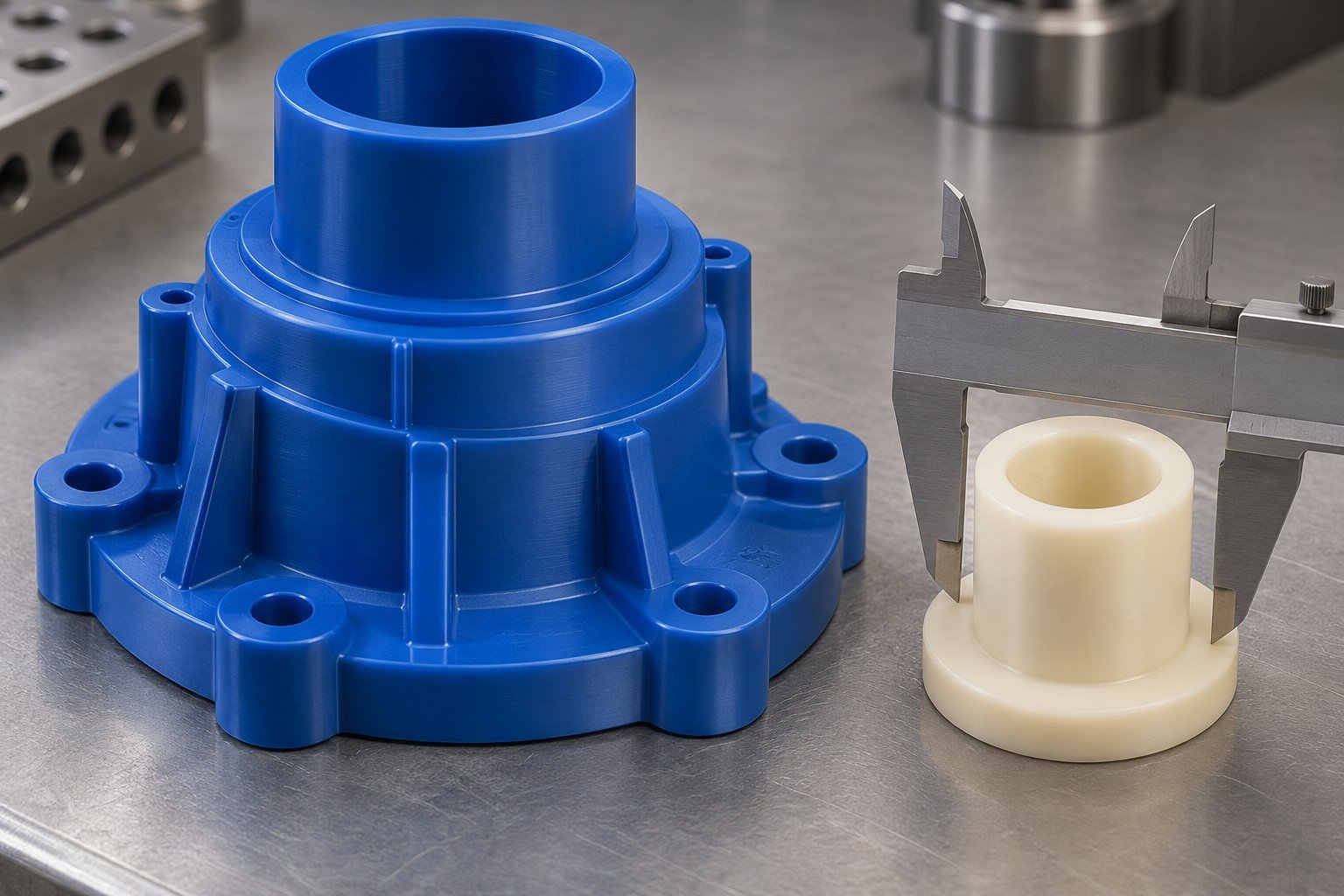
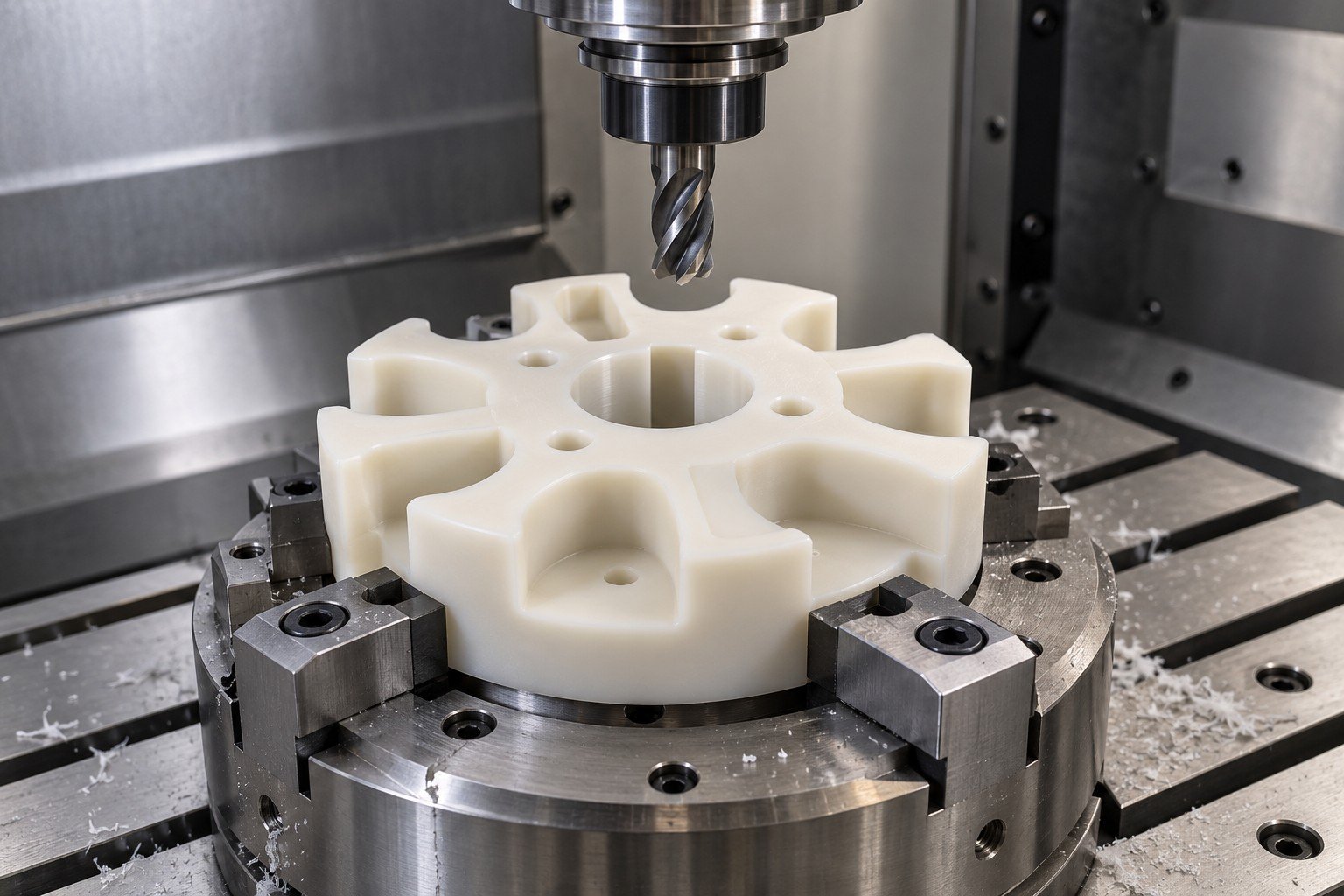
For nylon prototype machining, confirm stock, removal sequence, datums and finished-fit state.
Explore service →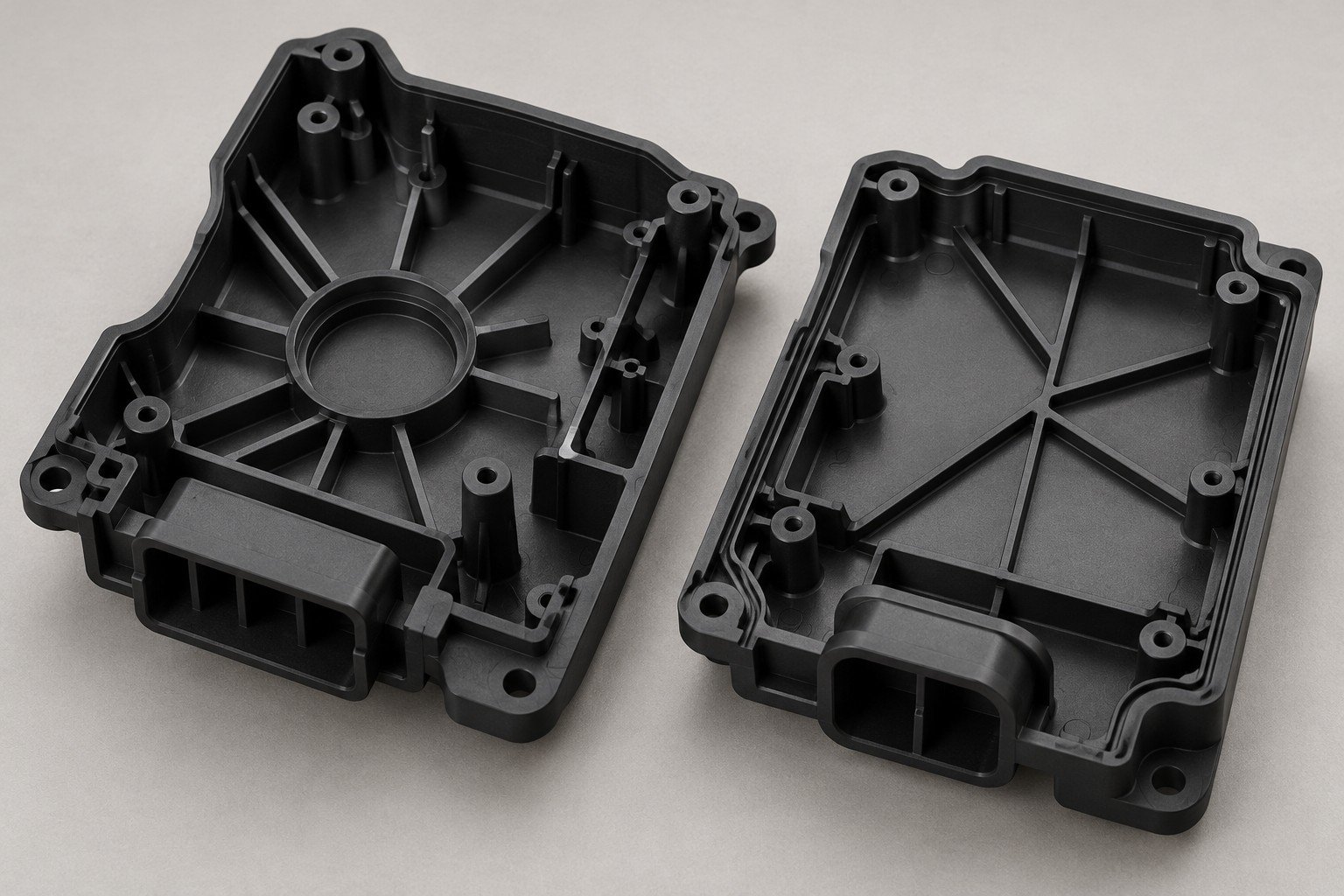
Review resin, drying, tooling and sample acceptance. PA6 GF30 injection molding, PA66 GF30 injection molding and PA12 injection molding need separate grade-specific plans.
Explore service →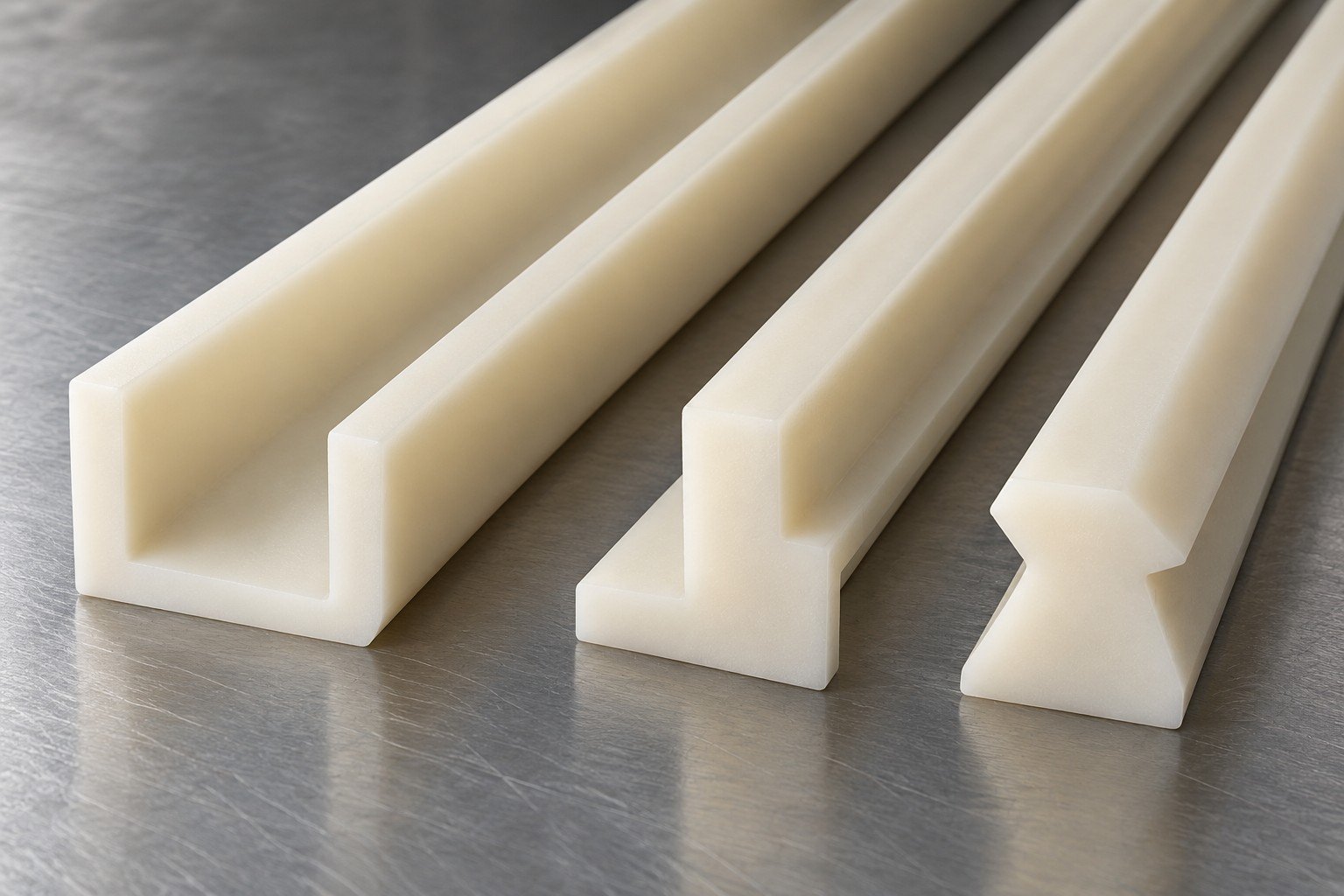
Service scope and material availability are confirmed in your quotation. A machined prototype does not validate molding shrinkage or production wear life.
Full product, color, lot and manufacturing route.
Moisture state, environment, datums and measurement.
Agreed tests, sample approval and required documents.
Agree the evidence and sampling for your part. Photographs cannot identify the polymer or glass content.
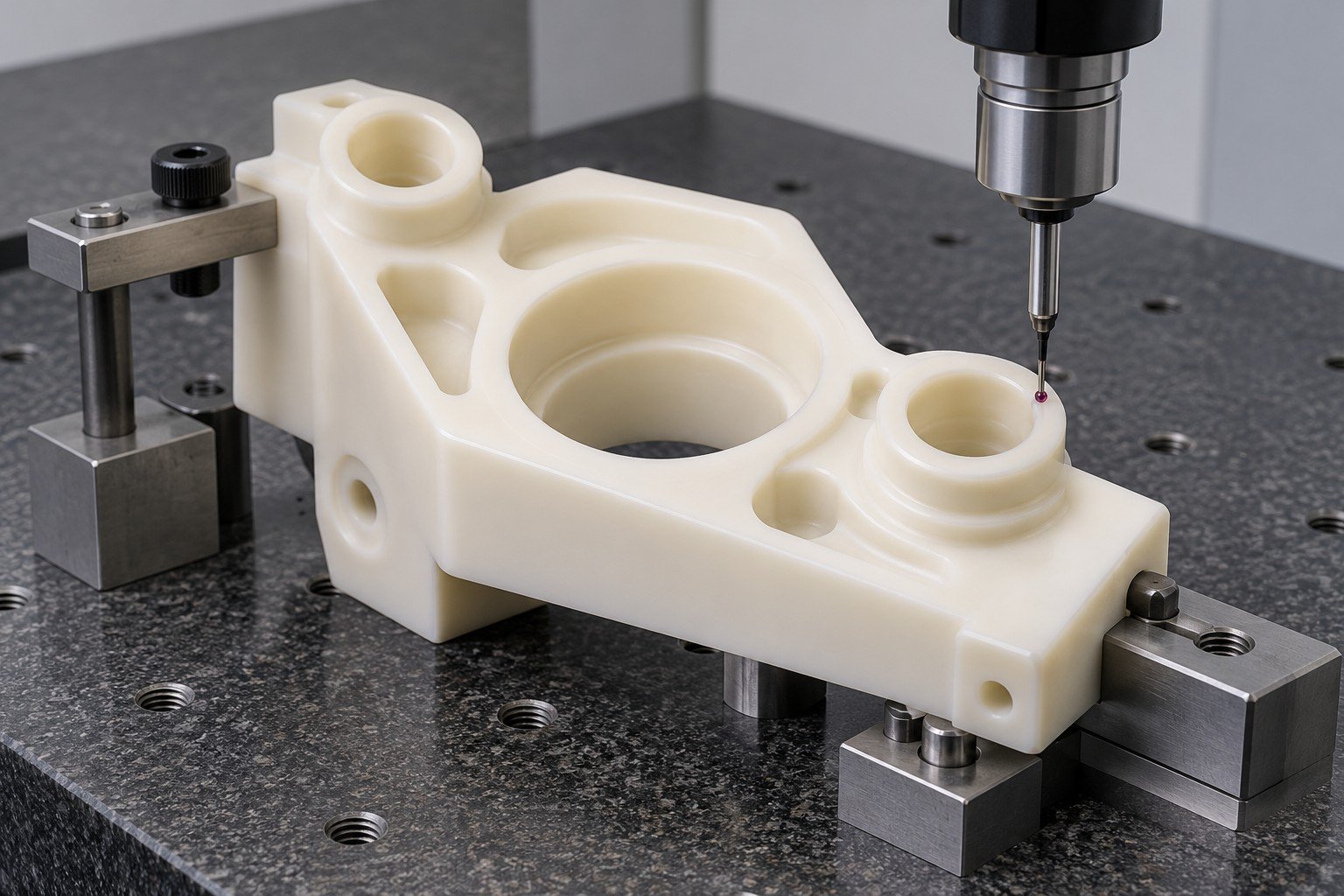
Material · Blank size · Machining or tooling · Conditioning · Inspection · Delivery
Agree the state with the drawing authority. Specify actual grade, temperature, humidity or moisture target, stabilization and measurement method. A dry result does not establish the same fit after service exposure.
Not automatically. Compare exact products, stock or resin route, moisture state, loads and finished-part requirements; obtain approval before changing the callout.
No. Resin drying controls moisture before processing. Finished-part conditioning establishes an agreed state for properties, dimensions or service evaluation. Use the exact manufacturer guidance.
Review its exact product data and your humidity, load, temperature and geometry against the specified PA6 or PA66 option. Lower moisture uptake alone does not prove the final part will meet your drawing.
No. Reinforcement changes stiffness and can affect counterface wear. Agree the mating material, load, speed, lubrication and wear test for the actual grade.
Review actual resin identity and moisture, drying records, processing history, venting and part geometry. Appearance alone does not prove one cause; validate changes through controlled trials.
They can help review geometry and assembly fit. Resin identity, flow orientation, shrinkage, moisture state and production functional performance still require molded-sample validation.
For your nylon gears manufacturer or nylon bushings manufacturer review, define load, speed, cycles, mating surface, lubrication, temperature and humidity, plus the permitted wear and clearance change.
Send CAD and controlled drawing, complete material product and color, stock or resin route, quantities, loads, mating parts, moisture and fit conditions, finish, inspection records and delivery needs.
Compare the same drawing and material scope: blank utilization, machining or tooling, quantities, critical fits, conditioning, inspection and secondary work. Nylon low volume injection molding and machining require separate cost reviews.
Material references: Ensinger · BASF · Arkema. Confirm current documents for your exact product, color and form. Supply and manufacturing scope require project confirmation.