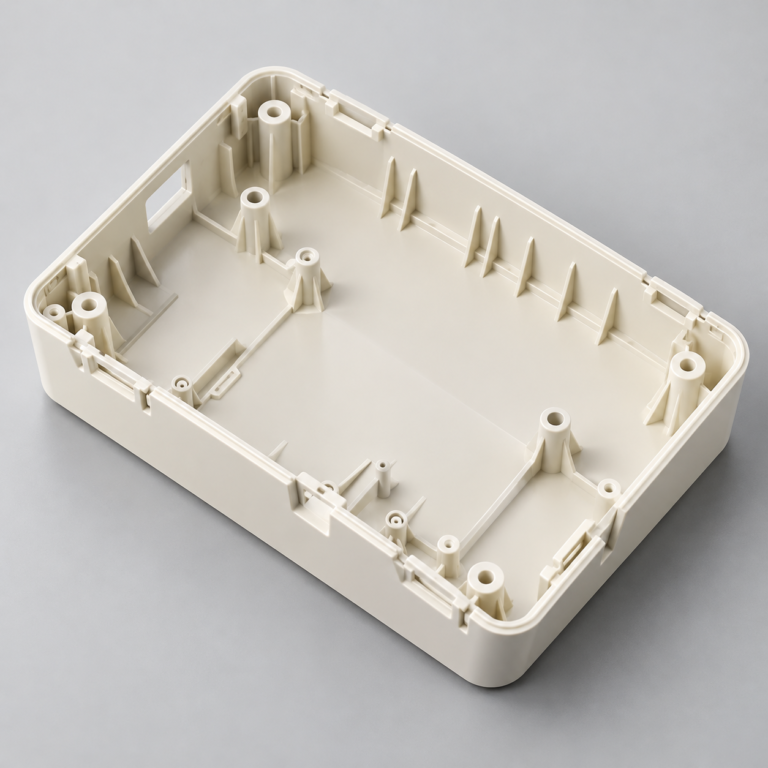
Injection Molding
Tooling and molding for your repeat plastic parts.
From prototype to production, coordinated manufacturing solutions for your custom parts.
View All Services →
Precision parts for your tight tolerances and complex geometry.
Tooling and molding for your repeat plastic parts.
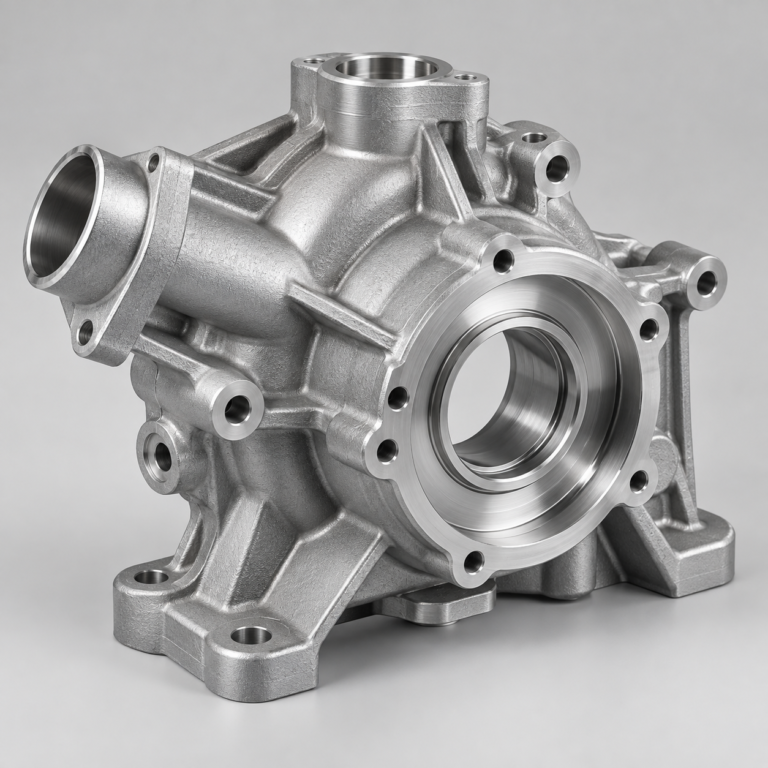
Metal casting options for your part and production volume.
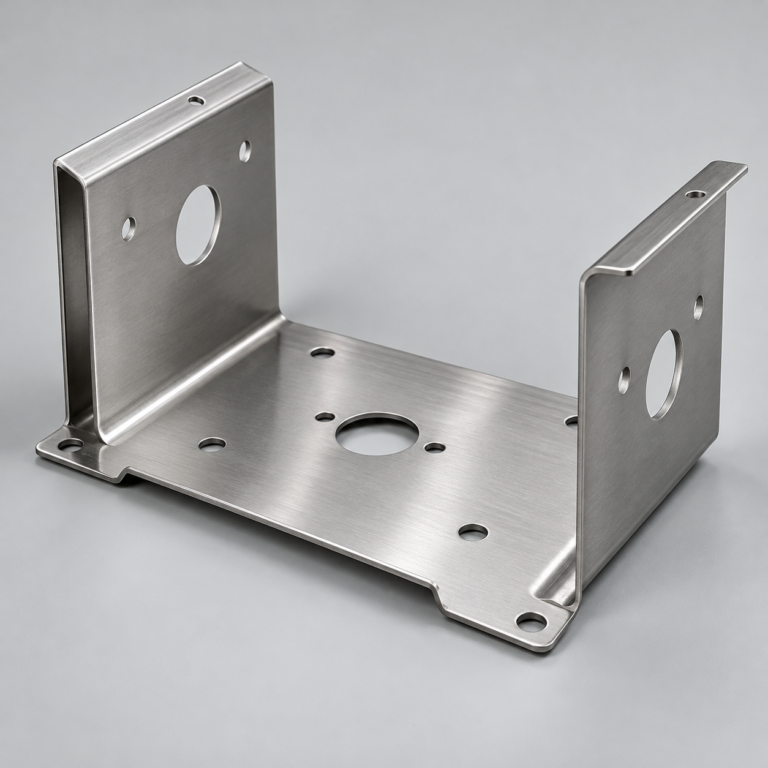
Cutting, forming and welding for your fabricated parts.
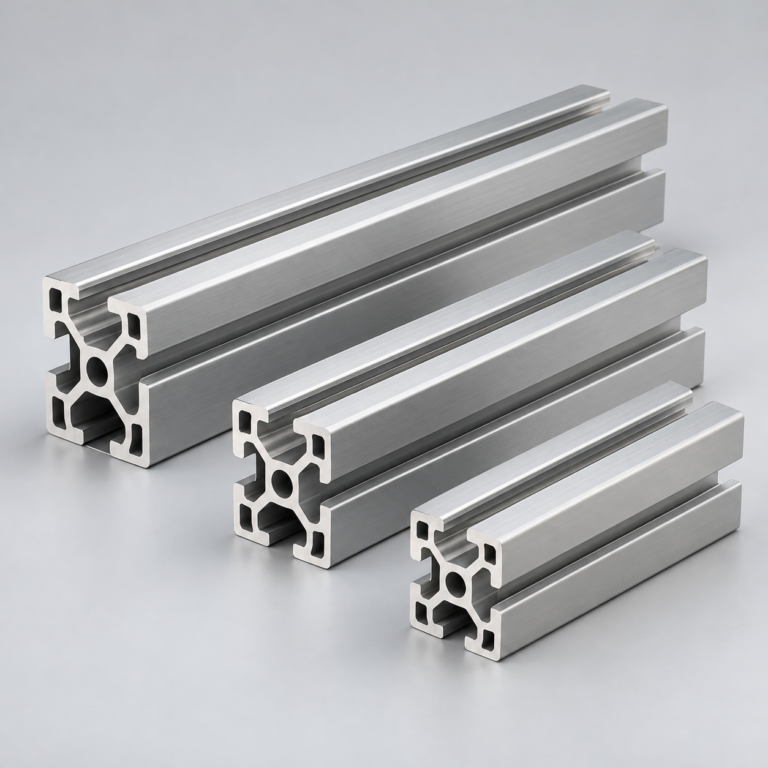
Custom profiles for your section, length and finish requirements.
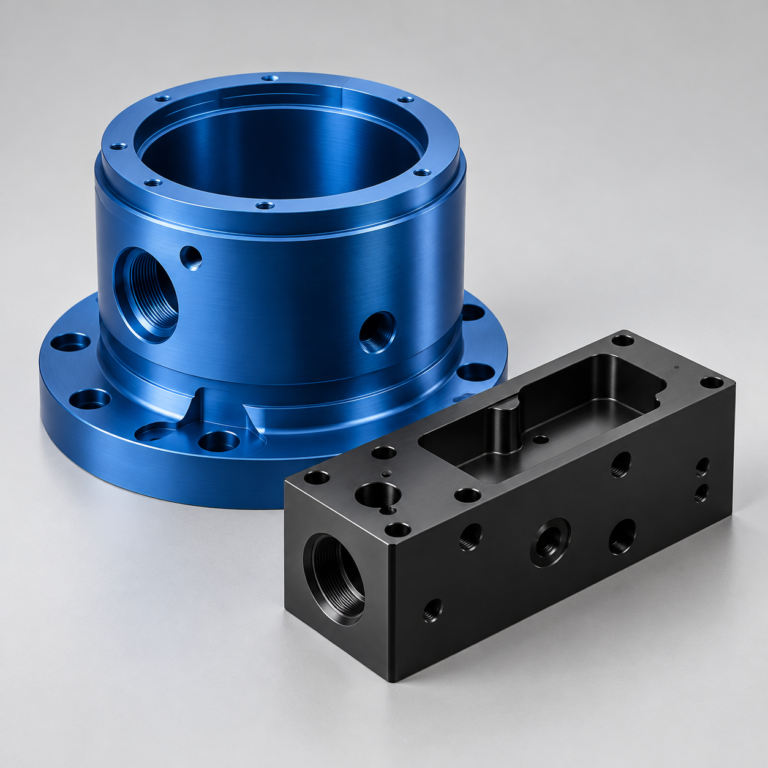
Finishes for your appearance, corrosion and wear requirements.
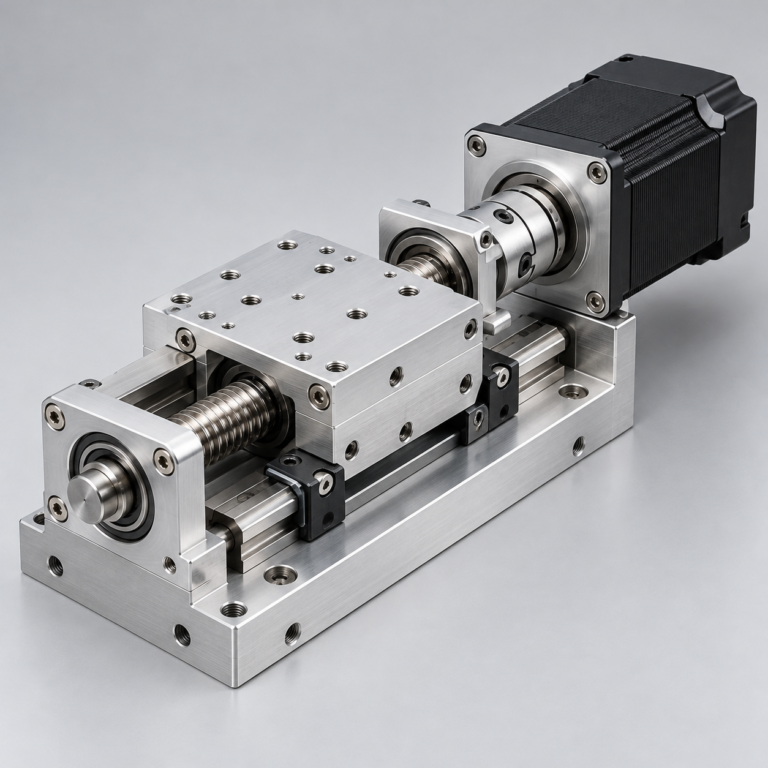
Sub-assemblies and final builds for your production program.
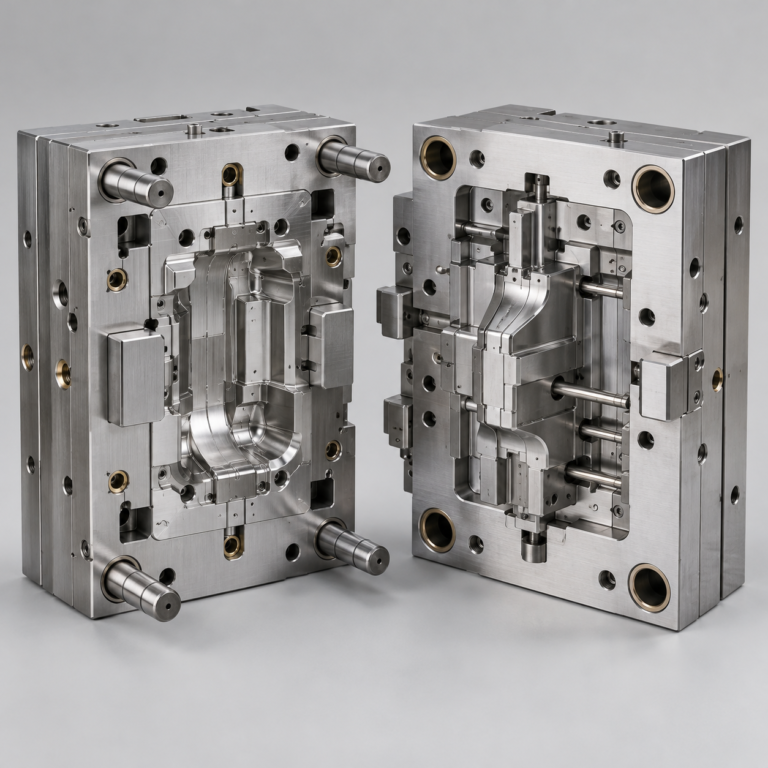
Production tooling built around your process and volume.
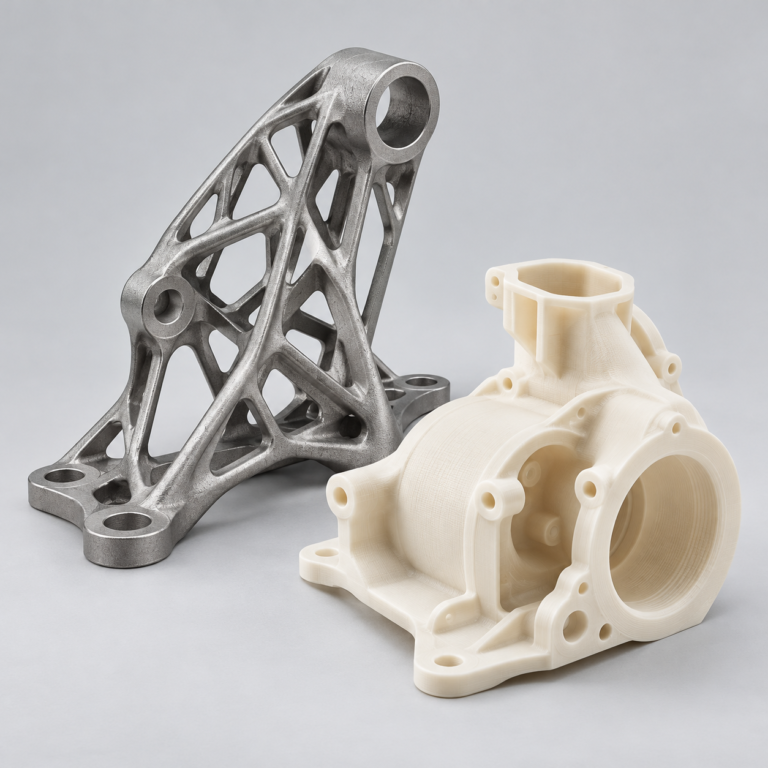
Prototype parts to check fit, function and design.
Choose air- or liquid-cooling components around your thermal and mechanical requirements.
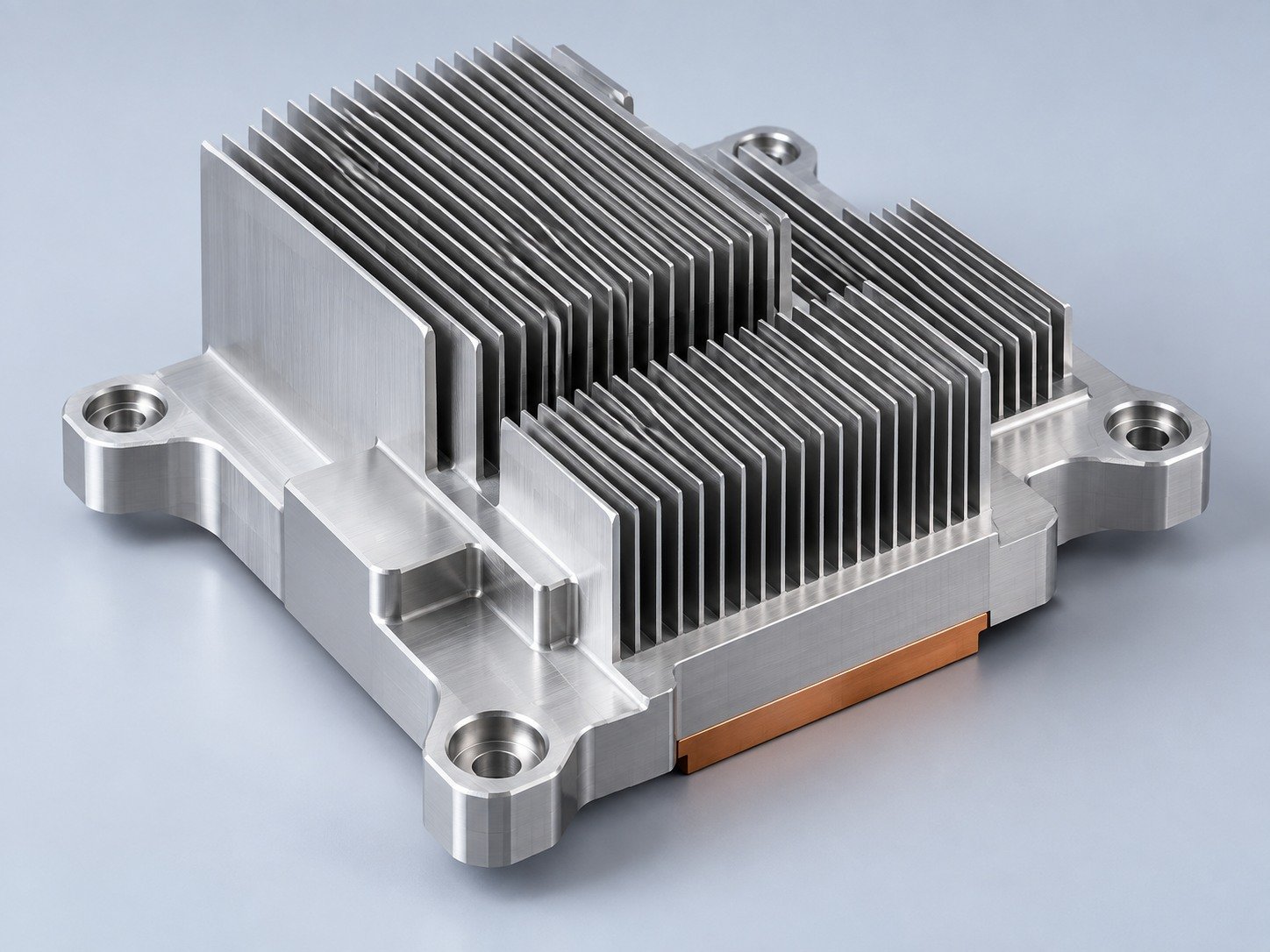
Manufacturing support for your cold plates, manifolds and cooling assemblies.
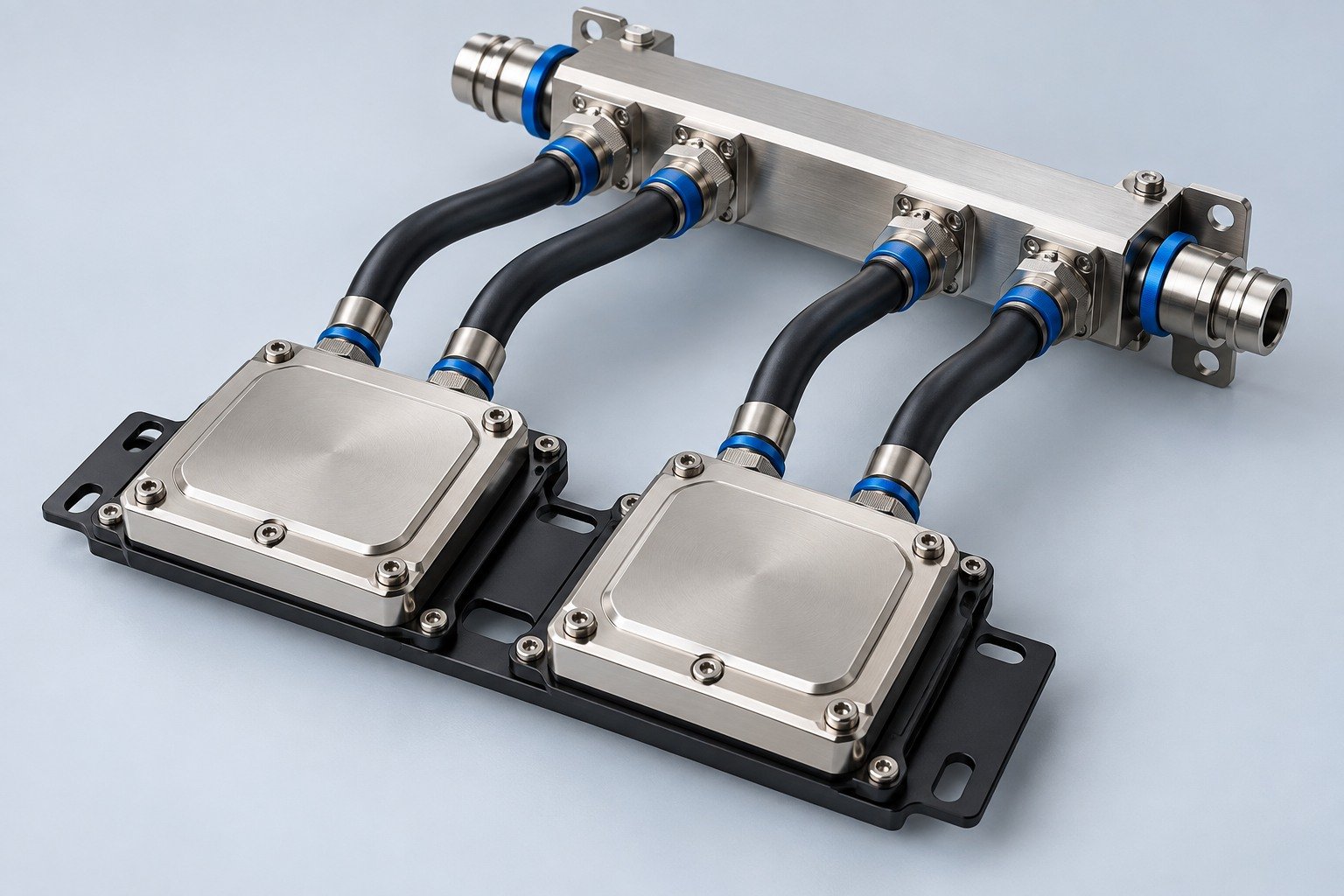
Find components for your power electronics, energy, laser and telecom application.
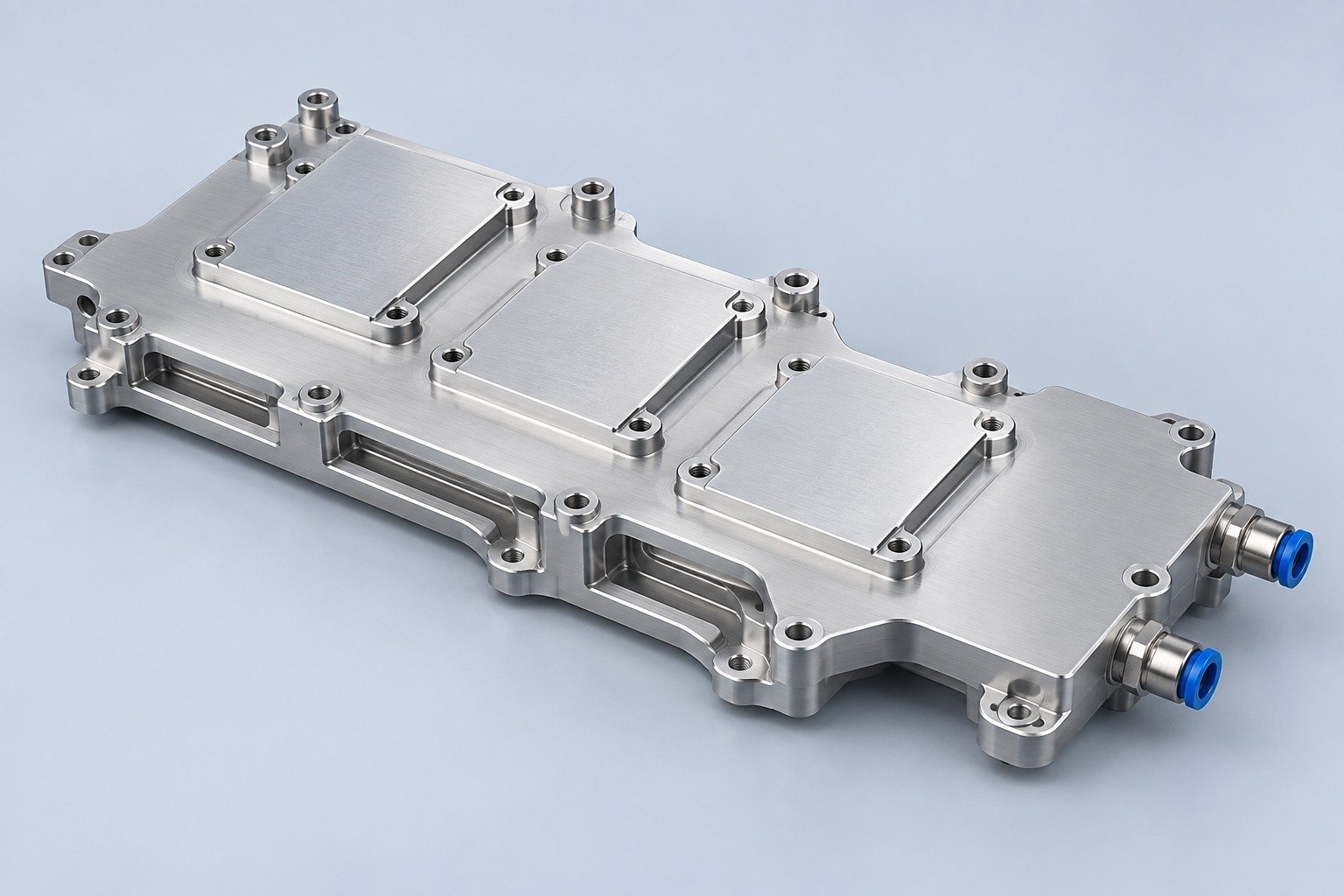
Components for your electronic systems.
Start with your functional and quality requirements.
Build around your operating environment.
From prototype to production, review material performance, manufacturability and cost for your part.
Review grade, temper and finish for your metal parts.
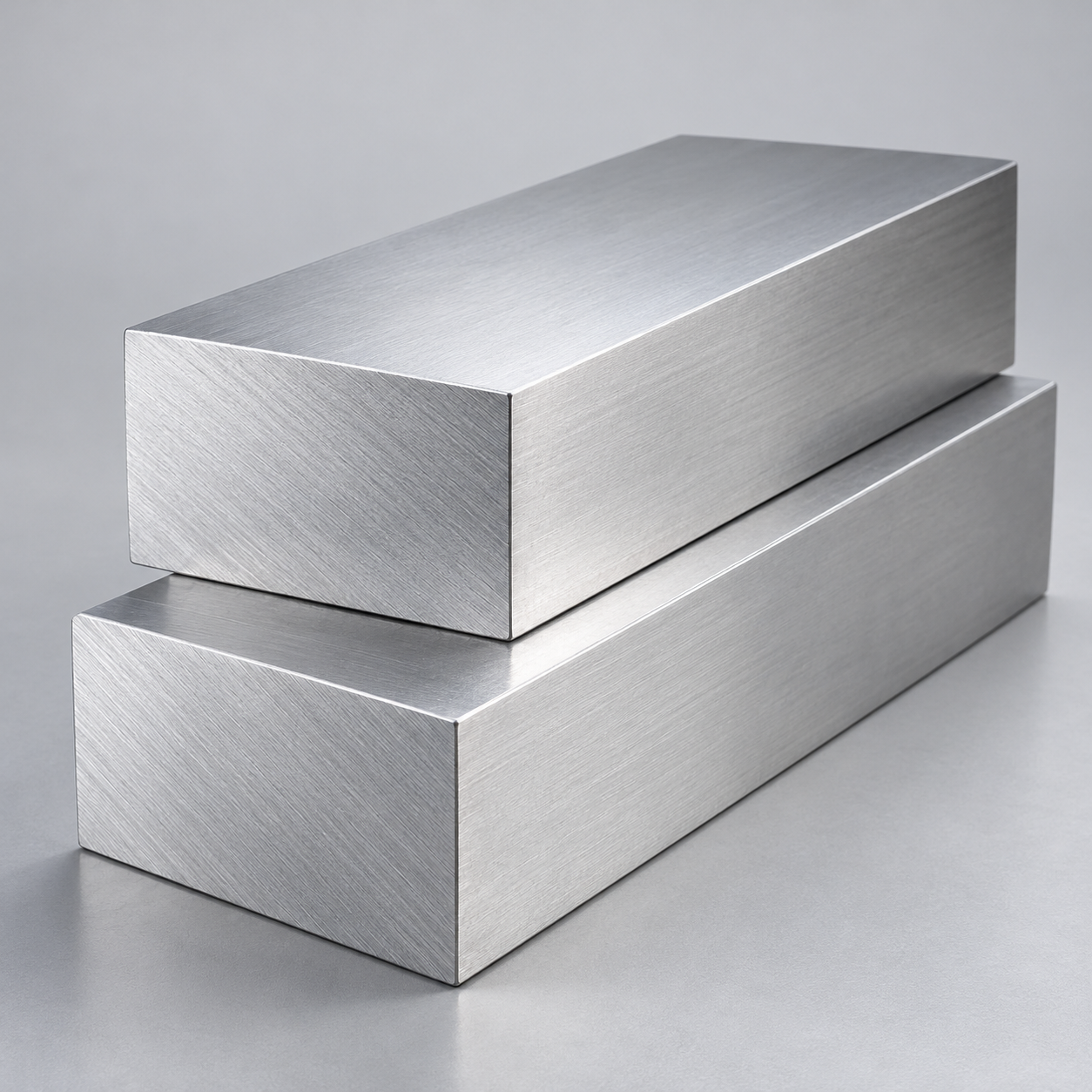 AluminumStrength, weight and machining›
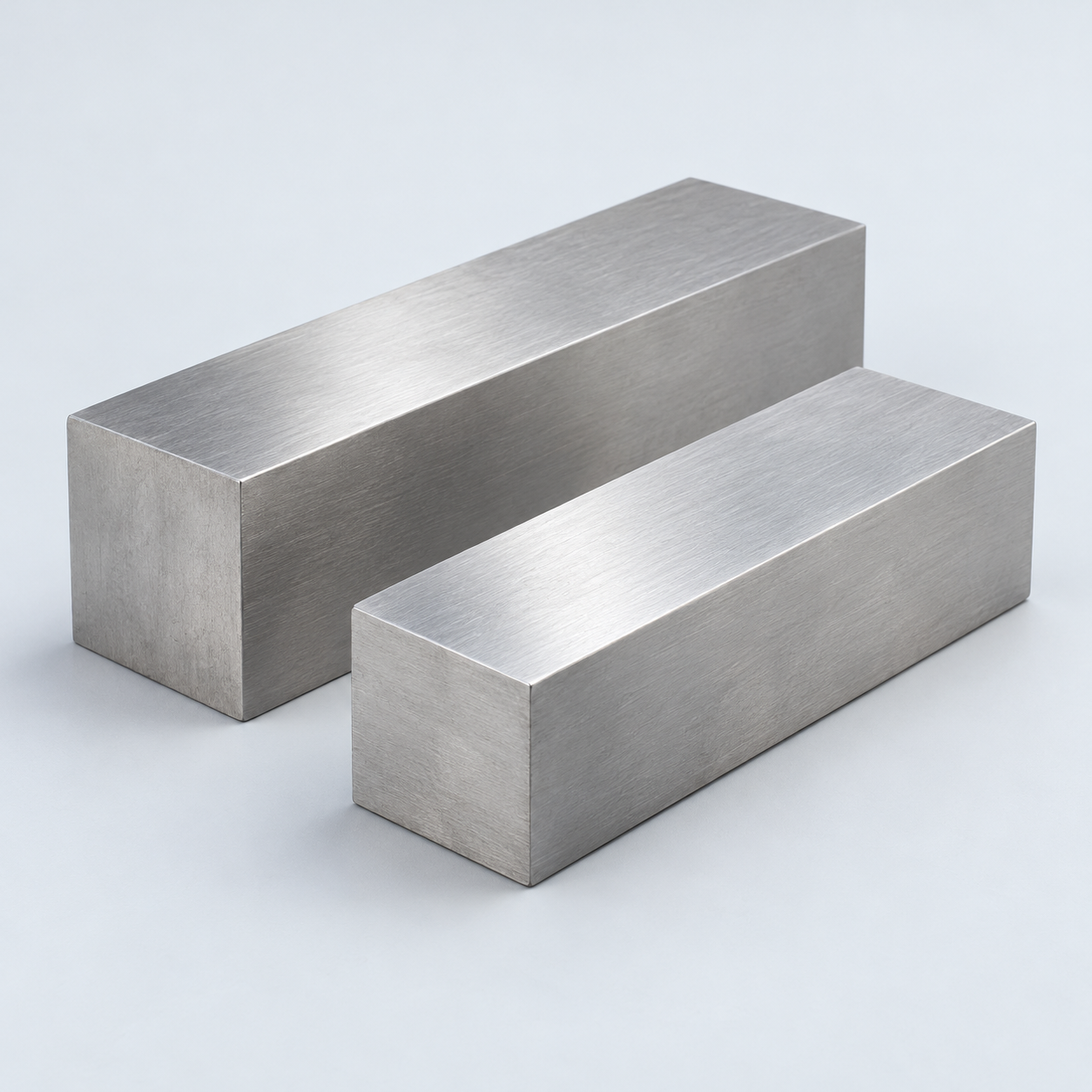 Stainless SteelCorrosion and finish requirements›
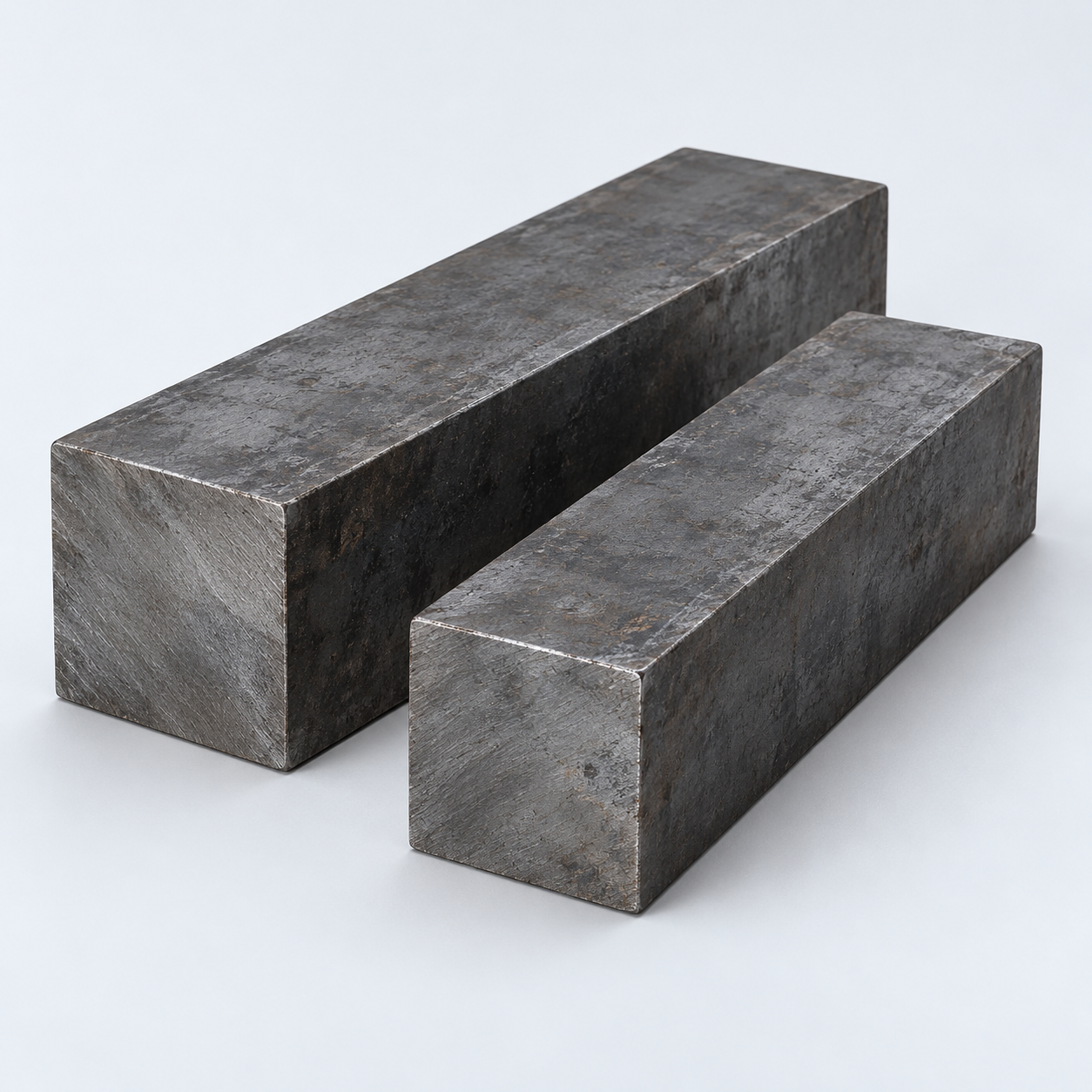 Carbon & Alloy SteelDiscuss grade and heat treatment›
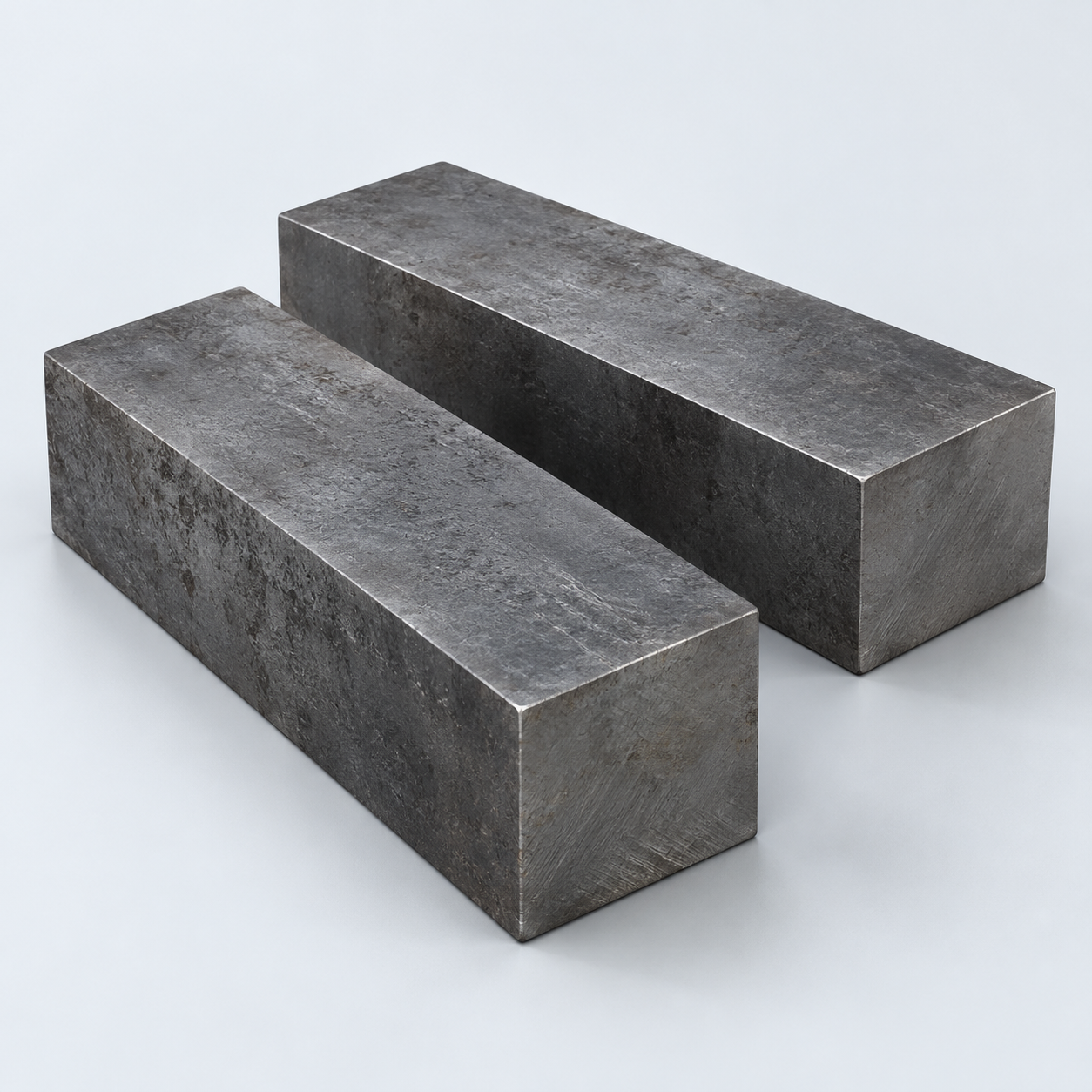 Tool SteelDiscuss tooling and wear needs›
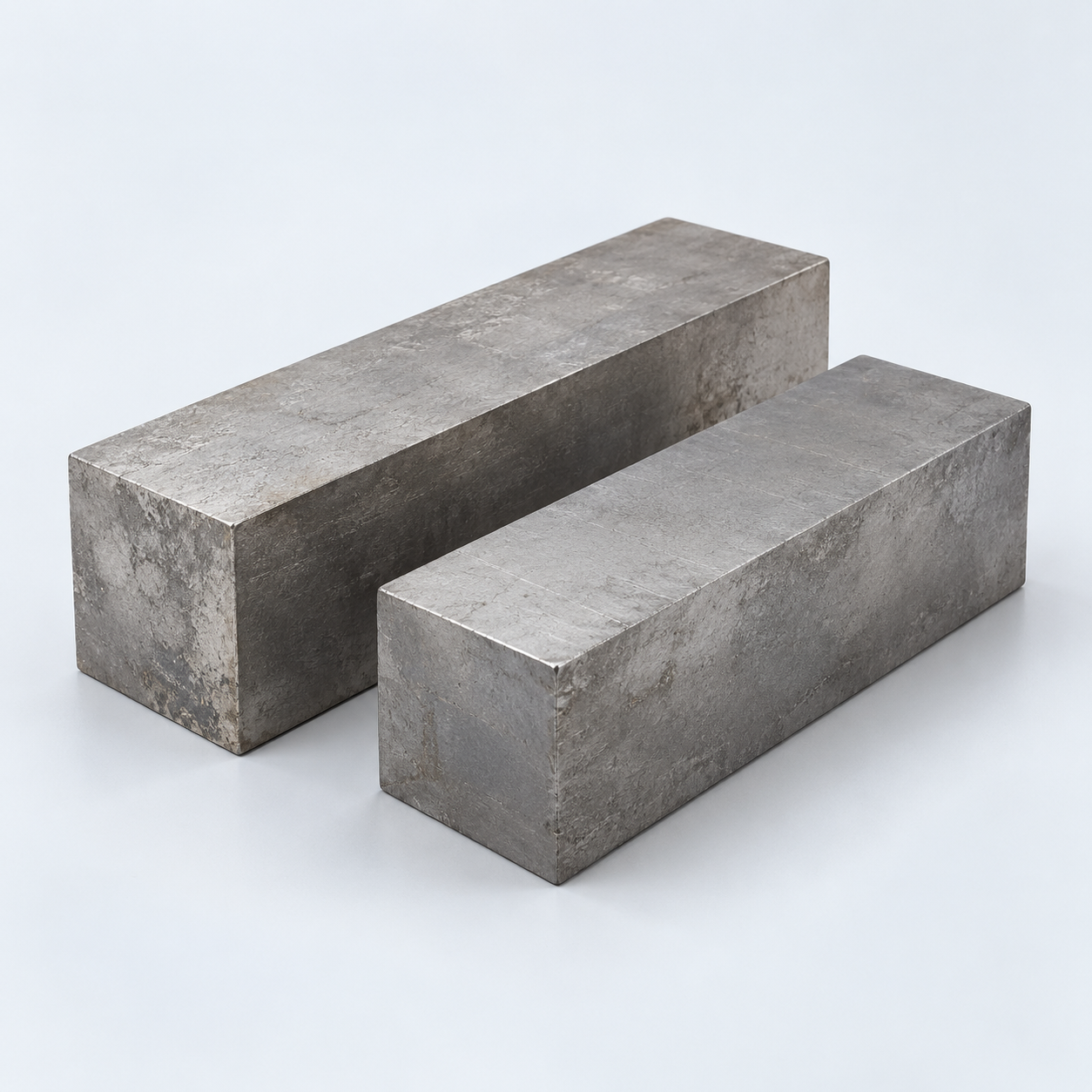 TitaniumReview grade and part geometry›
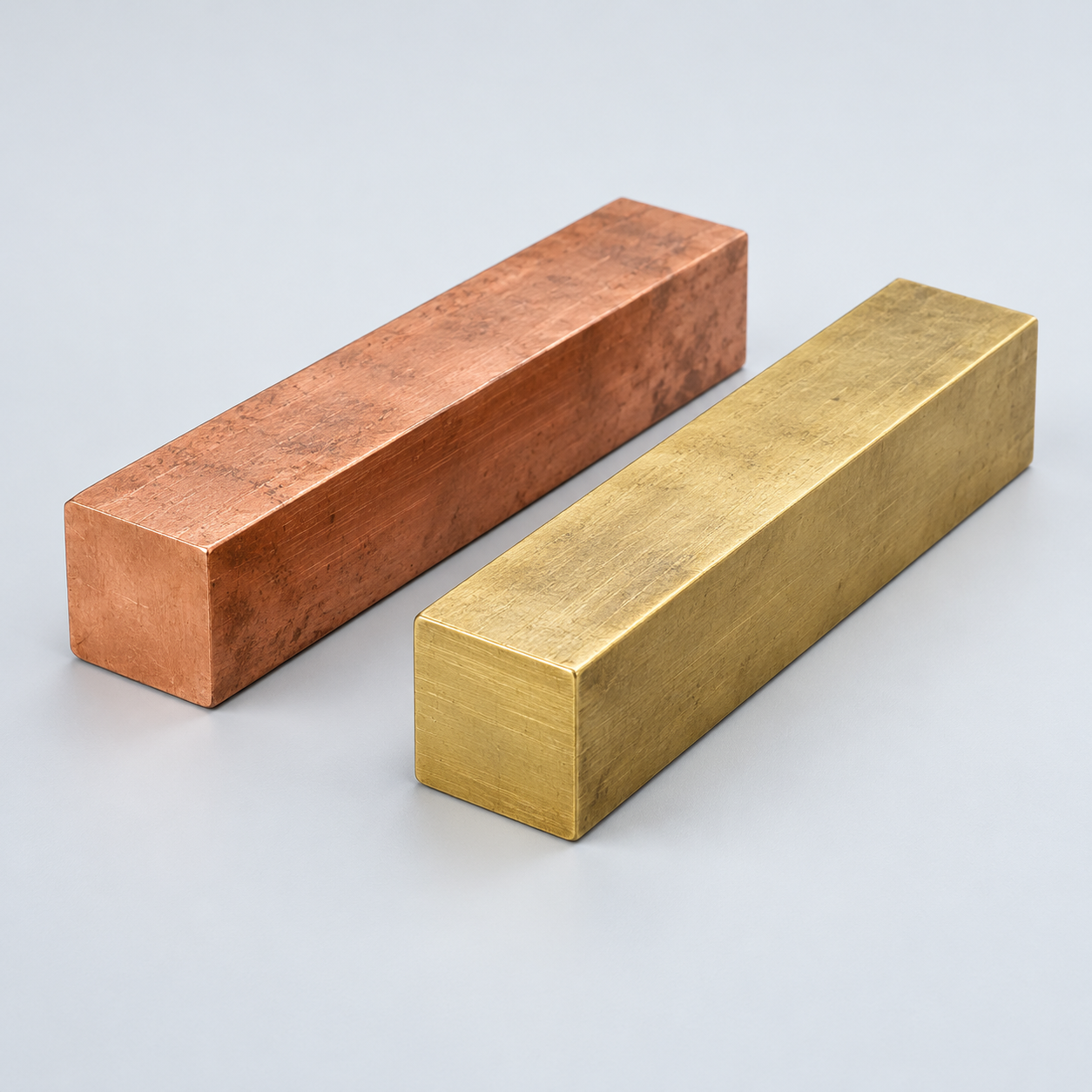 Copper & BrassDiscuss conductivity and machining›
Match your polymer to function, process and environment.
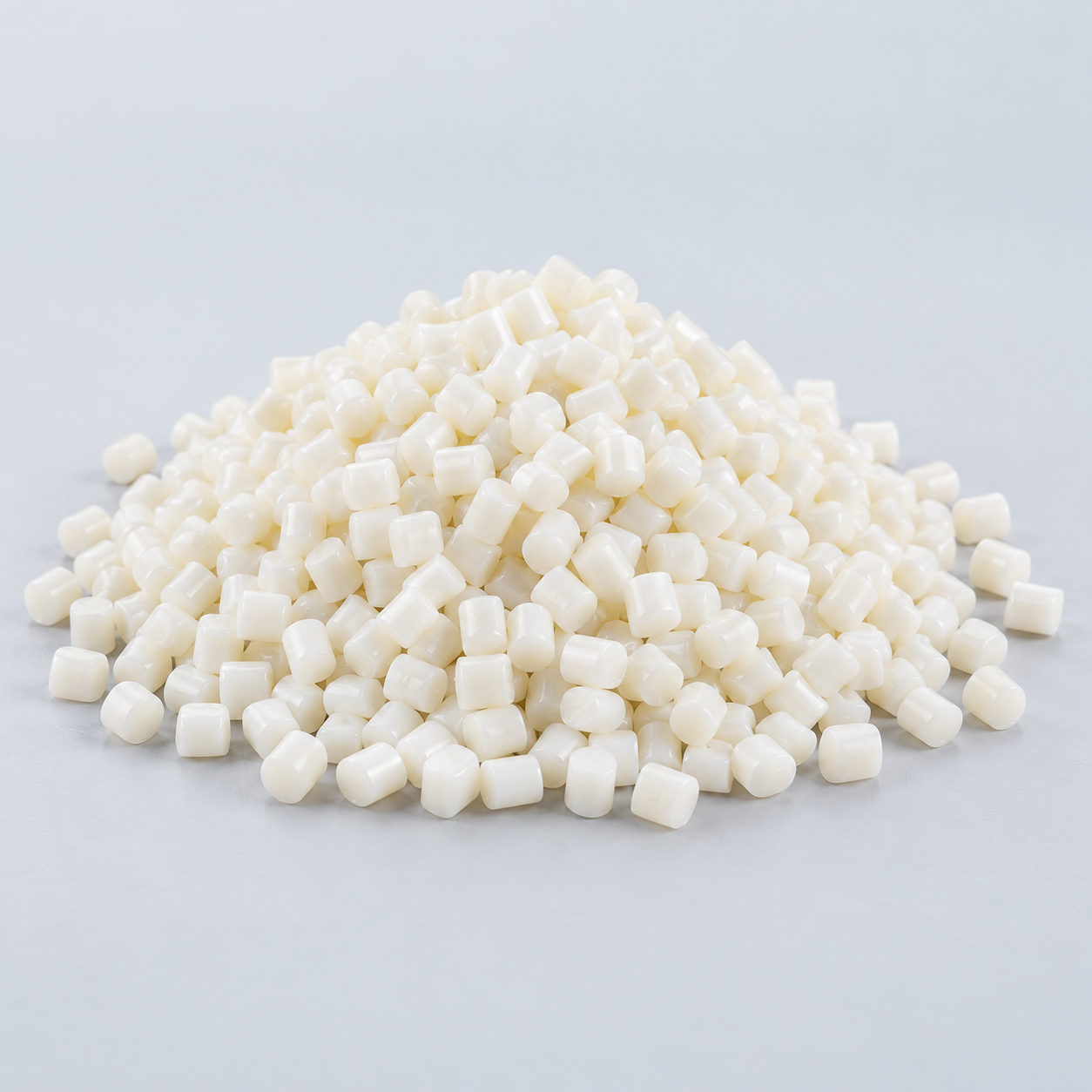 ABSReview enclosure and molding needs›
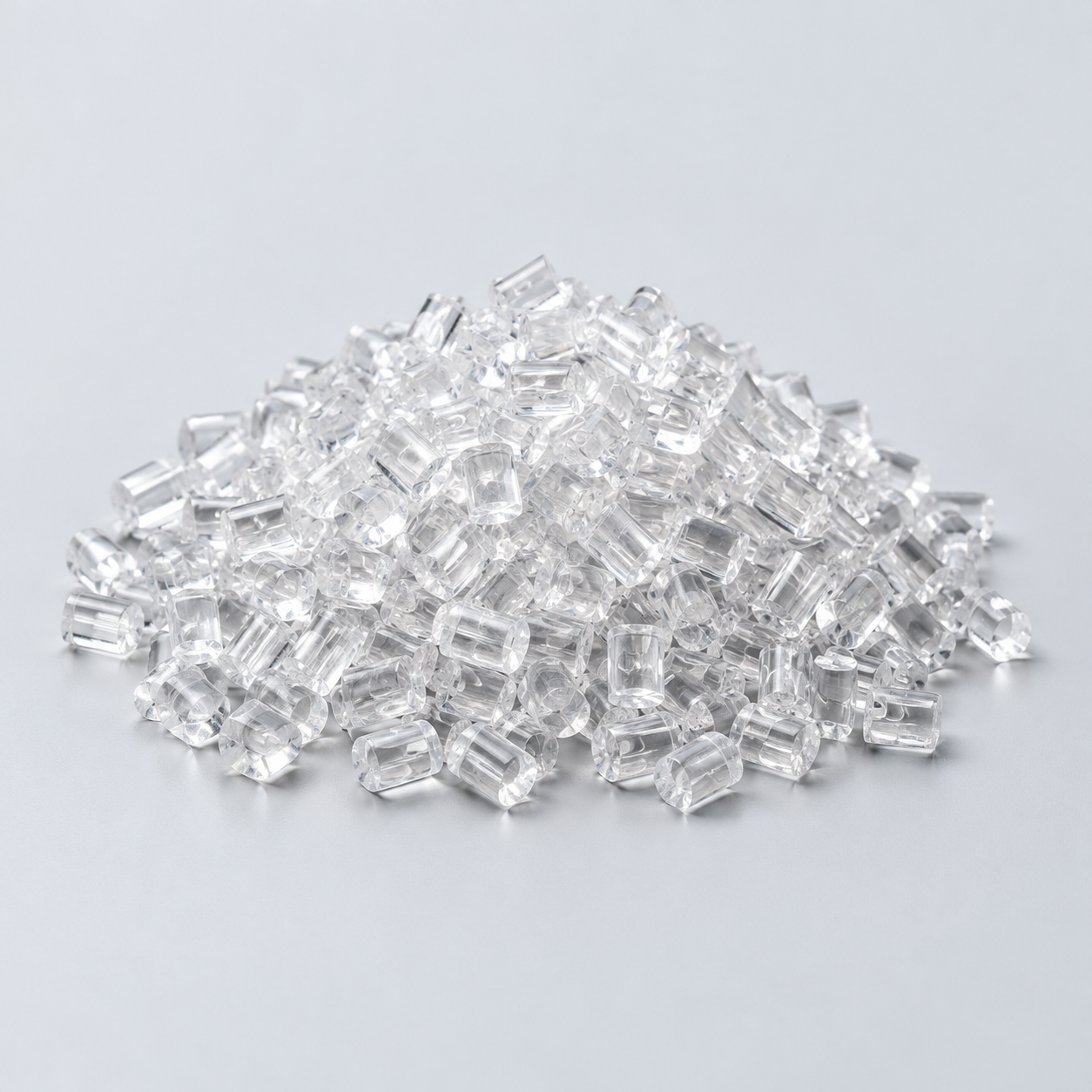 Polycarbonate (PC)Discuss clarity and impact needs›
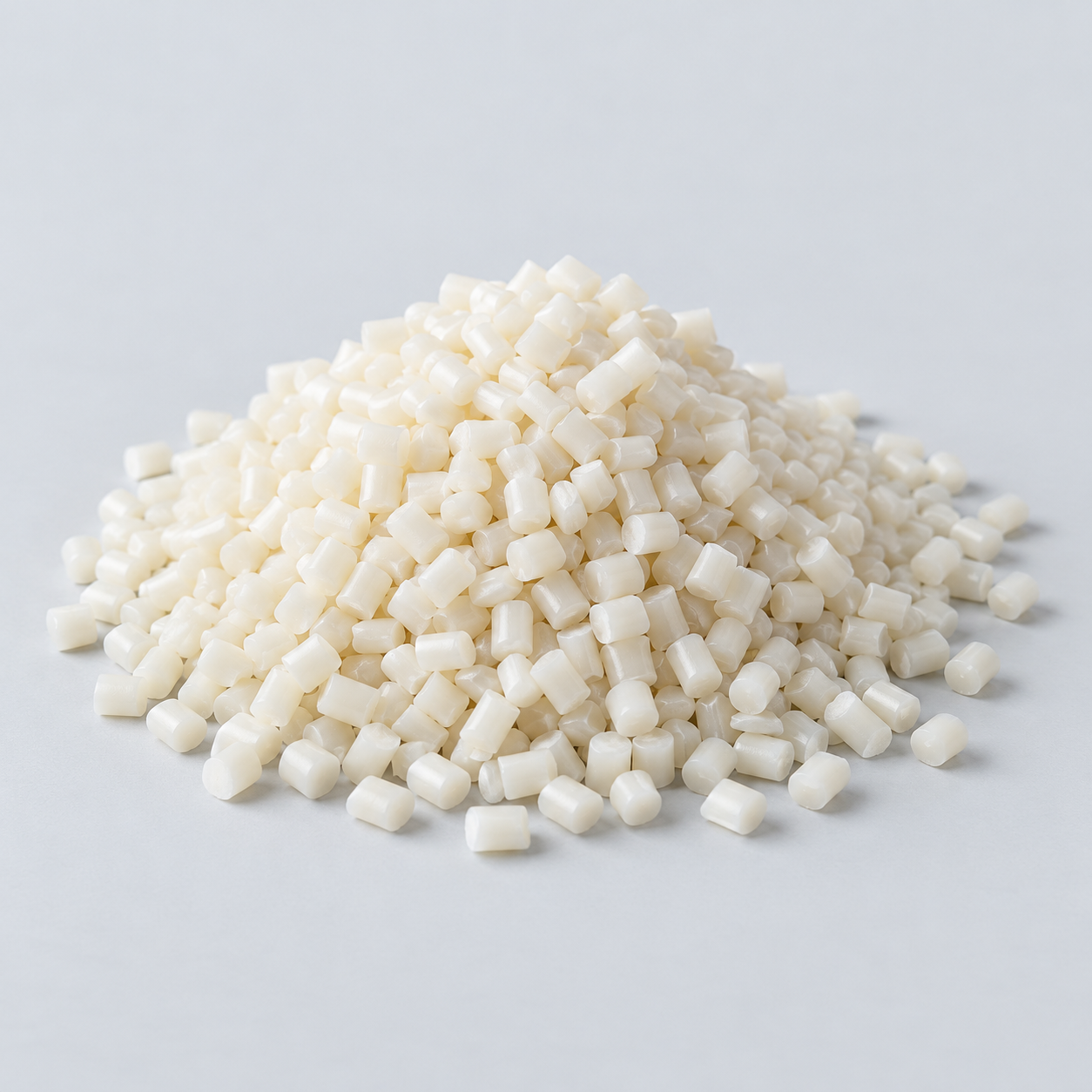 Nylon (PA)Review moisture and wear conditions›
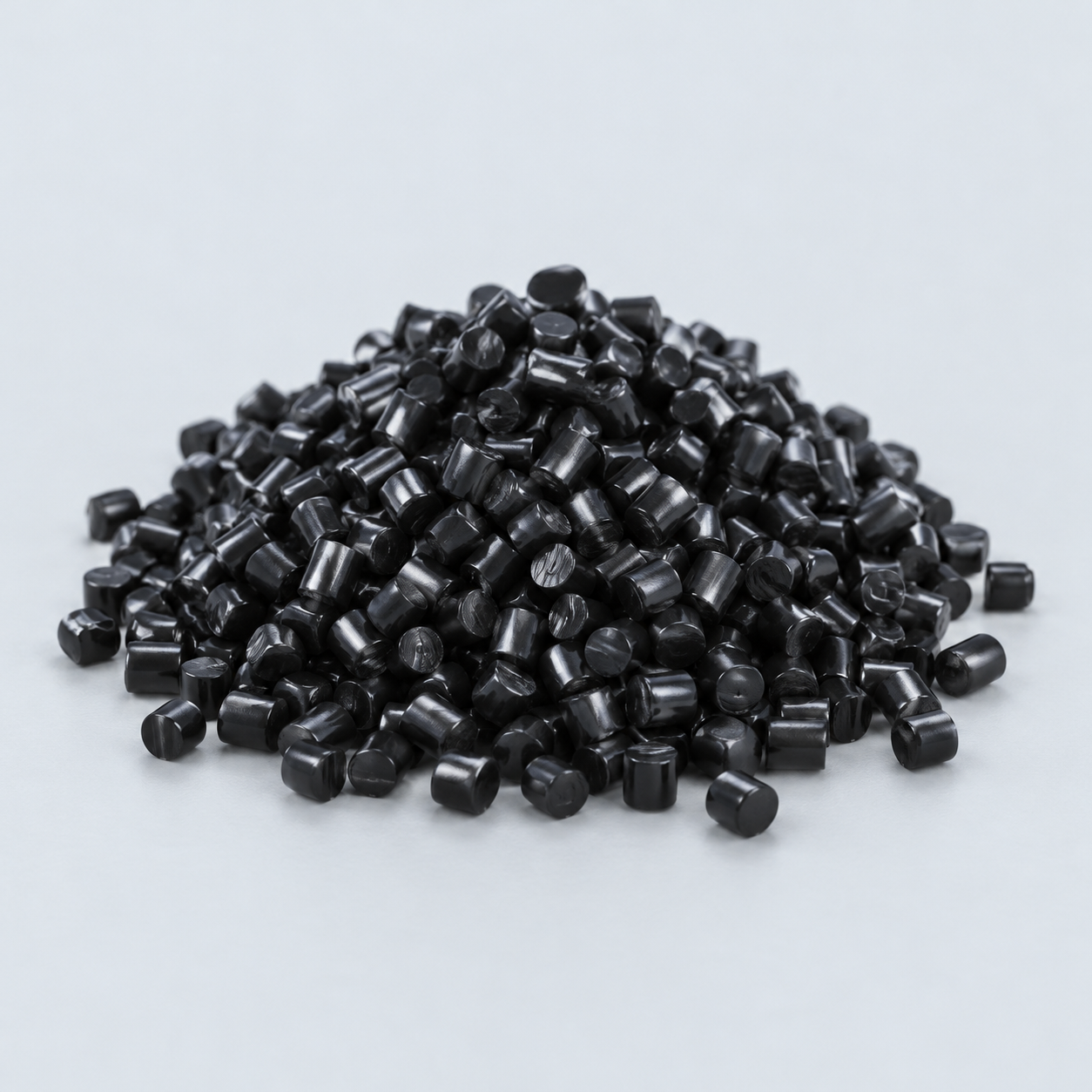 POM / AcetalReview fit and sliding features›
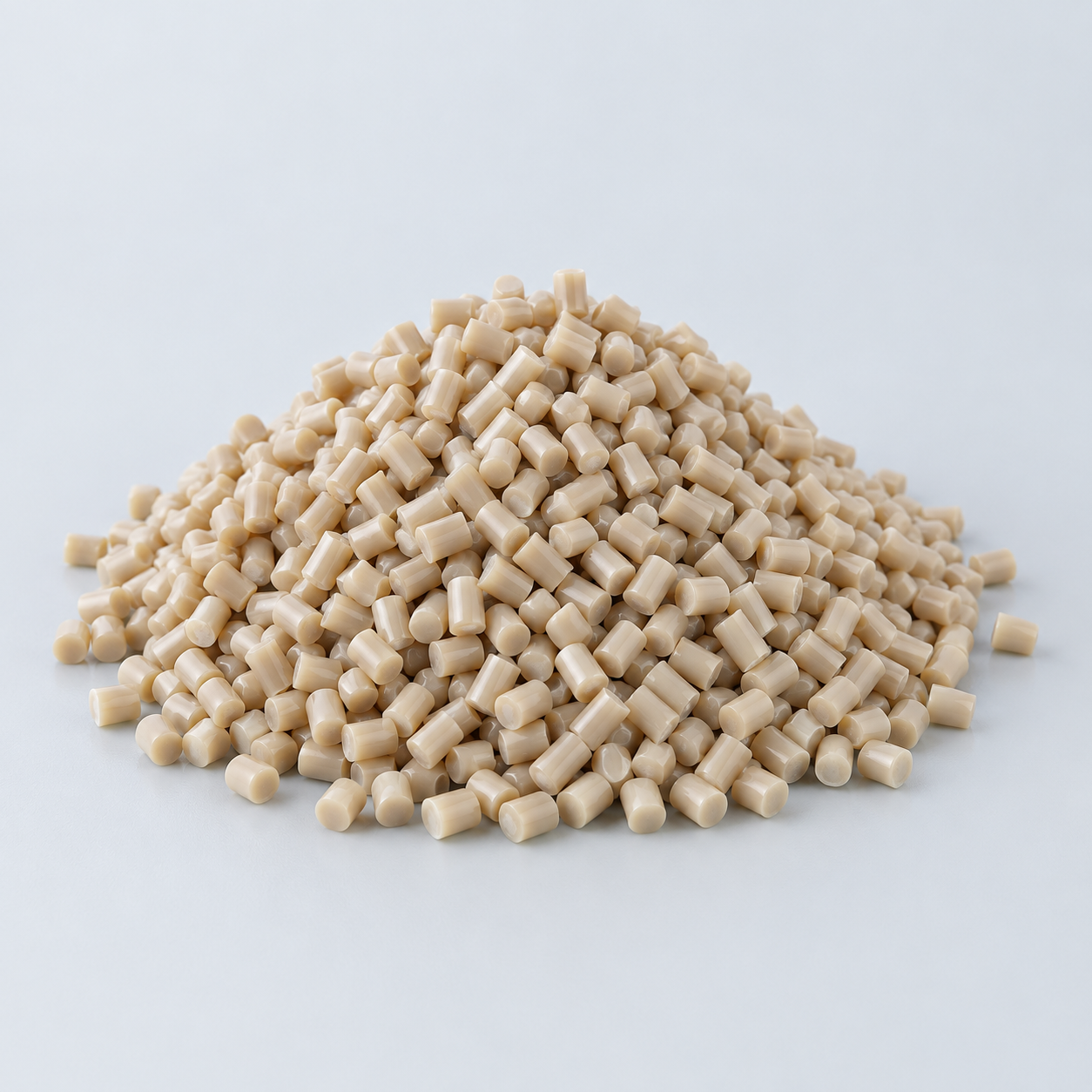 PEEKDiscuss operating conditions›
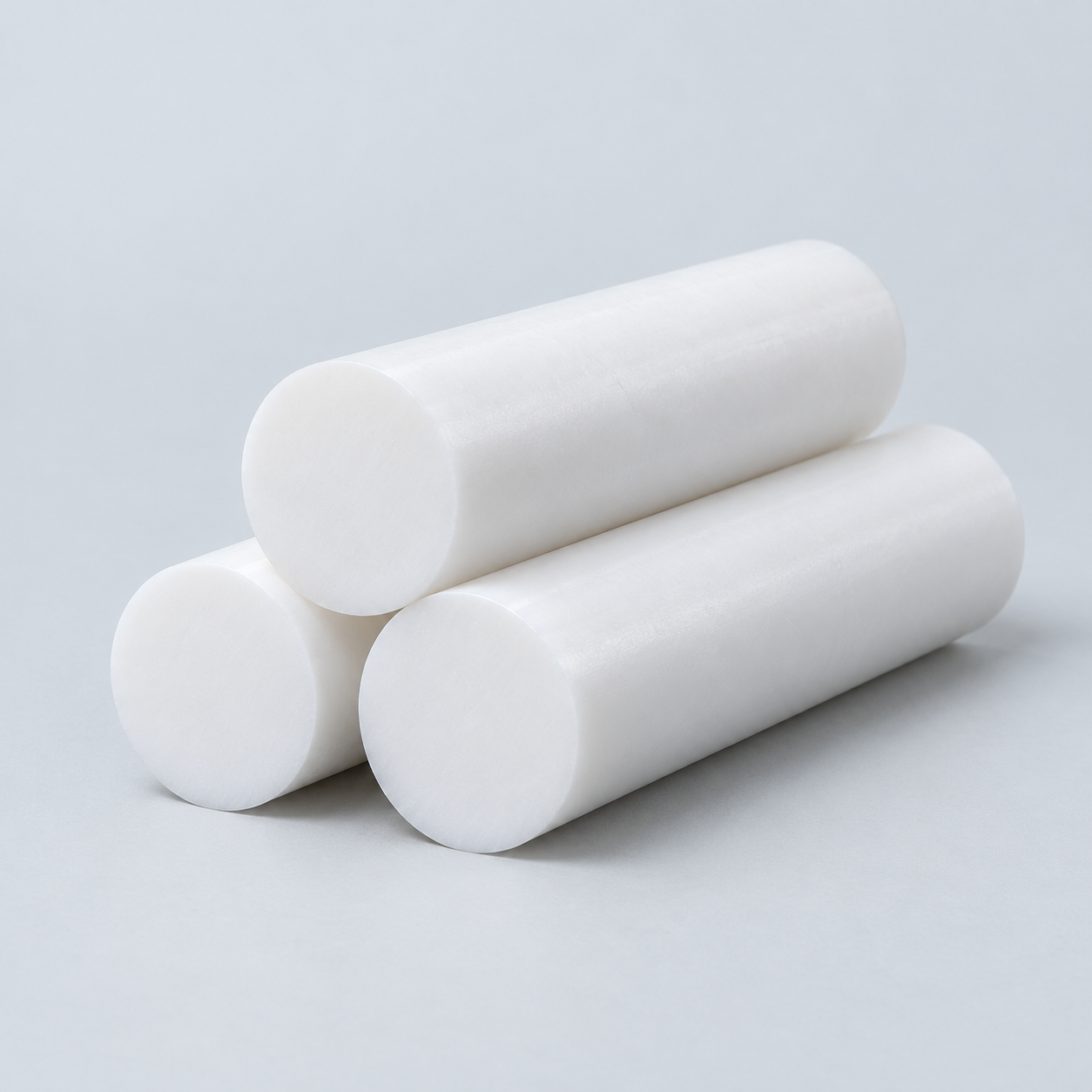 PTFEReview friction and chemical exposure›
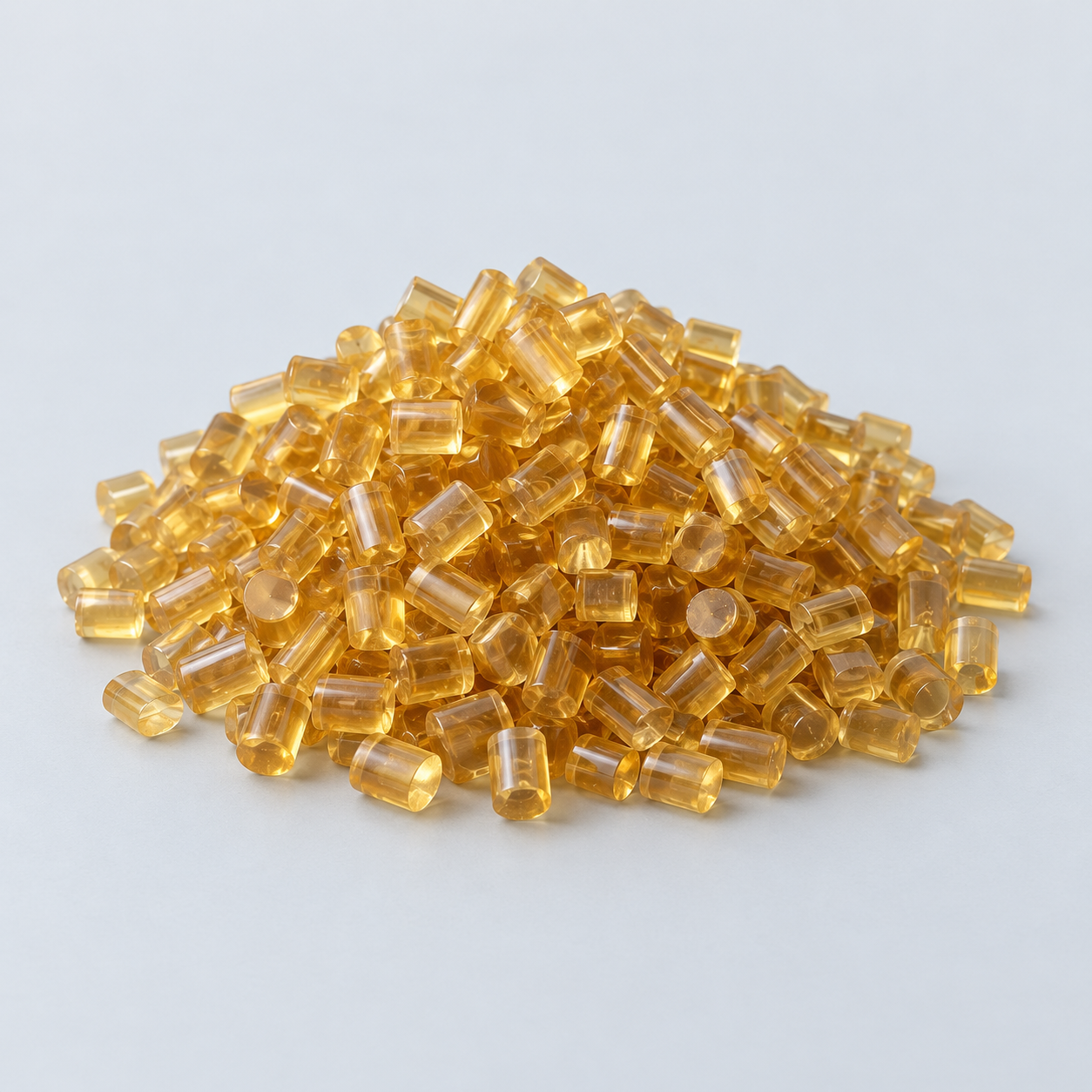 ULTEM / PEIDiscuss thermal and electrical needs›
Confirm grade availability and application requirements.
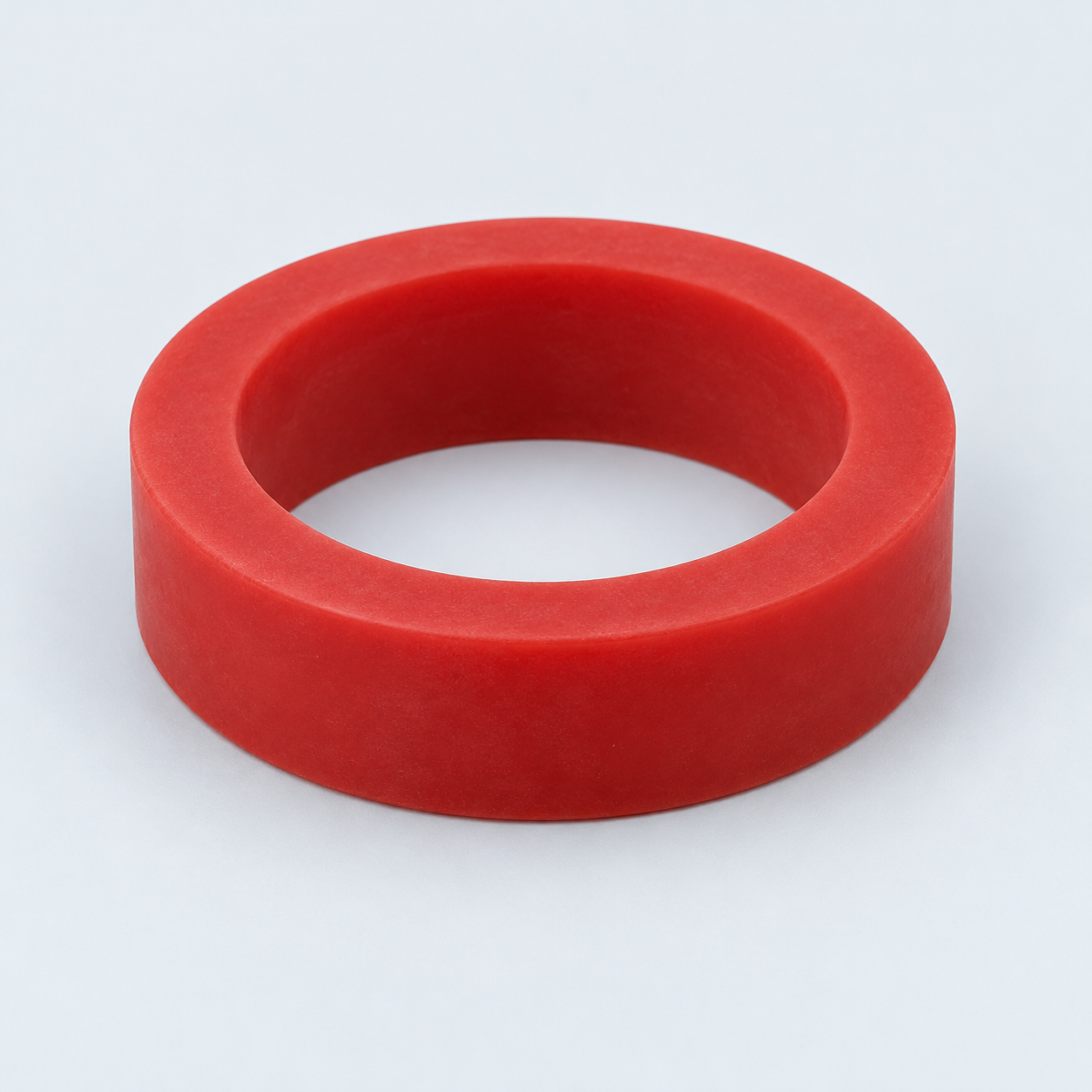 Silicone / LSRDiscuss flexible component needs›
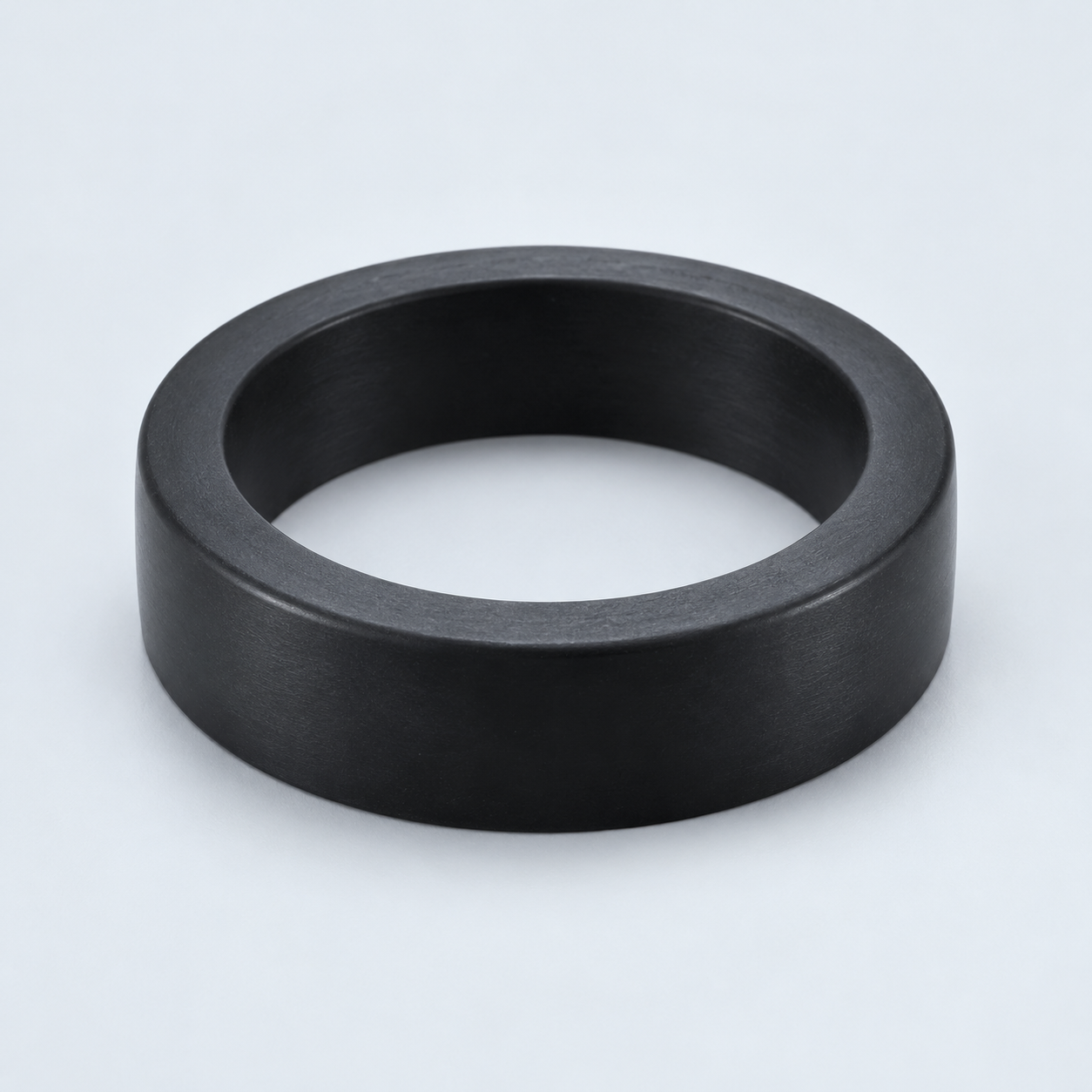 TPU / TPEReview flexibility and processing›
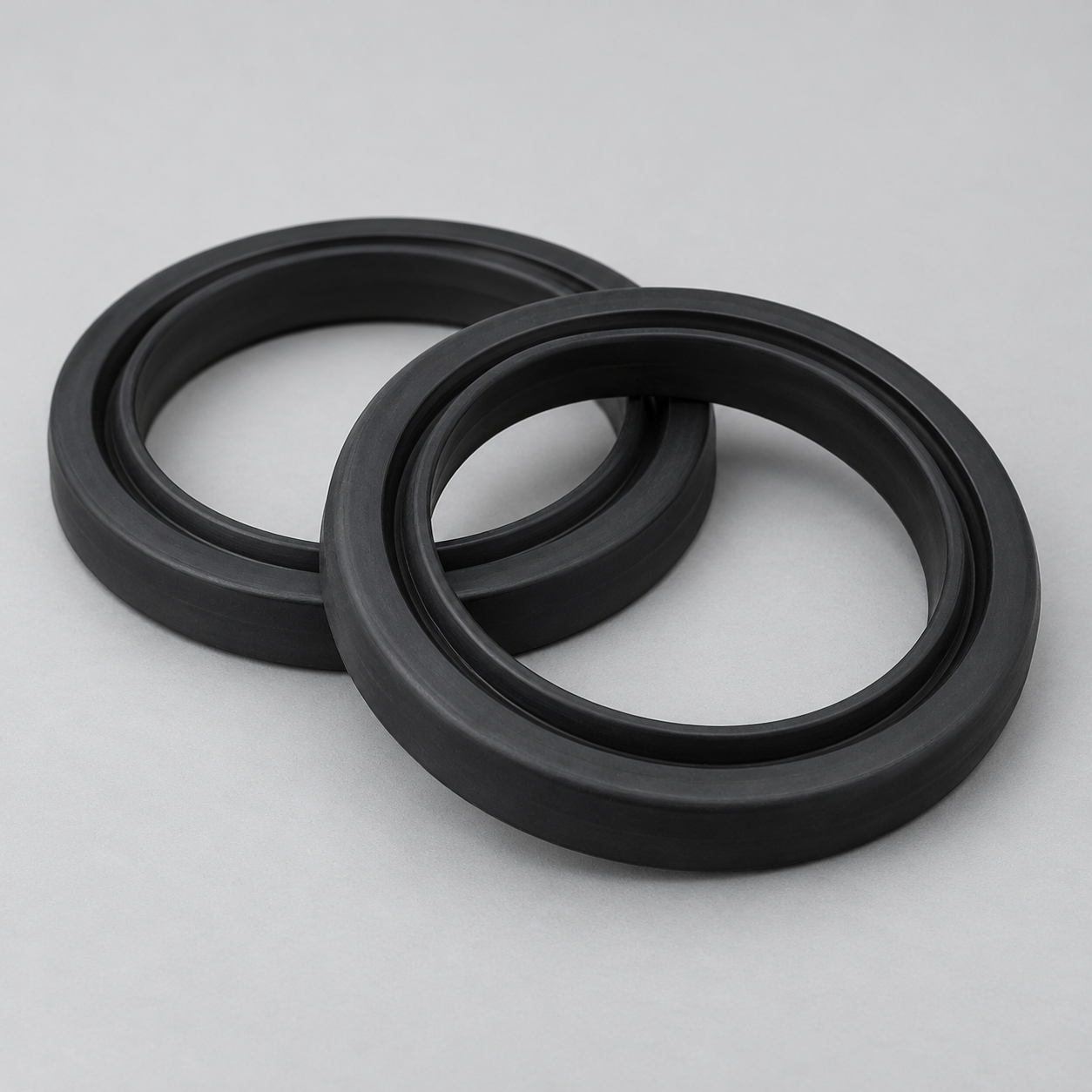 EPDMReview weathering and chemical exposure.›
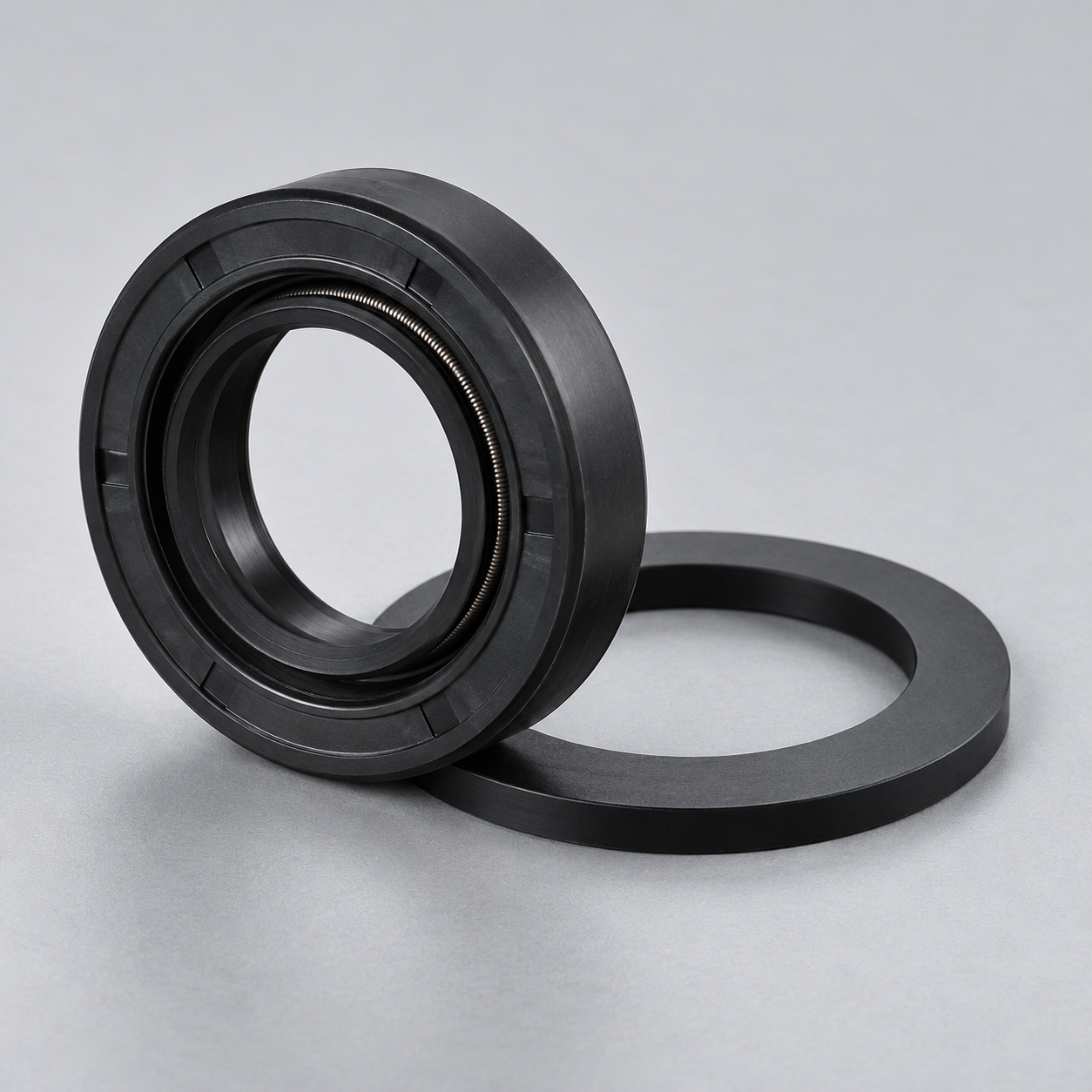 NBRReview oil and fuel exposure.›
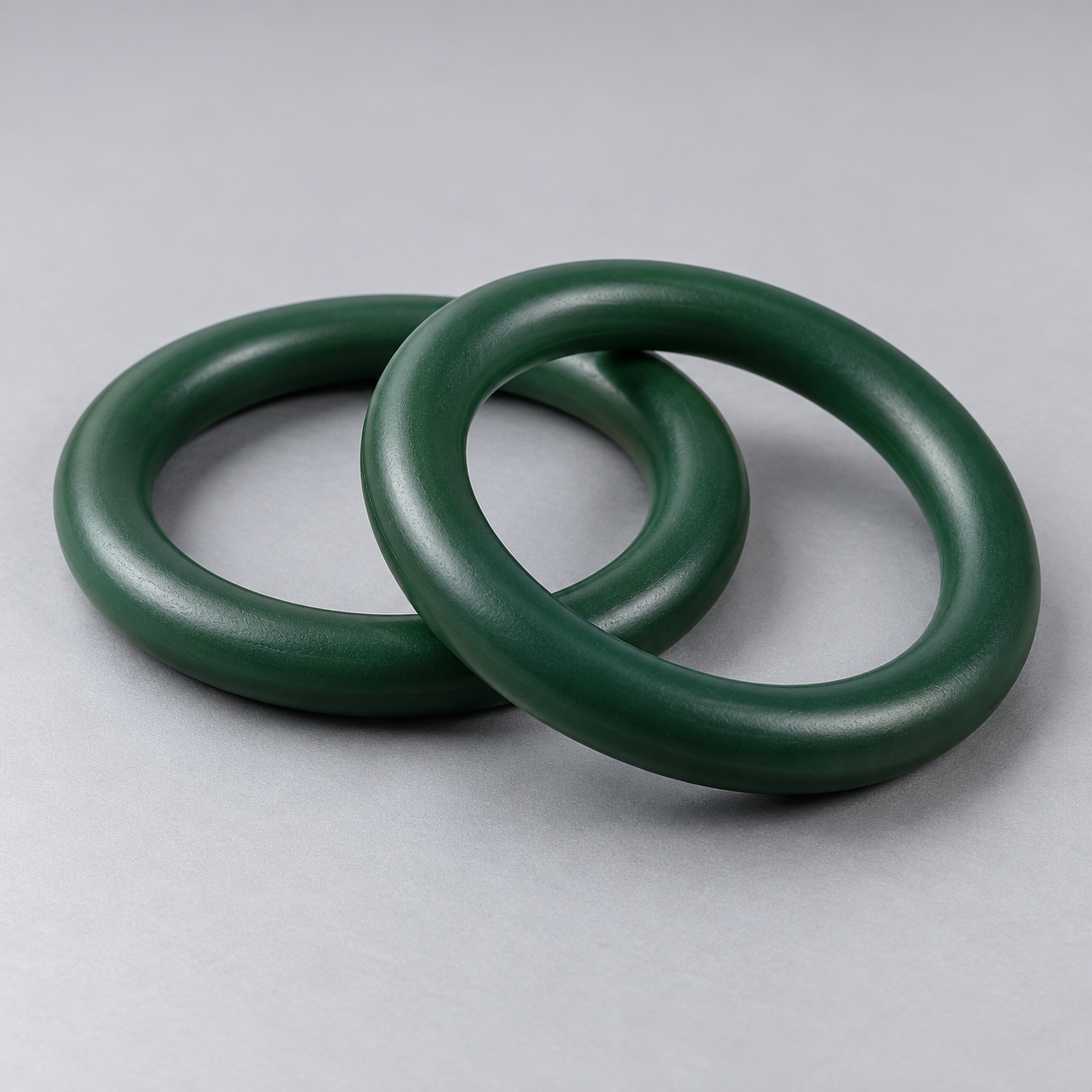 FKMReview temperature and chemical exposure.›
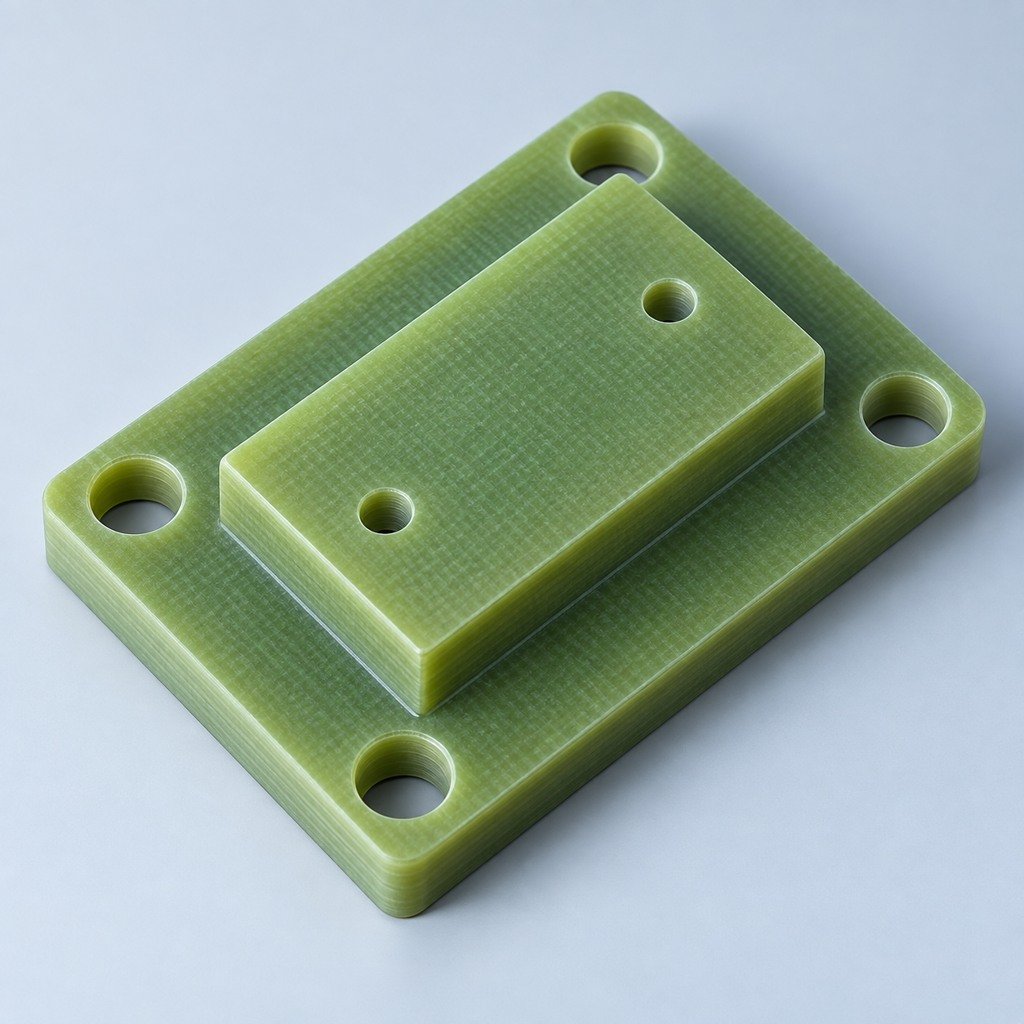 G10 / FR4Review insulation and laminate needs›
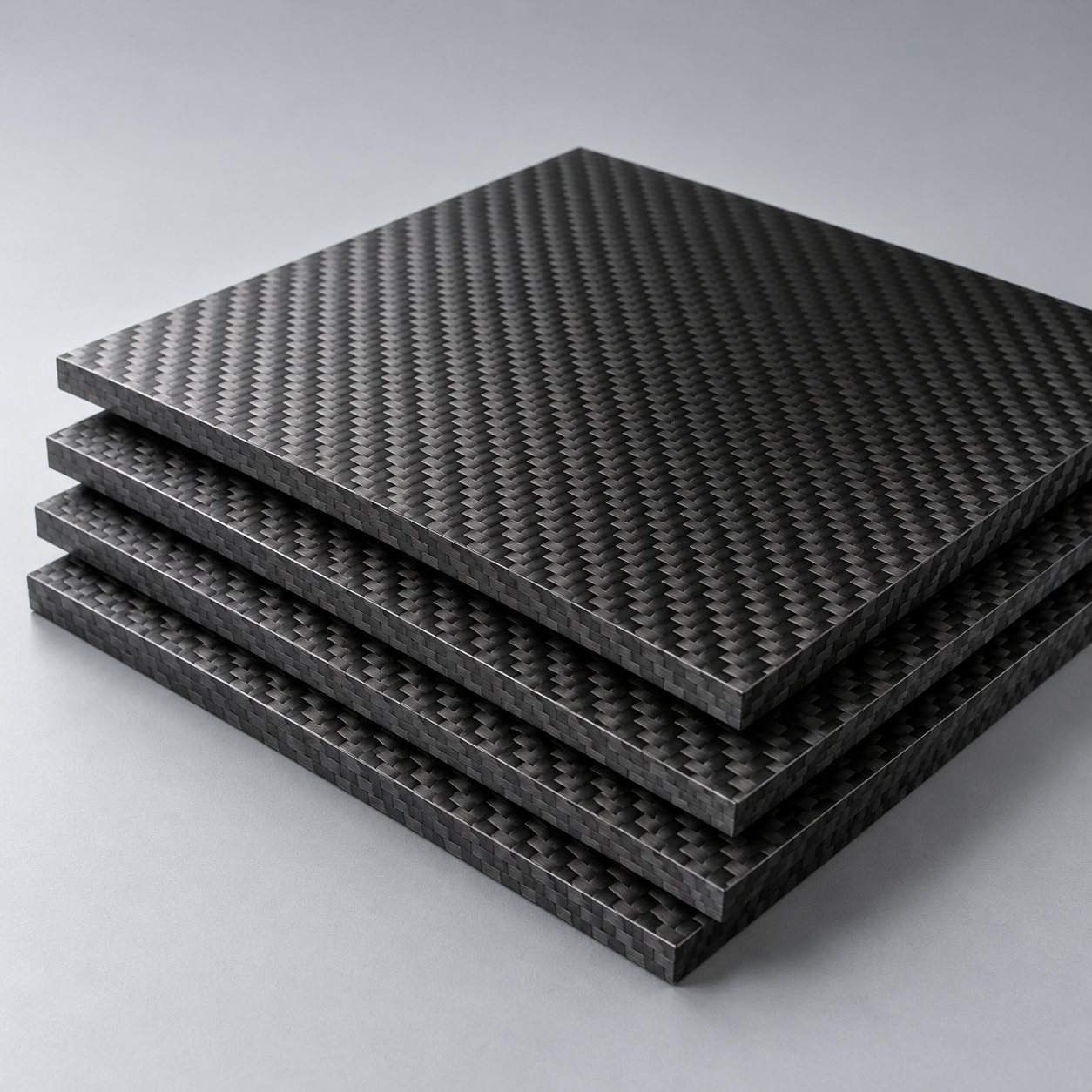 CompositesReview stiffness, weight and laminate.›Customer-Specified MaterialsConfirm your grade and requirements.›Other Specialty MaterialsDiscuss your application and grade.›
Practical guidance for your part geometry and material decisions.
Prepare your process, budget and sourcing questions.
Build your knowledge before production.
Learn who we are and how we operate.
Find our U.S. support team or start a conversation.
YOUR SUBSTRATE. YOUR FINISH. YOUR ASSEMBLY FIT.
Bring your substrate, coating system and finished interfaces into one review. Define preparation, masking, color samples and acceptance before your parts are coated.
Start with 1 controlled drawing + substrate, finish specification and quantity. Standalone coating or fabrication-plus-finishing scope is confirmed for your project.
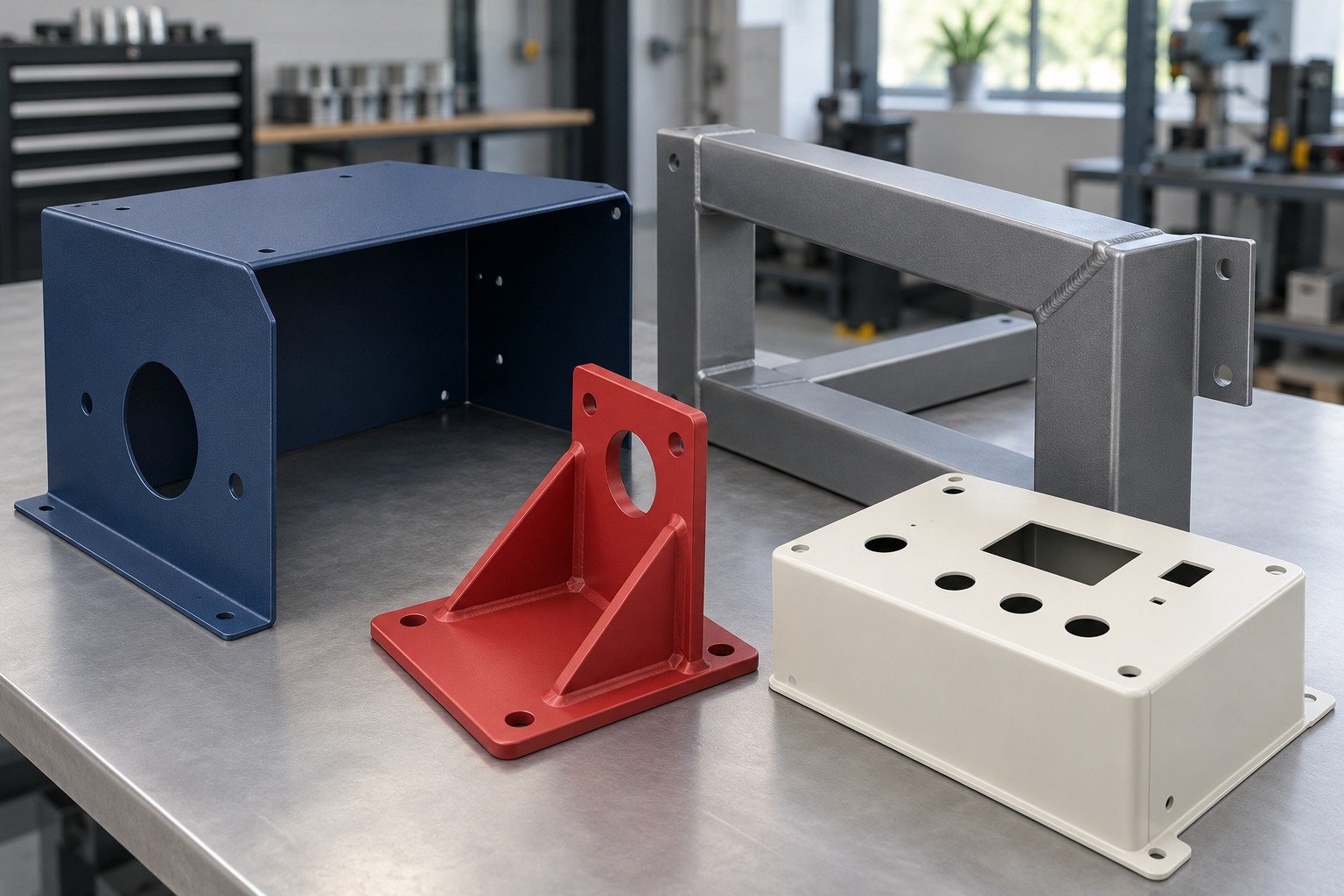
Identify metal and condition
Match your environment
Protect critical interfaces
Agree appearance and fit
Dallas-area project support
Make your finished requirement clear before comparing price or approving samples.
Substrate, welds and incoming surface.
Indoor, outdoor, chemical or handling exposure.
Threads, bores and electrical contacts.
Color, gloss, texture and visible zones.
Quantity, inspection and delivery scope.
Select your part, then review the preparation, coating and acceptance decisions that affect its use.
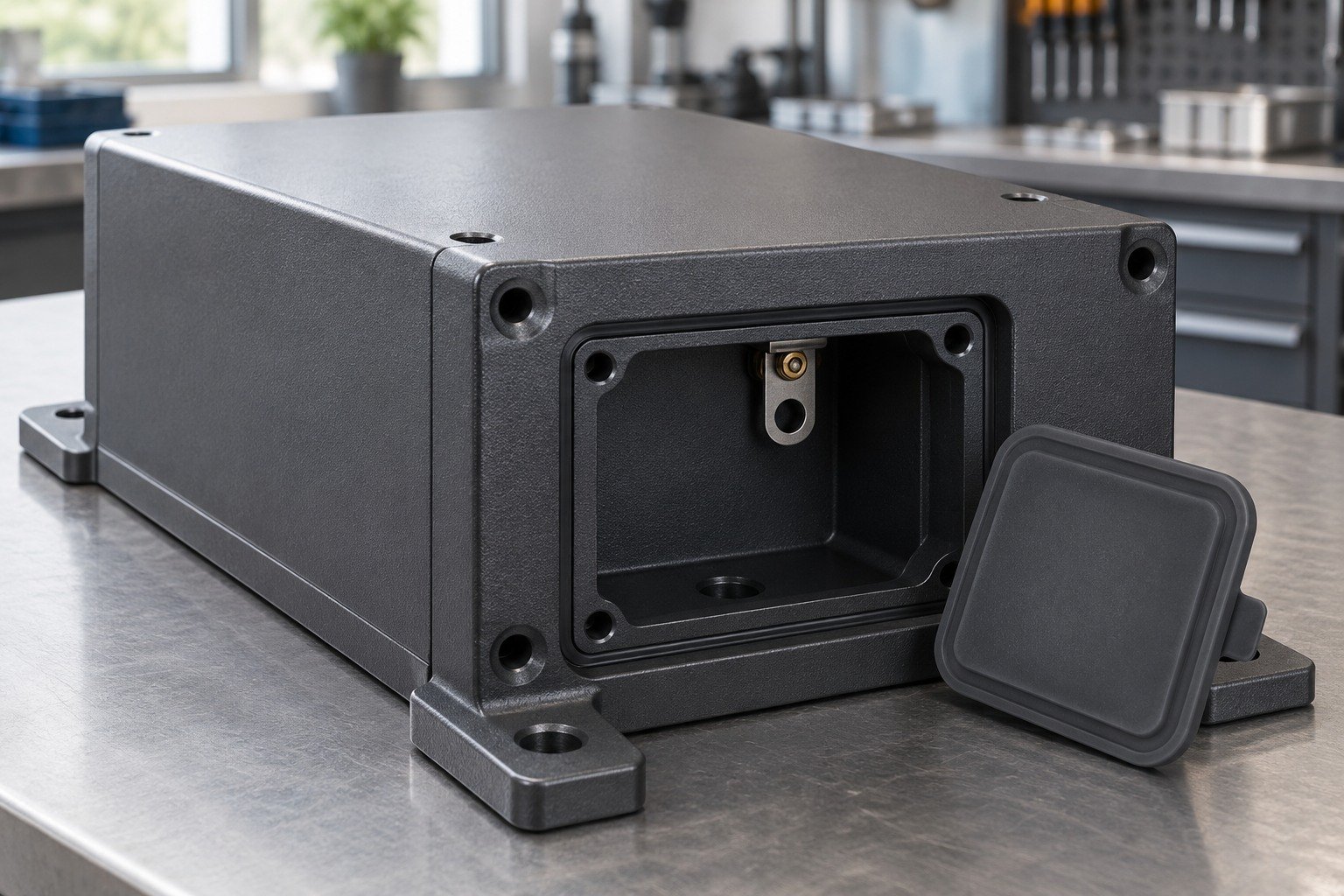
For powder coating enclosures, identify the cover seats, grounding pads and visible exterior surfaces.
| Your interfaces | Cover seats, ventilation and grounding. |
|---|---|
| Your appearance | Visible zones, texture and approved sample. |
| Your order | Quantity, packing and delivery requirements. |
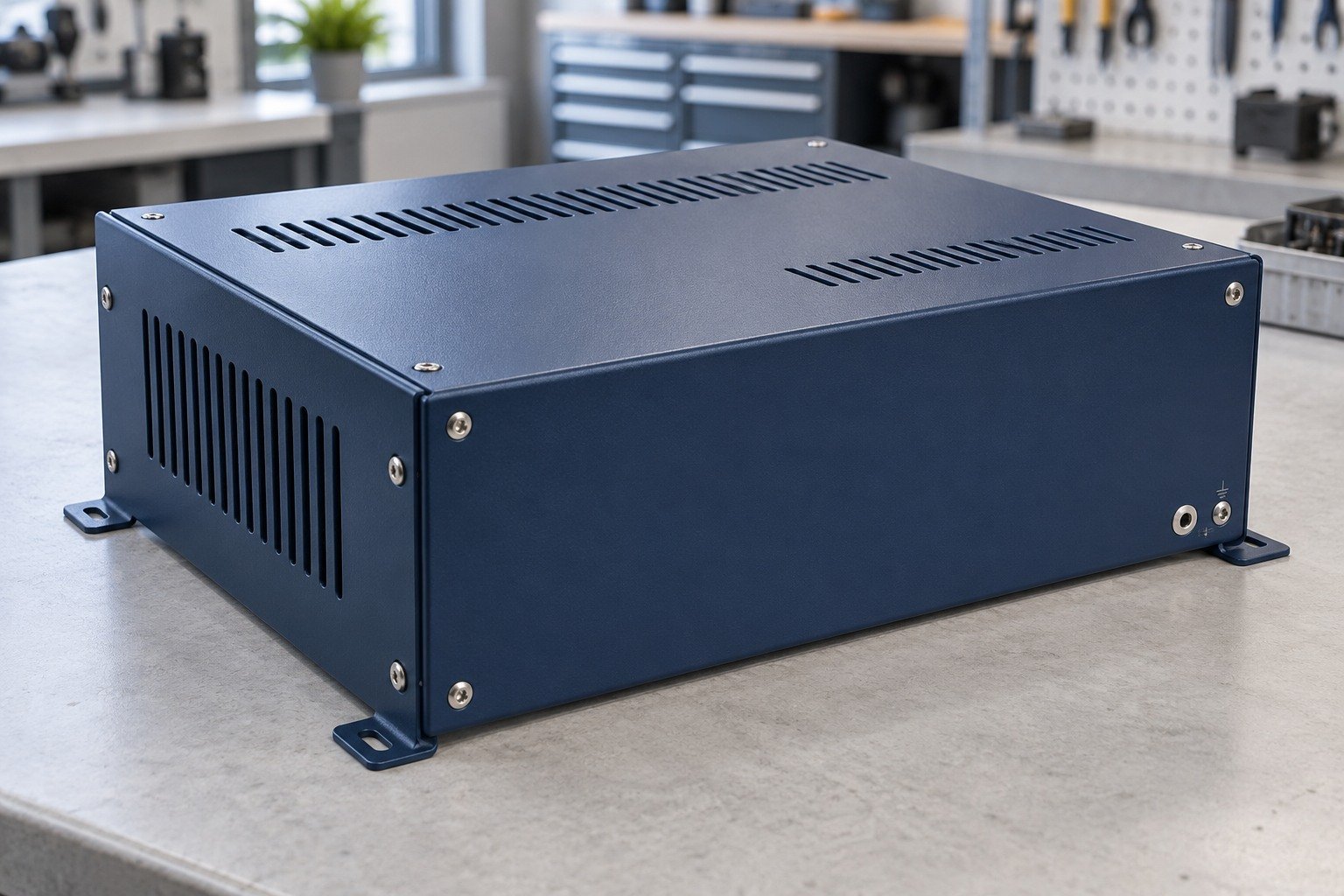
Review interior and exterior exposure, the coating product and any grounding exclusions.
| Your substrate | Exact metal and incoming surface condition. |
|---|---|
| Your system | Preparation, powder product and service exposure. |
| Your evidence | Specified coating checks and approved sample. |
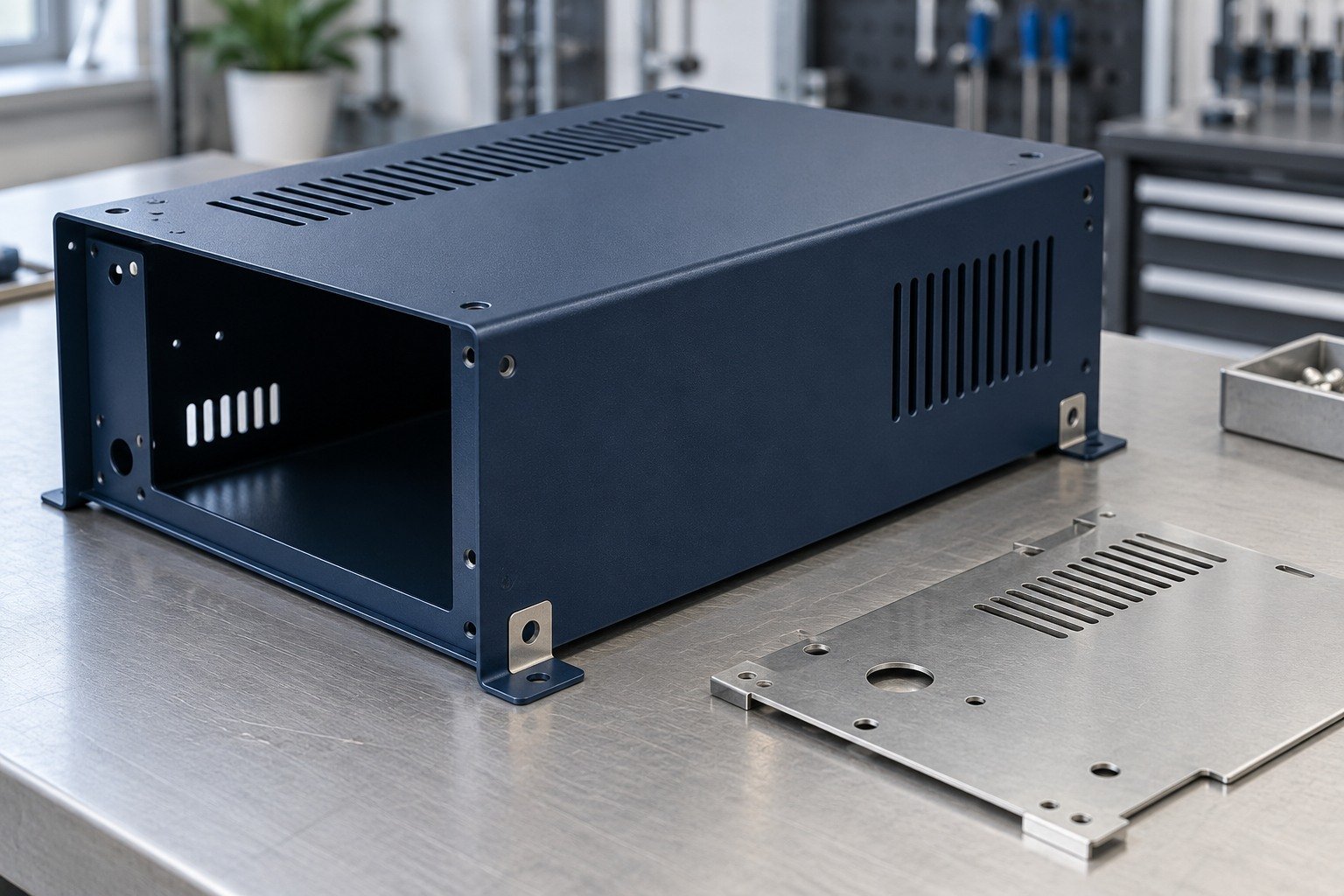
Mark threaded holes, grounding pads and cover-contact areas; agree mask transitions.
| Your drawing | Cover seats, ventilation and grounding. |
|---|---|
| Your boundaries | Threads, bores, contacts and allowed rack marks. |
| Your agreement | Masking method and final inspection. |
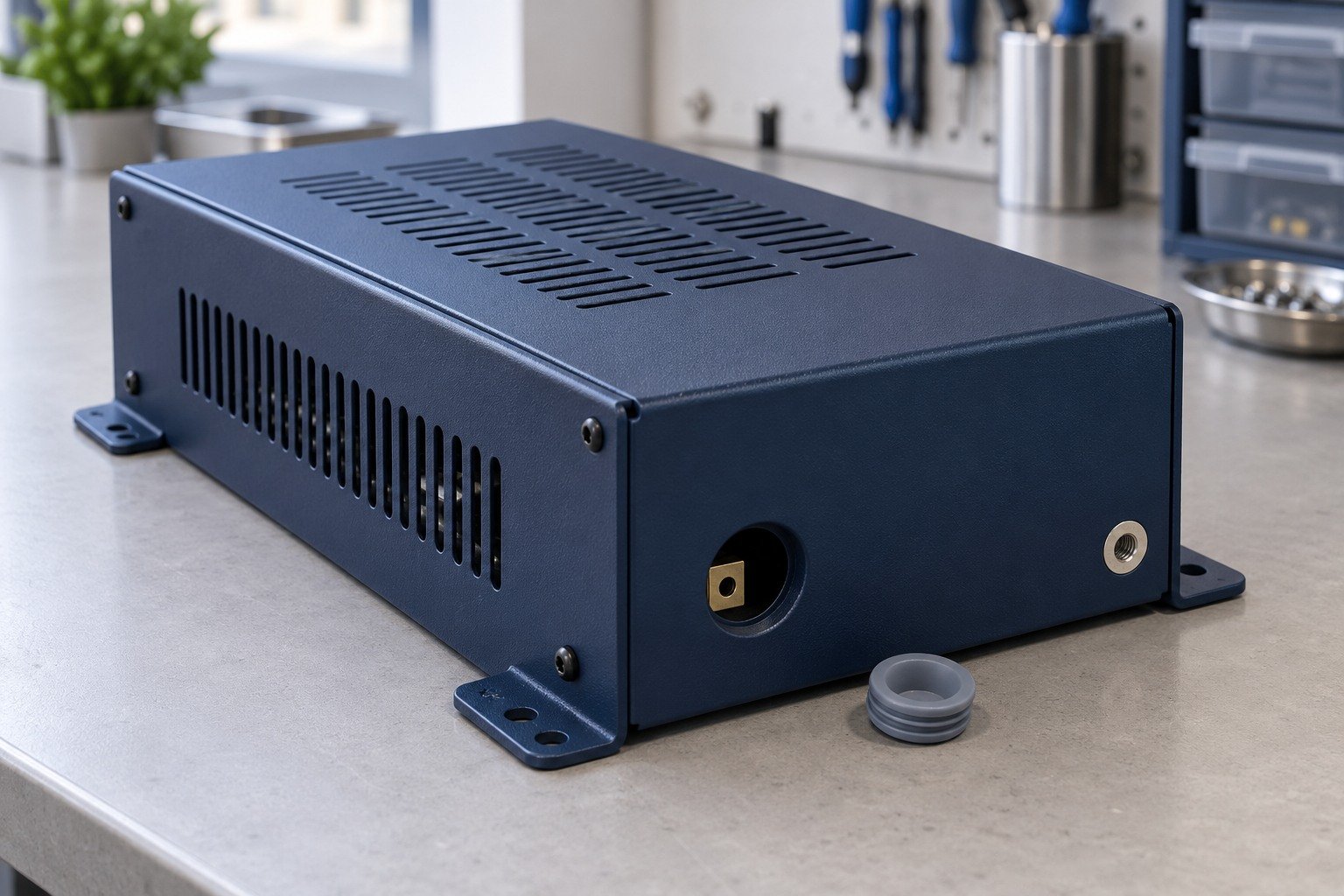
Check cover fit, masked grounds and the agreed appearance sample.
| Your final fit | Cover seats, ventilation and grounding. |
|---|---|
| Your appearance | Color, gloss, texture and coverage criteria. |
| Your records | Sample revision, agreed tests and release results. |
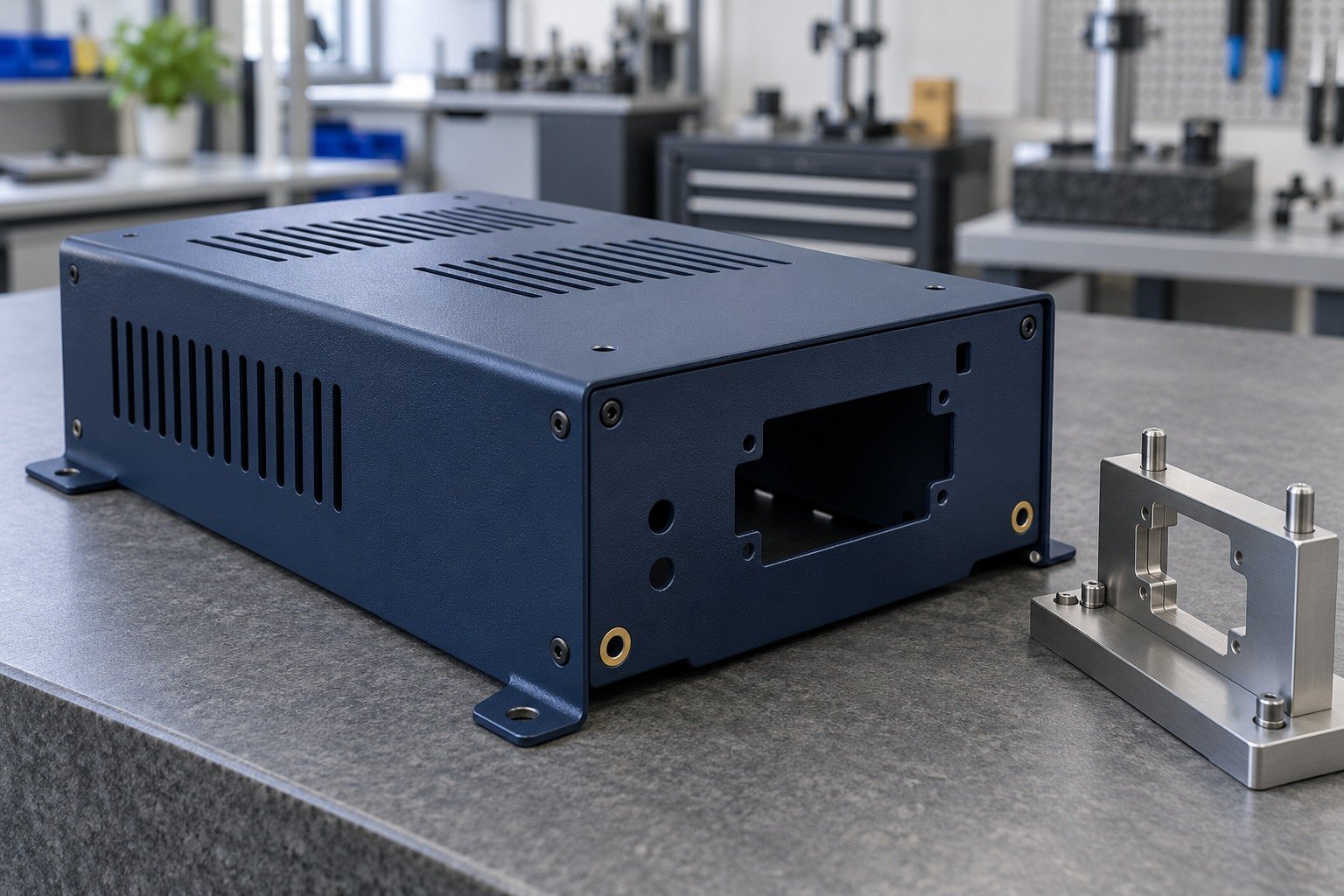
Powder coating frames starts with weld condition, mounting geometry and the surface preparation plan.
| Your interfaces | Mounting feet, weld zones and assembly datums. |
|---|---|
| Your appearance | Visible zones, texture and approved sample. |
| Your order | Quantity, packing and delivery requirements. |
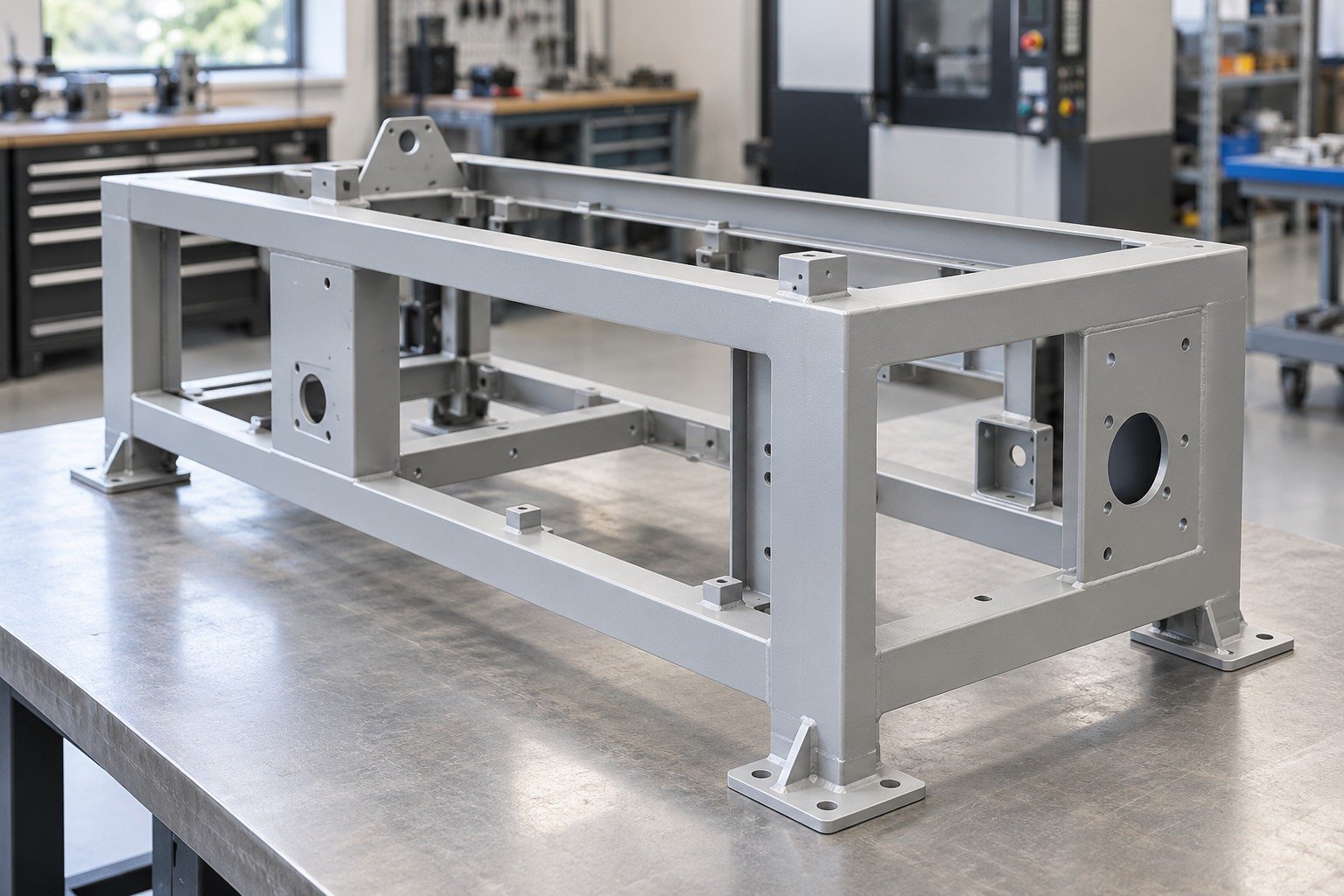
Review welds, scale, cavities and pretreatment access with the fabricator and processor.
| Your substrate | Exact metal and incoming surface condition. |
|---|---|
| Your system | Preparation, powder product and service exposure. |
| Your evidence | Specified coating checks and approved sample. |
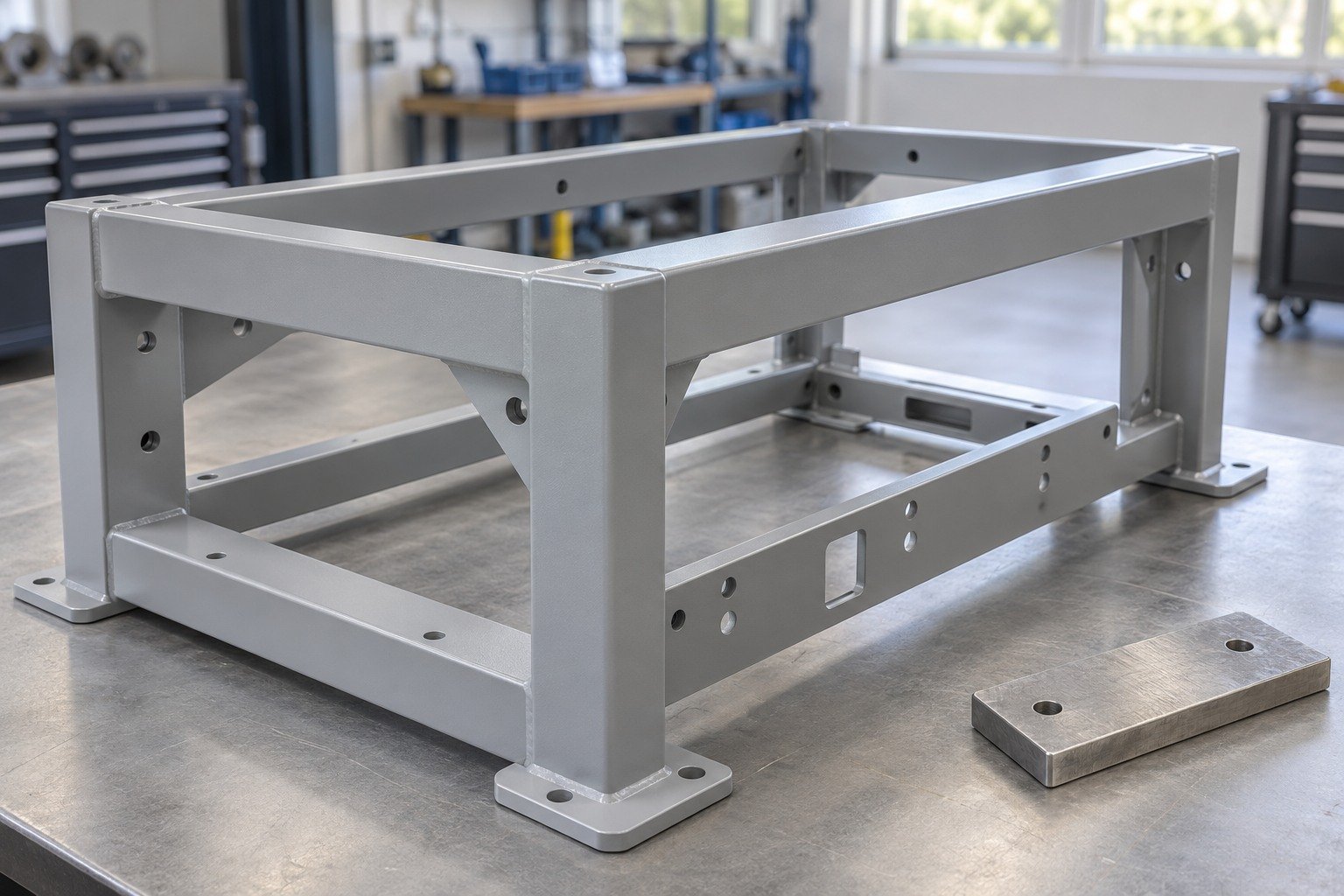
Define mounting faces and any machined bores that must remain usable after coating.
| Your drawing | Mounting feet, weld zones and assembly datums. |
|---|---|
| Your boundaries | Threads, bores, contacts and allowed rack marks. |
| Your agreement | Masking method and final inspection. |
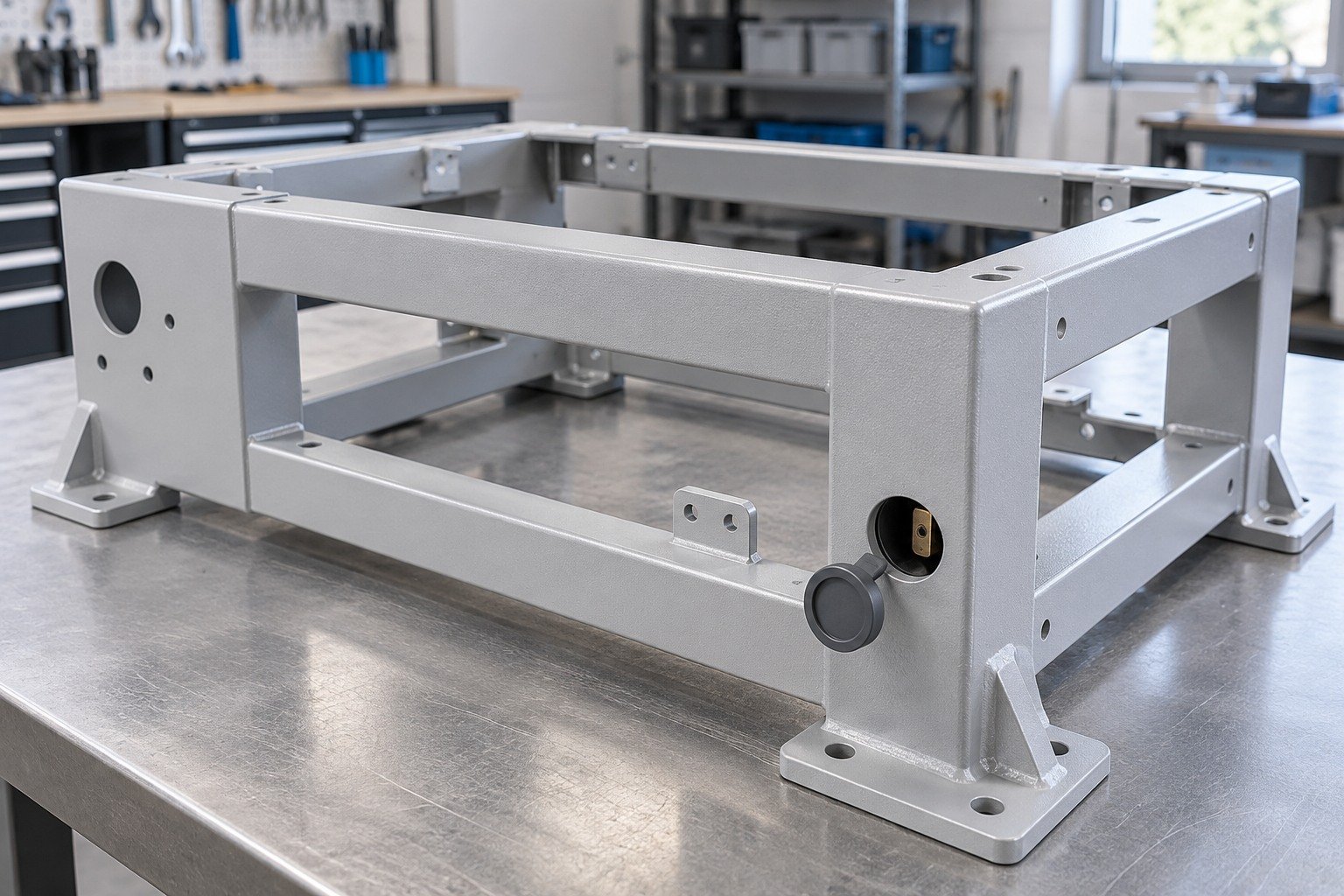
Measure critical mounting interfaces after coating and check specified weld-area coverage.
| Your final fit | Mounting feet, weld zones and assembly datums. |
|---|---|
| Your appearance | Color, gloss, texture and coverage criteria. |
| Your records | Sample revision, agreed tests and release results. |
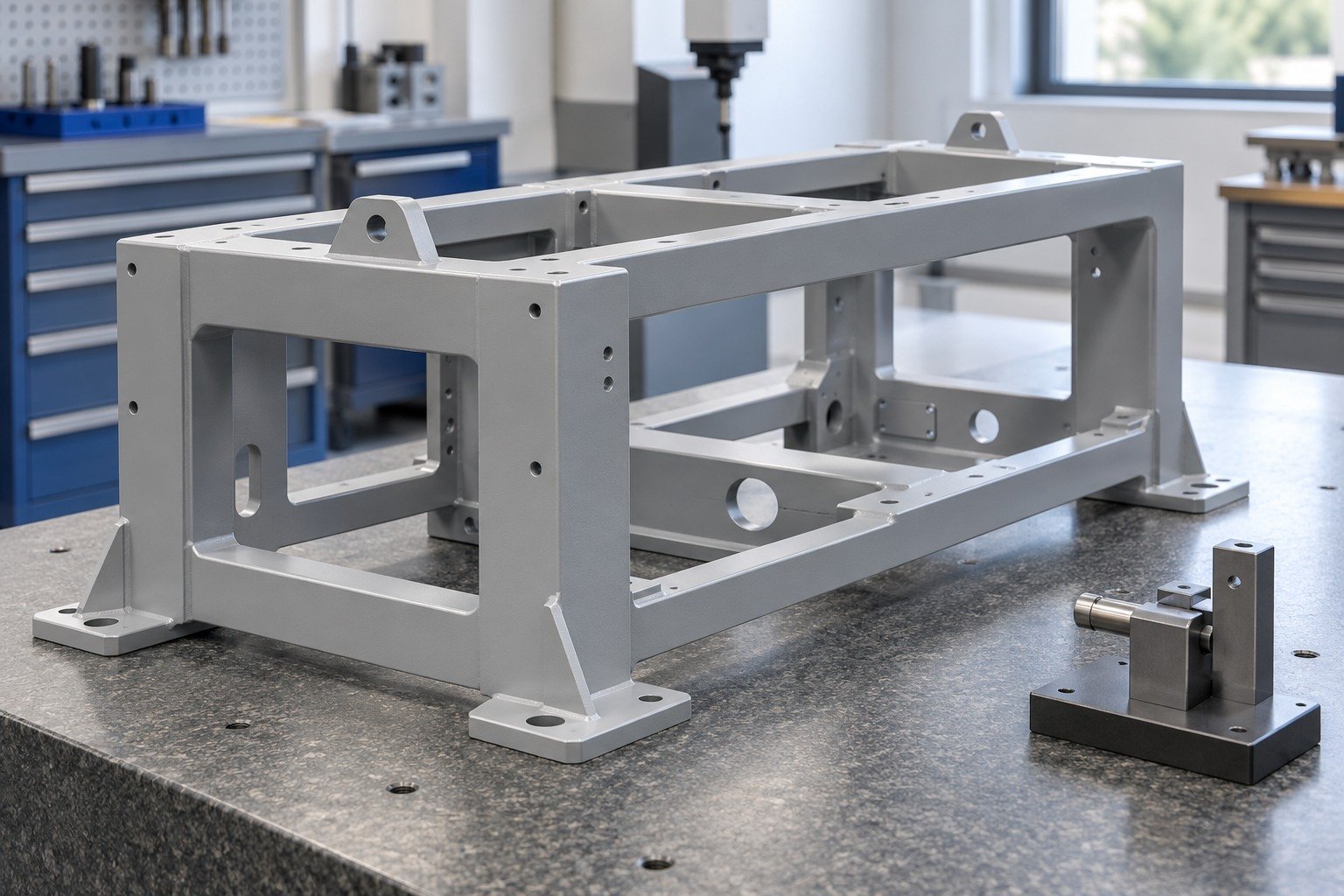
Review open tube ends, drainage and rack access as well as the finished mounting faces.
| Your interfaces | Mounting tabs, tube ends and mating brackets. |
|---|---|
| Your appearance | Visible zones, texture and approved sample. |
| Your order | Quantity, packing and delivery requirements. |
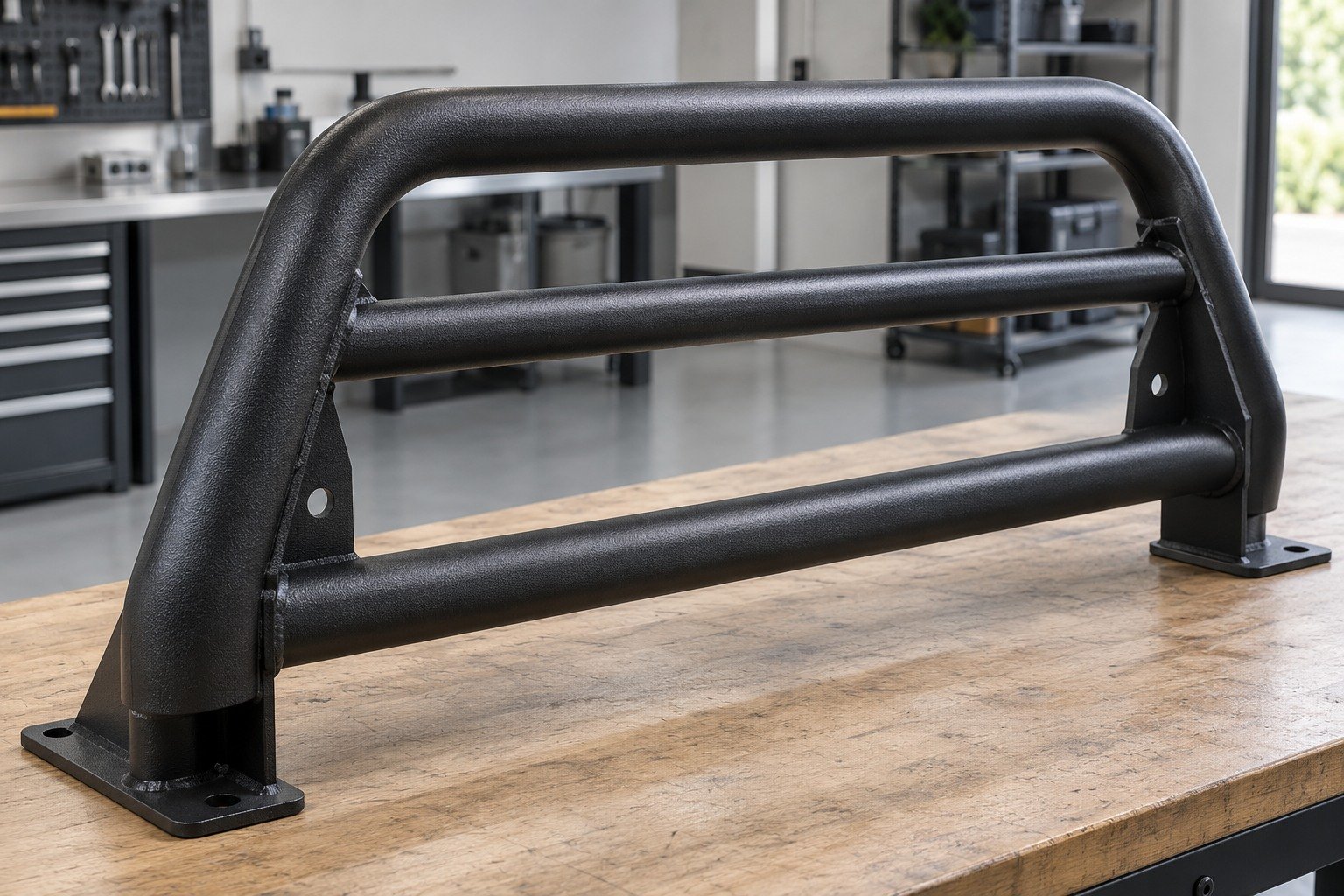
Check tube construction, heat-sensitive inserts and any trapped liquid or venting risks.
| Your substrate | Exact metal and incoming surface condition. |
|---|---|
| Your system | Preparation, powder product and service exposure. |
| Your evidence | Specified coating checks and approved sample. |
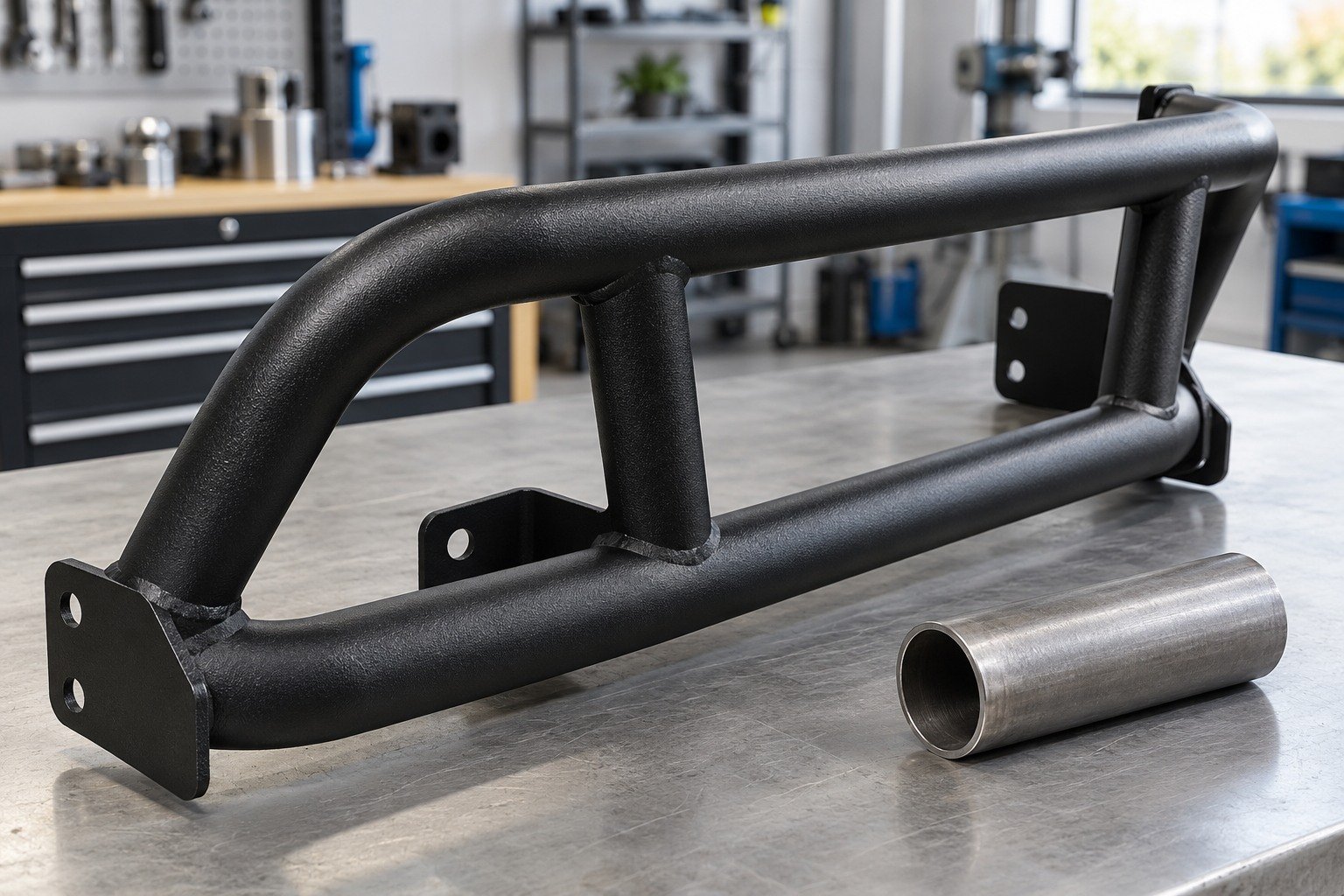
Identify tube ends, threaded tabs and allowed hanging contact positions.
| Your drawing | Mounting tabs, tube ends and mating brackets. |
|---|---|
| Your boundaries | Threads, bores, contacts and allowed rack marks. |
| Your agreement | Masking method and final inspection. |
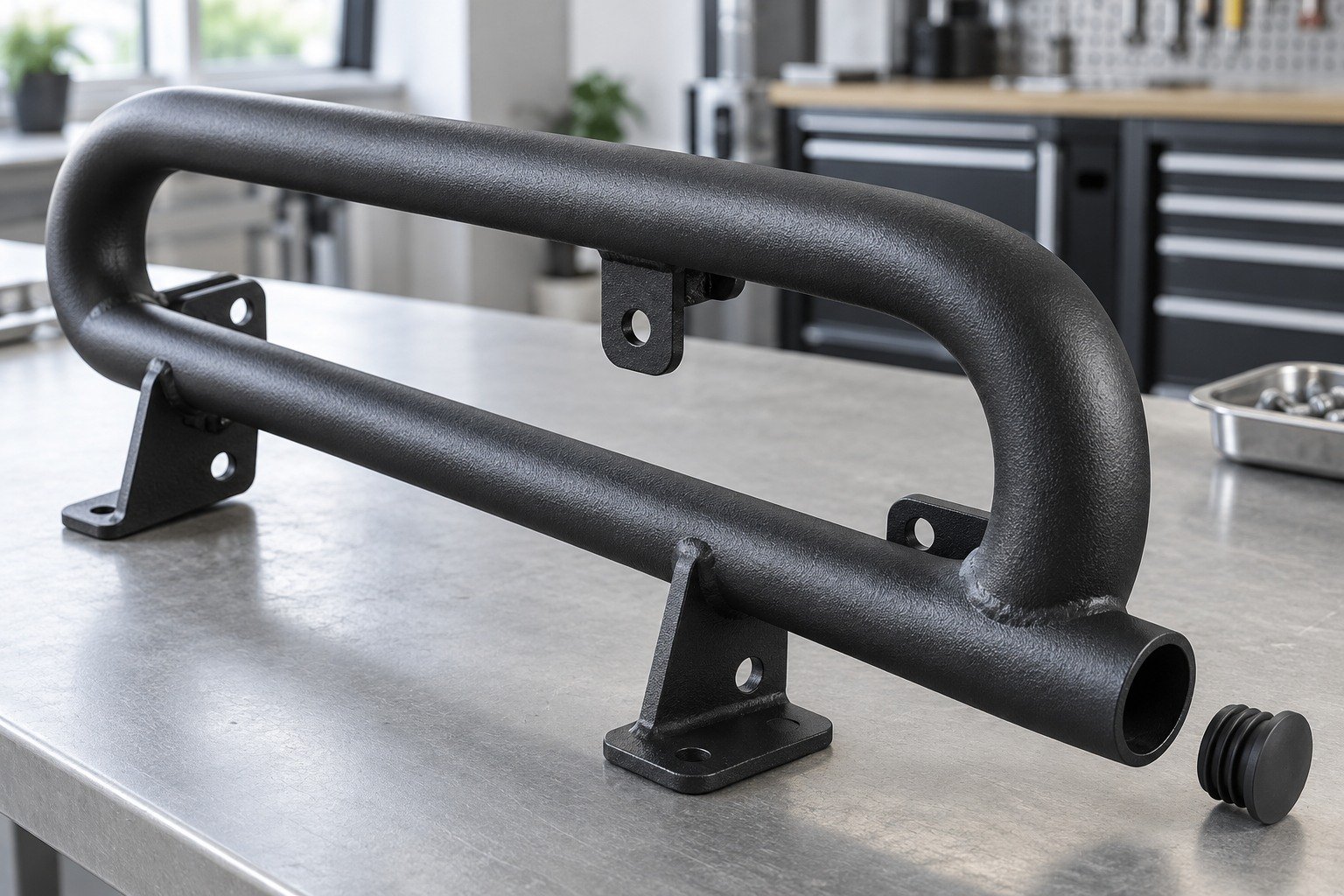
Use the actual mating bracket or gauge to check installation after finishing.
| Your final fit | Mounting tabs, tube ends and mating brackets. |
|---|---|
| Your appearance | Color, gloss, texture and coverage criteria. |
| Your records | Sample revision, agreed tests and release results. |
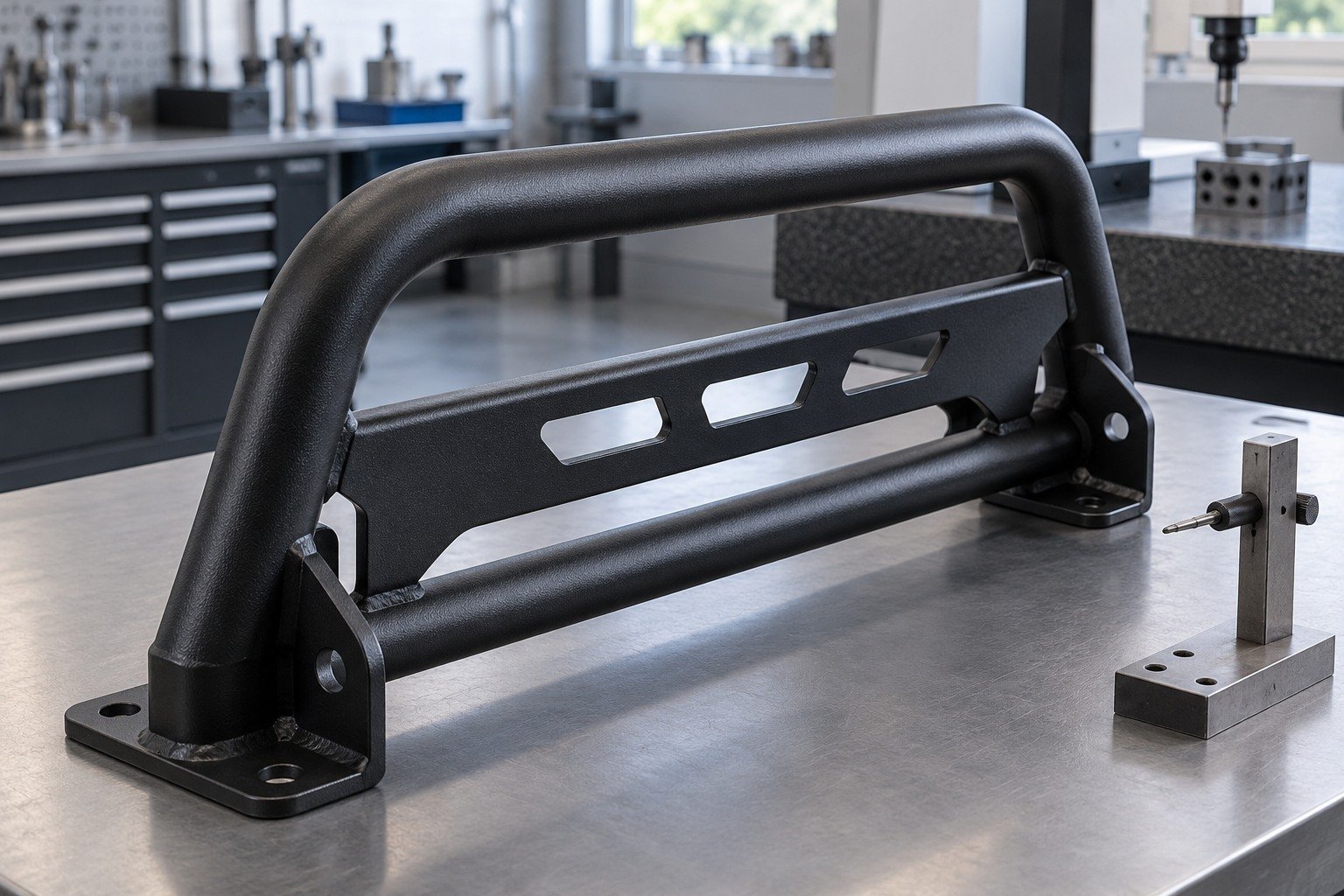
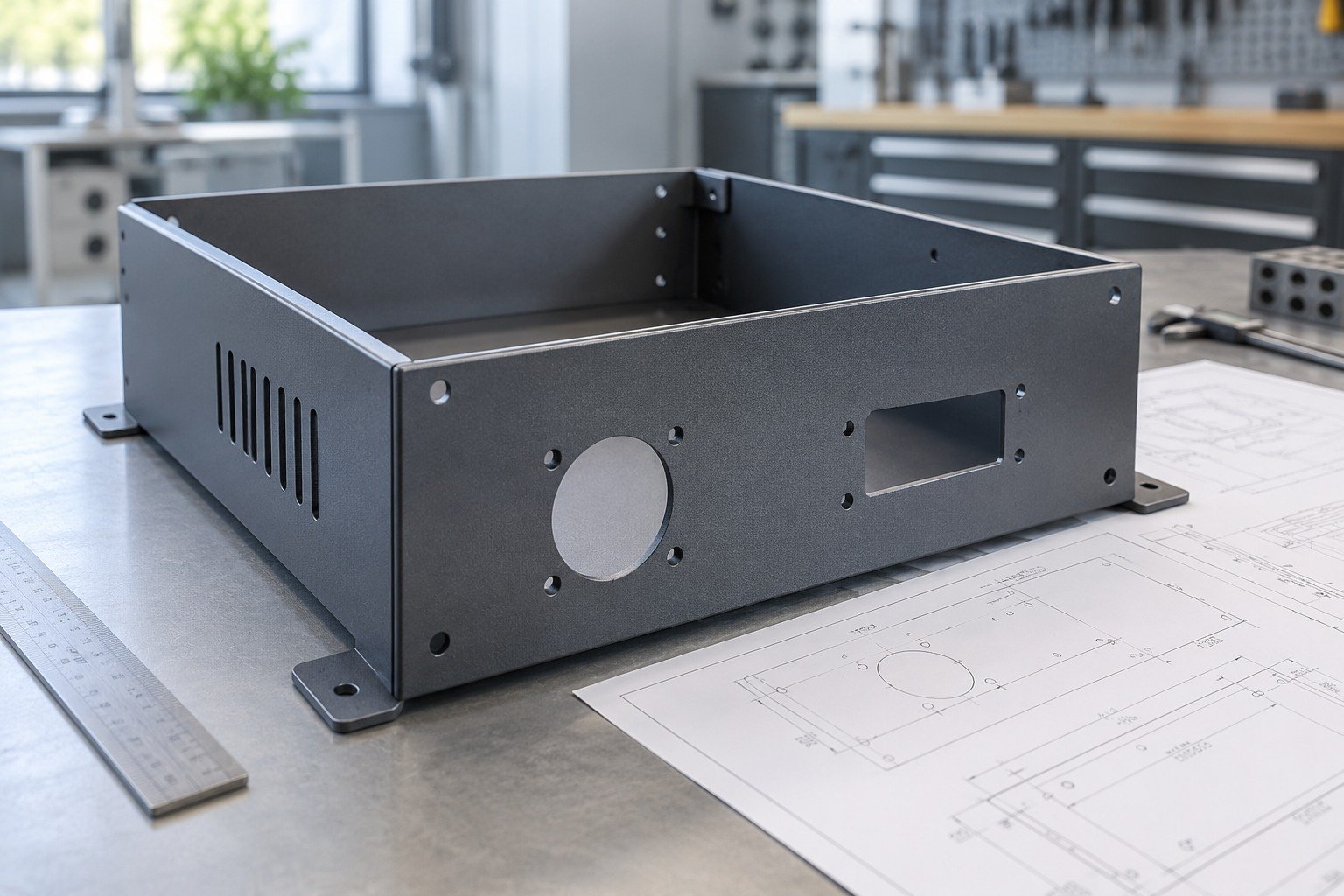
Agree cutout clearance and the appearance sample before coating the full panel set.
| Your interfaces | Cutouts, folded edges and customer-visible faces. |
|---|---|
| Your appearance | Visible zones, texture and approved sample. |
| Your order | Quantity, packing and delivery requirements. |
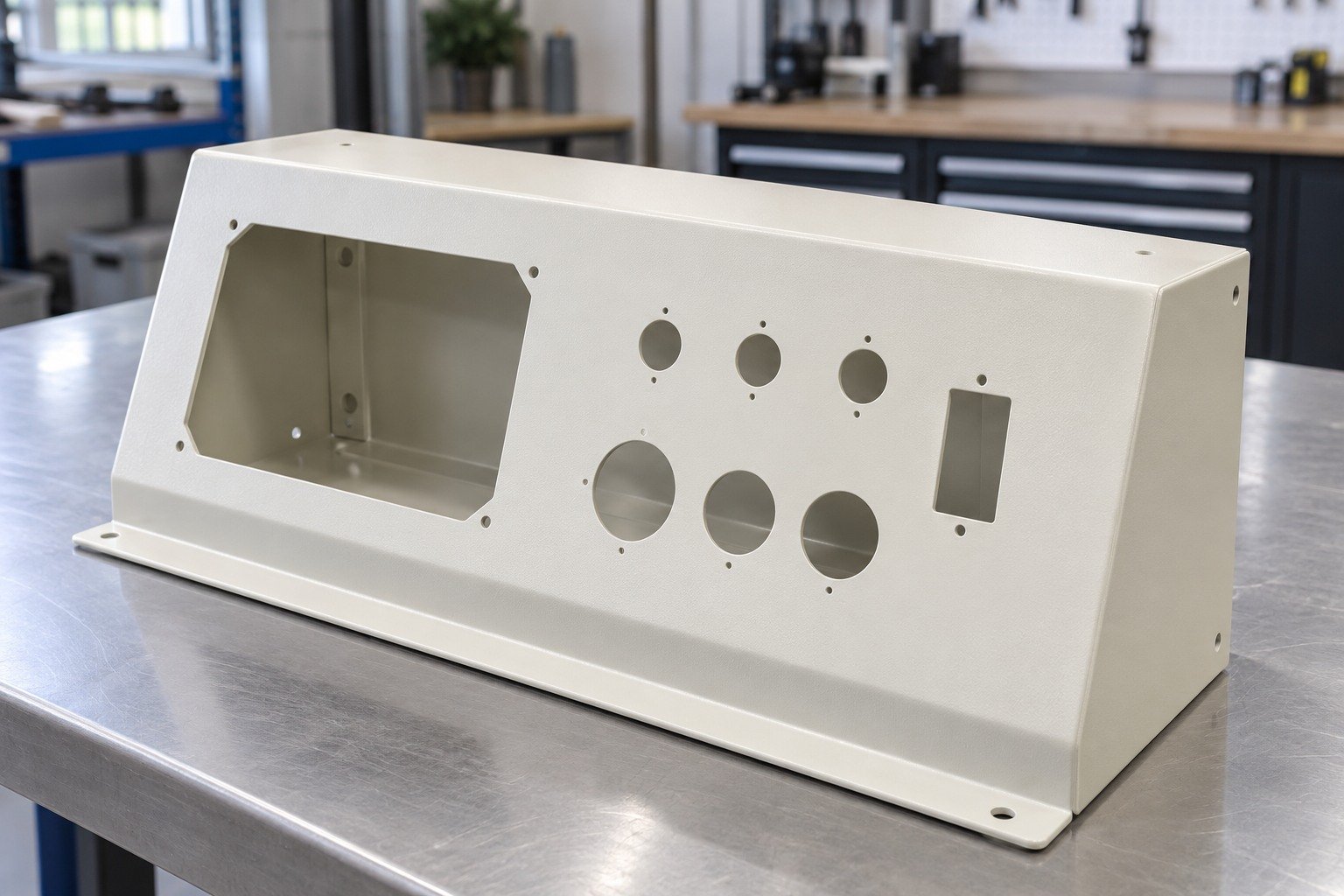
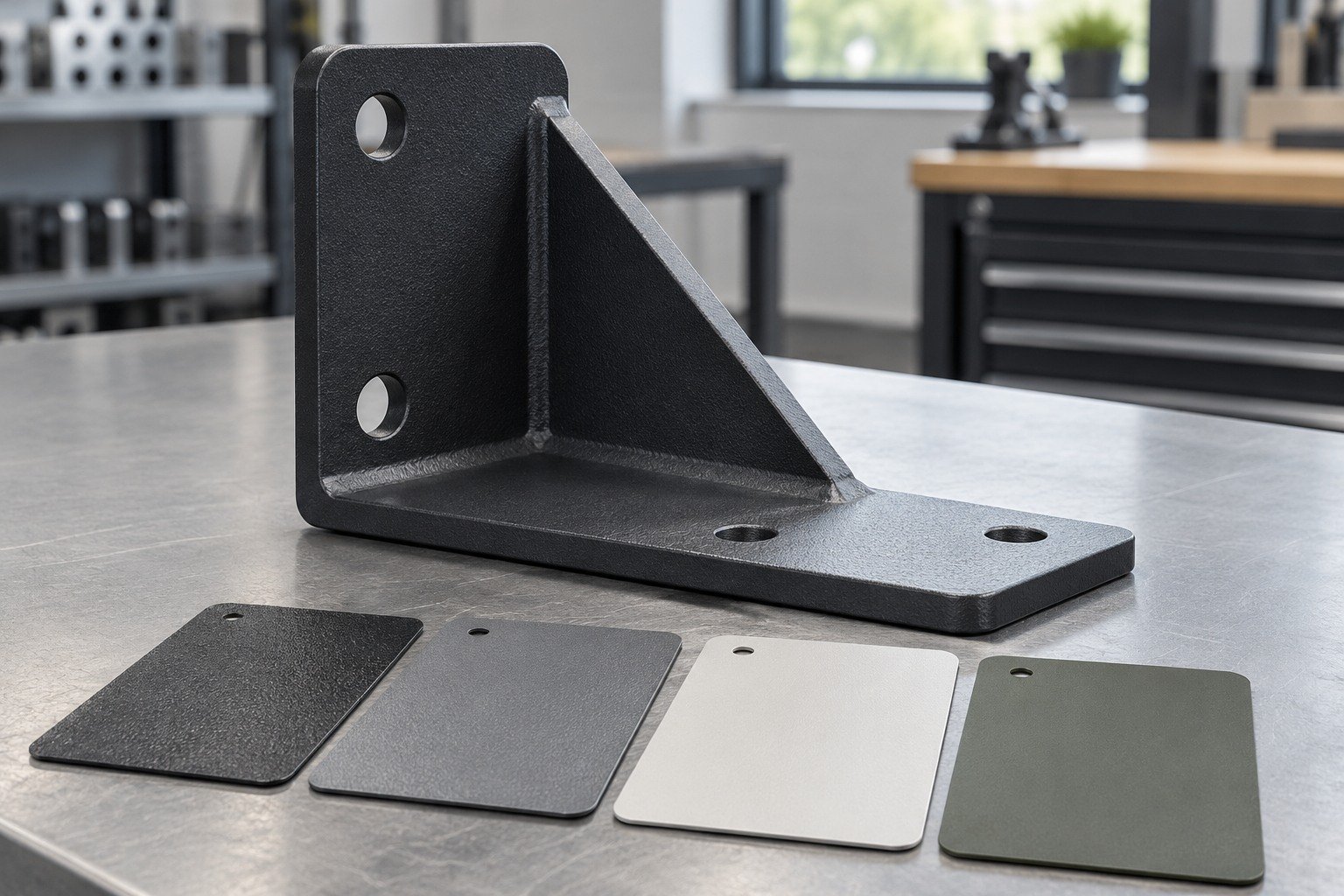
Choose color, gloss and texture using a physical sample of the actual preparation route.
| Your substrate | Exact metal and incoming surface condition. |
|---|---|
| Your system | Preparation, powder product and service exposure. |
| Your evidence | Specified coating checks and approved sample. |
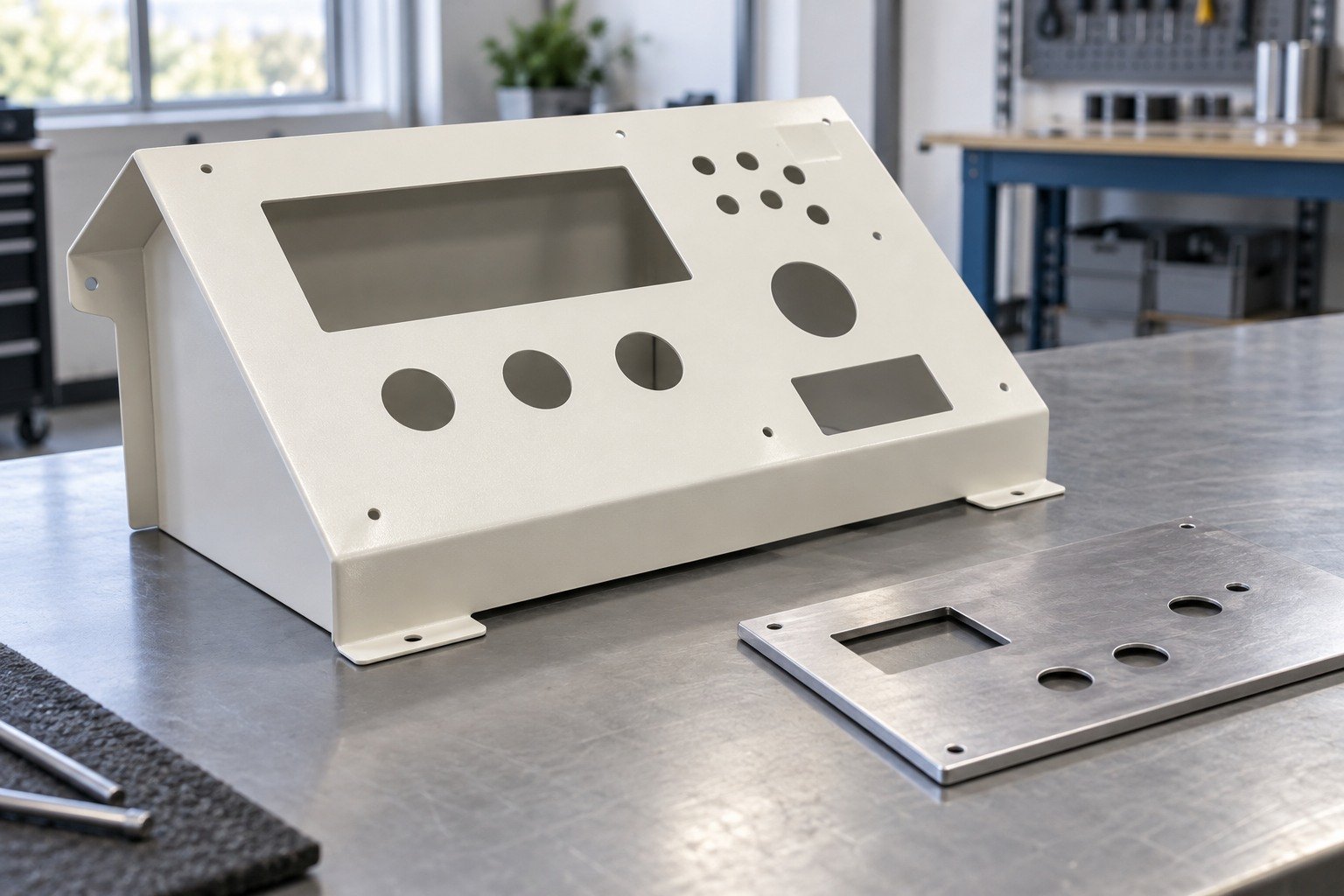
Separate cosmetic faces from fastening seats, connectors and contact zones.
| Your drawing | Cutouts, folded edges and customer-visible faces. |
|---|---|
| Your boundaries | Threads, bores, contacts and allowed rack marks. |
| Your agreement | Masking method and final inspection. |
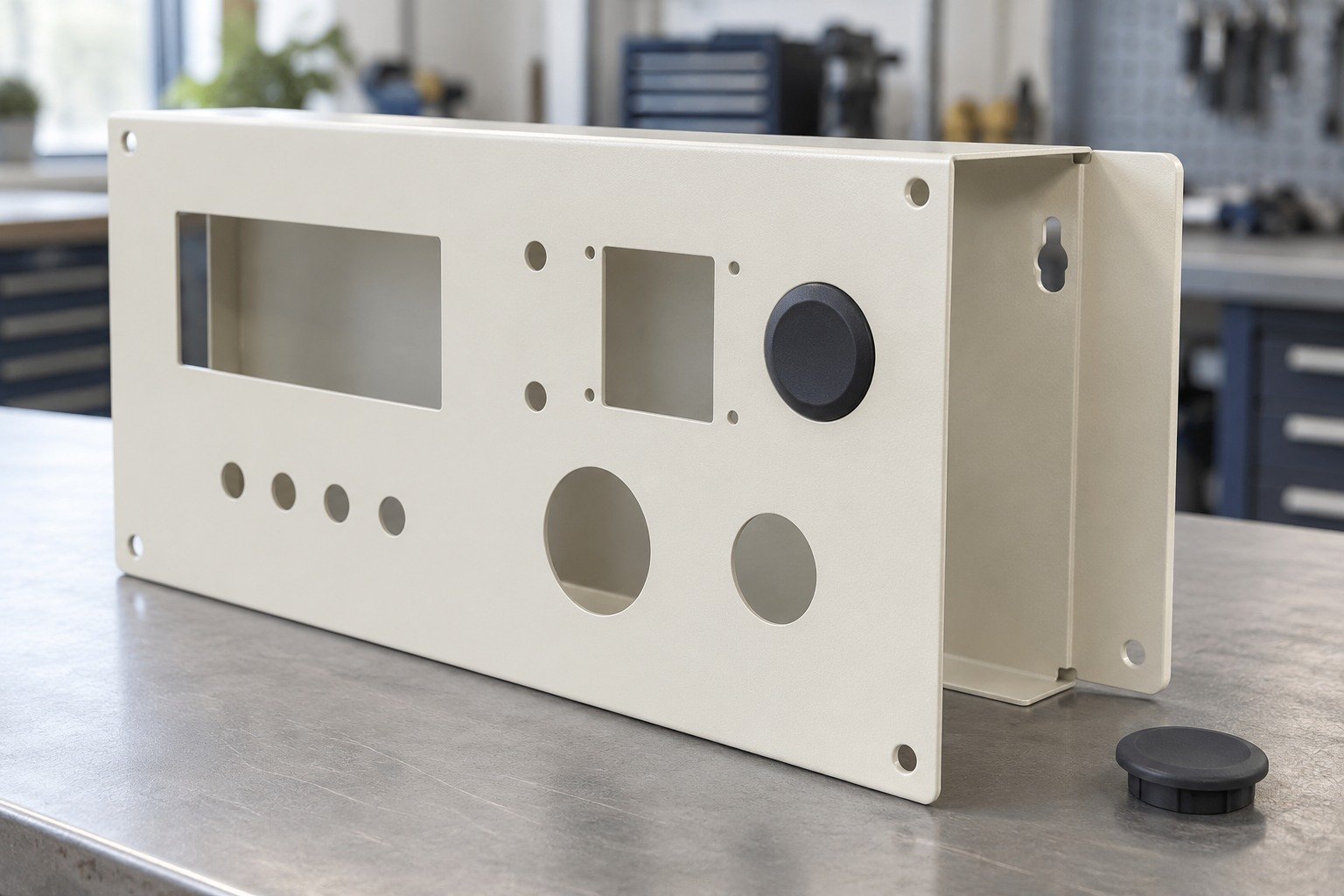
Review color, gloss, texture and cutout fit under agreed viewing conditions.
| Your final fit | Cutouts, folded edges and customer-visible faces. |
|---|---|
| Your appearance | Color, gloss, texture and coverage criteria. |
| Your records | Sample revision, agreed tests and release results. |
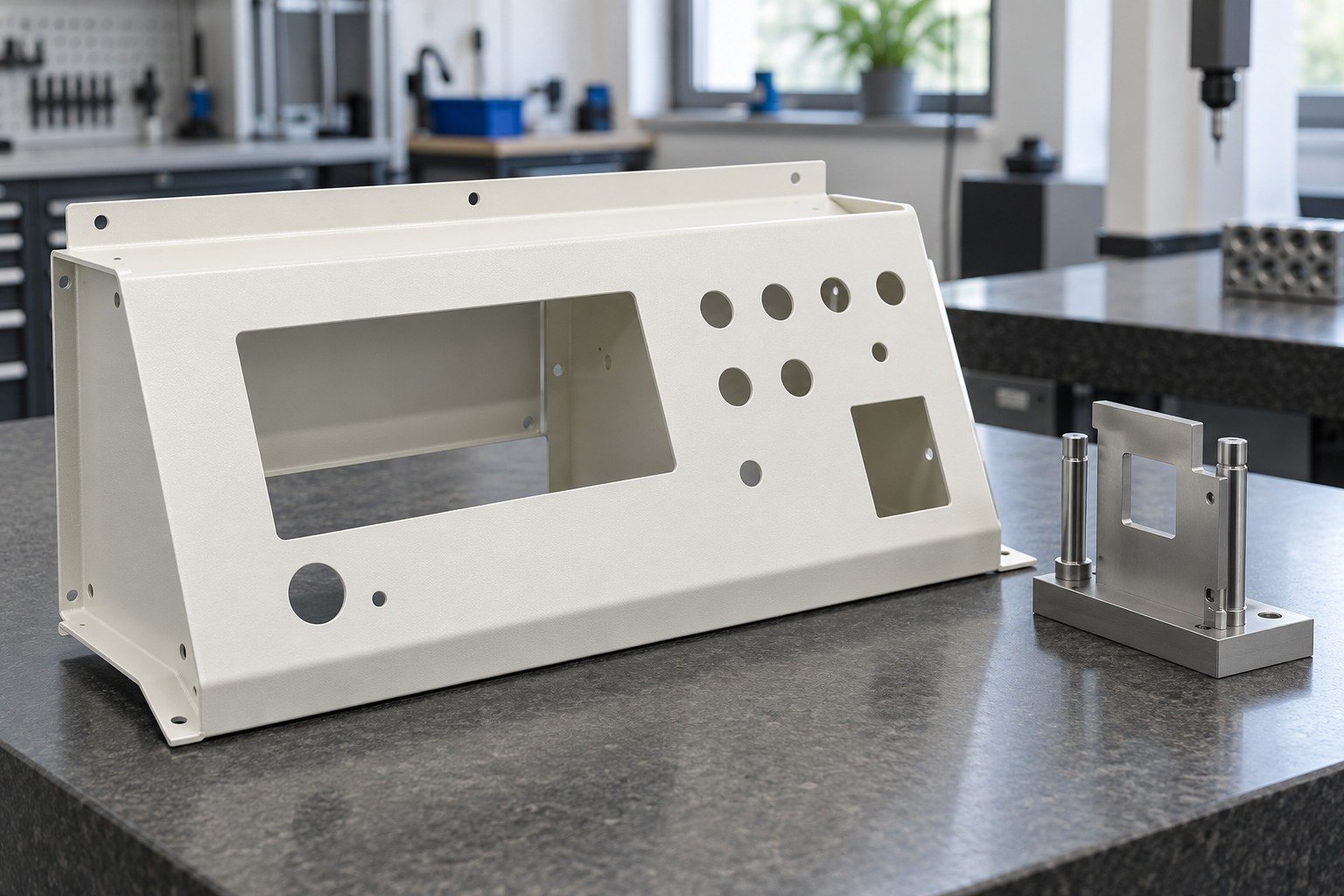
For powder coating brackets, mark locating holes and fastener seats on the finished drawing.
| Your interfaces | Locating holes, mounting faces and fasteners. |
|---|---|
| Your appearance | Visible zones, texture and approved sample. |
| Your order | Quantity, packing and delivery requirements. |
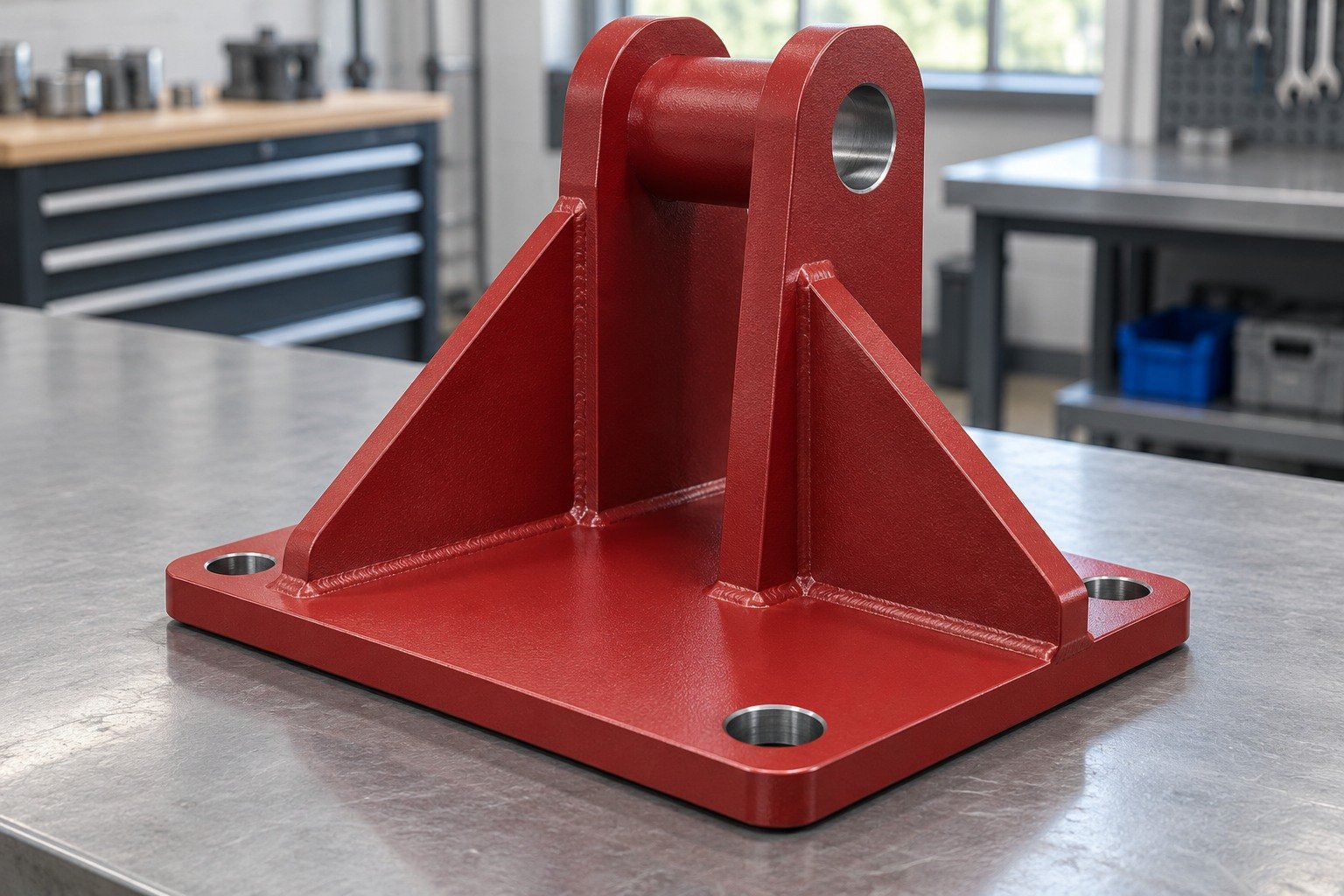
Review corrosion exposure, edge coverage and assembly wear; specify the coating system rather than color alone.
| Your substrate | Exact metal and incoming surface condition. |
|---|---|
| Your system | Preparation, powder product and service exposure. |
| Your evidence | Specified coating checks and approved sample. |
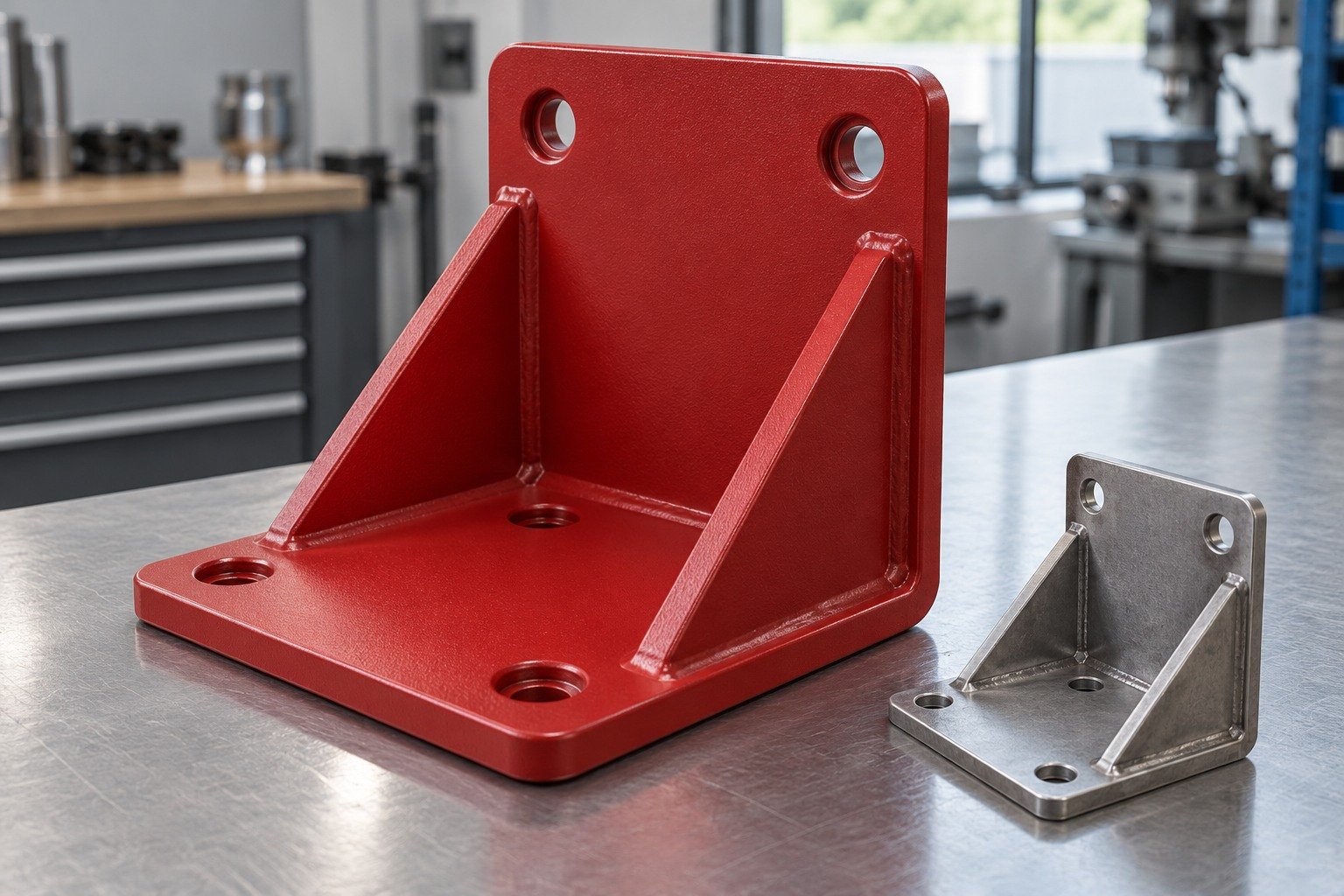
Define locating bores, thread gauges and protected clamping surfaces.
| Your drawing | Locating holes, mounting faces and fasteners. |
|---|---|
| Your boundaries | Threads, bores, contacts and allowed rack marks. |
| Your agreement | Masking method and final inspection. |
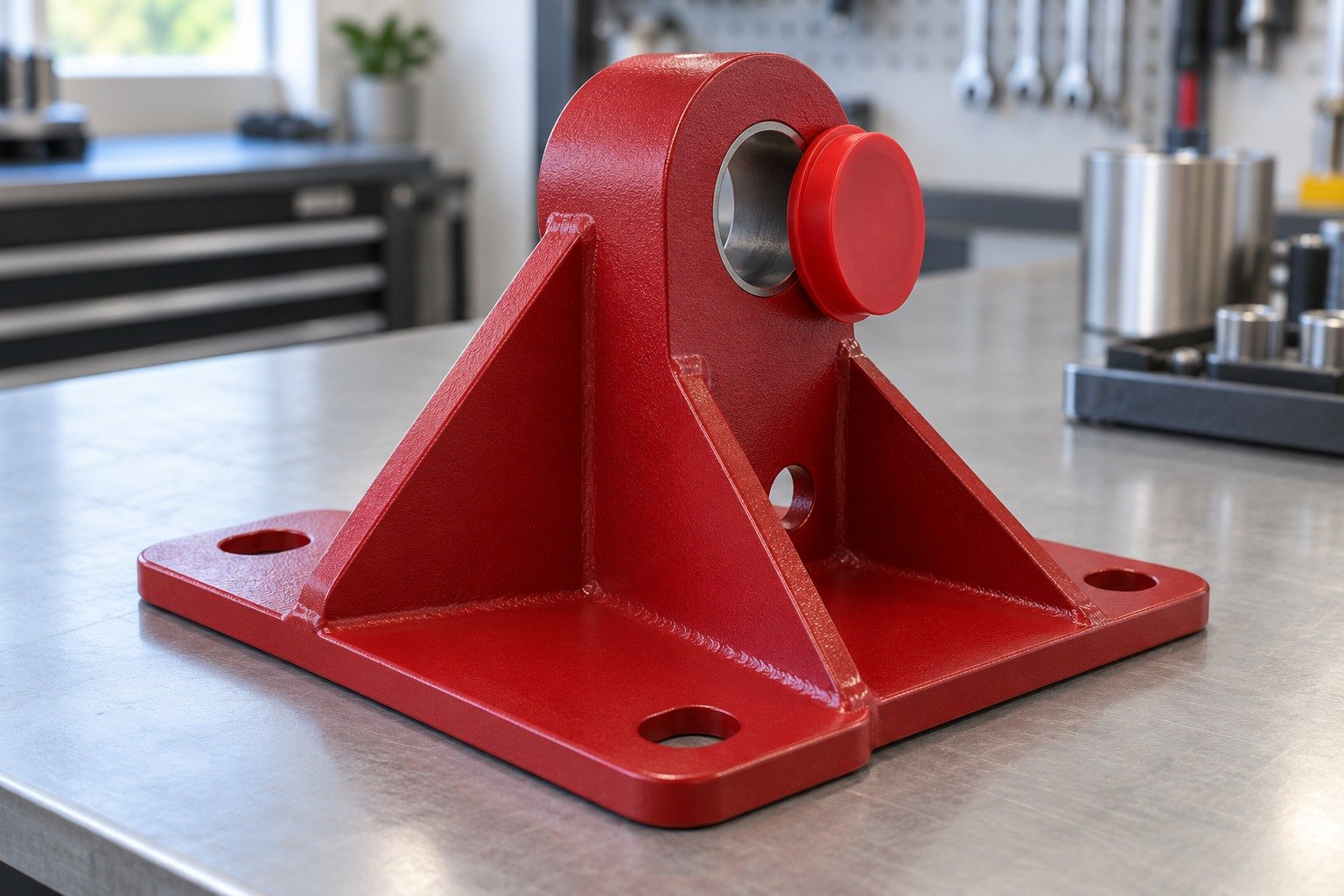
Gauge final holes and fastener seats against the approved drawing and sample.
| Your final fit | Locating holes, mounting faces and fasteners. |
|---|---|
| Your appearance | Color, gloss, texture and coverage criteria. |
| Your records | Sample revision, agreed tests and release results. |
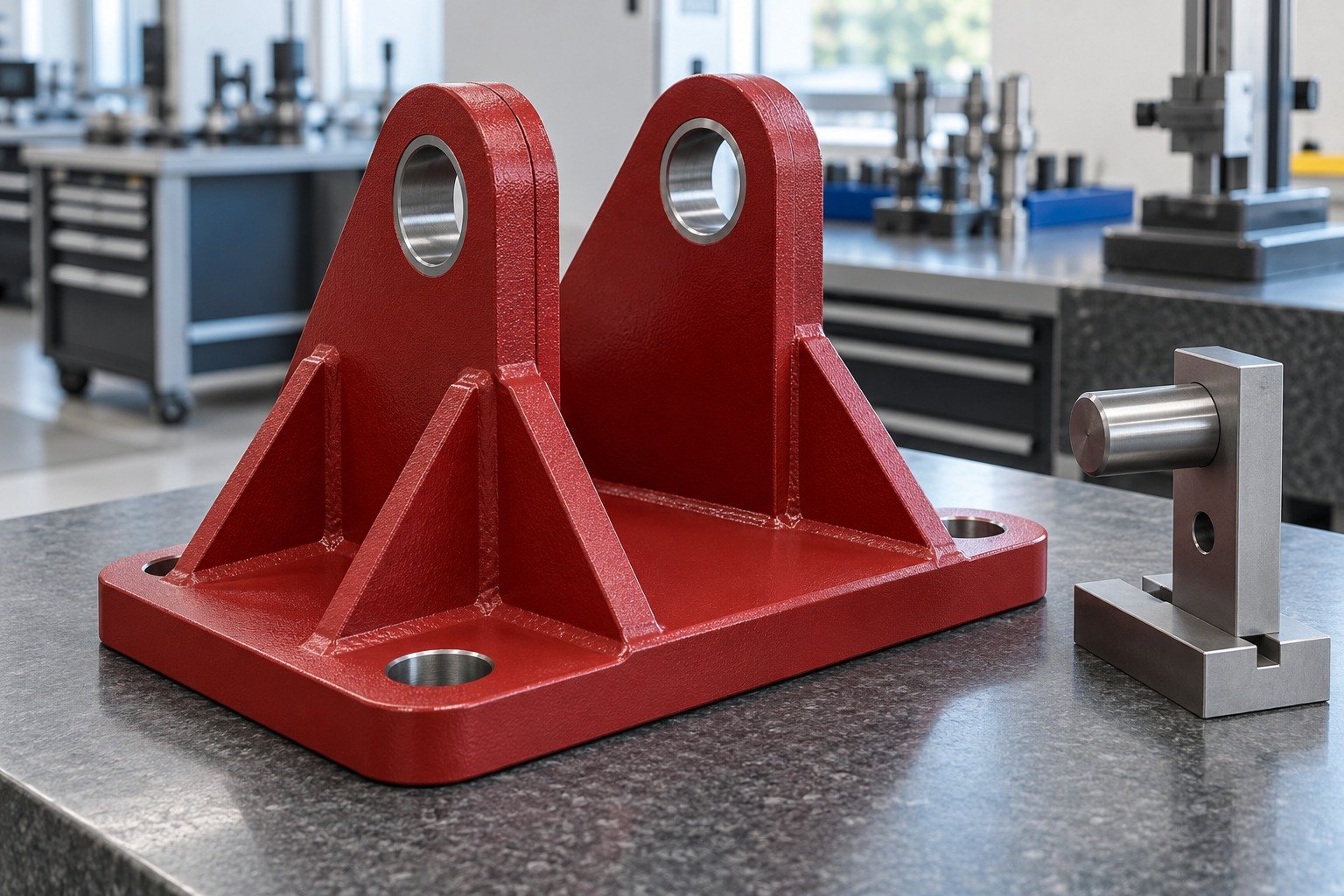
Identify handling, cleaning and service exposure, with a clear boundary between visible and hidden surfaces.
| Your interfaces | Access clearances, flanges and guarding interfaces. |
|---|---|
| Your appearance | Visible zones, texture and approved sample. |
| Your order | Quantity, packing and delivery requirements. |
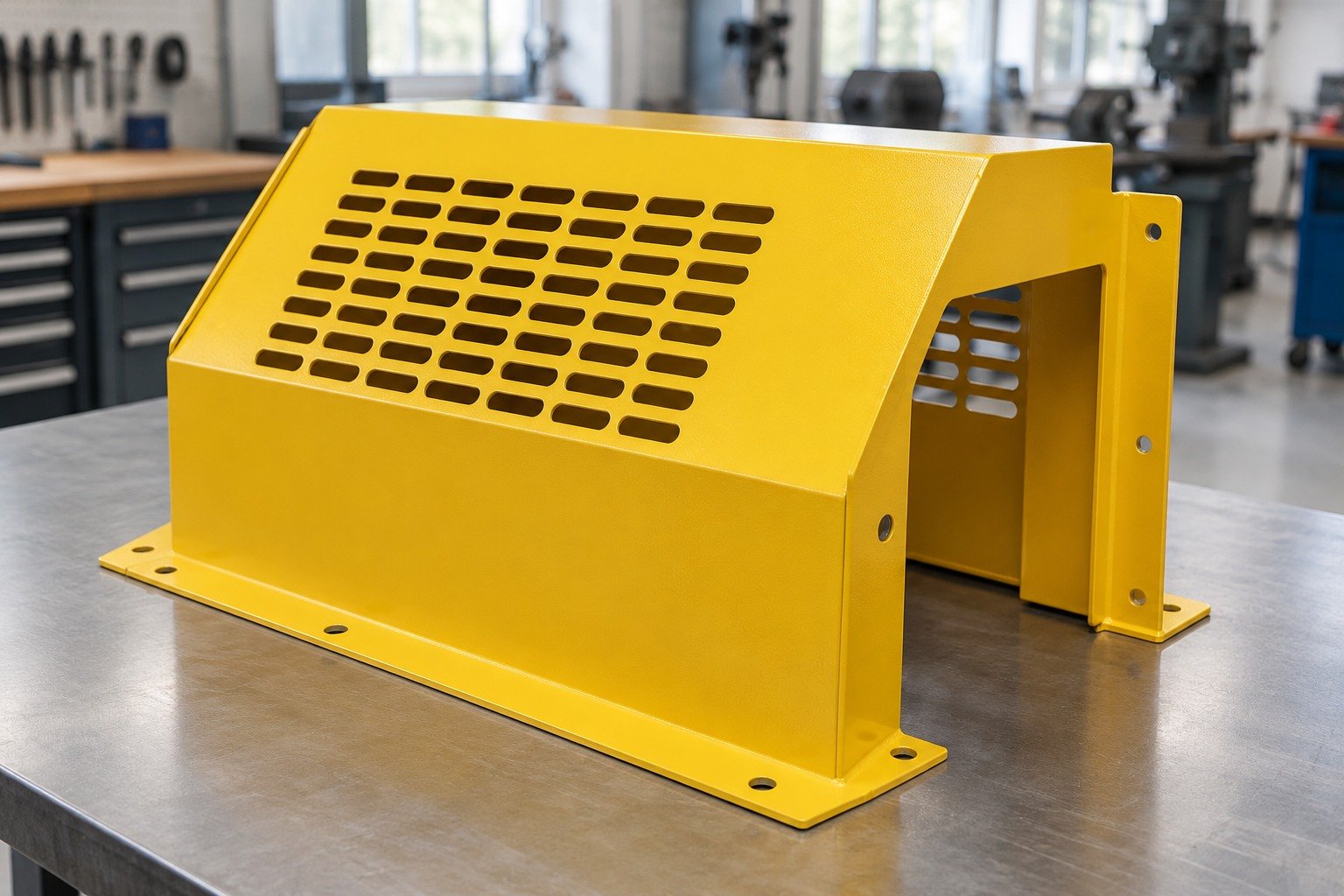
Review cleaning chemicals, operating conditions and the powder product technical data.
| Your substrate | Exact metal and incoming surface condition. |
|---|---|
| Your system | Preparation, powder product and service exposure. |
| Your evidence | Specified coating checks and approved sample. |
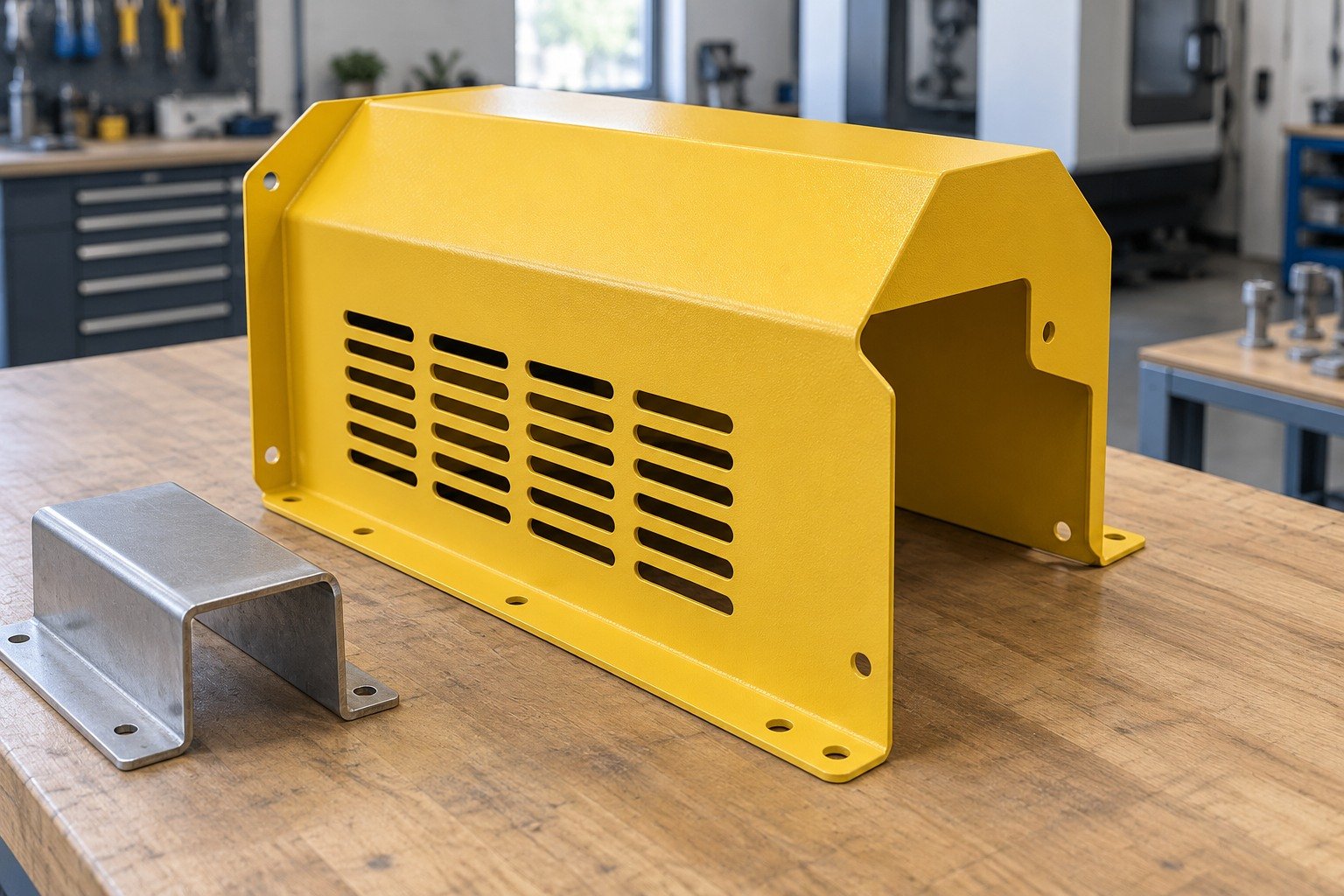
Plan protected attachment points and non-visible hanging contacts before processing.
| Your drawing | Access clearances, flanges and guarding interfaces. |
|---|---|
| Your boundaries | Threads, bores, contacts and allowed rack marks. |
| Your agreement | Masking method and final inspection. |
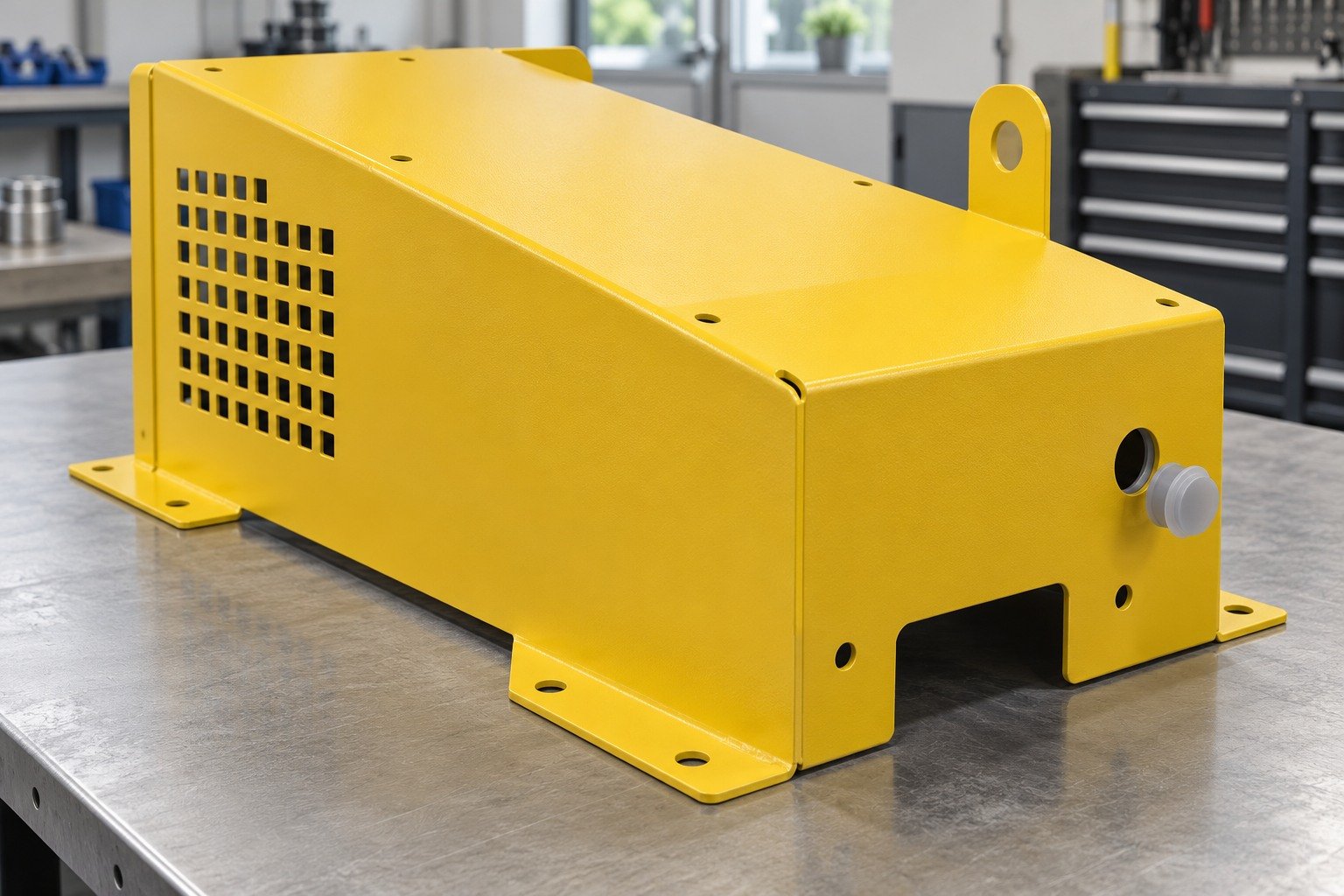
Check access clearances, cosmetic zones and agreed handling protection.
| Your final fit | Access clearances, flanges and guarding interfaces. |
|---|---|
| Your appearance | Color, gloss, texture and coverage criteria. |
| Your records | Sample revision, agreed tests and release results. |
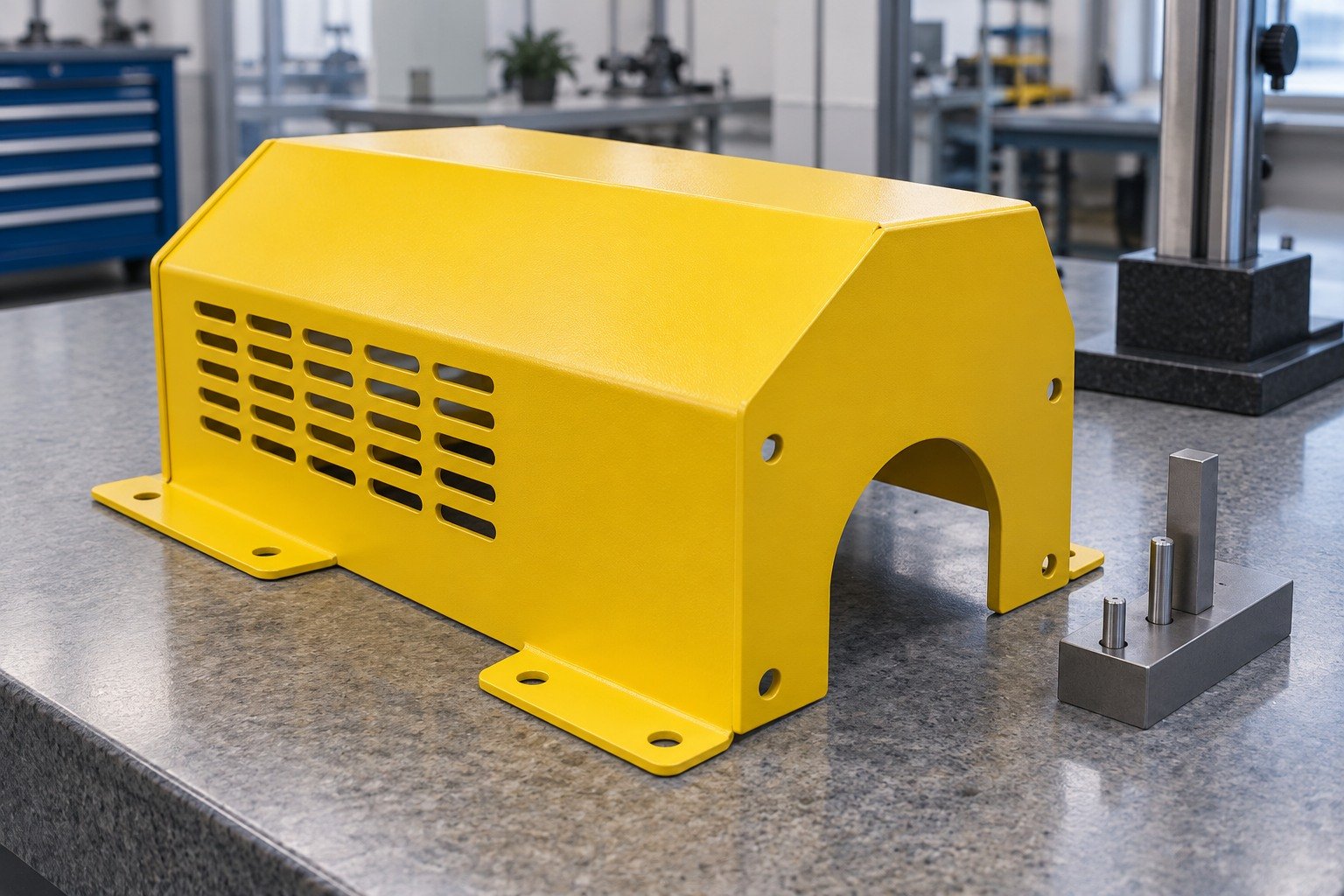
Bring the metal, part geometry, use conditions and controlled finish requirement into one review.
| Your interfaces | Your critical dimensions and finished assembly. |
|---|---|
| Your appearance | Visible zones, texture and approved sample. |
| Your order | Quantity, packing and delivery requirements. |
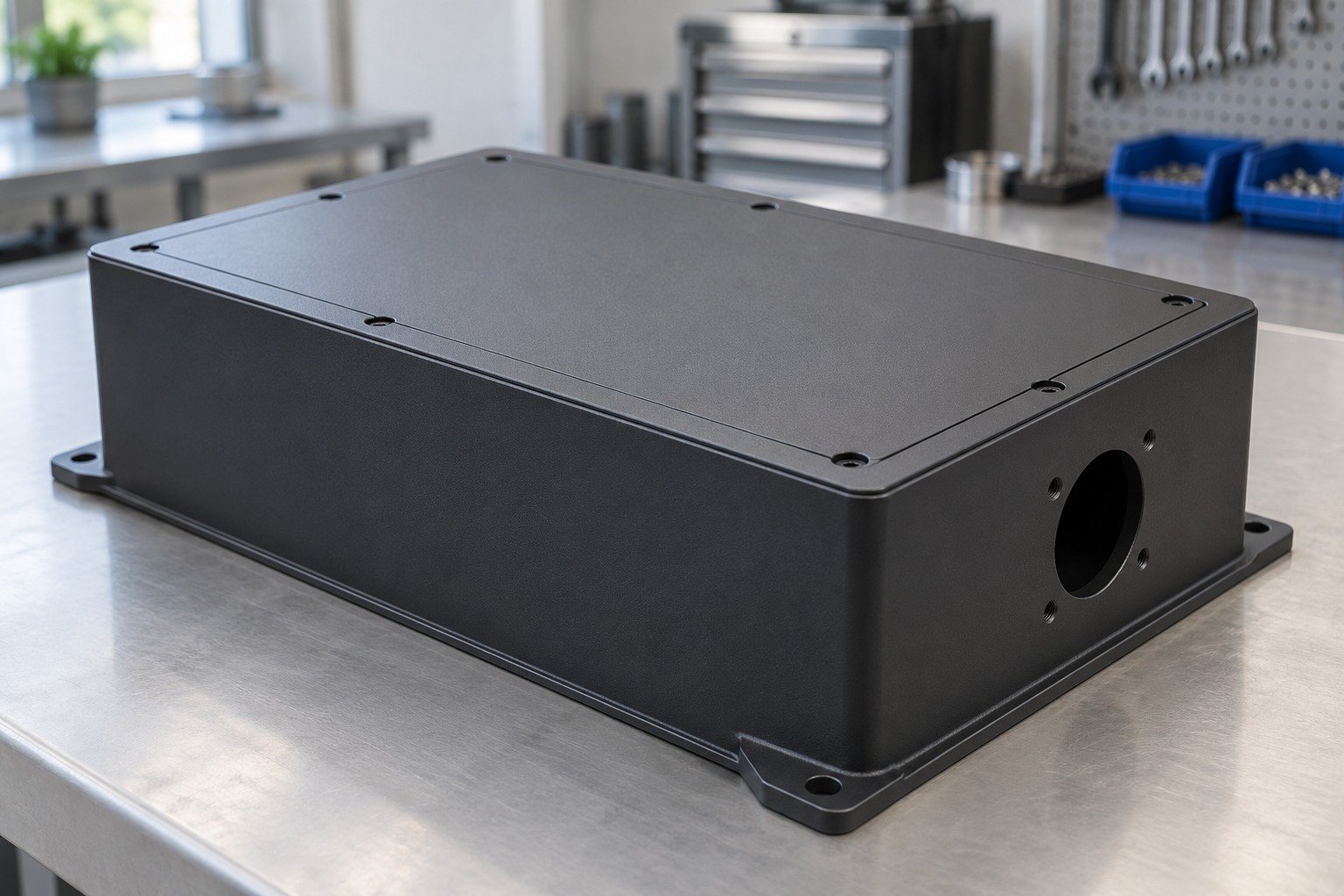
State the full coating product or performance specification, substrate condition and required evidence.
| Your substrate | Exact metal and incoming surface condition. |
|---|---|
| Your system | Preparation, powder product and service exposure. |
| Your evidence | Specified coating checks and approved sample. |
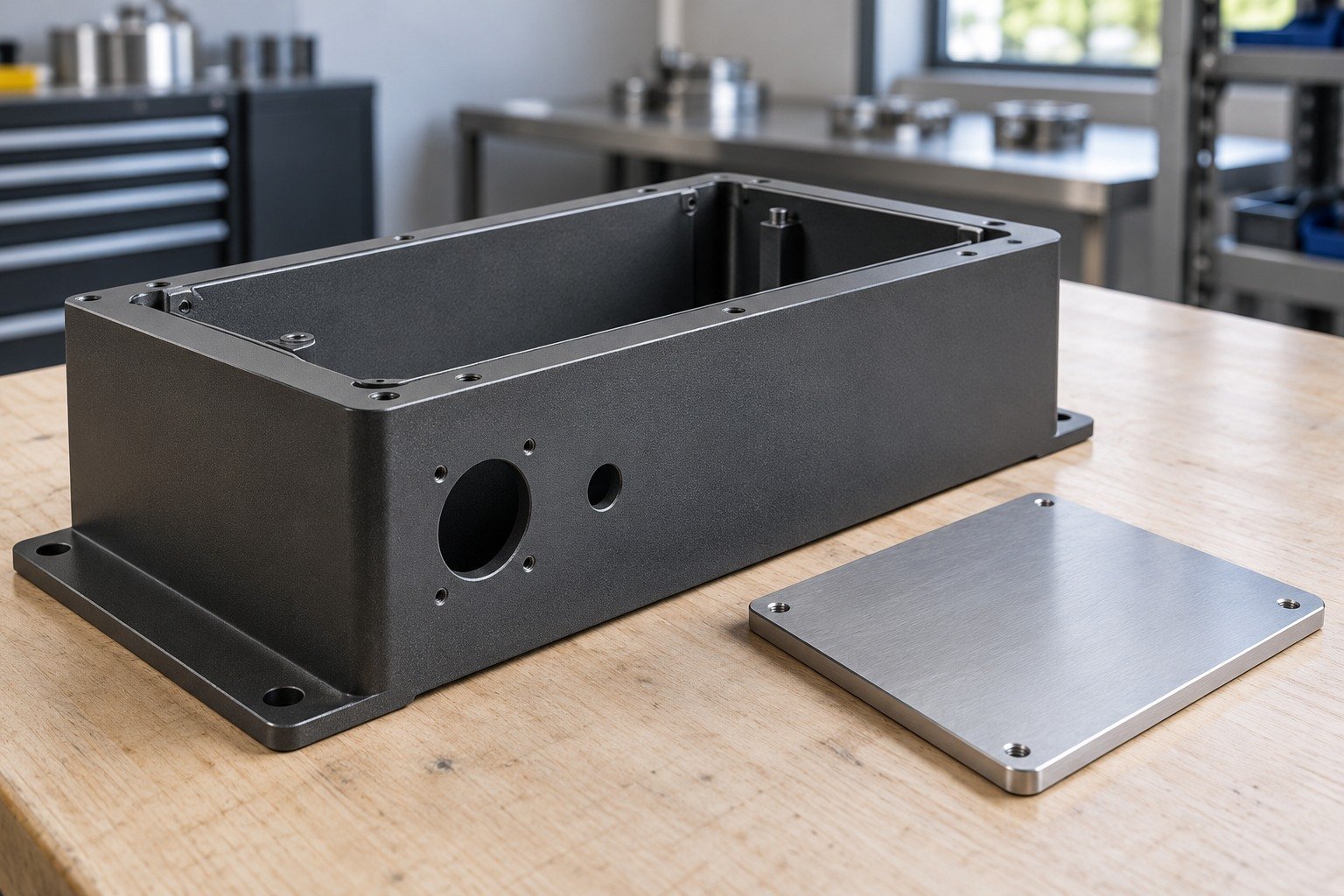
Review powder coating masking access and repeatability with the actual geometry.
| Your drawing | Your critical dimensions and finished assembly. |
|---|---|
| Your boundaries | Threads, bores, contacts and allowed rack marks. |
| Your agreement | Masking method and final inspection. |
Agree sampling, final dimensions, coating checks and release records before repeat orders.
| Your final fit | Your critical dimensions and finished assembly. |
|---|---|
| Your appearance | Color, gloss, texture and coverage criteria. |
| Your records | Sample revision, agreed tests and release results. |
Include dimensions, weight, substrate, quantity and the intended use environment.
A color chip does not establish adhesion, cure, complete coverage or final assembly fit.
Powder coating pretreatment and powder selection must be reviewed together for the exact substrate and exposure.
A color chip does not establish adhesion, cure, complete coverage or final assembly fit.
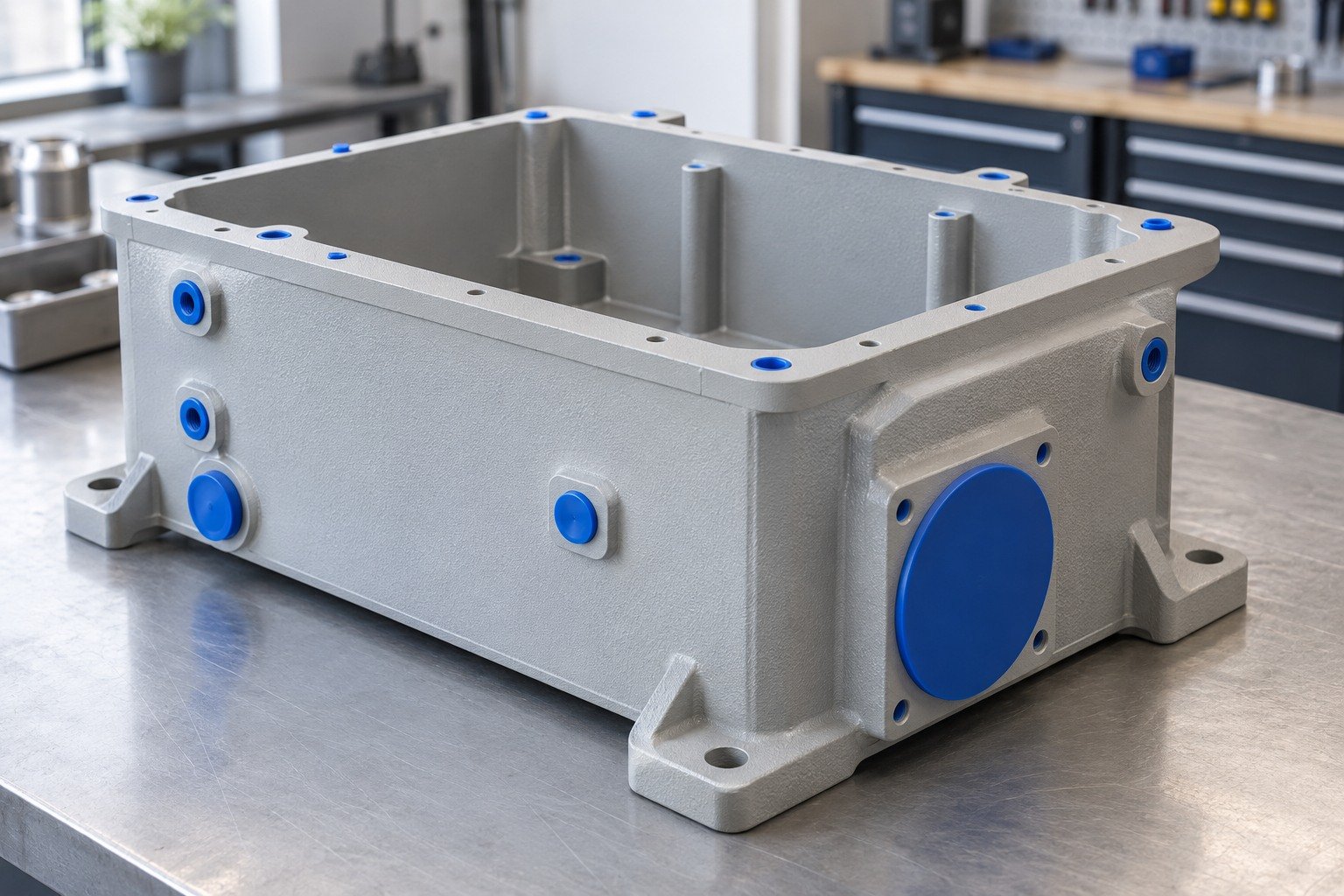
Mark threads, bores, grounding contacts, cosmetic faces and allowable hanging points.
A color chip does not establish adhesion, cure, complete coverage or final assembly fit.
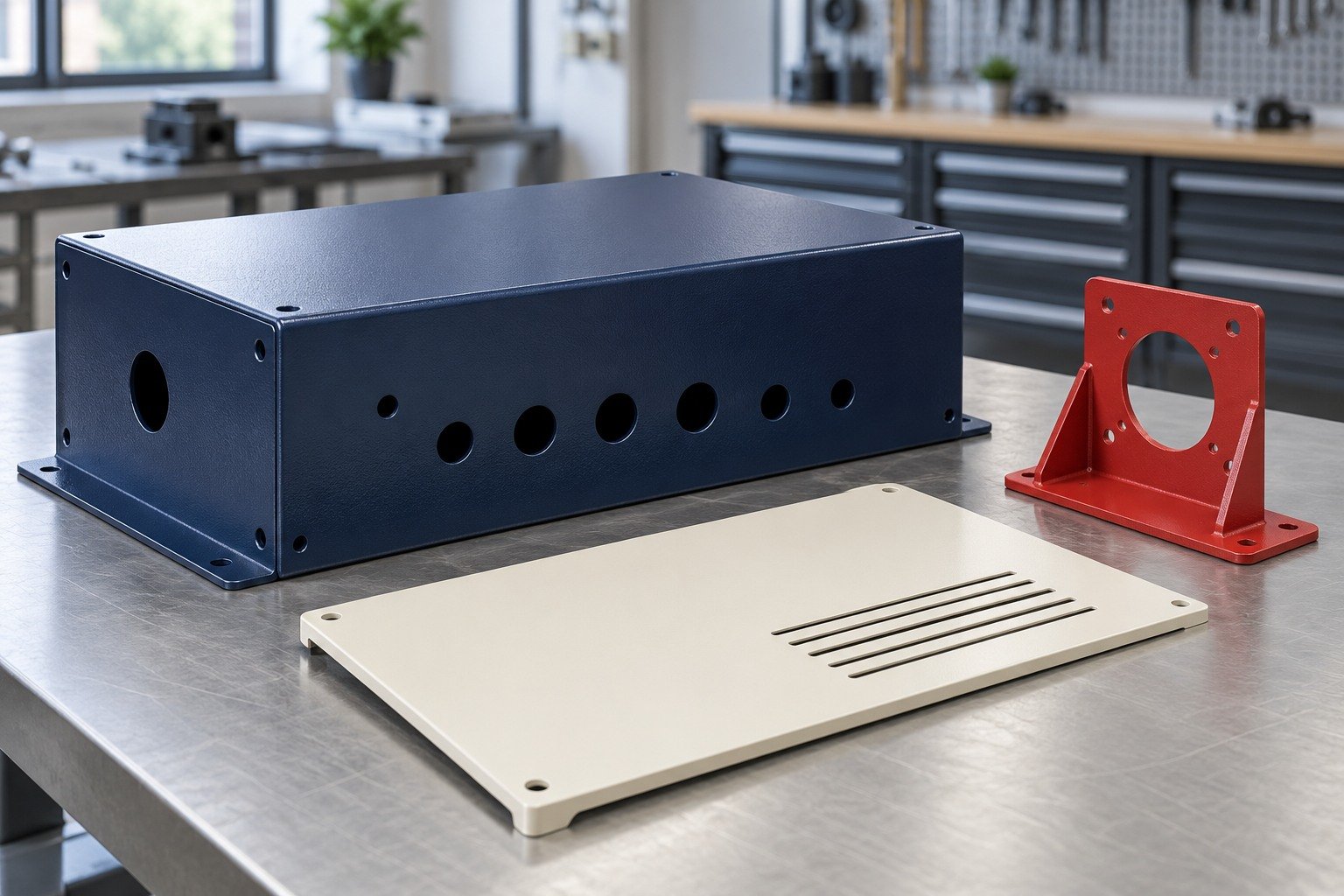
Review appearance, final fit and the agreed coating checks on actual treated parts.
A color chip does not establish adhesion, cure, complete coverage or final assembly fit.
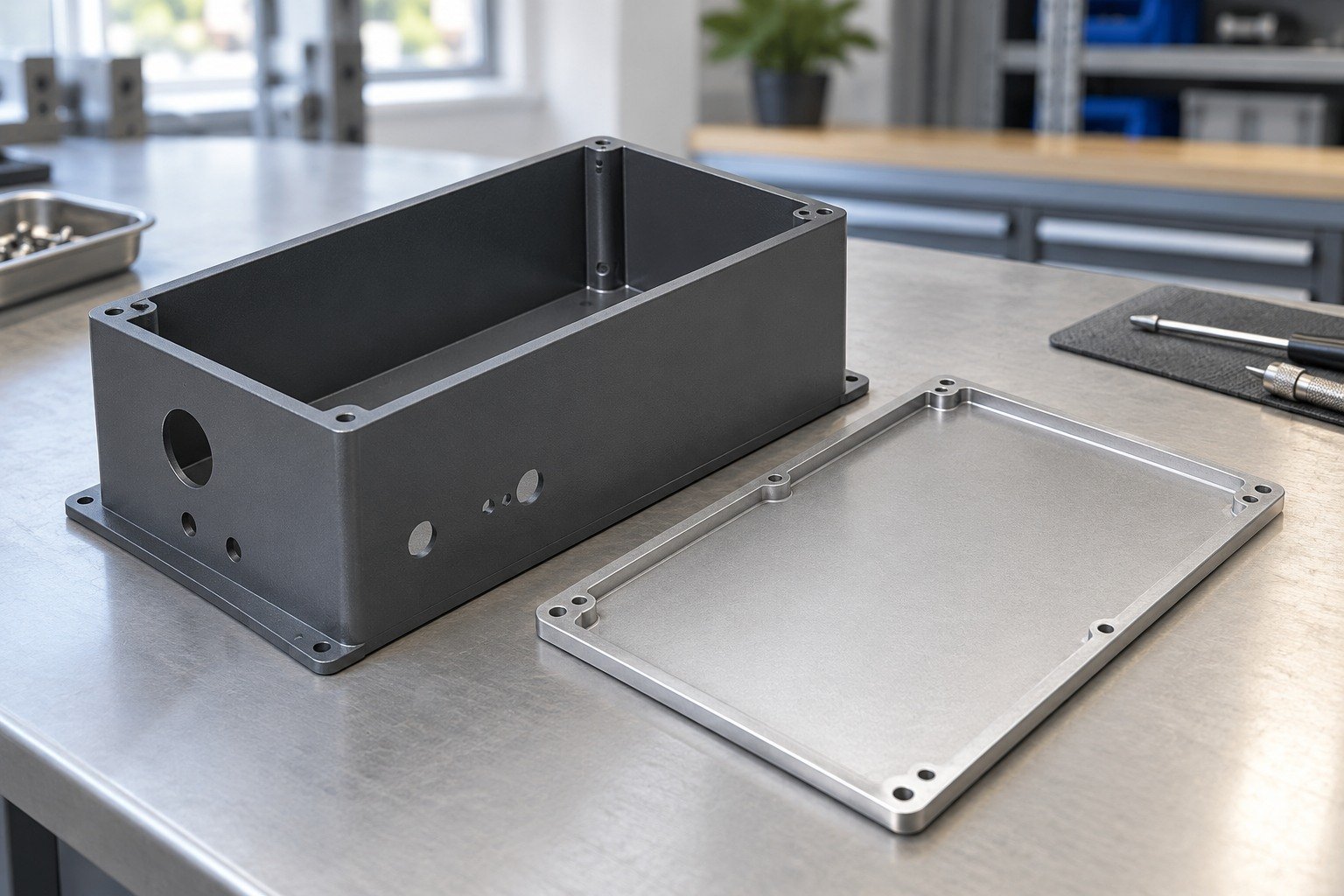
Record agreed changes, sample results, product references and release authority.
A color chip does not establish adhesion, cure, complete coverage or final assembly fit.
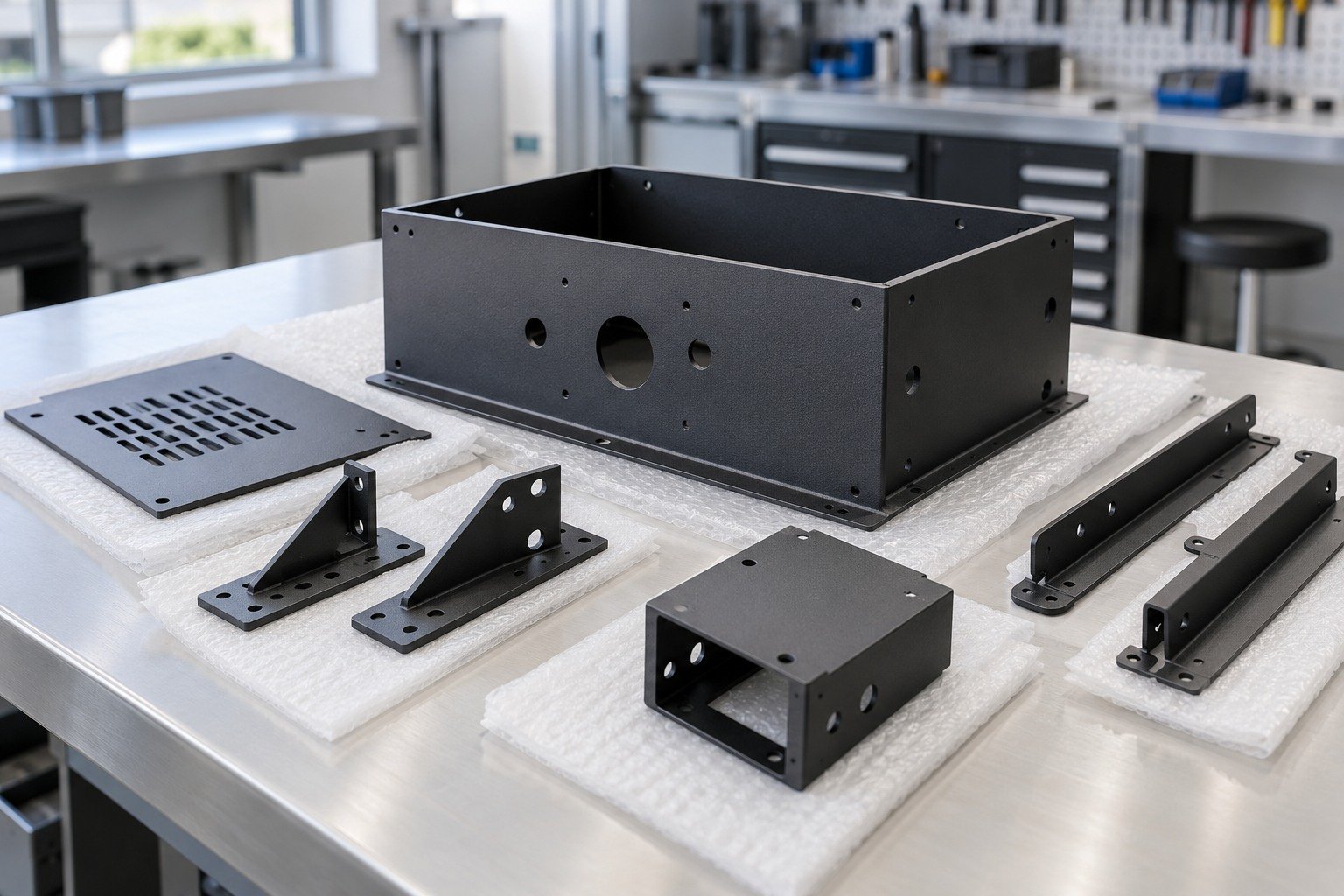
Keep product, color, revision, inspection scope and packaging requirements traceable.
A color chip does not establish adhesion, cure, complete coverage or final assembly fit.
Review these features before your finishing route and sample plan are released.
Powder coating thickness adds to the substrate and can reduce hole or slot clearance. Define final limits and measurement locations; there is no universal film build for every part.
| Your input | Final size limits, thickness callout and critical datums. |
|---|---|
| Our review | Allowance, masks and measurement locations. |
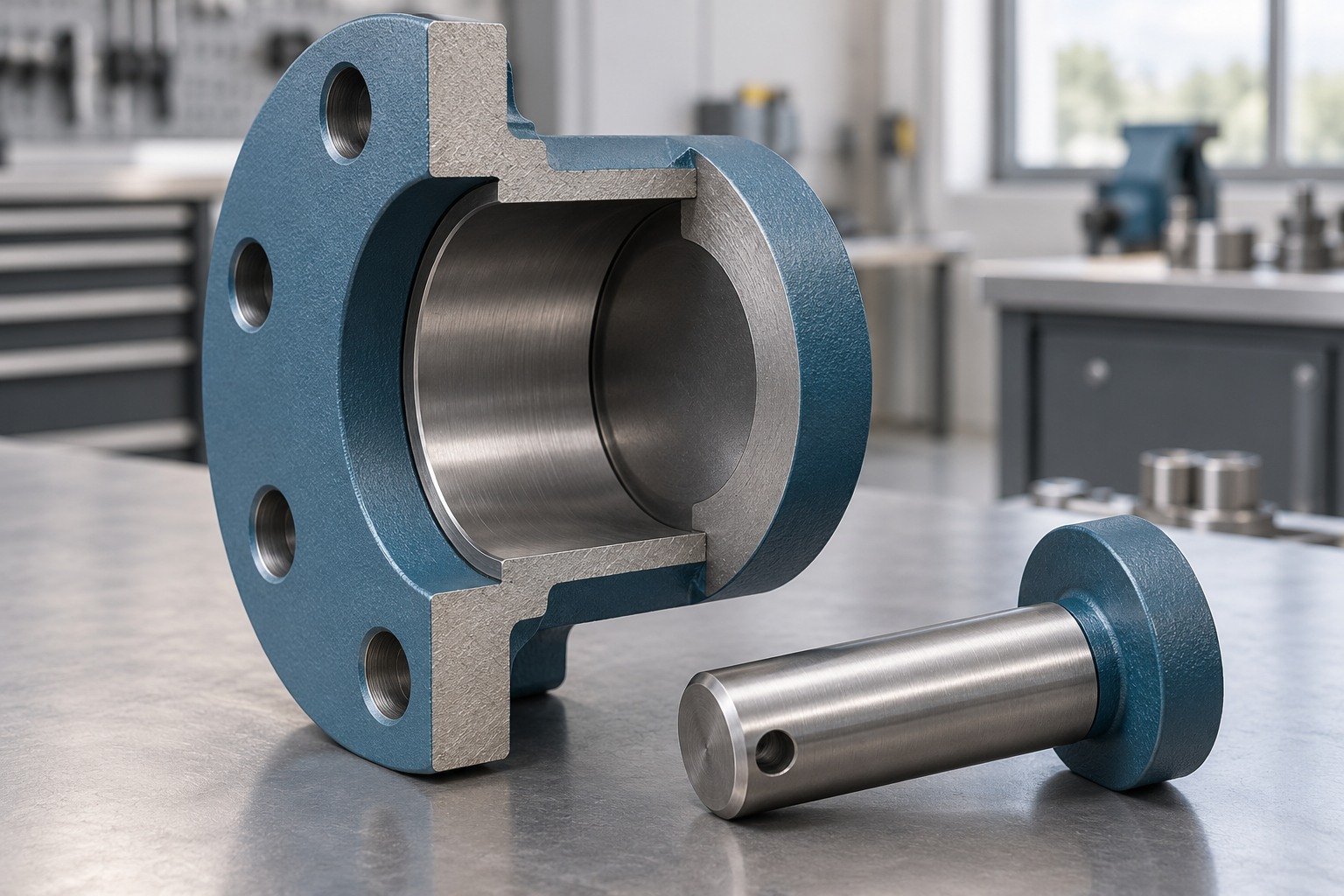
Specify final bore and thread acceptance. Review masks, plugs or an approved secondary operation before coating.
| Your input | Thread/bore callouts and specified gauges. |
|---|---|
| Our review | Masking access and final fit checks. |
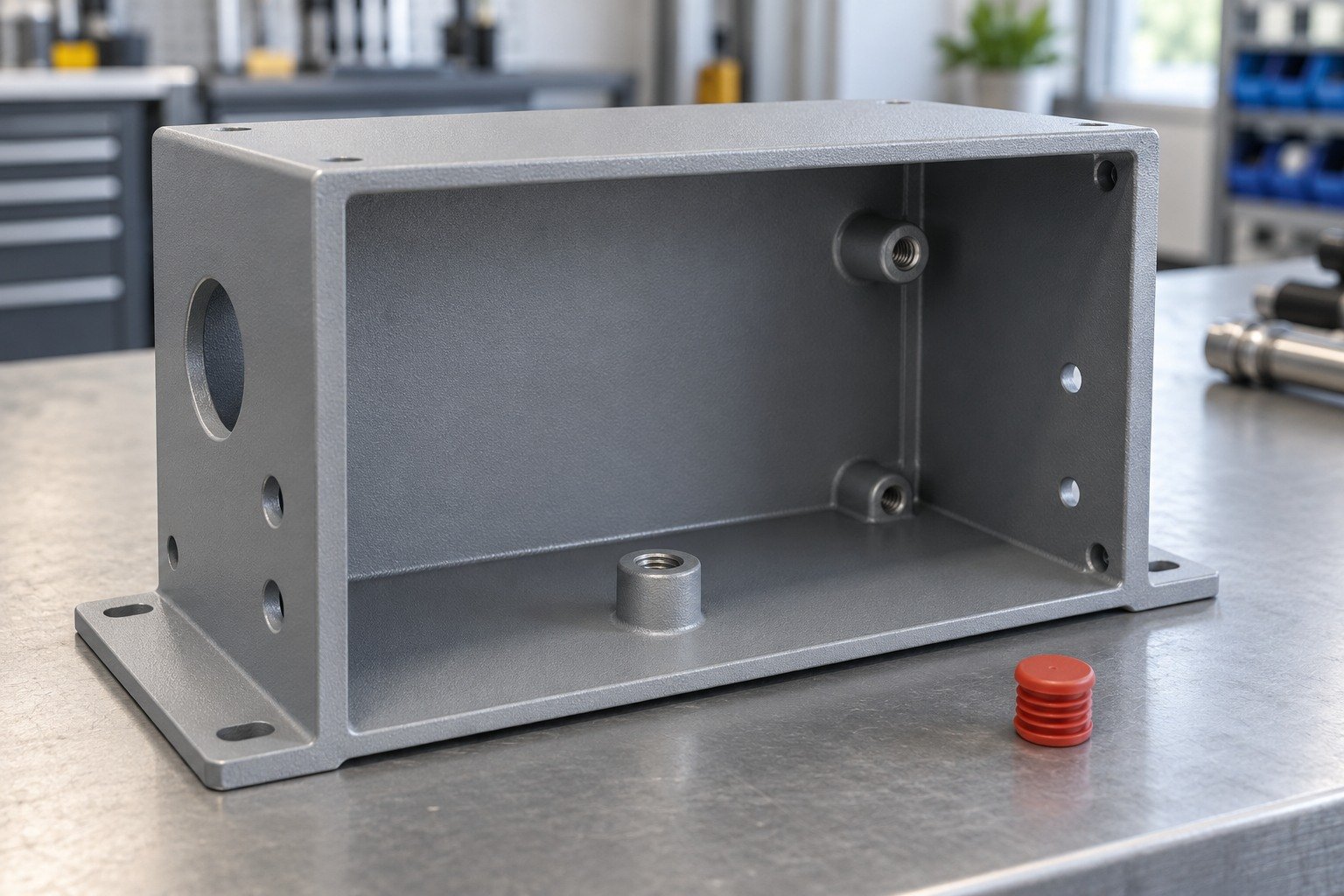
Does powder coating affect electrical grounding? The coating can insulate contacts; mark protected grounding areas and agree assembly verification.
| Your input | Electrical contact areas and boundaries. |
|---|---|
| Our review | Protected surfaces and required functional checks. |
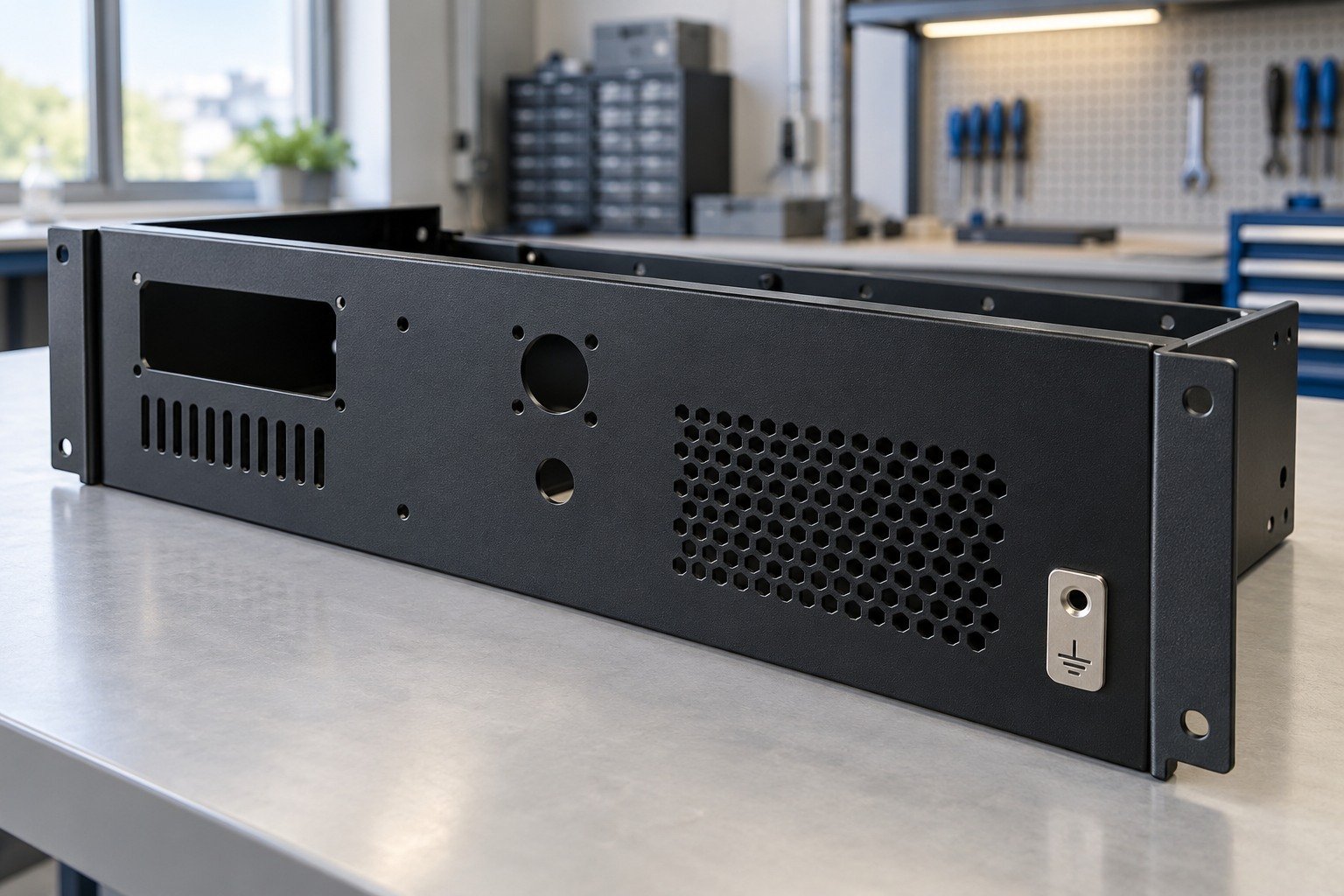
Racking supports and grounds the part during application. Locate contact marks away from critical visible faces and define acceptance.
| Your input | Visible zones and permitted hidden contacts. |
|---|---|
| Our review | Rack location and repeatable handling. |
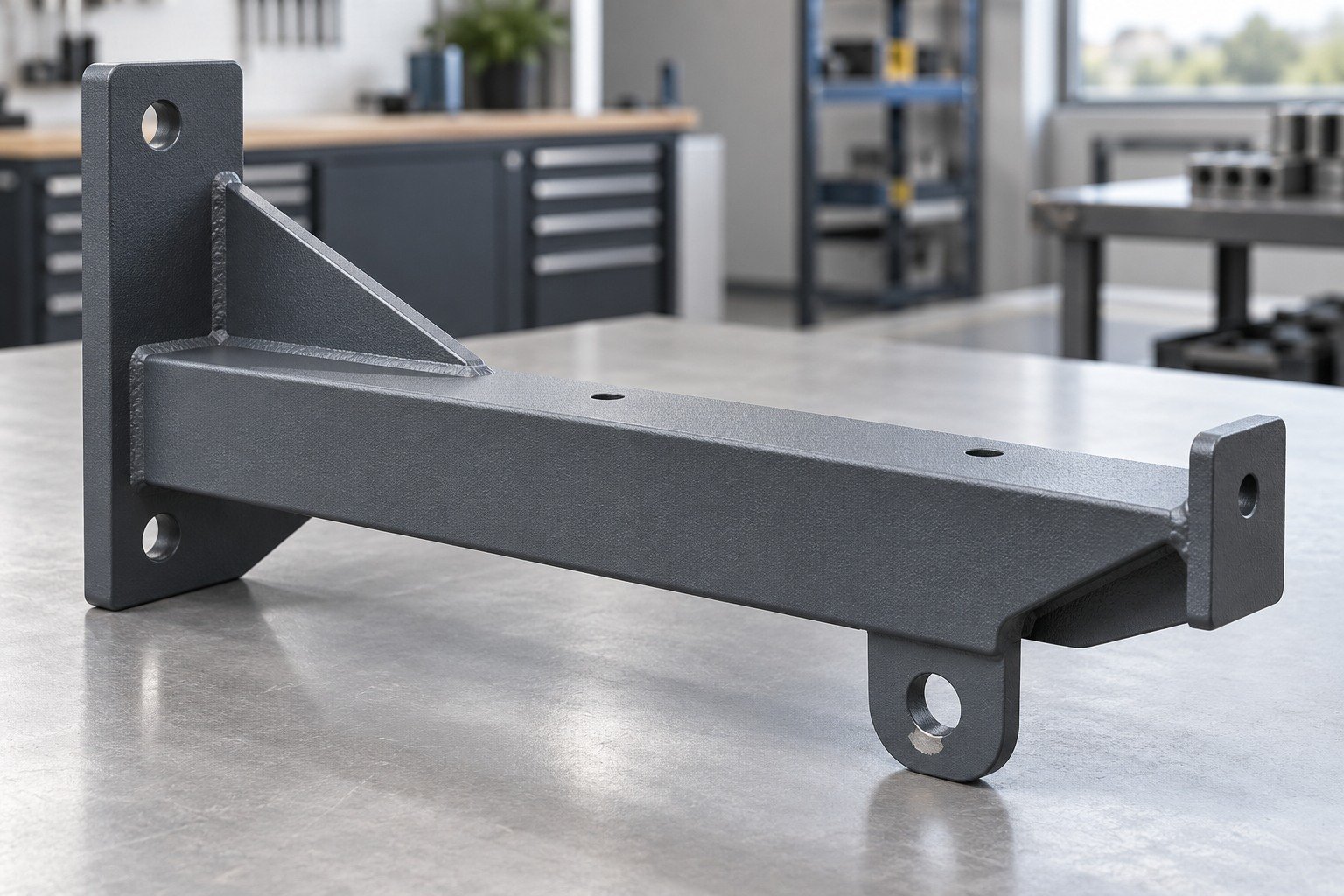
Powder coating color matching also depends on gloss, texture, substrate preparation and viewing conditions. Approve a representative sample.
| Your input | Color reference, gloss, texture and master sample. |
|---|---|
| Our review | Sample approval and allowed variation. |
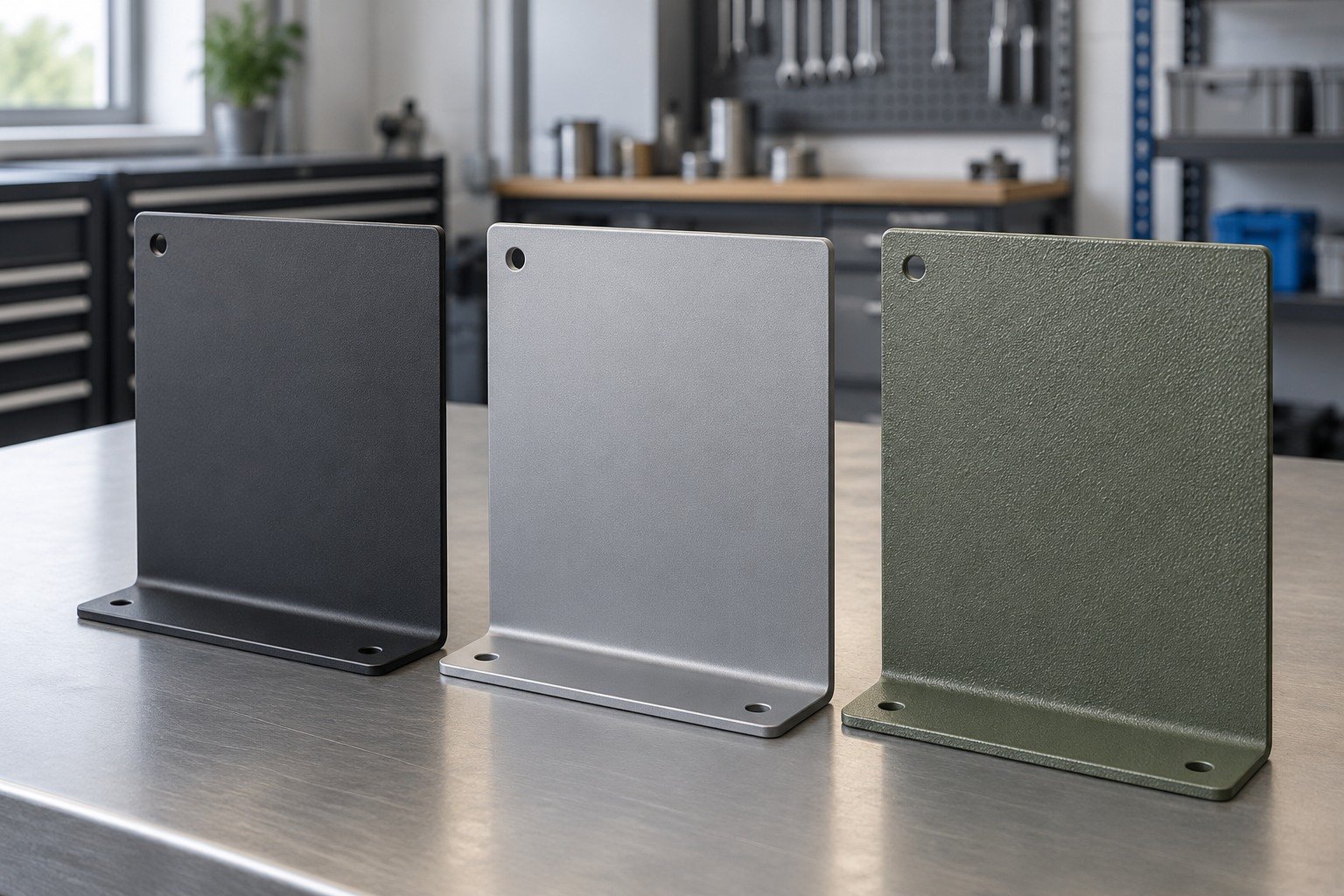
Review both mating components and their finish states. Gaps, cover seats and fastener interfaces need finished-condition checks.
| Your input | Counterpart, fastening method and clearance. |
|---|---|
| Our review | Finished assembly and usable gauges. |
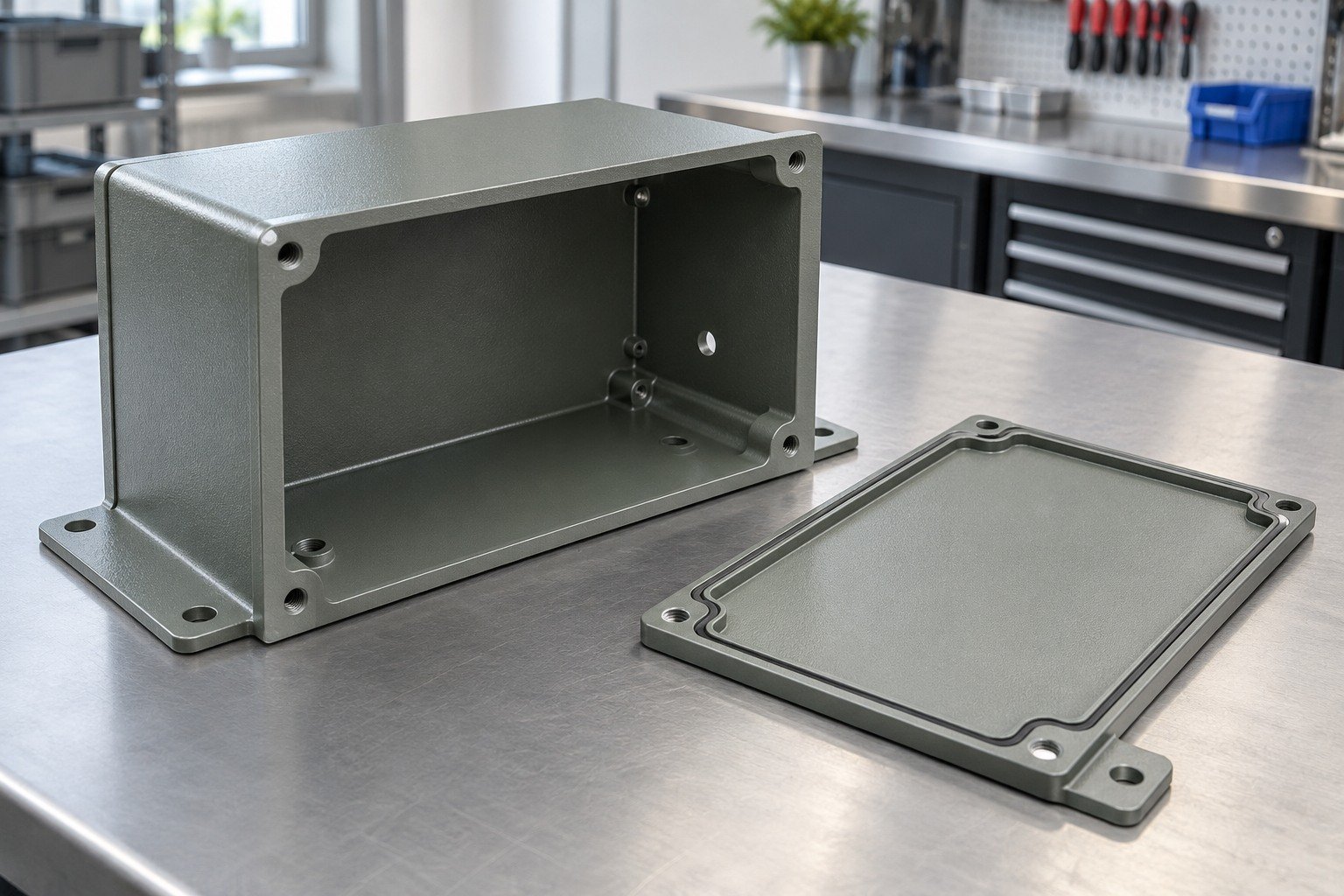
Deep recesses and complex edges require an application and inspection review. State which areas need coverage and any agreed exceptions.
| Your input | Full geometry, seams, cavities and edges. |
|---|---|
| Our review | Application access and coverage criteria. |
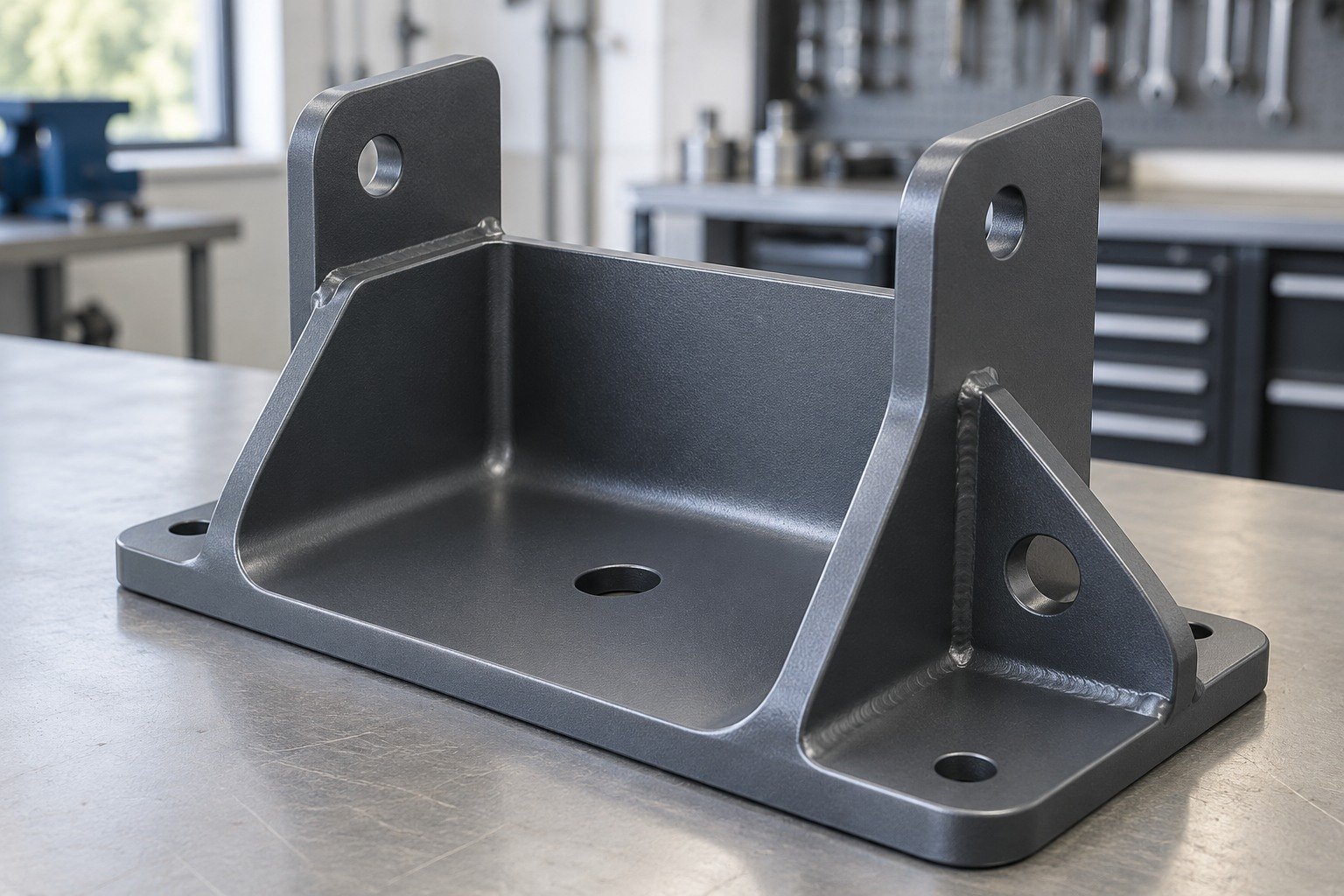
Powder coating surface preparation affects adhesion. Powder coating curing follows the selected product technical data and part temperature/time requirements, not one universal oven setting.
| Your input | Incoming condition, powder product and specification. |
|---|---|
| Our review | Preparation, cure evidence and specified tests. |
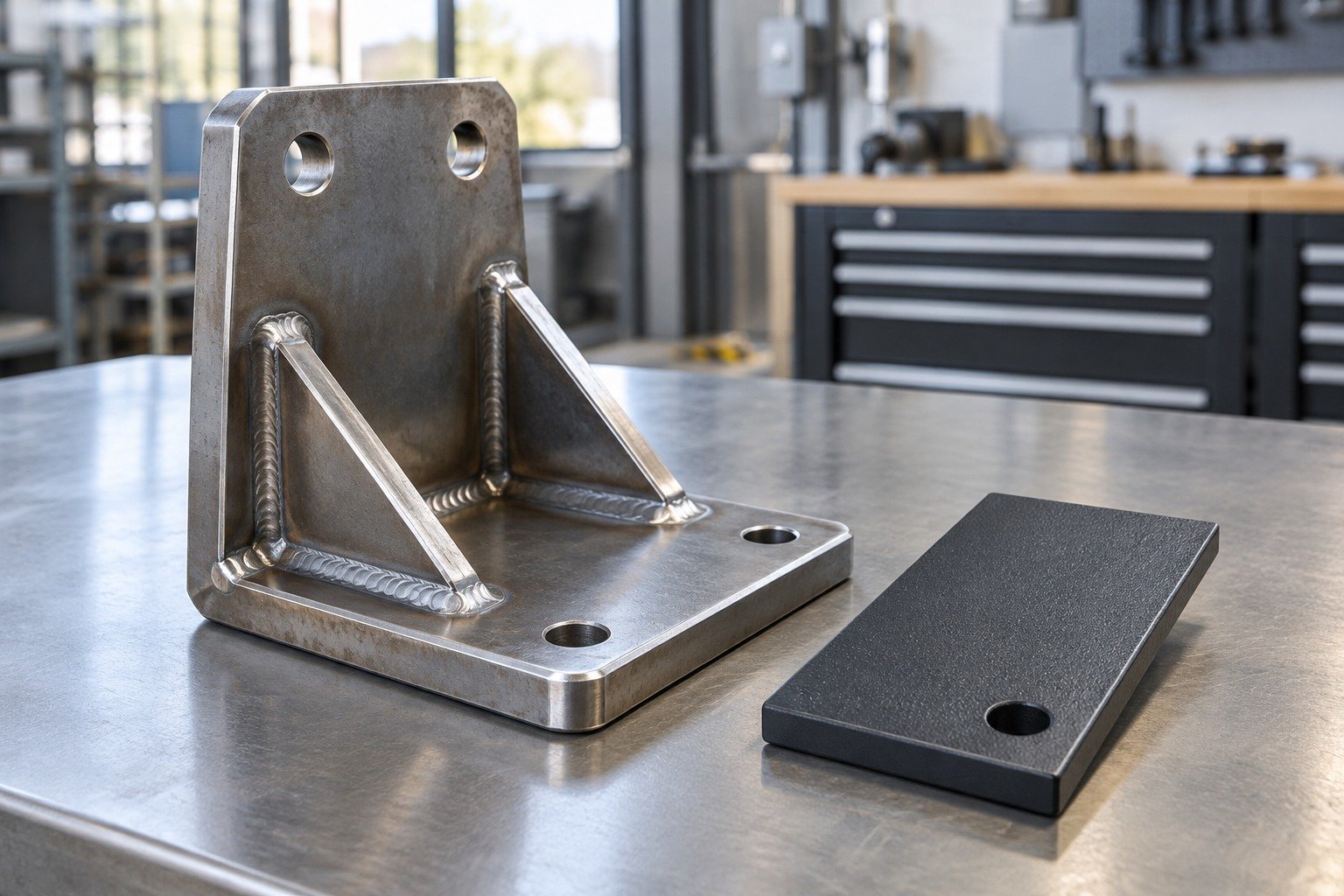
Review the exact metal, incoming condition and intended environment.
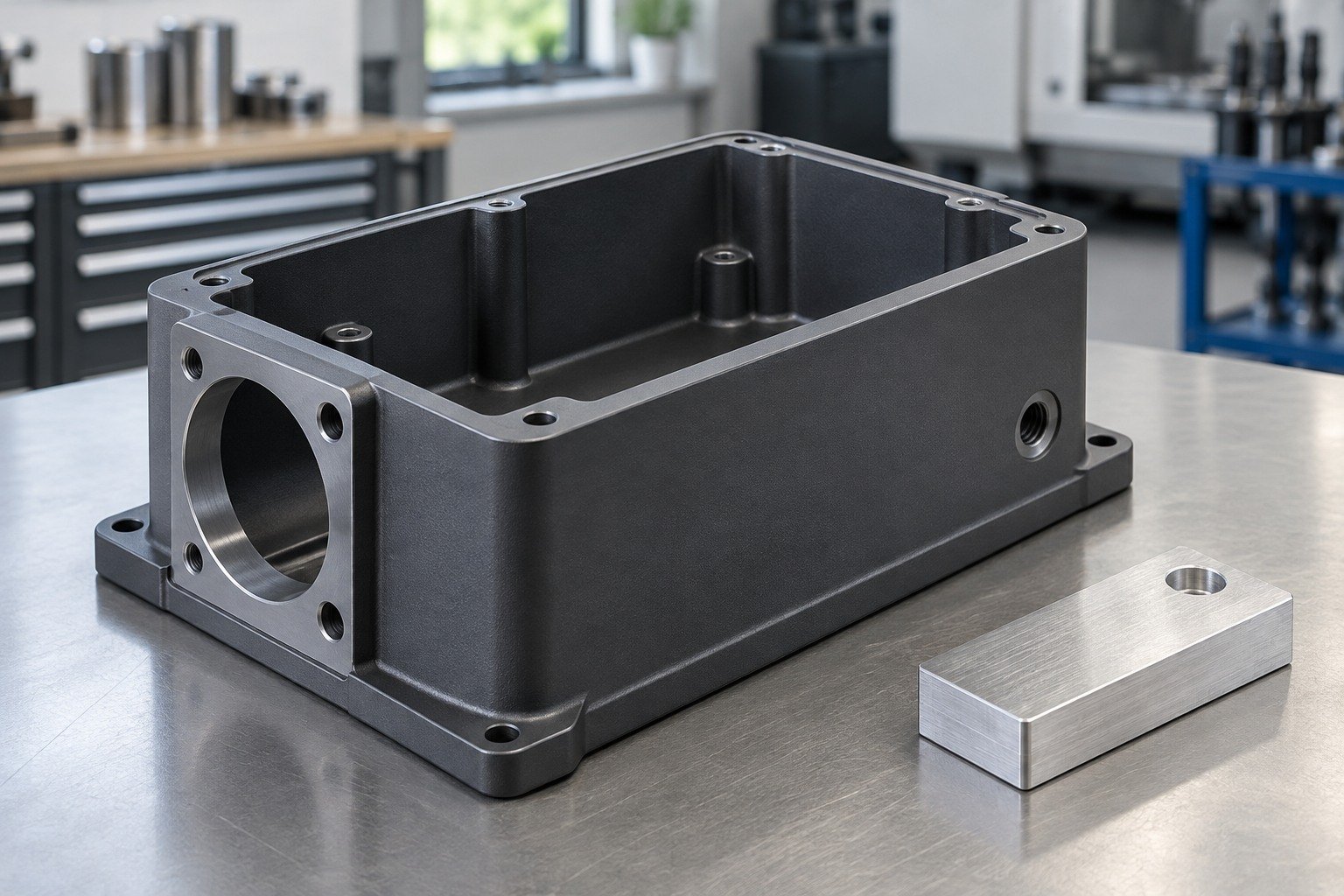
Powder coating aluminum parts requires a substrate-specific preparation and final-fit review.
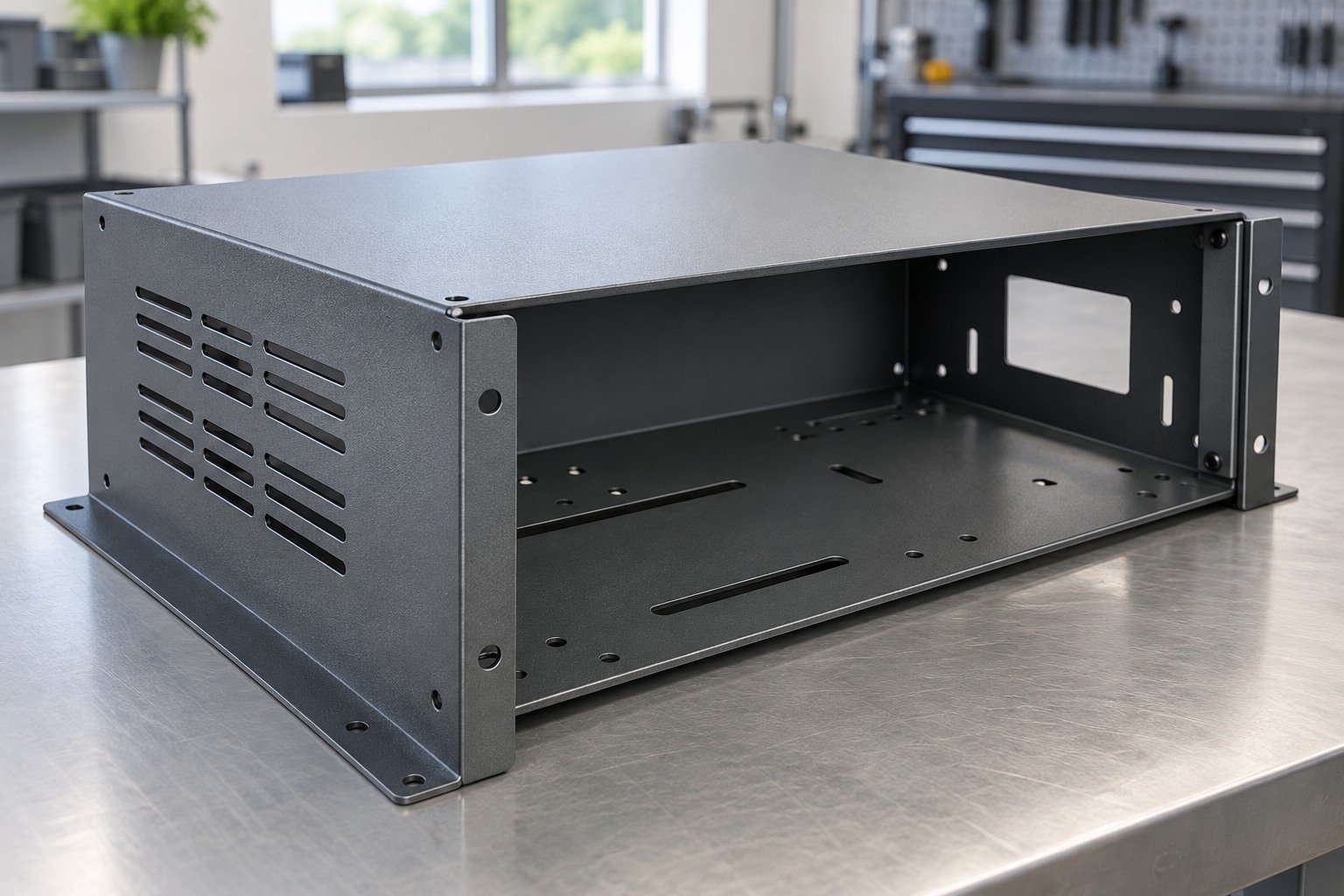
Powder coating steel parts starts with scale, rust, oils, welds and the agreed pretreatment.
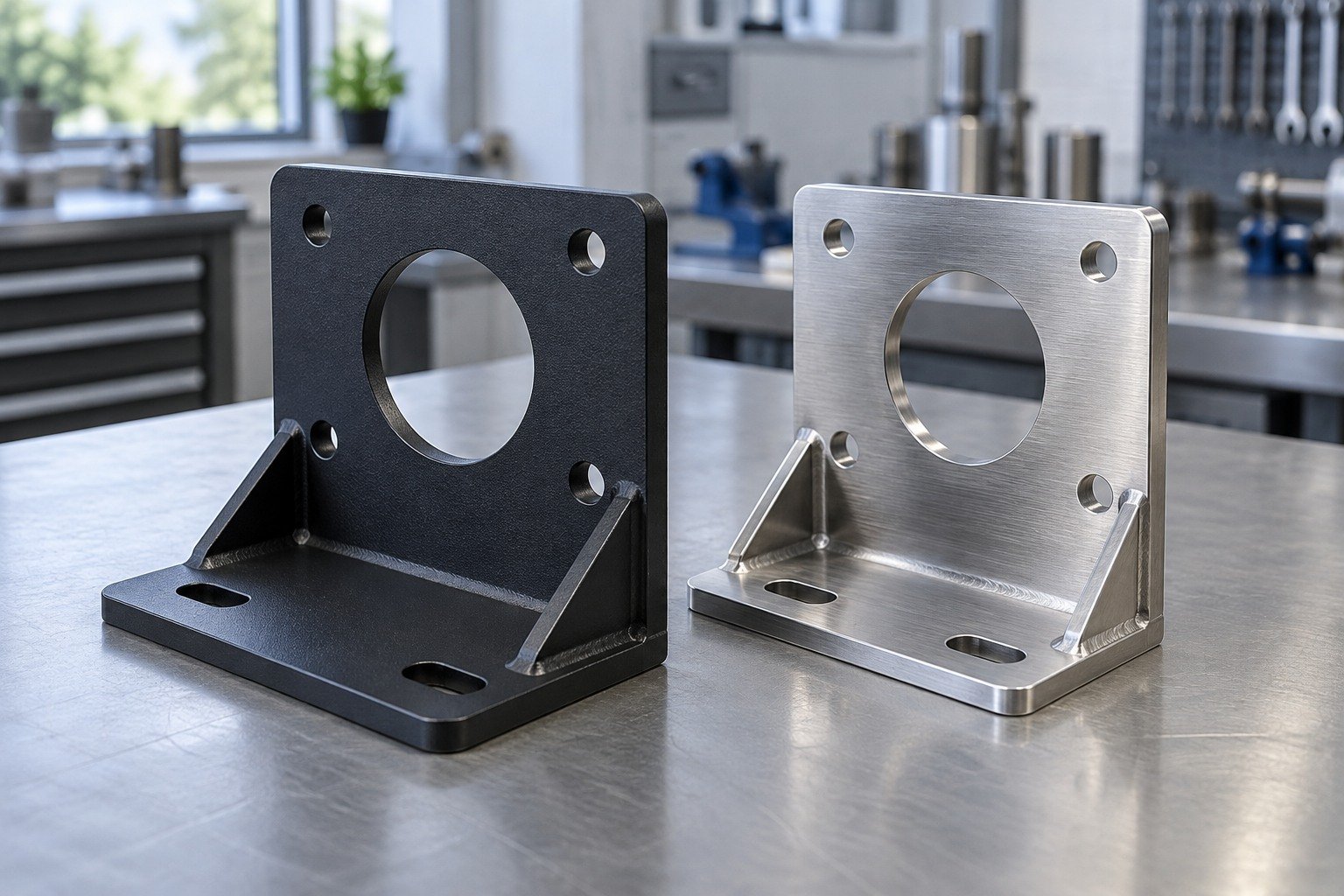
For powder coating stainless steel, confirm preparation, adhesion requirements and service exposure.
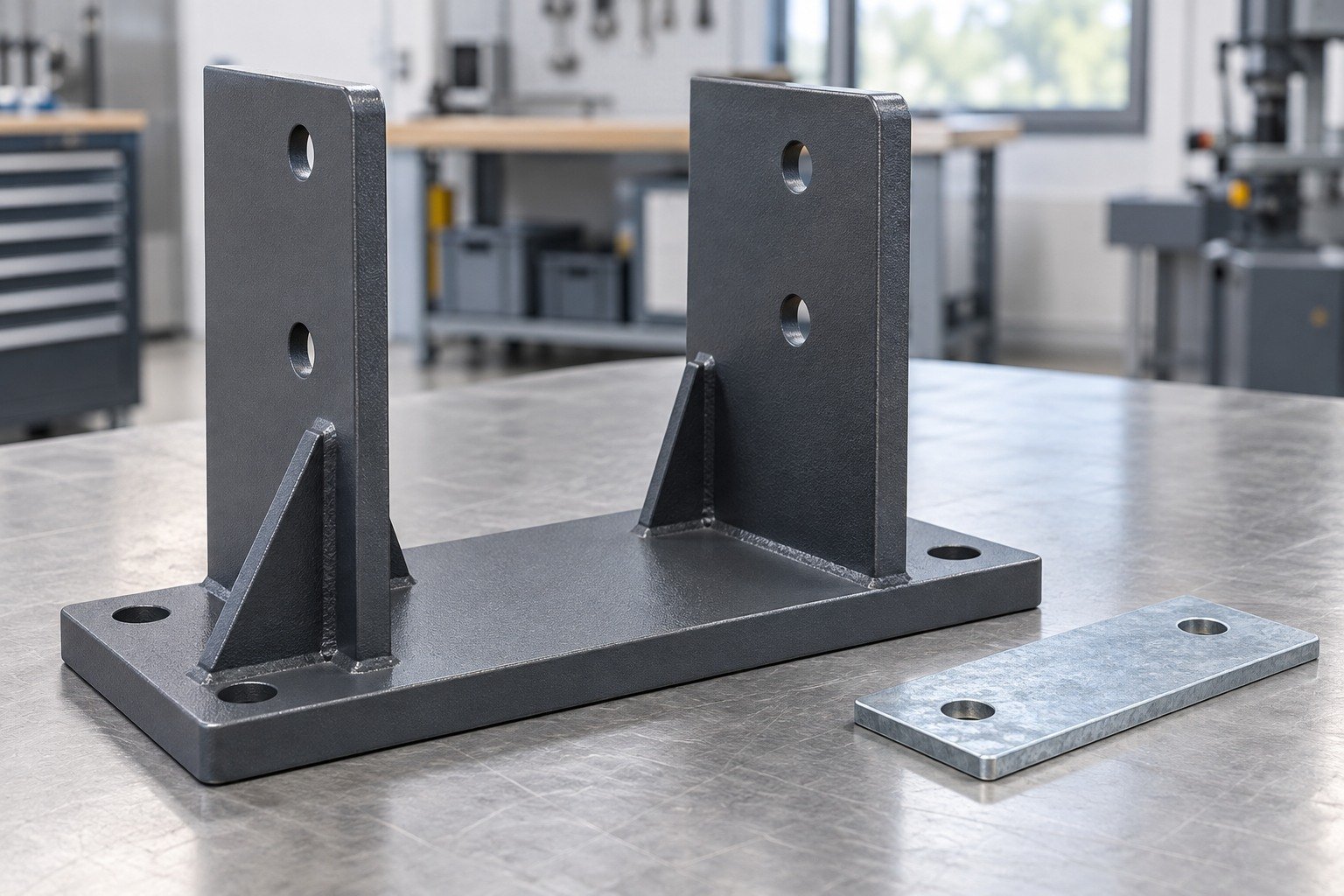
Powder coating galvanized steel needs a review of the zinc surface, preparation and possible outgassing.
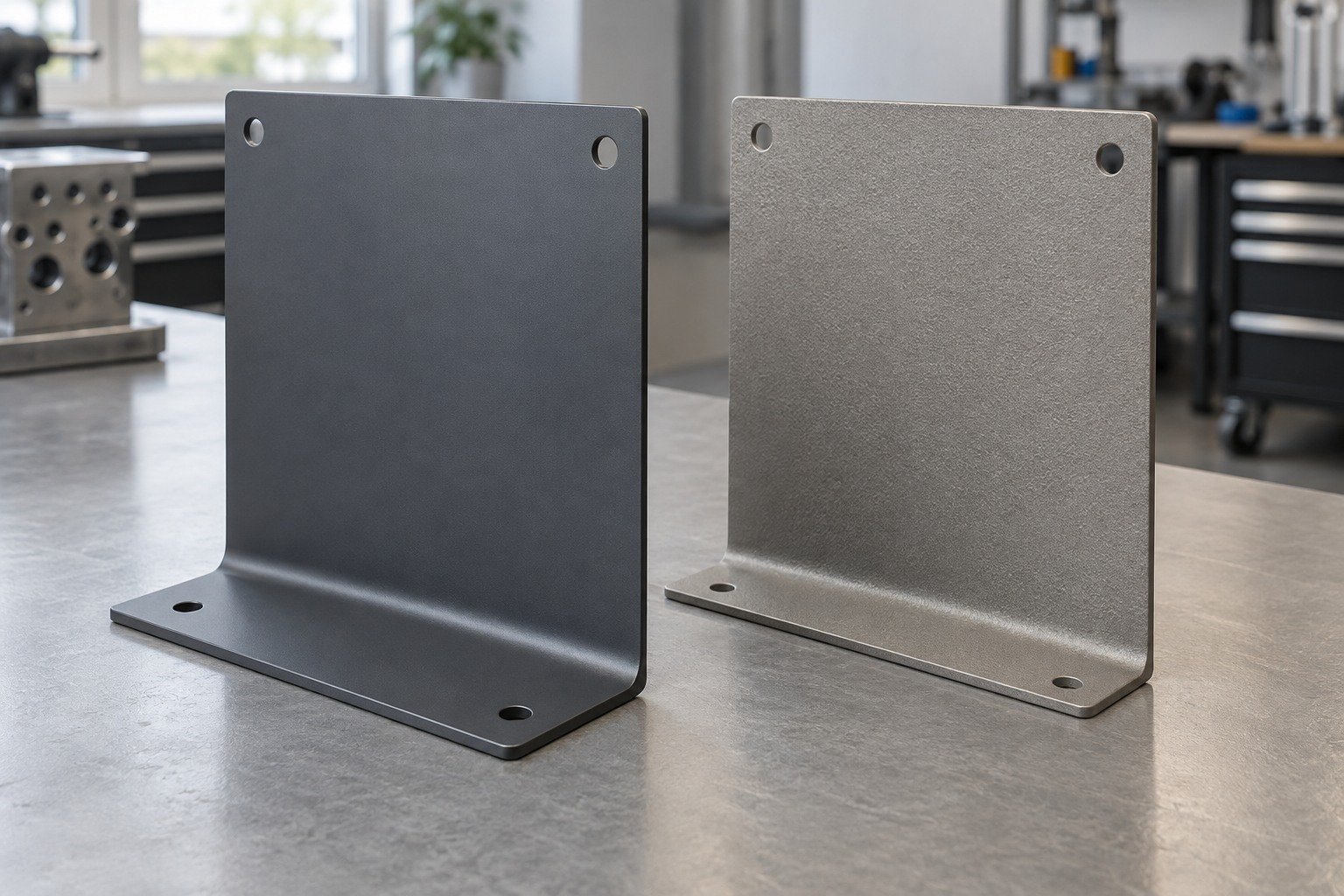
Polyester powder coating and epoxy powder coating are product families, not interchangeable specifications. Review the exact product data.
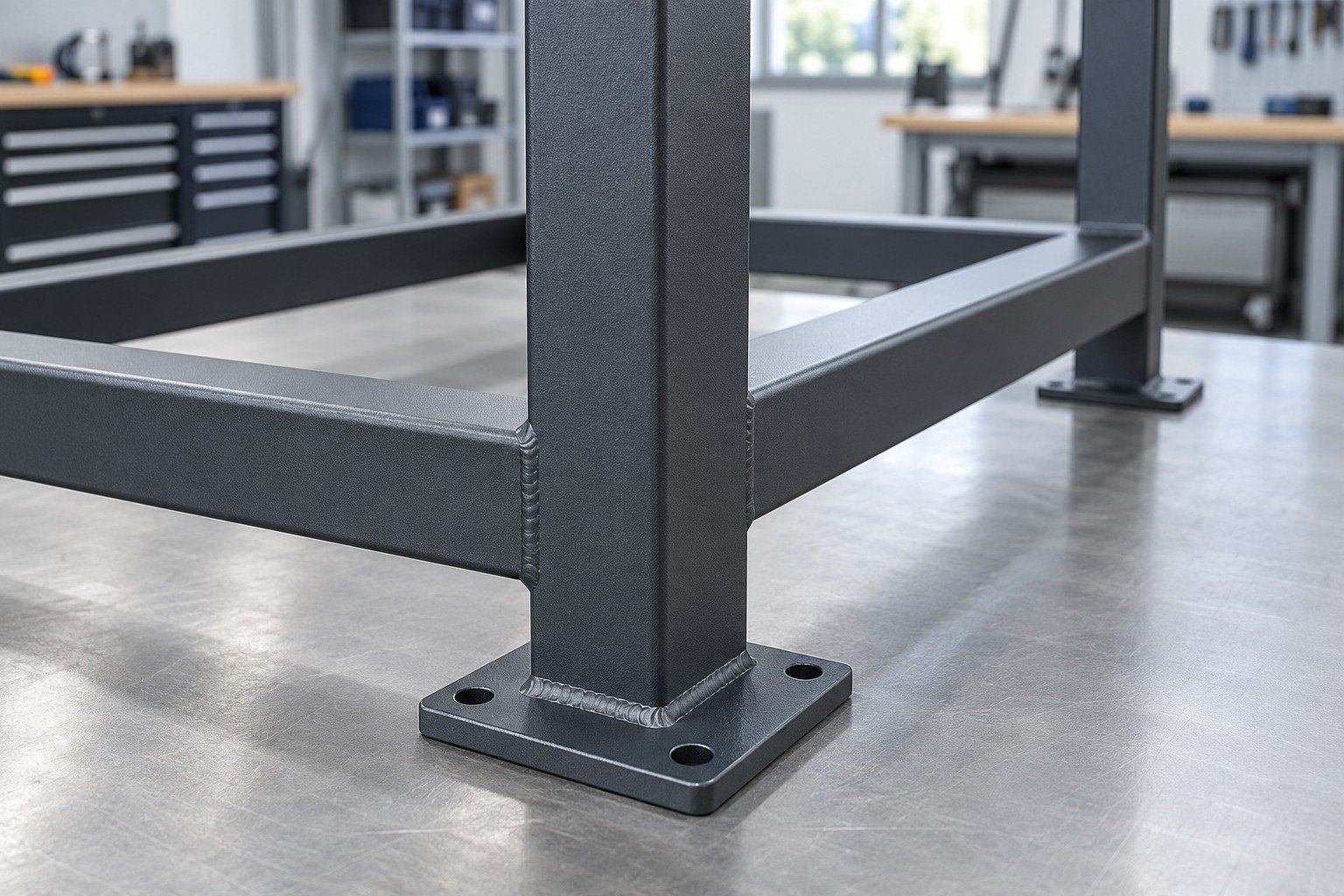
Powder coating fabrication needs accessible seams, drained cavities and a review of heat-sensitive components.
Powder coating for outdoor use needs product-specific UV, moisture, corrosion and maintenance review. Salt-spray hours do not directly establish service life. Matte powder coating and textured powder coating still need agreed appearance samples.
Compare the same finished scope rather than a color-only unit price.
Confirm substrate, preparation, product and masks.
Review fit, appearance and specified tests.
Control revision, sample and coating requirements.
PLANNING EXAMPLE — NOT A PRICE OR MINIMUM ORDER
Illustrates repeated masking scope only. Confirm actual method, setup and processing charges for your drawing.
The powder coating process applies dry powder, commonly electrostatically, then cures it to form a coating. The exact route follows the selected product and specification.
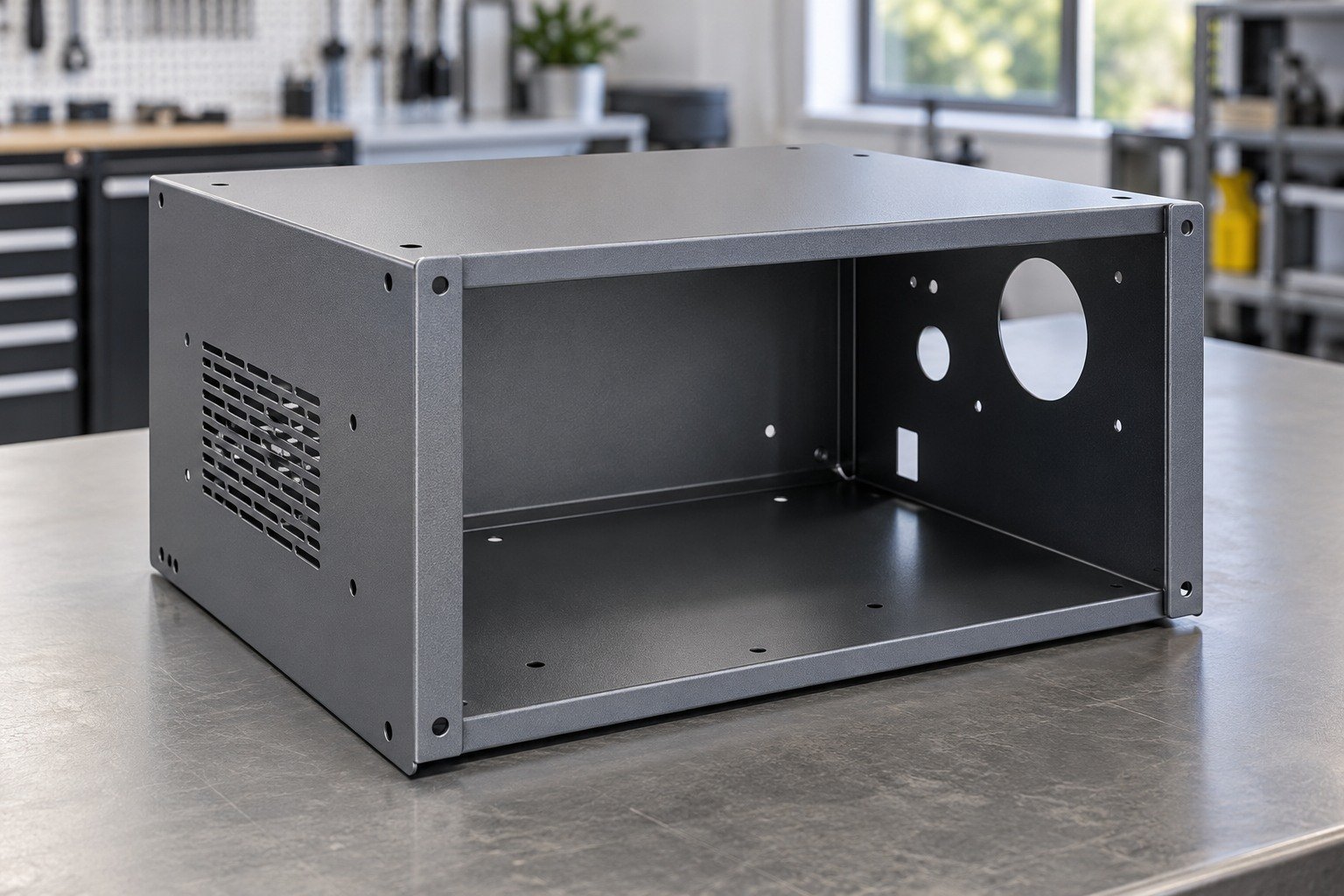
Review incoming surface, cleaning and specified pretreatment.
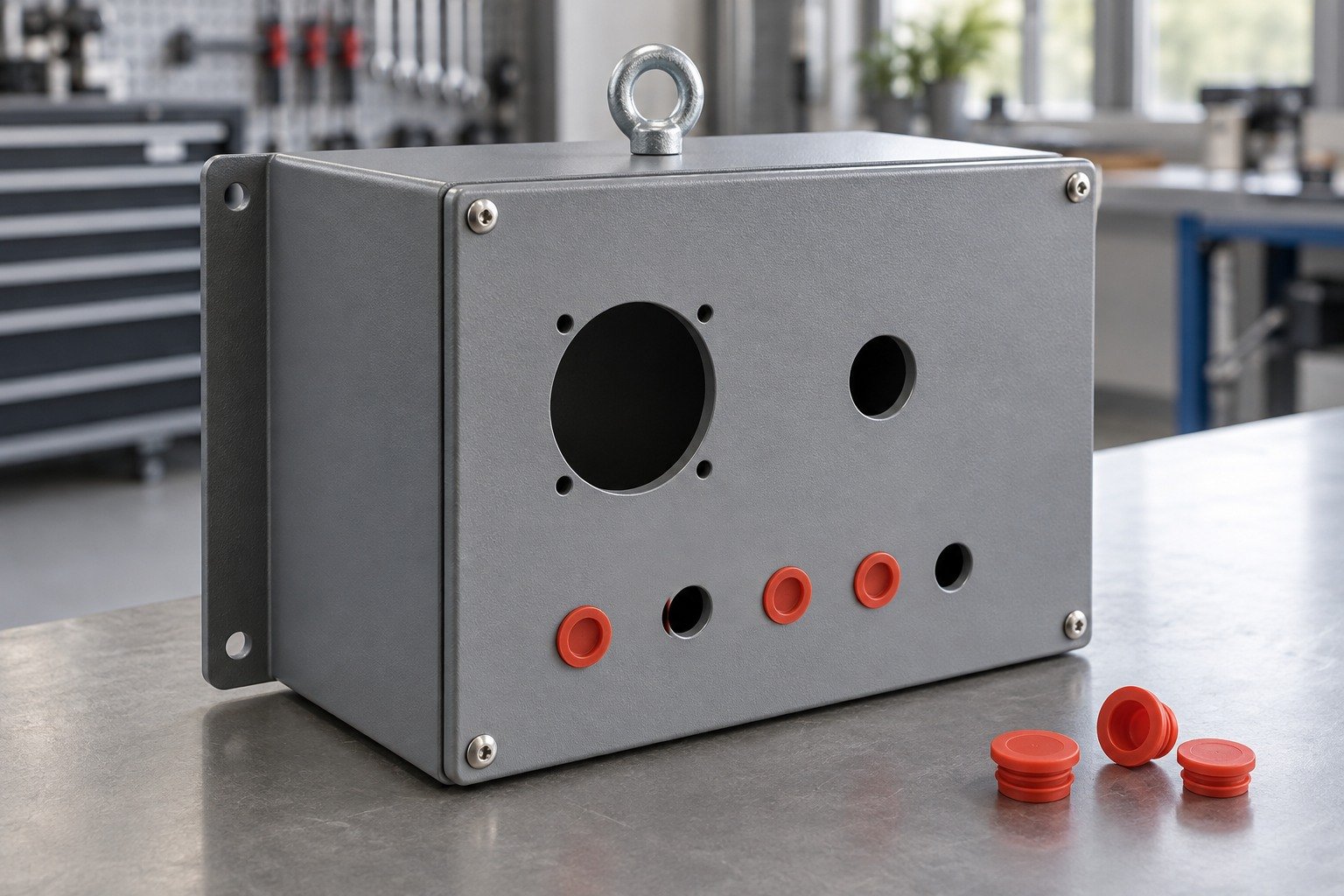
Protect interfaces and select hanging contacts.
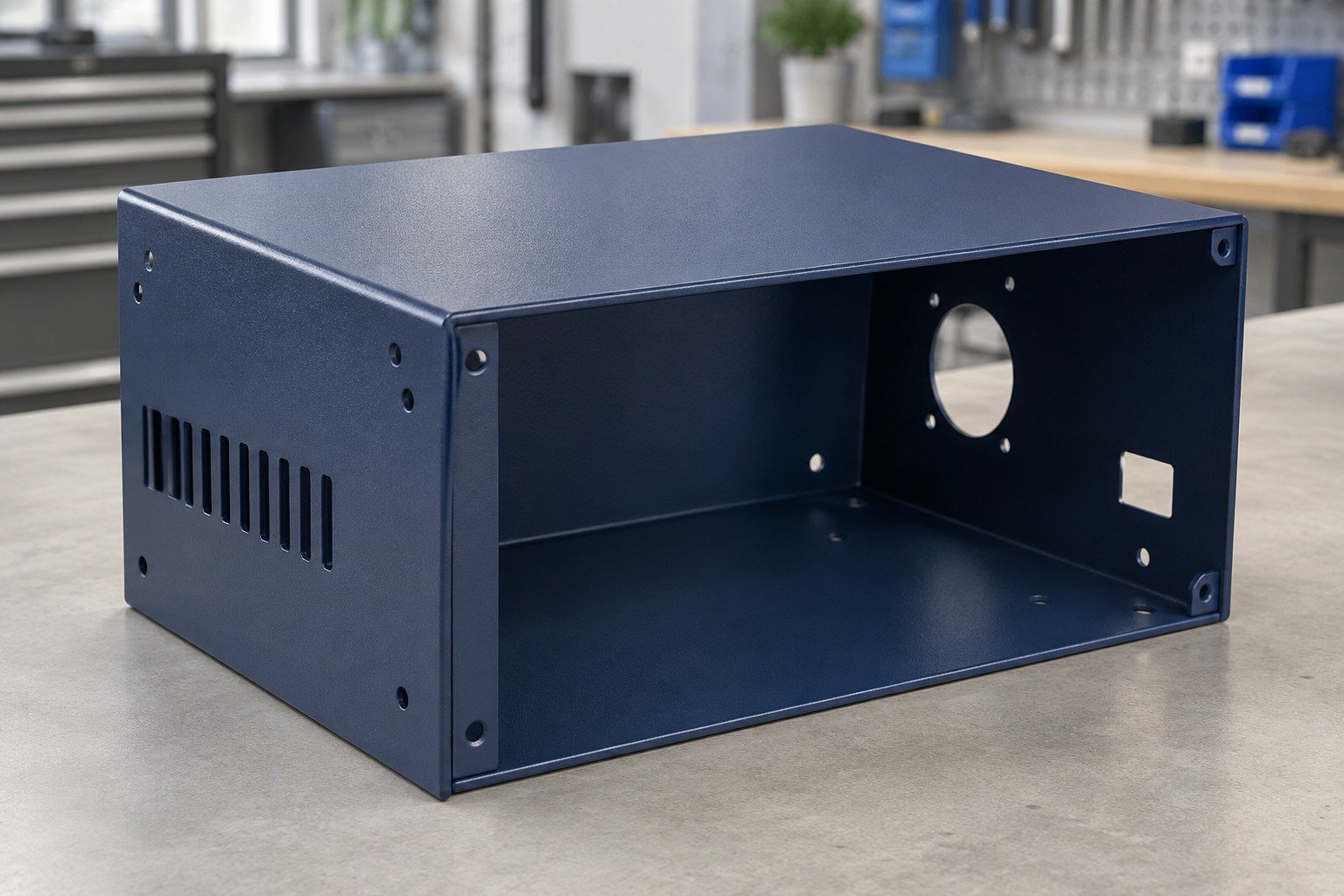
Use the agreed powder and product-specific cure schedule.
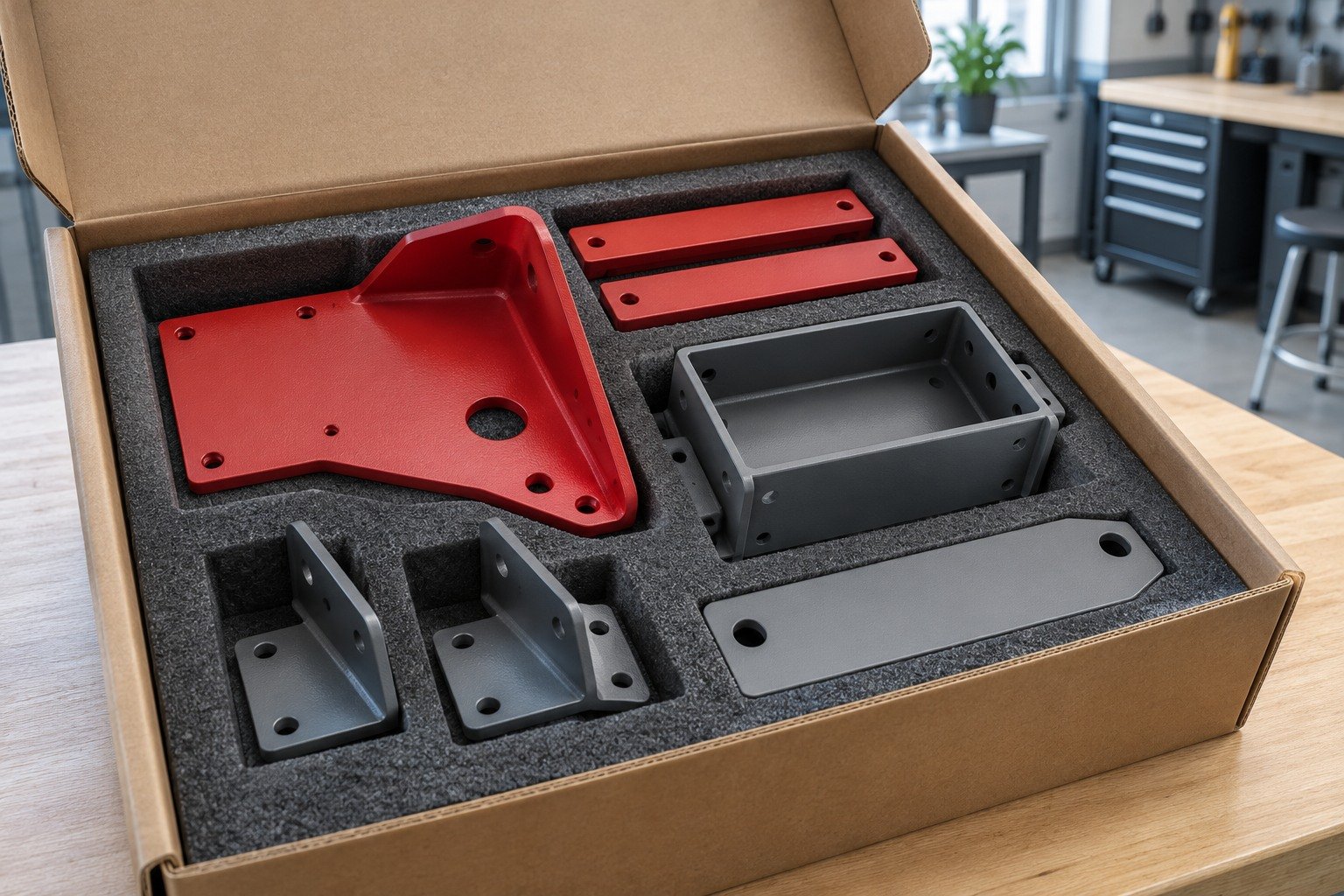
Review appearance, final fits and agreed records before packing.
Electrostatic powder coating requires an appropriate grounded setup. Preparation, curing and secondary work are confirmed in your quotation.
Set powder coating tolerances by finished feature and inspection state; agree evidence before production.
| Substrate & Revision | Metal, incoming condition and drawing. |
|---|---|
| System & Cure | Preparation, powder reference and required evidence. |
| Thickness & Coverage | Specified locations, limits and method. |
| Appearance | Color, gloss, texture and agreed sample. |
| Masks & Final Fit | Threads, contacts and mating features. |
| Release Evidence | Sampling, agreed tests and protection. |
Powder coating adhesion and any required corrosion tests need agreed methods and acceptance limits. Visual approval alone does not establish performance.
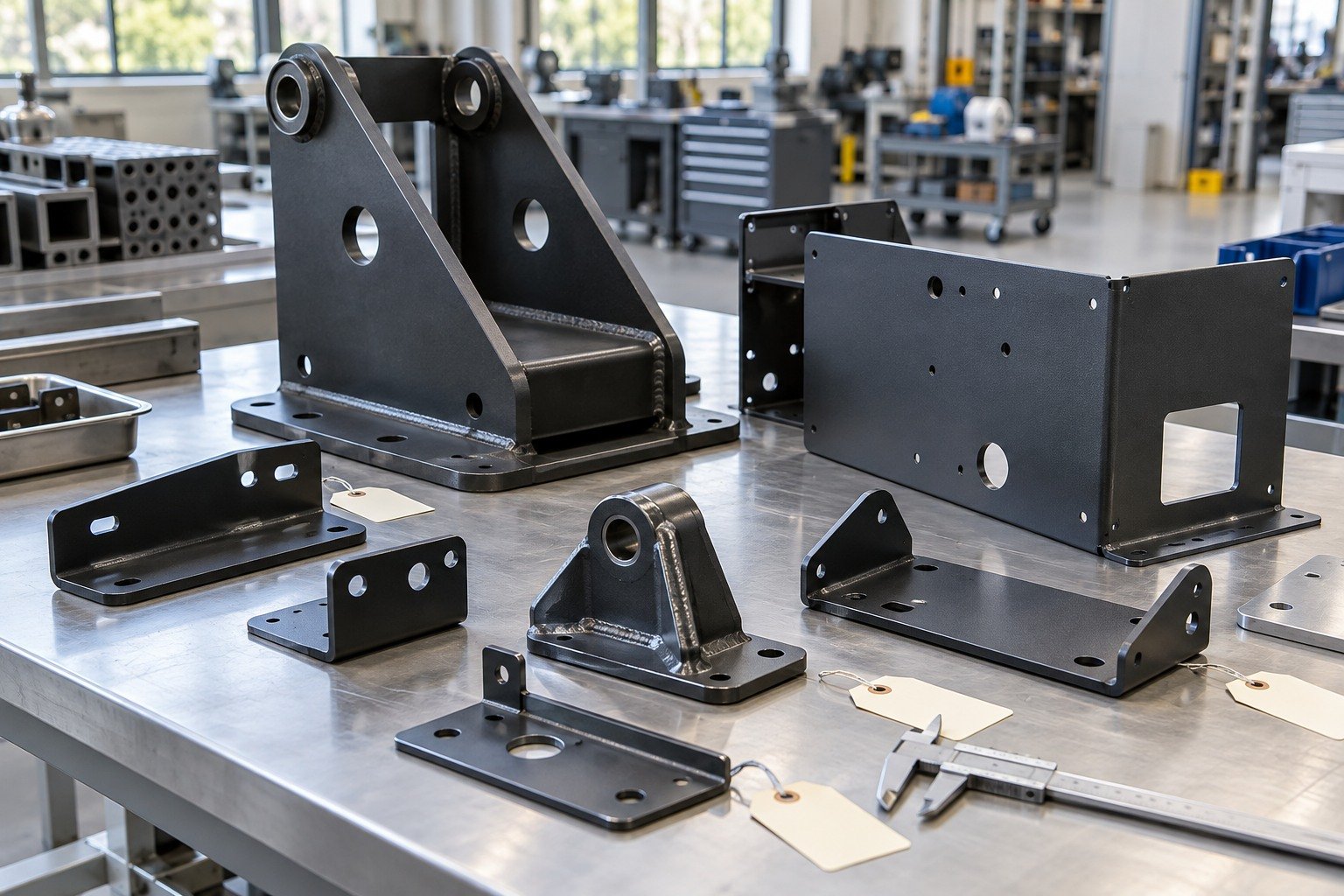
| Substrate & Revision | Metal, incoming condition and drawing. |
|---|---|
| System & Cure | Preparation, powder reference and required evidence. |
| Thickness & Coverage | Specified locations, limits and method. |
| Appearance | Color, gloss, texture and agreed sample. |
| Masks & Final Fit | Threads, contacts and mating features. |
| Release Evidence | Sampling, agreed tests and protection. |
Powder coating adhesion and any required corrosion tests need agreed methods and acceptance limits. Visual approval alone does not establish performance.
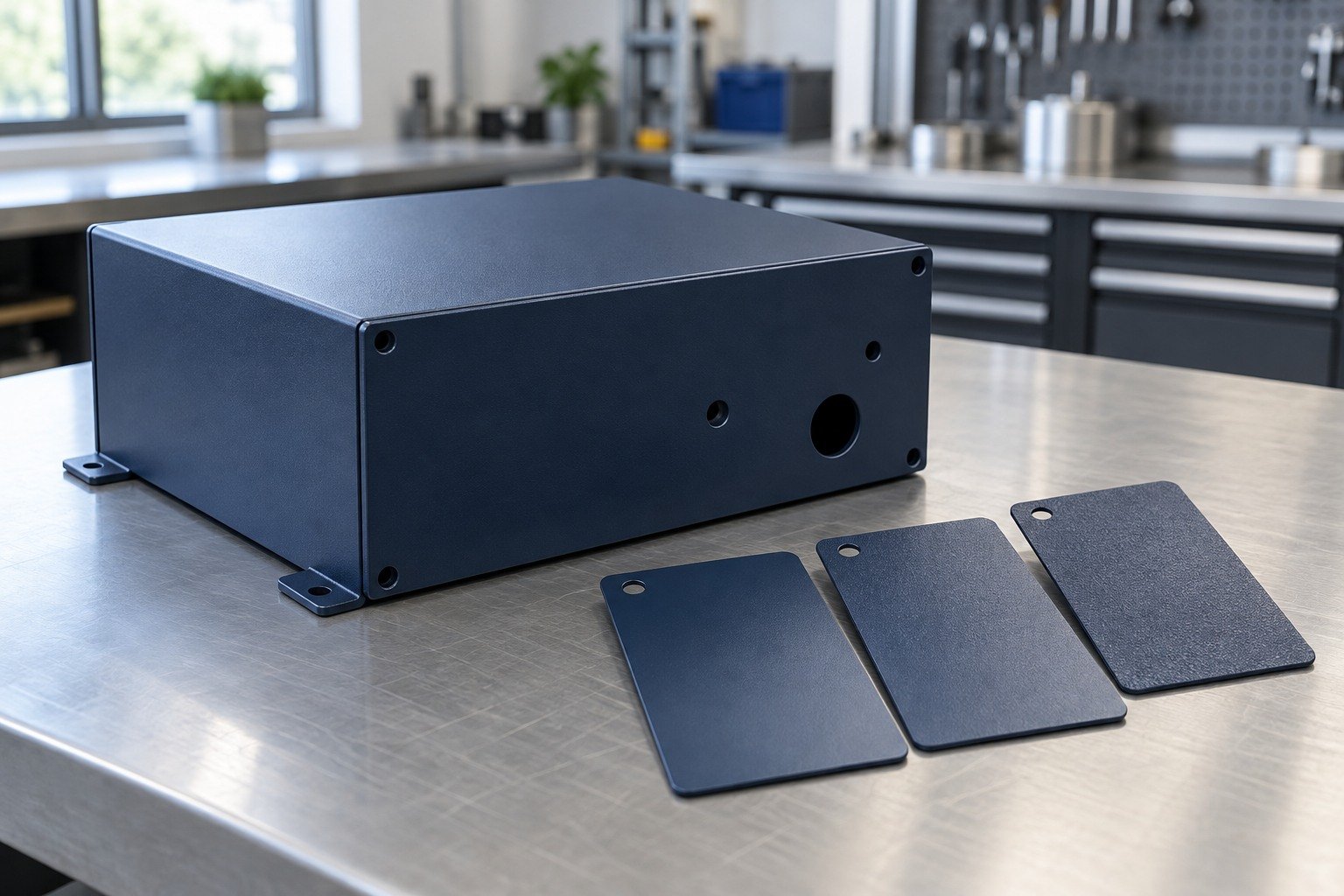
| Substrate & Revision | Metal, incoming condition and drawing. |
|---|---|
| System & Cure | Preparation, powder reference and required evidence. |
| Thickness & Coverage | Specified locations, limits and method. |
| Appearance | Color, gloss, texture and agreed sample. |
| Masks & Final Fit | Threads, contacts and mating features. |
| Release Evidence | Sampling, agreed tests and protection. |
Powder coating adhesion and any required corrosion tests need agreed methods and acceptance limits. Visual approval alone does not establish performance.
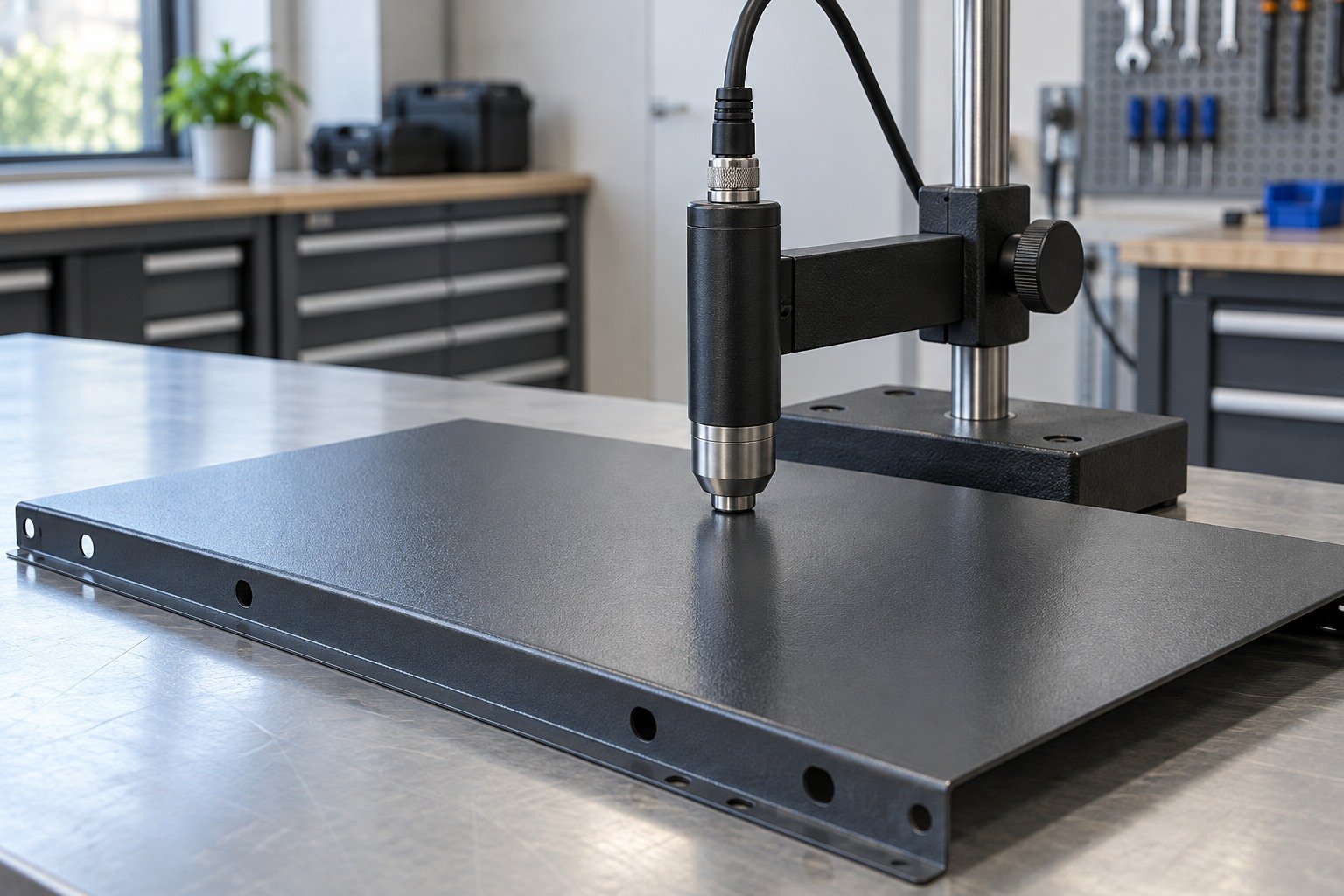
| Substrate & Revision | Metal, incoming condition and drawing. |
|---|---|
| System & Cure | Preparation, powder reference and required evidence. |
| Thickness & Coverage | Specified locations, limits and method. |
| Appearance | Color, gloss, texture and agreed sample. |
| Masks & Final Fit | Threads, contacts and mating features. |
| Release Evidence | Sampling, agreed tests and protection. |
Powder coating adhesion and any required corrosion tests need agreed methods and acceptance limits. Visual approval alone does not establish performance.
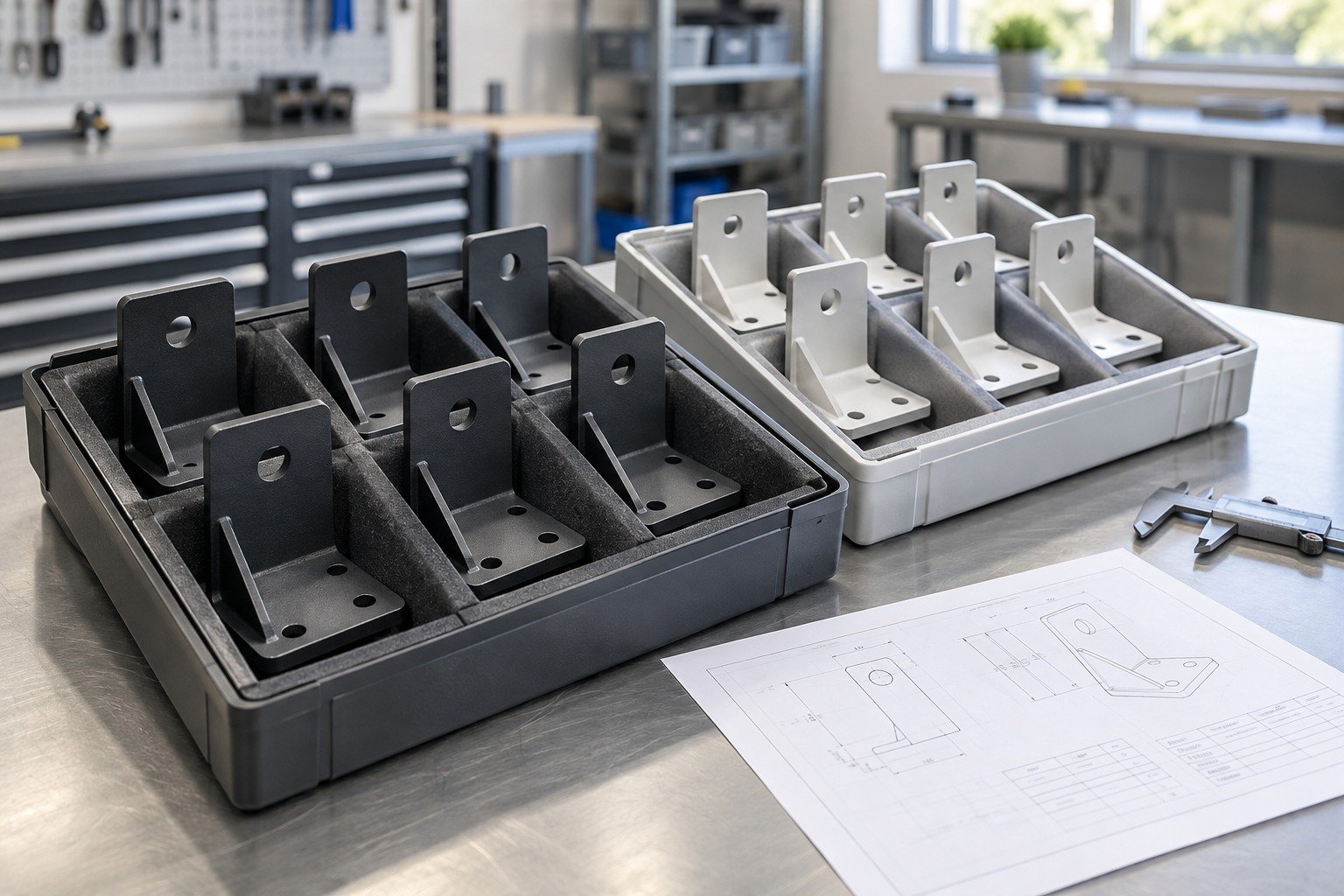
Powder coating for industrial equipment starts with handling, cleaning and service exposure.
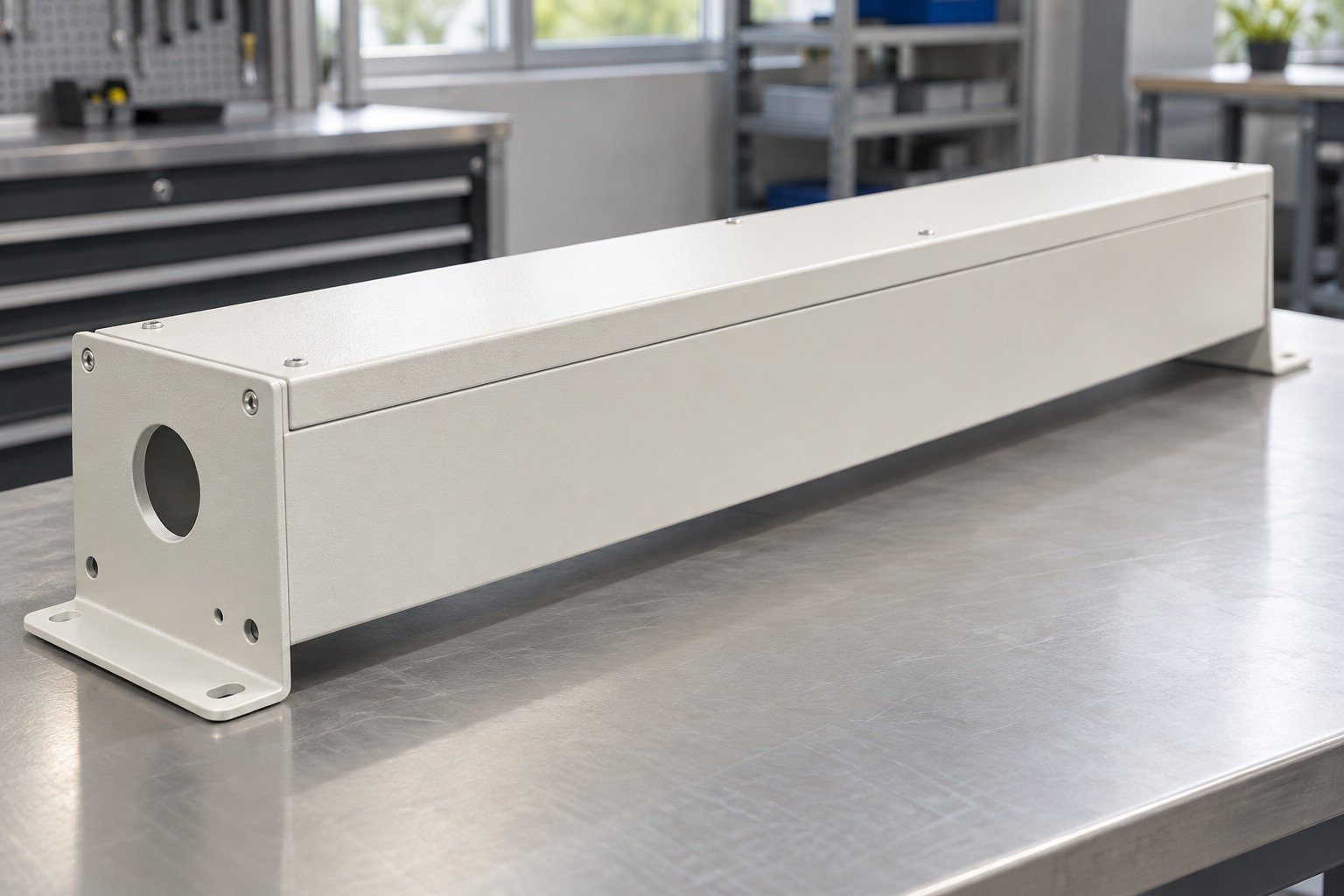
Review the coating system, mounting interfaces and actual use conditions.
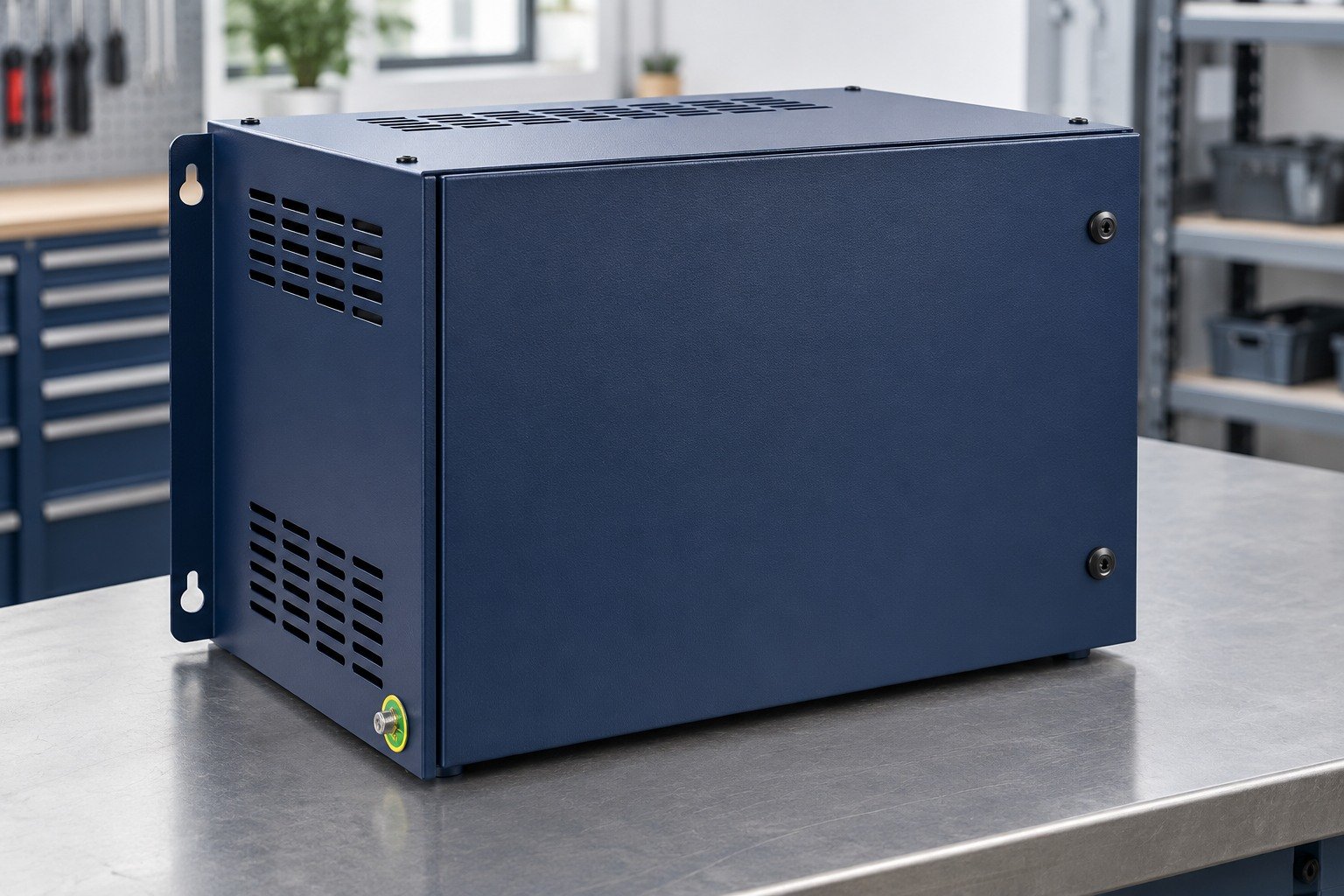
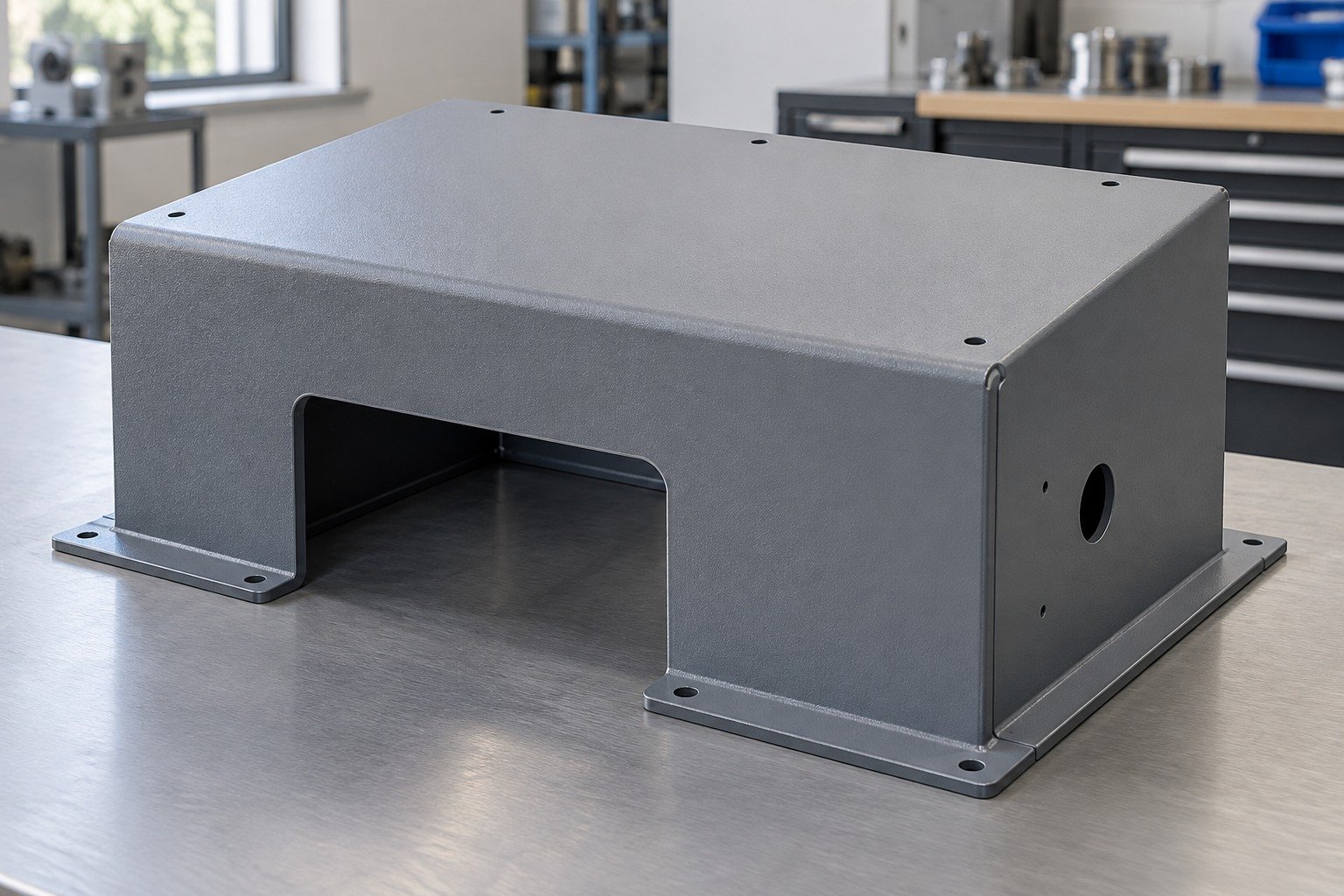
Powder coating for electronics needs defined grounding, ventilation and final fit.
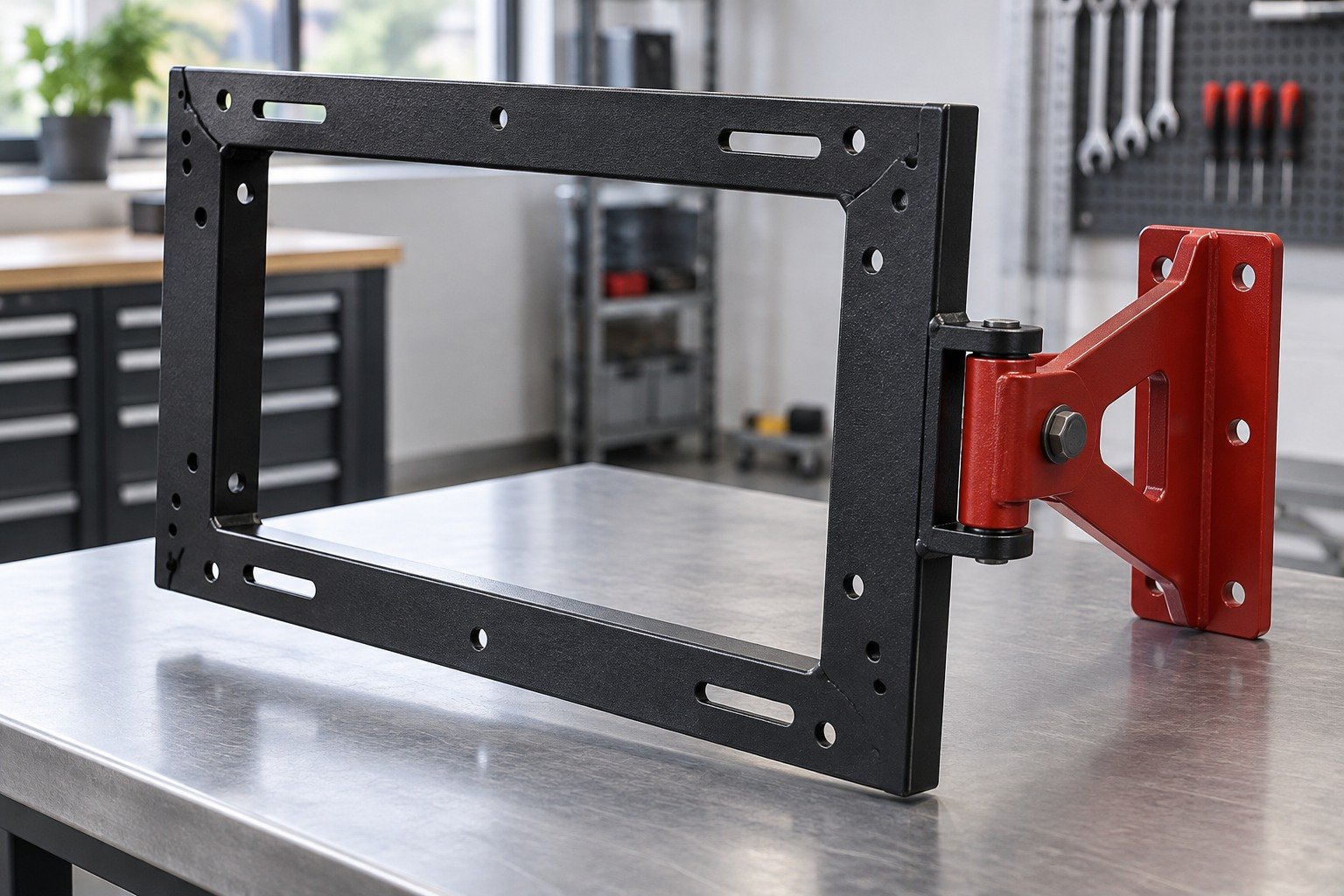
Specify contact faces, texture and the approved appearance sample.
Illustrative application concepts. Suitability and required evidence are project-specific; no customer case study or industry qualification is implied.
Coordinate your drawing review, coated samples and delivery requirements.
Project communication and coordination.
Scope and processor confirmed in your quote.
Agree coating checks and release documents.
Confirm surface protection and logistics.
For powder coating sheet metal or supplied assemblies, identify who owns fabrication, preparation, coating and final acceptance.
Powder coating applies dry coating material to a prepared surface and cures it to form a film. This page covers custom industrial metal parts. Review the complete substrate, preparation, powder product and cure requirement together.
Compare part size and weight, incoming condition, preparation, racking, color changes, masking, quantity, testing and packaging. Small batch powder coating can carry minimum processing charges. Request your real trial and production quantities; no universal MOQ is promised.
Confirm separate milestones for product/color availability, preparation, samples, processing, inspection and transport. Geometry, existing finish, special masks and specified tests affect your actual schedule.
Compare substrate, heat sensitivity, geometry, appearance, exposure, film build and repair needs. Powder and liquid coating systems have different preparation and curing requirements; neither is automatically best for every project.
Yes, film build changes dimensions and can insulate contact areas. Define final bores, threads, clearances and protected electrical contacts. Agree masking boundaries and any required grounding or assembly checks.
Use a color reference plus gloss, texture and a representative approved sample. Define permitted variation and viewing conditions. Mark protected threads, bores and contact surfaces; confirm feasible masking and final inspection.
Review UV, humidity, chemicals, corrosion exposure, cleaning and maintenance against a specific product technical data sheet and coating system. Do not convert a salt-spray result directly into a guaranteed outdoor service life.
Identify substrate and incoming condition, coating product or performance specification/revision, preparation, color, gloss, texture, film thickness, masks, contact marks, final dimensions and agreed tests. Include quantities, sample needs and delivery scope with your RFQ.
Coating callout, masks and final fits.
Actual color, gloss, texture and assembly.
Processor, evidence, protection and delivery.
Confirm these together before releasing repeat production.