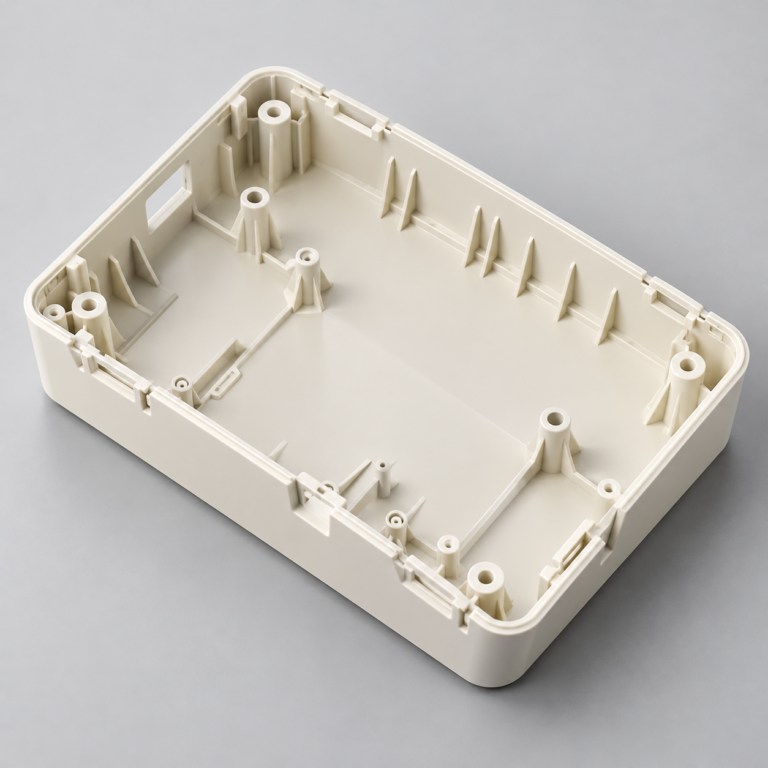
Injection Molding
Tooling and molding for your repeat plastic parts.
From prototype to production, coordinated manufacturing solutions for your custom parts.
View All Services →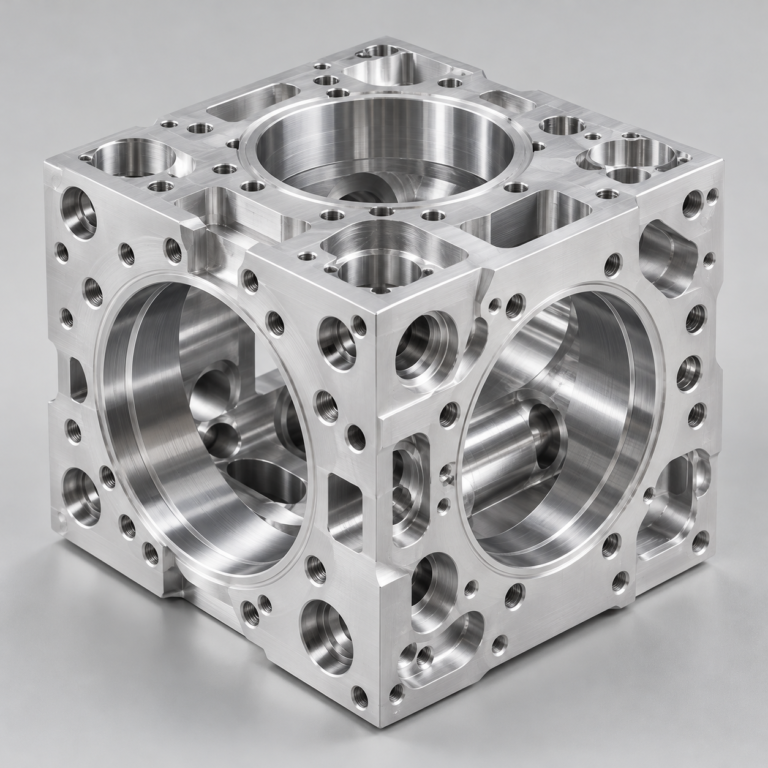
Precision parts for your tight tolerances and complex geometry.
Tooling and molding for your repeat plastic parts.
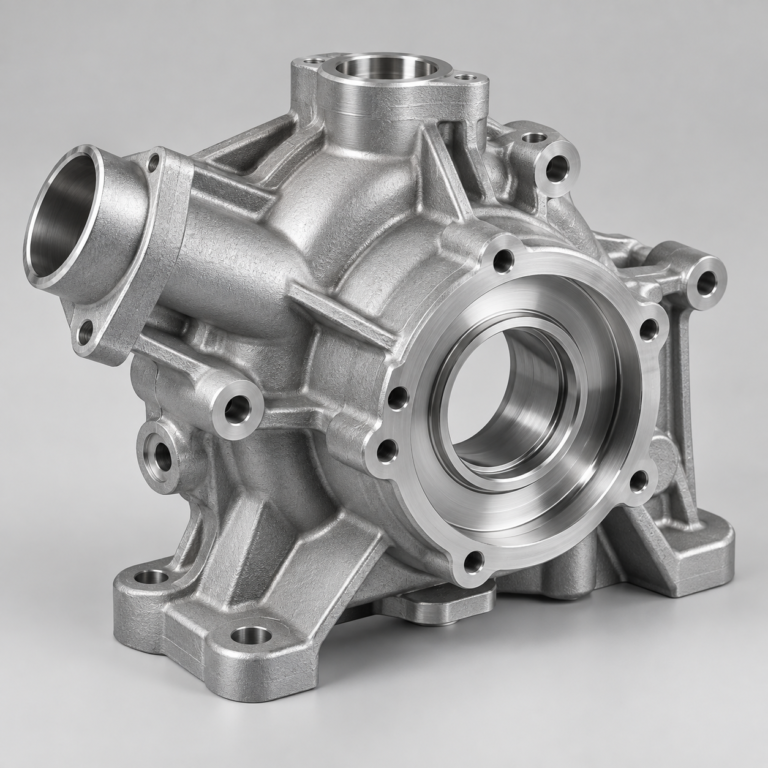
Metal casting options for your part and production volume.
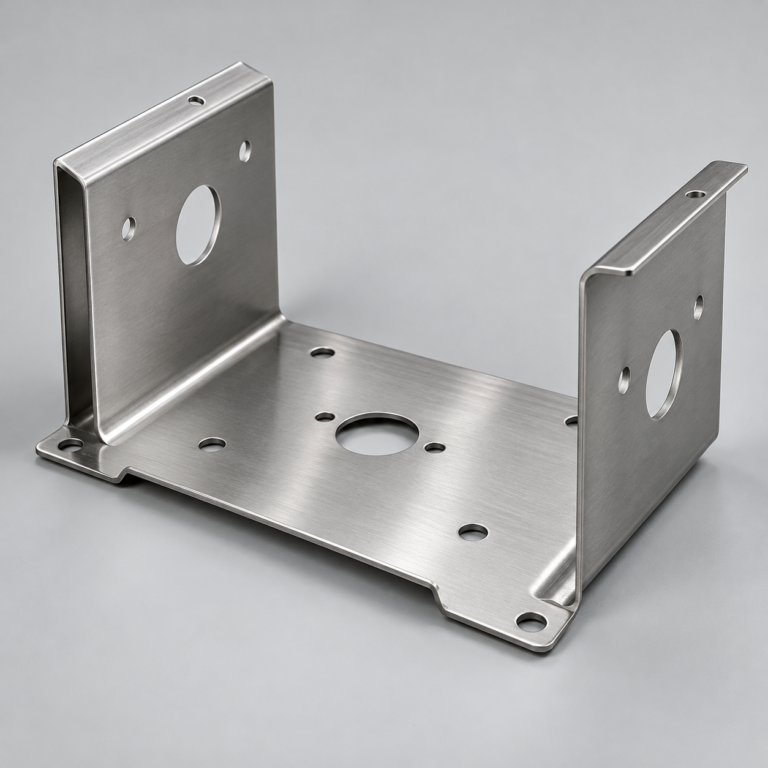
Cutting, forming and welding for your fabricated parts.
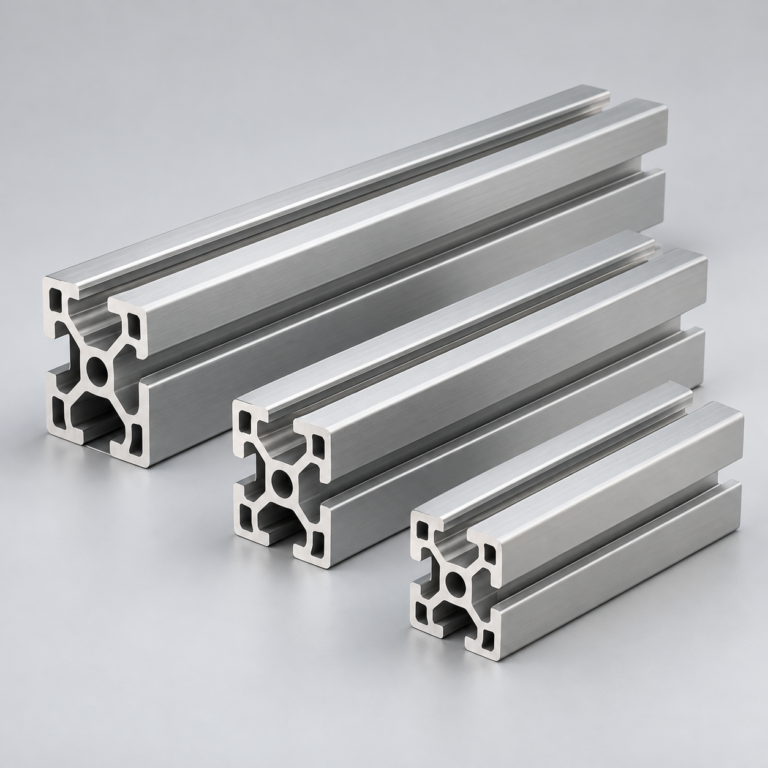
Custom profiles for your section, length and finish requirements.
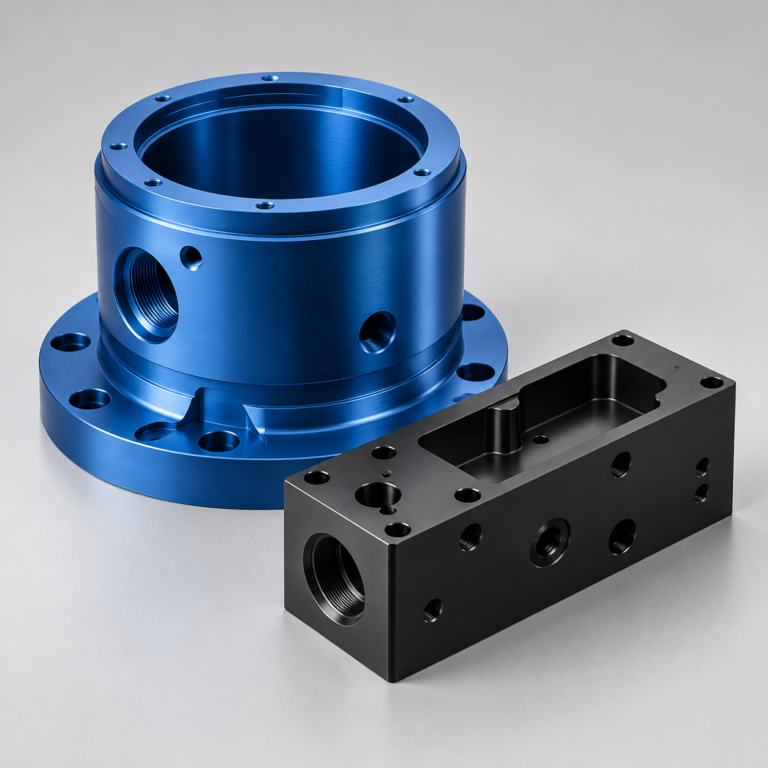
Finishes for your appearance, corrosion and wear requirements.
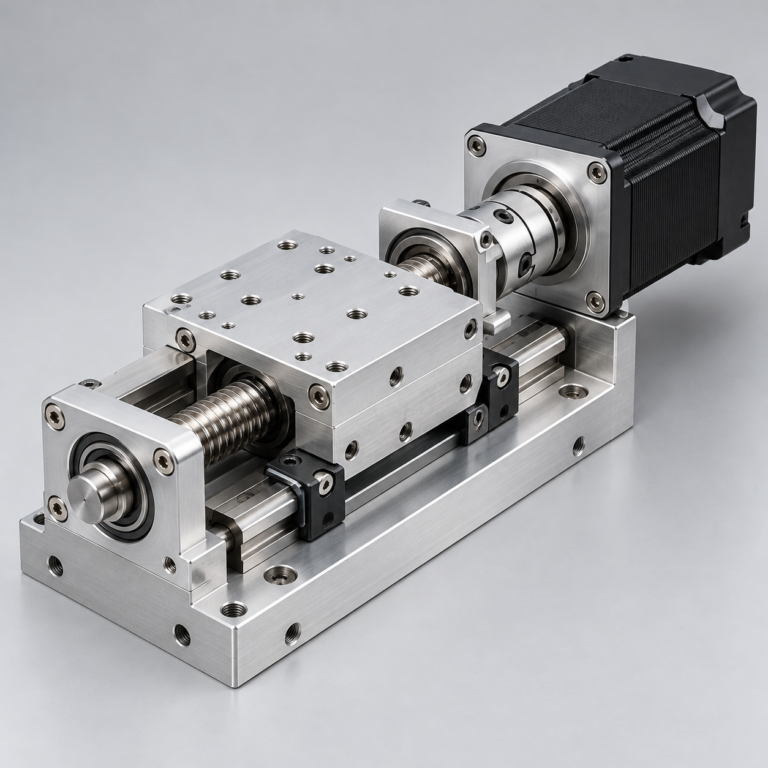
Sub-assemblies and final builds for your production program.
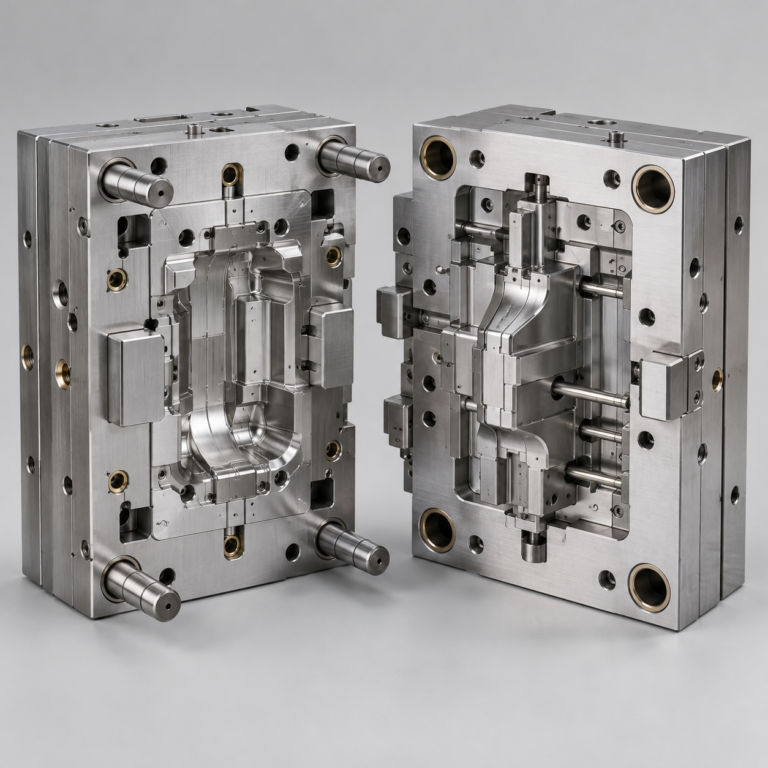
Production tooling built around your process and volume.
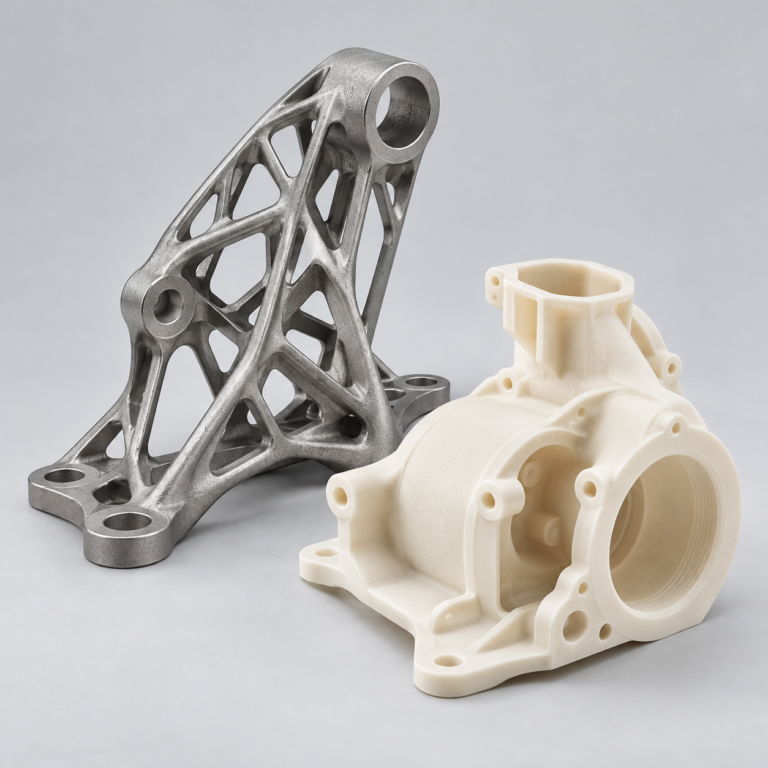
Prototype parts to check fit, function and design.
DFM, process planning and production support for your project.
Inspection, documentation, inventory and delivery planning for your program.
Choose air- or liquid-cooling components around your thermal and mechanical requirements.
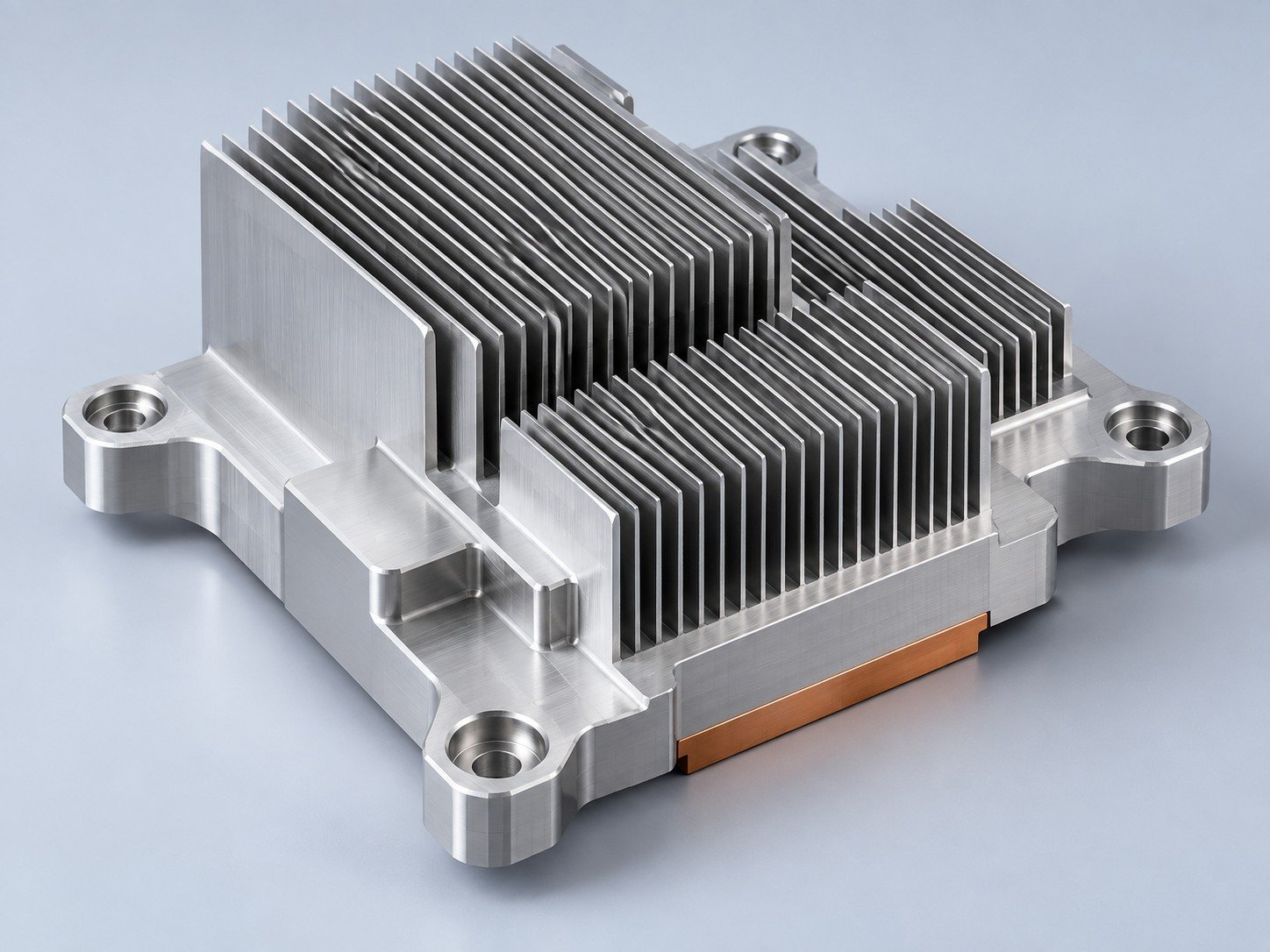
Manufacturing support for your cold plates, manifolds and cooling assemblies.
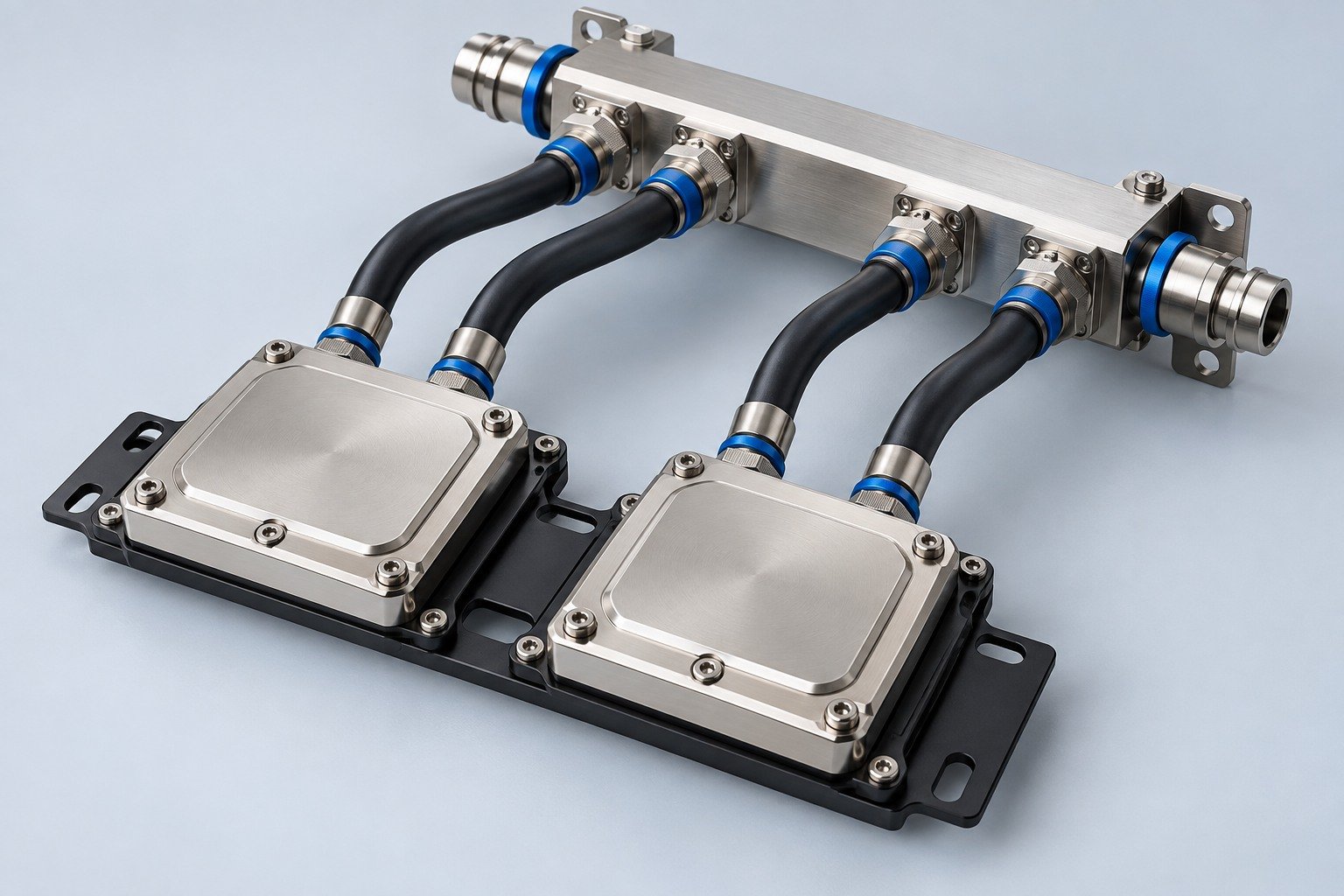
Find components for your power electronics, energy, laser and telecom application.
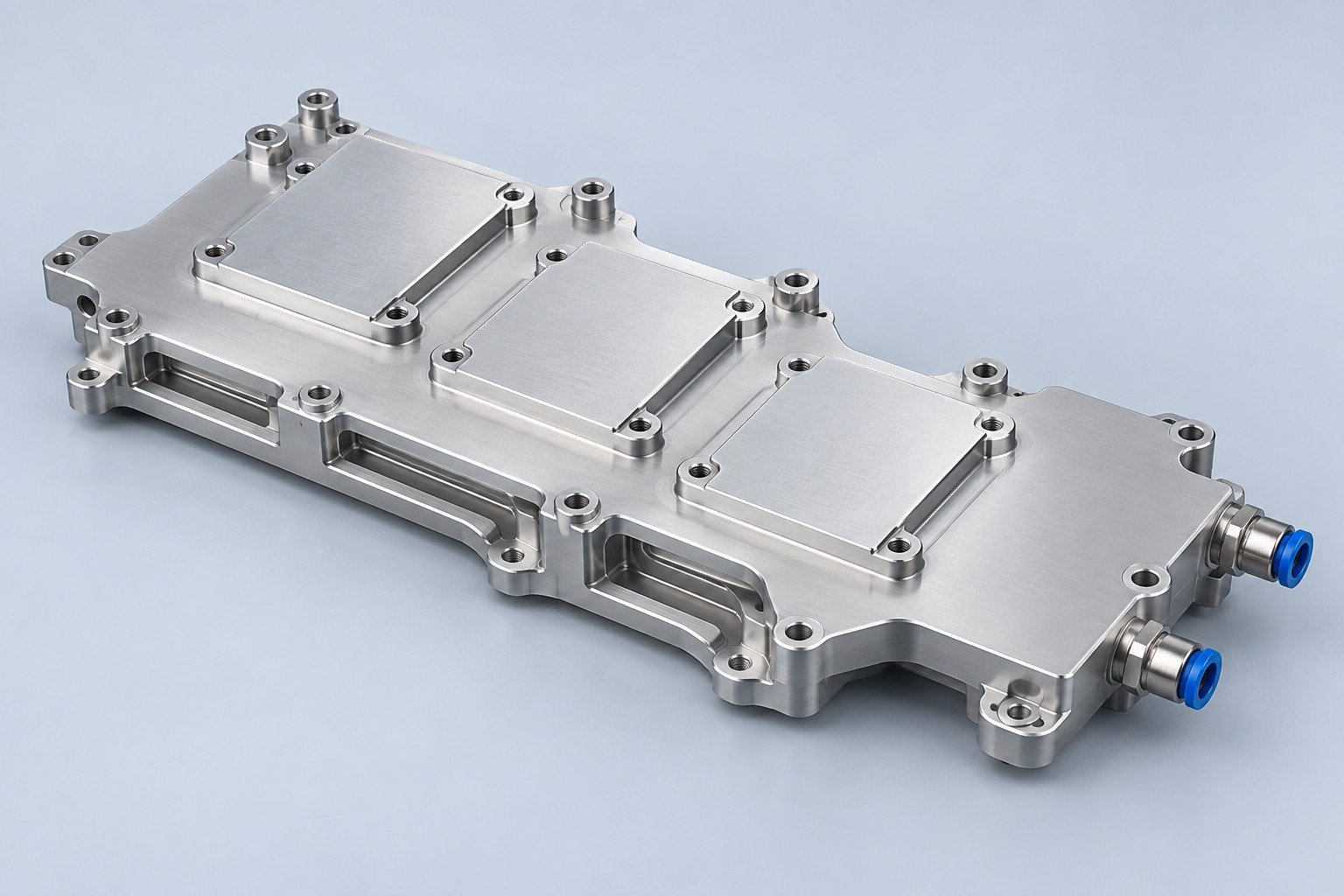
Components for your electronic systems.
Start with your functional and quality requirements.
Build around your operating environment.
From prototype to production, review material performance, manufacturability and cost for your part.
Review grade, temper and finish for your metal parts.
 AluminumStrength, weight and machining›
 Stainless SteelCorrosion and finish requirements›
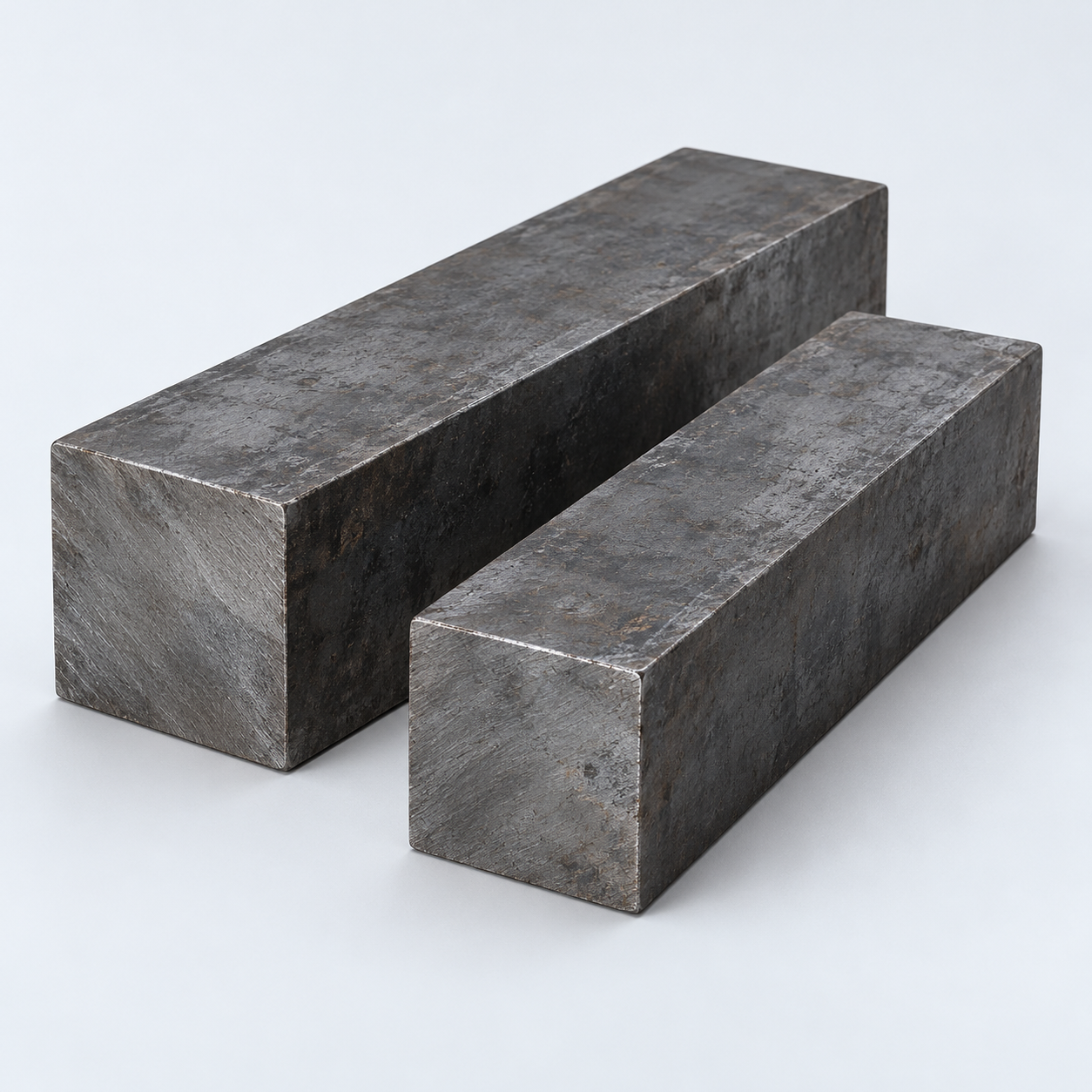 Carbon & Alloy SteelDiscuss grade and heat treatment›
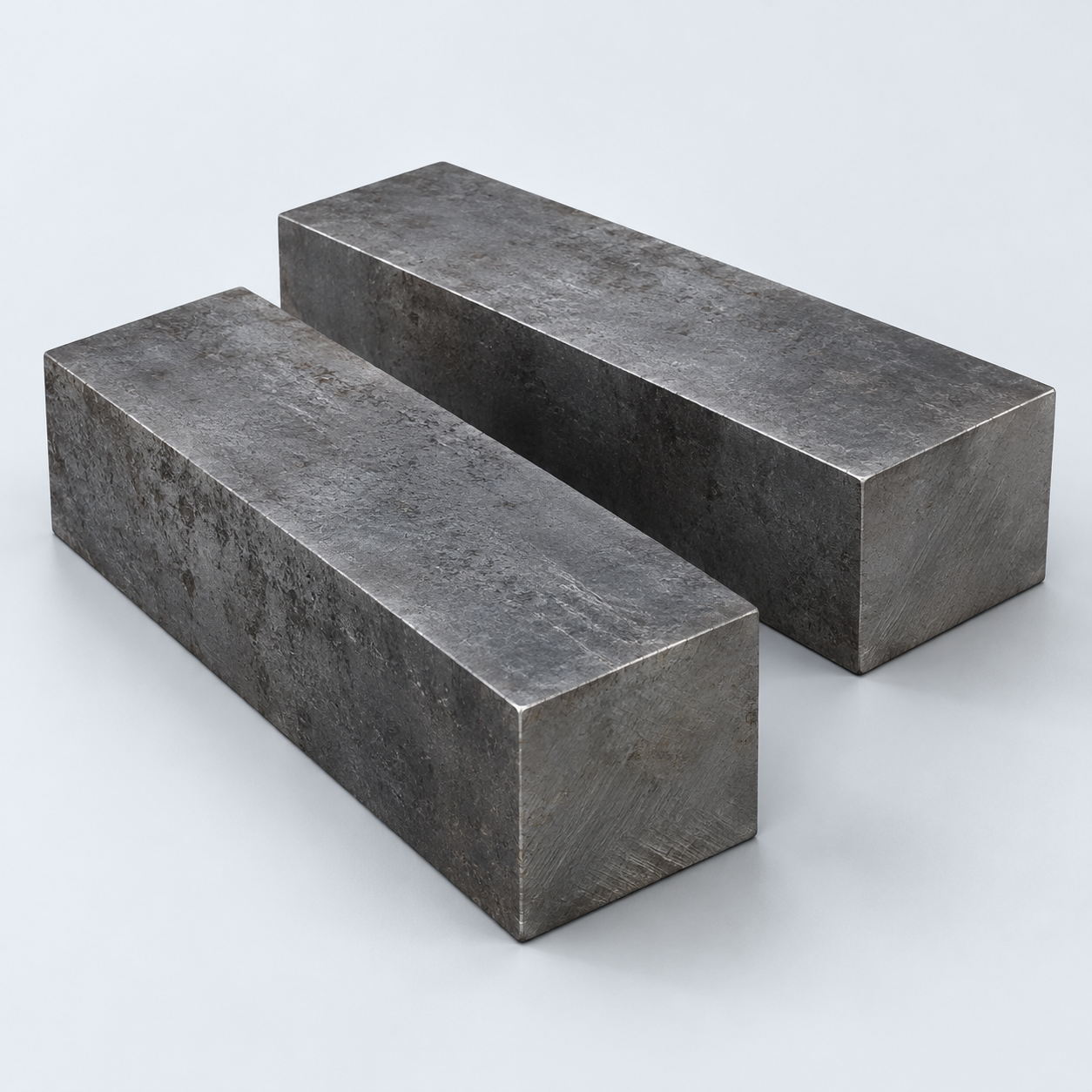 Tool SteelDiscuss tooling and wear needs›
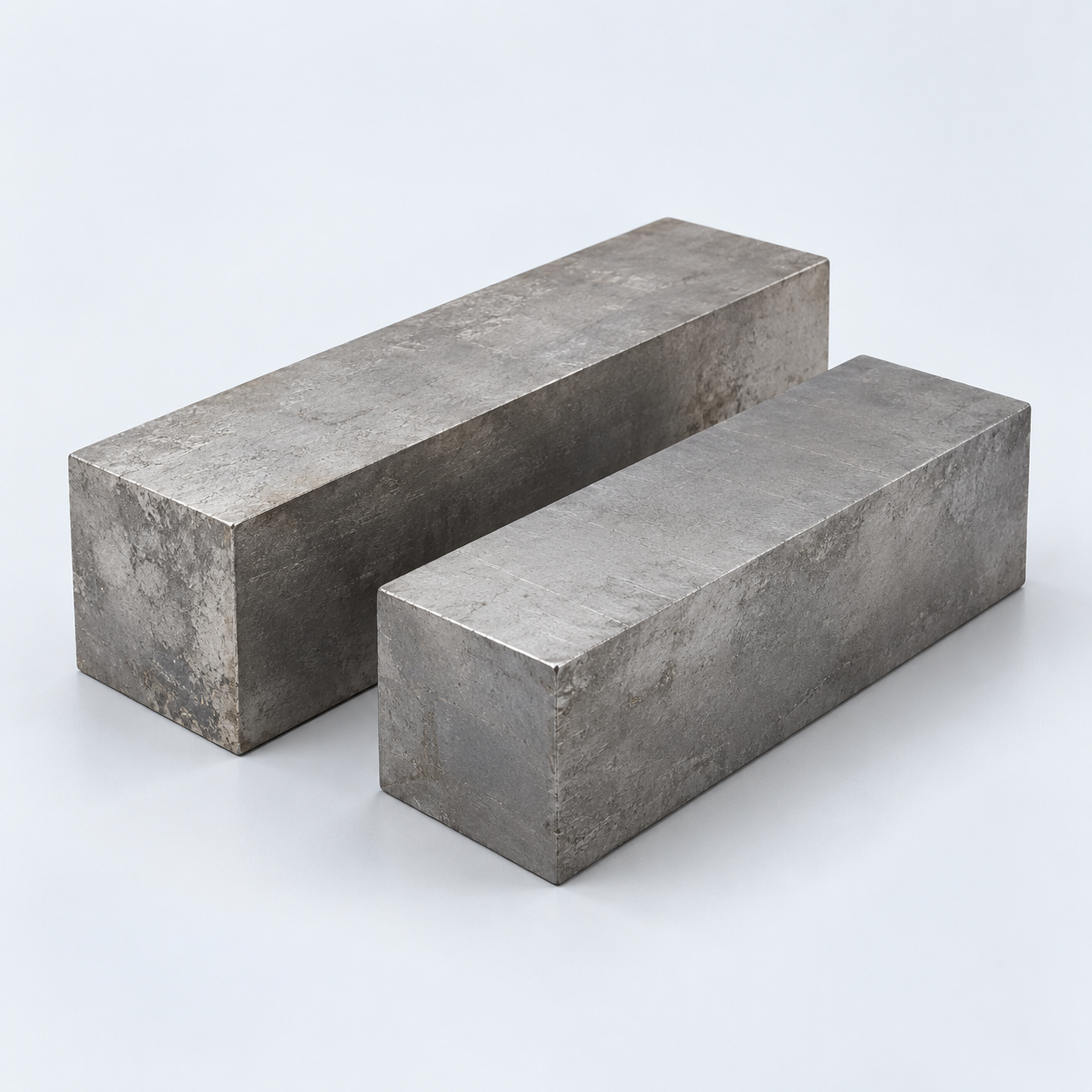 TitaniumReview grade and part geometry›
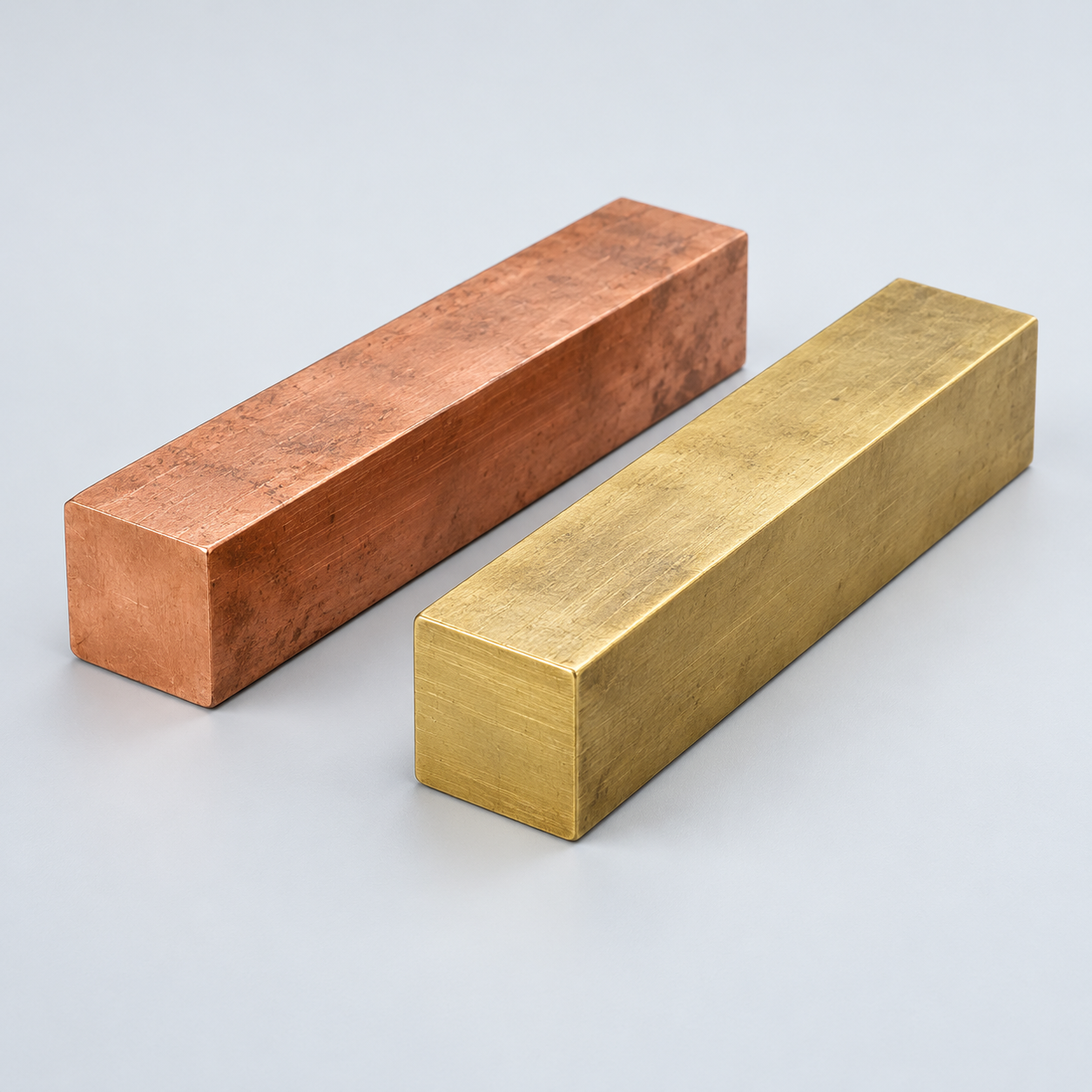 Copper & BrassDiscuss conductivity and machining›
Match your polymer to function, process and environment.
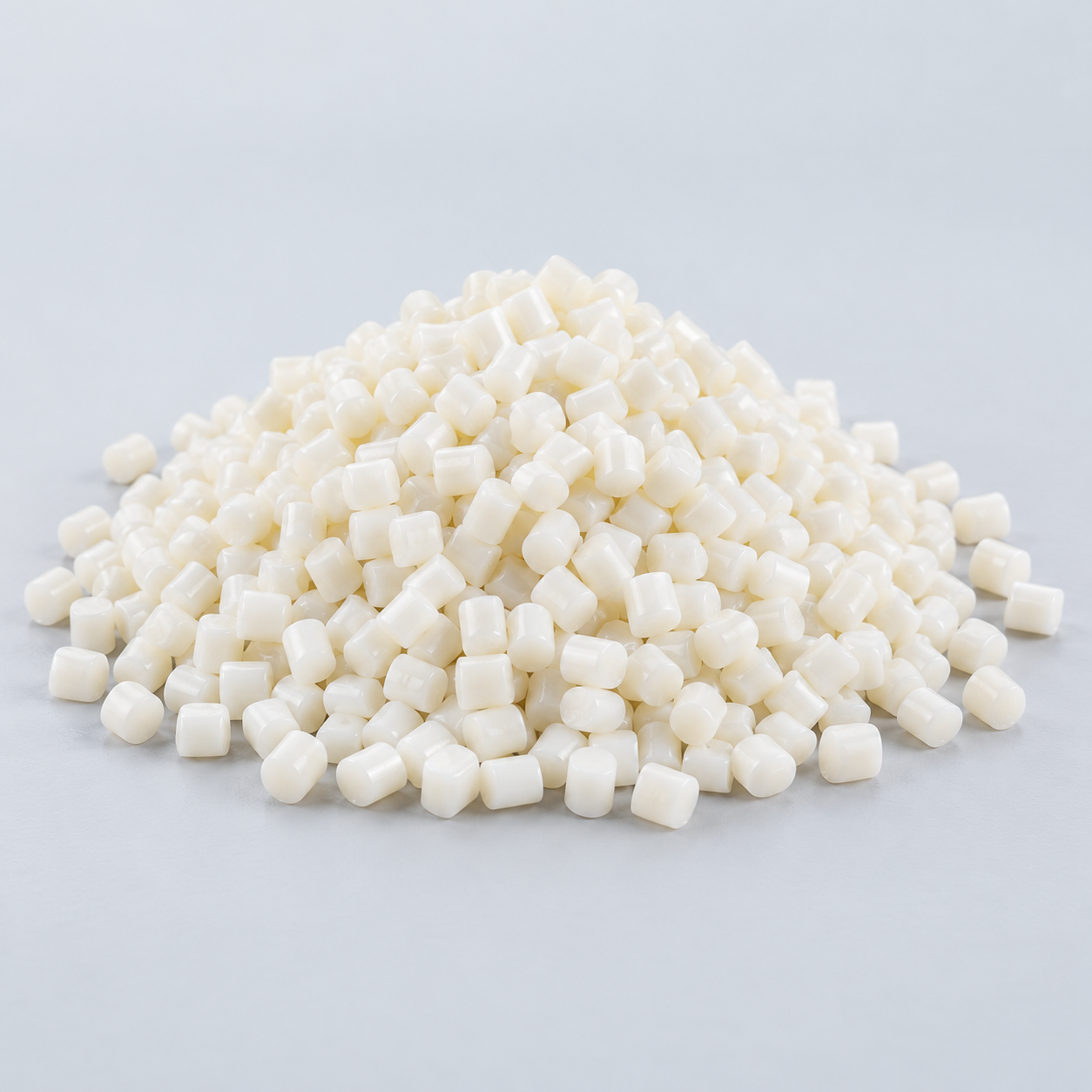 ABSReview enclosure and molding needs›
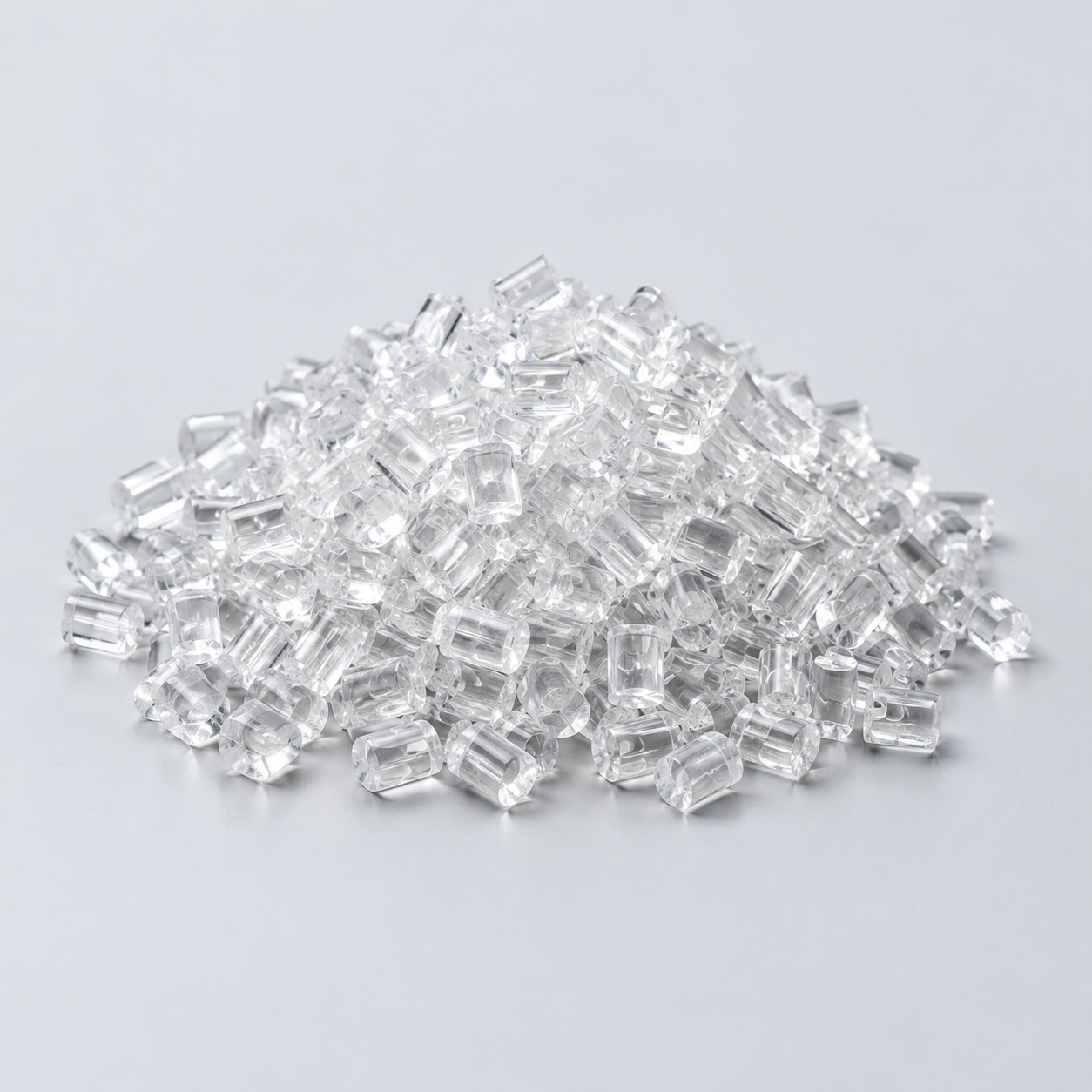 Polycarbonate (PC)Discuss clarity and impact needs›
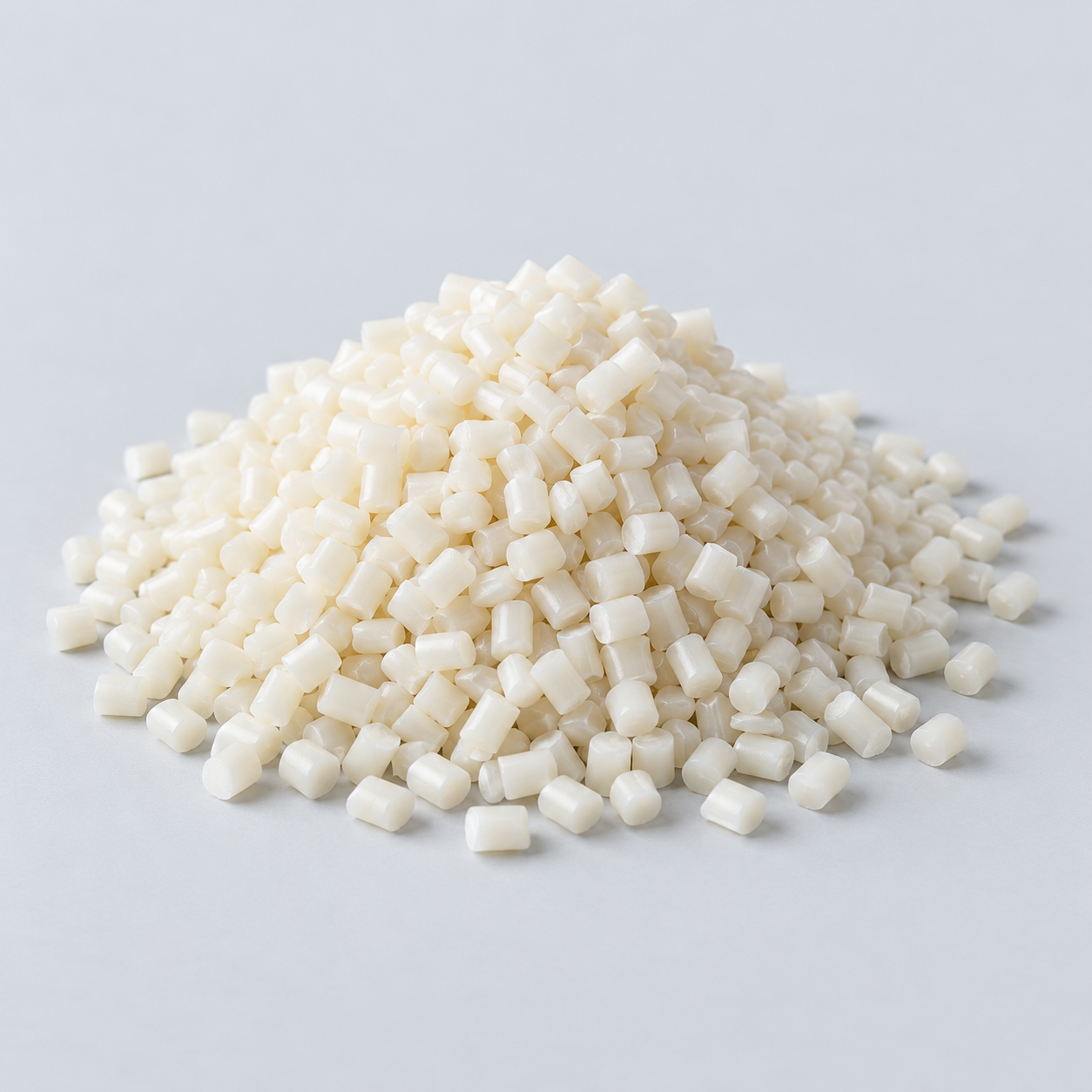 Nylon (PA)Review moisture and wear conditions›
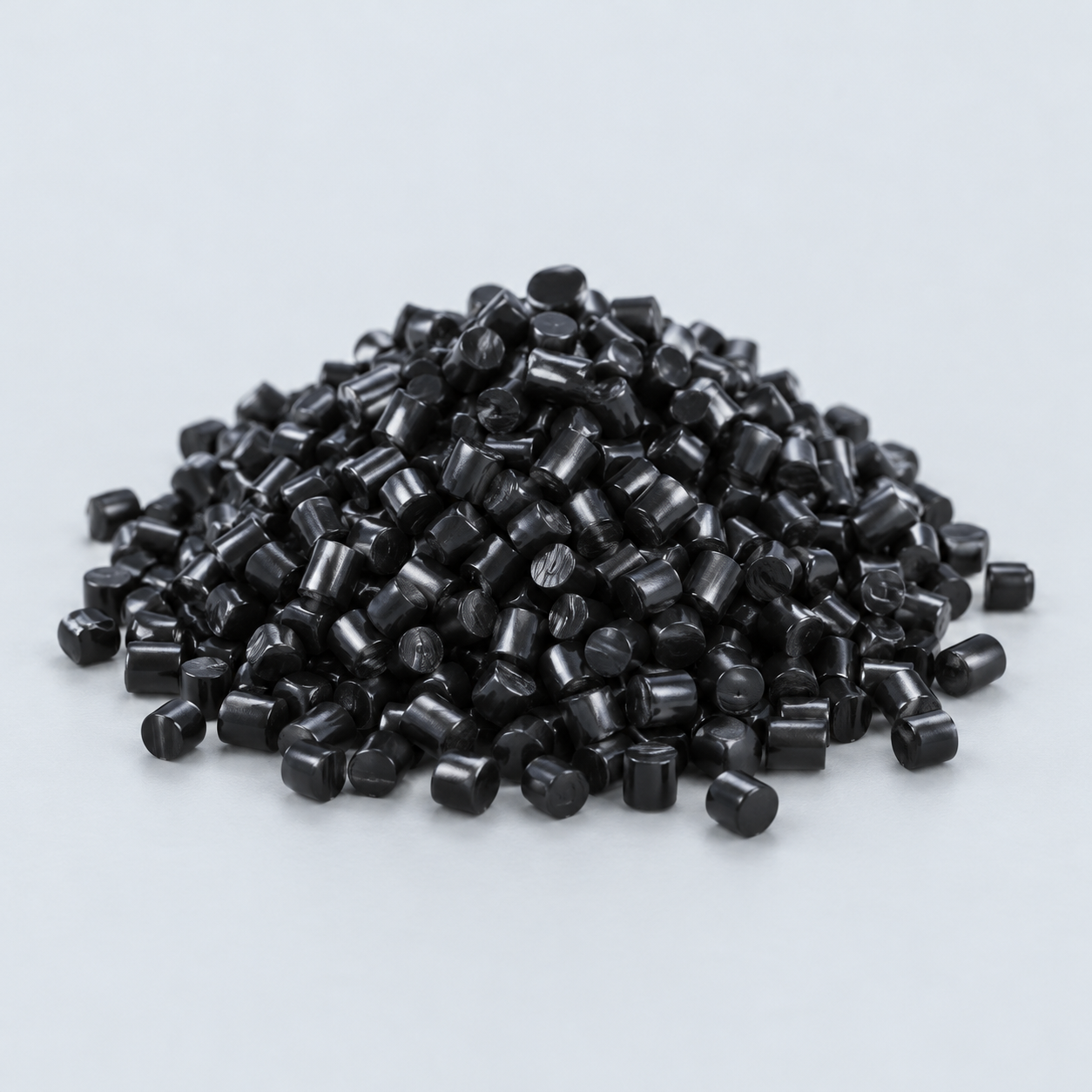 POM / AcetalReview fit and sliding features›
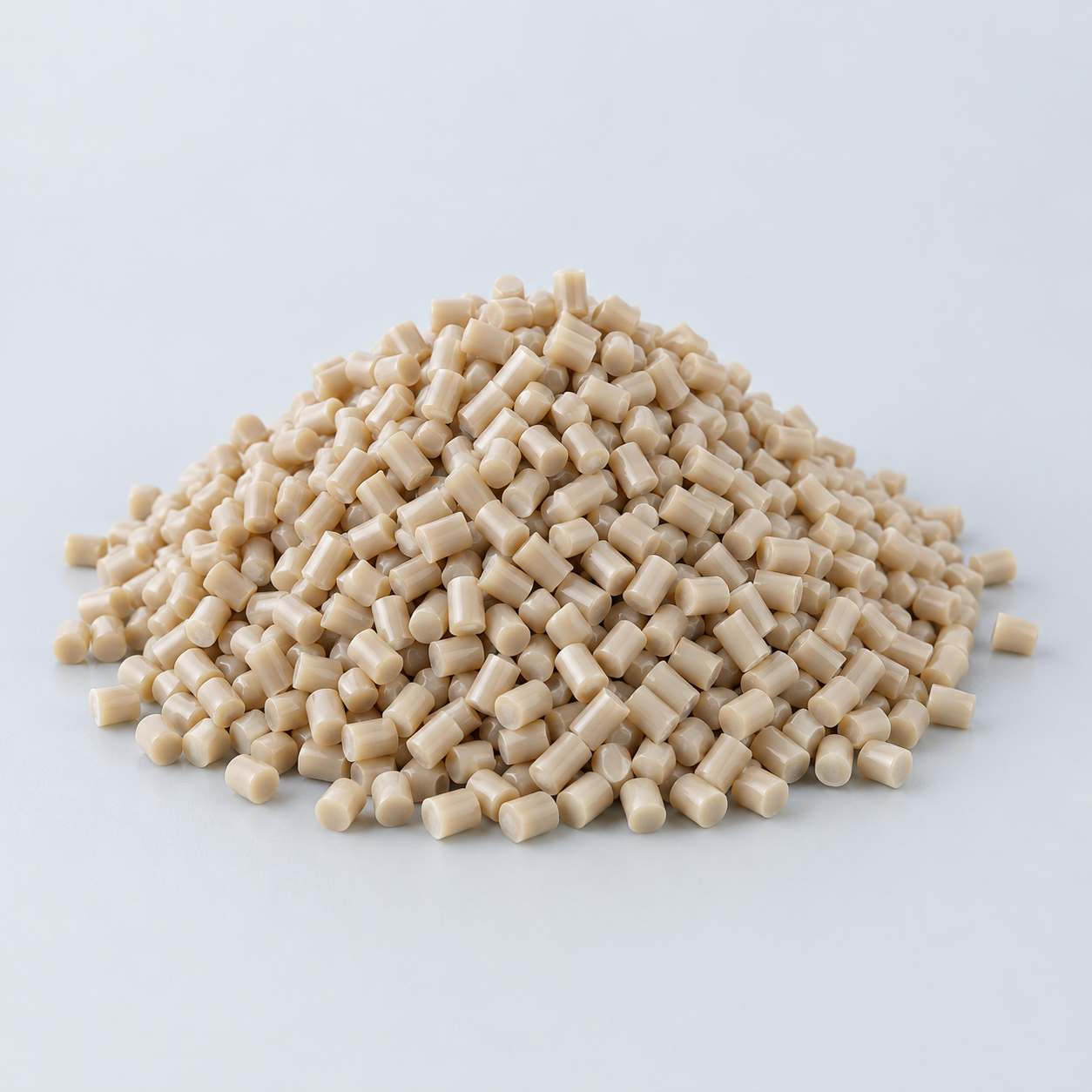 PEEKDiscuss operating conditions›
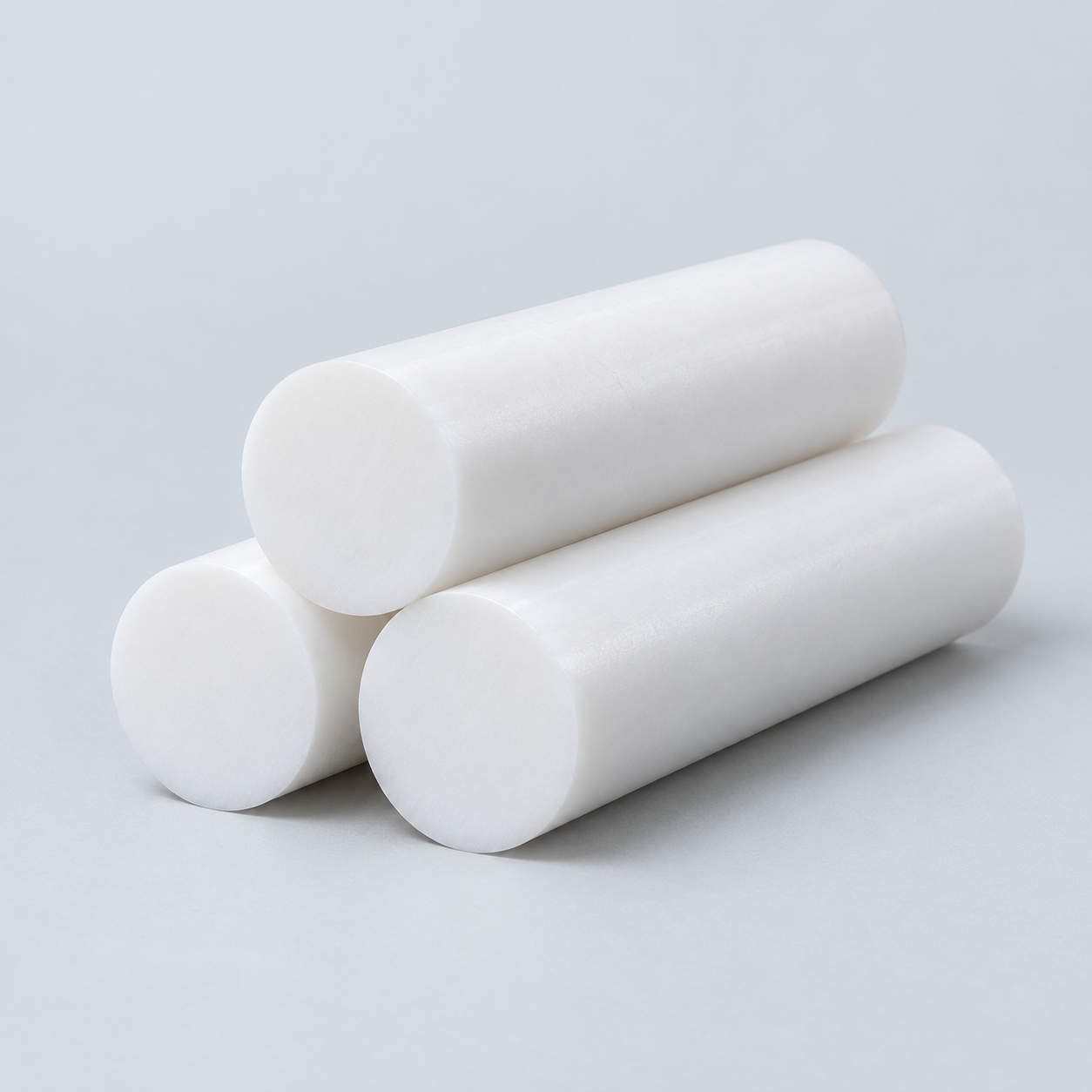 PTFEReview friction and chemical exposure›
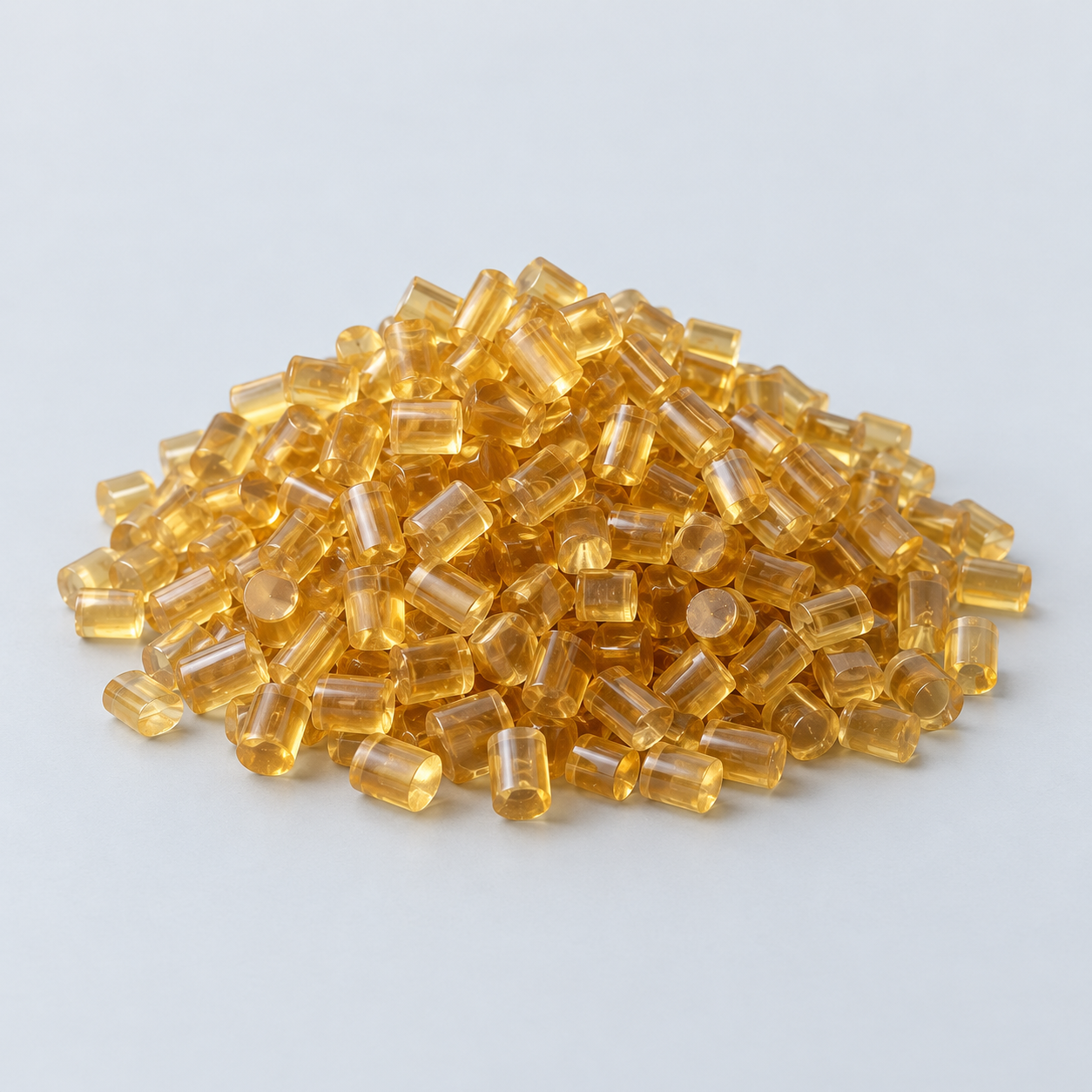 ULTEM / PEIDiscuss thermal and electrical needs›
Confirm grade availability and application requirements.
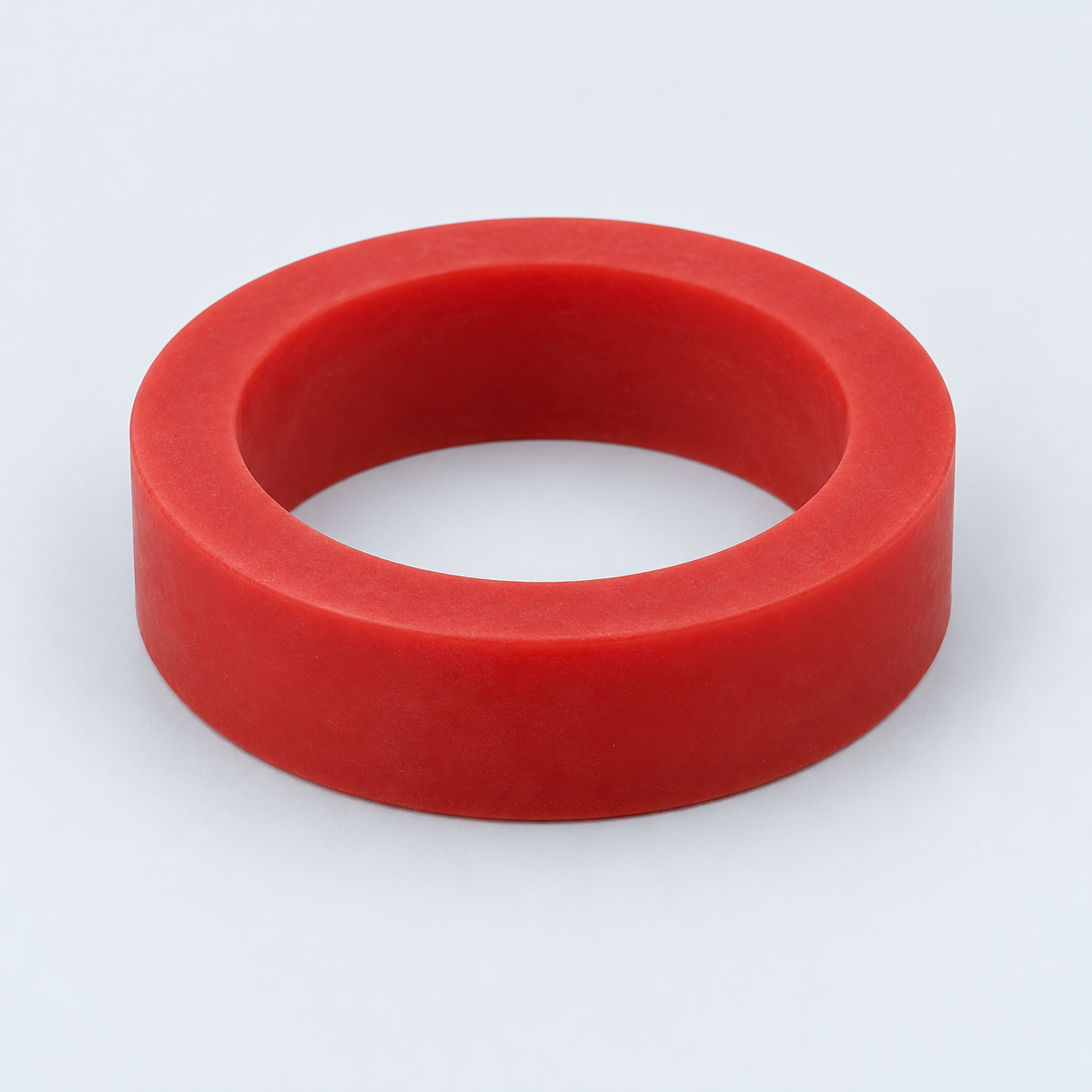 Silicone / LSRDiscuss flexible component needs›
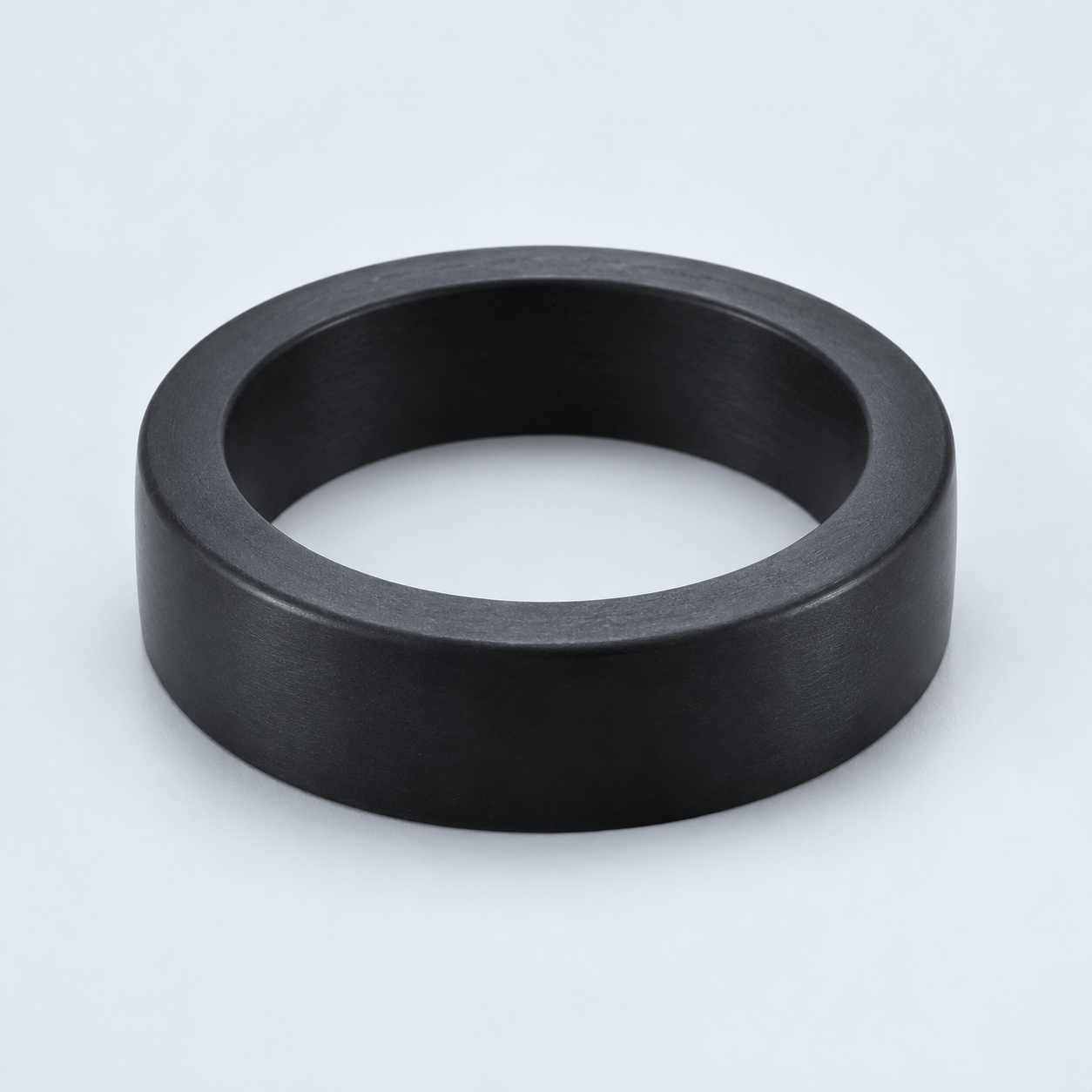 TPU / TPEReview flexibility and processing›
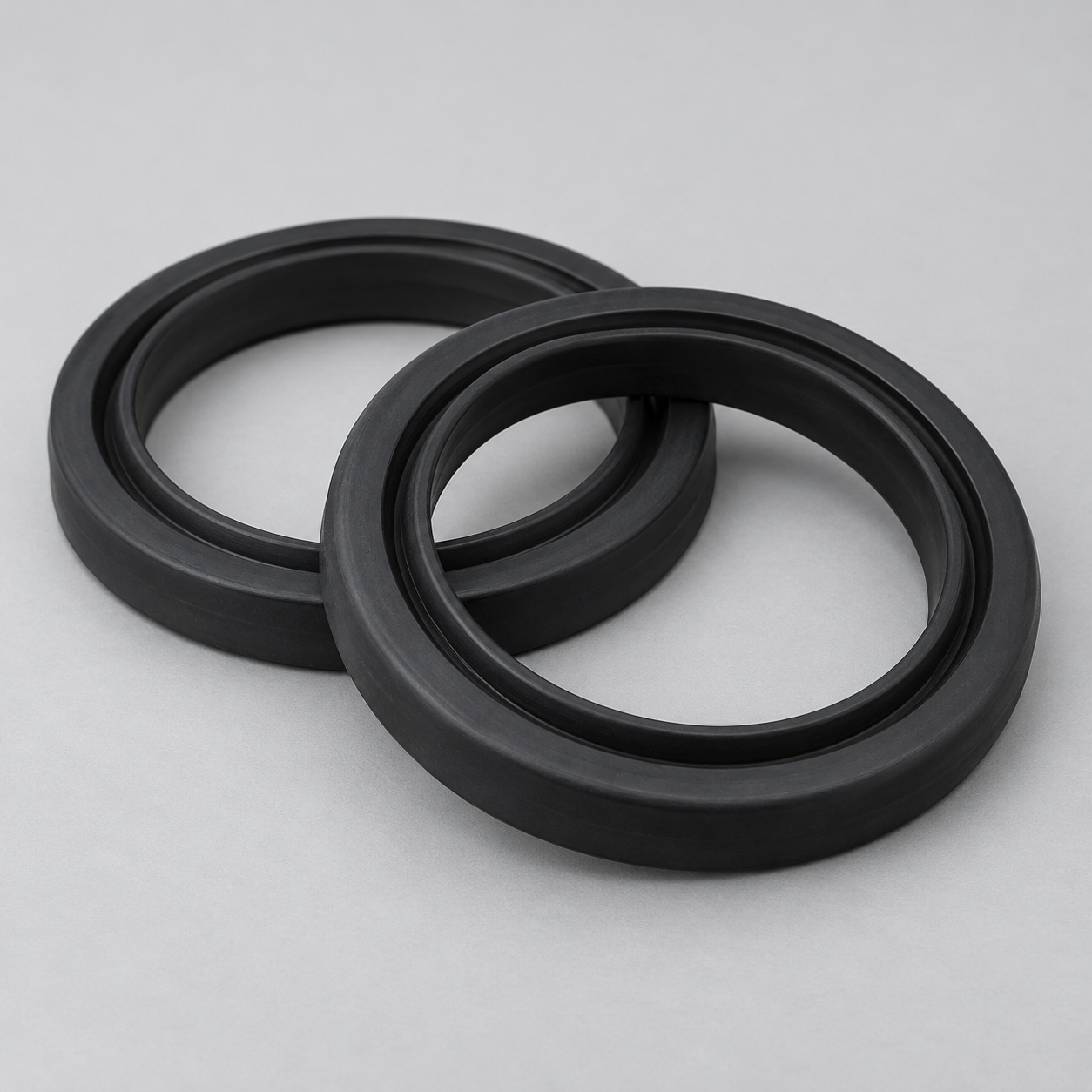 EPDMReview weathering and chemical exposure.›
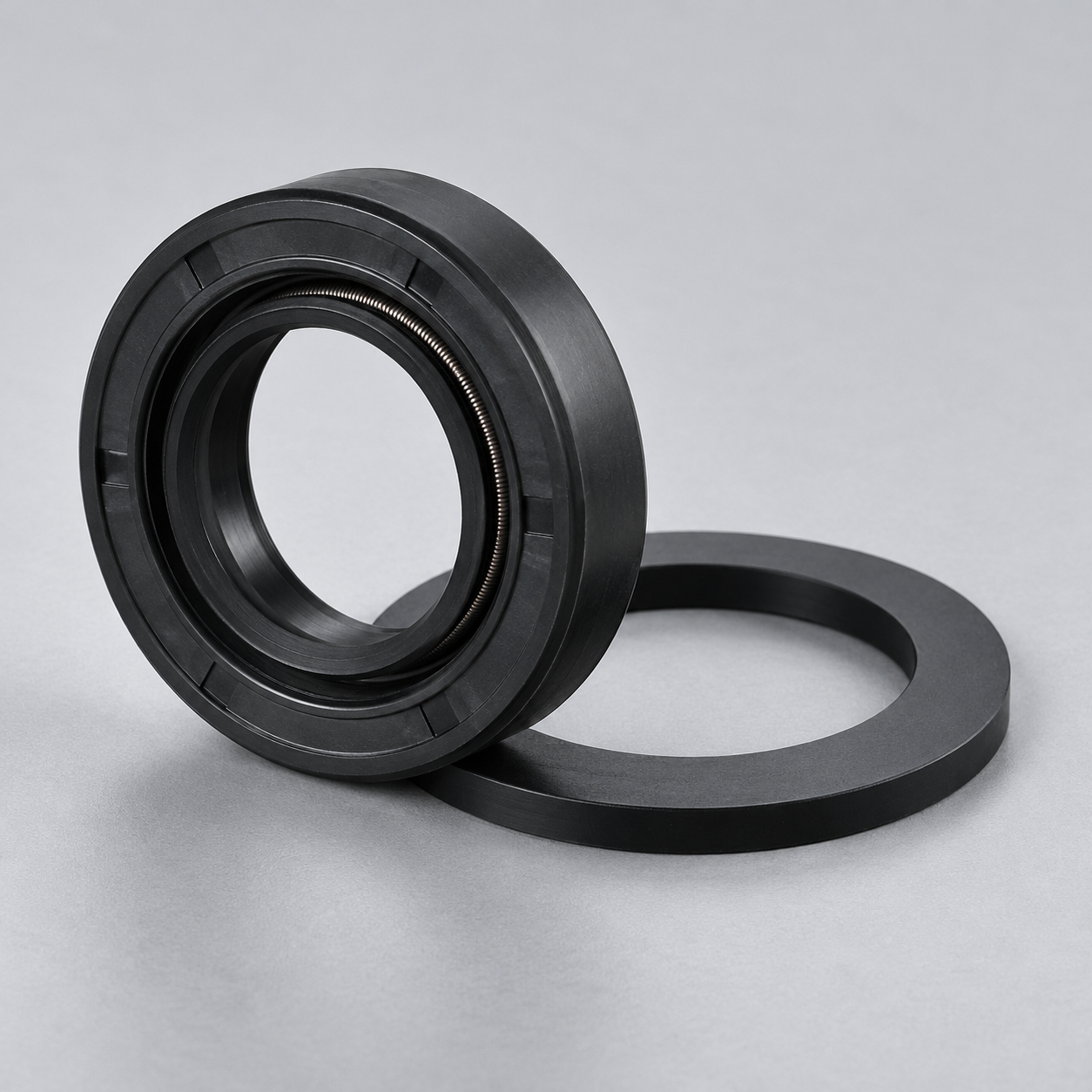 NBRReview oil and fuel exposure.›
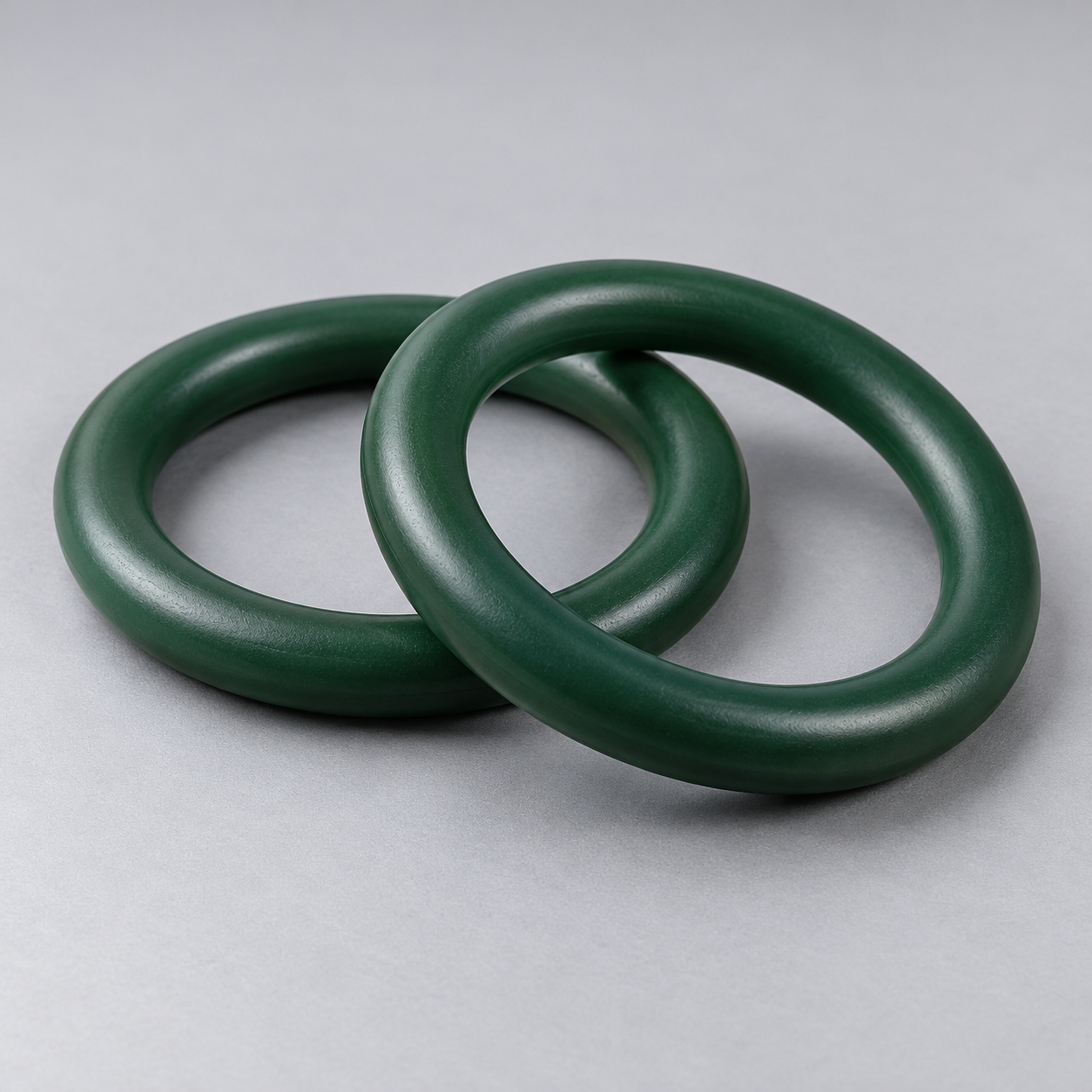 FKMReview temperature and chemical exposure.›
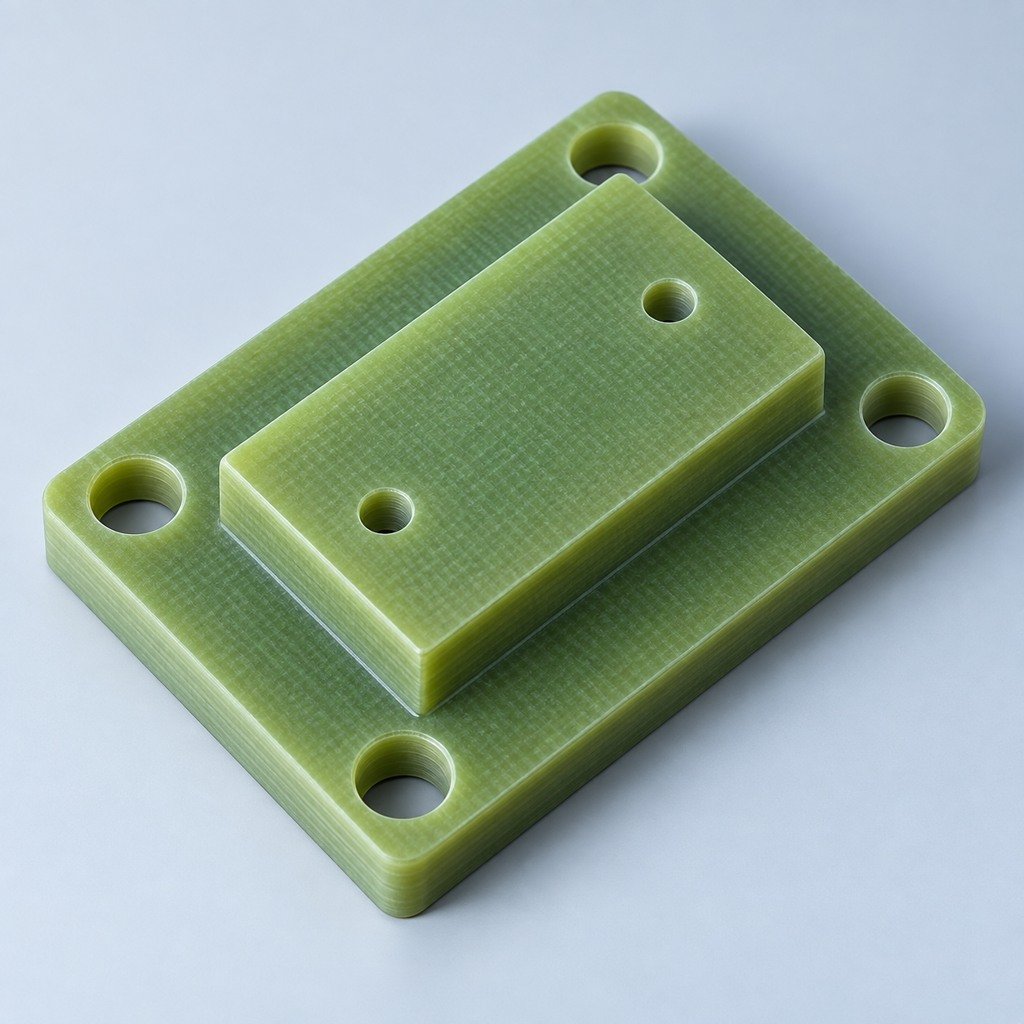 G10 / FR4Review insulation and laminate needs›
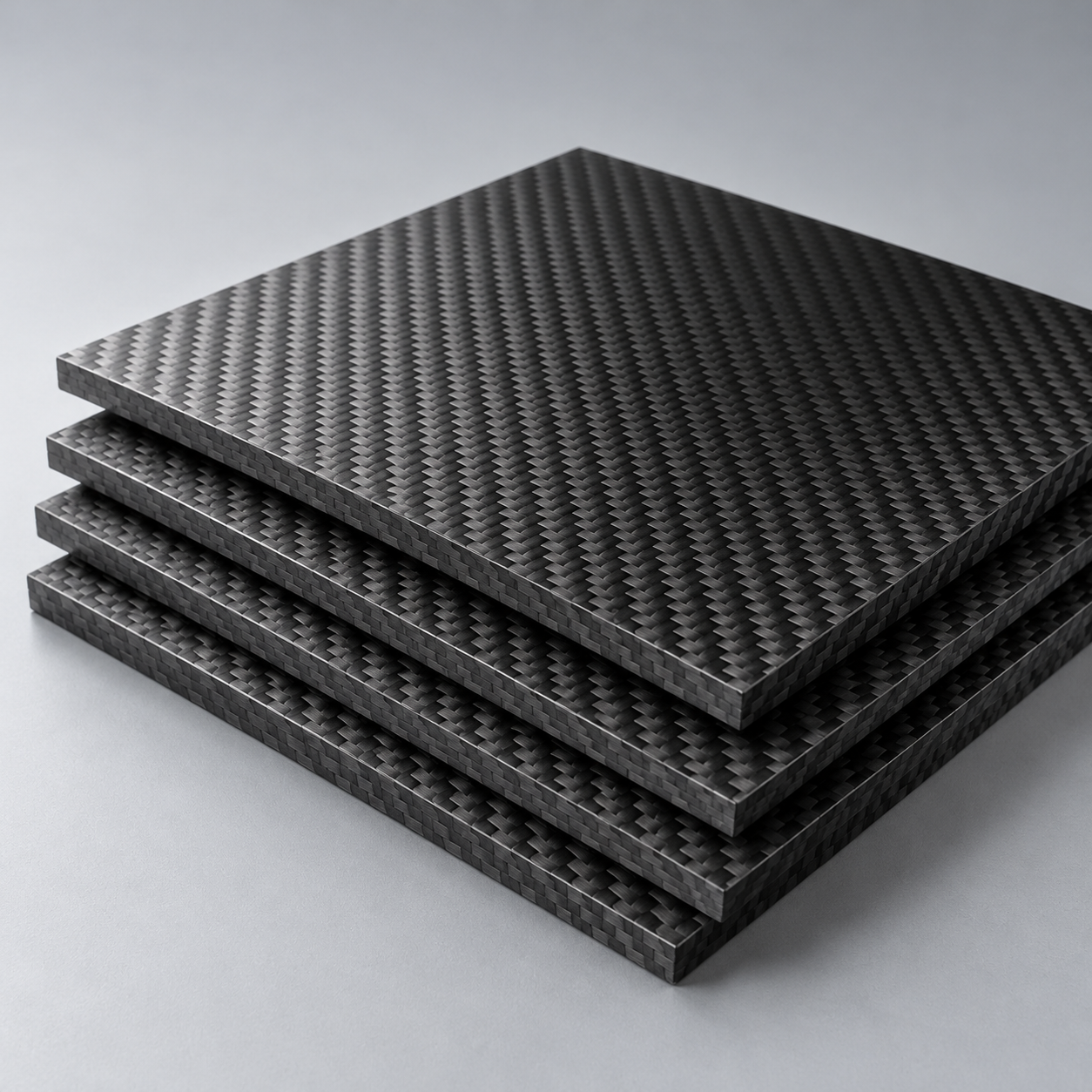 CompositesReview stiffness, weight and laminate.›Customer-Specified MaterialsConfirm your grade and requirements.›Other Specialty MaterialsDiscuss your application and grade.›
Practical guidance for your part geometry and material decisions.
Prepare your process, budget and sourcing questions.
Build your knowledge before production.
Learn who we are and how we operate.
Find our U.S. support team or start a conversation.
LEADED FREE-MACHINING CARBON STEEL
Resolve material approval before your machining quote.
For your 12L14 steel machining project, connect the lead-containing material specification with your threads, bore fits, surface protection and receiving records.
12L14 · lead-containing free-machining steel
Specify stock form and supplied state
Define finished dimensions and records
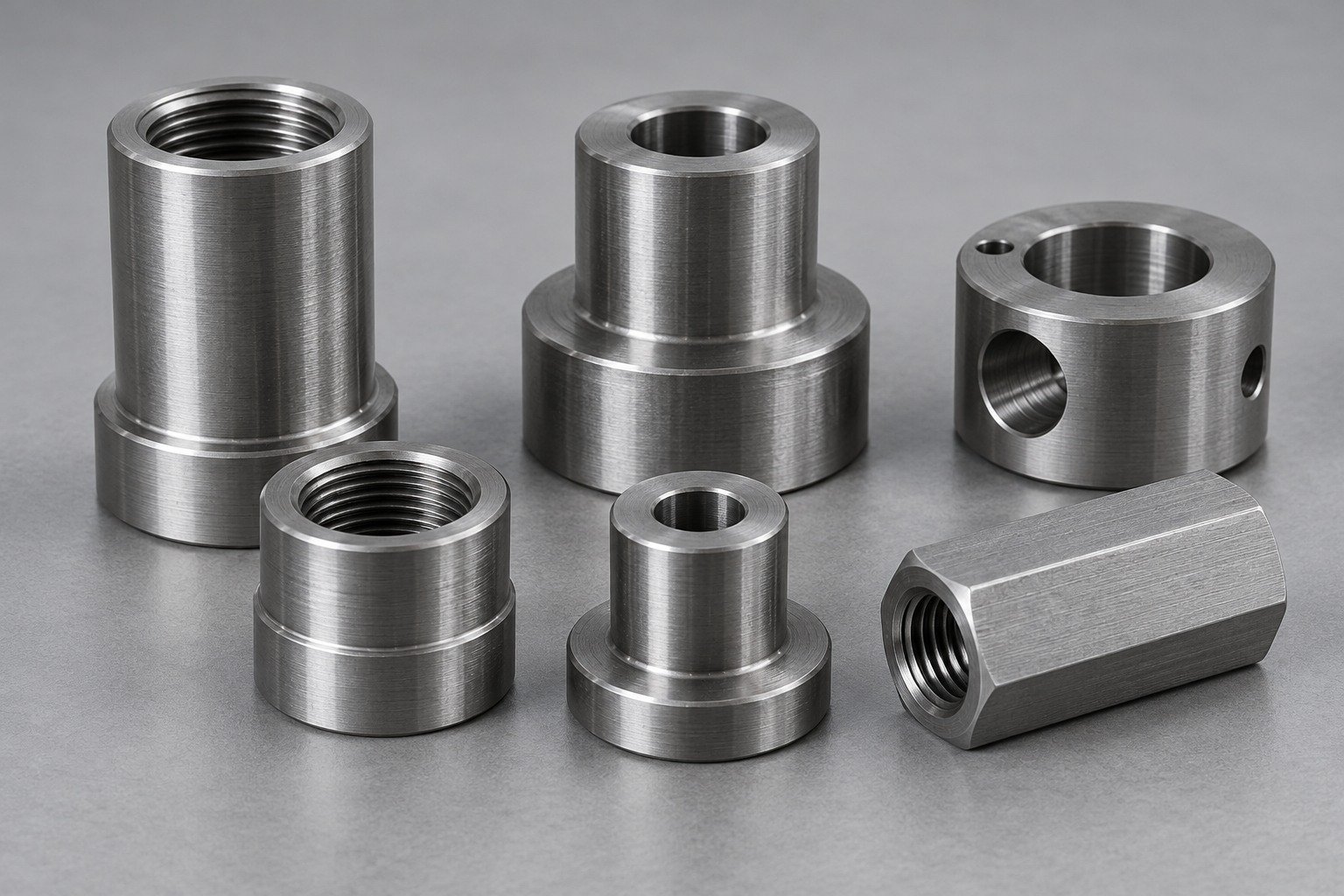
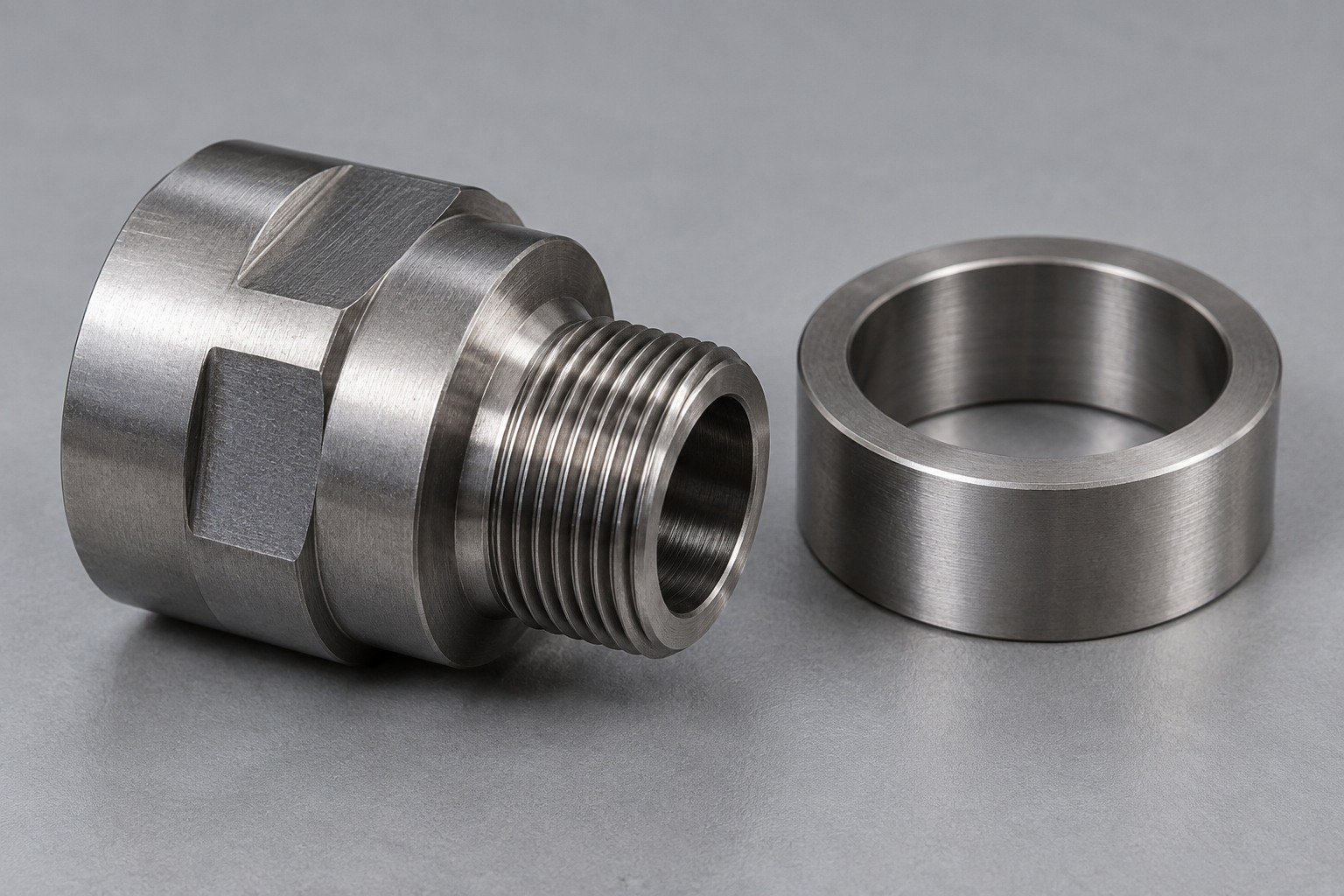
12L14 is a low-carbon, resulfurized, rephosphorized leaded free-machining steel. Consider it for turned bushings, pins, inserts and threaded components when your specification permits this chemistry.
For custom 12L14 steel parts, send the functional drawing before choosing stock. A material name alone does not specify your final fit, corrosion protection or inspection scope.
Review CNC Turning →These producer reference values describe chemistry limits. Your lot certificate establishes the material supplied for your order.
Mass % · common axis 0–0.40%
Bars show specified ranges, not a measured batch result or a machinability score.
| Element · mass % | 12L14 · Eaton | 11SMnPb30 · Roda |
|---|---|---|
| Carbon · C | ≤0.15 | ≤0.14 |
| Manganese · Mn | 0.85–1.15 | 0.90–1.30 |
| Phosphorus · P | 0.04–0.09 | ≤0.11 |
| Sulfur · S | 0.26–0.35 | 0.27–0.33 |
| Lead · Pb | 0.15–0.35 | 0.20–0.35 |
Selected elements only. The European reference also lists Si ≤0.05%. No value omitted here should be read as zero.
Eaton: 12L14 chemistry ↗ · Roda Specialty: reference sheet, revision 04/2013 ↗
SAE / AISI 12L14 is the requested grade. Include your product specification and stock condition.
11SMnPb30 · material number 1.0718 appears as a comparable designation in the cited producer sheet.
Chemistry limits differ. Compare product form, condition, required properties and permitted lead content before approving substitution.
The 2013 producer cross-reference is a navigation aid, not proof of current-standard equivalence or regulatory compliance.
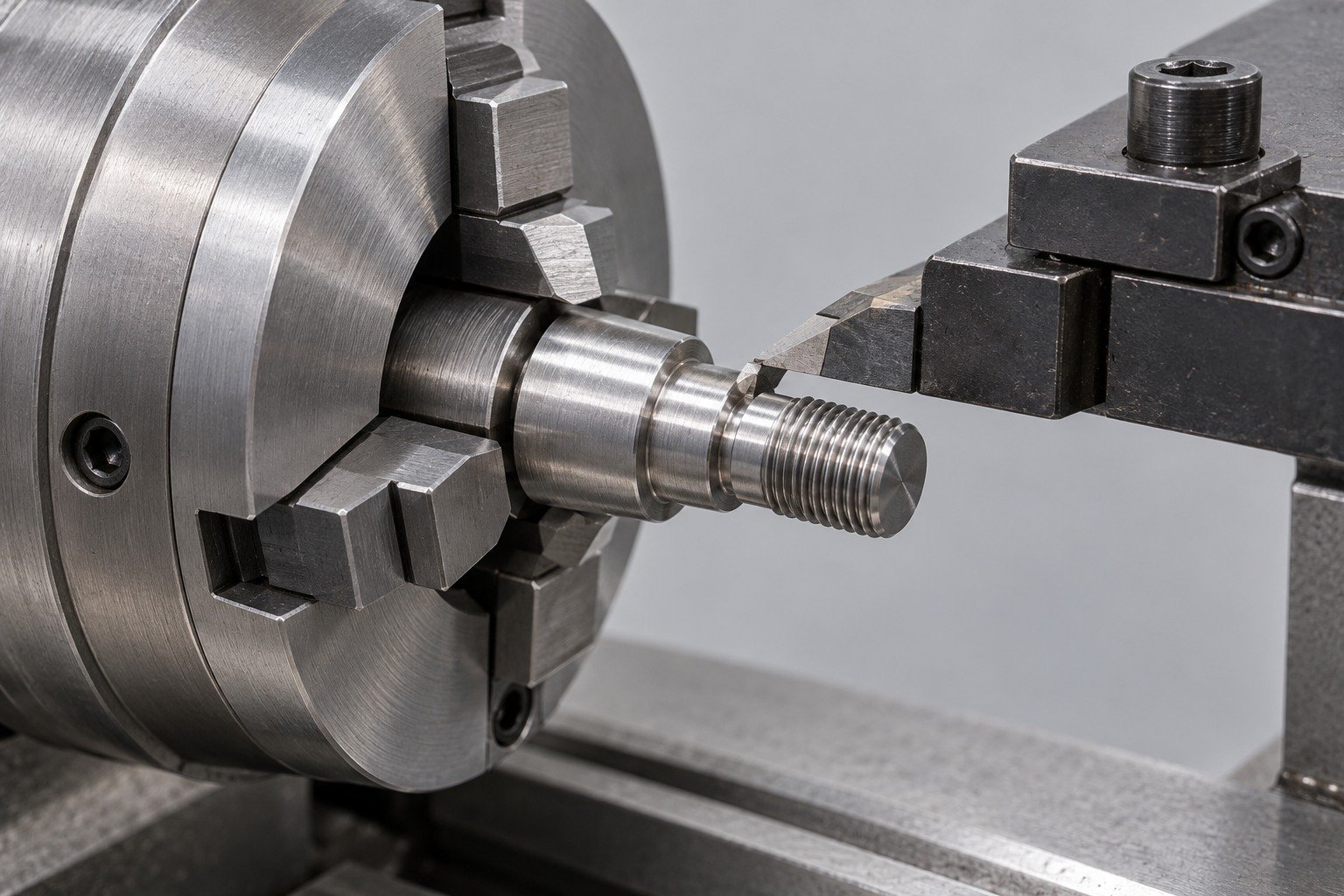
For your 12L14 steel CNC machining inquiry, identify which features must share a setup: concentric bores, turned shoulders, thread runouts and cross-holes.
01 · YOUR DRAWING INPUT
Show thread standard, runout, shoulder clearance and the gauge access required for your 12L14 steel threaded parts.
DFM & Drawing Review →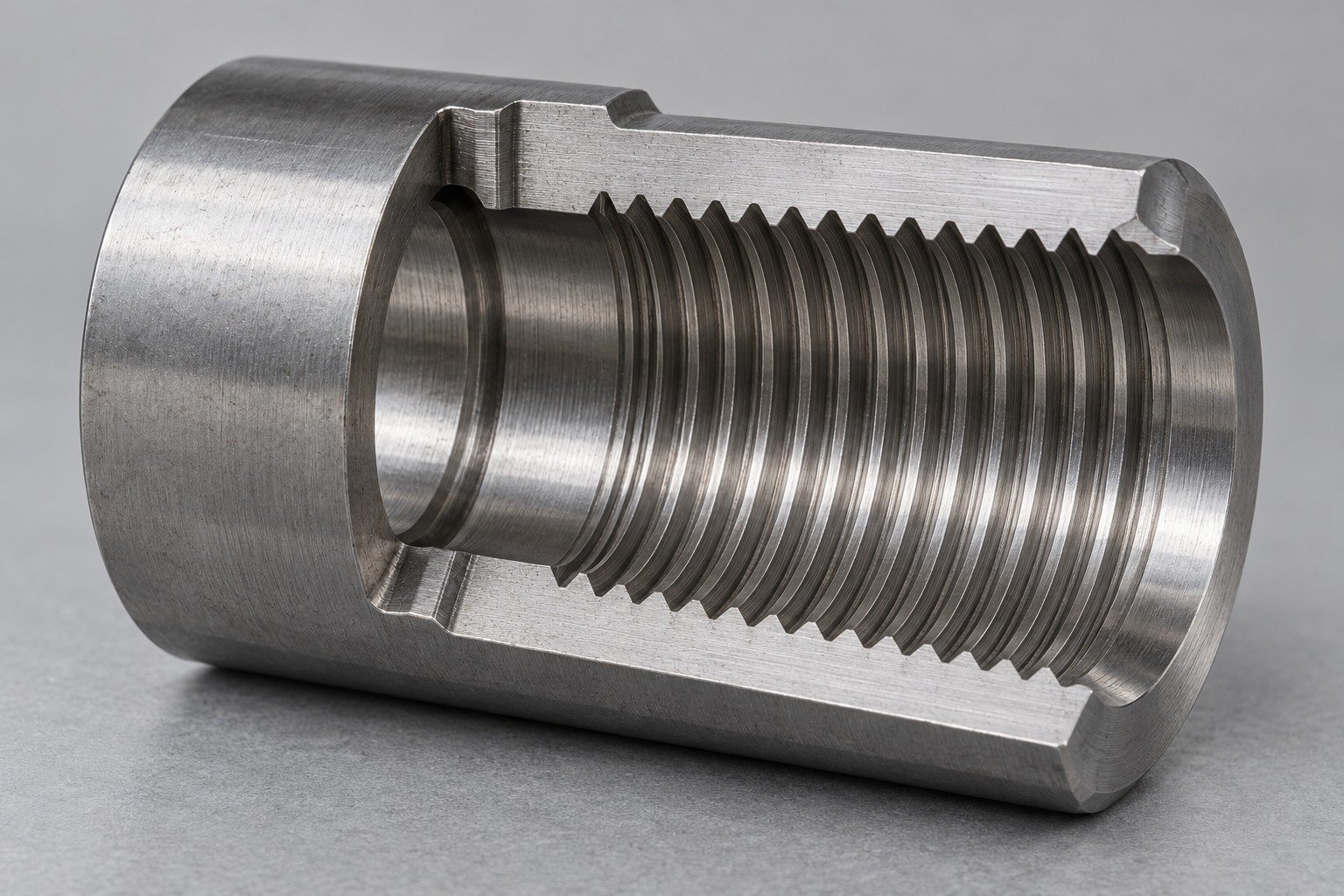
02 · YOUR DRAWING INPUT
For 12L14 steel drilling and tapping, identify intersecting passages, allowed edge breaks and inspection access. Keep sealing surfaces distinct from deburred edges.
DFM & Drawing Review →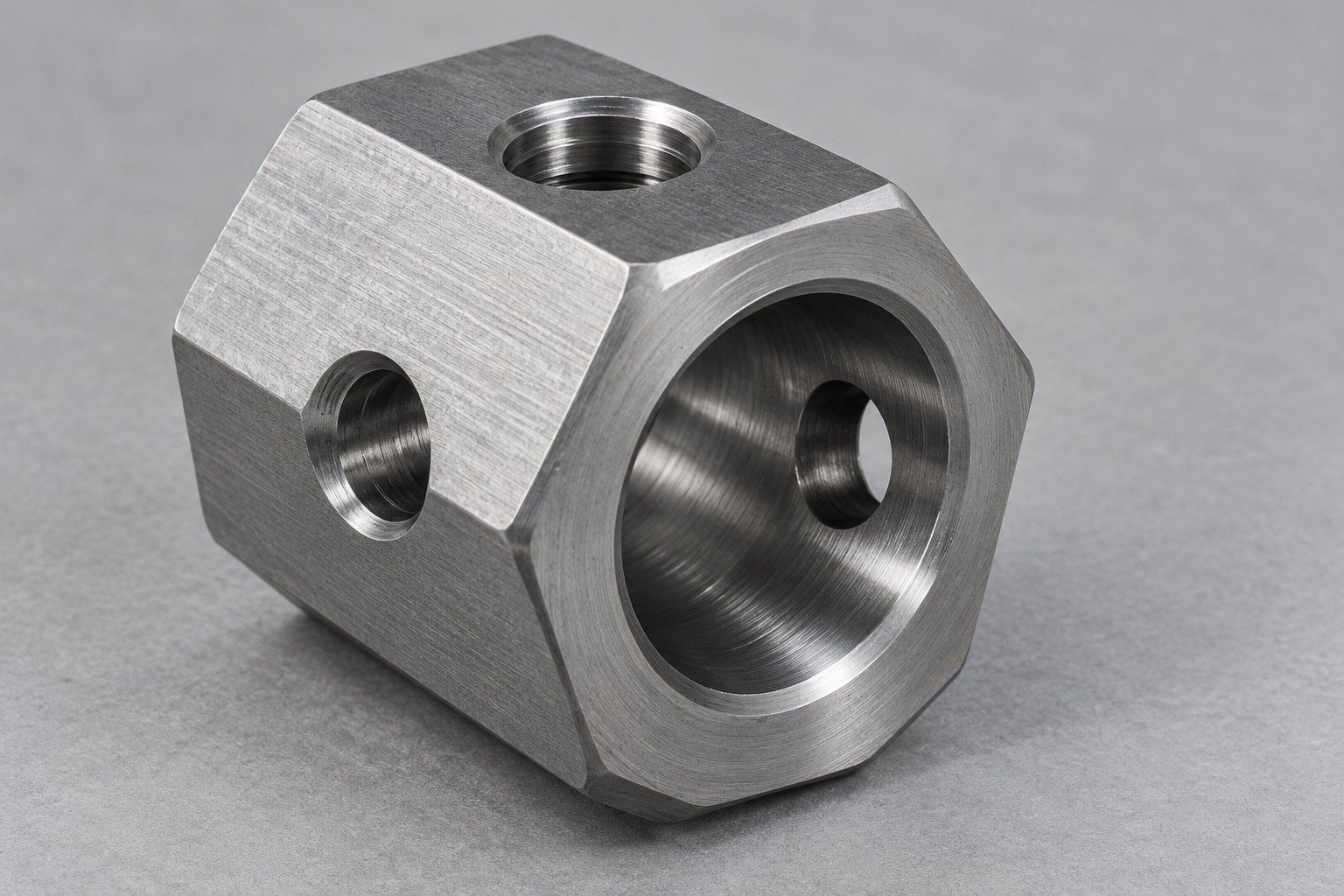
03 · YOUR DRAWING INPUT
Identify bore tolerance, wall transitions and faces that cannot accept gripping marks. State whether dimensions apply before or after surface protection.
DFM & Drawing Review →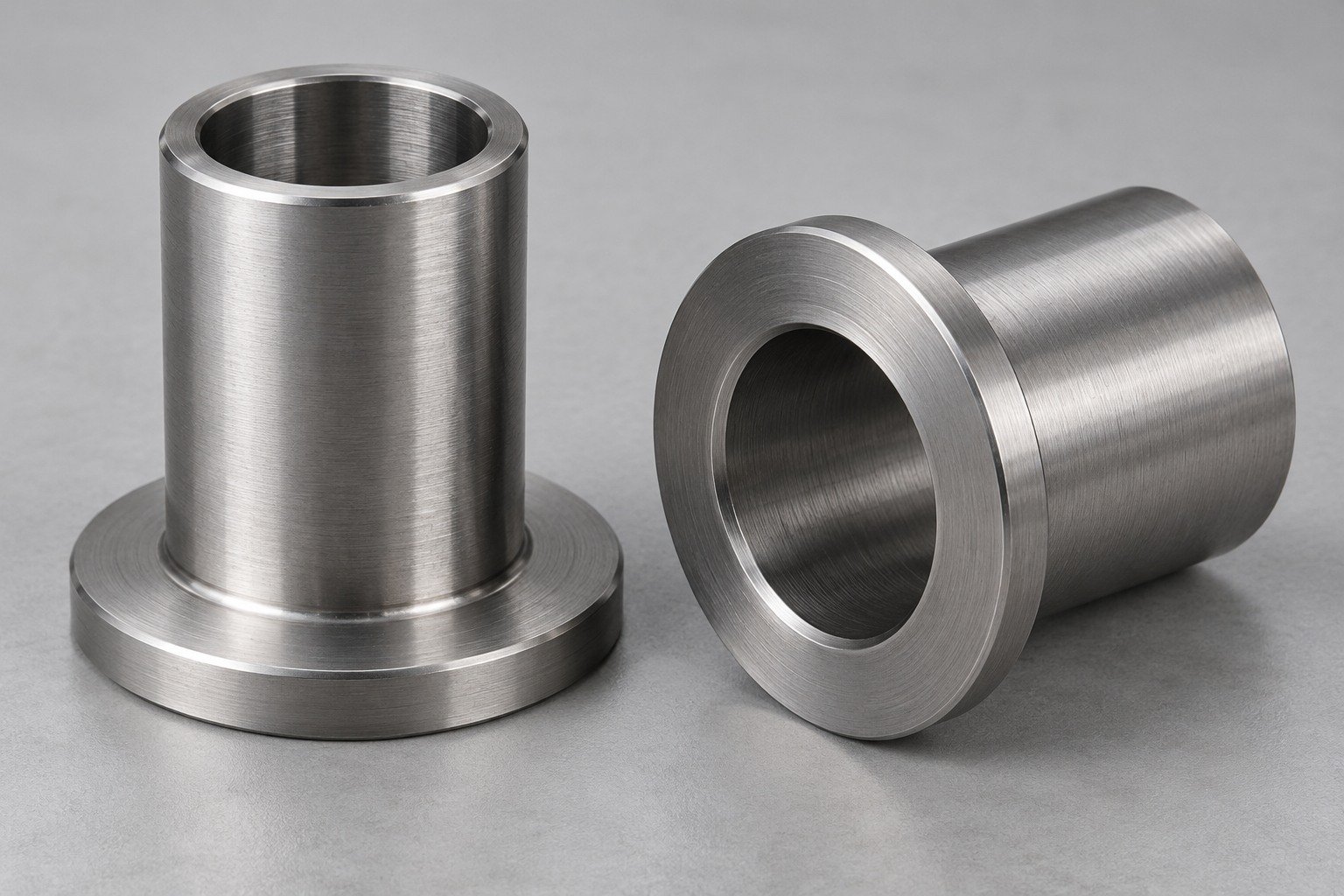
04 · YOUR DRAWING INPUT
For a 12L14 steel black oxide or zinc plating inquiry, identify coating specification, thickness where relevant, sealing or lubrication, and protected threads or bores. Suitability needs project review.
DFM & Drawing Review →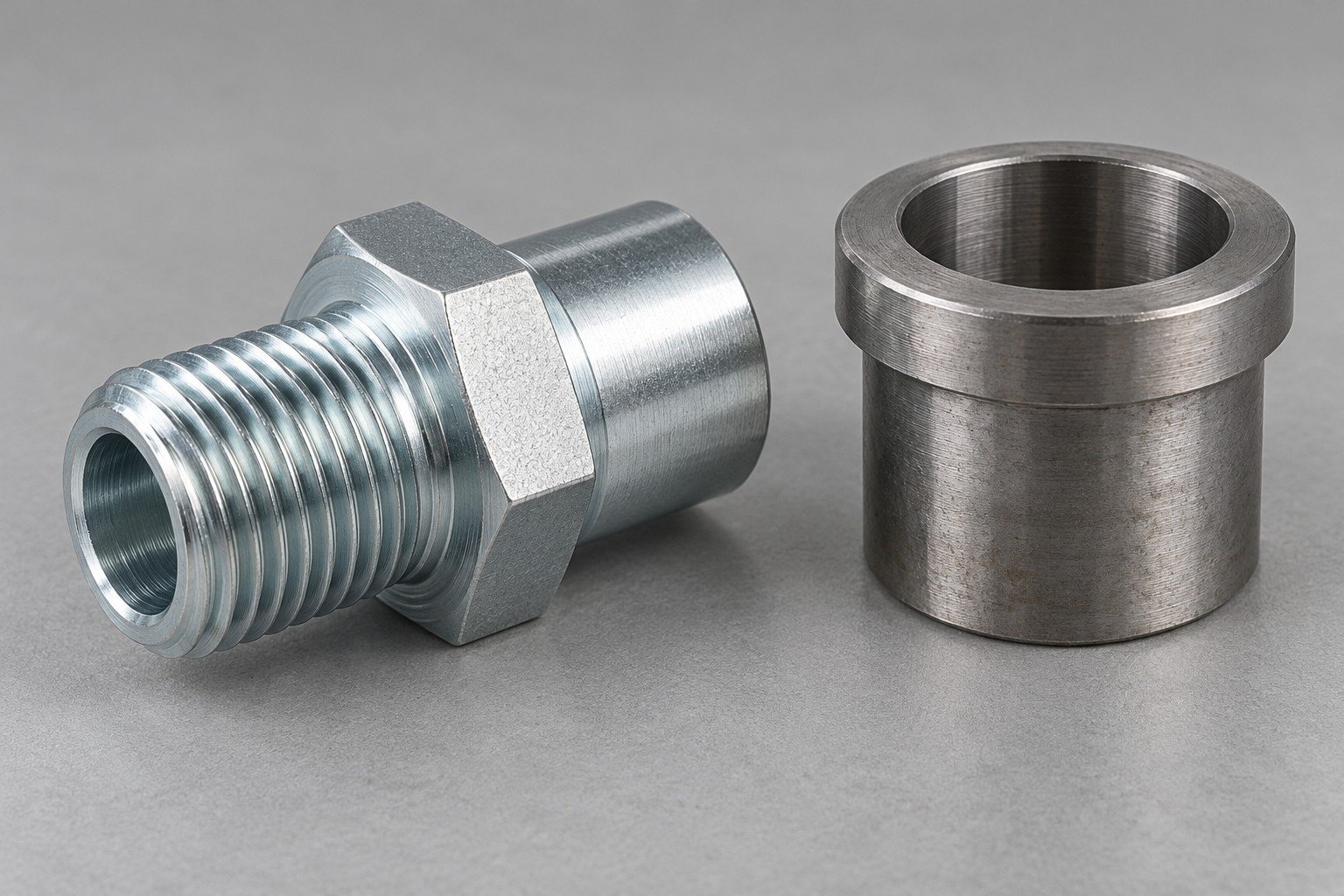
12L14 contains lead. Tell us your market and material restrictions; do not assume a lead-free specification or automatic compliance.
High sulfur makes welding suitability a separate engineering decision. Review the actual joint and service conditions before selecting this grade.
Do not infer a heat-treatment route from the grade name. State hardness, case requirements and final acceptance; project-specific review is required.
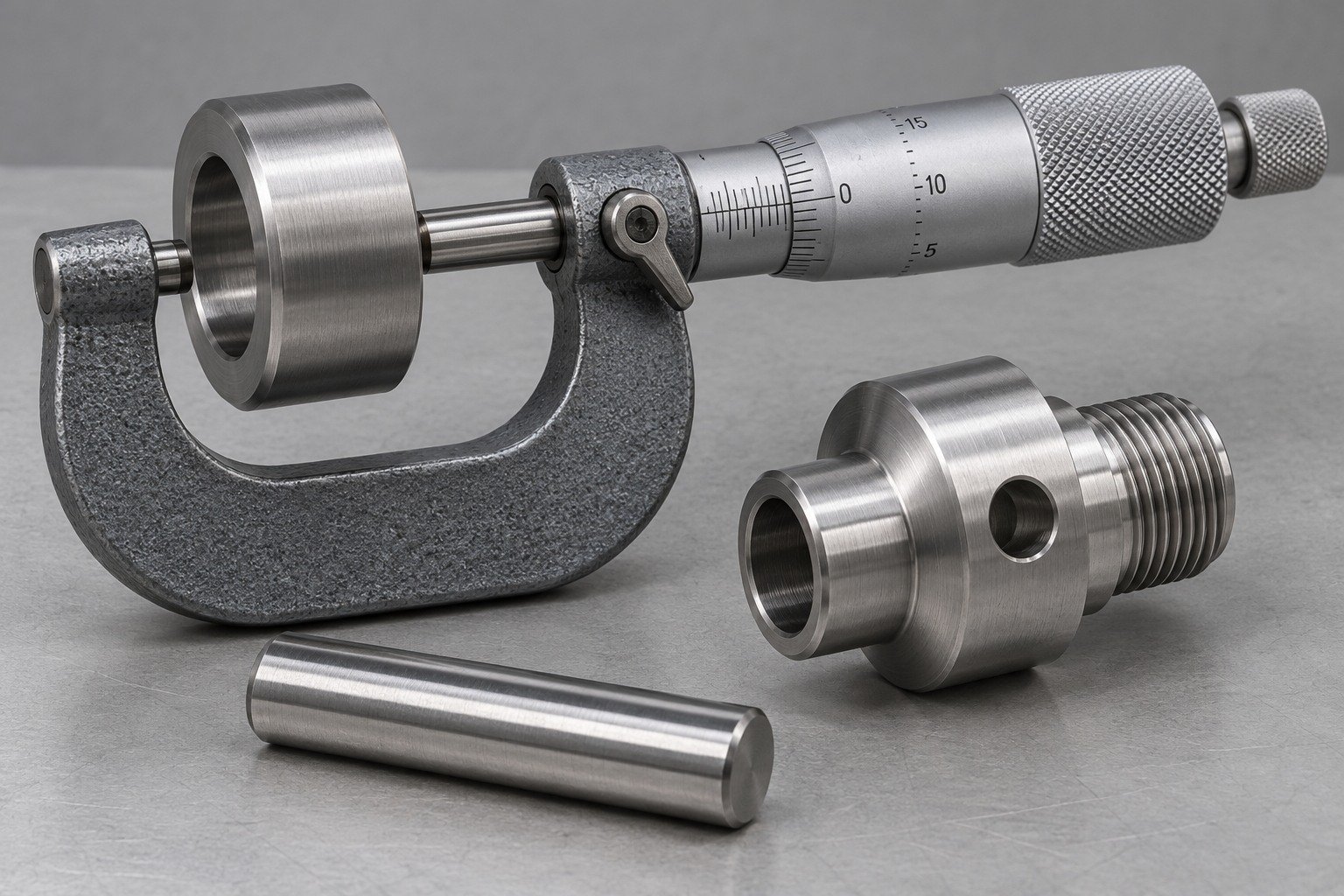
A polished photograph cannot establish chemistry or compliance. Agree the actual document and inspection scope with your quotation.
Review Quality Assurance →Separate turned features from milled flats, cross-holes and secondary operations.
Give first-order quantity, repeat demand, stock form and material specification.
Define coating, masking, inspection and document scope on the same request.
State your required schedule and delivery location.
A raw bar price does not define the cost of your finished component.
Yes. The Eaton reference lists 0.15–0.35% Pb by mass. Confirm the actual material specification and your application restrictions before ordering.
Treat welding as a separate engineering review. The sulfur-rich free-machining chemistry is not a default choice for a welded assembly.
It is carbon steel, not stainless steel. Define exposure, storage and an appropriate surface-protection specification for your part.
Do not assume a standard route. Provide the required case, hardness and final dimensions for specialist review; producer and process references differ in their recommendations.
Turned bushings, pins, inserts, couplings and threaded components are common machining examples when the lead-containing material is permitted.
Send your drawing, quantity, stock condition, finishing and inspection requirements. Compare quotations on the same finished-part scope.
It is a comparable European designation, not an automatic substitute. The chemistry table shows differences; approve the complete specification and condition.
Compare lead restrictions, specified chemistry, product condition, required strength, joining and final acceptance. Do not choose from a machinability label alone.