Injection Molding
Tooling and molding for your repeat plastic parts.
From prototype to production, coordinated manufacturing solutions for your custom parts.
View All Services →
Precision parts for your tight tolerances and complex geometry.
Tooling and molding for your repeat plastic parts.
Metal casting options for your part and production volume.
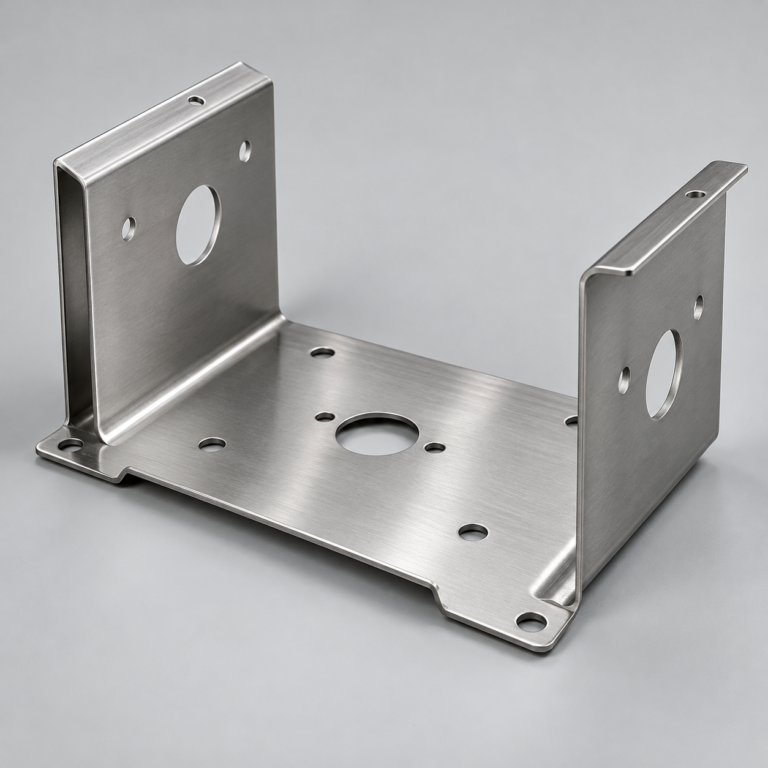
Cutting, forming and welding for your fabricated parts.
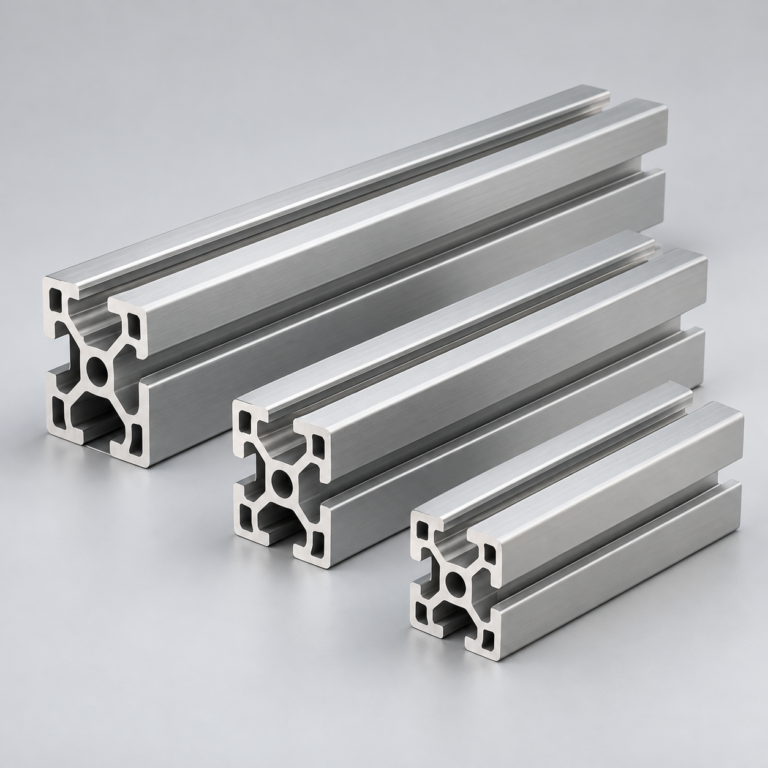
Custom profiles for your section, length and finish requirements.
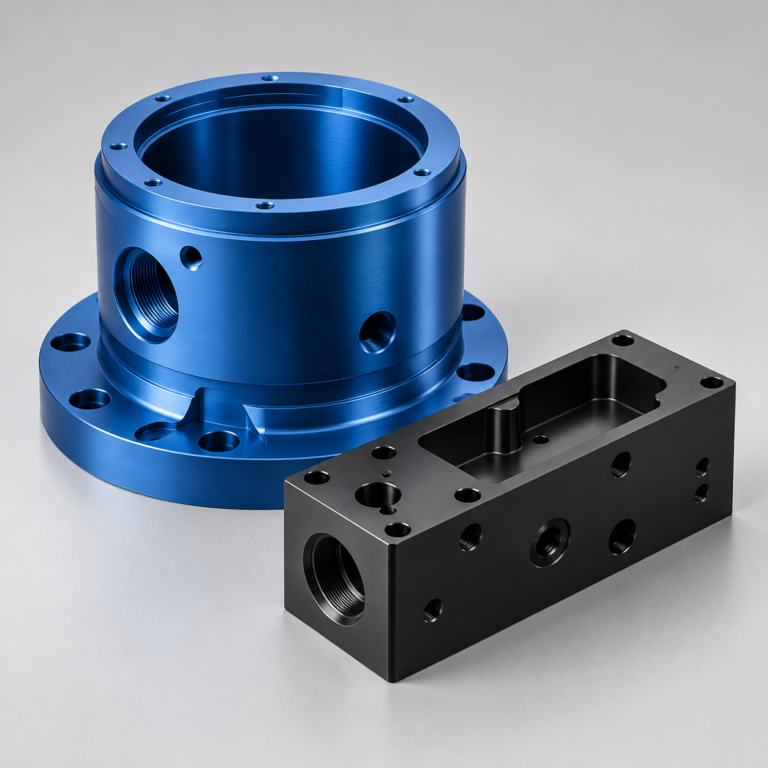
Finishes for your appearance, corrosion and wear requirements.
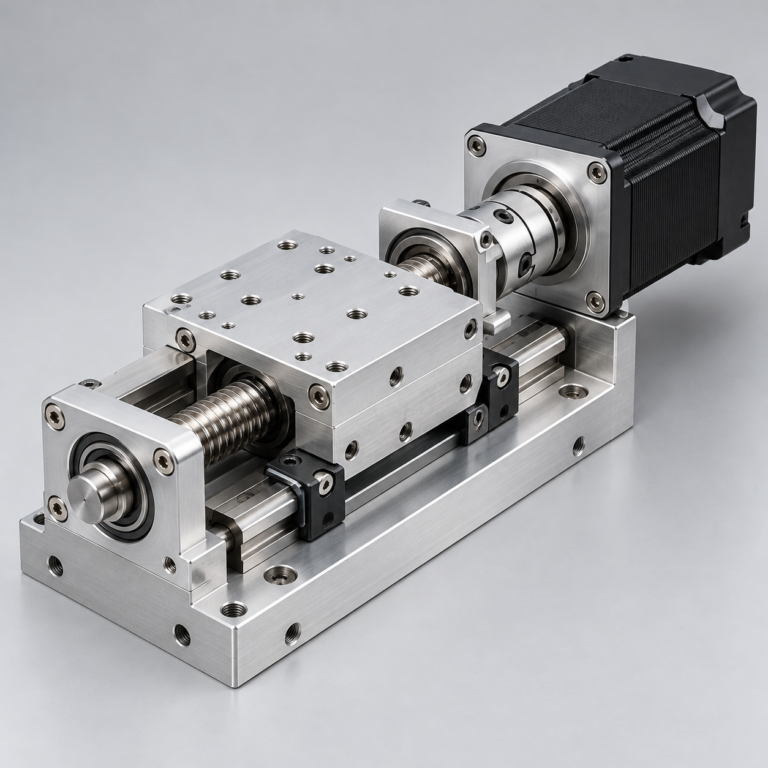
Sub-assemblies and final builds for your production program.
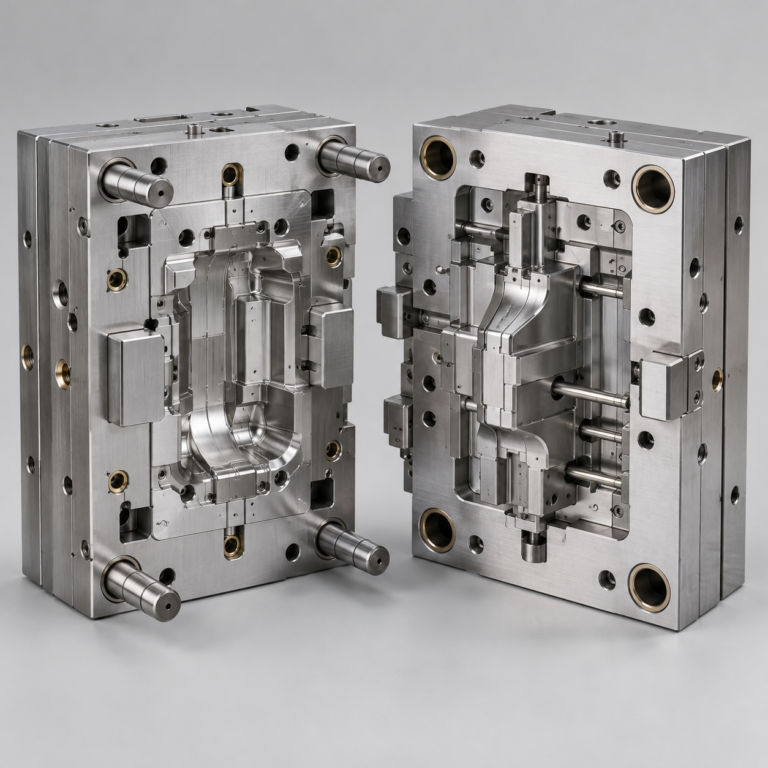
Production tooling built around your process and volume.
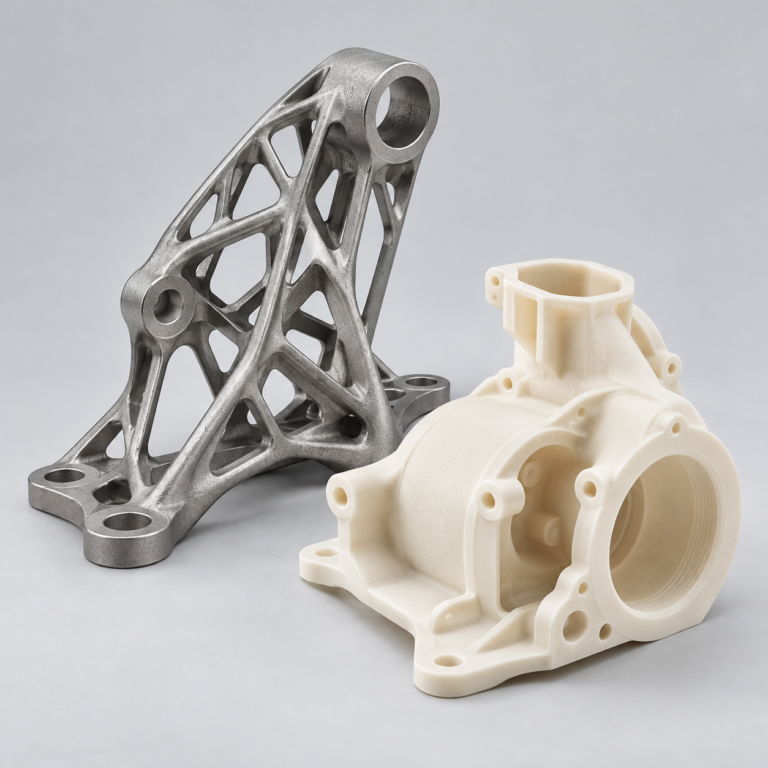
Prototype parts to check fit, function and design.
DFM, process planning and production support for your project.
Inspection, documentation, inventory and delivery planning for your program.
Choose air- or liquid-cooling components around your thermal and mechanical requirements.
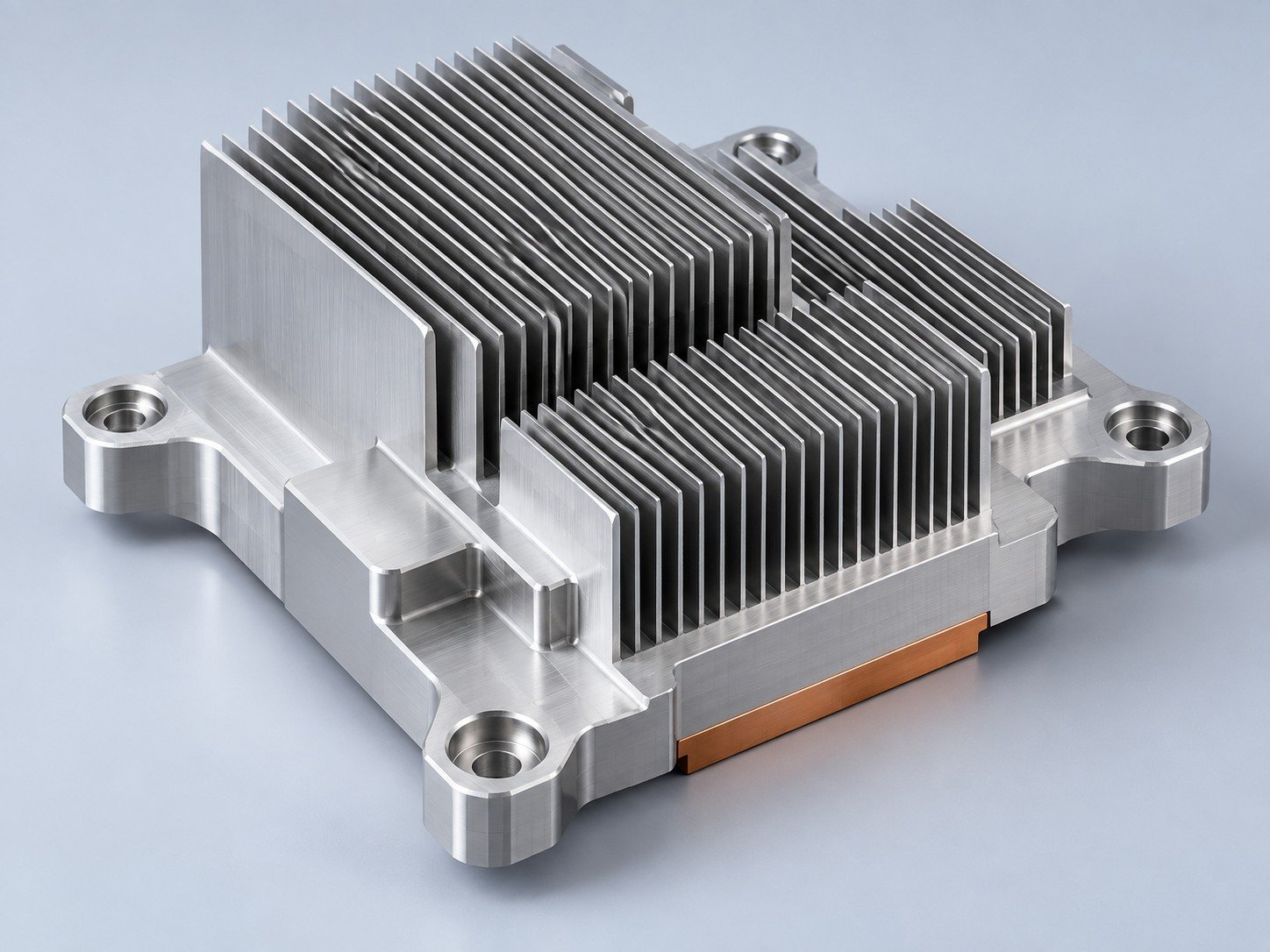
Manufacturing support for your cold plates, manifolds and cooling assemblies.
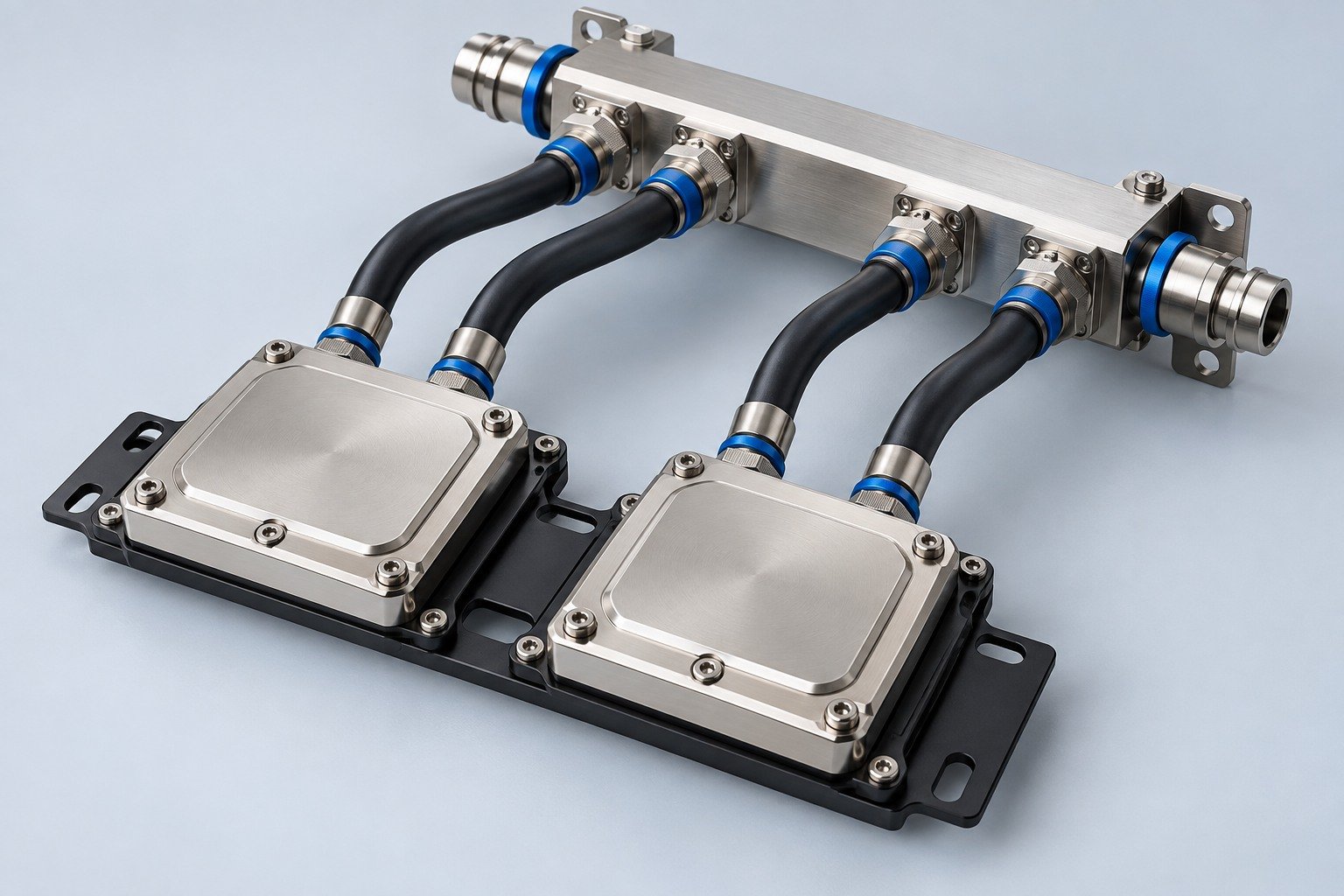
Find components for your power electronics, energy, laser and telecom application.
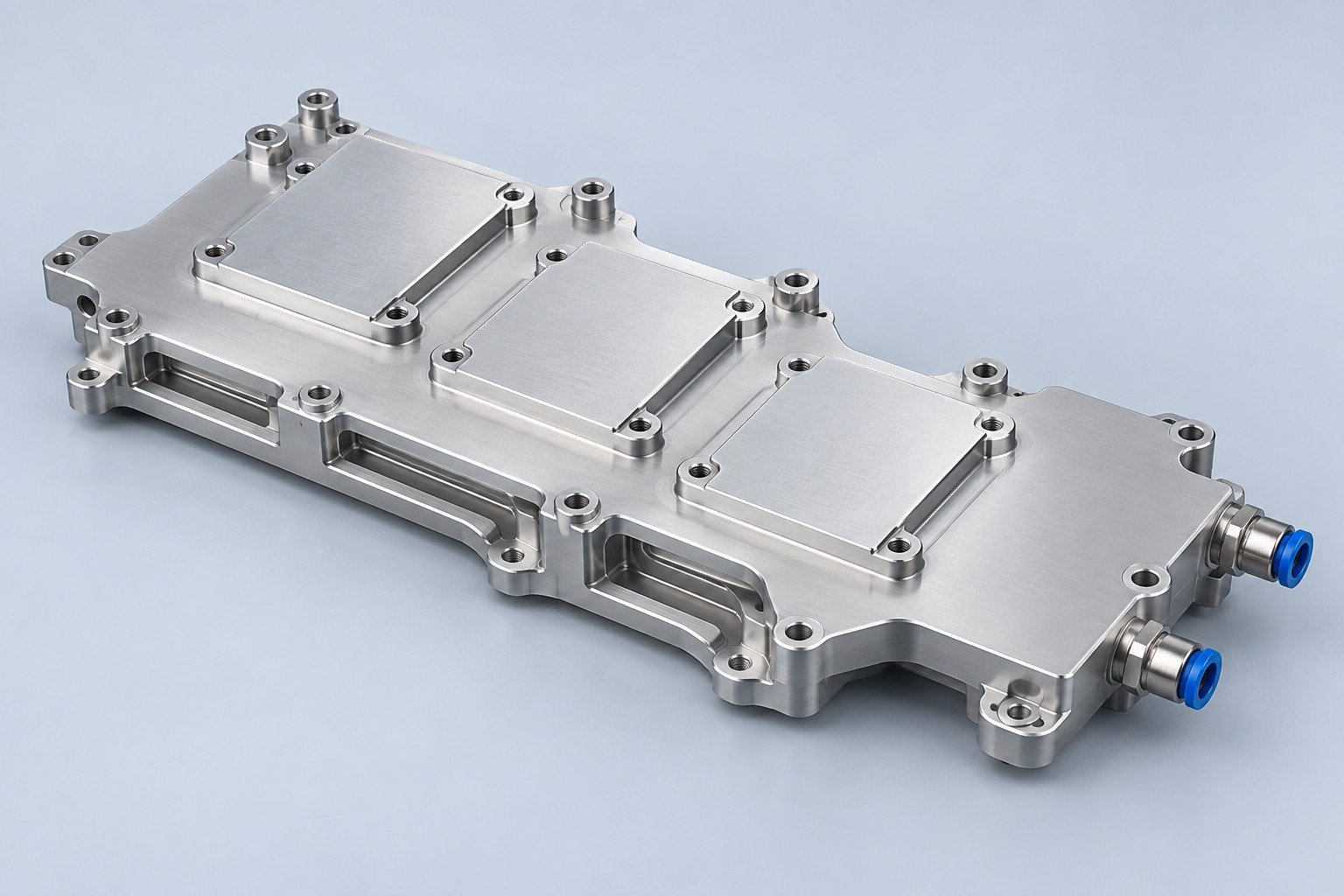
Components for your electronic systems.
Start with your functional and quality requirements.
Build around your operating environment.
From prototype to production, review material performance, manufacturability and cost for your part.
Review grade, temper and finish for your metal parts.
 AluminumStrength, weight and machining›
 Stainless SteelCorrosion and finish requirements›
 Carbon & Alloy SteelDiscuss grade and heat treatment›
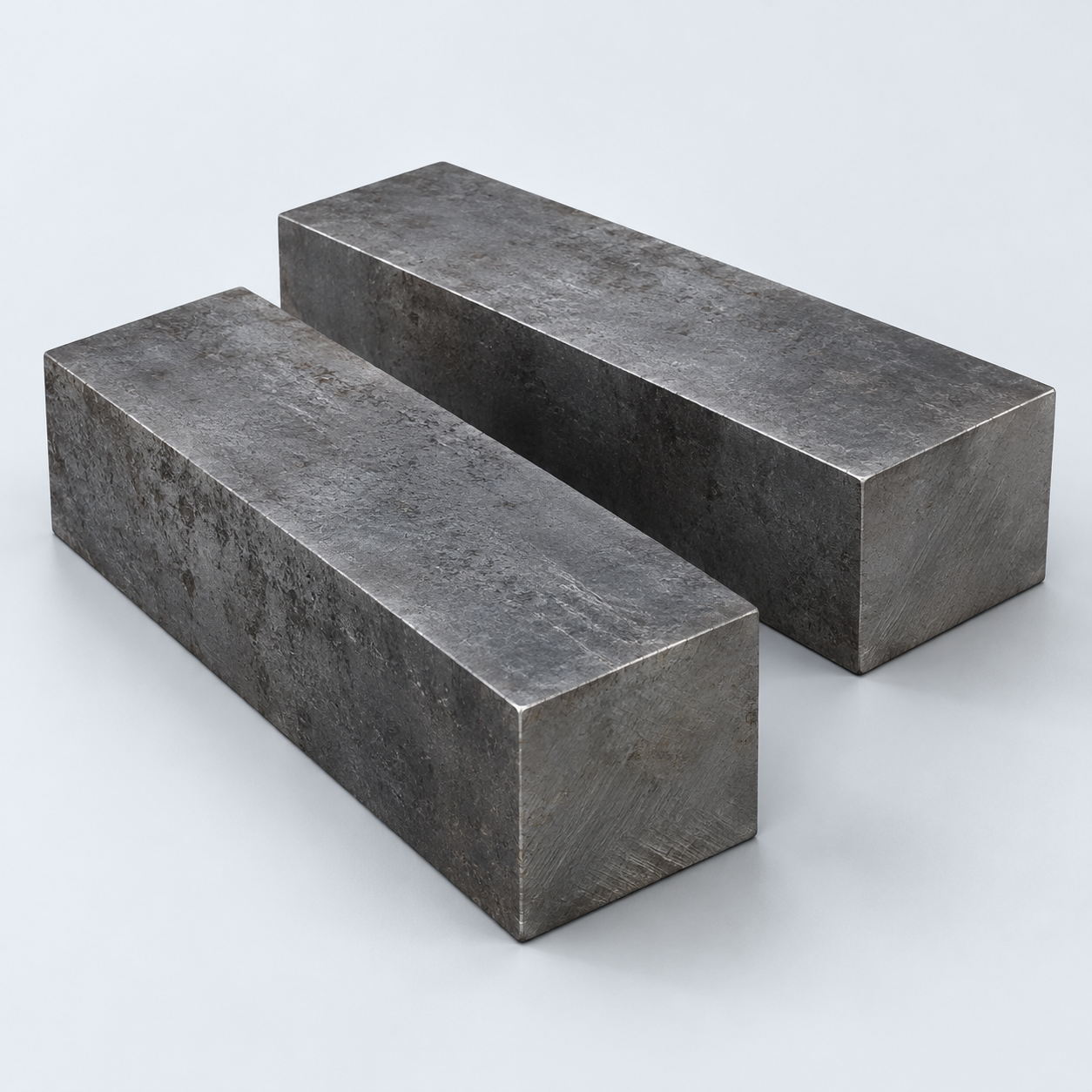 Tool SteelDiscuss tooling and wear needs›
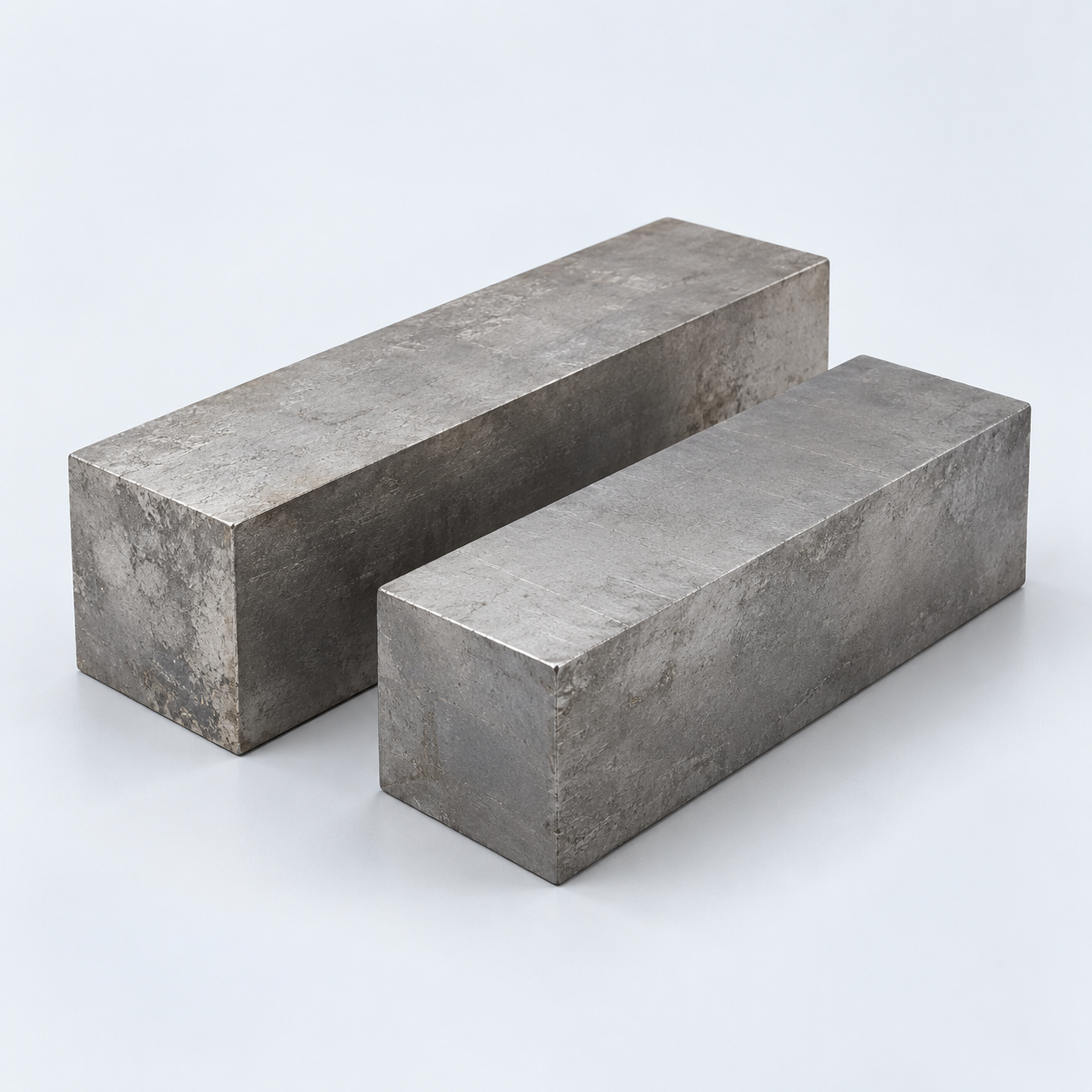 TitaniumReview grade and part geometry›
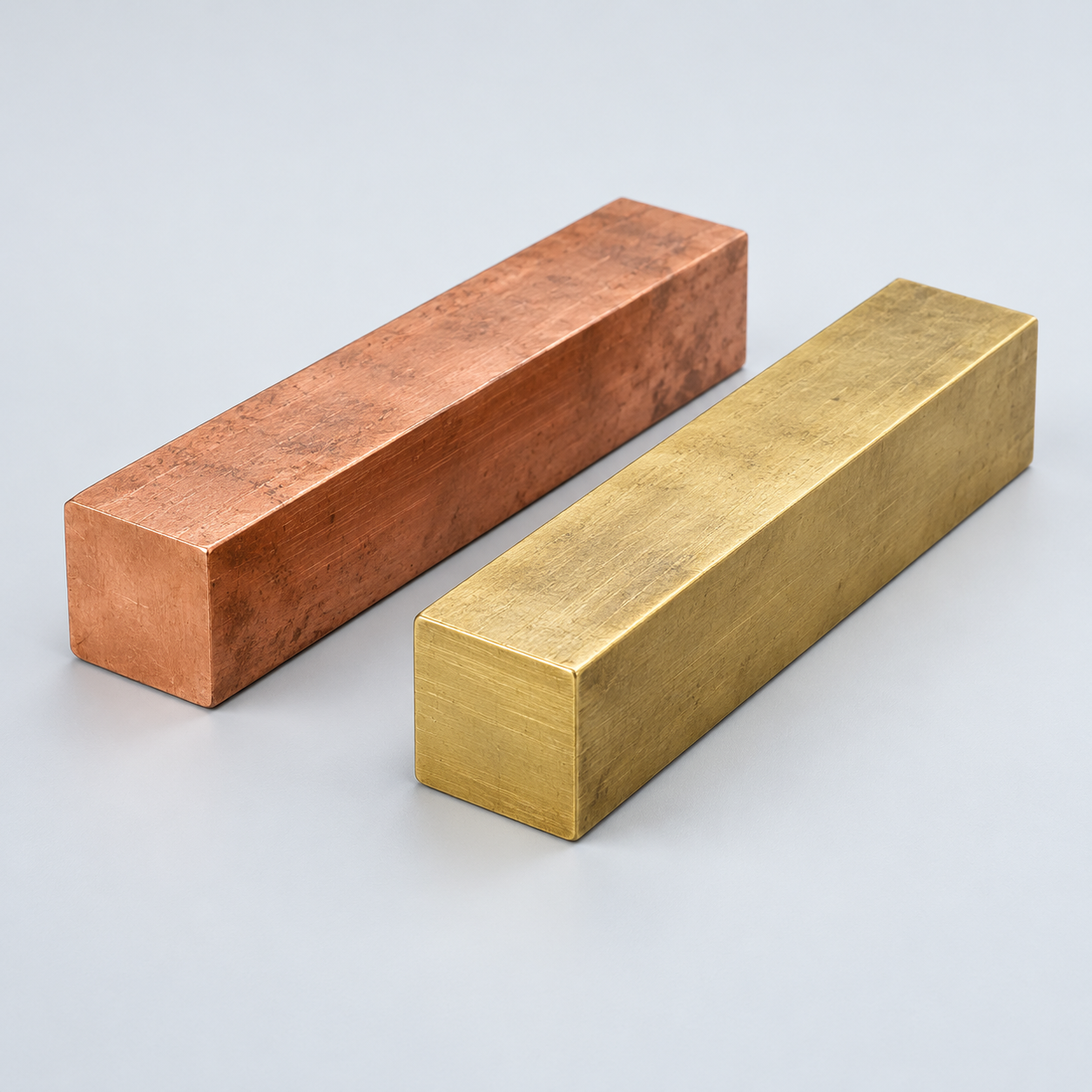 Copper & Brass & BronzeDiscuss conductivity and machining›
Match your polymer to function, process and environment.
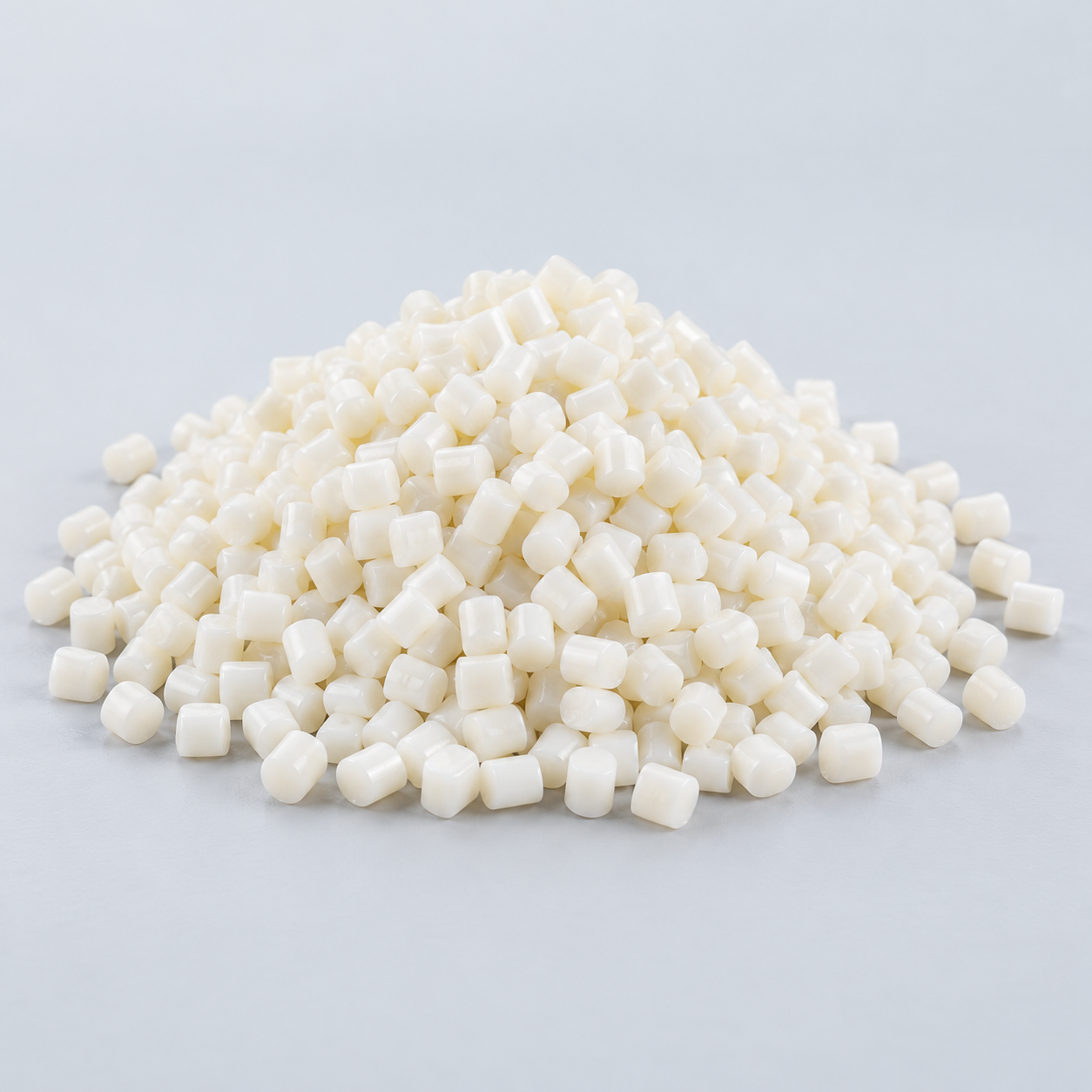 ABSReview enclosure and molding needs›
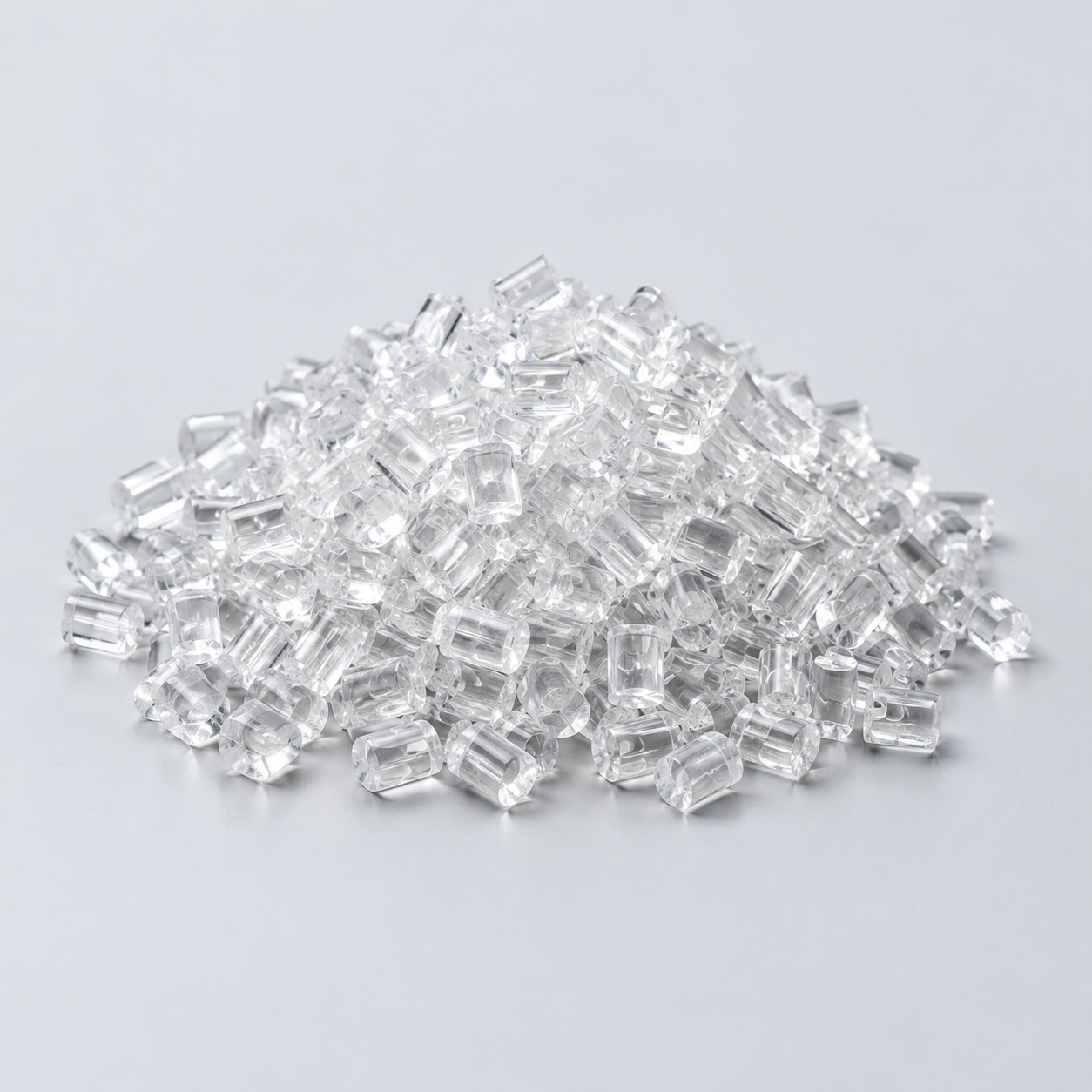 Polycarbonate (PC)Discuss clarity and impact needs›
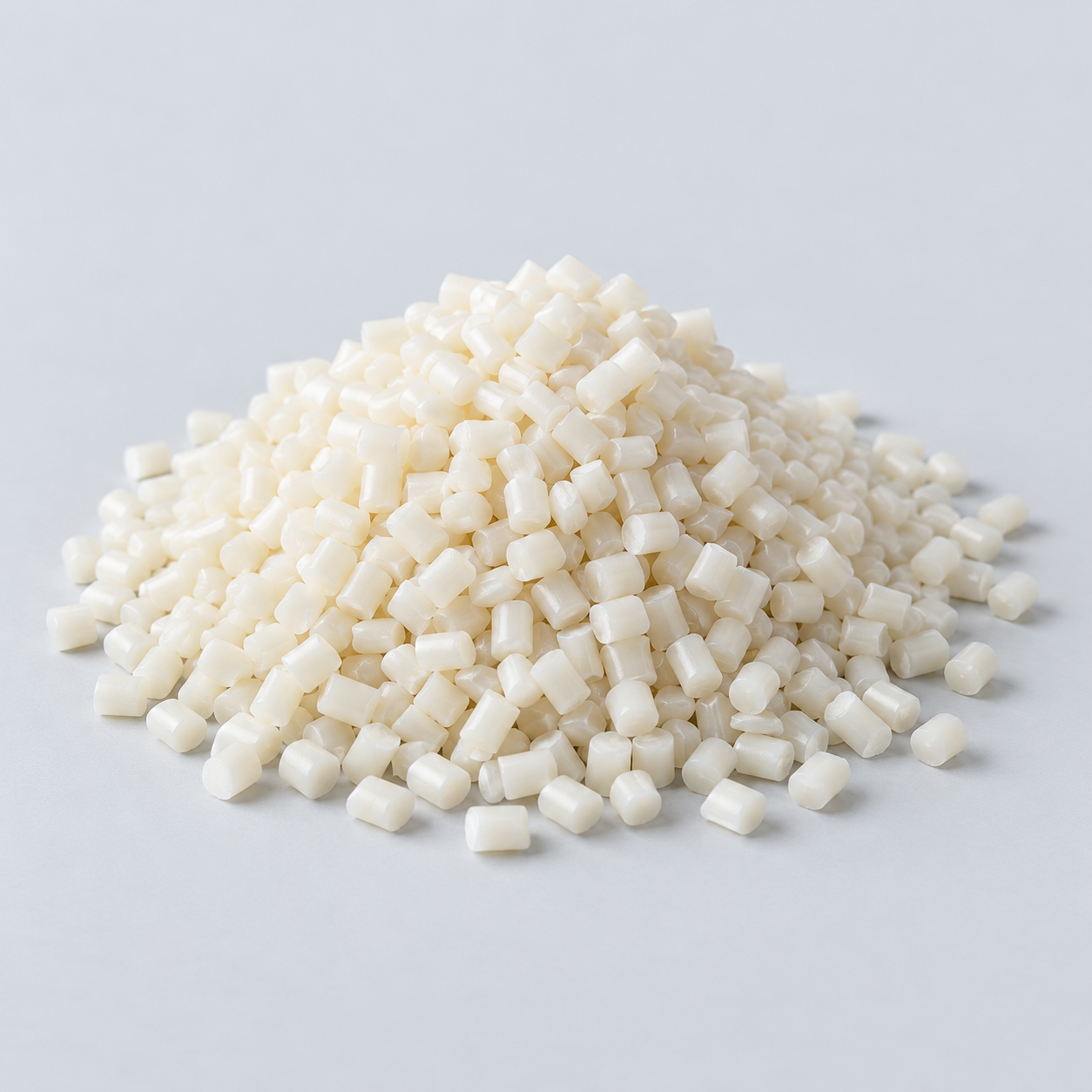 Nylon (PA)Review moisture and wear conditions›
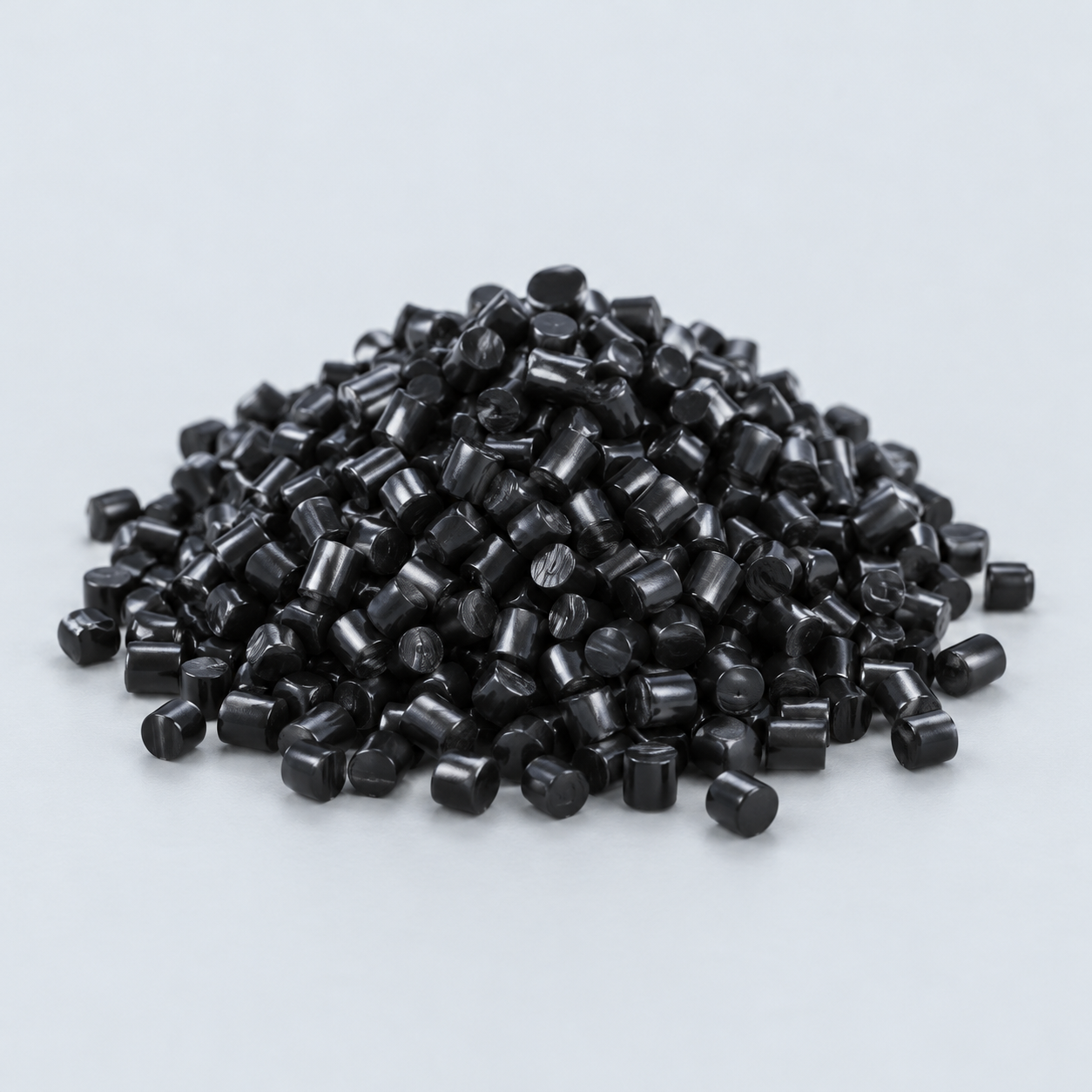 POM / AcetalReview fit and sliding features›
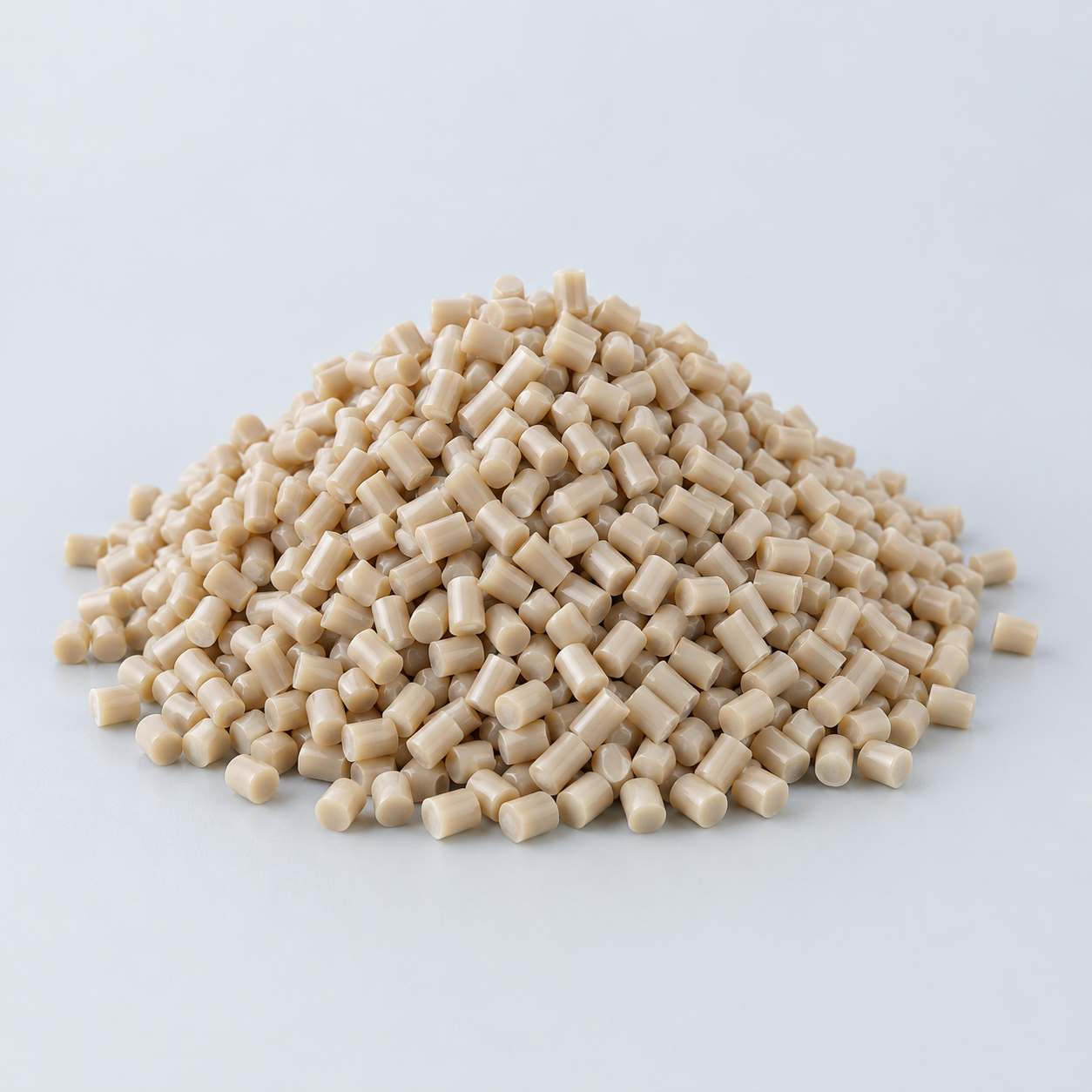 PEEKDiscuss operating conditions›
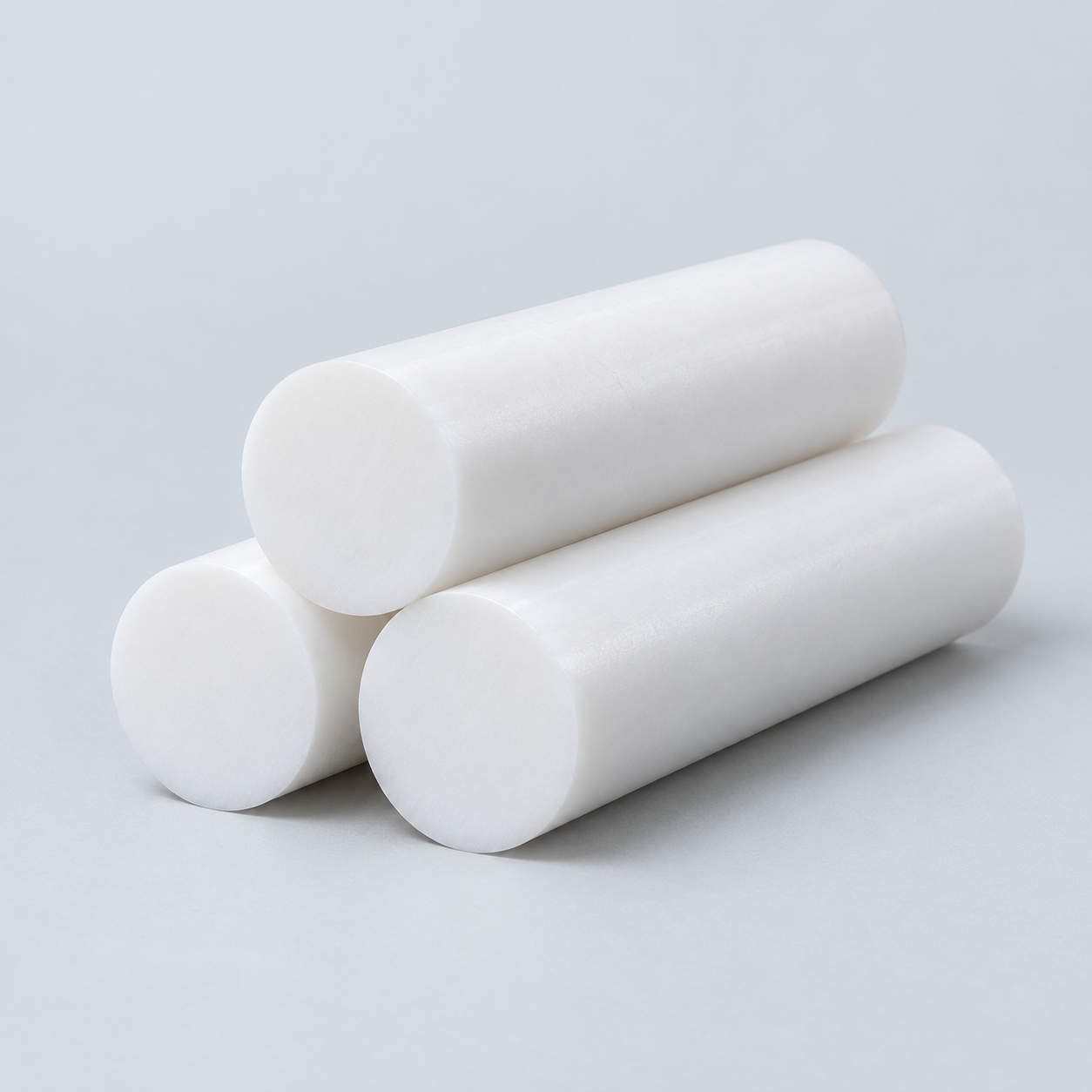 PTFEReview friction and chemical exposure›
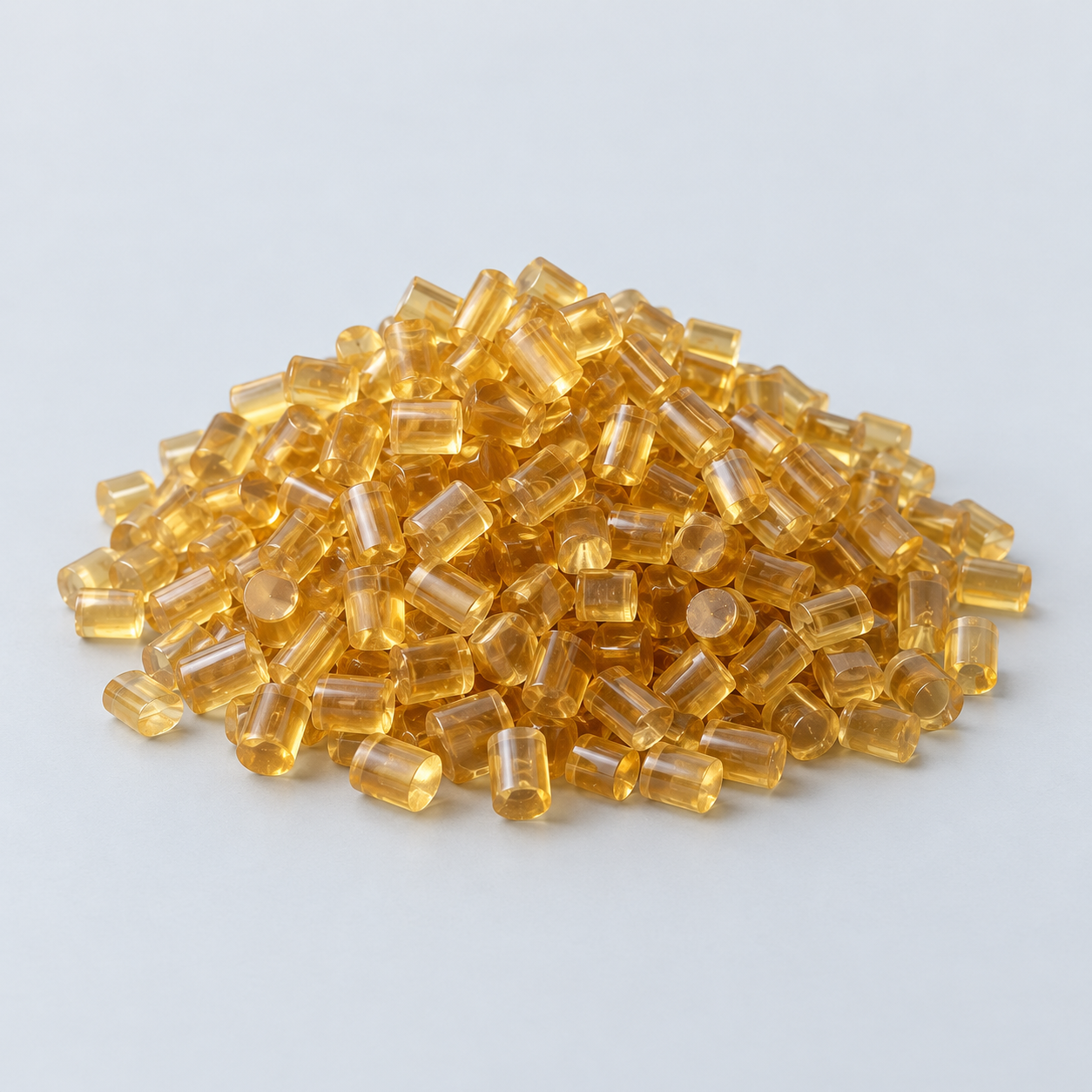 ULTEM / PEIDiscuss thermal and electrical needs›
Confirm grade availability and application requirements.
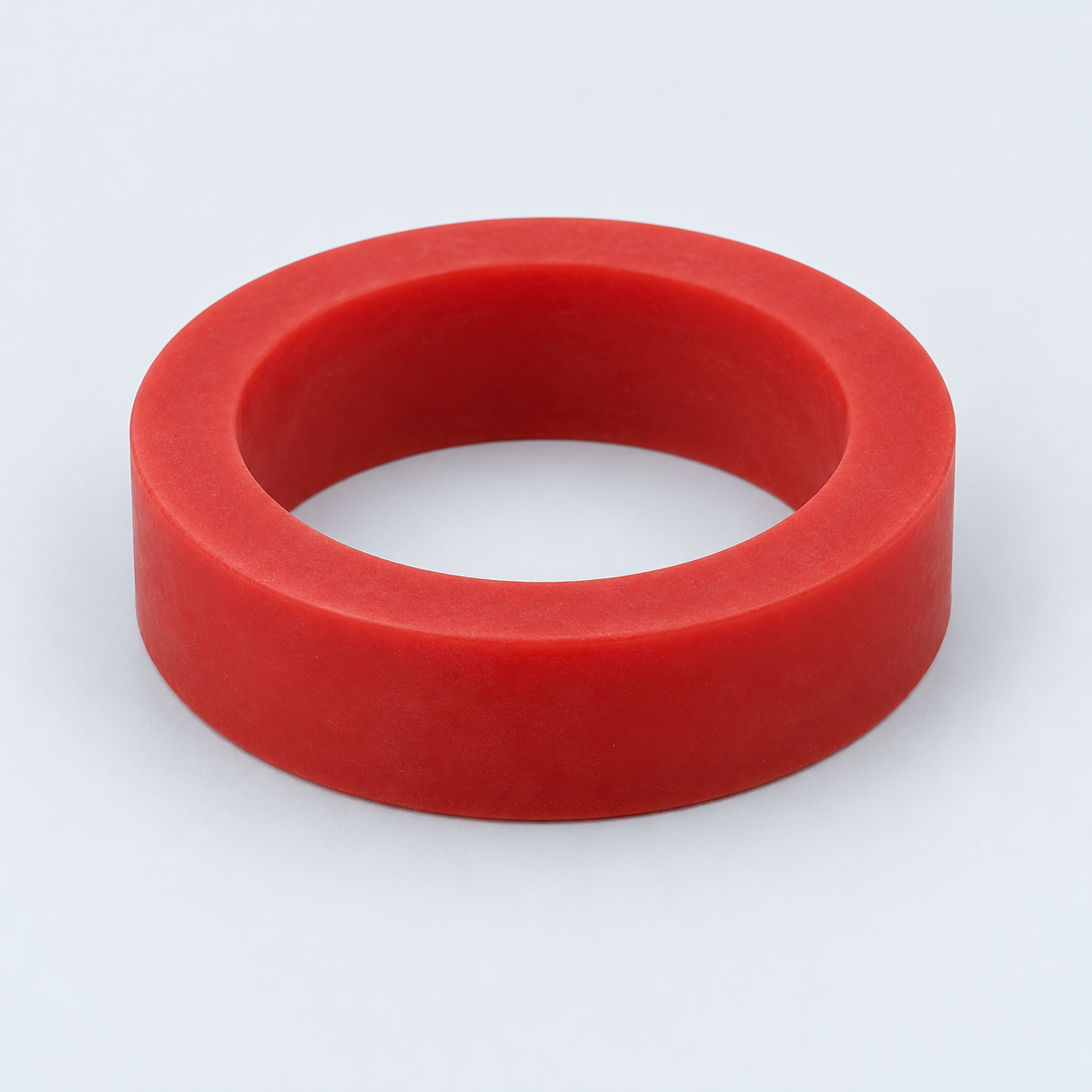 Silicone / LSRDiscuss flexible component needs›
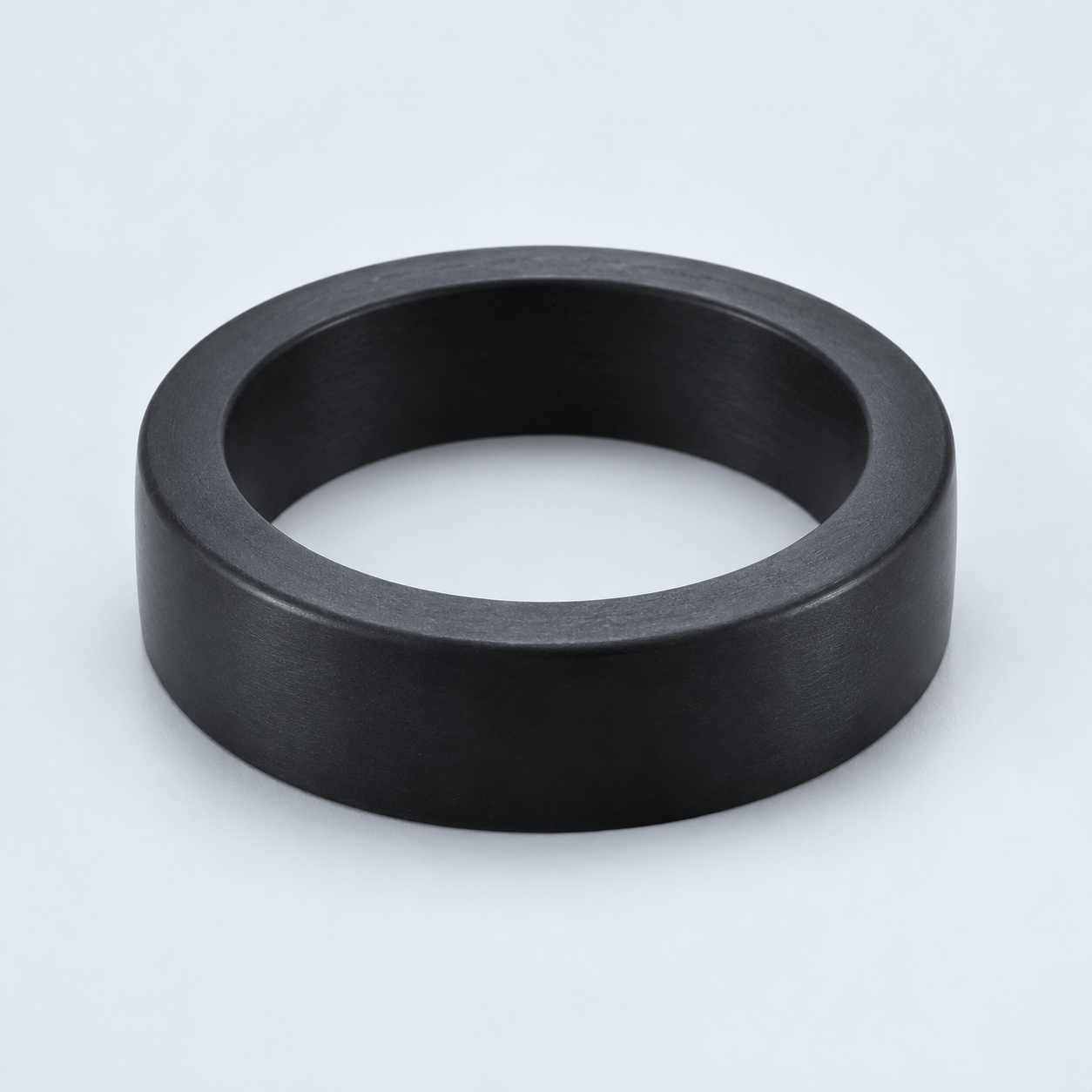 TPU / TPEReview flexibility and processing›
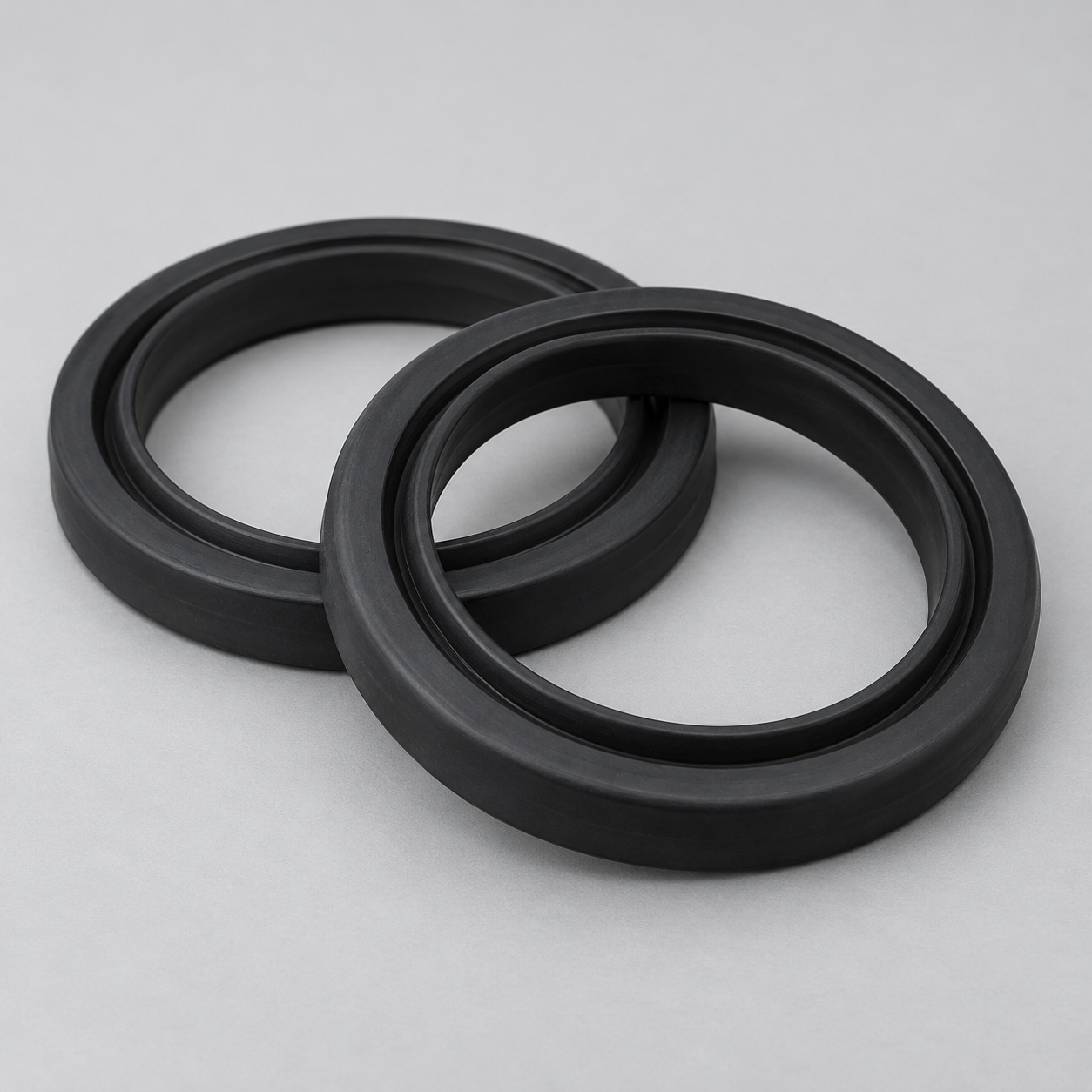 EPDMReview weathering and chemical exposure.›
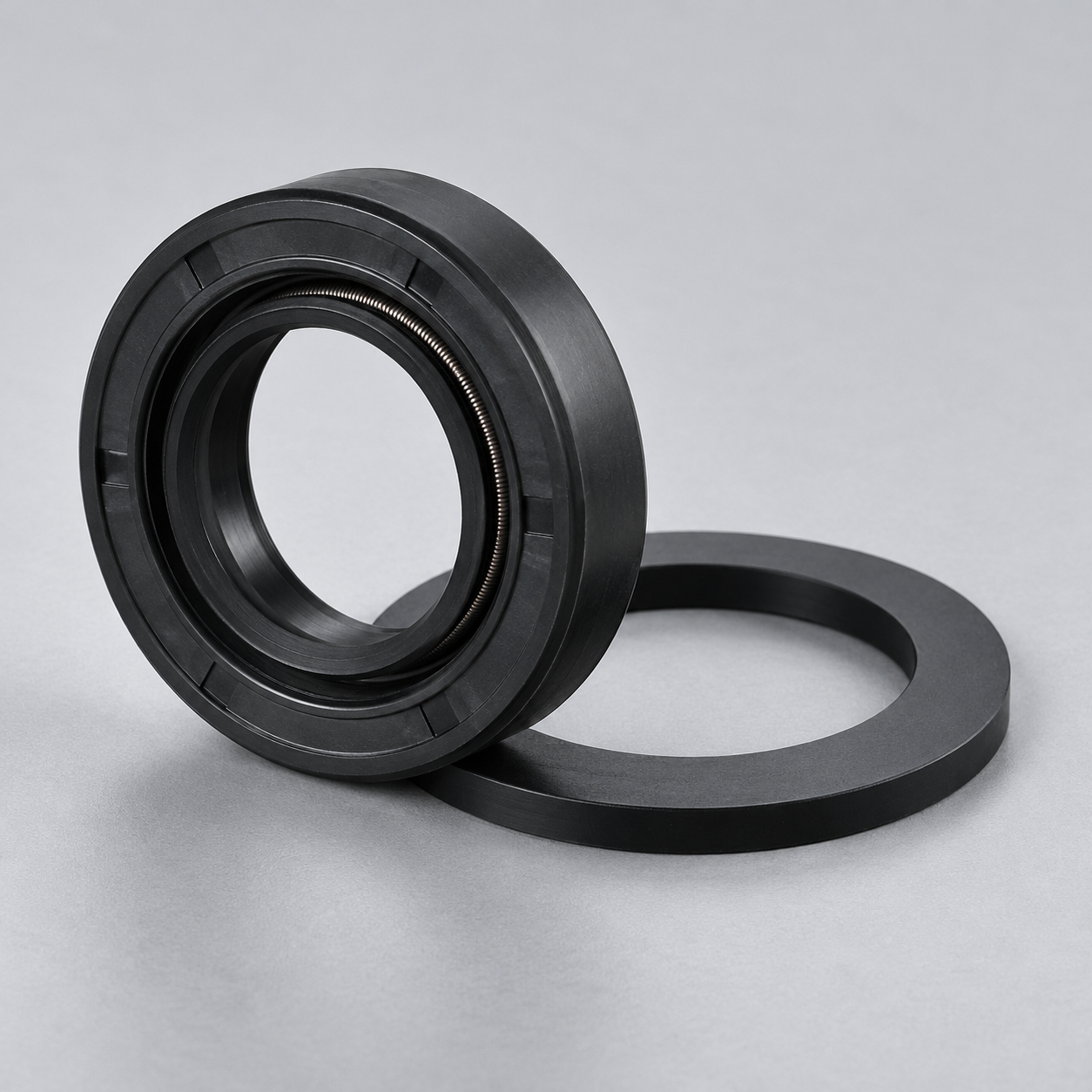 NBRReview oil and fuel exposure.›
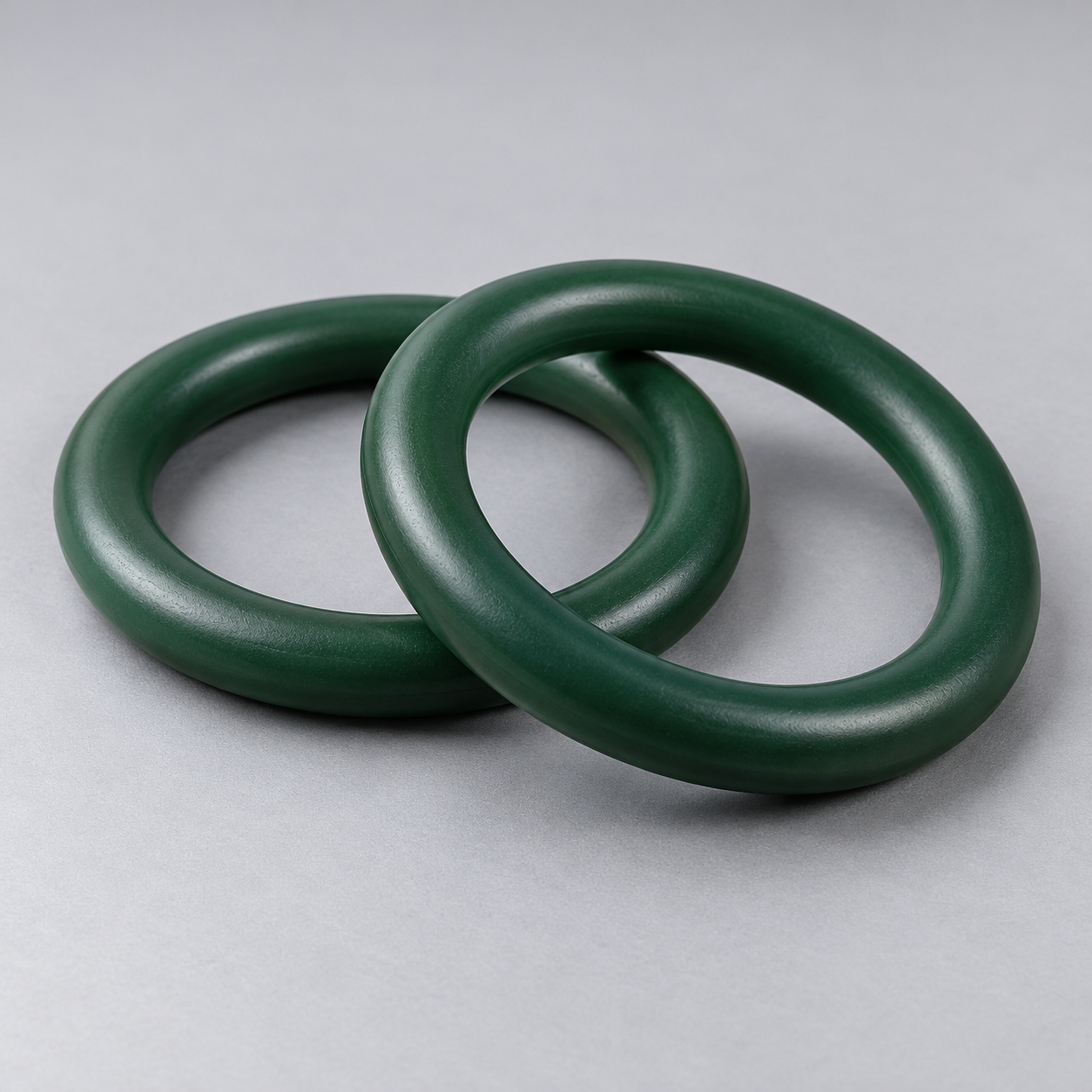 FKMReview temperature and chemical exposure.›
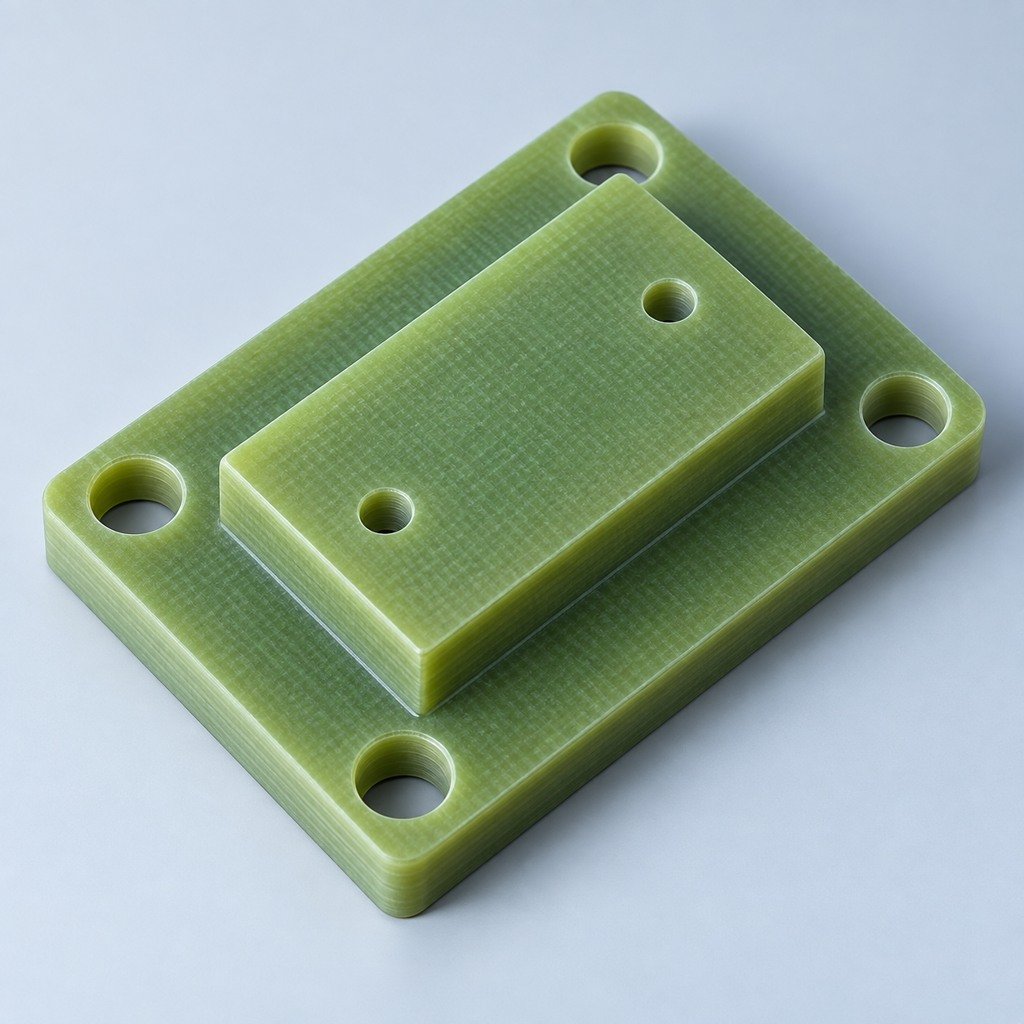 G10 / FR4Review insulation and laminate needs›
 CompositesReview stiffness, weight and laminate.›Customer-Specified MaterialsConfirm your grade and requirements.›Other Specialty MaterialsDiscuss your application and grade.›
Practical guidance for your part geometry and material decisions.
Prepare your process, budget and sourcing questions.
Build your knowledge before production.
Learn who we are and how we operate.
Find our U.S. support team or start a conversation.
YOUR COMPOUND. YOUR CURE. YOUR SEALING CONDITIONS.
Plan custom EPDM parts around the complete compound, cure state, media and finished fit. For EPDM rubber molding, custom EPDM gaskets or profiles, agree drawing, material evidence, quantities, sample approval and inspection before comparing quotations.
EPDM is a material and compound review. Rubber molding, sheet cutting and extrusion availability require project confirmation; no thermoplastic processing route is implied.
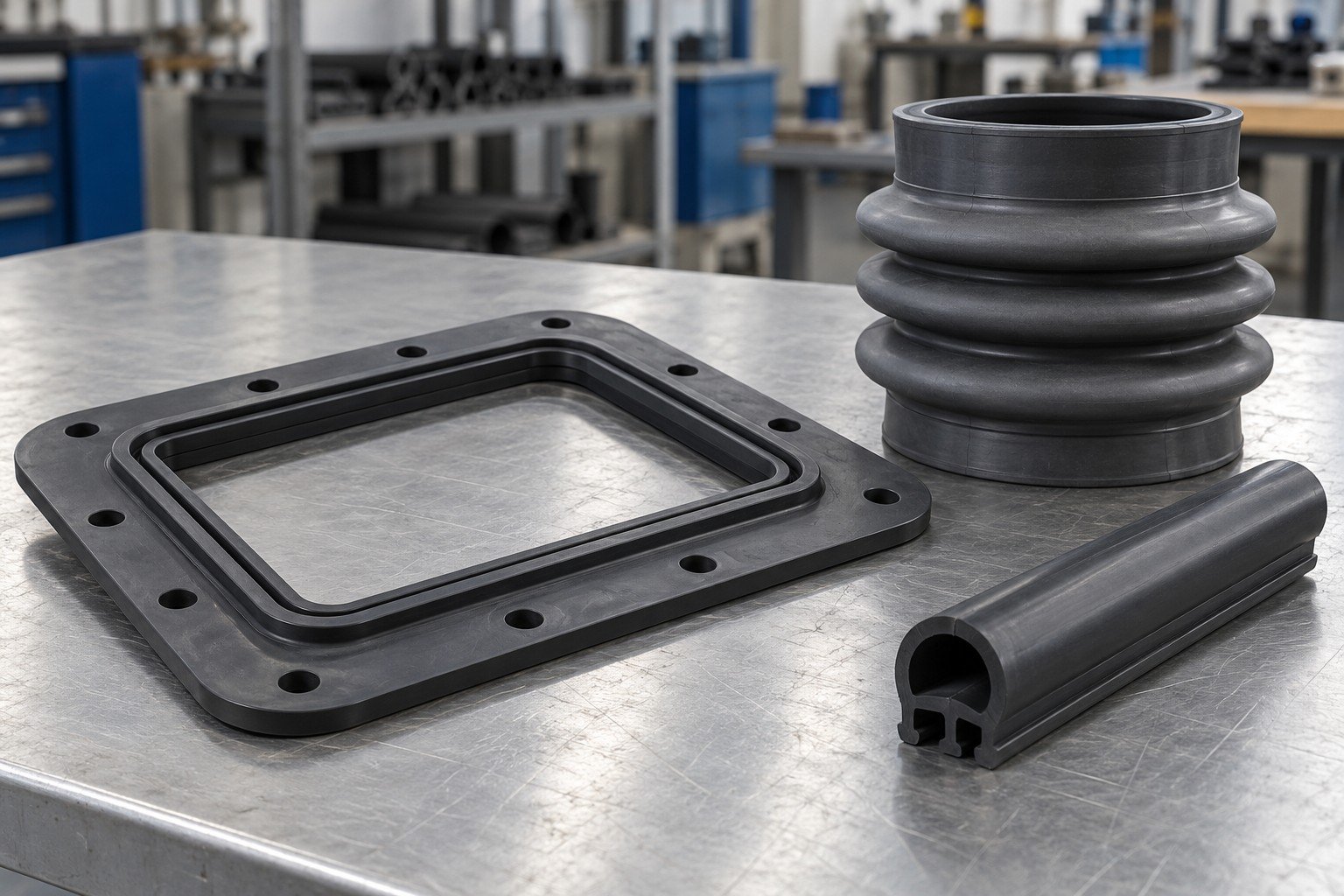
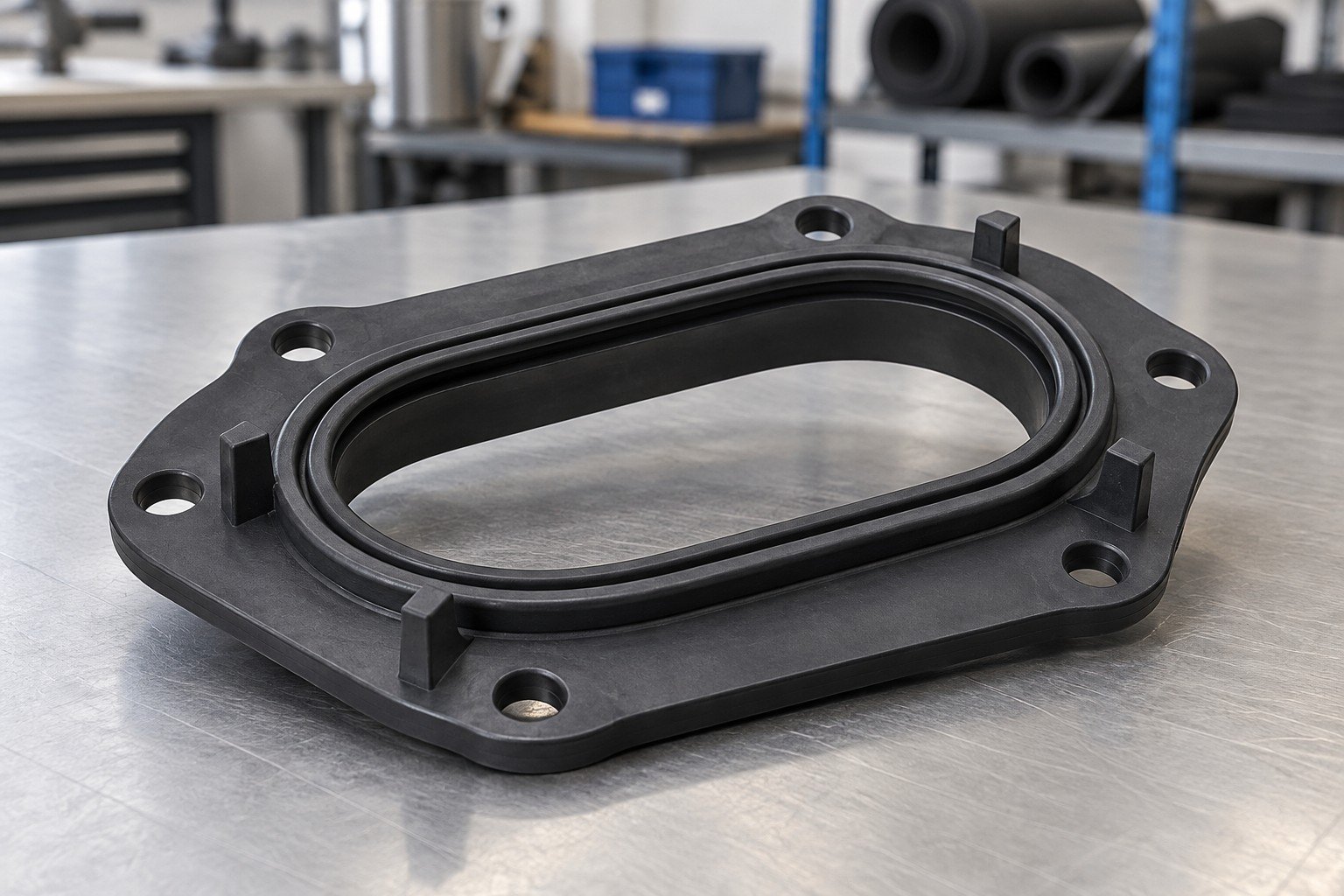
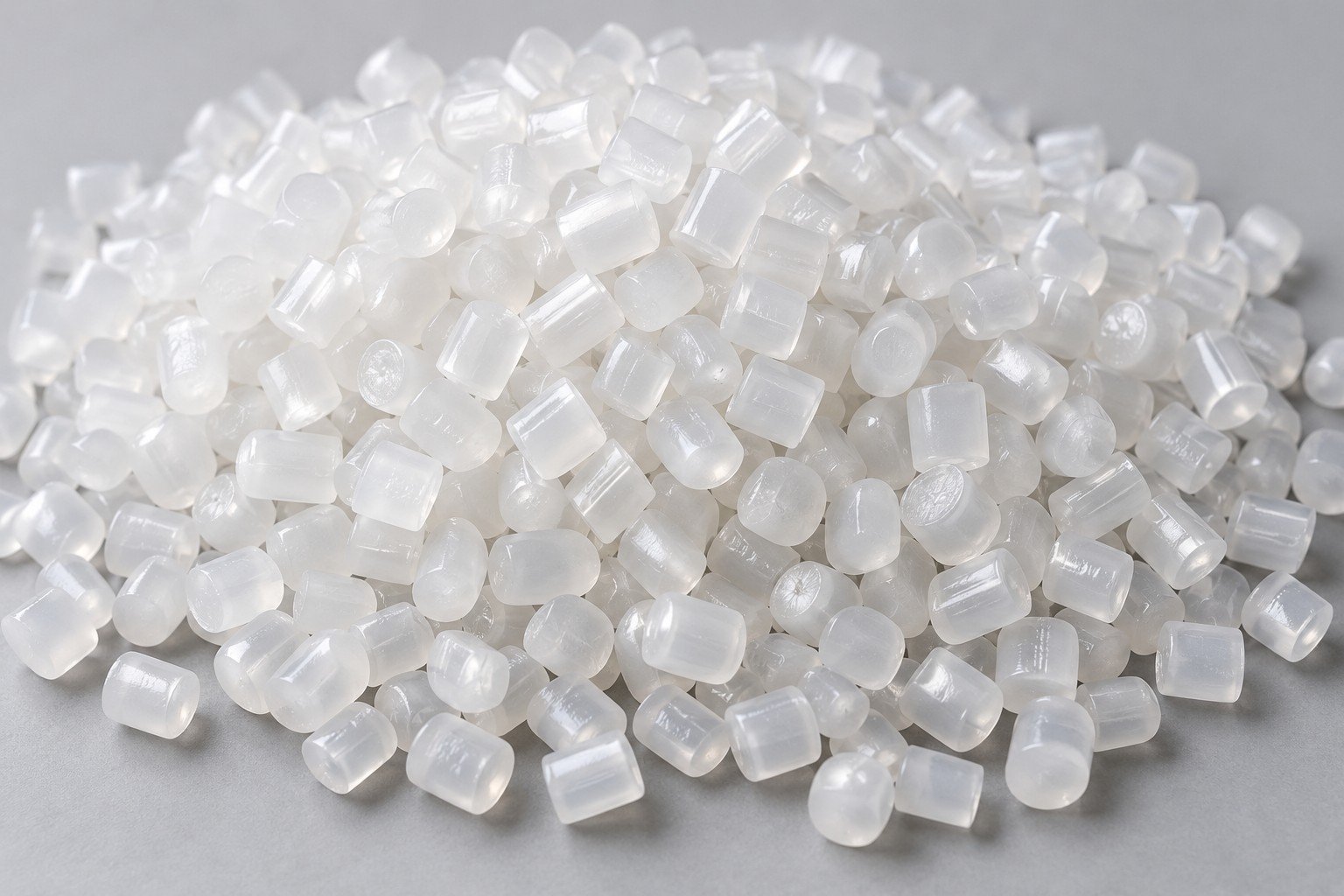
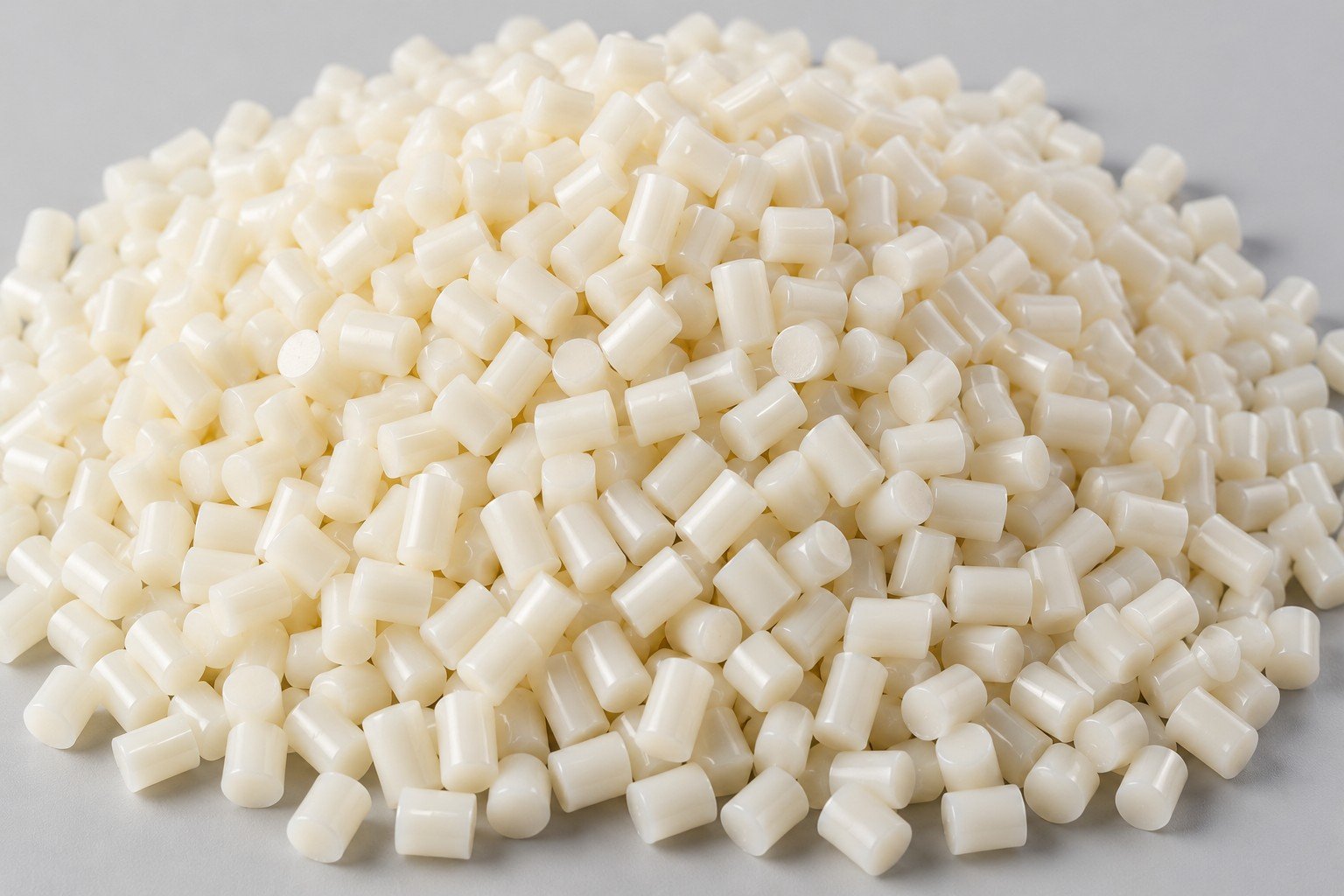
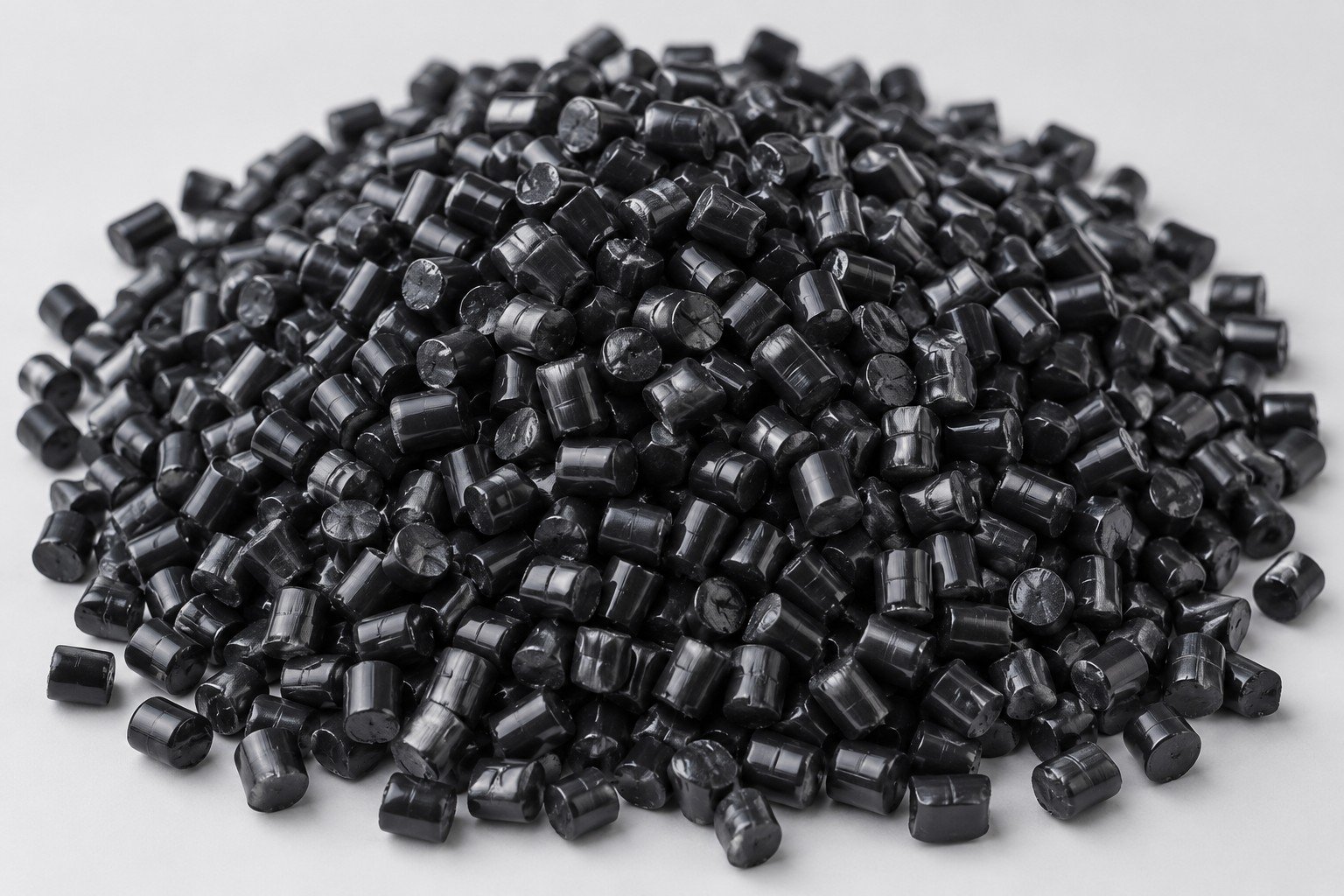
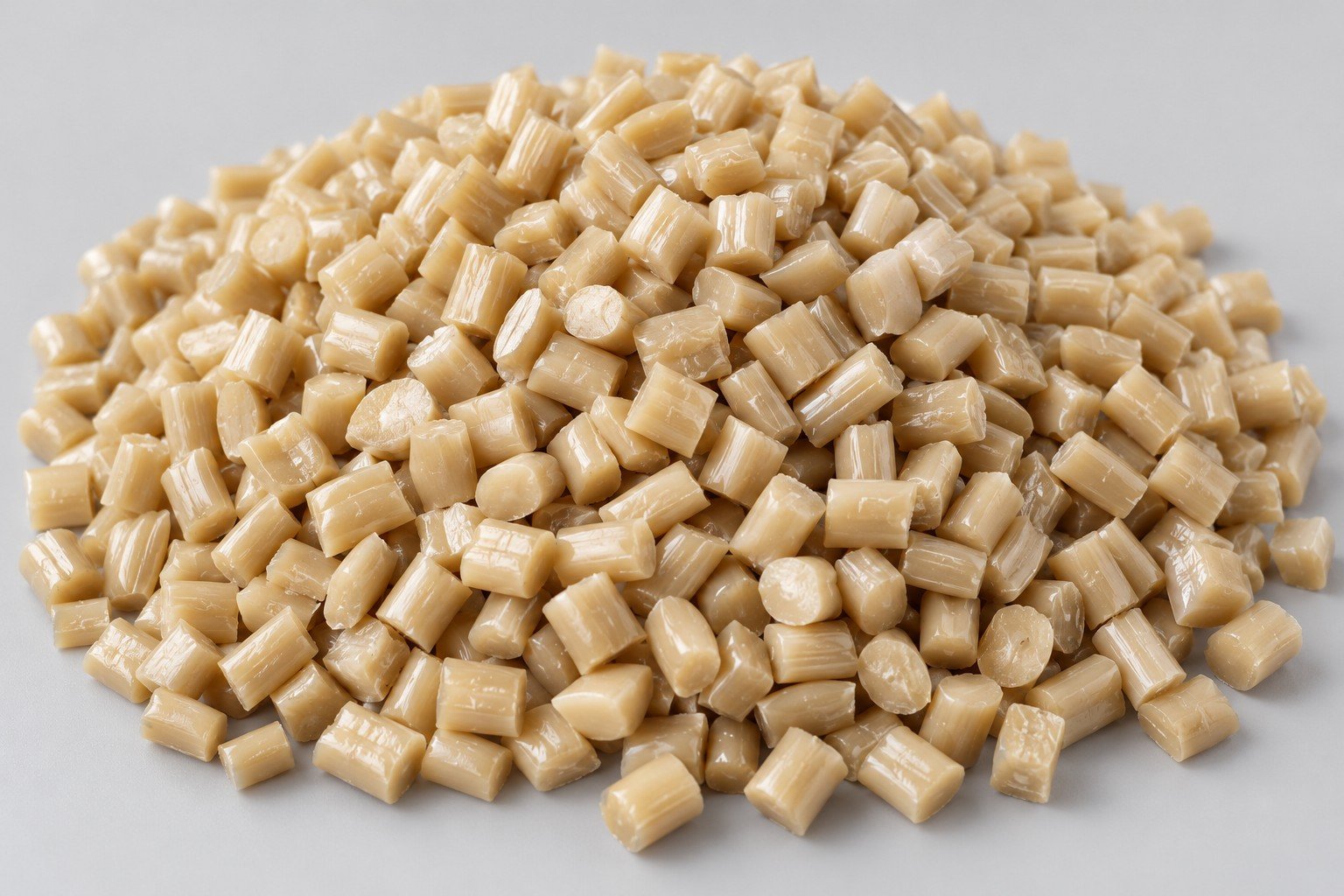
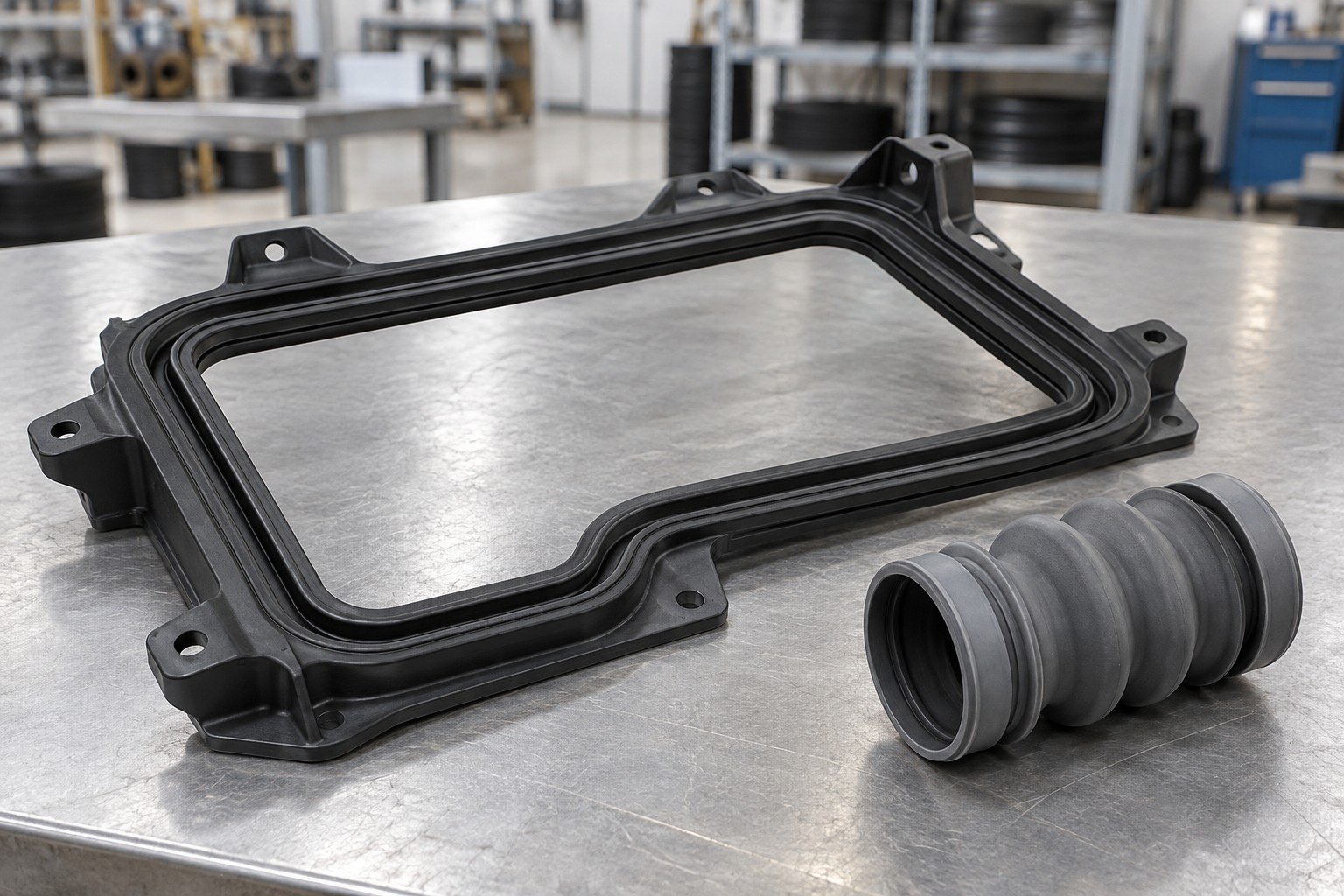
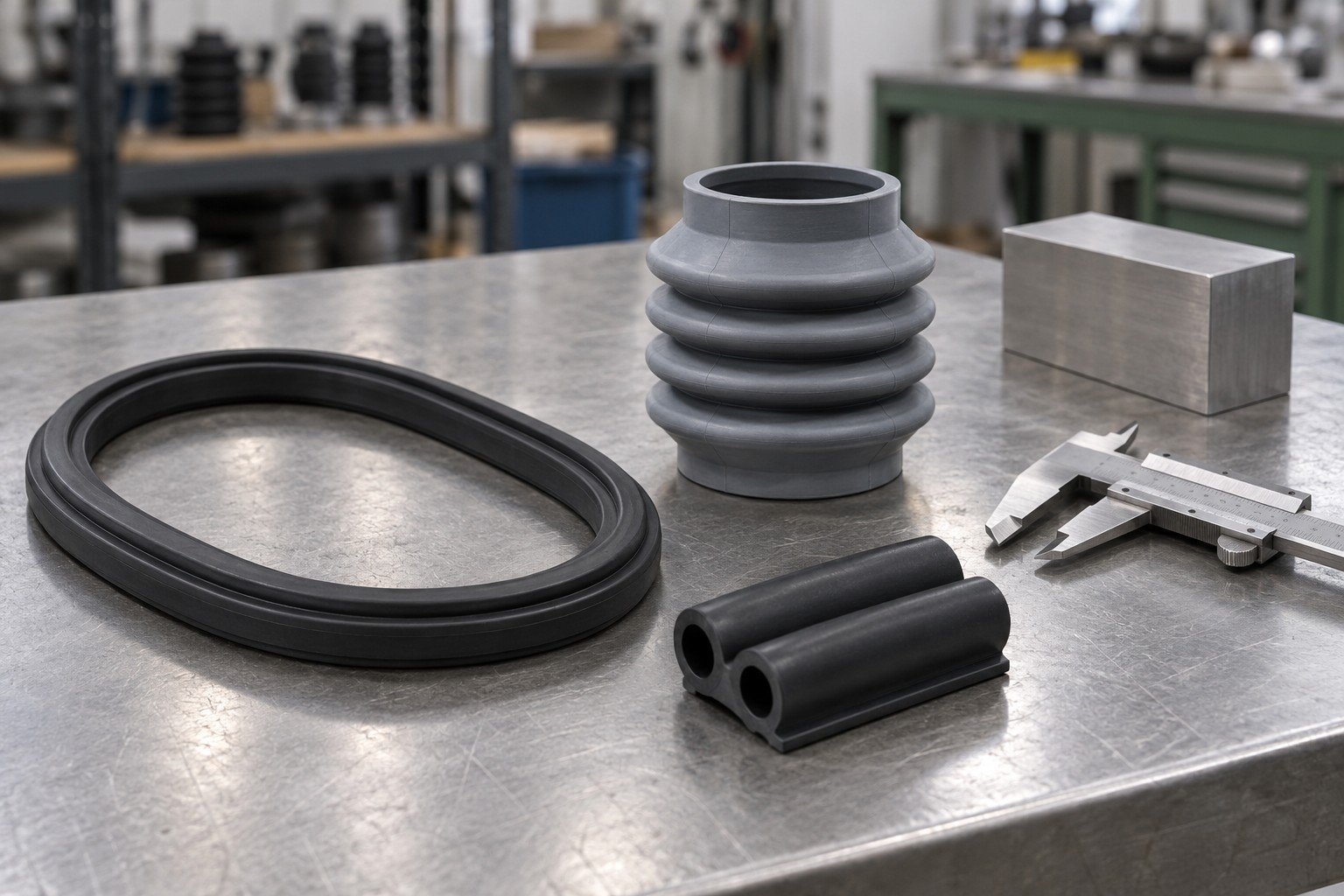
Review your sealing bead, parting line, groove and compound with the intended rubber molding route. A photograph does not identify the raw polymer or cure.
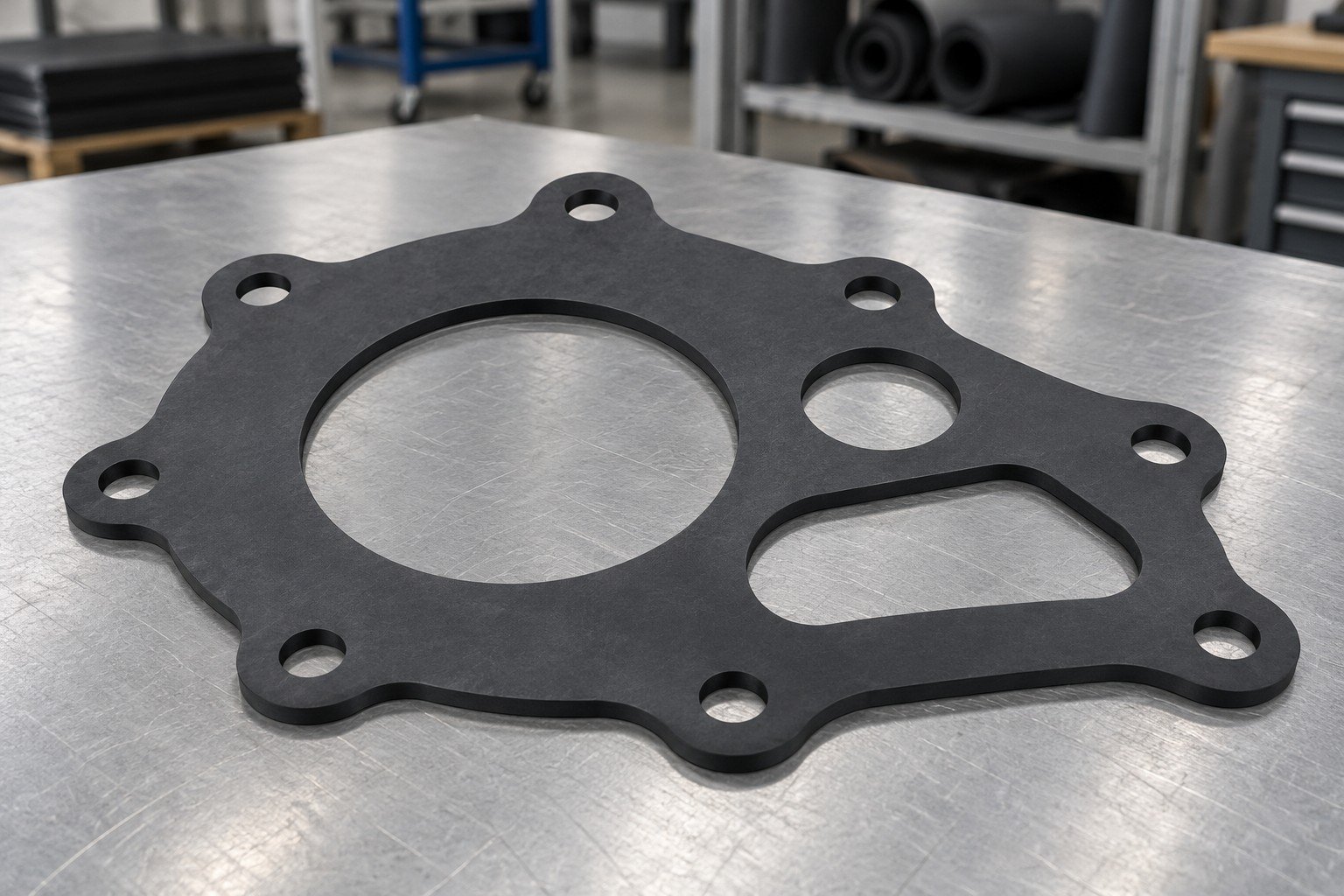
For custom EPDM gaskets, specify sheet producer, compound, thickness, cure and cut-edge condition. Keep stock identification distinct from raw polymer purchasing.
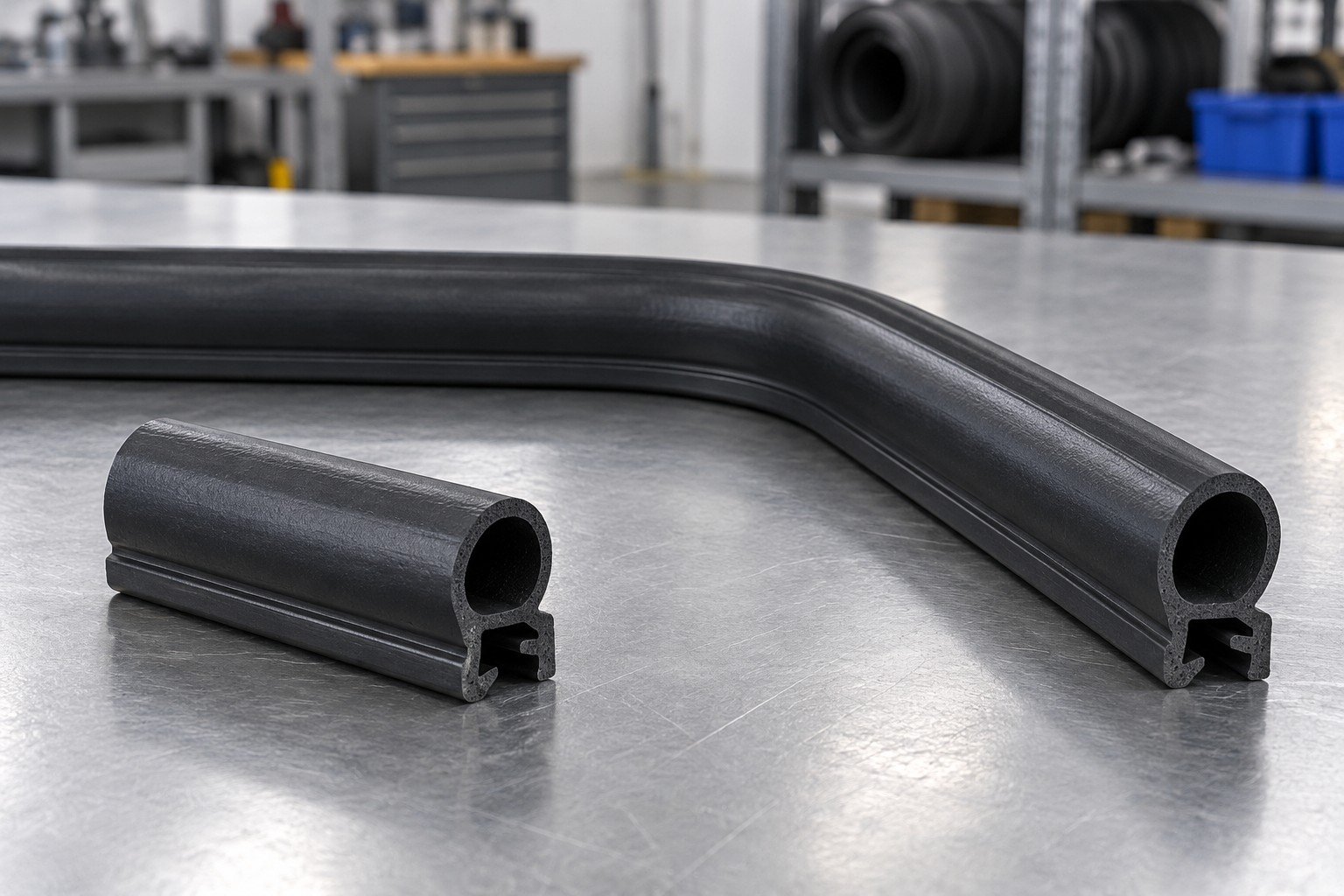
For EPDM extrusion services, agree the complete cured compound, cross section, dimensional state, corner joining and cut length. Confirm process availability for your drawing.
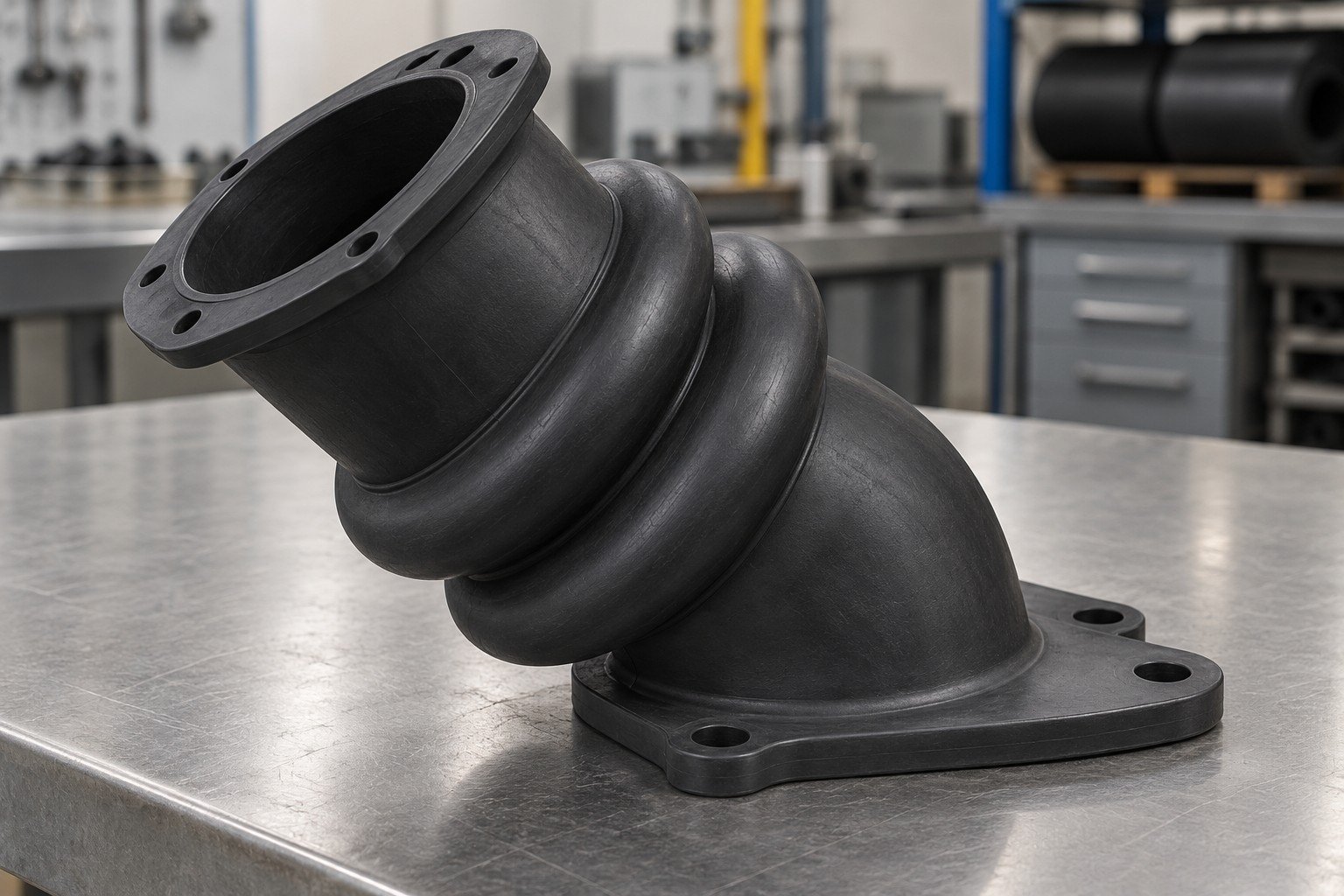
Review movement, clamping, mating surfaces and media. Fit and Shore hardness alone do not establish service-life or seal performance.
For a NORDEL IP 4760P custom parts quote, retain the complete raw-polymer identity and the separately approved compound. NORDEL 4760P typical raw-polymer viscosity does not specify the finished seal hardness or cure.
| Your decision | What to confirm |
|---|---|
| Material identity | Full raw product plus controlled compound and batch |
| Delivered condition | Cure system and supplied condition |
| Acceptance | Tooling, sample, dimensions and function |
Raw polymer, controlled compound and cured stock require distinct purchasing evidence.
| Your decision | What to confirm |
|---|---|
| Raw Polymer Into an Approved Compound | EPDM rubber material selection begins with the full raw polymer, compounding source and controlled compound specification. Identify cure system and required compound evidence; a raw-polymer datasheet is not a finished-part certificate. |
| Cured Stock or Finished Components | For sheet, profiles and molded parts, retain compound identity, supplied cure state, lot, dimensions and finished-part evidence. Do not replace a cured stock specification with only a raw-polymer trade name. |
Review the actual assembly and measuring state.
| Your decision | What to confirm |
|---|---|
| Seal interfaces | Groove, squeeze, motion and mating surface |
| Exposure | Media, temperature, time and load |
| Measurement | Support, critical dimensions and agreed method |
Material documents and finished-part approval serve different purposes.
| Your decision | What to confirm |
|---|---|
| Identity | Manufacturer product, color, batch and supplied condition |
| Drawing | Critical dimensions, sealing edges and appearance |
| Function | Approved sample and specified tests |
VISTALON 2504 identifies an EPDM raw polymer, not a complete finished-rubber formulation. Confirm full product, compounding source, compound specification, cure and final part approval.
| Your decision | What to confirm |
|---|---|
| Material identity | Full raw product plus controlled compound and batch |
| Delivered condition | Cure system and supplied condition |
| Acceptance | Tooling, sample, dimensions and function |
Raw polymer, controlled compound and cured stock require distinct purchasing evidence.
| Your decision | What to confirm |
|---|---|
| Raw Polymer Into an Approved Compound | EPDM rubber material selection begins with the full raw polymer, compounding source and controlled compound specification. Identify cure system and required compound evidence; a raw-polymer datasheet is not a finished-part certificate. |
| Cured Stock or Finished Components | For sheet, profiles and molded parts, retain compound identity, supplied cure state, lot, dimensions and finished-part evidence. Do not replace a cured stock specification with only a raw-polymer trade name. |
Review the actual assembly and measuring state.
| Your decision | What to confirm |
|---|---|
| Seal interfaces | Groove, squeeze, motion and mating surface |
| Exposure | Media, temperature, time and load |
| Measurement | Support, critical dimensions and agreed method |
Material documents and finished-part approval serve different purposes.
| Your decision | What to confirm |
|---|---|
| Identity | Manufacturer product, color, batch and supplied condition |
| Drawing | Critical dimensions, sealing edges and appearance |
| Function | Approved sample and specified tests |
For a KELTAN 5470 custom parts quote, retain the exact regional raw-polymer product and compound traceability. KELTAN 5470 and 5470C are separate designations; do not substitute by partial name.
| Your decision | What to confirm |
|---|---|
| Material identity | Full raw product plus controlled compound and batch |
| Delivered condition | Cure system and supplied condition |
| Acceptance | Tooling, sample, dimensions and function |
Raw polymer, controlled compound and cured stock require distinct purchasing evidence.
| Your decision | What to confirm |
|---|---|
| Raw Polymer Into an Approved Compound | EPDM rubber material selection begins with the full raw polymer, compounding source and controlled compound specification. Identify cure system and required compound evidence; a raw-polymer datasheet is not a finished-part certificate. |
| Cured Stock or Finished Components | For sheet, profiles and molded parts, retain compound identity, supplied cure state, lot, dimensions and finished-part evidence. Do not replace a cured stock specification with only a raw-polymer trade name. |
Review the actual assembly and measuring state.
| Your decision | What to confirm |
|---|---|
| Seal interfaces | Groove, squeeze, motion and mating surface |
| Exposure | Media, temperature, time and load |
| Measurement | Support, critical dimensions and agreed method |
Material documents and finished-part approval serve different purposes.
| Your decision | What to confirm |
|---|---|
| Identity | Manufacturer product, color, batch and supplied condition |
| Drawing | Critical dimensions, sealing edges and appearance |
| Function | Approved sample and specified tests |
For a DUTRAL TER 4038 EP custom parts quote, retain the complete suffix and approved formulation. DUTRAL TER 4038 raw-polymer identification does not approve finished hardness, compression set or a different supply form.
| Your decision | What to confirm |
|---|---|
| Material identity | Full raw product plus controlled compound and batch |
| Delivered condition | Cure system and supplied condition |
| Acceptance | Tooling, sample, dimensions and function |
Raw polymer, controlled compound and cured stock require distinct purchasing evidence.
| Your decision | What to confirm |
|---|---|
| Raw Polymer Into an Approved Compound | EPDM rubber material selection begins with the full raw polymer, compounding source and controlled compound specification. Identify cure system and required compound evidence; a raw-polymer datasheet is not a finished-part certificate. |
| Cured Stock or Finished Components | For sheet, profiles and molded parts, retain compound identity, supplied cure state, lot, dimensions and finished-part evidence. Do not replace a cured stock specification with only a raw-polymer trade name. |
Review the actual assembly and measuring state.
| Your decision | What to confirm |
|---|---|
| Seal interfaces | Groove, squeeze, motion and mating surface |
| Exposure | Media, temperature, time and load |
| Measurement | Support, critical dimensions and agreed method |
Material documents and finished-part approval serve different purposes.
| Your decision | What to confirm |
|---|---|
| Identity | Manufacturer product, color, batch and supplied condition |
| Drawing | Critical dimensions, sealing edges and appearance |
| Function | Approved sample and specified tests |
Dow raw-polymer guide · Mooney viscosity, MU · ASTM D1646 · ML 1+4 at 125°C
Typical raw-polymer values from one Dow guide, not Shore hardness, finished-part properties or a seal ranking. Confirm current product, formulation, cure and application evidence separately.
Supplier guide, page 2 →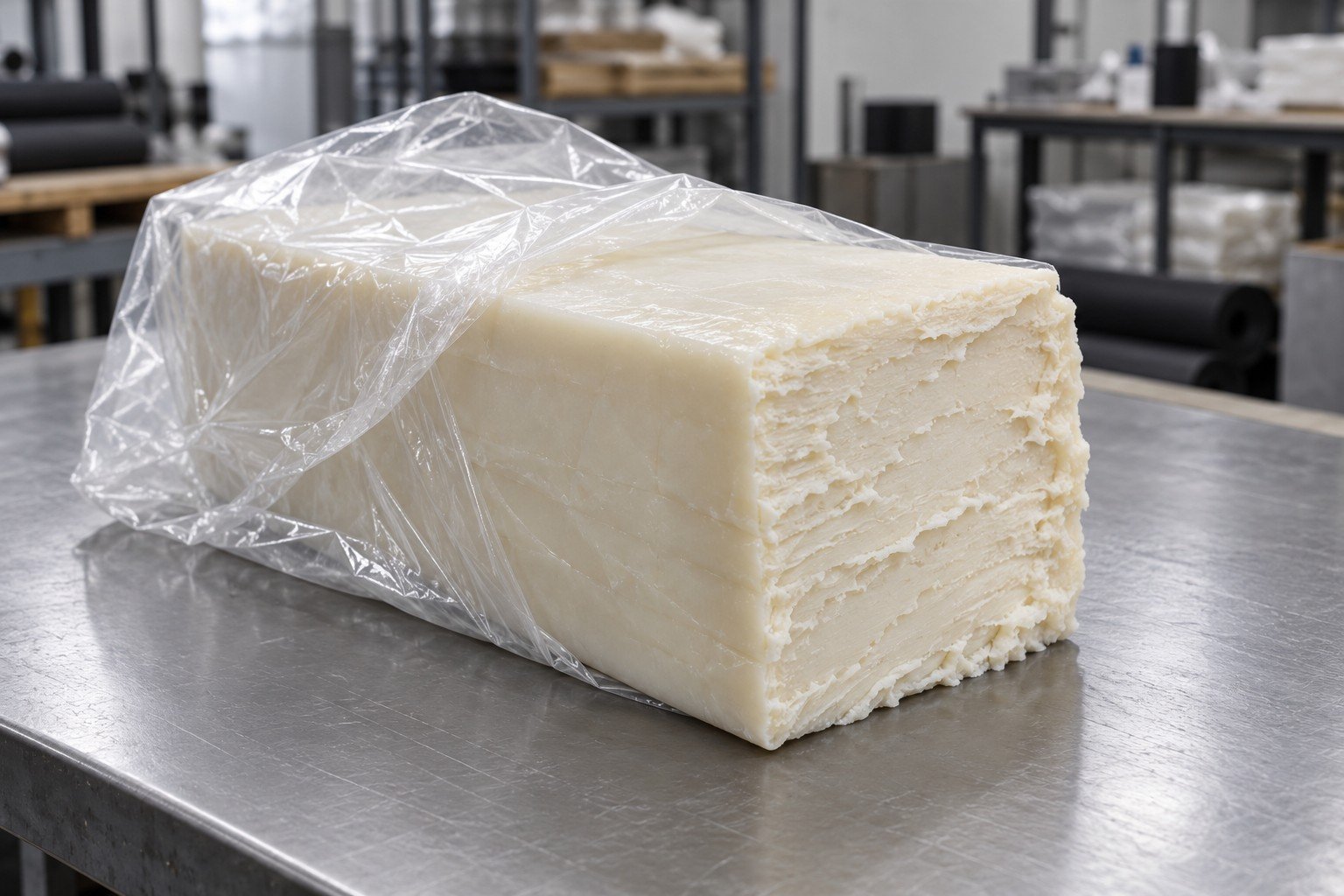
EPDM rubber material selection begins with the full raw polymer, compounding source and controlled compound specification. Identify cure system and required compound evidence; a raw-polymer datasheet is not a finished-part certificate.
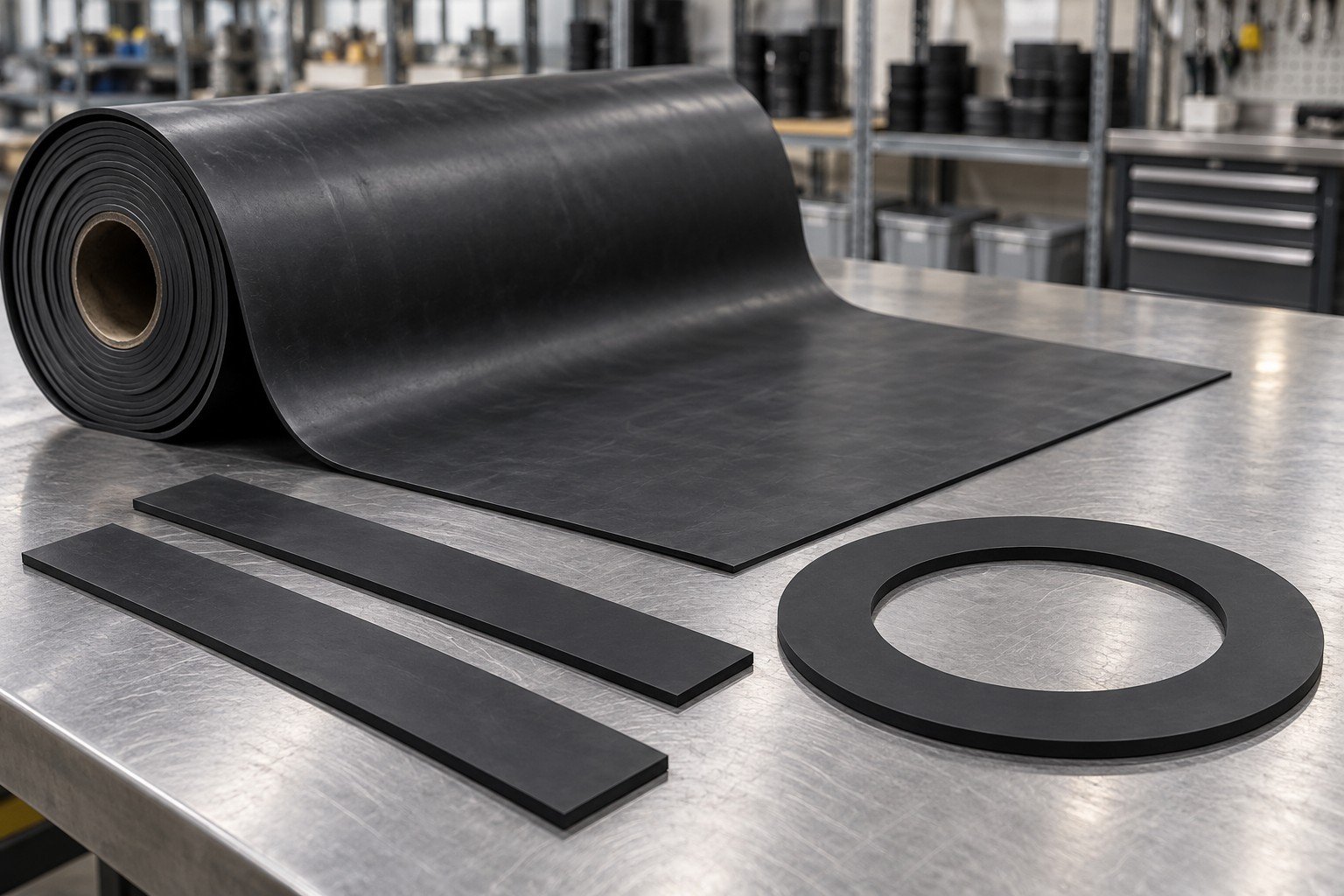
For sheet, profiles and molded parts, retain compound identity, supplied cure state, lot, dimensions and finished-part evidence. Do not replace a cured stock specification with only a raw-polymer trade name.
Does an EPDM raw polymer grade specify finished seal hardness? No. EPDM Shore hardness must be tied to the finished compound, scale, method, dwell time, specimen, conditioning and cure state.
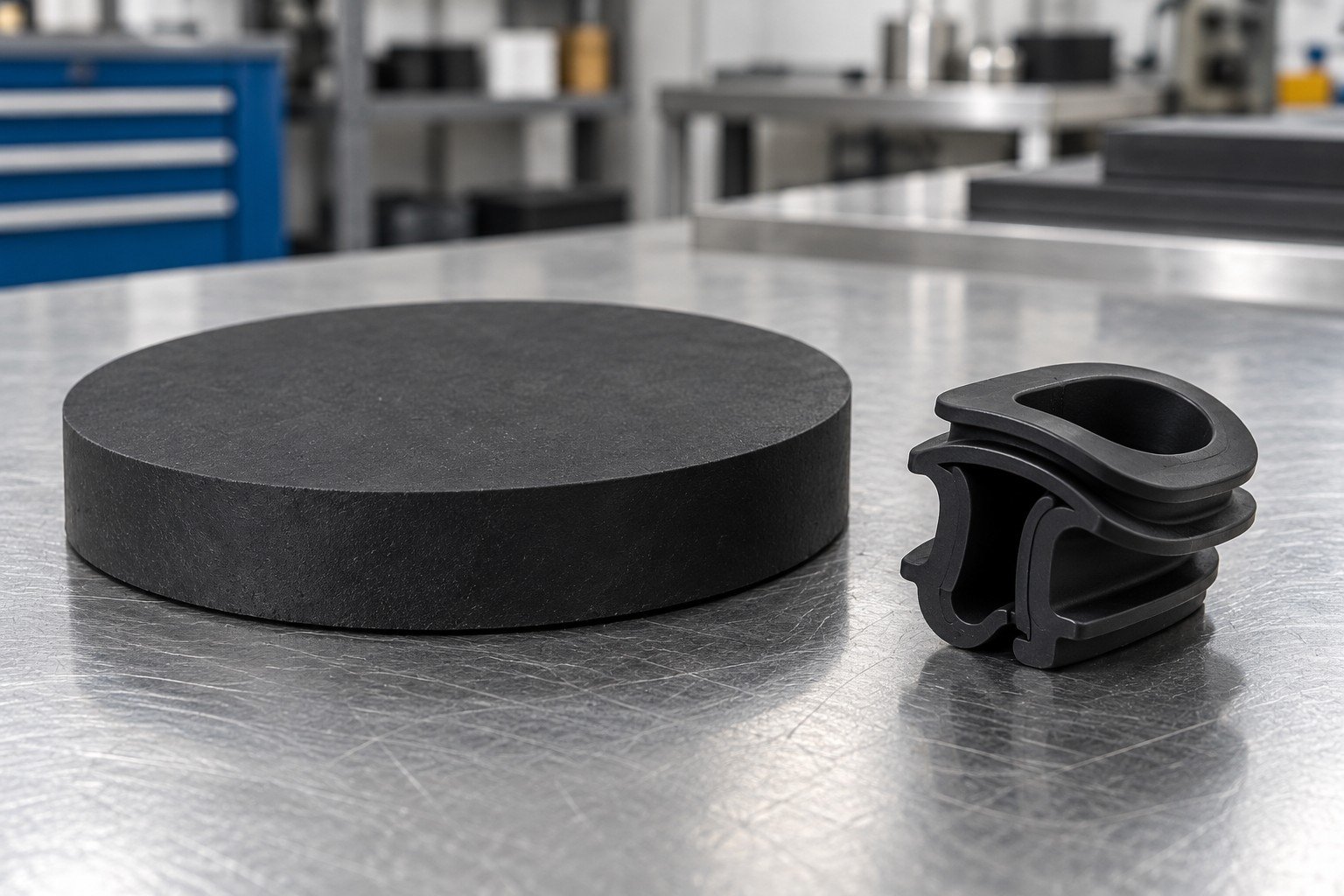
For EPDM oil resistance, identify the exact oil or fluid, concentration, temperature and duration. Can EPDM seals be used with mineral oil? Do not approve that service from the EPDM name; obtain compound-specific compatibility and representative exposure evidence before selection.
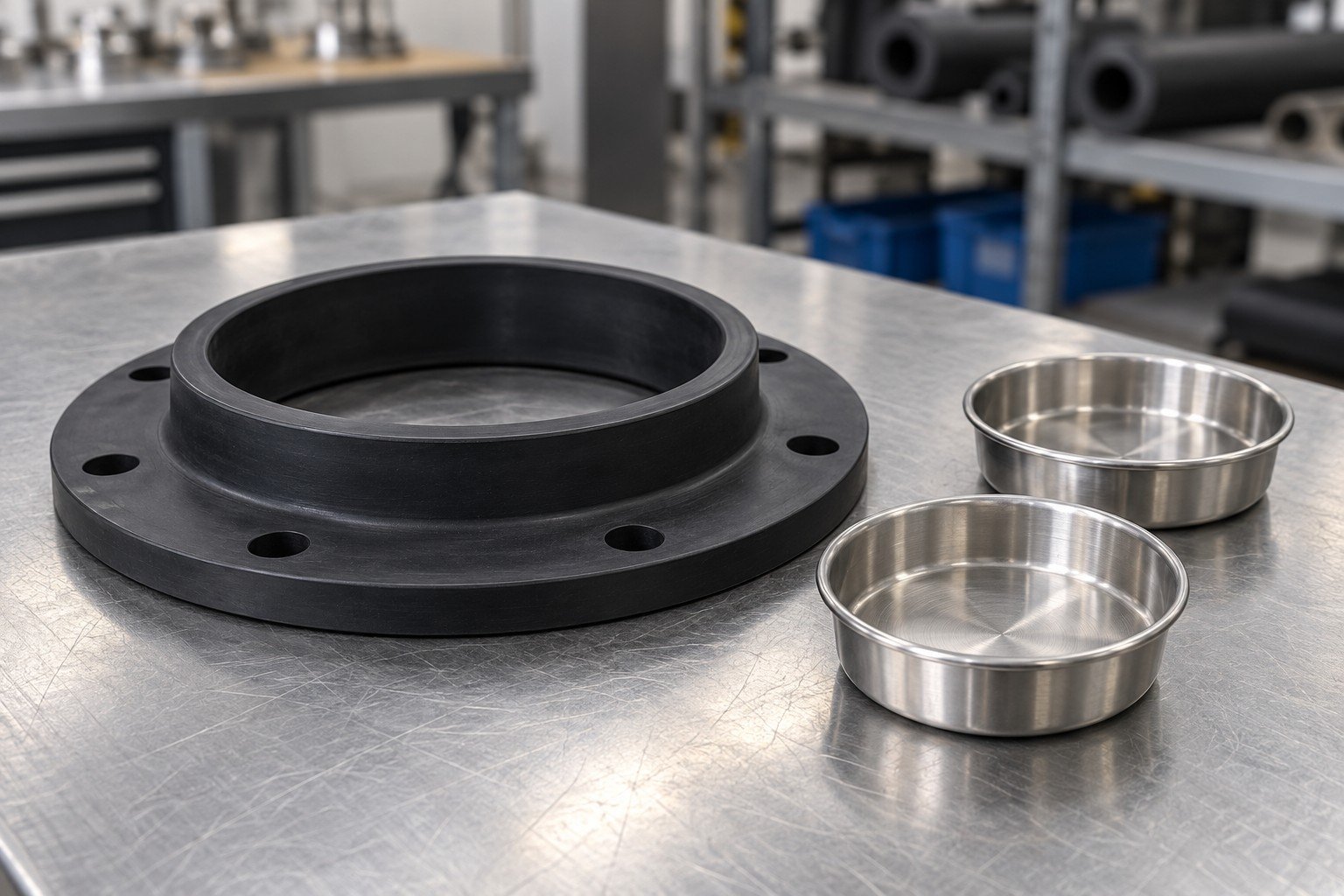
How should peroxide and sulfur cured EPDM be selected? Compare the actual compound, cure instructions and application tests. Peroxide cured EPDM and sulfur cured EPDM are formulation and processing directions, not automatic finished-part approvals.
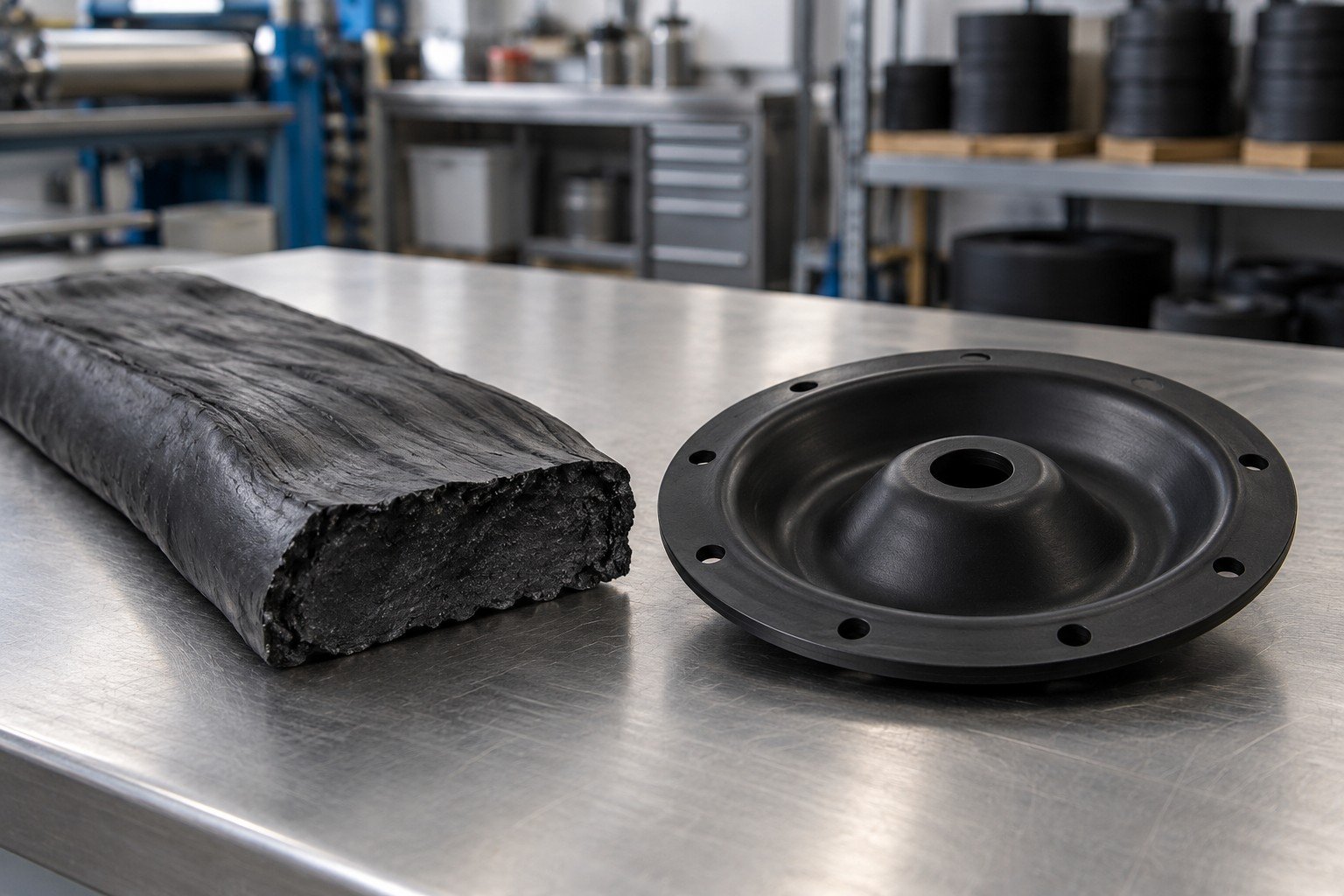
What test conditions define EPDM compression set? Specify method, specimen, compression, temperature, duration, cure and recovery interval. Keep this material test separate from final groove fit and leak acceptance.
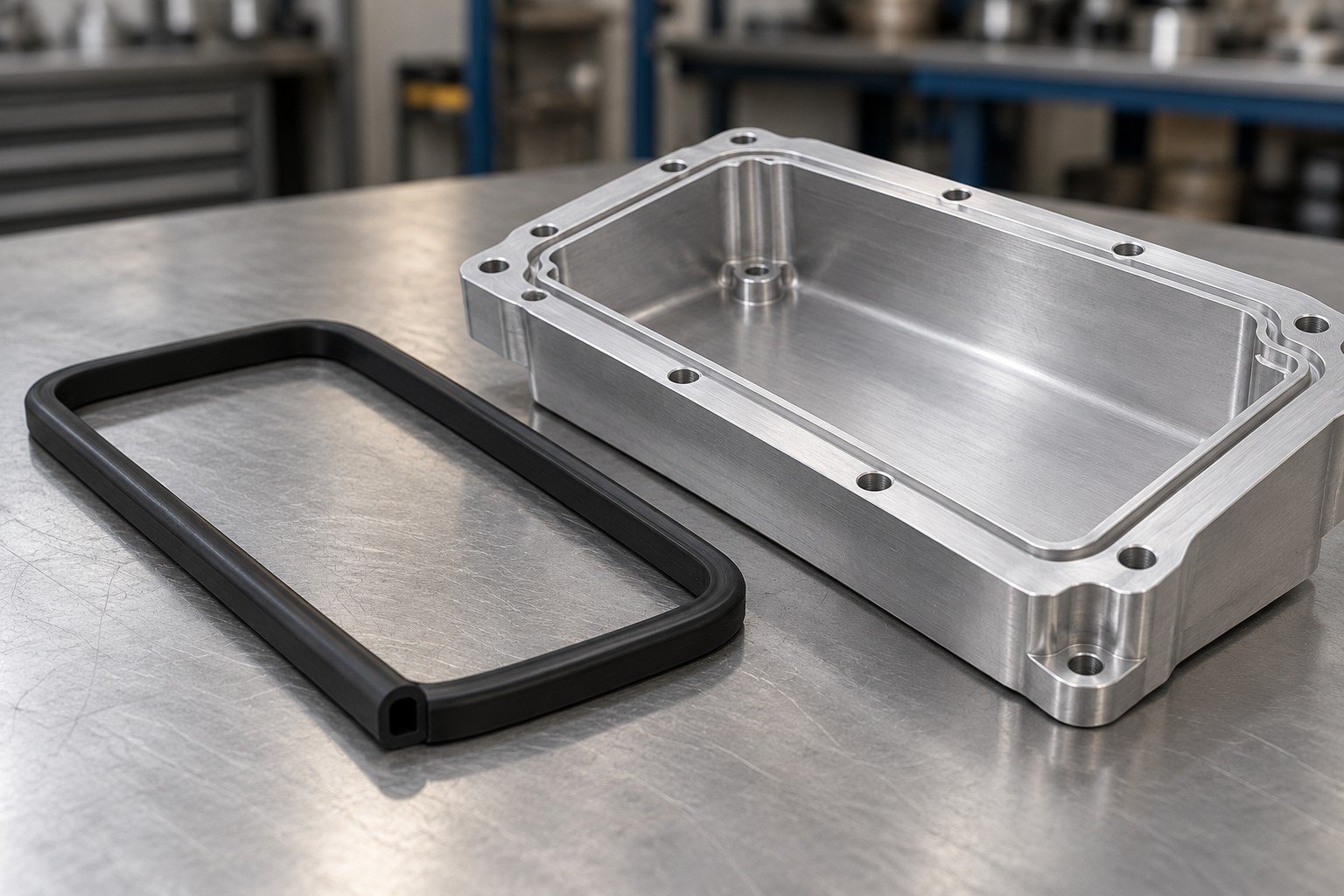
Define outdoor exposure, UV or ozone requirements, temperature cycling, stretch, movement and assembly details. A generic weathering description does not approve your compound, joint or full seal assembly.
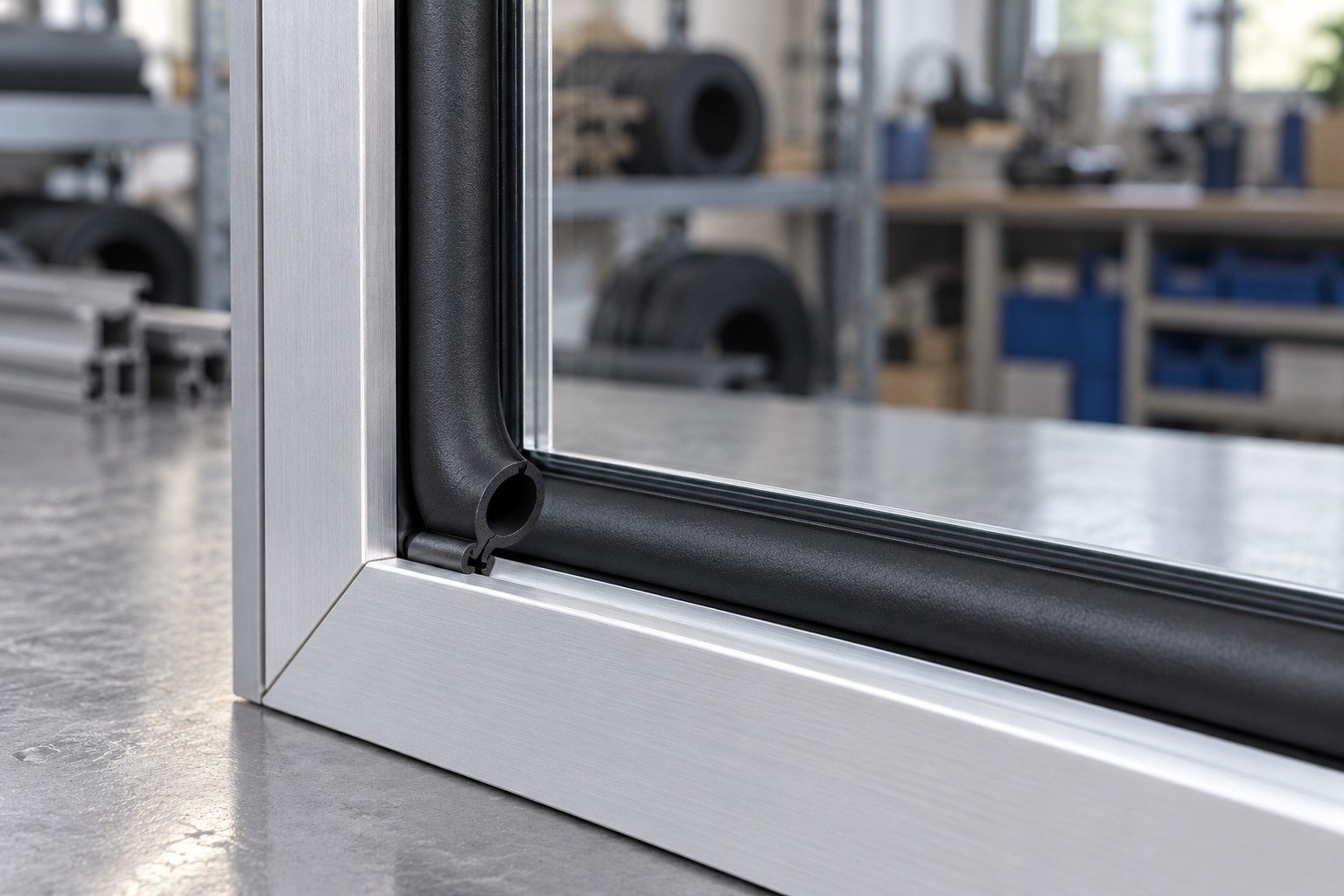
For EPDM material certification, agree raw-polymer chain when required, compound specification, cure state, lot, drawing and approved sample. Dimensional inspection and functional tests remain separate records.
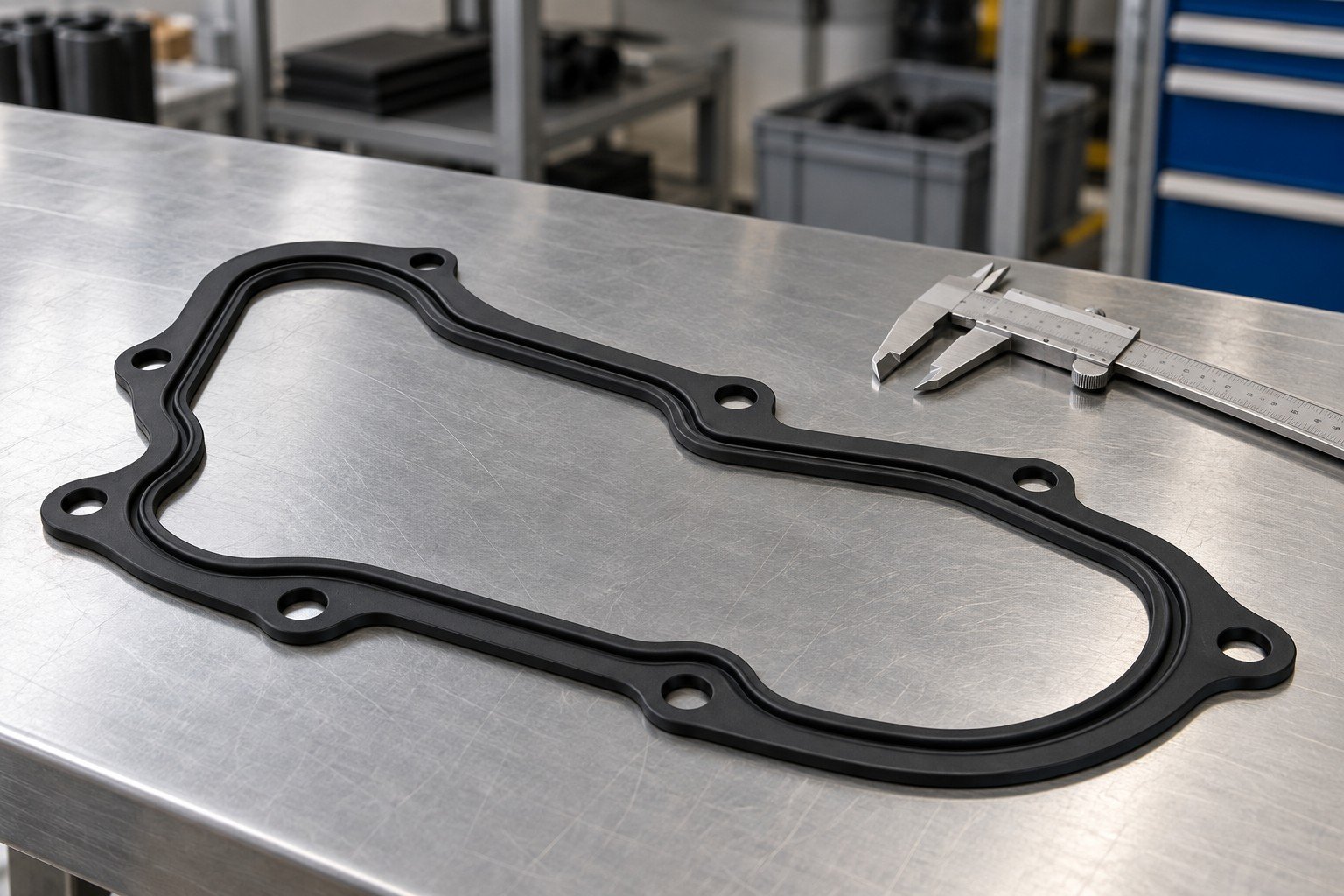
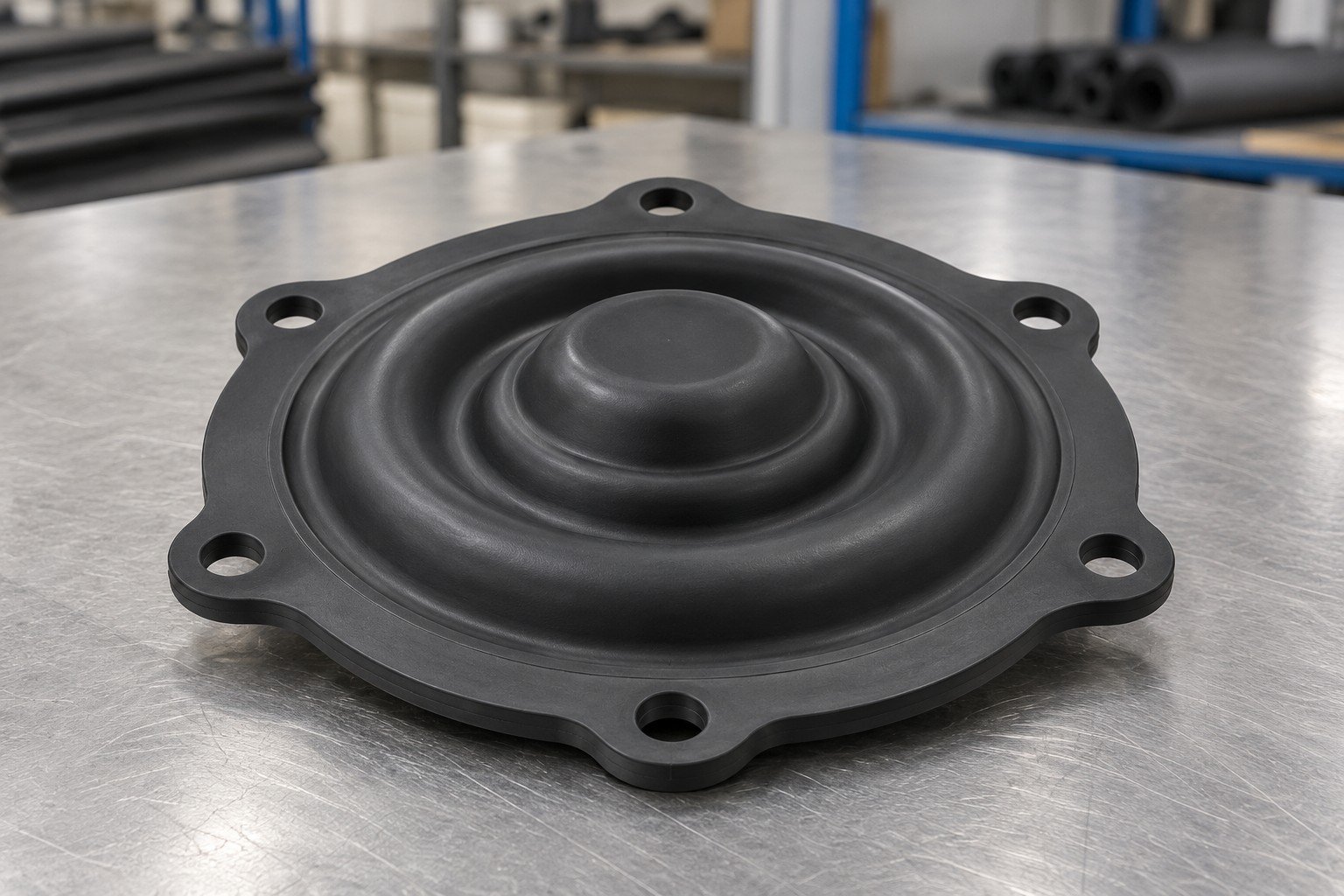
For EPDM compression molding or another agreed rubber molding route, review compound, tooling, cure, flash and sample approval.
Review requirements ↓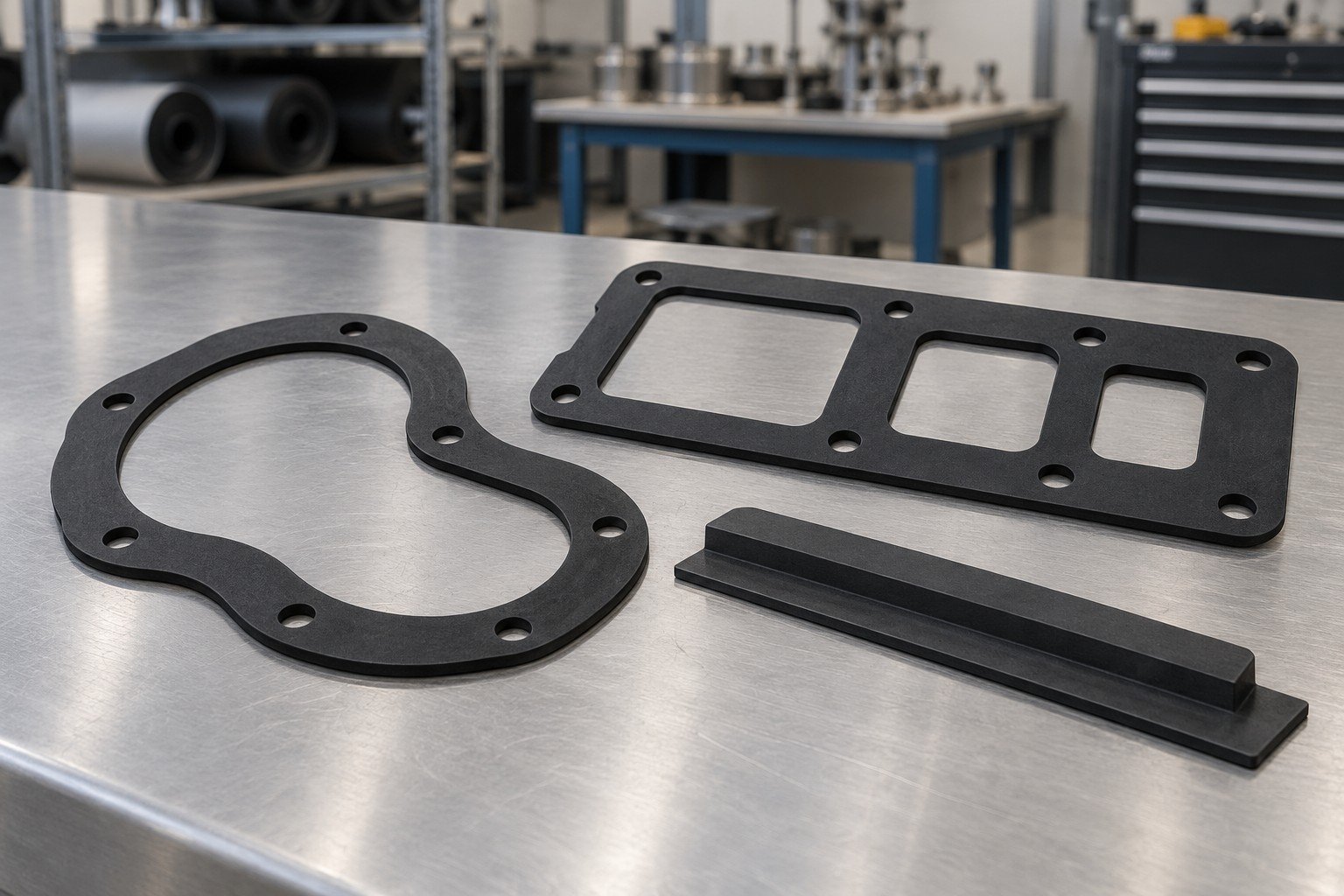
Agree cured sheet identity, thickness, cut edge, holes, packing and dimensional acceptance.
Review requirements ↓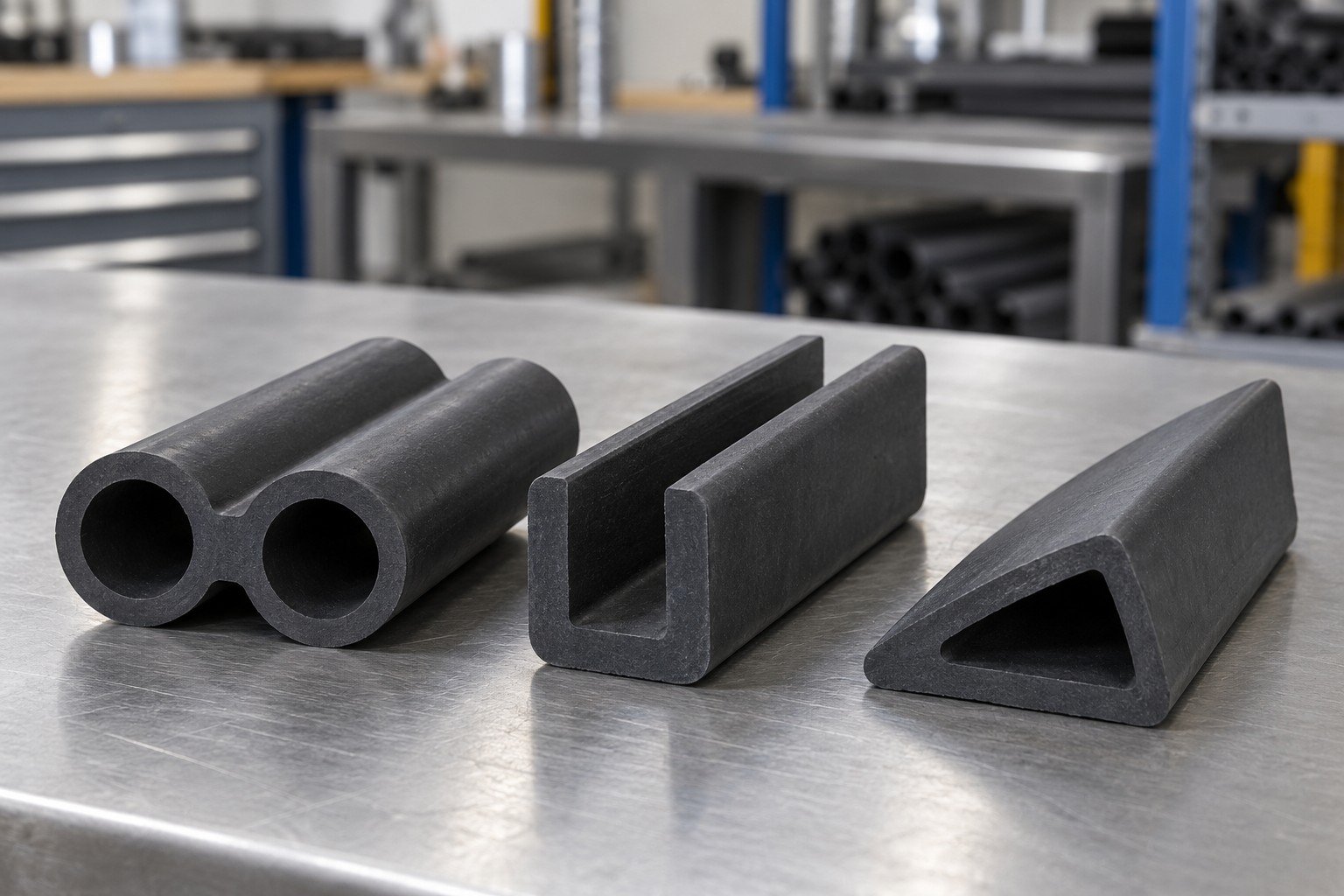
For EPDM extrusion services, agree compound, cured cross section, dimensional state, cutting and joints.
Review requirements ↓Rubber processes require project confirmation; the existing thermoplastic injection and extrusion service guides are not EPDM process approvals.
| Your check | Evidence to agree |
|---|---|
| 1 | Full compound specification, producer, cure state, lot and required raw-polymer traceability. |
| 2 | Controlled drawing, sealing bead, parting-line condition, dimensions and agreed measurement state. |
| 3 | Approved sample, agreed EPDM material certification and specified media, compression or assembly tests. |
Material · Tooling · Cure and finishing · Quantity · Inspection · Delivery
Send CAD and controlled drawing, full compound and cure state, quantities, process scope, sealing geometry, mating surfaces, media, temperature, motion and required records. An EPDM molding quote should cover the same finished-part condition and approval scope.
No. The raw polymer is only part of the compound. Specify the finished formulation or controlled compound designation, cure condition, hardness method and agreed physical and functional evidence.
Do not assume compatibility from EPDM or hardness. Identify the actual oil, additives, temperature and duration, and require compound-specific compatibility review plus representative testing. Agree a suitable alternative when evidence does not support the service.
Review the full formulation, current processing instructions, required properties, environment and application evidence. Do not exchange cure systems while treating the material specification as unchanged.
Agree the method, specimen, deflection, temperature, duration, cure and recovery interval. Retain test conditions with the result and separately validate finished-part groove fit and sealing behavior.
Not automatically. Compare full compound, cure, media compatibility, compression behavior, dimensional response, joining and required records, then approve a representative finished sample.
| Reference | What it does and does not identify |
|---|---|
| EPDM raw polymer | Ethylene-propylene-diene polymer identification; not a complete cured-rubber formulation. |
| Controlled EPDM compound | Retain formulation identifier, producer, cure system, lot and agreed physical requirements. |
| Peroxide / sulfur cure | Specify the actual system and delivered cure condition; no automatic equivalence. |
| NORDEL / VISTALON / KELTAN / DUTRAL | Raw-polymer trade names require their full grade and suffix plus separate compound and finished-part approval. |
Generic polymer designations do not approve a manufacturer-grade substitution. Retain the complete product, suffix and application evidence rather than inventing an EN/DIN equivalent.
Product references: Dow, ExxonMobil, ARLANXEO and Versalis raw-polymer information. Generated concepts illustrate geometry, not actual customer parts or material-grade identification.