Injection Molding
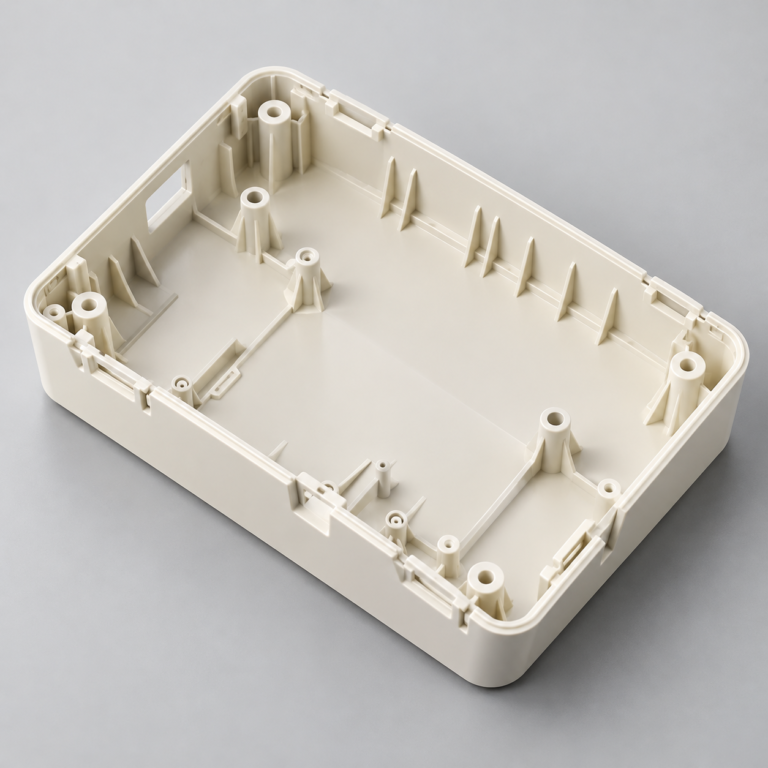
Tooling and molding for your repeat plastic parts.
From prototype to production, coordinated manufacturing solutions for your custom parts.
View All Services →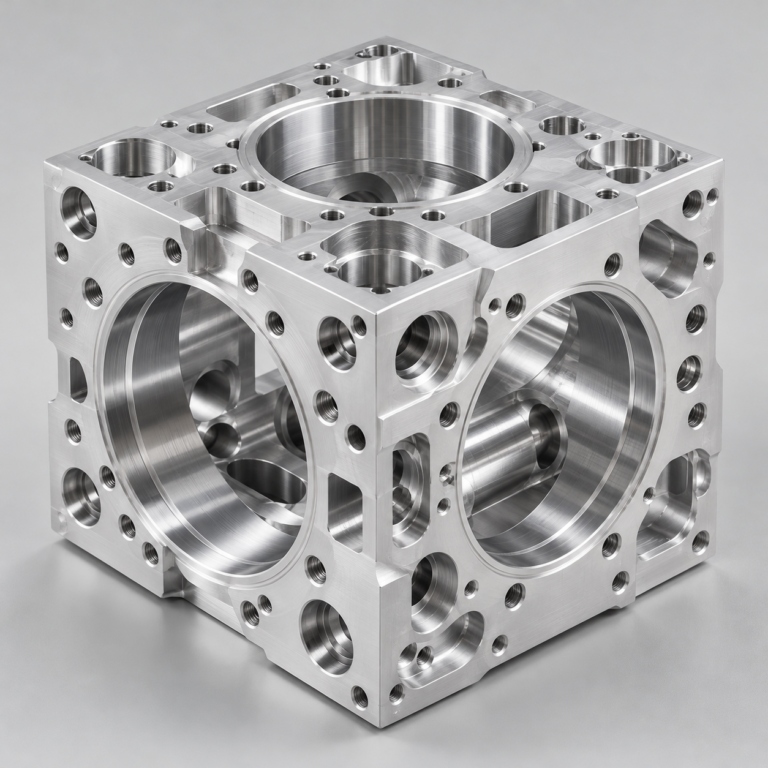
Precision parts for your tight tolerances and complex geometry.
Tooling and molding for your repeat plastic parts.
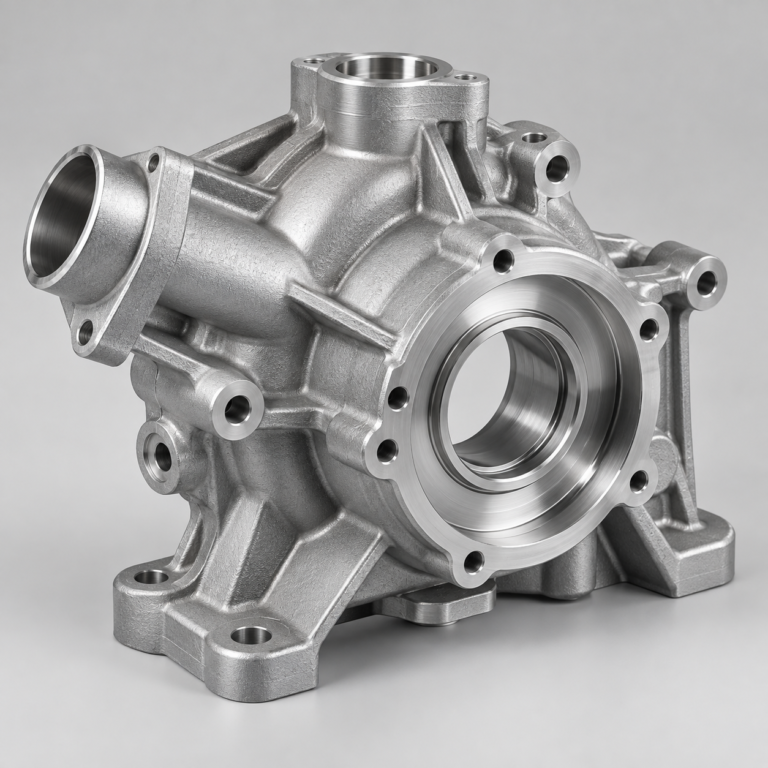
Metal casting options for your part and production volume.
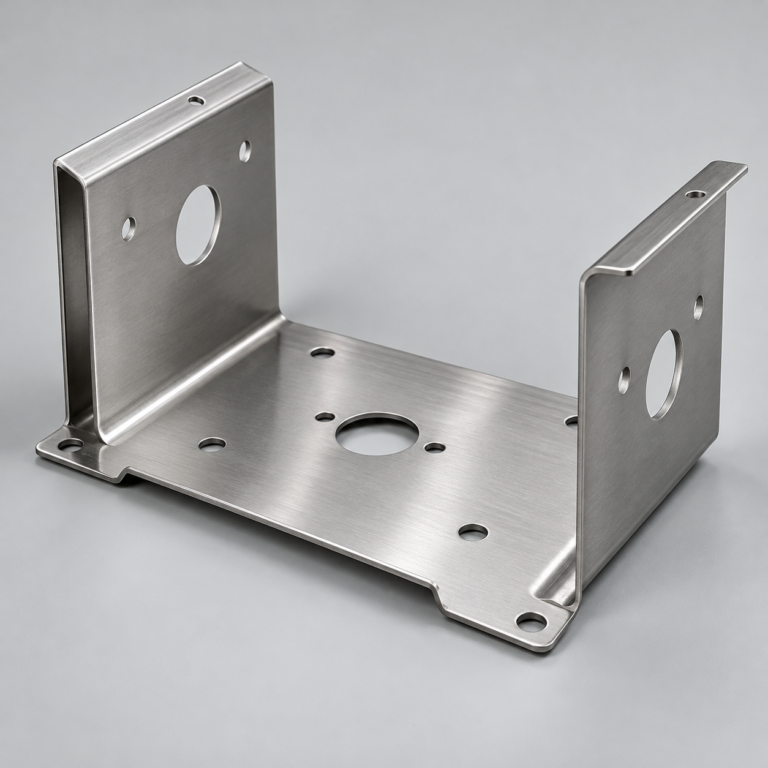
Cutting, forming and welding for your fabricated parts.
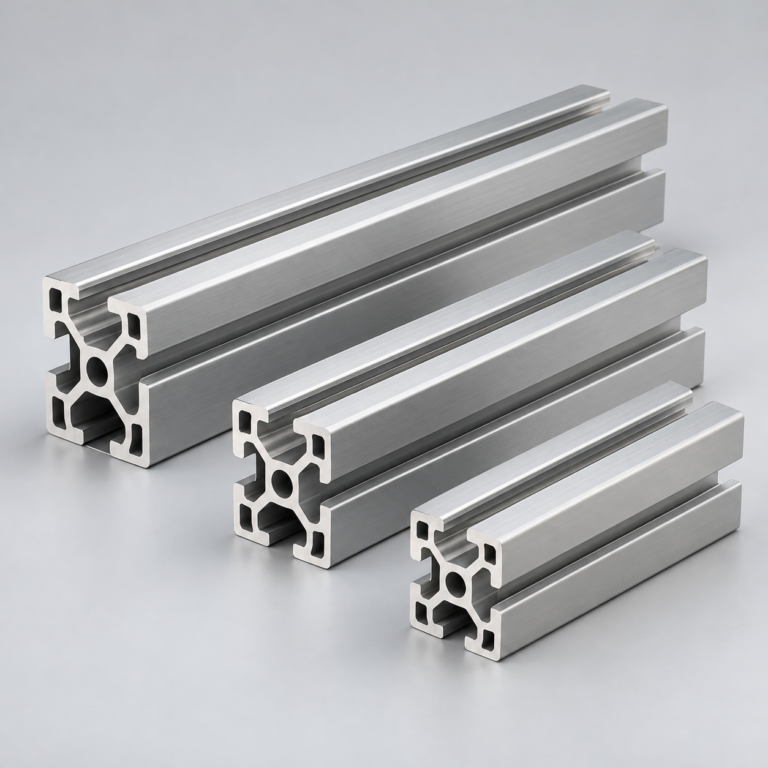
Custom profiles for your section, length and finish requirements.
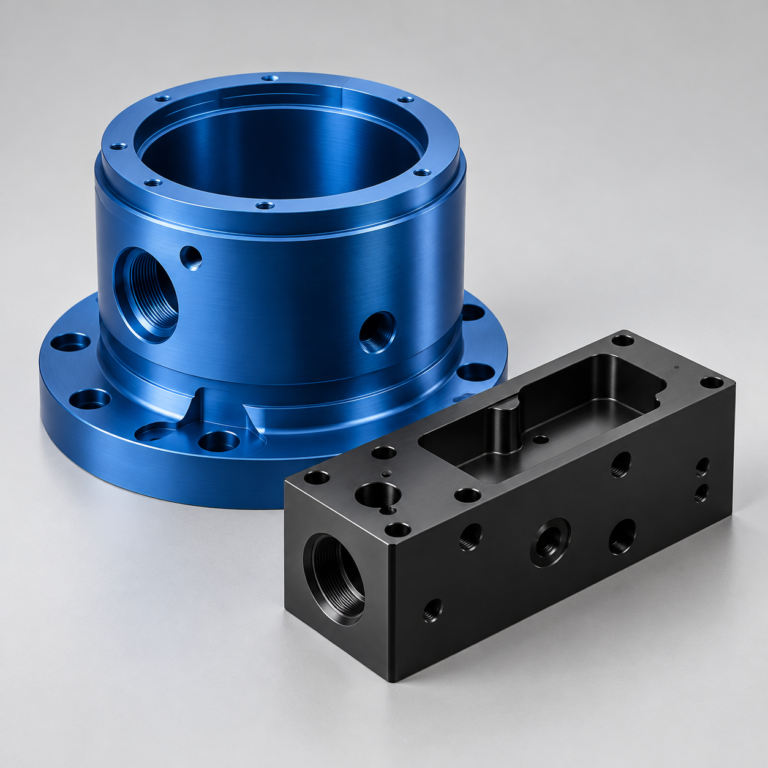
Finishes for your appearance, corrosion and wear requirements.

Sub-assemblies and final builds for your production program.

Production tooling built around your process and volume.
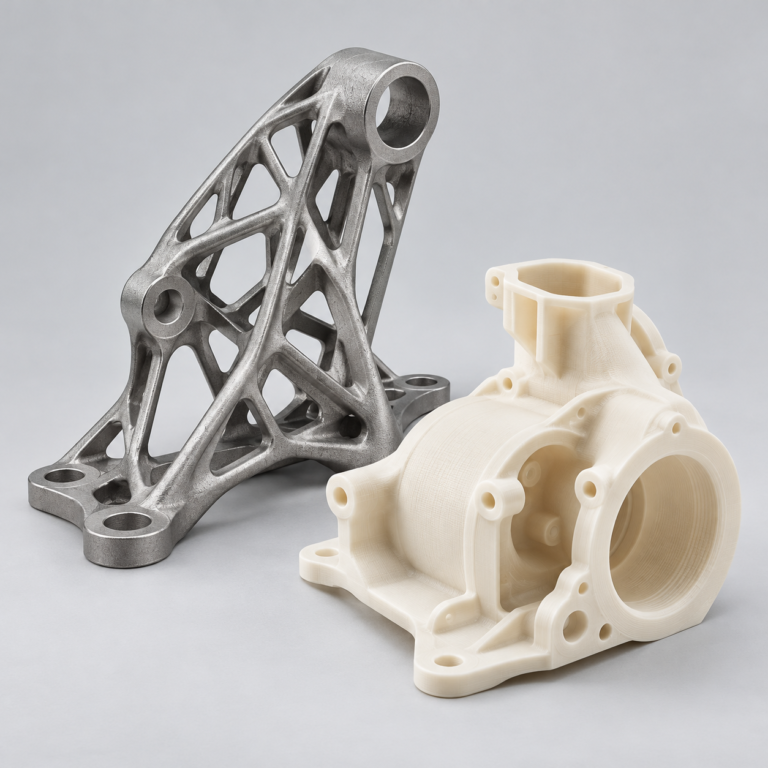
Prototype parts to check fit, function and design.
Choose air- or liquid-cooling components around your thermal and mechanical requirements.
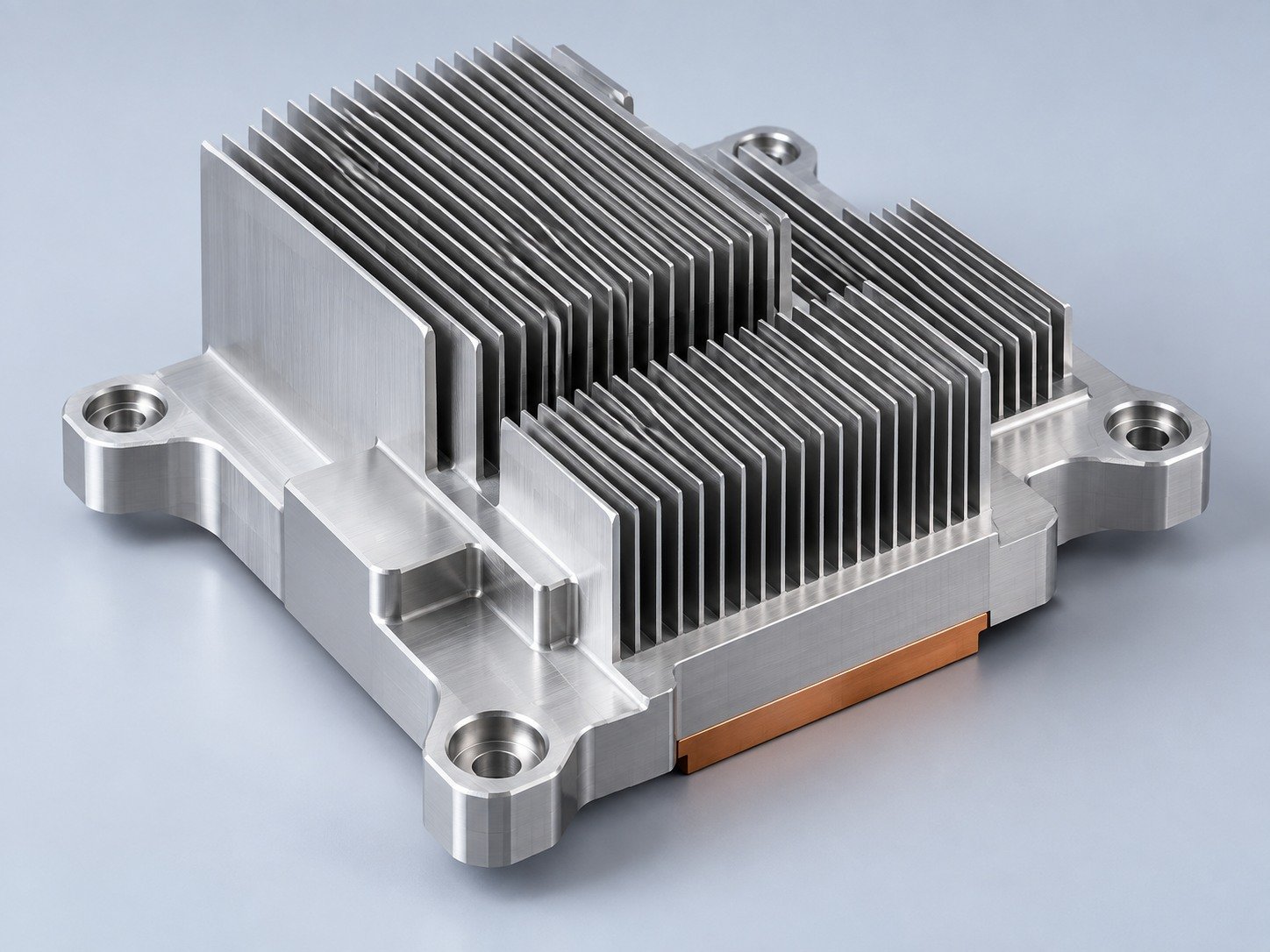
Manufacturing support for your cold plates, manifolds and cooling assemblies.
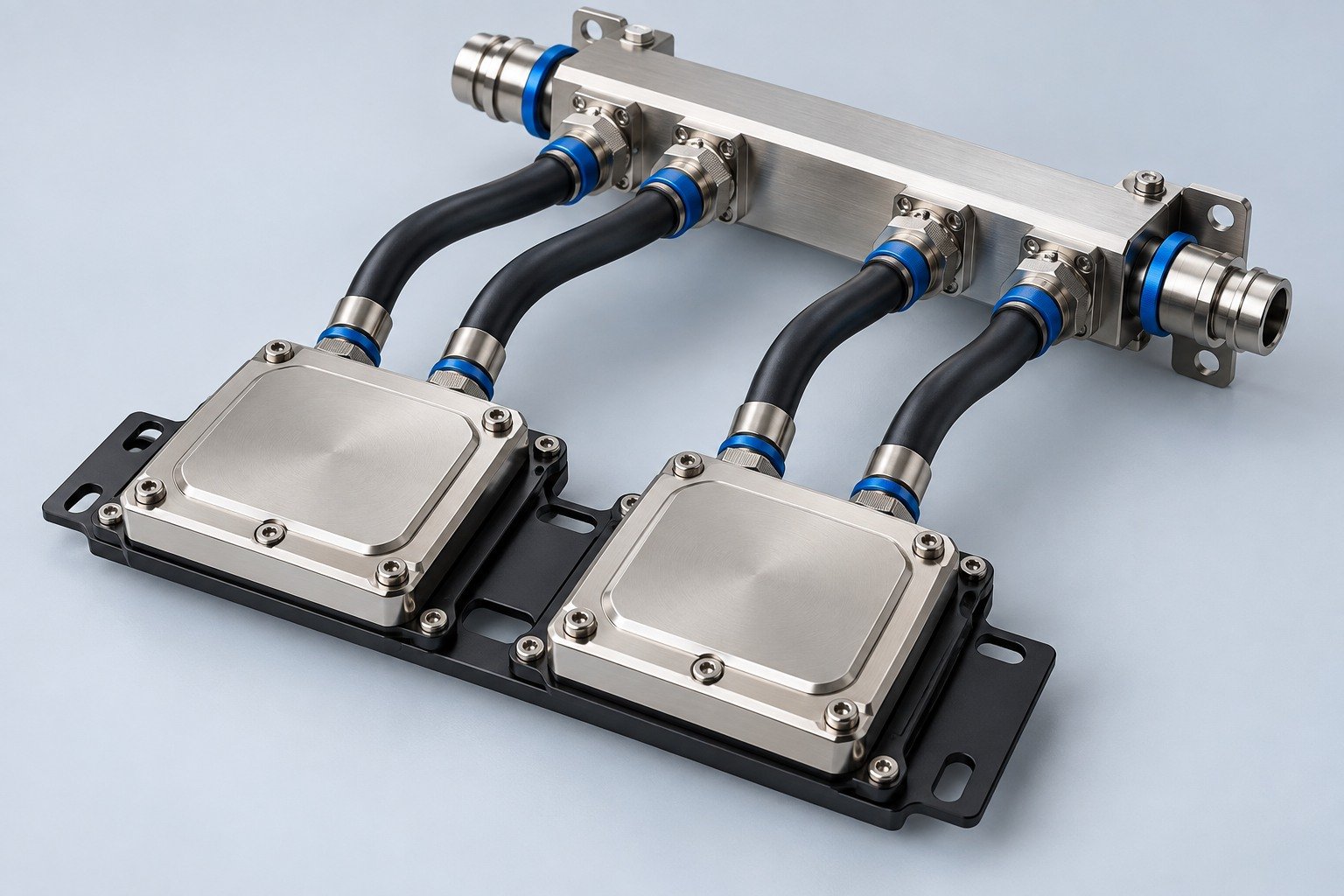
Find components for your power electronics, energy, laser and telecom application.
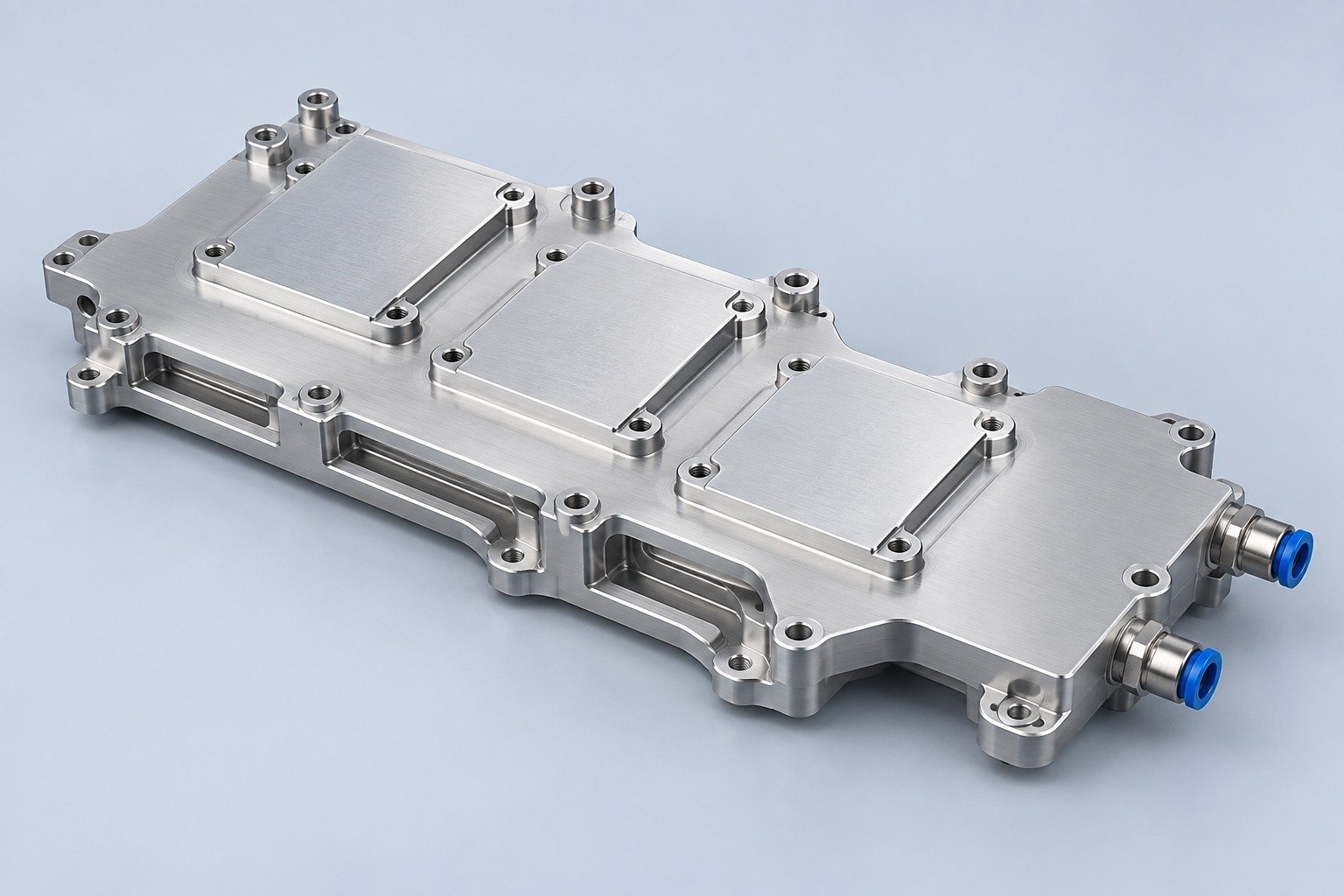
Components for your electronic systems.
Start with your functional and quality requirements.
Build around your operating environment.
From prototype to production, review material performance, manufacturability and cost for your part.
Review grade, temper and finish for your metal parts.
 AluminumStrength, weight and machining›
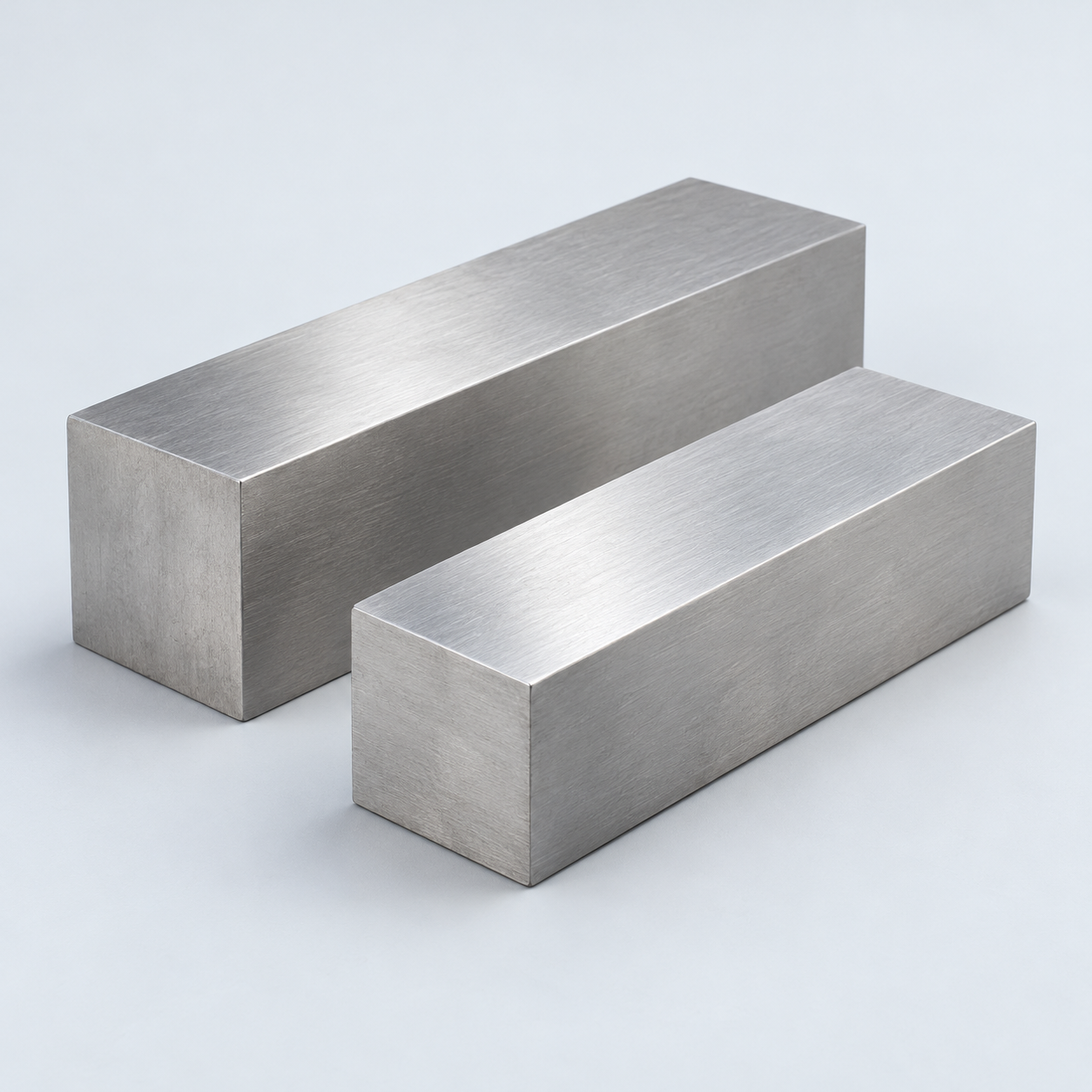 Stainless SteelCorrosion and finish requirements›
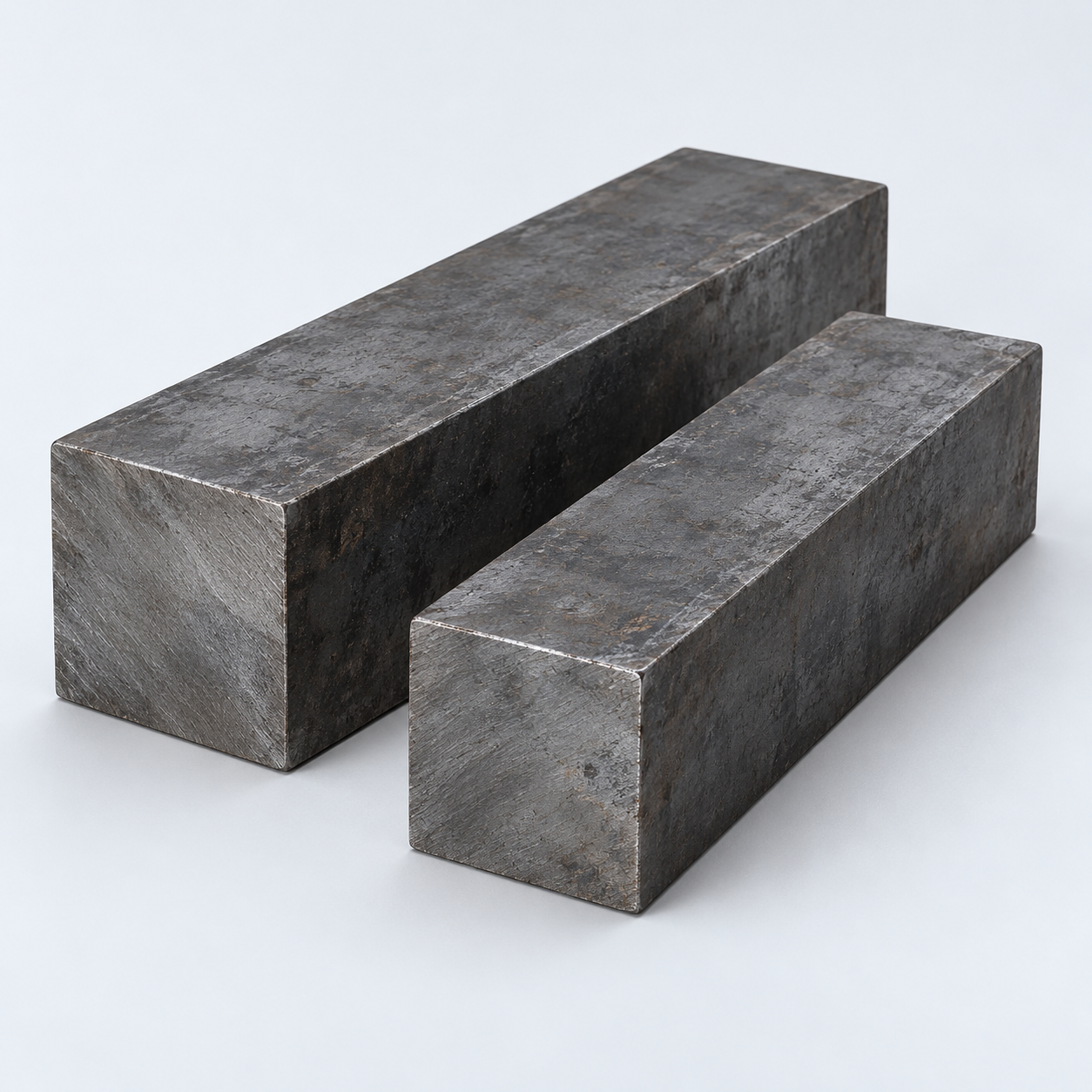 Carbon & Alloy SteelDiscuss grade and heat treatment›
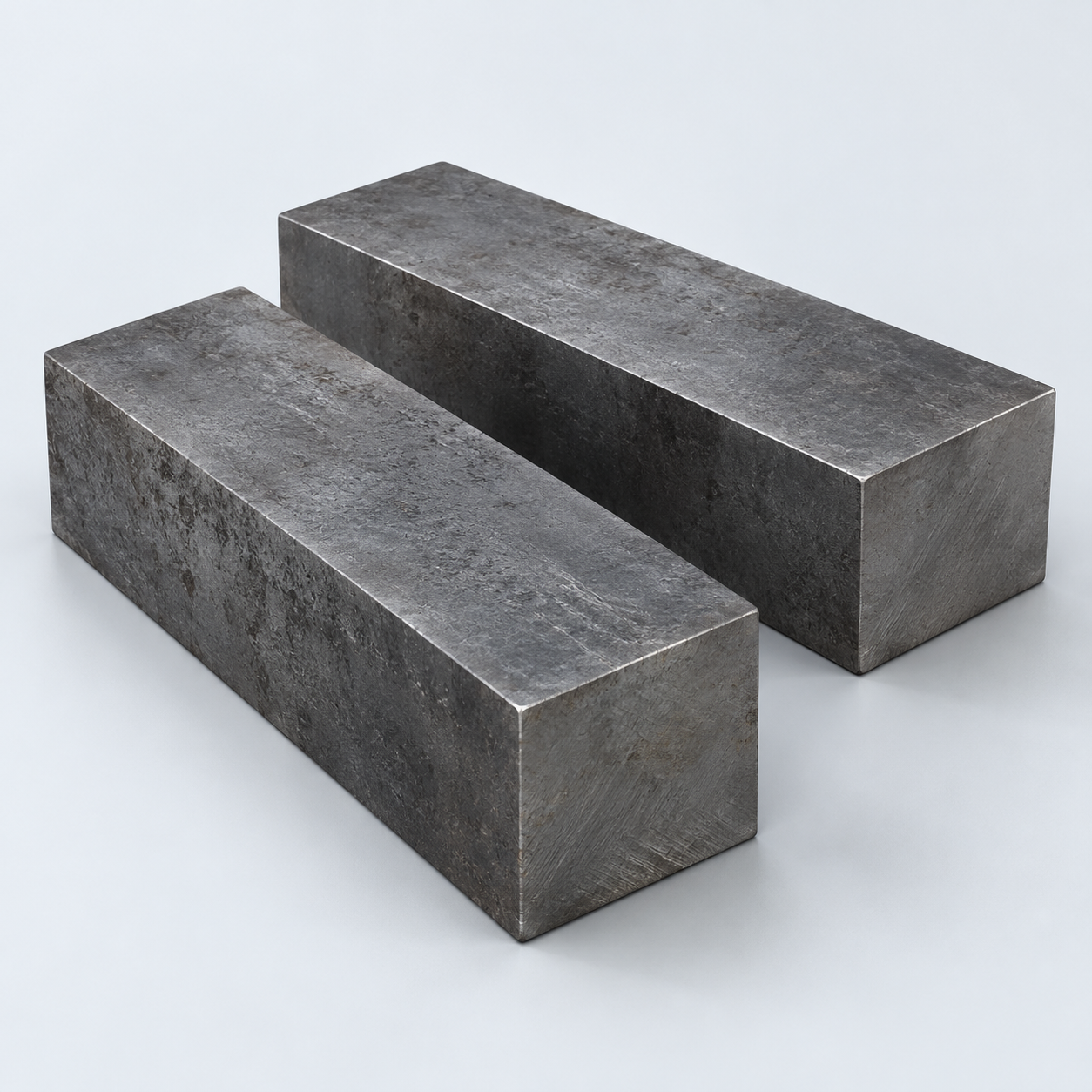 Tool SteelDiscuss tooling and wear needs›
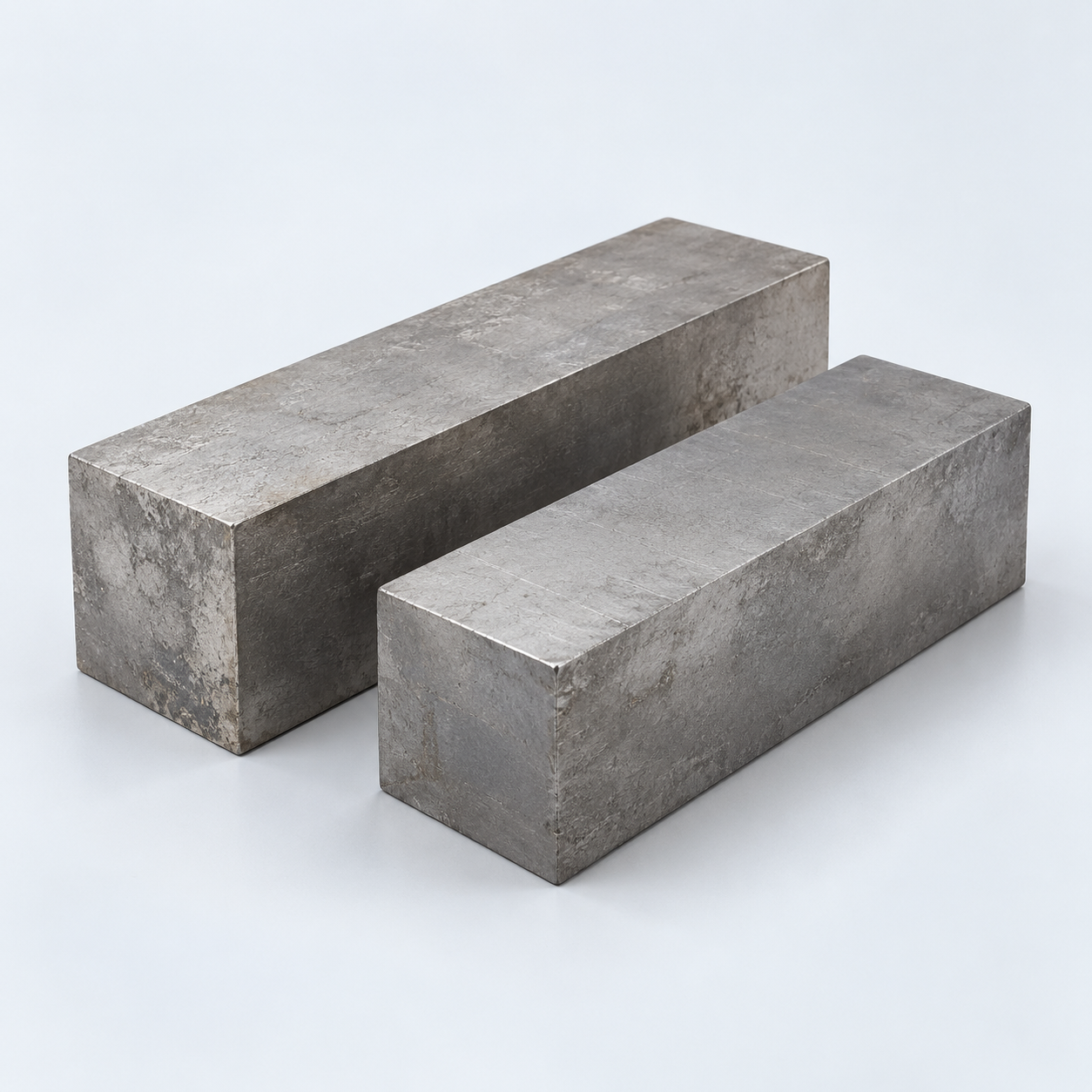 TitaniumReview grade and part geometry›
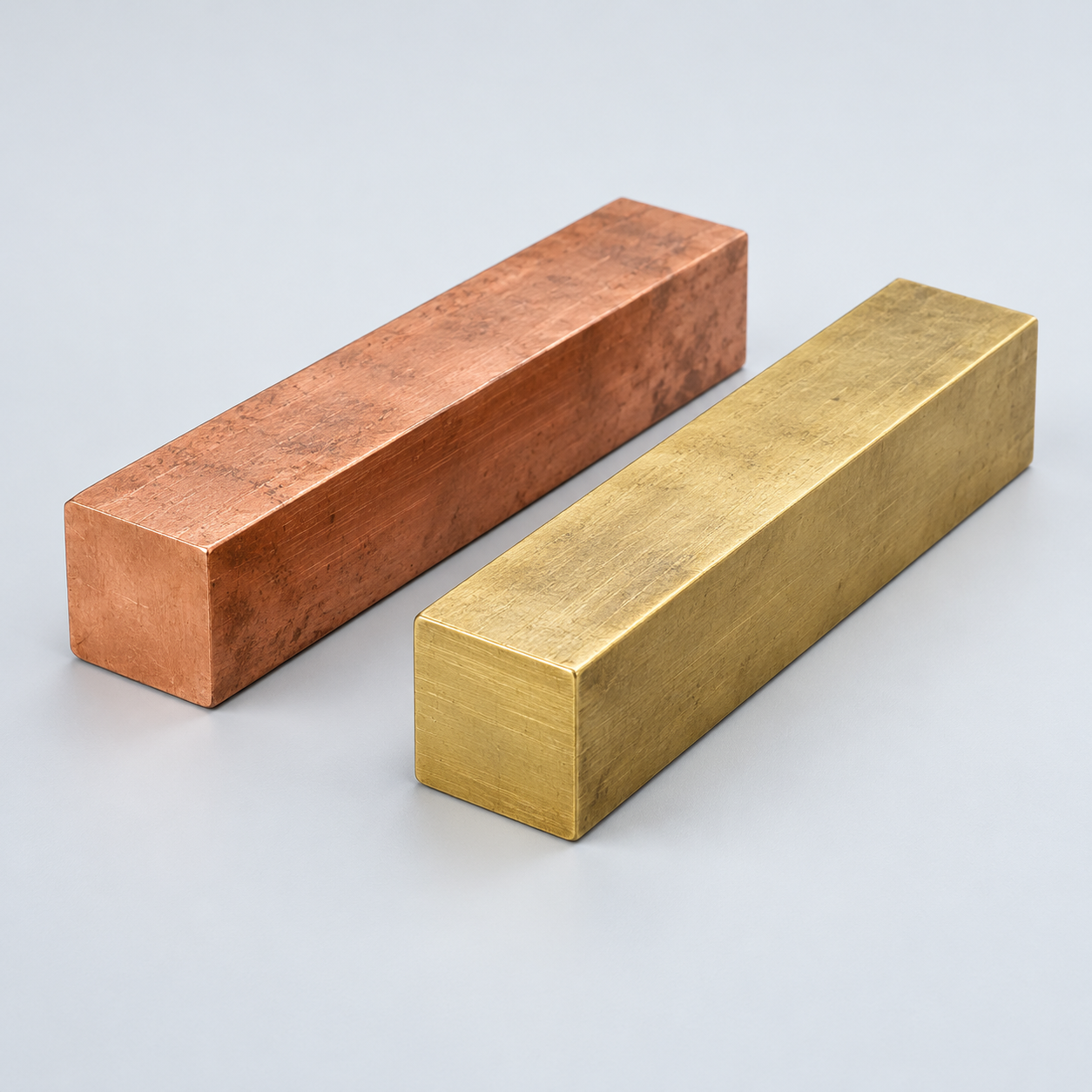 Copper & BrassDiscuss conductivity and machining›
Match your polymer to function, process and environment.
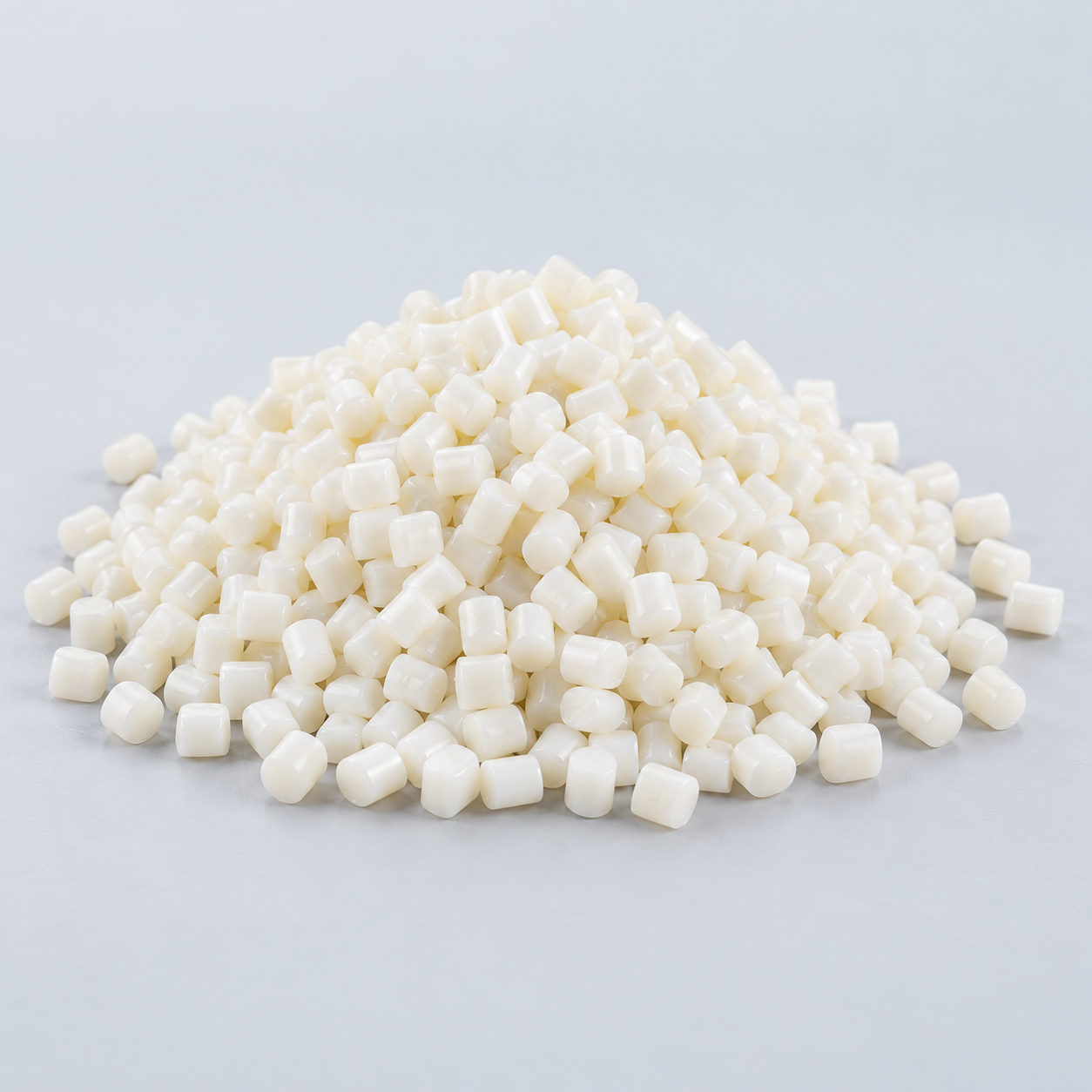 ABSReview enclosure and molding needs›
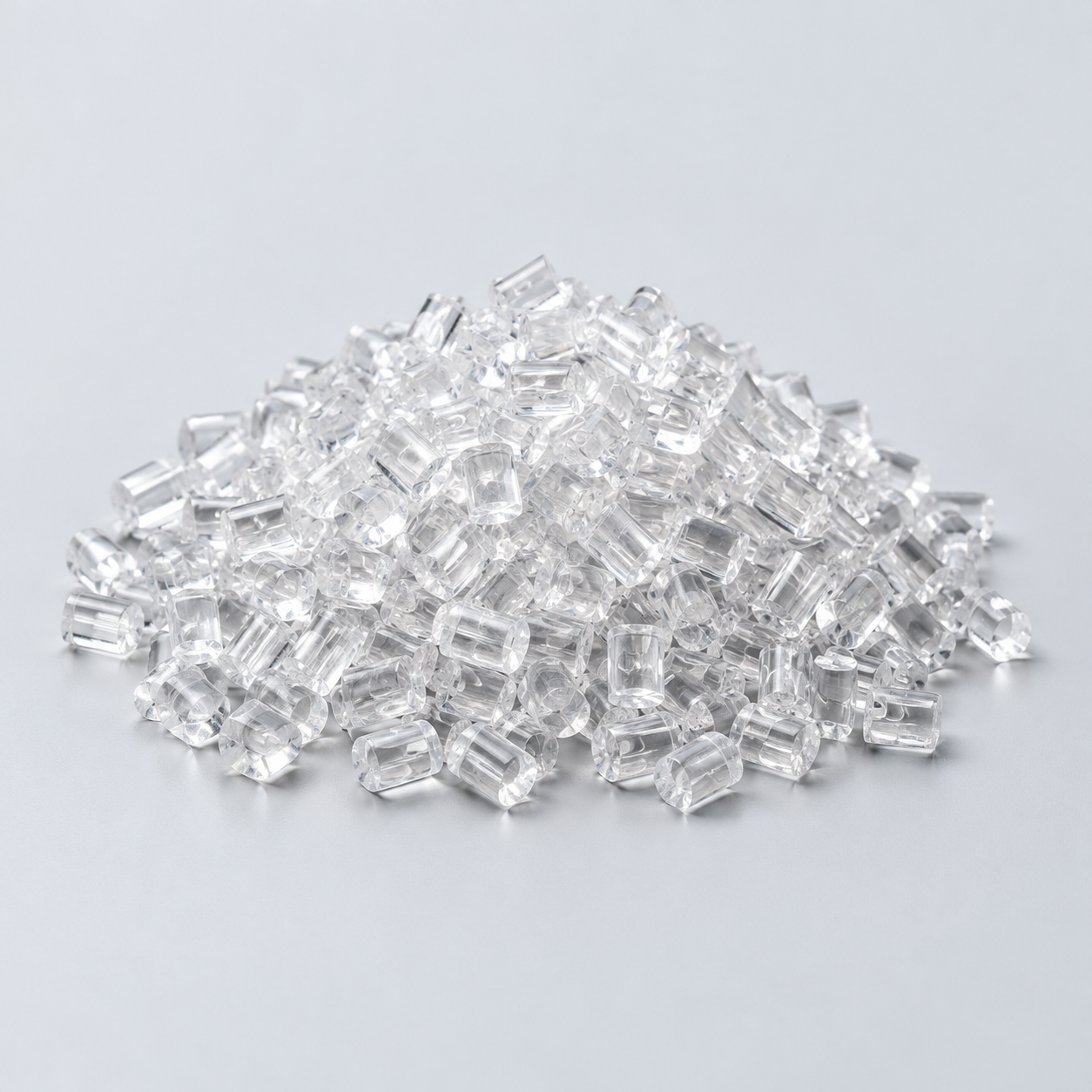 Polycarbonate (PC)Discuss clarity and impact needs›
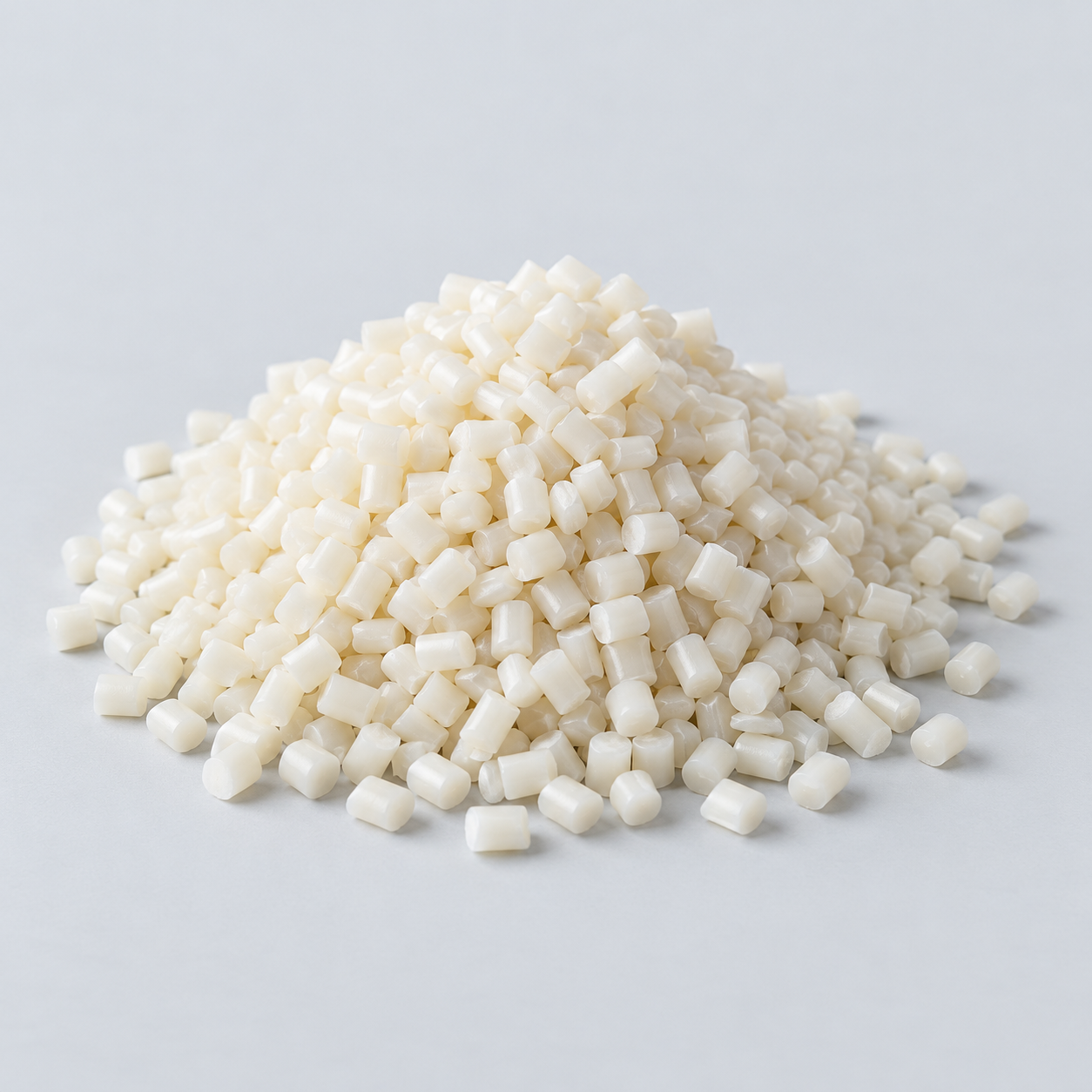 Nylon (PA)Review moisture and wear conditions›
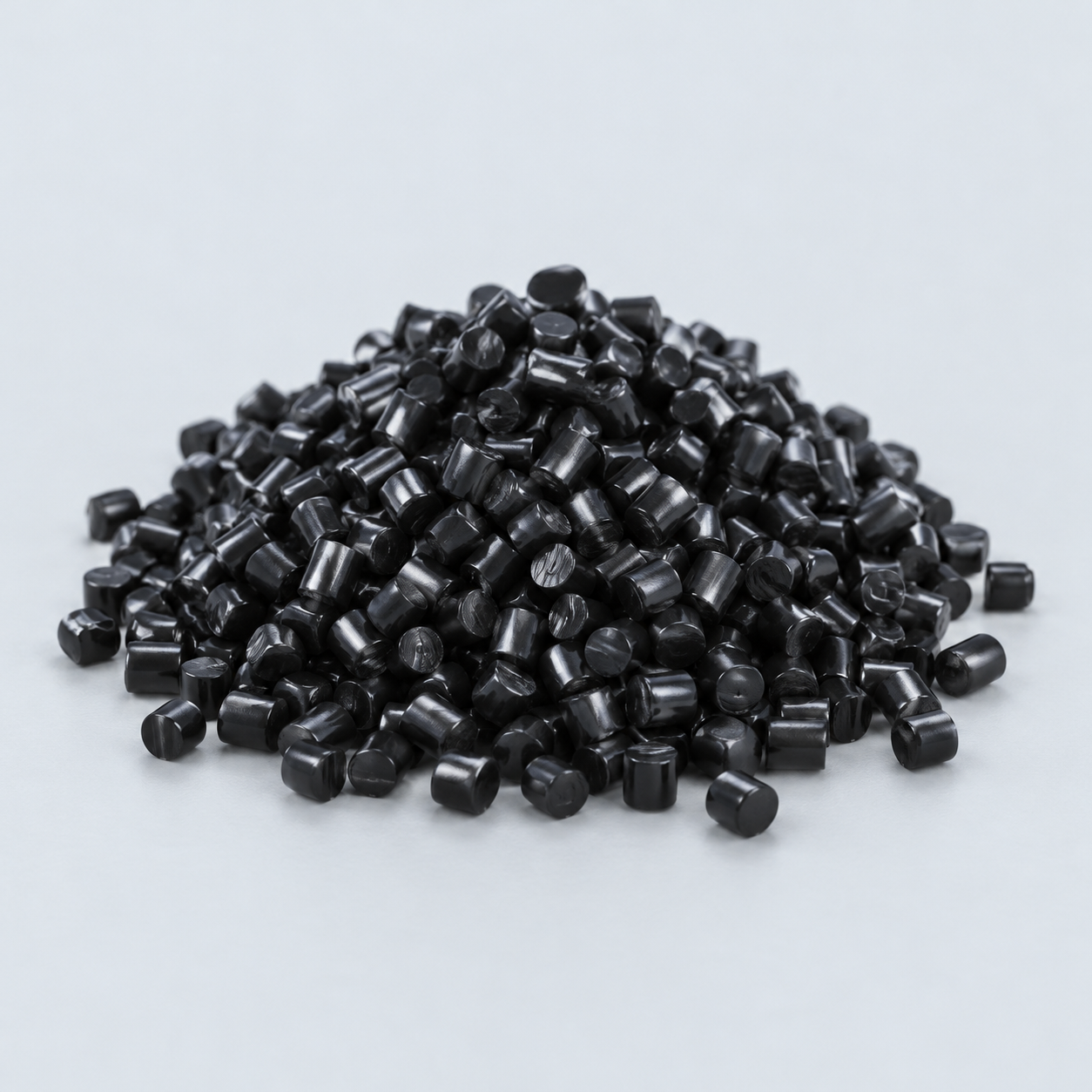 POM / AcetalReview fit and sliding features›
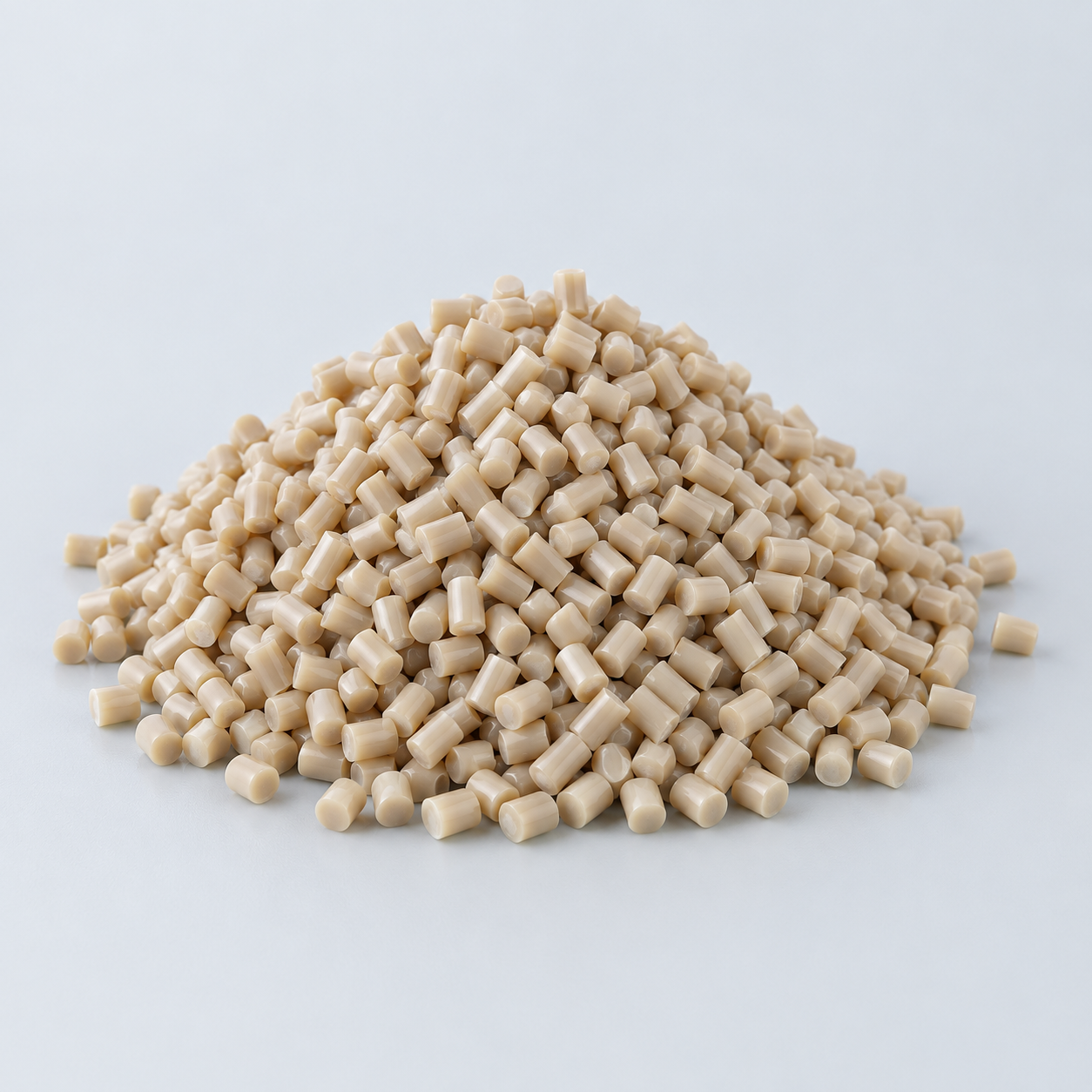 PEEKDiscuss operating conditions›
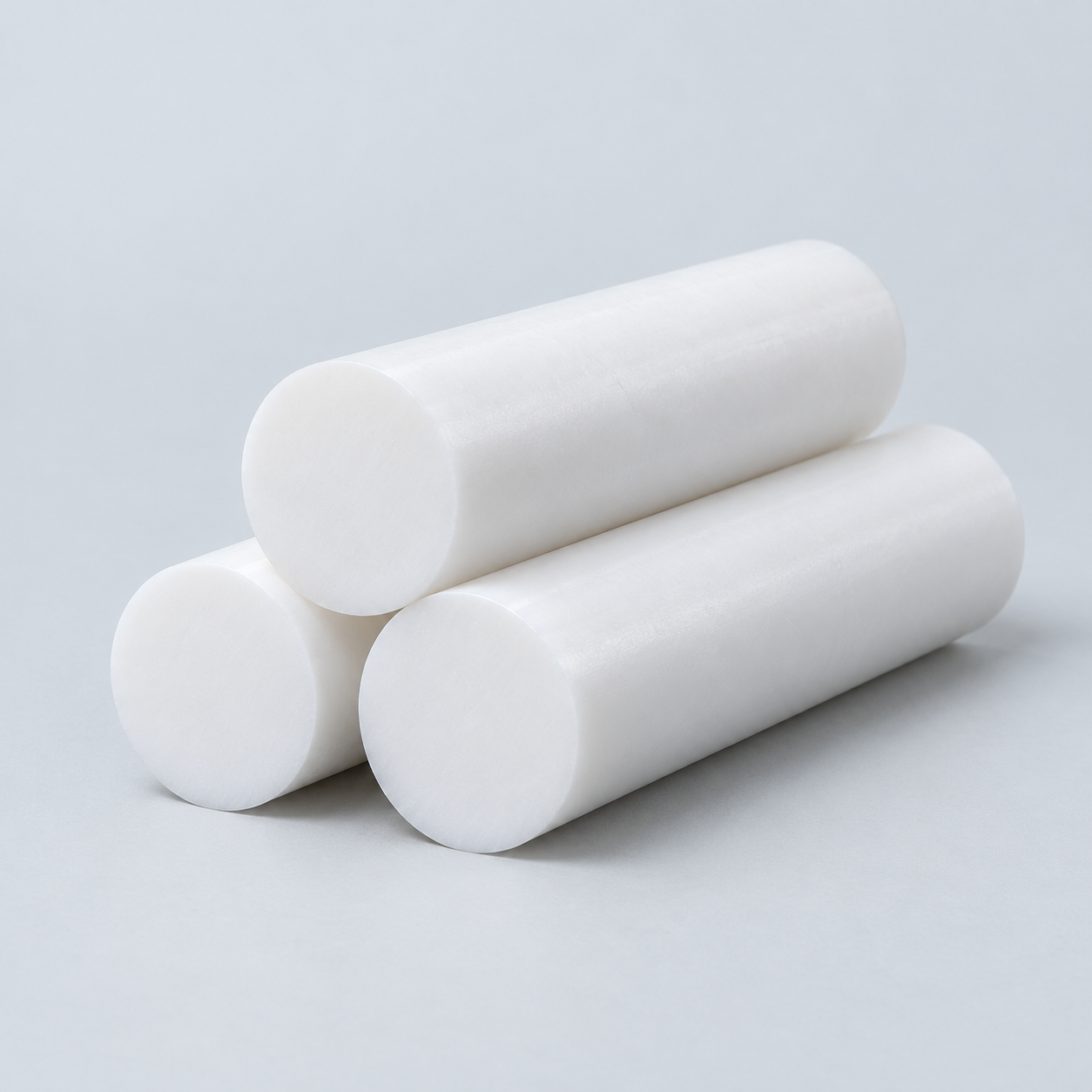 PTFEReview friction and chemical exposure›
 ULTEM / PEIDiscuss thermal and electrical needs›
Confirm grade availability and application requirements.
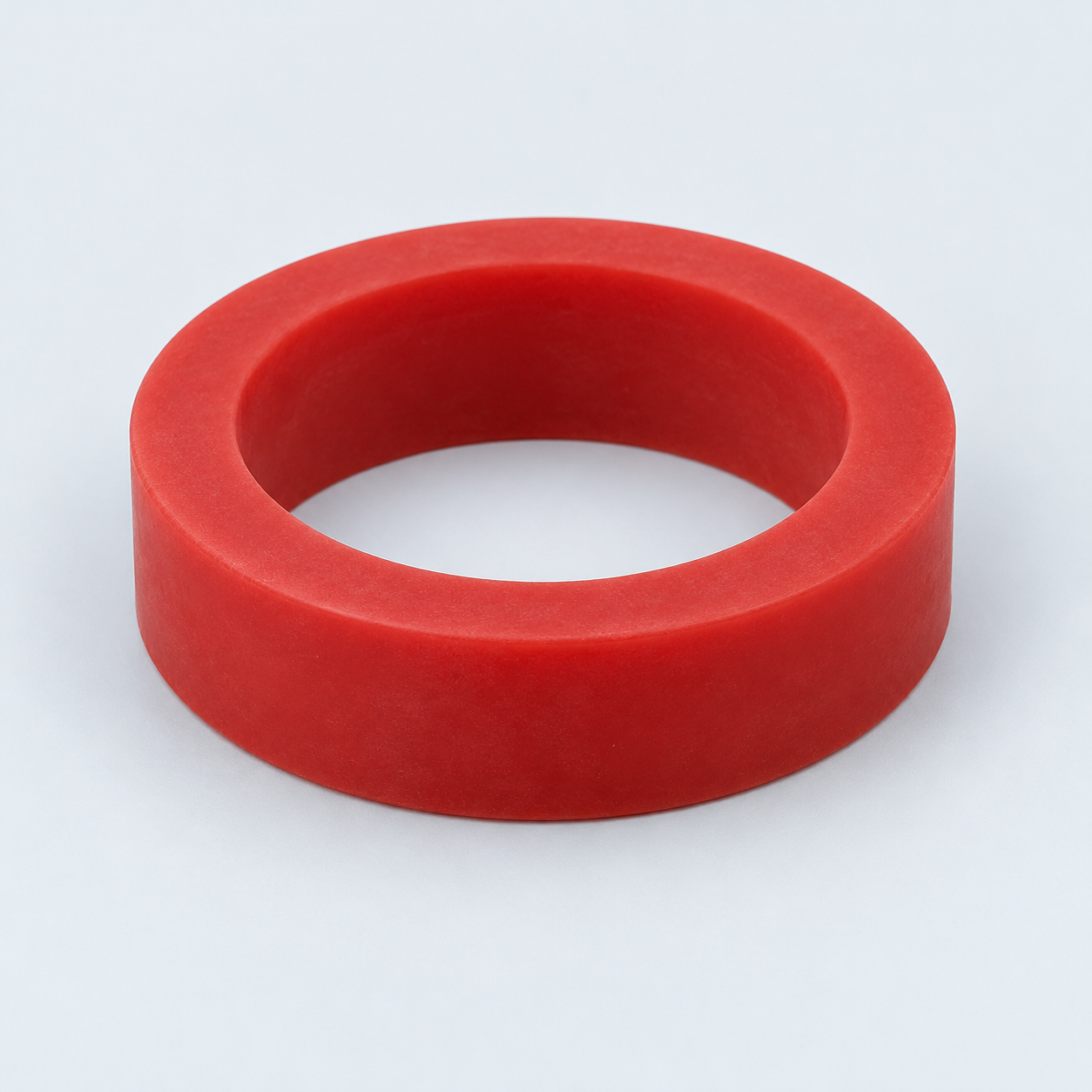 Silicone / LSRDiscuss flexible component needs›
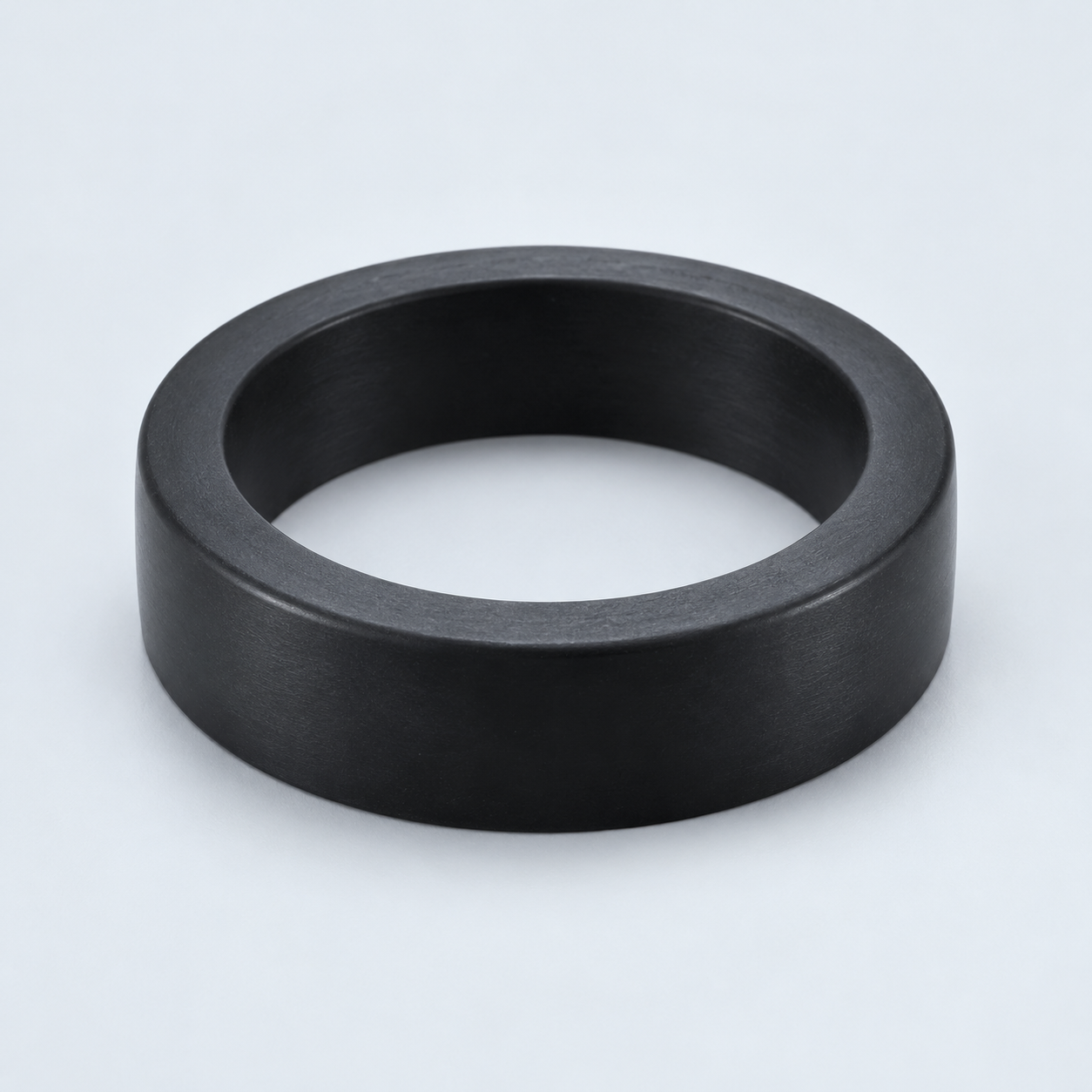 TPU / TPEReview flexibility and processing›
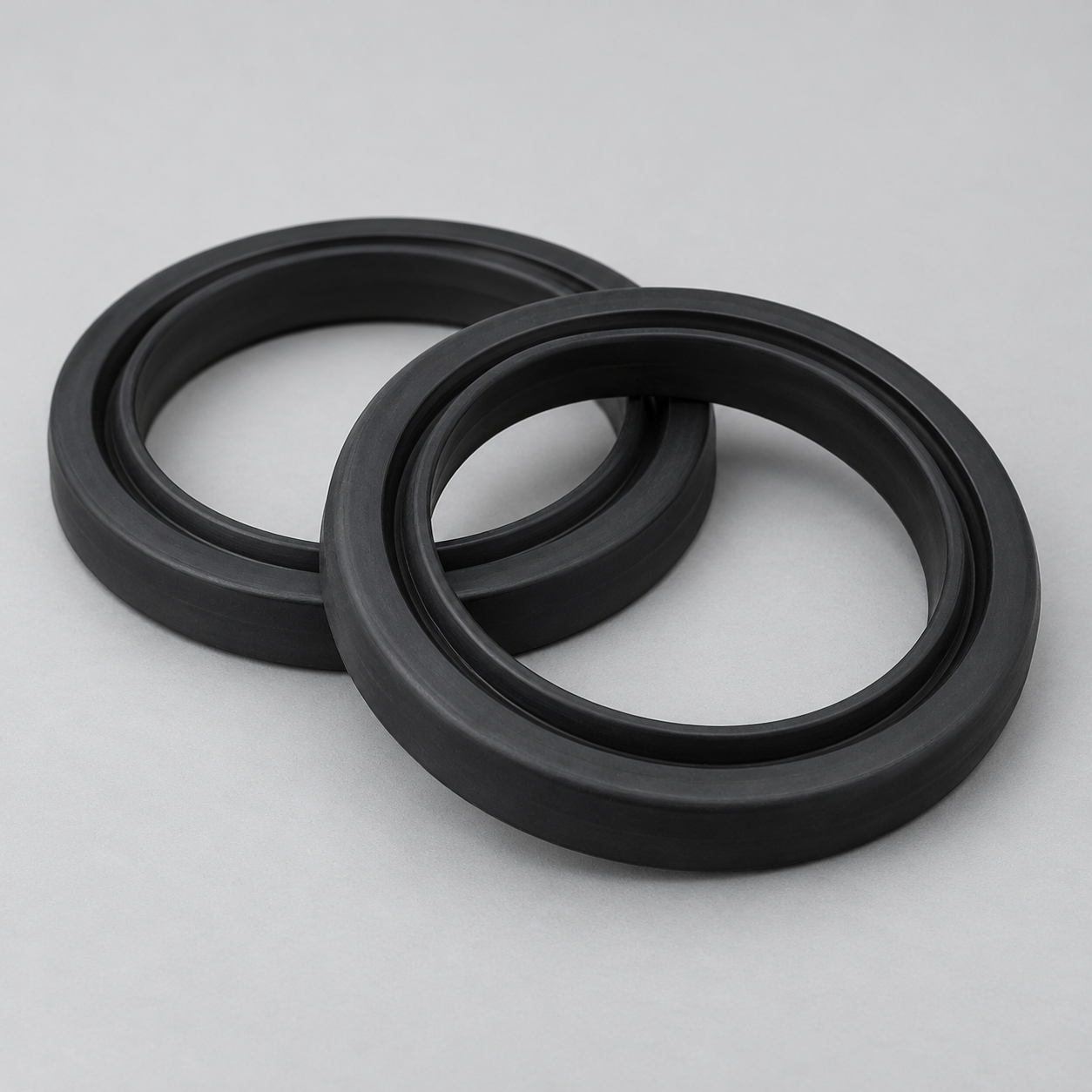 EPDMReview weathering and chemical exposure.›
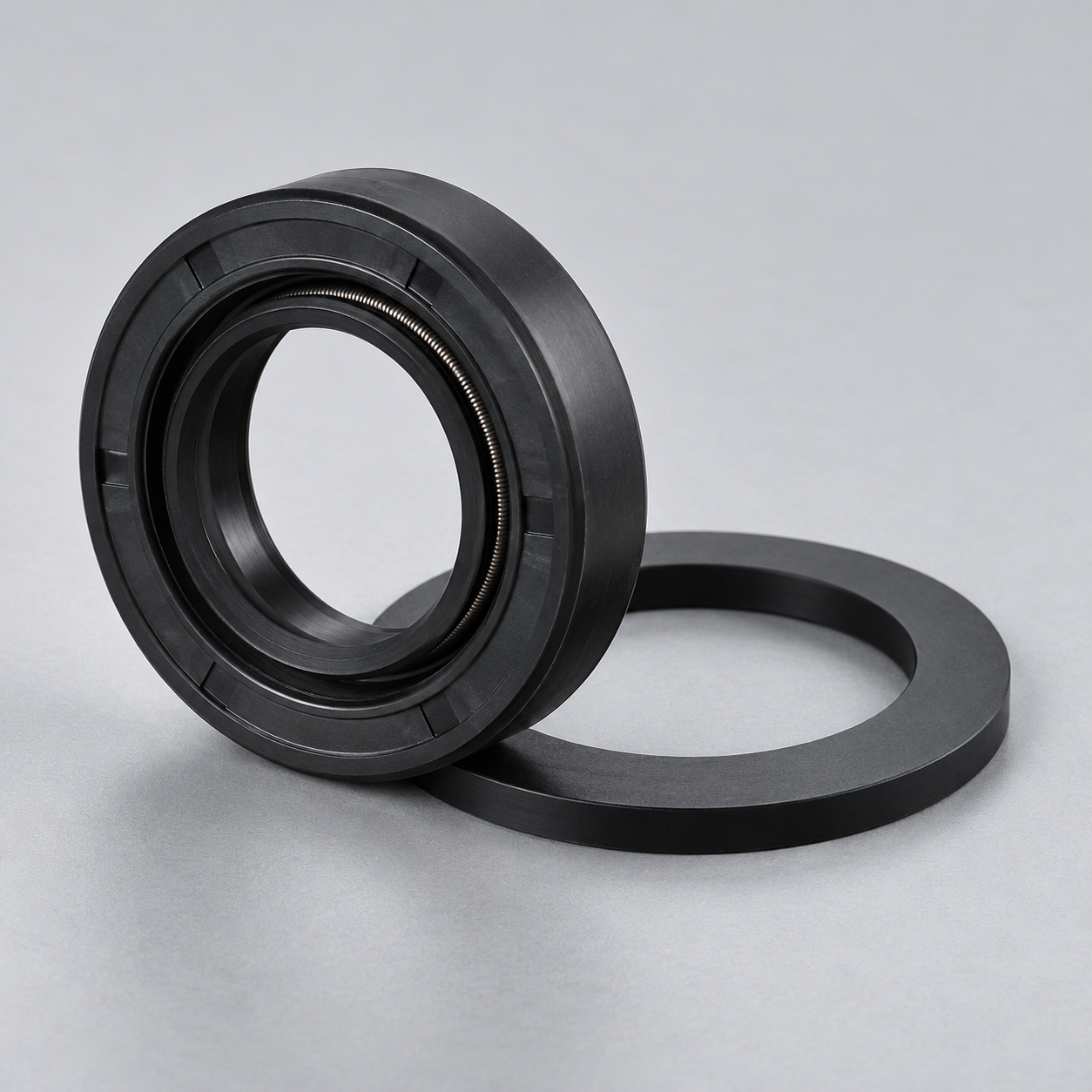 NBRReview oil and fuel exposure.›
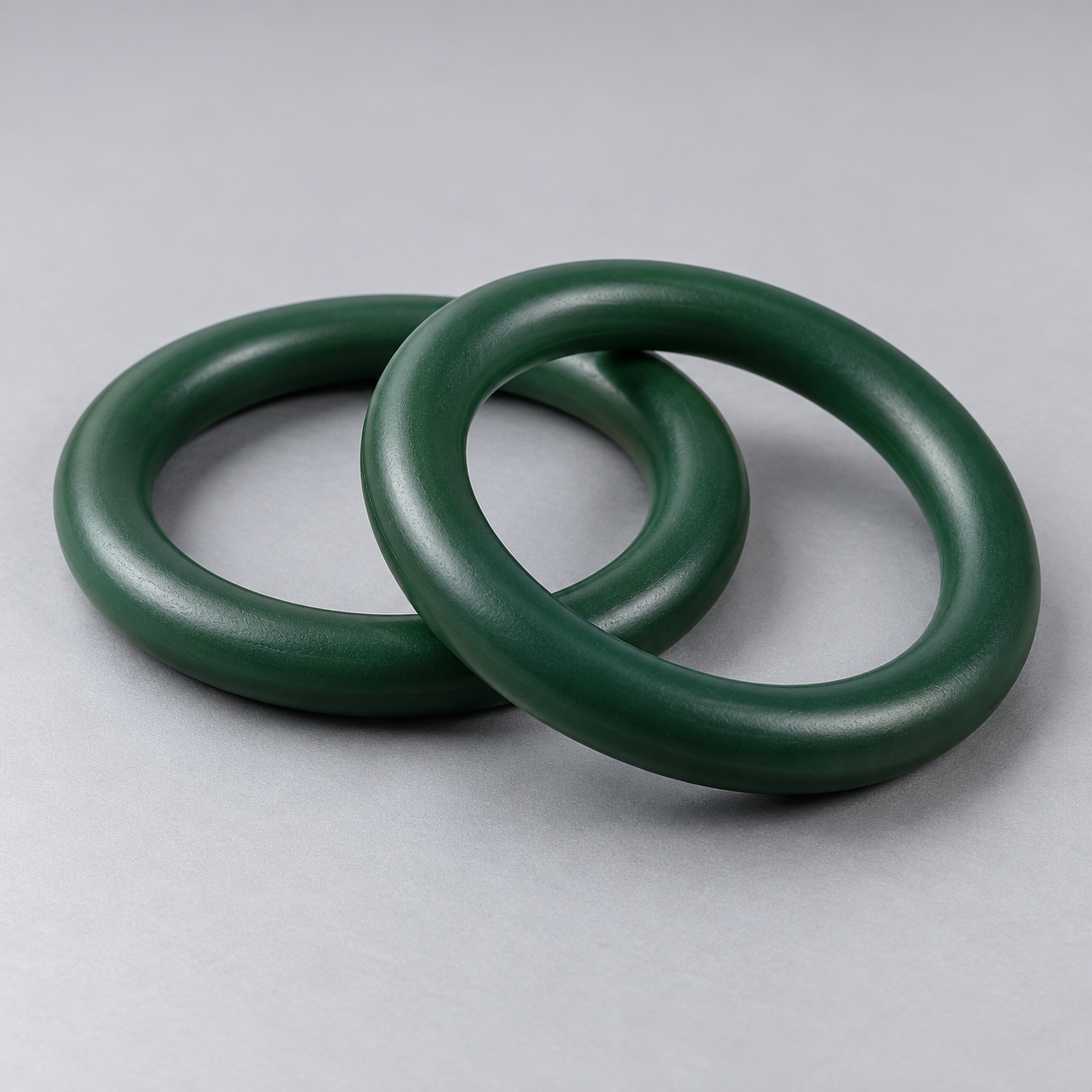 FKMReview temperature and chemical exposure.›
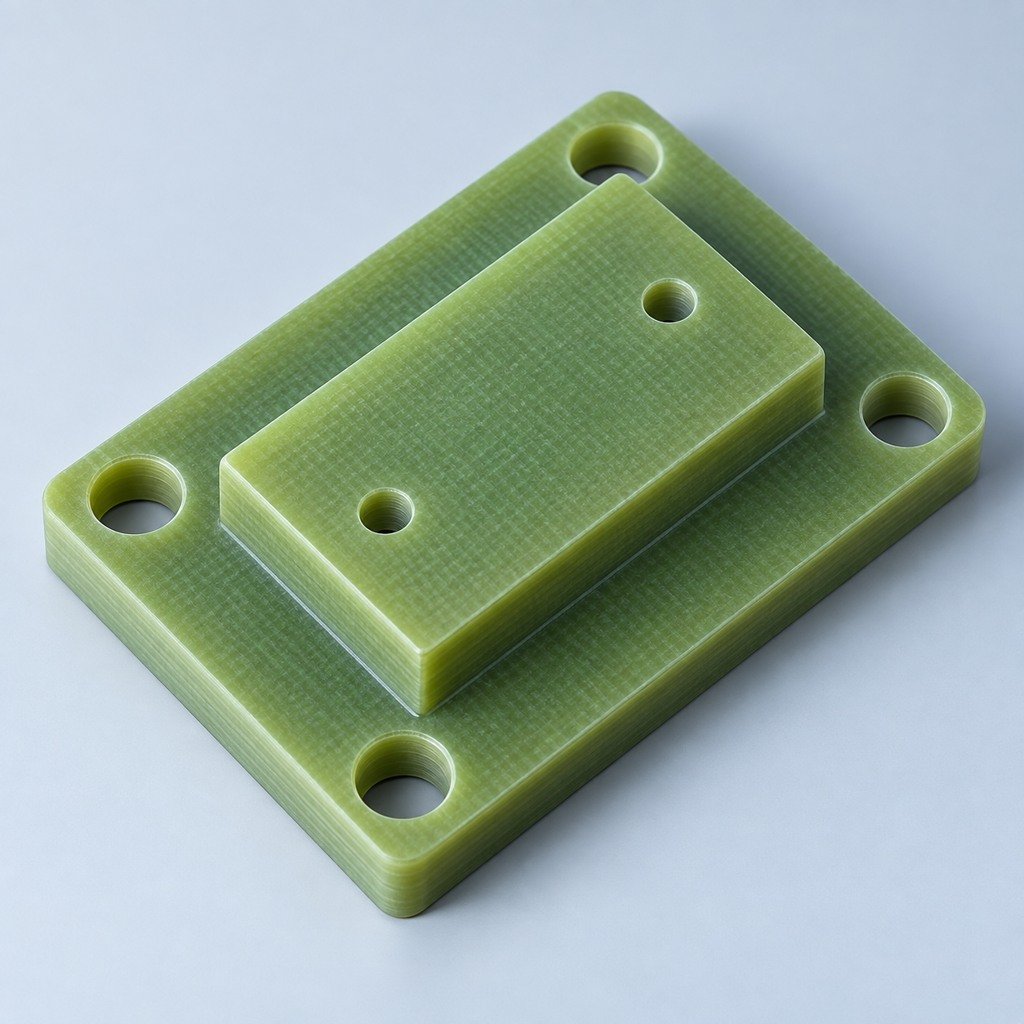 G10 / FR4Review insulation and laminate needs›
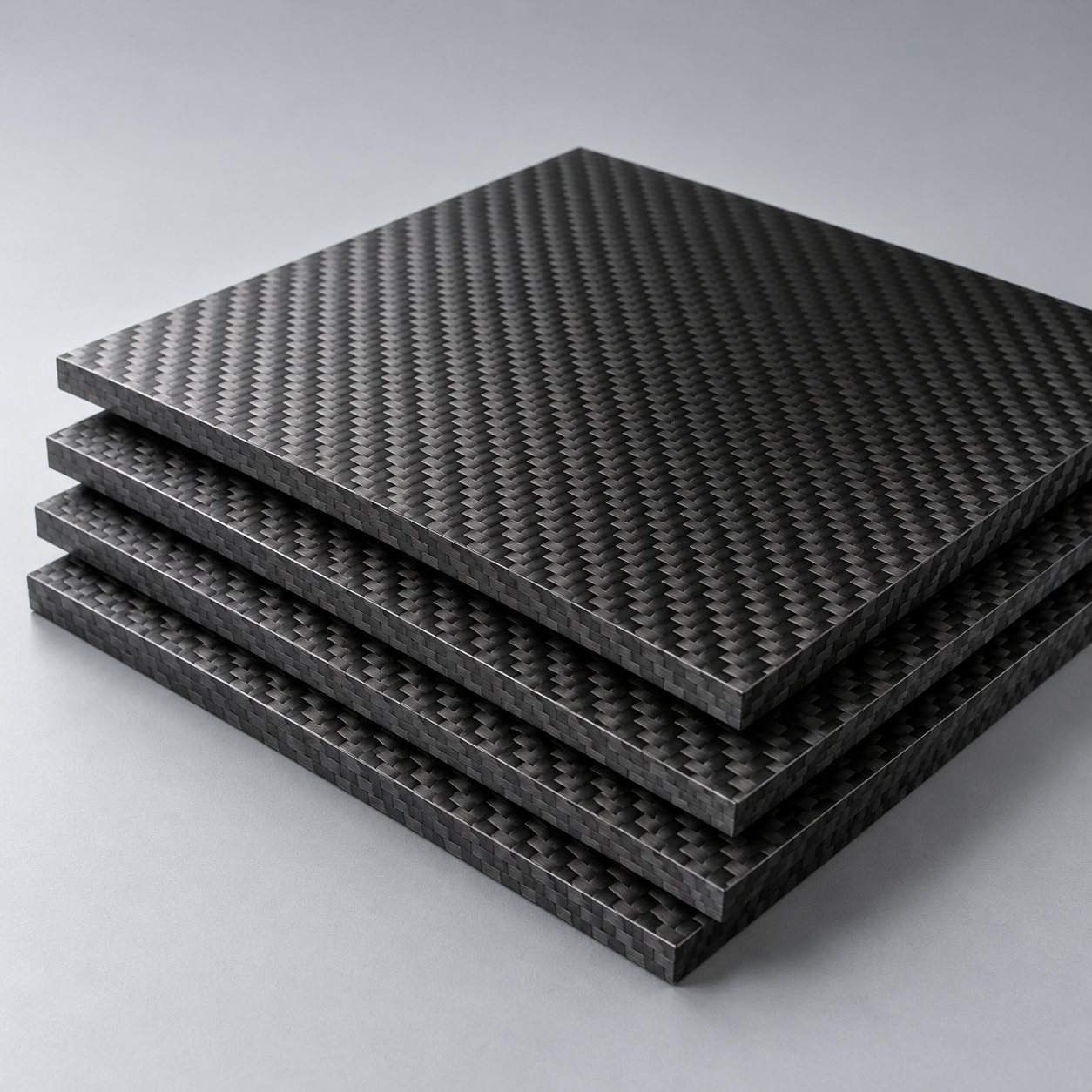 CompositesReview stiffness, weight and laminate.›Customer-Specified MaterialsConfirm your grade and requirements.›Other Specialty MaterialsDiscuss your application and grade.›
Practical guidance for your part geometry and material decisions.
Prepare your process, budget and sourcing questions.
Build your knowledge before production.
Learn who we are and how we operate.
Find our U.S. support team or start a conversation.
YOUR SURFACE. YOUR THREADS. YOUR FINISHED FIT.
Plan your abrasive finish around the material, visible surfaces and working interfaces on your drawing. Define the media, protected threads, cleanliness and sample acceptance before your parts are blasted.
Start with 1 controlled drawing + material, incoming surface and quantity. Actual abrasive, method and finishing scope are confirmed for your project.
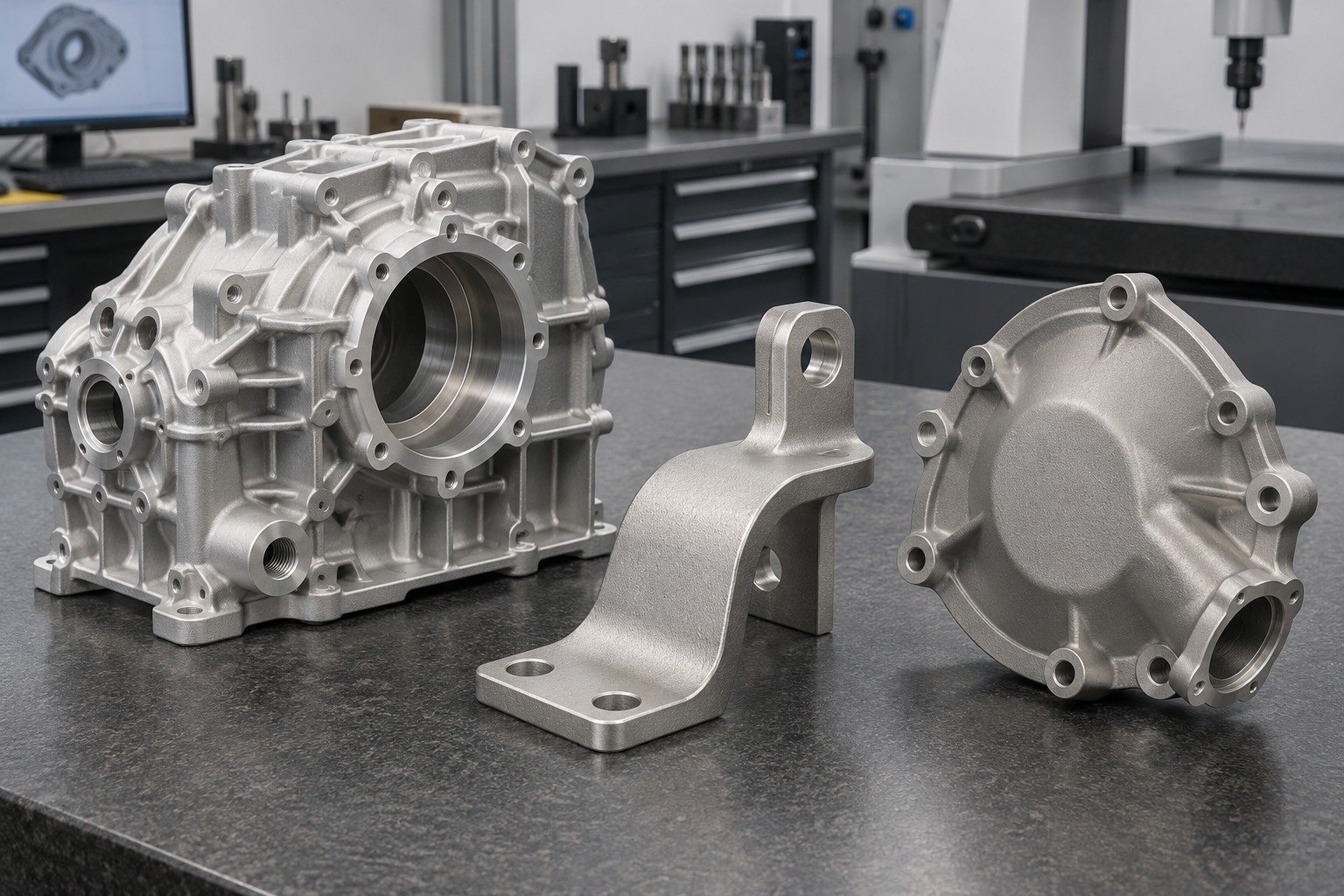
Confirm substrate and starting finish
Agree the abrasive and process
Mark your unblasted interfaces
Review texture, fit and cleanliness
Dallas-area project support
Define your finished surface and the features that must keep their assembly function.
Alloy, hardness and incoming condition.
Purpose, visible faces and approved sample.
Material, size system and suitable process.
Protected threads, bores and sealing faces.
Texture, cleanliness, fit and next operation.
Industrial sandblasting services cover different abrasive and media routes. Select your part, then agree the actual process rather than using sandblasting as an unspecified finish.
For sandblasting machined parts, separate cosmetic surfaces from bores, sealing faces and locating datums.
| Your function | Bores, seal seats, mounting pads and external appearance. |
|---|---|
| Your condition | Alloy, machining state and required texture. |
| Your order | Trial quantity, first order, repeat demand and packing. |
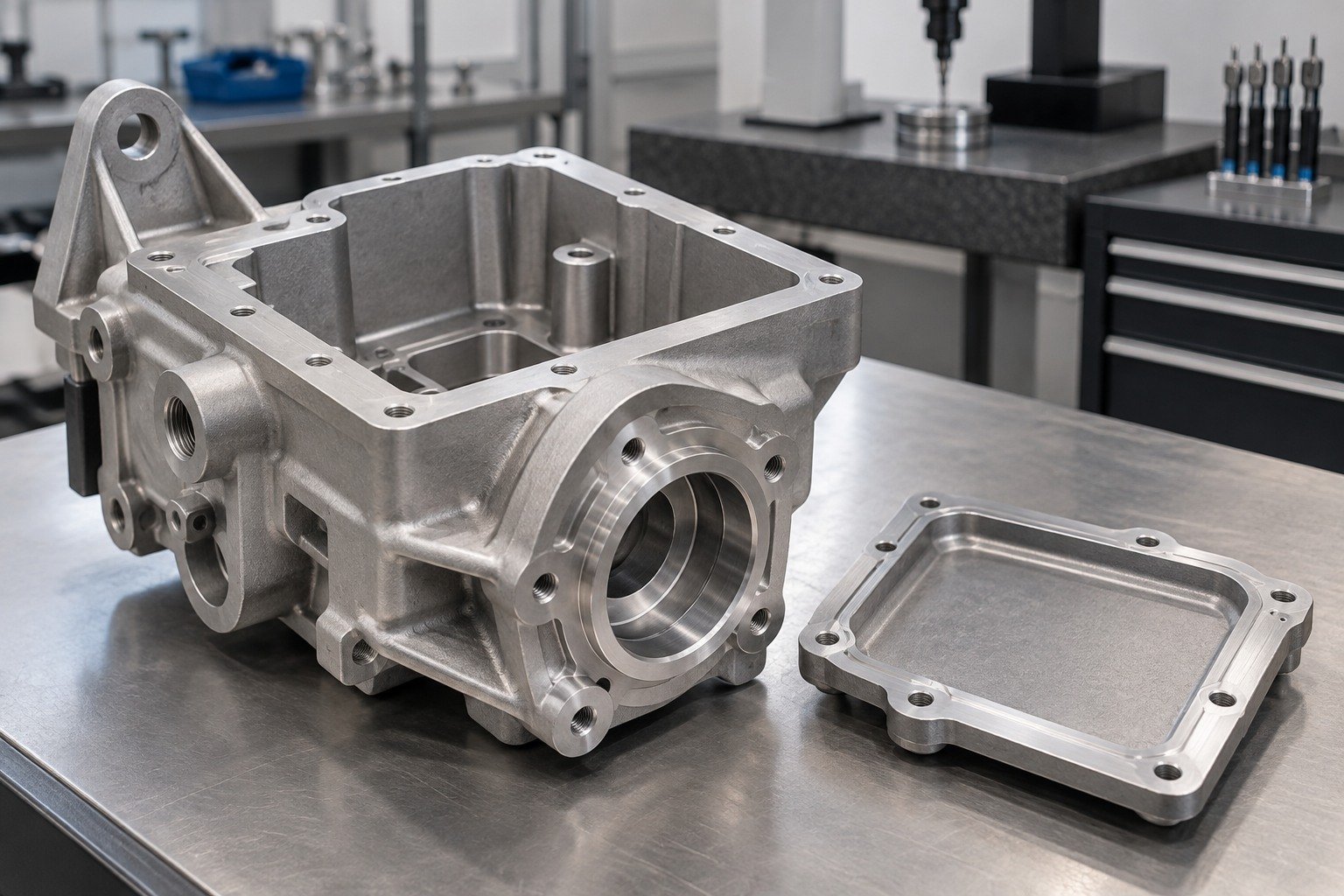
Select media compatible with the actual alloy and next finish. Review surface texture on a representative machined sample rather than assuming all media blasting produces the same result.
| Your substrate | Actual alloy, hardness, previous coatings and surface condition. |
|---|---|
| Your system | Abrasive material, grade system and actual process. |
| Your evidence | Representative texture sample, protected fit and cleanliness. |
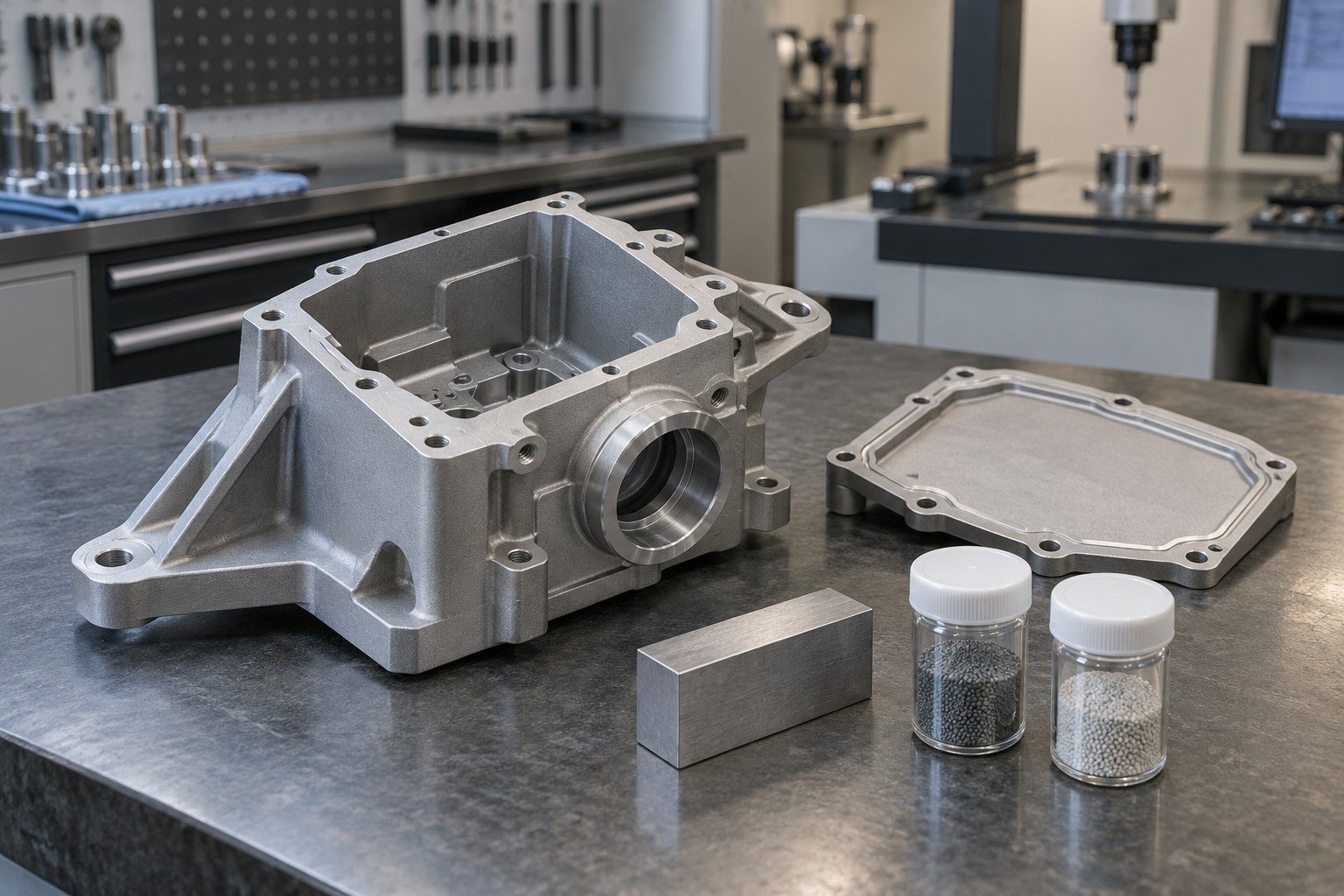
Mark your unblasted interfaces, boundary dimensions and sensitive edges. Agree protection compatible with the selected process, and inspect it before blasting.
| Your drawing | Bores, seal seats, mounting pads and external appearance. |
|---|---|
| Your boundaries | Threads, bores, sealing faces and defined mask boundaries. |
| Your agreement | Secure protection before blasting, clean after removal and verify fit. |
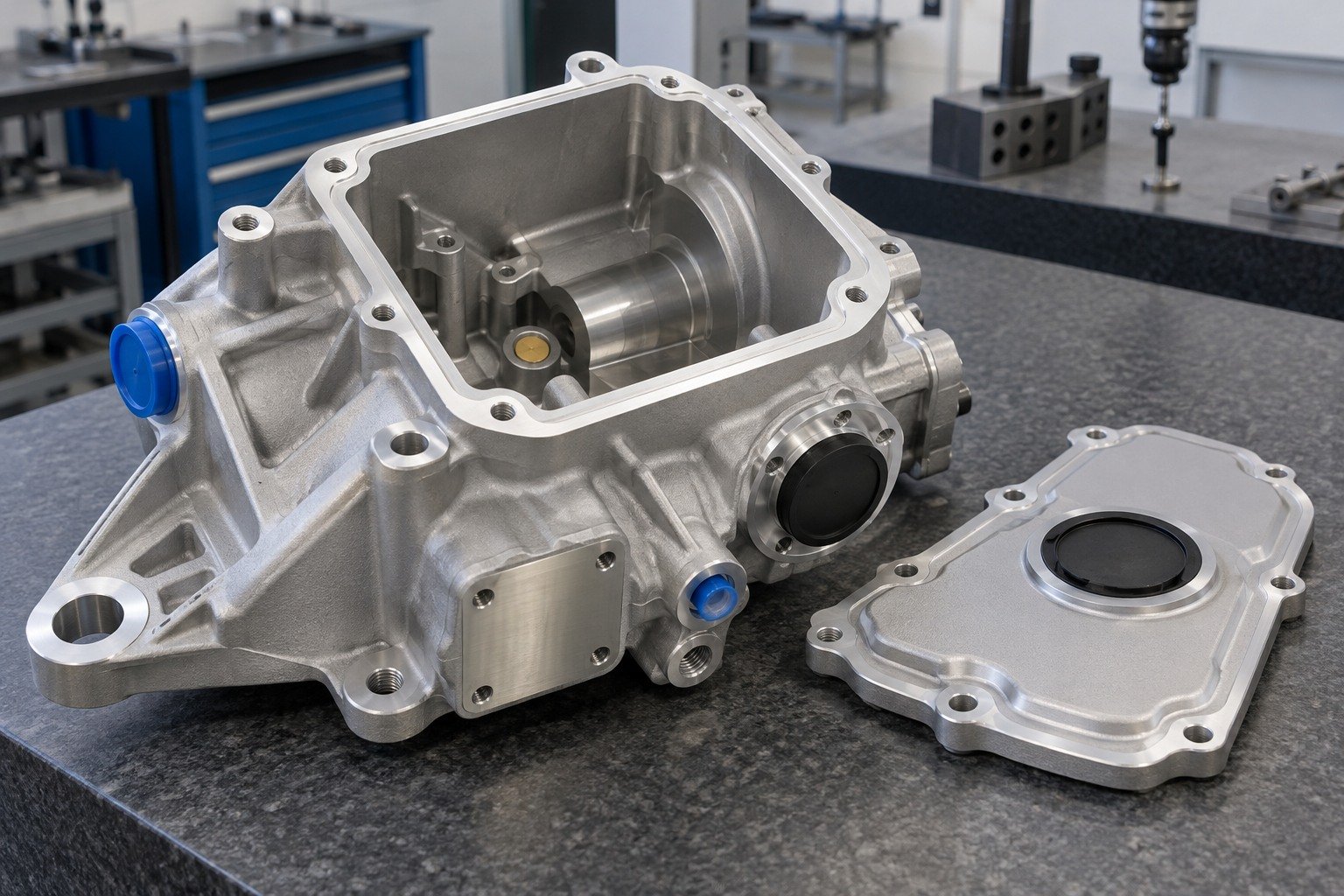
Approve your representative finished sample for texture, critical fit and cleanliness. Specify any required measurement, records and protective packing.
| Your final fit | Bores, seal seats, mounting pads and external appearance. |
|---|---|
| Your condition | Alloy, machining state and required texture. |
| Your records | Drawing revision, media requirement, protected features and release evidence. |
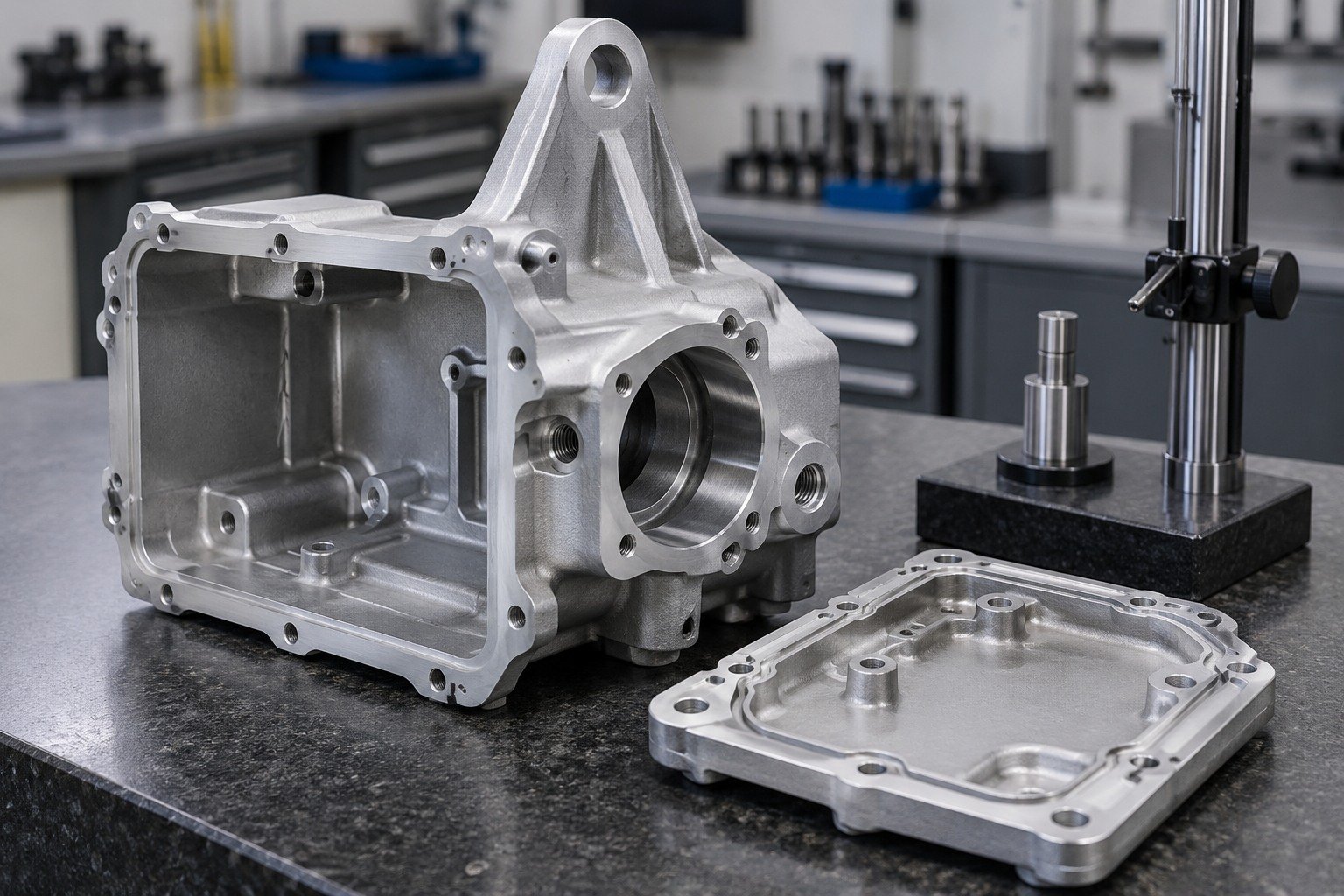
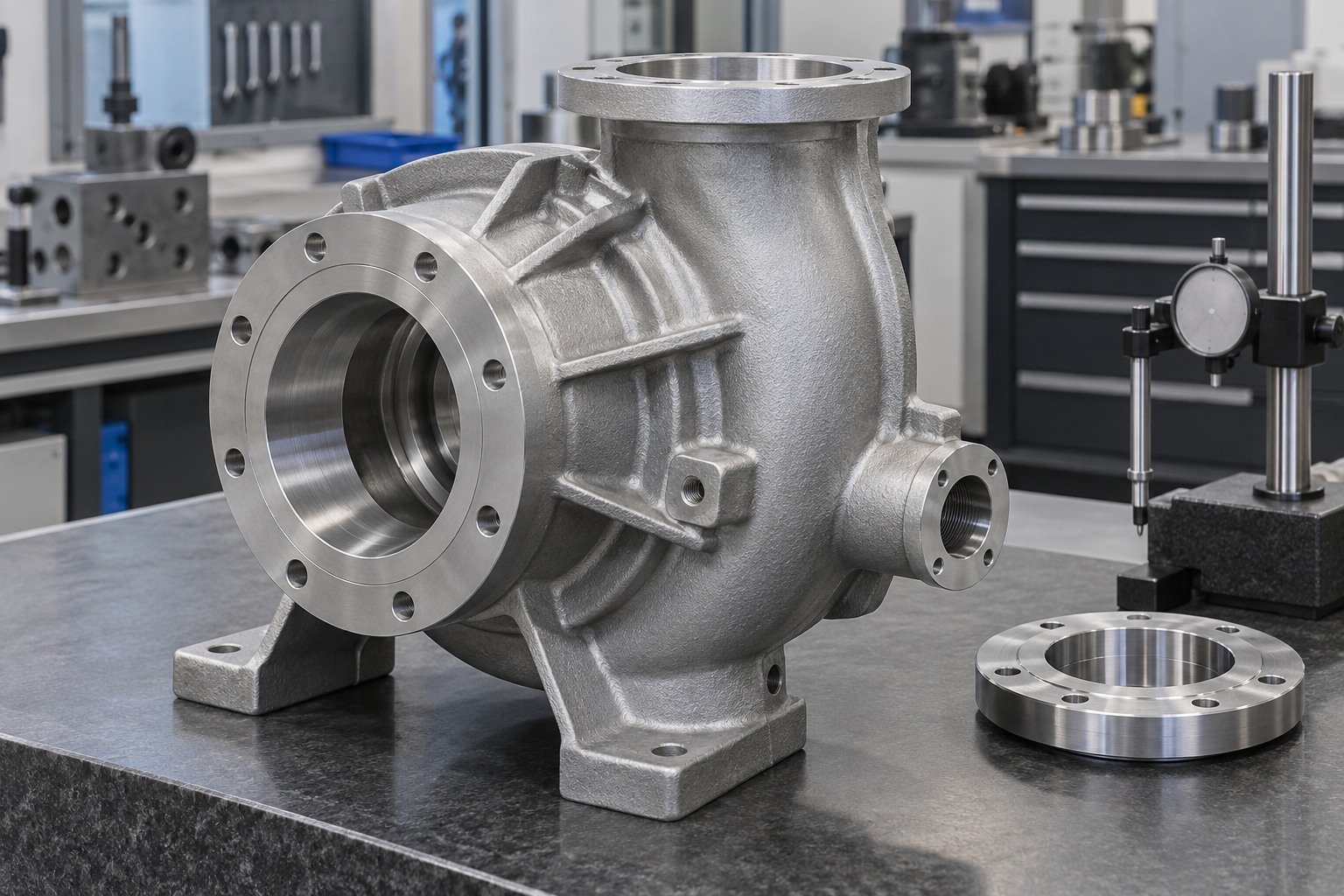
For sandblasting castings, disclose the alloy, existing skin, pores and any dimensional limits before choosing the treatment.
| Your function | Casting skin, ports, datums and machined interfaces. |
|---|---|
| Your condition | Alloy, existing defects and permitted material removal. |
| Your order | Trial quantity, first order, repeat demand and packing. |
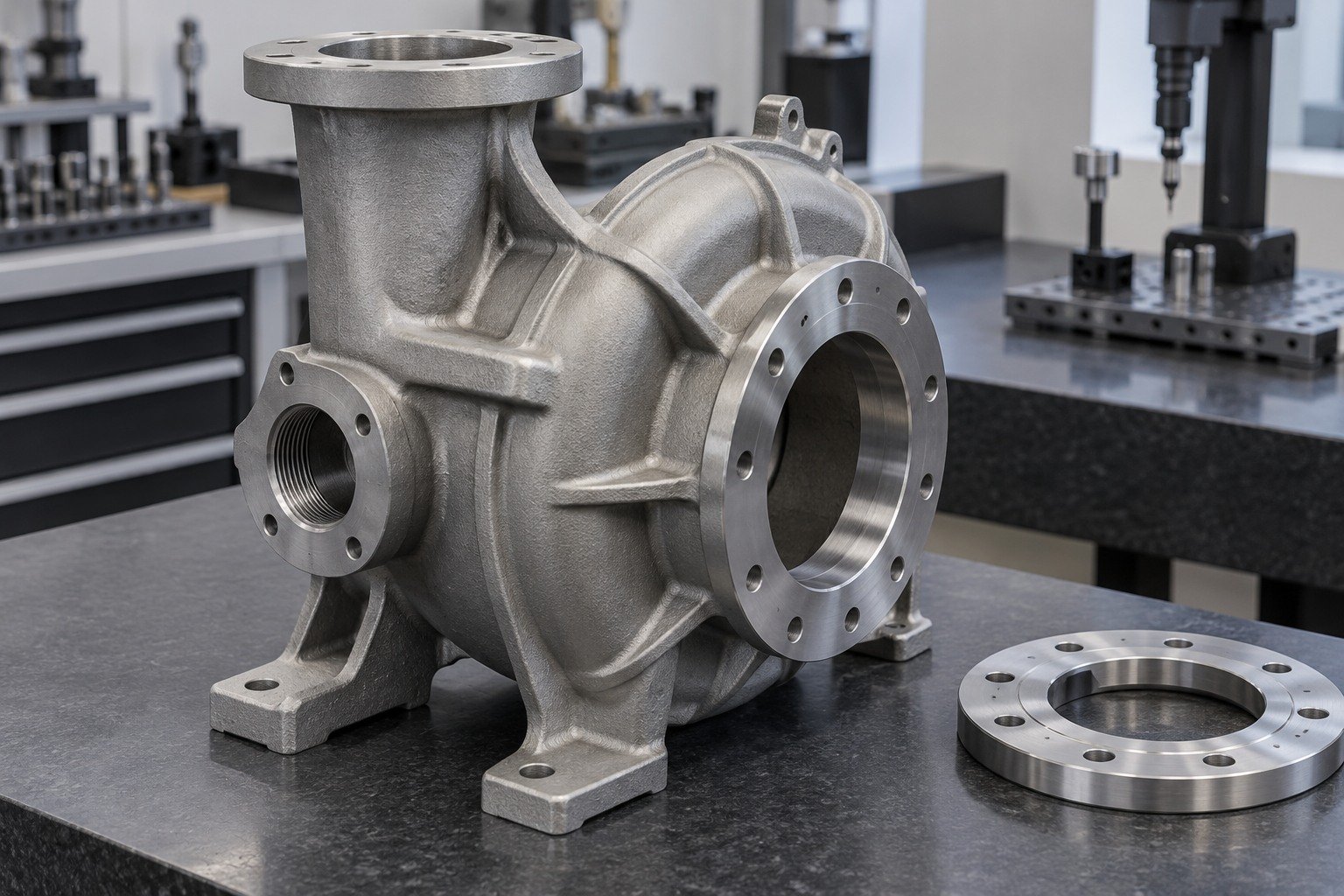
Review casting condition and the cleaning or texturing objective together. Blasting does not repair casting defects or prove internal soundness.
| Your substrate | Actual alloy, hardness, previous coatings and surface condition. |
|---|---|
| Your system | Abrasive material, grade system and actual process. |
| Your evidence | Representative texture sample, protected fit and cleanliness. |
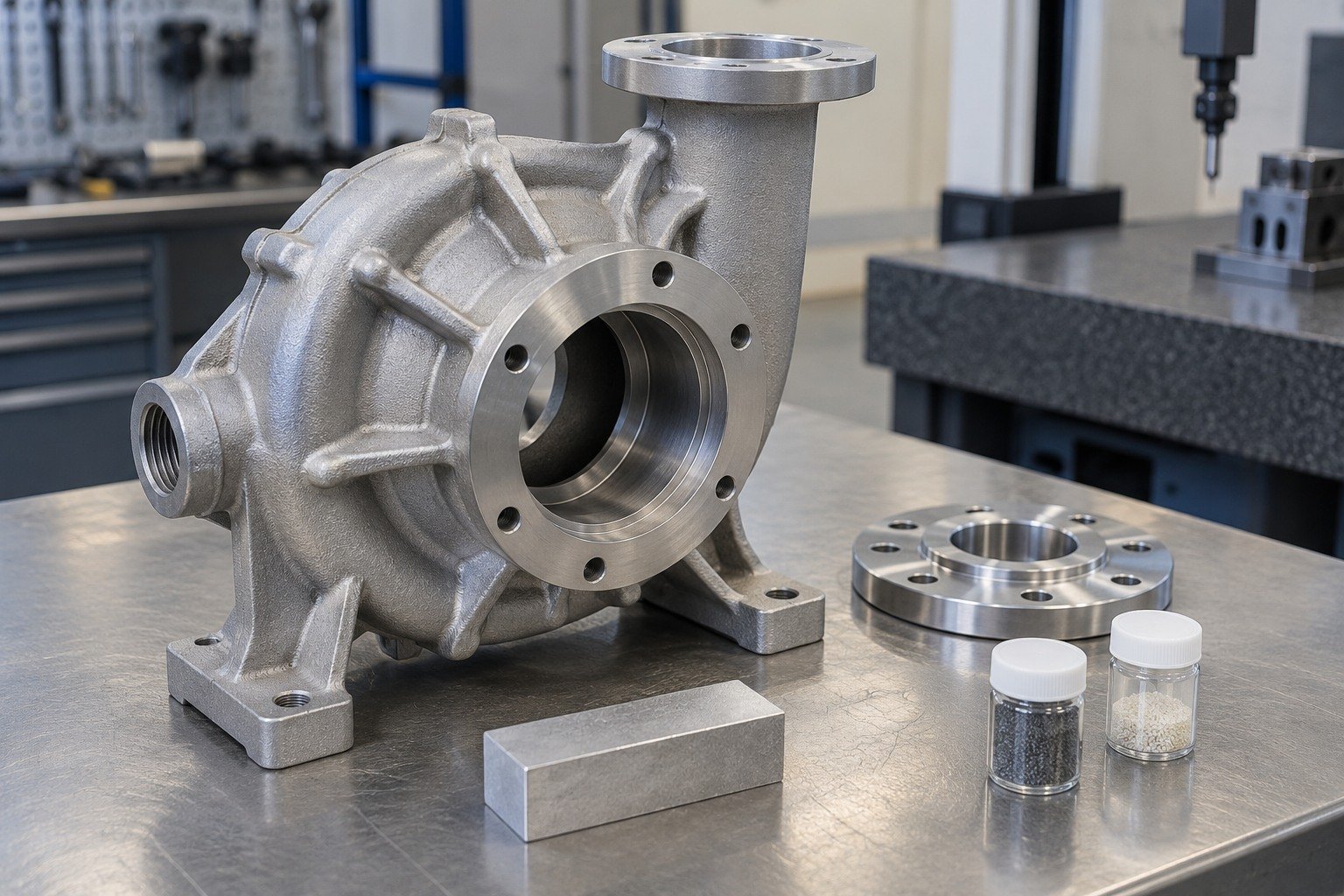
Mark your unblasted interfaces, boundary dimensions and sensitive edges. Agree protection compatible with the selected process, and inspect it before blasting.
| Your drawing | Casting skin, ports, datums and machined interfaces. |
|---|---|
| Your boundaries | Threads, bores, sealing faces and defined mask boundaries. |
| Your agreement | Secure protection before blasting, clean after removal and verify fit. |
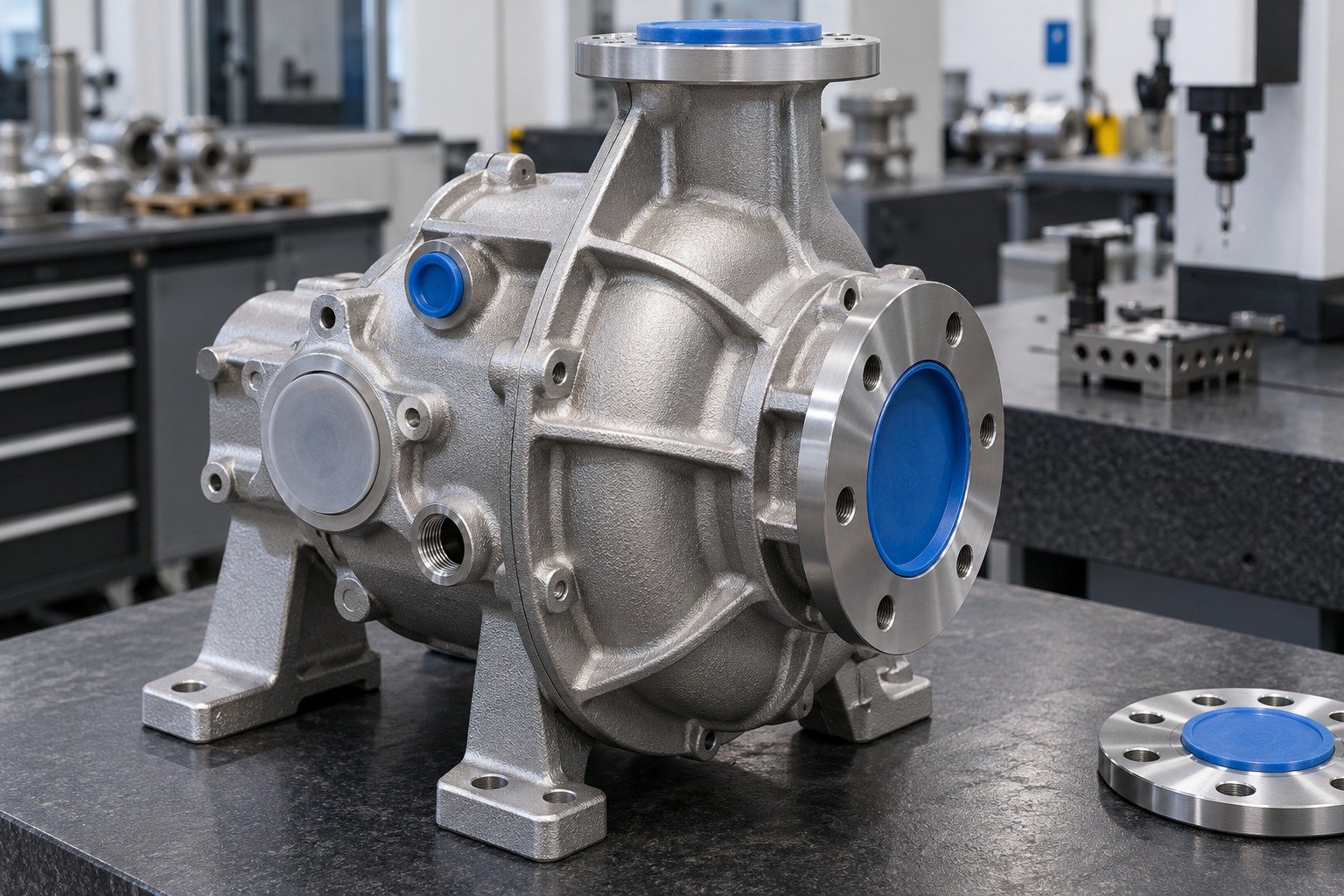
Approve your representative finished sample for texture, critical fit and cleanliness. Specify any required measurement, records and protective packing.
| Your final fit | Casting skin, ports, datums and machined interfaces. |
|---|---|
| Your condition | Alloy, existing defects and permitted material removal. |
| Your records | Drawing revision, media requirement, protected features and release evidence. |
For sandblasting sheet metal, review wall stiffness, large flat areas, cut edges and the finish required after forming or welding.
| Your function | Thin panels, formed corners, visible faces and edge condition. |
|---|---|
| Your condition | Sheet grade, thickness and distortion sensitivity. |
| Your order | Trial quantity, first order, repeat demand and packing. |
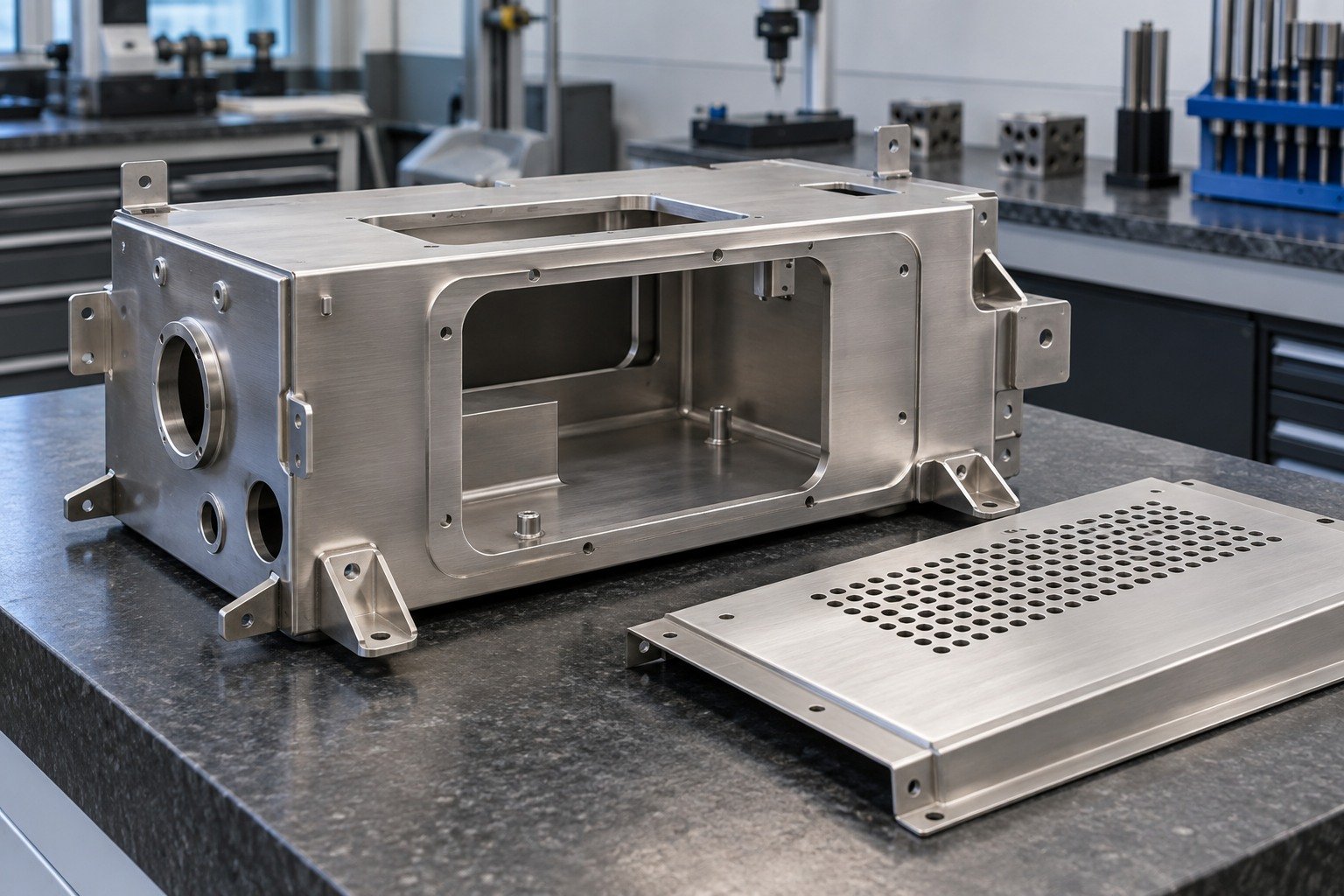
Select the abrasive route around panel stiffness and desired surface. Agree support, representative trials and any downstream coating requirements.
| Your substrate | Actual alloy, hardness, previous coatings and surface condition. |
|---|---|
| Your system | Abrasive material, grade system and actual process. |
| Your evidence | Representative texture sample, protected fit and cleanliness. |
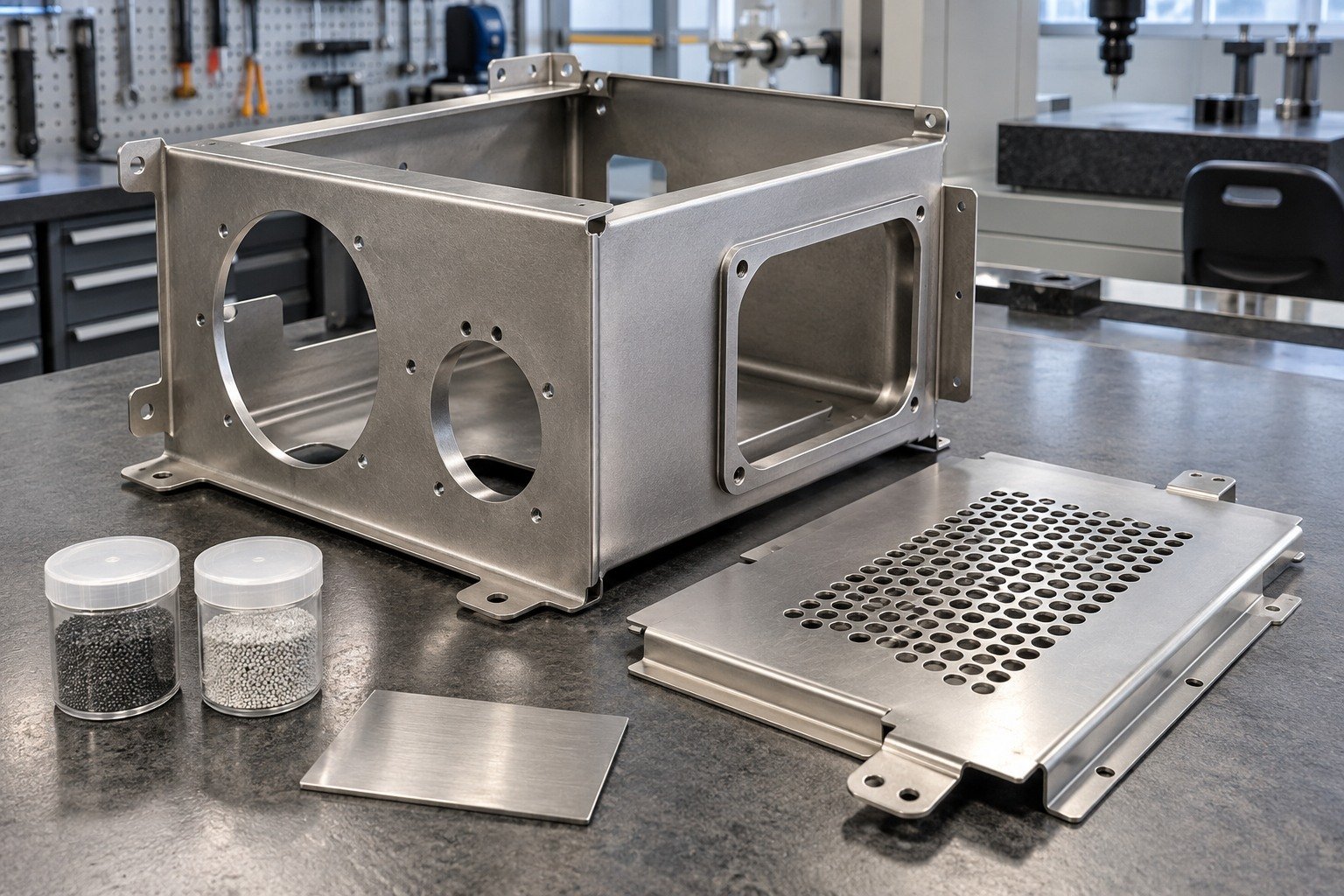
Mark your unblasted interfaces, boundary dimensions and sensitive edges. Agree protection compatible with the selected process, and inspect it before blasting.
| Your drawing | Thin panels, formed corners, visible faces and edge condition. |
|---|---|
| Your boundaries | Threads, bores, sealing faces and defined mask boundaries. |
| Your agreement | Secure protection before blasting, clean after removal and verify fit. |
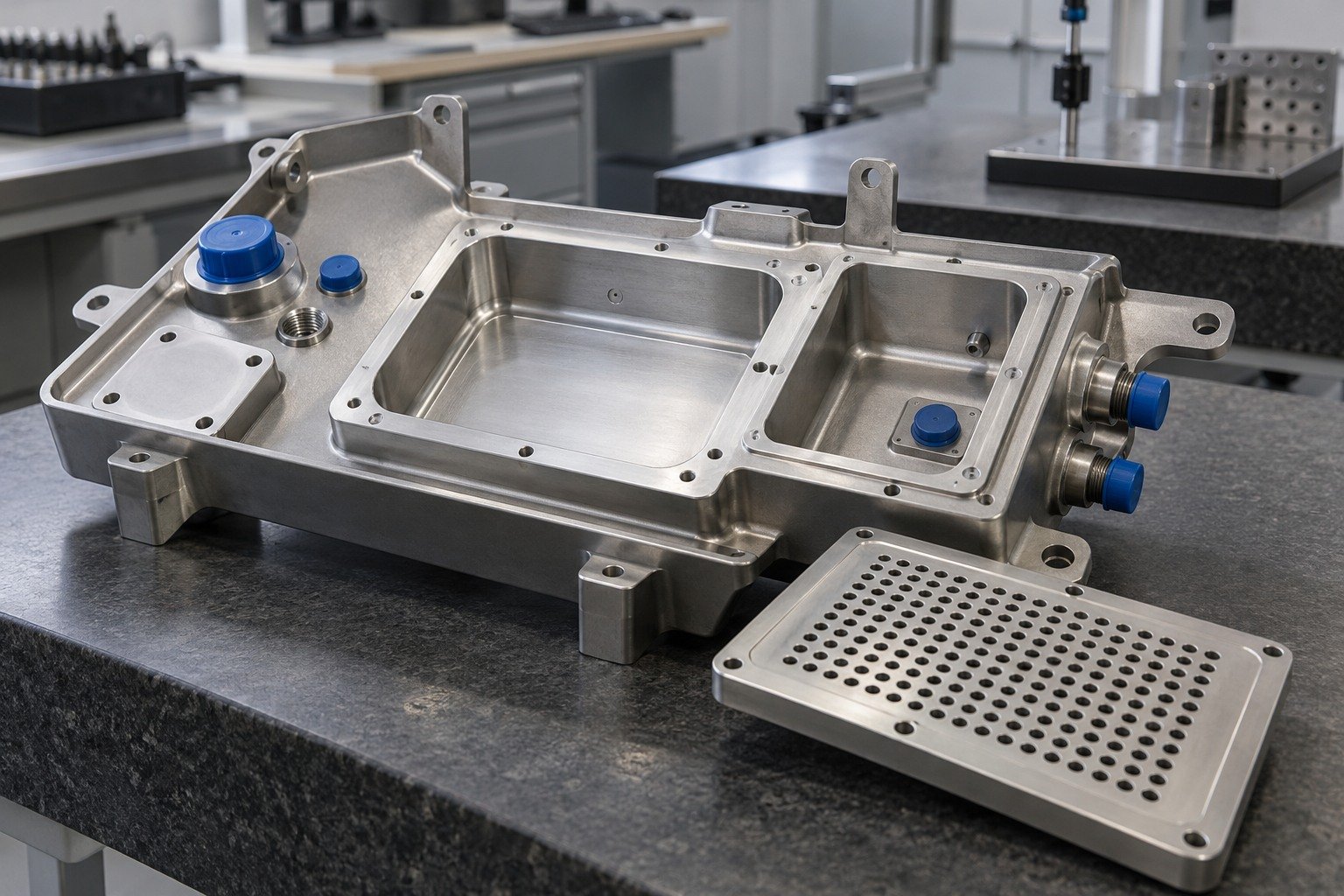
Approve your representative finished sample for texture, critical fit and cleanliness. Specify any required measurement, records and protective packing.
| Your final fit | Thin panels, formed corners, visible faces and edge condition. |
|---|---|
| Your condition | Sheet grade, thickness and distortion sensitivity. |
| Your records | Drawing revision, media requirement, protected features and release evidence. |
Illustrative assembly situation—not a documented customer case: a screw stops before its specified engagement. Trapped abrasive is one possible cause; burrs, damage and incorrect depth can also cause binding. Identify the cause before rework.
| Your function | Thread specification, required engagement and seating faces. |
|---|---|
| Your condition | Actual surface condition and cleanliness requirements. |
| Your order | Trial quantity, first order, repeat demand and packing. |
Within the same abrasive material and grading system, 220 grit is generally finer than 150 grit. The grade alone does not establish thread protection or acceptable fit. Media type, pressure, exposure, nozzle setup, substrate and thread requirements must be reviewed together.
| Your substrate | Actual alloy, hardness, previous coatings and surface condition. |
|---|---|
| Your system | Abrasive material, grade system and actual process. |
| Your evidence | Representative texture sample, protected fit and cleanliness. |
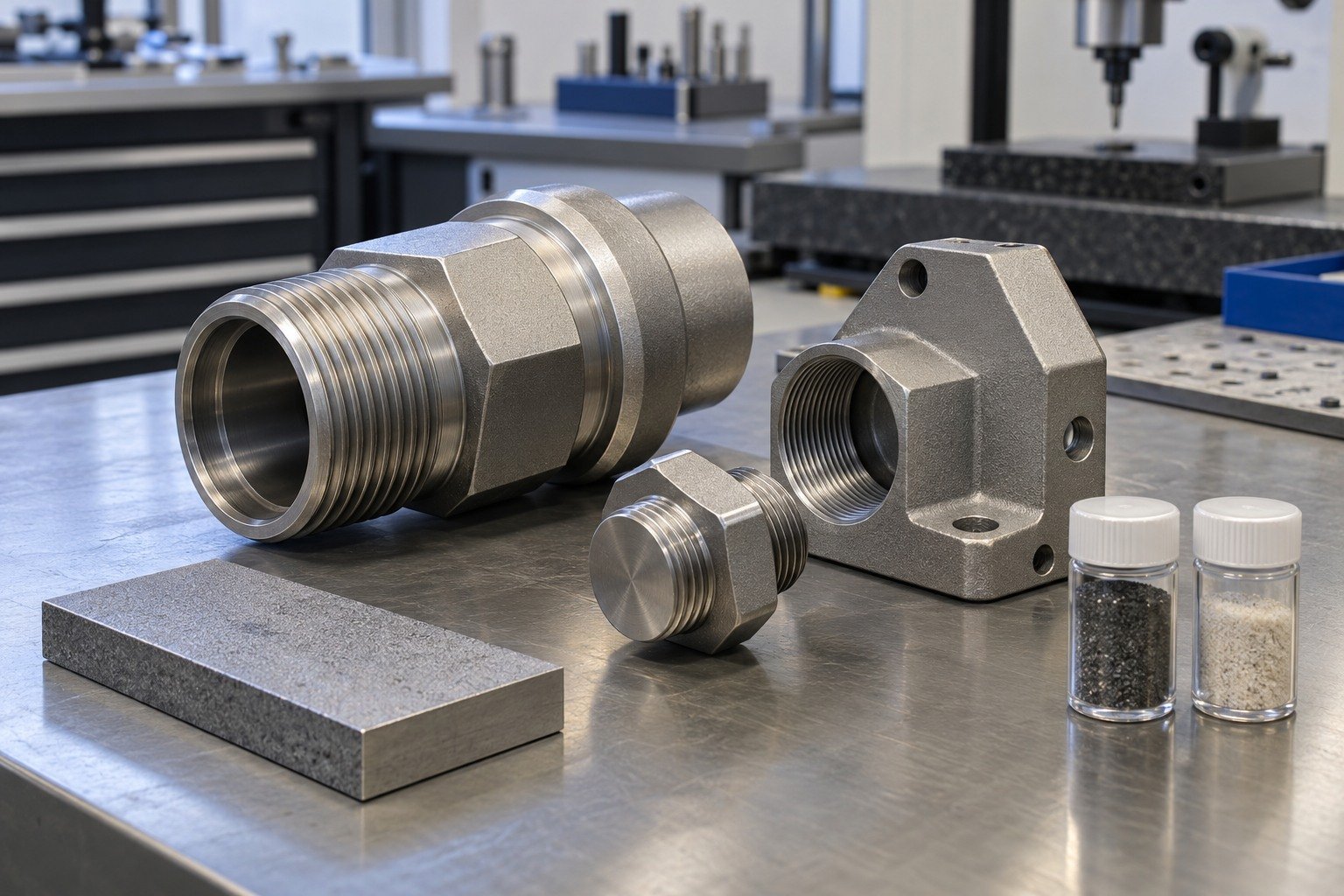
01 Identify thread size, class, engagement depth and unblasted zones. 02 Fit suitable plugs, caps or dedicated masks securely before blasting. 03 After mask removal, clean residual abrasive from thread roots and blind holes, then verify the agreed gauge or mating-part fit.
| Your drawing | Thread specification, required engagement and seating faces. |
|---|---|
| Your boundaries | Threads, bores, sealing faces and defined mask boundaries. |
| Your agreement | Secure protection before blasting, clean after removal and verify fit. |
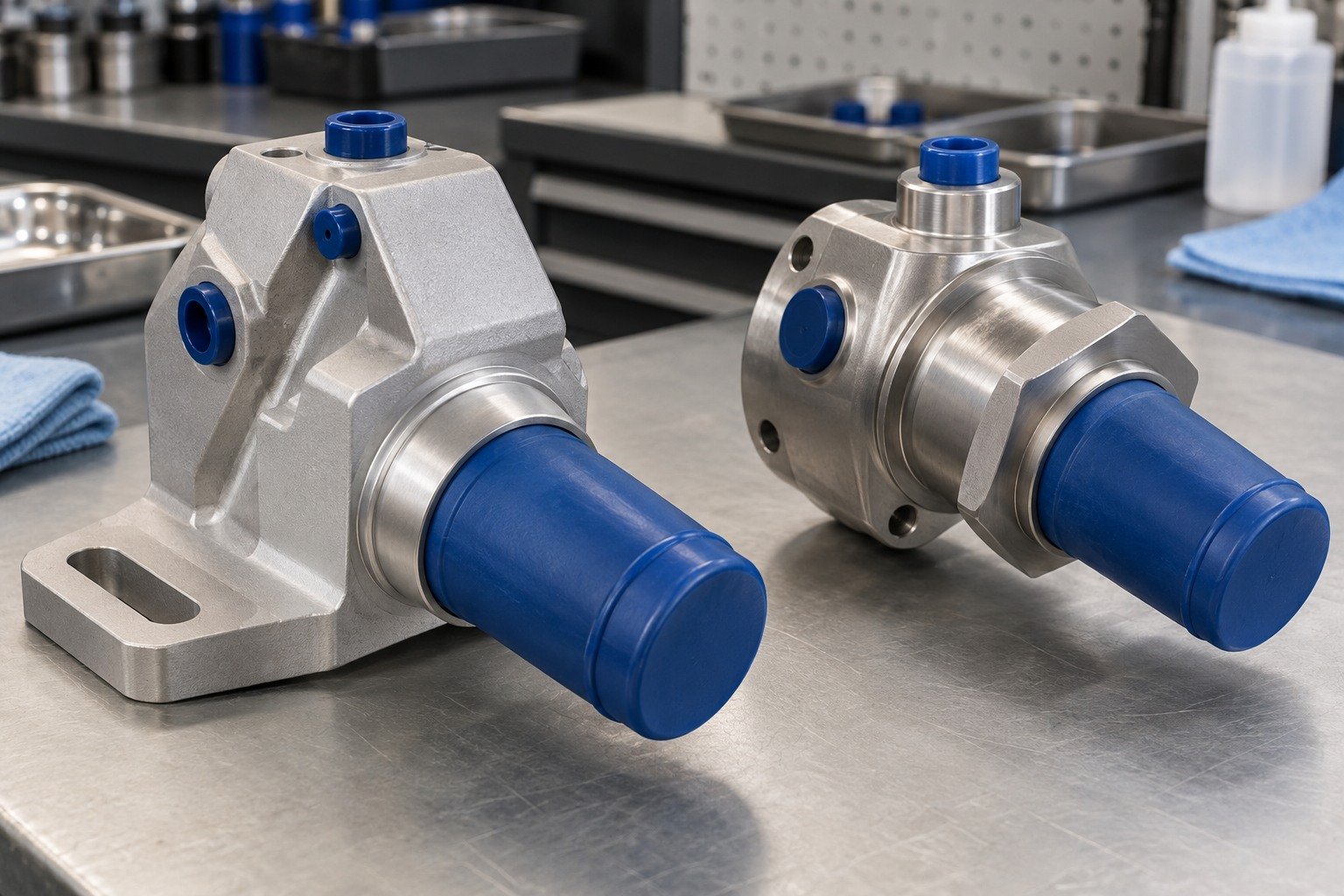
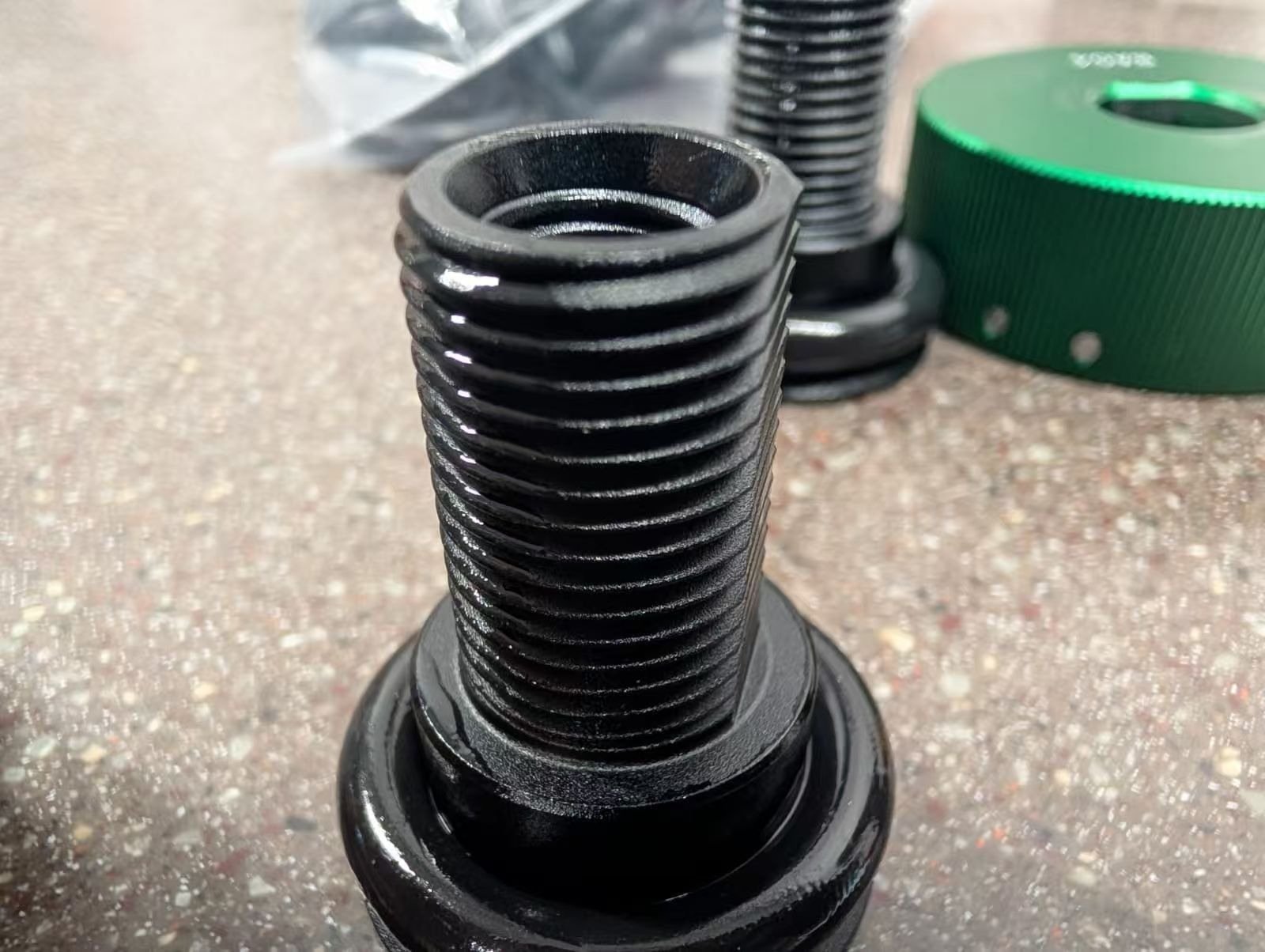
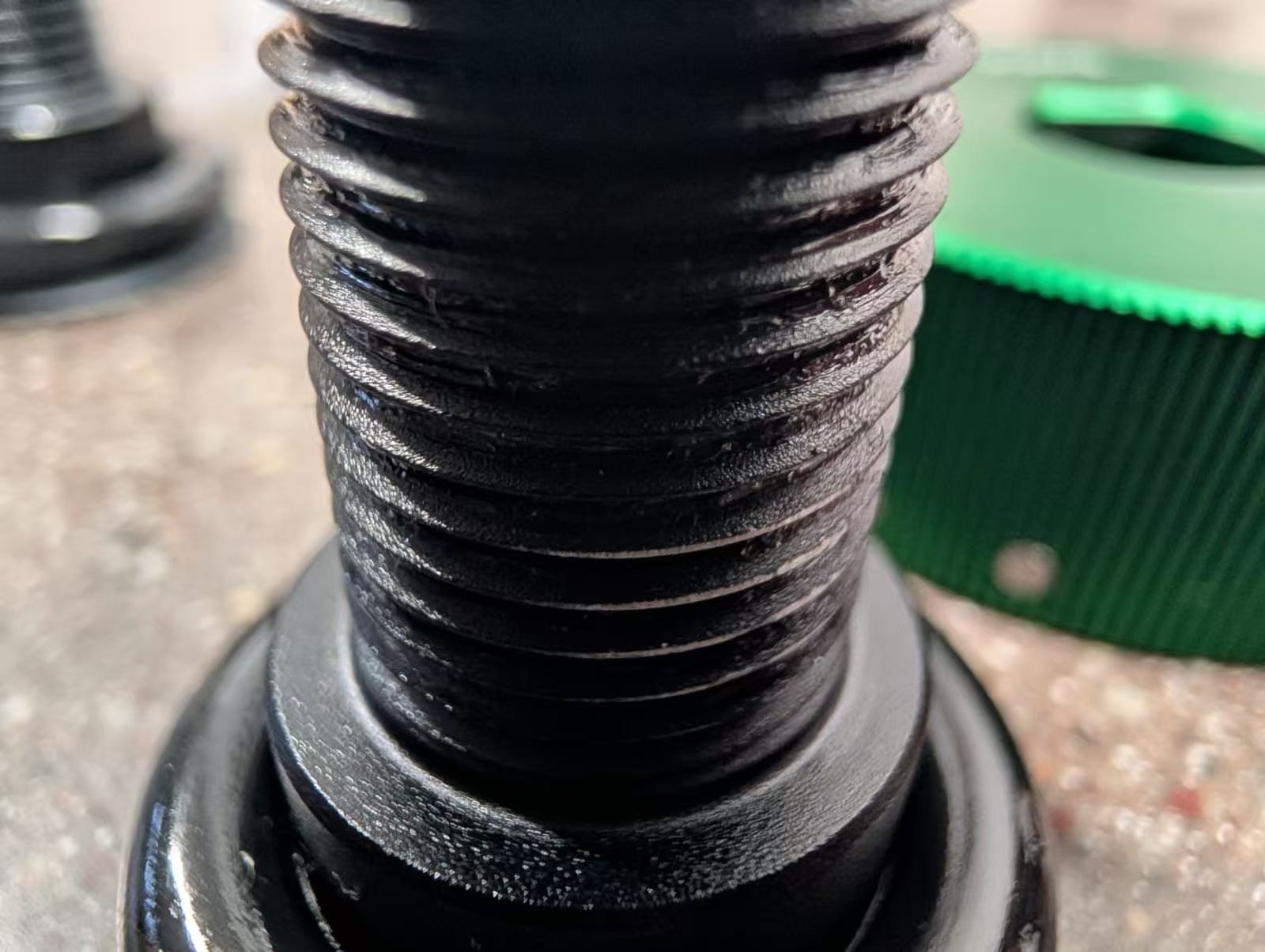
Illustrative assembly situation—not a documented customer case: an external threaded connector feels tight after finishing. Clean and inspect it, then verify the specified fit and engagement. Never force a binding fastener; fine media alone does not establish thread protection. The supplied photographs show external thread condition, not proven internal contamination or its cause.
| Your final fit | Thread specification, required engagement and seating faces. |
|---|---|
| Your condition | Actual surface condition and cleanliness requirements. |
| Your records | Drawing revision, media requirement, protected features and release evidence. |
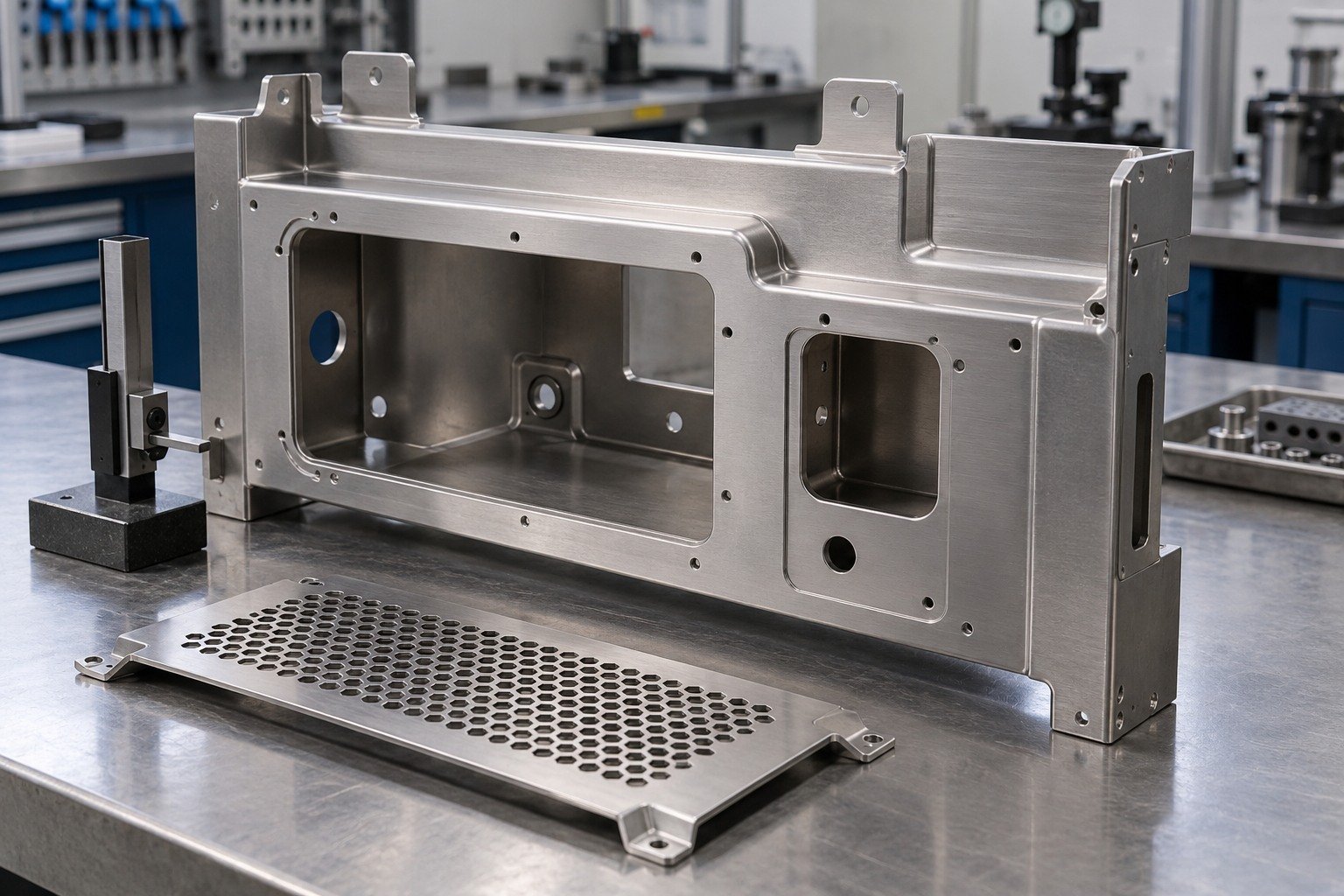
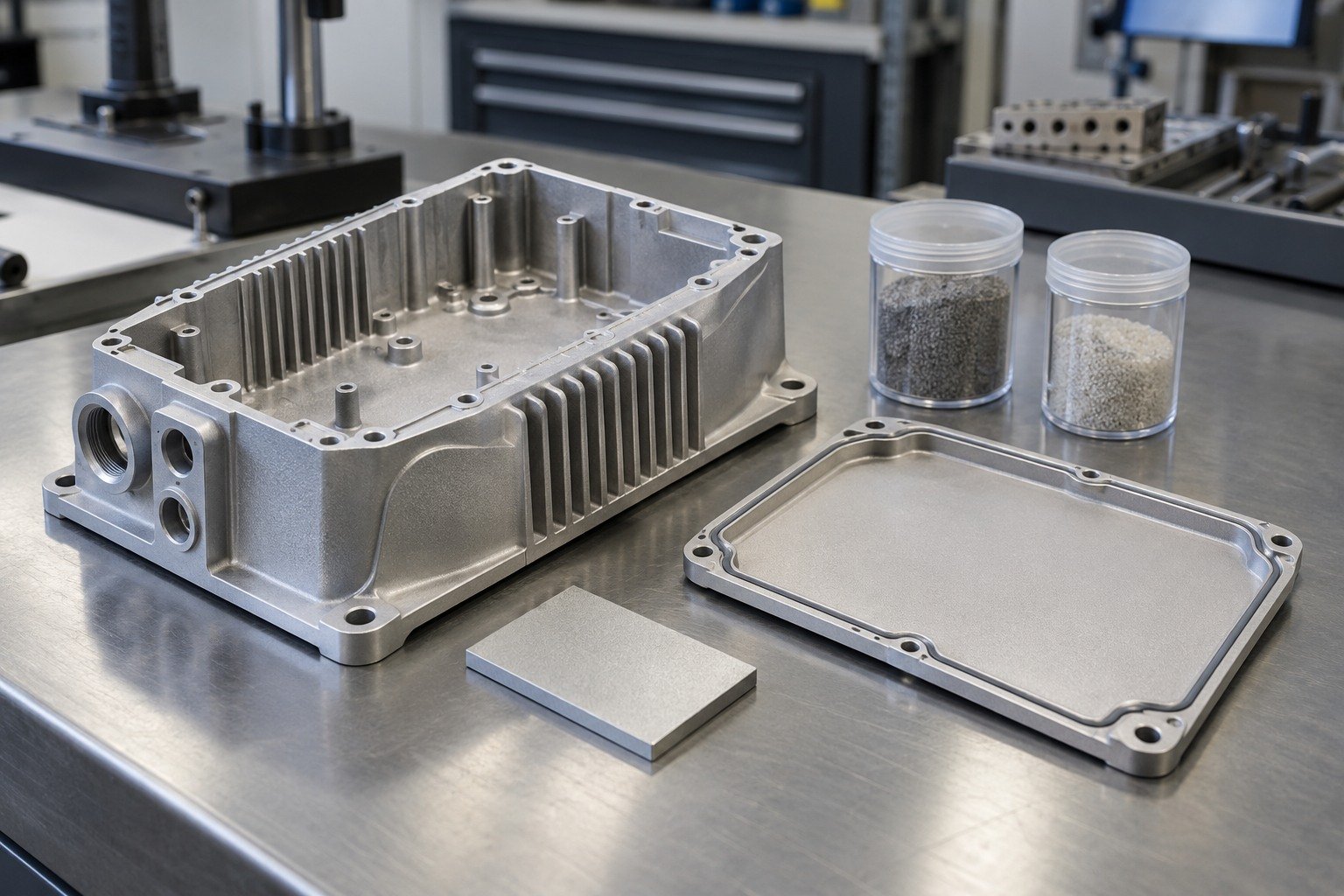
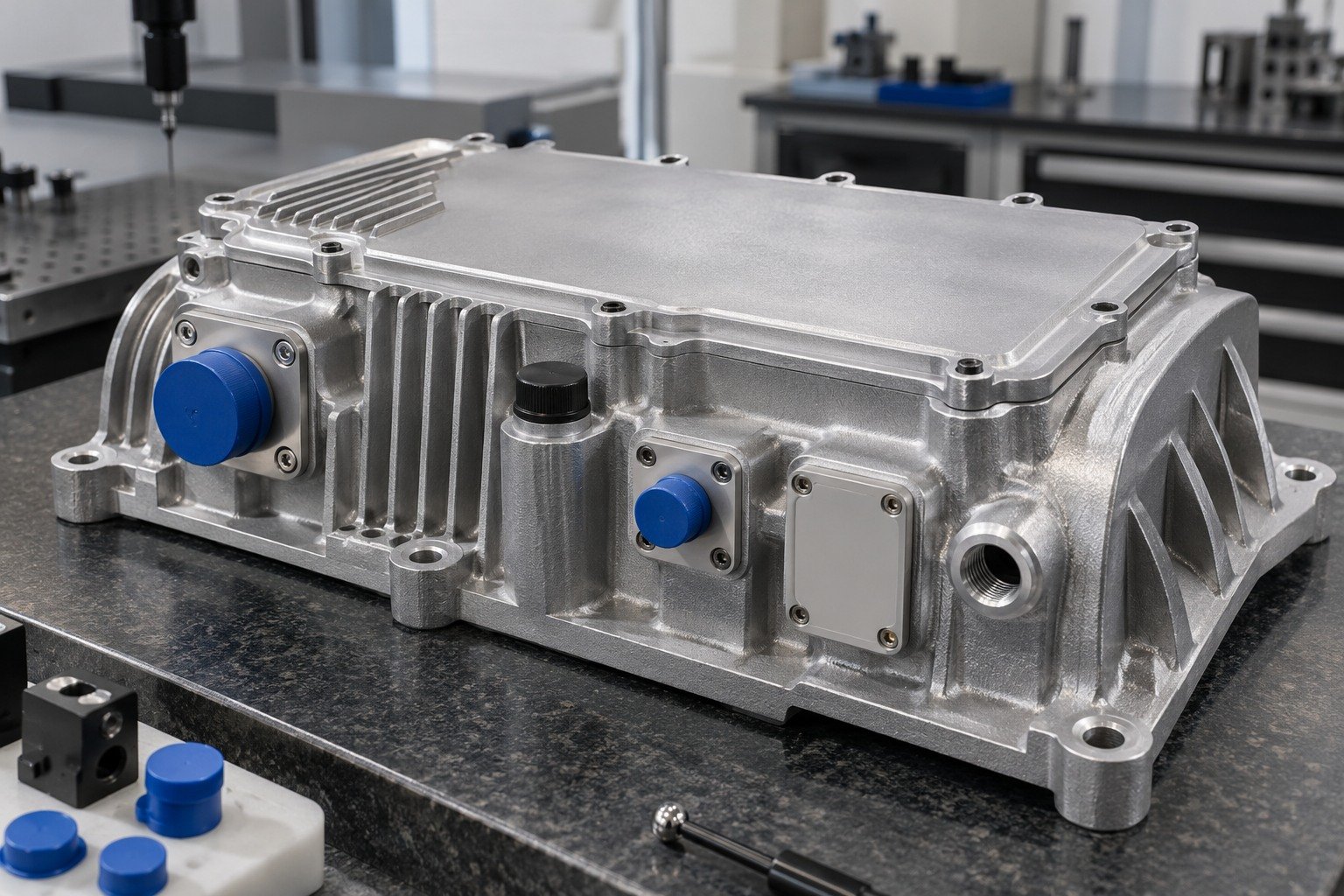
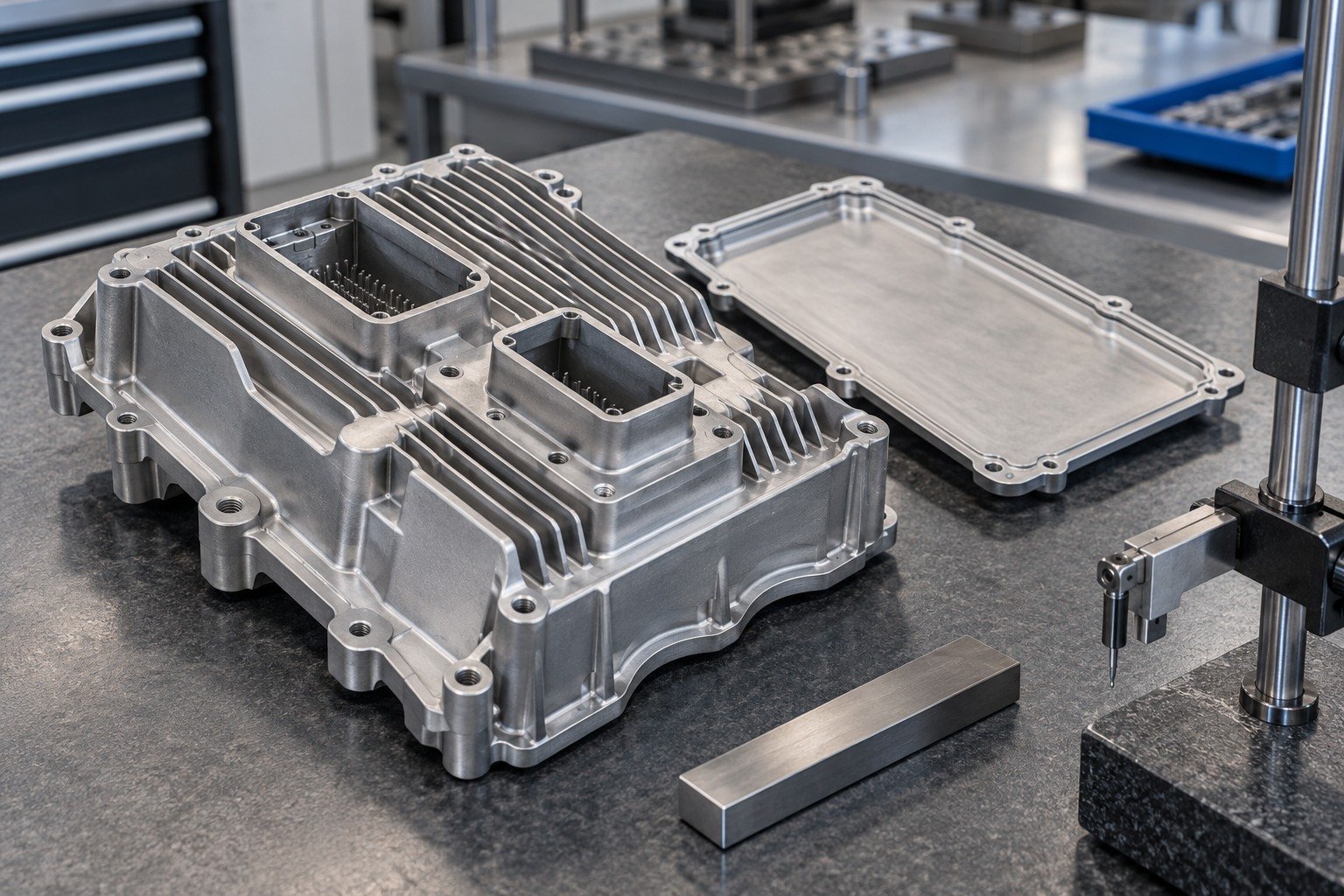
For sandblasting aluminum enclosures, identify cosmetic faces, thin ribs and protected connector or assembly interfaces.
| Your function | Visible panels, mounting bosses, connector holes and datums. |
|---|---|
| Your condition | Aluminum grade, existing marks and intended next finish. |
| Your order | Trial quantity, first order, repeat demand and packing. |
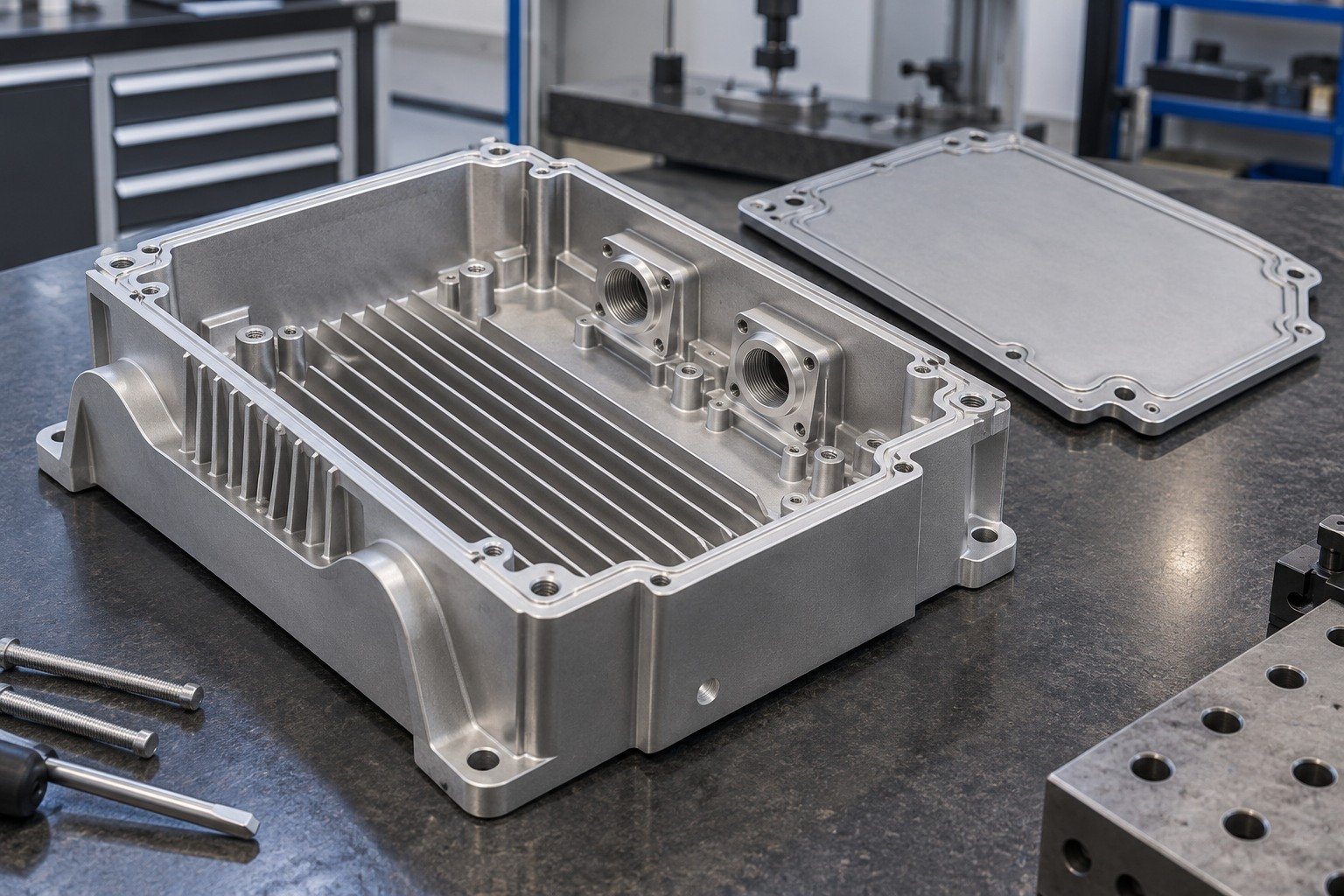
Sandblasting aluminum and bead blasting aluminum require a reviewed media choice. Agree the representative texture and suitability for subsequent paint, anodizing or chemical treatment.
| Your substrate | Actual alloy, hardness, previous coatings and surface condition. |
|---|---|
| Your system | Abrasive material, grade system and actual process. |
| Your evidence | Representative texture sample, protected fit and cleanliness. |
Mark your unblasted interfaces, boundary dimensions and sensitive edges. Agree protection compatible with the selected process, and inspect it before blasting.
| Your drawing | Visible panels, mounting bosses, connector holes and datums. |
|---|---|
| Your boundaries | Threads, bores, sealing faces and defined mask boundaries. |
| Your agreement | Secure protection before blasting, clean after removal and verify fit. |
Approve your representative finished sample for texture, critical fit and cleanliness. Specify any required measurement, records and protective packing.
| Your final fit | Visible panels, mounting bosses, connector holes and datums. |
|---|---|
| Your condition | Aluminum grade, existing marks and intended next finish. |
| Your records | Drawing revision, media requirement, protected features and release evidence. |
For sandblasting stainless steel or bead blasting stainless steel, define the actual grade, texture, cleanliness and media-control requirements.
| Your function | Cosmetic faces, weld zones and critical mating surfaces. |
|---|---|
| Your condition | Stainless grade, prior finish and contamination limits. |
| Your order | Trial quantity, first order, repeat demand and packing. |
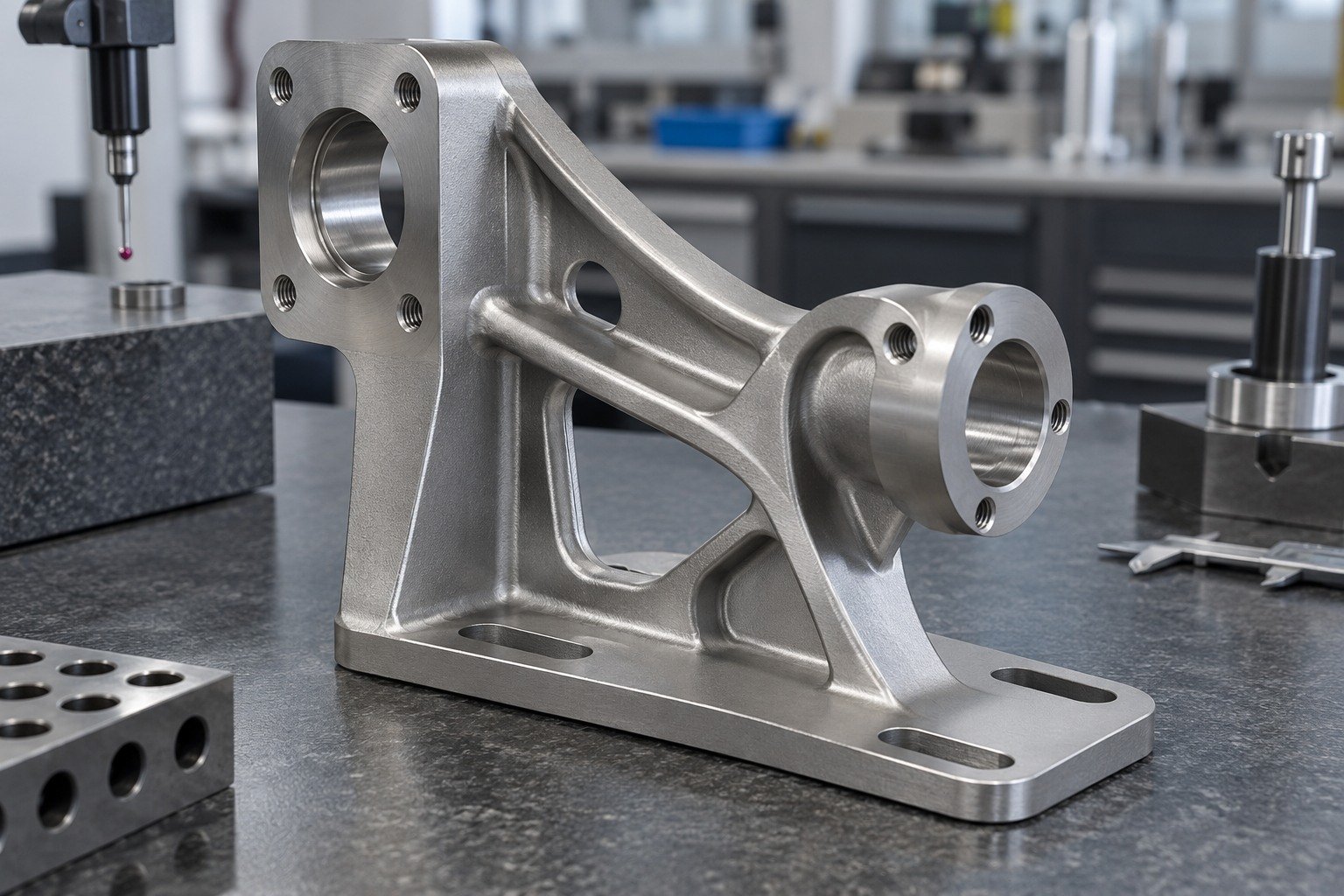
Review dedicated or controlled media handling where required by your specification. A uniform appearance does not itself prove cleanliness, passivation or corrosion performance.
| Your substrate | Actual alloy, hardness, previous coatings and surface condition. |
|---|---|
| Your system | Abrasive material, grade system and actual process. |
| Your evidence | Representative texture sample, protected fit and cleanliness. |
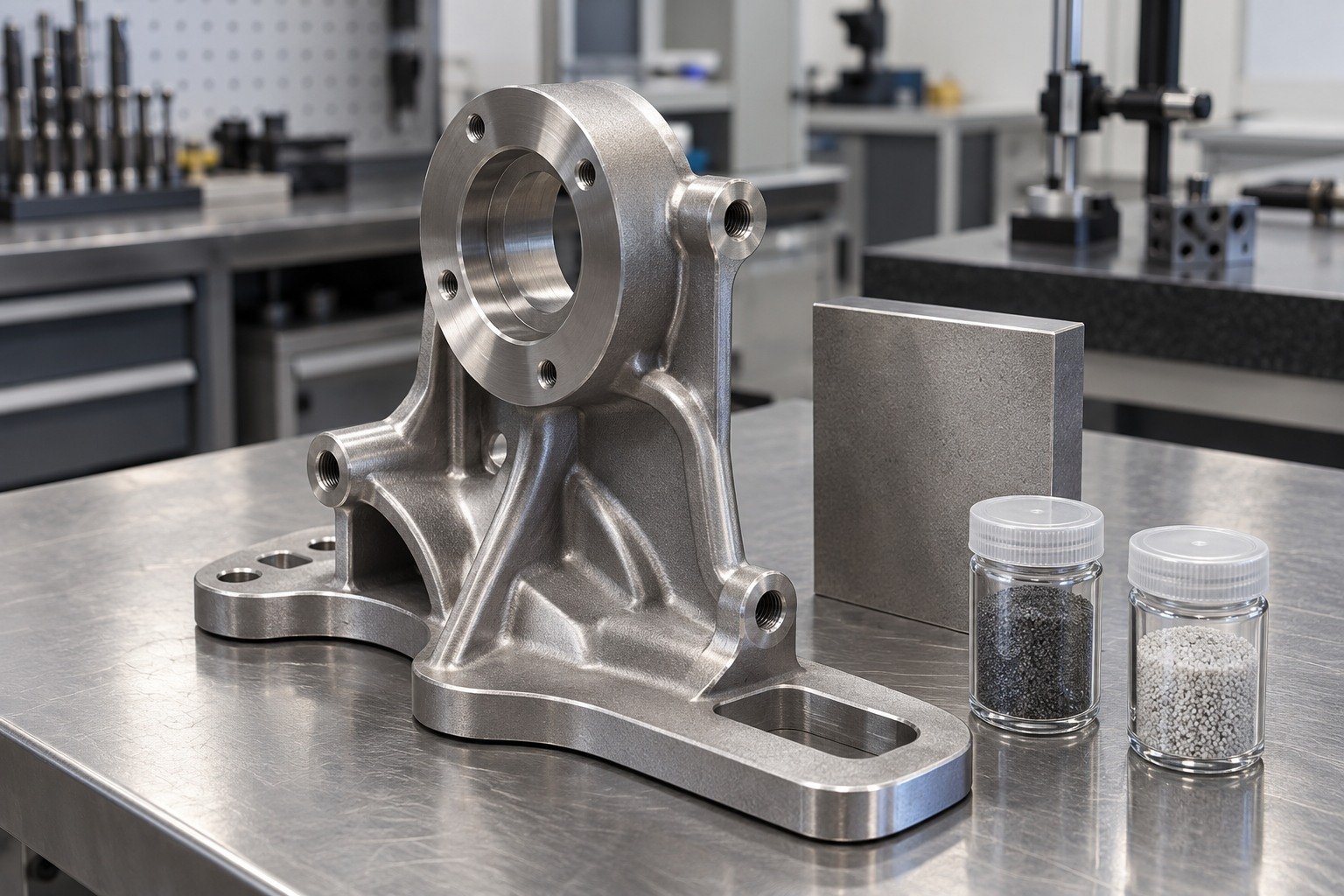
Mark your unblasted interfaces, boundary dimensions and sensitive edges. Agree protection compatible with the selected process, and inspect it before blasting.
| Your drawing | Cosmetic faces, weld zones and critical mating surfaces. |
|---|---|
| Your boundaries | Threads, bores, sealing faces and defined mask boundaries. |
| Your agreement | Secure protection before blasting, clean after removal and verify fit. |
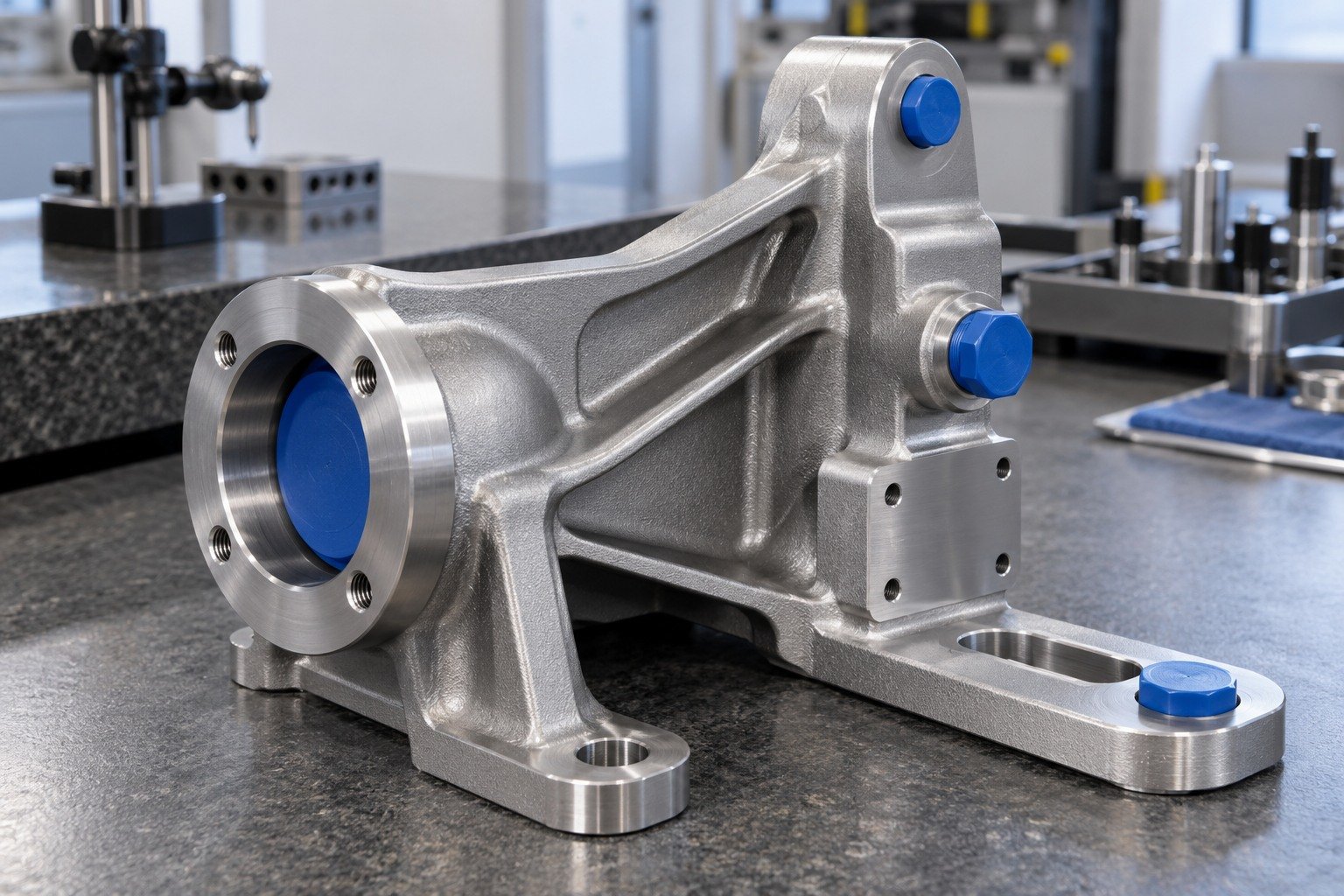
Approve your representative finished sample for texture, critical fit and cleanliness. Specify any required measurement, records and protective packing.
| Your final fit | Cosmetic faces, weld zones and critical mating surfaces. |
|---|---|
| Your condition | Stainless grade, prior finish and contamination limits. |
| Your records | Drawing revision, media requirement, protected features and release evidence. |
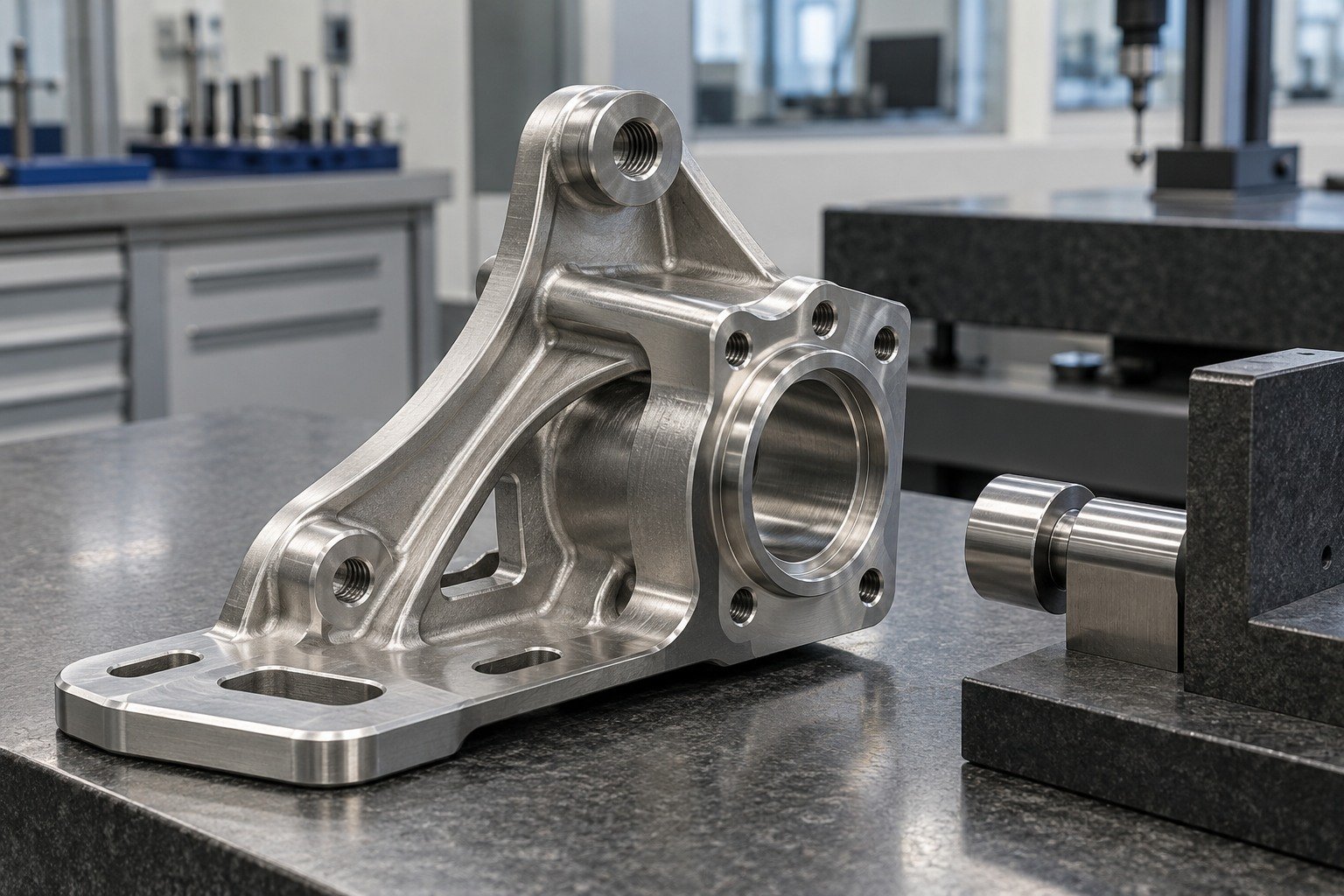
For custom sandblasting, show what should be treated and what must remain untouched. Include the next manufacturing or assembly step.
| Your function | Your protected interfaces and required significant surfaces. |
|---|---|
| Your condition | Material, initial finish and approved final state. |
| Your order | Trial quantity, first order, repeat demand and packing. |
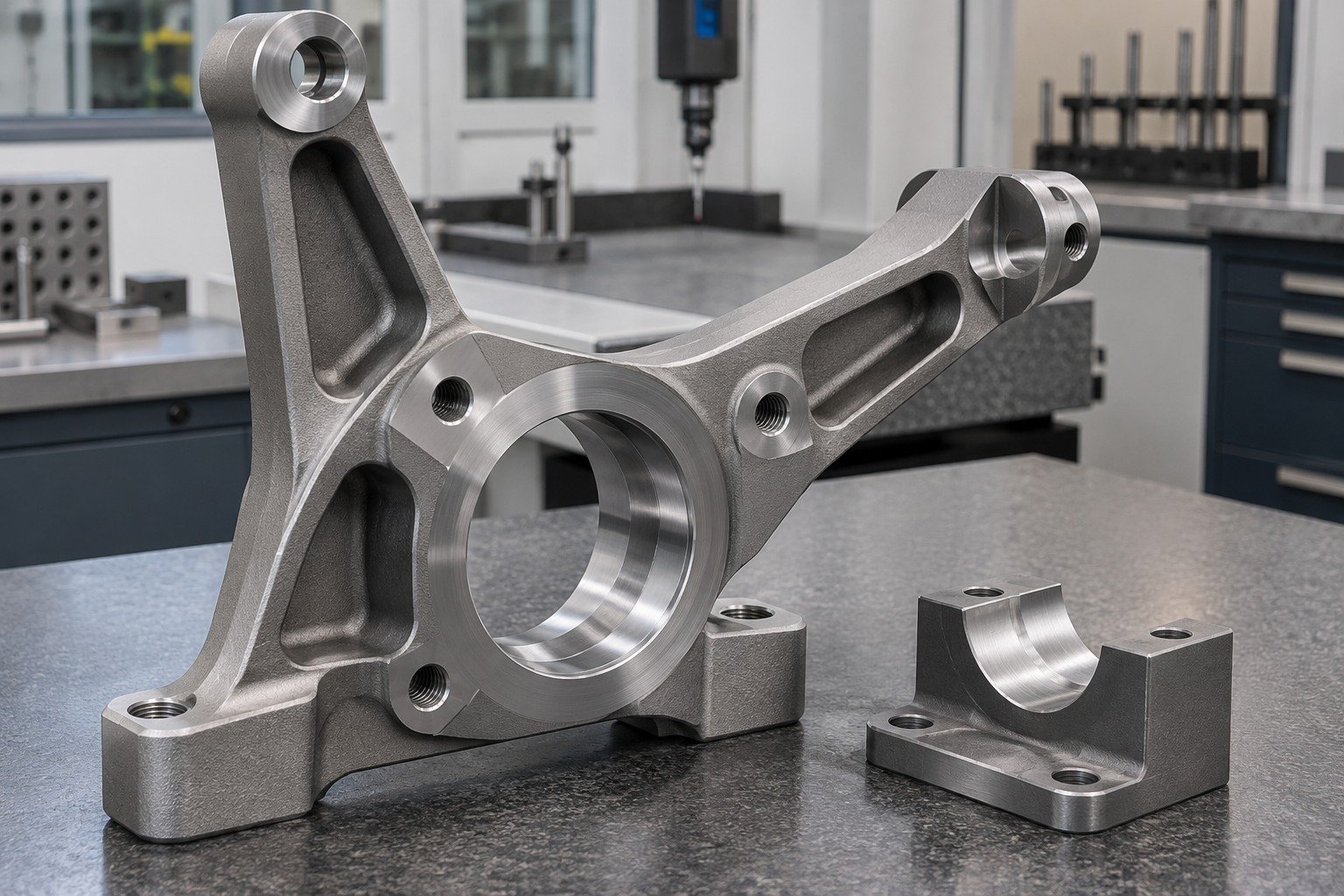
Compare abrasive blasting services by the actual media, process, protected features, sample acceptance and cleaning scope—not the generic service name alone.
| Your substrate | Actual alloy, hardness, previous coatings and surface condition. |
|---|---|
| Your system | Abrasive material, grade system and actual process. |
| Your evidence | Representative texture sample, protected fit and cleanliness. |
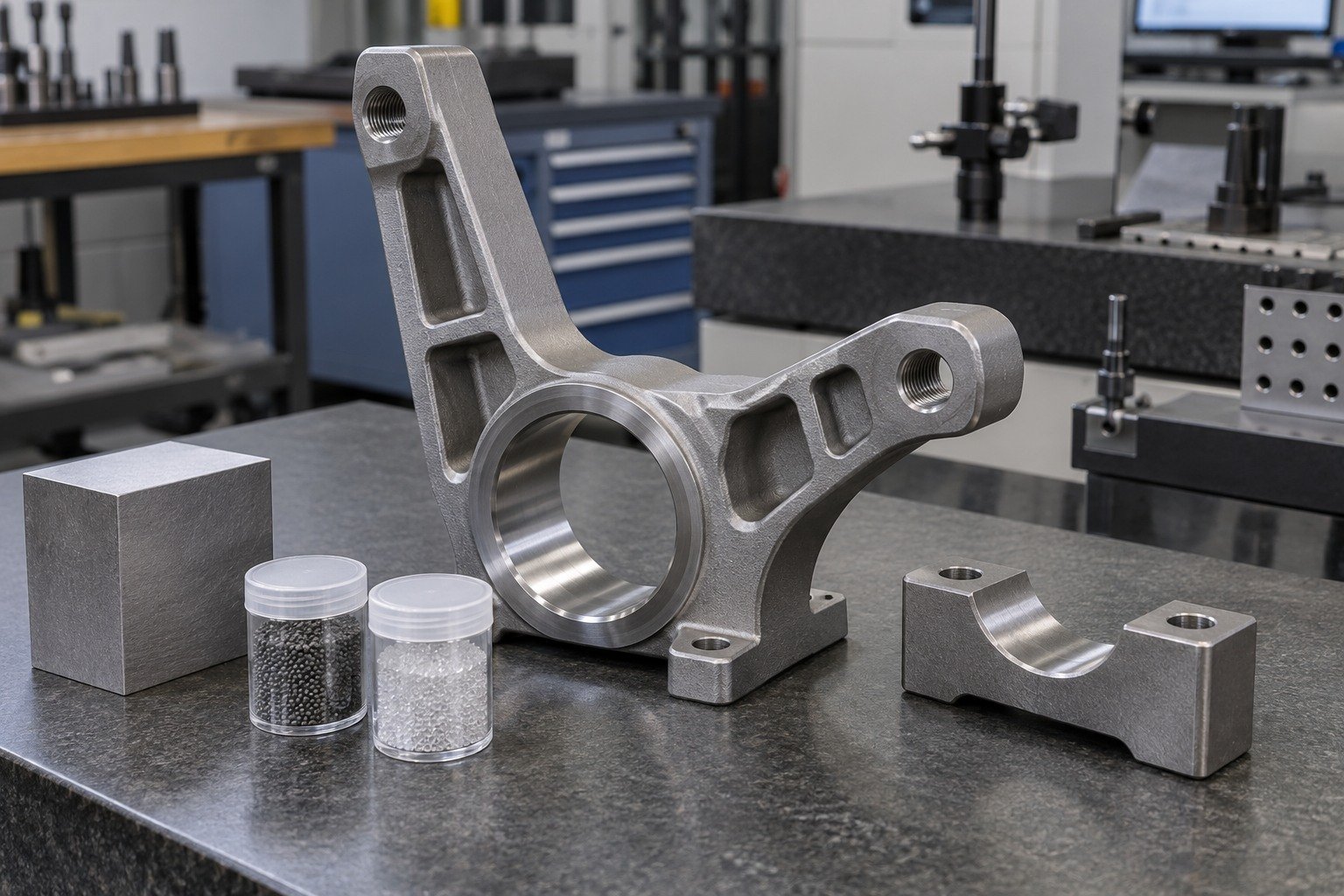
Mark your unblasted interfaces, boundary dimensions and sensitive edges. Agree protection compatible with the selected process, and inspect it before blasting.
| Your drawing | Your protected interfaces and required significant surfaces. |
|---|---|
| Your boundaries | Threads, bores, sealing faces and defined mask boundaries. |
| Your agreement | Secure protection before blasting, clean after removal and verify fit. |
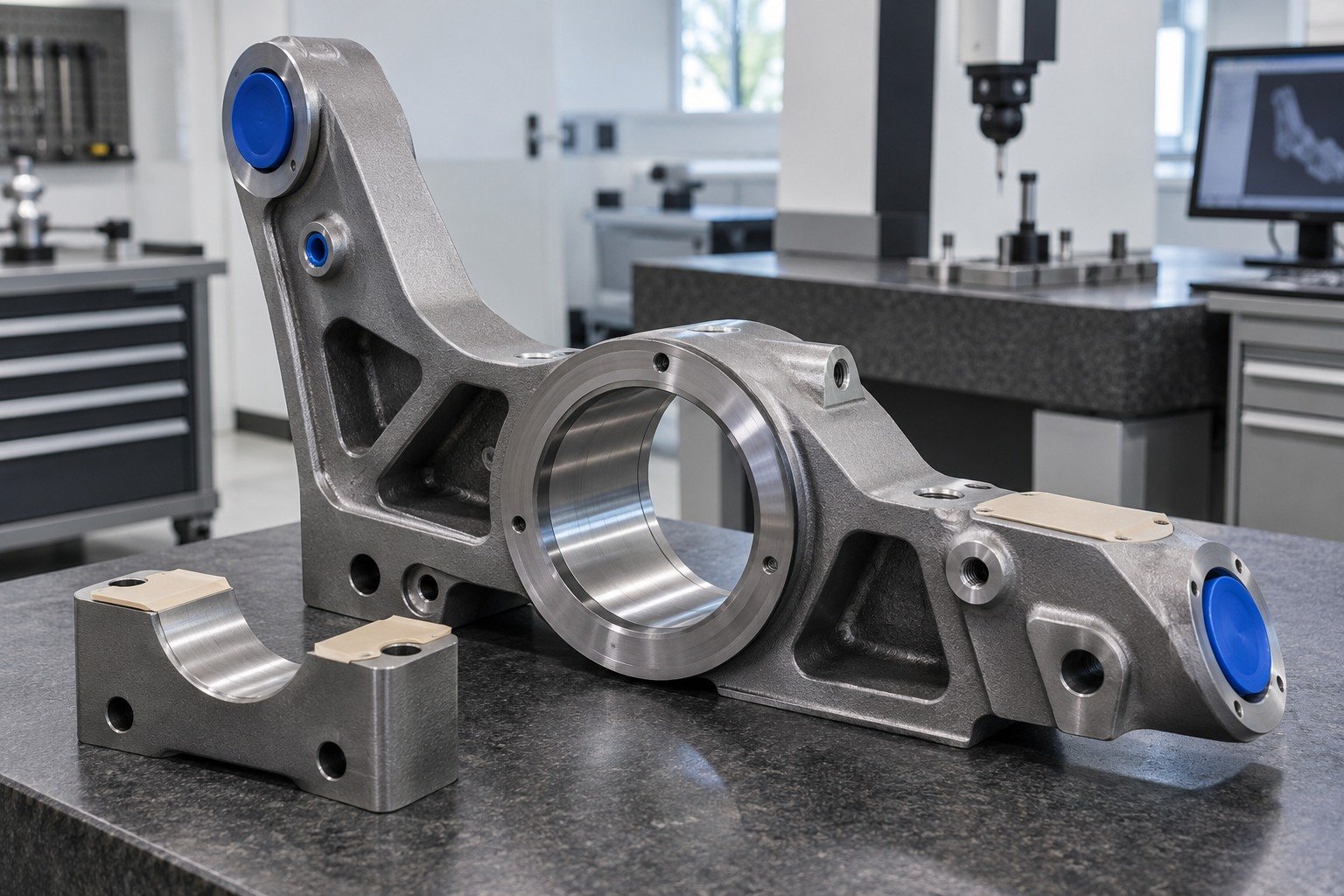
Approve your representative finished sample for texture, critical fit and cleanliness. Specify any required measurement, records and protective packing.
| Your final fit | Your protected interfaces and required significant surfaces. |
|---|---|
| Your condition | Material, initial finish and approved final state. |
| Your records | Drawing revision, media requirement, protected features and release evidence. |
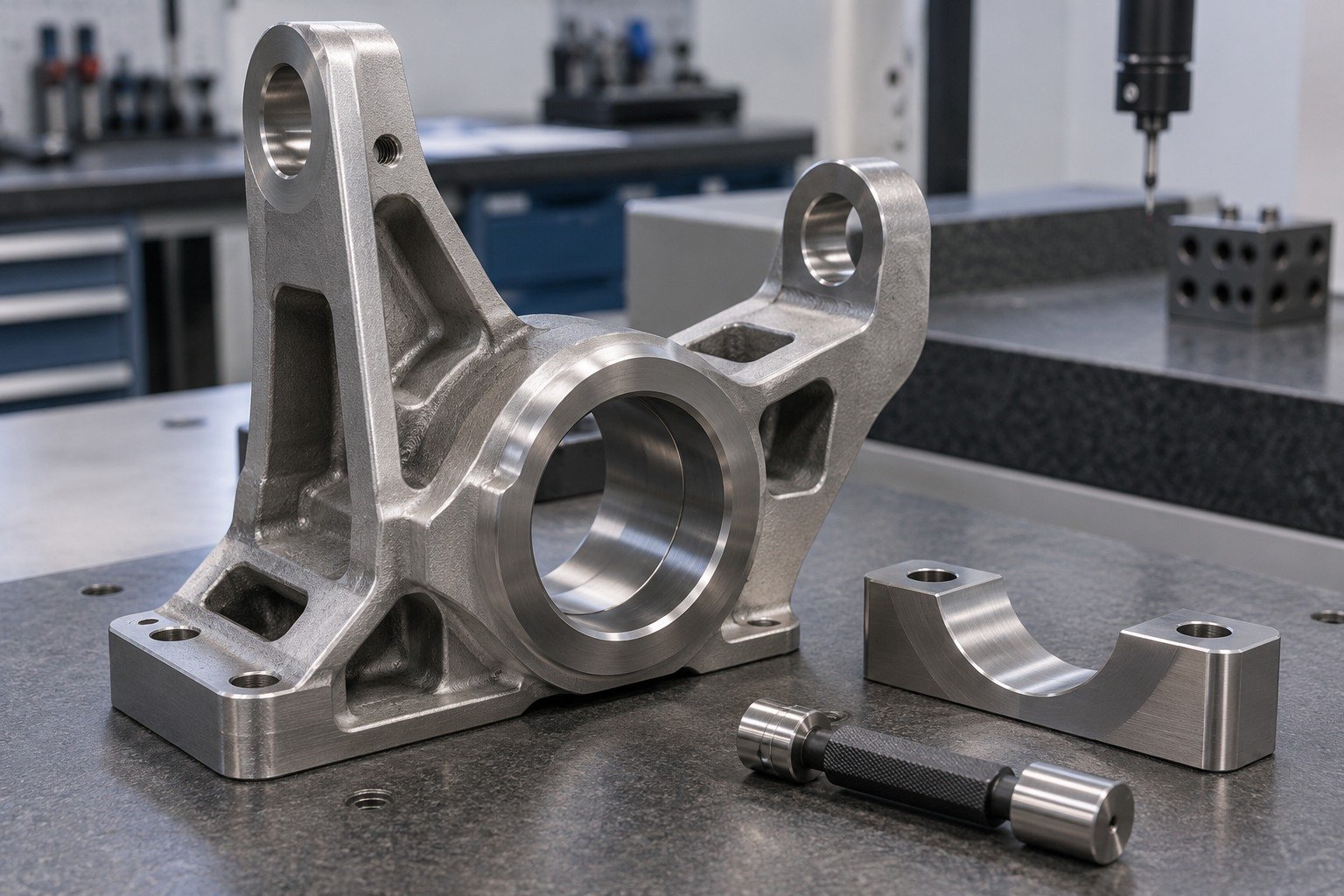
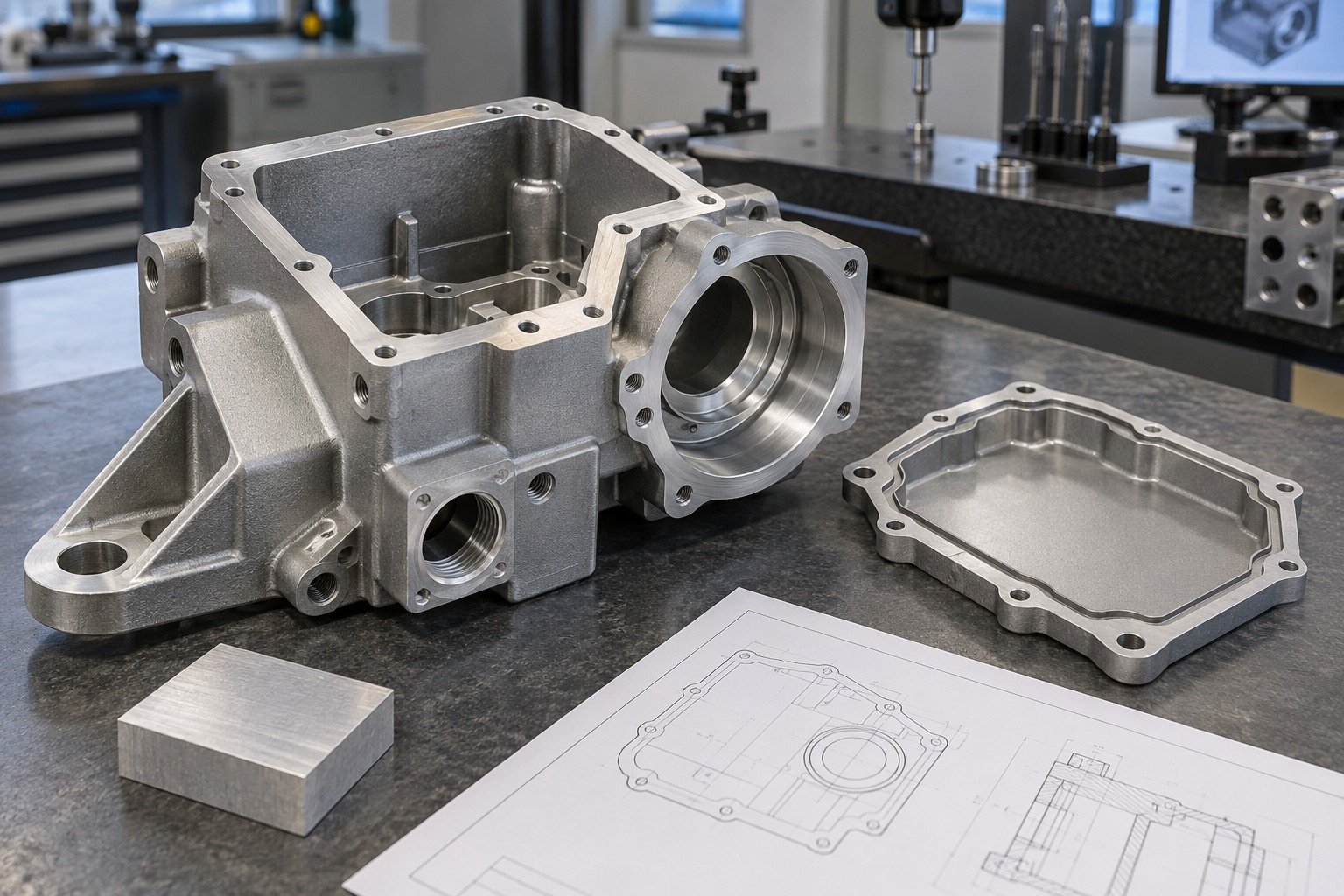
Send the material, incoming finish, significant faces, protected features and next operation.
Blasting texture, surface cleanliness and controlled shot-peening performance are separate requirements. Appearance alone does not prove them.
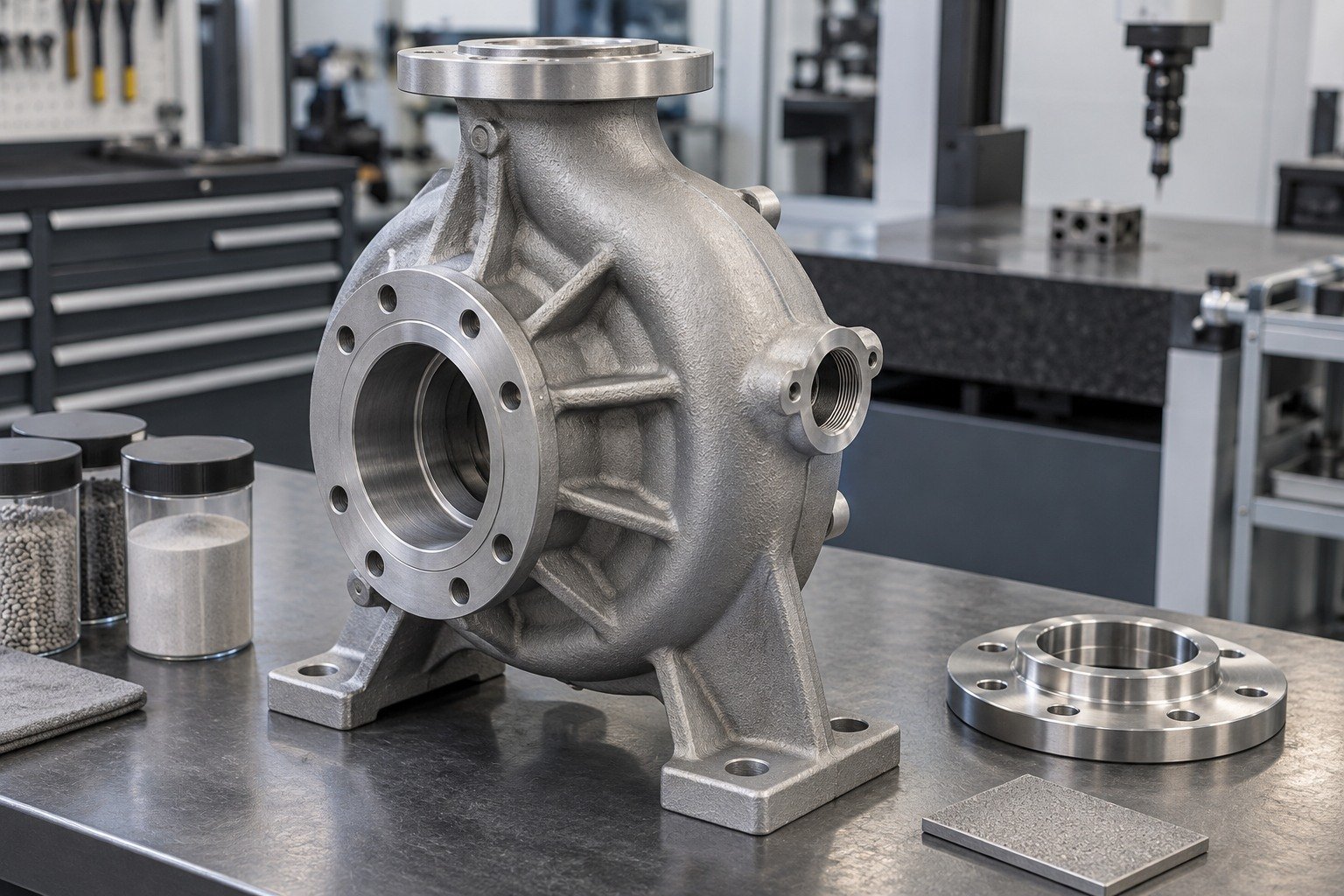
Identify media material and grade system, process scope and the sample you will approve.
Blasting texture, surface cleanliness and controlled shot-peening performance are separate requirements. Appearance alone does not prove them.
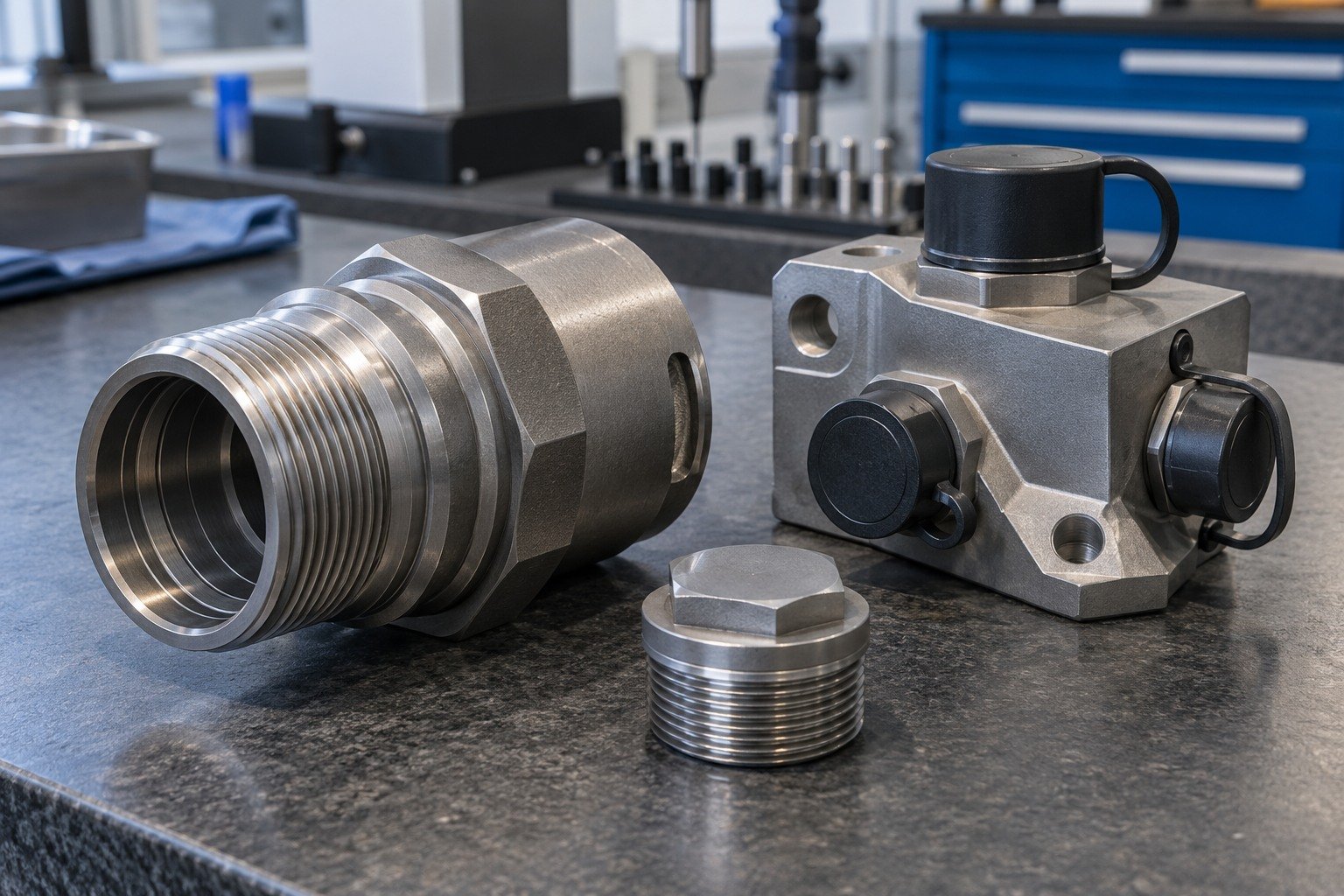
Mark threaded holes, external threads, bores and sealing faces; inspect secure protection before processing.
Blasting texture, surface cleanliness and controlled shot-peening performance are separate requirements. Appearance alone does not prove them.
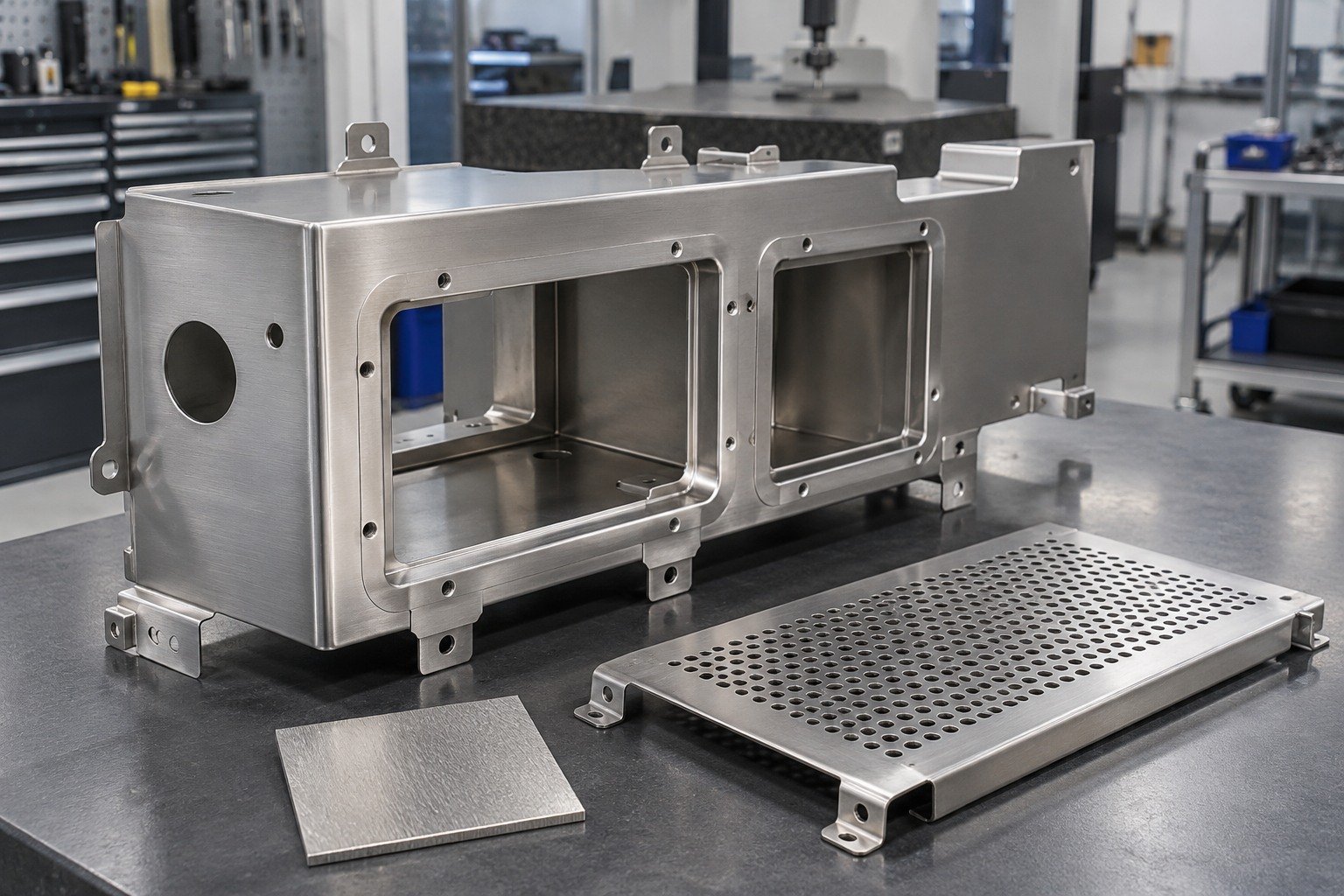
Review a representative blasted sample; inspect critical interfaces and required assembly fit after cleaning.
Blasting texture, surface cleanliness and controlled shot-peening performance are separate requirements. Appearance alone does not prove them.
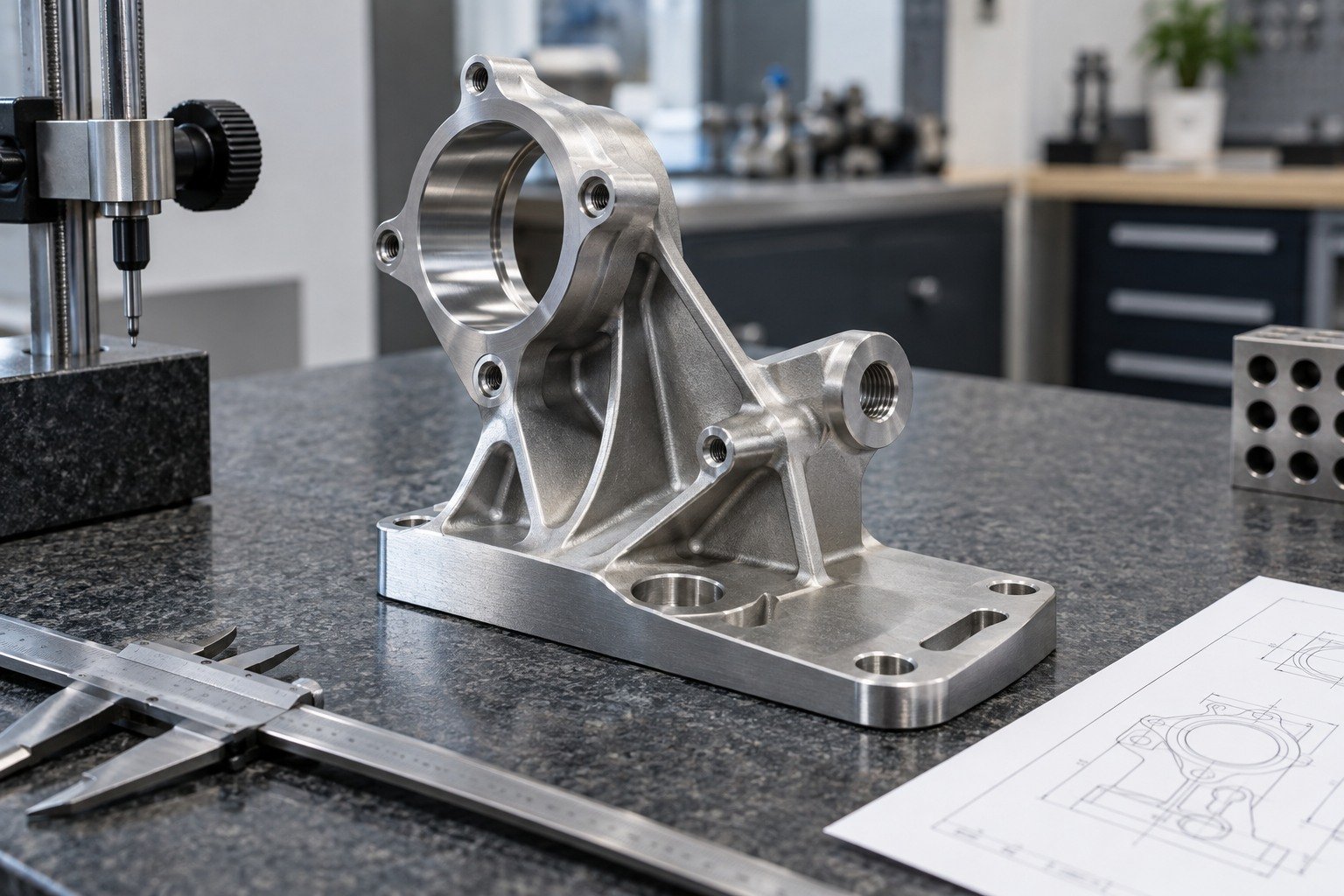
Agree the texture or roughness method, protected boundaries, cleanliness and required records.
Blasting texture, surface cleanliness and controlled shot-peening performance are separate requirements. Appearance alone does not prove them.
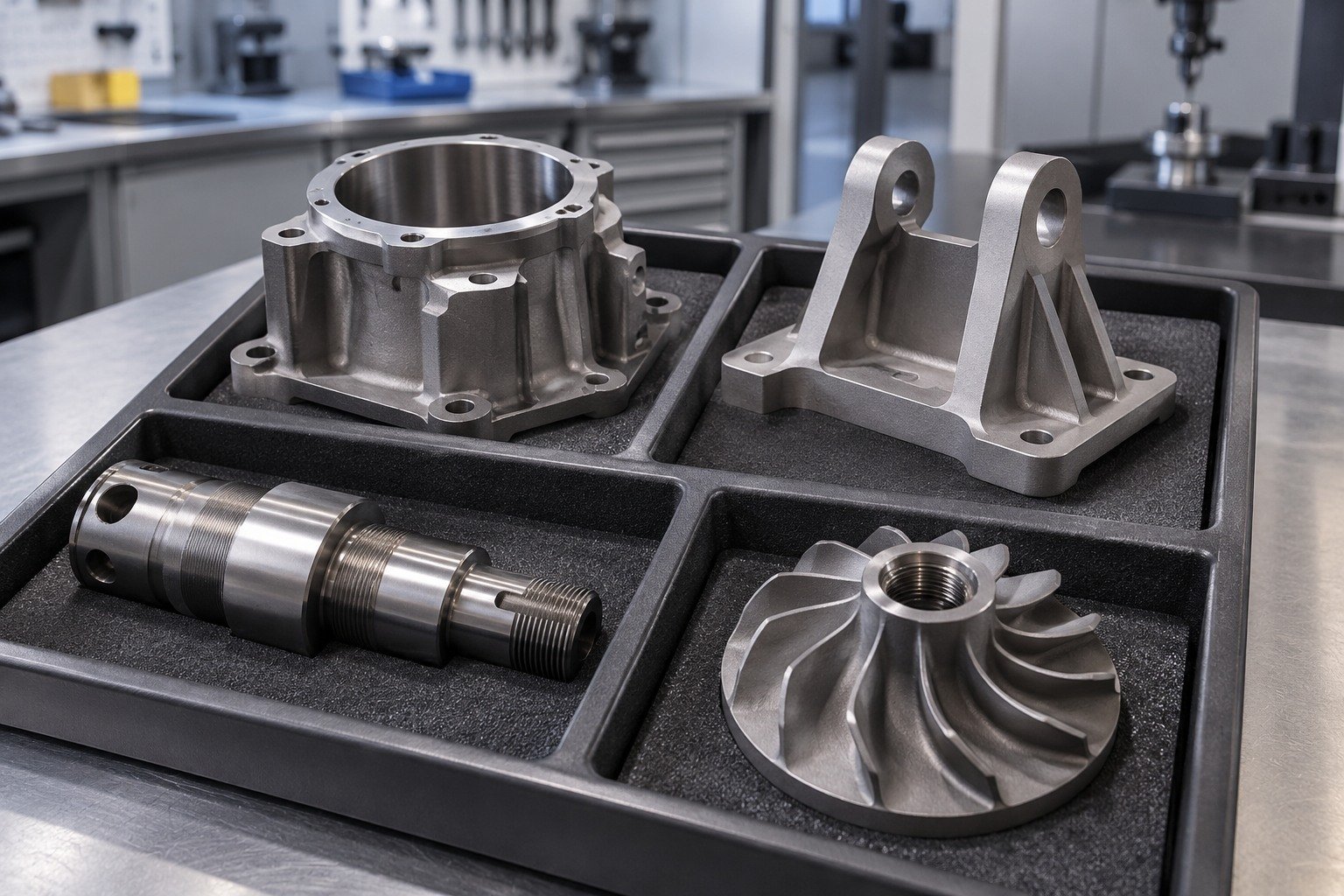
Control media requirement, masking plan, cleaning, handling and timing of the next finish.
Blasting texture, surface cleanliness and controlled shot-peening performance are separate requirements. Appearance alone does not prove them.
Plan your abrasive finish without losing the interfaces your assembly depends on.
Sandblasting metal parts requires a material-specific review. Define whether you need cleaning, texture or preparation for another finish; do not assume one media route suits every alloy.
| Your input | Material, incoming surface and intended next operation. |
|---|---|
| Our review | Suitable abrasive route and representative trial. |
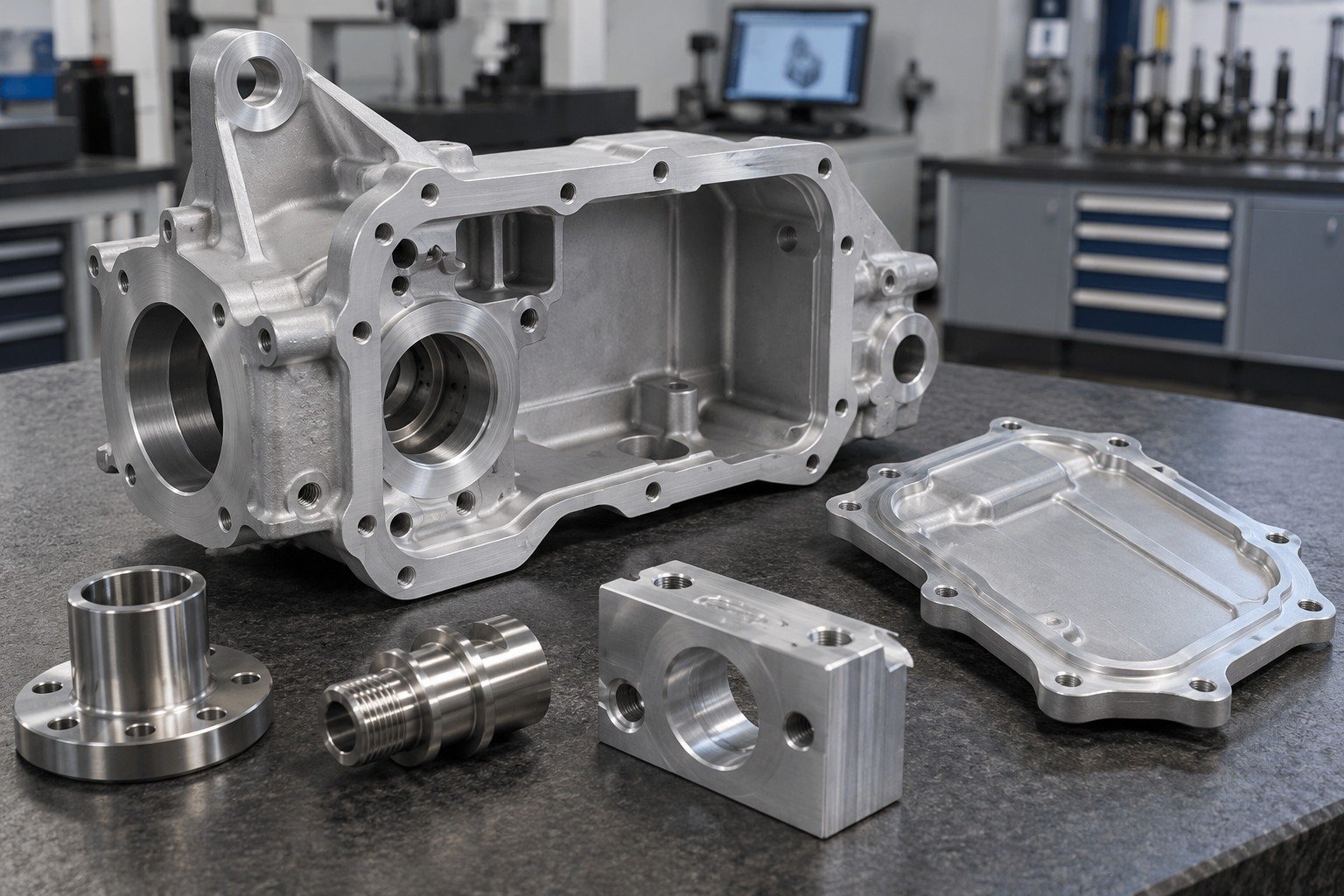
Aluminum oxide blasting, glass bead blasting and other media differ in material and particle shape. A grade number needs its grading system and media identity. Pressure, exposure and geometry also affect the outcome.
| Your input | Media material, grade system and approved sample. |
|---|---|
| Our review | Process suitability and controlled surface result. |
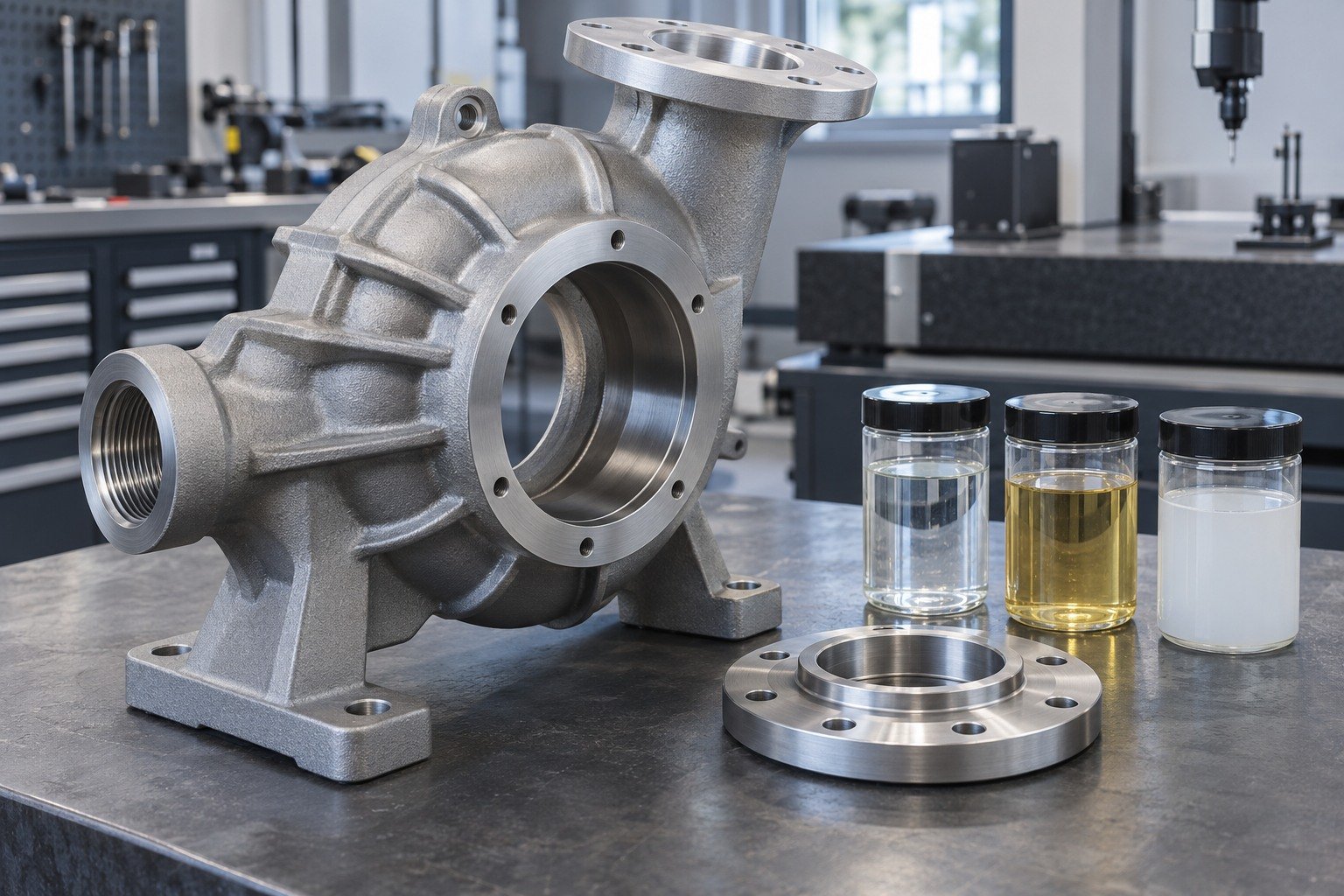
Mark threaded holes, studs and assembly interfaces on your drawing before blasting. Agree which areas must be masked so your specified surface finish does not compromise the thread fit your assembly needs. Fine abrasive is not a substitute for masking.
| Your input | Thread callout, engagement, blind holes and unblasted zones. |
|---|---|
| Our review | Secure plugs or caps, post-blast cleaning and functional verification. |
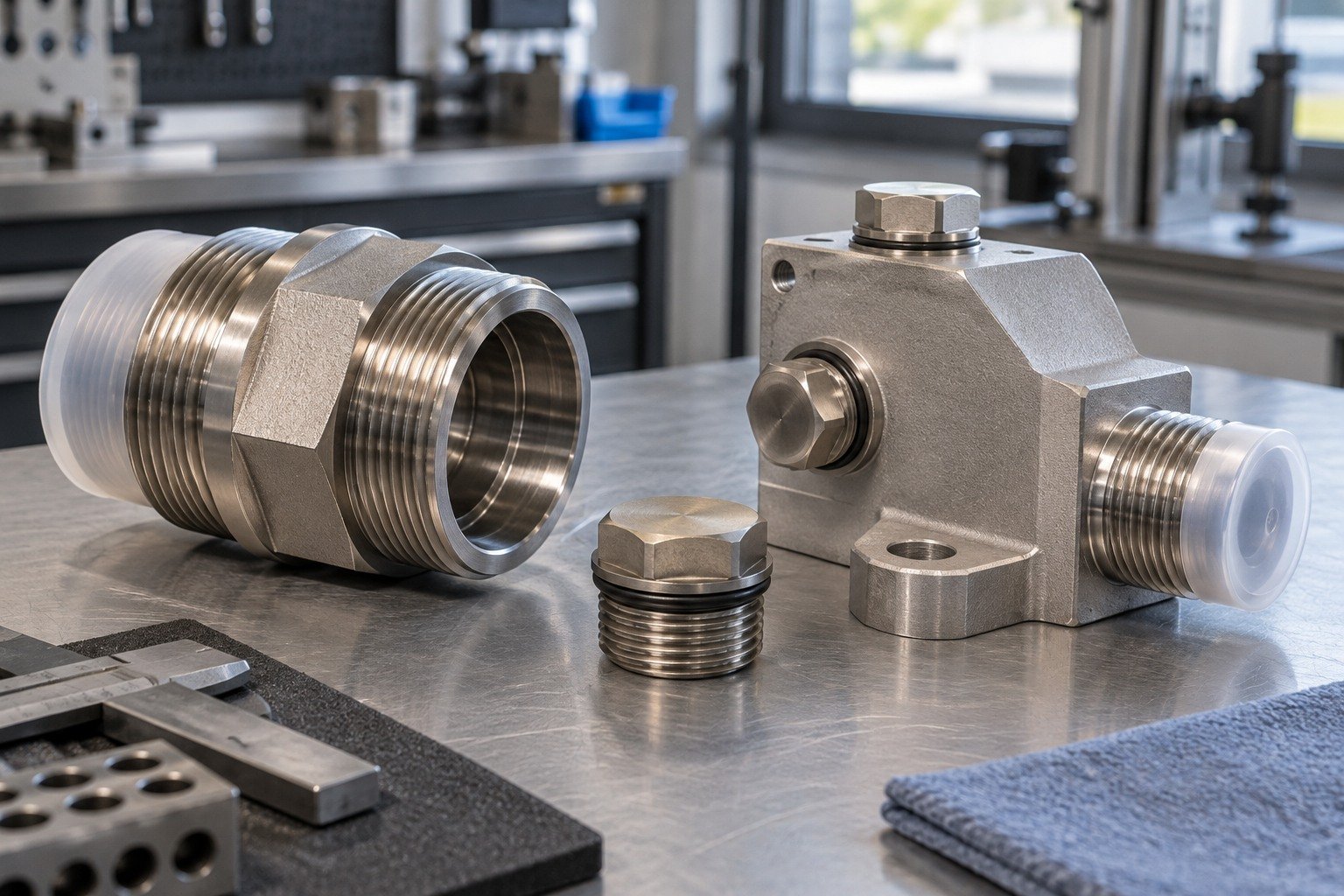
Precision abrasive blasting can affect dimensions, edge sharpness and surface texture. Mark bearing seats, sealing faces and final-fit requirements; confirm what is protected and what is measured.
| Your input | Final dimensions, datums and edge requirements. |
|---|---|
| Our review | Protection, exposure and finished-part checks. |
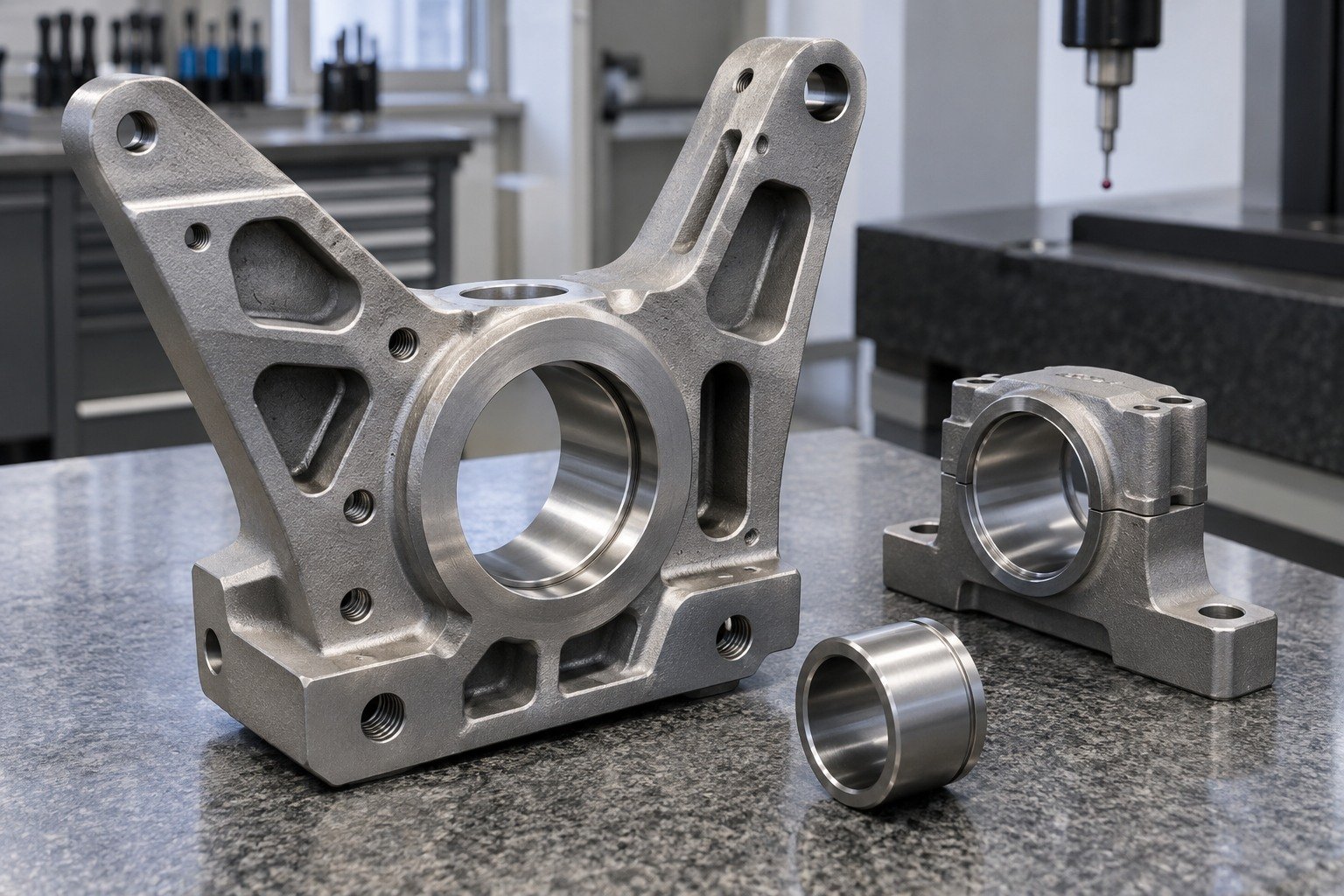
Thin panels, long flanges and unsupported features need review for the actual blasting method. Use a representative sample when flatness or assembly alignment matters.
| Your input | Wall thickness, flatness and support requirements. |
|---|---|
| Our review | Feasible process, trial and acceptance method. |
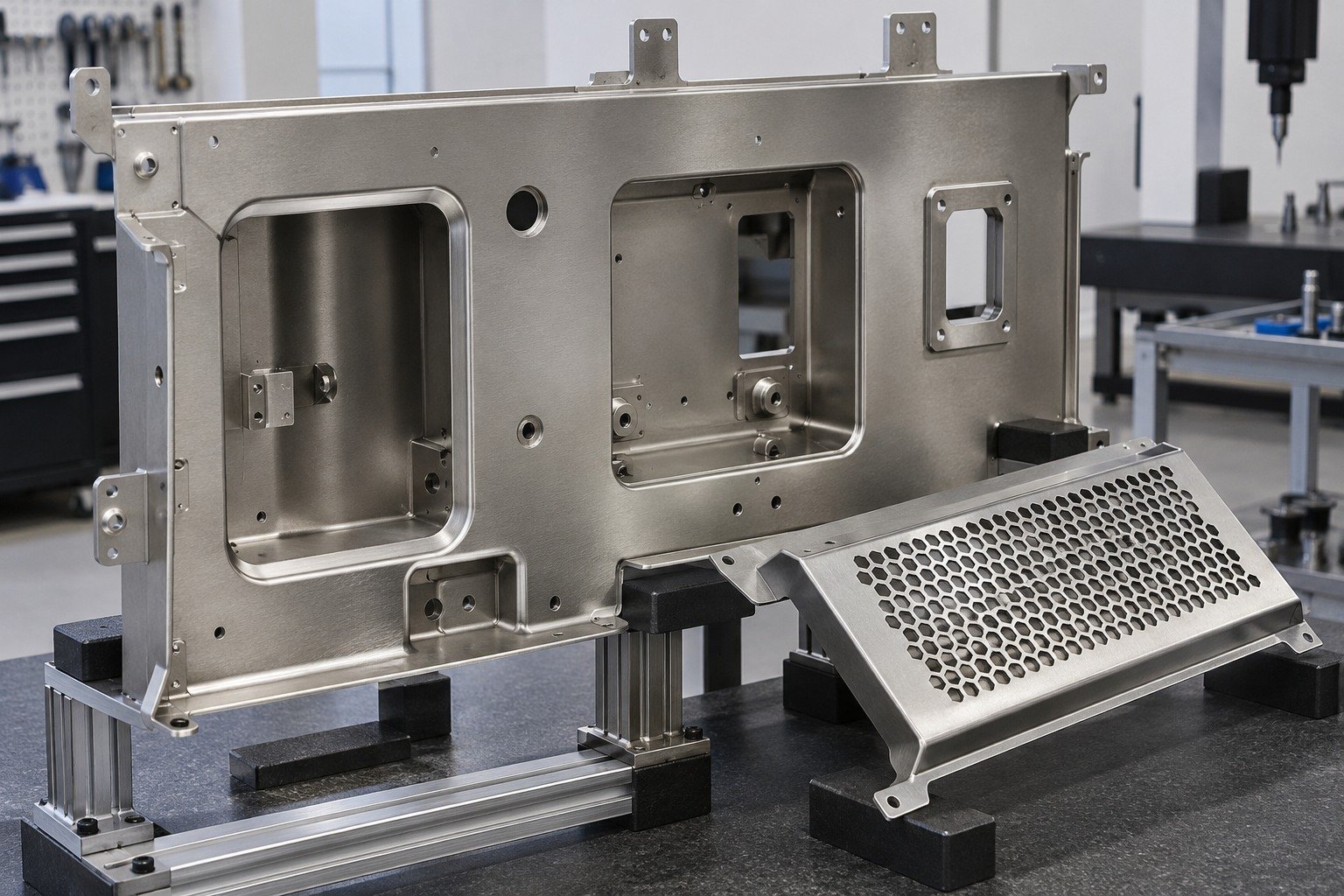
Sandblasting surface roughness is not determined by grit alone. Define required parameters and measurement conditions where specified, plus an appearance sample for visible faces.
| Your input | Roughness callout, location and visual reference. |
|---|---|
| Our review | Media/process trial and suitable measurement. |
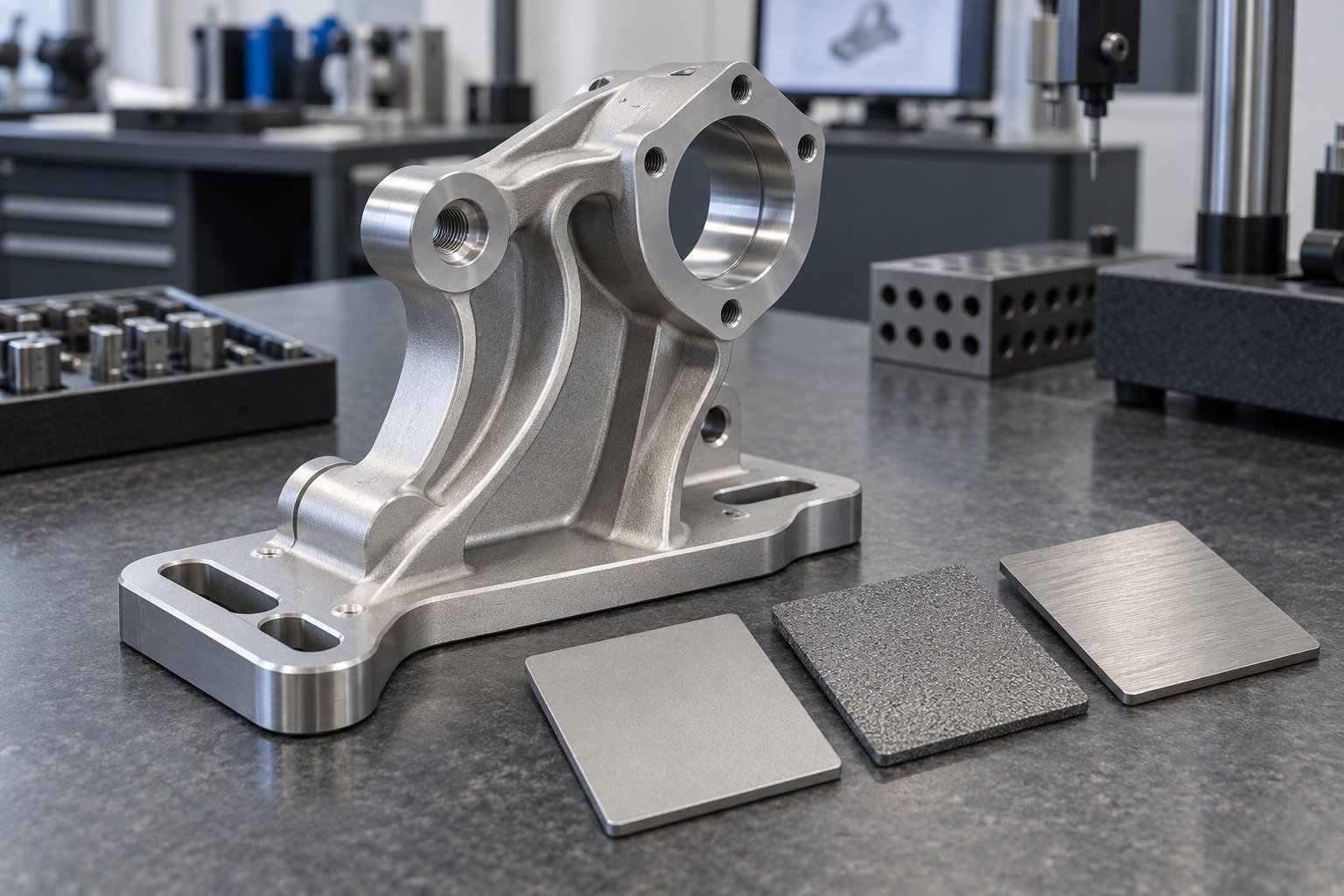
Inspect recesses, blind holes and thread roots after blasting. Agree a cleaning method and cleanliness acceptance appropriate to the geometry and downstream use.
| Your input | Trapped spaces and permitted residues. |
|---|---|
| Our review | Access, cleaning, inspection and assembly fit. |
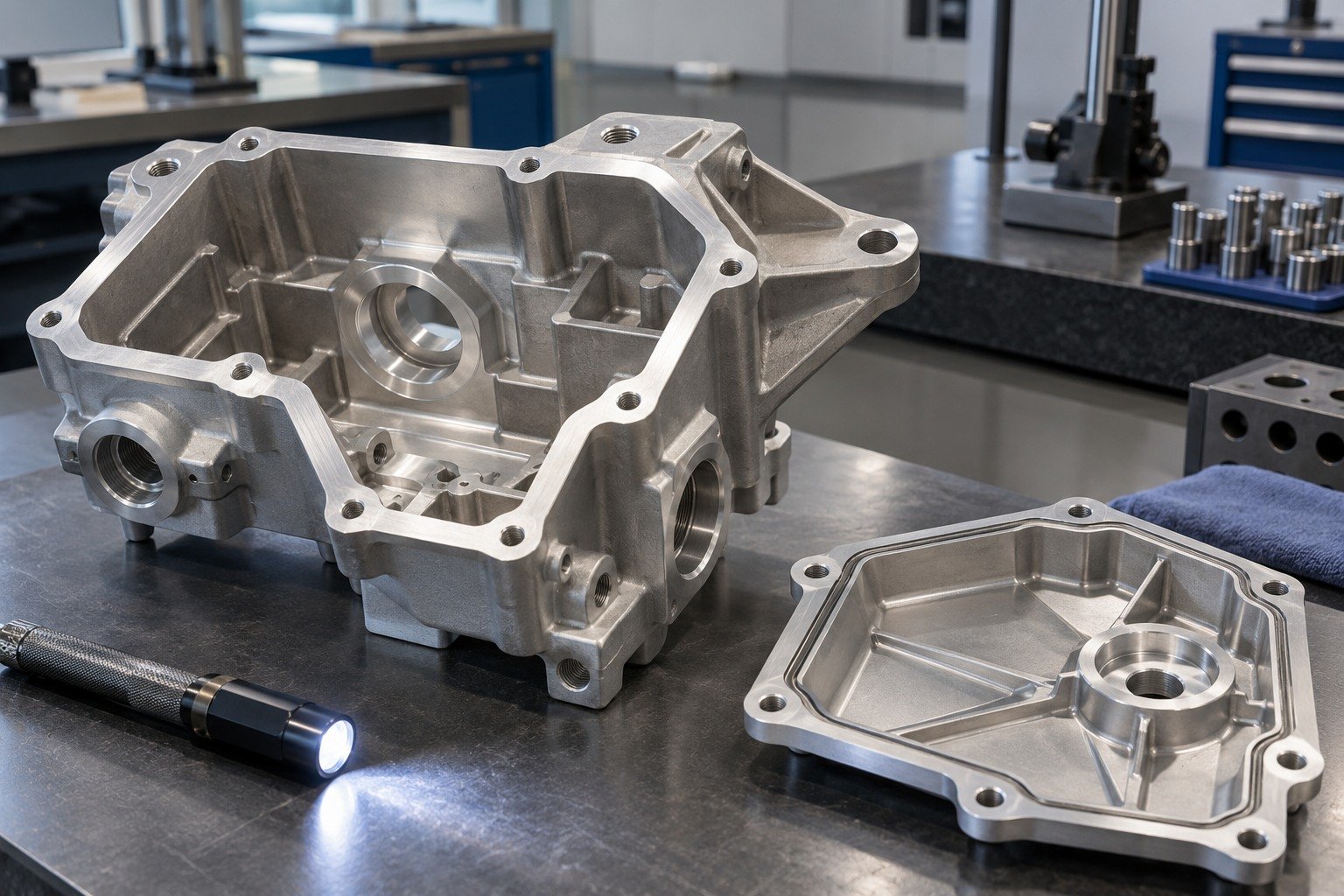
For sandblasting before powder coating, agree preparation and handling with the coating processor. Other chemical finishes also require compatible preparation; do not assume a generic bead blast is suitable.
| Your input | Next finish, cleanliness and timing requirements. |
|---|---|
| Our review | Compatible preparation, storage and release condition. |
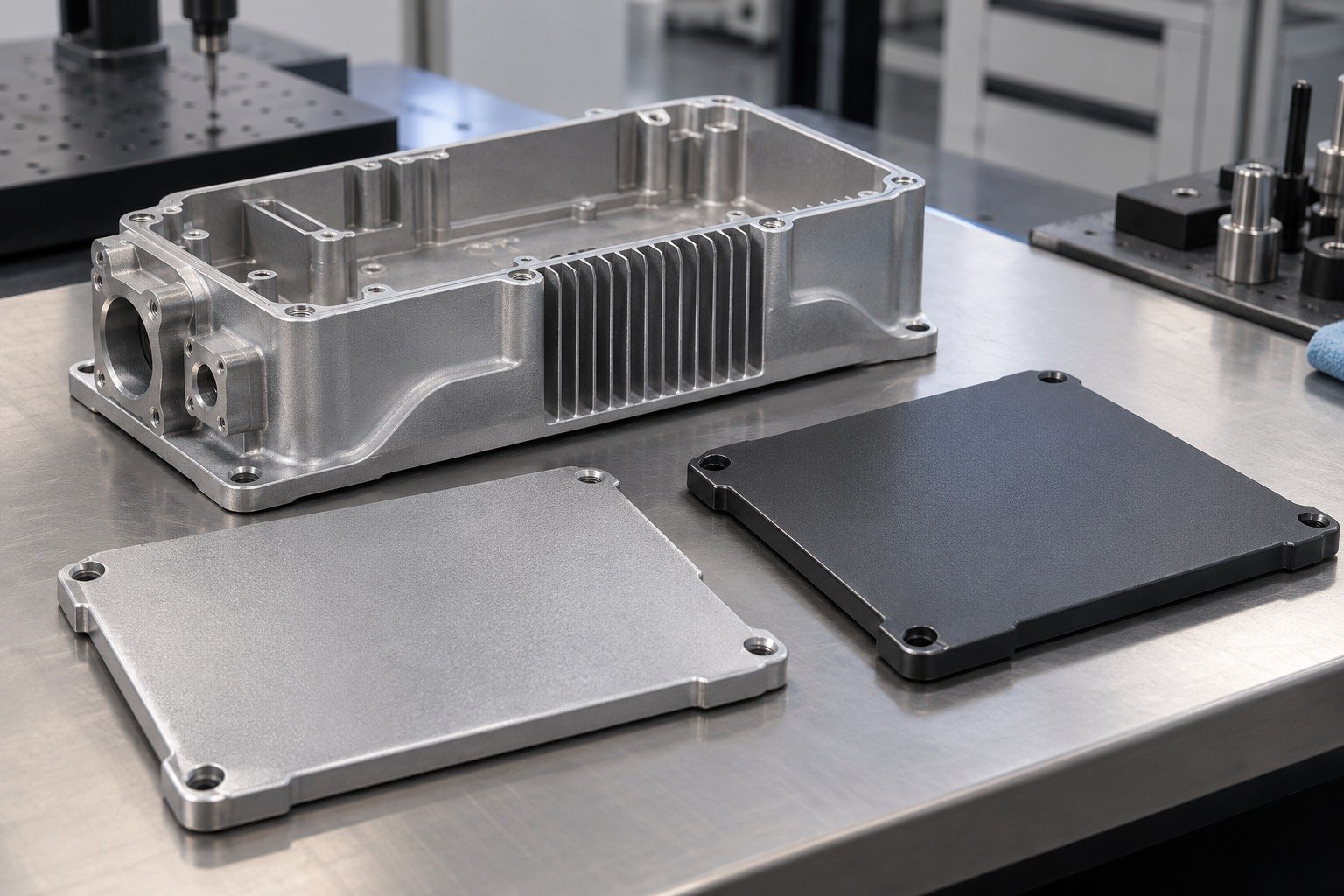
Material names alone do not define the blasting process. Review the actual grade, geometry and surface state.
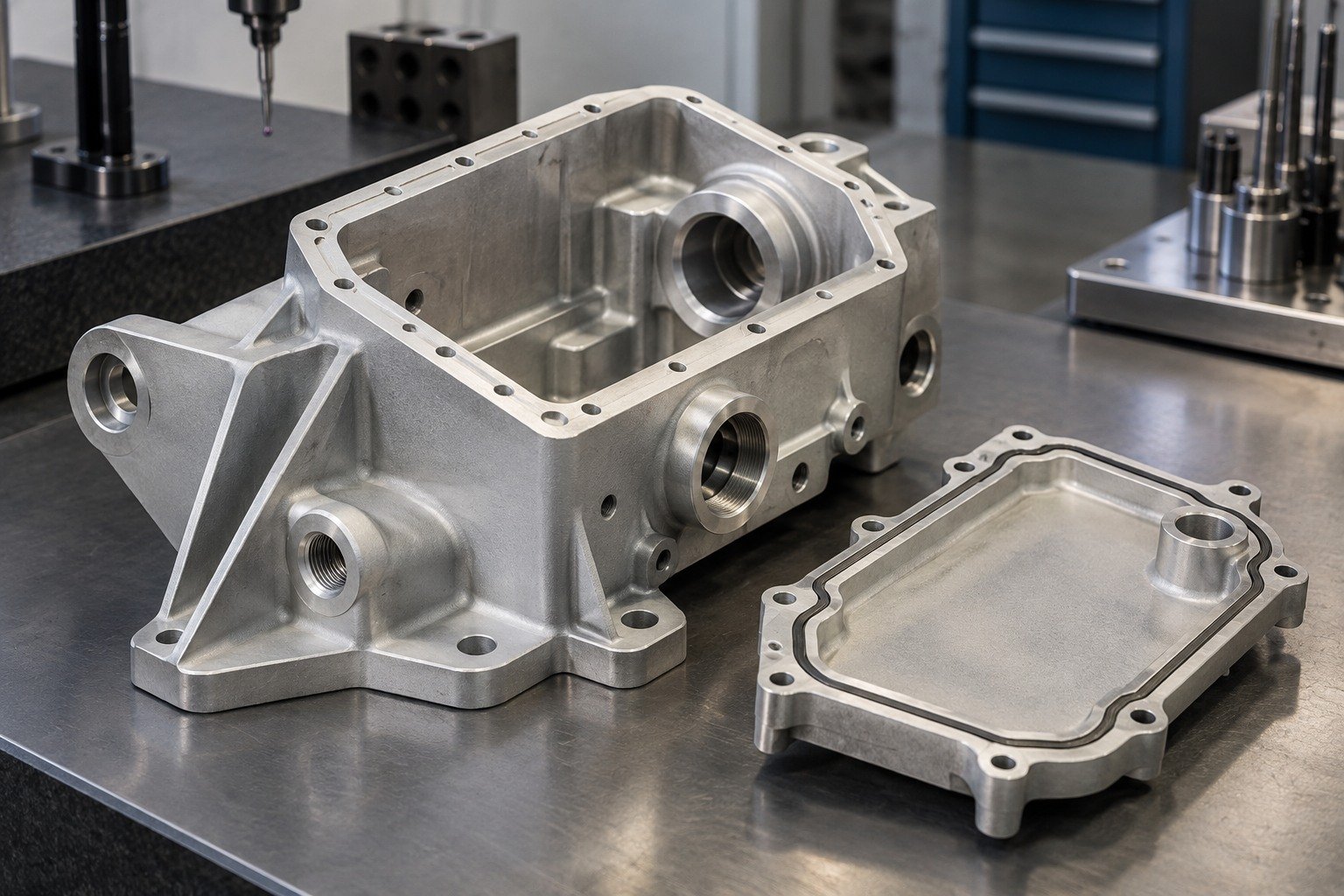
Review alloy, thin walls, cosmetic faces and protected precision features.
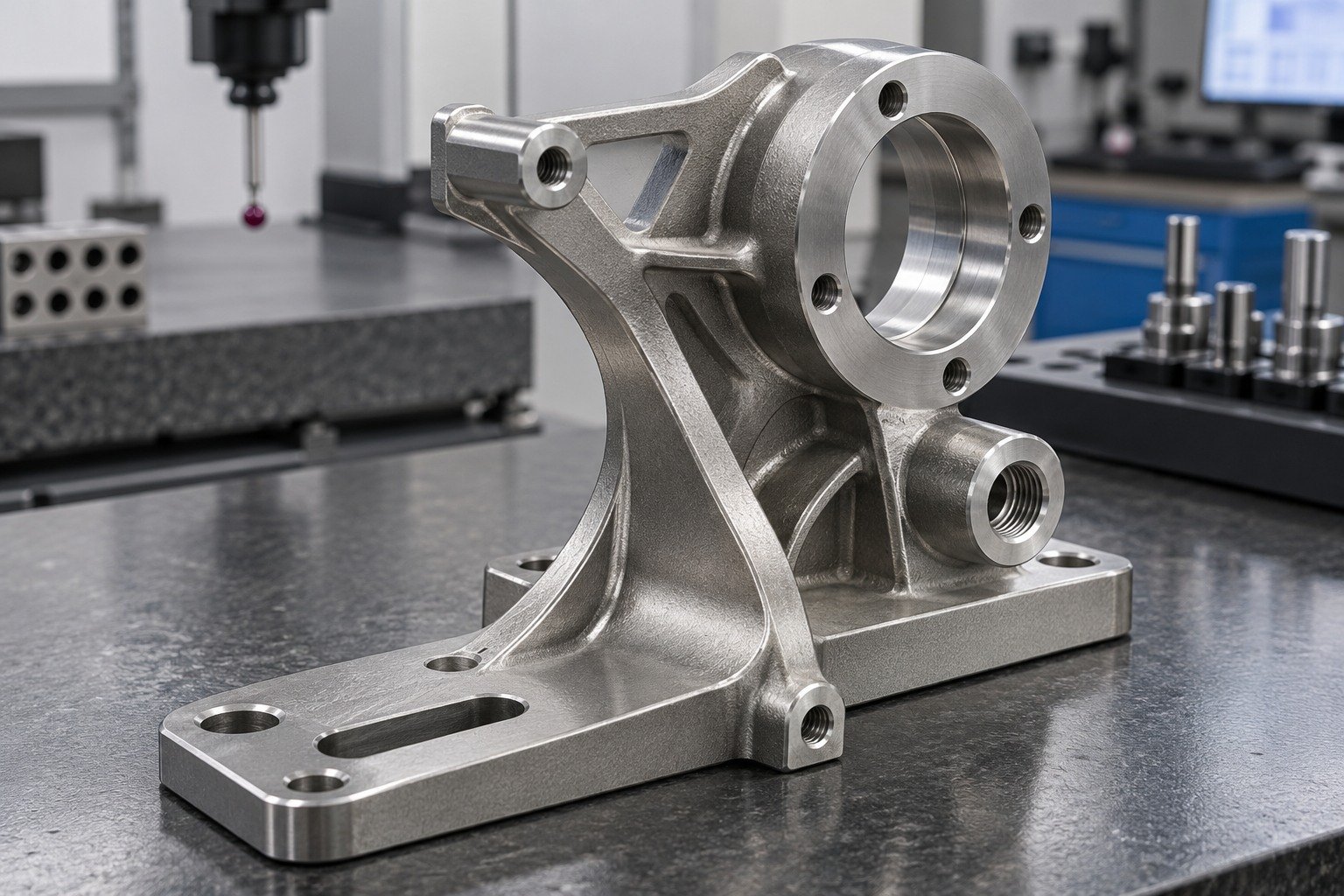
Specify grade, texture and contamination-control requirements.
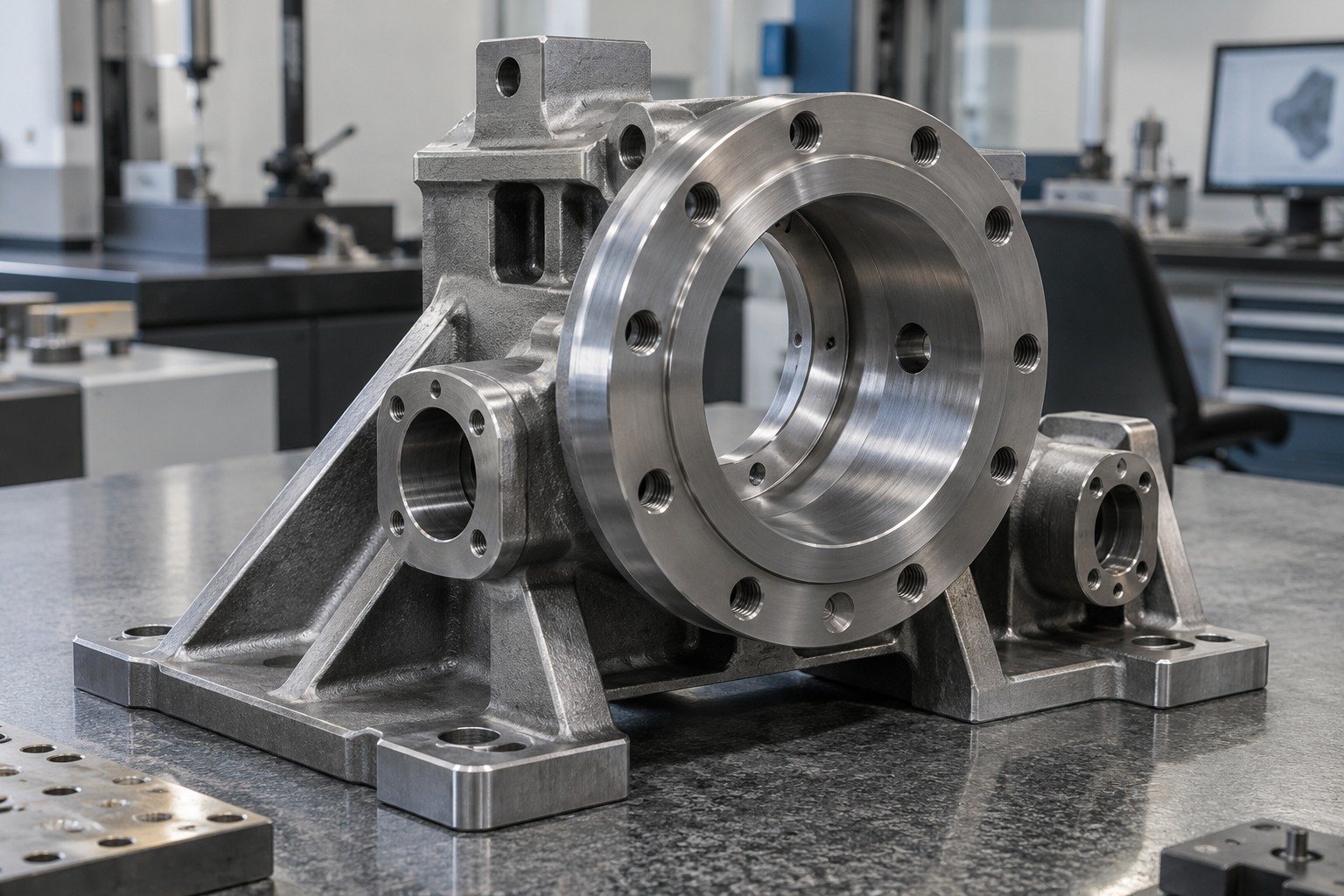
For sandblasting steel, identify rust, scale, previous coatings and the required next finish.
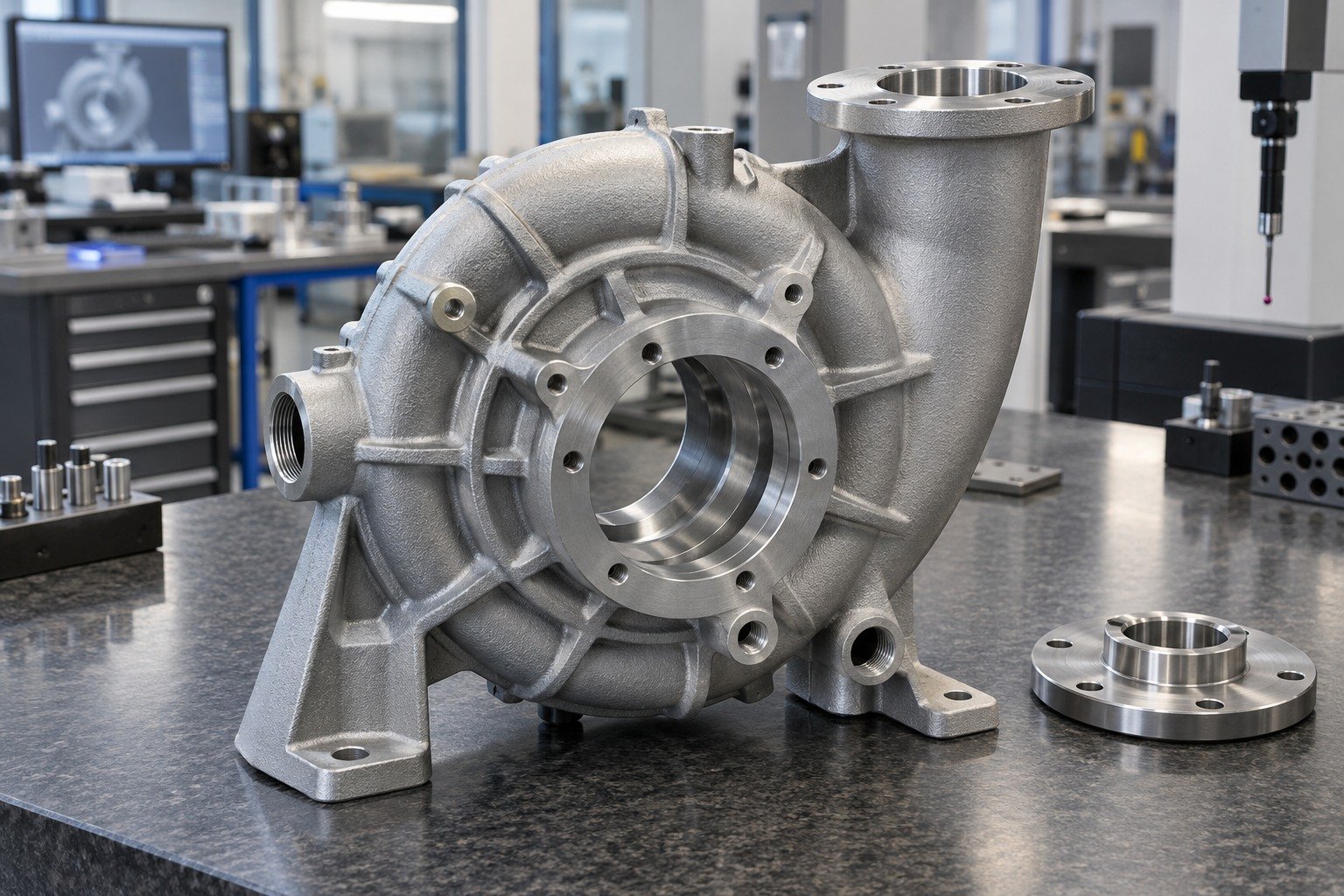
Disclose casting skin and defects; blasting is not a repair for porosity.
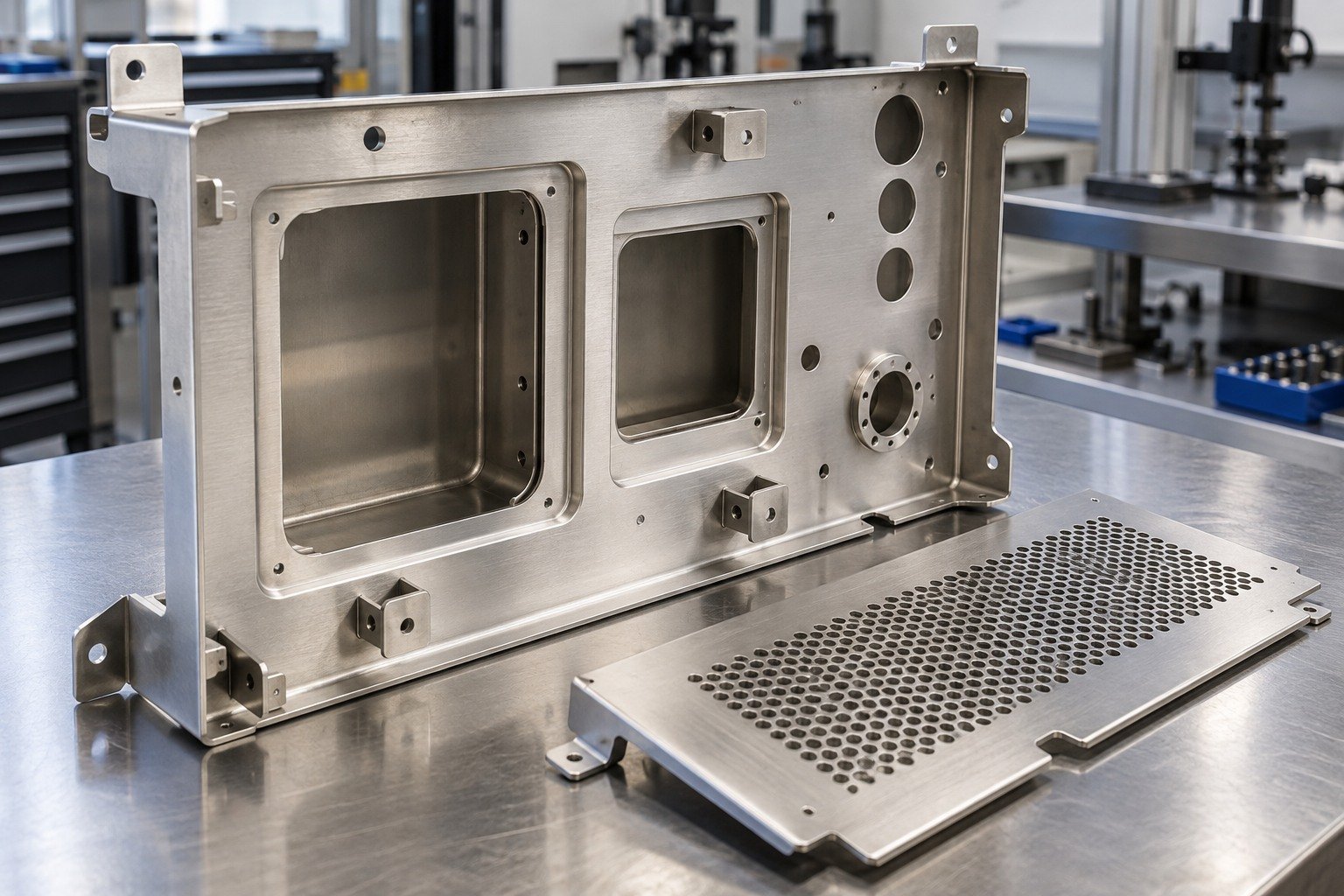
Review distortion sensitivity, weld zones and visible surface transitions.
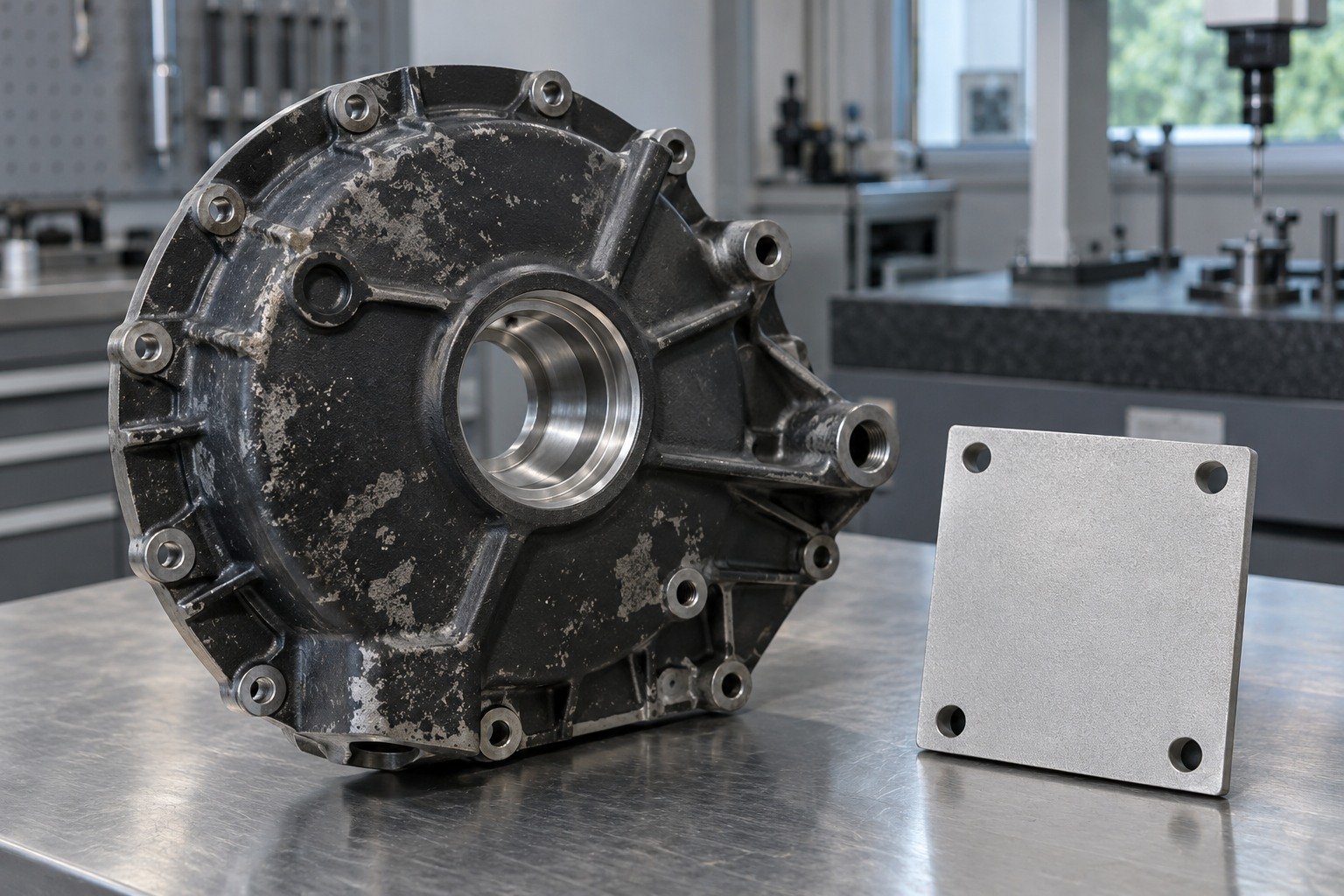
For abrasive blasting coating removal, disclose the coating and acceptable substrate condition; removal feasibility is confirmed by review.
Glass bead blasting services, grit blasting services and other media blasting services are not automatically interchangeable. Confirm material, media, equipment scope and acceptance for your part.
Compare media, starting condition, protected features, cleaning and inspection together when reviewing your sandblasting quote.
Define the purpose and protected interfaces.
Review texture, fit and cleanliness.
Control media, handling and change approval.
PLANNING EXAMPLE — NOT A PRICE OR MINIMUM ORDER
Illustrative masking-plan arithmetic only. Actual method, effort, price and order minimum depend on your project.
The sandblasting process must fit the substrate, purpose and protected interfaces on your controlled drawing.
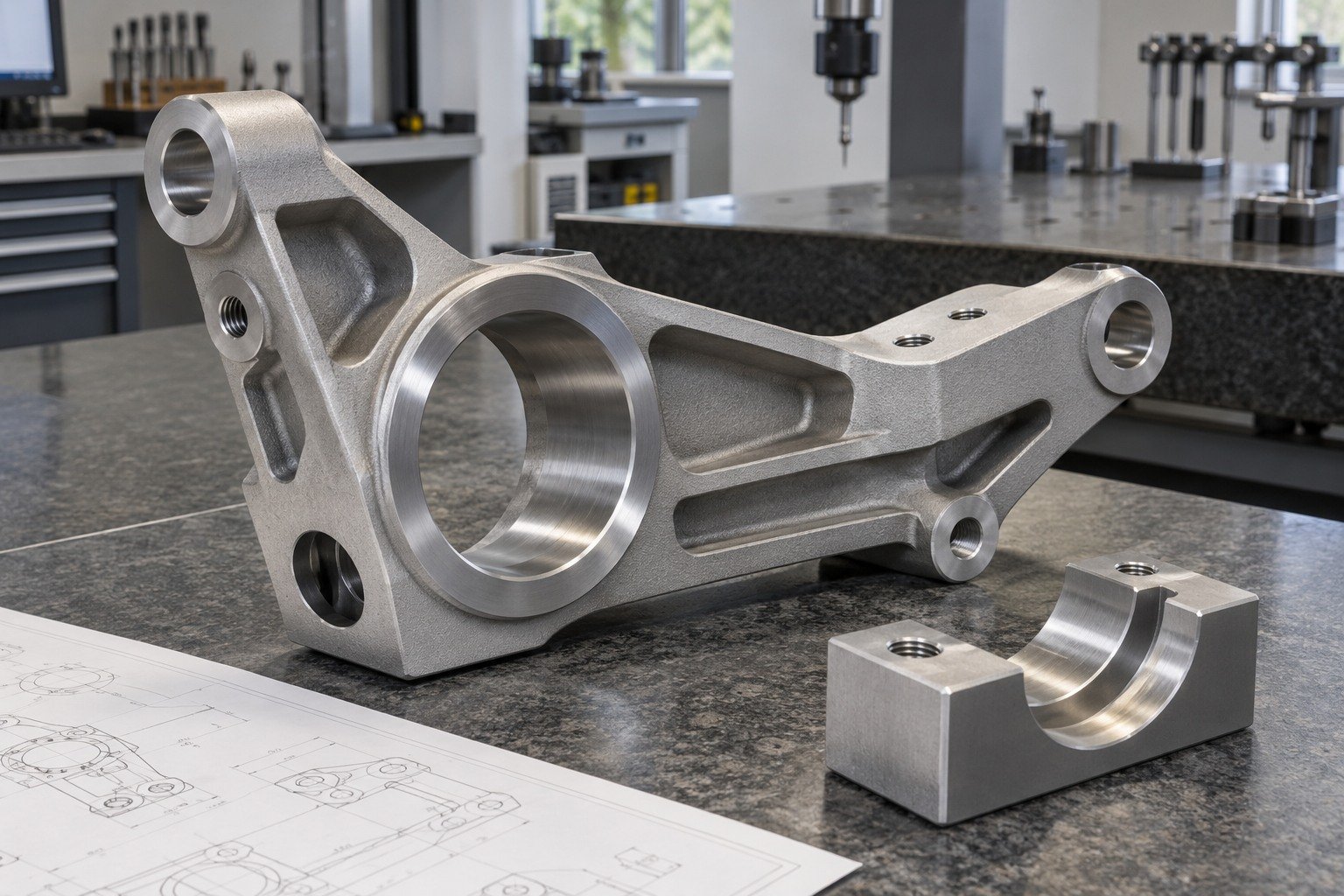
Confirm material, starting condition, media and the surface you need.
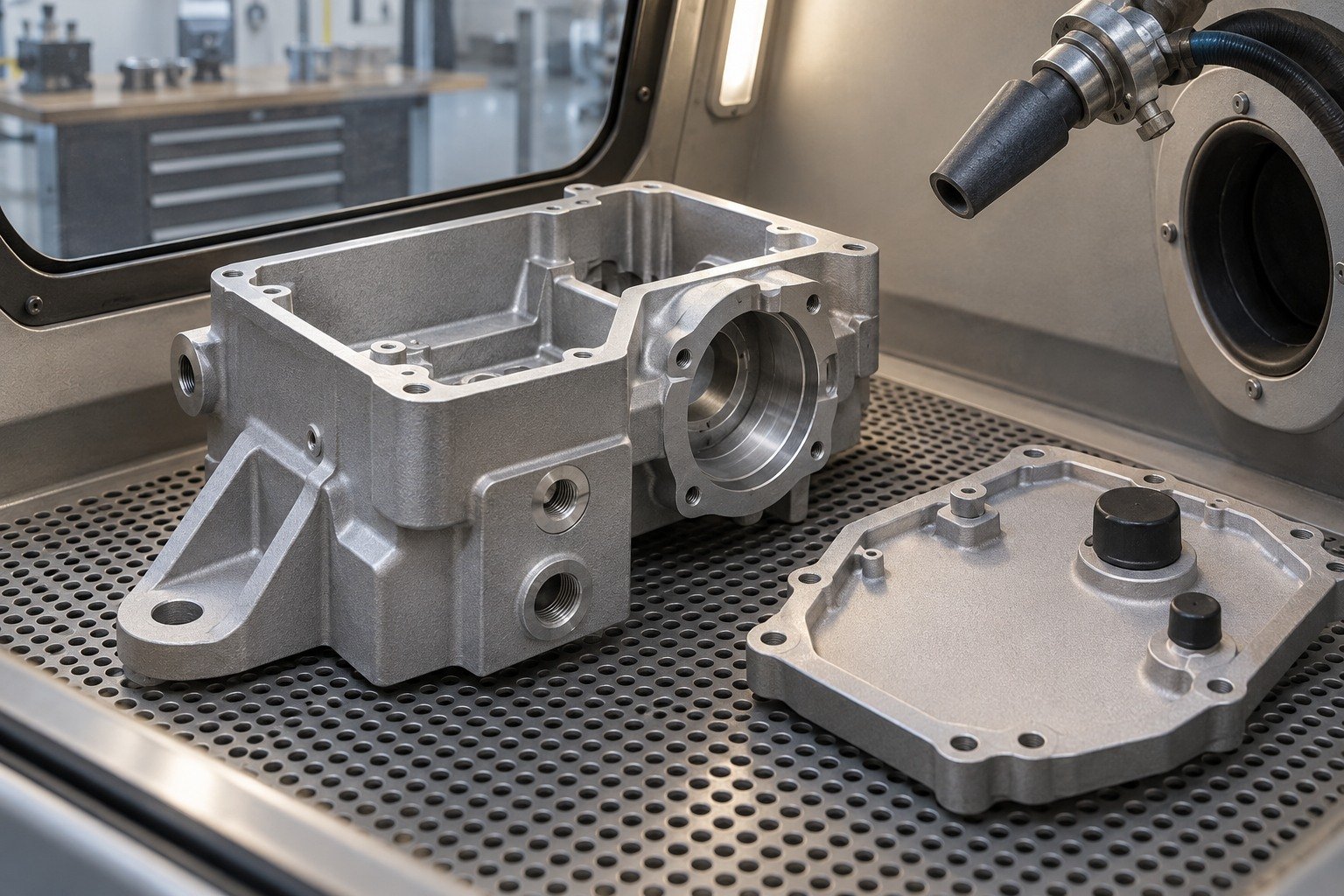
Inspect secure protection on required threads, bores and sensitive faces before the selected process.

Remove masks and residual abrasive using the agreed method; inspect recesses and critical fit.
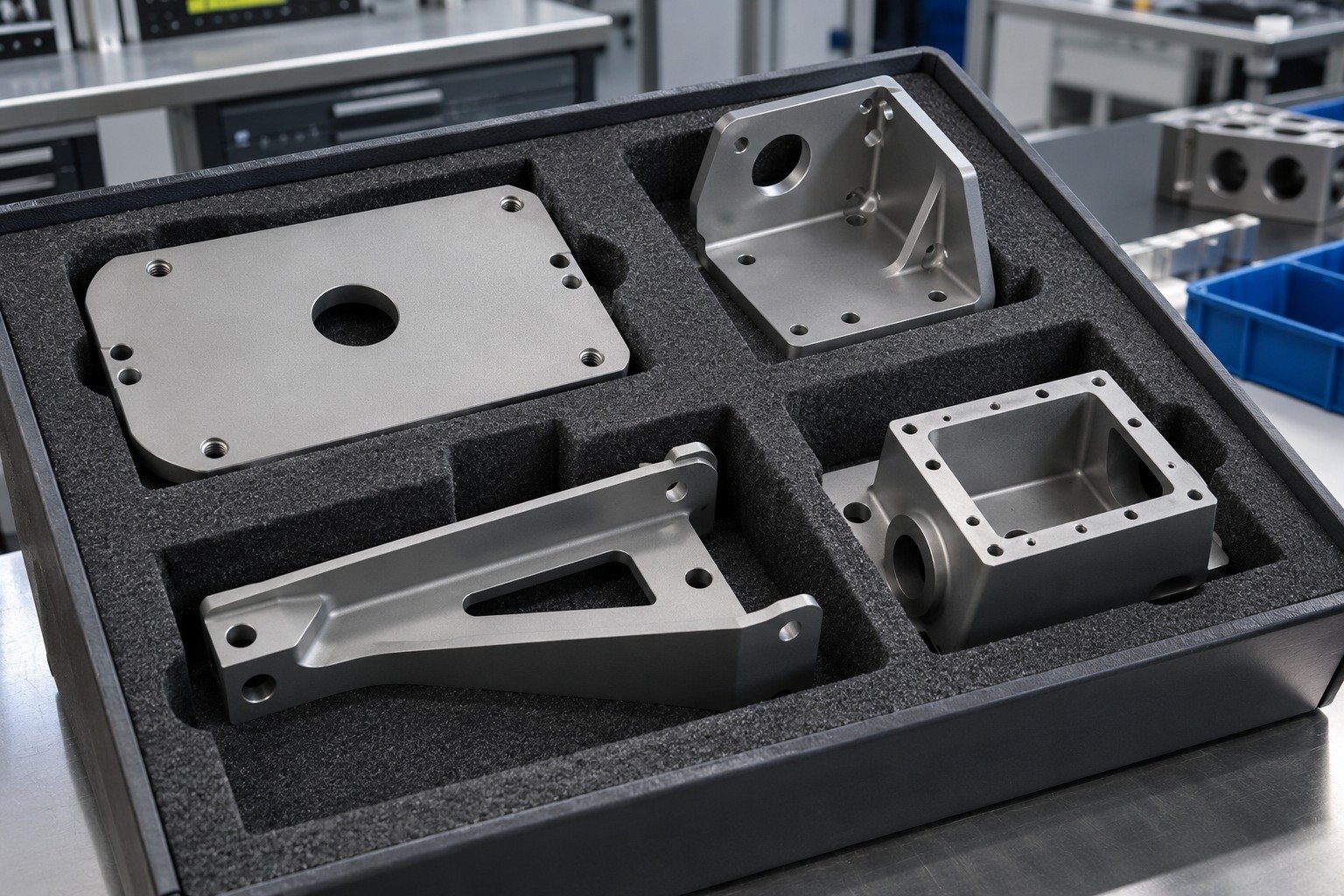
Approve texture, required measurements and cleanliness; protect the surface for the next operation.
This is a purchasing sequence, not an equipment operating instruction. Actual process settings, safety controls and responsible processor are confirmed for the project.
Check the blasted part and its assembly interfaces, not only the overall surface color.
| Material & Revision | Actual alloy, condition and controlled drawing. |
|---|---|
| Media & Process | Abrasive identity, grade system and agreed scope. |
| Texture & Appearance | Representative sample and specified roughness checks. |
| Protected Interfaces | Threads, bores, seals and mask boundaries. |
| Cleanliness & Fit | Residual media removal and specified mating or gauge checks. |
| Release Records | Required evidence, packing and next-finish condition. |
A photograph does not establish roughness values, internal cleanliness or functional thread engagement. Define the actual method, sample and acceptance.
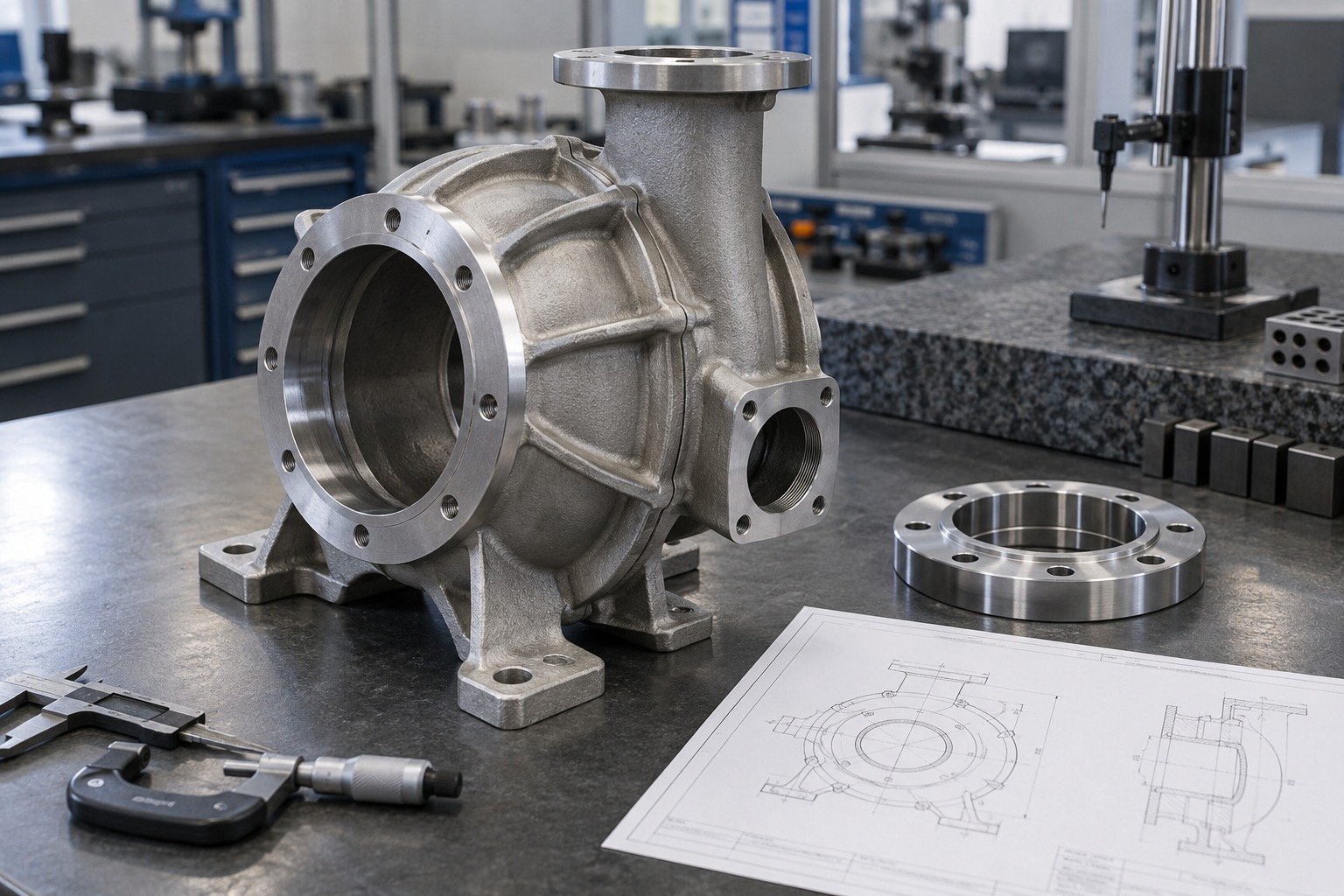
| Material & Revision | Actual alloy, condition and controlled drawing. |
|---|---|
| Media & Process | Abrasive identity, grade system and agreed scope. |
| Texture & Appearance | Representative sample and specified roughness checks. |
| Protected Interfaces | Threads, bores, seals and mask boundaries. |
| Cleanliness & Fit | Residual media removal and specified mating or gauge checks. |
| Release Records | Required evidence, packing and next-finish condition. |
A photograph does not establish roughness values, internal cleanliness or functional thread engagement. Define the actual method, sample and acceptance.
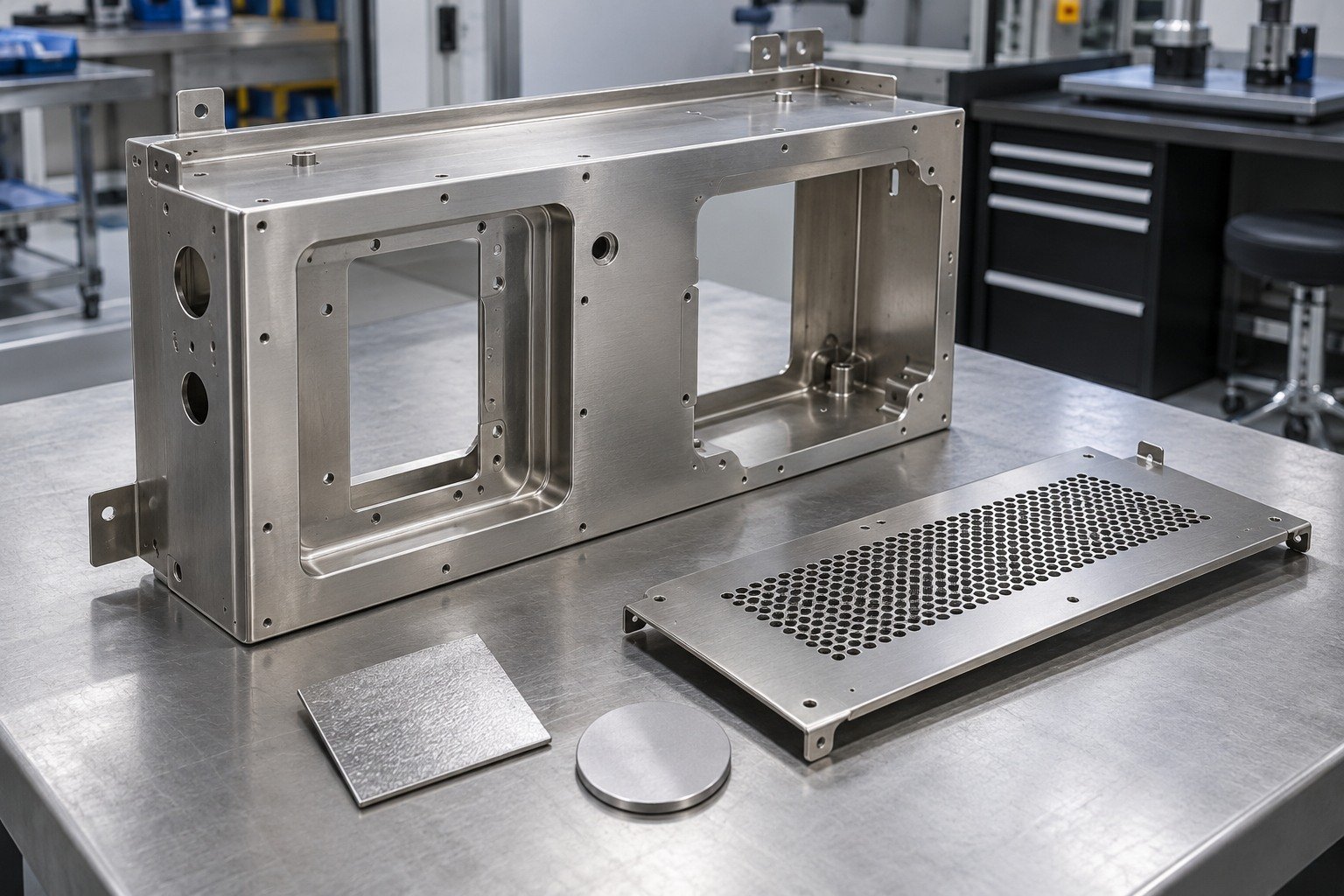
| Material & Revision | Actual alloy, condition and controlled drawing. |
|---|---|
| Media & Process | Abrasive identity, grade system and agreed scope. |
| Texture & Appearance | Representative sample and specified roughness checks. |
| Protected Interfaces | Threads, bores, seals and mask boundaries. |
| Cleanliness & Fit | Residual media removal and specified mating or gauge checks. |
| Release Records | Required evidence, packing and next-finish condition. |
A photograph does not establish roughness values, internal cleanliness or functional thread engagement. Define the actual method, sample and acceptance.
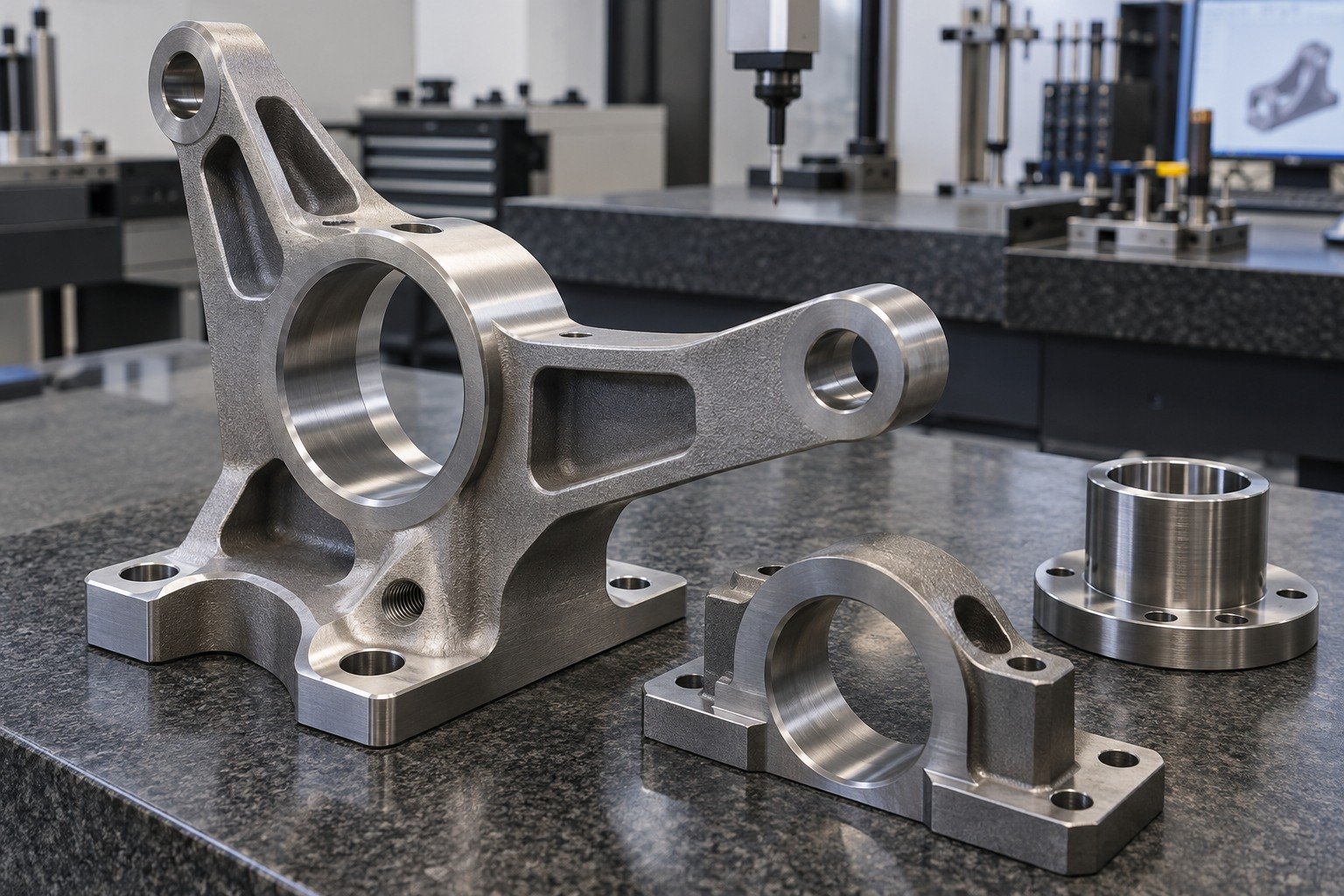
| Material & Revision | Actual alloy, condition and controlled drawing. |
|---|---|
| Media & Process | Abrasive identity, grade system and agreed scope. |
| Texture & Appearance | Representative sample and specified roughness checks. |
| Protected Interfaces | Threads, bores, seals and mask boundaries. |
| Cleanliness & Fit | Residual media removal and specified mating or gauge checks. |
| Release Records | Required evidence, packing and next-finish condition. |
A photograph does not establish roughness values, internal cleanliness or functional thread engagement. Define the actual method, sample and acceptance.
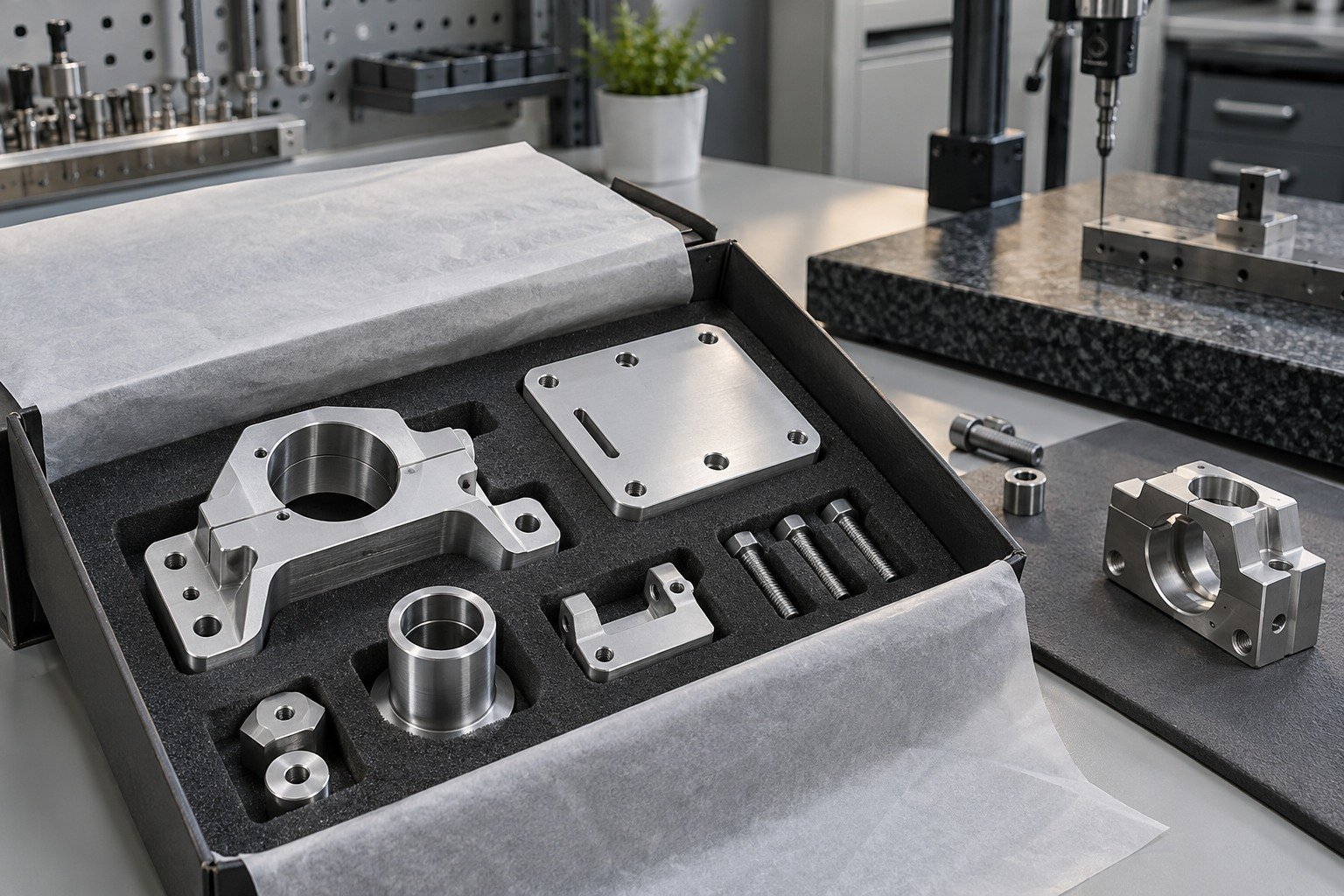
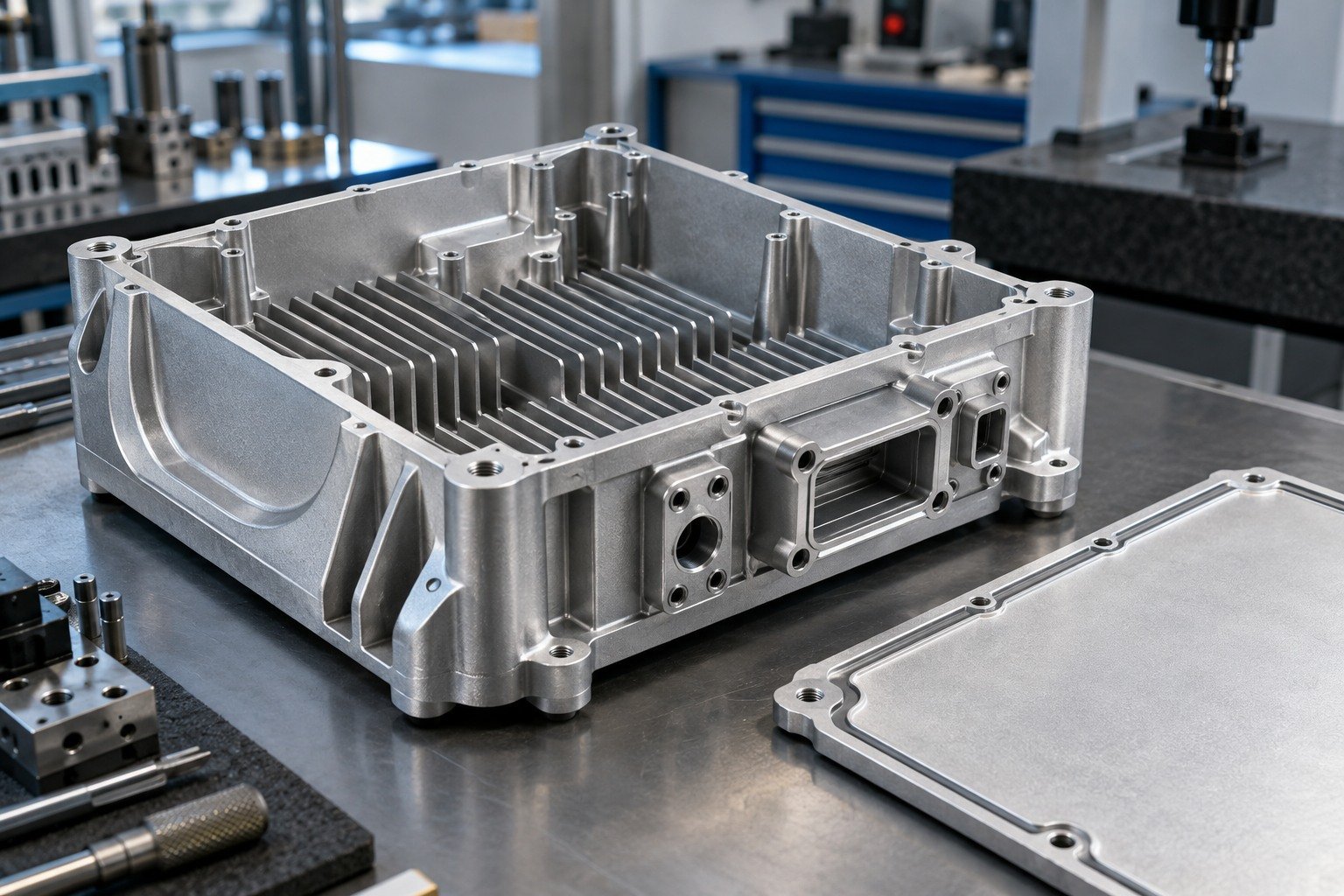
Separate texture zones from precision bores and seals.
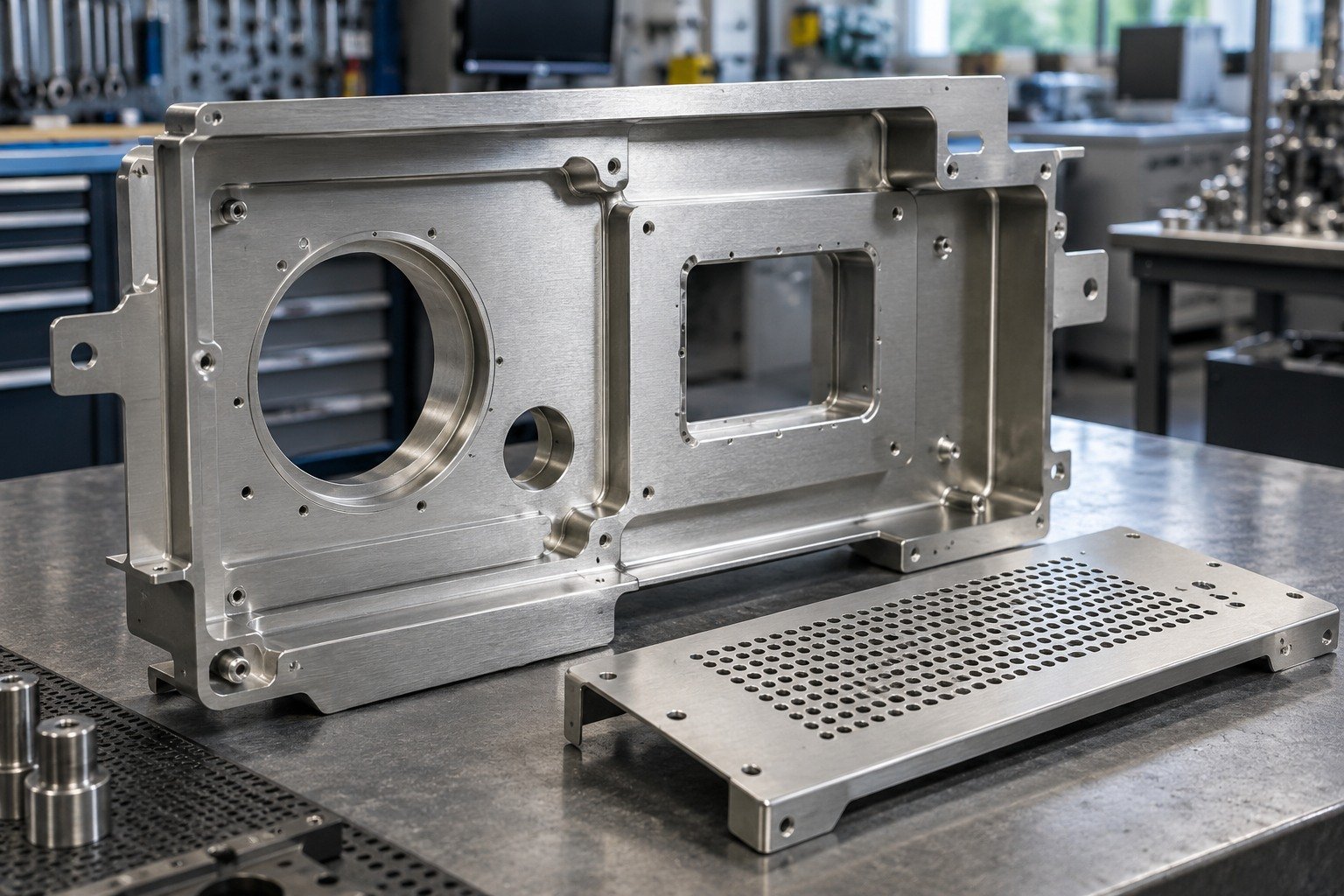
Review visible faces, edges and distortion sensitivity.
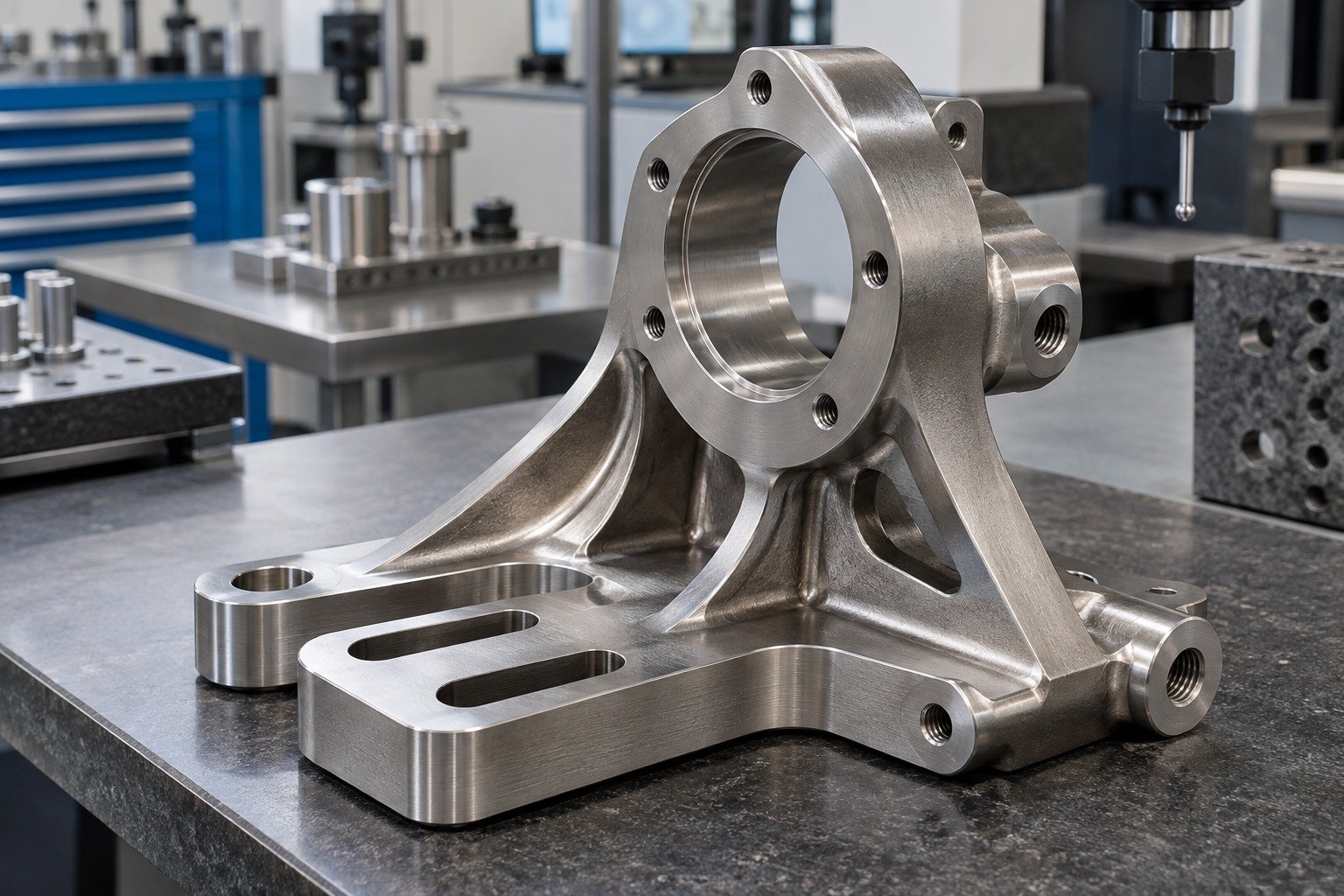
Define datum pads and the finish needed before assembly.
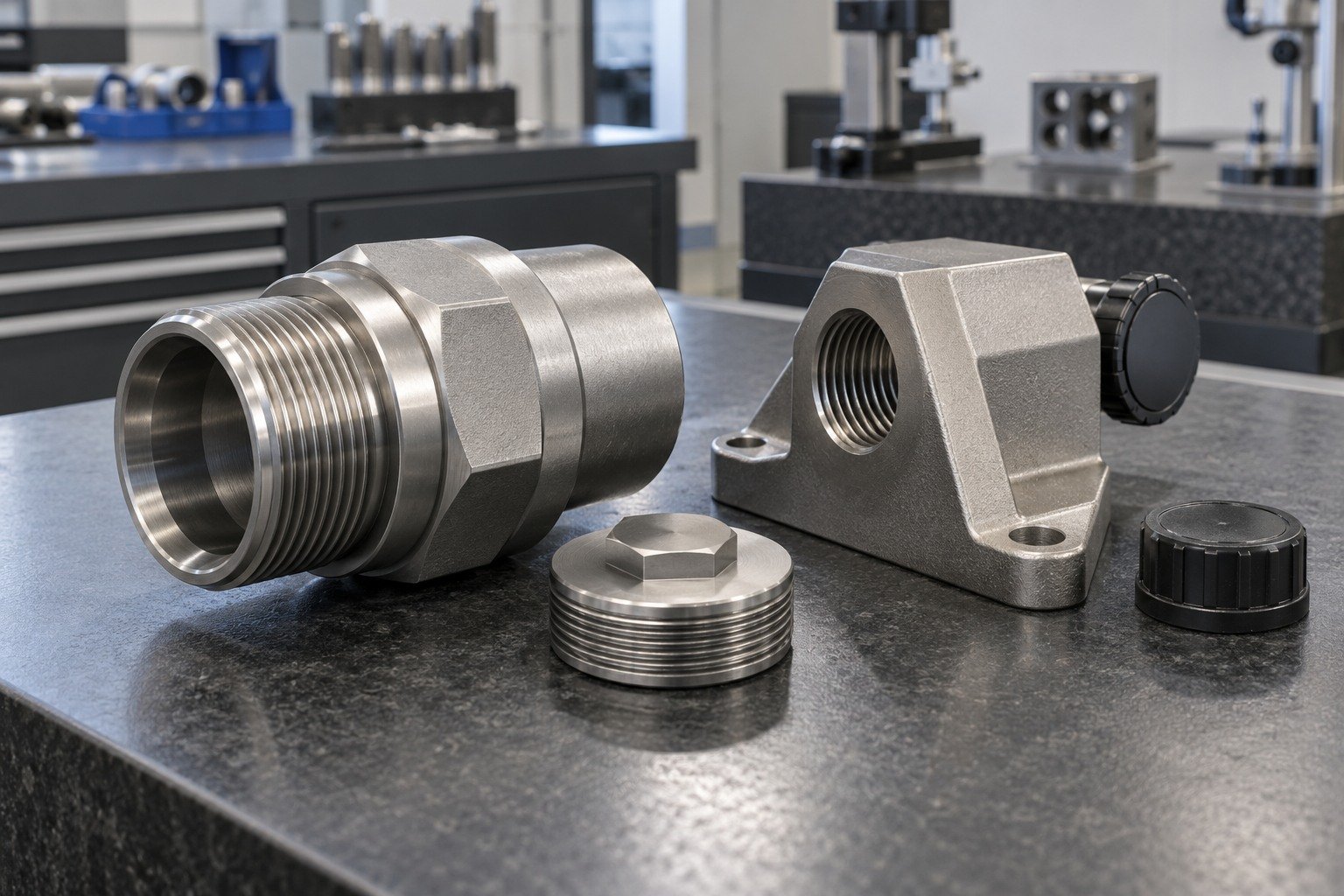
Protect threads before blasting, then clean and verify fit.
Illustrative application concepts. Suitability and required evidence are project-specific; no customer case study or industry qualification is implied.
Coordinate your finish drawing, representative samples and delivery requirements.

Project communication and coordination.
Media, protected features and processor confirmed in your quote.
Agree texture, cleanliness and release evidence.
Coordinate packing and the next finishing step.
What information is needed for a sandblasting quote? Include these inputs and separate part supply, surface treatment, cleaning and downstream coating responsibilities.
It is a common name for abrasive blasting, in which media is directed at a surface for a defined treatment purpose. The name does not specify the abrasive material. Agree the actual media and required outcome for your part.
Compare the substrate, purpose and required texture. Bead blasting typically uses rounded media, while other grit routes use different particle shapes and cutting behavior. Neither service name alone defines the acceptable result.
No. A finer grade may produce a different surface effect under comparable conditions, but it does not prevent abrasive entering threads or establish an acceptable assembly fit. Specify masking and the required verification separately. Within the same media and grading system, 220 is generally finer than 150; that does not guarantee negligible thread effects.
Use the engagement depth and assembly condition specified on your drawing. Blind holes normally need allowance for incomplete threads, clearance and the fastener length; physical bottoming is not a universal acceptance requirement.
It can affect dimensions, edge condition and surface texture. Mark critical fits and required unblasted features. Agree suitable protection, process trials and finished-part inspection rather than assuming zero change.
An unsuitable abrasive or process can affect the surface, thin features and critical geometry. Review the actual alloy, wall stiffness, media and sample before processing.
No single roughness value applies to all media and parts. Specify the parameter, measurement location and acceptance basis, then review a representative sample with the chosen process.
It may change their visibility, but deep marks can remain and more aggressive removal can affect geometry. Agree the starting surface, desired appearance and permitted material removal before approving a sample.
No. Controlled shot peening has its own specified process and verification requirements. A cleaning or cosmetic blasting operation should not be represented as verified shot-peening performance.
Coordinate the timing, environment and storage with the next coating processor and applicable preparation requirements. Do not use a universal waiting interval for every steel or coating system.
Material, starting surface, geometry, media, masking, cleaning, inspection and quantity affect cost. Compare the same delivered scope and ask for any lot or setup charges separately.
Confirm actual media/process availability, sample review, cleaning, next operation and delivery with your quote. No universal lead time or sandblasting minimum order applies to every project.
Surfaces, protected threads and final-fit limits.
Texture, cleanliness and assembly evidence.
Media, masks, cleaning, inspection and delivery.
Confirm these together before releasing repeat production.