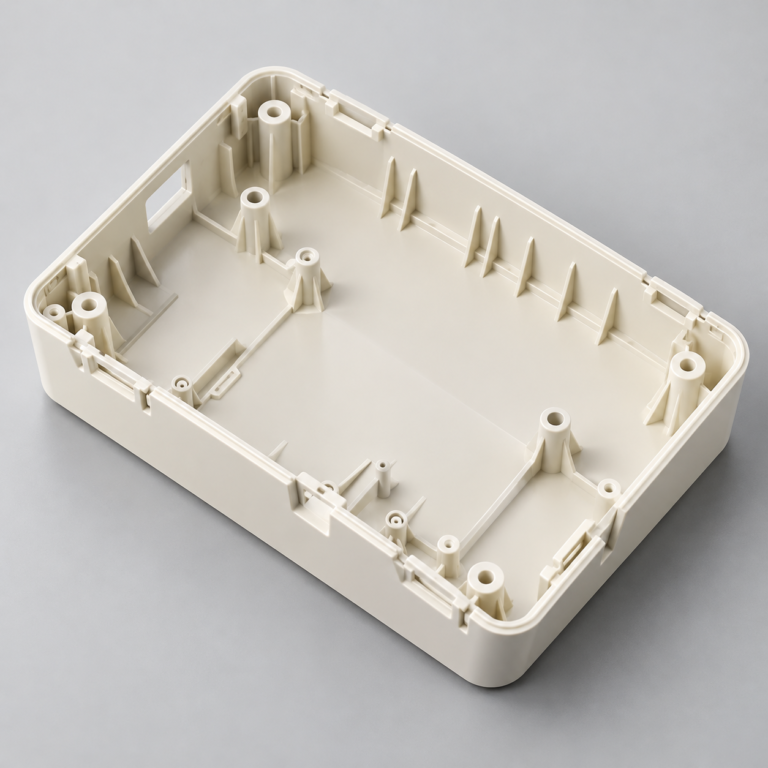
Injection Molding
Tooling and molding for your repeat plastic parts.
From prototype to production, coordinated manufacturing solutions for your custom parts.
View All Services →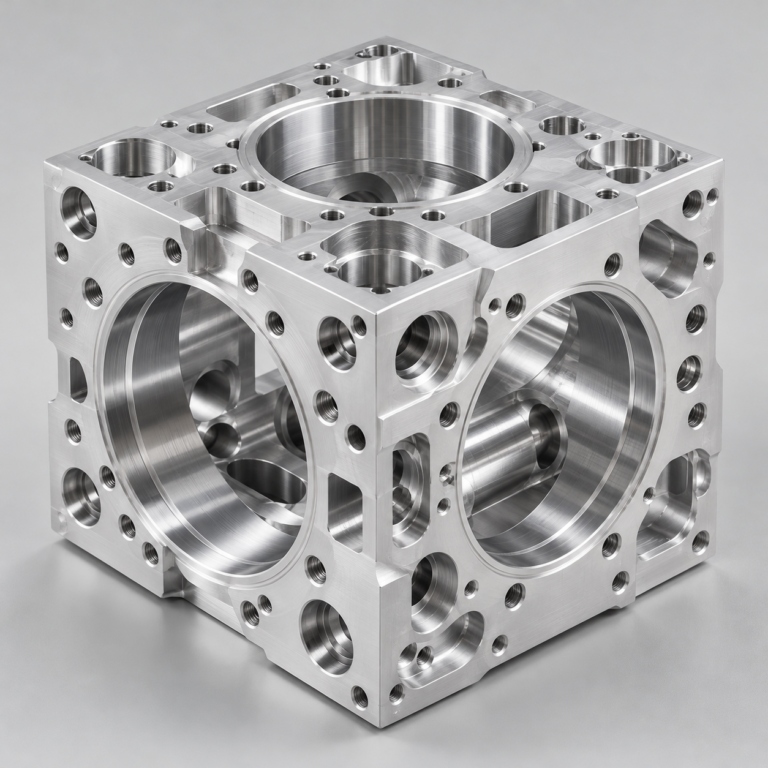
Precision parts for your tight tolerances and complex geometry.
Tooling and molding for your repeat plastic parts.
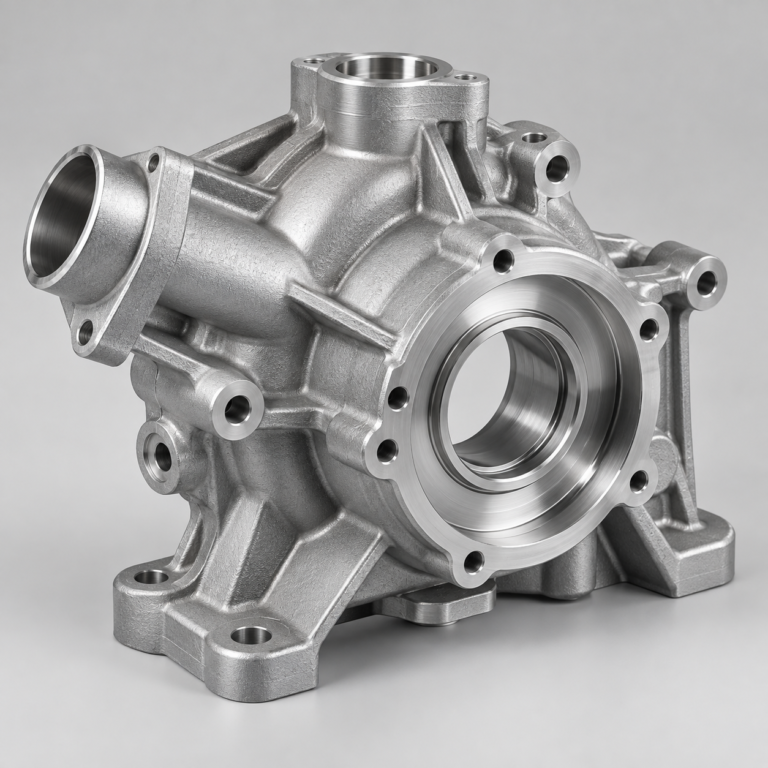
Metal casting options for your part and production volume.
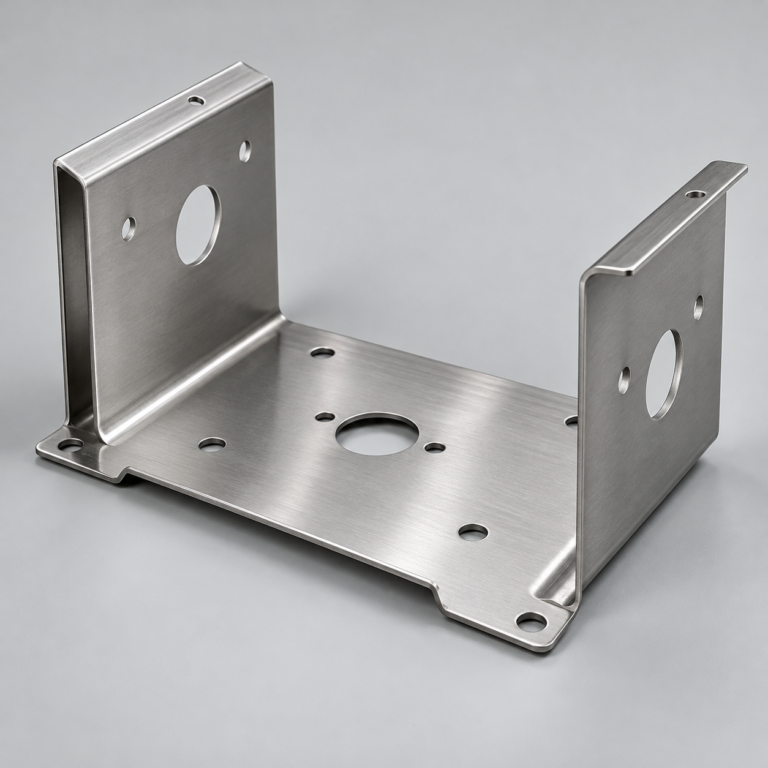
Cutting, forming and welding for your fabricated parts.
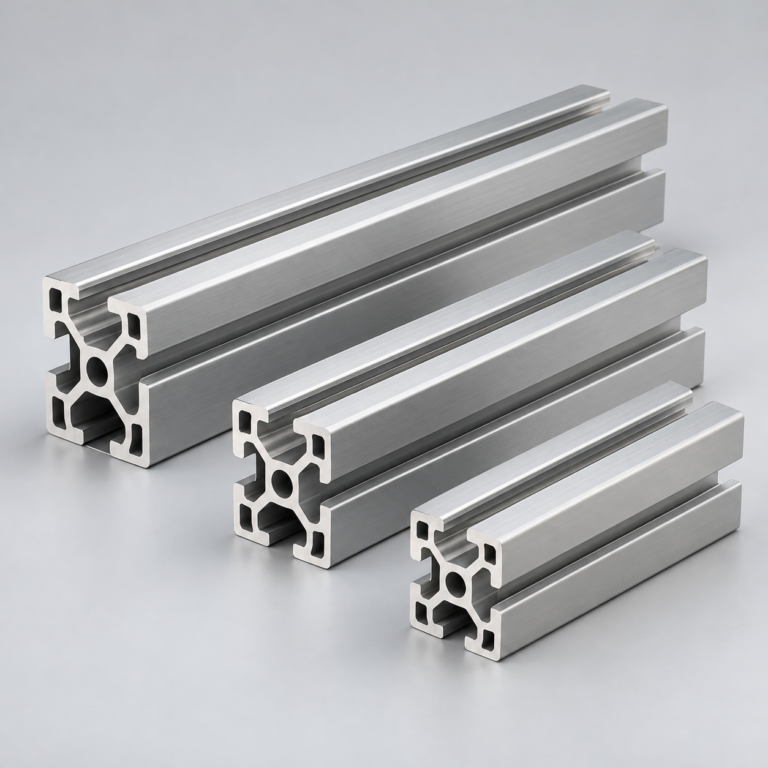
Custom profiles for your section, length and finish requirements.
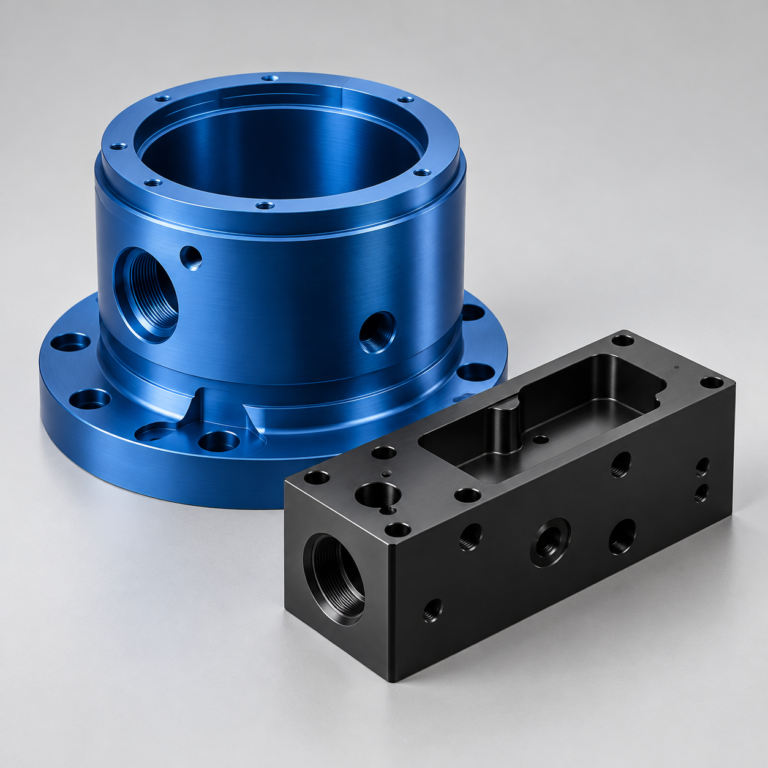
Finishes for your appearance, corrosion and wear requirements.
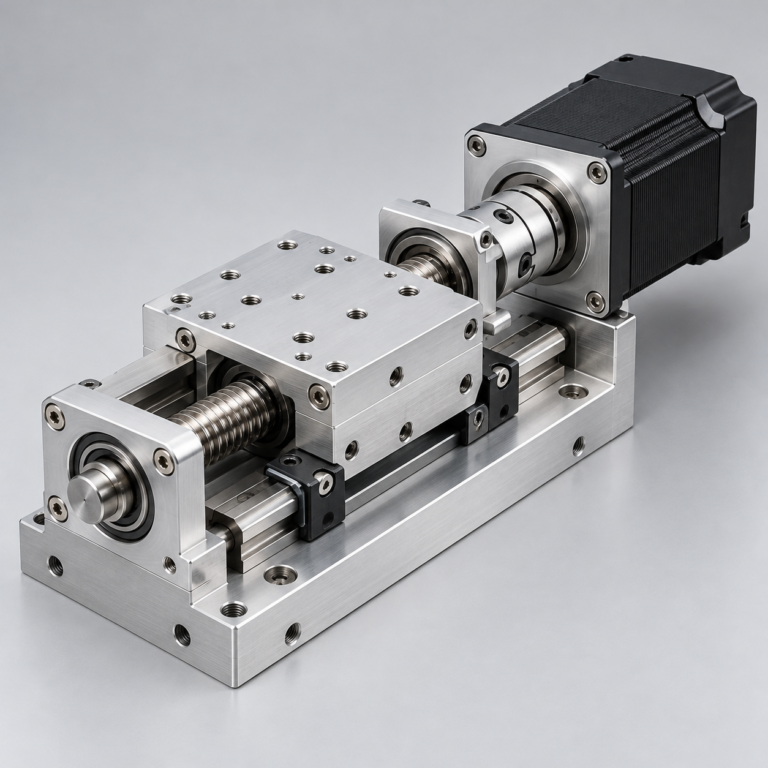
Sub-assemblies and final builds for your production program.
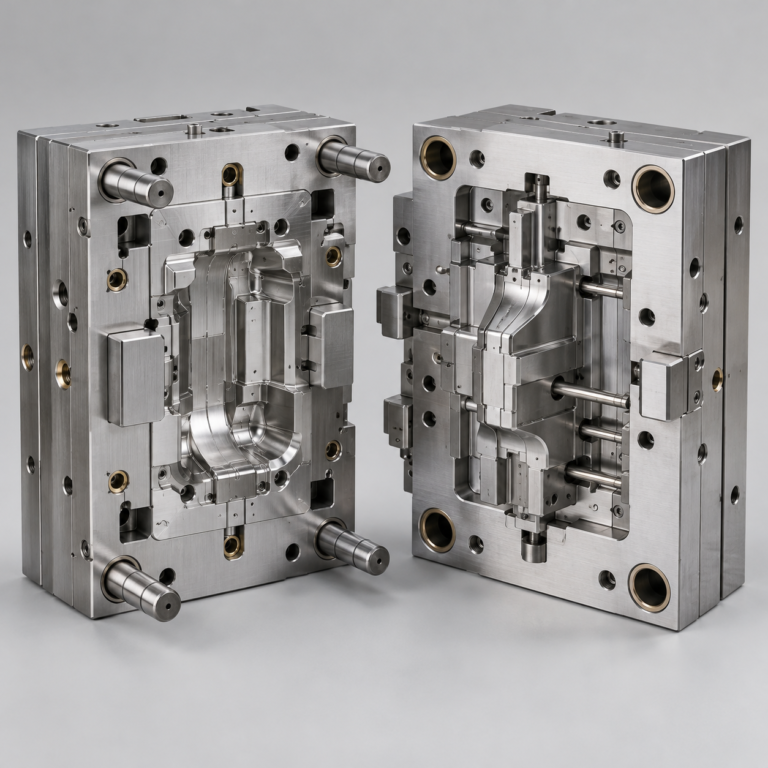
Production tooling built around your process and volume.
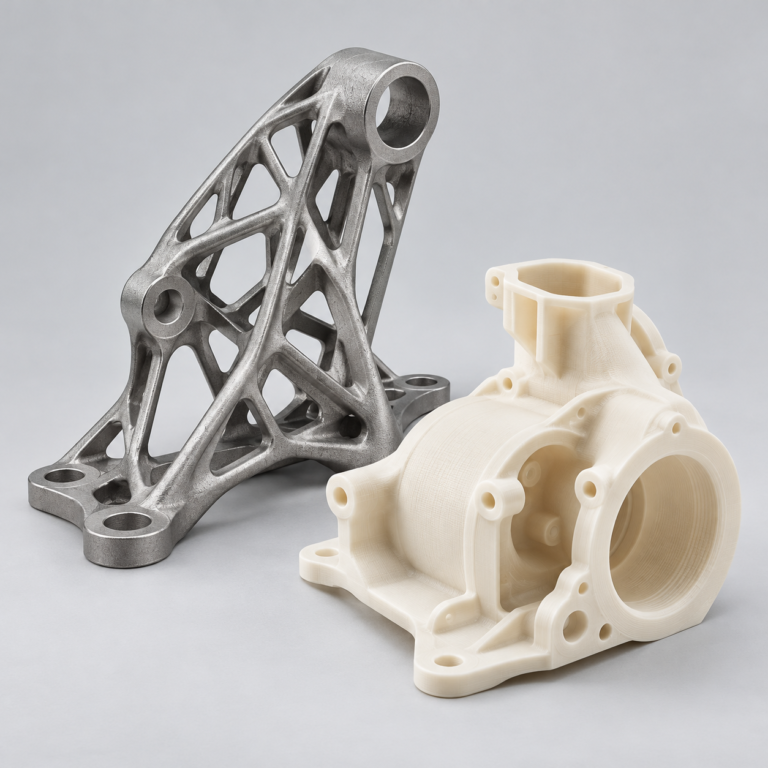
Prototype parts to check fit, function and design.
Choose air- or liquid-cooling components around your thermal and mechanical requirements.
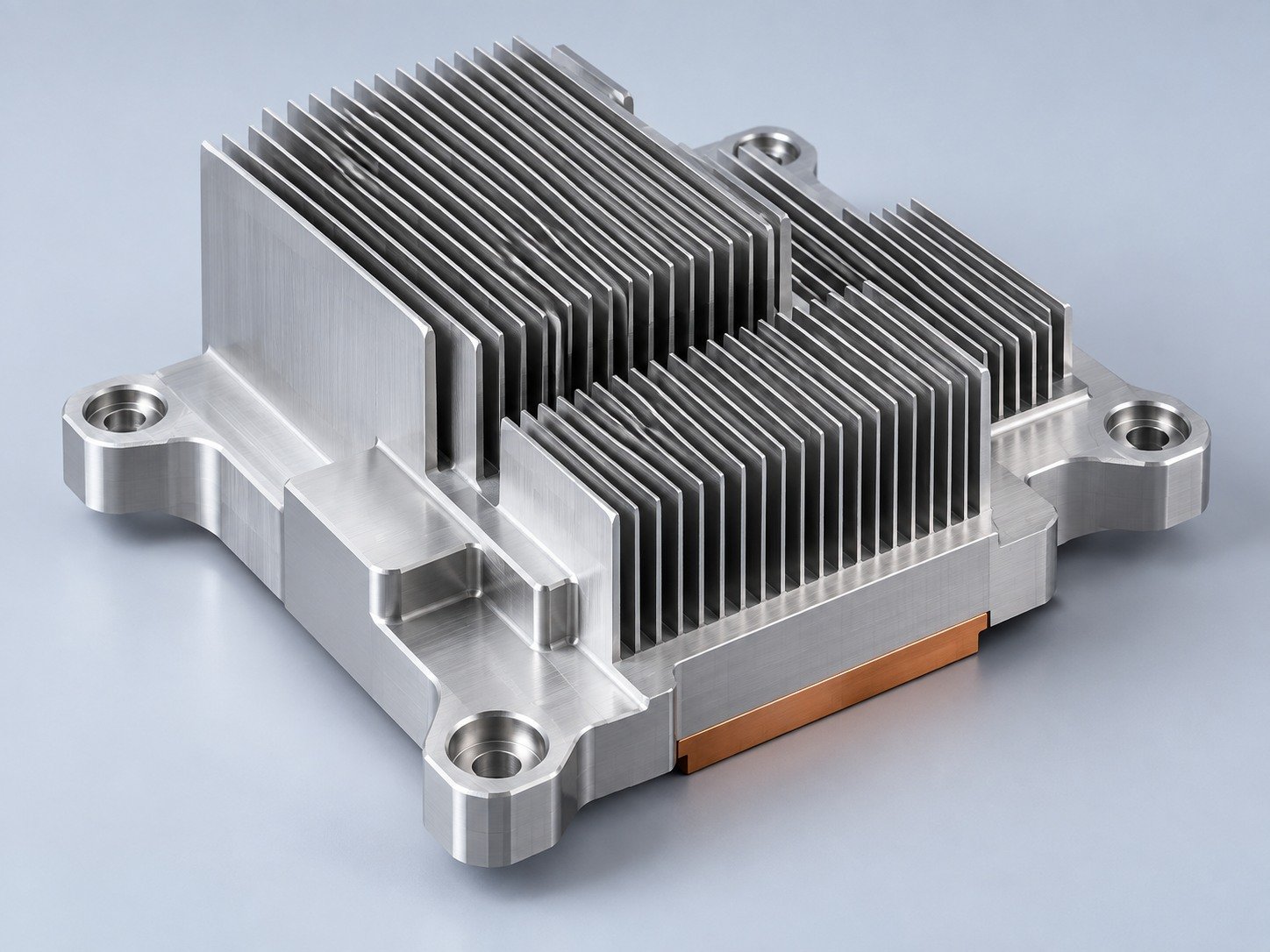
Manufacturing support for your cold plates, manifolds and cooling assemblies.
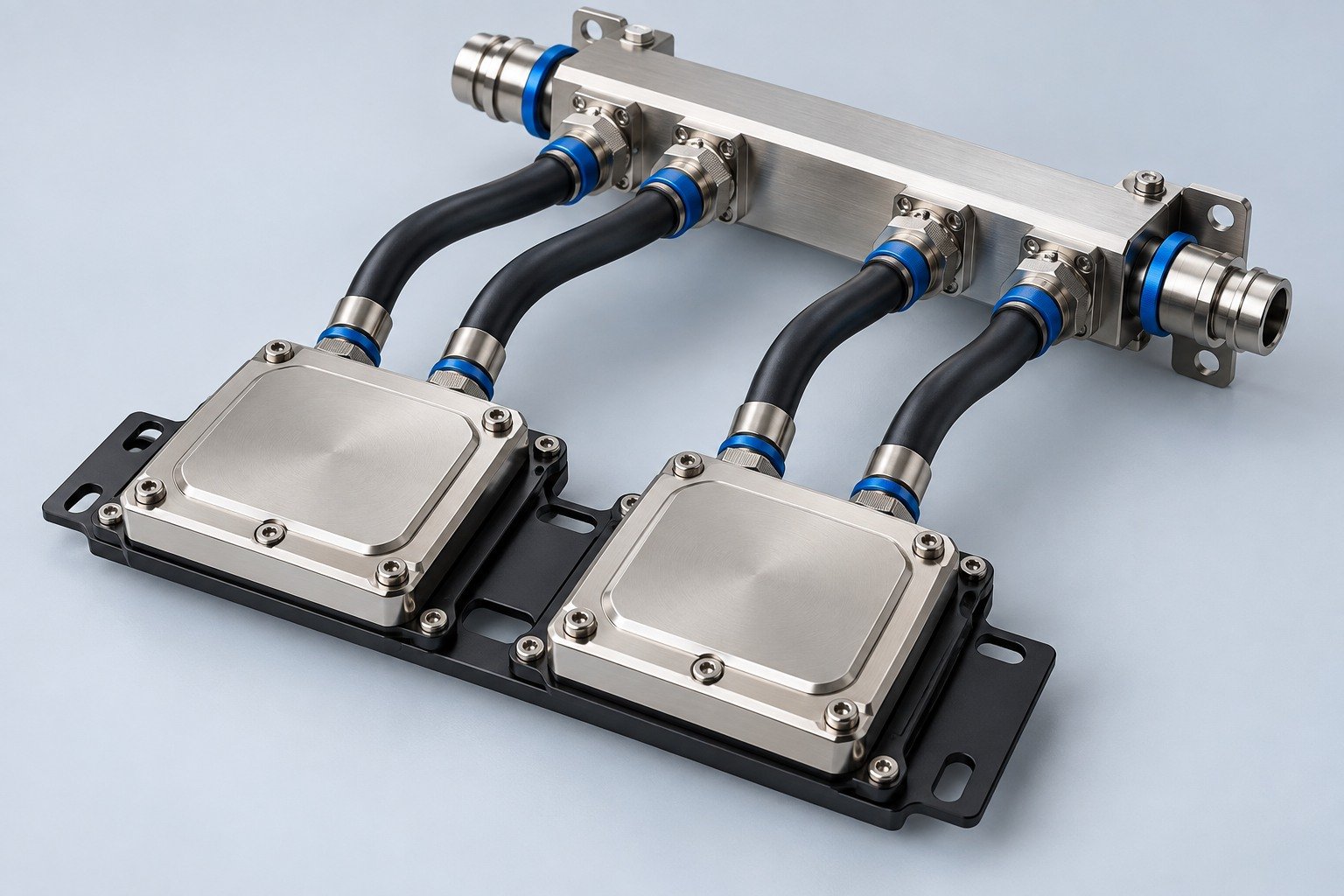
Find components for your power electronics, energy, laser and telecom application.
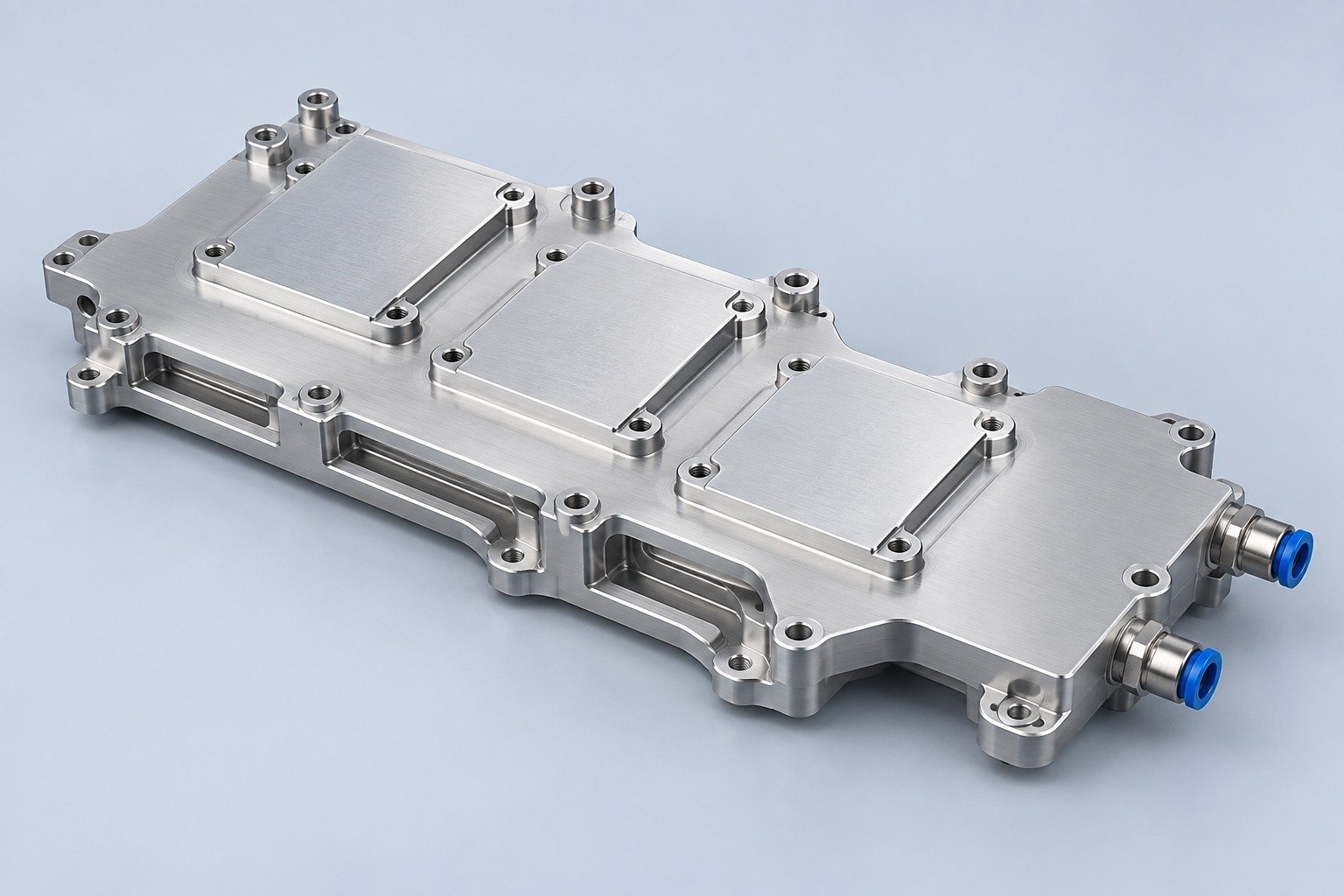
Components for your electronic systems.
Start with your functional and quality requirements.
Build around your operating environment.
From prototype to production, review material performance, manufacturability and cost for your part.
Review grade, temper and finish for your metal parts.
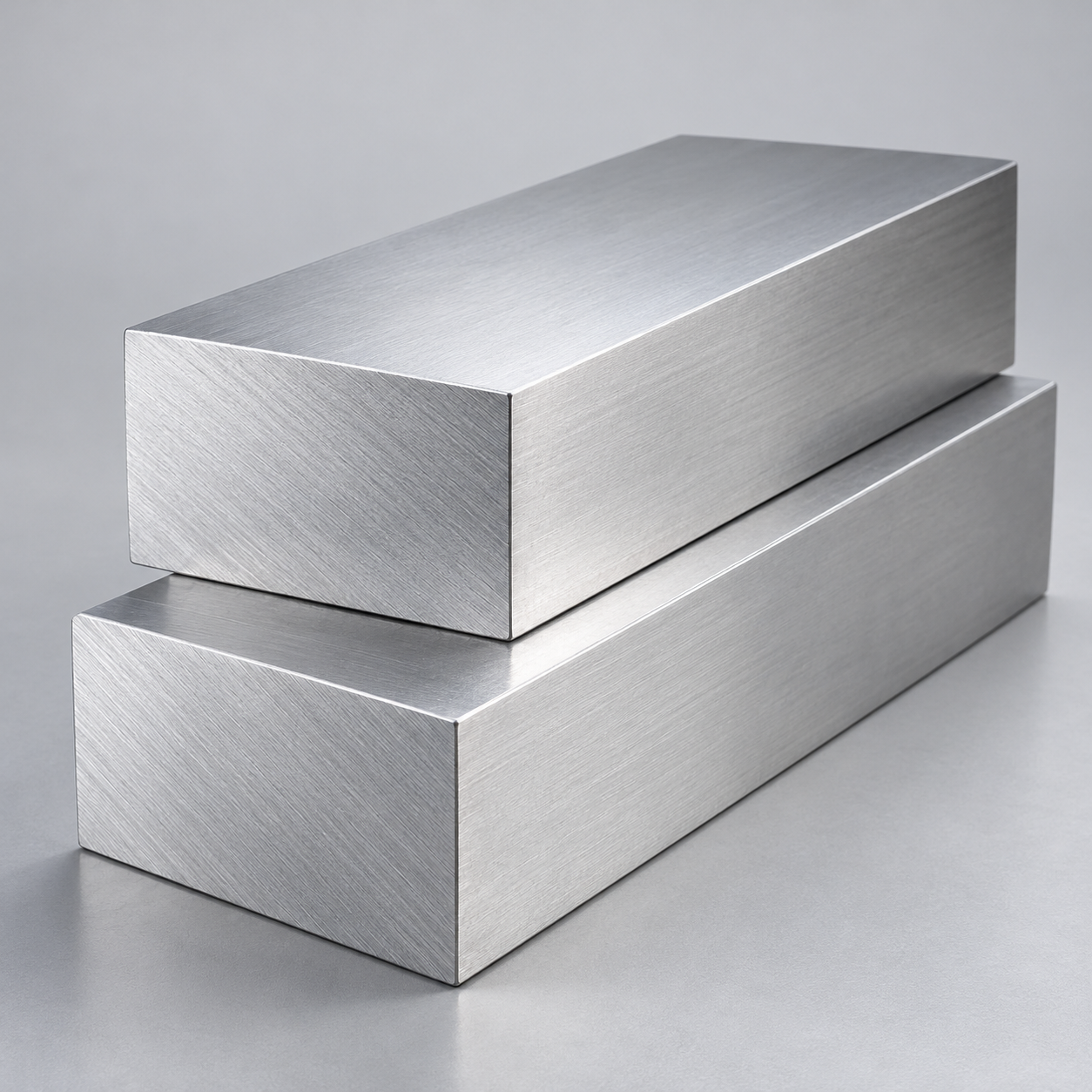 AluminumStrength, weight and machining›
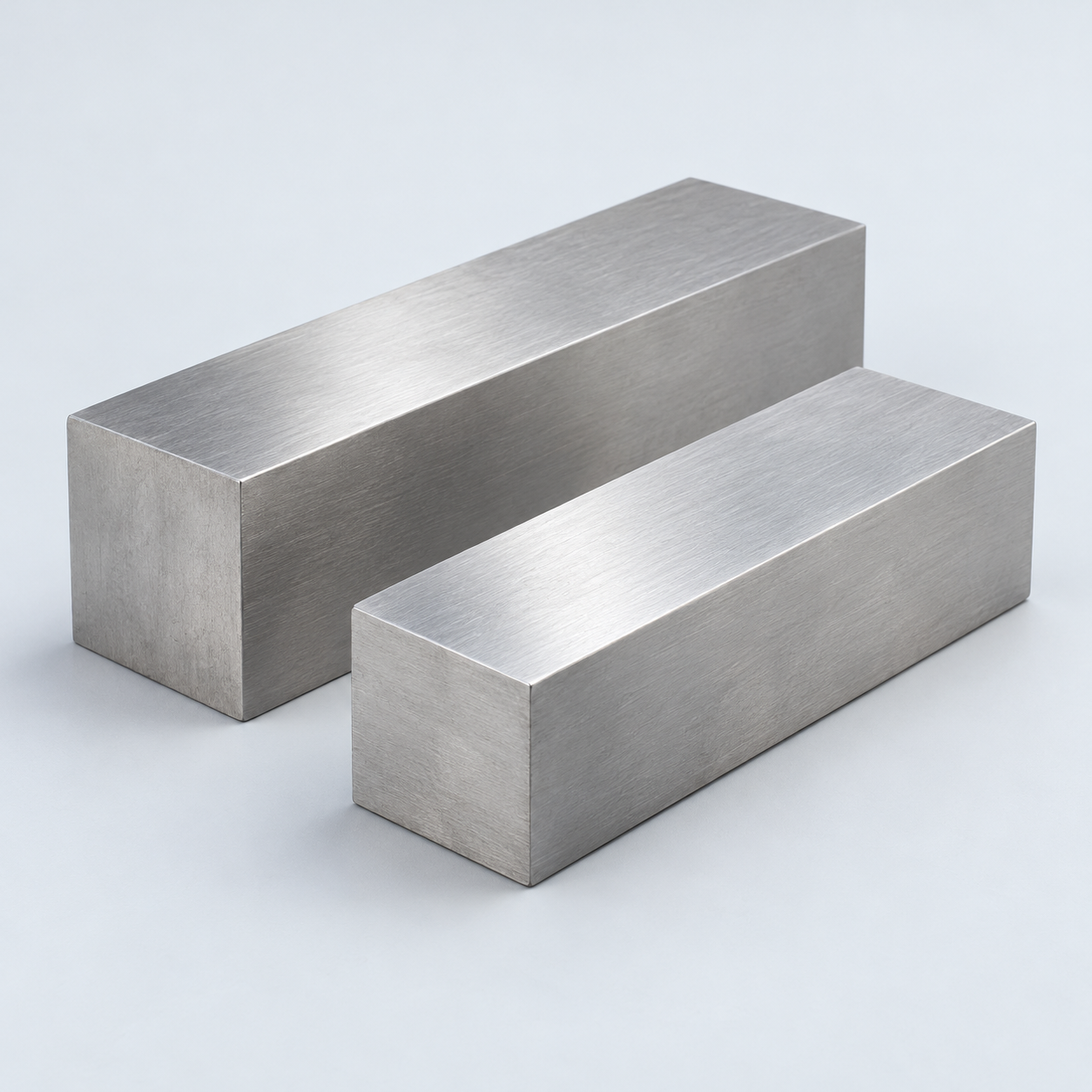 Stainless SteelCorrosion and finish requirements›
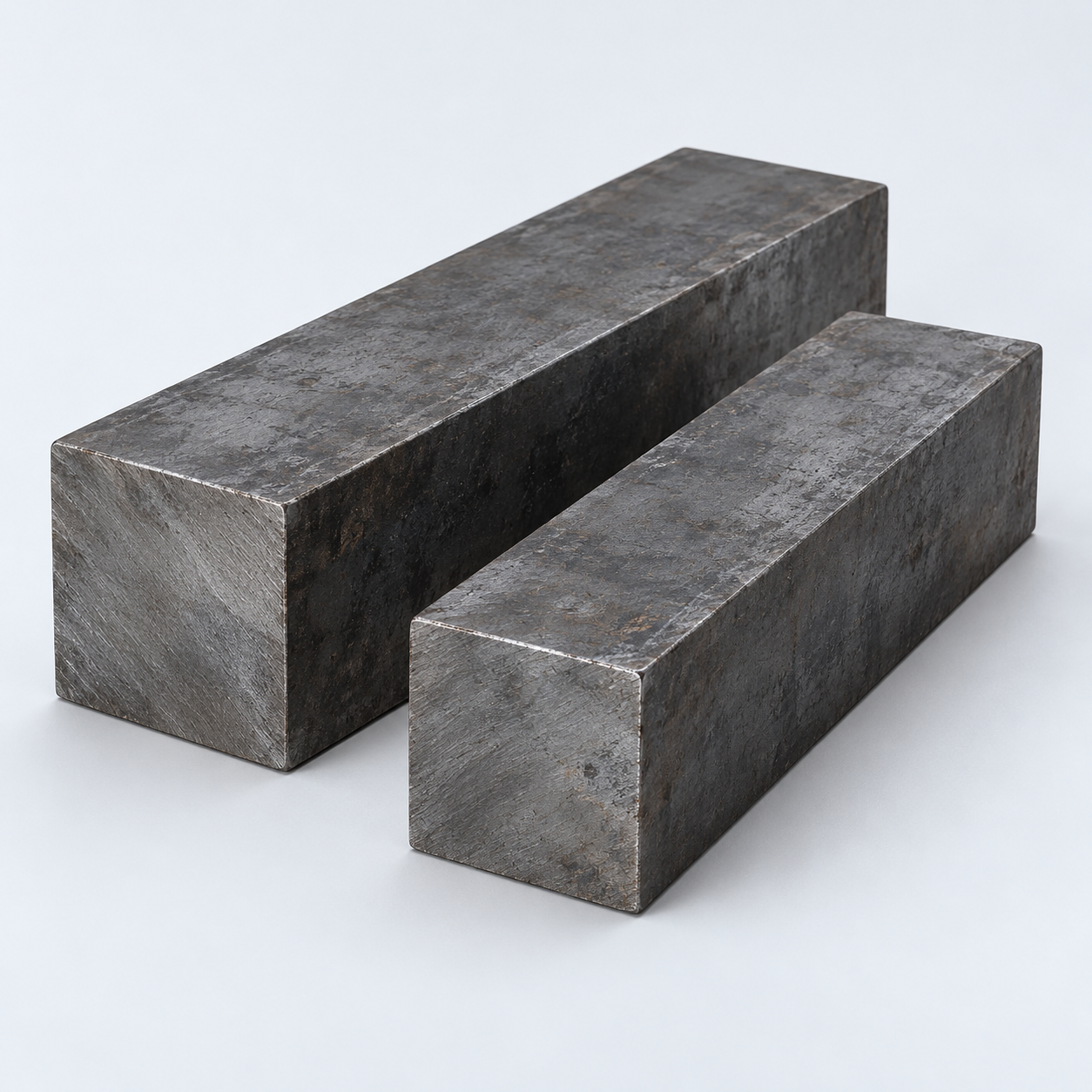 Carbon & Alloy SteelDiscuss grade and heat treatment›
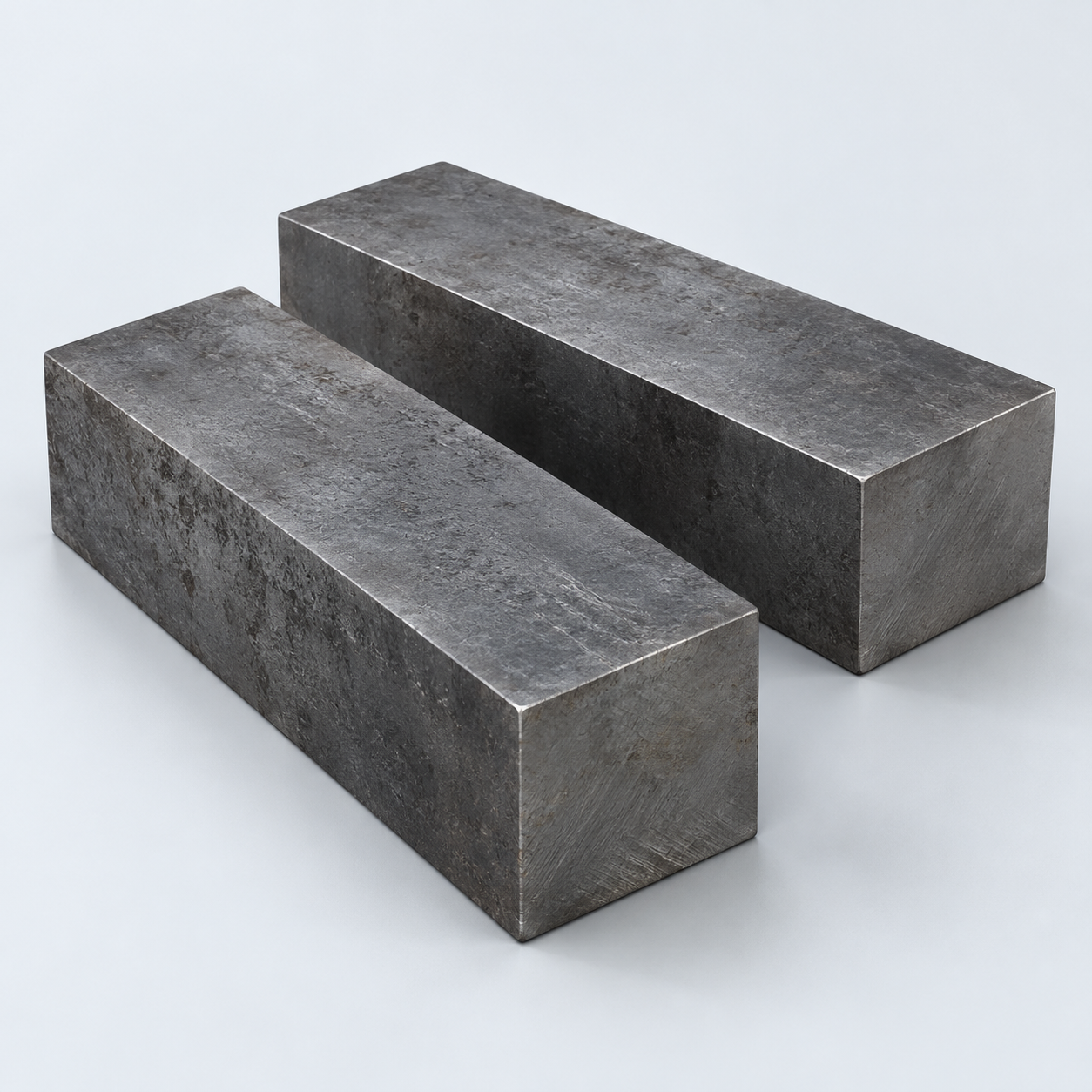 Tool SteelDiscuss tooling and wear needs›
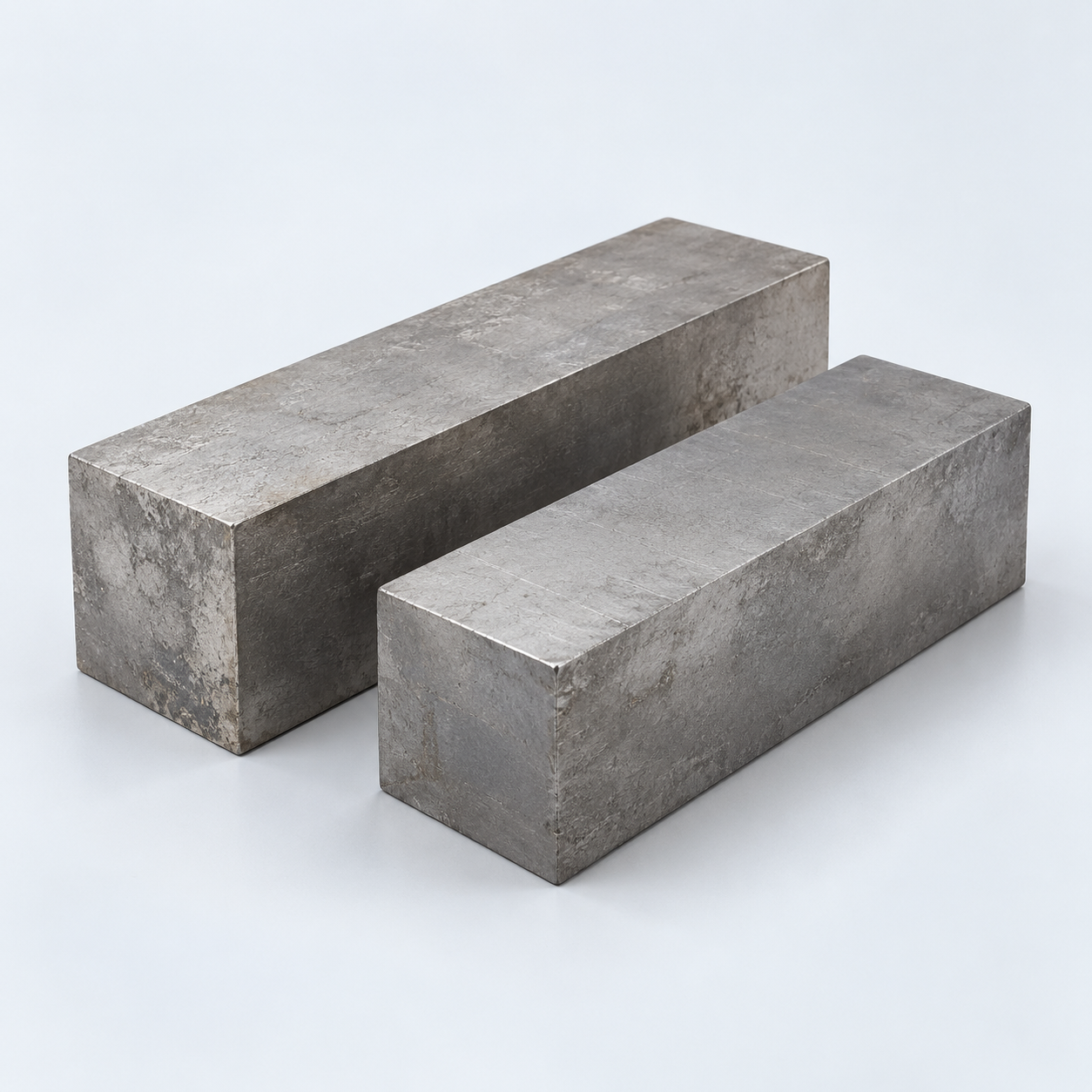 TitaniumReview grade and part geometry›
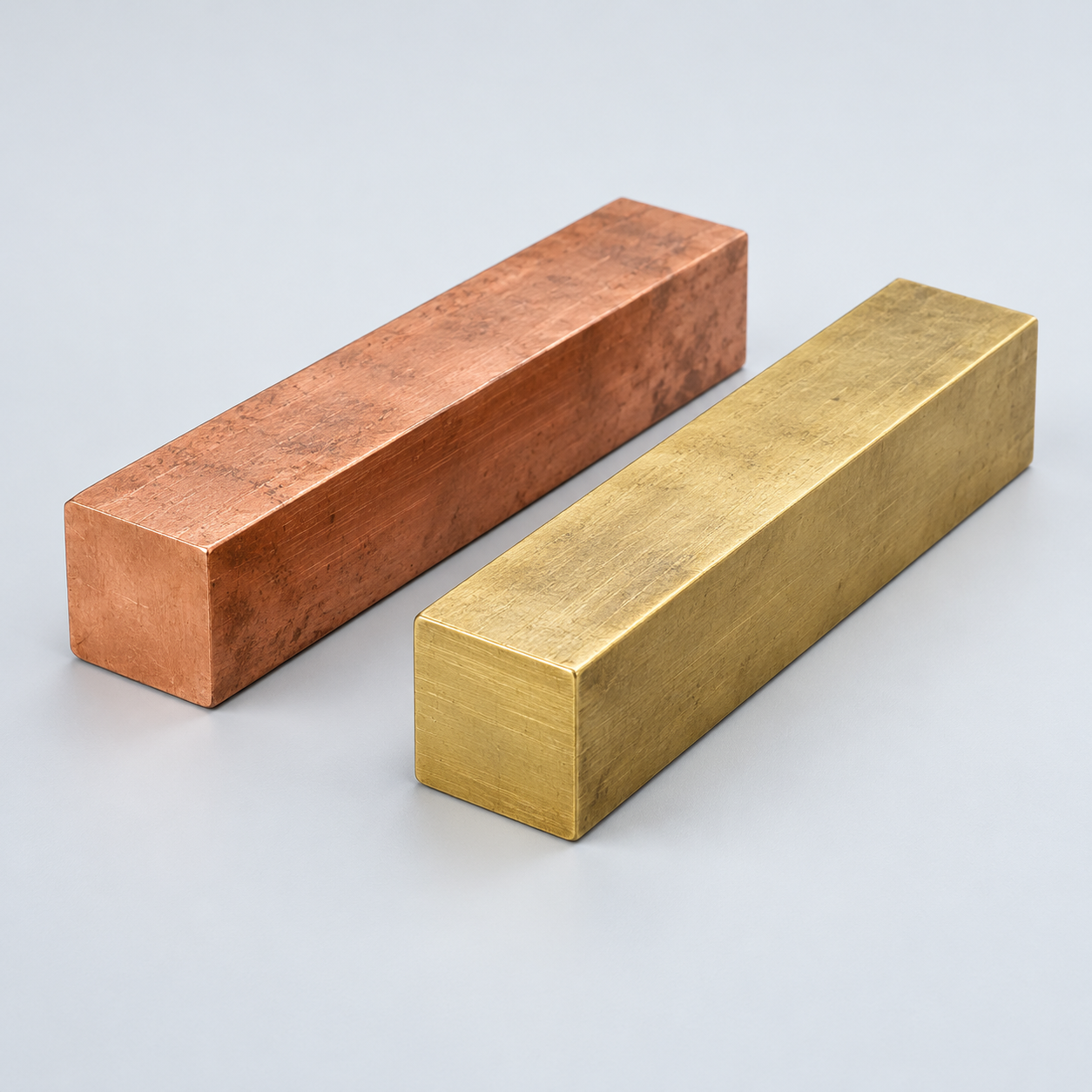 Copper & BrassDiscuss conductivity and machining›
Match your polymer to function, process and environment.
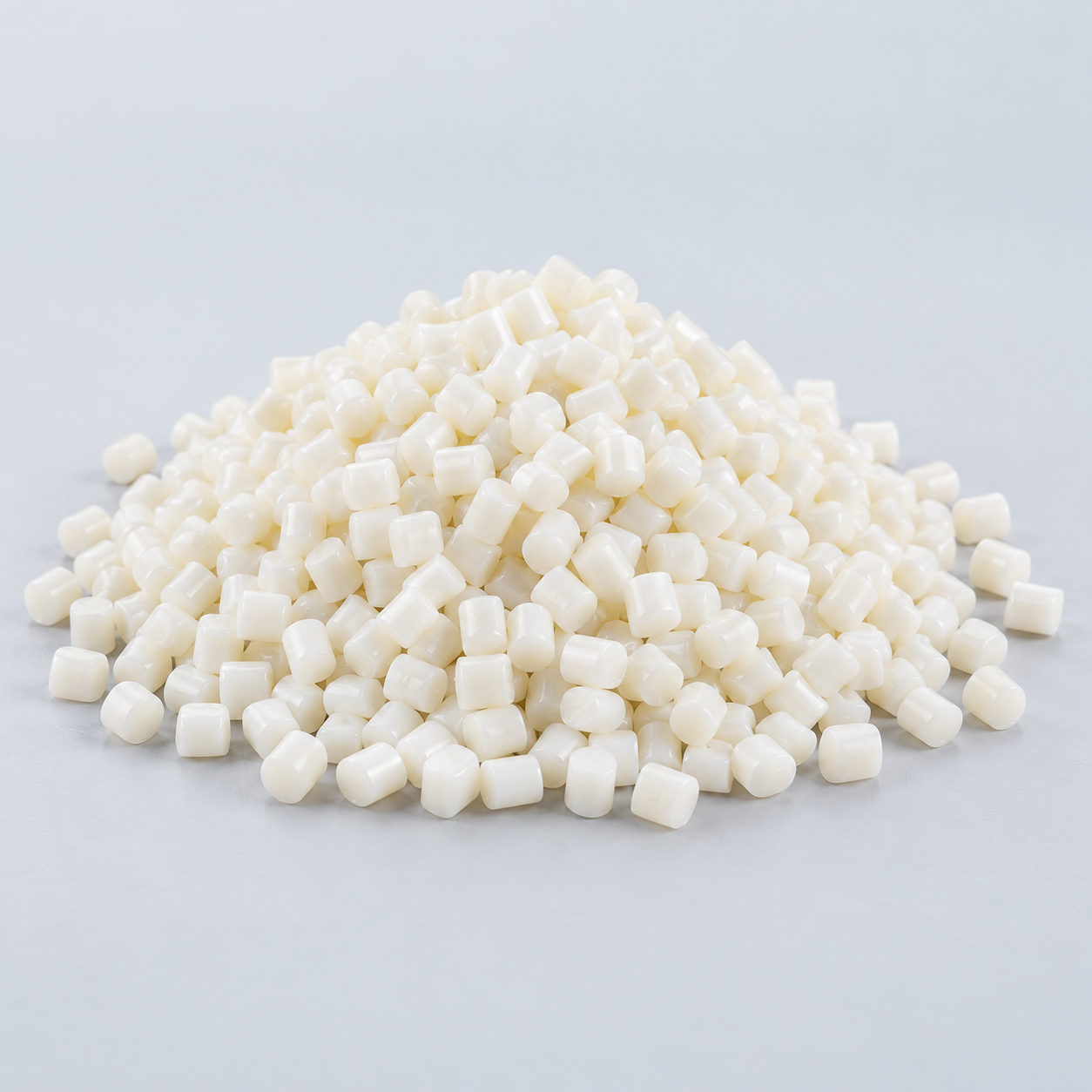 ABSReview enclosure and molding needs›
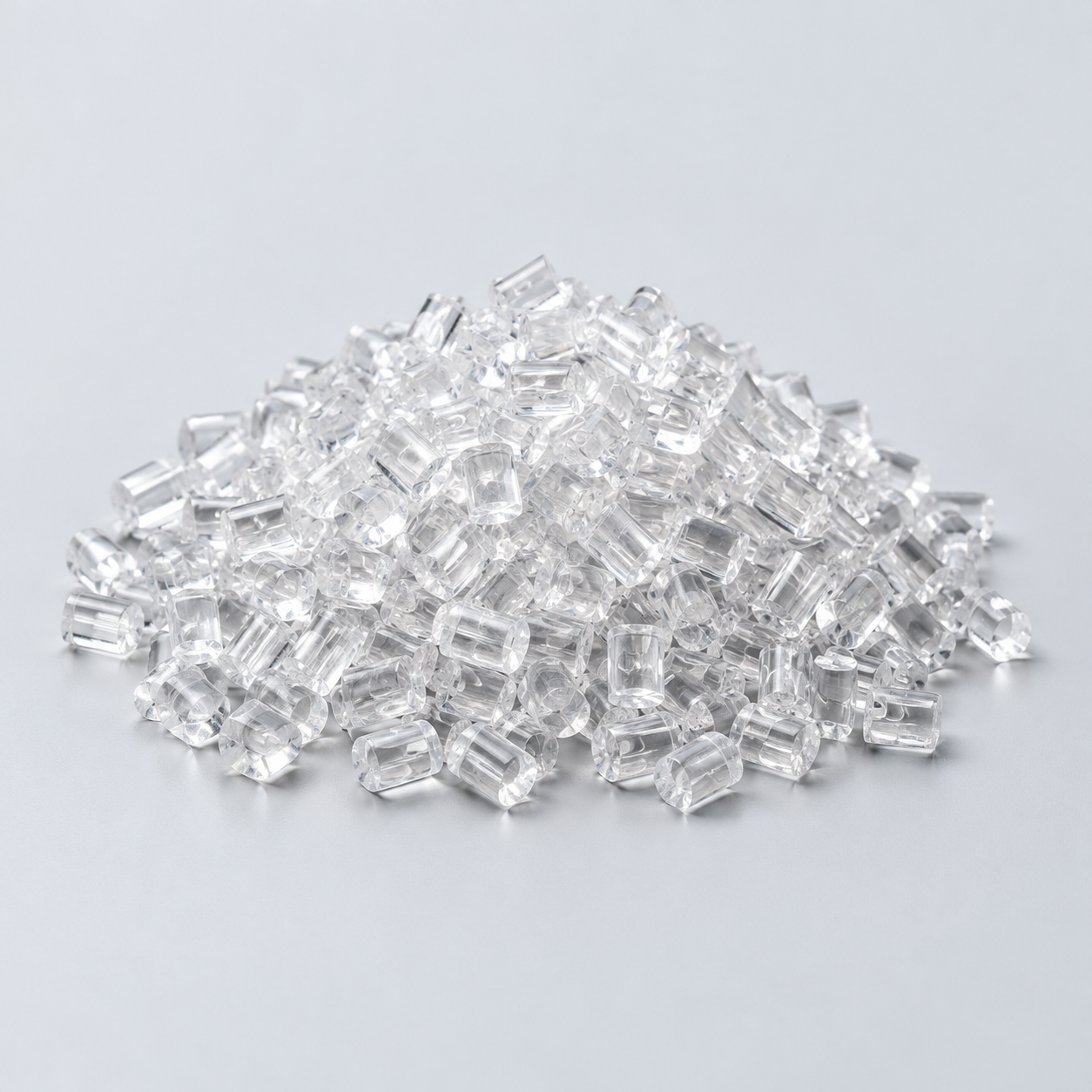 Polycarbonate (PC)Discuss clarity and impact needs›
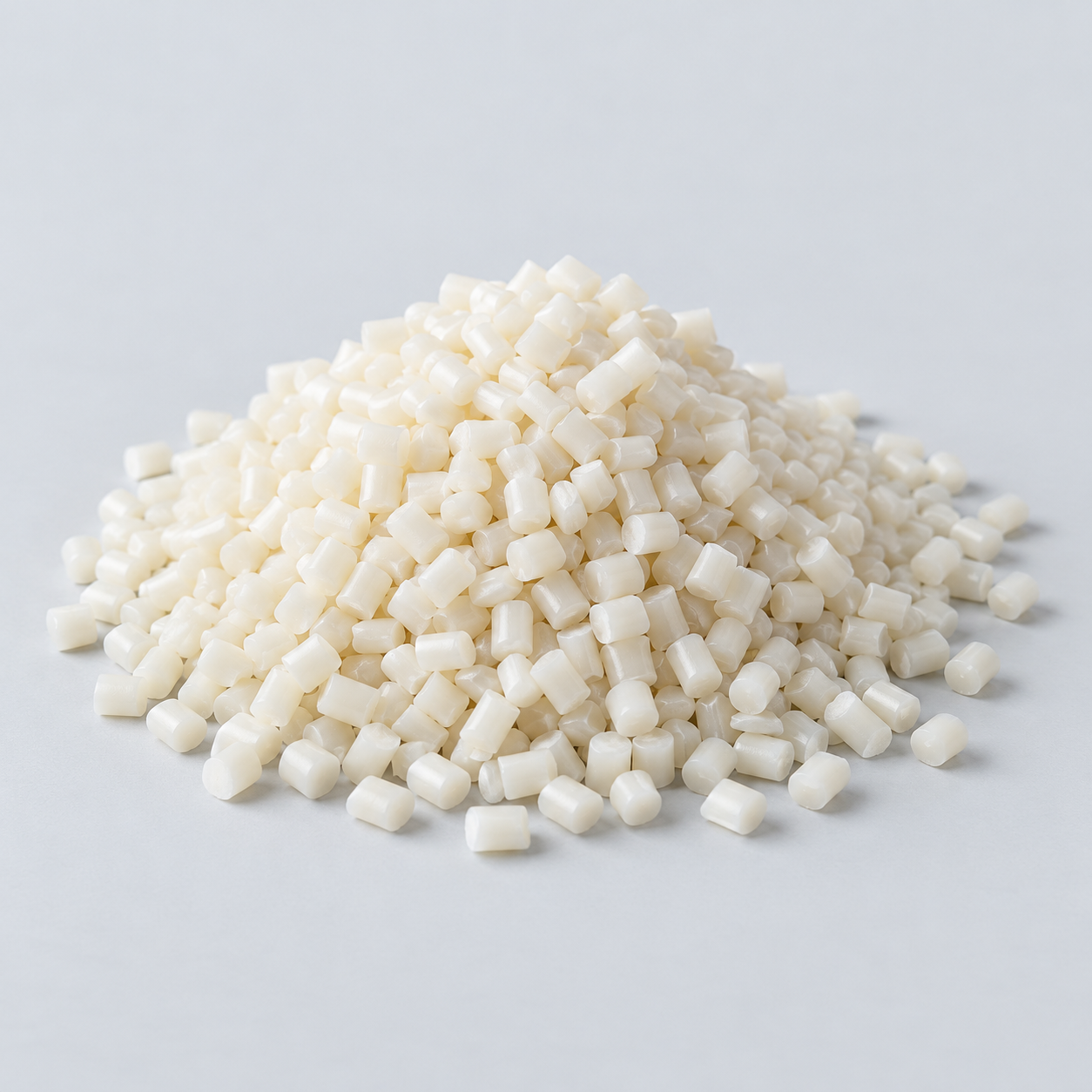 Nylon (PA)Review moisture and wear conditions›
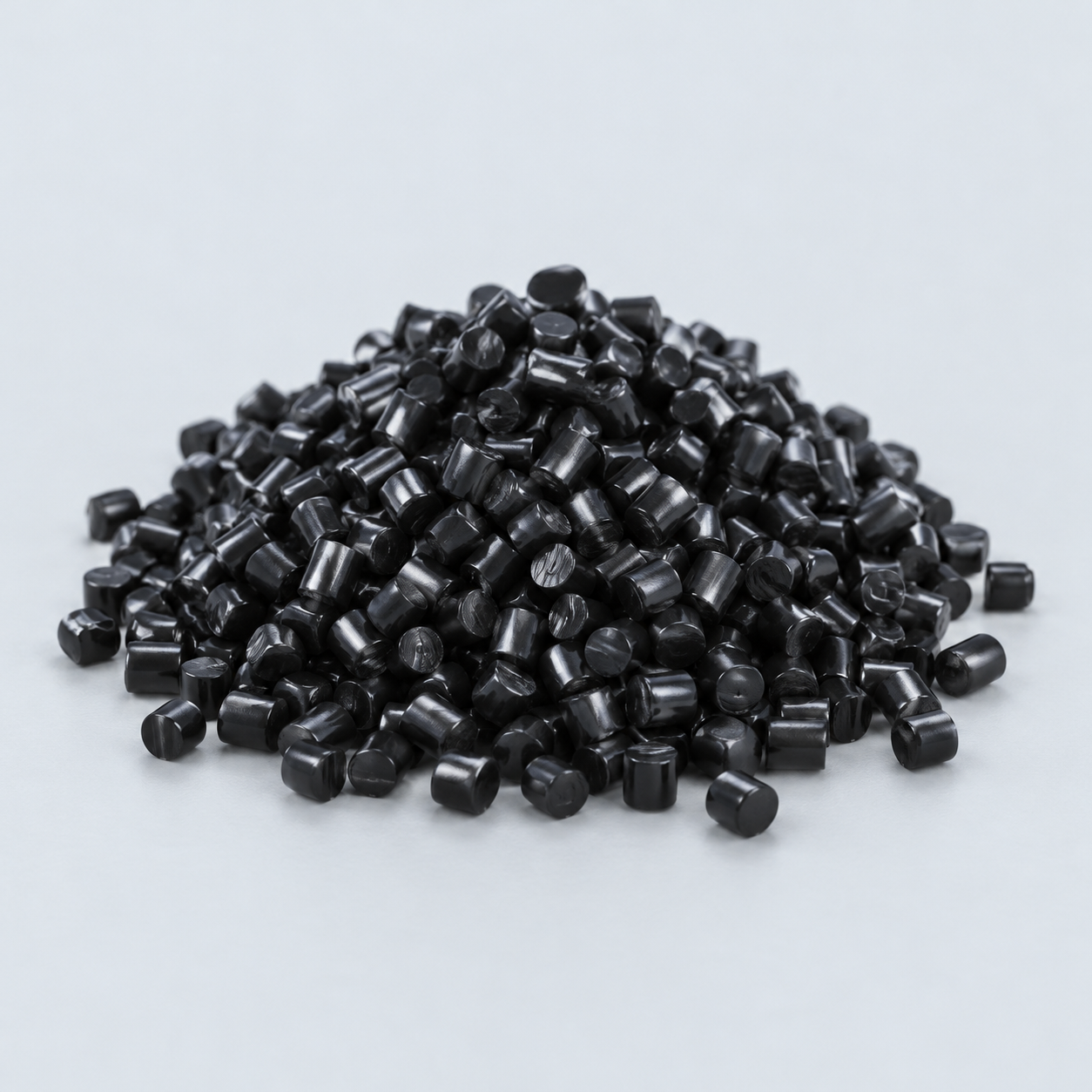 POM / AcetalReview fit and sliding features›
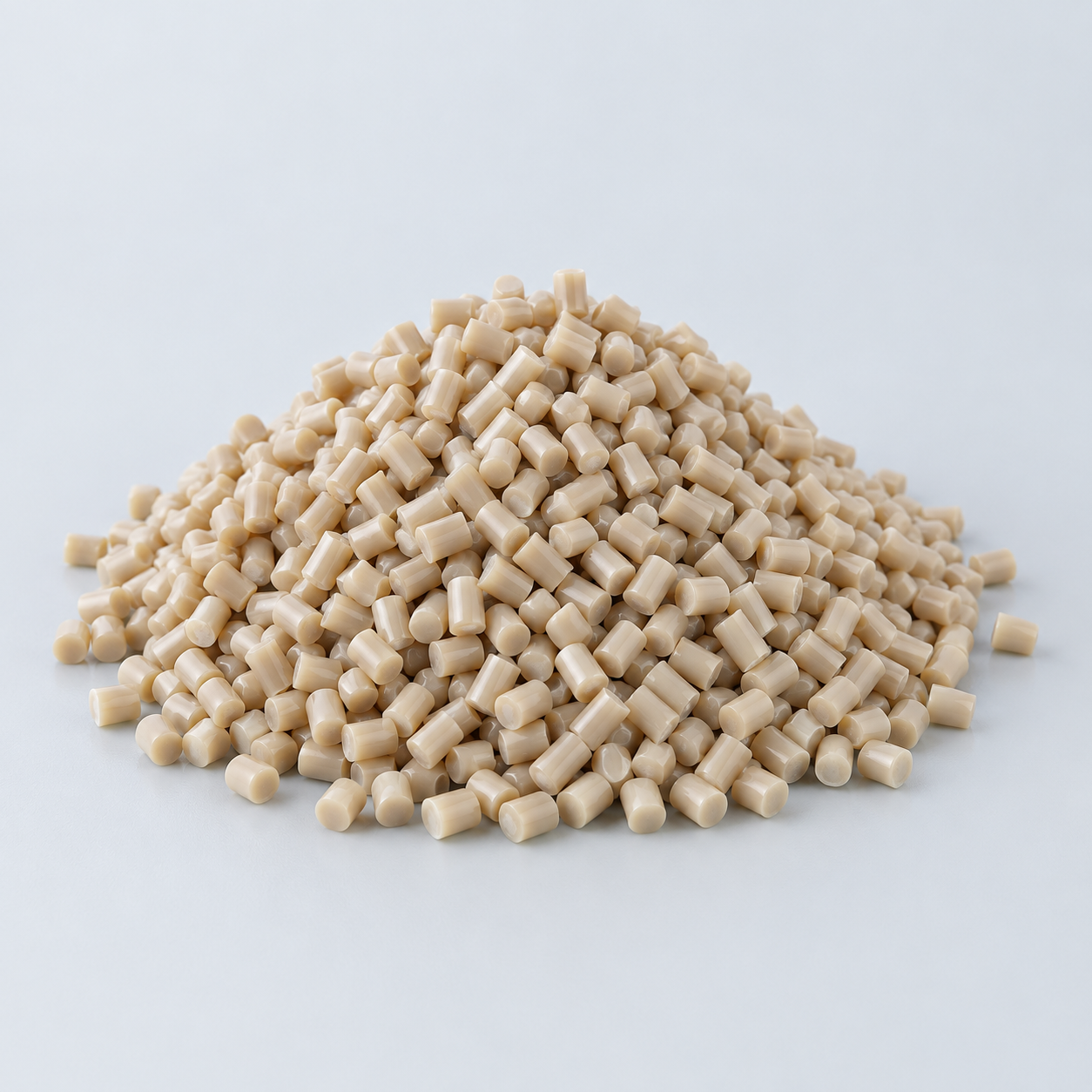 PEEKDiscuss operating conditions›
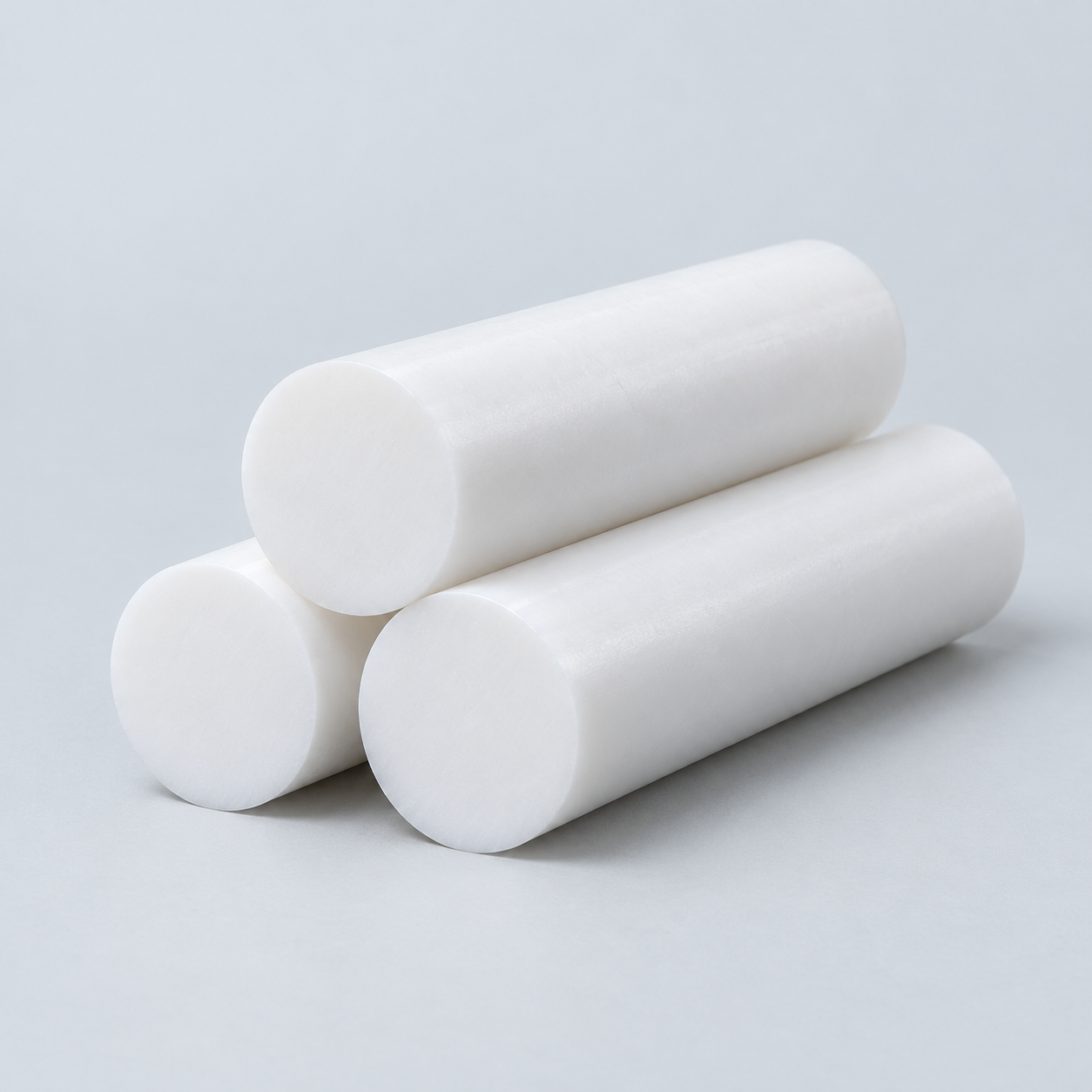 PTFEReview friction and chemical exposure›
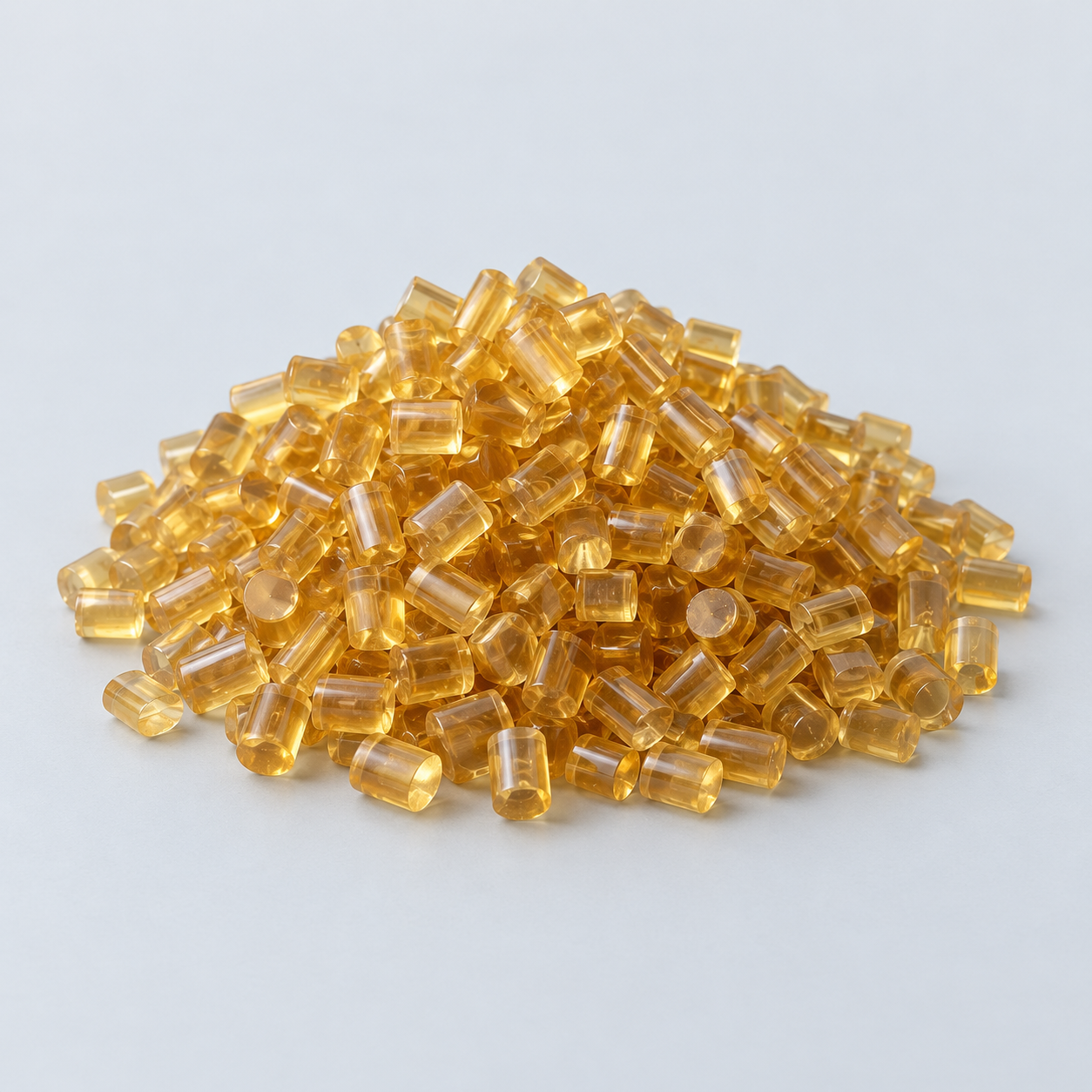 ULTEM / PEIDiscuss thermal and electrical needs›
Confirm grade availability and application requirements.
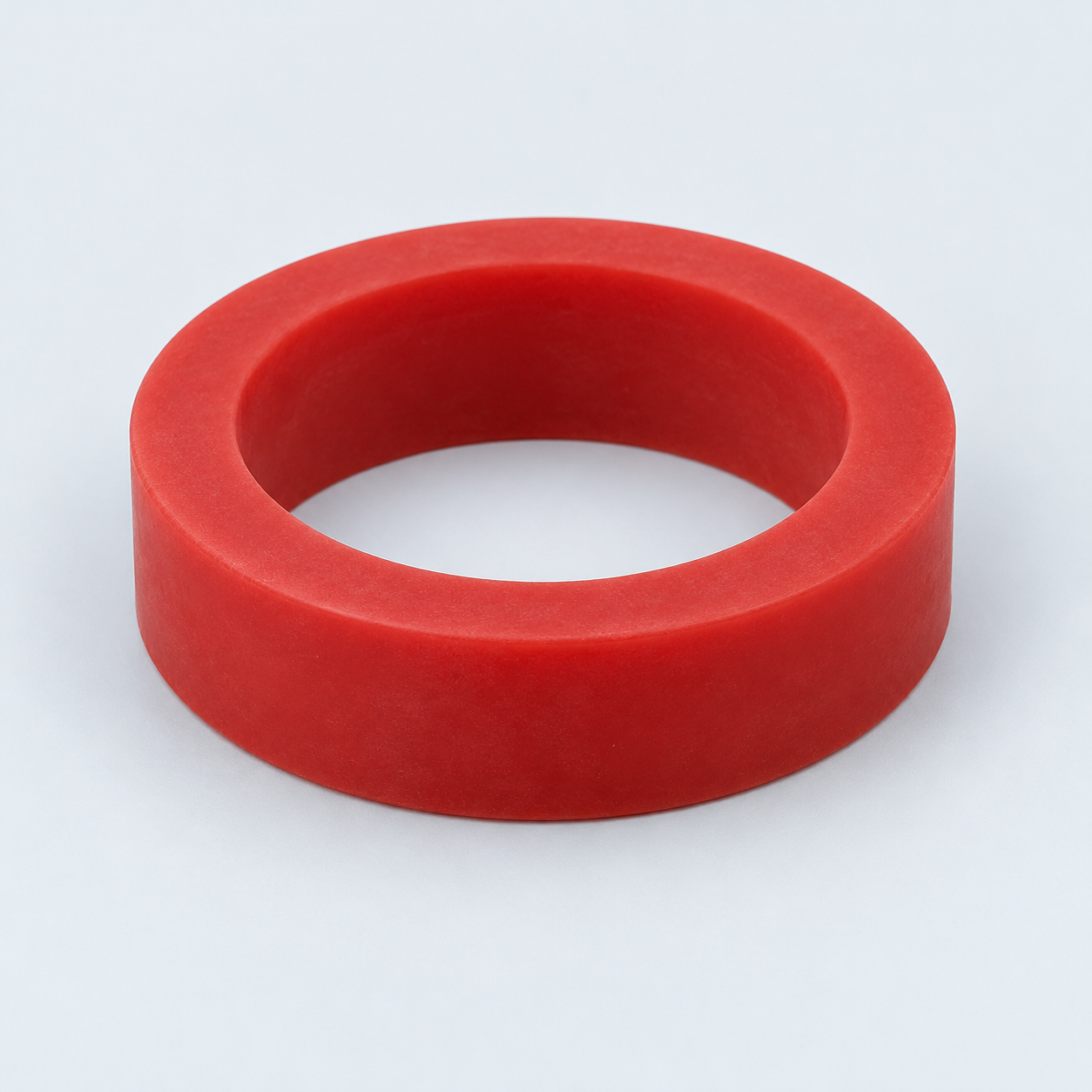 Silicone / LSRDiscuss flexible component needs›
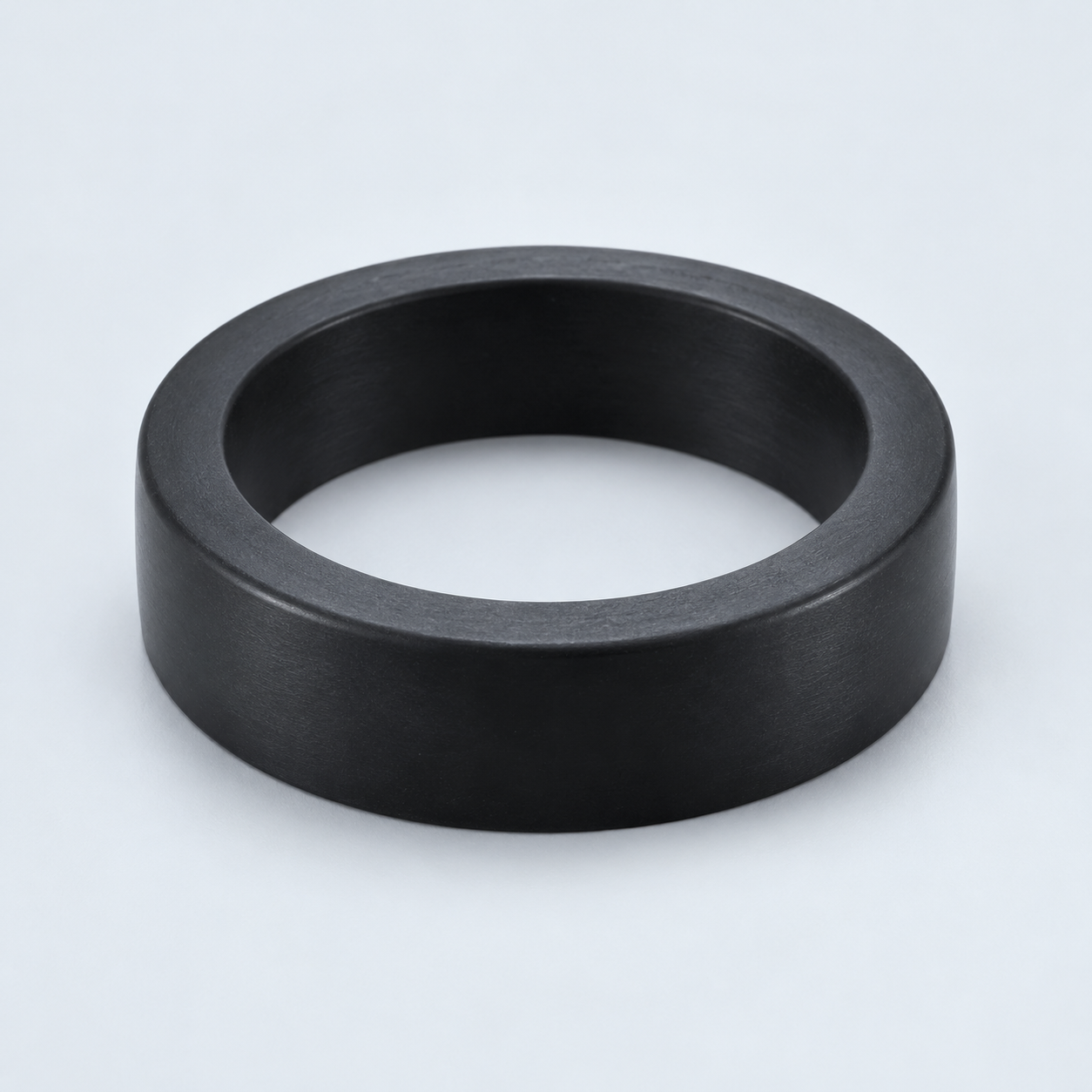 TPU / TPEReview flexibility and processing›
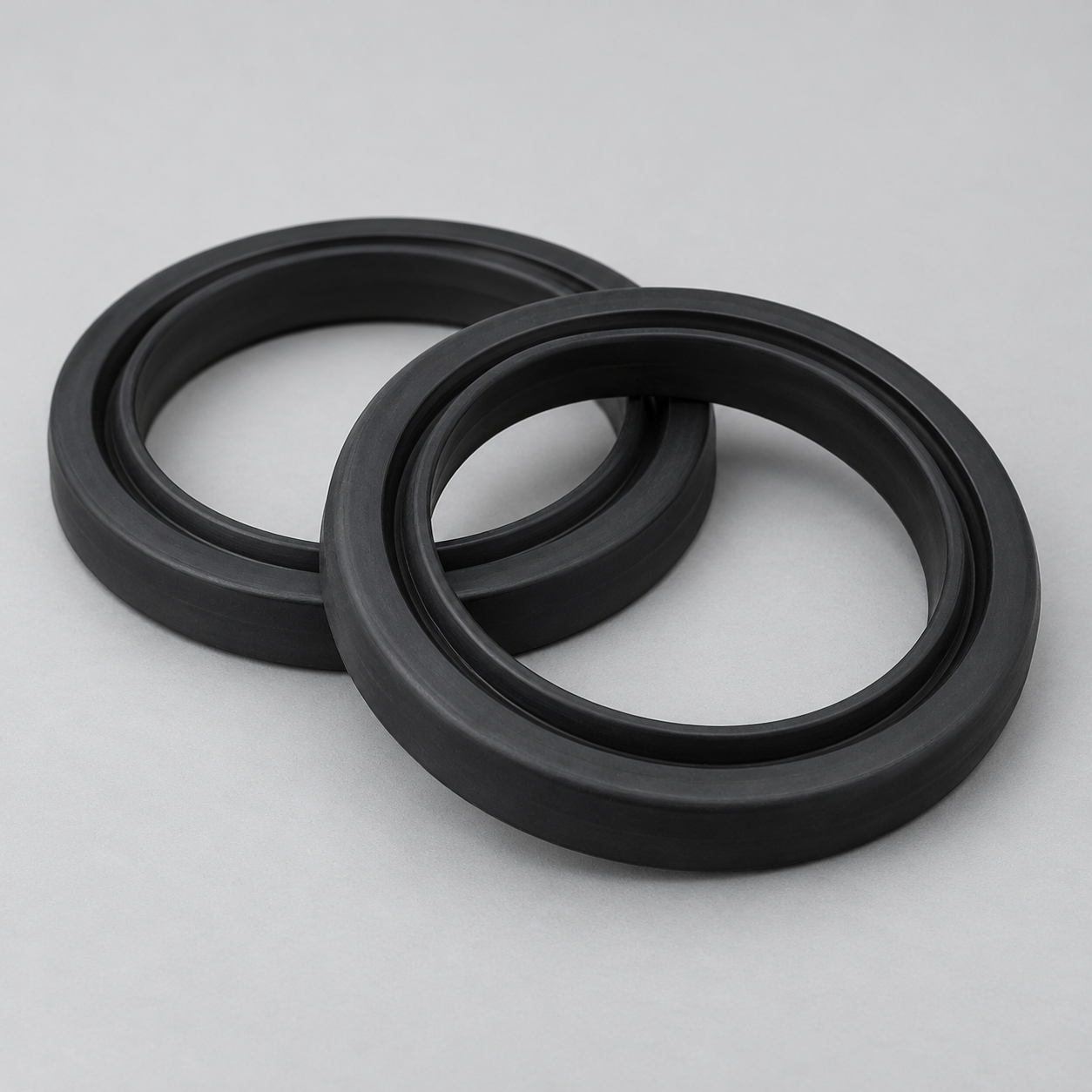 EPDMReview weathering and chemical exposure.›
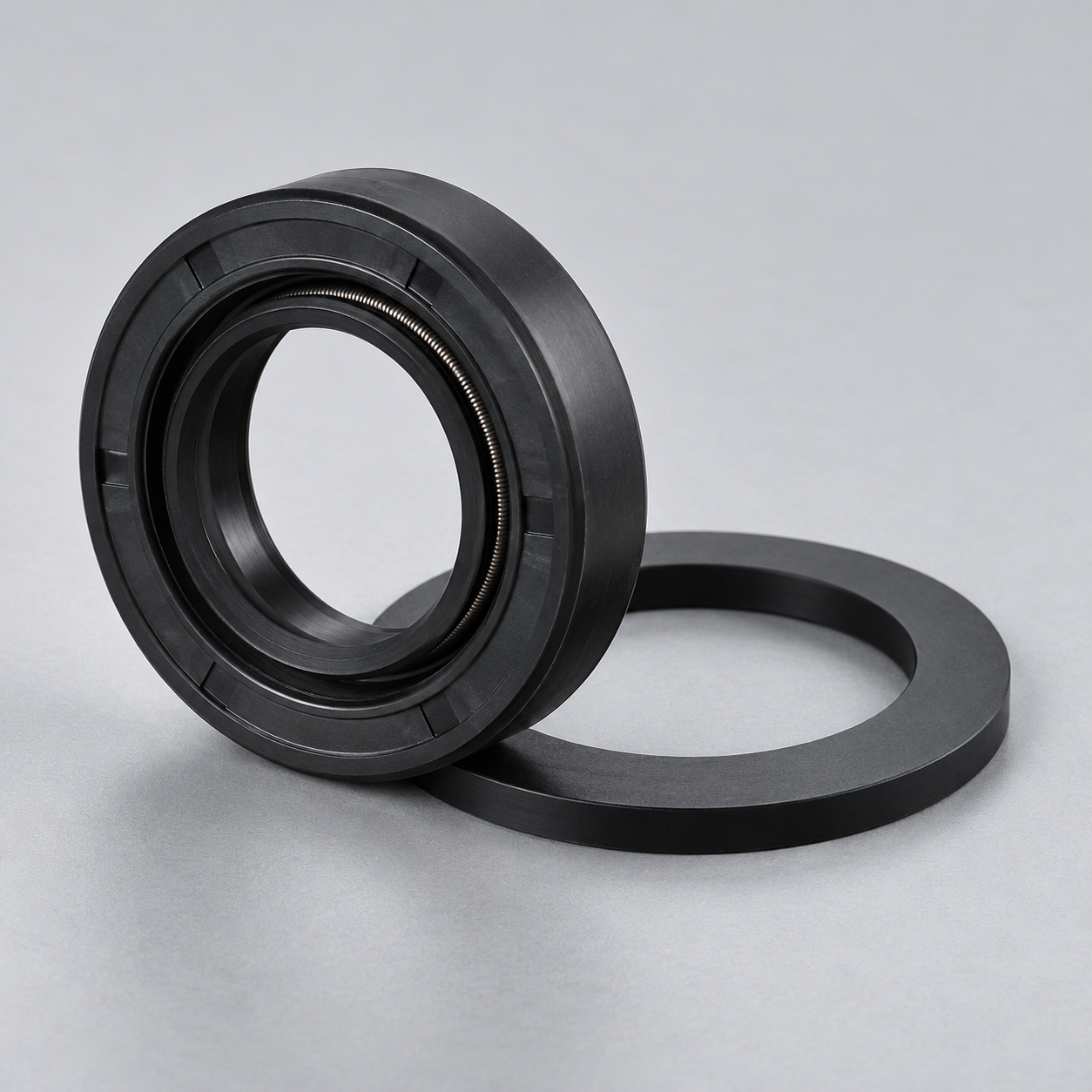 NBRReview oil and fuel exposure.›
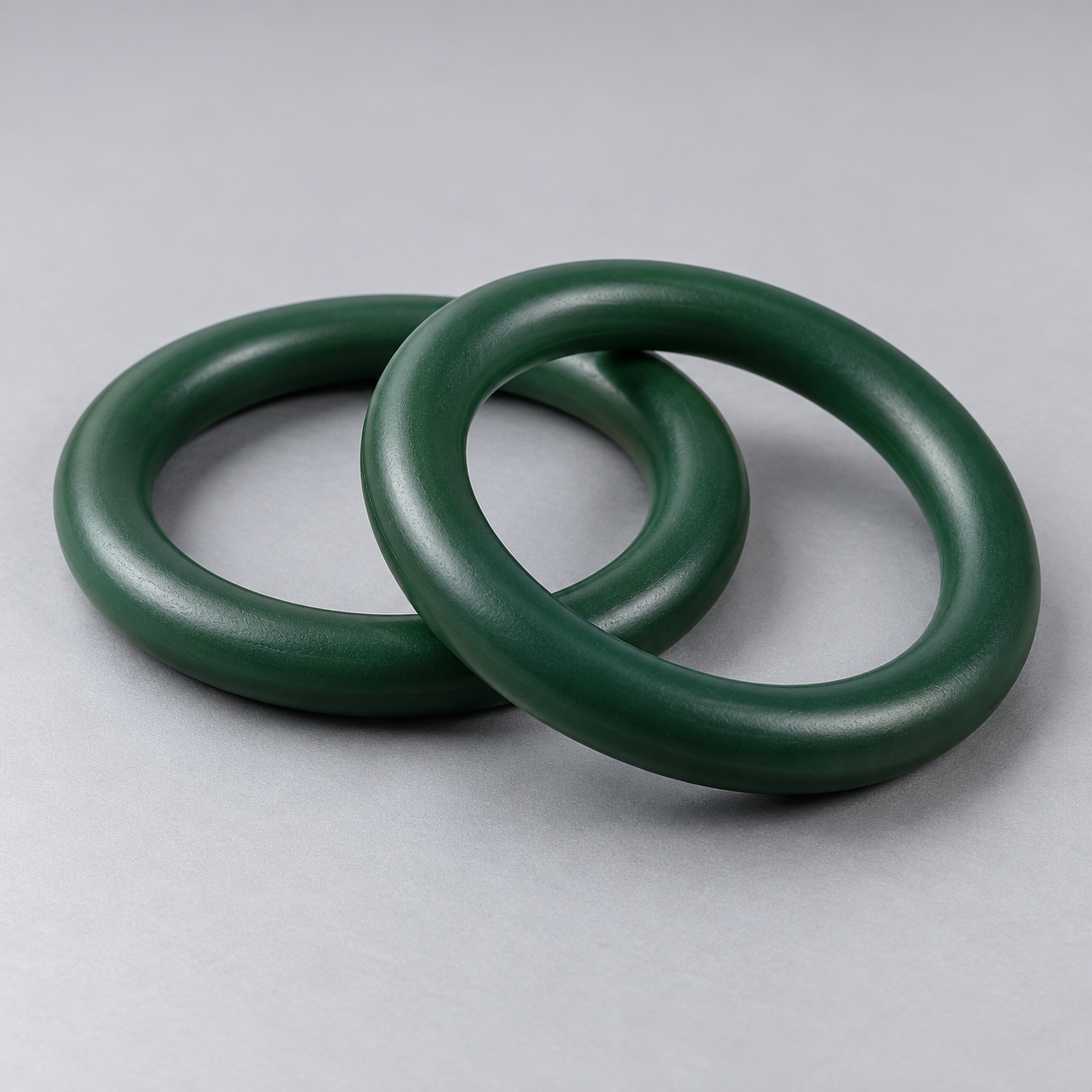 FKMReview temperature and chemical exposure.›
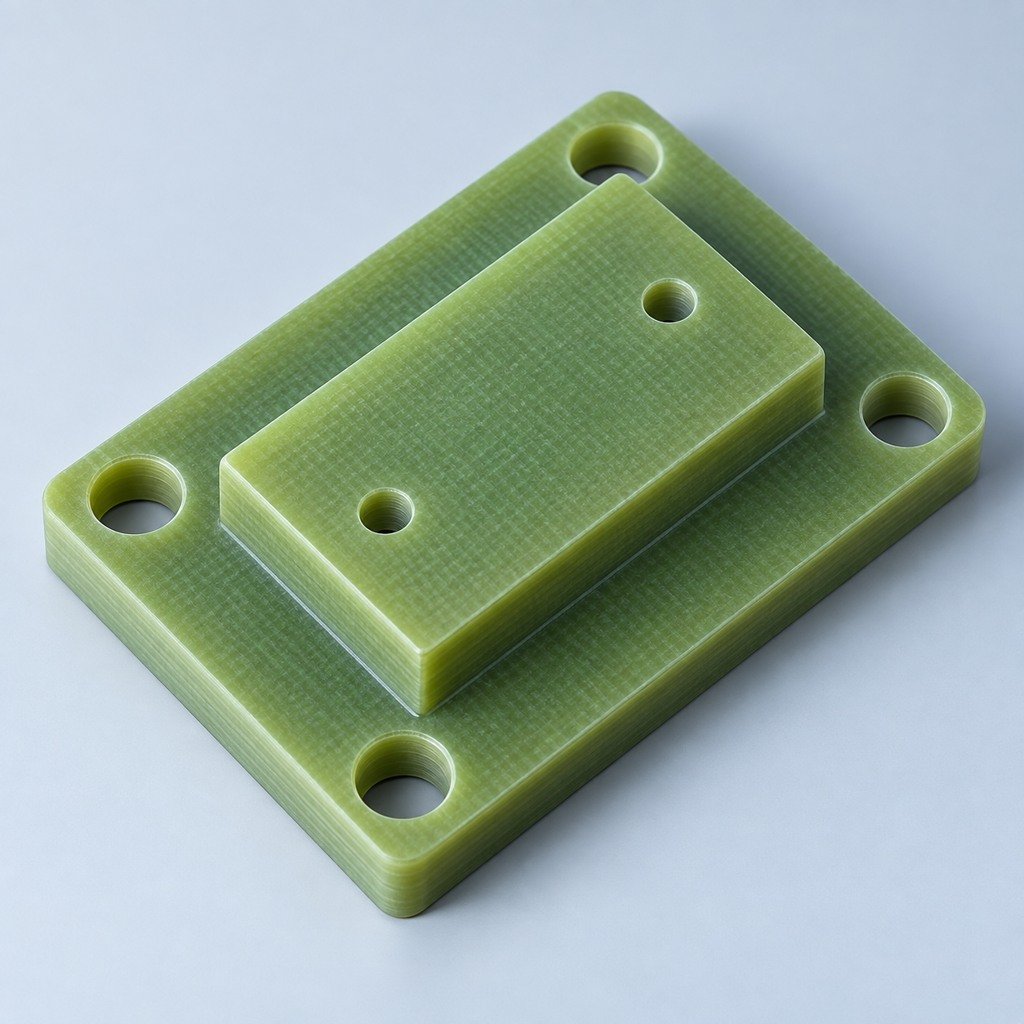 G10 / FR4Review insulation and laminate needs›
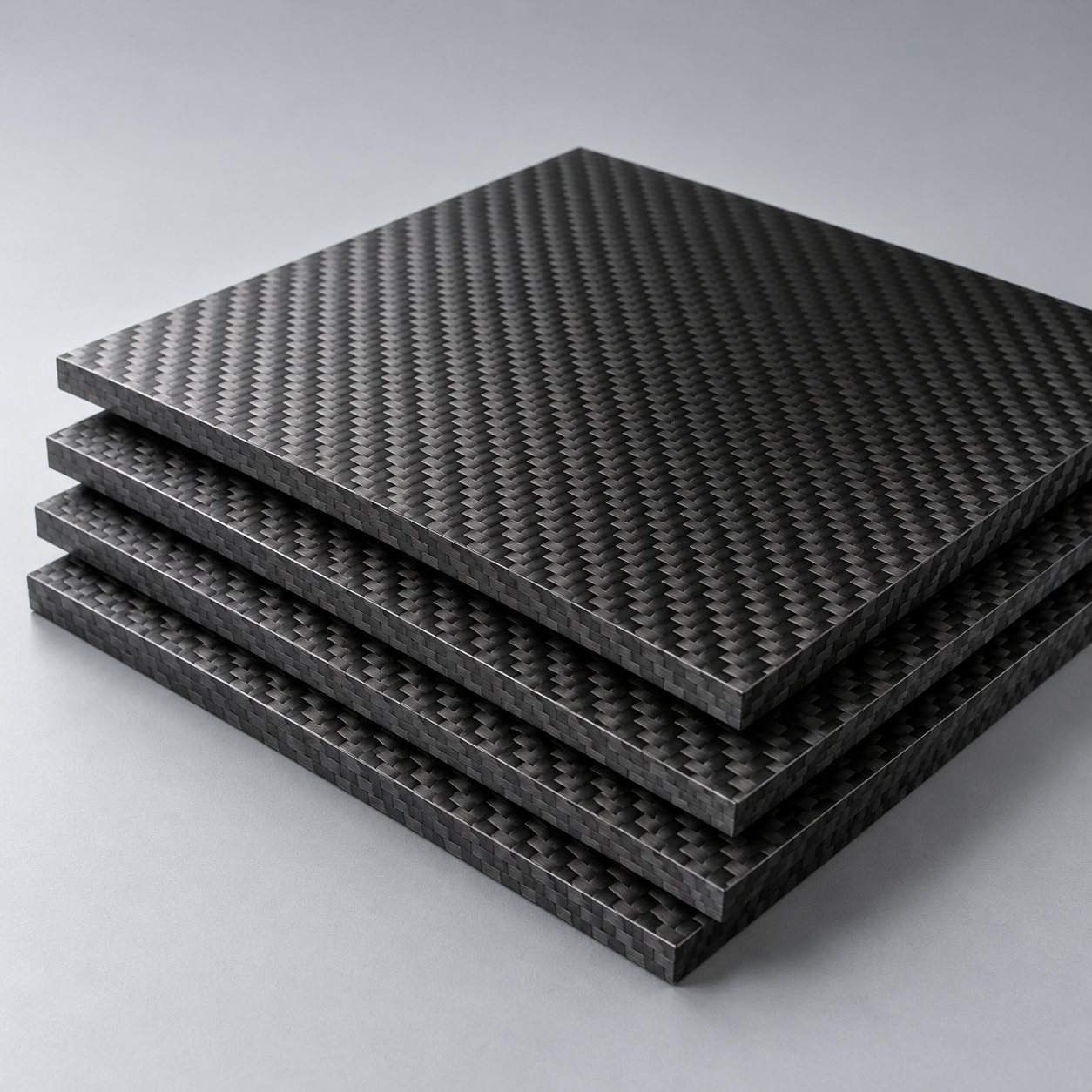 CompositesReview stiffness, weight and laminate.›Customer-Specified MaterialsConfirm your grade and requirements.›Other Specialty MaterialsDiscuss your application and grade.›
Practical guidance for your part geometry and material decisions.
Prepare your process, budget and sourcing questions.
Build your knowledge before production.
Learn who we are and how we operate.
Find our U.S. support team or start a conversation.
YOUR TOOL. YOUR FAULT. YOUR RELEASE PLAN.
Bring your tool ID, defective parts and repair history into one review. Define tooling maintenance and repair for industrial injection molds, die casting dies and stamping dies around the fault, approved work and trial acceptance.
1 controlled scope before work starts. Tool suitability, receiving location, repair route and trial resources are confirmed before shipment or commitment.
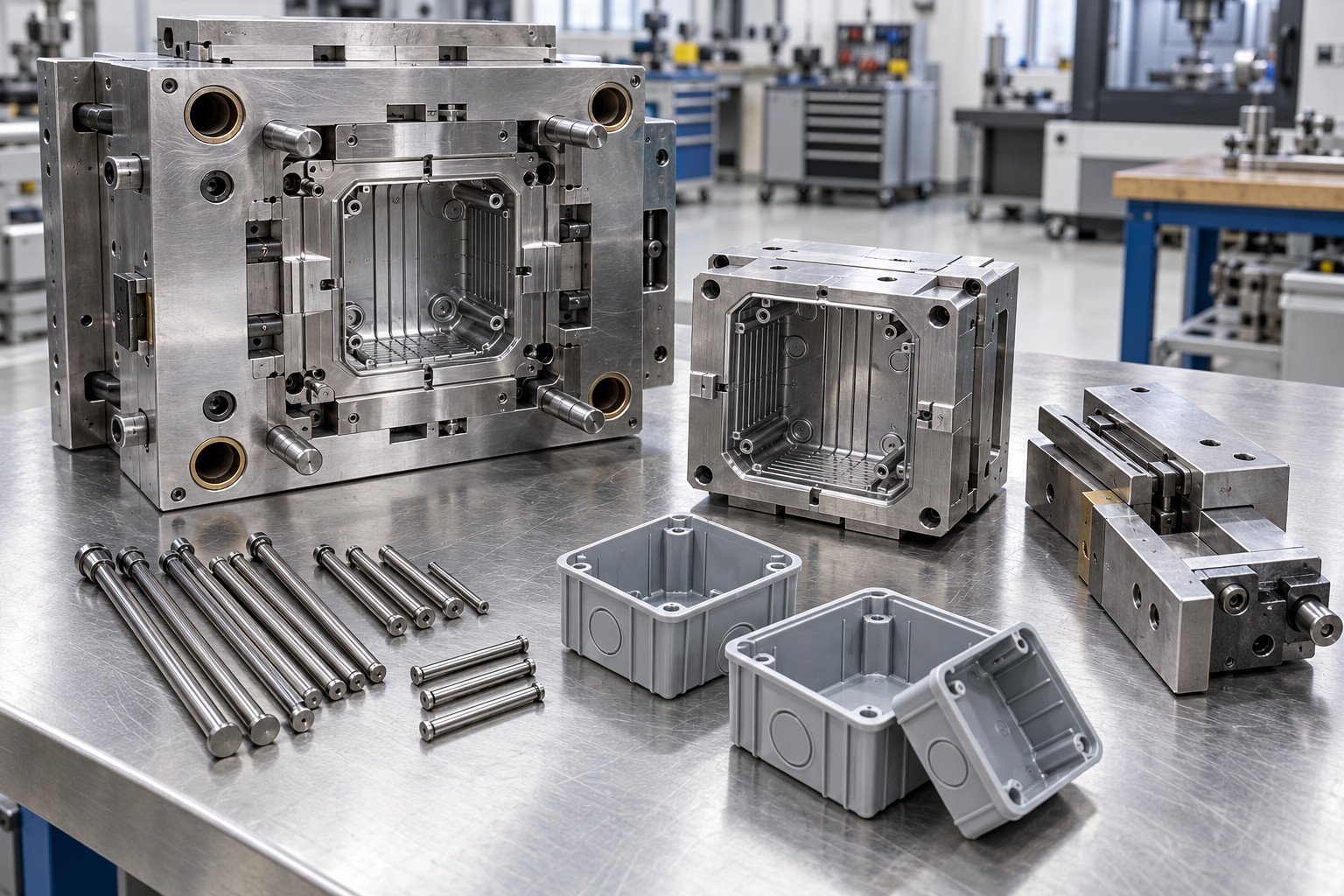
Type, size and weight
Photos and defective parts
Scope before material removal
Tool plus produced part
Receiving and delivery plan
Avoid a repair quote that leaves diagnosis, parts or validation outside the agreed scope.
ID, maker, drawings, steel and treatment.
Symptoms, affected features and production history.
Maintenance, repair, rebuild or modification.
Machine, stock or resin, samples and approval.
Receiving site, handling, protection and return.
Industrial mold and die repair is scoped by tool type, condition and verification needs. Suitability is confirmed for your project.
Flash, drag or a short shot is a symptom, not proof of one cause. Compare the defective part with tool condition and recorded molding conditions.
| Your input | Fault samples, resin and process record. |
|---|---|
| Your decision | Inspect parting, vent, cooling and movement before selecting work. |
| Your record | Tool ID, controlled revision and authorized work scope. |
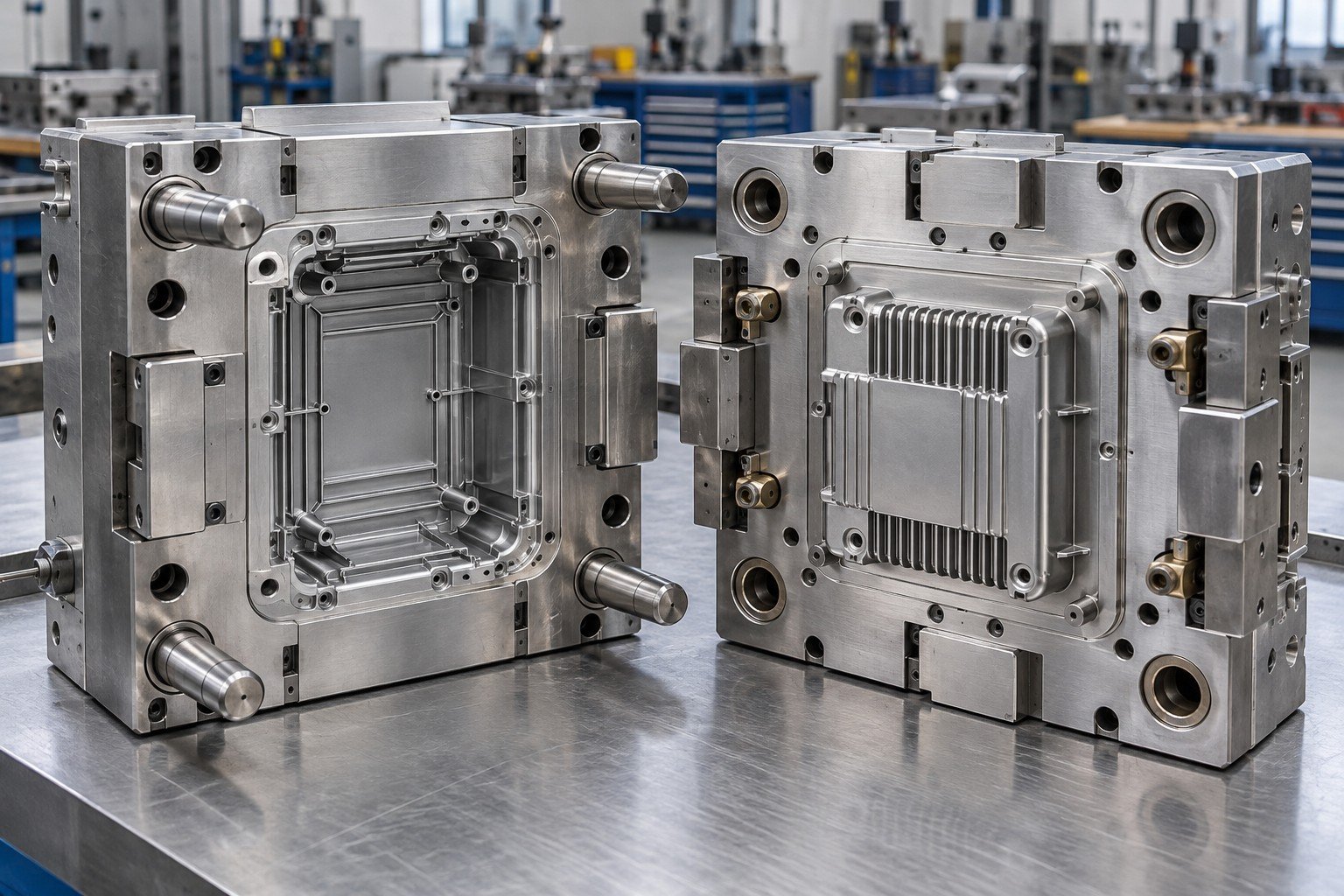
Map damage against controlled cavity and part geometry. Mold insert repair needs a material, treatment and final-surface basis.
| Your input | Steel grade, hardness evidence and damage map. |
|---|---|
| Your decision | Agree local rework, insert replacement or qualified weld assessment. |
| Your record | Tool ID, controlled revision and authorized work scope. |
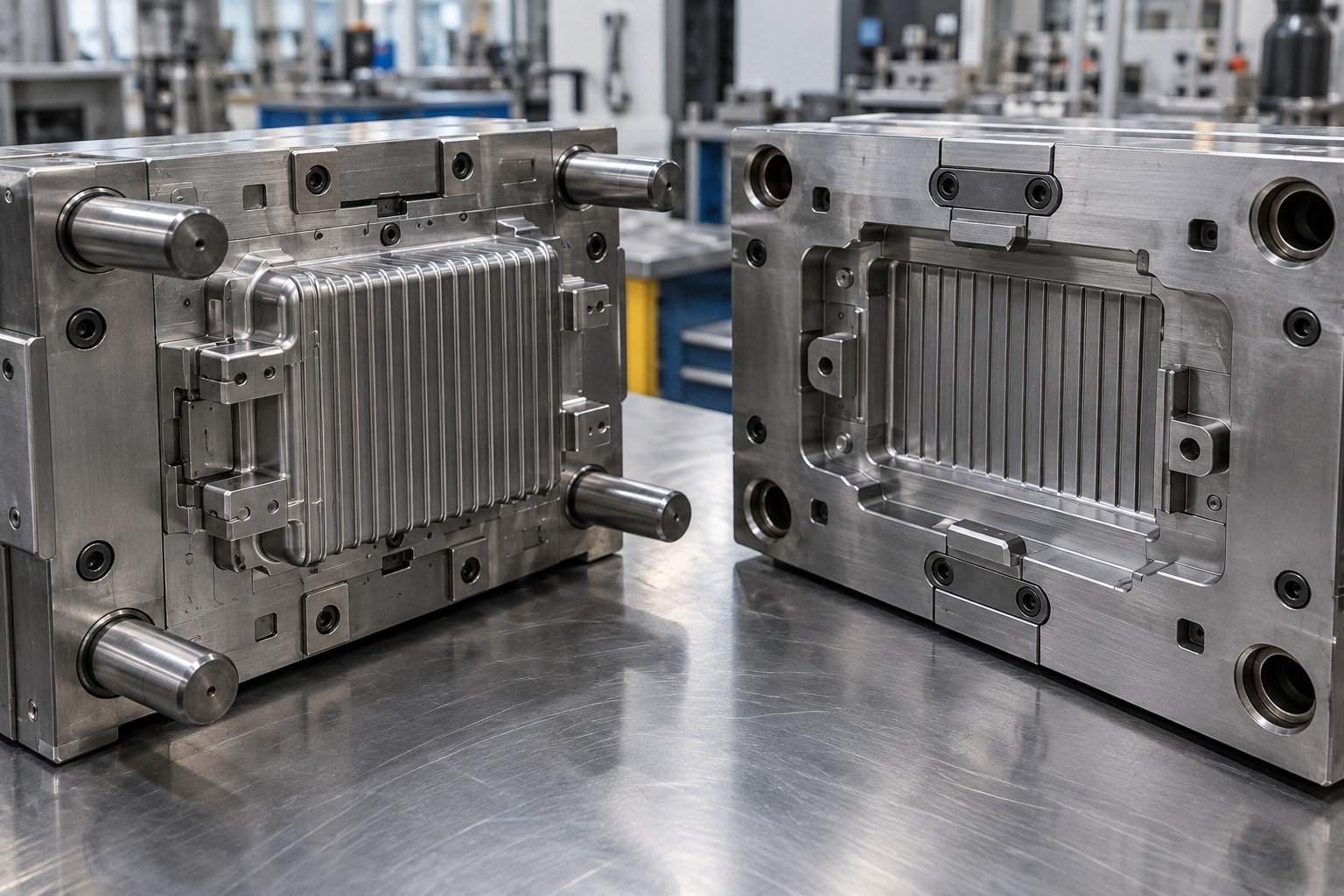
For mold rework, record material removal, replacement details and any approved surface restoration. Injection mold laser welding is a review route, not a default cure.
| Your input | Approved repair drawing and accessible interfaces. |
|---|---|
| Your decision | Assess weld suitability, finish restoration and any additional inspection. |
| Your record | Tool ID, controlled revision and authorized work scope. |
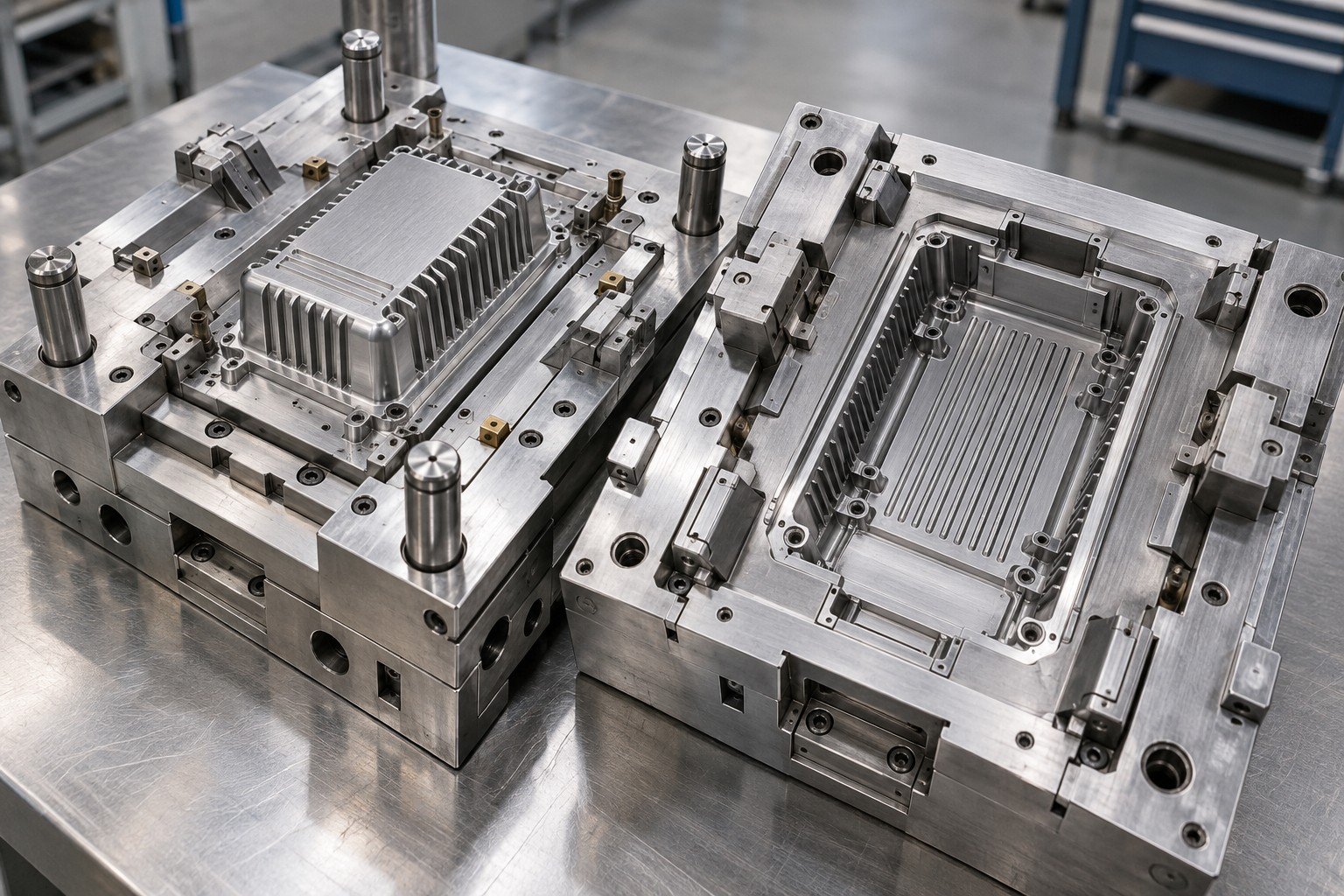
An injection mold refurbishment is incomplete as a release decision until agreed movement, dimensions and trial-part checks are closed.
| Your input | Trial resin, machine conditions and sample quantity. |
|---|---|
| Your decision | Compare results to the approved part drawing; record open actions. |
| Your record | Tool ID, controlled revision and authorized work scope. |
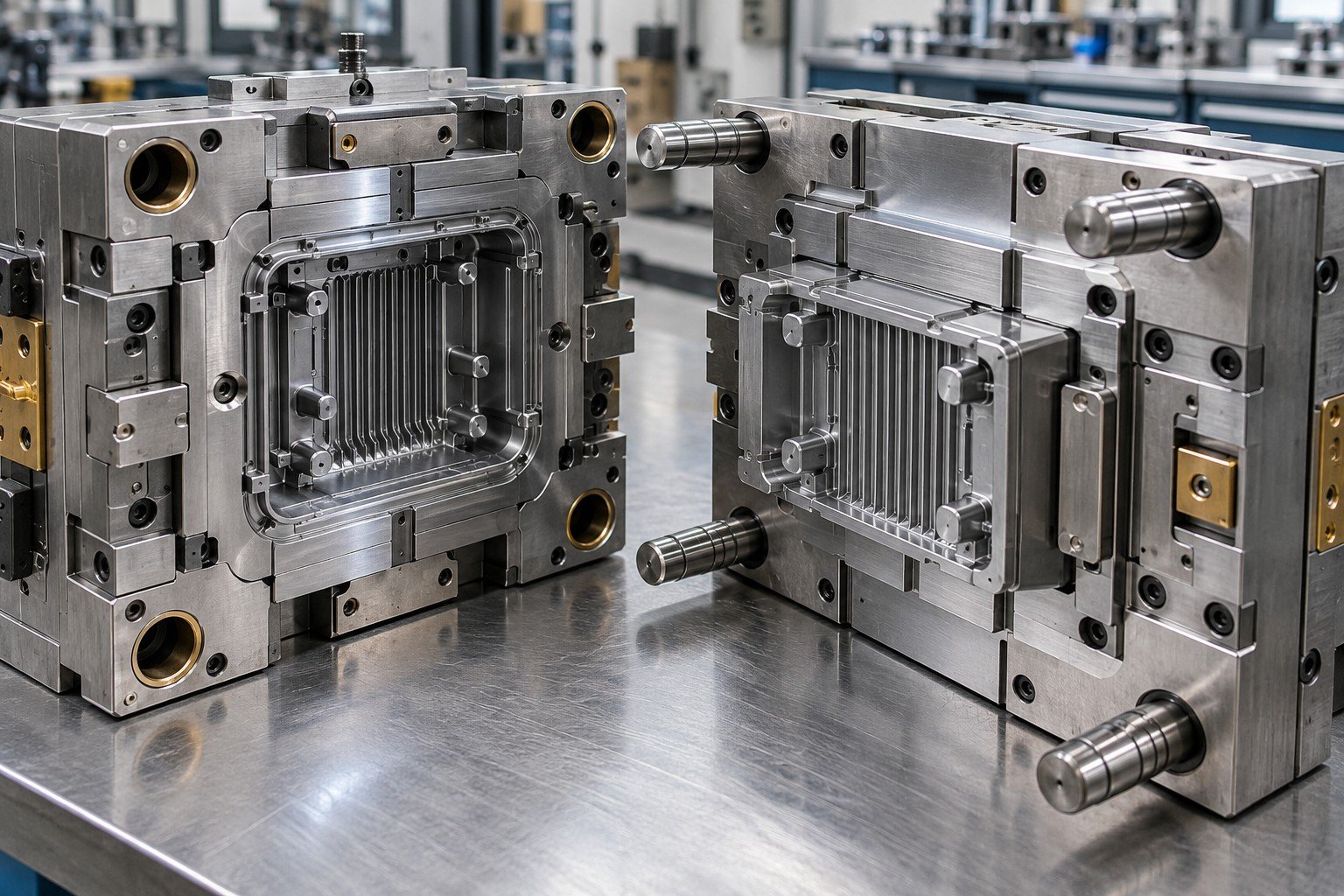
Use cycle counts, resin behavior, storage and fault history to define injection mold preventive maintenance. One interval does not fit every mold.
| Your input | Cycle and stoppage history, maker instructions. |
|---|---|
| Your decision | Select inspection points and review triggers for the next run. |
| Your record | Tool ID, controlled revision and authorized work scope. |
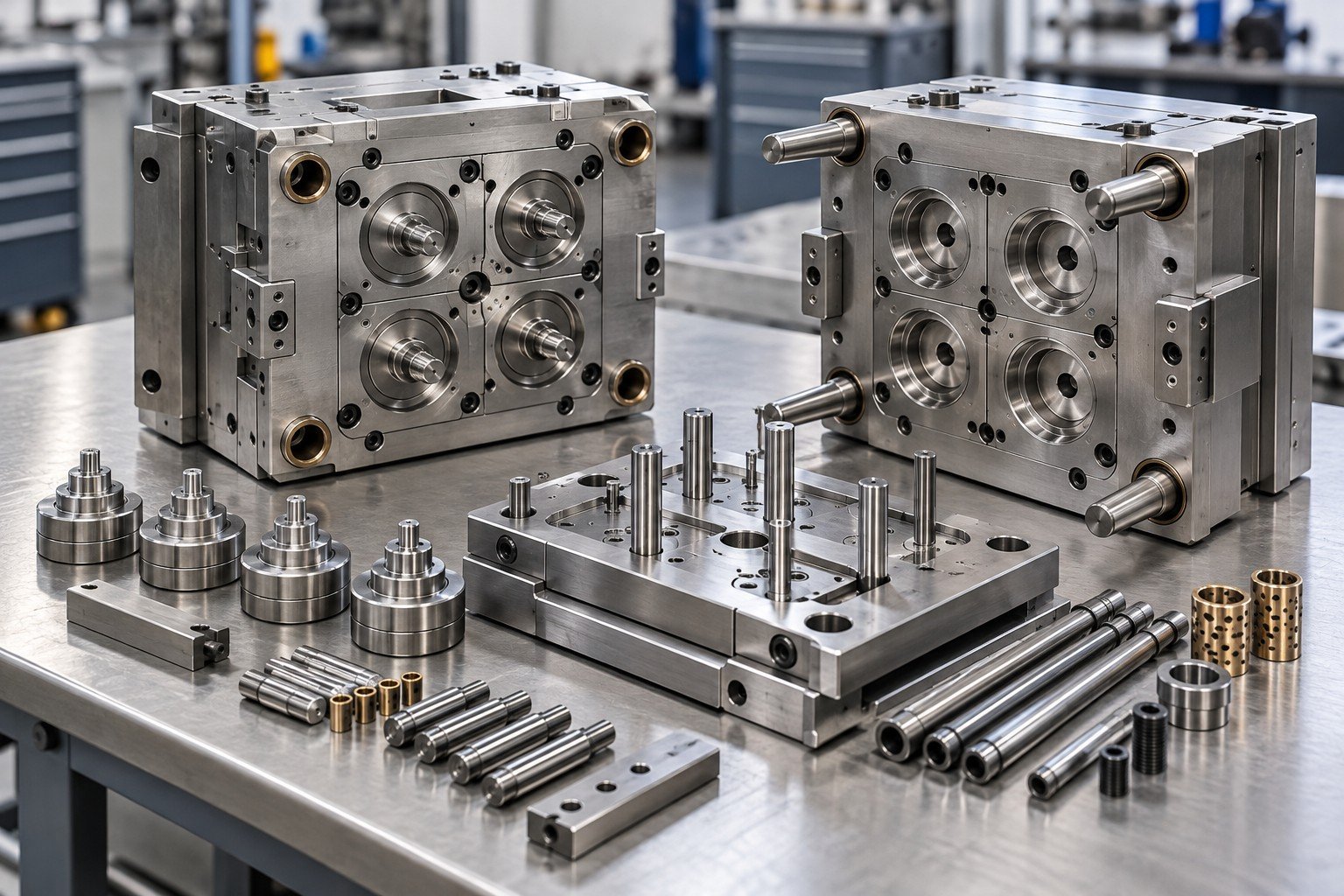
Injection mold cleaning services concern industrial mold surfaces and circuits. Identify residues, sensitive coatings and surfaces that must not be altered.
| Your input | Residue evidence, material and surface treatment. |
|---|---|
| Your decision | Agree method compatibility and protection of precision surfaces. |
| Your record | Tool ID, controlled revision and authorized work scope. |
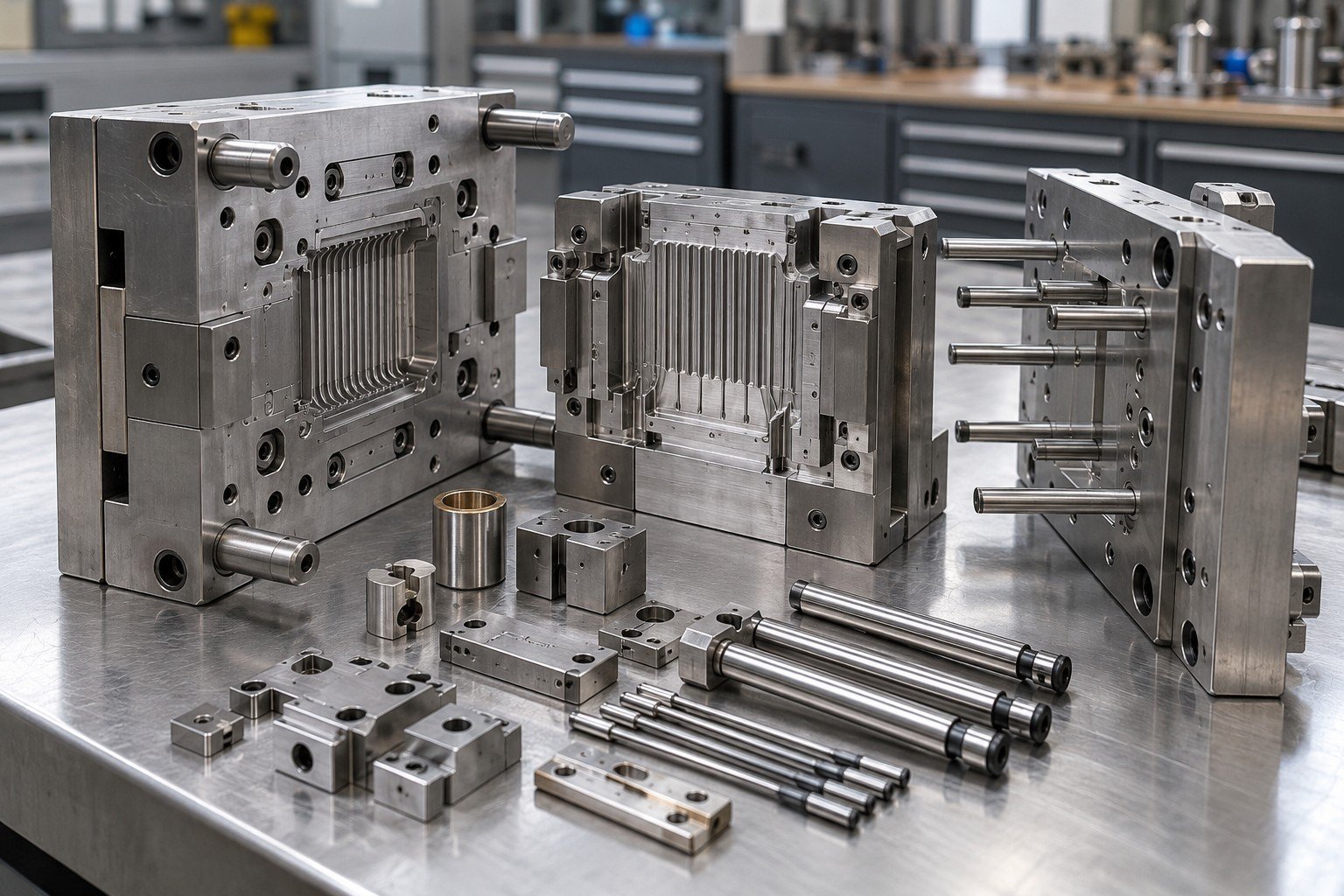
Mold cooling channel cleaning and ejector pin replacement address different functions. Confirm circuit identity, access, pin geometry and fit.
| Your input | Circuit map, leak history and component IDs. |
|---|---|
| Your decision | Specify relevant flow or leak checks and free movement after assembly. |
| Your record | Tool ID, controlled revision and authorized work scope. |
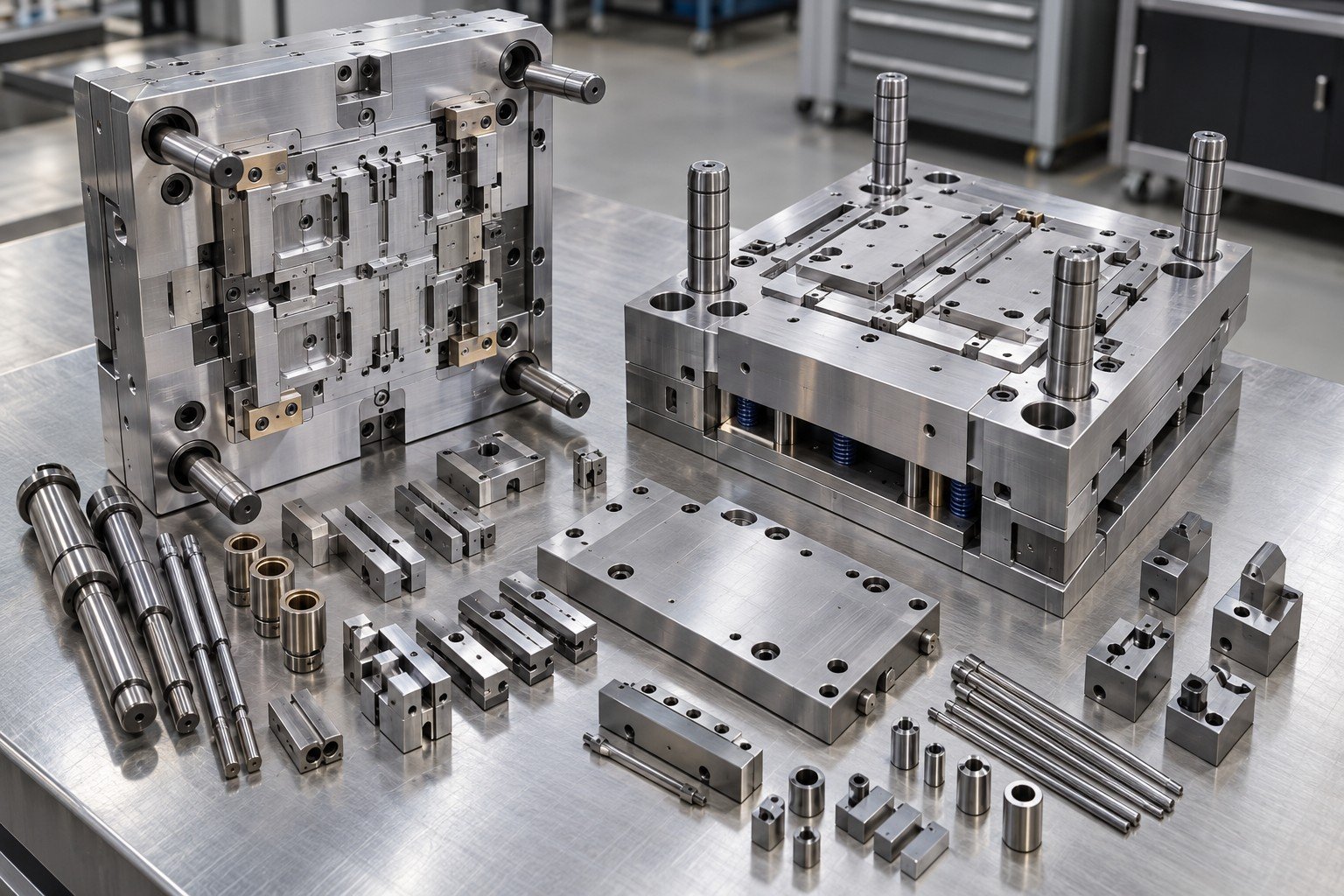
Mold maintenance services should identify what was inspected, cleaned or replaced and what still needs attention. A checklist is evidence only when completed for the actual tool.
| Your input | Tool ID, service date and authorized checklist. |
|---|---|
| Your decision | Record condition, replaced items and next condition-based review. |
| Your record | Tool ID, controlled revision and authorized work scope. |
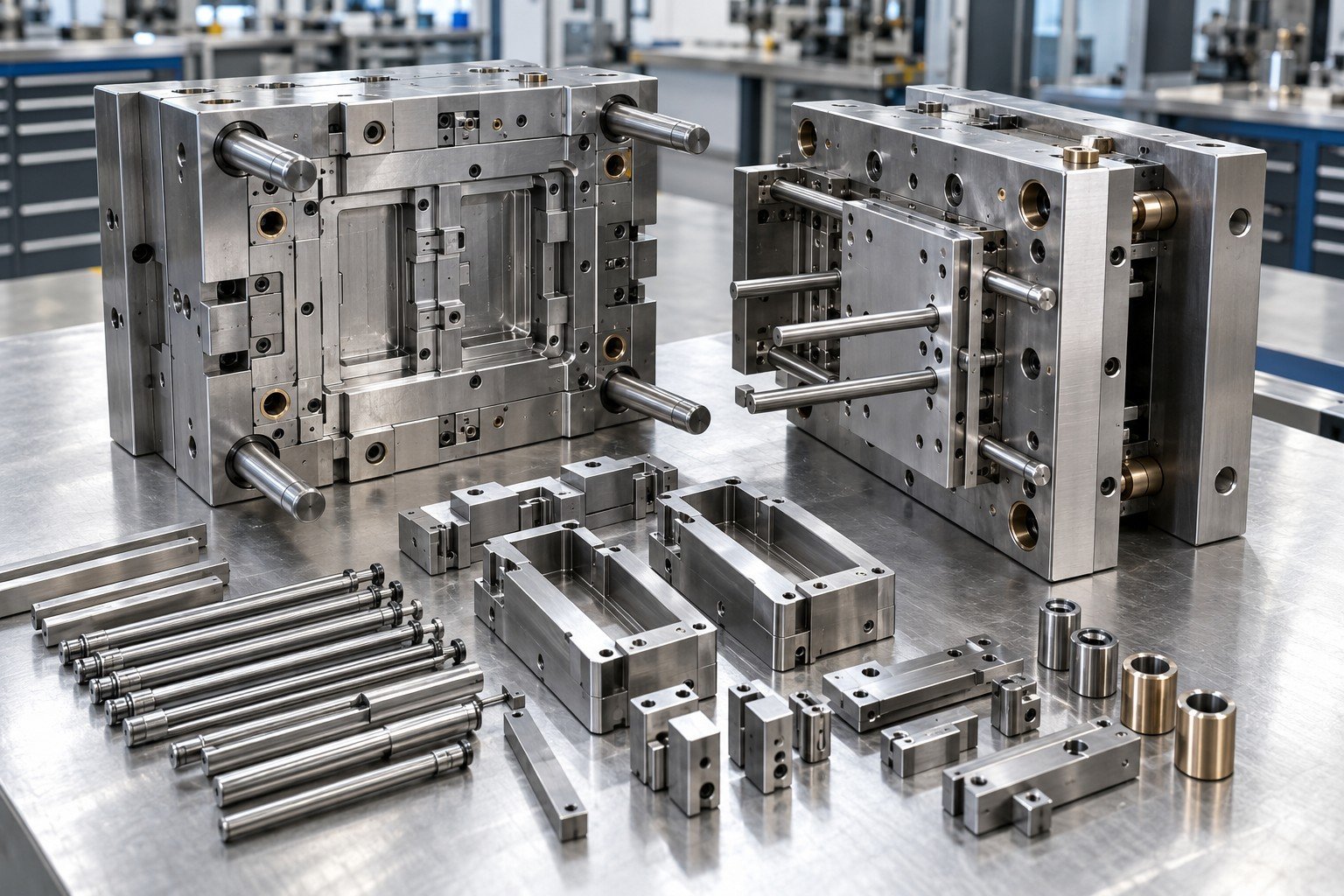
For die casting mold repair, examine erosion, heat checking, soldering and movement in context. A visible crack does not define the complete repair boundary.
| Your input | Die alloy route, service history and defect evidence. |
|---|---|
| Your decision | Map damage and decide what additional inspection is required. |
| Your record | Tool ID, controlled revision and authorized work scope. |
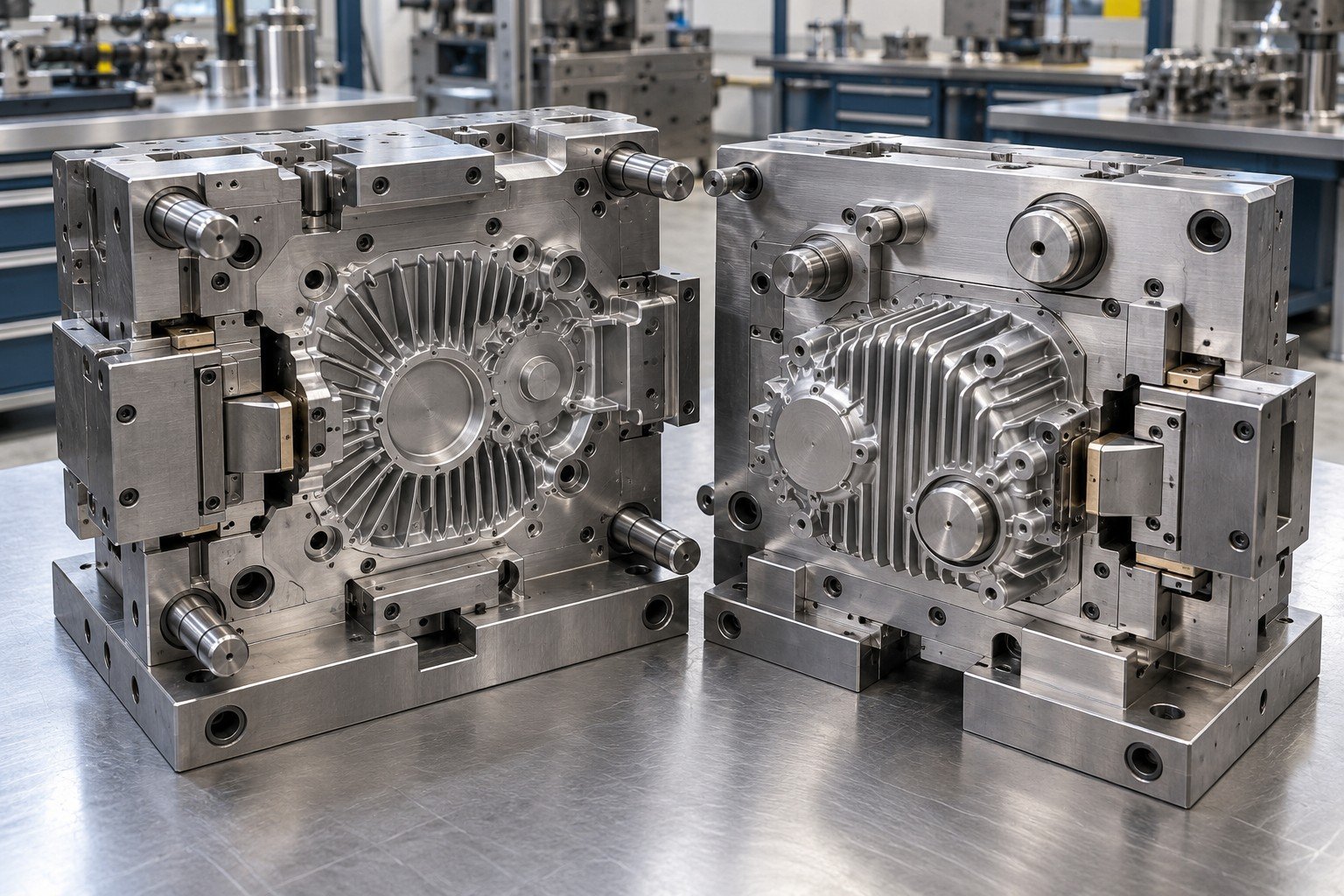
H13 mold repair requires confirmed tooling material, heat-treatment history and surface condition. The cast-part alloy is not the die-steel specification.
| Your input | Steel and hardness records where available. |
|---|---|
| Your decision | Assess repair suitability and affected dimensional or surface functions. |
| Your record | Tool ID, controlled revision and authorized work scope. |
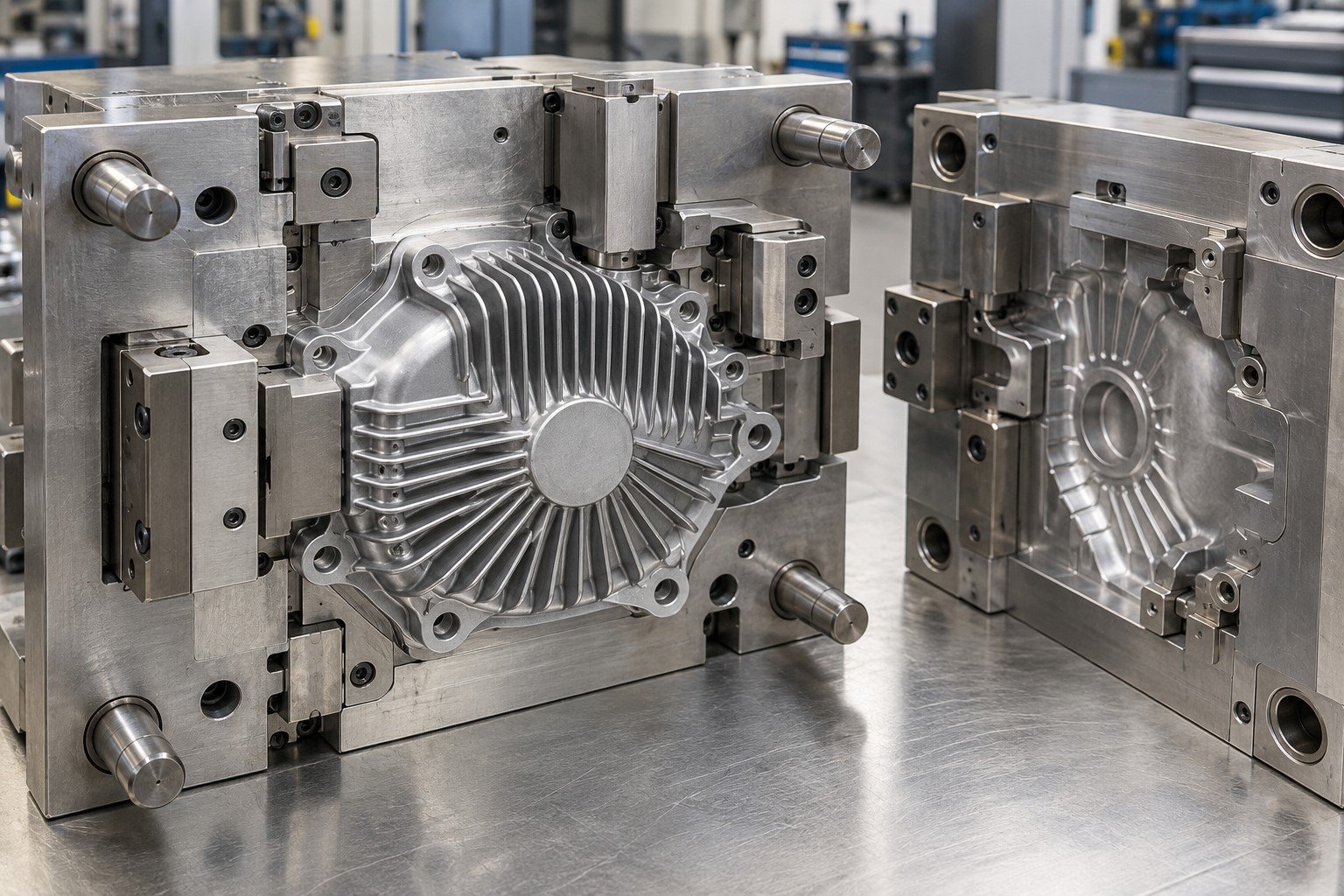
Die refurbishment may involve replaceable inserts, slide fits or local surface work. Define what must be preserved and what can change.
| Your input | Insert drawings, shutoffs and cooling access. |
|---|---|
| Your decision | Separate component replacement from changes to casting geometry. |
| Your record | Tool ID, controlled revision and authorized work scope. |
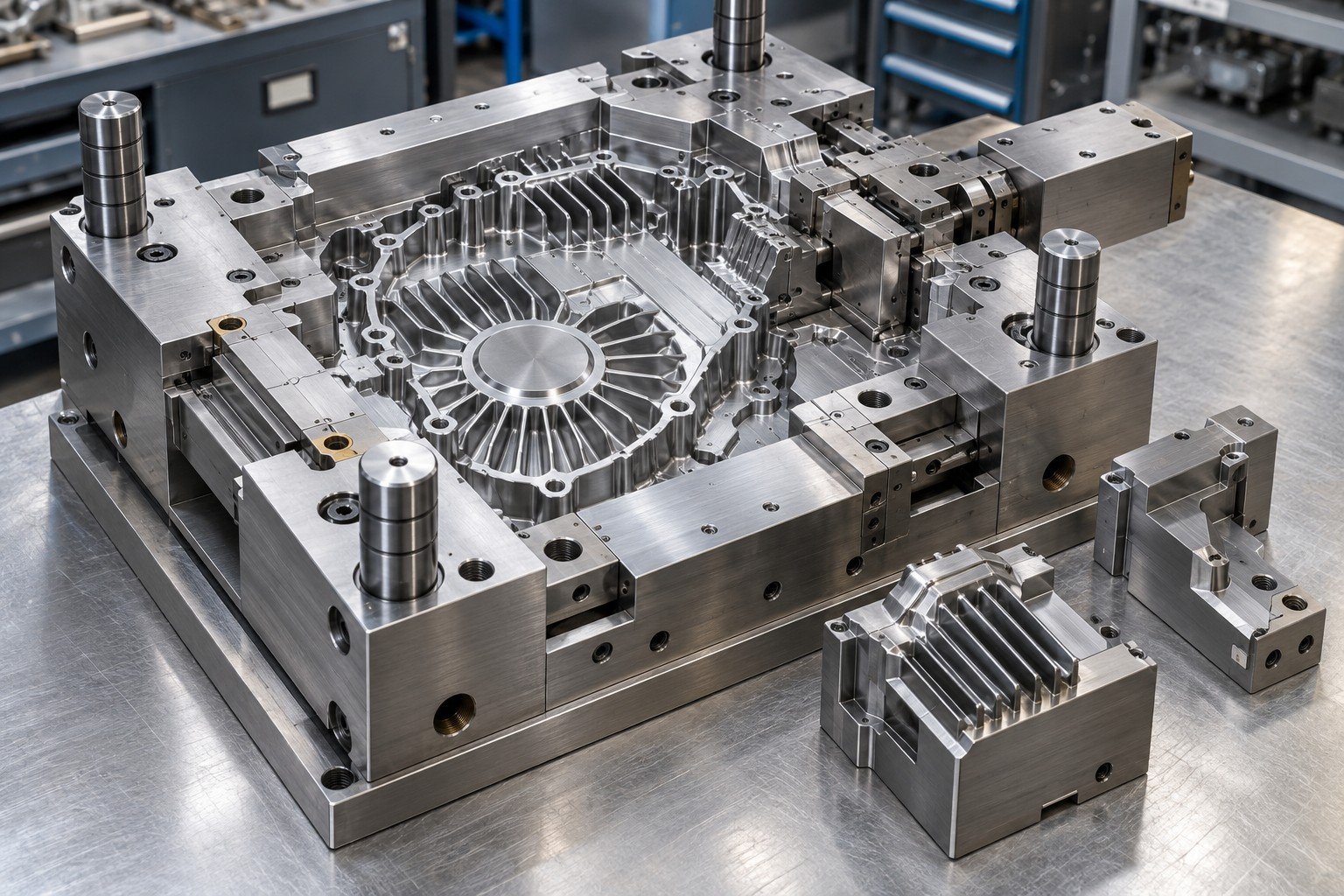
Check the serviced die and trial casting against the agreed conditions. A cleaned cavity alone does not establish leak integrity or production acceptance.
| Your input | Machine interface, alloy and agreed trial conditions. |
|---|---|
| Your decision | Close specified dimensional and functional checks before release. |
| Your record | Tool ID, controlled revision and authorized work scope. |
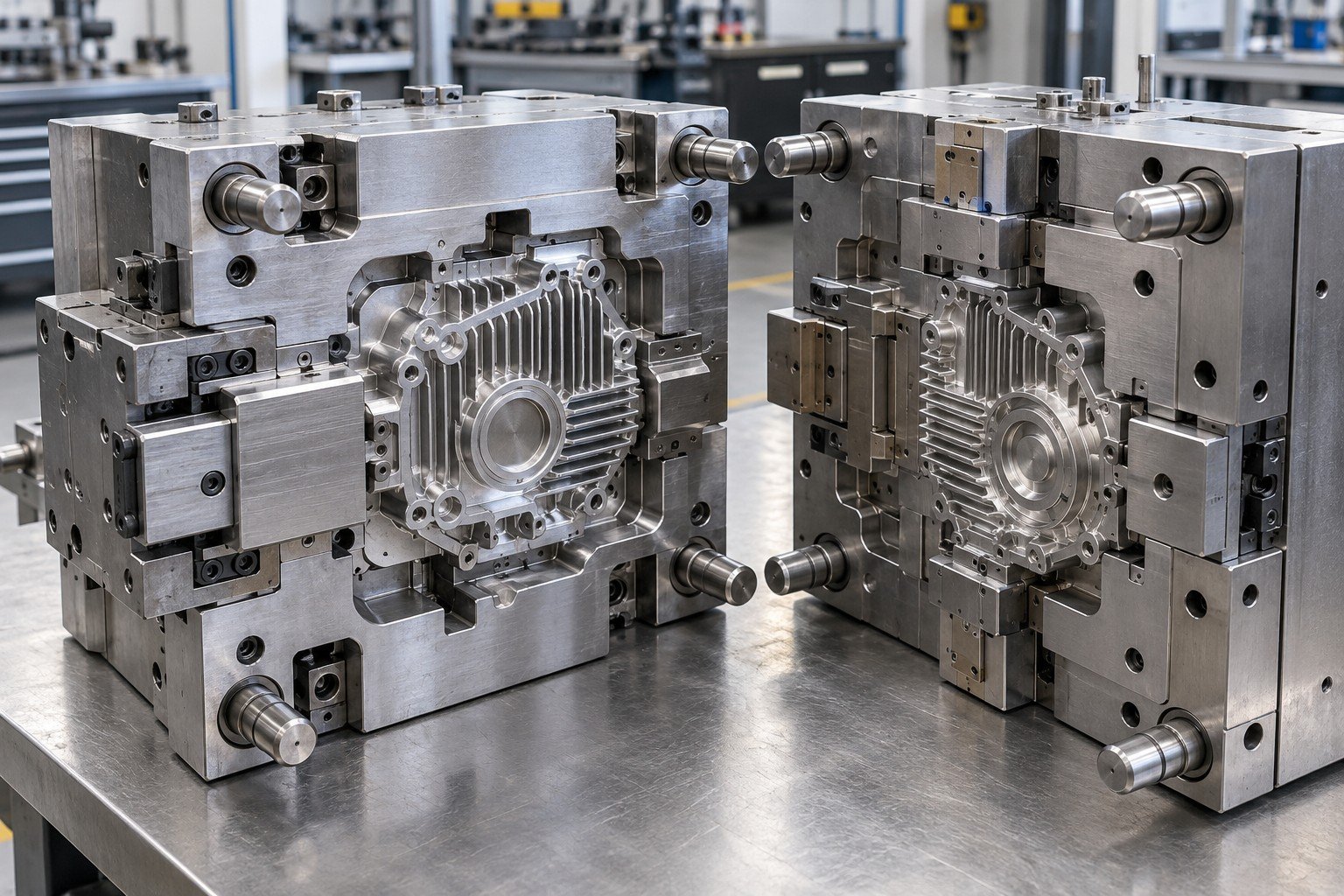
For tool and die repair, examine the cutting edges, alignment, strip location and stock condition together. Do not attribute every burr to one worn punch.
| Your input | Stock grade, thickness and defective samples. |
|---|---|
| Your decision | Review edge wear, clearance and locating features. |
| Your record | Tool ID, controlled revision and authorized work scope. |
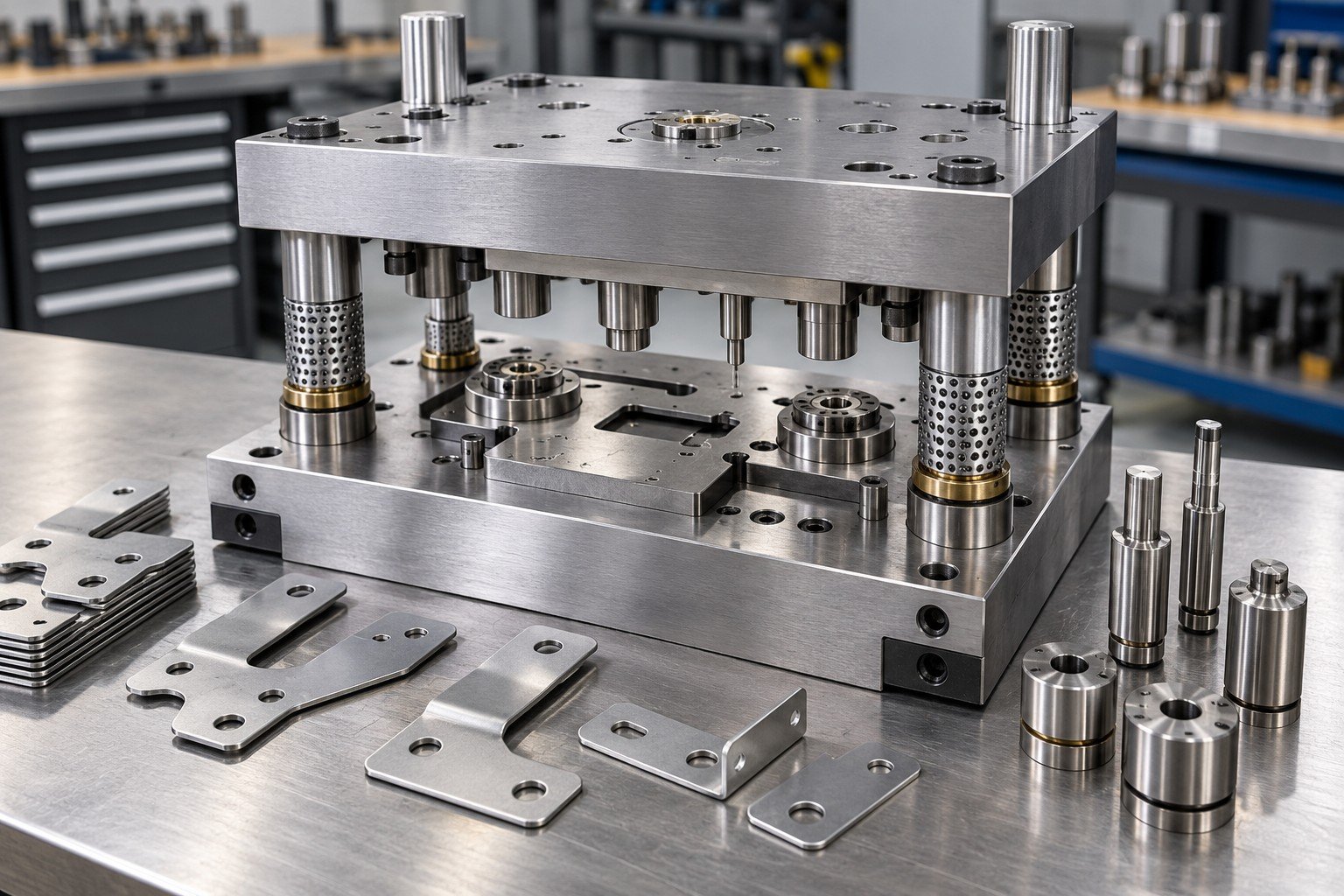
Stamping die sharpening changes working geometry. Define allowable removal, stack height, relief and compensation before grinding.
| Your input | Punch and die drawings plus prior sharpening history. |
|---|---|
| Your decision | Agree die sharpening services around maintained cutting clearance and support. |
| Your record | Tool ID, controlled revision and authorized work scope. |
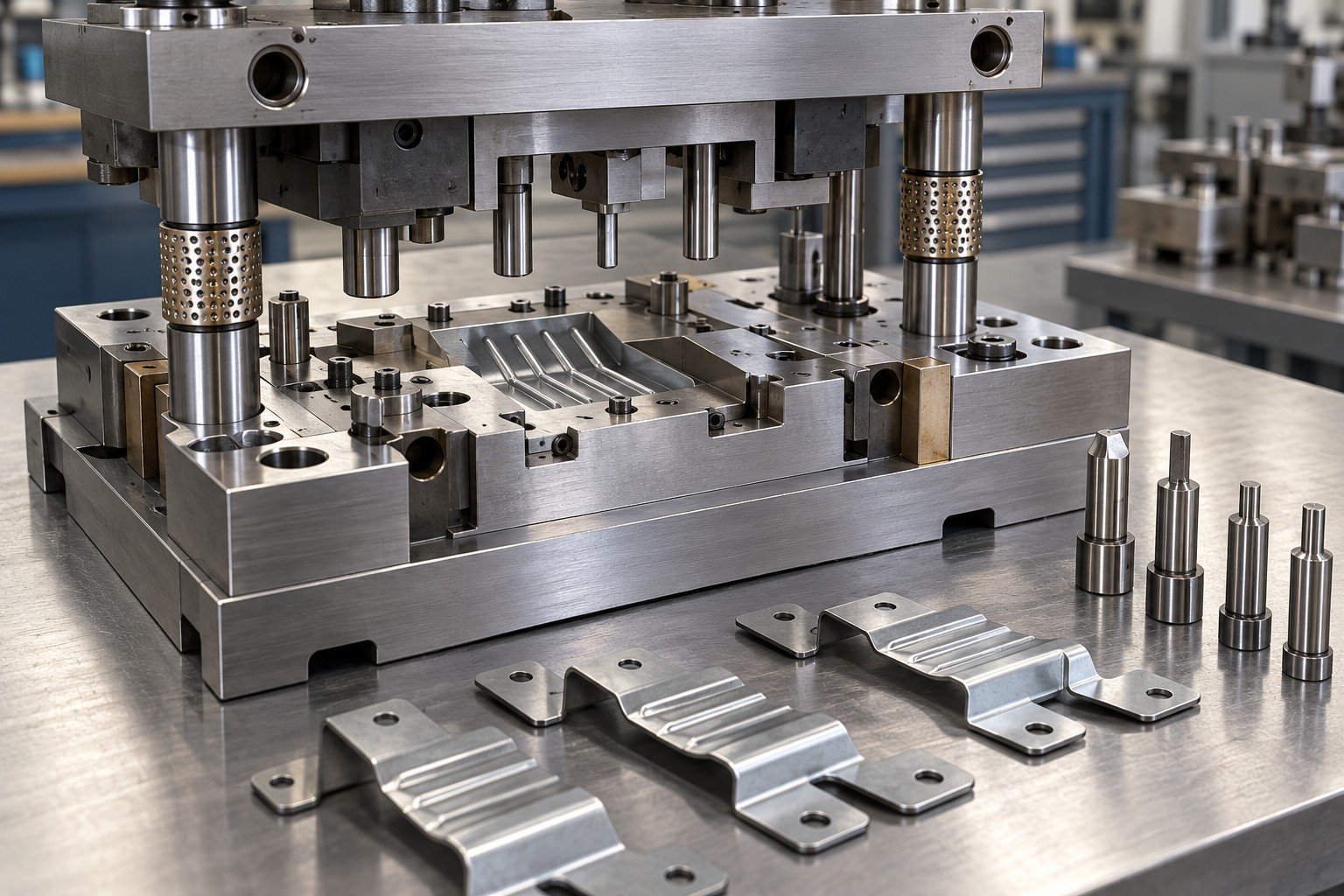
Identify punches, buttons, pilots, springs and wear details by drawing or approved sample. Stamping die maintenance must preserve location and stripping functions.
| Your input | Part IDs, material and installed condition. |
|---|---|
| Your decision | Check replacement fit, travel and scrap or slug removal. |
| Your record | Tool ID, controlled revision and authorized work scope. |
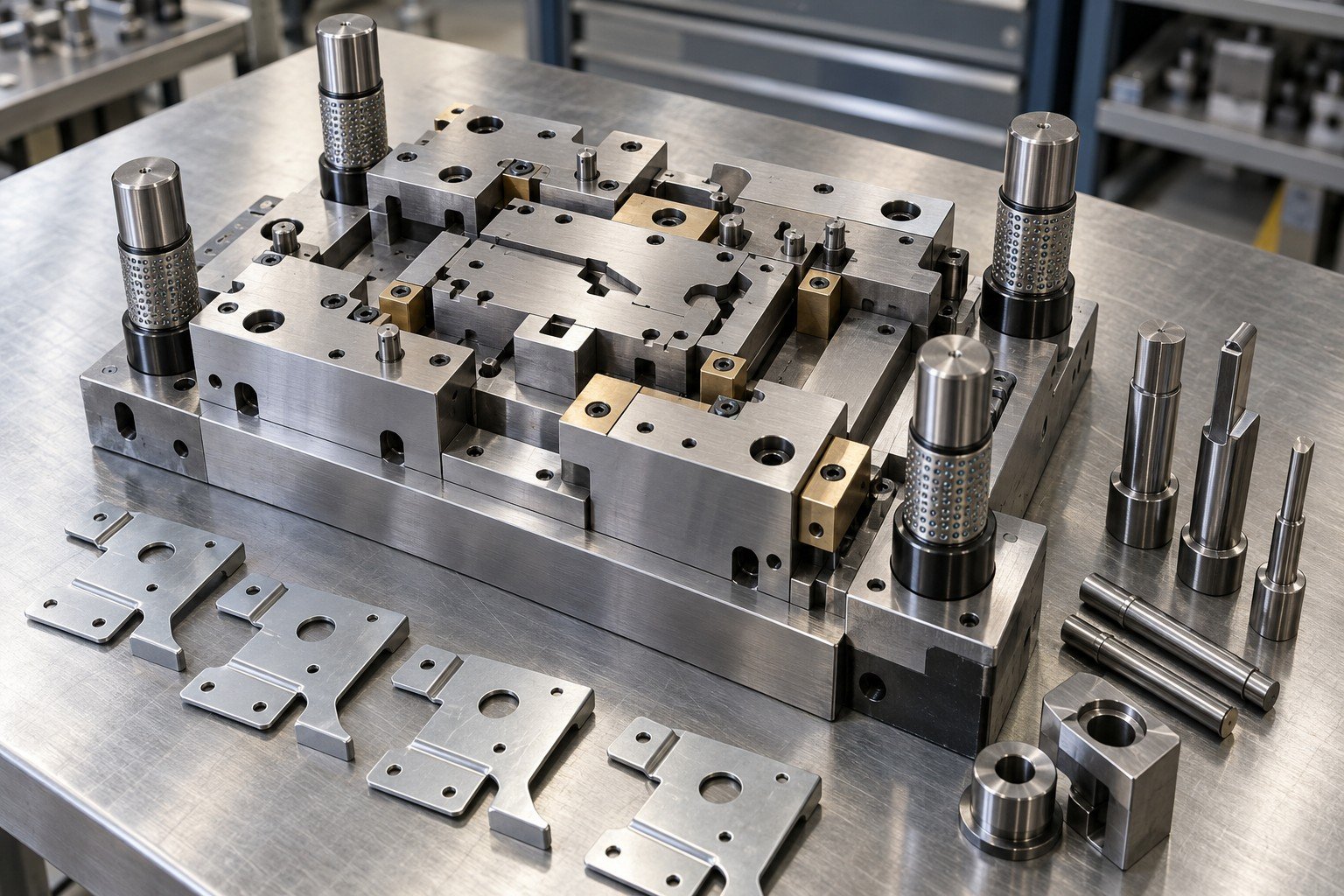
After die repair, record the stock, press and trial sequence used. Check burr, hole location, formed geometry and the agreed assembly fit.
| Your input | Approved trial stock and receiving press basis. |
|---|---|
| Your decision | Document results and residual issues before recurring production. |
| Your record | Tool ID, controlled revision and authorized work scope. |
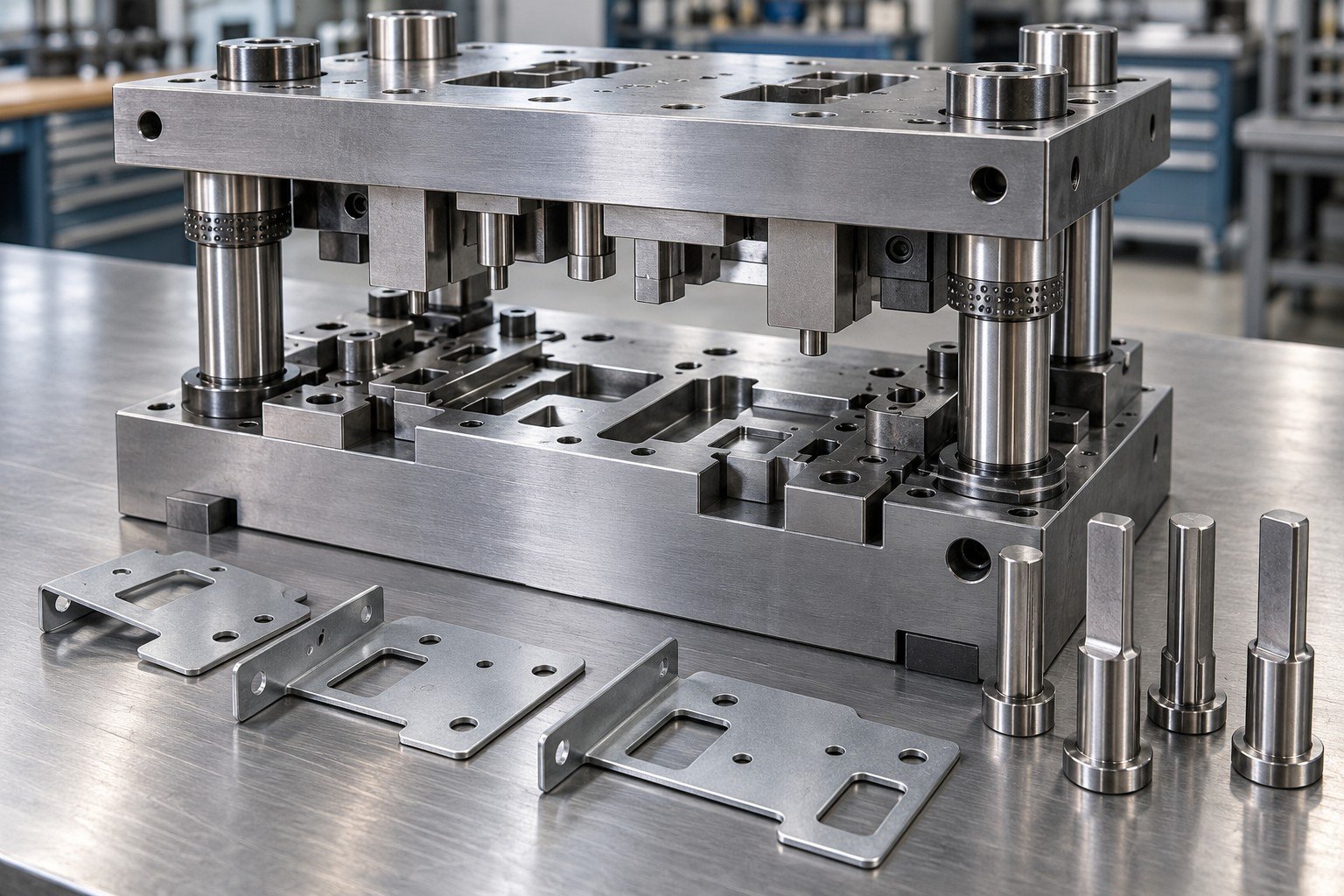
Mold refurbishment restores selected condition; a mold rebuild can involve a wider replacement scope. Agree the actual work rather than relying on the label.
| Your input | Tool history, recurring failures and future demand. |
|---|---|
| Your decision | Compare local repair, rebuild or replacement with validation and logistics. |
| Your record | Tool ID, controlled revision and authorized work scope. |
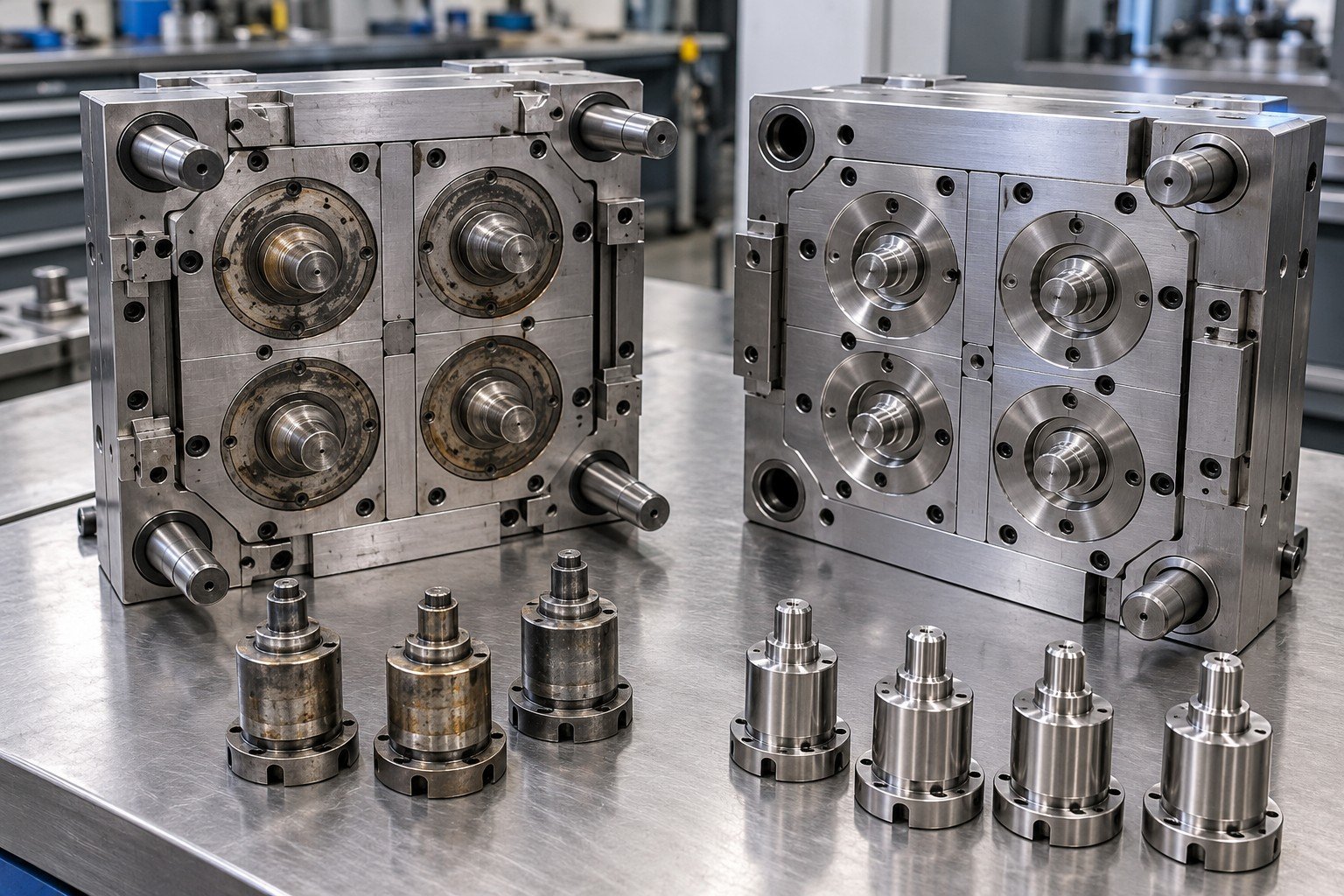
Plastic injection mold refurbishment needs a clear retained-versus-replaced inventory. Confirm material, fit, cooling and drawing ownership for each affected item.
| Your input | Assembly drawing, worn components and spare inventory. |
|---|---|
| Your decision | Separate necessary restoration from optional improvements. |
| Your record | Tool ID, controlled revision and authorized work scope. |
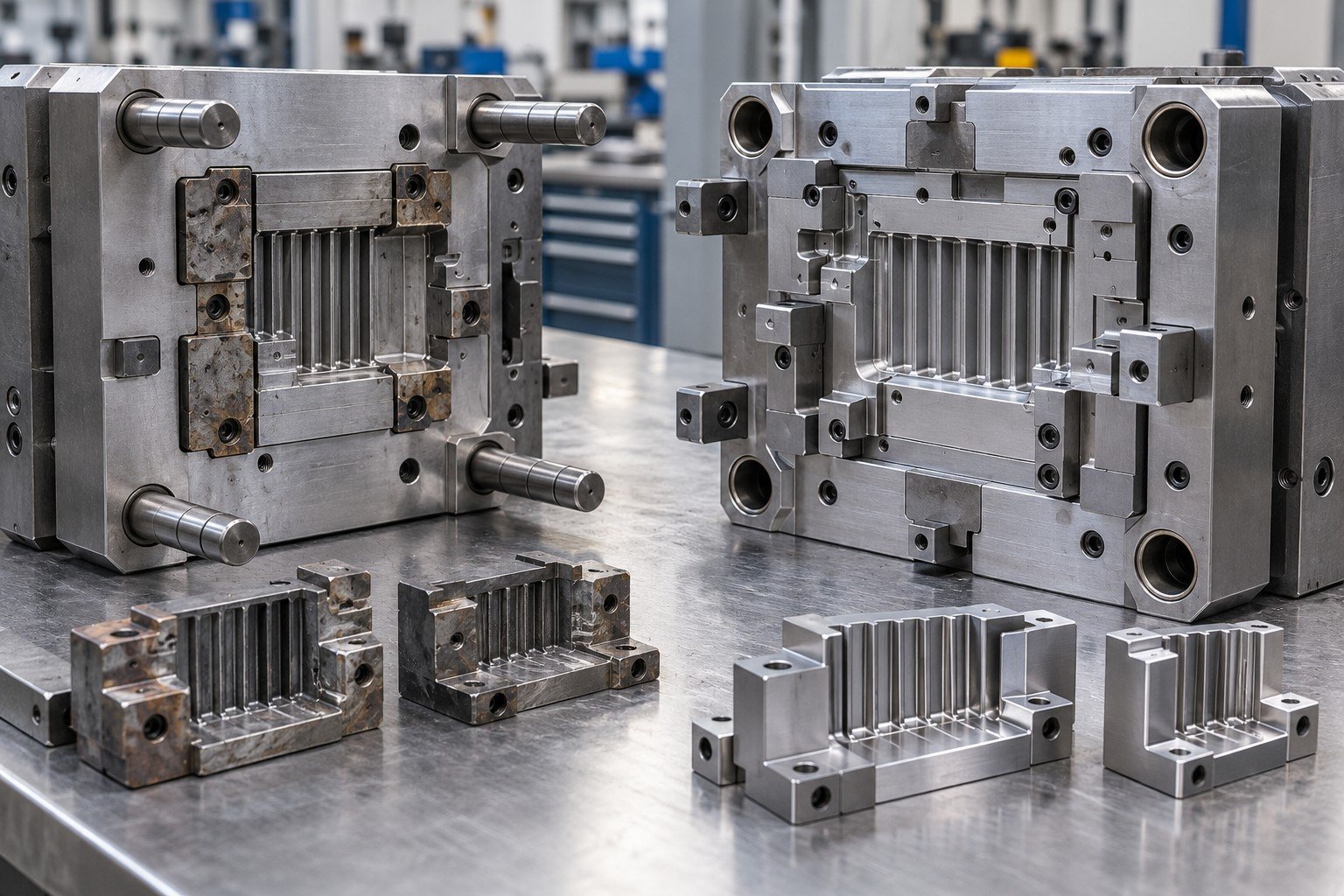
For mold refurbishment services, record discoveries made during authorized teardown. Additional machining or replacement needs a revised scope.
| Your input | Teardown findings, photographs and proposed changes. |
|---|---|
| Your decision | Obtain authorization before proceeding beyond approved work. |
| Your record | Tool ID, controlled revision and authorized work scope. |
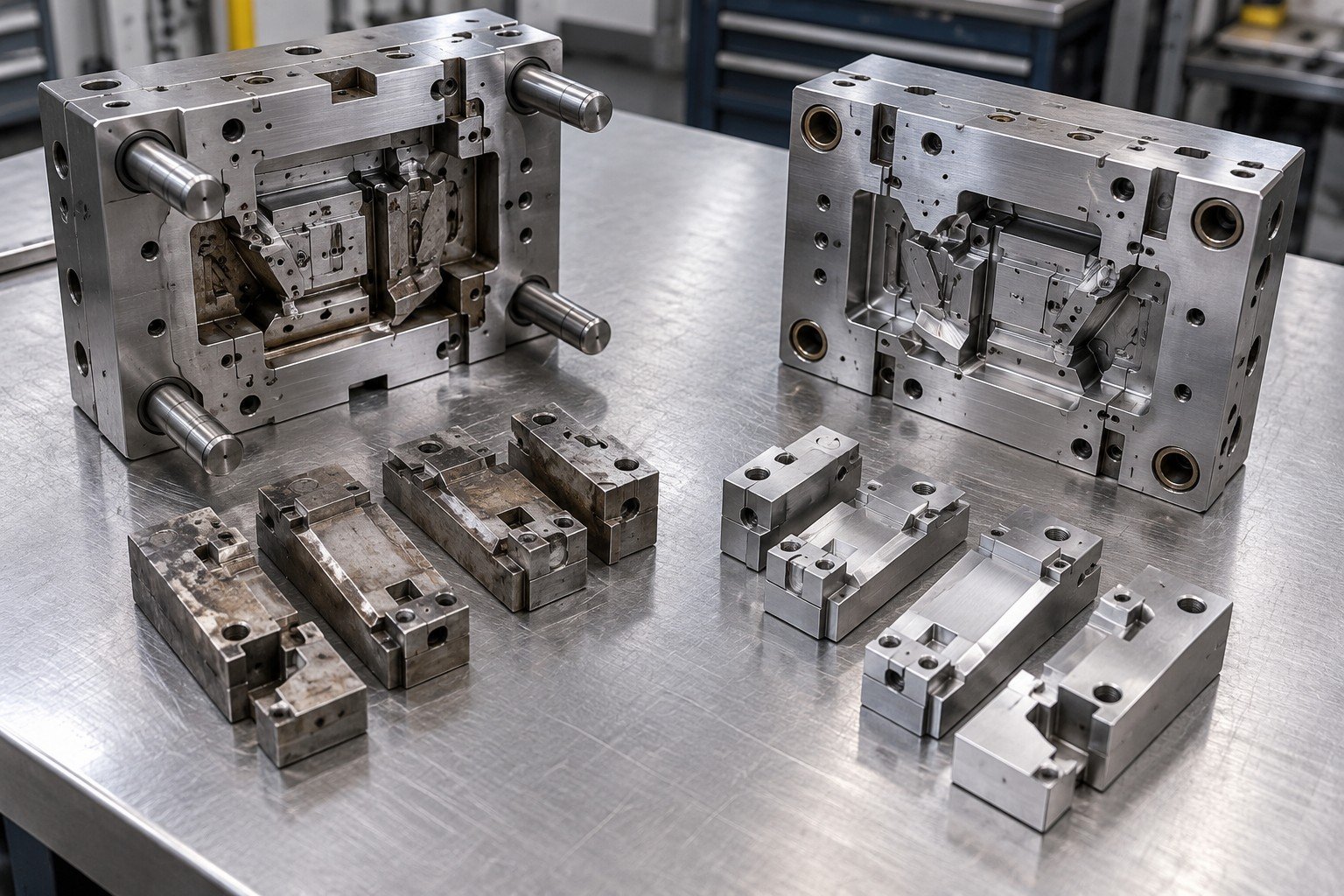
Die rebuild services and mold rebuilds require defined tool, part and receiving-site acceptance. A delivery date is not a substitute for completed release checks.
| Your input | Inspection scope and representative trial conditions. |
|---|---|
| Your decision | Supply the agreed change list, trial evidence and care instructions. |
| Your record | Tool ID, controlled revision and authorized work scope. |
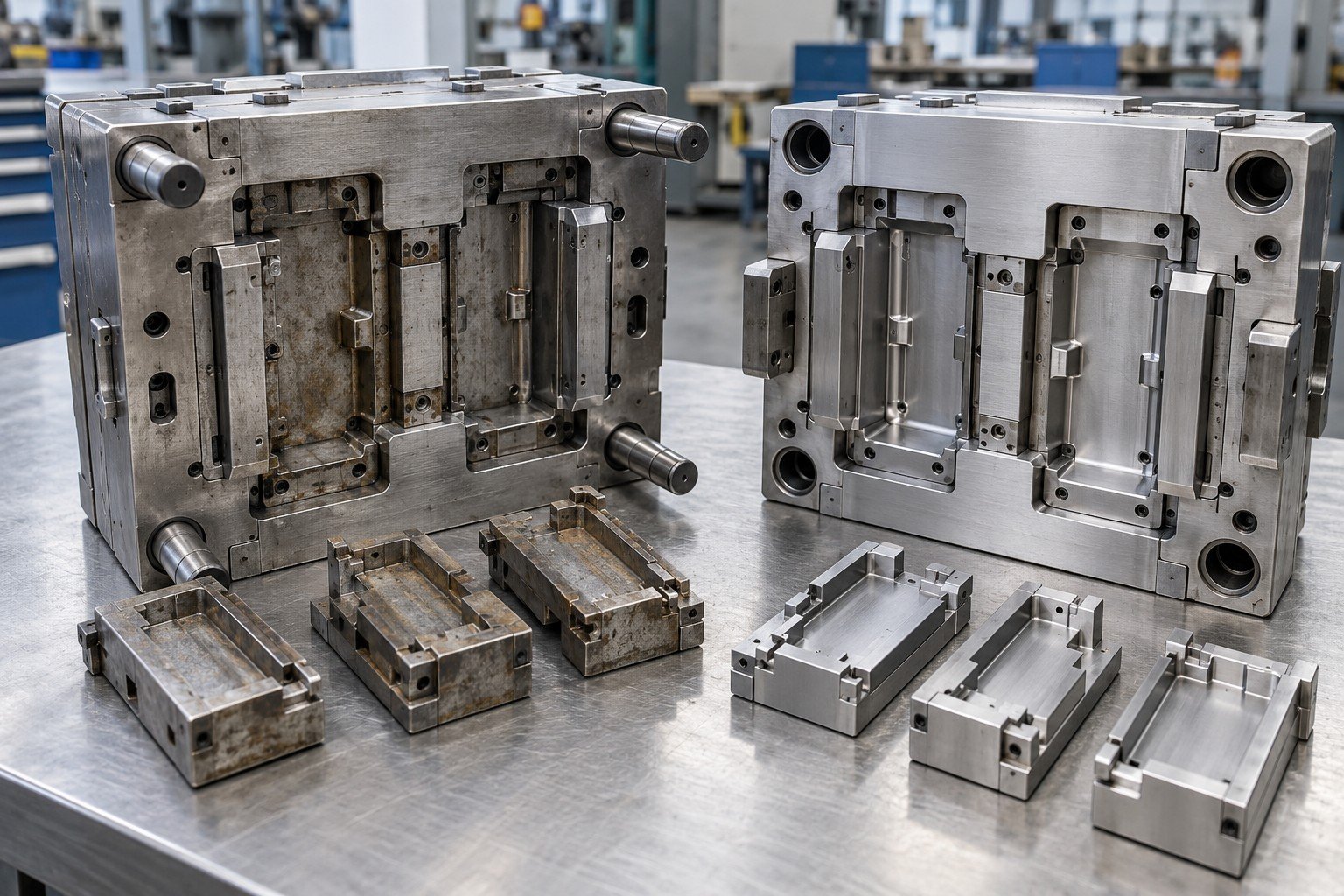
Mold modification services change the approved target. Restoration returns the existing requirement; a modification requires a new controlled design basis.
| Your input | Current and target CAD, drawings and revision differences. |
|---|---|
| Your decision | Identify affected cavity, core, cooling and ejection features. |
| Your record | Tool ID, controlled revision and authorized work scope. |
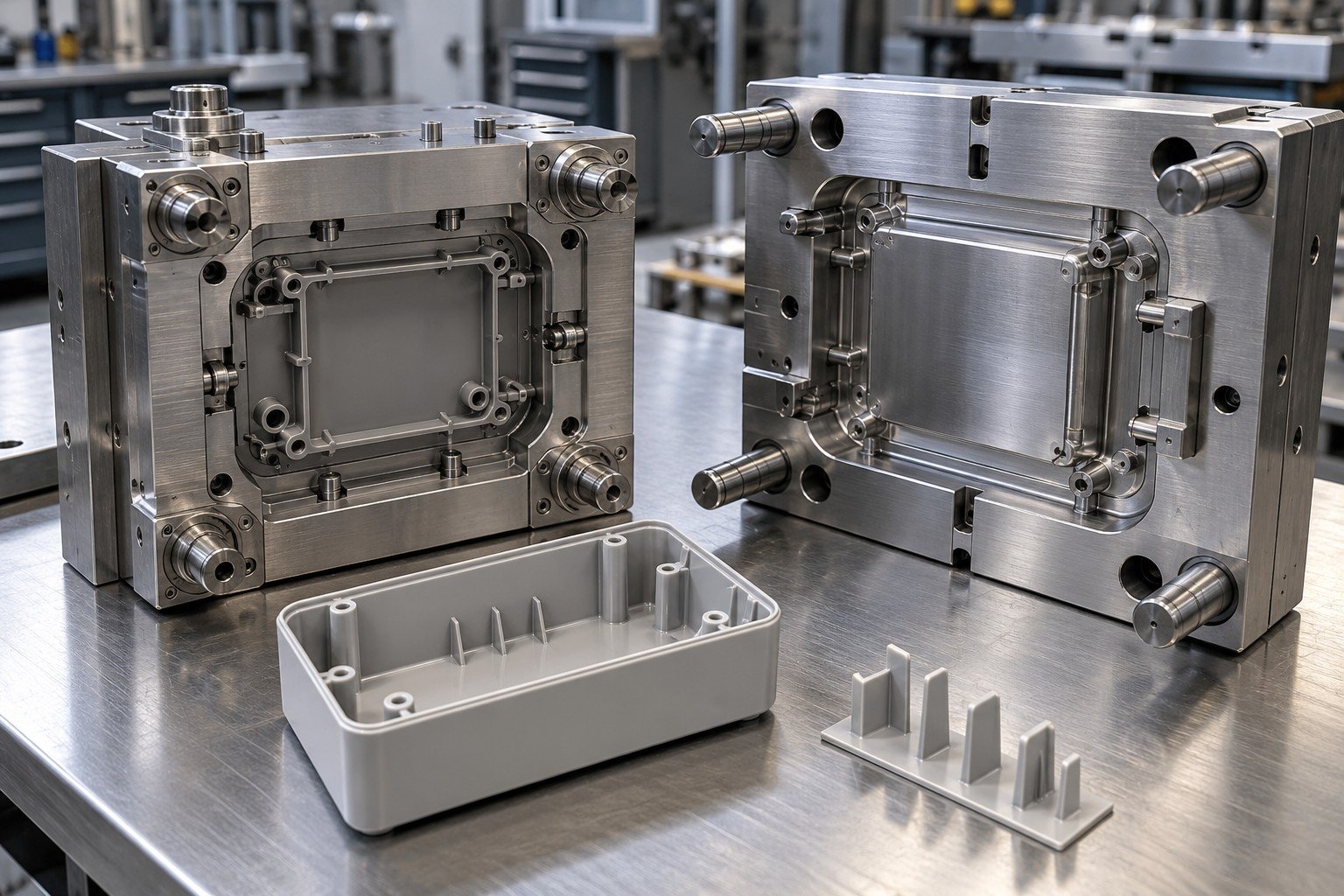
A small rib, boss or hole change can affect release and access. Review the full assembly, not just the visible cavity face.
| Your input | Mating parts, datums and protected surfaces. |
|---|---|
| Your decision | Agree feasibility, replacement insert scope and downstream effects. |
| Your record | Tool ID, controlled revision and authorized work scope. |
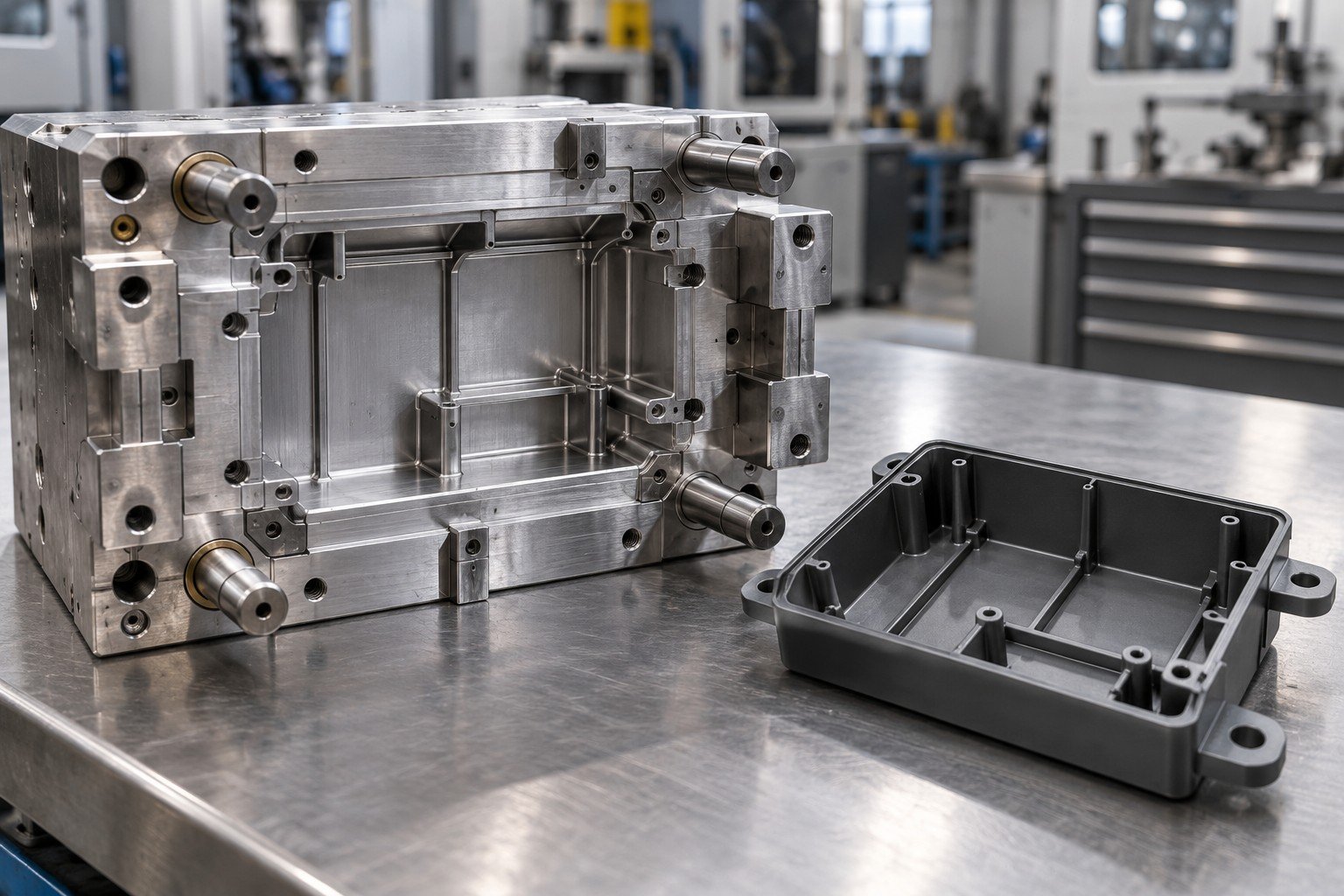
Mold laser welding repair or machining may be candidates only after material and geometry review. Do not turn an unapproved idea into irreversible tool work.
| Your input | Approved revision and method-specific requirements. |
|---|---|
| Your decision | Record permitted work and any additional trial or inspection. |
| Your record | Tool ID, controlled revision and authorized work scope. |
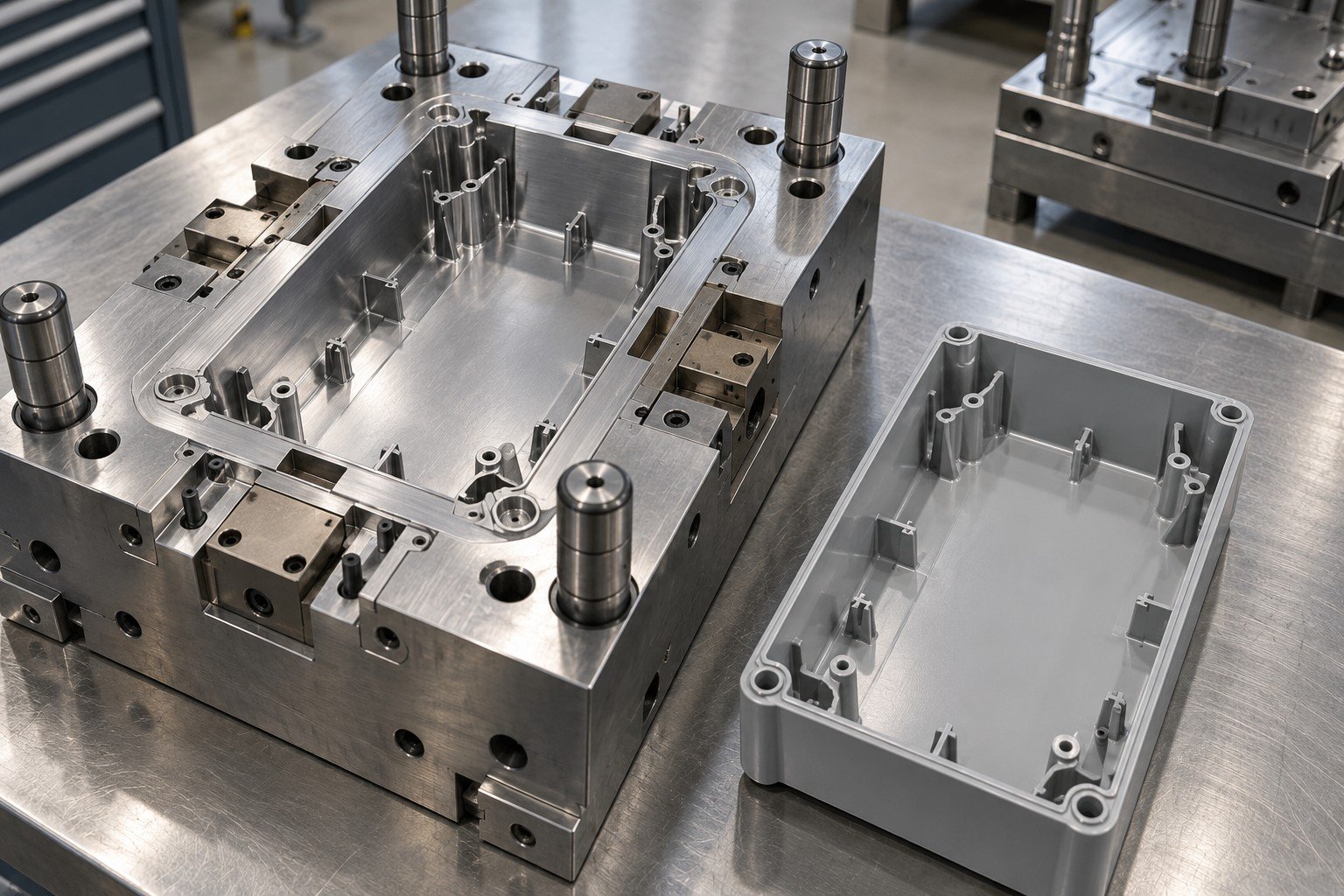
Mold modification needs reapproval of affected features and relevant unchanged functions. Keep old and new records distinguishable.
| Your input | Target part drawing and trial requirements. |
|---|---|
| Your decision | Link trial results, open deviations and release authority to the new revision. |
| Your record | Tool ID, controlled revision and authorized work scope. |
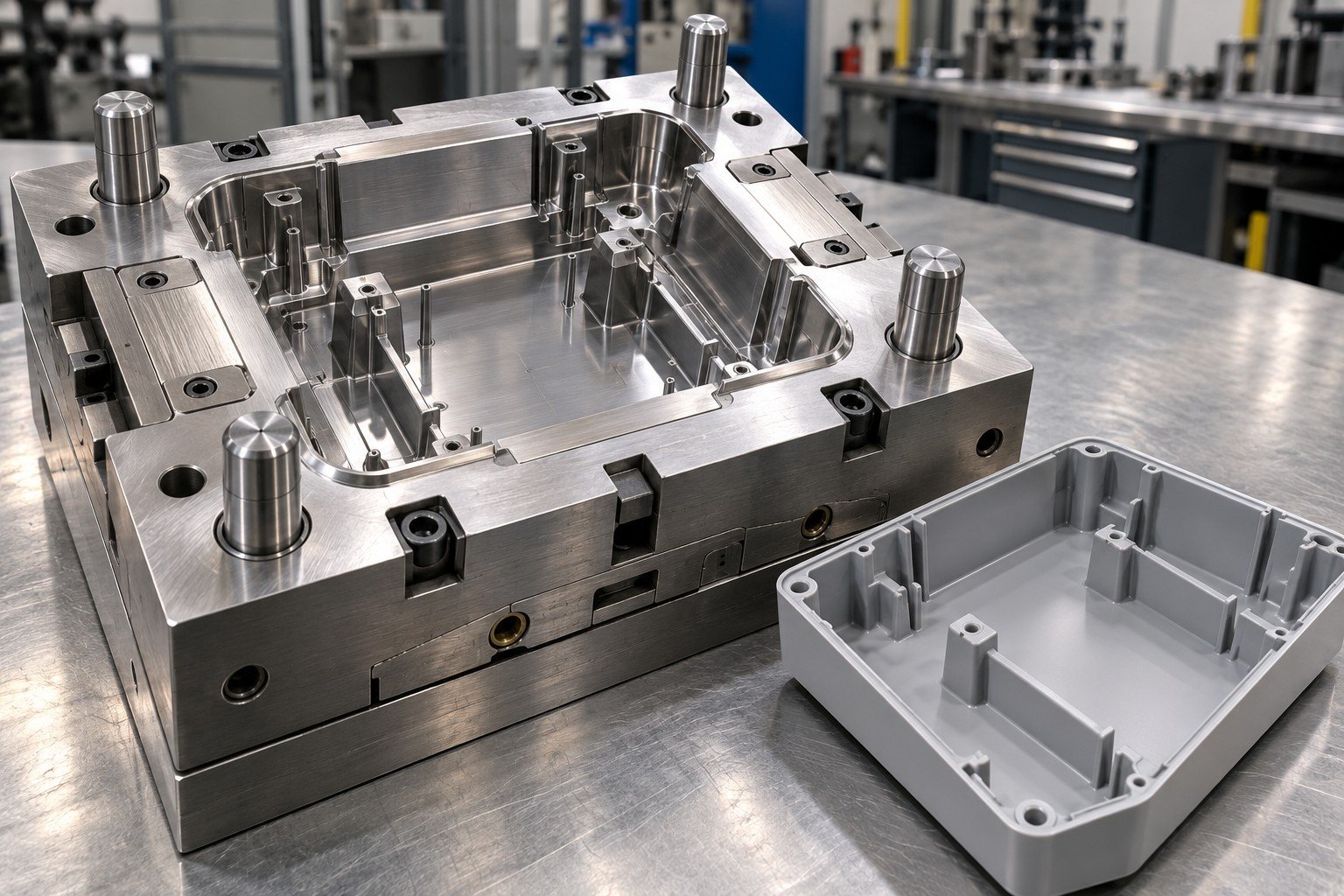
For emergency mold repair or emergency die repair, share the fault, tool location and required date first. Availability and receiving arrangements must be confirmed.
| Your input | Photos, samples, tool size and current location. |
|---|---|
| Your decision | Define a diagnostic review and what is needed before shipment. |
| Your record | Tool ID, controlled revision and authorized work scope. |
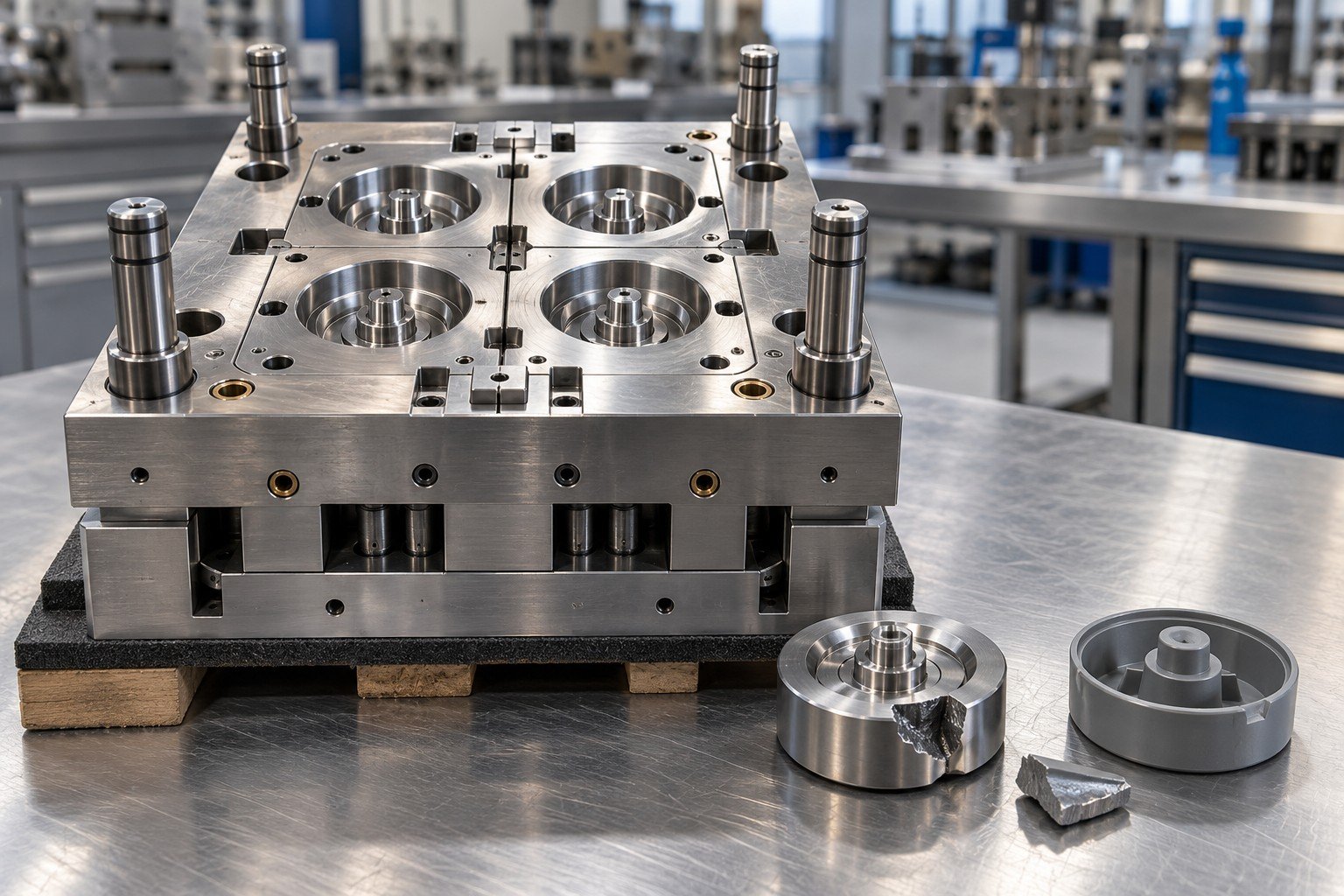
A target restart date does not establish mold repair lead time. Separate transport, diagnosis, authorization, parts, repair and trial resources.
| Your input | Required date, machine access and production constraints. |
|---|---|
| Your decision | Confirm feasible milestones without an automatic same-day promise. |
| Your record | Tool ID, controlled revision and authorized work scope. |
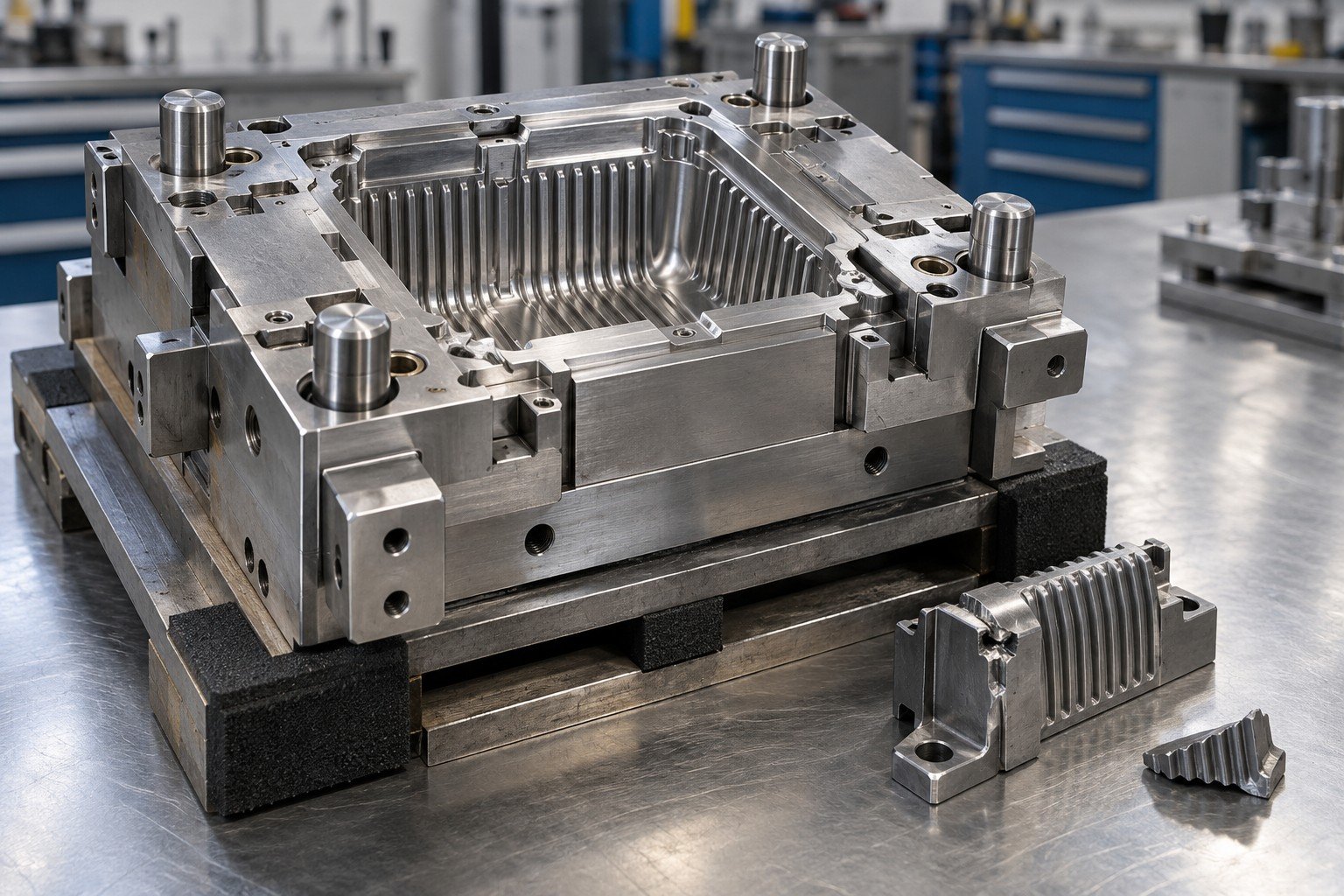
Agree inspection or teardown scope and the commercial basis before repair. Preserve evidence of original condition and document any newly found damage.
| Your input | Tool custody, access and inspection authorization. |
|---|---|
| Your decision | Report findings and agree the next repair or replacement decision. |
| Your record | Tool ID, controlled revision and authorized work scope. |
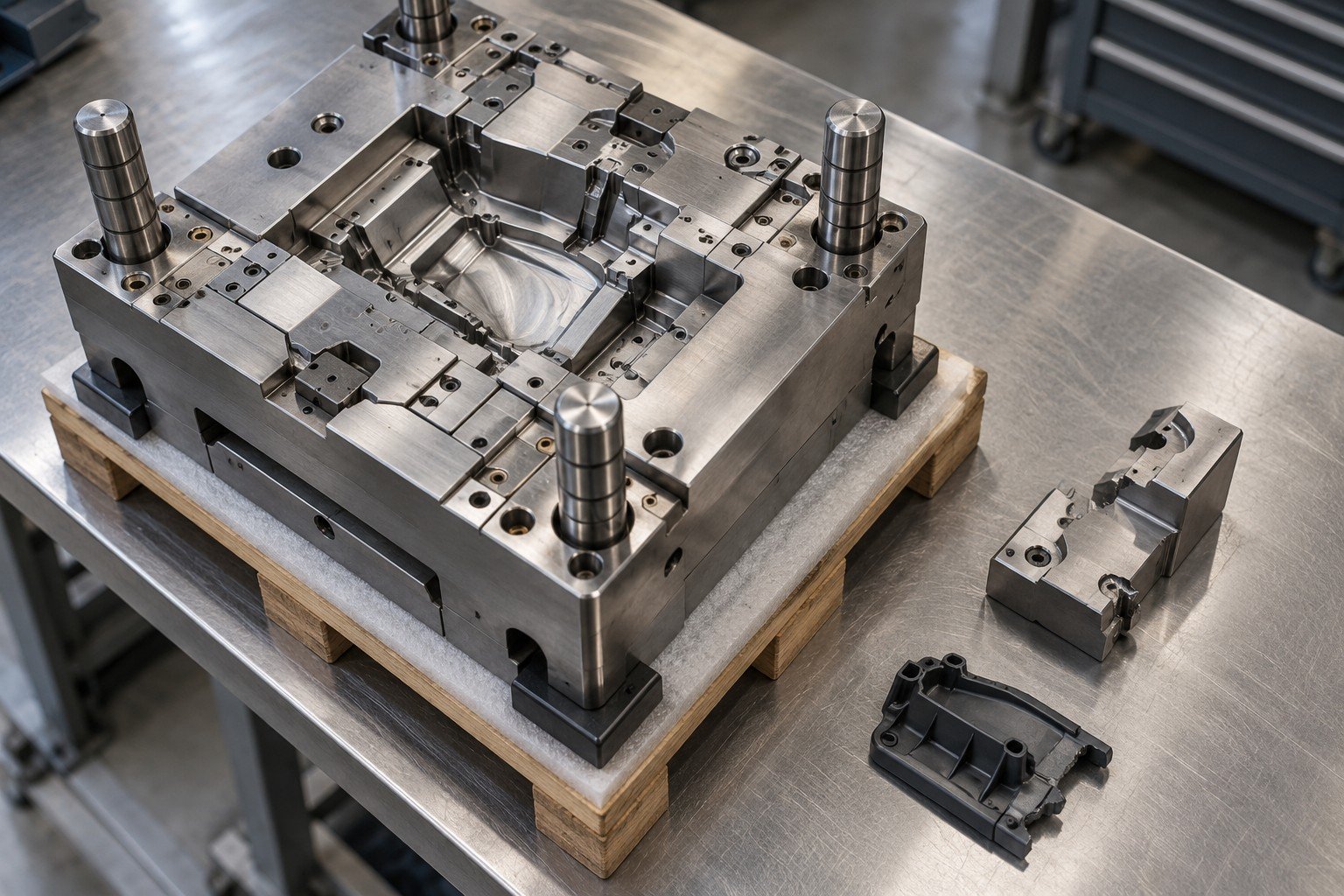
Urgent delivery does not waive inspection. Define acceptable interim status, restrictions and the person approving restart.
| Your input | Trial scope and receiving-site acceptance responsibility. |
|---|---|
| Your decision | Release against agreed evidence; list outstanding actions explicitly. |
| Your record | Tool ID, controlled revision and authorized work scope. |
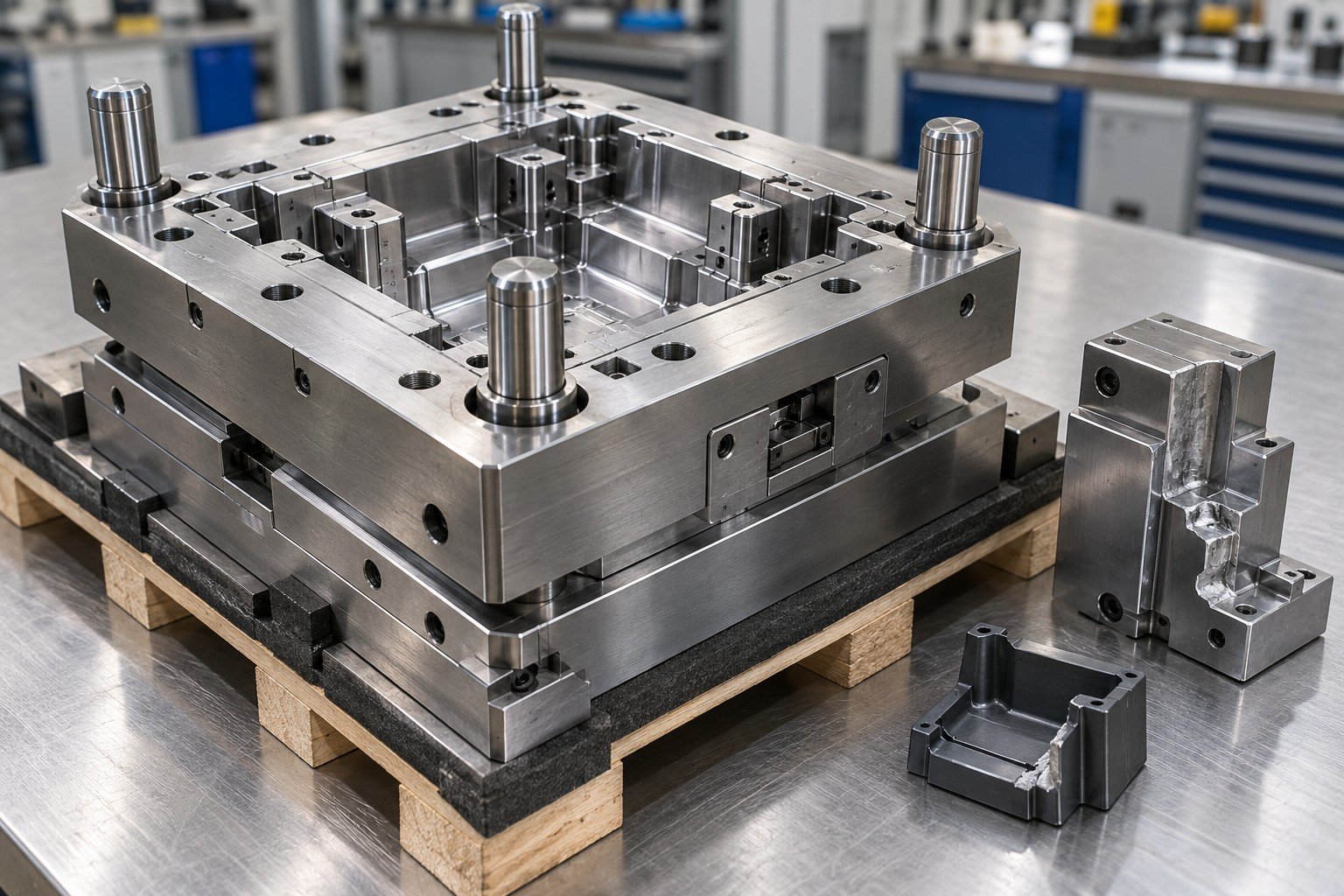
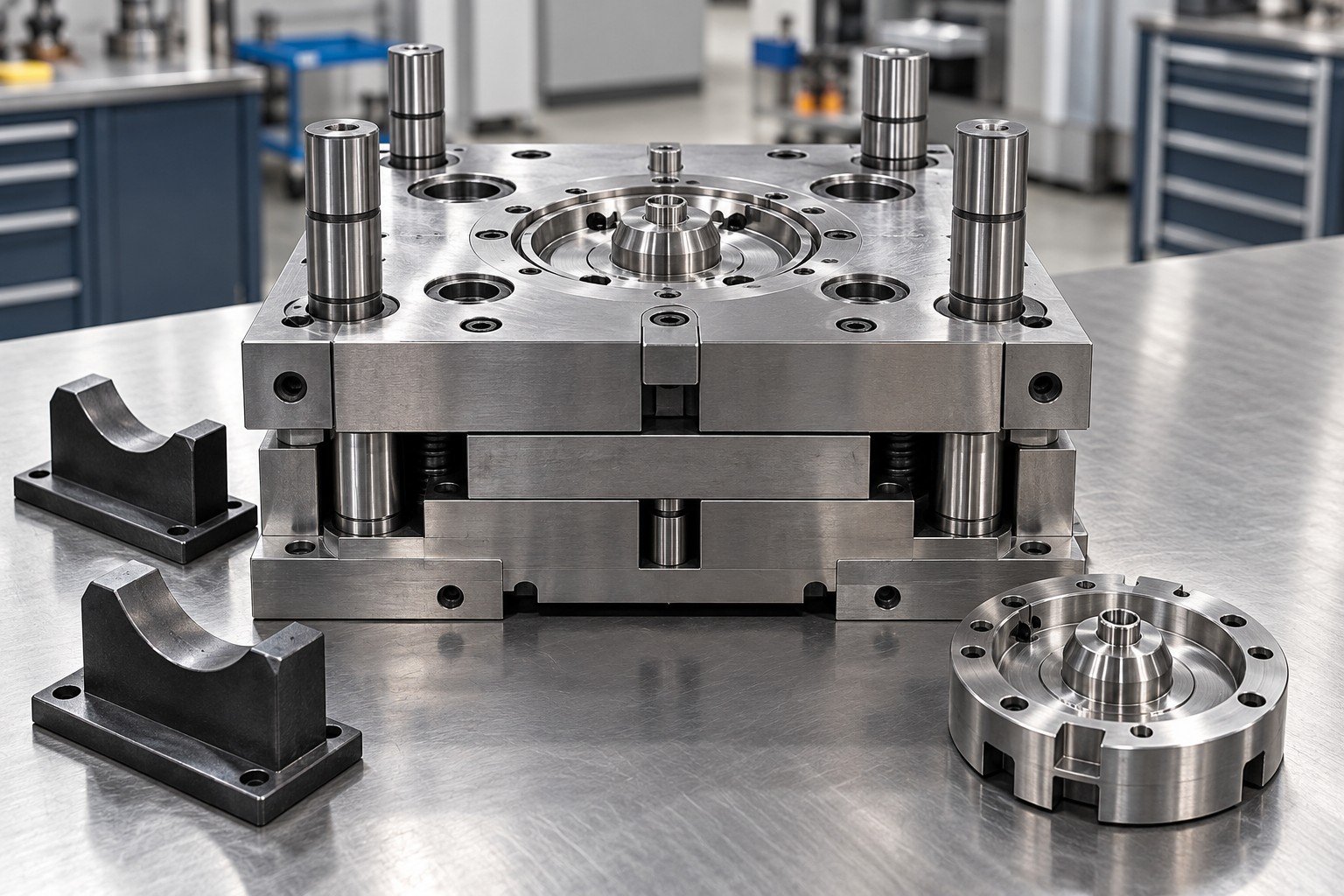
Record tool ID, external condition, components received and approved inspection access.
A repaired appearance does not establish approved production performance.
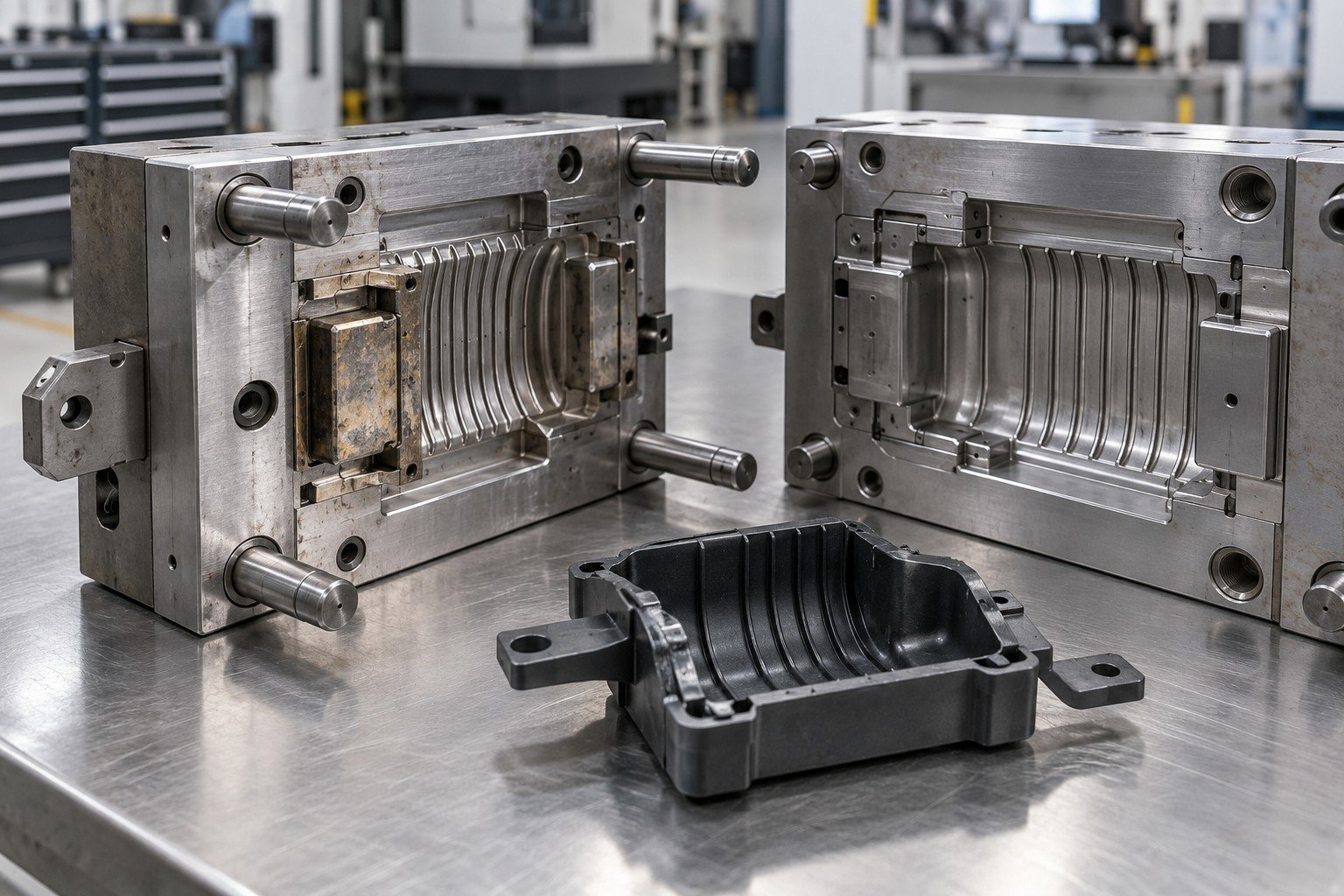
Compare defect samples, wear and service history; record the basis for the proposed repair.
A repaired appearance does not establish approved production performance.
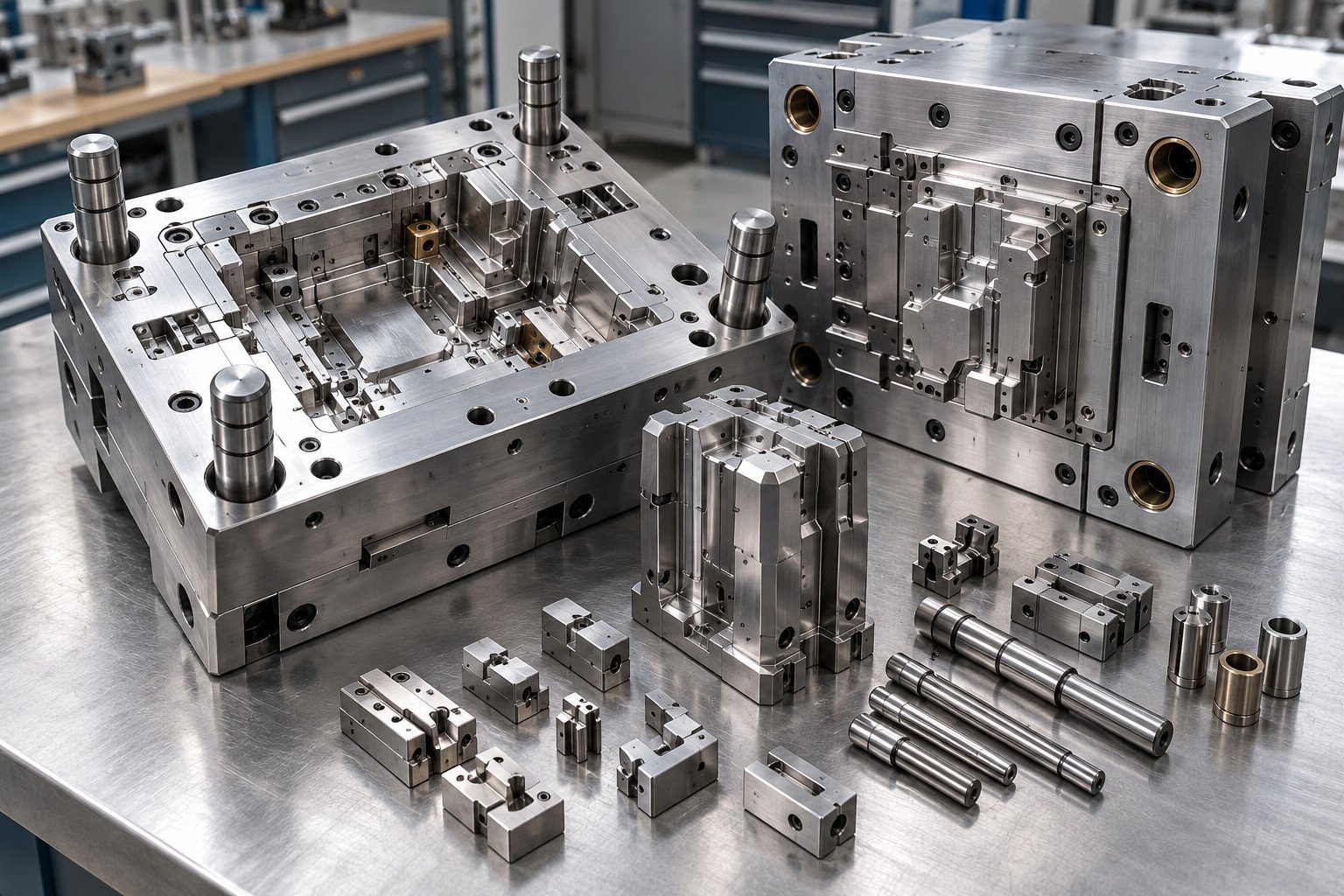
Separate diagnosis, repair, new components, trials and freight; approve additions before work.
A repaired appearance does not establish approved production performance.
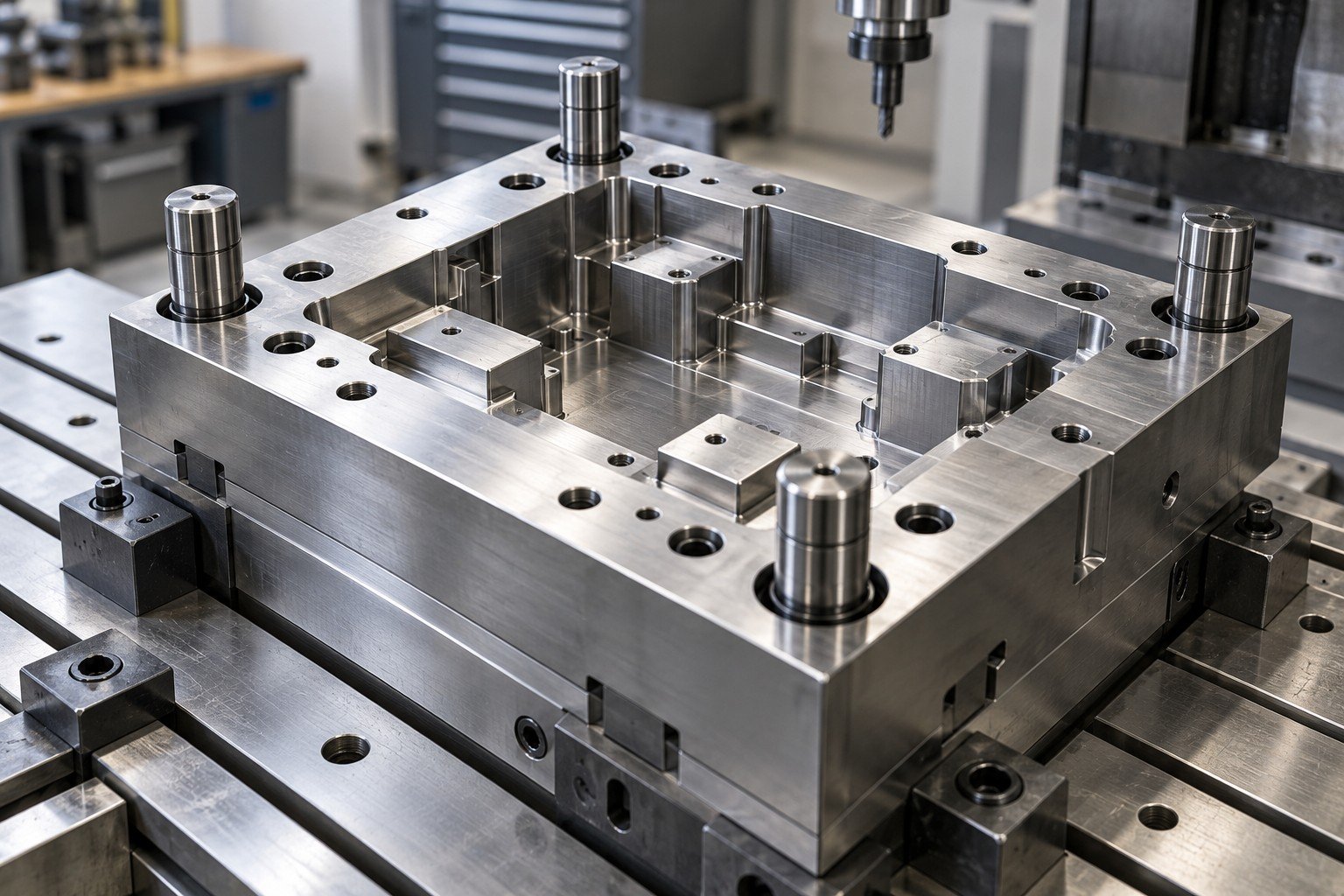
Control the repair route, component identification and affected geometry against approved documents.
A repaired appearance does not establish approved production performance.
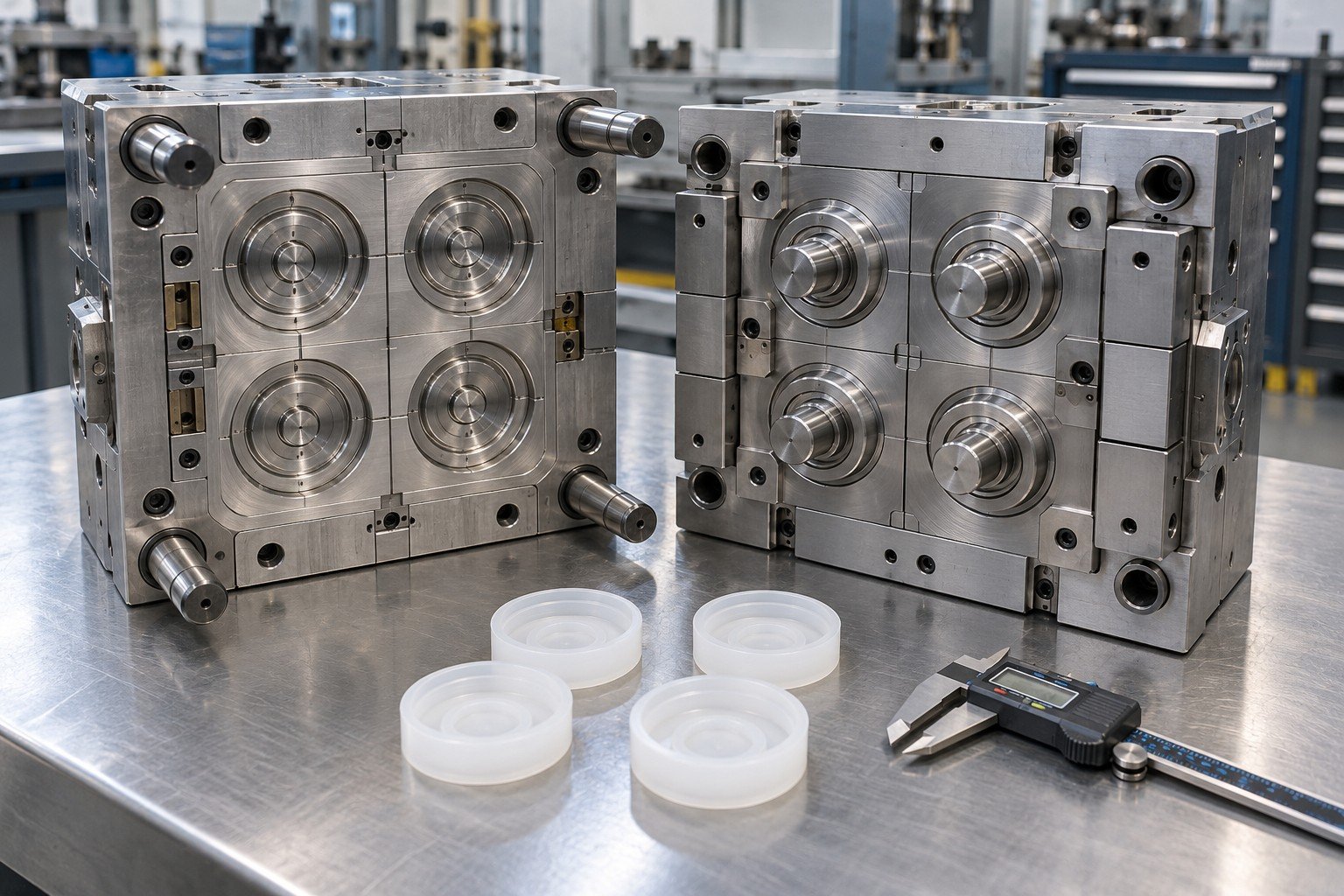
Agree machine, material, sample quantity and inspection. Trial resources and location are confirmed.
A repaired appearance does not establish approved production performance.
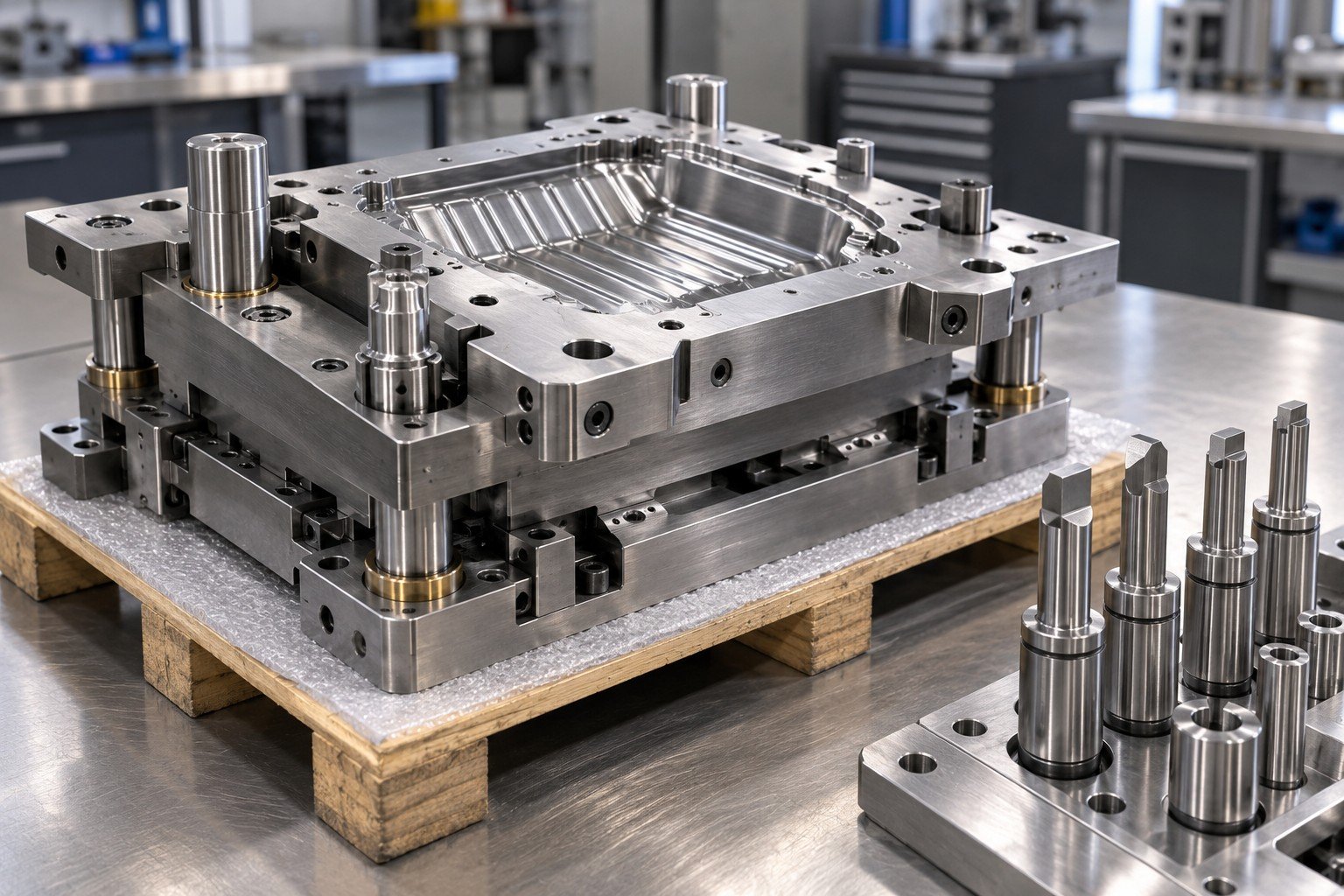
List work, changes, measurements, open issues, protection and receiving responsibilities.
A repaired appearance does not establish approved production performance.
Mark the critical function, required input and acceptance check for each affected feature.
Mold parting line repair starts with contact, alignment and wear evidence. Process conditions and clamp interfaces also need review.
| Your input | Shutoff map, defective samples and drawing. |
|---|---|
| Your decision | Agree contact restoration and final trial check. |
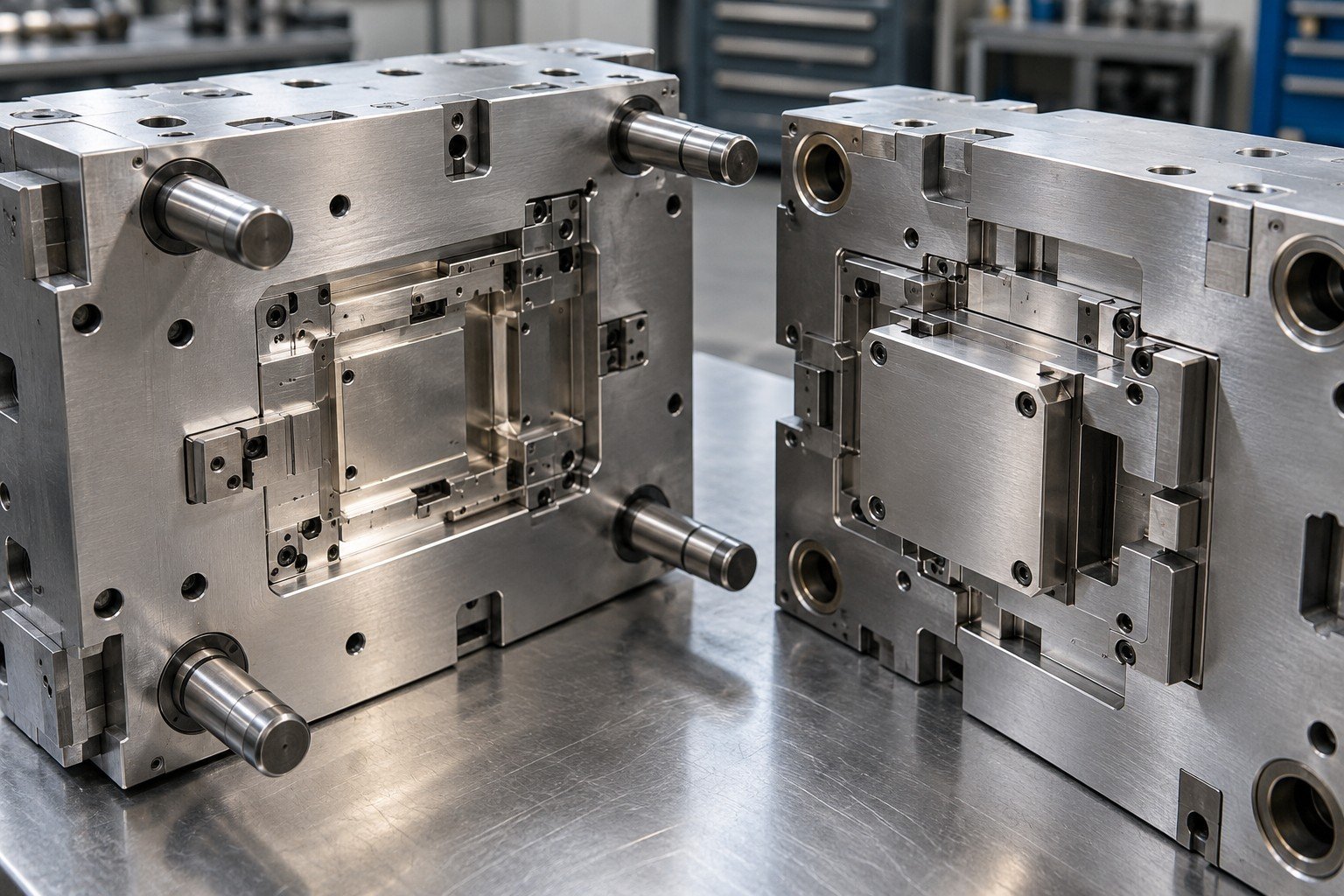
Mold cavity repair and mold insert repair must refer to the finished-part requirement. Avoid blending away geometry just to improve appearance.
| Your input | Damage location, cavity drawing and tool material. |
|---|---|
| Your decision | Define repair boundary, surface and dimensional evidence. |
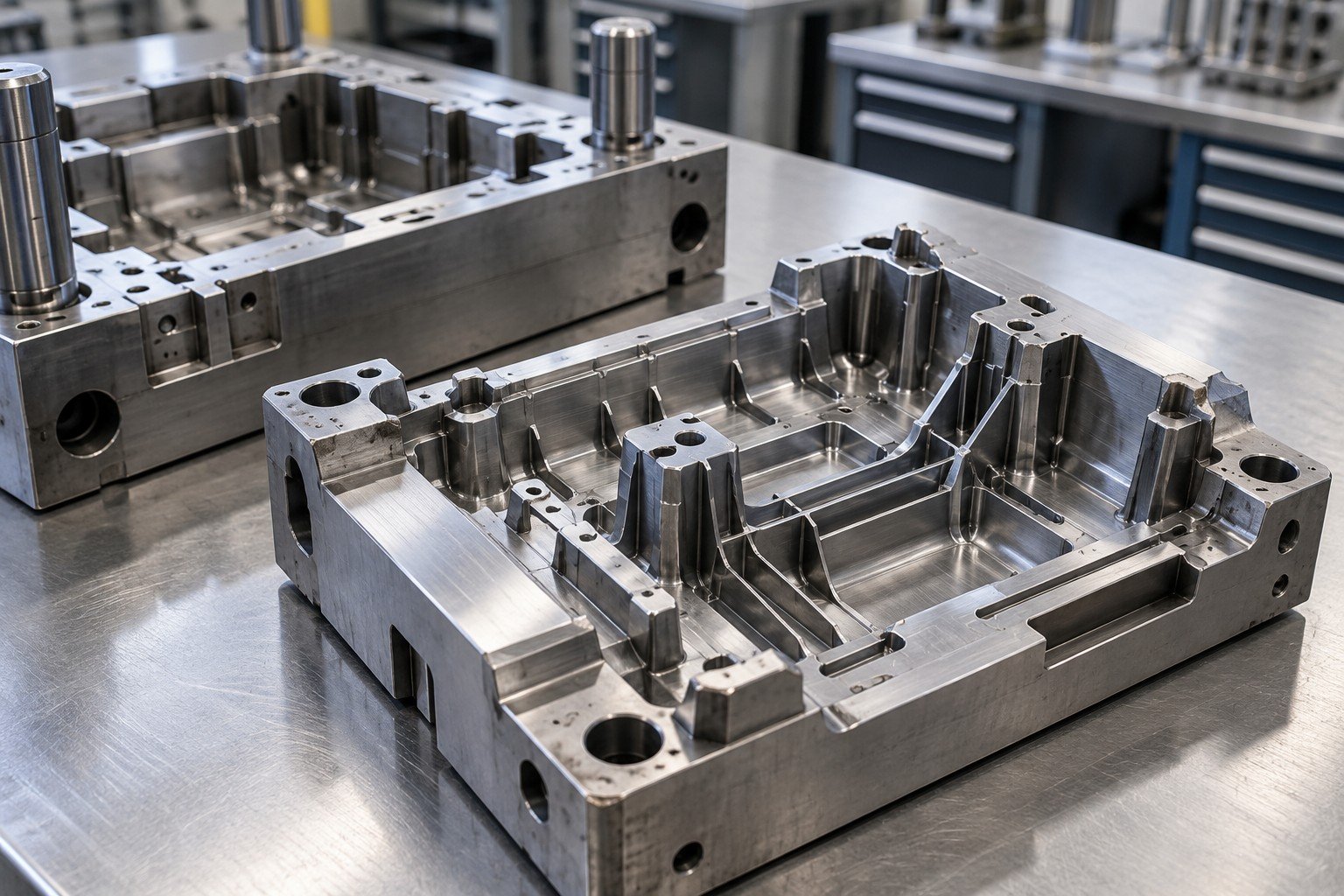
Ejector pin replacement needs correct pin length, fit and travel. Examine slide guides and associated wear rather than replacing only the visible damaged part.
| Your input | Component IDs, movement symptoms and original setup. |
|---|---|
| Your decision | Check free movement and relevant part-release evidence. |
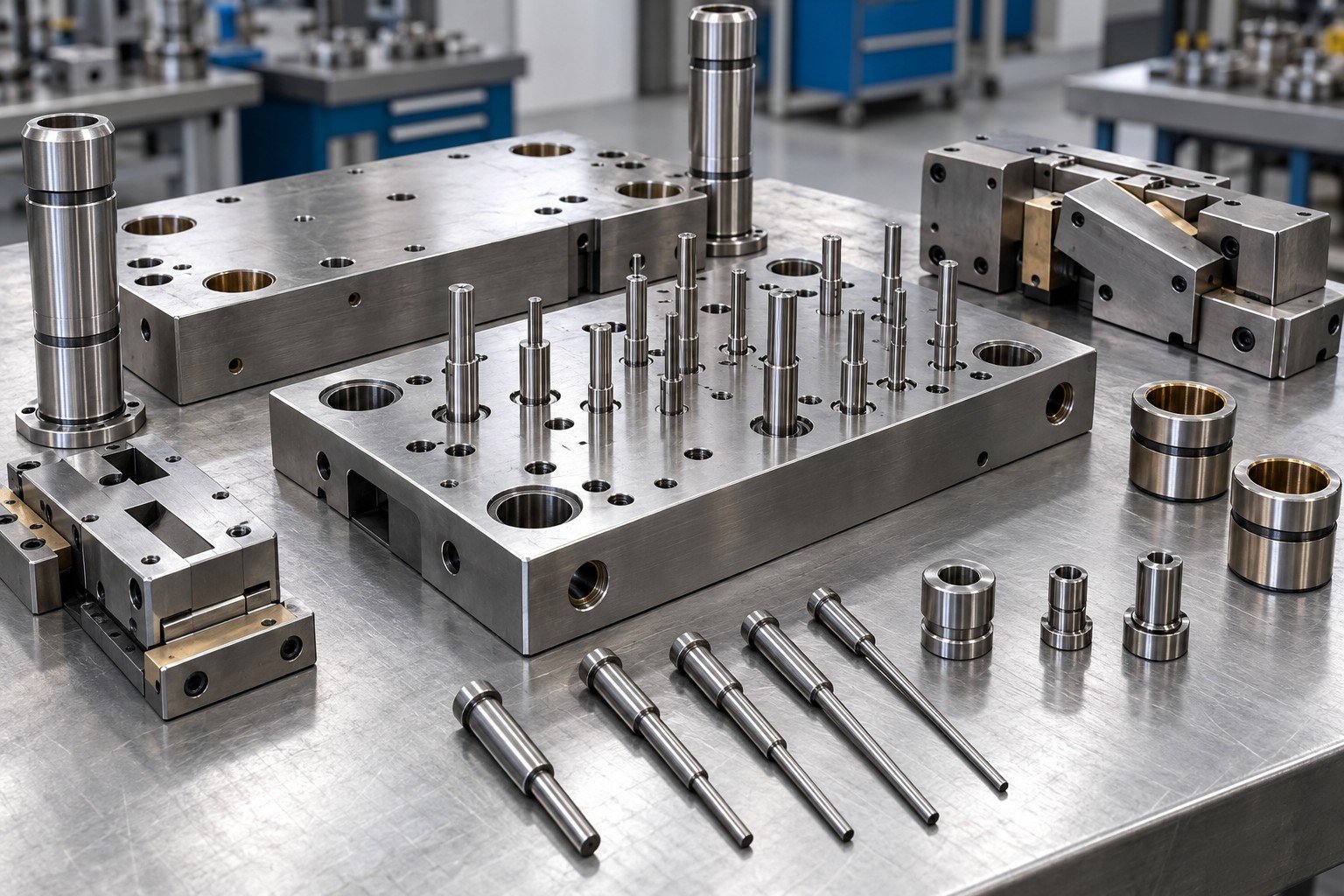
For mold cooling channel cleaning, identify the circuit and agree applicable flow or leakage checks. Cleaning alone does not prove every circuit is sound.
| Your input | Circuit map, residue and leakage history. |
|---|---|
| Your decision | Record method compatibility and agreed checks. |
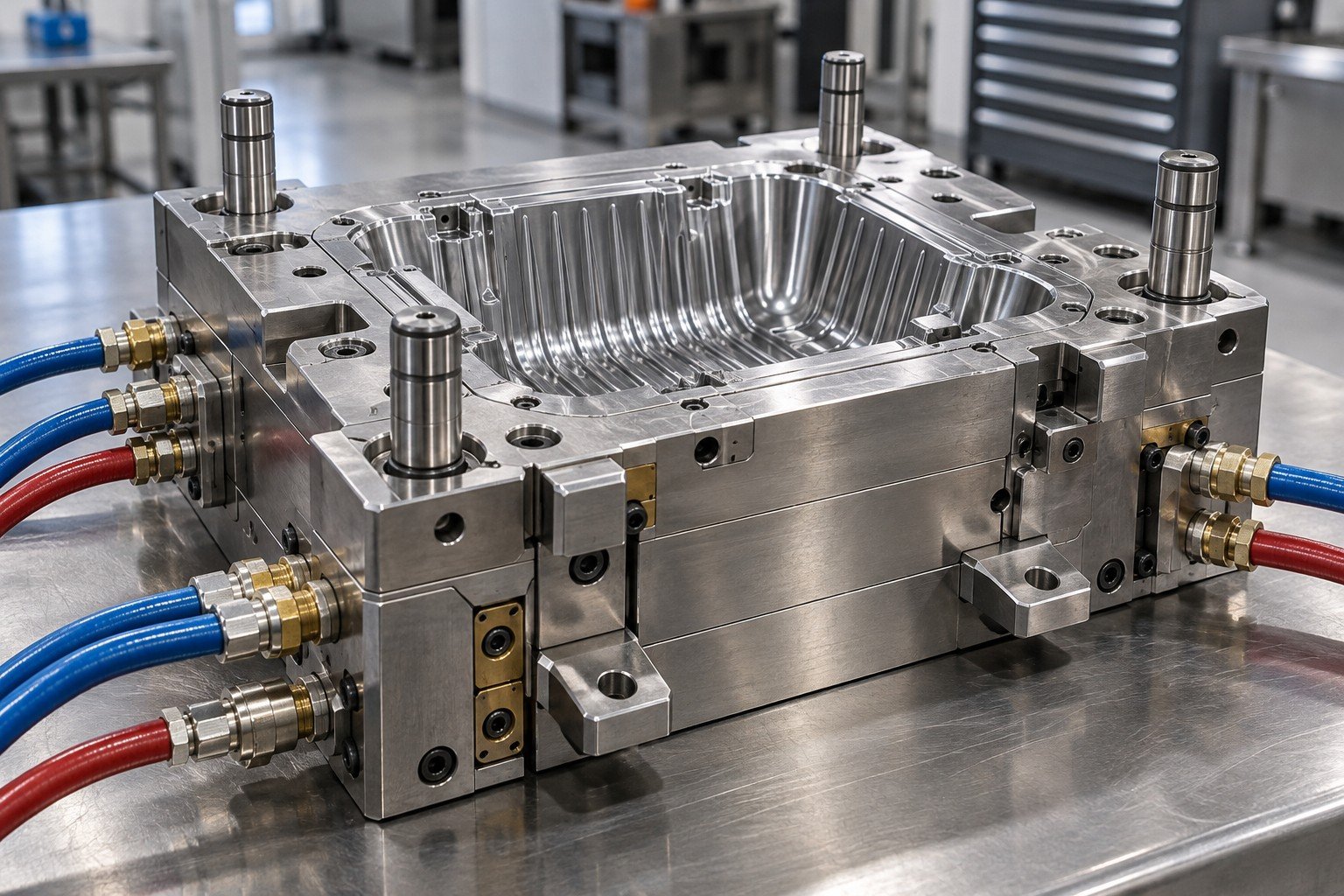
Stamping die sharpening needs a plan for material removal and compensation. Confirm cutting clearance, support and stripping after assembly.
| Your input | Stock thickness, tool drawing and sharpening history. |
|---|---|
| Your decision | Inspect edge condition, clearance and trial burr. |
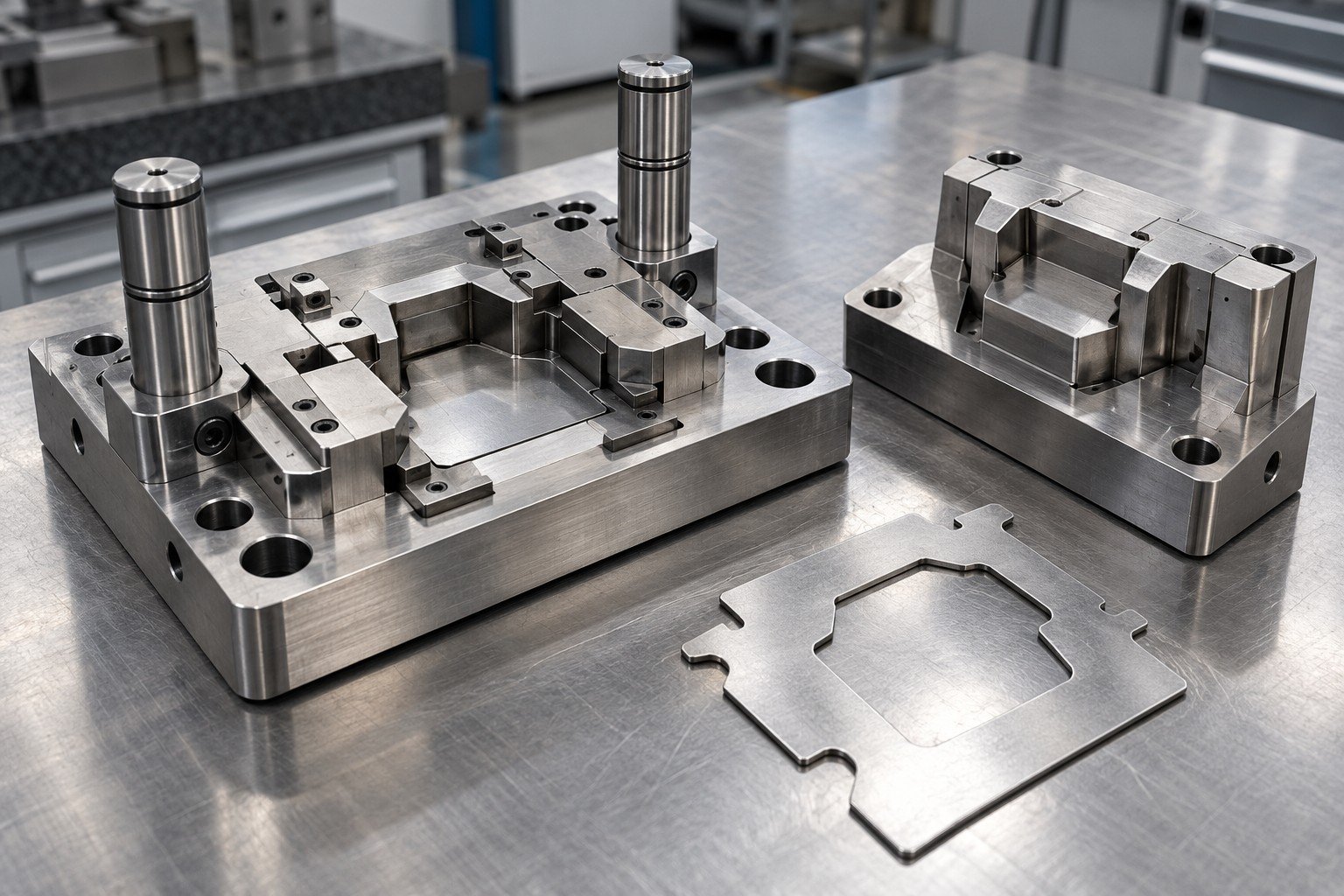
Mold laser welding repair depends on material, treatment, damage and required surface function. Confirm the qualified route and any post-work checks before commitment.
| Your input | Grade, hardness and coating evidence where available. |
|---|---|
| Your decision | Assess local restoration or insert replacement; no universal weld promise. |
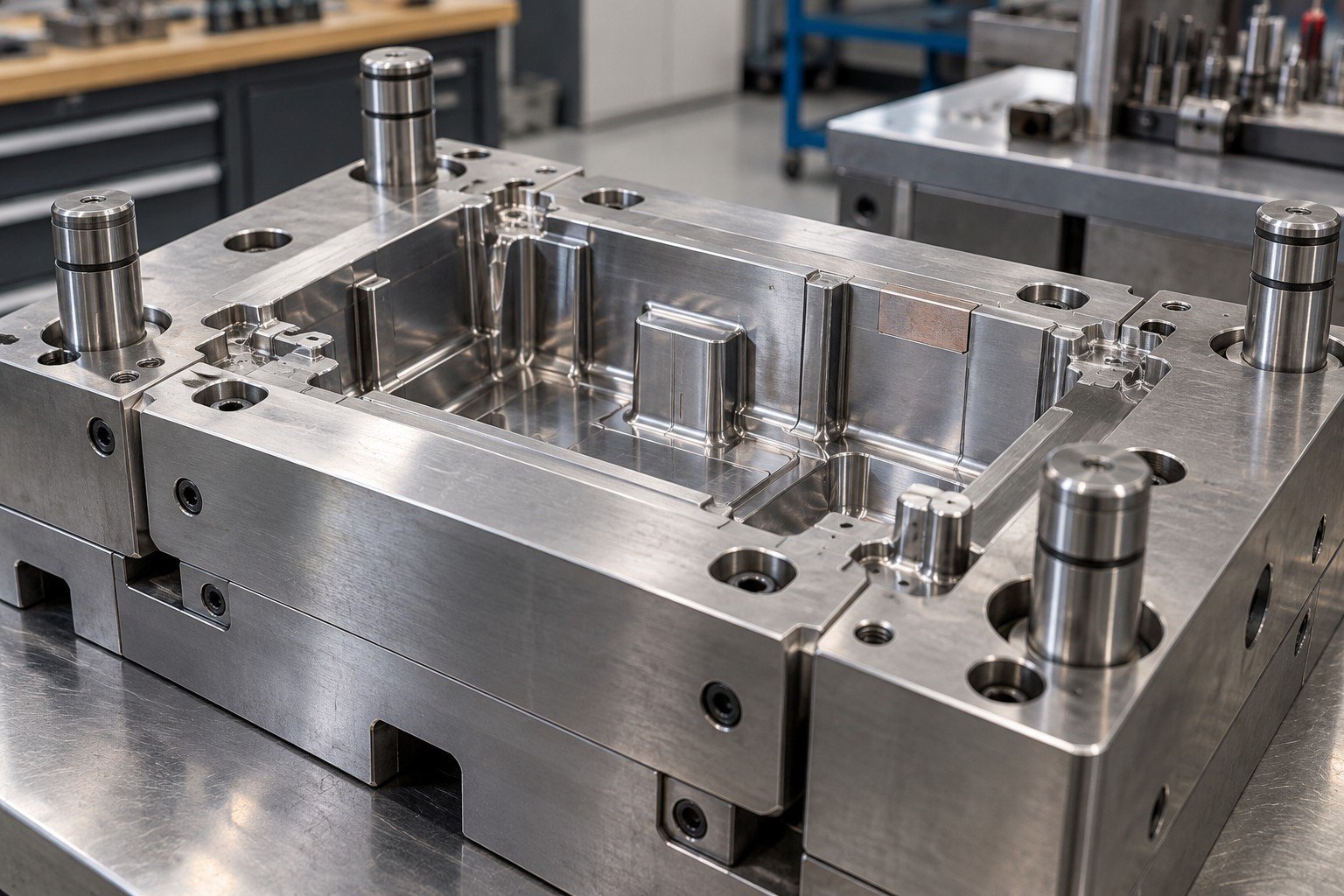
Tool and die repair includes alignment and installed fits. Replacing one item may expose wear in its mating component.
| Your input | Datums, guide details and assembled condition. |
|---|---|
| Your decision | Check relevant fits, stroke and location in assembly. |
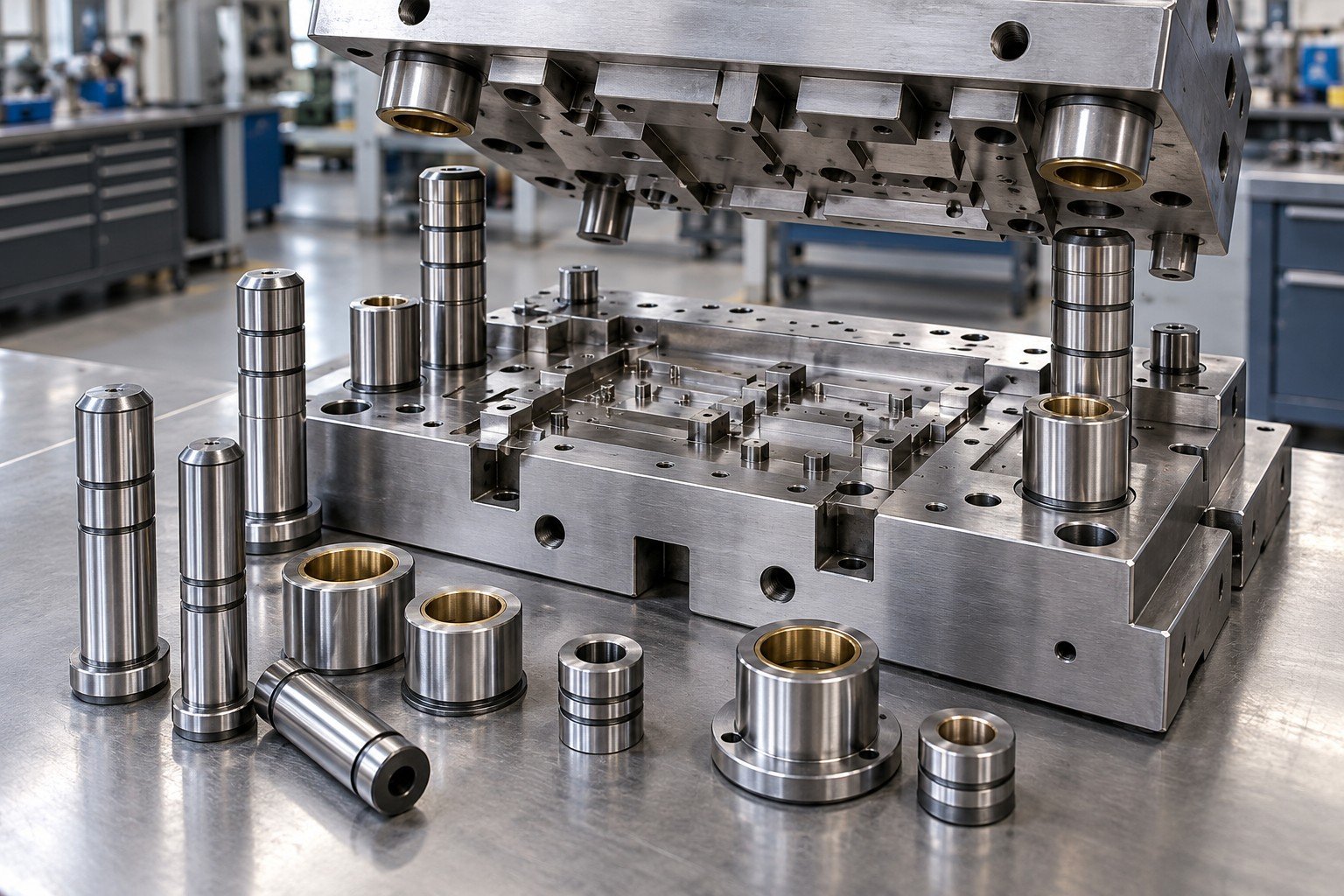
Die maintenance services should address recurring fault evidence. Review loading, lubrication, cooling and handling with the actual operating record.
| Your input | Cycles, stoppages and past repair records. |
|---|---|
| Your decision | Define condition-based checks and escalation points. |
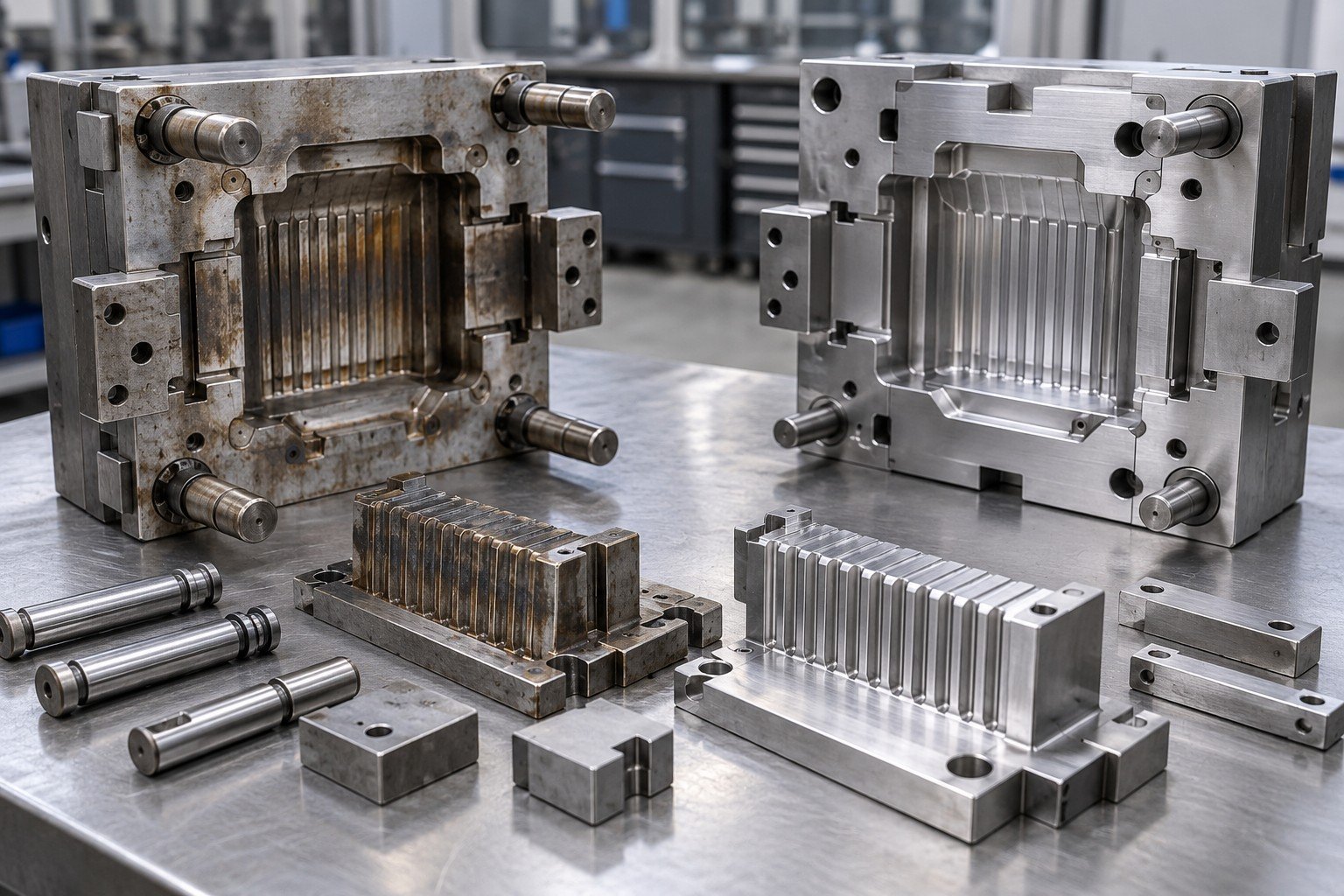
These are tooling-material reviews, not a list of the products your mold can manufacture.
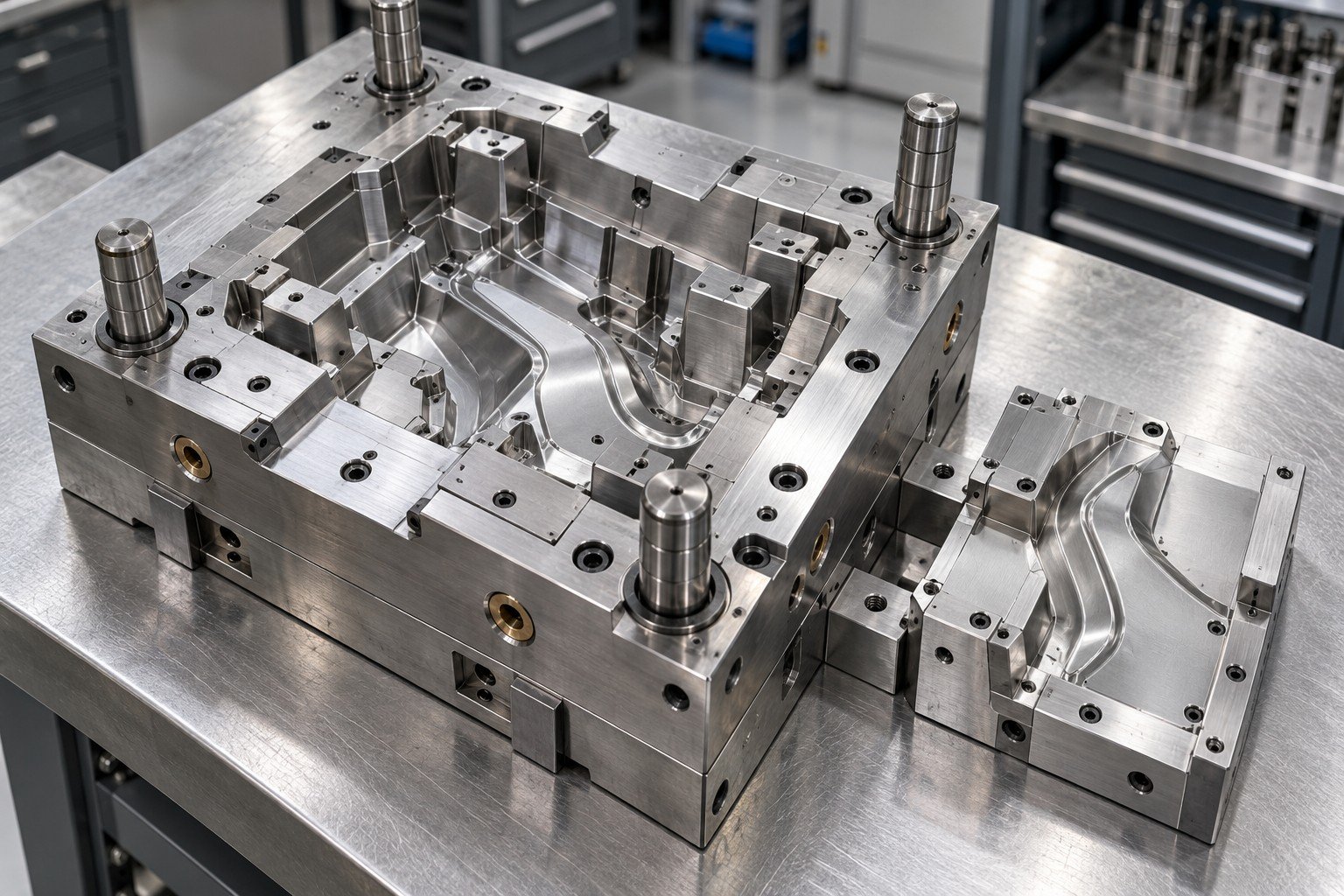
Confirm the actual tooling steel, previous treatment and local damage before choosing a restoration route.
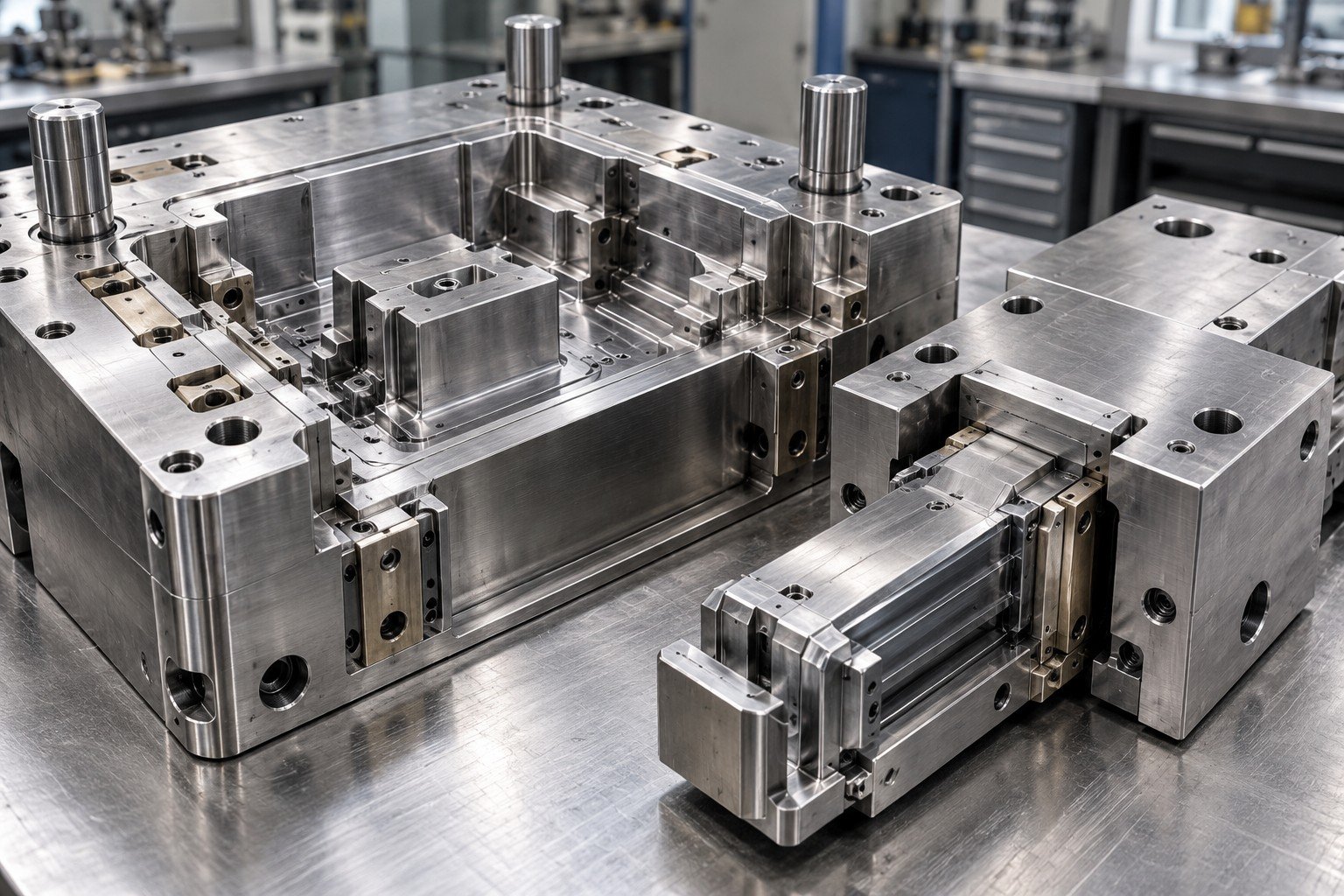
Review die-steel condition, thermal damage and surface function together. The casting alloy is a separate input.
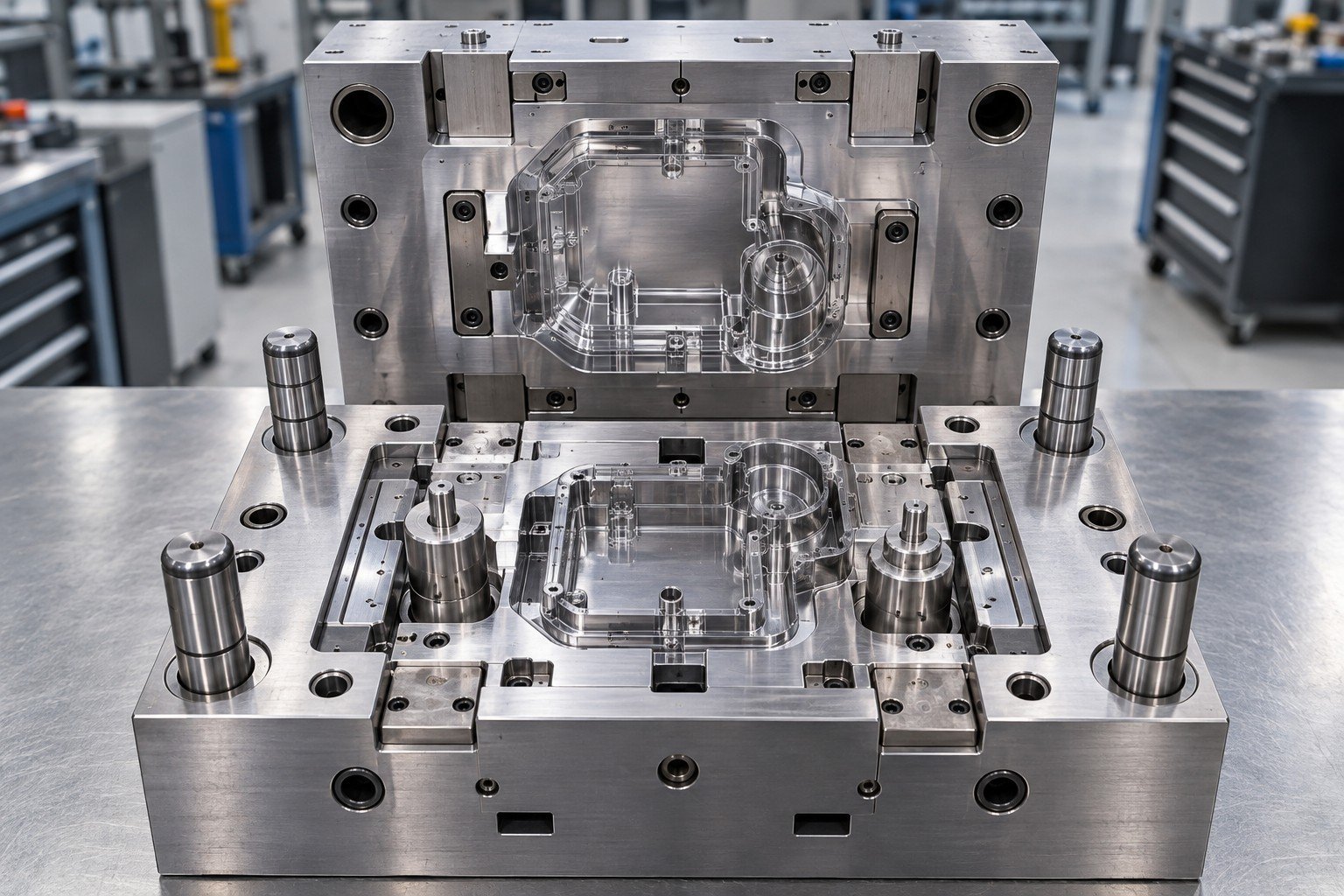
Check grade, hardness and corrosion or surface requirements; stainless names do not identify every treatment.
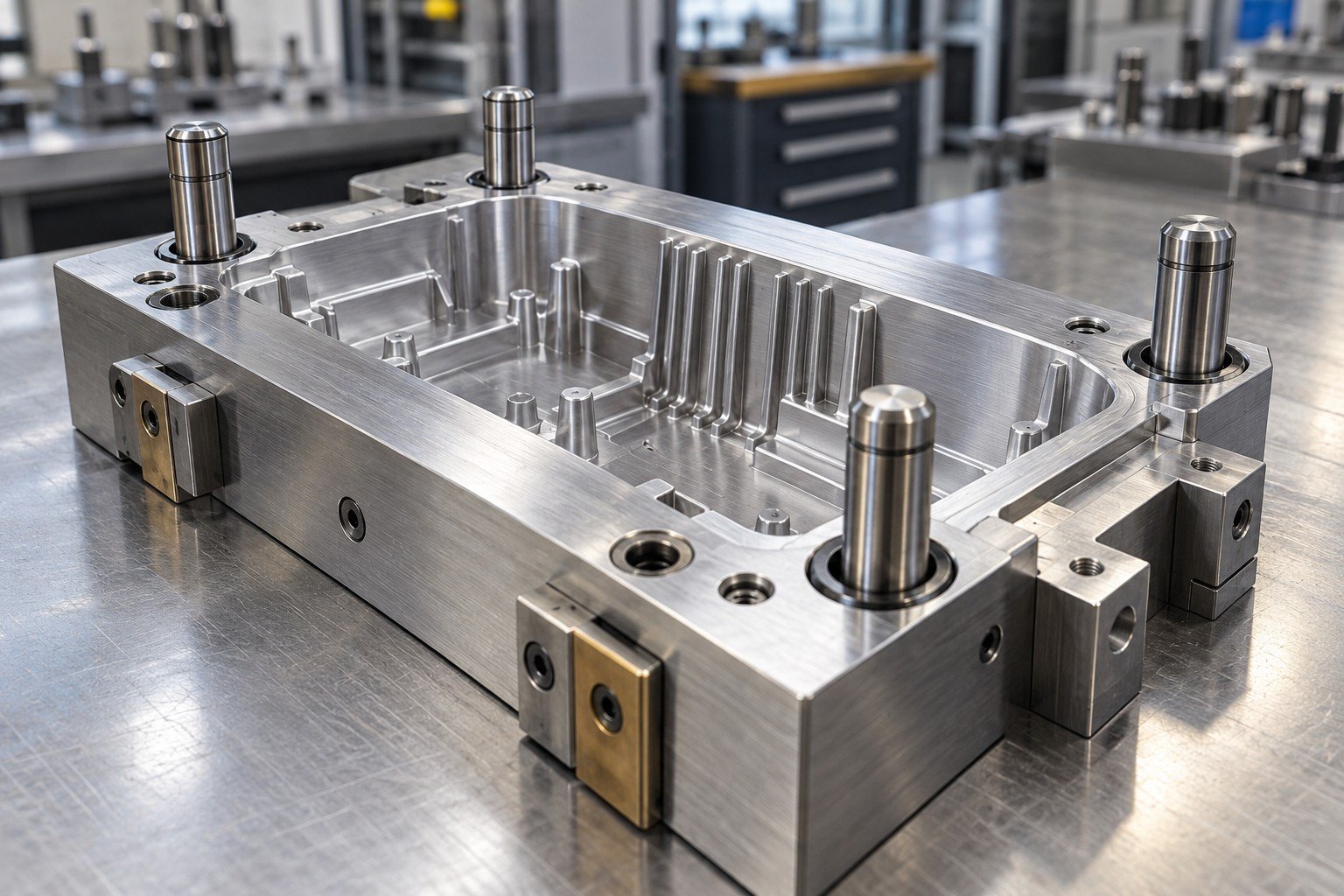
Identify alloy, condition, wear and mating steel details before assessing rework or replacement.
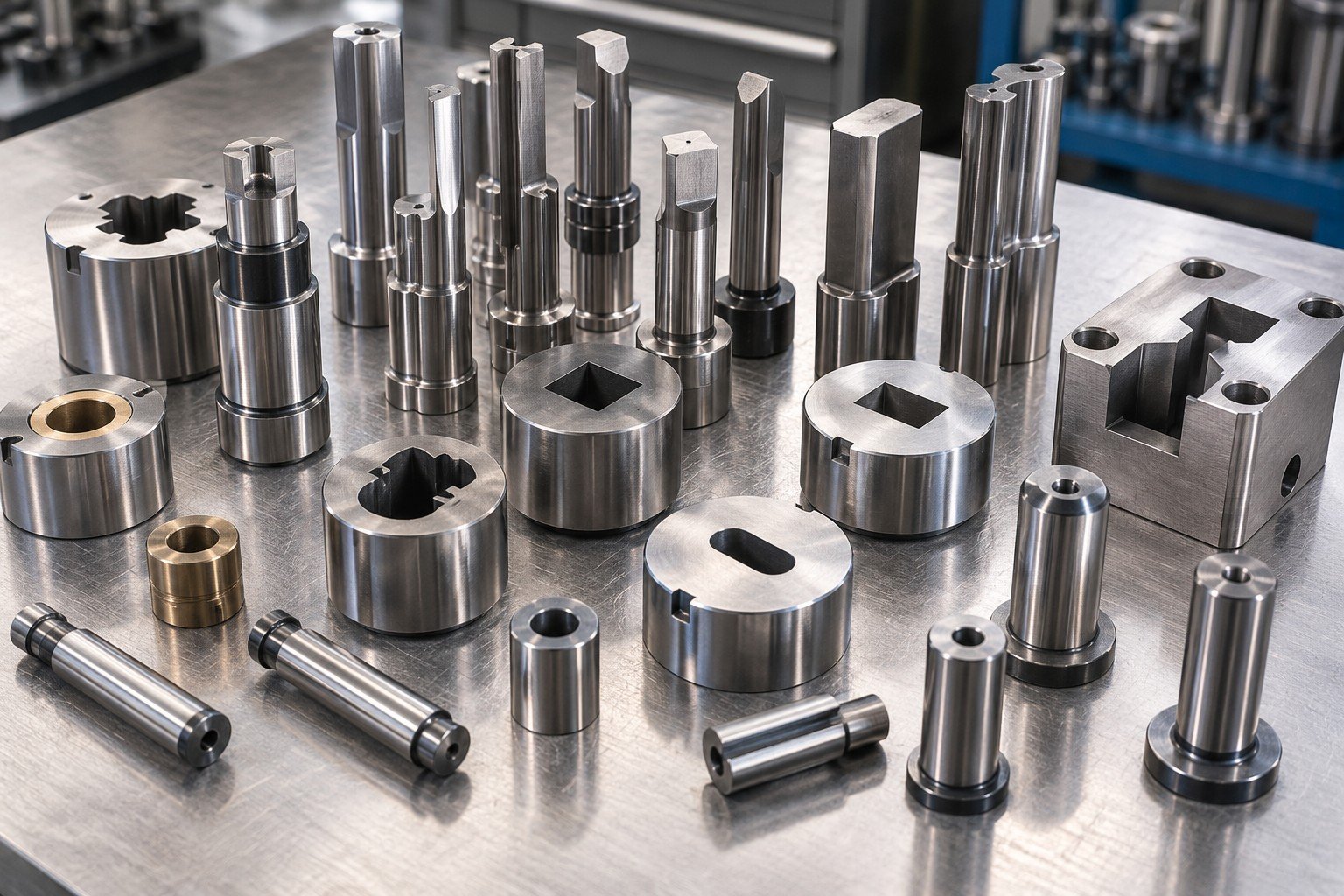
Define punch, die, pilot and wear-component material separately from the sheet stock being stamped.
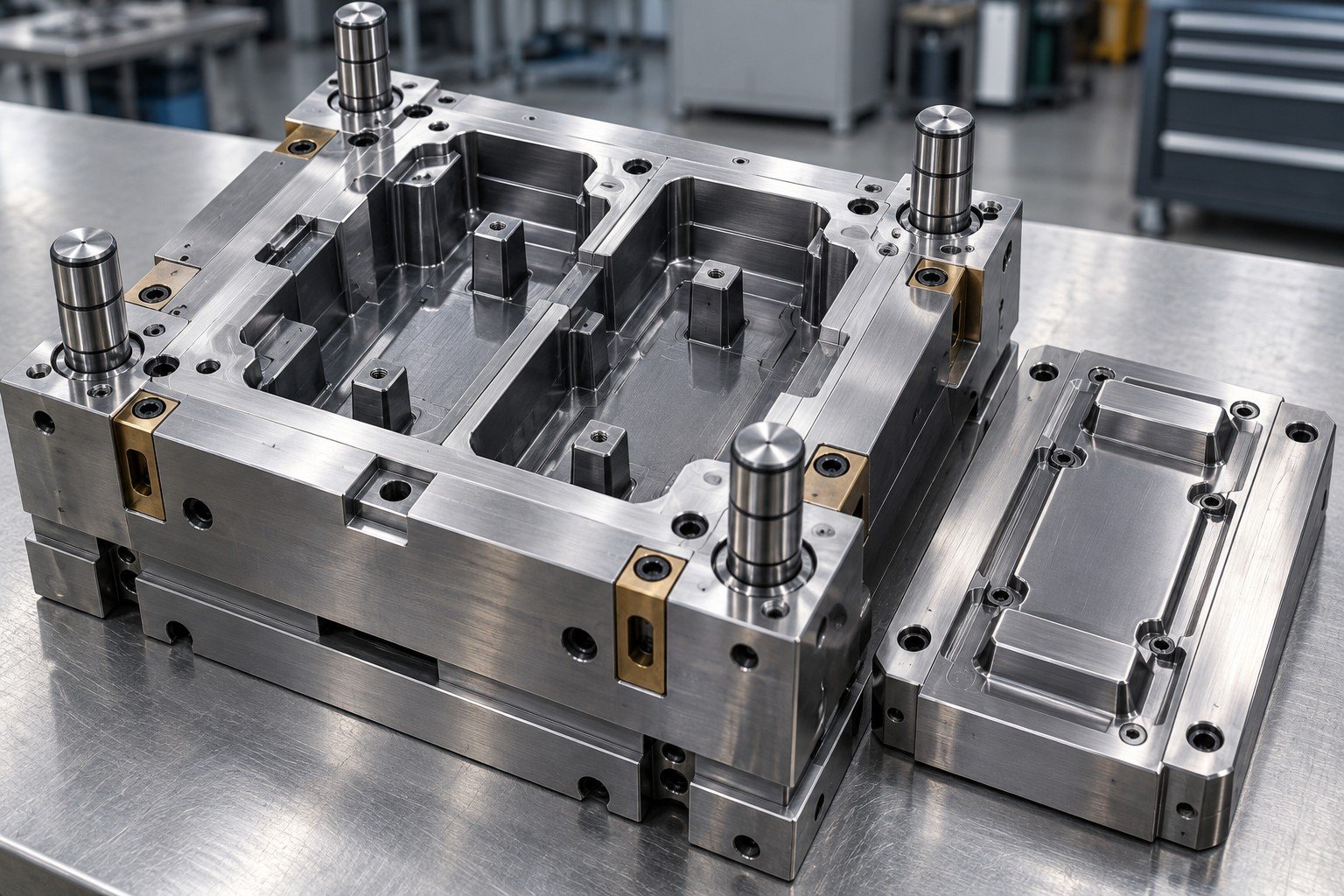
Record existing treatments and the requirements for restoration. A local repair can affect the surrounding functional surface.
Material identity, prior heat treatment, repair history and inspection access affect feasibility. No universal remaining-life or weldability claim is made.
Compare the same delivered condition instead of one unexplained repair total.
Agree receiving, inspection and permitted teardown.
Confirm components, restoration and additional-work approval.
Set trial resources, inspection, records and return arrangements.
SCOPE EXAMPLE — NOT A PRICE OR ACTUAL CUSTOMER CASE
This identifies positions for a work list. It does not mean every position needs replacement or that 16 identical repairs are required.
Maintenance restores specified condition; engineering modification changes the approved target and requires its own authorization.
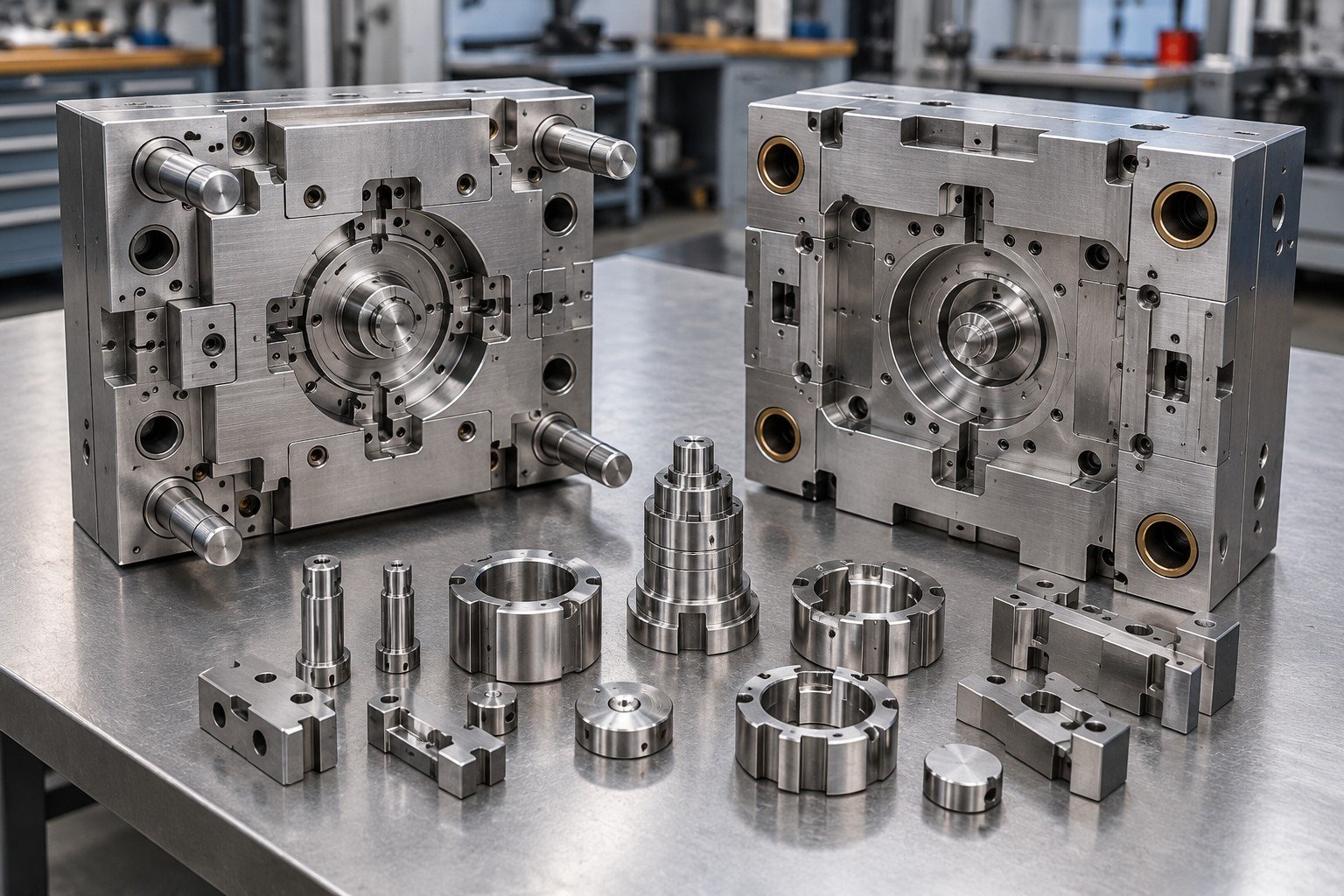
Photograph and identify received condition before approved disassembly.
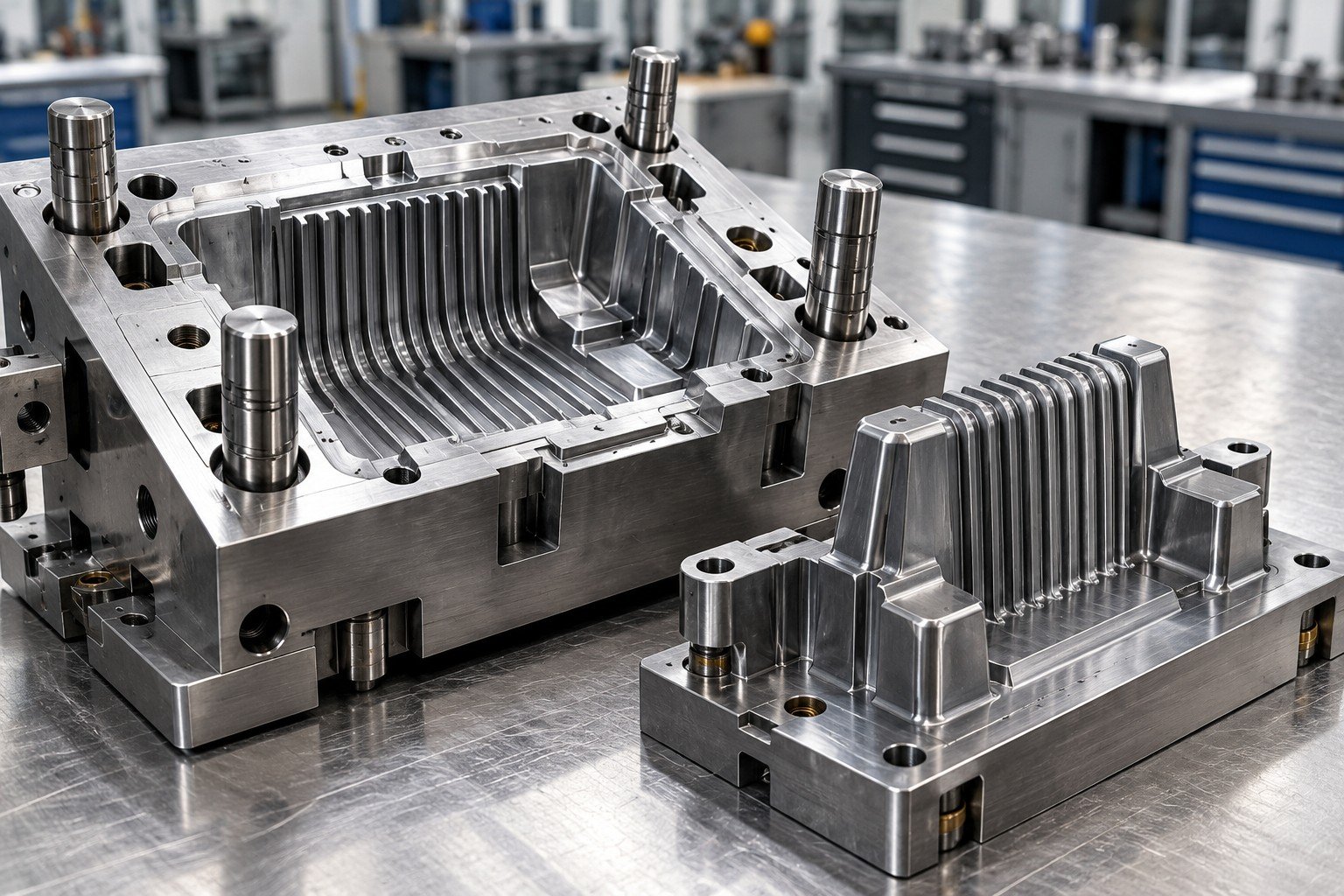
Repair or replace only the authorized components and affected surfaces.
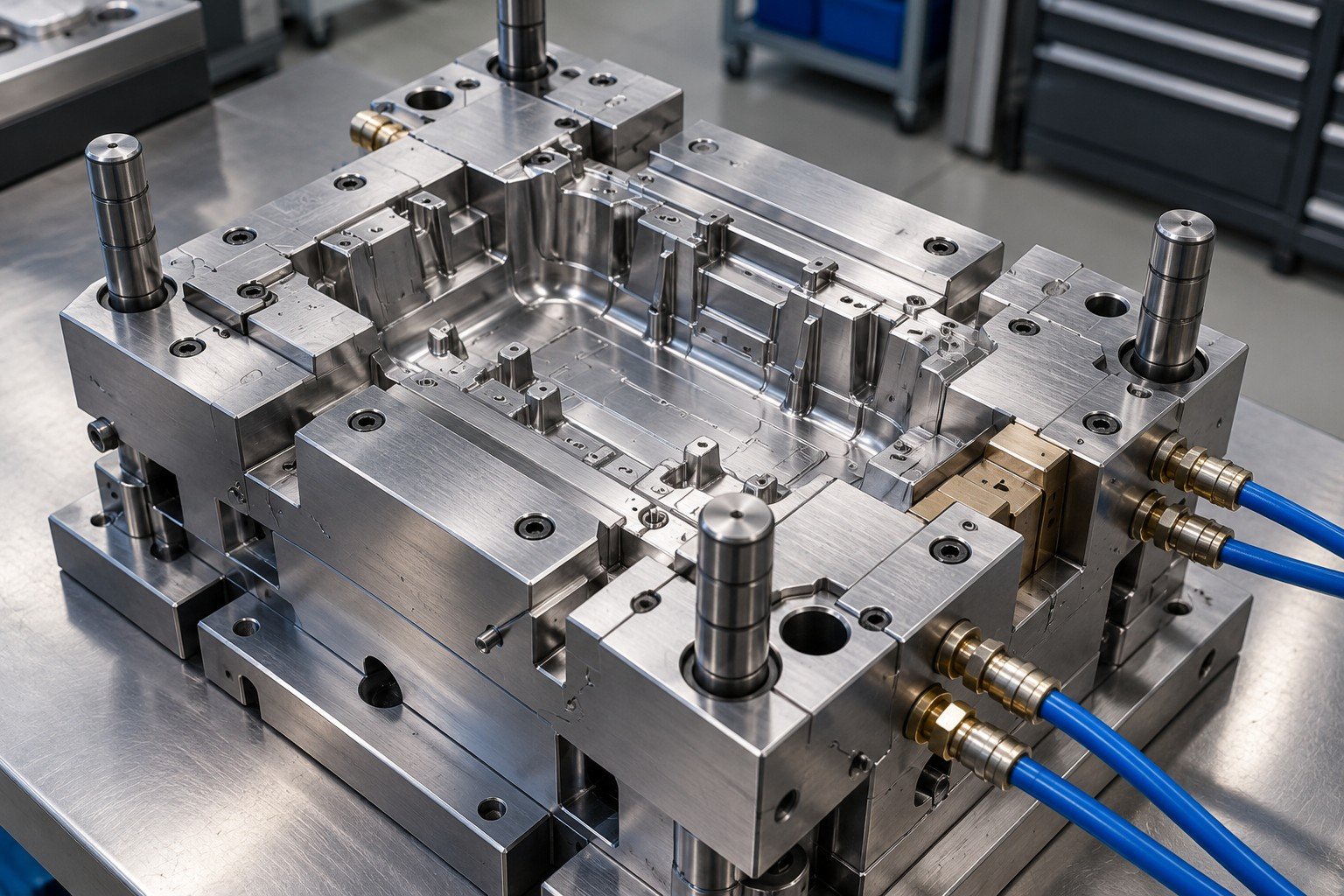
Confirm relevant movement, alignment, circuits and tool interfaces.
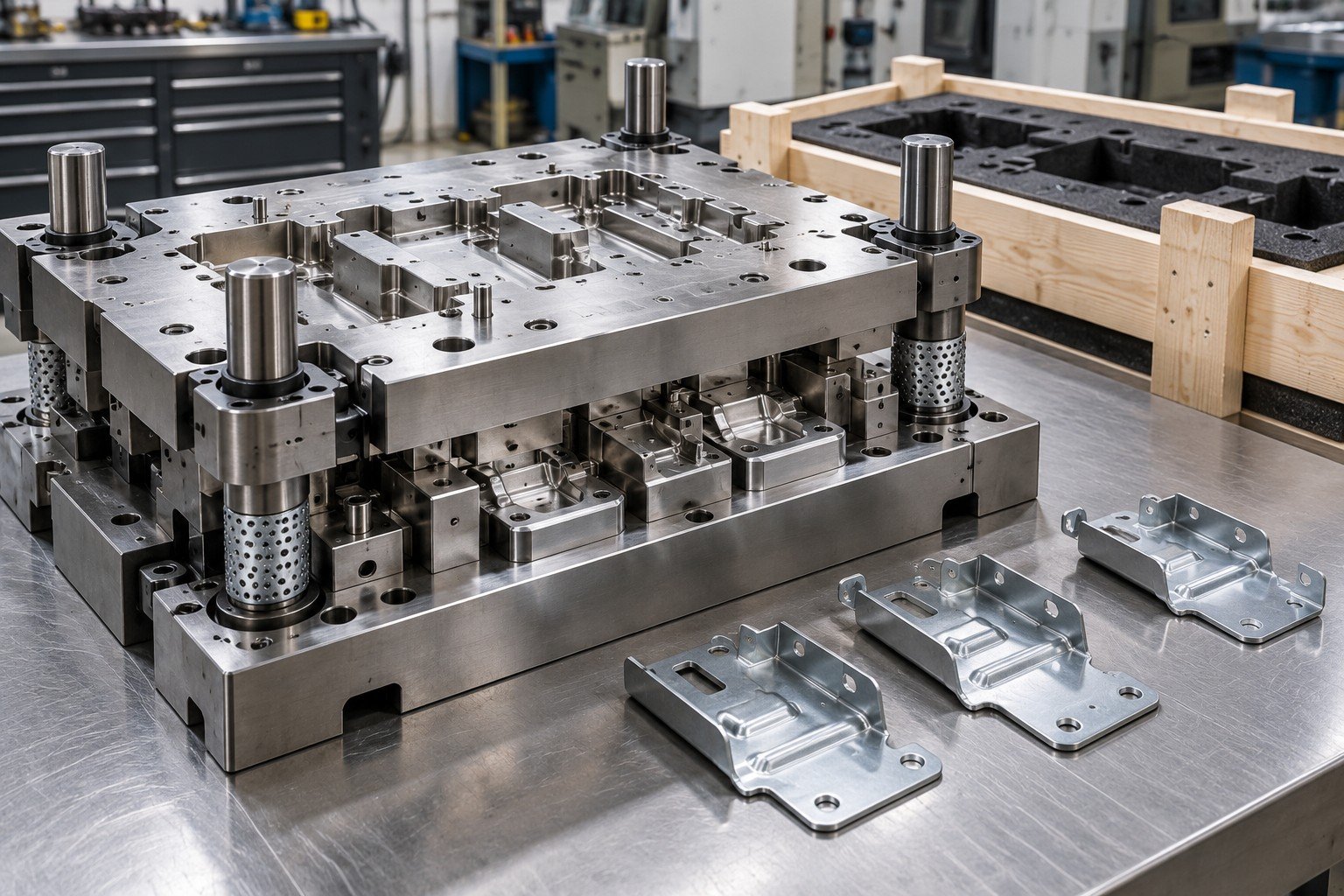
Review agreed trial results, open actions and return protection.
Inspection, tryout and receiving-site release are related decisions with different evidence.
| 01 · Identity | Tool ID, drawing revision and agreed work list. |
|---|---|
| 02 · Geometry | Affected dimensions, datums and measurement methods. |
| 03 · Movement | Relevant guides, slides, ejection and stripping. |
| 04 · Circuits | Agreed cooling or leak checks where applicable. |
| 05 · Trial | Machine, material, conditions and produced-part results. |
| 06 · Records | Changed components, open items and release authority. |
Define sampling and evidence in your scope. A dimensional report alone does not establish all production or validation requirements.
| 01 · Identity | Tool ID, drawing revision and agreed work list. |
|---|---|
| 02 · Geometry | Affected dimensions, datums and measurement methods. |
| 03 · Movement | Relevant guides, slides, ejection and stripping. |
| 04 · Circuits | Agreed cooling or leak checks where applicable. |
| 05 · Trial | Machine, material, conditions and produced-part results. |
| 06 · Records | Changed components, open items and release authority. |
Define sampling and evidence in your scope. A dimensional report alone does not establish all production or validation requirements.
| 01 · Identity | Tool ID, drawing revision and agreed work list. |
|---|---|
| 02 · Geometry | Affected dimensions, datums and measurement methods. |
| 03 · Movement | Relevant guides, slides, ejection and stripping. |
| 04 · Circuits | Agreed cooling or leak checks where applicable. |
| 05 · Trial | Machine, material, conditions and produced-part results. |
| 06 · Records | Changed components, open items and release authority. |
Define sampling and evidence in your scope. A dimensional report alone does not establish all production or validation requirements.
| 01 · Identity | Tool ID, drawing revision and agreed work list. |
|---|---|
| 02 · Geometry | Affected dimensions, datums and measurement methods. |
| 03 · Movement | Relevant guides, slides, ejection and stripping. |
| 04 · Circuits | Agreed cooling or leak checks where applicable. |
| 05 · Trial | Machine, material, conditions and produced-part results. |
| 06 · Records | Changed components, open items and release authority. |
Define sampling and evidence in your scope. A dimensional report alone does not establish all production or validation requirements.
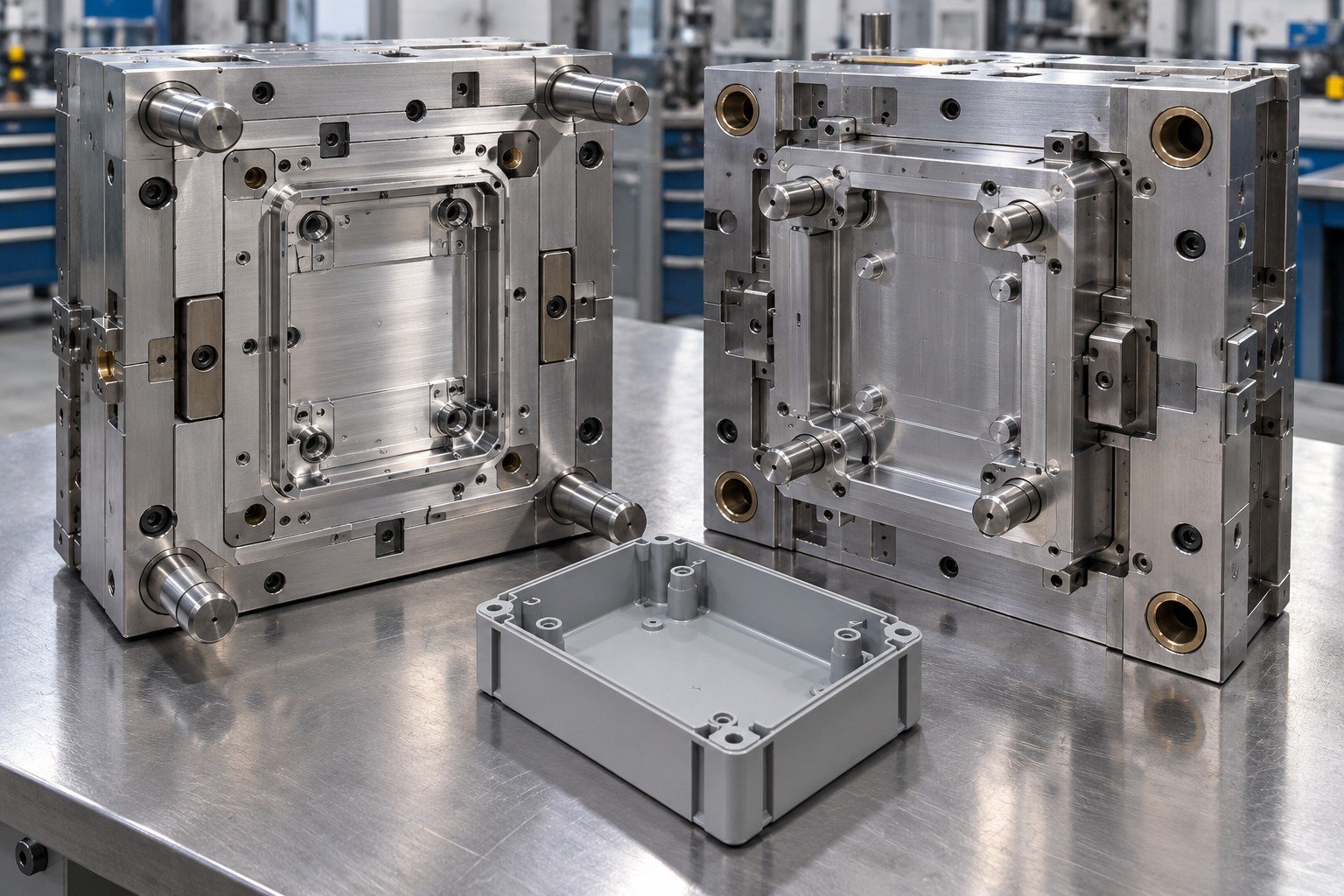
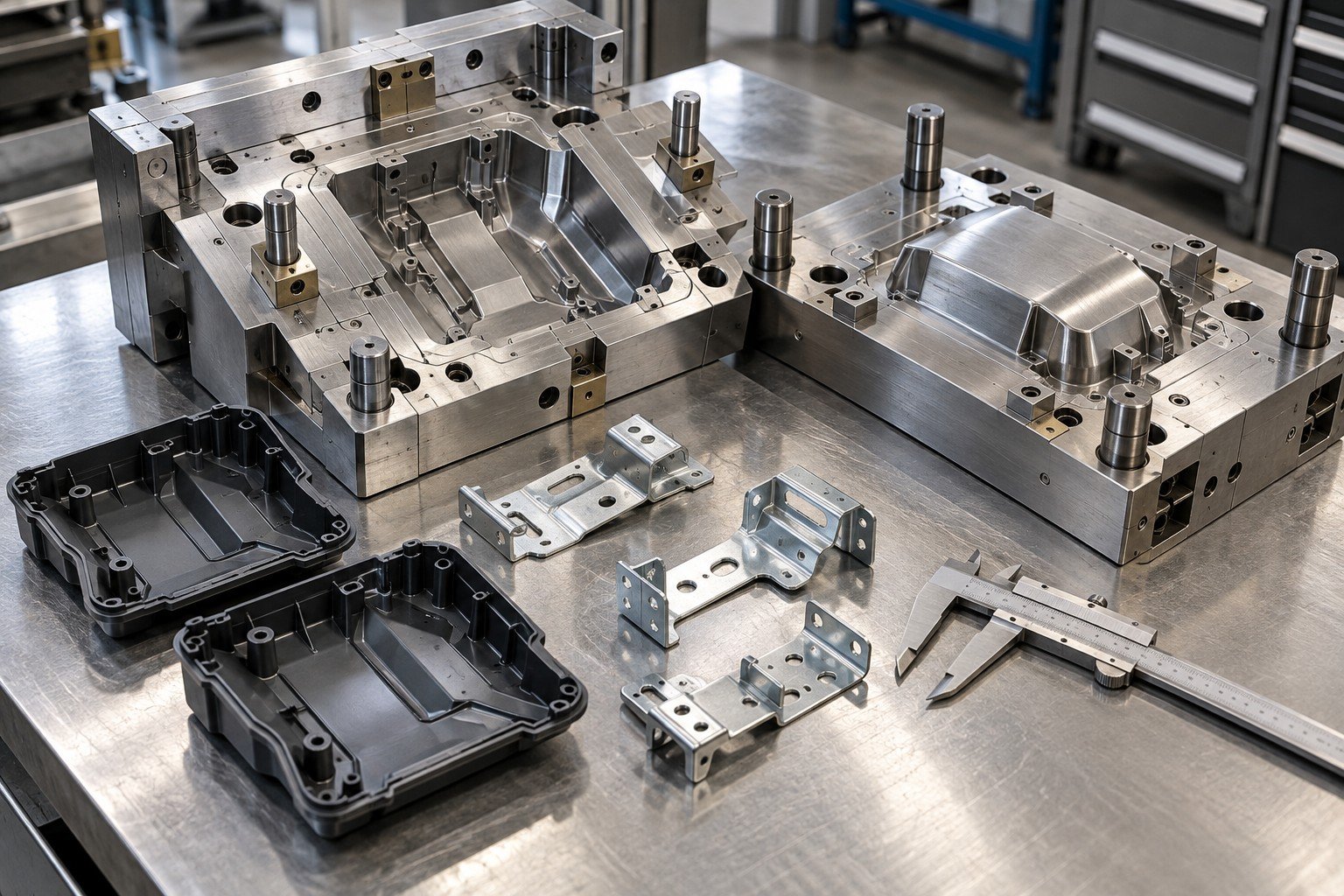
Restore cavity, fastener and cover-seat requirements.
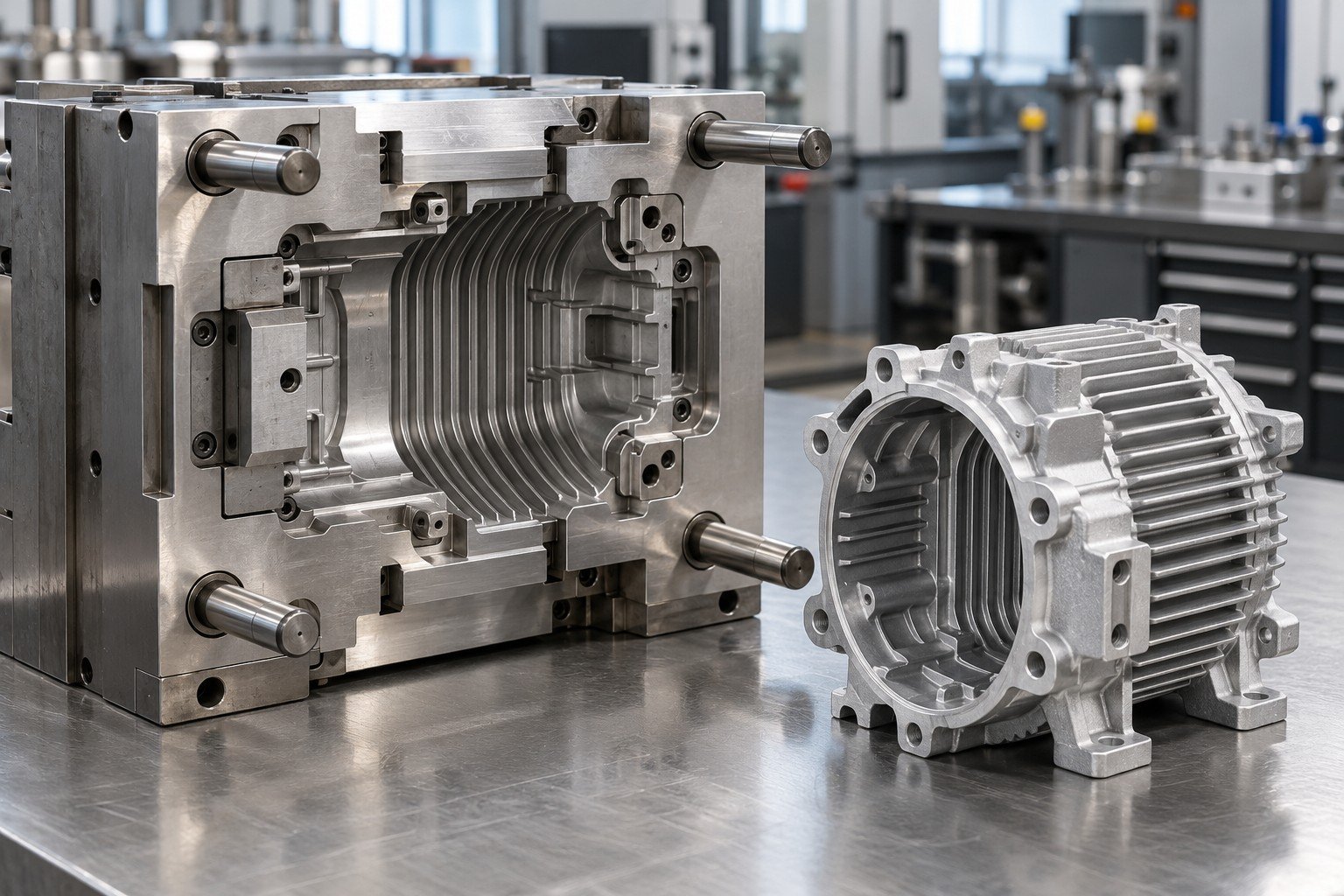
Review shutoffs, cores and machined interfaces together.
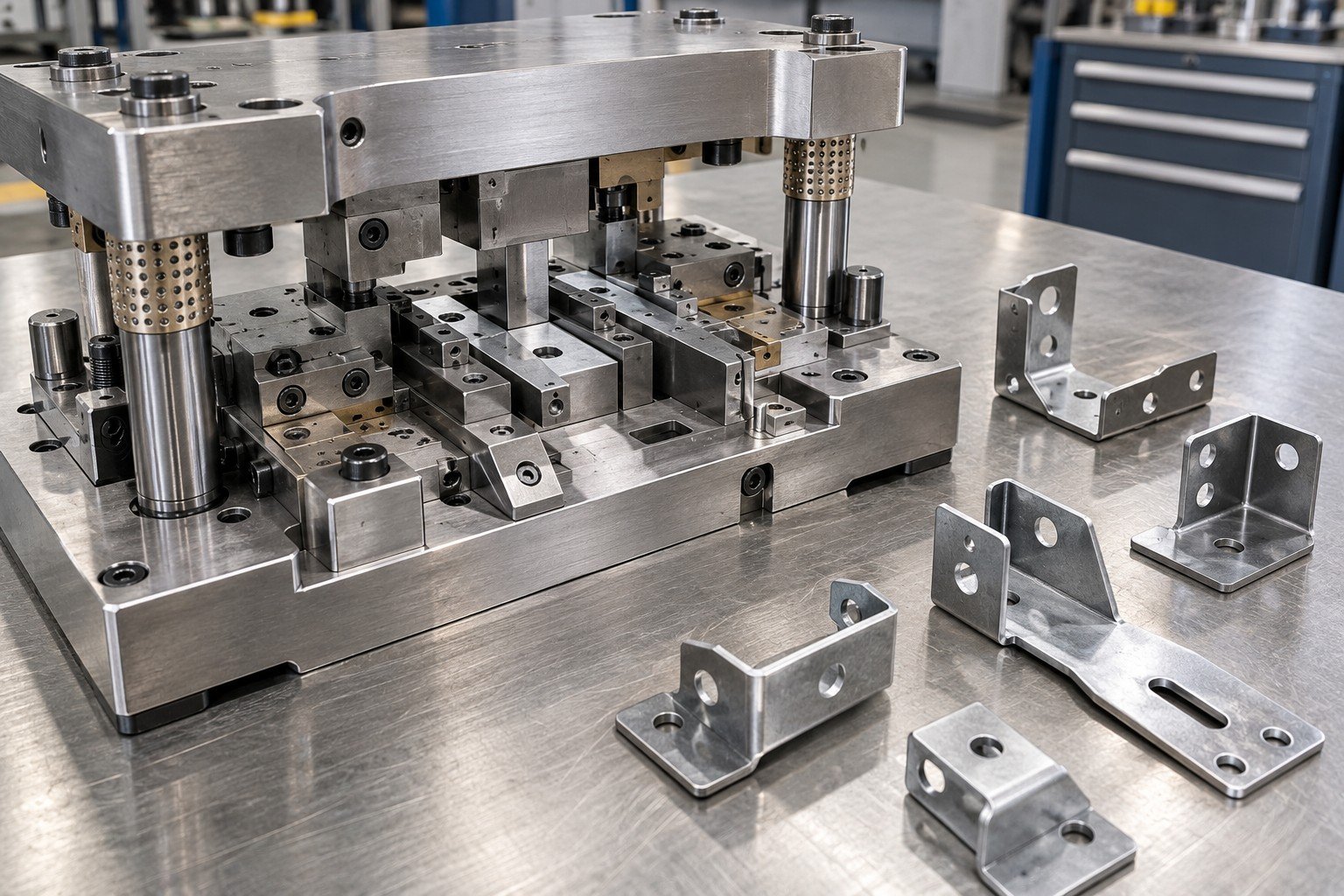
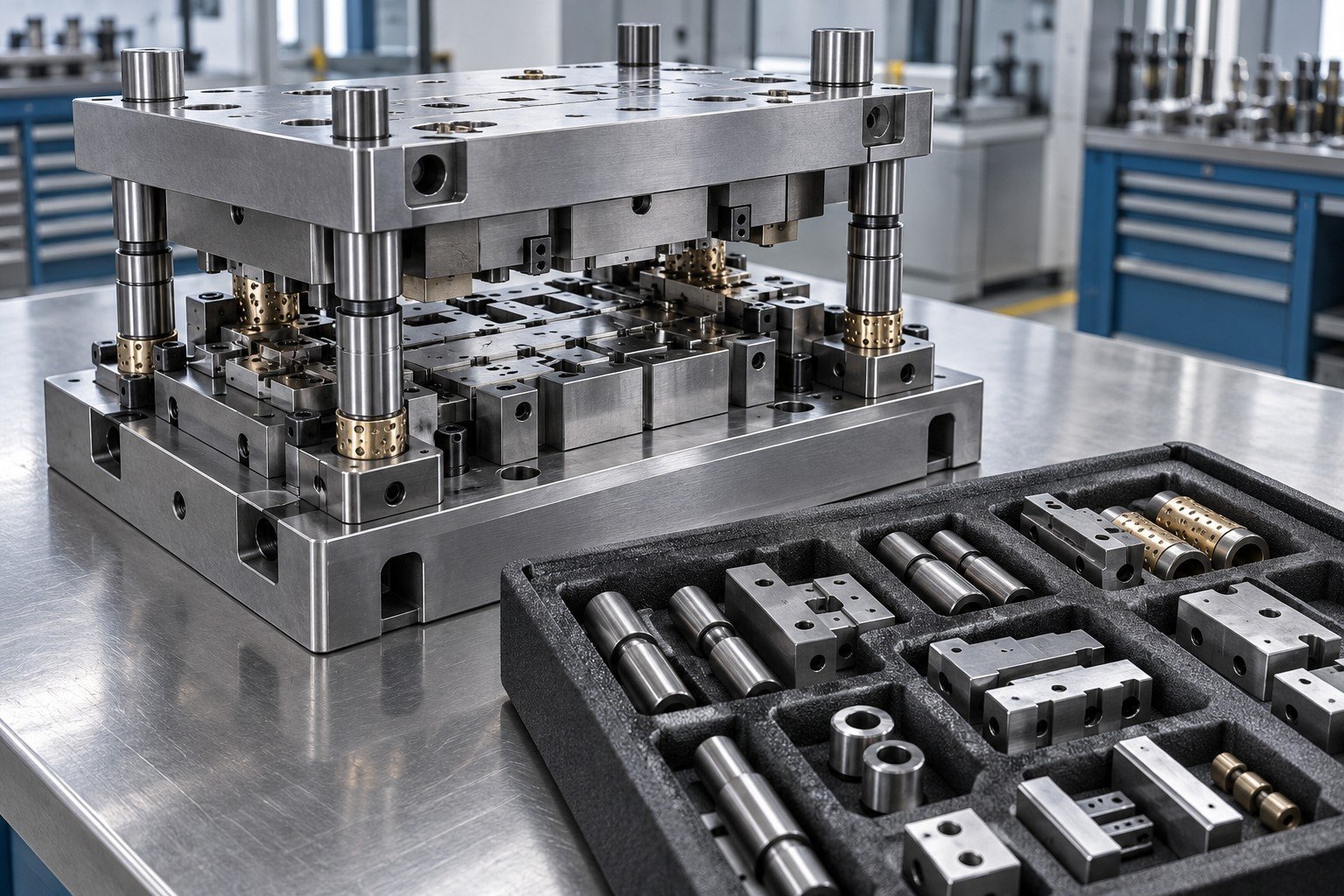
Control cutting edges, locators and free-state formed fit.
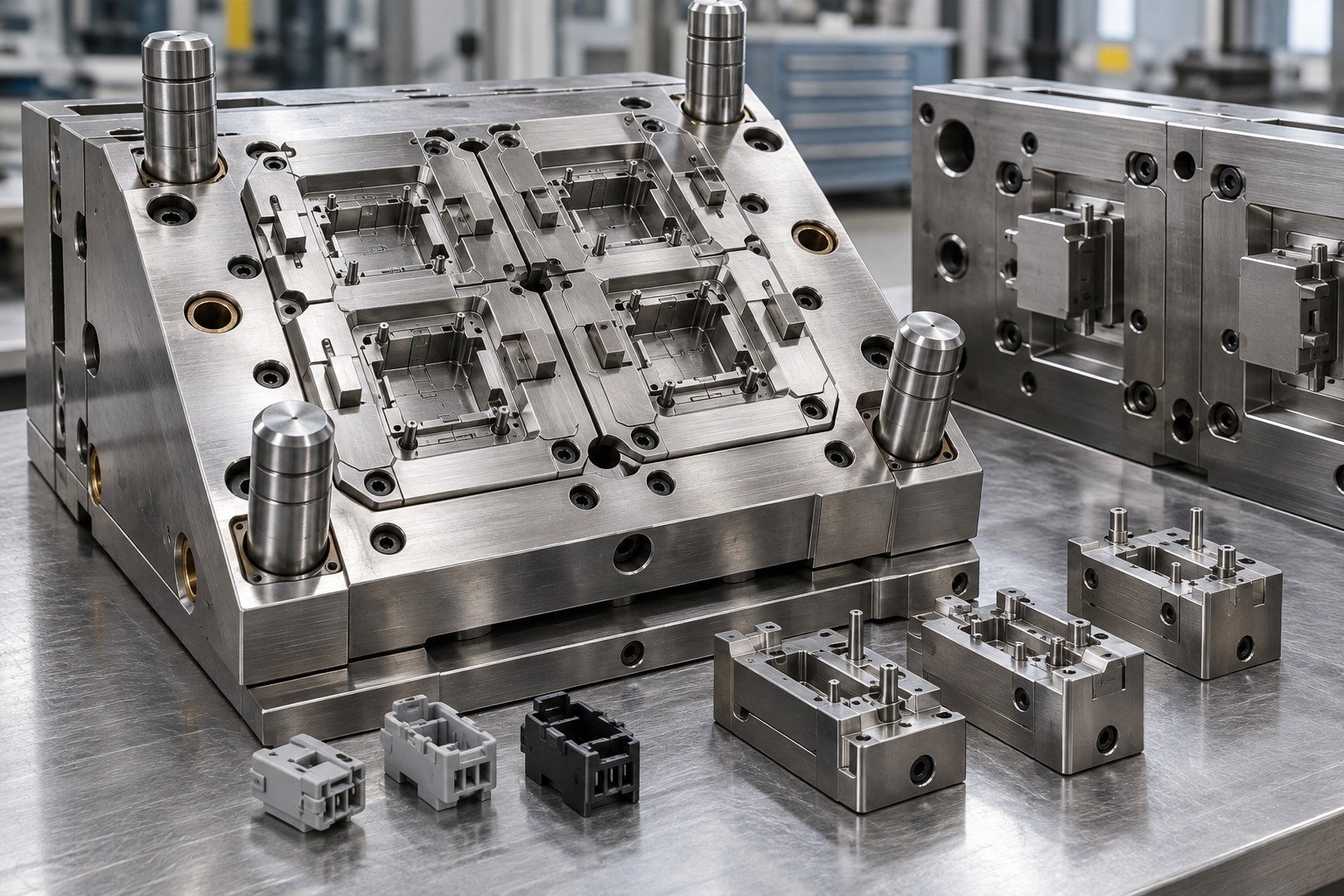
Link recurring faults to the tool and operating history.
Illustrative tooling scenarios, not actual customer case studies. Product qualification and repair acceptance are project-specific.
Confirm the actual receiving location, responsible repair route and trial arrangements before shipping your tool.
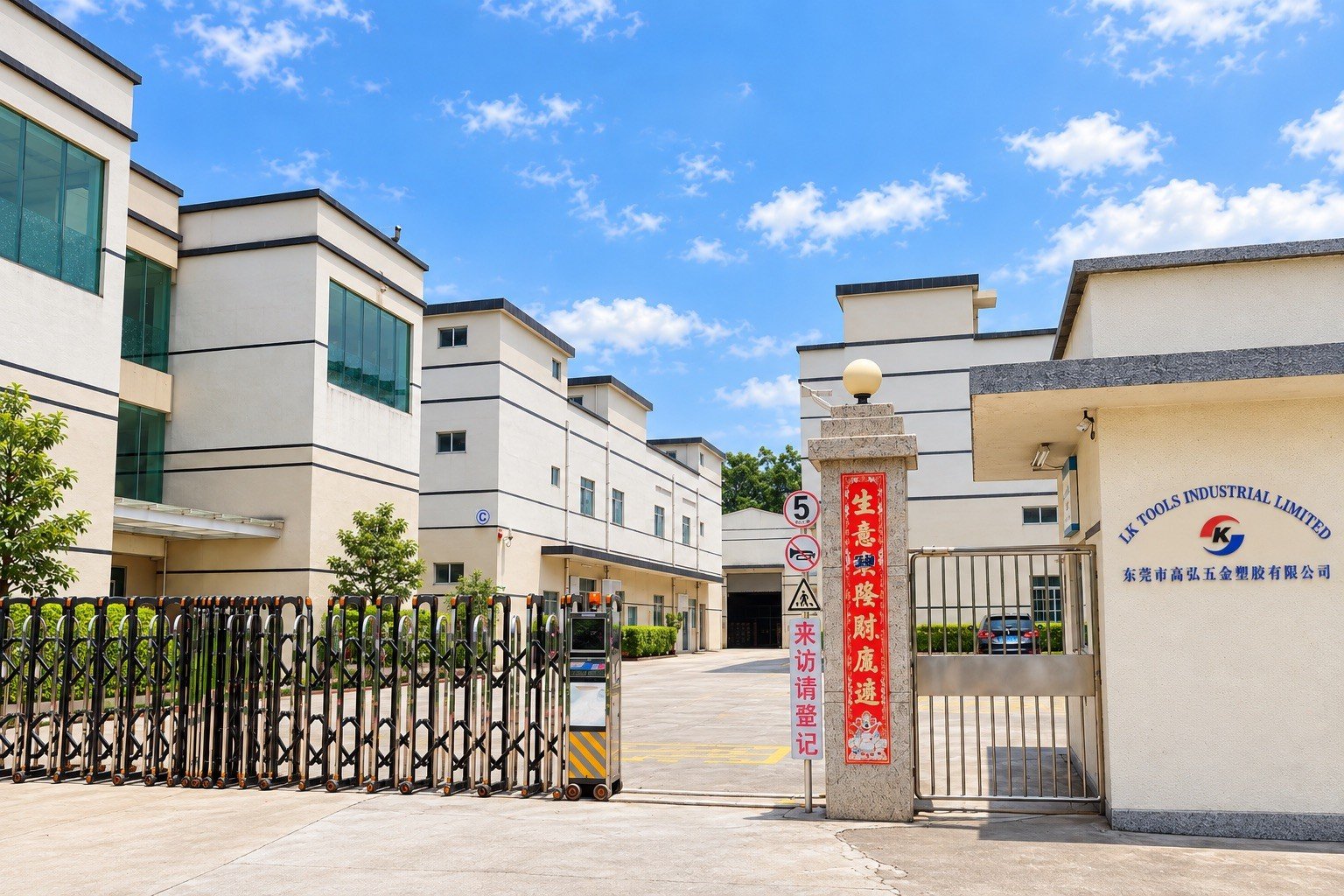
Coordinate drawings, fault evidence and authorized decisions.
Confirm suitability, size, weight, handling and destination.
Agree equipment, materials, location and acceptance ownership.
Define protection, records, freight and receiving checks.
Request an NDA before sharing confidential drawings. Confirm receiving instructions before moving the tool.
For this page, tooling maintenance means industrial mold and die care: agreed inspection, cleaning, lubrication, wear-component review and records. Tool type, condition and manufacturer or customer requirements define the actual scope; this is not household mold removal or general machine repair.
Maintenance preserves the specified operating condition. Repair restores an affected function. Rebuild or refurbishment can replace a wider set of components. Modification changes the approved product or tool target. Describe the actual work, drawings and acceptance rather than relying on a service label.
Injection mold repair cost depends on diagnosis, teardown, damage, material and treatment, replacement parts, machining or suitable restoration, trial resources, inspection and freight. Separate inspection charges from the authorized repair and agree how additional findings will be quoted.
Mold repair lead time includes receiving, diagnosis, approval, components, repair, assembly, trial and shipping. Give the required date and production constraints so the feasible milestones can be reviewed. Urgent requests do not establish immediate availability or a fixed restart promise.
Use cycle counts, resin, tool design, storage, condition and failure history alongside manufacturer and customer requirements. There is no single interval for all tools. A mold maintenance checklist should identify inspection points, findings, actions and the basis for the next review.
Compare confirmed damage, remaining demand, repeated failures, replaceable features, validation needs, schedule and total delivered cost. A mold rebuild may be a third option. Do not use one fixed repair-cost percentage as the decision rule for every tool.
Send tool type, maker, material, dimensions, weight, drawings, condition and current location first. Acceptance of another maker’s tool, receiving site, diagnostic work and urgent availability must be explicitly confirmed before shipment. Pickup, on-site service and US-local repair are not assumed.
No. Injection mold laser welding and other local restoration routes depend on steel, heat treatment, damage, coatings, access and final surface function. Agree a qualified assessment and required post-work checks; insert replacement may be more appropriate.
Provide controlled tool and part drawings, available CAD, tool ID, assembly and component information, material and treatment records, repair history, fault photographs, defective parts and operating conditions. If original records are missing, agree the diagnostic and reverse-engineering scope before work.
Define affected dimensions, movement, alignment, relevant circuits and a trial-part plan. Record machine and material conditions, measurements, deviations and approval. Clarify what is checked before shipment and what the receiving plant must verify before production release.
Confirmed condition, repair route and authorized changes.
Agreed tool checks, produced samples and closed deviations.
Named approval authority, remaining actions and receiving duties.
Returning the tool and approving production are separate decisions.