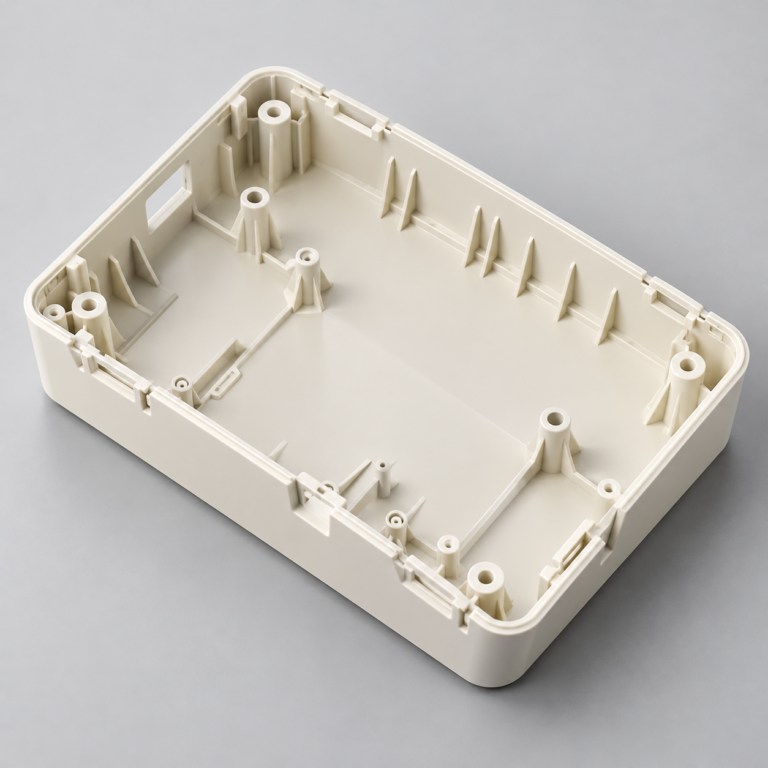
Injection Molding
Tooling and molding for your repeat plastic parts.
From prototype to production, coordinated manufacturing solutions for your custom parts.
View All Services →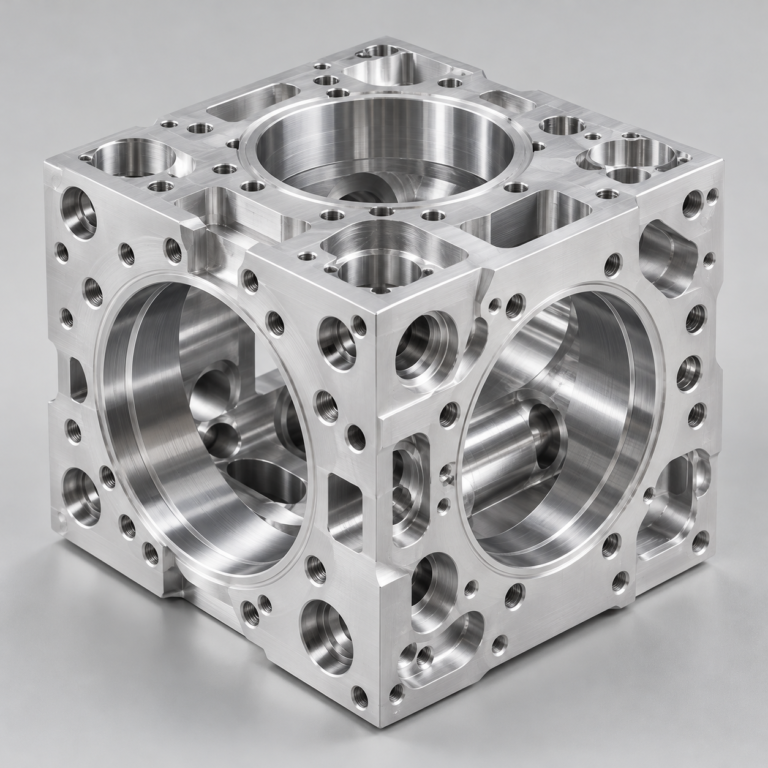
Precision parts for your tight tolerances and complex geometry.
Tooling and molding for your repeat plastic parts.
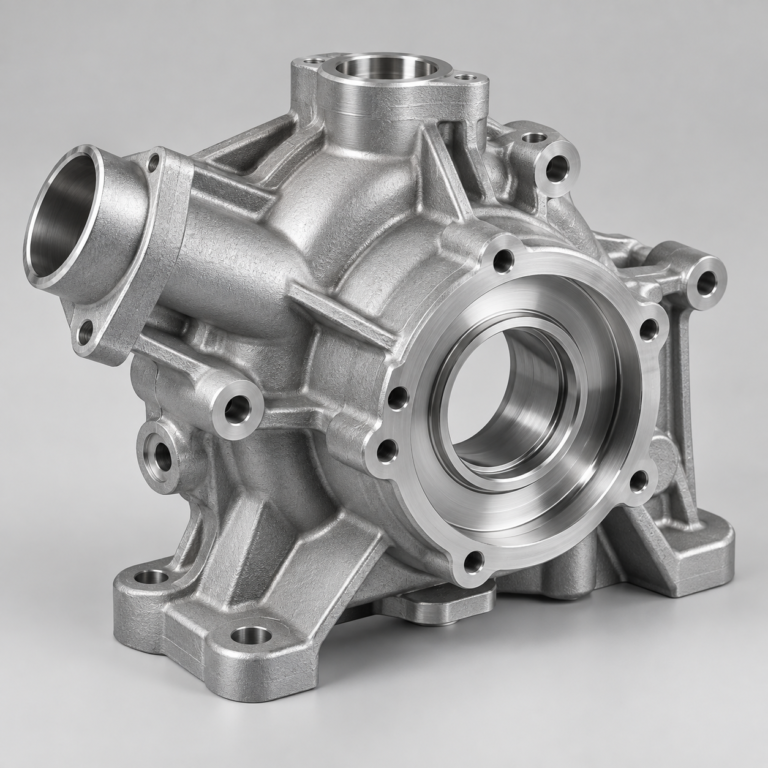
Metal casting options for your part and production volume.
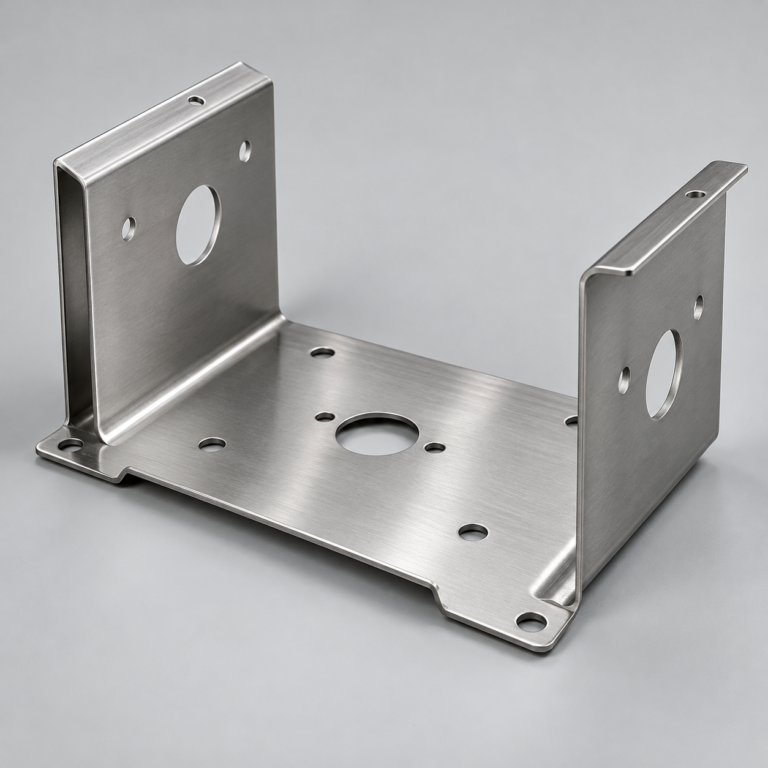
Cutting, forming and welding for your fabricated parts.
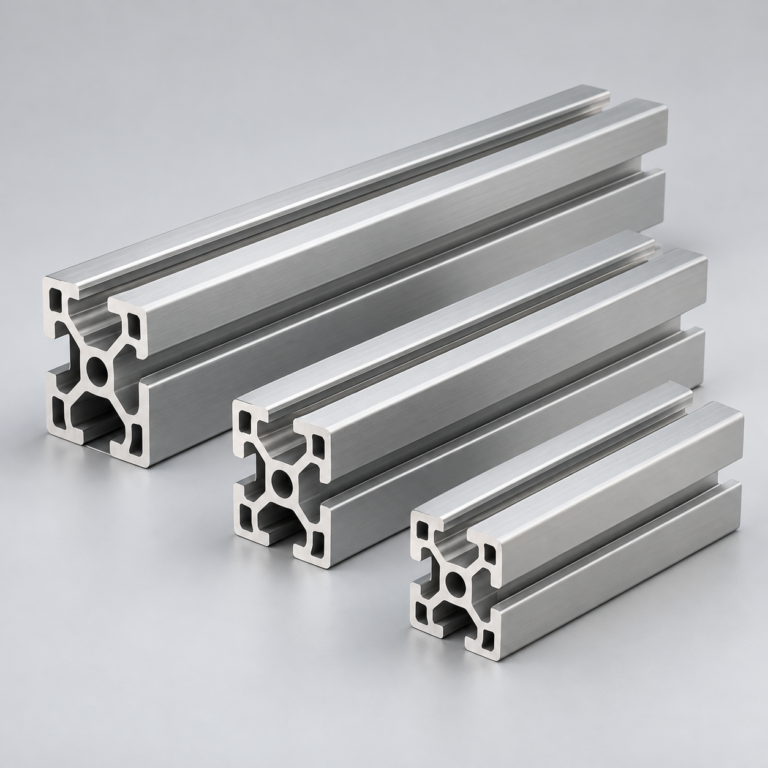
Custom profiles for your section, length and finish requirements.
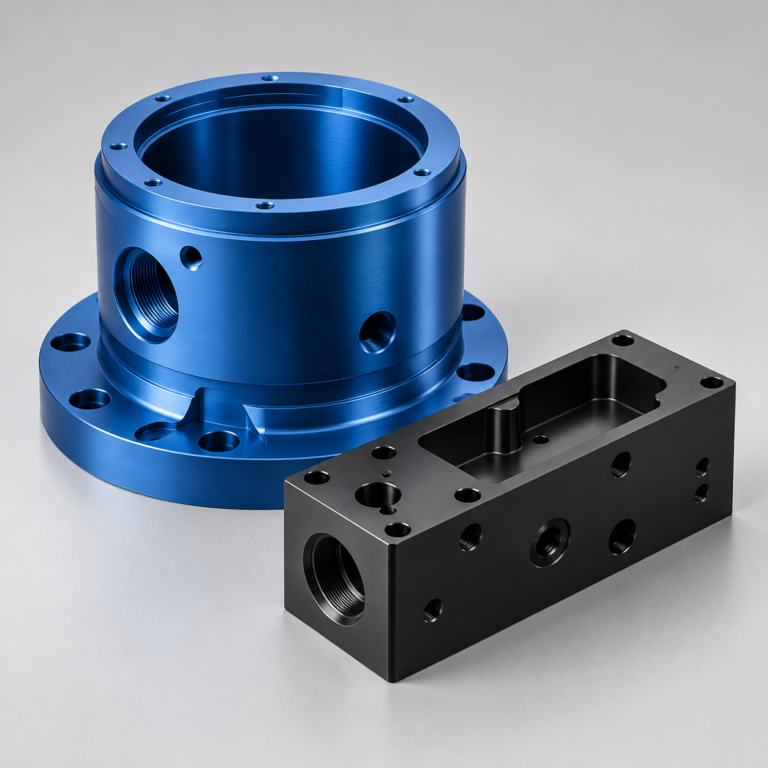
Finishes for your appearance, corrosion and wear requirements.
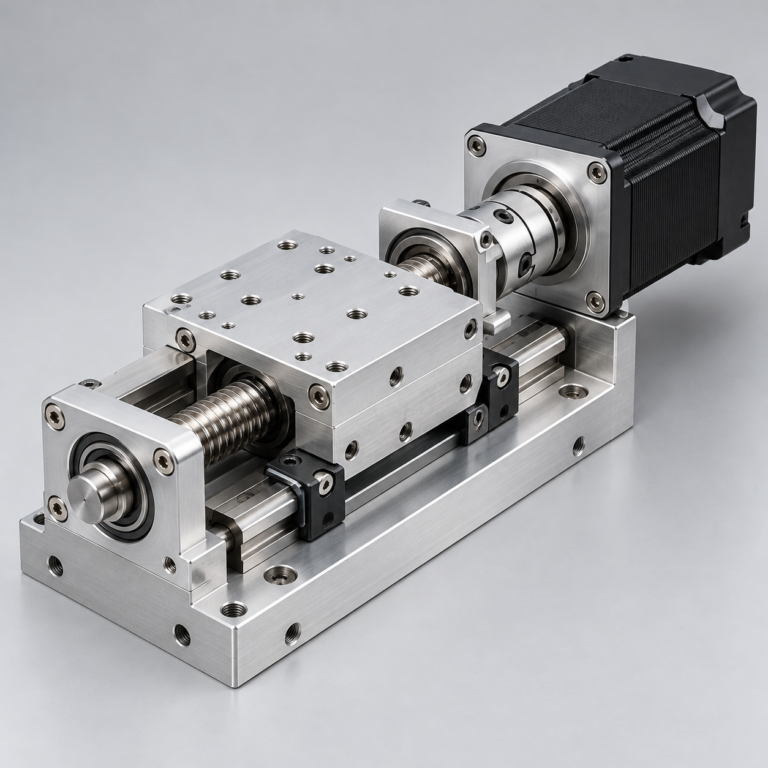
Sub-assemblies and final builds for your production program.
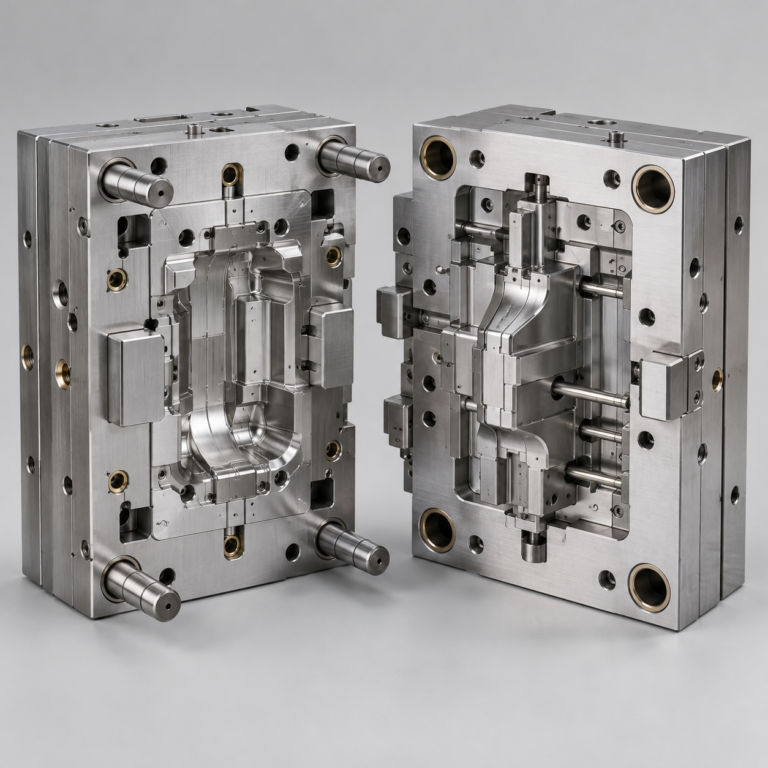
Production tooling built around your process and volume.
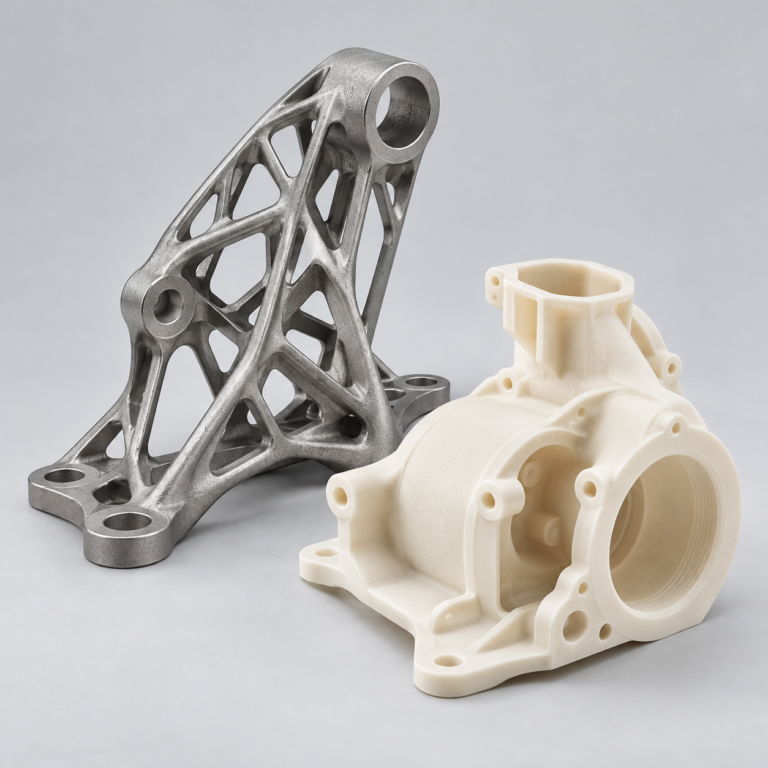
Prototype parts to check fit, function and design.
DFM, process planning and production support for your project.
Inspection, documentation, inventory and delivery planning for your program.
Choose air- or liquid-cooling components around your thermal and mechanical requirements.
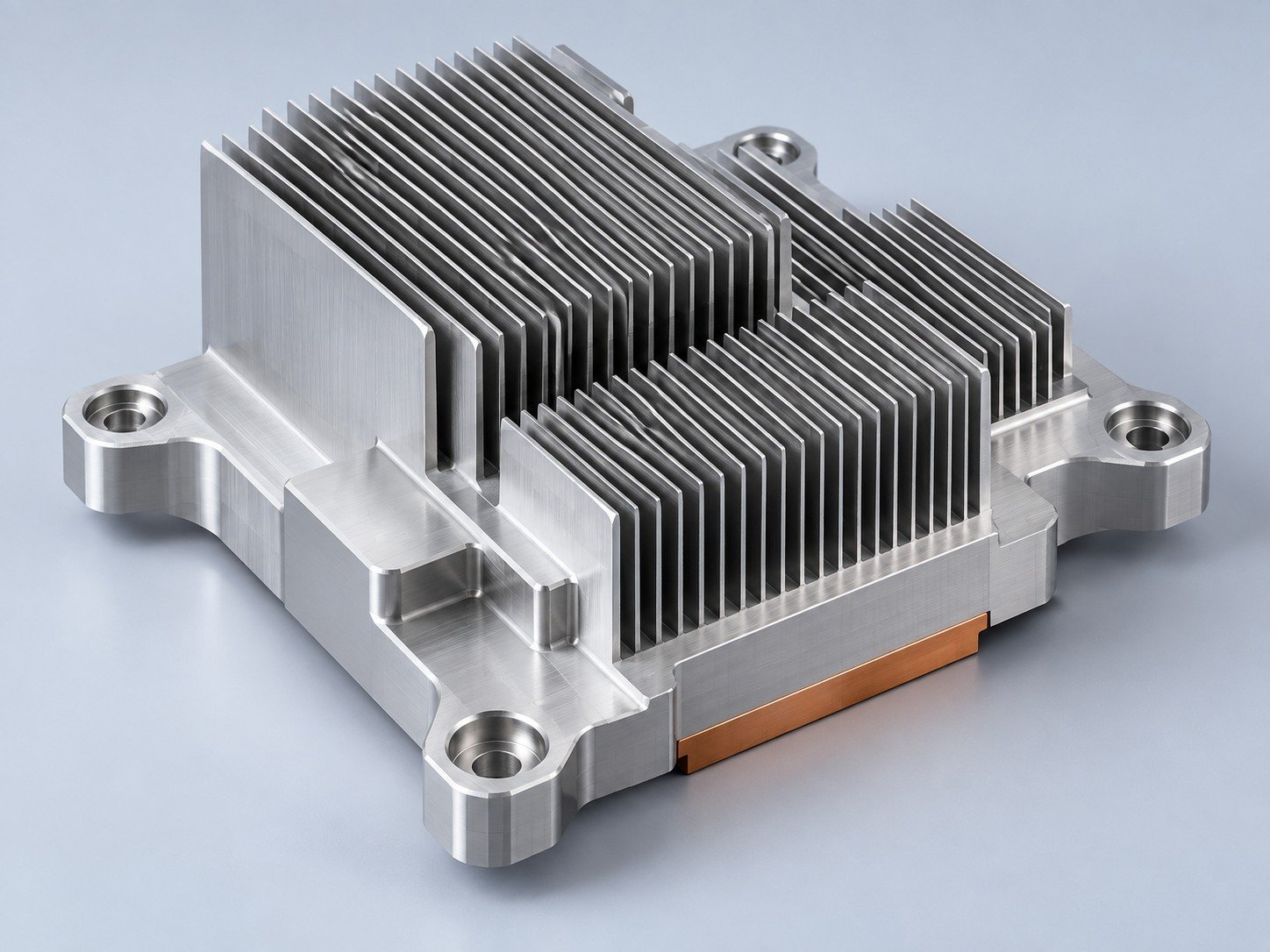
Manufacturing support for your cold plates, manifolds and cooling assemblies.
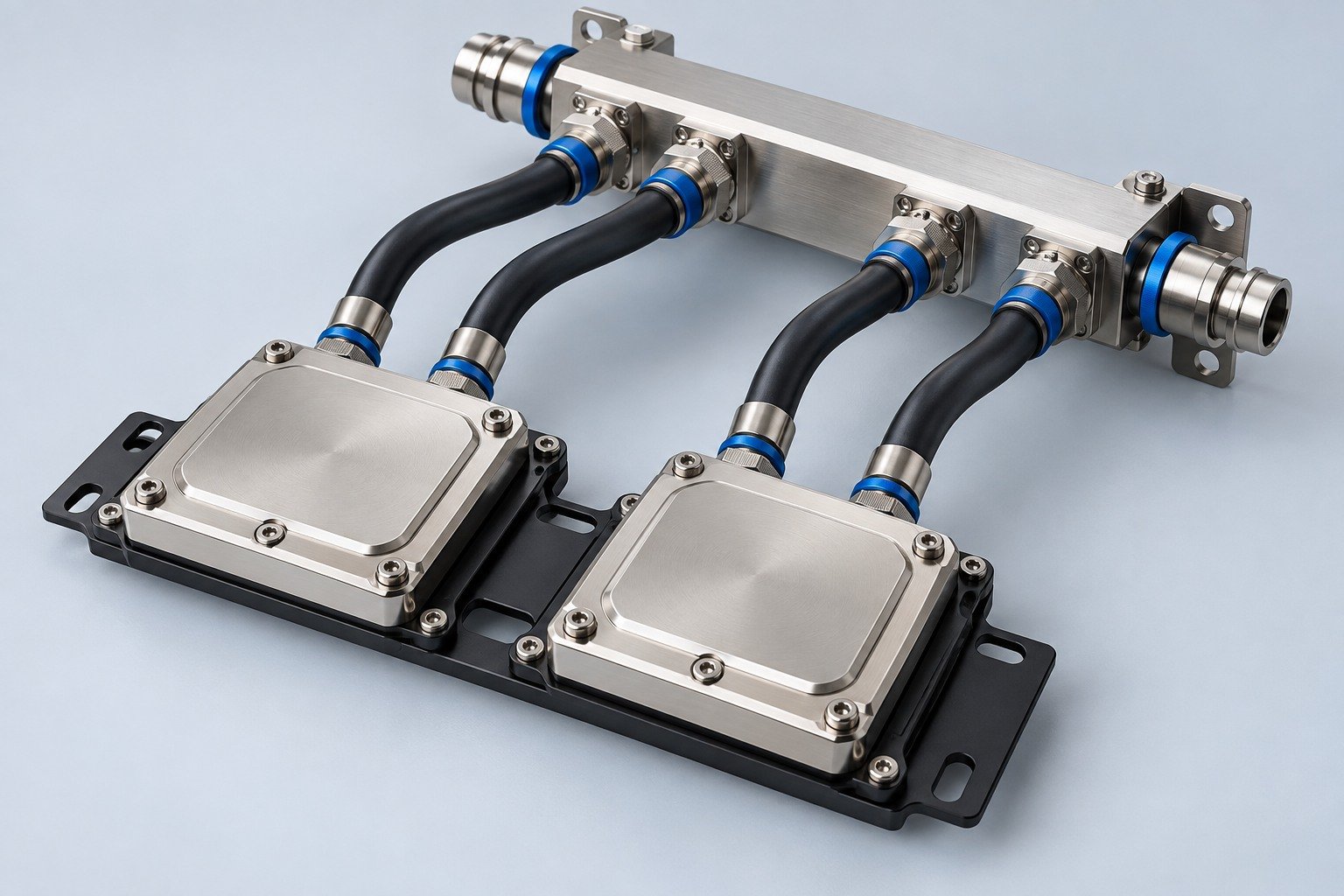
Find components for your power electronics, energy, laser and telecom application.
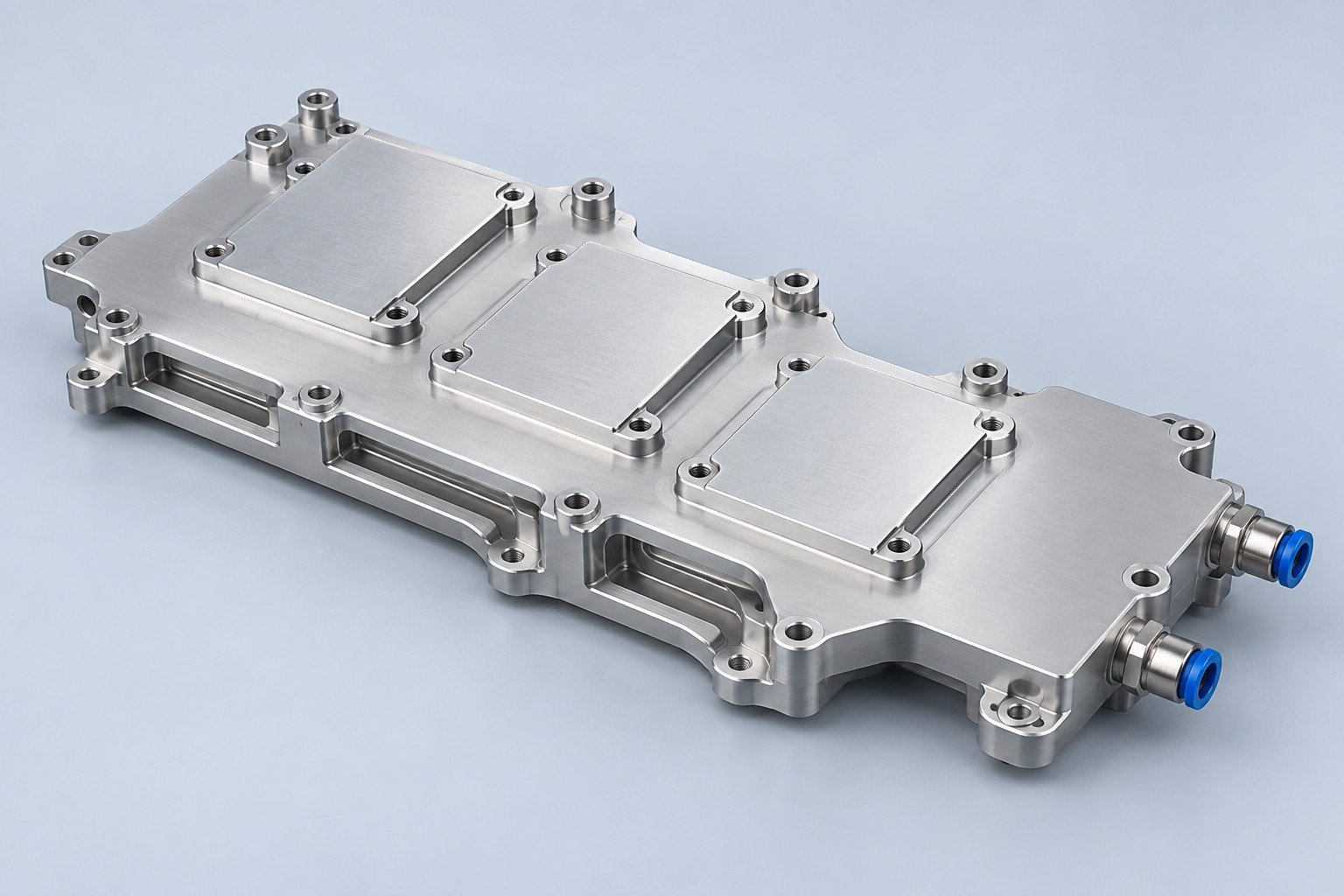
Components for your electronic systems.
Start with your functional and quality requirements.
Build around your operating environment.
From prototype to production, review material performance, manufacturability and cost for your part.
Review grade, temper and finish for your metal parts.
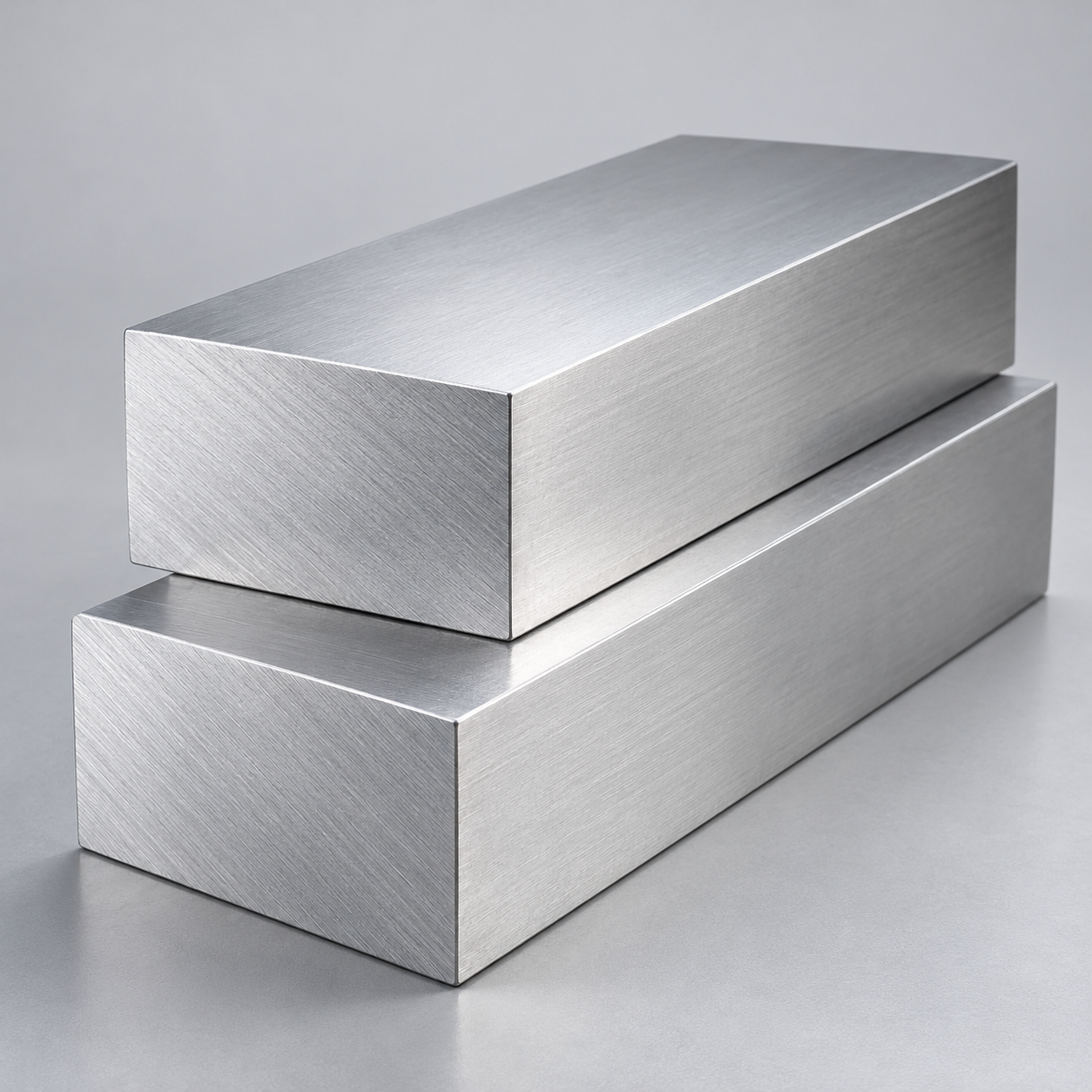 AluminumStrength, weight and machining›
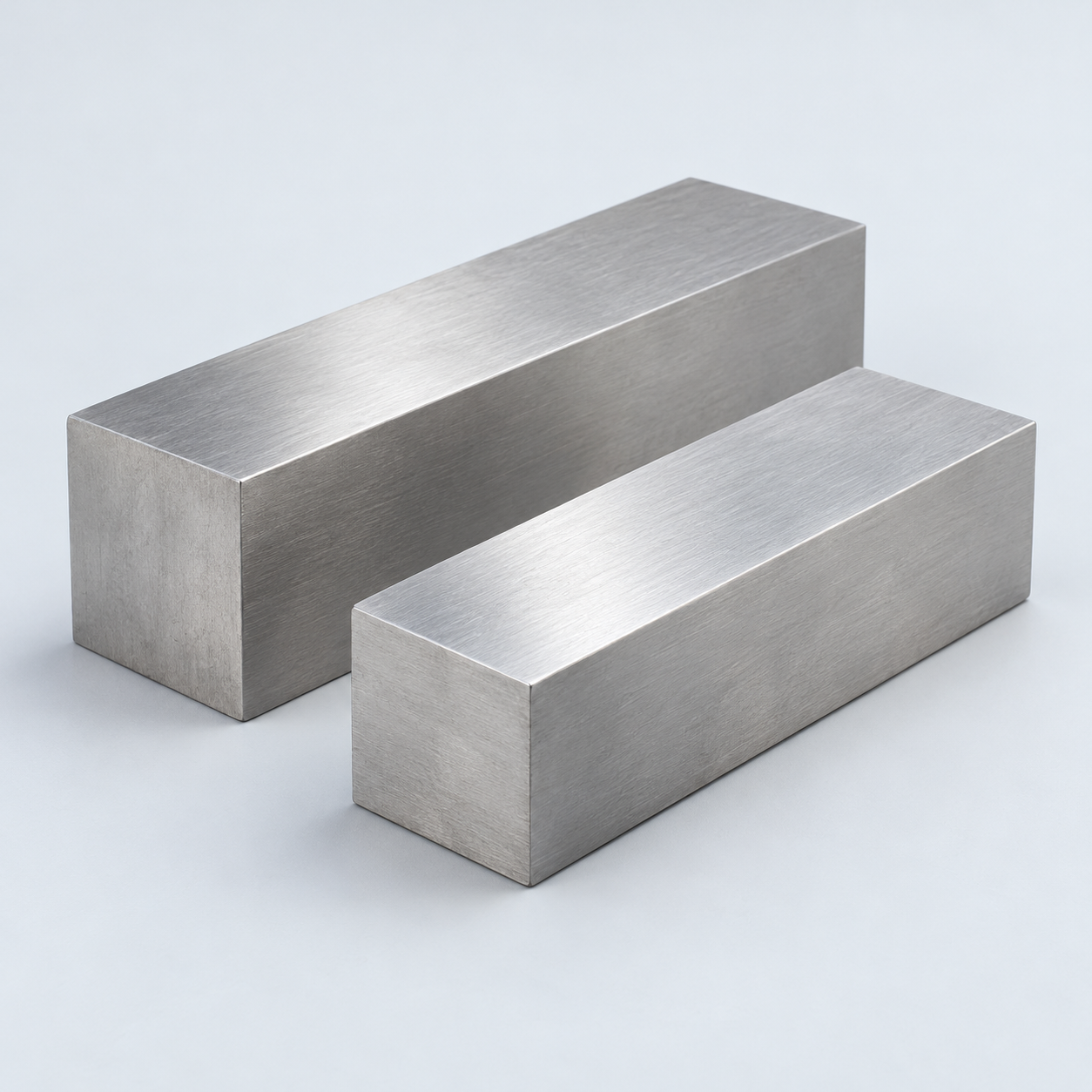 Stainless SteelCorrosion and finish requirements›
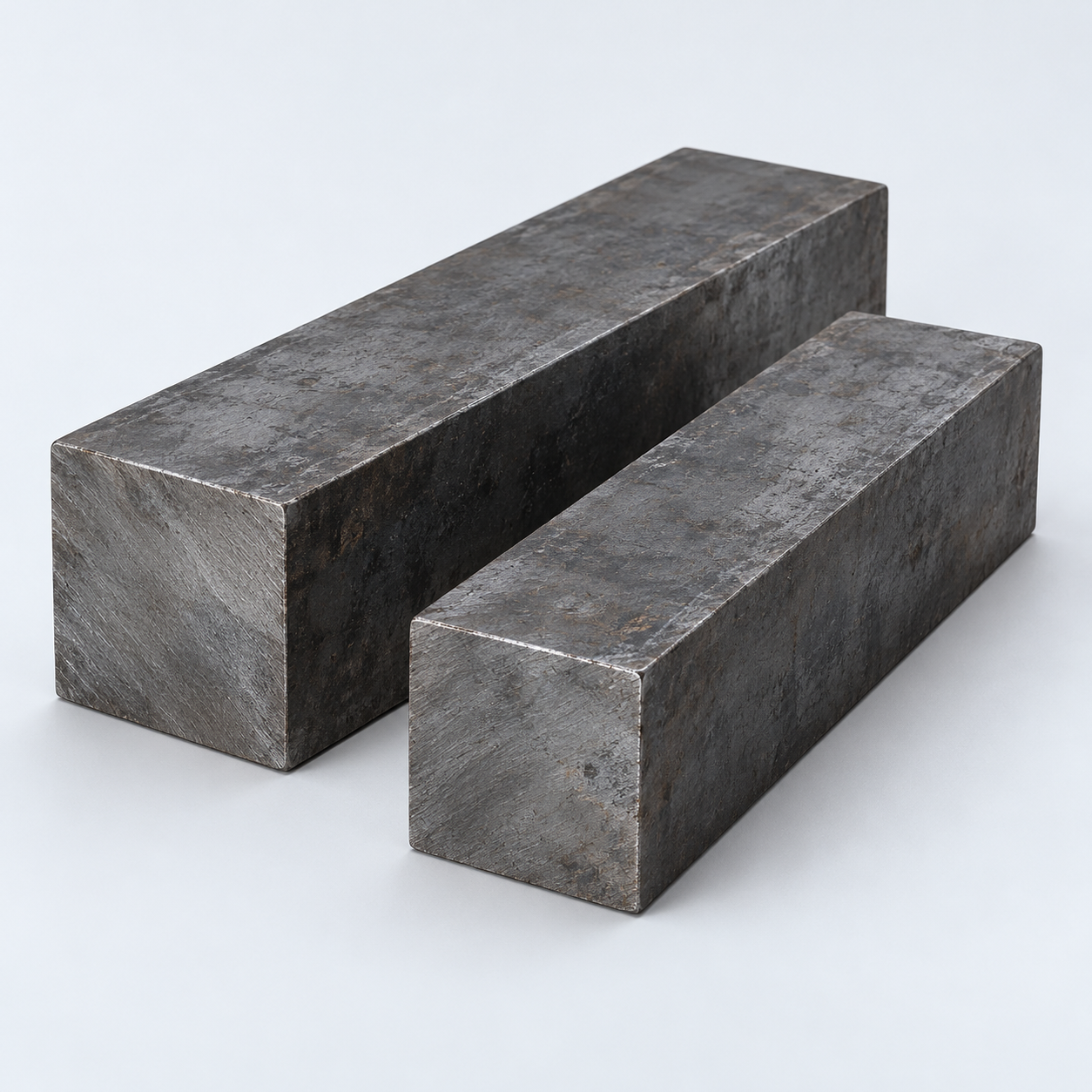 Carbon & Alloy SteelDiscuss grade and heat treatment›
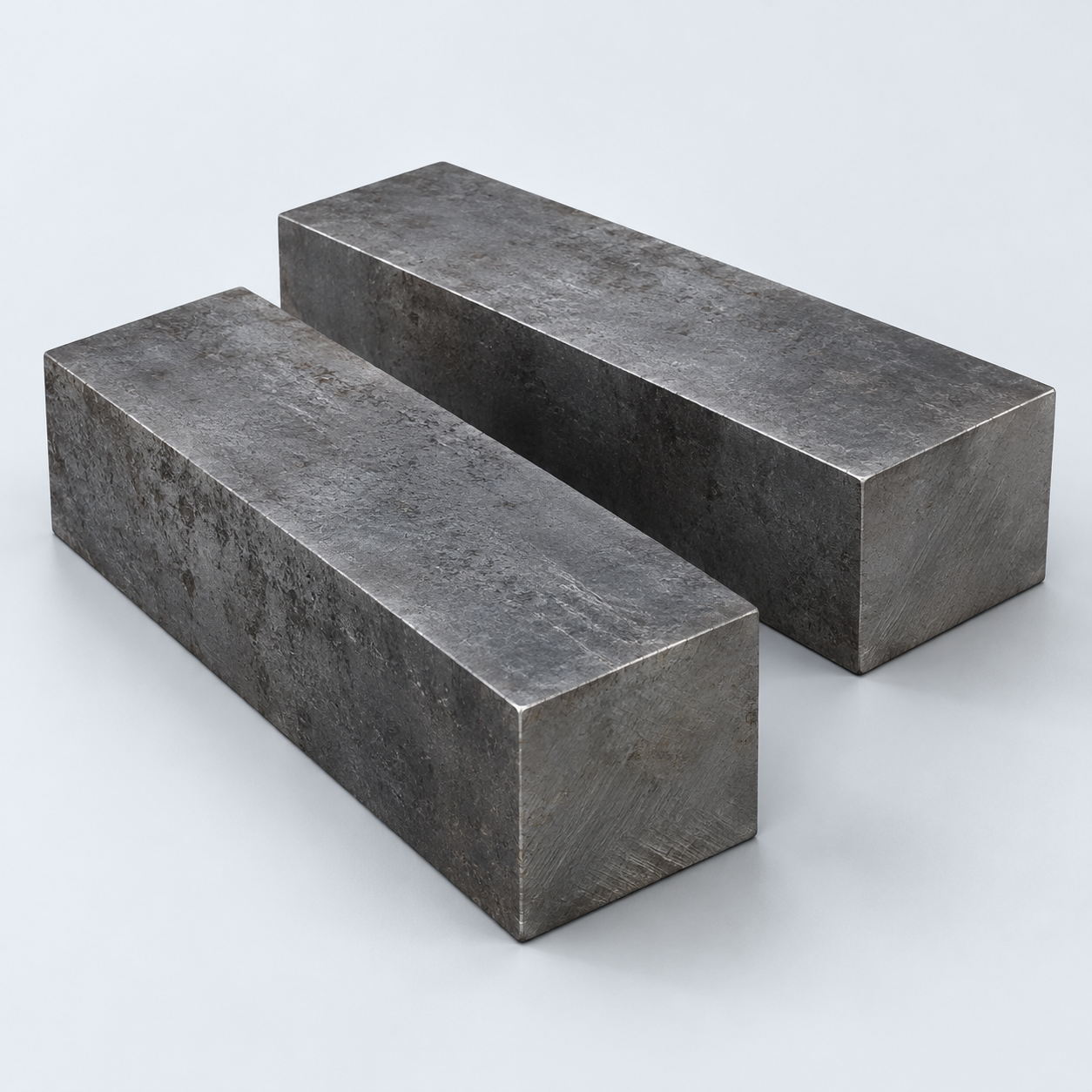 Tool SteelDiscuss tooling and wear needs›
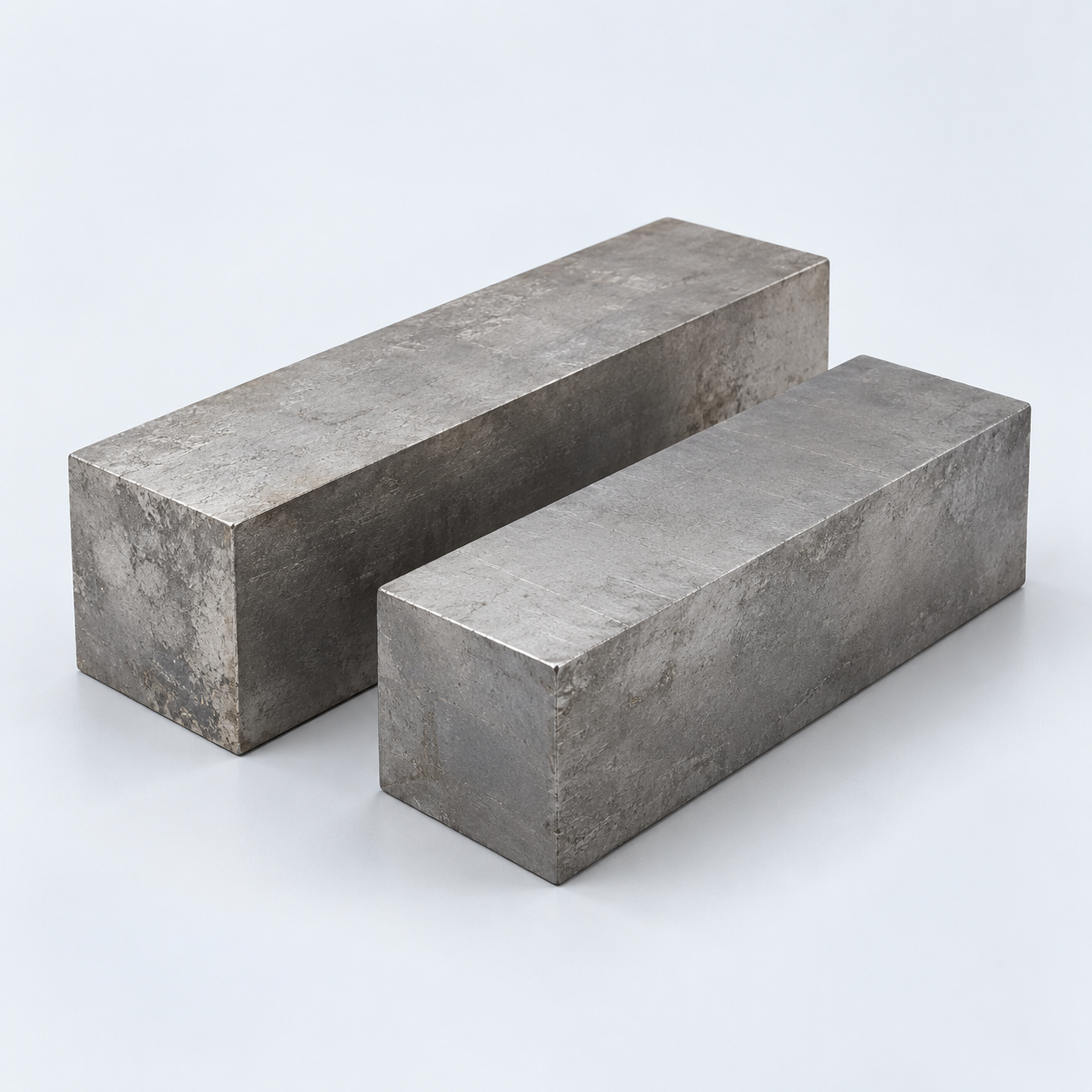 TitaniumReview grade and part geometry›
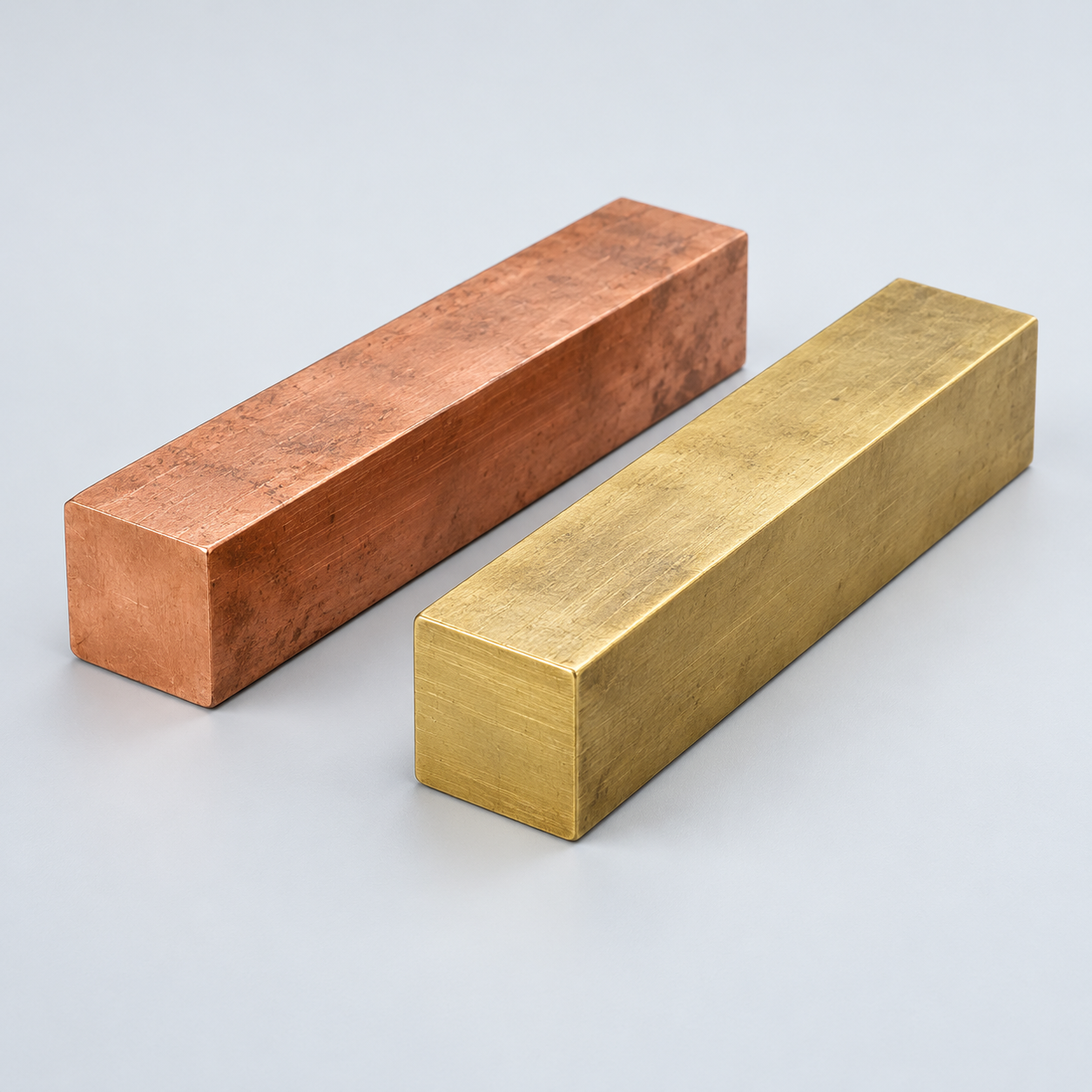 Copper & Brass & BronzeDiscuss conductivity and machining›
Match your polymer to function, process and environment.
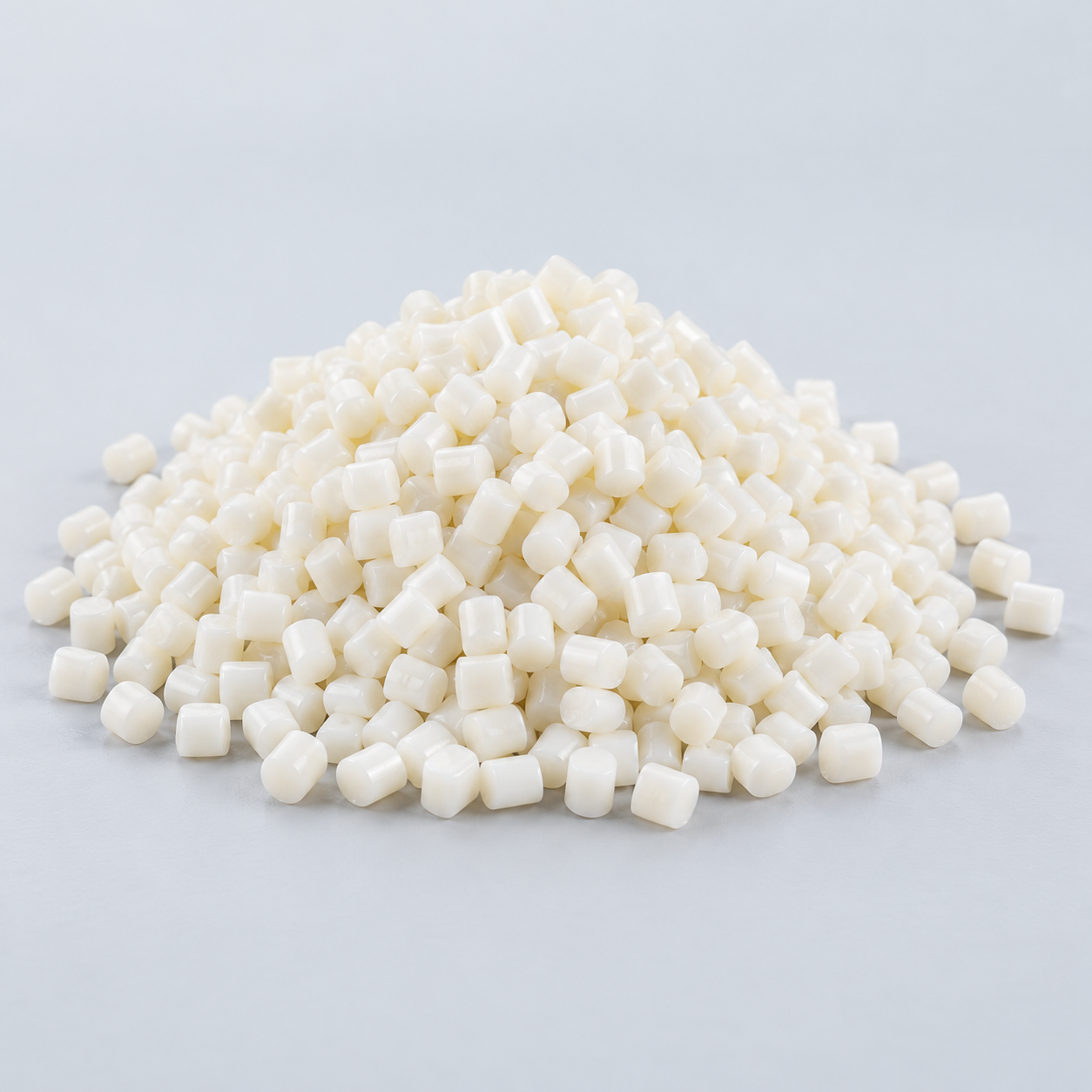 ABSReview enclosure and molding needs›
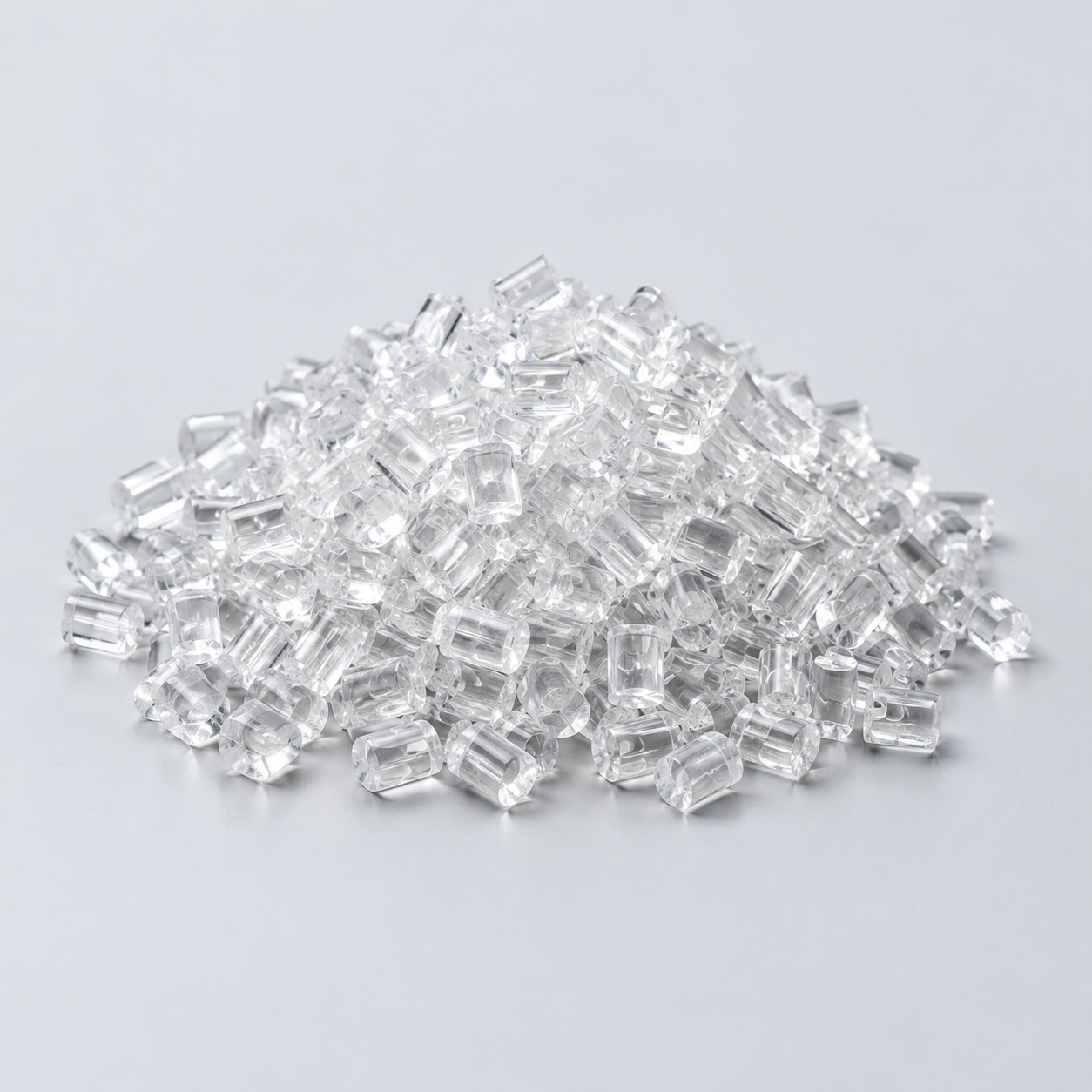 Polycarbonate (PC)Discuss clarity and impact needs›
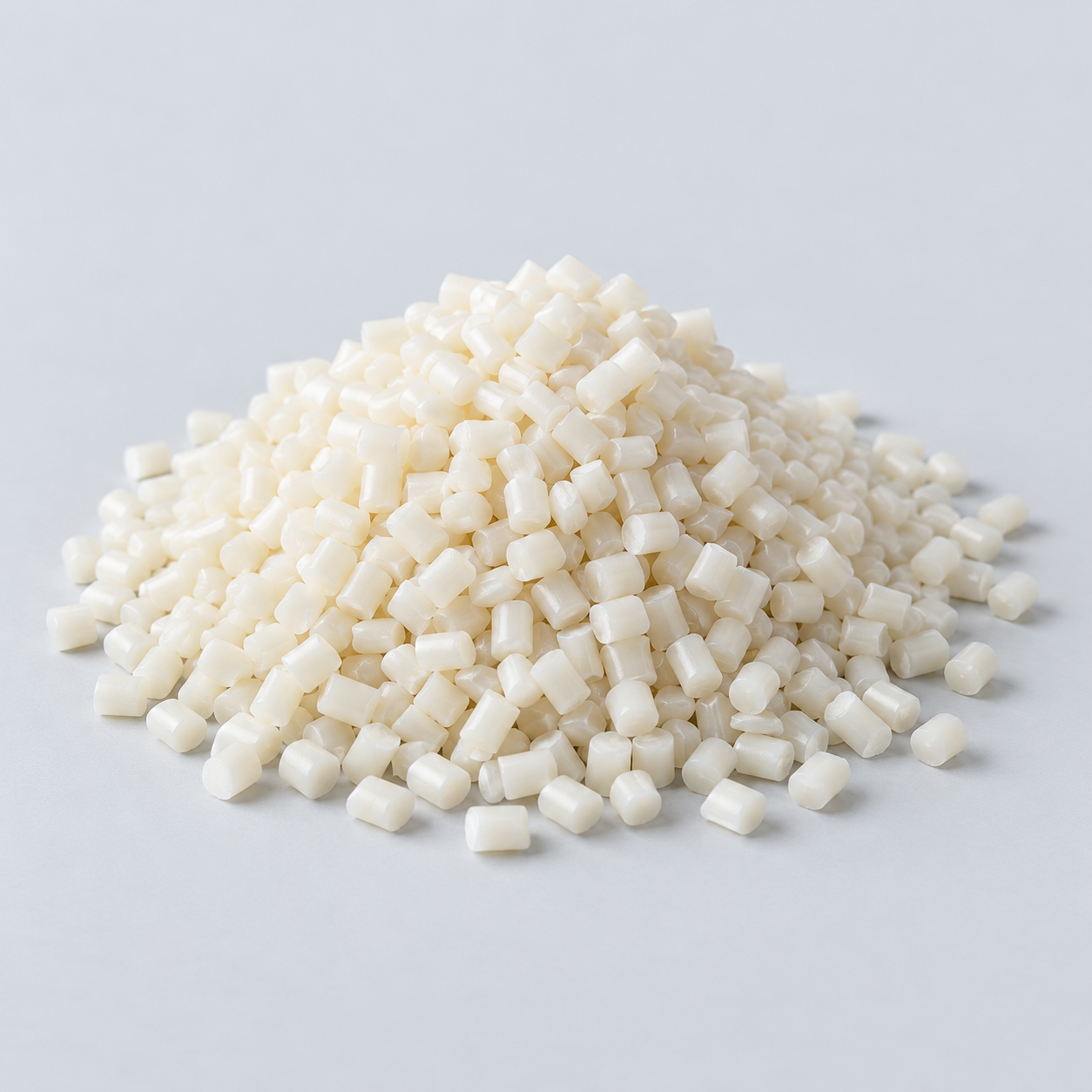 Nylon (PA)Review moisture and wear conditions›
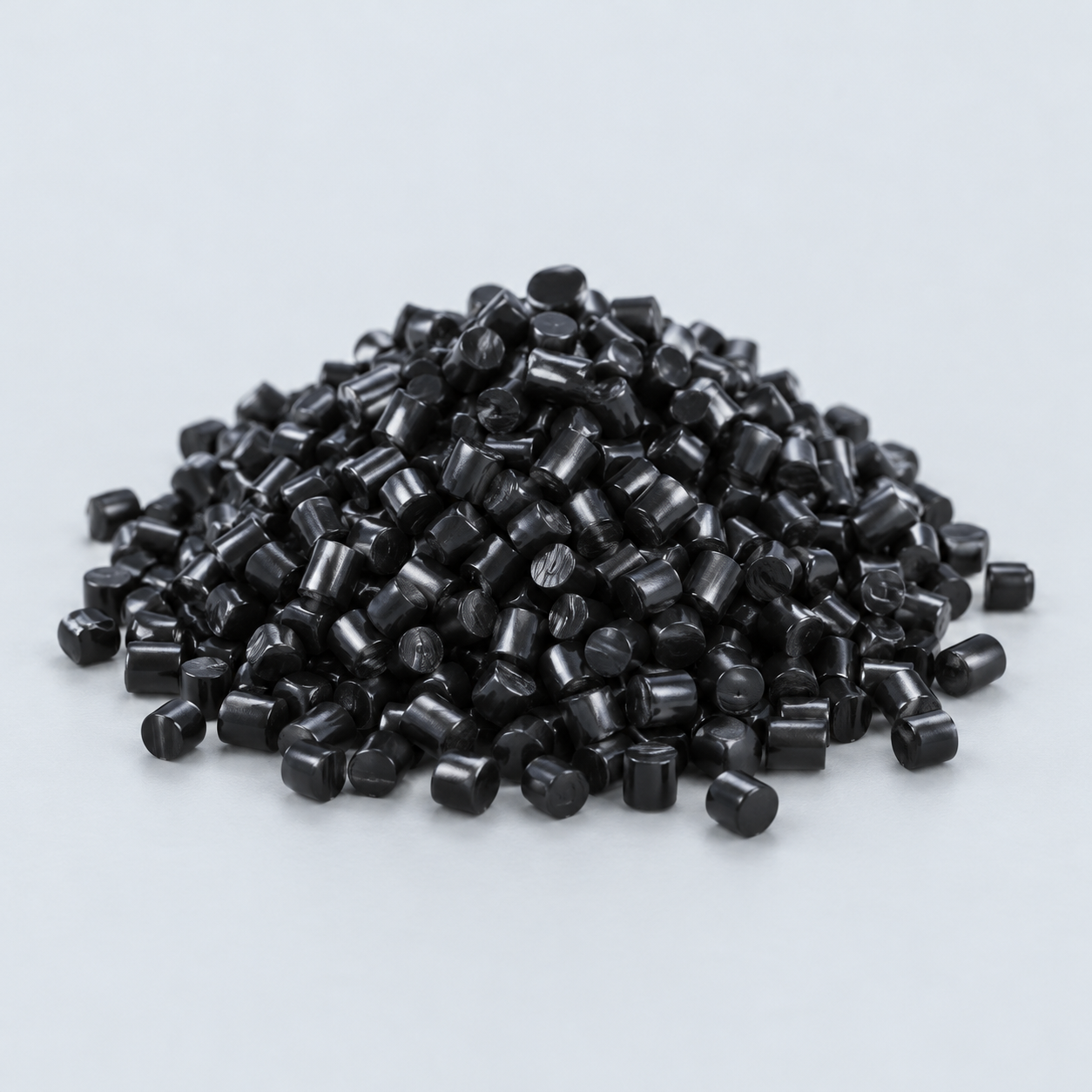 POM / AcetalReview fit and sliding features›
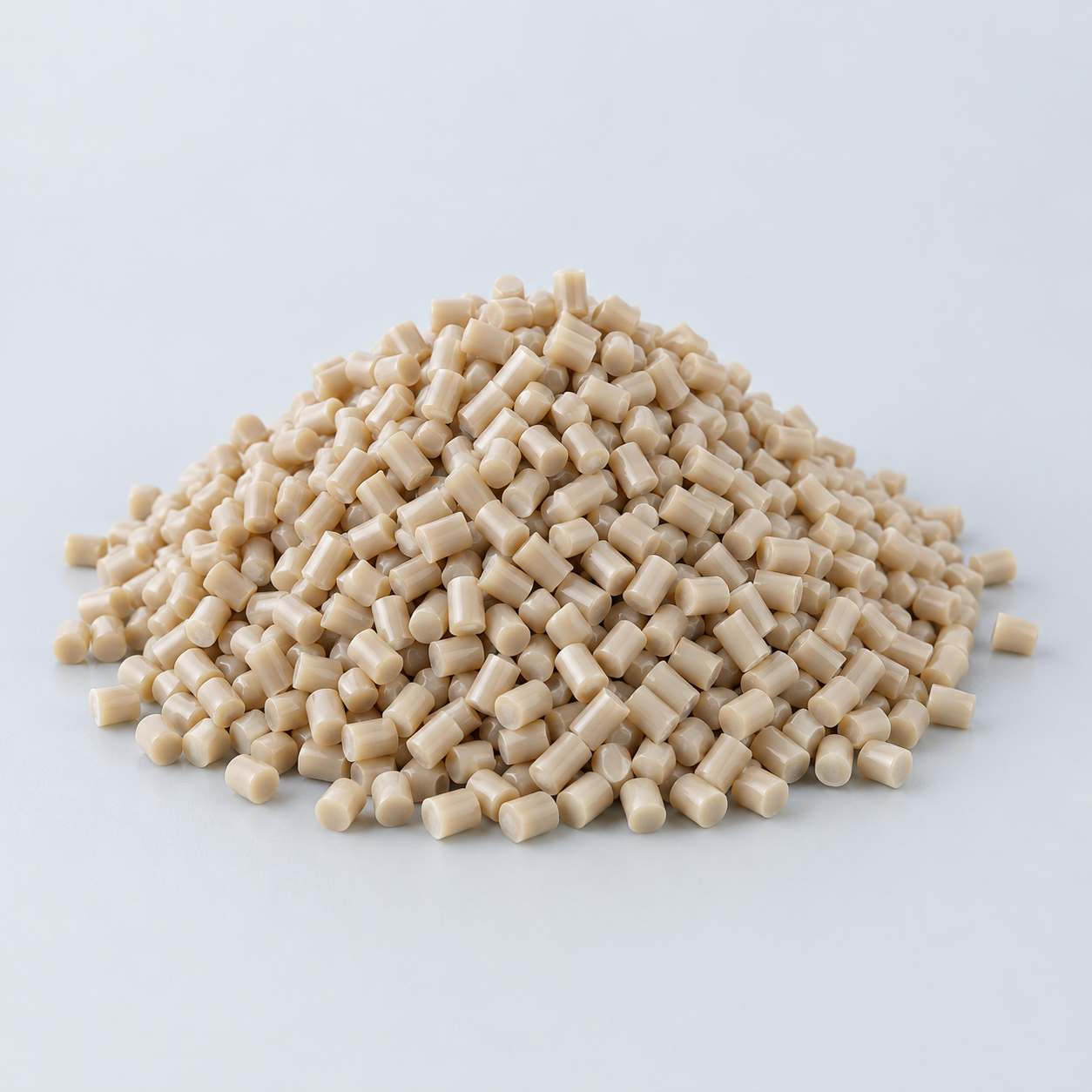 PEEKDiscuss operating conditions›
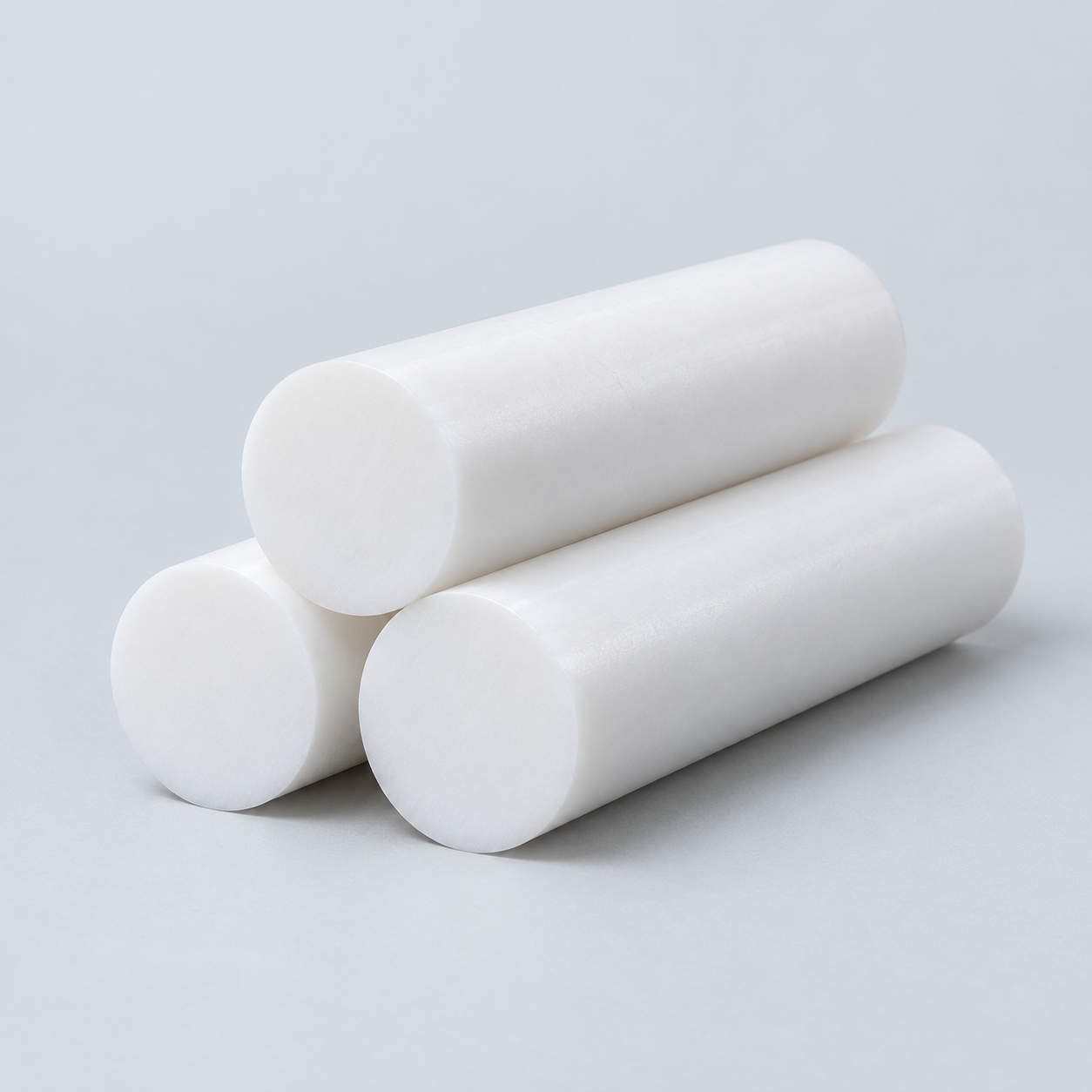 PTFEReview friction and chemical exposure›
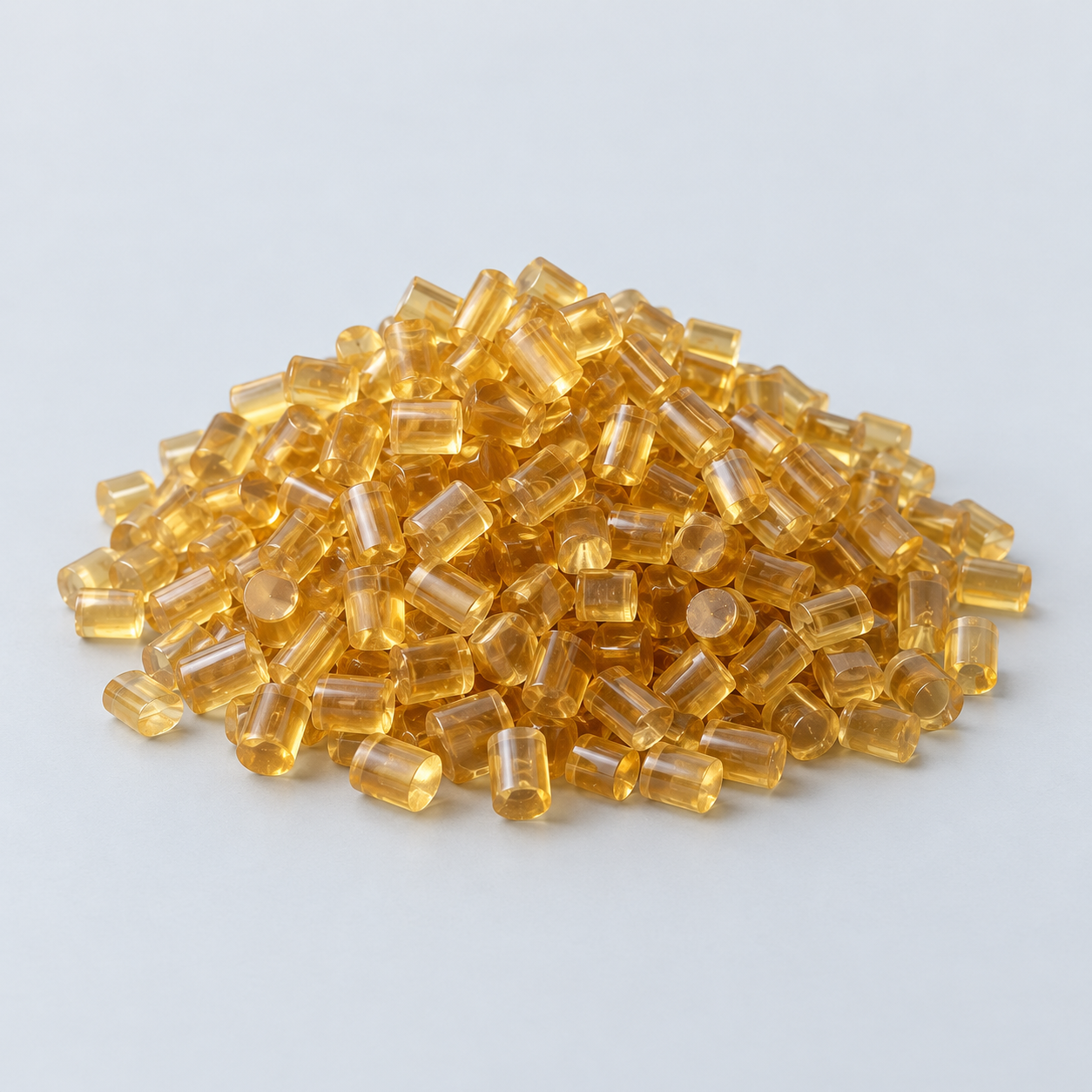 ULTEM / PEIDiscuss thermal and electrical needs›
Confirm grade availability and application requirements.
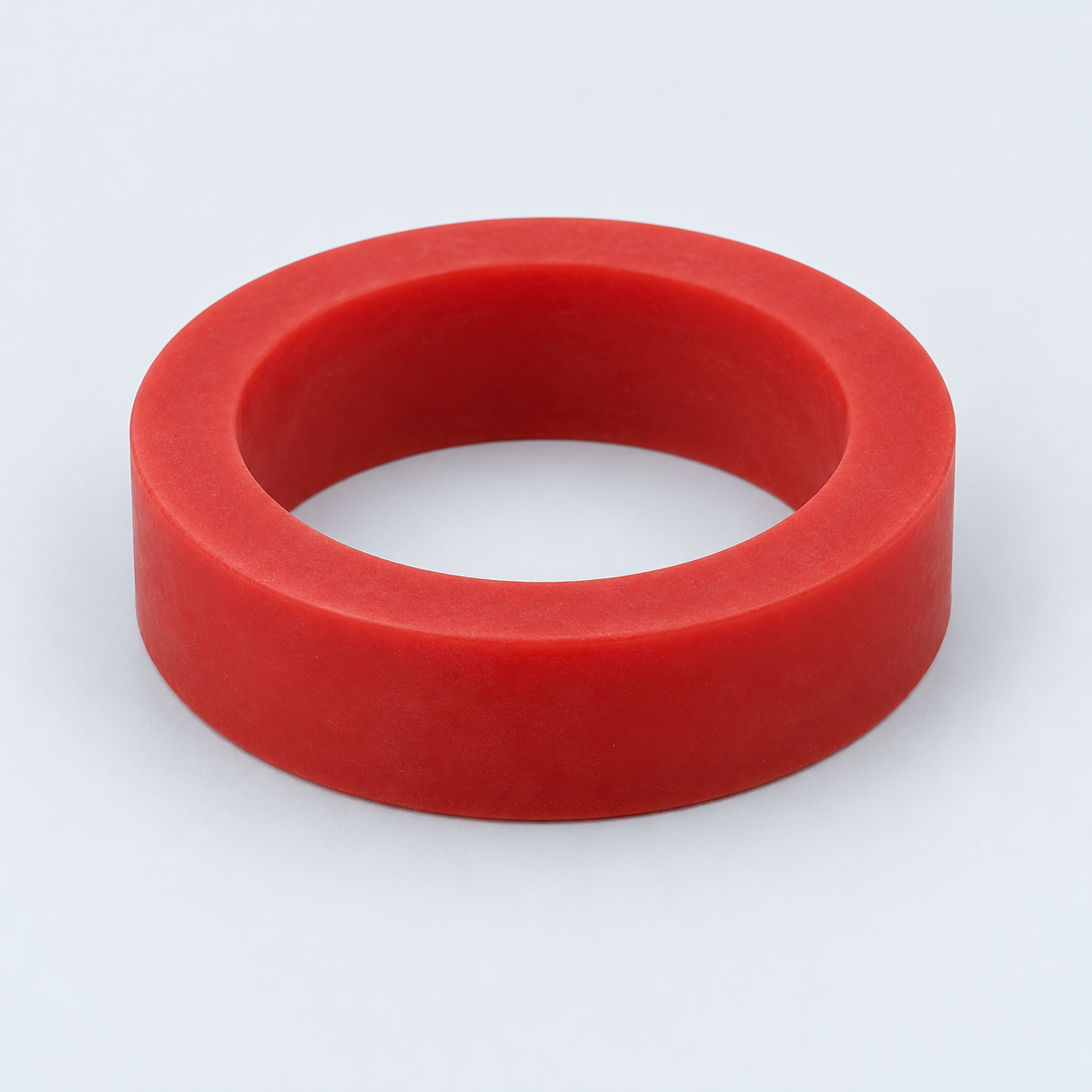 Silicone / LSRDiscuss flexible component needs›
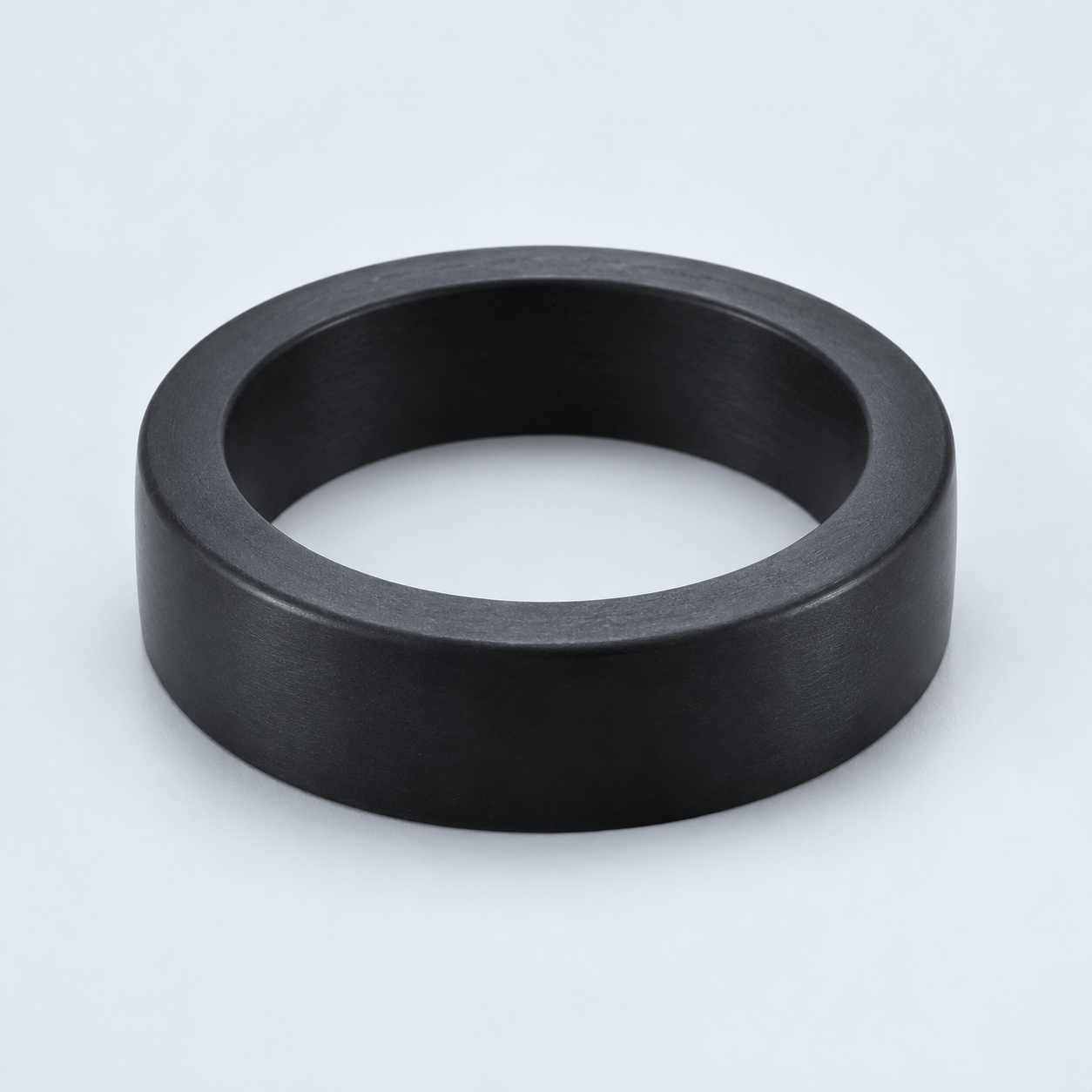 TPU / TPEReview flexibility and processing›
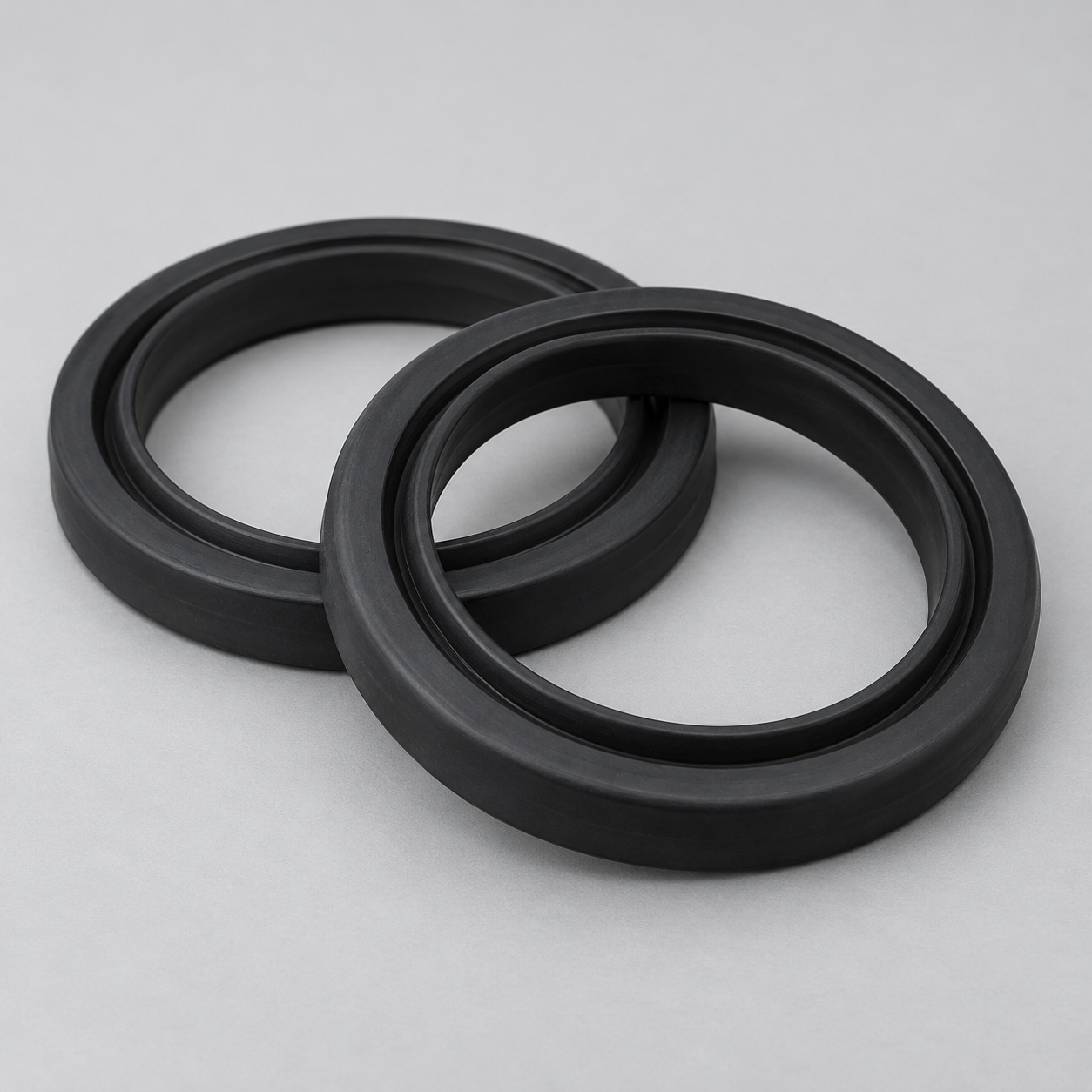 EPDMReview weathering and chemical exposure.›
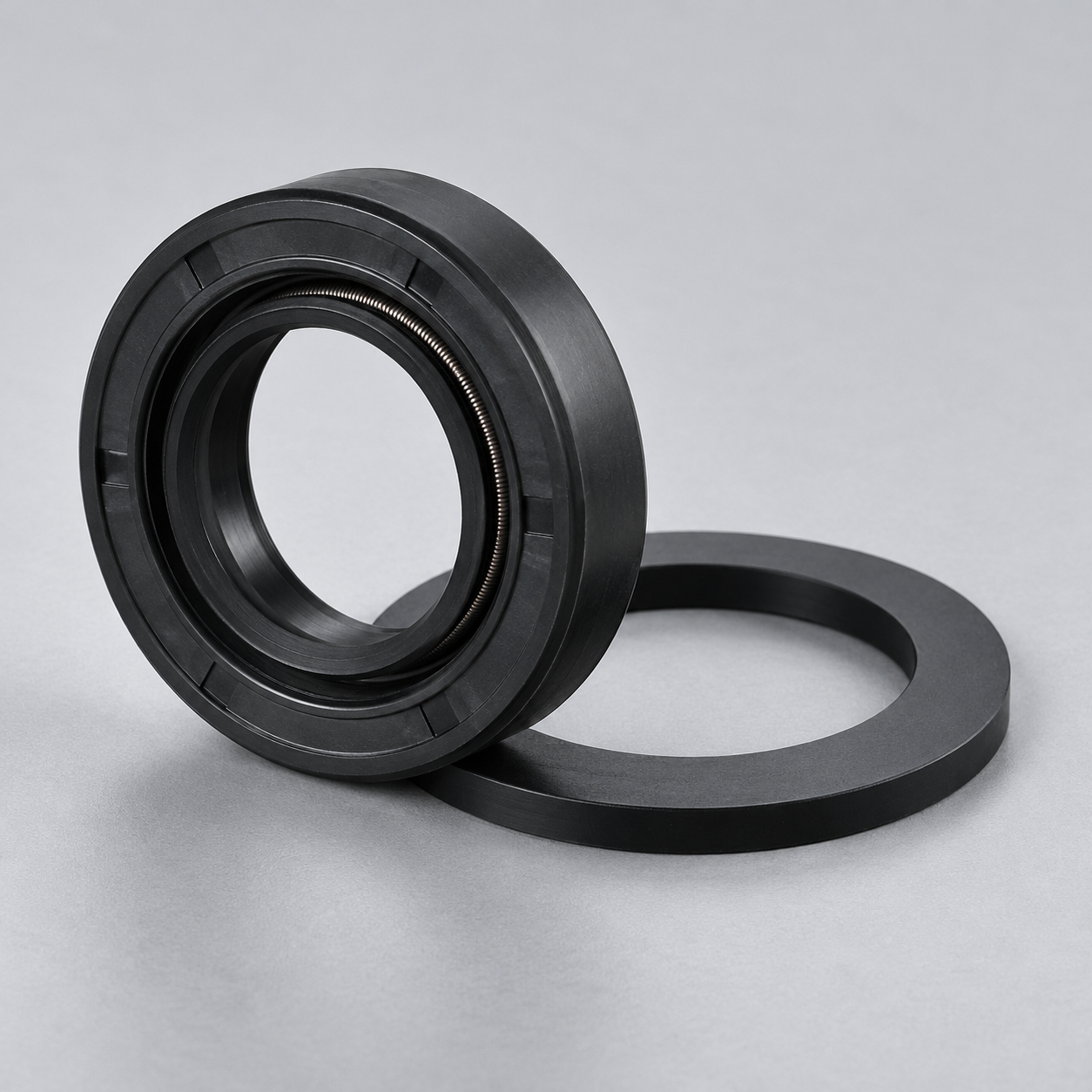 NBRReview oil and fuel exposure.›
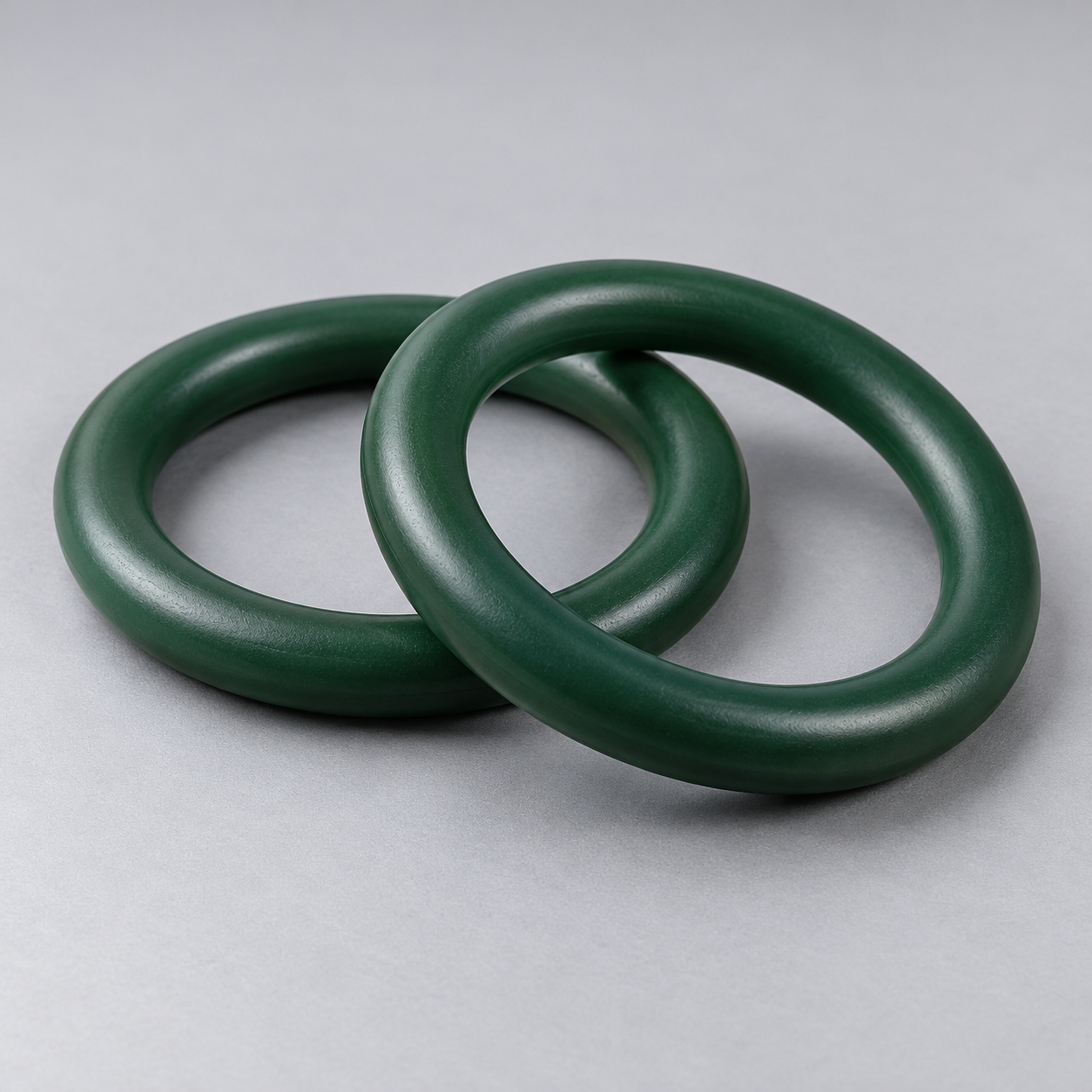 FKMReview temperature and chemical exposure.›
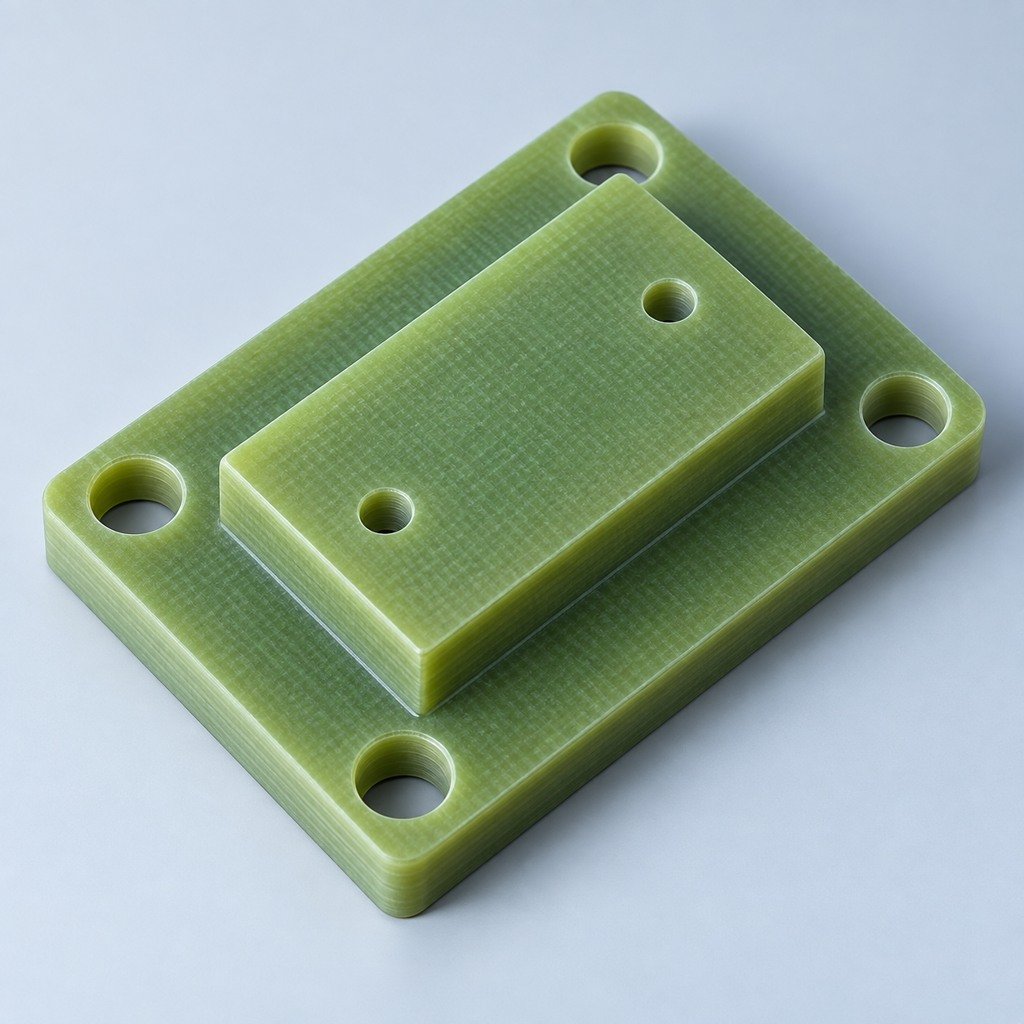 G10 / FR4Review insulation and laminate needs›
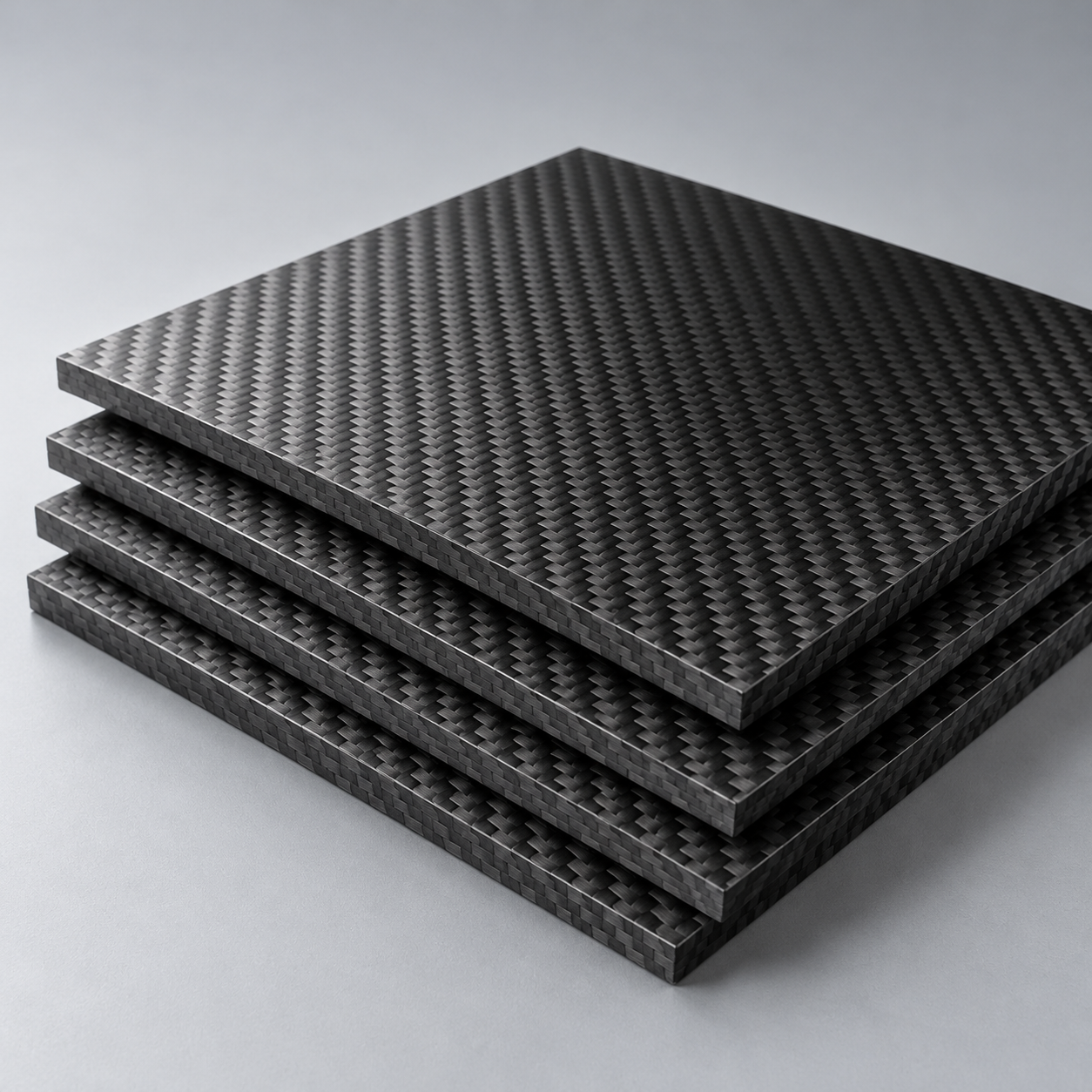 CompositesReview stiffness, weight and laminate.›Customer-Specified MaterialsConfirm your grade and requirements.›Other Specialty MaterialsDiscuss your application and grade.›
Practical guidance for your part geometry and material decisions.
Prepare your process, budget and sourcing questions.
Build your knowledge before production.
Learn who we are and how we operate.
Find our U.S. support team or start a conversation.
YOUR DATUMS. YOUR SURFACES. YOUR APPROVAL.
Choose the application review for your equipment, then define how the part locates, fits and will be checked. Your drawing, material condition and approval requirements guide the manufacturing discussion.
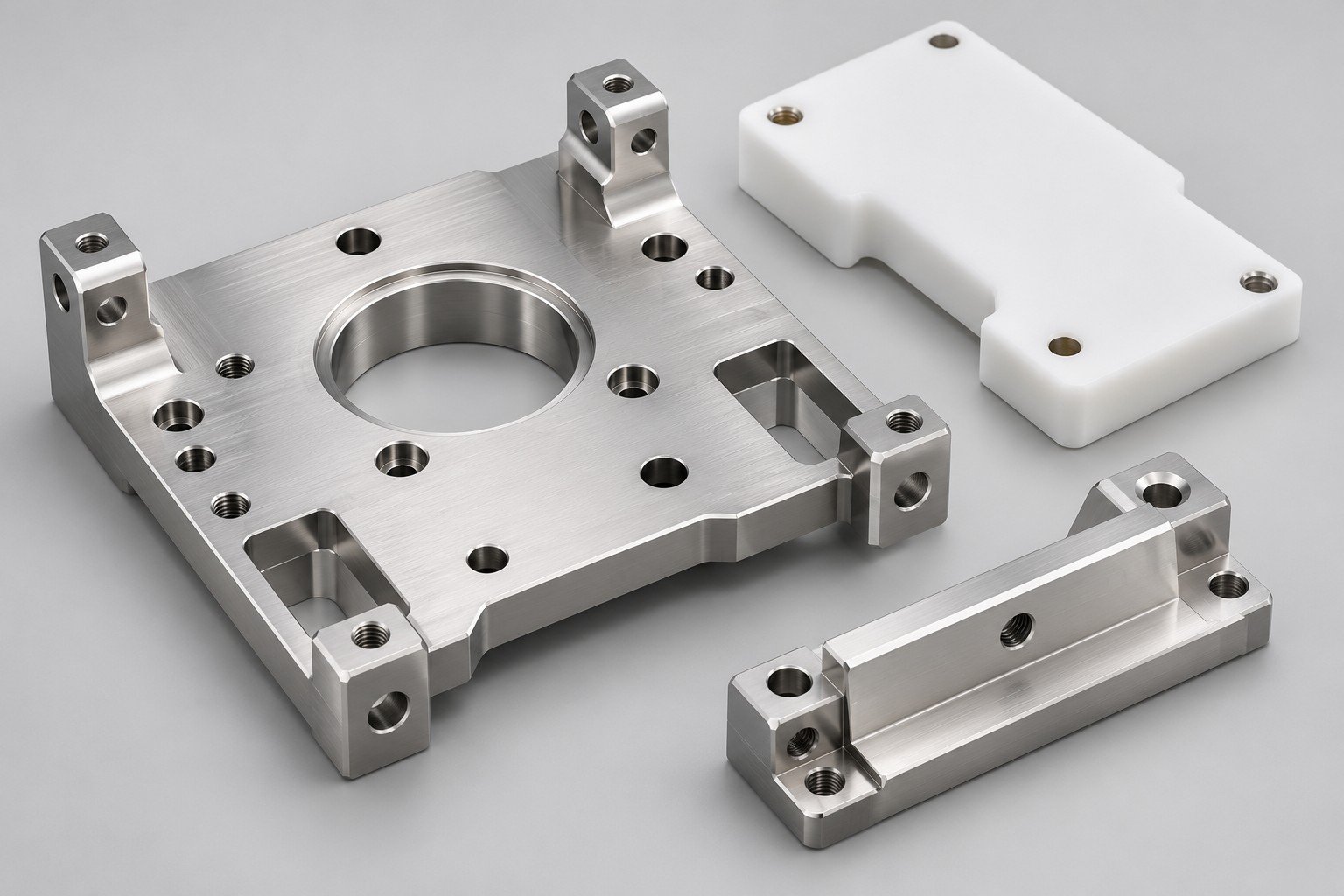
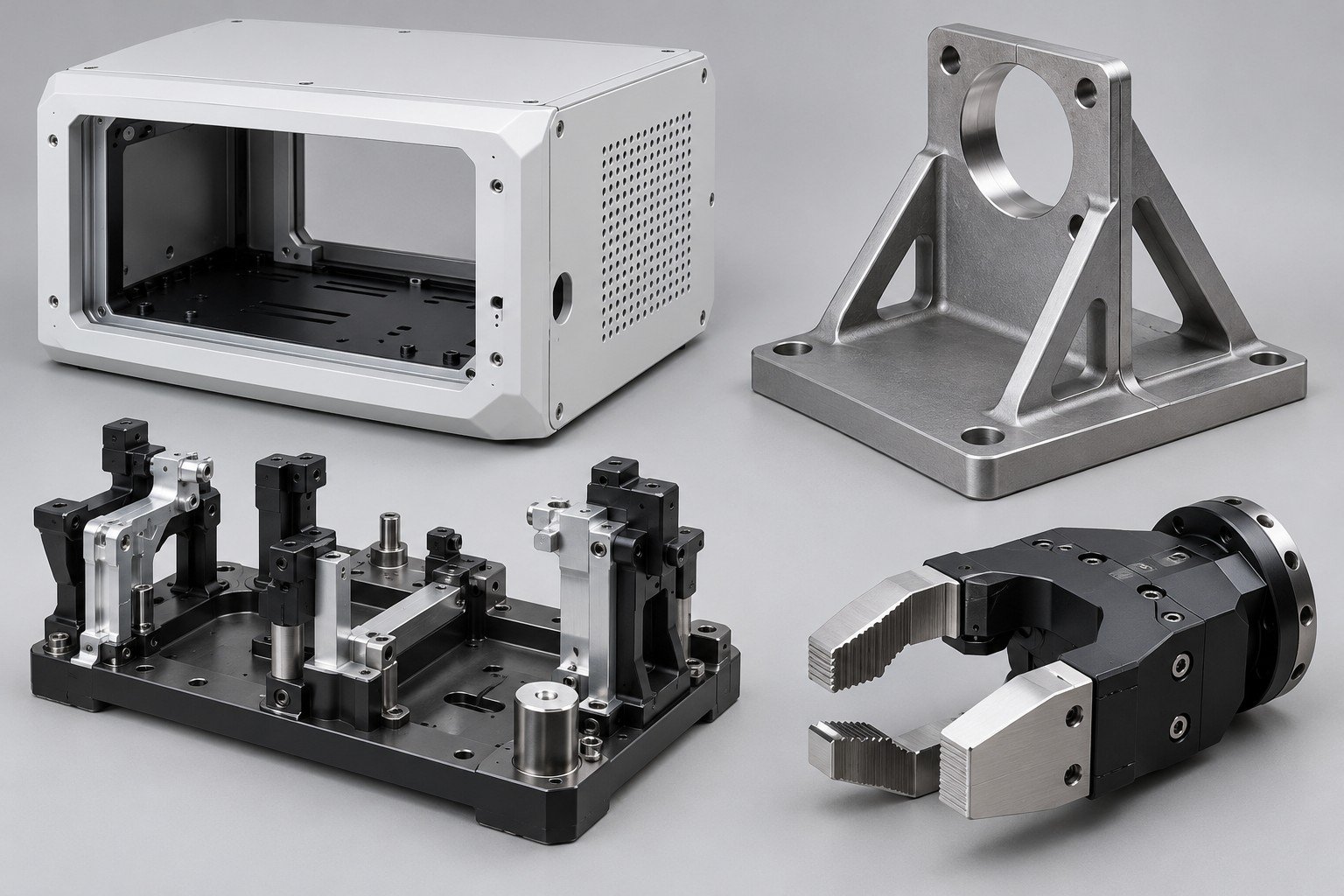
For custom medical equipment brackets, identify the equipment function, mounting datums and any special-use requirements before scope review.
Review this application →For aerospace ground support equipment parts, identify intended use, supplier eligibility and required records before sharing controlled project information.
Review this application →For custom automotive mounting brackets, review the attached components, load requirements and final assembled fit.
Review this application →For custom robot gripper fingers, provide the gripper interface, workpiece contact geometry and operating conditions for your review.
Review this application →Identify which features locate the assembly and which only provide clearance. A tolerance without its datum, measurement condition and functional purpose can leave your supplier solving the wrong problem.
Mark datum faces, dowel bores, shoulders and the required assembled condition.
Show fastener access, clamping surfaces and nearby components.
Identify contact zones, coating masks and dimensions checked after processing.
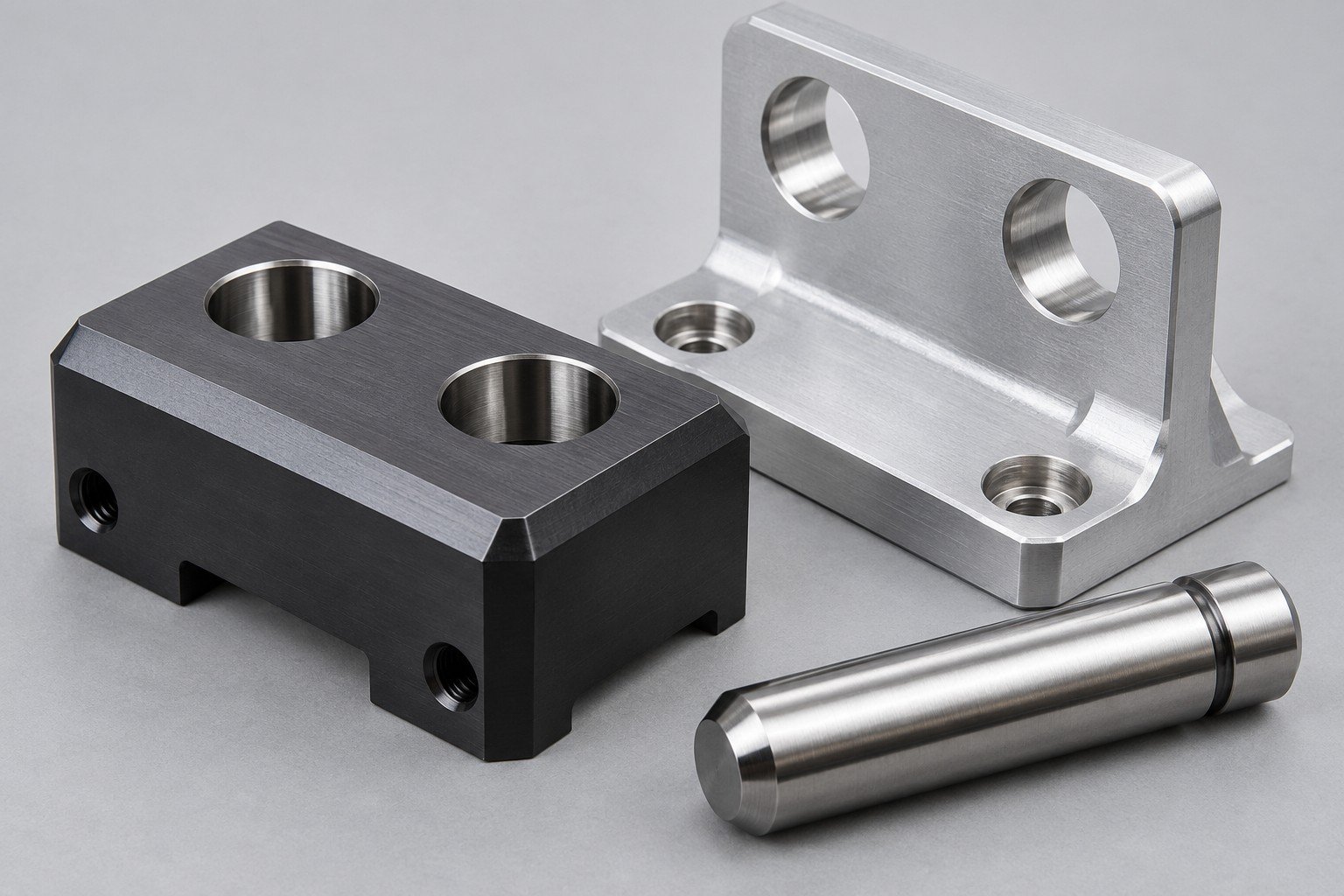
Your surface callout must identify the parameter and unit. A number written as microinches differs from the same number written as micrometers by a factor of about 39.37.
Exact length conversion: 1 µin = 0.0254 µm. Bars start at zero; comparison range 0–1.7 µm.
These are example unit conversions, not part measurements, finish grades or promised process capability. Ra alone does not define lay, cutoff, measurement direction or every functional surface requirement.
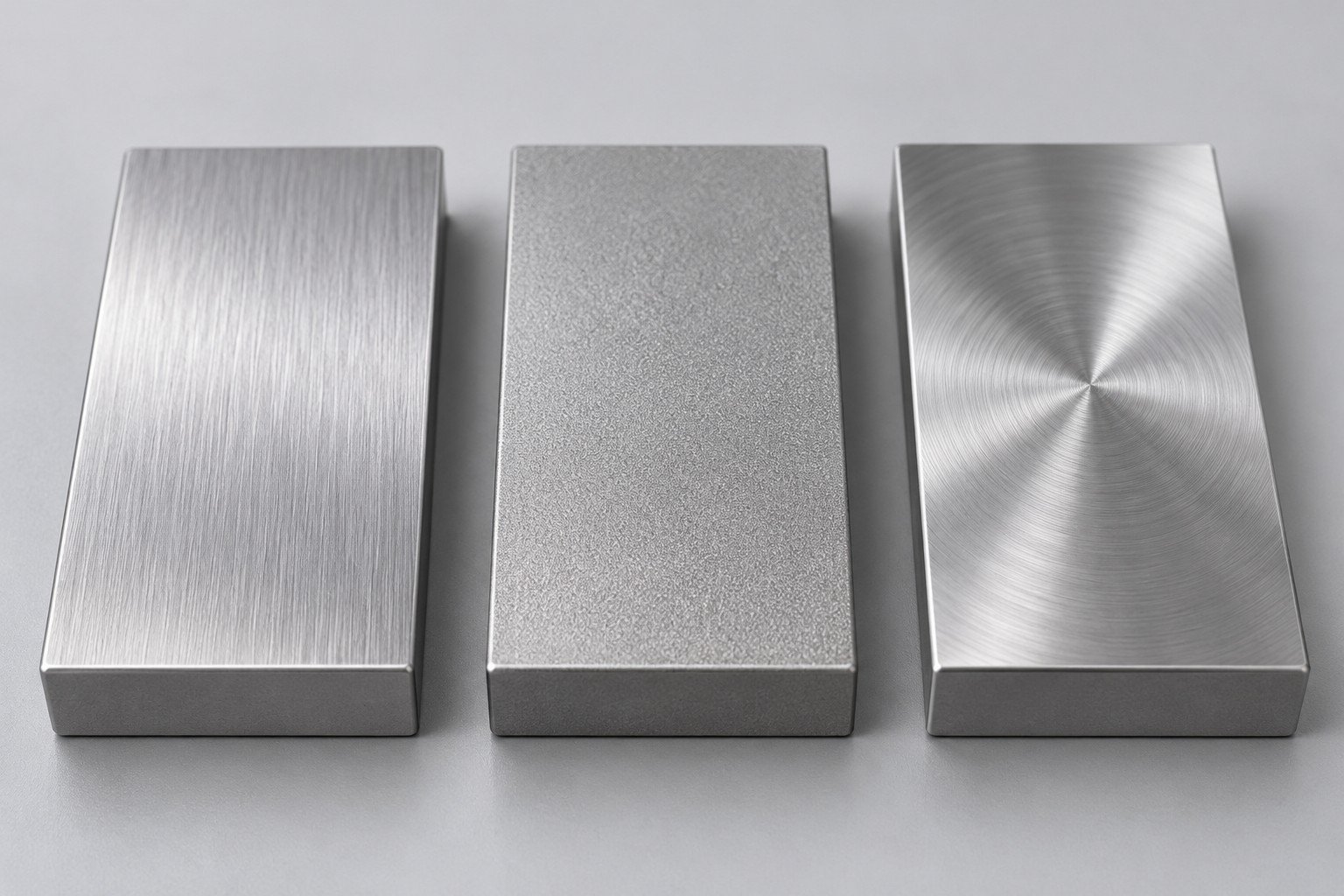
Agree the drawing standard, parameter, unit, measurement conditions and acceptance method. The photograph illustrates appearance only; it has no assigned Ra value.
Conversion basis: NIST SI length reference →. Unit conversion does not establish functional suitability.
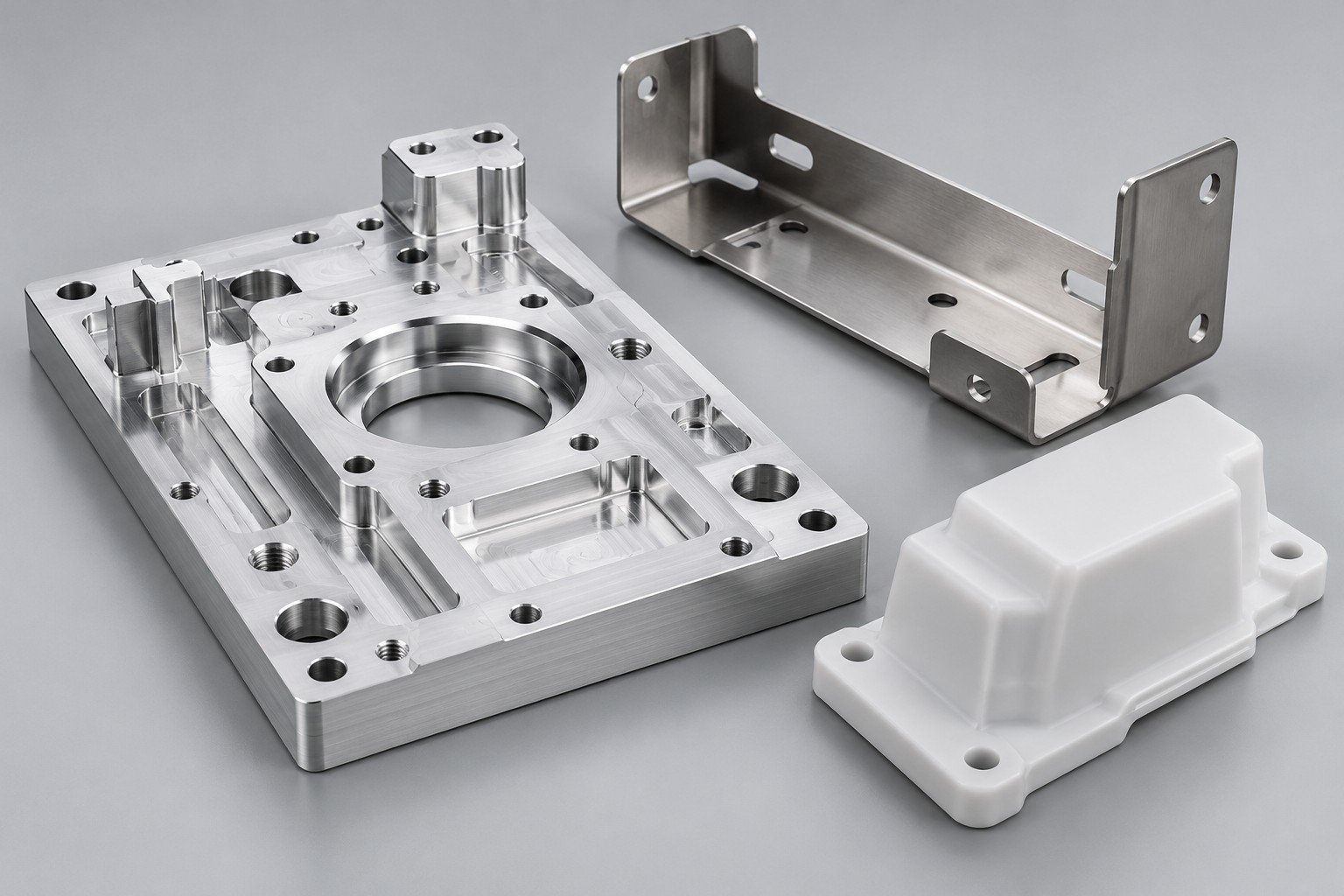
Review tool access, material condition and final mating features. Explore CNC machining →
Review bends, attached hardware, edge conditions and assembly access. Explore sheet metal →
Review resin, draft, wall transitions and the prototype-to-tooling plan. Explore molding →
Your application owner defines the required supplier qualifications and validation. Component inspection does not establish device, flight, vehicle or machine-system approval.
State the released revision, units and critical features.
Agree grade, condition, product form and requested traceability.
Define sample quantity, selected methods and report format before manufacturing.
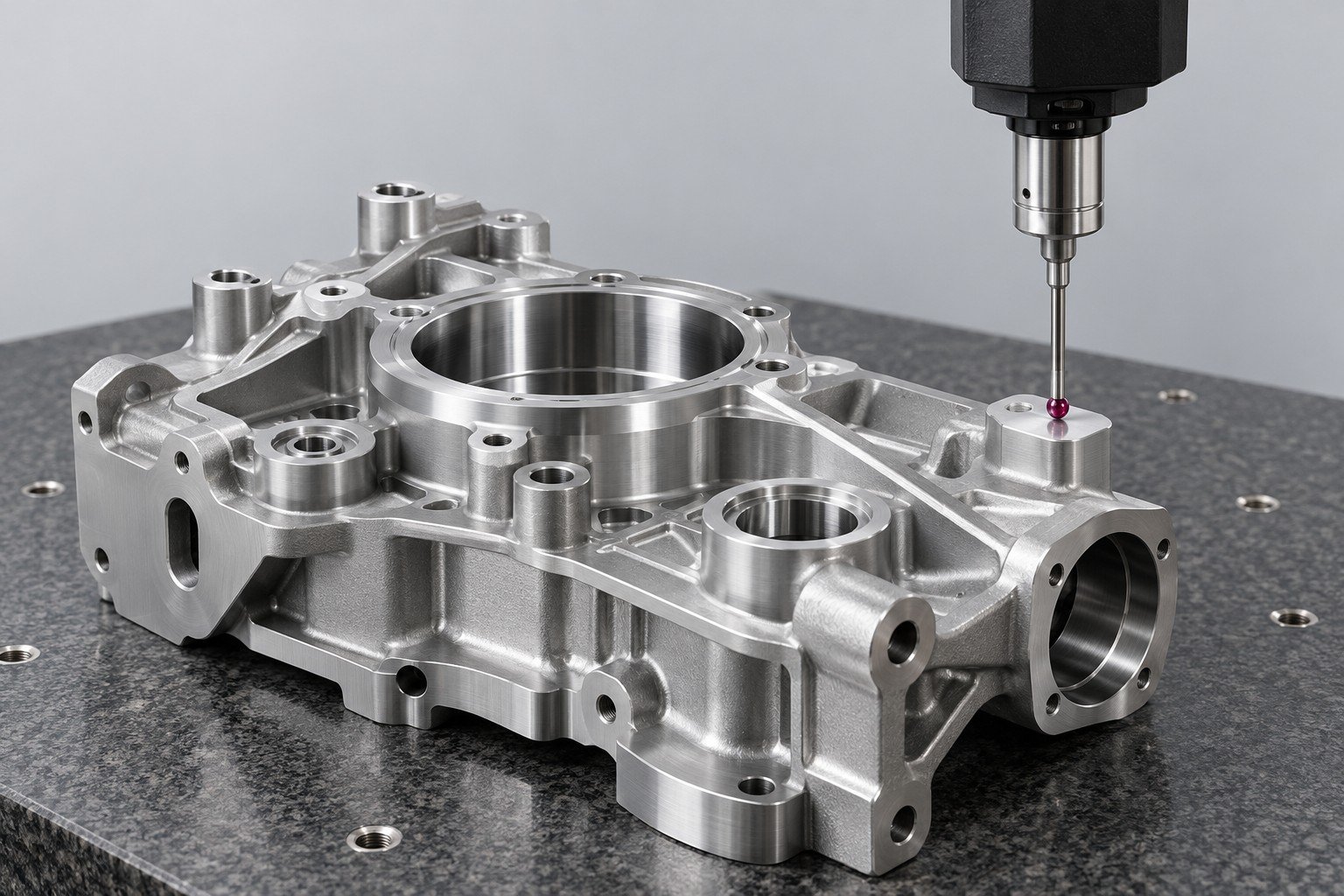
Name the equipment use and project eligibility.
Resolve datums, mating features and finish.
Agree inspection evidence and separate validation.
Confirm revision control and protective packing.
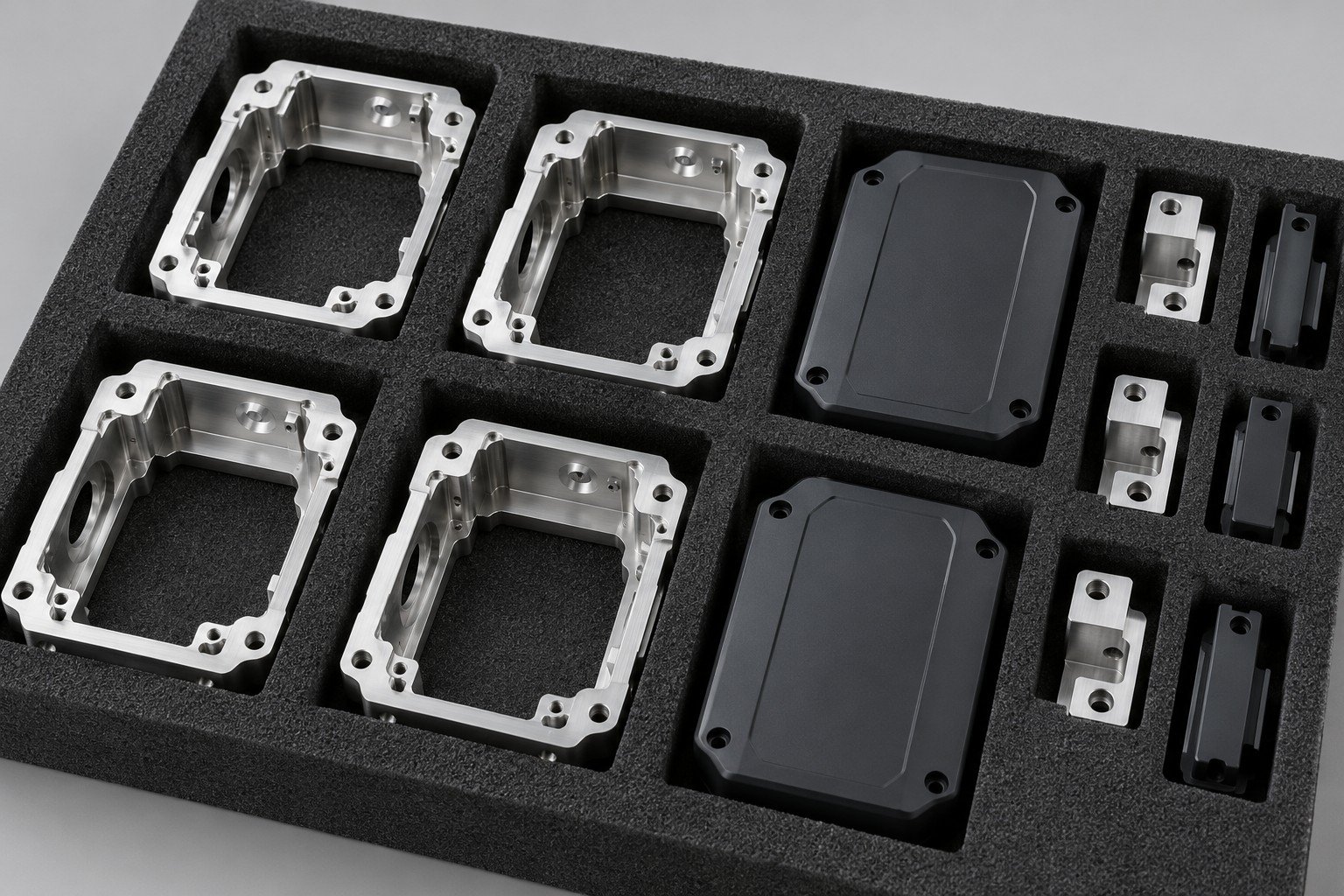
Identify protected faces, individual separation and shipment requirements before repeat release. Preserve the approved condition through handling.
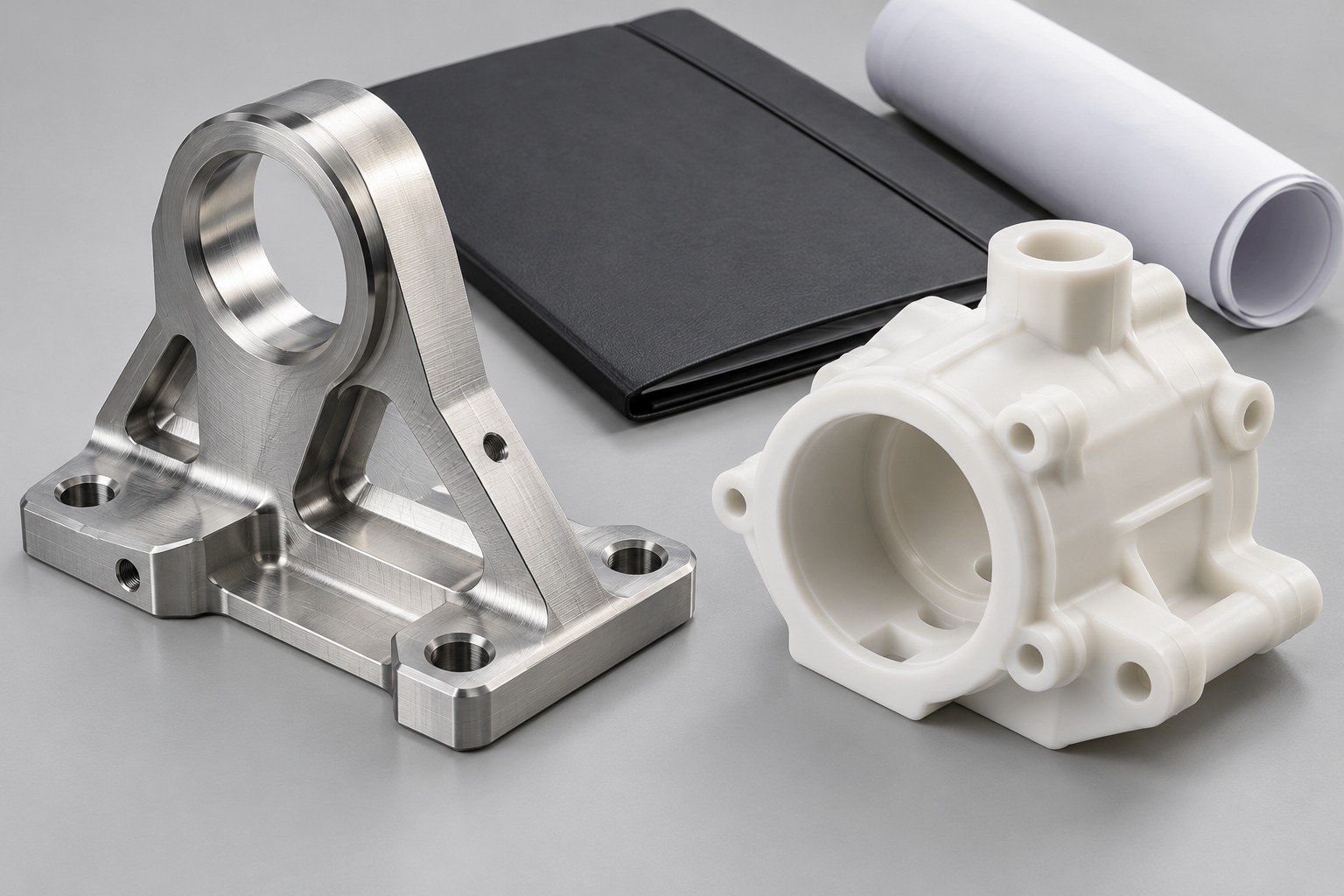
A prototype answers the agreed fit or manufacturing questions. Application validation and supplier eligibility remain separate decisions.
Specify the functional surface requirements and any separate cosmetic standard. A visual sample and a numeric roughness callout answer different questions.
Use the full grade, condition and governing purchasing specification. A regional trade name alone does not authorize substitution.
Confirm revision, material, critical features, inspection method, sampling and approval responsibility.
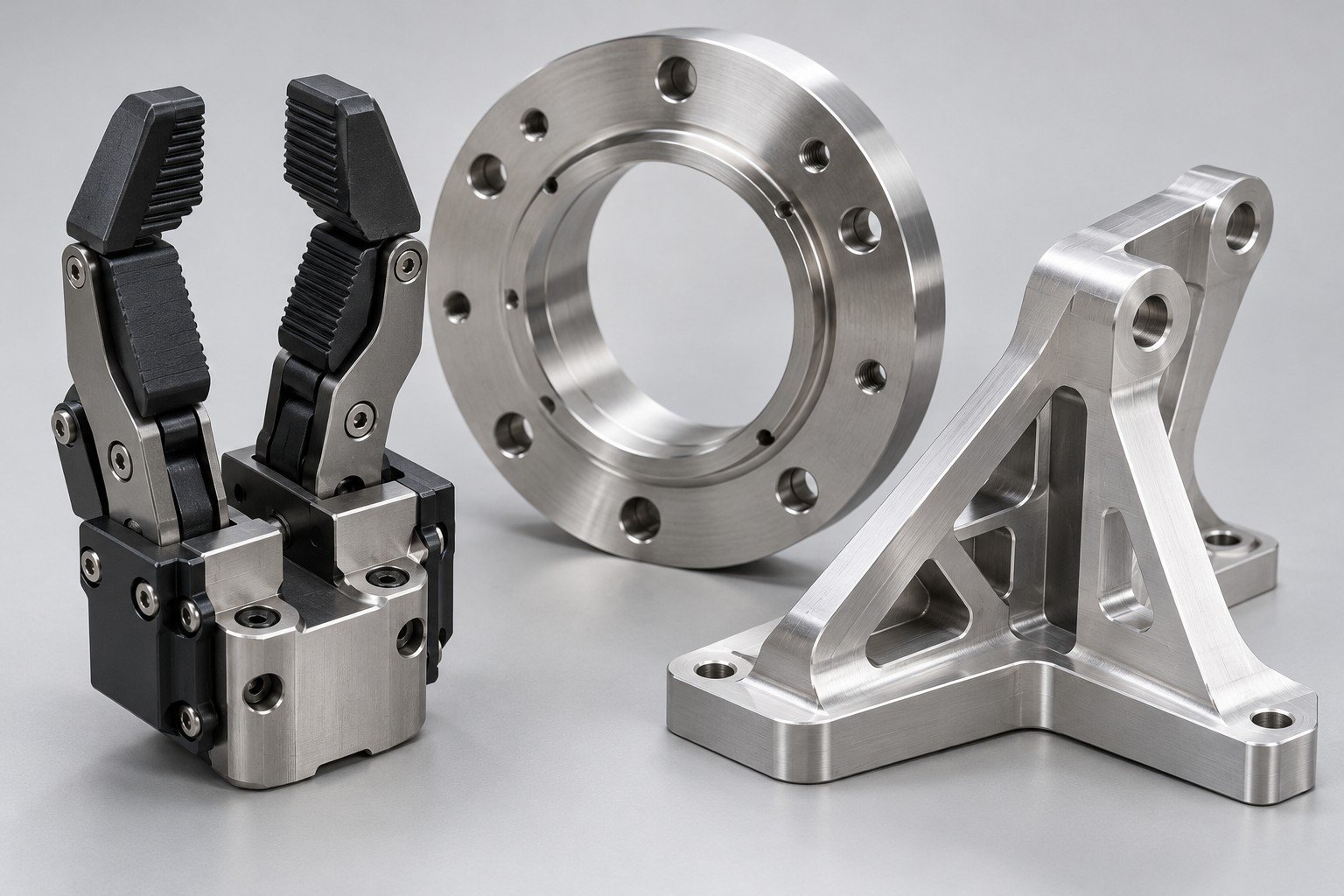
Confirm the grade and condition for your part. Review materials →
Resolve manufacturing questions before release. Review DFM →
Plan the component interfaces and assembly scope. Review assembly →