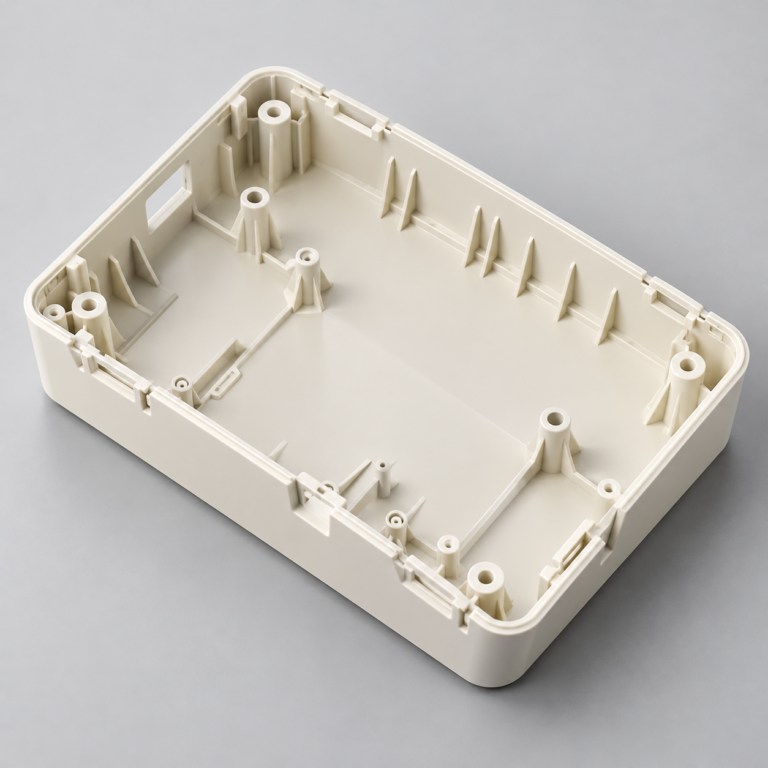
Injection Molding
Tooling and molding for your repeat plastic parts.
From prototype to production, coordinated manufacturing solutions for your custom parts.
View All Services →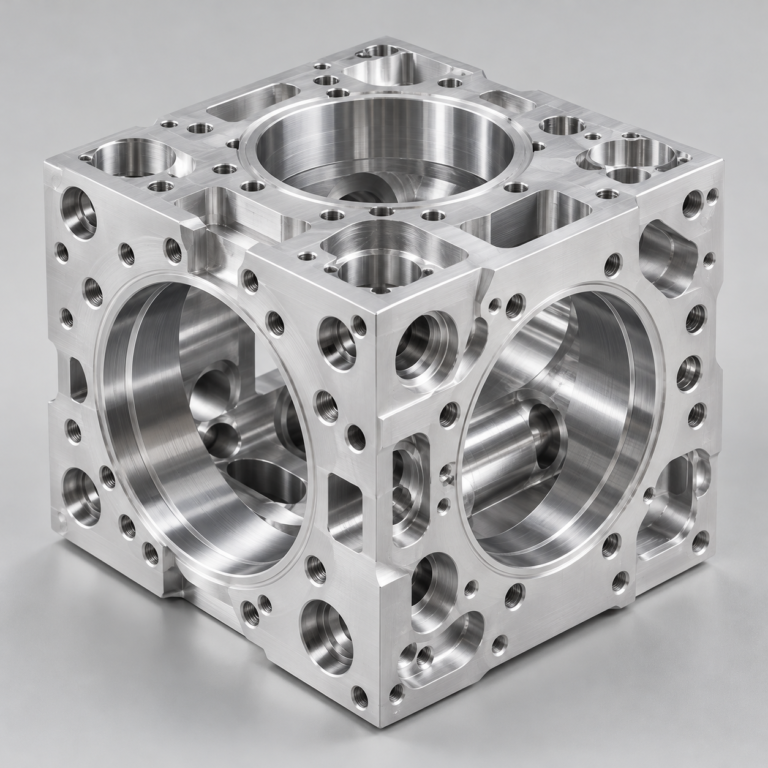
Precision parts for your tight tolerances and complex geometry.
Tooling and molding for your repeat plastic parts.
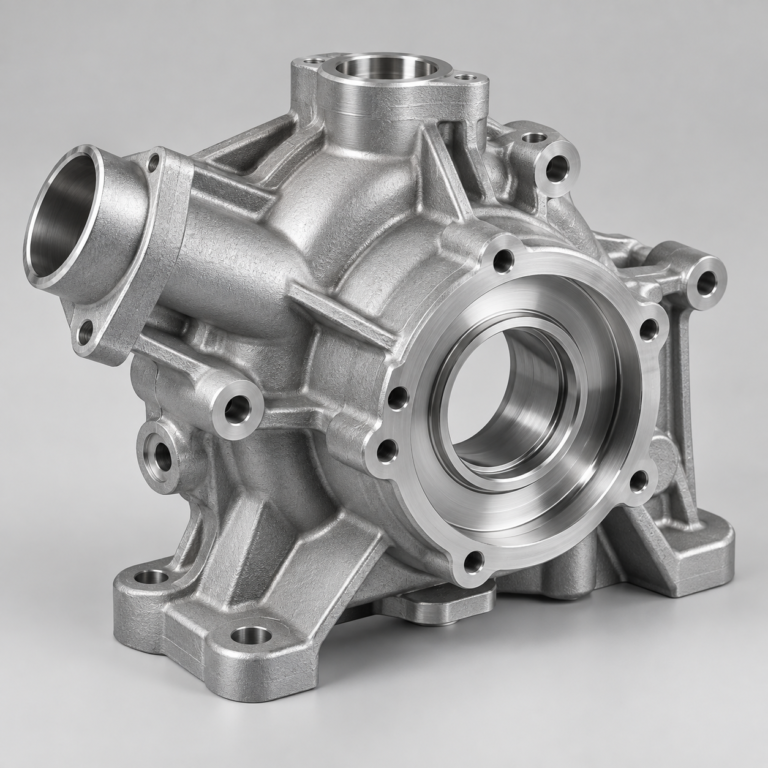
Metal casting options for your part and production volume.
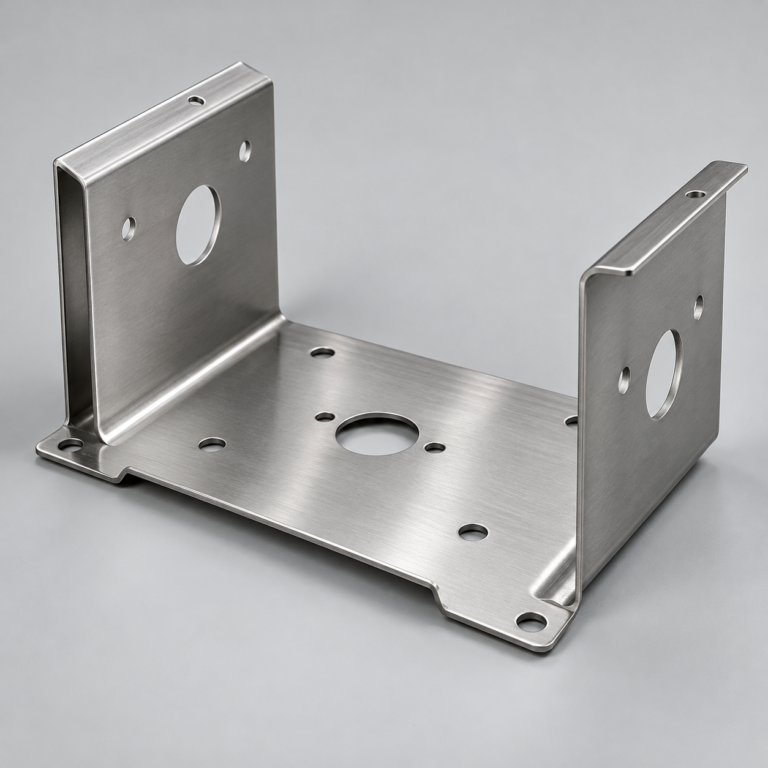
Cutting, forming and welding for your fabricated parts.
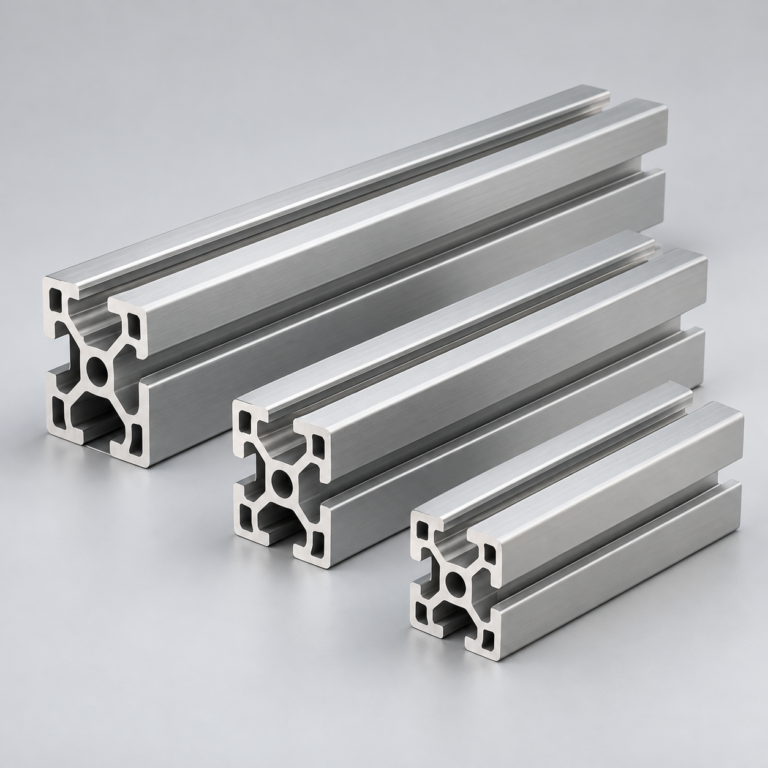
Custom profiles for your section, length and finish requirements.
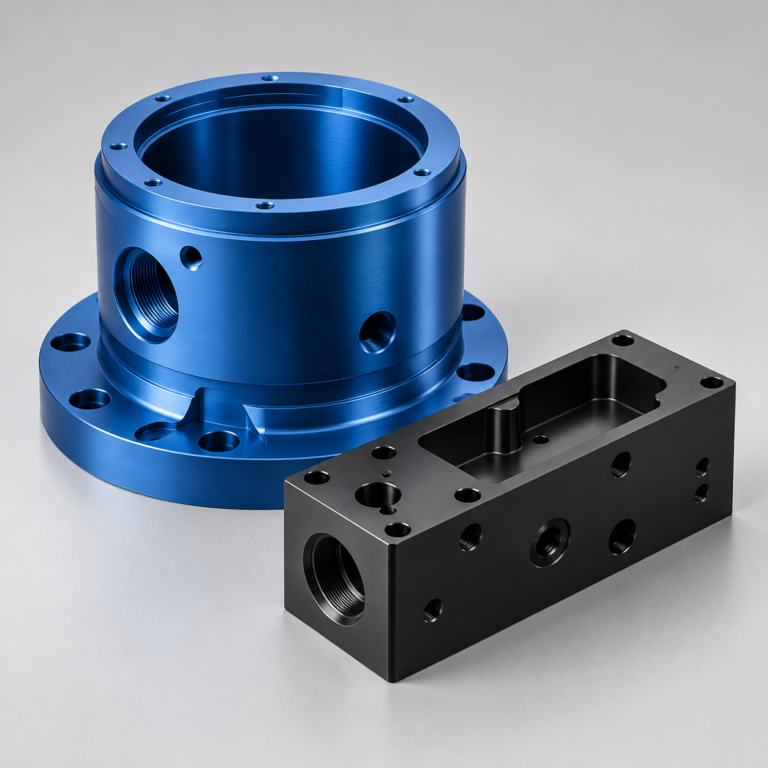
Finishes for your appearance, corrosion and wear requirements.
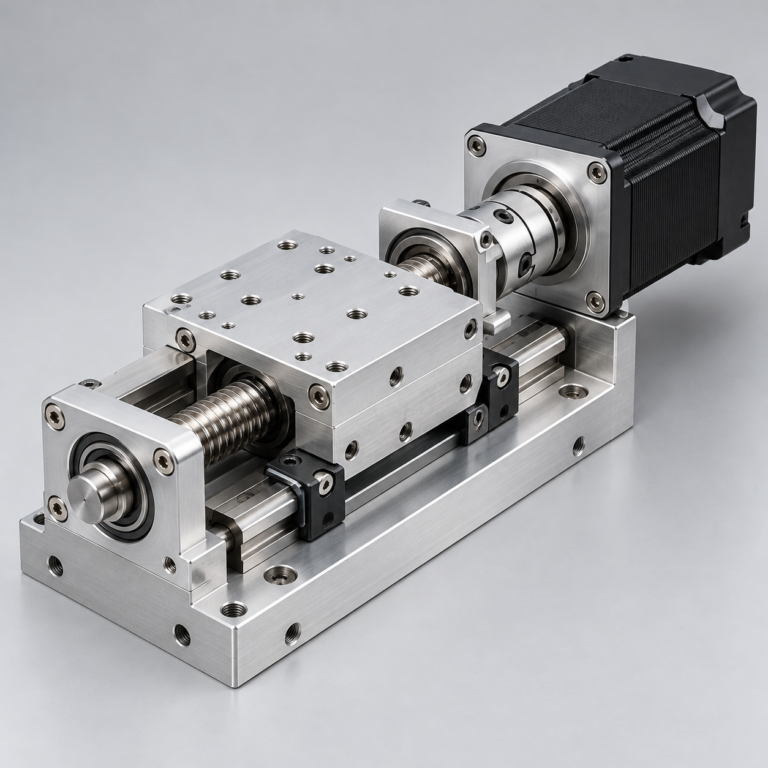
Sub-assemblies and final builds for your production program.
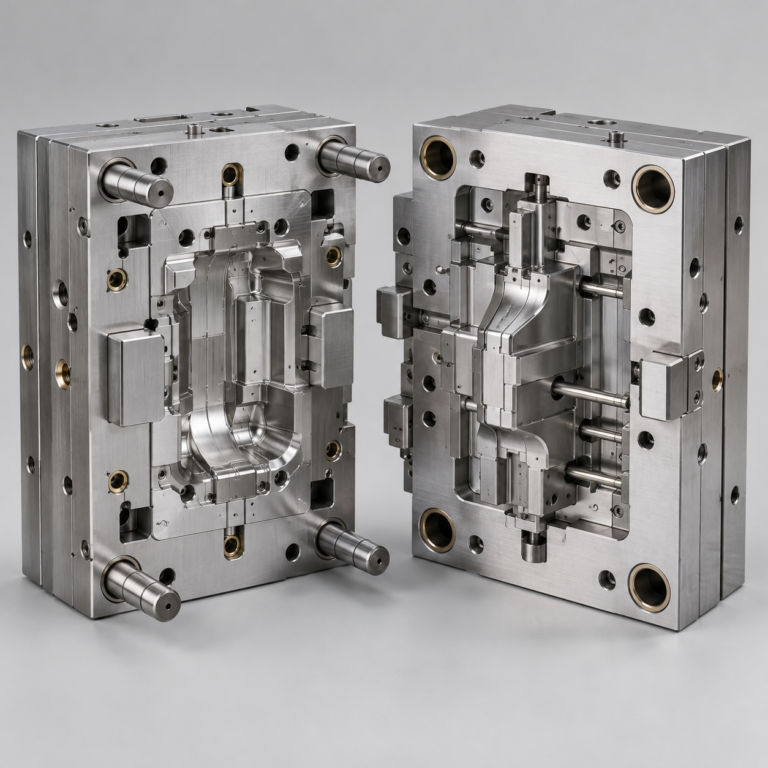
Production tooling built around your process and volume.
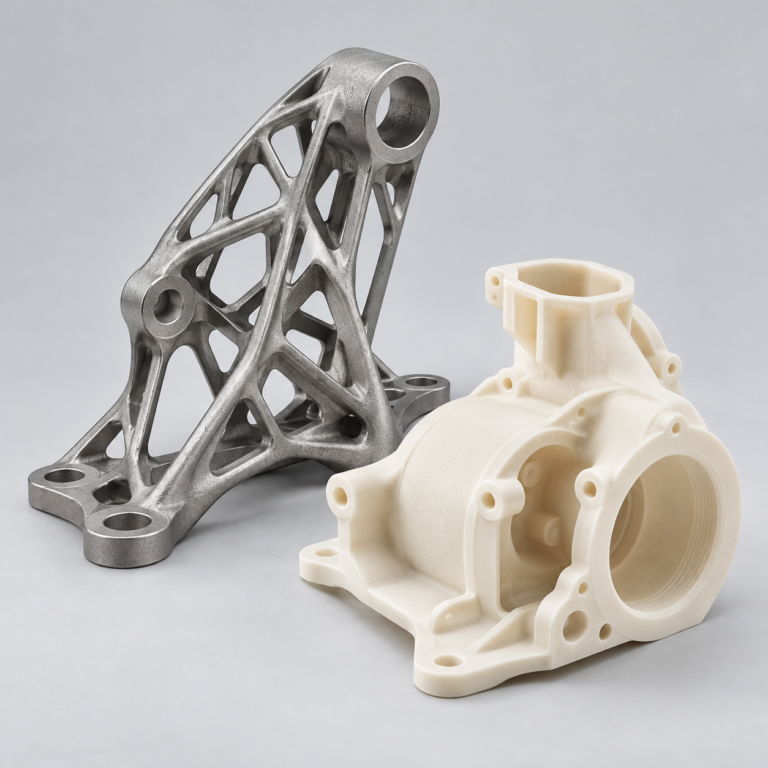
Prototype parts to check fit, function and design.
DFM, process planning and production support for your project.
Inspection, documentation, inventory and delivery planning for your program.
Choose air- or liquid-cooling components around your thermal and mechanical requirements.
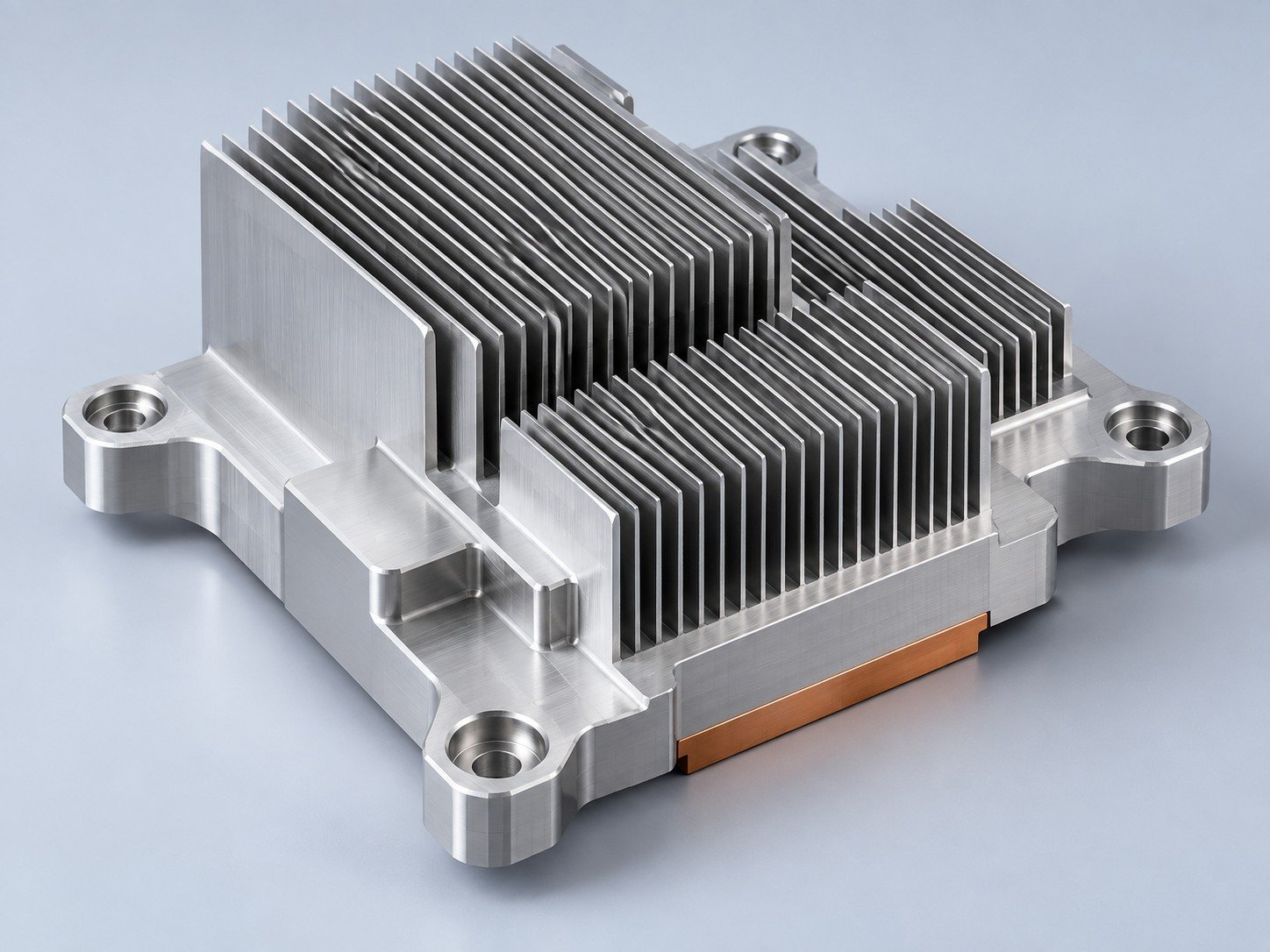
Manufacturing support for your cold plates, manifolds and cooling assemblies.
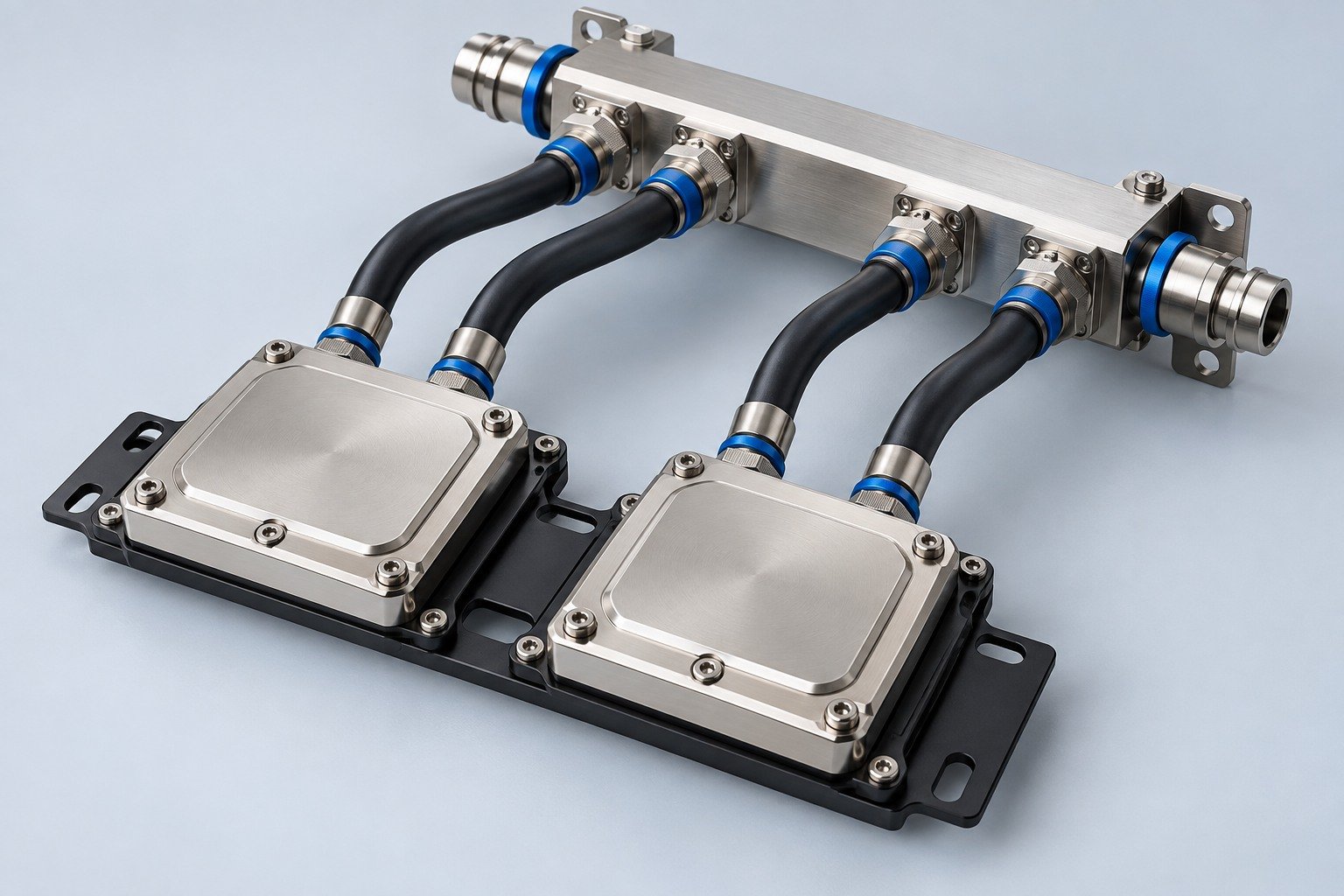
Find components for your power electronics, energy, laser and telecom application.
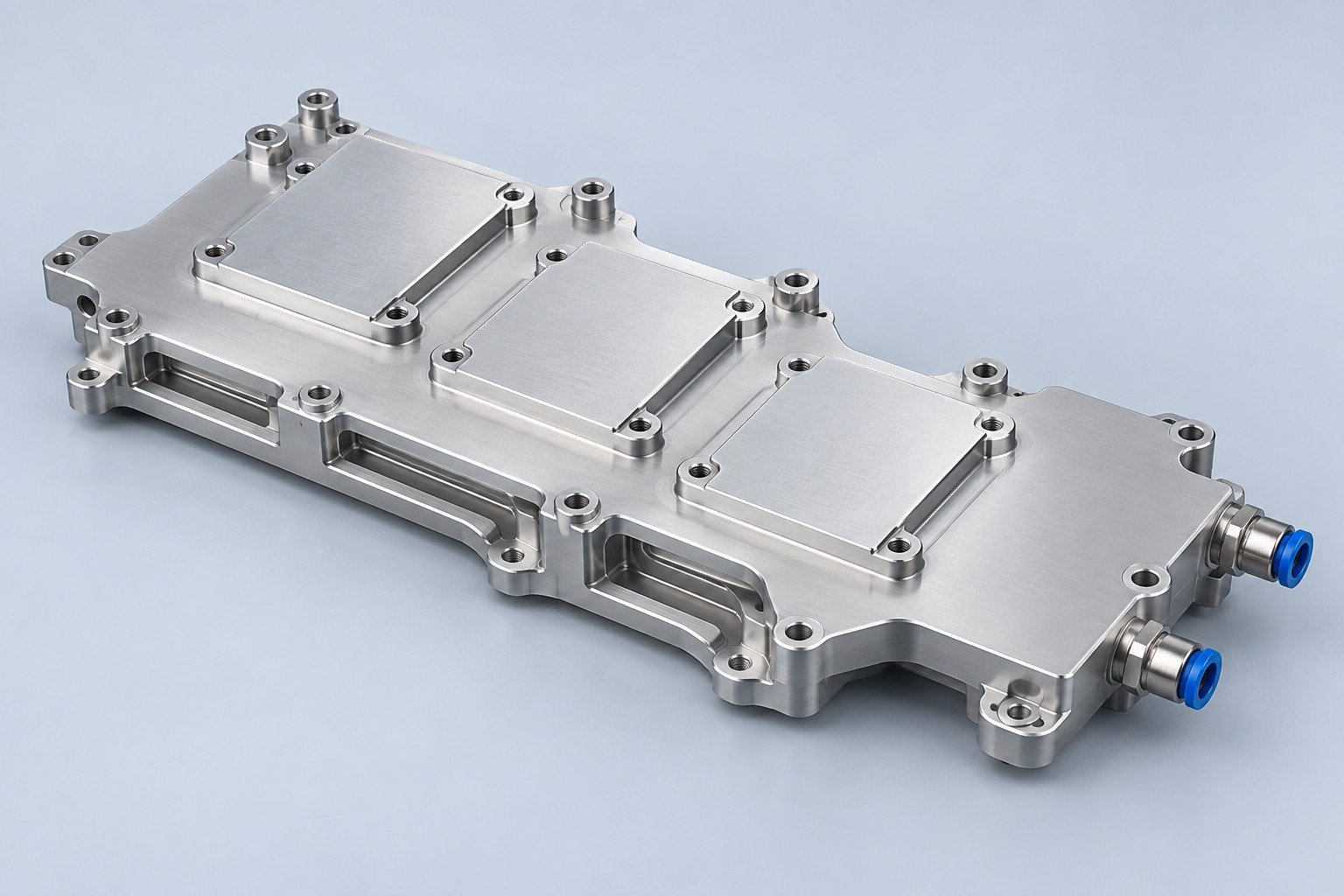
Components for your electronic systems.
Start with your functional and quality requirements.
Build around your operating environment.
From prototype to production, review material performance, manufacturability and cost for your part.
Review grade, temper and finish for your metal parts.
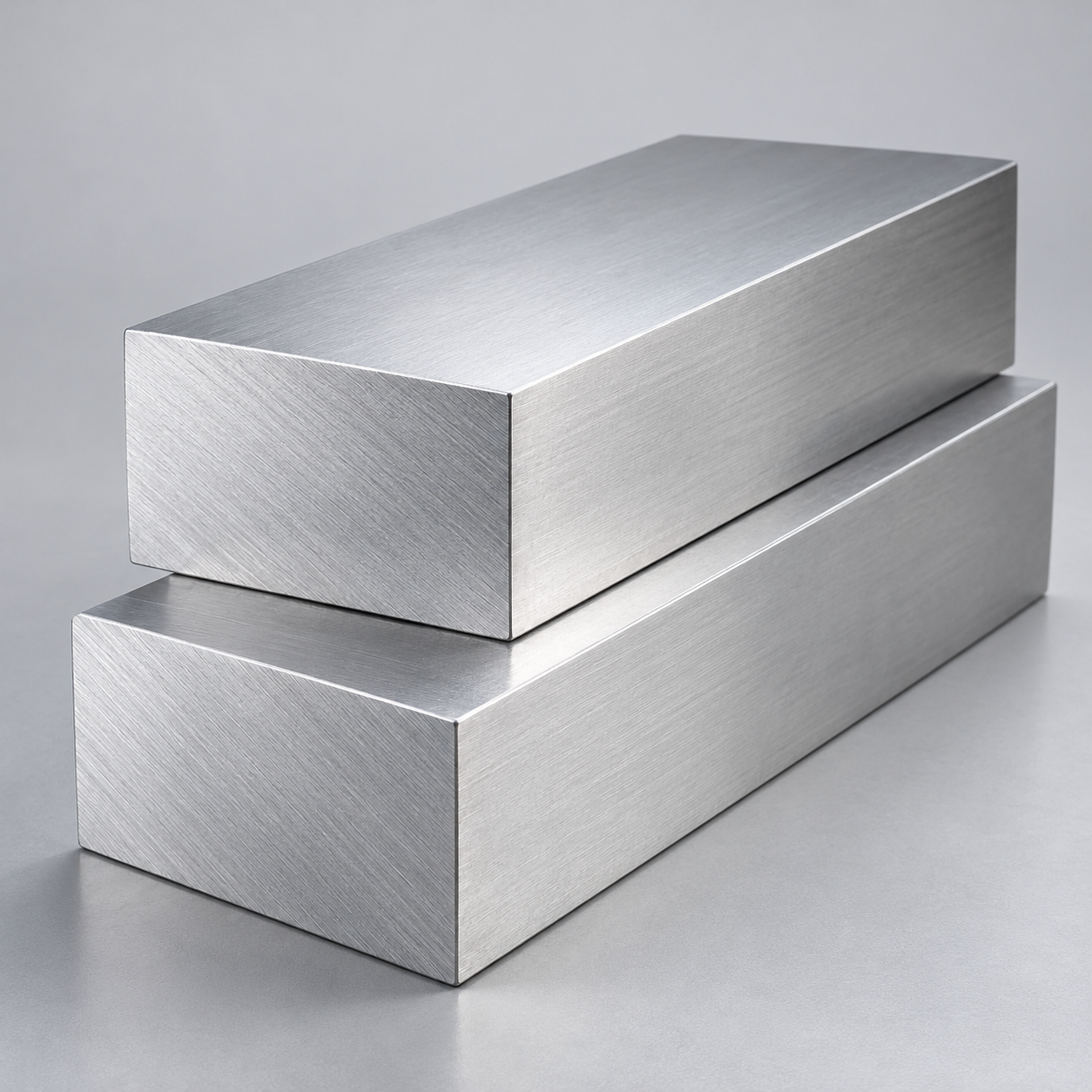 AluminumStrength, weight and machining›
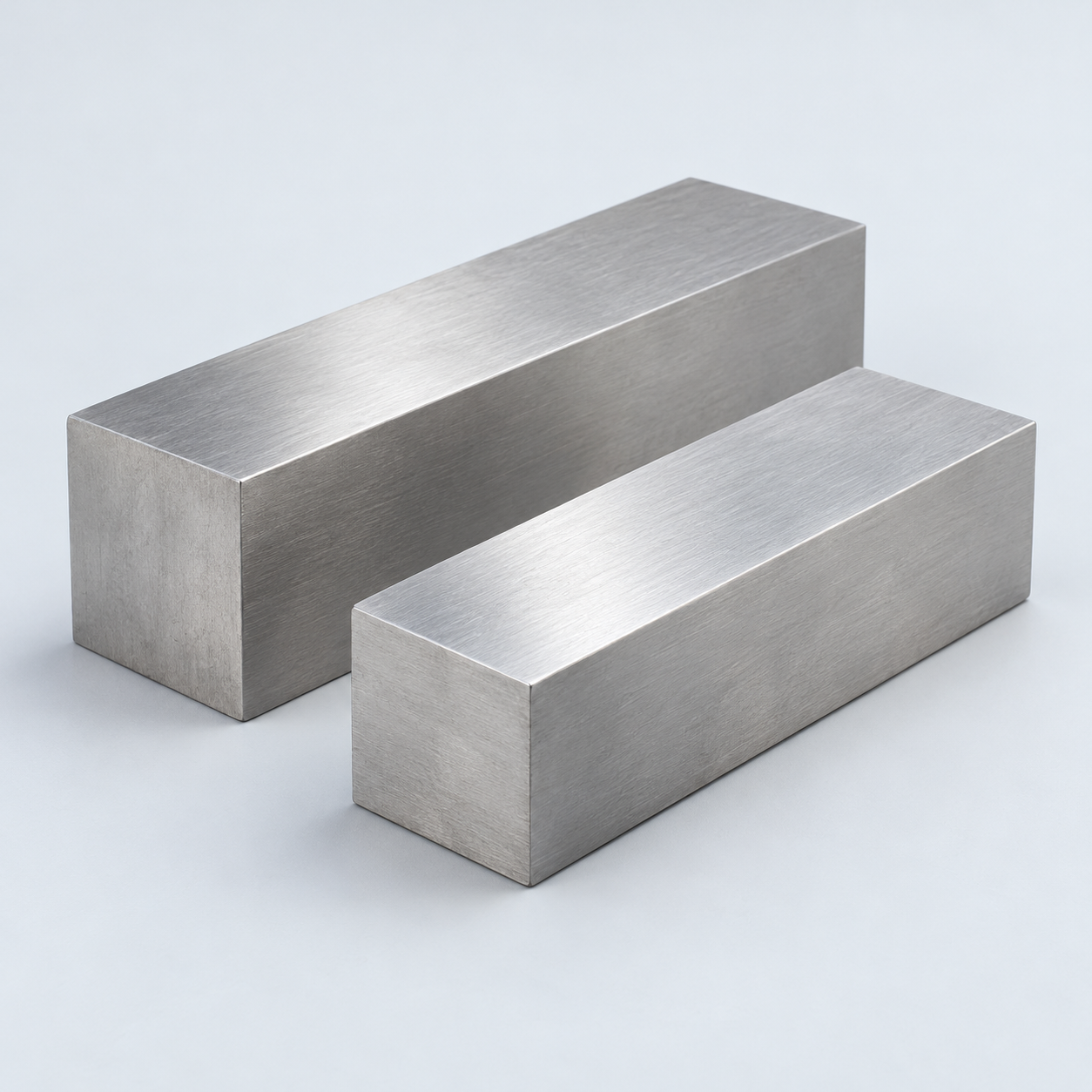 Stainless SteelCorrosion and finish requirements›
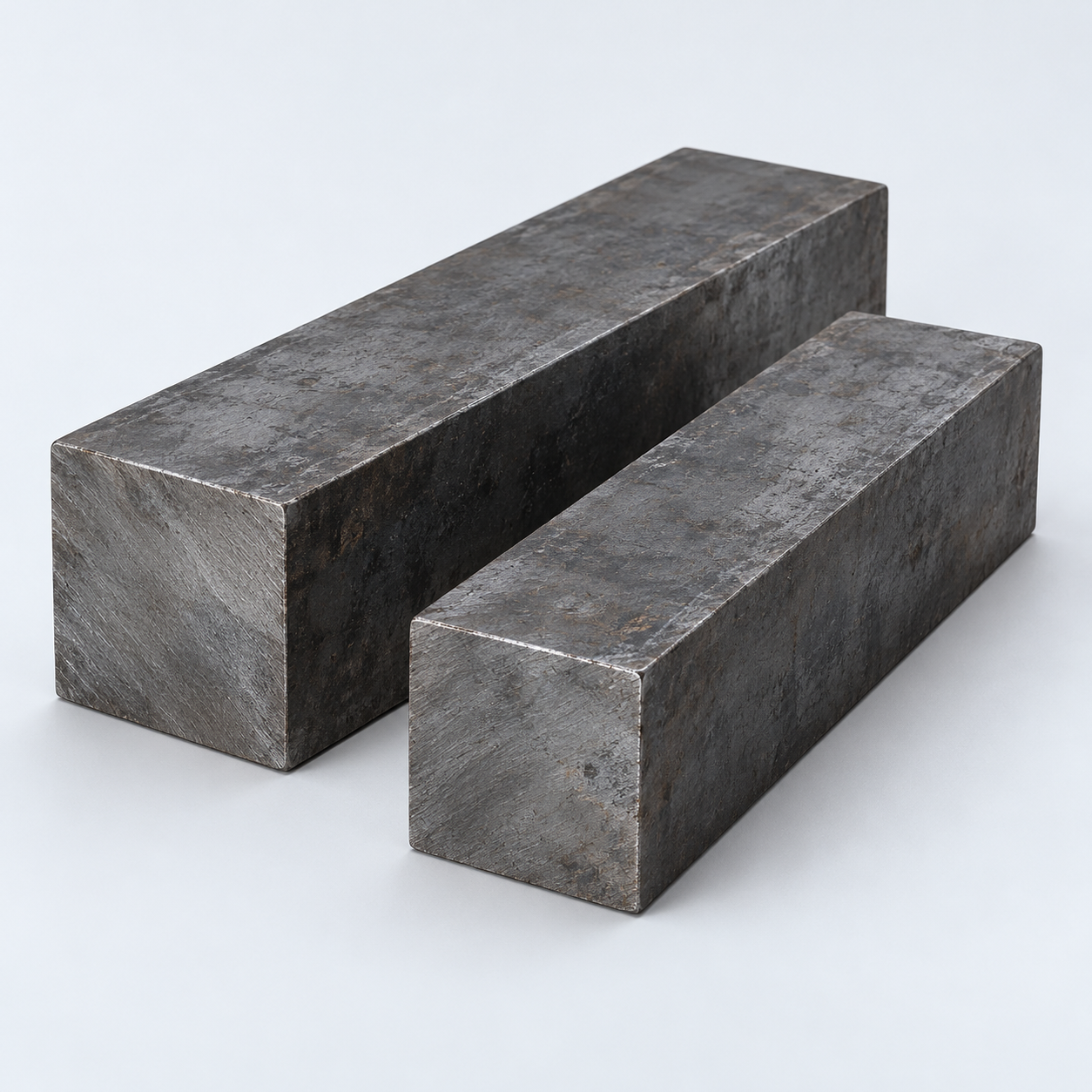 Carbon & Alloy SteelDiscuss grade and heat treatment›
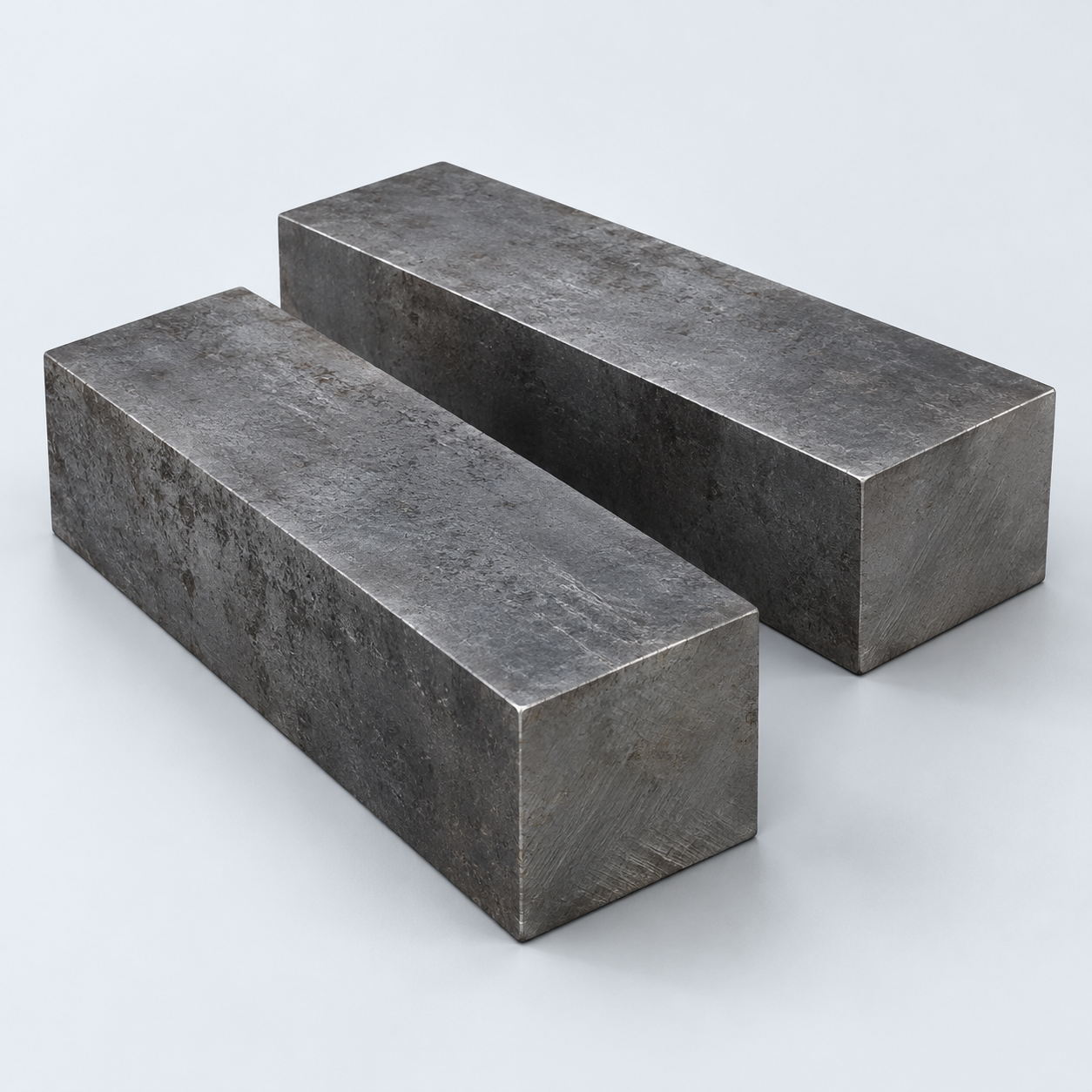 Tool SteelDiscuss tooling and wear needs›
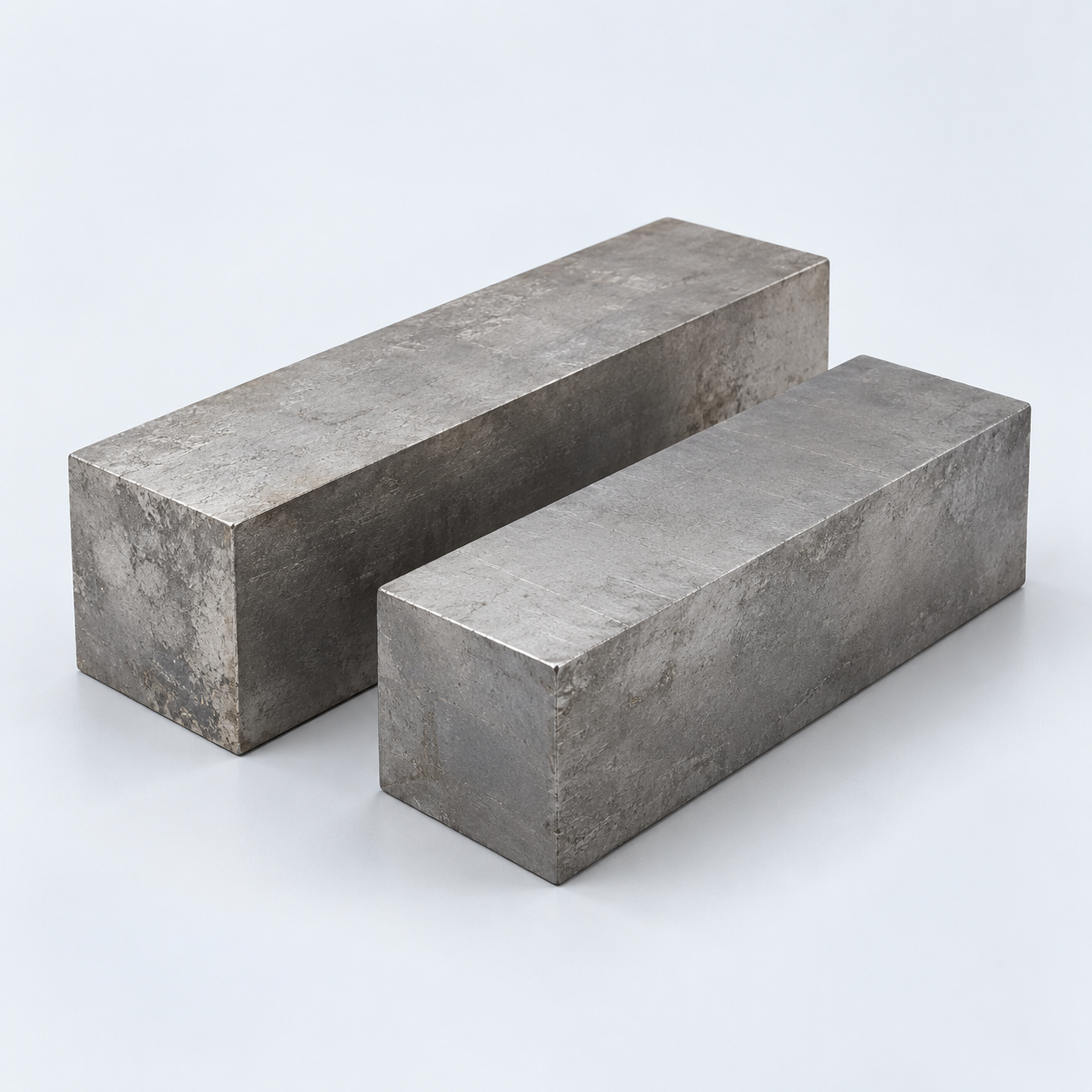 TitaniumReview grade and part geometry›
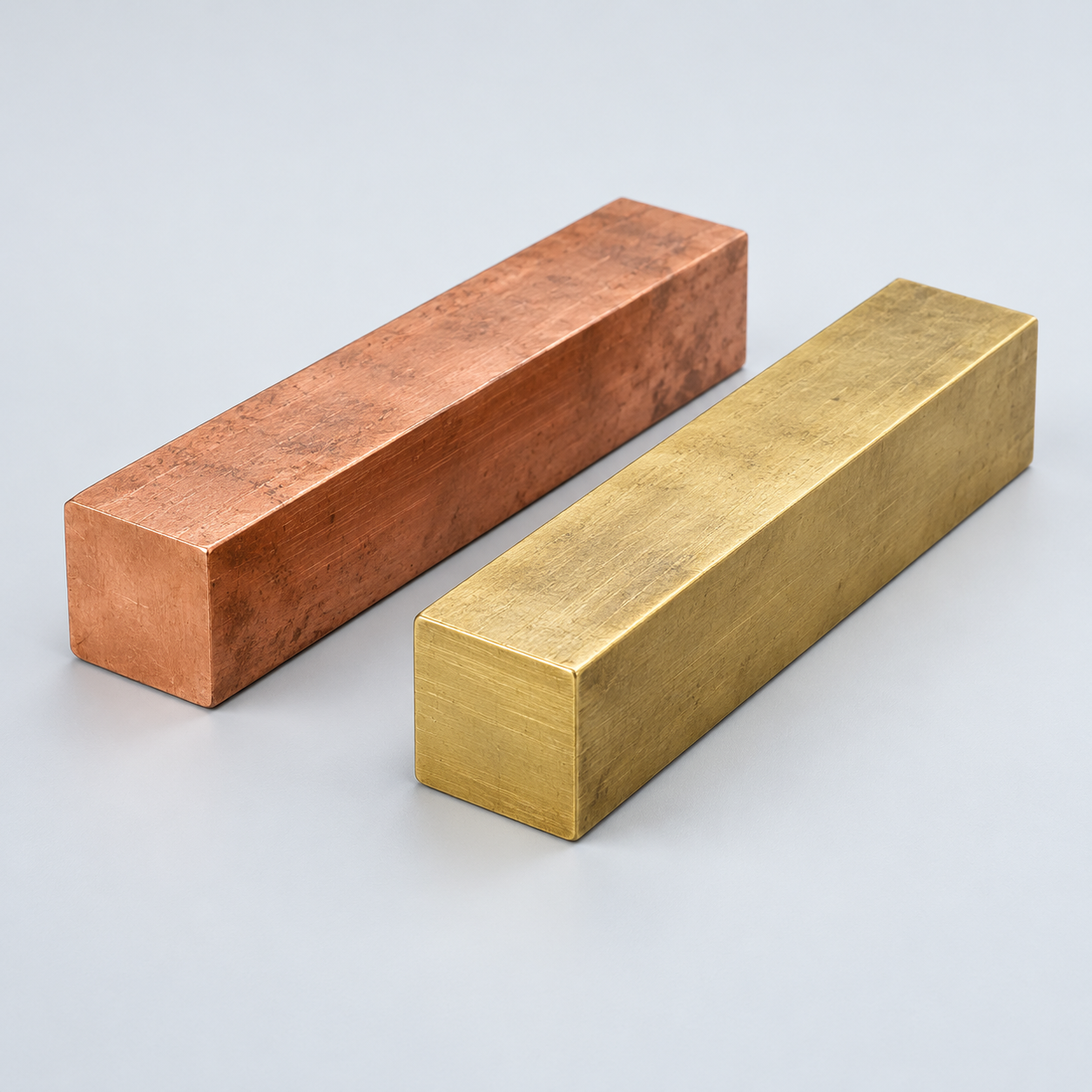 Copper & Brass & BronzeDiscuss conductivity and machining›
Match your polymer to function, process and environment.
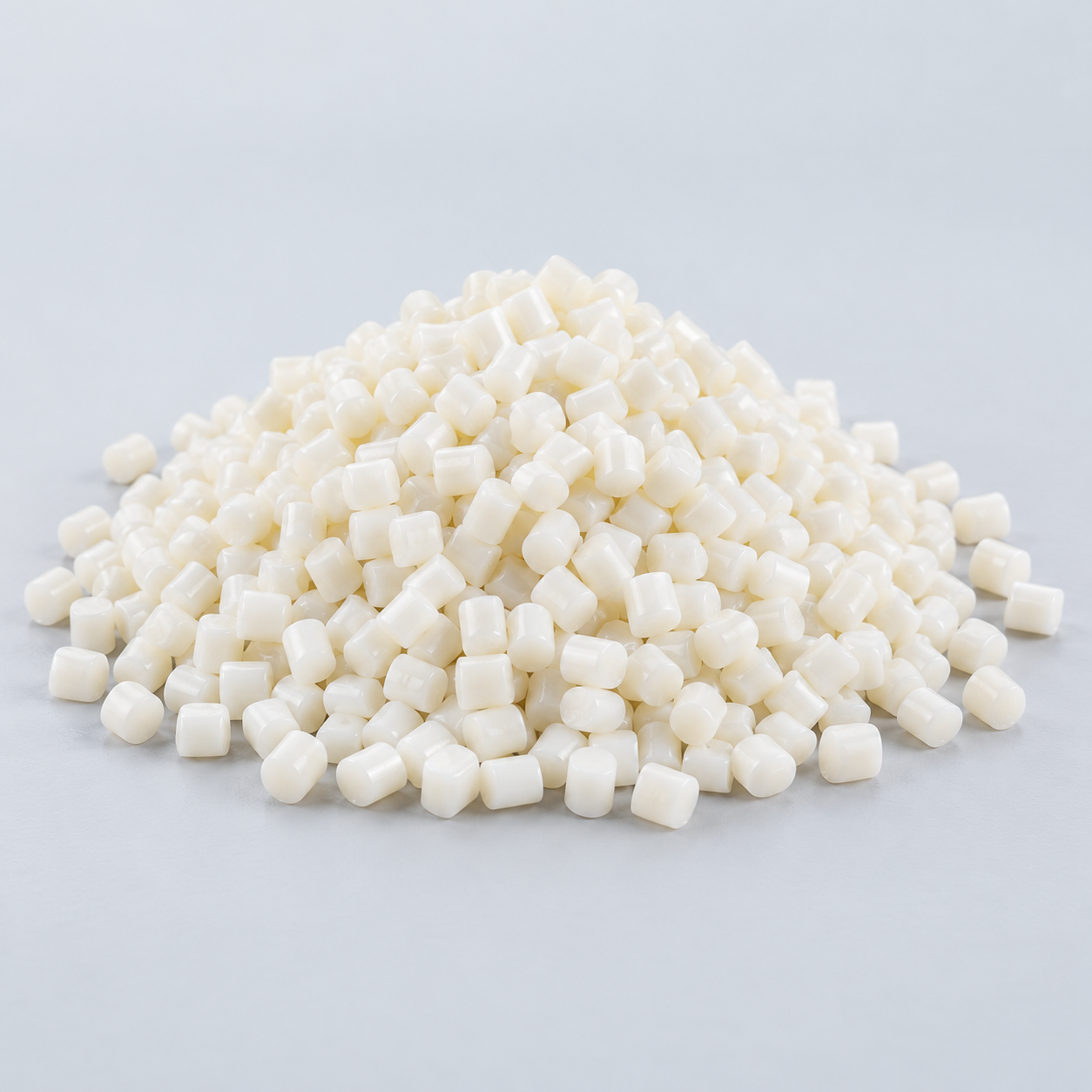 ABSReview enclosure and molding needs›
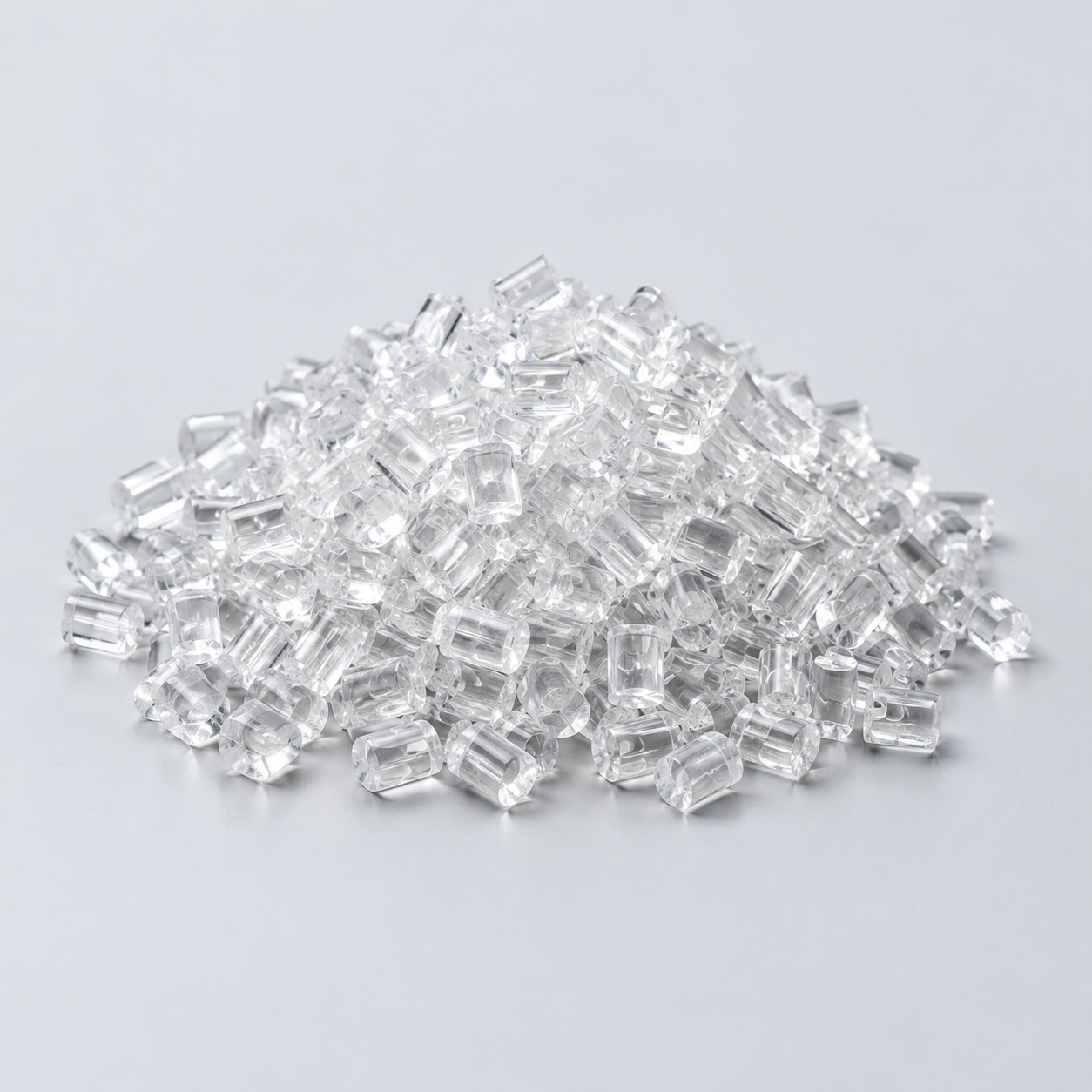 Polycarbonate (PC)Discuss clarity and impact needs›
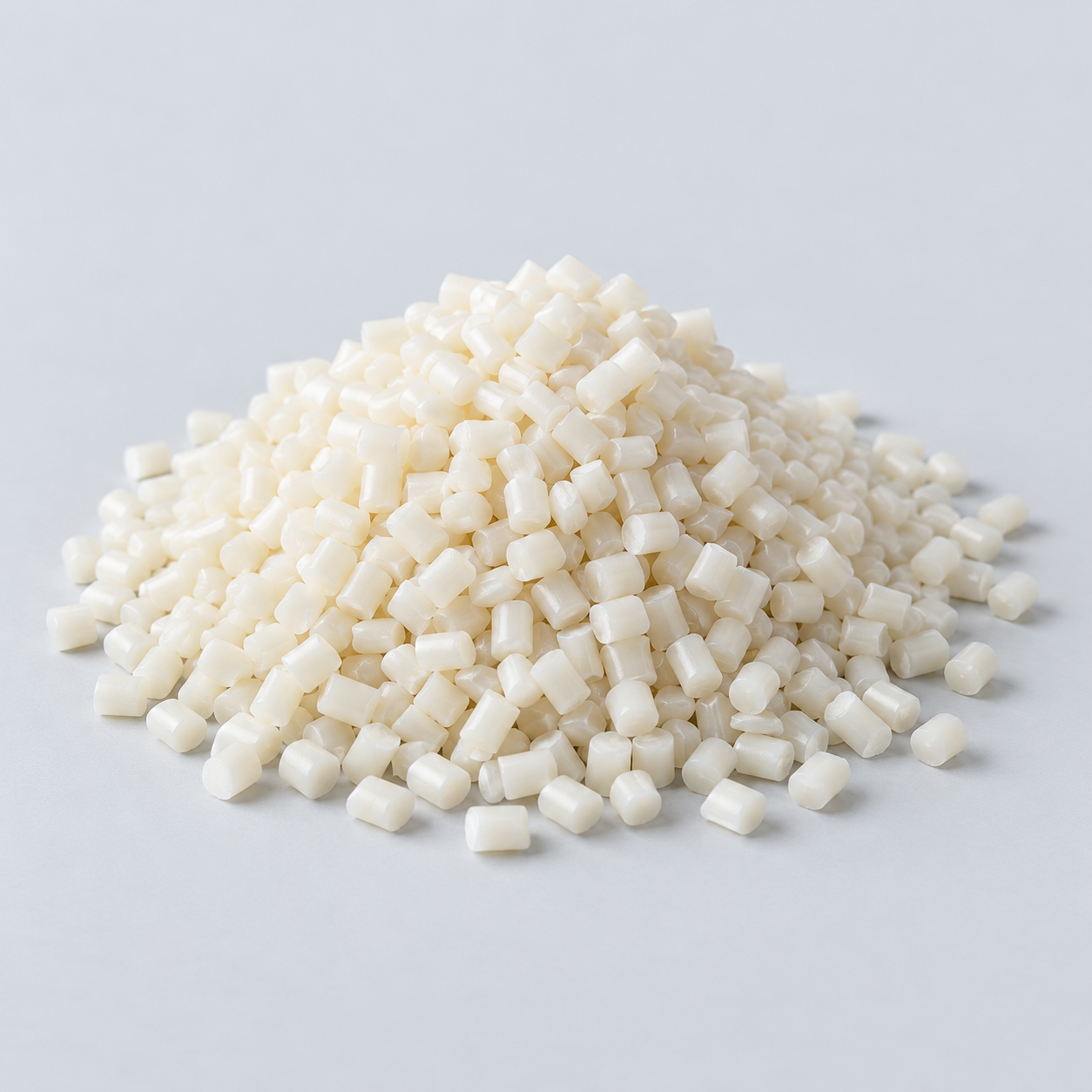 Nylon (PA)Review moisture and wear conditions›
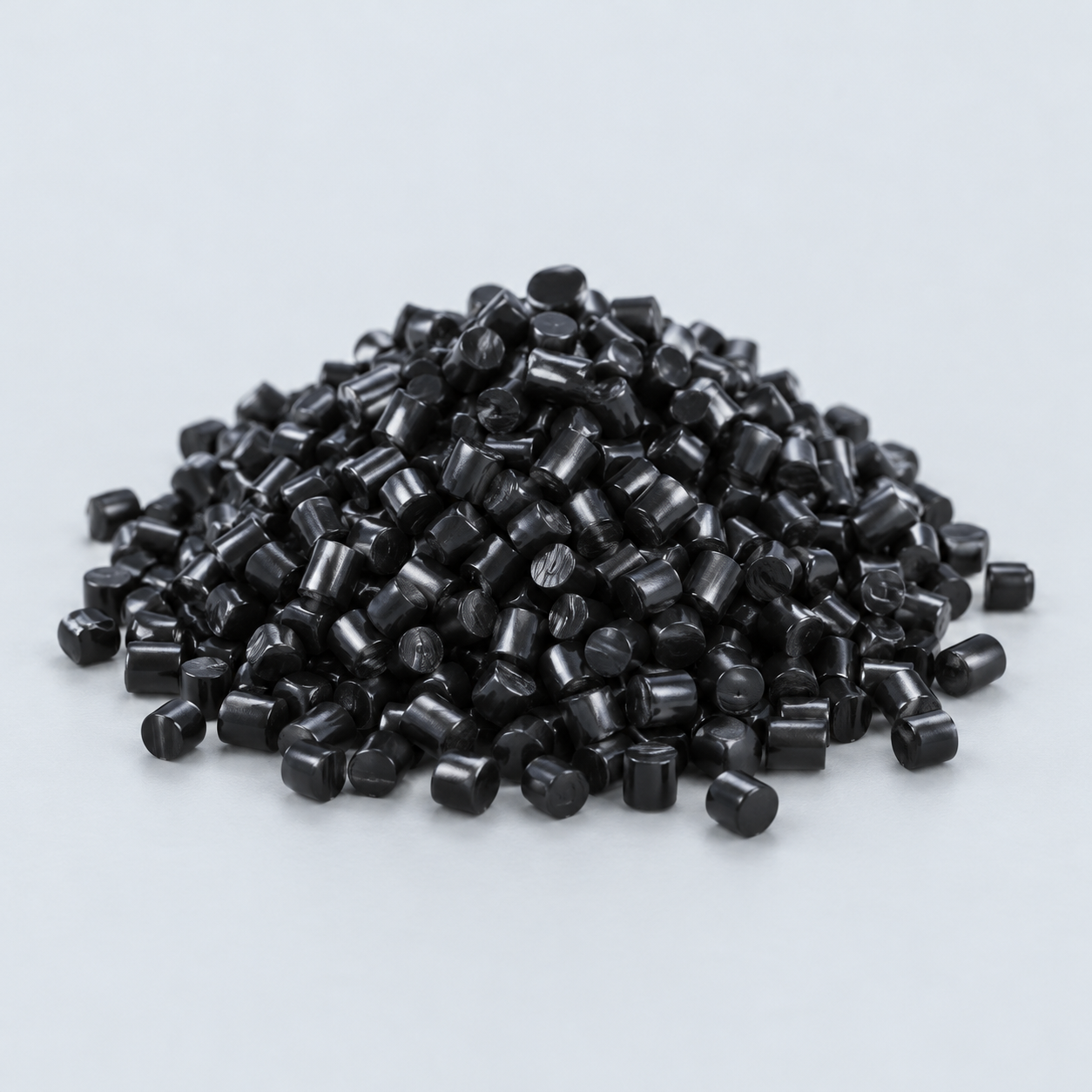 POM / AcetalReview fit and sliding features›
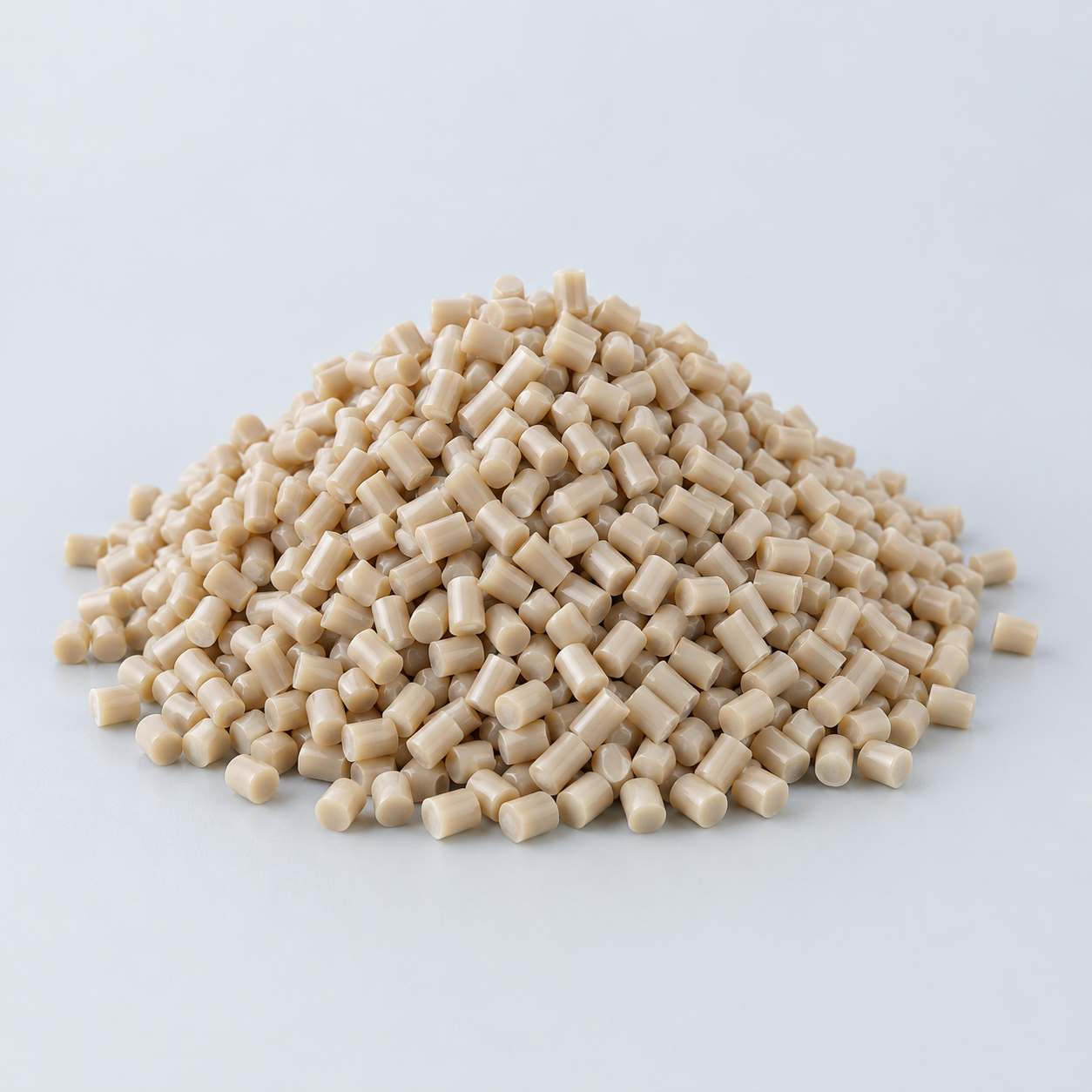 PEEKDiscuss operating conditions›
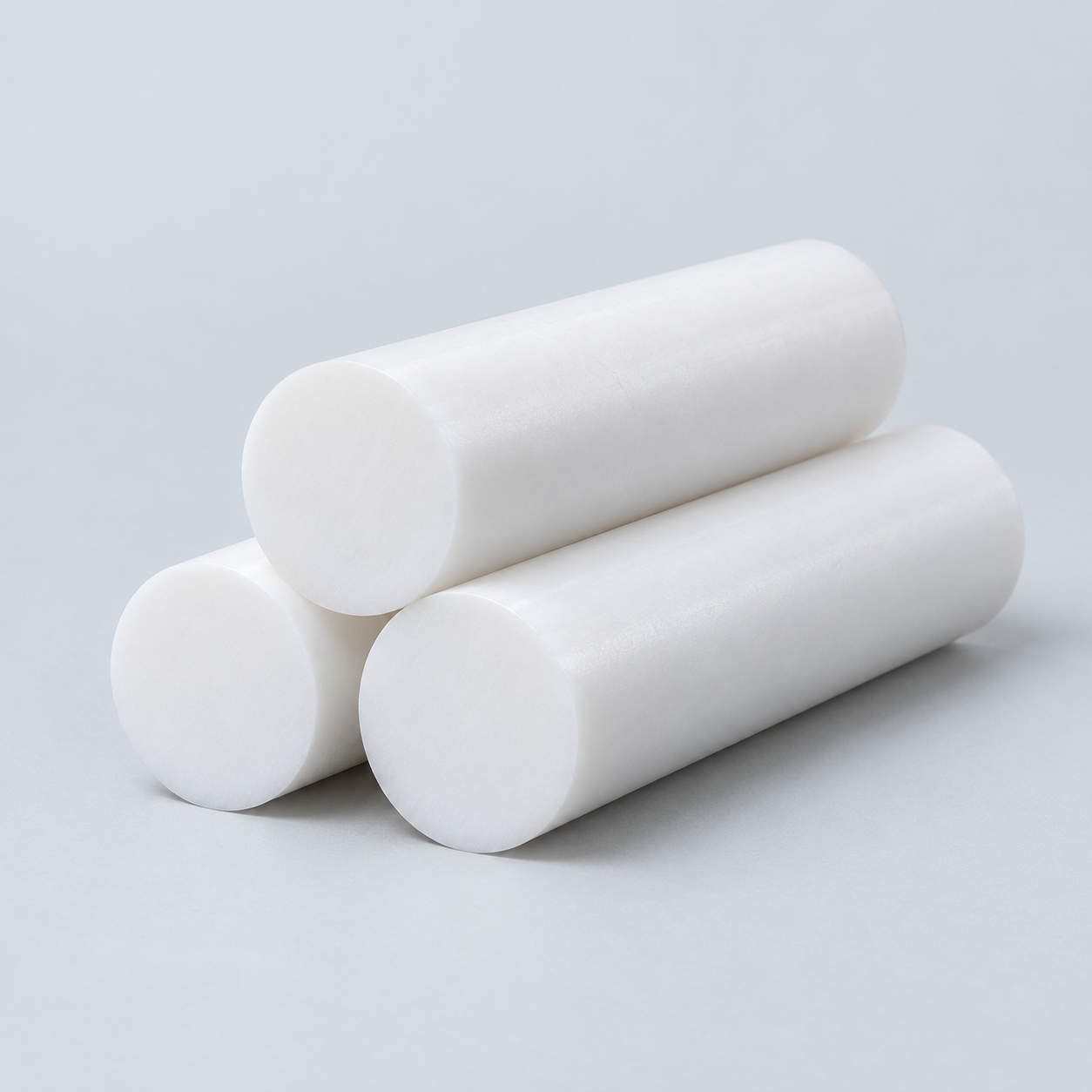 PTFEReview friction and chemical exposure›
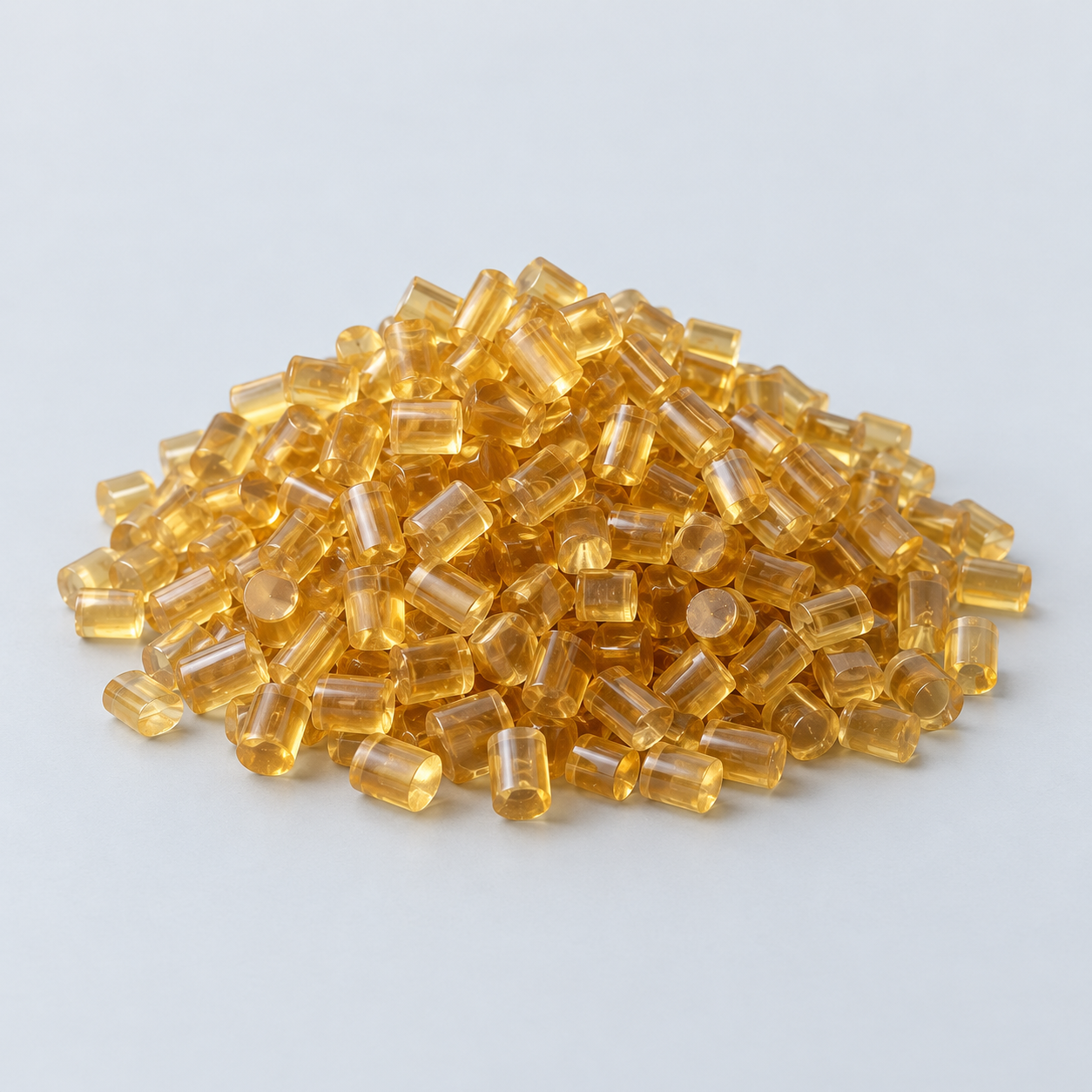 ULTEM / PEIDiscuss thermal and electrical needs›
Confirm grade availability and application requirements.
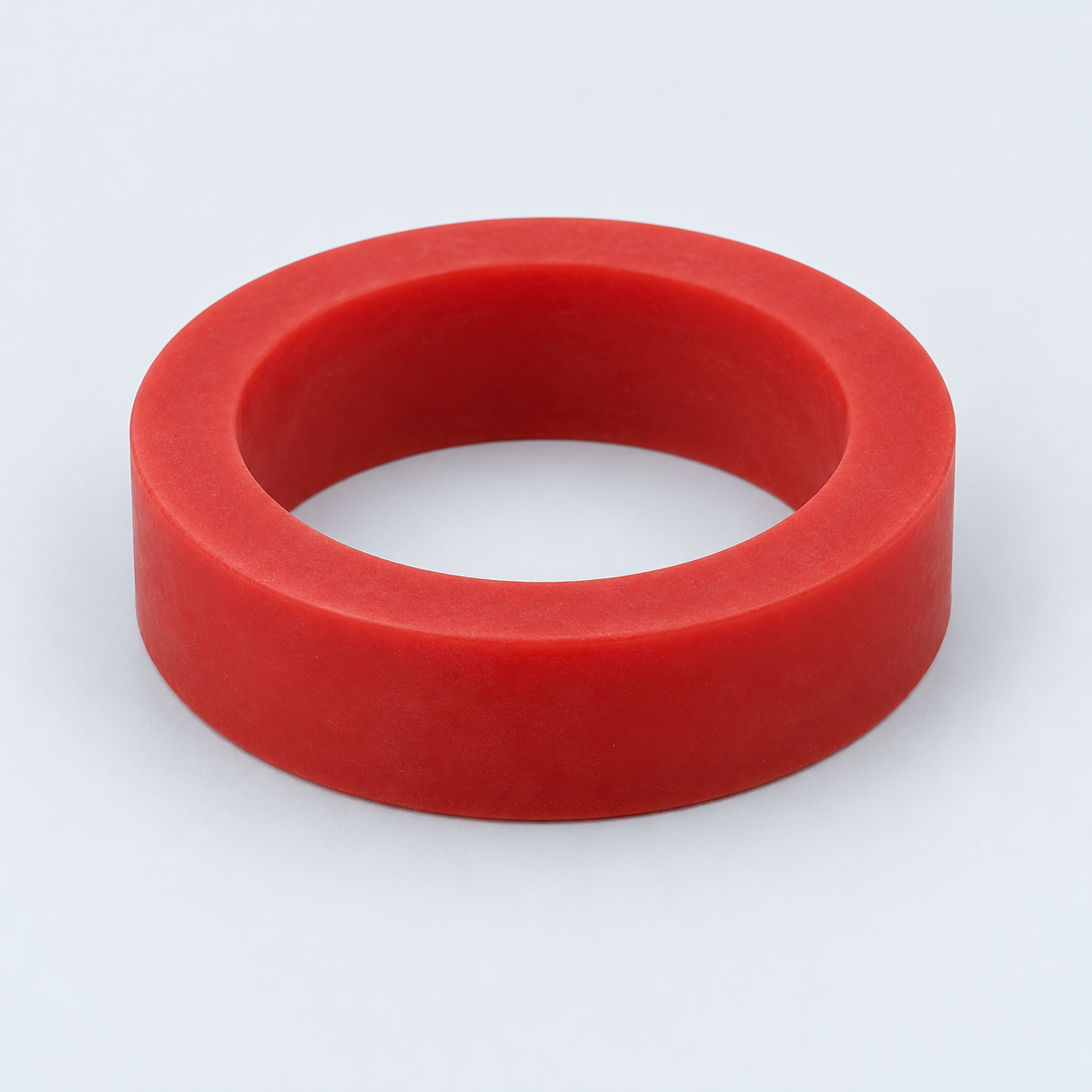 Silicone / LSRDiscuss flexible component needs›
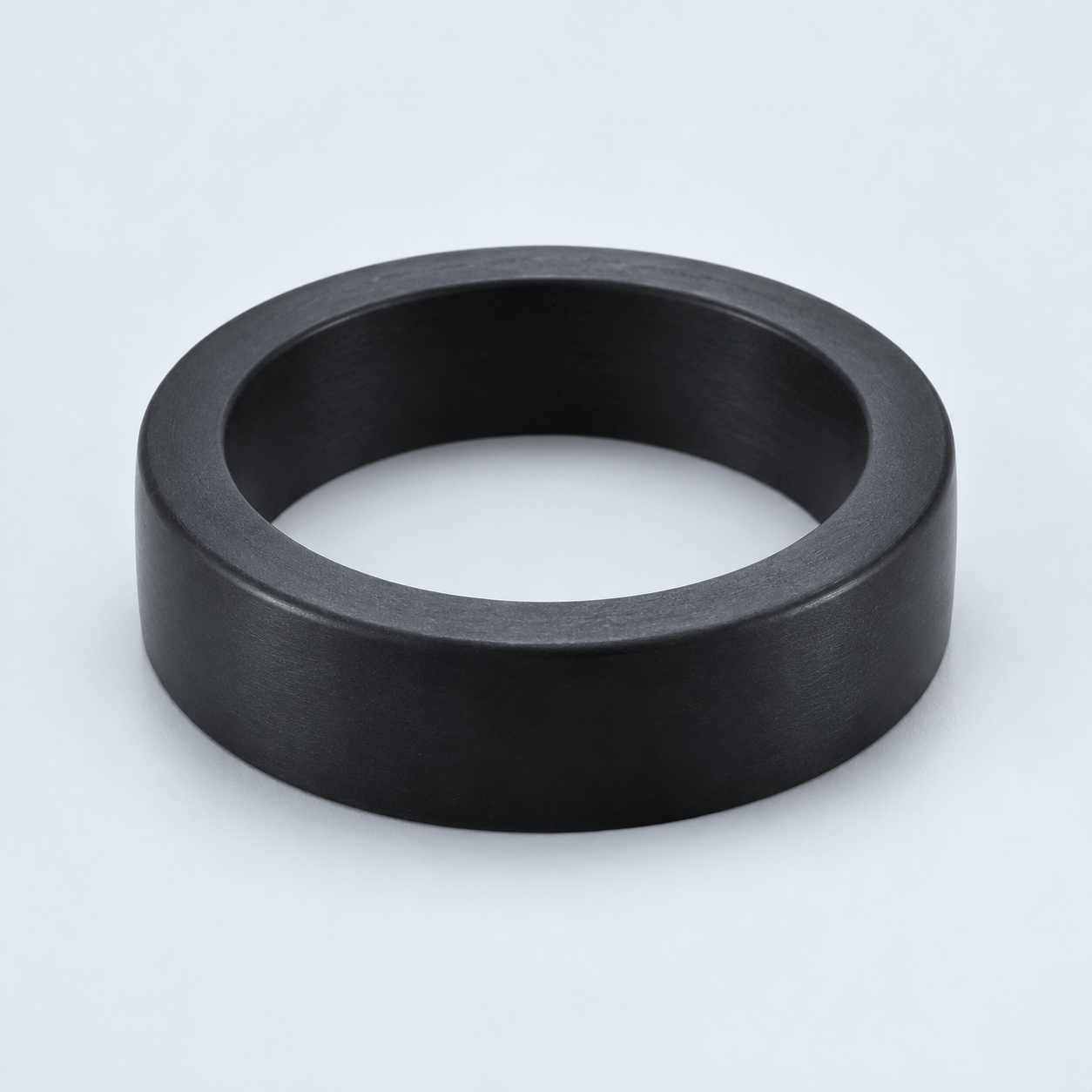 TPU / TPEReview flexibility and processing›
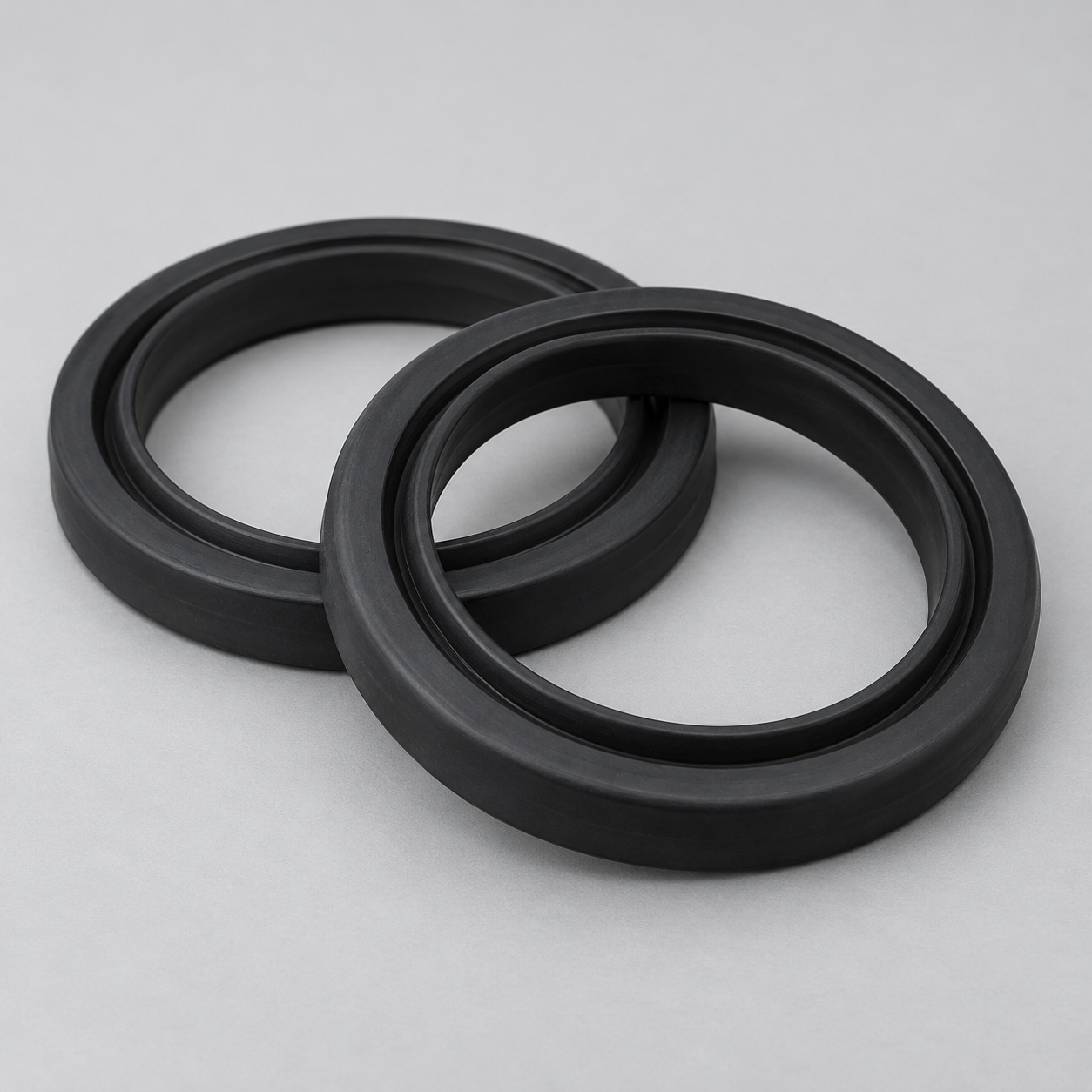 EPDMReview weathering and chemical exposure.›
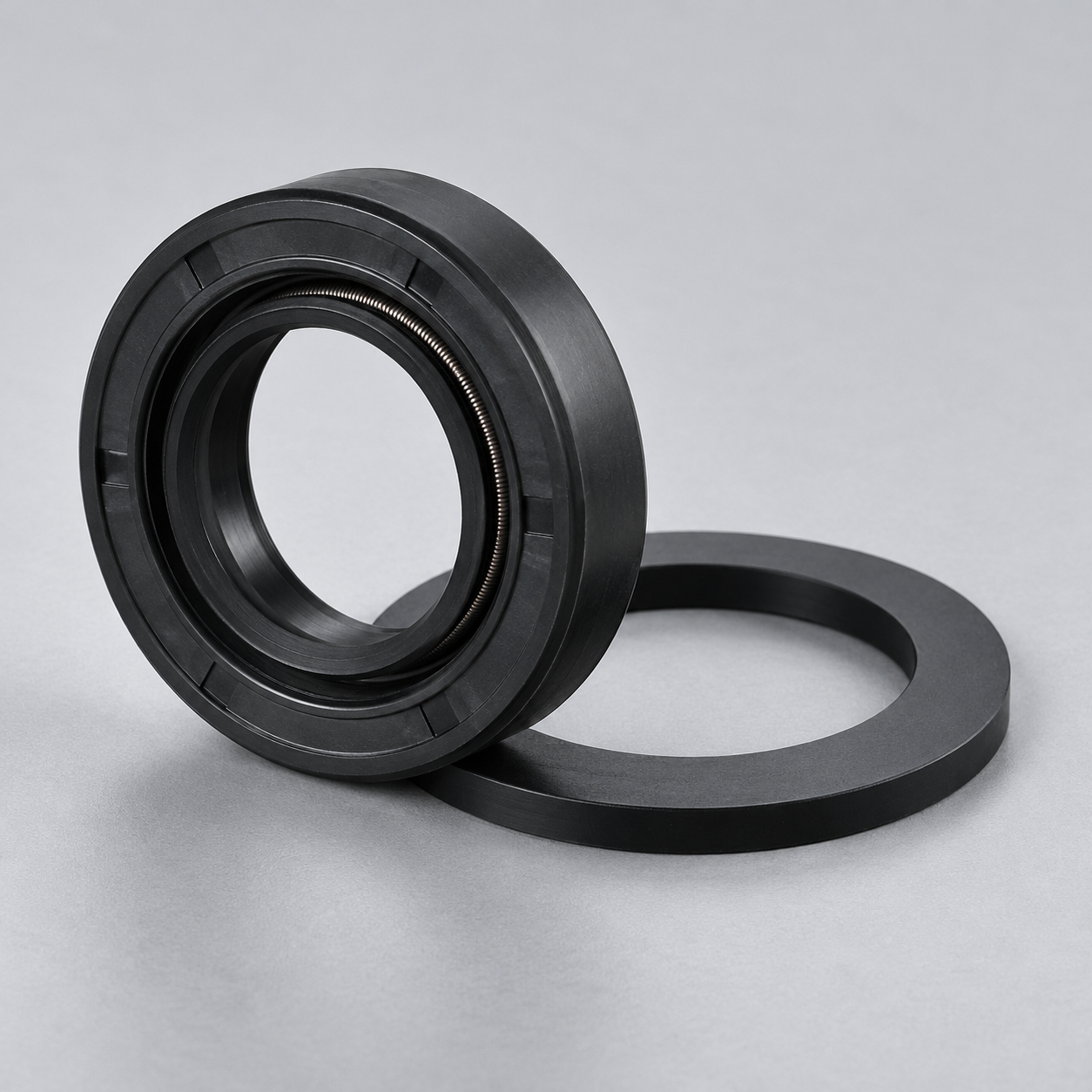 NBRReview oil and fuel exposure.›
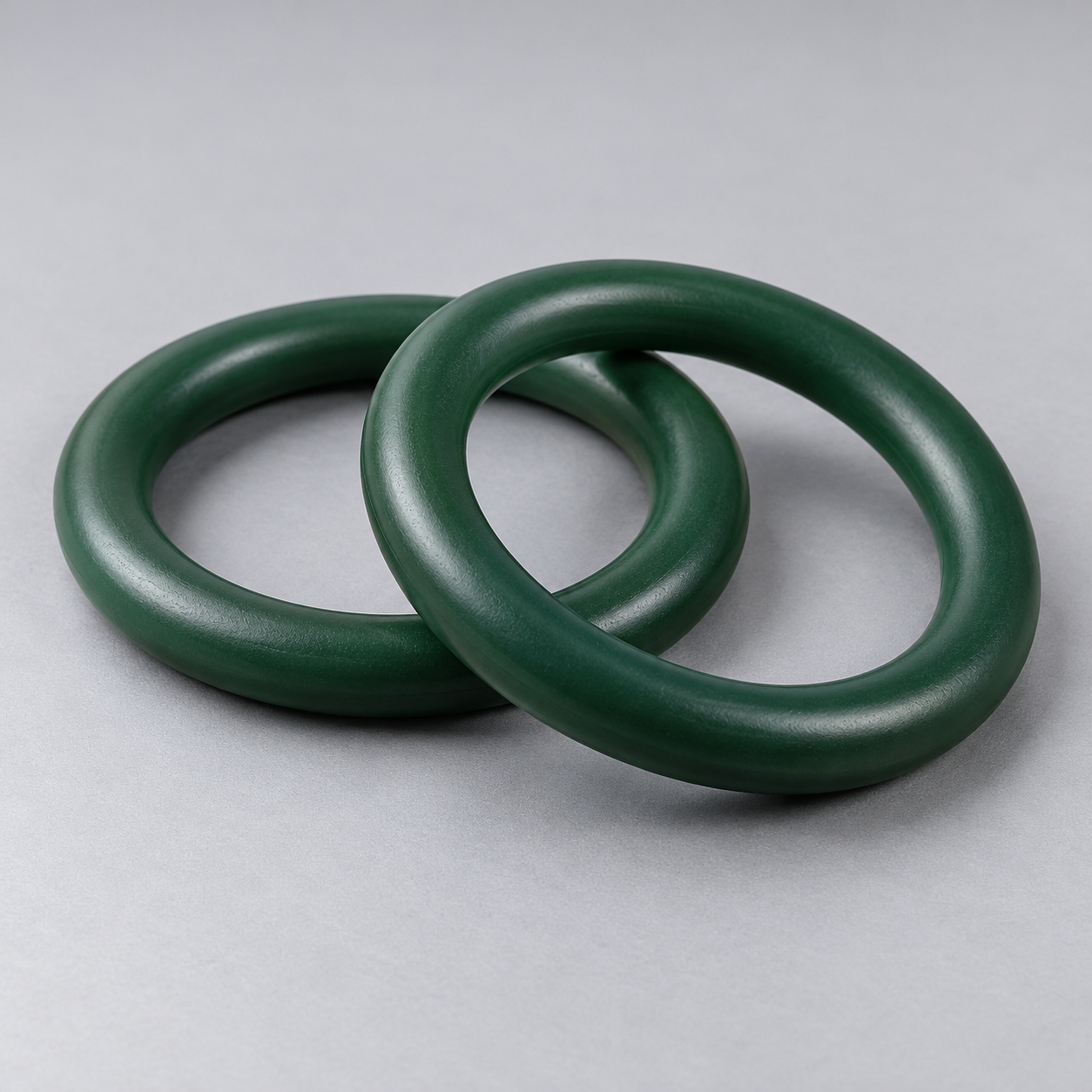 FKMReview temperature and chemical exposure.›
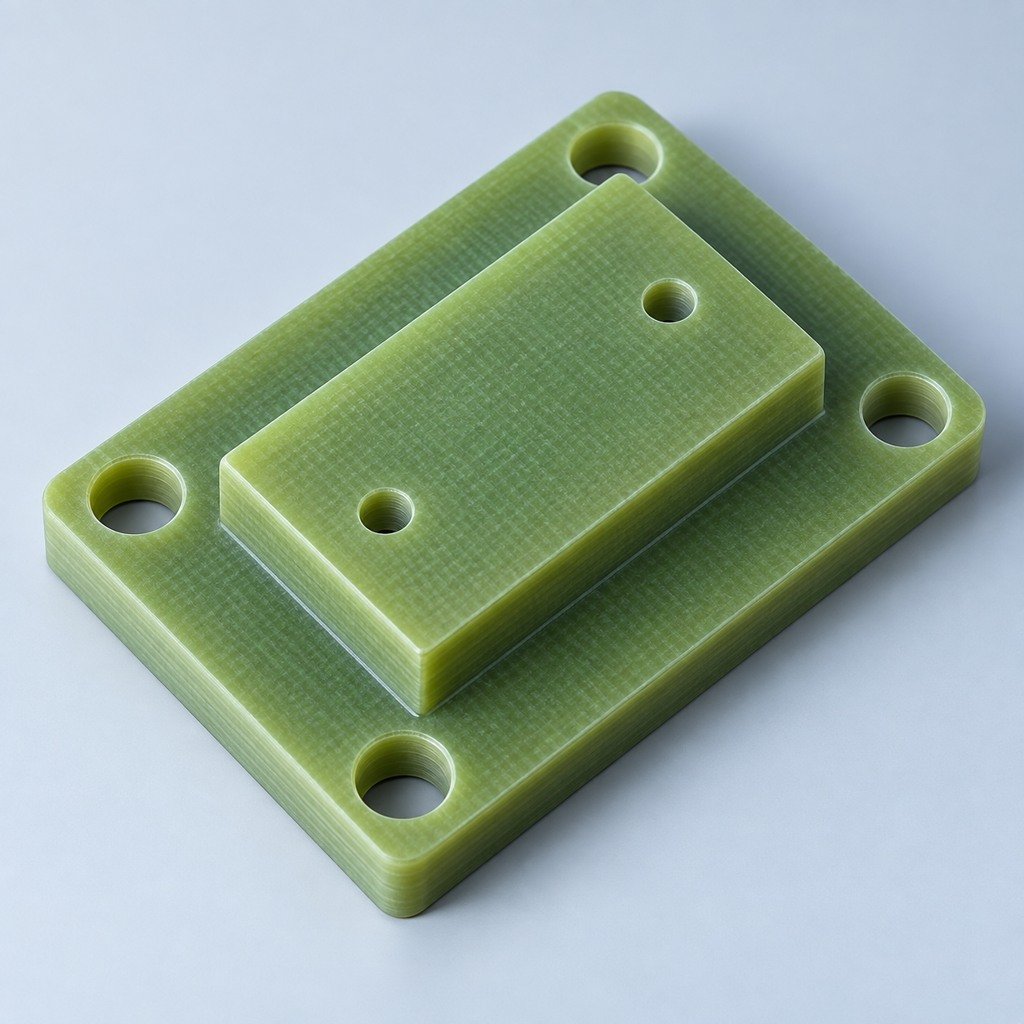 G10 / FR4Review insulation and laminate needs›
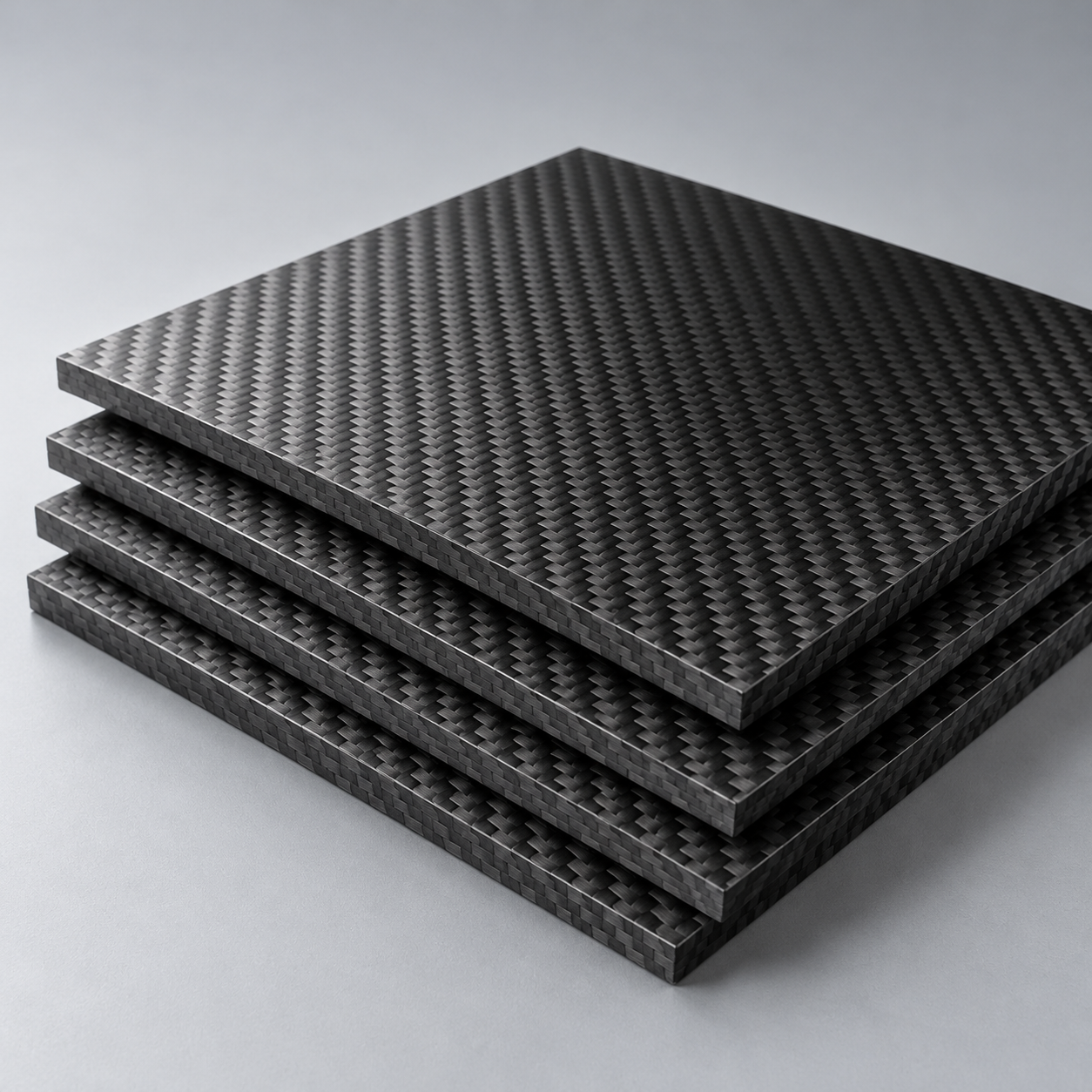 CompositesReview stiffness, weight and laminate.›Customer-Specified MaterialsConfirm your grade and requirements.›Other Specialty MaterialsDiscuss your application and grade.›
Practical guidance for your part geometry and material decisions.
Prepare your process, budget and sourcing questions.
Build your knowledge before production.
Learn who we are and how we operate.
Find our U.S. support team or start a conversation.

For your vehicle, cycling, micromobility or transit component, connect your drawing to the right material, manufacturing route and inspection requirements.
Explore 6 Applications →Resolve interfaces before tooling or machining.
Agree critical dimensions and required records.
Coordinate U.S. communication and China manufacturing.
For CNC machining for the transportation industry, start with the operating environment, installed interfaces and required evidence for your part.

Aftermarket, development and repeat-order components.

Clamps, mounts and accessible fastener interfaces.
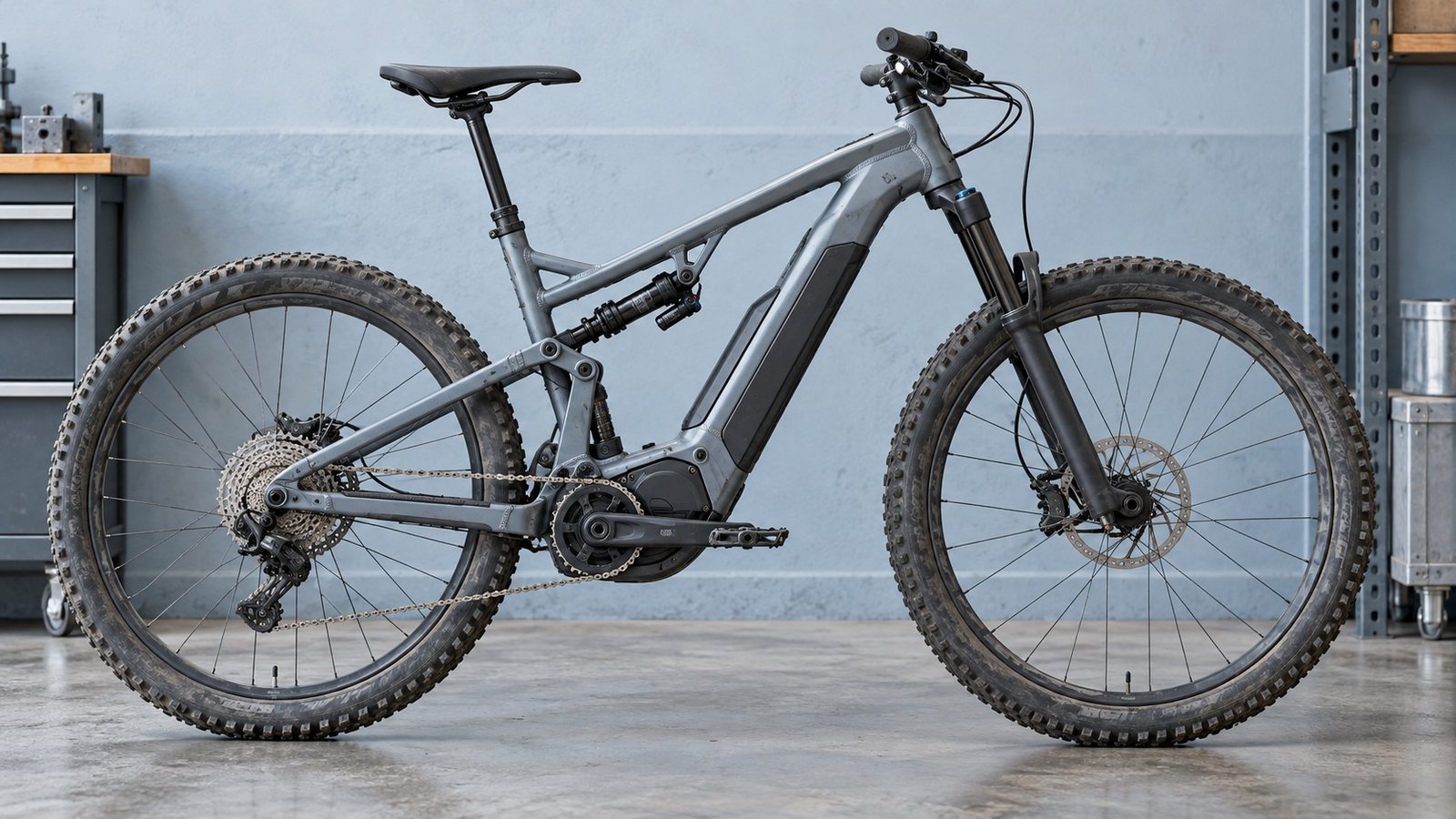
Stem, clamp and housing drawing requirements.

Trucks, brackets and compact mounting parts.

Display enclosures and installed clearances.

Brackets and housings to your project specification.
Explore the automotive collection for your part family. Your vehicle fit, acceptance criteria and validation scope belong in the project brief.

Injector ports and sealing geometry.

Bore, bolt pattern and mating faces.
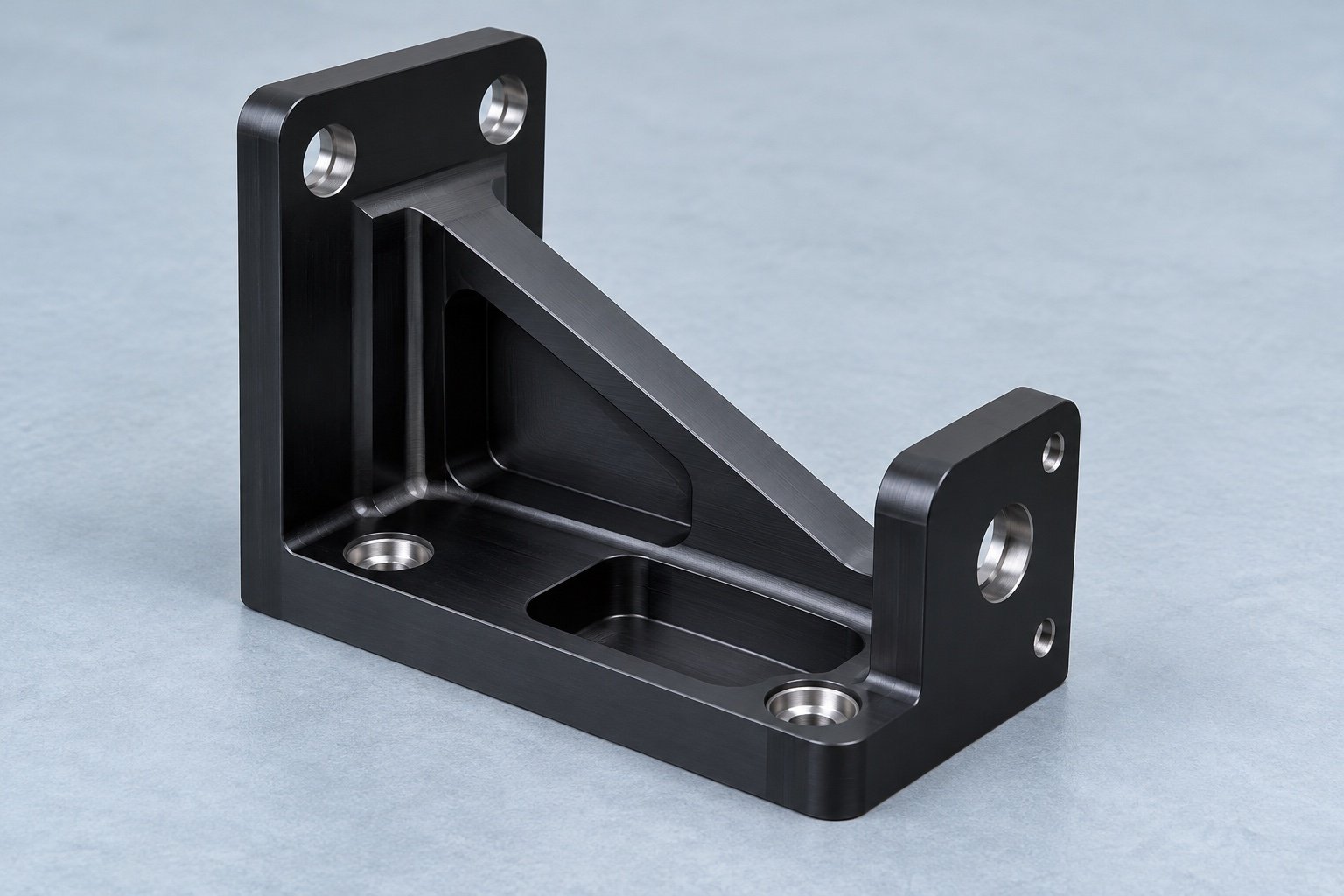
Mounting datums and tool access.
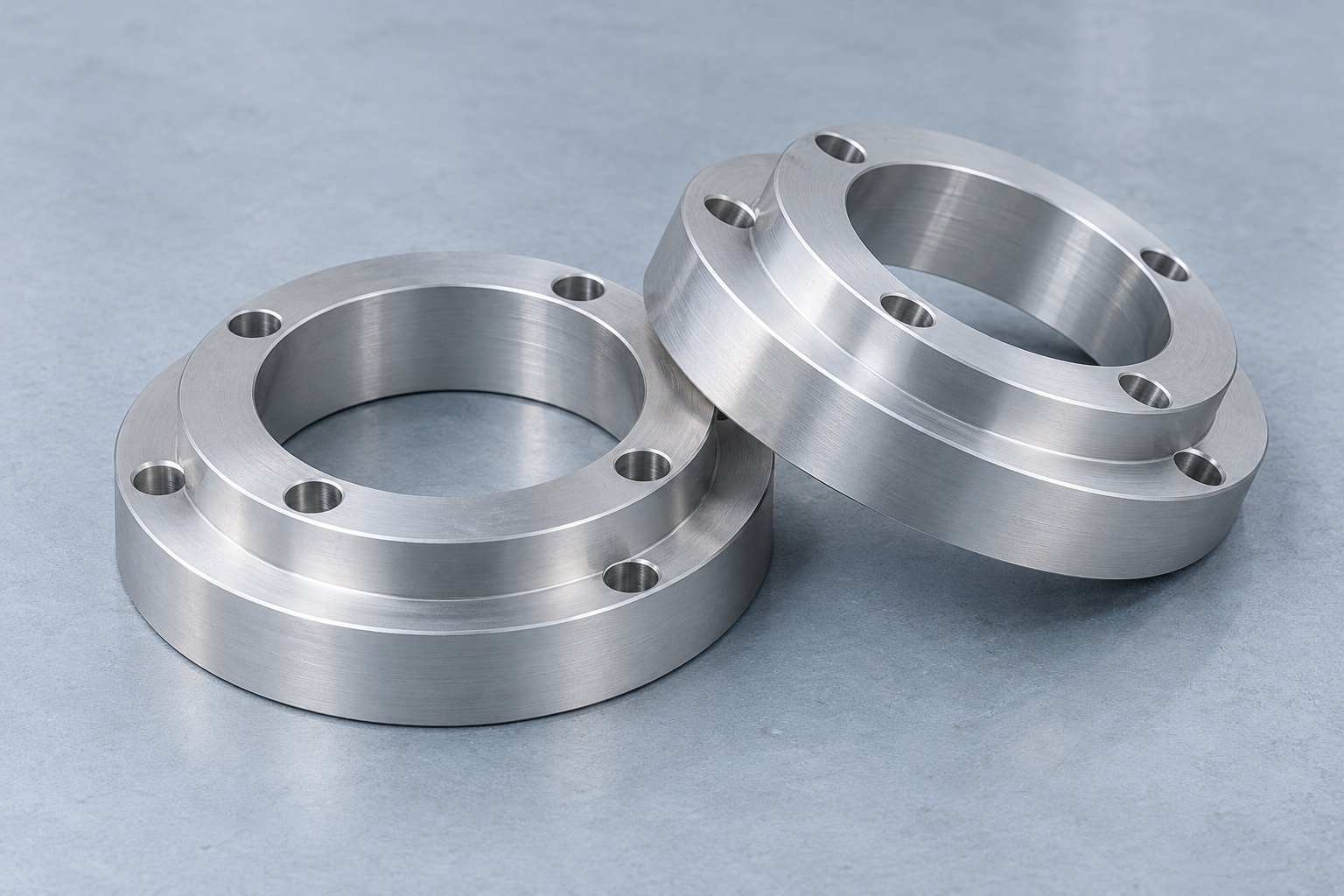
Locating shoulders and stack-up.
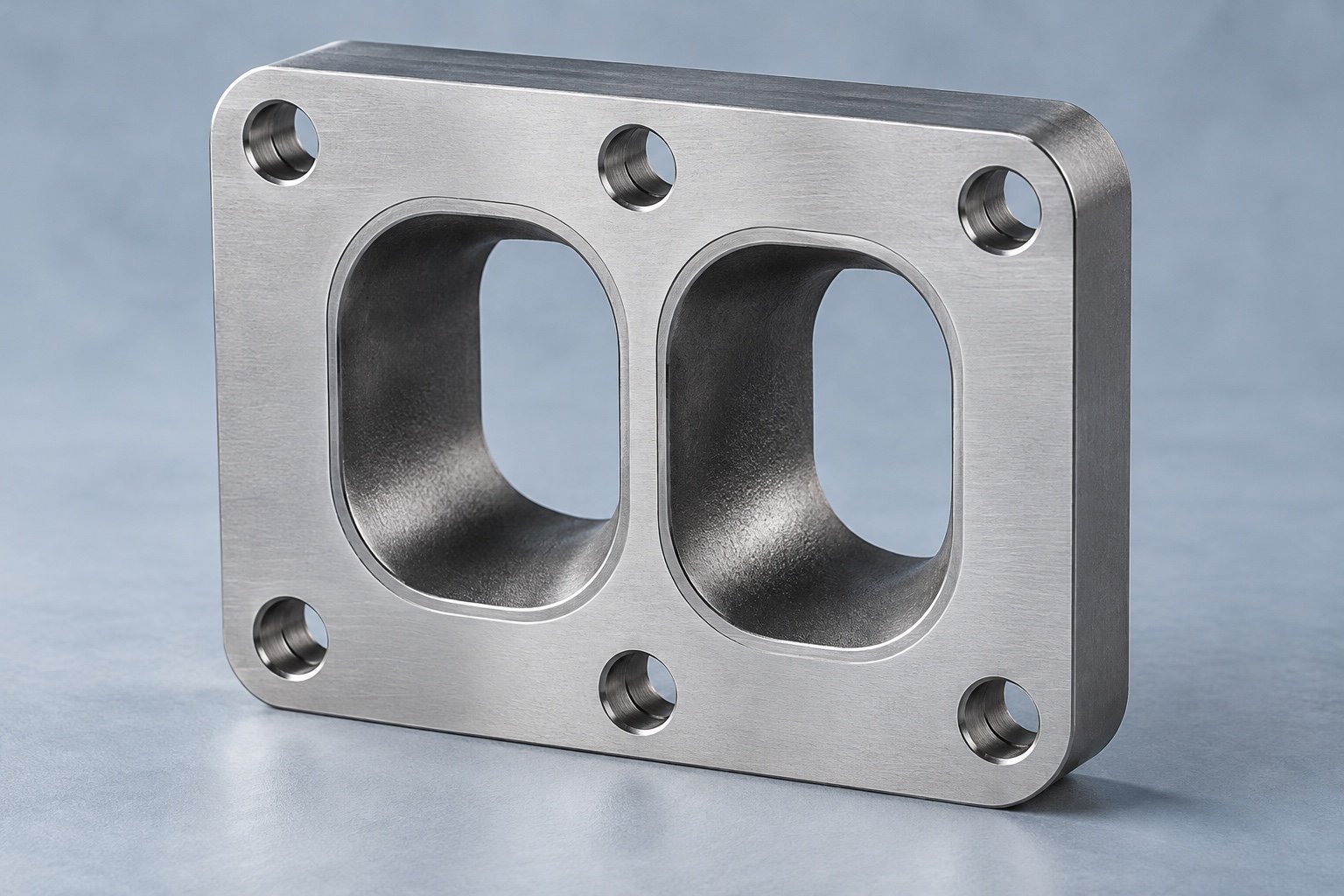
Port profile and sealing flatness.
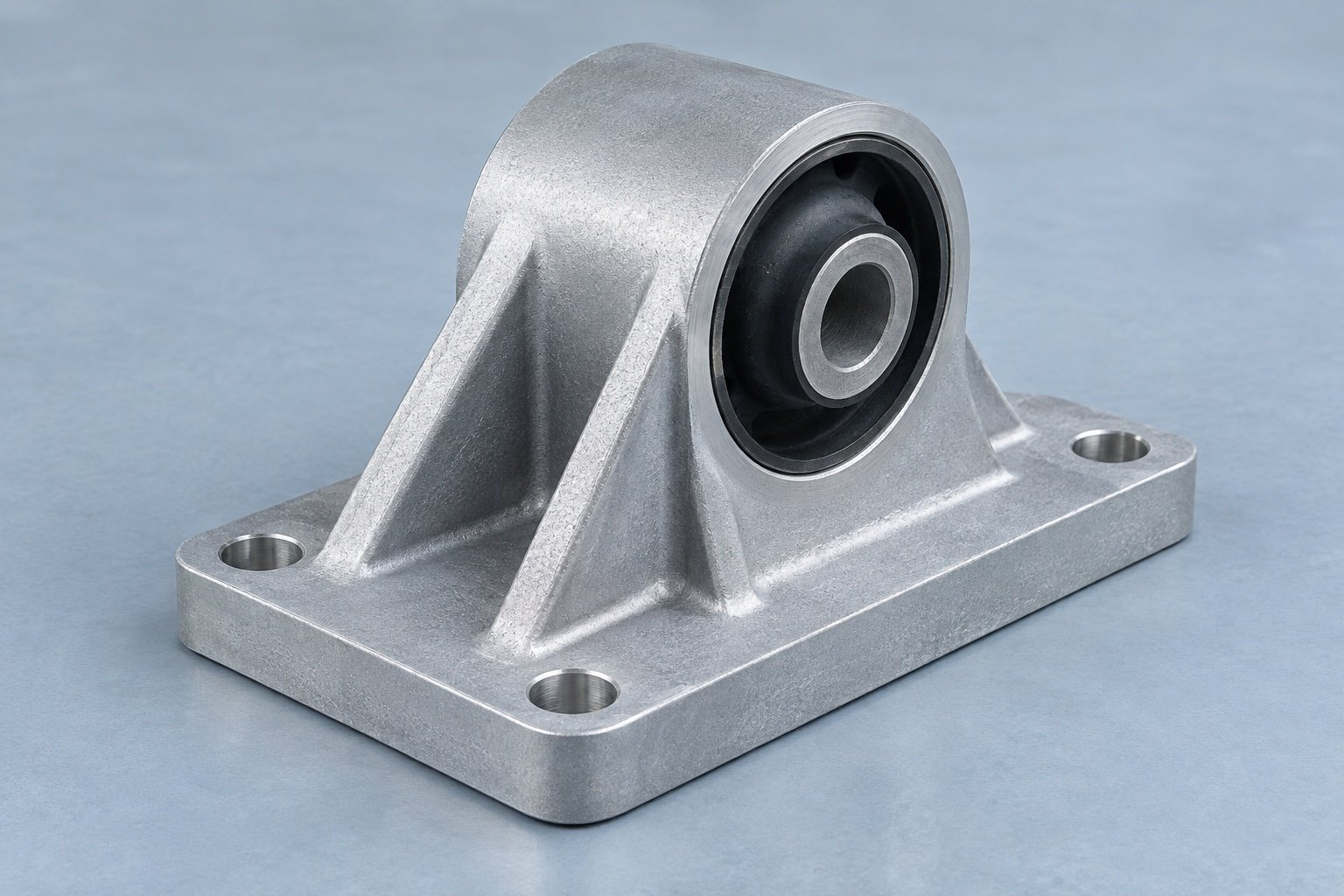
Specified loads and mating locations.
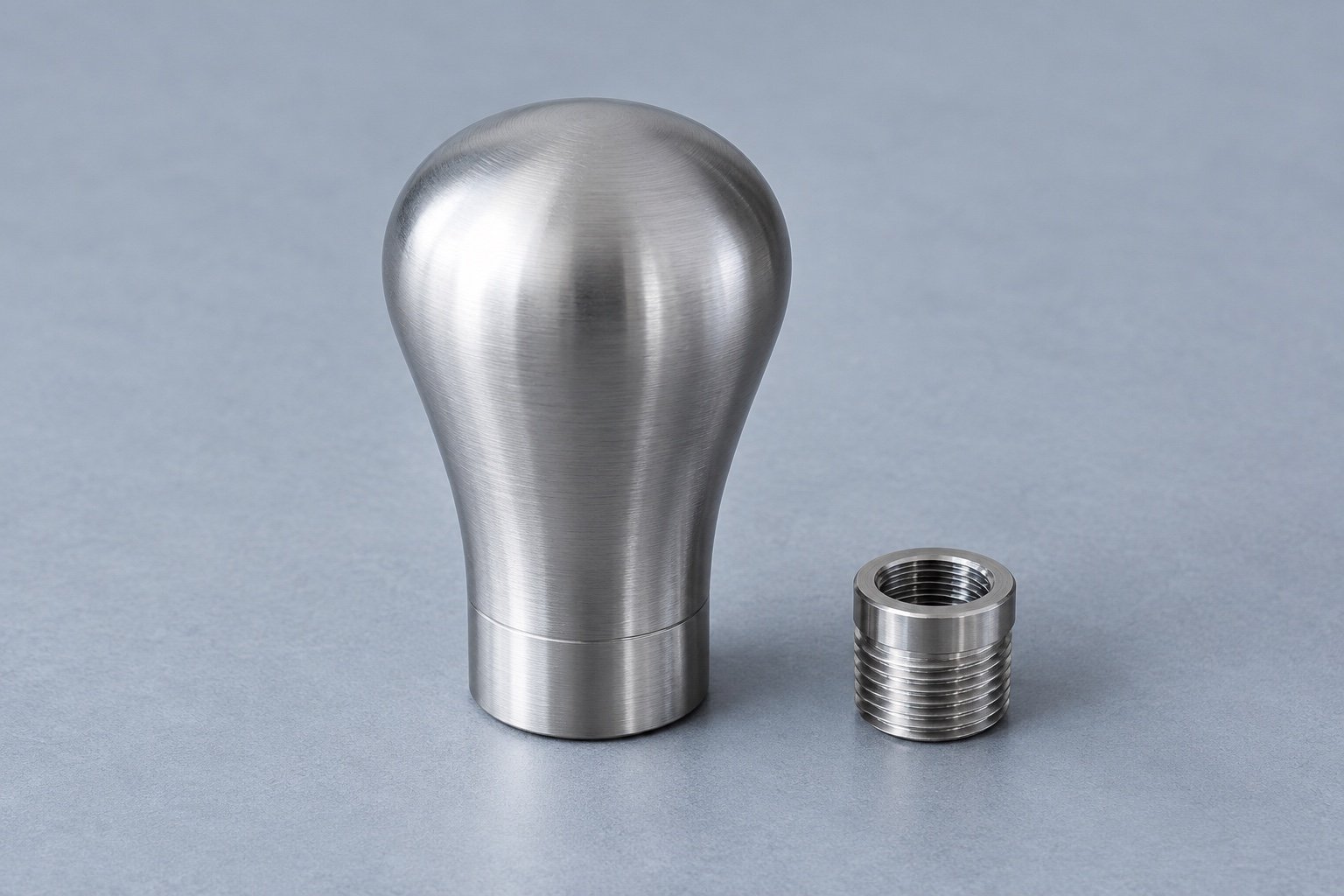
Threads, grip profile and finish.
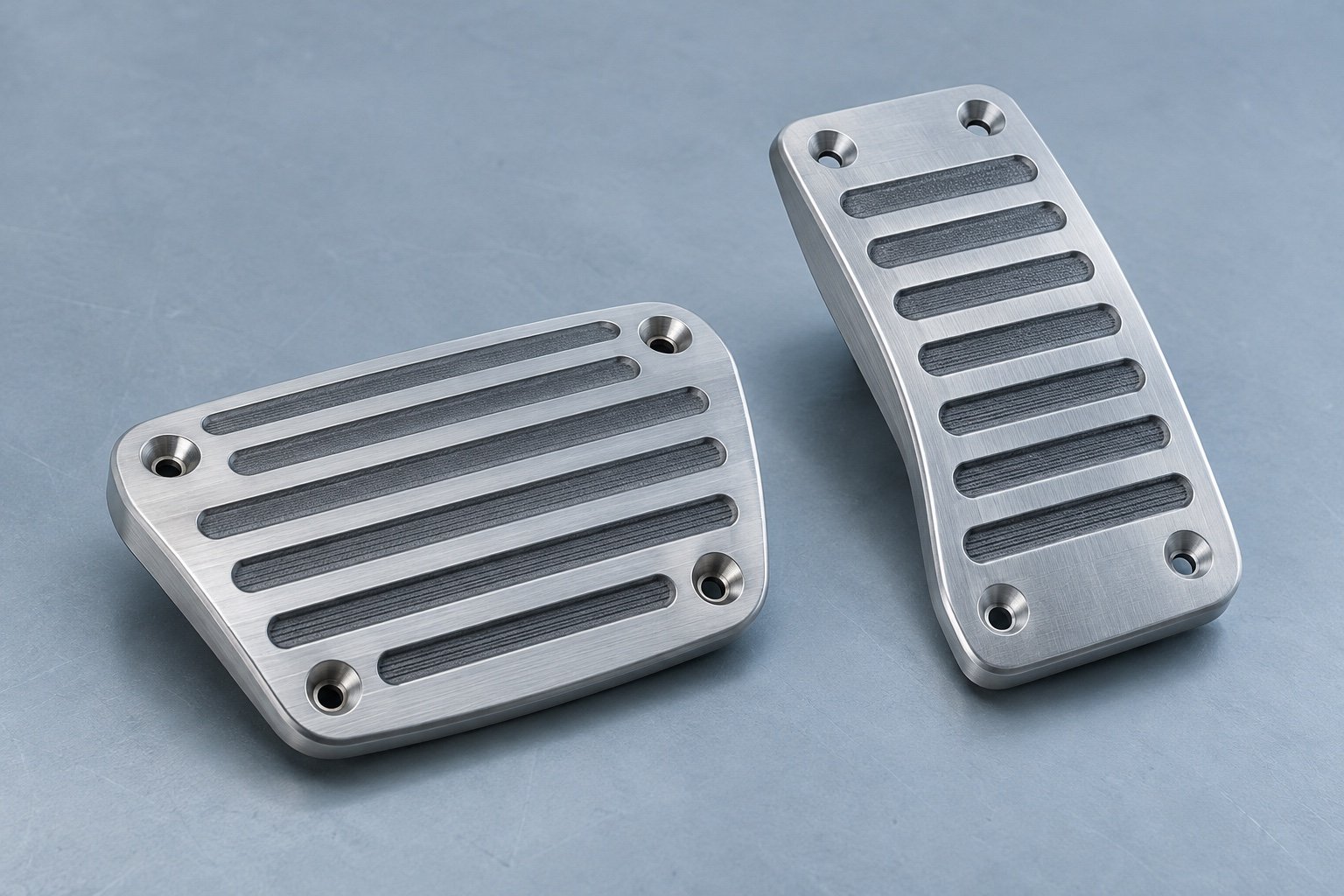
Pivot and fastener interfaces.
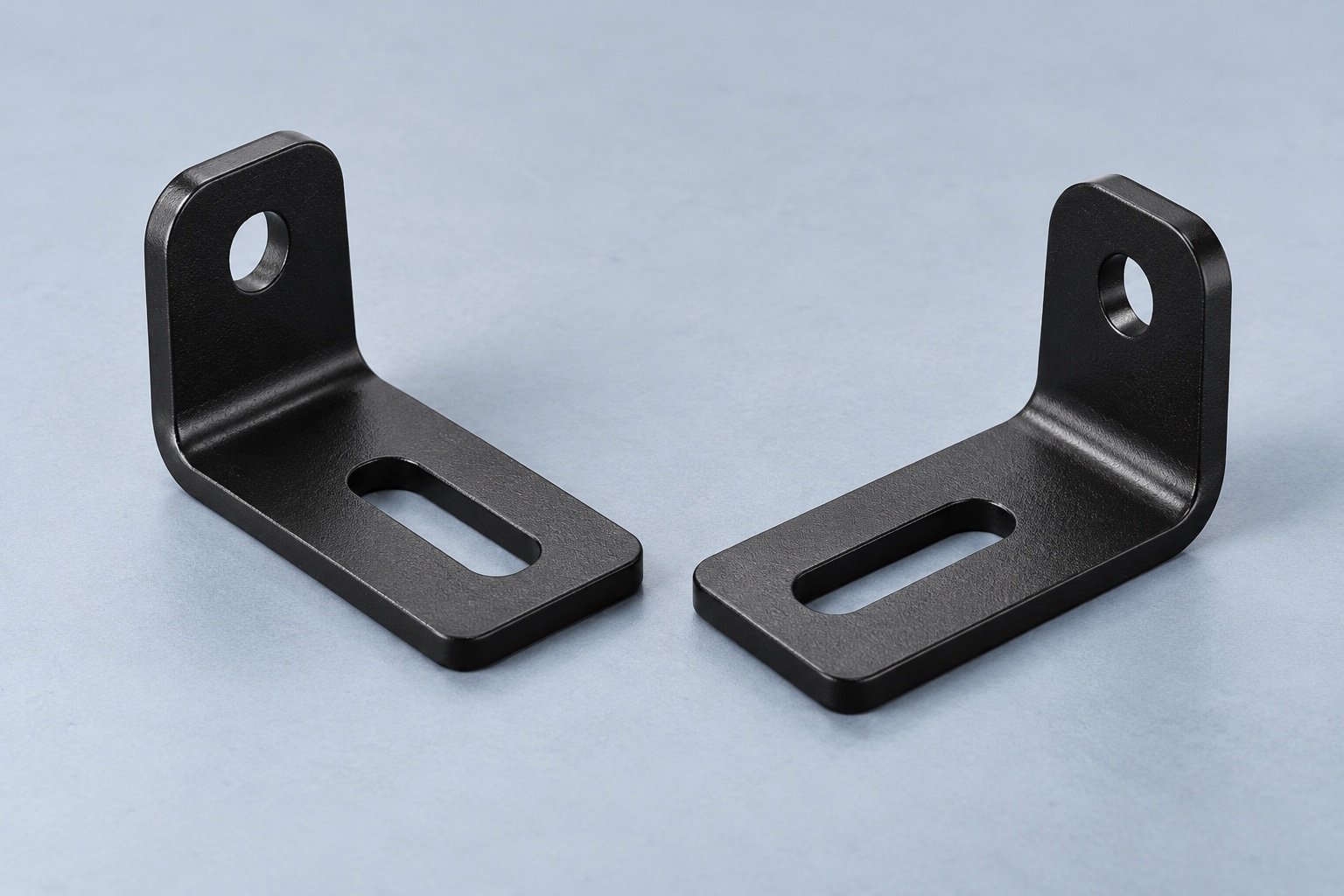
Mounting slots and coating masks.
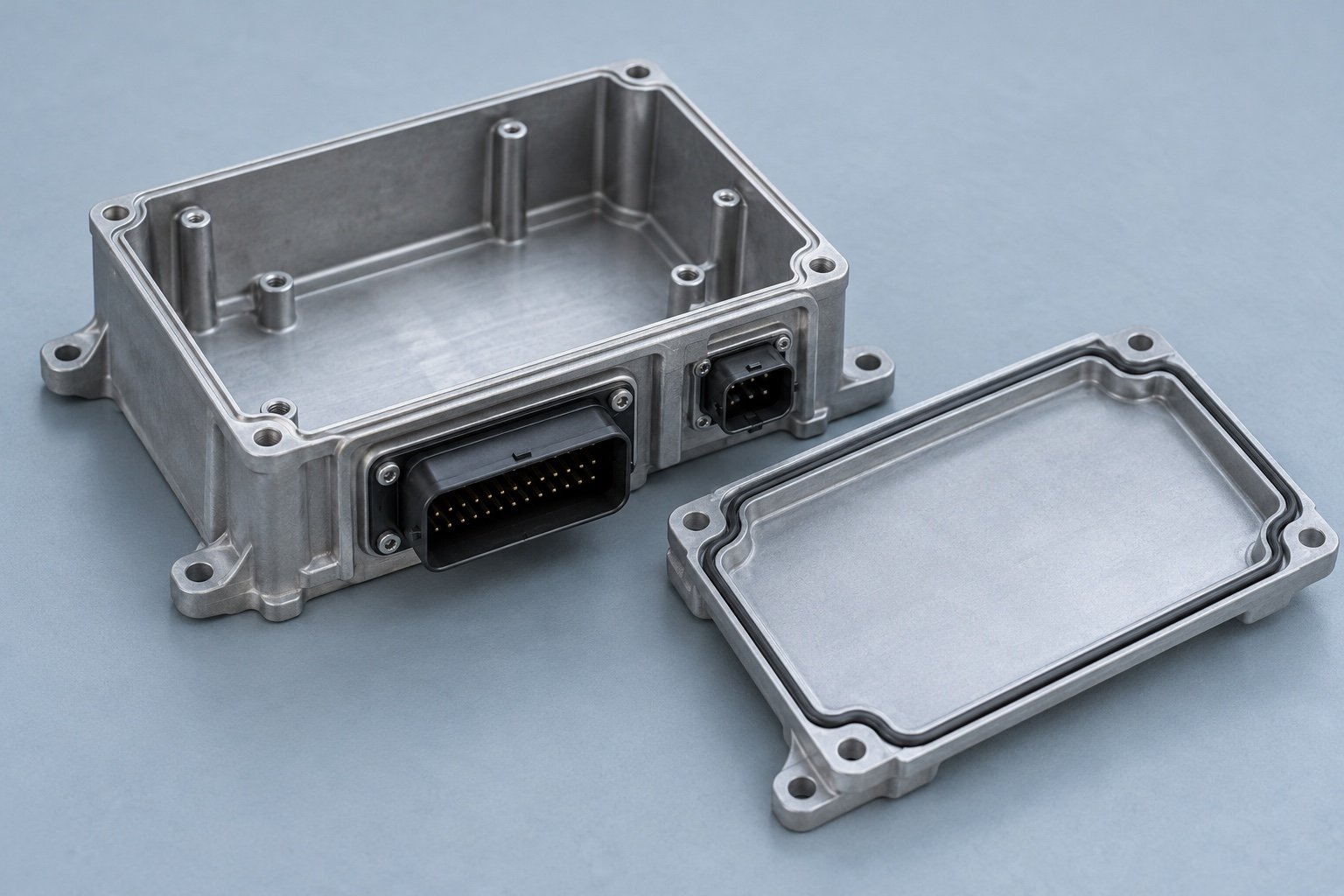
Cover fit, ports and attachment bosses.
For precision machining for transportation, specify the interfaces that must survive assembly and repeat orders. Examples show manufacturing routes, not stock products or approved vehicle fitment.
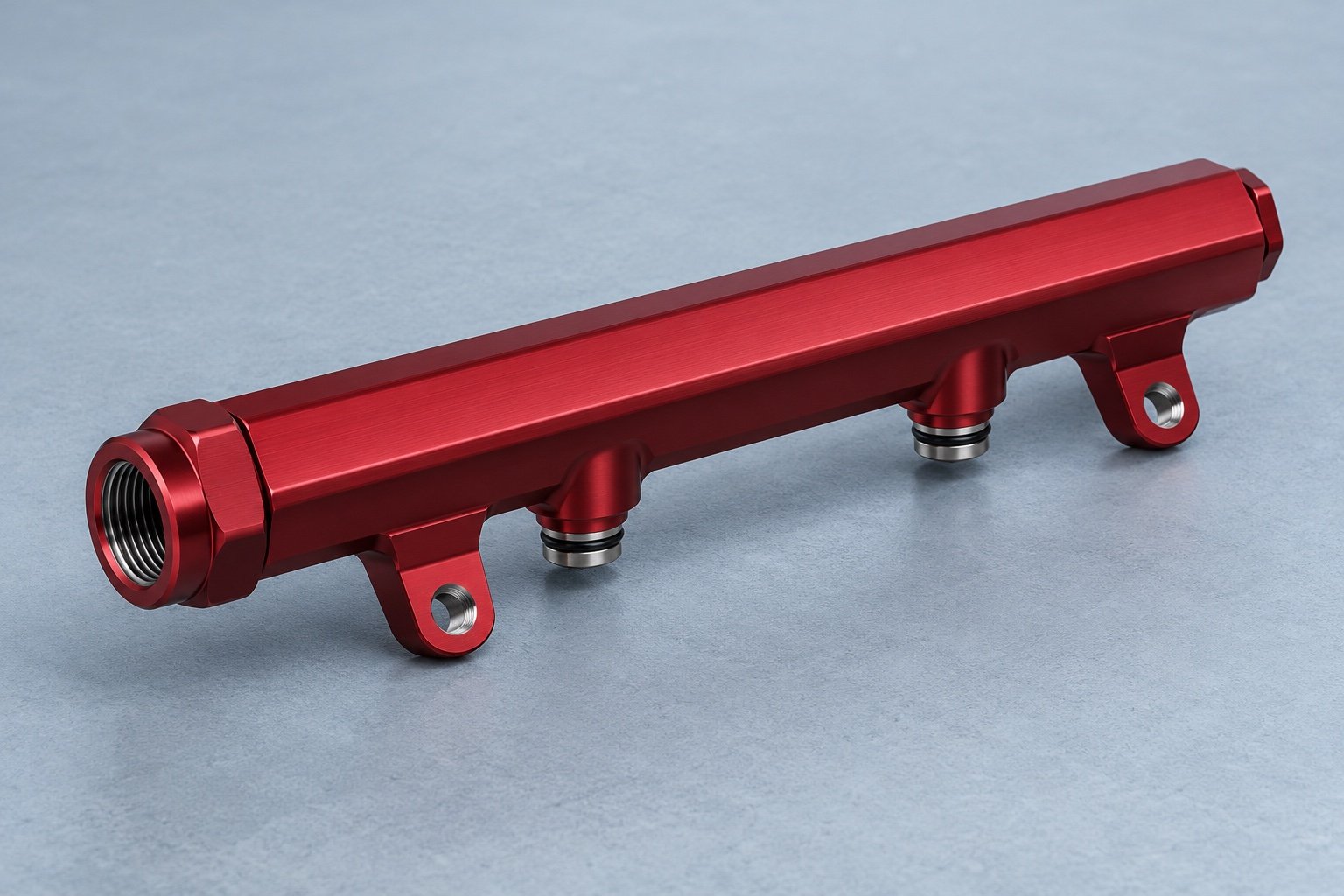
Define cross-section, port positions and end connections.
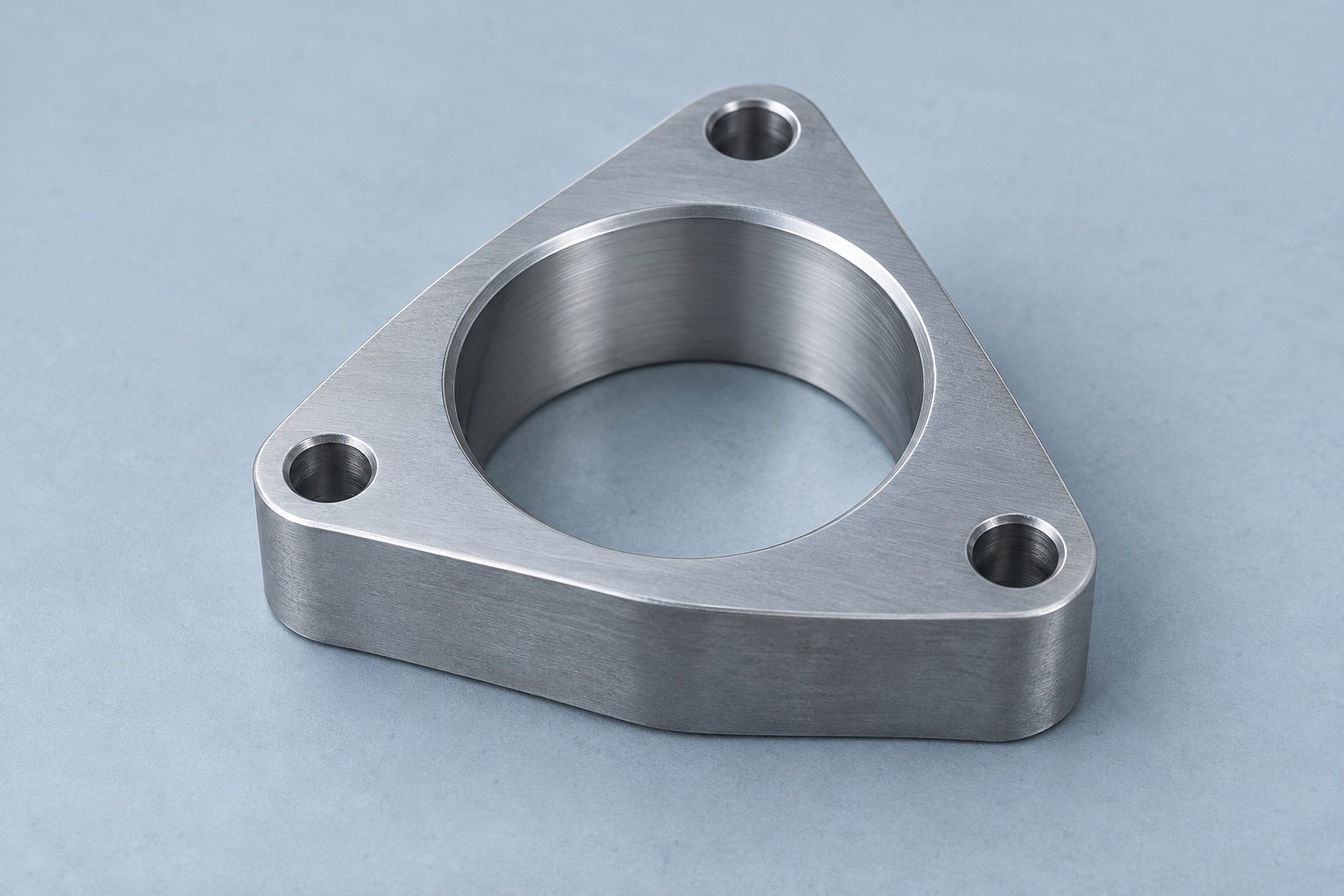
Confirm bore transition and mating pattern.
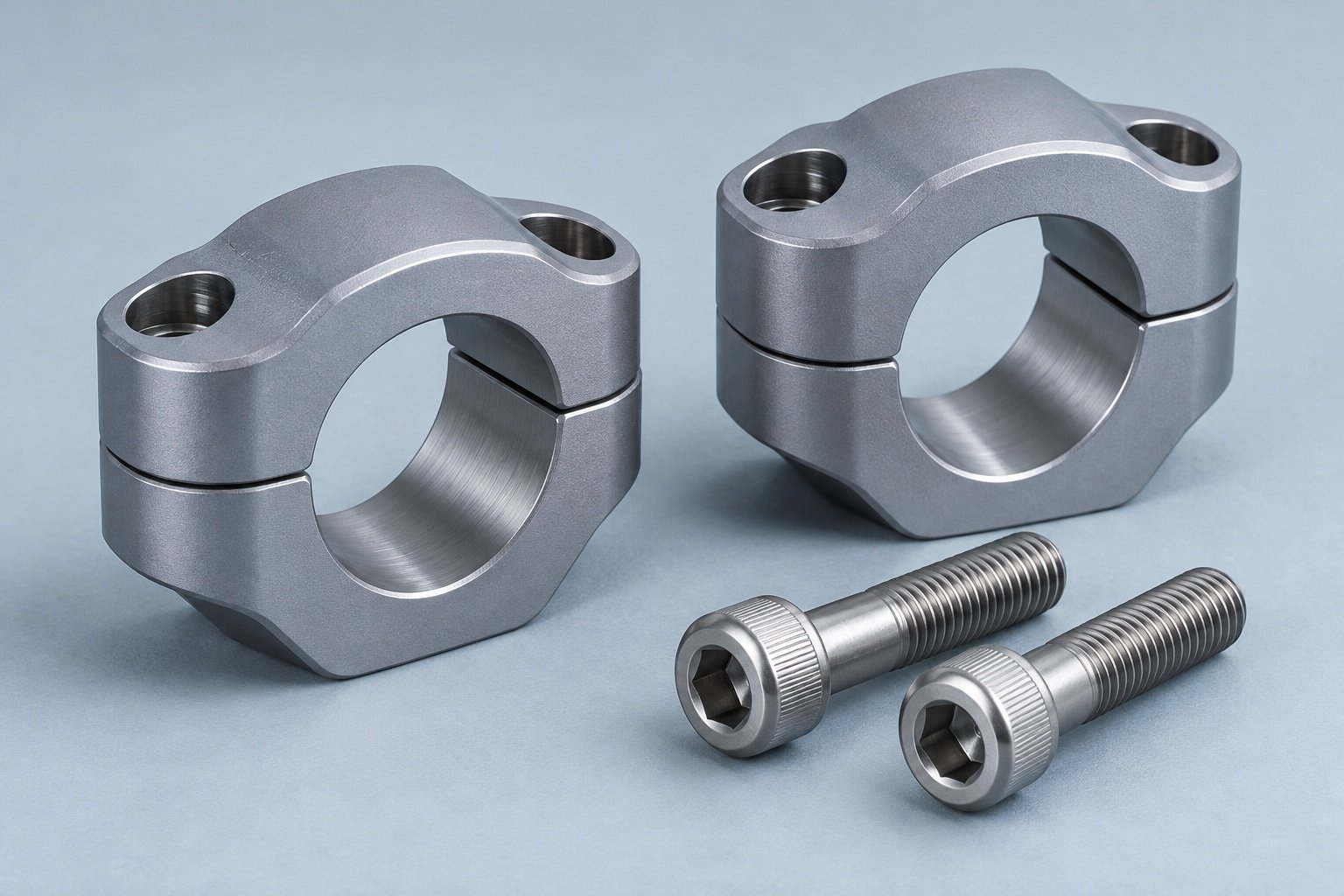
Specify clamp bore, fasteners and approved fit.
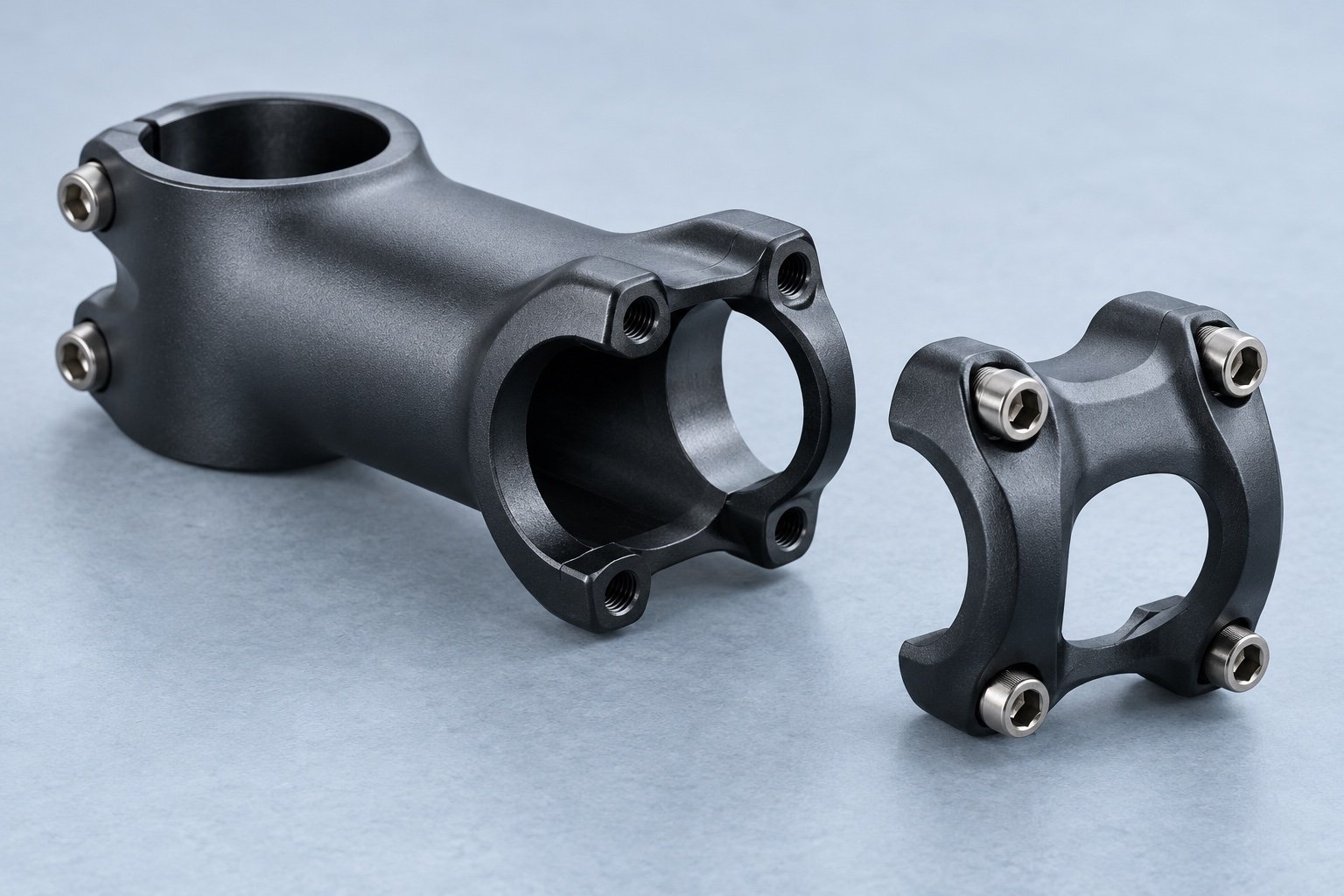
Confirm mating diameters and drawing-defined load cases.
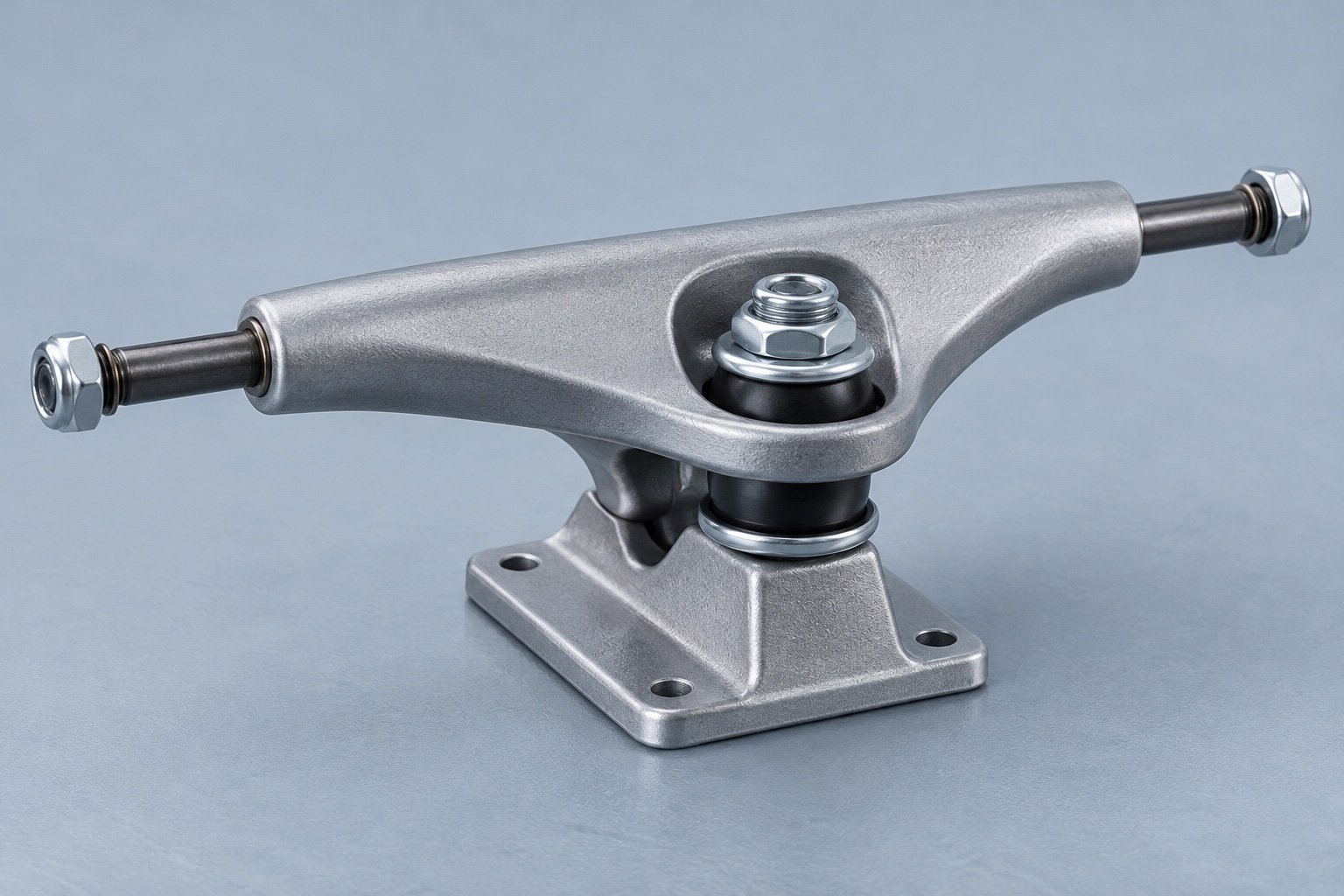
Define axle interfaces, pivot geometry and inspection.
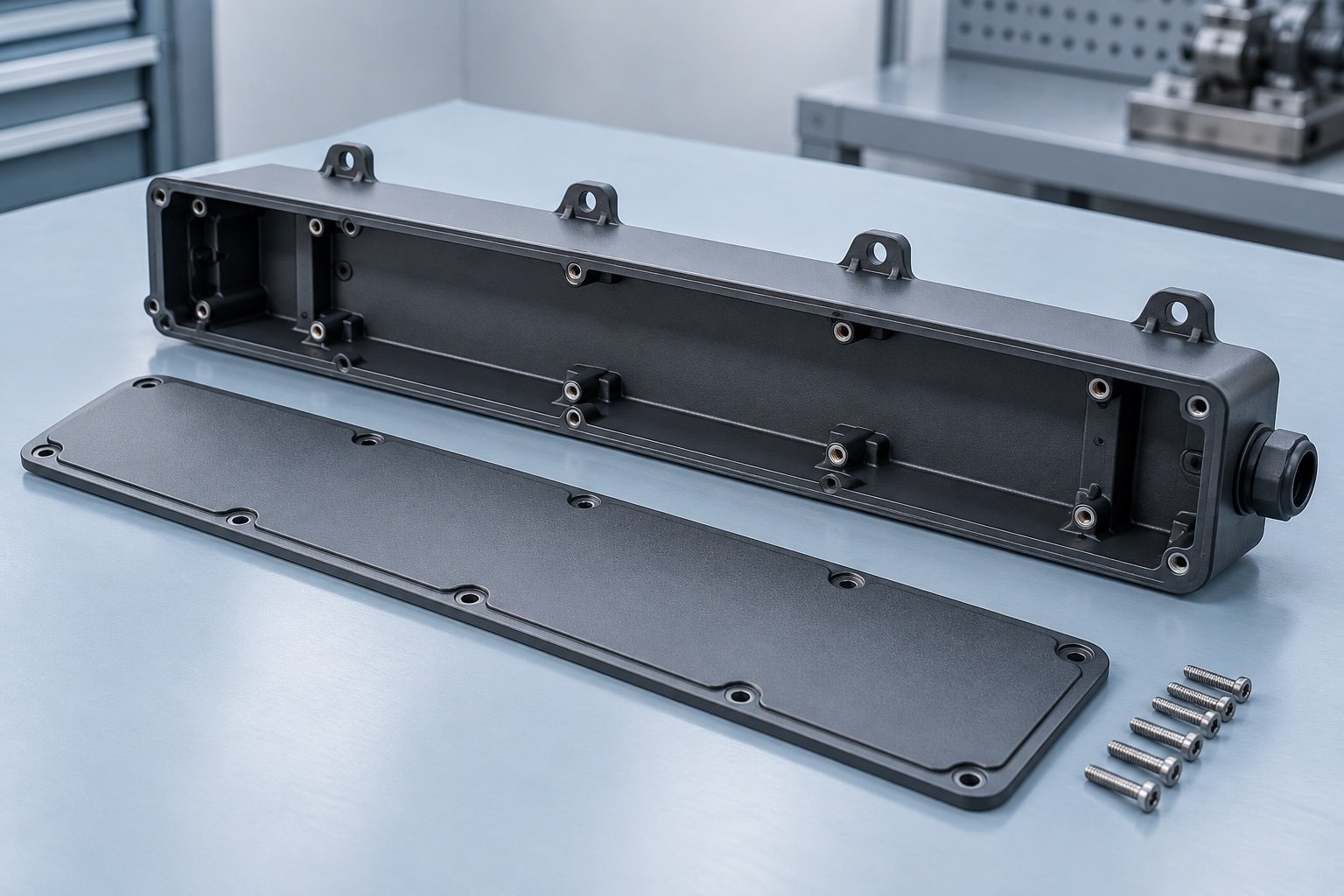
Identify cover sealing, cable entries and mounting space.
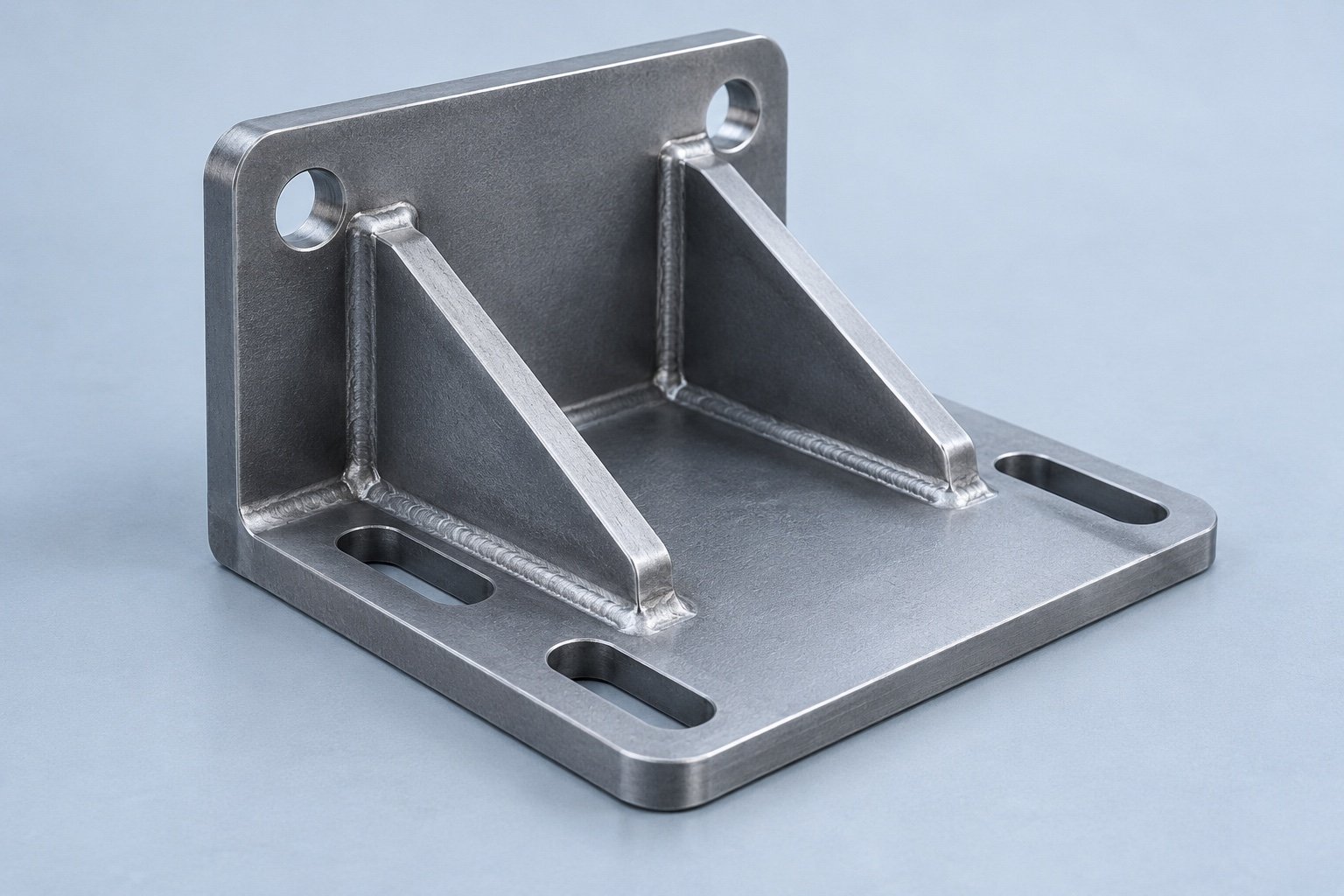
Define material, installation datums and required records.
Compare geometry, quantities, tooling and material condition before selecting a process.
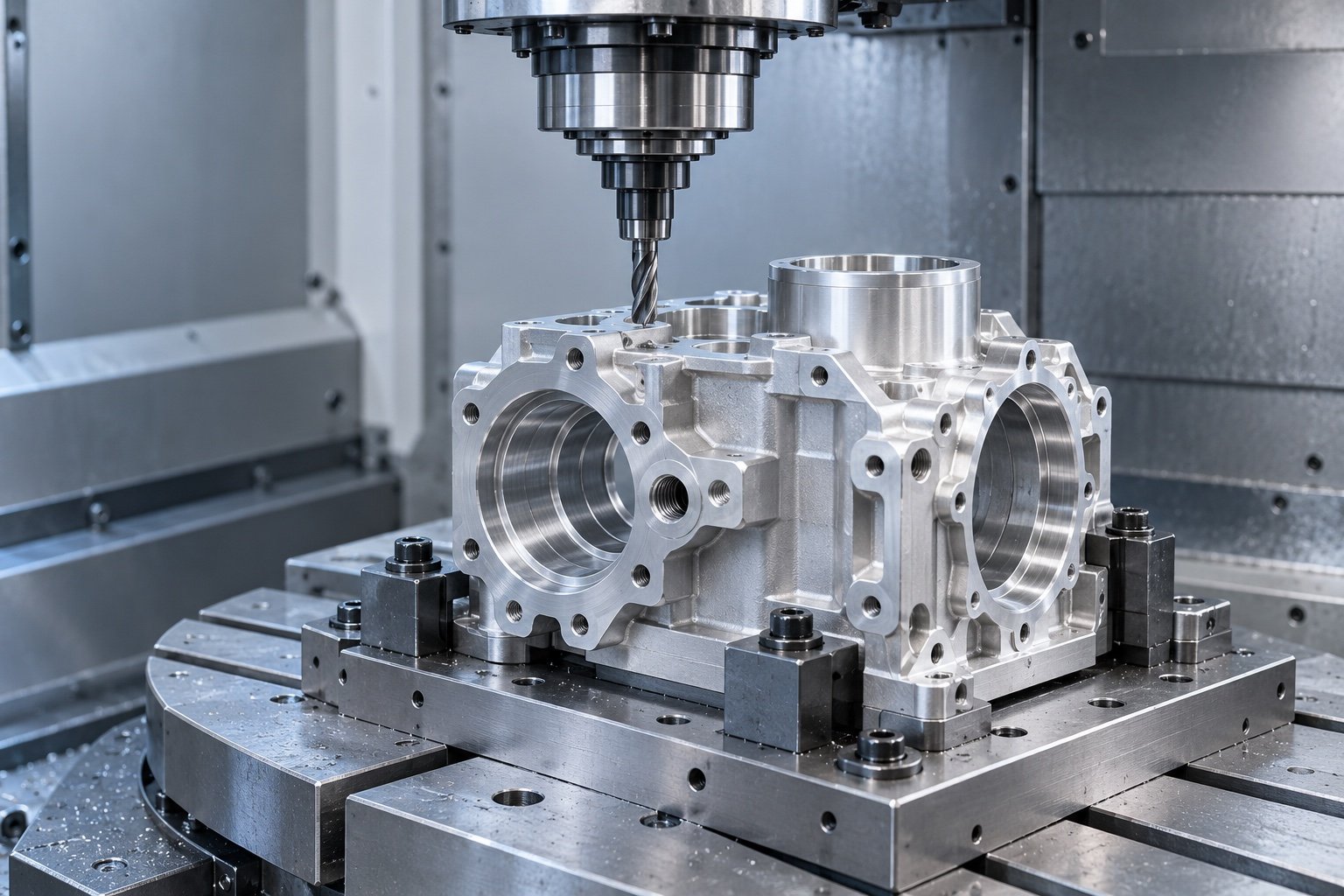
Bores, threads, datums and sealing faces.
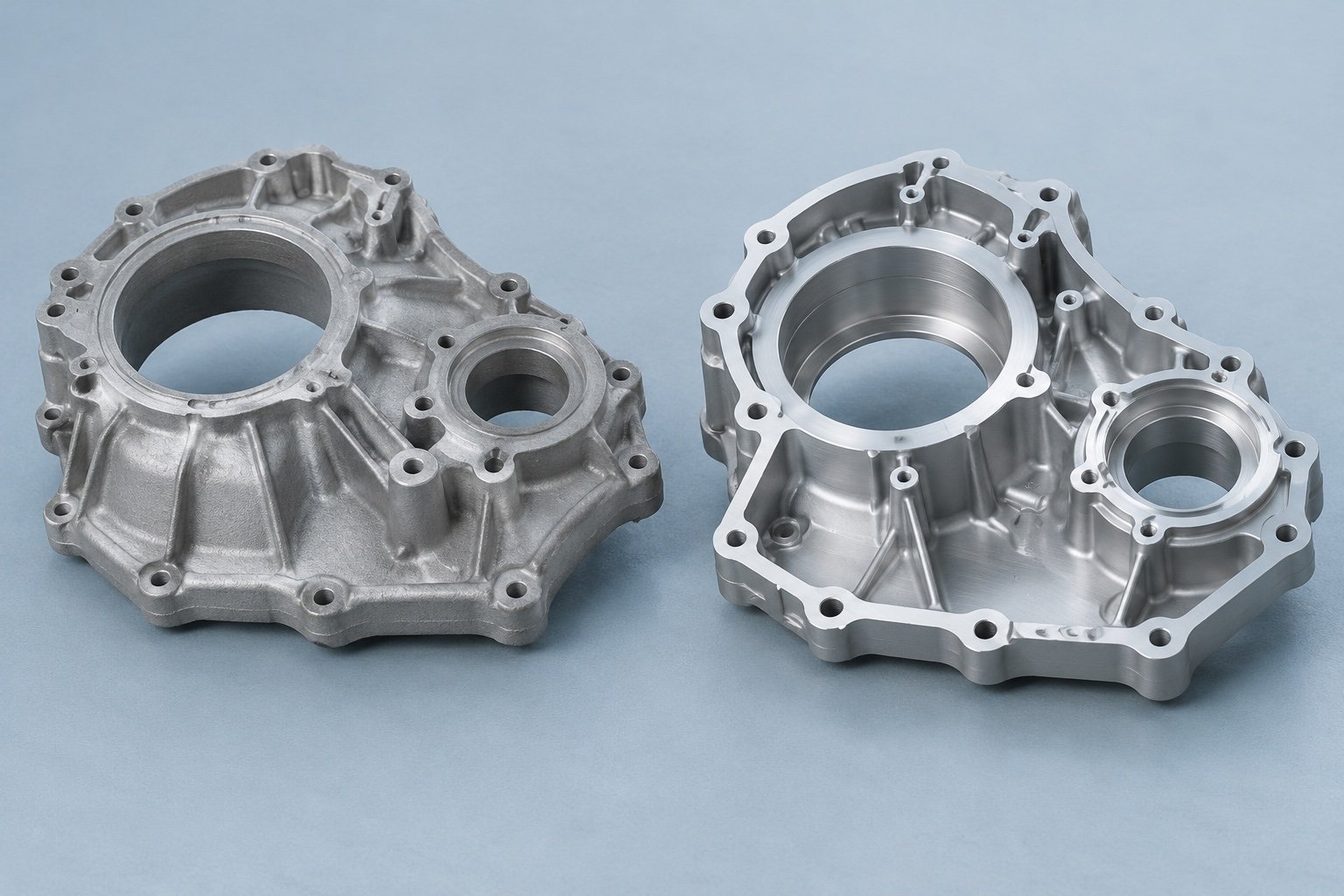
Review draft, wall transitions and machining allowance.
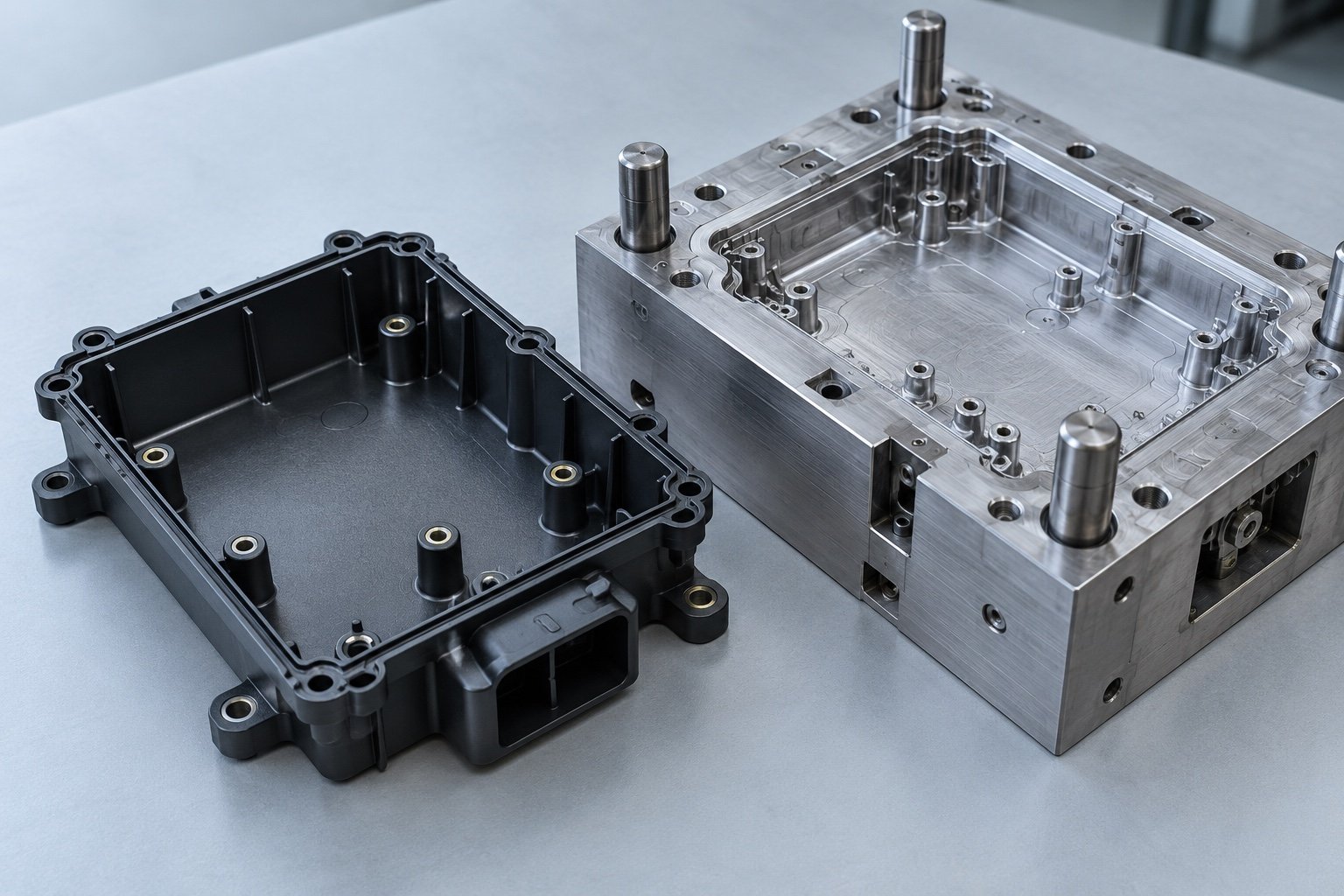
Resin grade, wall thickness and tooling scope.
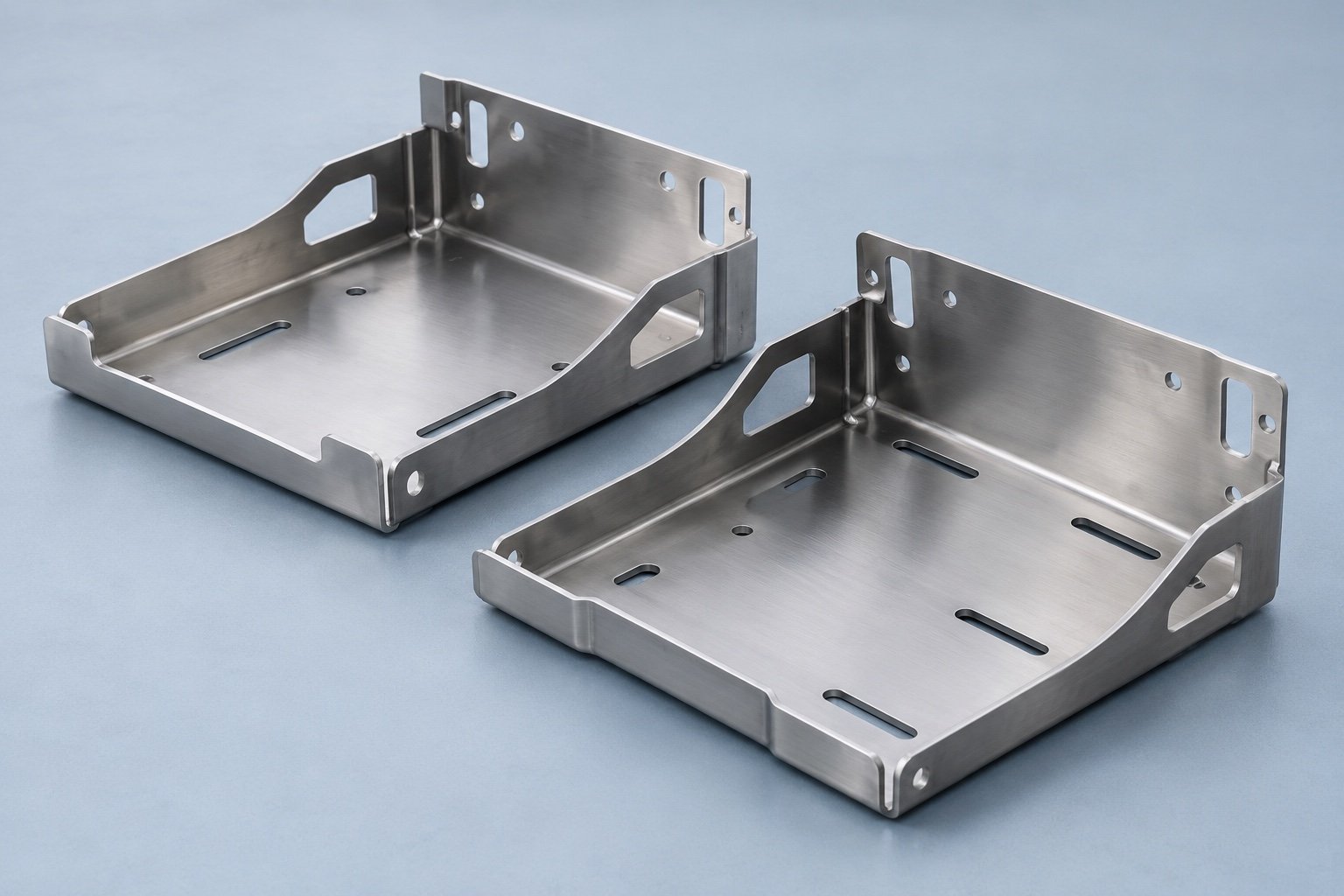
Bends, mounting holes and enclosure clearances.
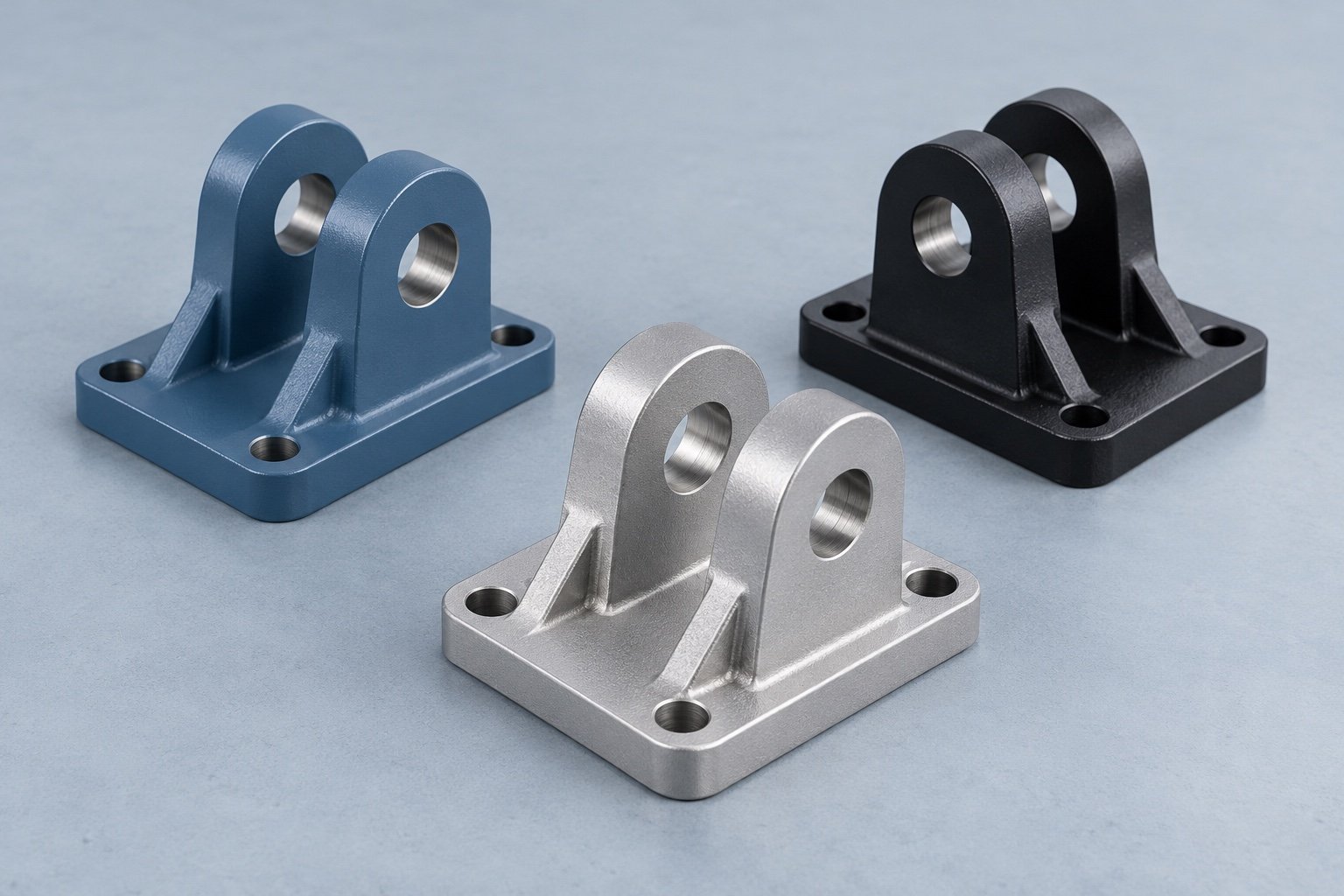
Protected fits, appearance reference and part identification.
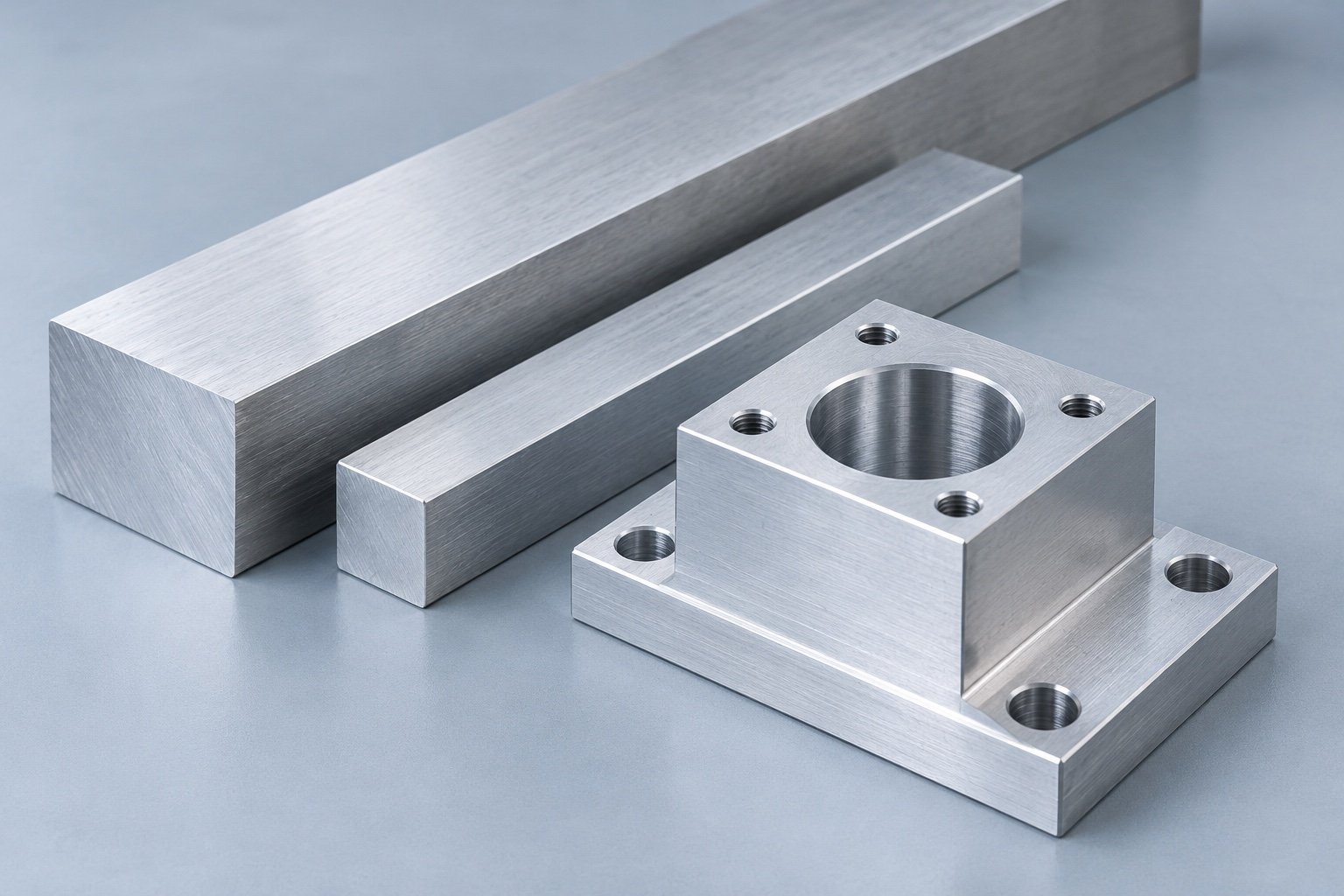
6061 / EN AW-6061 · 7075 / EN AW-7075
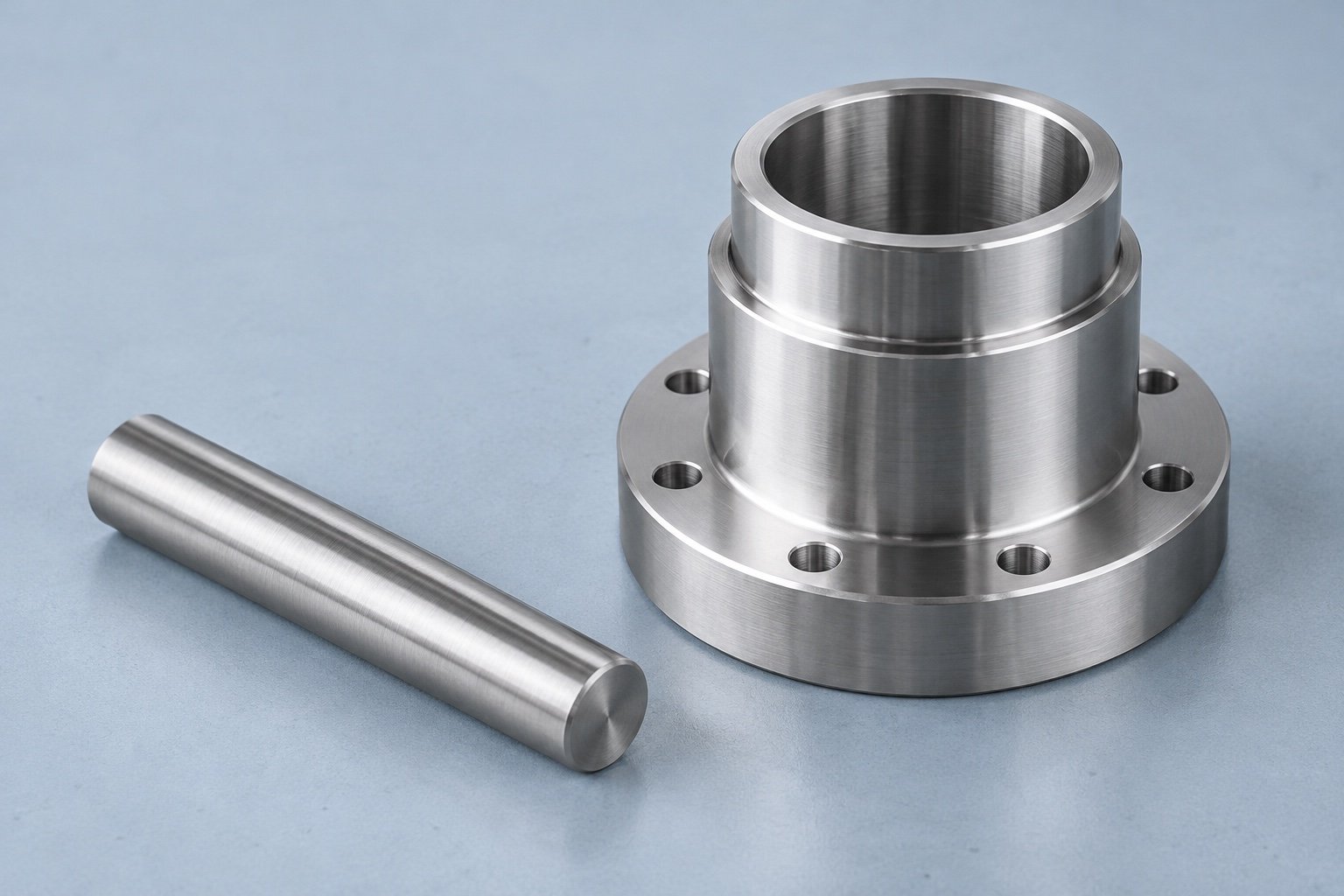
304 / 1.4301 · 316 / 1.4401 references
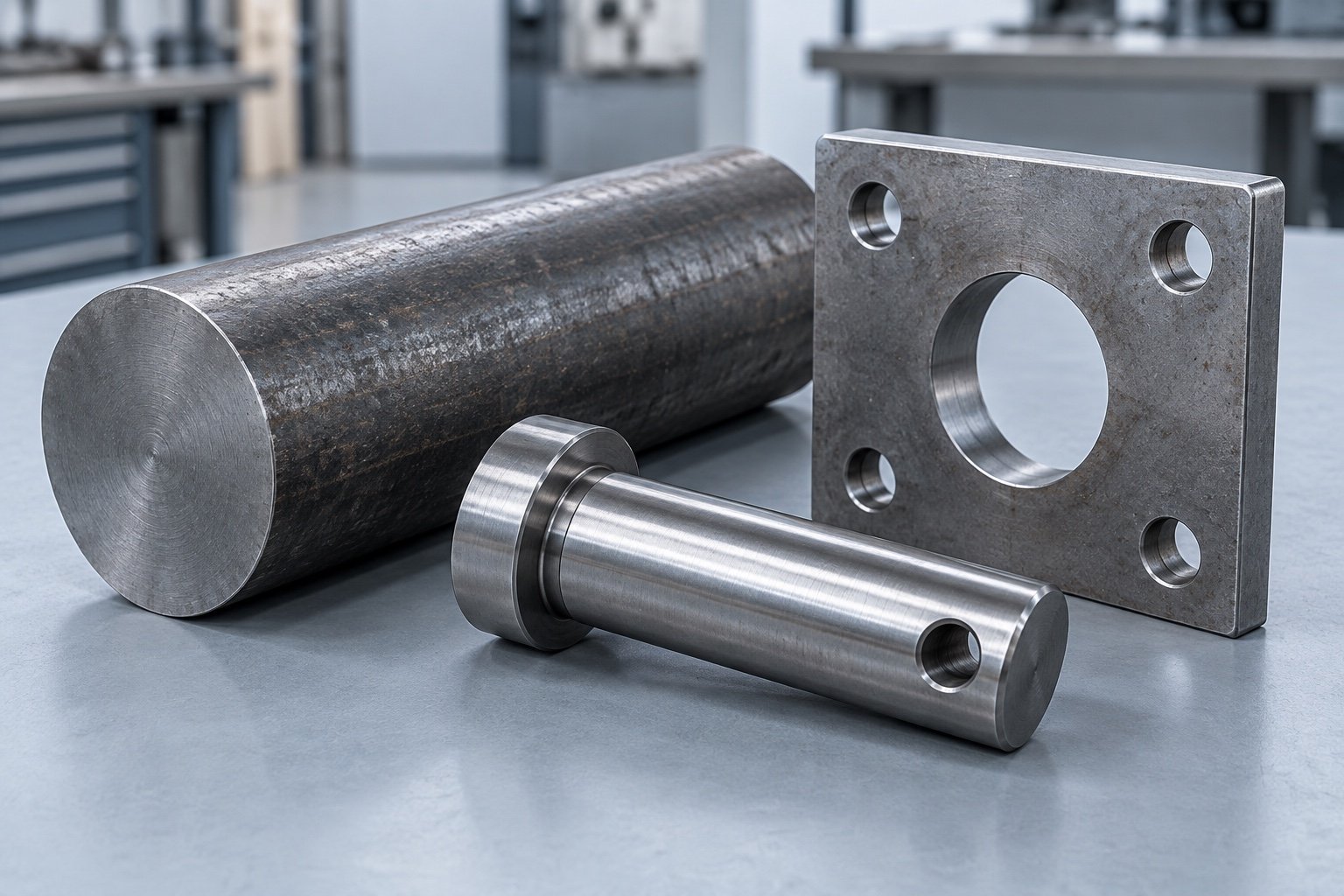
Specify full grade and delivered condition.
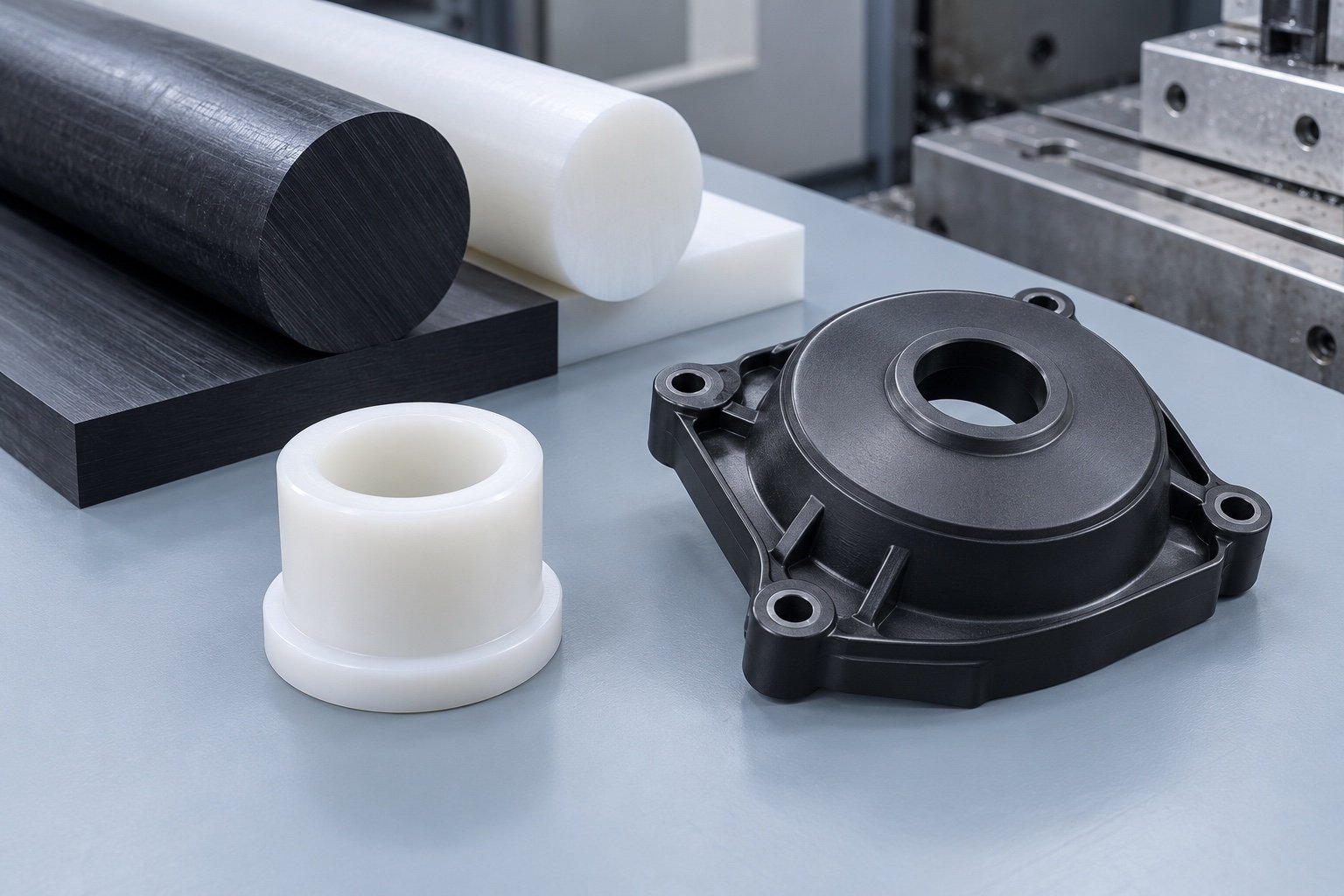
Exact resin grade, additives and exposure.
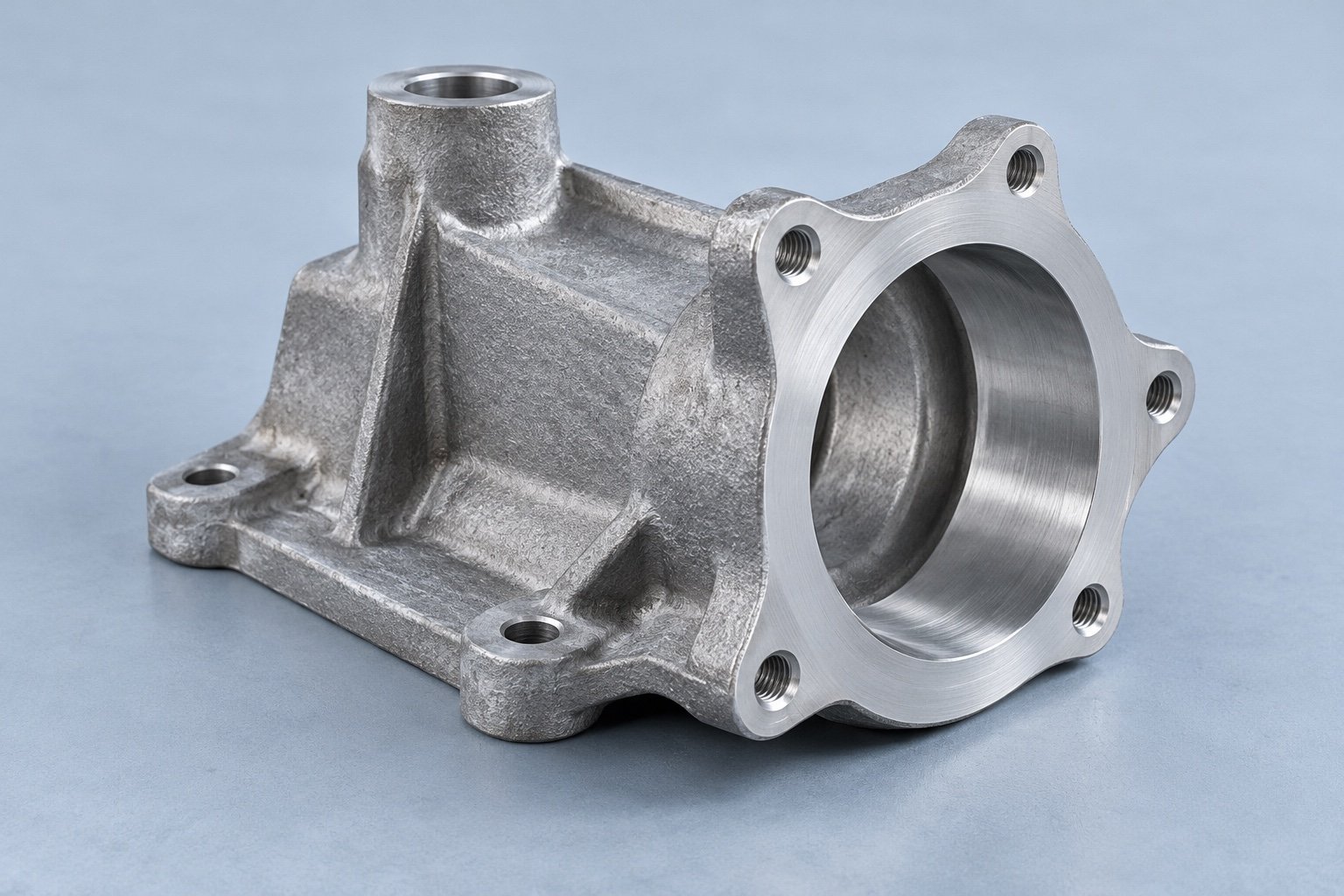
Confirm cast grade and process suitability.
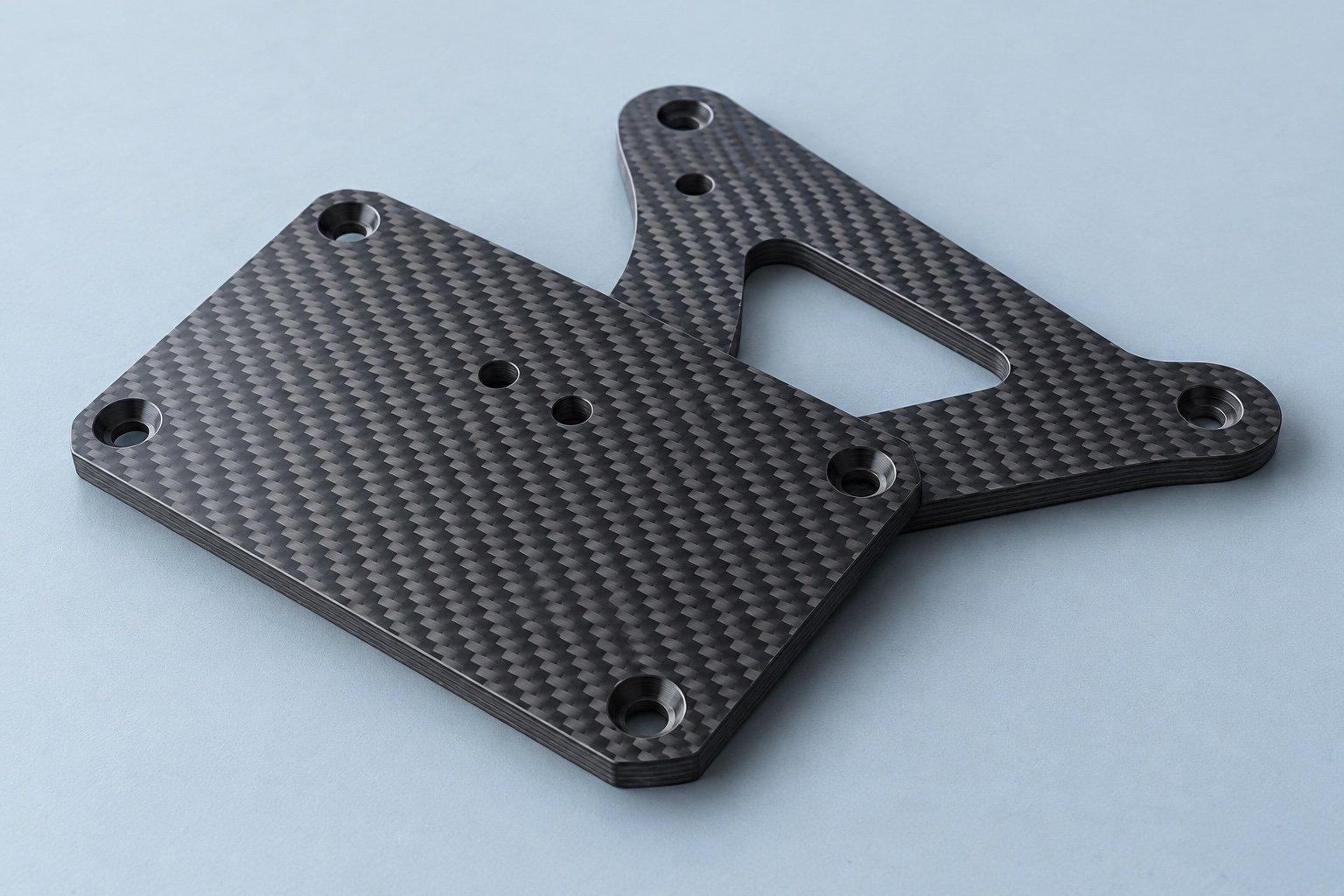
Layup, resin and machining feasibility review.
European names are specification search references, not automatic substitution approval. Confirm chemistry, product form, temper and material certificates. CFRP feasibility and availability require project review.
Avoid comparing quotations for different alloys, finishes or acceptance packages.
Supply the purchasing standard and material designation.
Name temper, heat treatment and stock form.
Identify coating, masks, cosmetic zones and finished fits.
Agree material certificates, inspection reports and traceability scope.
Connect your first sample and repeat orders to the same drawing revision and reporting requirements.
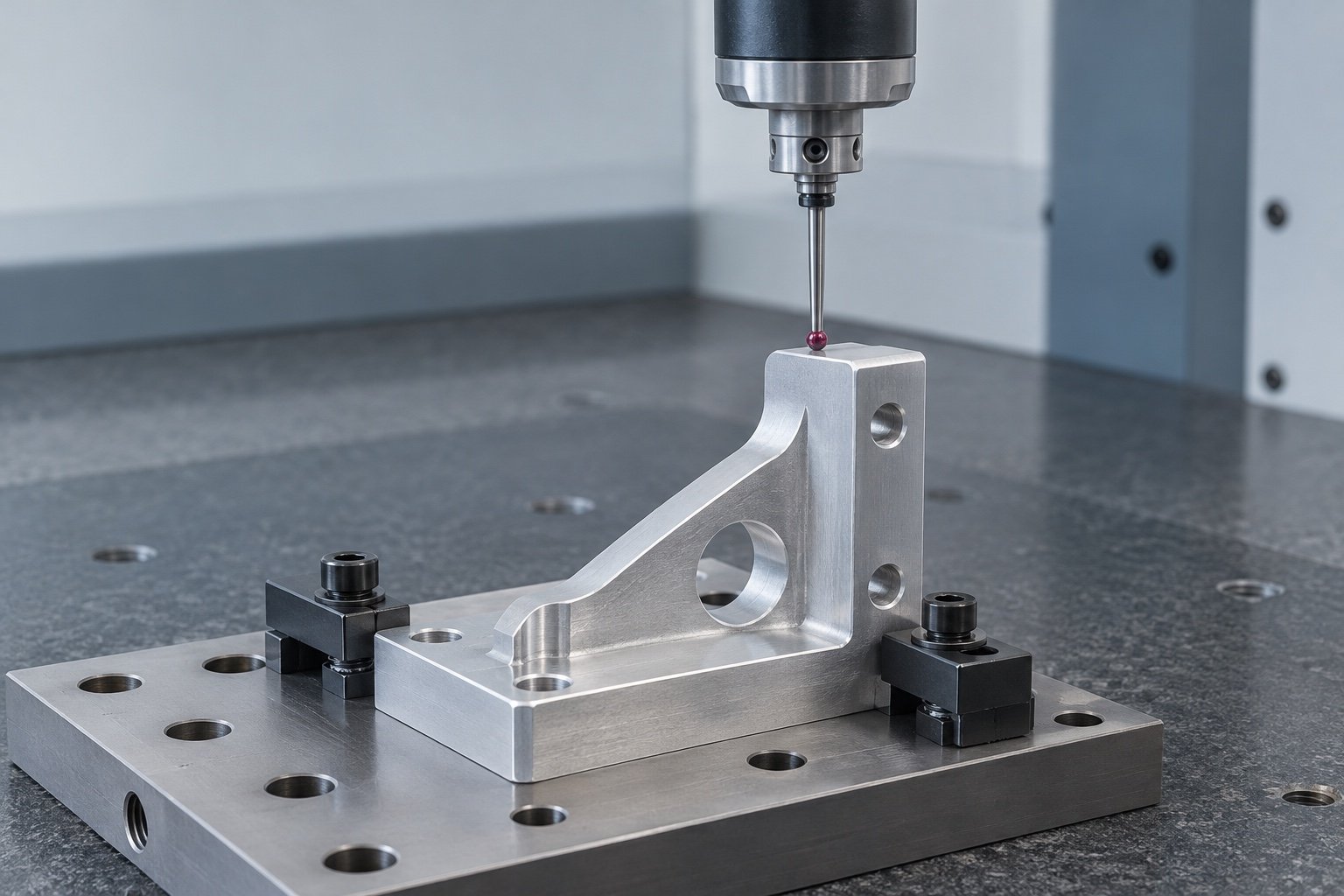
Identify datums, tolerances and features to report.
Define certificate and batch-identification requirements.
Set fit, finish and test criteria before release.
Agree who approves material, design or process changes.
Dimensional inspection does not establish system safety, durability or regulatory approval. Confirm any FAI, CoC or PPAP scope in your quotation.
Drawing revision, quantity, material and target date.
Resolve manufacturing and acceptance questions.
Review your sample against agreed criteria.
Release controlled production and packing requirements.
Coordinate your manufacturing requirements in China and your project communication with Dallas-area support.

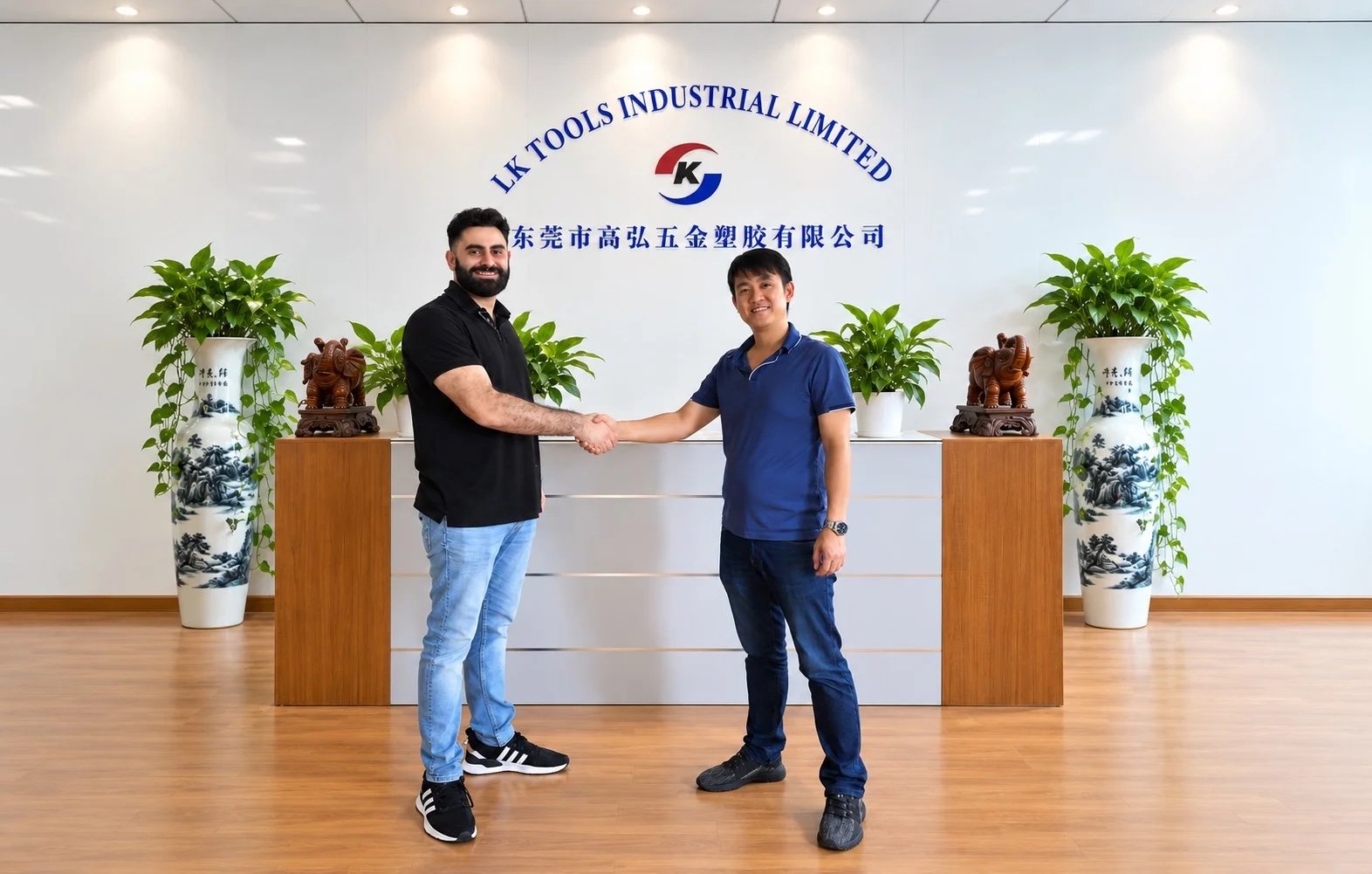

Confirm drawings, interfaces and acceptance scope.
Connect manufacturing updates and U.S. communication.
Plan packing, delivery terms and repeat demand.
Genuine factory, customer-visit and Dallas photographs.
Send CAD, quantities and your target date. Include critical fits, material, finish and required records.