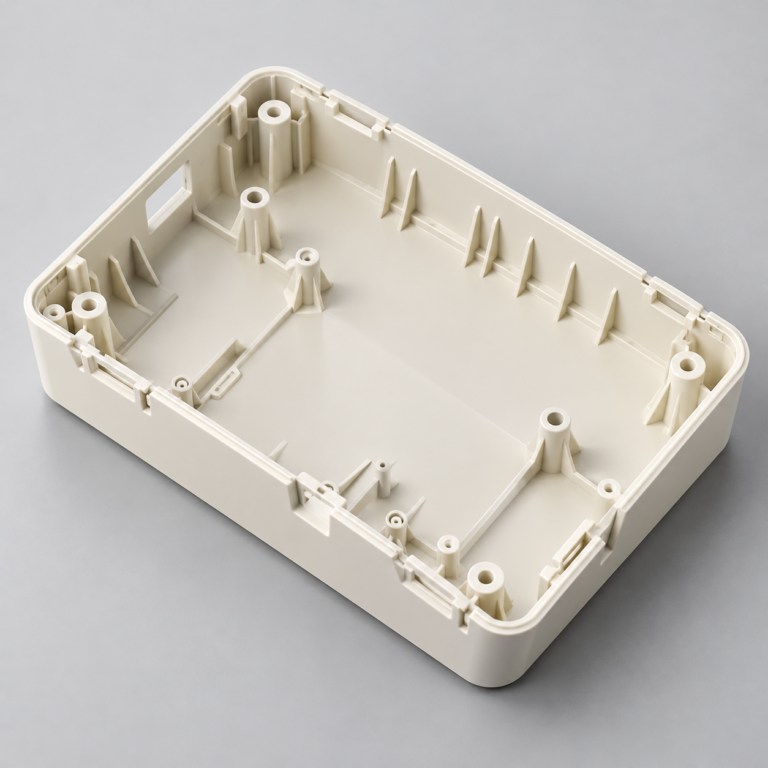
Injection Molding
Tooling and molding for your repeat plastic parts.
From prototype to production, coordinated manufacturing solutions for your custom parts.
View All Services →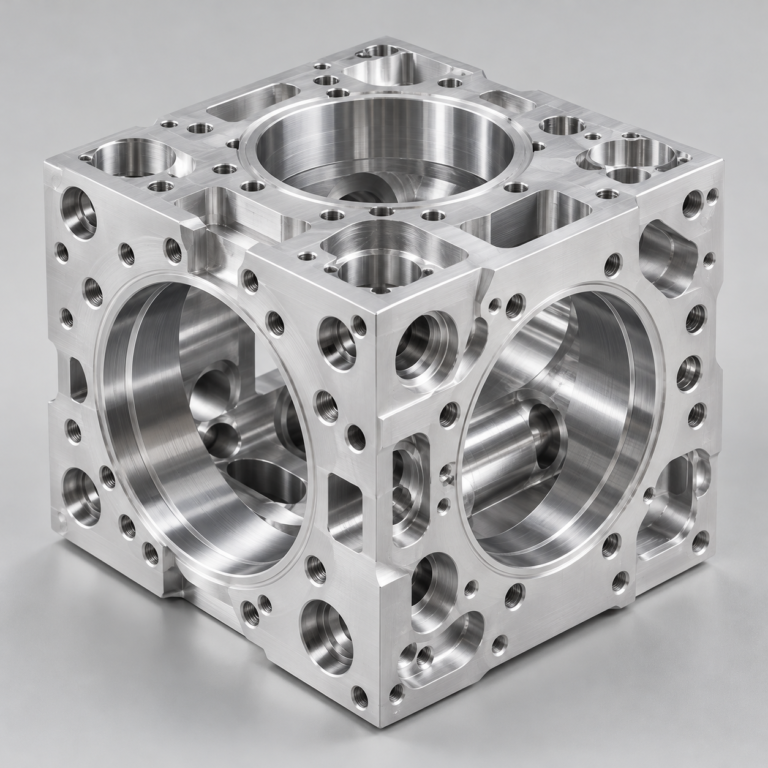
Precision parts for your tight tolerances and complex geometry.
Tooling and molding for your repeat plastic parts.
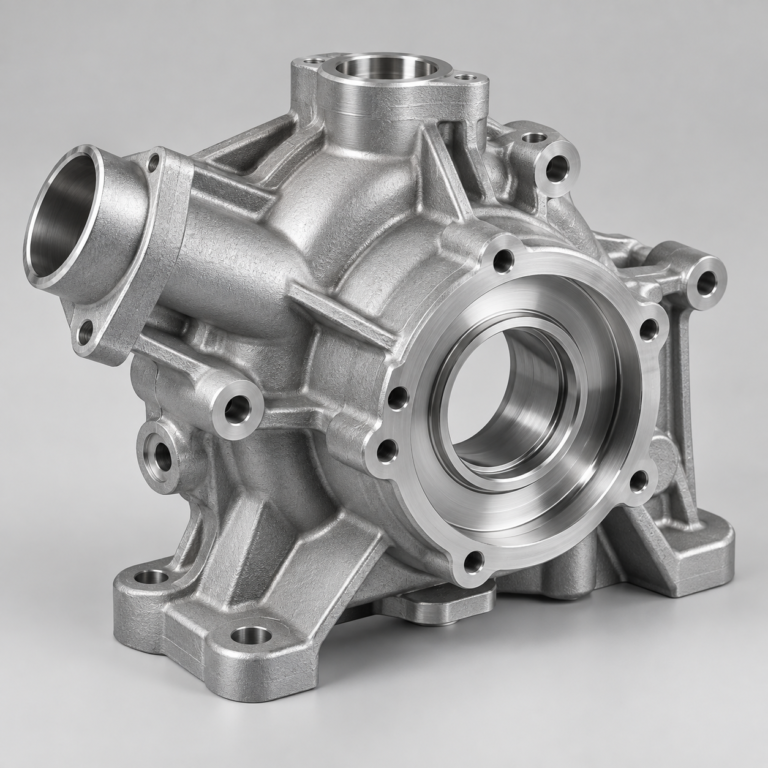
Metal casting options for your part and production volume.
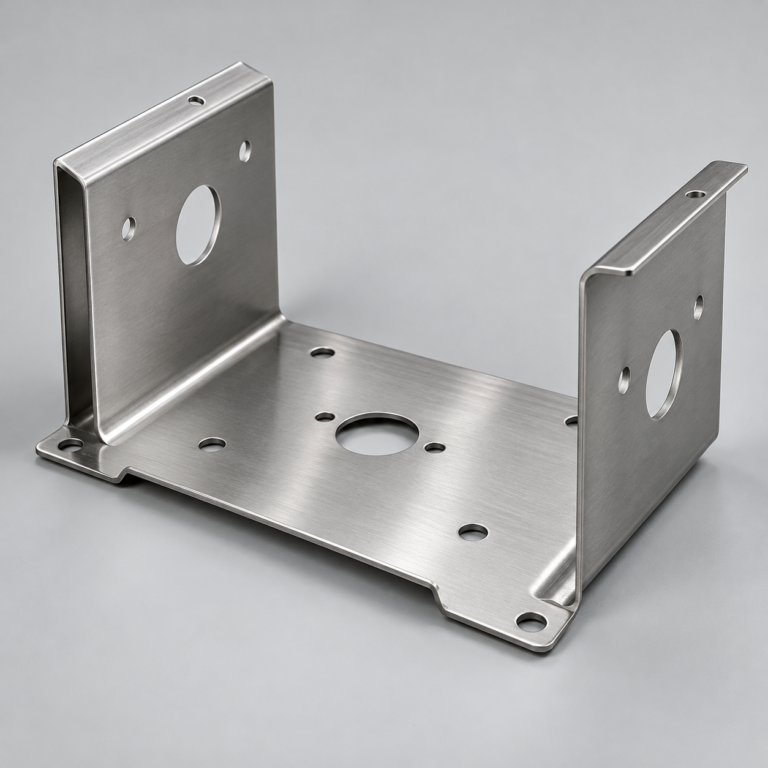
Cutting, forming and welding for your fabricated parts.
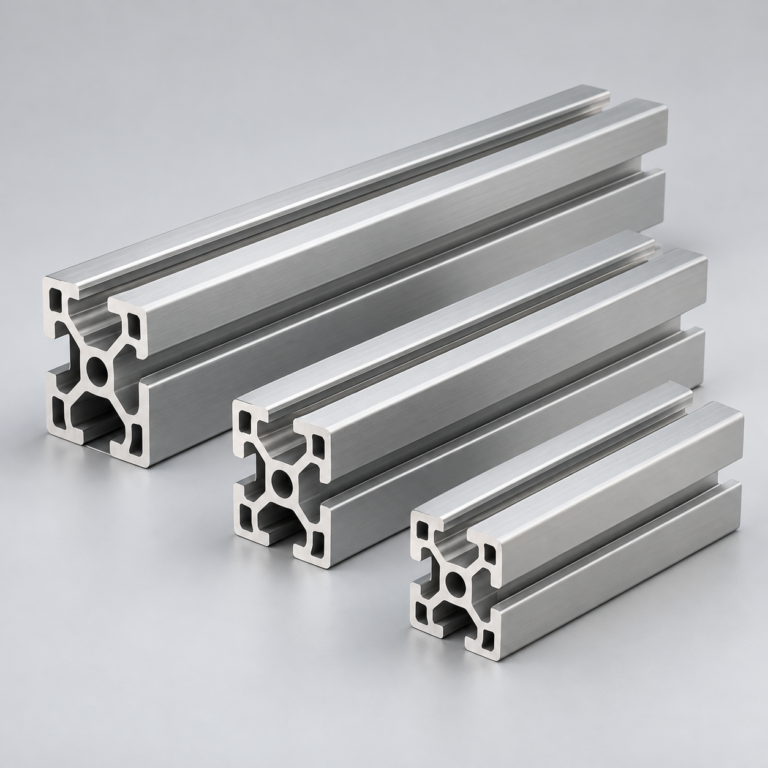
Custom profiles for your section, length and finish requirements.
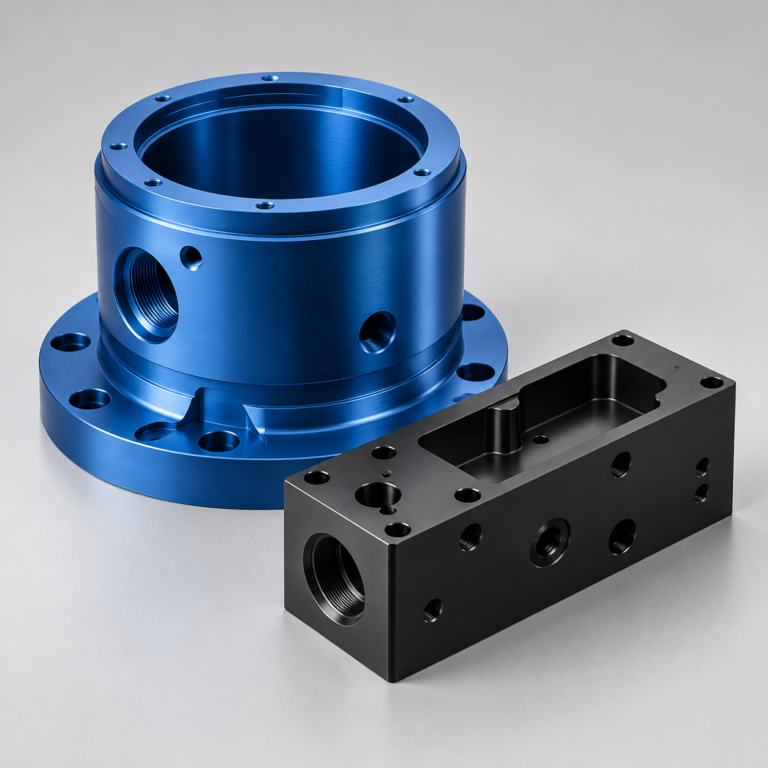
Finishes for your appearance, corrosion and wear requirements.

Sub-assemblies and final builds for your production program.

Production tooling built around your process and volume.
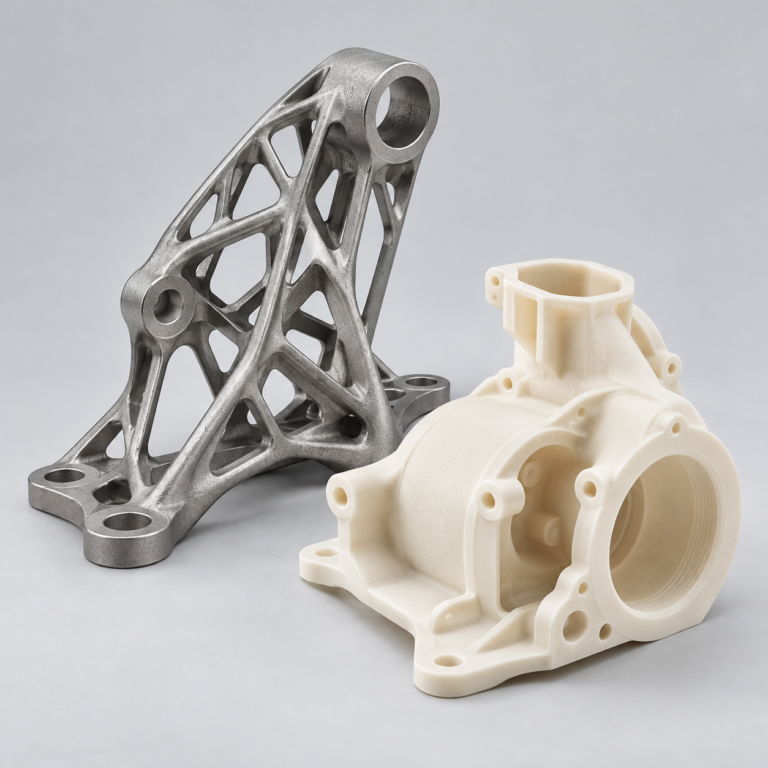
Prototype parts to check fit, function and design.
DFM, process planning and production support for your project.
Inspection, documentation, inventory and delivery planning for your program.
Choose air- or liquid-cooling components around your thermal and mechanical requirements.

Manufacturing support for your cold plates, manifolds and cooling assemblies.
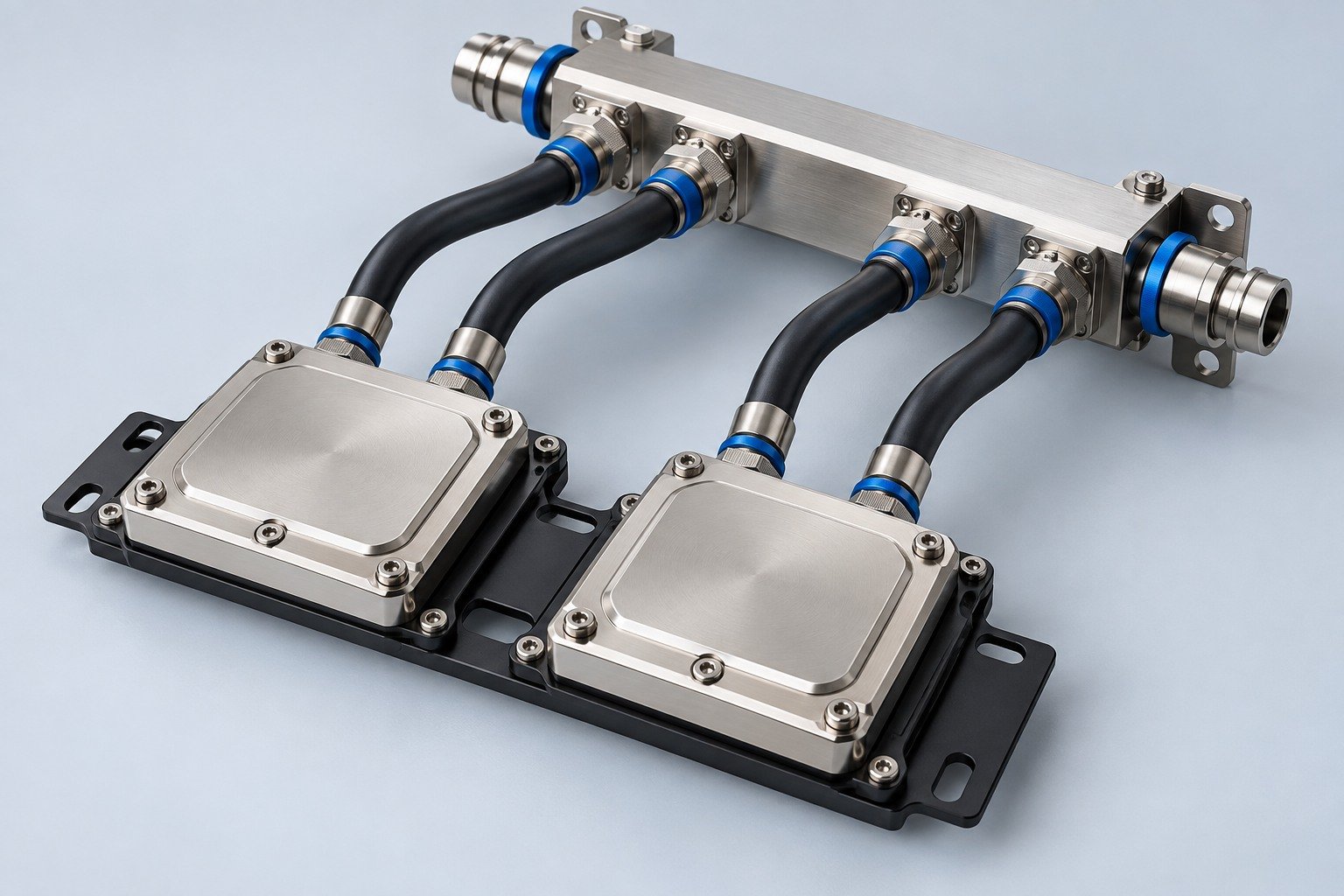
Find components for your power electronics, energy, laser and telecom application.
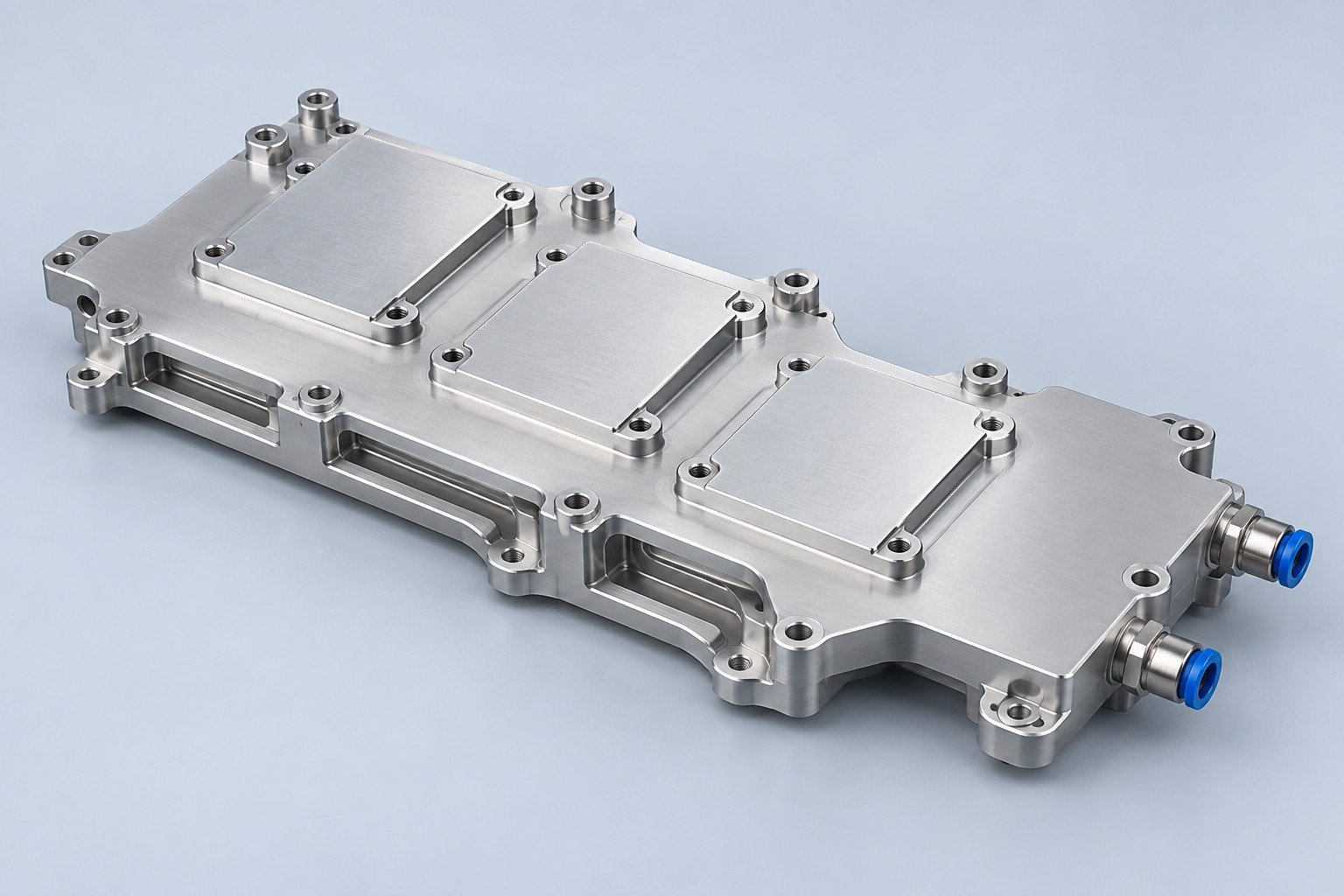
Components for your electronic systems.
Start with your functional and quality requirements.
Build around your operating environment.
From prototype to production, review material performance, manufacturability and cost for your part.
Review grade, temper and finish for your metal parts.
 AluminumStrength, weight and machining›
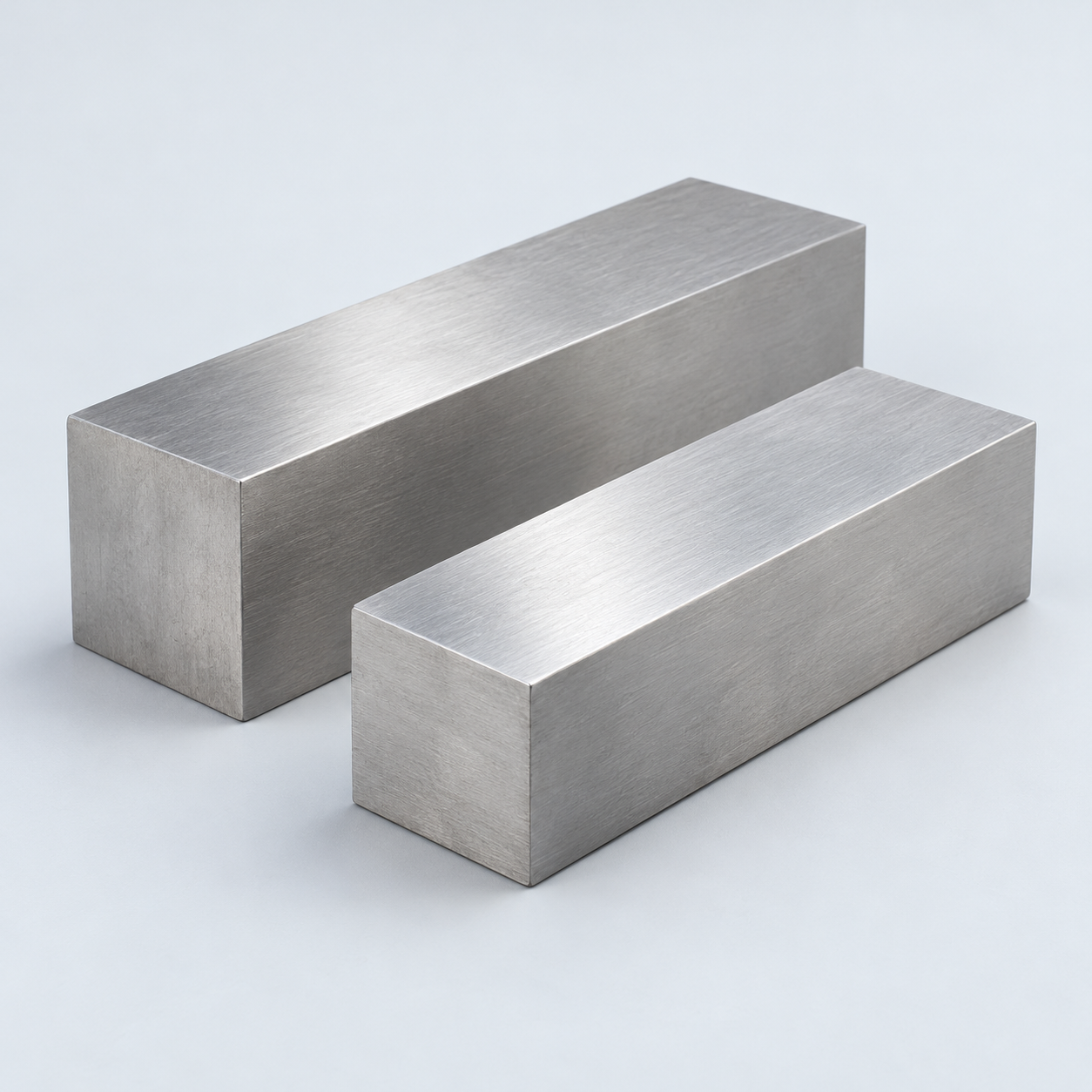 Stainless SteelCorrosion and finish requirements›
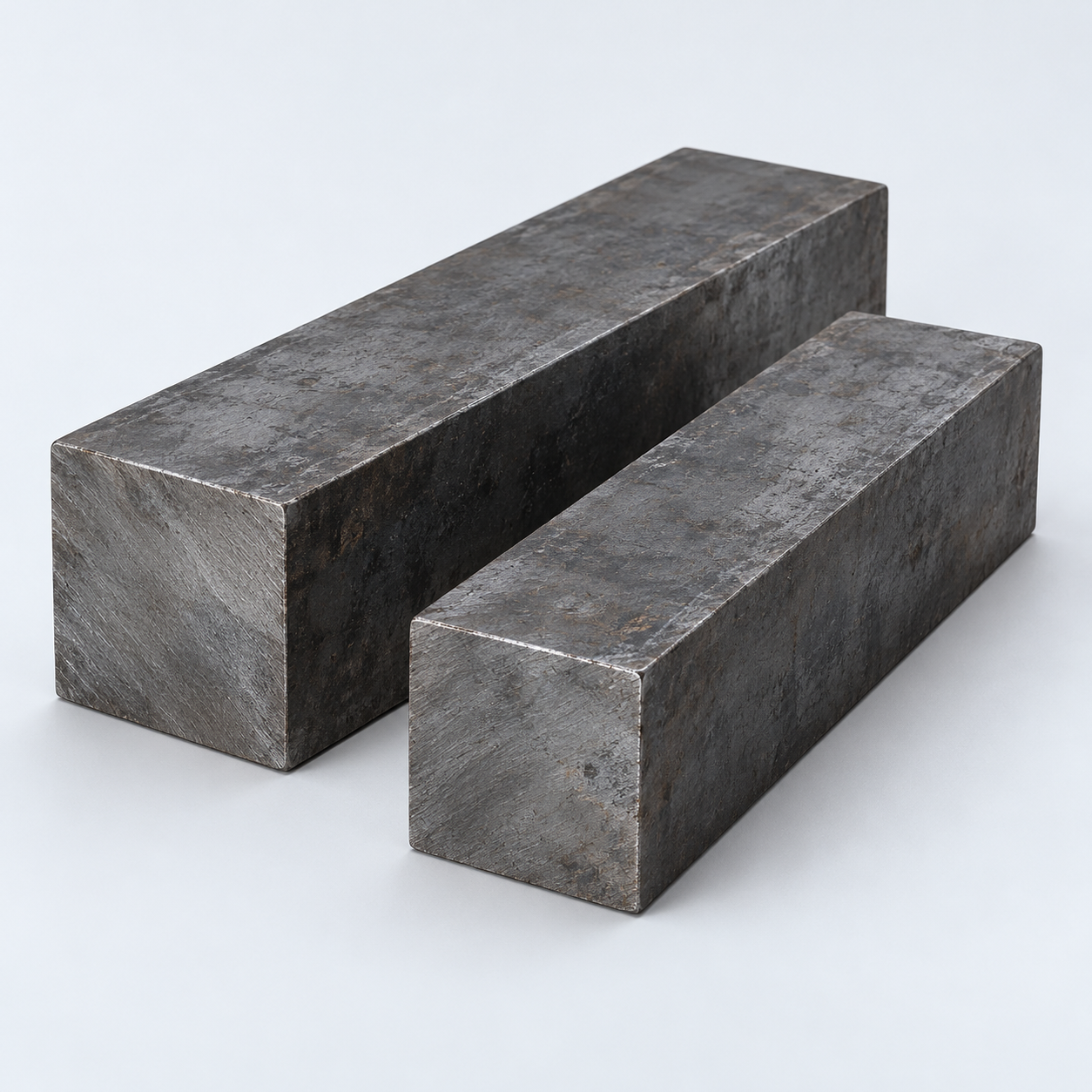 Carbon & Alloy SteelDiscuss grade and heat treatment›
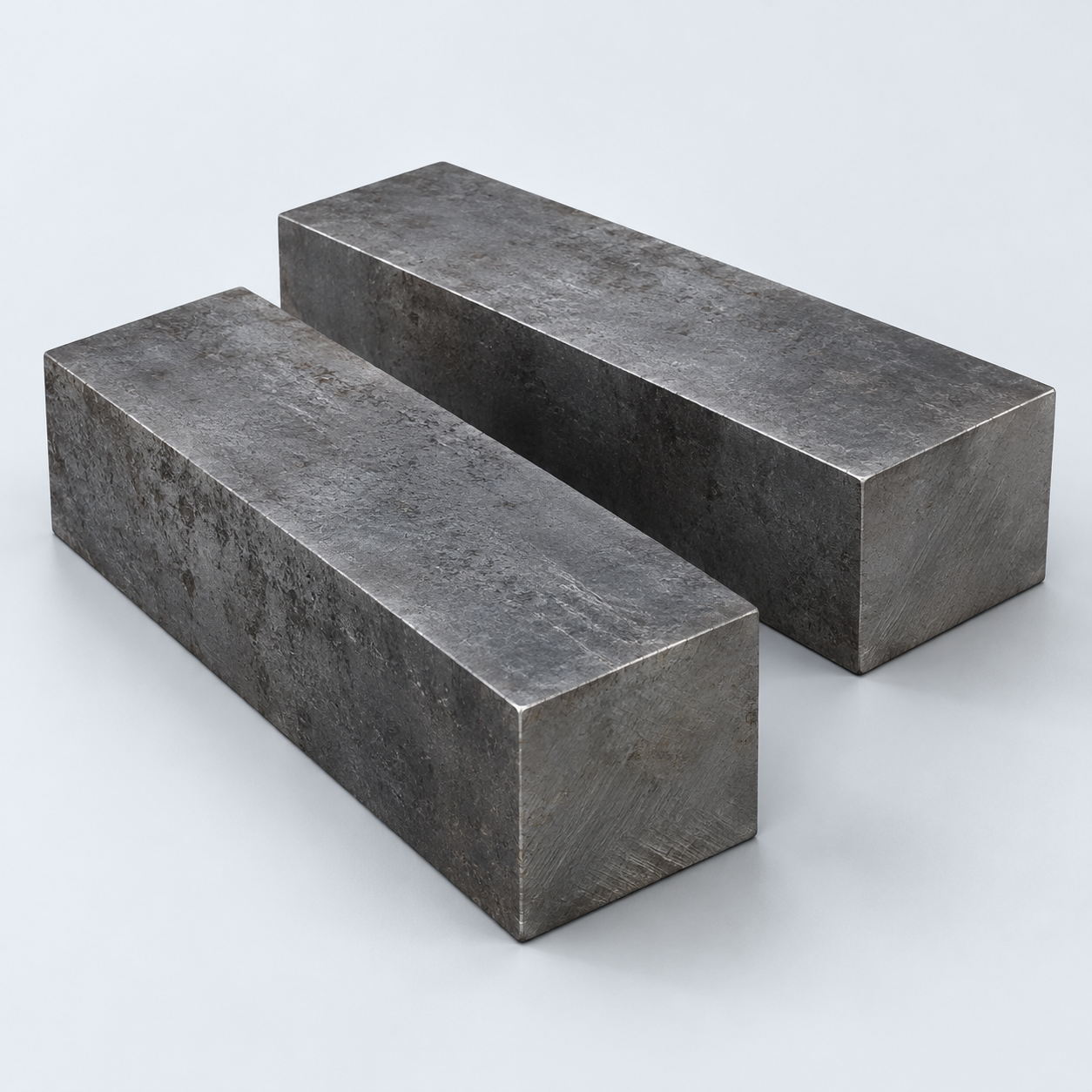 Tool SteelDiscuss tooling and wear needs›
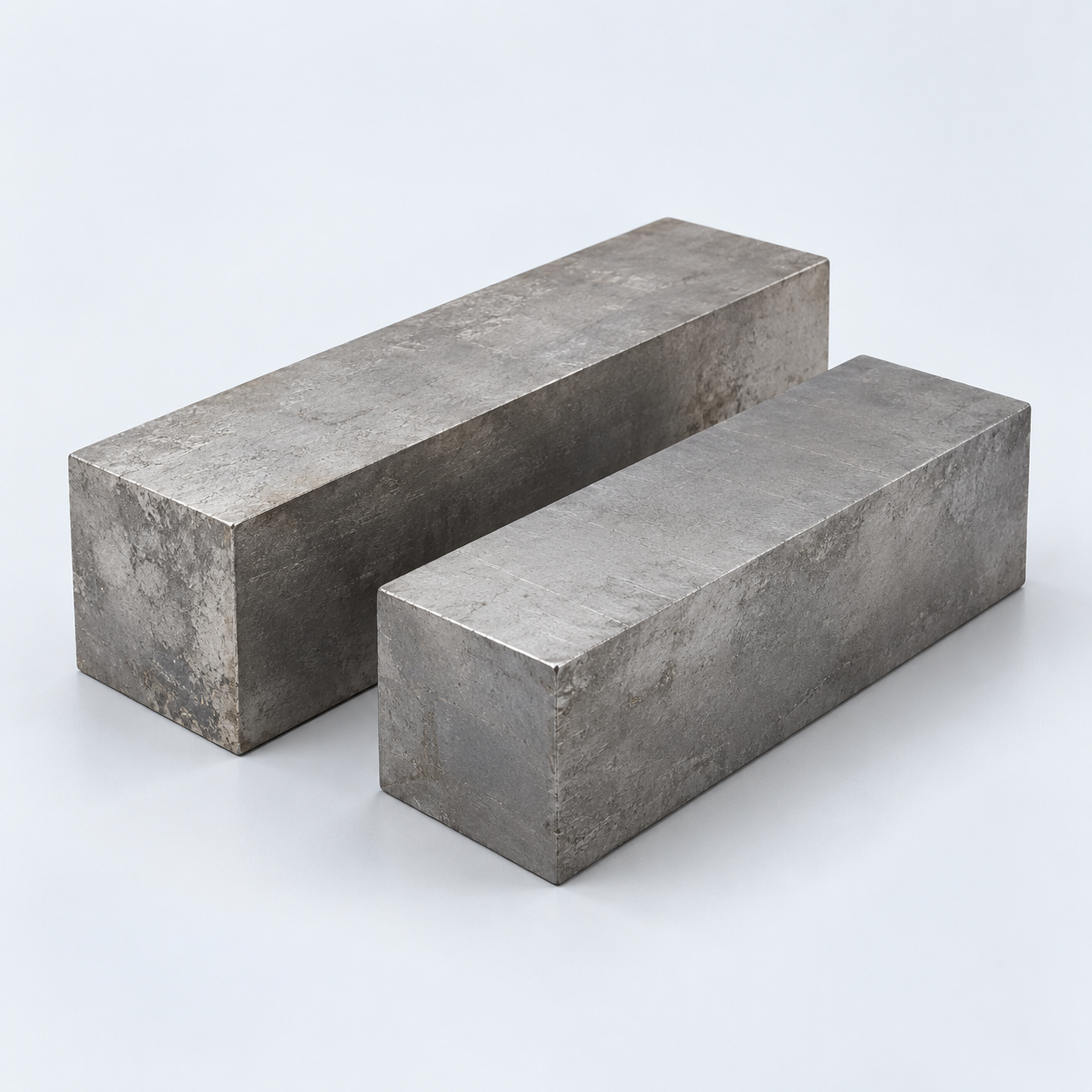 TitaniumReview grade and part geometry›
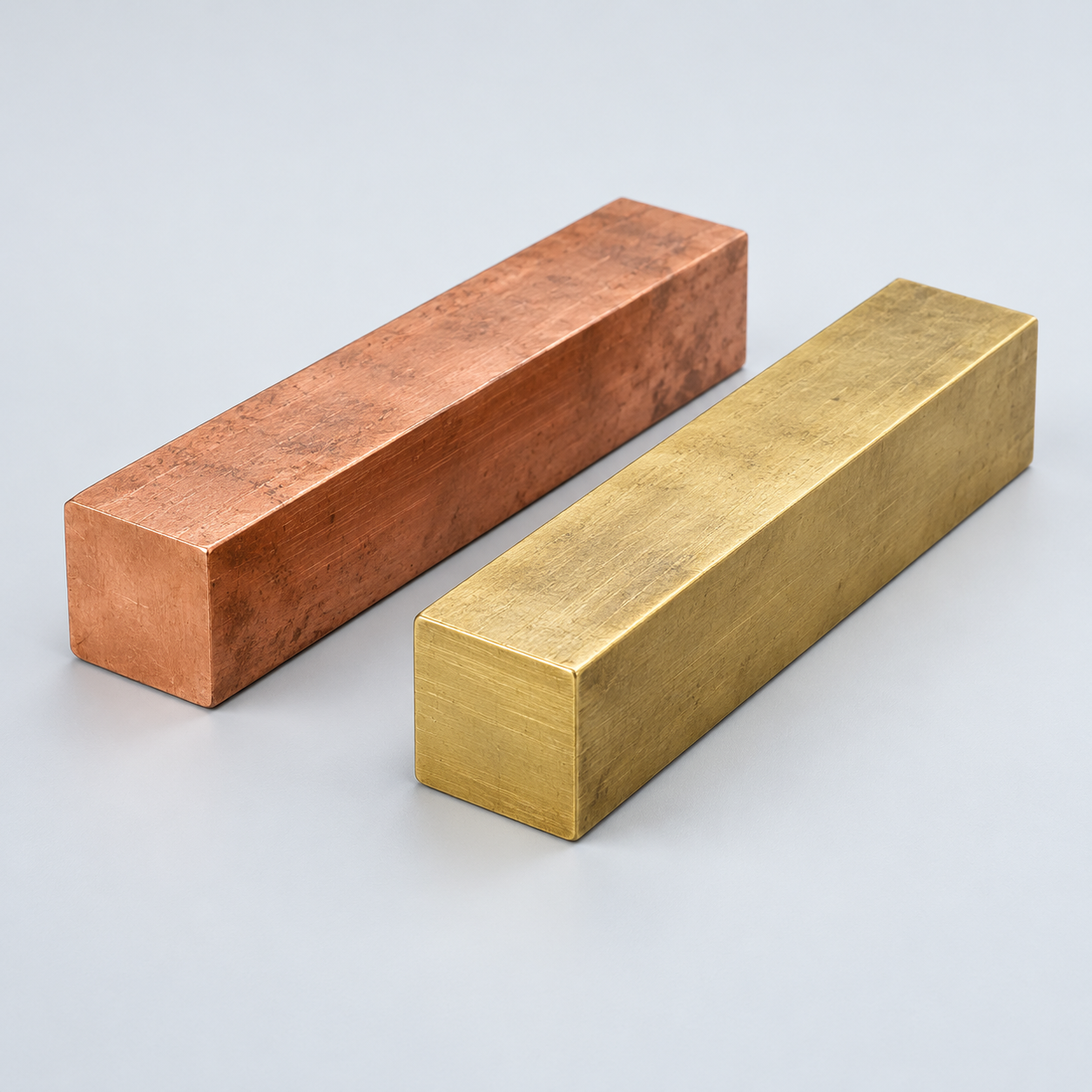 Copper & Brass & BronzeDiscuss conductivity and machining›
Match your polymer to function, process and environment.
 ABSReview enclosure and molding needs›
 Polycarbonate (PC)Discuss clarity and impact needs›
 Nylon (PA)Review moisture and wear conditions›
 POM / AcetalReview fit and sliding features›
 PEEKDiscuss operating conditions›
 PTFEReview friction and chemical exposure›
 ULTEM / PEIDiscuss thermal and electrical needs›
Confirm grade availability and application requirements.
 Silicone / LSRDiscuss flexible component needs›
 TPU / TPEReview flexibility and processing›
 EPDMReview weathering and chemical exposure.›
 NBRReview oil and fuel exposure.›
 FKMReview temperature and chemical exposure.›
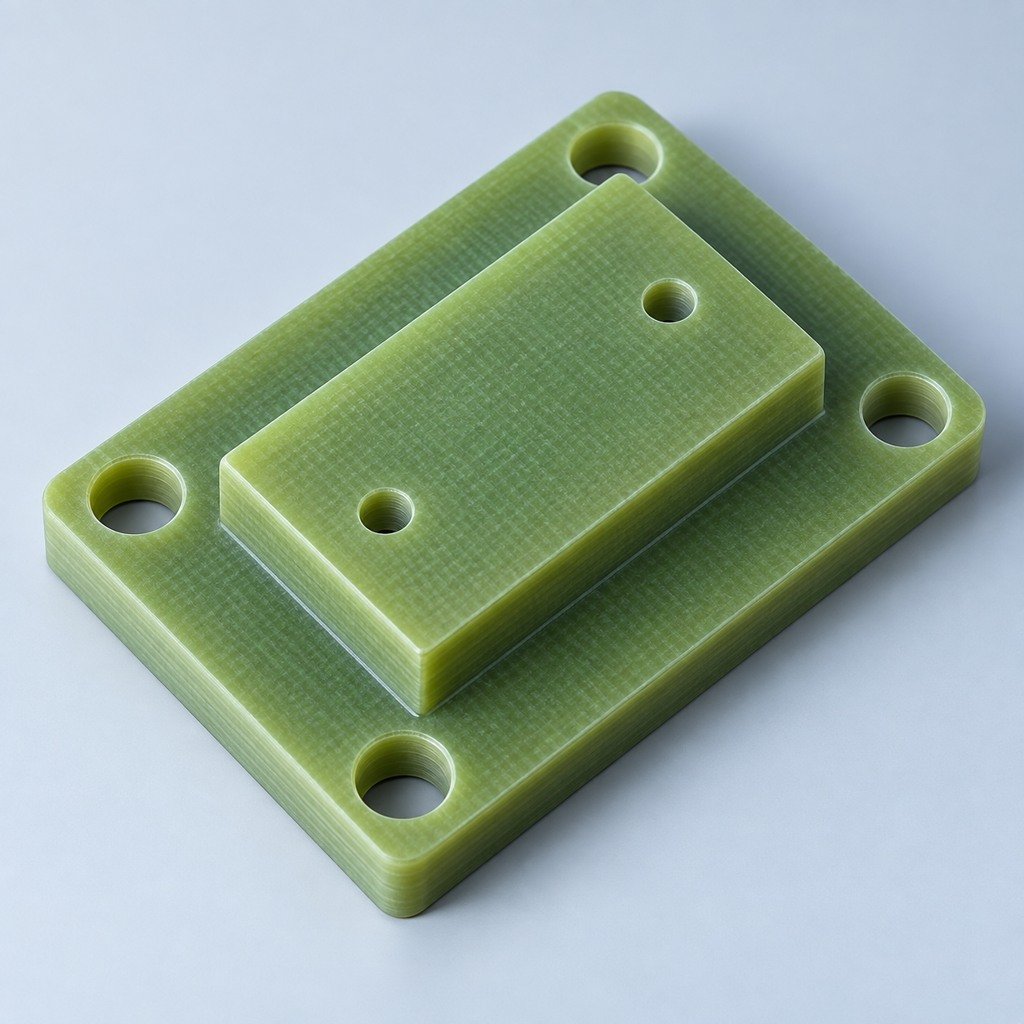 G10 / FR4Review insulation and laminate needs›
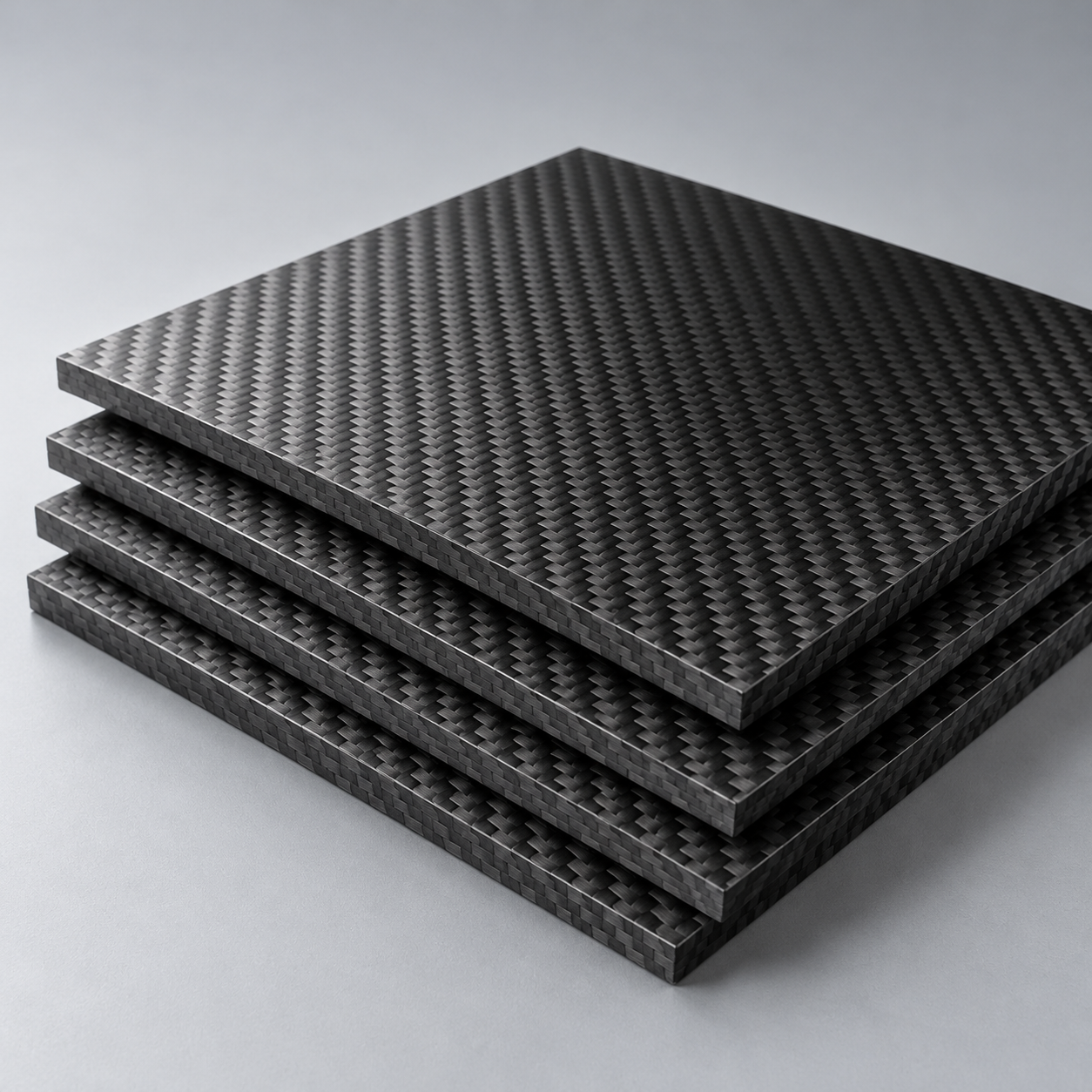 CompositesReview stiffness, weight and laminate.›Customer-Specified MaterialsConfirm your grade and requirements.›Other Specialty MaterialsDiscuss your application and grade.›
Practical guidance for your part geometry and material decisions.
Prepare your process, budget and sourcing questions.
Build your knowledge before production.
Learn who we are and how we operate.
Find our U.S. support team or start a conversation.
YOUR ALLOY. YOUR CONDITION. YOUR FINISHED PART.
Compare metal engineering materials for custom parts by exact grade, condition, product form and finished requirements. Use this guide to shortlist manufacturing materials, then open the relevant alloy page for your drawing, heat treatment, finish and inspection review.
Exact alloy availability and manufacturing scope require project confirmation. Retain full grade, condition and finished-part acceptance; no certification or supplier qualification is implied.
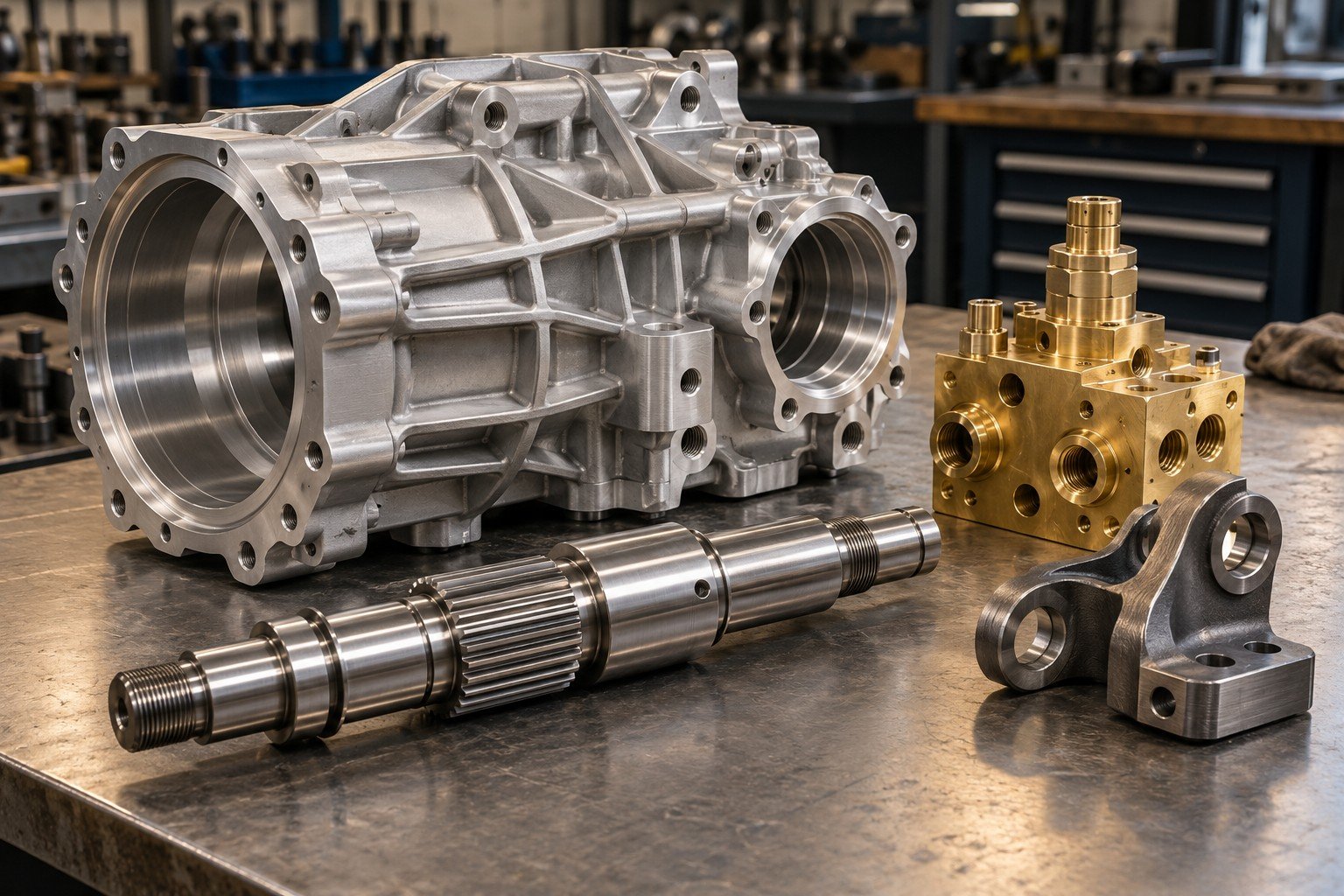
Compare CNC machining materials with your actual condition, geometry and finished requirements. Each family guide retains its own detailed grade review.
Review weight, geometry, temper, stock form, corrosion exposure and anodized dimensions. Compare the actual wrought or casting alloy rather than using aluminum alone as the specification. Review your full ordered specification and use the linked family guide for detailed grades.
| Your decision | What to confirm |
|---|---|
| Starting references | 6061, 6063, 7075, 2024, 5052, 6082 and casting alloys |
| Your decision | Load, environment, weight, geometry and functional interfaces |
| Finished scope | Full material, stock, process, treatment, finish and inspection |
A family name does not define every condition or product form.
| Your decision | What to confirm |
|---|---|
| Identity | Exact alloy, applicable standard, producer or mill evidence and lot |
| Condition | Temper, annealed or treated state, hardness and measuring stage |
| Stock | Plate, bar, tube, sheet, casting or other agreed product |
Retain the actual drawing and complete manufacturing scope.
| Your decision | What to confirm |
|---|---|
| Wrought Plate, Bar, Tube or Sheet | Retain the ordered alloy, temper or condition, product standard, thickness or section, lot and available material evidence. Match stock allowance and manufacturing route to the controlled drawing. |
| Cast Blank or Near-Net Form | Retain casting alloy and process, tooling scope, stock allowance, porosity or surface criteria where required, secondary machining and final inspection. A wrought alloy name does not automatically identify a casting equivalent. |
Material identity and component acceptance serve different purposes.
| Your decision | What to confirm |
|---|---|
| Traceability | Grade, standard, condition, lot and agreed records |
| Dimensions | Drawing revision, datums, fit, critical features and final inspection |
| Secondary operations | Required heat-treatment, finish, hardness or functional evidence |
Define the exact stainless grade, condition, media and finish. Keep corrosion, welding, machining and any final hardness requirements together when reviewing an alternative. Review your full ordered specification and use the linked family guide for detailed grades.
| Your decision | What to confirm |
|---|---|
| Starting references | 304, 316/316L, 17-4PH, 303 and other specified grades |
| Your decision | Load, environment, weight, geometry and functional interfaces |
| Finished scope | Full material, stock, process, treatment, finish and inspection |
A family name does not define every condition or product form.
| Your decision | What to confirm |
|---|---|
| Identity | Exact alloy, applicable standard, producer or mill evidence and lot |
| Condition | Temper, annealed or treated state, hardness and measuring stage |
| Stock | Plate, bar, tube, sheet, casting or other agreed product |
Retain the actual drawing and complete manufacturing scope.
| Your decision | What to confirm |
|---|---|
| Wrought Plate, Bar, Tube or Sheet | Retain the ordered alloy, temper or condition, product standard, thickness or section, lot and available material evidence. Match stock allowance and manufacturing route to the controlled drawing. |
| Cast Blank or Near-Net Form | Retain casting alloy and process, tooling scope, stock allowance, porosity or surface criteria where required, secondary machining and final inspection. A wrought alloy name does not automatically identify a casting equivalent. |
Material identity and component acceptance serve different purposes.
| Your decision | What to confirm |
|---|---|
| Traceability | Grade, standard, condition, lot and agreed records |
| Dimensions | Drawing revision, datums, fit, critical features and final inspection |
| Secondary operations | Required heat-treatment, finish, hardness or functional evidence |
Keep full steel grade, stock condition, heat treatment and finished hardness. Confirm which dimensions and surfaces are inspected after hardening, coating or other secondary operations. Review your full ordered specification and use the linked family guide for detailed grades.
| Your decision | What to confirm |
|---|---|
| Starting references | 1018, 1045, 4140, 4130 and other specified grades |
| Your decision | Load, environment, weight, geometry and functional interfaces |
| Finished scope | Full material, stock, process, treatment, finish and inspection |
A family name does not define every condition or product form.
| Your decision | What to confirm |
|---|---|
| Identity | Exact alloy, applicable standard, producer or mill evidence and lot |
| Condition | Temper, annealed or treated state, hardness and measuring stage |
| Stock | Plate, bar, tube, sheet, casting or other agreed product |
Retain the actual drawing and complete manufacturing scope.
| Your decision | What to confirm |
|---|---|
| Wrought Plate, Bar, Tube or Sheet | Retain the ordered alloy, temper or condition, product standard, thickness or section, lot and available material evidence. Match stock allowance and manufacturing route to the controlled drawing. |
| Cast Blank or Near-Net Form | Retain casting alloy and process, tooling scope, stock allowance, porosity or surface criteria where required, secondary machining and final inspection. A wrought alloy name does not automatically identify a casting equivalent. |
Material identity and component acceptance serve different purposes.
| Your decision | What to confirm |
|---|---|
| Traceability | Grade, standard, condition, lot and agreed records |
| Dimensions | Drawing revision, datums, fit, critical features and final inspection |
| Secondary operations | Required heat-treatment, finish, hardness or functional evidence |
Review wear, temperature, toughness, heat treatment and final grinding requirements for your tool or insert. Specify hardness and acceptance stage rather than only a family name. Review your full ordered specification and use the linked family guide for detailed grades.
| Your decision | What to confirm |
|---|---|
| Starting references | D2, A2, O1, H13, P20 and other specified grades |
| Your decision | Load, environment, weight, geometry and functional interfaces |
| Finished scope | Full material, stock, process, treatment, finish and inspection |
A family name does not define every condition or product form.
| Your decision | What to confirm |
|---|---|
| Identity | Exact alloy, applicable standard, producer or mill evidence and lot |
| Condition | Temper, annealed or treated state, hardness and measuring stage |
| Stock | Plate, bar, tube, sheet, casting or other agreed product |
Retain the actual drawing and complete manufacturing scope.
| Your decision | What to confirm |
|---|---|
| Wrought Plate, Bar, Tube or Sheet | Retain the ordered alloy, temper or condition, product standard, thickness or section, lot and available material evidence. Match stock allowance and manufacturing route to the controlled drawing. |
| Cast Blank or Near-Net Form | Retain casting alloy and process, tooling scope, stock allowance, porosity or surface criteria where required, secondary machining and final inspection. A wrought alloy name does not automatically identify a casting equivalent. |
Material identity and component acceptance serve different purposes.
| Your decision | What to confirm |
|---|---|
| Traceability | Grade, standard, condition, lot and agreed records |
| Dimensions | Drawing revision, datums, fit, critical features and final inspection |
| Secondary operations | Required heat-treatment, finish, hardness or functional evidence |
Retain full grade, product form, condition, critical interfaces and environment. Commercially pure titanium and Ti-6Al-4V are separate material decisions with distinct requirements. Review your full ordered specification and use the linked family guide for detailed grades.
| Your decision | What to confirm |
|---|---|
| Starting references | Grades 1, 2, 5, 9, 23 and other specified grades |
| Your decision | Load, environment, weight, geometry and functional interfaces |
| Finished scope | Full material, stock, process, treatment, finish and inspection |
A family name does not define every condition or product form.
| Your decision | What to confirm |
|---|---|
| Identity | Exact alloy, applicable standard, producer or mill evidence and lot |
| Condition | Temper, annealed or treated state, hardness and measuring stage |
| Stock | Plate, bar, tube, sheet, casting or other agreed product |
Retain the actual drawing and complete manufacturing scope.
| Your decision | What to confirm |
|---|---|
| Wrought Plate, Bar, Tube or Sheet | Retain the ordered alloy, temper or condition, product standard, thickness or section, lot and available material evidence. Match stock allowance and manufacturing route to the controlled drawing. |
| Cast Blank or Near-Net Form | Retain casting alloy and process, tooling scope, stock allowance, porosity or surface criteria where required, secondary machining and final inspection. A wrought alloy name does not automatically identify a casting equivalent. |
Material identity and component acceptance serve different purposes.
| Your decision | What to confirm |
|---|---|
| Traceability | Grade, standard, condition, lot and agreed records |
| Dimensions | Drawing revision, datums, fit, critical features and final inspection |
| Secondary operations | Required heat-treatment, finish, hardness or functional evidence |
Review exact alloy, conductivity or bearing needs, lead restrictions where applicable, stock and joining. Copper, brass and bronze are not interchangeable names for one grade. Review your full ordered specification and use the linked family guide for detailed grades.
| Your decision | What to confirm |
|---|---|
| Starting references | Copper, free-machining brass and specified bronze families |
| Your decision | Load, environment, weight, geometry and functional interfaces |
| Finished scope | Full material, stock, process, treatment, finish and inspection |
A family name does not define every condition or product form.
| Your decision | What to confirm |
|---|---|
| Identity | Exact alloy, applicable standard, producer or mill evidence and lot |
| Condition | Temper, annealed or treated state, hardness and measuring stage |
| Stock | Plate, bar, tube, sheet, casting or other agreed product |
Retain the actual drawing and complete manufacturing scope.
| Your decision | What to confirm |
|---|---|
| Wrought Plate, Bar, Tube or Sheet | Retain the ordered alloy, temper or condition, product standard, thickness or section, lot and available material evidence. Match stock allowance and manufacturing route to the controlled drawing. |
| Cast Blank or Near-Net Form | Retain casting alloy and process, tooling scope, stock allowance, porosity or surface criteria where required, secondary machining and final inspection. A wrought alloy name does not automatically identify a casting equivalent. |
Material identity and component acceptance serve different purposes.
| Your decision | What to confirm |
|---|---|
| Traceability | Grade, standard, condition, lot and agreed records |
| Dimensions | Drawing revision, datums, fit, critical features and final inspection |
| Secondary operations | Required heat-treatment, finish, hardness or functional evidence |
Review the actual wrought or casting grade, stock route, geometry, finish and corrosion exposure. Keep machining and casting requirements separate before comparing quotations. Review your full ordered specification and use the linked family guide for detailed grades.
| Your decision | What to confirm |
|---|---|
| Starting references | AZ31B, AZ91D, AM50A, AM60B and other specified grades |
| Your decision | Load, environment, weight, geometry and functional interfaces |
| Finished scope | Full material, stock, process, treatment, finish and inspection |
A family name does not define every condition or product form.
| Your decision | What to confirm |
|---|---|
| Identity | Exact alloy, applicable standard, producer or mill evidence and lot |
| Condition | Temper, annealed or treated state, hardness and measuring stage |
| Stock | Plate, bar, tube, sheet, casting or other agreed product |
Retain the actual drawing and complete manufacturing scope.
| Your decision | What to confirm |
|---|---|
| Wrought Plate, Bar, Tube or Sheet | Retain the ordered alloy, temper or condition, product standard, thickness or section, lot and available material evidence. Match stock allowance and manufacturing route to the controlled drawing. |
| Cast Blank or Near-Net Form | Retain casting alloy and process, tooling scope, stock allowance, porosity or surface criteria where required, secondary machining and final inspection. A wrought alloy name does not automatically identify a casting equivalent. |
Material identity and component acceptance serve different purposes.
| Your decision | What to confirm |
|---|---|
| Traceability | Grade, standard, condition, lot and agreed records |
| Dimensions | Drawing revision, datums, fit, critical features and final inspection |
| Secondary operations | Required heat-treatment, finish, hardness or functional evidence |
Review casting route, load, temperature, finishing and final fit together. Confirm the full zinc alloy and any plating or assembly requirements before tooling. Review your full ordered specification and use the linked family guide for detailed grades.
| Your decision | What to confirm |
|---|---|
| Starting references | Zamak and ZA casting alloy families |
| Your decision | Load, environment, weight, geometry and functional interfaces |
| Finished scope | Full material, stock, process, treatment, finish and inspection |
A family name does not define every condition or product form.
| Your decision | What to confirm |
|---|---|
| Identity | Exact alloy, applicable standard, producer or mill evidence and lot |
| Condition | Temper, annealed or treated state, hardness and measuring stage |
| Stock | Plate, bar, tube, sheet, casting or other agreed product |
Retain the actual drawing and complete manufacturing scope.
| Your decision | What to confirm |
|---|---|
| Wrought Plate, Bar, Tube or Sheet | Retain the ordered alloy, temper or condition, product standard, thickness or section, lot and available material evidence. Match stock allowance and manufacturing route to the controlled drawing. |
| Cast Blank or Near-Net Form | Retain casting alloy and process, tooling scope, stock allowance, porosity or surface criteria where required, secondary machining and final inspection. A wrought alloy name does not automatically identify a casting equivalent. |
Material identity and component acceptance serve different purposes.
| Your decision | What to confirm |
|---|---|
| Traceability | Grade, standard, condition, lot and agreed records |
| Dimensions | Drawing revision, datums, fit, critical features and final inspection |
| Secondary operations | Required heat-treatment, finish, hardness or functional evidence |
Reference material density, g/cm³
Aluminum Association calculated nominal densities and Outokumpu typical physical data use the same density unit. These are reference values from different sources, not a controlled comparative test, strength ranking, design allowables or a finished-part mass guarantee. No unstated density measurement temperature is assumed.
Aluminum density source →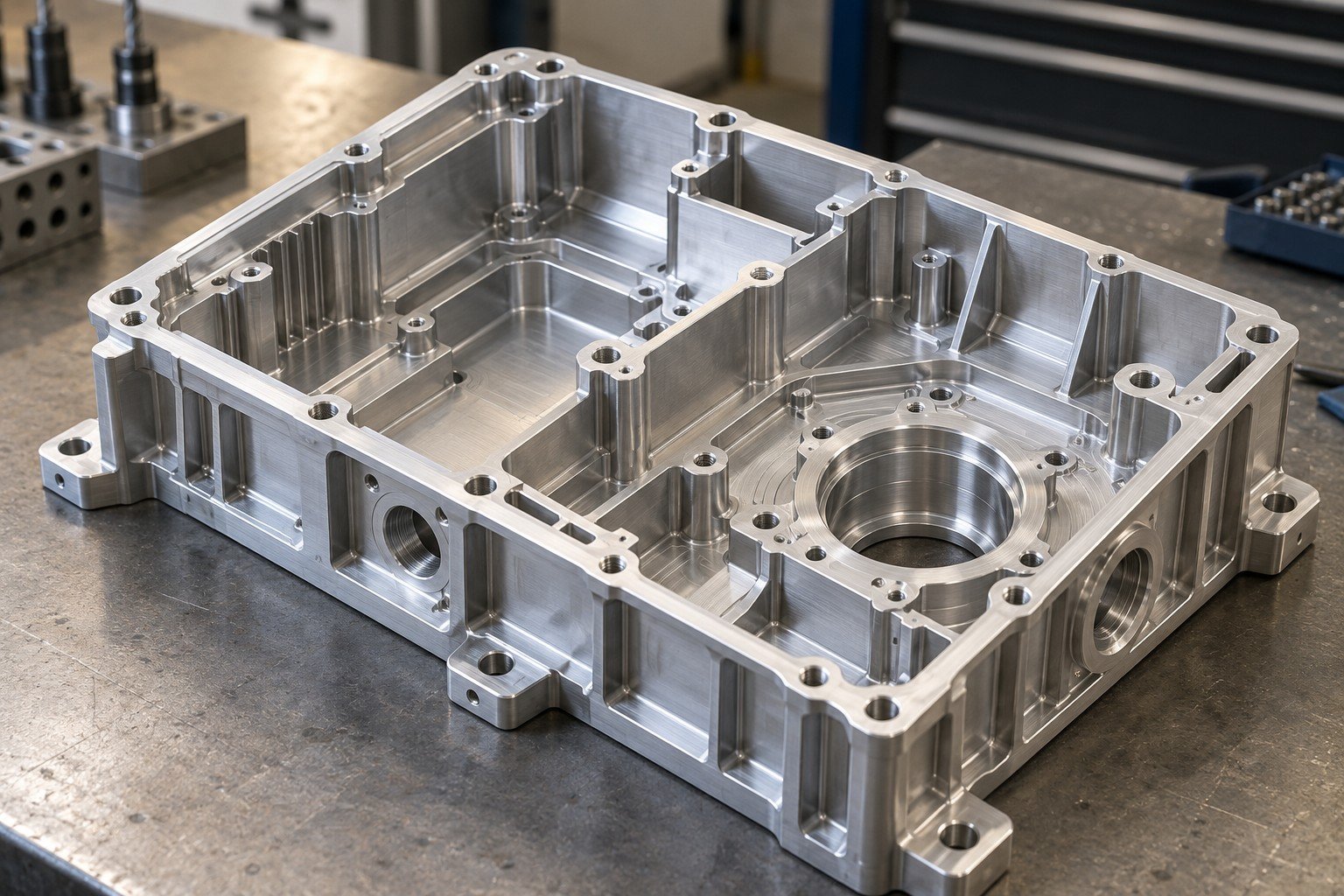
Review weight, geometry, temper, stock form, corrosion exposure and anodized dimensions. Compare the actual wrought or casting alloy rather than using aluminum alone as the specification.
Review Aluminum →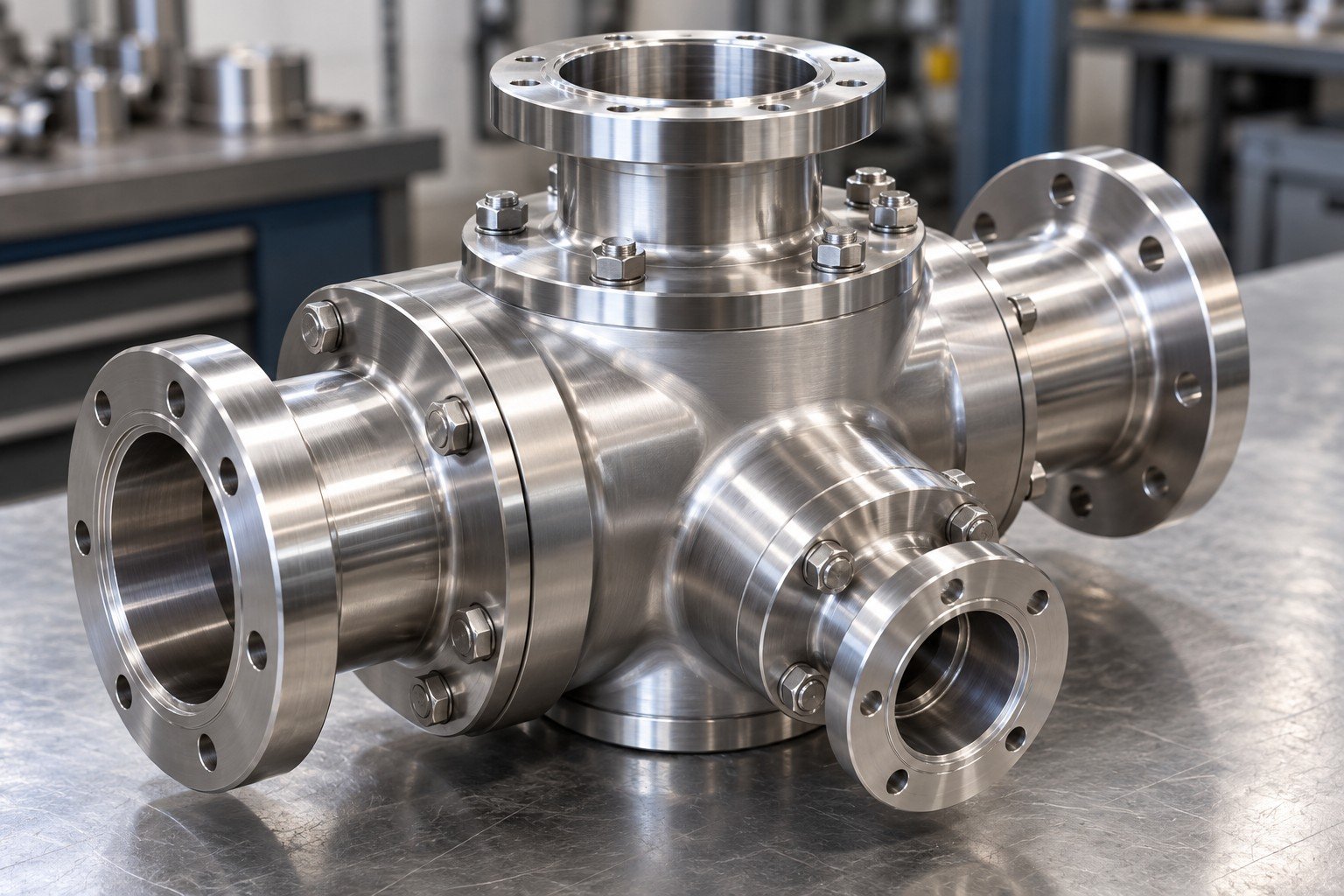
Define the exact stainless grade, condition, media and finish. Keep corrosion, welding, machining and any final hardness requirements together when reviewing an alternative.
Review Stainless Steel →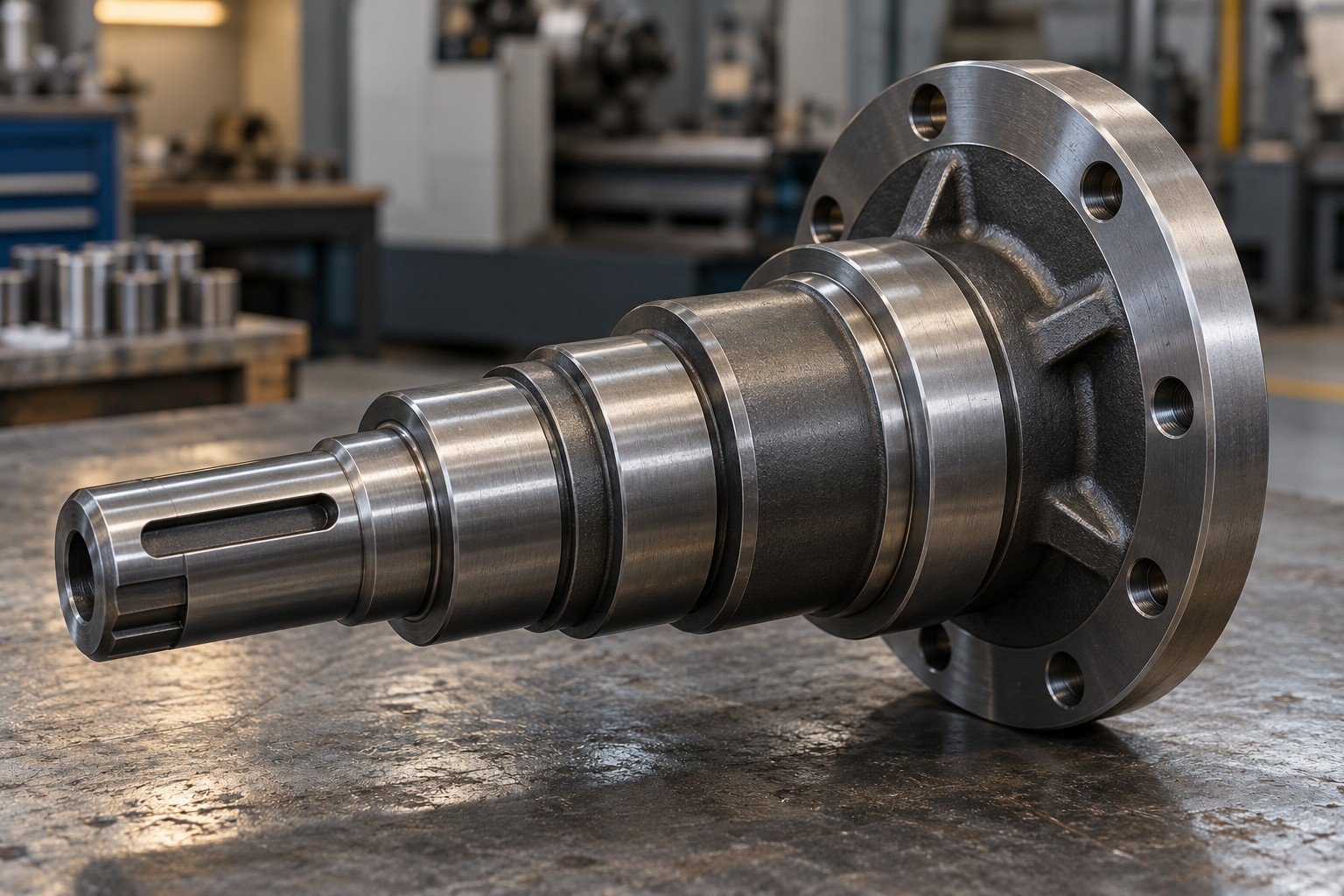
Keep full steel grade, stock condition, heat treatment and finished hardness. Confirm which dimensions and surfaces are inspected after hardening, coating or other secondary operations.
Review Carbon & Alloy Steel →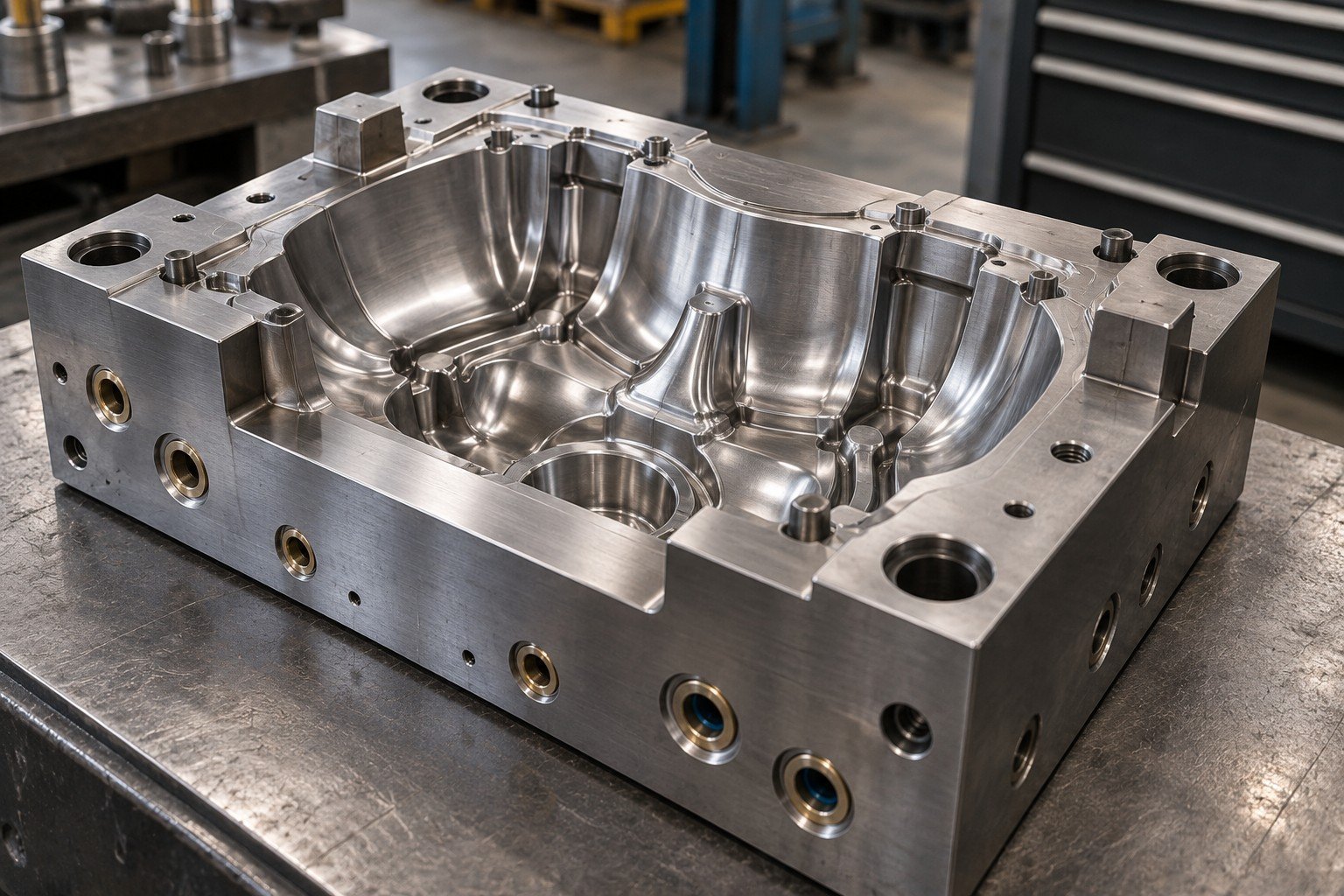
Review wear, temperature, toughness, heat treatment and final grinding requirements for your tool or insert. Specify hardness and acceptance stage rather than only a family name.
Review Tool Steel →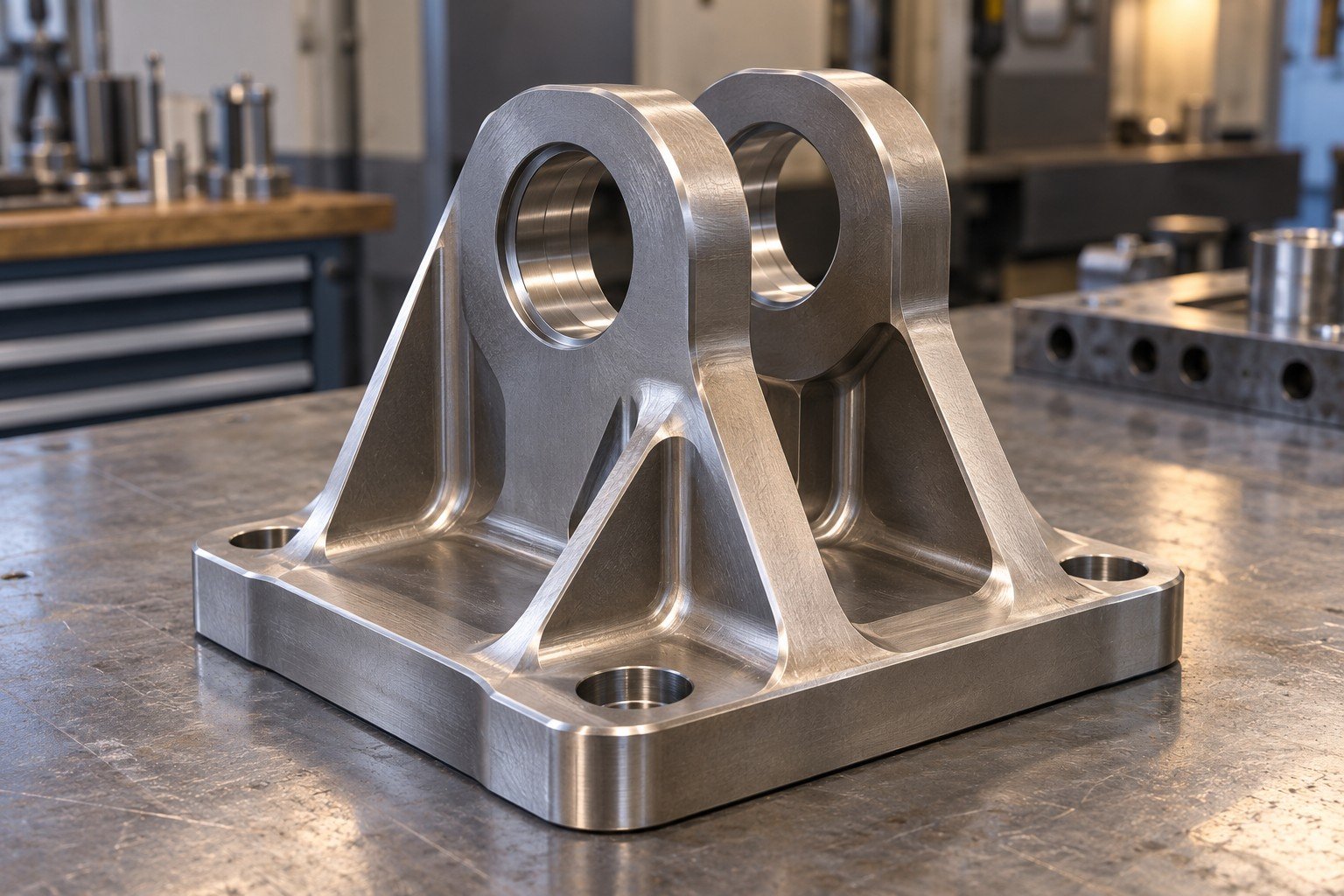
Retain full grade, product form, condition, critical interfaces and environment. Commercially pure titanium and Ti-6Al-4V are separate material decisions with distinct requirements.
Review Titanium →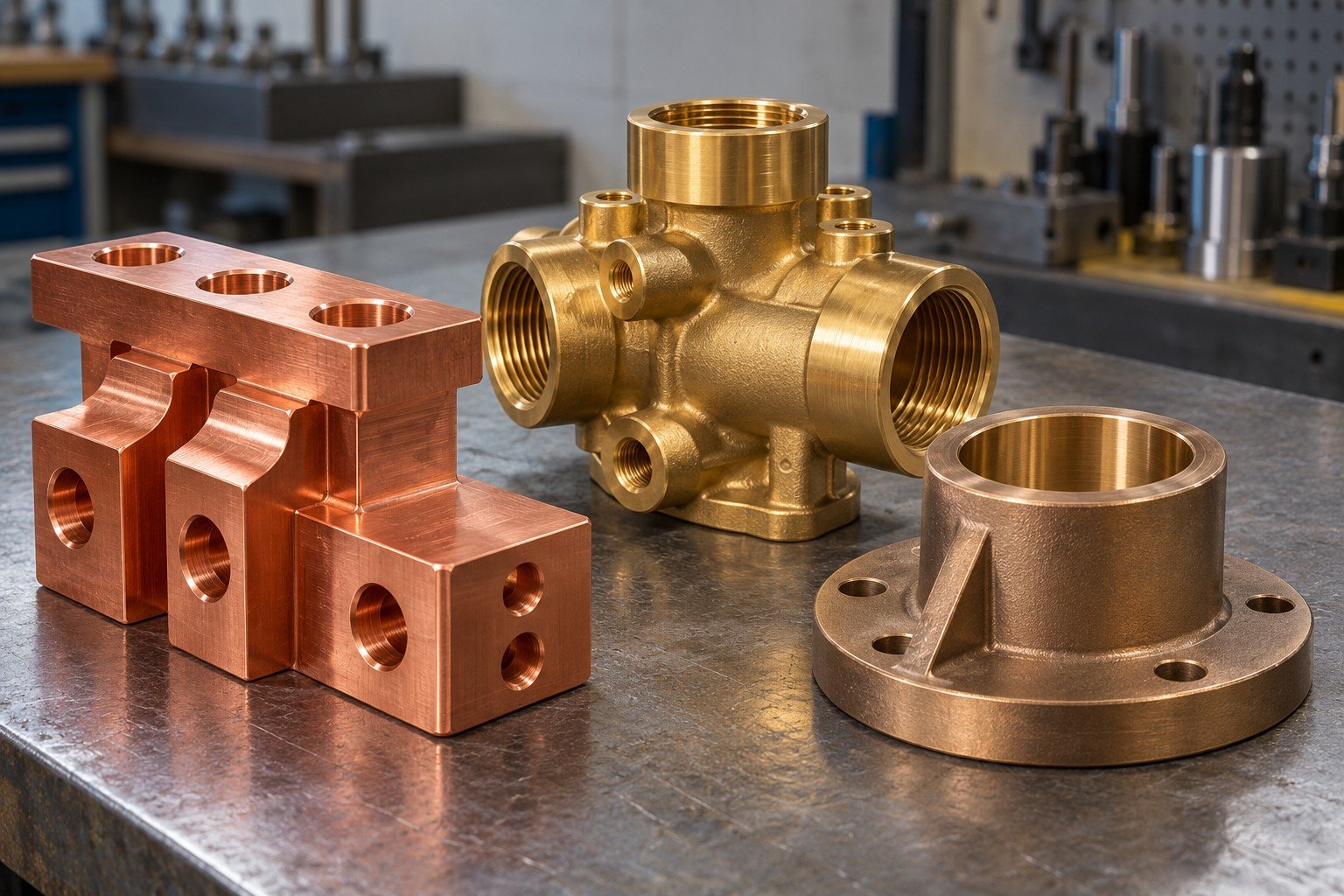
Review exact alloy, conductivity or bearing needs, lead restrictions where applicable, stock and joining. Copper, brass and bronze are not interchangeable names for one grade.
Review Copper, Brass & Bronze →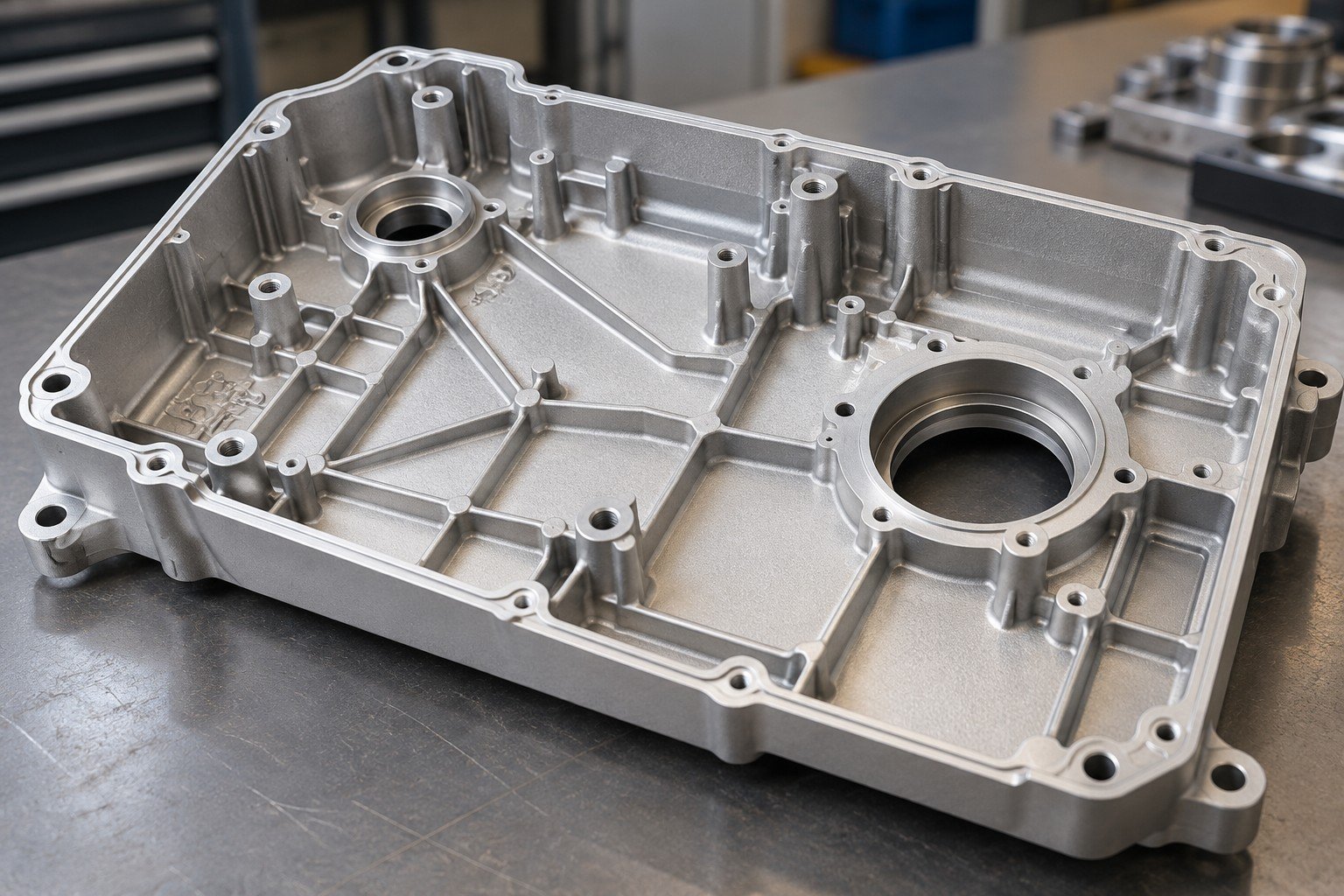
Review the actual wrought or casting grade, stock route, geometry, finish and corrosion exposure. Keep machining and casting requirements separate before comparing quotations.
Review Magnesium Alloys →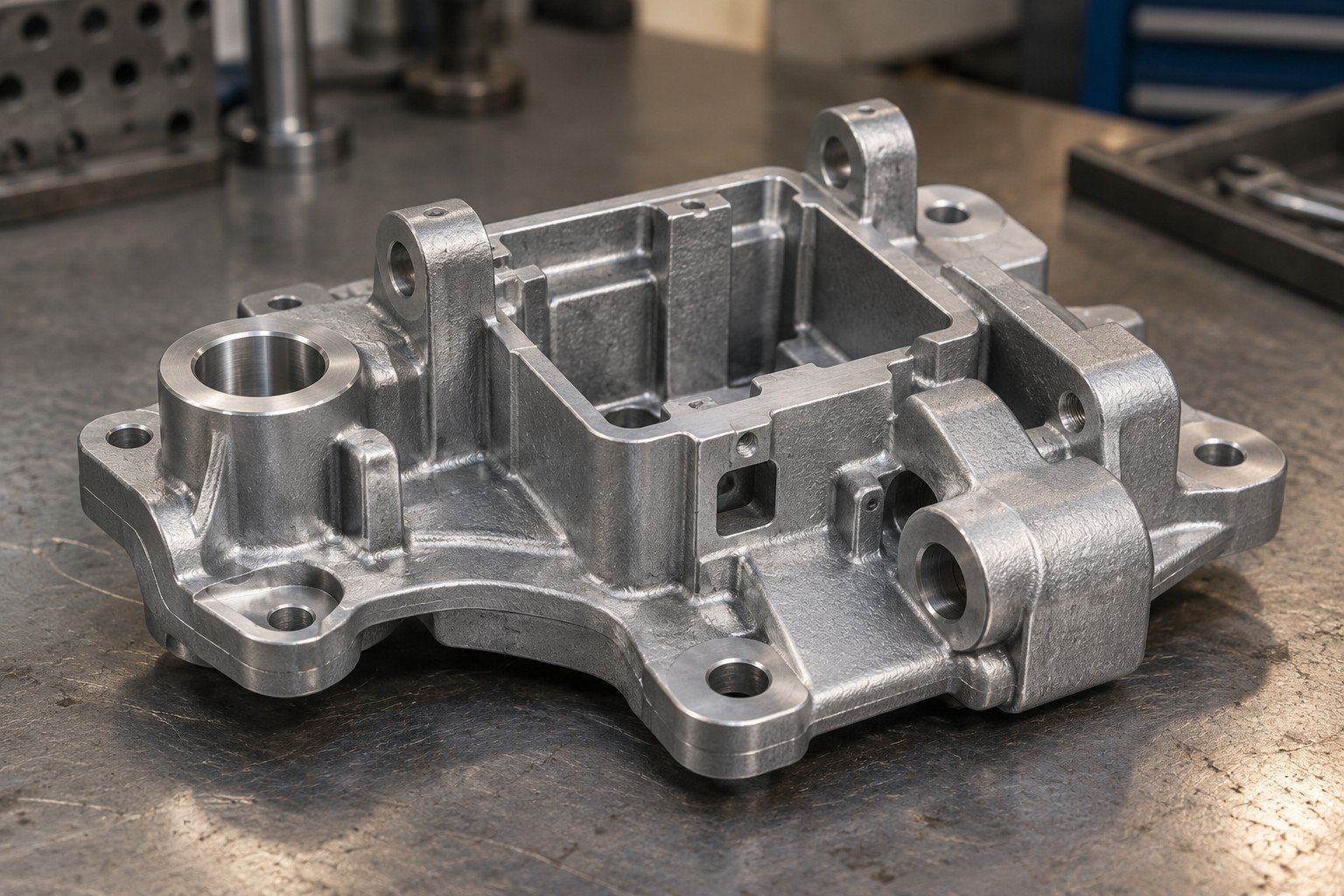
Review casting route, load, temperature, finishing and final fit together. Confirm the full zinc alloy and any plating or assembly requirements before tooling.
Review Zinc Alloys →Confirm the full ordered specification before accepting a substitute. These examples help identify a request; product form and condition remain part of it.
| Material reference | European / international naming | Your confirmation |
|---|---|---|
| 6061 wrought aluminum | EN AW-6061; AlMg1SiCu reference | Confirm product standard, temper, thickness and required properties. |
| 7075 wrought aluminum | EN AW-7075; AlZn5.5MgCu reference | Confirm temper, stock form and corrosion or joining requirements. |
| Core 304/4301 | EN 1.4301 / ASTM Type 304 / UNS S30400 | Named Outokumpu cross-reference; retain actual product and condition. |
| Other steel, titanium and copper grades | Open the relevant material family page | Use full ordered specification; do not invent an EN/DIN equivalent. |
| Named material | Selected elements | Basis and scope |
|---|---|---|
| 6061 aluminum | Mg 0.8–1.2%; Si 0.40–0.8% | Selected registered composition limits; not the complete alloy specification. |
| 7075 aluminum | Zn 5.1–6.1%; Mg 2.1–2.9%; Cu 1.2–2.0% | Selected registered composition limits; retain full ordered requirements. |
| Core 304/4301 | Typical C 0.04%; Cr 18.1%; Ni 8.1% | Named producer typical composition, not acceptance limits or a complete chemistry table. |
Aluminum entries are selected registered limits. Core 304/4301 entries are producer typical values. They are different kinds of data and do not form a complete chemistry or a certificate. Keep the current applicable specification.
Registered aluminum composition →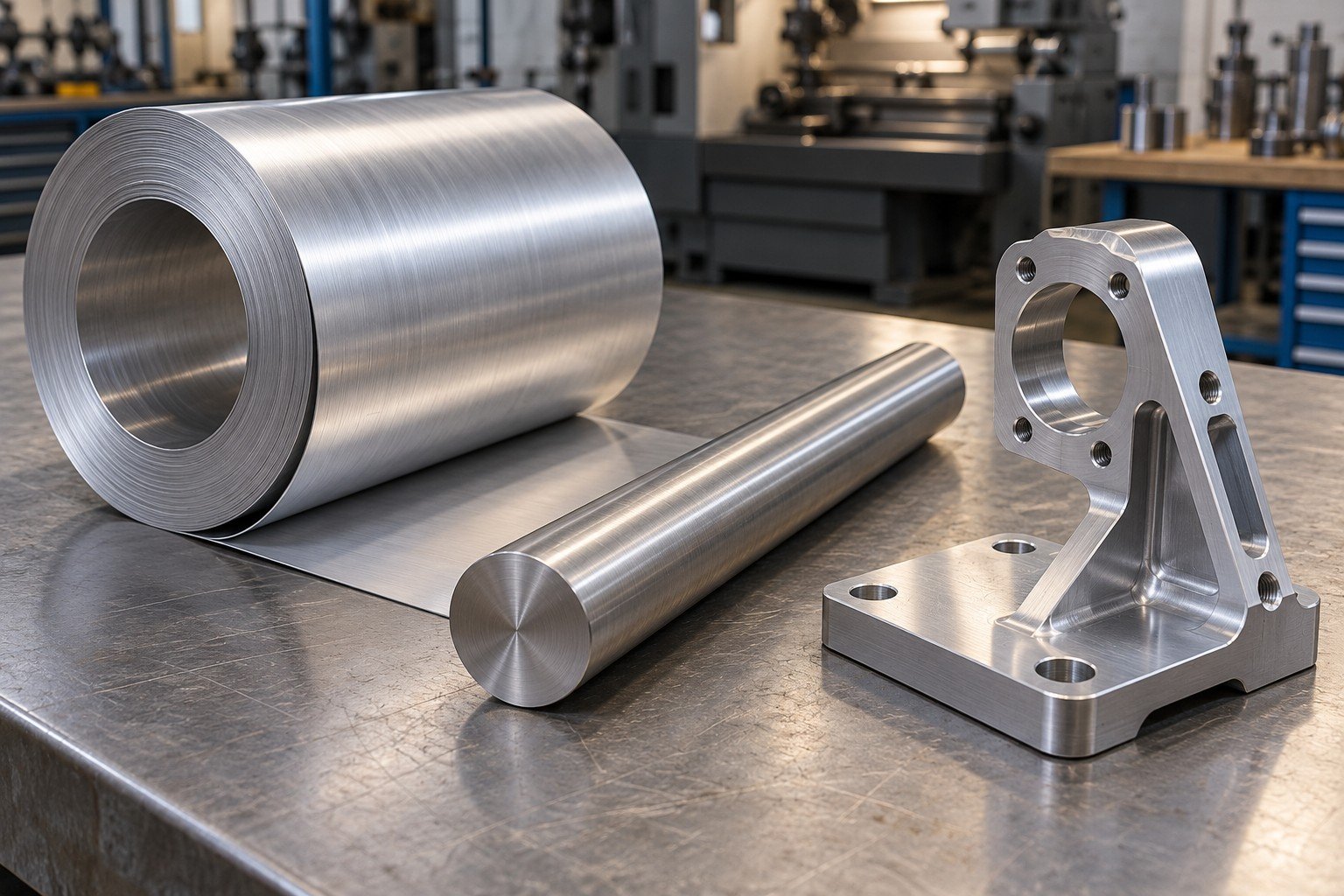
Retain the ordered alloy, temper or condition, product standard, thickness or section, lot and available material evidence. Match stock allowance and manufacturing route to the controlled drawing.
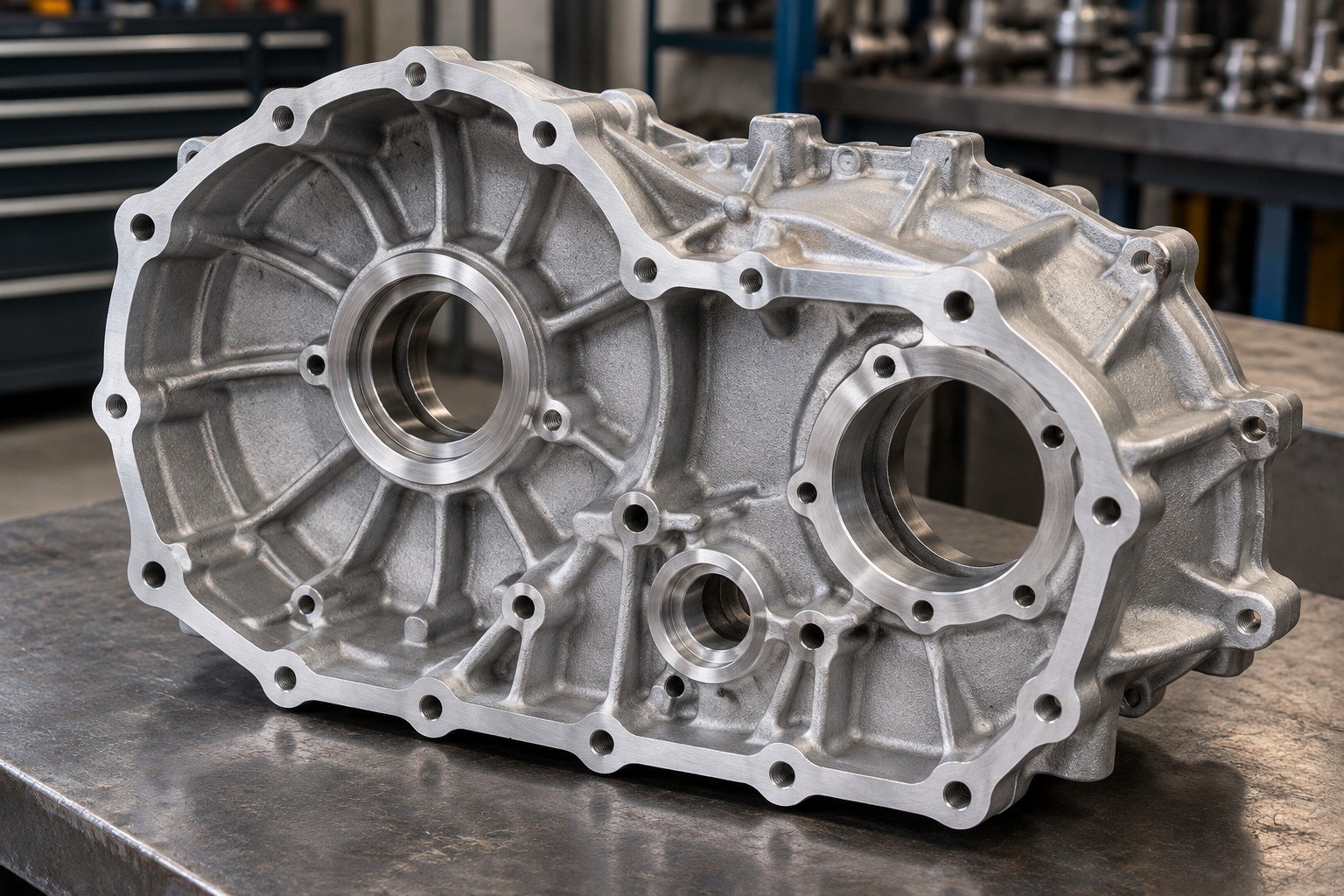
Retain casting alloy and process, tooling scope, stock allowance, porosity or surface criteria where required, secondary machining and final inspection. A wrought alloy name does not automatically identify a casting equivalent.
Specify the complete alloy, applicable product standard, temper or condition and approved alternatives. Agree the exact change and affected requirements before substituting a stock item or generic material family.
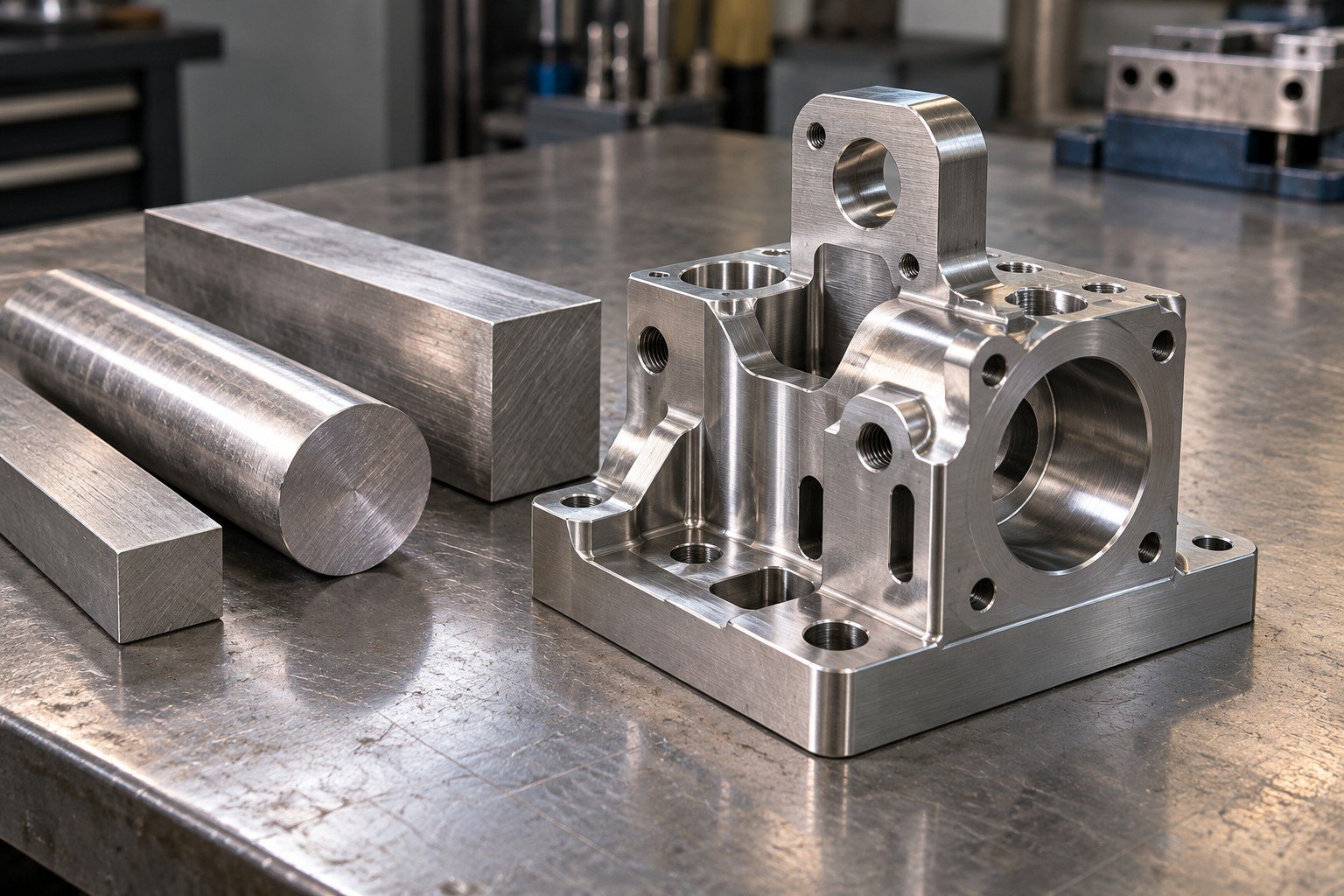
Keep supplied condition, required heat treatment, finished hardness and verification stage. Review dimensional change and any final machining or grinding instead of assuming every condition of one alloy behaves the same.

Identify functional datums, holes, threads, mating parts and measurement conditions. Agree the dimensions that apply after heat treatment, coating, polishing or assembly.
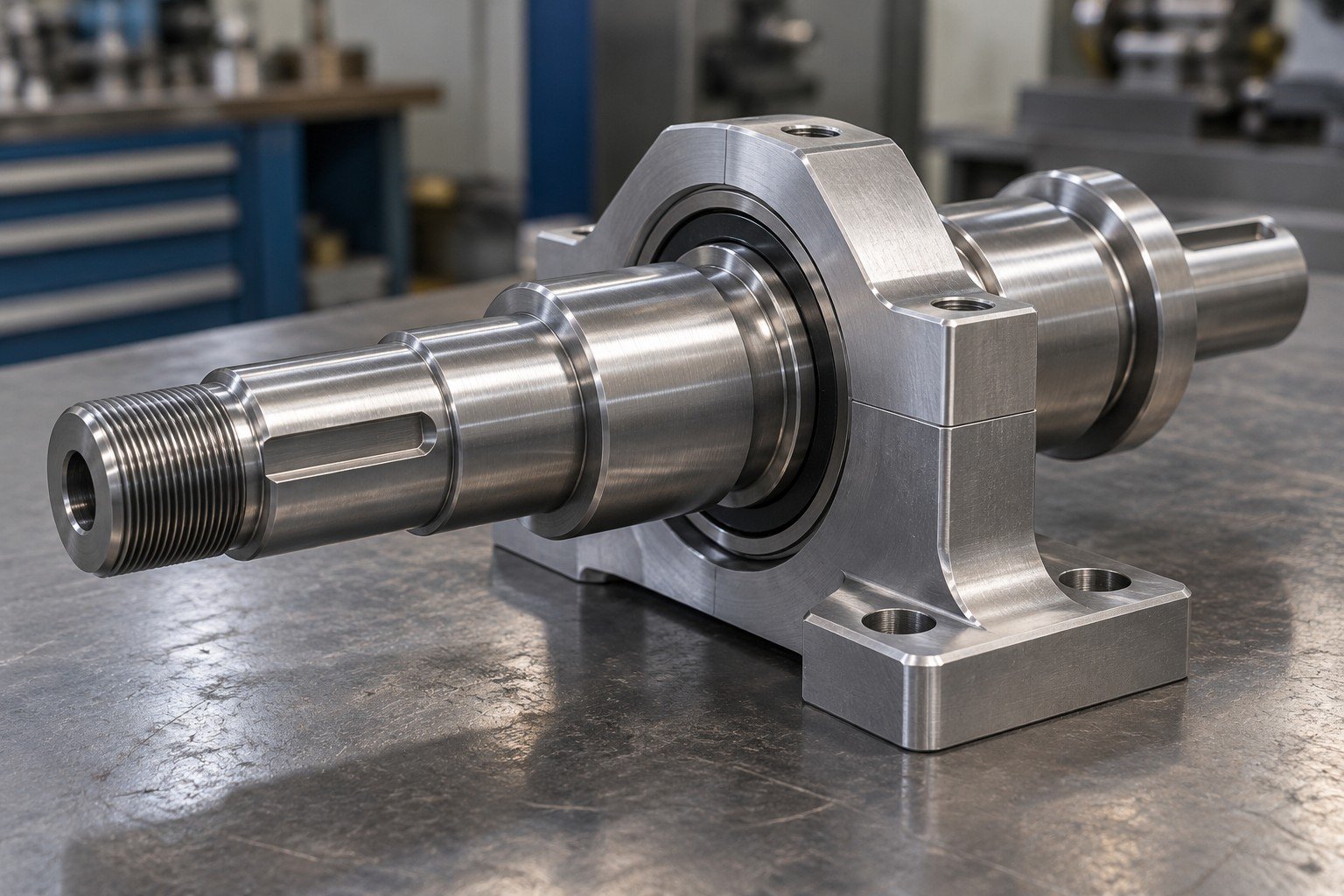
Define finish system, visible faces, texture, masking and final dimensions. Review coating build or removal at fits and threads, then agree inspection of the finished condition.
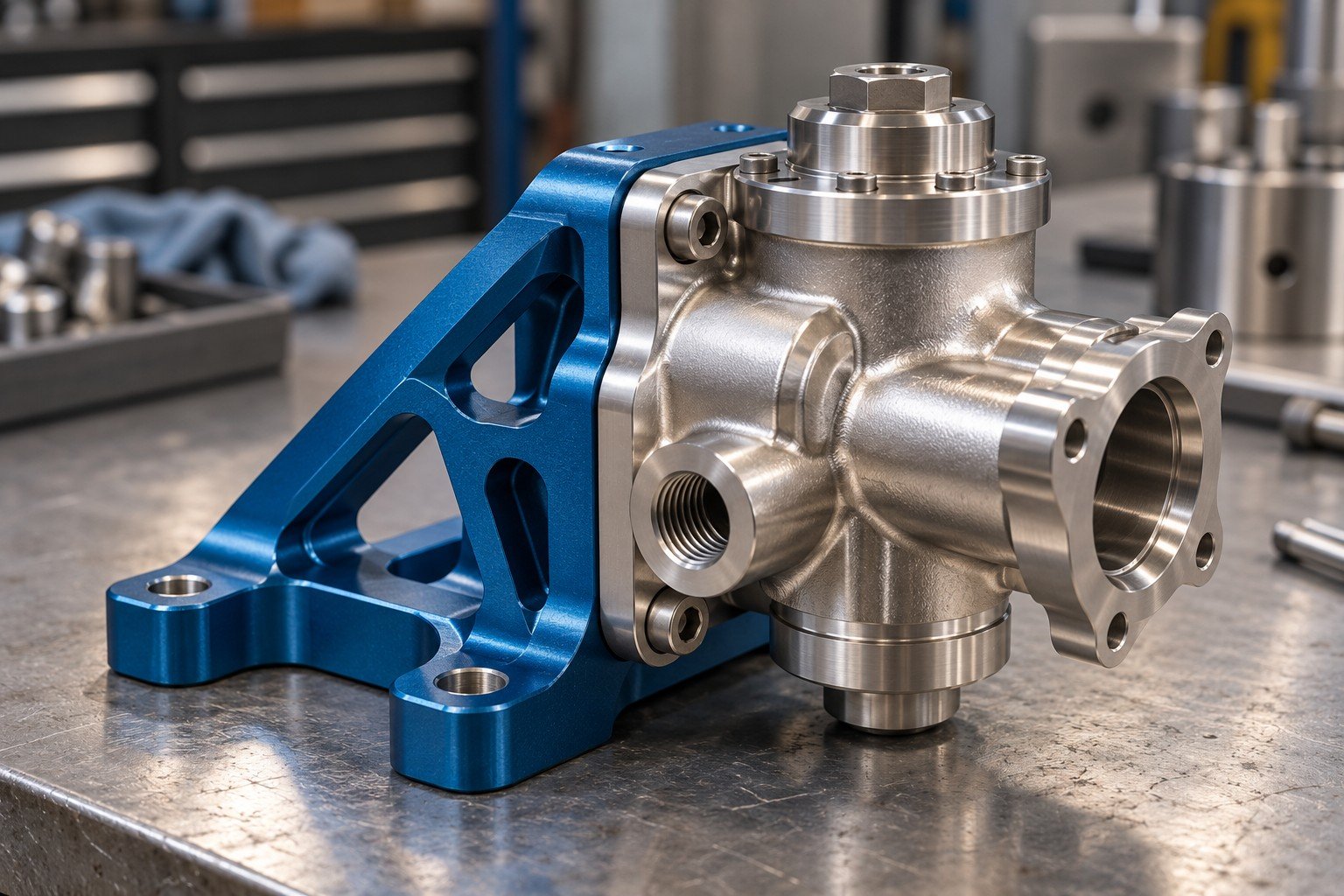
Provide sustained and cyclic loads, temperature, fluids, humidity, corrosion exposure and electrical or thermal needs. A material property table does not validate an untested component or application.
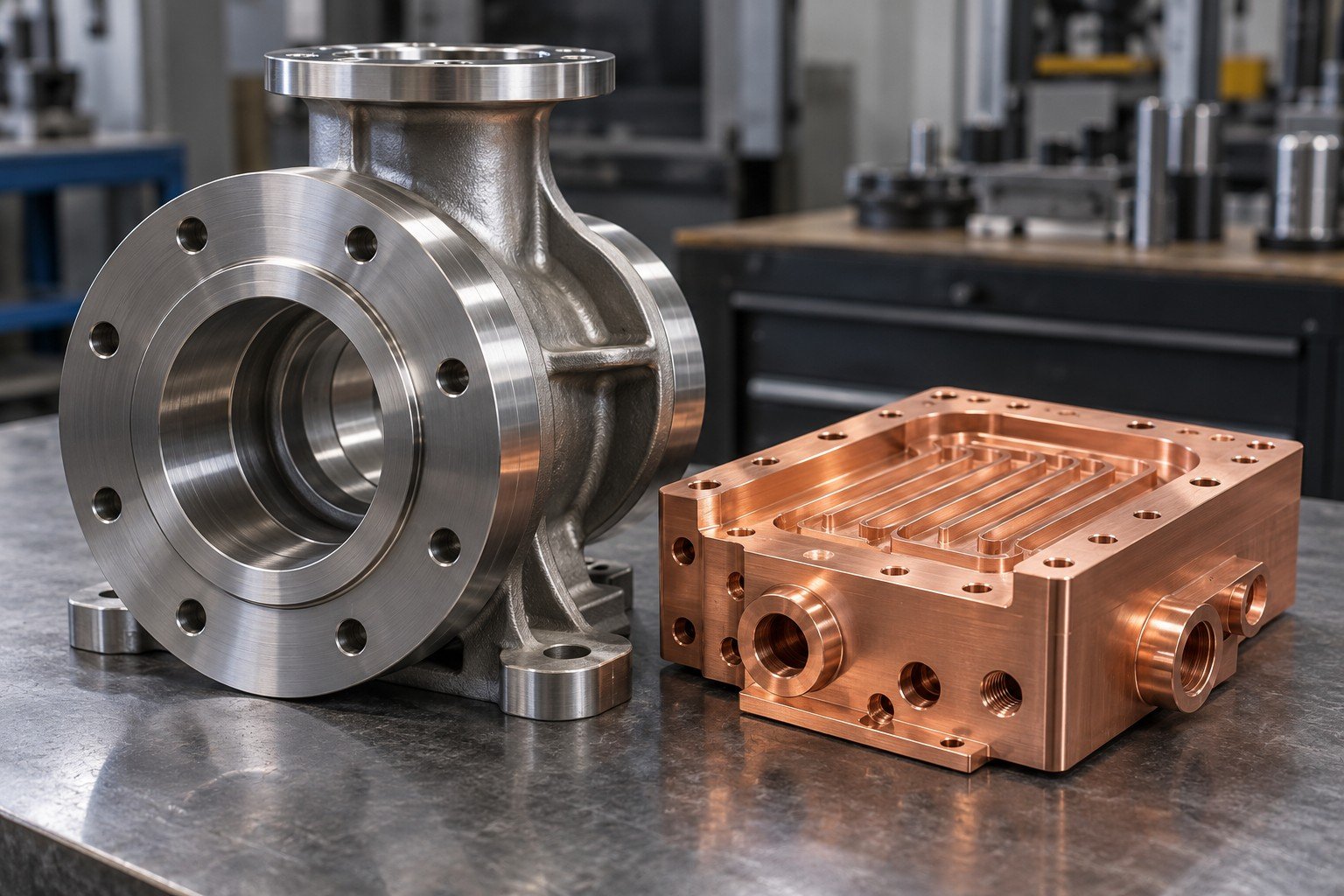
Agree producer or mill evidence, grade and lot traceability, heat-treatment or finish records when required, drawing revision and final inspection. Keep a material certificate separate from dimensional or functional part approval.

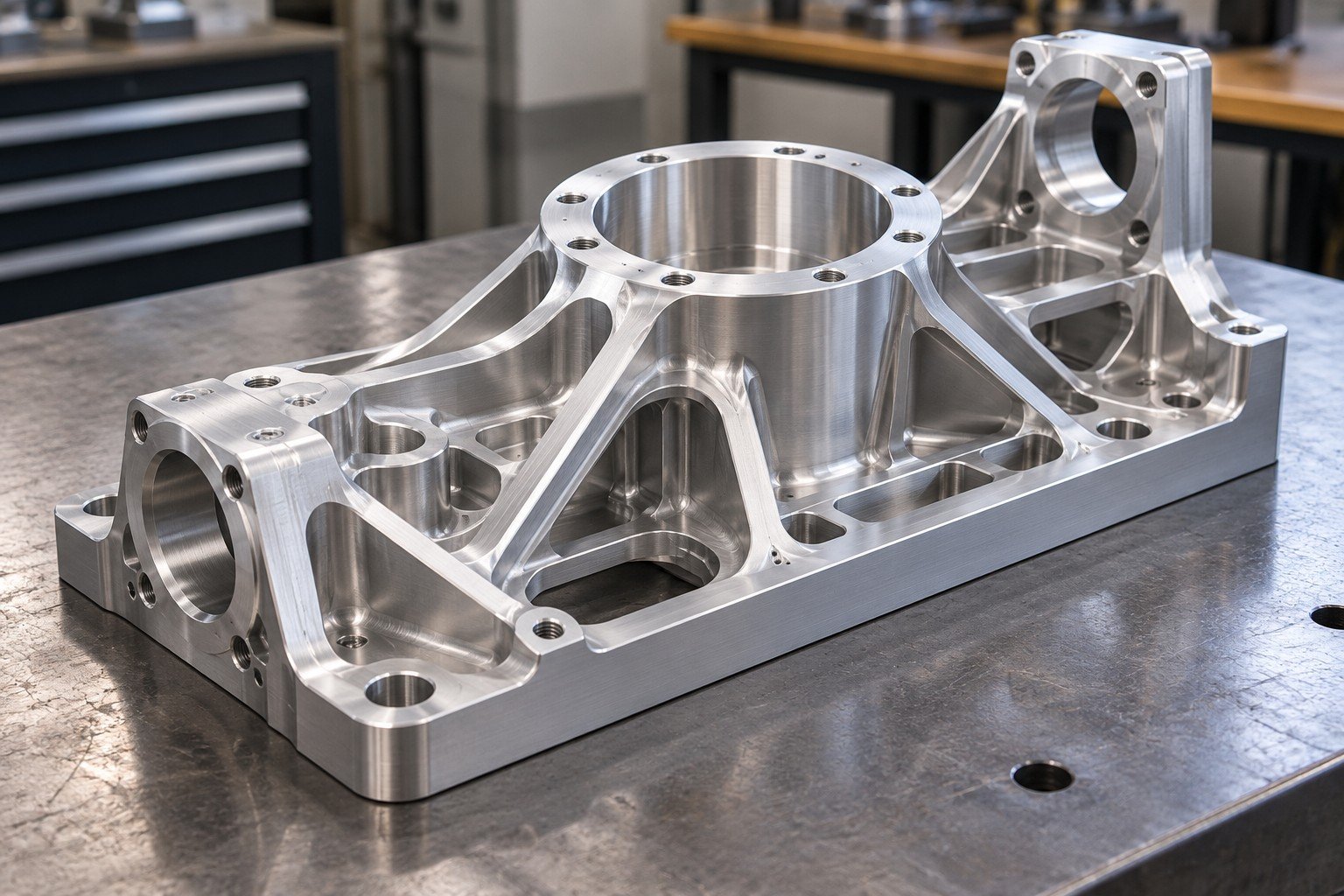
Review stock, workholding, datums, holes, threads, surfaces and finished dimensions.
Review service →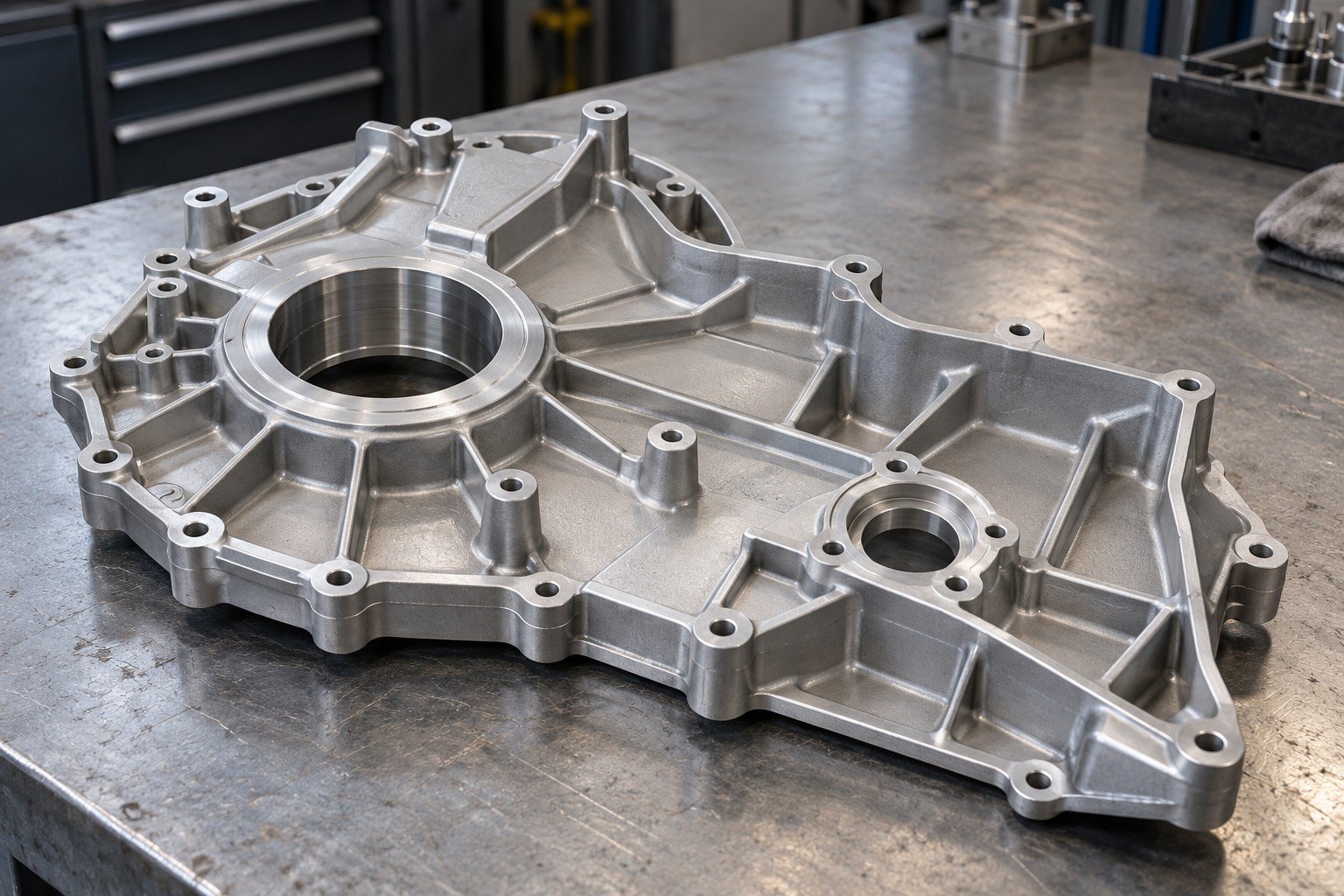
Review actual casting alloy, tooling, draft, wall transitions, machining and finishing.
Review service →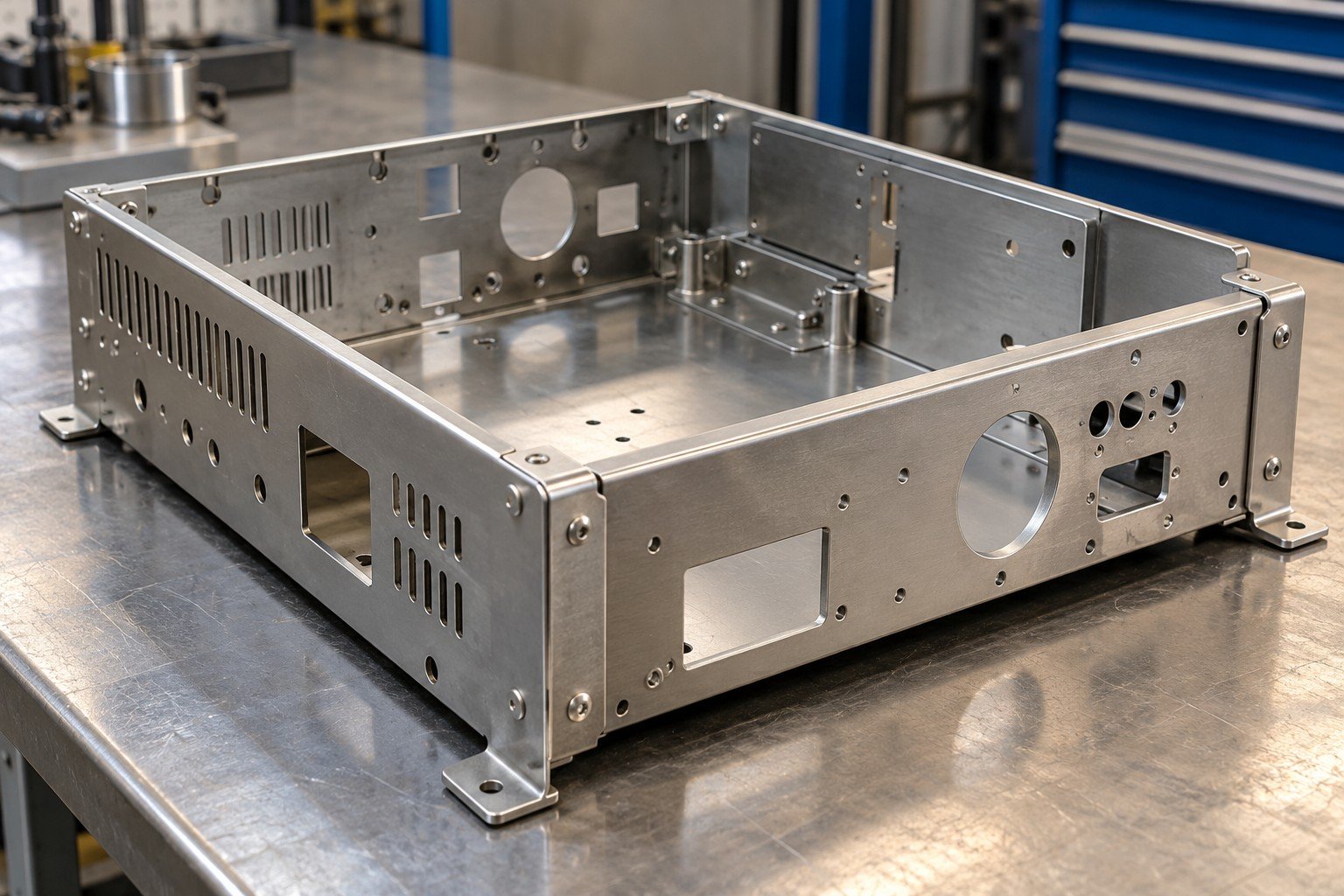
Review sheet grade and thickness, bends, apertures, joining, finish and assembly interfaces.
Review service →Exact material, process, heat-treatment and finishing availability require project confirmation.
| Your check | Evidence to agree |
|---|---|
| 1 | Ordered alloy and standard, product form, temper or condition, lot and agreed material evidence. |
| 2 | Controlled drawing, critical dimensions, heat treatment or finish, and the stage at which each requirement applies. |
| 3 | Agreed sample and dimensional records plus any specified material, hardness, finish or functional evidence. |
Material · Stock · Geometry · Quantity · Treatment · Finish · Inspection · Delivery
Start with load, environment, weight, interfaces, manufacturing route, finish, quantities and required evidence. Shortlist an exact grade and condition, then compare quotations for the same finished scope.
Do not assume that it does. Specify the exact grades or an approved alternative list and review corrosion, joining, machining, strength and any regulated requirements before recording the change.
Use the reference to identify the requested specification, then confirm applicable standard, product form, composition, temper or heat treatment and required properties. A cross-reference alone does not approve substitution.
Stock form and allowance, geometry, setup, quantities, tolerances, heat treatment, finish and inspection scope can differ. Compare the same drawing and finished requirements, including secondary operations and delivery.
The density chart is a material reference. Finished mass depends on volume and actual material, while structural performance also depends on geometry, condition, loads and required validation. The bars are not design allowables.
Send CAD and controlled drawing, exact alloy and condition or approved alternatives, quantities, critical fits, operating environment, finish, inspection records and delivery needs. Identify any supplied stock and its actual dimensions.
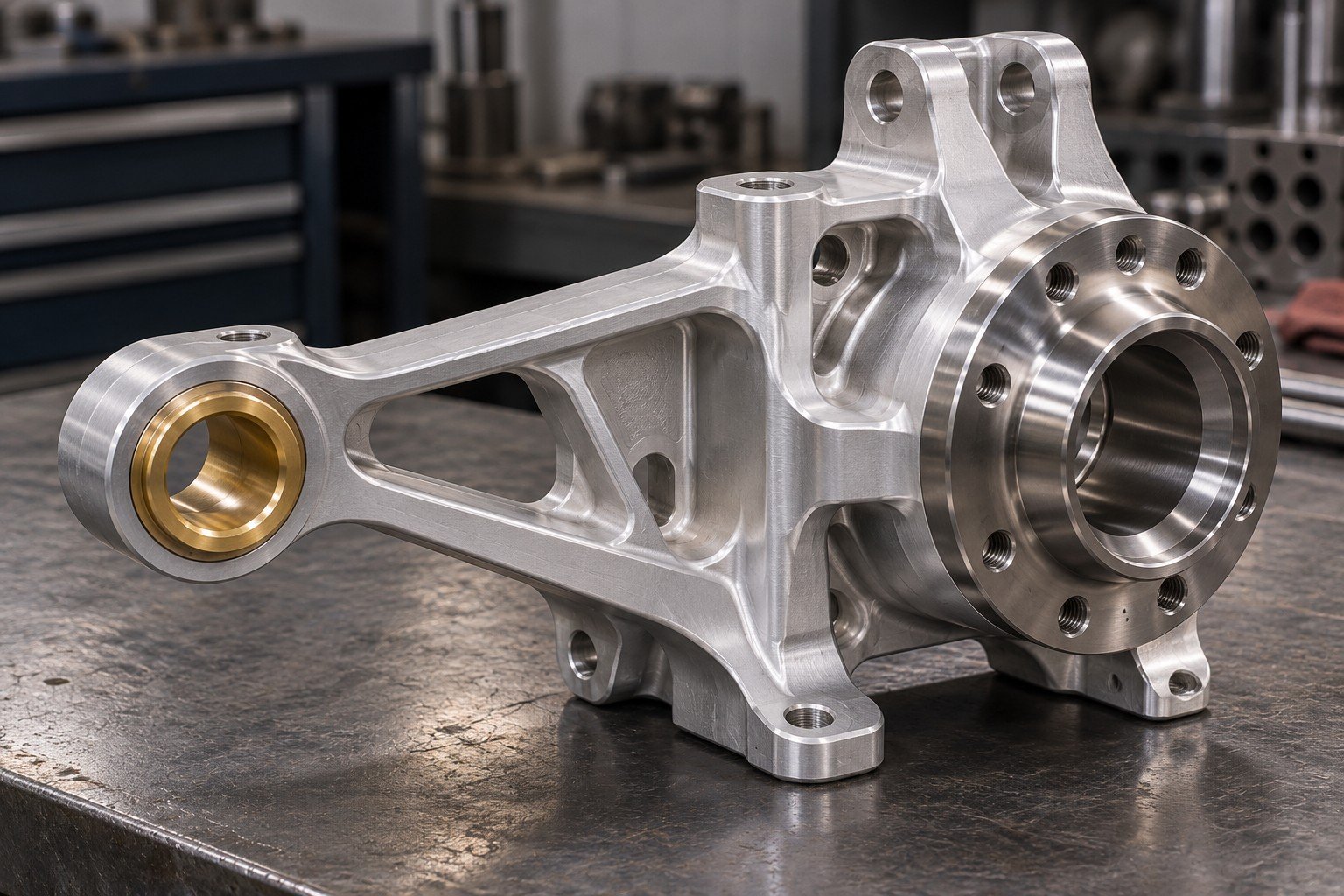
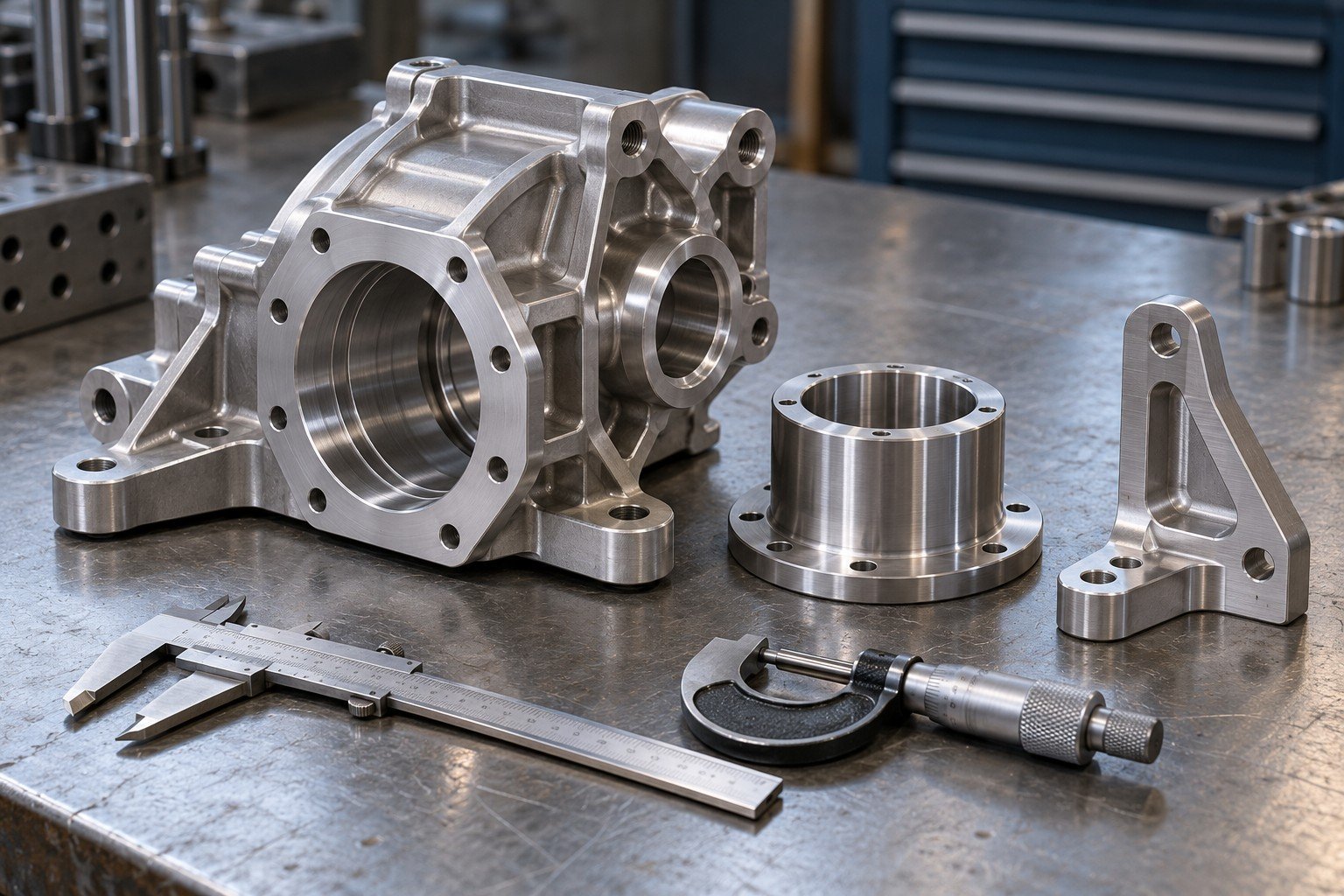
Generated concepts illustrate plausible metal component geometry. They do not identify actual alloys, customer parts or company manufacturing records.