Injection Molding
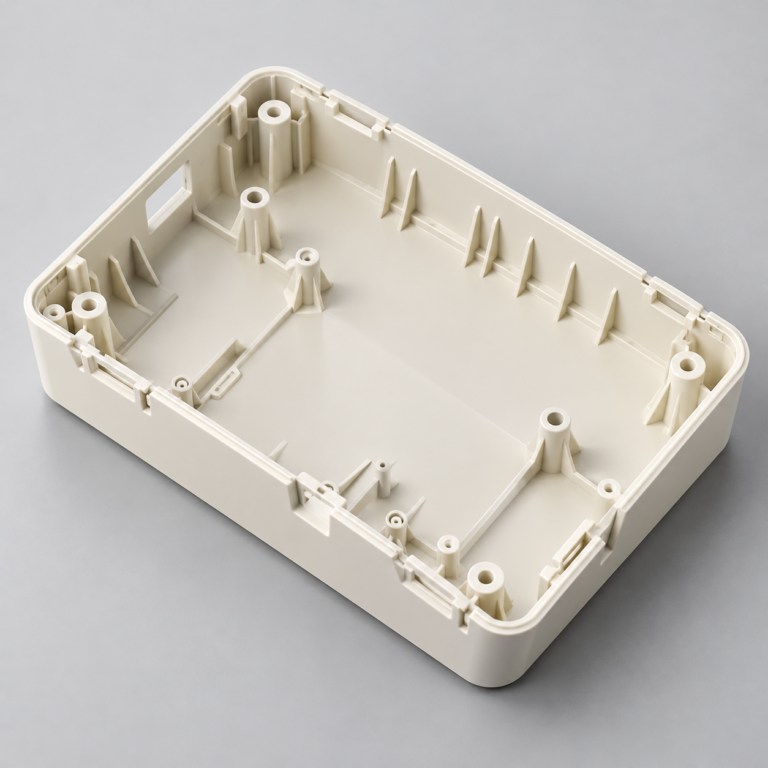
Tooling and molding for your repeat plastic parts.
From prototype to production, coordinated manufacturing solutions for your custom parts.
View All Services →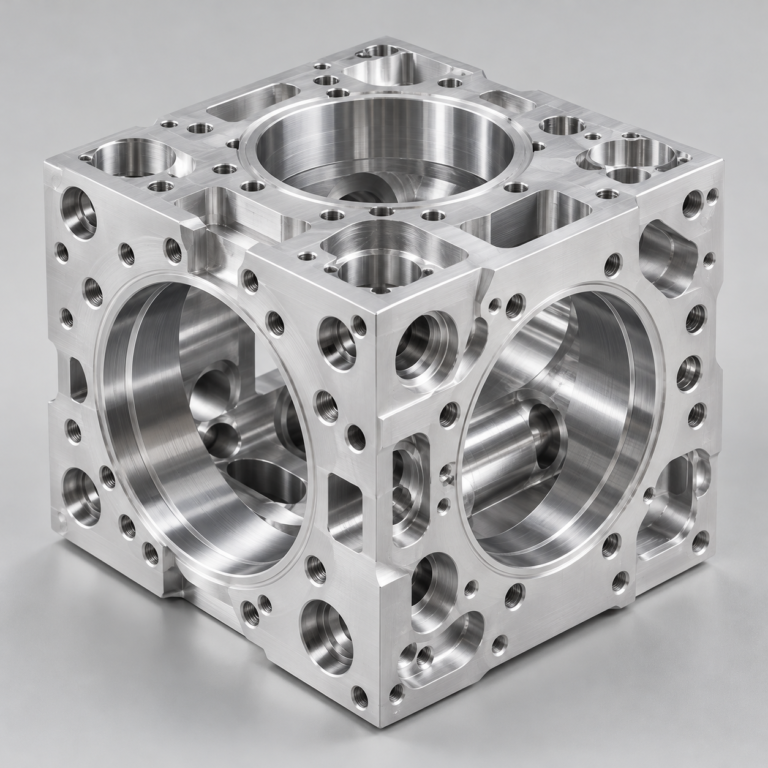
Precision parts for your tight tolerances and complex geometry.
Tooling and molding for your repeat plastic parts.
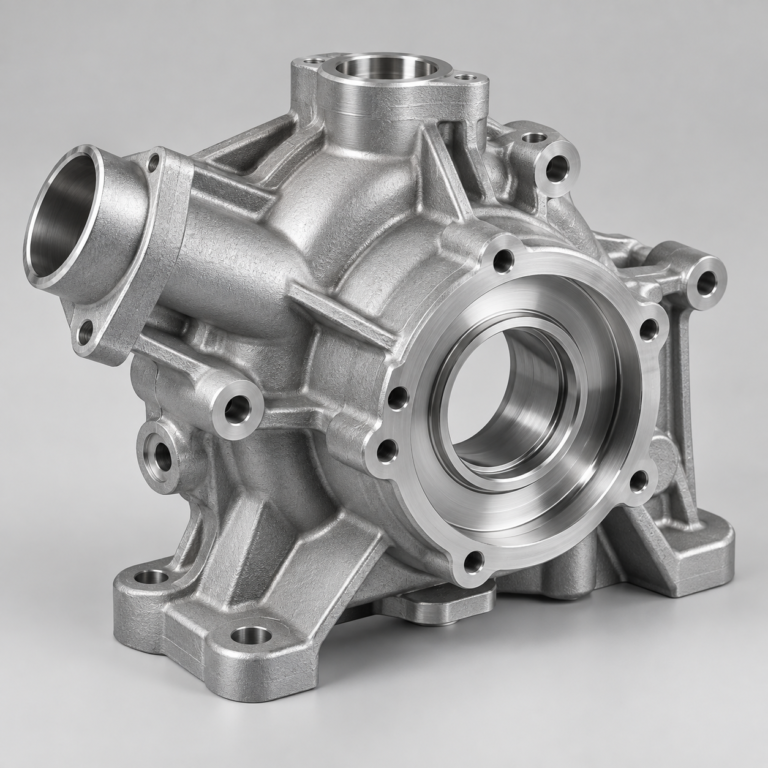
Metal casting options for your part and production volume.
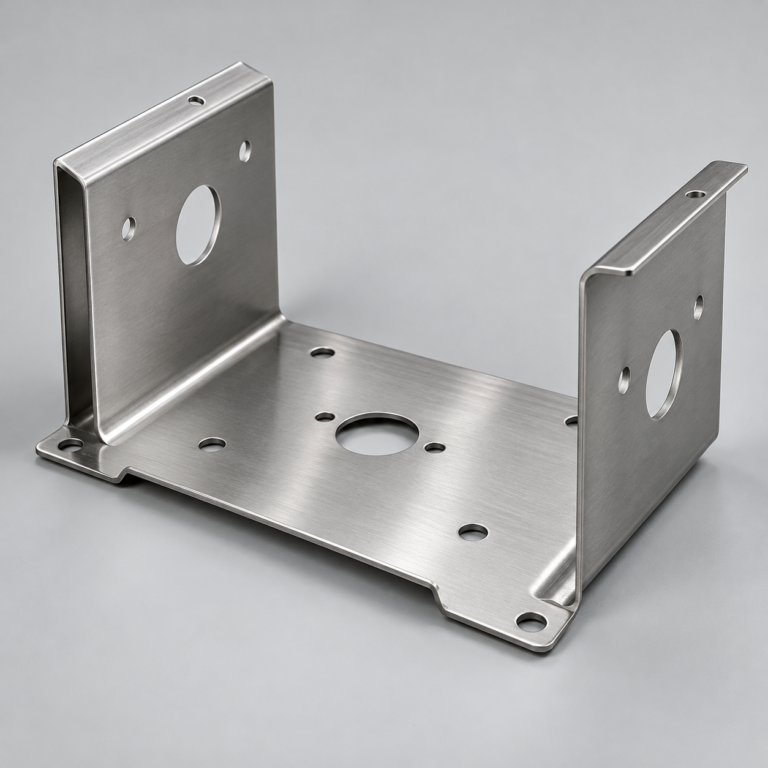
Cutting, forming and welding for your fabricated parts.
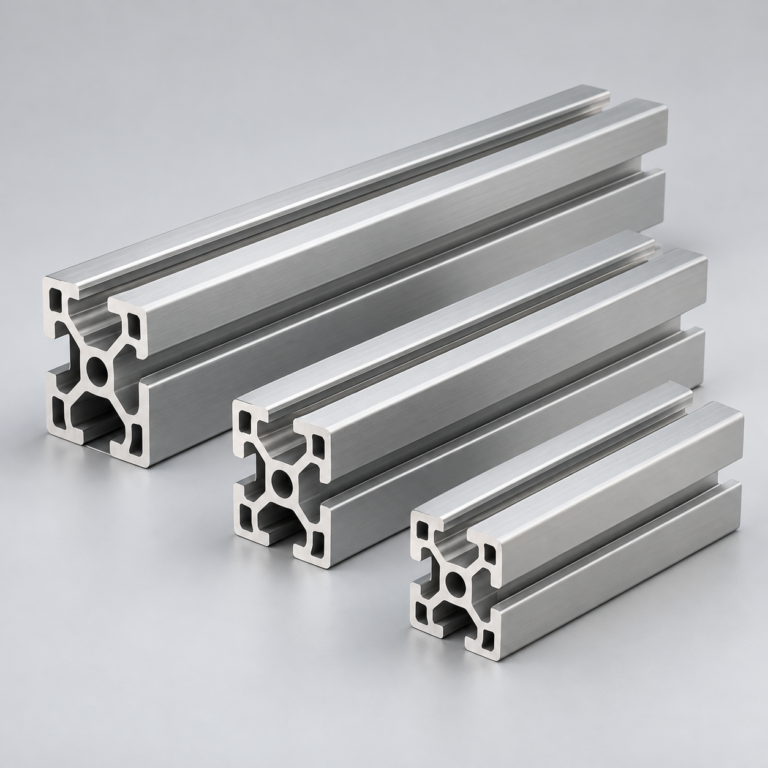
Custom profiles for your section, length and finish requirements.
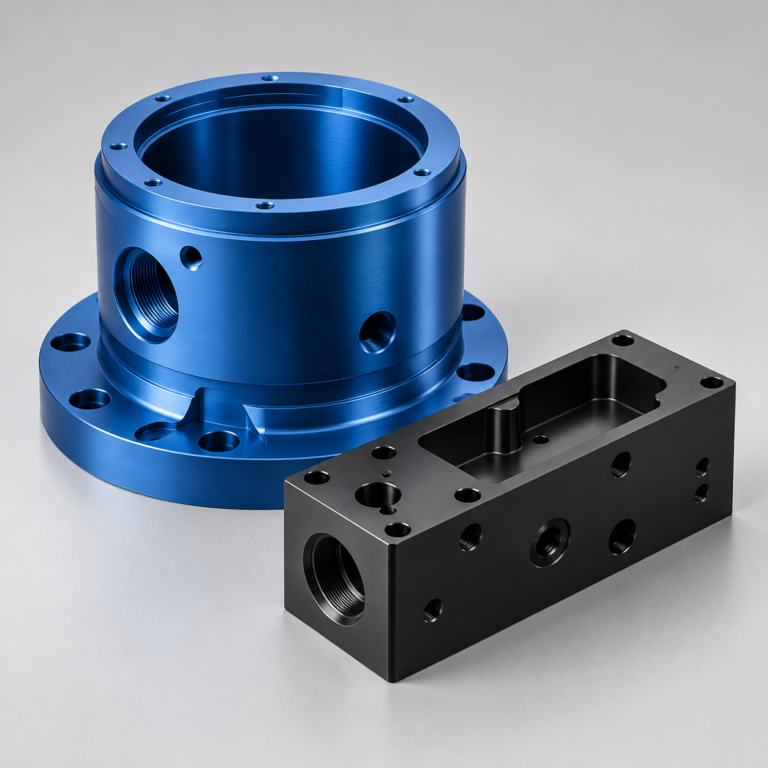
Finishes for your appearance, corrosion and wear requirements.
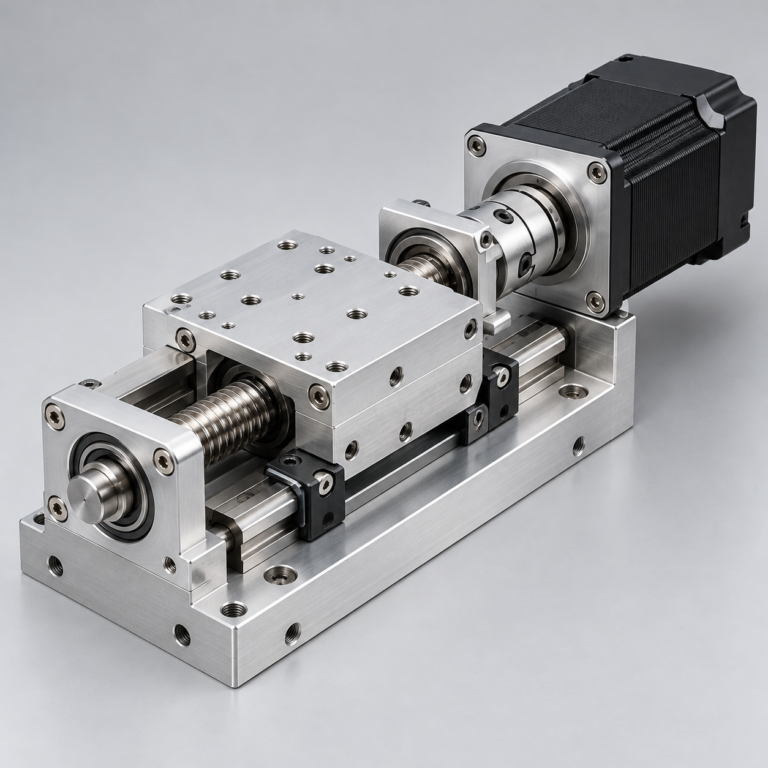
Sub-assemblies and final builds for your production program.
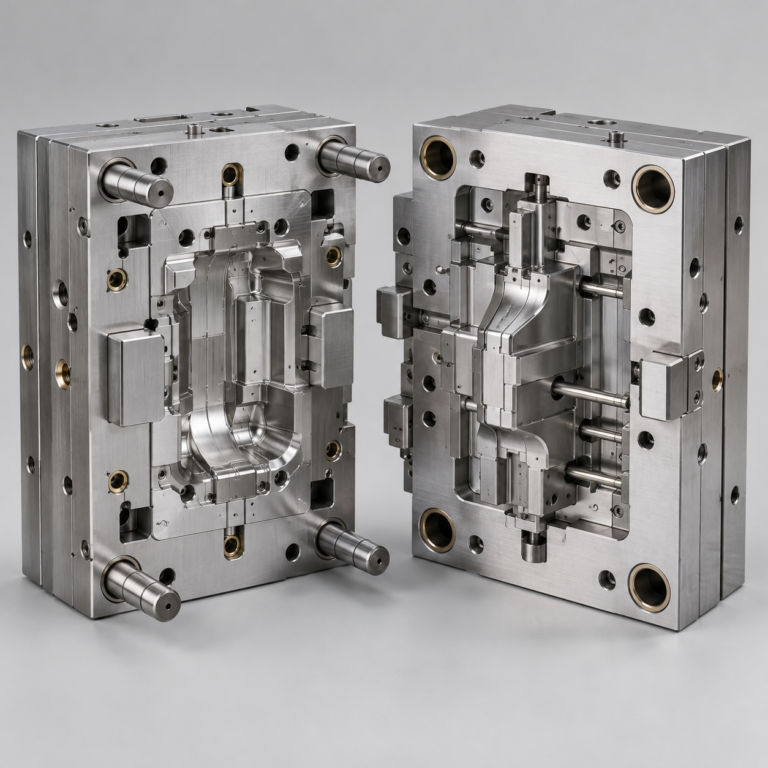
Production tooling built around your process and volume.
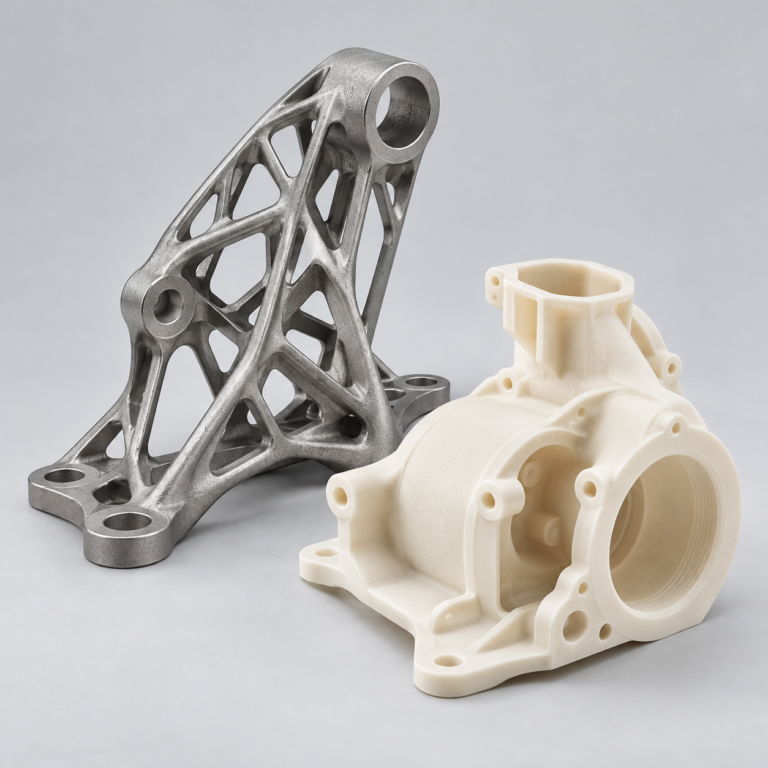
Prototype parts to check fit, function and design.
DFM, process planning and production support for your project.
Inspection, documentation, inventory and delivery planning for your program.
Choose air- or liquid-cooling components around your thermal and mechanical requirements.
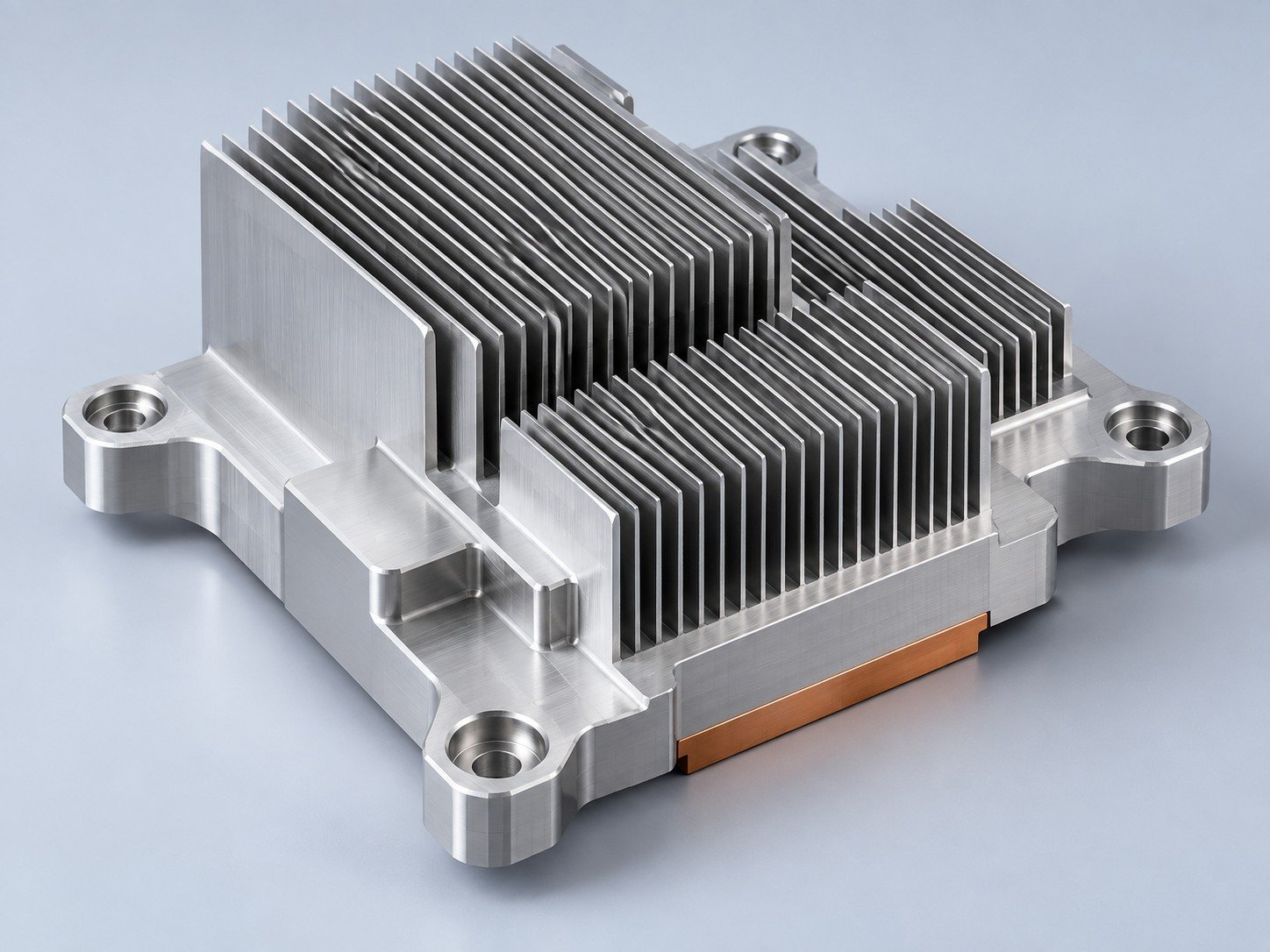
Manufacturing support for your cold plates, manifolds and cooling assemblies.
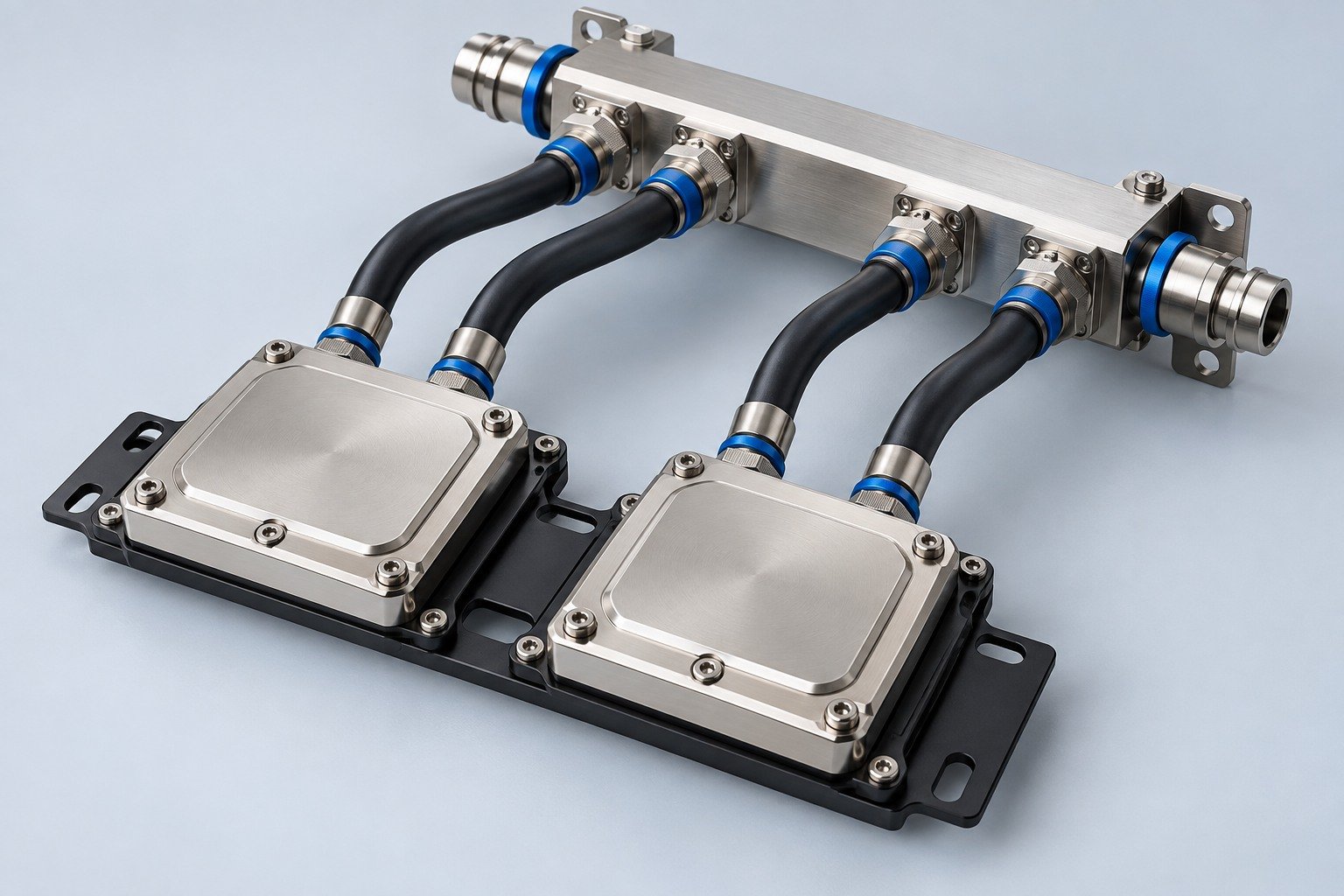
Find components for your power electronics, energy, laser and telecom application.
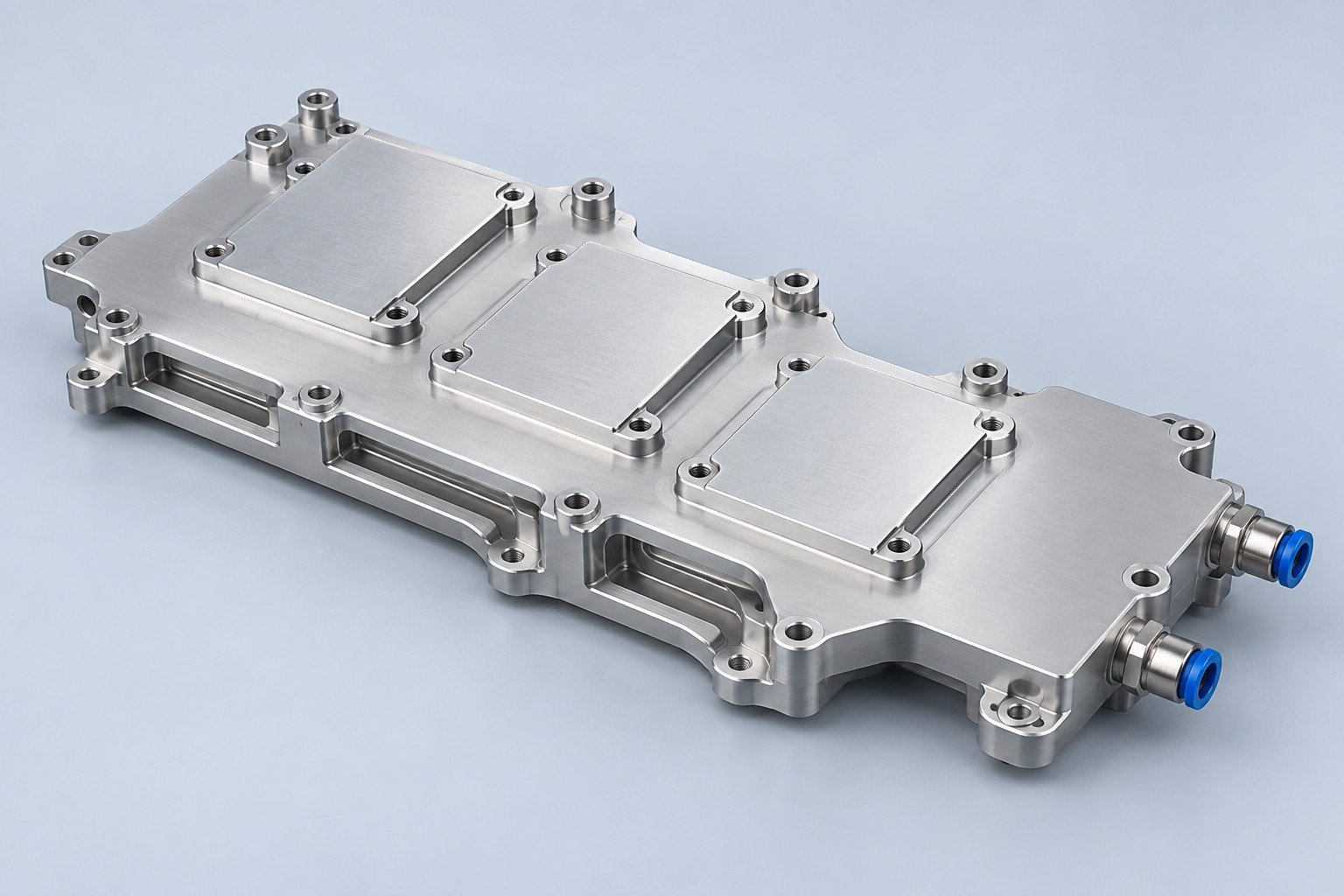
Components for your electronic systems.
Start with your functional and quality requirements.
Build around your operating environment.
From prototype to production, review material performance, manufacturability and cost for your part.
Review grade, temper and finish for your metal parts.
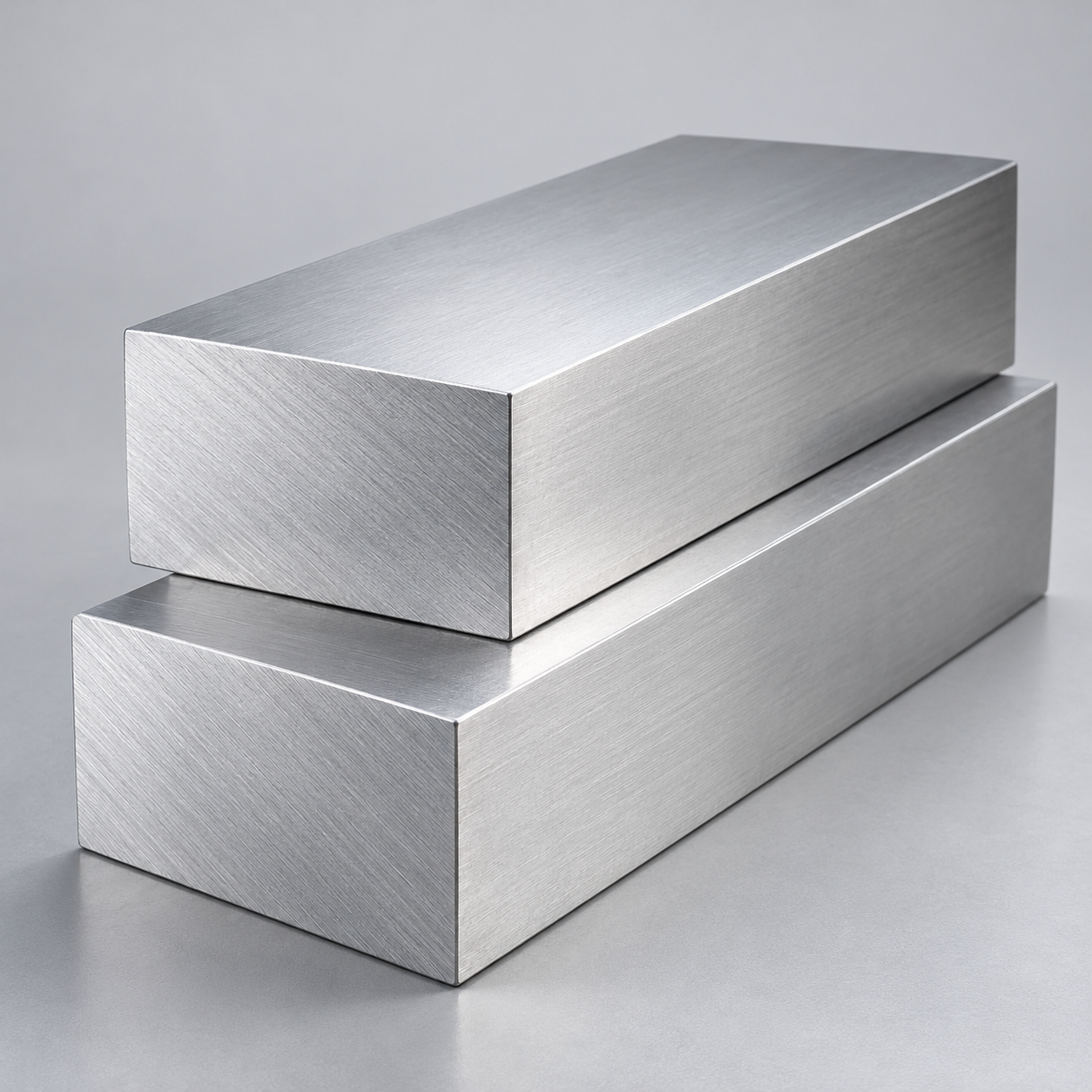 AluminumStrength, weight and machining›
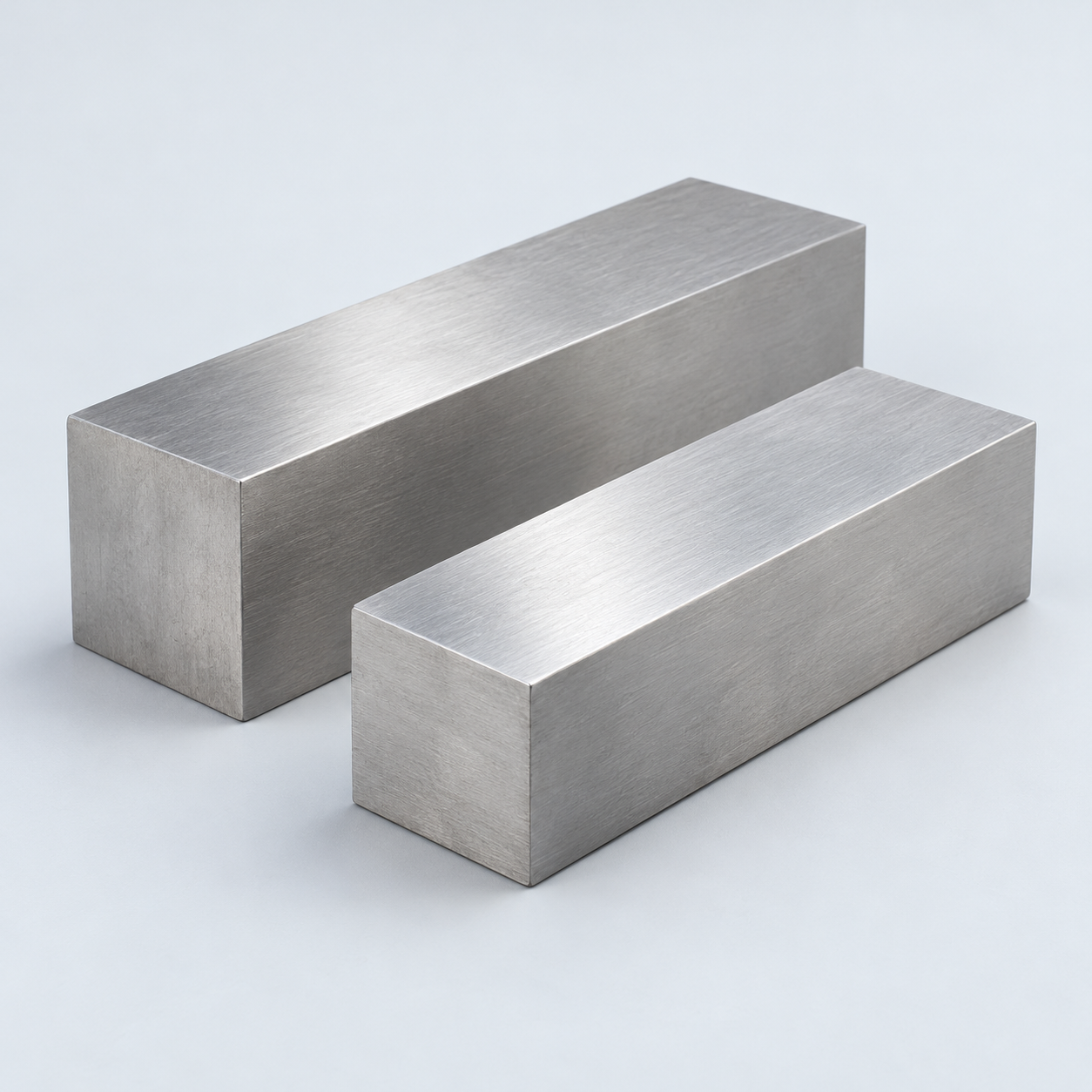 Stainless SteelCorrosion and finish requirements›
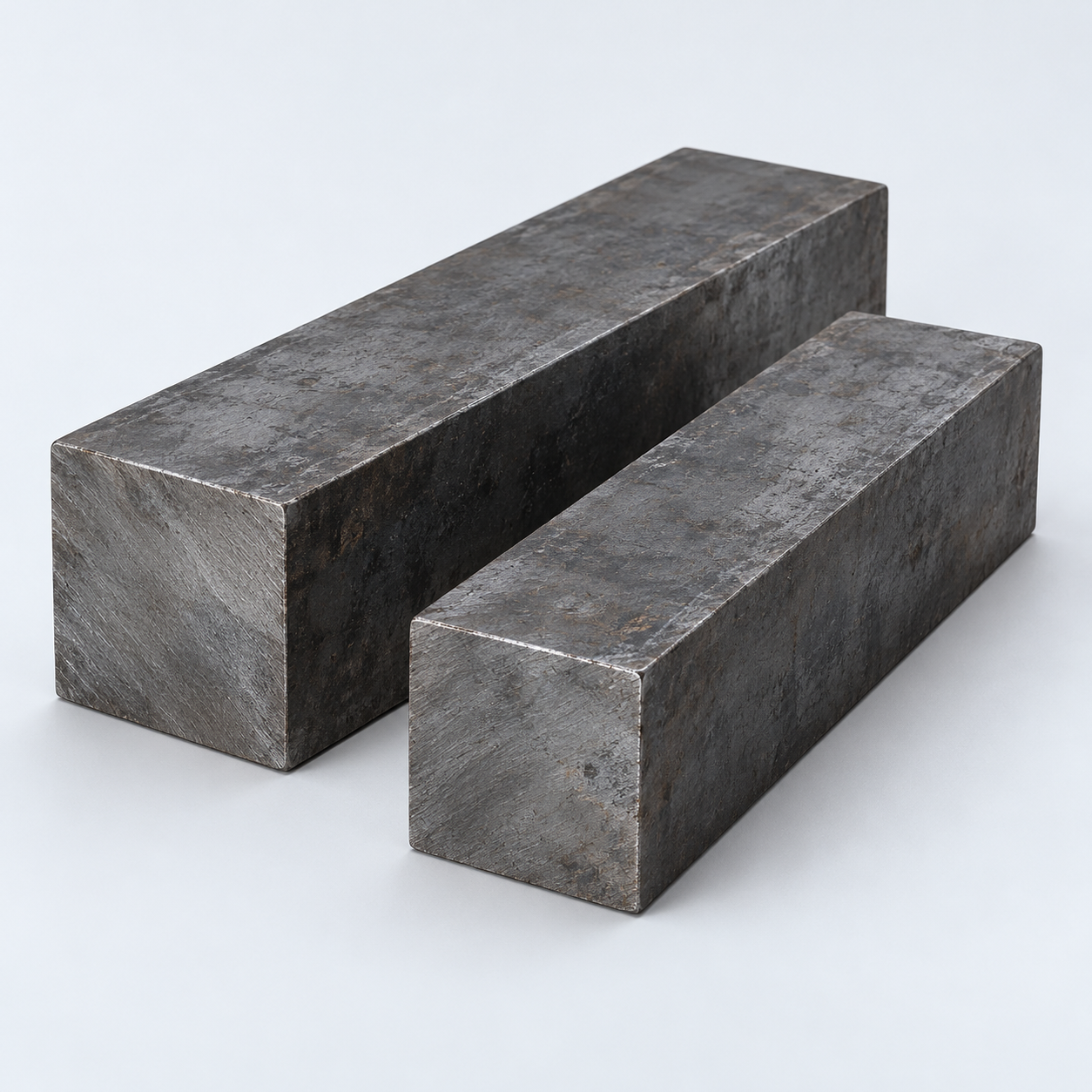 Carbon & Alloy SteelDiscuss grade and heat treatment›
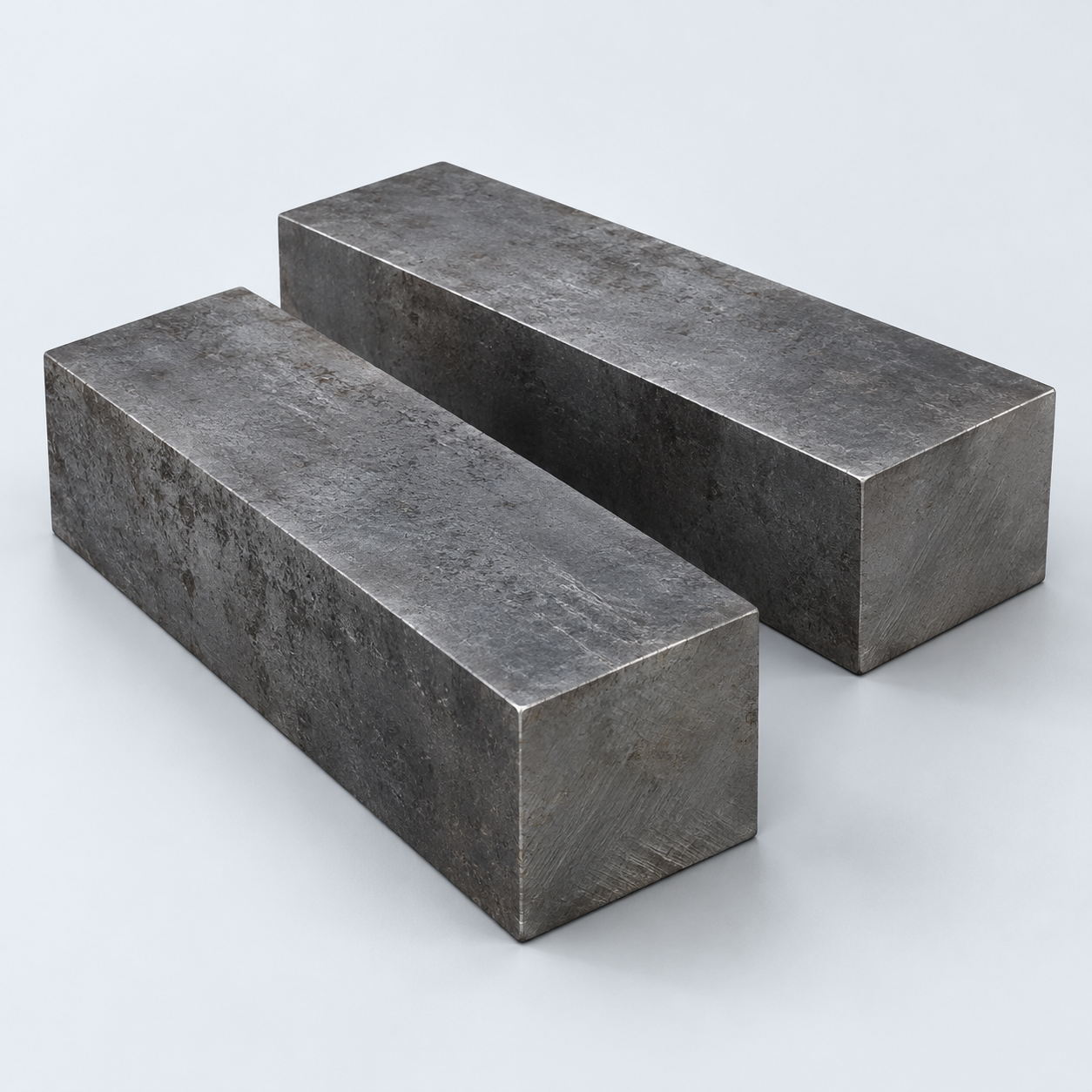 Tool SteelDiscuss tooling and wear needs›
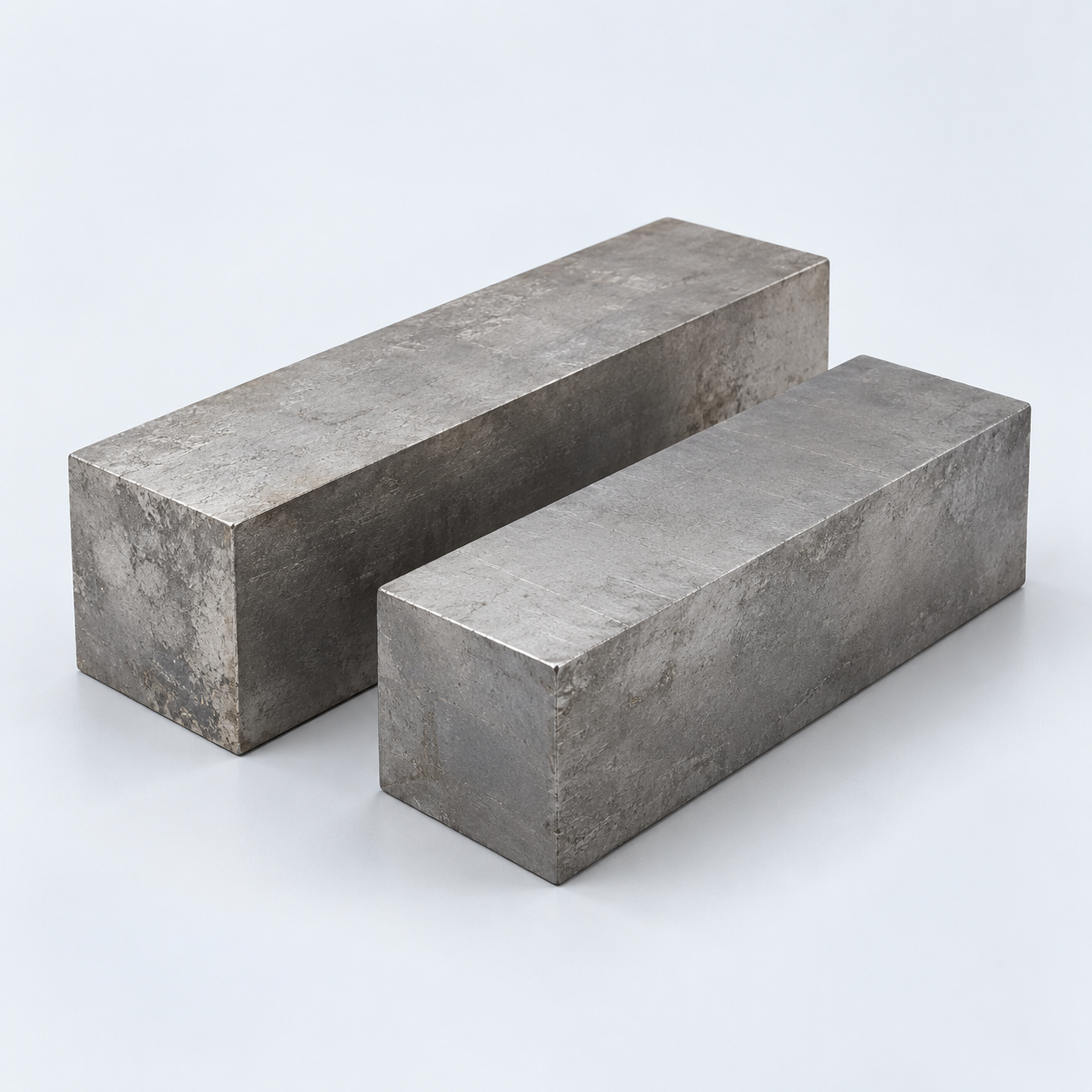 TitaniumReview grade and part geometry›
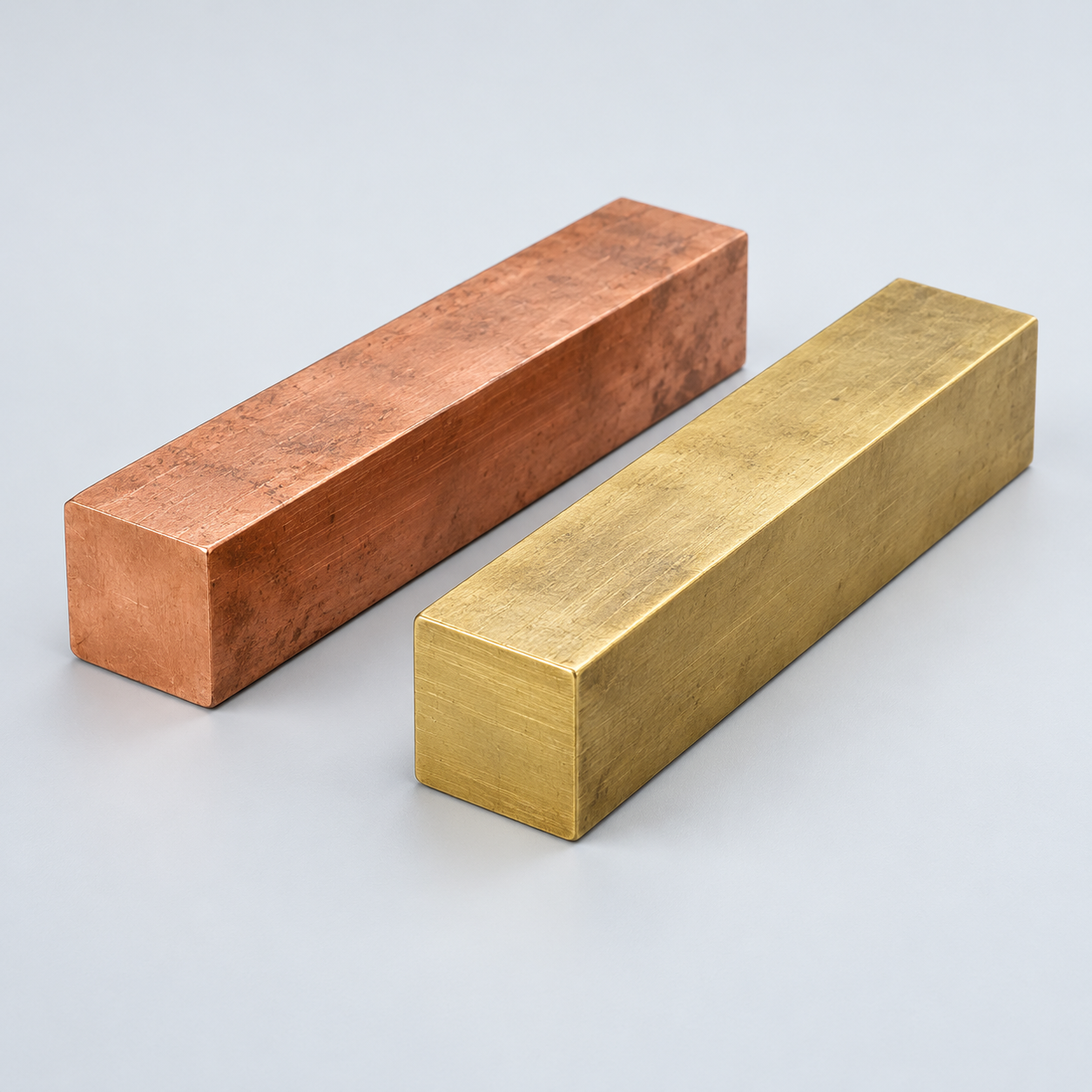 Copper & BrassDiscuss conductivity and machining›
Match your polymer to function, process and environment.
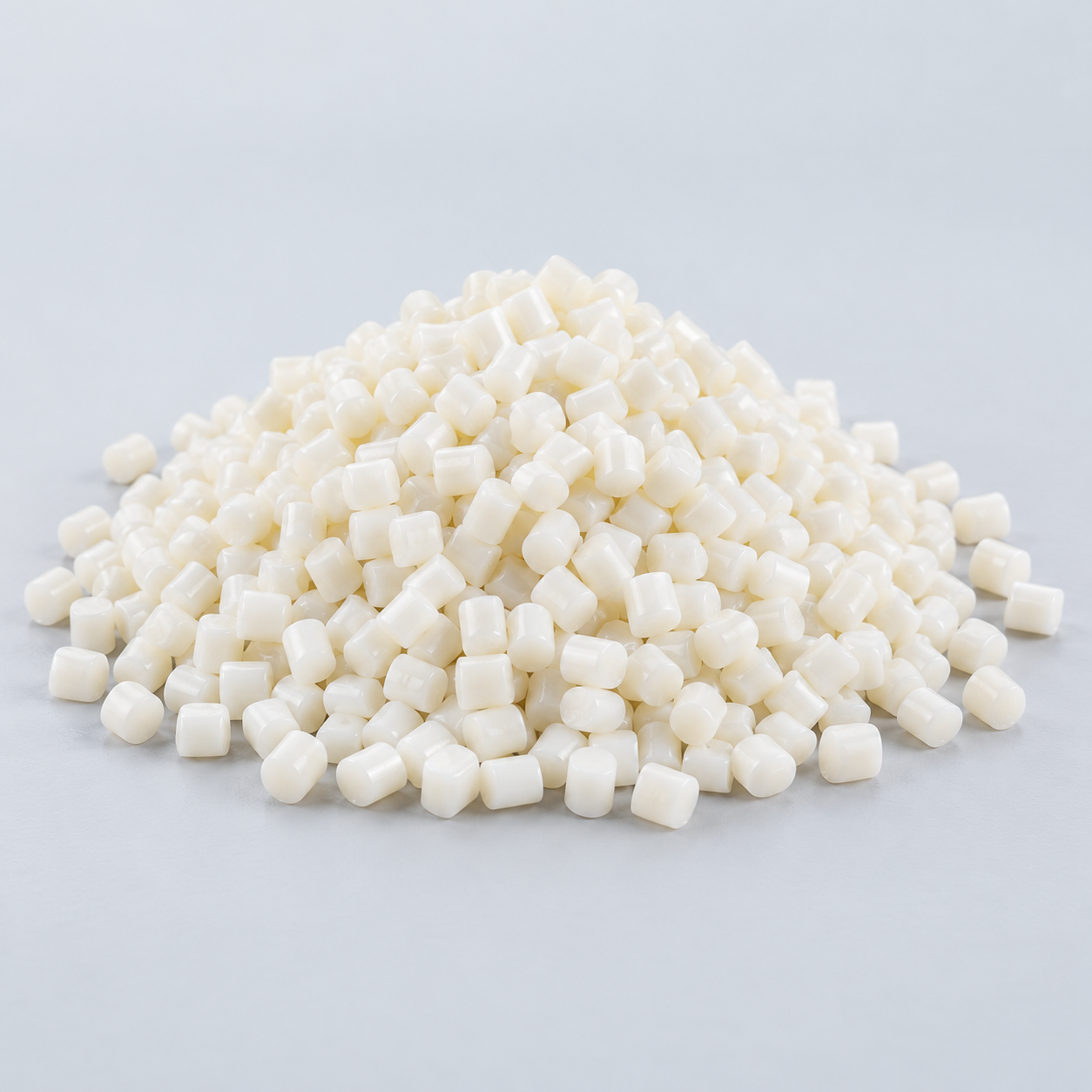 ABSReview enclosure and molding needs›
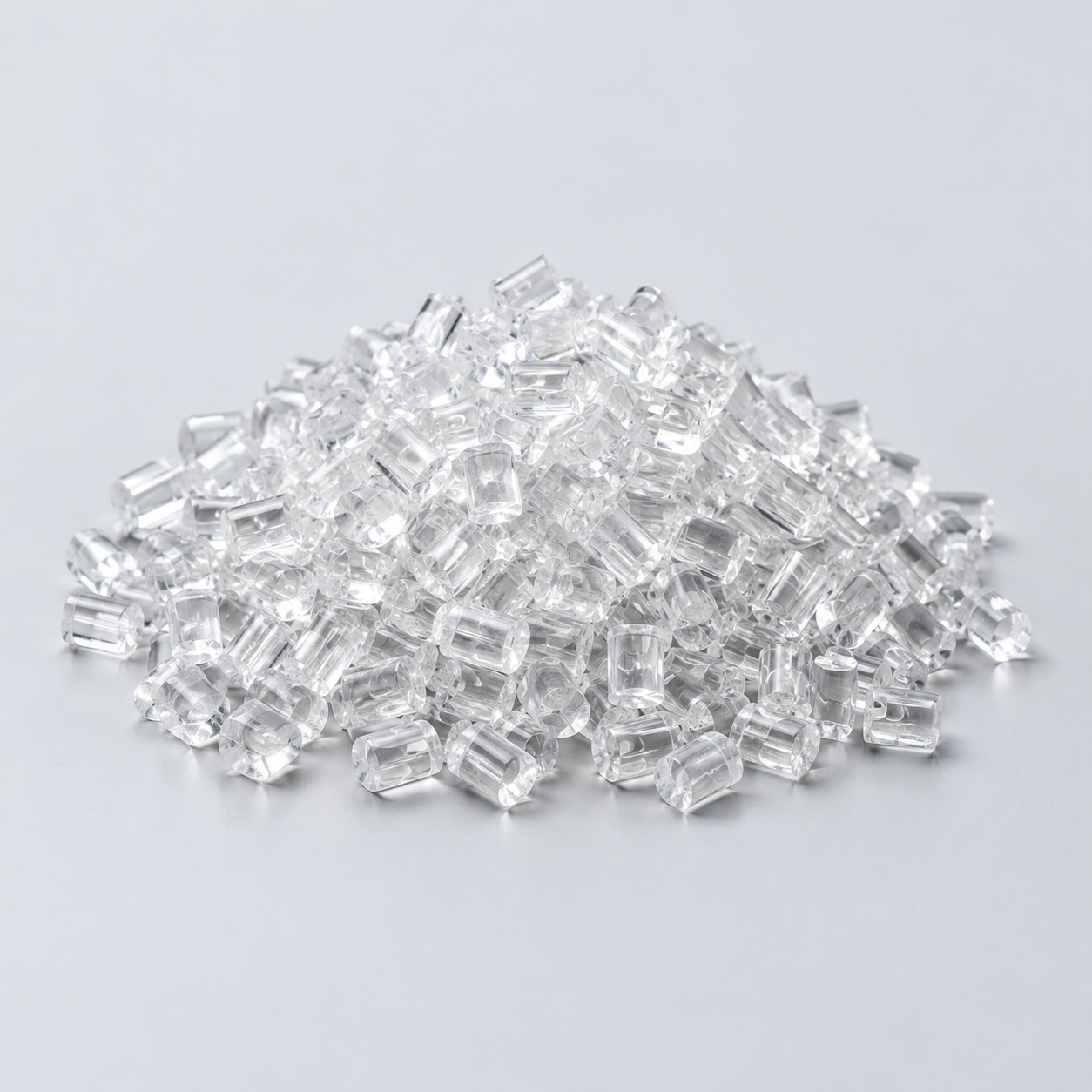 Polycarbonate (PC)Discuss clarity and impact needs›
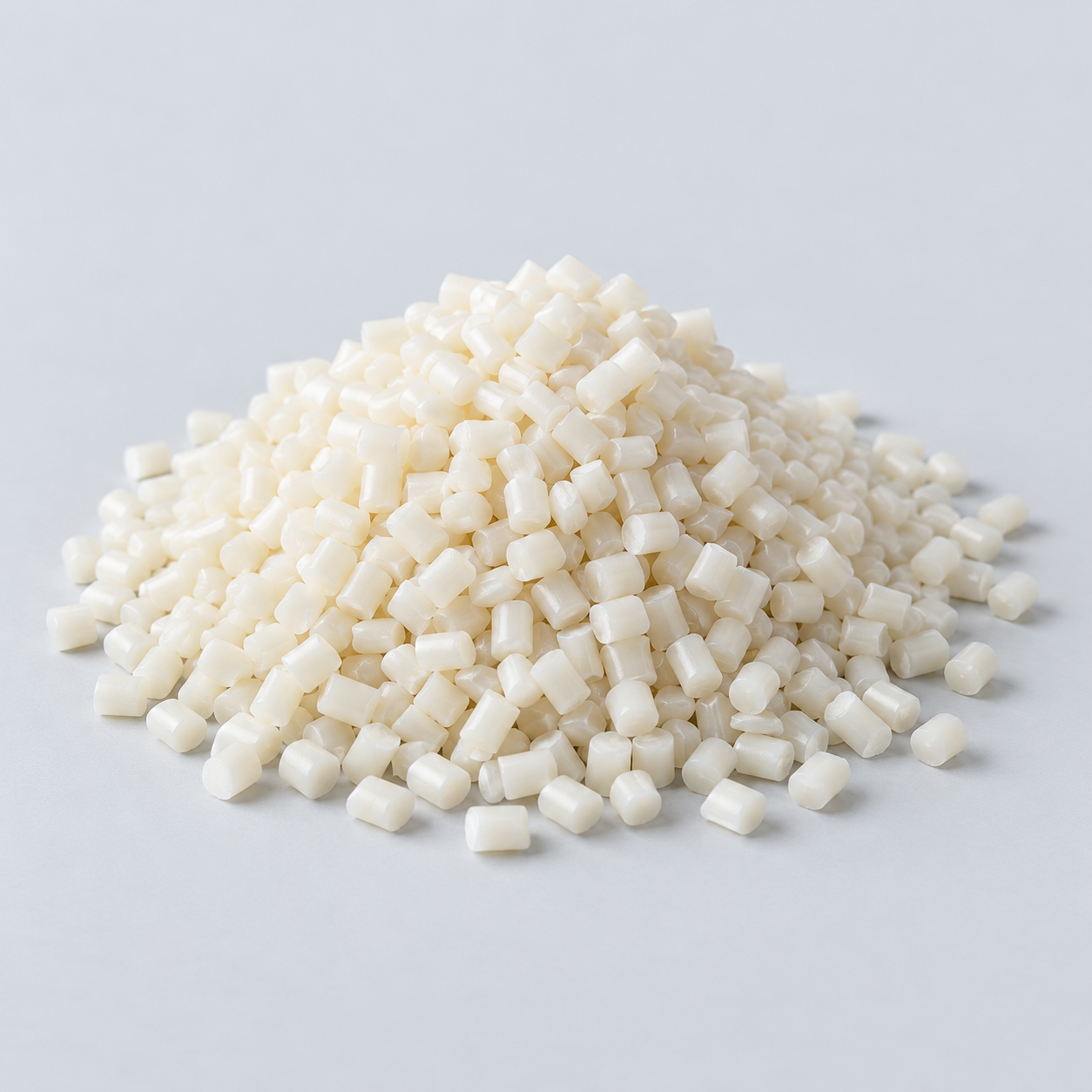 Nylon (PA)Review moisture and wear conditions›
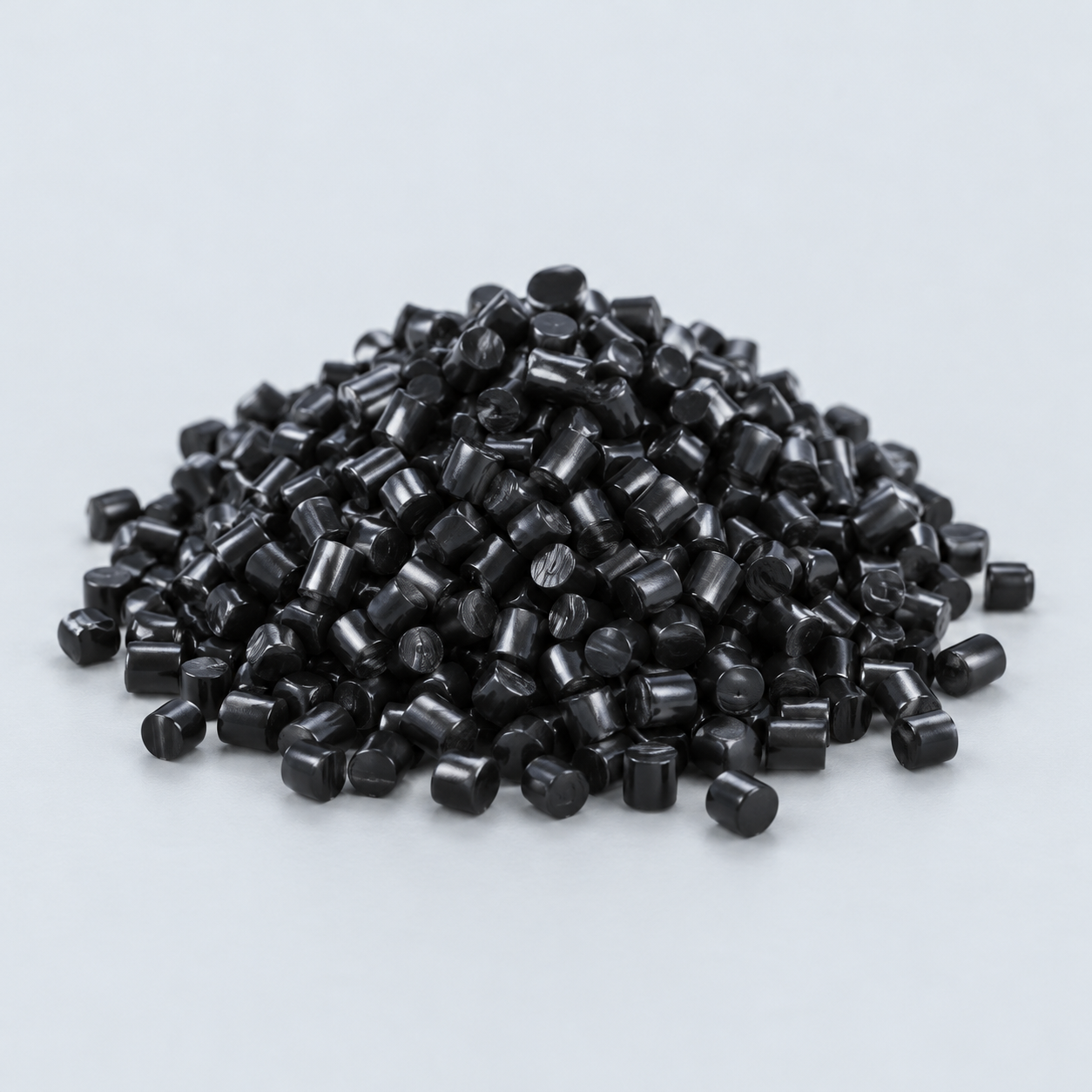 POM / AcetalReview fit and sliding features›
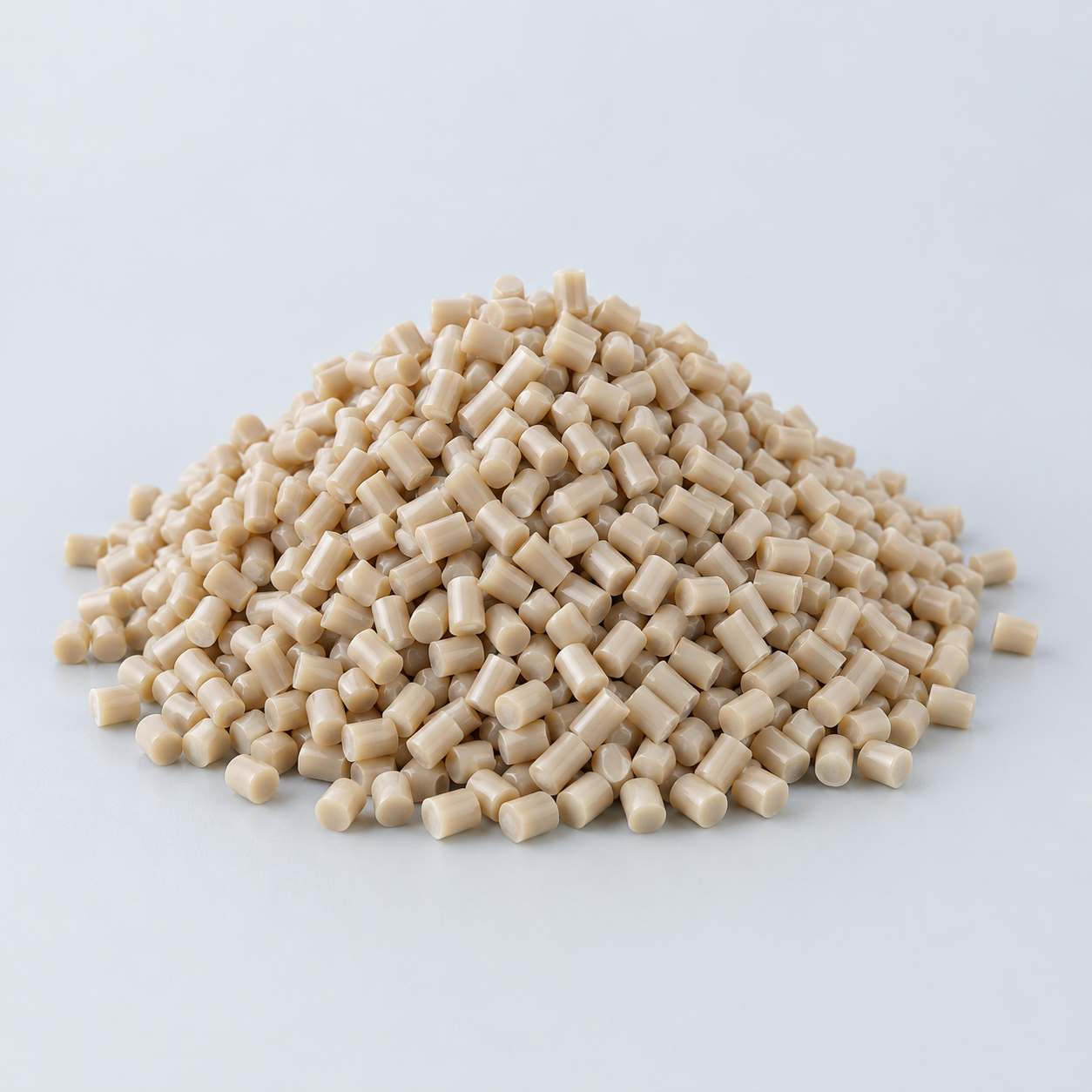 PEEKDiscuss operating conditions›
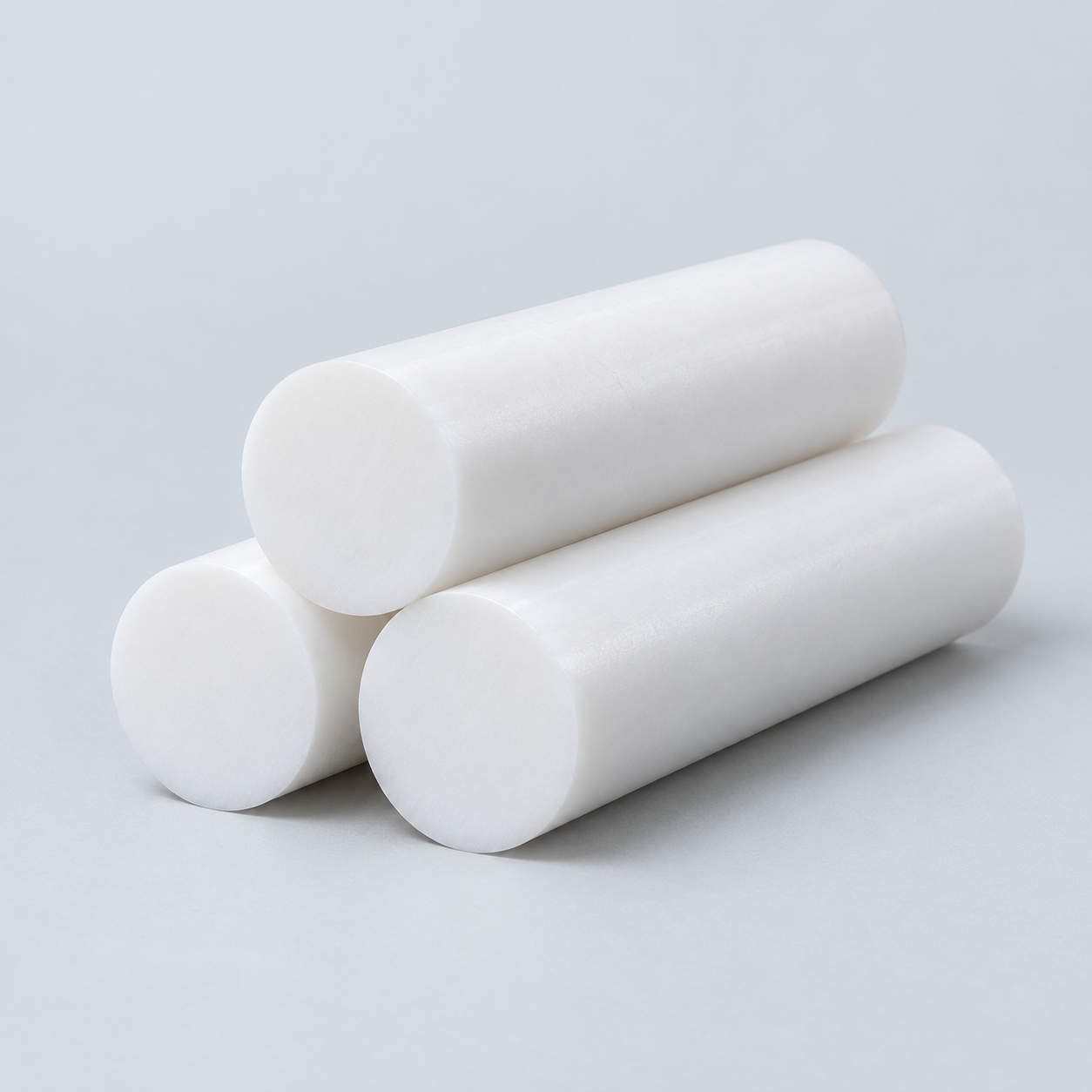 PTFEReview friction and chemical exposure›
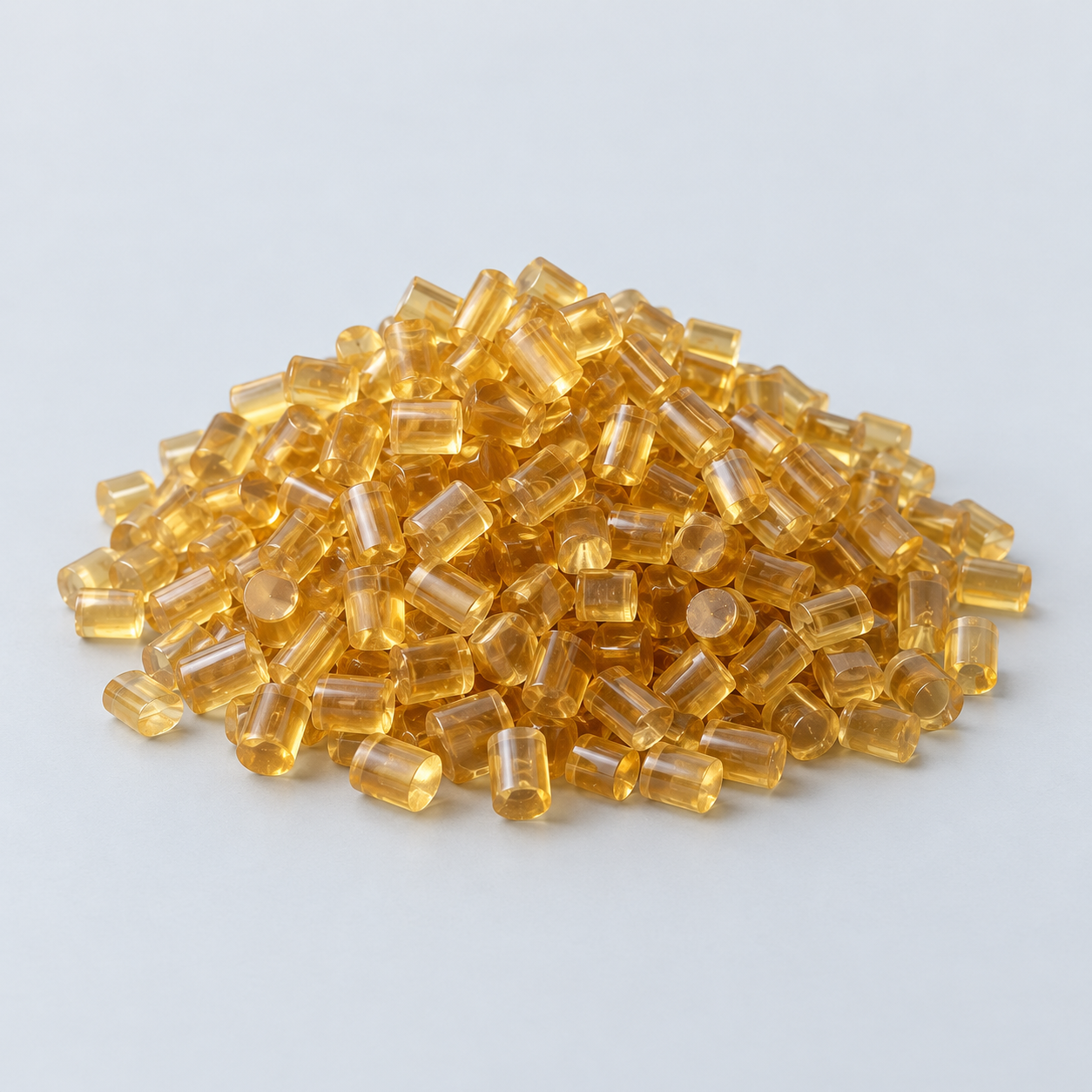 ULTEM / PEIDiscuss thermal and electrical needs›
Confirm grade availability and application requirements.
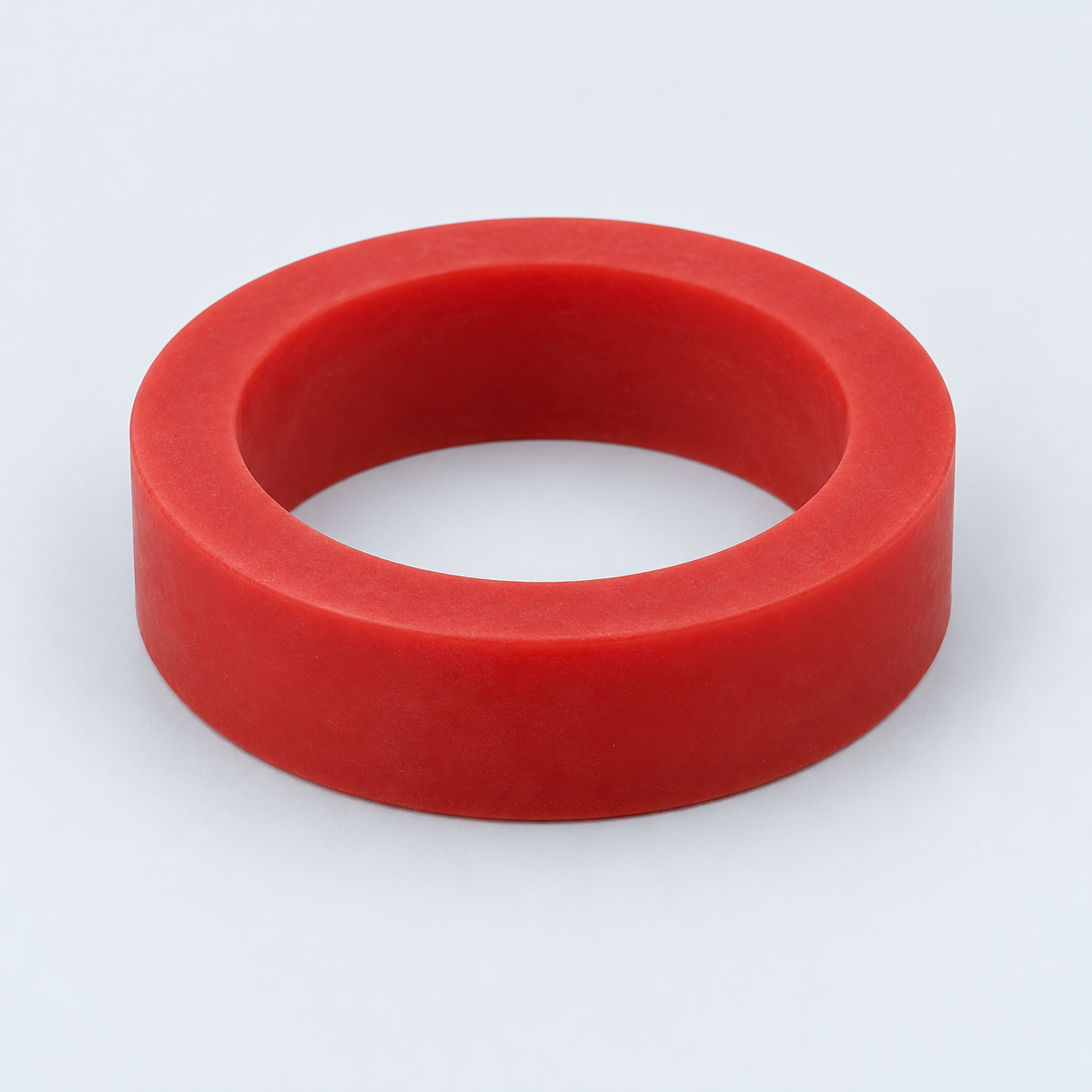 Silicone / LSRDiscuss flexible component needs›
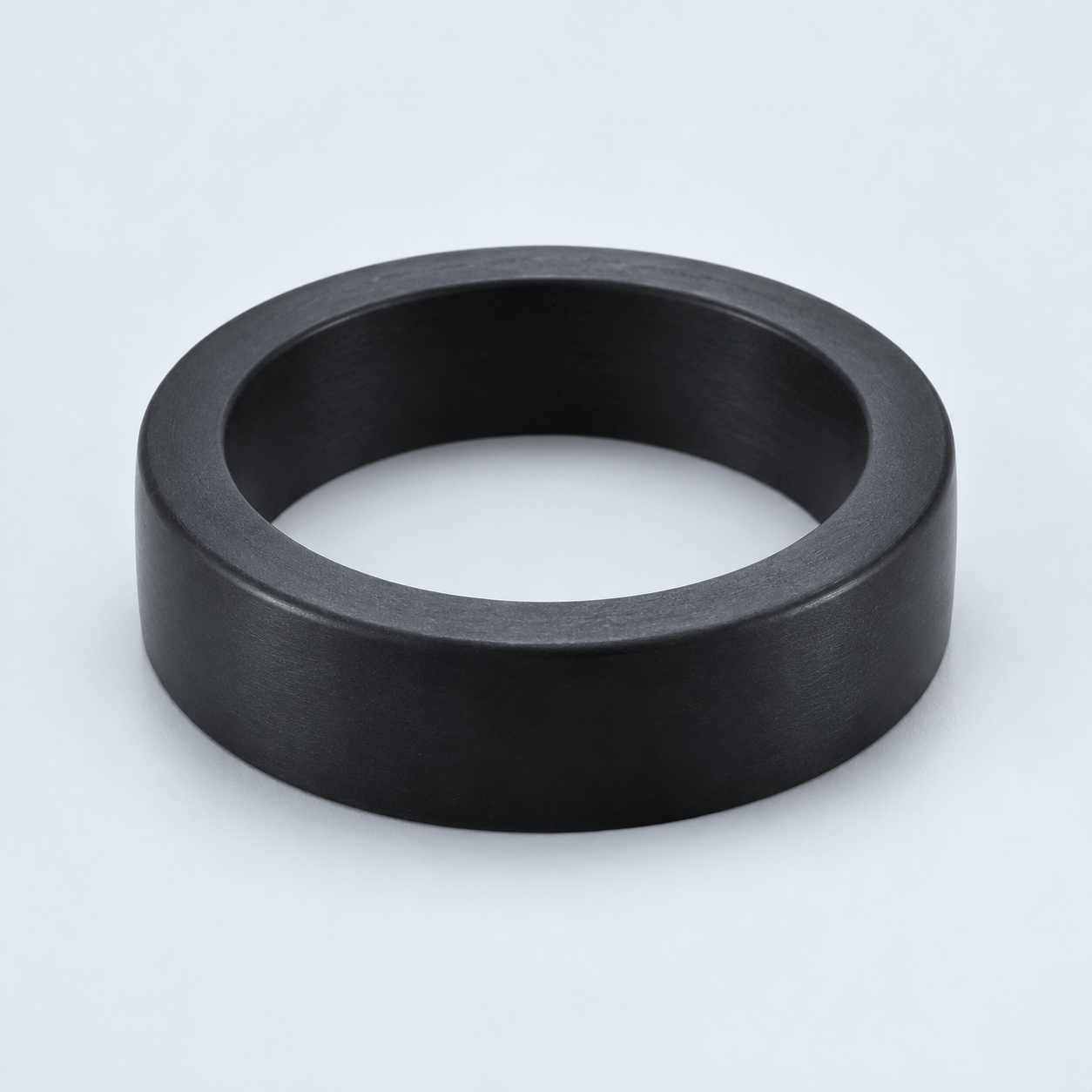 TPU / TPEReview flexibility and processing›
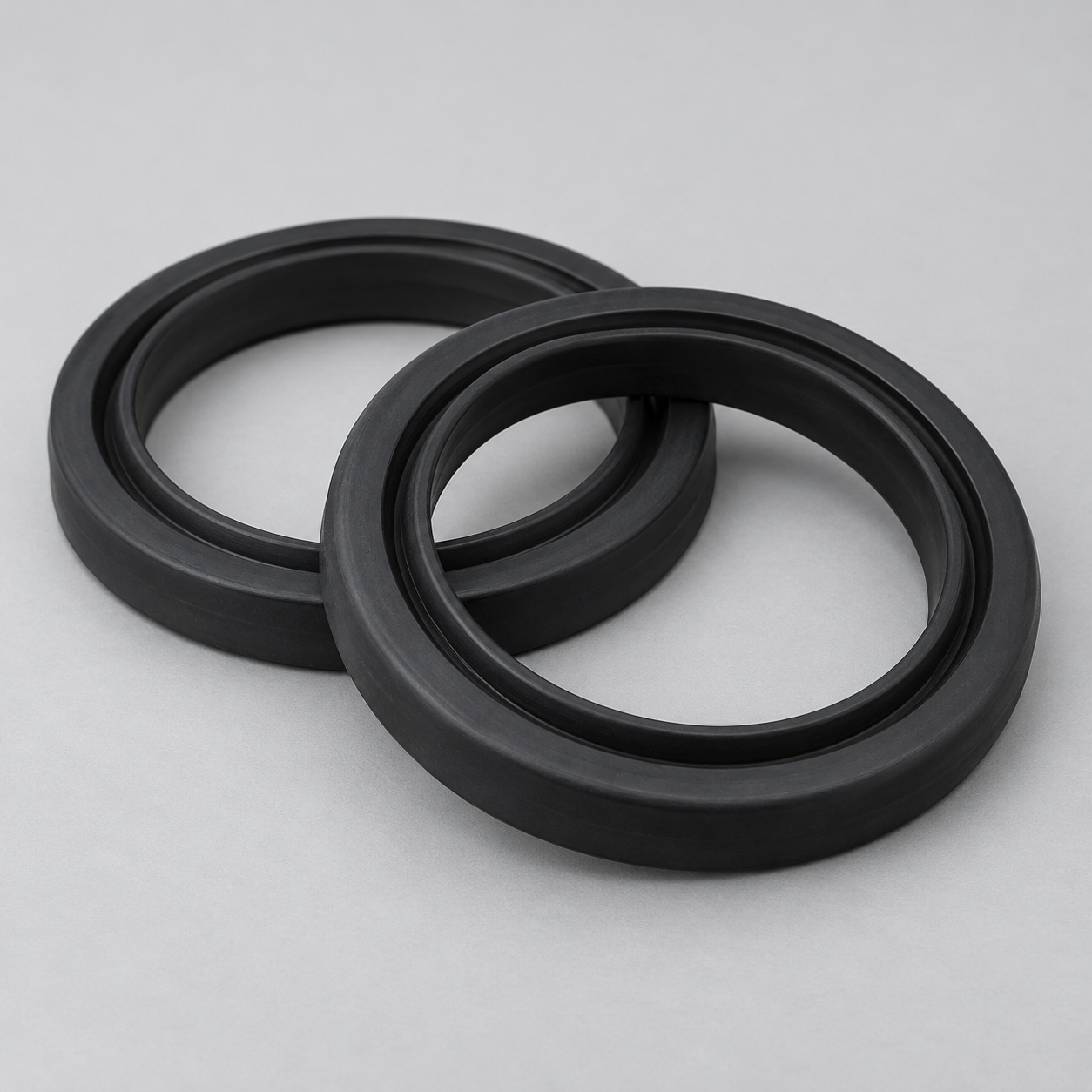 EPDMReview weathering and chemical exposure.›
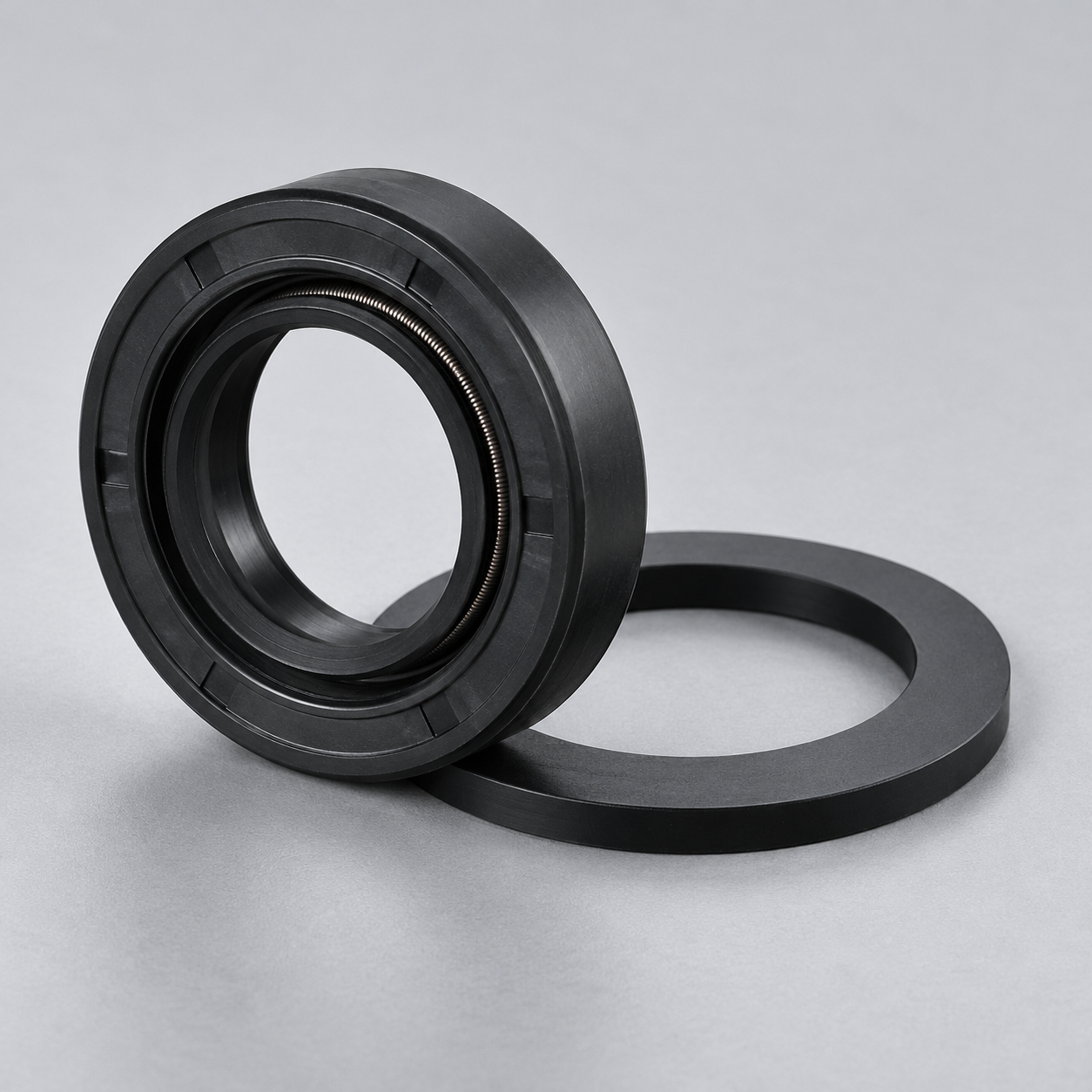 NBRReview oil and fuel exposure.›
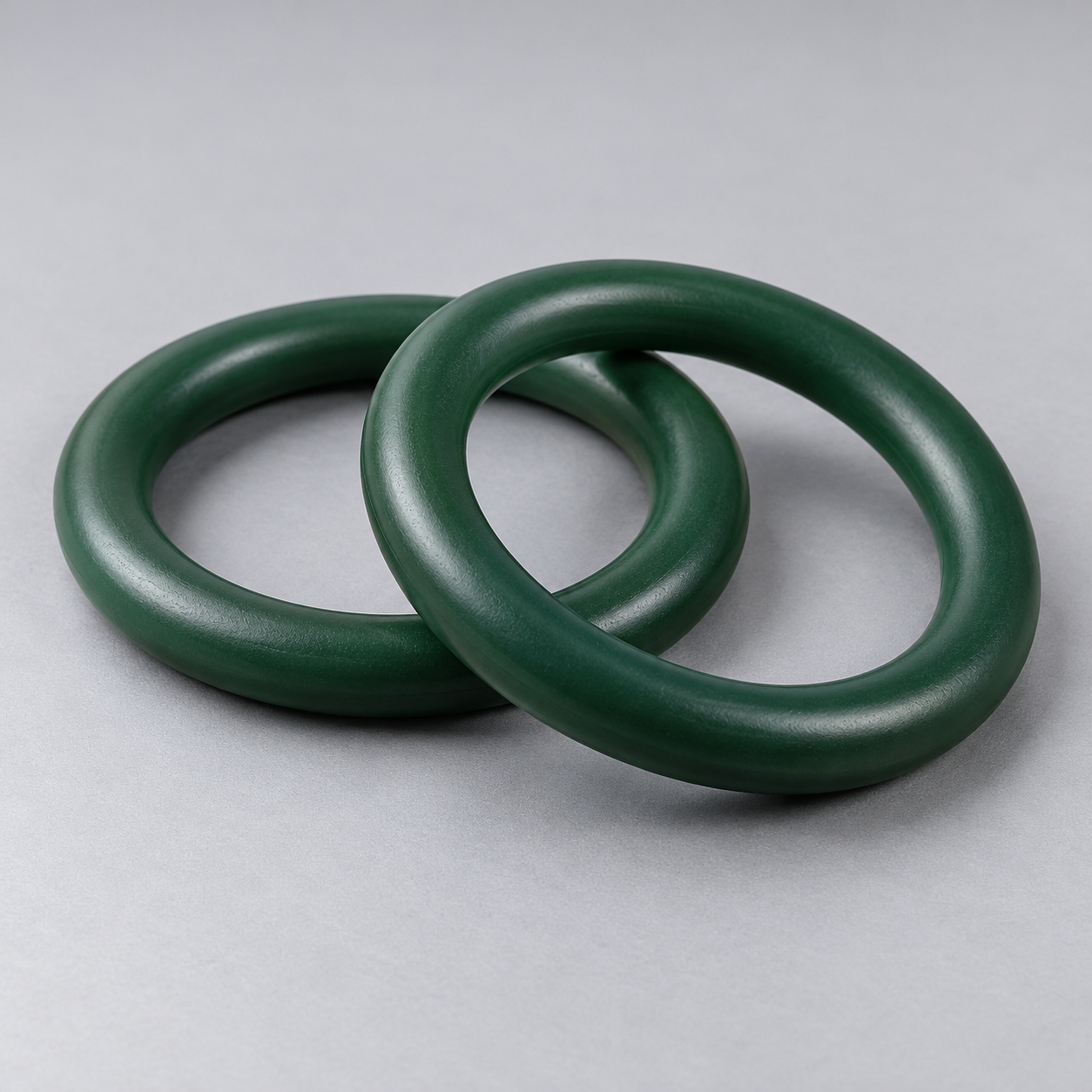 FKMReview temperature and chemical exposure.›
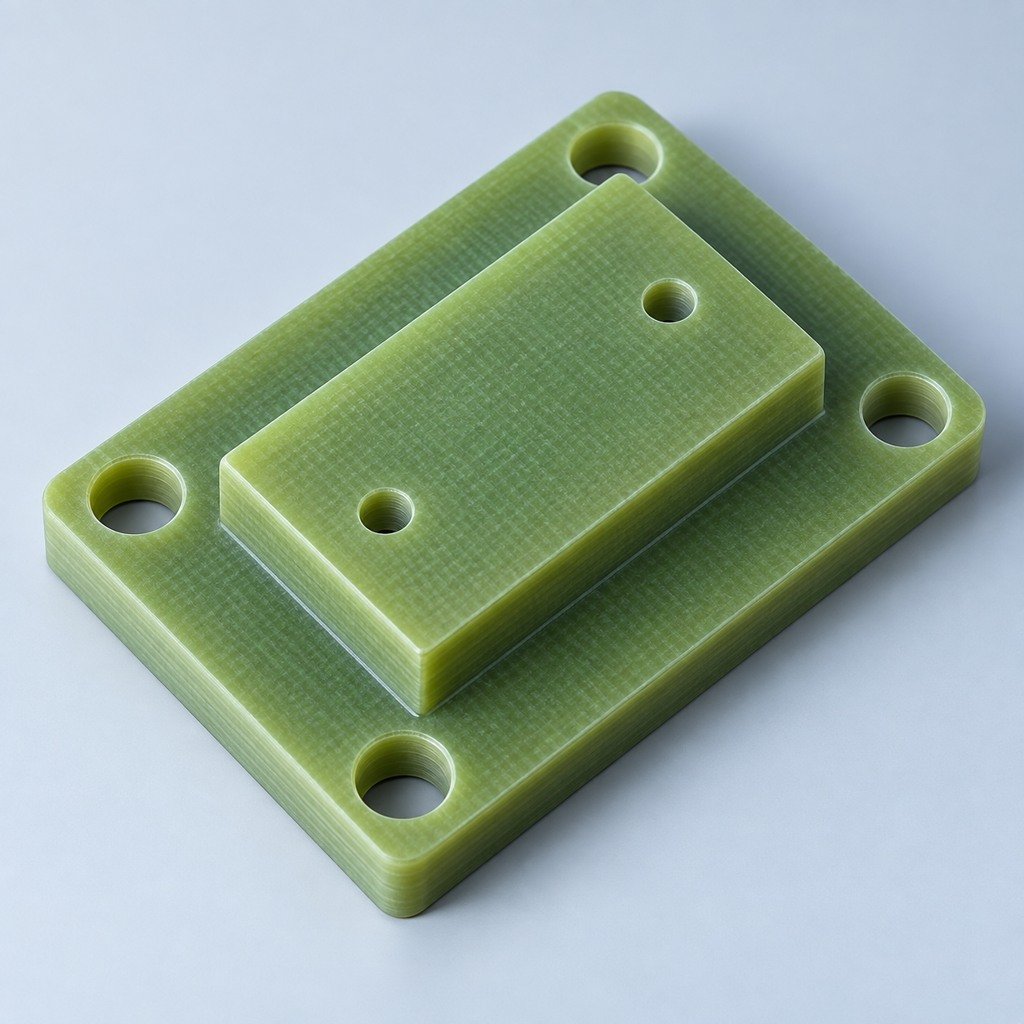 G10 / FR4Review insulation and laminate needs›
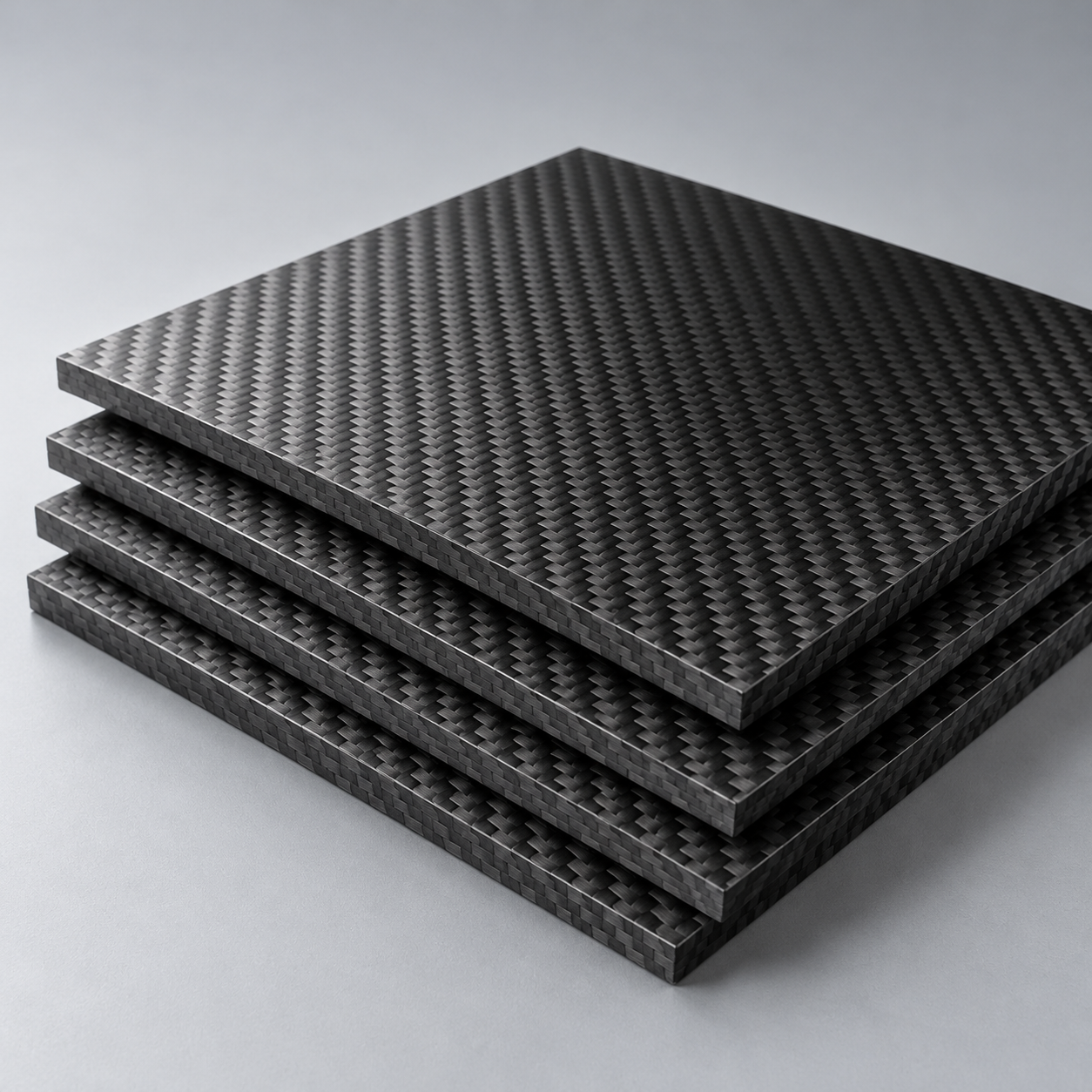 CompositesReview stiffness, weight and laminate.›Customer-Specified MaterialsConfirm your grade and requirements.›Other Specialty MaterialsDiscuss your application and grade.›
Practical guidance for your part geometry and material decisions.
Prepare your process, budget and sourcing questions.
Build your knowledge before production.
Learn who we are and how we operate.
Find our U.S. support team or start a conversation.
CUSTOM ALUMINUM EXTRUSION SERVICES
Built around your cross-section, finish and production goals.
Turn your profile drawing into aluminum parts ready for your next assembly step. Review alloy, die design, CNC machining and finishing together to protect your critical fits and control total project cost.
Your geometry. Your mating features. A reviewed production route.
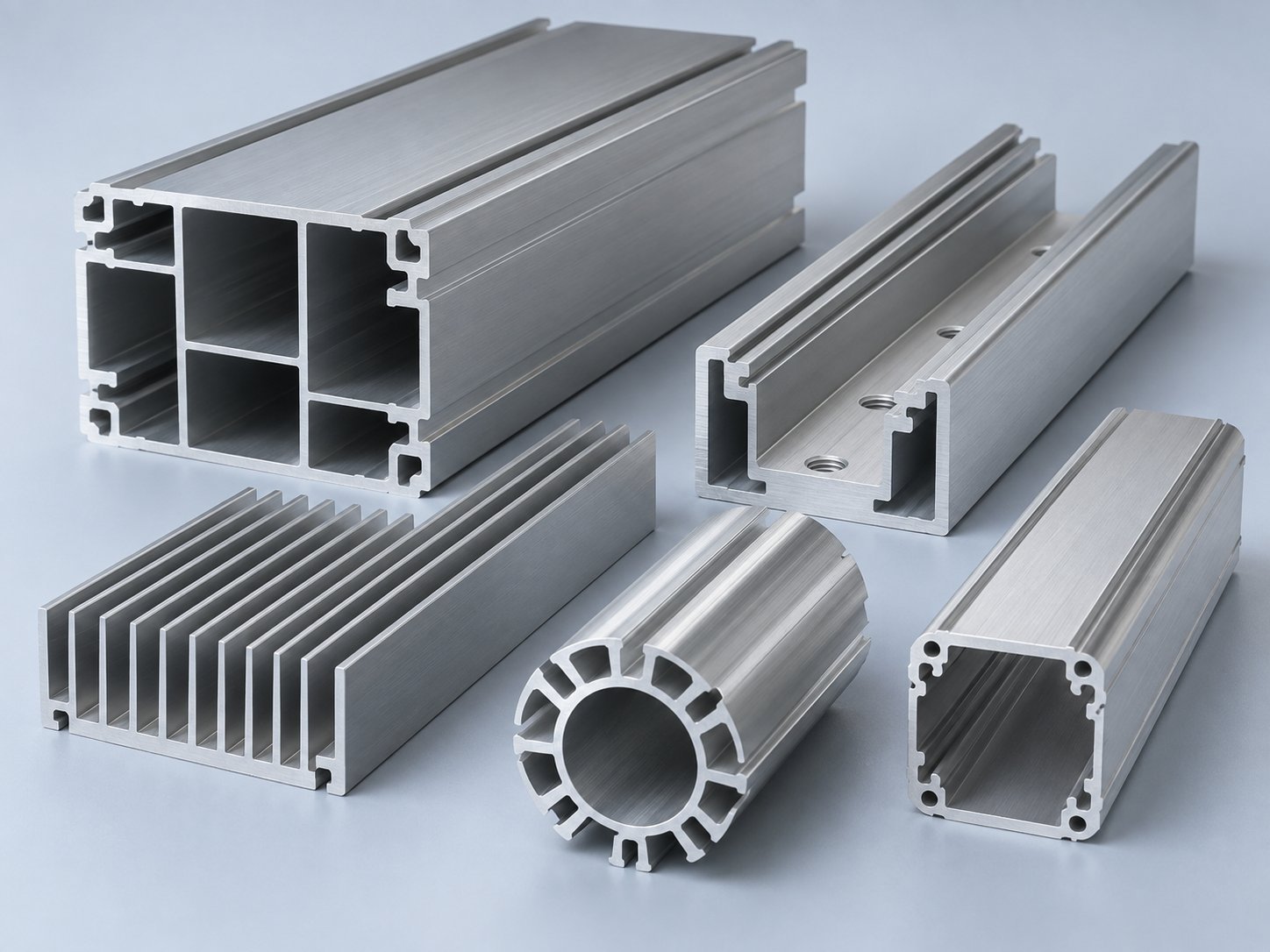
Choose the material or profile support you need, then review the service details.
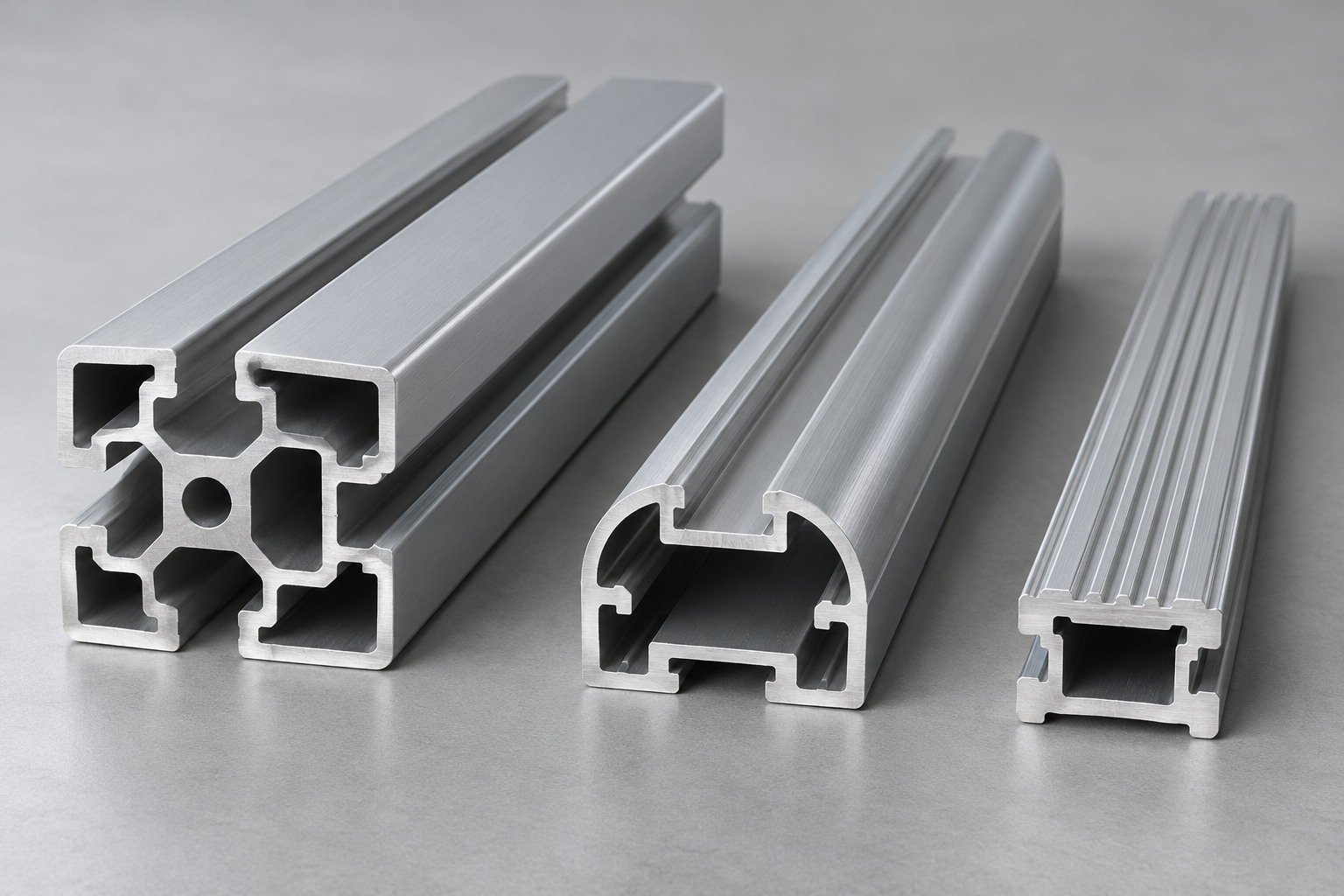
For your aluminum sections, machined features and finished assemblies.
View Aluminum Details
For your polymer channels, covers and cut-to-length parts.
Explore Plastic Extrusion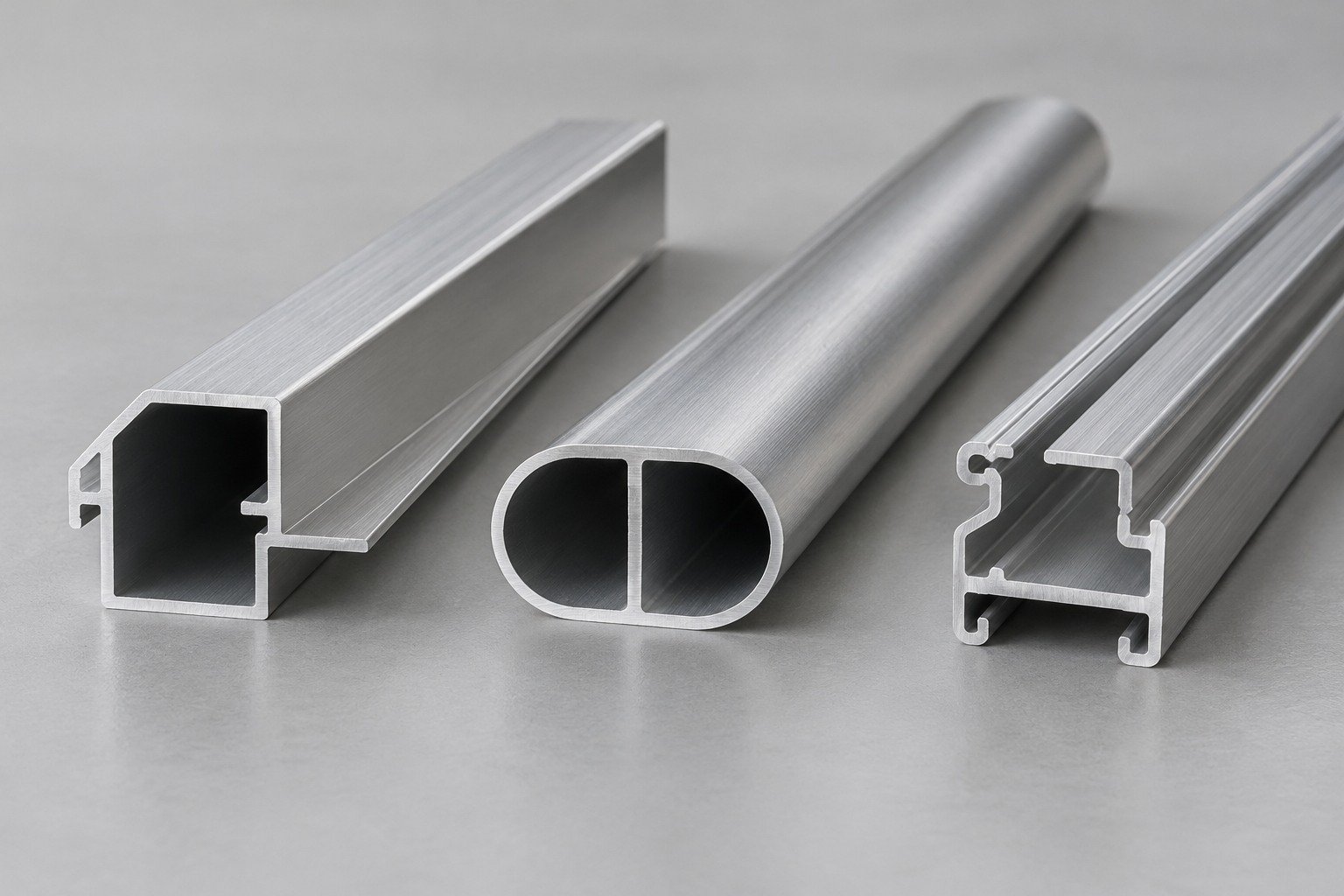
For your section geometry, mating fit and tooling review.
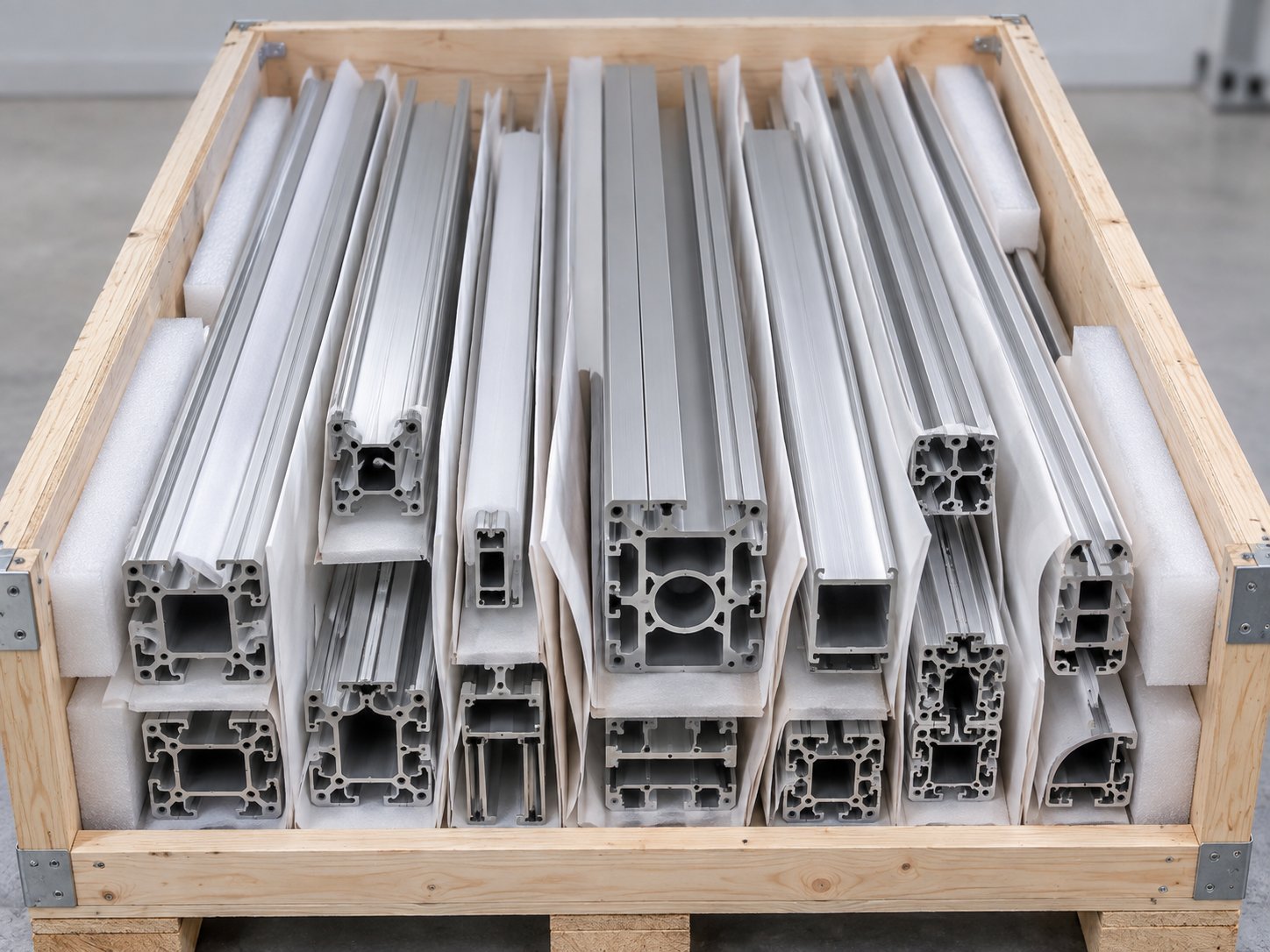
Explore Custom ProfilesIllustrative profile concepts. Material and process are reviewed for your drawing.
ALUMINUM EXTRUSION OVERVIEW
Bring your section drawing, alloy, machining and finishing into one reviewed manufacturing plan.
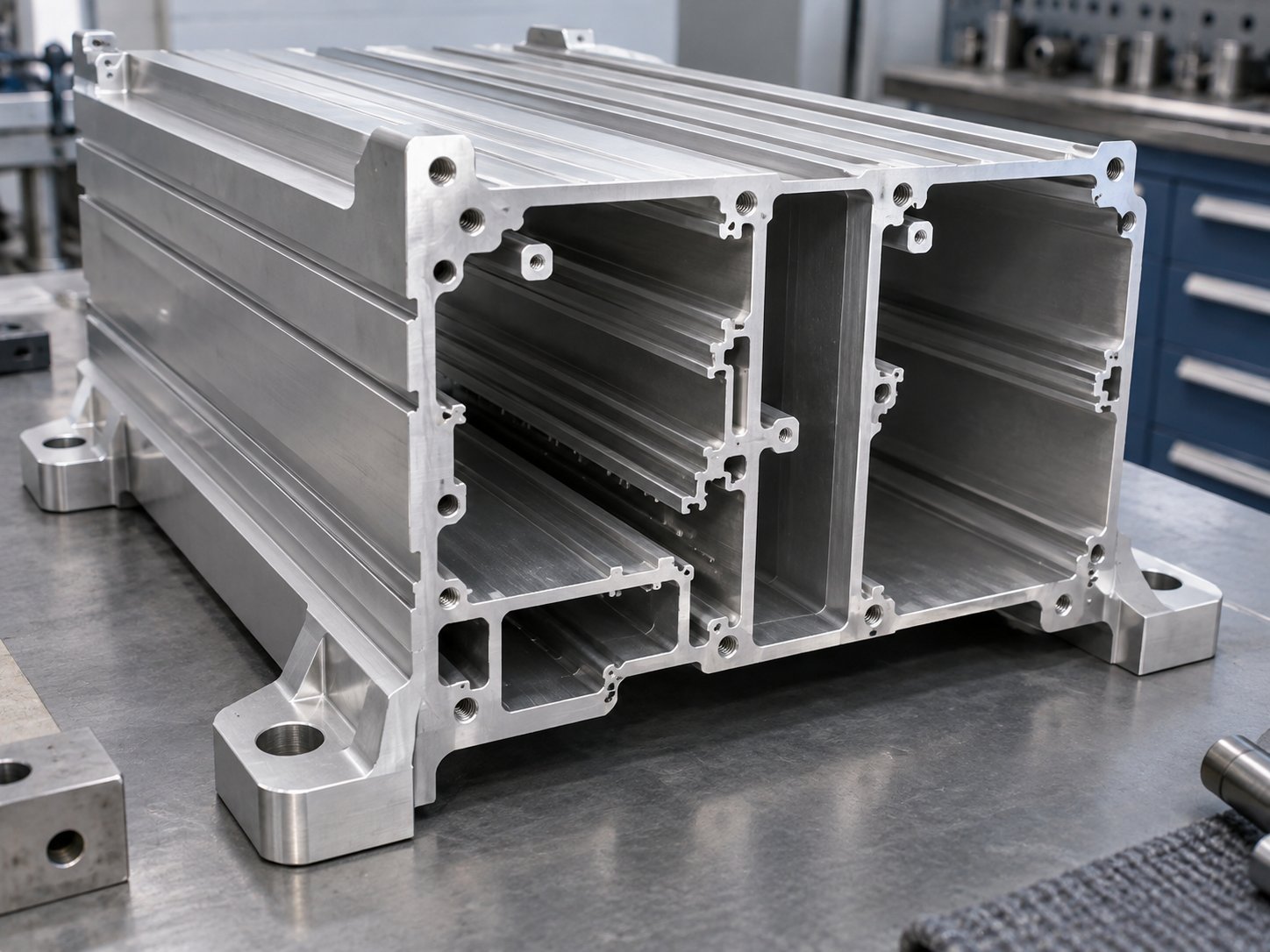
EXTRUSION CAPABILITIES
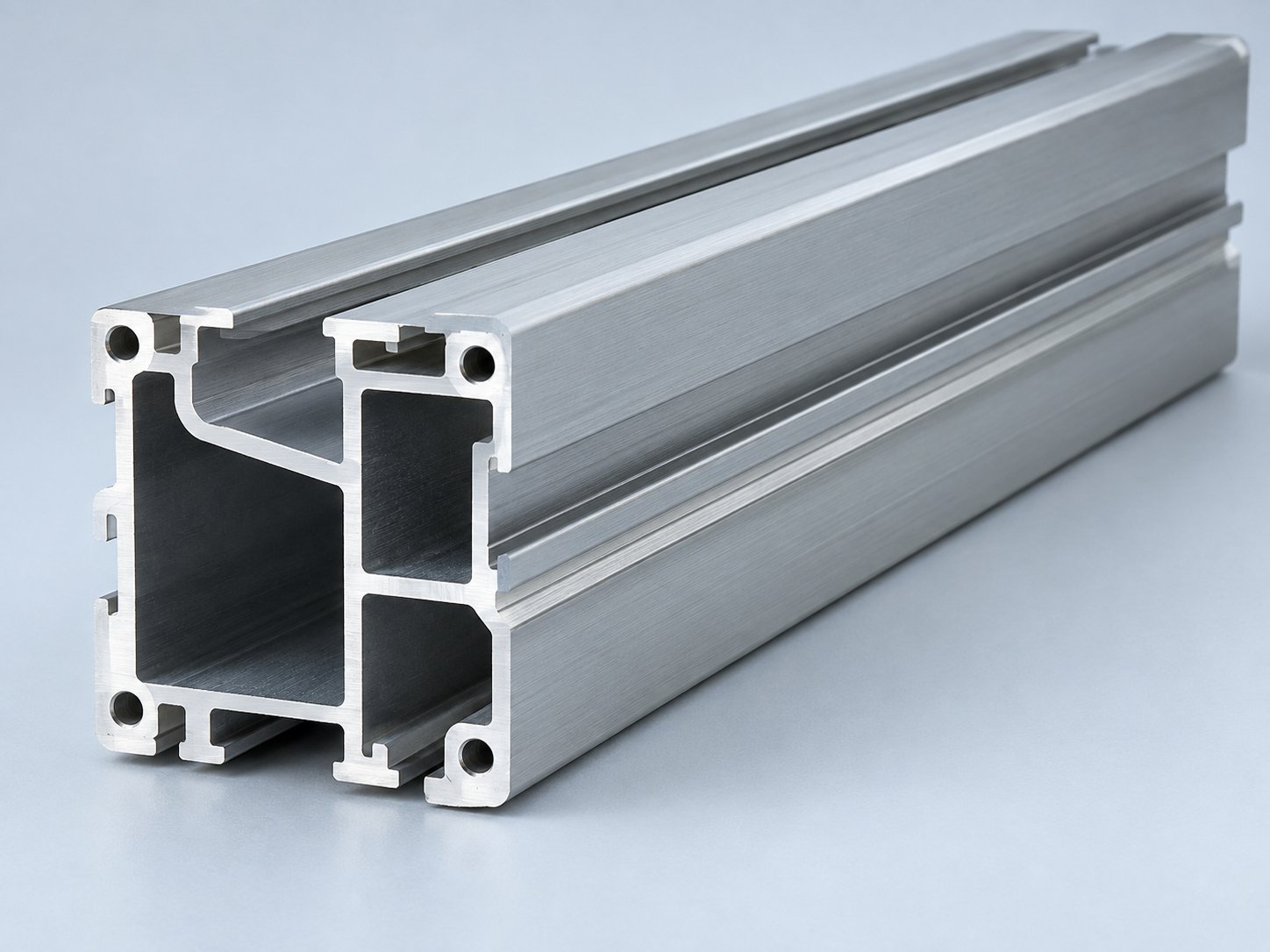
Build useful geometry into your continuous cross-section. Review internal webs, fastening channels and downstream machining together.
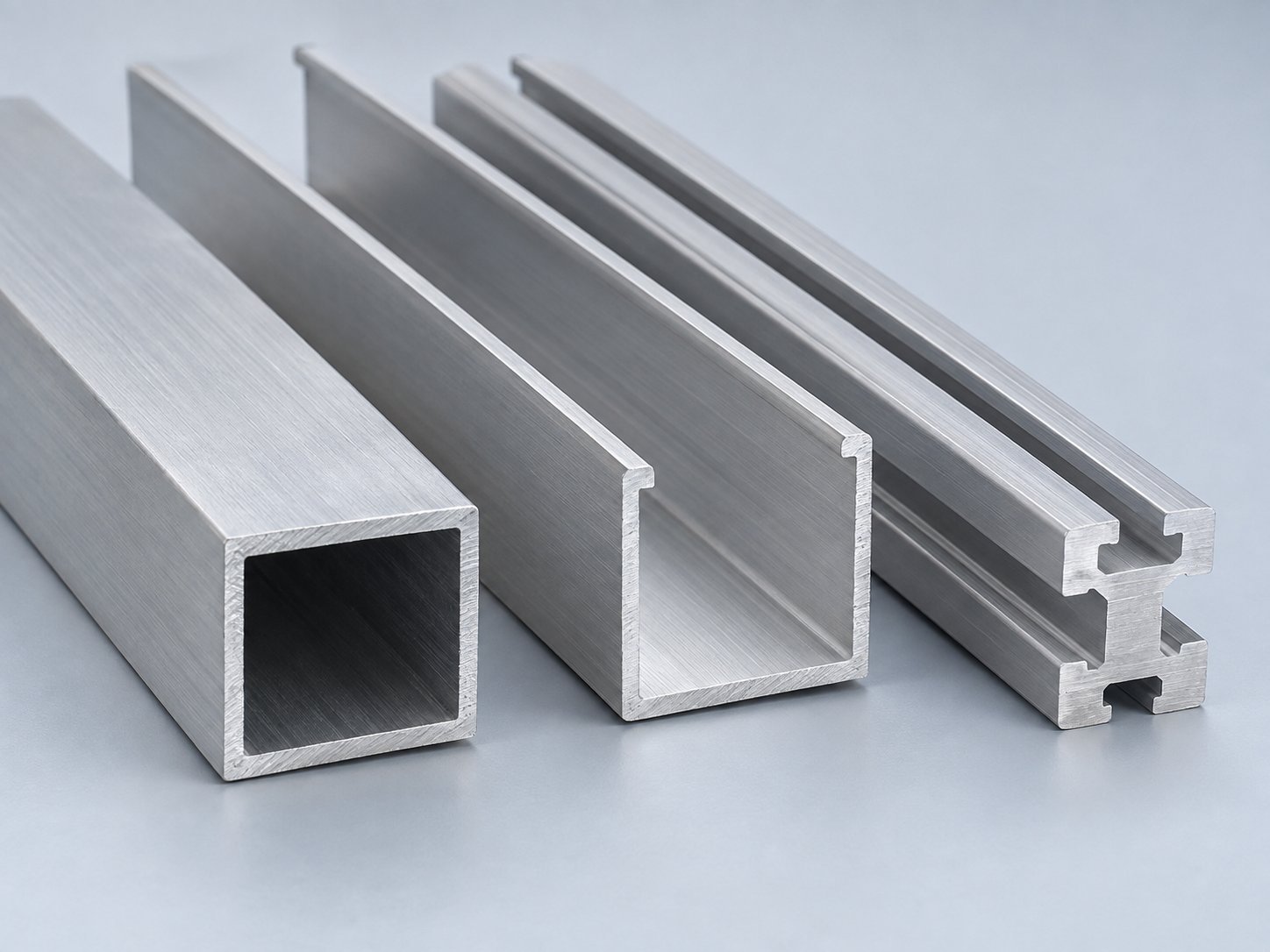
Compare available profiles with your cut lengths, added features and order quantity.
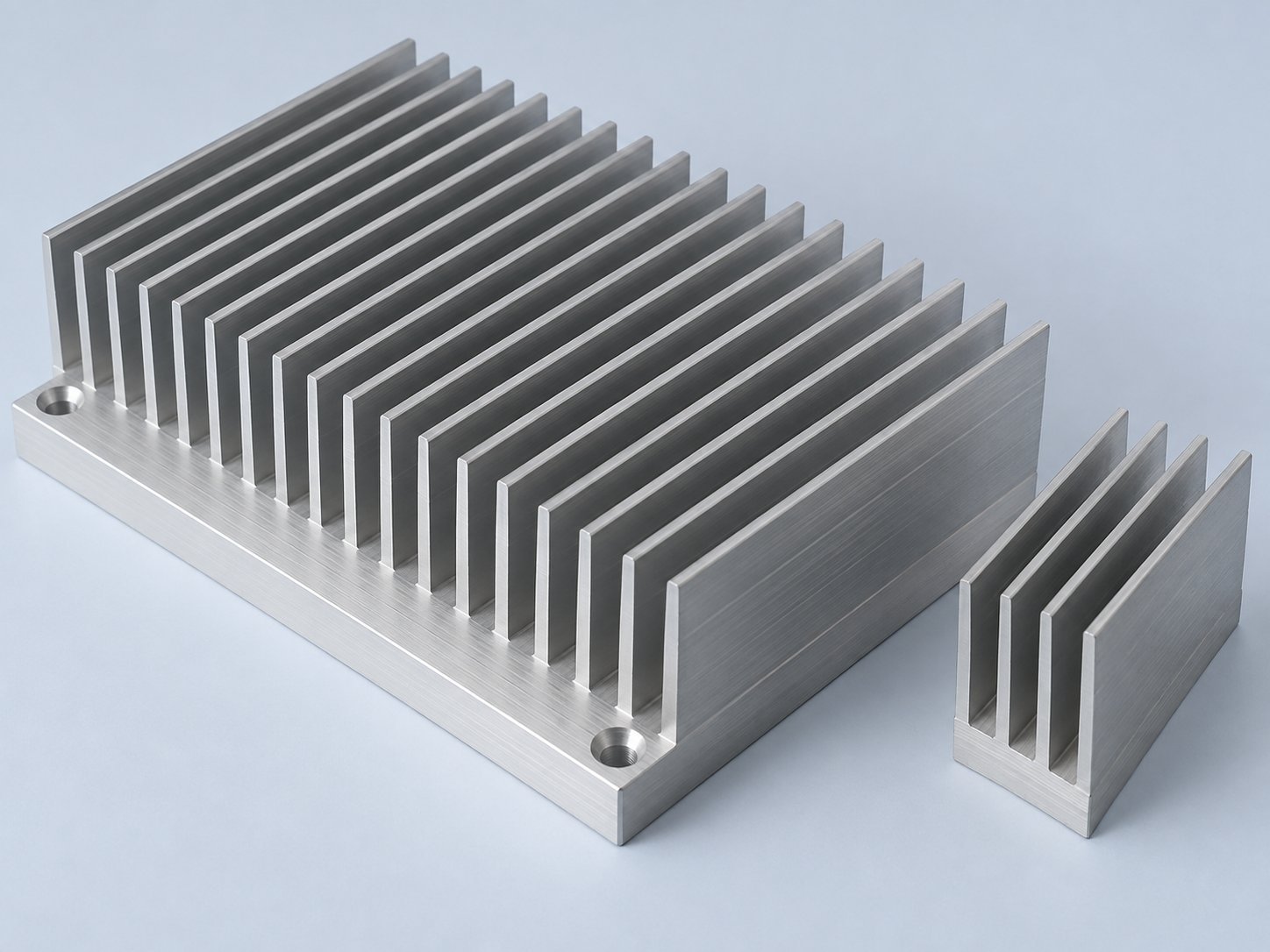
Review fins, base thickness and mounting faces around your thermal design.
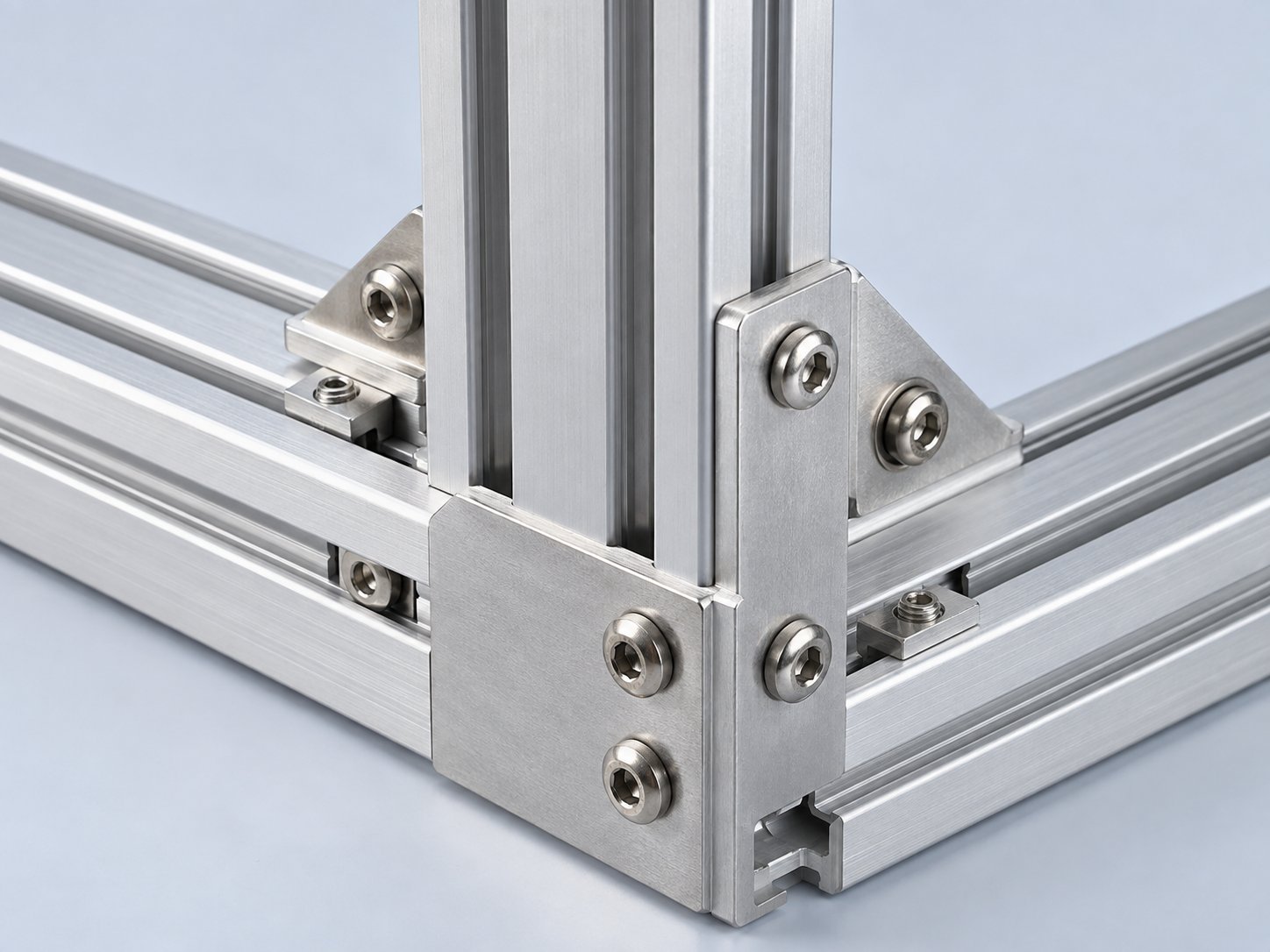
Coordinate rails, fasteners and machined ends around your frame.
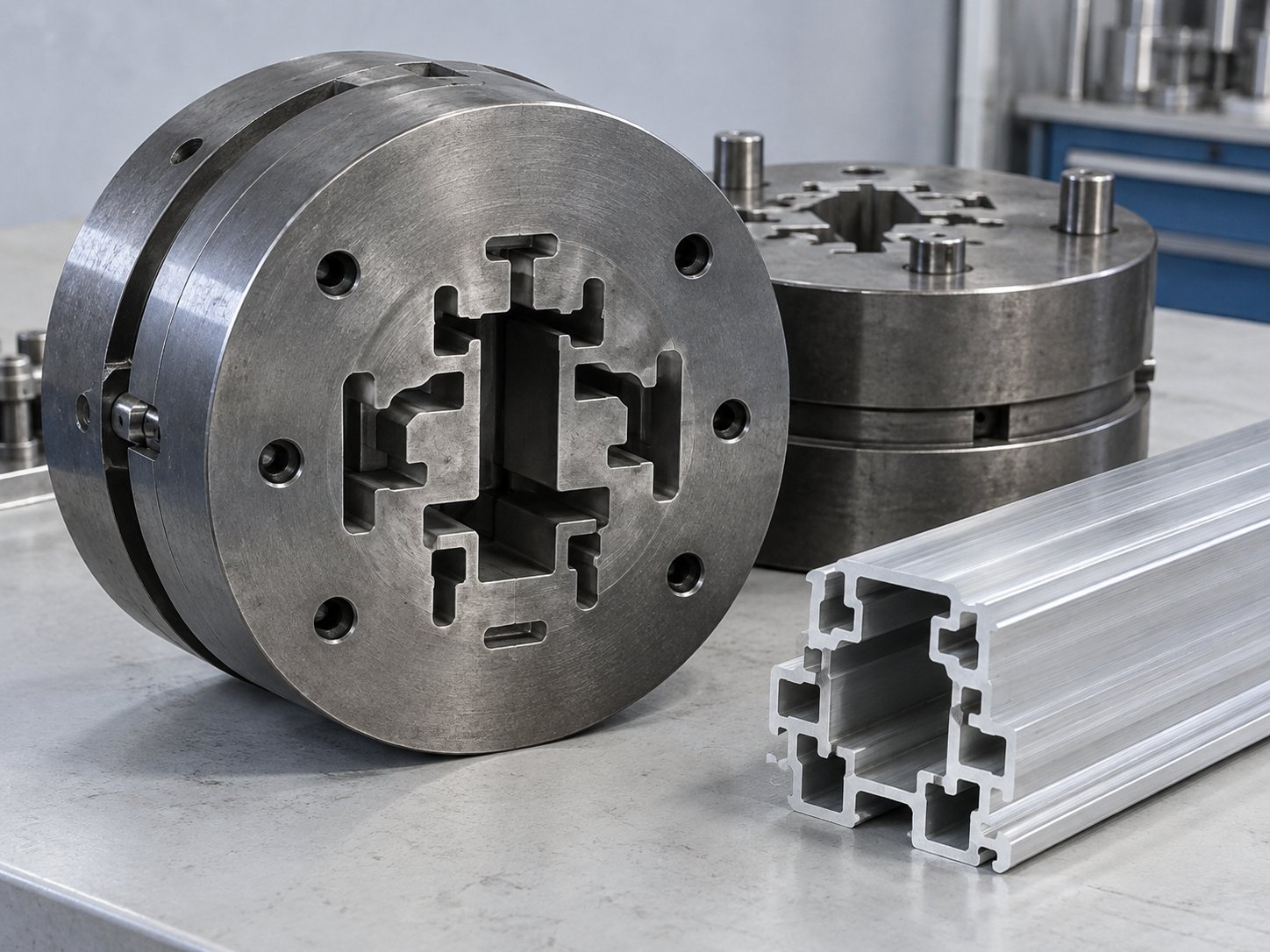
Agree the tooling scope before committing to your profile.
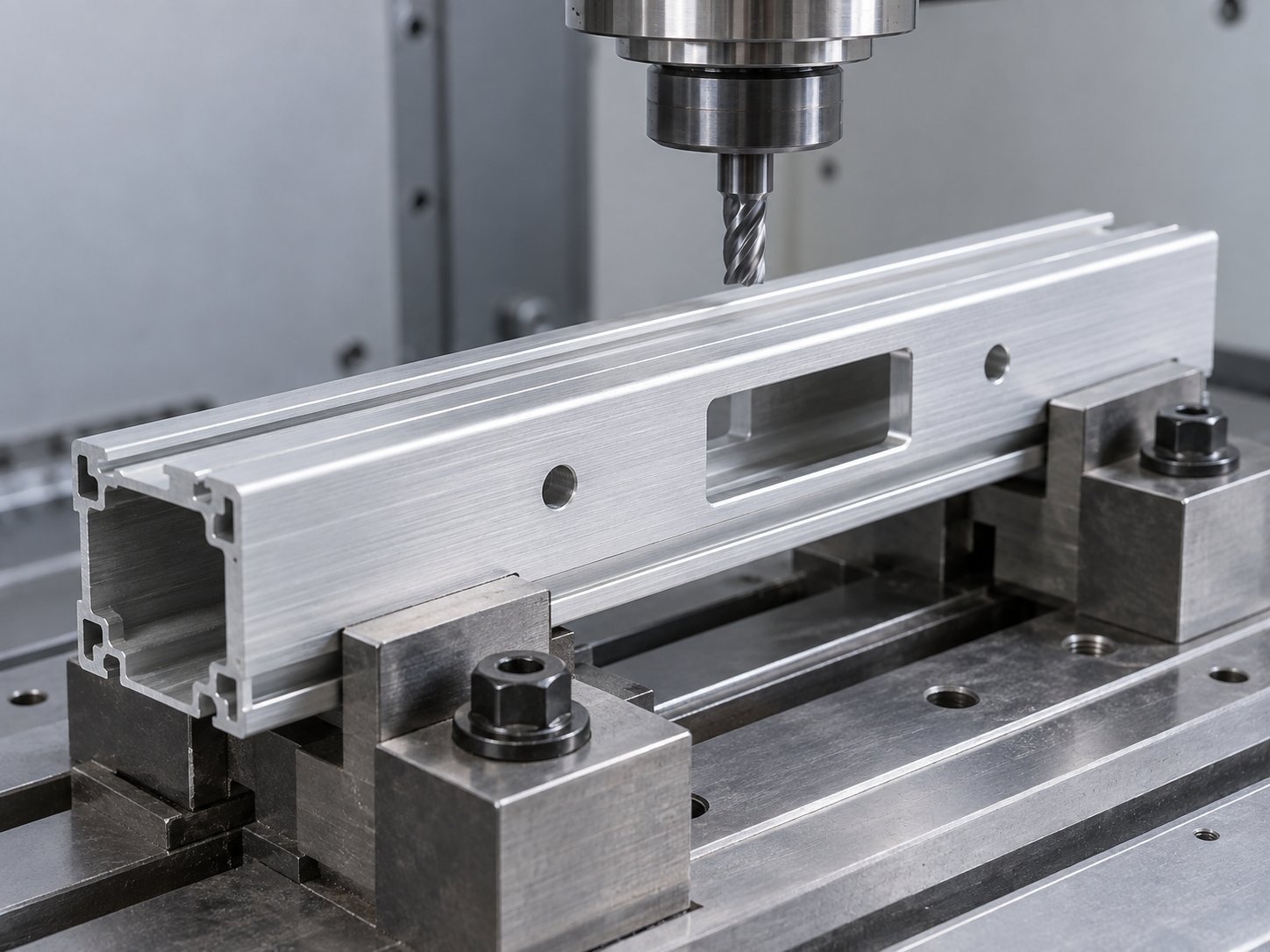
Keep the continuous section economical and add critical end features with CNC machining.
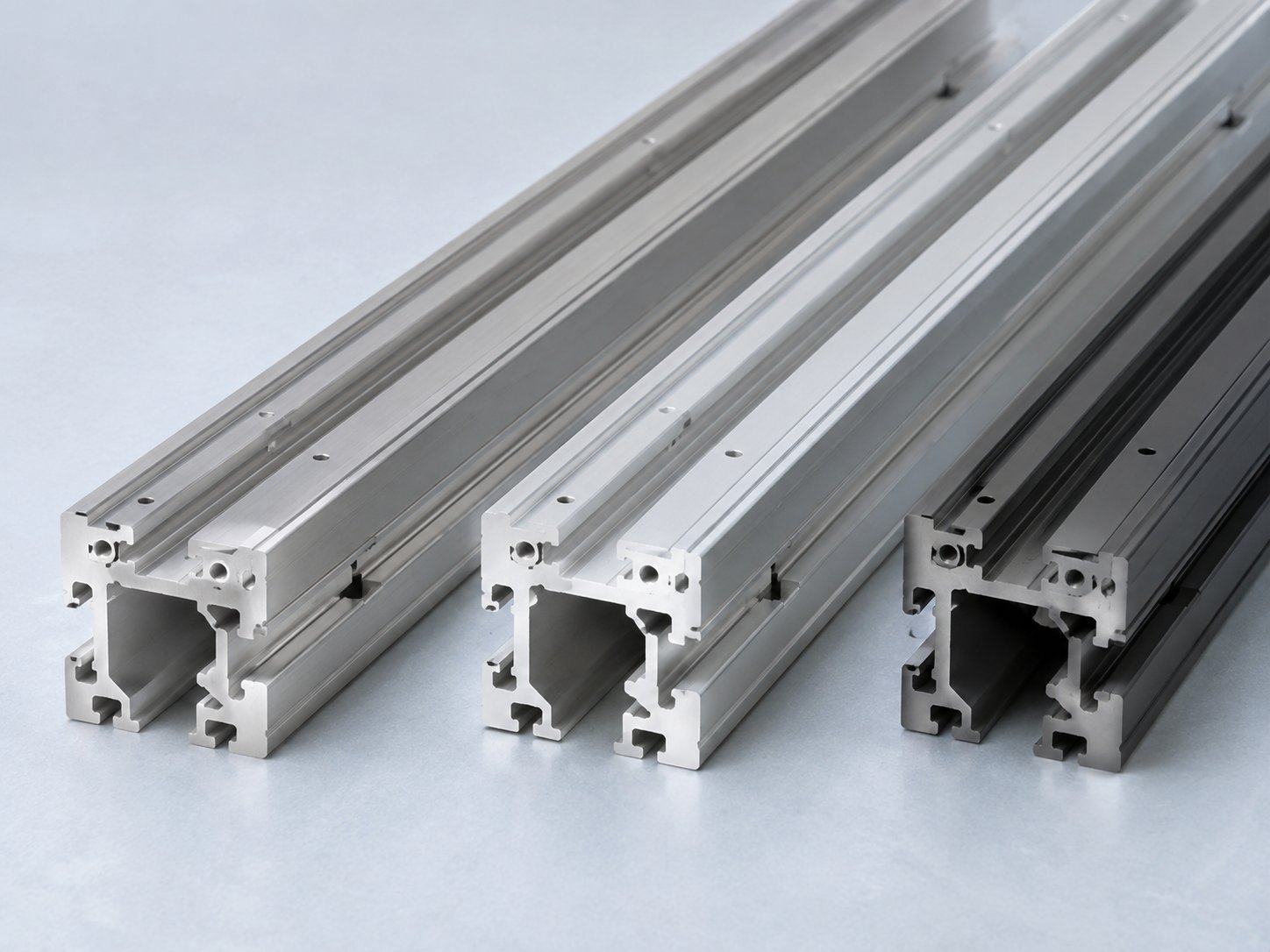
Coordinate finishing, hardware and protective packaging with your complete part.
EXTRUSION DFM BEFORE YOUR DIE IS CUT
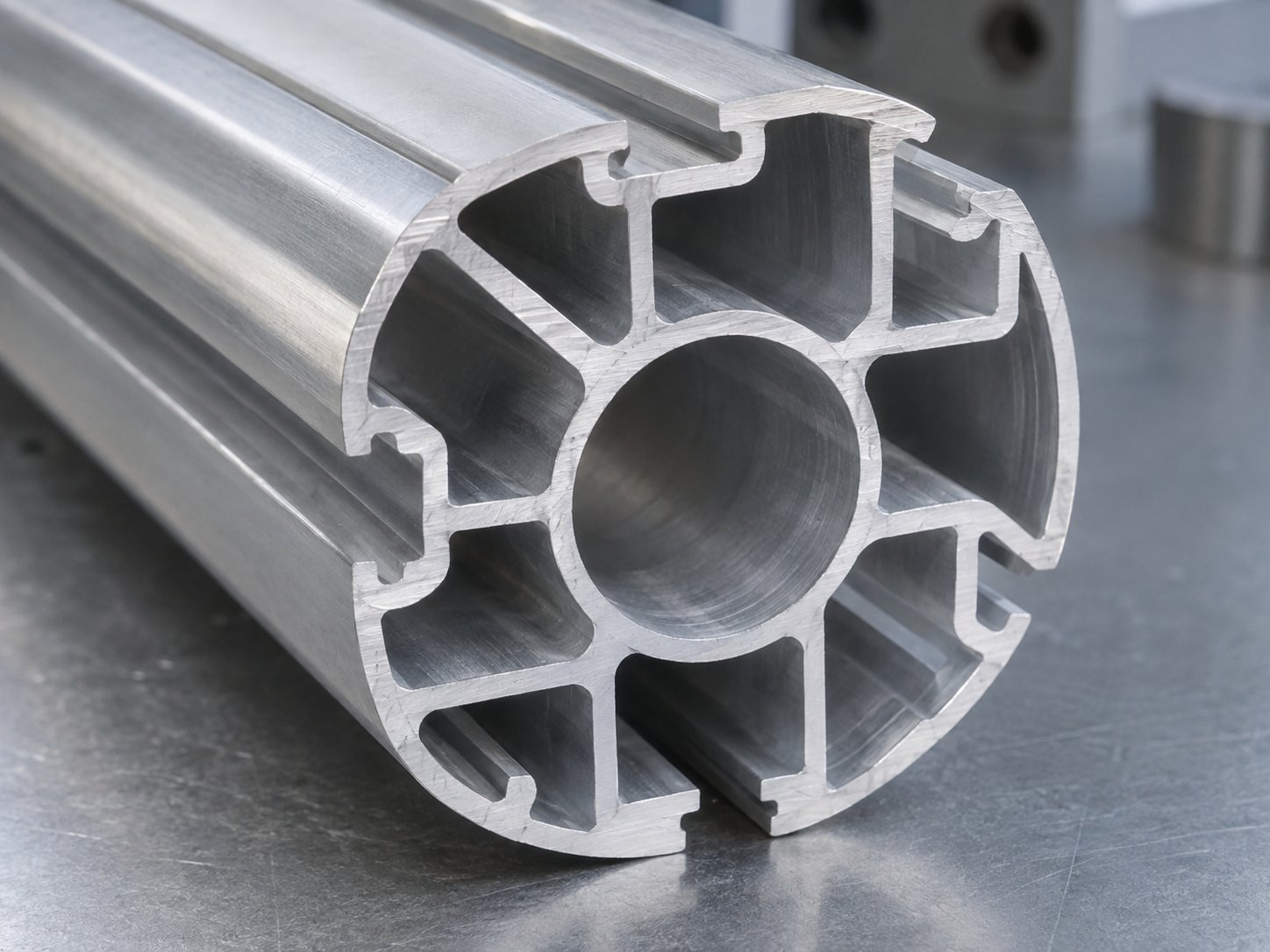
Review abrupt changes and thick isolated sections to support consistent flow.
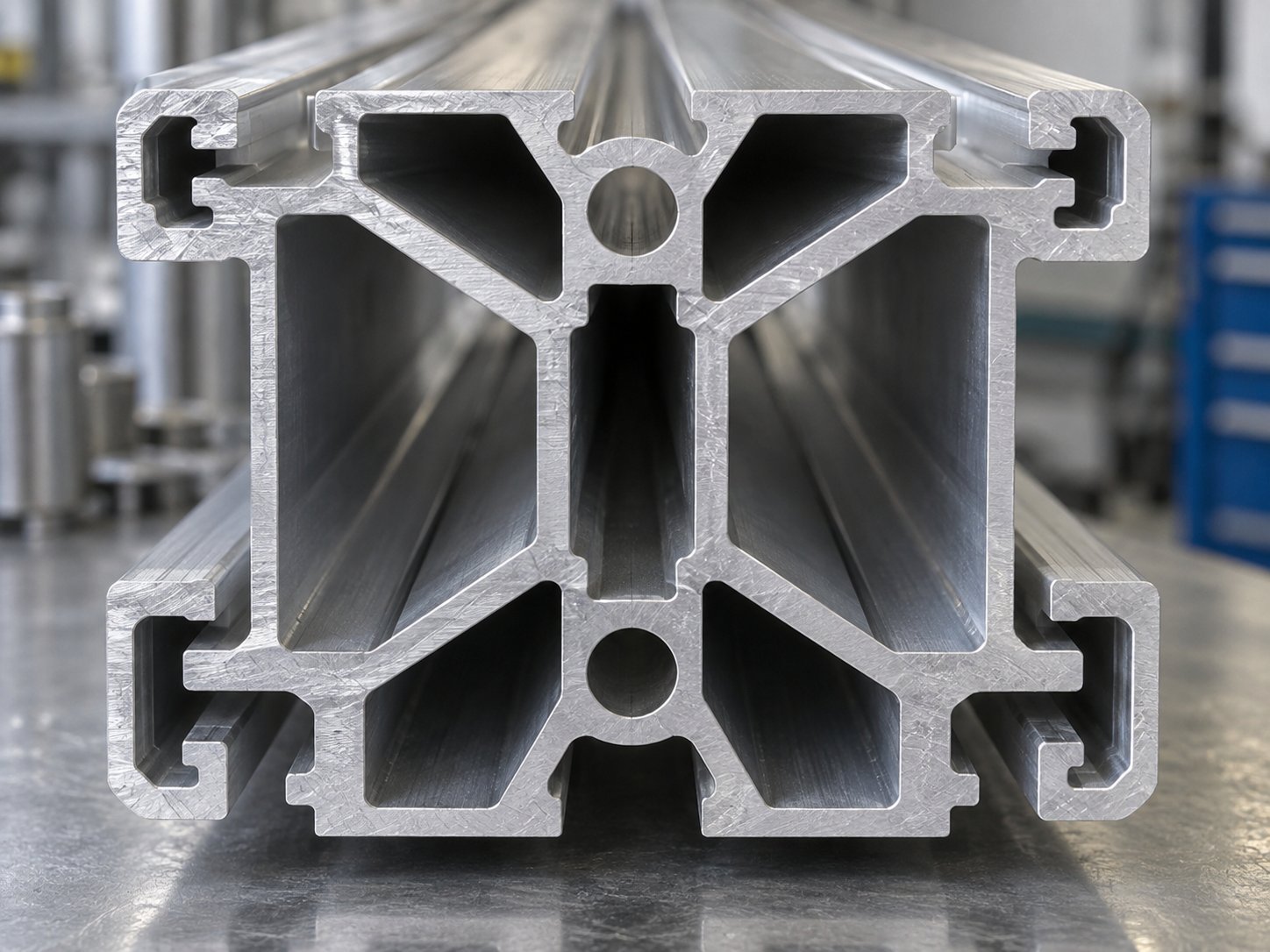
Review asymmetric features and section balance before your die is cut.
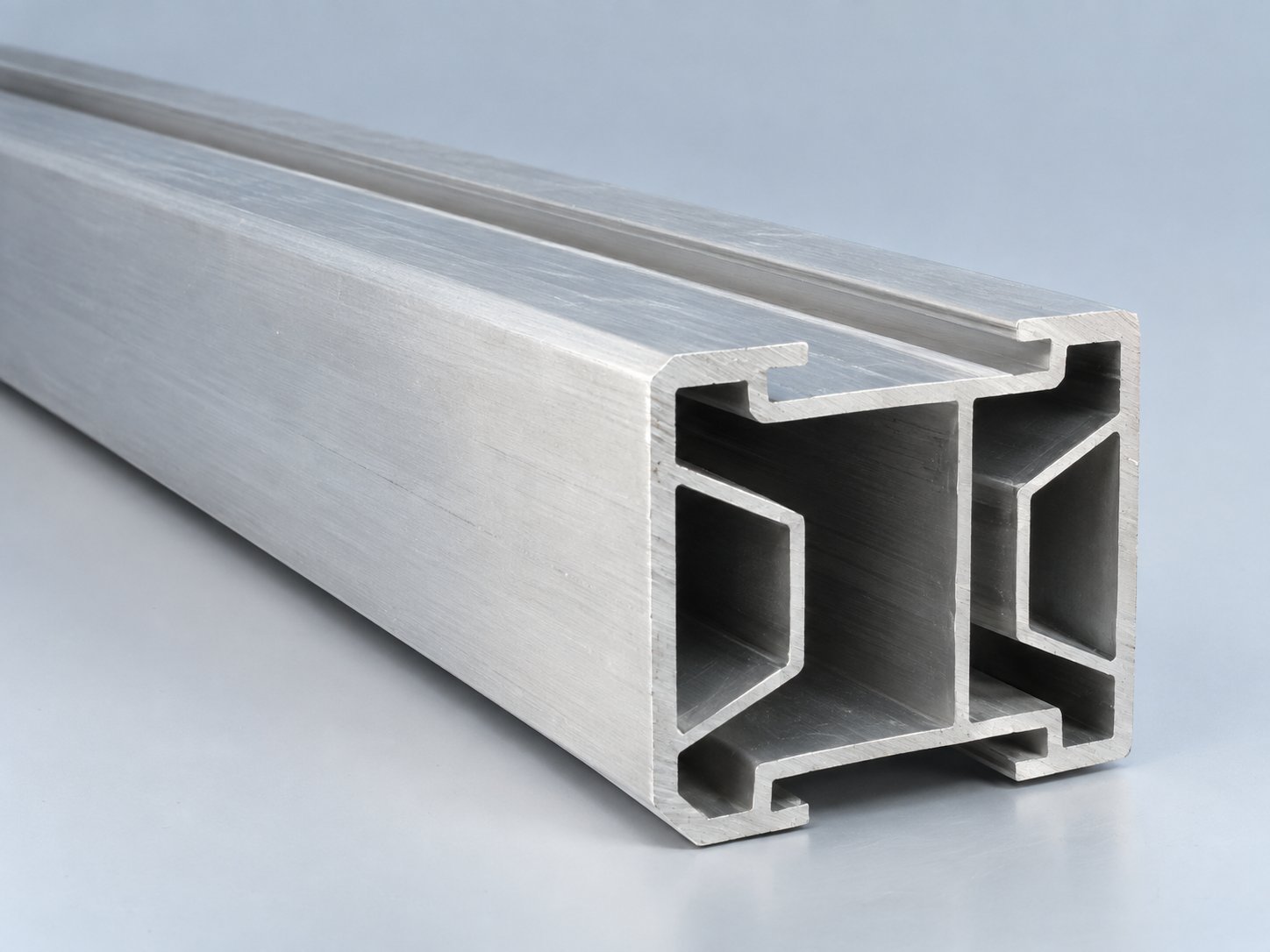
Resolve internal webs and openings around the function of your profile.
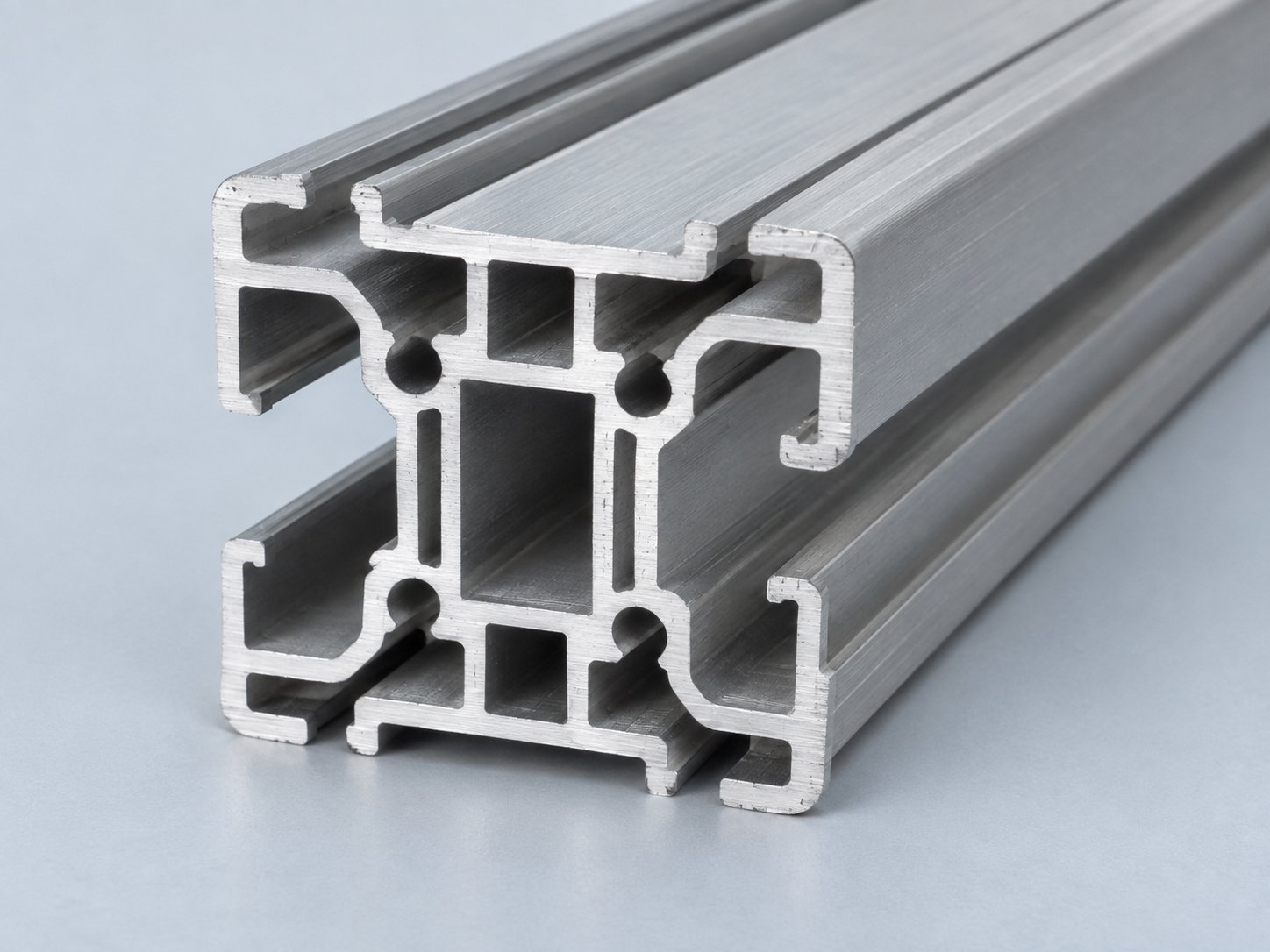
Check narrow openings and projecting features with the die design.
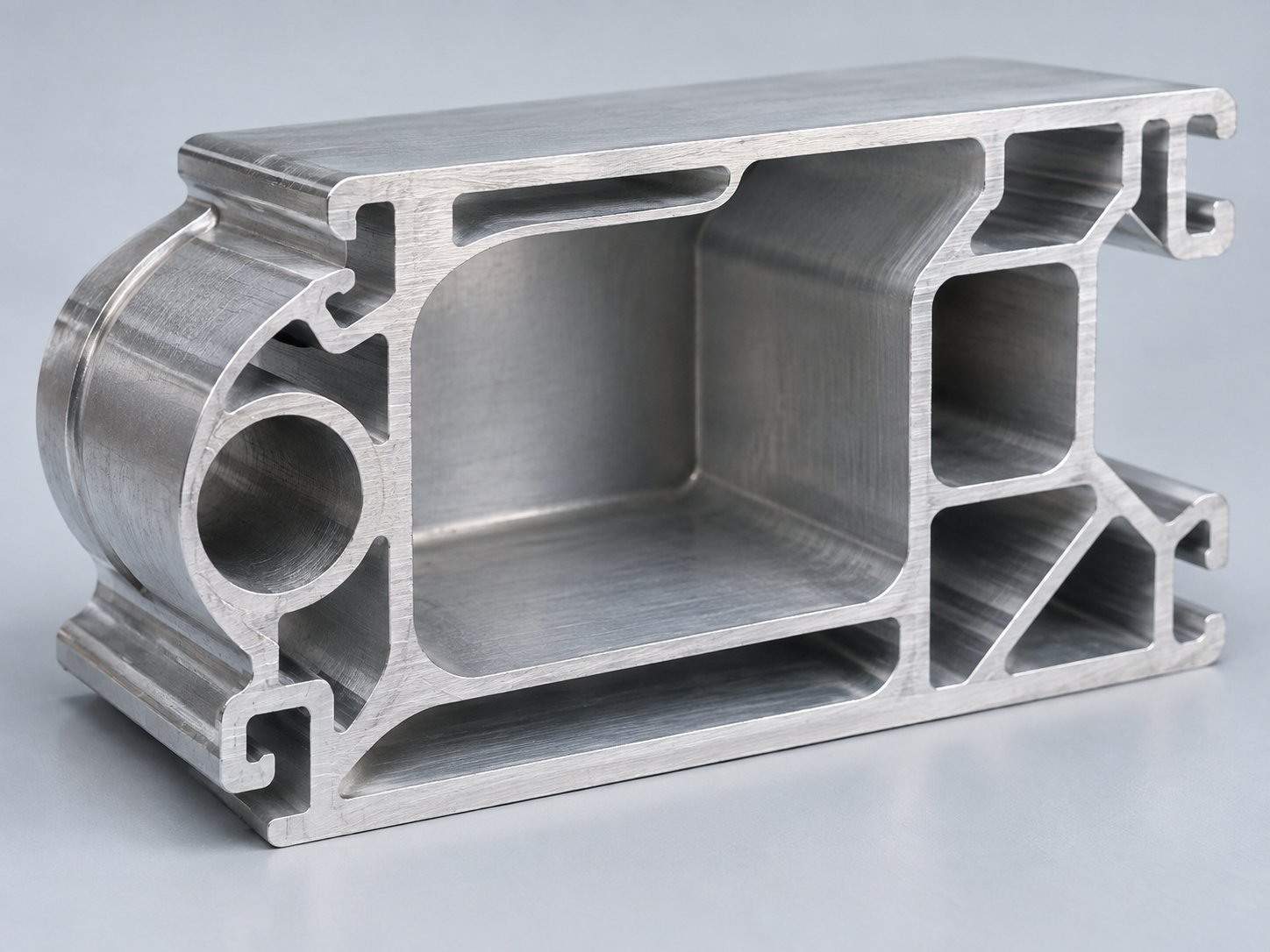
Avoid unnecessarily sharp internal features and abrupt section changes.
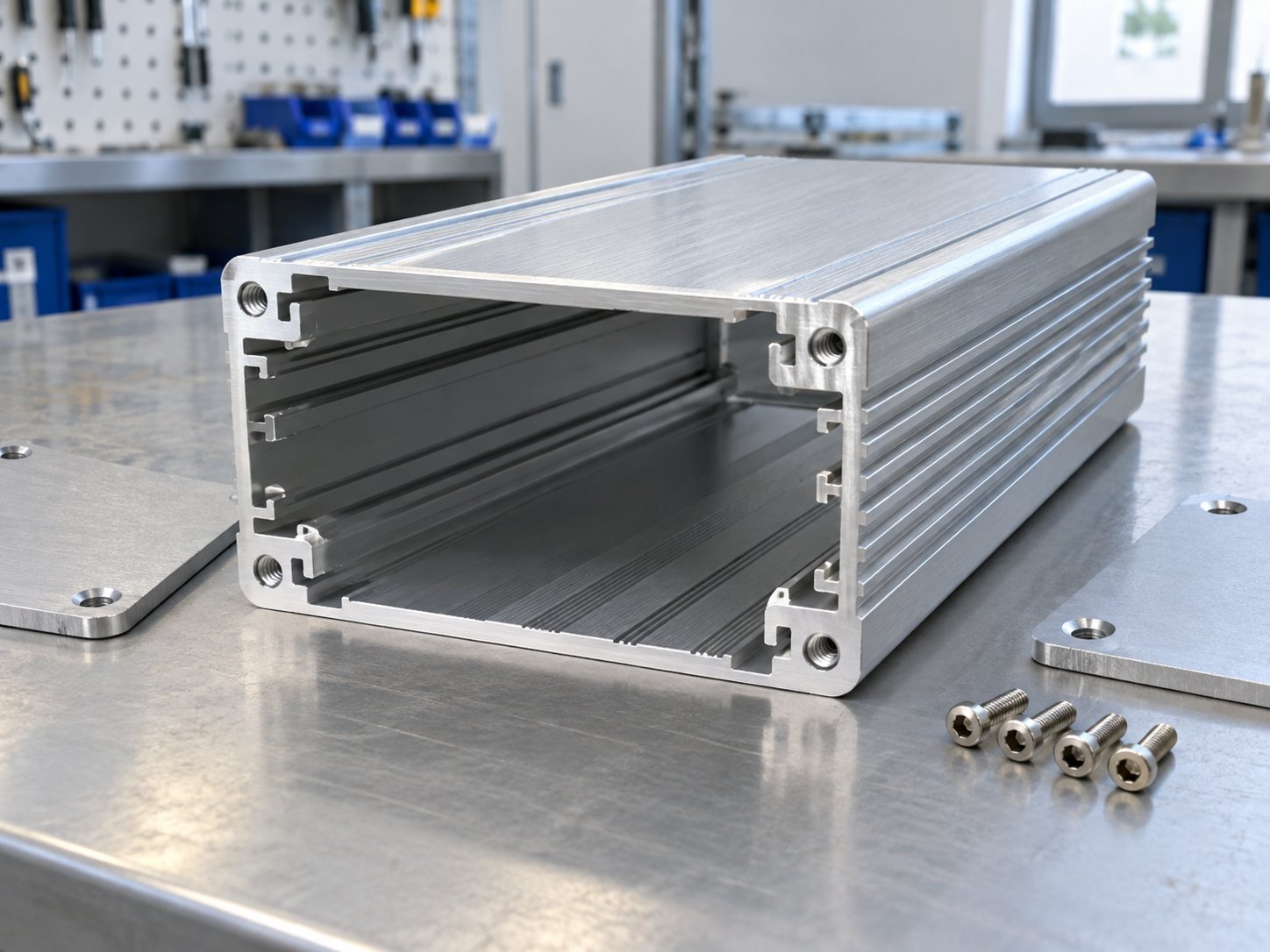
Review ports and channels with the fasteners that your assembly uses.
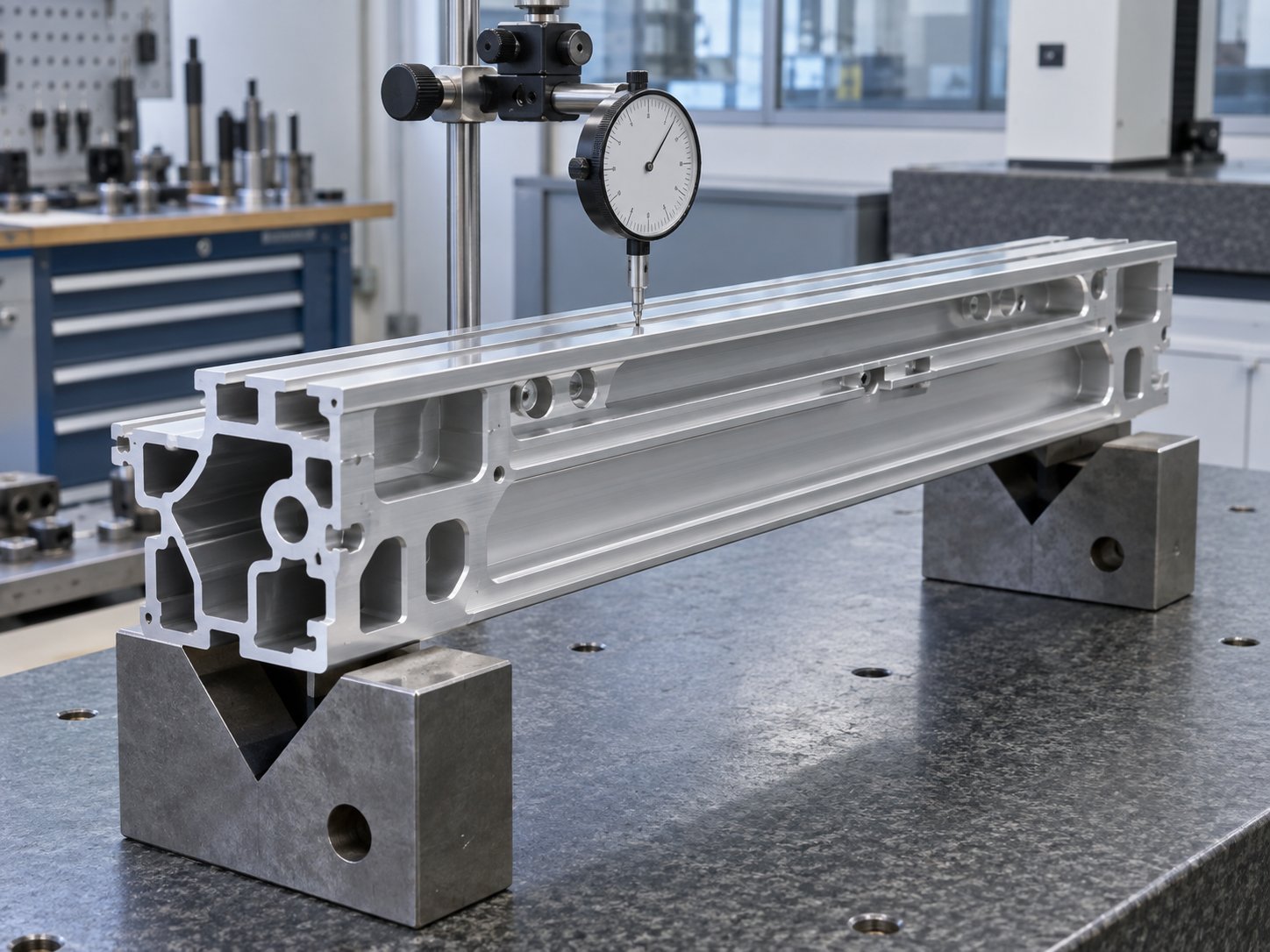
Agree feasible tolerances by section, length and operation.
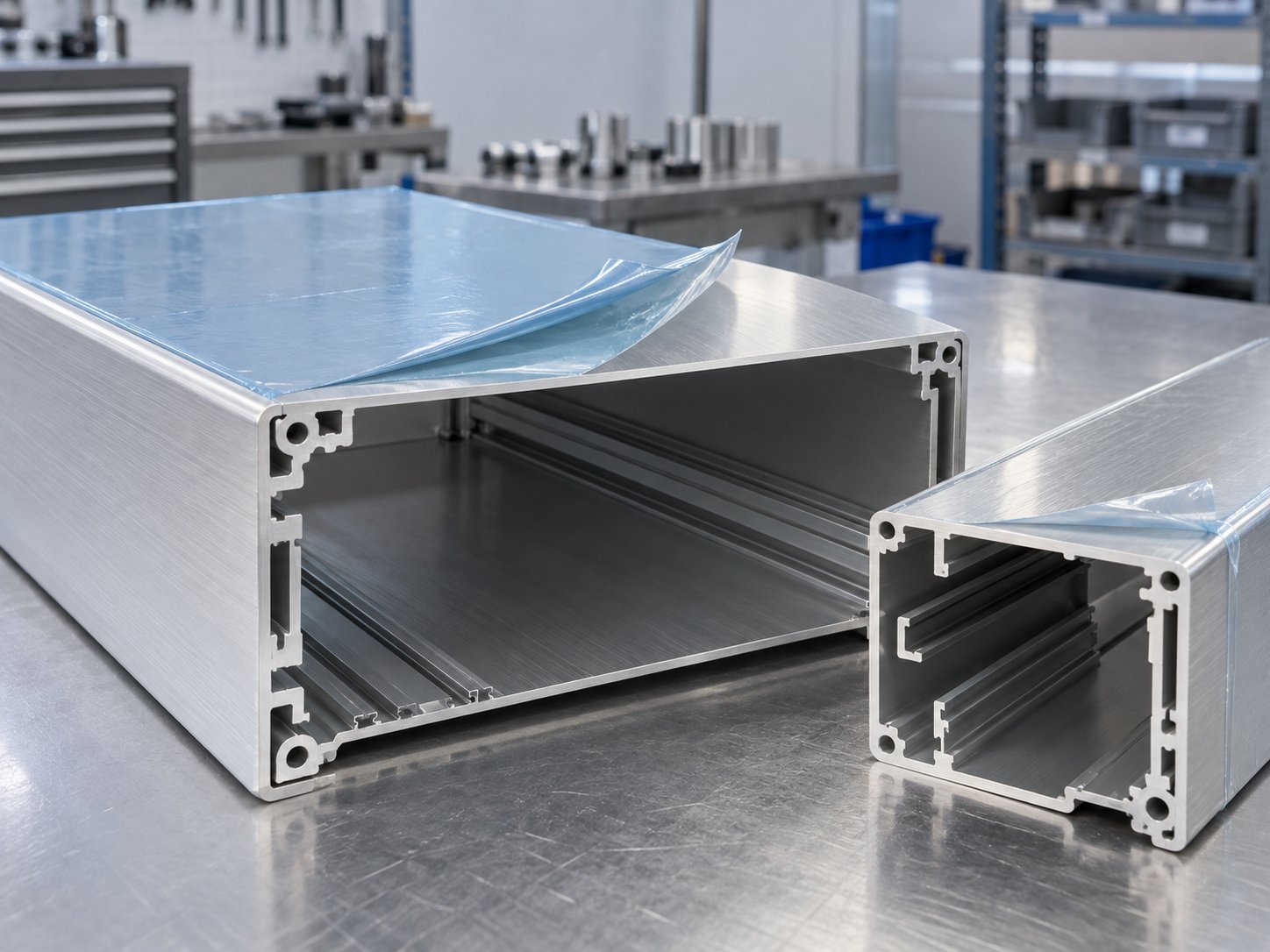
Identify visible zones and approve representative finish samples.
WHICH EXTRUSION SOLUTION FITS YOUR PART?
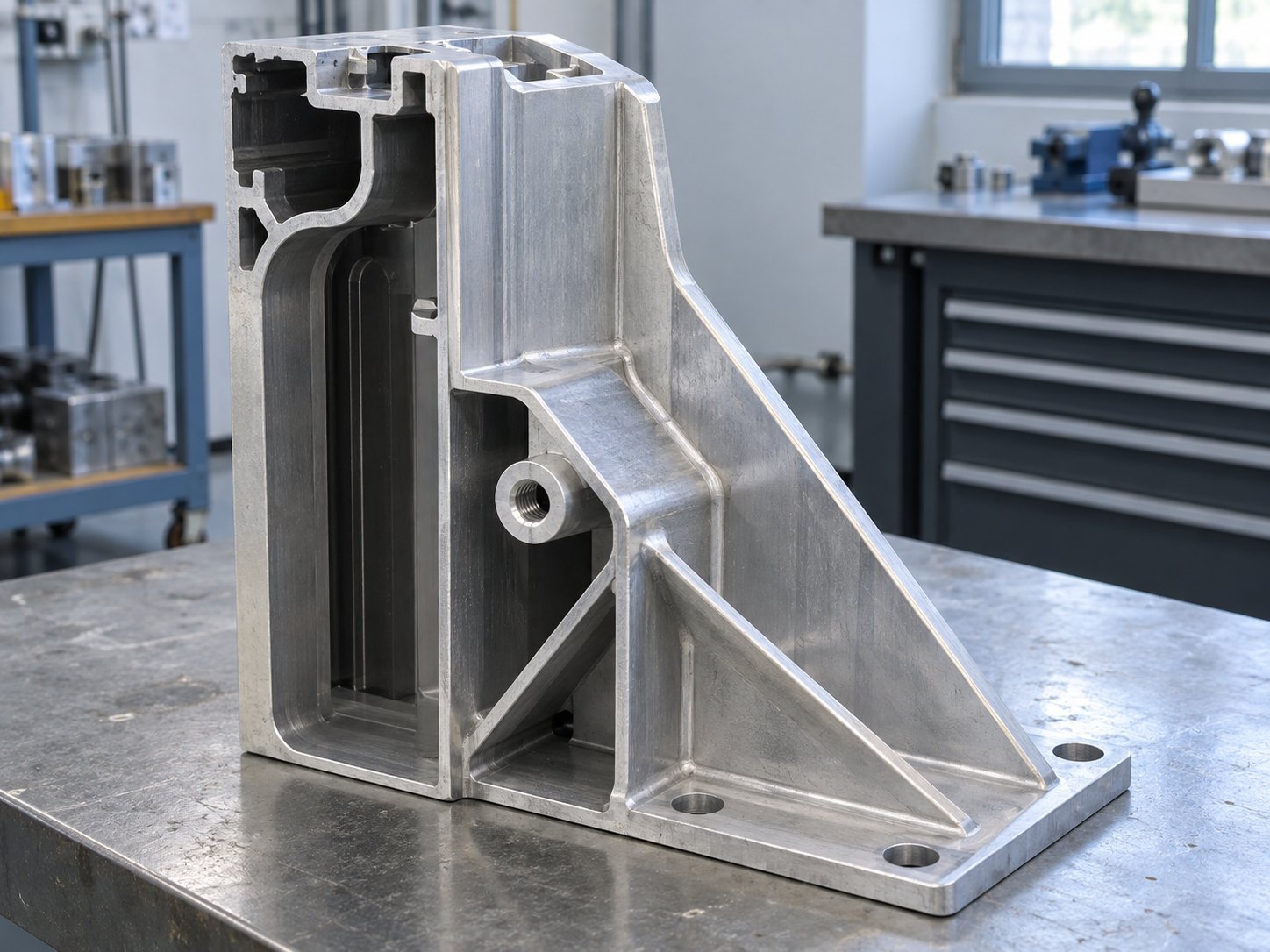
Your unique continuous section. Compare die cost with material use and repeat demand.
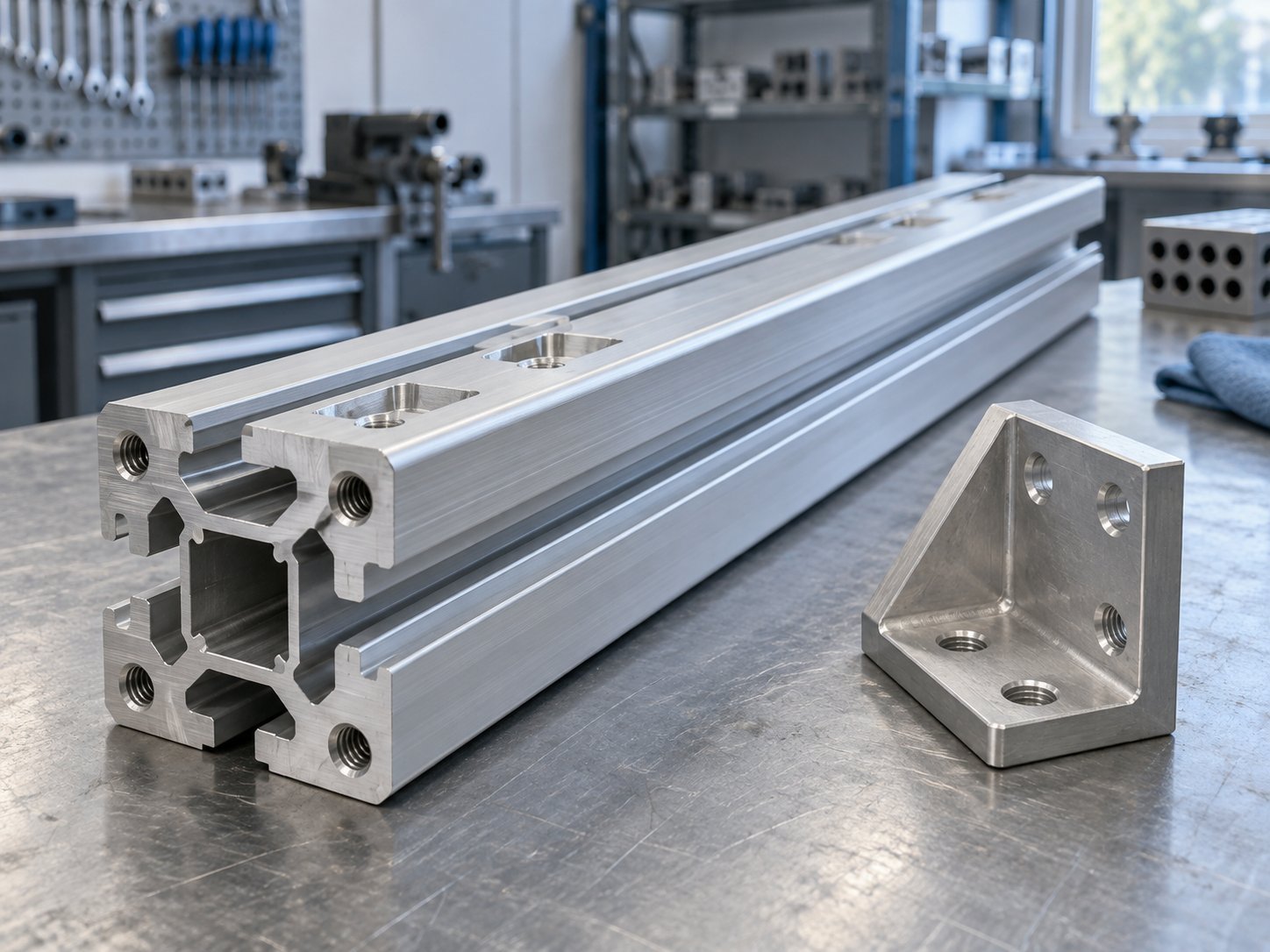
Your available section with added holes, slots and machined interfaces.
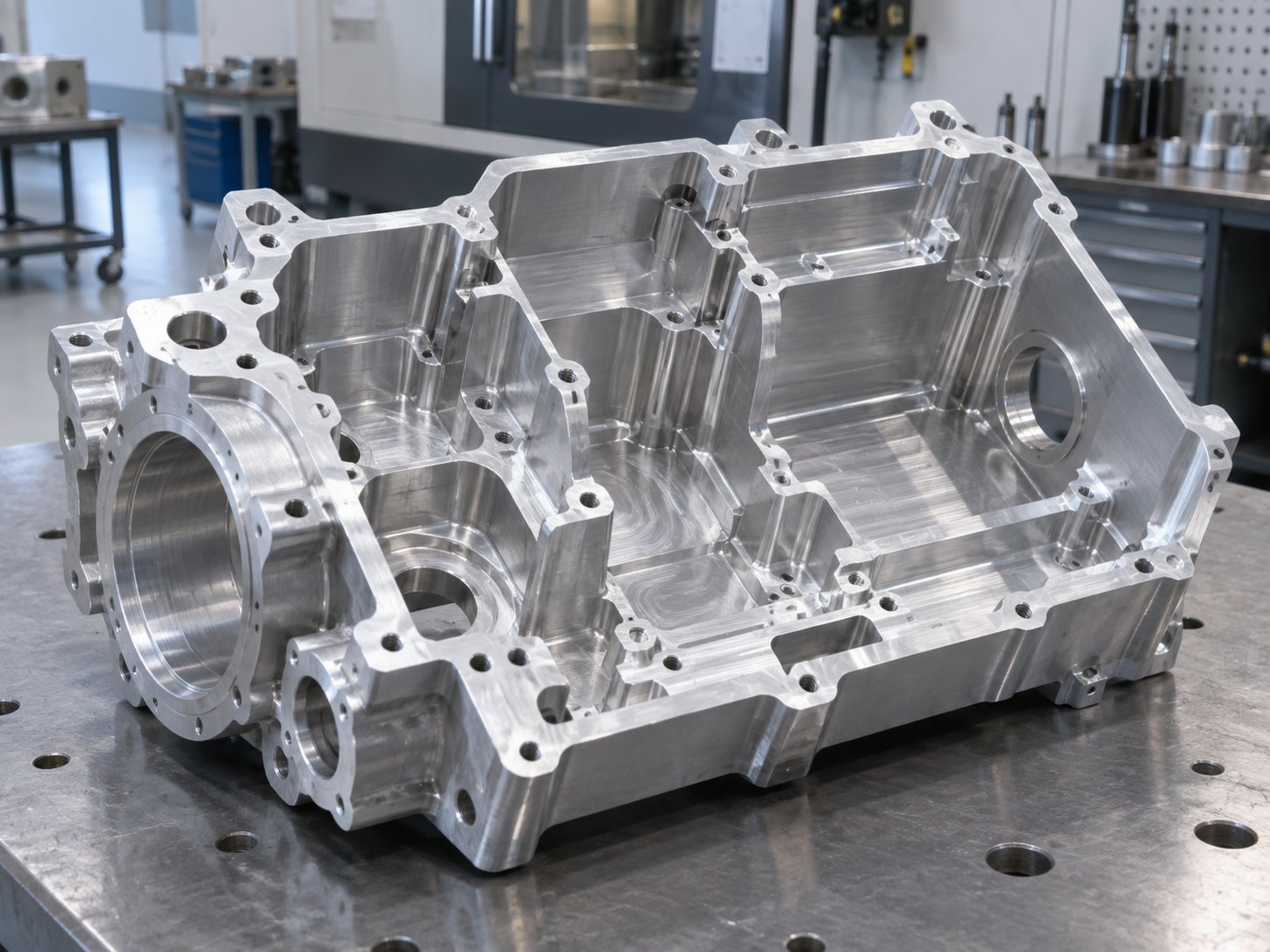
Your non-extrudable geometry or early validation parts. Compare flexibility and material removal.
ALLOYS & TEMPERS
| Your Selection | 6063 | 6061 | 6005A | 6082 |
|---|---|---|---|---|
| Typical consideration | Detailed profiles and finish appearance | Structural and machined components | Structural section requirements | Load-bearing applications |
| Design review | Wall details and visible surfaces | Section complexity and critical fits | Geometry and mechanical requirements | Feasibility and specified strength |
| Temper | Specify with your standard | Specify with your standard | Specify with your standard | Specify with your standard |
| Finish review | Approve an appearance sample | Review anodized appearance | Confirm finish expectations | Confirm finish expectations |
Specify alloy, temper and applicable standard. Availability, mechanical properties and feasibility are confirmed for your section; this comparison is a selection guide, not a material specification.
FROM PROFILE REVIEW TO PRODUCTION APPROVAL
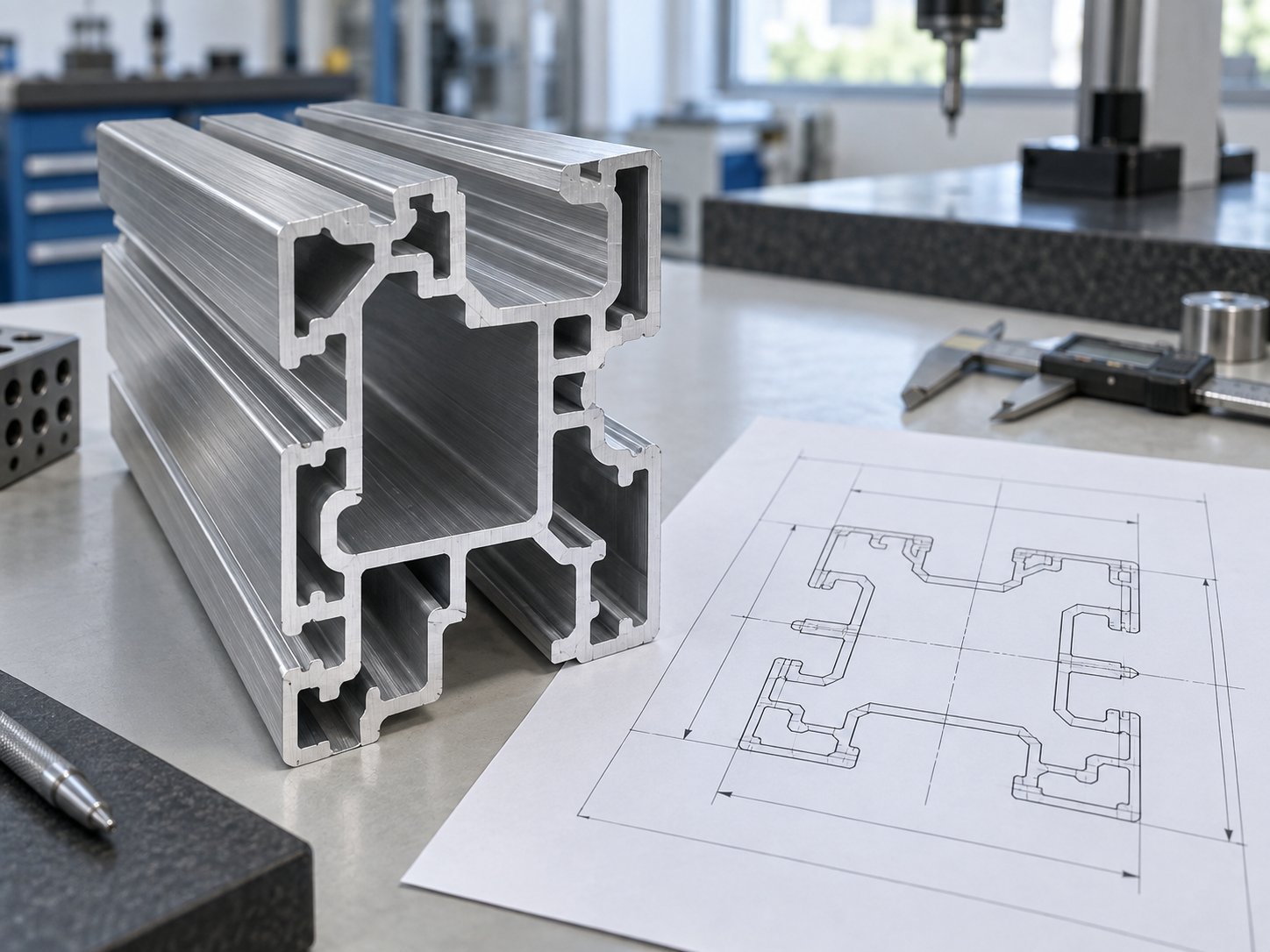
You confirm
Your geometry, material and critical fits.
Your deliverable
Reviewed feasibility and quote.
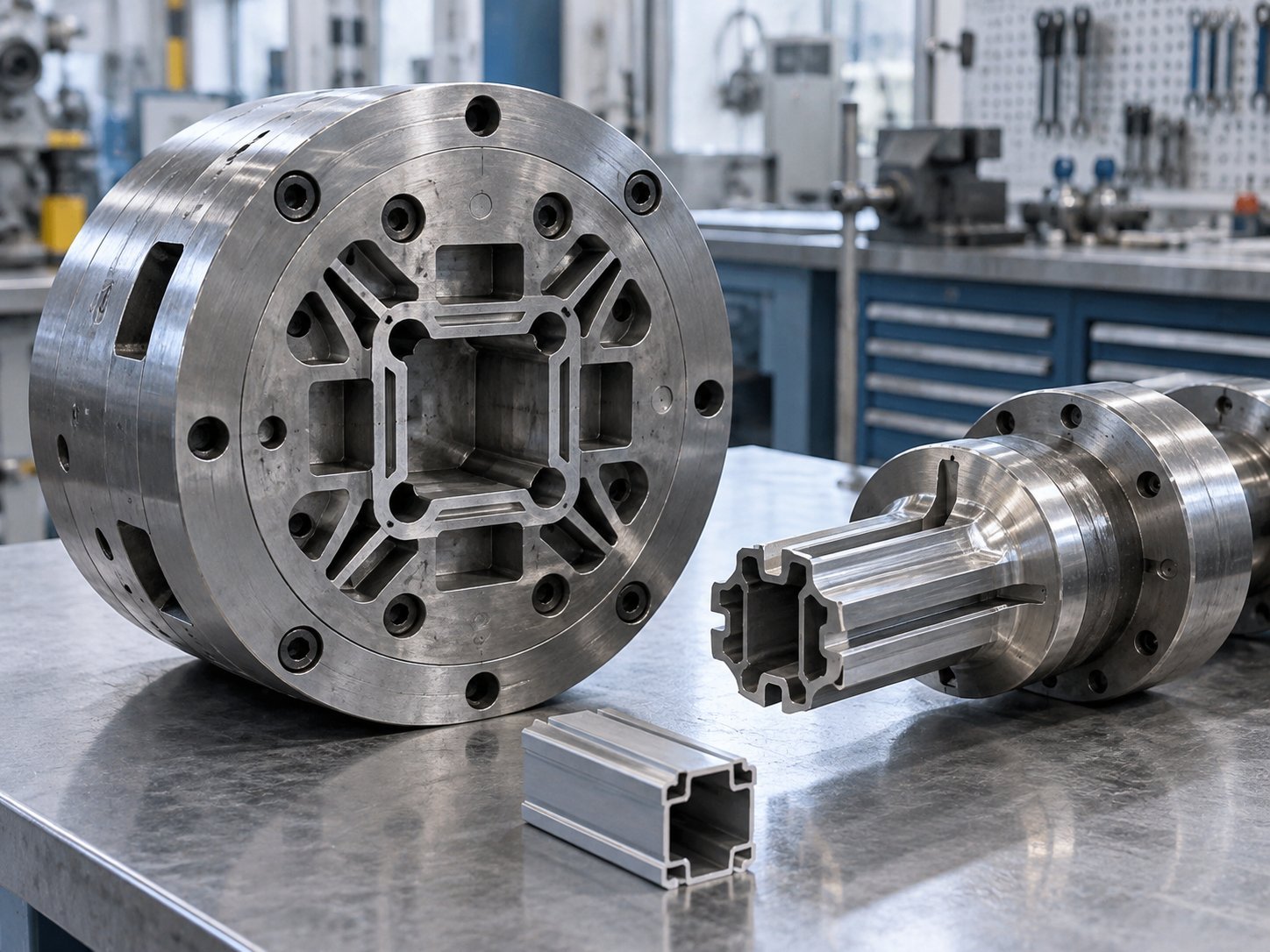
You confirm
Your tooling scope and approval plan.
Your deliverable
Die preparation and agreed trials.
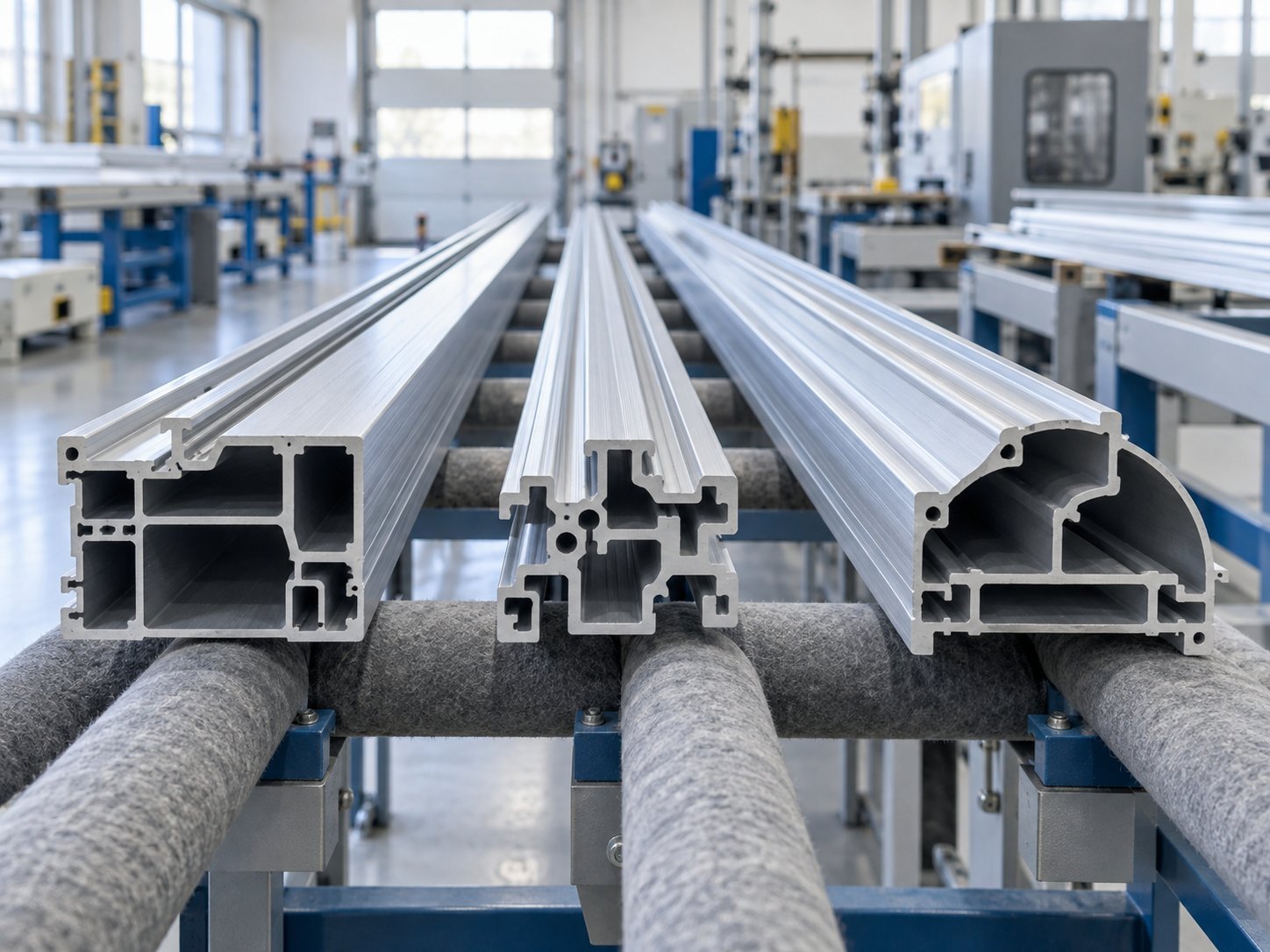
You confirm
Your sample quantity and requirements.
Your deliverable
Trial profiles for review.
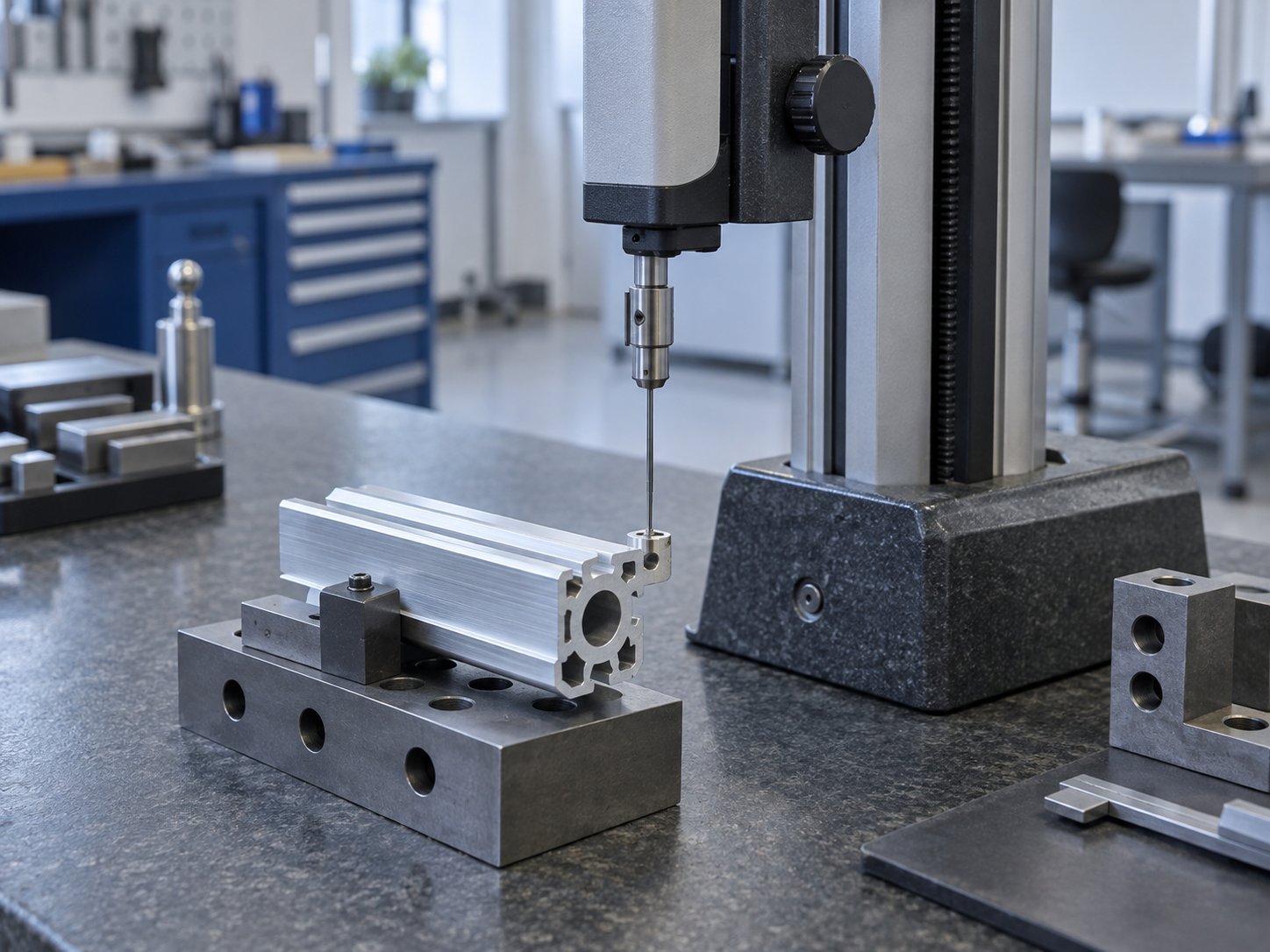
You confirm
Your acceptance criteria and records.
Your deliverable
Agreed dimensional evidence.
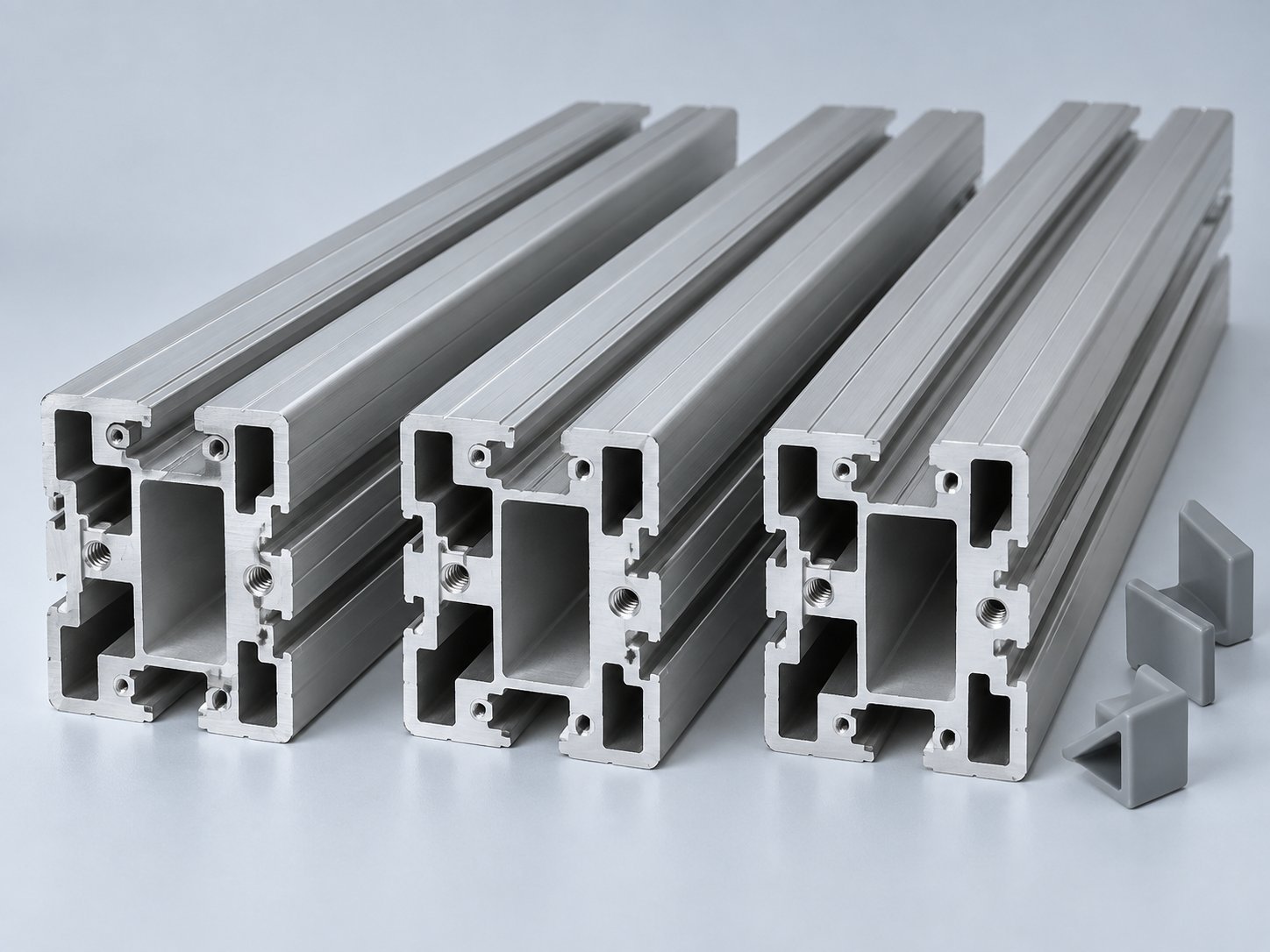
You confirm
Your approved revision and release.
Your deliverable
Controlled production scope.
You confirm
Your shipment and packaging plan.
Your deliverable
Protected parts and agreed records.
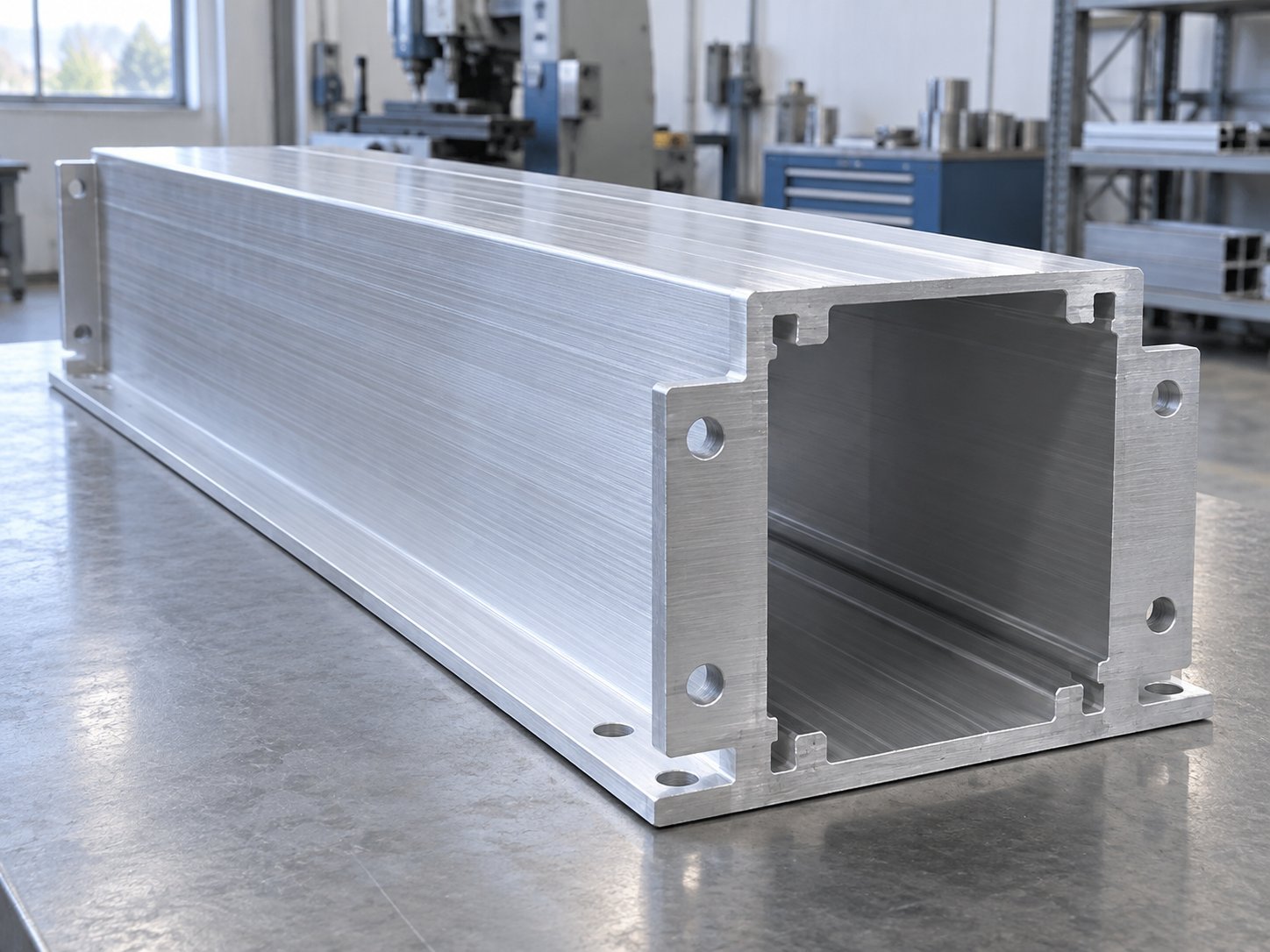
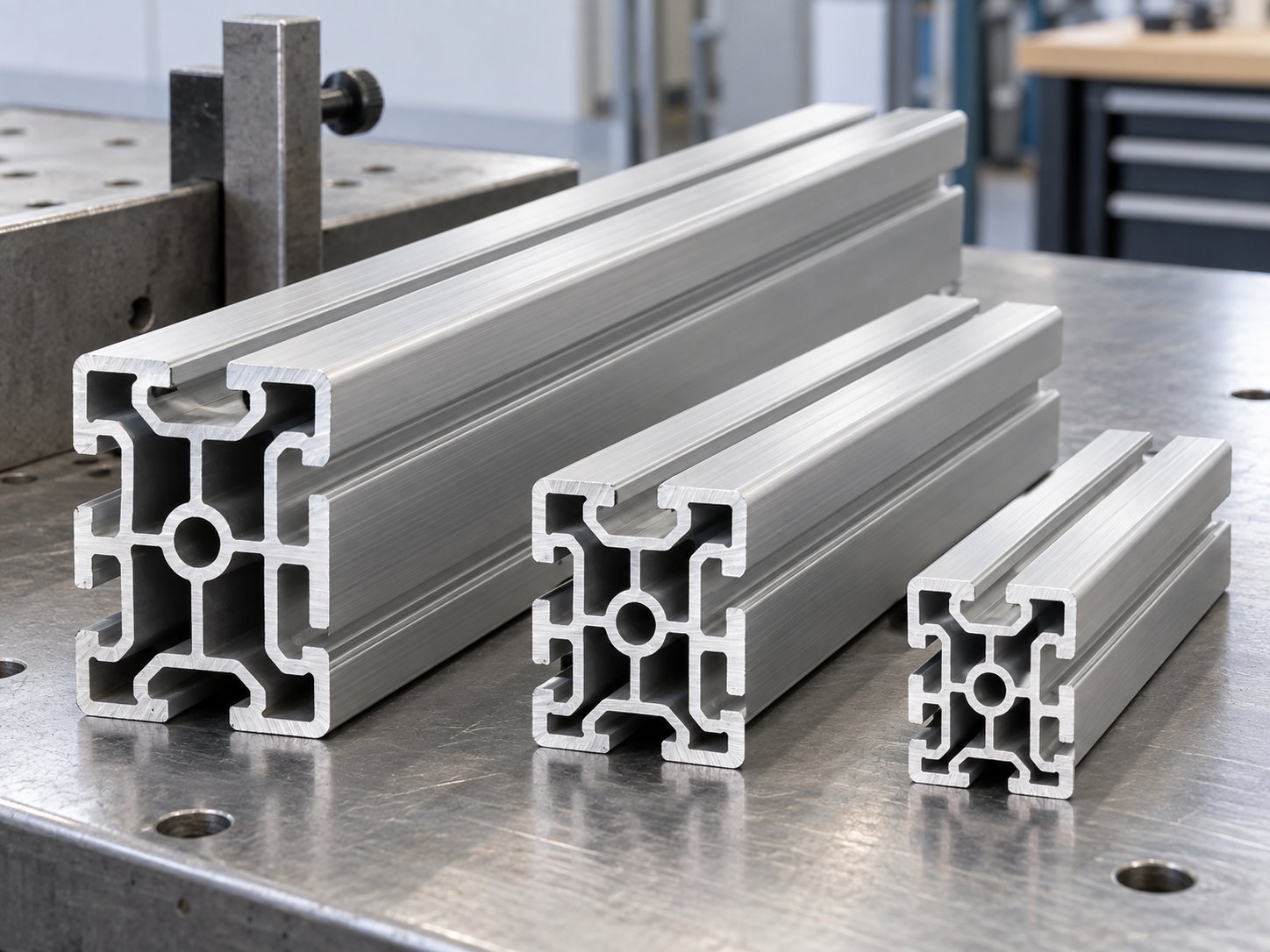
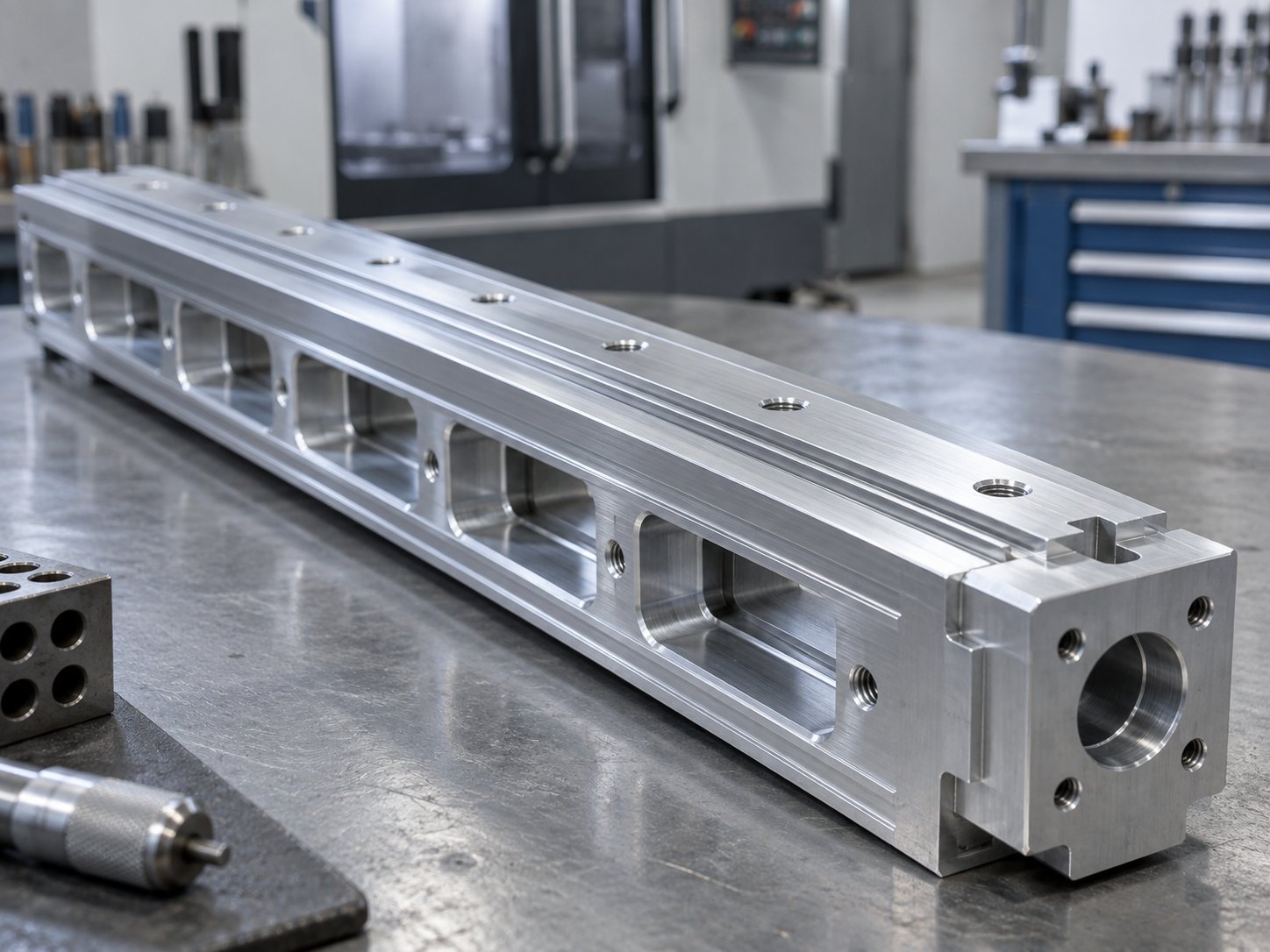
RAW EXTRUSION TO ASSEMBLY-READY PARTS
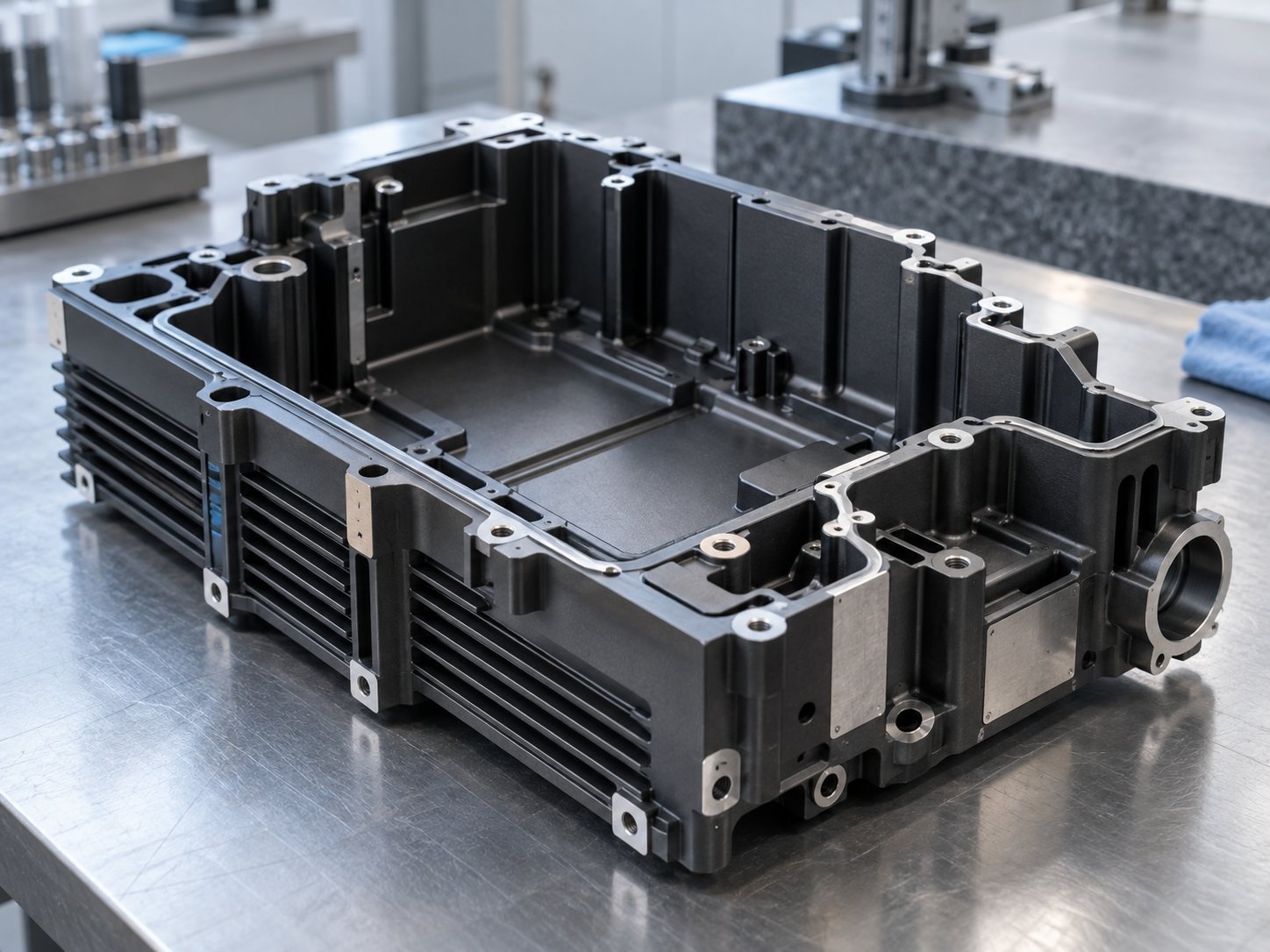
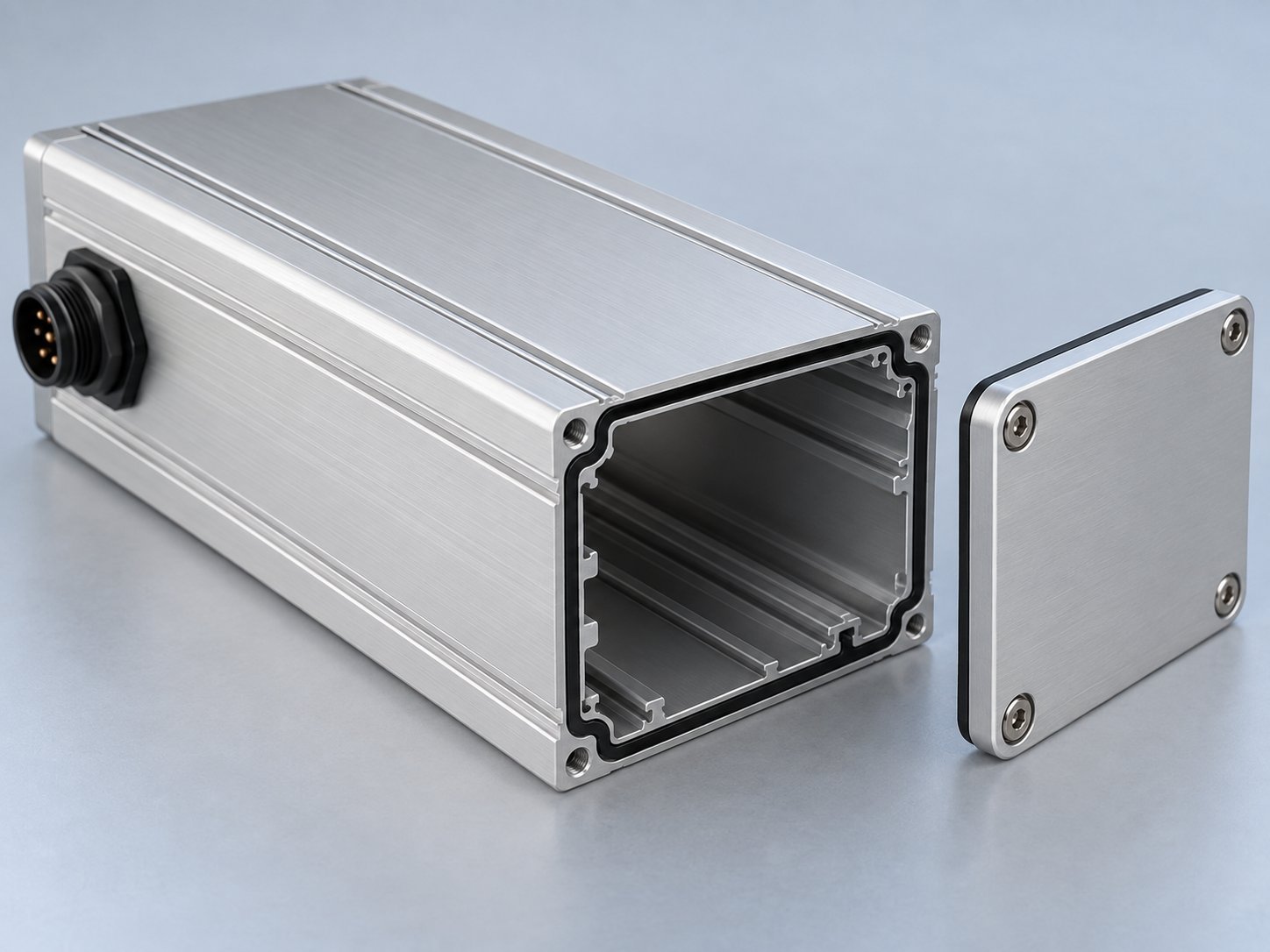
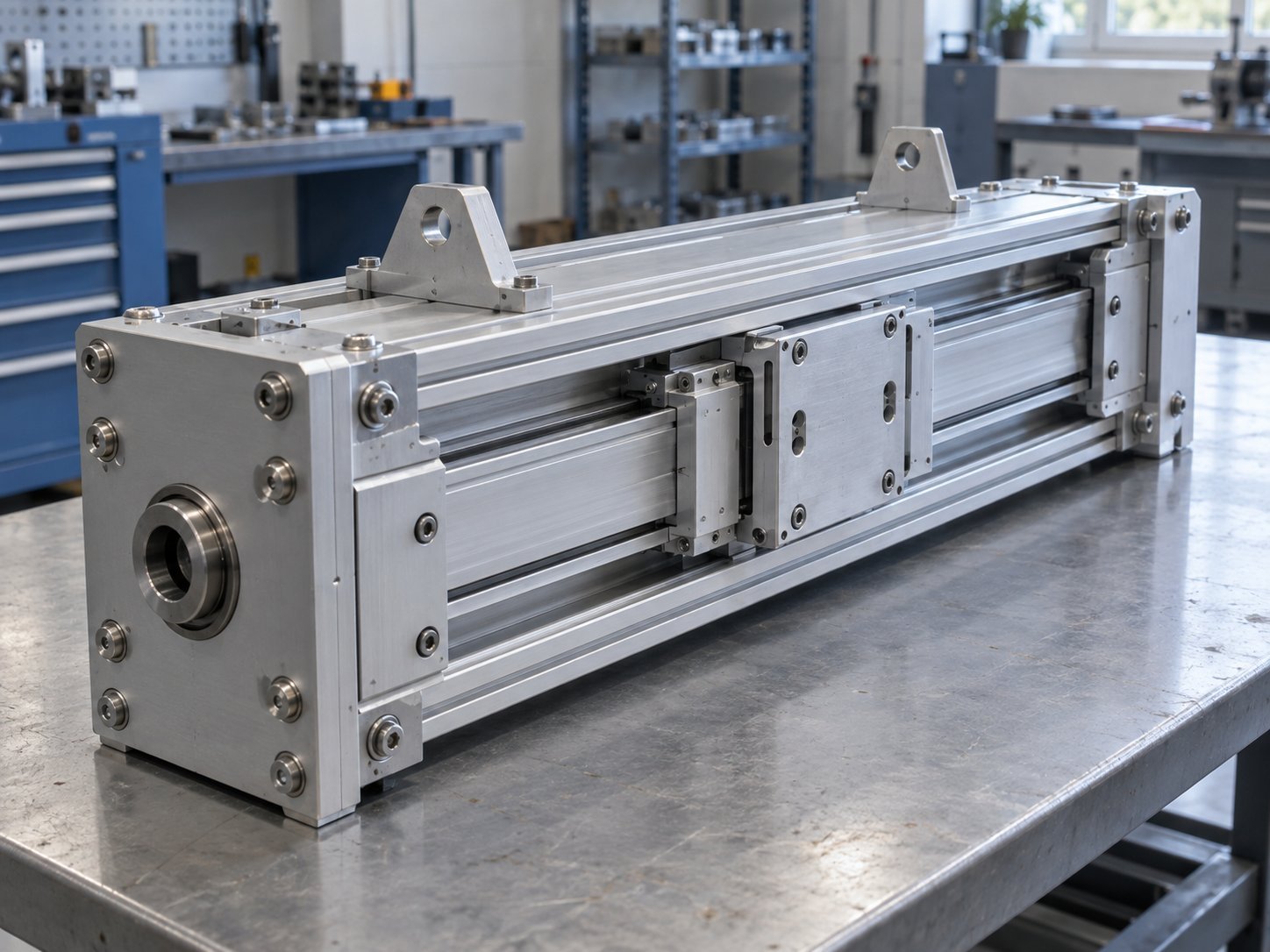
QUALITY YOU CAN MEASURE
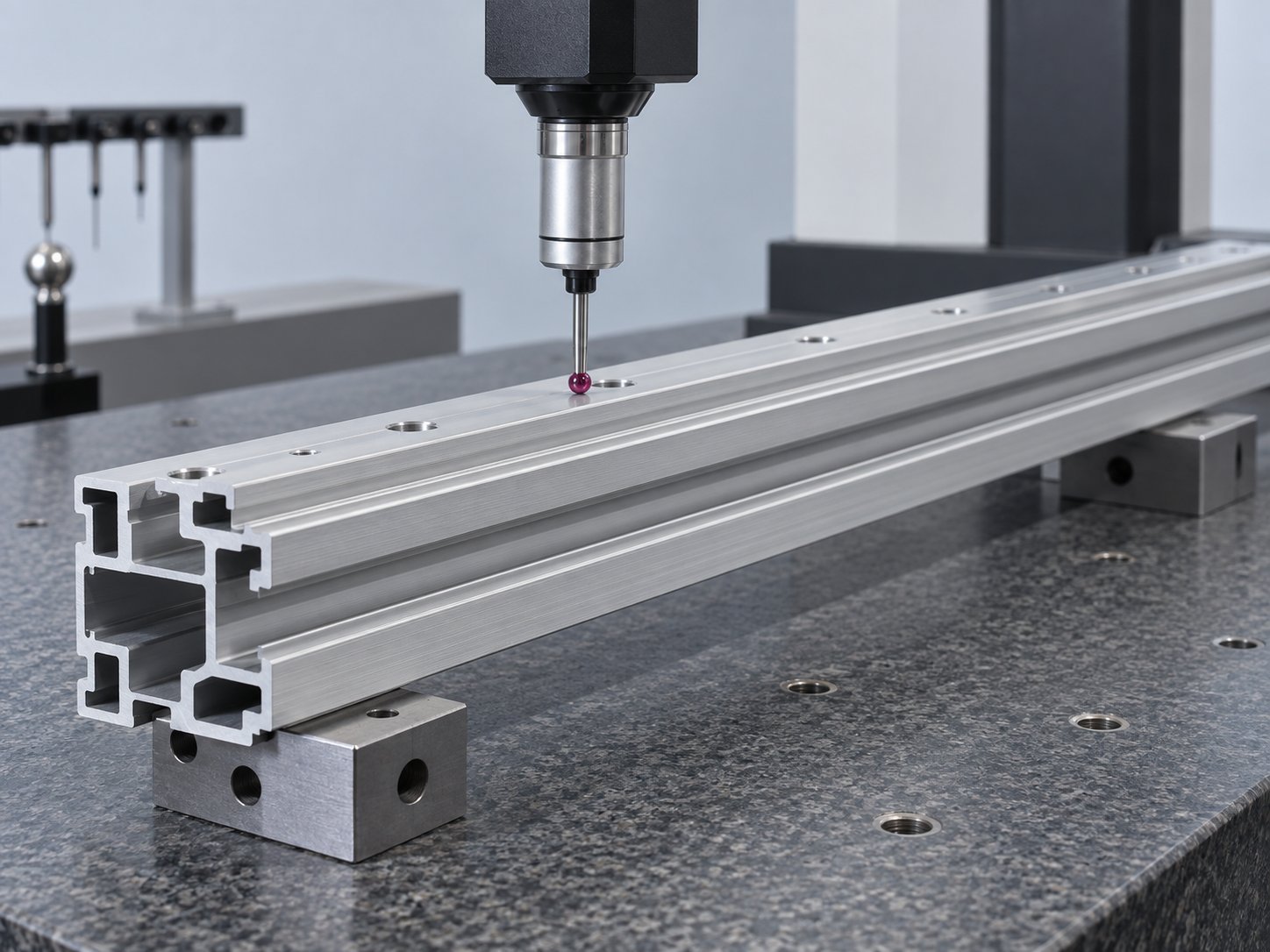
Agree tolerances, measurement methods and records before production.
Your cross-section and mating features.
Your specified length and measurement.
Your functional contact surfaces.
Your agreed visible zones and finish.
Your defined coating scope.
Your required inspection records.
Your specified alloy and temper.
Your revision and release records.
INDUSTRIES & APPLICATIONS
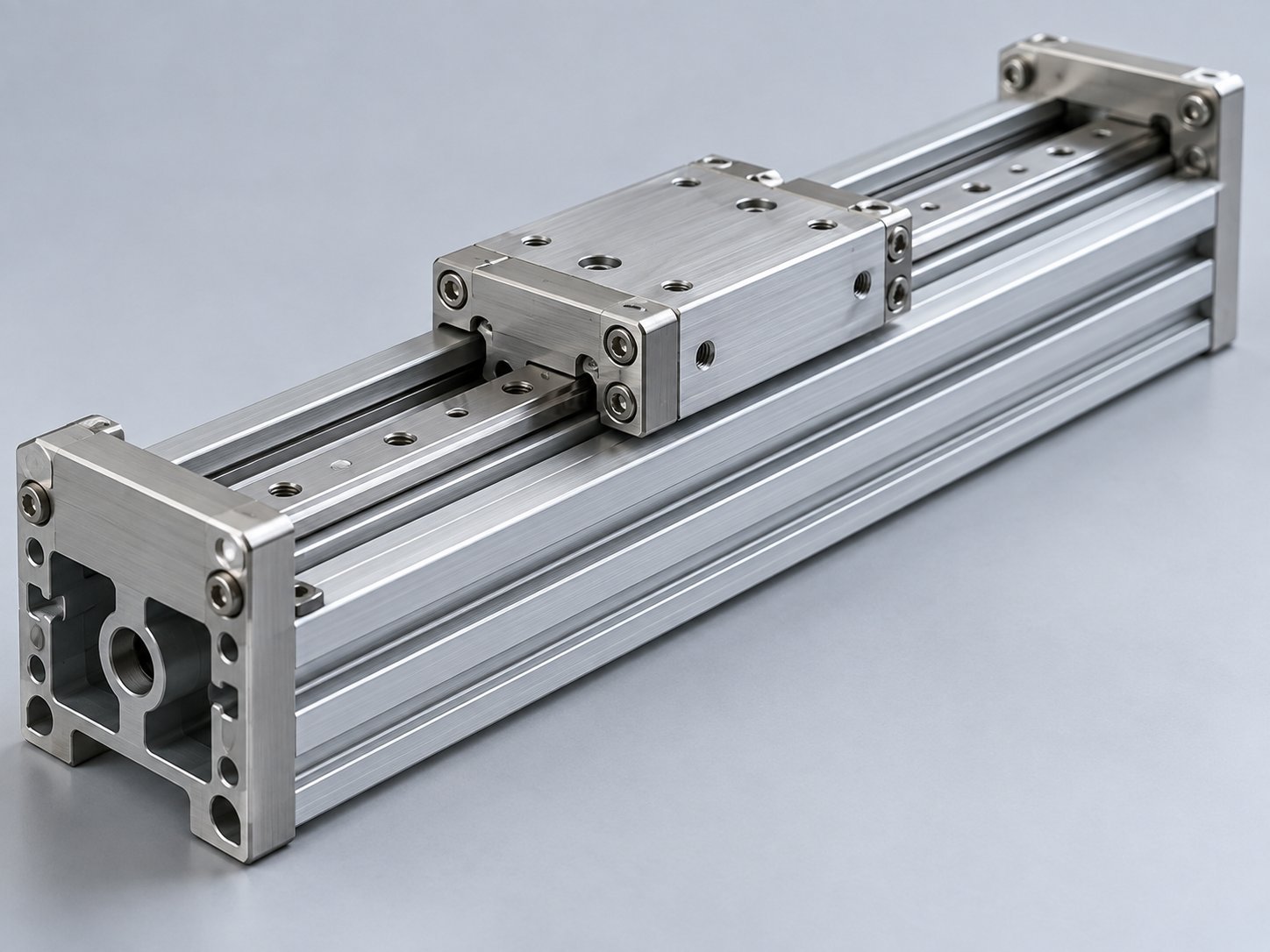
Your rails, mounts and service access.
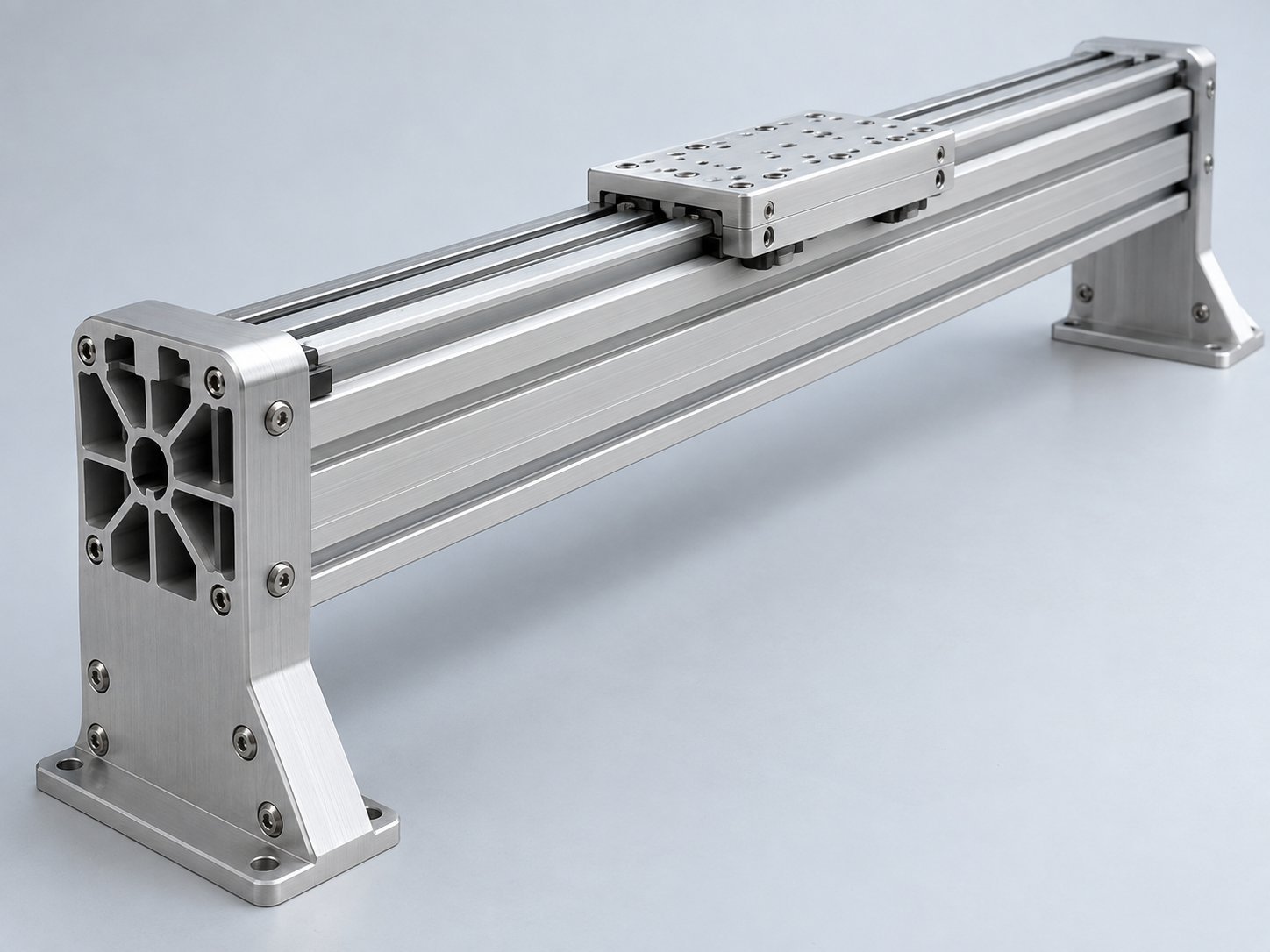
Your beam stiffness and alignment.
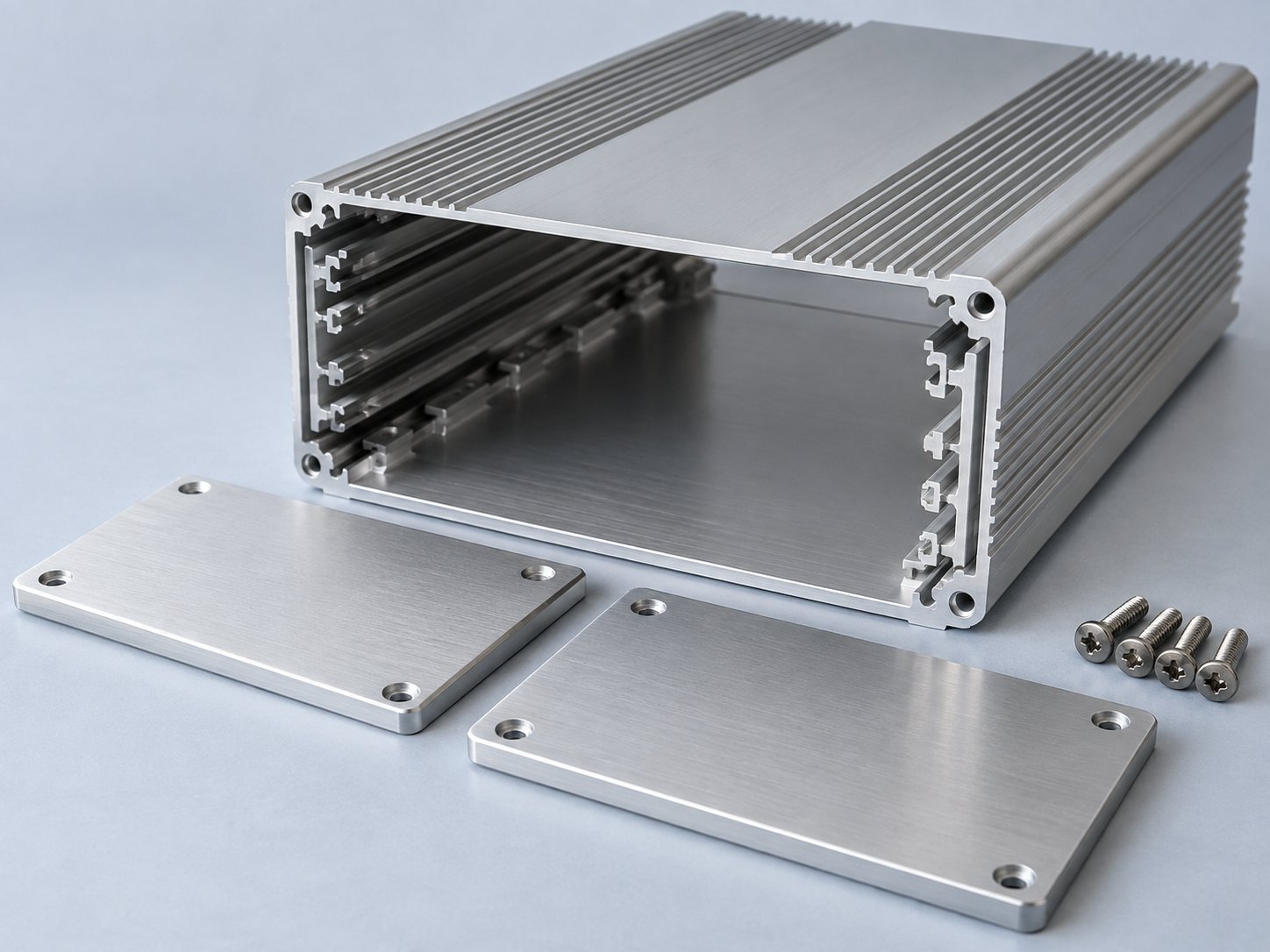
Your PCB channels and end-plate fit.
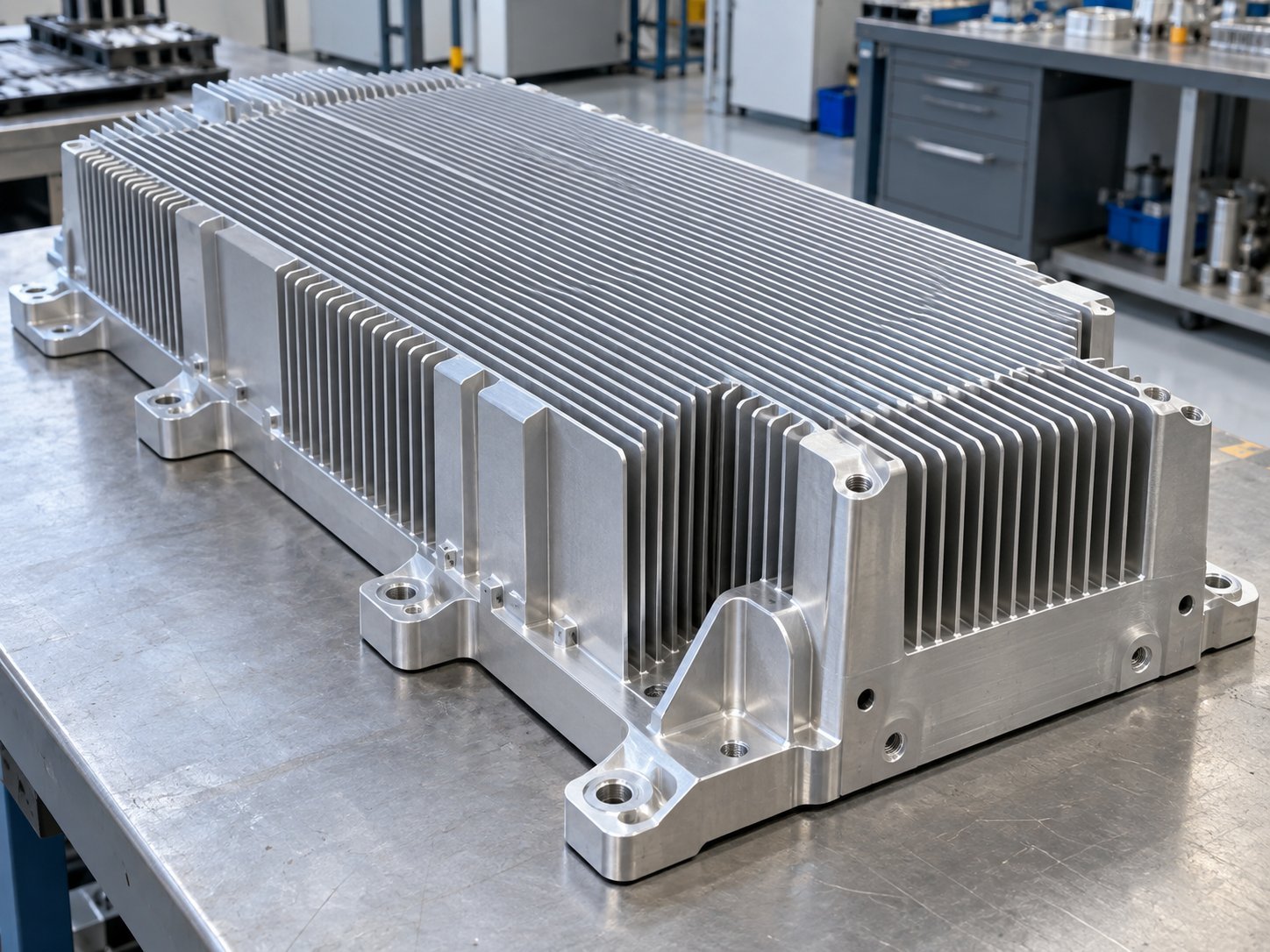
Your fin geometry and thermal interfaces.
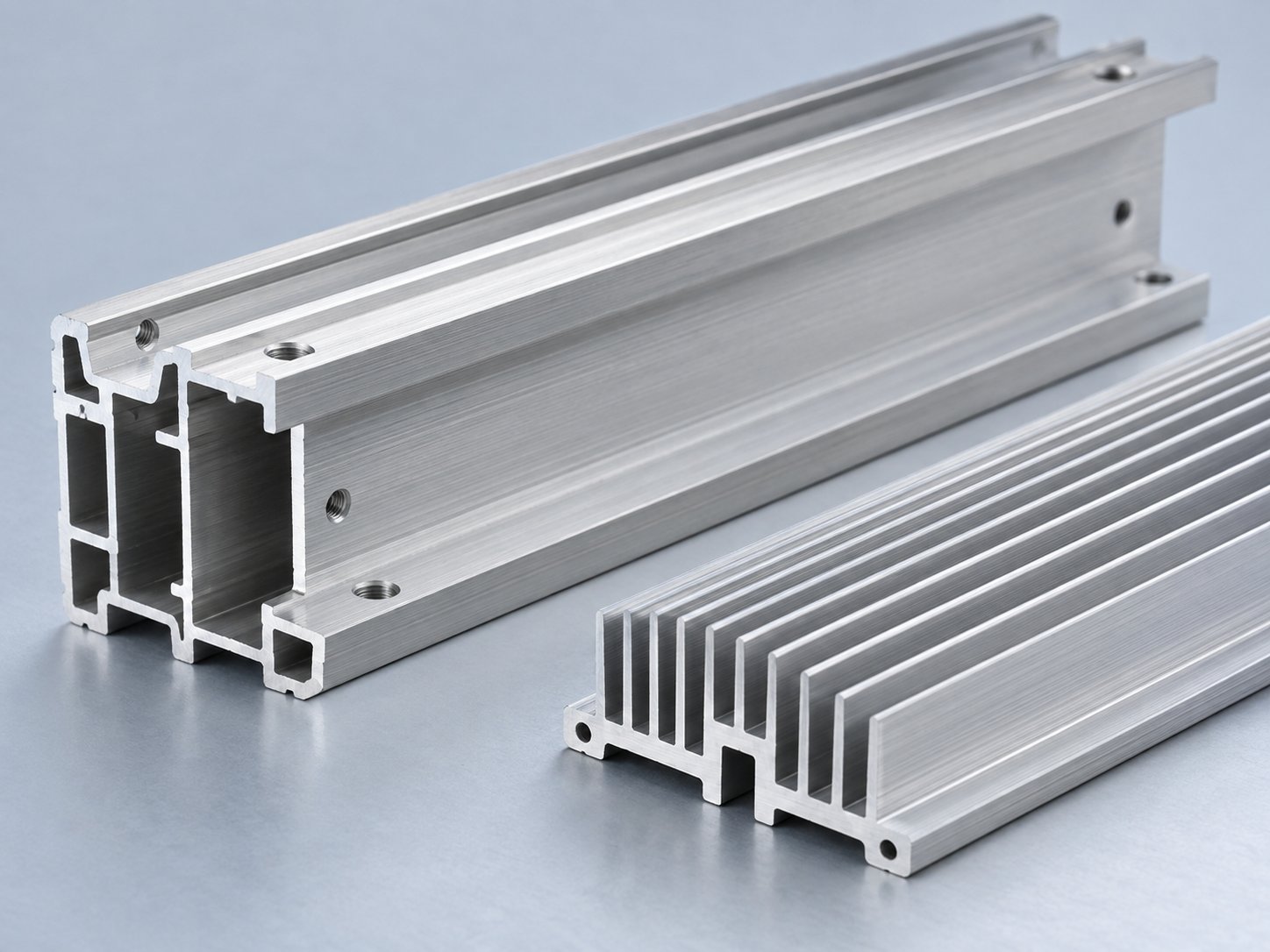
Your rails and attachment features.
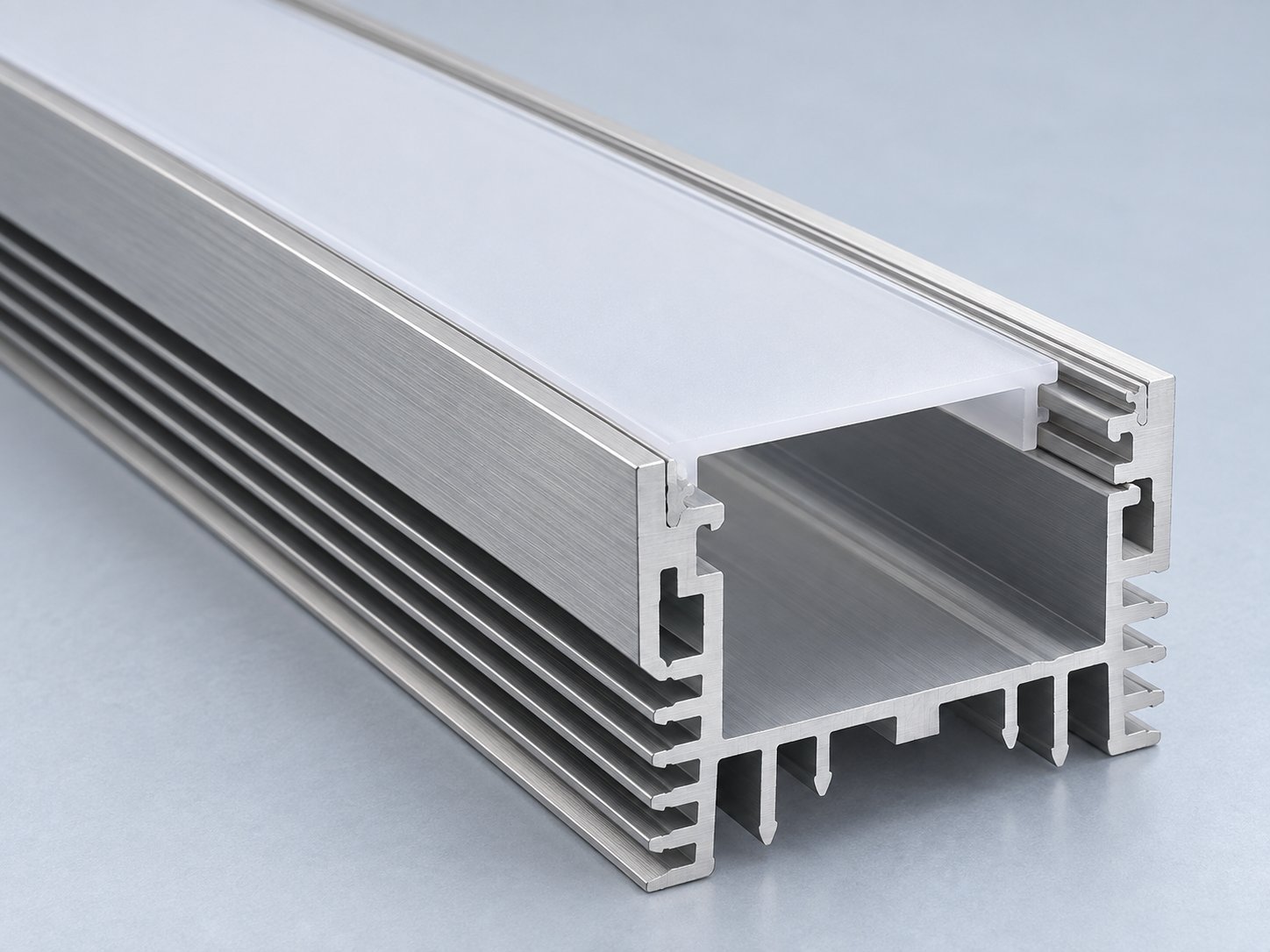
Your diffuser retention and heat path.
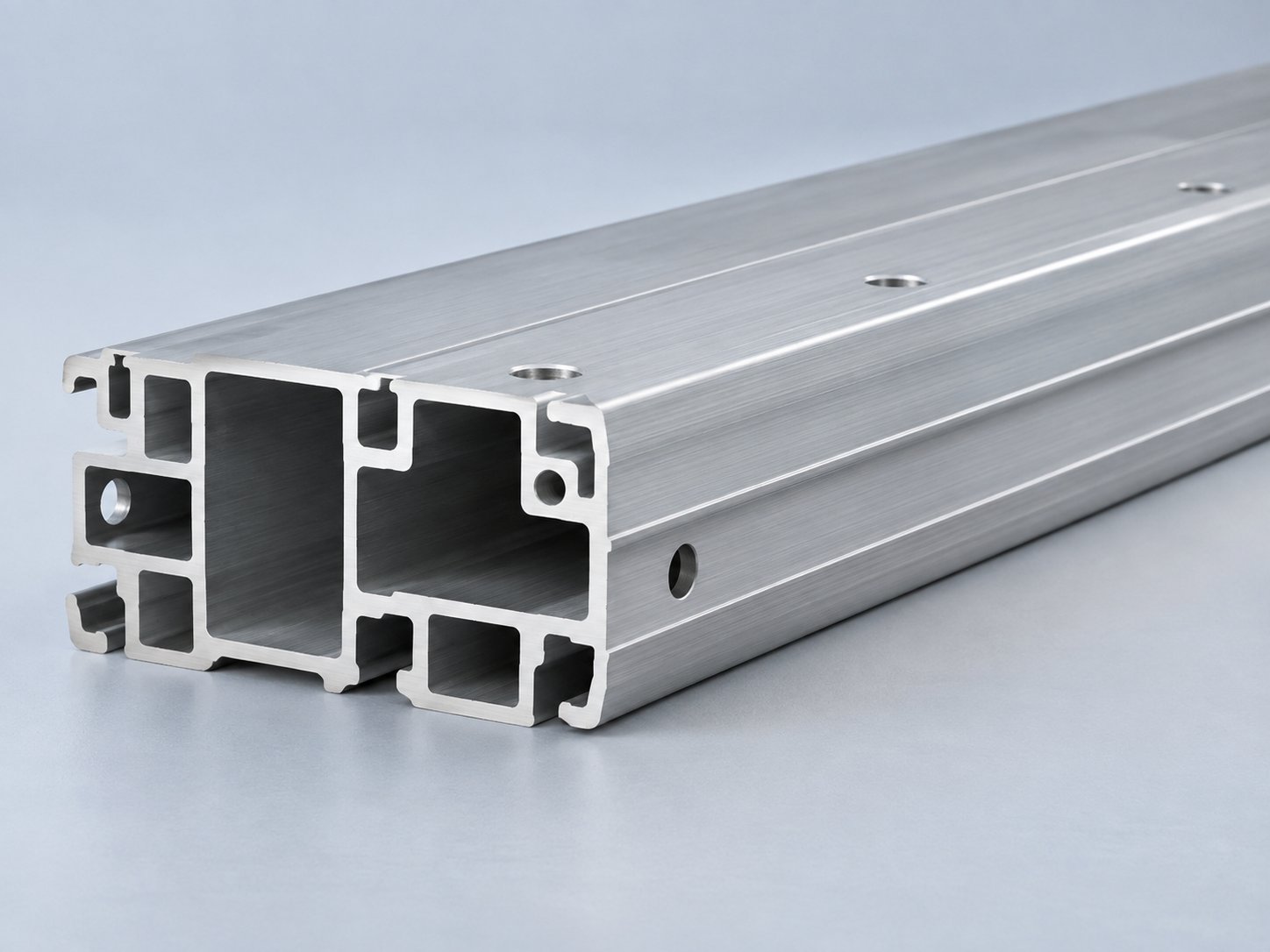
Your load and assembly interfaces.
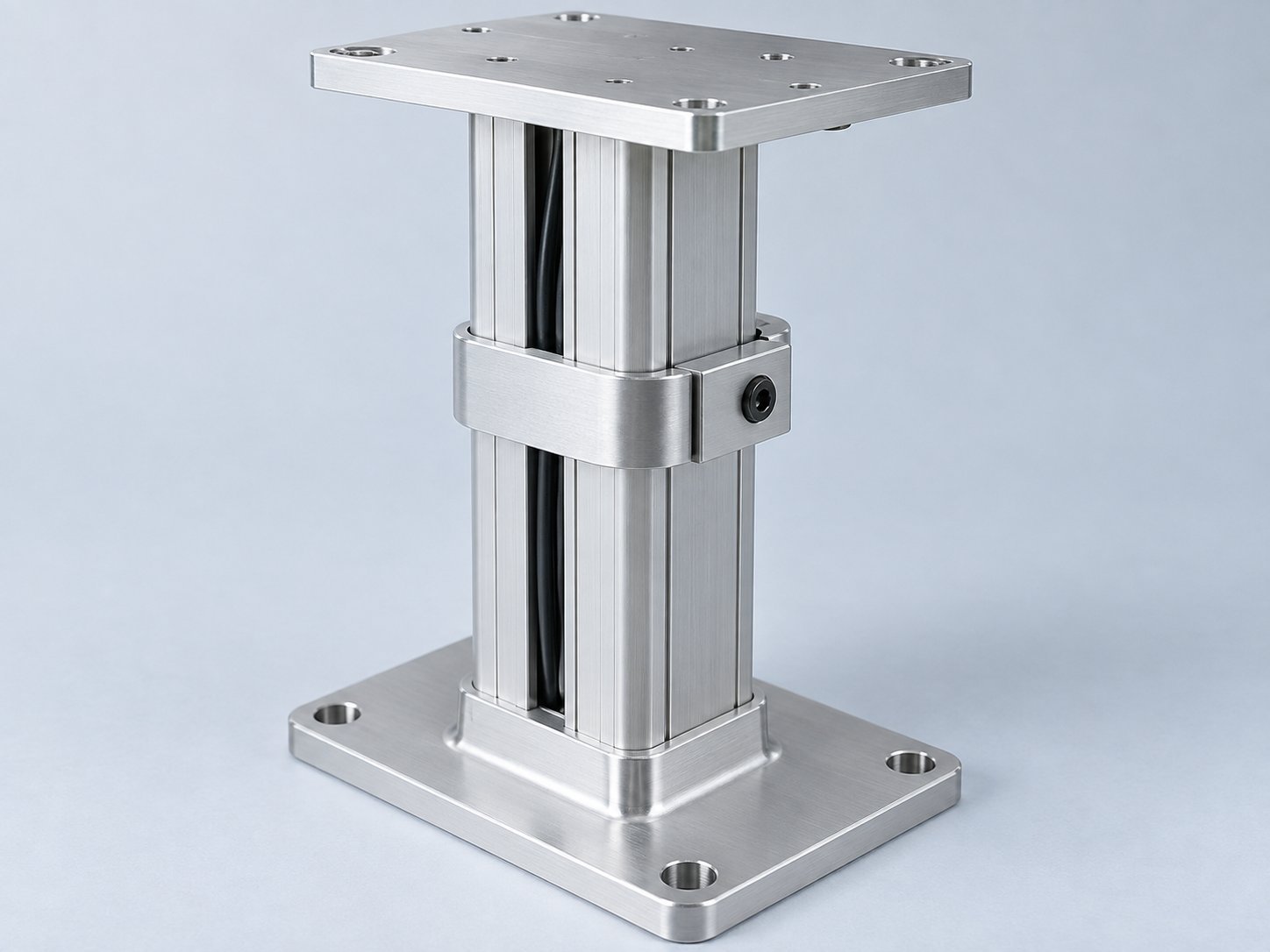
Your adjustable columns and cleanable surfaces.
LOCAL SUPPORT. CONNECTED MANUFACTURING.
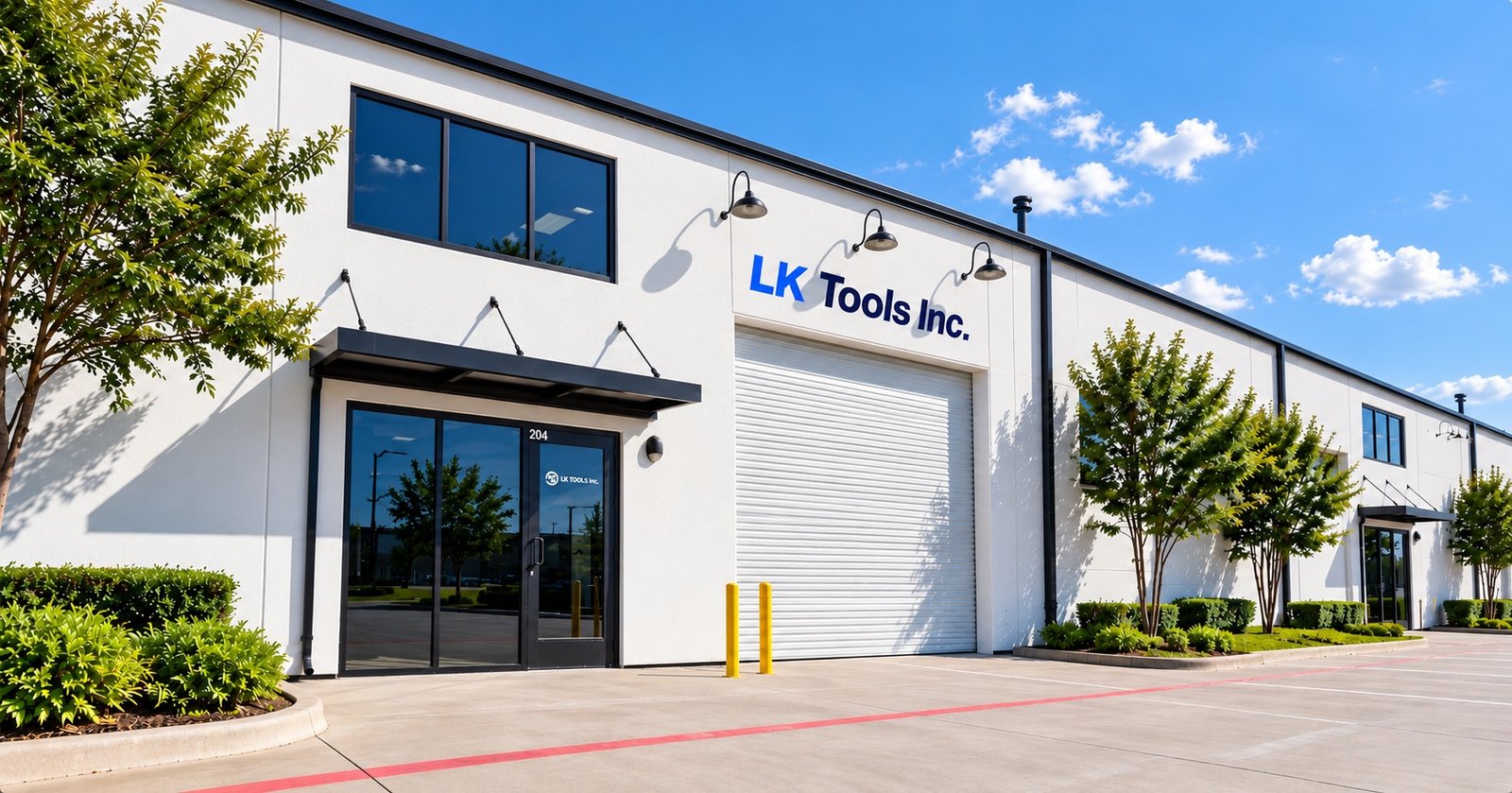
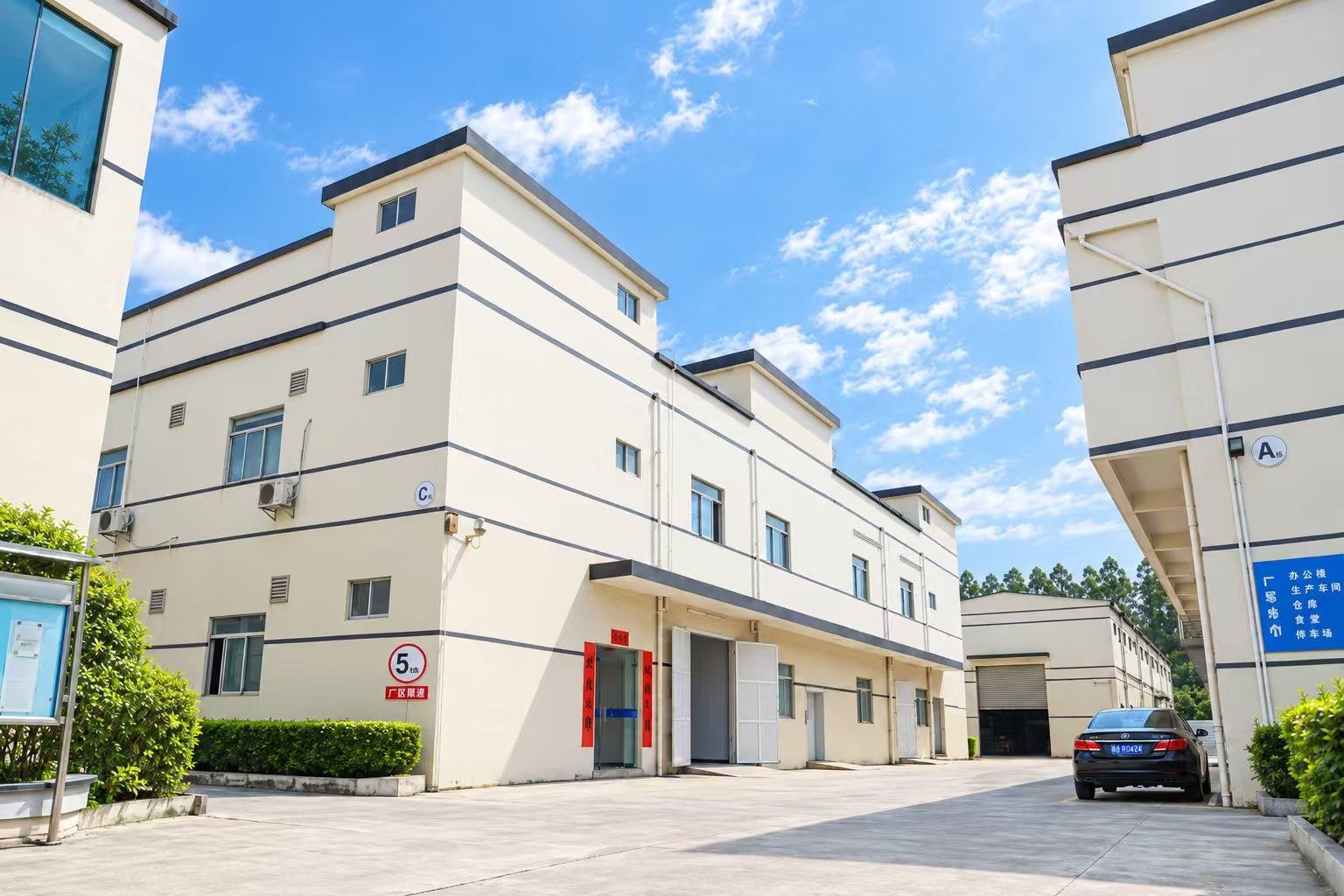
Send your cross-section drawing, 3D CAD if available, cut length, alloy and temper, critical dimensions, finish, machining requirements, quantities and delivery destination. Include mating-part details where fit matters.
Compare your geometry and annual demand with available standard sections. A custom die can integrate features and reduce machining, while a standard profile may suit early validation or lower quantities. Review total project cost and timing.
Quantity and timing depend on your profile, alloy, tooling, finish and secondary operations. Share your sample, batch and annual needs. Your quotation should confirm minimum order requirements and milestones rather than relying on a blanket figure.
Achievable tolerances depend on section geometry, alloy, length and process. Mark critical dimensions and define the measurement method. Some mating features may need secondary machining; confirm feasibility before tooling.
Review cutting, drilling, tapping, milling, anodizing or powder coating with your extrusion requirements. Define masked areas and finish allowances where they affect fits, threads or electrical contacts.
Confirm ownership, storage, maintenance, modification and replacement terms in your tooling quotation. Agree the sample approval process and how future drawing revisions will be handled.
Share the quantities and purpose of each stage. Review whether a standard section with machining, a machined prototype or custom tooling best supports your validation. Agree sample acceptance before releasing repeat production.
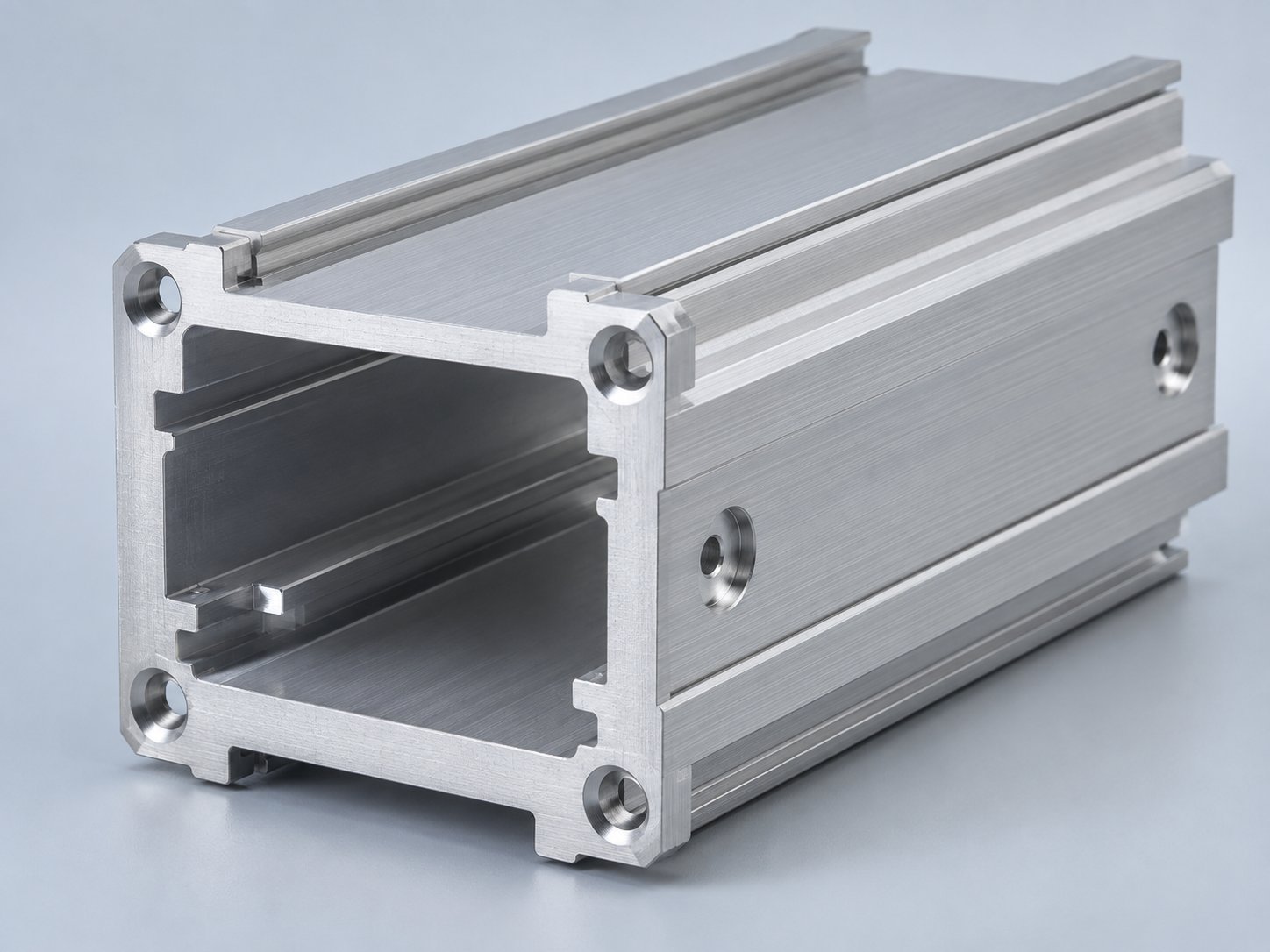
Your machined faces and hole locations.
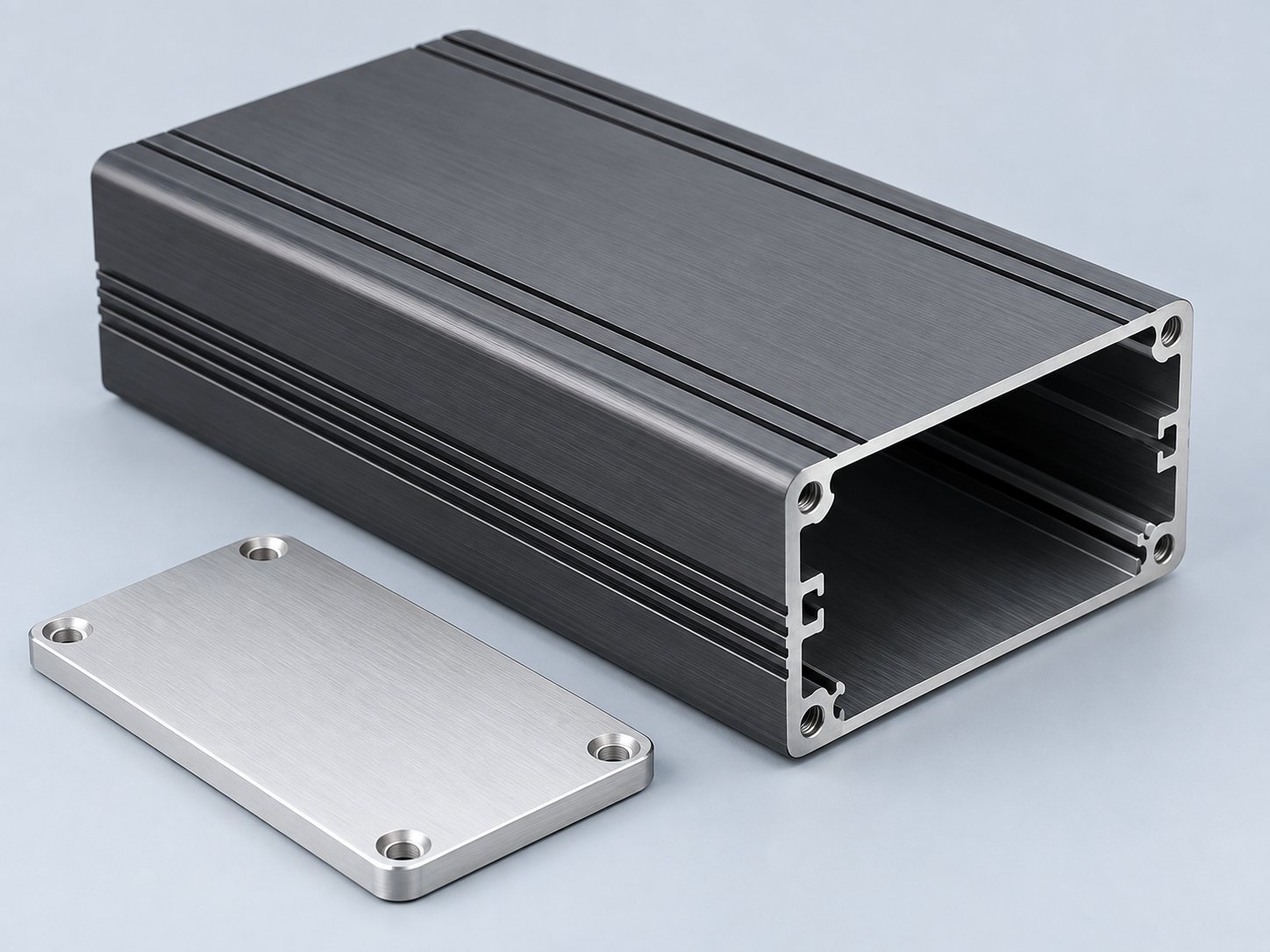
Your sample and visible zones.
Illustrative components; your approved drawing controls your part.