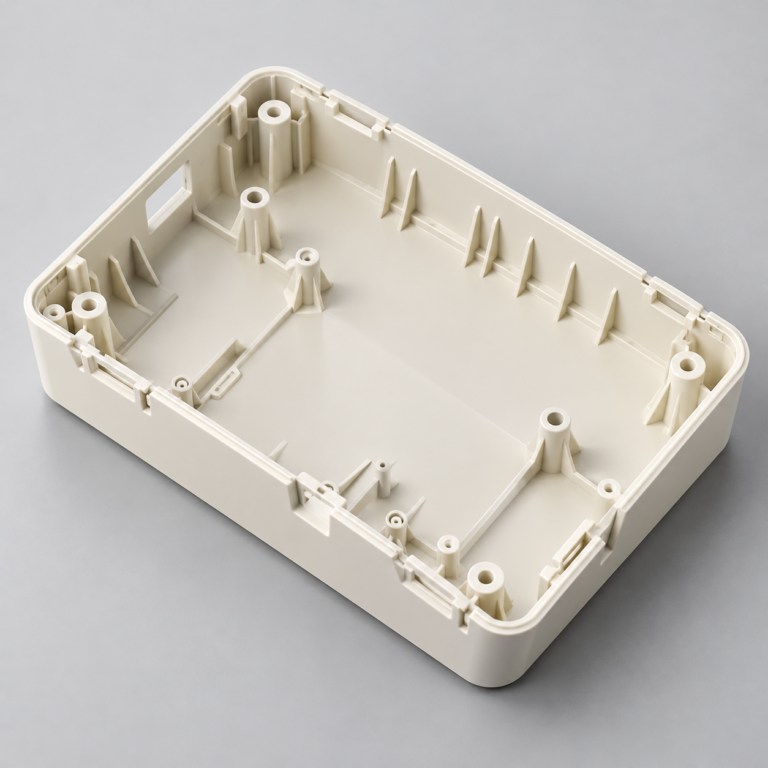
Injection Molding
Tooling and molding for your repeat plastic parts.
From prototype to production, coordinated manufacturing solutions for your custom parts.
View All Services →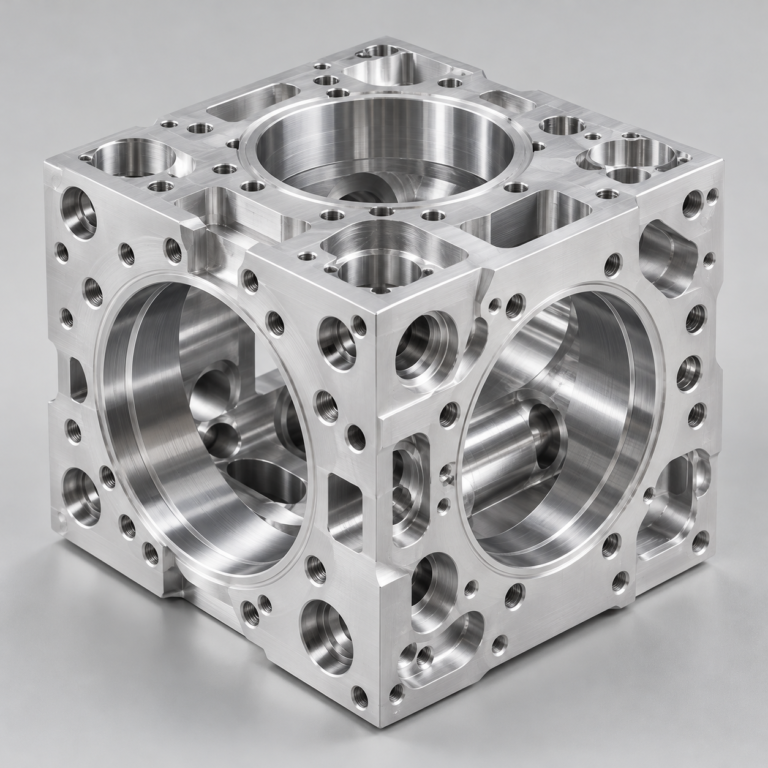
Precision parts for your tight tolerances and complex geometry.
Tooling and molding for your repeat plastic parts.
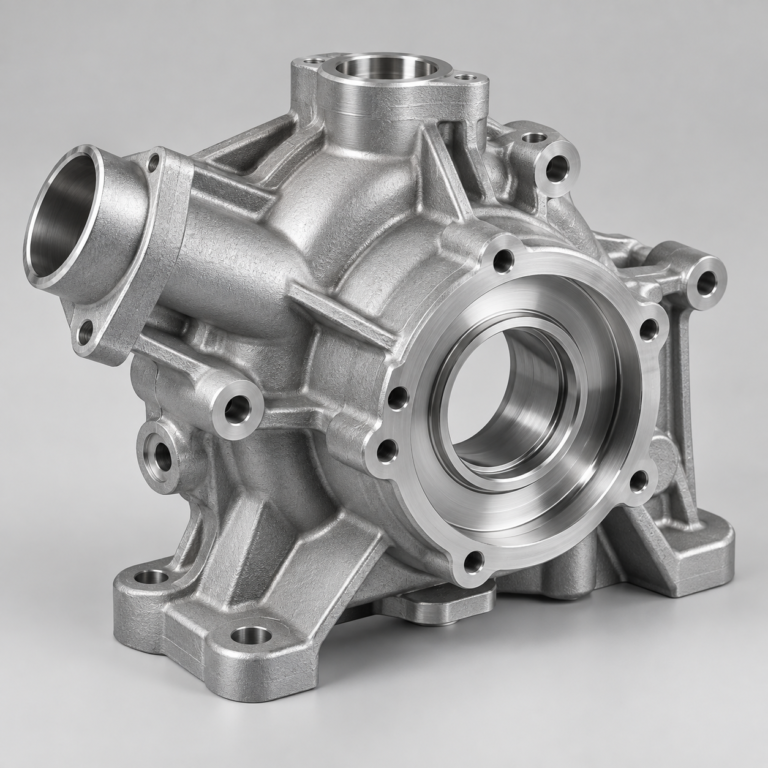
Metal casting options for your part and production volume.
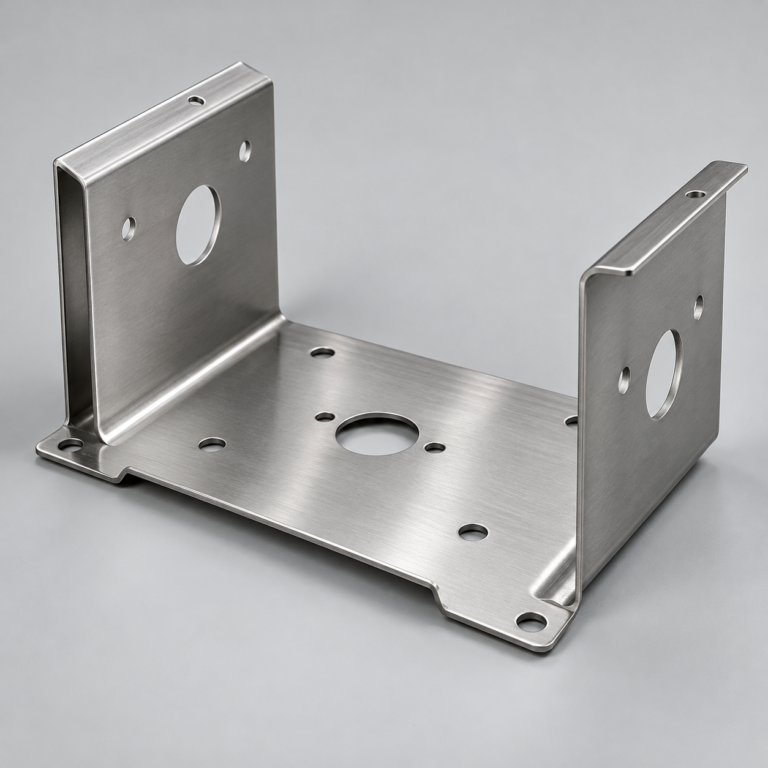
Cutting, forming and welding for your fabricated parts.
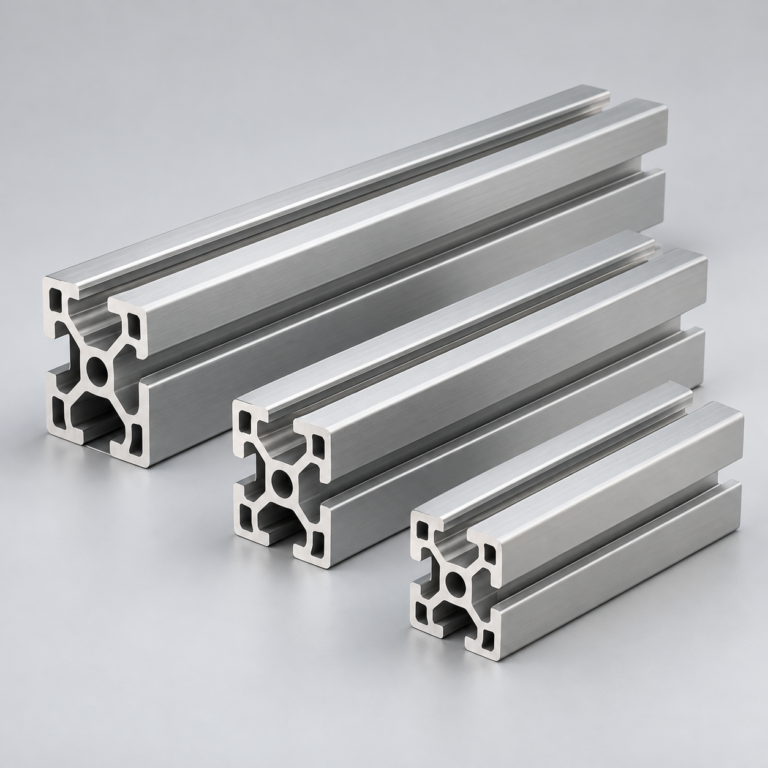
Custom profiles for your section, length and finish requirements.
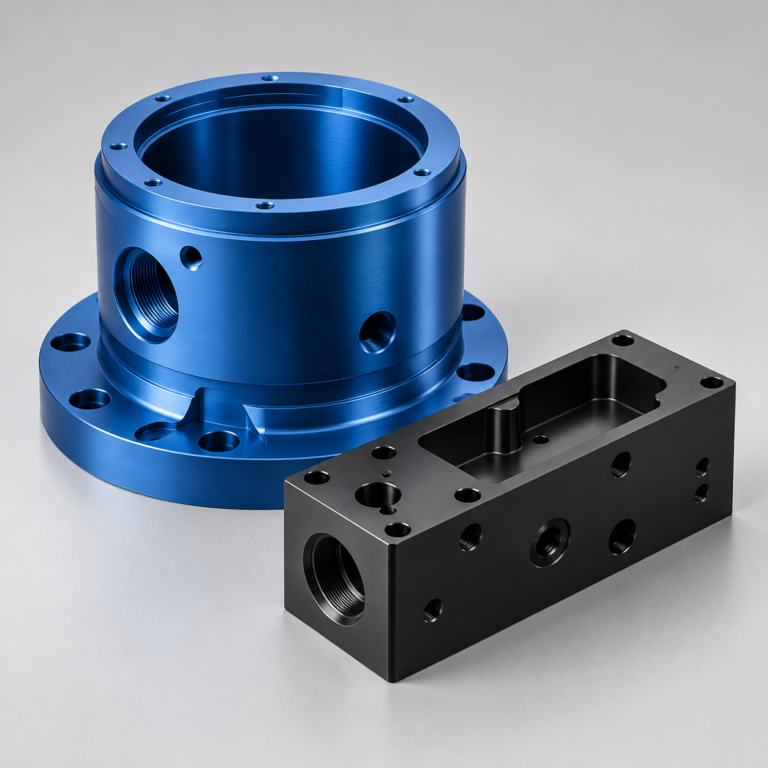
Finishes for your appearance, corrosion and wear requirements.
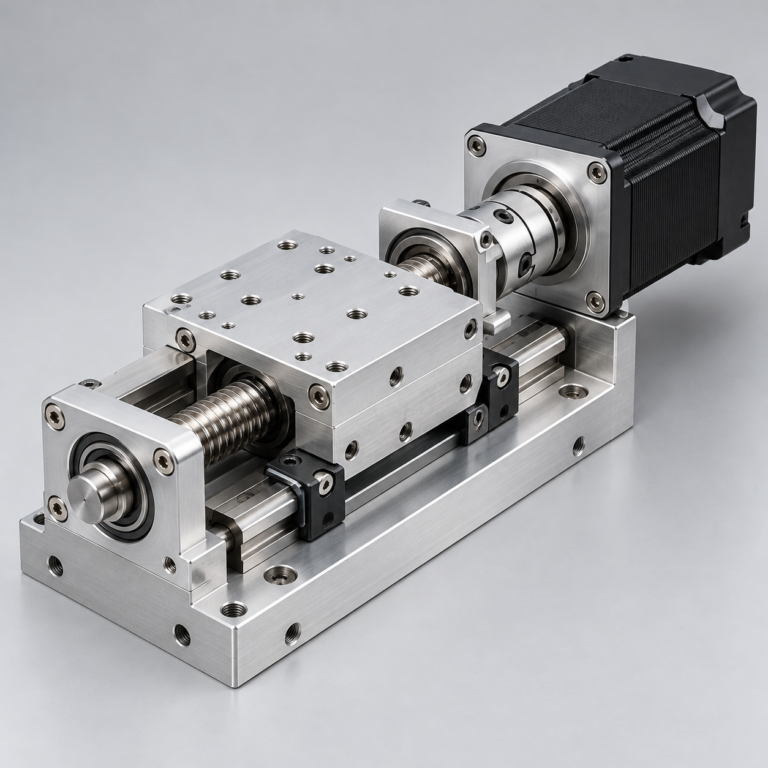
Sub-assemblies and final builds for your production program.
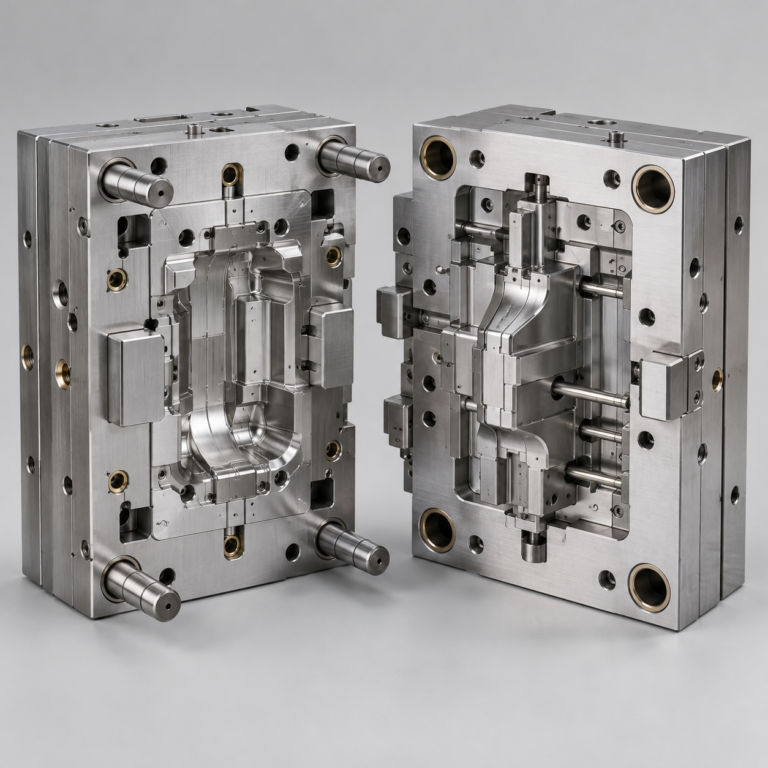
Production tooling built around your process and volume.
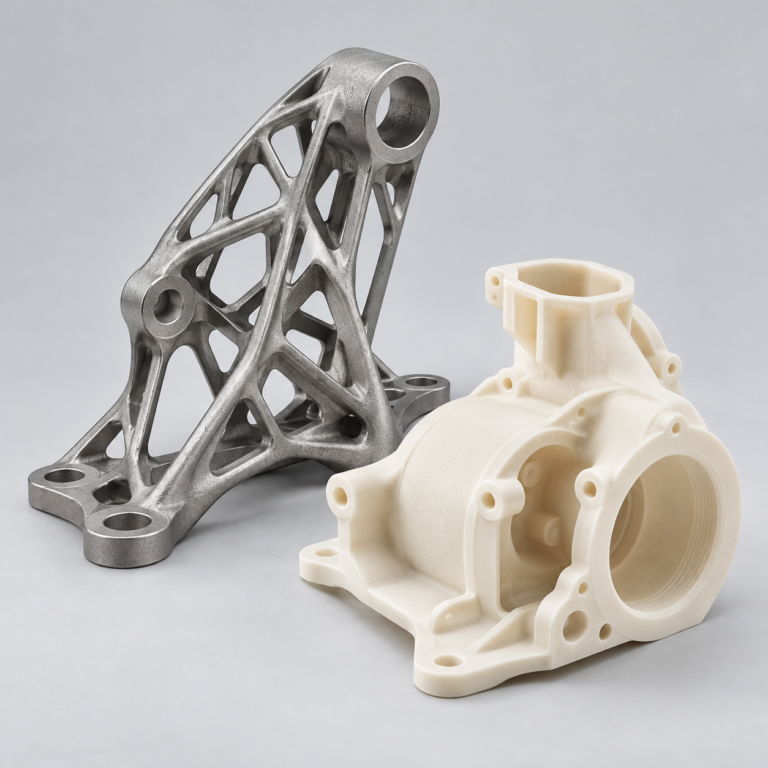
Prototype parts to check fit, function and design.
DFM, process planning and production support for your project.
Inspection, documentation, inventory and delivery planning for your program.
Choose air- or liquid-cooling components around your thermal and mechanical requirements.
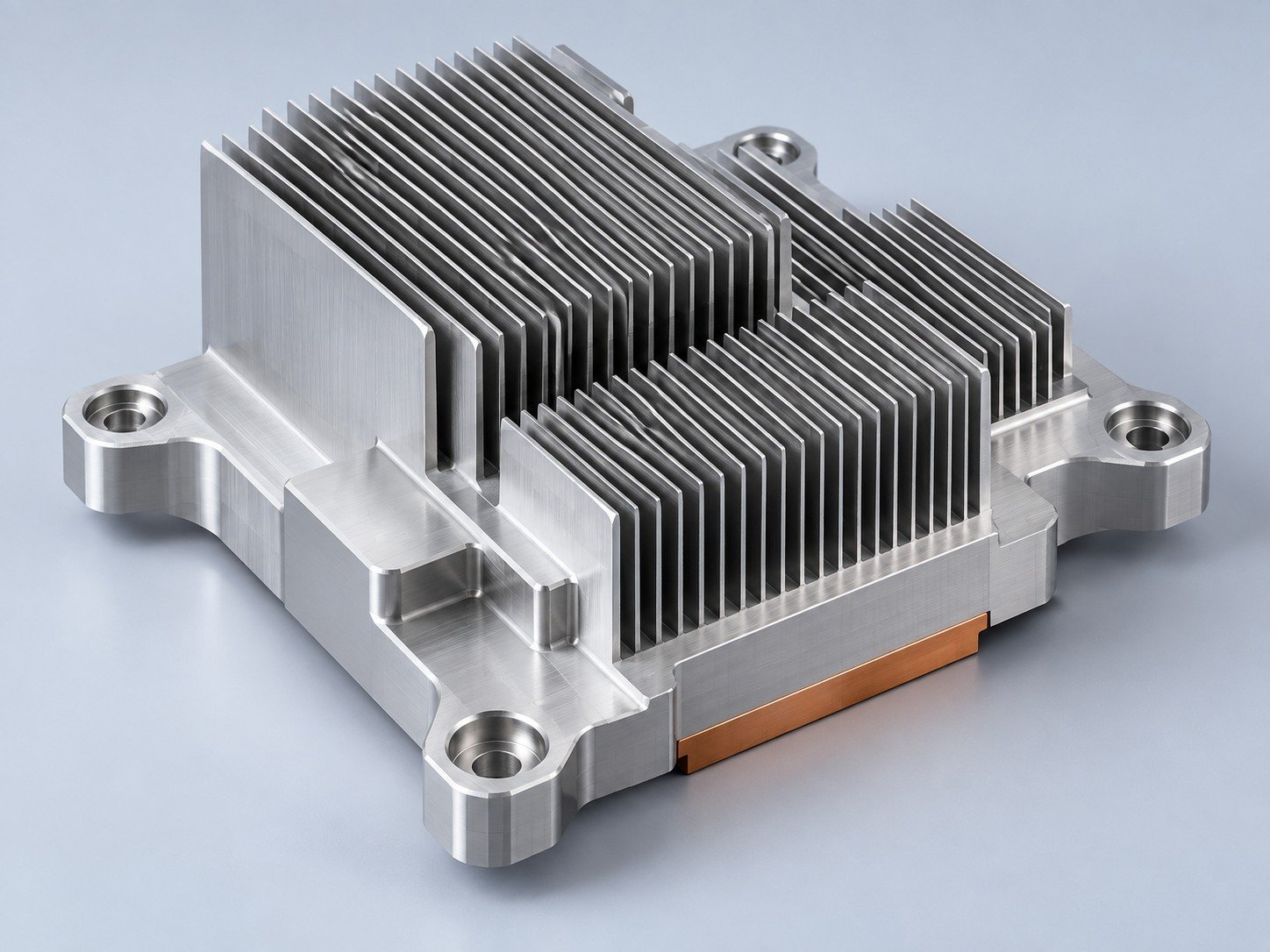
Manufacturing support for your cold plates, manifolds and cooling assemblies.
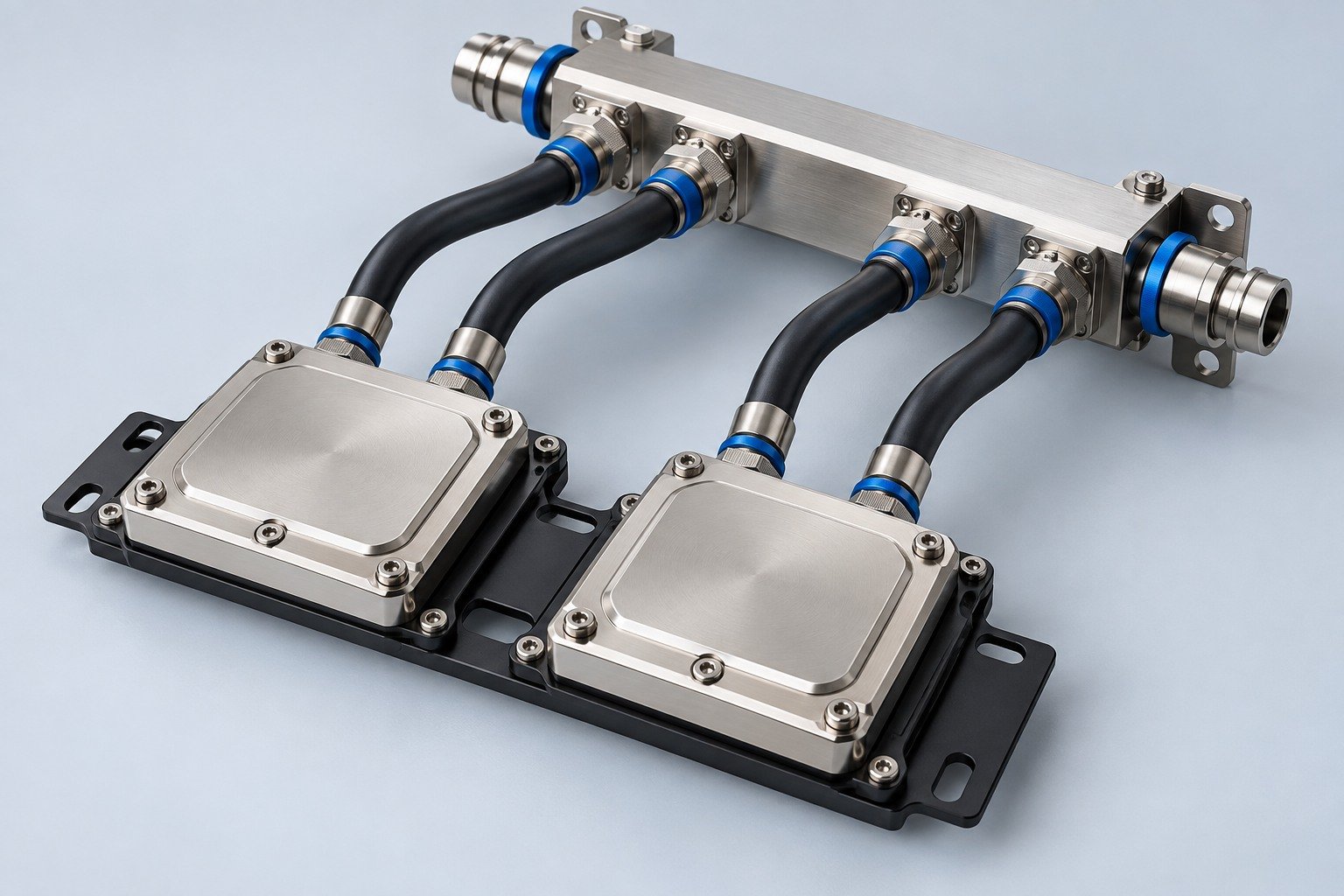
Find components for your power electronics, energy, laser and telecom application.
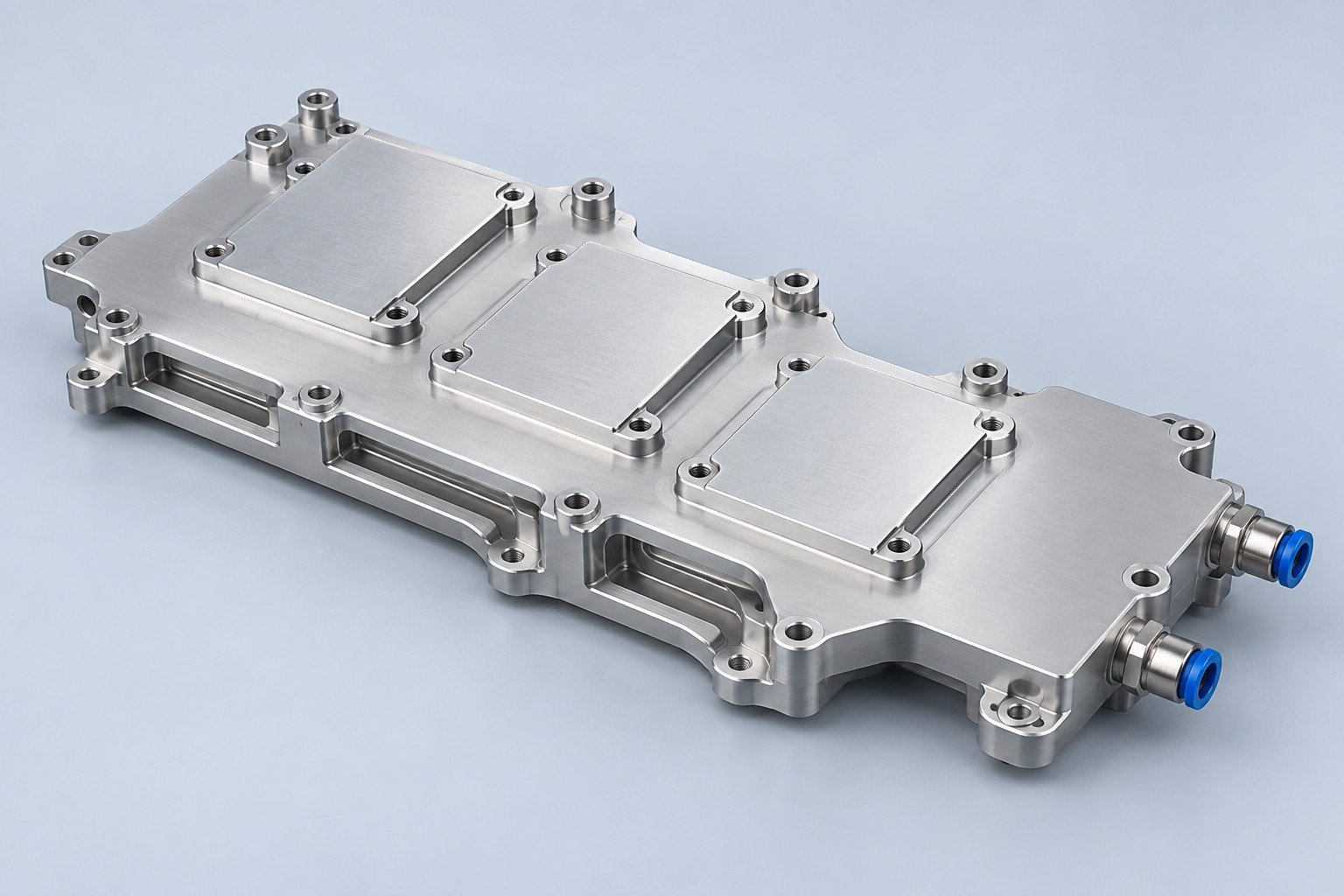
Components for your electronic systems.
Start with your functional and quality requirements.
Build around your operating environment.
From prototype to production, review material performance, manufacturability and cost for your part.
Review grade, temper and finish for your metal parts.
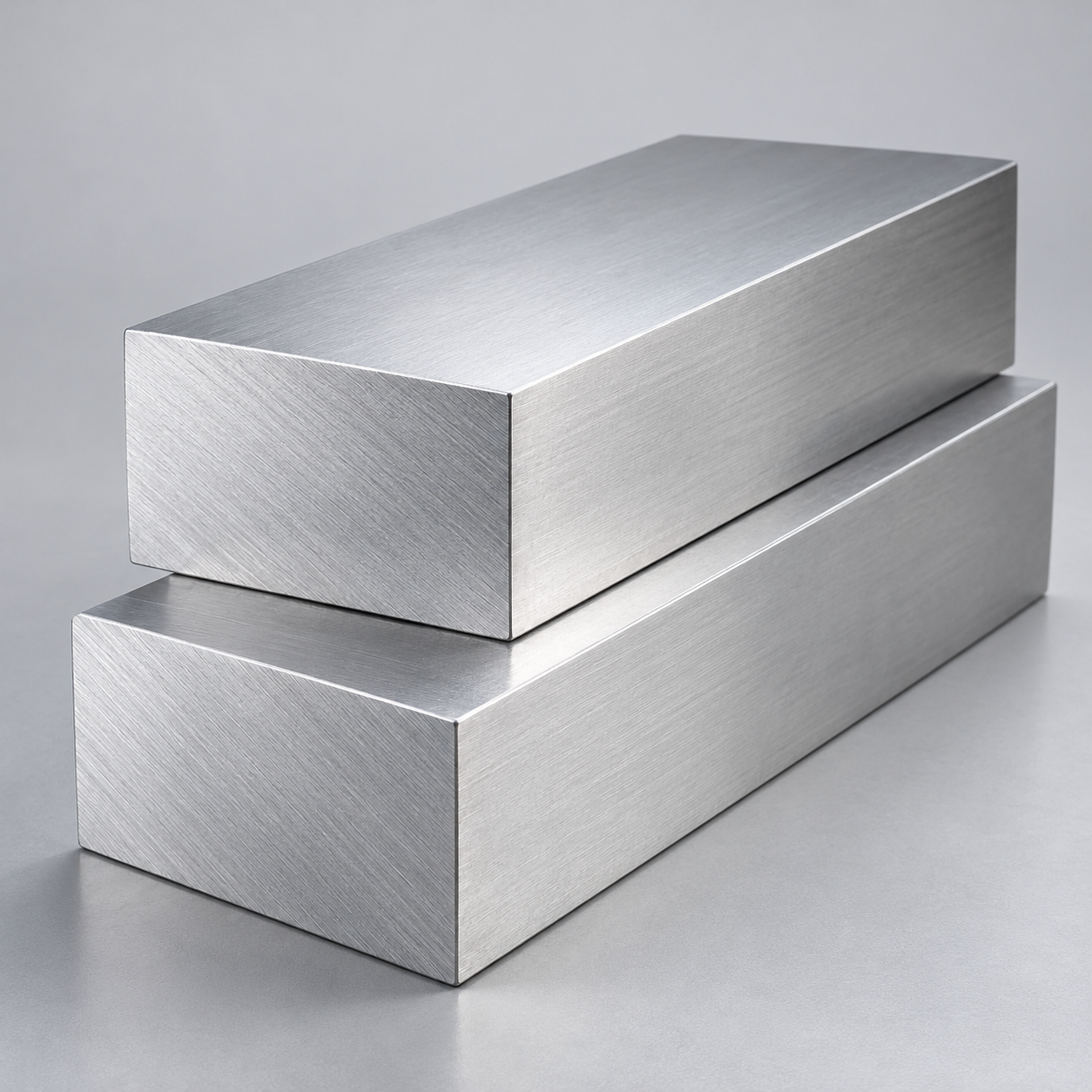 AluminumStrength, weight and machining›
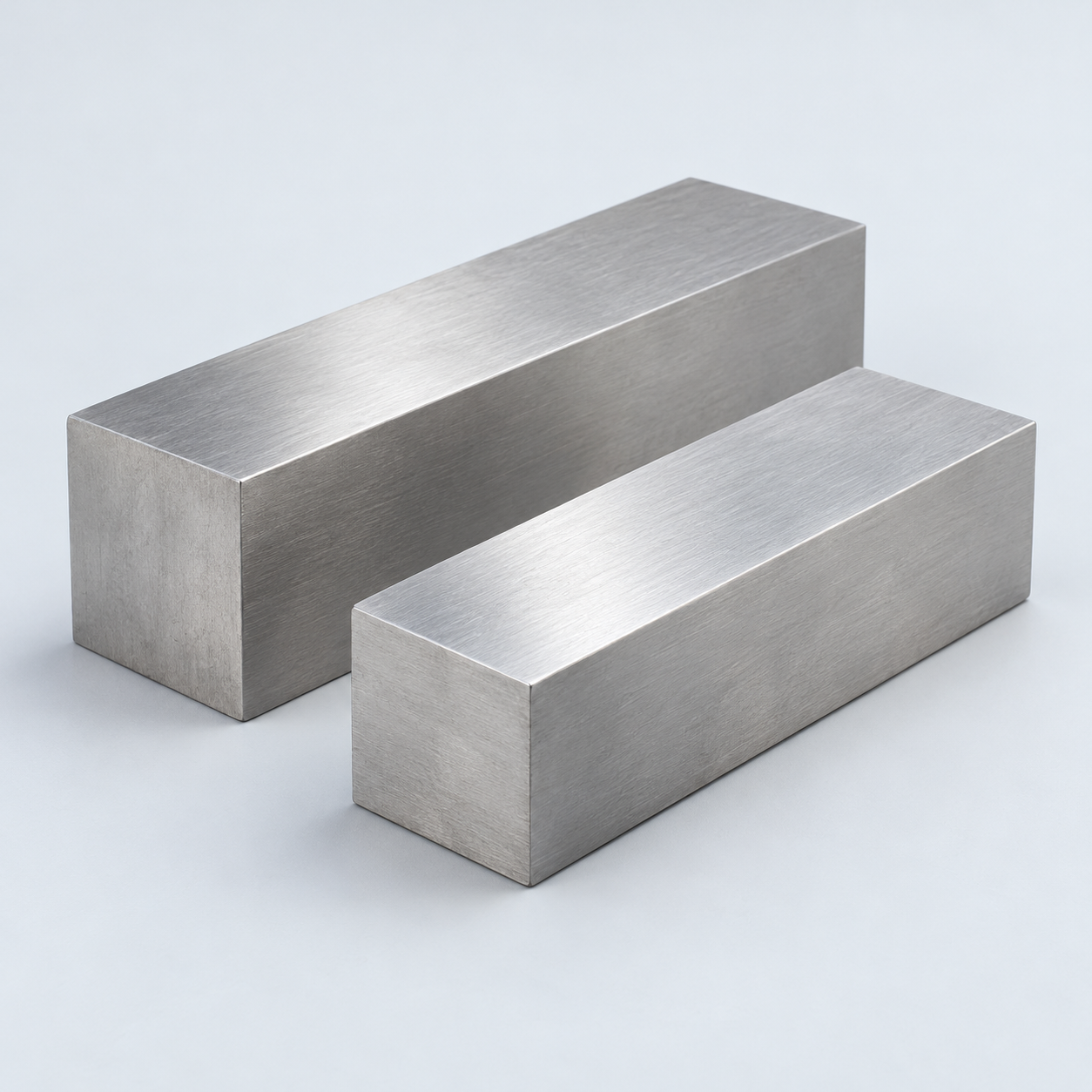 Stainless SteelCorrosion and finish requirements›
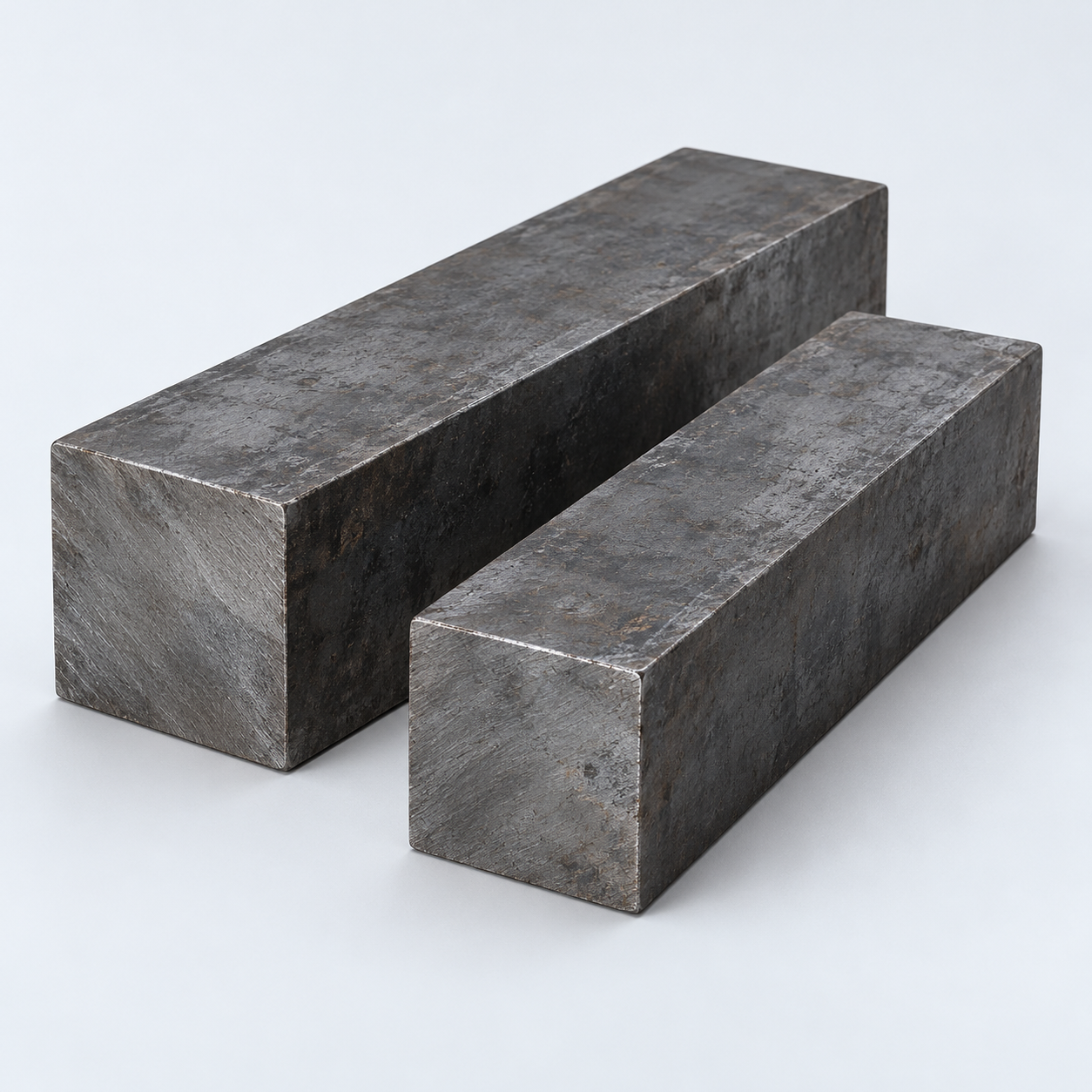 Carbon & Alloy SteelDiscuss grade and heat treatment›
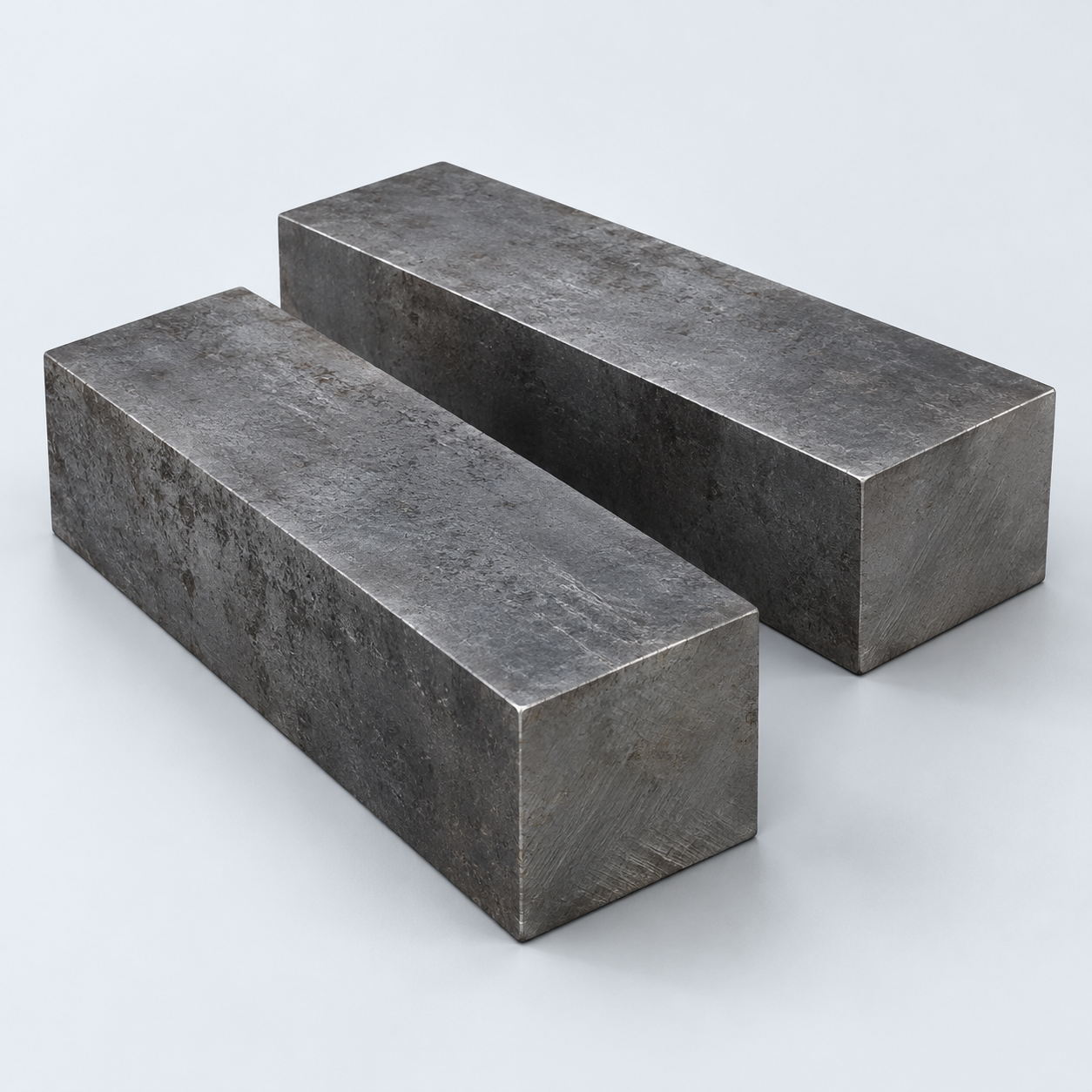 Tool SteelDiscuss tooling and wear needs›
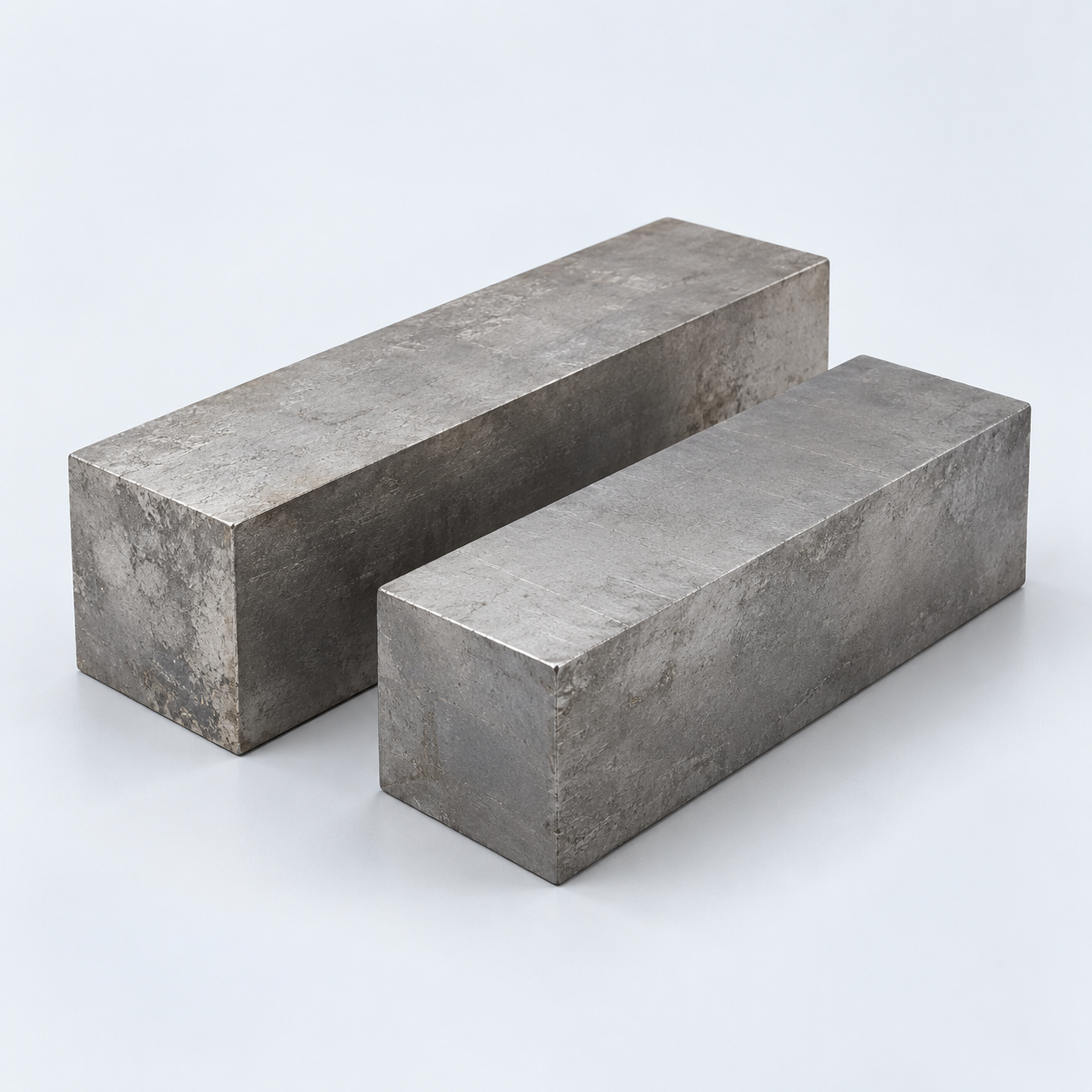 TitaniumReview grade and part geometry›
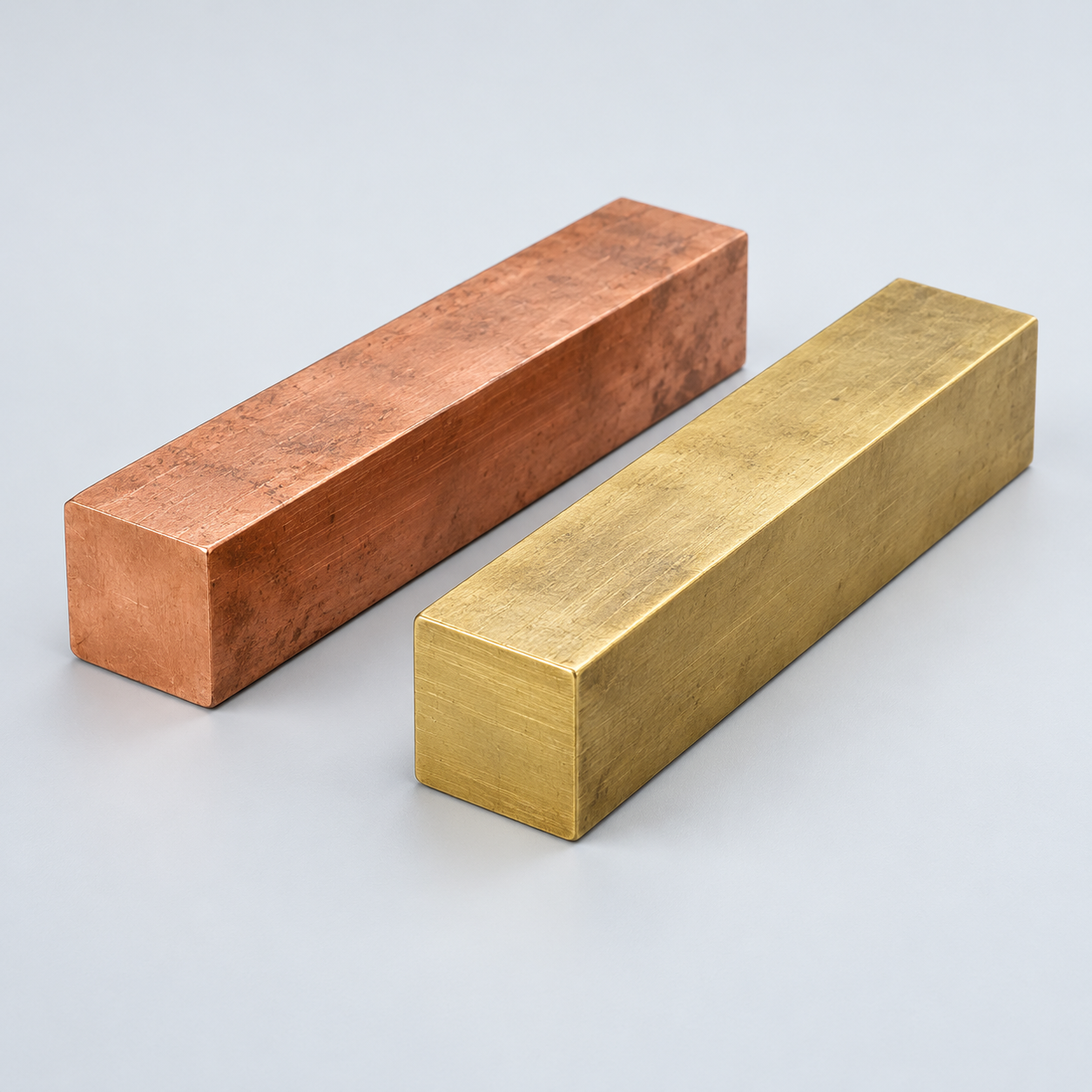 Copper & BrassDiscuss conductivity and machining›
Match your polymer to function, process and environment.
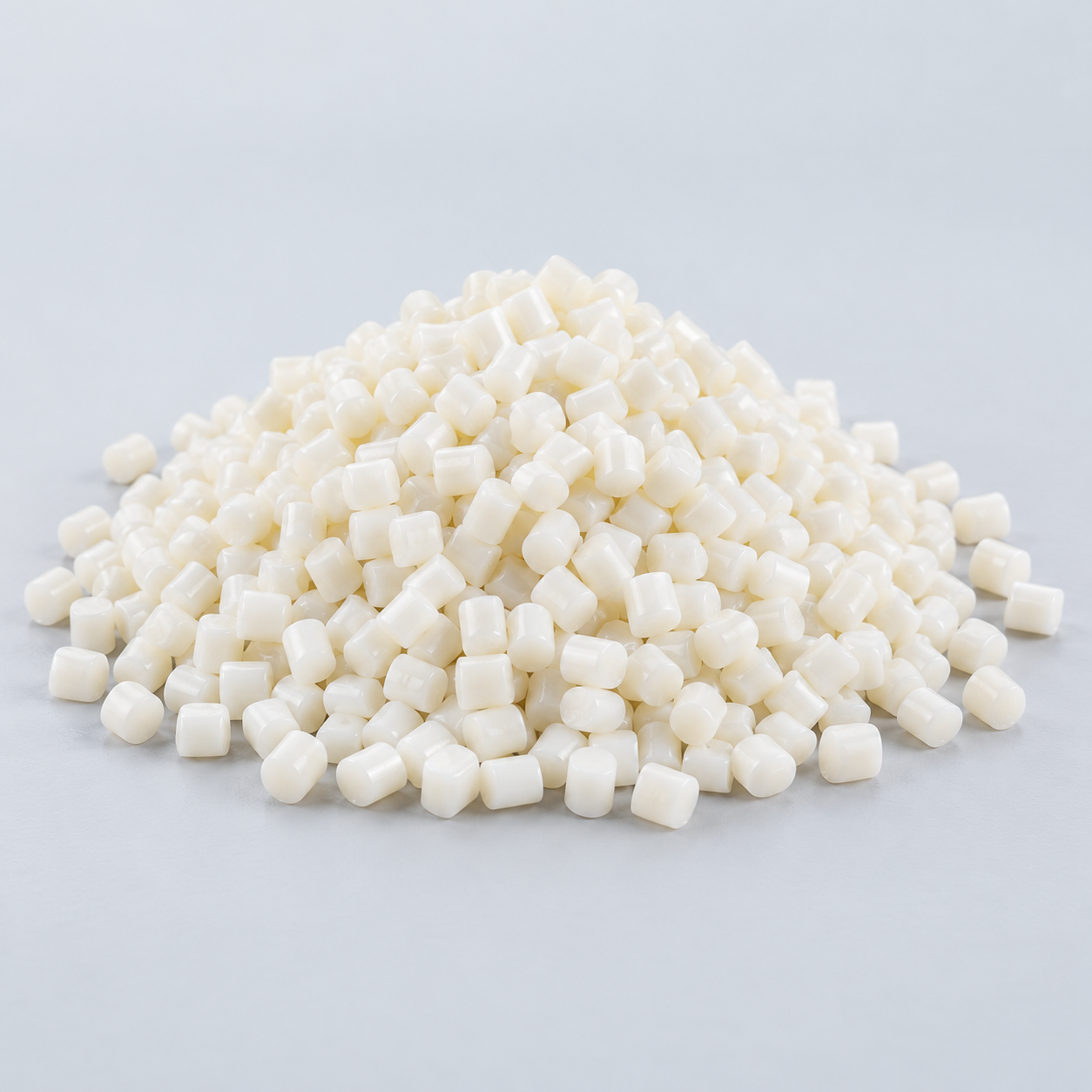 ABSReview enclosure and molding needs›
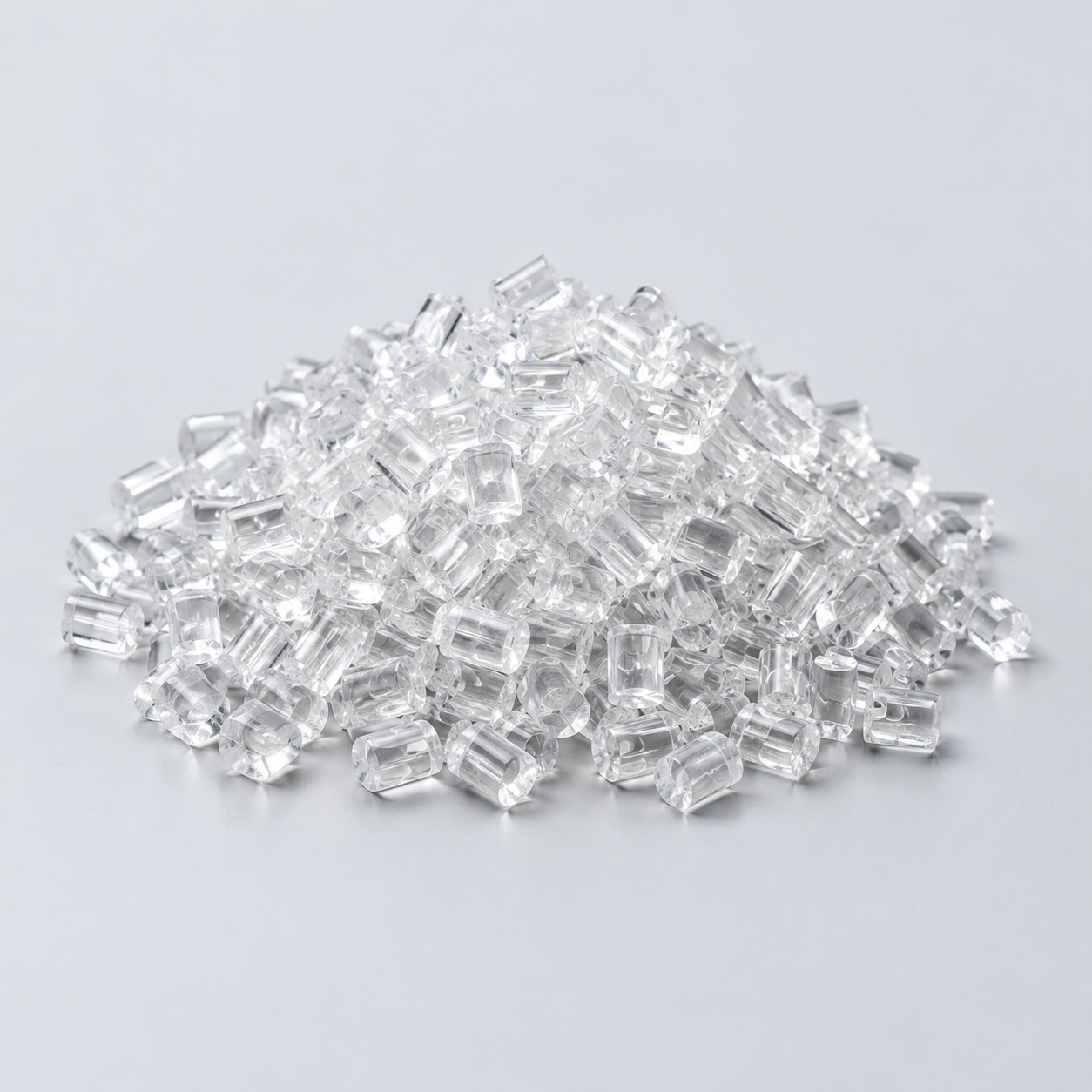 Polycarbonate (PC)Discuss clarity and impact needs›
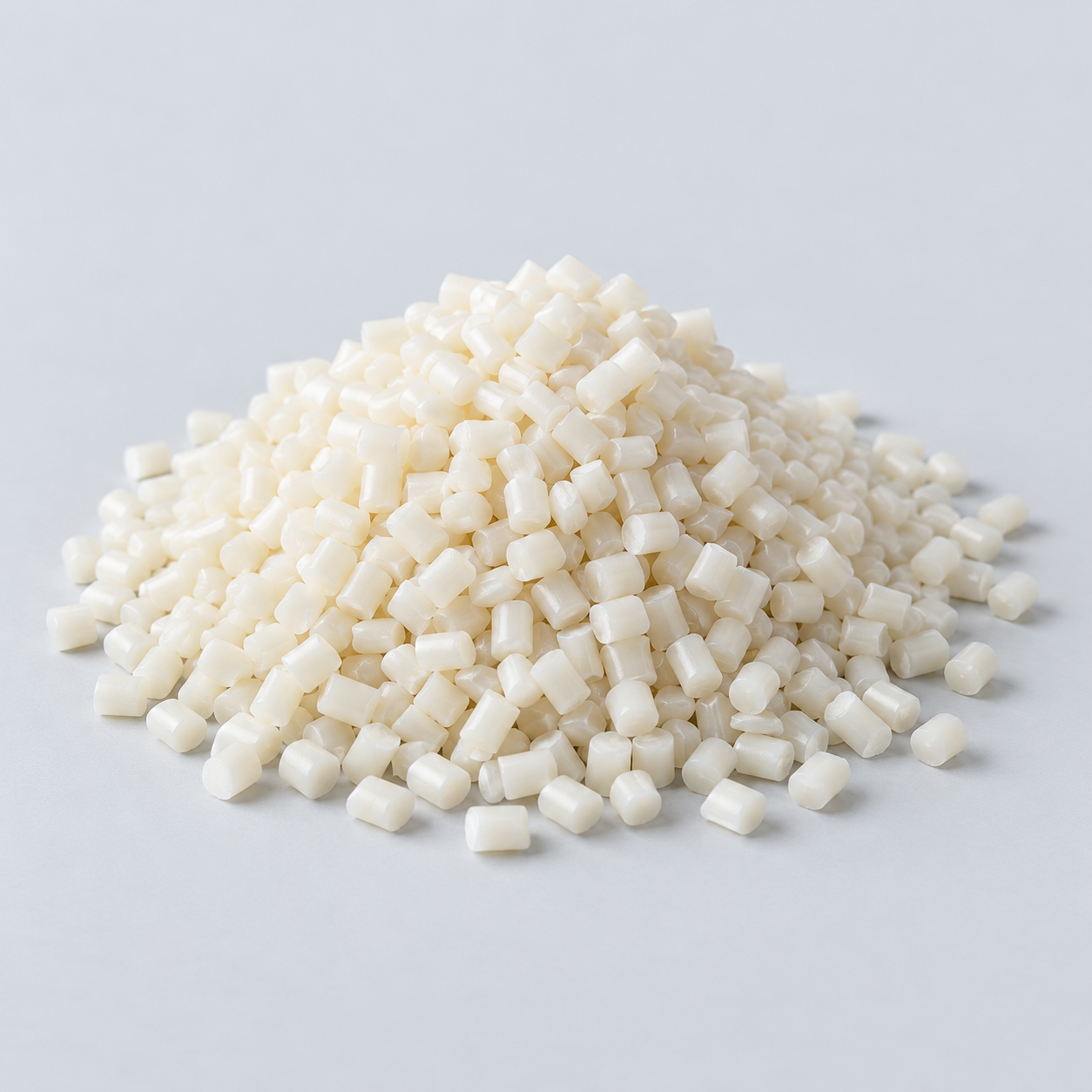 Nylon (PA)Review moisture and wear conditions›
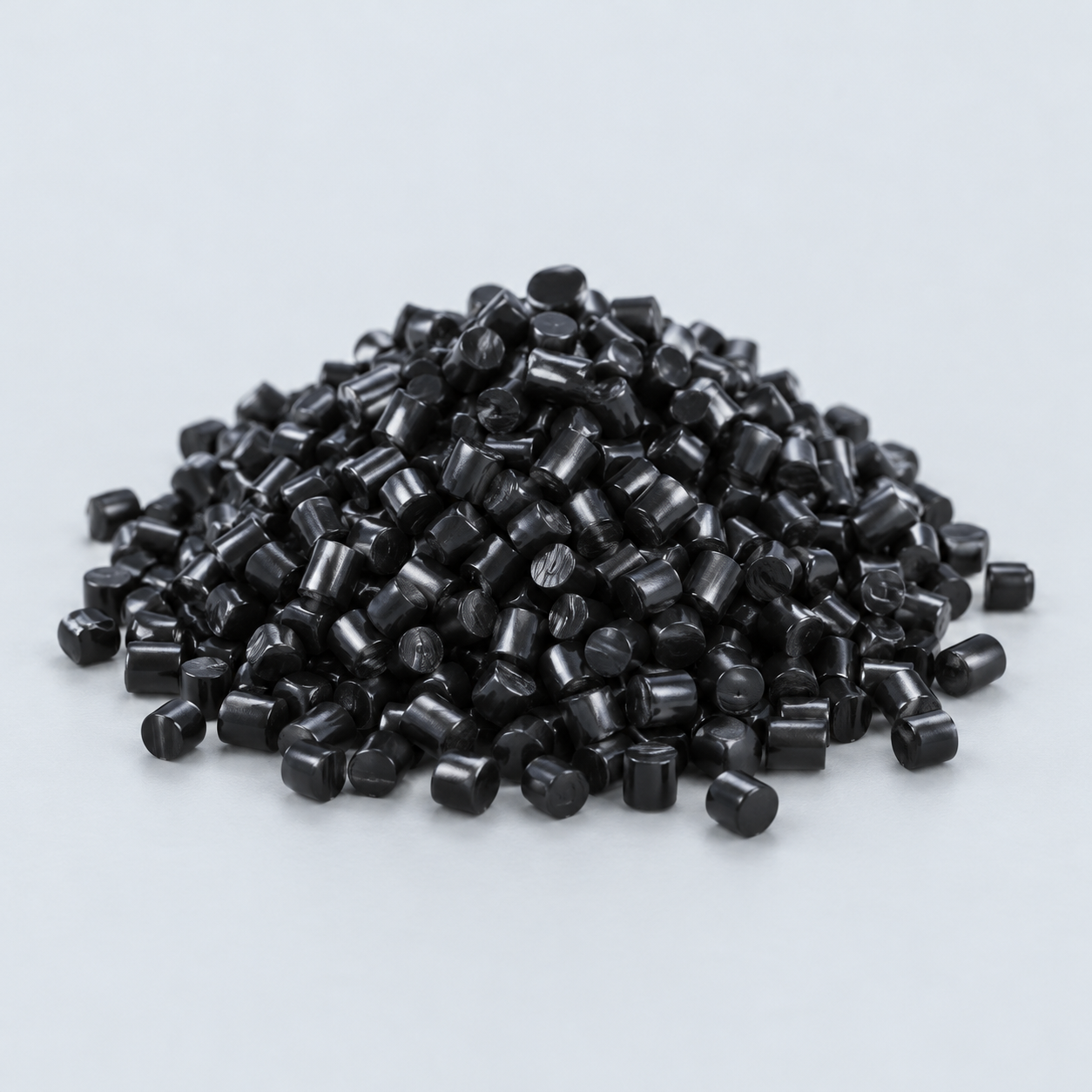 POM / AcetalReview fit and sliding features›
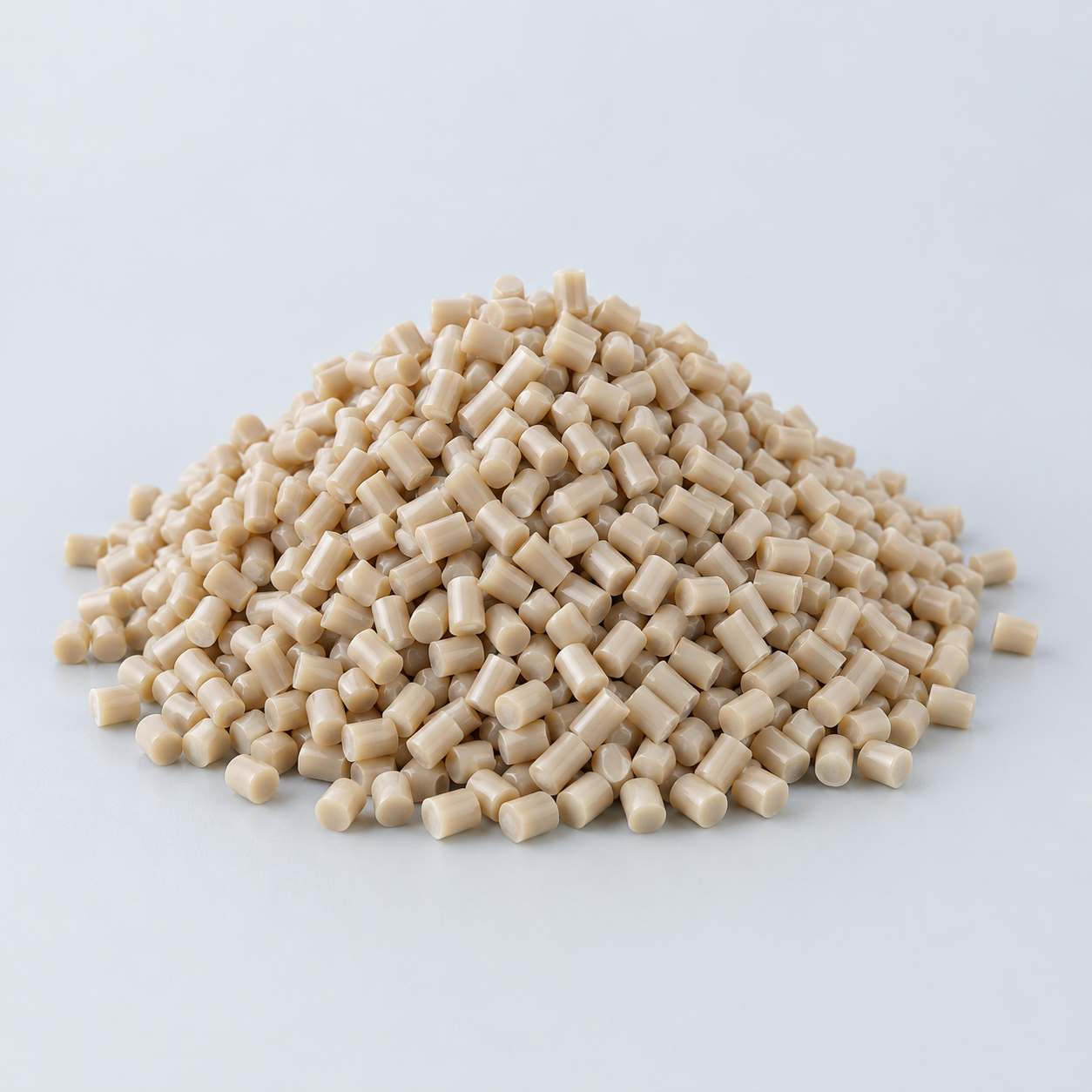 PEEKDiscuss operating conditions›
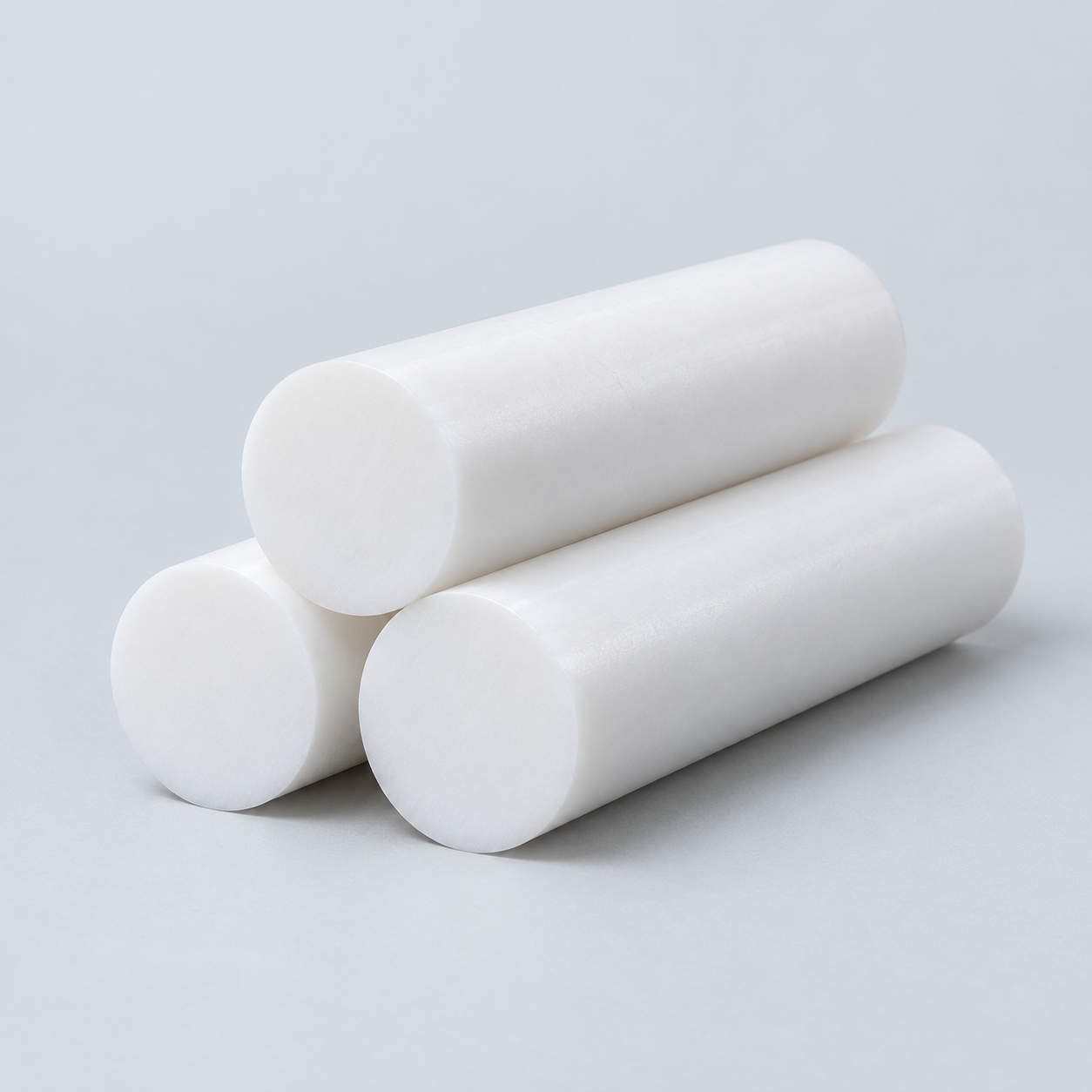 PTFEReview friction and chemical exposure›
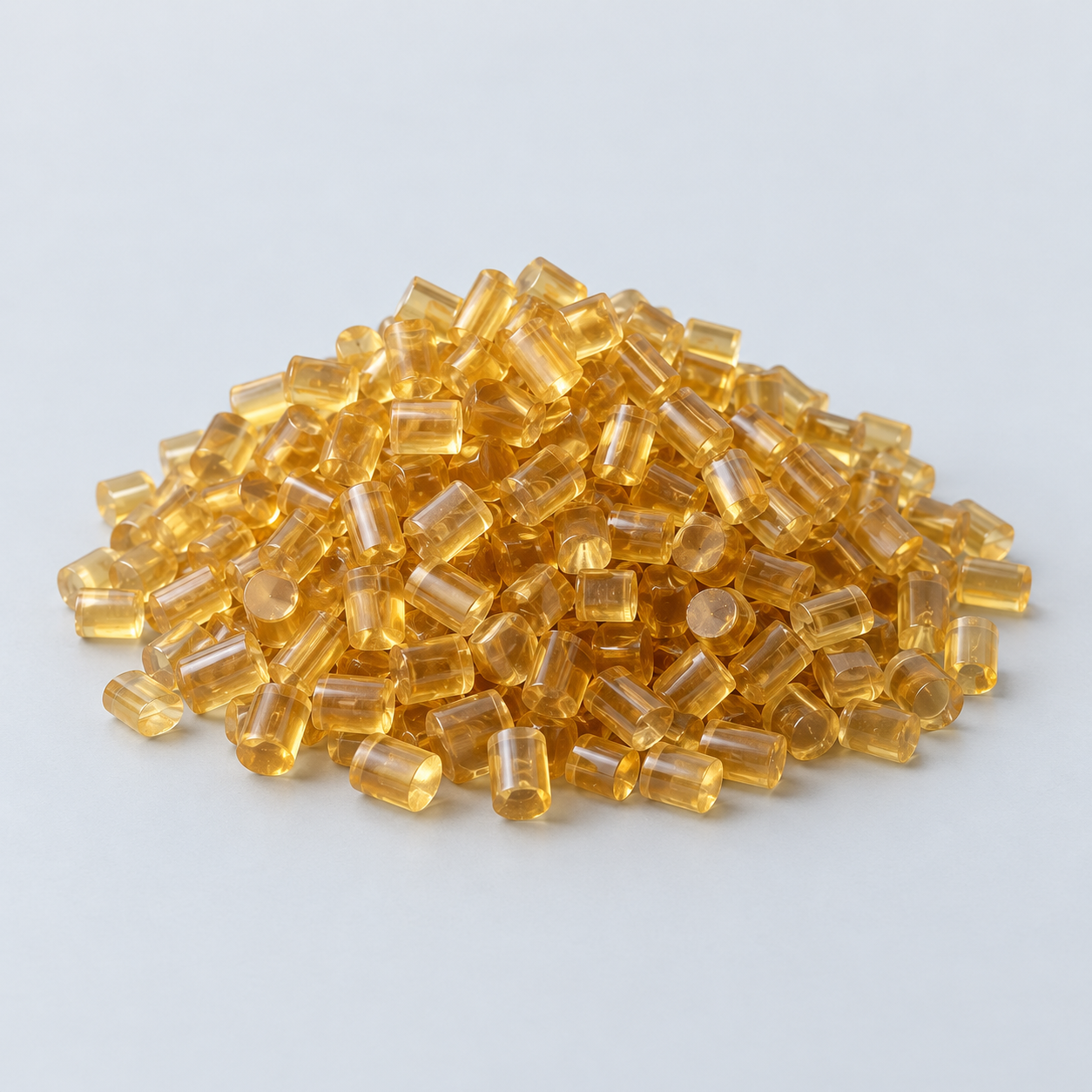 ULTEM / PEIDiscuss thermal and electrical needs›
Confirm grade availability and application requirements.
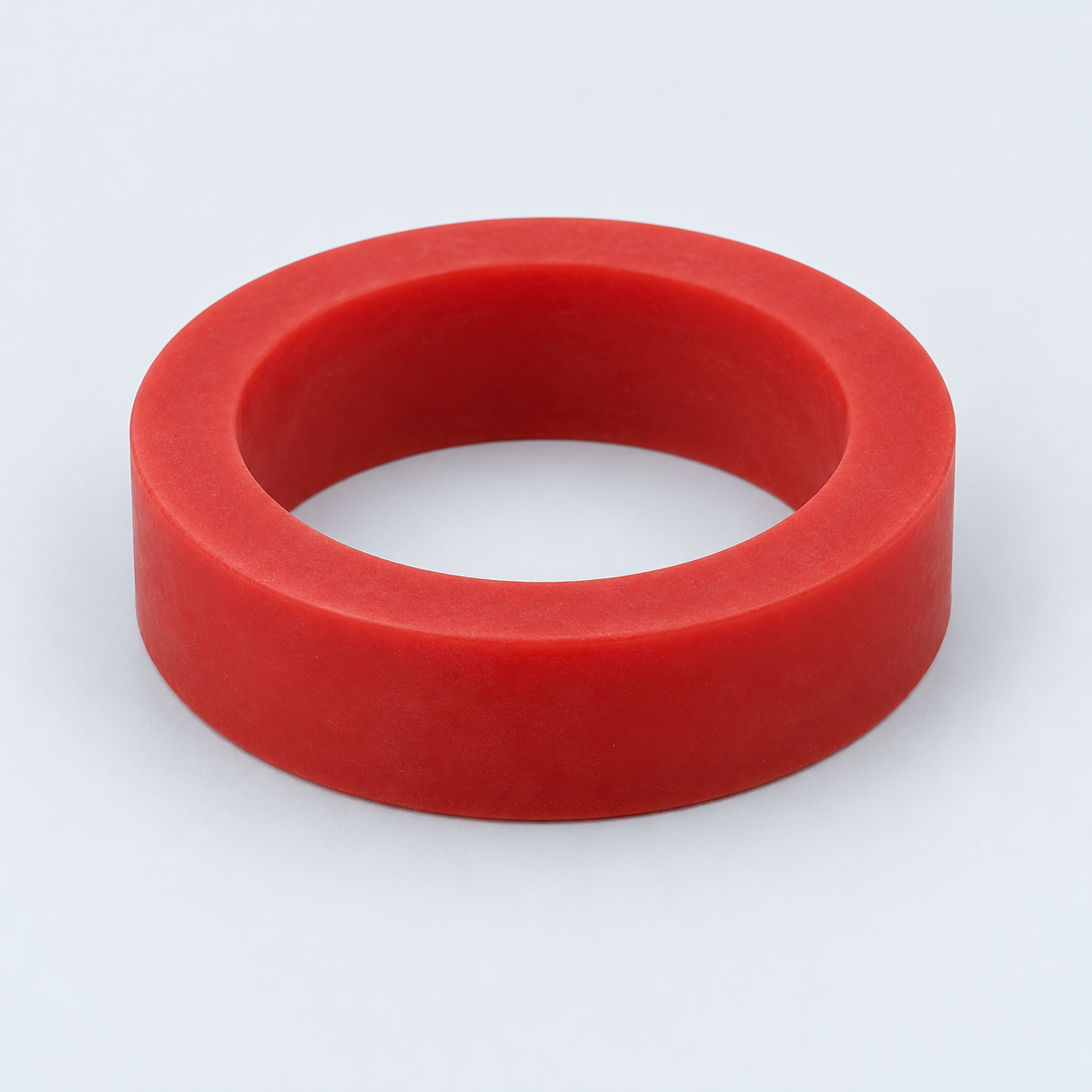 Silicone / LSRDiscuss flexible component needs›
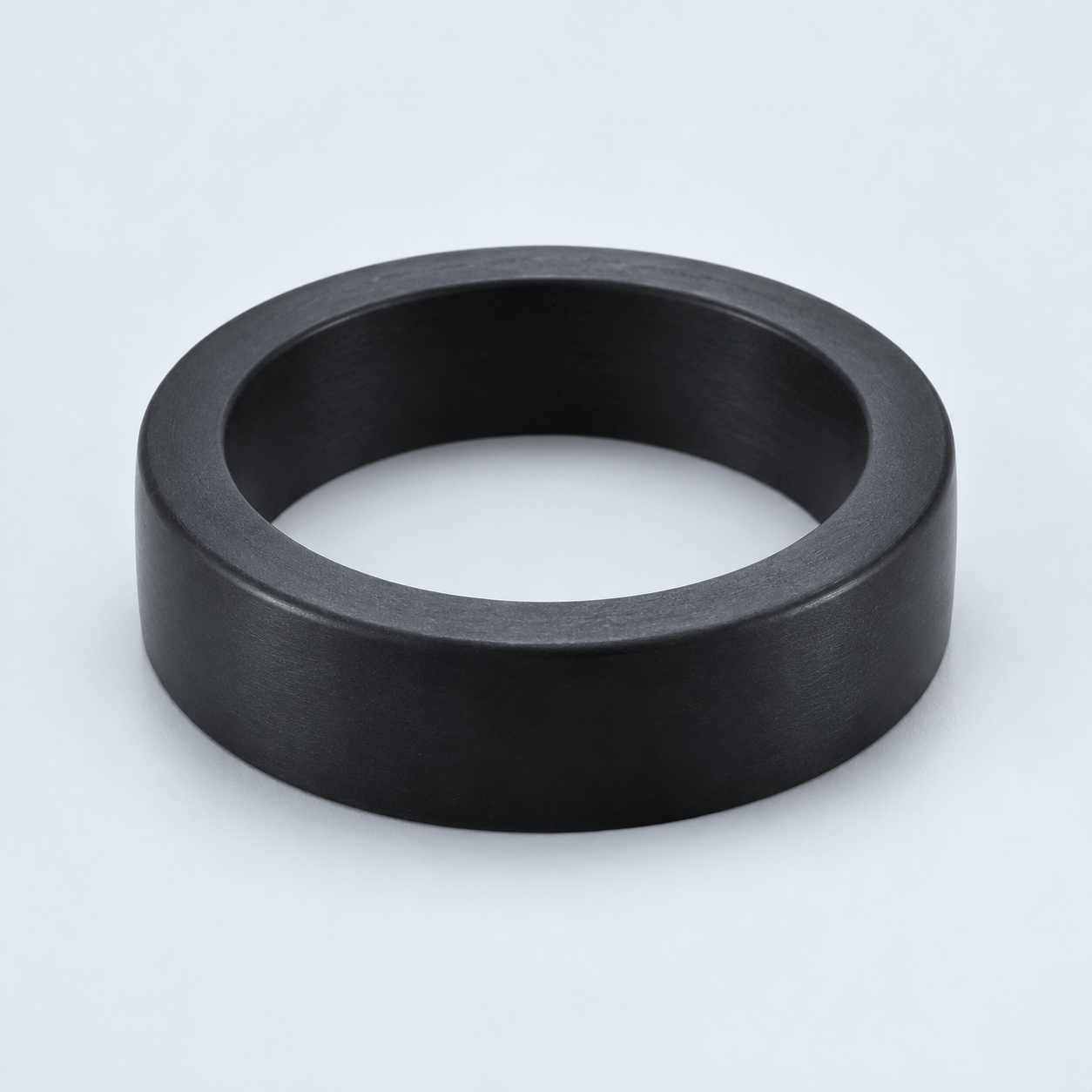 TPU / TPEReview flexibility and processing›
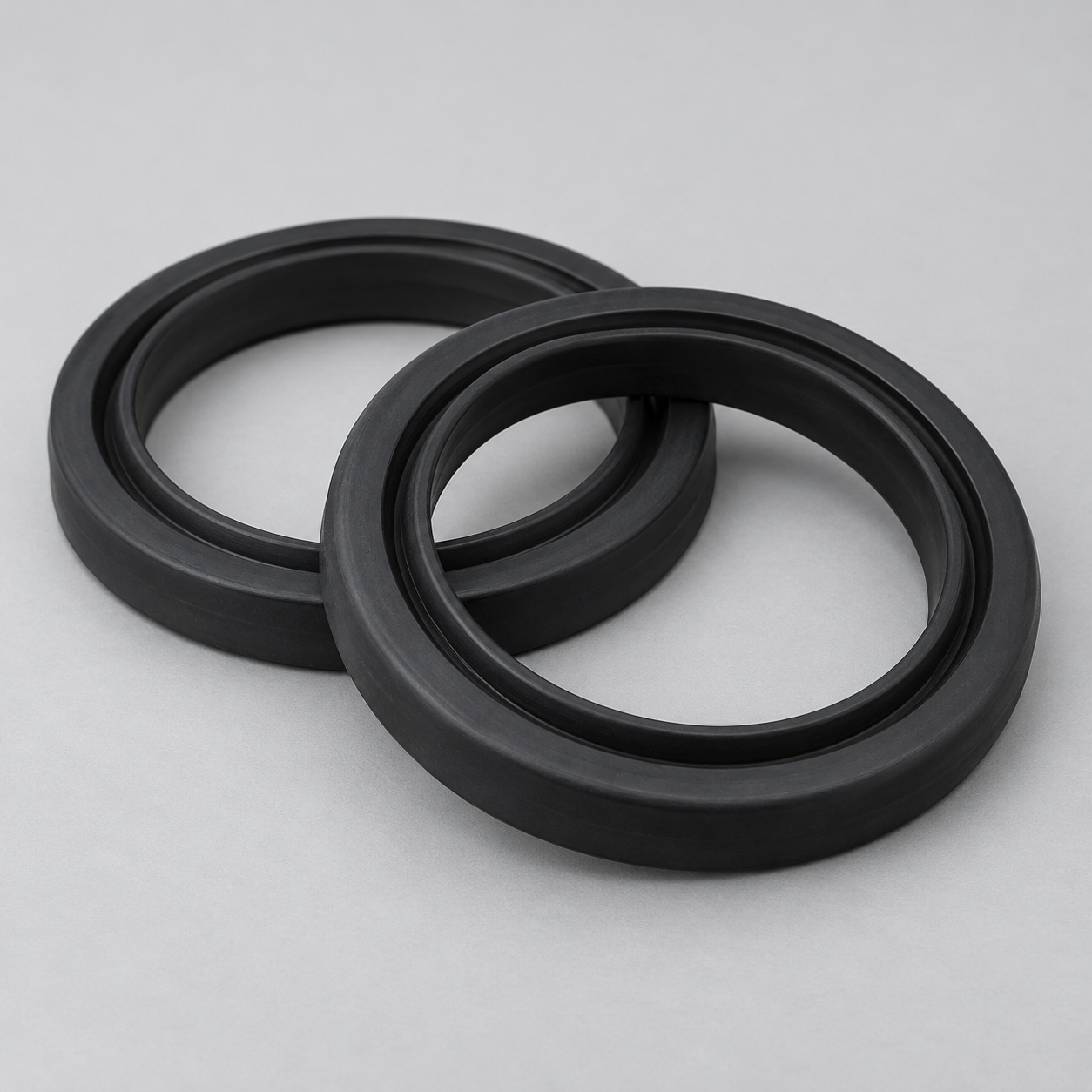 EPDMReview weathering and chemical exposure.›
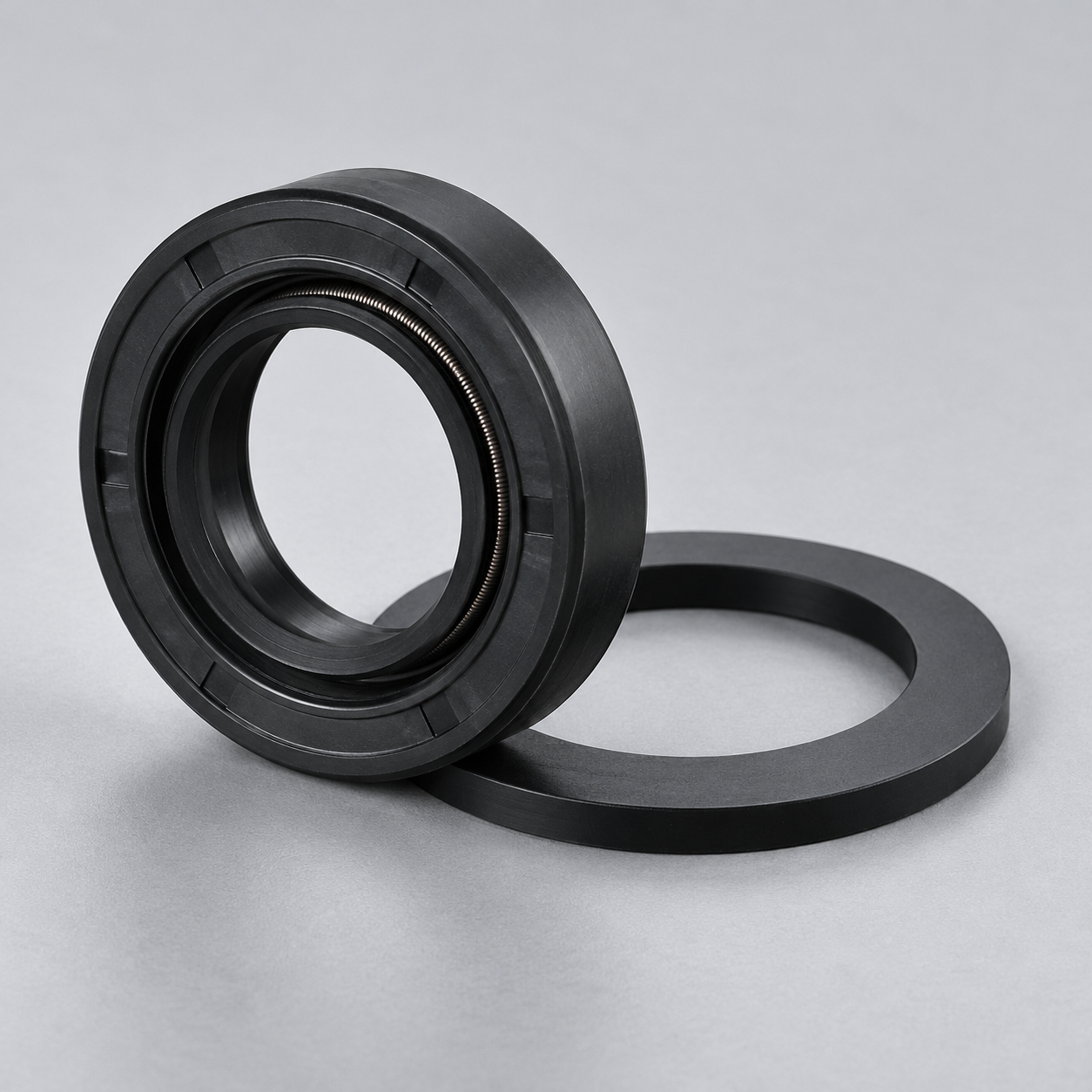 NBRReview oil and fuel exposure.›
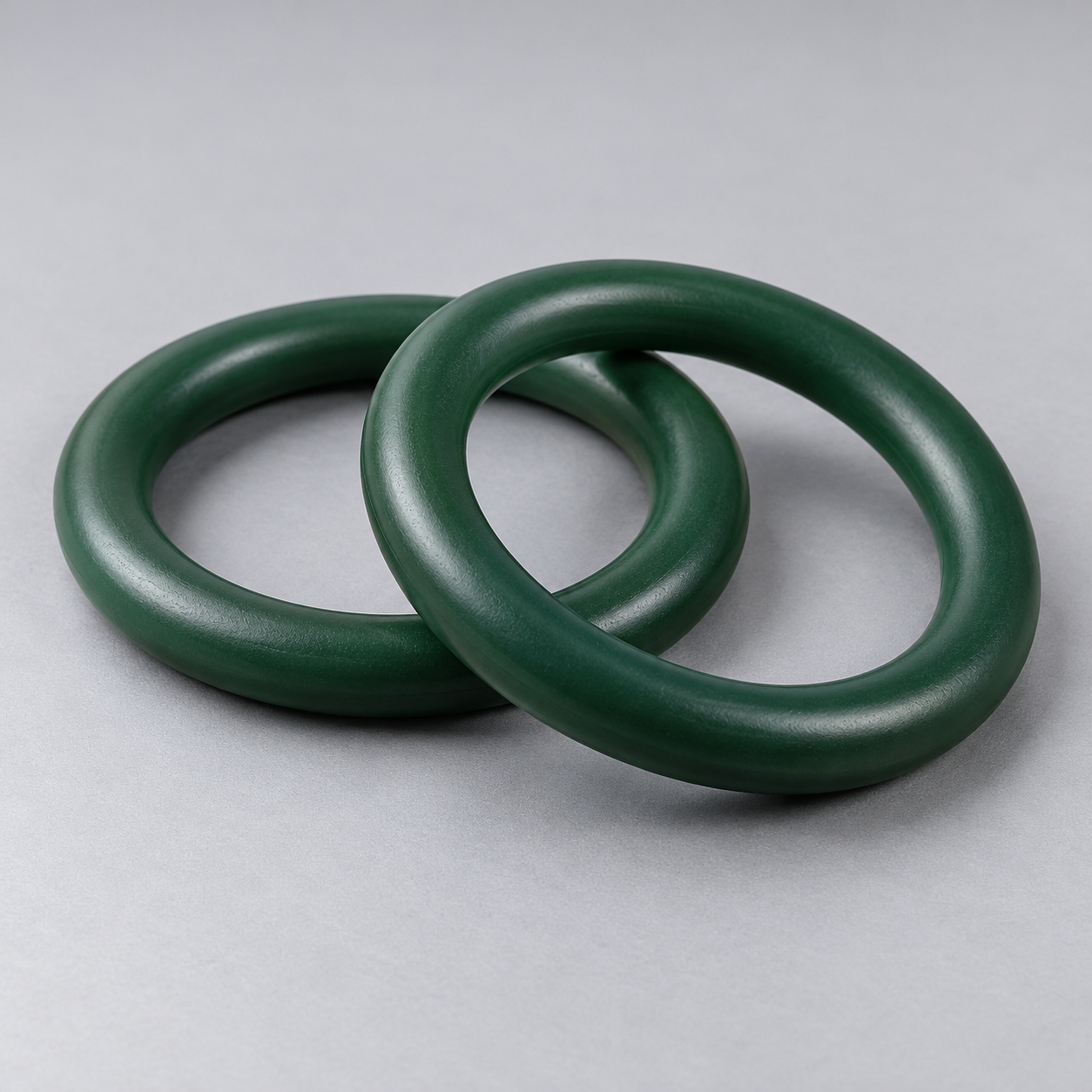 FKMReview temperature and chemical exposure.›
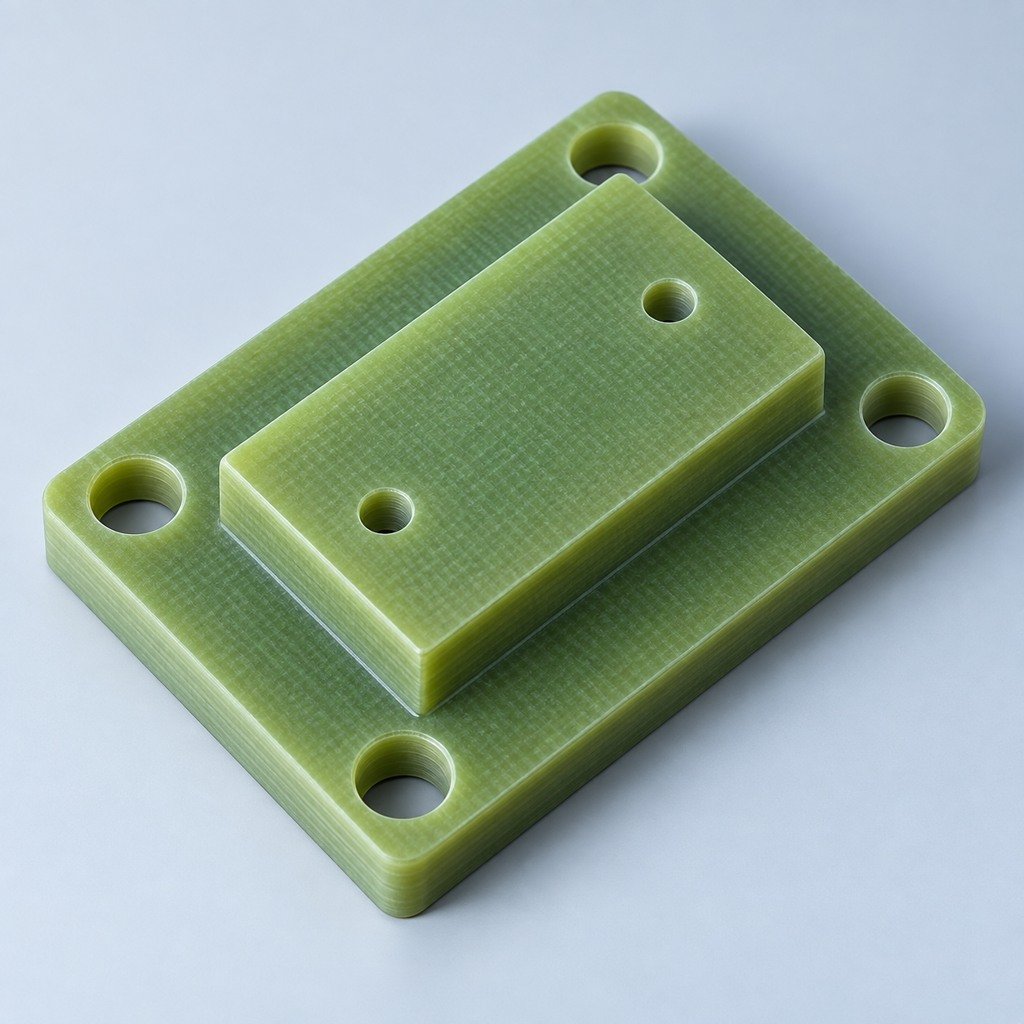 G10 / FR4Review insulation and laminate needs›
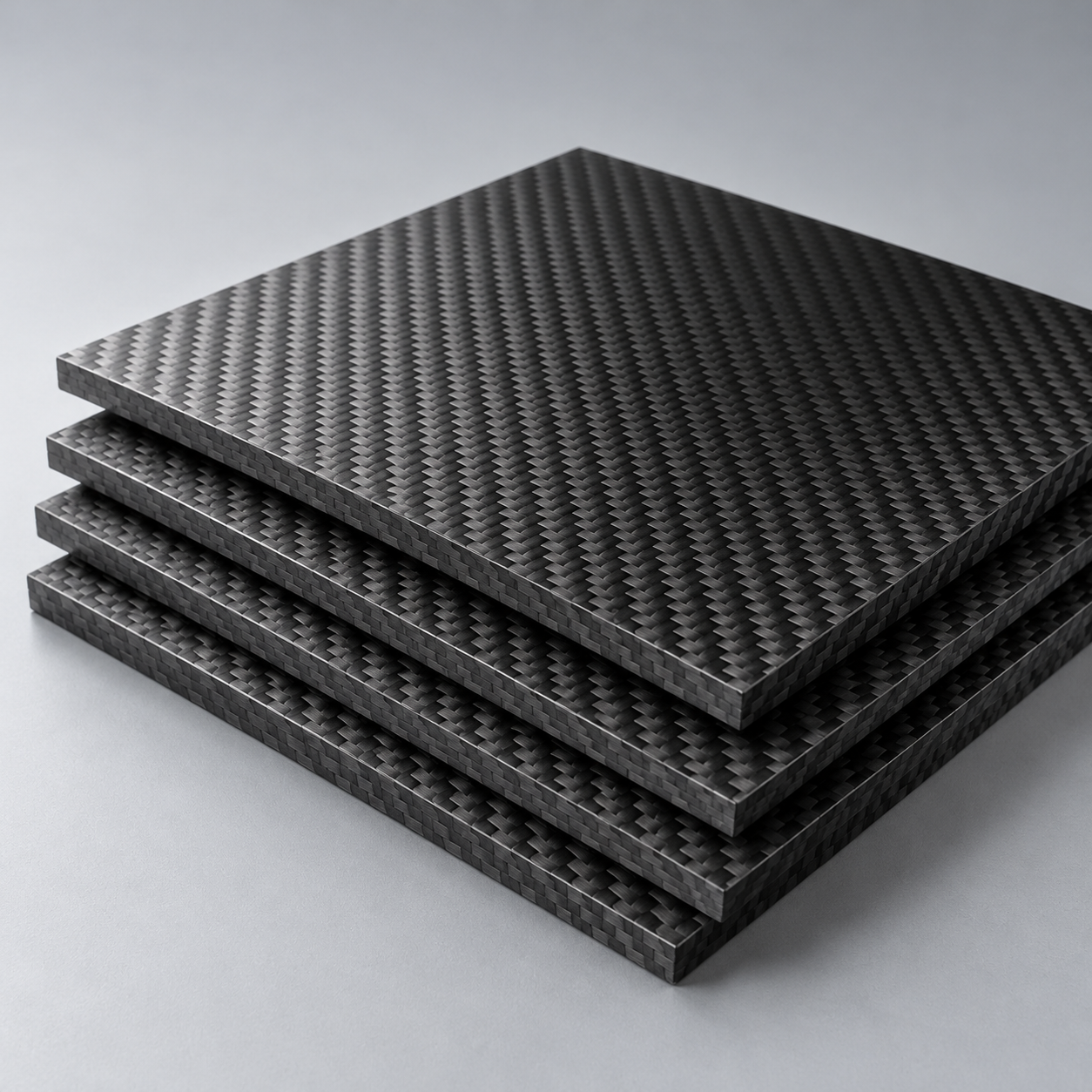 CompositesReview stiffness, weight and laminate.›Customer-Specified MaterialsConfirm your grade and requirements.›Other Specialty MaterialsDiscuss your application and grade.›
Practical guidance for your part geometry and material decisions.
Prepare your process, budget and sourcing questions.
Build your knowledge before production.
Learn who we are and how we operate.
Find our U.S. support team or start a conversation.
RESOURCES FOR YOUR NEXT BUILD
Practical guides and planning tools for your custom parts. Review design, materials, quality and cost before your project reaches production.
Start with your challenge. Open a guide for practical checks and your next step.
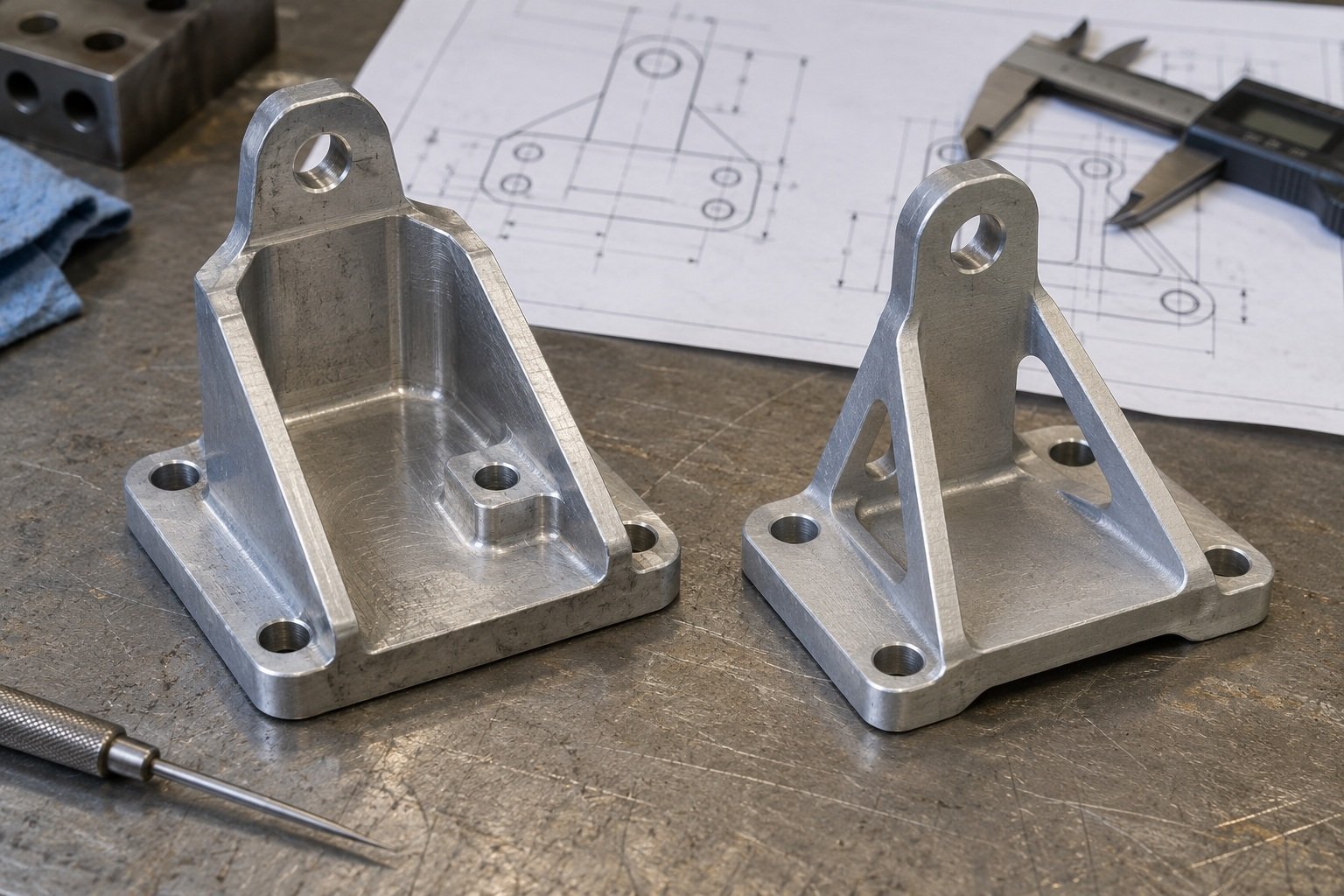
Keep critical functions. Remove avoidable manufacturing work.
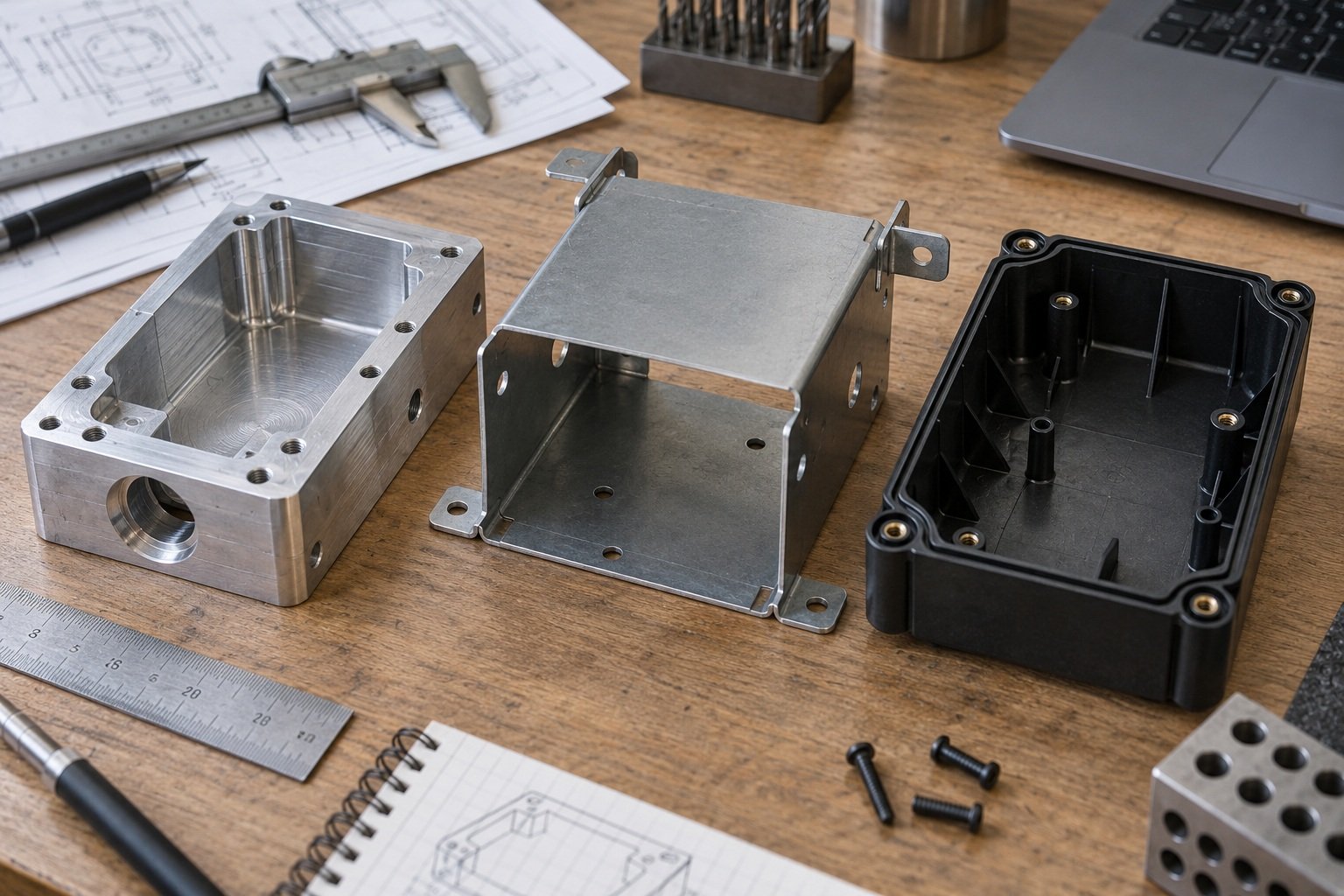
Compare geometry, volume and tooling before you commit.
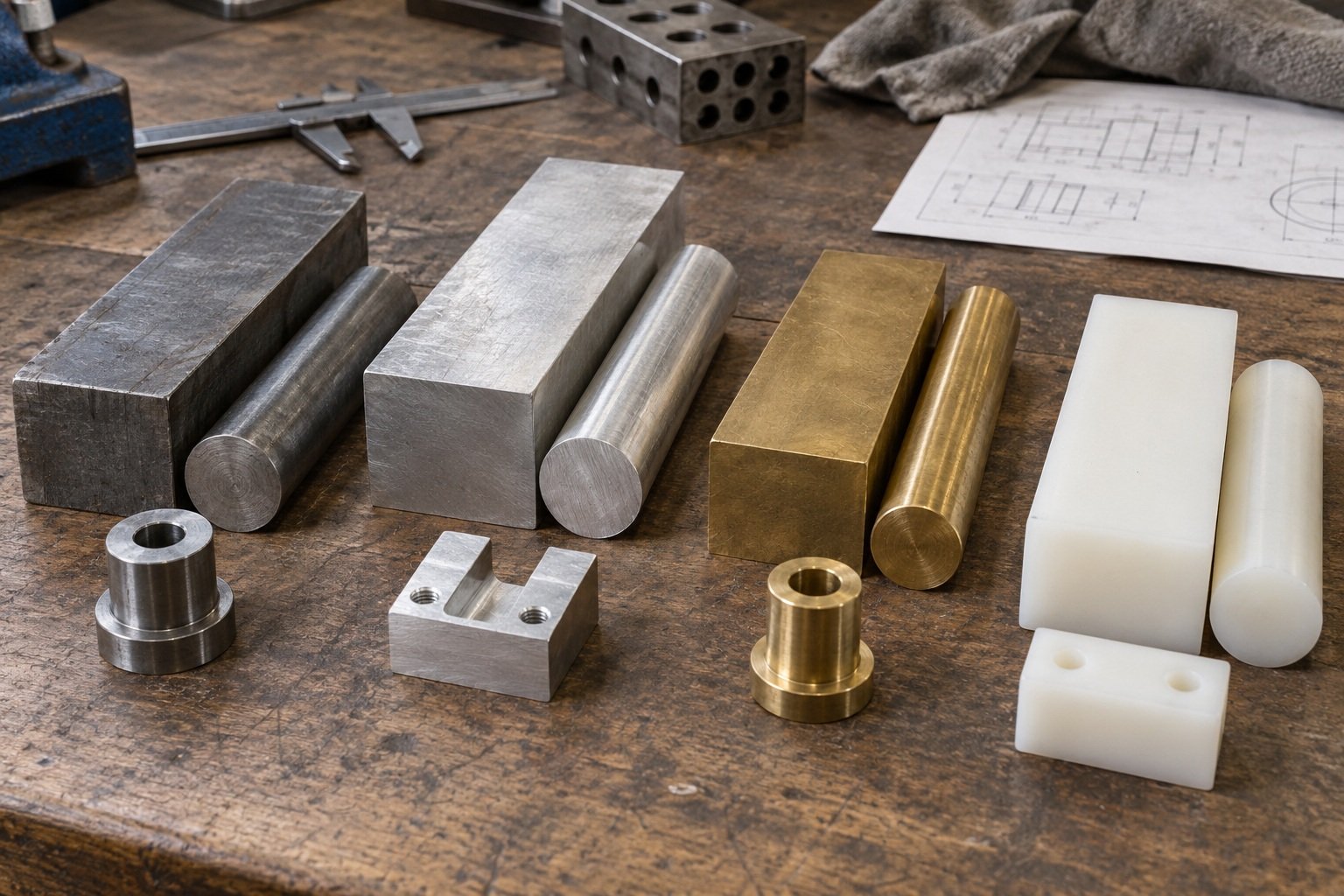
Match your environment and function, then confirm the grade.
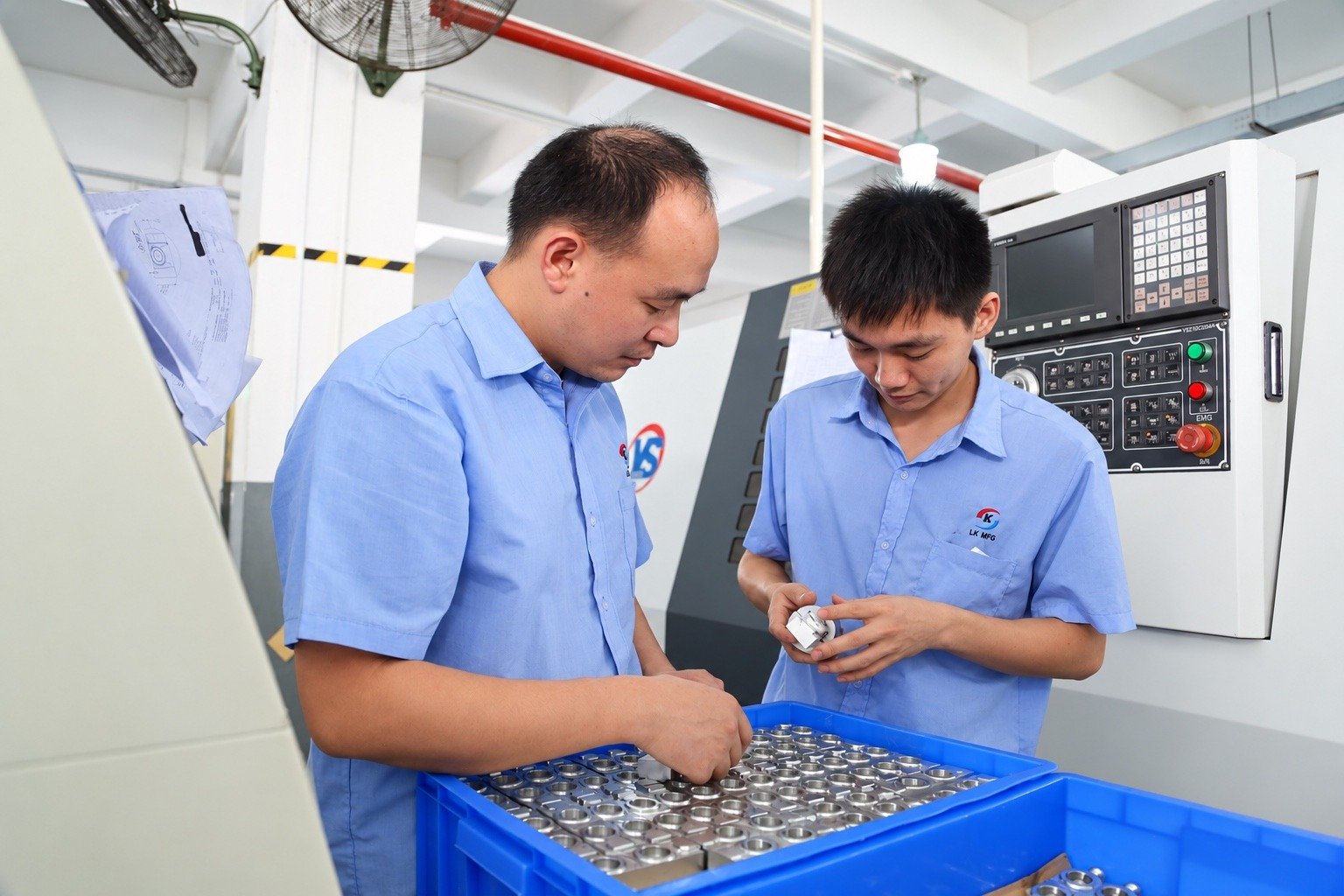
Use DFM to resolve access, walls and assembly interfaces early.
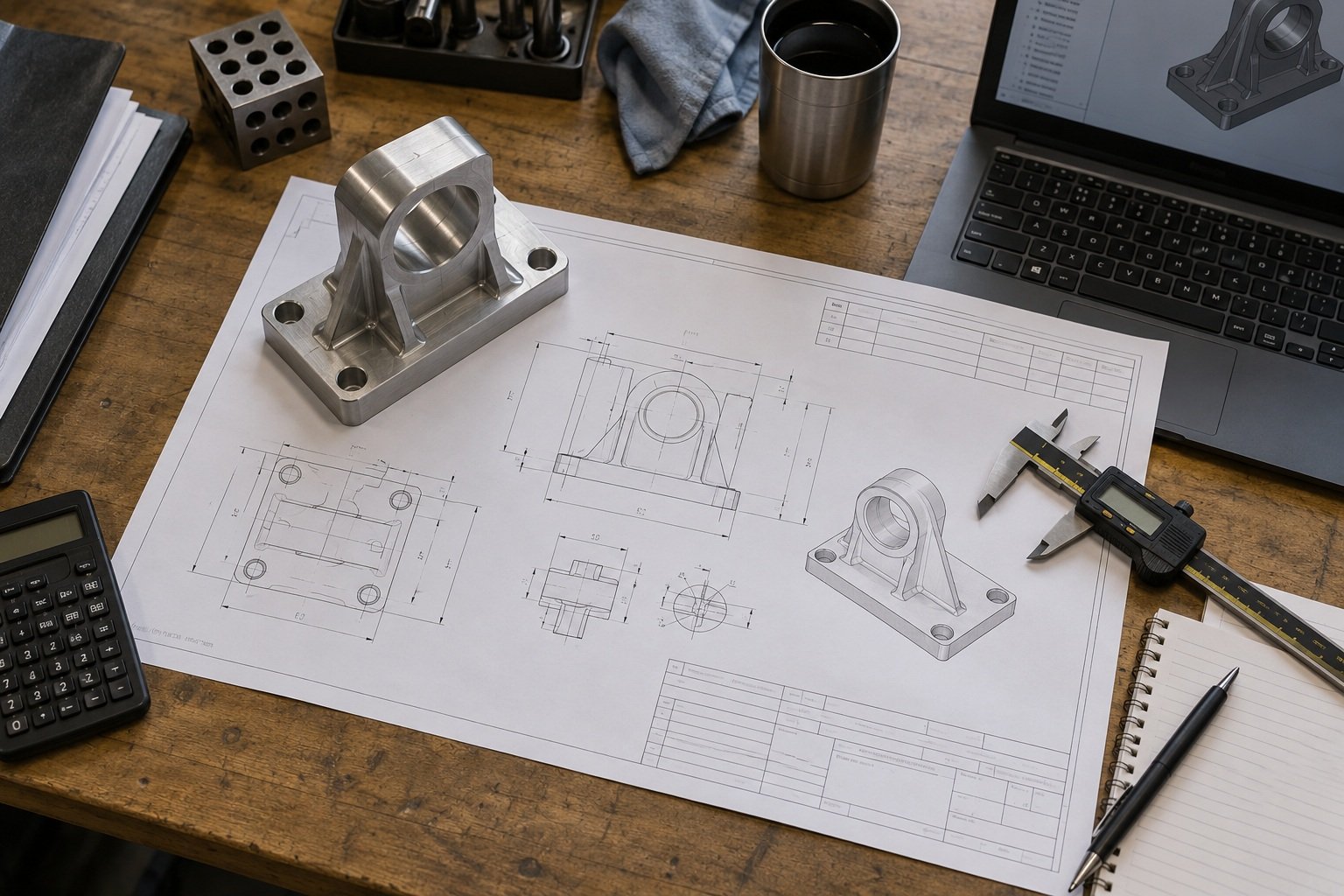
Give your supplier the details that make your quote comparable.
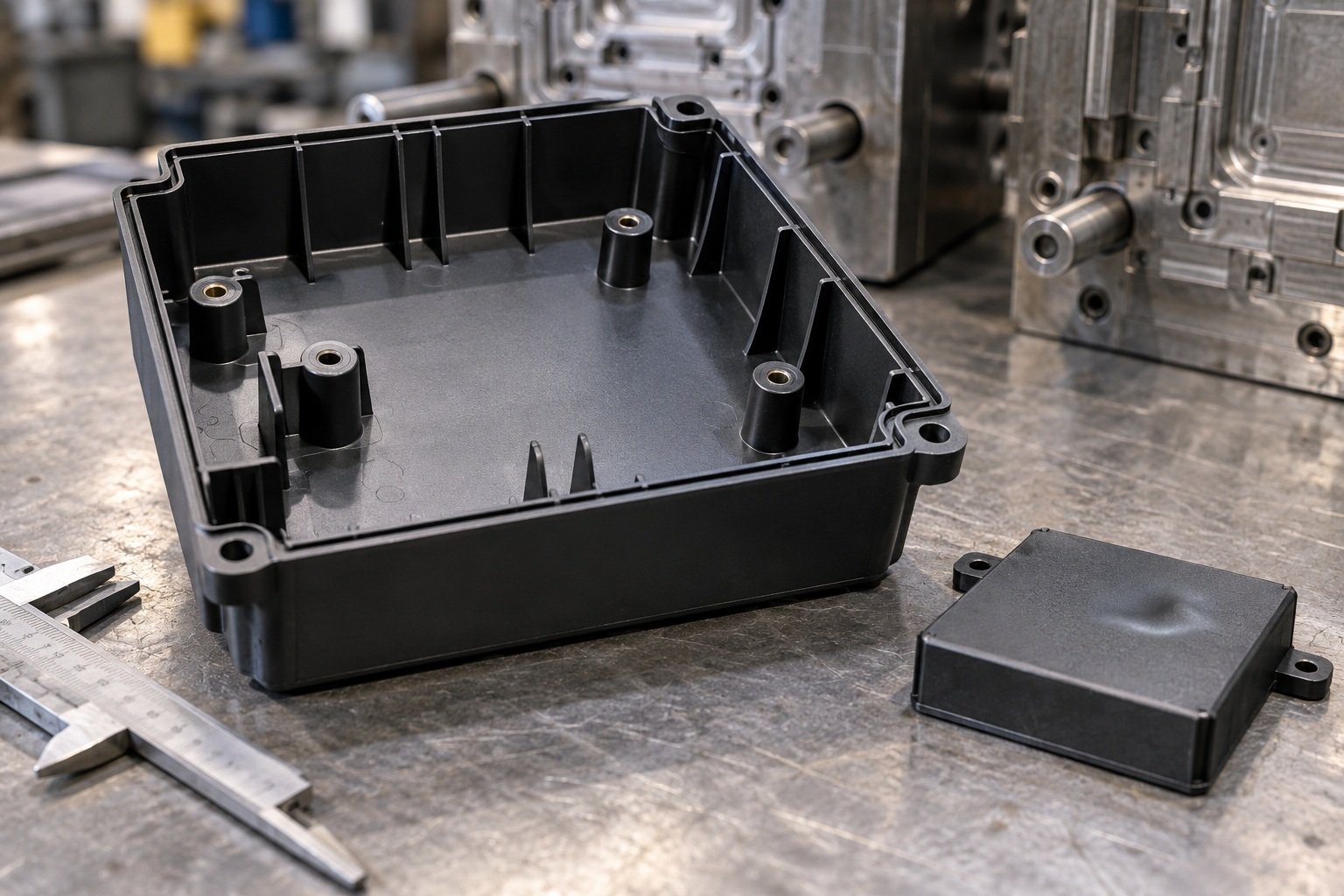
Review your wall transitions, draft and critical features.
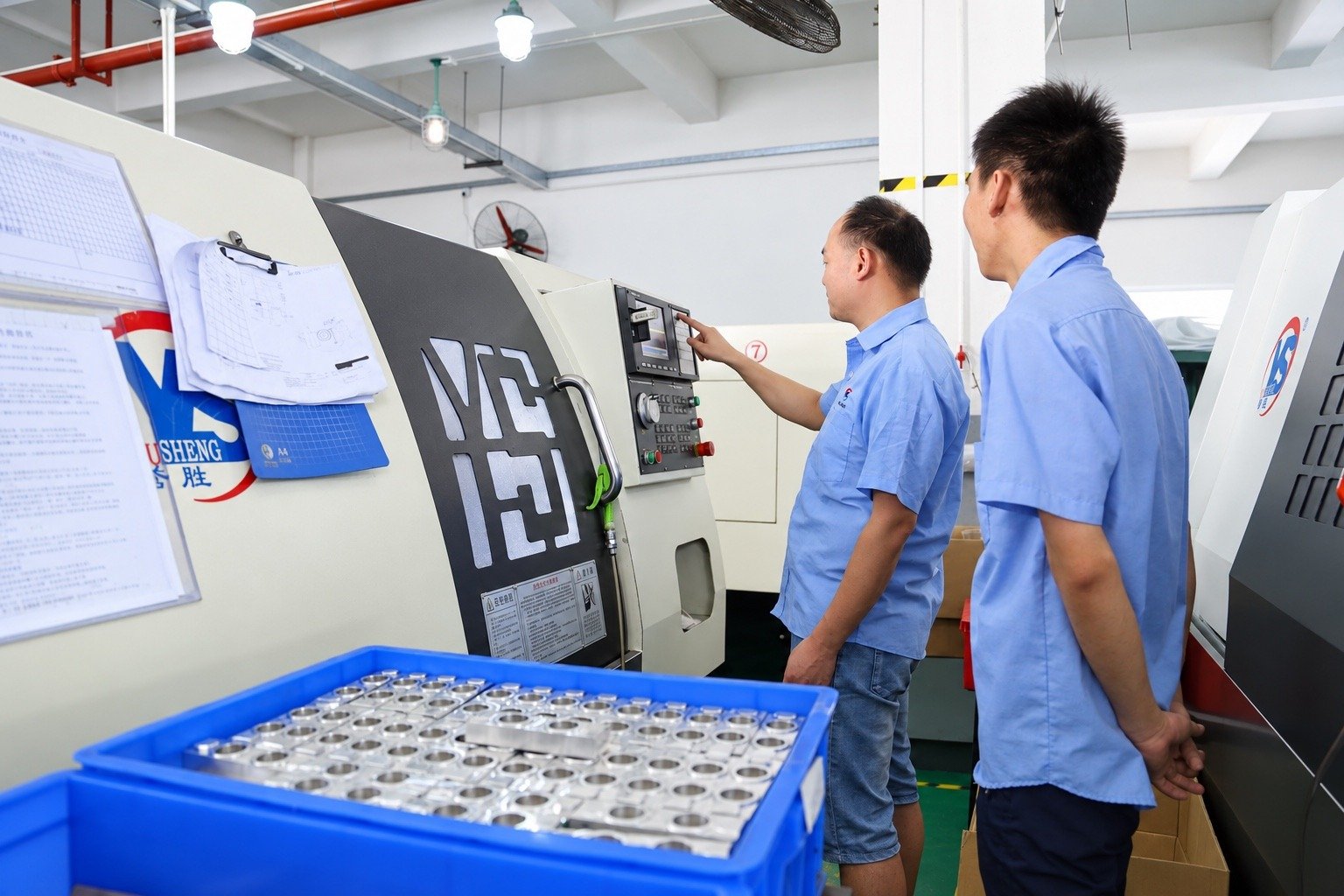
Evaluate the evidence behind your manufacturing quote.
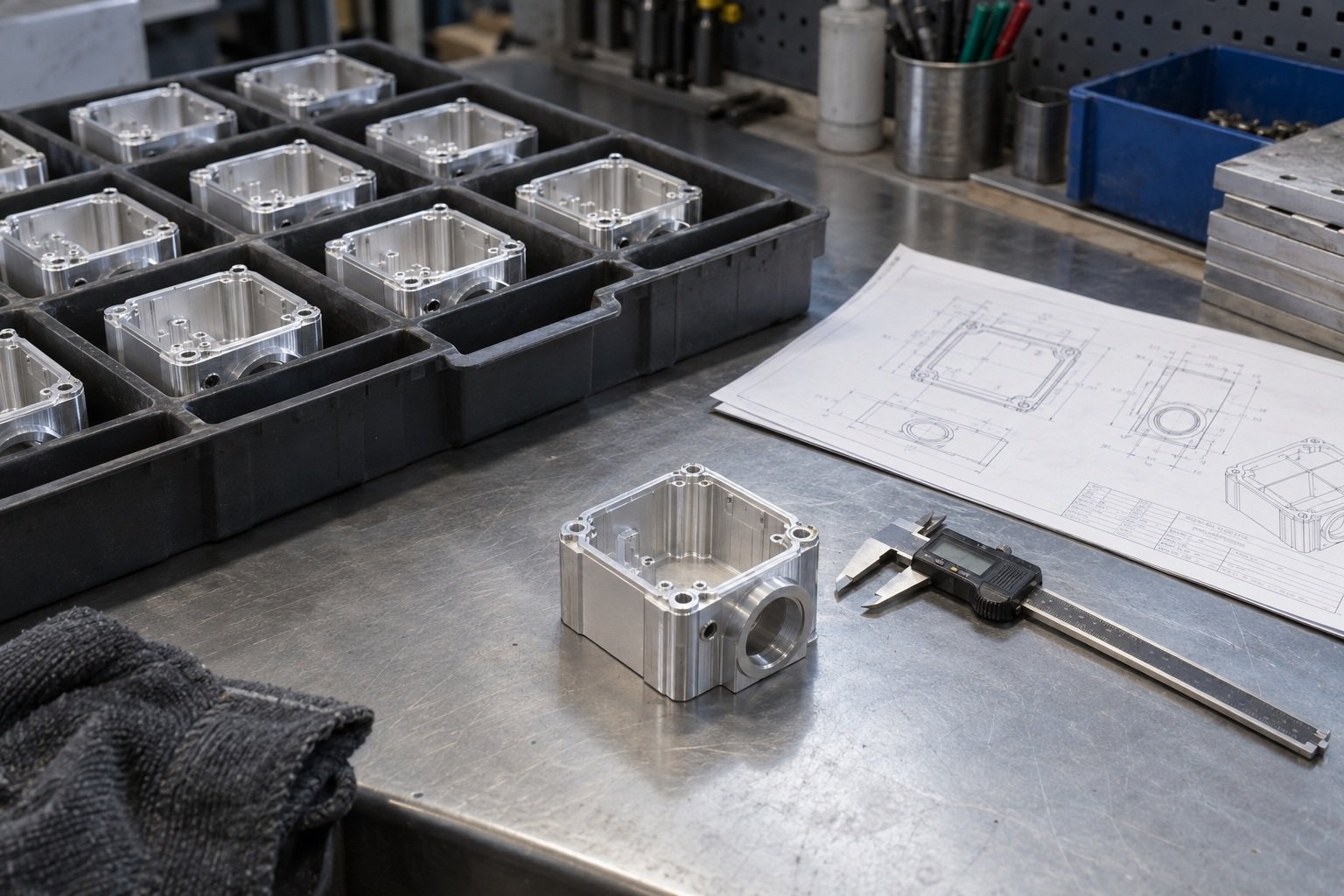
Carry approved requirements into your next order.
Useful starting points for your design review and manufacturing quote.
Open a practical planning checklist. Your reviewed quote confirms what applies to your part.
Compare capabilities, design considerations and the route for your custom parts.
Practical decisions for your design, quotation and production planning.
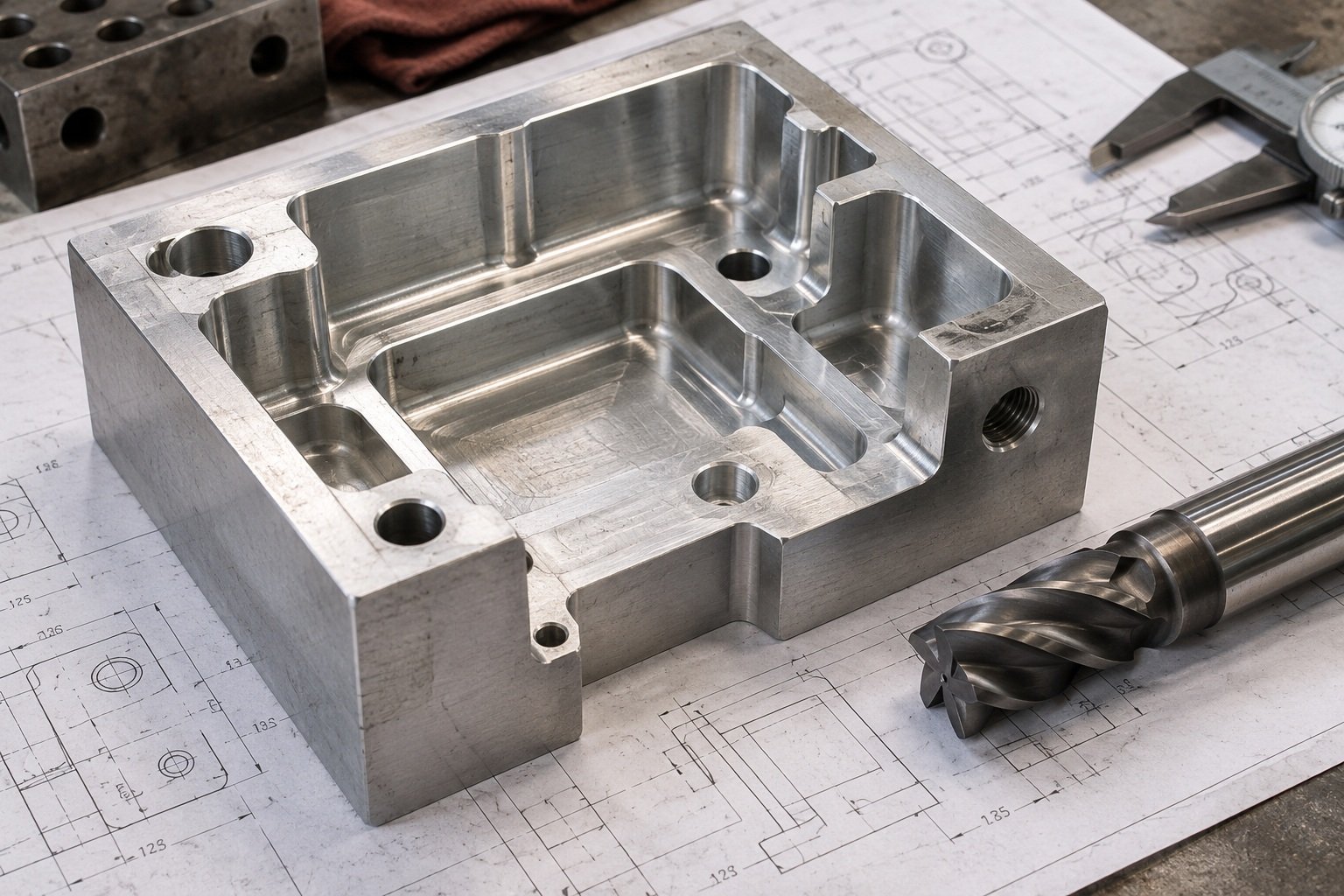
Your best design keeps the function you need while making production and inspection practical.
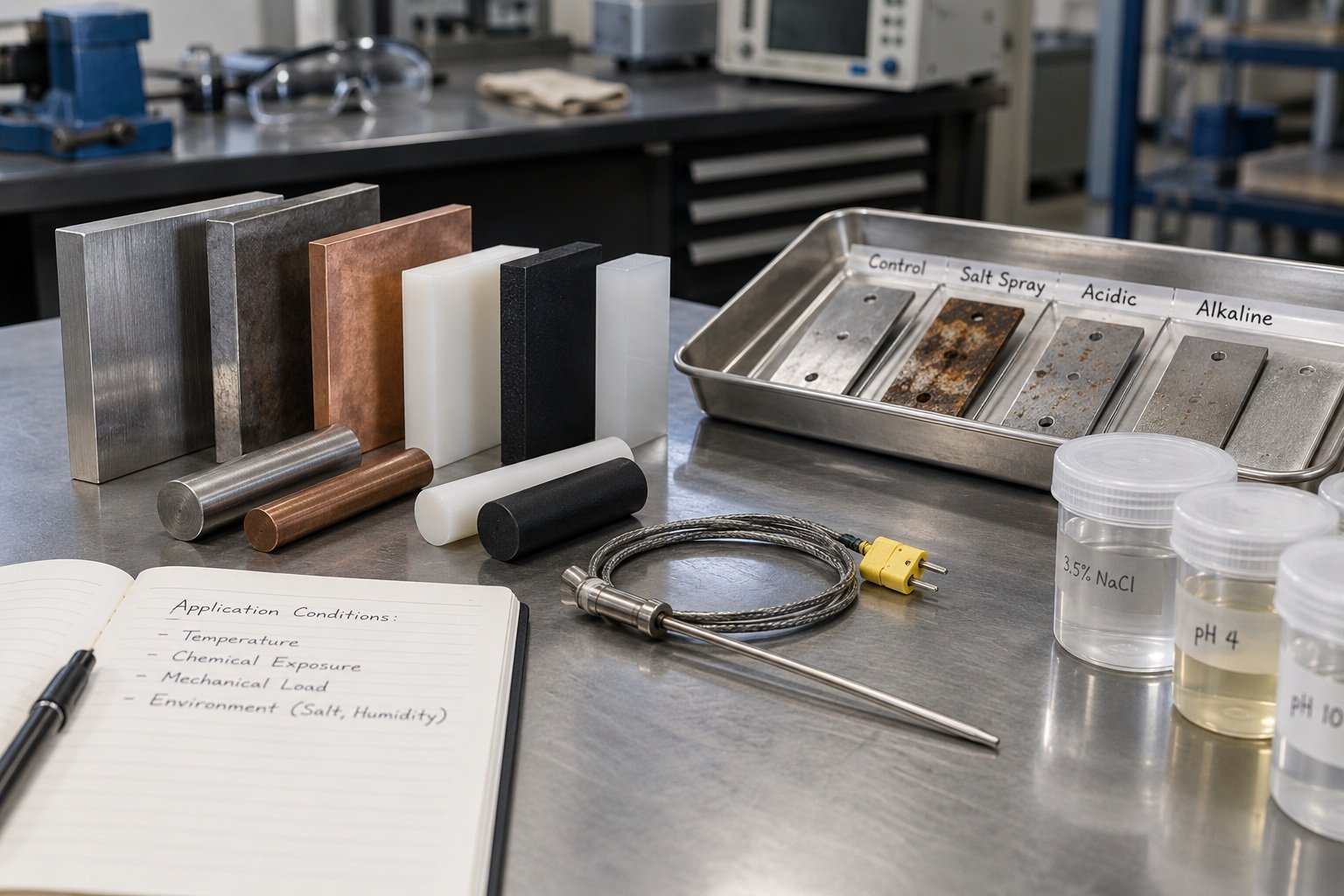
Your material decision starts with loads, corrosion, temperature and finish requirements.
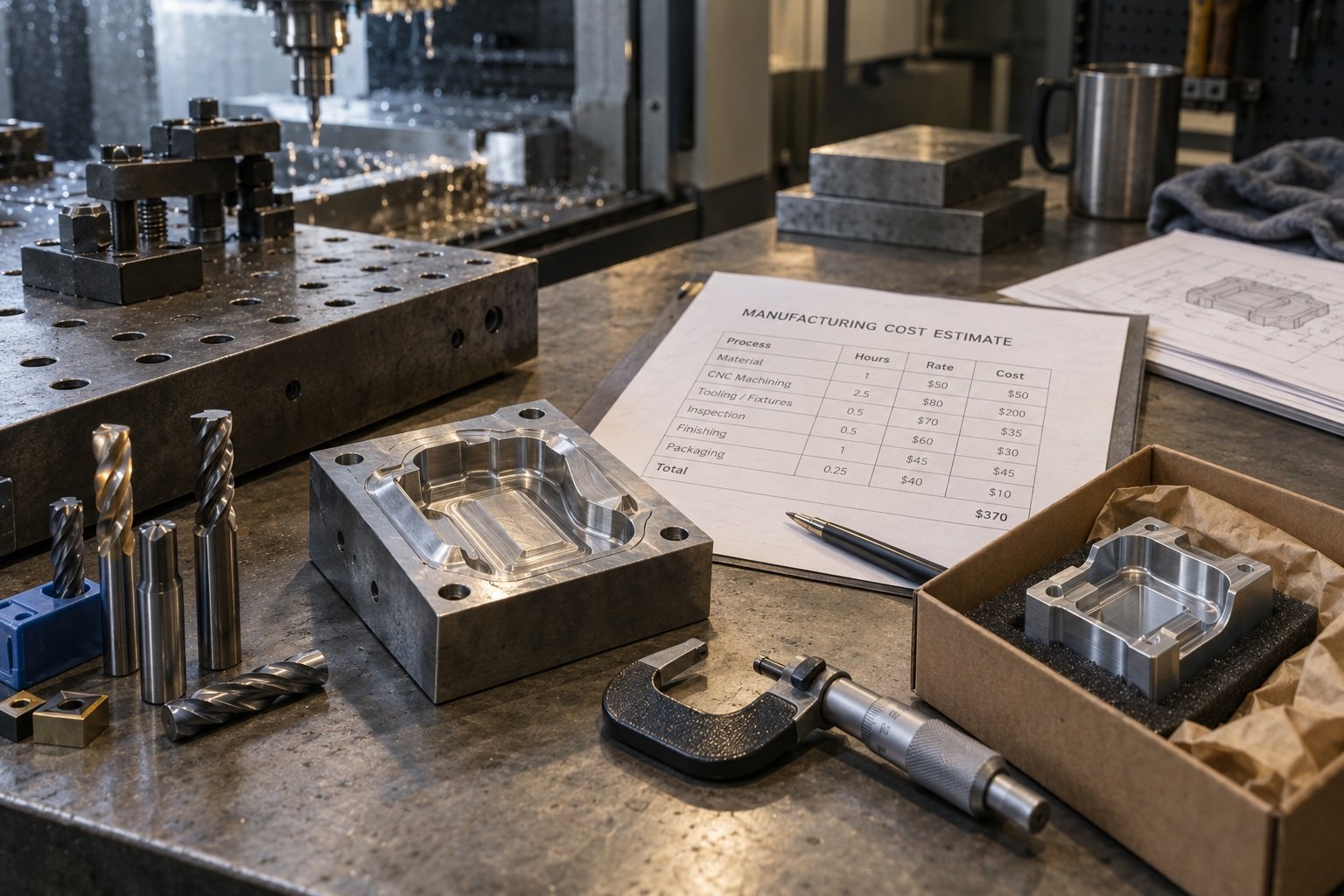
Your unit price is one part of the decision. Include tooling, inspection, secondary processes and delivery.
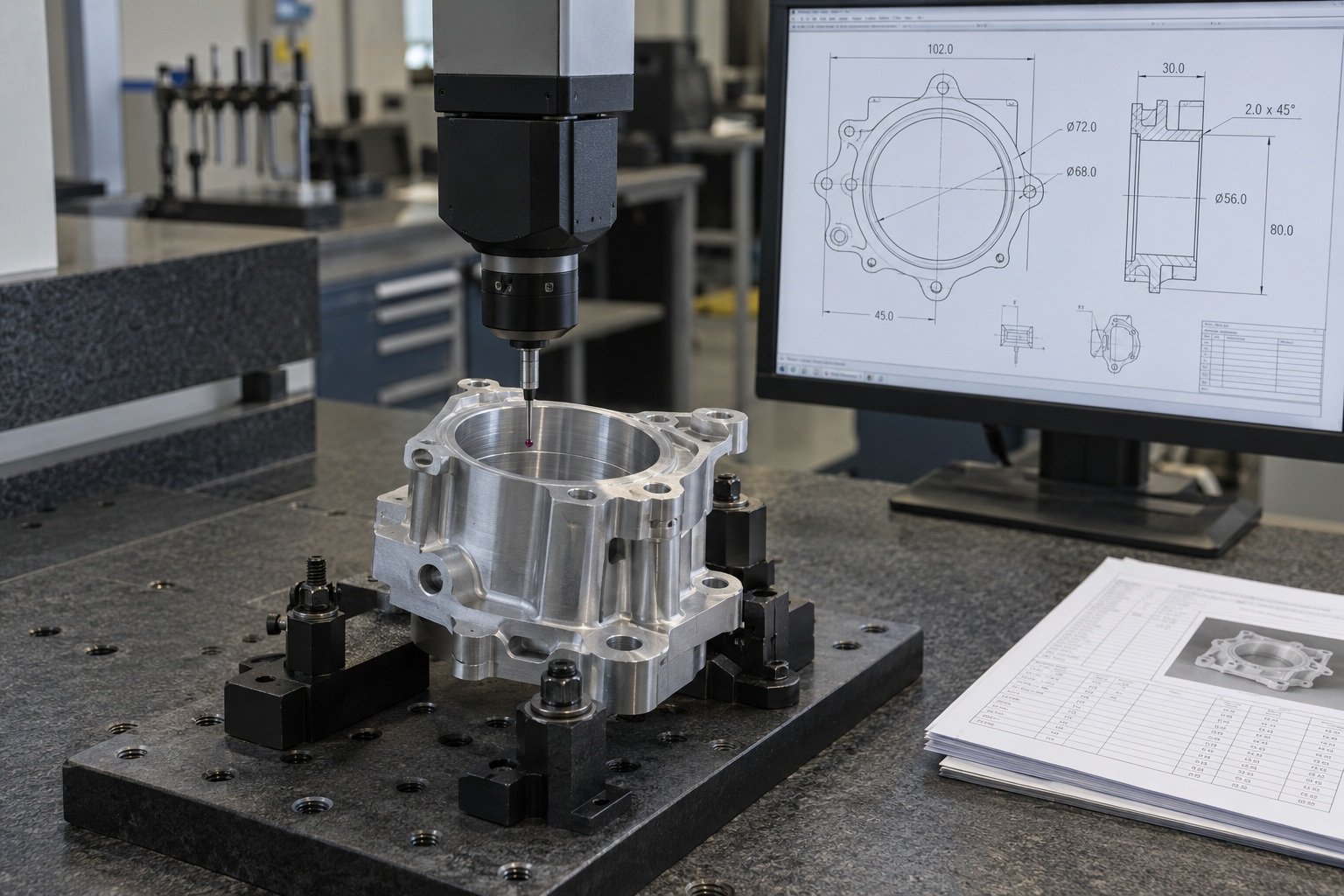
Your drawing should connect the functional requirements to your agreed inspection plan.
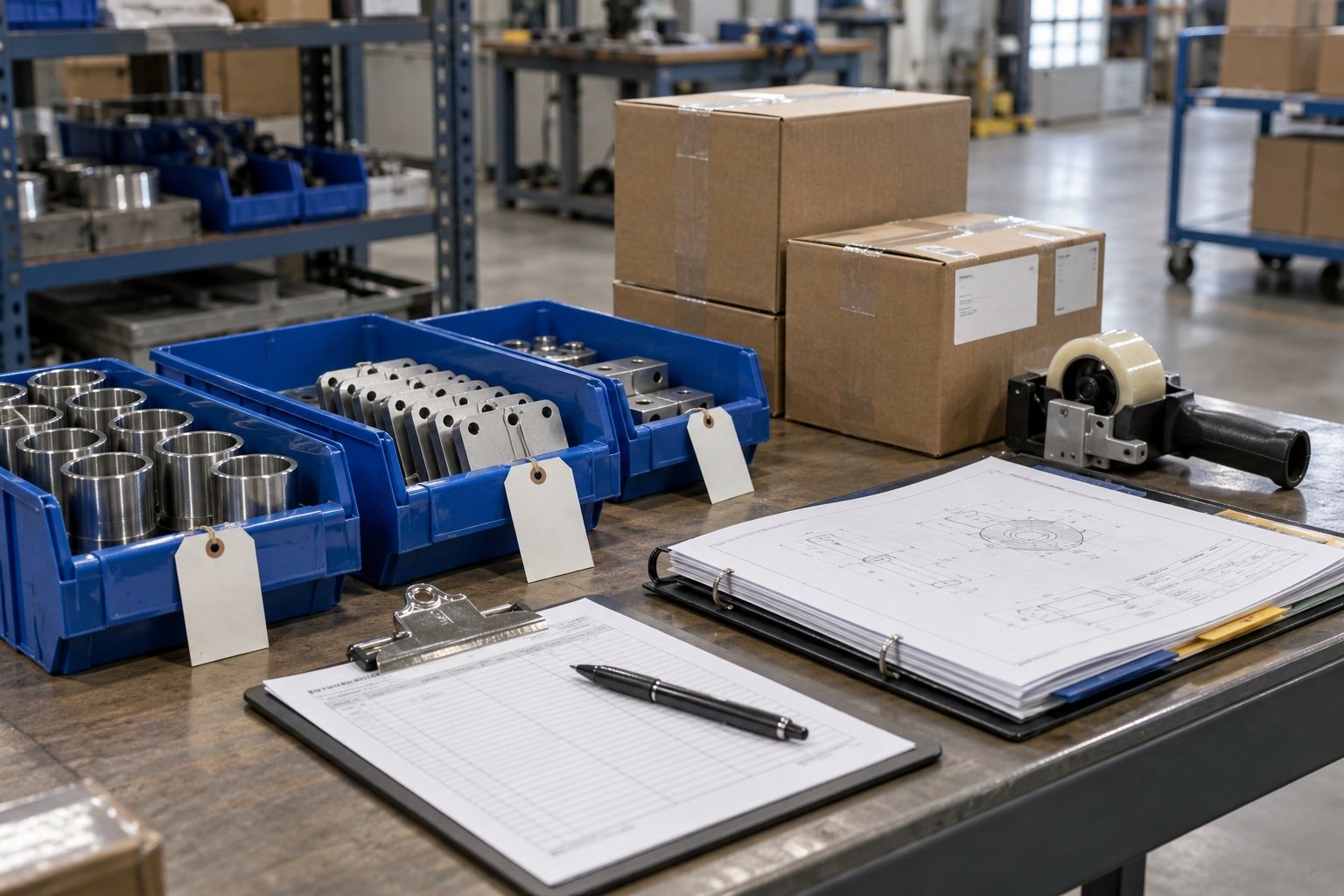
Your supplier review should include communication ownership and the records that follow your parts.
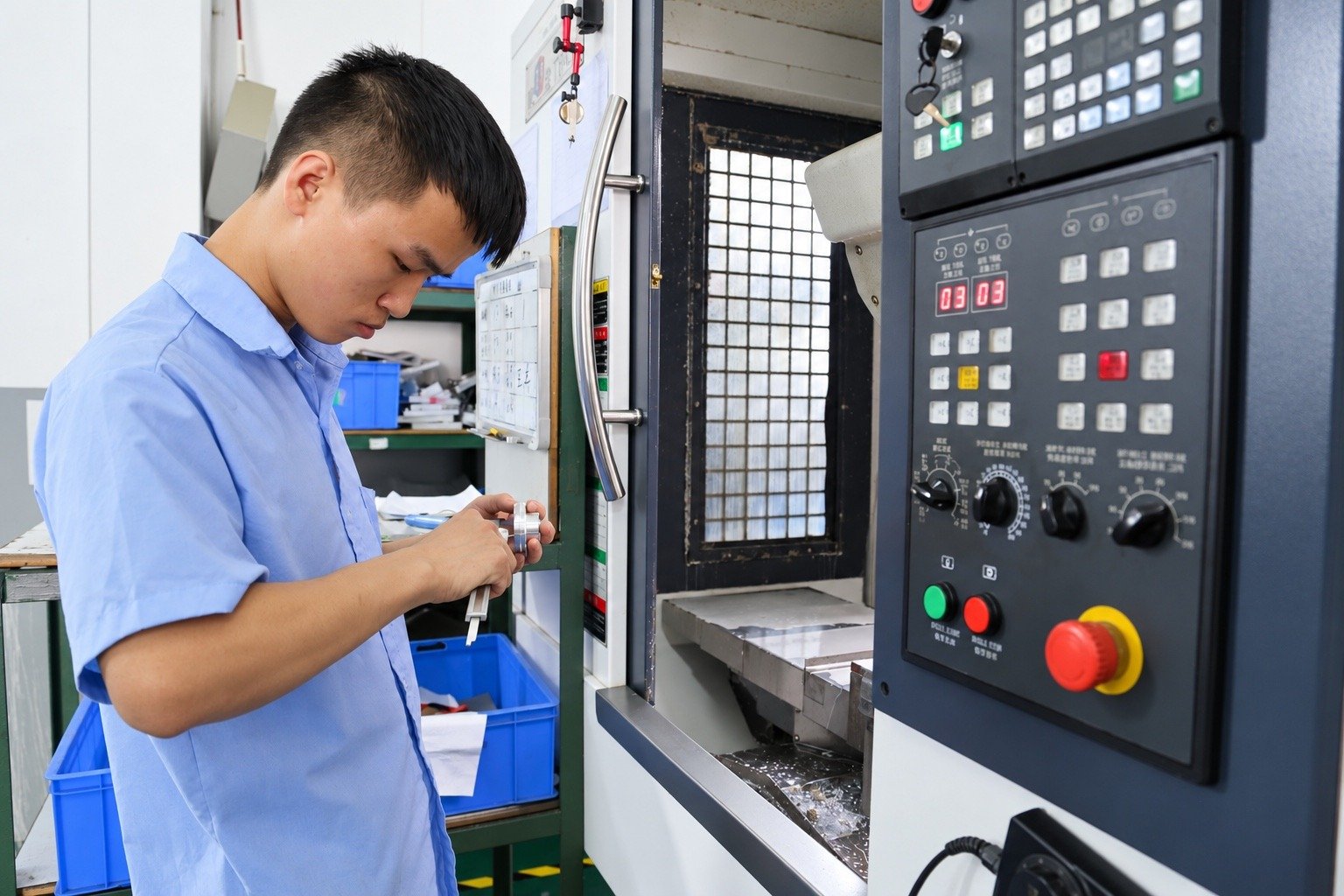
Your first article review connects the design to production expectations.
Agree your inspection and documentation requirements before your order is released.
Your next useful question at every stage of your manufacturing journey.
DFM and critical features
Process, material and scope
Build and evaluate initial parts
Confirm agreed acceptance criteria
Carry approved requirements forward
Packaging and shipment responsibilities
Use these part-feature examples to frame your requirements. They are not customer case studies or certification claims.
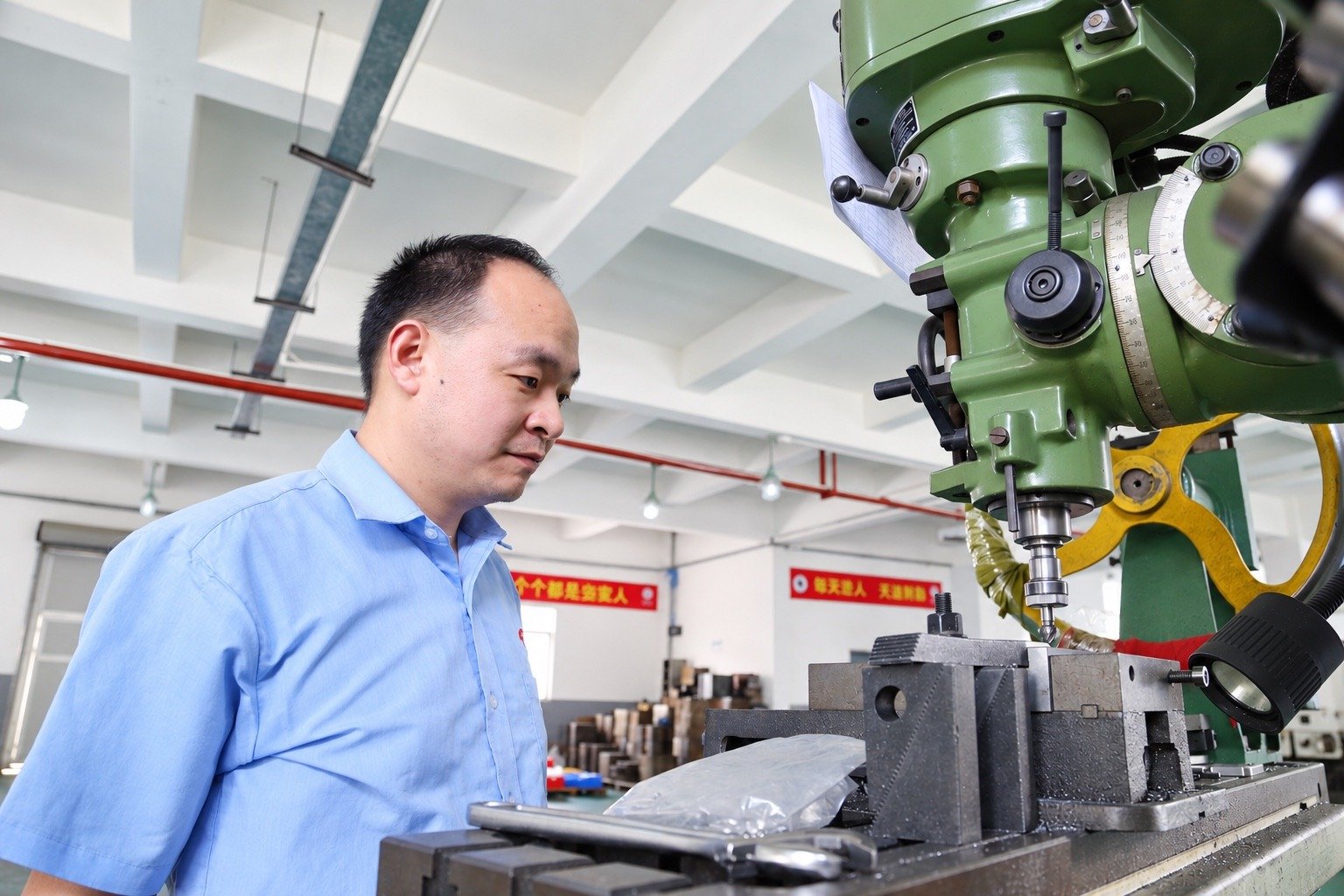
Mounting interfaces, stiffness and replaceable wear features.

Positioning datums, weight and assembly interfaces.
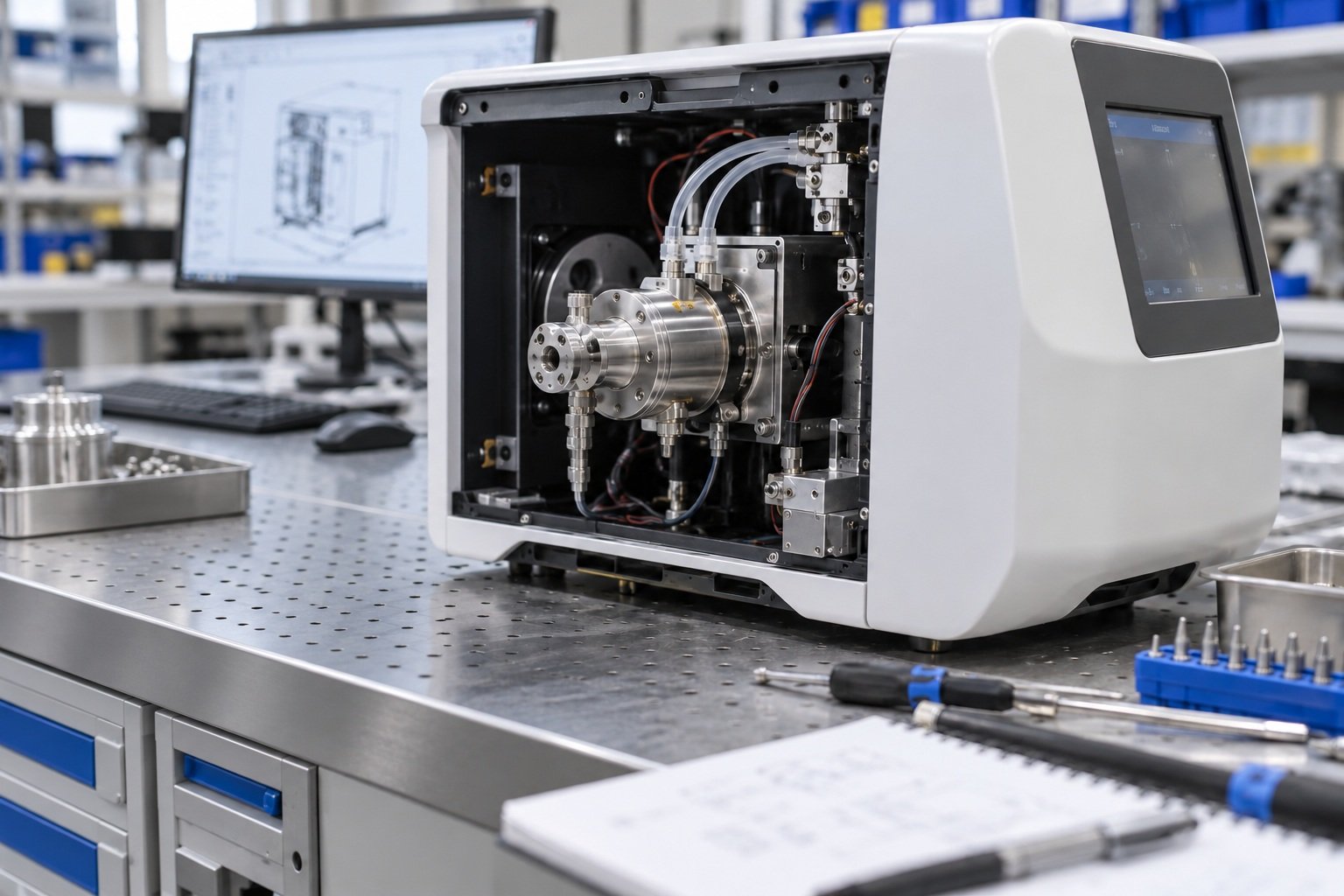
Material, cleanliness, documentation and validation requirements.

Flatness, cleanliness, finish and controlled revisions.
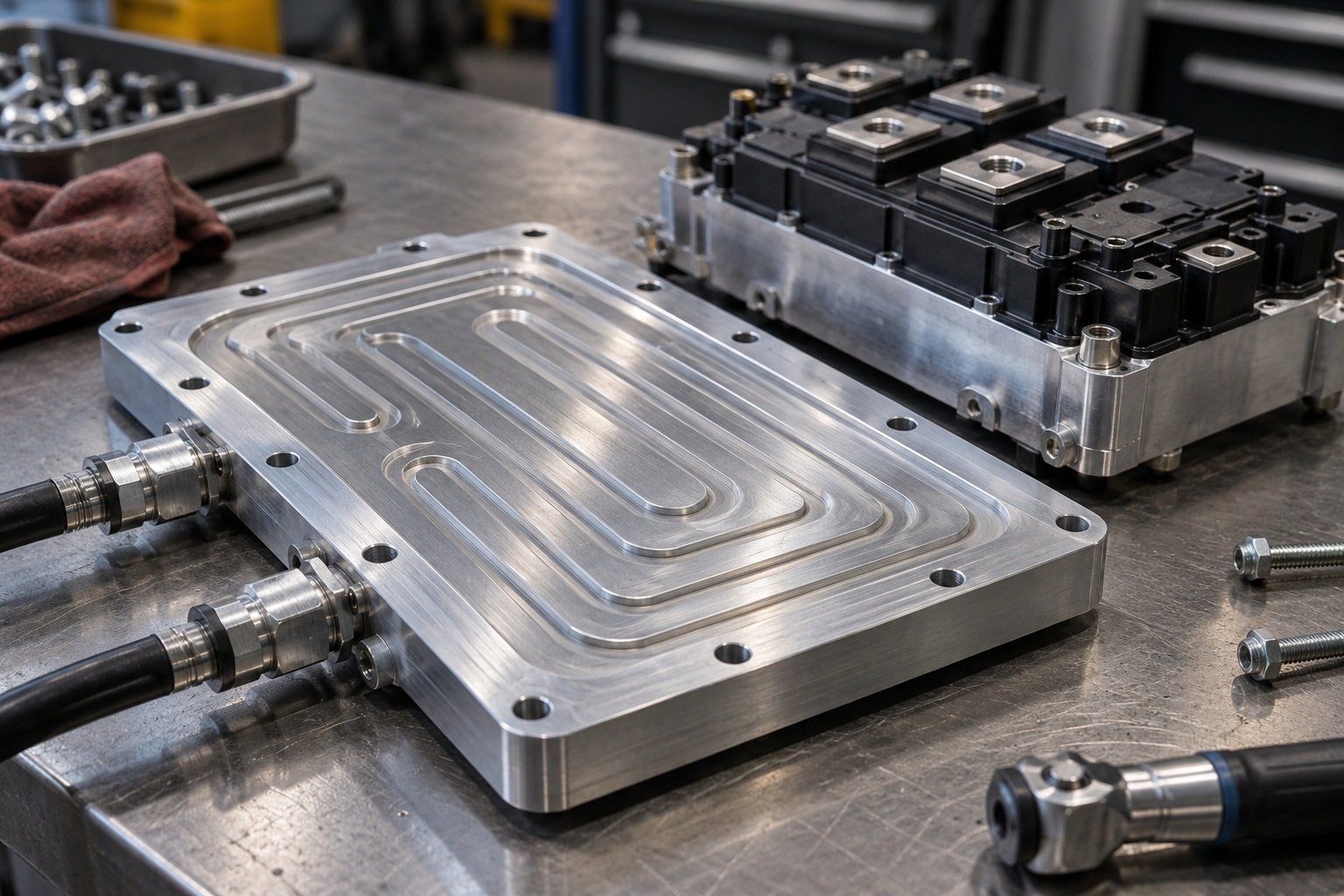
Thermal interfaces, corrosion and material condition.
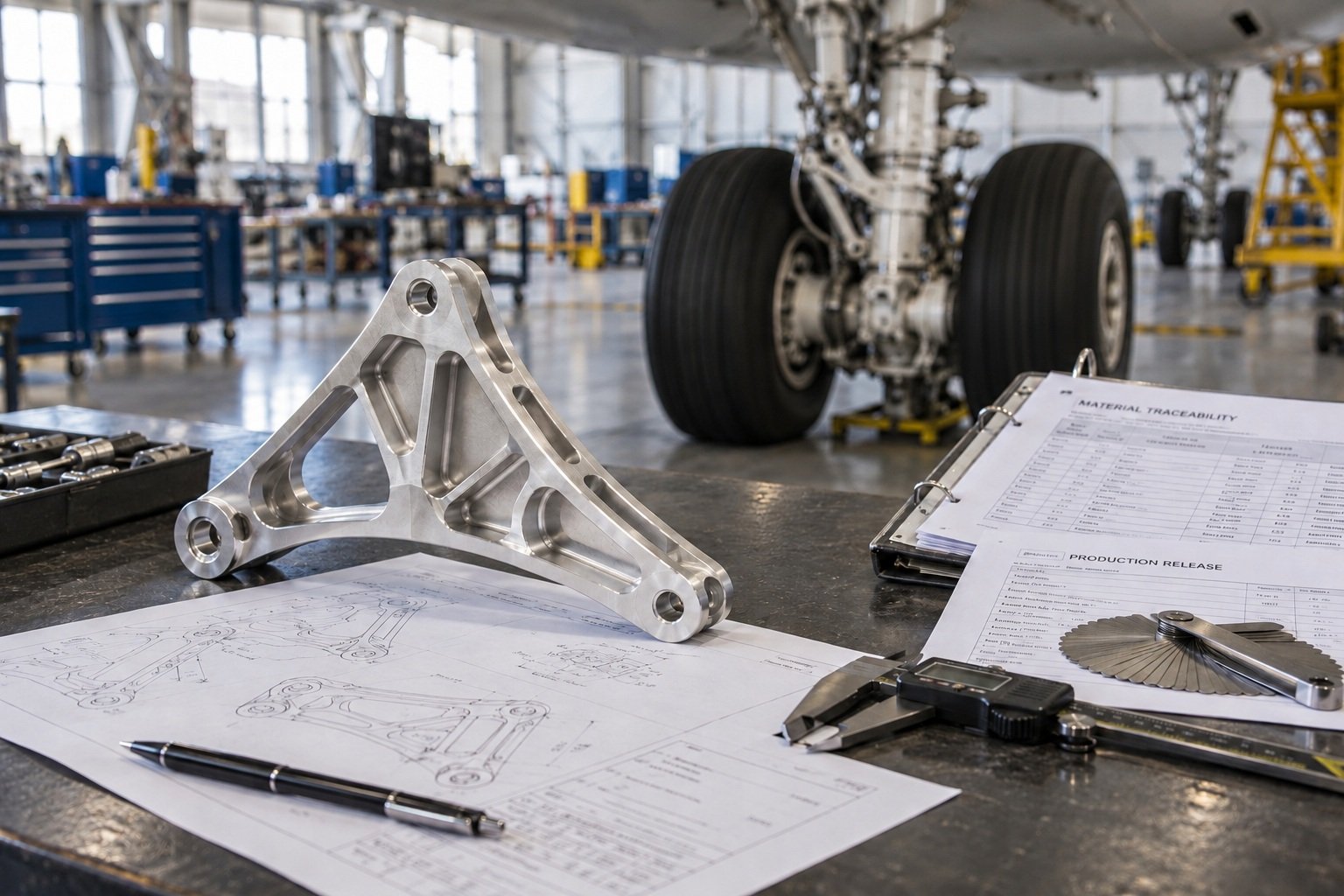
Controlled specifications, critical features and required traceability.
Practical review prompts for your next project.
Clear answers before your quotation review.
Send 3D CAD and your current controlled 2D drawing where available. The contact form lists accepted formats and upload limits.
Review your geometry, specified material, initial and repeat quantities, finish and critical features. Compare tooling, inspection and delivery scope as part of the decision.
Timing depends on geometry, material, tooling, finishing, quantity and inspection. Your reviewed quote confirms the schedule assumptions; this resource hub does not promise a universal lead time.
Share your first-build quantity and repeat demand. Discuss sample acceptance, tooling and the controlled requirements needed for repeat production.
Specify the required certificates, traceability and format before ordering. Their availability and scope should be confirmed in your quotation.
No. These resources help you prepare questions and compare options. Your controlled drawing, agreed specification and order requirements determine acceptance.