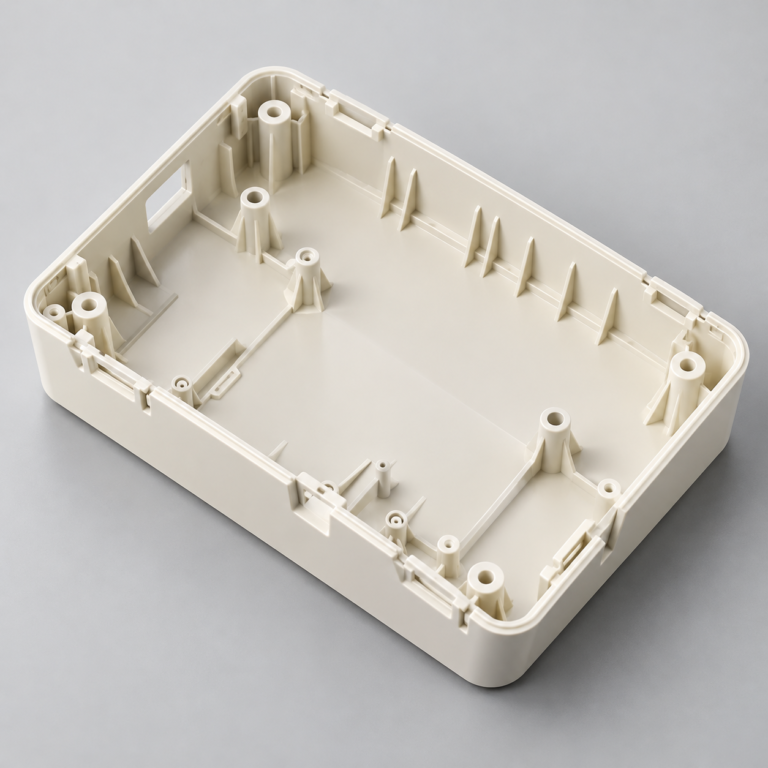
Injection Molding
Tooling and molding for your repeat plastic parts.
From prototype to production, coordinated manufacturing solutions for your custom parts.
View All Services →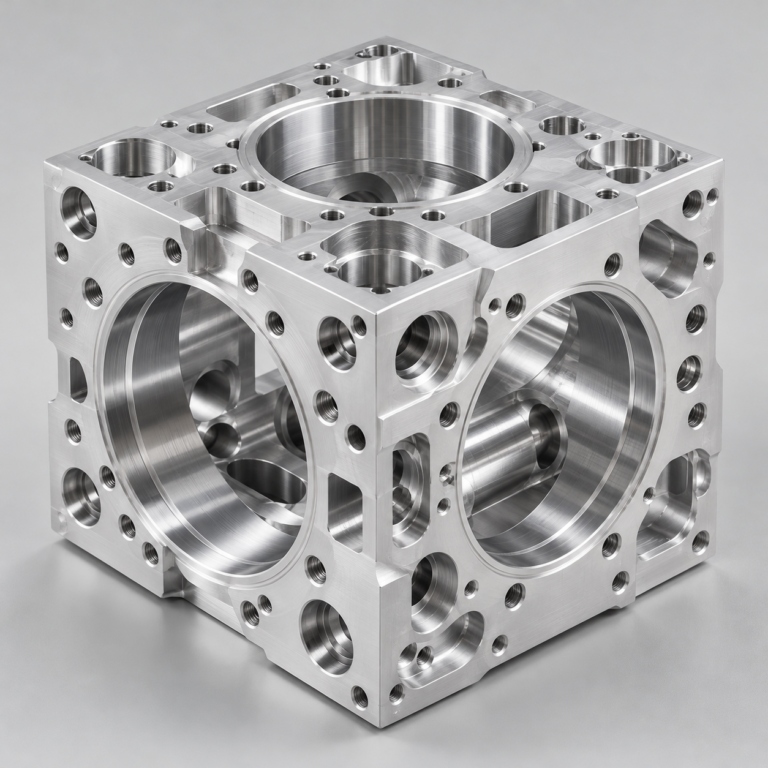
Precision parts for your tight tolerances and complex geometry.
Tooling and molding for your repeat plastic parts.
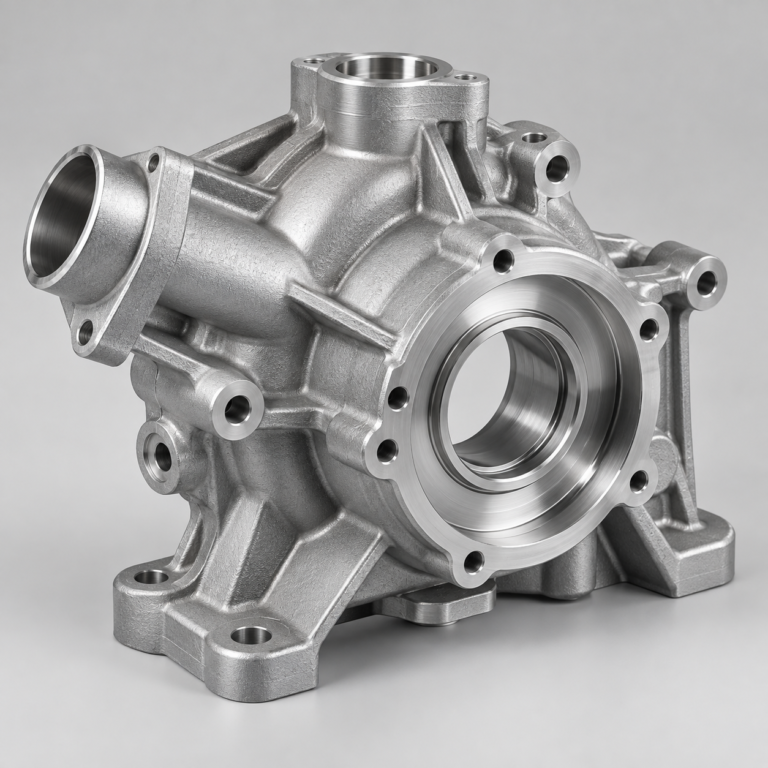
Metal casting options for your part and production volume.
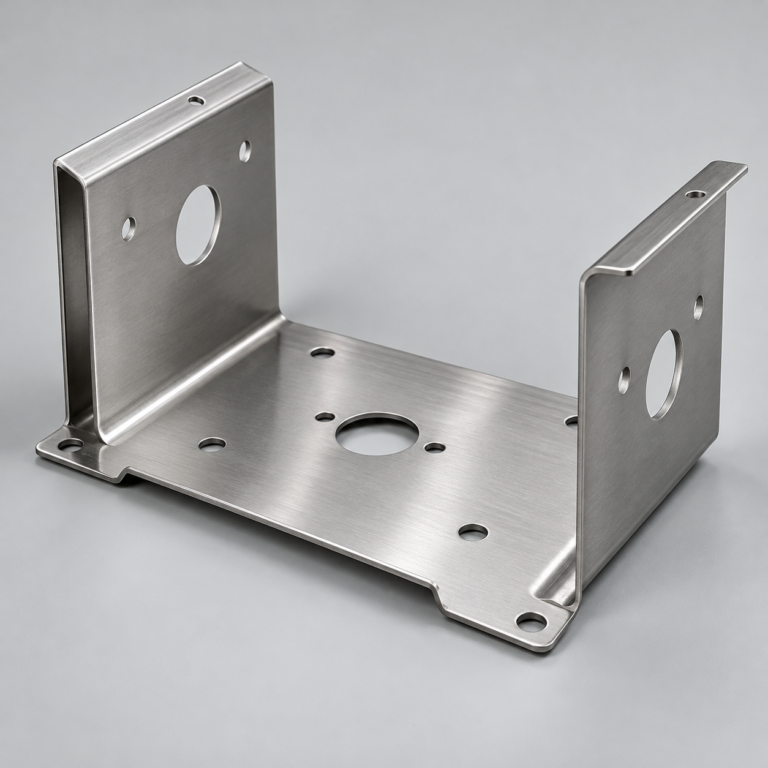
Cutting, forming and welding for your fabricated parts.
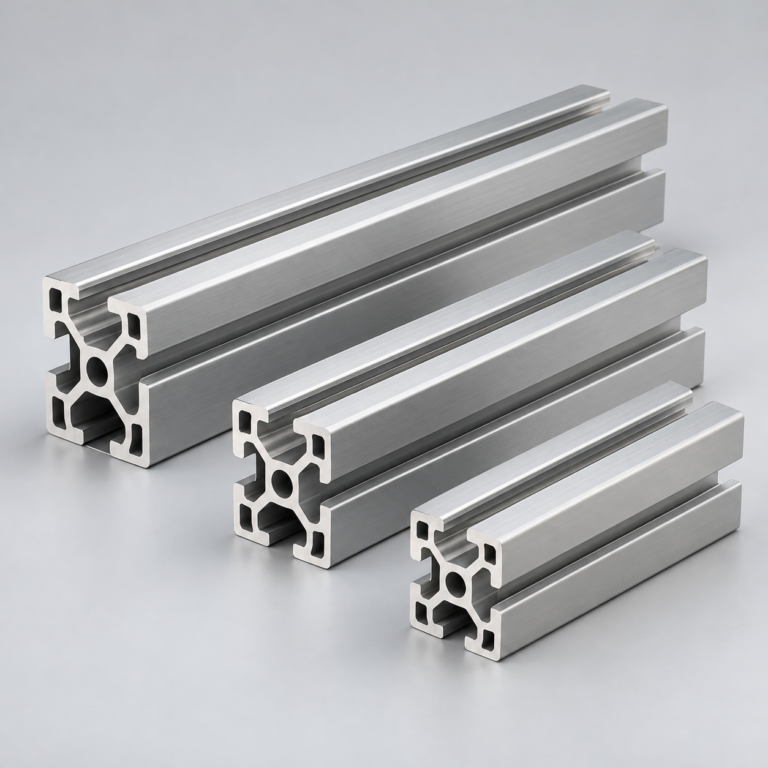
Custom profiles for your section, length and finish requirements.
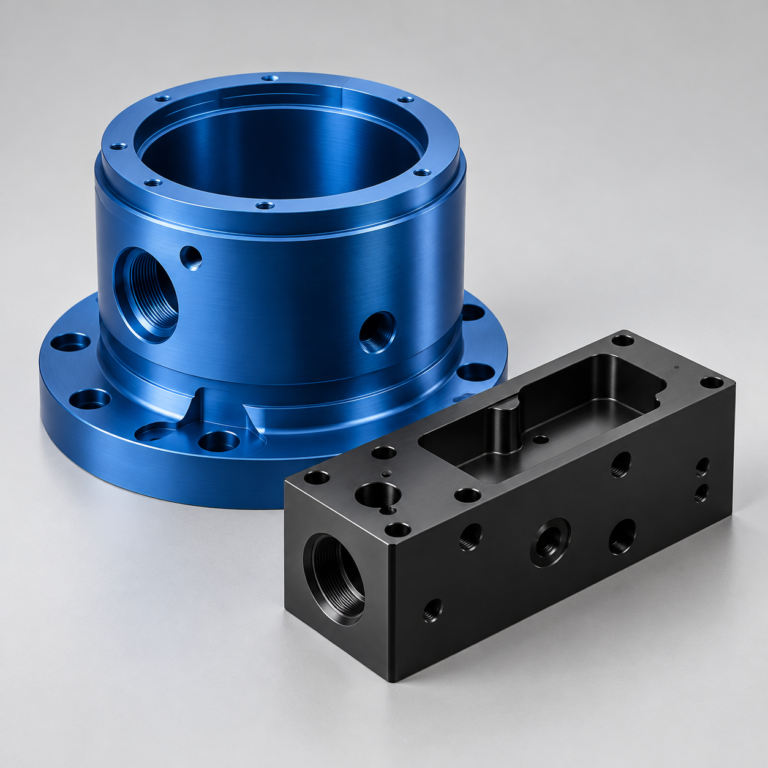
Finishes for your appearance, corrosion and wear requirements.
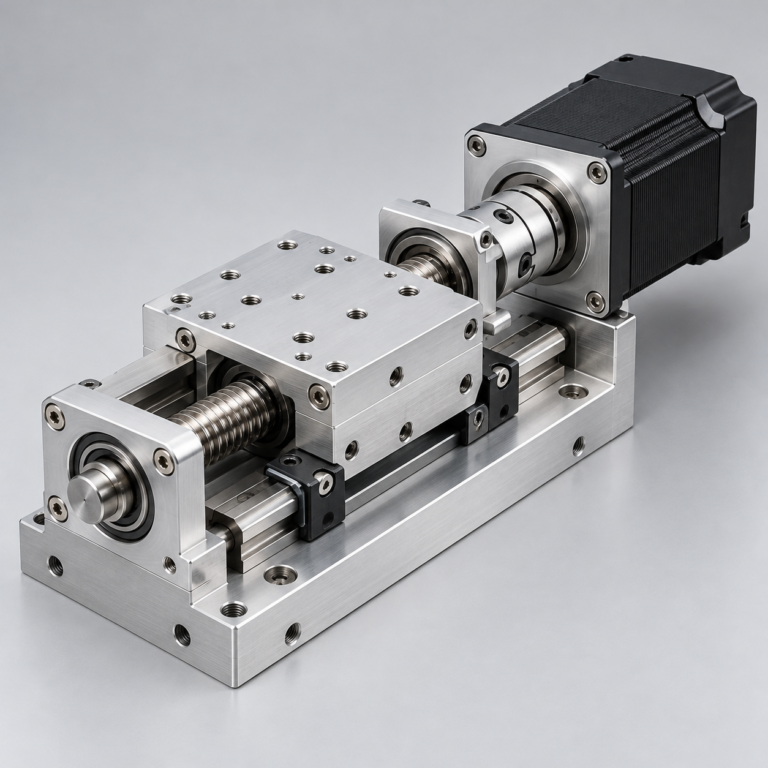
Sub-assemblies and final builds for your production program.
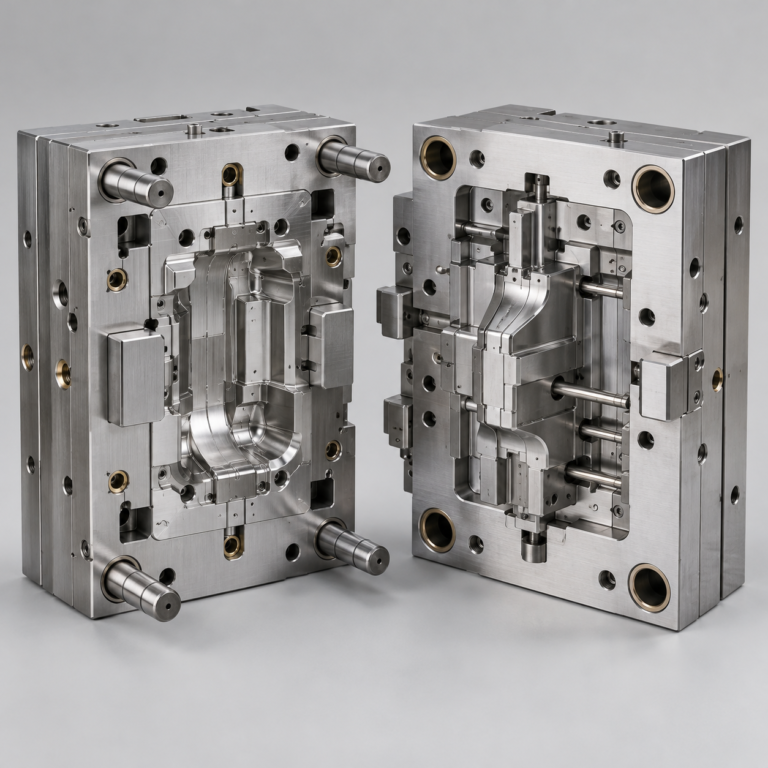
Production tooling built around your process and volume.
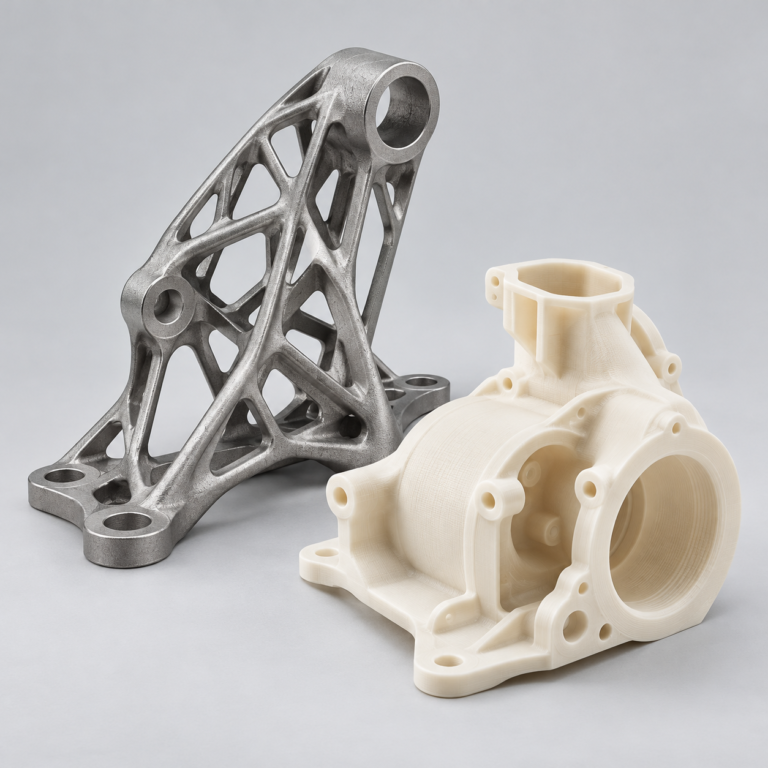
Prototype parts to check fit, function and design.
Choose air- or liquid-cooling components around your thermal and mechanical requirements.
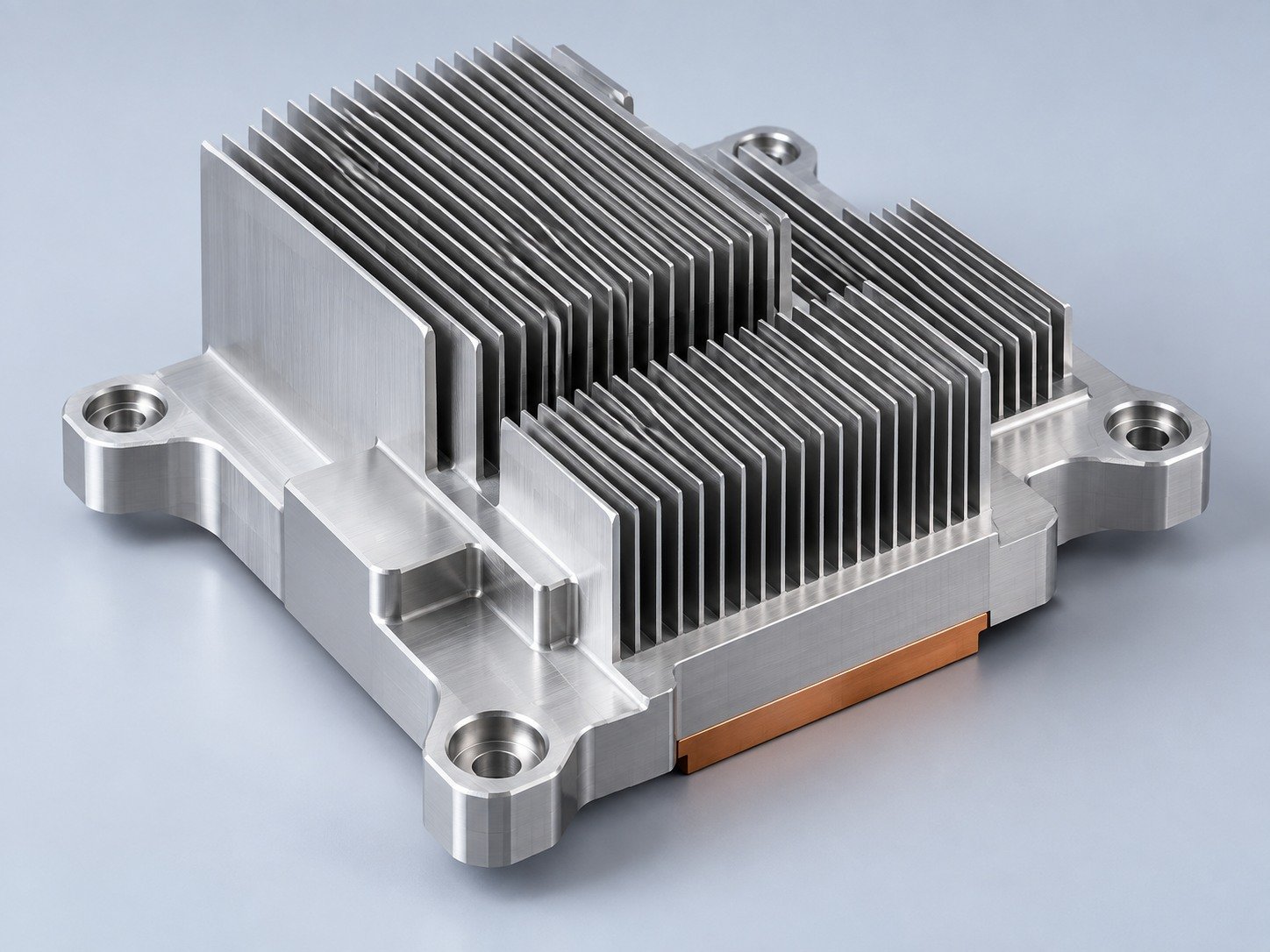
Manufacturing support for your cold plates, manifolds and cooling assemblies.
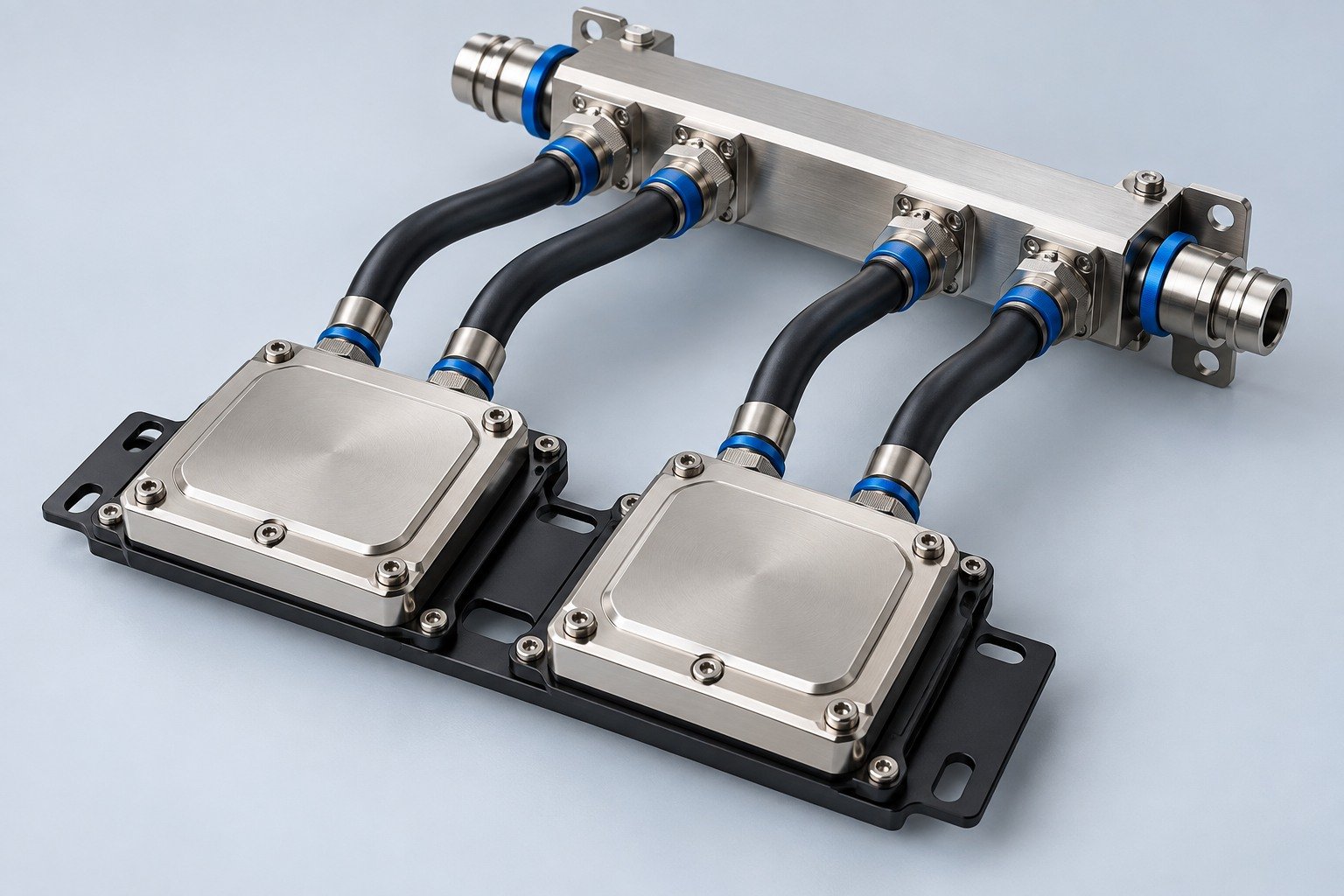
Find components for your power electronics, energy, laser and telecom application.
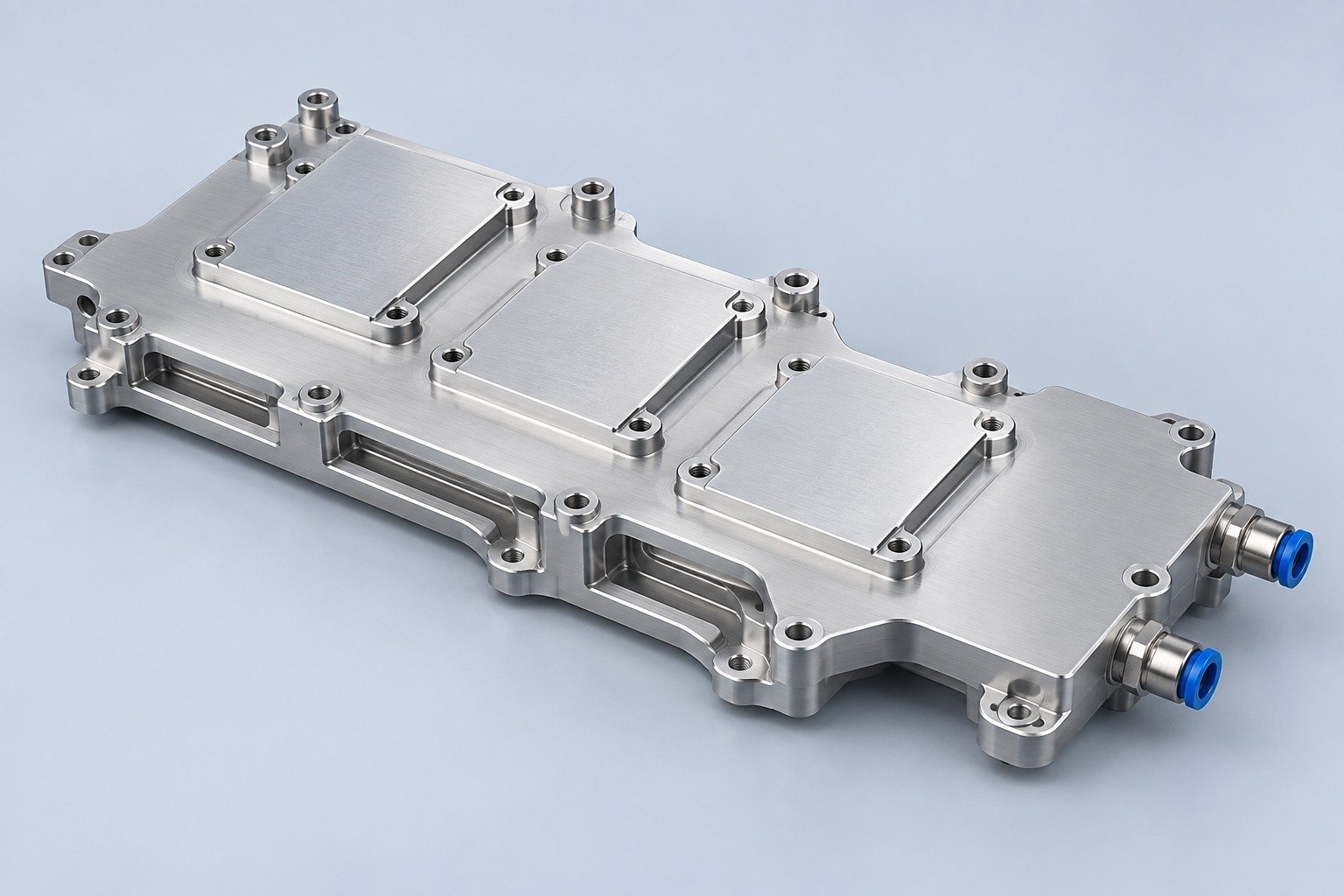
Components for your electronic systems.
Start with your functional and quality requirements.
Build around your operating environment.
From prototype to production, review material performance, manufacturability and cost for your part.
Review grade, temper and finish for your metal parts.
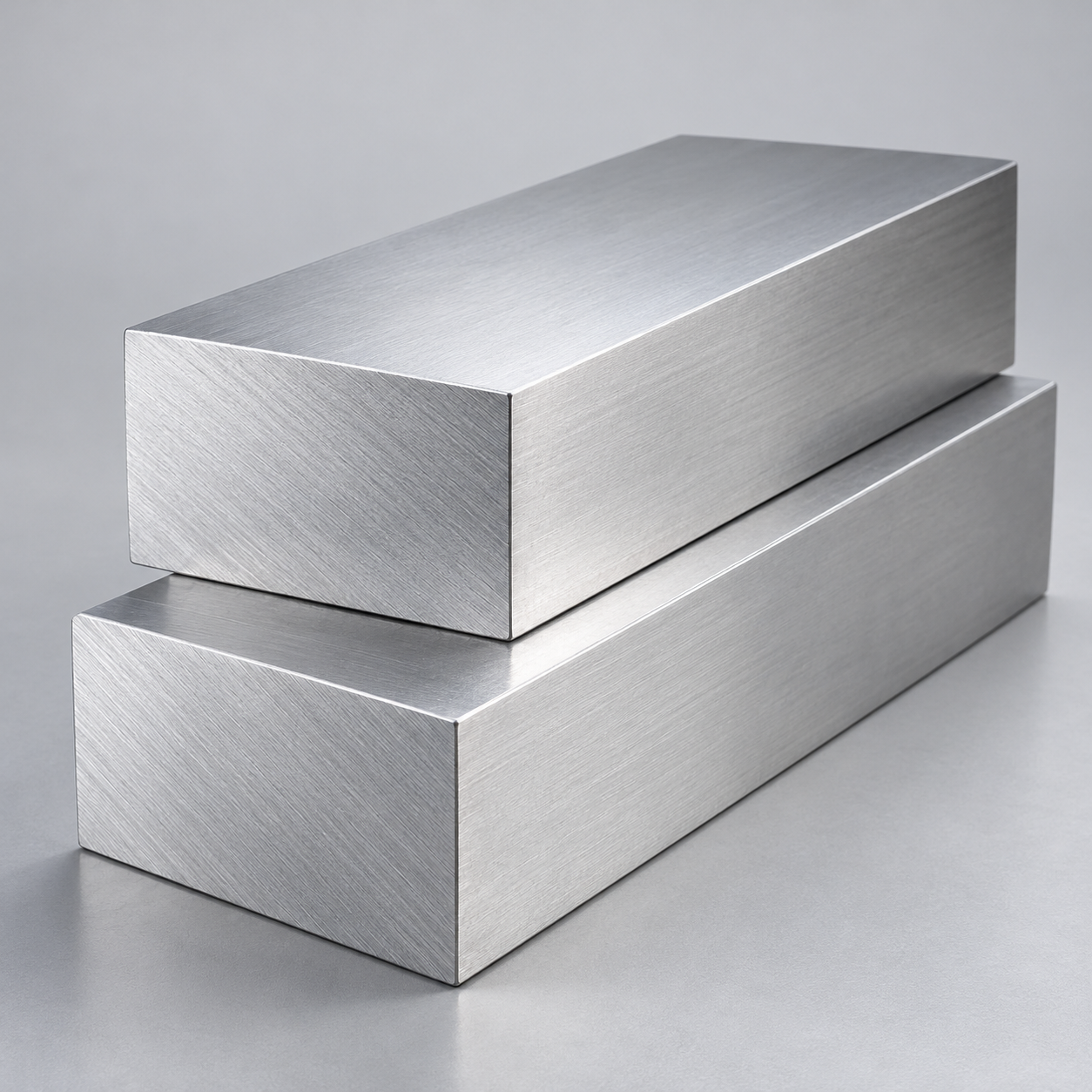 AluminumStrength, weight and machining›
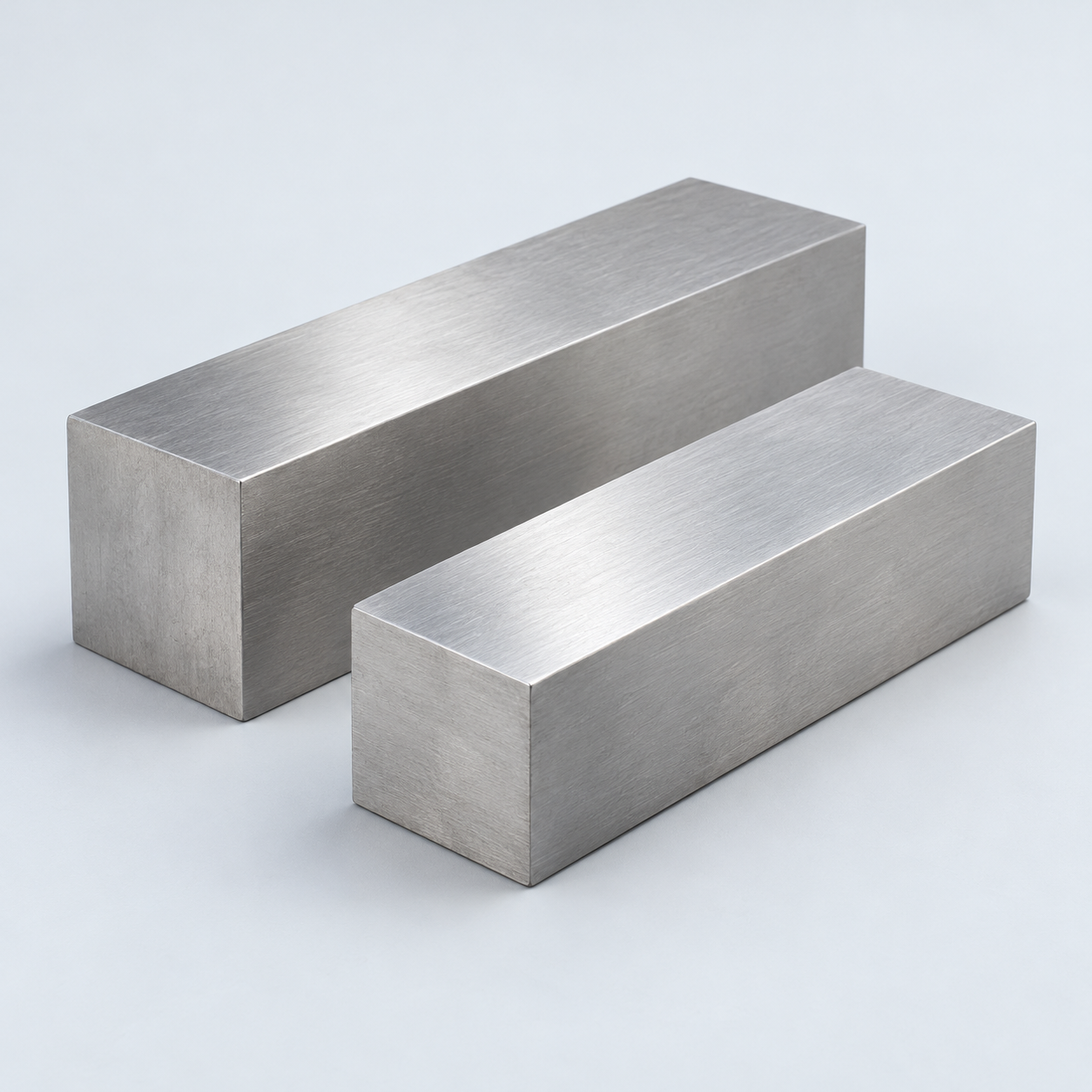 Stainless SteelCorrosion and finish requirements›
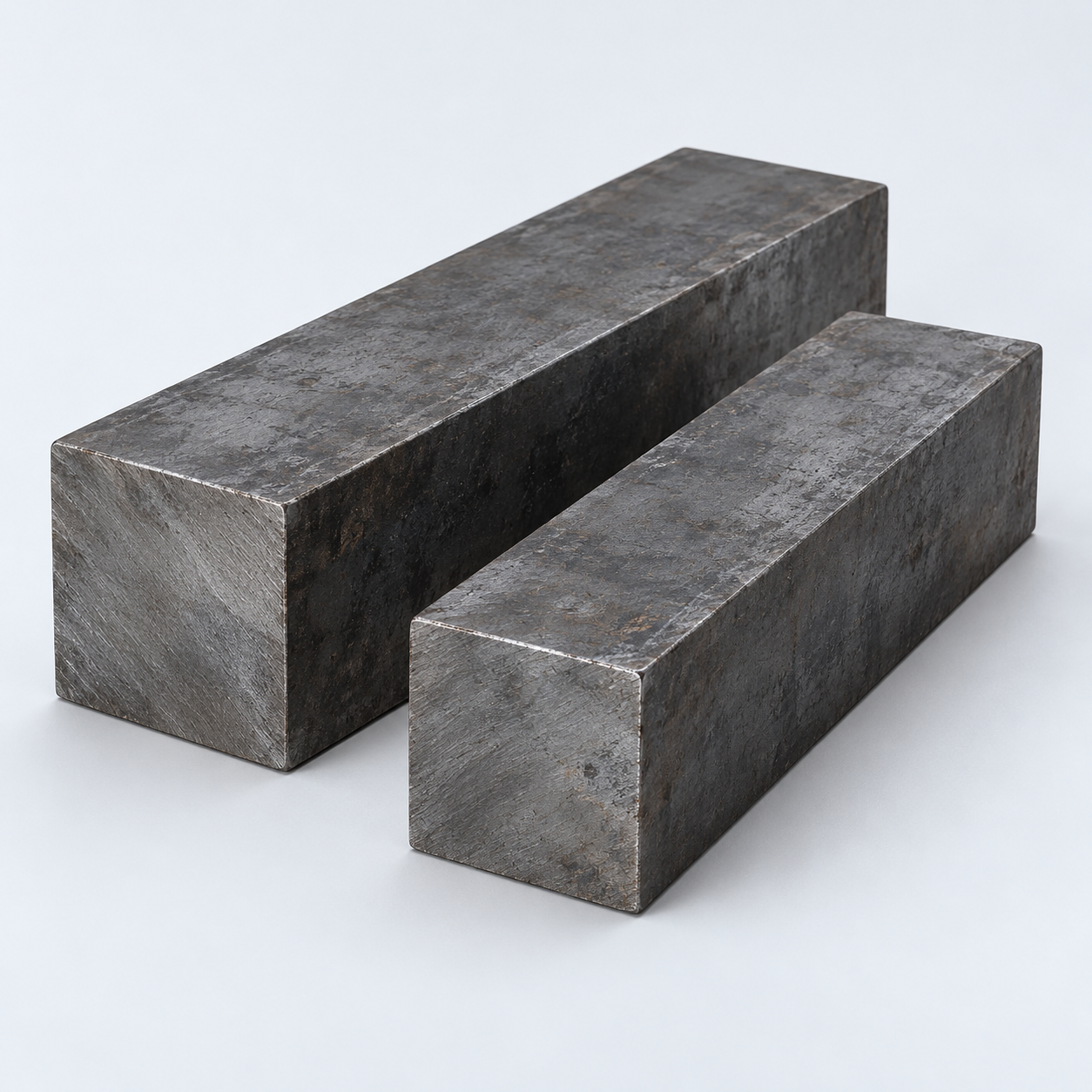 Carbon & Alloy SteelDiscuss grade and heat treatment›
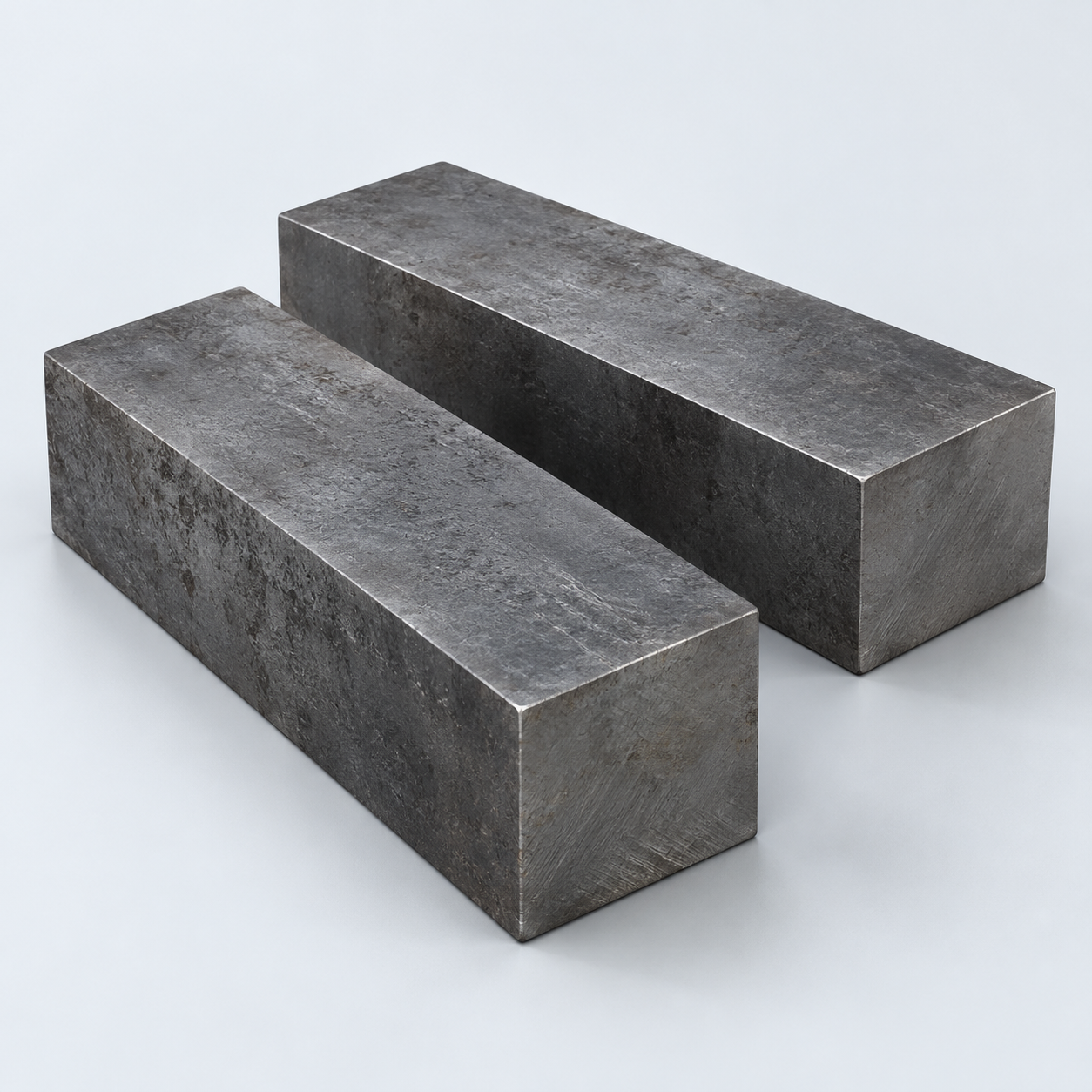 Tool SteelDiscuss tooling and wear needs›
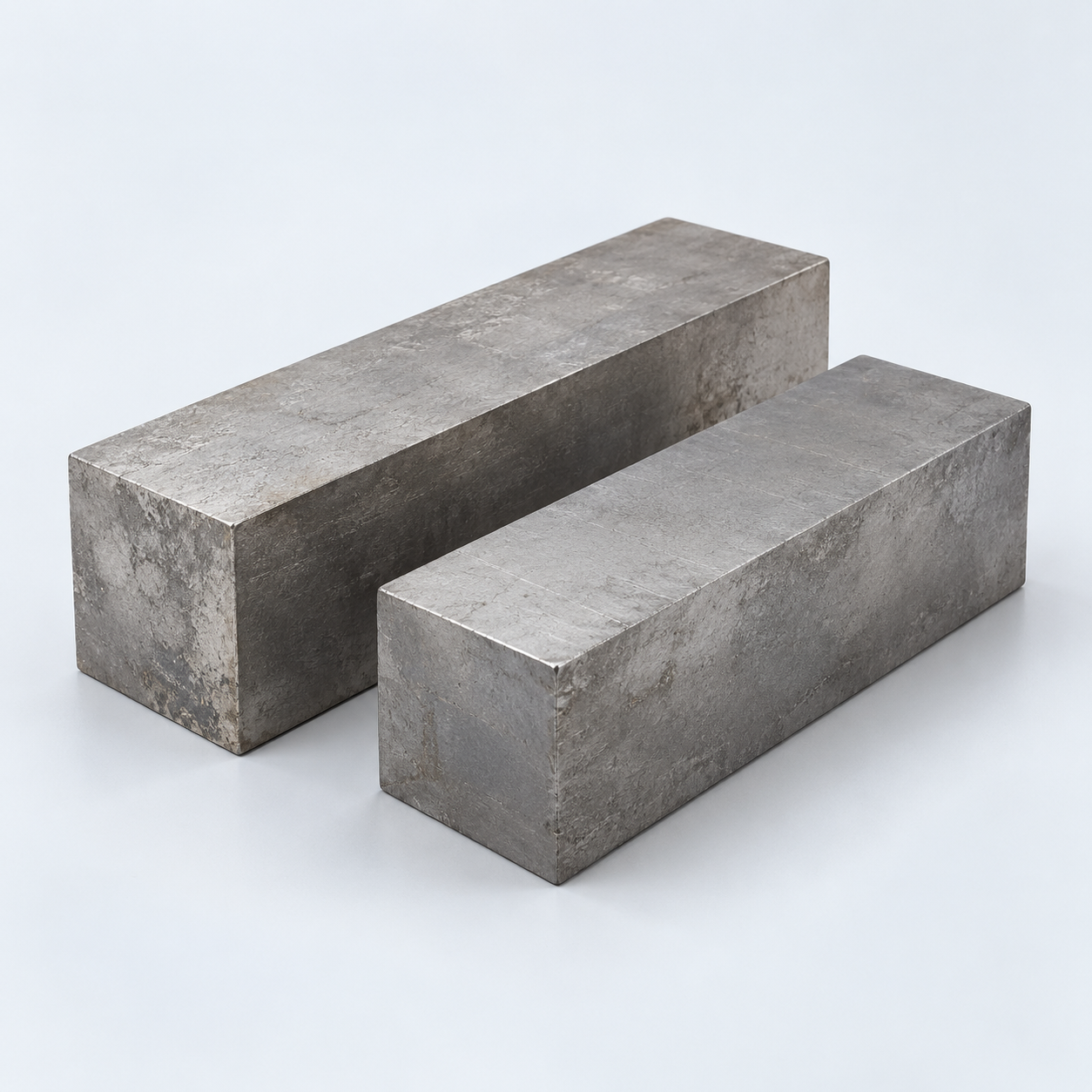 TitaniumReview grade and part geometry›
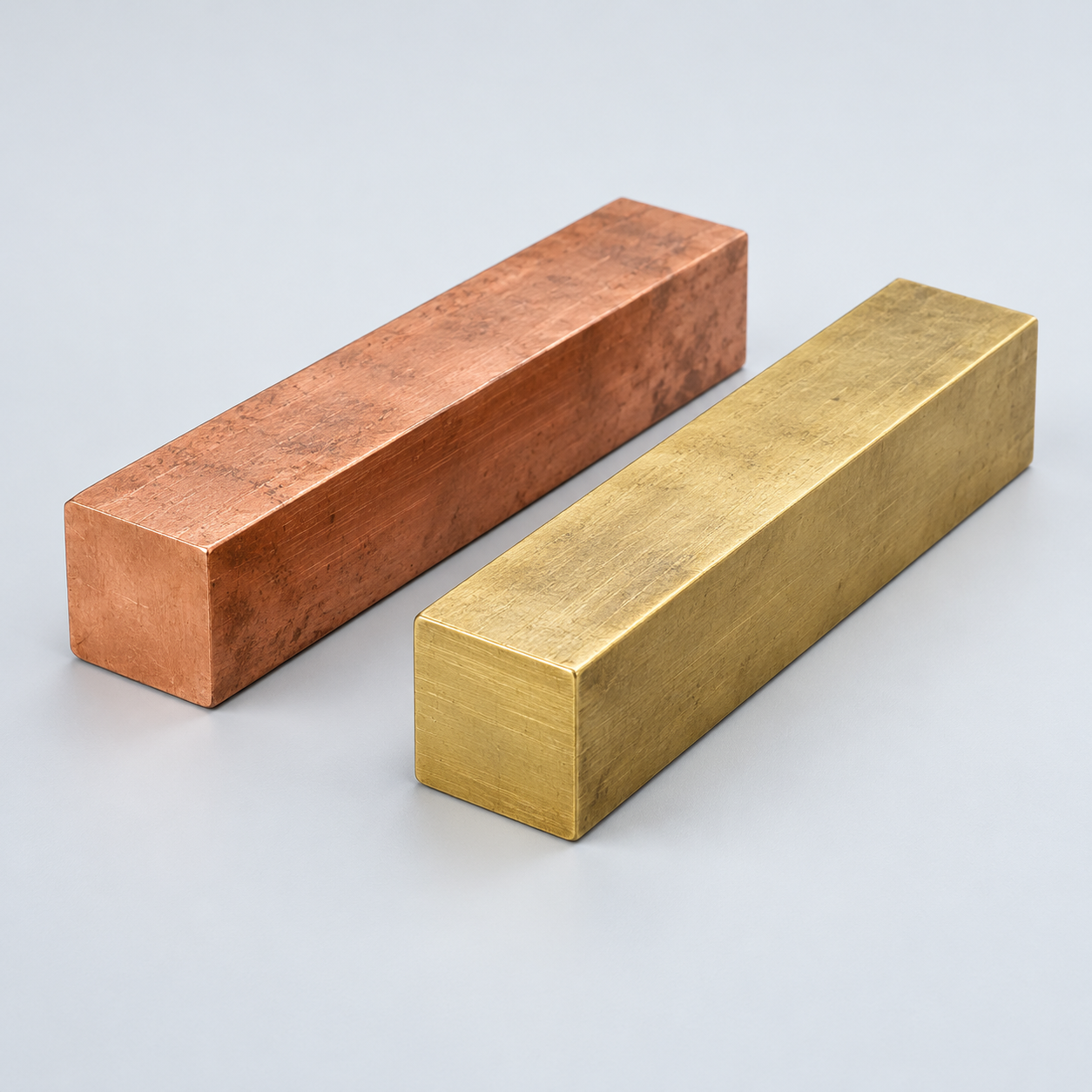 Copper & BrassDiscuss conductivity and machining›
Match your polymer to function, process and environment.
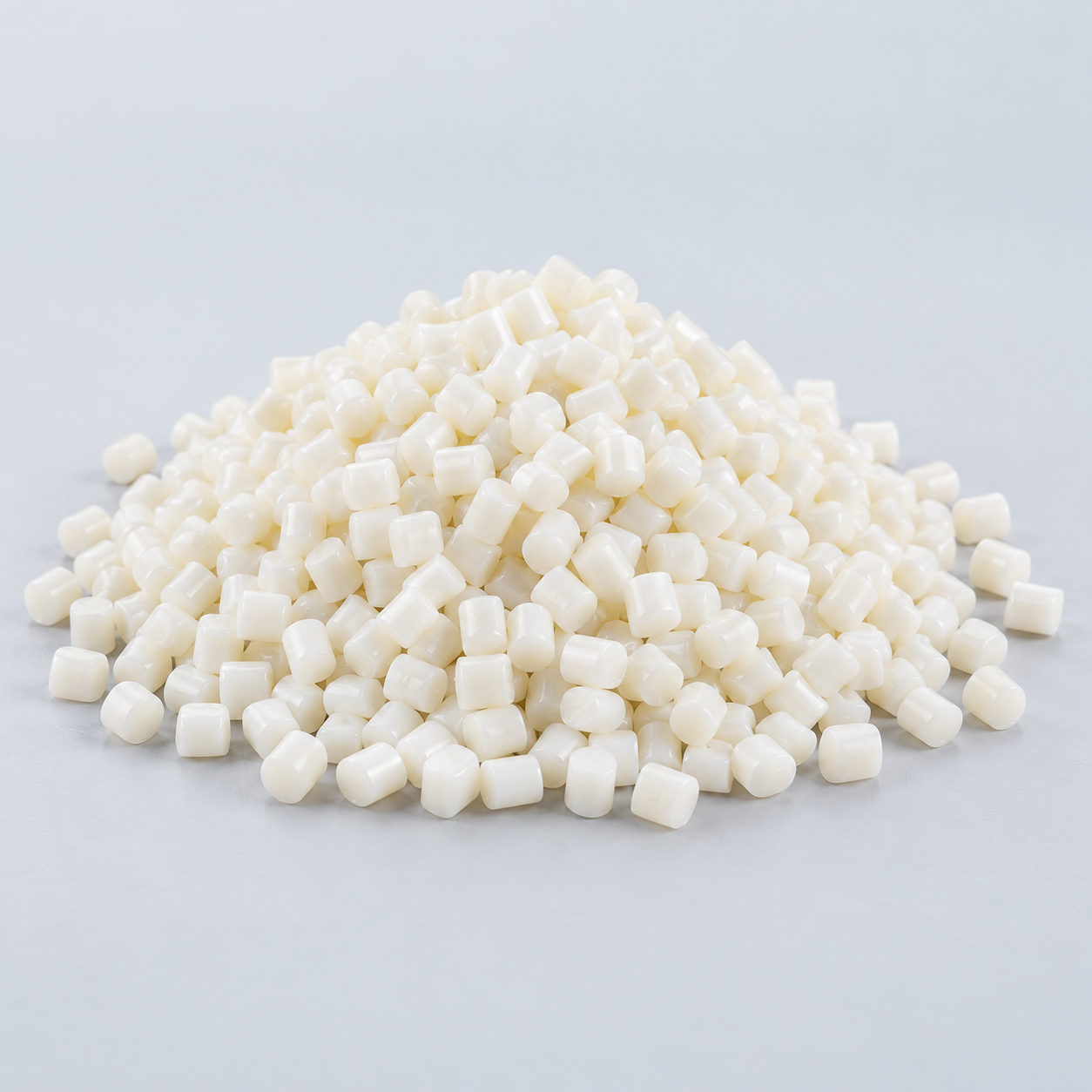 ABSReview enclosure and molding needs›
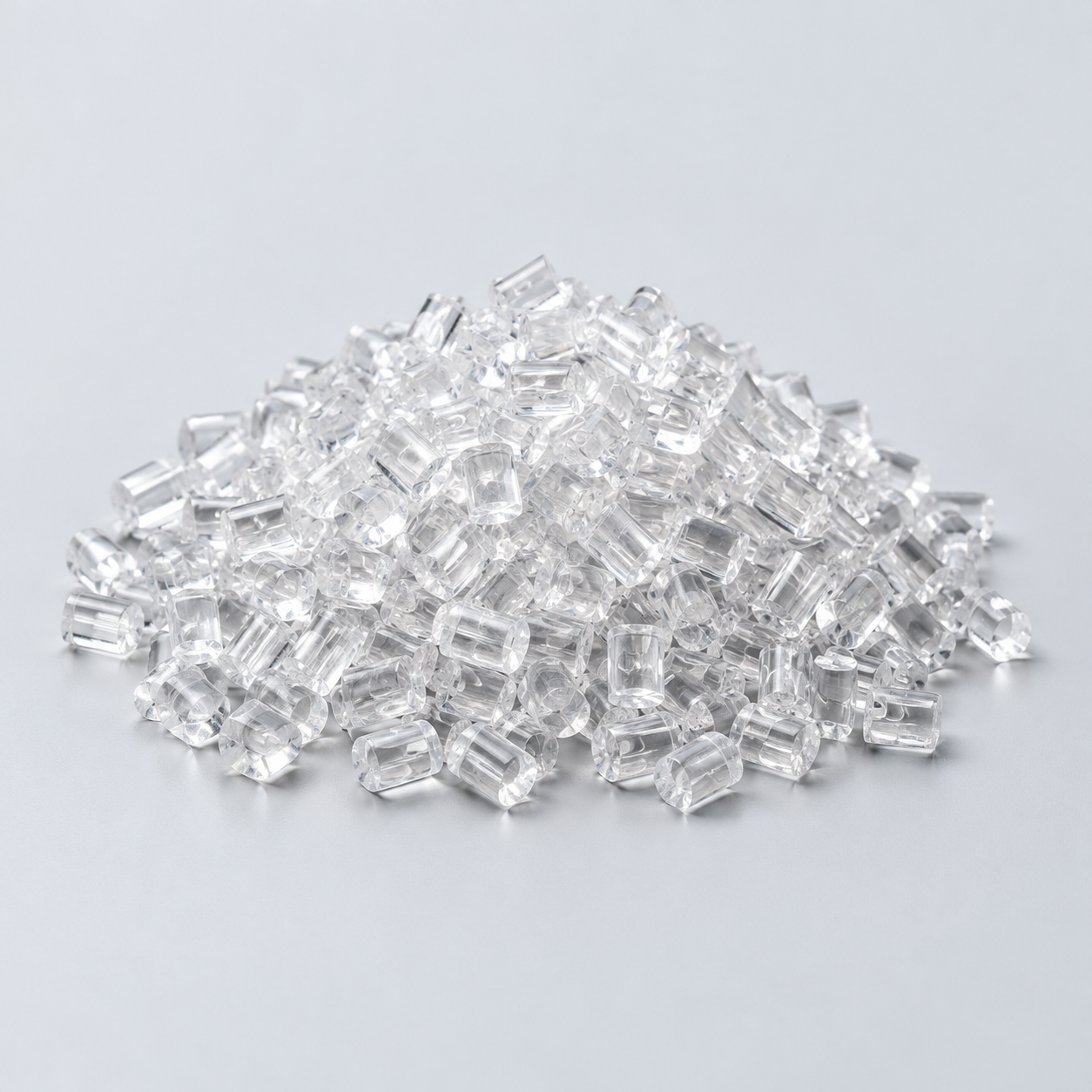 Polycarbonate (PC)Discuss clarity and impact needs›
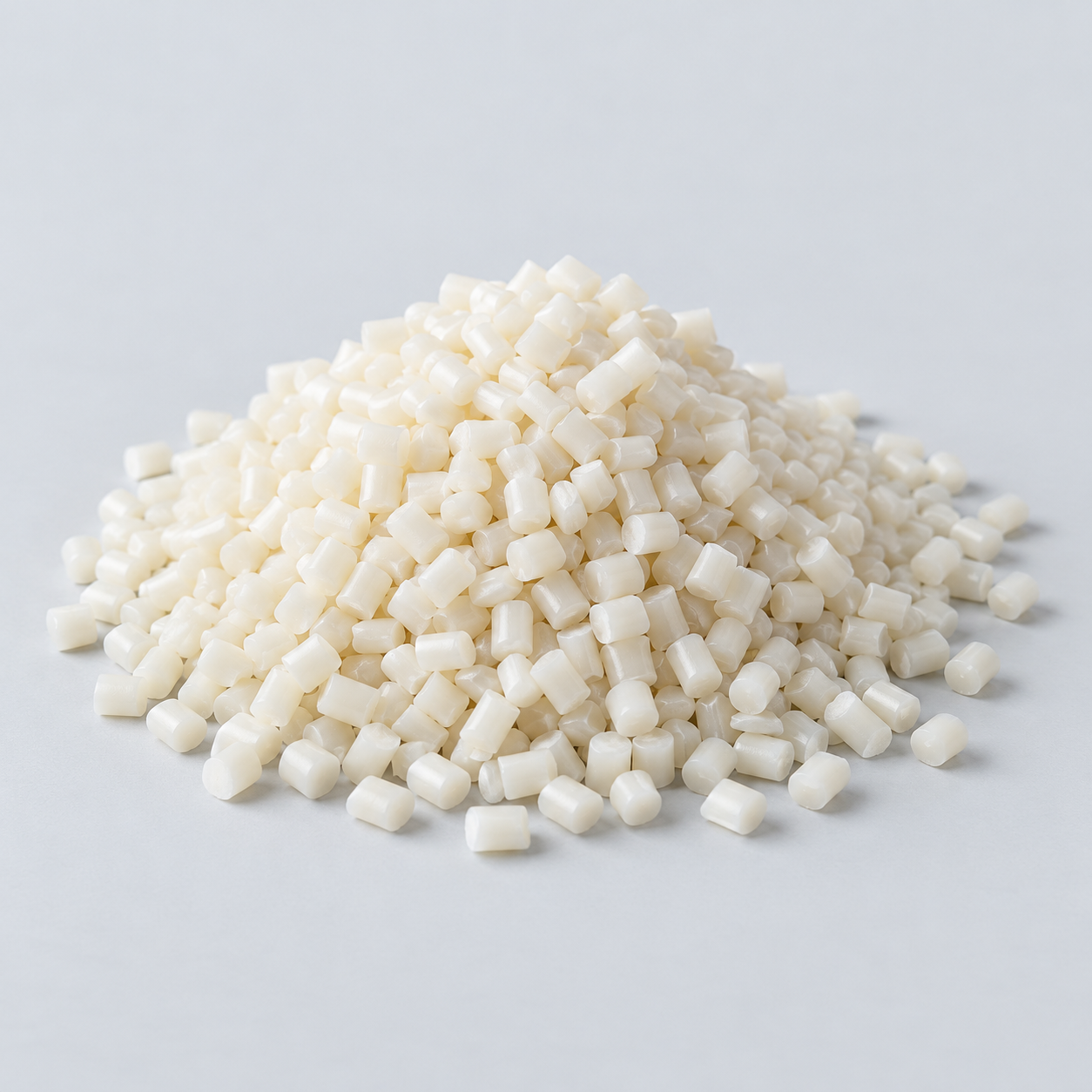 Nylon (PA)Review moisture and wear conditions›
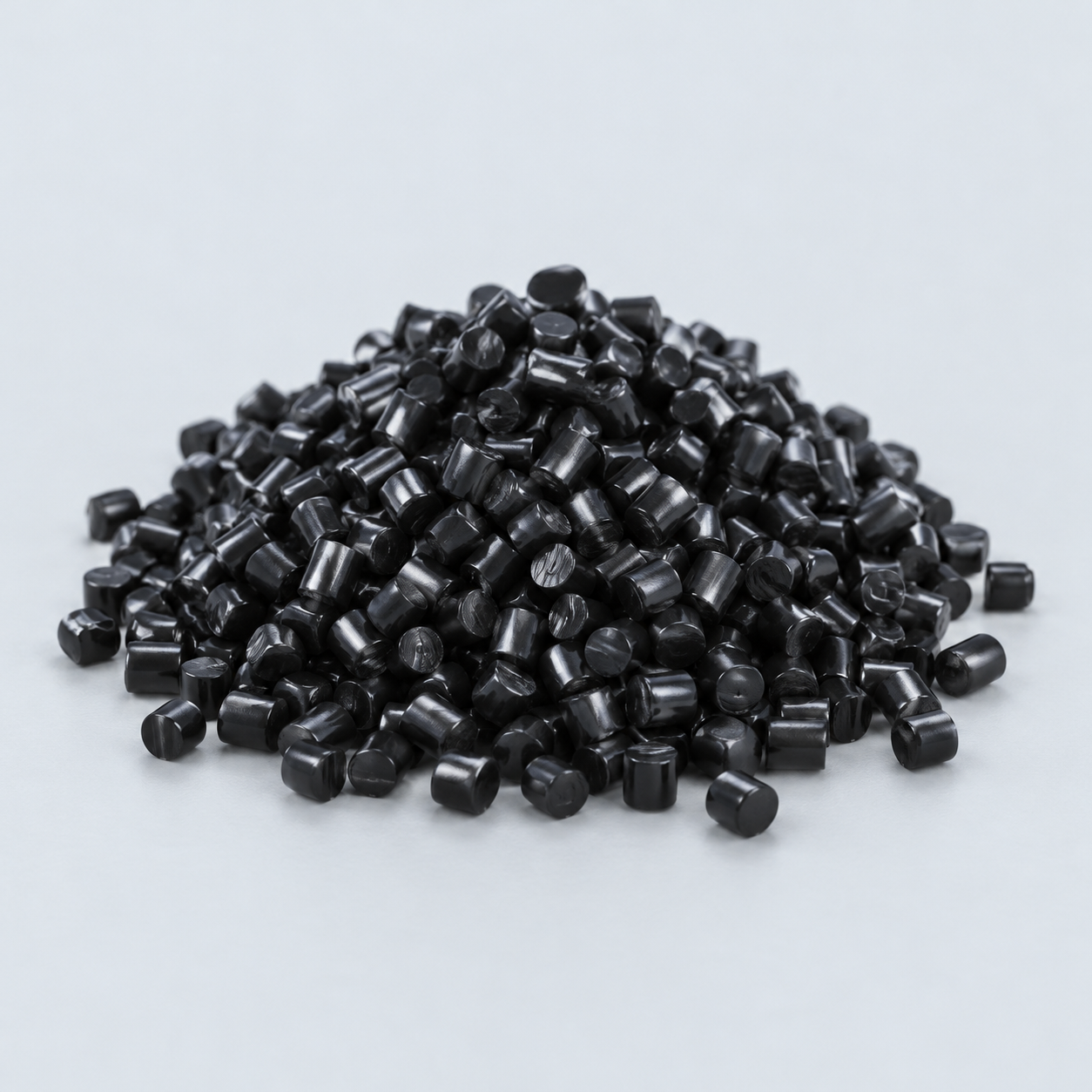 POM / AcetalReview fit and sliding features›
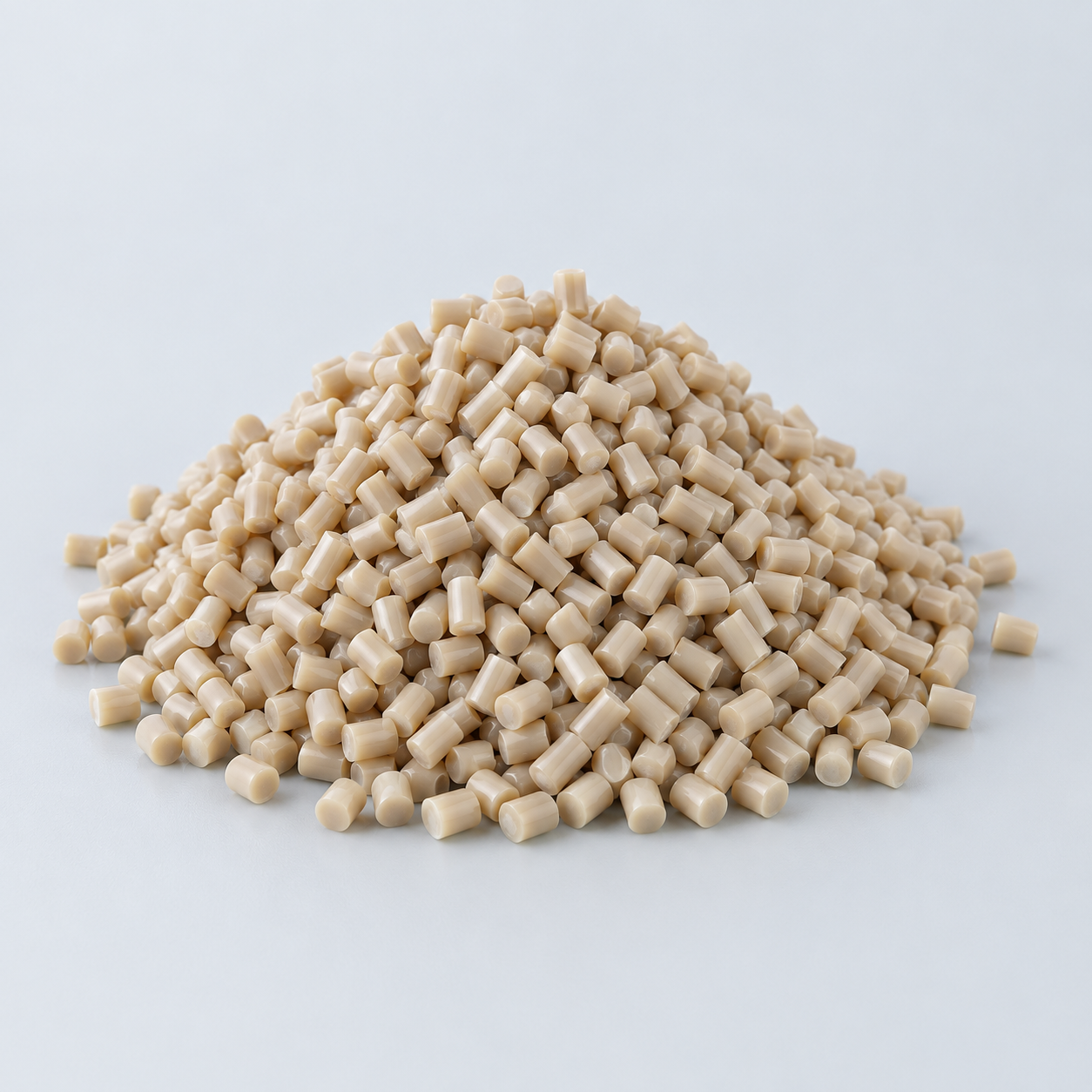 PEEKDiscuss operating conditions›
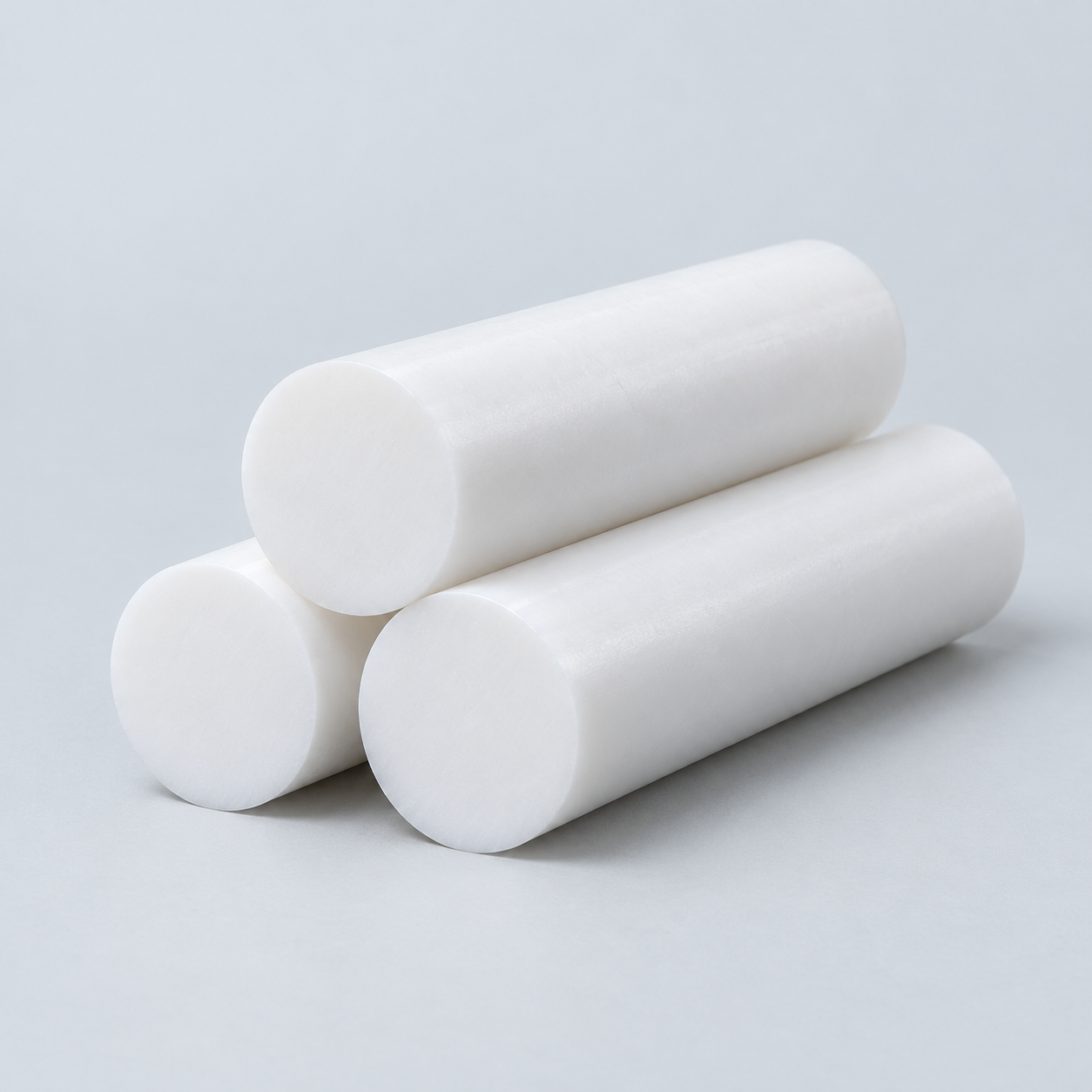 PTFEReview friction and chemical exposure›
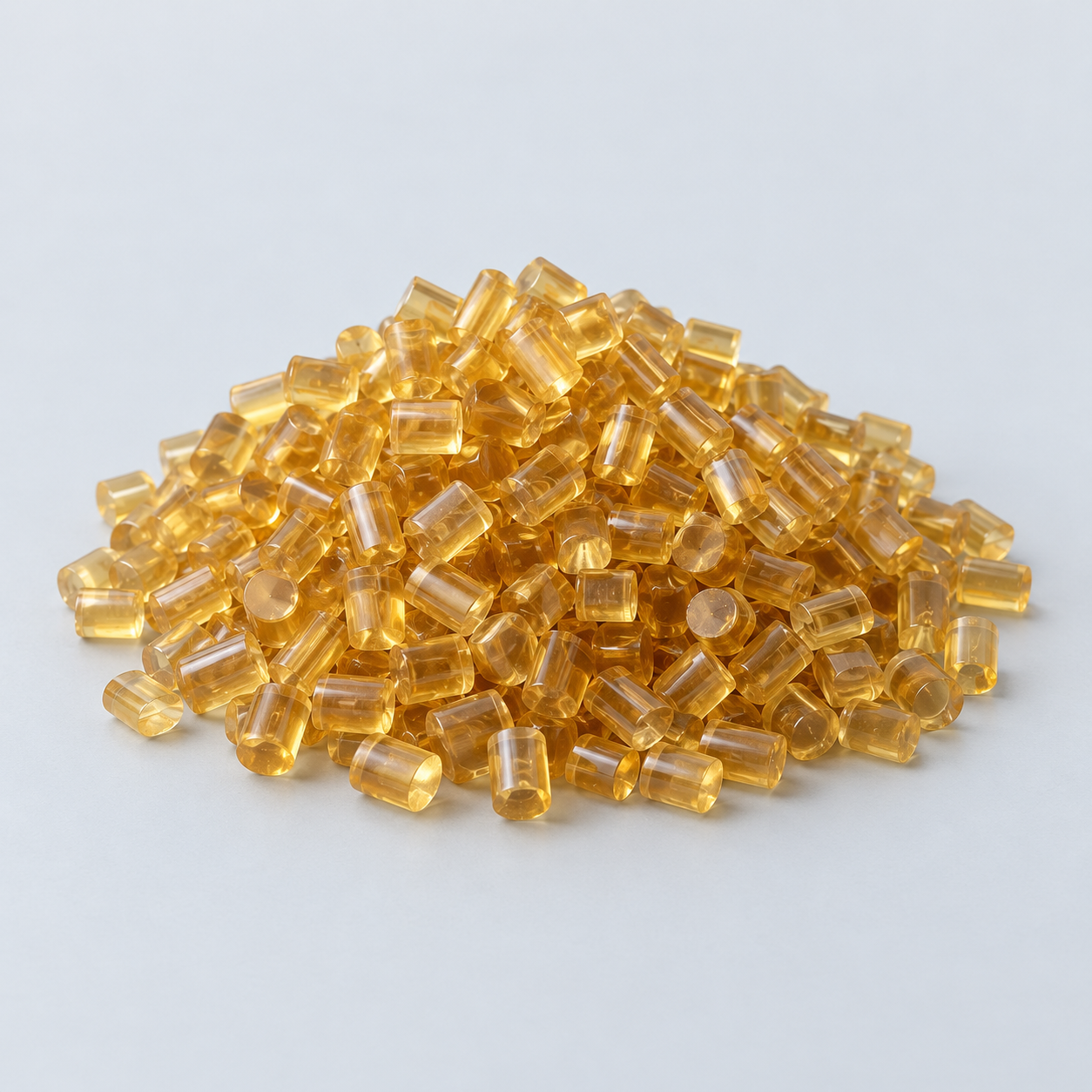 ULTEM / PEIDiscuss thermal and electrical needs›
Confirm grade availability and application requirements.
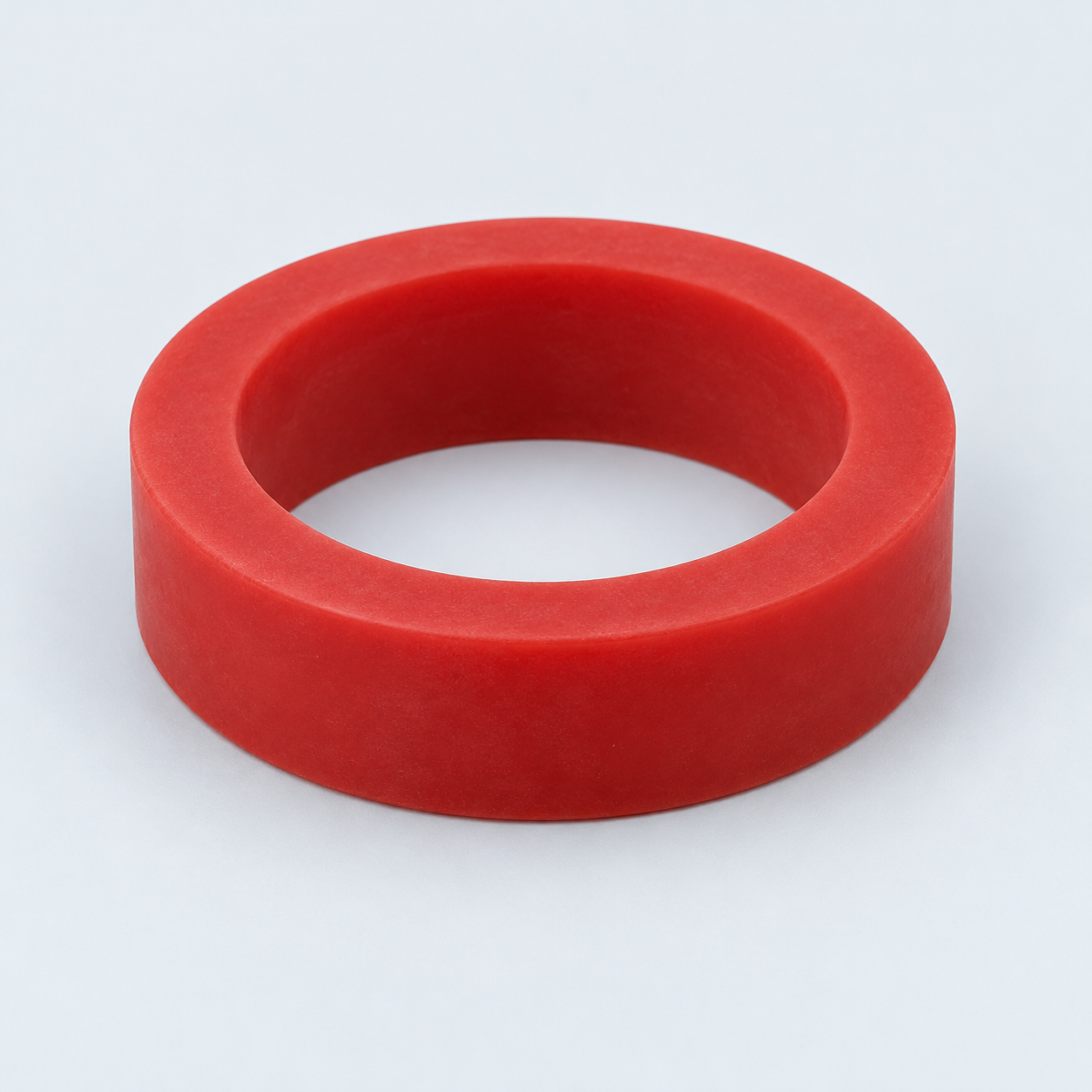 Silicone / LSRDiscuss flexible component needs›
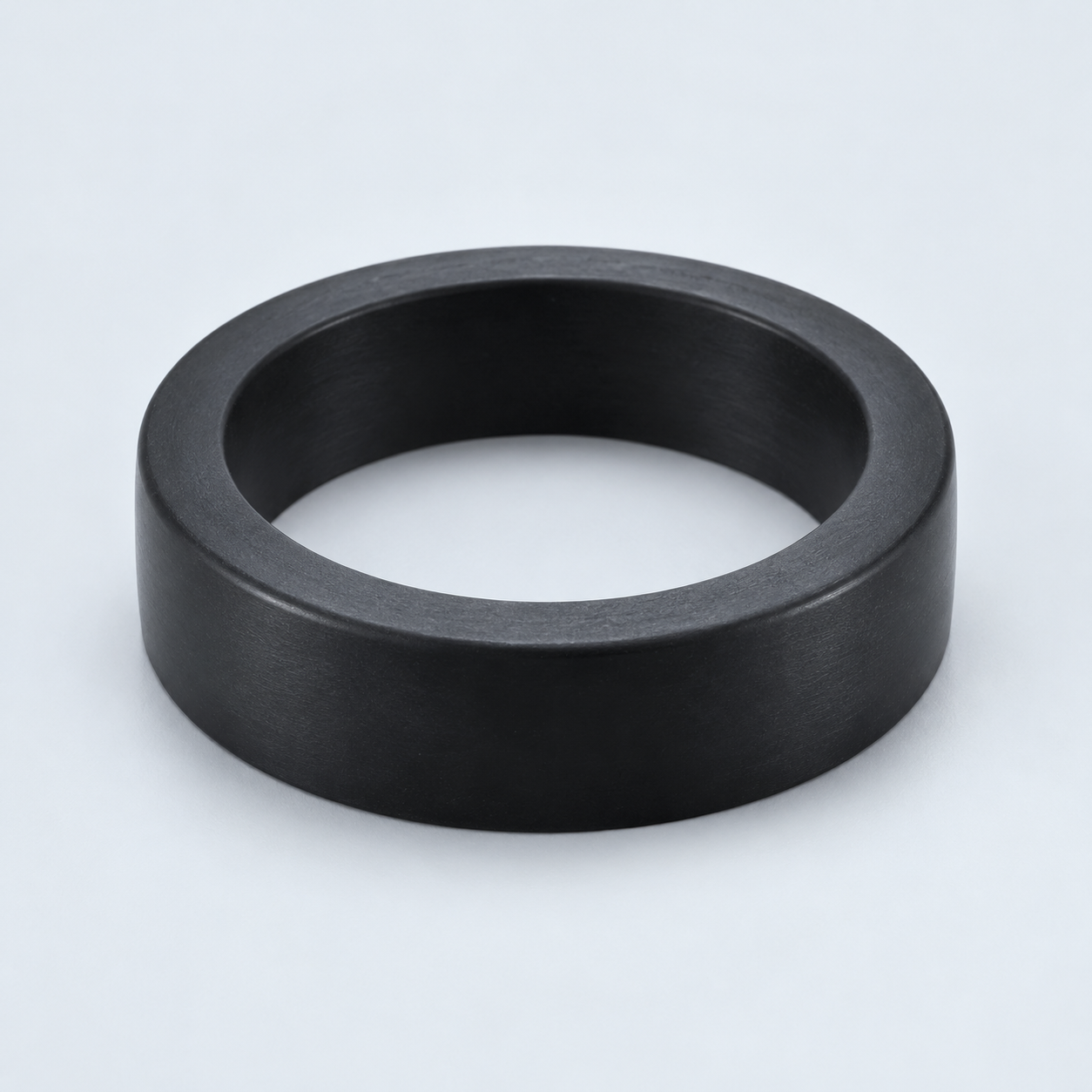 TPU / TPEReview flexibility and processing›
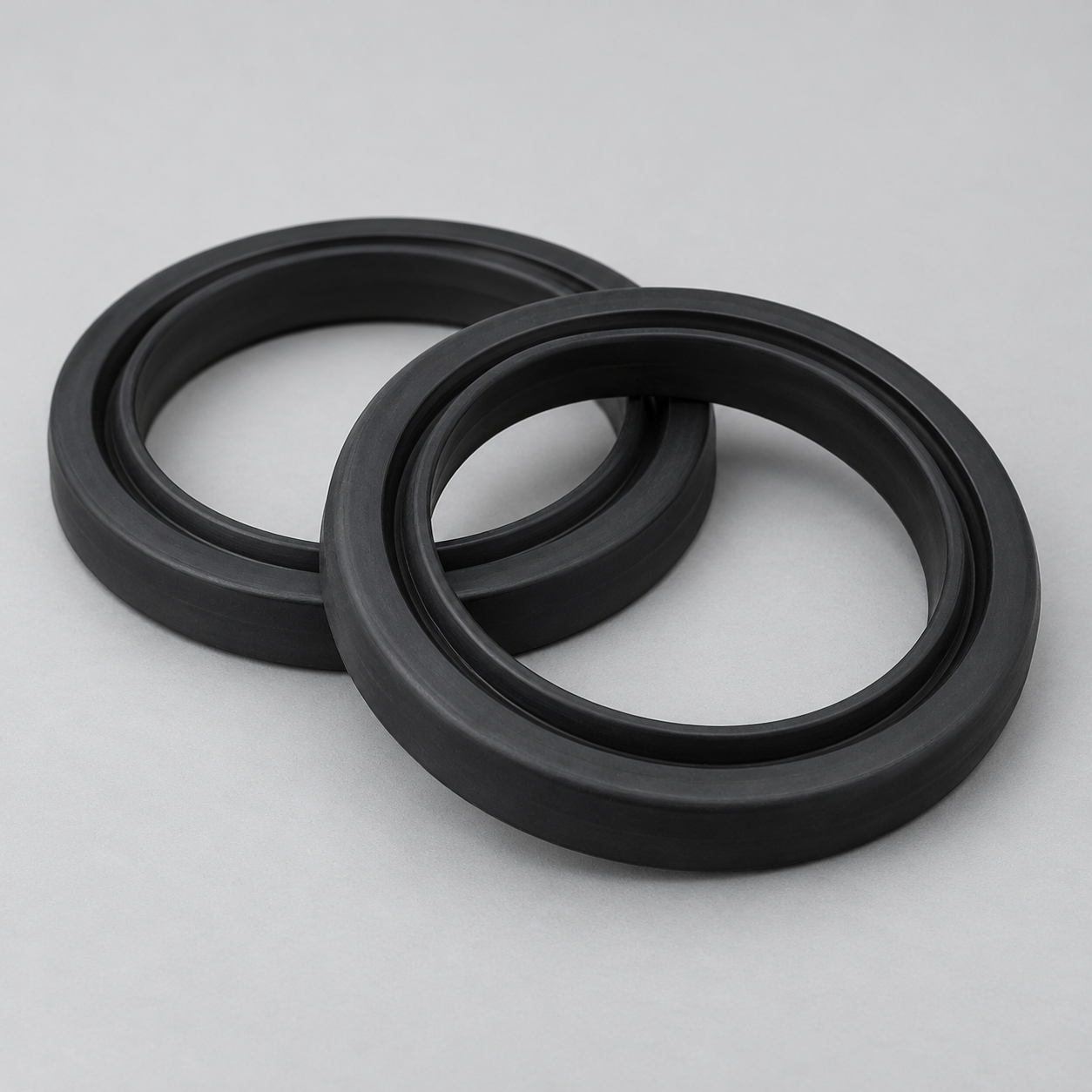 EPDMReview weathering and chemical exposure.›
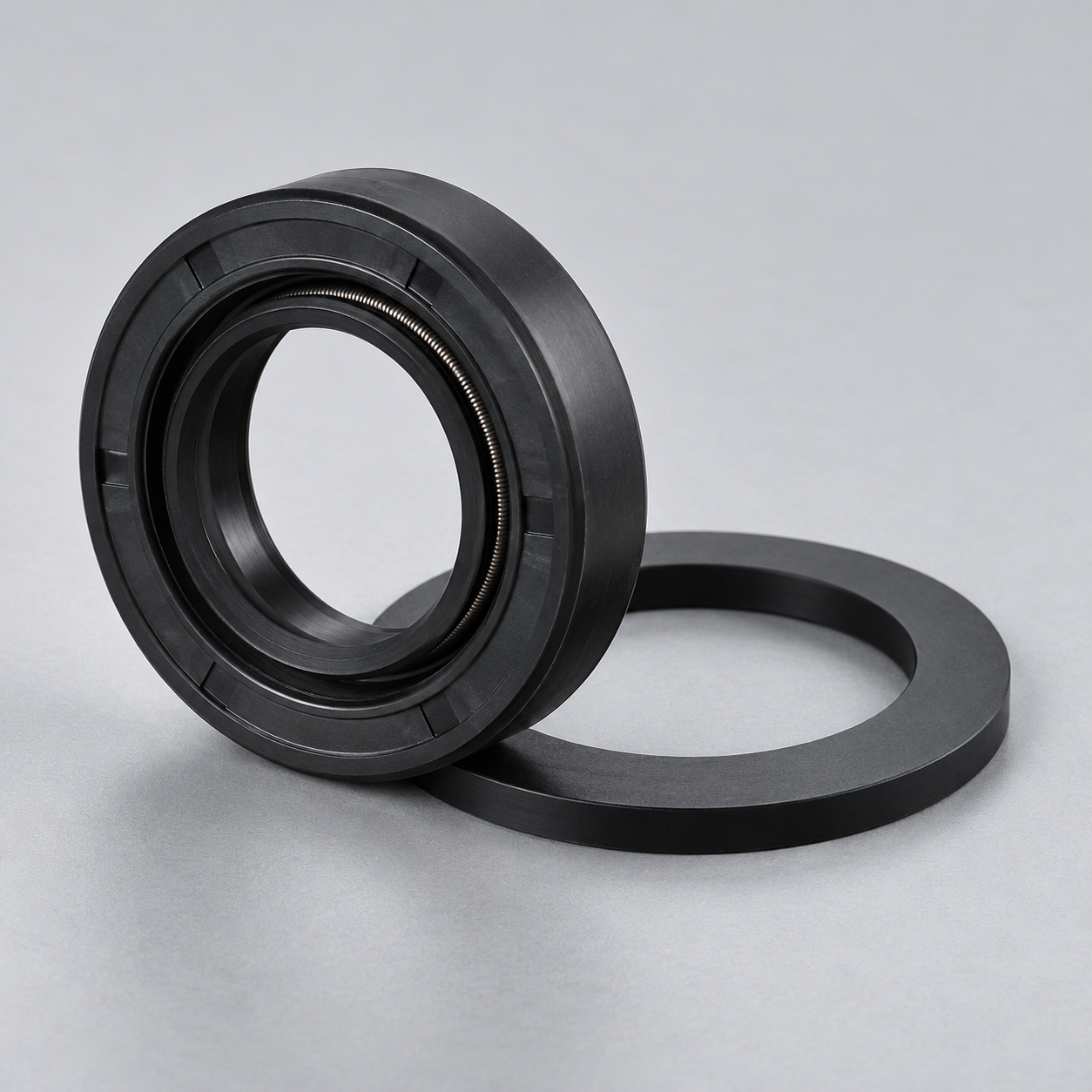 NBRReview oil and fuel exposure.›
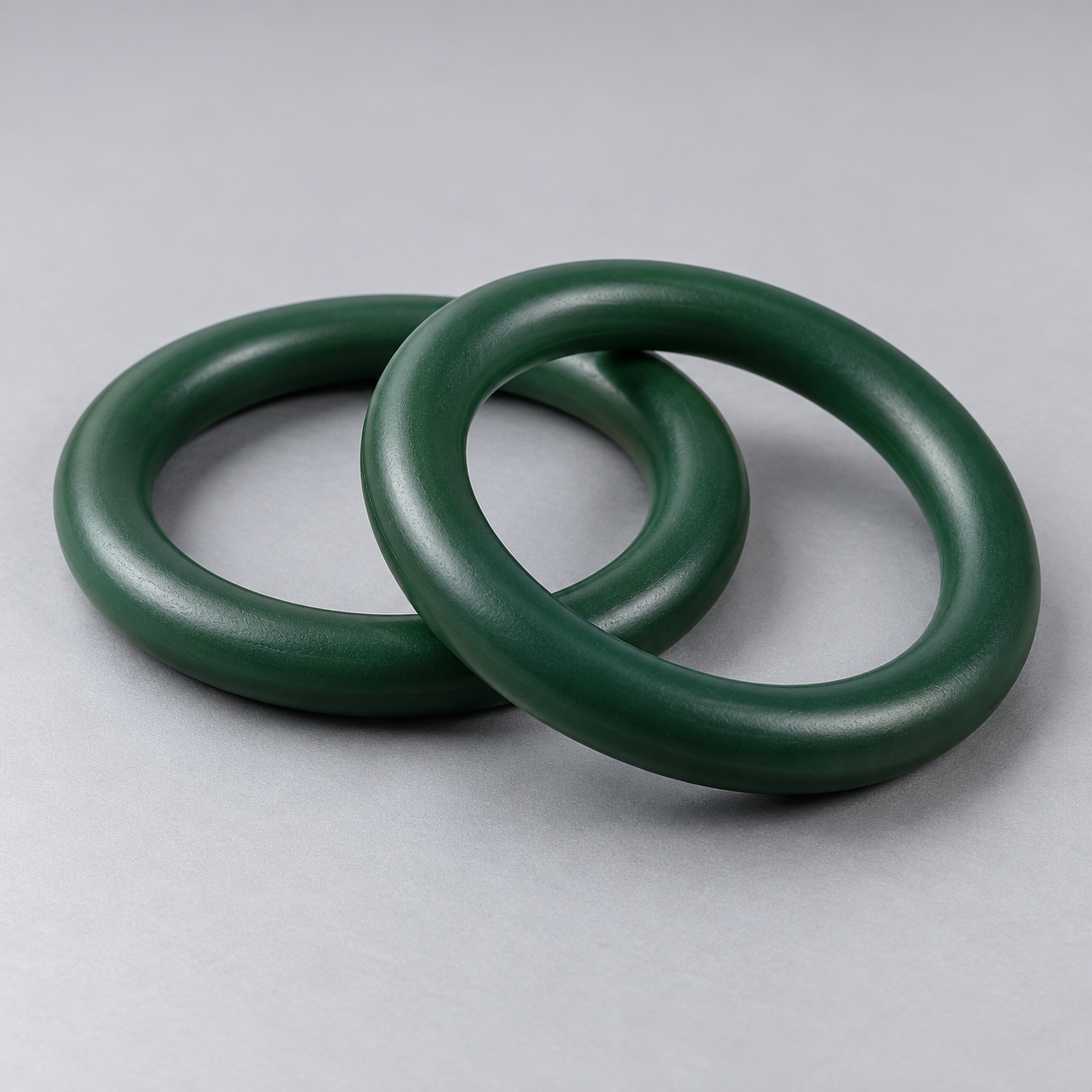 FKMReview temperature and chemical exposure.›
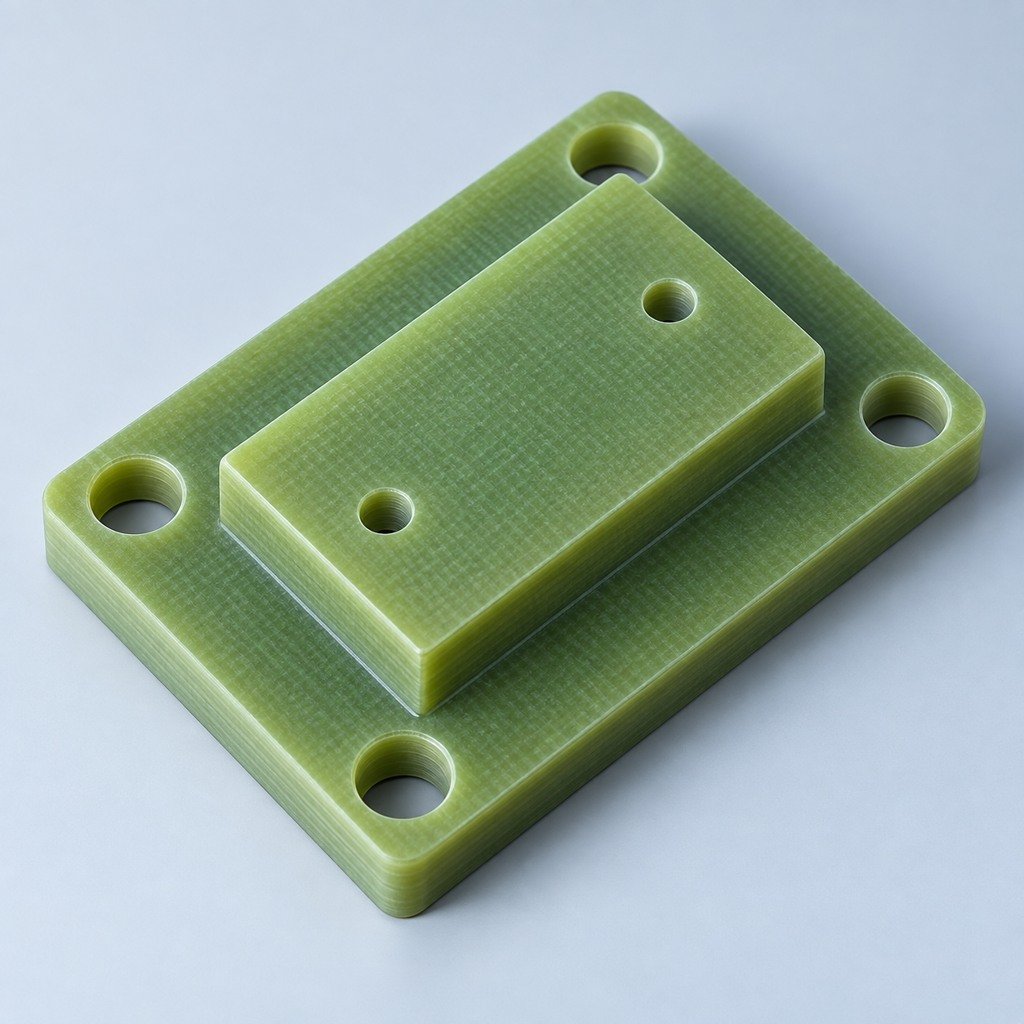 G10 / FR4Review insulation and laminate needs›
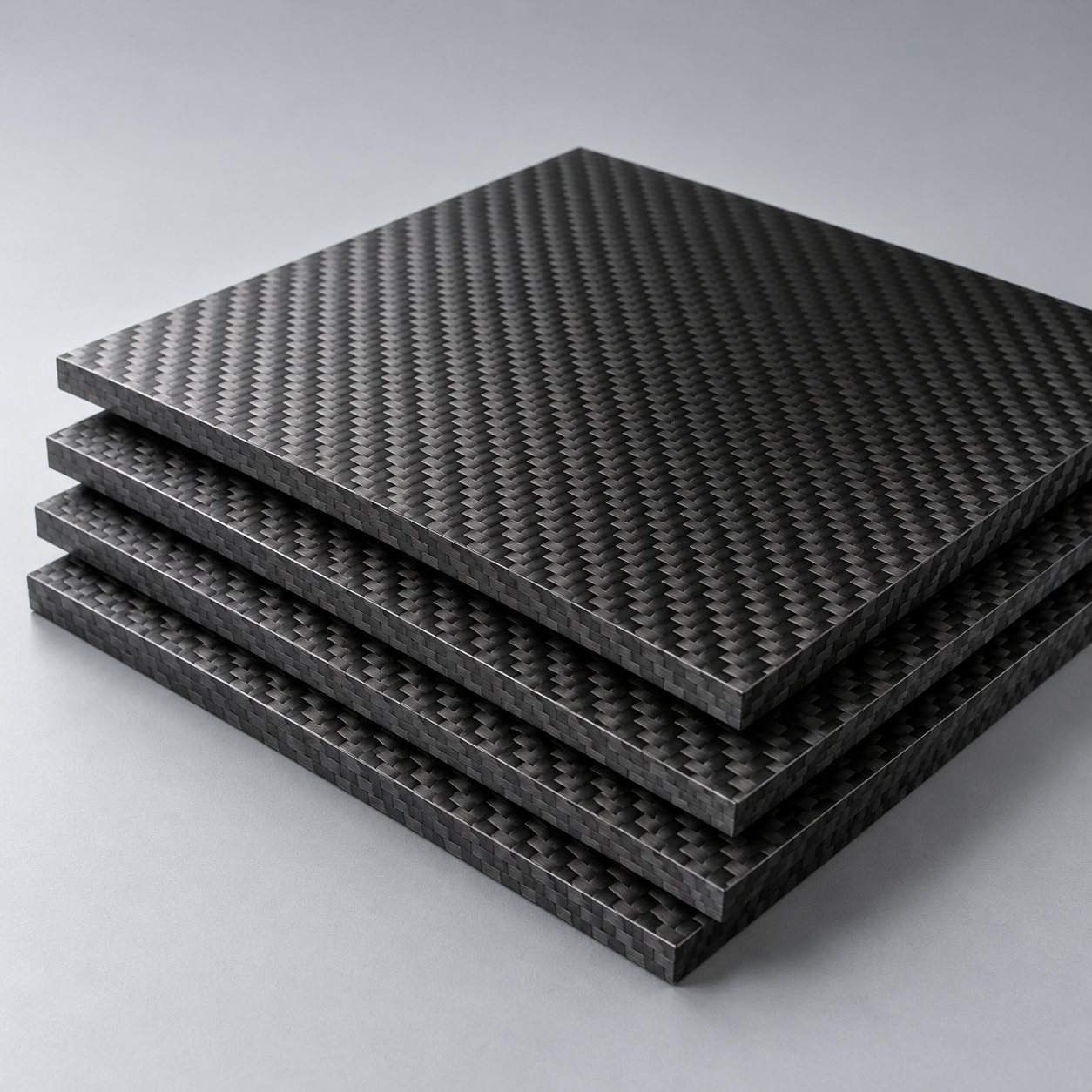 CompositesReview stiffness, weight and laminate.›Customer-Specified MaterialsConfirm your grade and requirements.›Other Specialty MaterialsDiscuss your application and grade.›
Practical guidance for your part geometry and material decisions.
Prepare your process, budget and sourcing questions.
Build your knowledge before production.
Learn who we are and how we operate.
Find our U.S. support team or start a conversation.
YOUR SECTION. YOUR LENGTH. YOUR FINISHED FIT.
Bring your section drawing, resin and delivery length into one review. Define fit, color and sample acceptance before tooling.
Start with 1 section drawing + your required length and quantity. Project route and supply scope are confirmed during review.
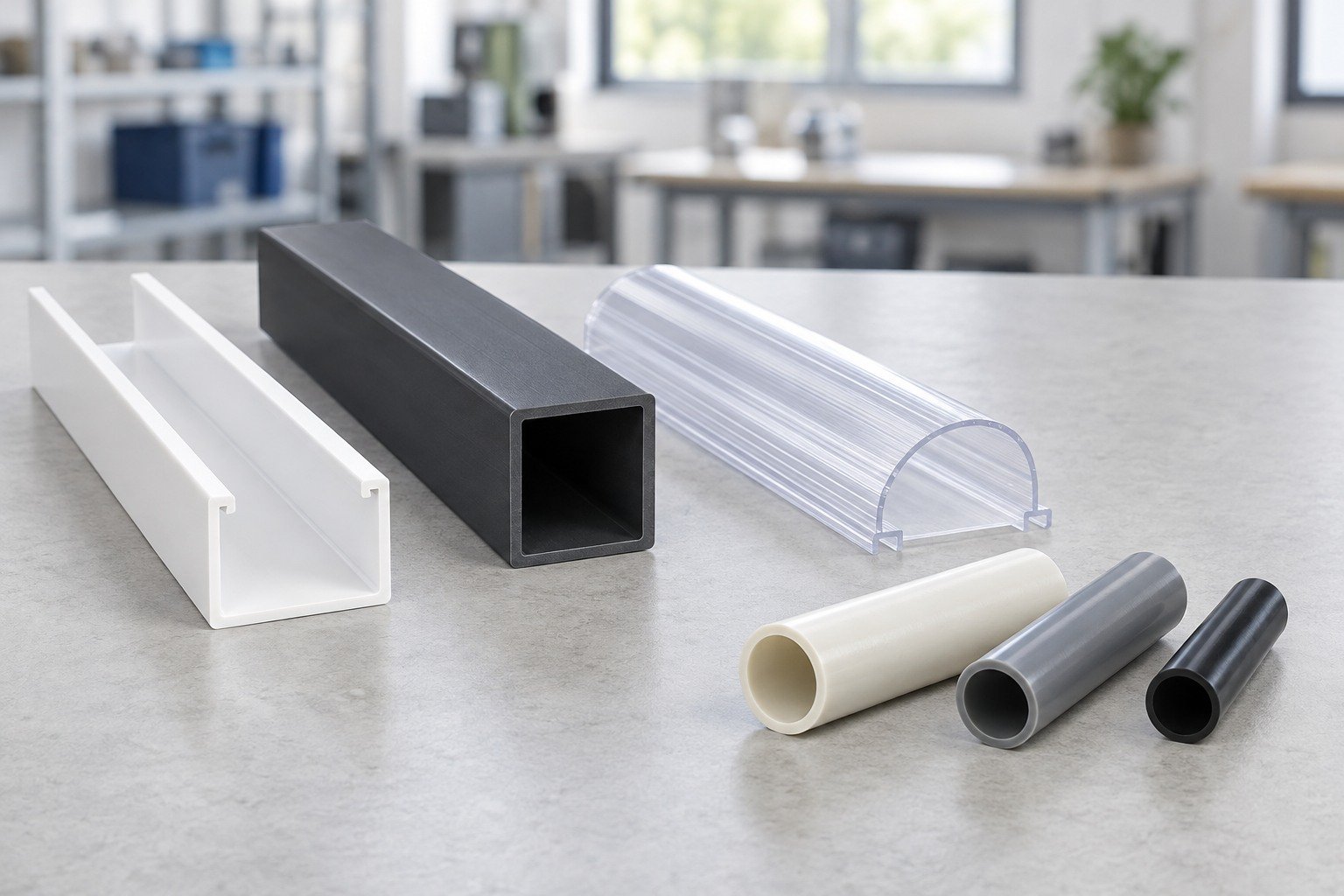
Help select the right resin
Review profile feasibility
Define your required length
Confirm fit and appearance
Coordinate your project
Define your requirements early to review cost, fit and production scope.
Grooves, walls and mating parts.
Grade, color and use conditions.
Cooling, bow and twist.
Metres, feet or finished pieces.
Cuts, holes, packing and records.
Plastic profile extrusion forms a continuous cross-section through a die, then cools it to retain its shape.
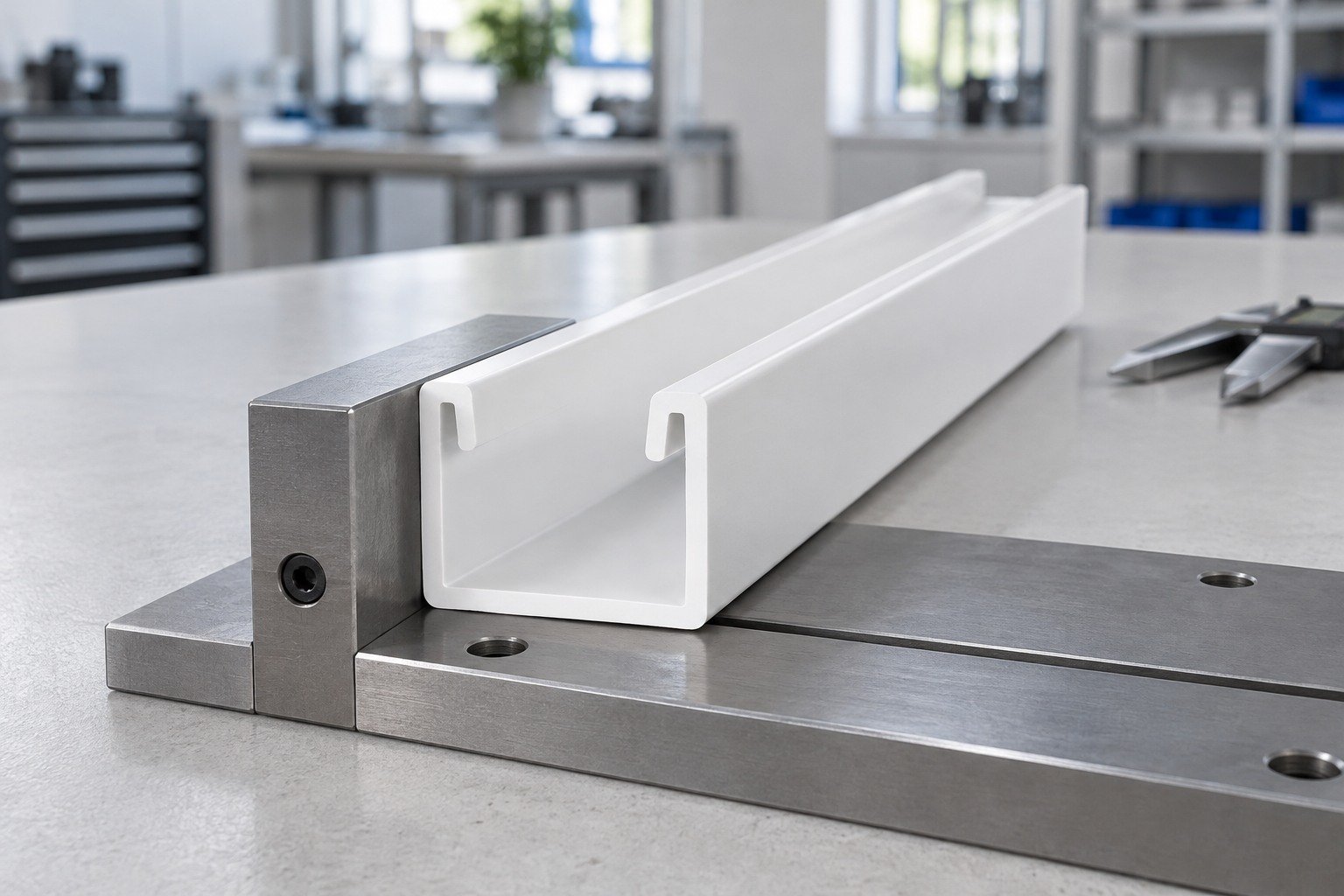
For plastic U channel extrusion or plastic H channel extrusion, define openings, engagement faces and cut length on your controlled drawing.
| Your Fit | Mating sample, datums and engagement. |
|---|---|
| Your Section | Wall balance, corners and openings. |
| Your Delivery | Cut length, quantity and packaging. |
Profile, material and process suitability are reviewed for your project.
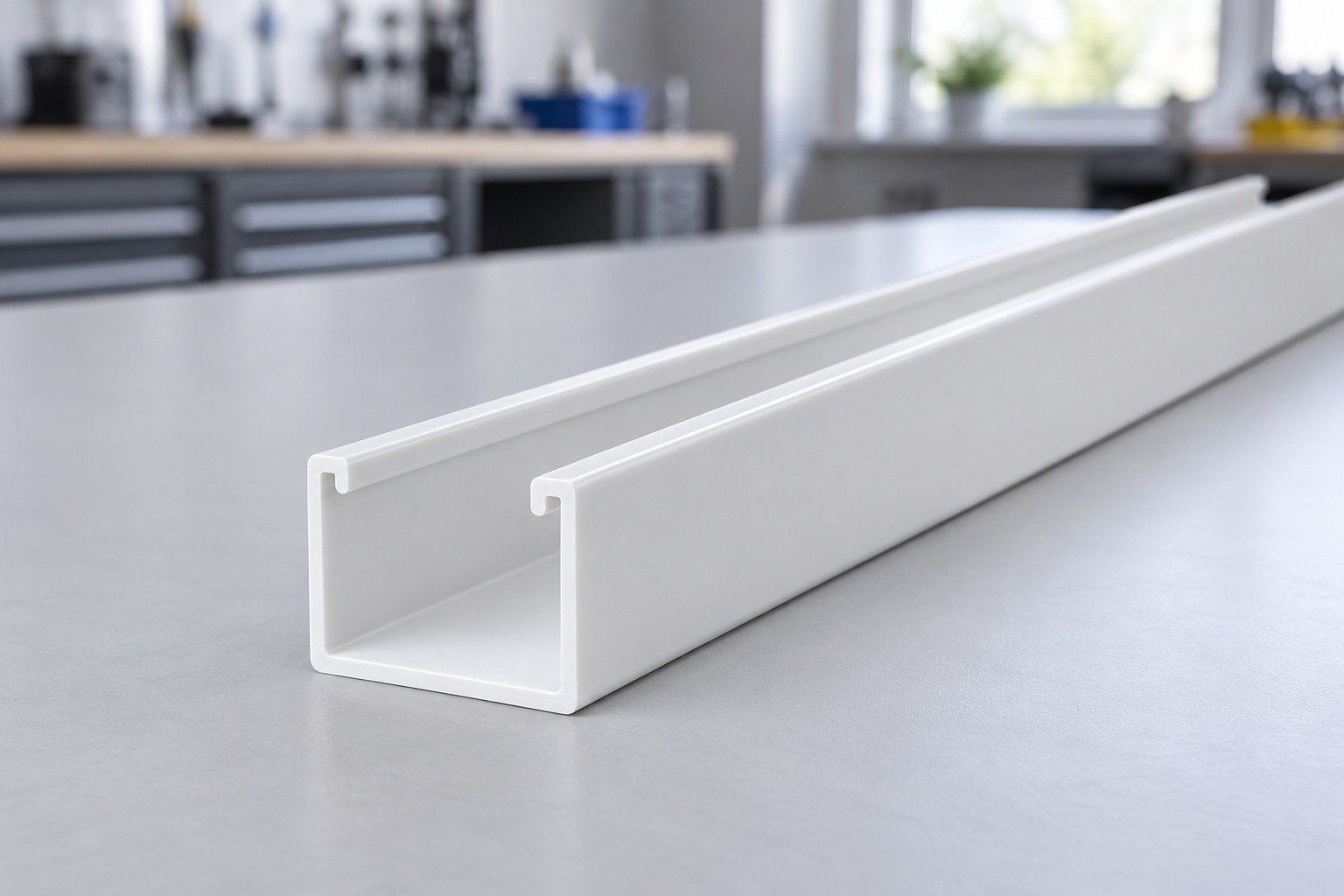
Confirm the exact extrusion grade and working conditions; a polymer family alone does not establish suitability.
| Your grade | Extrusion-grade resin, color and stiffness for your channel. |
|---|---|
| Your exposure | Temperature, UV, chemicals and loads. |
| Your evidence | Material records and required tests. |
Profile, material and process suitability are reviewed for your project.
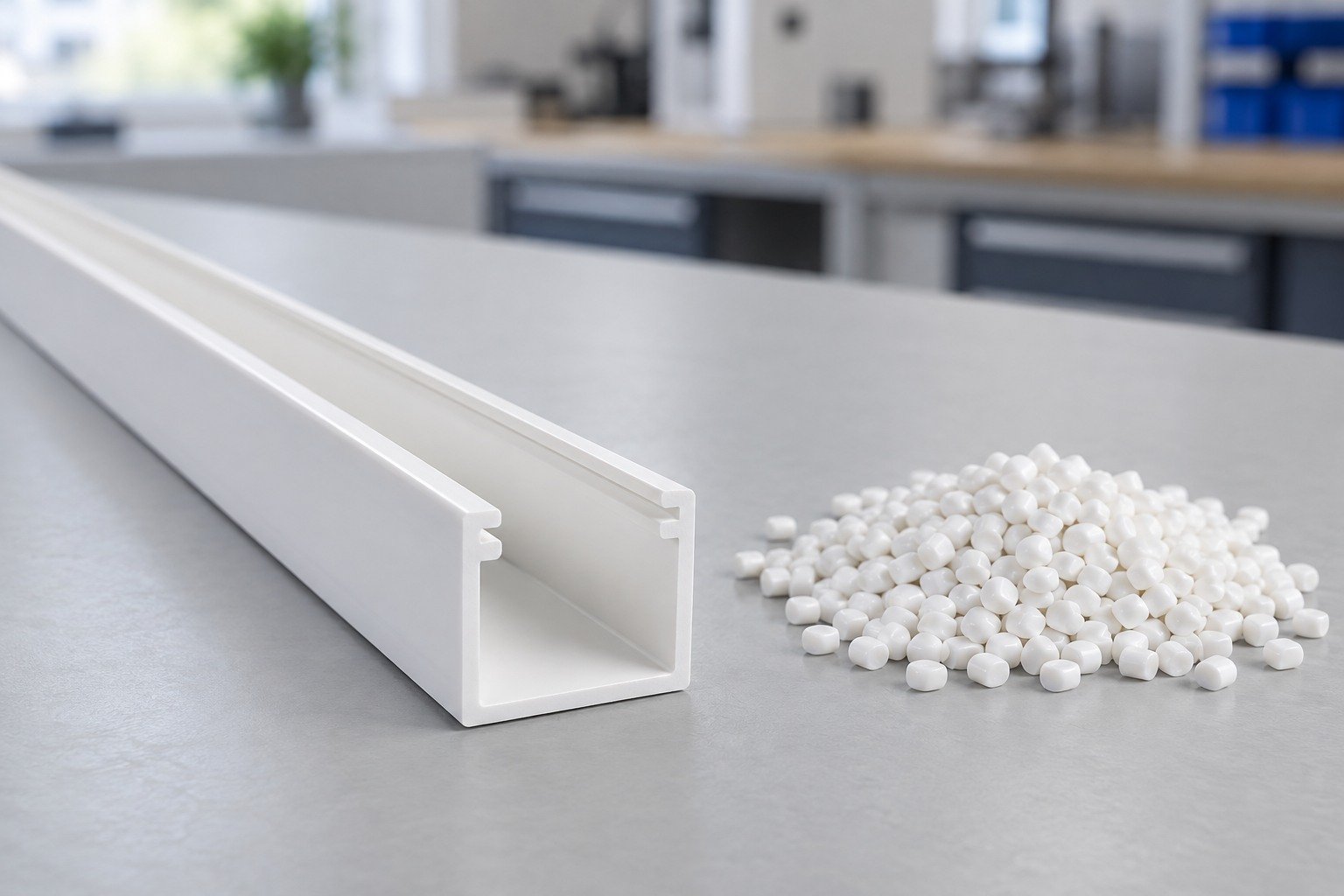
Review resin flow, cooling, sizing and tool access with your controlled section before committing to a die.
| Your input | Section CAD, mating parts and critical dimensions. |
|---|---|
| Our review | Flow to thin lips and balanced cooling around your opening. |
| Your approval | Changes, ownership and sample criteria. |
Profile, material and process suitability are reviewed for your project.
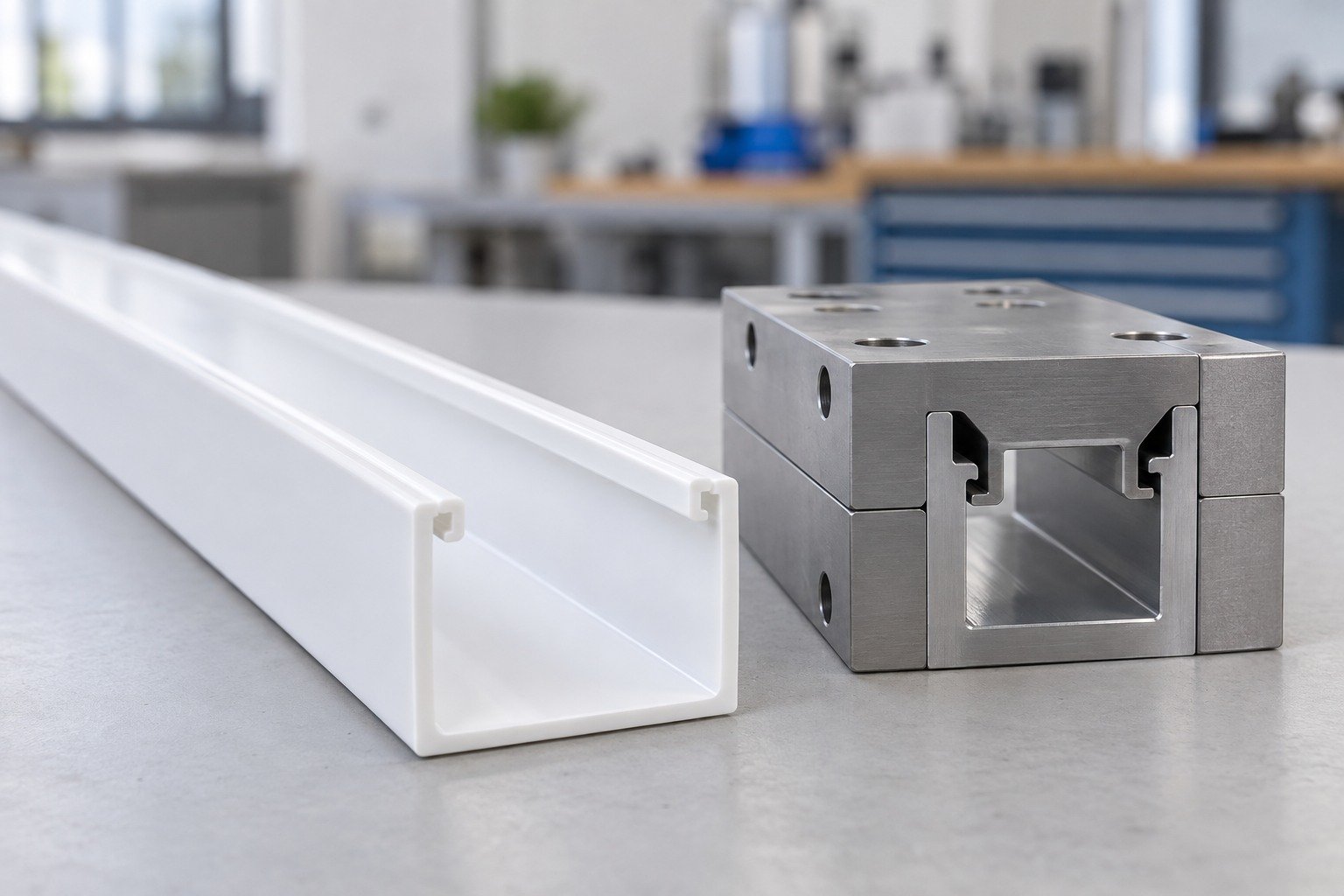
Approve the extruded sample in its agreed conditioning state, using your critical mating features.
| Your dimensions | Mating sample, datums and engagement. |
|---|---|
| Your method | Engagement gauge, datums and conditioning. |
| Your records | Sample revision and agreed inspection results. |
Profile, material and process suitability are reviewed for your project.
For rigid plastic extrusion, review the outer section, internal webs and access needed for sizing and cooling.
| Your Fit | Outer envelope and internal webs. |
|---|---|
| Your Section | Wall distribution and hollow support. |
| Your Delivery | Straightness and measurement state. |
Profile, material and process suitability are reviewed for your project.
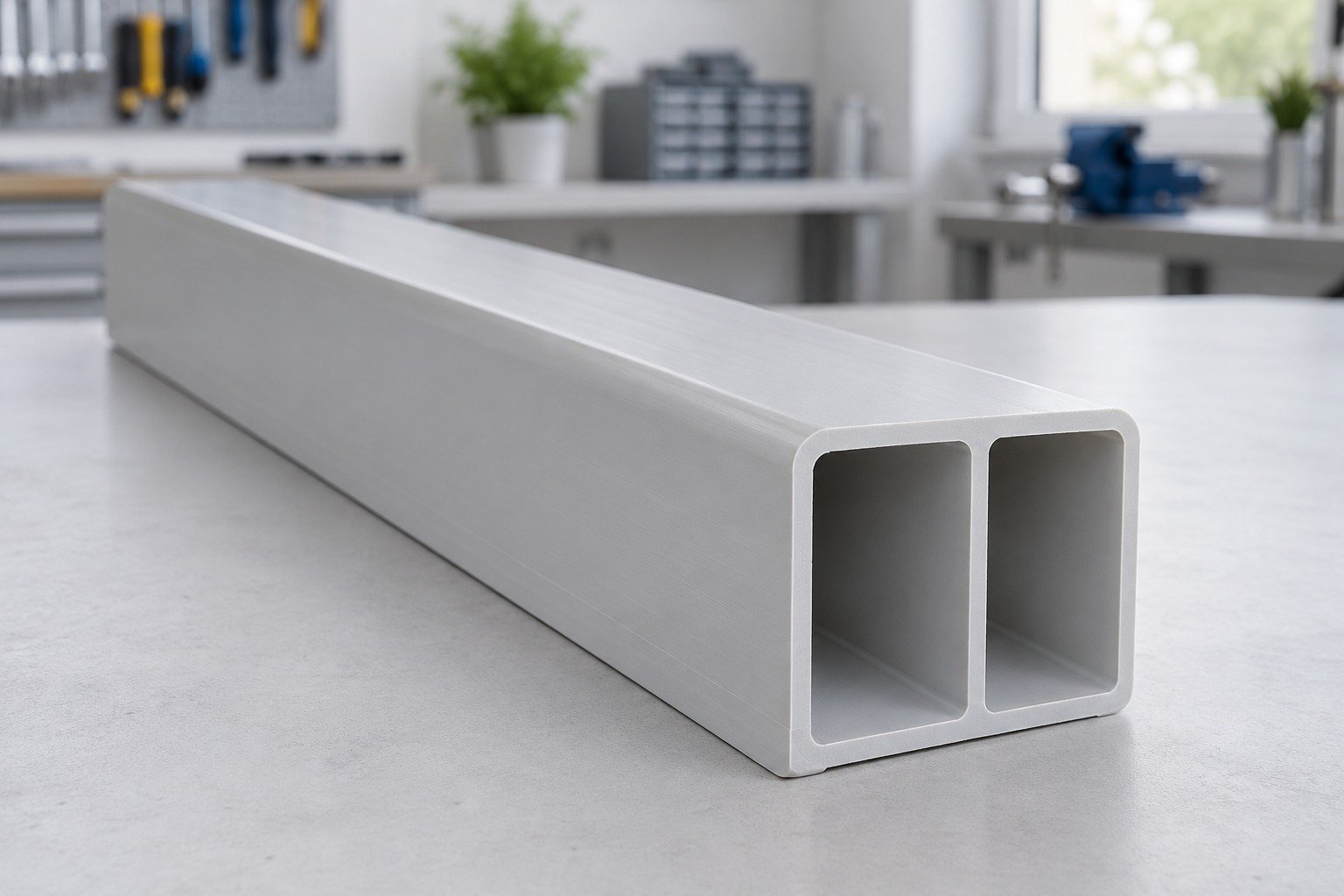
Confirm the exact extrusion grade and working conditions; a polymer family alone does not establish suitability.
| Your grade | Resin stiffness and shrinkage for your hollow walls. |
|---|---|
| Your exposure | Temperature, UV, chemicals and loads. |
| Your evidence | Material records and required tests. |
Profile, material and process suitability are reviewed for your project.
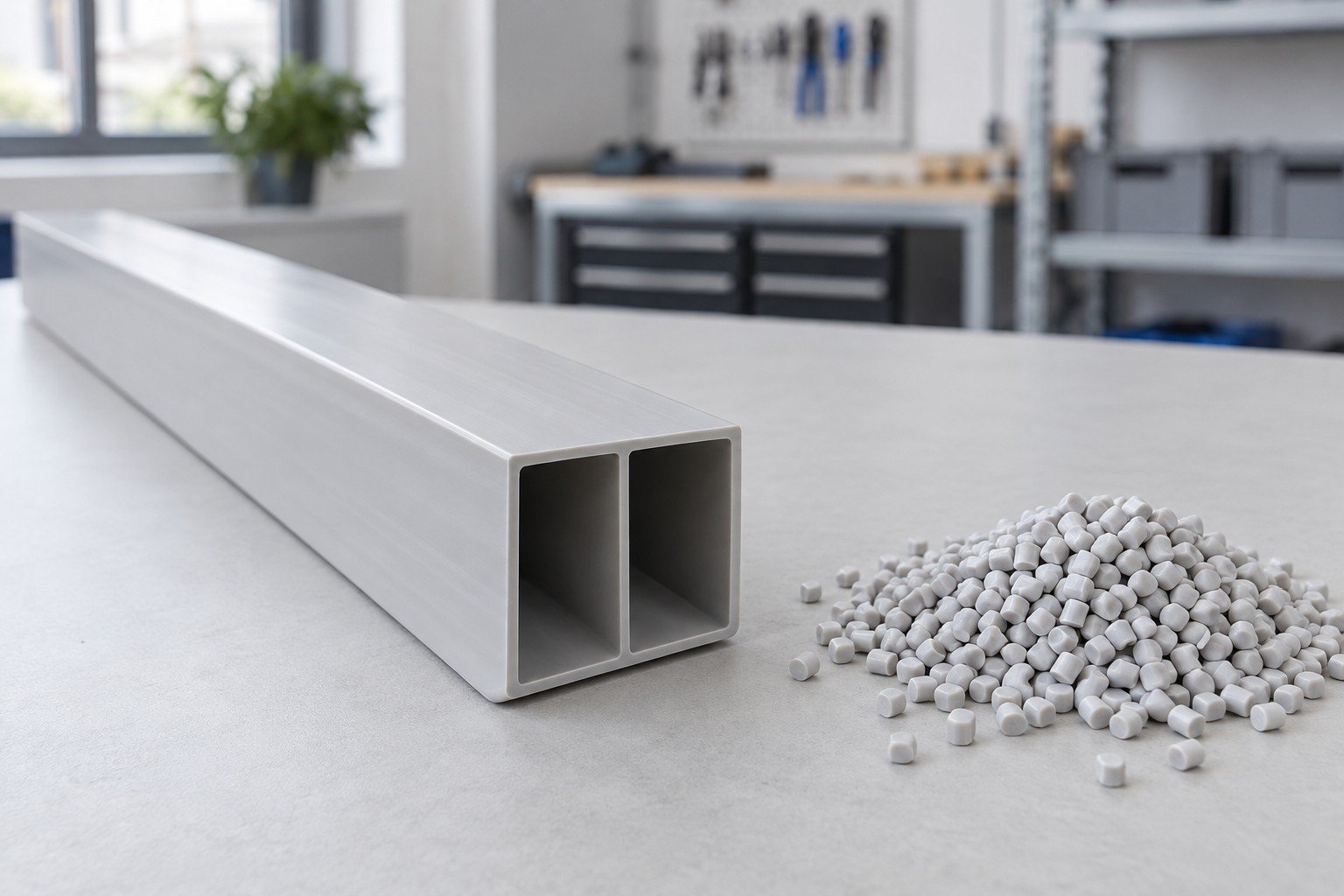
Review resin flow, cooling, sizing and tool access with your controlled section before committing to a die.
| Your input | Section CAD, mating parts and critical dimensions. |
|---|---|
| Our review | Internal support, vacuum sizing and web stability. |
| Your approval | Changes, ownership and sample criteria. |
Profile, material and process suitability are reviewed for your project.
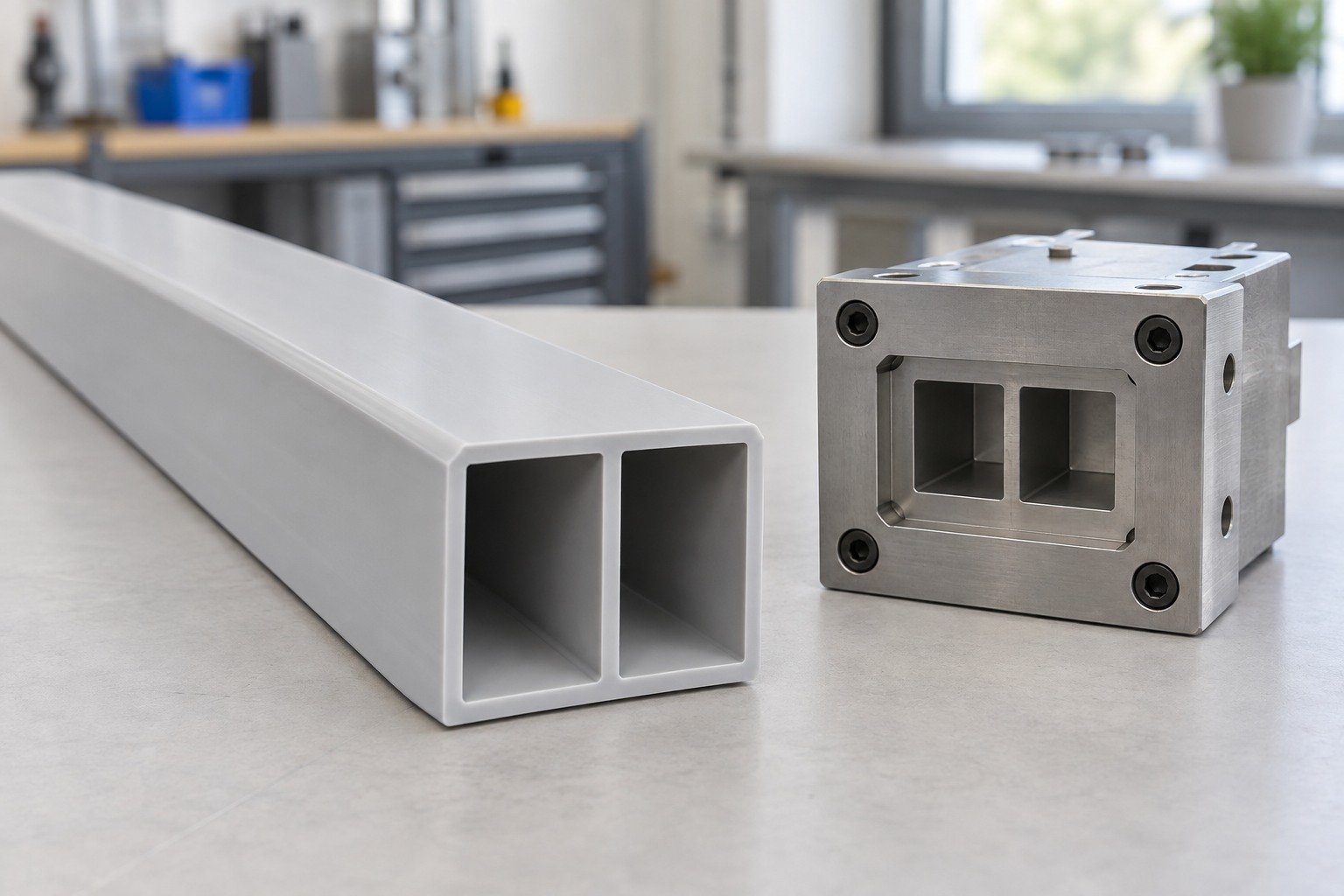
Approve the extruded sample in its agreed conditioning state, using your critical mating features.
| Your dimensions | Outer envelope and internal webs. |
|---|---|
| Your method | Supported section measurement and internal access. |
| Your records | Sample revision and agreed inspection results. |
Profile, material and process suitability are reviewed for your project.
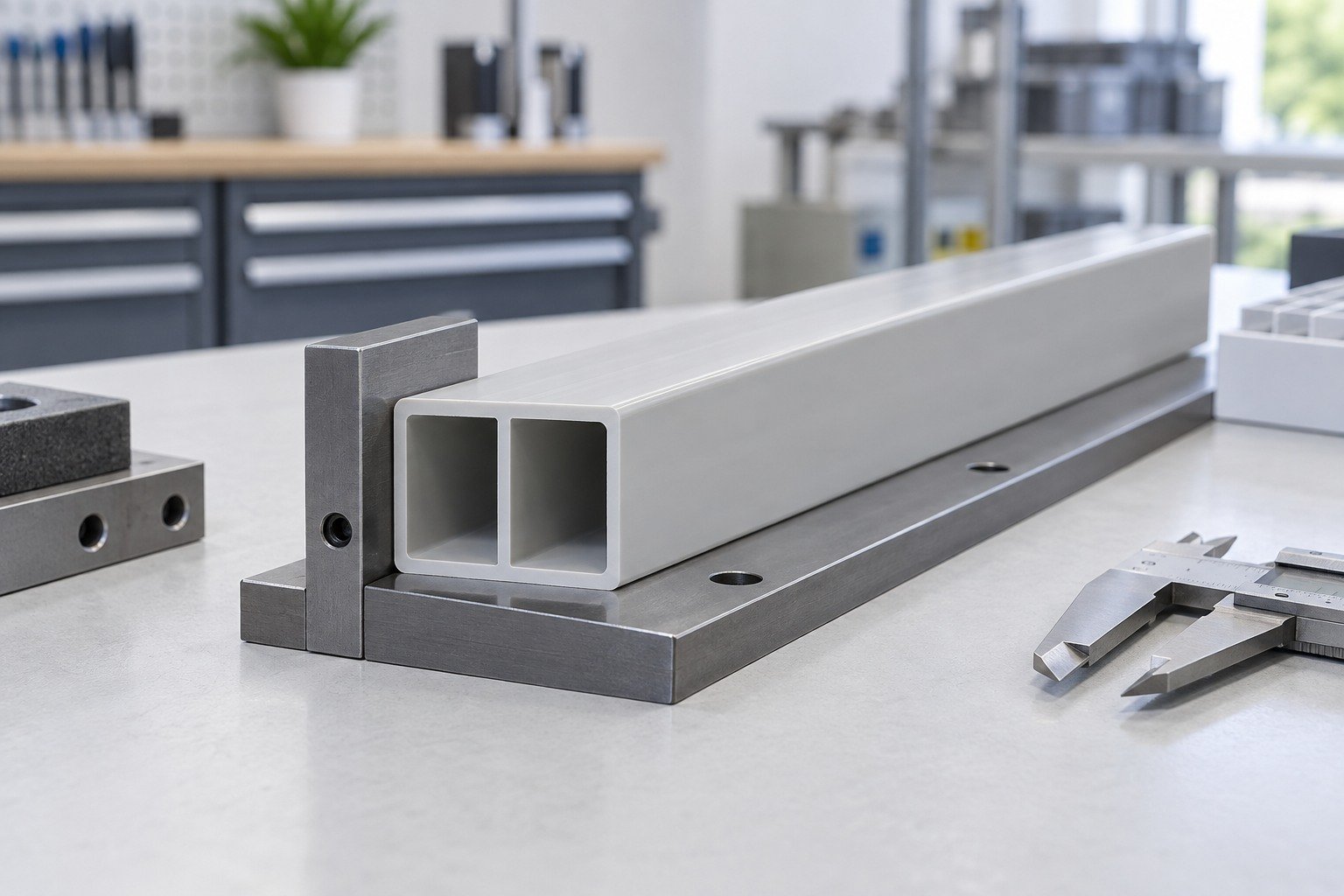
For custom plastic tube extrusion, identify the bore, outside size and the connection that must fit.
| Your Fit | Bore, outside size and mating components. |
|---|---|
| Your Section | Wall, concentricity and end condition. |
| Your Delivery | Rigid lengths or coil; order unit. |
Profile, material and process suitability are reviewed for your project.
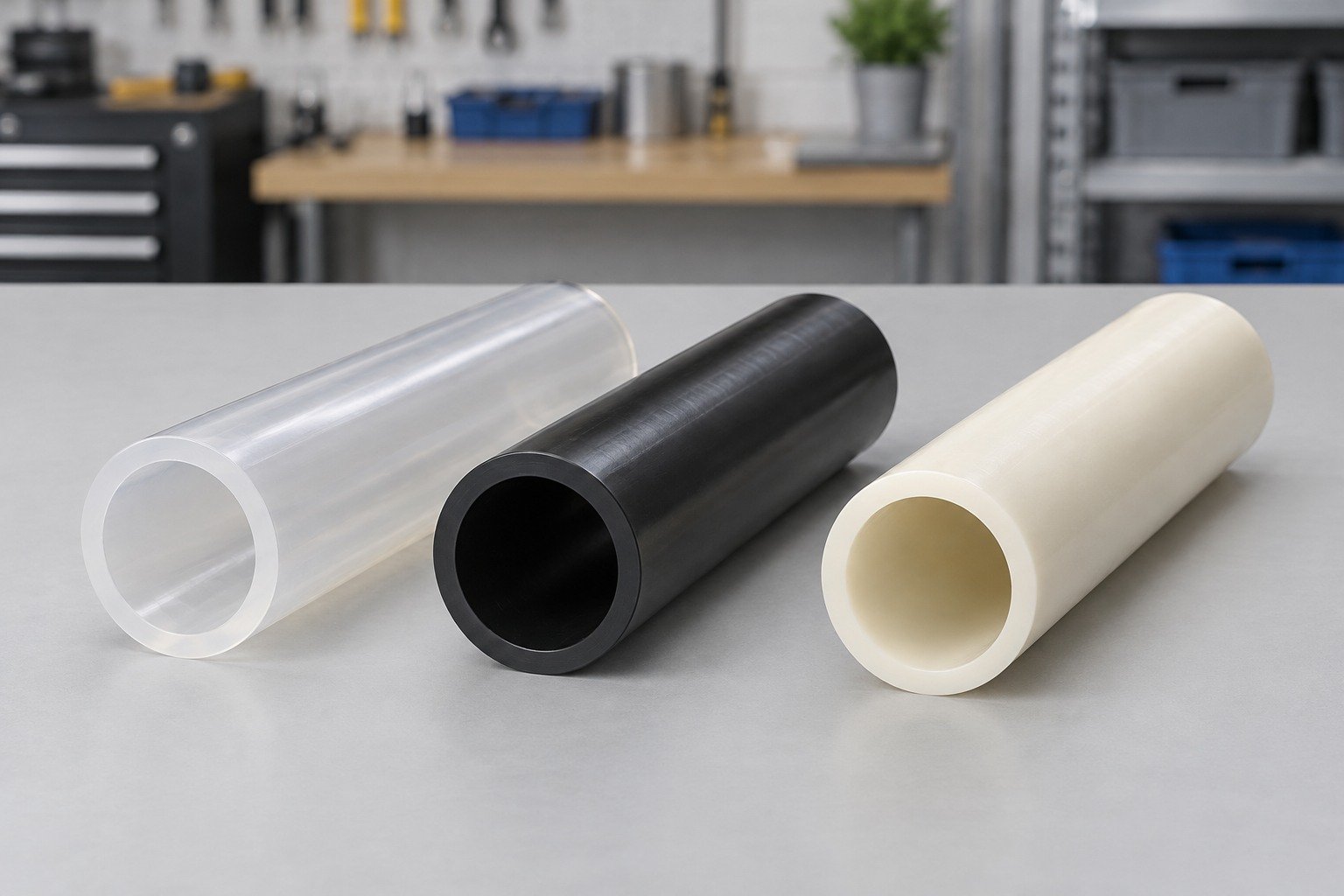
Confirm the exact extrusion grade and working conditions; a polymer family alone does not establish suitability.
| Your grade | Exact polymer grade, contact medium and flexibility. |
|---|---|
| Your exposure | Temperature, UV, chemicals and loads. |
| Your evidence | Material records and required tests. |
Profile, material and process suitability are reviewed for your project.
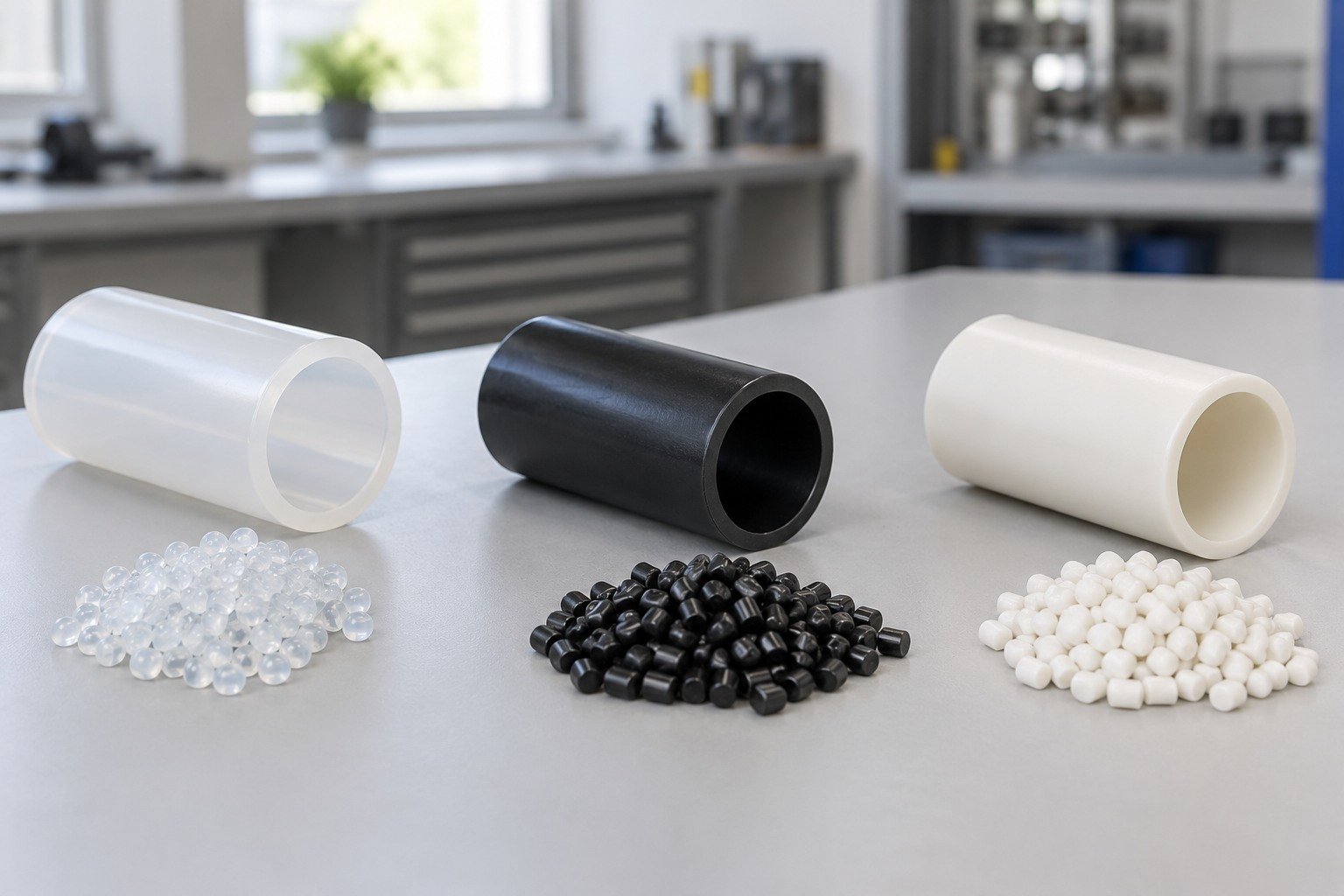
Review resin flow, cooling, sizing and tool access with your controlled section before committing to a die.
| Your input | Section CAD, mating parts and critical dimensions. |
|---|---|
| Our review | Bore sizing, wall distribution and cooling access. |
| Your approval | Changes, ownership and sample criteria. |
Profile, material and process suitability are reviewed for your project.
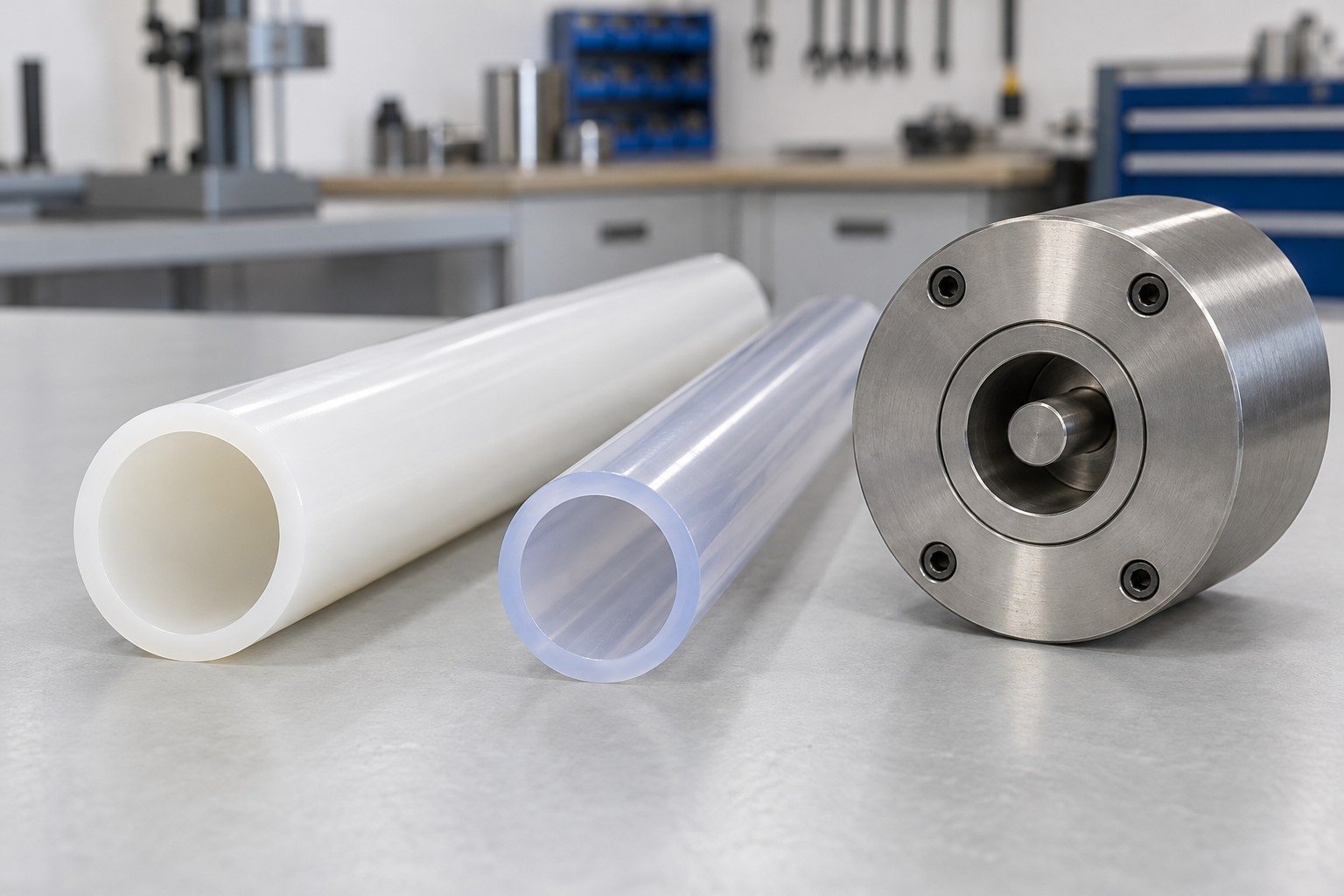
Approve the extruded sample in its agreed conditioning state, using your critical mating features.
| Your dimensions | Bore, outside size and mating components. |
|---|---|
| Your method | Bore and outside measurements with defined contact force. |
| Your records | Sample revision and agreed inspection results. |
Profile, material and process suitability are reviewed for your project.
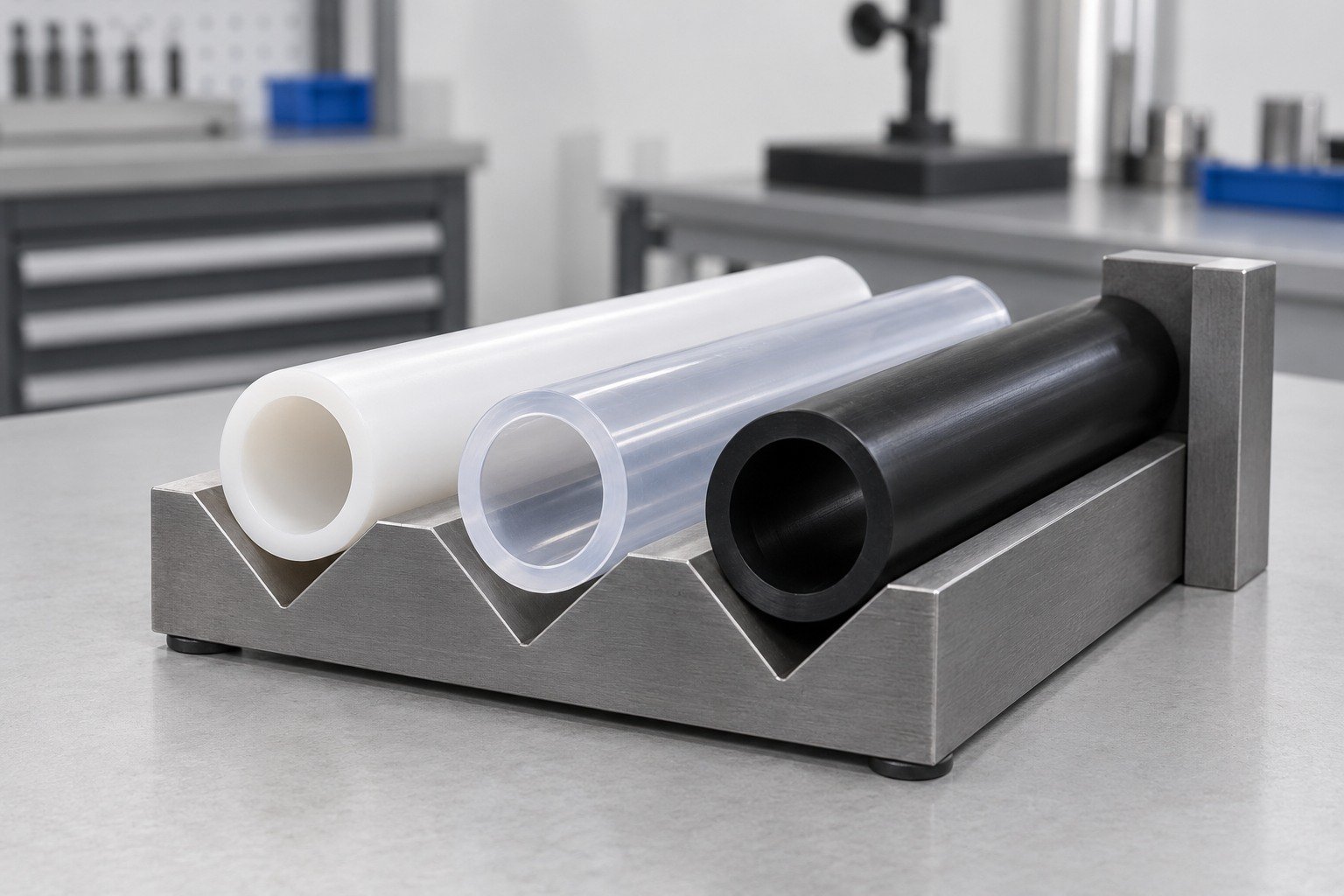
For plastic edge trim extrusion, define hardness, recovery, edge thickness and retention in your assembly.
| Your Fit | Hardness, retention and recovery. |
|---|---|
| Your Section | Lip size, contact and installation. |
| Your Delivery | Cutting, coils and surface appearance. |
Profile, material and process suitability are reviewed for your project.
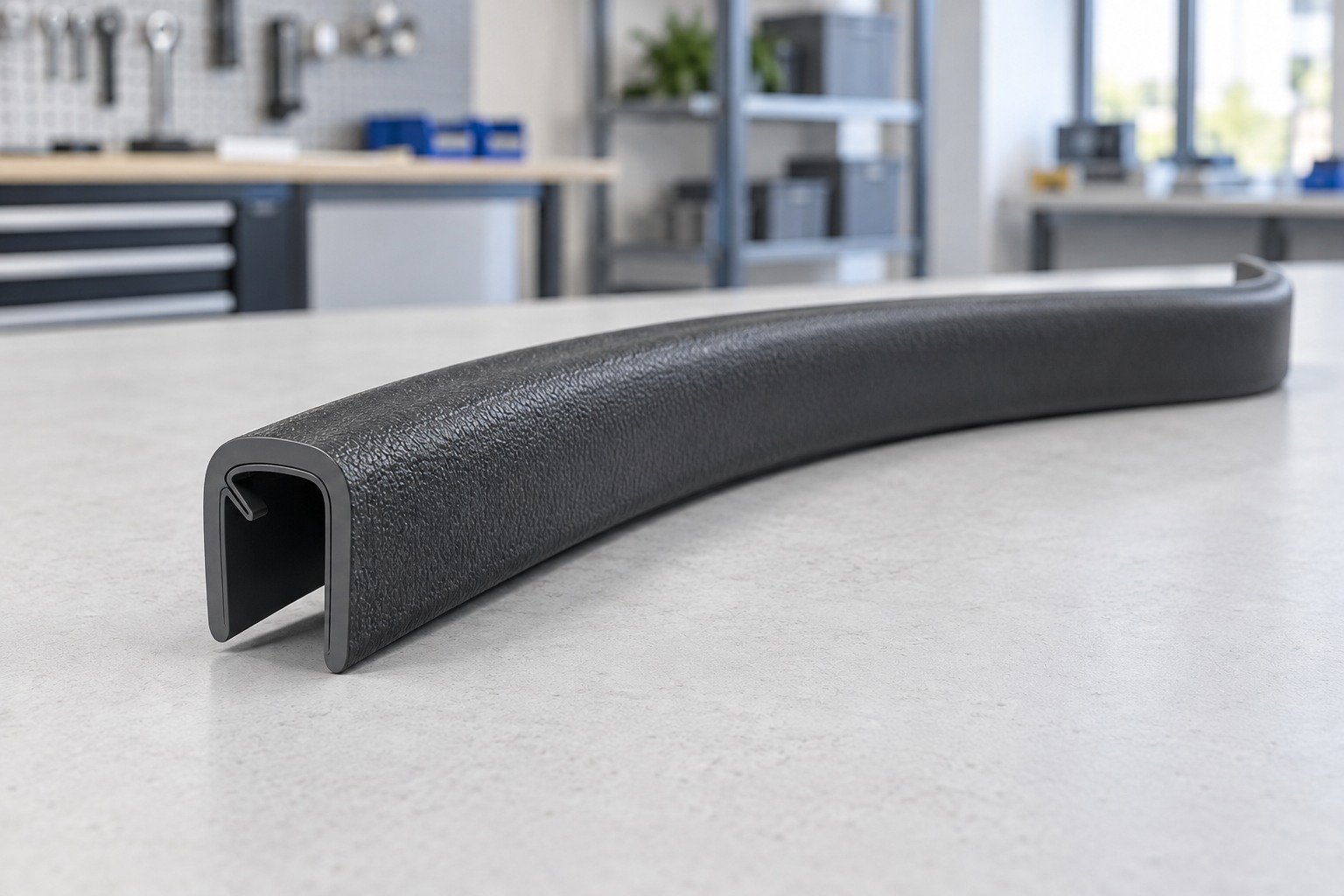
Confirm the exact extrusion grade and working conditions; a polymer family alone does not establish suitability.
| Your grade | Extrusion grade, hardness and recovery for your trim. |
|---|---|
| Your exposure | Temperature, UV, chemicals and loads. |
| Your evidence | Material records and required tests. |
Profile, material and process suitability are reviewed for your project.
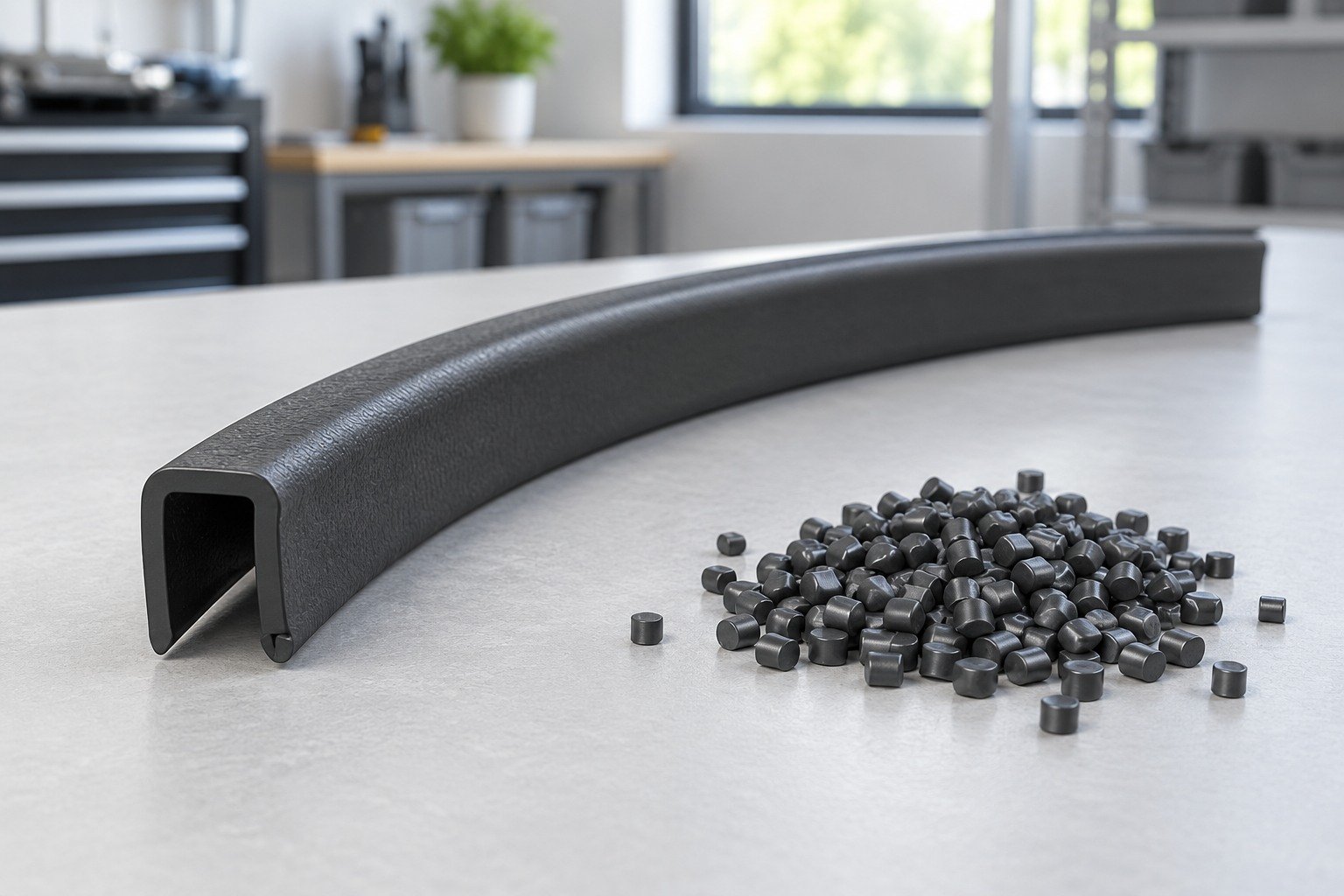
Review resin flow, cooling, sizing and tool access with your controlled section before committing to a die.
| Your input | Section CAD, mating parts and critical dimensions. |
|---|---|
| Our review | Lip control, haul-off support and coil handling. |
| Your approval | Changes, ownership and sample criteria. |
Profile, material and process suitability are reviewed for your project.
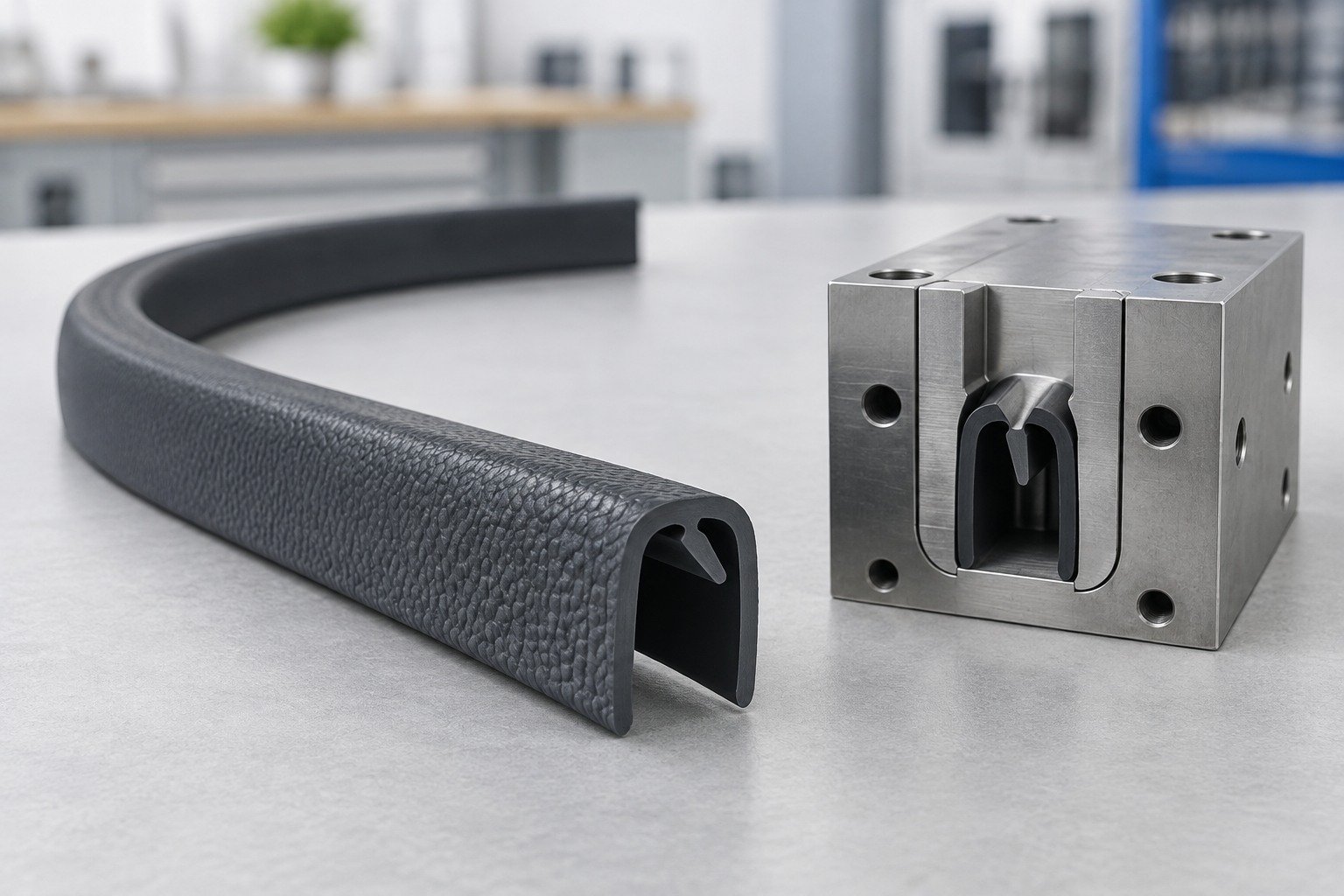
Approve the extruded sample in its agreed conditioning state, using your critical mating features.
| Your dimensions | Hardness, retention and recovery. |
|---|---|
| Your method | Hardness, installation and recovery checks. |
| Your records | Sample revision and agreed inspection results. |
Profile, material and process suitability are reviewed for your project.
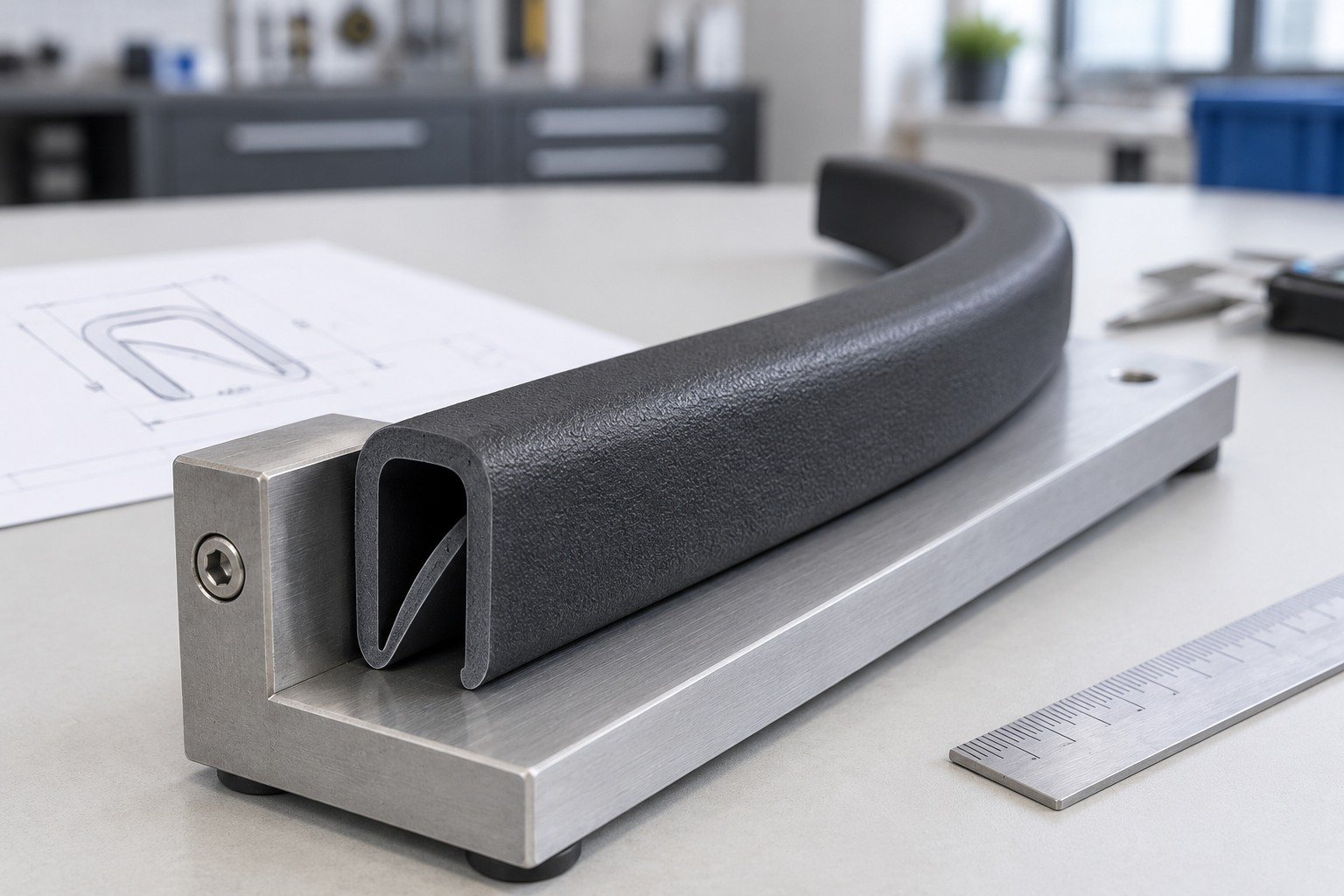
Plastic co extrusion combines materials only when the grades, bond and production route are suitable.
| Your Fit | Rigid carrier and flexible lip function. |
|---|---|
| Your Section | Compatible extrusion grades and hardness. |
| Your Delivery | Bond evidence, conditioning and acceptance. |
Profile, material and process suitability are reviewed for your project.
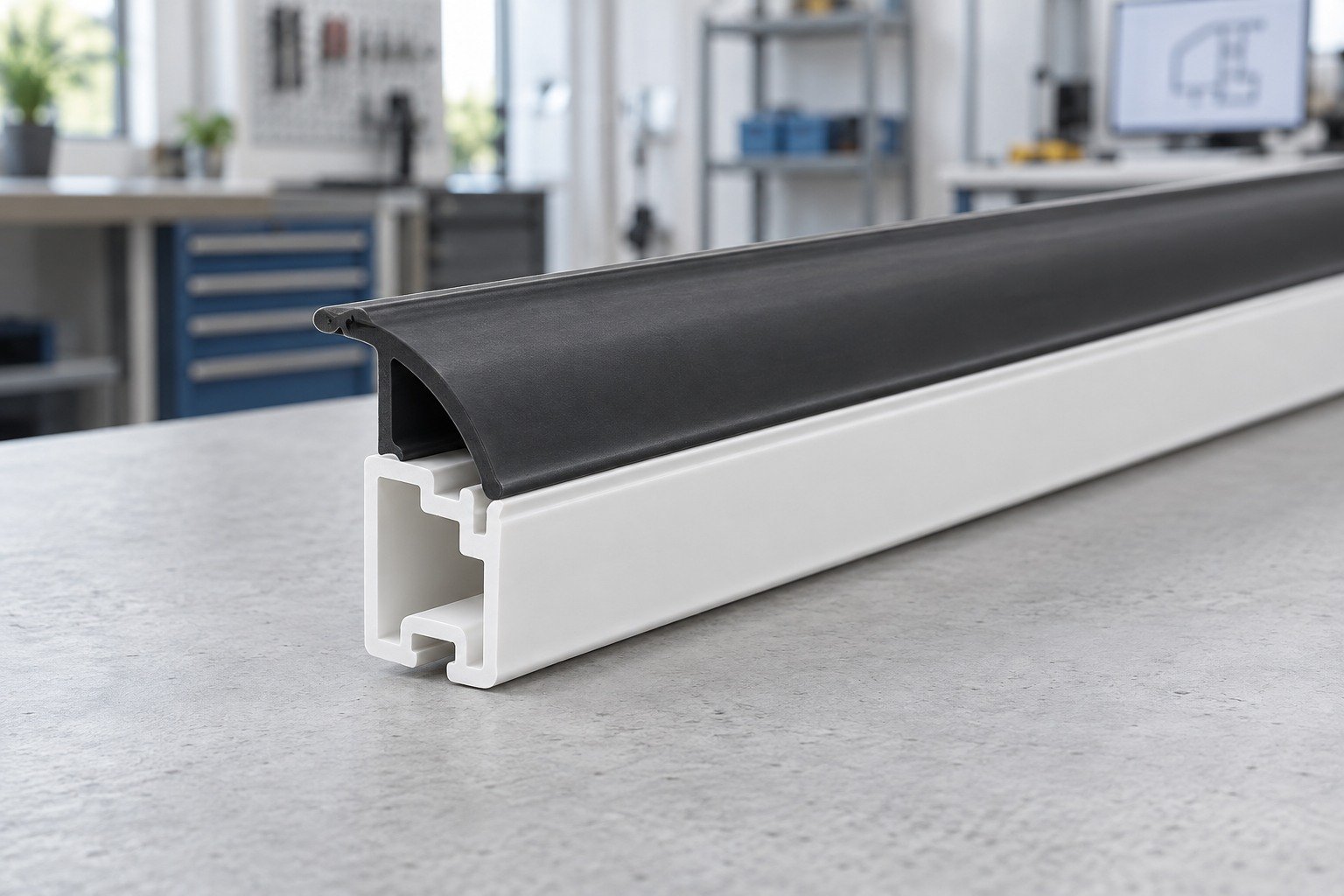
Confirm the exact extrusion grade and working conditions; a polymer family alone does not establish suitability.
| Your grade | Exact rigid and flexible grades, hardness and bond basis. |
|---|---|
| Your exposure | Temperature, UV, chemicals and loads. |
| Your evidence | Material records and required tests. |
Profile, material and process suitability are reviewed for your project.
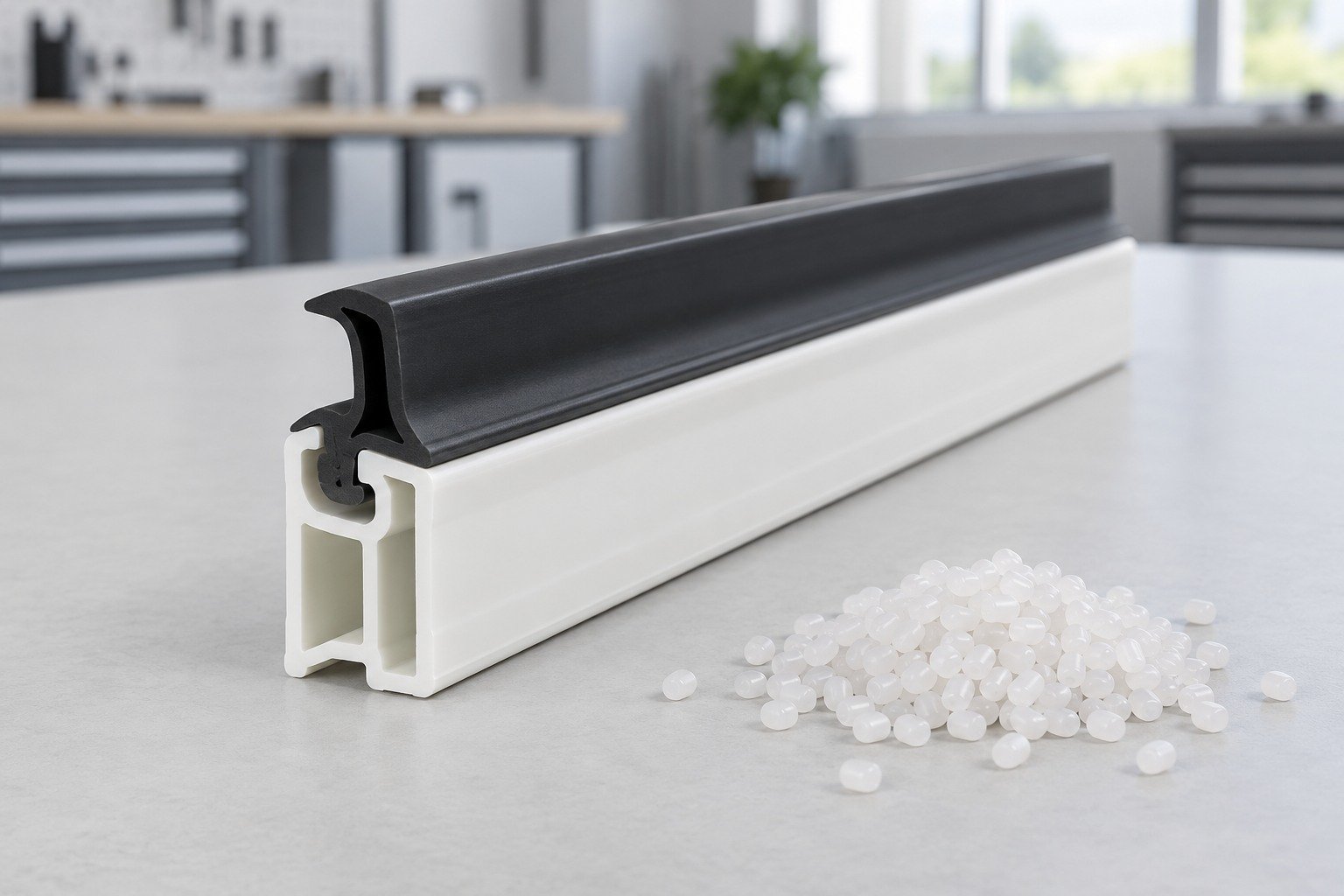
Review resin flow, cooling, sizing and tool access with your controlled section before committing to a die.
| Your input | Section CAD, mating parts and critical dimensions. |
|---|---|
| Our review | Separate melt flows, interface geometry and bond review. |
| Your approval | Changes, ownership and sample criteria. |
Profile, material and process suitability are reviewed for your project.
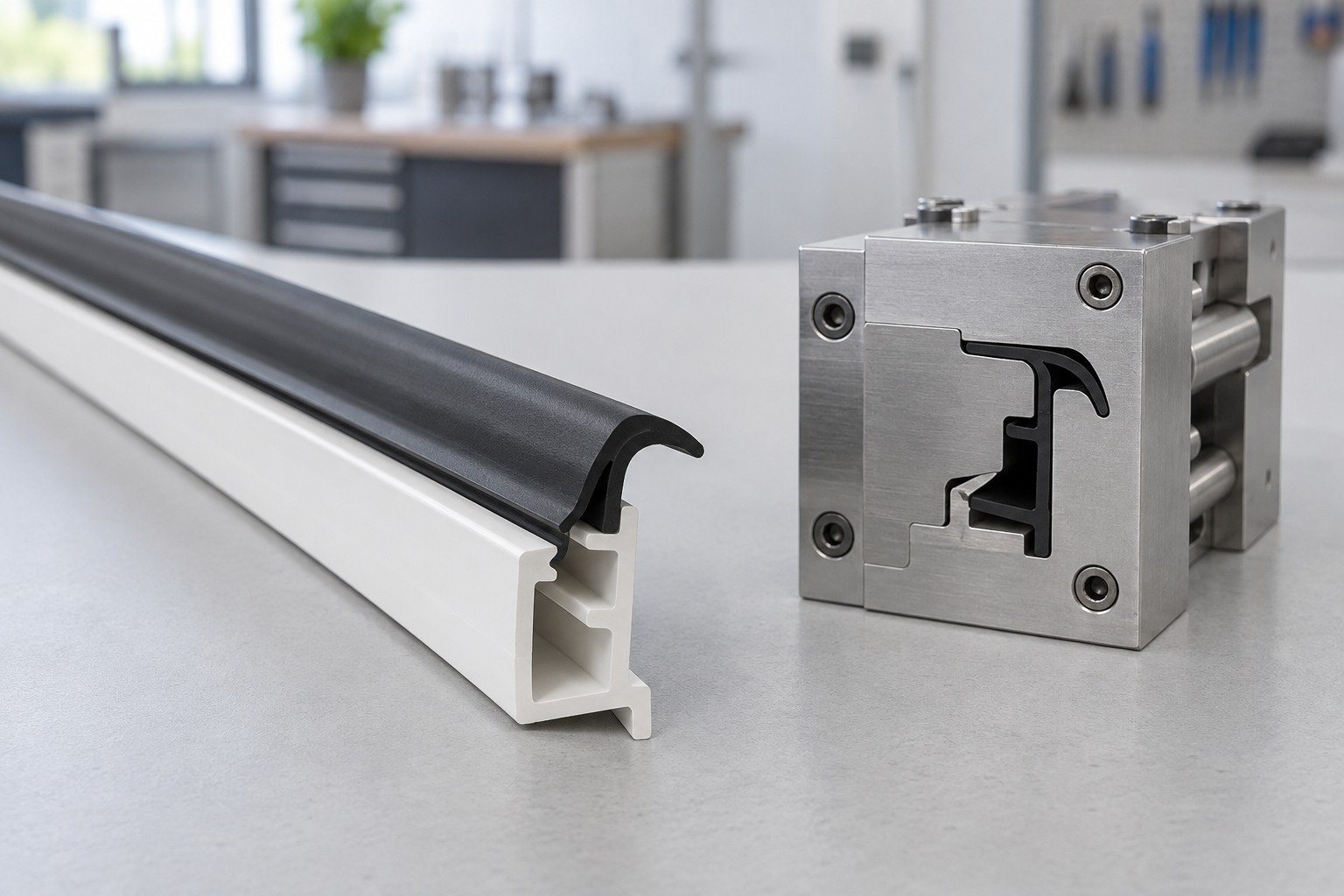
Approve the extruded sample in its agreed conditioning state, using your critical mating features.
| Your dimensions | Rigid carrier and flexible lip function. |
|---|---|
| Your method | Bond and function checks after agreed conditioning. |
| Your records | Sample revision and agreed inspection results. |
Profile, material and process suitability are reviewed for your project.
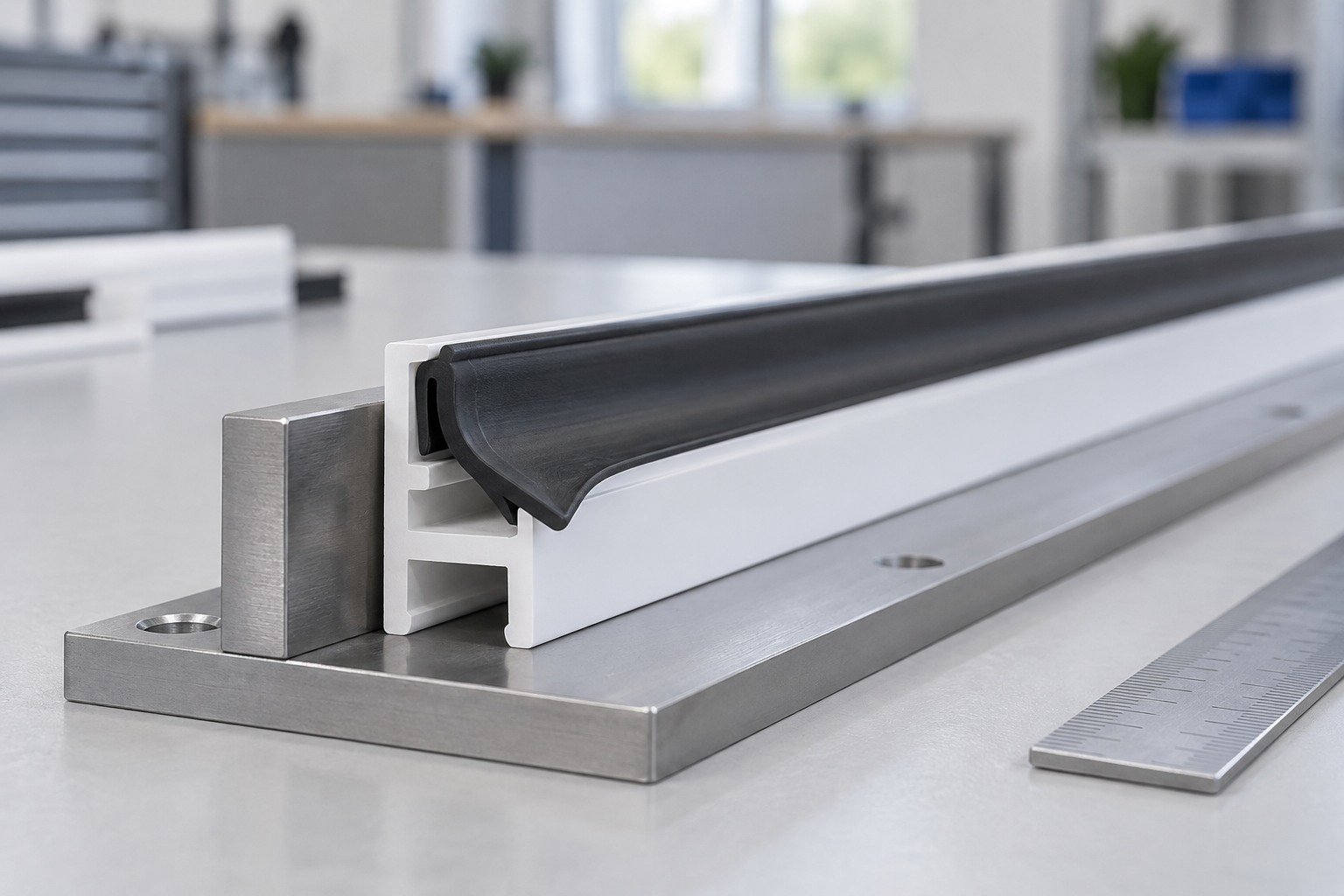
Plastic extrusion die design must be reviewed with resin flow, calibration and the finished section.
| Your Fit | Controlled section and resin specification. |
|---|---|
| Your Section | Die, calibrator and sample scope. |
| Your Delivery | Ownership, storage and revision approval. |
Profile, material and process suitability are reviewed for your project.
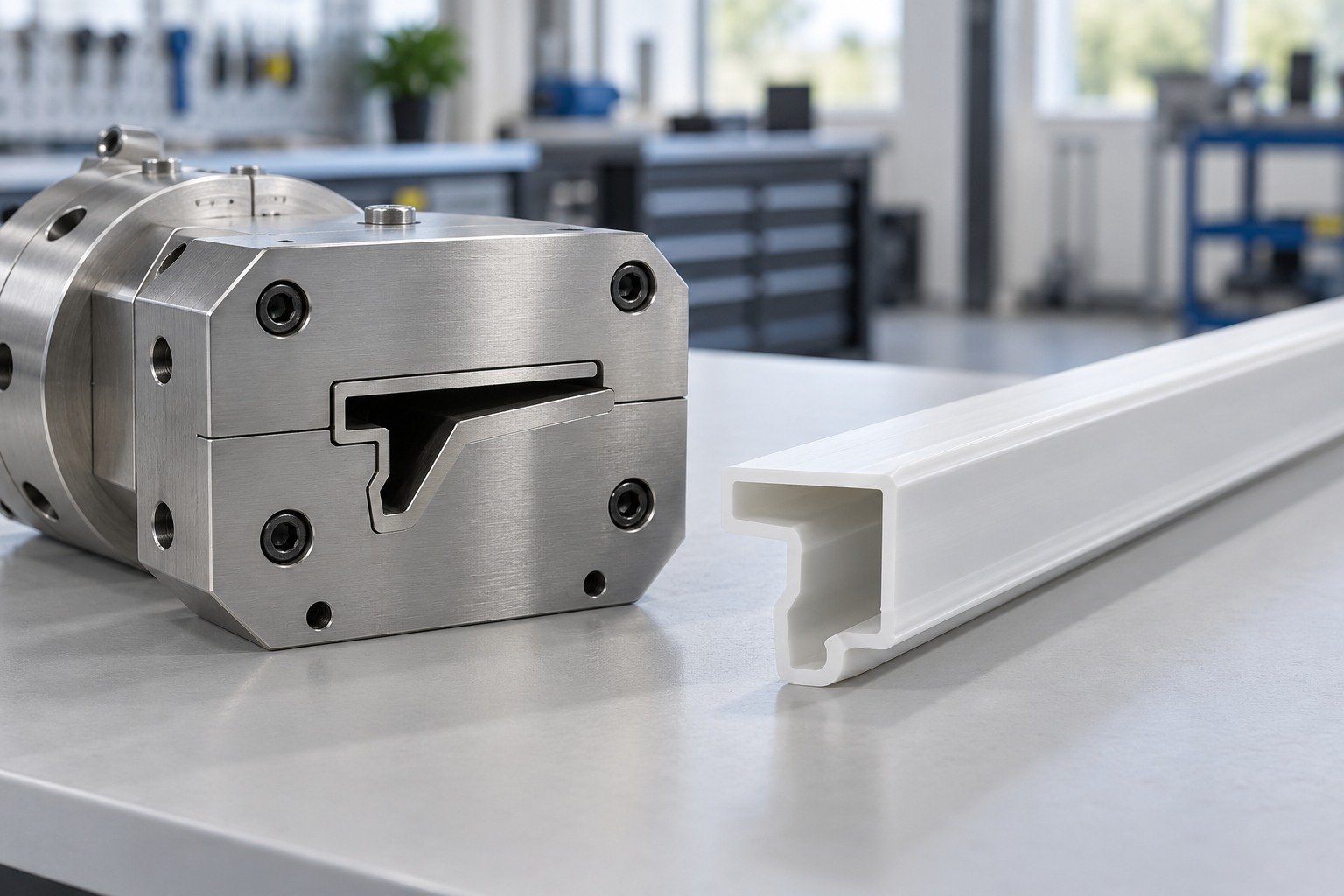
Confirm the exact extrusion grade and working conditions; a polymer family alone does not establish suitability.
| Your grade | Approved extrusion grade and its processing information. |
|---|---|
| Your exposure | Temperature, UV, chemicals and loads. |
| Your evidence | Material records and required tests. |
Profile, material and process suitability are reviewed for your project.
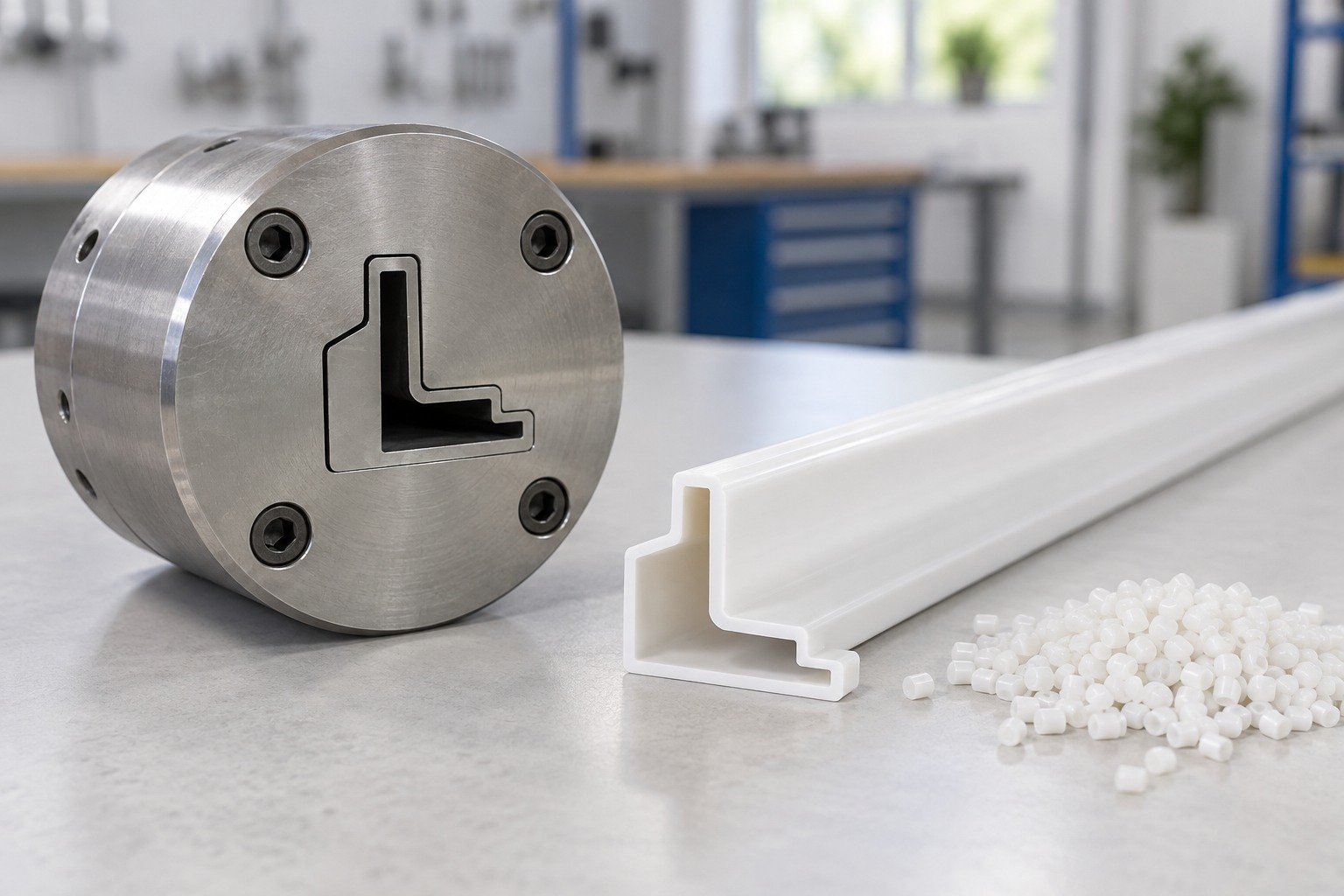
Review resin flow, cooling, sizing and tool access with your controlled section before committing to a die.
| Your input | Section CAD, mating parts and critical dimensions. |
|---|---|
| Our review | Die and calibrator scope, correction runs and ownership. |
| Your approval | Changes, ownership and sample criteria. |
Profile, material and process suitability are reviewed for your project.
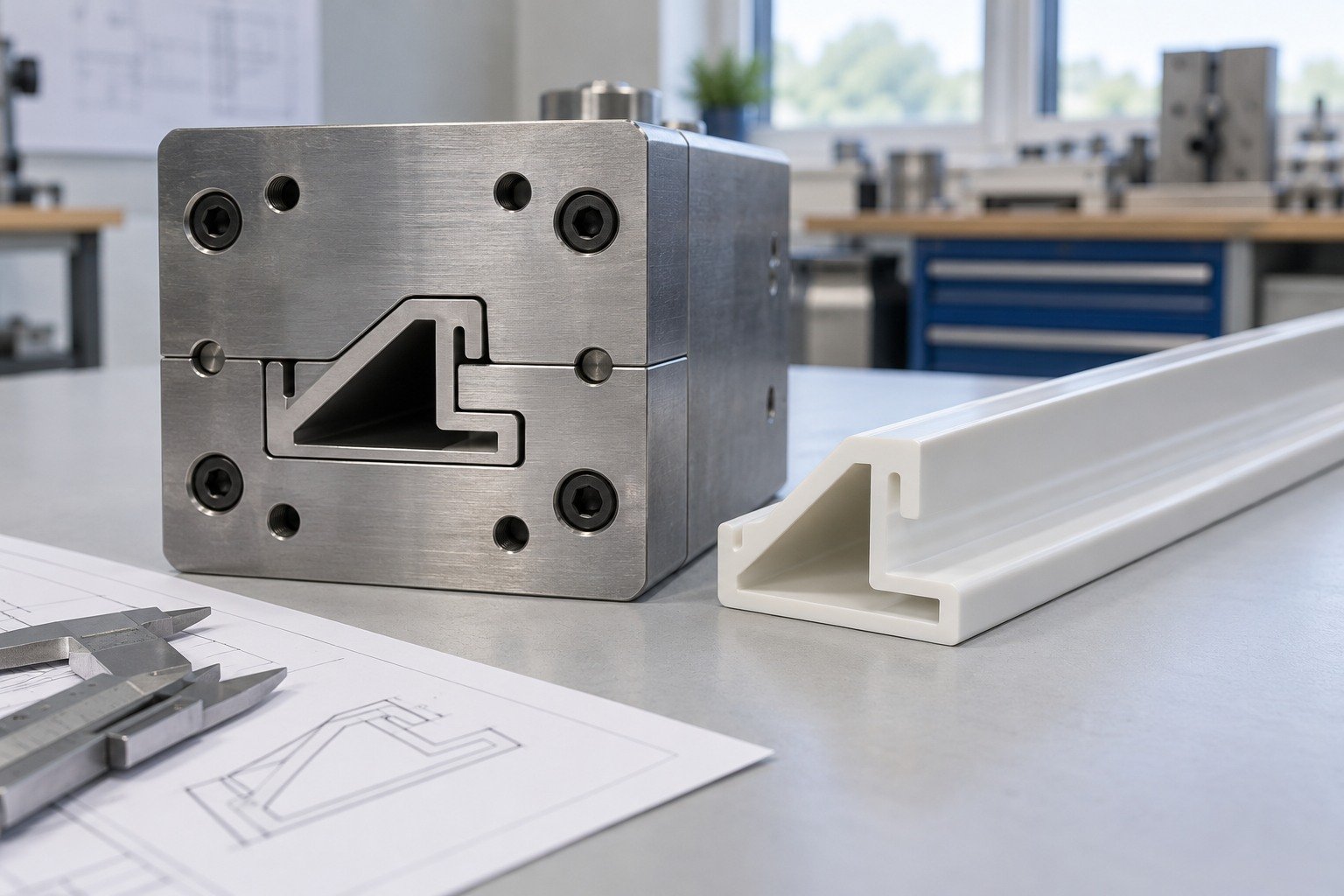
Approve the extruded sample in its agreed conditioning state, using your critical mating features.
| Your dimensions | Controlled section and resin specification. |
|---|---|
| Your method | Extruded trial report and approved tool revision. |
| Your records | Sample revision and agreed inspection results. |
Profile, material and process suitability are reviewed for your project.
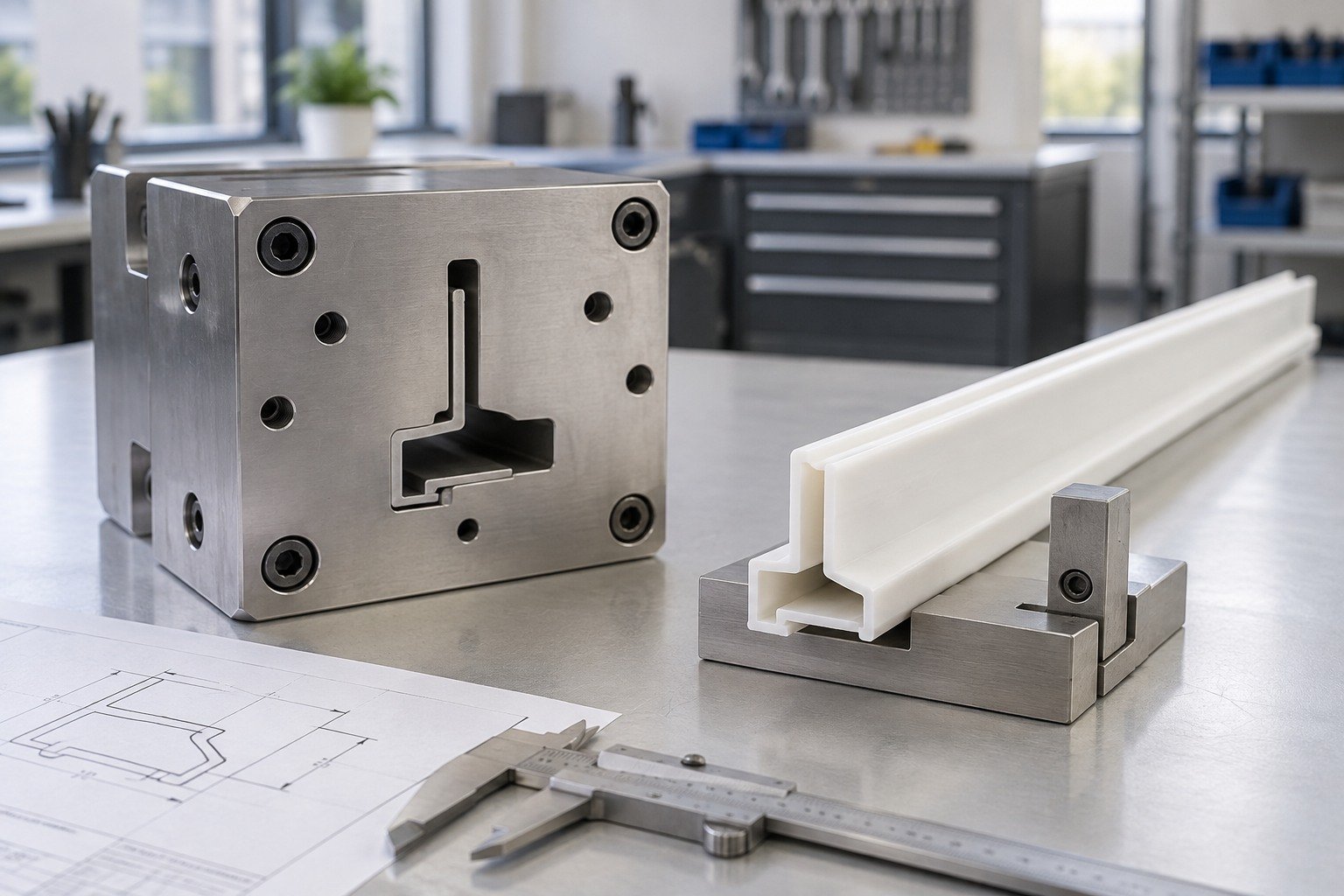
Features that vary along the length need a specified secondary operation after extrusion.
| Your Fit | Cut length, end condition and datums. |
|---|---|
| Your Section | Hole positions, access and assembly. |
| Your Delivery | Finished acceptance and protective packing. |
Profile, material and process suitability are reviewed for your project.
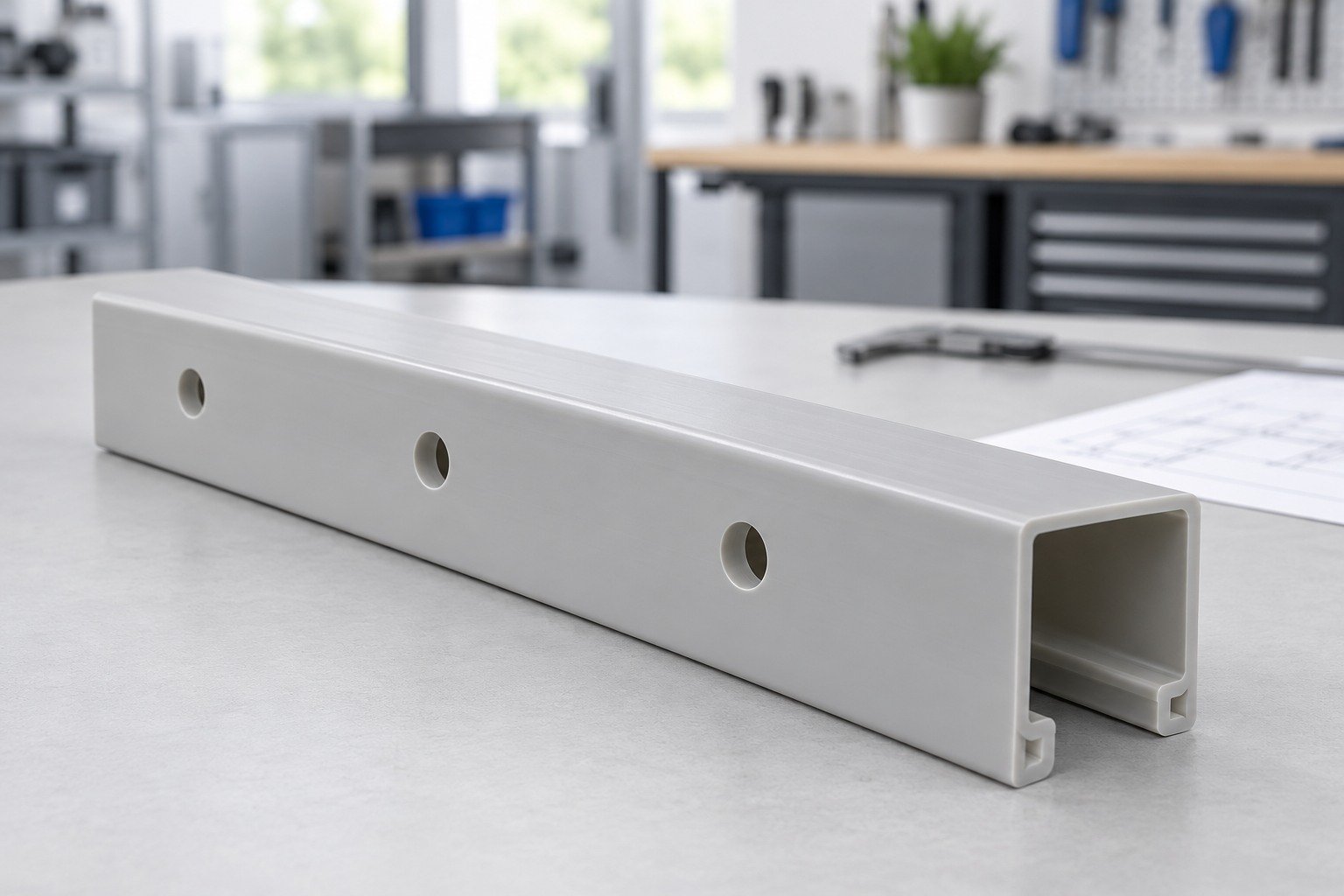
Confirm the exact extrusion grade and working conditions; a polymer family alone does not establish suitability.
| Your grade | Resin grade and condition for cutting and joining. |
|---|---|
| Your exposure | Temperature, UV, chemicals and loads. |
| Your evidence | Material records and required tests. |
Profile, material and process suitability are reviewed for your project.
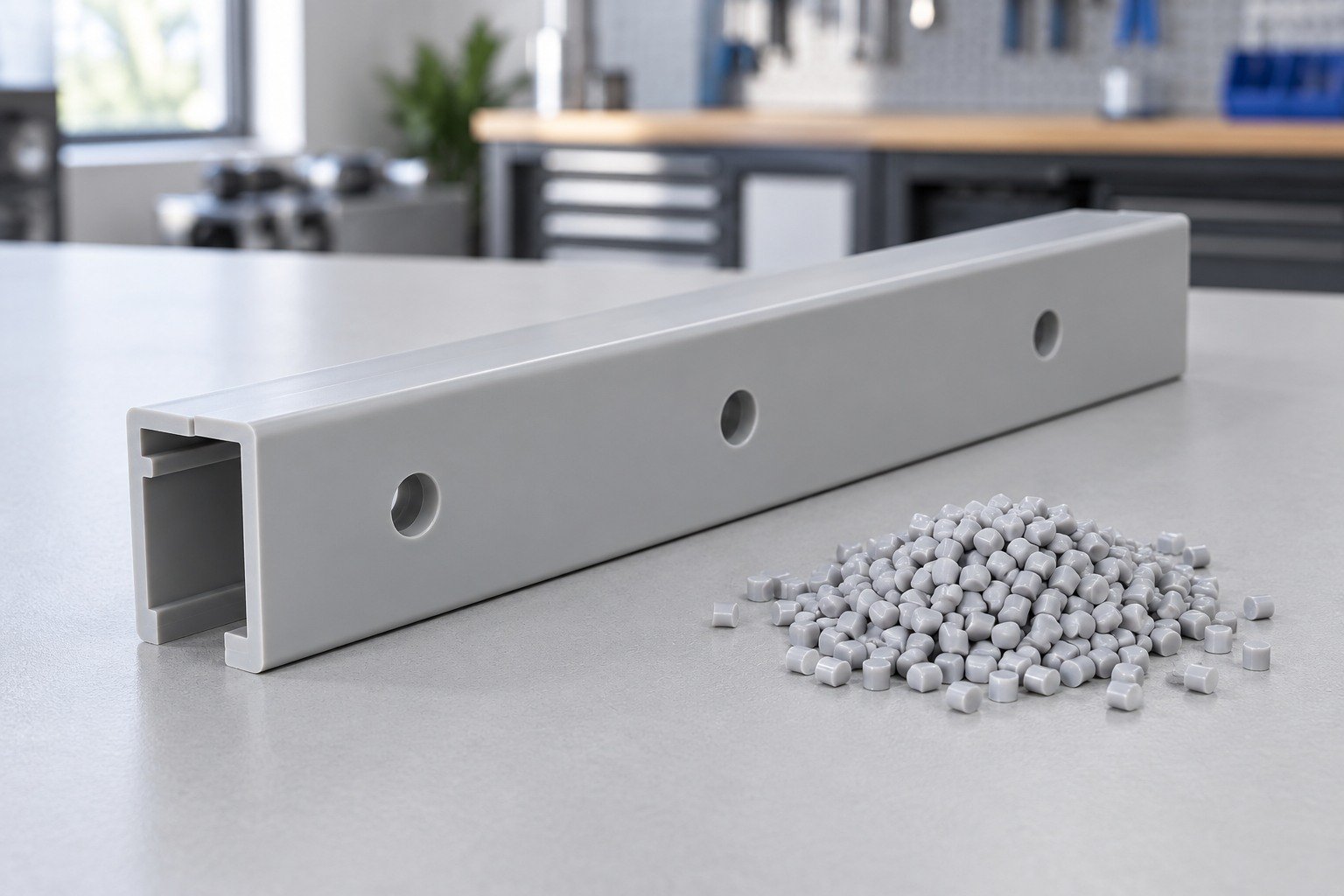
Review resin flow, cooling, sizing and tool access with your controlled section before committing to a die.
| Your input | Section CAD, mating parts and critical dimensions. |
|---|---|
| Our review | Cutting fixtures, drilling access and assembly sequence. |
| Your approval | Changes, ownership and sample criteria. |
Profile, material and process suitability are reviewed for your project.
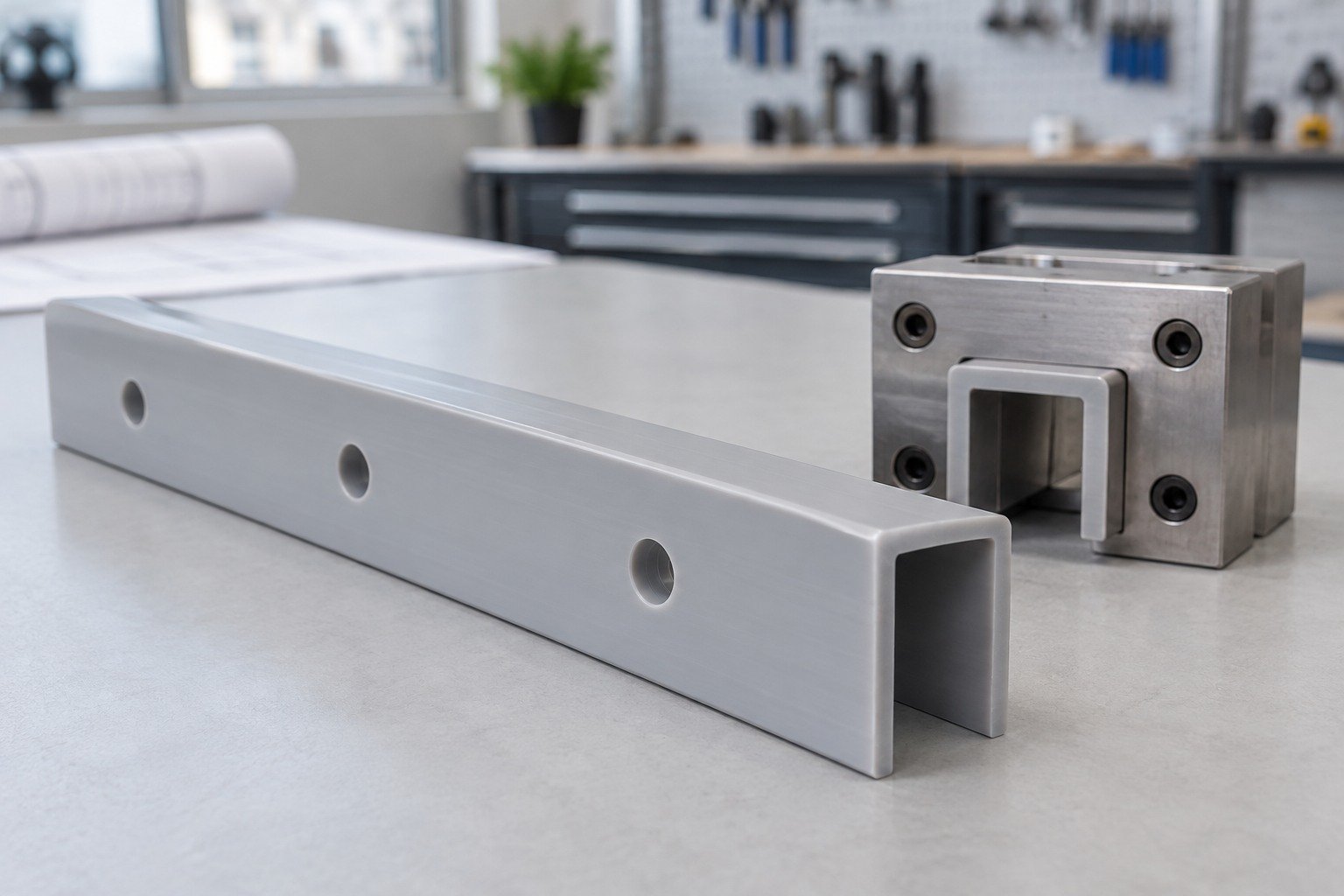
Approve the extruded sample in its agreed conditioning state, using your critical mating features.
| Your dimensions | Cut length, end condition and datums. |
|---|---|
| Your method | Final feature positions, cut ends and assembly fit. |
| Your records | Sample revision and agreed inspection results. |
Profile, material and process suitability are reviewed for your project.
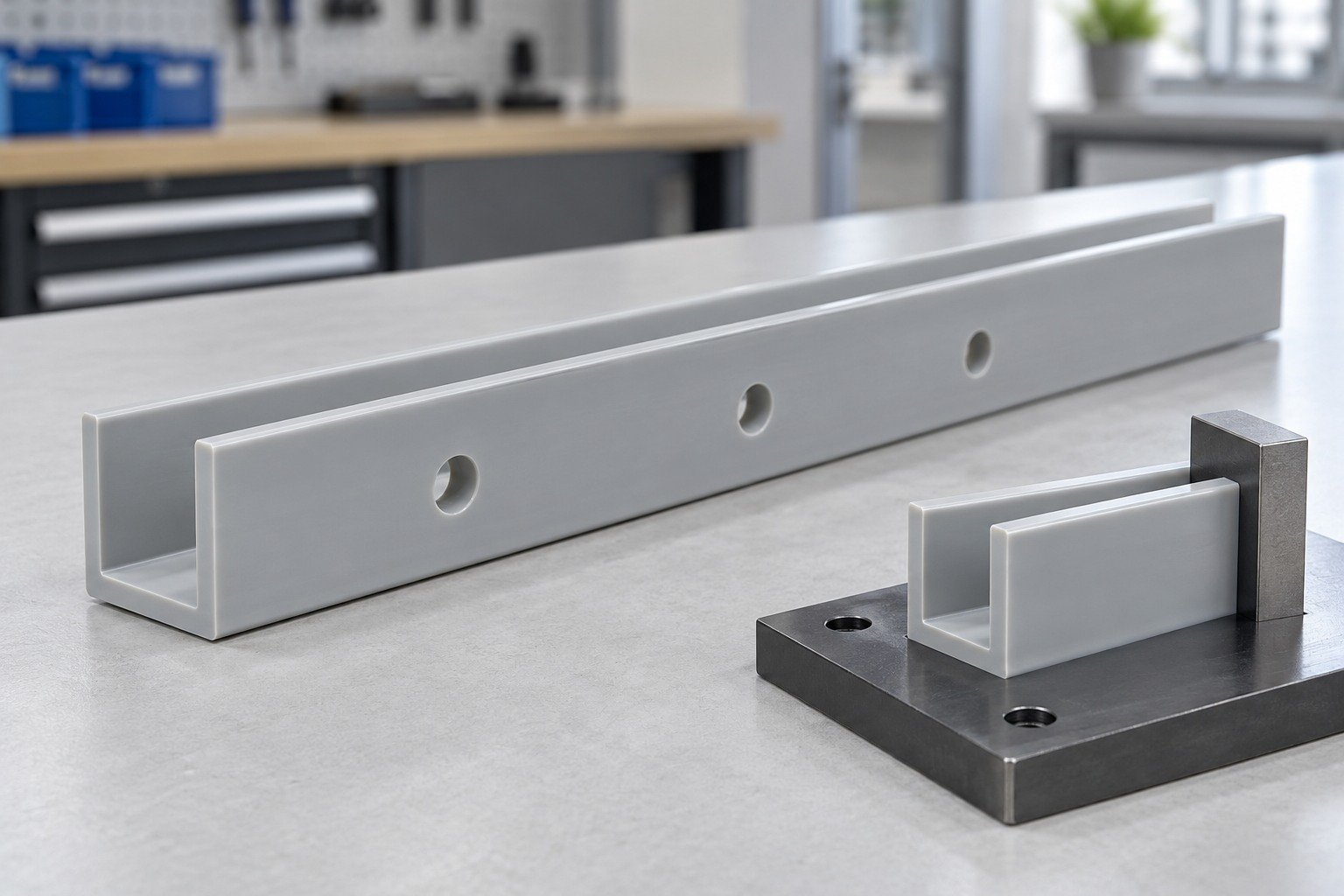
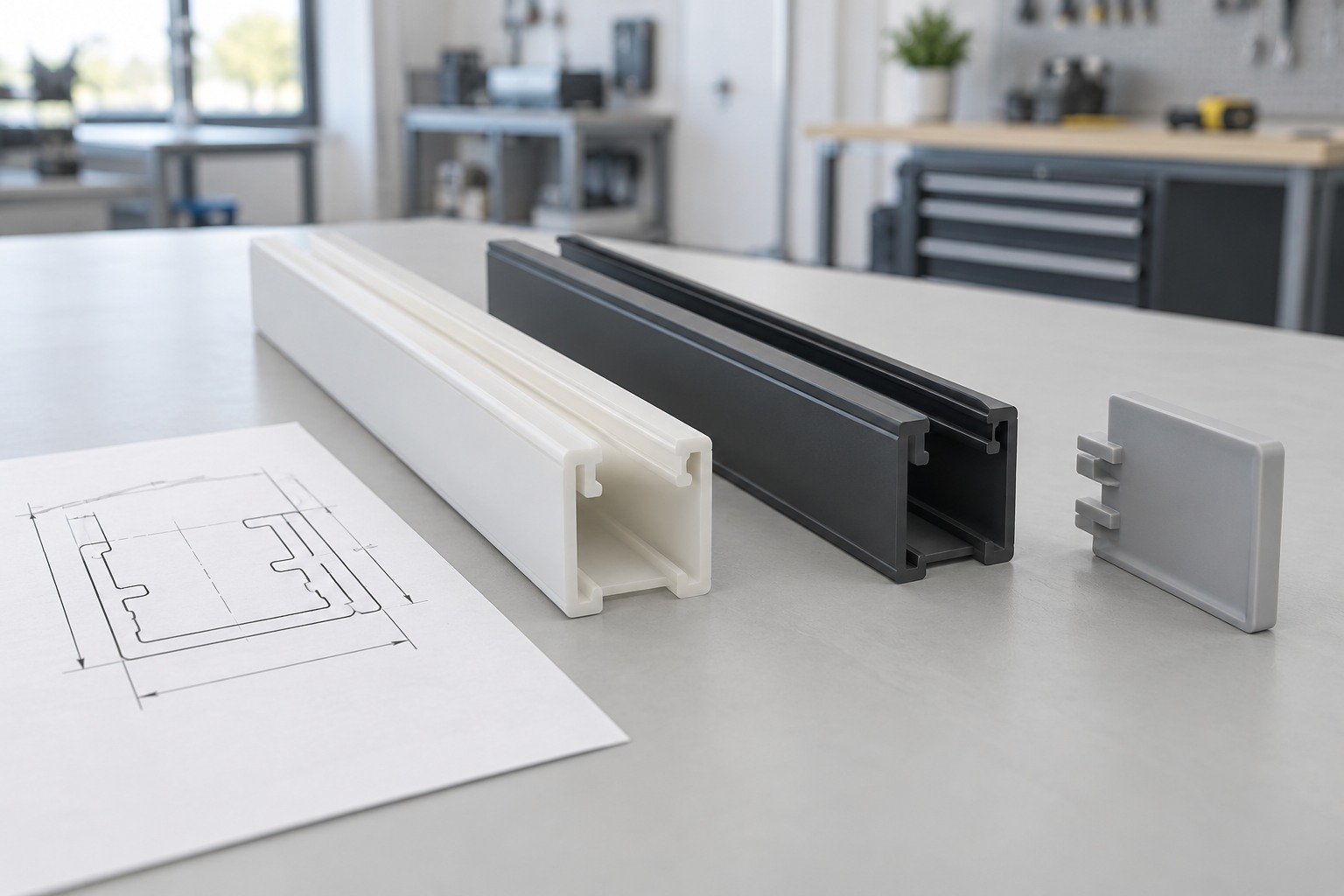
Share the section, mating components, use conditions and real demand.
A printed or machined model does not establish extrusion shrinkage or run consistency.
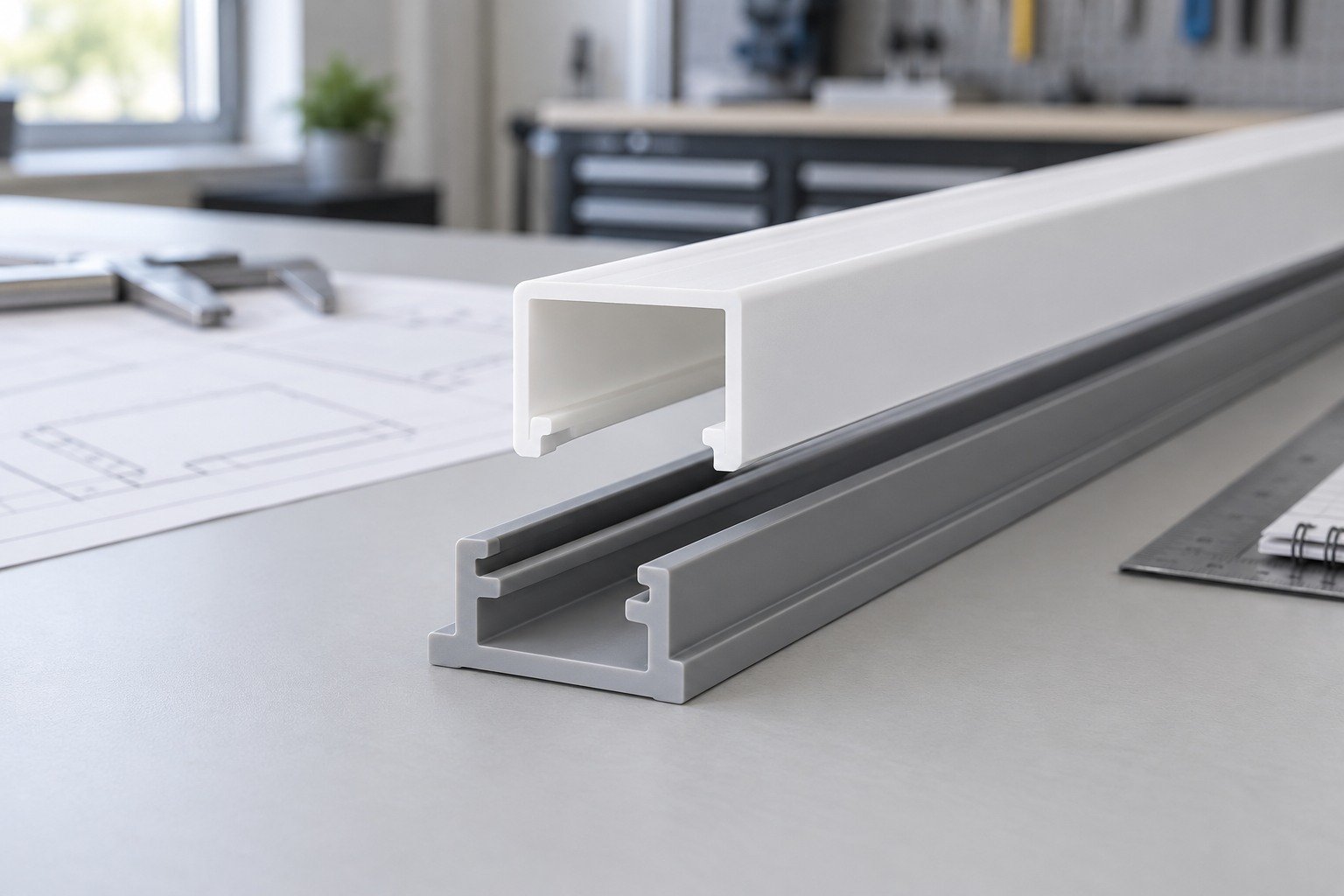
Review extrusion-grade resin, wall distribution, engagement and visible surfaces.
A printed or machined model does not establish extrusion shrinkage or run consistency.
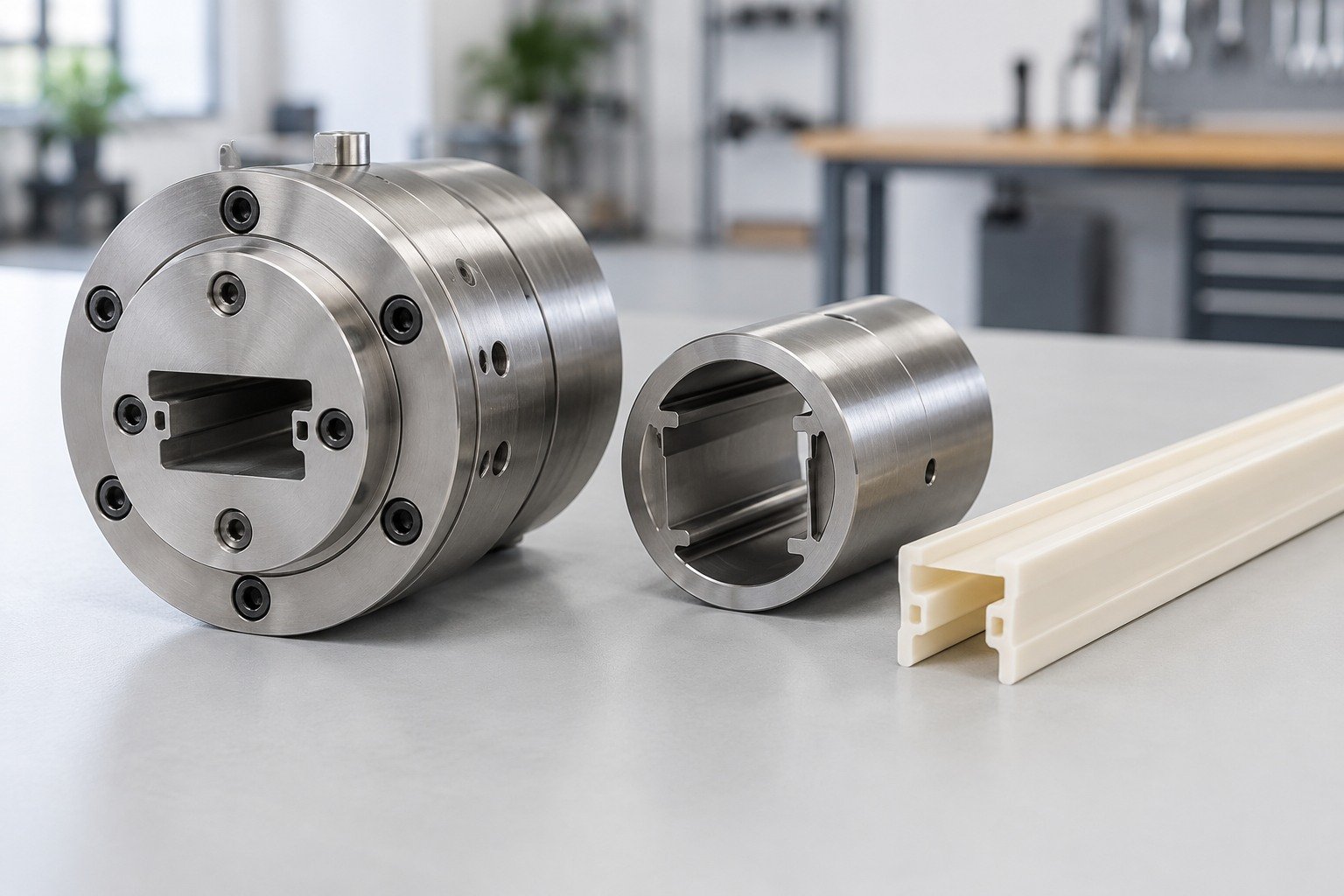
Separate die and calibrator ownership, trial scope, maintenance and changes.
A printed or machined model does not establish extrusion shrinkage or run consistency.
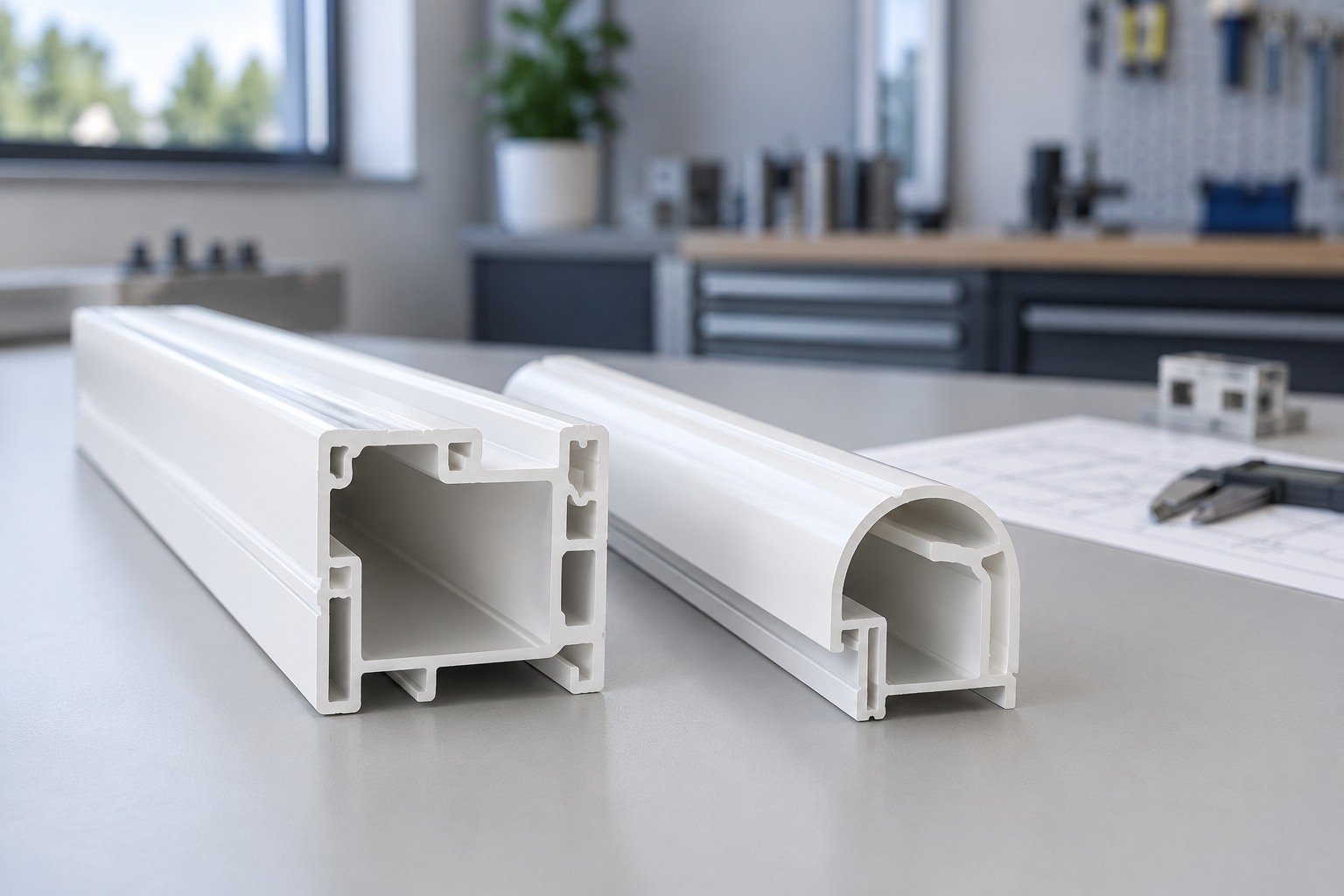
Check section fit, cut length and appearance from the proposed material and process. Record corrections before release.
A printed or machined model does not establish extrusion shrinkage or run consistency.
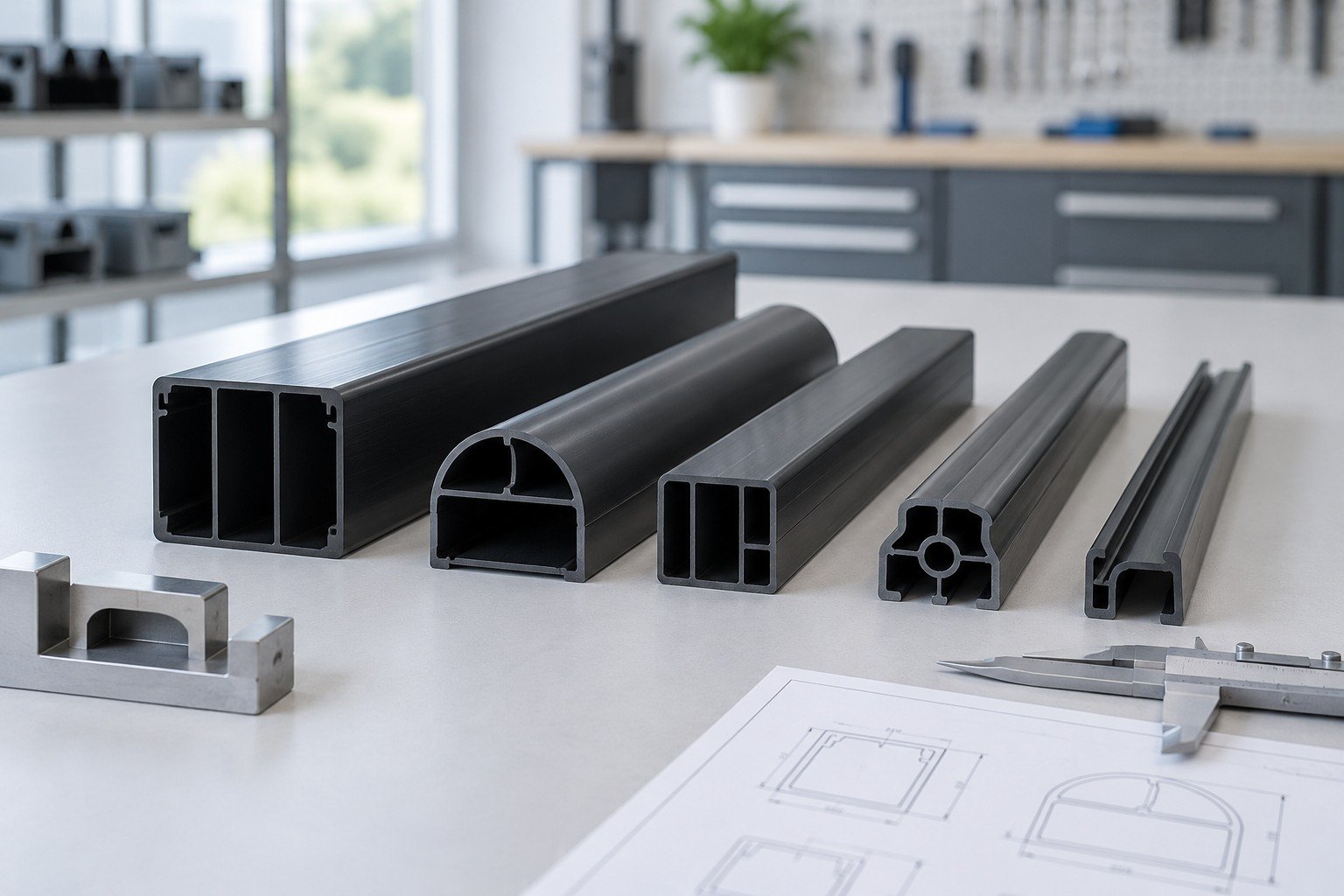
Confirm the accepted sample, drawing revision, inspection plan and finished scope.
A printed or machined model does not establish extrusion shrinkage or run consistency.
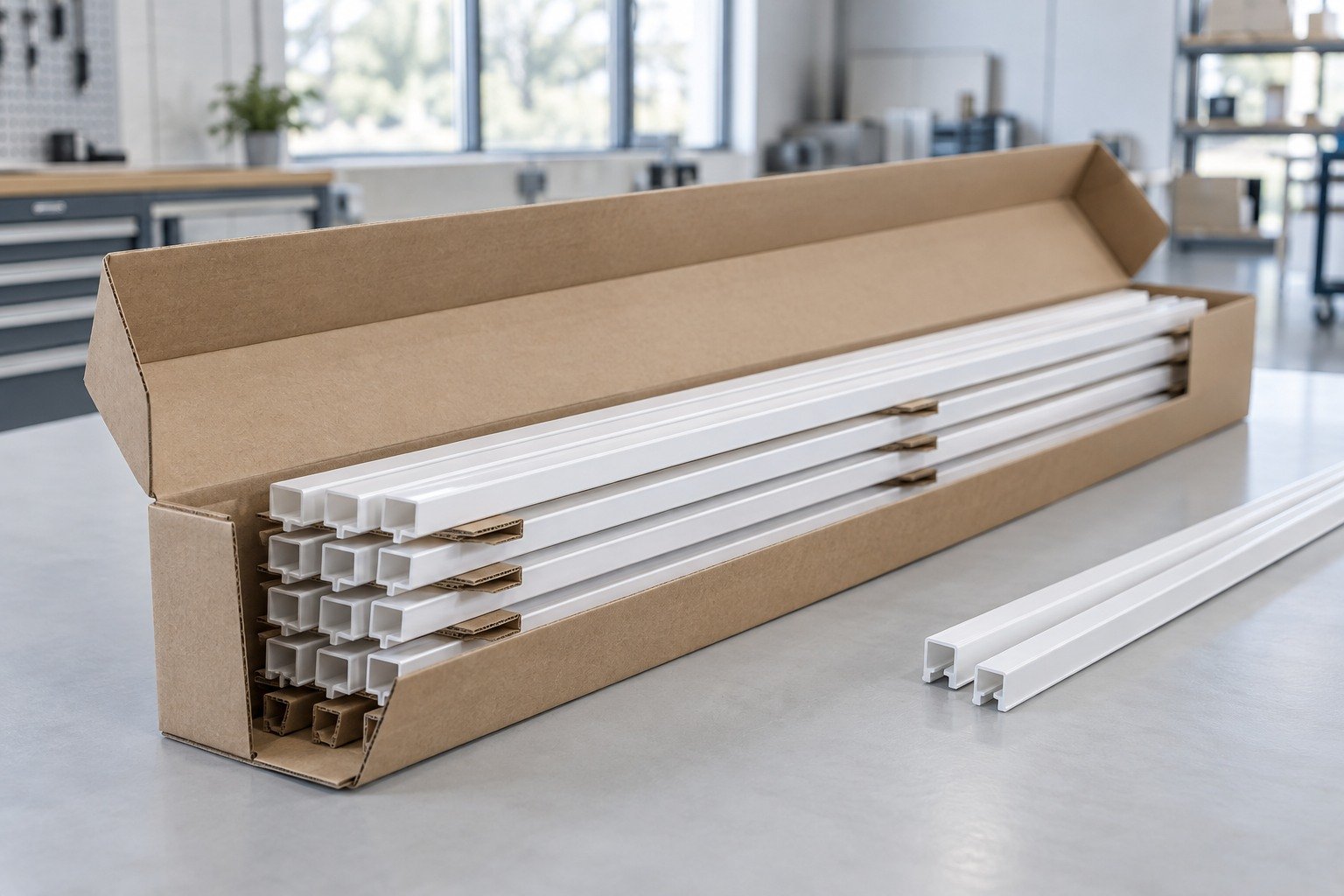
Link repeat orders to the accepted grade, color, tooling revision and delivery unit.
A printed or machined model does not establish extrusion shrinkage or run consistency.
Use these plastic extrusion design guidelines to review the features that affect your assembly.
Review thick junctions, thin legs and unsupported details together.
| Your input | Section CAD and critical mating features. |
|---|---|
| Our review | Flow balance, cooling and calibration access. |
Review the cooled section, not only the die opening.
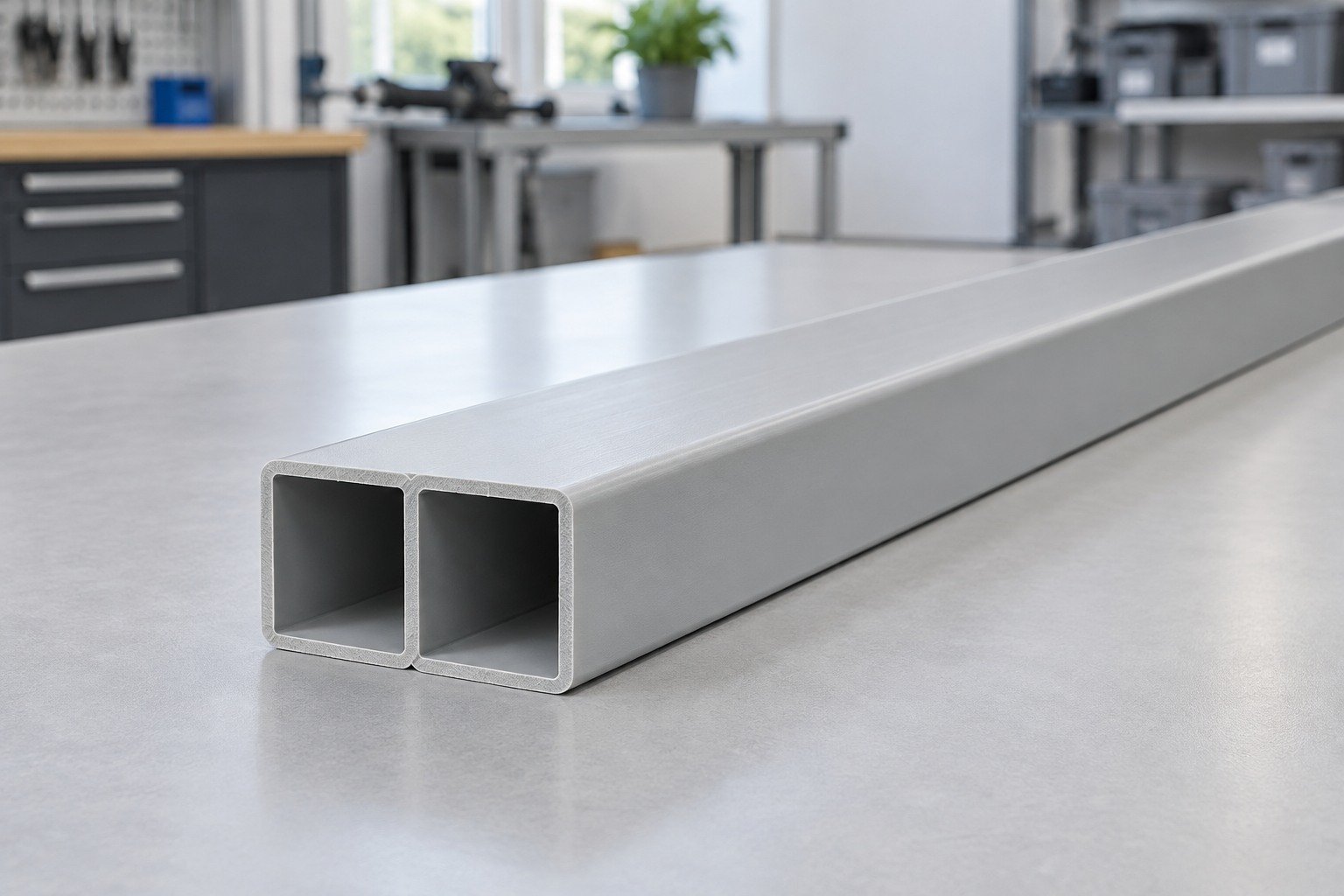
Review inside and outside radii with the grade and section; avoid assuming every sharp detail is stable.
| Your input | Corner geometry and working loads. |
|---|---|
| Our review | Radii, stress concentration and tool feasibility. |
Corner geometry is confirmed with the specified grade.
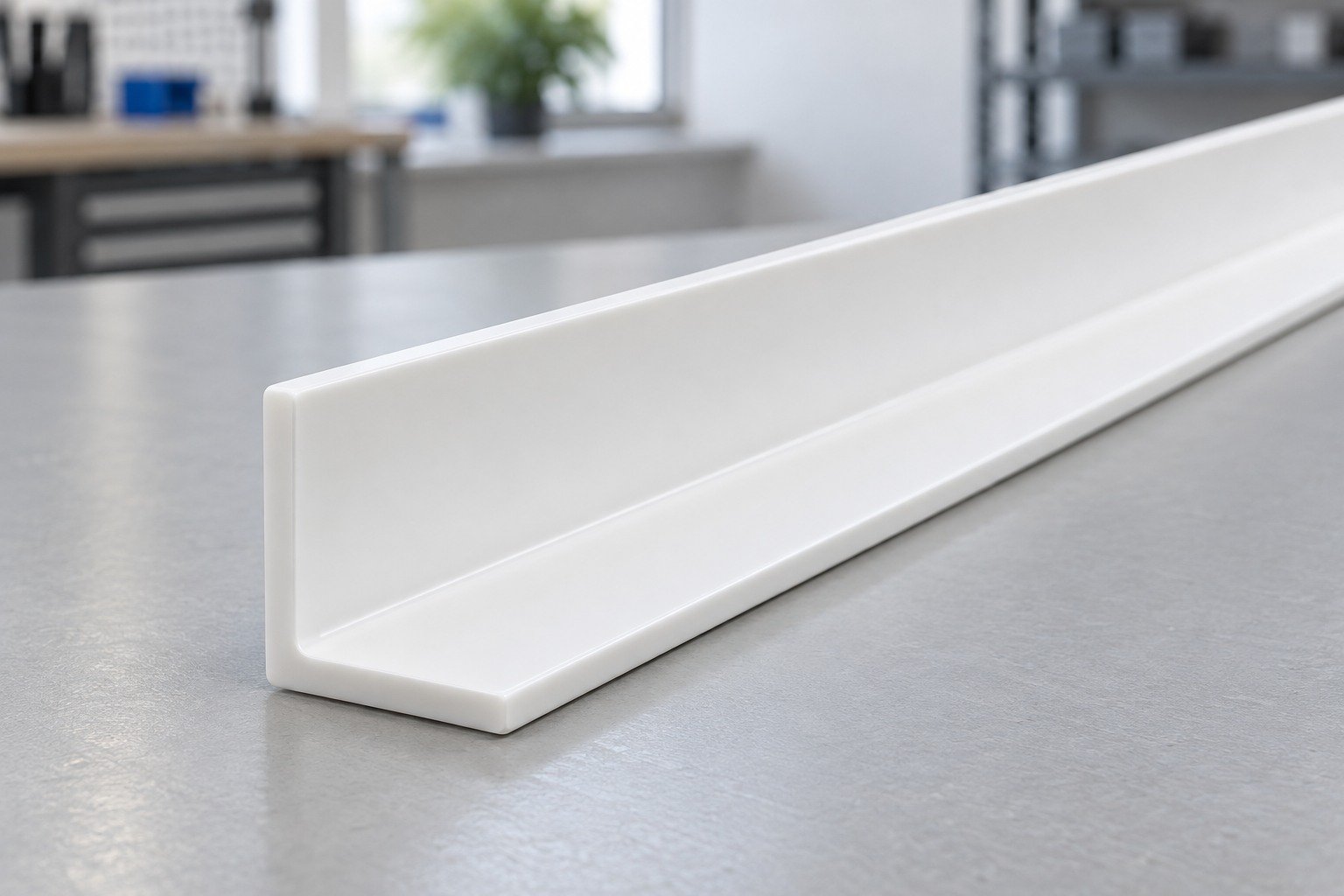
Consider die support, wall balance and access for calibration of internal features.
| Your input | Internal walls, webs and critical openings. |
|---|---|
| Our review | Die support, calibration and dimensional access. |
Internal details need both tooling and inspection access.
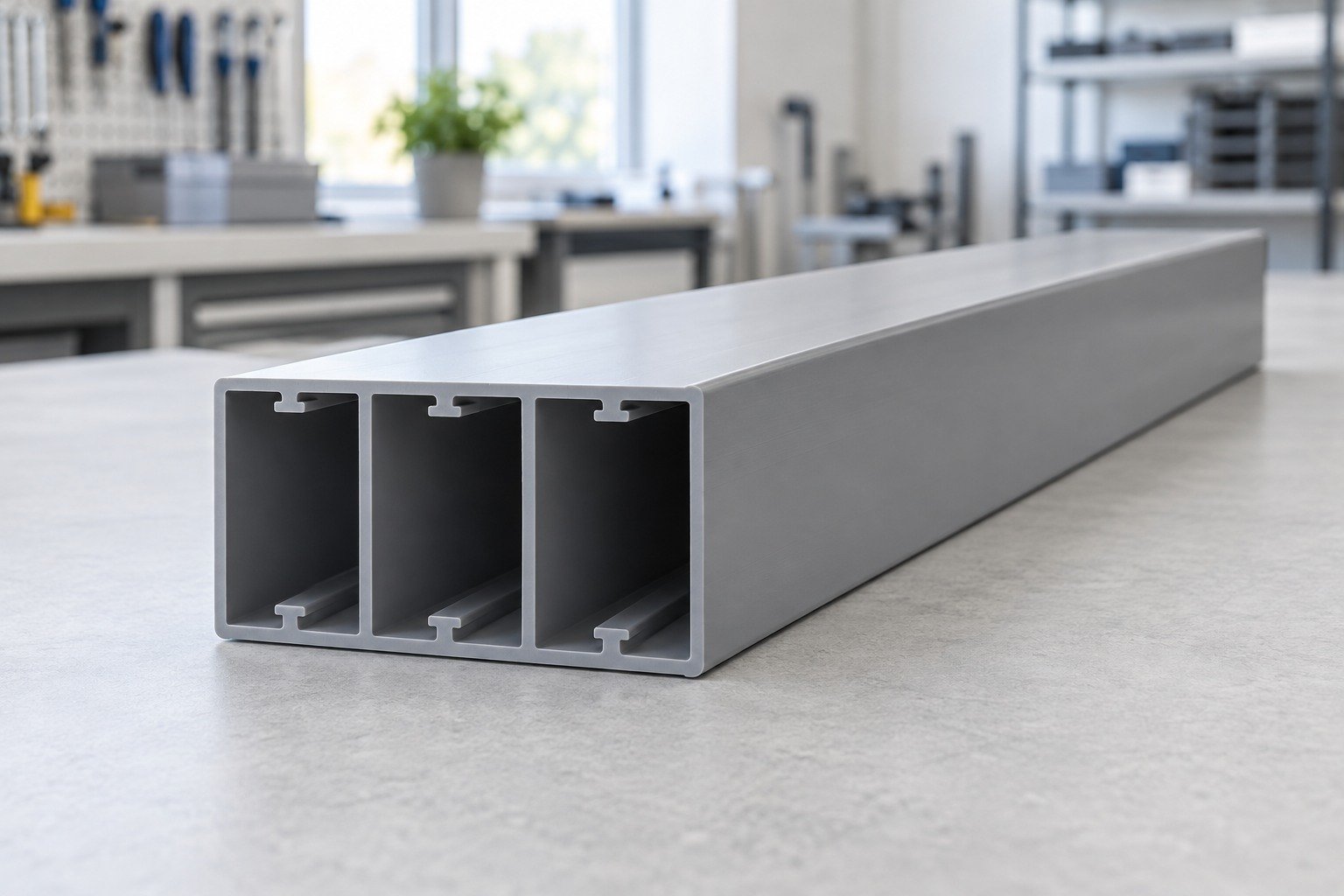
Review melt flow, cooling and calibration together. Specify conditioning before final measurement.
| Your input | Resin grade, delivery condition and datums. |
|---|---|
| Our review | Cooling route and measurement conditions. |
The agreed conditioning state controls acceptance.
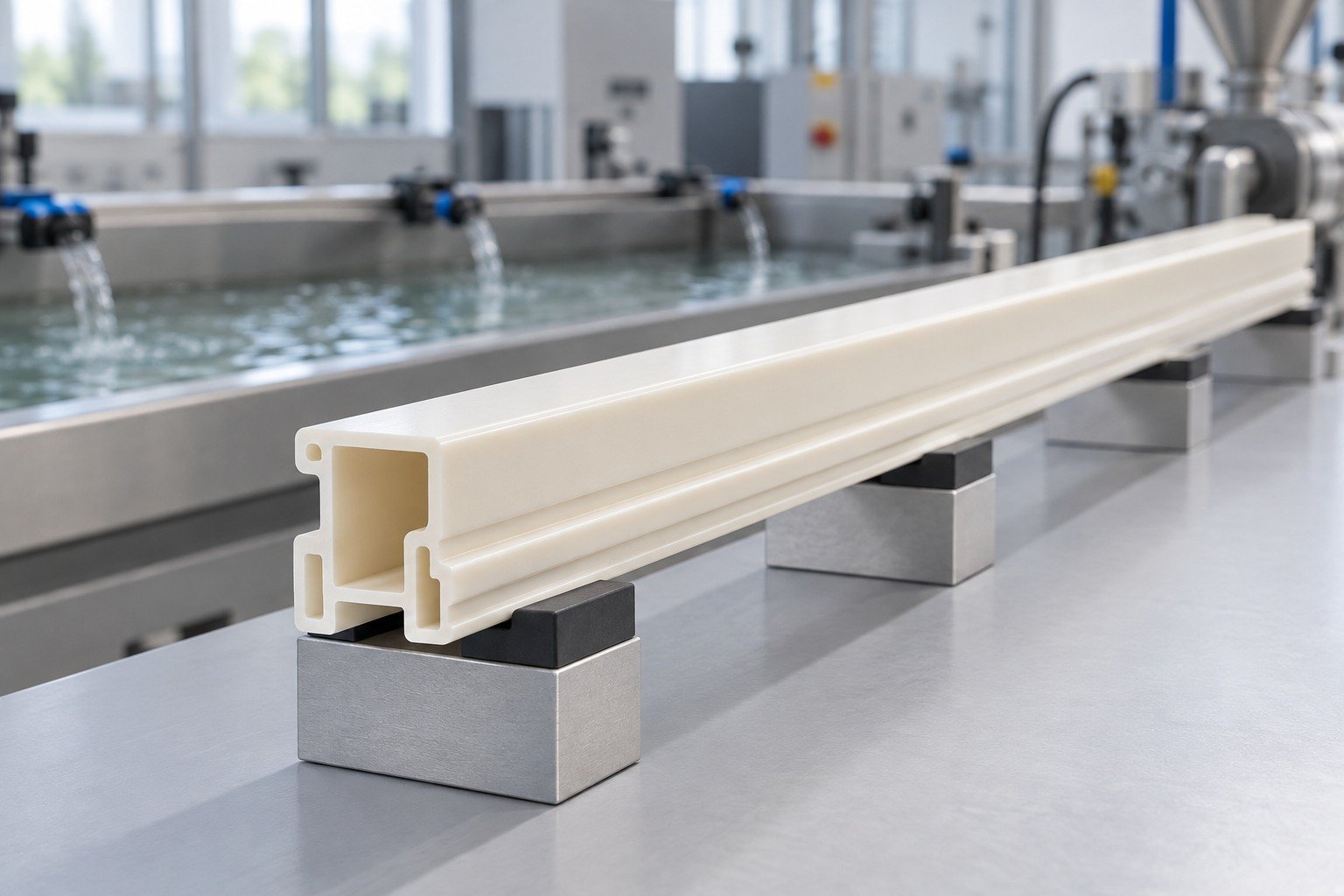
Define bow and twist over an agreed reference length, with support and loading conditions.
| Your input | Reference length, support and assembly. |
|---|---|
| Our review | Measurement setup and agreed shape limits. |
Record the support conditions with the result.
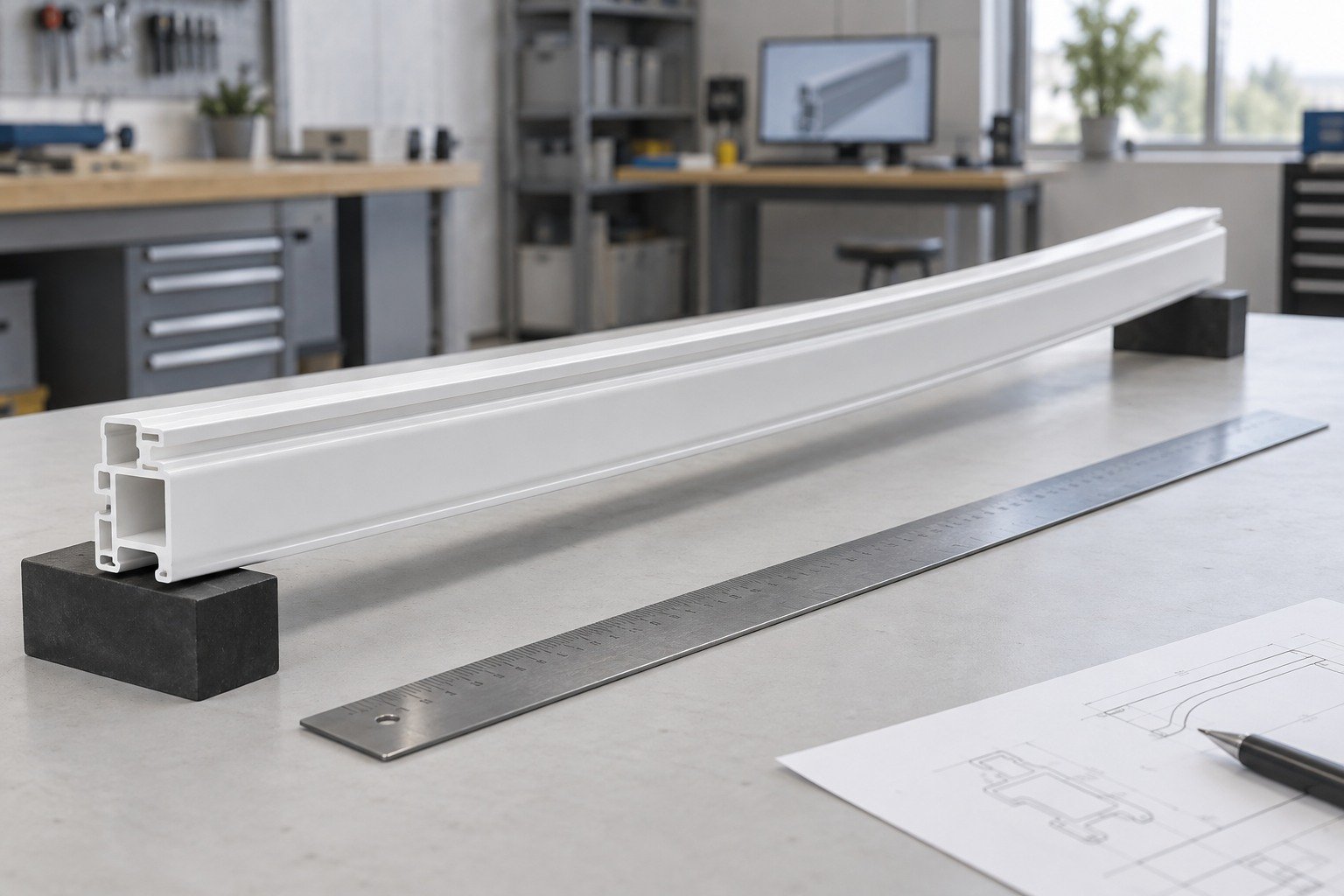
Identify engagement, snap features and clearance against the actual counterpart.
| Your input | Mating sample, datums and acceptable fit. |
|---|---|
| Our review | Shrinkage, engagement and sample method. |
Use the approved mating part or an agreed gauge.
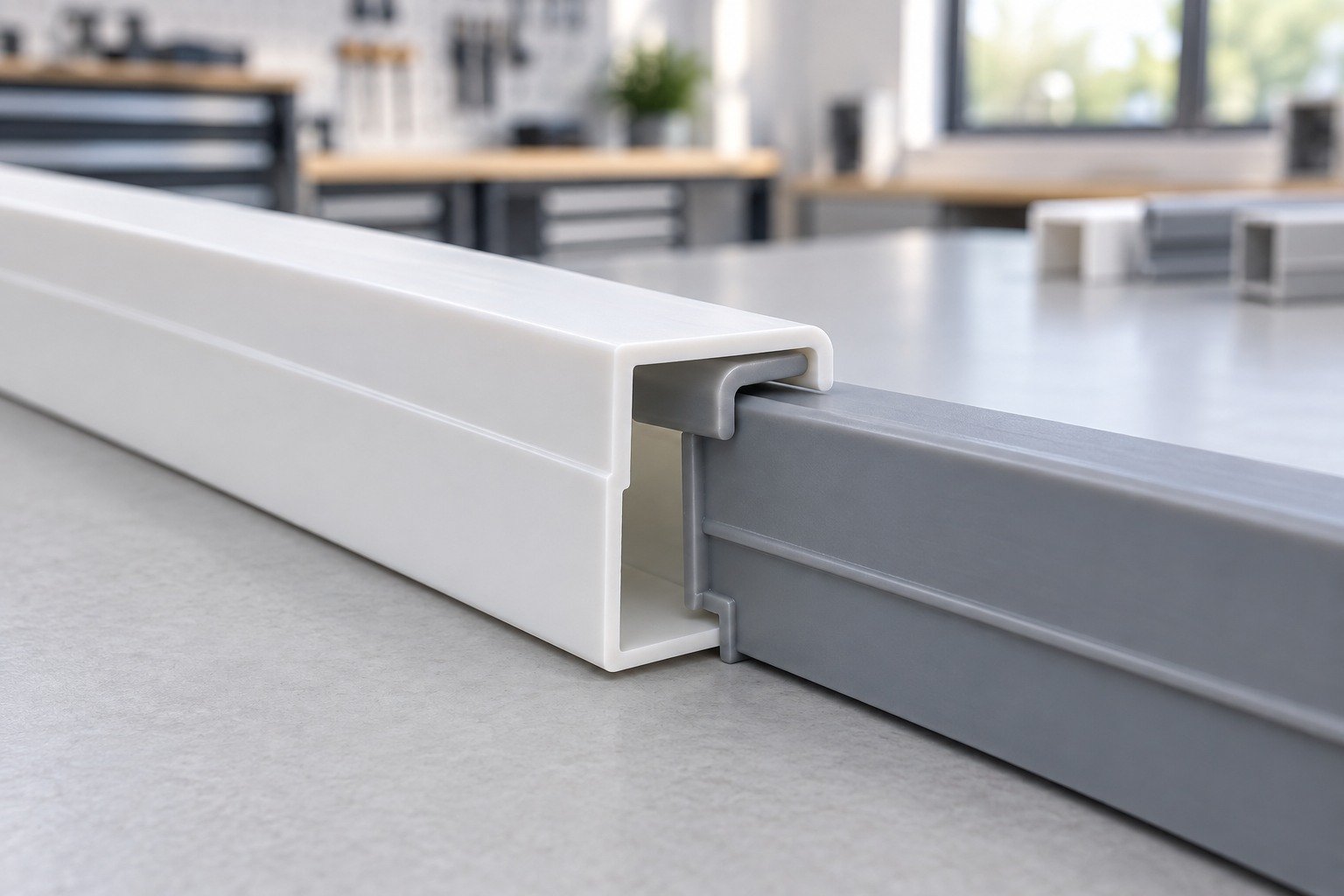
Specify cut length, squareness, burr limits and any separate finishing operation.
| Your input | Delivery unit, length and end condition. |
|---|---|
| Our review | Cutting sequence and secondary work. |
Length, cut faces and section geometry have separate limits.
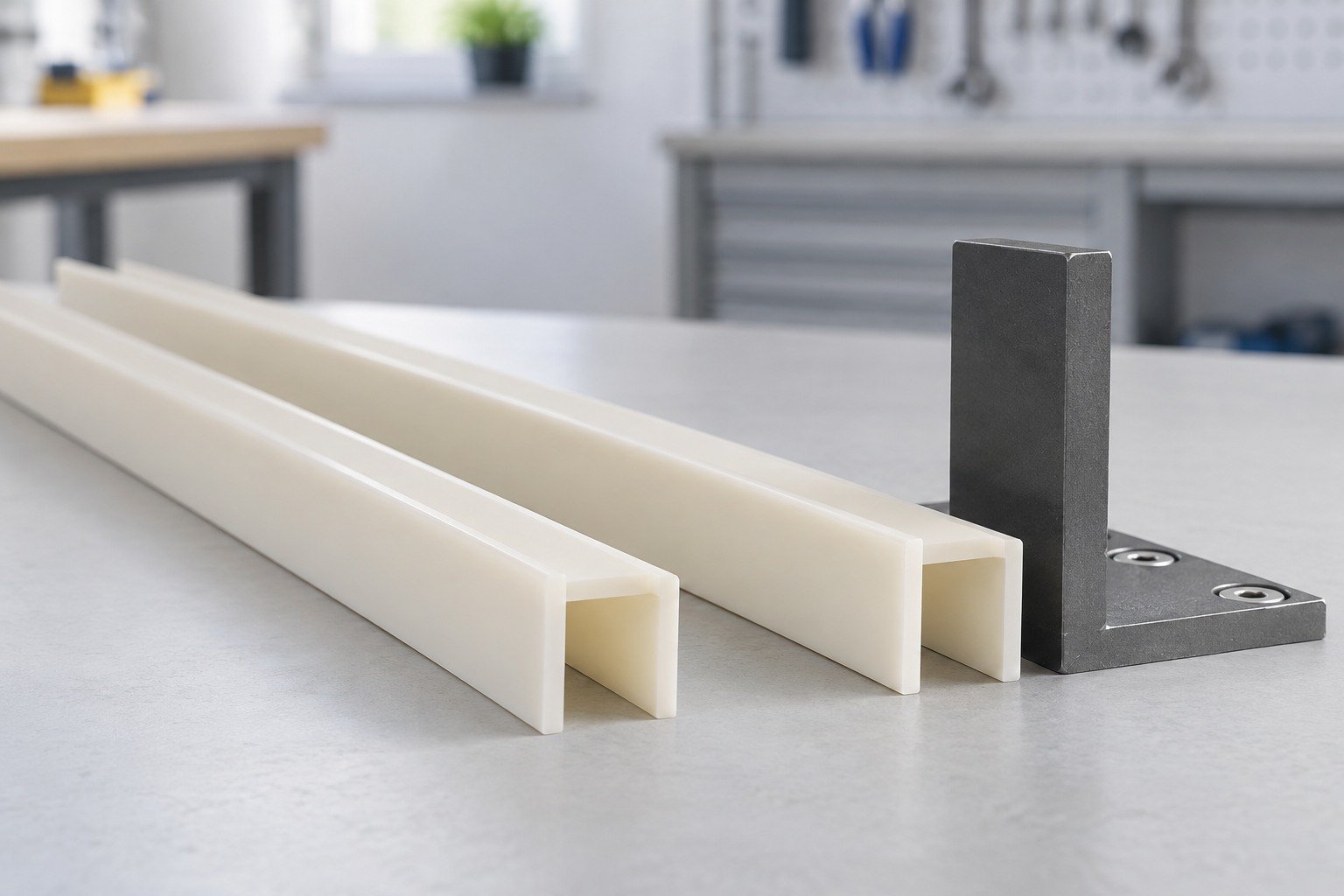
Specify the color reference, visible zones, texture and permitted extrusion marks.
| Your input | Color sample, cosmetic zones and lighting. |
|---|---|
| Our review | Grade, pigmentation, handling and sample approval. |
Approve color and appearance against the agreed reference.
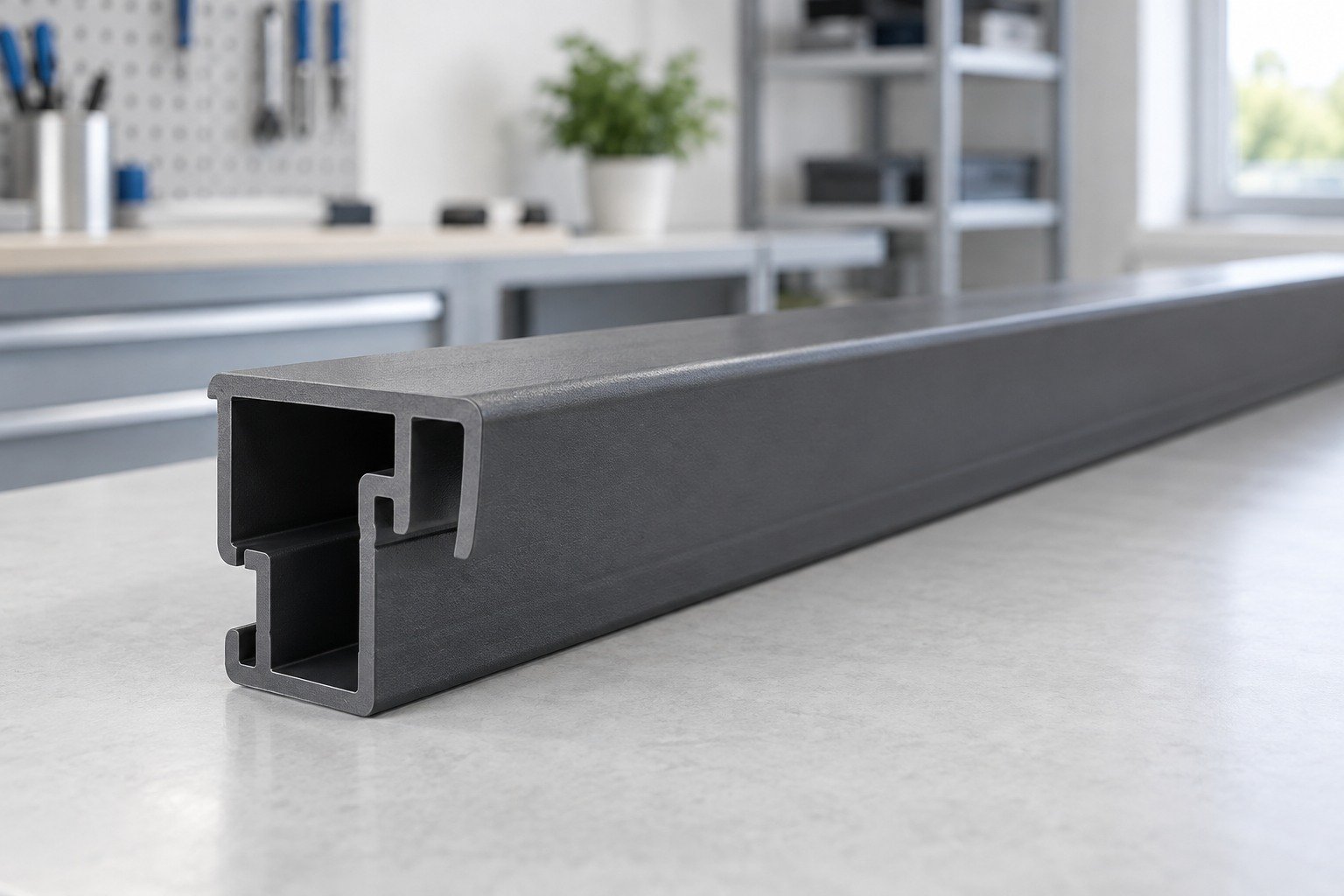
Material families for review — confirm the exact extrusion grade.
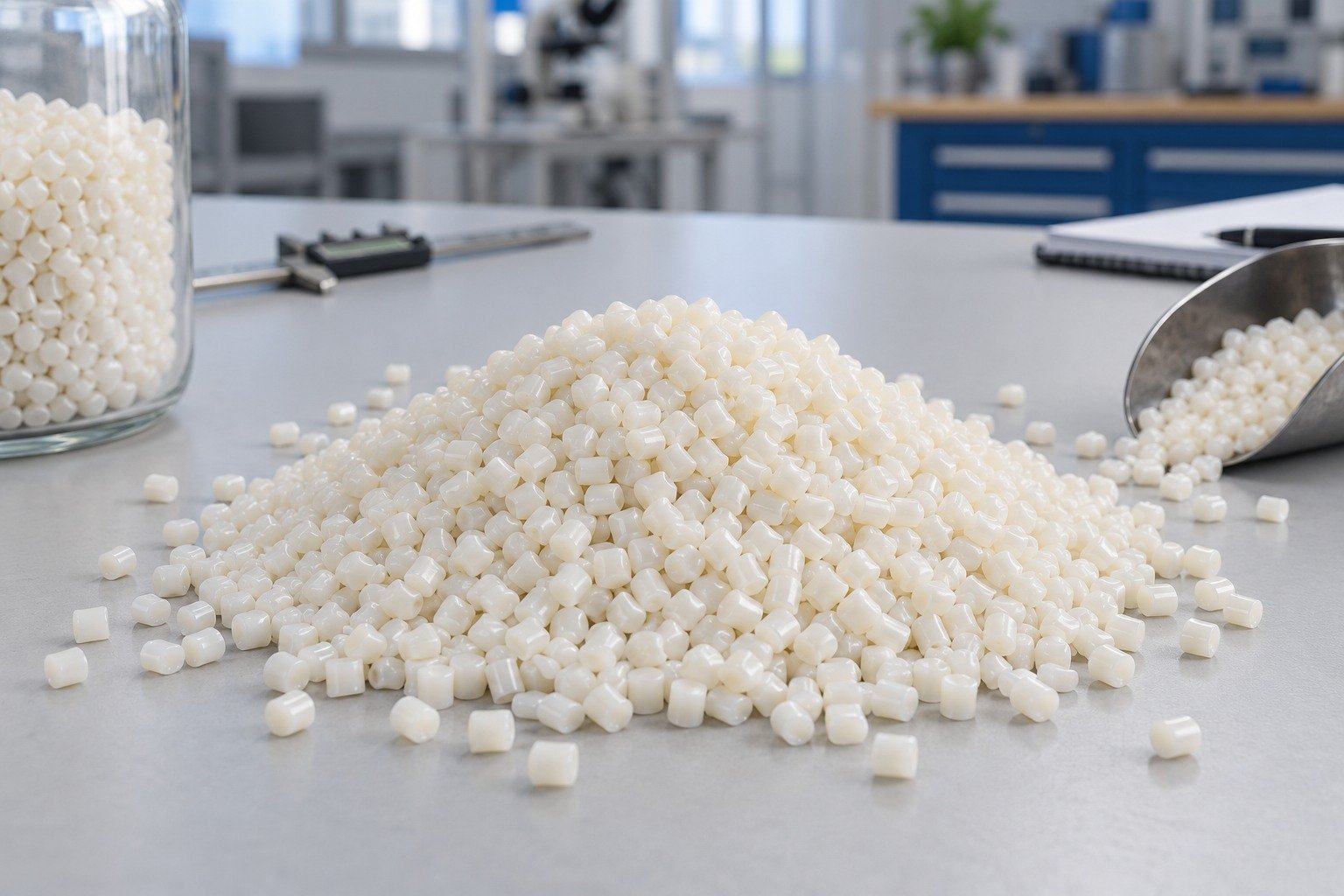
For PVC extrusion profiles, review rigid or flexible formulation, exposure and finish.

For ABS extrusion, review appearance, impact needs and service temperature.
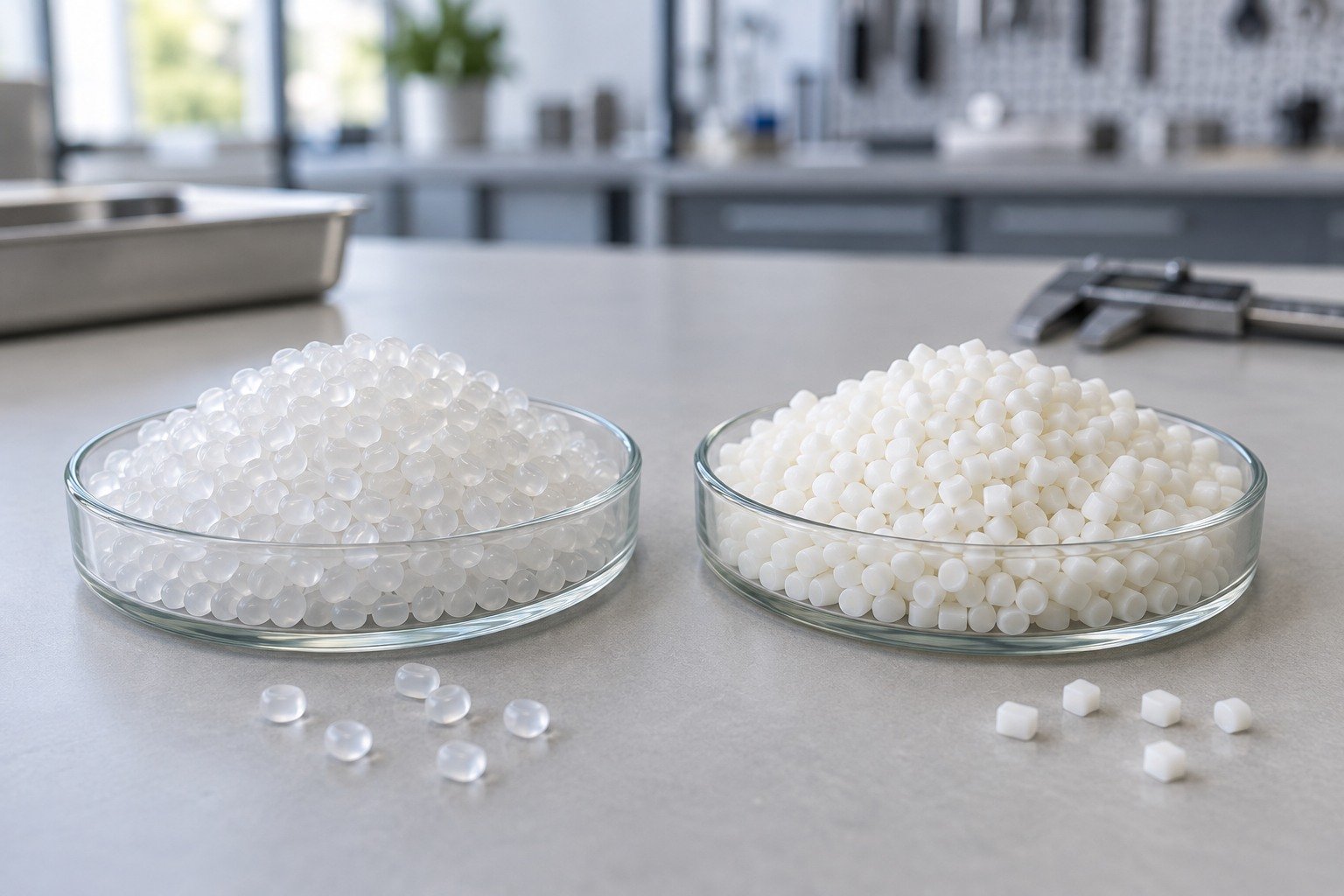
For polyethylene extrusion and polypropylene extrusion, review stiffness, chemical contact and dimensional behavior.
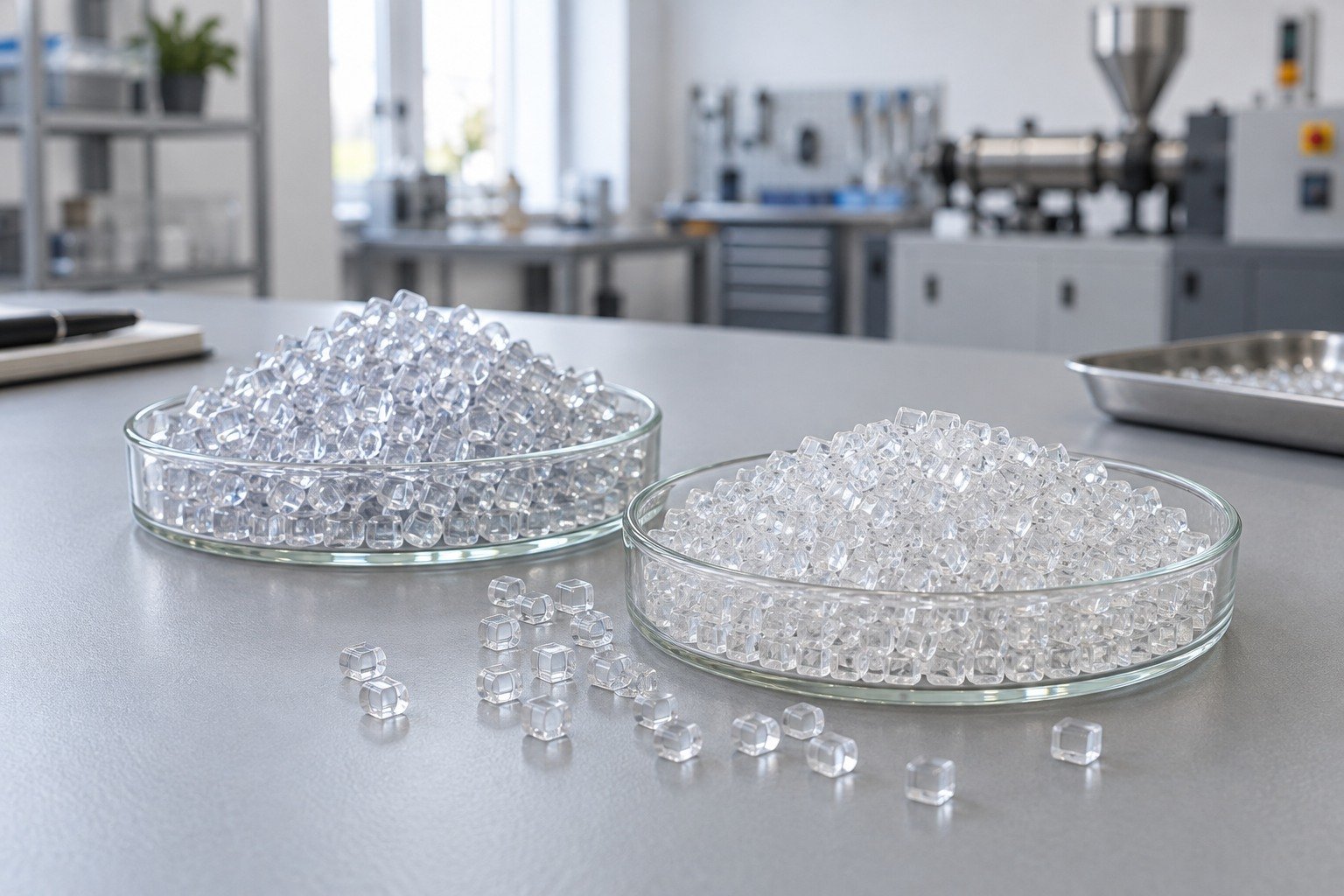
For polycarbonate extrusion and acrylic extrusion, review clarity, surface quality and cleaning conditions.
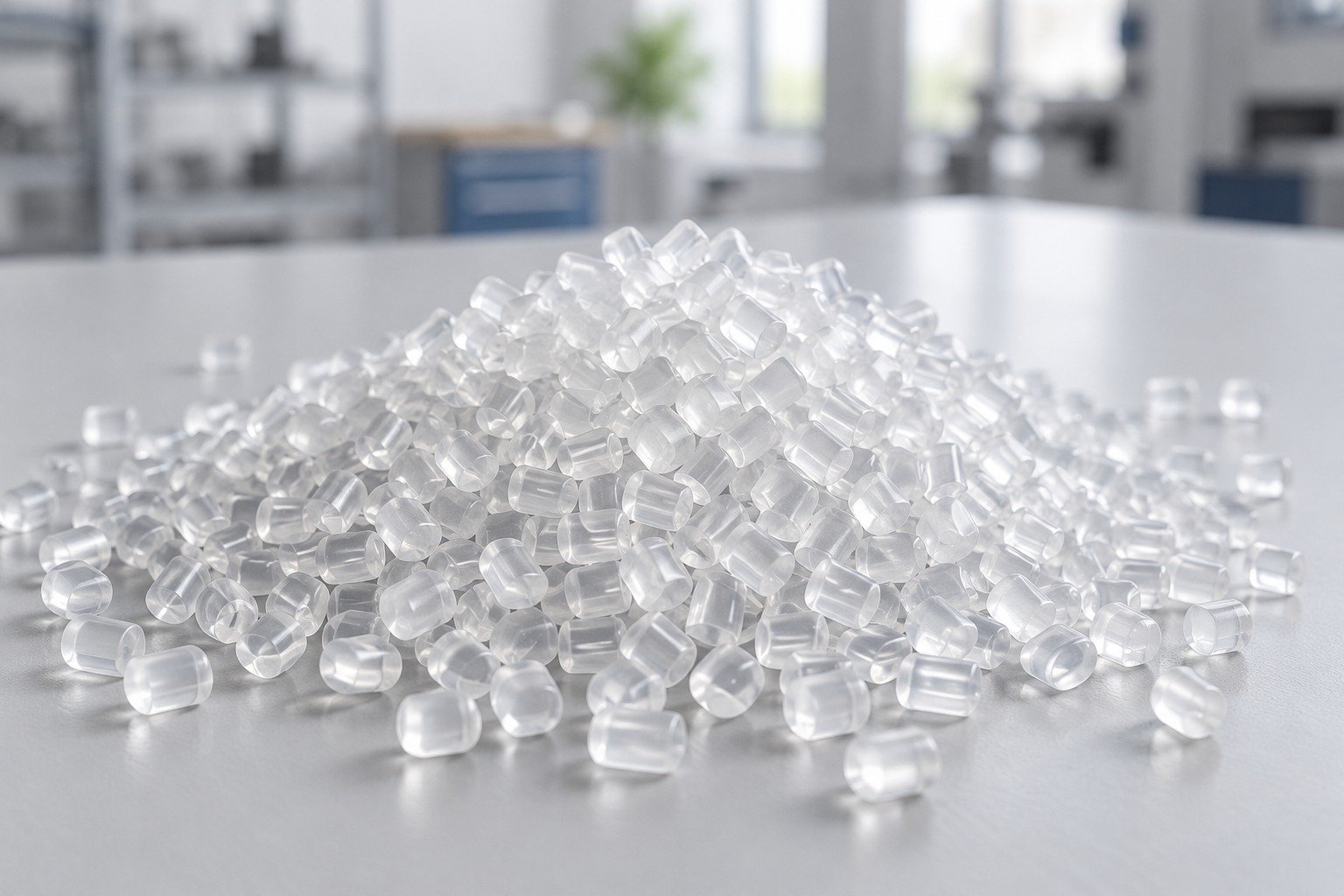
For PETG extrusion, review transparency, impact needs and finish.
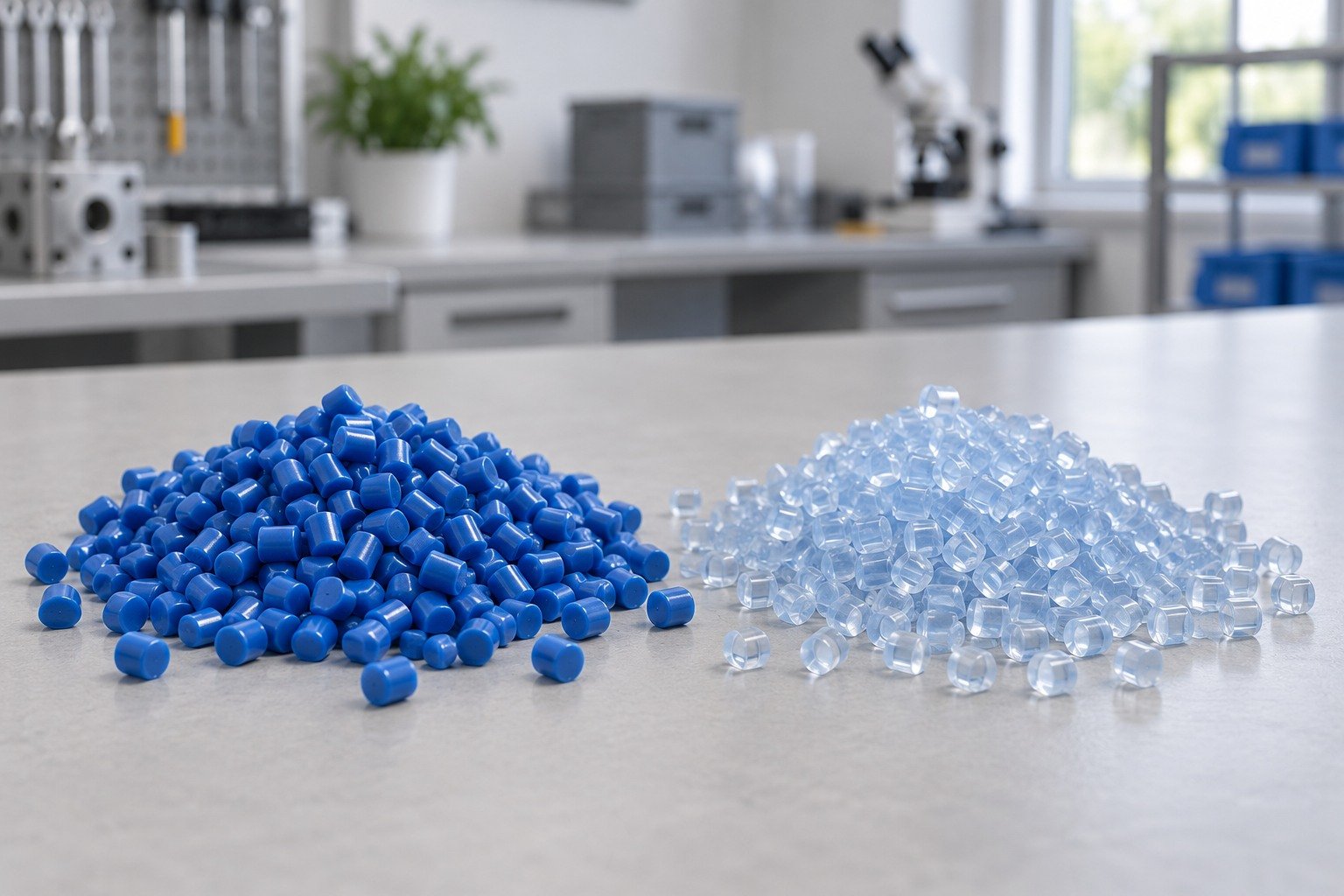
For TPE extrusion and TPU extrusion, review hardness, recovery and required mating fit.
Family names are not interchangeable grades or proof of compliance. Availability is confirmed for your project. For HDPE extrusion or LDPE extrusion, state the density grade and use conditions; other resins require a separate suitability review.
Confirm geometry and mating parts.
Review material, cooling and sample results.
Control grade, revision and delivery units.
Plan plastic extrusion prototyping around the evidence you need. A short run plastic extrusion project still requires material, setup and tooling review.
ILLUSTRATION ONLY — NOT A MINIMUM ORDER OR OUTPUT CLAIM
2.4 m / length × 1,000 accepted lengths
= 2,400 mNet accepted length only. Startup, trimming, samples and rejects are separate production allowances. Compare the same grade, revision, secondary work and delivery unit.
Plastic extrusion secondary operations are included only when agreed in your quotation.
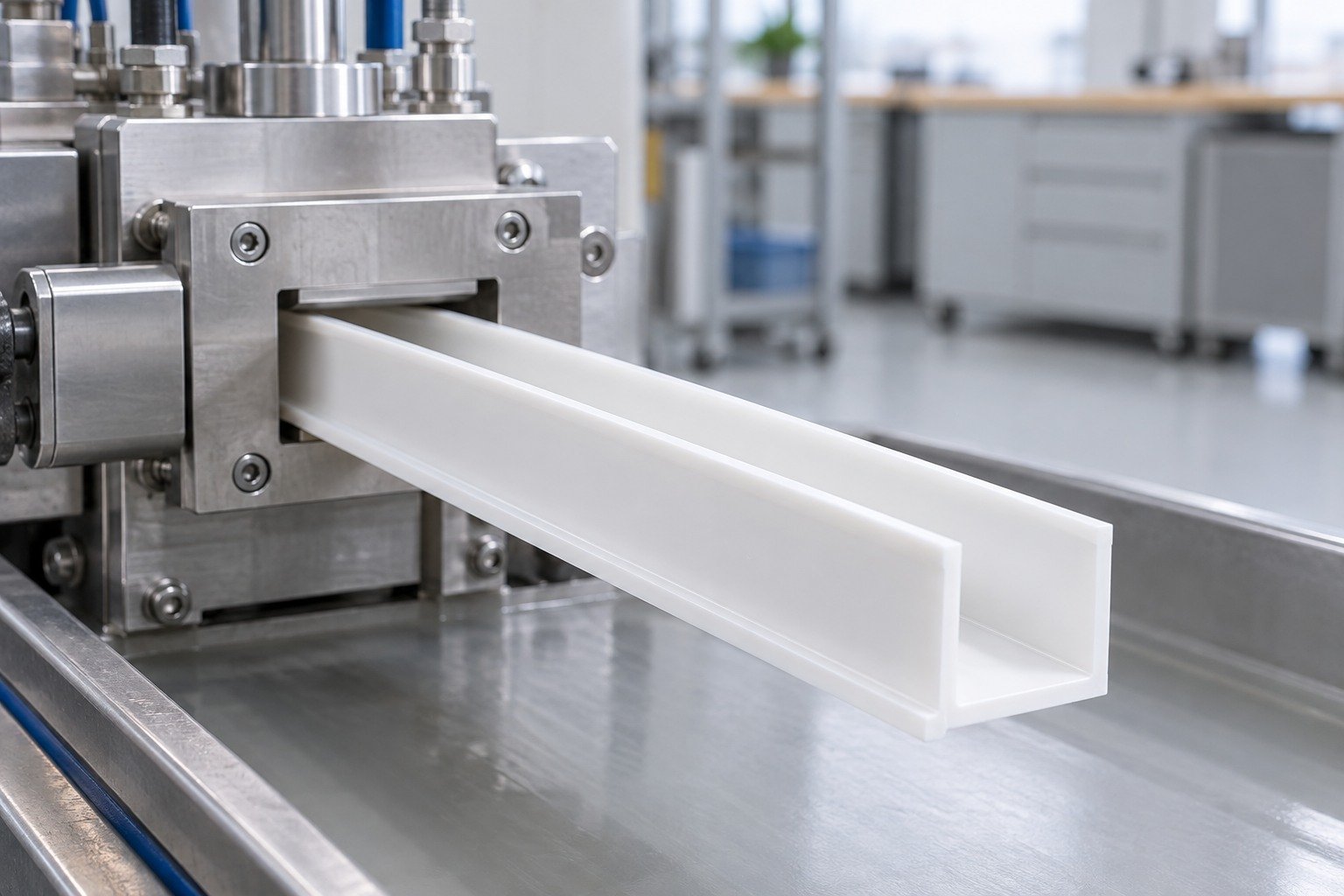
Form and size the agreed section.
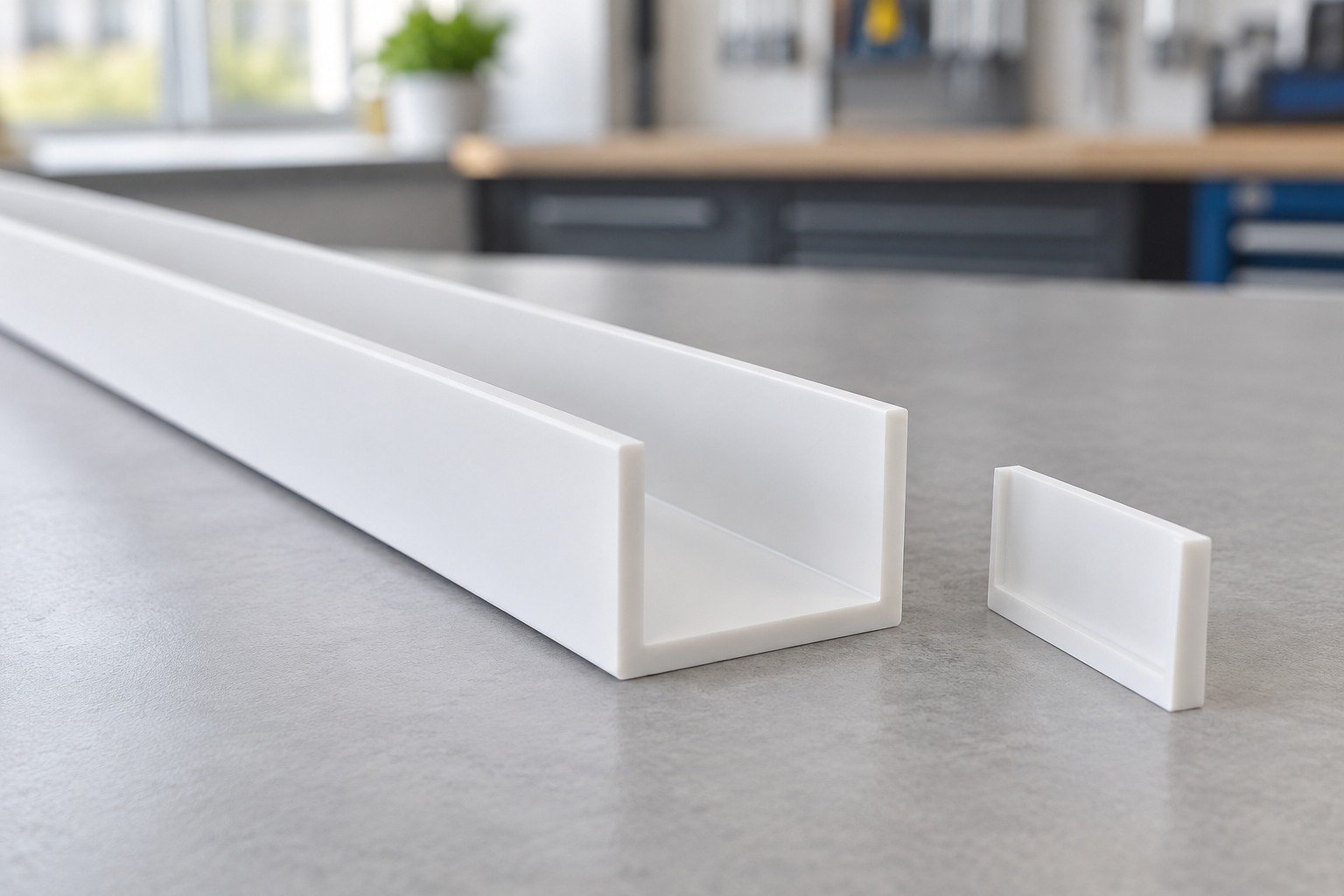
Cut to the agreed finished length.
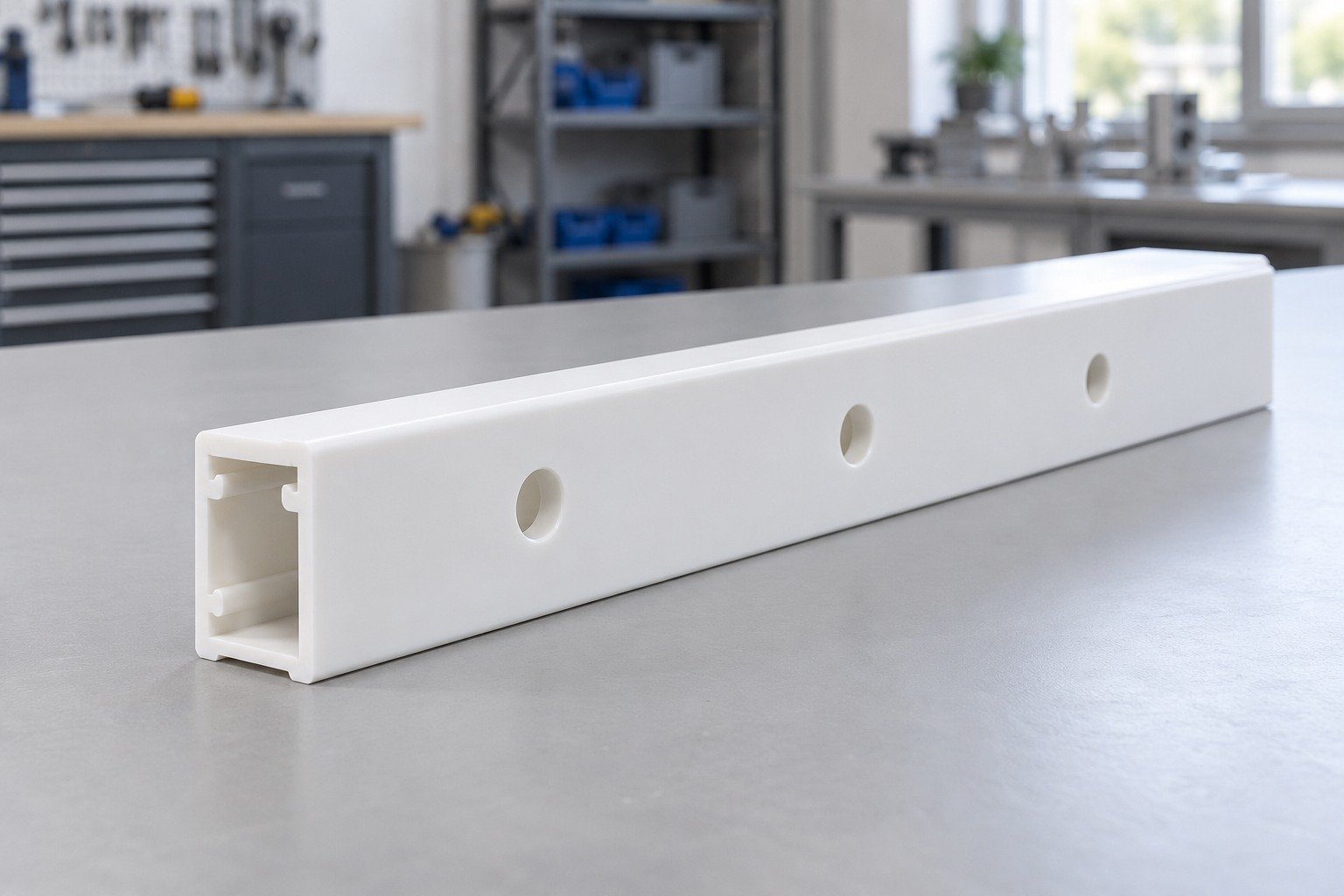
Drill or machine only as specified.
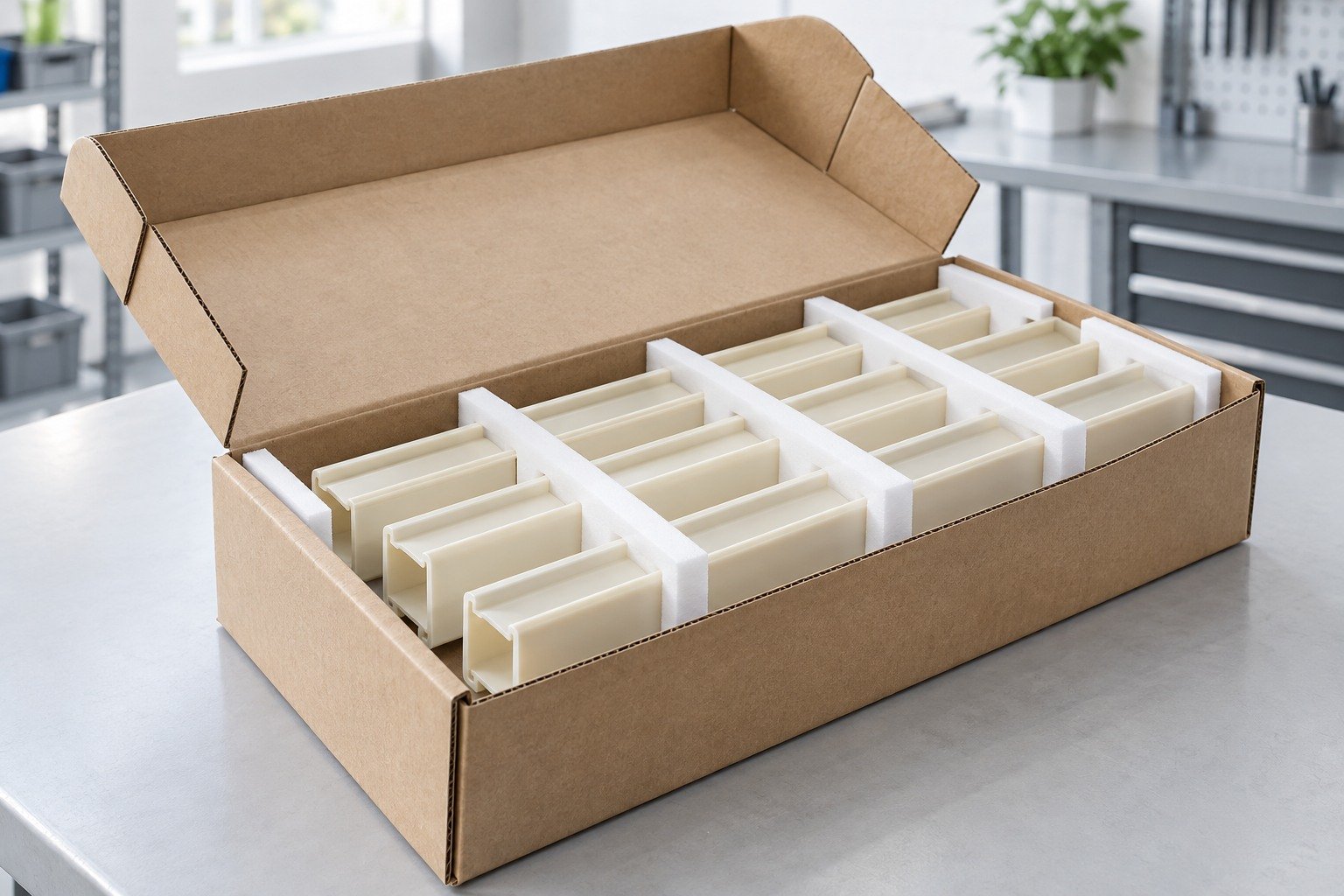
Protect and identify accepted parts.
Features that vary along the length need a reviewed secondary operation. The plastic extrusion process does not create isolated holes directly from a constant-section die.
Set plastic extrusion tolerances by feature, conditioning and measurement method.
| Cross-Section & Wall | Critical features and datums. |
|---|---|
| Length & End Cut | Units, temperature and cut condition. |
| Bow & Twist | Support, reference length and method. |
| Material & Lot | Grade, color and traceability. |
| Surface & Function | Appearance zones and fit checks. |
| Approval Records | Format, sampling and evidence. |
Agree the method and acceptance scope before production. A dimensional report does not establish resin compliance, pressure integrity or long-term performance.
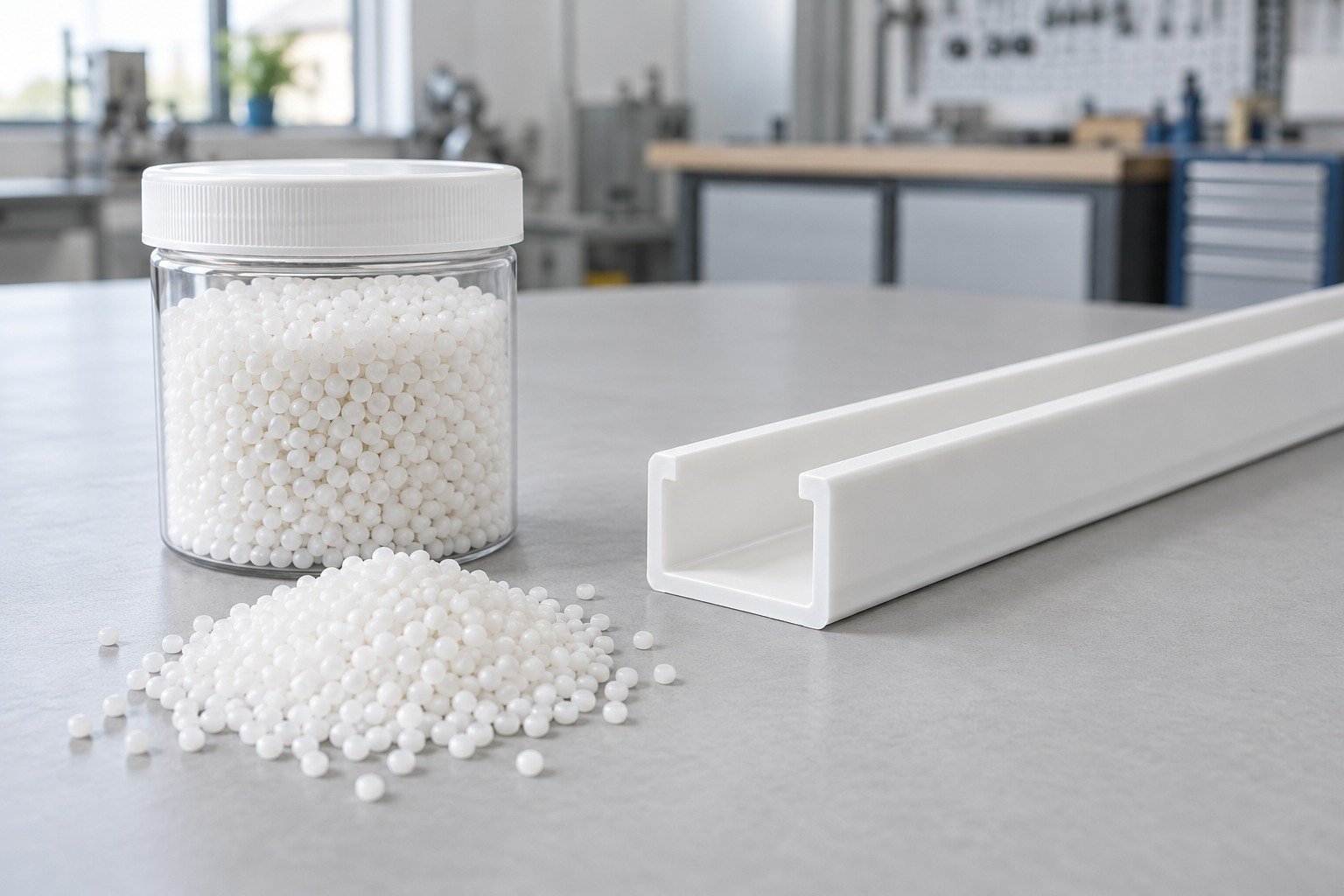
| Cross-Section & Wall | Critical features and datums. |
|---|---|
| Length & End Cut | Units, temperature and cut condition. |
| Bow & Twist | Support, reference length and method. |
| Material & Lot | Grade, color and traceability. |
| Surface & Function | Appearance zones and fit checks. |
| Approval Records | Format, sampling and evidence. |
Agree the method and acceptance scope before production. A dimensional report does not establish resin compliance, pressure integrity or long-term performance.
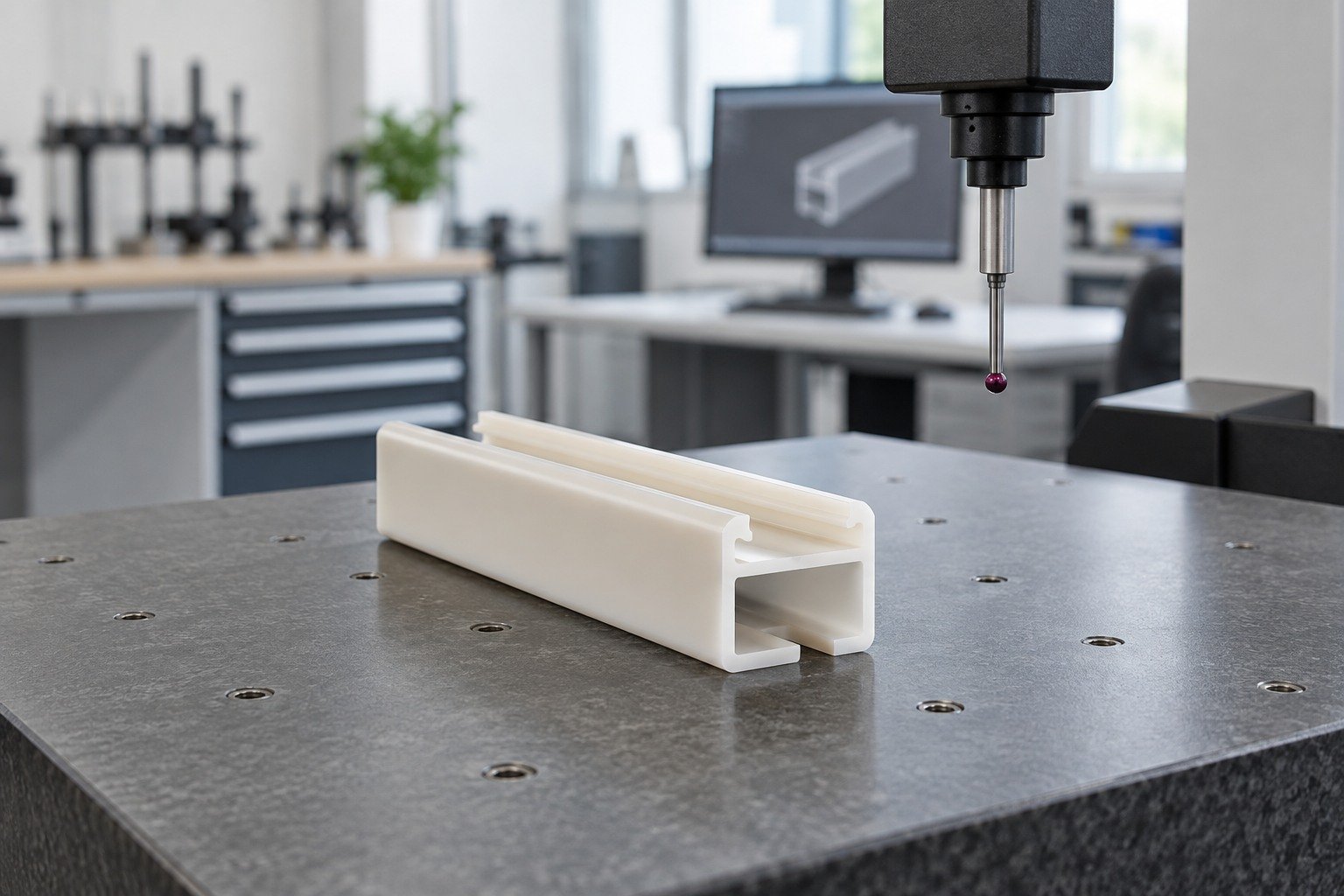
| Cross-Section & Wall | Critical features and datums. |
|---|---|
| Length & End Cut | Units, temperature and cut condition. |
| Bow & Twist | Support, reference length and method. |
| Material & Lot | Grade, color and traceability. |
| Surface & Function | Appearance zones and fit checks. |
| Approval Records | Format, sampling and evidence. |
Agree the method and acceptance scope before production. A dimensional report does not establish resin compliance, pressure integrity or long-term performance.
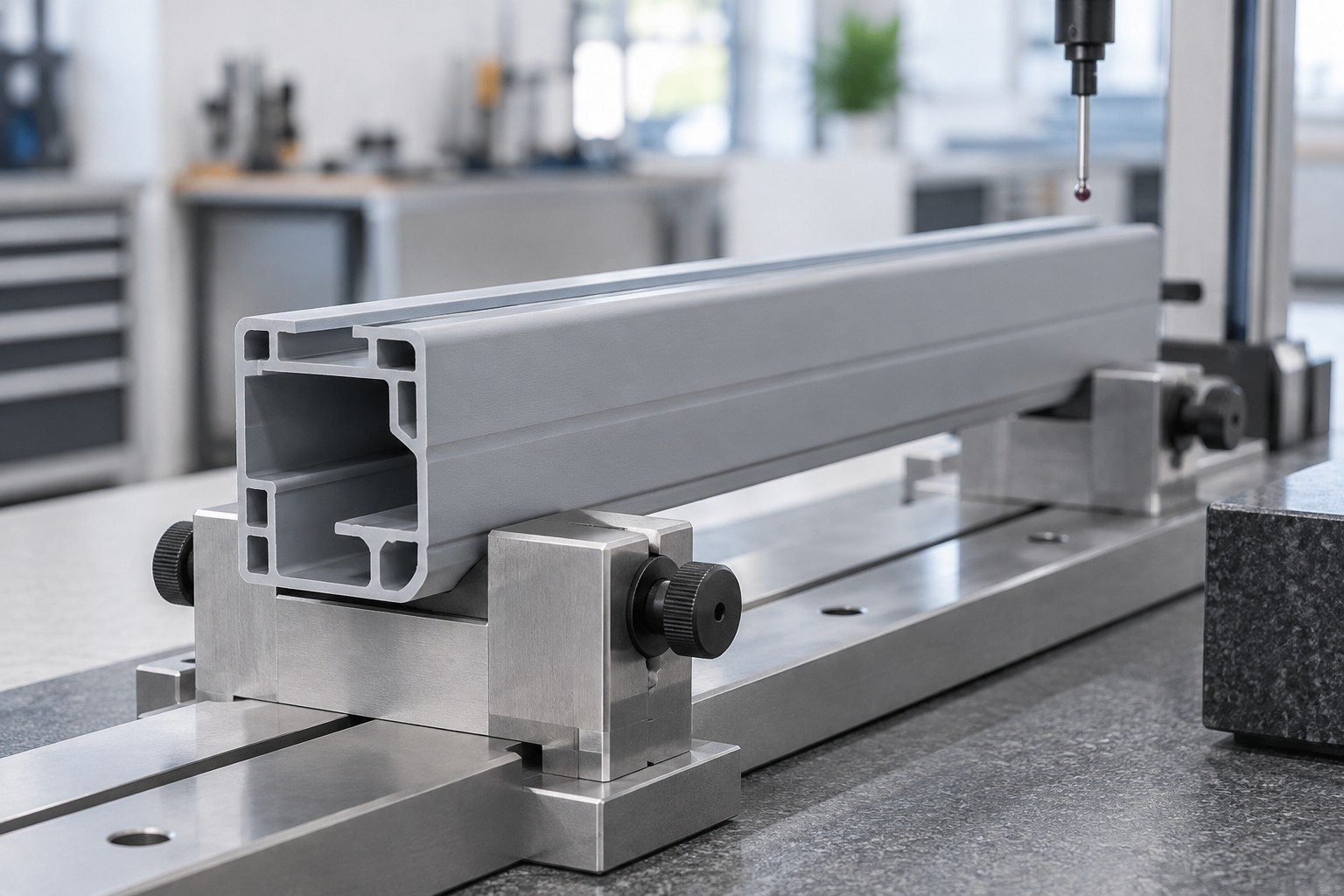
| Cross-Section & Wall | Critical features and datums. |
|---|---|
| Length & End Cut | Units, temperature and cut condition. |
| Bow & Twist | Support, reference length and method. |
| Material & Lot | Grade, color and traceability. |
| Surface & Function | Appearance zones and fit checks. |
| Approval Records | Format, sampling and evidence. |
Agree the method and acceptance scope before production. A dimensional report does not establish resin compliance, pressure integrity or long-term performance.
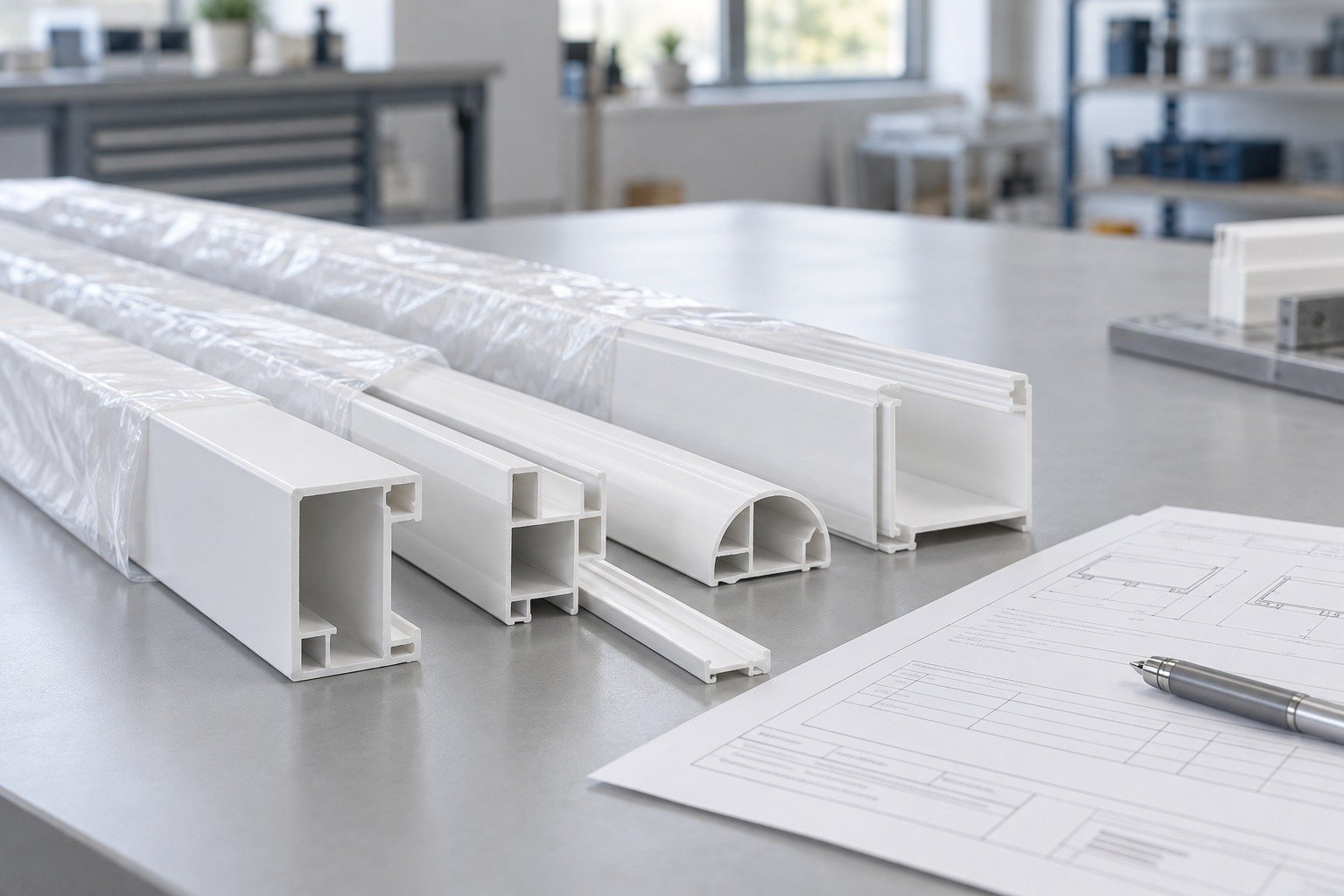
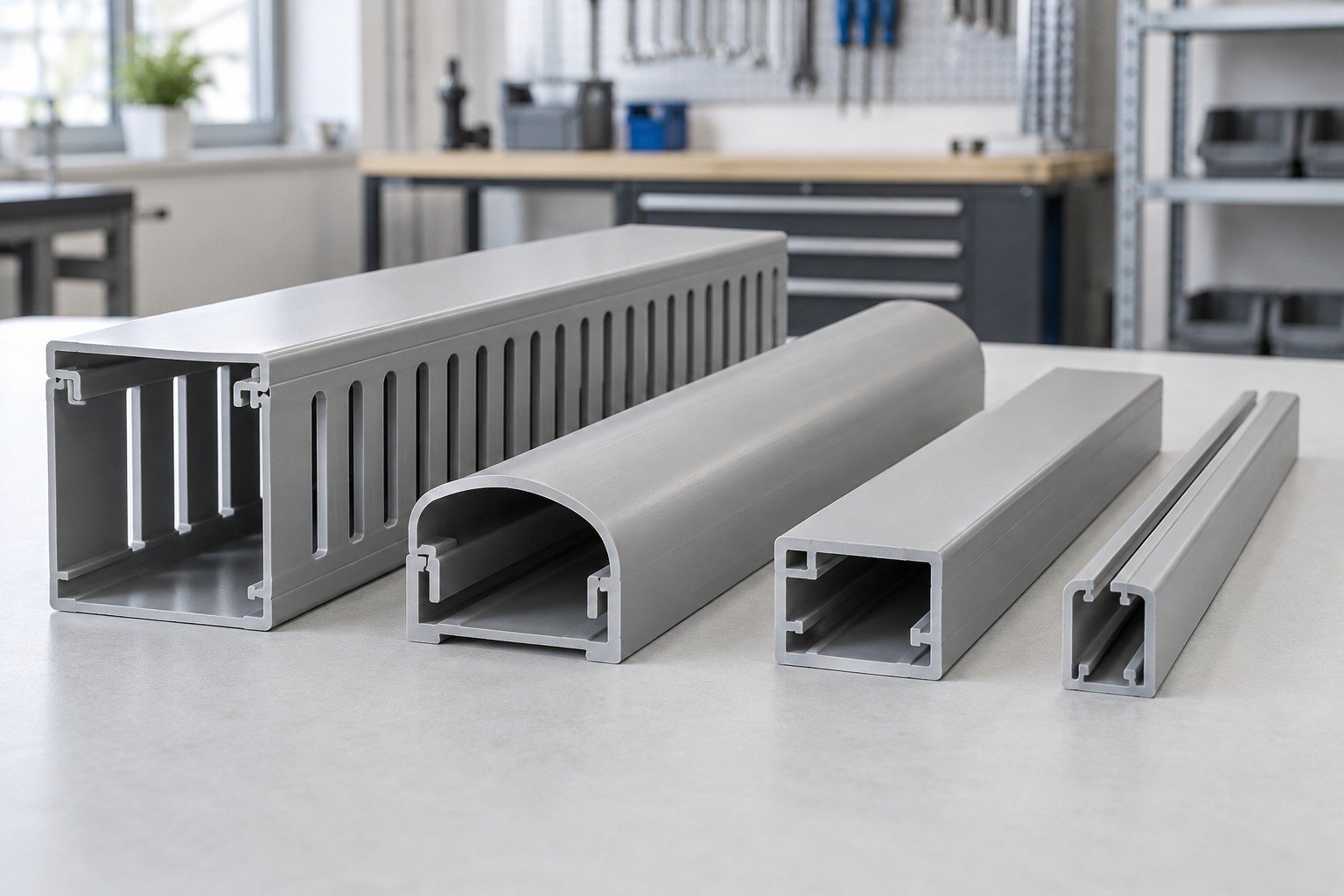
Cover panels and guide profiles.
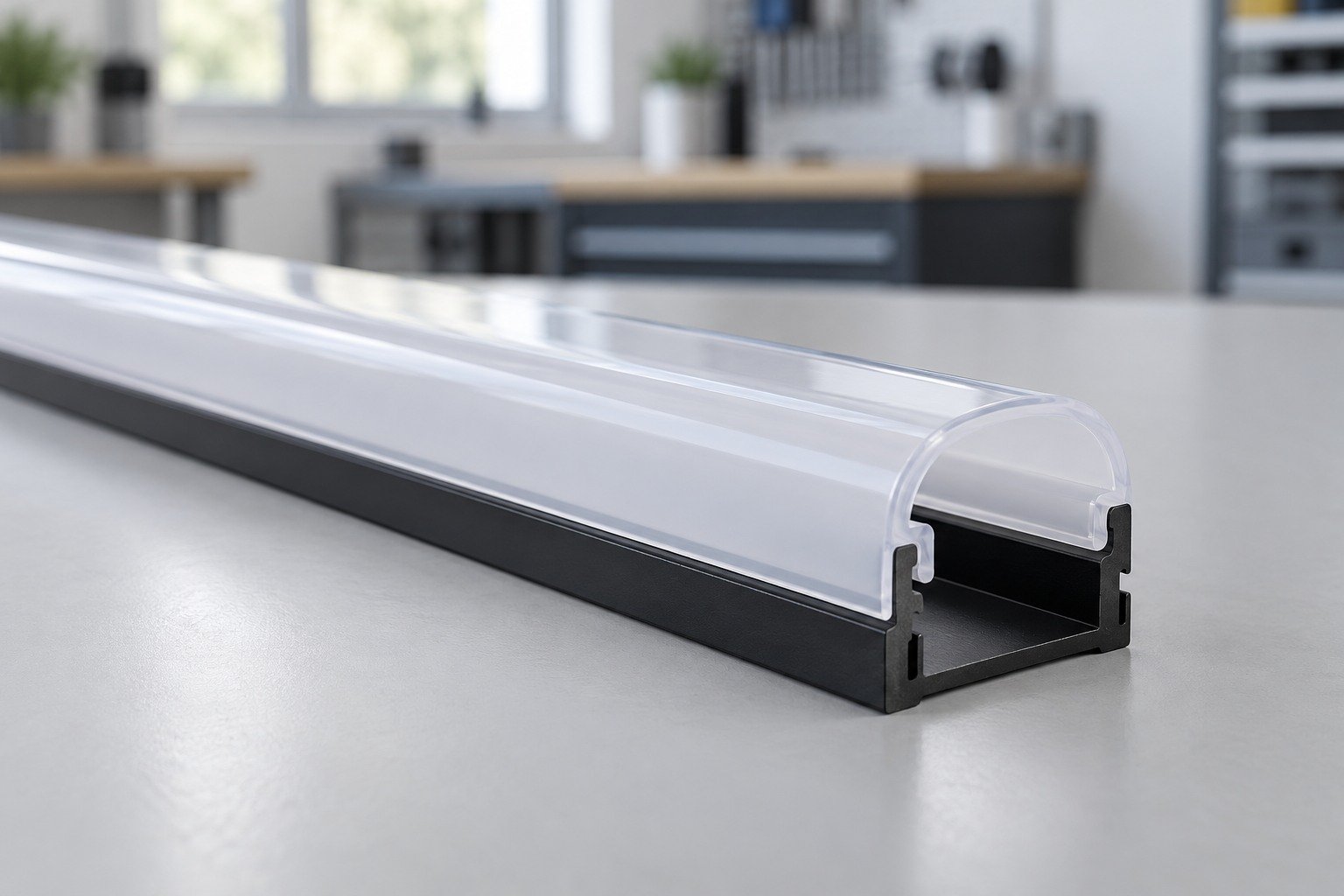
Define light, appearance and mounting.
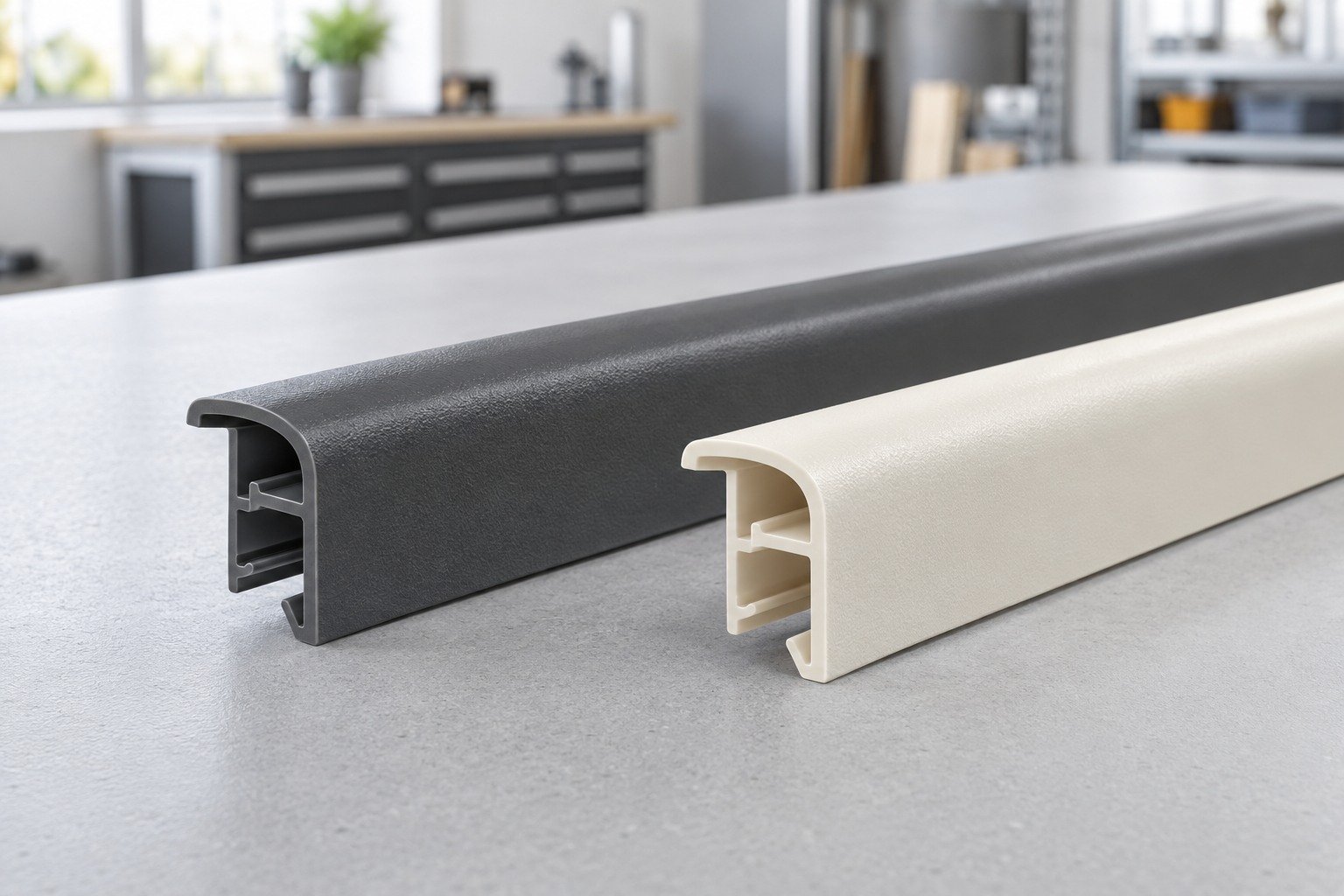
Review edge fit and service conditions.
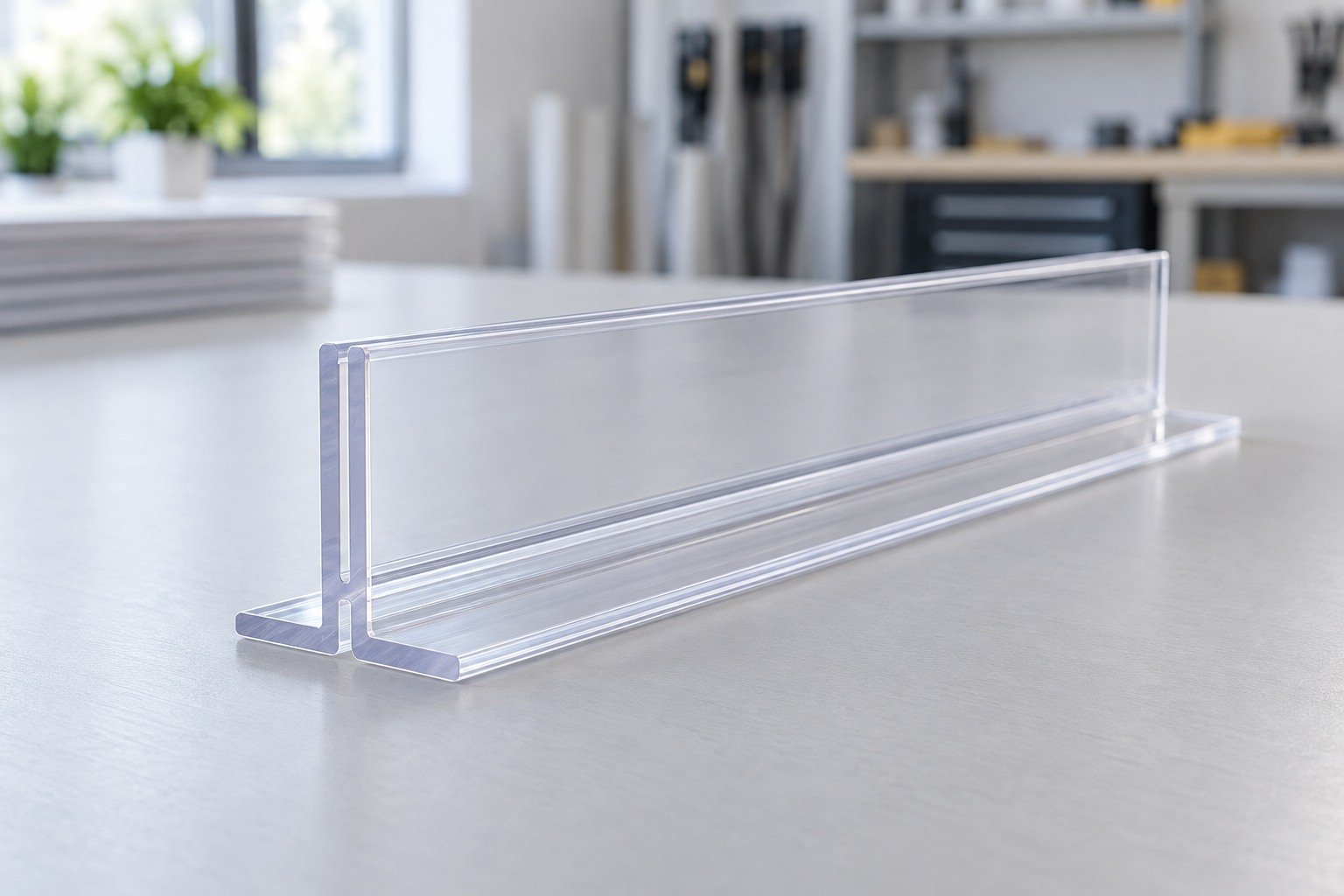
Agree clarity, stiffness and assembly.
Illustrative application concepts. Product suitability and testing are project-specific. Plastic lighting diffuser extrusion needs an agreed optical and cosmetic sample. Plastic extrusion for furniture requires defined fit and service conditions.
Coordinate your section review, sample decisions and delivery requirements.

Project communication and support.
Confirmed for your project.
Inspection and documentation.
Coordinate timing and logistics.
Separate tooling, trials, recurring length, secondary operations and packaging in the quote.
Extrusion generally suits a repeated cross-section and specified lengths. Injection molding suits discrete 3D shapes. Review geometry, material, quantity and secondary features before choosing.
Tooling depends on section complexity, resin, calibration, trial work and acceptance requirements. Separate die and calibrator costs, ownership, maintenance and approved changes from recurring production.
Minimum order depends on resin availability, color, setup, line suitability and the economic run. Send trial, first-order and annual demand; confirm the quotation unit and minimum for your section.
Define limits for critical section features, wall, cut length, bow and twist. State conditioning, temperature, supports and measurement methods. Feasibility is confirmed for your grade and section; one tolerance does not apply to every feature.
Some compatible extrusion-grade material pairs can be combined. Dual durometer extrusion needs review of hardness, bonding, shrinkage, conditioning and the actual production route. Confirm suitability and test evidence before tooling.
Recycled content requires review of grade consistency, traceability, color, properties and regulatory requirements. Agree a controlled specification and required evidence; recycled resin is not automatically interchangeable with virgin resin.
Timing depends on grade availability, tooling, calibration, trials, approval, secondary work and quantity. Request separate tooling, sample and production milestones for your actual drawing.
Send a controlled section drawing and CAD with resin, color, critical dimensions, mating parts, cut length or coil, quantities, finish, secondary operations, acceptance and delivery requirements.
Section, length and acceptance limits.
Material, appearance and fit evidence.
Tooling, exclusions and delivery terms.