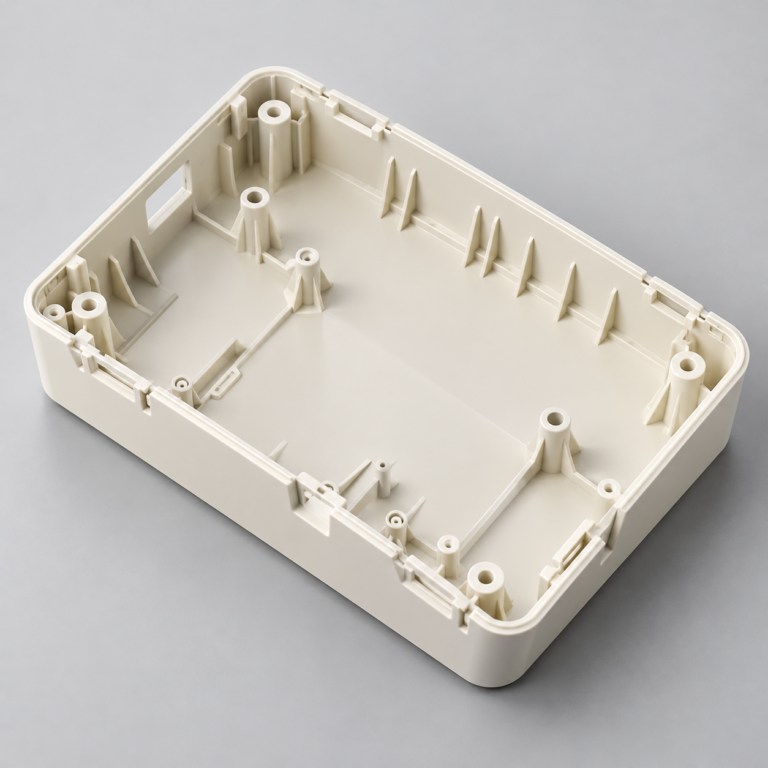
Injection Molding
Tooling and molding for your repeat plastic parts.
From prototype to production, coordinated manufacturing solutions for your custom parts.
View All Services →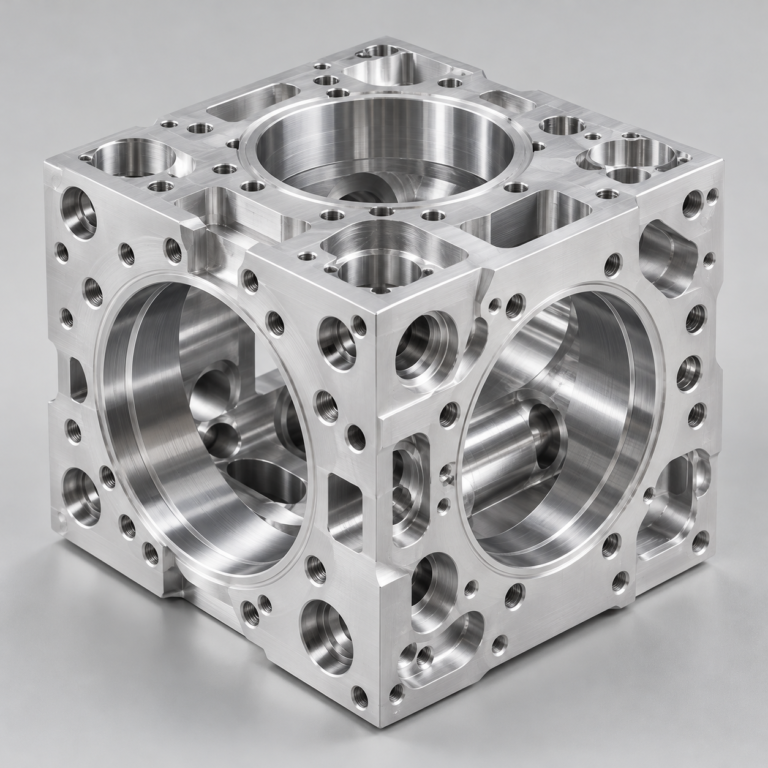
Precision parts for your tight tolerances and complex geometry.
Tooling and molding for your repeat plastic parts.
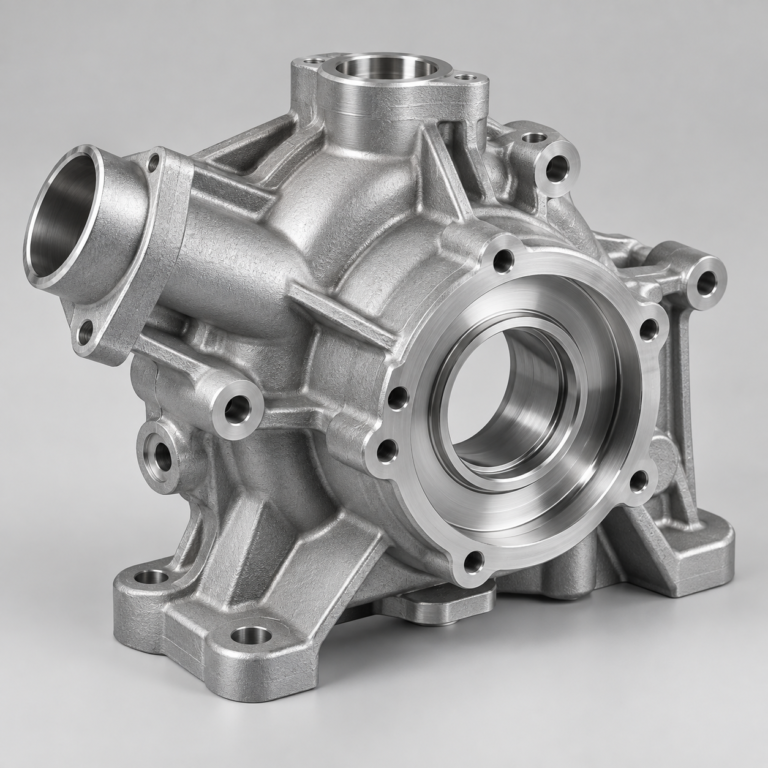
Metal casting options for your part and production volume.
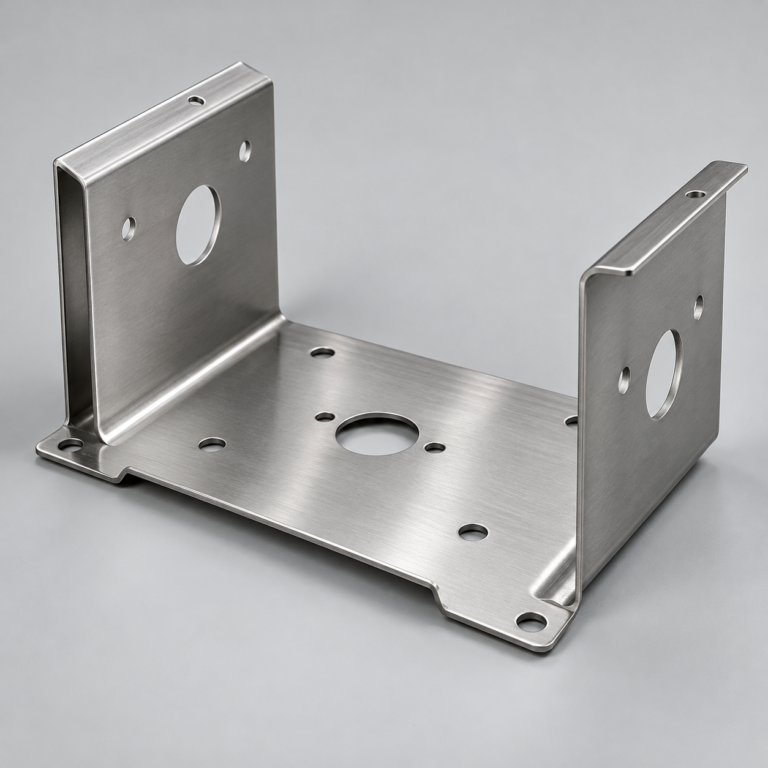
Cutting, forming and welding for your fabricated parts.
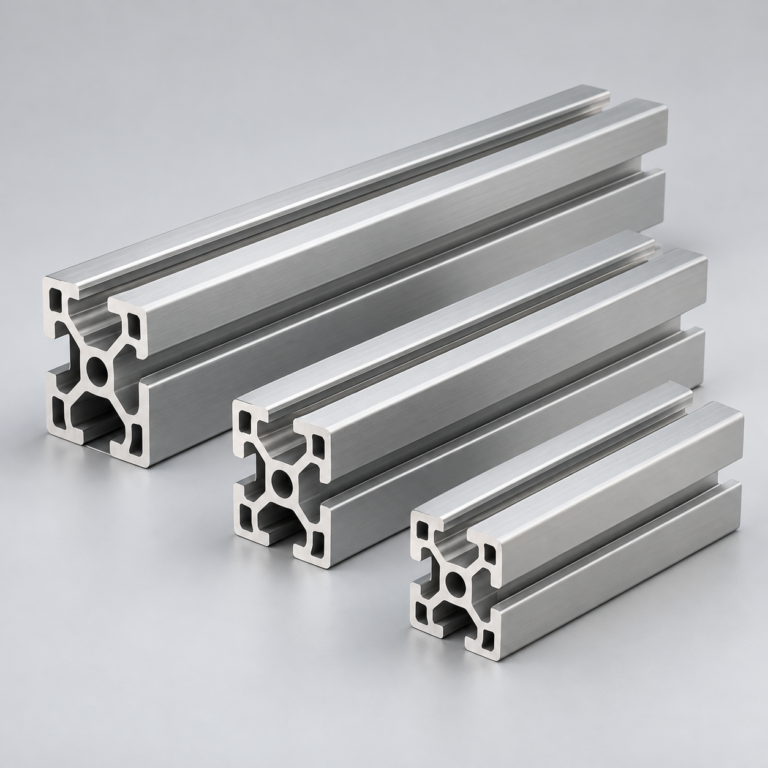
Custom profiles for your section, length and finish requirements.
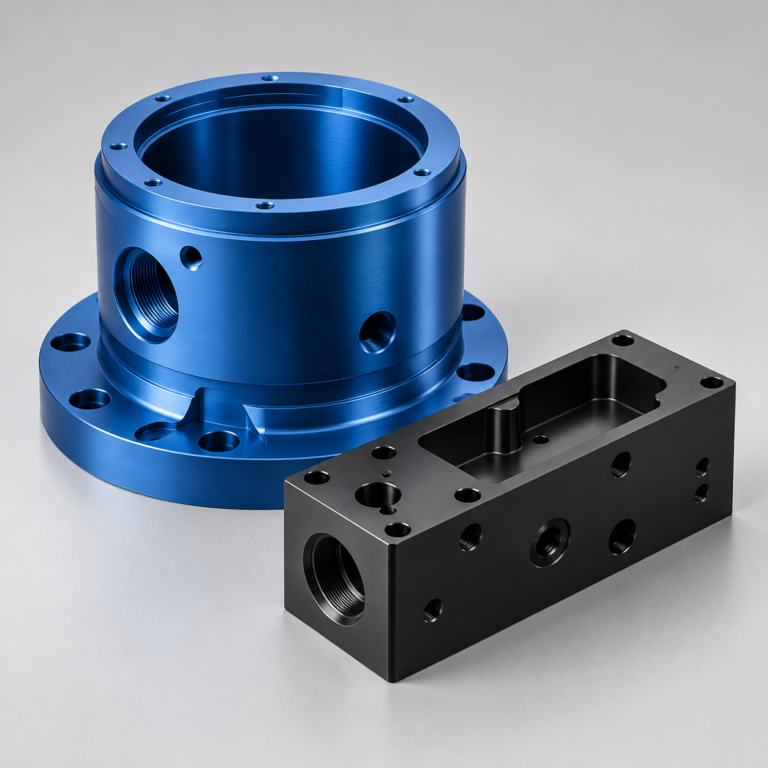
Finishes for your appearance, corrosion and wear requirements.
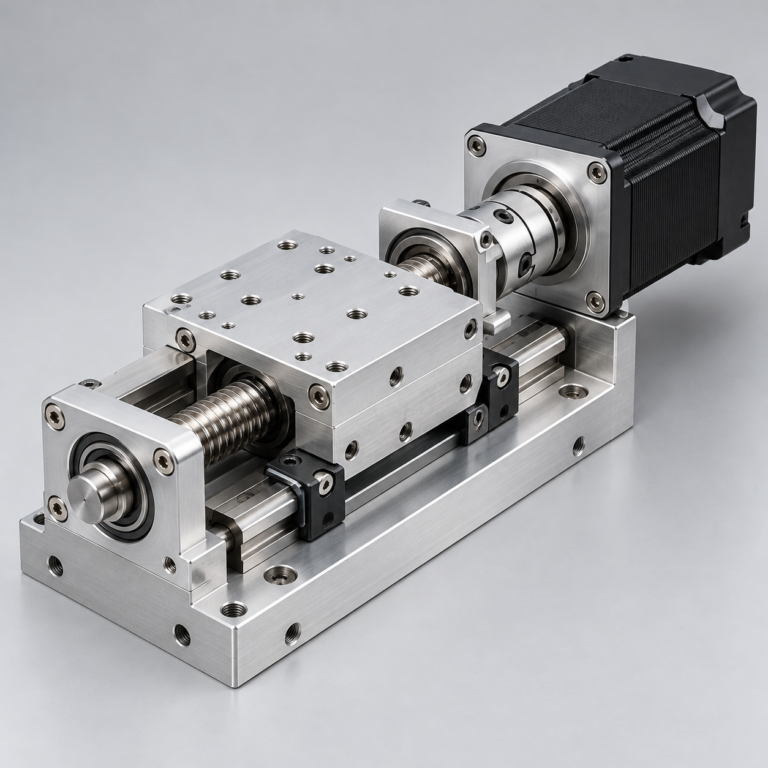
Sub-assemblies and final builds for your production program.
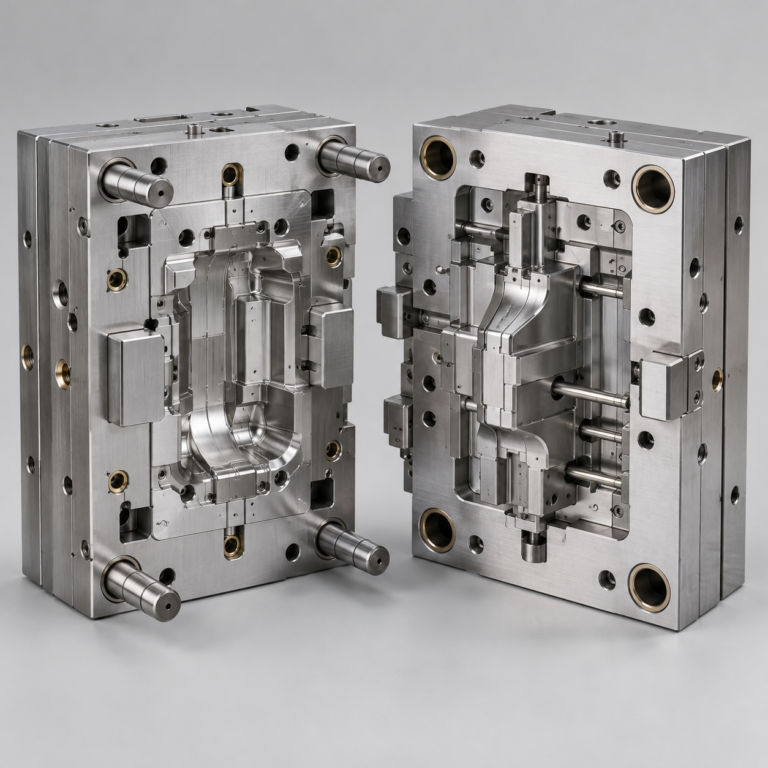
Production tooling built around your process and volume.
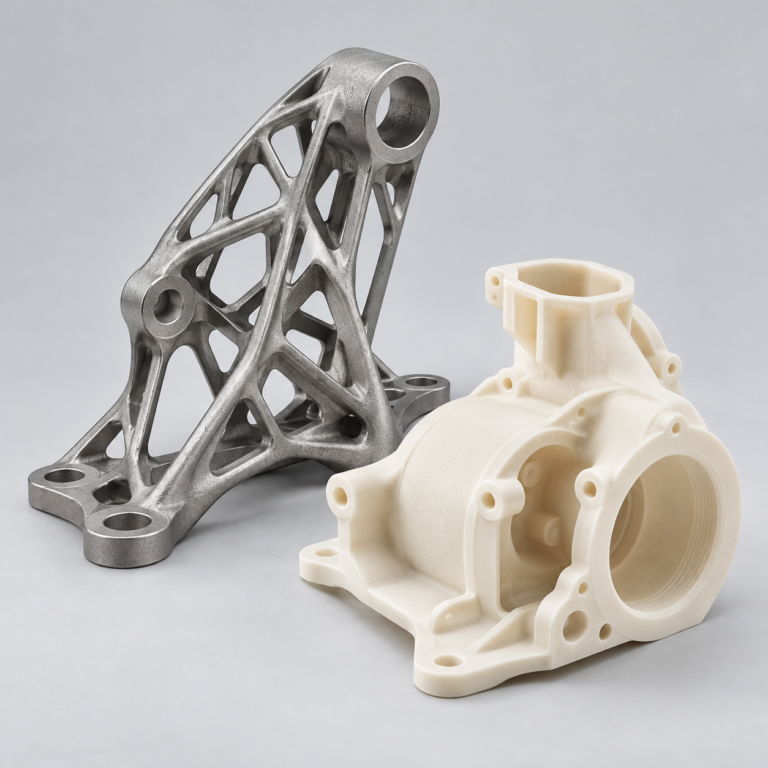
Prototype parts to check fit, function and design.
DFM, process planning and production support for your project.
Inspection, documentation, inventory and delivery planning for your program.
Choose air- or liquid-cooling components around your thermal and mechanical requirements.
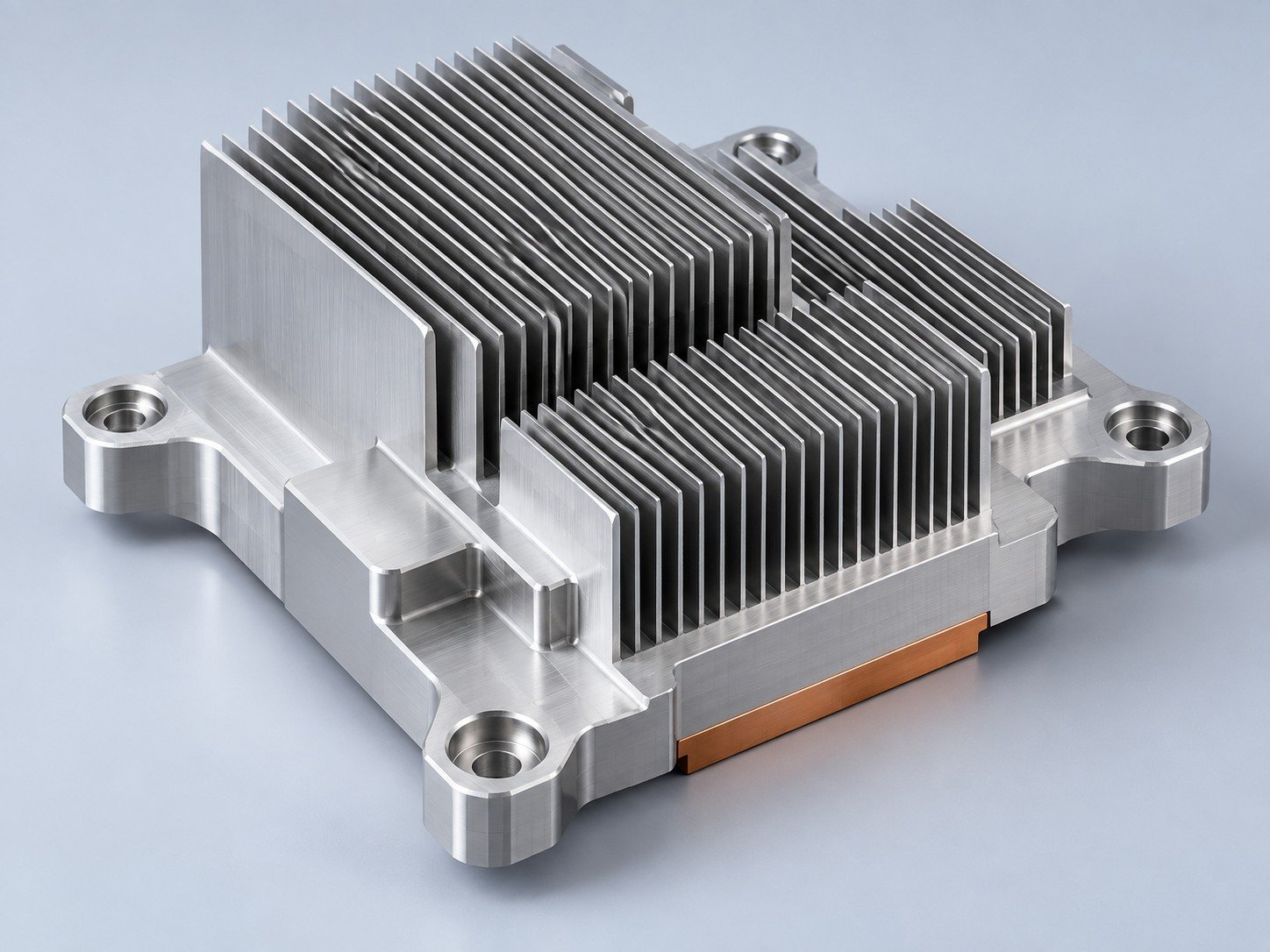
Manufacturing support for your cold plates, manifolds and cooling assemblies.
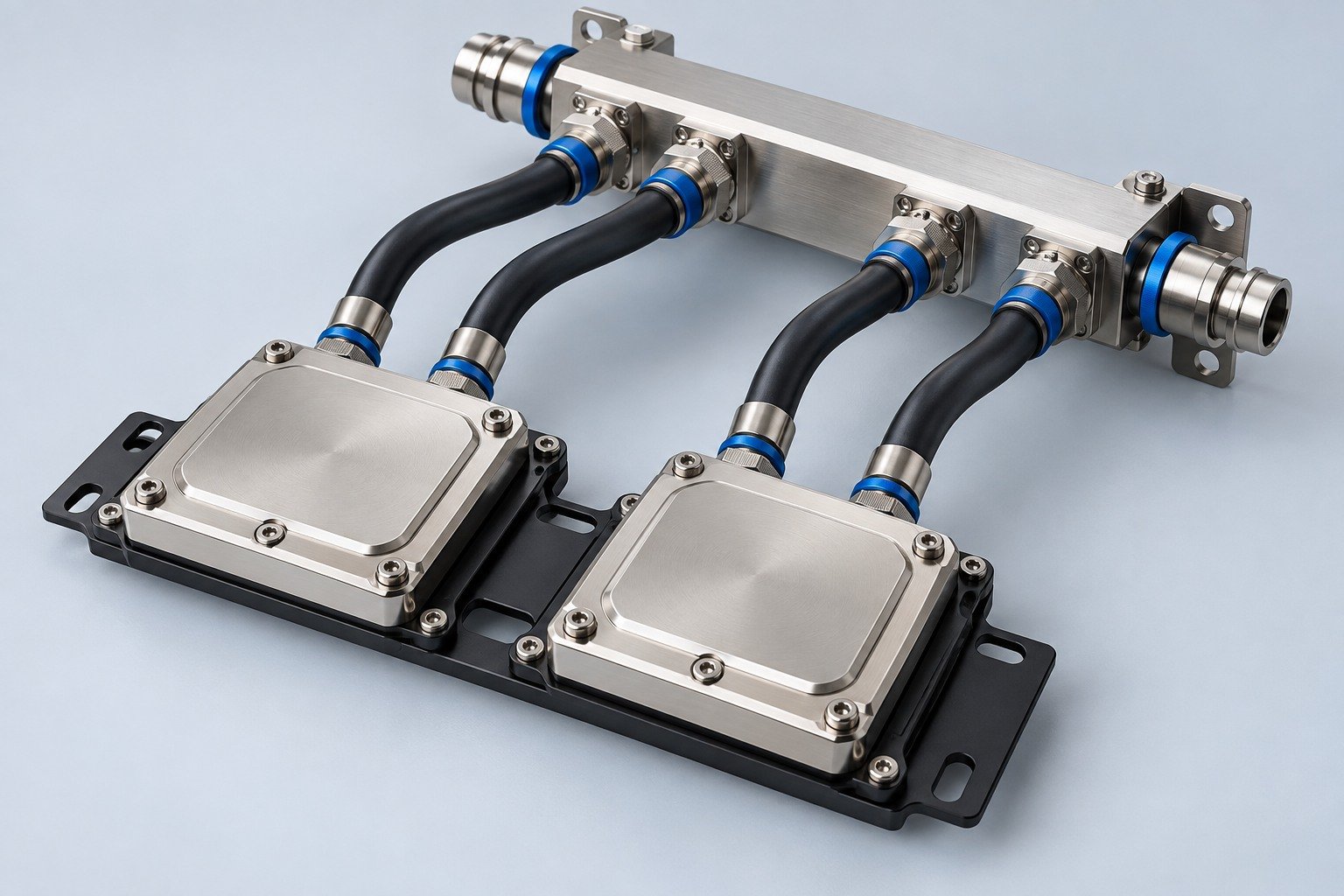
Find components for your power electronics, energy, laser and telecom application.
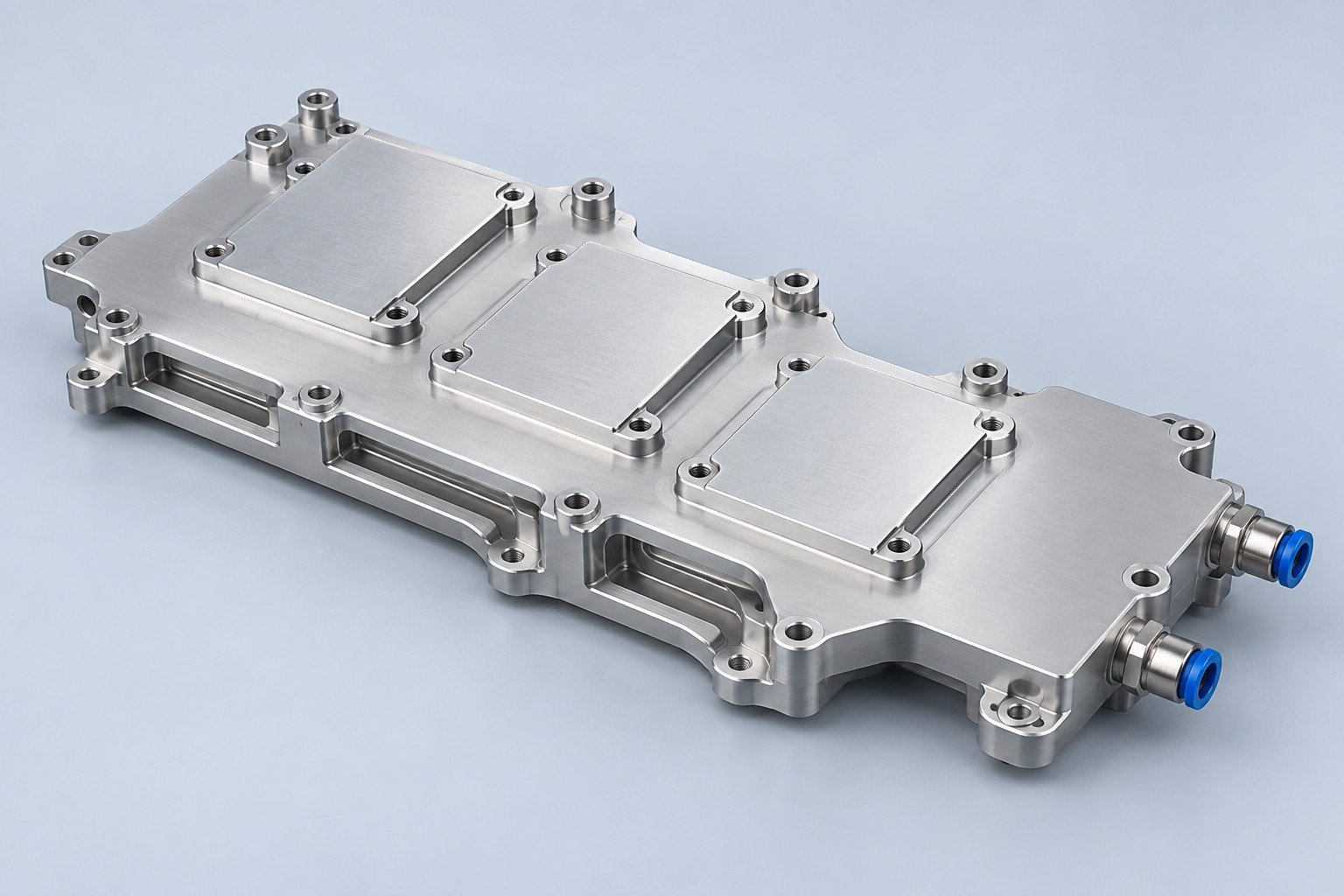
Components for your electronic systems.
Start with your functional and quality requirements.
Build around your operating environment.
From prototype to production, review material performance, manufacturability and cost for your part.
Review grade, temper and finish for your metal parts.
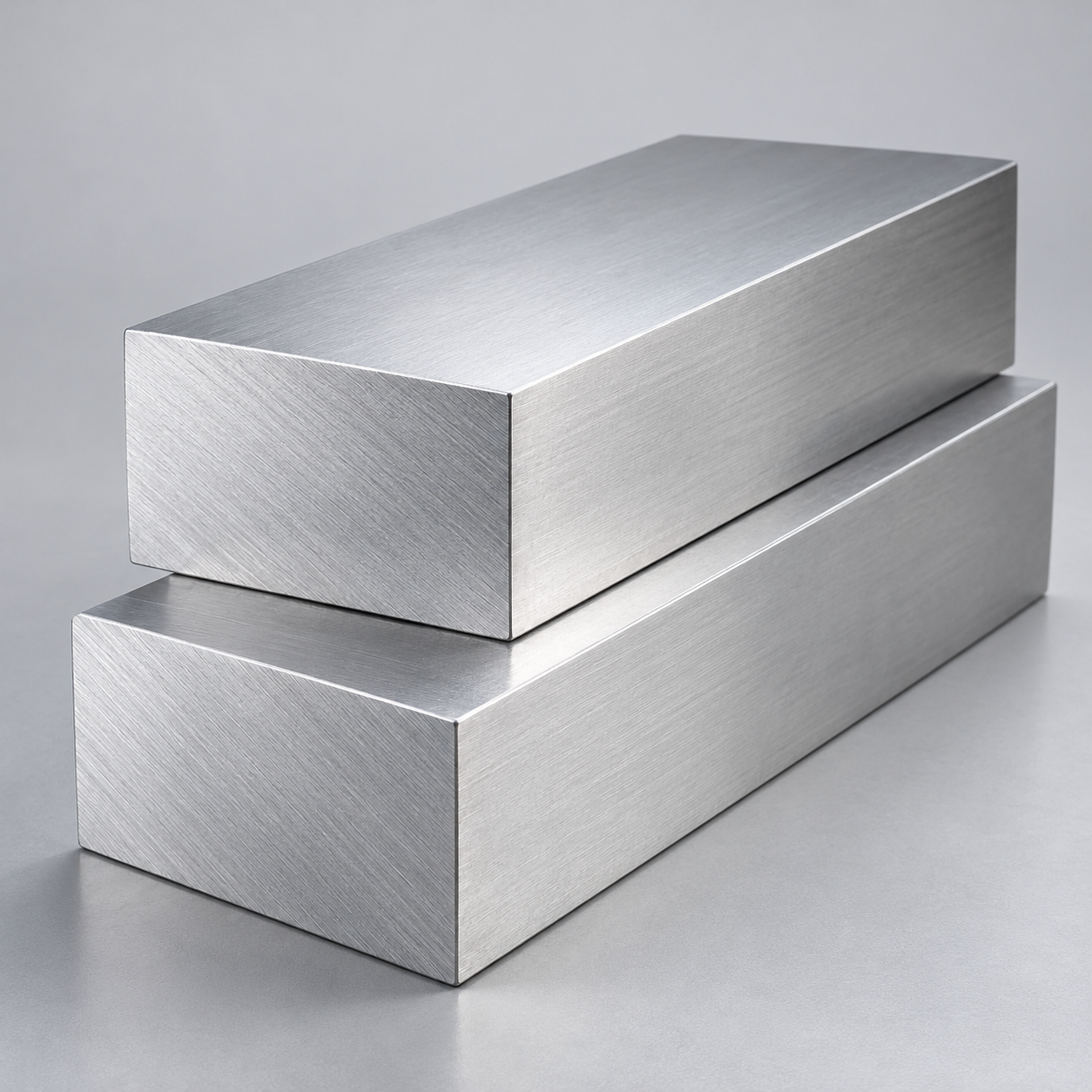 AluminumStrength, weight and machining›
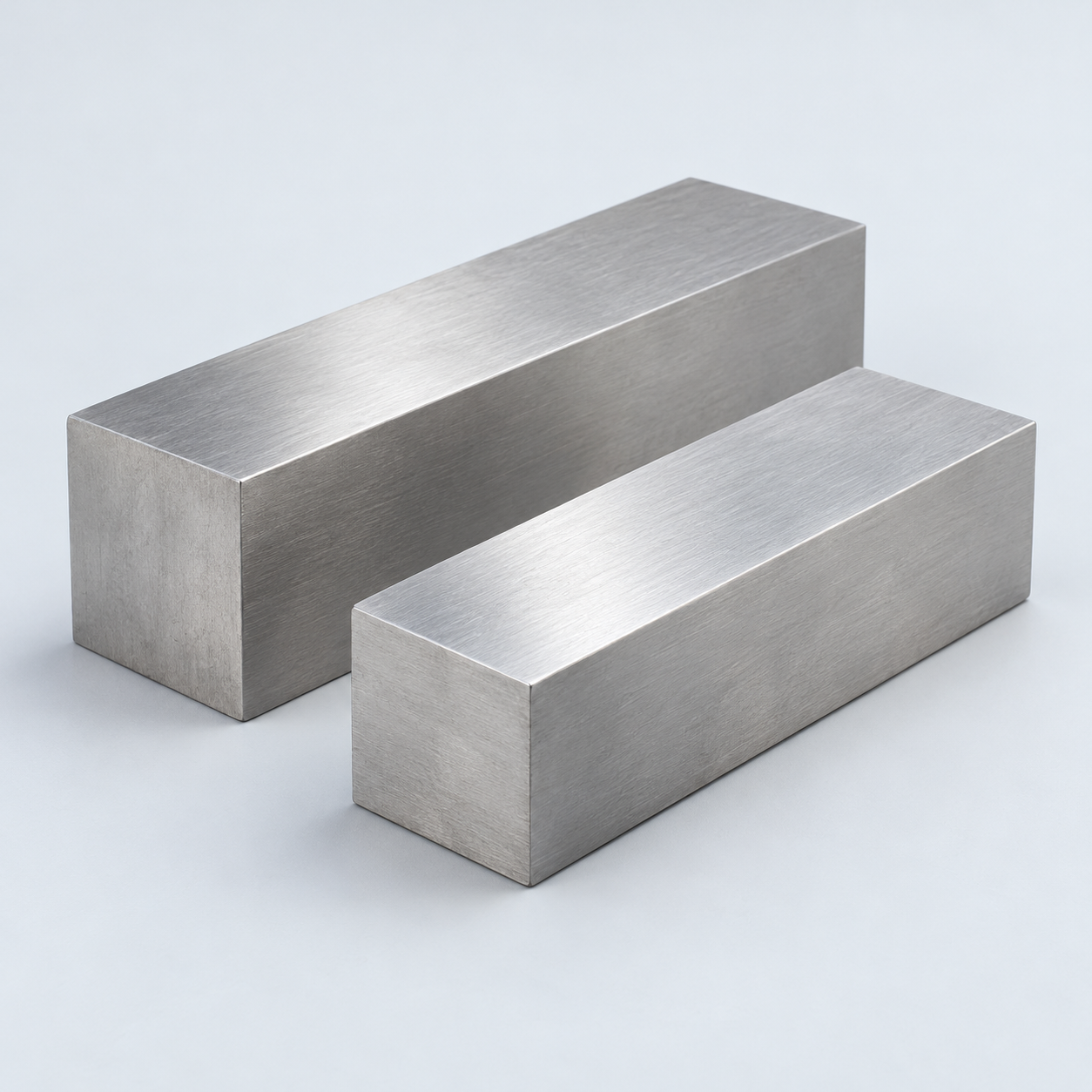 Stainless SteelCorrosion and finish requirements›
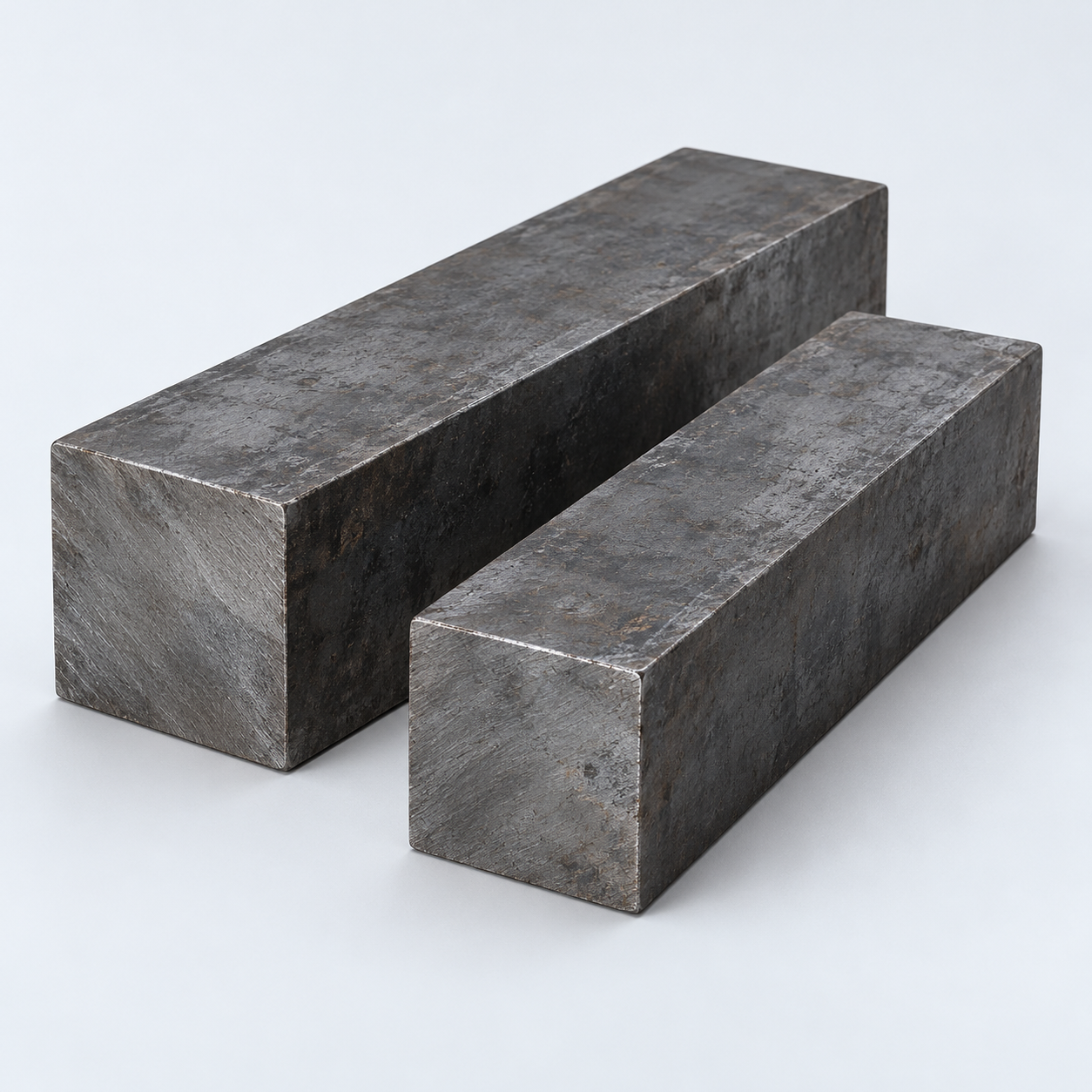 Carbon & Alloy SteelDiscuss grade and heat treatment›
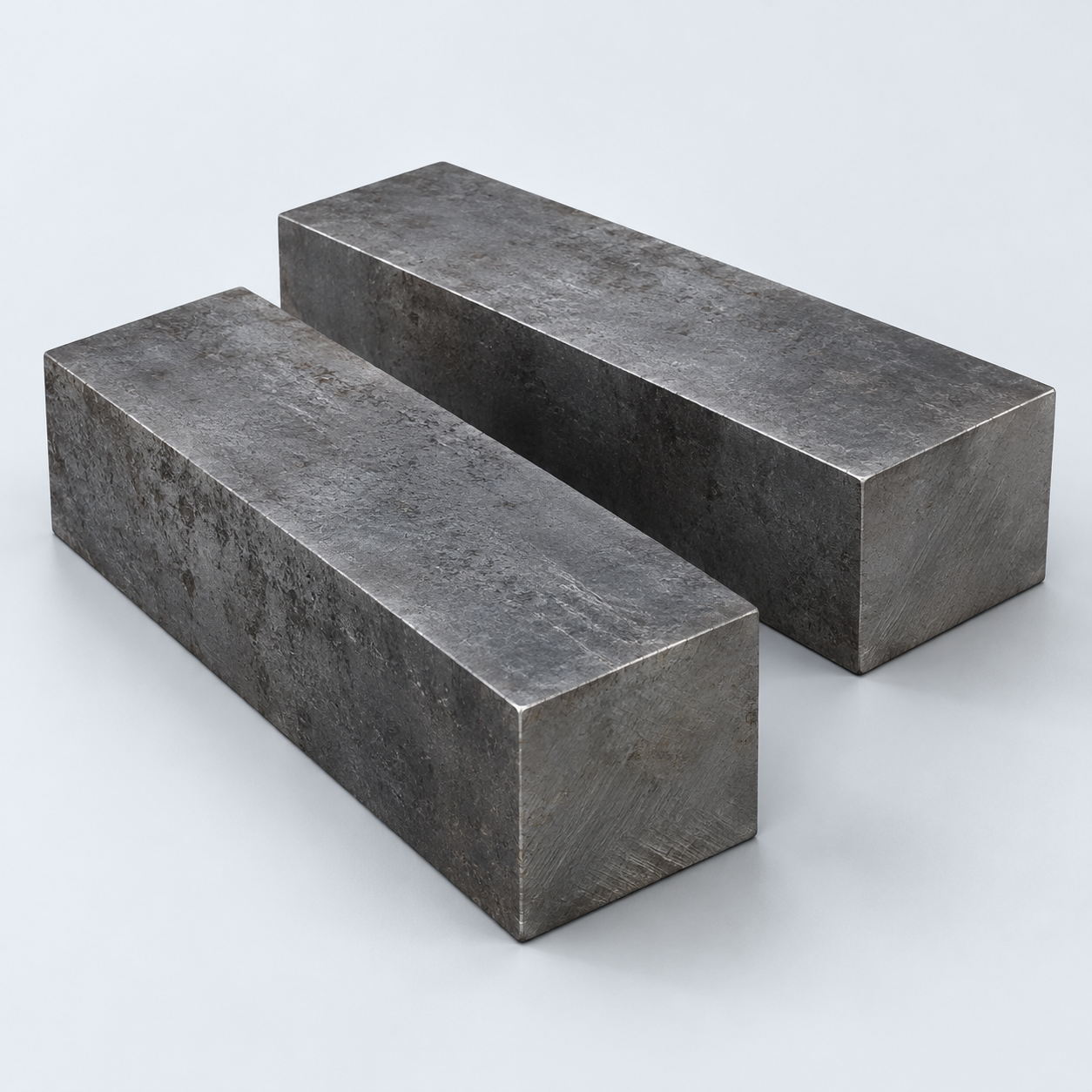 Tool SteelDiscuss tooling and wear needs›
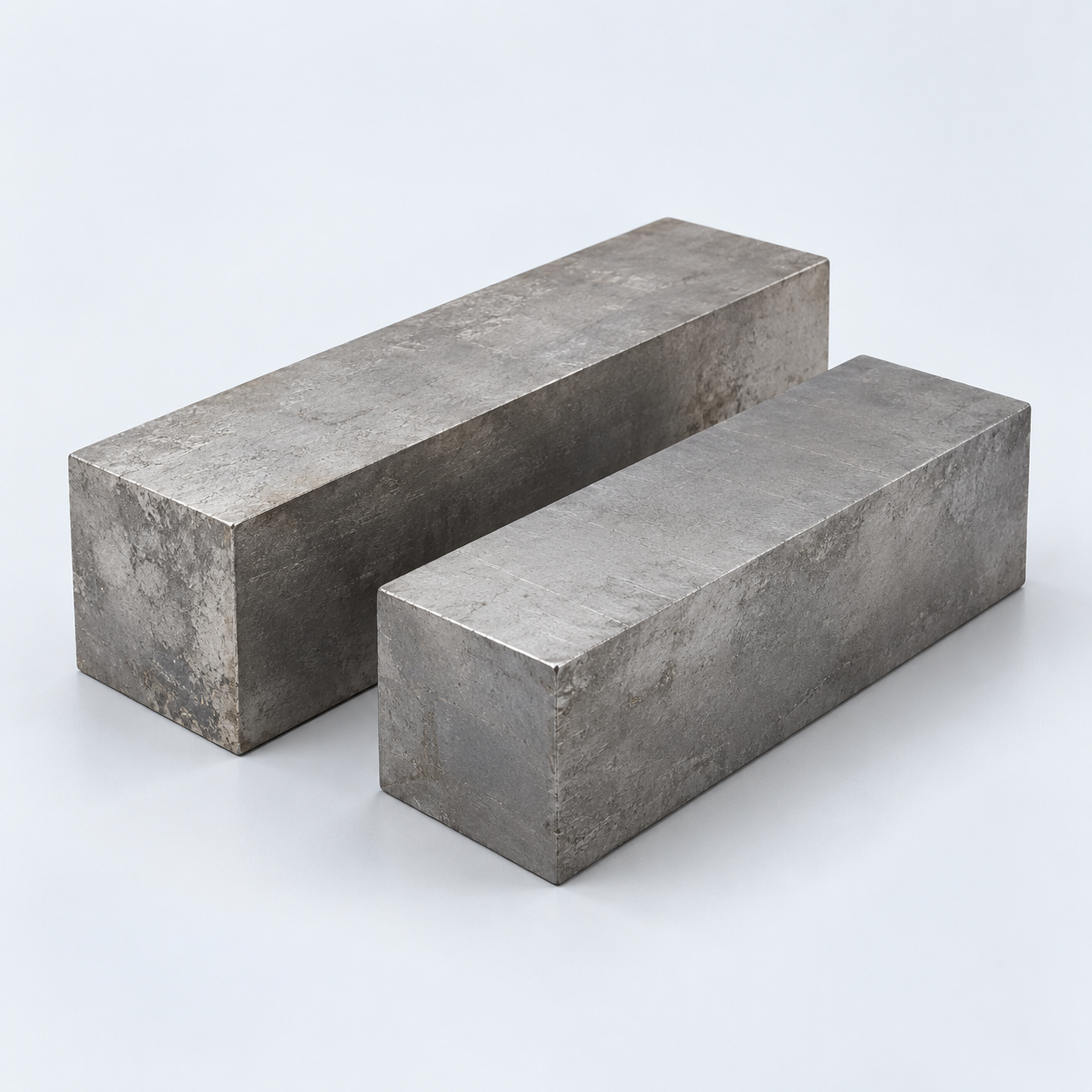 TitaniumReview grade and part geometry›
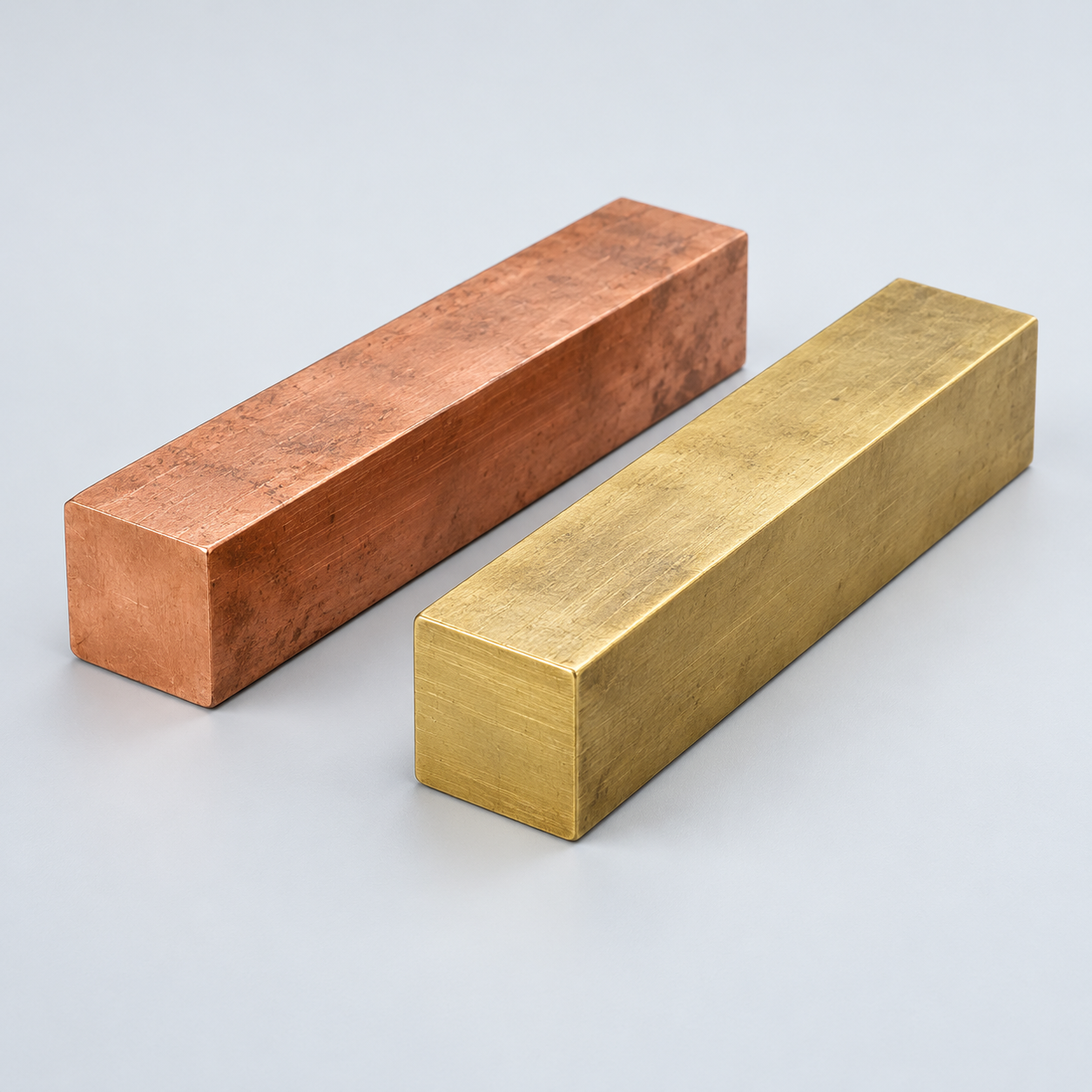 Copper & BrassDiscuss conductivity and machining›
Match your polymer to function, process and environment.
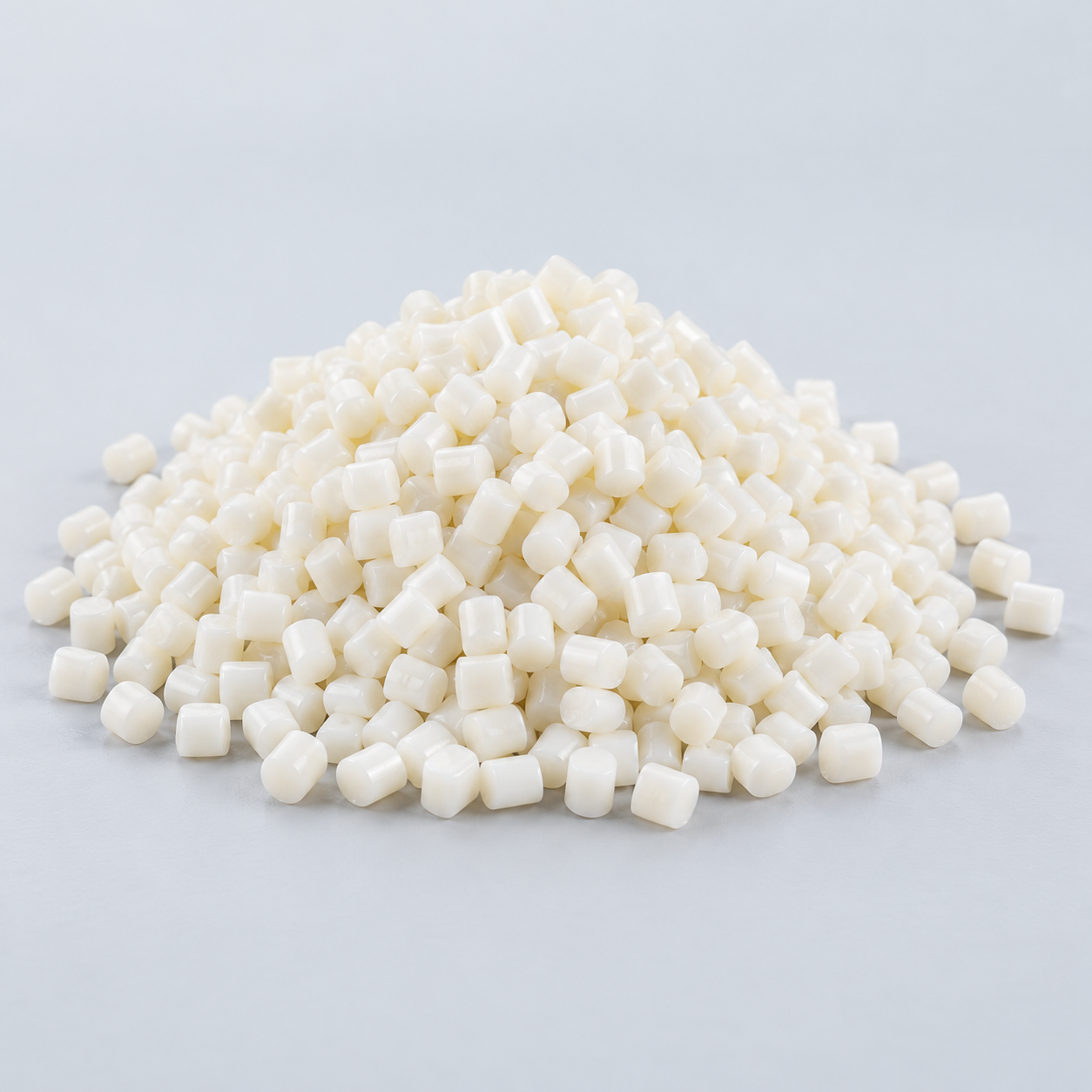 ABSReview enclosure and molding needs›
 Polycarbonate (PC)Discuss clarity and impact needs›
 Nylon (PA)Review moisture and wear conditions›
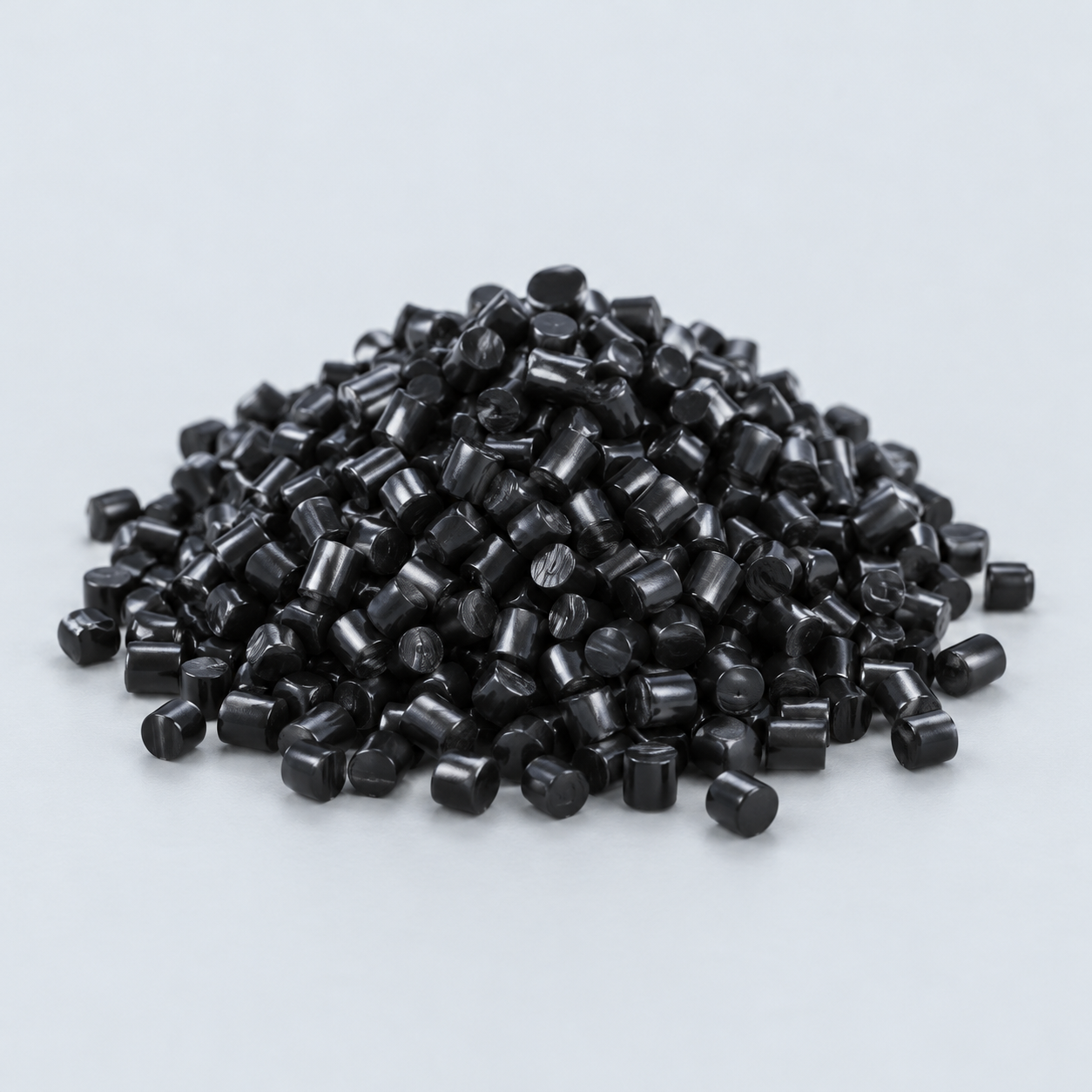 POM / AcetalReview fit and sliding features›
 PEEKDiscuss operating conditions›
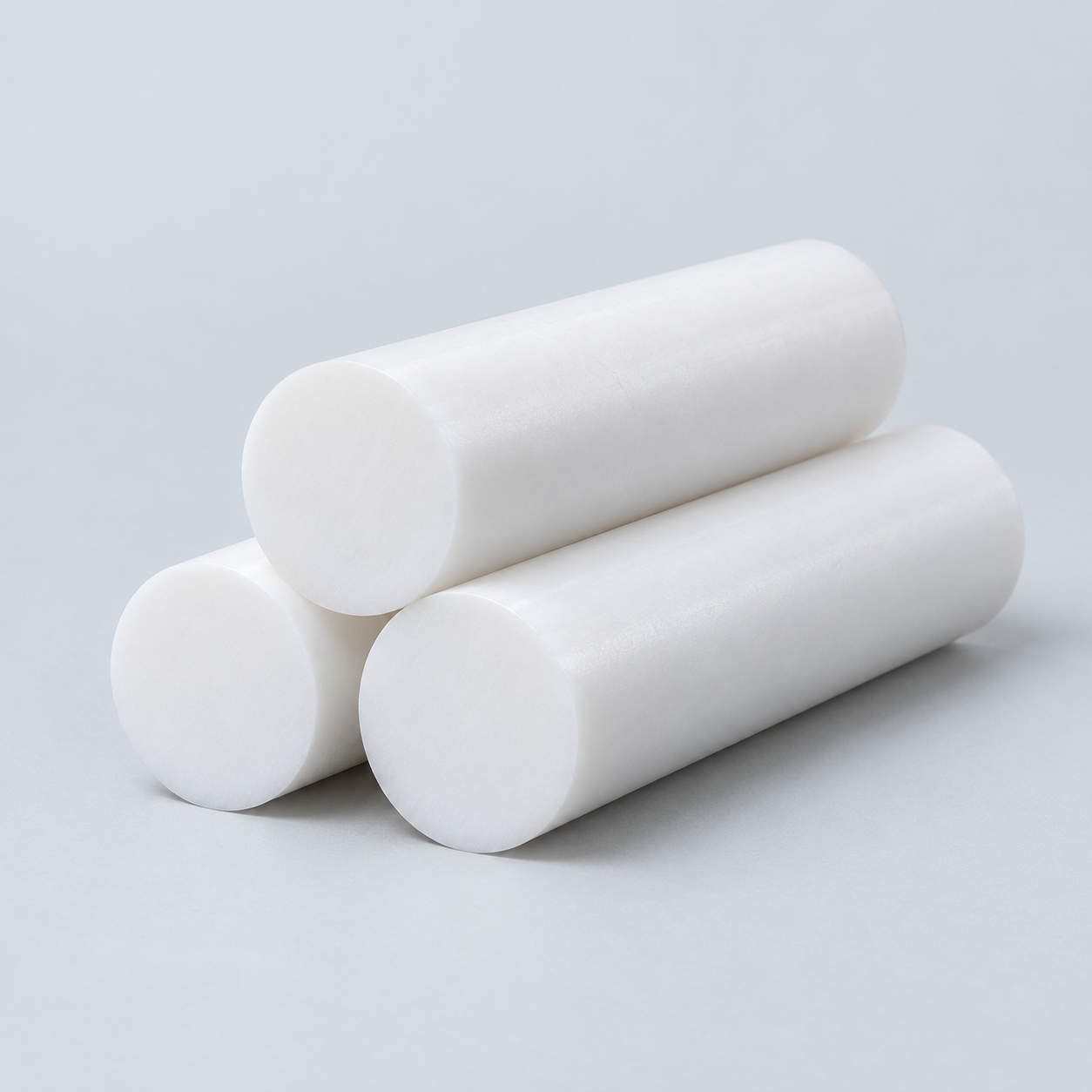 PTFEReview friction and chemical exposure›
 ULTEM / PEIDiscuss thermal and electrical needs›
Confirm grade availability and application requirements.
 Silicone / LSRDiscuss flexible component needs›
 TPU / TPEReview flexibility and processing›
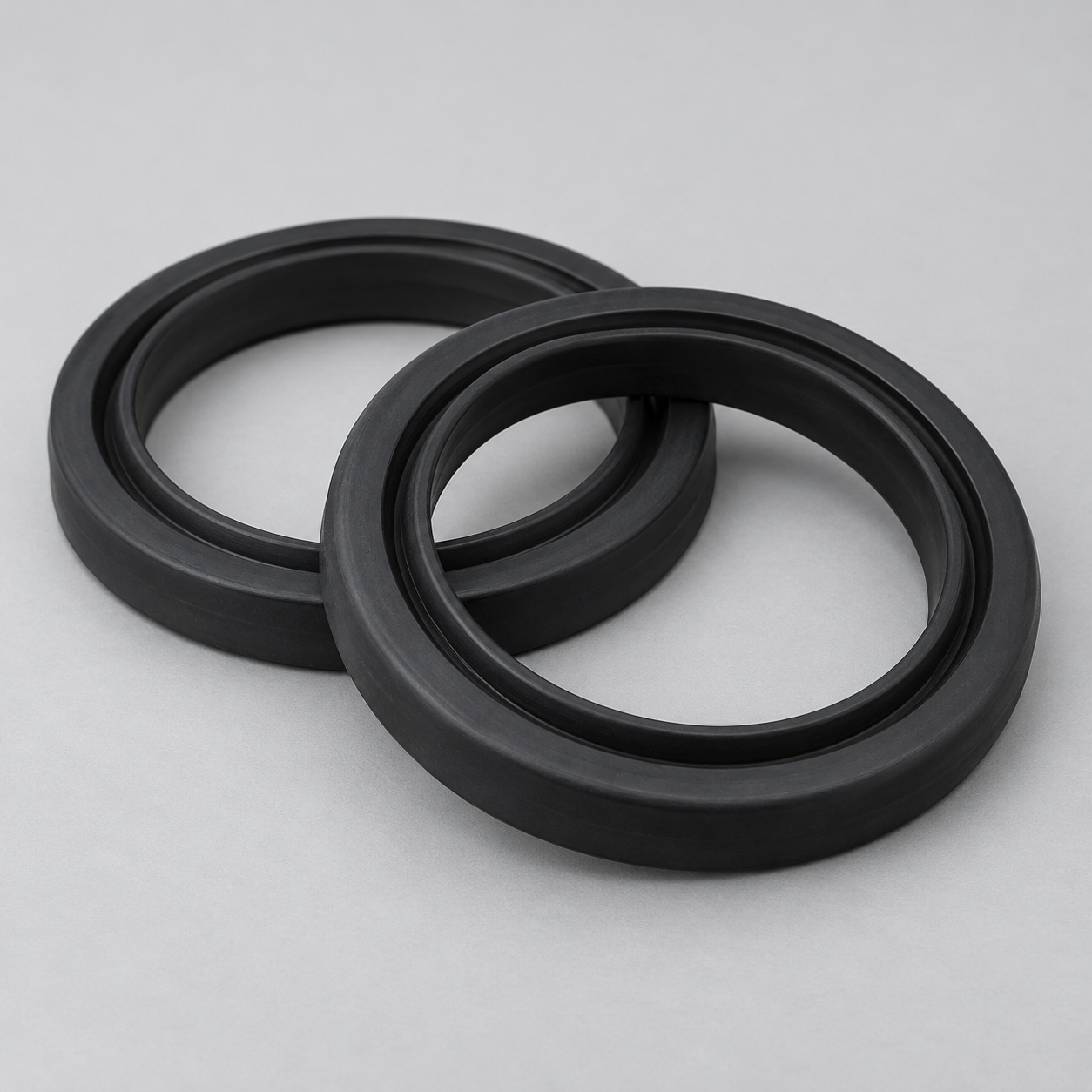 EPDMReview weathering and chemical exposure.›
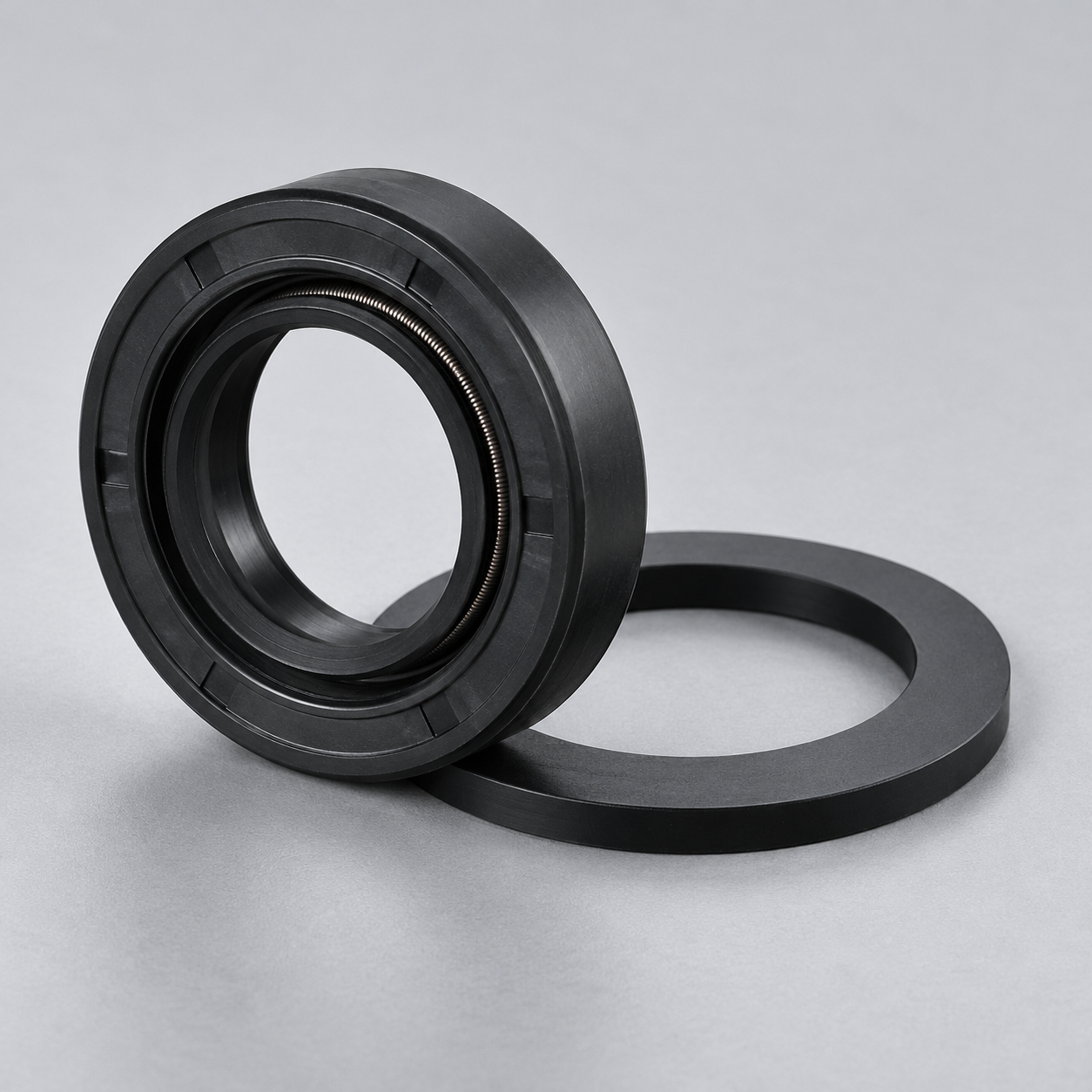 NBRReview oil and fuel exposure.›
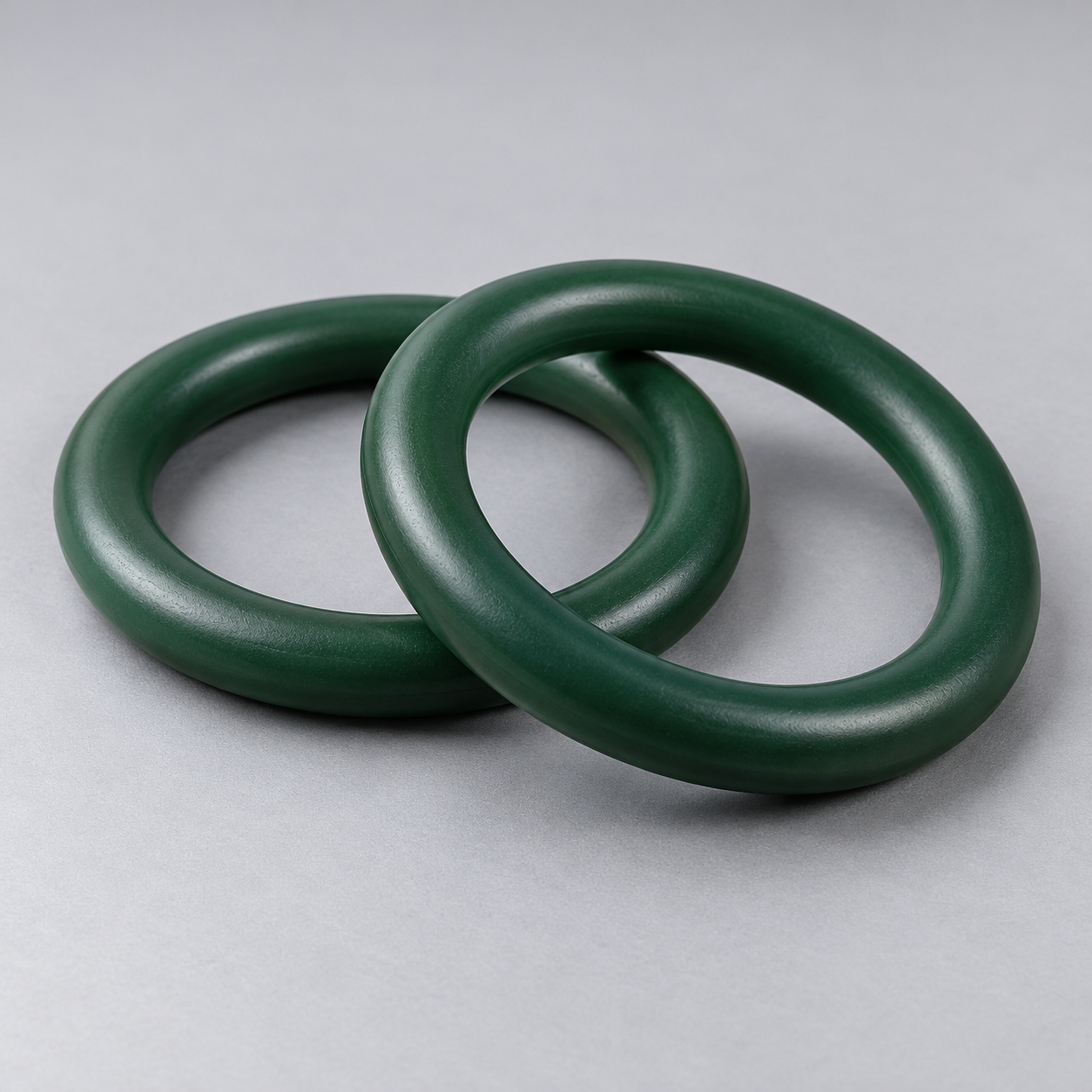 FKMReview temperature and chemical exposure.›
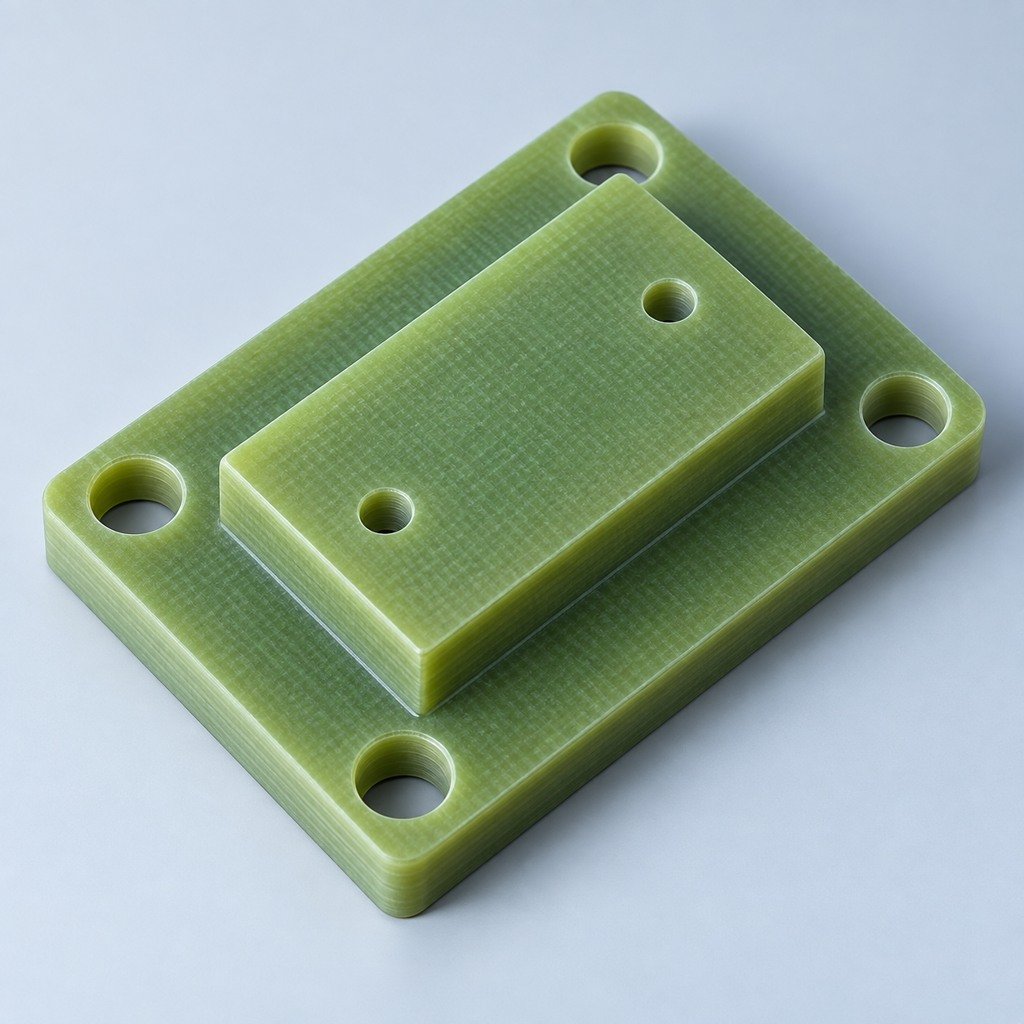 G10 / FR4Review insulation and laminate needs›
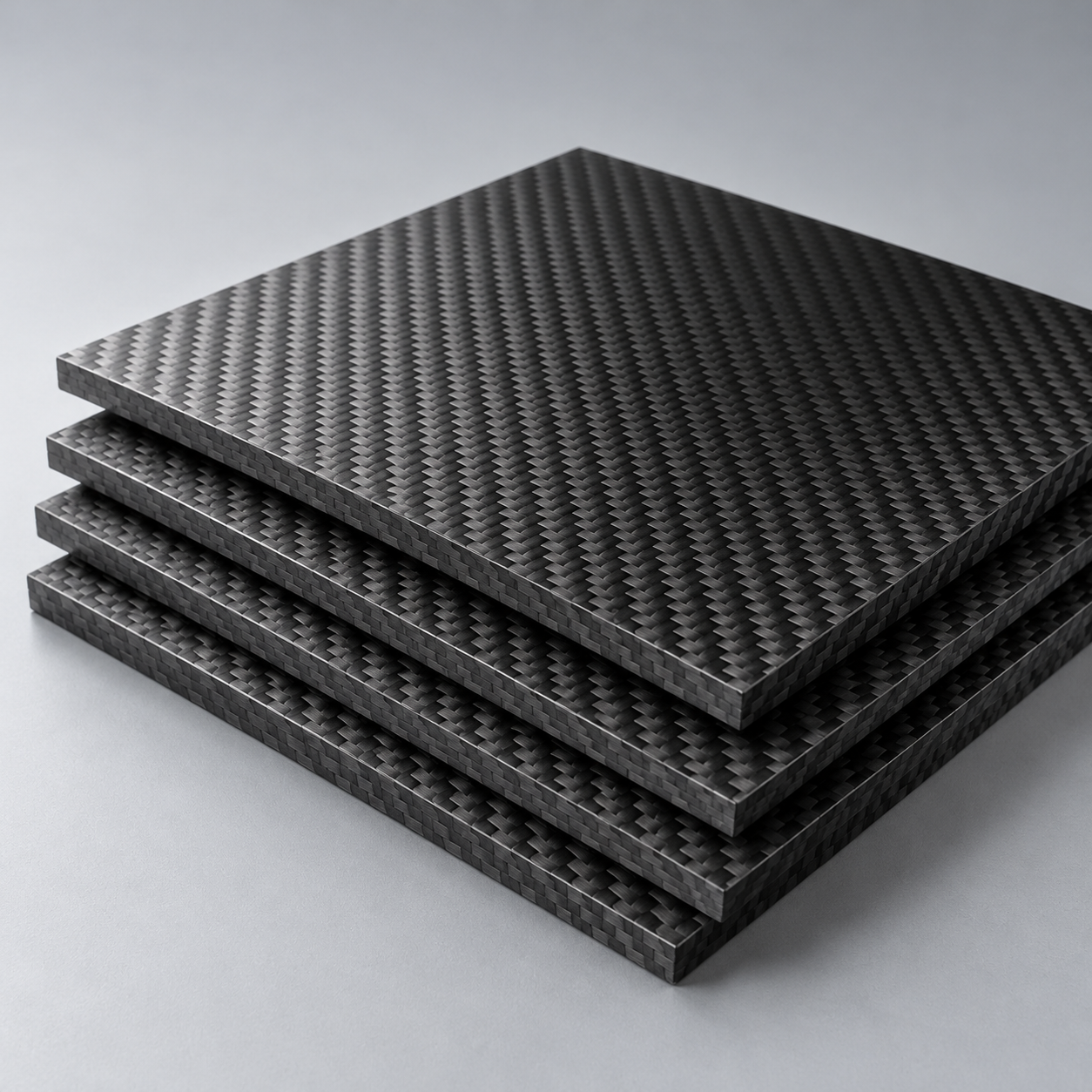 CompositesReview stiffness, weight and laminate.›Customer-Specified MaterialsConfirm your grade and requirements.›Other Specialty MaterialsDiscuss your application and grade.›
Practical guidance for your part geometry and material decisions.
Prepare your process, budget and sourcing questions.
Build your knowledge before production.
Learn who we are and how we operate.
Find our U.S. support team or start a conversation.
FOR YOUR REQUIRED FUNCTION AND FINISHED-PART COST
Keep the function your part needs while reviewing what makes it expensive to manufacture. Our value engineering services connect drawing requirements, process choices, tooling, assembly and verification so you can compare realistic alternatives before approving a change.
Review Your Cost Drivers →See the comparison framework ↓Start with 3 inputs: the controlled drawing, required function and planned quantities. Savings and feasibility depend on the actual accepted scope.
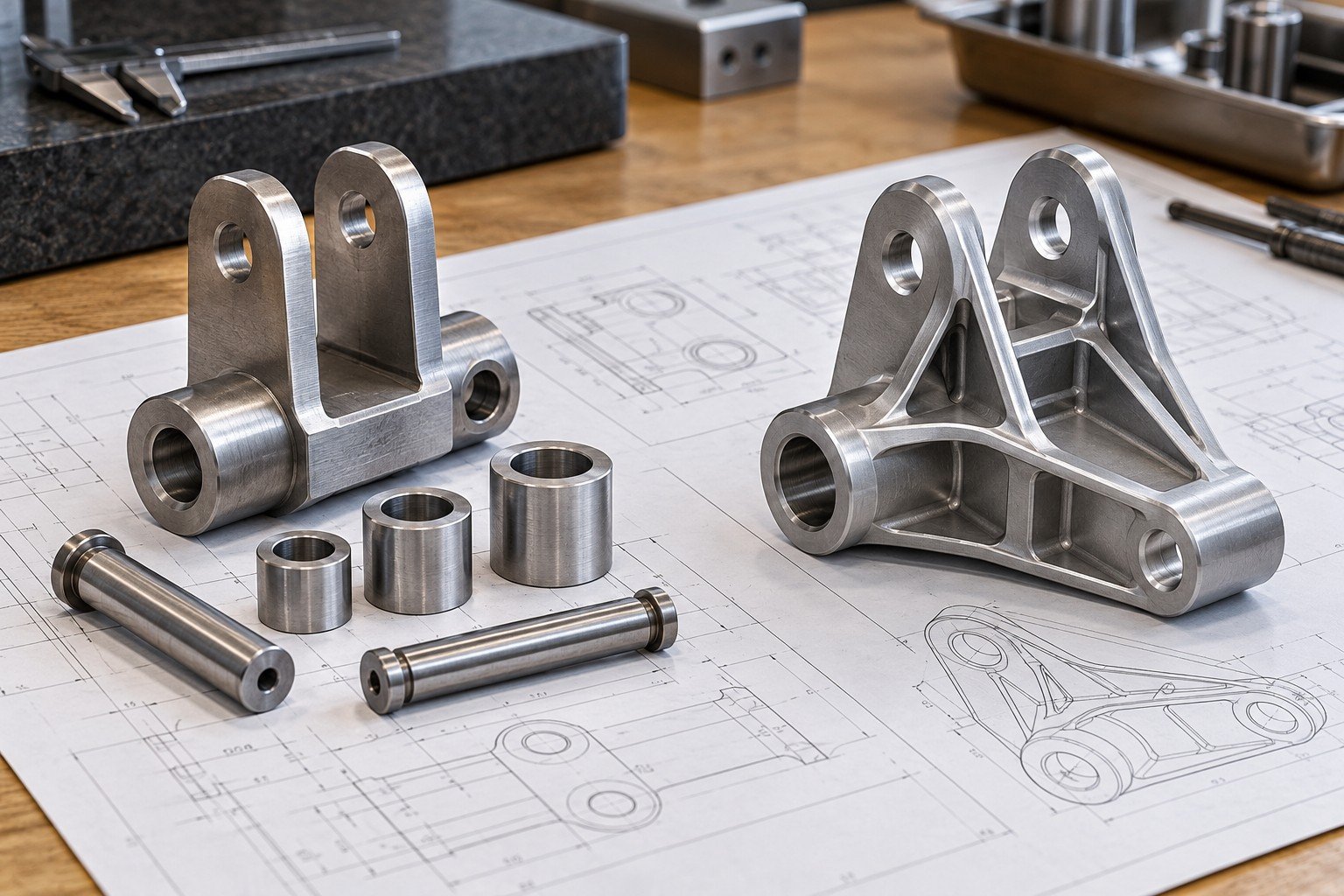
Manufacturing cost reduction services begin with the required result and a comparable manufacturing scope.
What function, fit, life and acceptance must your part retain?
Which features, operations or supply assumptions drive cost?
Which feasible alternatives meet the same requirements?
What samples, inspection or tests must support the change?
Who can authorize the revised specification and release?
A process change is assessed against the finished-part requirement. A different route is not automatically cheaper or suitable.
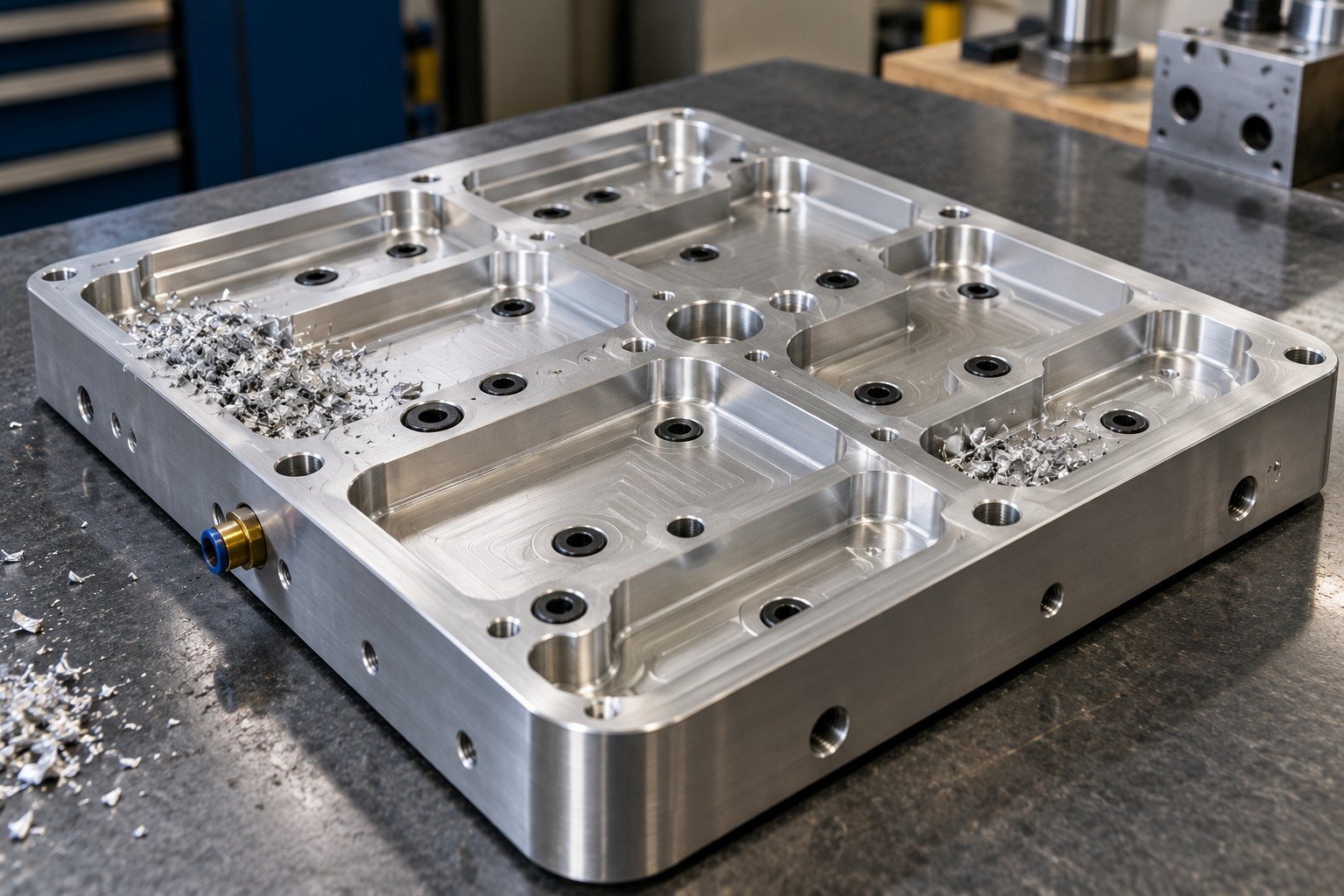
CNC machining cost reduction can review access, setups, tool sizes, removed stock and specified tolerances.
Review the process →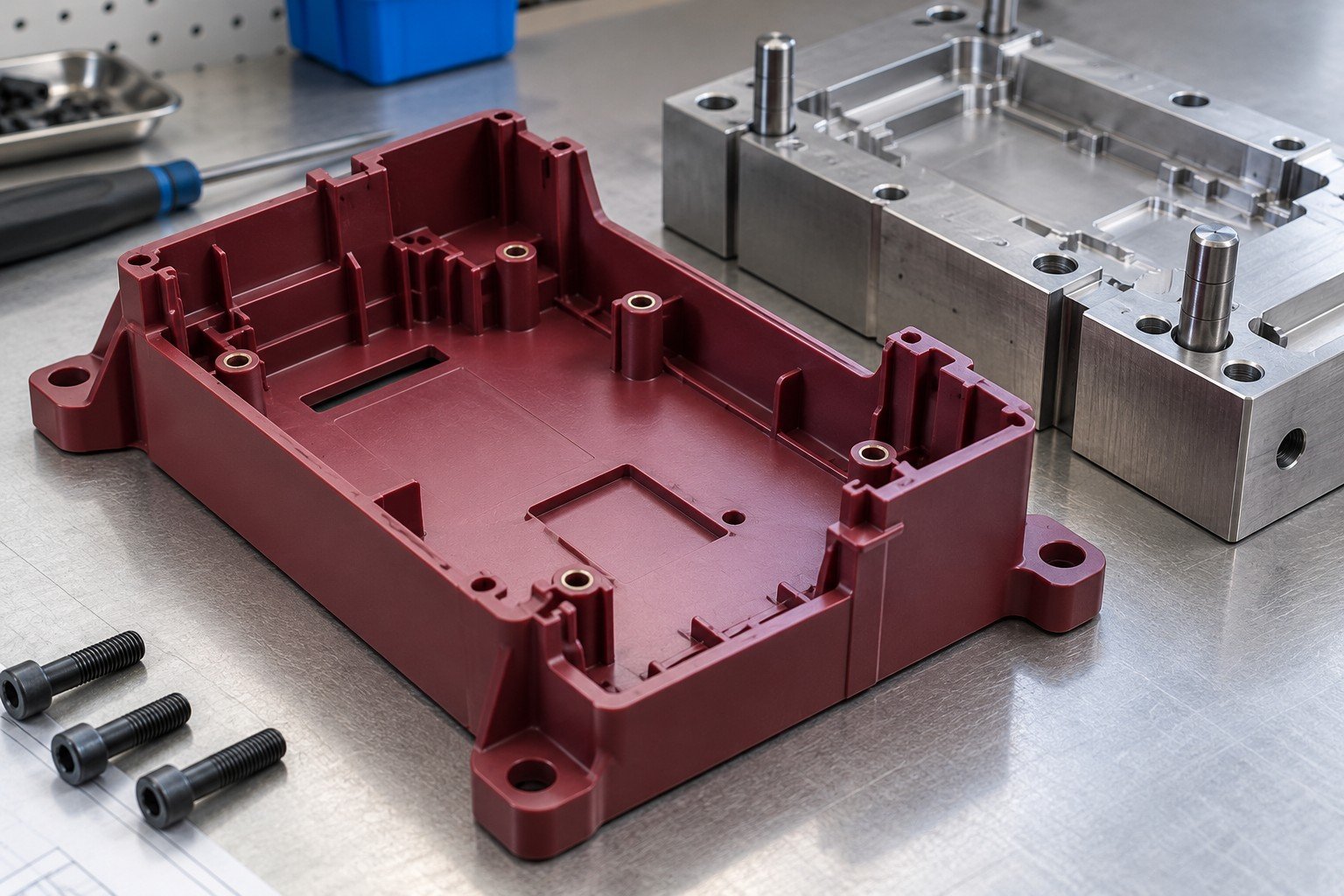
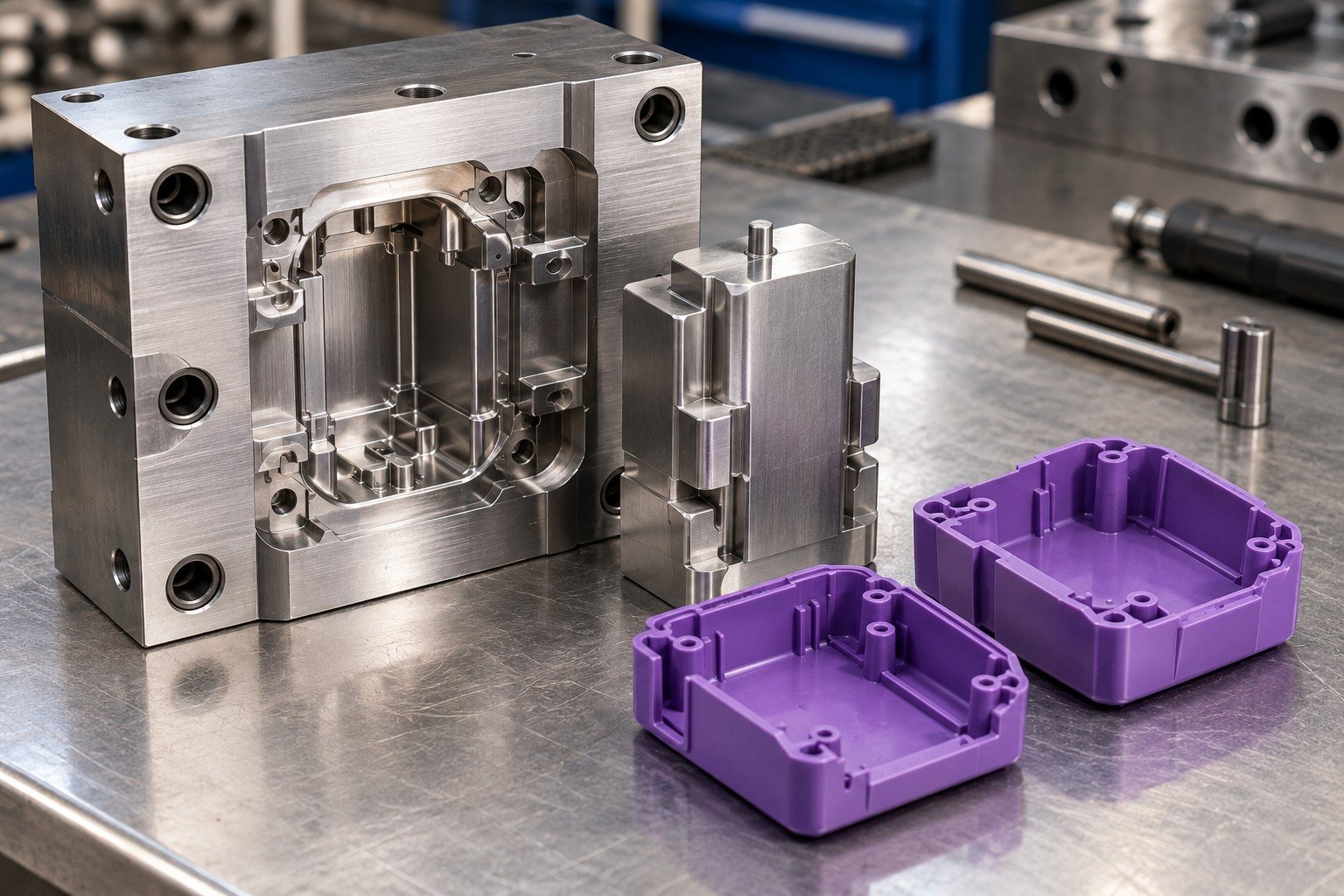
Injection molding cost reduction can review wall geometry, undercuts, tooling concept, resin and secondary work.
Review the process →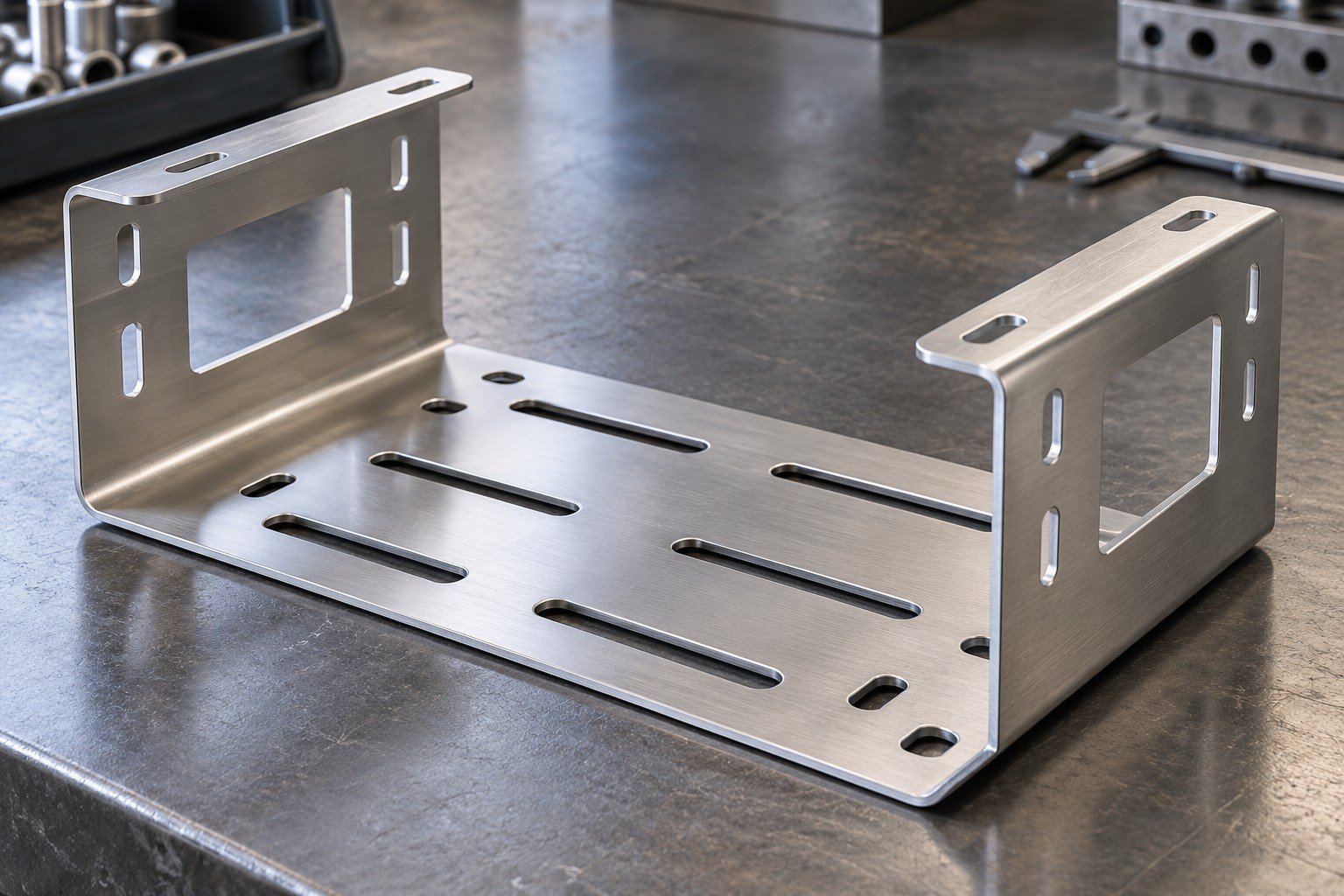
Sheet metal cost reduction can review nesting, bend sequence, joining, fixtures, finish and assembly.
Review the process →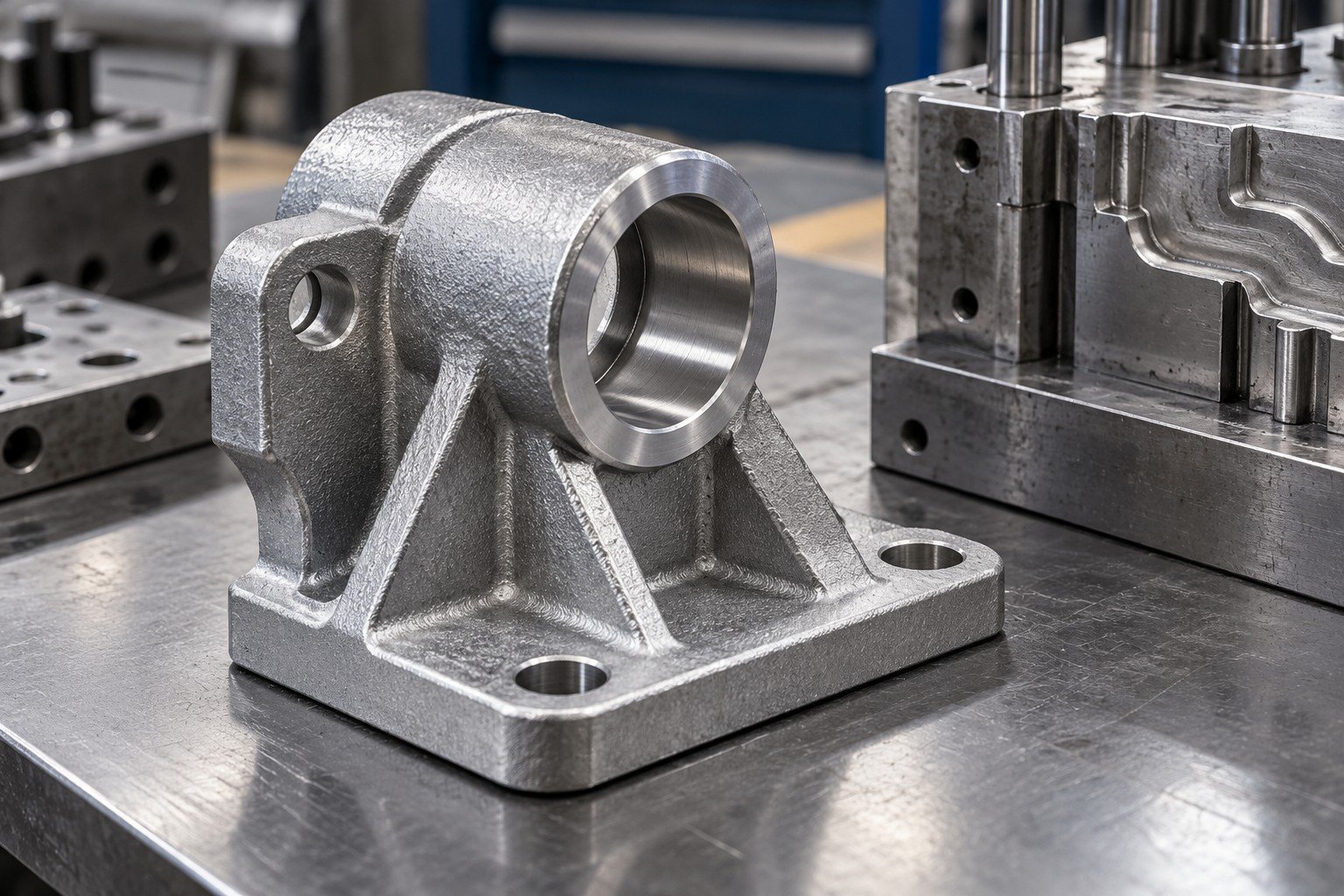
Die casting cost reduction can review cast geometry, tool complexity, trim, machining and final acceptance.
Review the process →Product cost reduction services should explain the trade-off, implementation work and verification needed for each proposed option.
A lower quoted price can hide a changed requirement. Keep the required performance and acceptance explicit.
Include tooling, secondary operations, inspection, assembly and delivery assumptions.
Treat proposed benefits as estimates until the agreed scope and evidence establish them.
Keep the model, drawing, BOM, affected stock and approval record connected.
Check whether a cheaper component adds work, risk or replacement cost elsewhere in the assembly.
Our VAVE services and cost reduction engineering services focus on agreed manufactured-part decisions. Specialist work and additional testing are scoped separately.
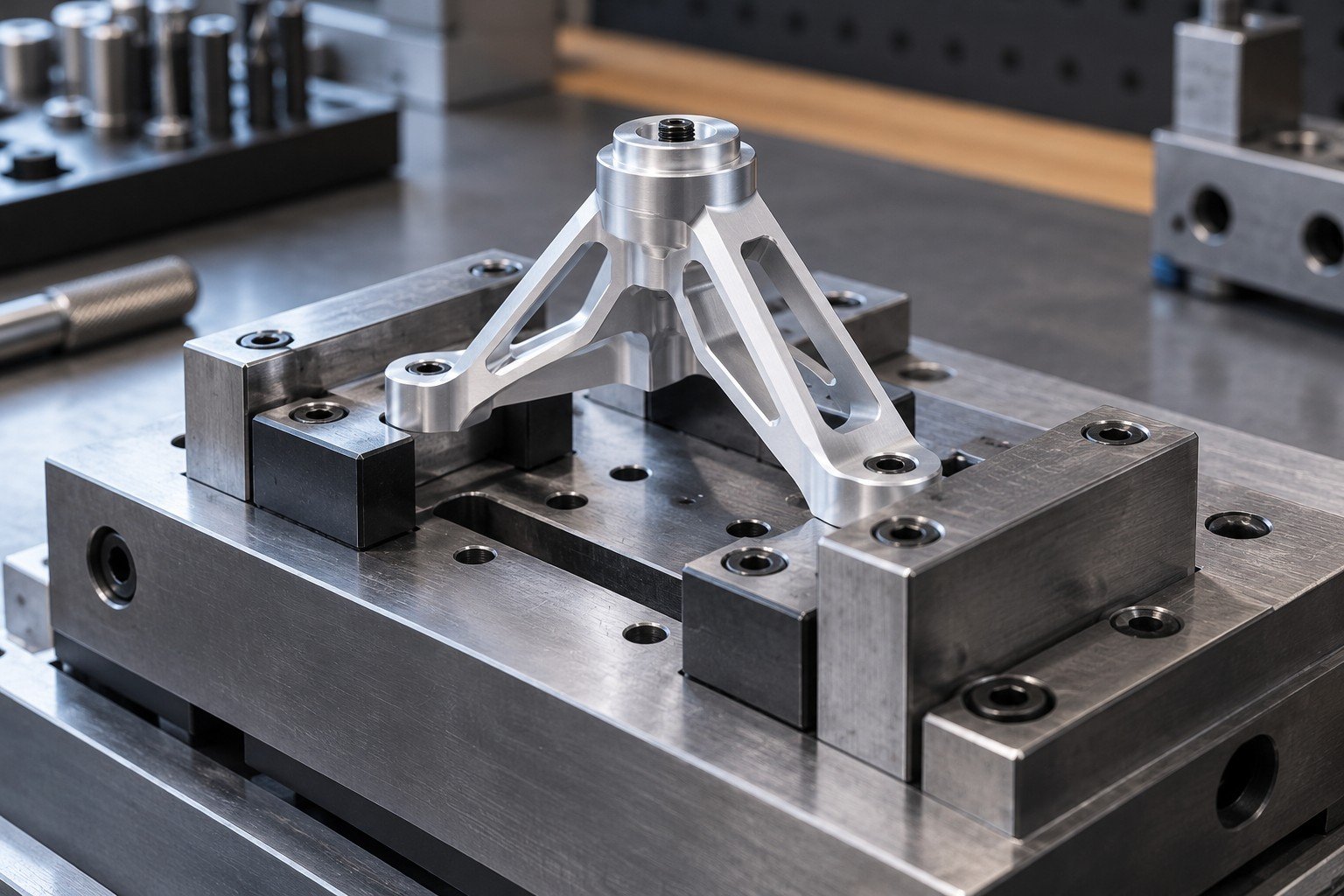
Machining cycle time reduction may involve access, cutter choice, pocket geometry and setup sequence.
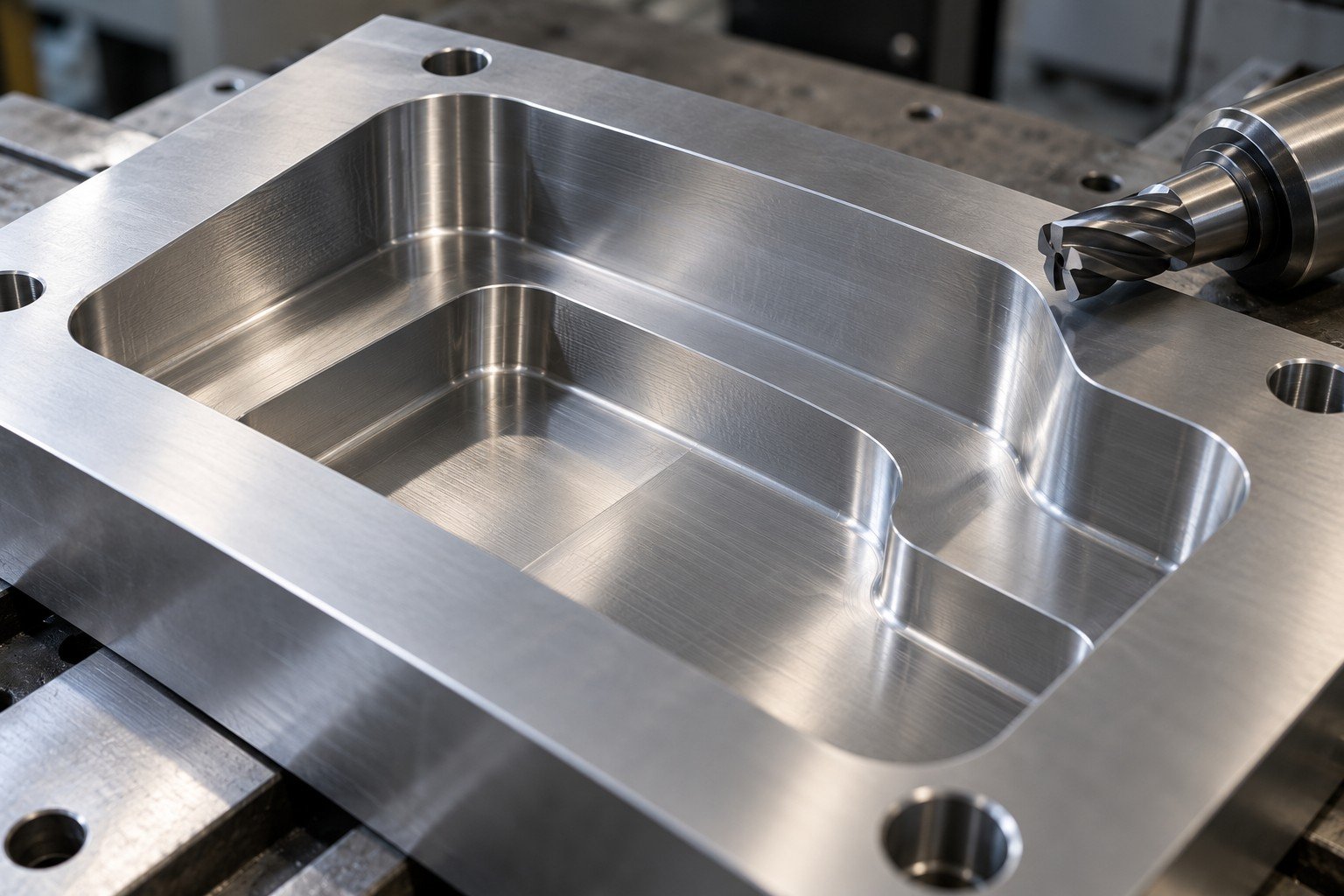
Identify the dimensions that control your mating condition and those that can use an agreed general requirement.
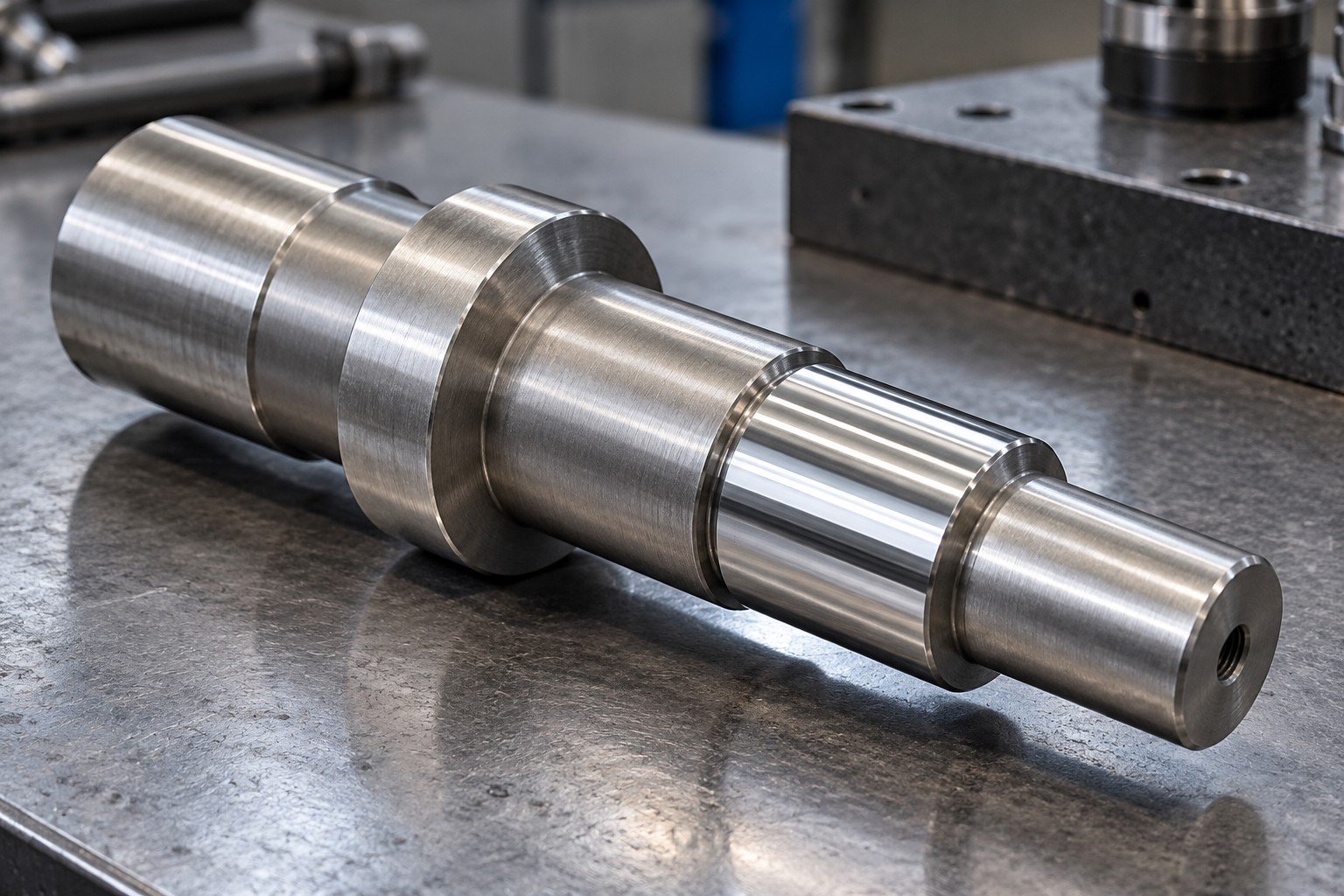
Combining components may change tooling, inspection, repair and replacement.
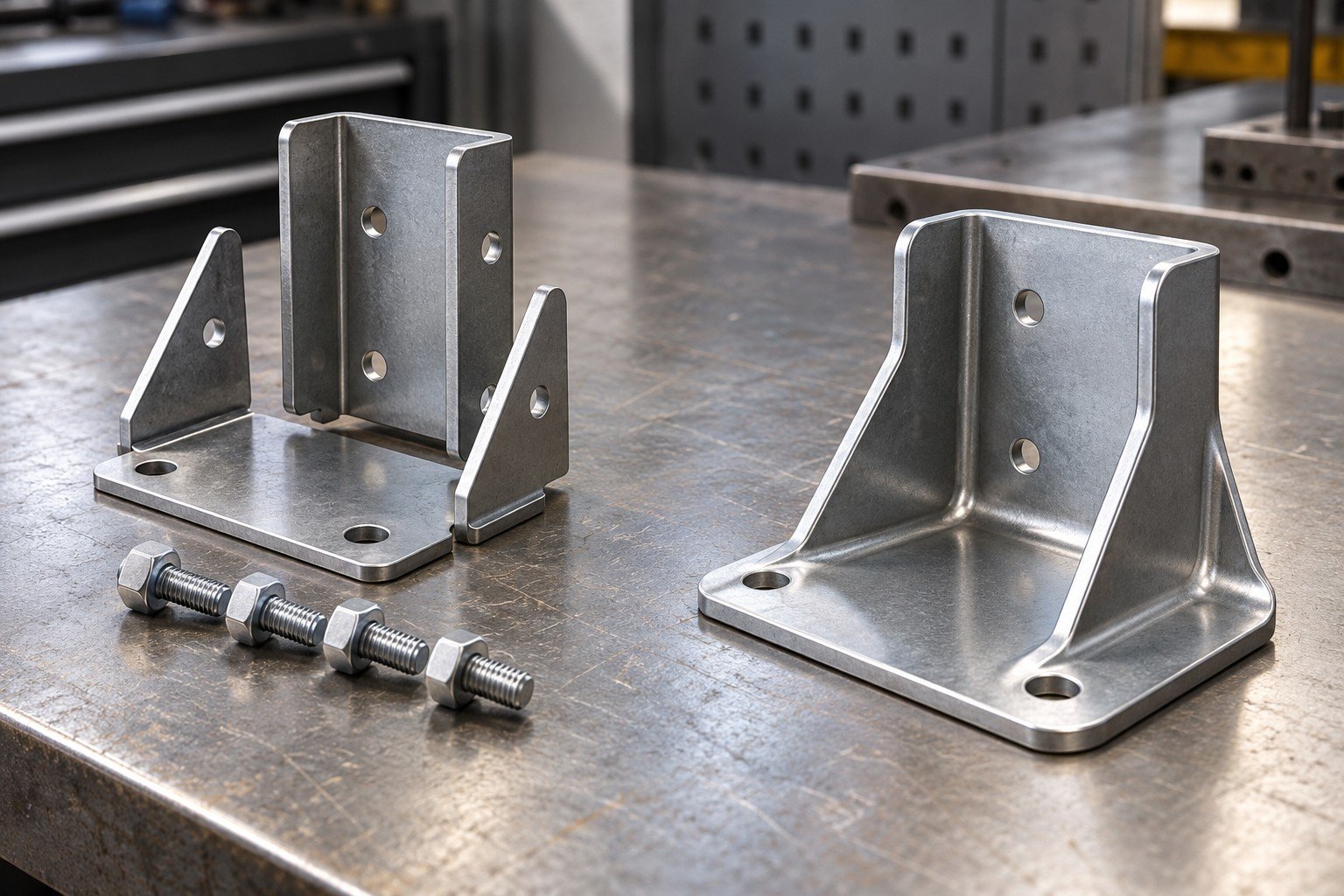
Review common parts, specification consistency, bought-in components and approved alternatives.
Review geometry, resin, tooling concept, finish and post-processing together.
Review stock utilization, machining, casting or forming feasibility and final-fit requirements.
Discuss the target and constraints early enough to compare feasible designs.
A model depends on the operations, rates, volumes and assumptions available.
Value engineering consulting for manufactured parts is scoped to the review and deliverables agreed for your project. It does not imply an independent financial audit or product certification.
Separate essential requirements from preferences and open assumptions.
Review material, processing, tooling, secondary work and assembly.
Compare feasible geometry, material, route or component changes.
Include one-time work, repeat costs, quality, supply and implementation.
Agree samples, inspection, tests and customer decisions.
Control revised documents, stock disposition and repeat-order inputs.
A manufacturing cost breakdown is useful only when its quantity, revision, process and included work are clear. Confidential supplier pricing need only be shared where necessary and authorized.
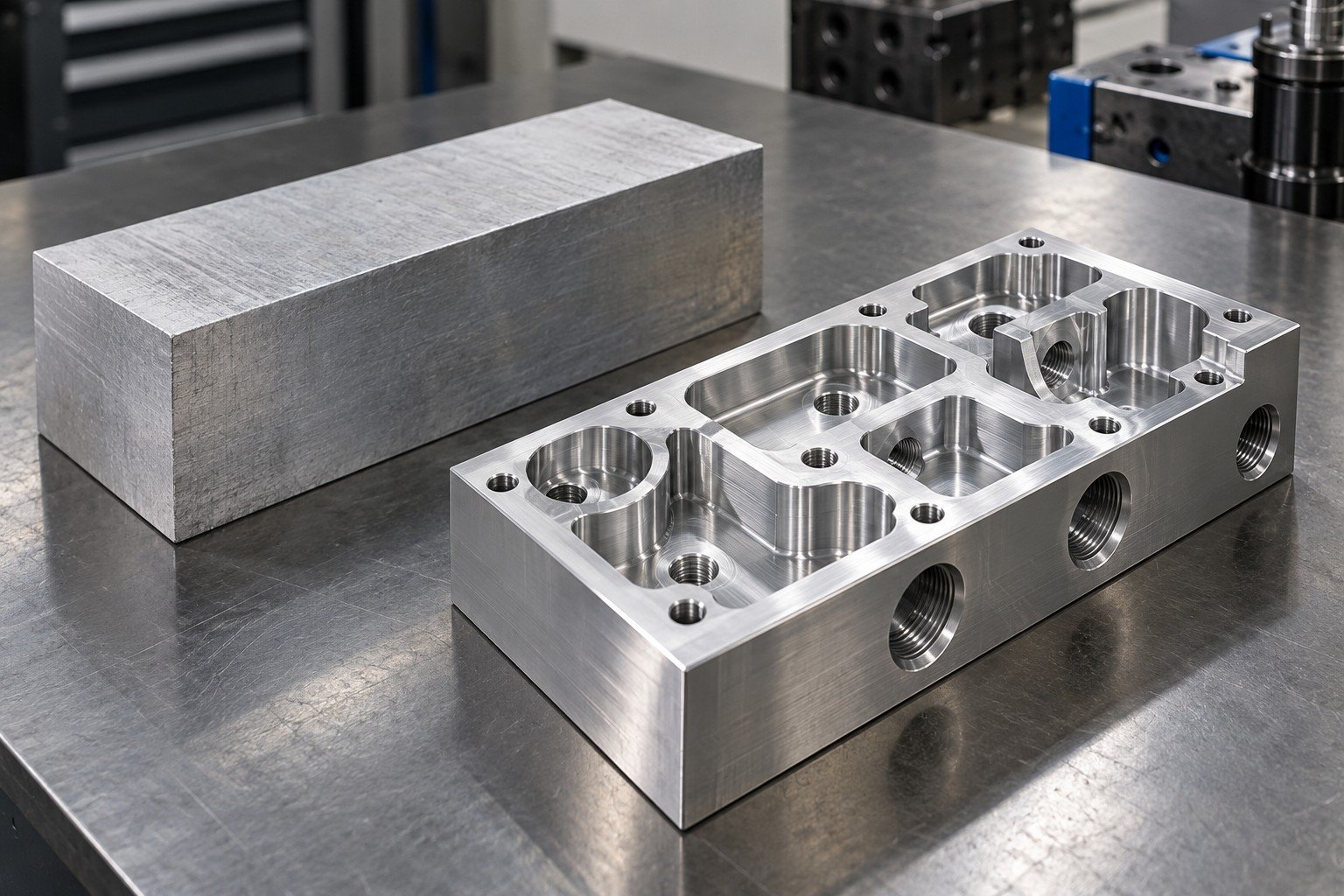
Current CAD, drawing, BOM and revision.
Loads, environment, interfaces and acceptance.
Grade, condition, form and substitution restrictions.
Current operations, setups, tools and outside work.
Initial quantity, repeat demand and uncertainty.
Final condition, inspection and documentation.
Comparable quotation scope and known assumptions.
Approval, stock, tooling and validation obligations.
Product cost optimization services work best when the comparison starts with equivalent requirements.
Cost optimization in manufacturing should account for the work transferred between materials, processes and assembly steps.
Review stock shape, nesting, removed material and candidate grades within your functional and approval requirements.
Review features that add operations, special tooling, difficult access or inspection work.
Compare build scope, cavities, inserts, fixtures, maintenance and the expected use.
Review component count, fastening, handling, locating and assembly checks.
Design to cost and should cost analysis support discussion when the source data and limitations are visible. They do not establish a guaranteed supplier price.
Connect the required function with the features and operations used to deliver it.
Identify what may change and what must remain fixed.
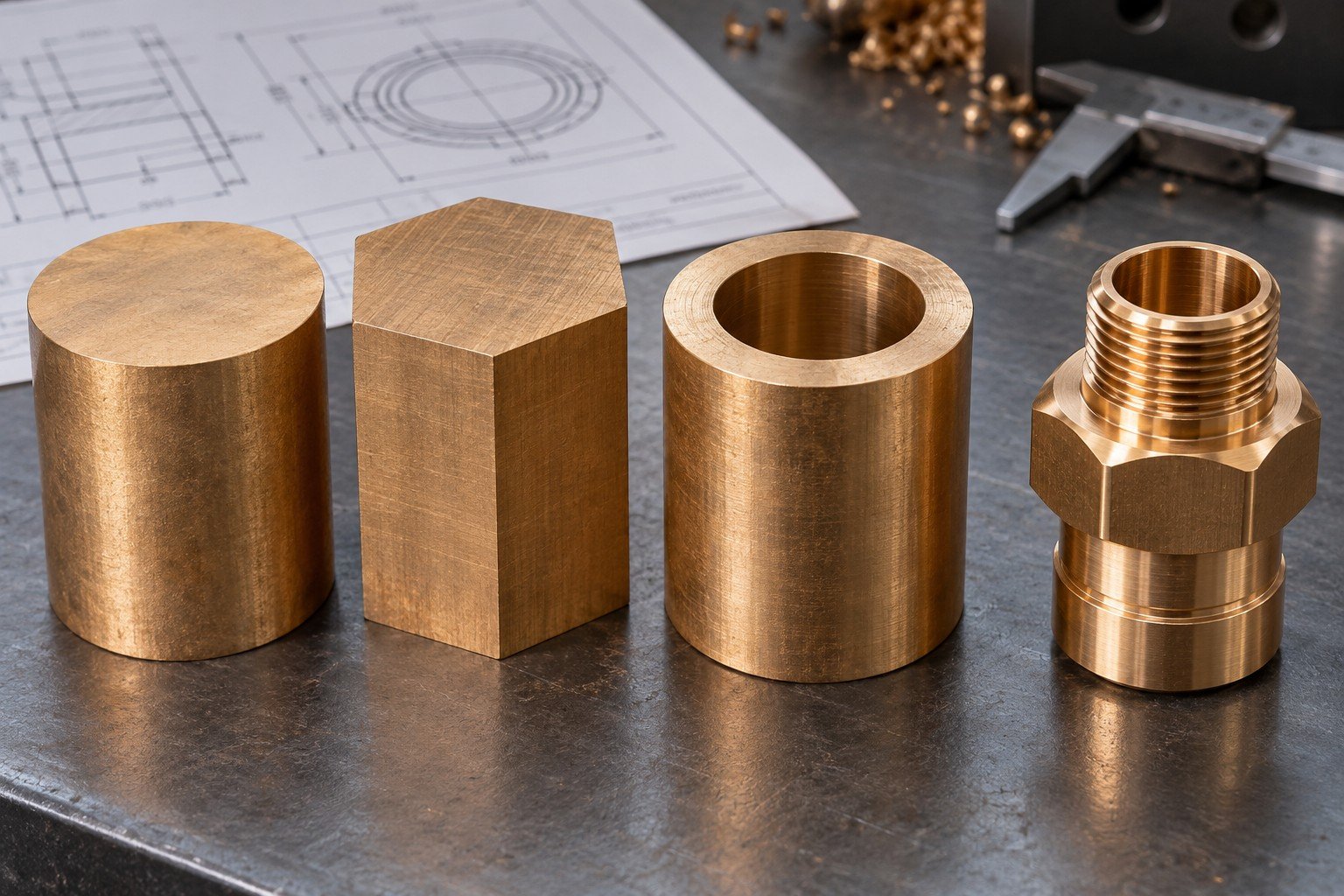
A material alternative can change processing, finish, use and approval needs.
Confirm geometry, tooling, secondary operations and actual demand.
A component change can add work or constraints elsewhere.
Samples, inspection, tests and approval are part of implementation.
Keep source, quantities, delivery and stock assumptions explicit.
Update documents and affected manufacturing inputs together.
Value engineering can compare function, geometry and process alternatives early.
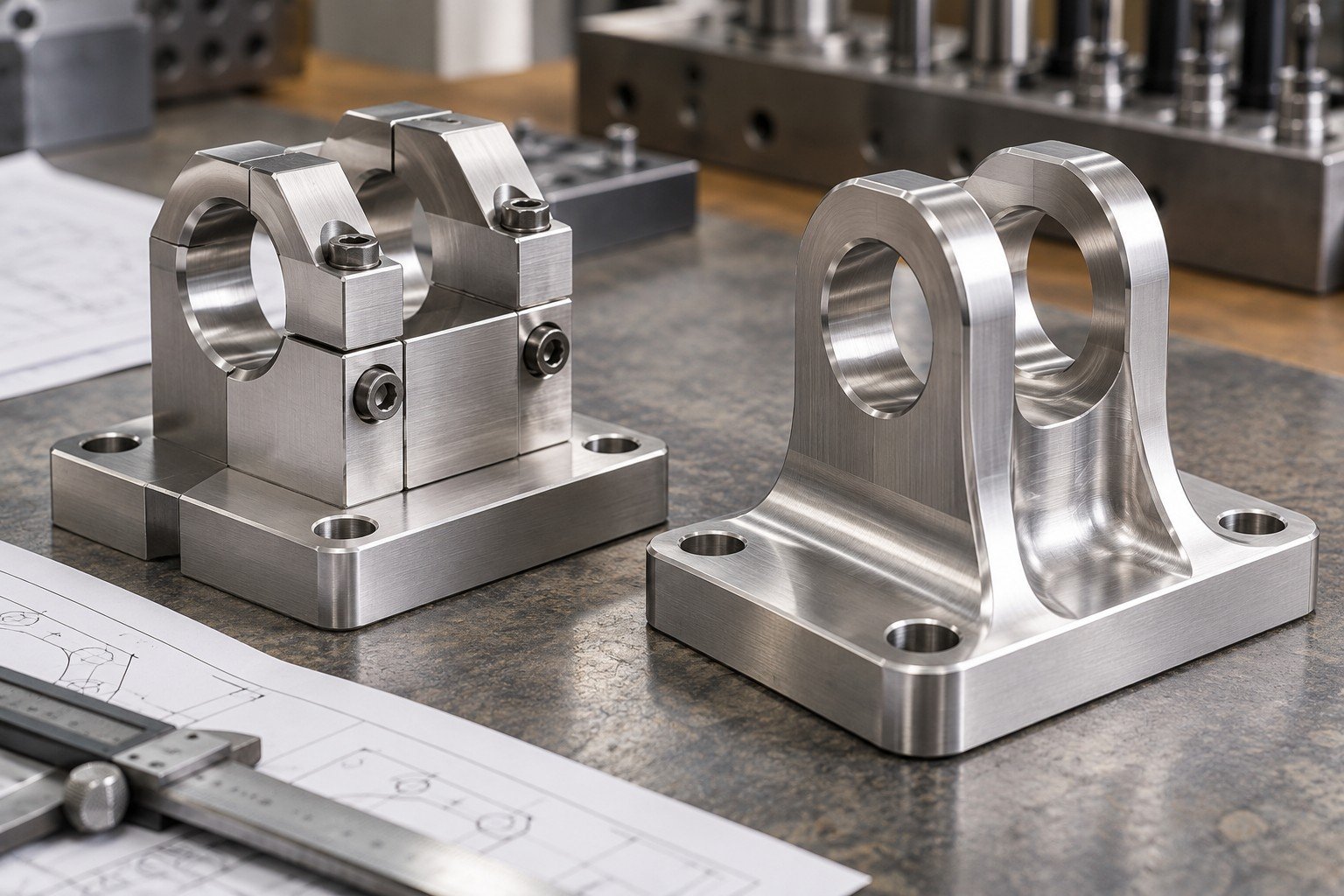
Build the agreed sample or trial to evaluate affected fit, function and manufacturing assumptions.
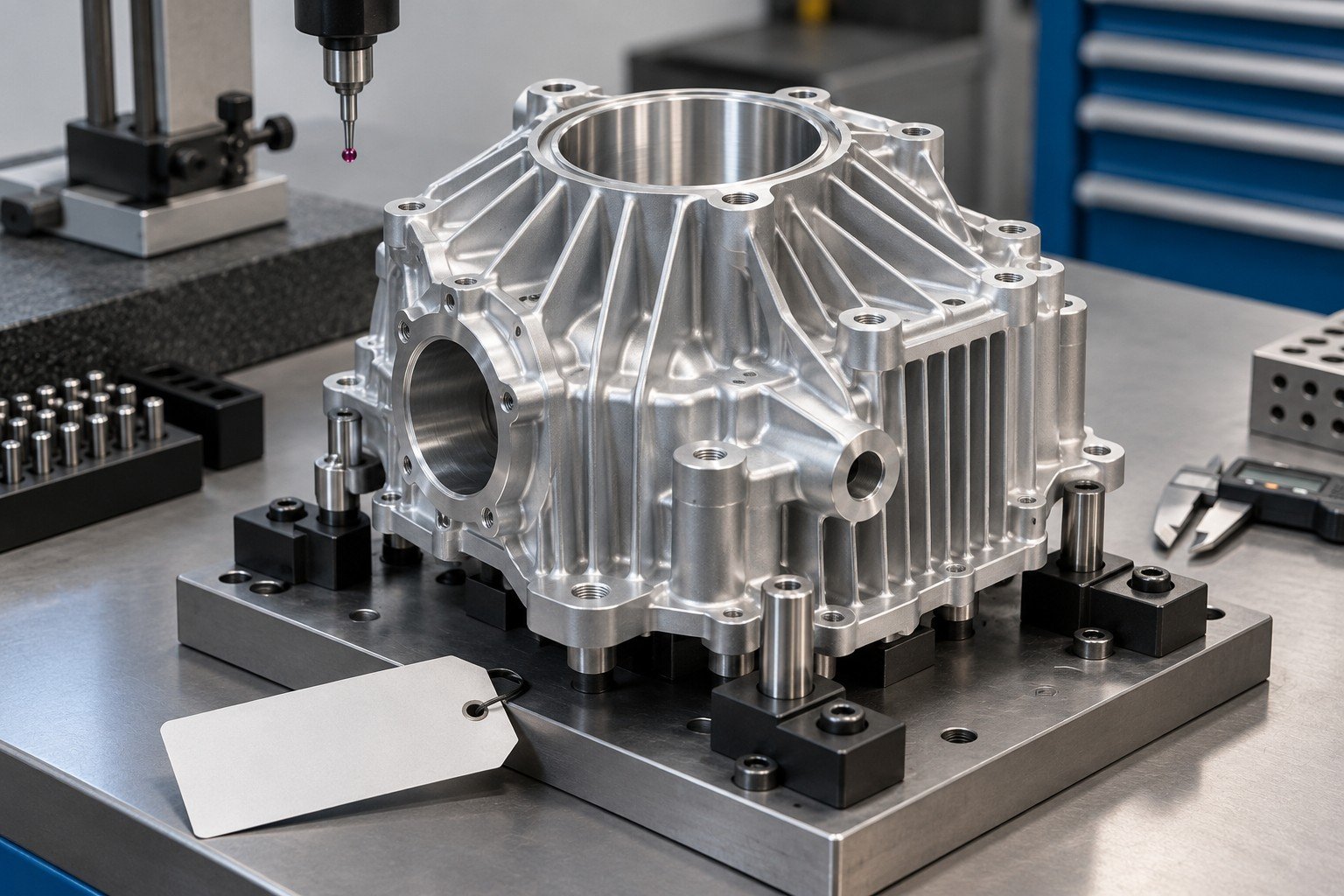
Keep approved design, route, quality and supply assumptions connected to repeat orders.
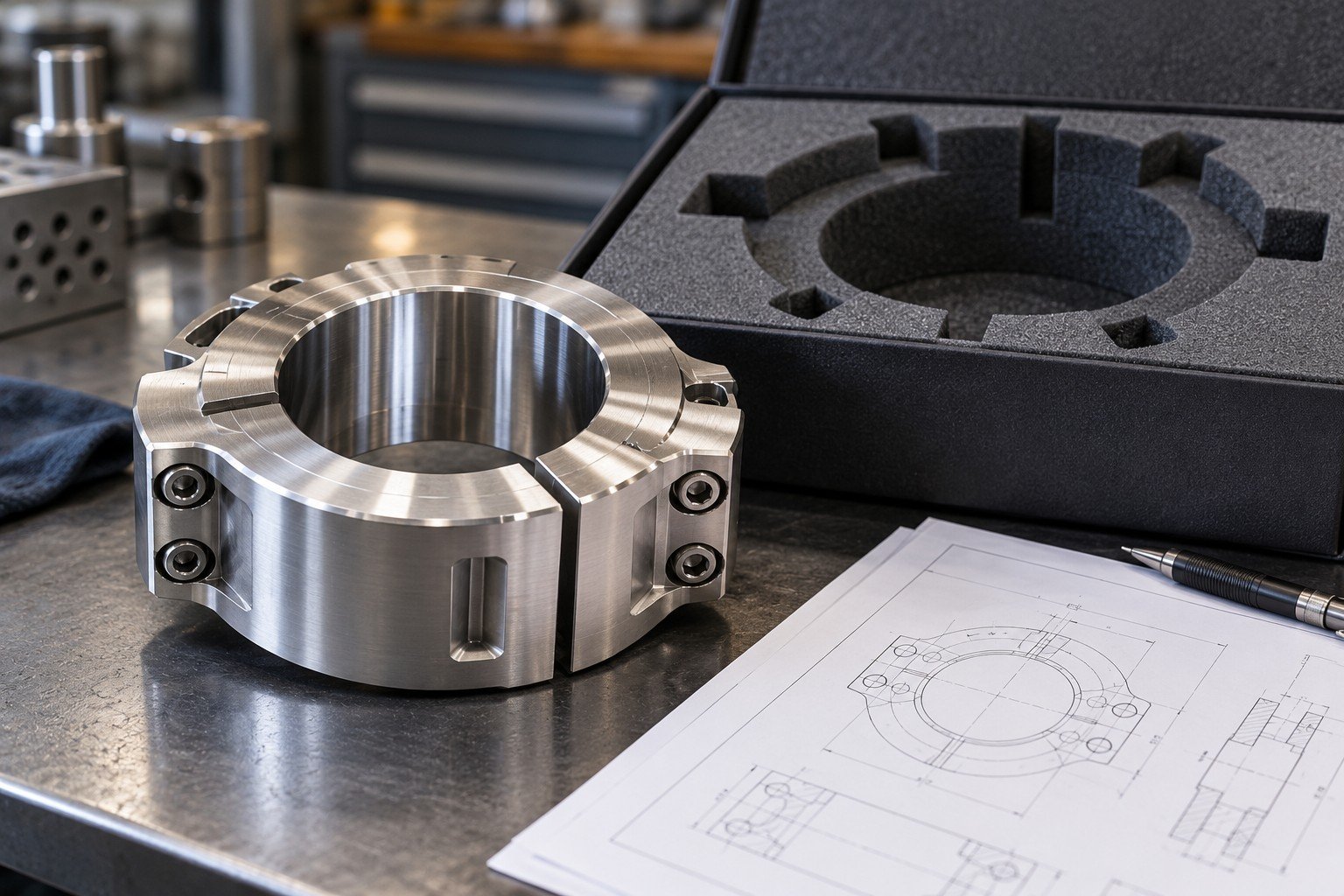
Keep the current accepted specification identifiable.
Describe geometry, grade, route, tooling or assembly changes.
Review fit, use, quality, service and supply consequences.
Define the sample, inspection, testing and responsible reviewers.
Retain acceptance and any conditions or exclusions.
Update drawings, BOM, manufacturing records and affected stock decisions.
Required performance and acceptance.
Engineering, tooling and verification.
Finished parts, quality and supply.
Change approval and transition obligations.
What the part must do and which requirements are fixed.
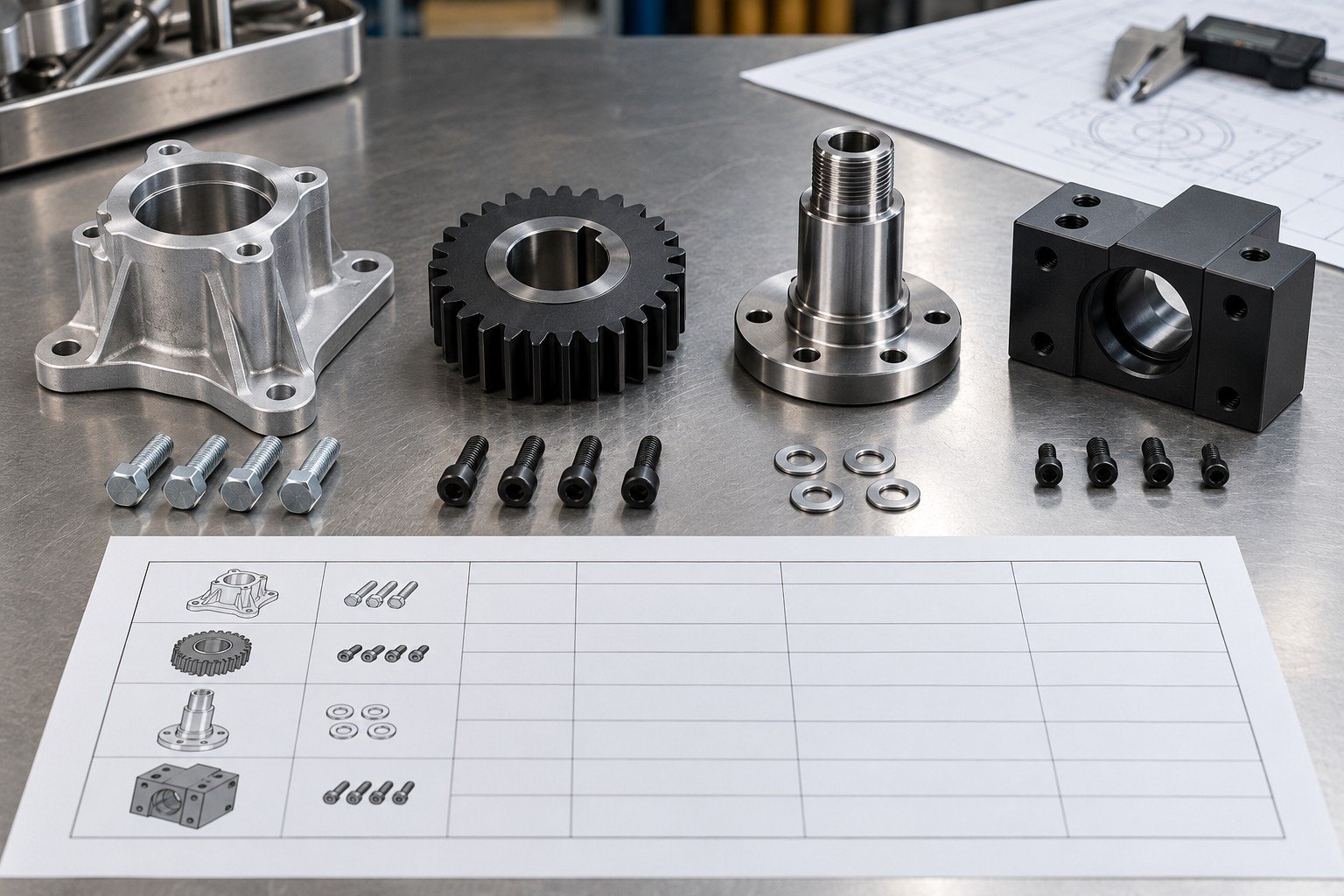
Candidate changes, expected effects, assumptions and open risks.
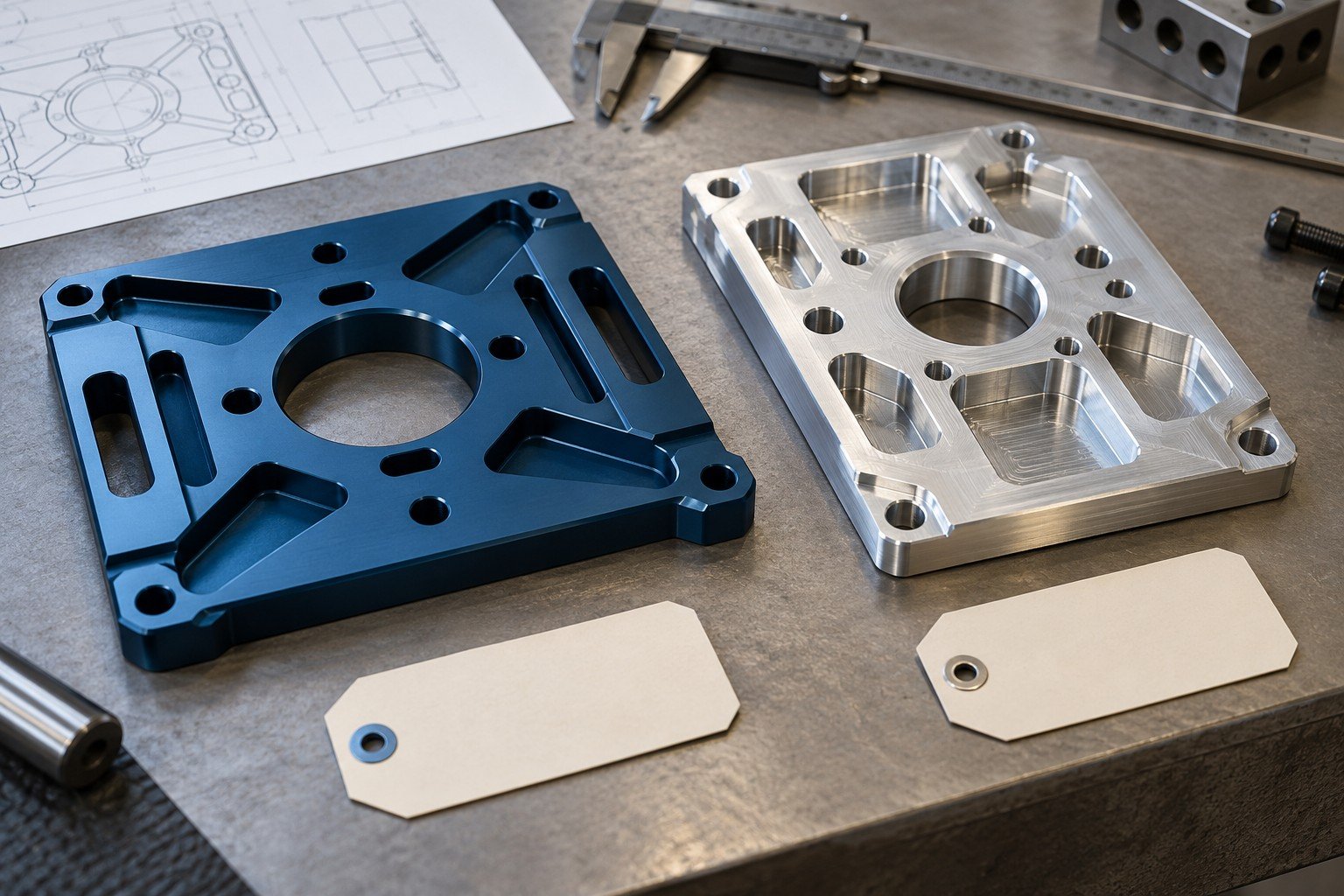
Build, maintenance, ownership, trial and expected-use assumptions.
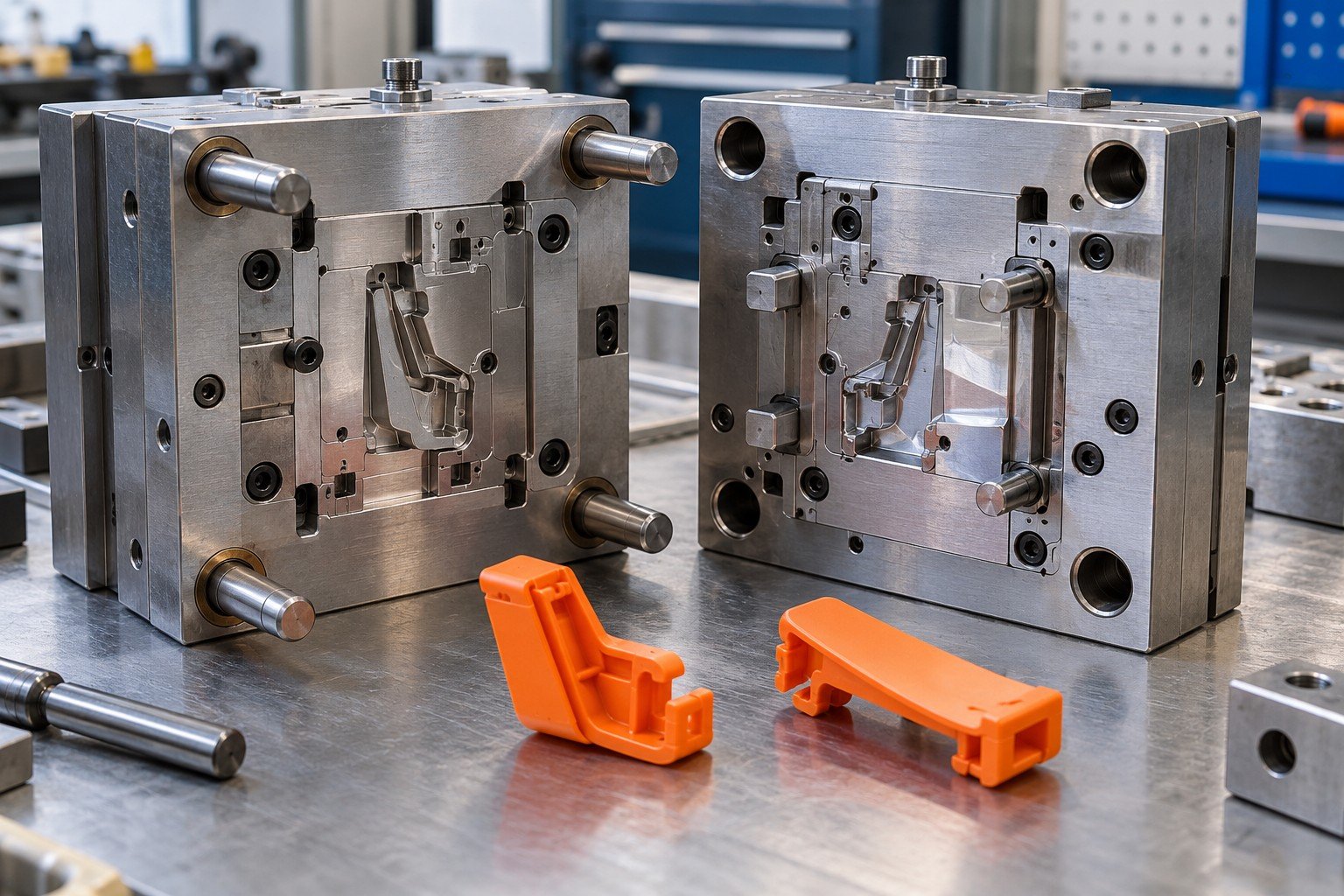
Included material, operations, setup, outside work and quality.
| Field | Purpose |
|---|---|
| Requirement | Fixed function and acceptance. |
| Alternative | Proposed manufacturing change. |
| Basis | Data, quantities and assumptions. |
| Decision | Verification and authorized release. |
Required evidence, responsible parties and acceptance.
| Field | Purpose |
|---|---|
| Requirement | Fixed function and acceptance. |
| Alternative | Proposed manufacturing change. |
| Basis | Data, quantities and assumptions. |
| Decision | Verification and authorized release. |
One-time and recurring costs on equivalent scopes.
| Field | Purpose |
|---|---|
| Requirement | Fixed function and acceptance. |
| Alternative | Proposed manufacturing change. |
| Basis | Data, quantities and assumptions. |
| Decision | Verification and authorized release. |
Revision, decision, affected inputs and remaining limitations.
| Field | Purpose |
|---|---|
| Requirement | Fixed function and acceptance. |
| Alternative | Proposed manufacturing change. |
| Basis | Data, quantities and assumptions. |
| Decision | Verification and authorized release. |
Concept illustrations explain review topics. They are not customer case studies or verified saving results.
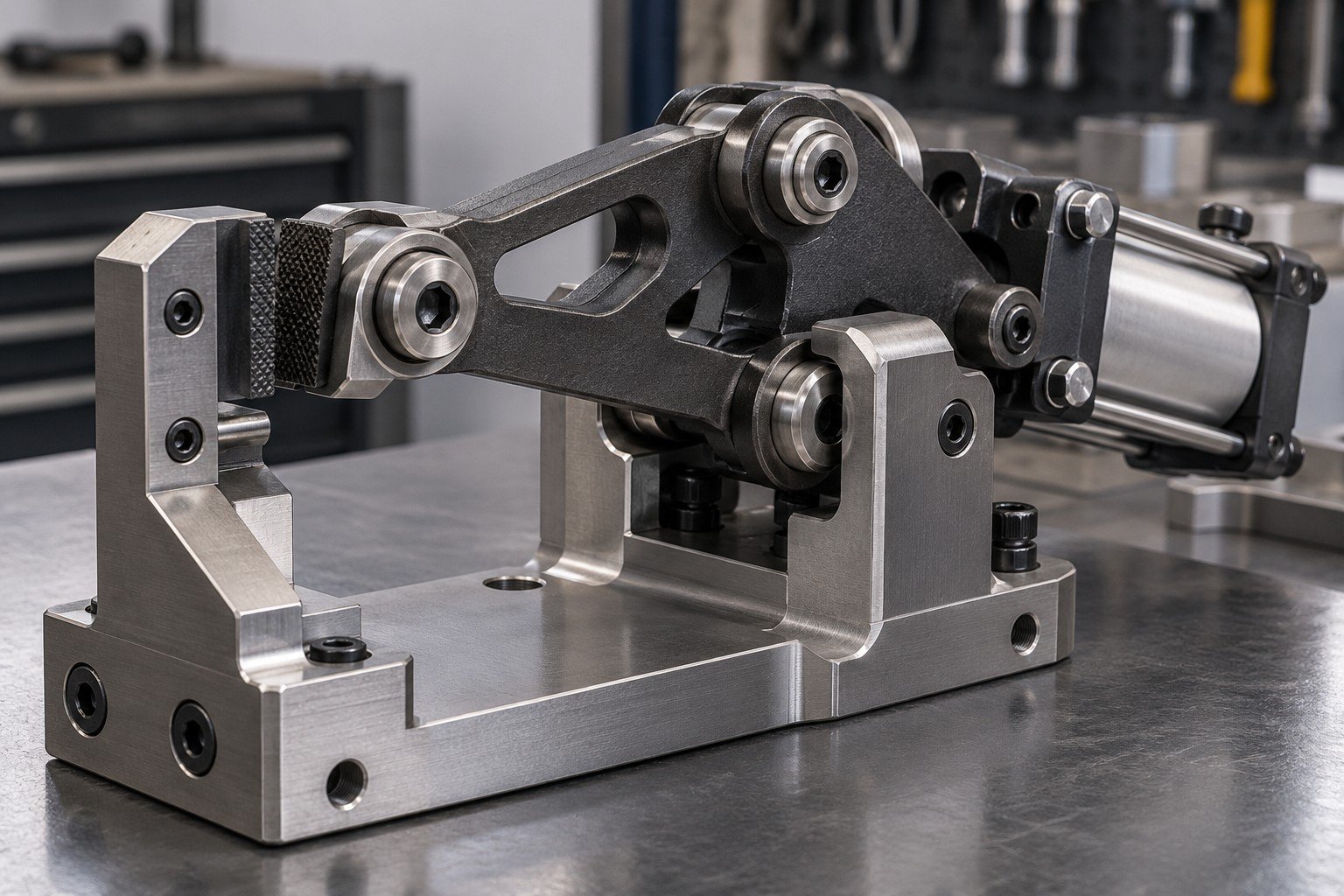
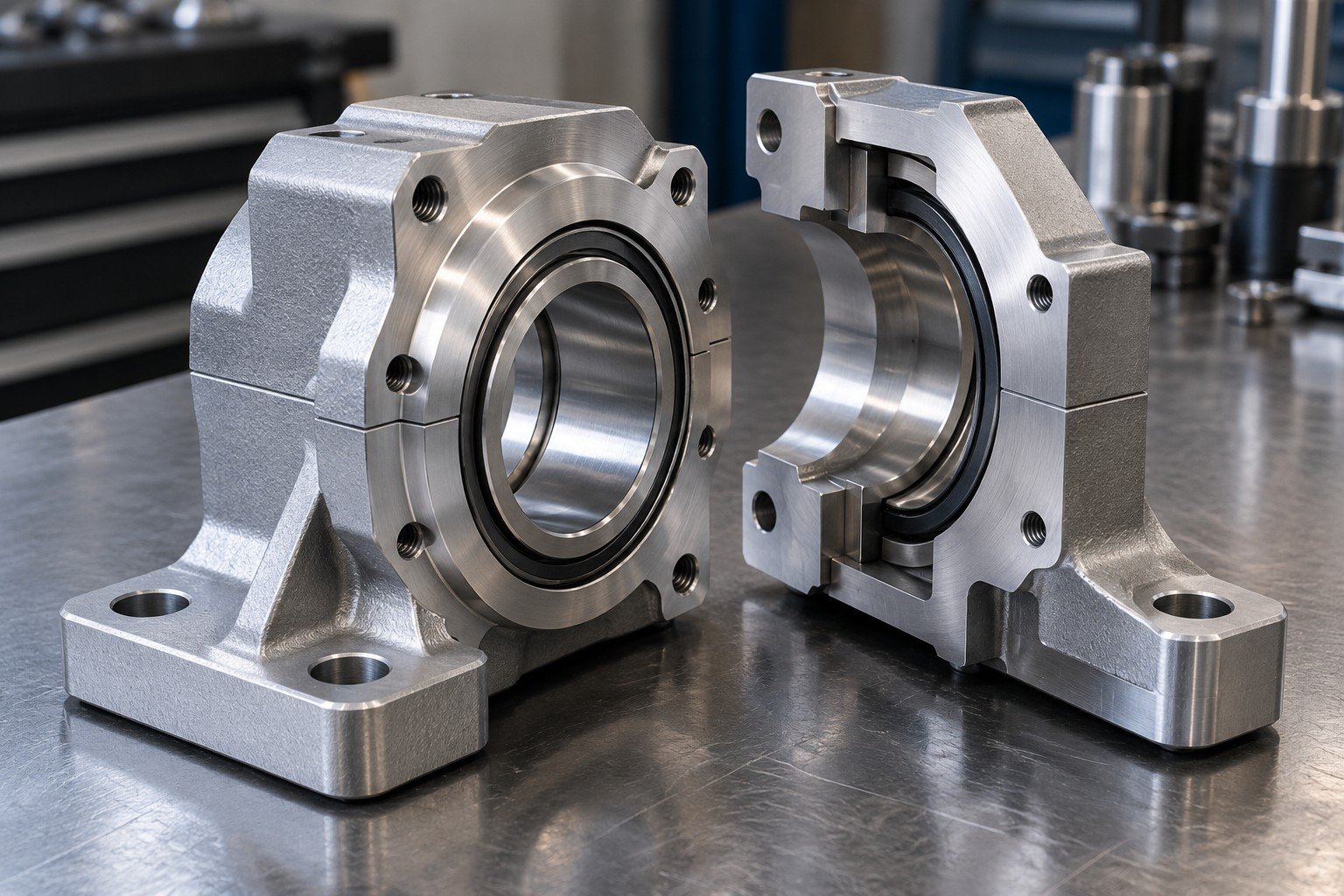
Review alignment, load paths, wear and service access before changing the build.
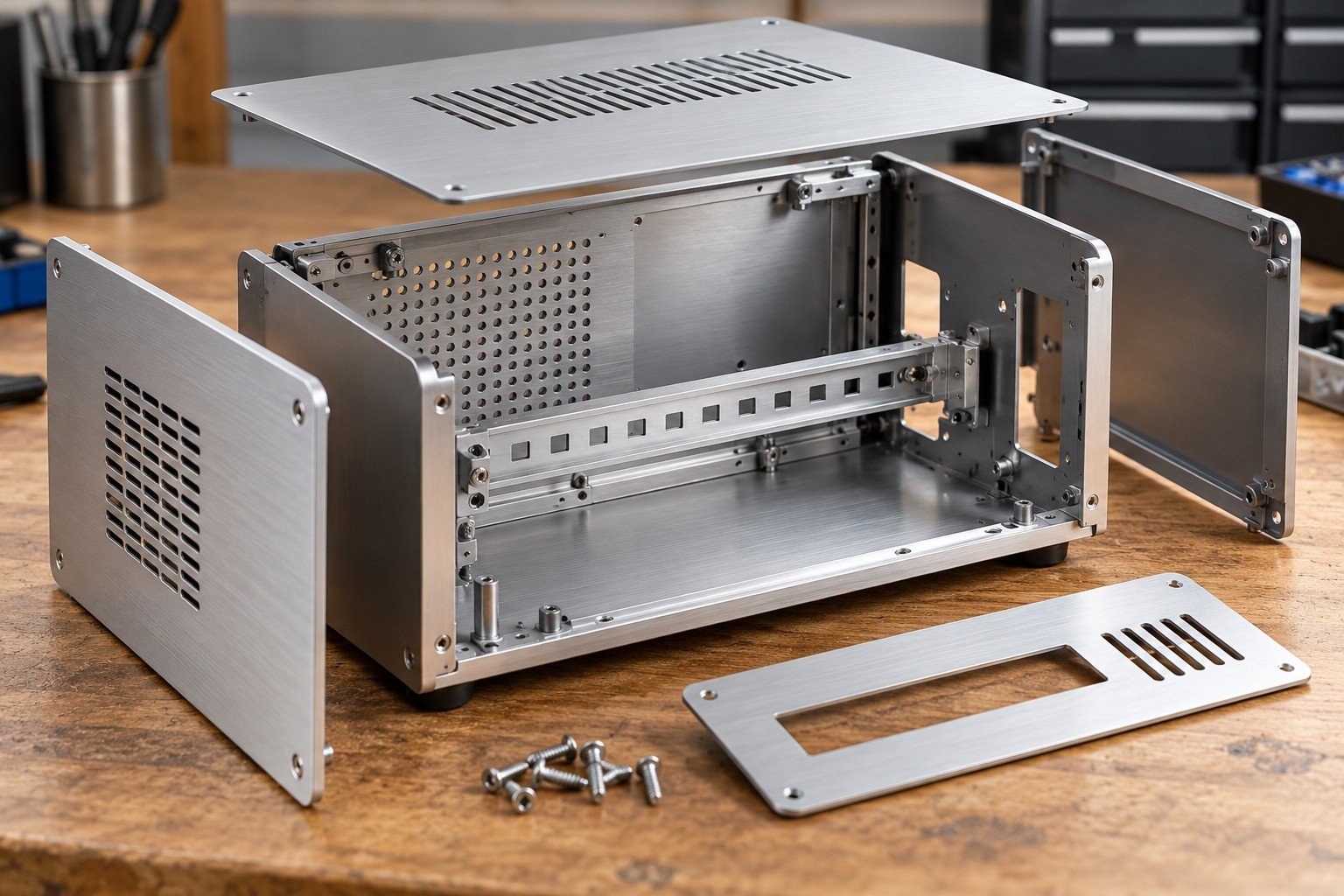
Include forming, inserts, finish, assembly and final fit.
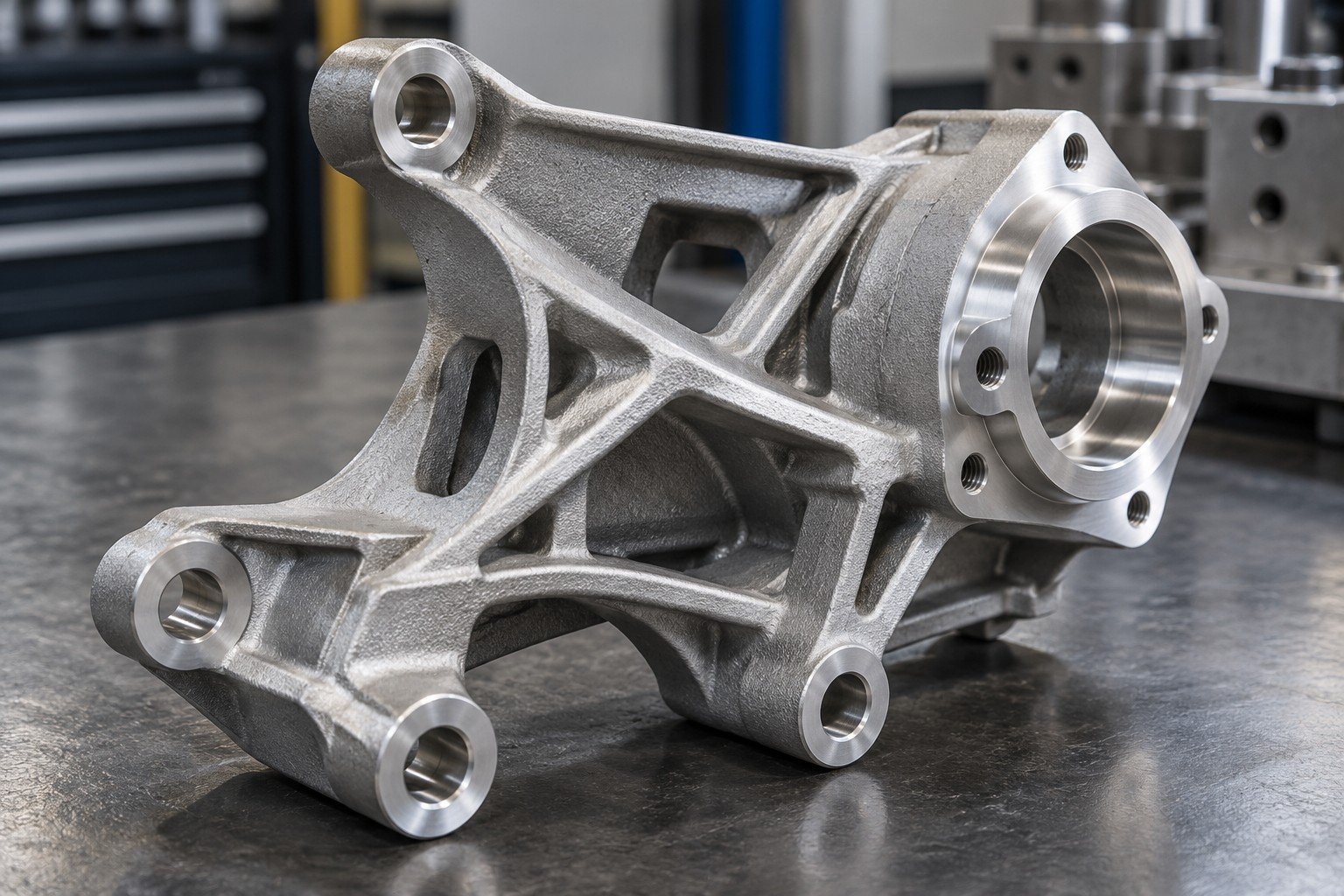
Include tooling, trim, secondary machining and required evidence.
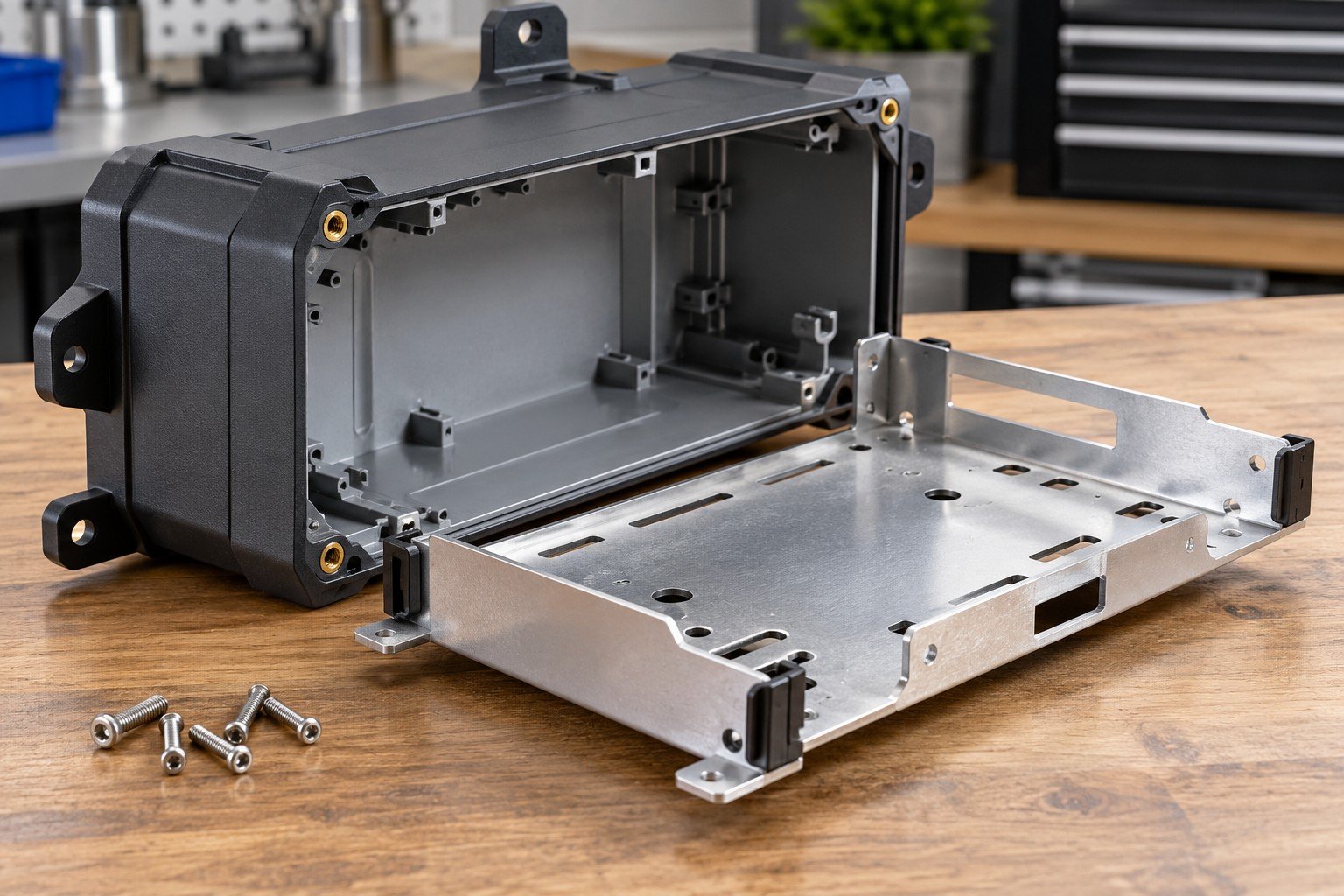
Coordinate material, fastening, assembly sequence and verification.
Keep drawing questions, proposed alternatives and build decisions connected to the team responsible for the manufacturing scope.

Compare alternatives without inventing universal saving scores or treating raw material price as total part cost.
The required result and acceptance.
Geometry and affected interfaces.
Grade, condition and operations.
Engineering, tooling and verification.
Equivalent finished-part scope.
Quantities, tiers and uncertainty.
Stock, transition and approval.
Accepted alternative and limitations.
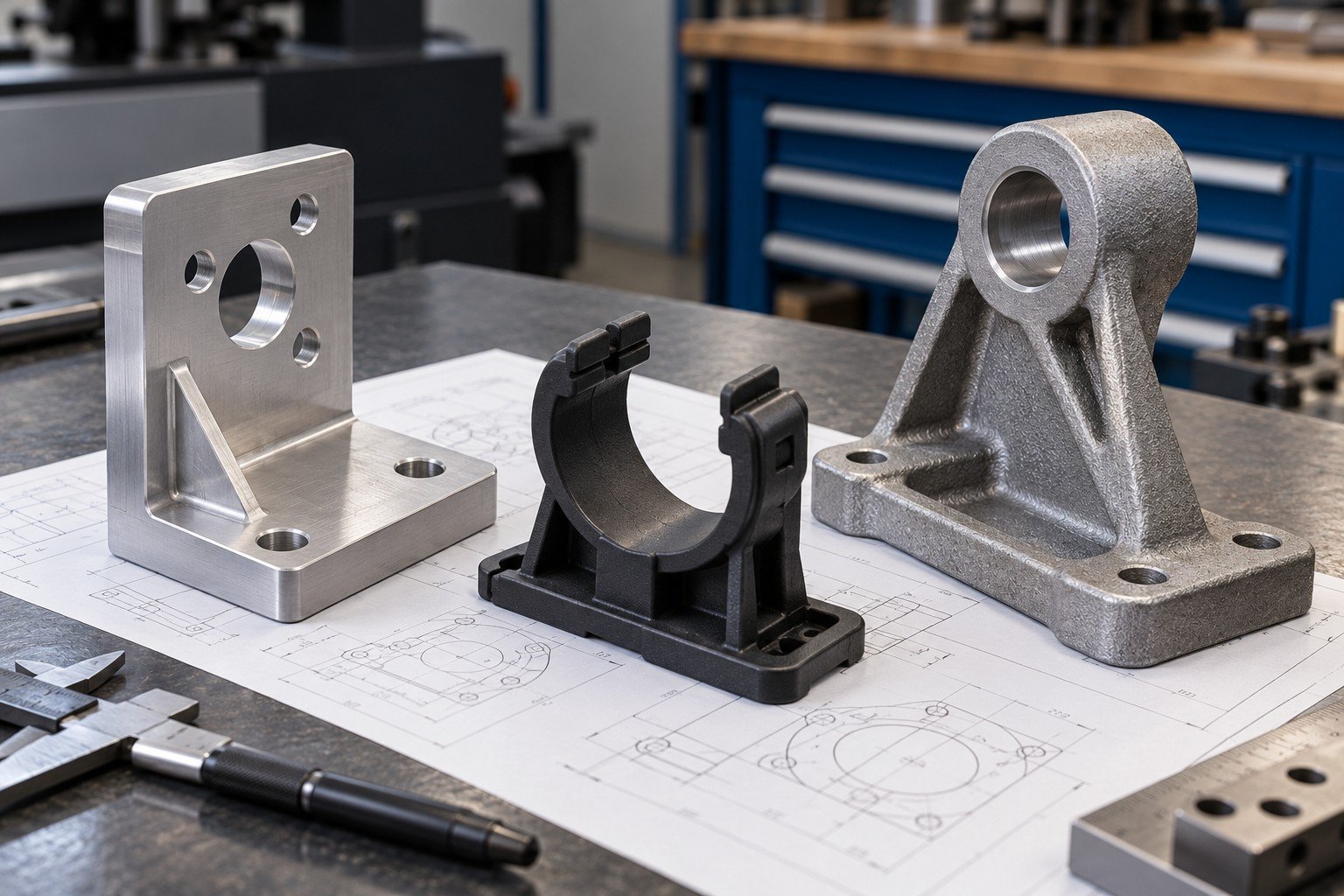
Share the function, accepted baseline and changes you are allowed to consider.
Explore material and process selection →Define required function and acceptance first. Review material use, geometry, setups, tooling, secondary operations, assembly, inspection and supply. Compare feasible alternatives on equivalent finished-part scopes and include the cost of verification and implementation.
Review tool access, internal corners, deep pockets, small features, setup count, stock utilization and tolerances against function. The benefit depends on the actual machining plan. Keep critical fit and acceptance requirements and approve any drawing changes.
They can require different tools, setups, finishing or inspection. Review each tolerance against its functional purpose and measurement method. Do not loosen a required tolerance solely to lower the quote.
Scope may include an initial manufacturing discussion, detailed analysis, redesign, samples, tooling changes or specialist testing. Confirm deliverables, data needs, responsibility and included work in the quotation. No universal consulting fee or saving percentage is promised.
Provide the current CAD, drawing, BOM, function, critical features, material, finish, quantities, route information and comparable quotation scope. Identify permitted changes, customer approvals and verification requirements.
Value engineering reviews how to deliver the required function with a feasible total scope. A simple price cut may omit requirements or transfer work elsewhere. Keep quality, use, implementation and approval visible in the comparison.
For two equivalent scopes with constant unit costs, compare total cost as fixed cost plus quantity multiplied by unit cost. If option B has higher fixed cost but lower unit cost, the simplified crossing quantity is (fixed B minus fixed A) divided by (unit A minus unit B). Use consistent currency and scope, require a positive unit-cost difference, and include engineering, trials and other relevant fixed work. Tiered pricing, uncertainty and changing costs require a fuller comparison.
Potential changes can be reviewed against function, fit, material, route and approval constraints. A redesign needs the agreed verification and controlled release. A concept is not an approved production part.
No. Fewer components can create more complex tooling, processing, inspection or replacement needs. Compare the assembly, implementation and service requirements rather than counting components alone.
No. A model estimates costs using stated assumptions and available data. A supplier quotation defines an actual offered scope and commercial conditions. Keep the two bases distinct.
Yes, where permitted, but exact grade, condition, process, performance, finish and approval differences must be considered. No substitution should bypass the required authorization.
Only when agreed in the project scope. Confirm whether the quotation includes detailed design work, sample manufacture, testing, tooling correction and customer submission records.
Tooling, setup and engineering may be distributed across different quantities, while unit prices and supply conditions can change by order size. Use the actual expected demand and compare the same finished-part requirement.
Retain the original and approved alternative scopes, assumptions, implementation costs and relevant manufacturing or quotation evidence. A benefit estimate should remain qualified until the agreed basis has been verified.