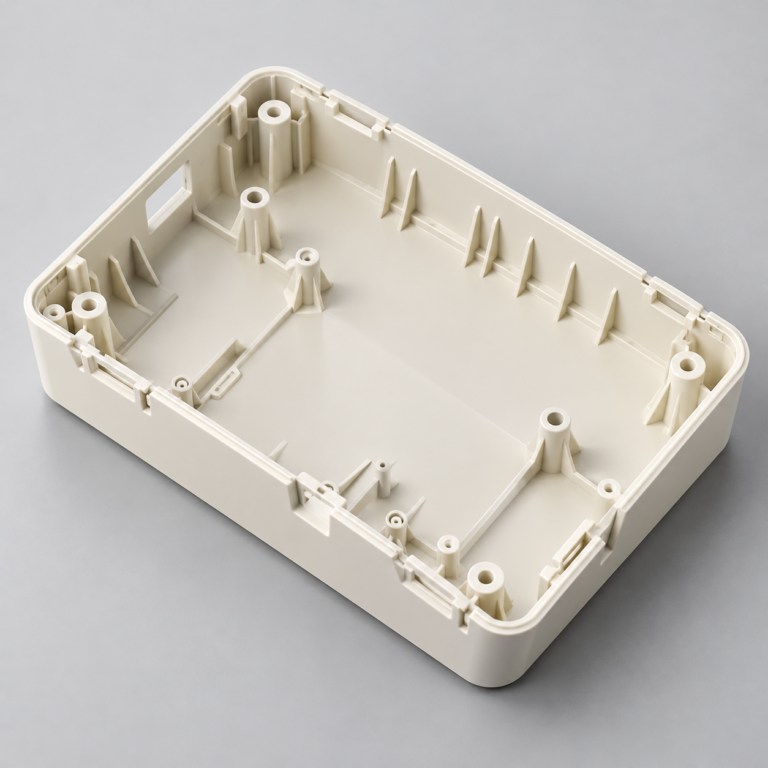
Injection Molding
Tooling and molding for your repeat plastic parts.
From prototype to production, coordinated manufacturing solutions for your custom parts.
View All Services →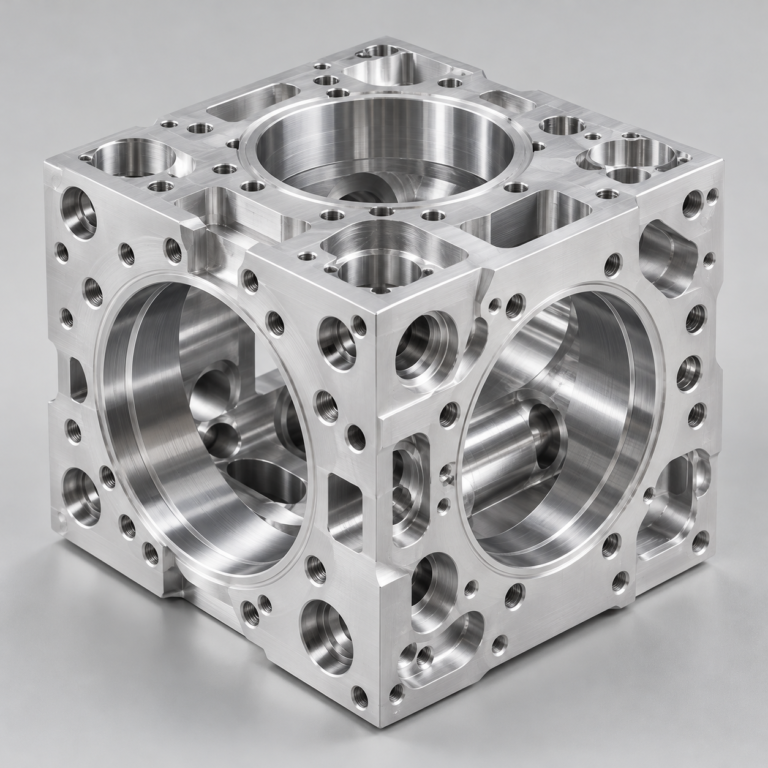
Precision parts for your tight tolerances and complex geometry.
Tooling and molding for your repeat plastic parts.
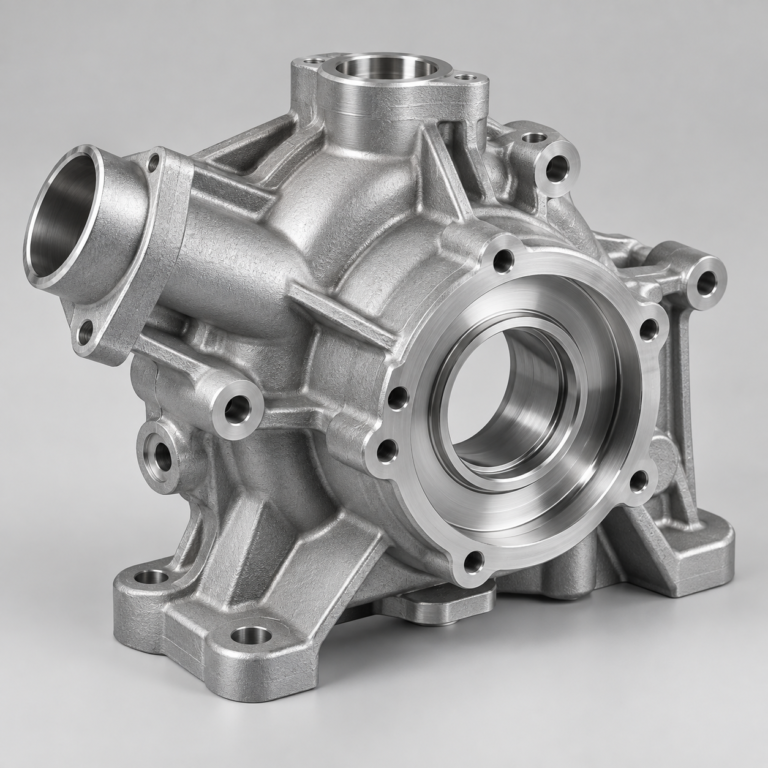
Metal casting options for your part and production volume.
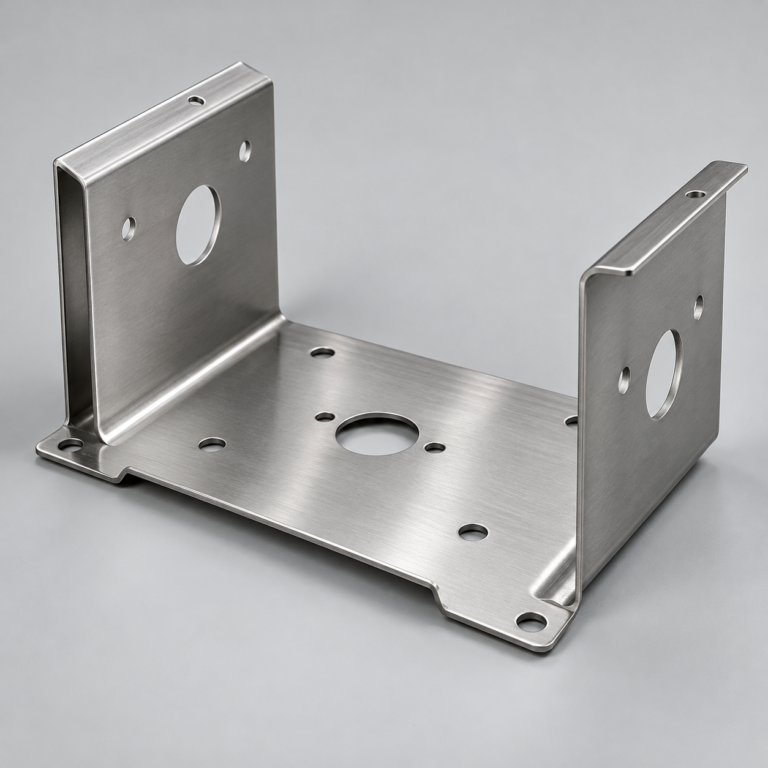
Cutting, forming and welding for your fabricated parts.
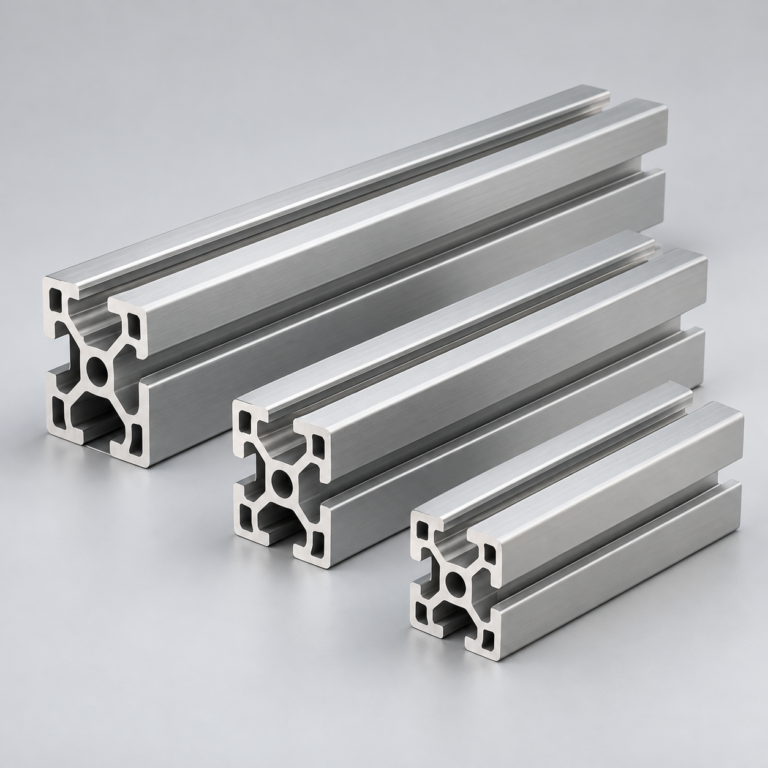
Custom profiles for your section, length and finish requirements.
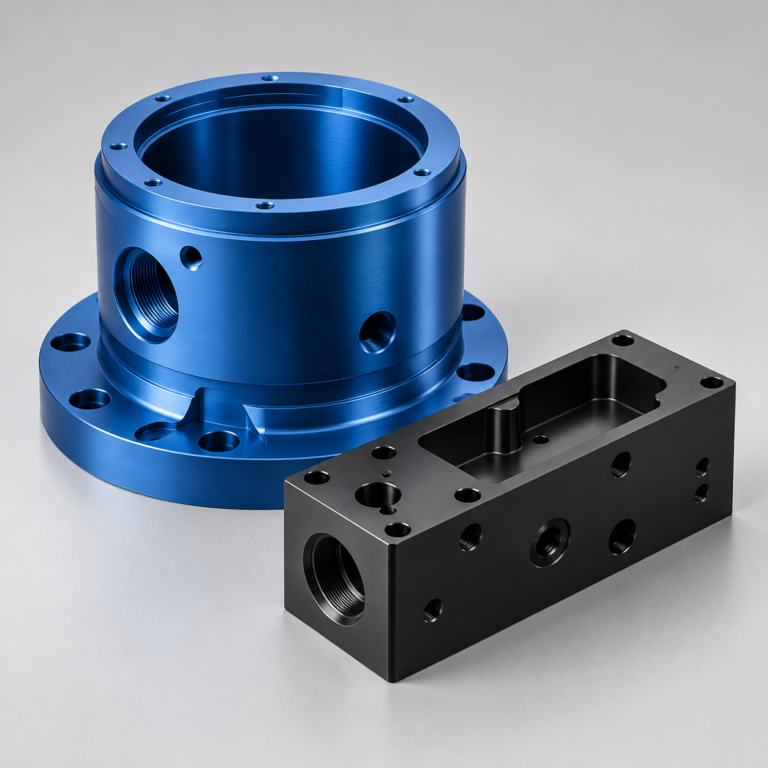
Finishes for your appearance, corrosion and wear requirements.
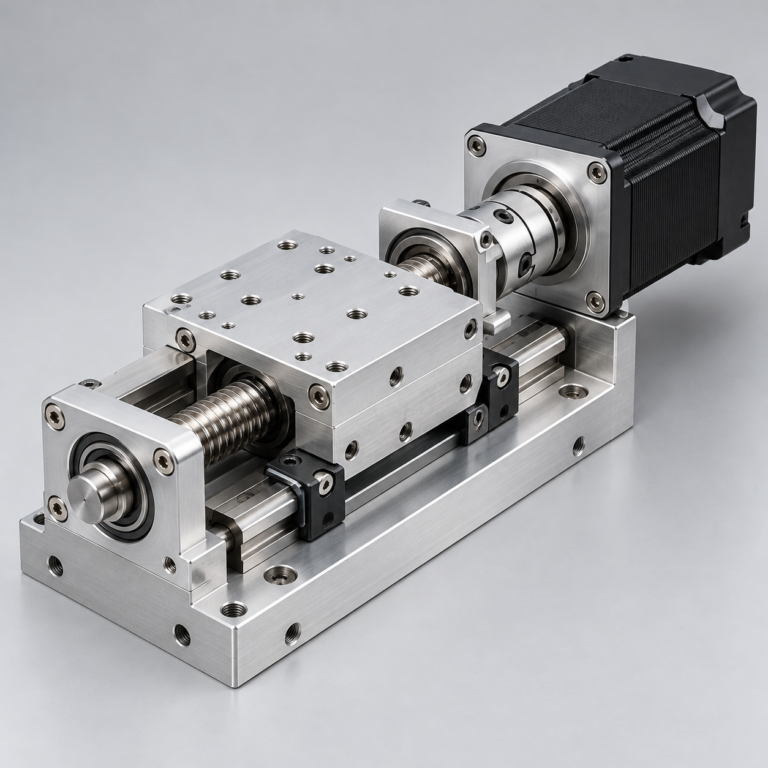
Sub-assemblies and final builds for your production program.
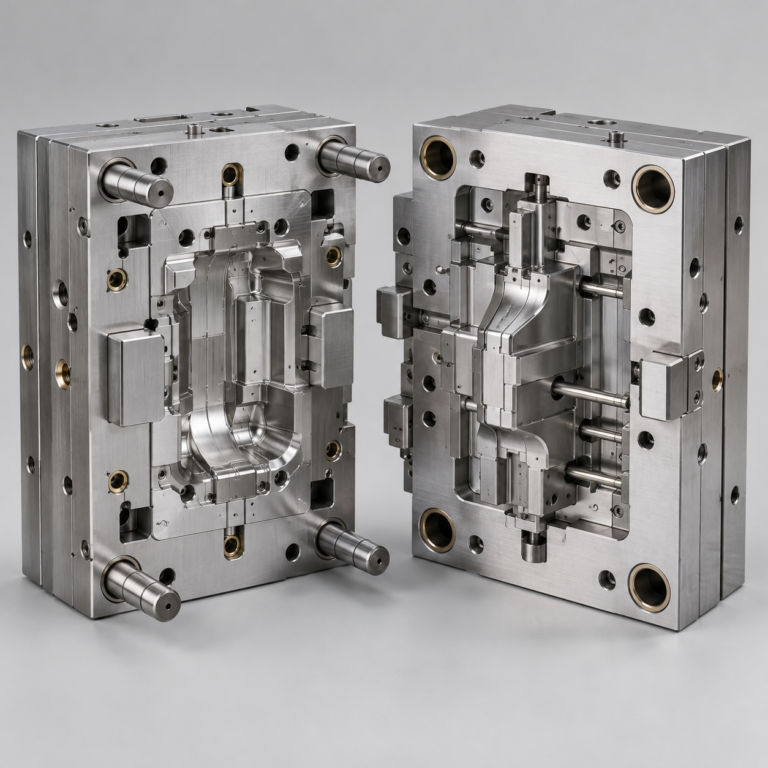
Production tooling built around your process and volume.
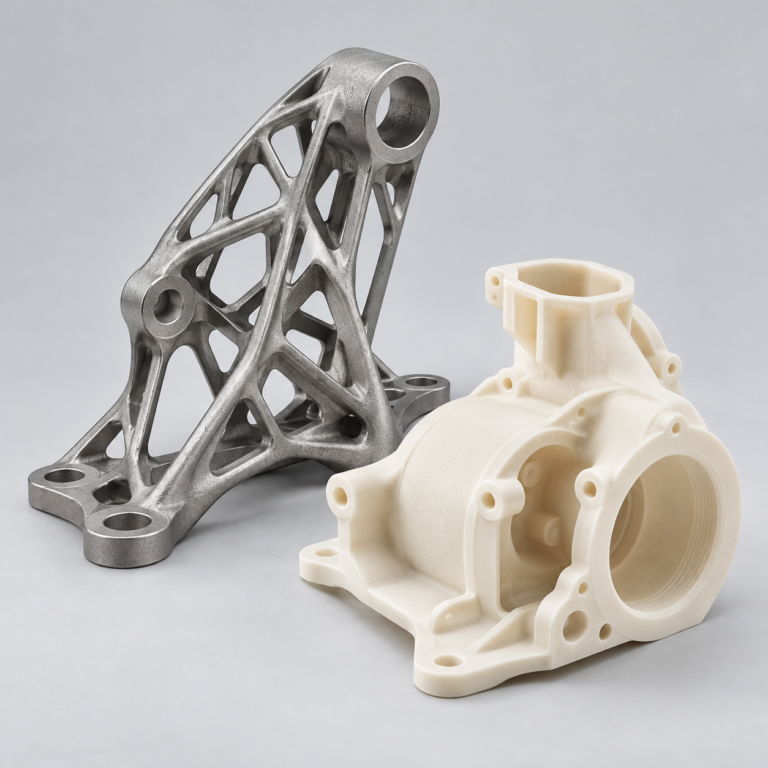
Prototype parts to check fit, function and design.
DFM, process planning and production support for your project.
Inspection, documentation, inventory and delivery planning for your program.
Choose air- or liquid-cooling components around your thermal and mechanical requirements.
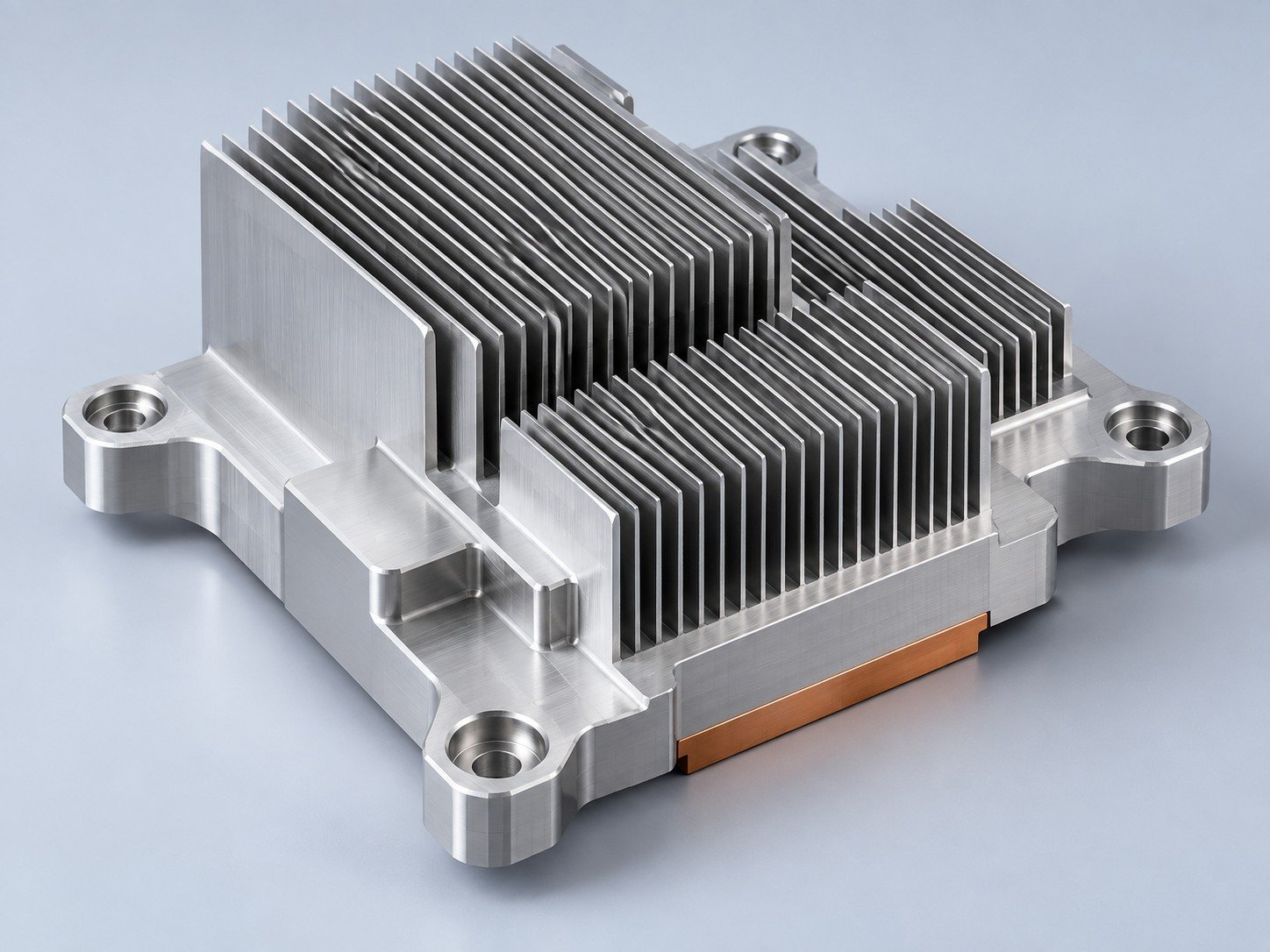
Manufacturing support for your cold plates, manifolds and cooling assemblies.
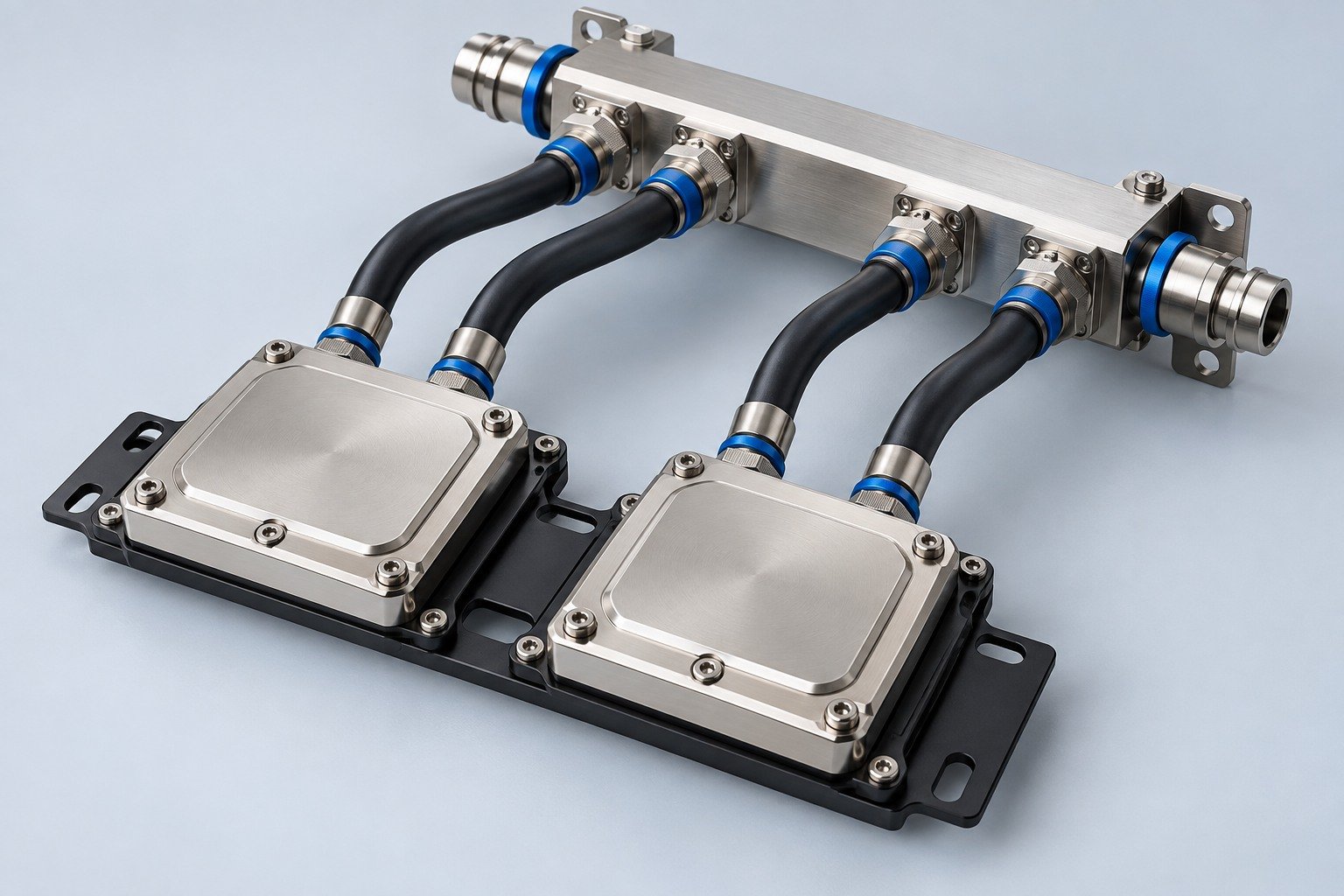
Find components for your power electronics, energy, laser and telecom application.
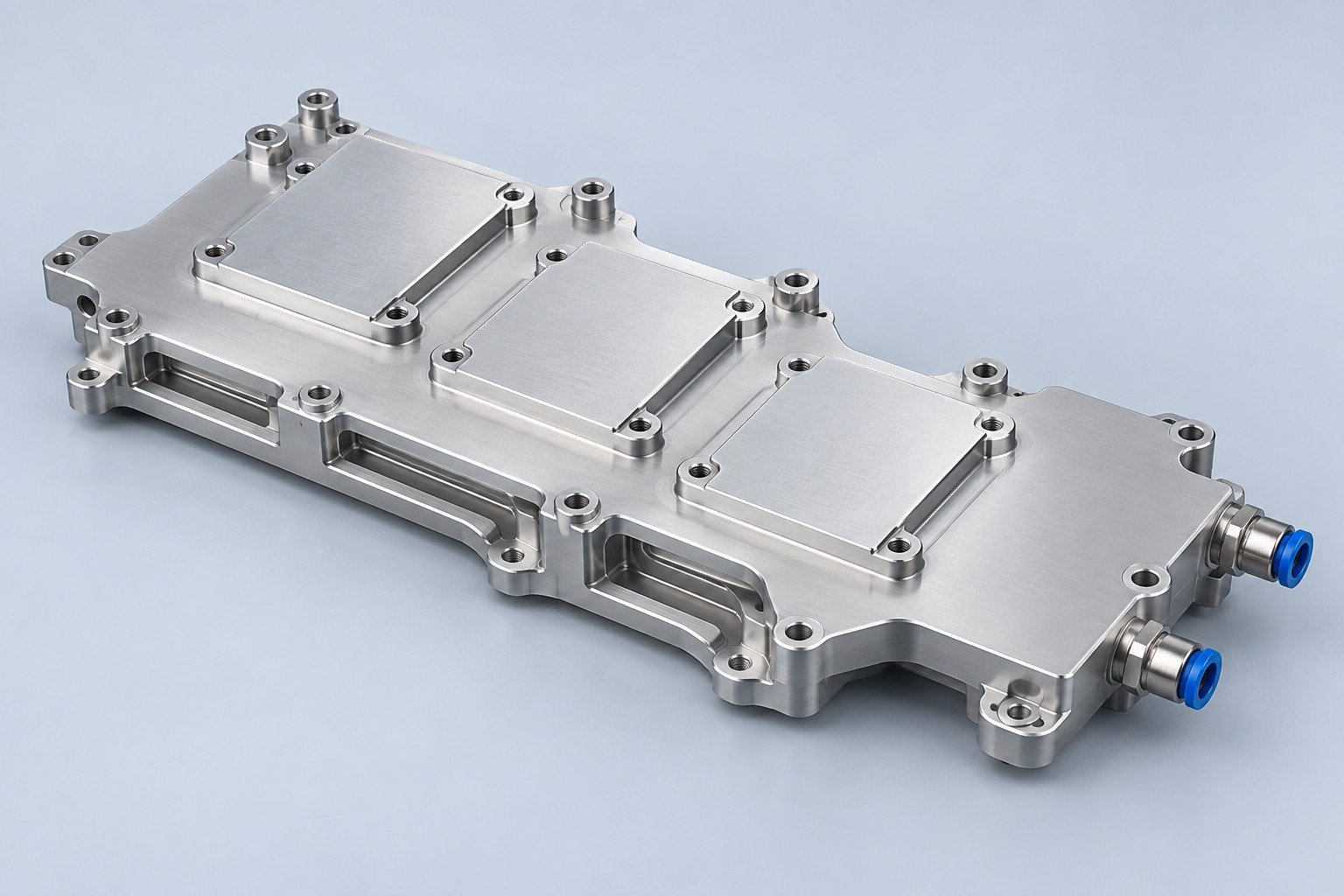
Components for your electronic systems.
Start with your functional and quality requirements.
Build around your operating environment.
From prototype to production, review material performance, manufacturability and cost for your part.
Review grade, temper and finish for your metal parts.
 AluminumStrength, weight and machining›
 Stainless SteelCorrosion and finish requirements›
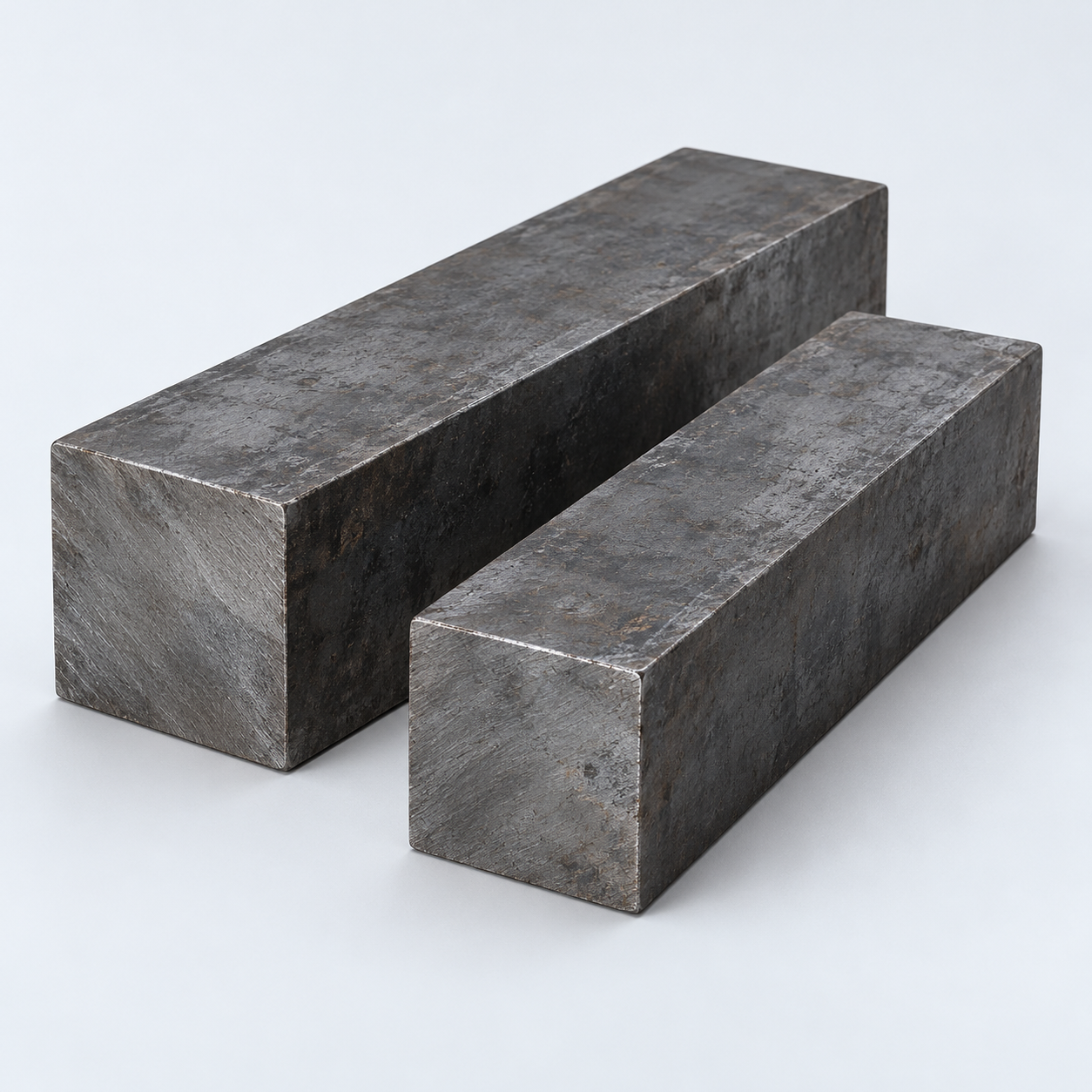 Carbon & Alloy SteelDiscuss grade and heat treatment›
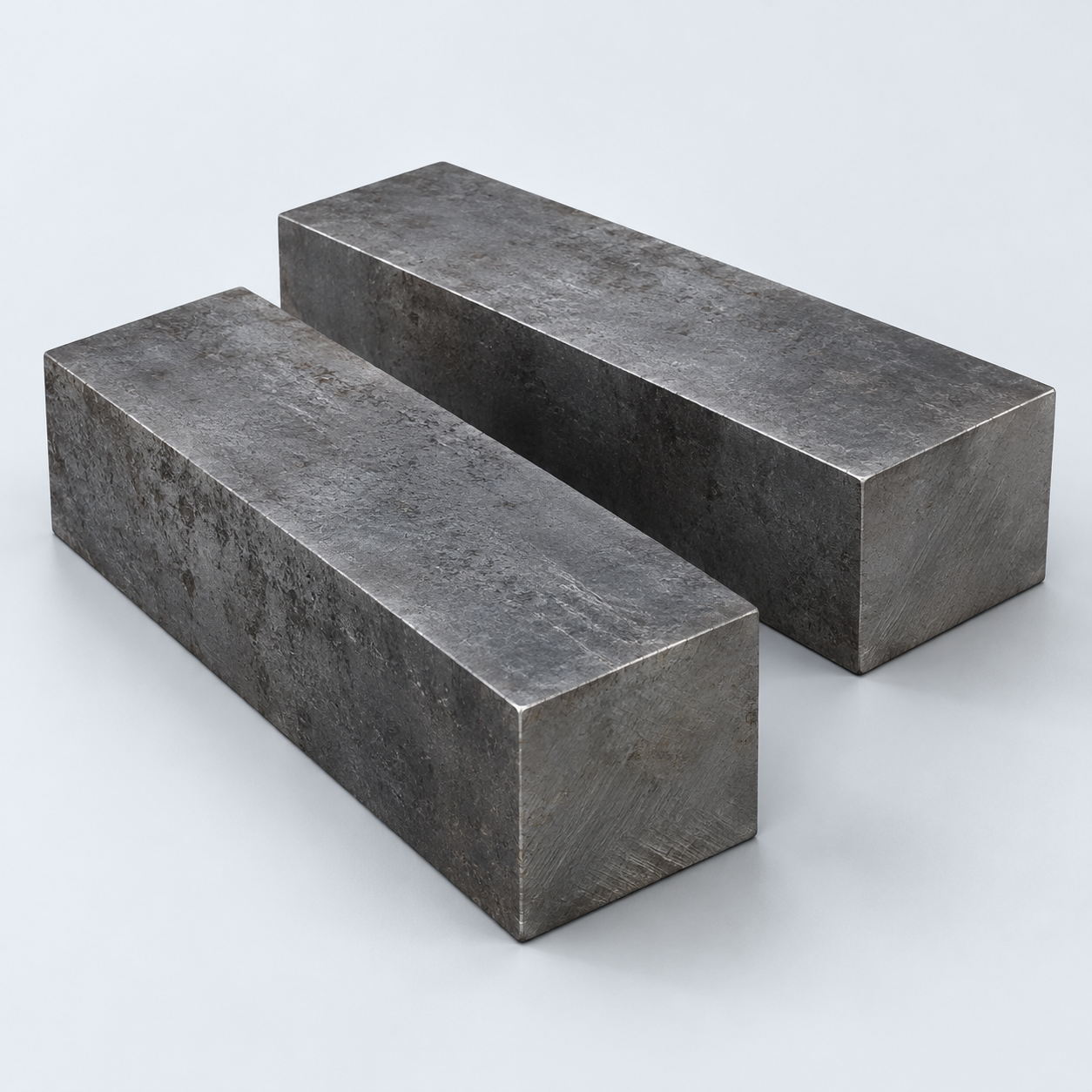 Tool SteelDiscuss tooling and wear needs›
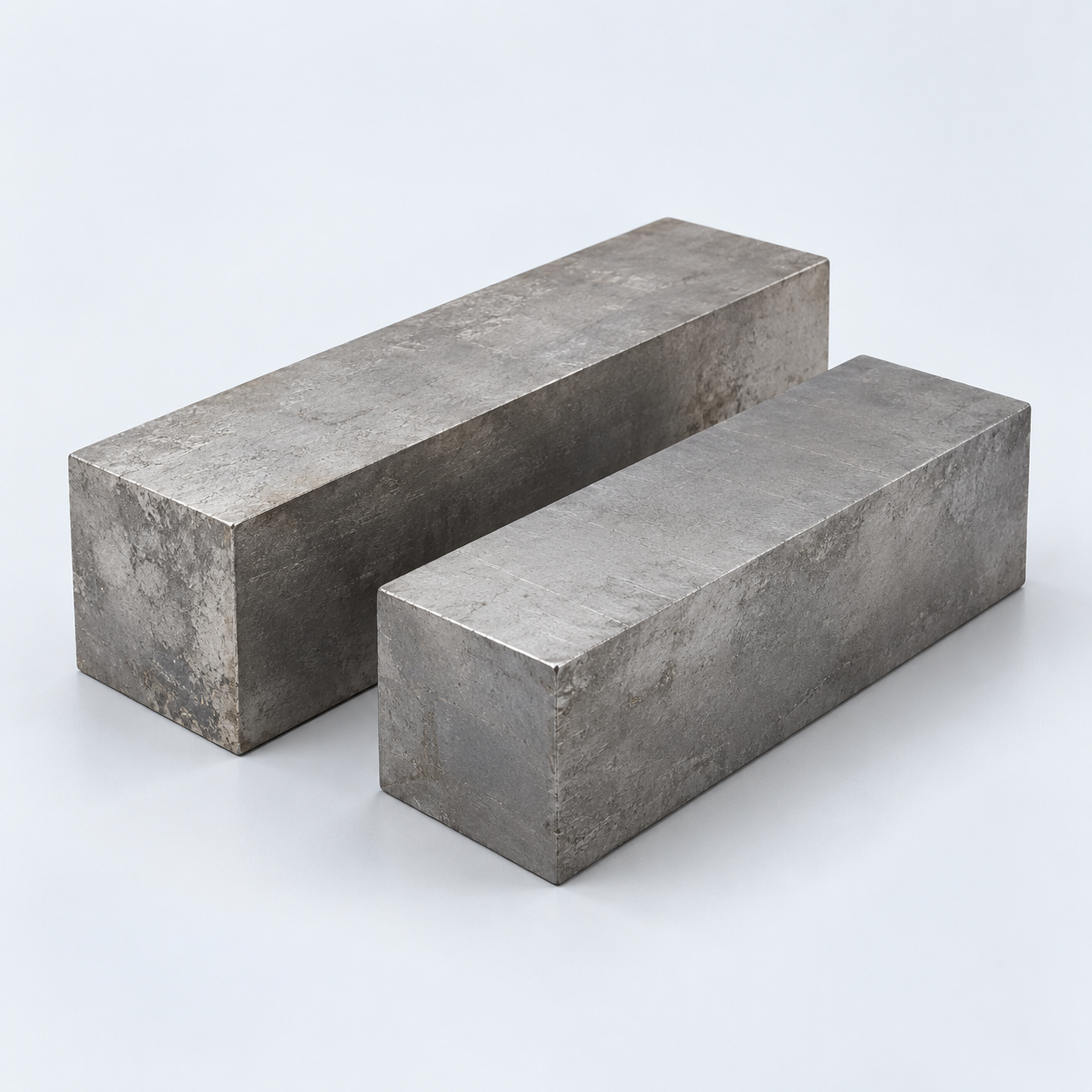 TitaniumReview grade and part geometry›
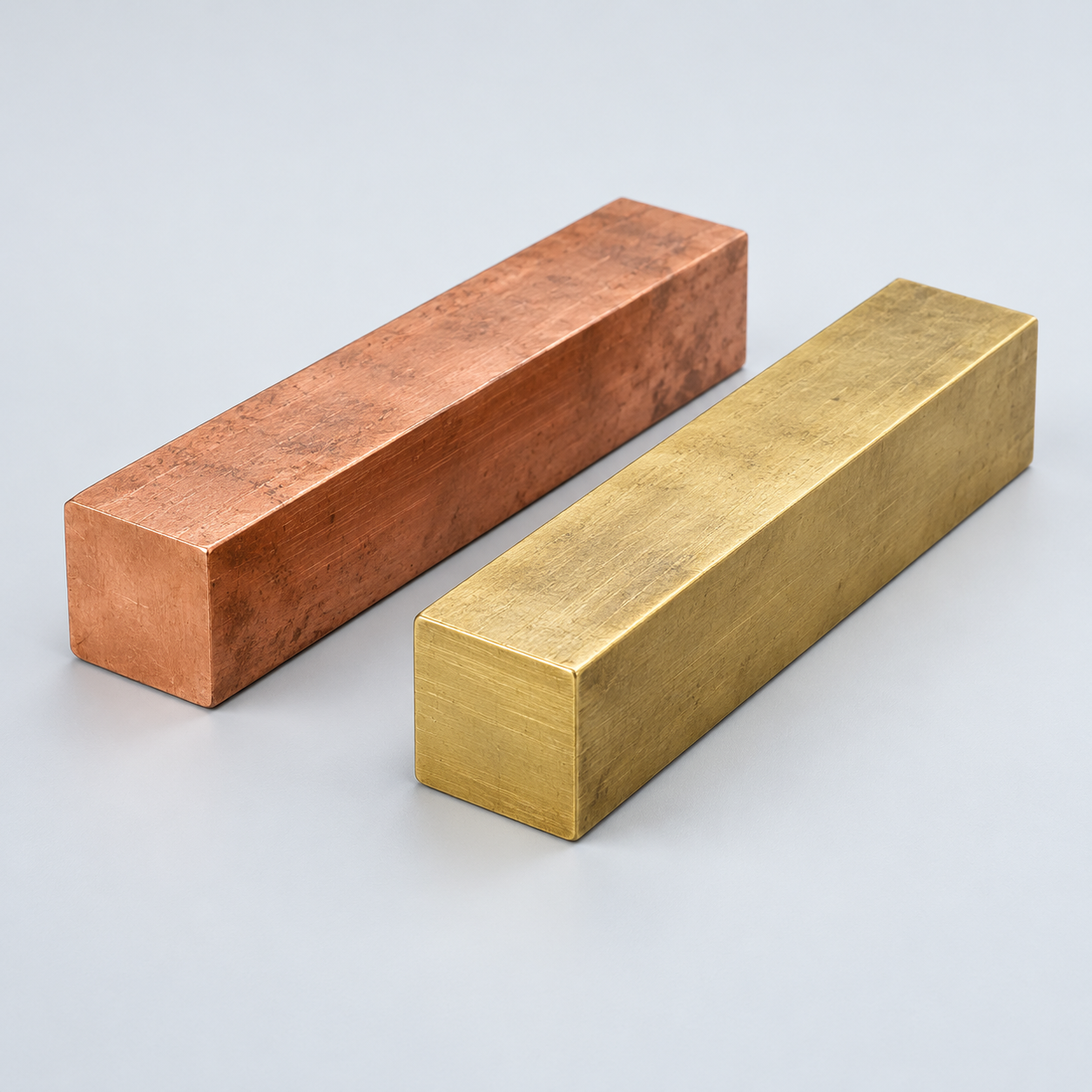 Copper & Brass & BronzeDiscuss conductivity and machining›
Match your polymer to function, process and environment.
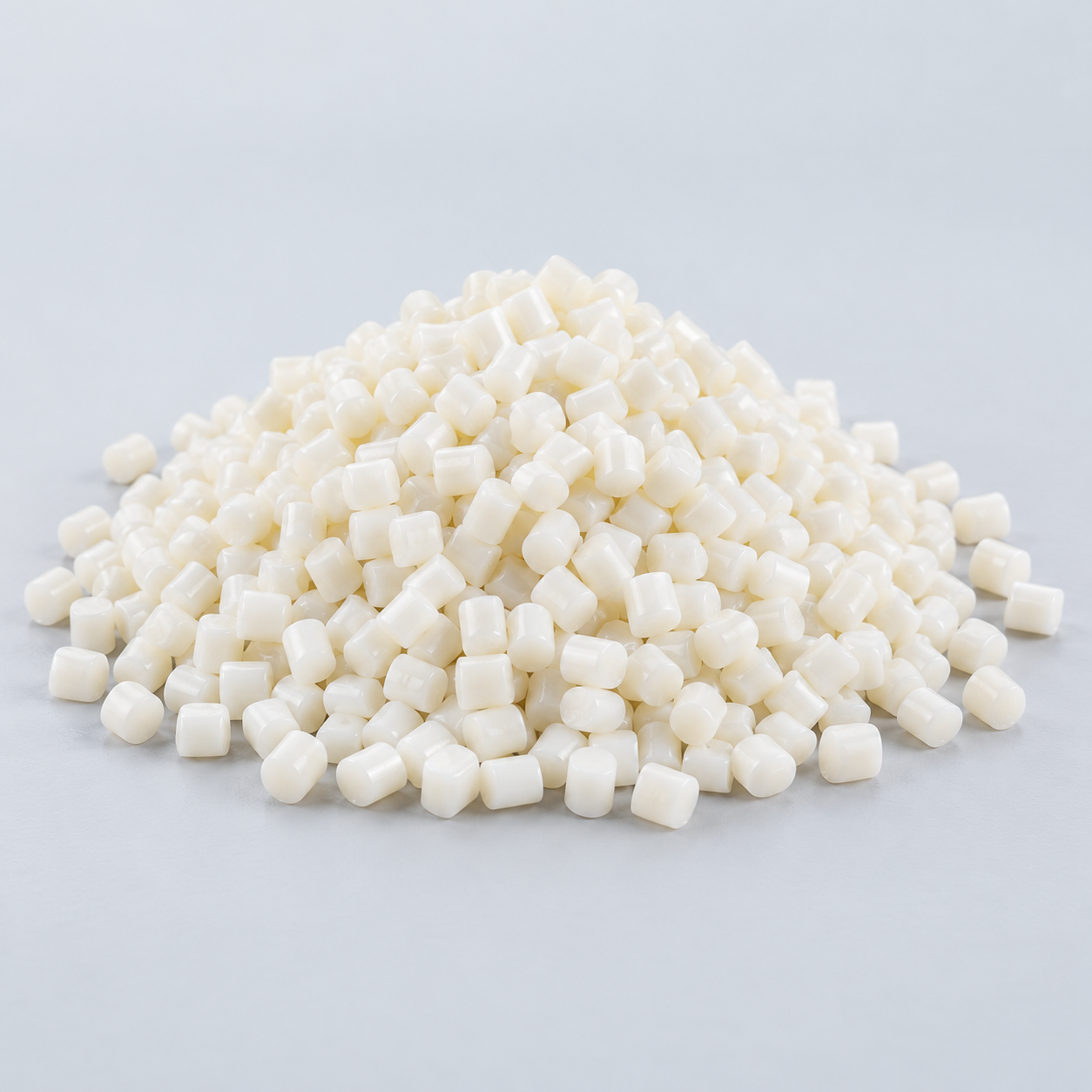 ABSReview enclosure and molding needs›
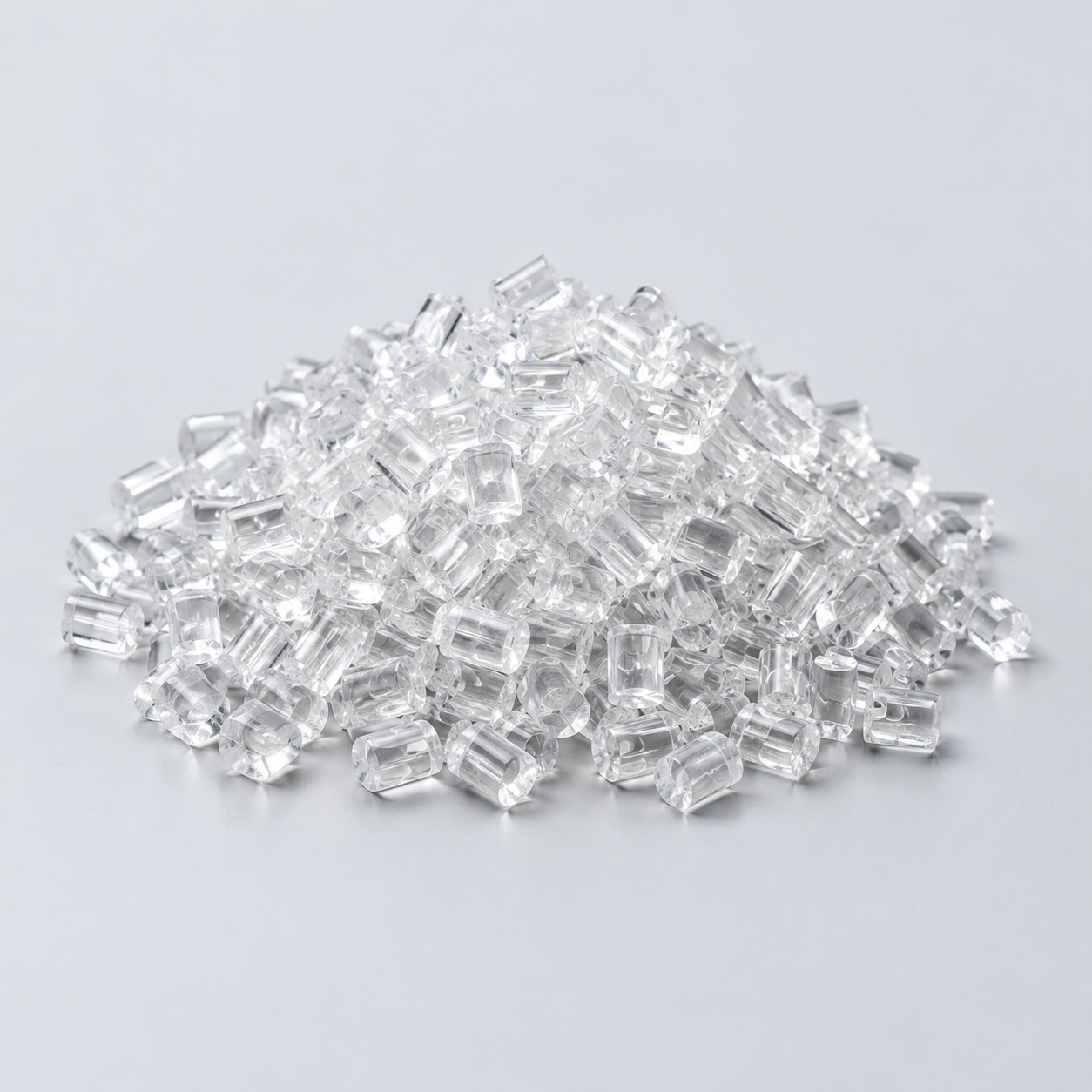 Polycarbonate (PC)Discuss clarity and impact needs›
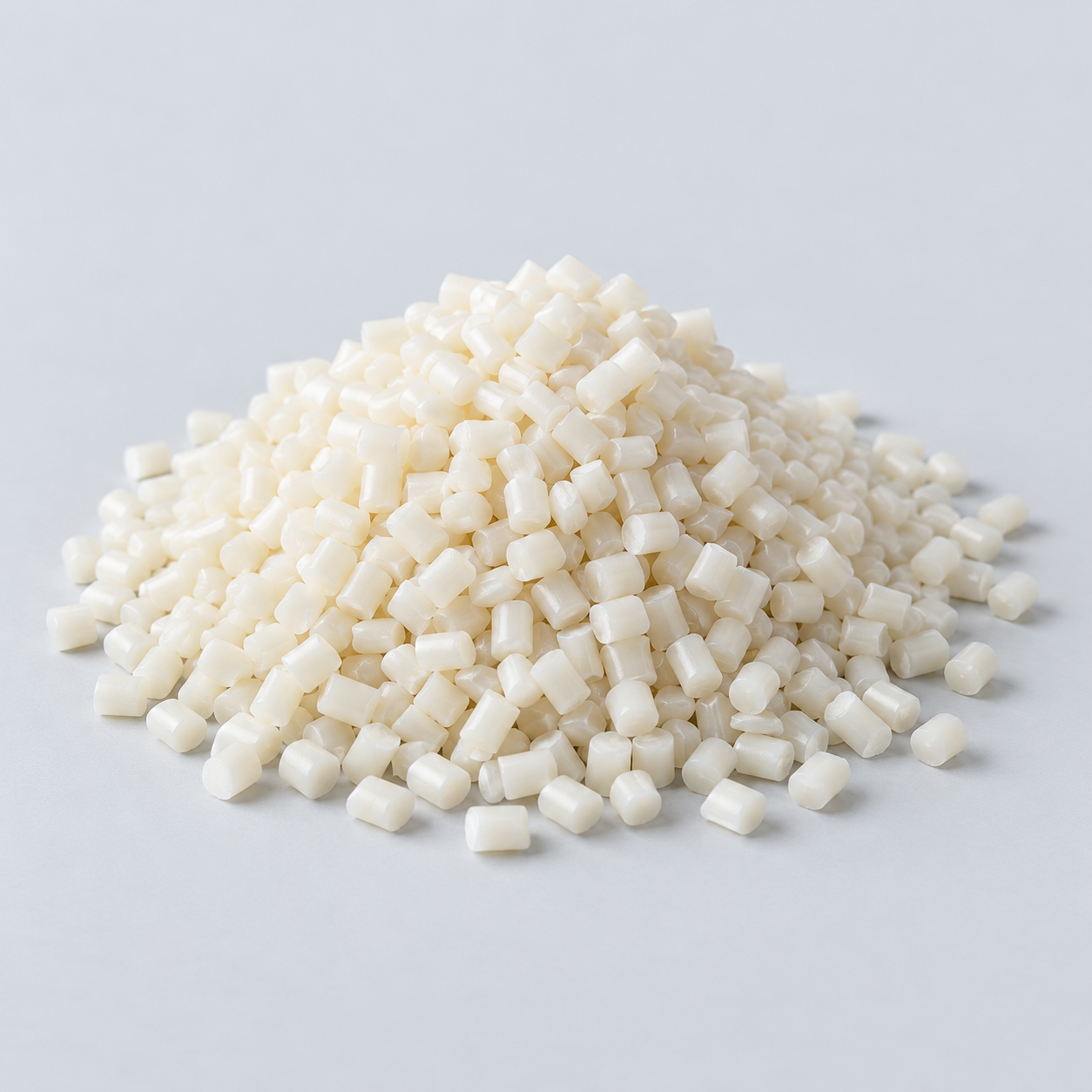 Nylon (PA)Review moisture and wear conditions›
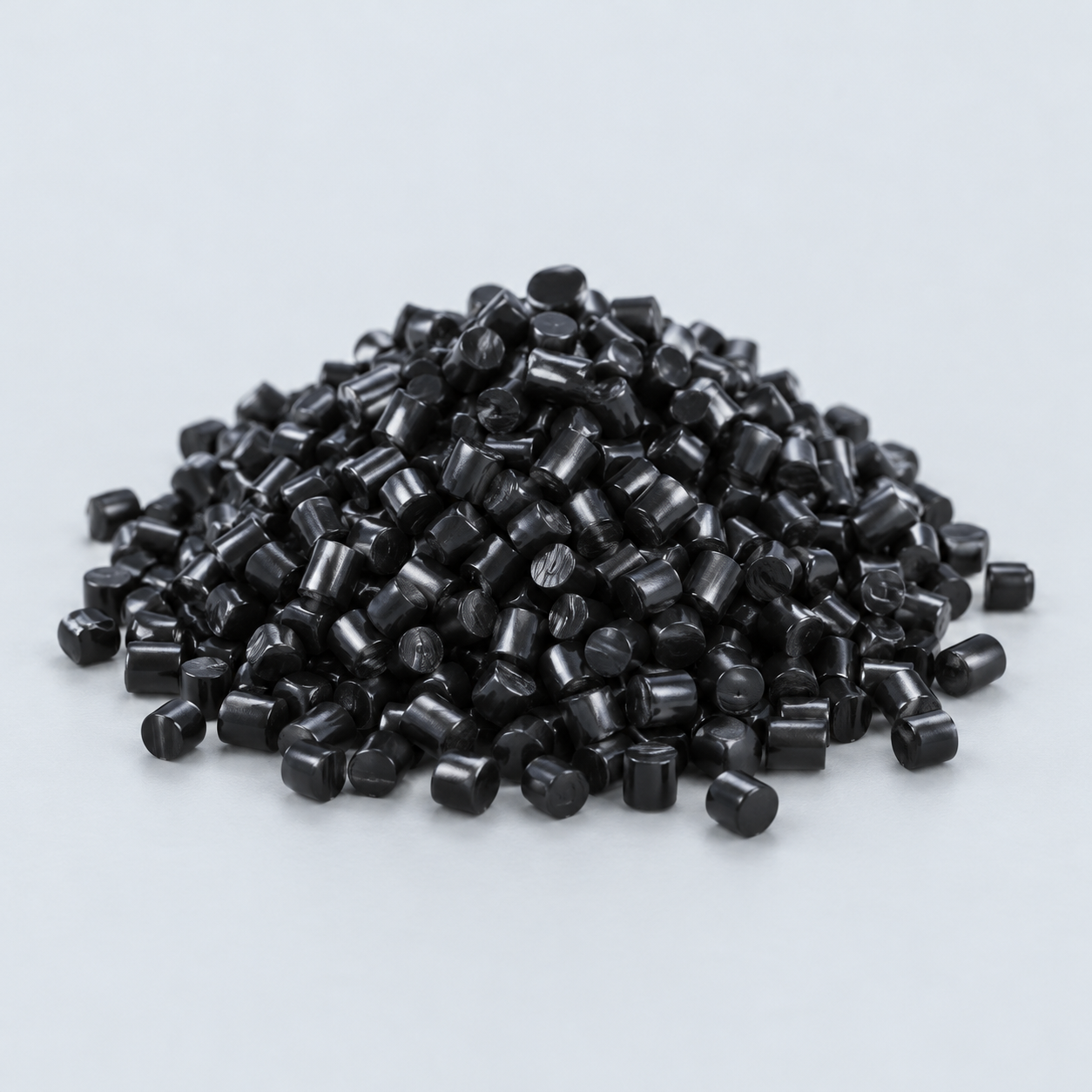 POM / AcetalReview fit and sliding features›
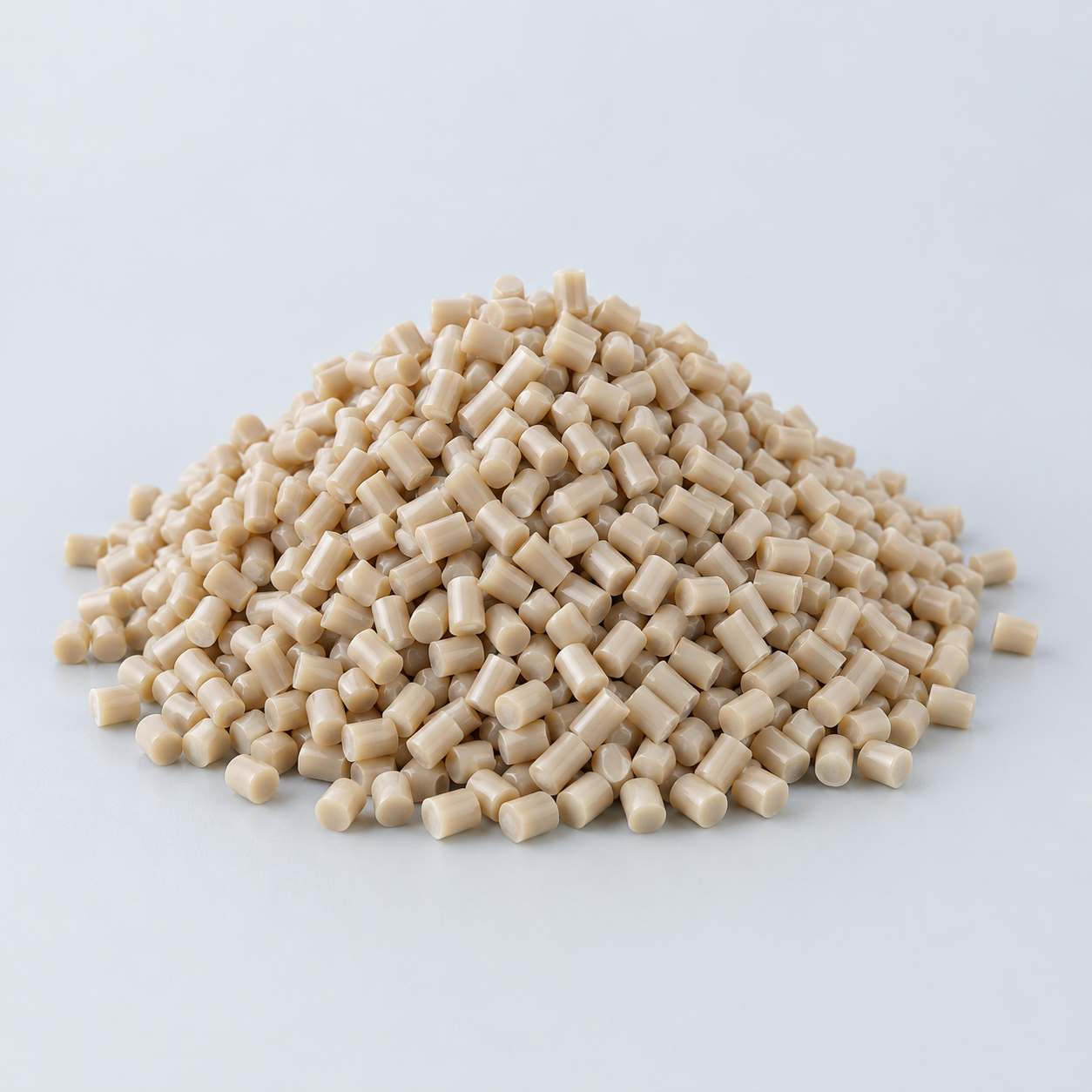 PEEKDiscuss operating conditions›
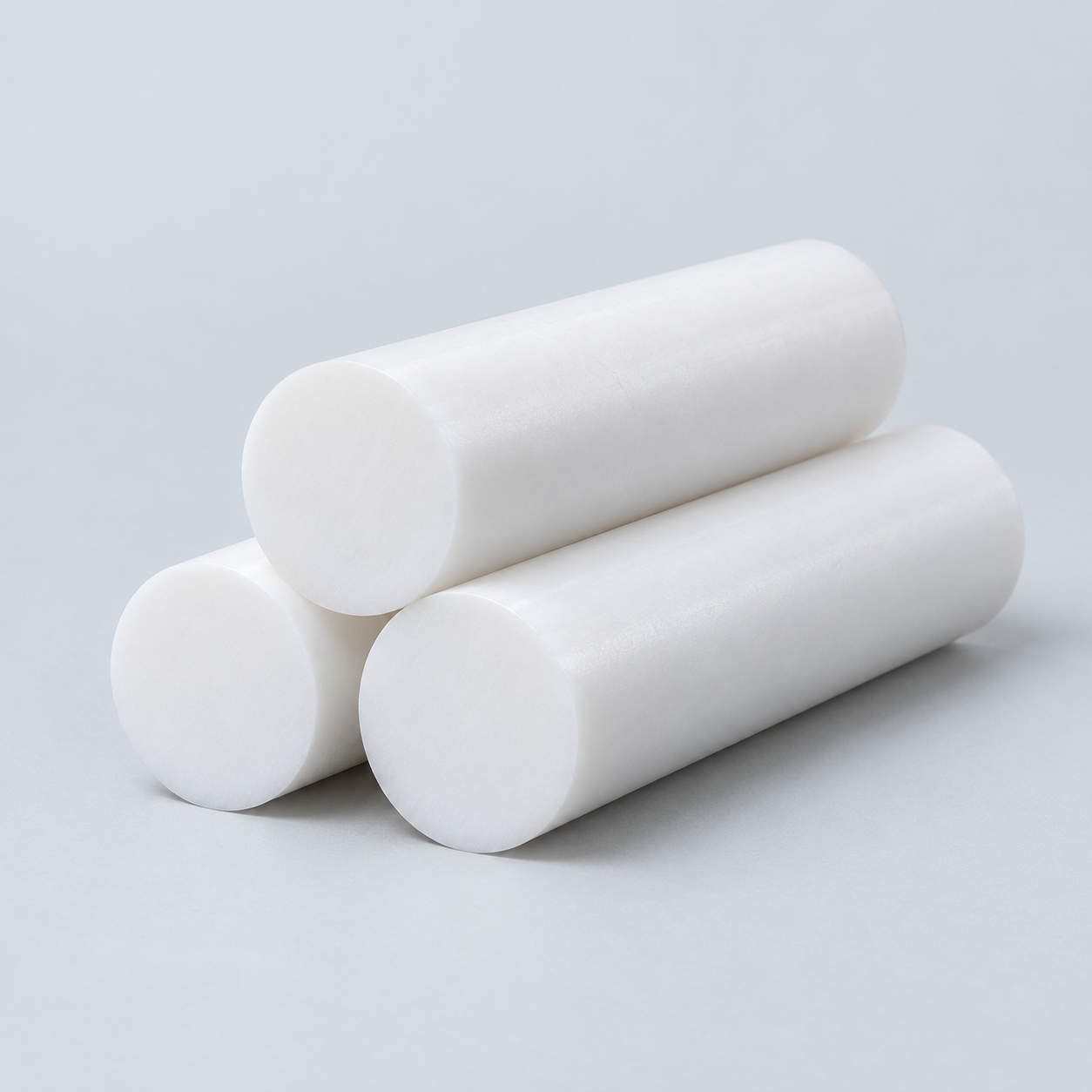 PTFEReview friction and chemical exposure›
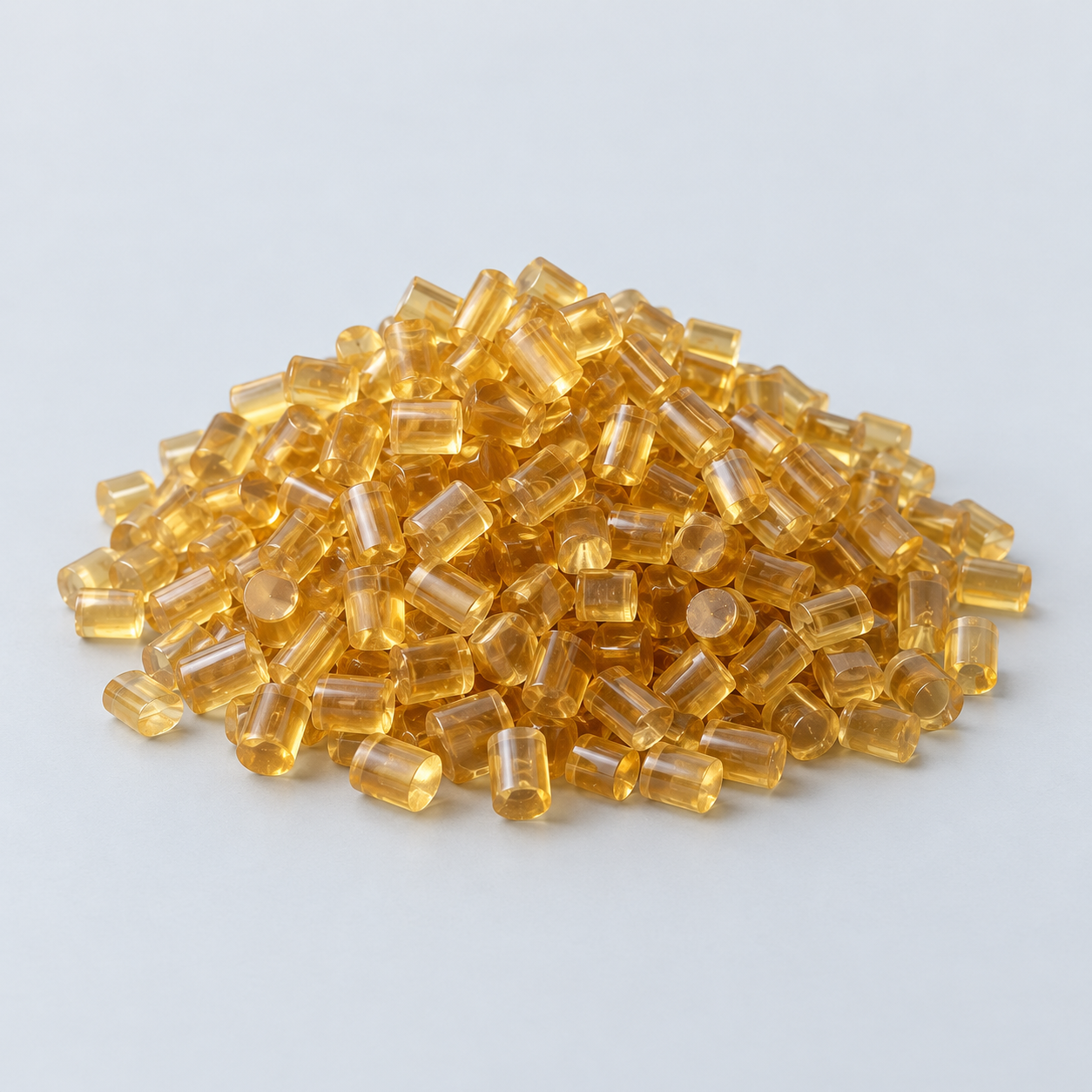 ULTEM / PEIDiscuss thermal and electrical needs›
Confirm grade availability and application requirements.
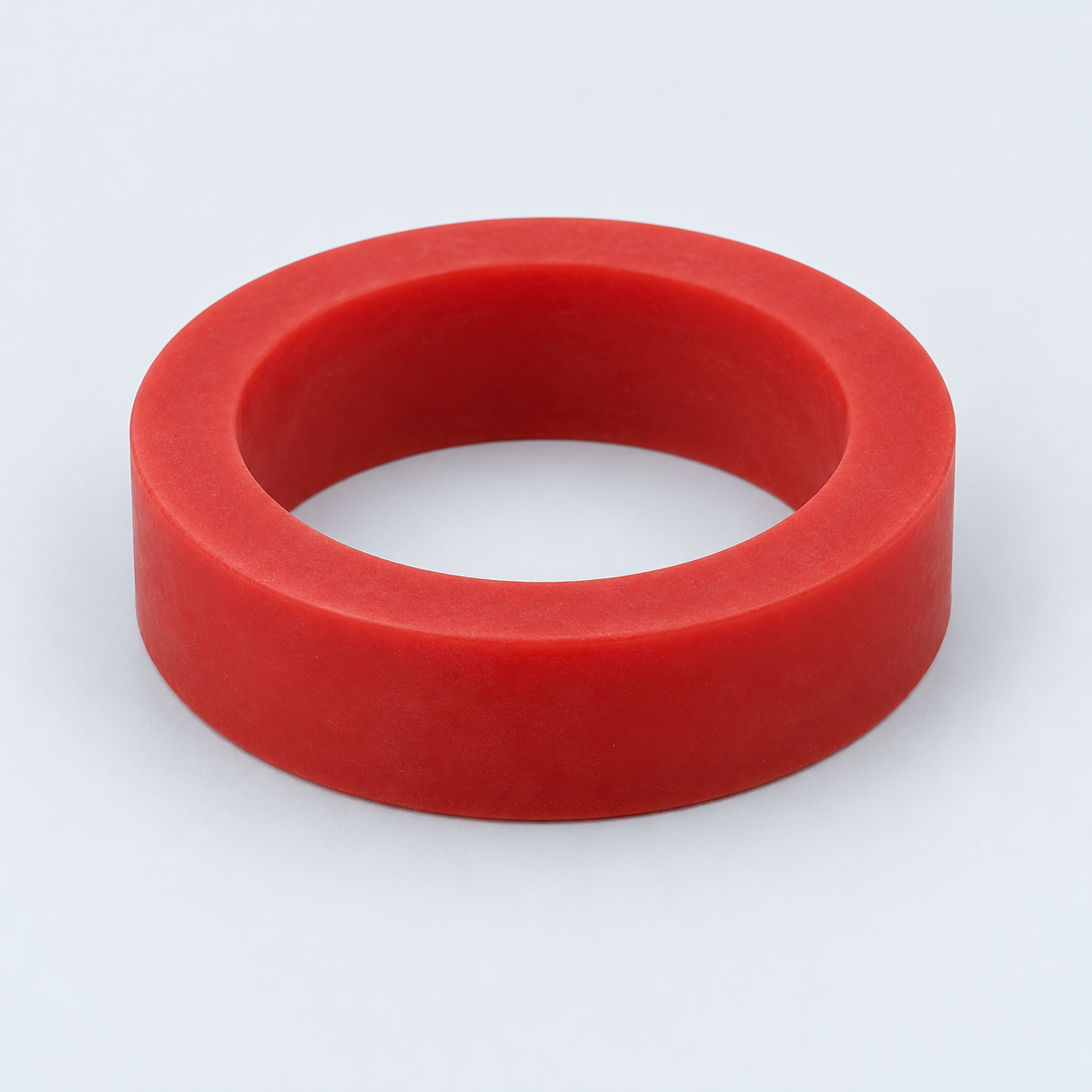 Silicone / LSRDiscuss flexible component needs›
 TPU / TPEReview flexibility and processing›
 EPDMReview weathering and chemical exposure.›
 NBRReview oil and fuel exposure.›
 FKMReview temperature and chemical exposure.›
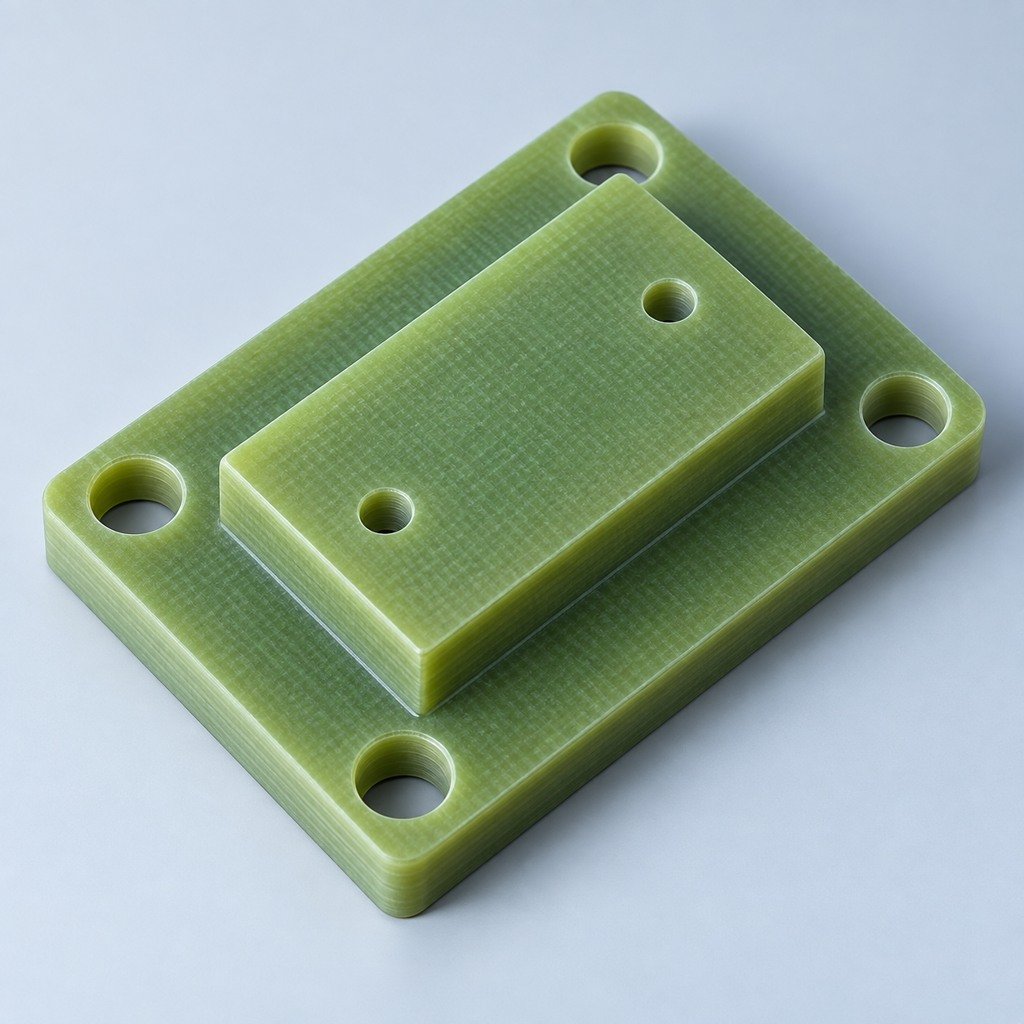 G10 / FR4Review insulation and laminate needs›
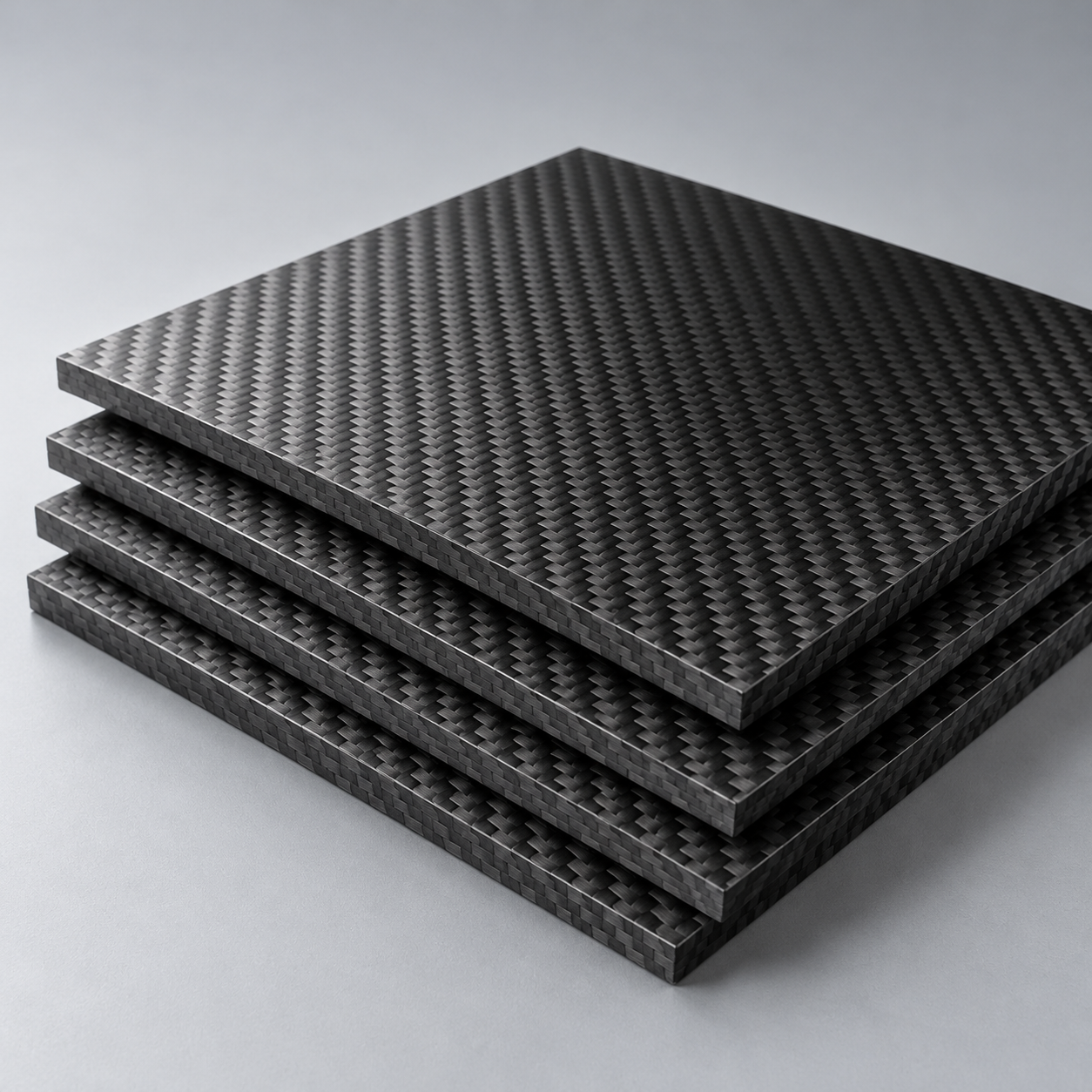 CompositesReview stiffness, weight and laminate.›Customer-Specified MaterialsConfirm your grade and requirements.›Other Specialty MaterialsDiscuss your application and grade.›
Practical guidance for your part geometry and material decisions.
Prepare your process, budget and sourcing questions.
Build your knowledge before production.
Learn who we are and how we operate.
Find our U.S. support team or start a conversation.

Plan your C377 brass forging machining around the blank, finished ports and sealing faces. Agree the first sample, final dimensions and receiving evidence before repeat production.
For C37700 forging, separate the purchased stock requirement from the finished component drawing. A forging brass name does not establish pressure integrity, final tolerance or suitability for a regulated application.
| Identifier | Your purchasing review |
|---|---|
| UNS | C37700 brass / UNS C37700 |
| Common name | Forging brass |
| European comparison | bedra CuZn40Pb2 / CW617N · supplier cross-reference only |
| Blank | Specified forging stock, near-net geometry and machining allowance |
| Acceptance | Finished drawing, material identity and agreed inspection scope |
| Element · wt.% | CDA C37700 reference |
|---|---|
| Copper | 58–61 |
| Lead | 1.5–2.5 |
| Iron | ≤0.30 |
| Zinc | Remainder |
Selected CDA C37700 reference; copper plus named elements ≥99.5%. This is not a lot analysis. The complete ordered specification governs.
| Decision | Your review input |
|---|---|
| C377 brass lead content | Lead-bearing reference: 1.5–2.5 wt.%; define destination and application requirements. |
| Blank and final state | Specify forging geometry, machining allowance and final inspection datums. |
| Pressure boundary | Specify service, sealing features and any required test scope separately. |
The copper-range chart shows why a supplier cross-reference needs a full specification check. The C377 brass machinability chart is a selected comparative index, not a cycle-time, price or finished-quality prediction.
Different supplier specifications · wt.% · common scale 0–65
CDA reference · free-cutting brass = 100 · common scale 0–100
C37700 copper range and index 80: CDA. CW617N copper range 57–59%: bedra; other chemistry limits also differ. CDA C36000/C26000 indices 100/30 are selected comparisons. Producer ratings may differ, including Mueller C37700 at 90. Do not average ratings, infer production time or treat these charts as a material report.
CDA C37700 reference ↗ Mueller C37700 reference ↗ bedra CW617N comparison ↗
Select a valve, fitting, cover or port block, then review the route and receiving evidence for your drawing.
For your C377 brass forged valve bodies, define the three ports, mounting flange and accessible sealing lands. Your C377 brass valve components drawing should connect passage geometry to the final inspection datums.
| Your decision | What to define |
|---|---|
| Your fit | Port axes, sealing lands, mounting pattern and final wall requirements. |
| Your route | Stock condition, support and finishing sequence. |
| Your approval | Final geometry, surface and receiving evidence. |

For C377 brass milling and C377 brass finish machining, locate the forged blank consistently and protect the final sealing lands from clamping.
| Your decision | What to define |
|---|---|
| Your fit | Port axes, sealing lands, mounting pattern and final wall requirements. |
| Your route | Stock condition, support and finishing sequence. |
| Your approval | Final geometry, surface and receiving evidence. |

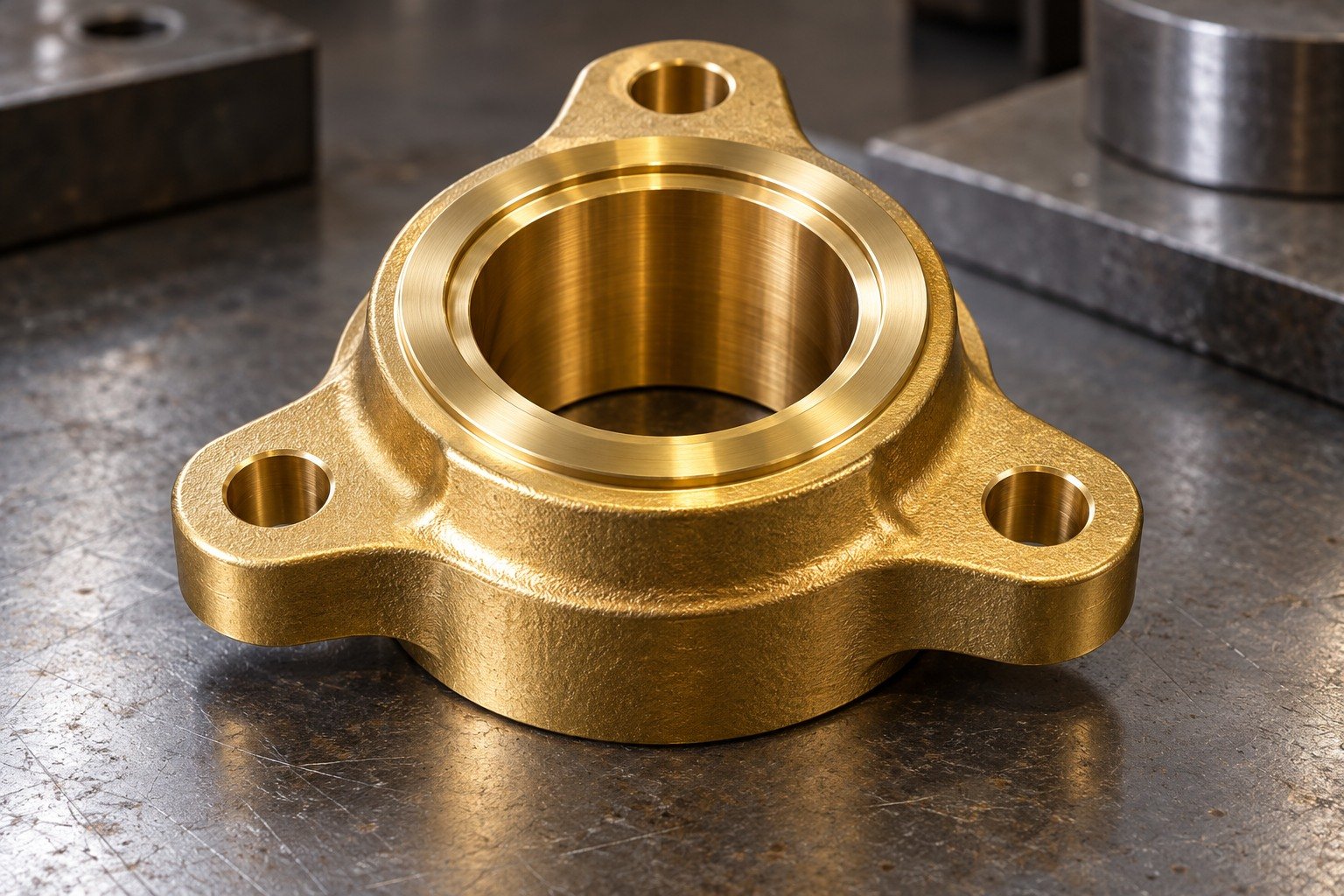
For custom C377 brass forgings, agree blank geometry, machining allowance and the final material condition before the first sample.
| Your decision | What to define |
|---|---|
| Your fit | Port axes, sealing lands, mounting pattern and final wall requirements. |
| Your route | Stock condition, support and finishing sequence. |
| Your approval | Final geometry, surface and receiving evidence. |
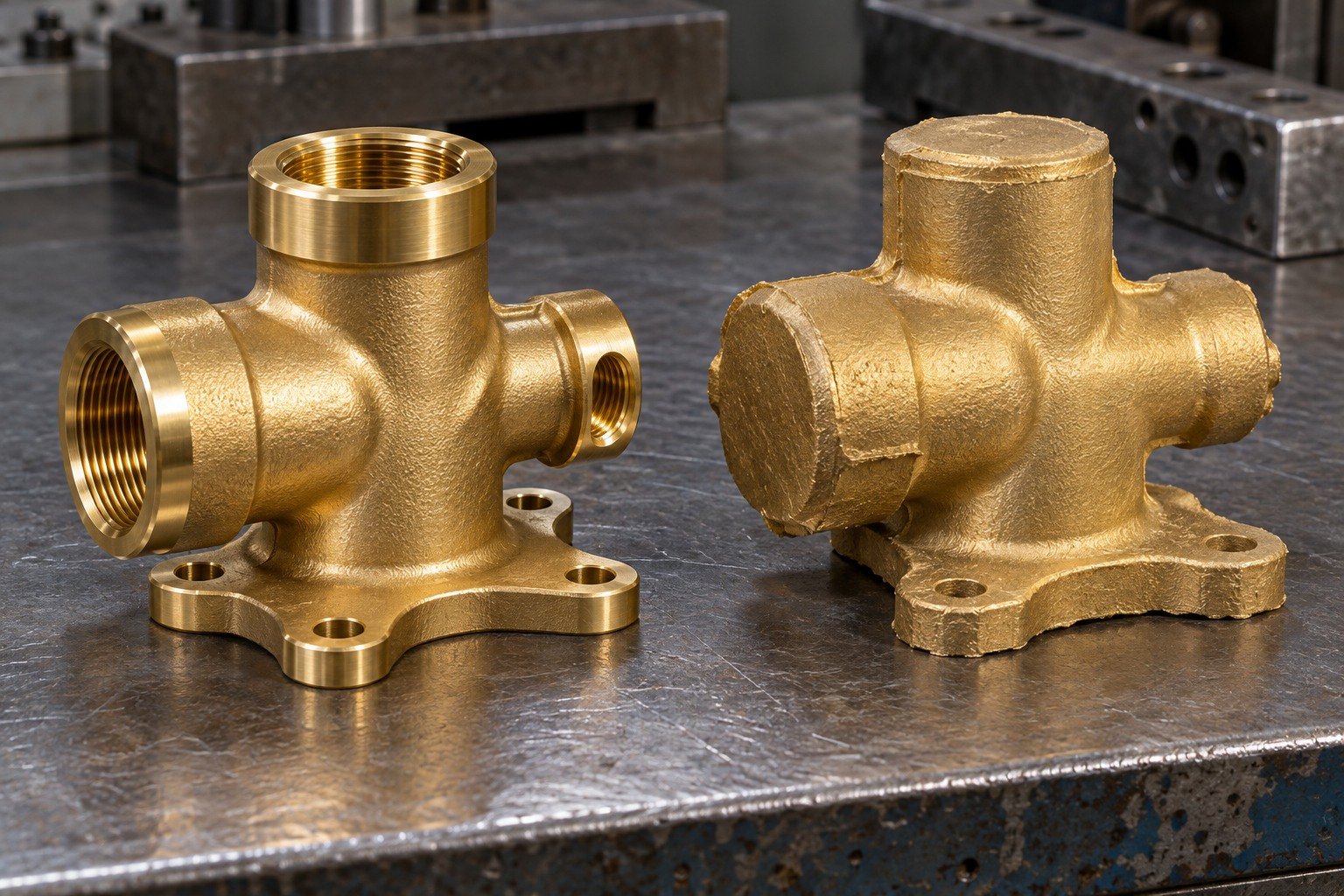
Inspect port-to-mounting relationships after machining. Specify any pressure or leak test separately from dimensional acceptance.
| Your decision | What to define |
|---|---|
| Your fit | Port axes, sealing lands, mounting pattern and final wall requirements. |
| Your route | Stock condition, support and finishing sequence. |
| Your approval | Final geometry, surface and receiving evidence. |
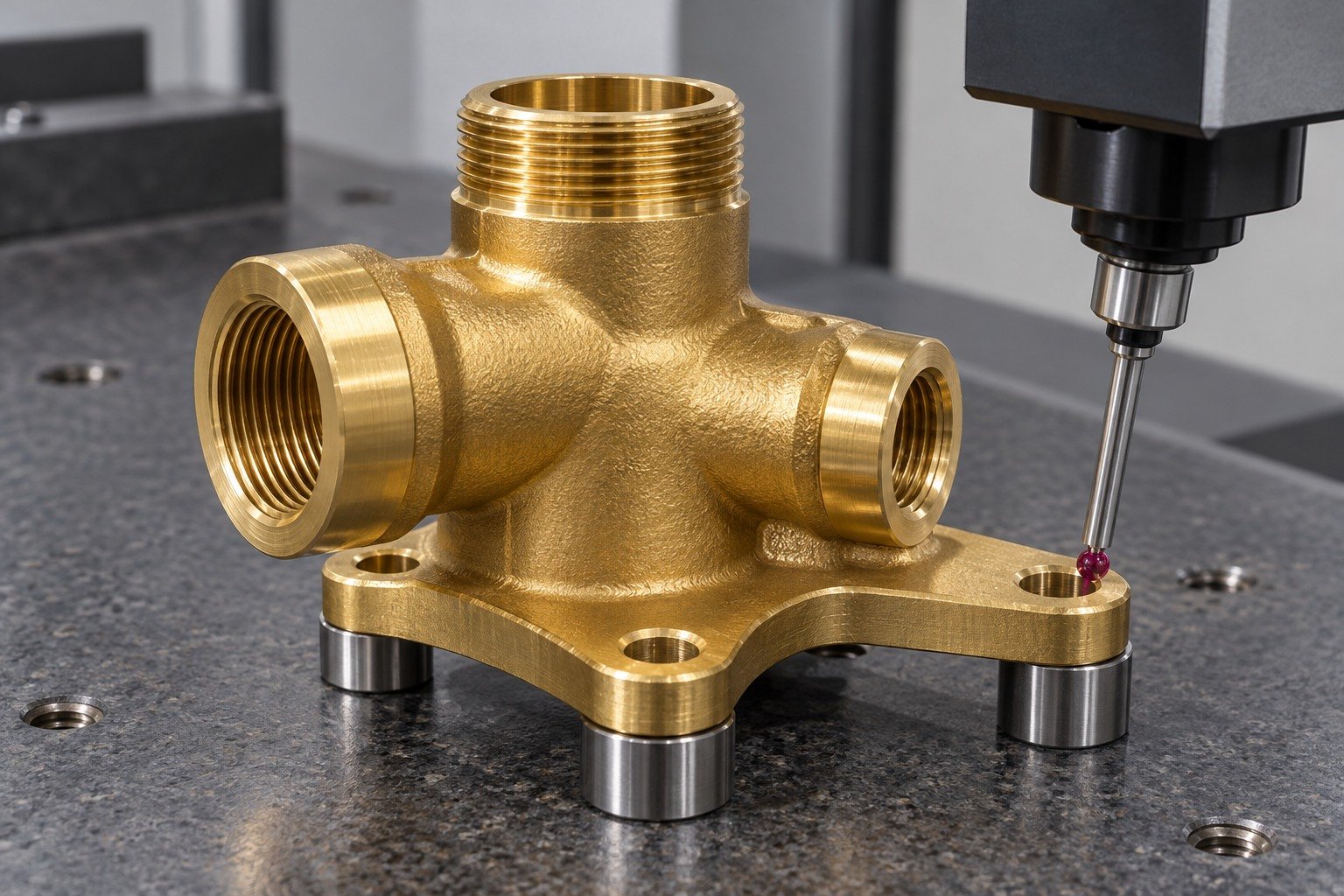
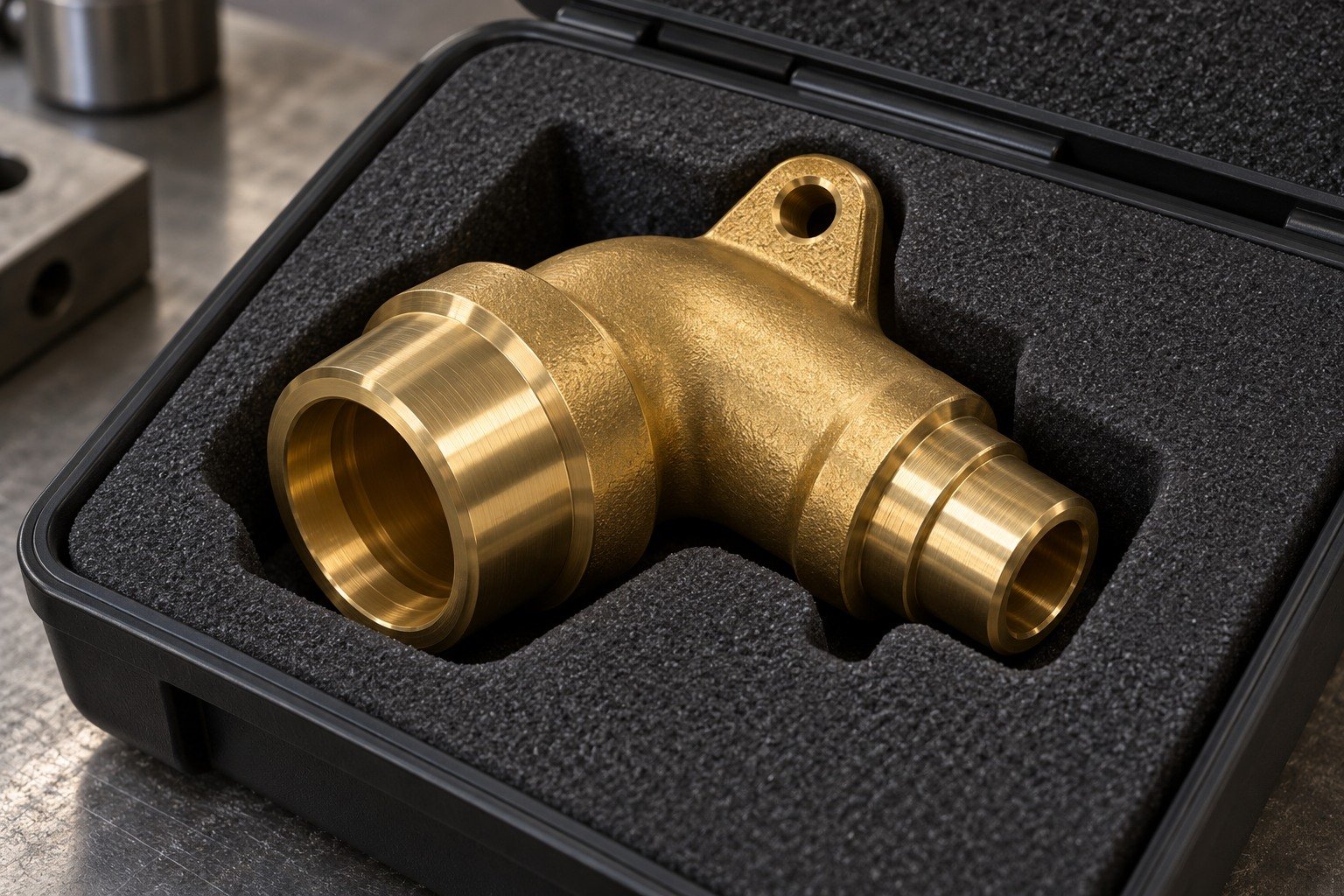
Review your C377 brass forged fittings by the elbow shape, port collars and mounting ear. Identify each thread and its sealing method instead of relying on a generic fitting name.
| Your decision | What to define |
|---|---|
| Your fit | Port orientation, thread standard, sealing geometry and mounting ear datum. |
| Your route | Stock condition, support and finishing sequence. |
| Your approval | Final geometry, surface and receiving evidence. |
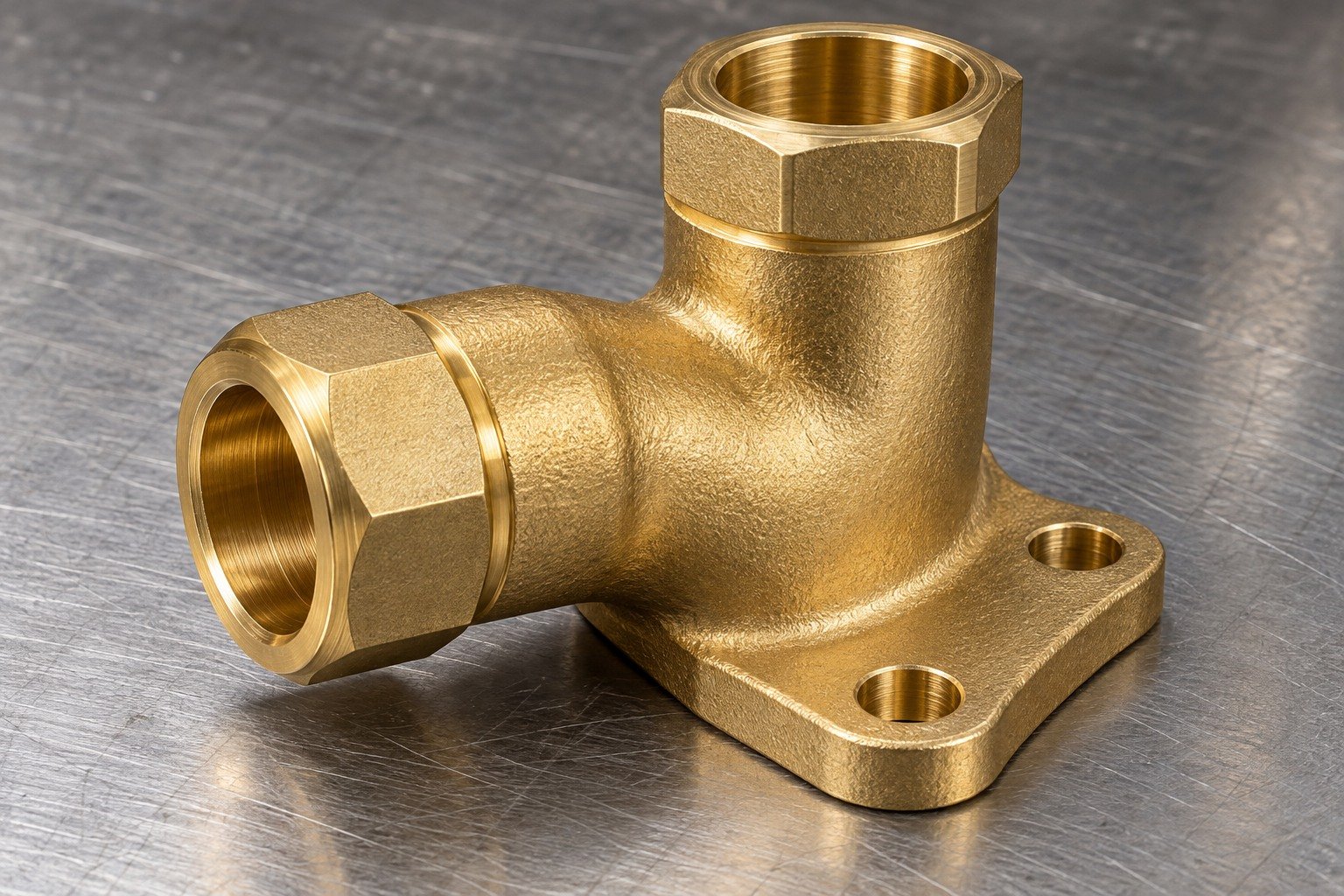
For C377 brass turning and C377 brass threading, review engagement, run-out and gauge access on each collar.
| Your decision | What to define |
|---|---|
| Your fit | Port orientation, thread standard, sealing geometry and mounting ear datum. |
| Your route | Stock condition, support and finishing sequence. |
| Your approval | Final geometry, surface and receiving evidence. |
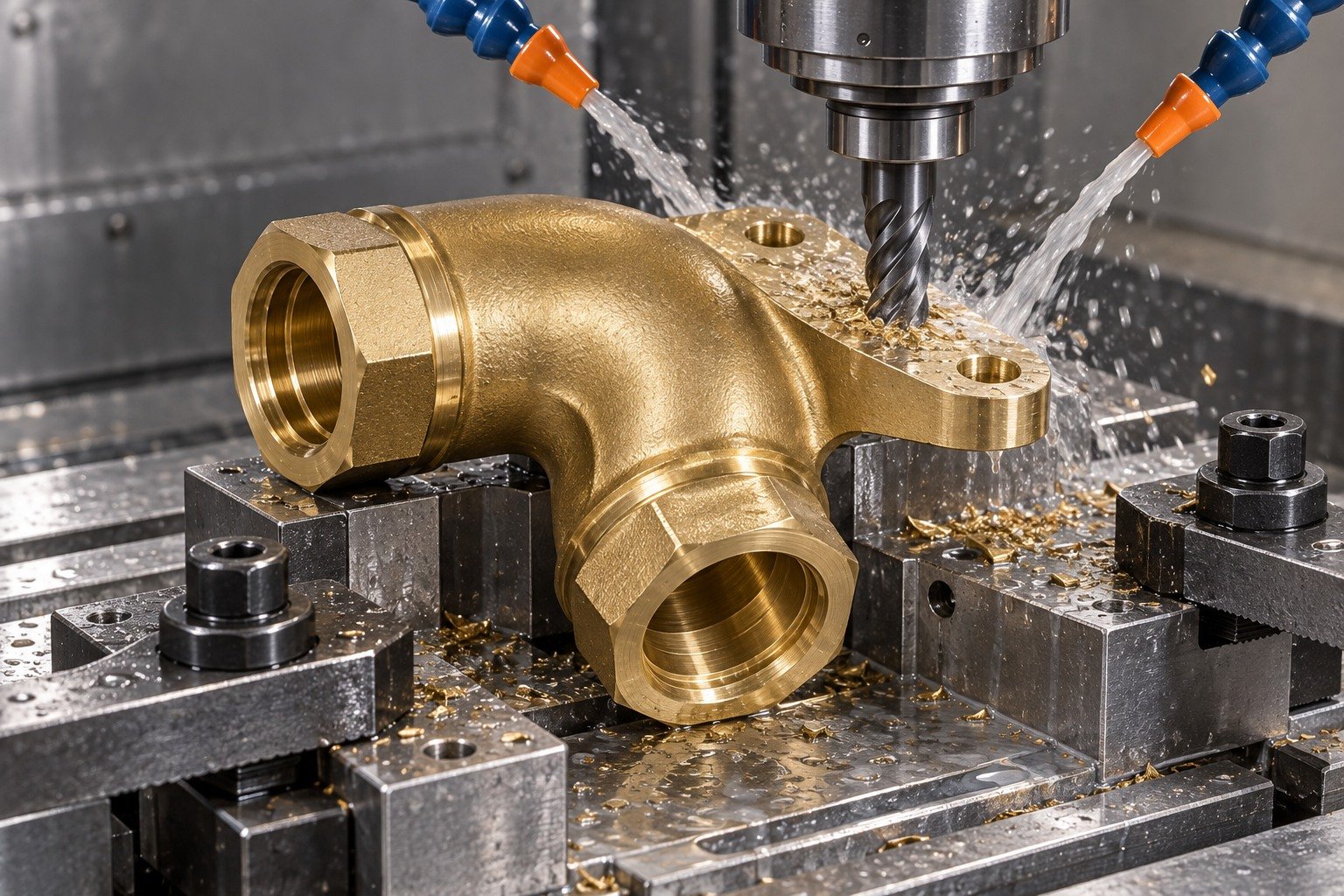
For C377 brass hot forging, agree the near-net elbow shape, parting line and trimming allowance against the final drawing.
| Your decision | What to define |
|---|---|
| Your fit | Port orientation, thread standard, sealing geometry and mounting ear datum. |
| Your route | Stock condition, support and finishing sequence. |
| Your approval | Final geometry, surface and receiving evidence. |
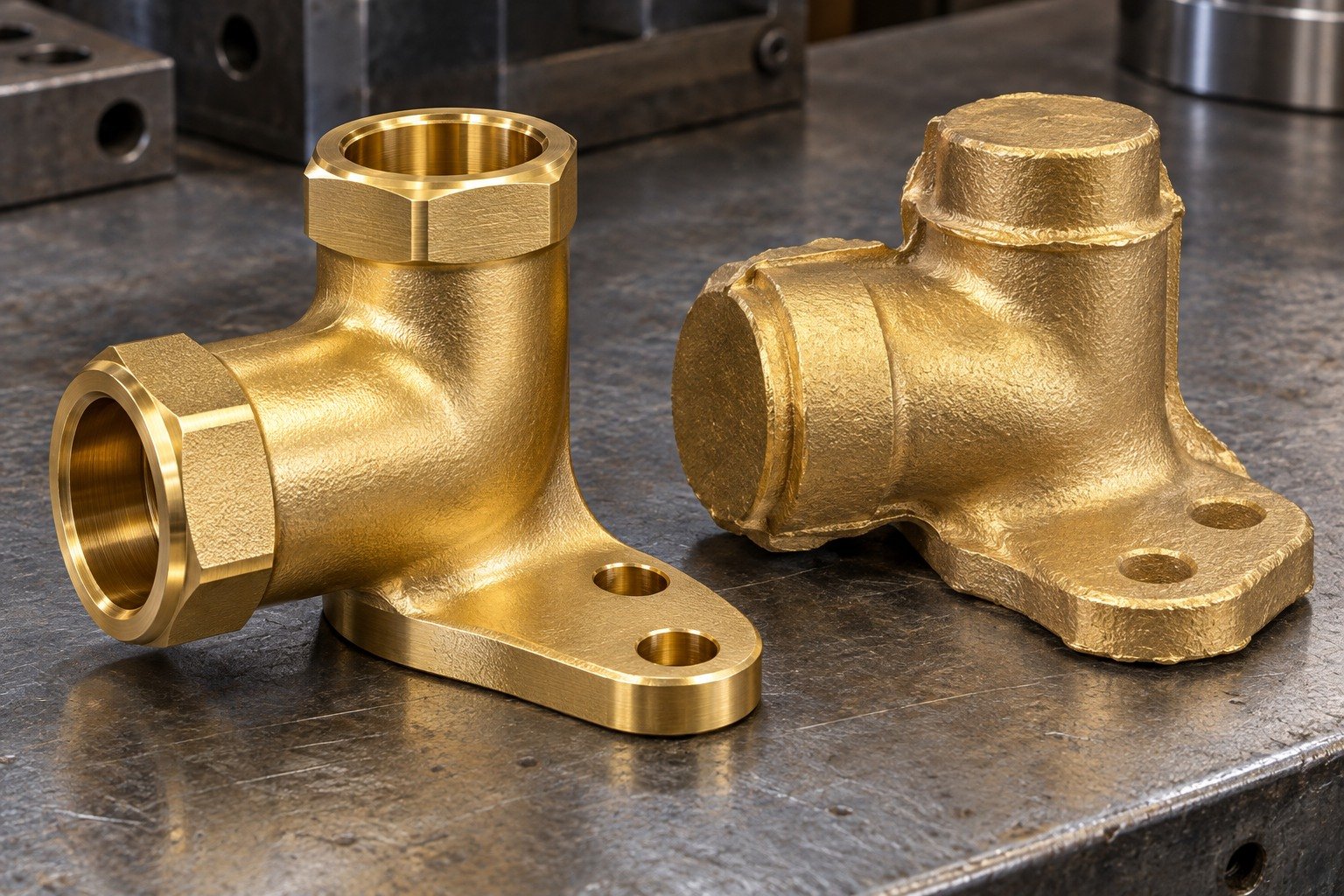
Verify the finished threads, port relationship and sealing lands. Keep thread gauging separate from any required assembly leak test.
| Your decision | What to define |
|---|---|
| Your fit | Port orientation, thread standard, sealing geometry and mounting ear datum. |
| Your route | Stock condition, support and finishing sequence. |
| Your approval | Final geometry, surface and receiving evidence. |

For C377 brass electrical components, define the cover rim, side bosses and mounting feet. Do not infer electrical contact performance from the alloy colour or a machining index.
| Your decision | What to define |
|---|---|
| Your fit | Cover opening, rim plane, boss position and mounting feet. |
| Your route | Stock condition, support and finishing sequence. |
| Your approval | Final geometry, surface and receiving evidence. |
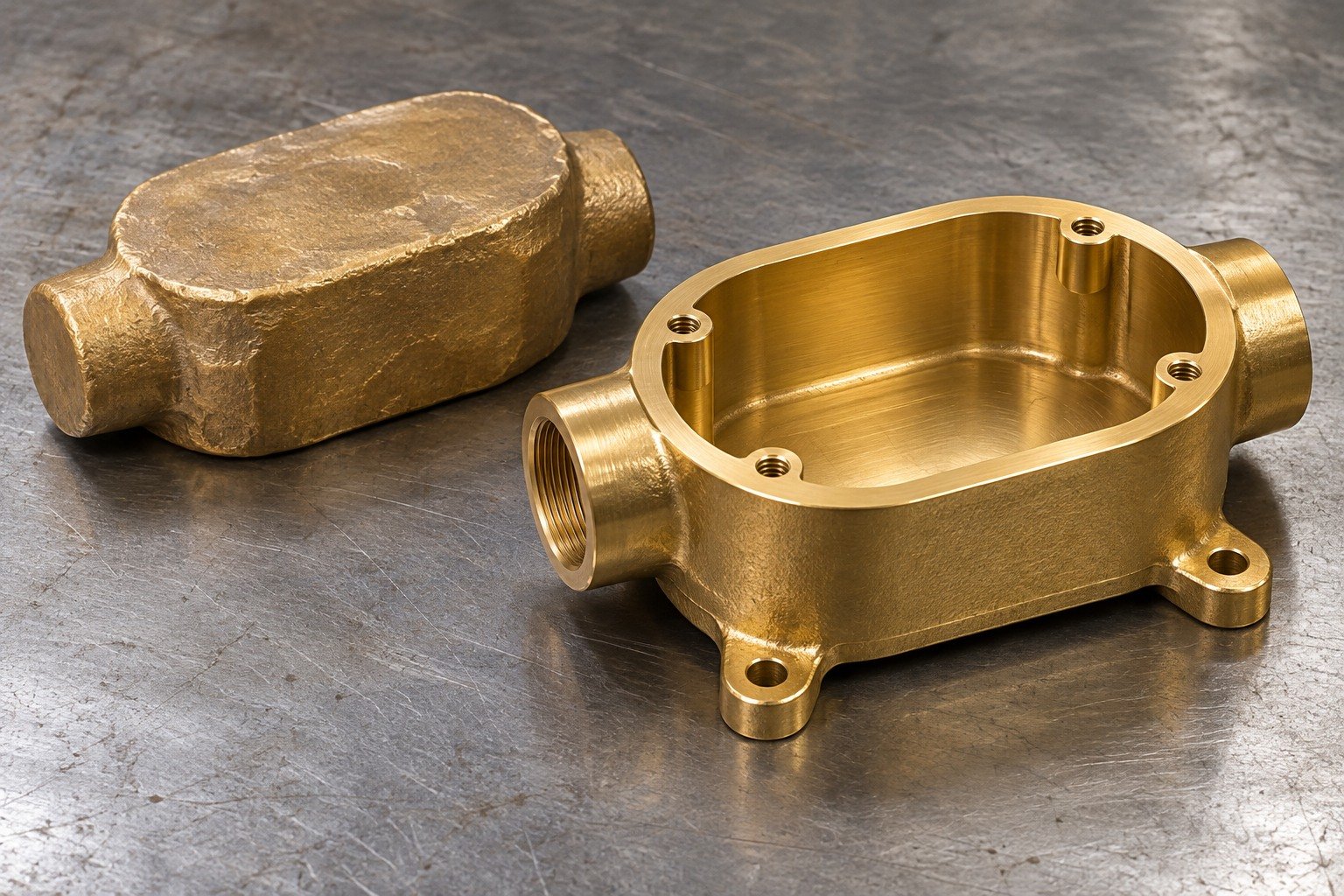
Review supported access around the cover rim and bosses. Keep clamps clear of final mating surfaces.
| Your decision | What to define |
|---|---|
| Your fit | Cover opening, rim plane, boss position and mounting feet. |
| Your route | Stock condition, support and finishing sequence. |
| Your approval | Final geometry, surface and receiving evidence. |

For C377 brass closed die forging, agree the blank envelope, draft and parting-line location before tool release.
| Your decision | What to define |
|---|---|
| Your fit | Cover opening, rim plane, boss position and mounting feet. |
| Your route | Stock condition, support and finishing sequence. |
| Your approval | Final geometry, surface and receiving evidence. |
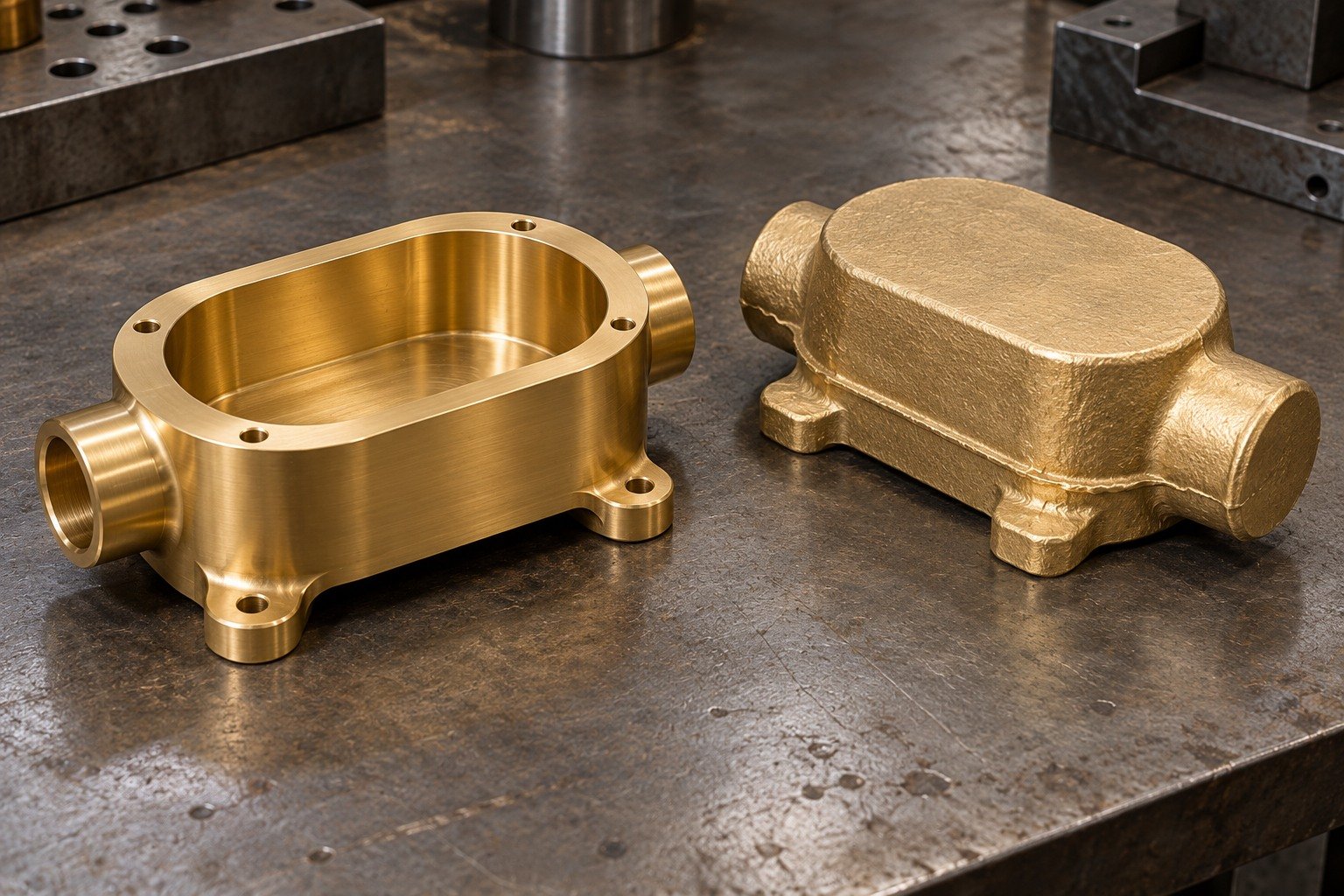
Verify the finished cover and mounting relationships. Electrical or assembly testing requires a separately defined scope.
| Your decision | What to define |
|---|---|
| Your fit | Cover opening, rim plane, boss position and mounting feet. |
| Your route | Stock condition, support and finishing sequence. |
| Your approval | Final geometry, surface and receiving evidence. |
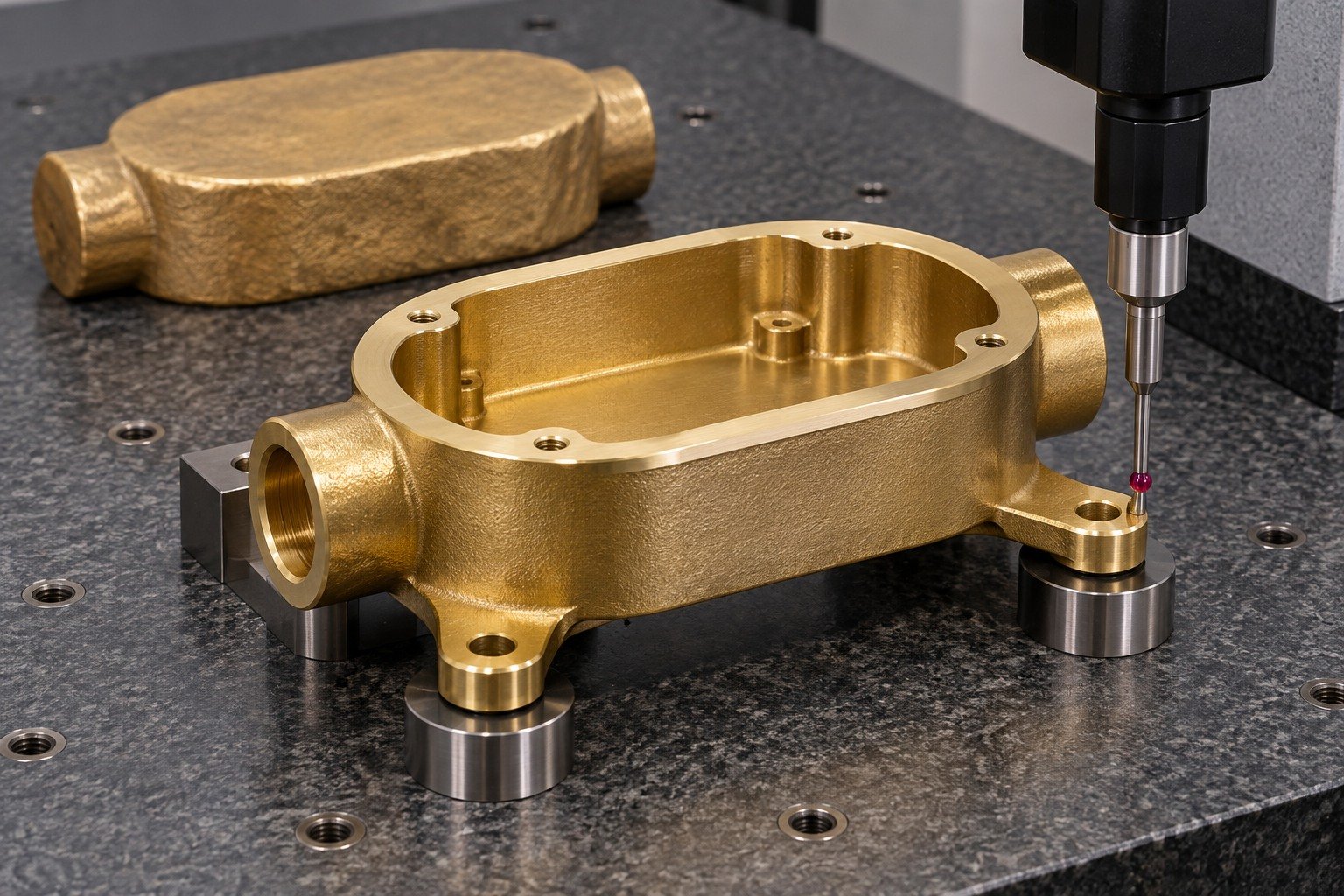
For your C377 brass hydraulic fittings, define the intersecting ports, locating flat and offset mounting foot. Identify pressure-boundary requirements and internal edge access on the controlled drawing.
| Your decision | What to define |
|---|---|
| Your fit | Port intersections, seal seats, mounting datum and required wall geometry. |
| Your route | Stock condition, support and finishing sequence. |
| Your approval | Final geometry, surface and receiving evidence. |
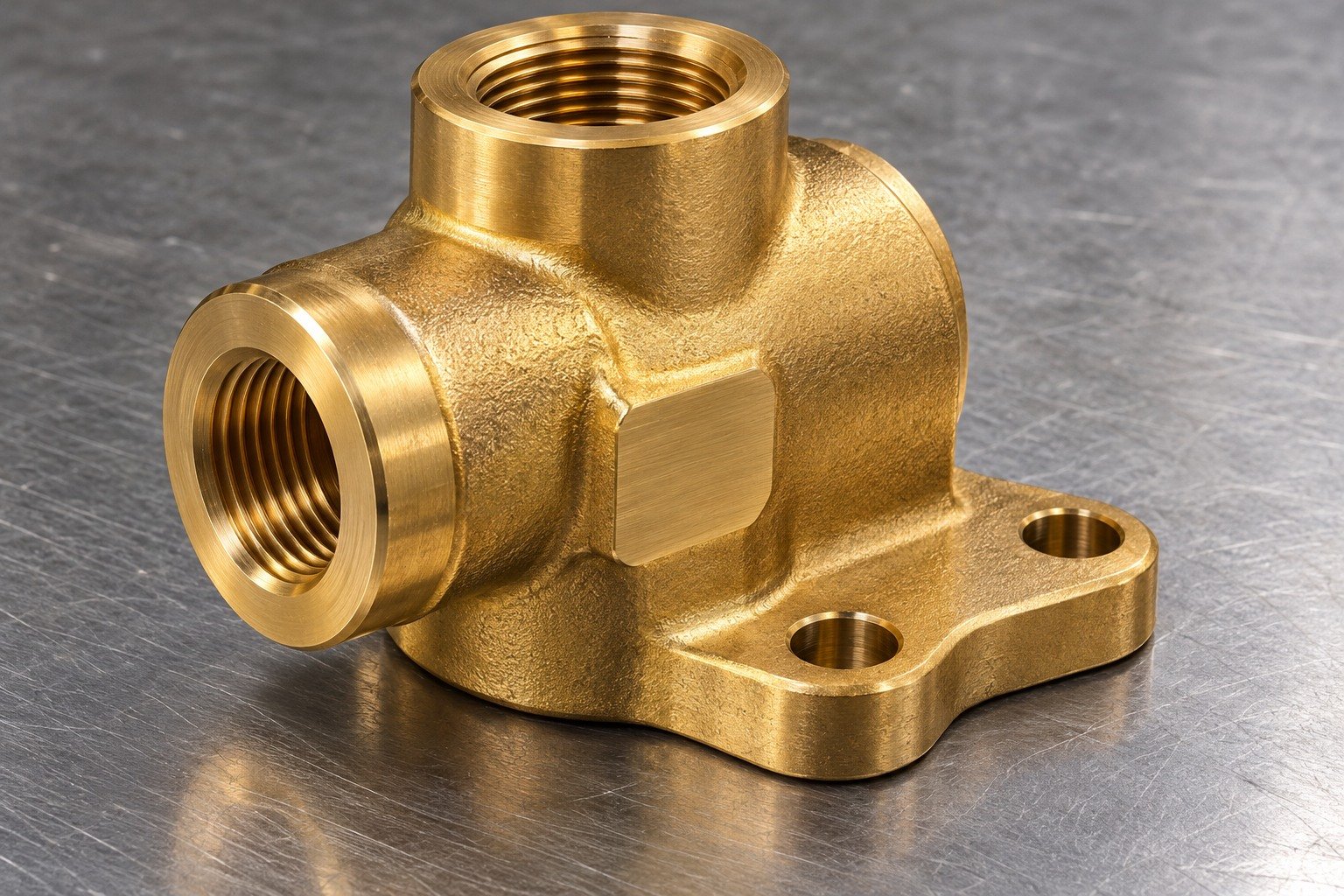
For C377 brass drilling, review supported entry, chip escape and access to intersecting internal edges before completing threads.
| Your decision | What to define |
|---|---|
| Your fit | Port intersections, seal seats, mounting datum and required wall geometry. |
| Your route | Stock condition, support and finishing sequence. |
| Your approval | Final geometry, surface and receiving evidence. |
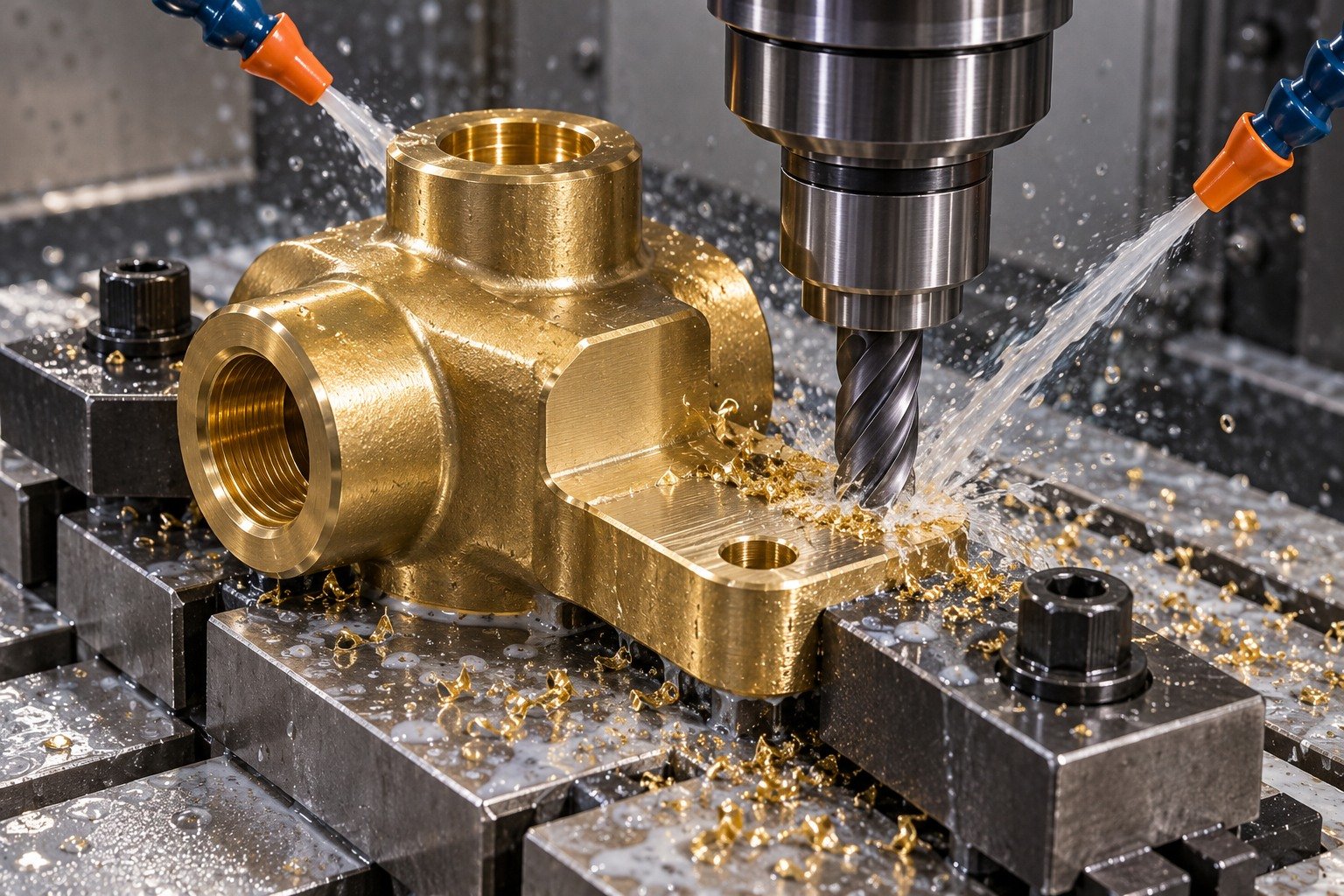
Confirm the accepted forging stock, blank identity and machining allowance. A near-net shape is not proof of pressure integrity.
| Your decision | What to define |
|---|---|
| Your fit | Port intersections, seal seats, mounting datum and required wall geometry. |
| Your route | Stock condition, support and finishing sequence. |
| Your approval | Final geometry, surface and receiving evidence. |
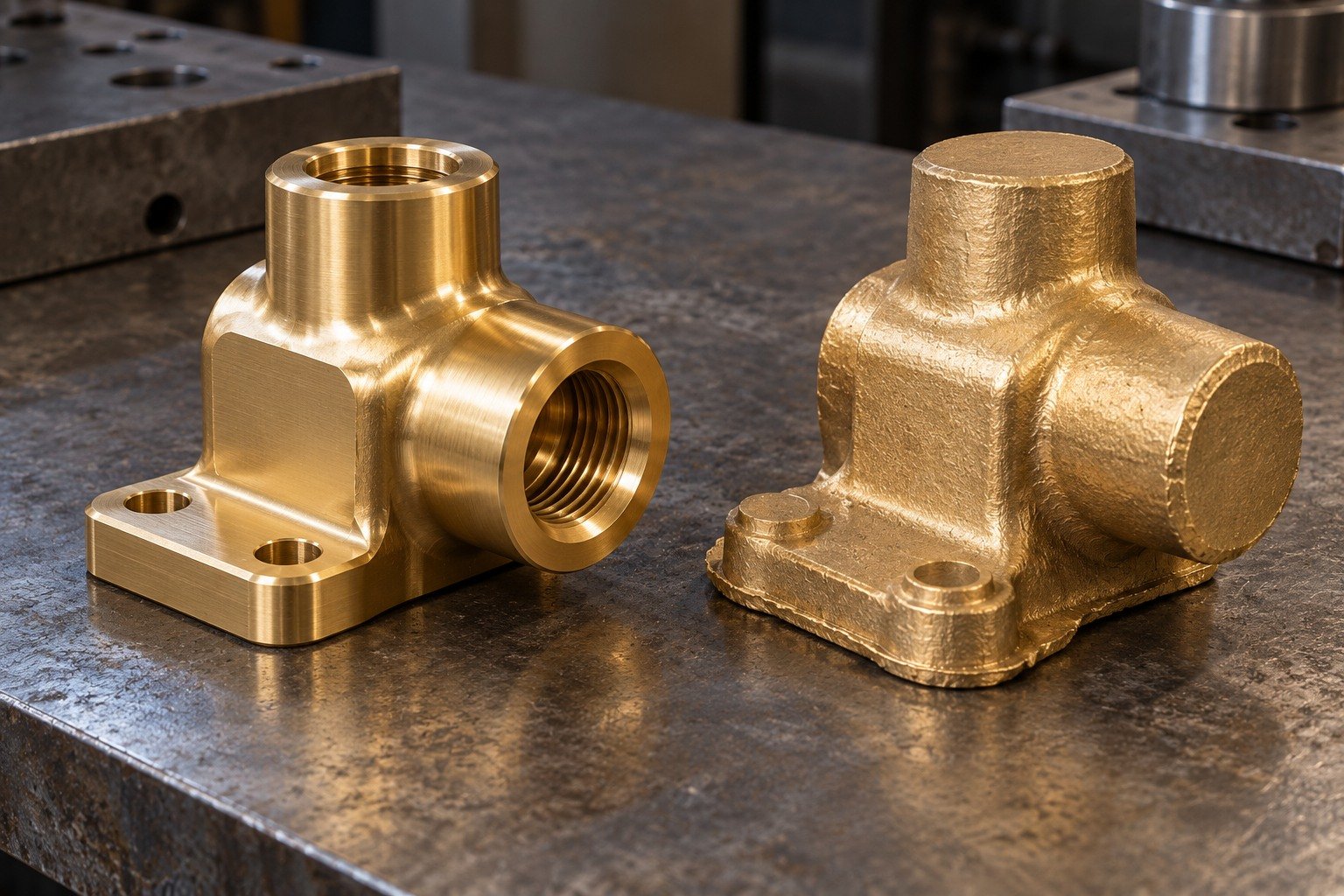
For C377 brass plumbing components, specify the actual application and destination requirements. Confirm final port inspection and any agreed test evidence.
| Your decision | What to define |
|---|---|
| Your fit | Port intersections, seal seats, mounting datum and required wall geometry. |
| Your route | Stock condition, support and finishing sequence. |
| Your approval | Final geometry, surface and receiving evidence. |
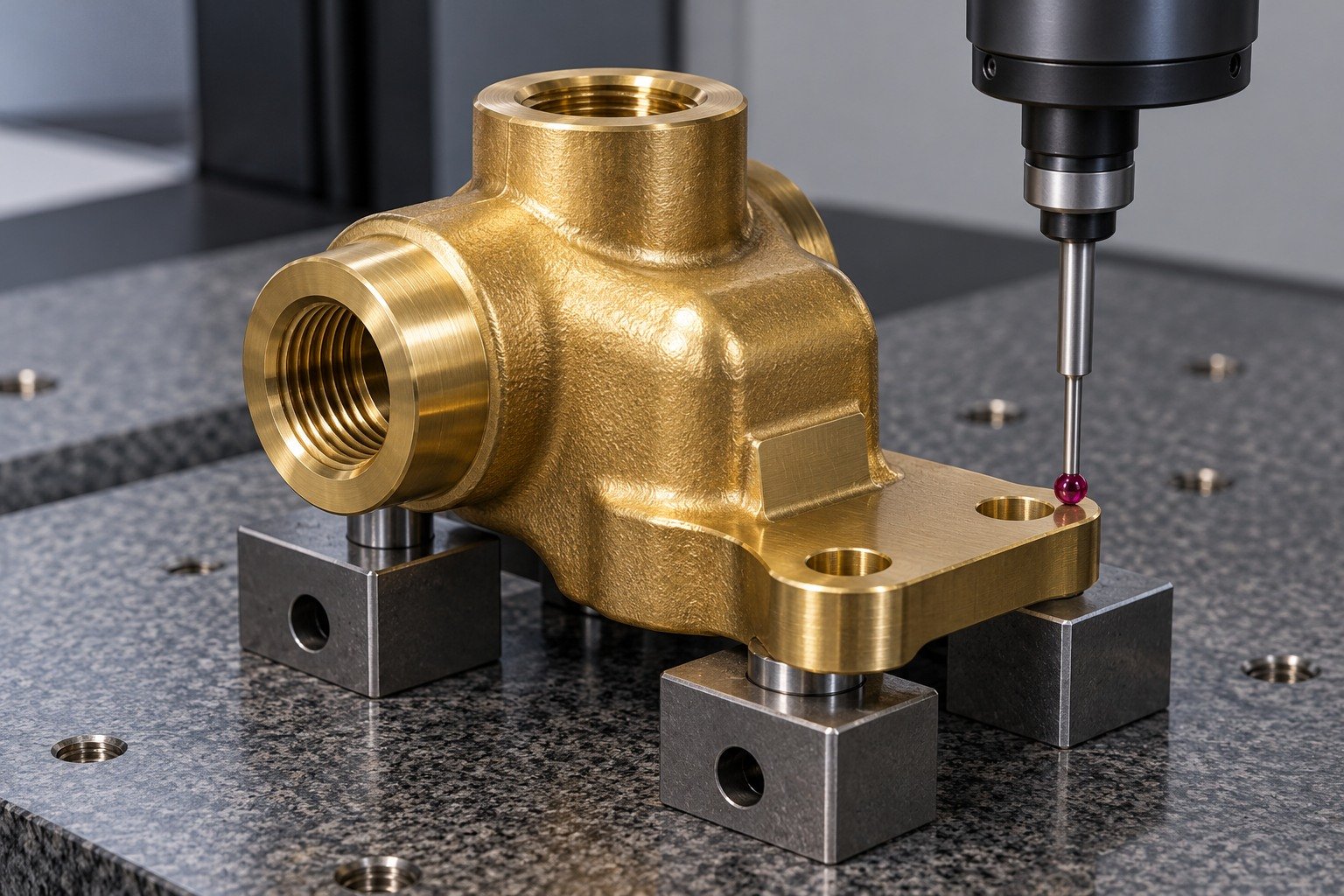
For your C377 brass machining services review, connect forging, trimming, finish machining and inspection in one accepted route. Your quotation confirms the scope and responsibilities.

For C377 brass forging services, review the accepted blank route, die geometry and first-sample scope.
Explore the Process →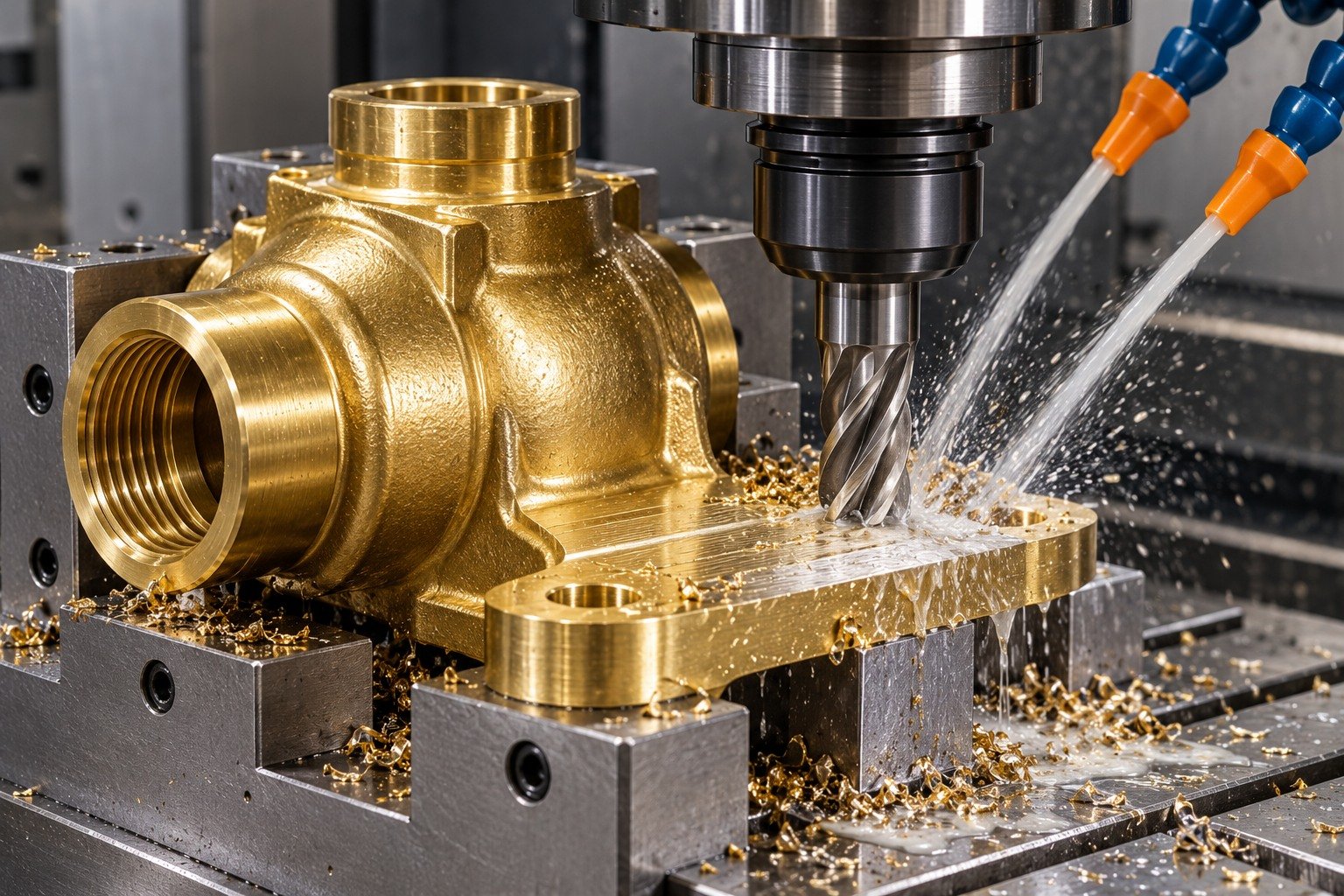
For C377 brass CNC machining, connect forged locating features to final sealing and mounting datums.
Explore the Process →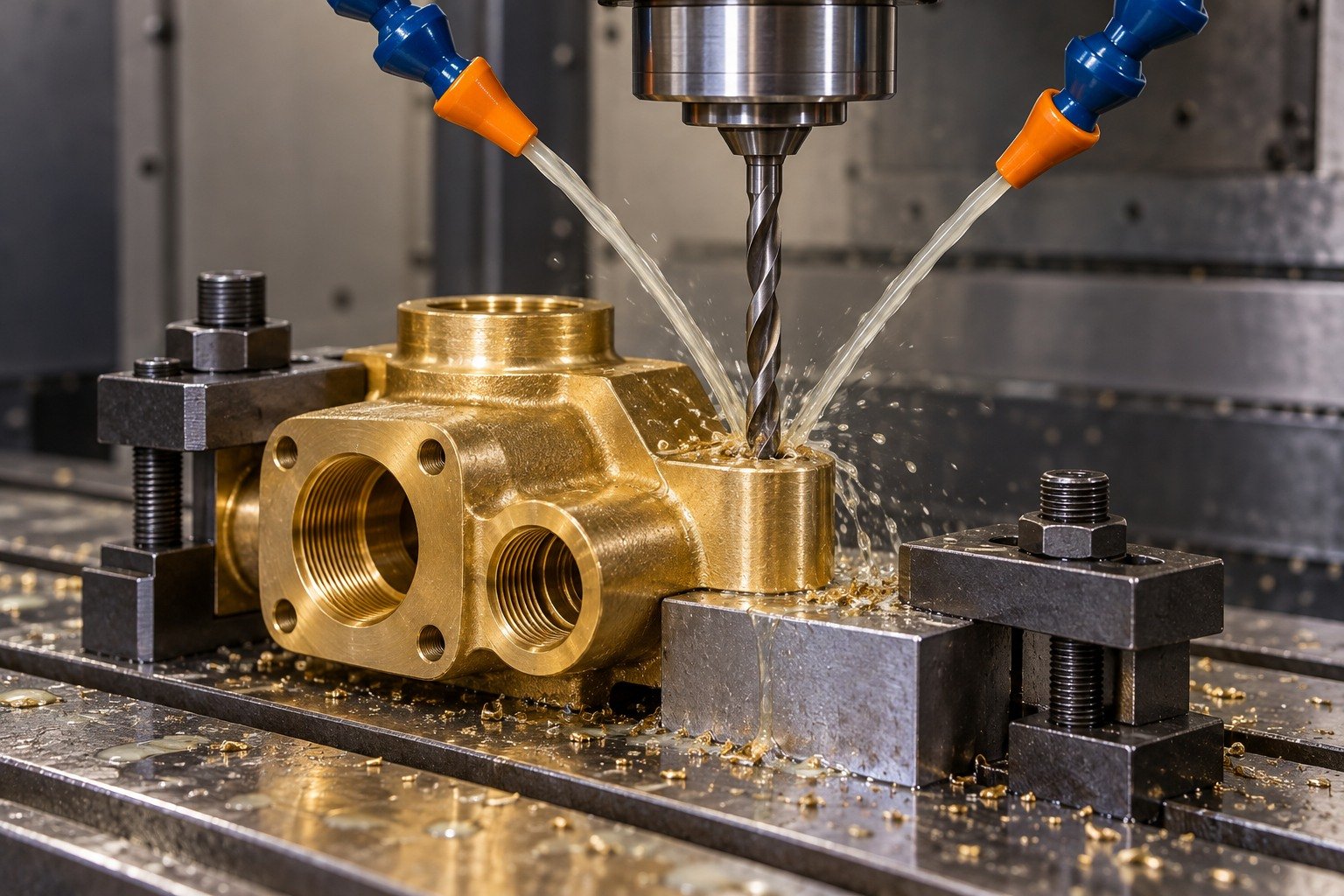
Review drill entry, internal intersections and subsequent thread-gauge access.
Explore the Process →
Verify sealing lands, mounting datums and the agreed receiving evidence.
Explore the Process →Review blank allowance, internal edges, thermal route and sealing acceptance together.
Review the forged envelope, locating pads and machining allowance around every seal and port. For your C377 brass forged parts manufacturer review, compare the same blank revision and final drawing.
Show the working feature and allowed edge condition.
Agree stock, support and final surface.
Inspect the actual finished state.

Define port intersections, thread standard, run-out and accepted internal edges. For C377 brass deburring, agree access and verification before an enclosed passage becomes unreachable.
Show the working feature and allowed edge condition.
Agree stock, support and final surface.
Inspect the actual finished state.

The approved supplier route must control billet condition, heating and final state for the actual geometry. Do not apply a generic temperature as a qualified recipe or assume heating preserves final dimensions.
Show the working feature and allowed edge condition.
Agree stock, support and final surface.
Inspect the actual finished state.
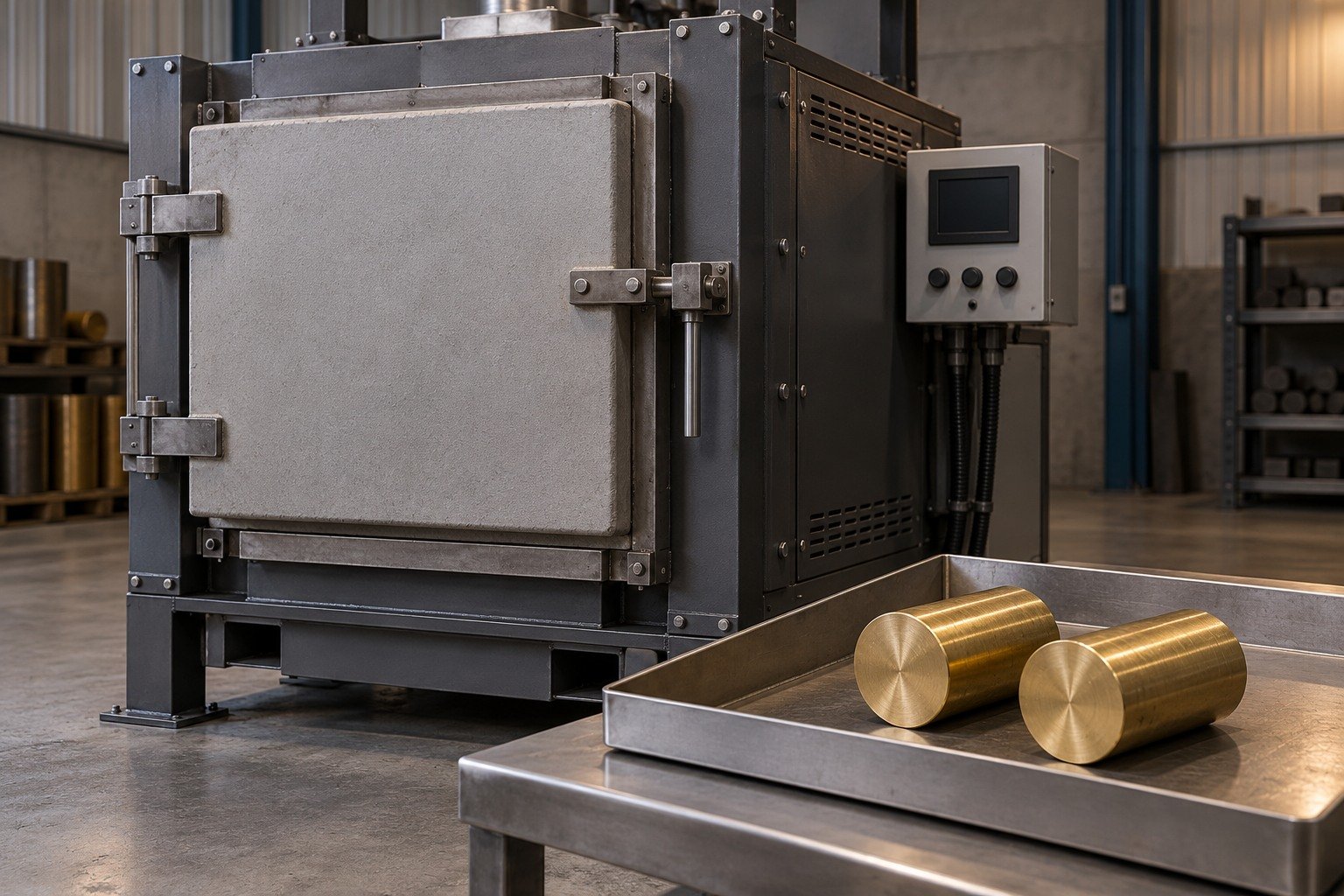
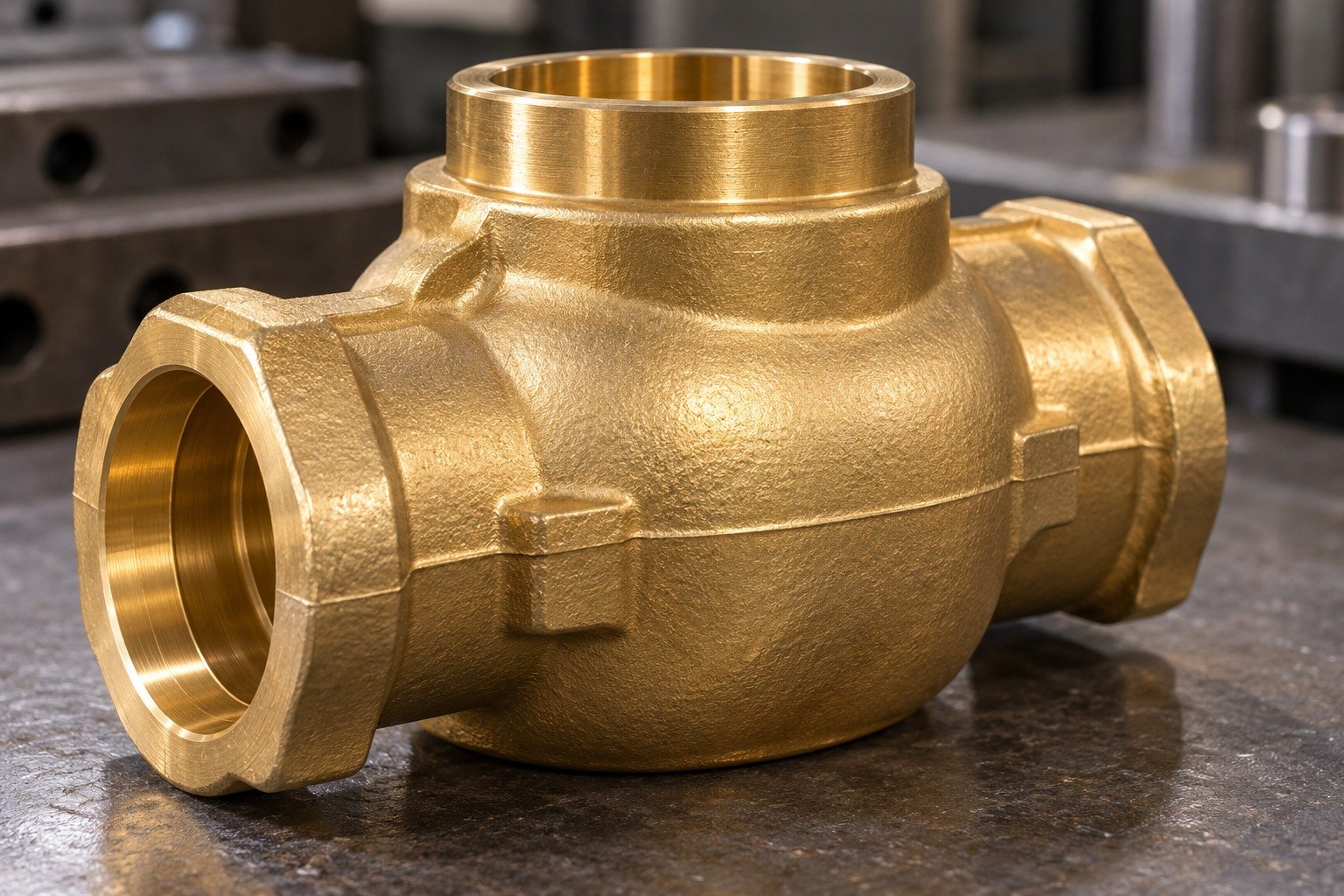
Review parting lines, trimming witness, folds, cracks and accessible surfaces against an agreed first sample. Forging alone does not prove a leak-free pressure boundary.
Show the working feature and allowed edge condition.
Agree stock, support and final surface.
Inspect the actual finished state.
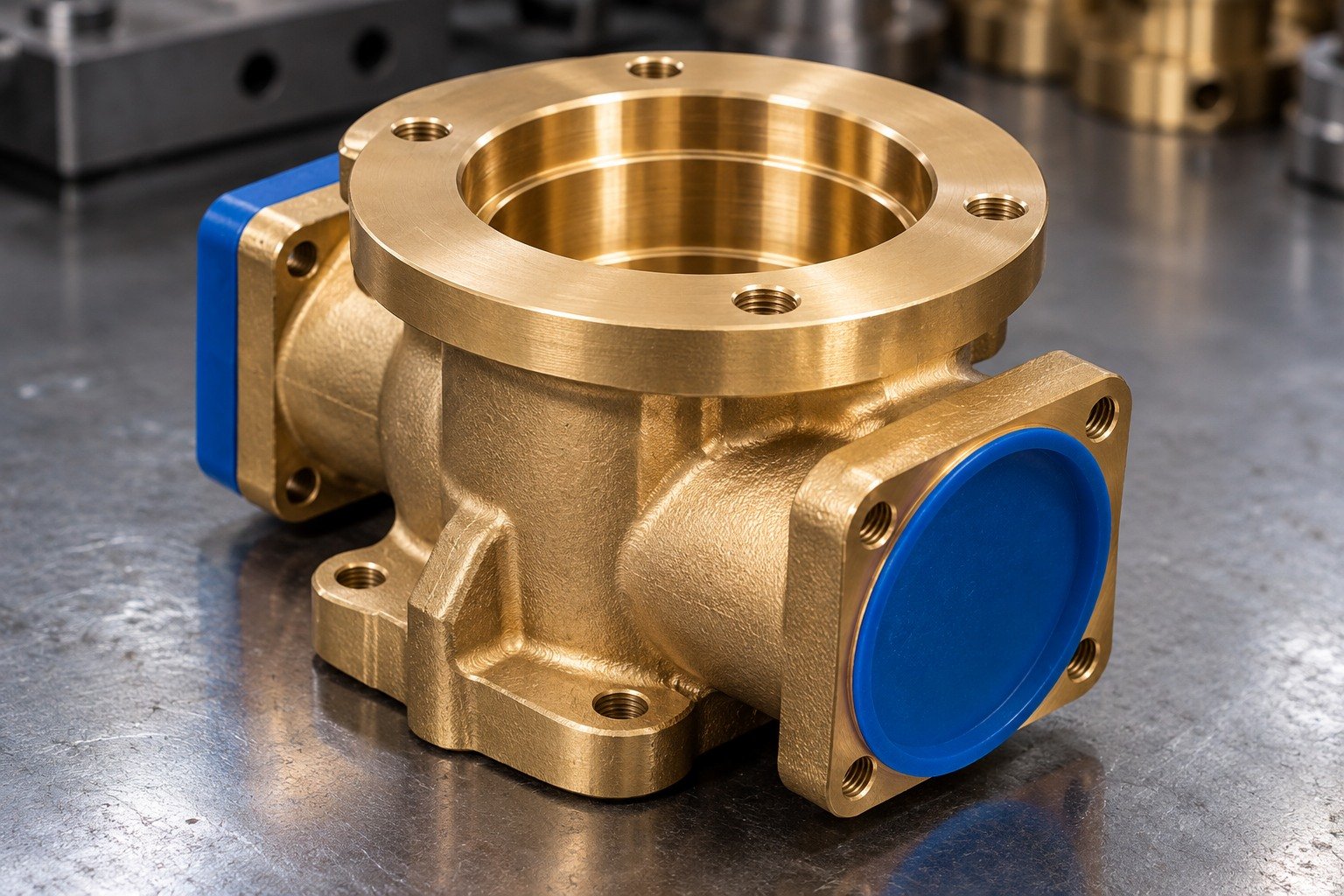
Show roughness, edge condition, cleaning and permissible tool marks on the functional sealing land. Review any surface treatment against final fit and service.
Show the working feature and allowed edge condition.
Agree stock, support and final surface.
Inspect the actual finished state.
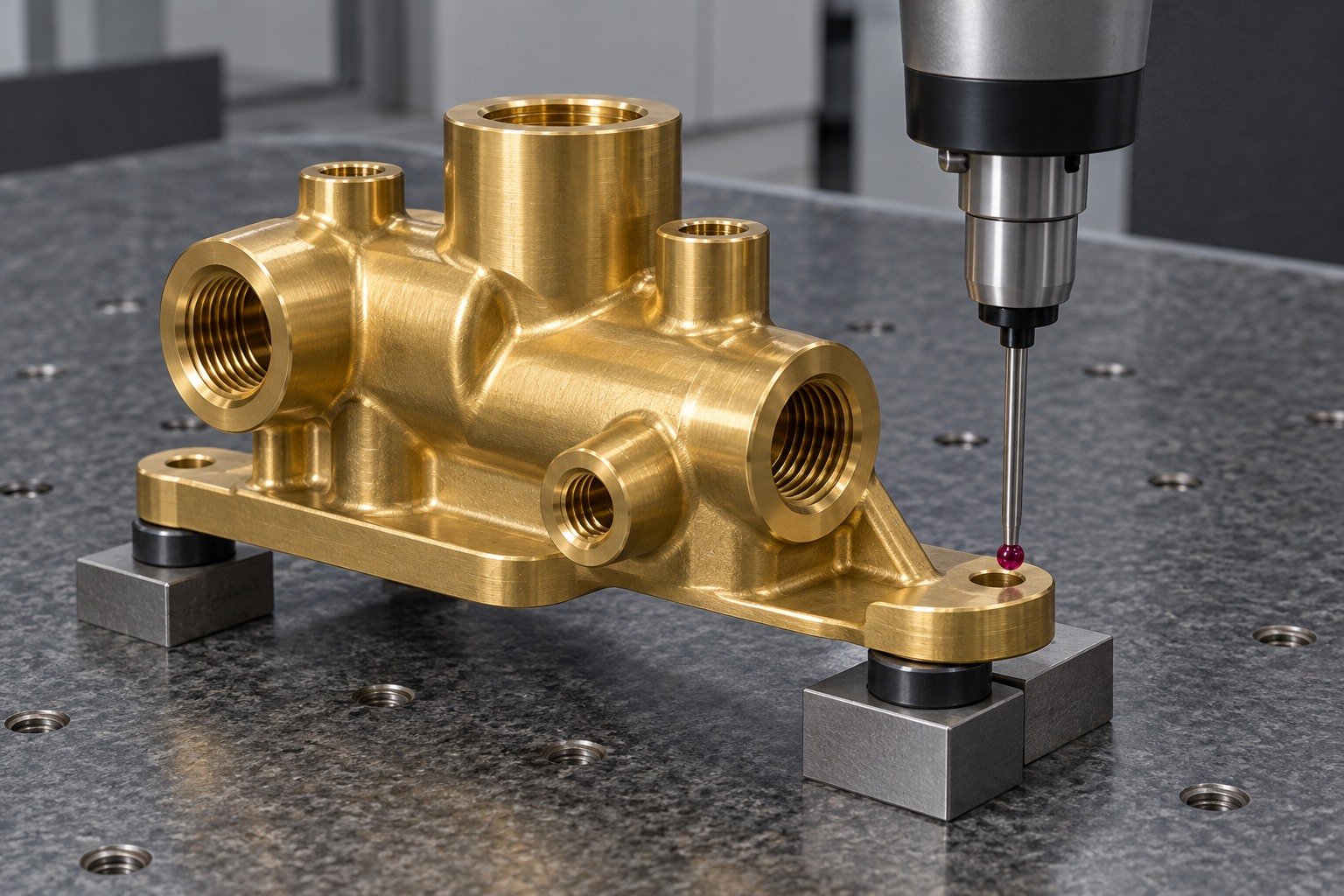
Link critical features to final datums and accessible measurement. Separate forged-blank variation from finish-machined acceptance; no single tolerance applies to every feature.
Show the working feature and allowed edge condition.
Agree stock, support and final surface.
Inspect the actual finished state.
| Comparison | Your approval input |
|---|---|
| C377 vs C360 brass | Compare forging route, chip machining, chemistry and the final application. |
| C377 vs C260 brass | Keep hot-forged components distinct from thin cold-formed sheet parts. |
| CW617N / CuZn40Pb2 | Supplier cross-reference only: compare full chemistry, product standard and condition. |
A common name or cross-reference does not approve substitution. Obtain drawing-authority approval before changing stock.
Compare Copper, Brass & Bronze →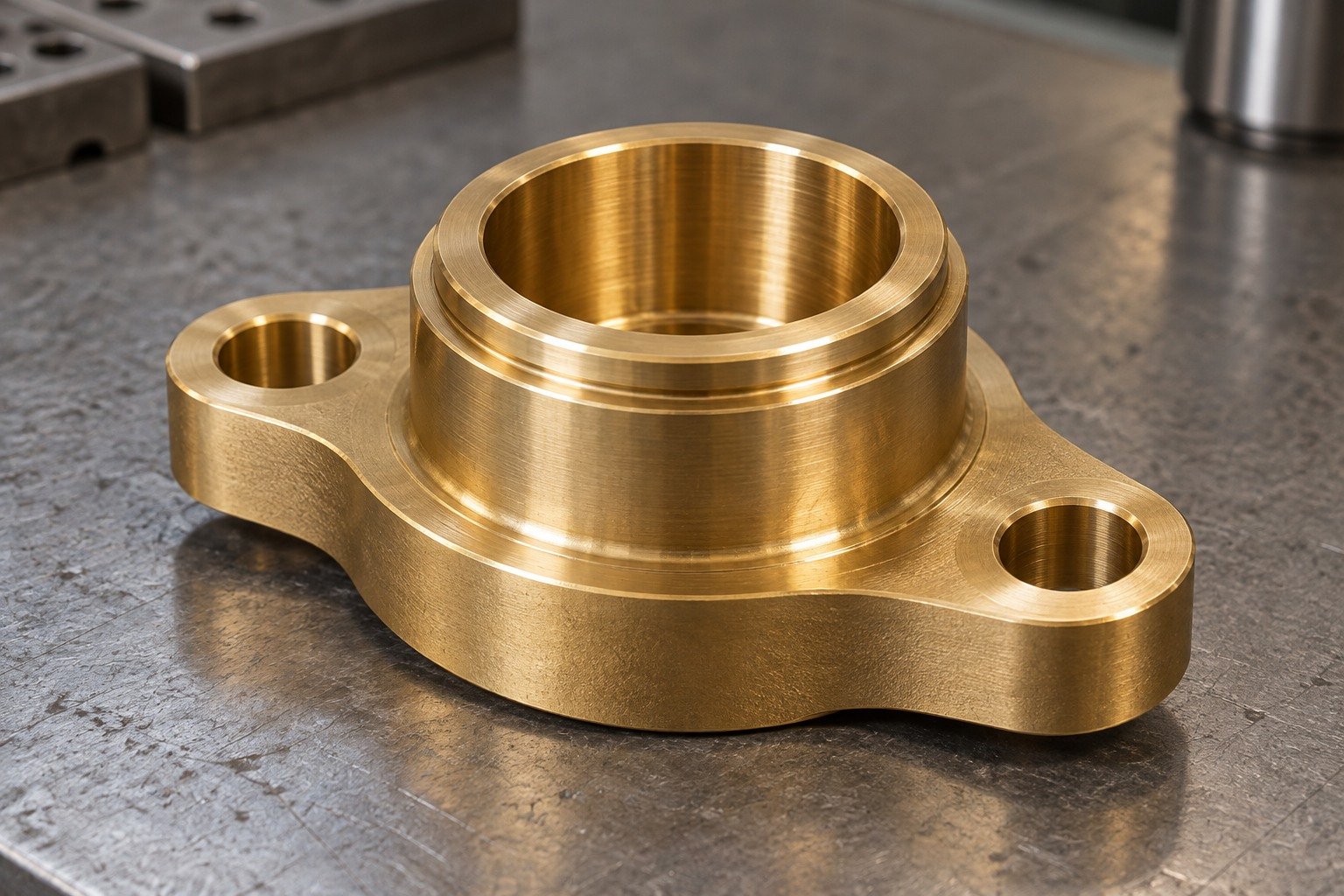

Illustrative appearances. Define working seal lands, cleaning, masking and delivery protection. Any plating or coating requires a suitability and final-fit review.
Surface Finishing →Grade, product form, temper and lot.
Port features and accepted edges.
Final fit, surface and records.
For your C377 brass material certificate, agree the exact product specification, lot identity, supplied state and document type before purchase.
Sampling and evidence scope are agreed with your quote.
Quality Assurance →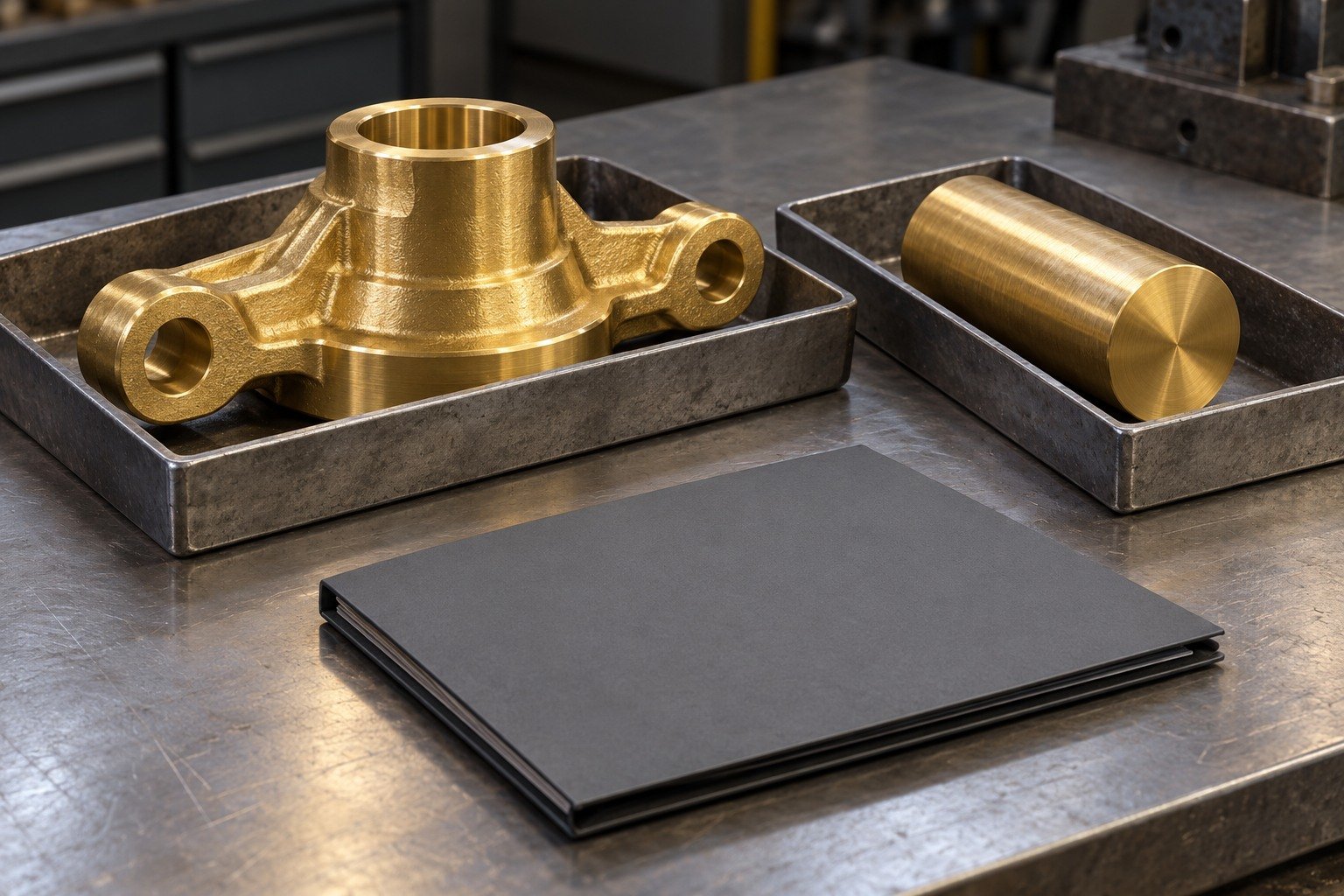
Verify the first complete forged-and-machined sample against port axes, sealing lands and accepted edges. Confirm whether the trial route represents the repeat-production route.
Sampling and evidence scope are agreed with your quote.
Quality Assurance →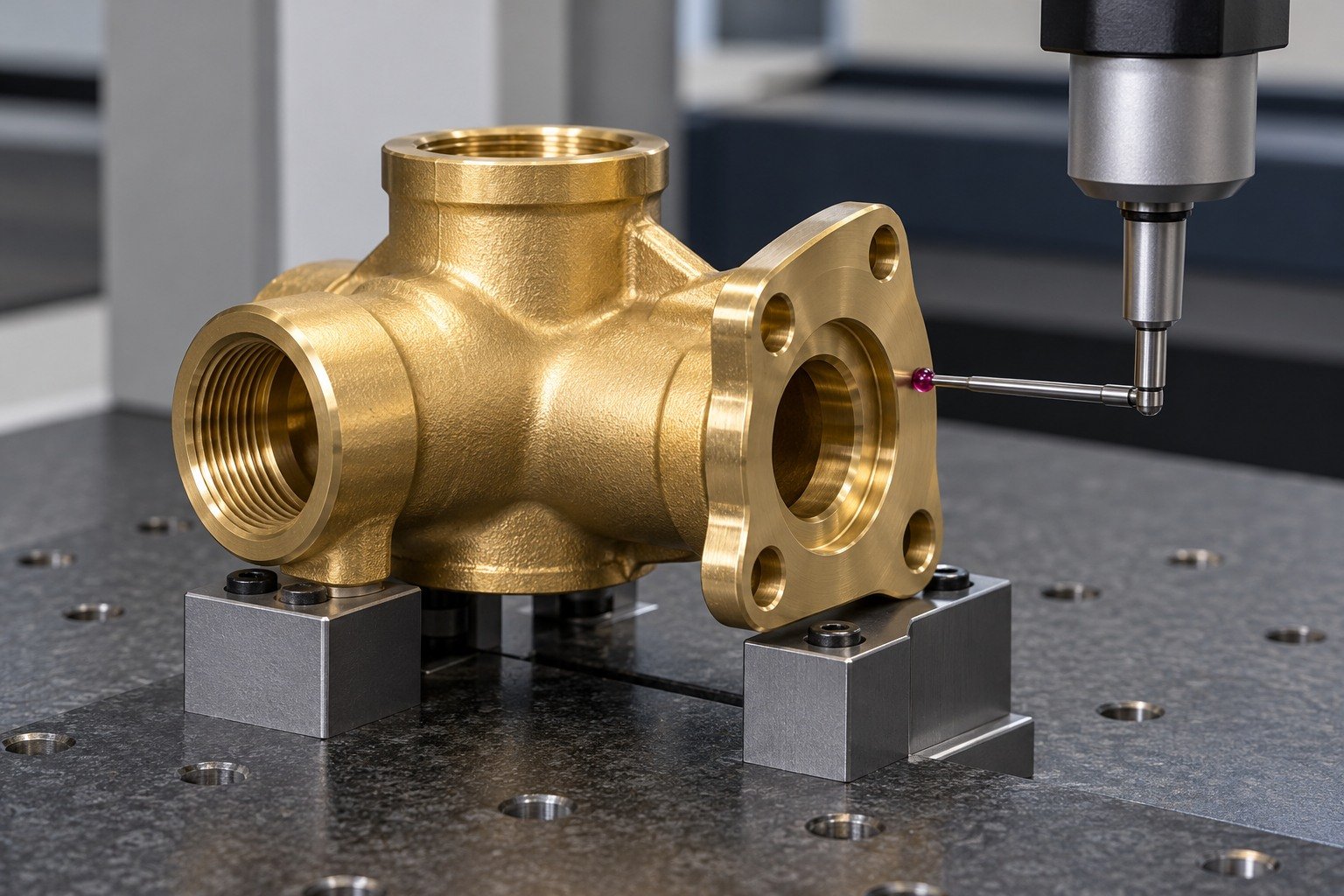
For C377 brass pressure testing, agree whether testing is required, the pressure, medium, duration, acceptance and report scope. Dimensional inspection does not establish leak tightness; the quotation confirms accepted testing responsibility.
Sampling and evidence scope are agreed with your quote.
Quality Assurance →
Agree separate protection, lot identification and receiving records. Prevent part-on-part damage to finished threads and exposed sealing faces.
Sampling and evidence scope are agreed with your quote.
Quality Assurance →

Connect China manufacturing with Dallas-area coordination for drawing review, sample decisions and delivery requirements.
A reviewed near-net blank can place material around the required ports and mounting features before final cutting. Compare the tooling, allowance, quantities and final drawing; no universal material-saving or cost percentage is promised.
The selected CDA C37700 reference contains 1.5–2.5% lead. Do not describe this grade as lead-free or infer compliance from its common name. Define the application and required evidence before ordering.
Grade alone does not establish potable-water suitability or product certification. Identify destination, wetted location, complete product and required approvals; review the actual permitted material and product evidence before accepting the application.
Compare chemistry, stock form, forging route, final features and service requirements. A relative machinability rating does not approve substitution or predict the quoted cycle time.
Do not assume the same route. C377 is a forging-brass reference; C260 is commonly reviewed for cold-formed sheet components. Confirm full specification and finished function with the drawing authority.
Your C377 brass forging quote depends on die and setup scope, usable blank, machining allowance, ports, sealing faces, sample and repeat quantities, finish and receiving evidence. Compare the same final drawing and accepted route.
Identify the controlled final drawing, blank requirement, lot traceability, material documents and first-sample acceptance. Any pressure testing or other application-specific verification needs its own agreed procedure and report scope.
It supports a supplier process review, not a qualified recipe for every part. Agree the actual billet, geometry, heating route and final acceptance with the responsible supplier before production.