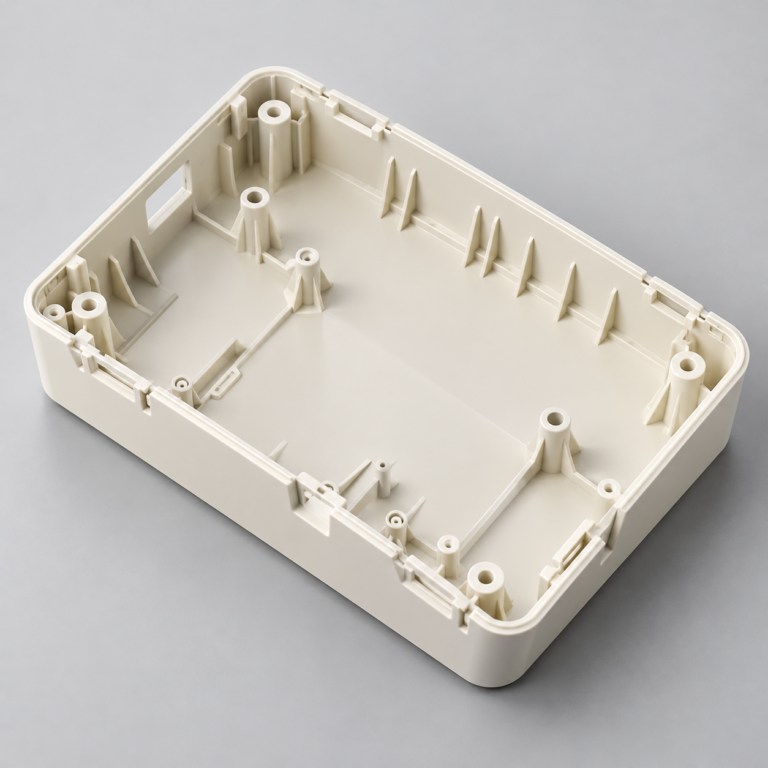
Injection Molding
Tooling and molding for your repeat plastic parts.
From prototype to production, coordinated manufacturing solutions for your custom parts.
View All Services →
Precision parts for your tight tolerances and complex geometry.
Tooling and molding for your repeat plastic parts.
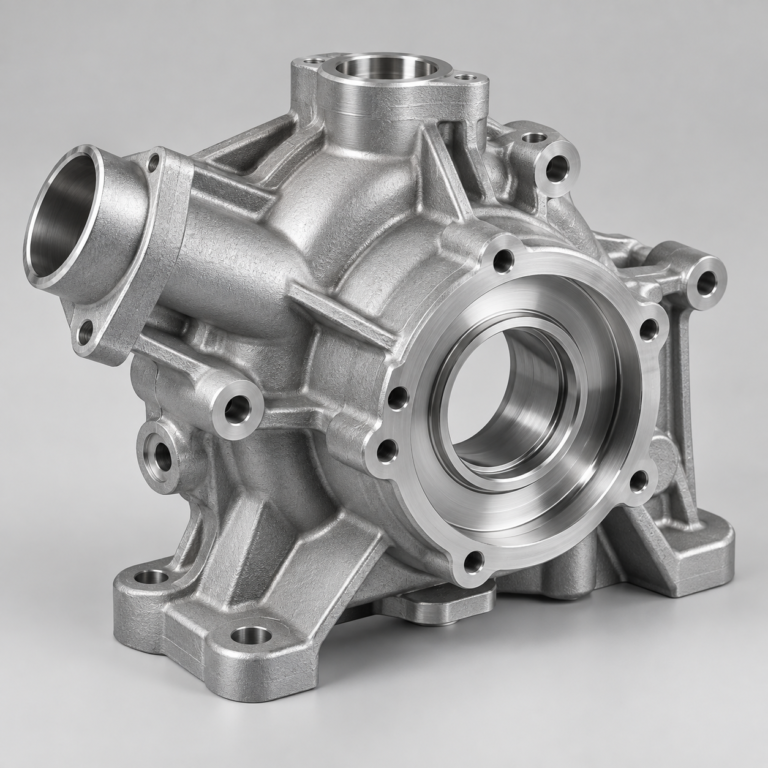
Metal casting options for your part and production volume.
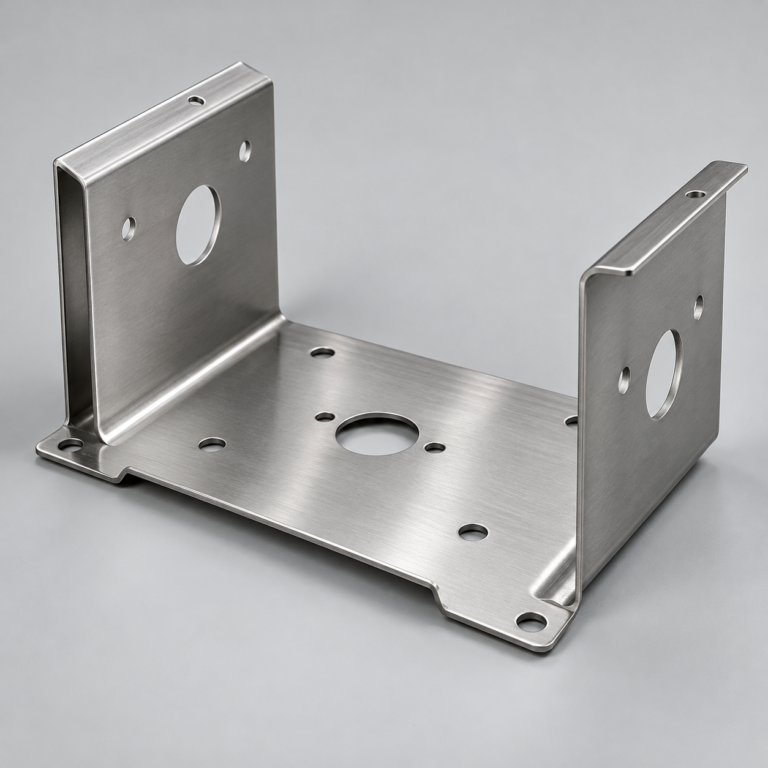
Cutting, forming and welding for your fabricated parts.
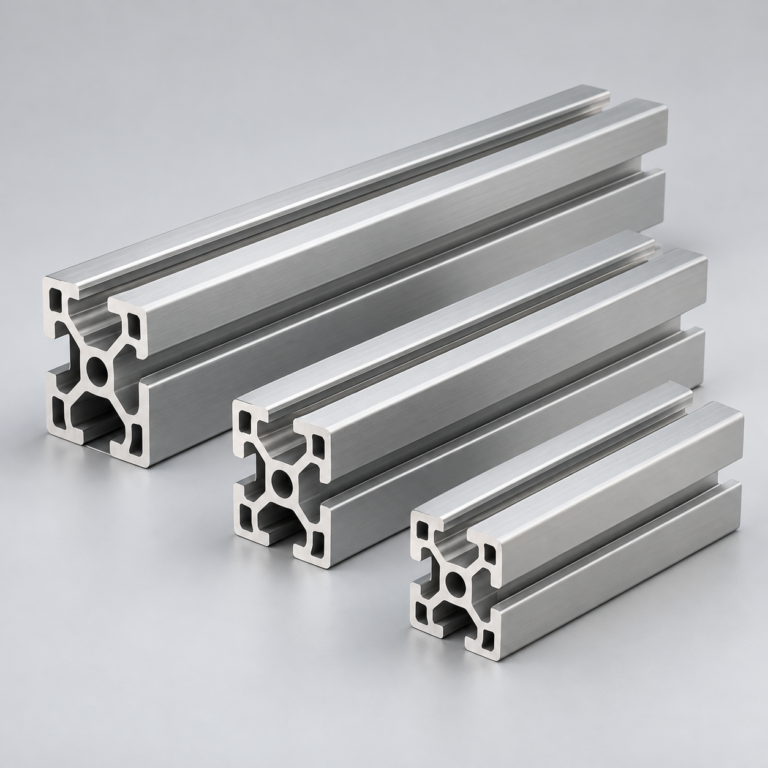
Custom profiles for your section, length and finish requirements.
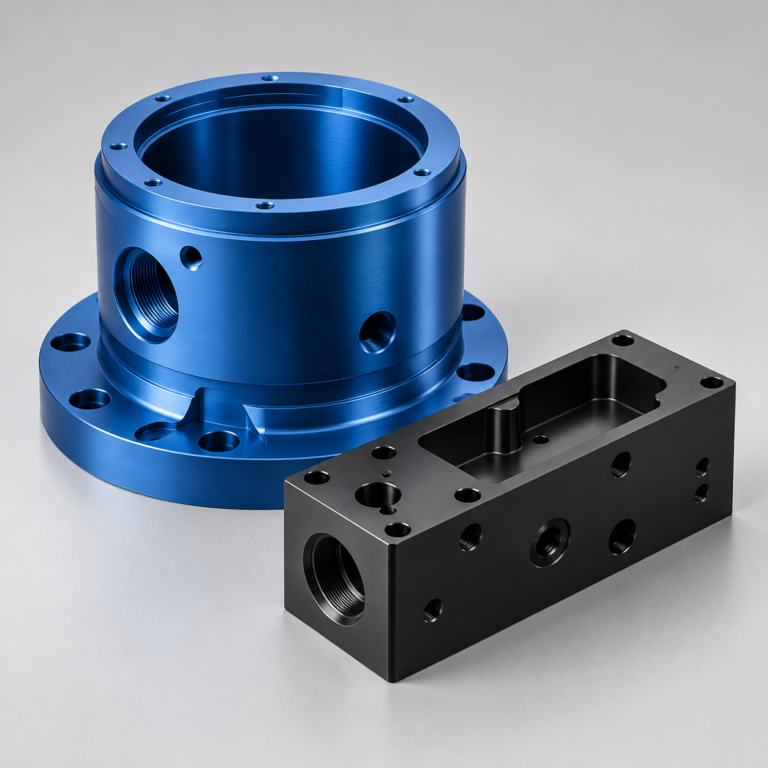
Finishes for your appearance, corrosion and wear requirements.
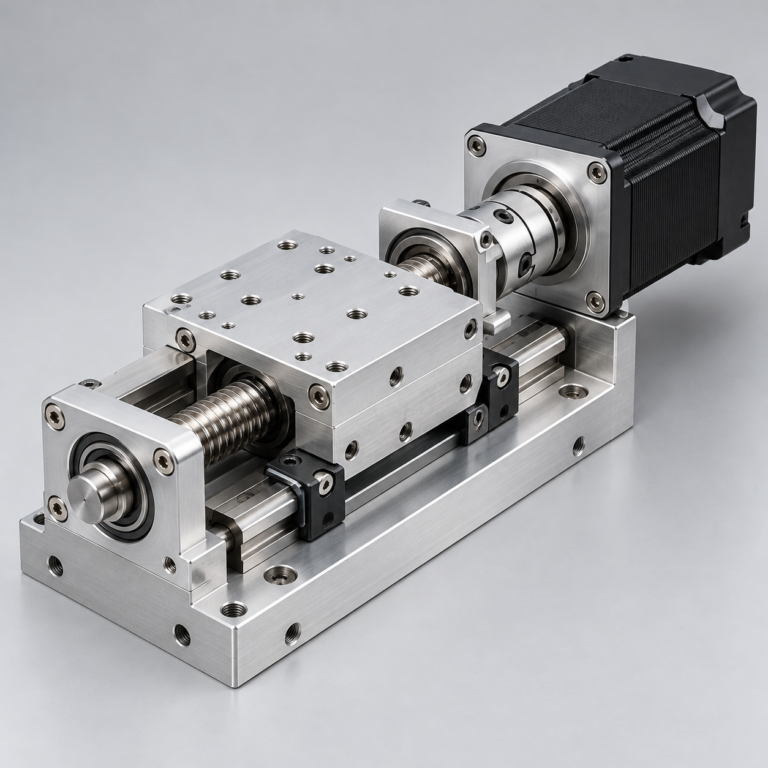
Sub-assemblies and final builds for your production program.
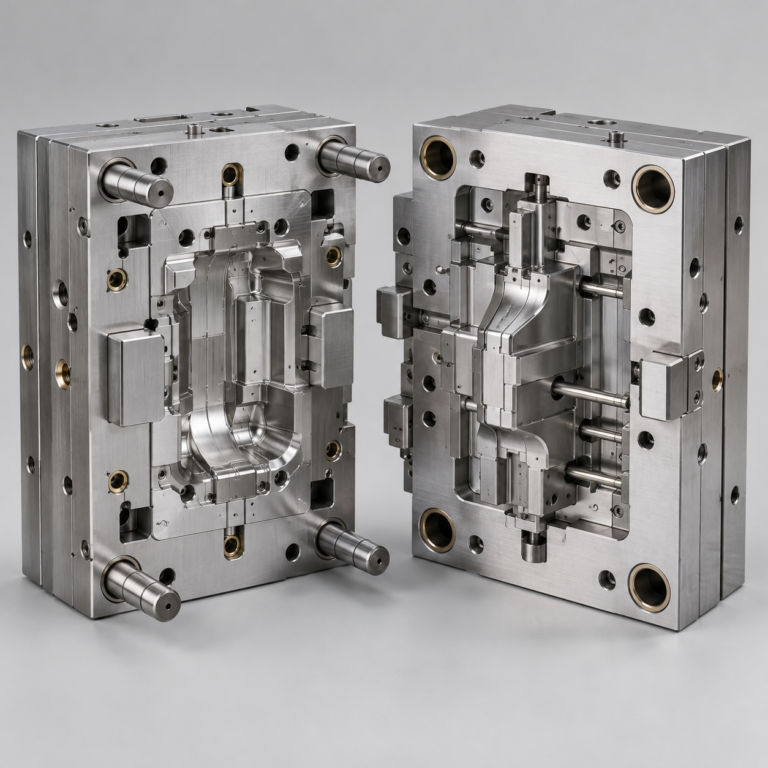
Production tooling built around your process and volume.
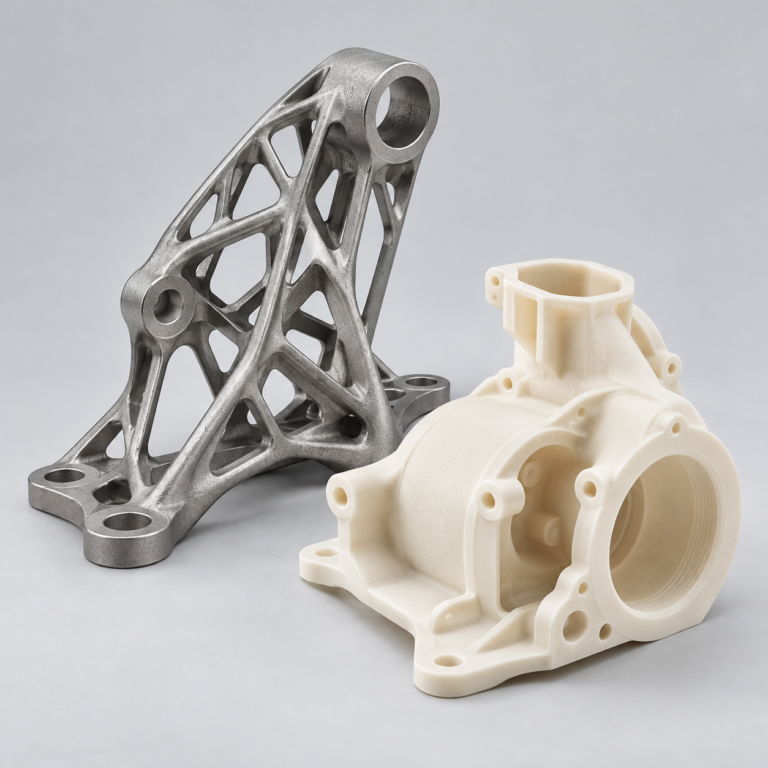
Prototype parts to check fit, function and design.
DFM, process planning and production support for your project.
Inspection, documentation, inventory and delivery planning for your program.
Choose air- or liquid-cooling components around your thermal and mechanical requirements.
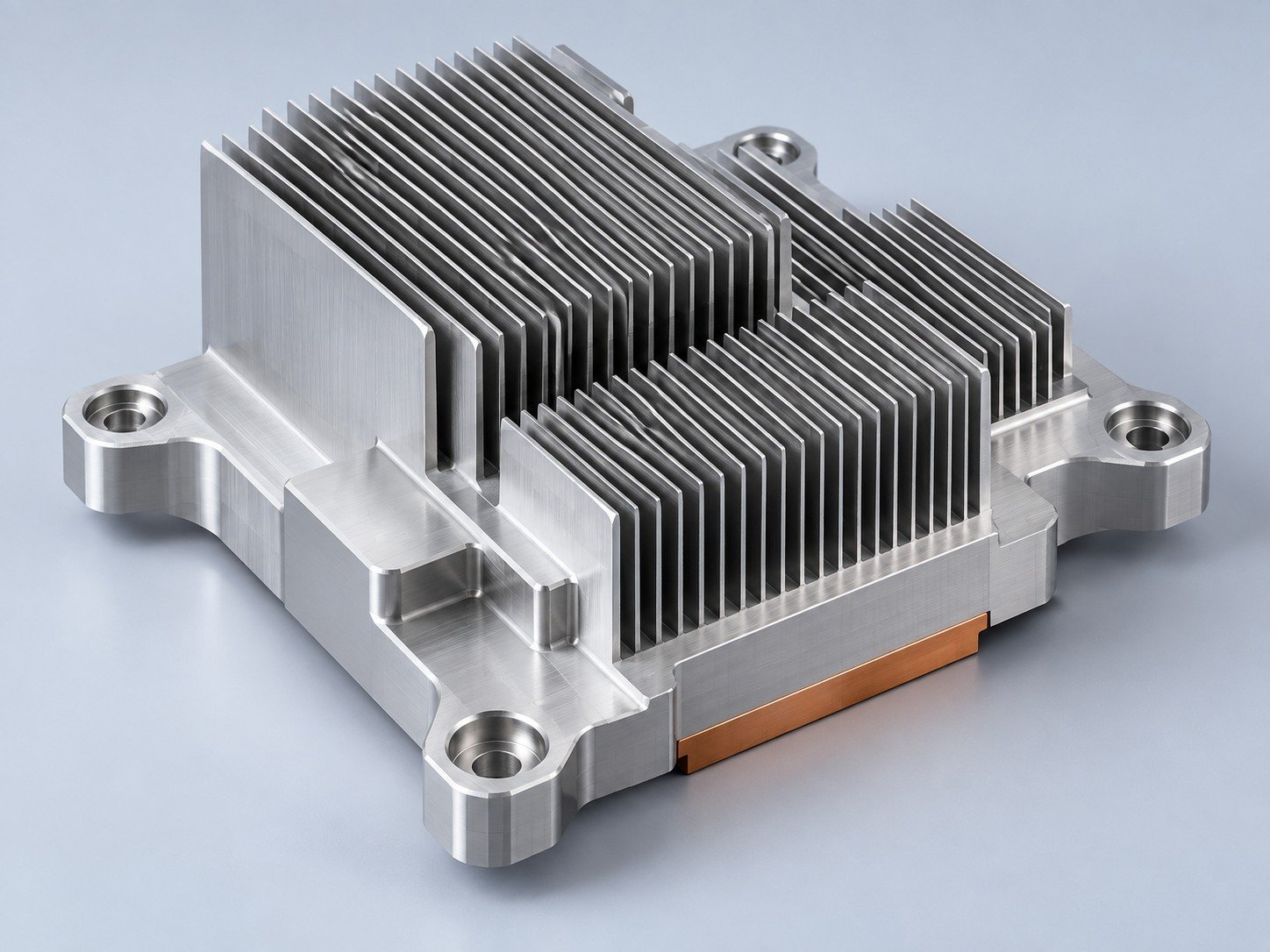
Manufacturing support for your cold plates, manifolds and cooling assemblies.
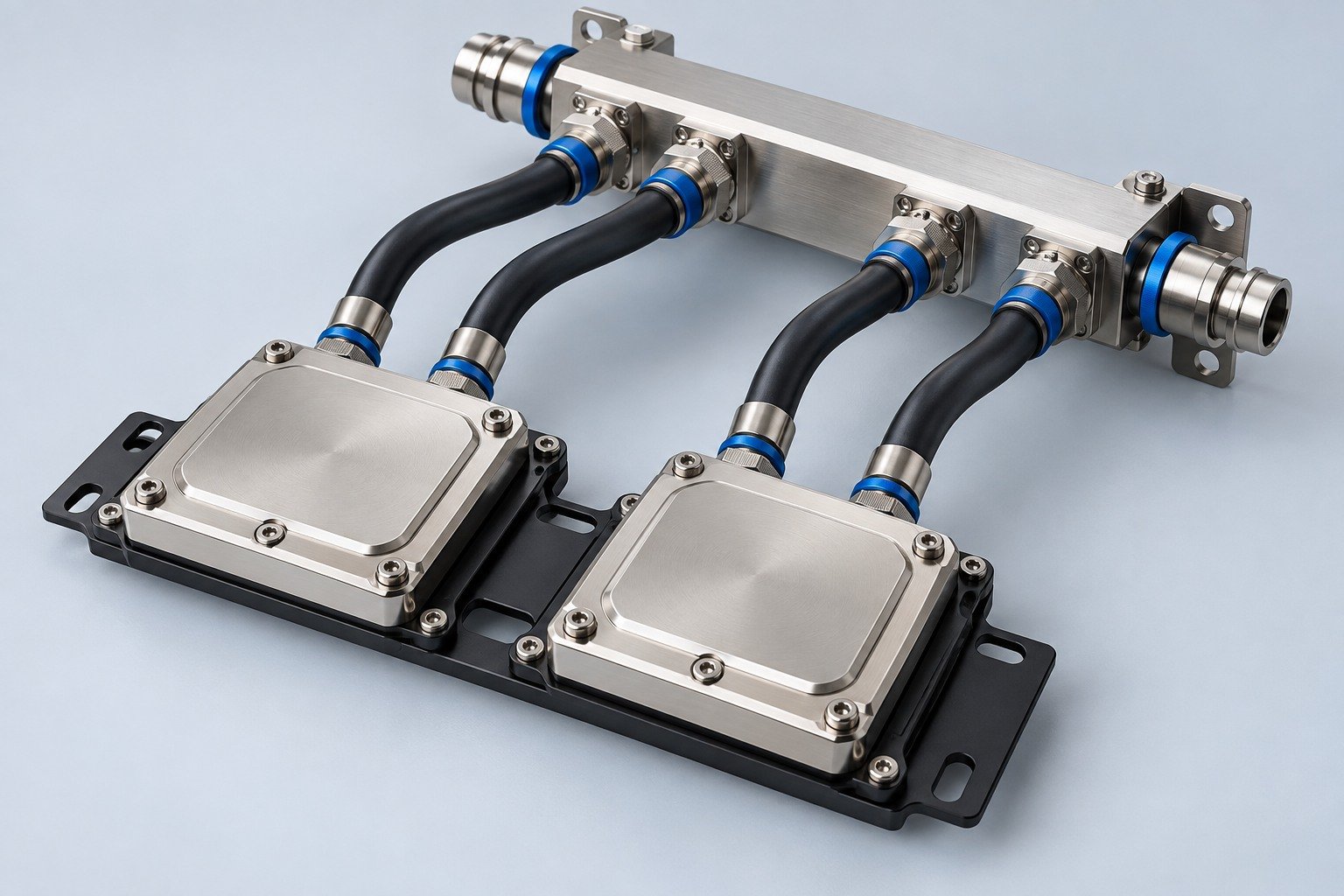
Find components for your power electronics, energy, laser and telecom application.
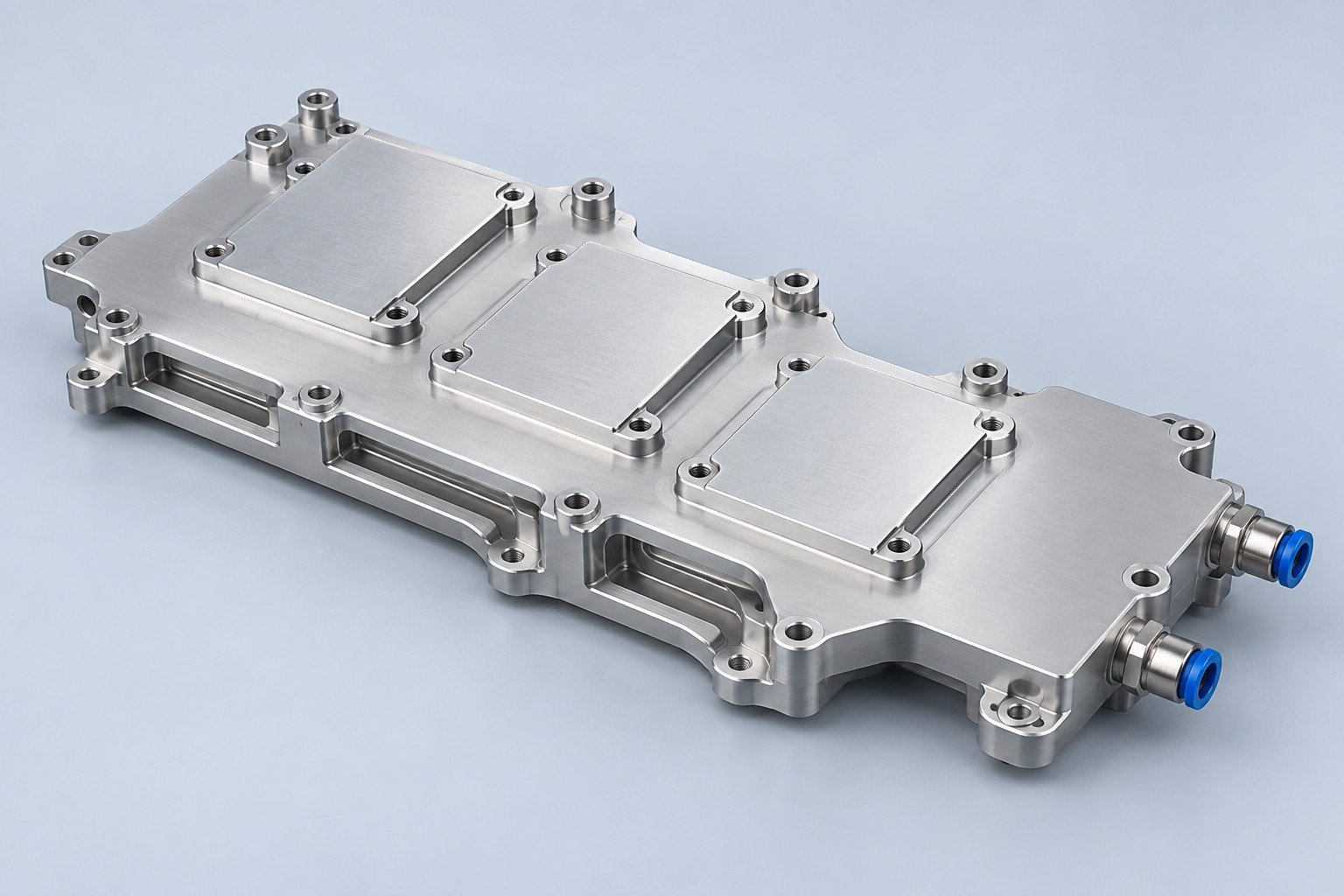
Components for your electronic systems.
Start with your functional and quality requirements.
Build around your operating environment.
From prototype to production, review material performance, manufacturability and cost for your part.
Review grade, temper and finish for your metal parts.
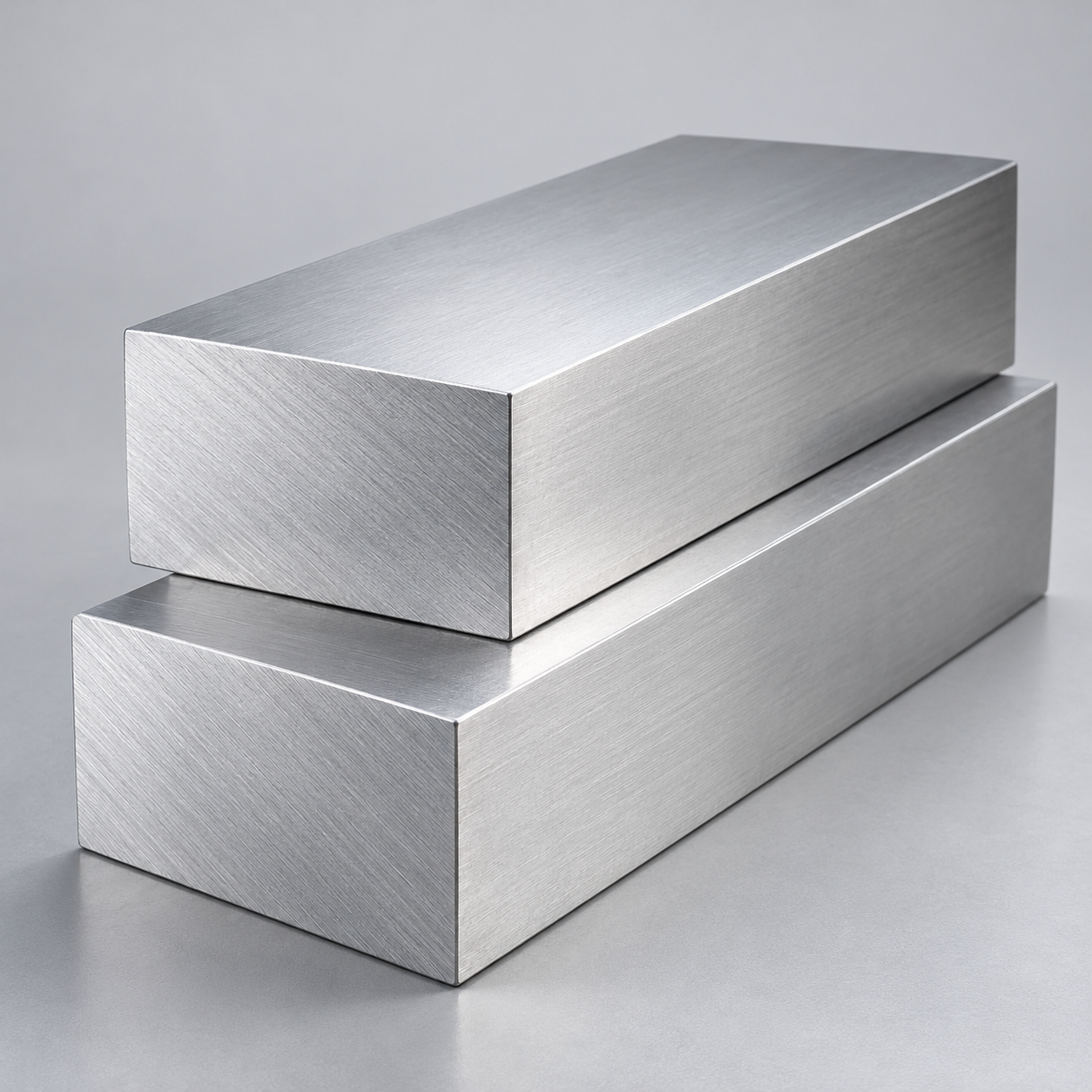 AluminumStrength, weight and machining›
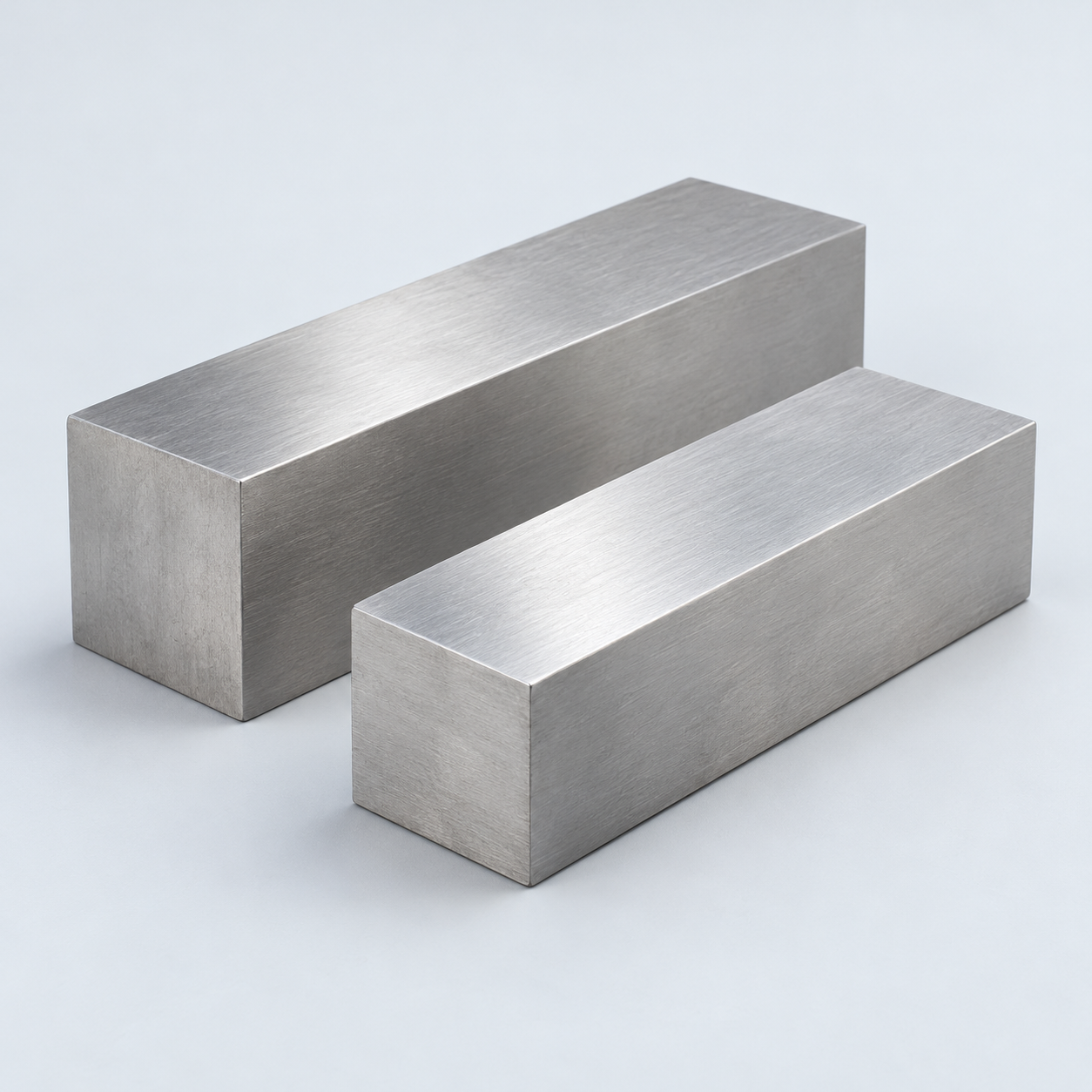 Stainless SteelCorrosion and finish requirements›
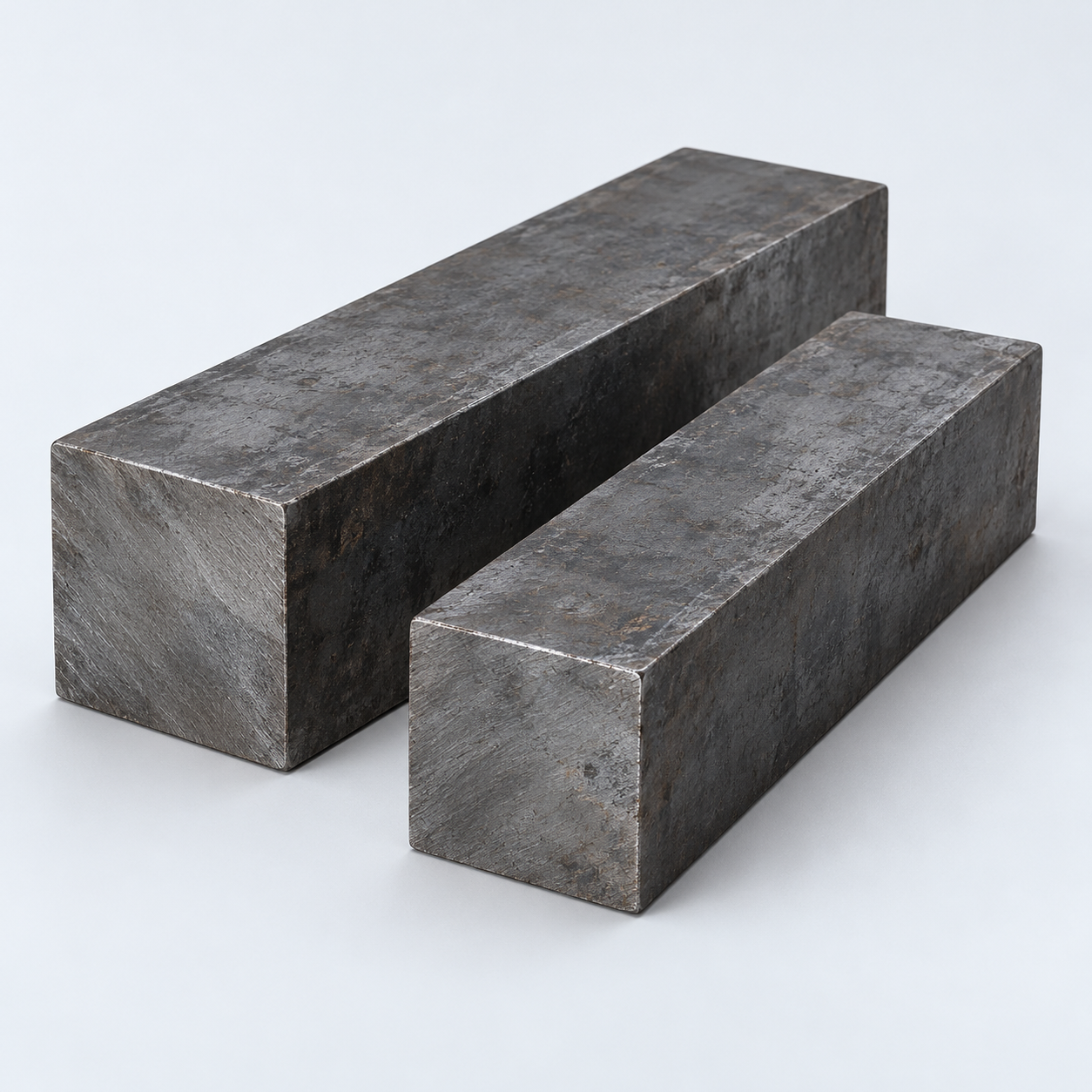 Carbon & Alloy SteelDiscuss grade and heat treatment›
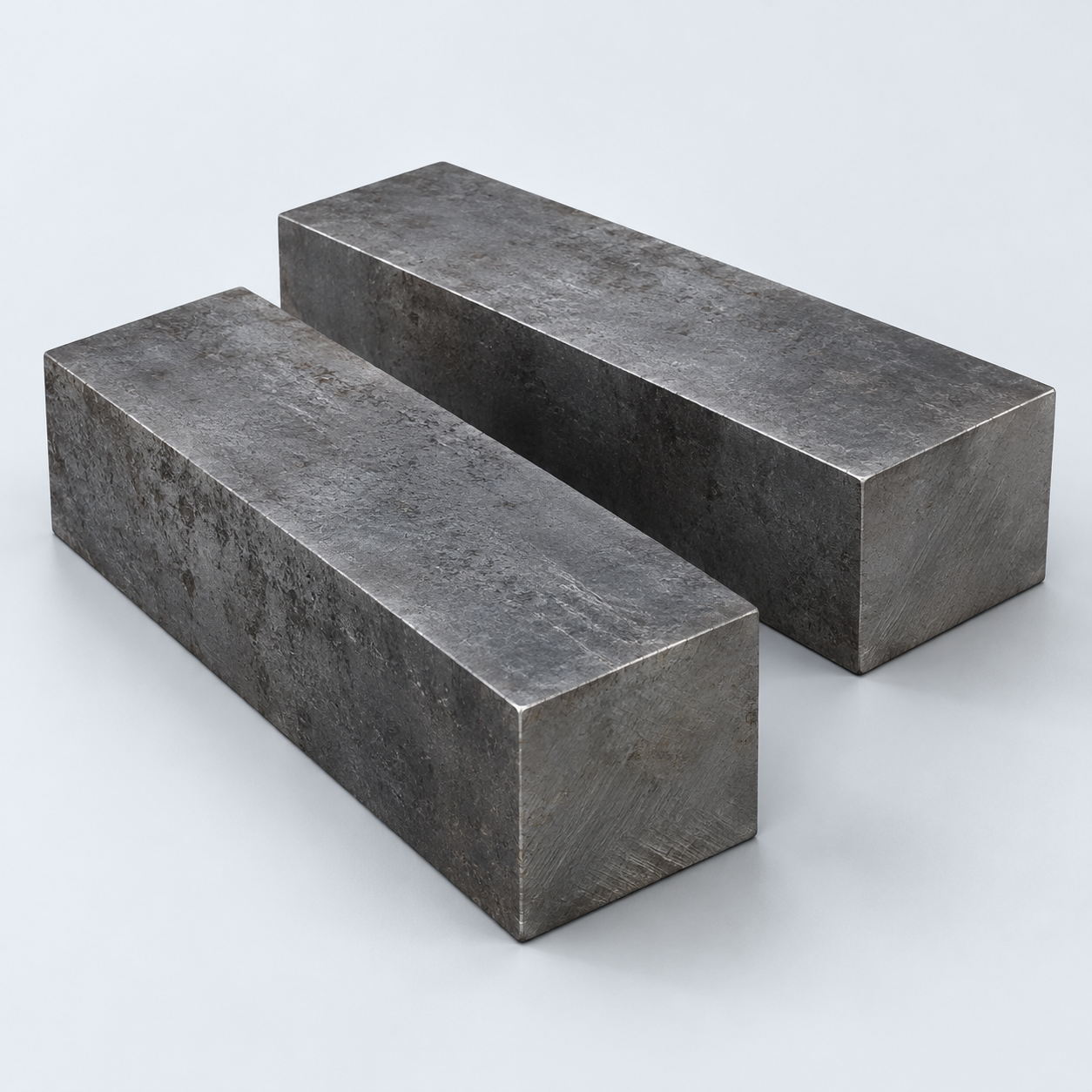 Tool SteelDiscuss tooling and wear needs›
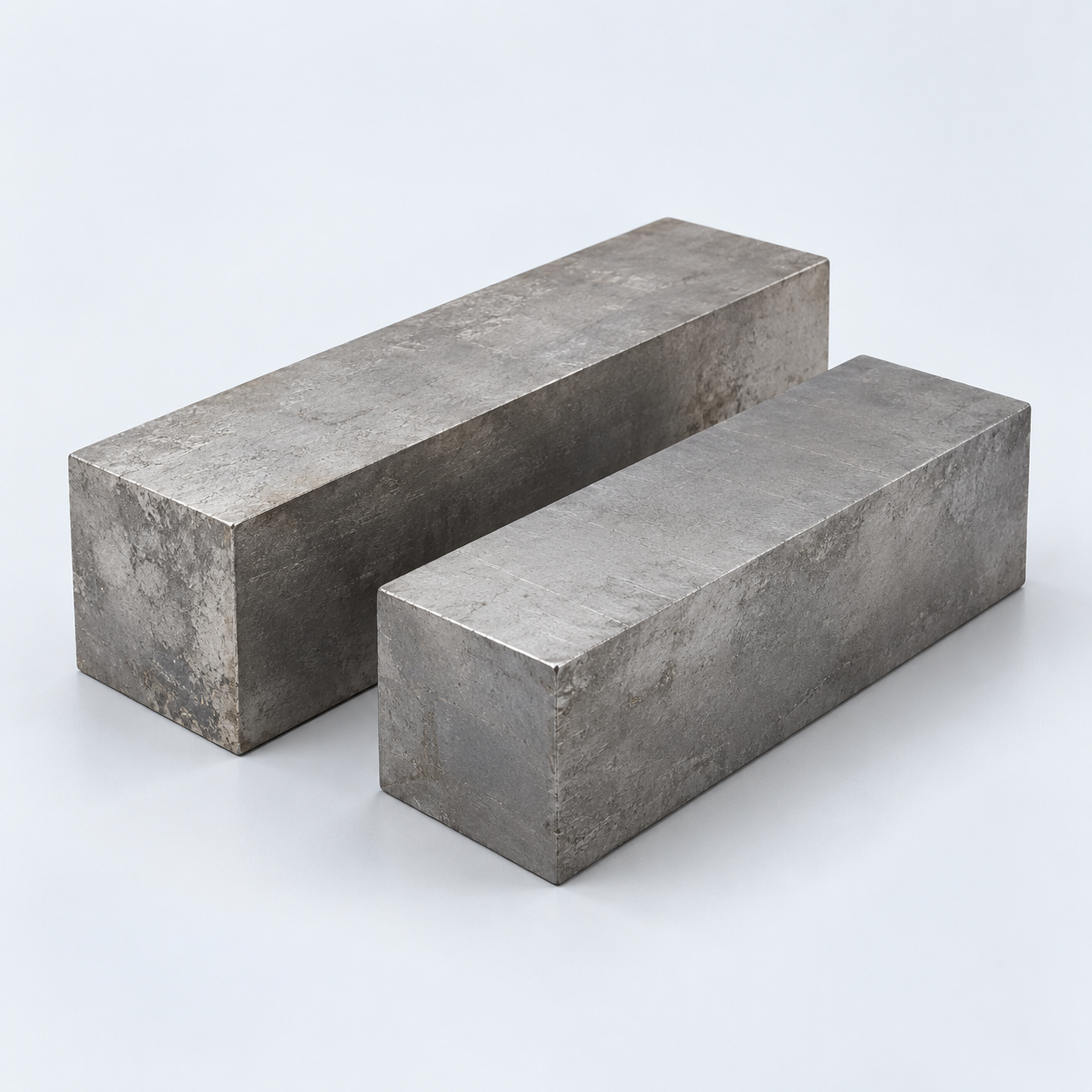 TitaniumReview grade and part geometry›
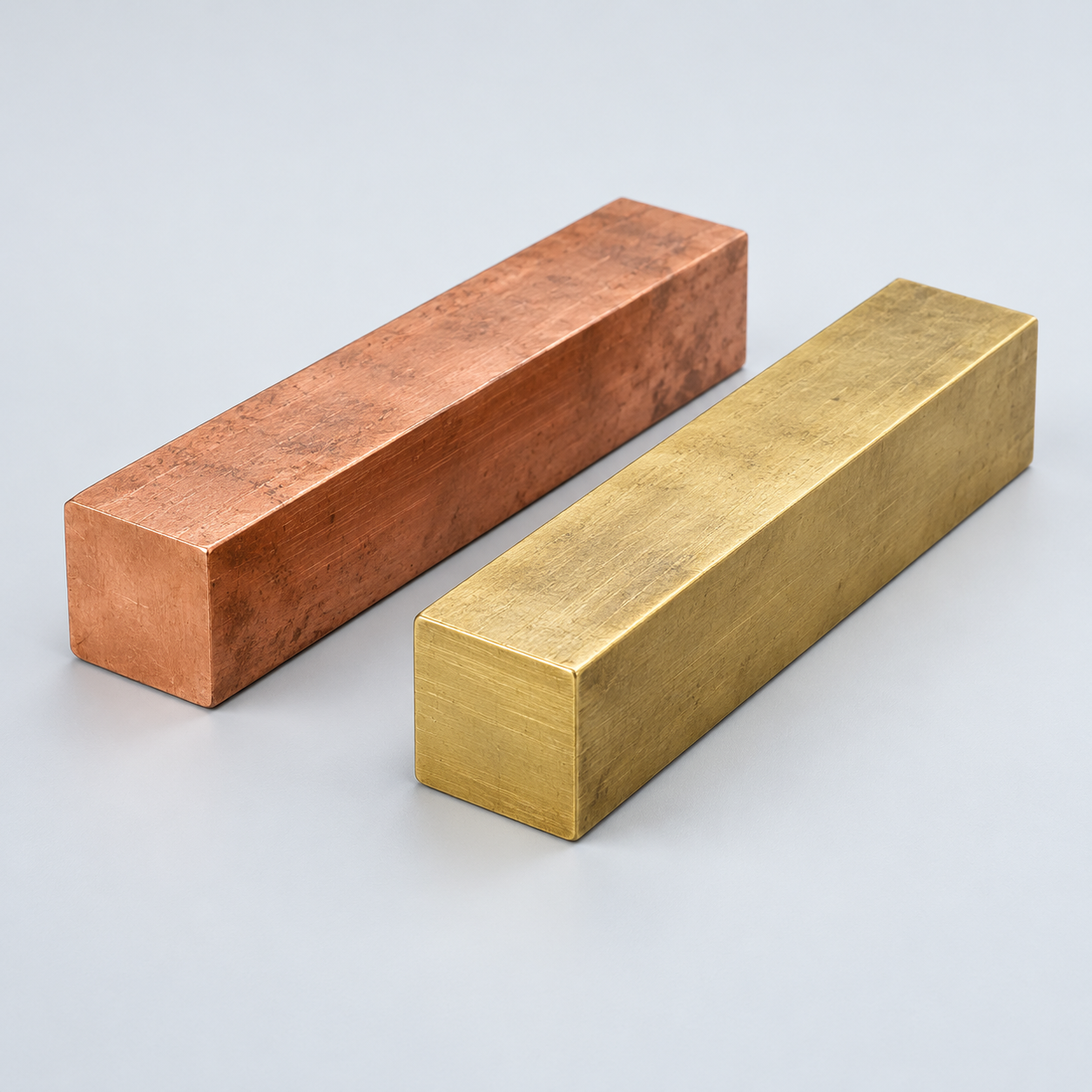 Copper & Brass & BronzeDiscuss conductivity and machining›
Match your polymer to function, process and environment.
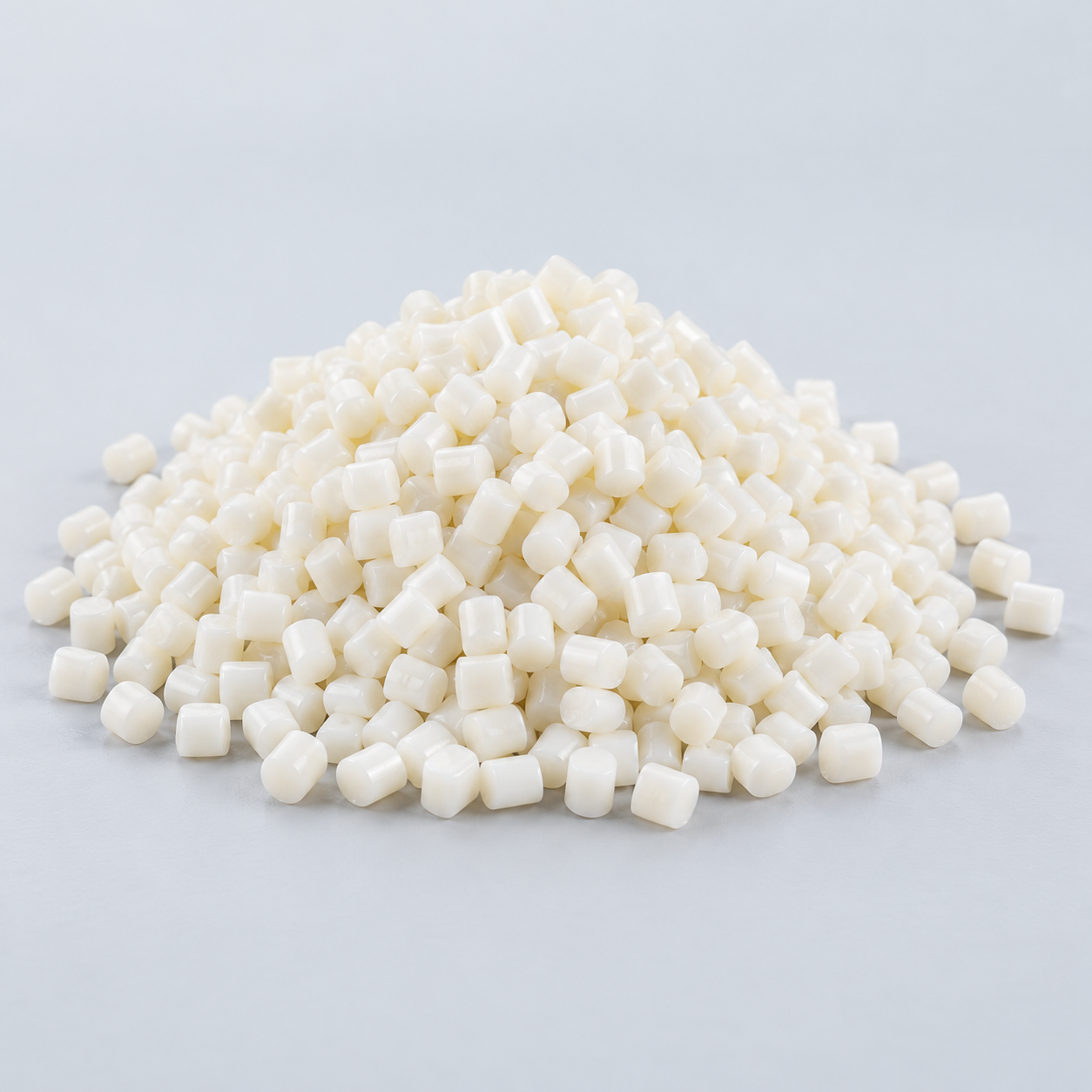 ABSReview enclosure and molding needs›
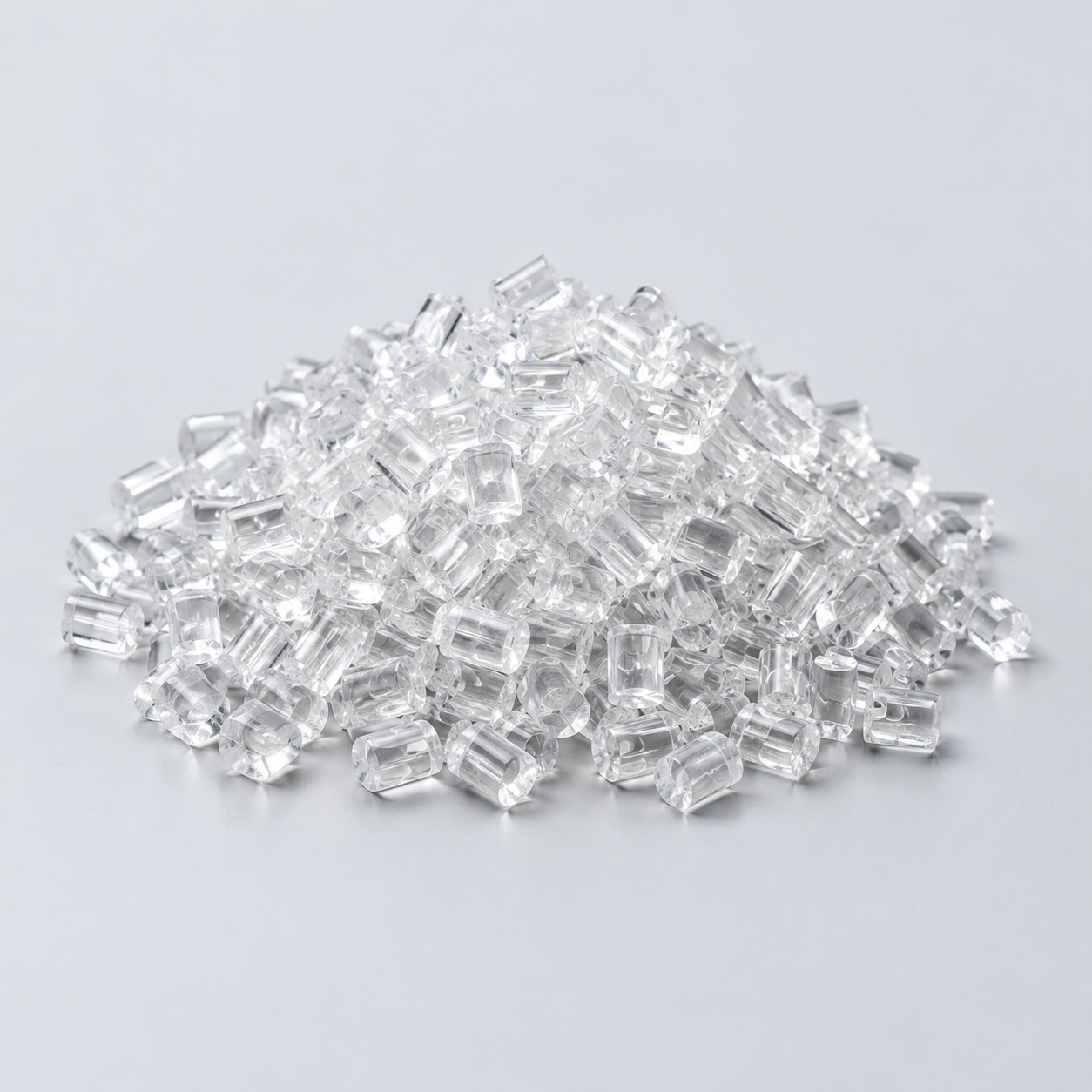 Polycarbonate (PC)Discuss clarity and impact needs›
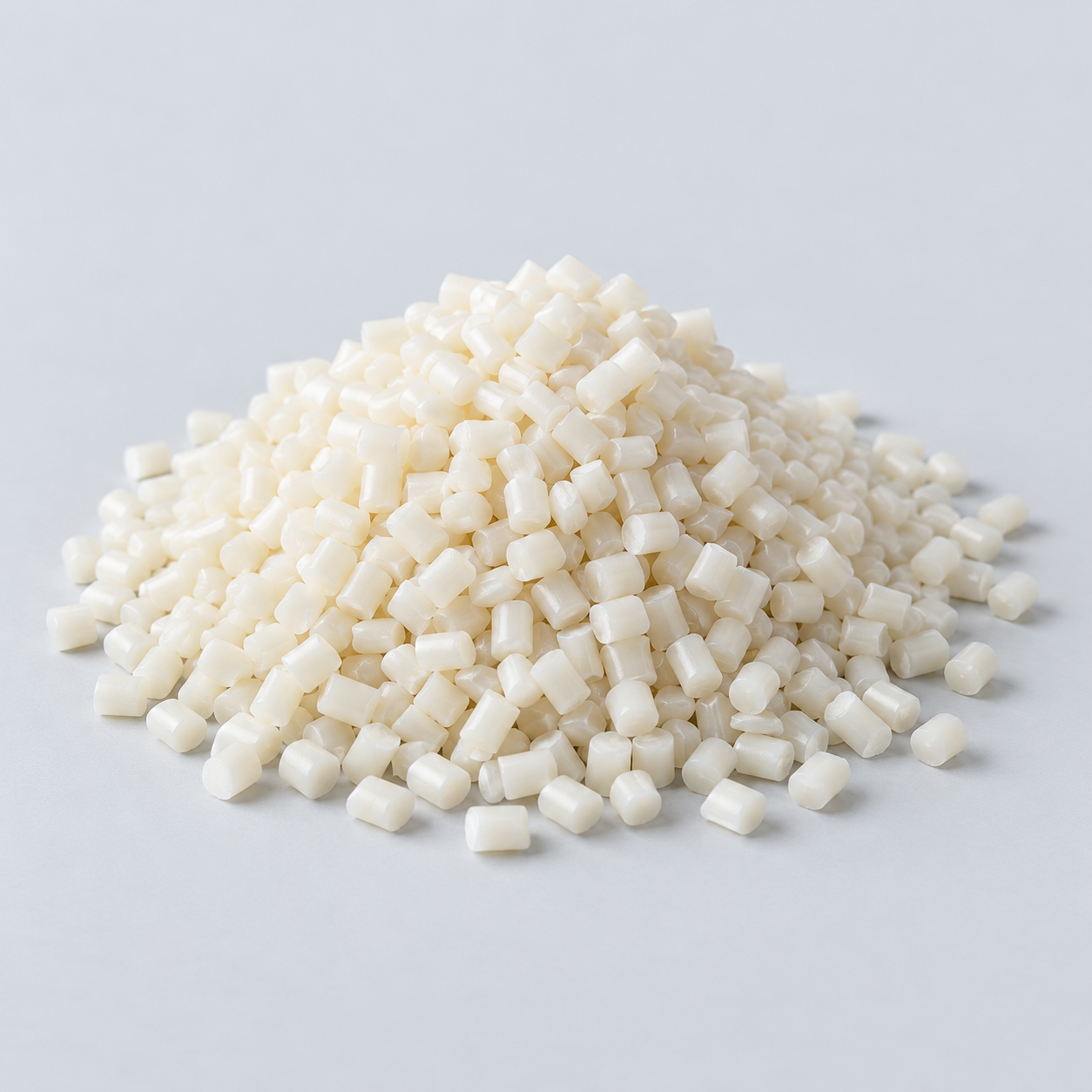 Nylon (PA)Review moisture and wear conditions›
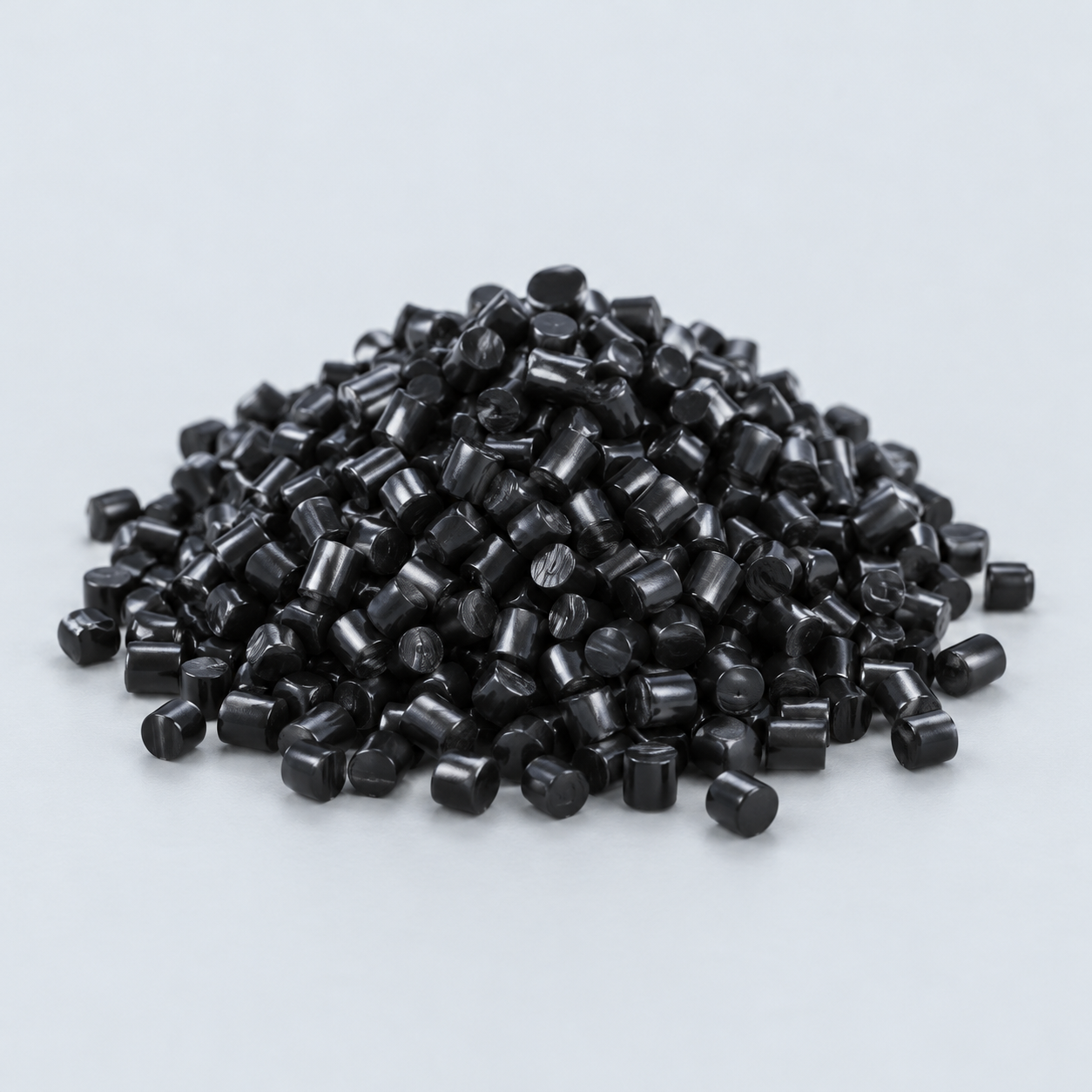 POM / AcetalReview fit and sliding features›
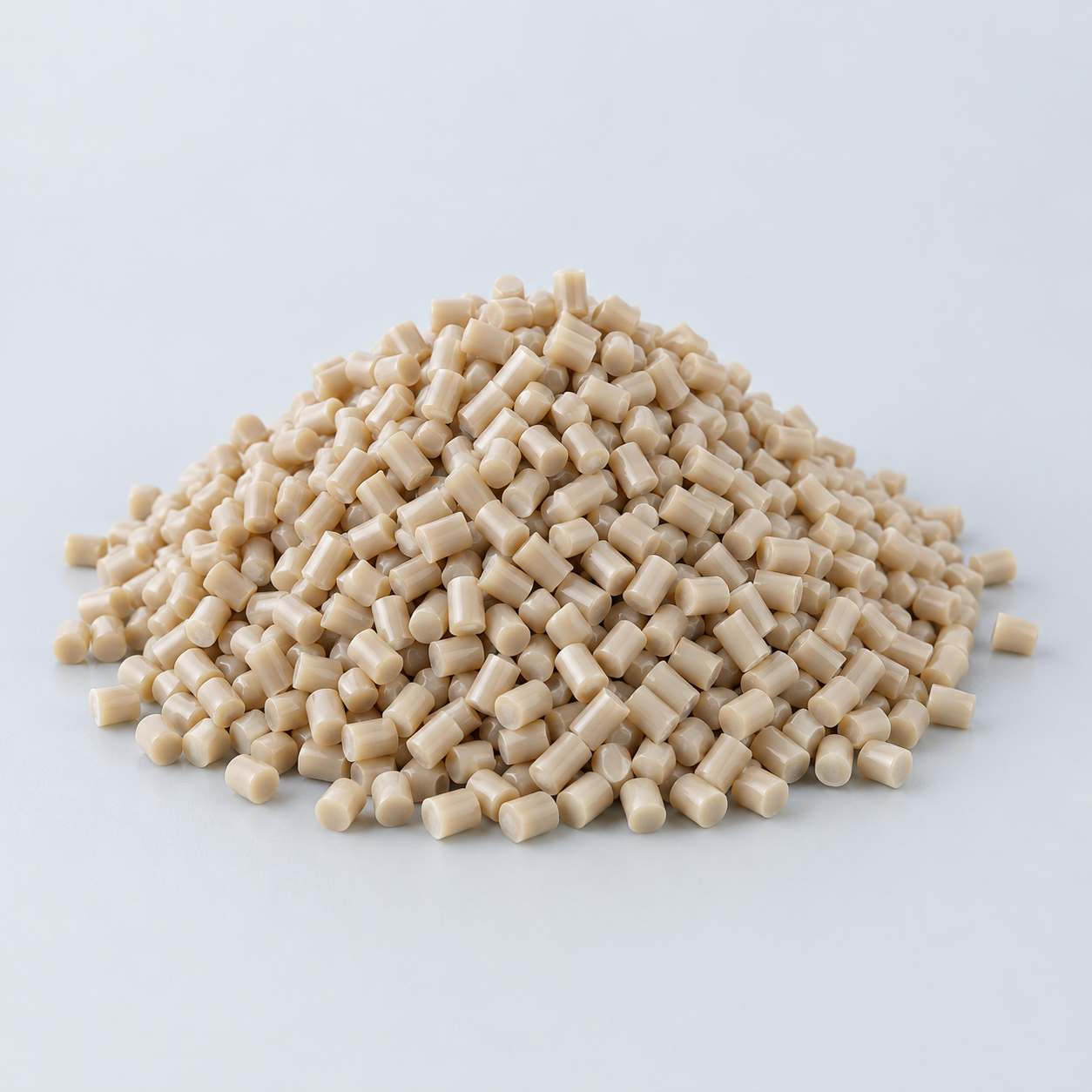 PEEKDiscuss operating conditions›
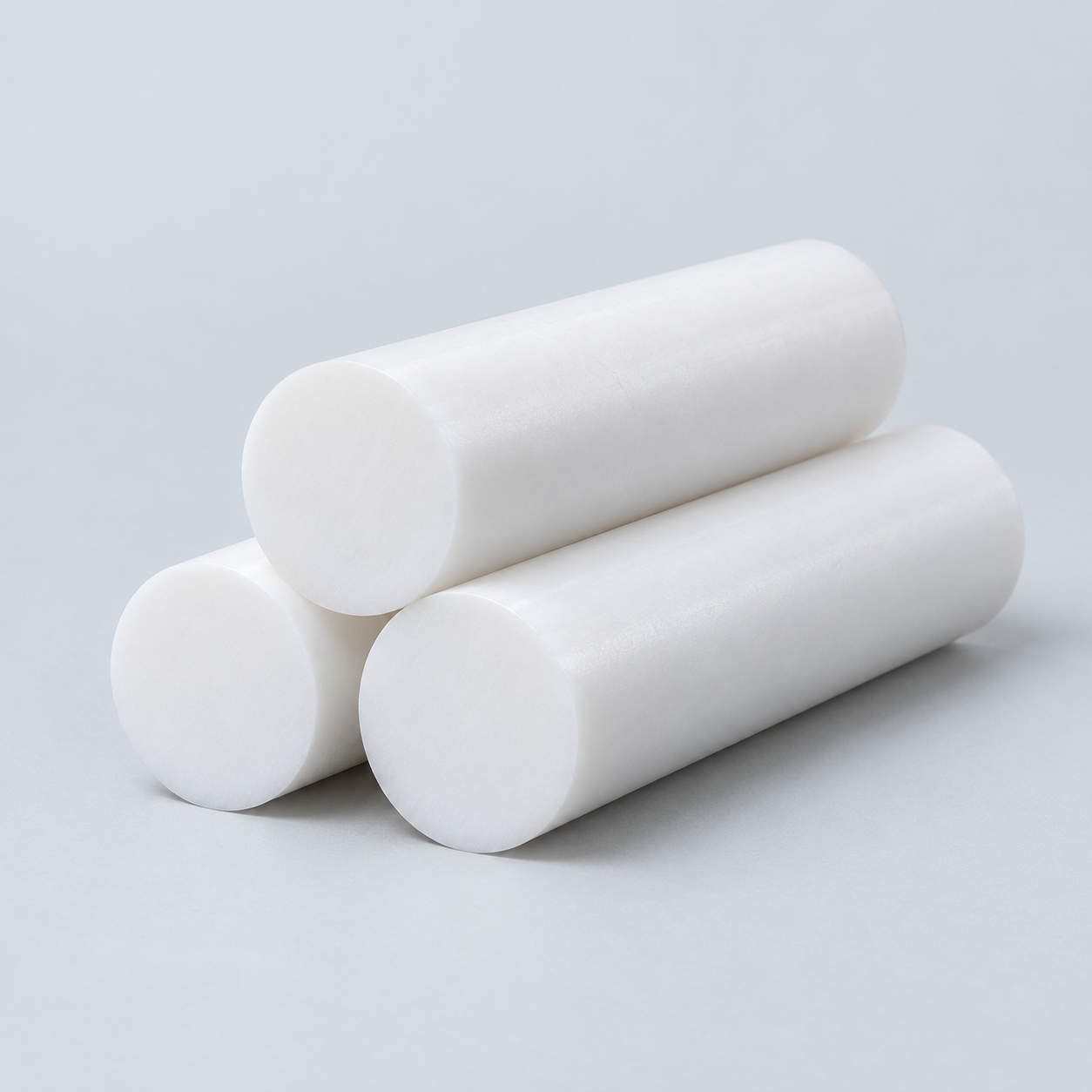 PTFEReview friction and chemical exposure›
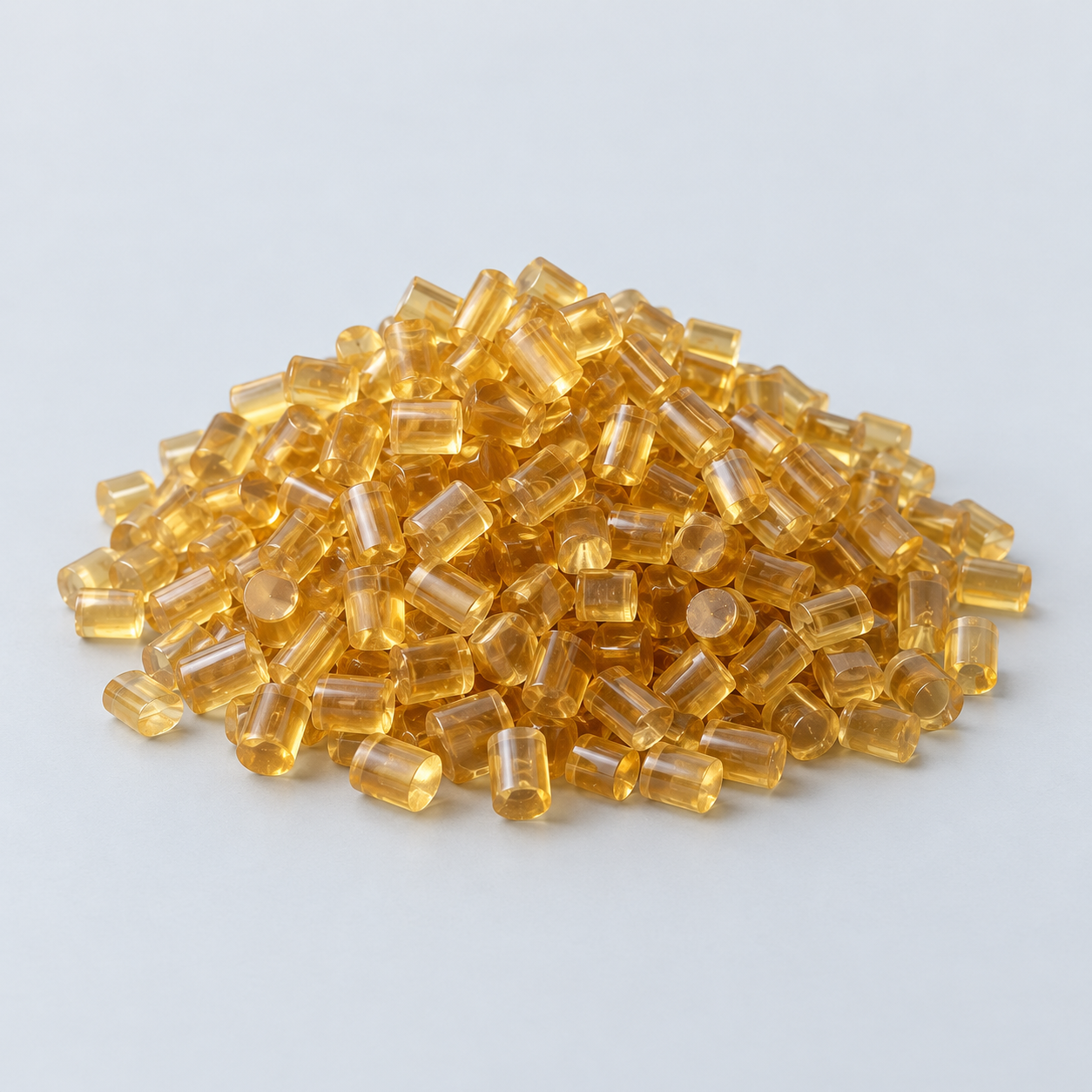 ULTEM / PEIDiscuss thermal and electrical needs›
Confirm grade availability and application requirements.
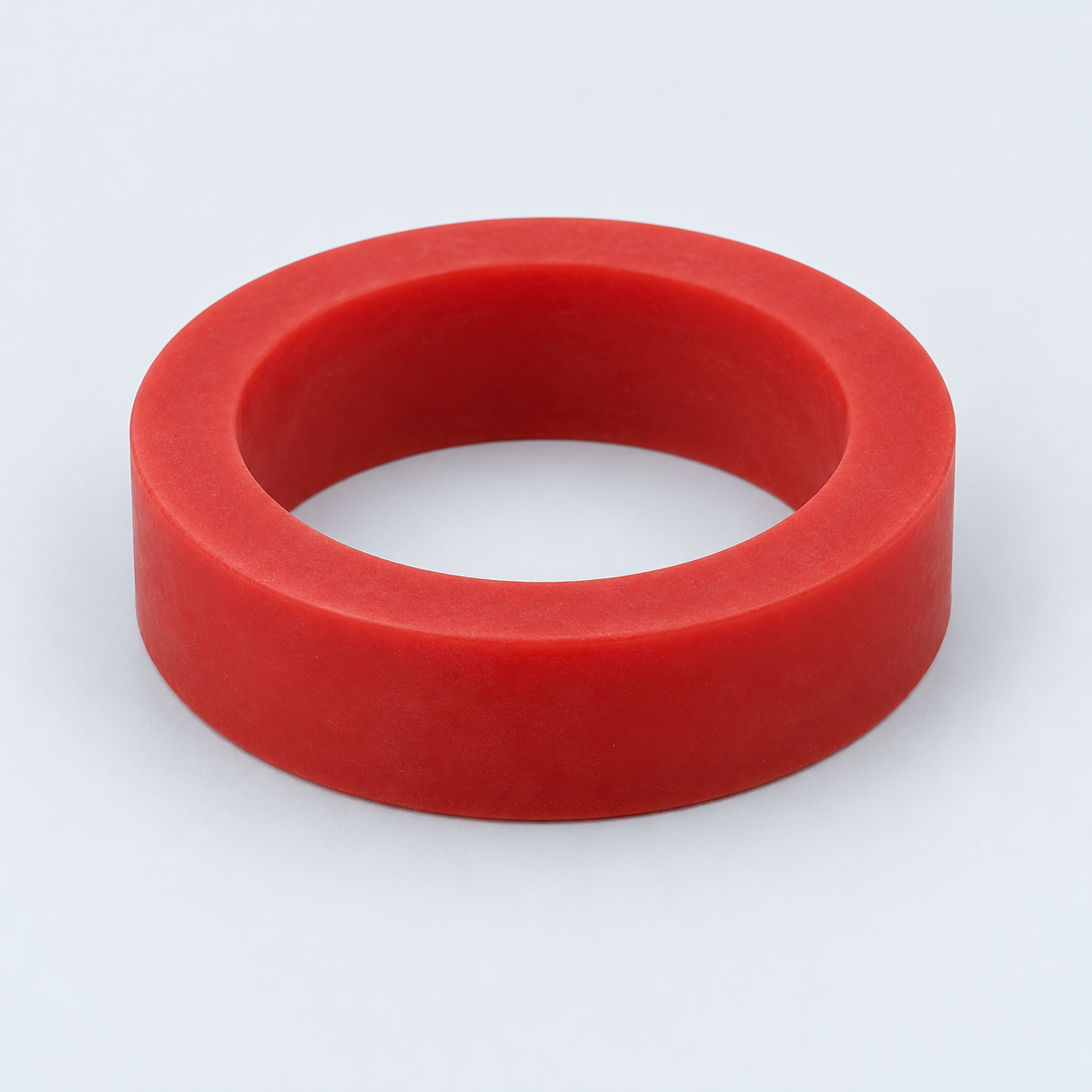 Silicone / LSRDiscuss flexible component needs›
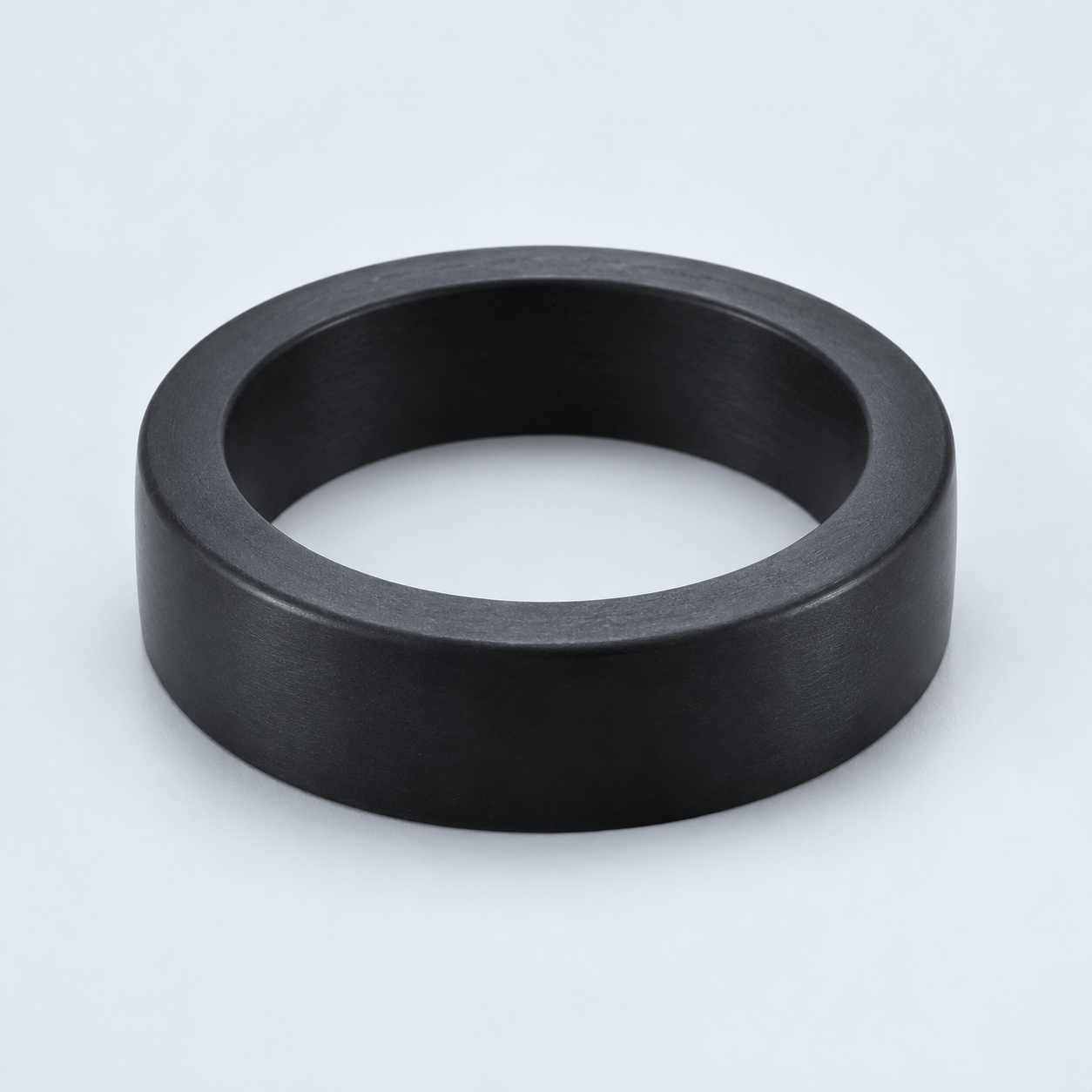 TPU / TPEReview flexibility and processing›
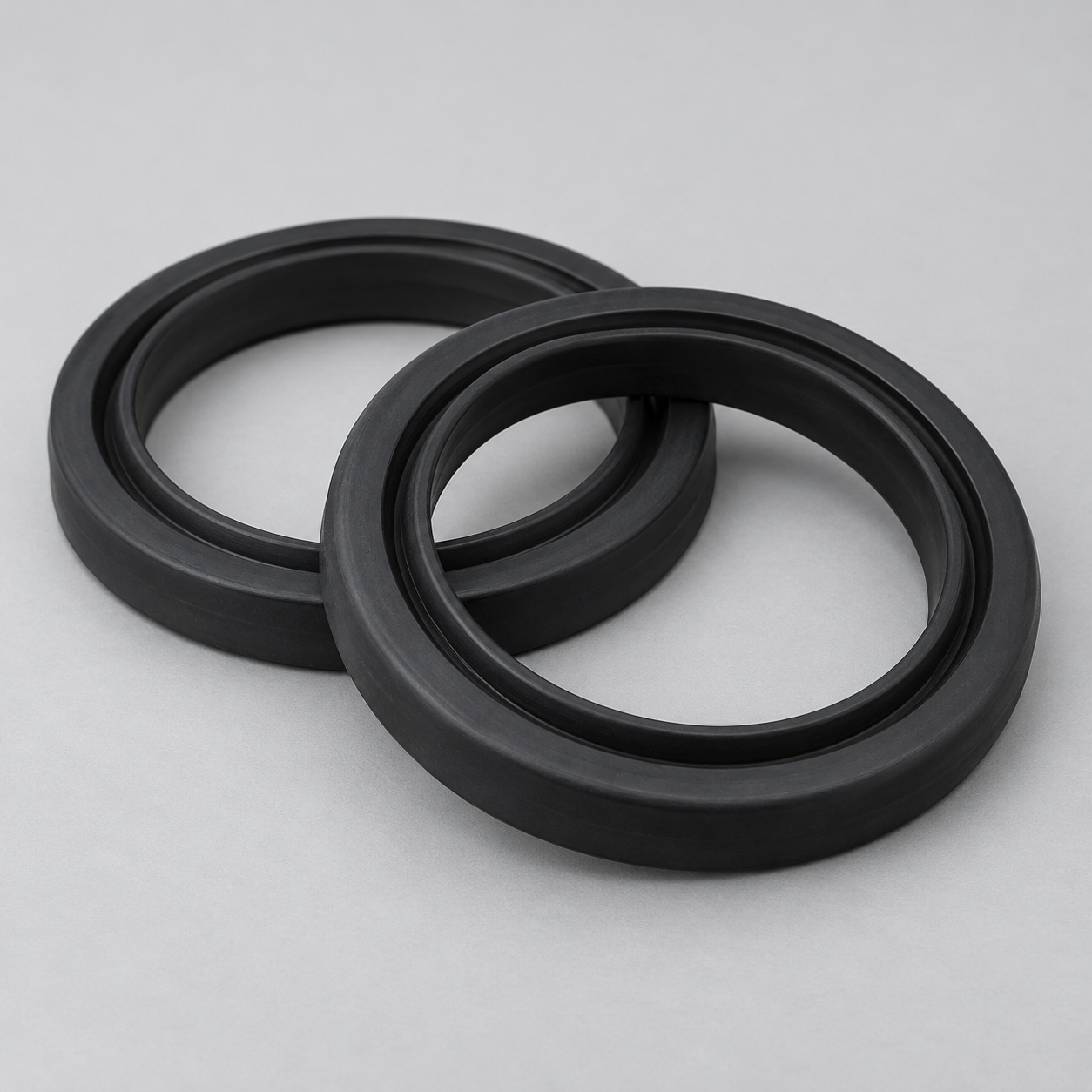 EPDMReview weathering and chemical exposure.›
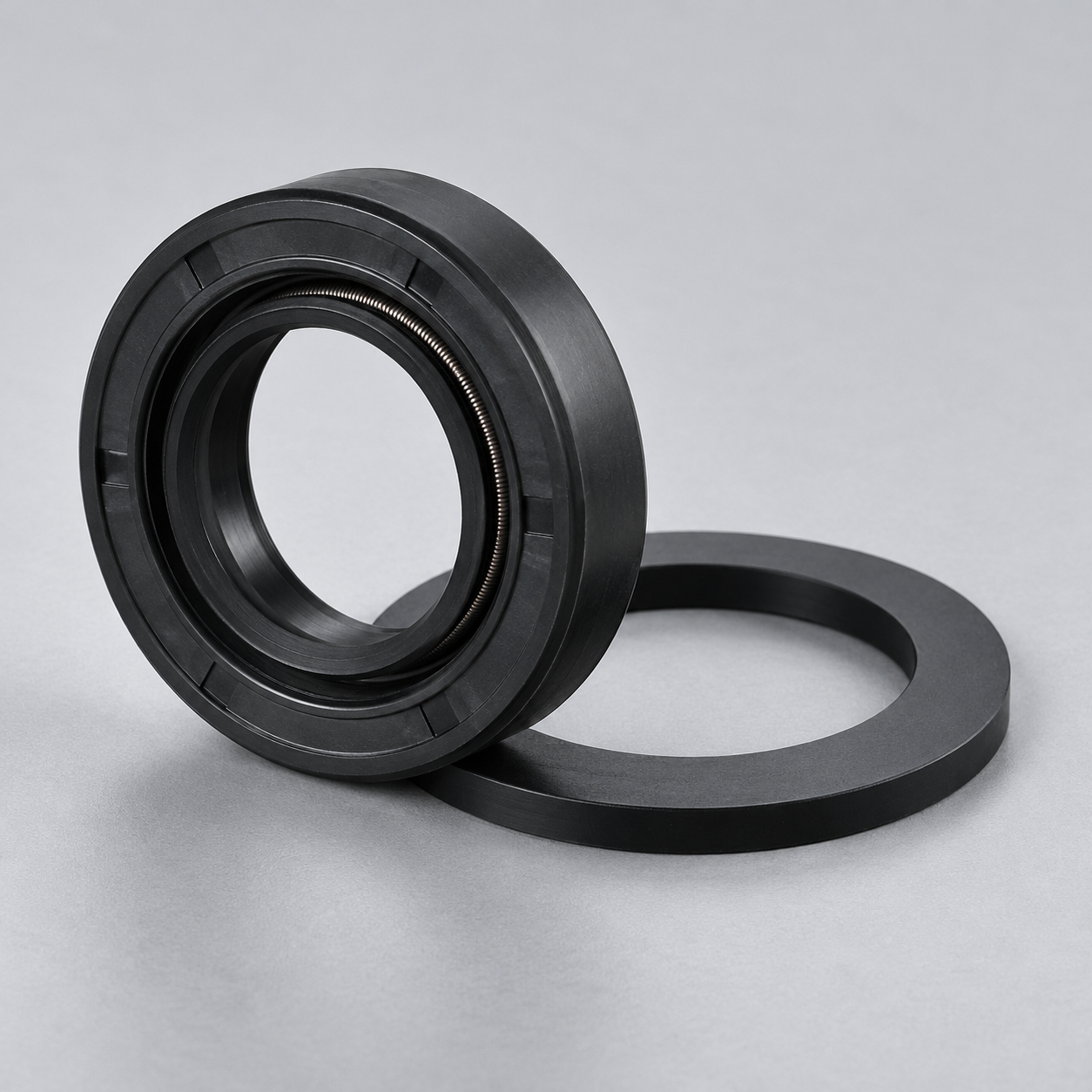 NBRReview oil and fuel exposure.›
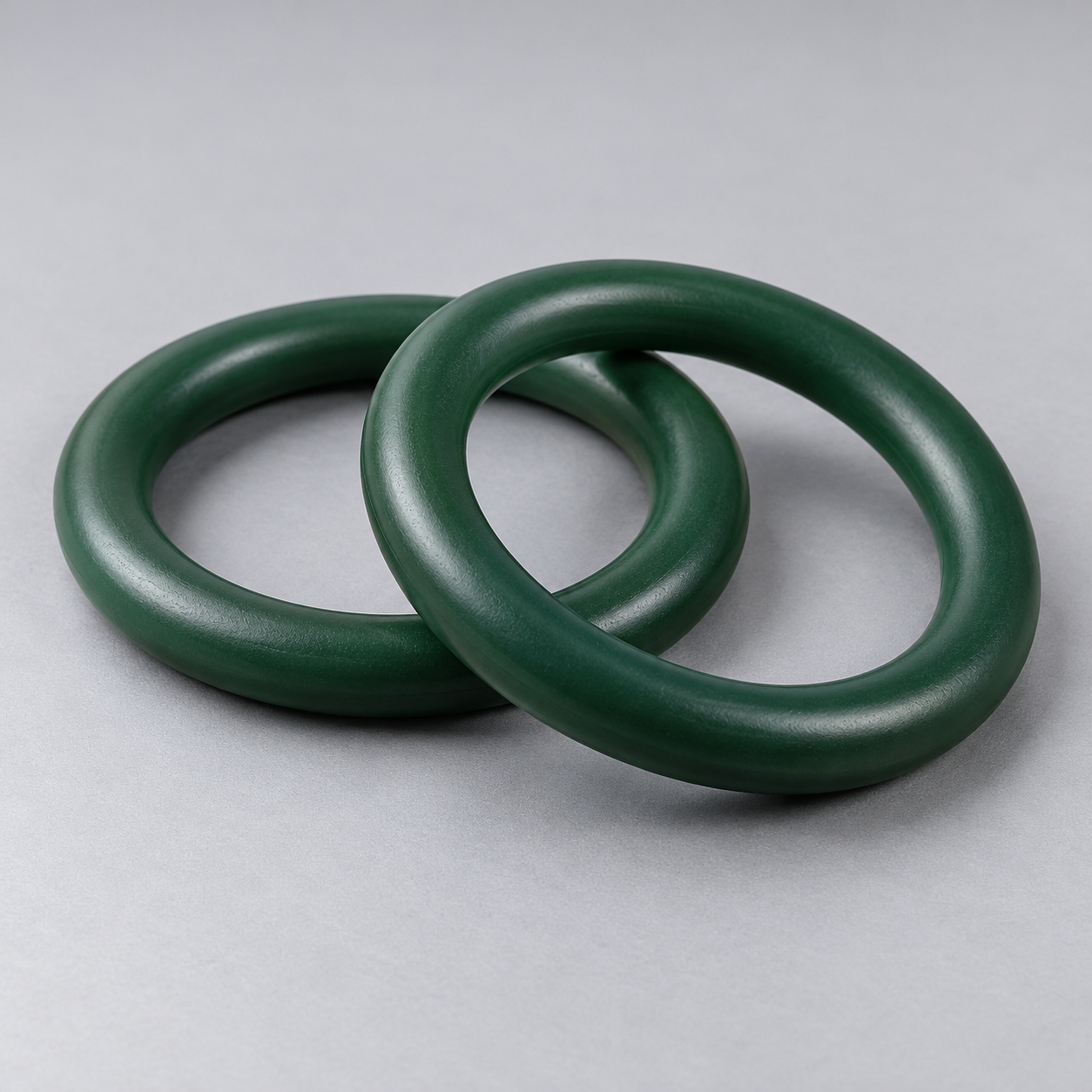 FKMReview temperature and chemical exposure.›
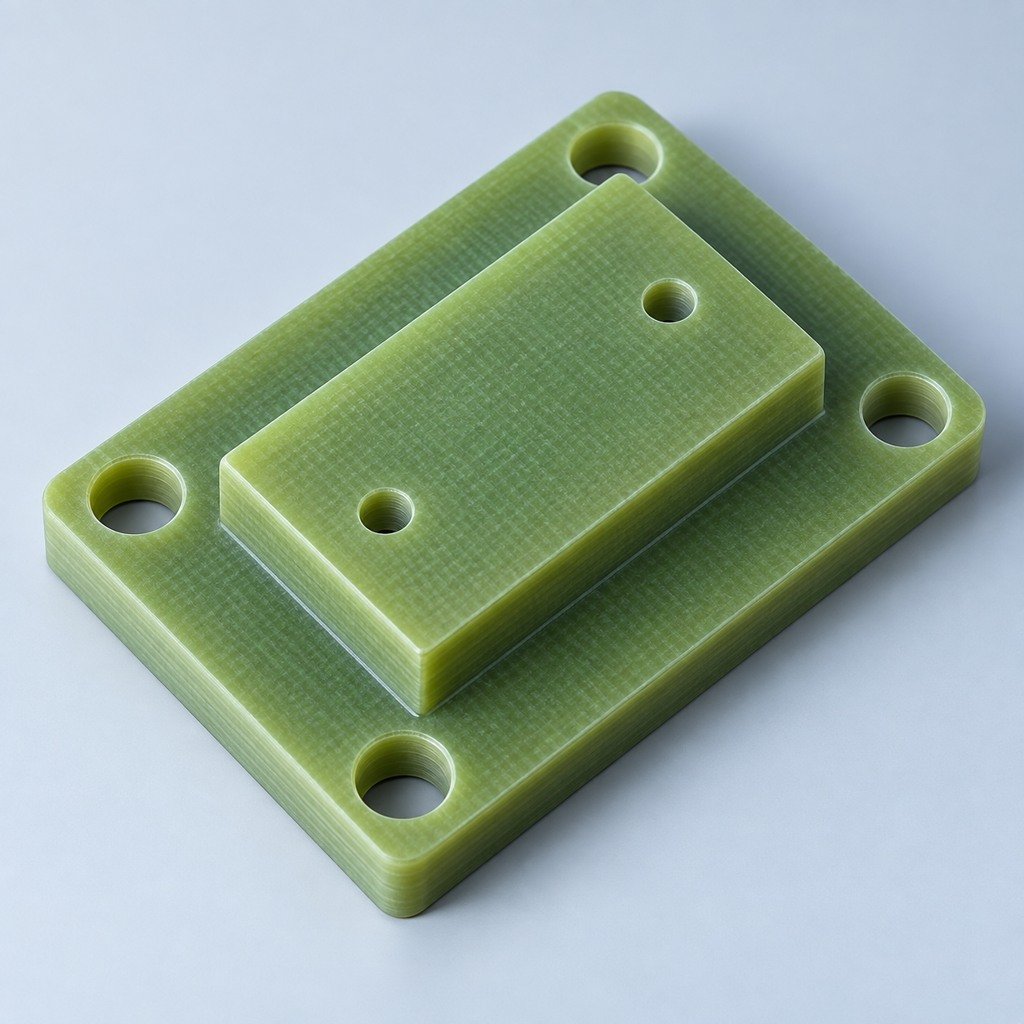 G10 / FR4Review insulation and laminate needs›
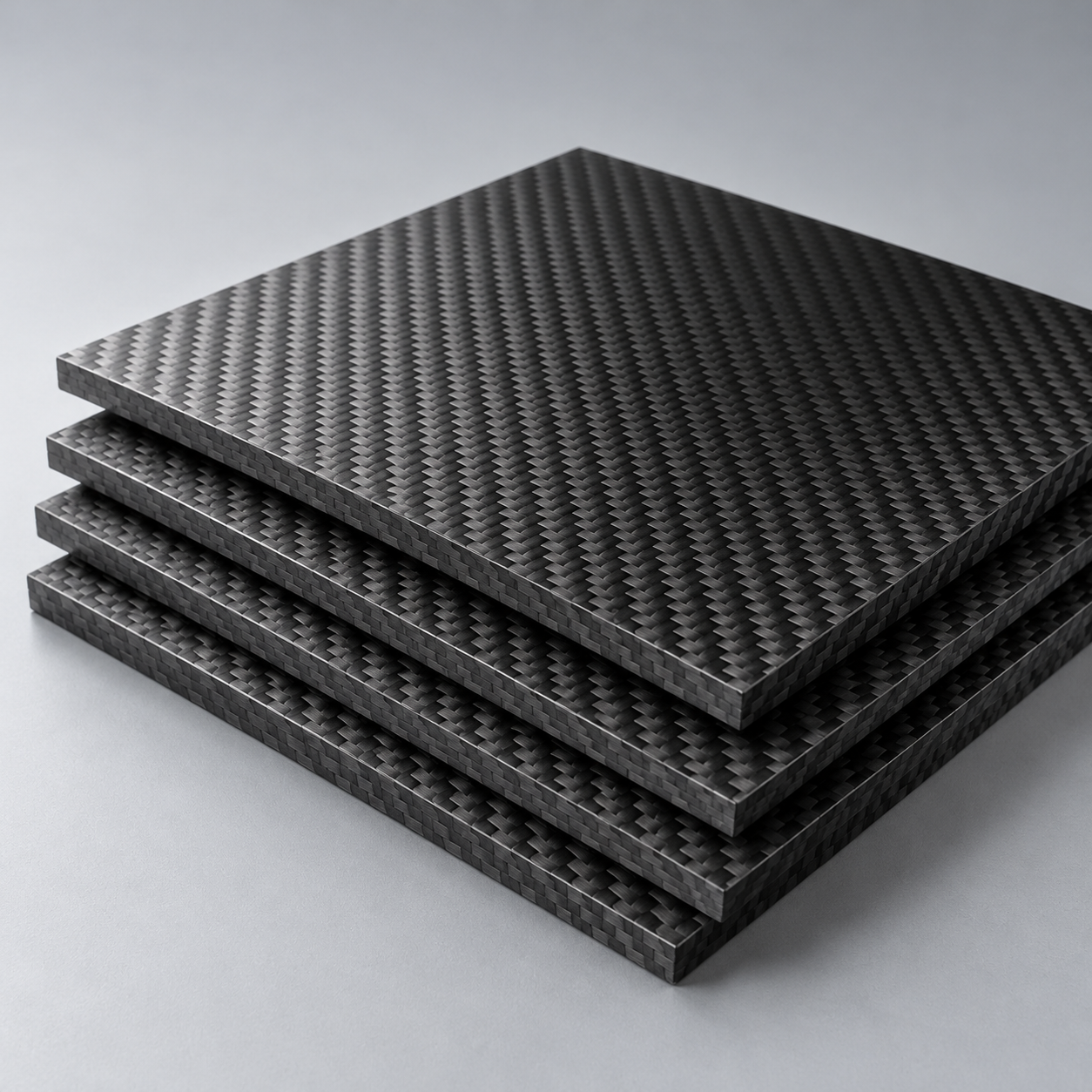 CompositesReview stiffness, weight and laminate.›Customer-Specified MaterialsConfirm your grade and requirements.›Other Specialty MaterialsDiscuss your application and grade.›
Practical guidance for your part geometry and material decisions.
Prepare your process, budget and sourcing questions.
Build your knowledge before production.
Learn who we are and how we operate.
Find our U.S. support team or start a conversation.
YOUR GRADE. YOUR HINGE. YOUR FINISHED FIT.
Plan your custom polypropylene parts around the full stock or resin grade, loading and final fit. Review hinge motion, shrinkage and assembly before production.
Material availability and manufacturing scope are reviewed for your drawing.
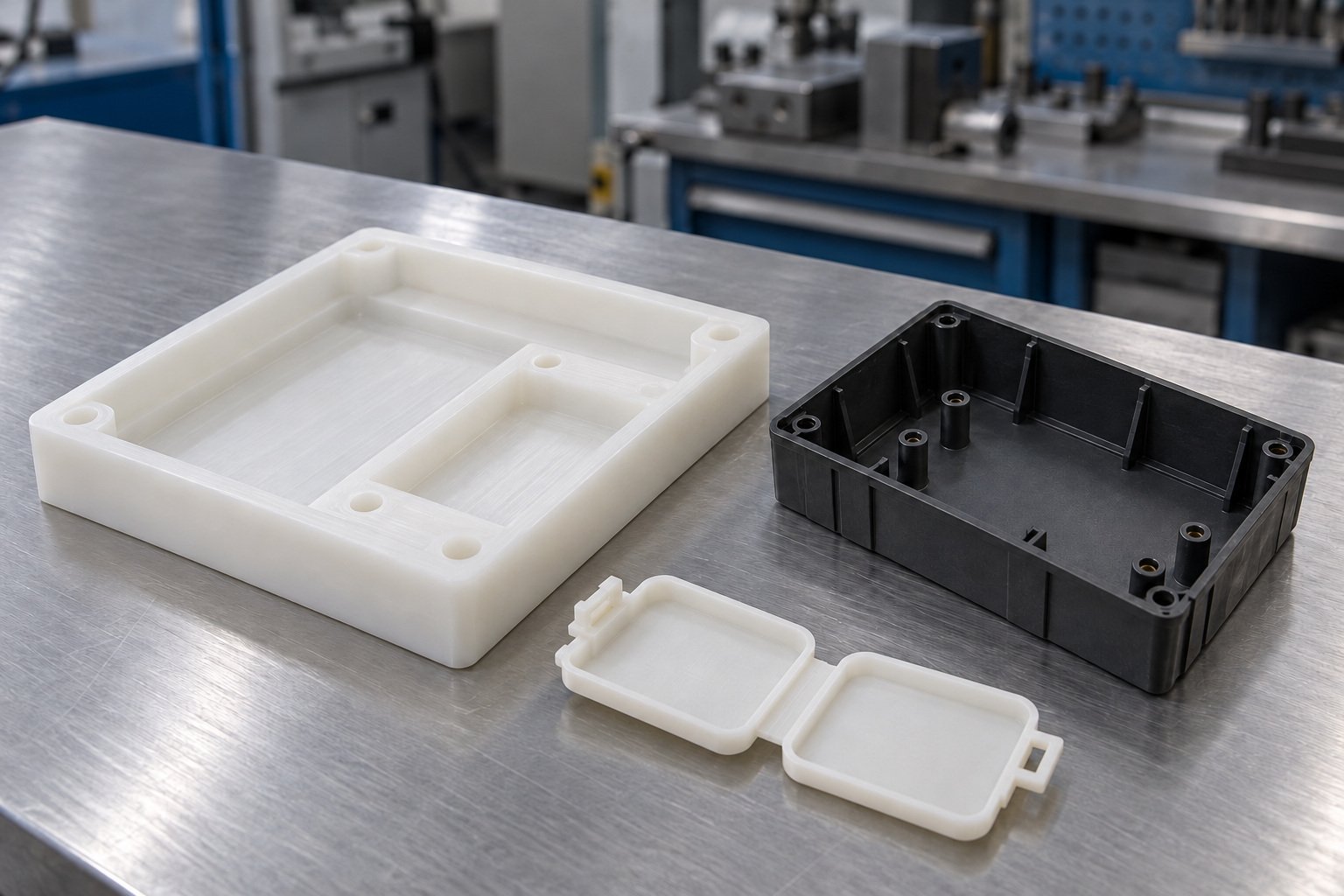
Start with the full manufacturer product and purchasing form. These are review directions, not interchangeable grades or stock promises.
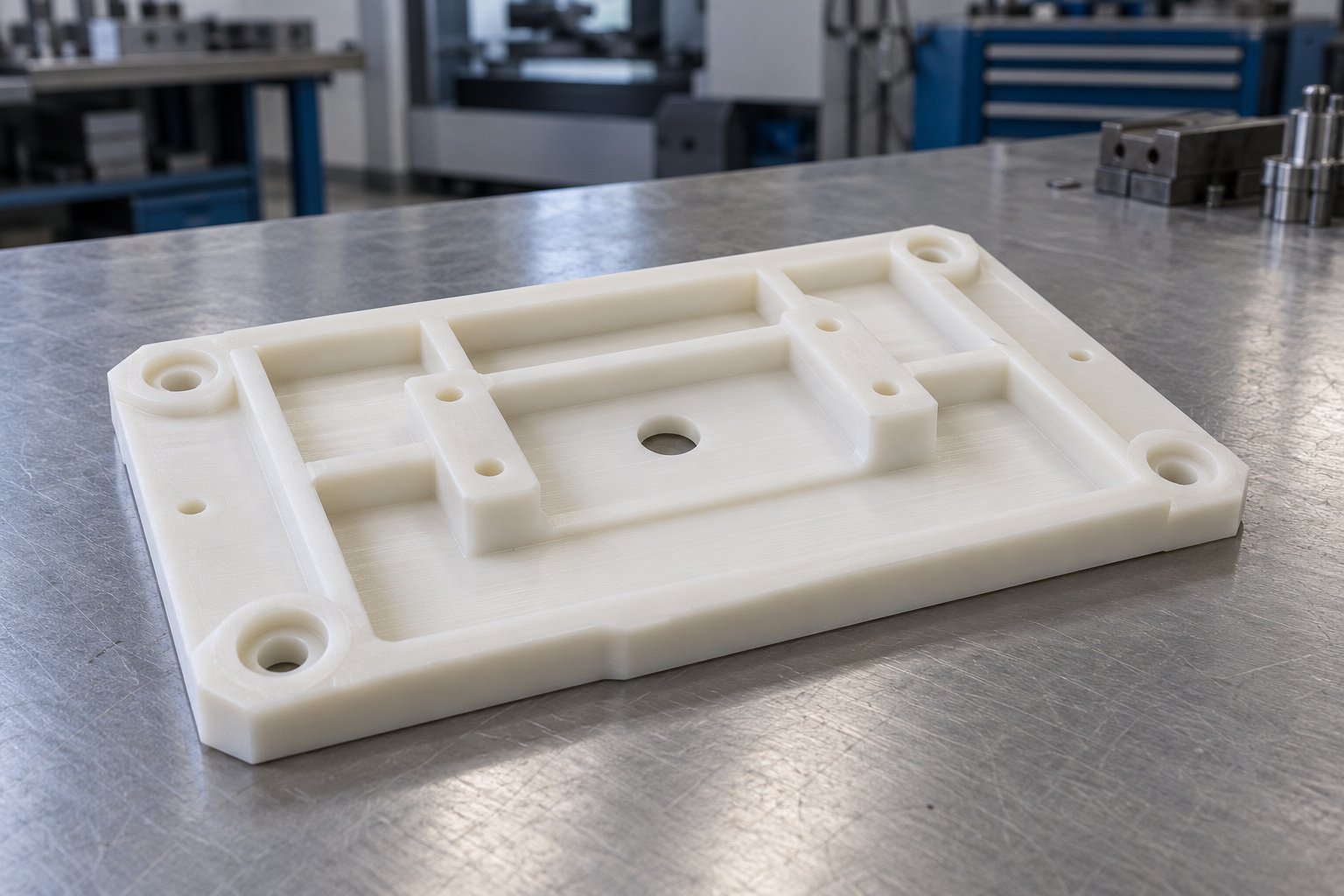
Review stiffness, impact at the actual temperature and the selected grade. The family name does not identify an approved product.
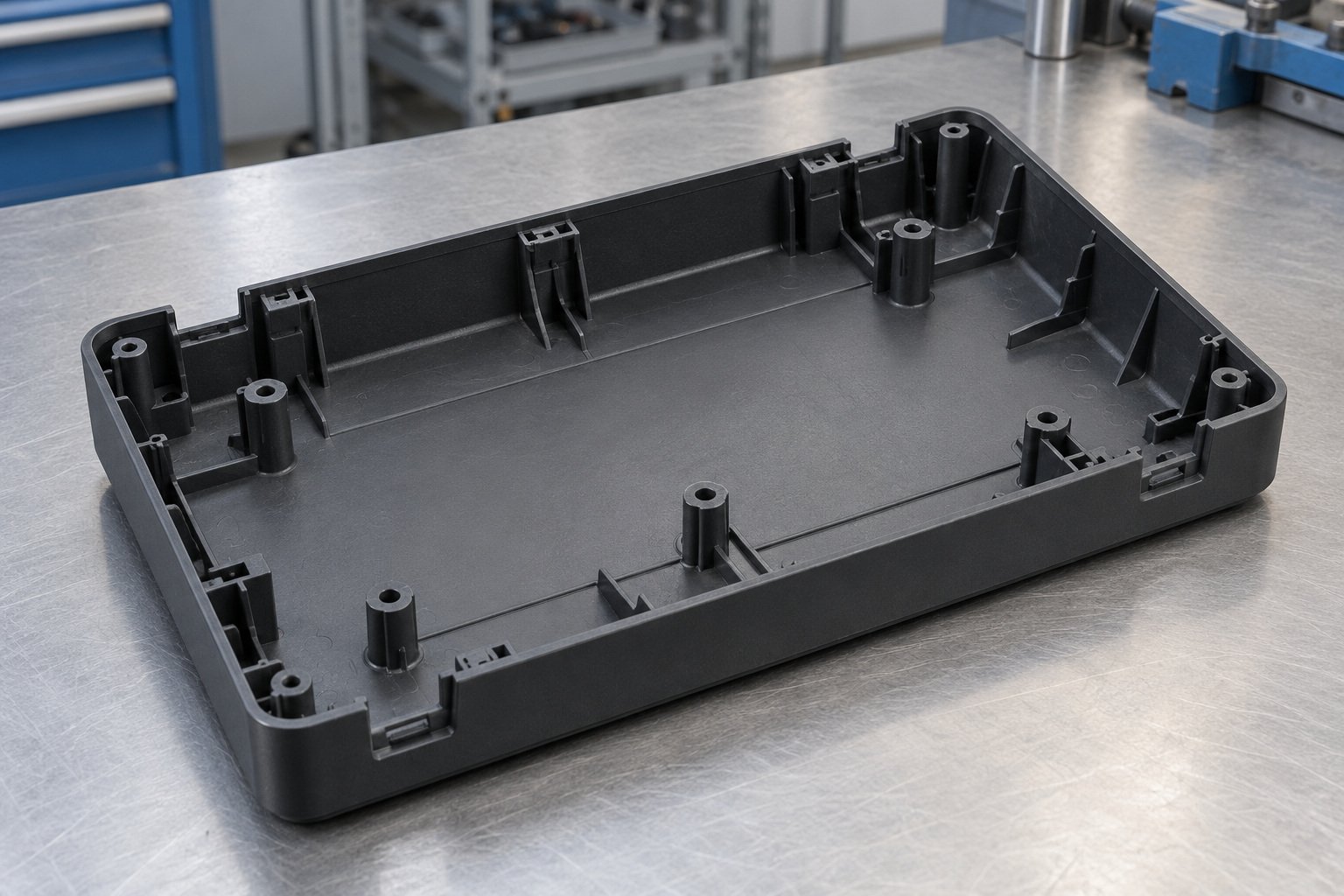
Confirm the manufacturer grade and intended transparency, impact and processing requirements; do not infer properties from appearance.
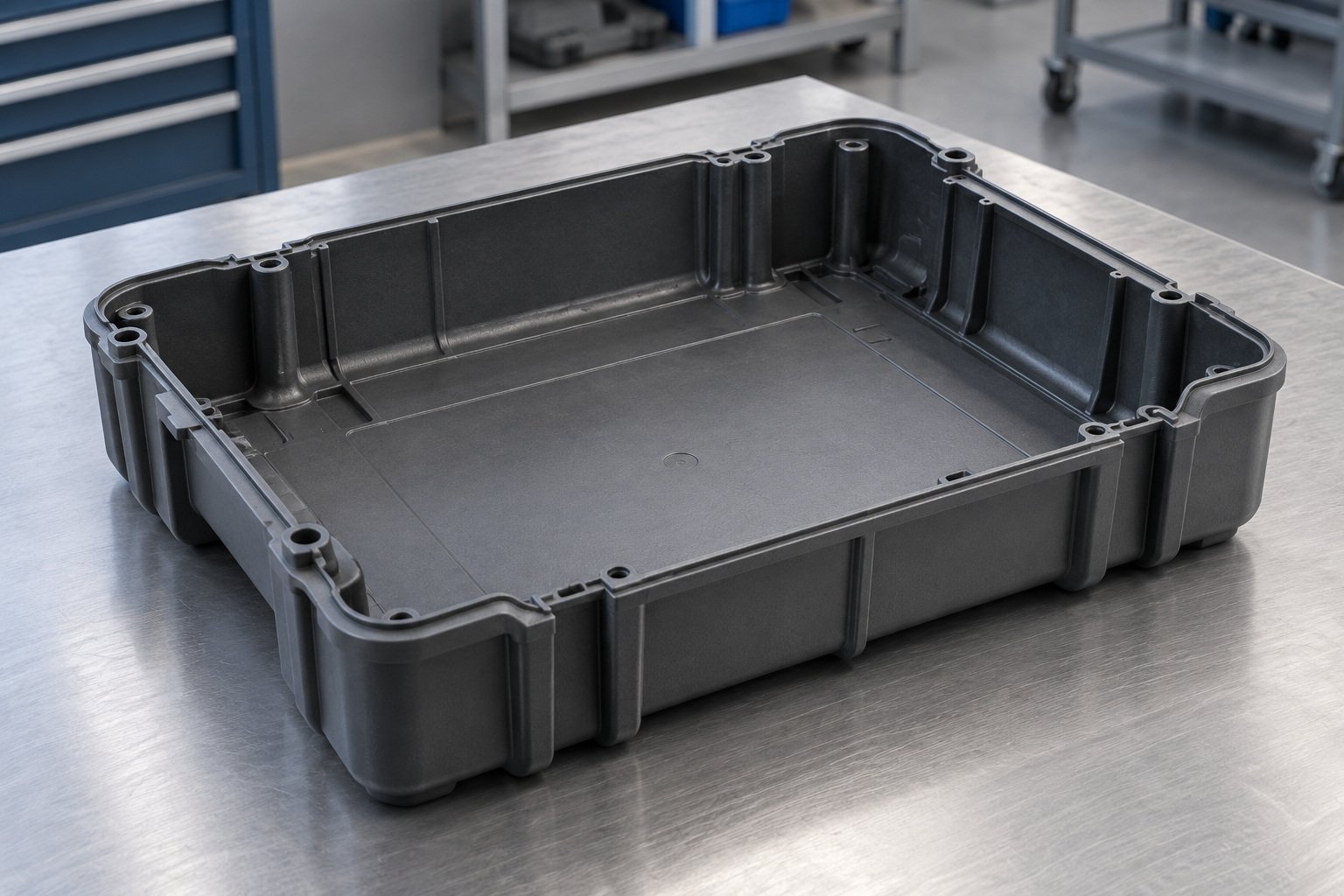
Compare the actual impact method, temperature and finished geometry with your load case.
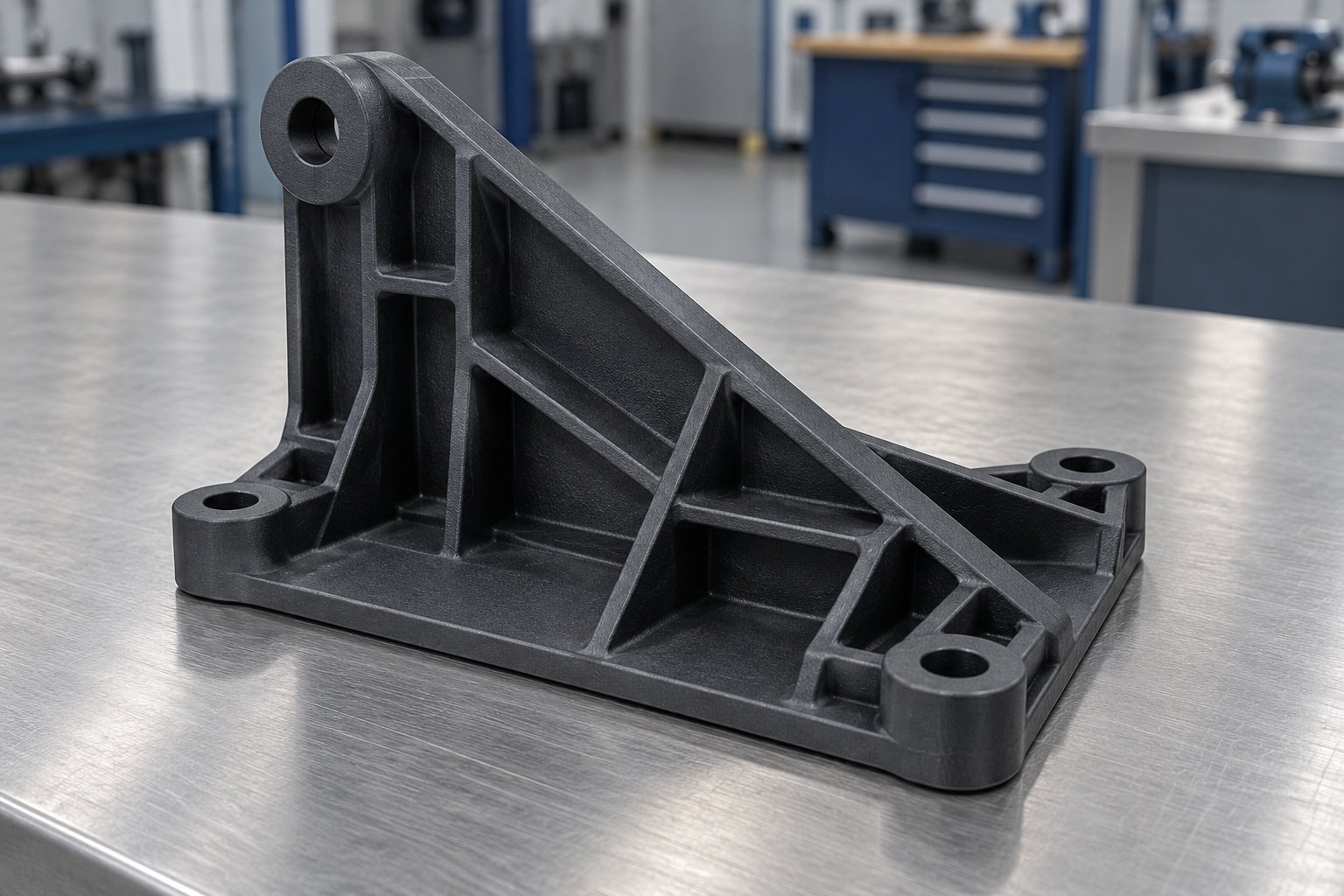
For glass filled polypropylene injection molding, review fiber direction, shrinkage, tool conditions and mating surfaces. Do not assume a direct replacement for unfilled PP.
Review stiffness, impact at the actual temperature and the selected grade. The family name does not identify an approved product.
| Your decision | What to confirm |
|---|---|
| Full product | Manufacturer, grade suffix, color and lot |
| Purchasing form | Stock shapes or molding resin |
| Your approval | Actual load, assembly and sample |
A resin data sheet does not identify unspecified sheet, rod or tube.
| Your decision | What to confirm |
|---|---|
| CNC stock: sheet, rod or tube | Identify the stock manufacturer, full product, color and batch. Review support, material removal and the final measurement state. |
| Molding resin: full grade and color | For your polypropylene injection molding quote, specify the resin grade, tooling scope, quantities and sample acceptance. A machined or printed sample does not establish molded hinge life. |
Review geometry, moisture/temperature state, support and timing before comparing dimensions.
| Your decision | What to confirm |
|---|---|
| Assembly | Mating parts, strain and motion |
| Processing | Flow orientation, cooling and shrinkage |
| Inspection | Datums, support and agreed method |
Material records must correspond to the product and batch actually supplied.
| Your decision | What to confirm |
|---|---|
| Identity | Full stock or resin product, color and batch |
| Finished part | Dimensions and functional sample approval |
| No automatic equivalence | Printed or machined prototypes do not validate molded hinge life |
Confirm the manufacturer grade and intended transparency, impact and processing requirements; do not infer properties from appearance.
| Your decision | What to confirm |
|---|---|
| Full product | Manufacturer, grade suffix, color and lot |
| Purchasing form | Stock shapes or molding resin |
| Your approval | Actual load, assembly and sample |
A resin data sheet does not identify unspecified sheet, rod or tube.
| Your decision | What to confirm |
|---|---|
| CNC stock: sheet, rod or tube | Identify the stock manufacturer, full product, color and batch. Review support, material removal and the final measurement state. |
| Molding resin: full grade and color | For your polypropylene injection molding quote, specify the resin grade, tooling scope, quantities and sample acceptance. A machined or printed sample does not establish molded hinge life. |
Review geometry, moisture/temperature state, support and timing before comparing dimensions.
| Your decision | What to confirm |
|---|---|
| Assembly | Mating parts, strain and motion |
| Processing | Flow orientation, cooling and shrinkage |
| Inspection | Datums, support and agreed method |
Material records must correspond to the product and batch actually supplied.
| Your decision | What to confirm |
|---|---|
| Identity | Full stock or resin product, color and batch |
| Finished part | Dimensions and functional sample approval |
| No automatic equivalence | Printed or machined prototypes do not validate molded hinge life |
Compare the actual impact method, temperature and finished geometry with your load case.
| Your decision | What to confirm |
|---|---|
| Full product | Manufacturer, grade suffix, color and lot |
| Purchasing form | Stock shapes or molding resin |
| Your approval | Actual load, assembly and sample |
A resin data sheet does not identify unspecified sheet, rod or tube.
| Your decision | What to confirm |
|---|---|
| CNC stock: sheet, rod or tube | Identify the stock manufacturer, full product, color and batch. Review support, material removal and the final measurement state. |
| Molding resin: full grade and color | For your polypropylene injection molding quote, specify the resin grade, tooling scope, quantities and sample acceptance. A machined or printed sample does not establish molded hinge life. |
Review geometry, moisture/temperature state, support and timing before comparing dimensions.
| Your decision | What to confirm |
|---|---|
| Assembly | Mating parts, strain and motion |
| Processing | Flow orientation, cooling and shrinkage |
| Inspection | Datums, support and agreed method |
Material records must correspond to the product and batch actually supplied.
| Your decision | What to confirm |
|---|---|
| Identity | Full stock or resin product, color and batch |
| Finished part | Dimensions and functional sample approval |
| No automatic equivalence | Printed or machined prototypes do not validate molded hinge life |
For glass filled polypropylene injection molding, review fiber direction, shrinkage, tool conditions and mating surfaces. Do not assume a direct replacement for unfilled PP.
| Your decision | What to confirm |
|---|---|
| Full product | Manufacturer, grade suffix, color and lot |
| Purchasing form | Stock shapes or molding resin |
| Your approval | Actual load, assembly and sample |
A resin data sheet does not identify unspecified sheet, rod or tube.
| Your decision | What to confirm |
|---|---|
| CNC stock: sheet, rod or tube | Identify the stock manufacturer, full product, color and batch. Review support, material removal and the final measurement state. |
| Molding resin: full grade and color | For your polypropylene injection molding quote, specify the resin grade, tooling scope, quantities and sample acceptance. A machined or printed sample does not establish molded hinge life. |
Review geometry, moisture/temperature state, support and timing before comparing dimensions.
| Your decision | What to confirm |
|---|---|
| Assembly | Mating parts, strain and motion |
| Processing | Flow orientation, cooling and shrinkage |
| Inspection | Datums, support and agreed method |
Material records must correspond to the product and batch actually supplied.
| Your decision | What to confirm |
|---|---|
| Identity | Full stock or resin product, color and batch |
| Finished part | Dimensions and functional sample approval |
| No automatic equivalence | Printed or machined prototypes do not validate molded hinge life |
Two Moplen homopolymer resin references at 230°C / 2.16 kg. Higher melt flow rate is not a strength or durability ranking.
Manufacturer resin references: HP501H ISO 1133-1; HP500N ASTM D1238. Same stated temperature/load; test standards differ. Treat as product data references, not a validated head-to-head test or finished-part ranking.
HP501H reference → HP500N reference →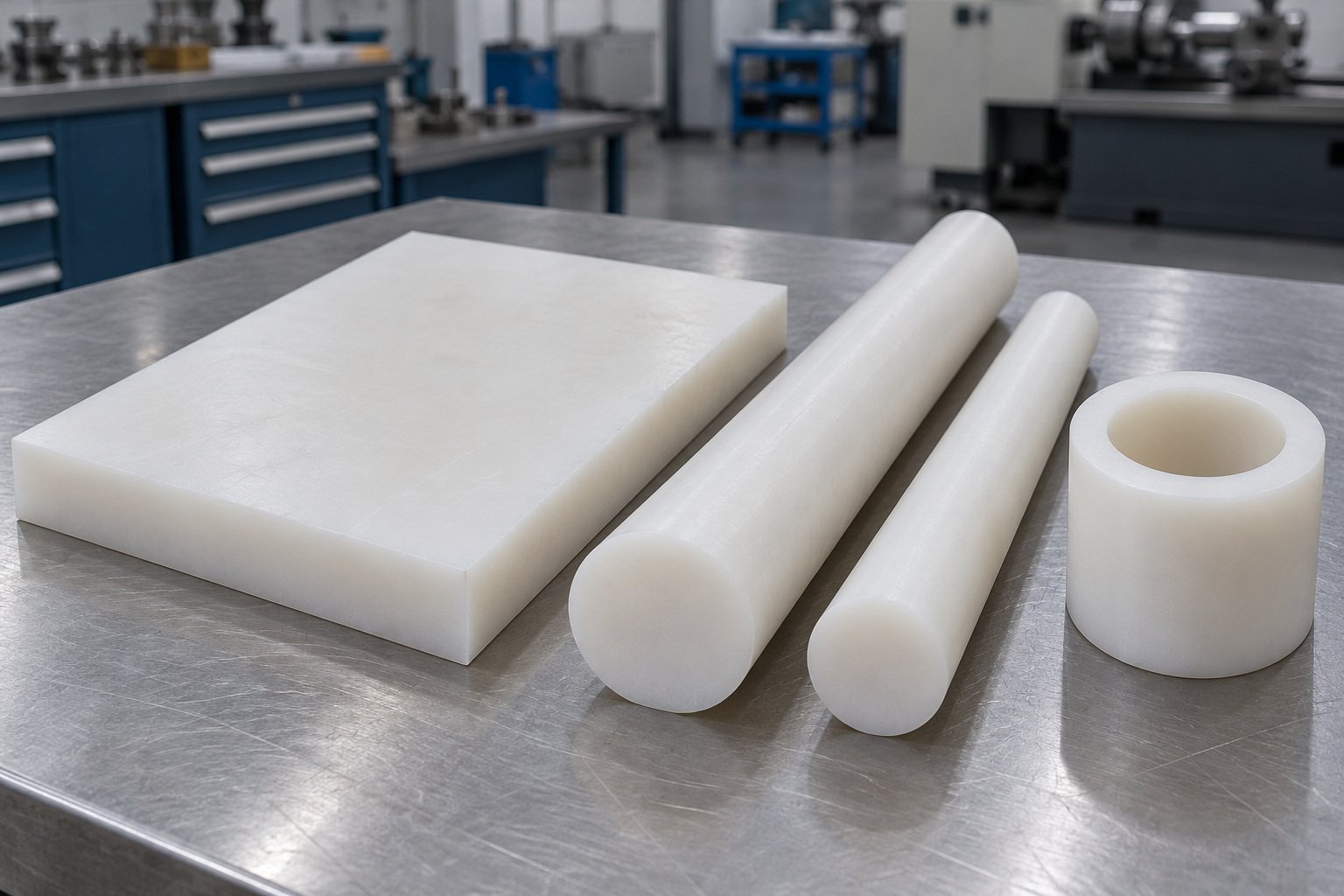
Identify the stock manufacturer, full product, color and batch. Review support, material removal and the final measurement state.
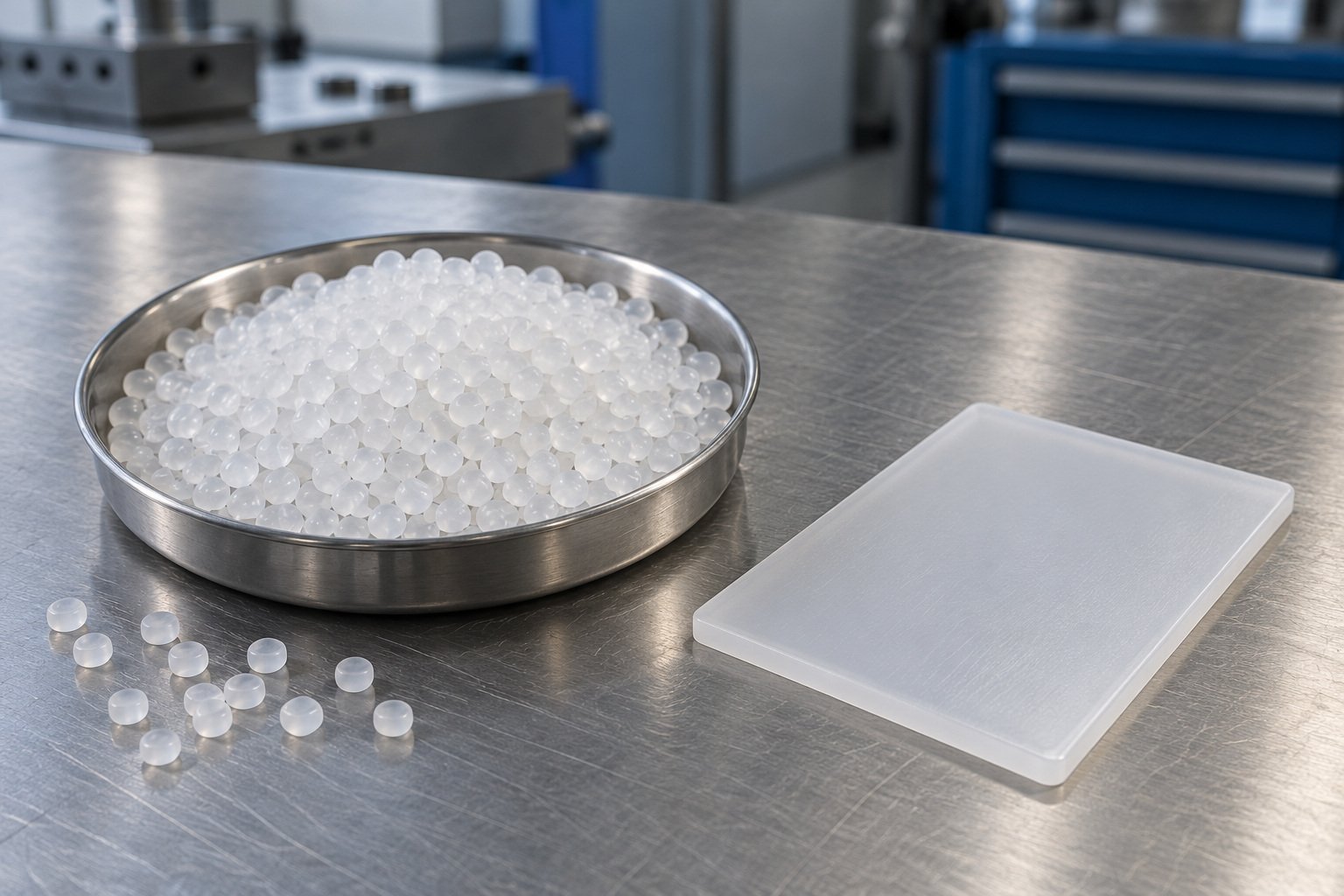
For your polypropylene injection molding quote, specify the resin grade, tooling scope, quantities and sample acceptance. A machined or printed sample does not establish molded hinge life.
Agree the opening angle, cycles, environment and acceptance method before tooling. Flow orientation and molding conditions differ from printed or machined polypropylene prototype parts.
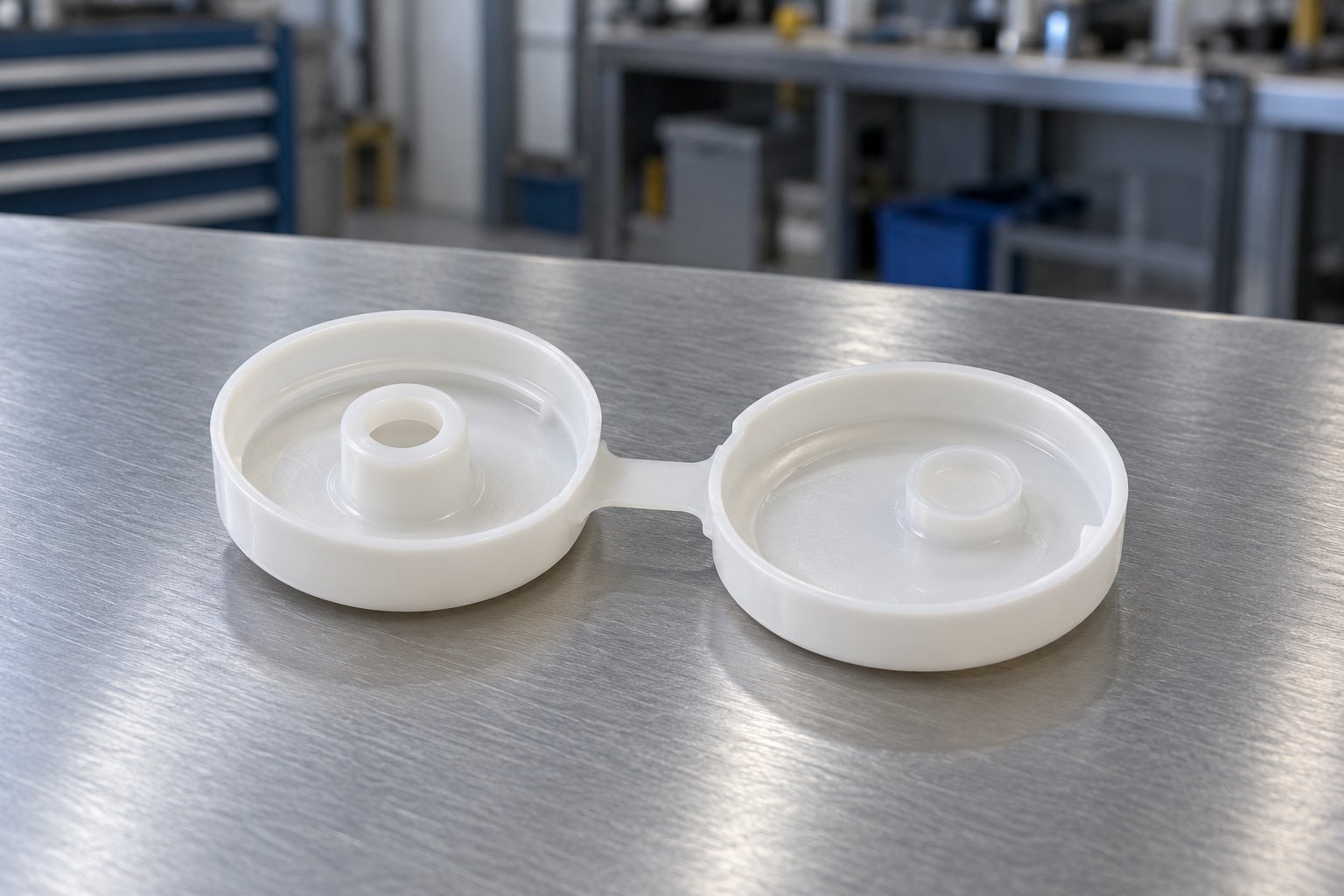
For polypropylene shrinkage, review geometry, cooling, differential shrinkage and the time at measurement. Compare samples in the agreed final state.
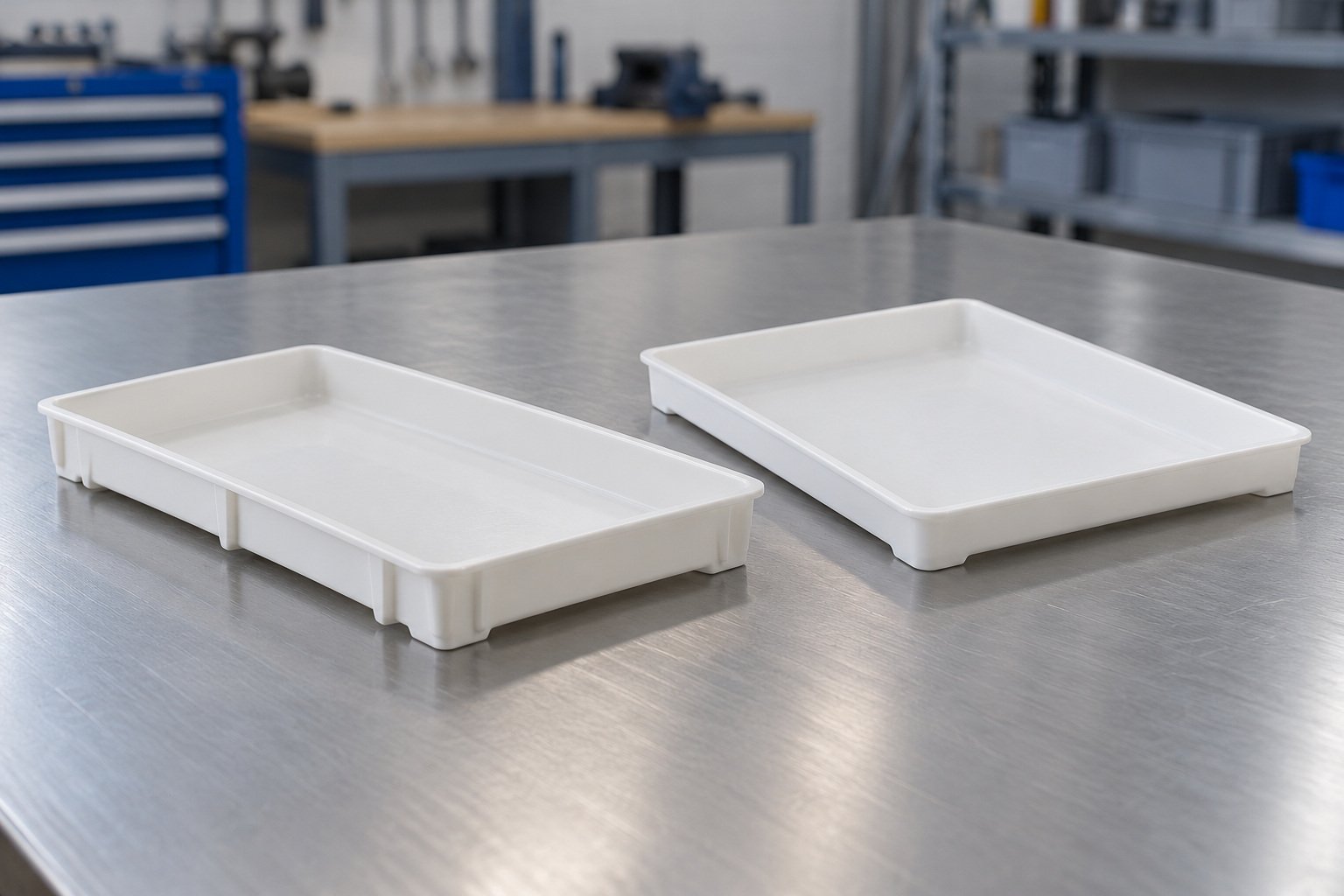
For polypropylene stress whitening, review strain, root geometry, assembly motion and required life. A visual change needs an agreed acceptance criterion.
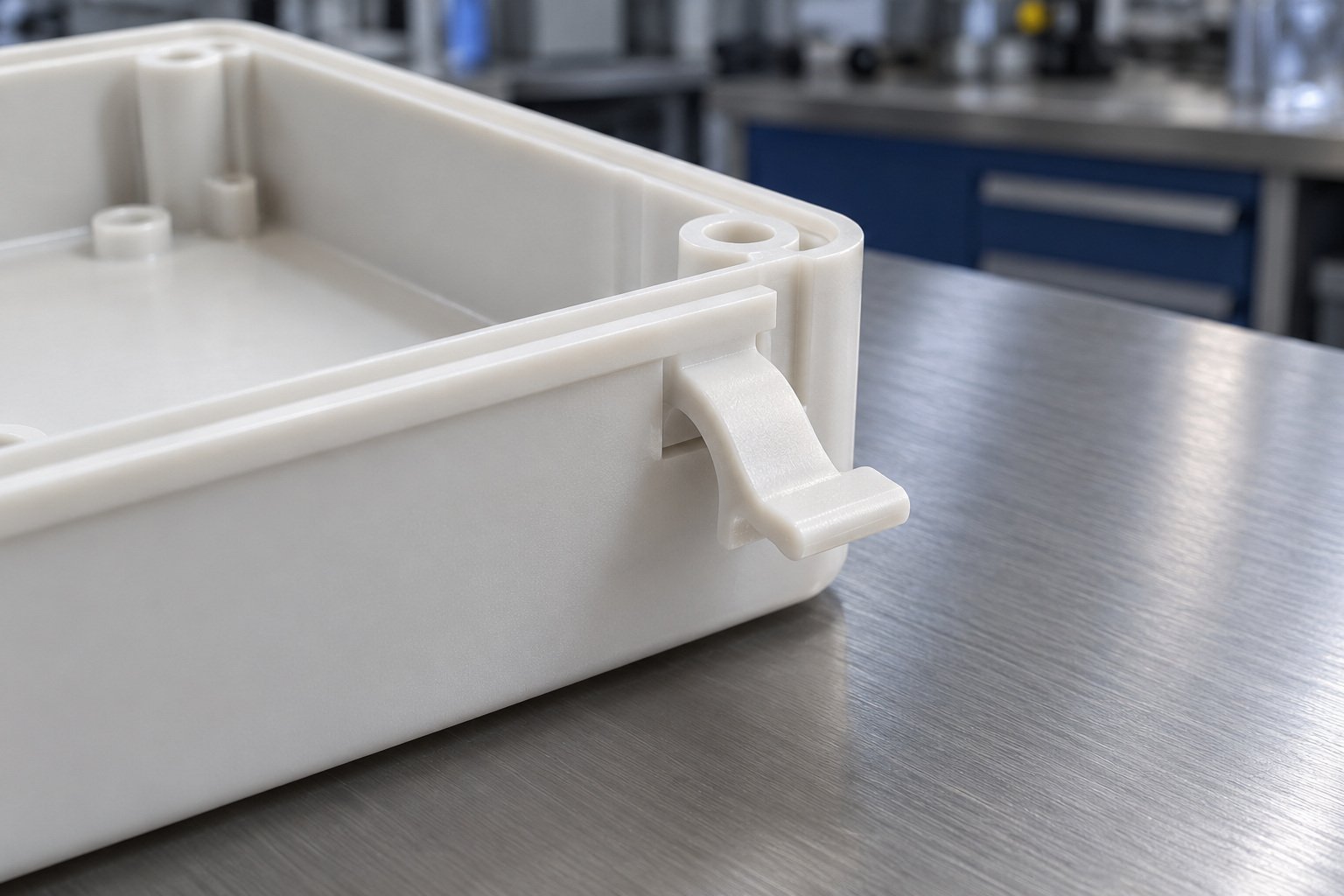
For polypropylene chemical resistance, define medium, concentration, temperature, duration and load together. General resistance lists are not a finished-part guarantee.
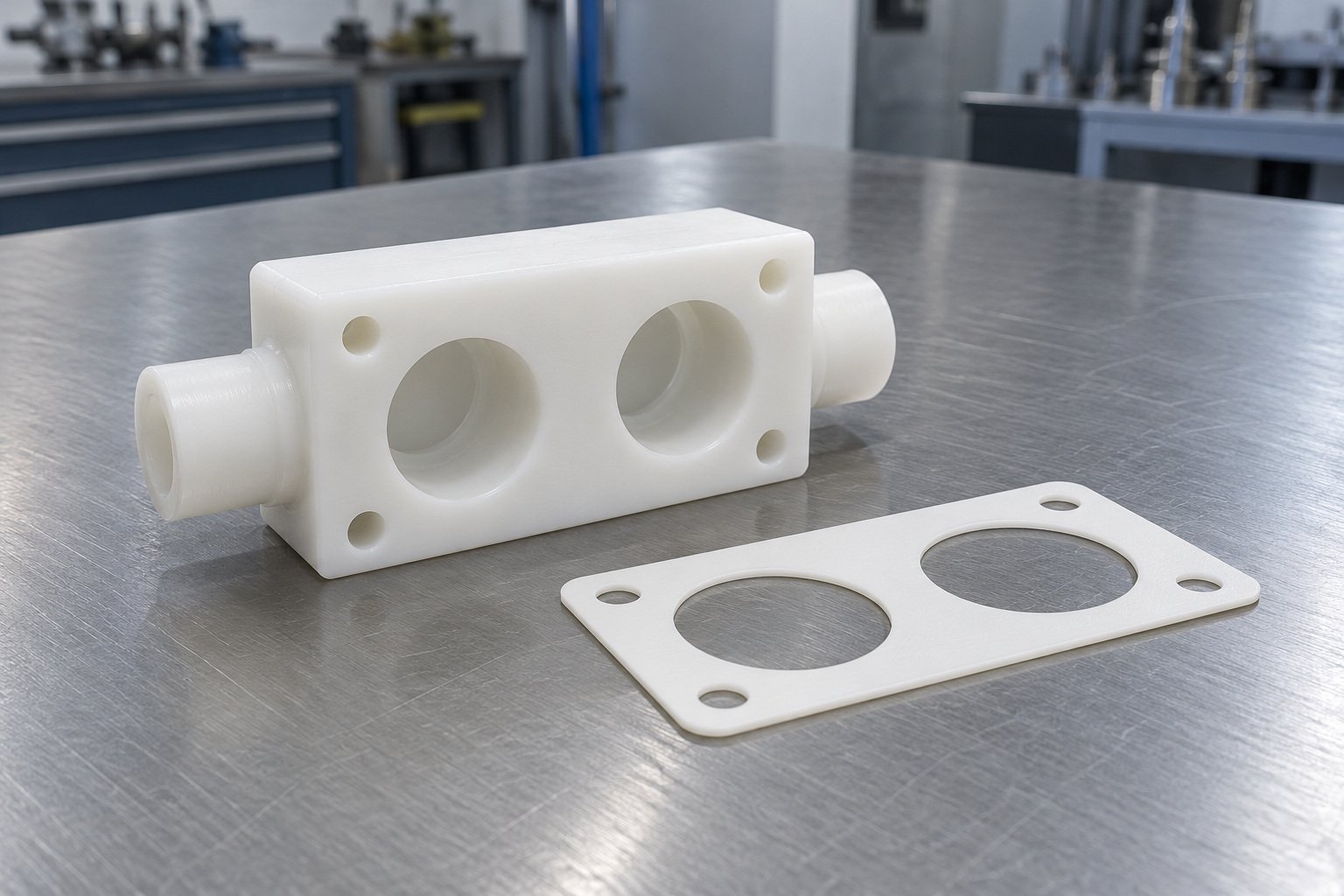
For polypropylene weldability, confirm both products, joint geometry, method and a representative sample. A shared polymer name does not approve every joint.
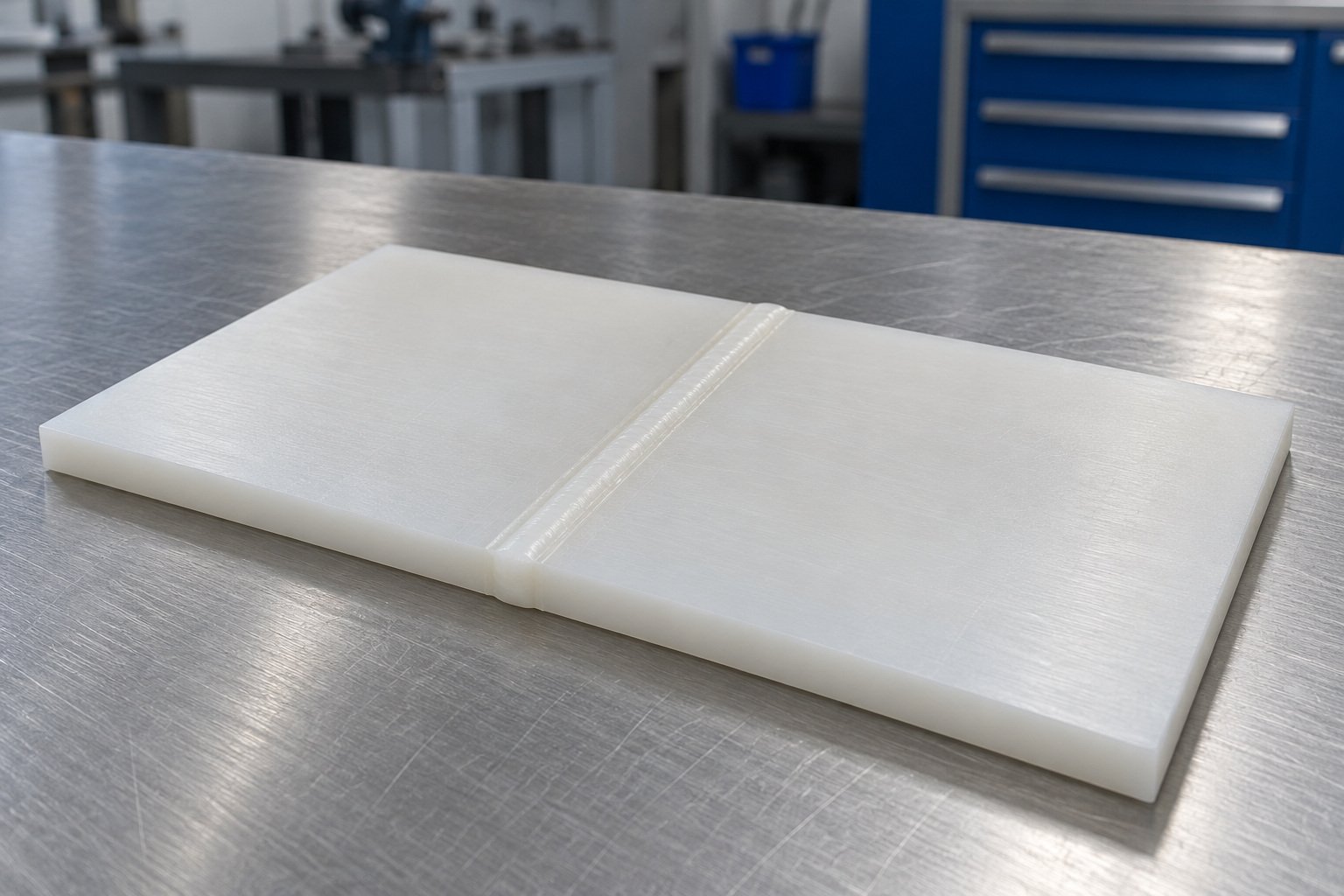
Agree support, measuring force, temperature and timing. Thin or compliant parts can deform during inspection.
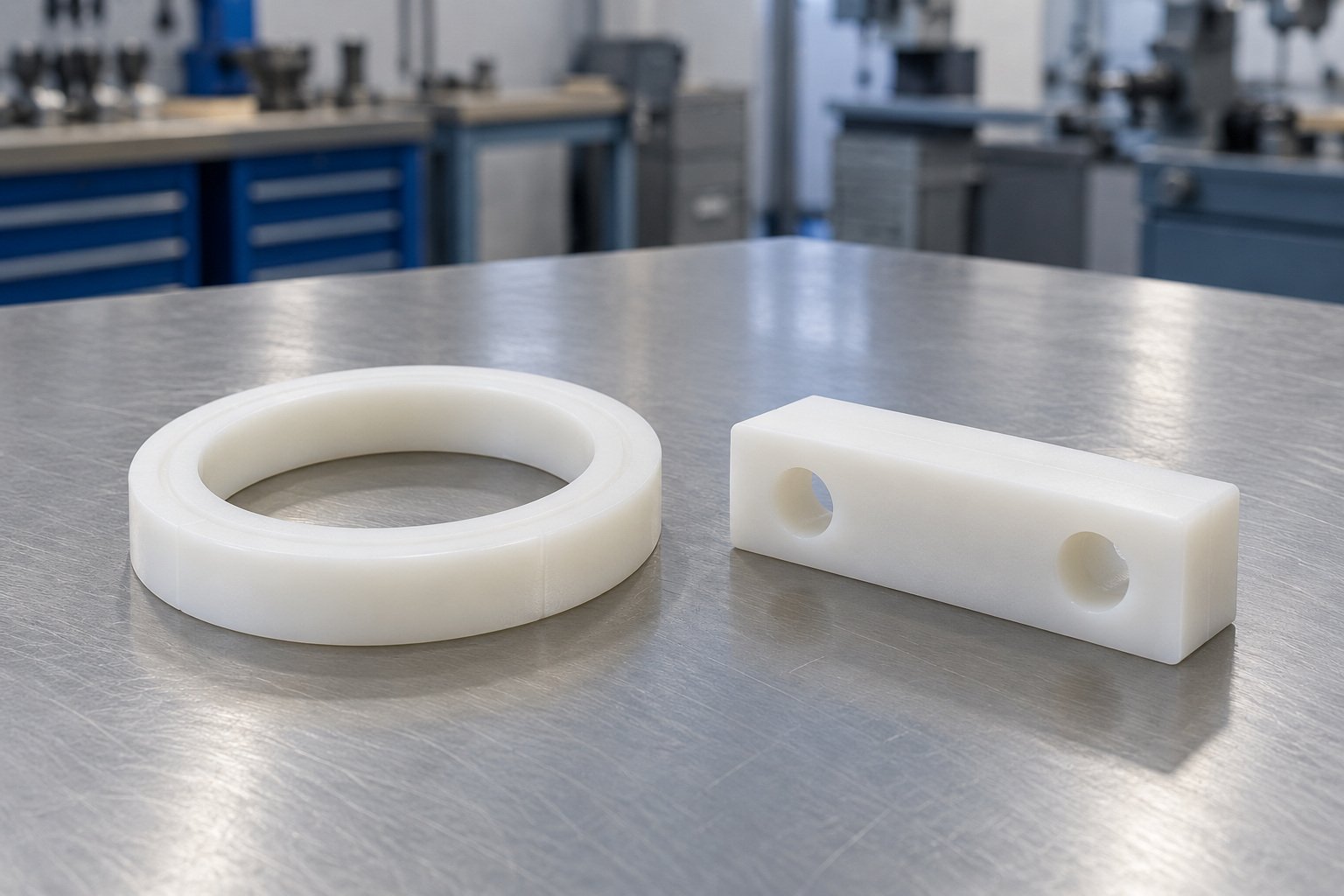
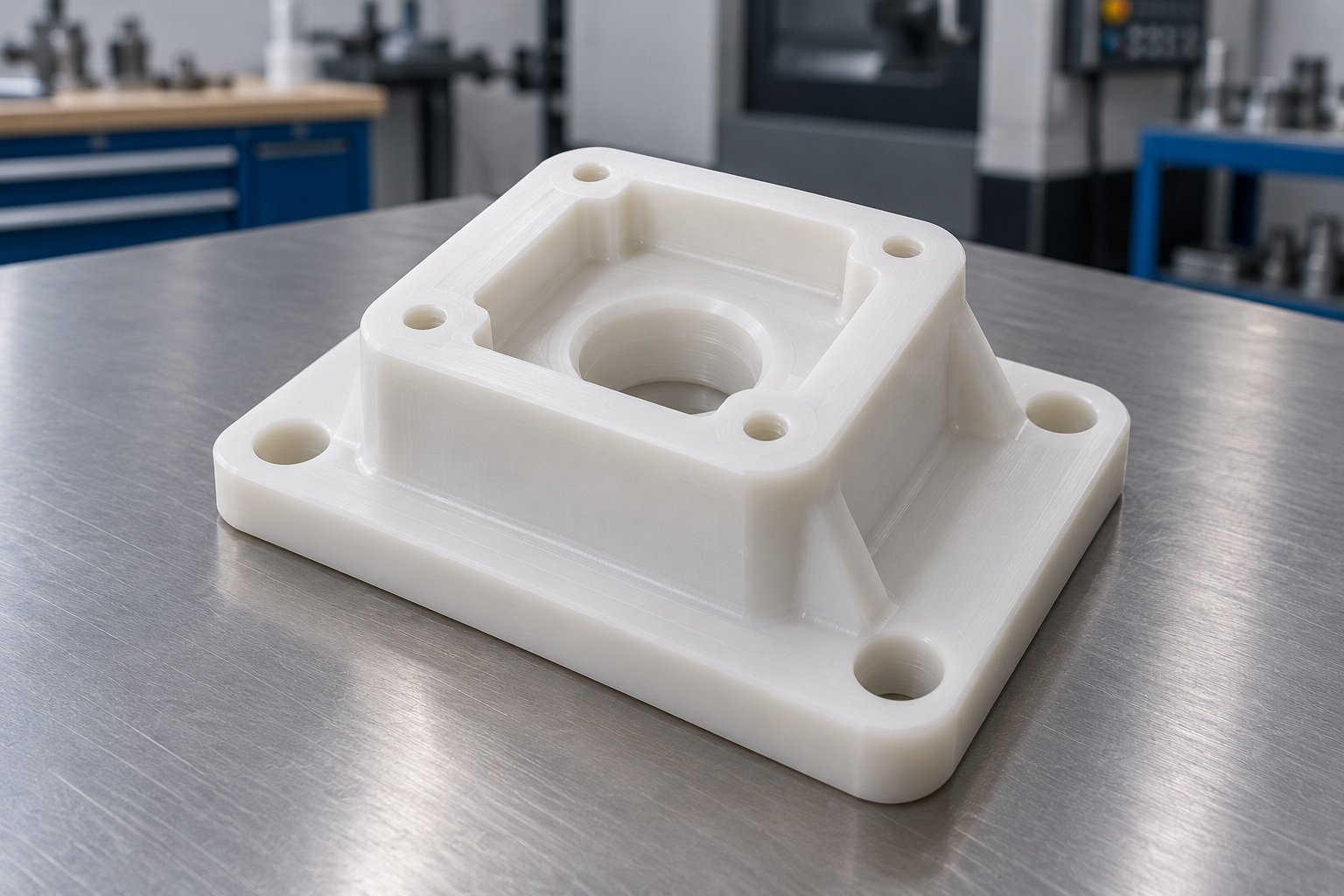
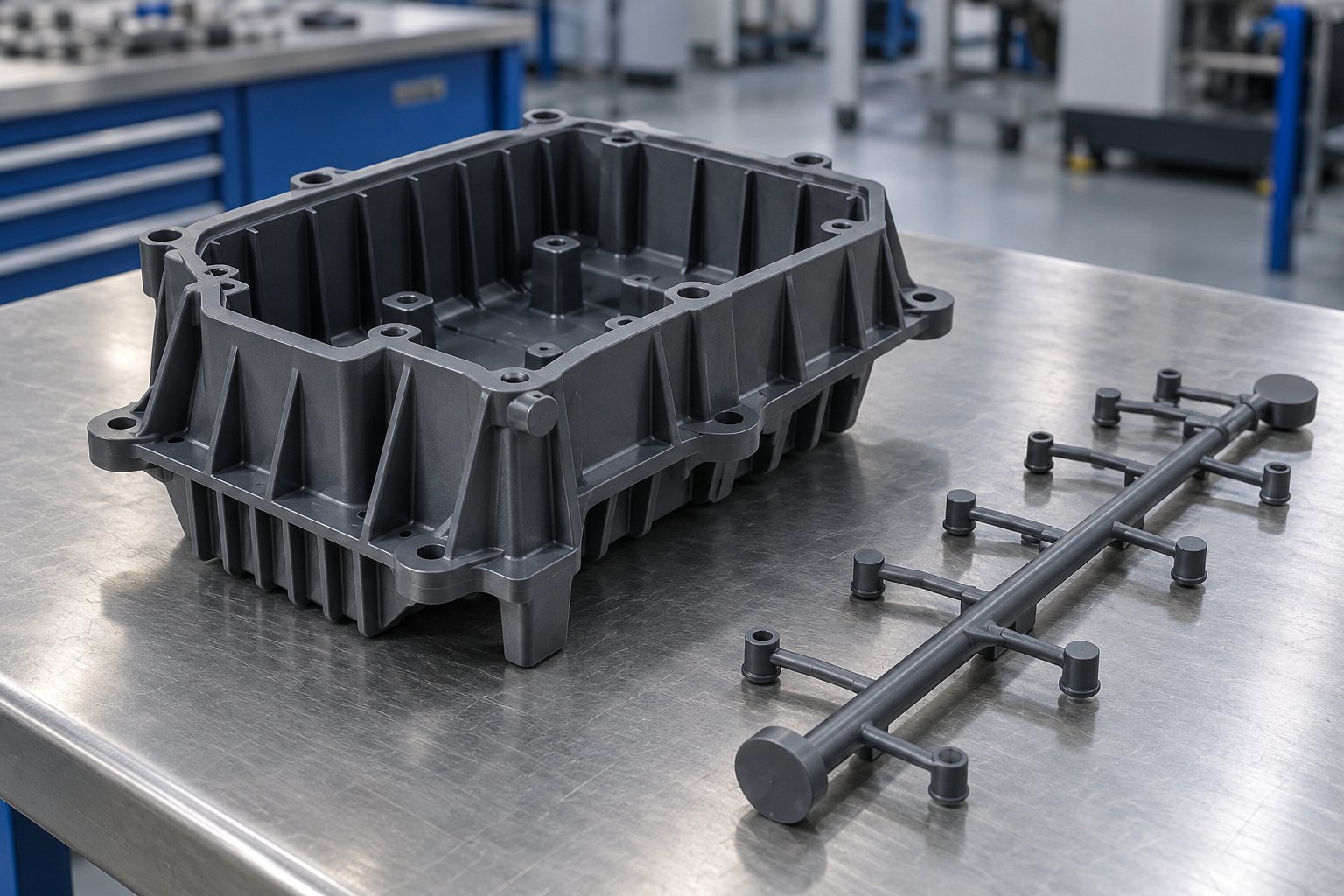
Review full resin, flow, cooling and the approved production sample.
Review service →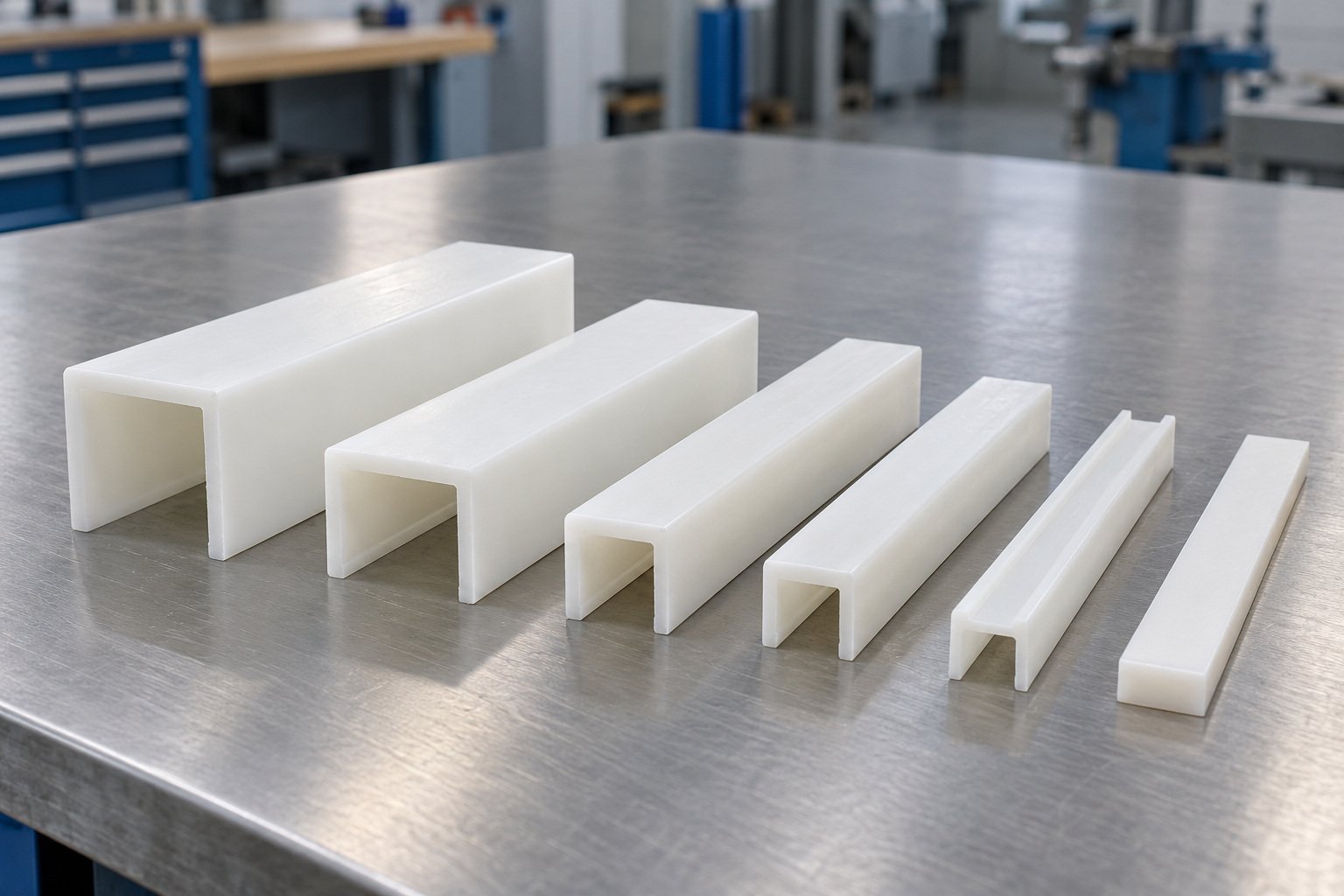
Process availability and material scope require confirmation for your drawing.
| Your check | Evidence to agree |
|---|---|
| 1 | Full grade, color, supplier and batch |
| 2 | Finished dimensions, measurement state and datums |
| 3 | Functional sample approval and agreed material records |
Polypropylene (PP) finished part inspection requirements must define the final measurement state. Material identity is separate from functional approval.
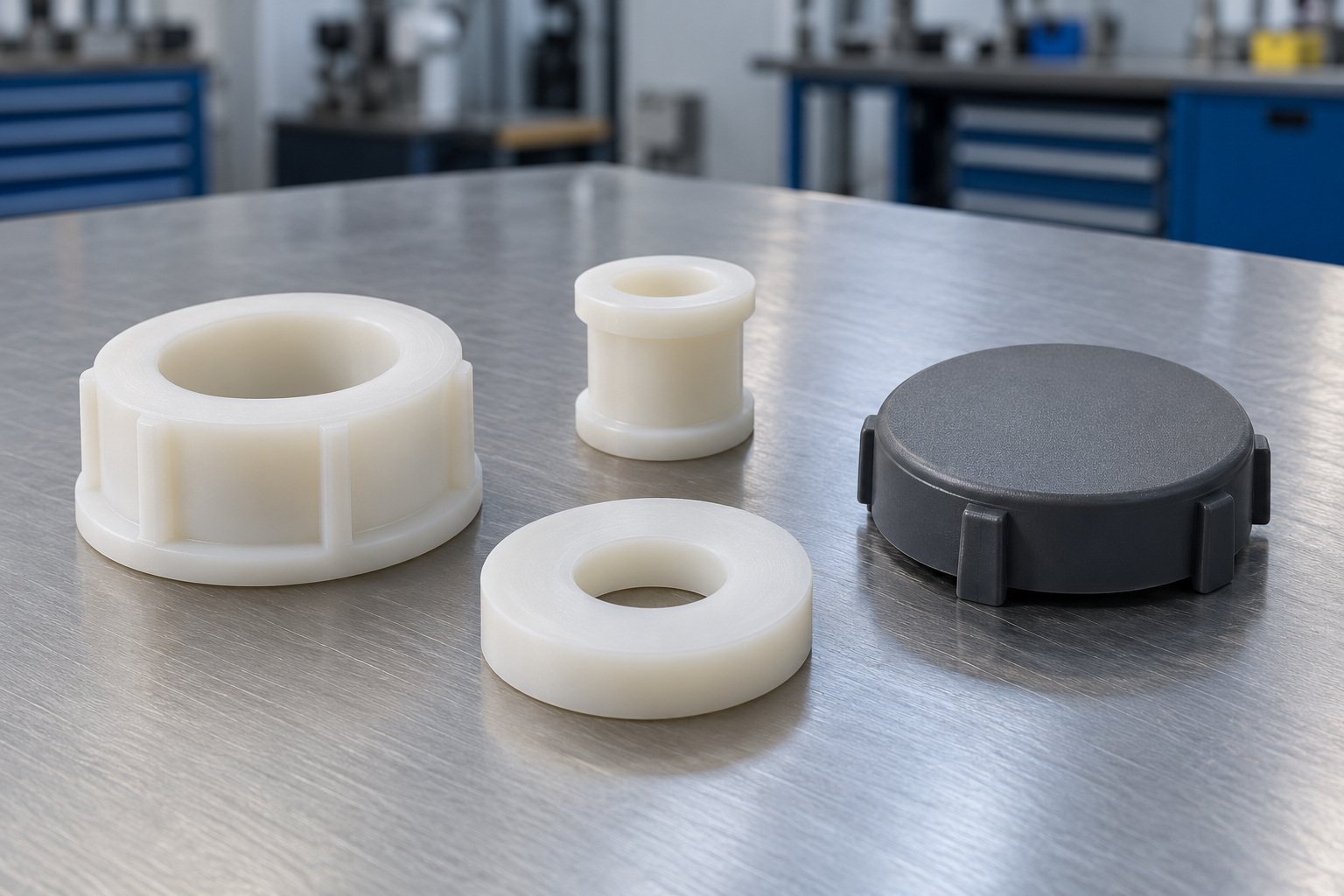
Material · Tooling or machining · Quantity · Inspection · Delivery
Compare the actual grade and product form against stiffness, impact at temperature, hinge motion and processing requirements. No family is a universal winner.
No automatic equivalence. Material, orientation and process differ; validate the production hinge using agreed cycles, angle and environment.
Review shrinkage, flow, toughness, tool geometry and finished-part acceptance before substitution. Do not assume a drop-in change.
Agree full product and color, supplier, batch and any required material certificate. Polypropylene material certification must correspond to the stock or resin actually supplied.
For your polypropylene machining quote or molding review, send CAD, controlled drawing, full grade or approved alternatives, order quantities, working conditions, critical fits, finish and inspection requirements.
Material references: LyondellBasell. Candidate material families are not inventory or capability commitments.
The base polymer is polypropylene. Copolymer structure, filler, stabilizers, pigments and declared formulation belong to the exact supplier product. Agree any composition or compliance report by product and batch; no universal percentage composition is inferred.
For your European order, retain the full product specification and applicable ordered standard. Family descriptors do not authorize substitution.