LK MFG

Category: Uncategorized

  • Comment réduire le coût total de fabrication des pièces sans en altérer la fonctionnalité

    Examinez ensemble la géométrie, la tolérance, le processus et répétez l’approvisionnement pour trouver des opportunités de coûts utiles.

    Protéger la fonction avant de simplifier la géométrie

    Commencez par séparer les exigences fonctionnelles de la géométrie qui peut changer. Des poches profondes, un accès difficile aux outils et des configurations supplémentaires peuvent influencer les coûts. Demandez des commentaires de conception pour la fabrication sur ces fonctionnalités tout en conservant les interfaces et les performances dont votre produit a besoin.

    Utiliser les tolérances là où elles créent de la valeur

    Des tolérances serrées peuvent nécessiter un usinage et une inspection supplémentaires. Faites correspondre chaque tolérance à l’ajustement, à l’alignement, à l’étanchéité ou à un autre besoin fonctionnel. Une tolérance globale peut augmenter le coût des surfaces sans affecter l’assemblage.

    Revoir le choix du processus avec la quantité

    l’usinage CNC peut prendre en charge une géométrie flexible et un travail à faible volume, tandis que le moulage ou la fonderie introduit des considérations en matière d’outillage. Comparez l’outillage, le travail par pièce, la finition et la vérification par rapport à votre quantité de production attendue. Il n’existe pas de quantité croisée unique qui s’applique à chaque pièce.

    Inclure la finition et l’inspection en amont

    Les revêtements, le traitement thermique, l’acceptation cosmétique et l’inspection peuvent affecter l’acheminement et le calendrier. Précisez ces exigences avant de comparer les coûts. Les modifications apportées après la planification d’un processus peuvent entraîner des manipulations ou des retouches supplémentaires.

    Plan pour les commandes répétées

    Examiner la disponibilité des matériaux, le contrôle des révisions, les critères d’inspection cohérents et les besoins d’emballage. Demandez quelles hypothèses du devis dépendent de la taille du lot ou du moment de l’achat. Évaluez le plan d’approvisionnement global au lieu de traiter le prix du premier prototype comme un prix de production garanti.

    Créer une demande de révision des coûts ciblée

    Envoyez le modèle et le dessin actuels, les quantités cibles et une liste prioritaire des fonctionnalités susceptibles de changer. Demandez des suggestions identifiées séparément afin que vous puissiez évaluer le compromis technique avant d’approuver toute révision.

    Explorez les matériaux pour votre part · Discutez de vos exigences de fabrication
  • Comment choisir un matériau pour votre pièce usinée CNC

    Comparez la fonction, le processus, la finition et la documentation avant de valider votre conception.

    Commencez par ce que votre pièce doit faire

    Avant de choisir un alliage familier, enregistrez les charges, la température de fonctionnement, les surfaces de contact, l’environnement et la durée de vie prévue de votre pièce. Identifiez quelles exigences sont essentielles et lesquelles sont des préférences. Un matériau résistant peut toujours ne pas convenir lorsque le poids, la corrosion, l’usure ou la stabilité dimensionnelle déterminent l’application.

    Présélectionner des matériaux autour de votre processus de fabrication

    Pour les matériaux d’usinage CNC, tenez compte de l’accès aux caractéristiques, de l’épaisseur de paroi, du risque de distorsion et de l’état du stock fourni. L’aluminium, l’acier inoxydable, les plastiques techniques et d’autres familles de matériaux nécessitent des considérations de traitement différentes. Pour le moulage par injection, évaluez ensemble la qualité spécifique de la résine et la géométrie moulée ; un prototype en plastique usiné ne démontre pas automatiquement les performances moulées en production.

    comparez le coût total des pièces, pas seulement le prix des actions

    demandez à votre partenaire de fabrication de vérifier le temps d’usinage, l’outillage, les rebuts, la finition, l’inspection et la quantité commandée ainsi que le coût des matières premières. Si un matériau moins cher nécessite des opérations supplémentaires ou crée davantage de pièces rejetées, le composant fini peut coûter plus cher. Comparez les devis avec les mêmes exigences de révision, de finition et d’inspection des dessins.

    Spécifier la qualité, l’état et la vérification

    Indiquer la qualité, la trempe ou le traitement thermique requis, le cas échéant. Incluez les tolérances fonctionnelles et les exigences de finition sur le dessin. Si vous avez besoin de certificats de matériaux, de traçabilité des lots ou de documents de conformité particuliers, identifiez-les avant de demander un devis afin que la disponibilité et la portée puissent être confirmées.

    envoyer un mémoire prêt à prendre une décision

    partagez votre CAO et votre dessin, la quantité cible, l’environnement de travail, les dimensions critiques et toute alternative acceptable. Demandez des compromis entre deux ou trois candidats plutôt qu’un meilleur matériau universel. La sélection finale nécessite un examen par rapport à votre application et à votre plan de vérification.

    Explorez les matériaux pour votre part · Discutez de vos exigences de fabrication
  • How to Reduce Total Manufactured Part Cost Without Losing Function

    Review geometry, tolerance, process and repeat supply together to find useful cost opportunities.

    Protect function before simplifying geometry

    Start by separating functional requirements from geometry that can change. Deep pockets, difficult tool access and additional setups can influence cost. Ask for design-for-manufacturing feedback on those features while retaining the interfaces and performance your product needs.

    Use tolerances where they create value

    Tight tolerances may require extra machining and inspection. Match each tolerance to fit, alignment, sealing or another functional need. A blanket tolerance can add cost to surfaces that do not affect the assembly.

    Review process choice with quantity

    CNC machining can support flexible geometry and low-volume work, while molding or casting introduces tooling considerations. Compare tooling, per-part work, finishing and verification over your expected production quantity. There is no single crossover quantity that applies to every part.

    Include finishing and inspection early

    Coatings, heat treatment, cosmetic acceptance and inspection can affect the routing and schedule. Specify these requirements before comparing costs. Changes after a process is planned can cause additional handling or rework.

    Plan for repeat orders

    Review material availability, revision control, consistent inspection criteria and packaging needs. Ask which assumptions in the quote depend on batch size or purchase timing. Evaluate the overall supply plan instead of treating the first prototype price as a guaranteed production price.

    Build a focused cost-review request

    Send the current model and drawing, target quantities and a prioritized list of features that may change. Request separately identified suggestions so you can assess the engineering tradeoff before approving any revision.

    Explore materials for your part · Discuss your manufacturing requirements

  • How to Choose a Material for Your CNC Machined Part

    Compare function, process, finish and documentation before committing your design.

    Start with what your part must do

    Before choosing a familiar alloy, record the loads, operating temperature, contact surfaces, environment and expected life of your part. Identify which requirements are essential and which are preferences. A strong material can still be unsuitable when weight, corrosion, wear or dimensional stability drives the application.

    Shortlist materials around your manufacturing process

    For CNC machining materials, consider access to features, wall thickness, distortion risk and the condition of the supplied stock. Aluminum, stainless steel, engineering plastics and other material families have different processing considerations. For injection molding, evaluate the specific resin grade and the molded geometry together; a machined plastic prototype does not automatically demonstrate production molded performance.

    Compare total part cost, not only stock price

    Ask your manufacturing partner to review machining time, tooling, scrap, finishing, inspection and order quantity alongside raw material cost. If a lower-priced material needs extra operations or creates more rejected parts, the finished component may cost more. Compare quotations against the same drawing revision, finish and inspection requirements.

    Specify grade, condition and verification

    State the required grade, temper or heat treatment where applicable. Include functional tolerances and finish requirements on the drawing. If you need material certificates, lot traceability or particular compliance documents, identify these before requesting a quote so availability and scope can be confirmed.

    Send a decision-ready brief

    Share your CAD and drawing, target quantity, working environment, critical dimensions and any acceptable alternatives. Ask for the tradeoffs between two or three candidates rather than a universal best material. Final selection requires review against your application and verification plan.

    Explore materials for your part · Discuss your manufacturing requirements

  • CNC Machining RFQ Checklist: What to Send for a Useful Quote

    YOUR DRAWING. YOUR QUOTE SCOPE. YOUR ACCEPTANCE.

    CNC Machining RFQ Checklist: What to Send for a Useful Quote

    Prepare 6 Inputs for Your Machined Part

    Prepare a clear CAD, drawing and requirements package that reduces avoidable clarification.

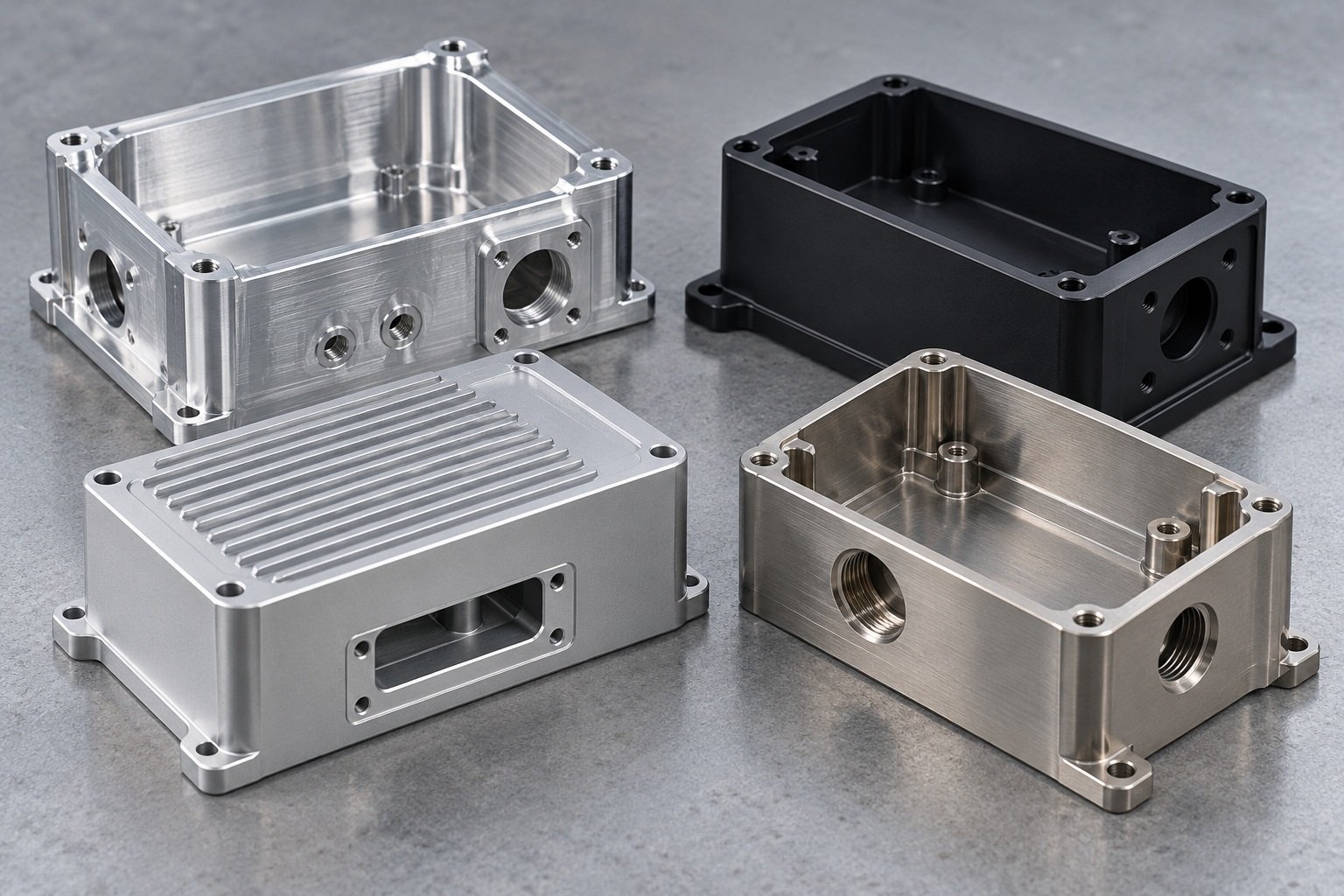
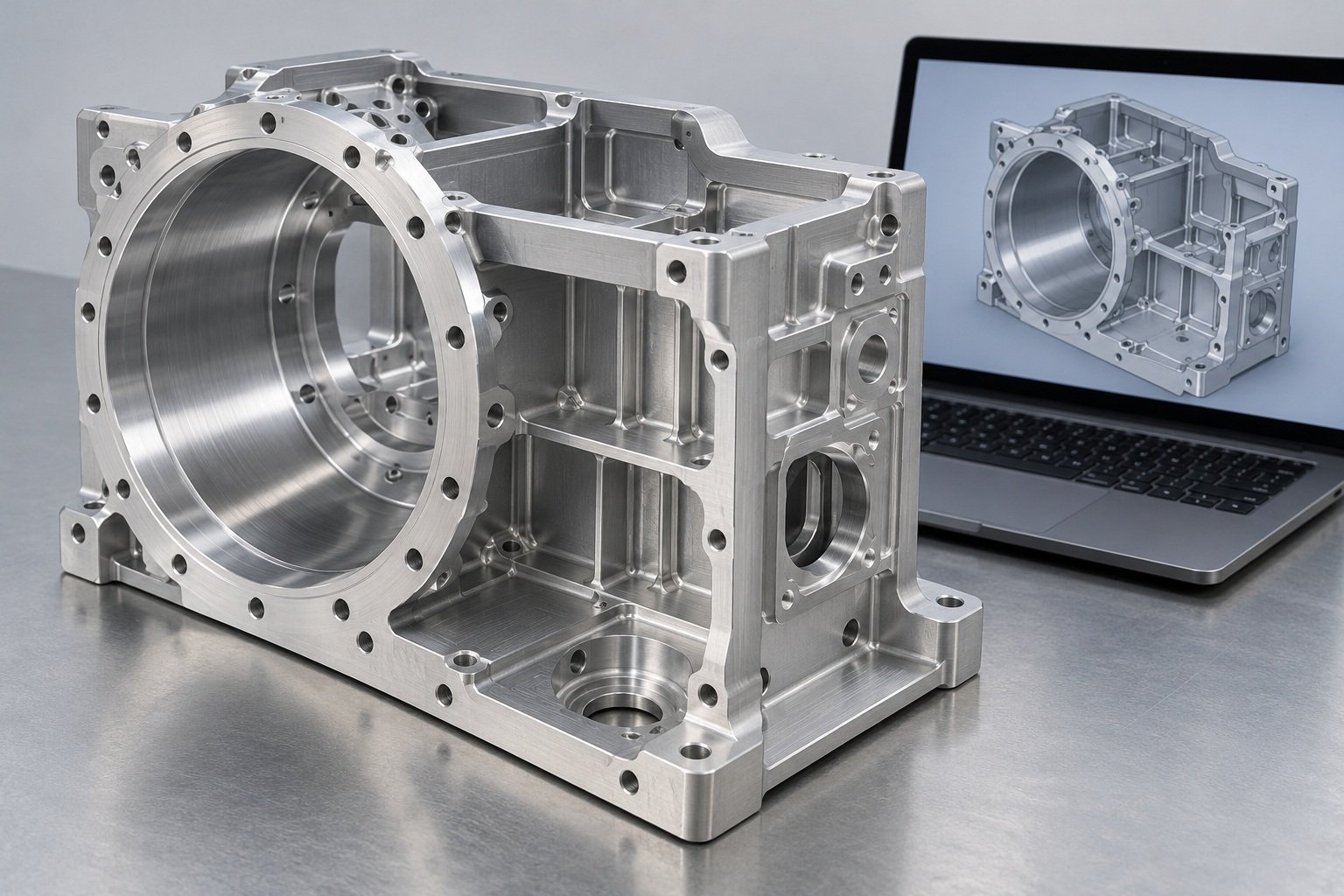
    Machined instrumentation enclosure beside an unlabelled CAD model; illustrative concept, not documentary company or customer evidence
    Illustrative manufacturing concept
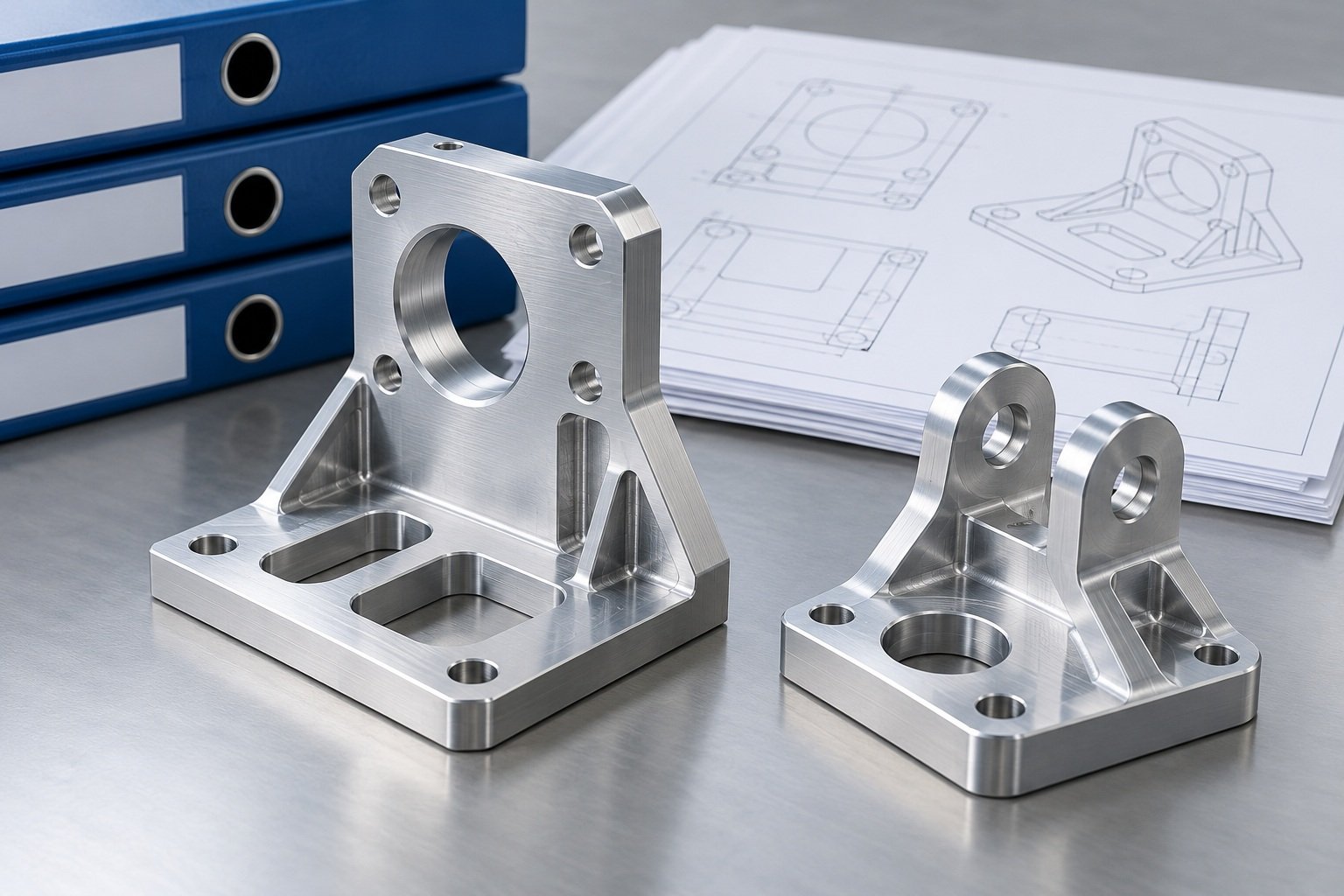
    Product and document scenes are illustrative concepts. Your released drawing governs your own part.
    01

    Drawing & Revision

    Connect CAD to controlled requirements.

    02

    Material & Finish

    Specify the full grade and final condition.

    03

    Features & Checks

    Identify what your assembly needs.

    04

    Quantity & Delivery

    Separate trial and repeat demand.

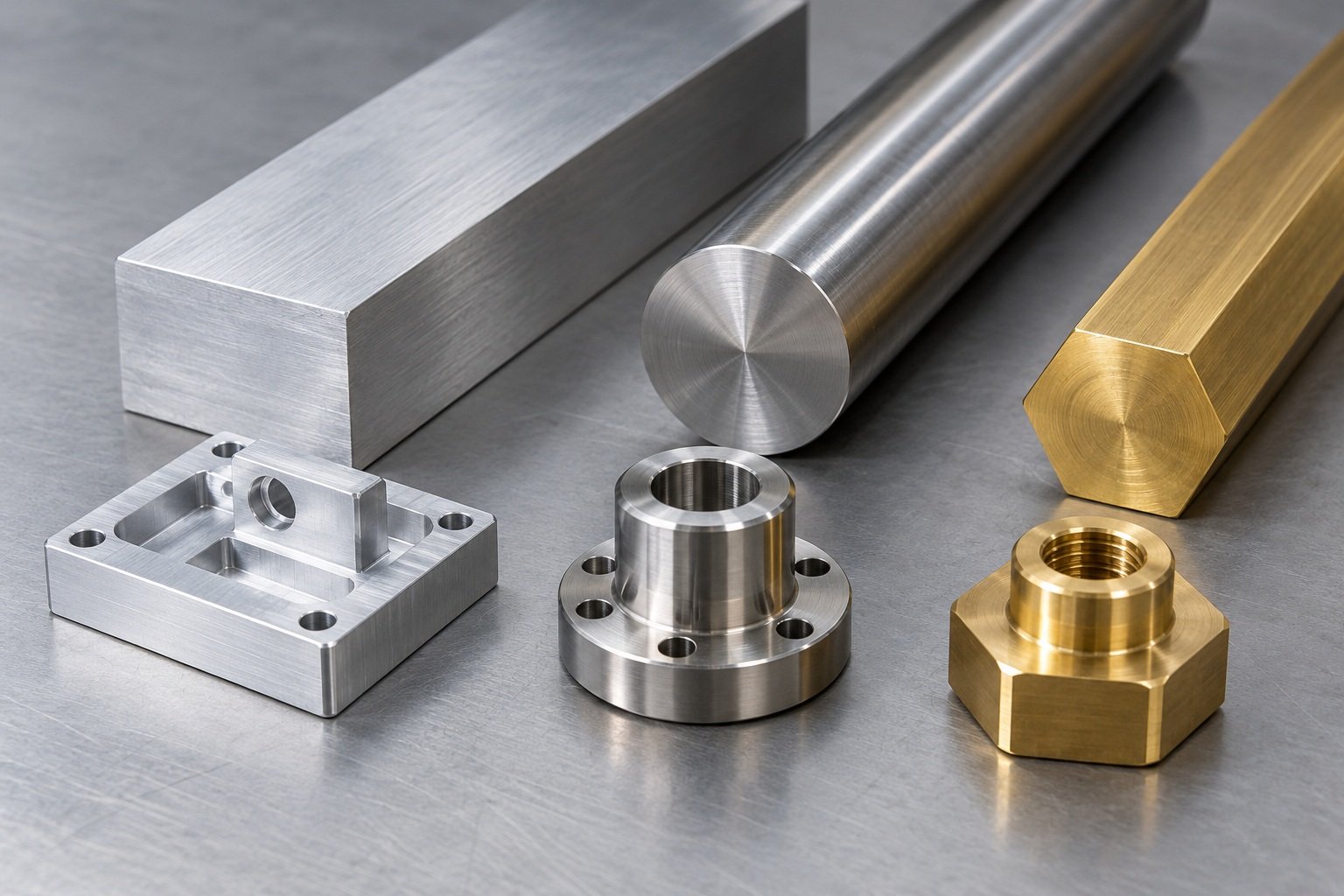
    Machined sample brackets beside blank review binders and unnumbered drawing sheets; illustrative concept, not documentary company or customer evidence
    Illustrative manufacturing concept

    START WITH THE SAME BASELINE

    Make Your CAD and Drawing Tell the Same Story

    For your CNC machining RFQ, identify the released files and any questions that need a separate quotation option.

    File revisionMatch the model, controlled drawing and part number.
    Critical interfacesMark fits, datums, sealing faces and mating parts.
    Material identityState grade, condition and permitted alternatives.
    Acceptance scopeName required reports and your approval contact.
    Review Your Drawing Guidelines →

    4 Scope Decisions to Resolve Before You Compare Prices

    Revision

    Quote the same released geometry and features.

    Alternatives

    Request material or route alternatives as separate options.

    Inspection

    Distinguish routine checks from your specified records.

    Order pattern

    Separate sample, first-order and repeat quantities.

    FIT THE ROUTE TO YOUR FEATURES

    Which Features Drive Your Manufacturing Review?

    Point out tool access, deep pockets, concentric diameters, angled faces and narrow conductive-metal profiles. Ask which setup, secondary operations and checks are included.

    PocketsDiametersDatumsFinal finish
    Compare CNC Manufacturing Routes →
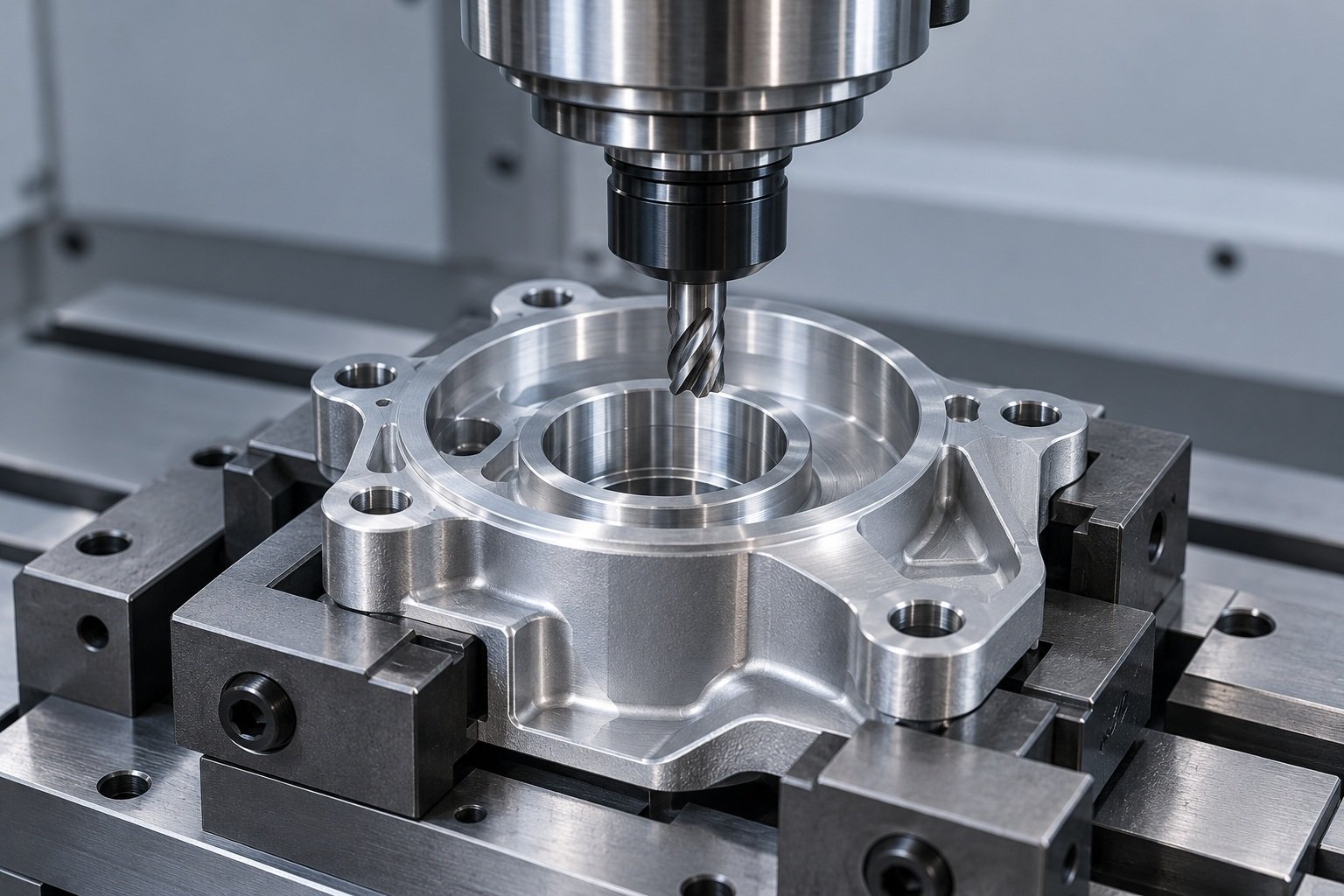
    CNC spindle above a clamped flanged aluminum component; illustrative concept, not documentary company or customer evidence
    Illustrative manufacturing concept

    Build the RFQ Package Around Your Part

    Keep CAD and Drawings on the Same Revision

    Use clearly named files and include a revision identifier. A 3D model describes geometry, while a controlled drawing can communicate tolerances, threads, datums, finish and inspection requirements. Resolve conflicts between files before quotation.

    Identify the features that matter

    Mark functional fits, sealing faces and assembly interfaces. Avoid assigning the tightest available tolerance to every feature. Give your supplier enough context to propose practical manufacturing options without changing your design intent.

    Your geometry3D model and controlled drawing.
    Your interfacesFunctional fits and datum references.
    Your questionsFlag model / drawing conflicts before quotation.
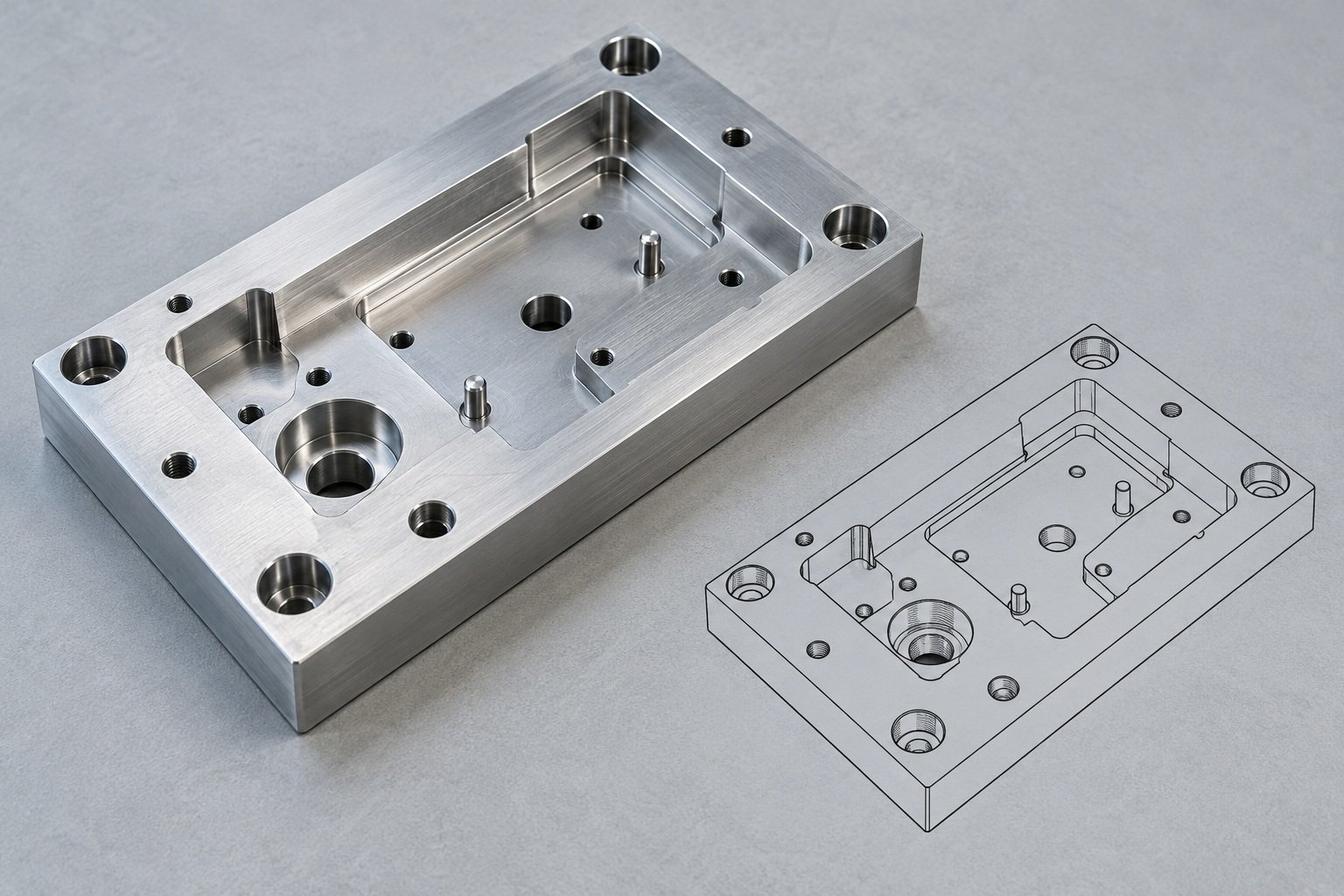
    Drawing & Features component review concept; illustrative concept, not documentary company or customer evidence
    Illustrative manufacturing concept

    Compare 6 Quote Items on an Equal Basis

    Check that every quote covers the same revision, quantity, finish, documentation and delivery scope. Ask about exclusions and clarification items. A complete comparison helps you distinguish a lower price from a narrower scope.

    CompareYour common referenceQuestion to resolve
    RevisionThe same CAD and controlled drawingAre exclusions and proposed changes explicit?
    QuantityTrial, first-order and repeat quantitiesAre setup, tooling and recurring costs distinguished?
    MaterialGrade, condition and permitted alternativesIs an alternative separately identified?
    FinishSpecified treatment, masks and final dimensionsDoes the price include the agreed finished state?
    InspectionFeatures, sampling and documentationWhich records and checks are included?
    DeliveryPacking, destination and agreed milestonesWhich delivery assumptions remain to be confirmed?

    This is a comparison checklist, not a price estimate, supplier score or promise of a manufacturing result.

    From Your RFQ Package to an Agreed Order

    01

    Prepare

    Send matching files, requirements and quantities.

    02

    Clarify

    Resolve geometry, material and scope questions.

    03

    Compare

    Review inclusions, exclusions and alternatives.

    04

    Approve

    Agree the revision, checks and milestones before release.

    6 Inputs for Your CNC Quote Review

    1. Matching CAD and controlled drawing revision
    2. Full material grade and condition
    3. Functional interfaces, datums and critical features
    4. Finish, masks and final-dimension requirements
    5. Sample, first-order and repeat quantities
    6. Required records, packing and delivery destination
    Explore Materials for Your Part →

    Answers Before You Send Your RFQ

    Which documentation and confidentiality needs should I state?

    List inspection reports, material documentation or approval records required with delivery. If an NDA is needed, request the confidentiality process before sharing restricted drawings. Do not assume a standard quote includes every report or certification.

    Can I request a quote without a final drawing?

    Identify the information that is provisional. A preliminary review needs clear assumptions; agree the controlled revision and acceptance requirements before placing the manufacturing order.

    Does a requested date confirm the lead time?

    No. Ask for quotation assumptions, sample approval milestones and the planned production schedule for your agreed scope.

    Should I apply the tightest tolerance everywhere?

    Mark the functional features that need controlled tolerances and explain the mating fit. Discuss practical options for other features without changing your design intent.