
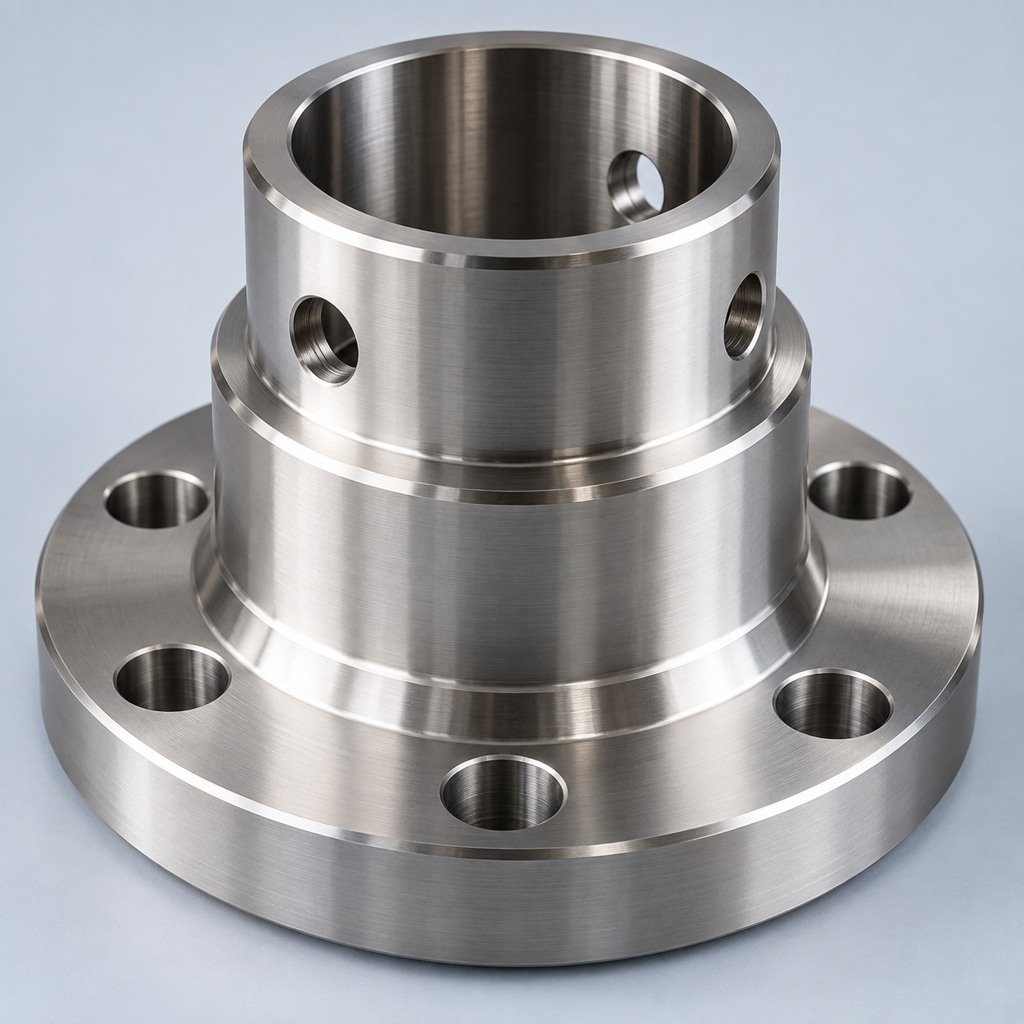
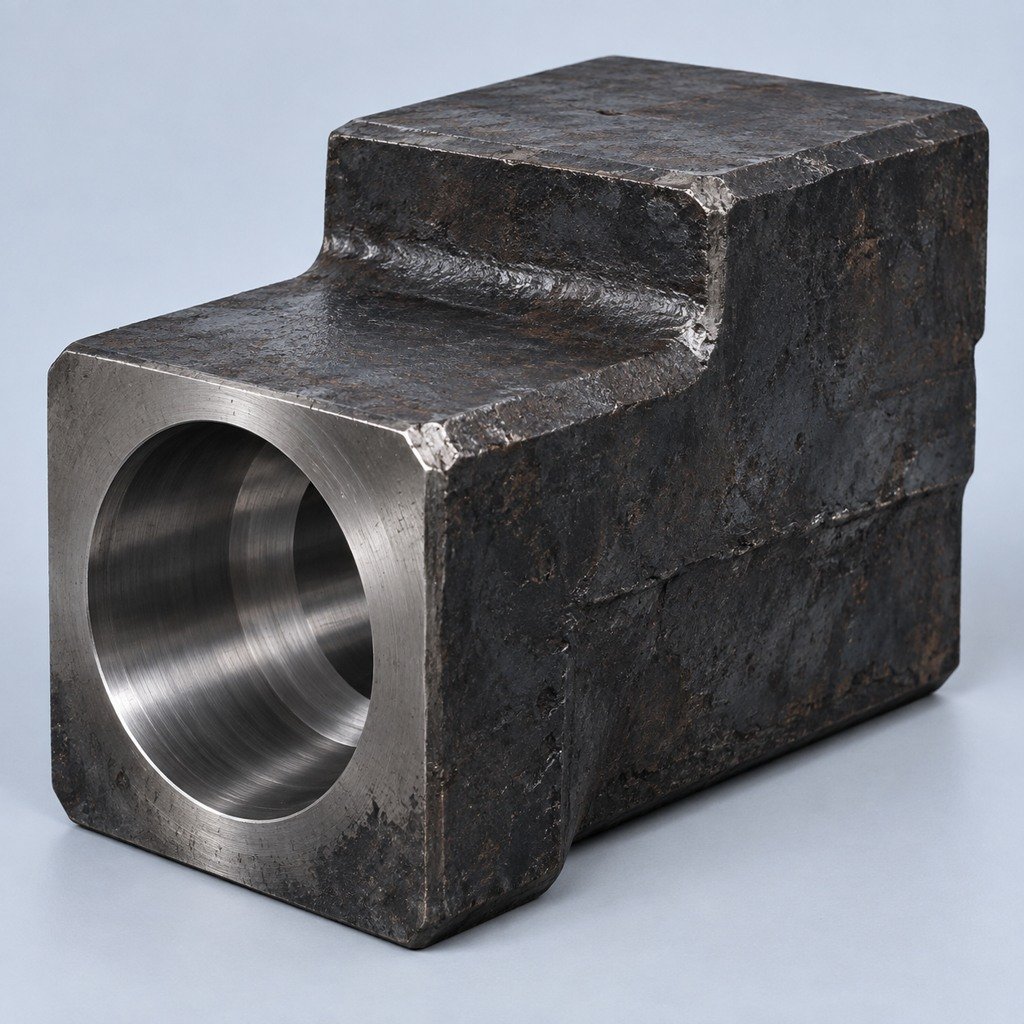
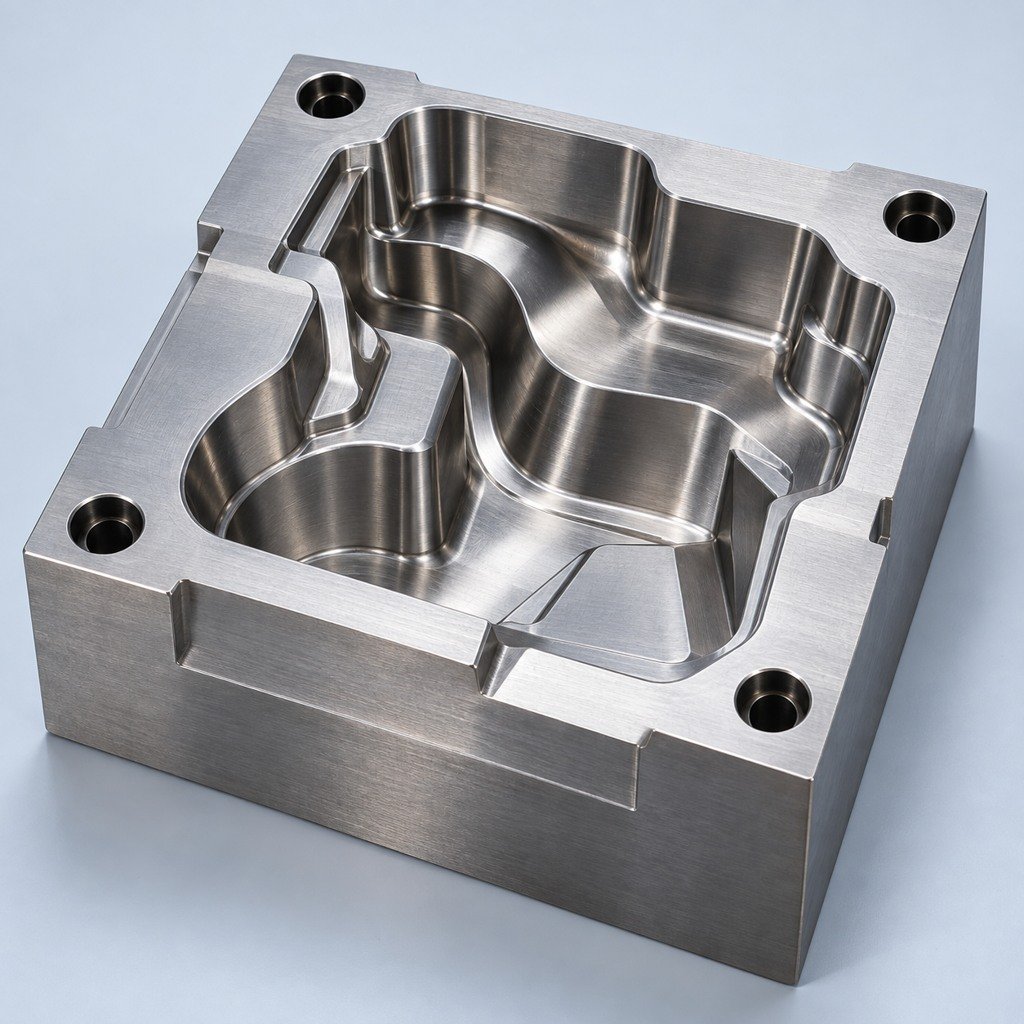
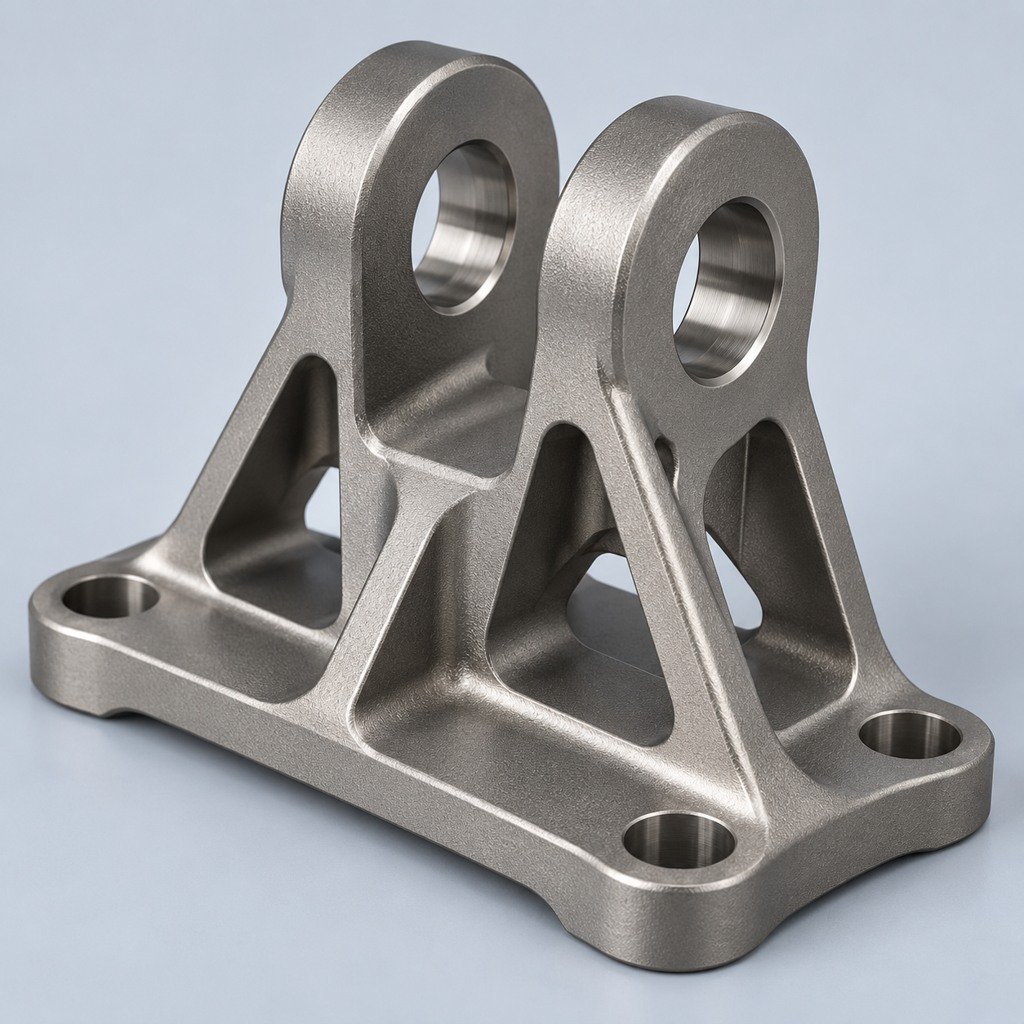
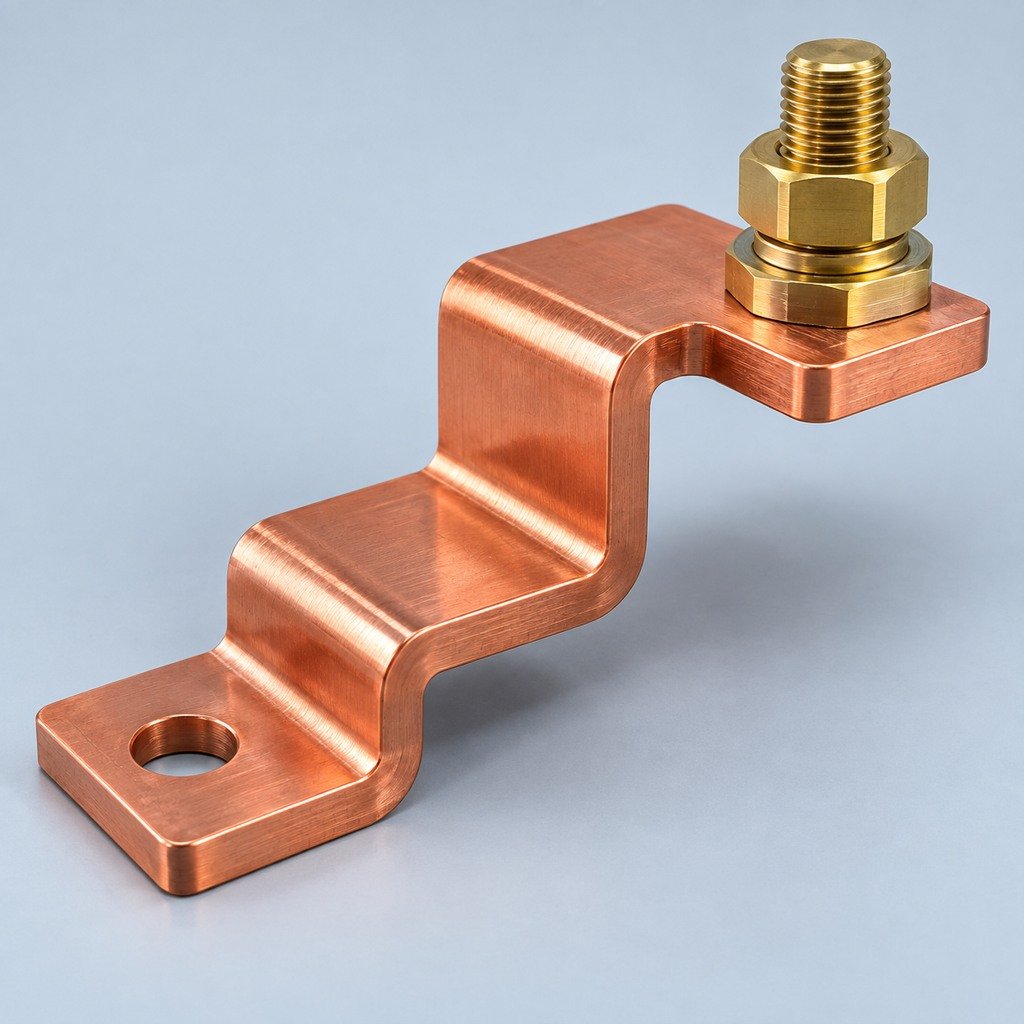
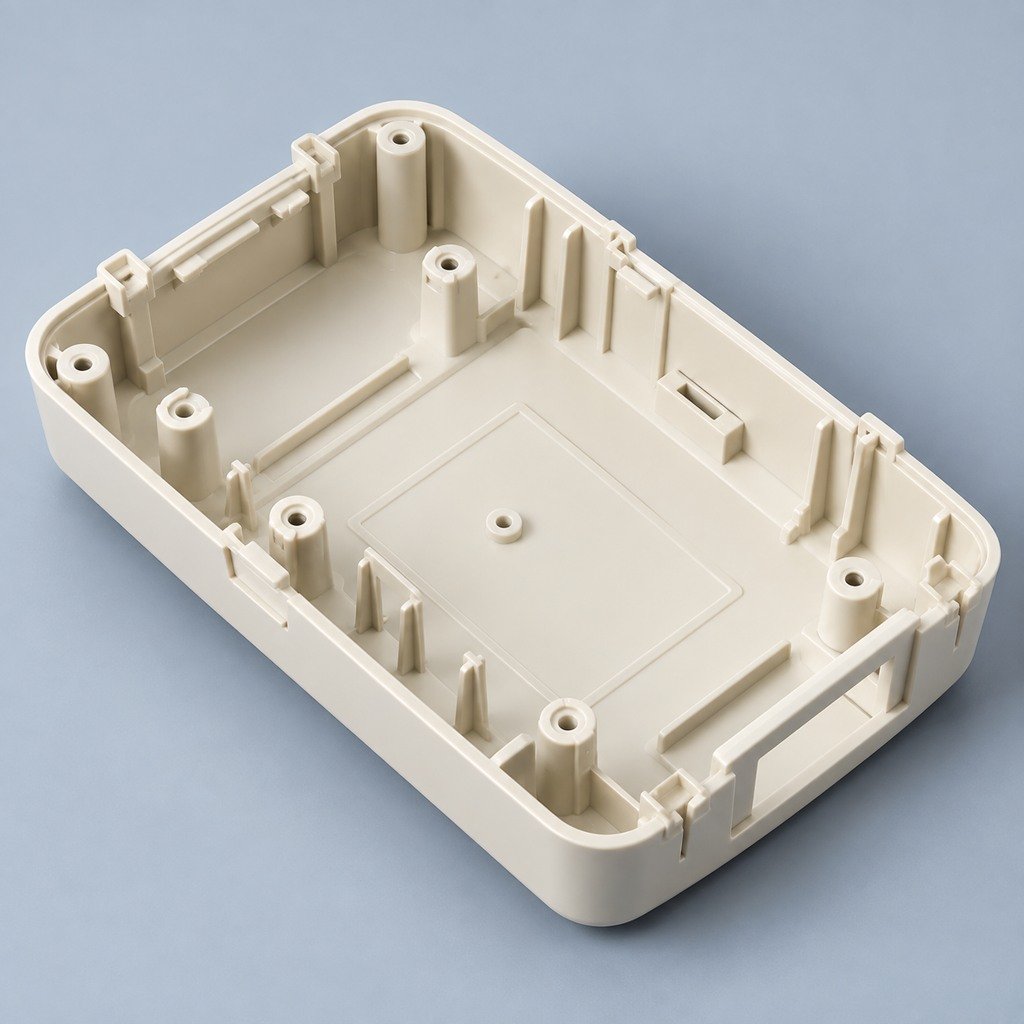
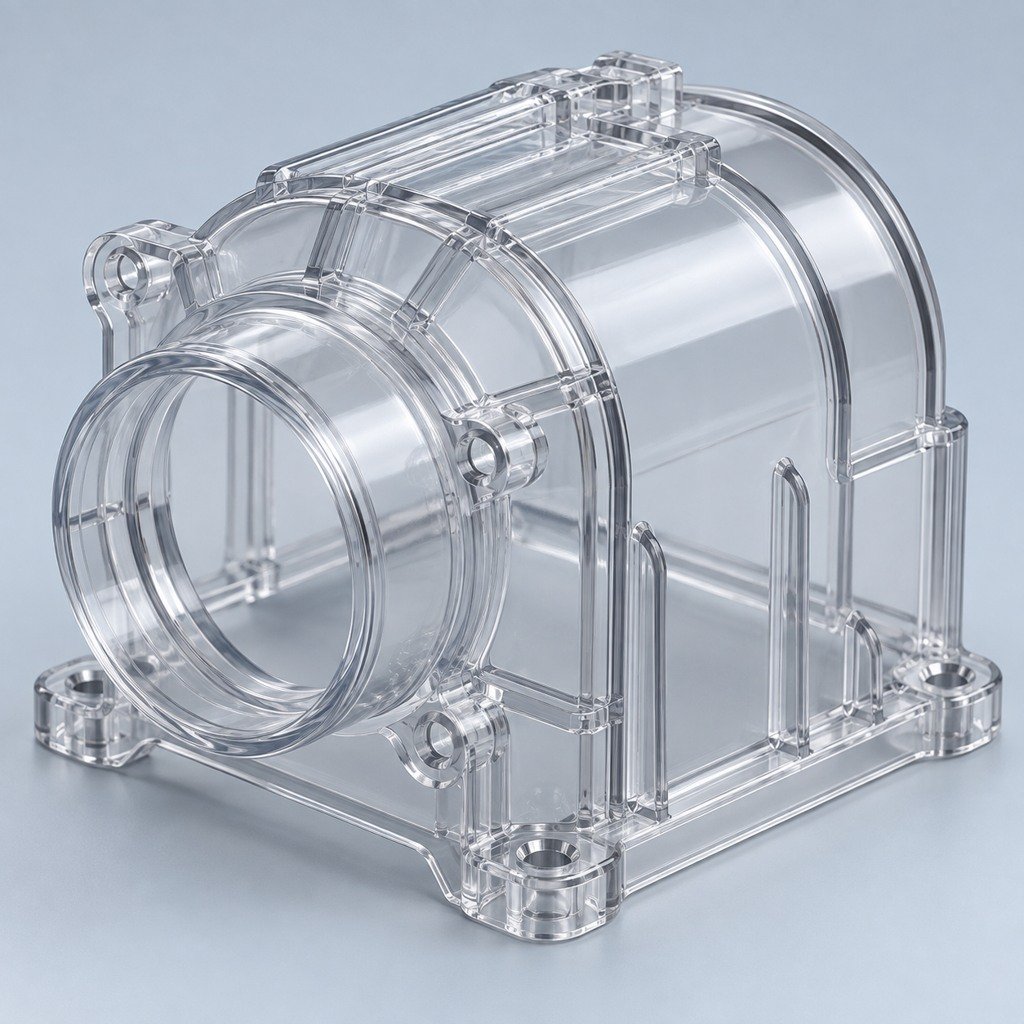
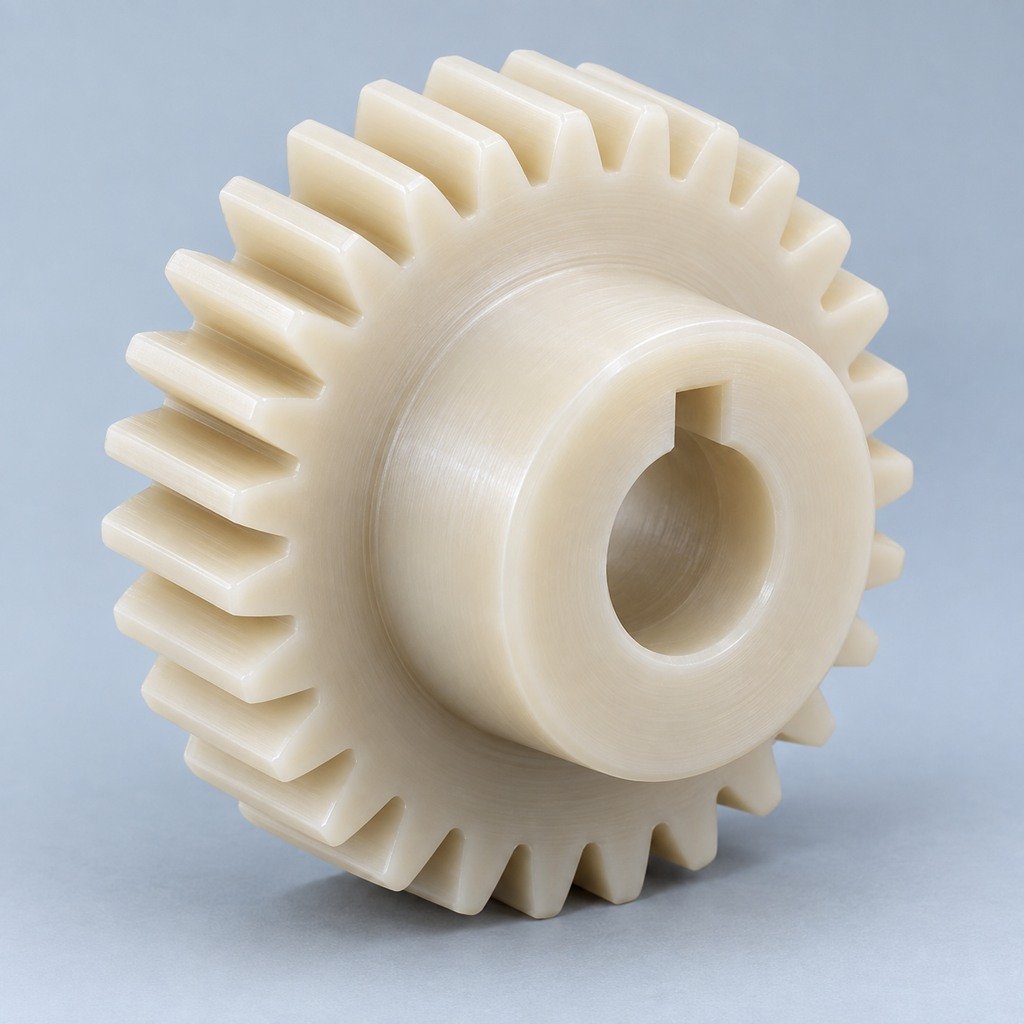
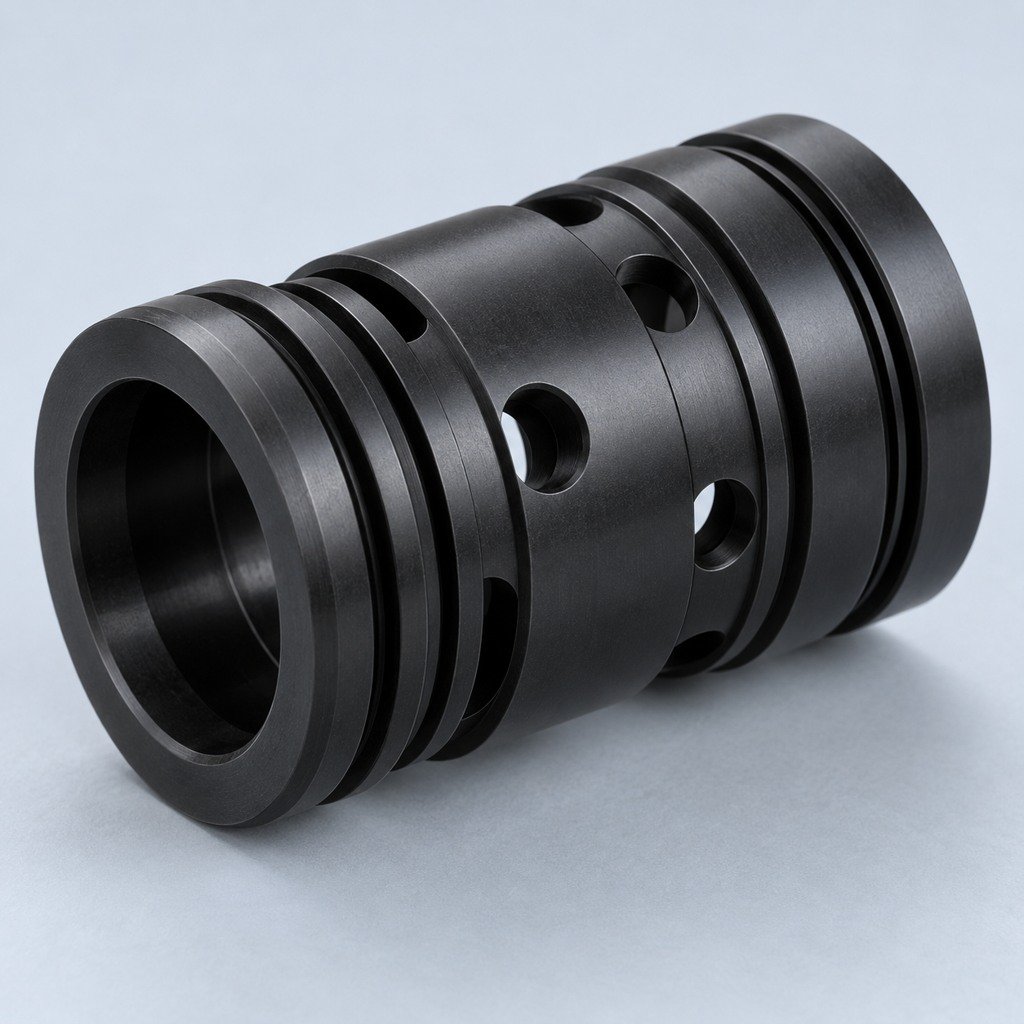
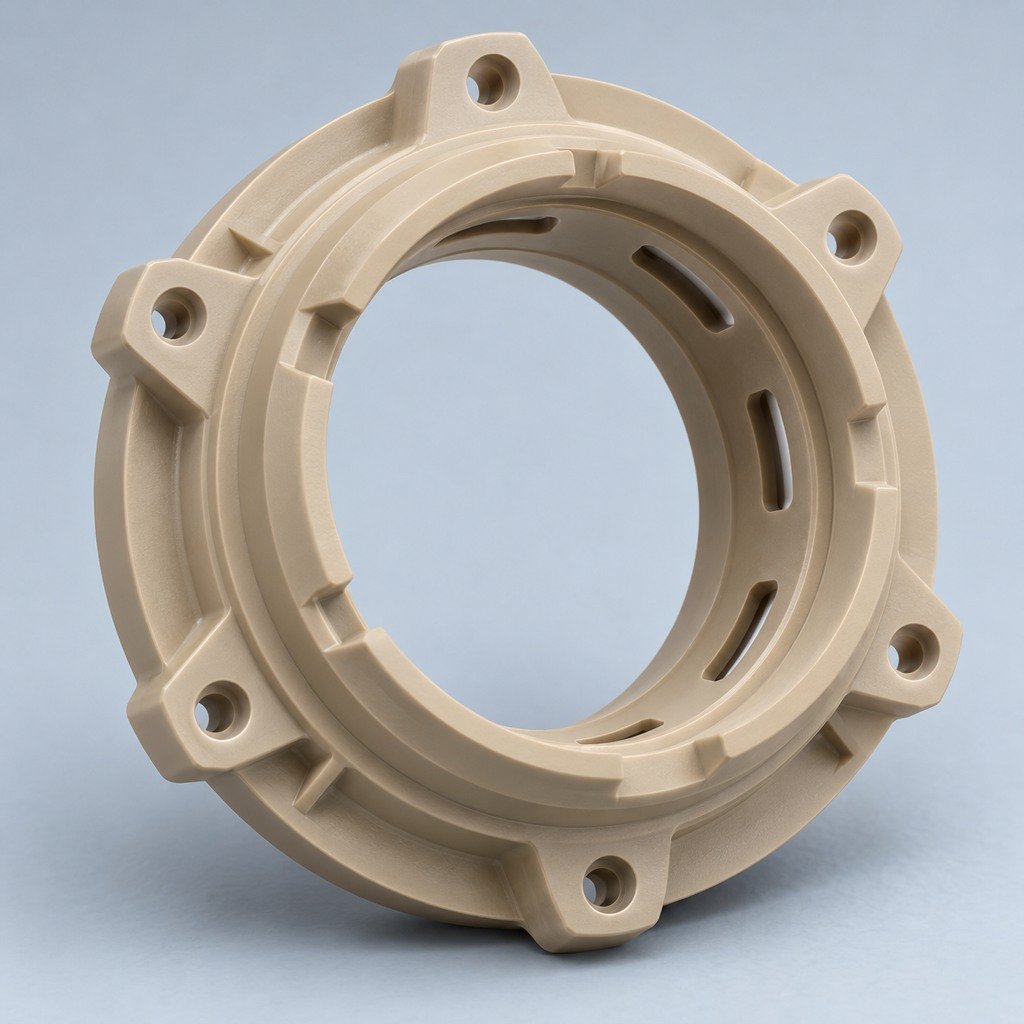
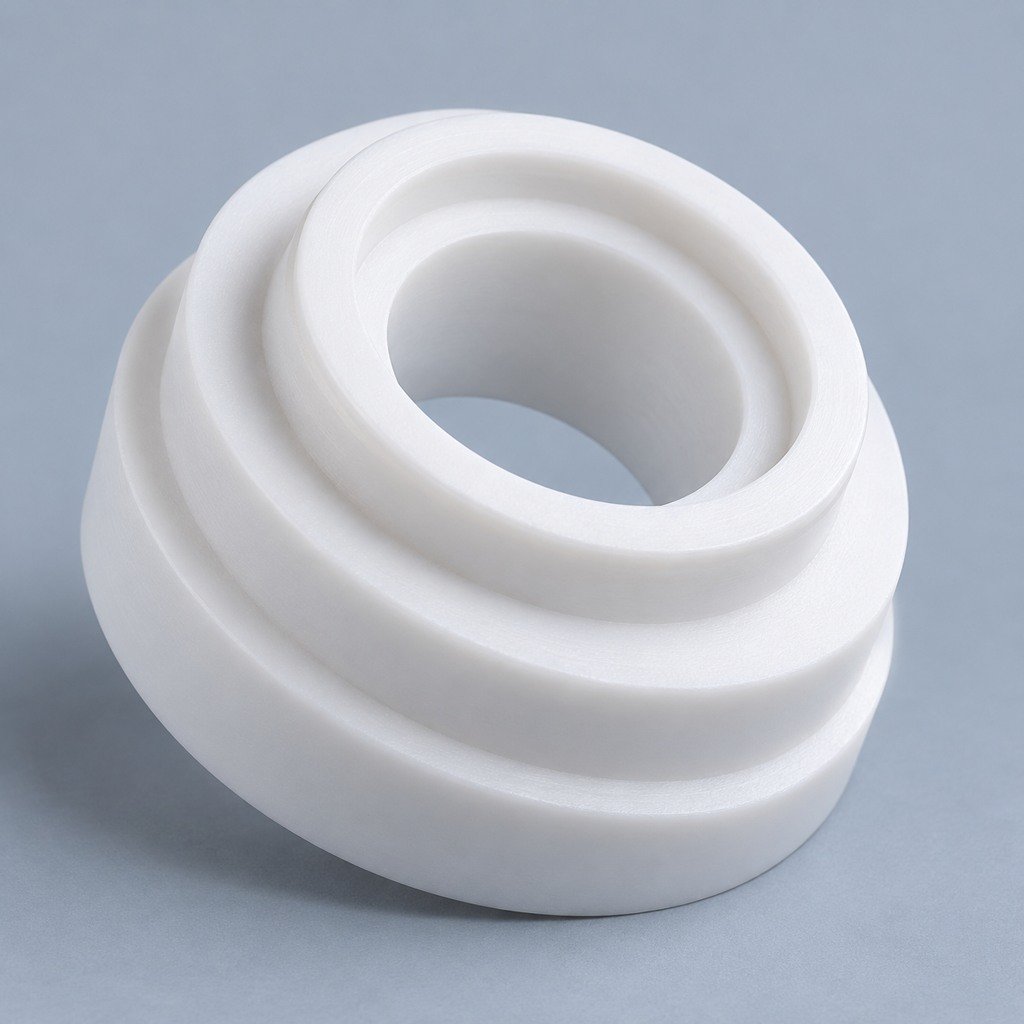
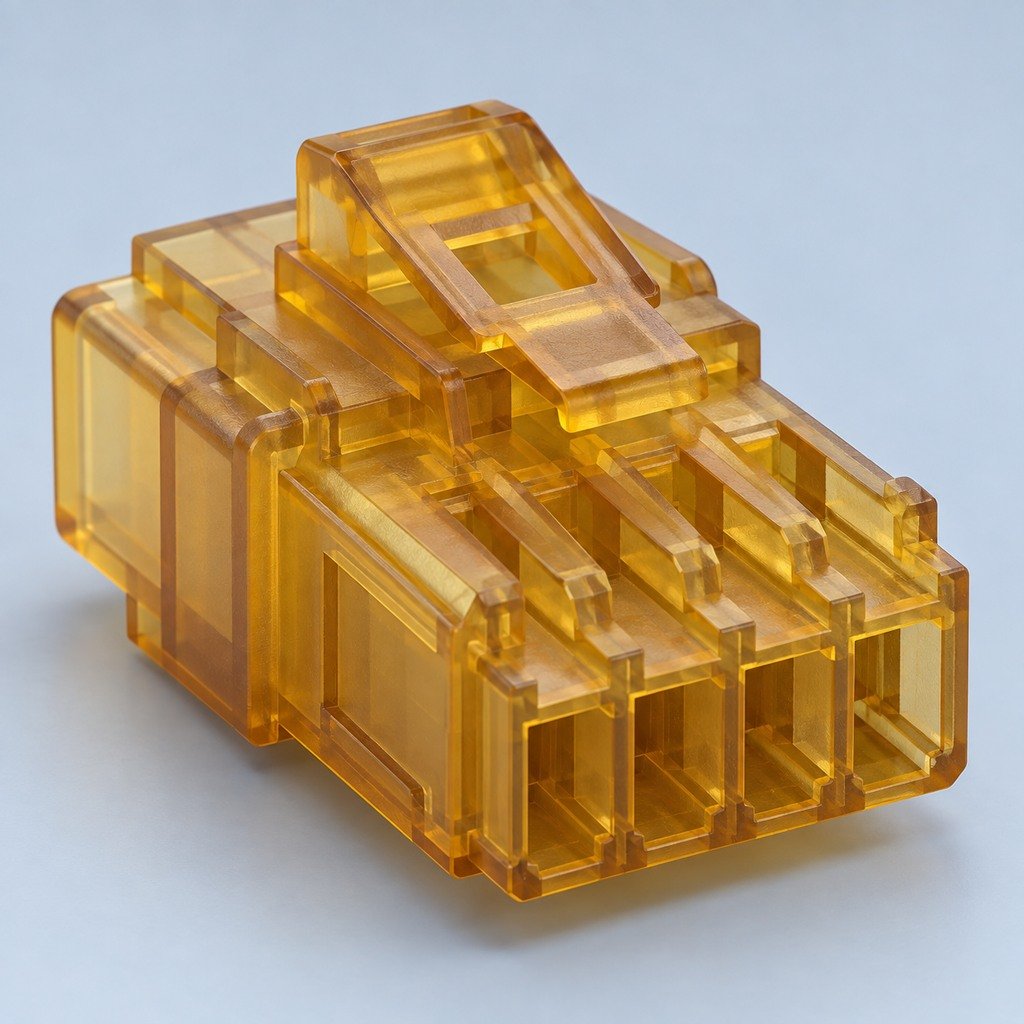
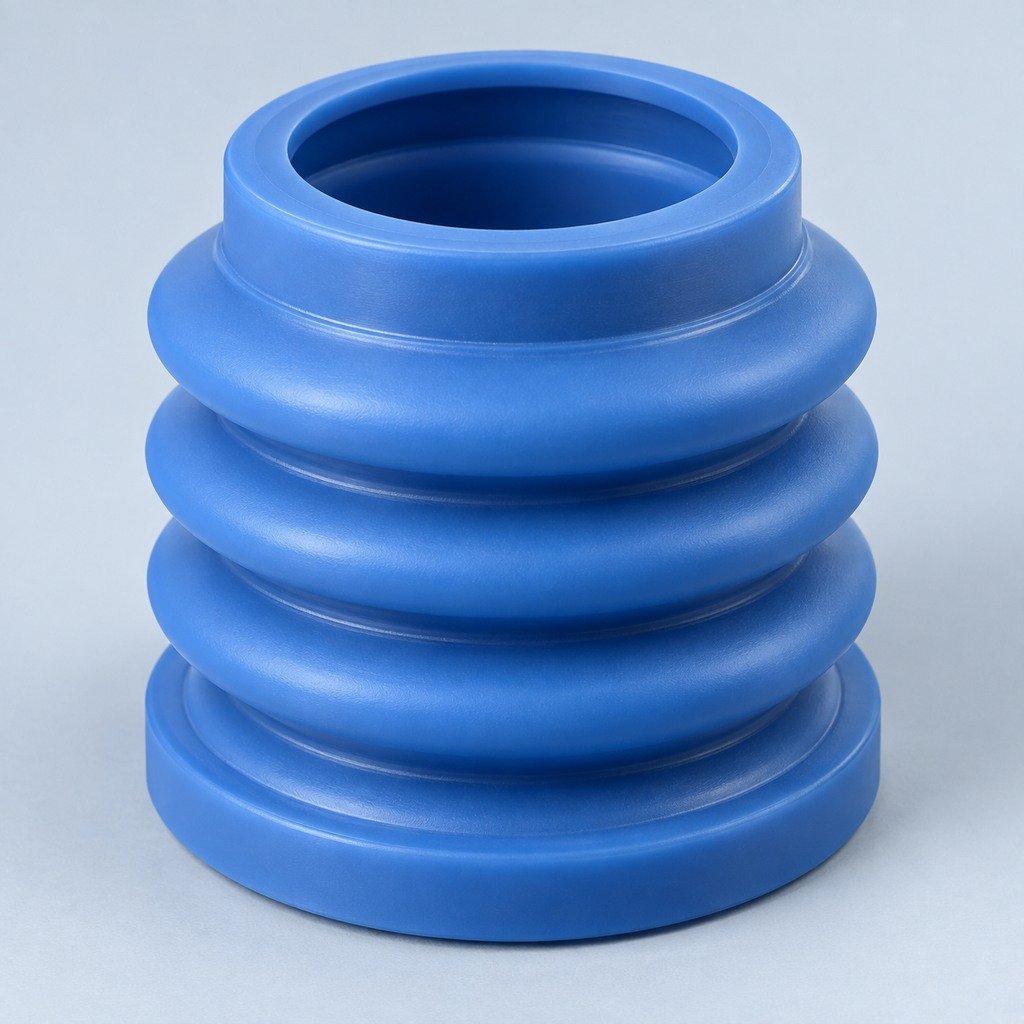
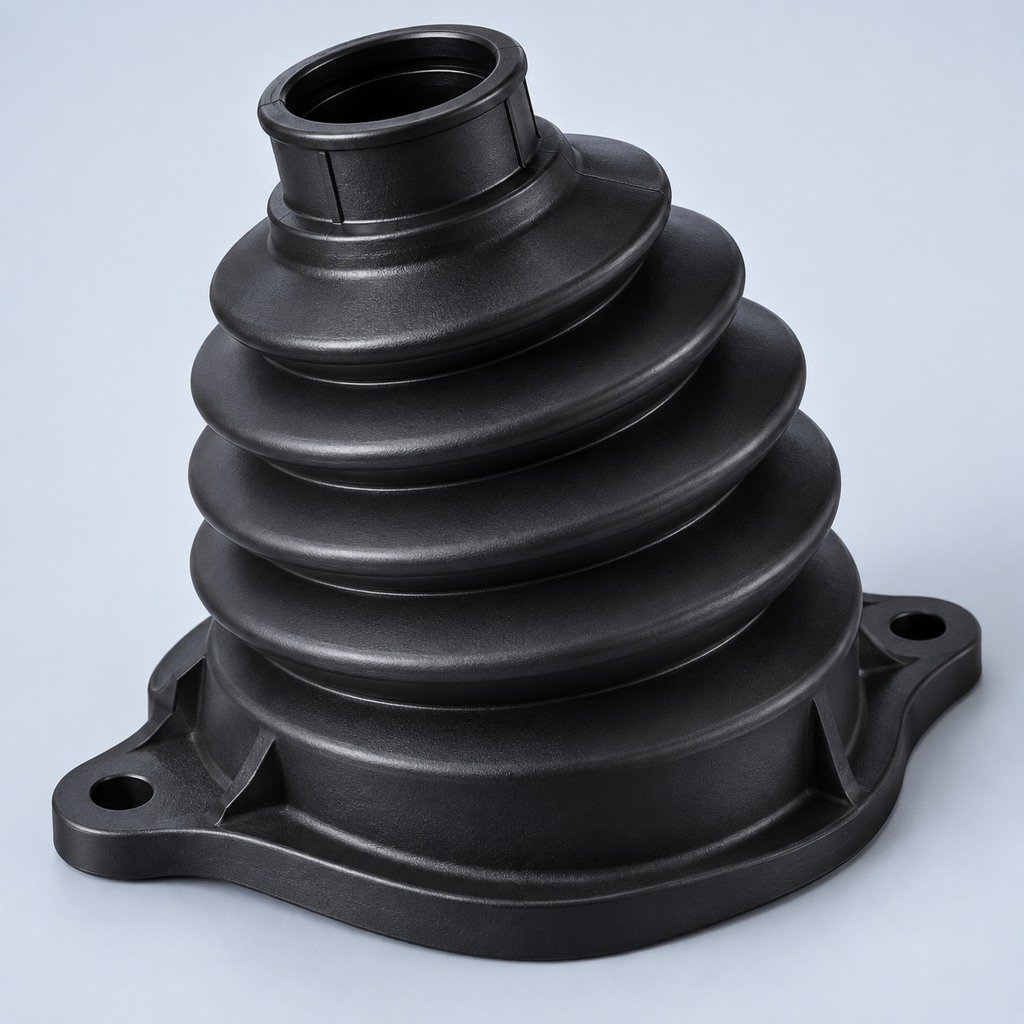
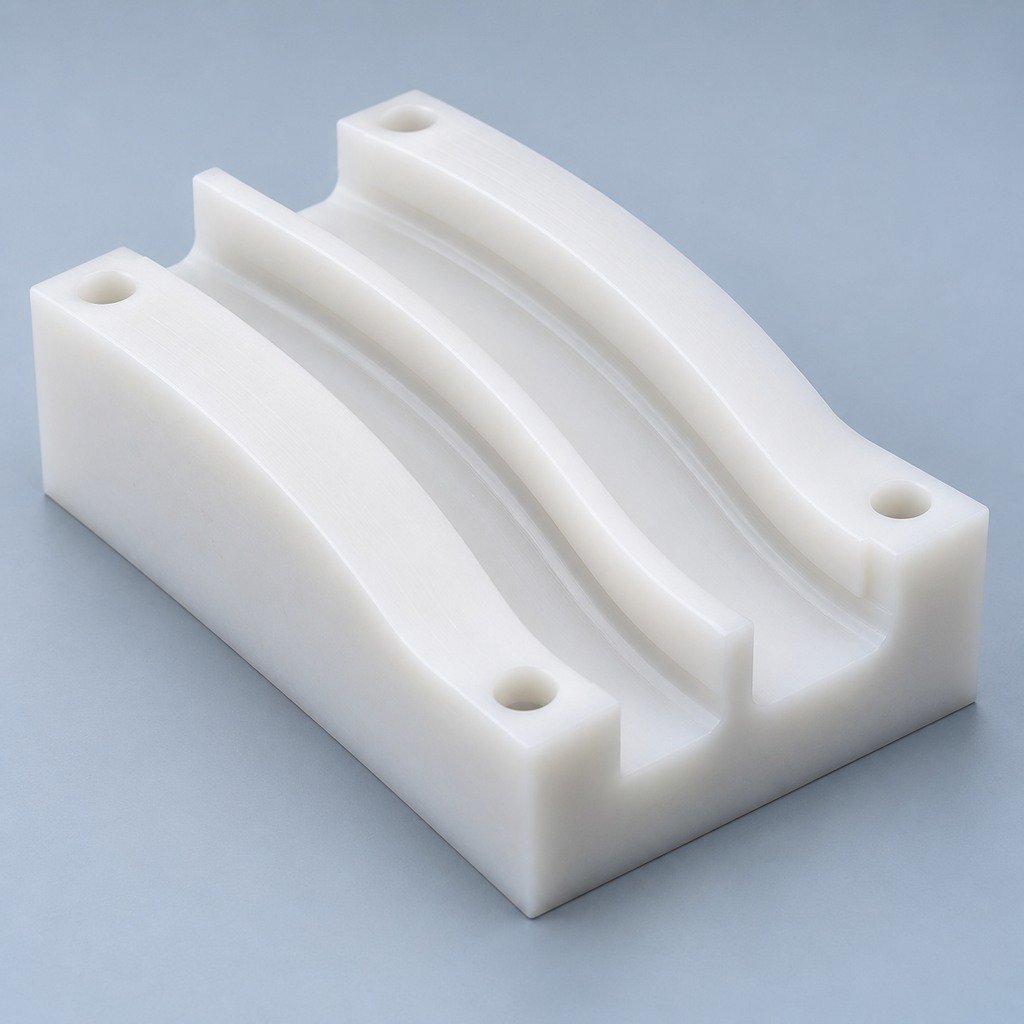

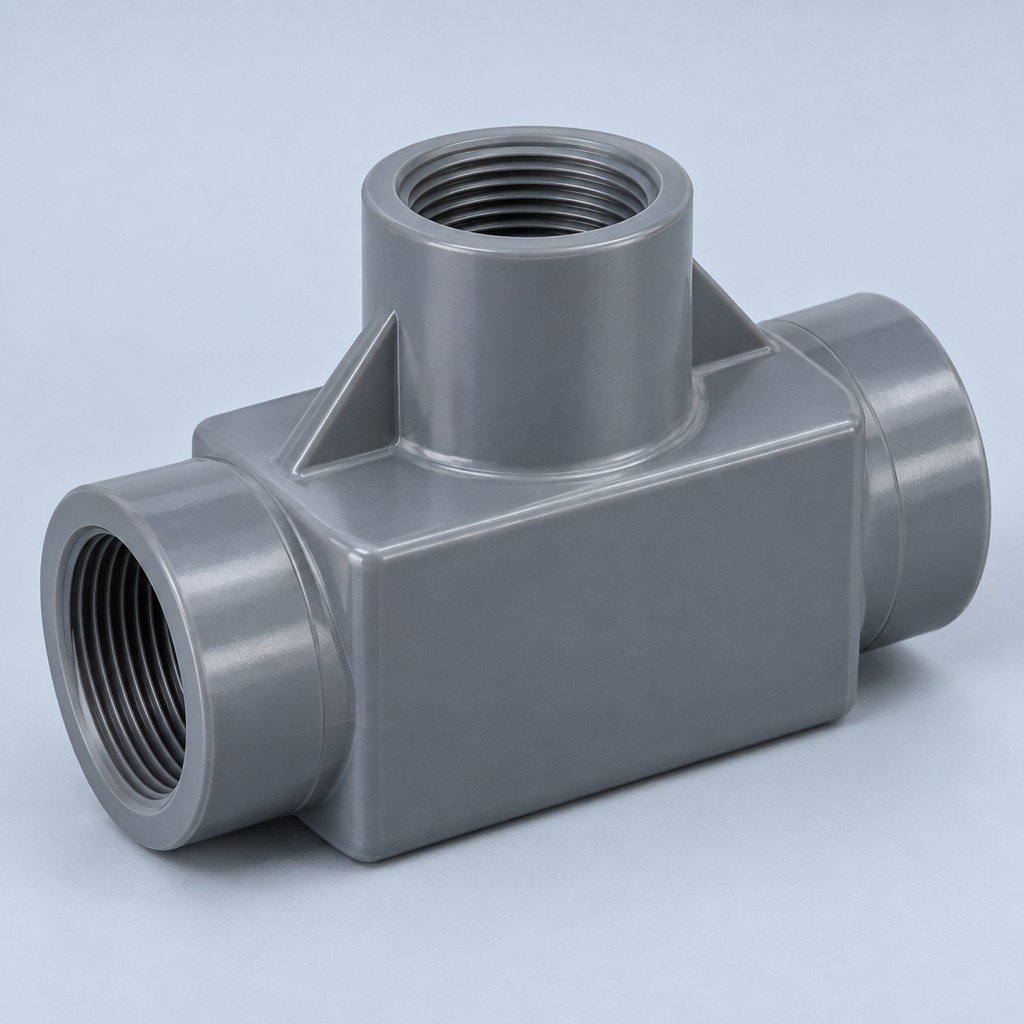
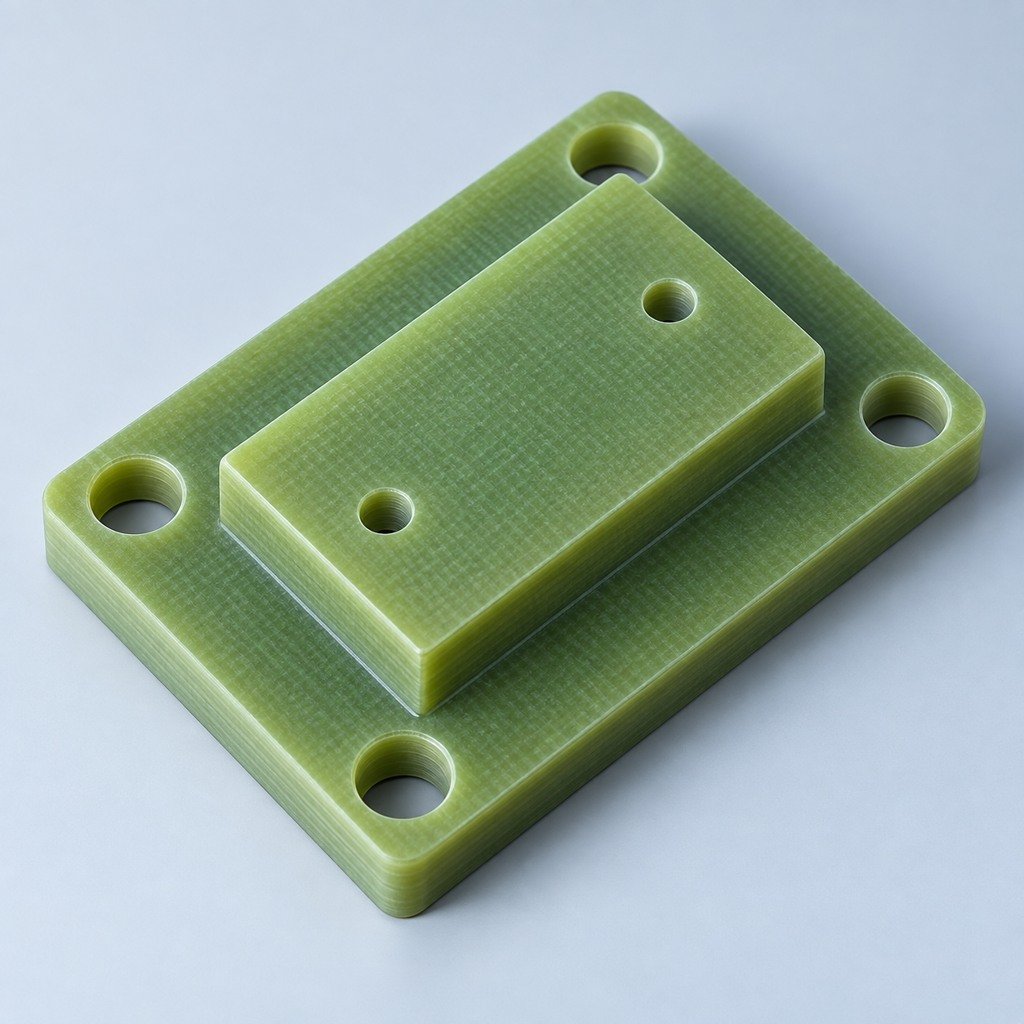
Review geometry, tolerance, process and repeat supply together to find useful cost opportunities.
Protect function before simplifying geometry
Start by separating functional requirements from geometry that can change. Deep pockets, difficult tool access and additional setups can influence cost. Ask for design-for-manufacturing feedback on those features while retaining the interfaces and performance your product needs.
Use tolerances where they create value
Tight tolerances may require extra machining and inspection. Match each tolerance to fit, alignment, sealing or another functional need. A blanket tolerance can add cost to surfaces that do not affect the assembly.
Review process choice with quantity
CNC machining can support flexible geometry and low-volume work, while molding or casting introduces tooling considerations. Compare tooling, per-part work, finishing and verification over your expected production quantity. There is no single crossover quantity that applies to every part.
Include finishing and inspection early
Coatings, heat treatment, cosmetic acceptance and inspection can affect the routing and schedule. Specify these requirements before comparing costs. Changes after a process is planned can cause additional handling or rework.
Plan for repeat orders
Review material availability, revision control, consistent inspection criteria and packaging needs. Ask which assumptions in the quote depend on batch size or purchase timing. Evaluate the overall supply plan instead of treating the first prototype price as a guaranteed production price.
Build a focused cost-review request
Send the current model and drawing, target quantities and a prioritized list of features that may change. Request separately identified suggestions so you can assess the engineering tradeoff before approving any revision.
Explore materials for your part · Discuss your manufacturing requirements