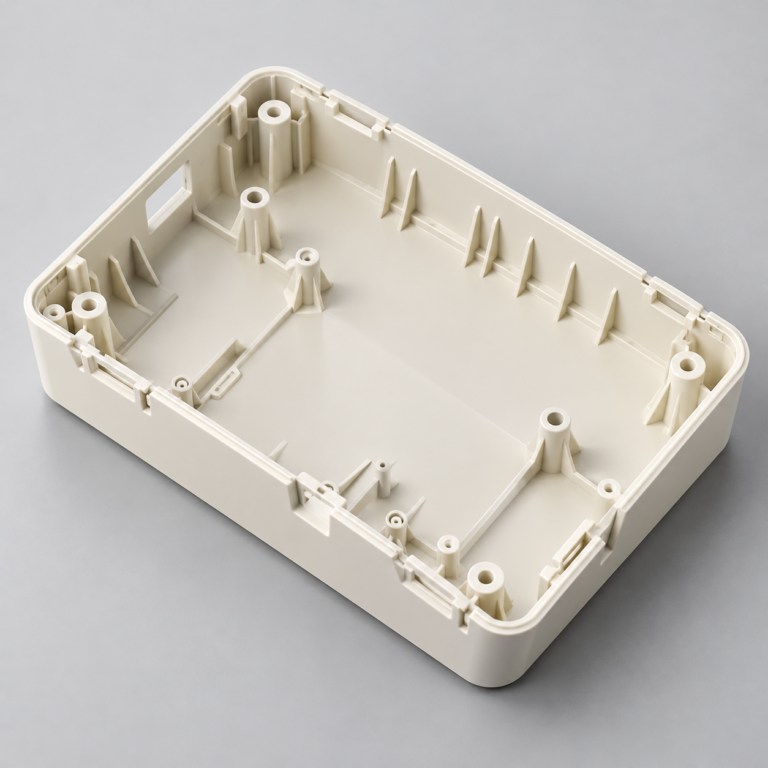
Injection Molding
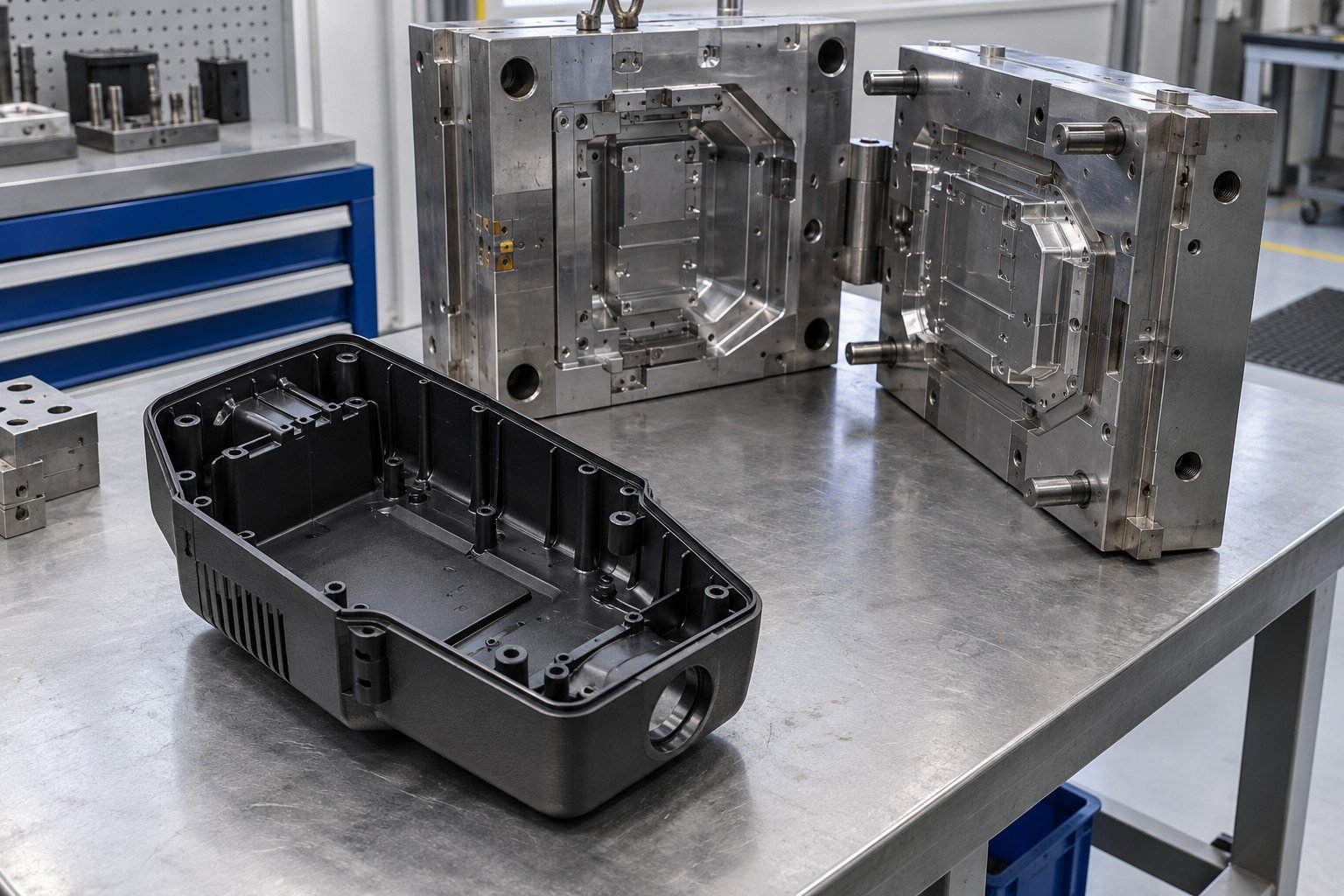
Tooling and molding for your repeat plastic parts.
From prototype to production, coordinated manufacturing solutions for your custom parts.
View All Services →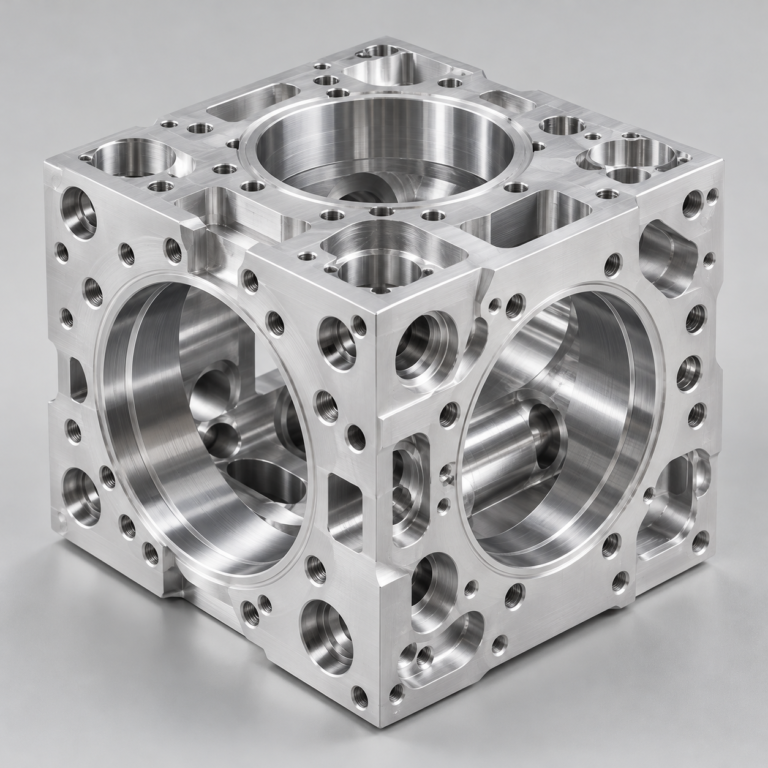
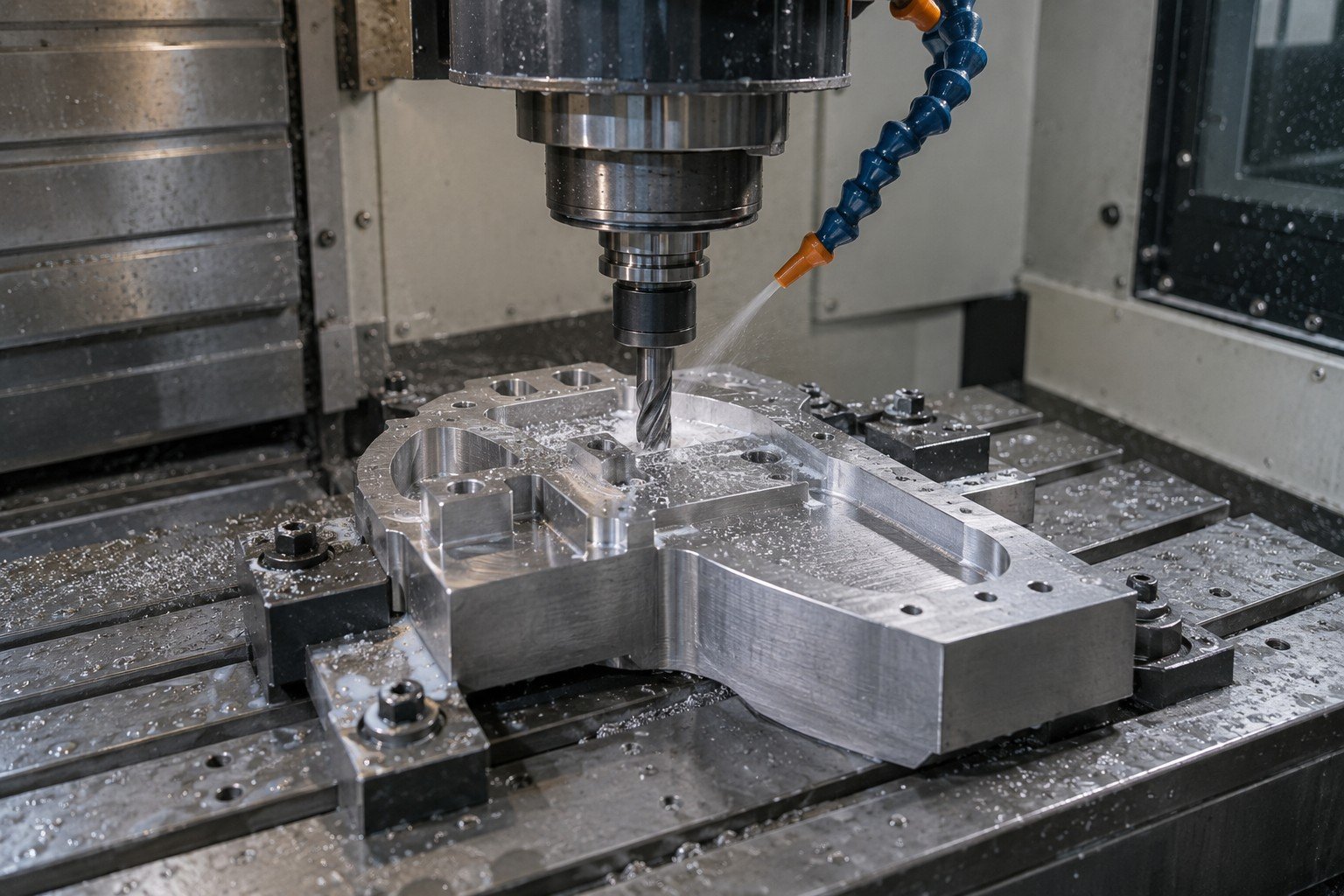
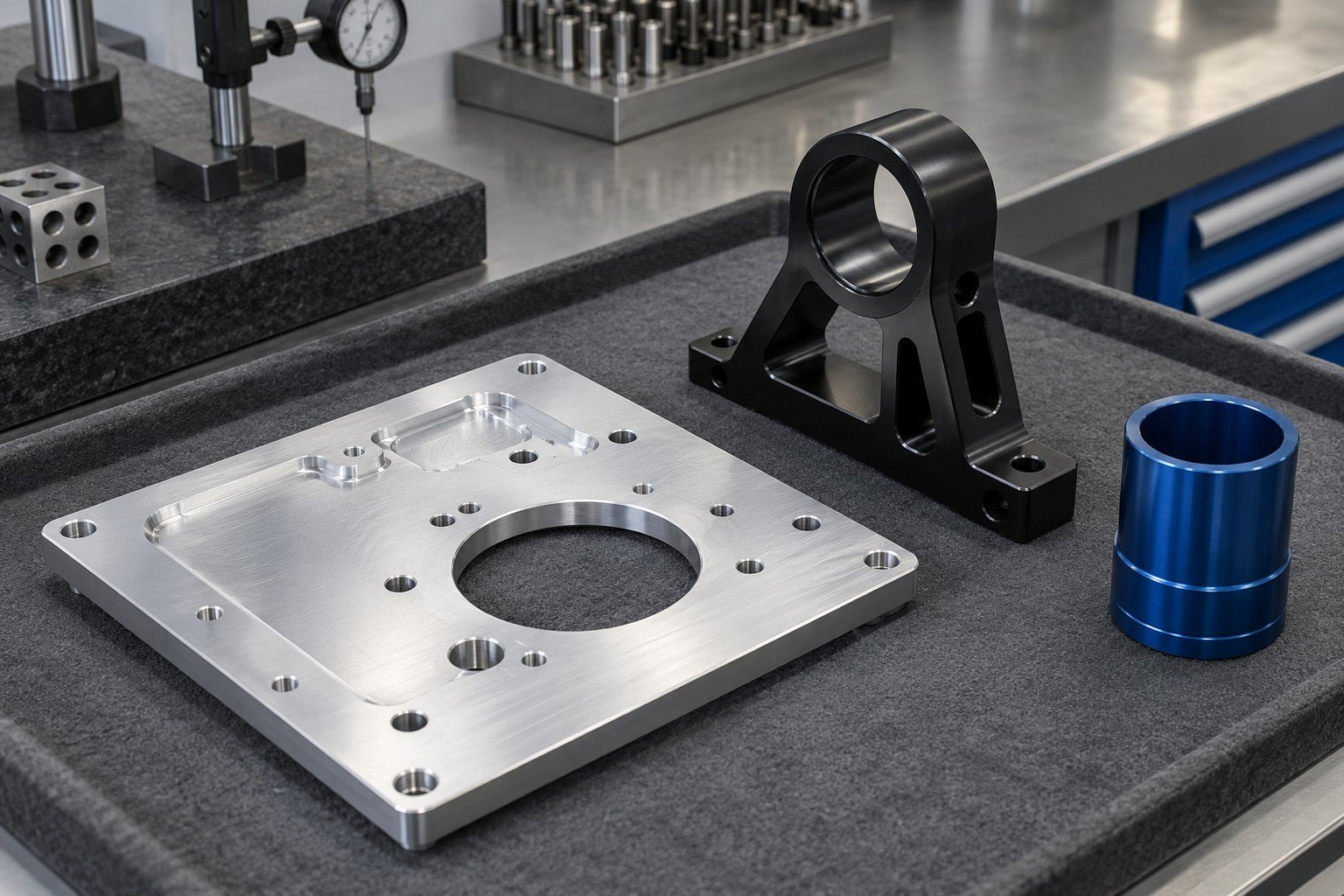
Precision parts for your tight tolerances and complex geometry.
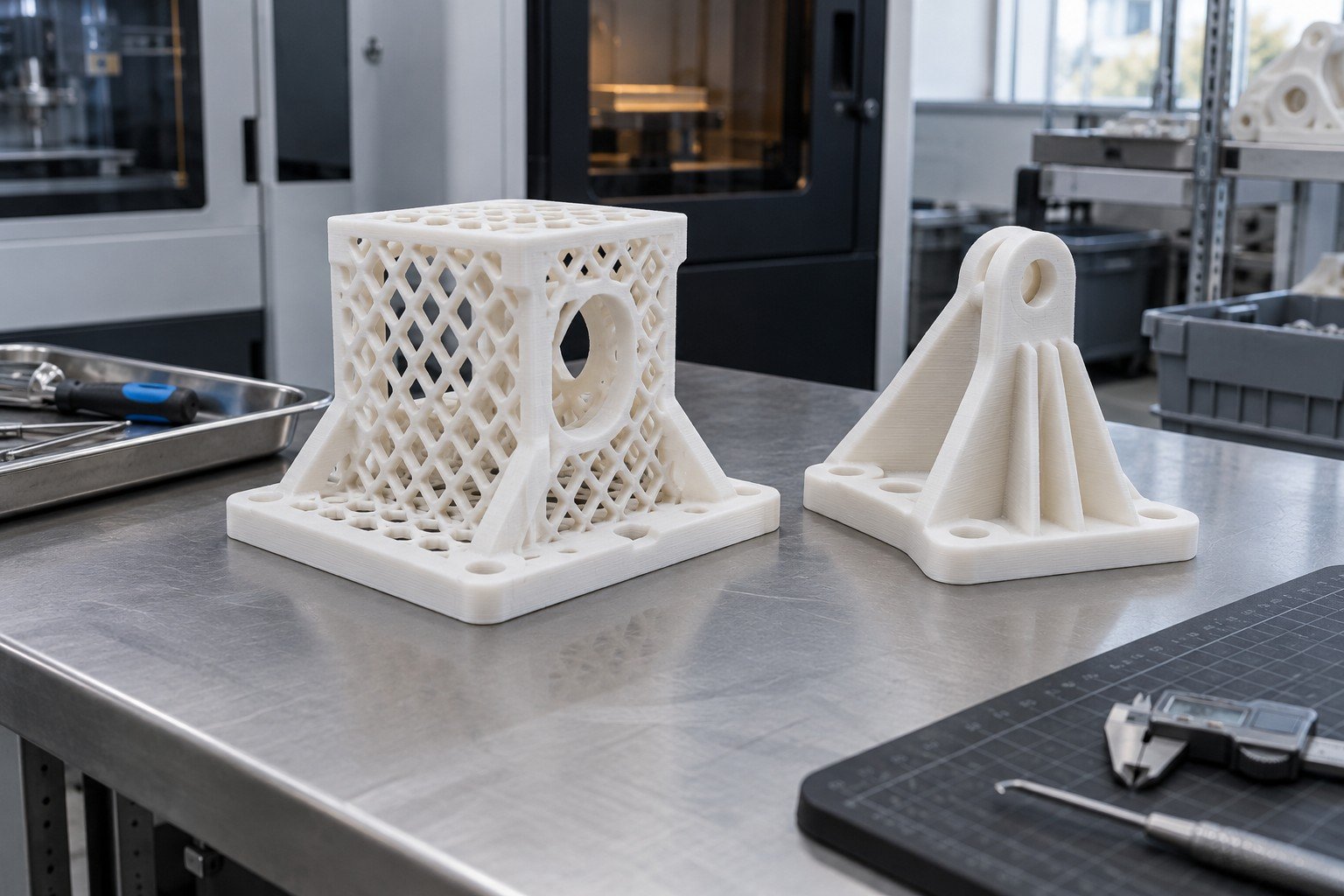
Tooling and molding for your repeat plastic parts.
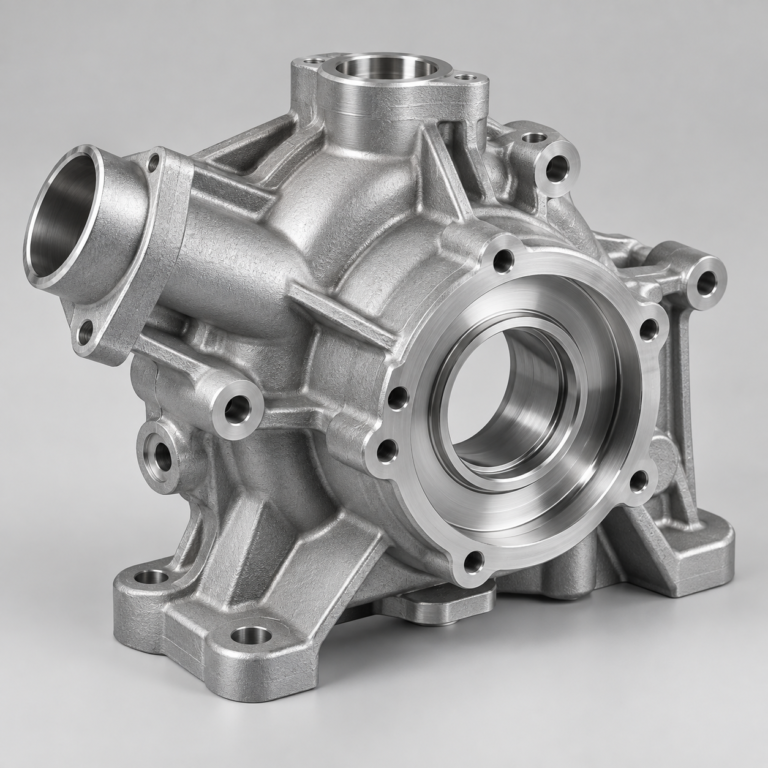
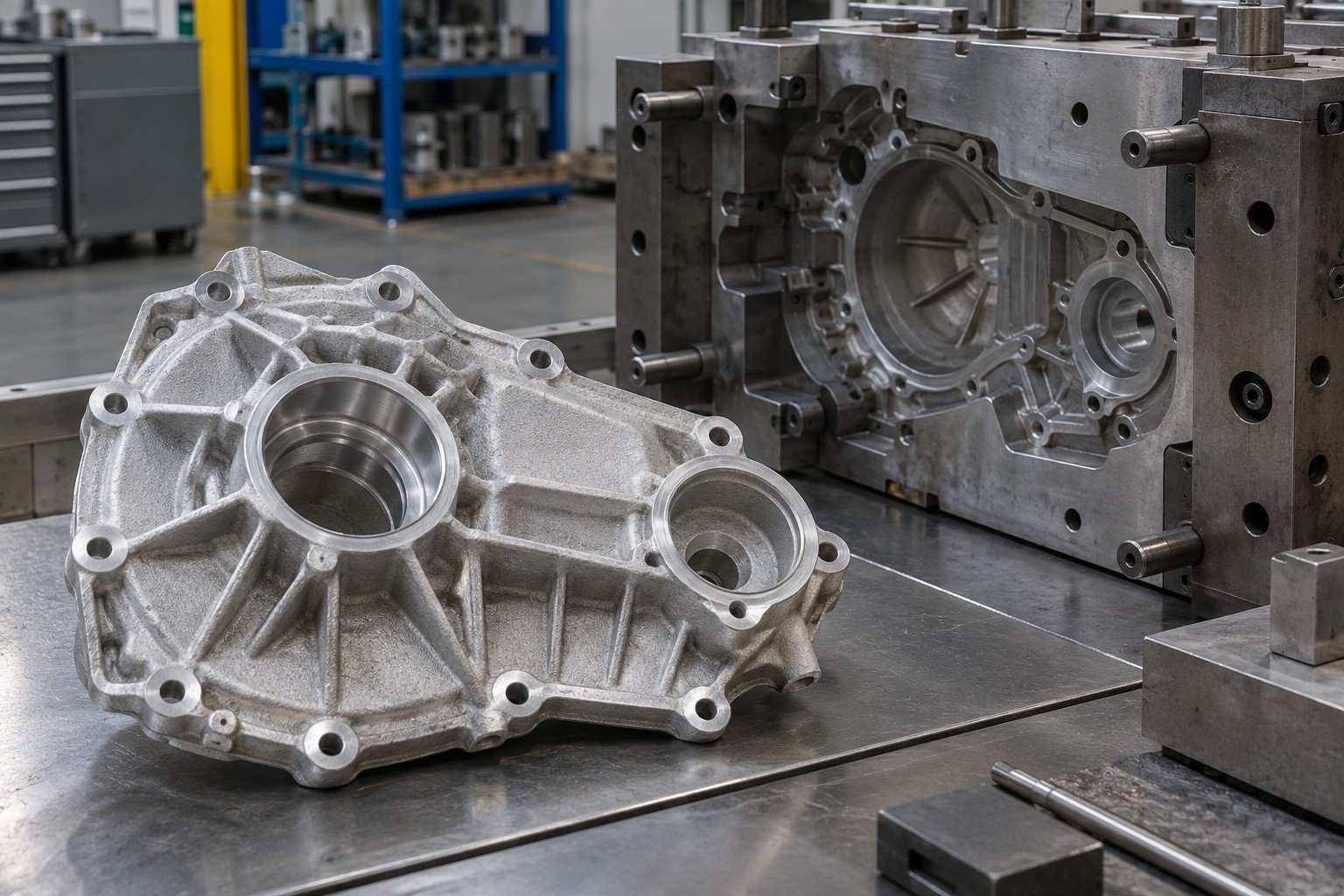
Metal casting options for your part and production volume.
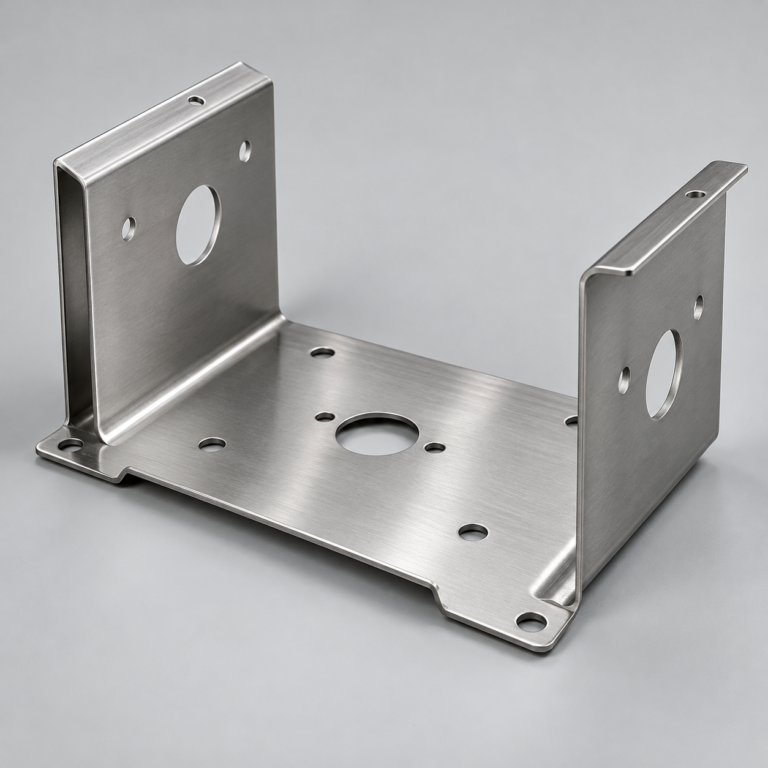
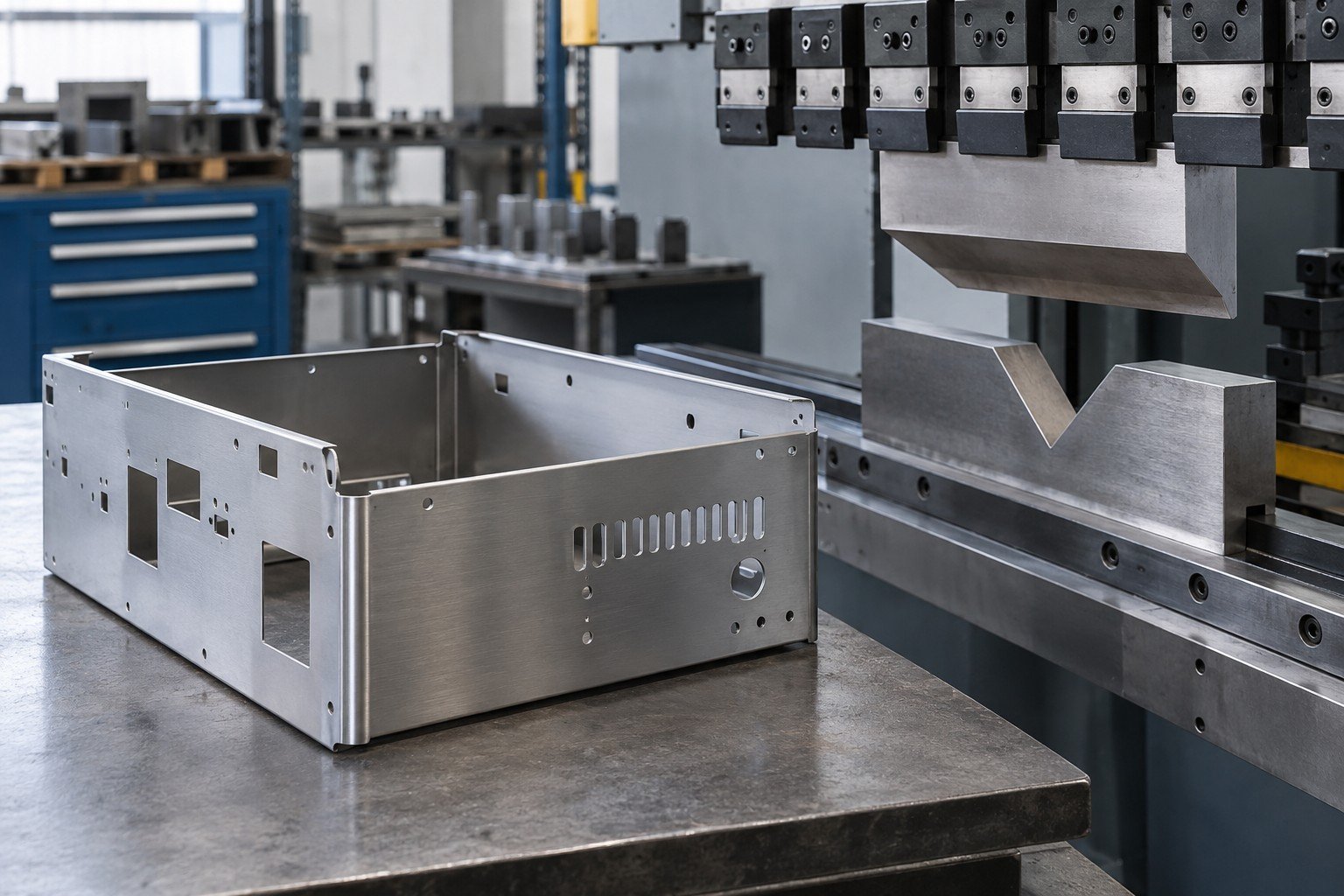
Cutting, forming and welding for your fabricated parts.
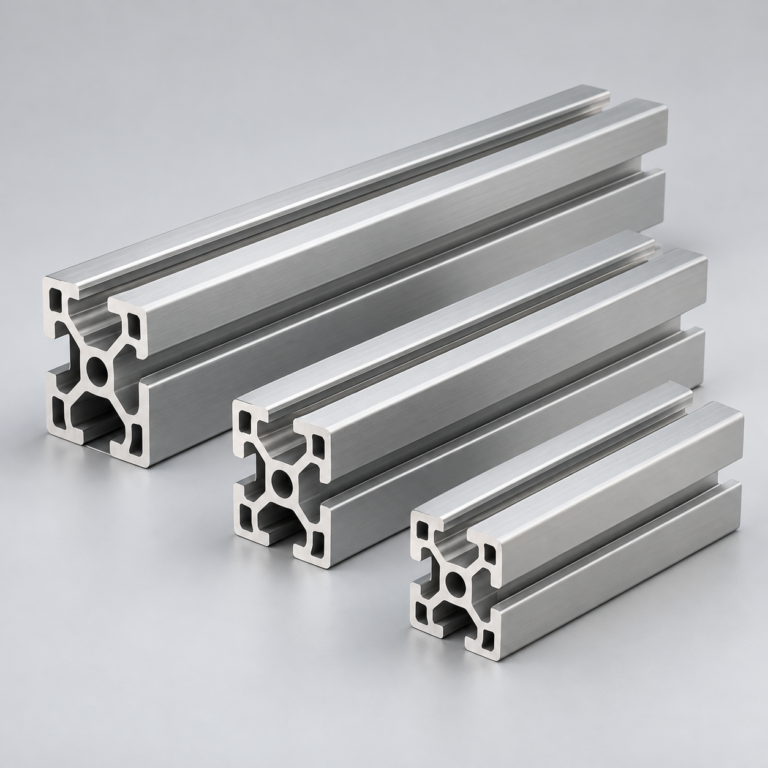
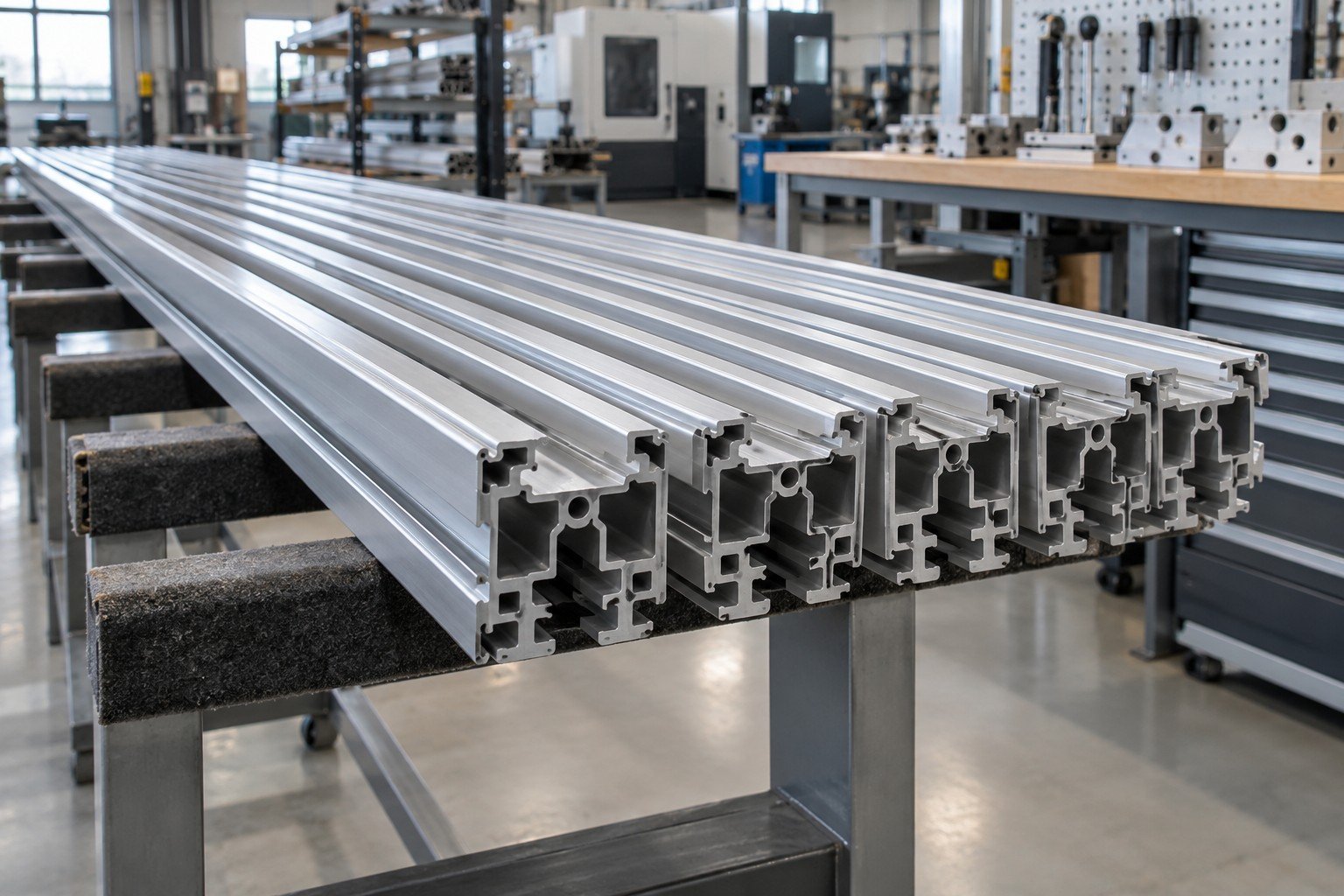
Custom profiles for your section, length and finish requirements.
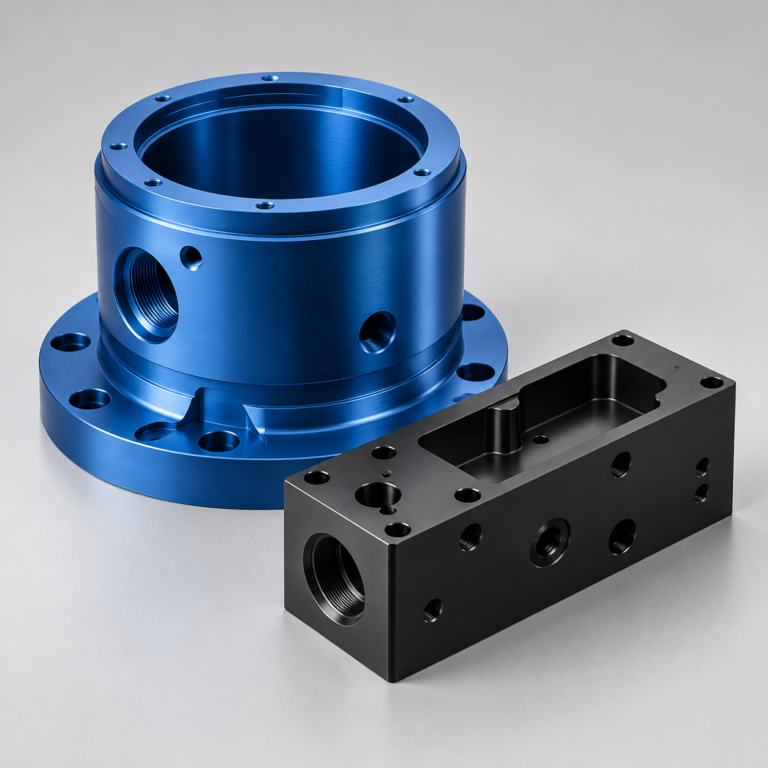
Finishes for your appearance, corrosion and wear requirements.
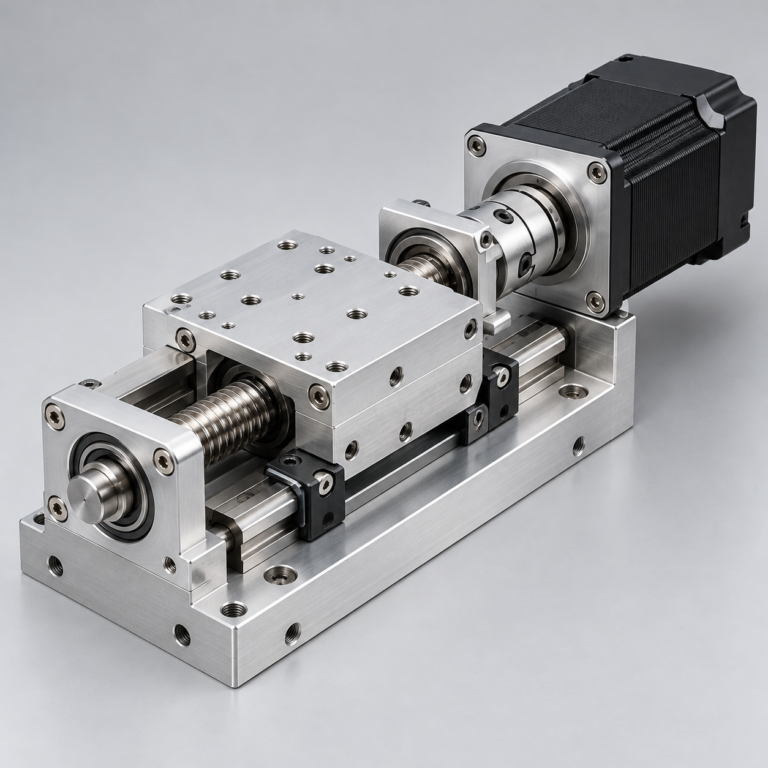
Sub-assemblies and final builds for your production program.
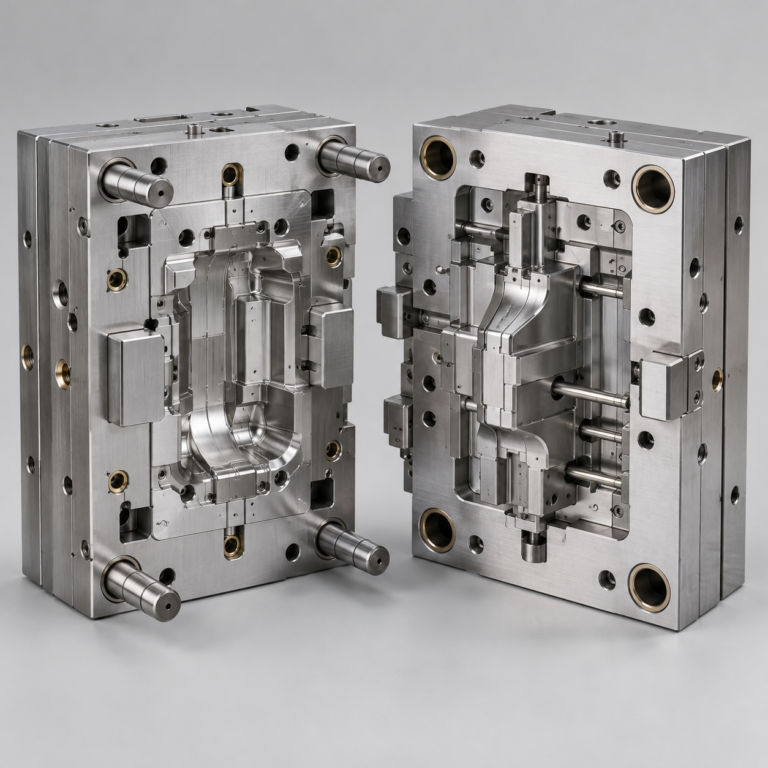
Production tooling built around your process and volume.
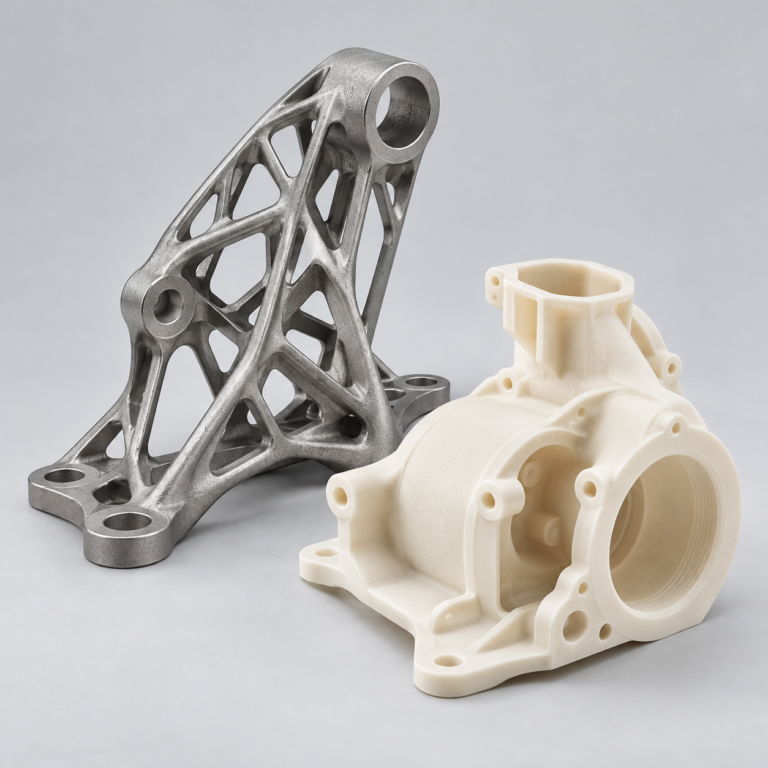
Prototype parts to check fit, function and design.
DFM, process planning and production support for your project.
Inspection, documentation, inventory and delivery planning for your program.
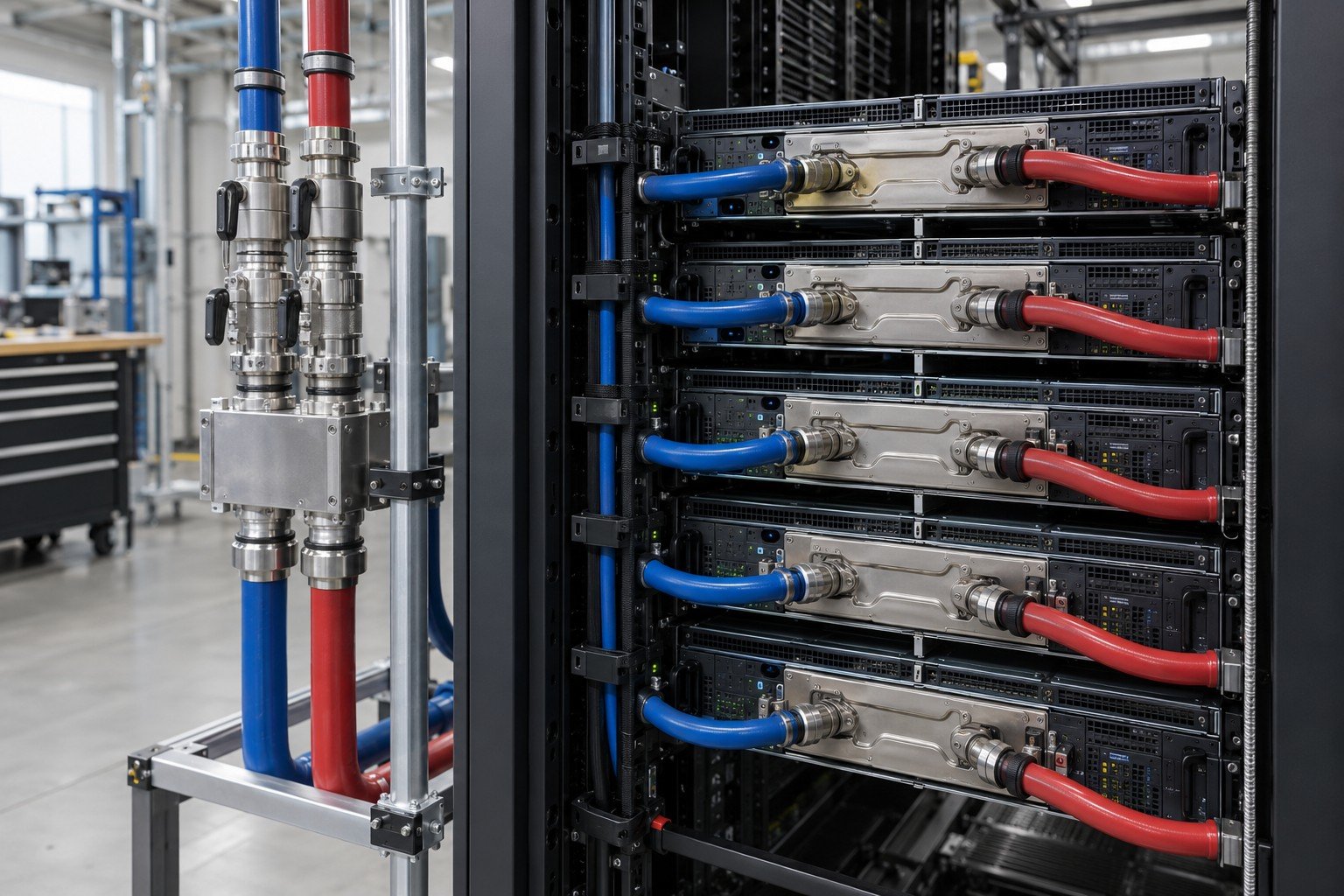
Choose air- or liquid-cooling components around your thermal and mechanical requirements.
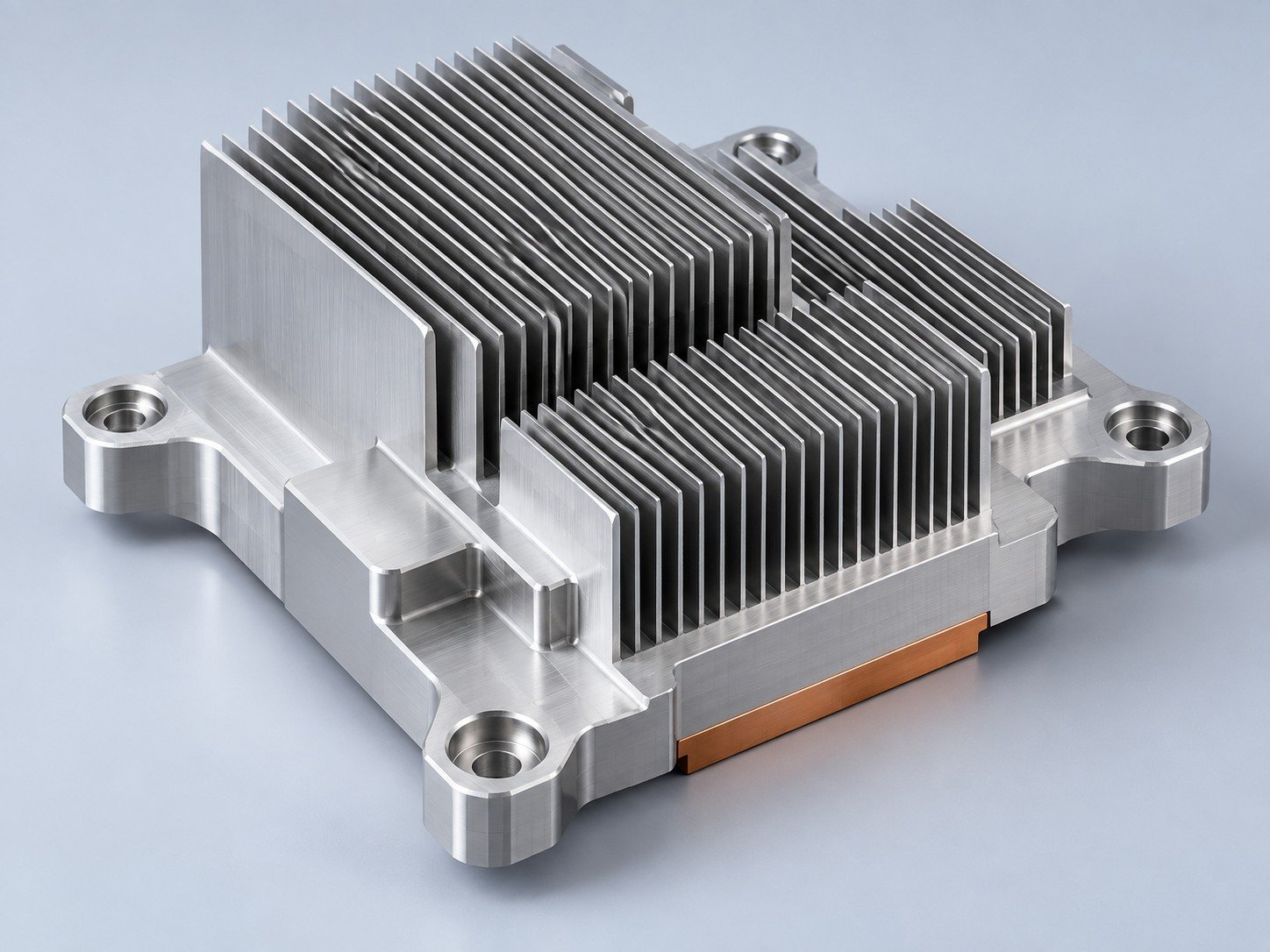
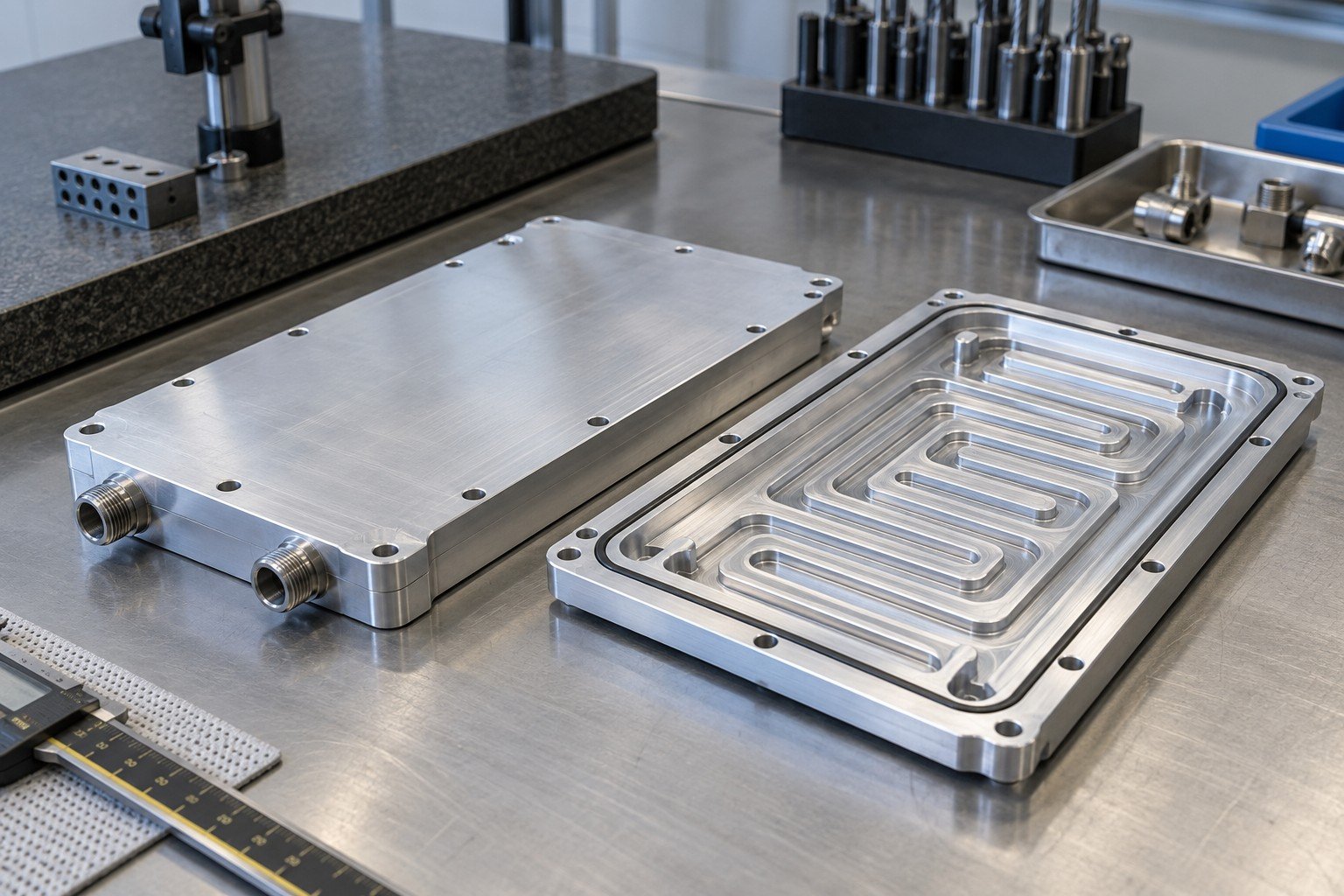
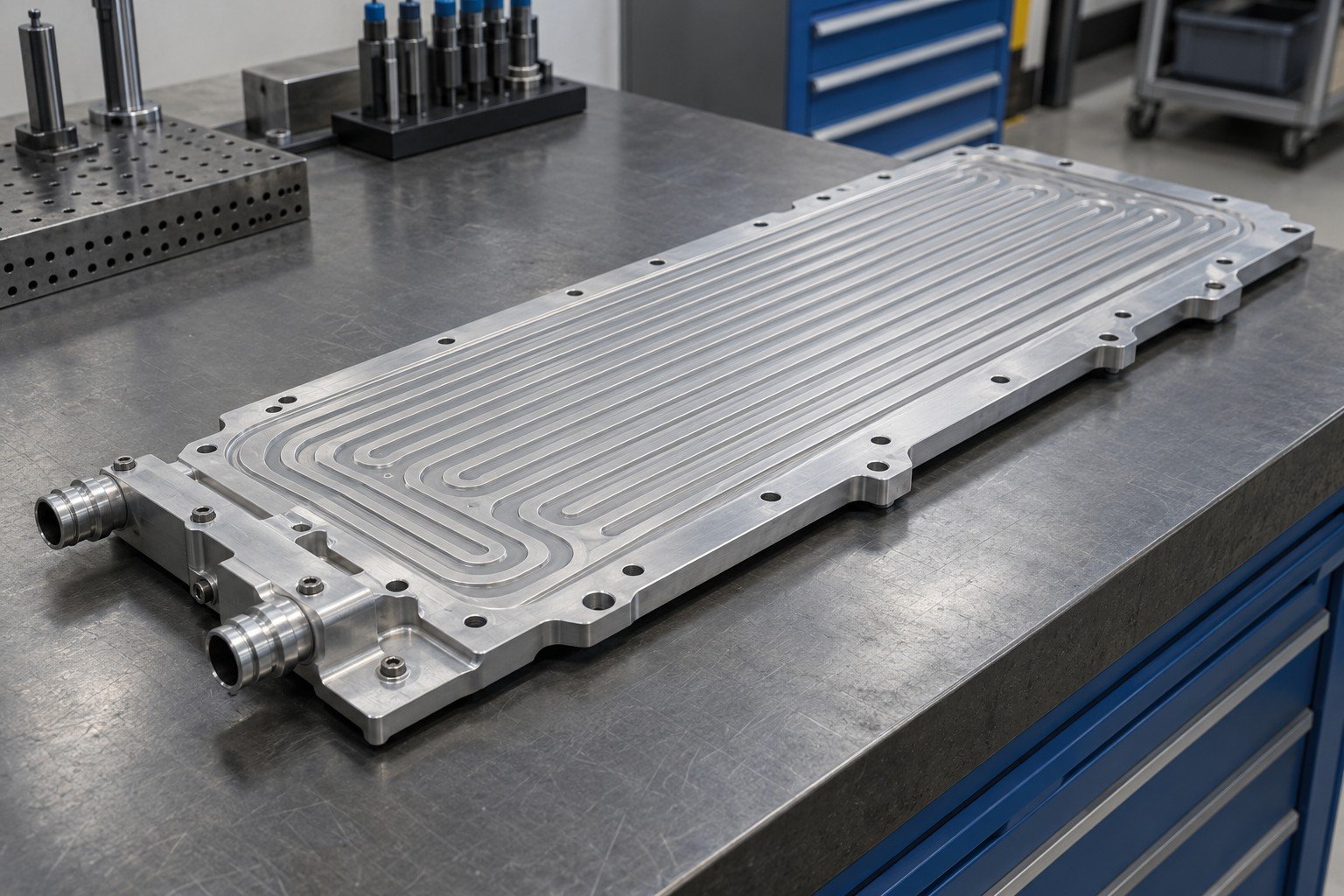
Manufacturing support for your cold plates, manifolds and cooling assemblies.
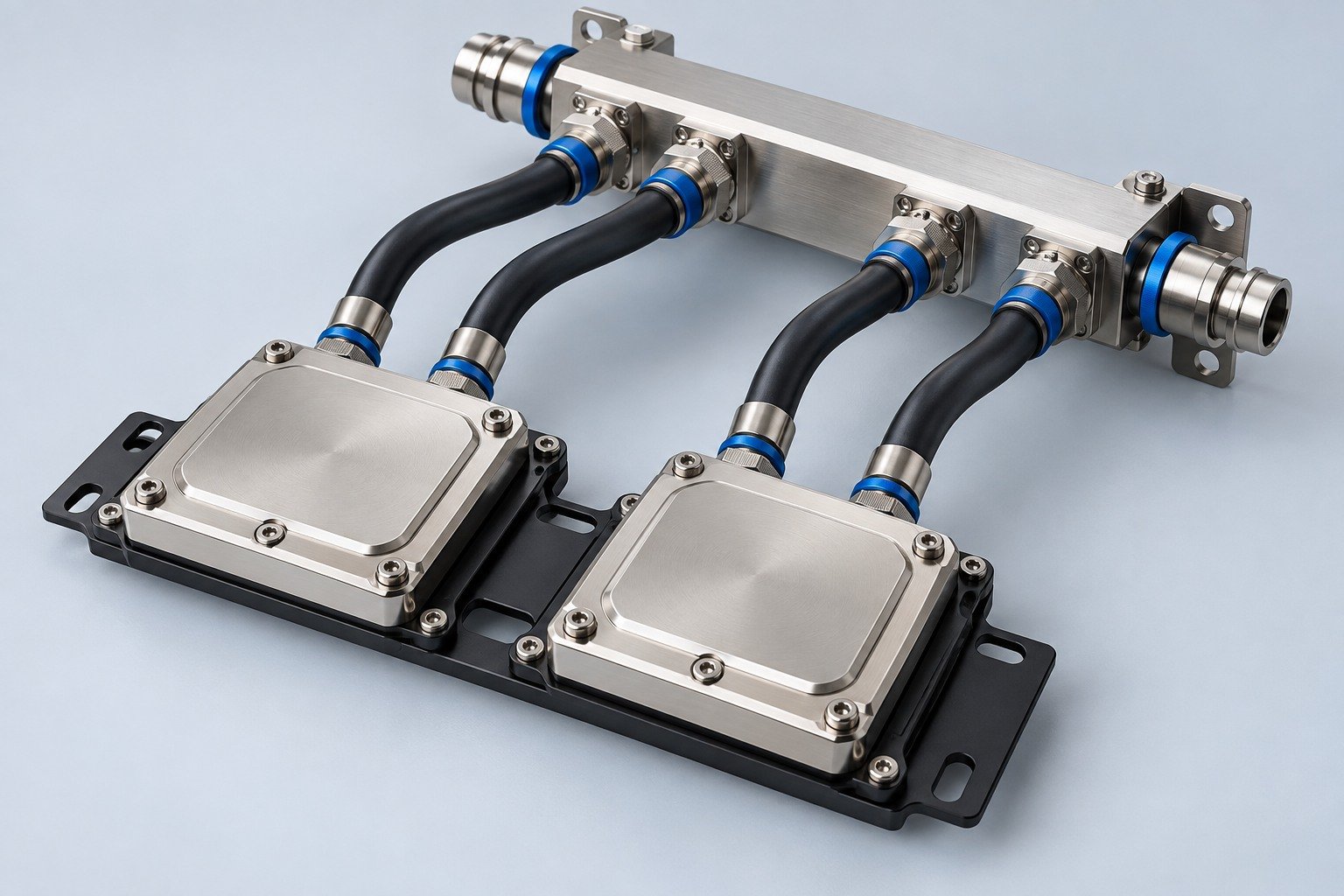
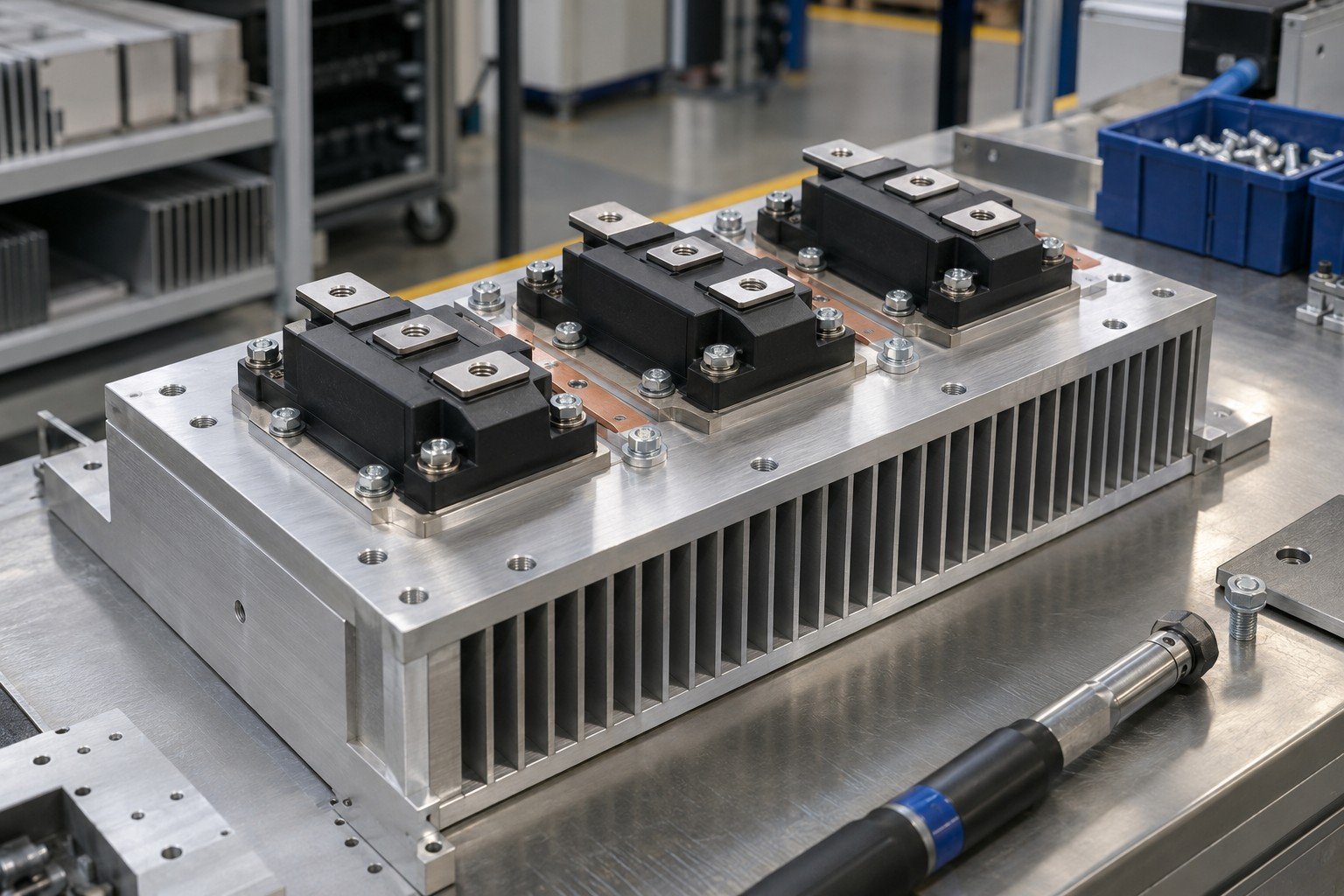
Find components for your power electronics, energy, laser and telecom application.
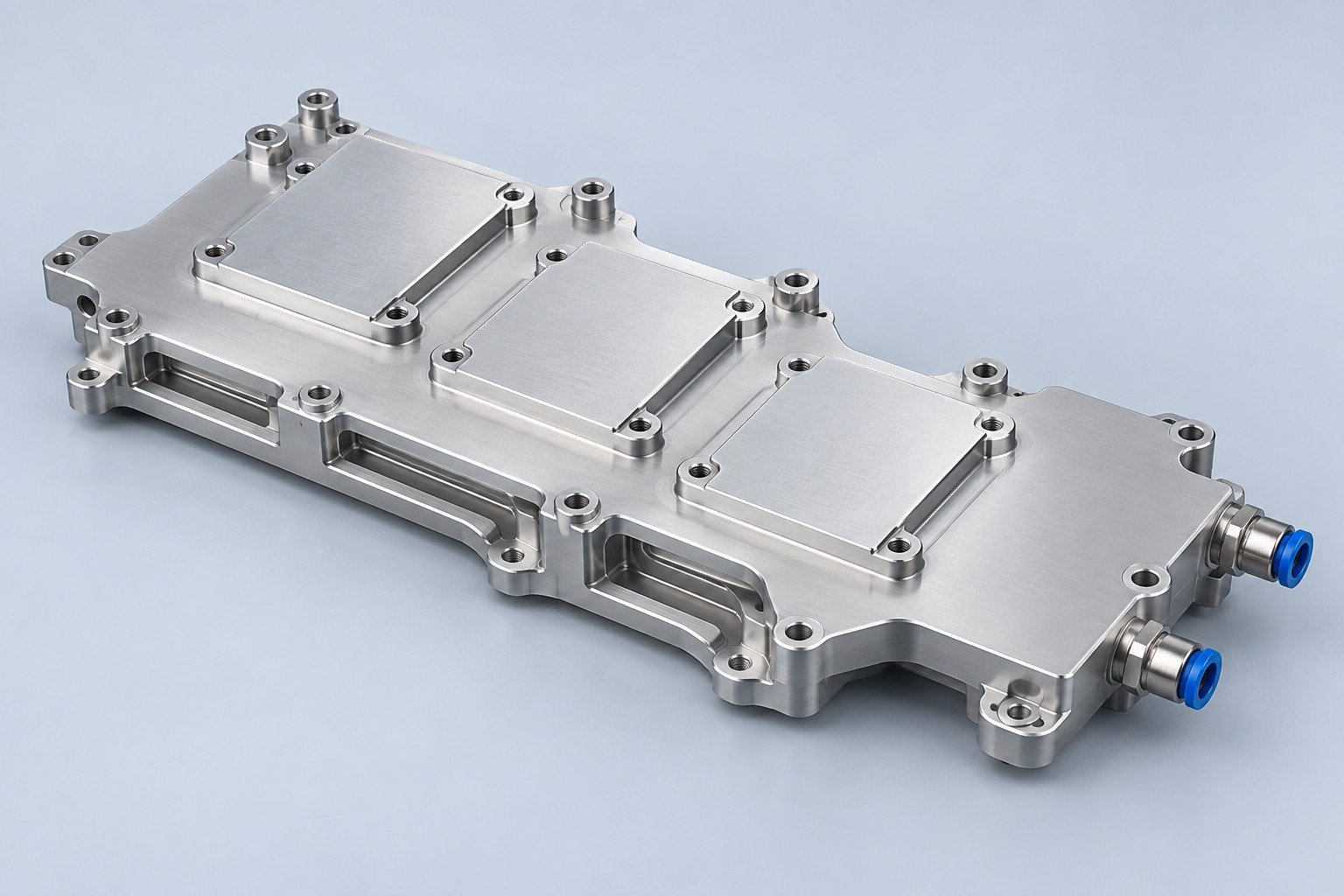
Components for your electronic systems.
Start with your functional and quality requirements.
Build around your operating environment.
From prototype to production, review material performance, manufacturability and cost for your part.
Review grade, temper and finish for your metal parts.
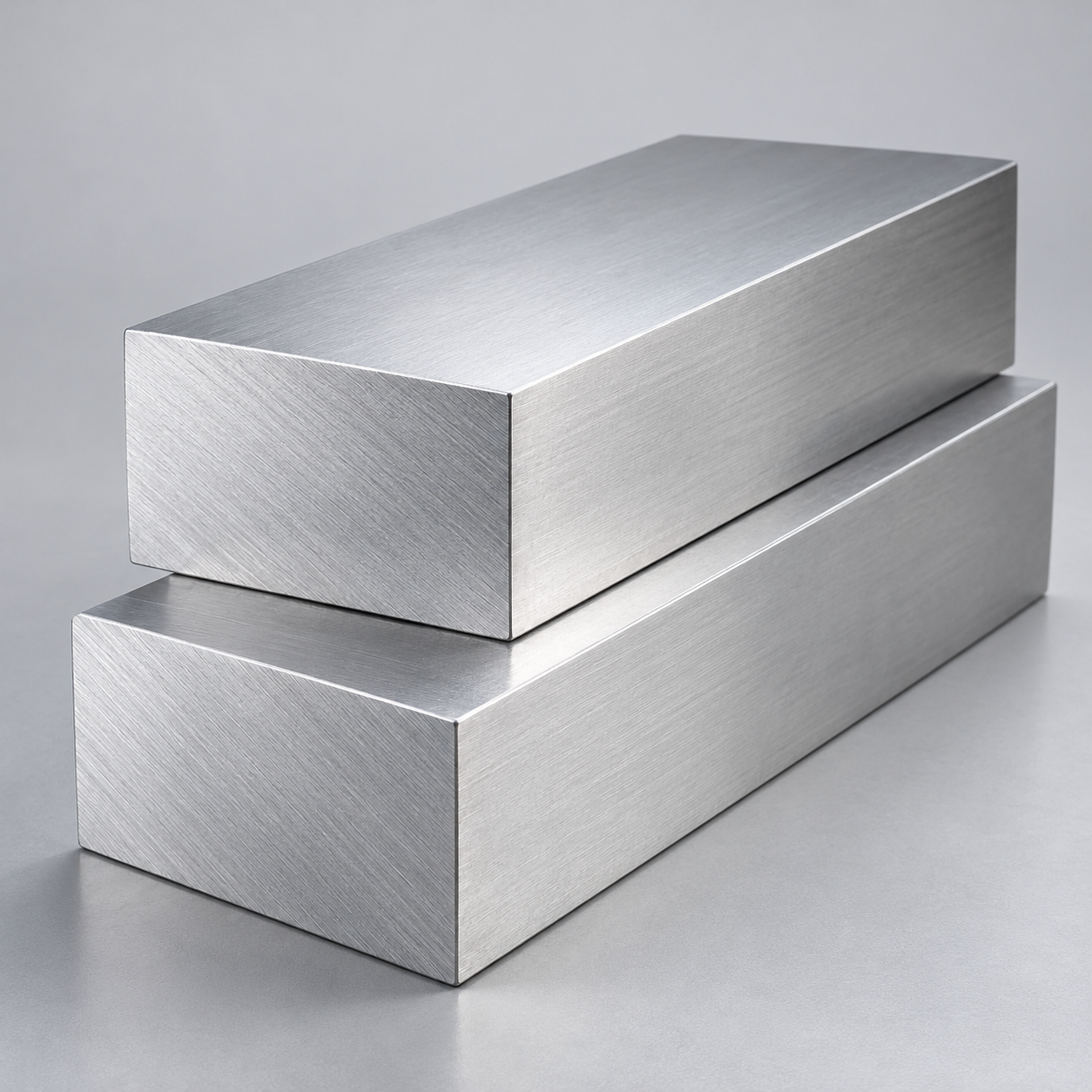 AluminumStrength, weight and machining›
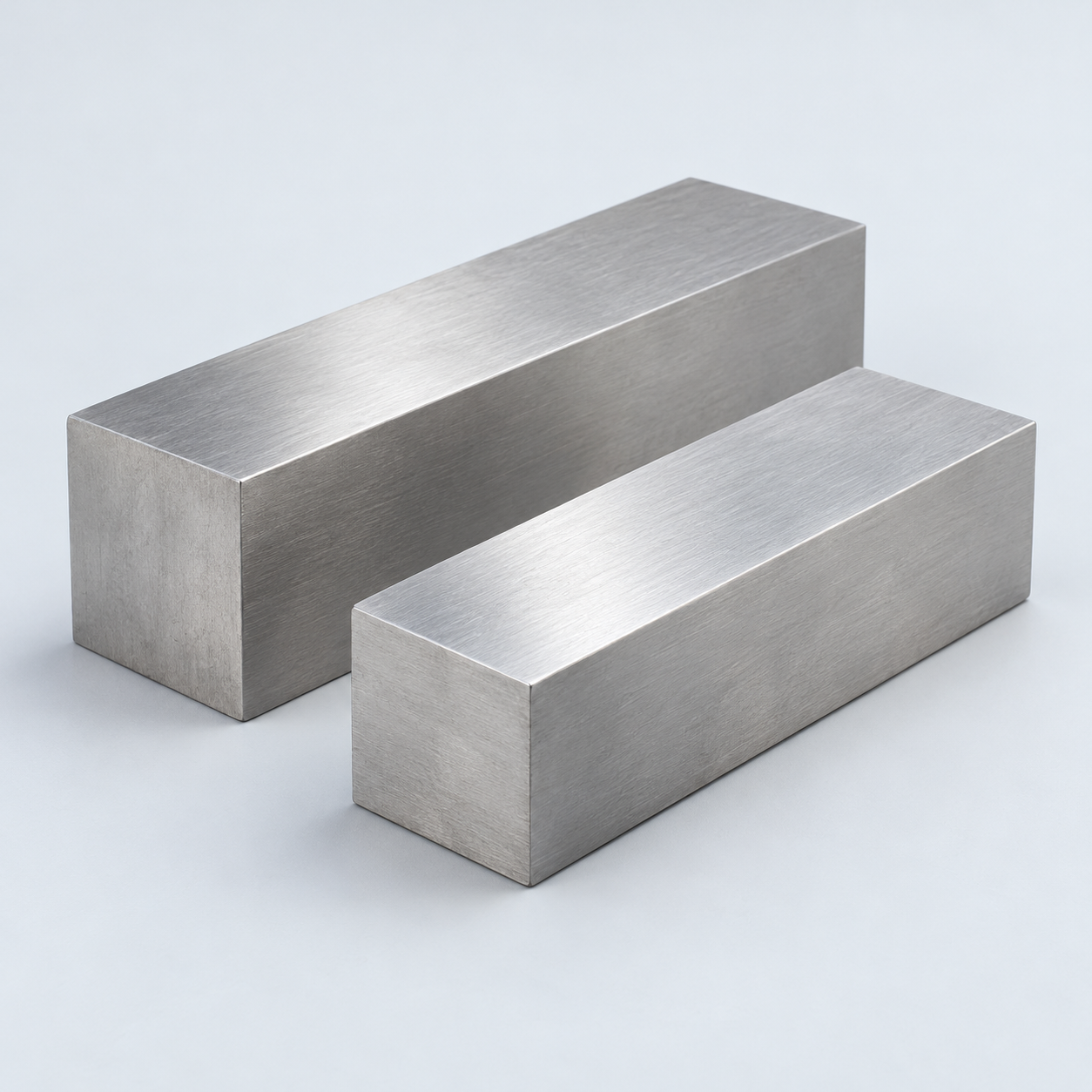 Stainless SteelCorrosion and finish requirements›
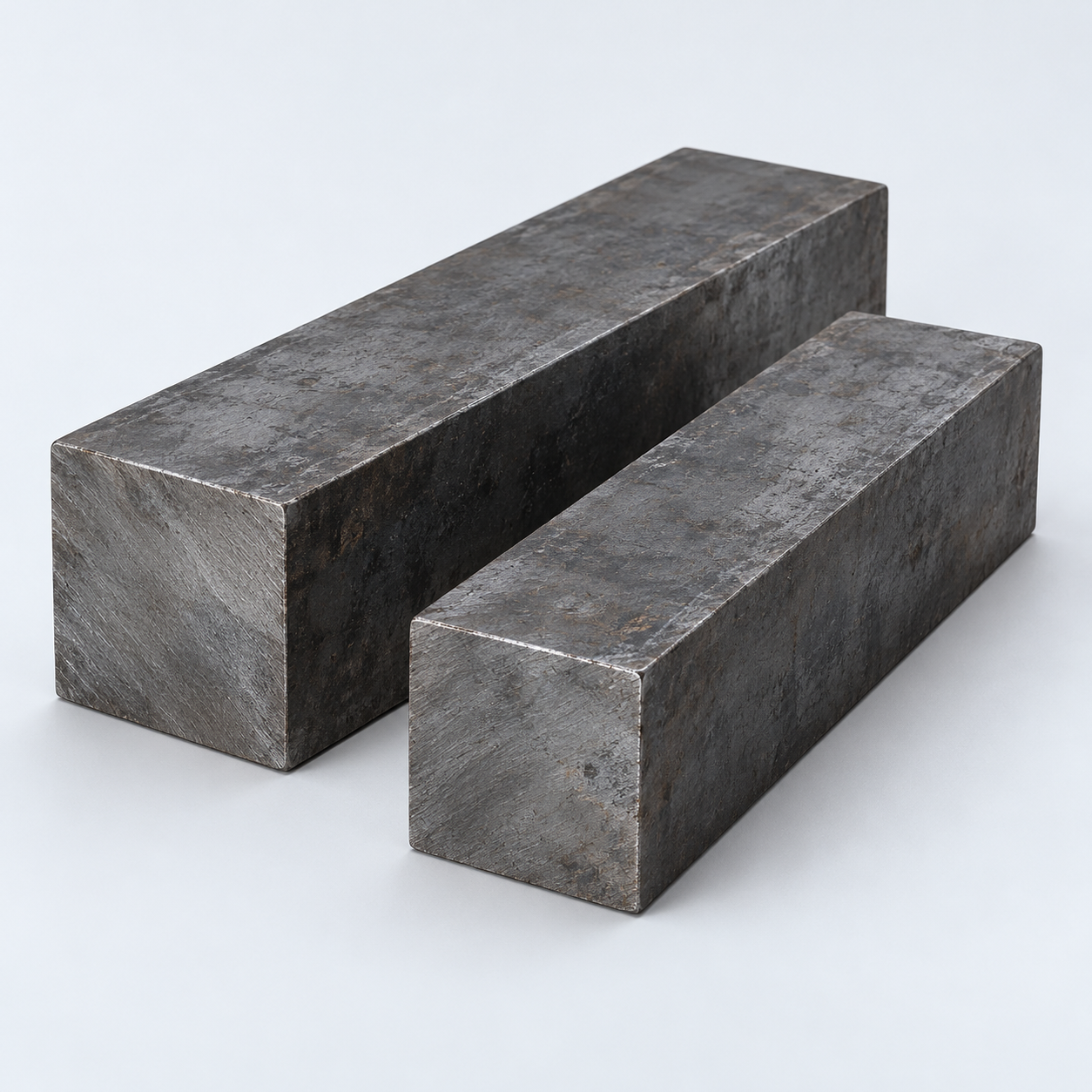 Carbon & Alloy SteelDiscuss grade and heat treatment›
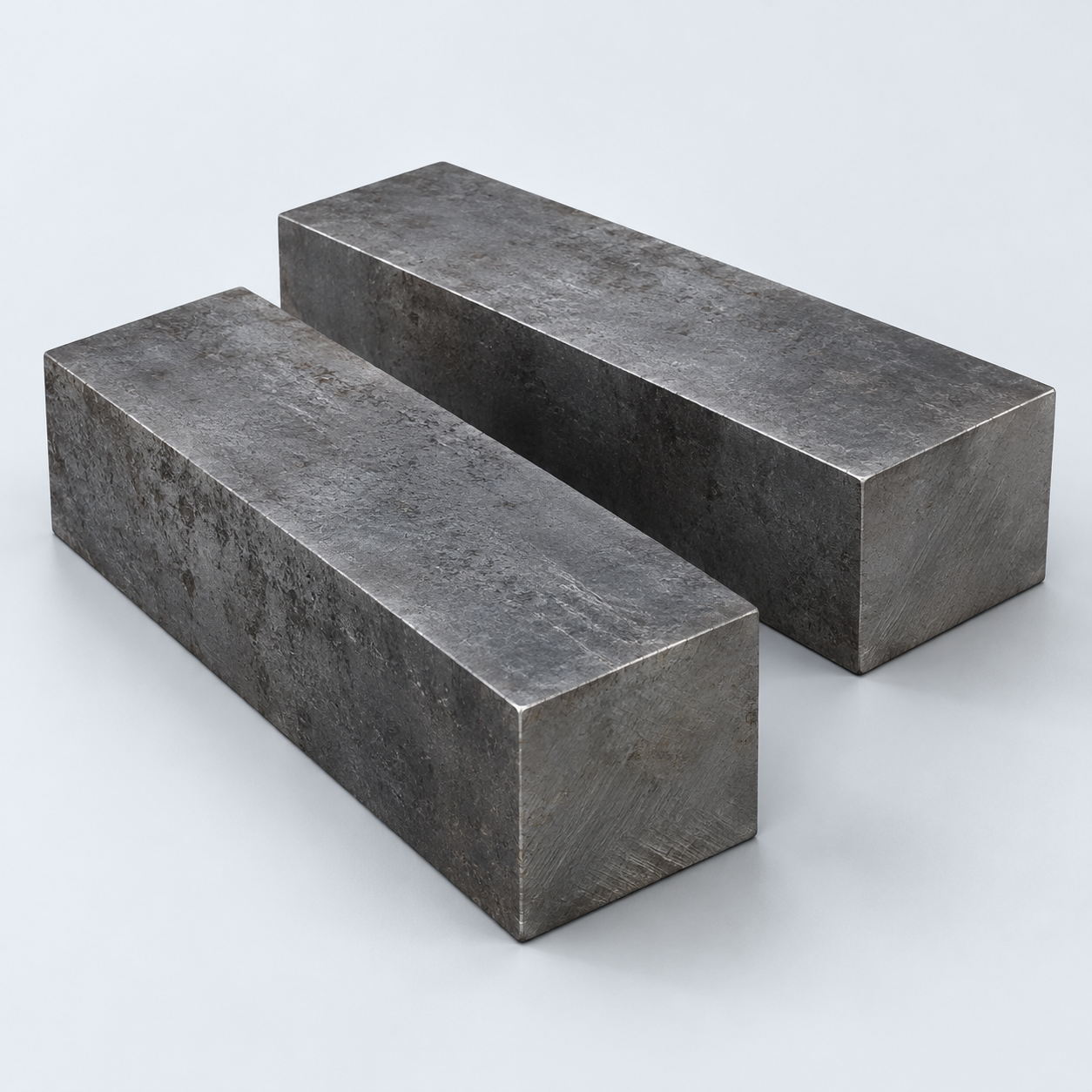 Tool SteelDiscuss tooling and wear needs›
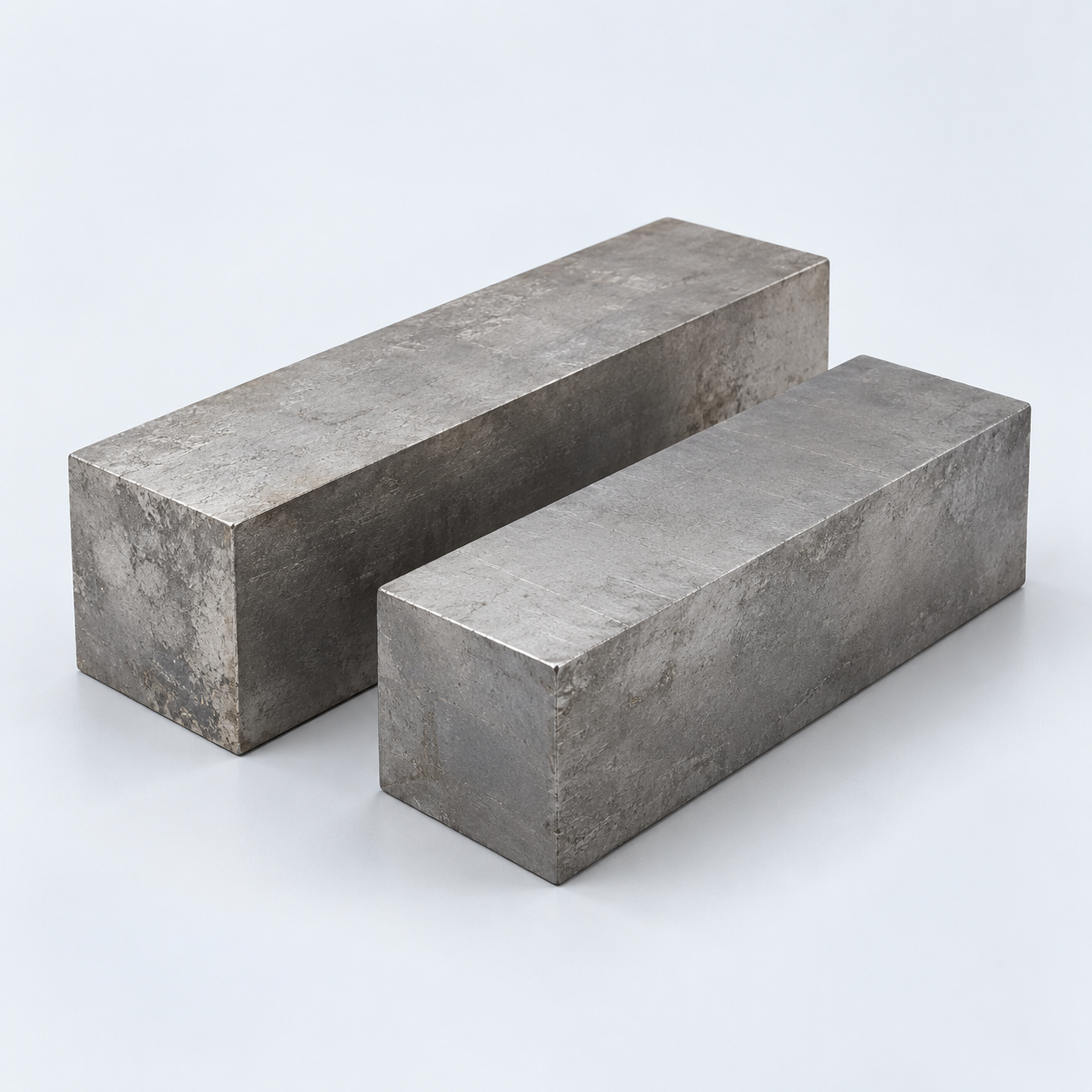 TitaniumReview grade and part geometry›
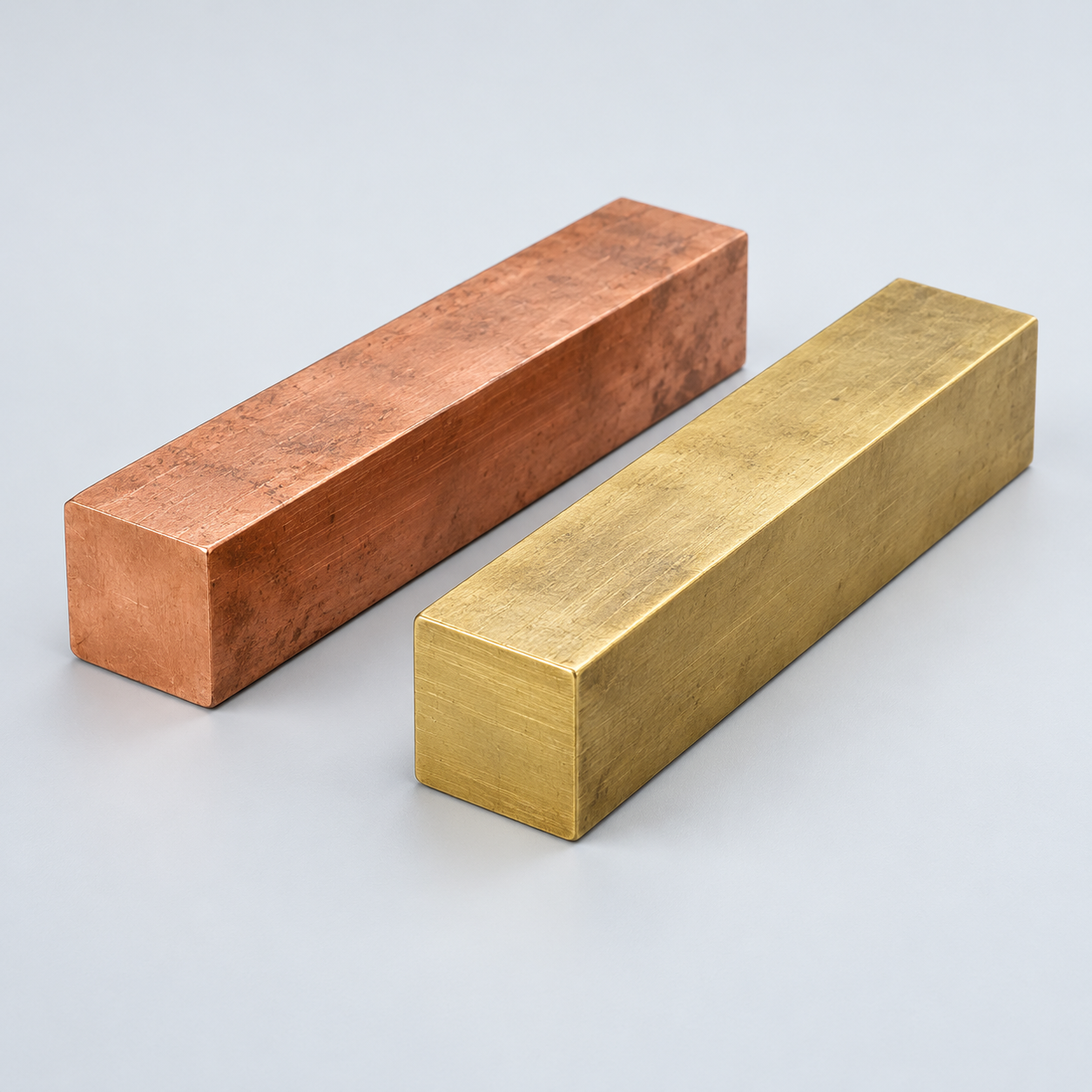 Copper & Brass & BronzeDiscuss conductivity and machining›
Match your polymer to function, process and environment.
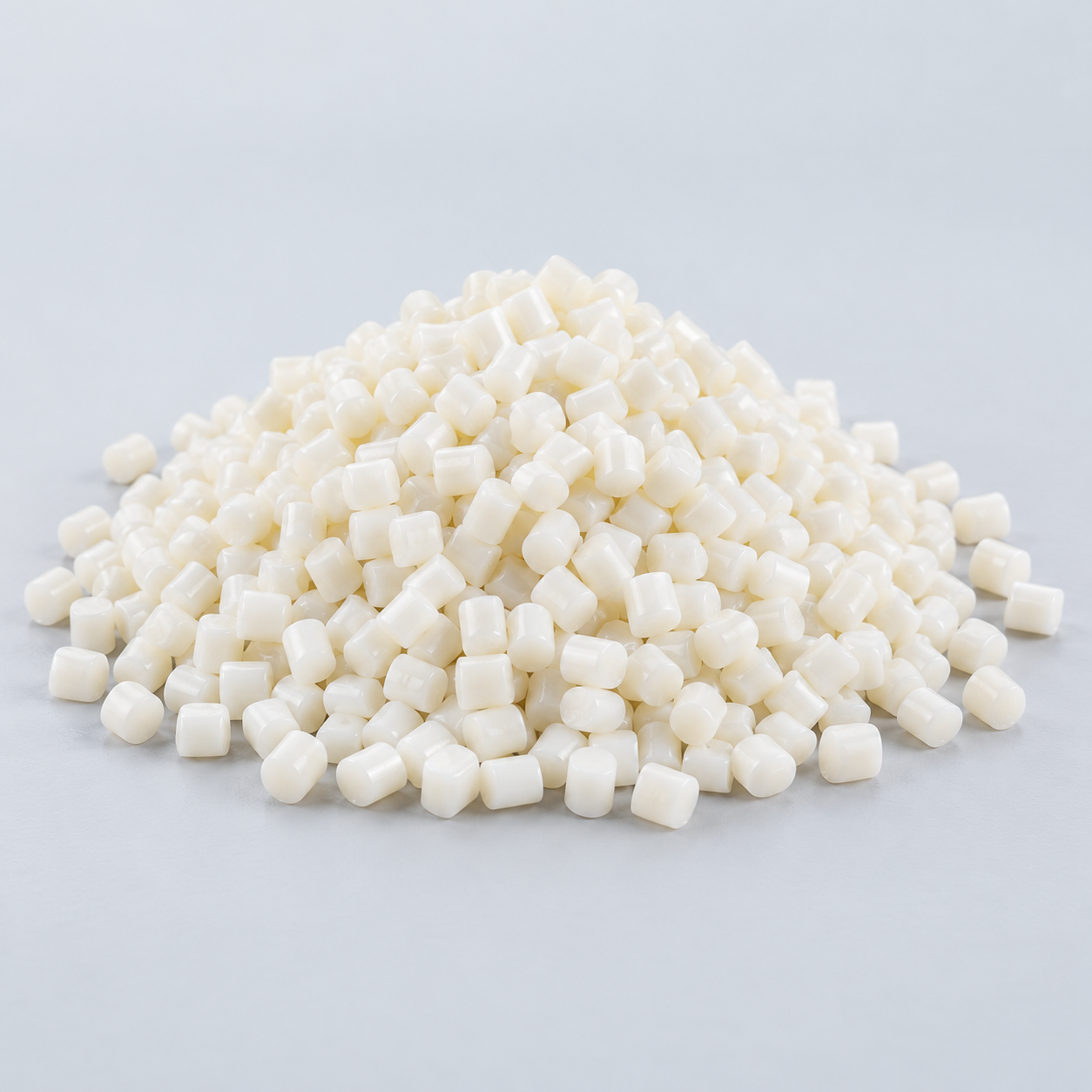 ABSReview enclosure and molding needs›
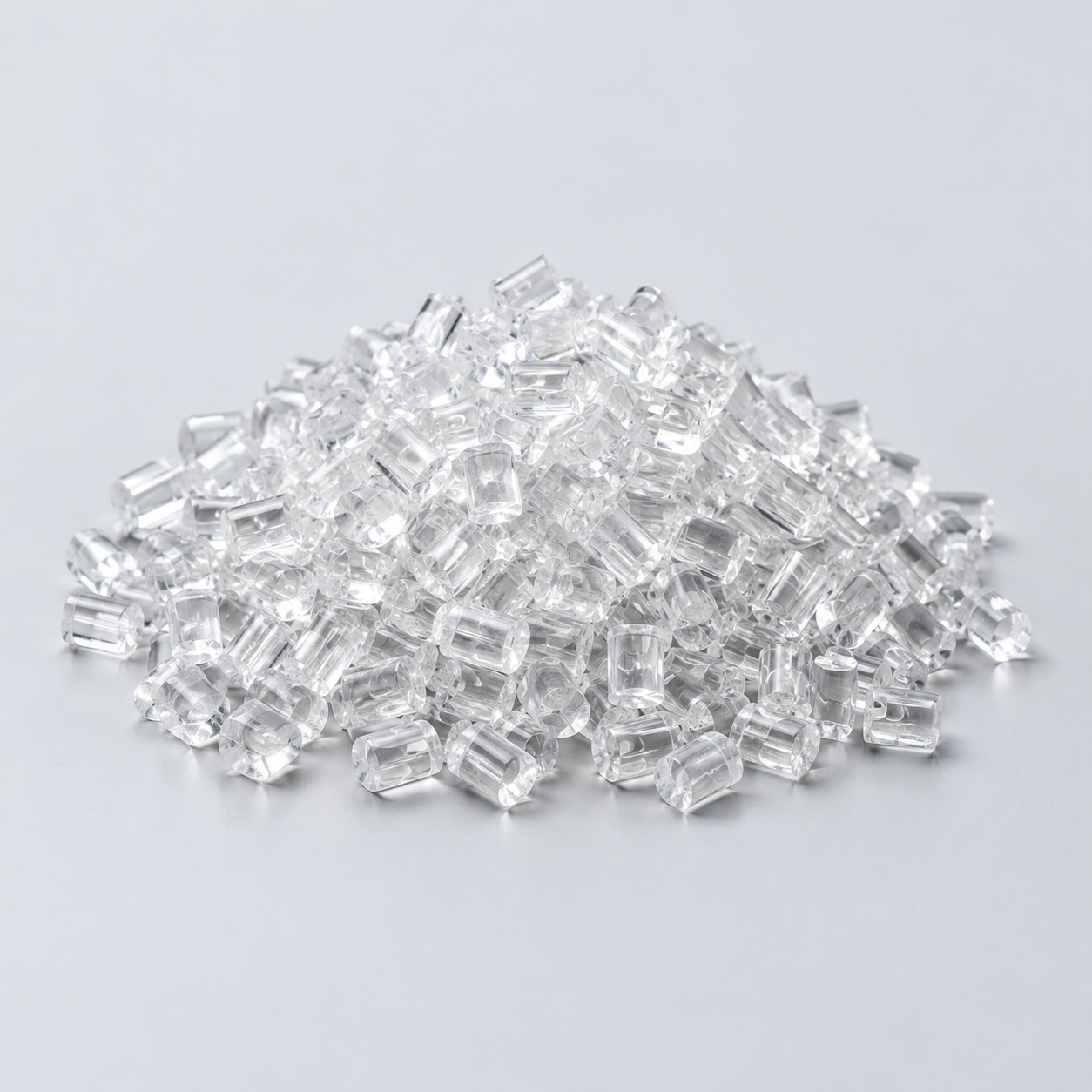 Polycarbonate (PC)Discuss clarity and impact needs›
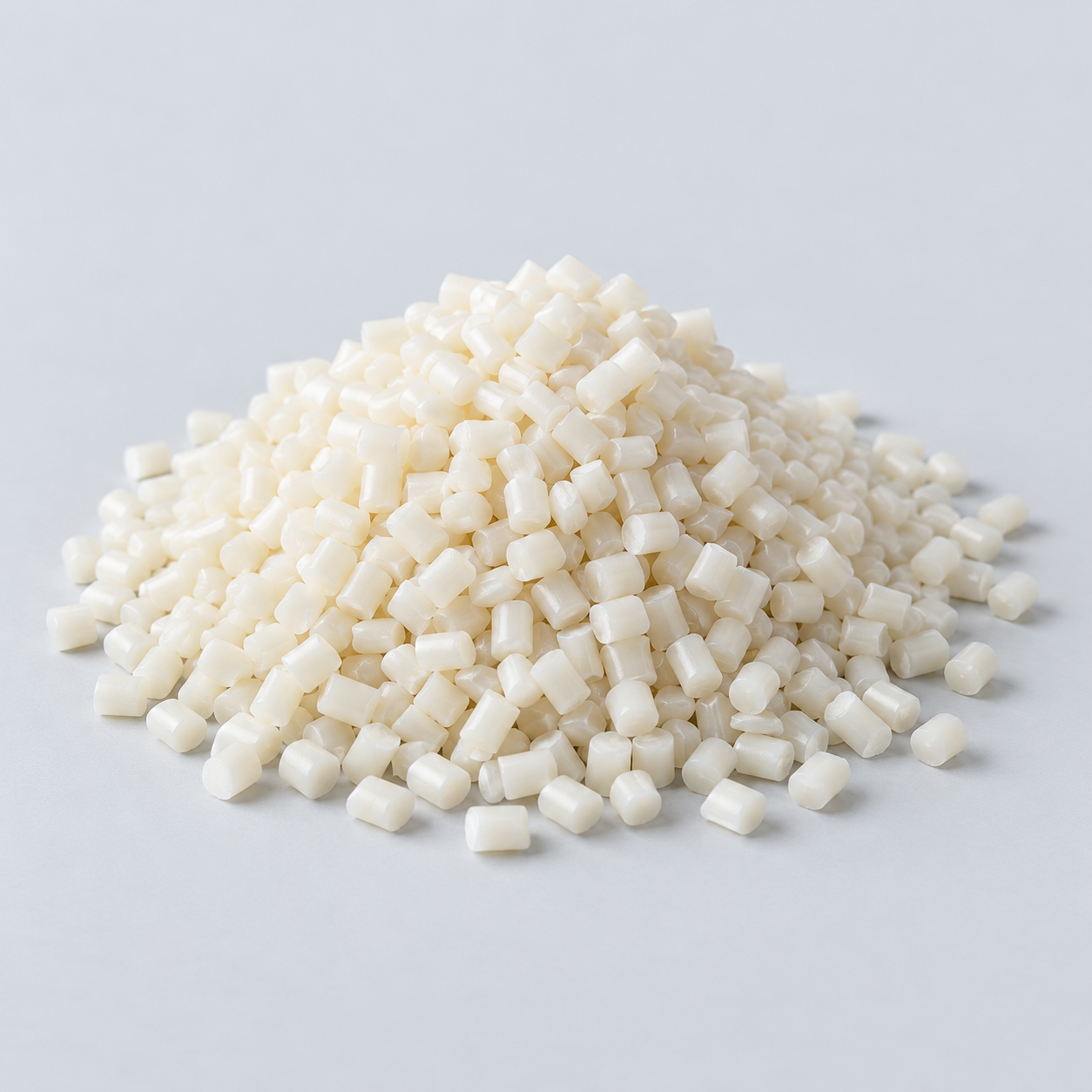 Nylon (PA)Review moisture and wear conditions›
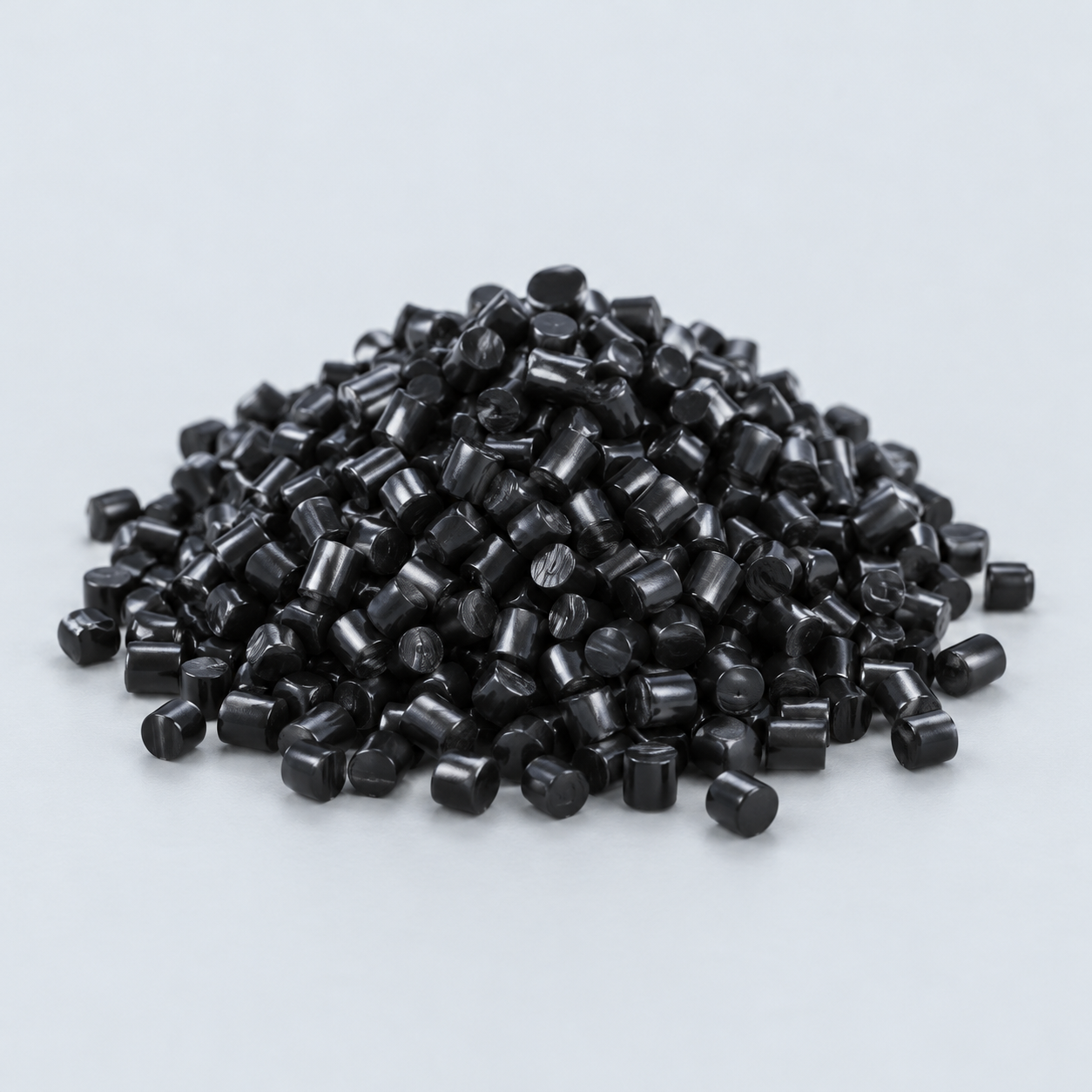 POM / AcetalReview fit and sliding features›
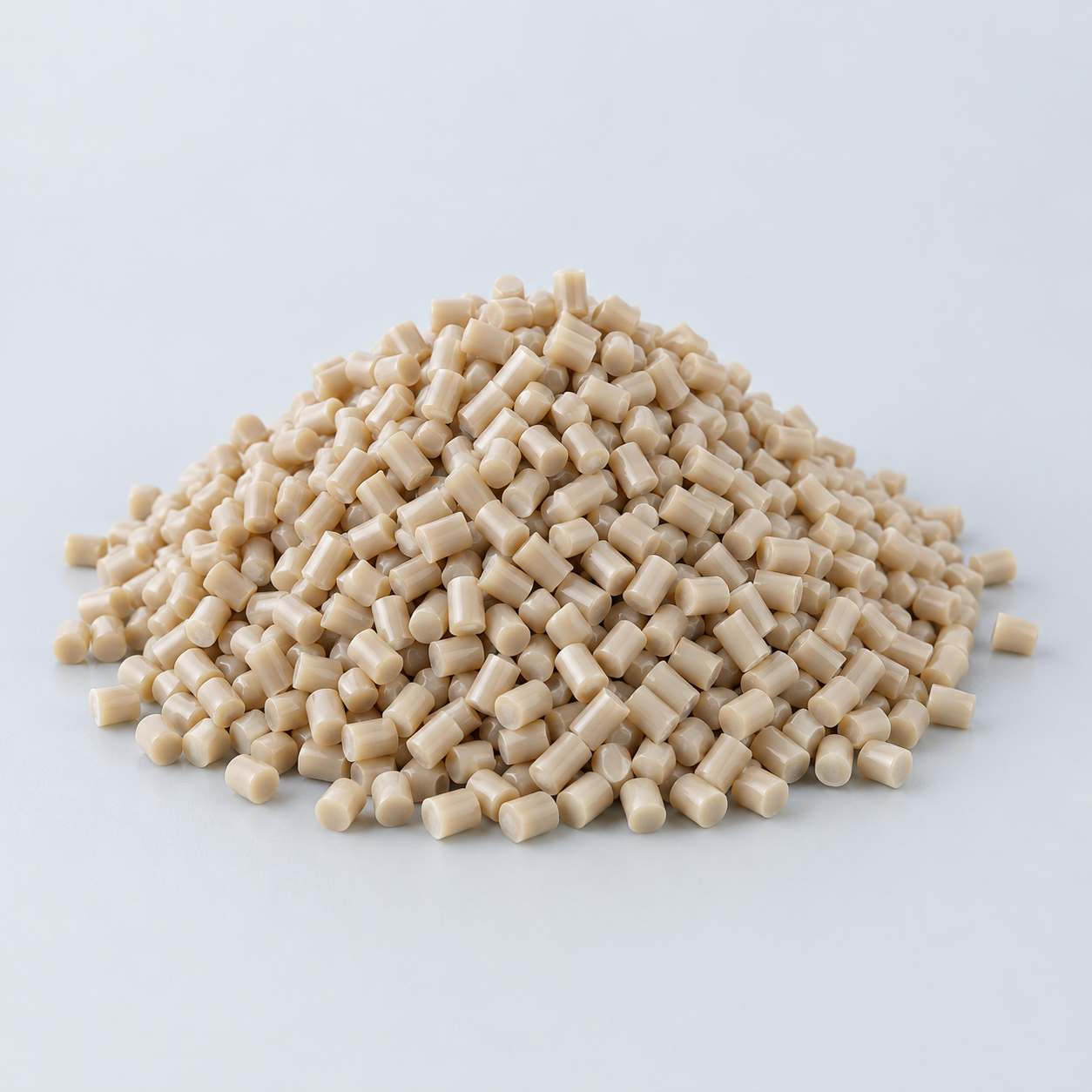 PEEKDiscuss operating conditions›
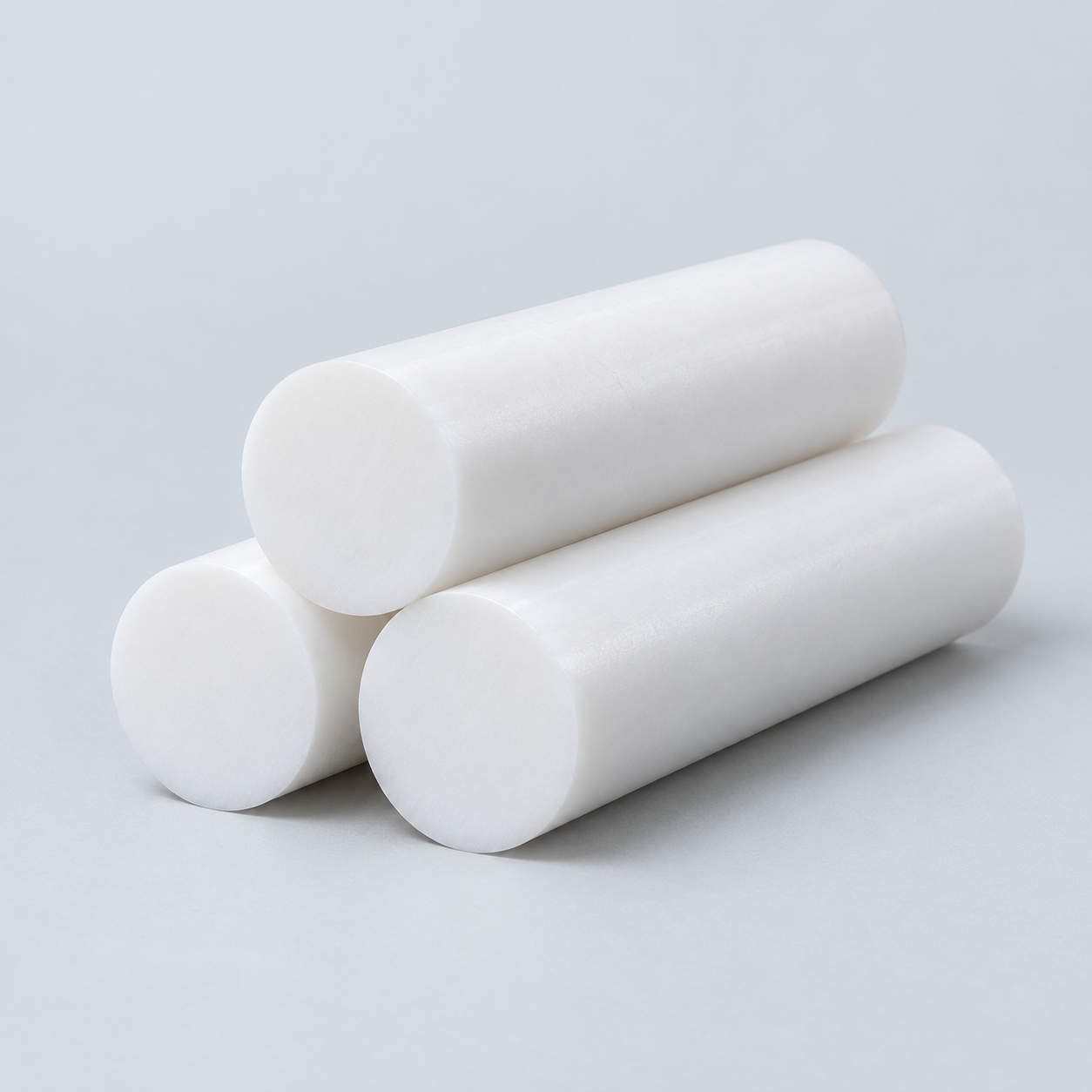 PTFEReview friction and chemical exposure›
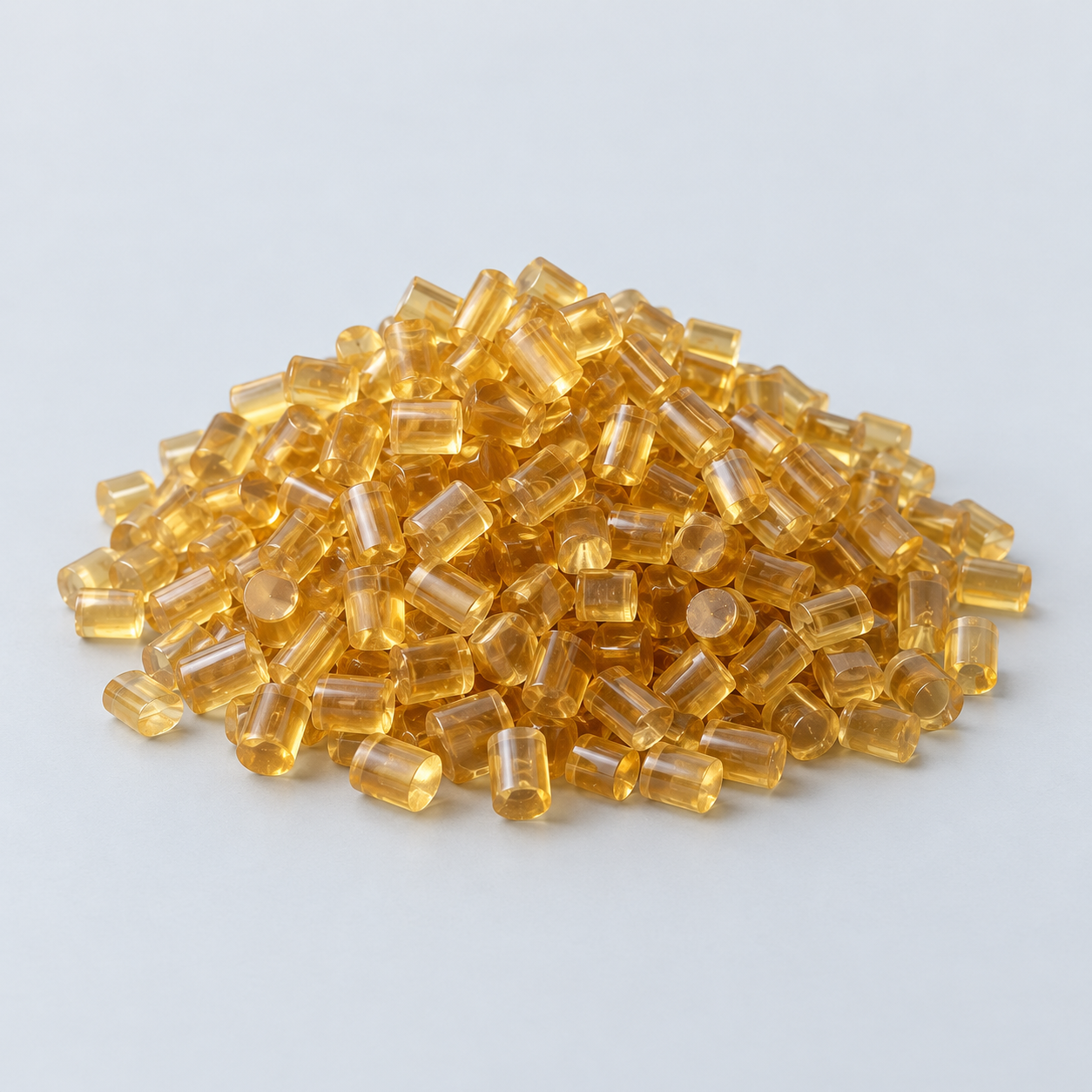 ULTEM / PEIDiscuss thermal and electrical needs›
Confirm grade availability and application requirements.
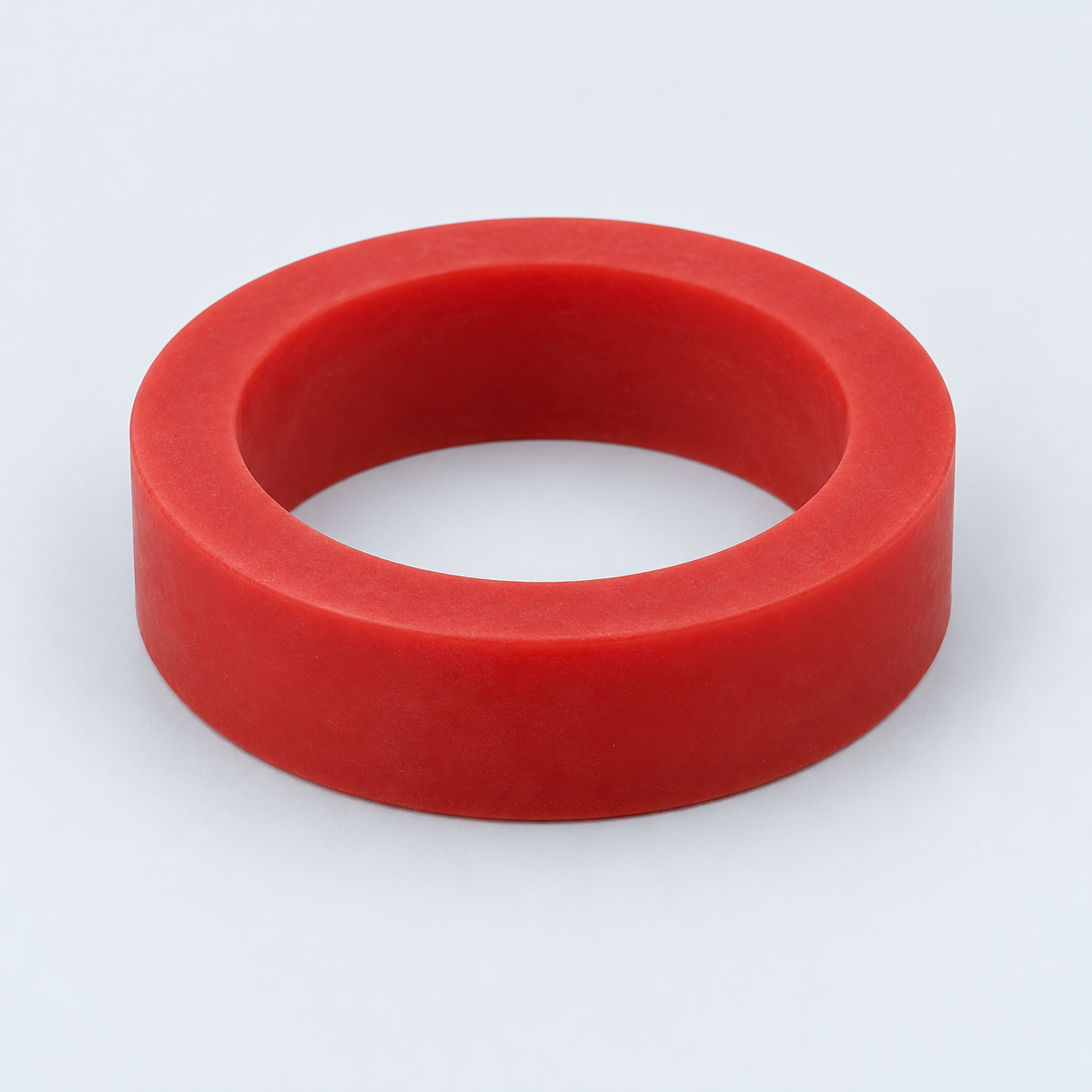 Silicone / LSRDiscuss flexible component needs›
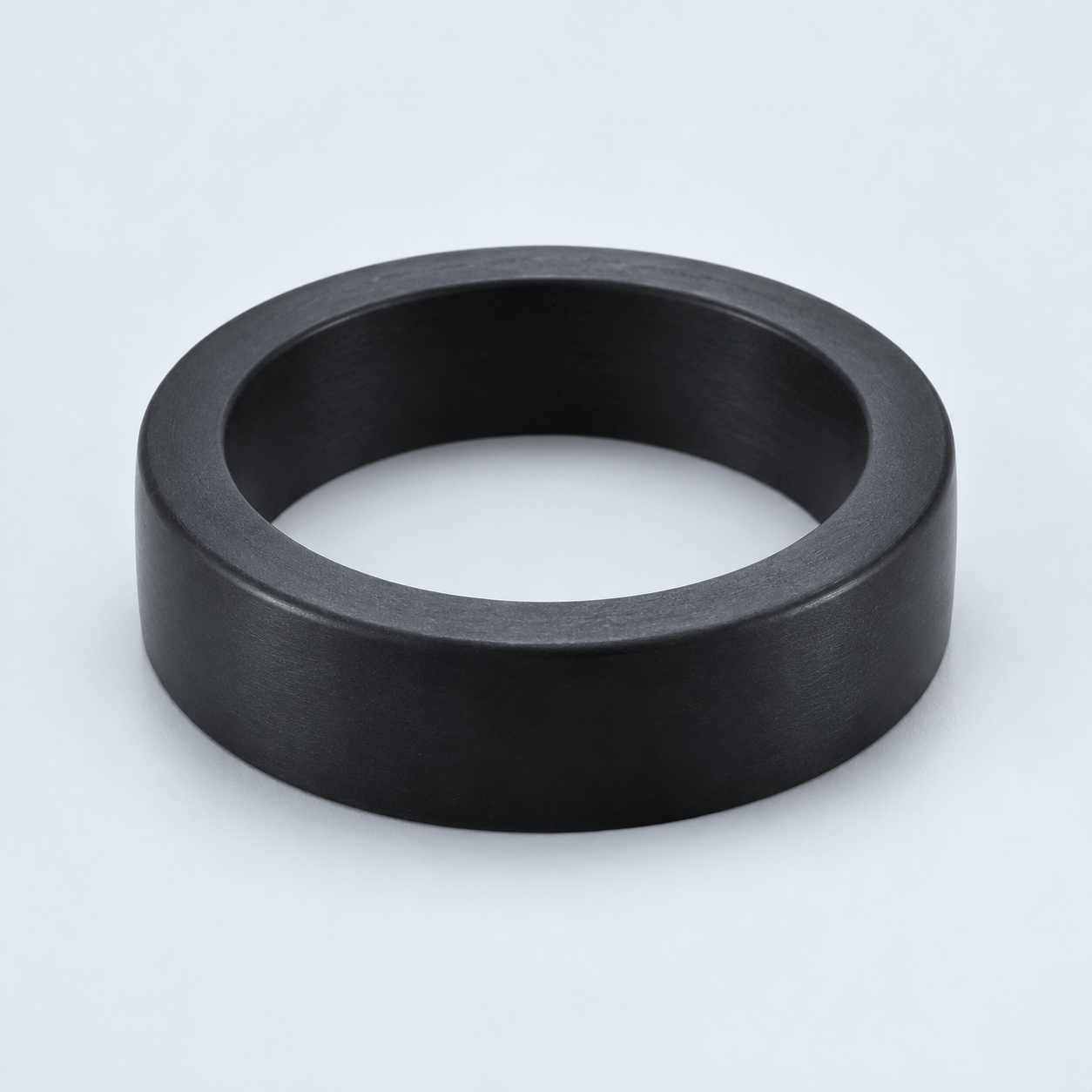 TPU / TPEReview flexibility and processing›
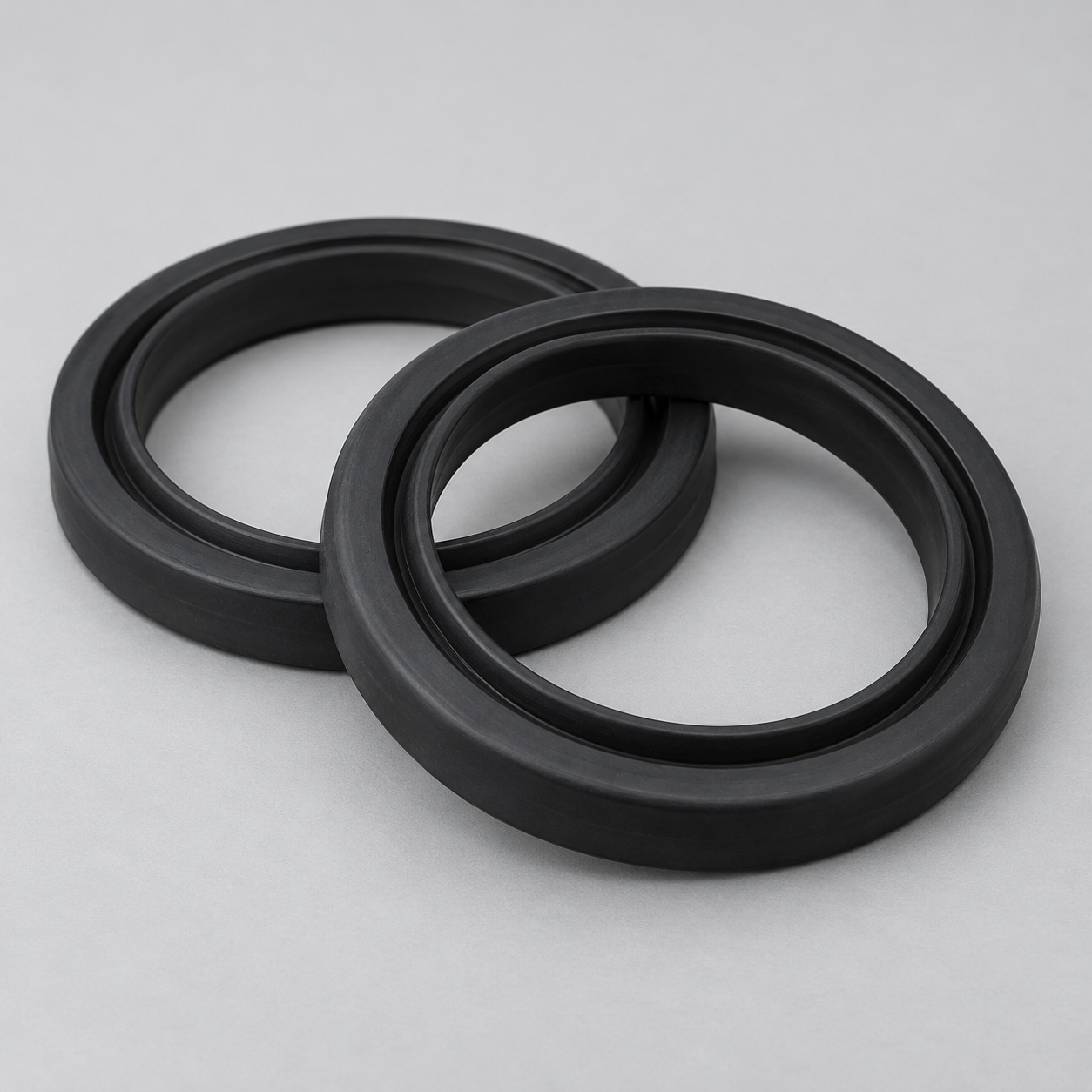 EPDMReview weathering and chemical exposure.›
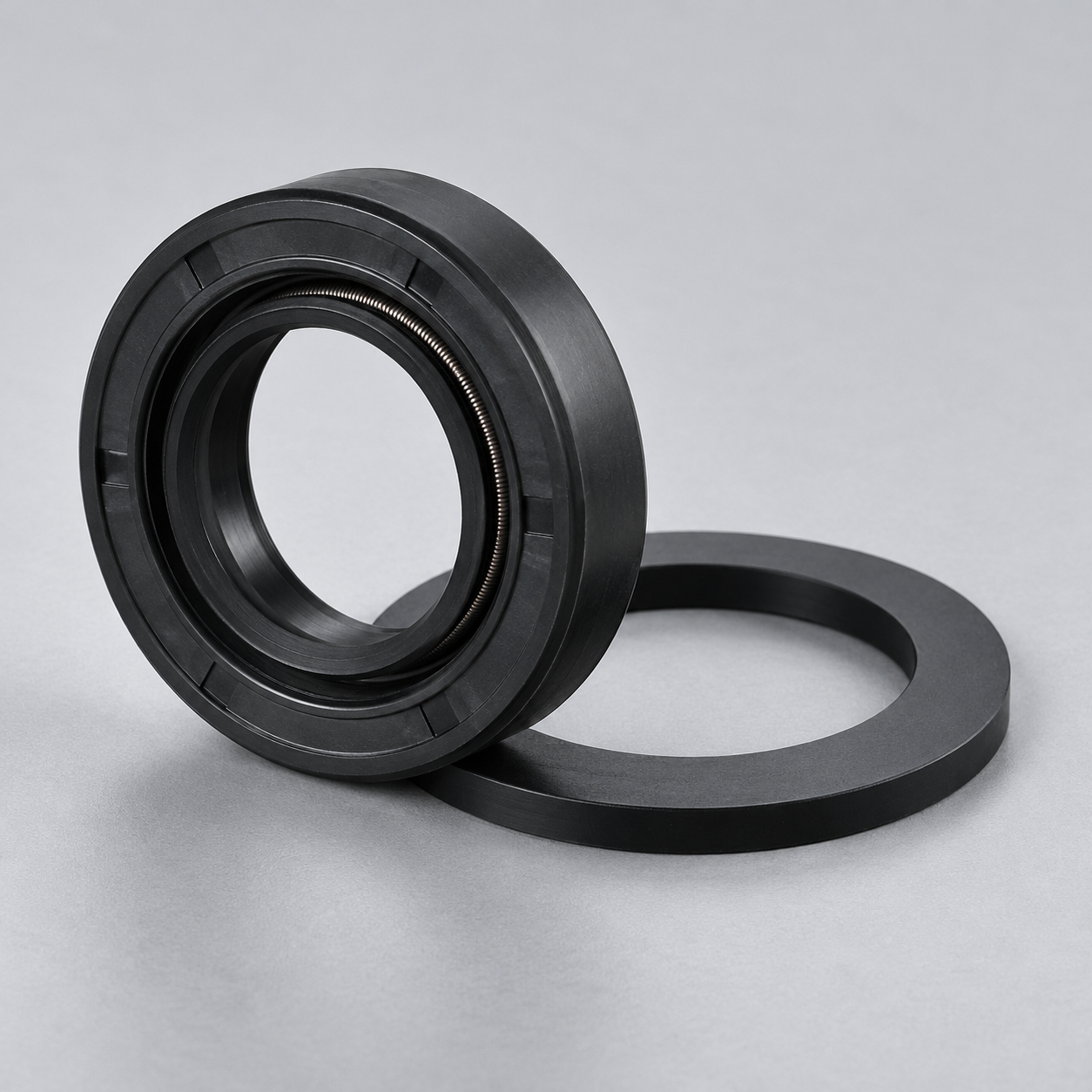 NBRReview oil and fuel exposure.›
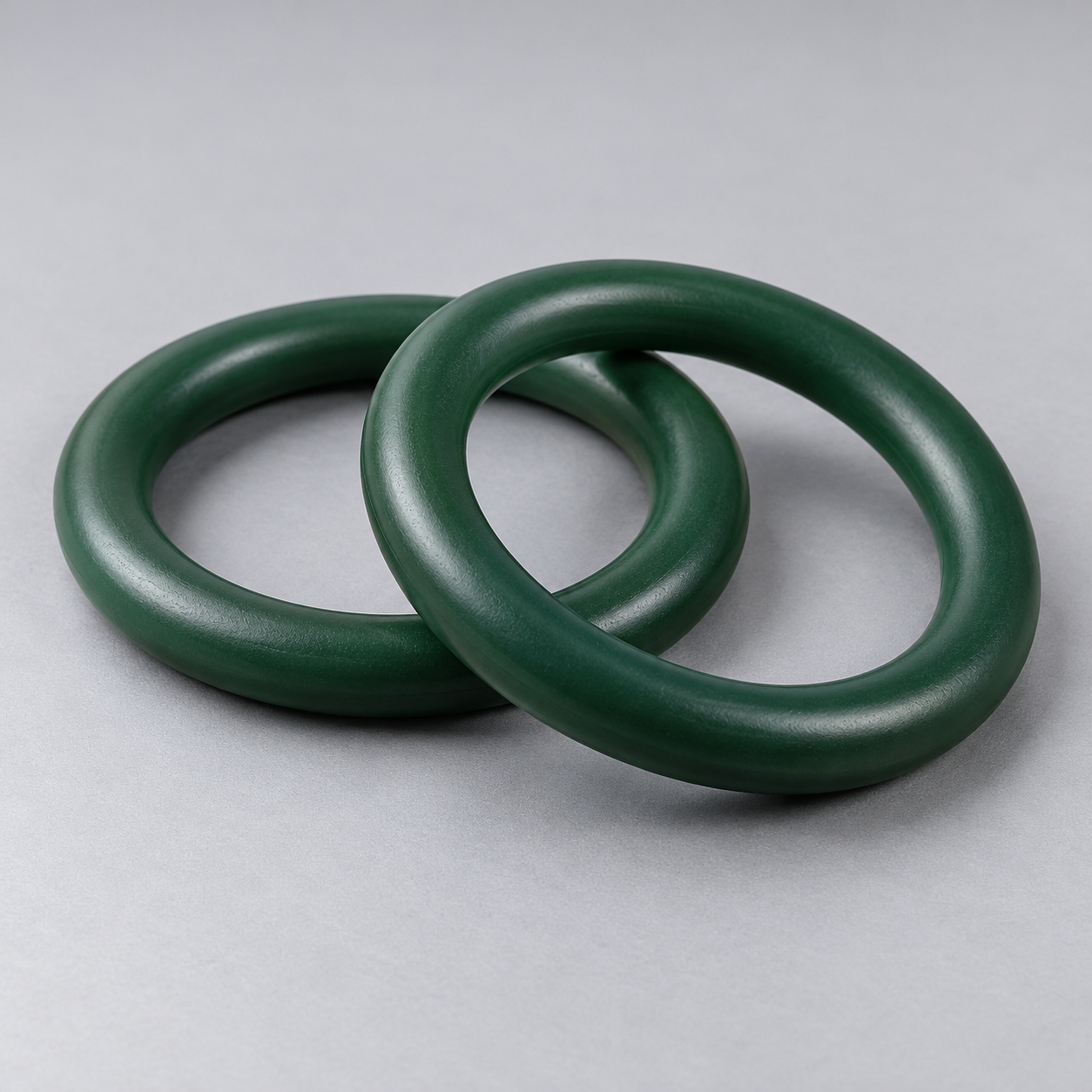 FKMReview temperature and chemical exposure.›
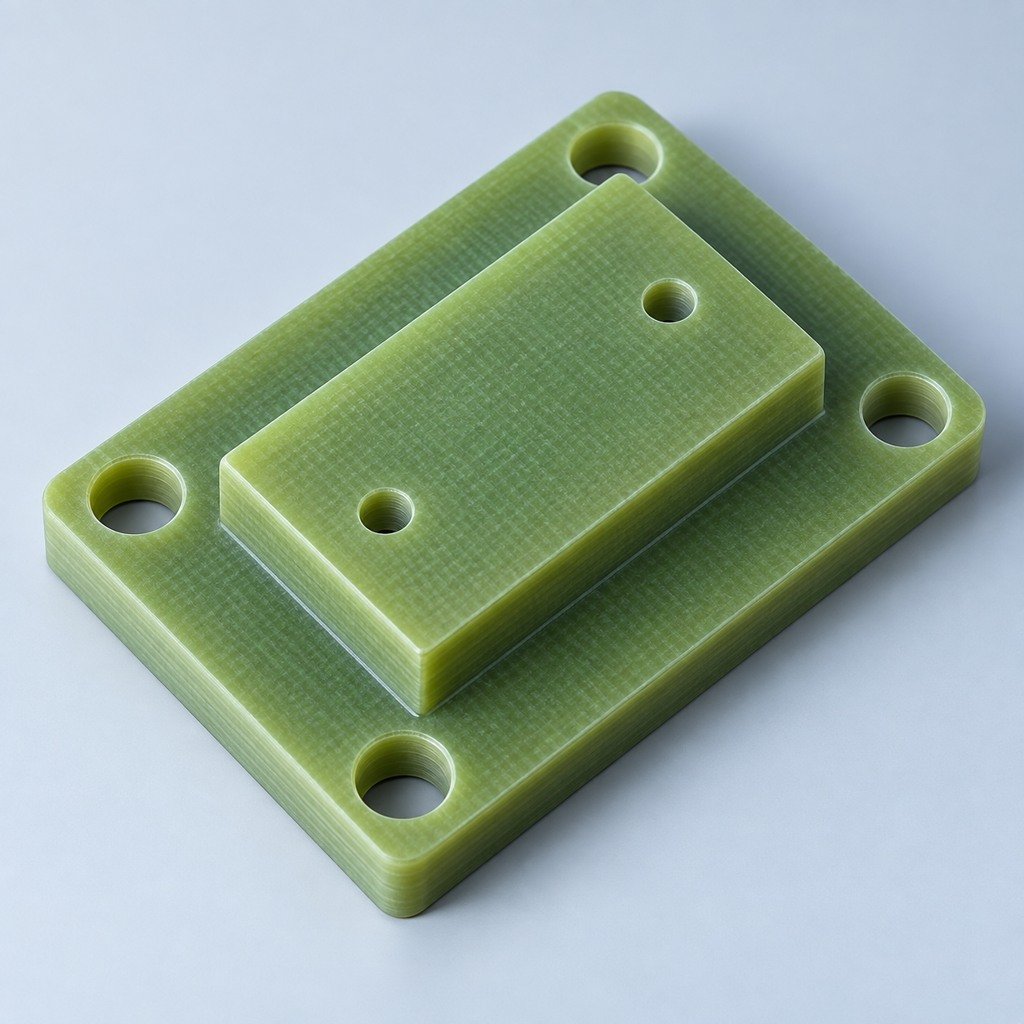 G10 / FR4Review insulation and laminate needs›
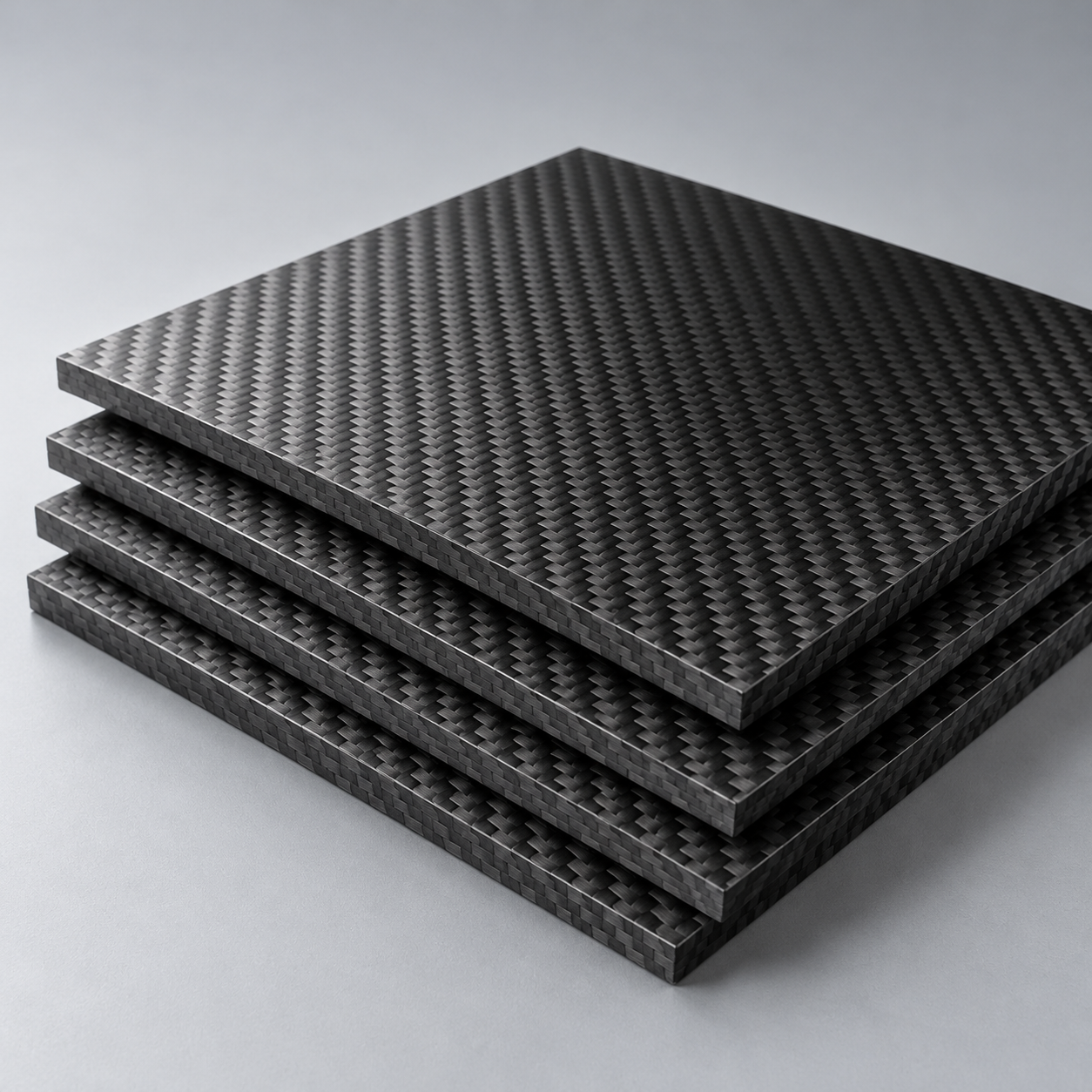 CompositesReview stiffness, weight and laminate.›Customer-Specified MaterialsConfirm your grade and requirements.›Other Specialty MaterialsDiscuss your application and grade.›
Practical guidance for your part geometry and material decisions.
Prepare your process, budget and sourcing questions.
Build your knowledge before production.
Learn who we are and how we operate.
Find our U.S. support team or start a conversation.
THE LK MFG BLOG
Practical guidance for buyers, engineers and business owners—from material selection and manufacturability to supplier qualification and total cost.
Start with the latest buyer guide, then explore practical manufacturing articles.

Procurement & Sourcing
Turn technical, quality, delivery and commercial evidence into a supplier evaluation report that supports a clear management decision.
Useful perspectives for your next manufacturing decision.
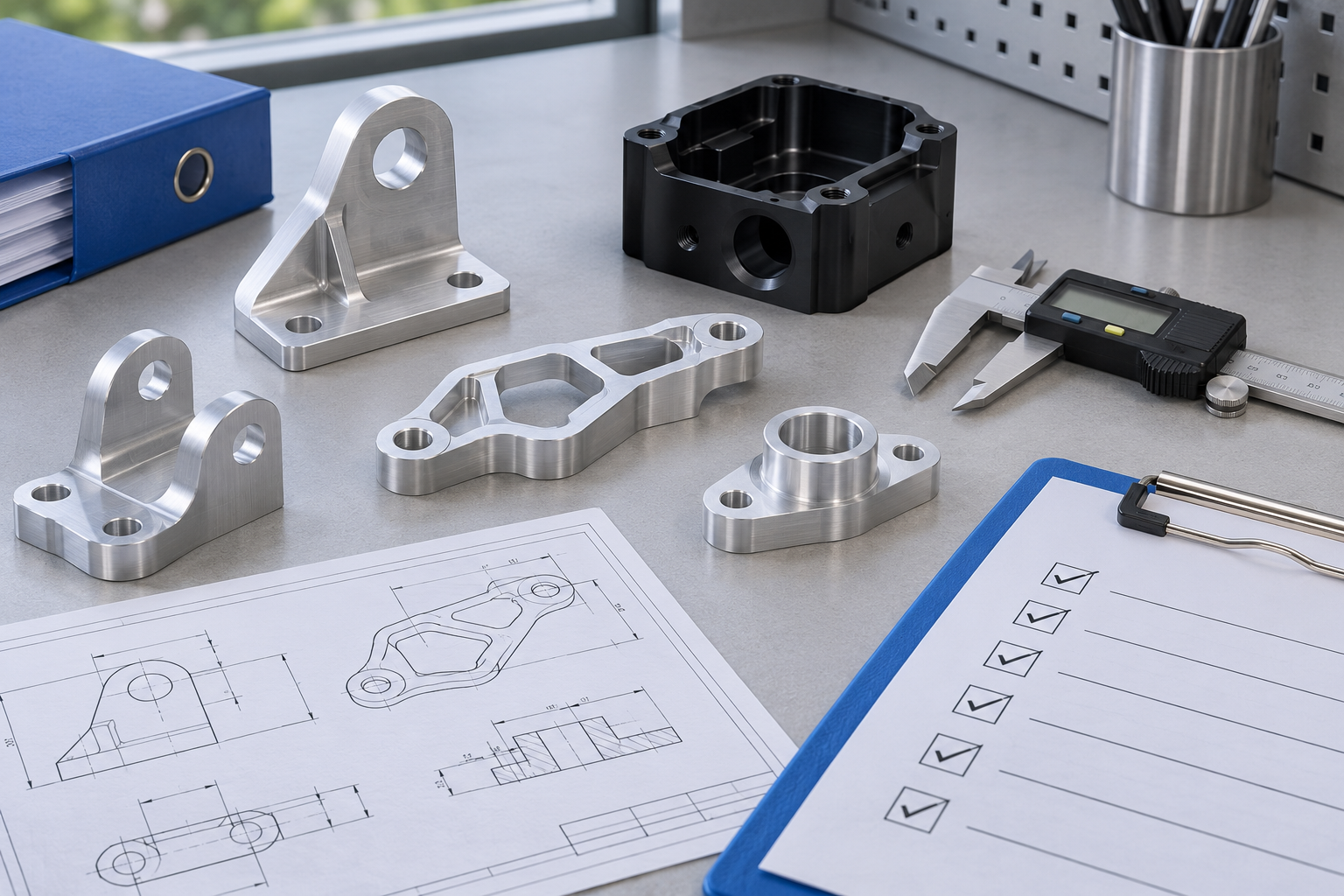
Procurement & Sourcing
Use a practical qualification checklist to evaluate manufacturing evidence, compare supplier readiness and define a controlled next step.
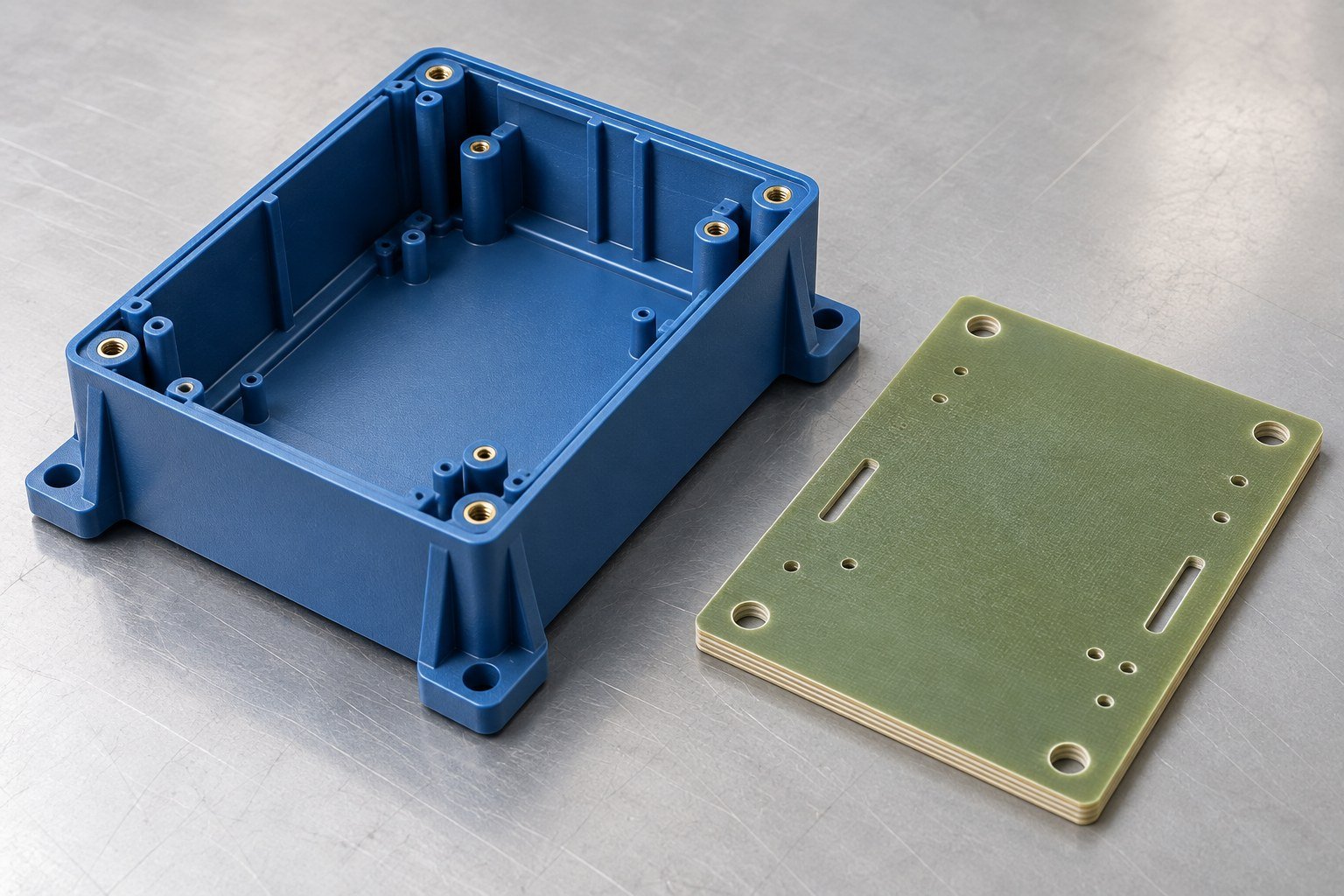
Materials
Choosing thermoplastic vs thermoset starts with what your part must do, how it will be made and what must remain stable in service. A material-family name alone cannot…
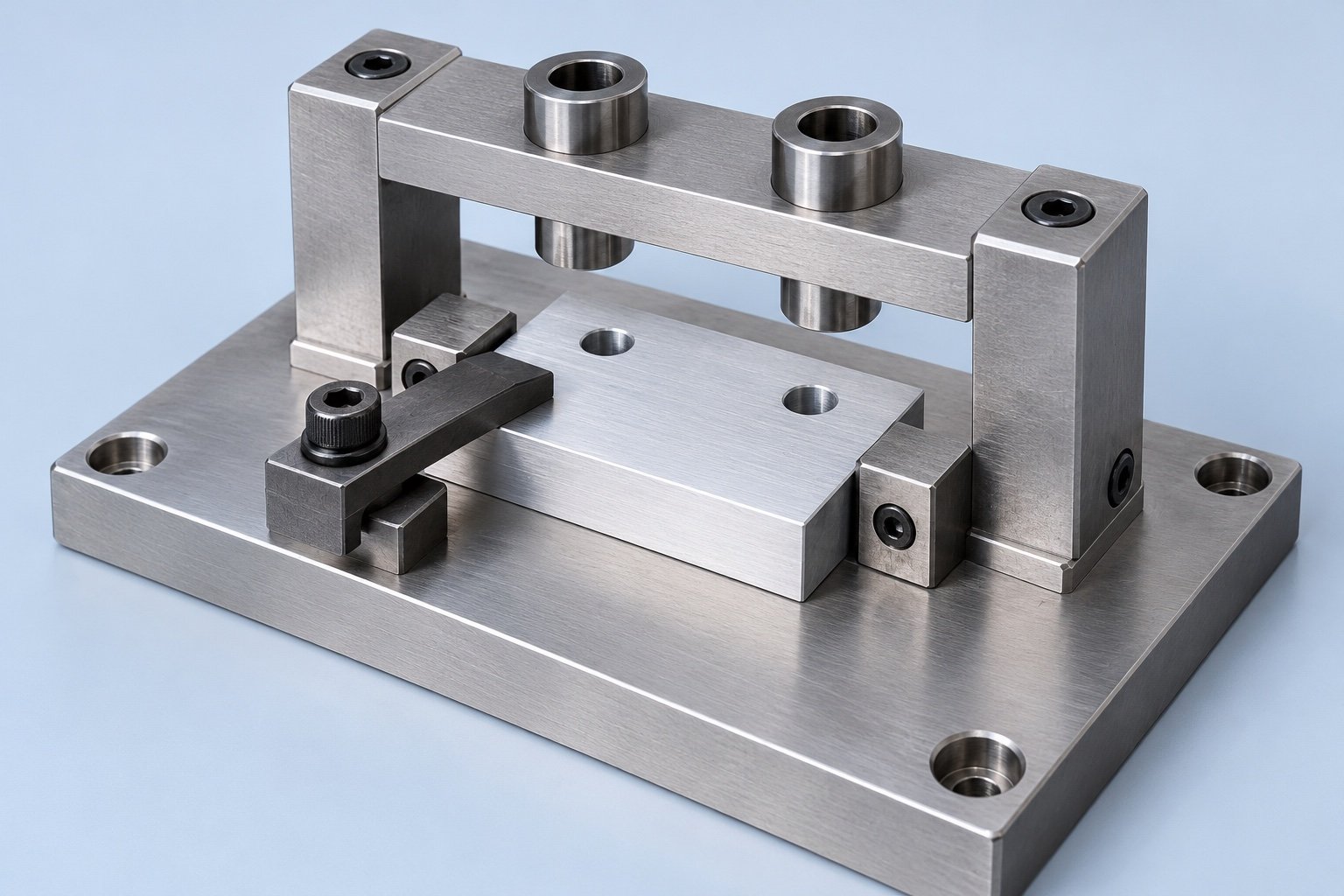
RFQ Preparation
Choose between a jig and a fixture for your operation. Review locating, support, tool access and the RFQ inputs your workholding supplier needs.
RFQ Preparation
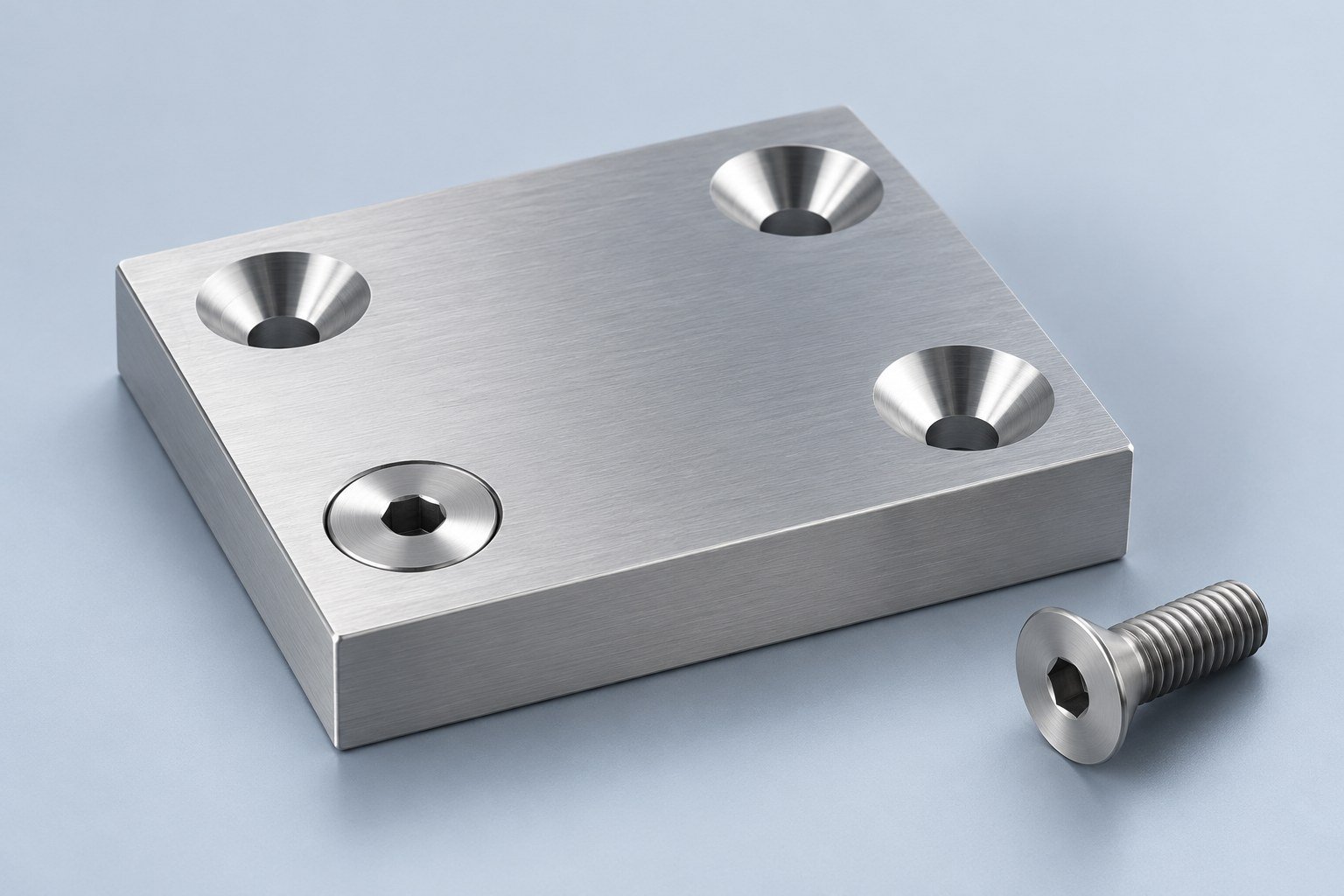
Specify your countersunk hole angle, diameter and seating requirements. Review drawing callouts, remaining material and inspection before releasing your part.
Cost & Sourcing
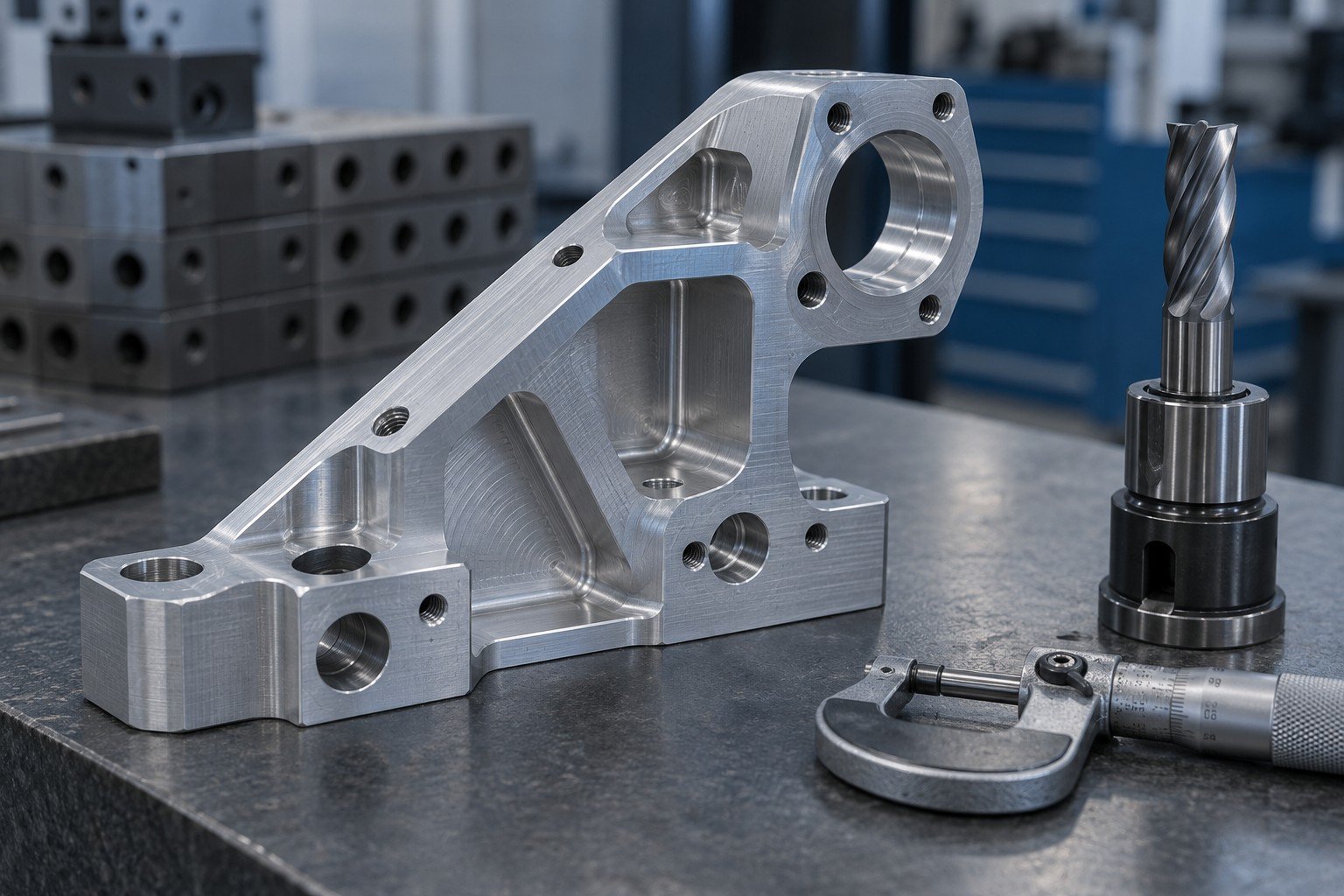
Practical drawing, material, tolerance and quote-planning choices to reduce avoidable CNC machining work while protecting your part requirements.
Cost & Sourcing
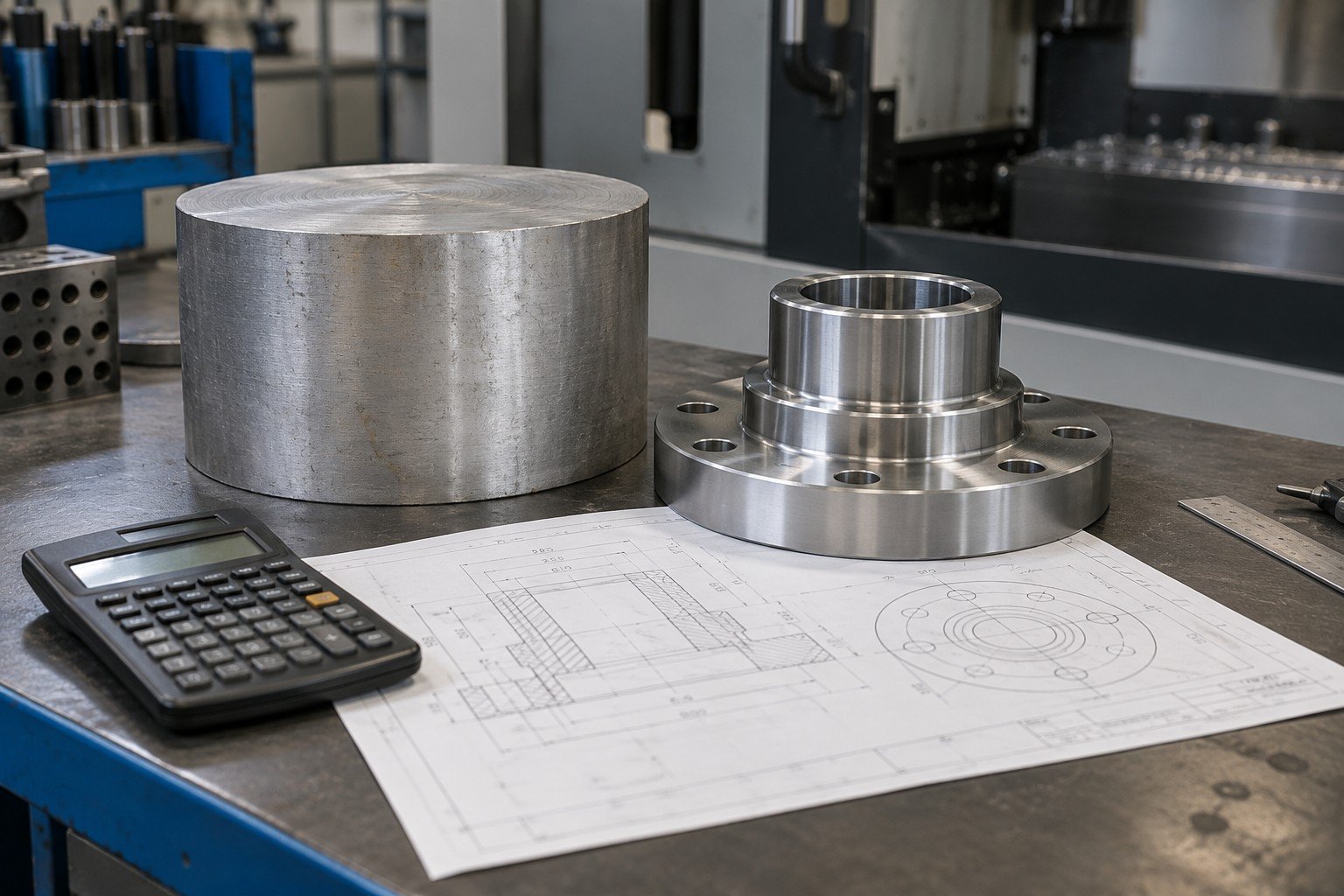
Review geometry, tolerance, process and repeat supply together to find useful cost opportunities.
RFQ Preparation
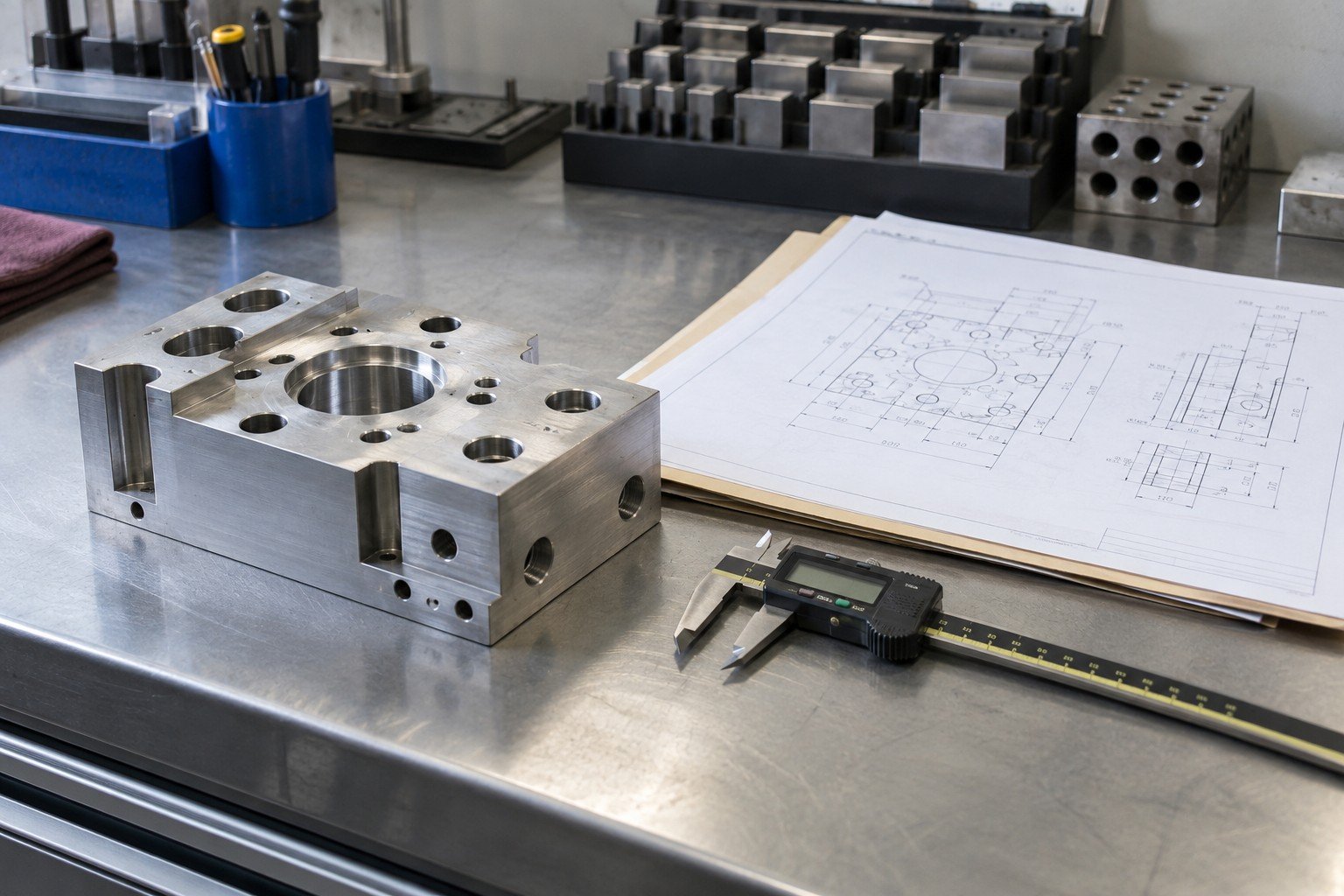
Prepare a clear CAD, drawing and requirements package that reduces avoidable clarification.
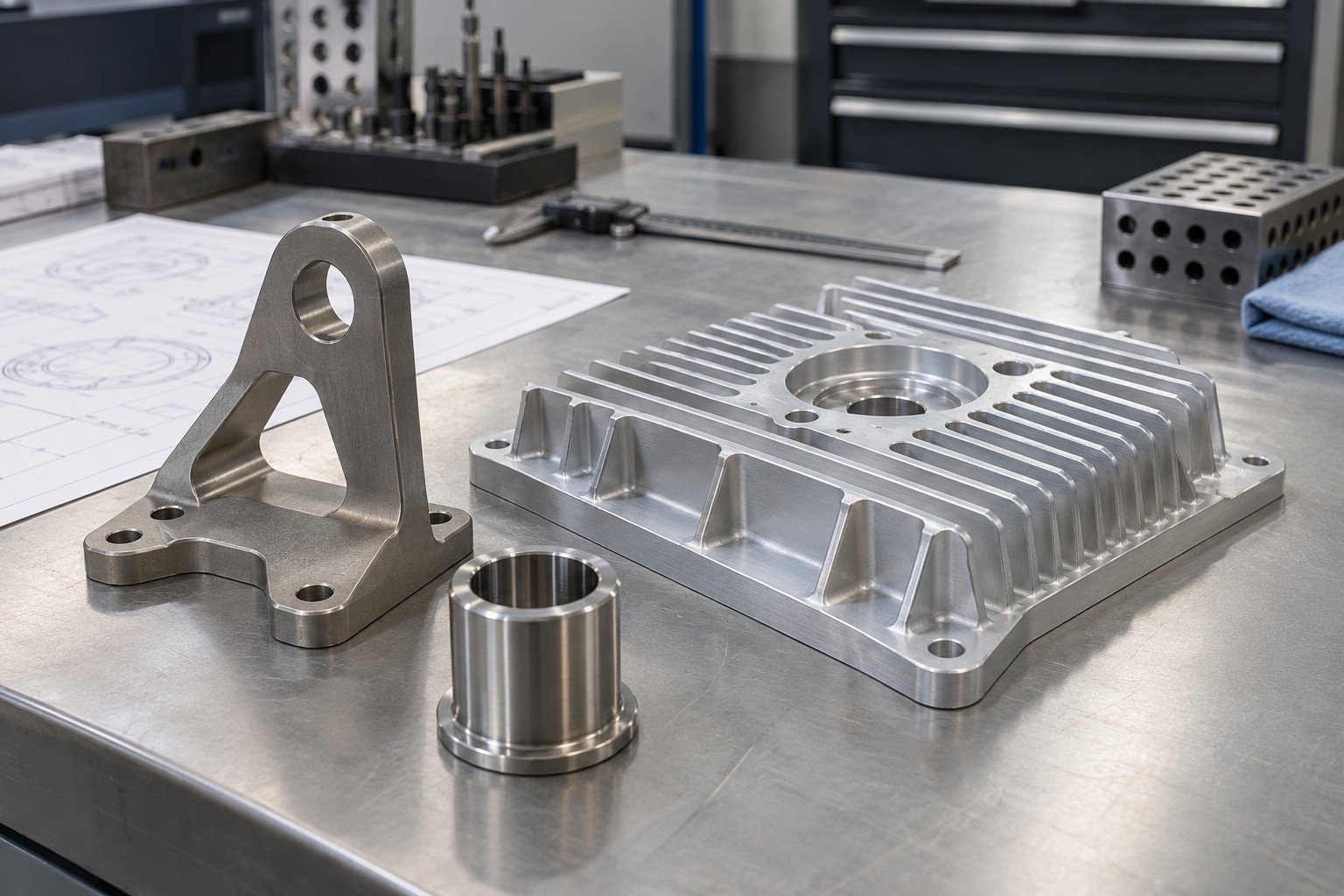
Materials
Compare function, process, finish and documentation before committing your design.
No matching article yet. Clear your search or explore the process guides below.
EVENTS & TRADE SHOWS · NOVEMBER 3–6, 2026
Review your automotive, racing and off-road parts, sample approval and delivery requirements. Las Vegas meetings by appointment; no exhibit booth.
A useful starting point for your team’s next conversation.
Compare the full manufacturing scope, not just a quoted unit price.
Review tool access, feature geometry and process constraints.
Balance function, grade, machinability and finish.
Identify functional datums and agree measurement methods.
Send the revision, quantity and acceptance requirements together.
Connect sample acceptance, repeat demand and release records.
Compare your part requirements with the process, material and inspection questions that matter.
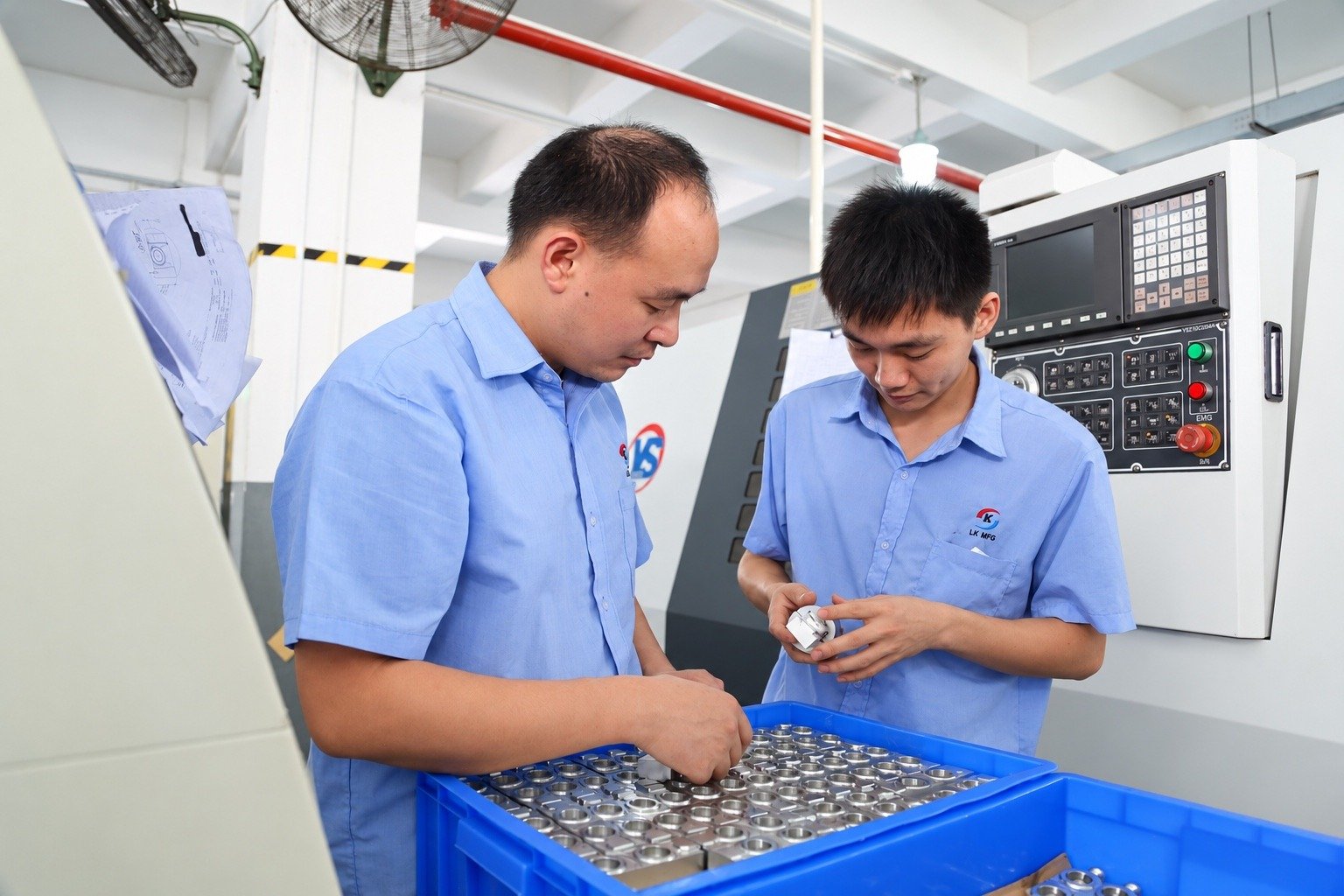
Your team approves the functional requirements. A DFM review helps connect them to a practical manufacturing route.
Specify the evidence your order needs before production—not after delivery.
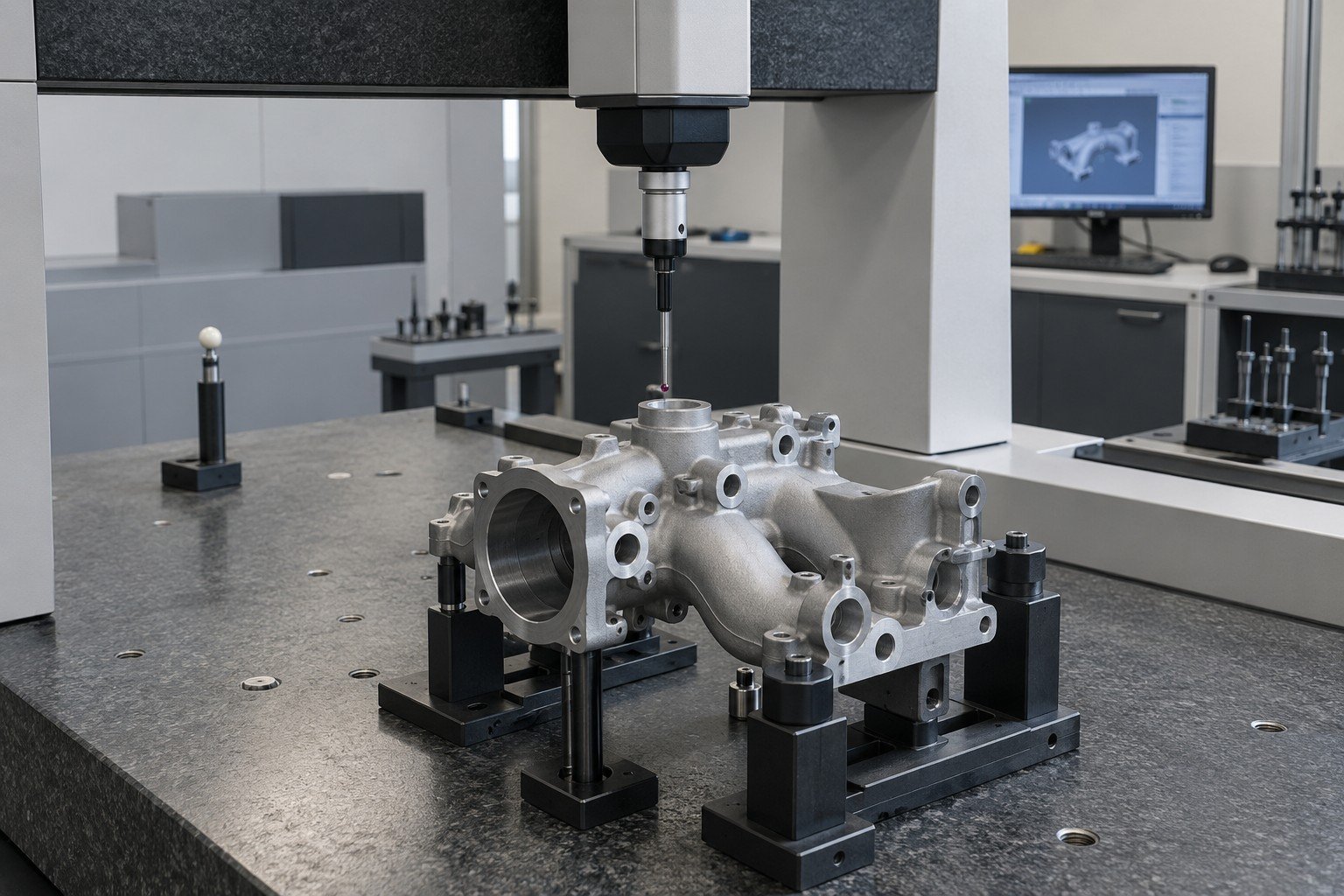
Explore the component requirements behind your cooling program.
Practical answers before your next manufacturing decision.
Search the published articles by your question. Process pages and resource guides provide additional starting points; your drawing is needed for a part-specific manufacturing review.
No. Geometry, quantity, material, setup, finishing and inspection work together. Your team should approve changes only after reviewing function and the complete quoted scope.
Start with load, temperature, corrosion, electrical or wear requirements. Confirm the exact grade and condition, then compare manufacturing and finishing options.
No. Your approved drawing and agreed acceptance requirements govern the order. General guidance needs to be reviewed for your specific geometry and application.
Share your initial quantity, expected repeat demand and sample acceptance requirements. The reviewed quotation confirms the proposed route and production assumptions.
The employee images are retouched factory photographs, with their identity and photographed activity preserved. Equipment illustrations are separate editorial scenes, not verified customer projects.