Your Project Benefit
Avoid a profile that cuts cleanly but does not fit.

Choose a connected manufacturing route for your parts and assemblies.
Review your complex geometry, critical features and production decisions.
Align your inspection, records and delivery requirements before production.
PRECISION WIRE EDM MACHINING
Build your cut around geometry, material and critical features.
Review intricate profiles, narrow slots and hardened conductive materials before production. Align your wire-cut part with the fit, surface condition and inspection evidence your assembly needs.
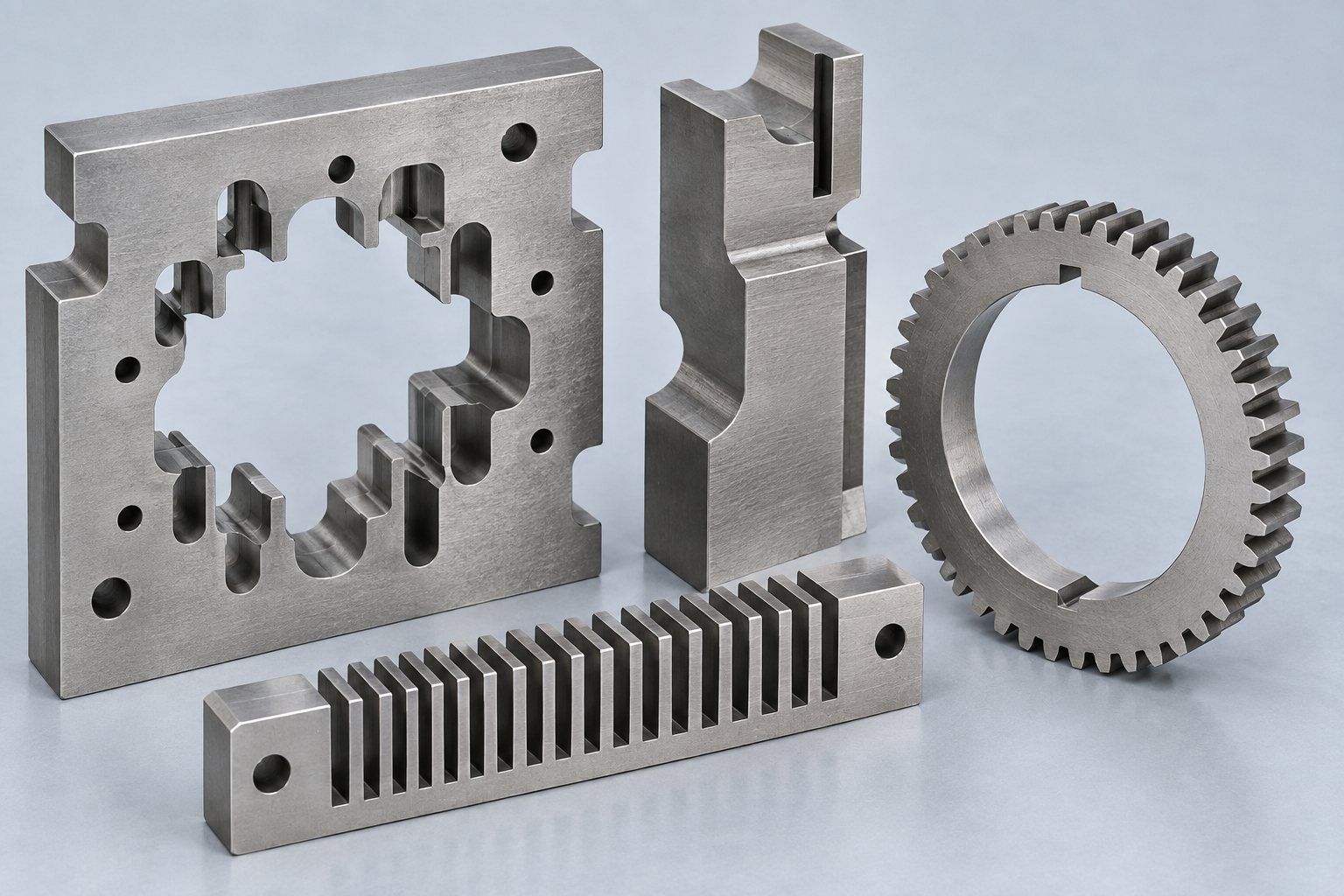
WIRE EDM OVERVIEW
Wire electrical discharge machining erodes conductive material with controlled electrical discharges from a travelling wire. Review through-profiles, internal radii and access before choosing the process.
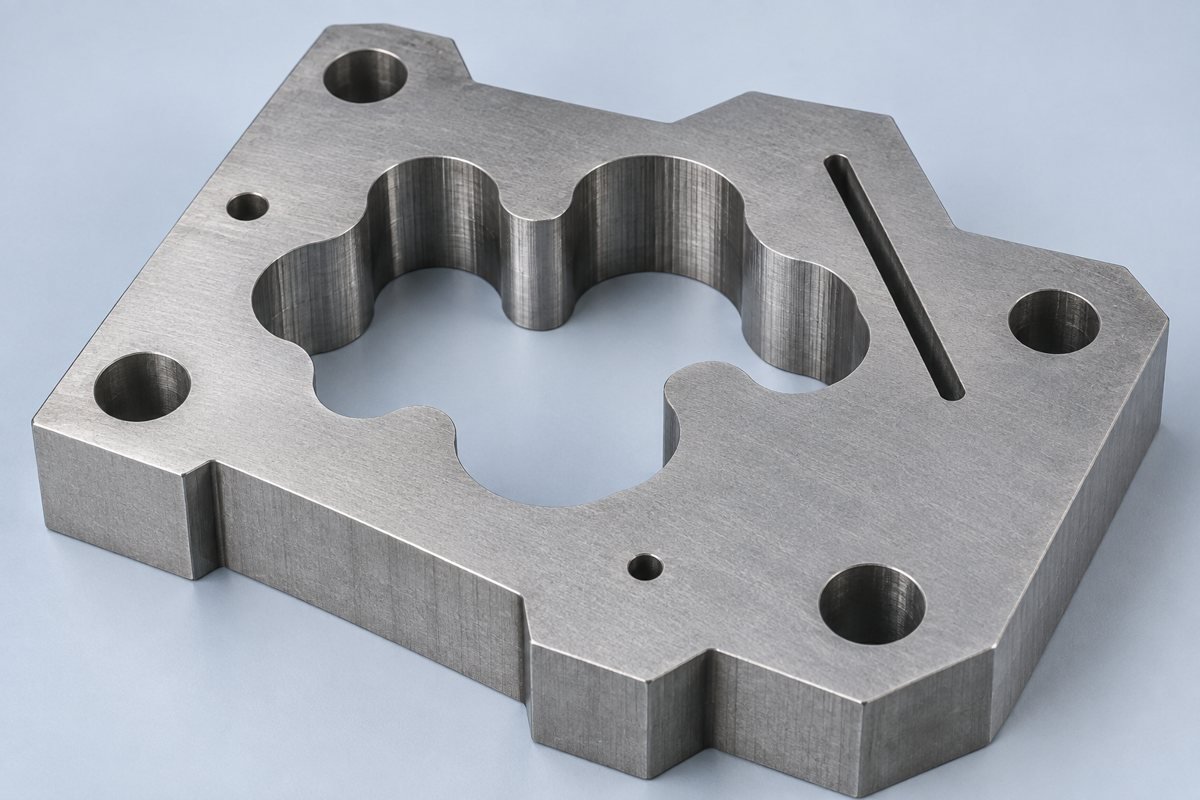
OUR WIRE EDM SERVICES
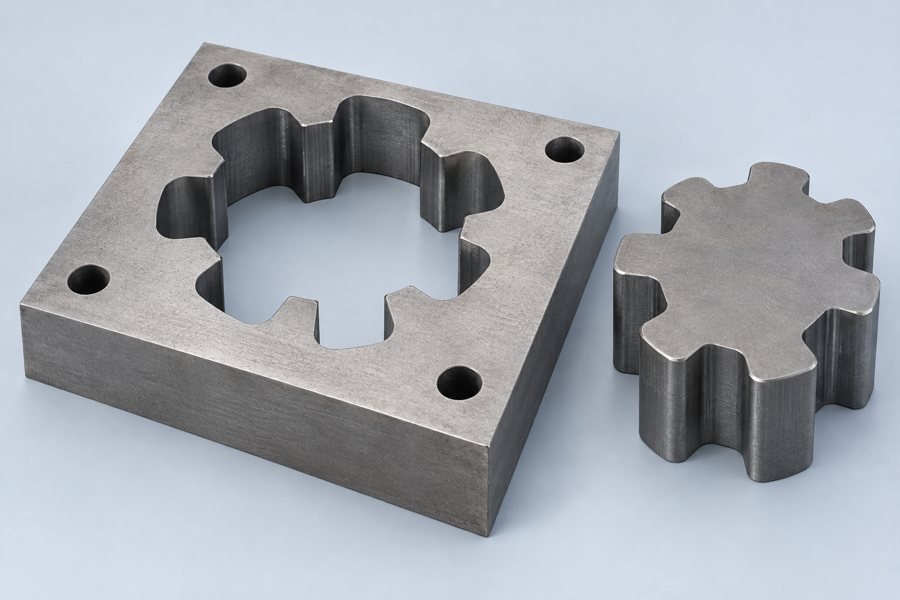
Review the complete through-profile, stock thickness and start-hole access. A clear cutting route helps protect your finished geometry.
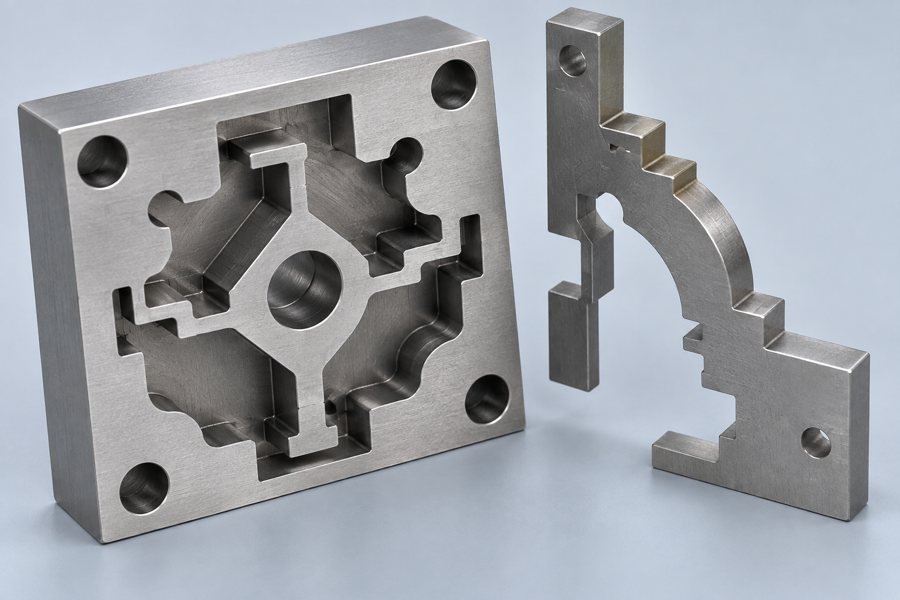
Identify the dimensions that control fit and the reference surfaces used in assembly. Agree the cut strategy and measurement method together.
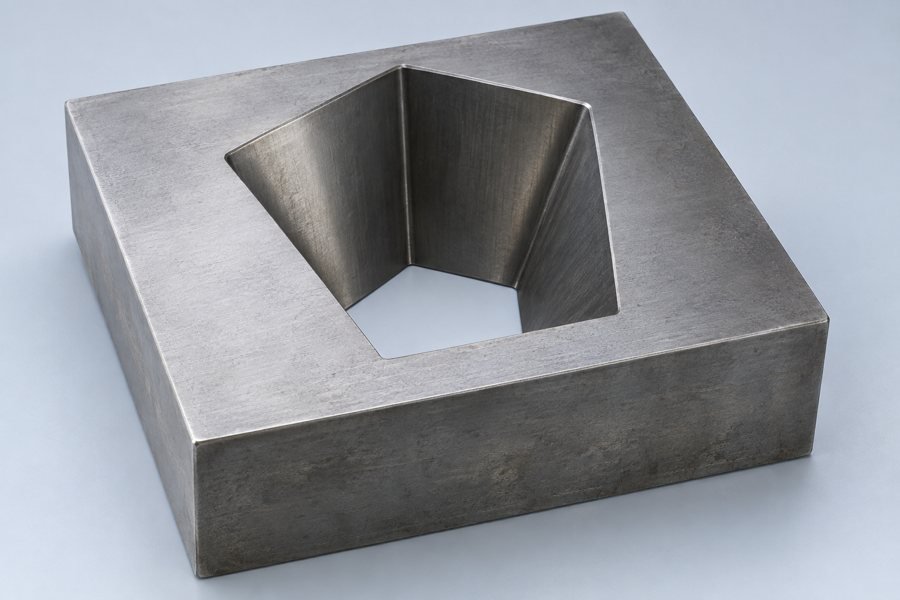
Taper feasibility depends on part height, wire guidance and geometry. Supply both profiles or a complete model so the angle and access can be reviewed.
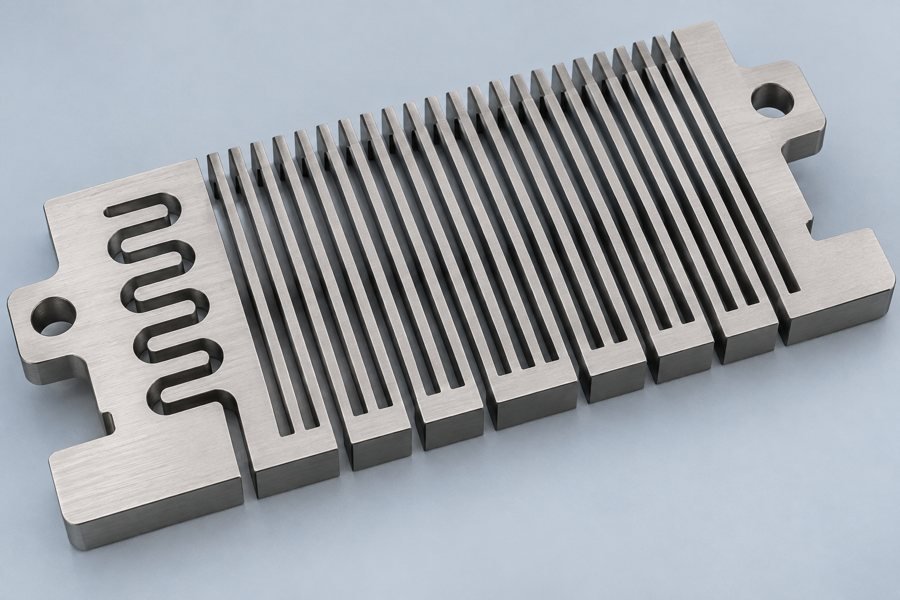
Narrow slots and small internal radii need a review of wire size, discharge gap, flushing and part support. Confirm achievable features for your specific drawing.
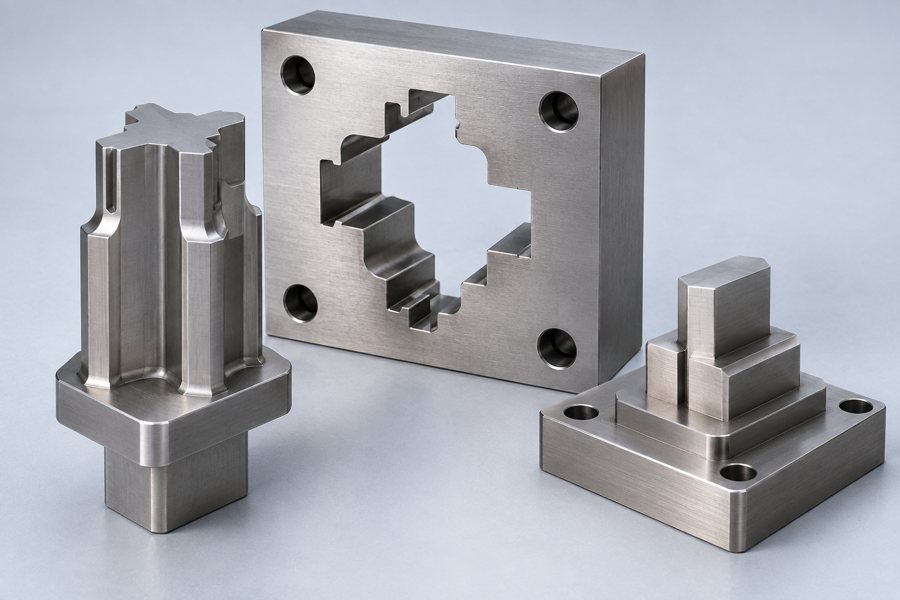
Coordinate heat treatment, datum preparation and wire cutting for punches, die inserts and other tooling components. Define the final surface requirement.
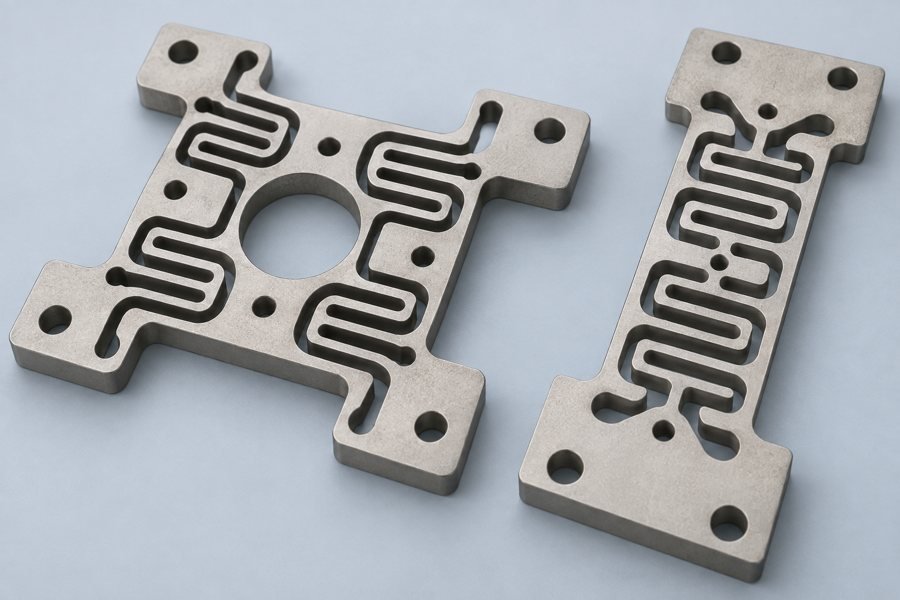
Use the first cut to confirm fit, profile and the agreed inspection plan. Identify which features need functional testing by your team.
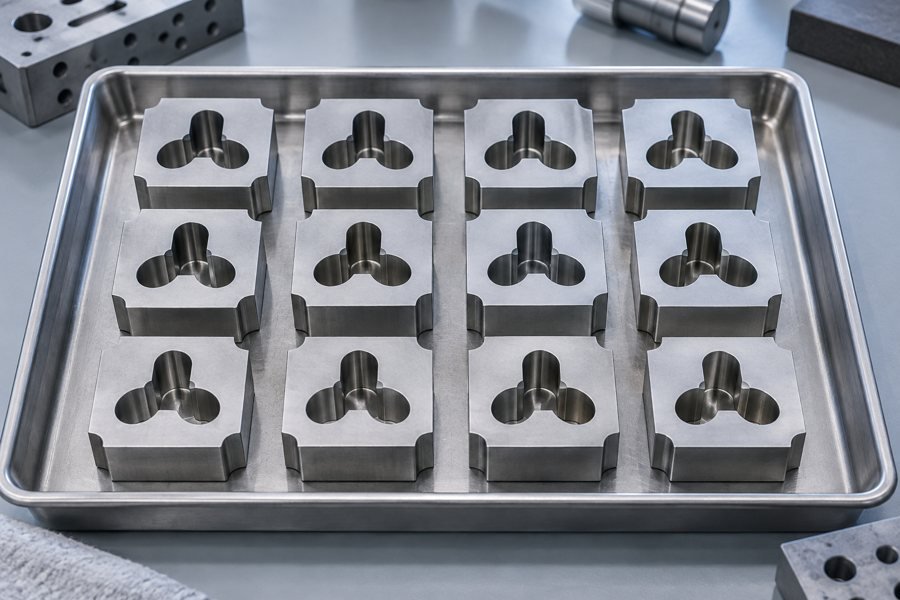
Set the controlled drawing, material condition and batch acceptance requirements before repeat supply. Coordinate identification and packaging with your receiving team.
PREVENT WIRE EDM ISSUES BEFORE PRODUCTION
Select a topic to see the review focus and the benefit for your program.
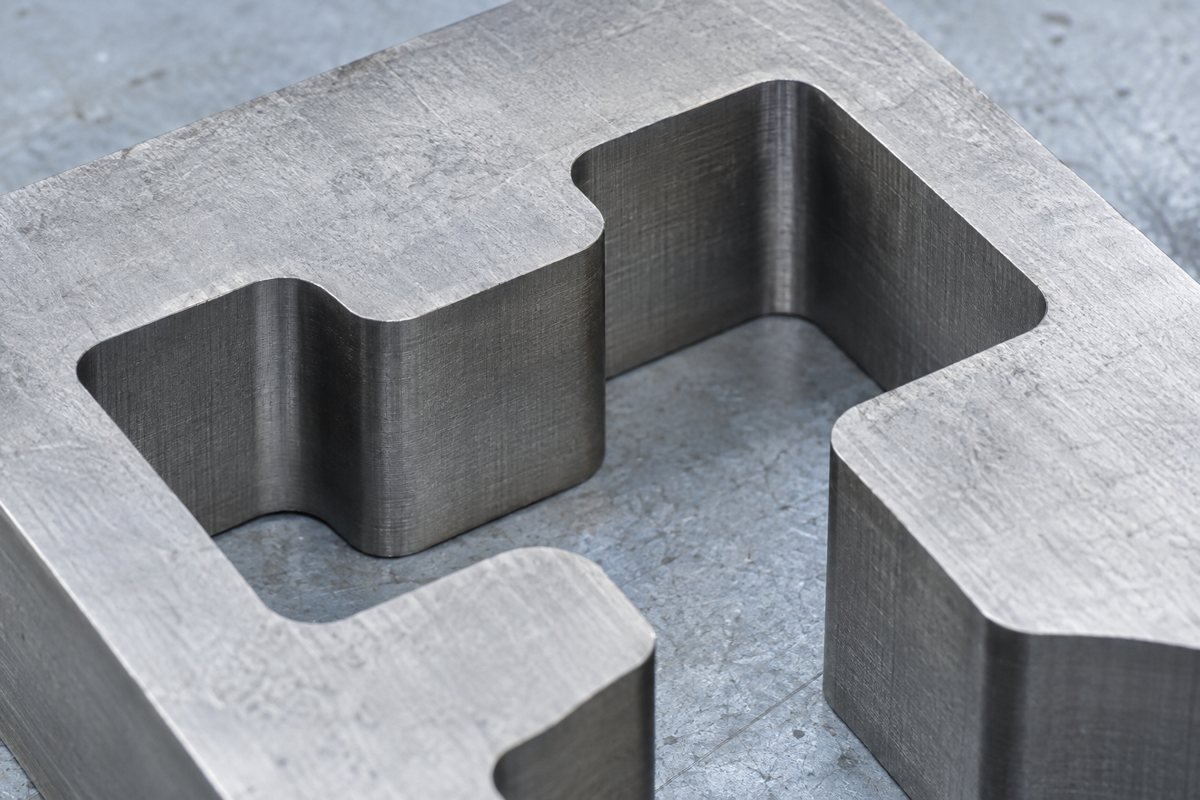
The wire diameter and discharge gap create a minimum internal radius. Define the radius your mating part can accept; a perfectly sharp internal corner is not a standard wire-cut result.
Avoid a profile that cuts cleanly but does not fit.
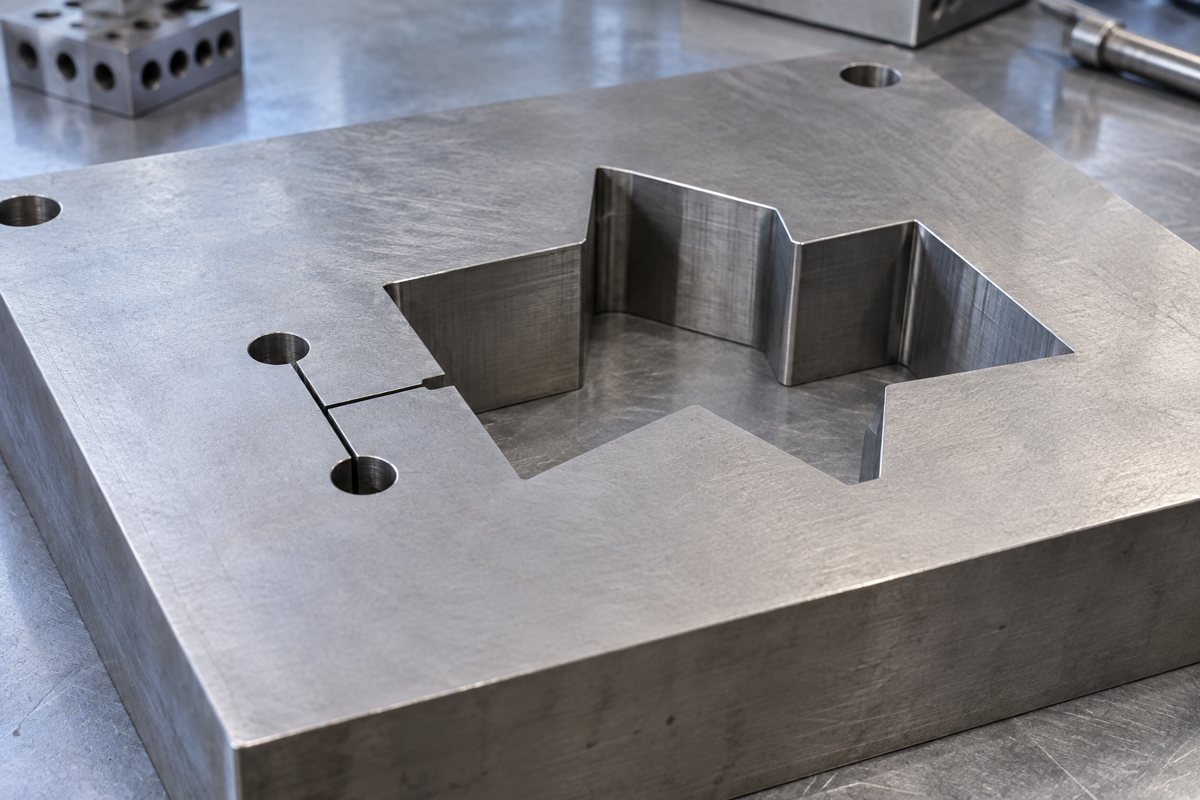
Closed internal profiles need a suitable start hole or another agreed threading route. Keep the entry away from finished functional surfaces where practical.
Reduce avoidable setup changes and witness marks.
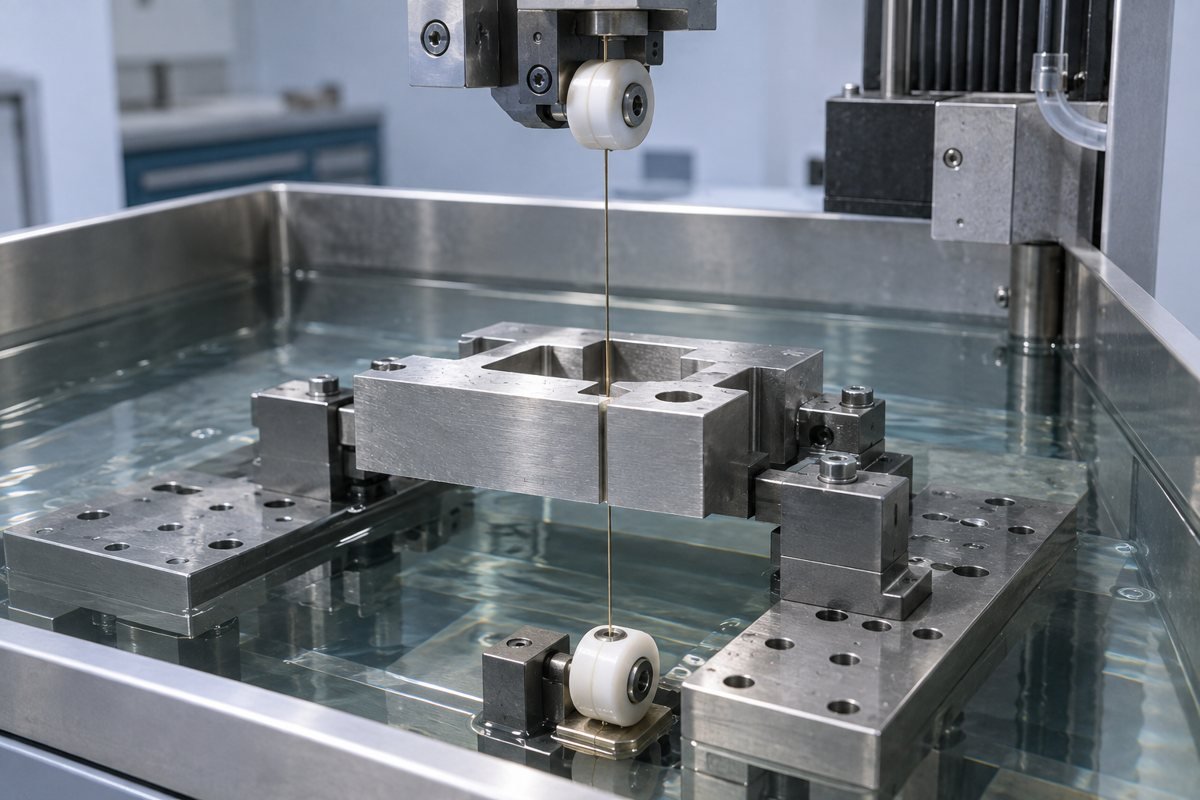
Material condition, part height, flushing and cut settings influence wire stability. Review interruptions and changes in section with the process plan.
Reduce interruptions and inconsistent surfaces.
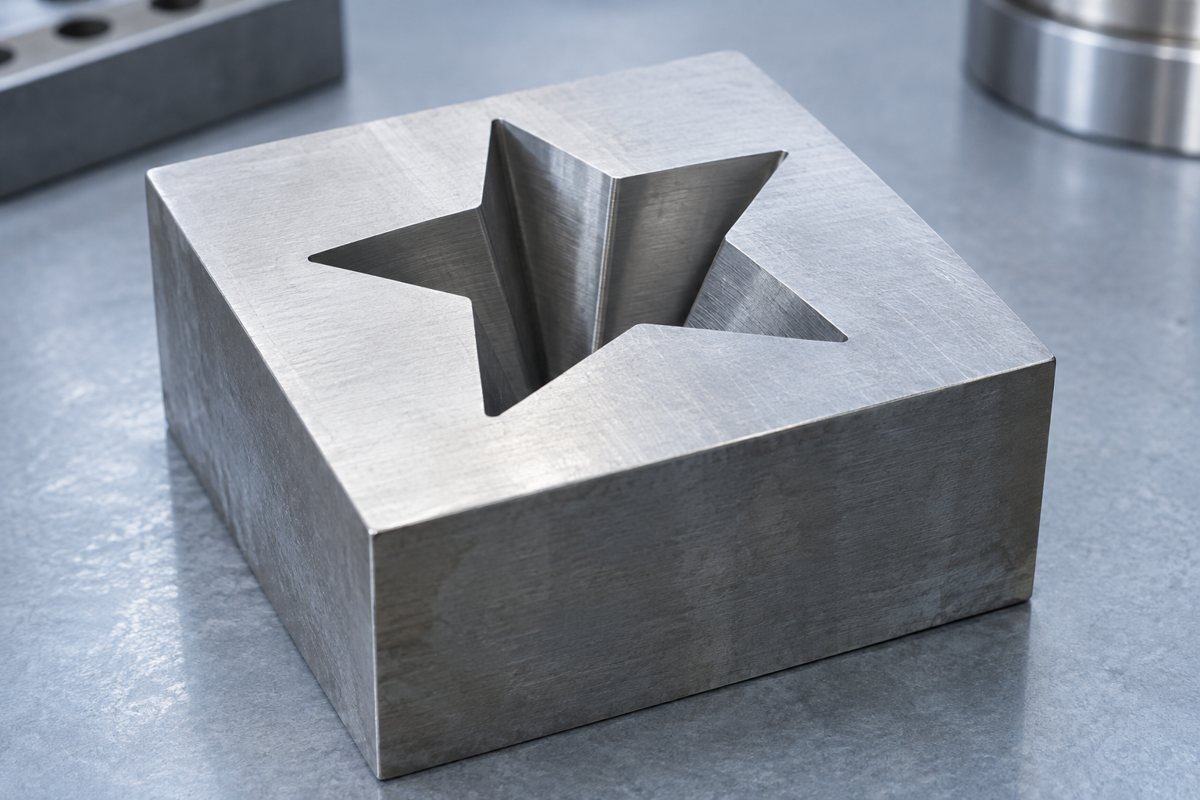
Align top and bottom geometry with the specified datum and part height. Specify intentional taper separately from straightness or perpendicularity requirements.
Protect the intended fit across the full thickness.
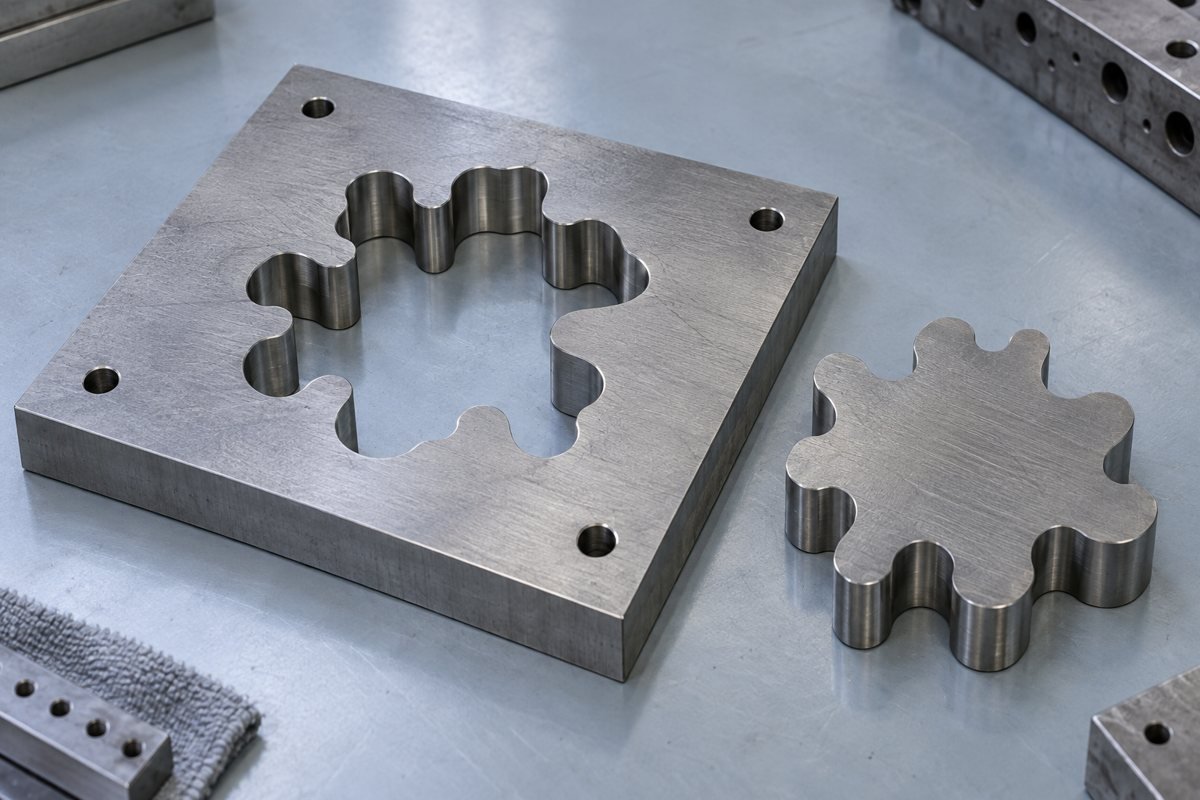
Plan retention and removal of internal cut-outs so they do not shift into the wire or damage a finished surface. Review fragile and nested geometry early.
Protect your part during the final separation.
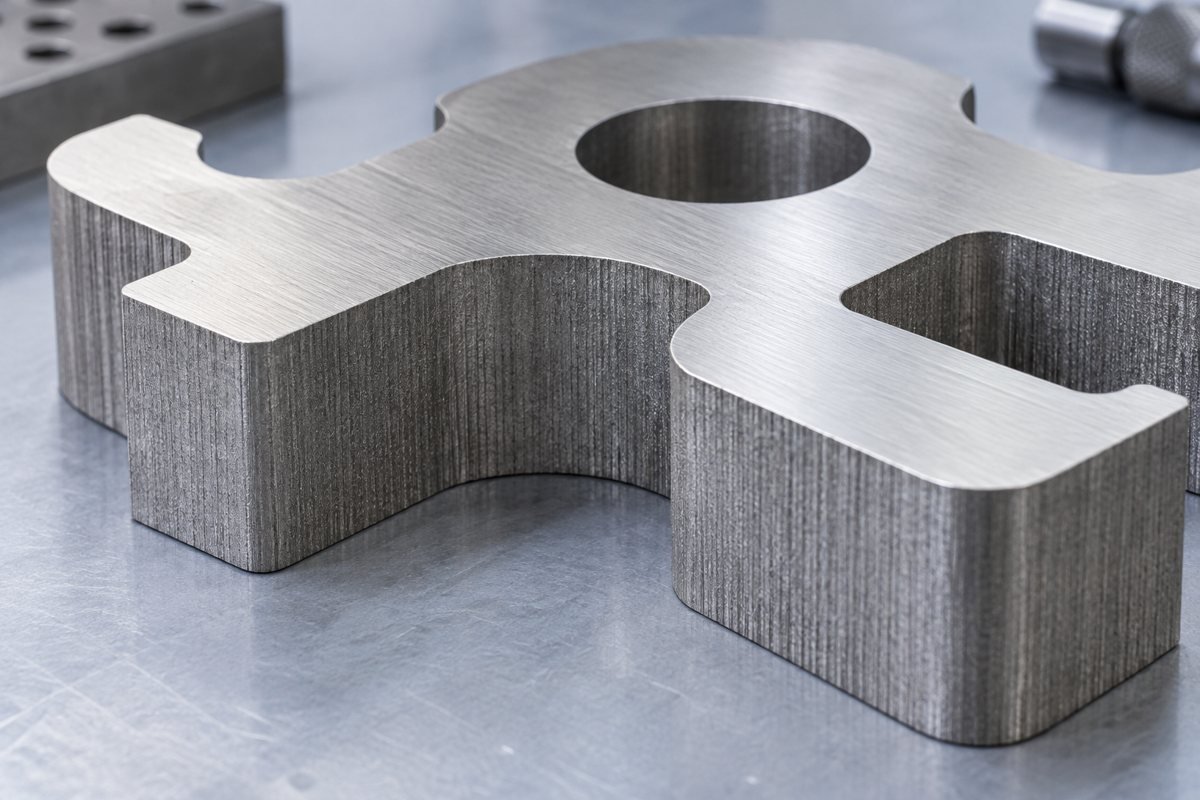
EDM is a thermal process. Specify roughness and any surface-integrity requirements so finish passes or secondary processing can be included when needed.
Avoid discovering a surface requirement after cutting.
CHOOSE YOUR MANUFACTURING ROUTE
Compare the geometry you need—not a universal process ranking.
| Decision | Wire EDM | Sinker EDM | CNC Machining |
|---|---|---|---|
| Feature access | Through-profiles; a wire path is required | Blind cavities and accessible electrode geometry | Depends on cutting-tool access |
| Material | Electrically conductive materials | Electrically conductive materials | Broad metal and plastic selection |
| Cutting action | Electrical erosion; no mechanical cutting force | Electrical erosion; no mechanical cutting force | Mechanical cutting with a tool |
| Internal geometry | Small radii limited by wire and discharge gap | Electrode-dependent cavity shape | Tool-diameter and access limits |
| Tooling decision | Wire, fixtures and start-hole preparation | Custom electrodes and fixtures | Cutting tools and fixtures |
| Surface review | Finish passes and surface integrity | Electrode and discharge settings | Tool marks and finishing plan |
| Best starting point | Intricate conductive through-profiles | Conductive blind cavities | Accessible features and broader geometry |
MATERIALS FOR YOUR WIRE-CUT PART
Electrical conductivity is required. Exact grade, heat treatment, thickness and surface requirements govern the review.
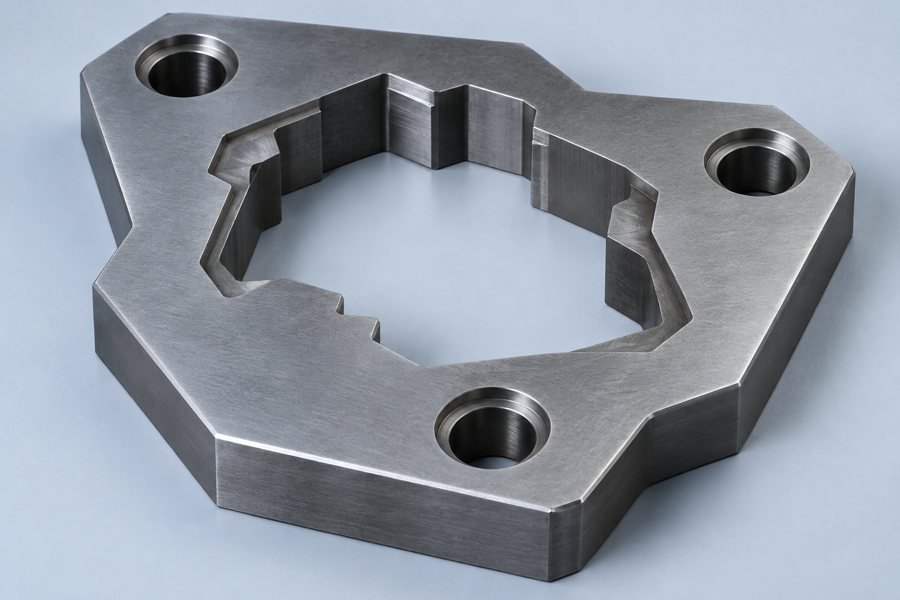
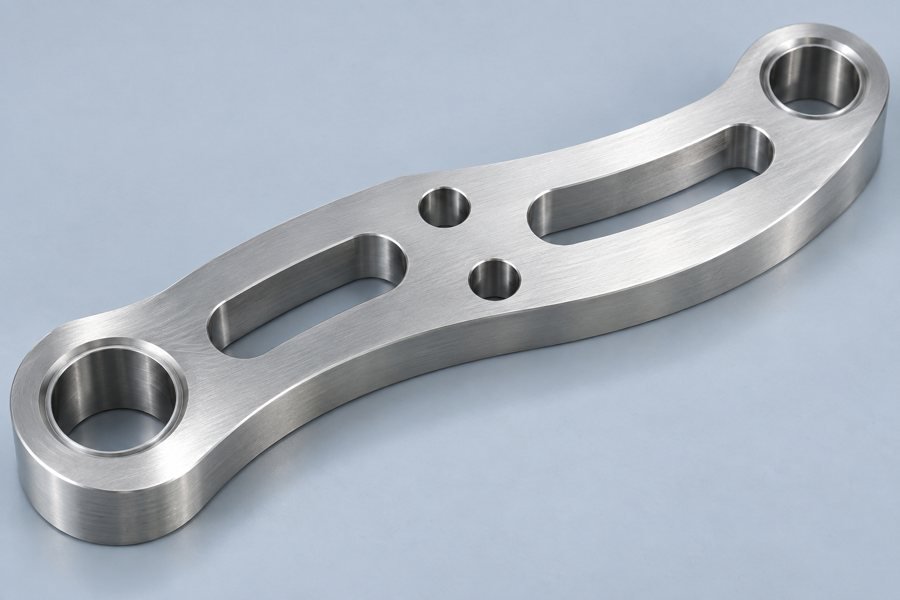
Your hardened tooling and wear interfaces.
Your grade, corrosion and finish requirements.
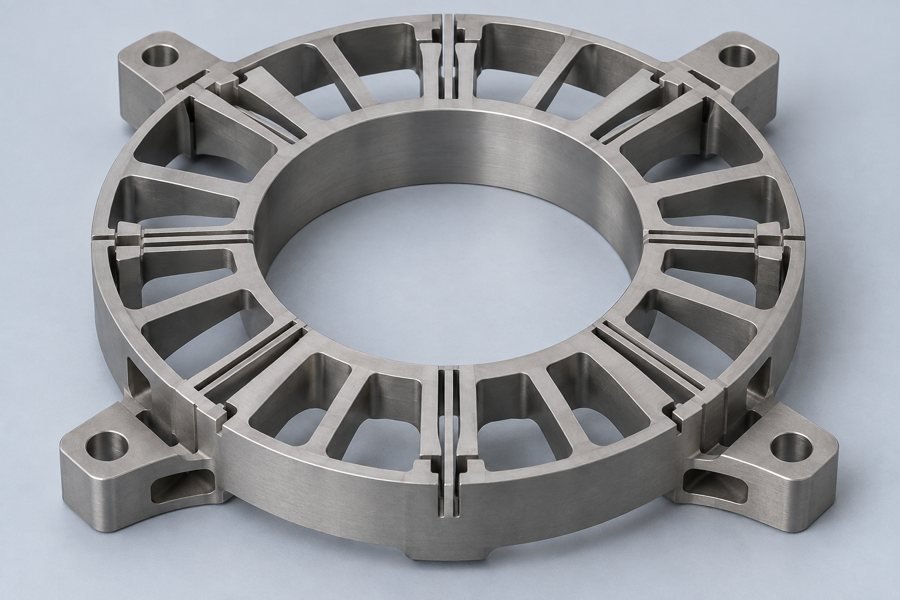
Your alloy and surface-integrity requirements.
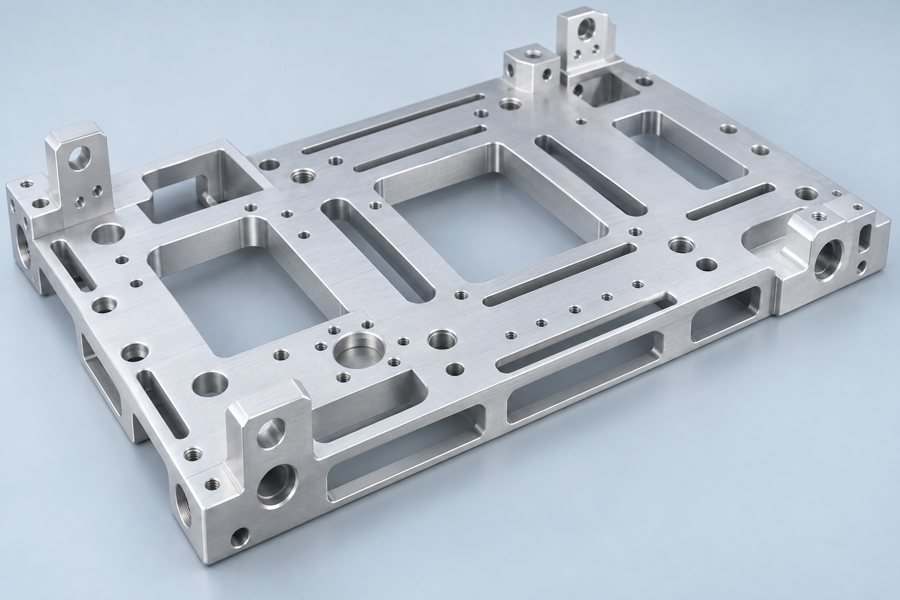
Your alloy, temper and thin-feature stability.
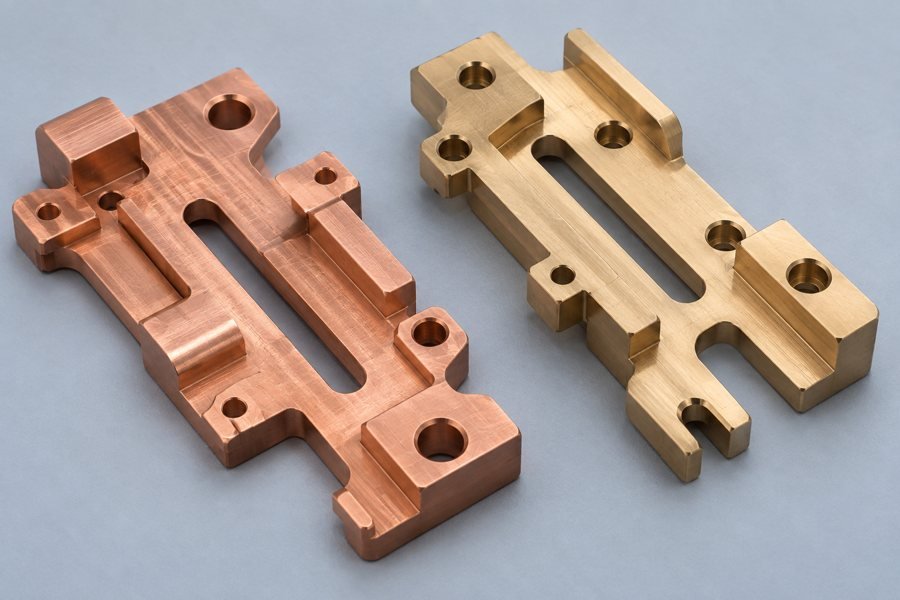
Your conductive components and profile details.
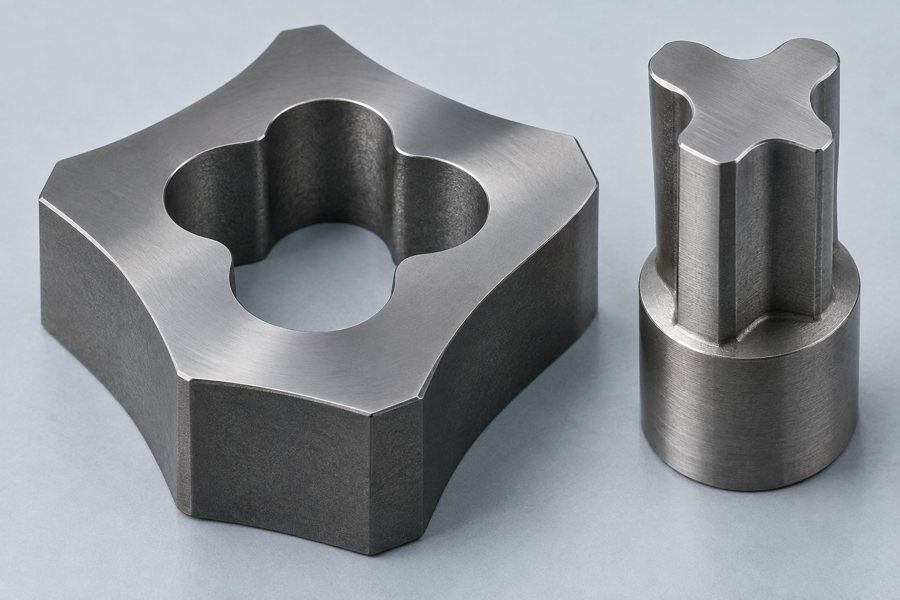
Review binder, grade and edge integrity.
FROM DESIGN TO PRODUCTION
You specify geometry, material and quantity.
Review access, radii, support and finish passes.
Validate your agreed sample geometry.
Review your specified dimensions and records.
Release your controlled revision and quantity.
Receive identified, protected parts to the agreed plan.
FROM STOCK TO YOUR FINISHED PART
Confirm grade and condition.
Prepare the threading route.
Form your through-profile.
Reach the agreed geometry and finish.
Deburr or treat where specified.
Verify your critical features.
Identify and protect for delivery.
QUALITY BUILT INTO YOUR CUT
Agree inspection methods and documentation before production.
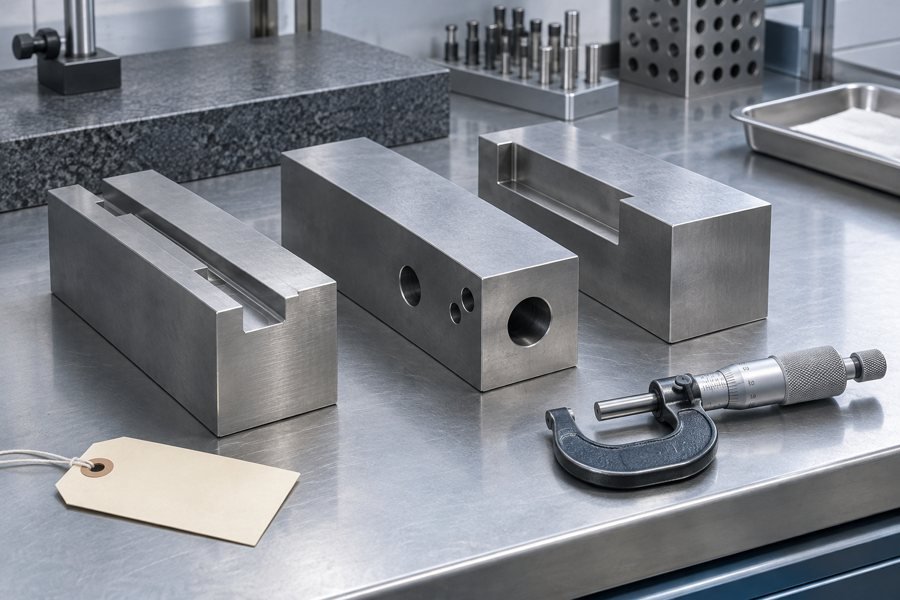
Confirm the required grade, heat-treatment condition and available material documentation.
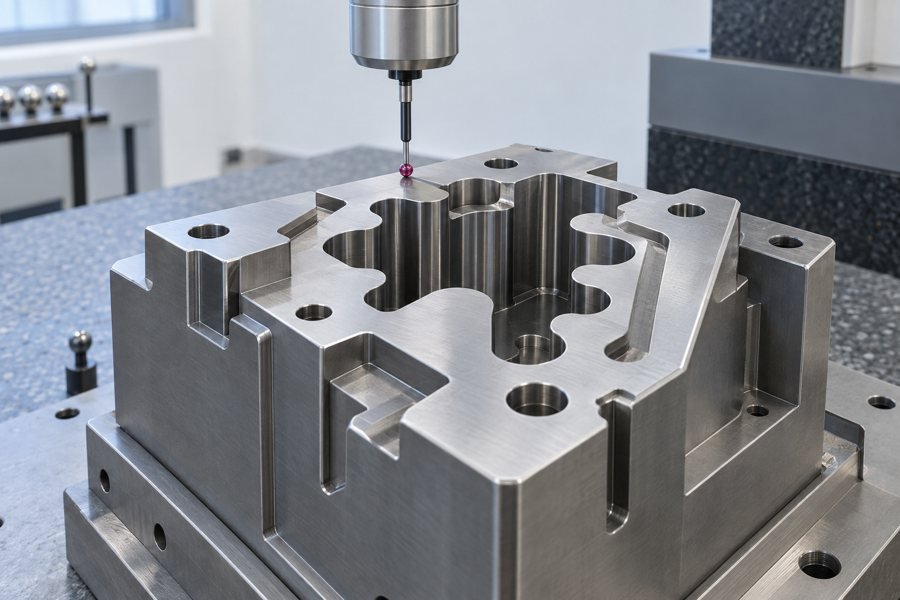
Review critical profile dimensions against your datums before release to repeat production.
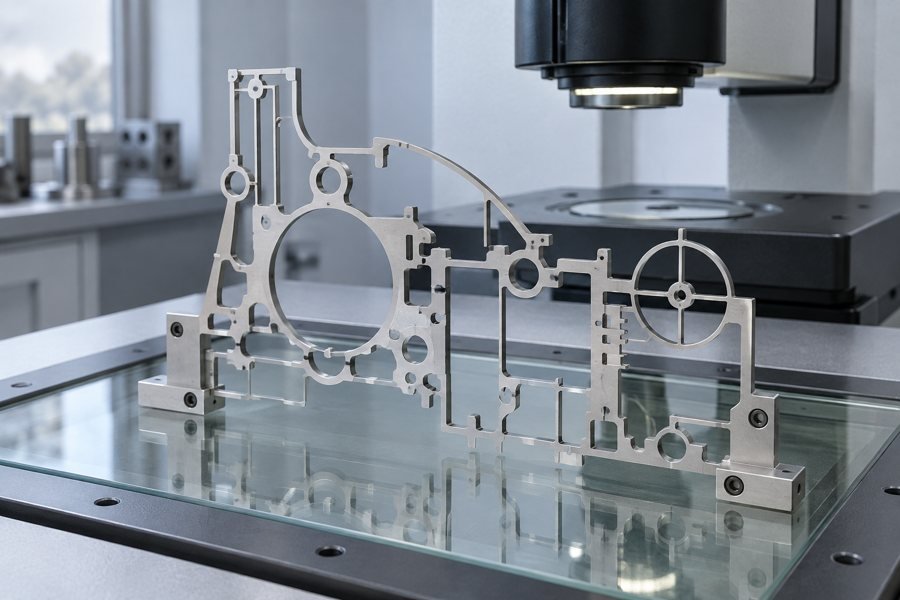
Use suitable dimensional or optical methods and an agreed sampling plan for your geometry.
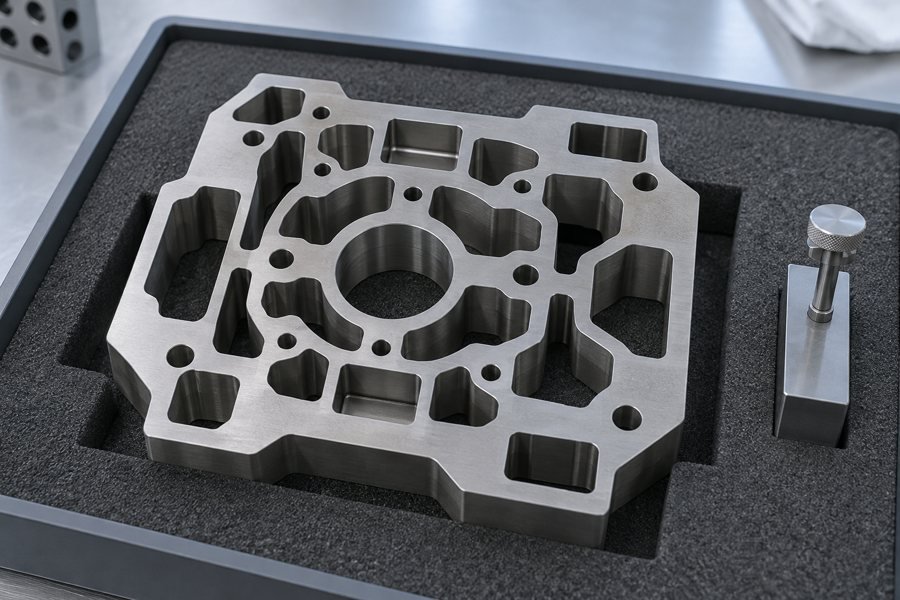
Verify specified profile, surface and identification requirements before protected packaging.
WIRE EDM APPLICATIONS
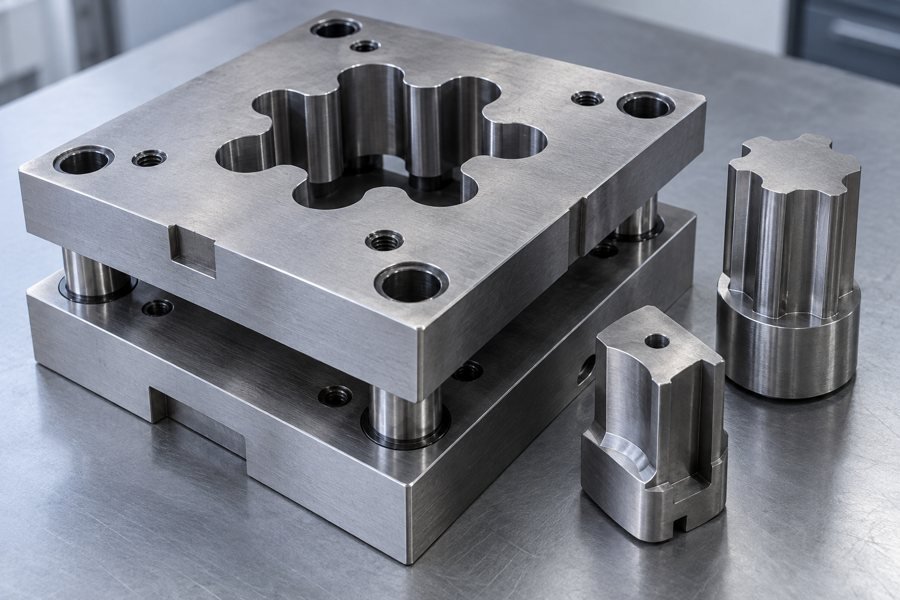
Your punches and matched die profiles.
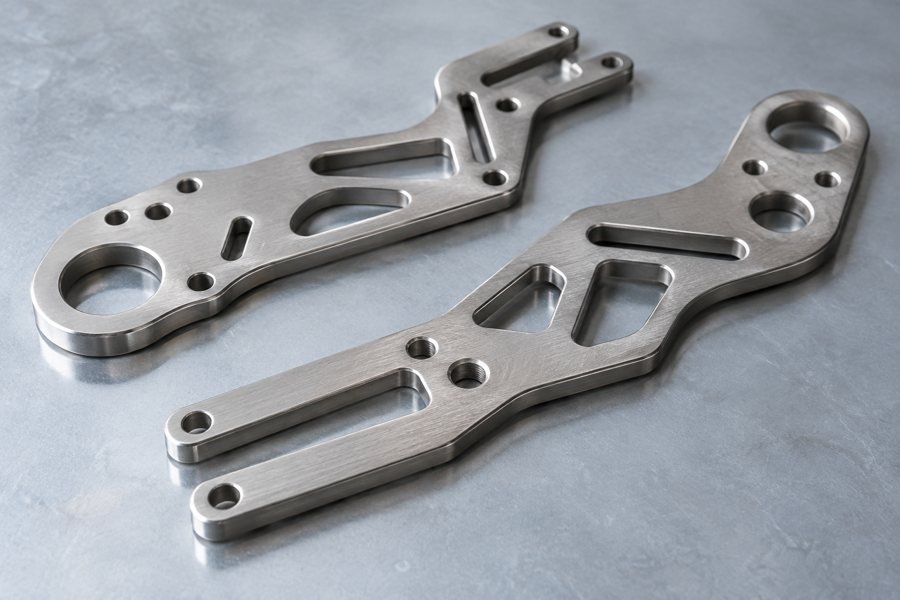
Your drawing-controlled fine features.
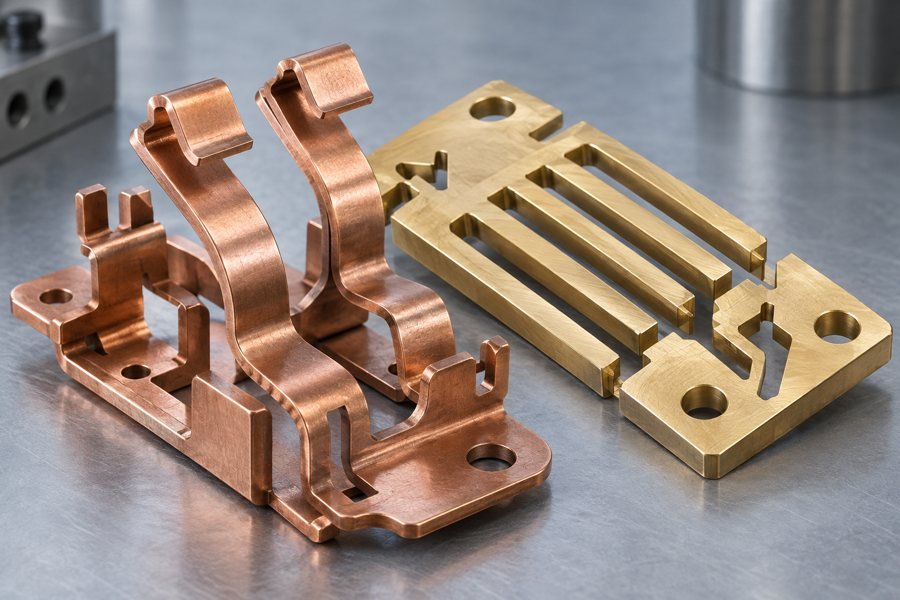
Your conductive profiles and contacts.
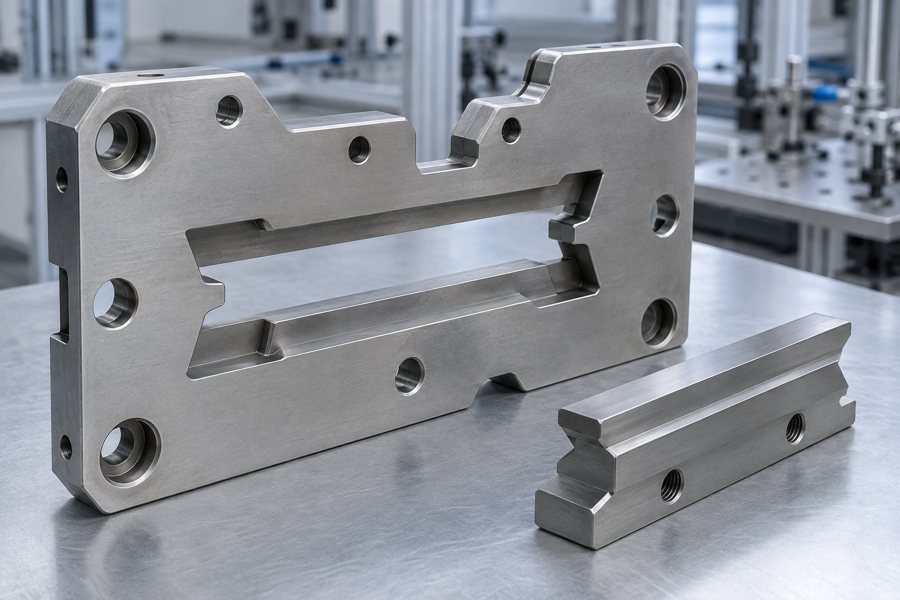
Your precise locating and fitted interfaces.


The practical radius depends on wire diameter, discharge gap, material and the cut strategy. Mark your functional radius and mating clearance on the drawing so feasibility can be confirmed.
The workpiece must conduct electricity. Tool steels, stainless steels, titanium, aluminum, copper, brass and some carbide grades can be reviewed. Supply the exact grade and condition.
Standard wire EDM needs a continuous wire path through the workpiece. For blind cavities, review sinker EDM or CNC machining instead.
Results depend on geometry, thickness, material, cut settings and finish passes. Your quote should confirm feature-specific tolerances, roughness and the agreed inspection method.
EDM removes material thermally. If your application has recast-layer or other surface-integrity requirements, specify them so finish passes, secondary treatment and verification can be reviewed.
Material and heat-treatment availability, threading preparation, part height, cut length, finish passes, inspection and quantity all affect the plan. The reviewed quotation confirms timing and scope.
Identify the required report level and records at quotation. First article or production approval documentation is agreed for your program; it is not assumed for every order.
Share the initial quantity, expected repeat demand and release schedule. Sample approval, controlled revisions and lot identification can be planned together.
Confirm your drawing, material condition and acceptance plan.
Confirm approved samples, revision and release quantity.
Product images illustrate manufacturing concepts, not customer case studies. Your approved drawing and agreed specifications govern supplied parts.
Discuss Your Requirements