Incomplete drawing or unclear revision
Your review: Missing dimensions, conflicting notes or an uncontrolled model.
Your output: A defined baseline for quotation and review.
Core manufacturing processes for your prototypes, low-volume and repeat production.
Advanced manufacturing and engineering support for your complex, tight-tolerance parts.
Plan inspection, documentation and delivery around your production program.
Choose air- or liquid-cooling components around your thermal and mechanical requirements.
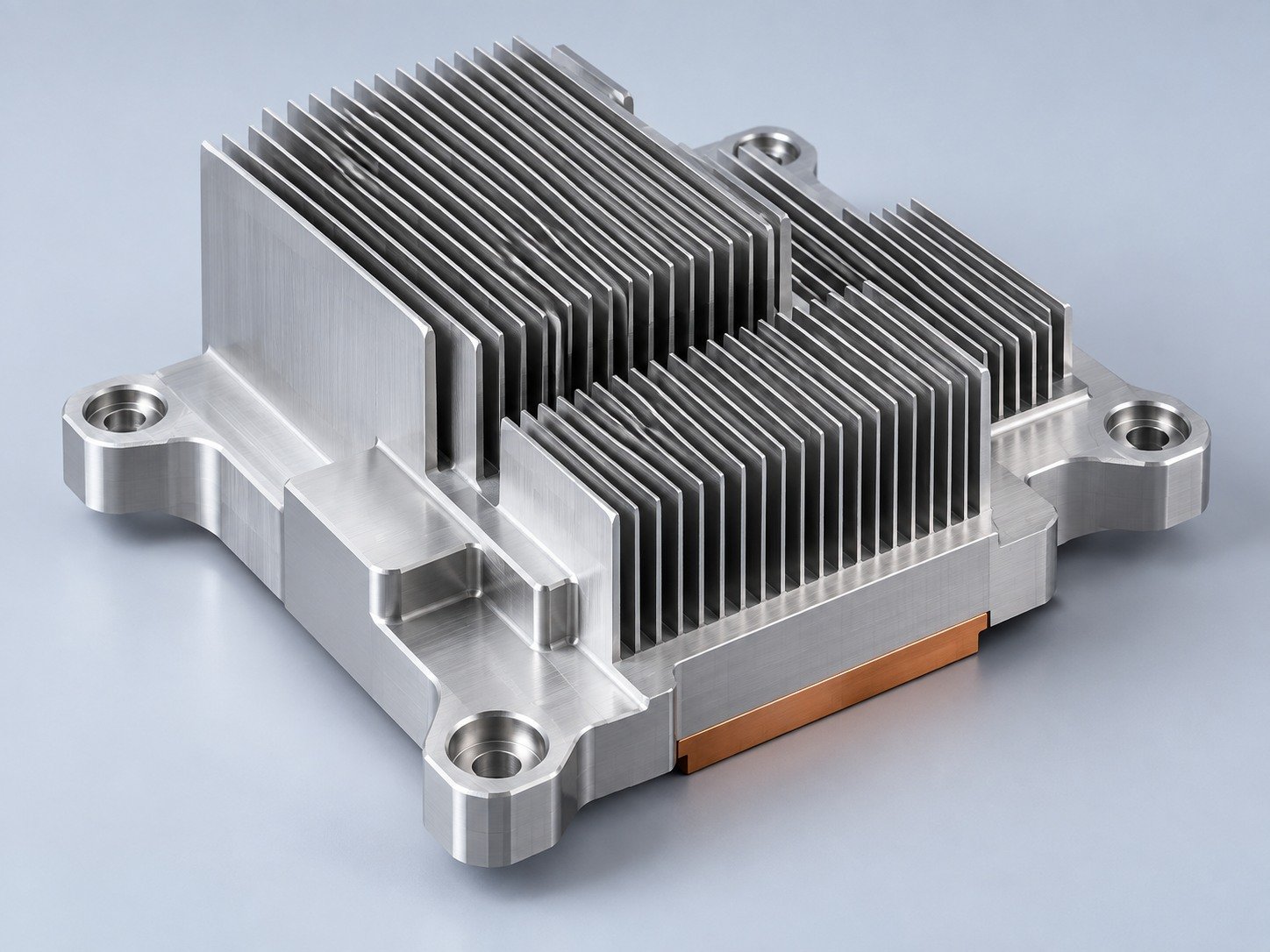
Manufacturing support for your cold plates, manifolds and cooling assemblies.
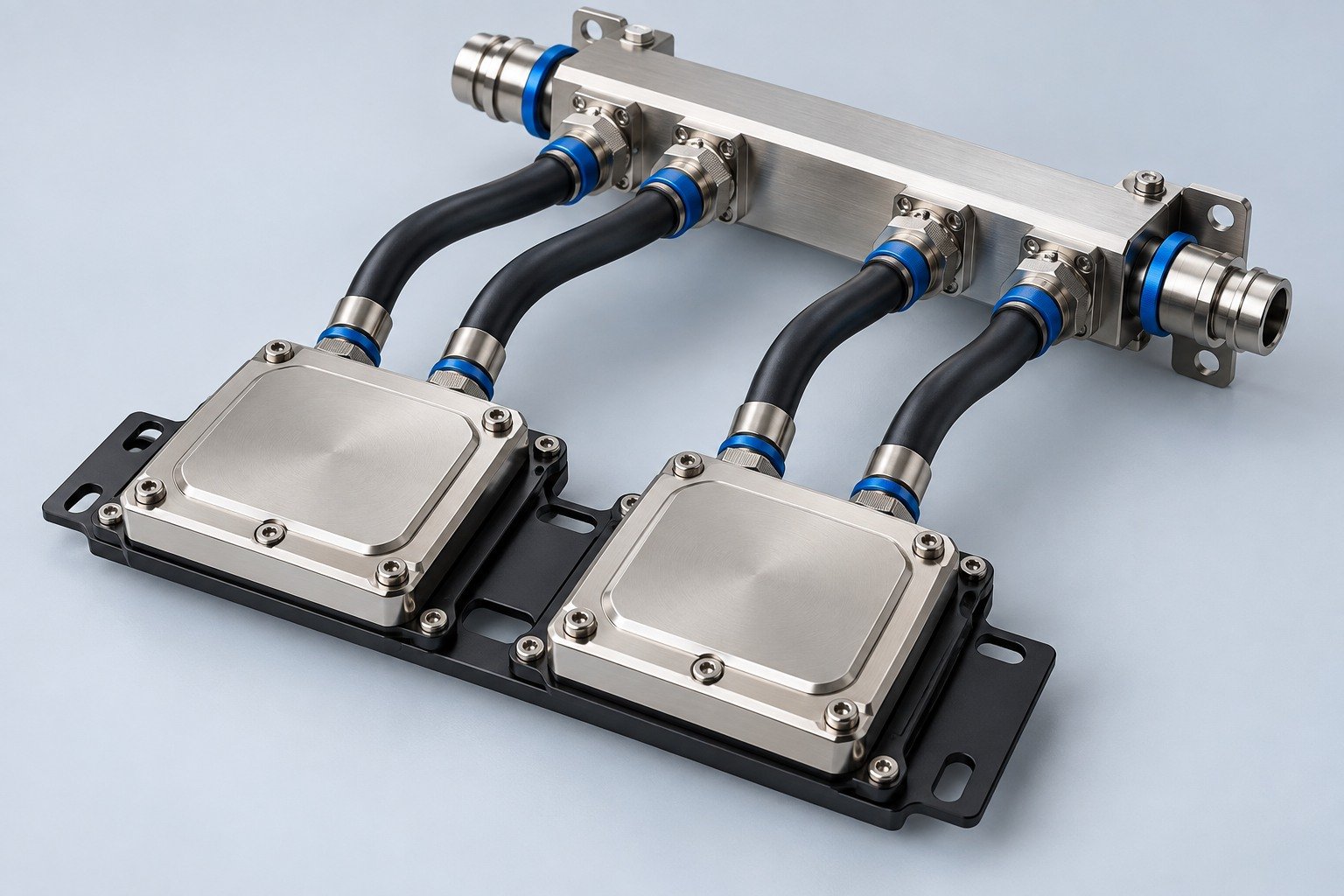
Find components for your power electronics, energy, laser and telecom application.
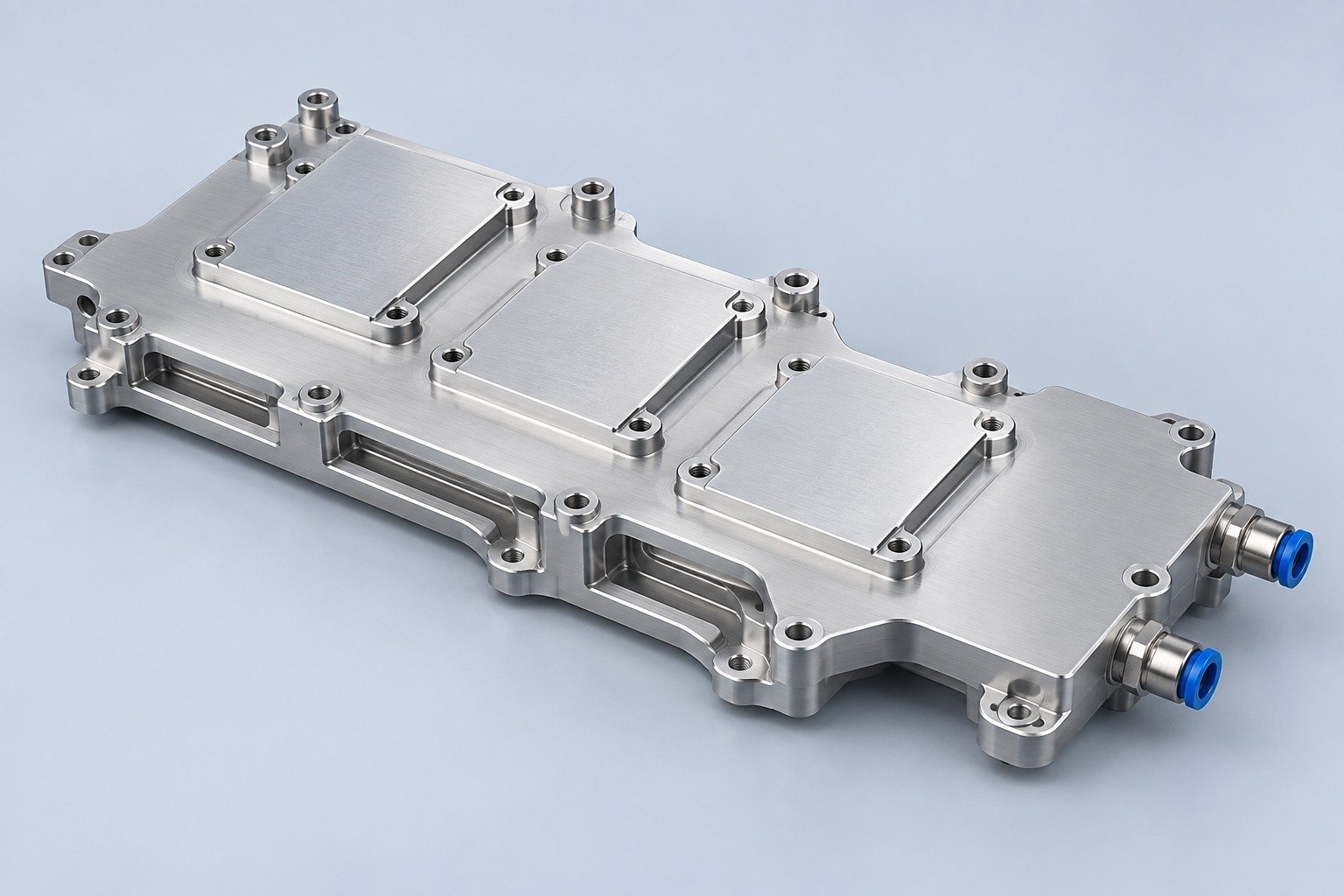
Components for your electronic systems.
Start with your functional and quality requirements.
Build around your operating environment.
Review grade, temper and finish for your metal parts.
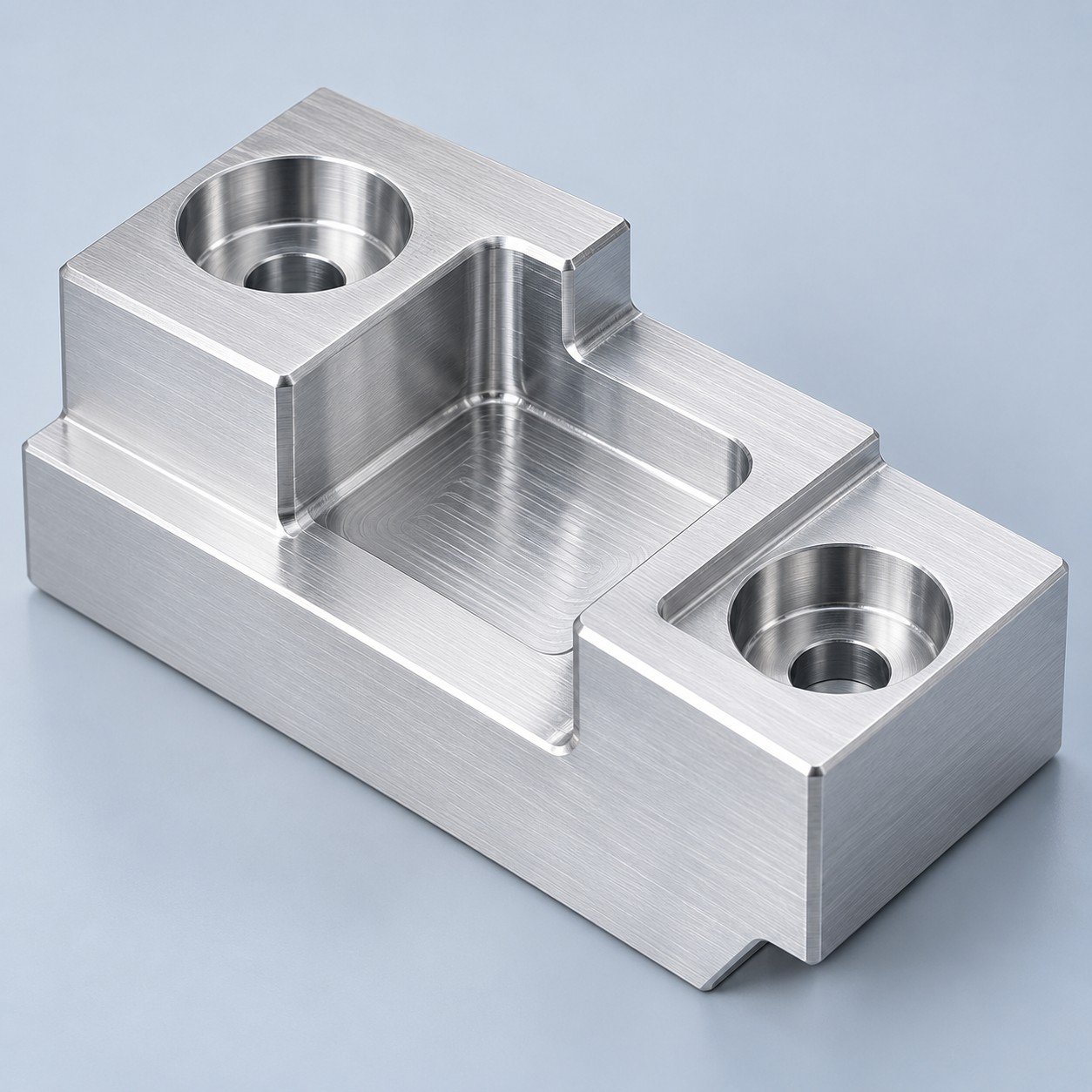 AluminumStrength, weight and machining
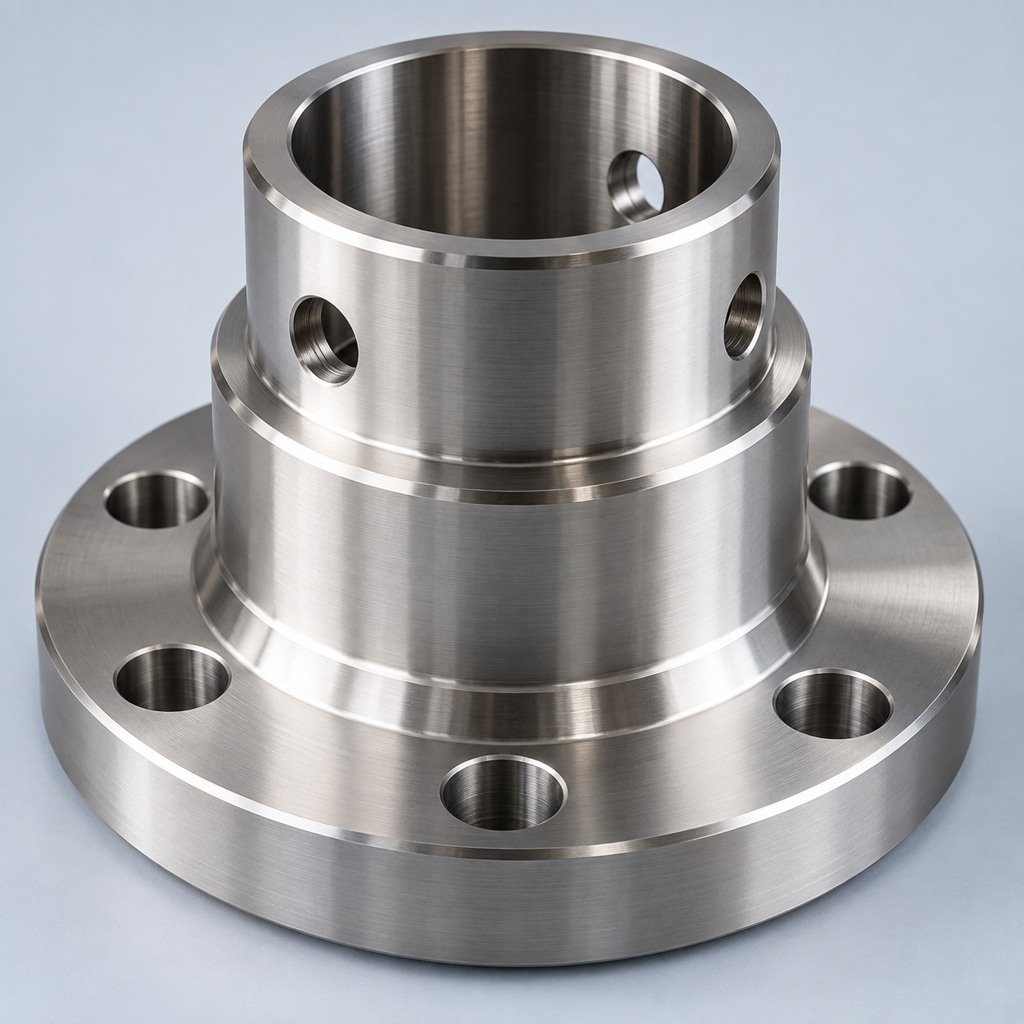 Stainless SteelCorrosion and finish requirements
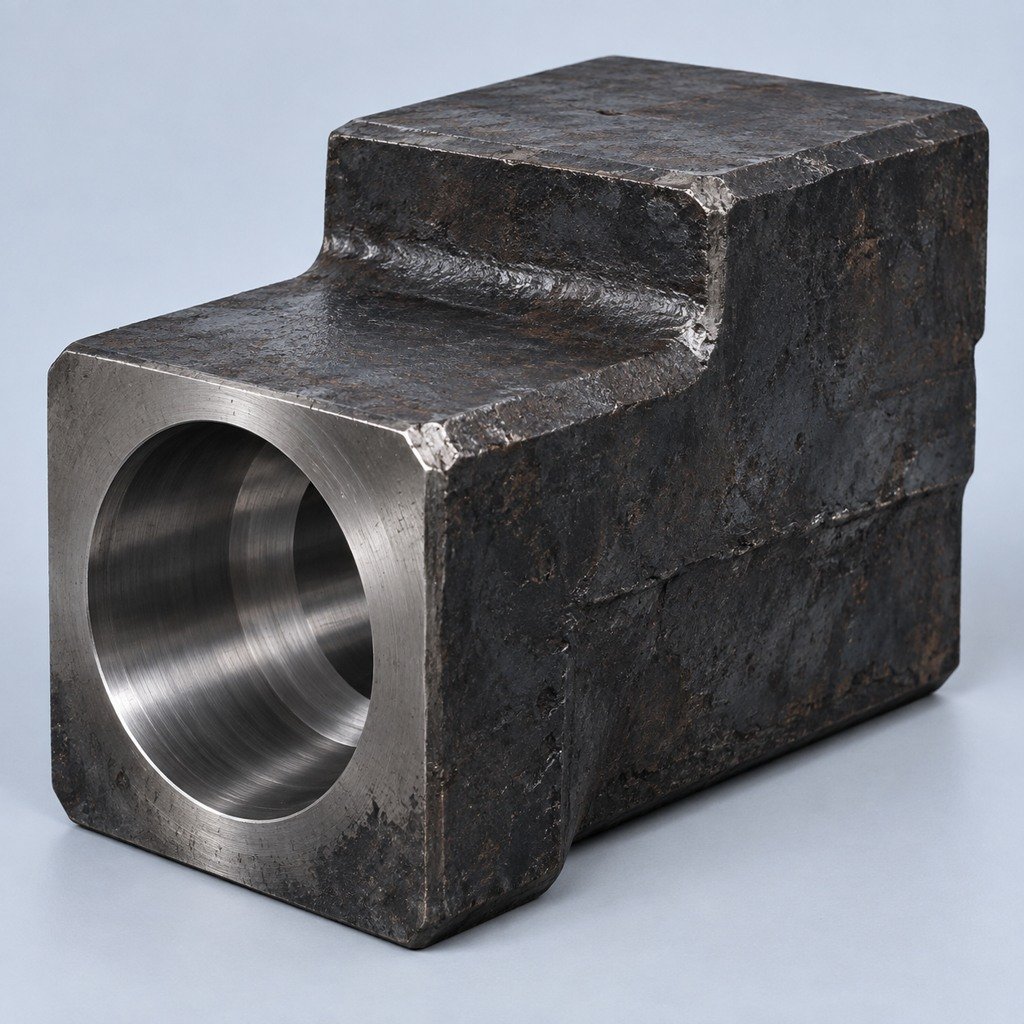 Carbon & Alloy SteelDiscuss grade and heat treatment
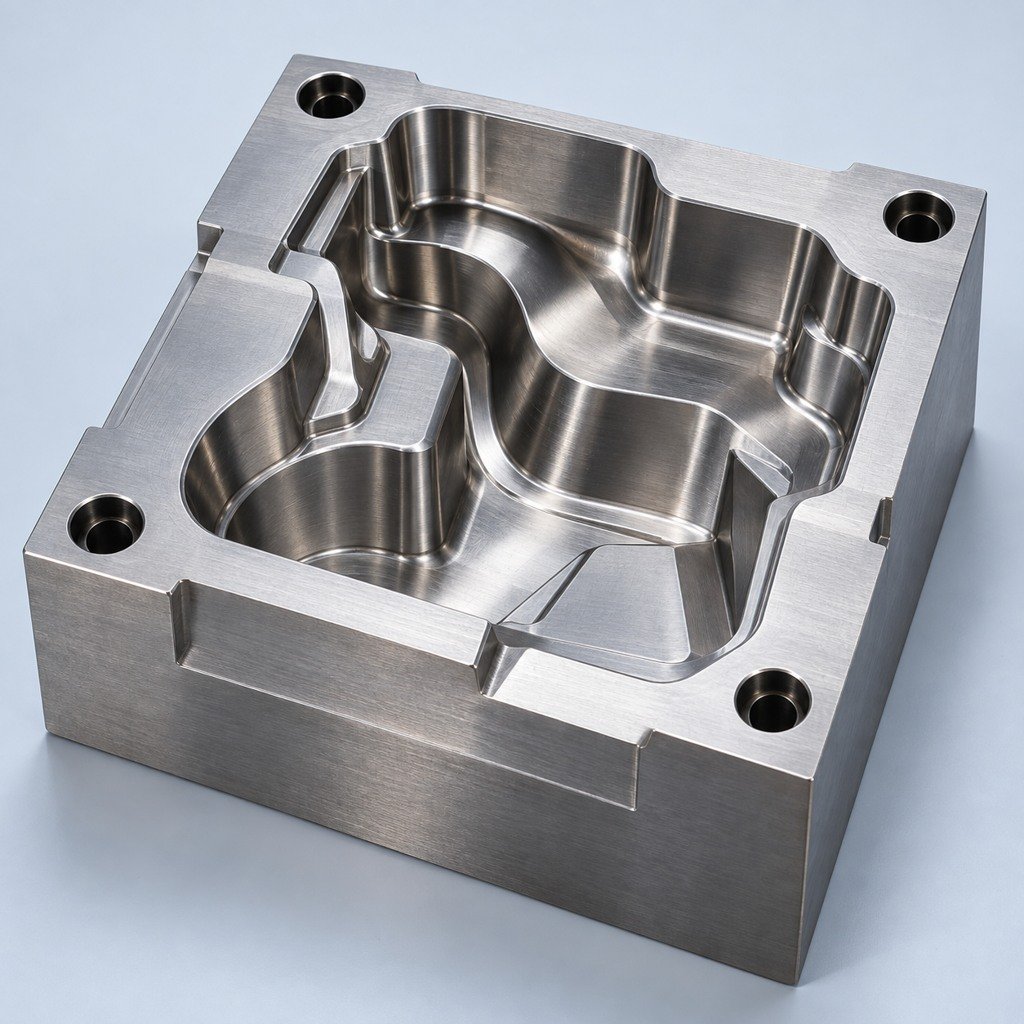 Tool SteelDiscuss tooling and wear needs
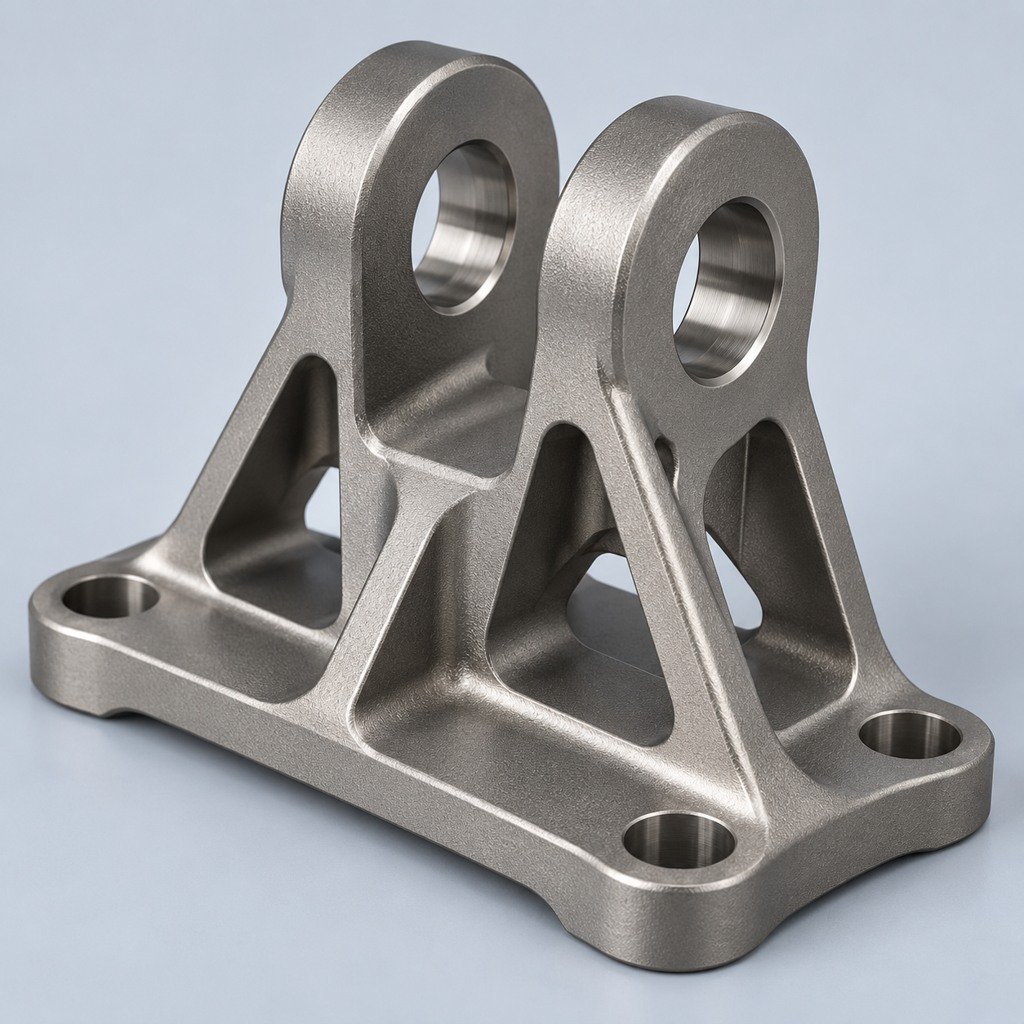 TitaniumReview grade and part geometry
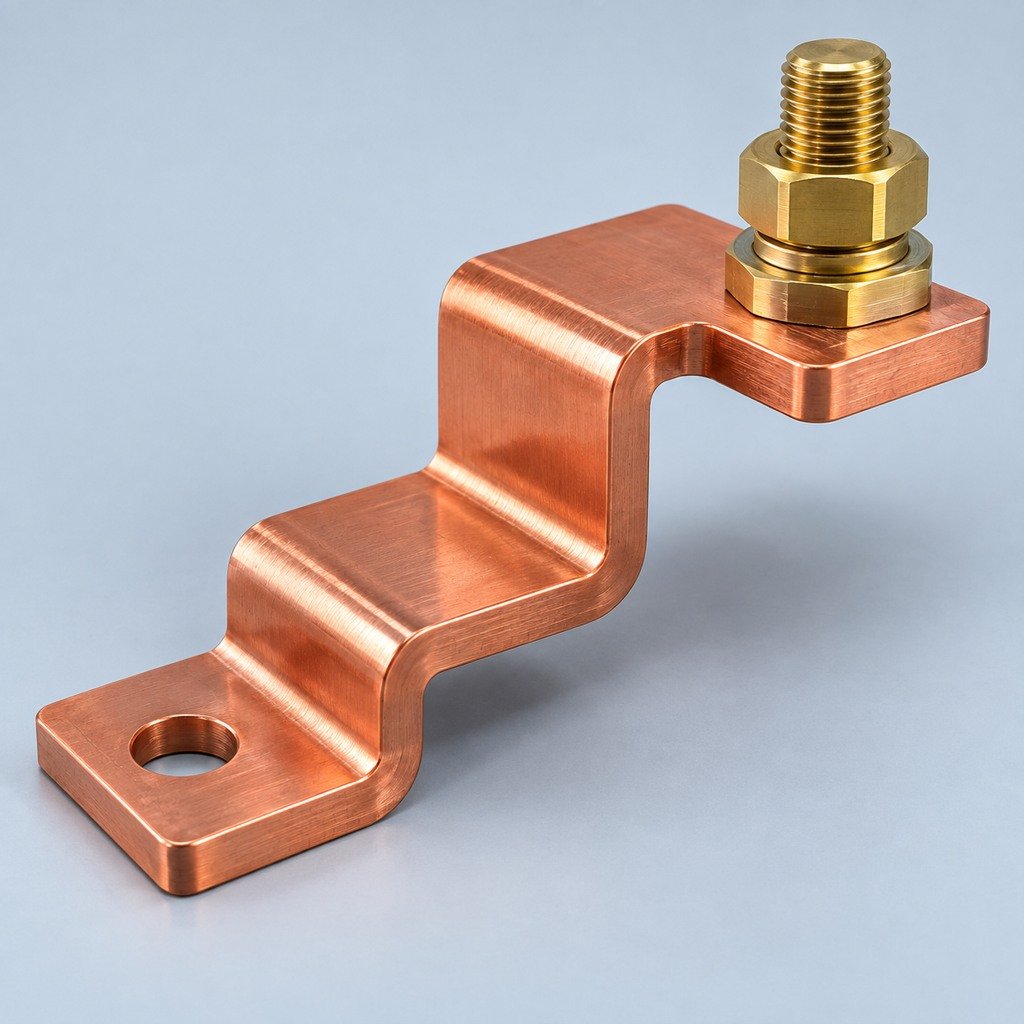 Copper & BrassDiscuss conductivity and machining
Match your polymer to function, process and environment.
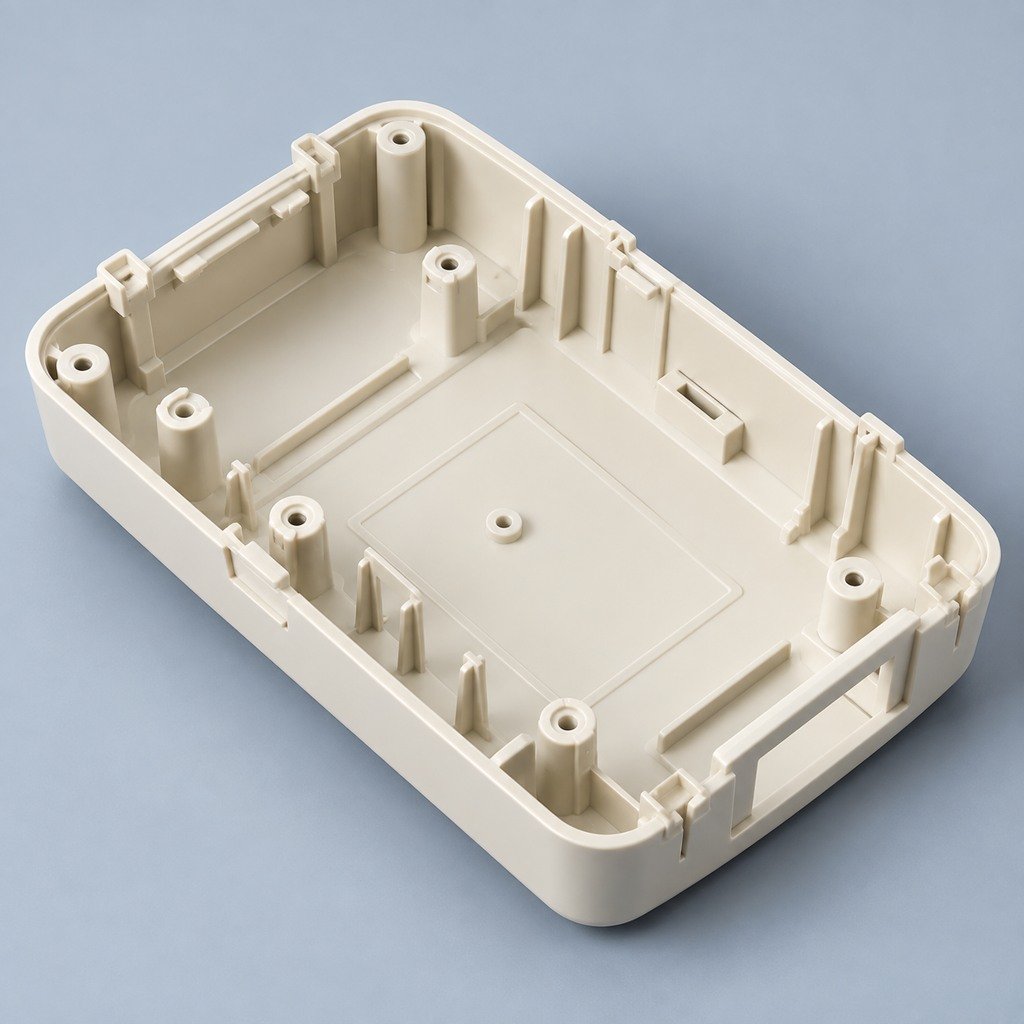 ABSReview enclosure and molding needs
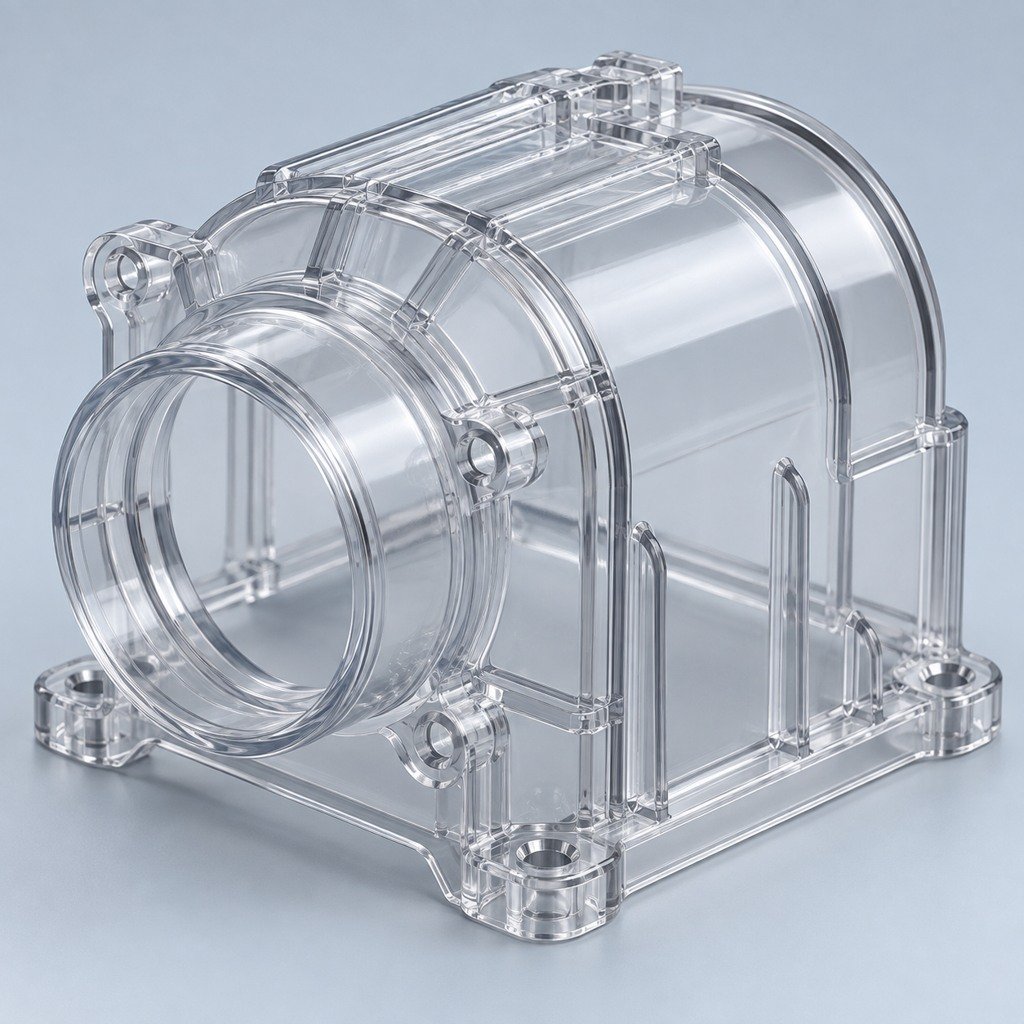 Polycarbonate (PC)Discuss clarity and impact needs
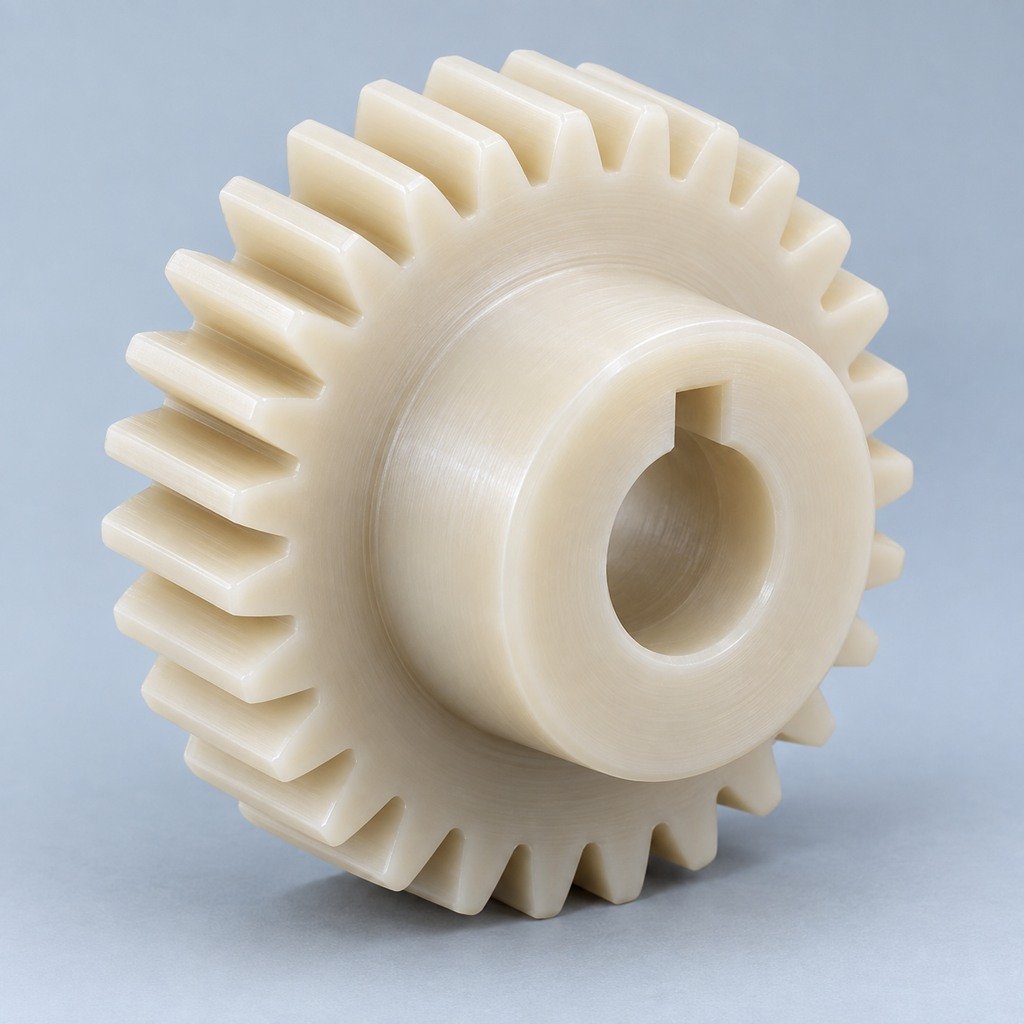 Nylon (PA)Review moisture and wear conditions
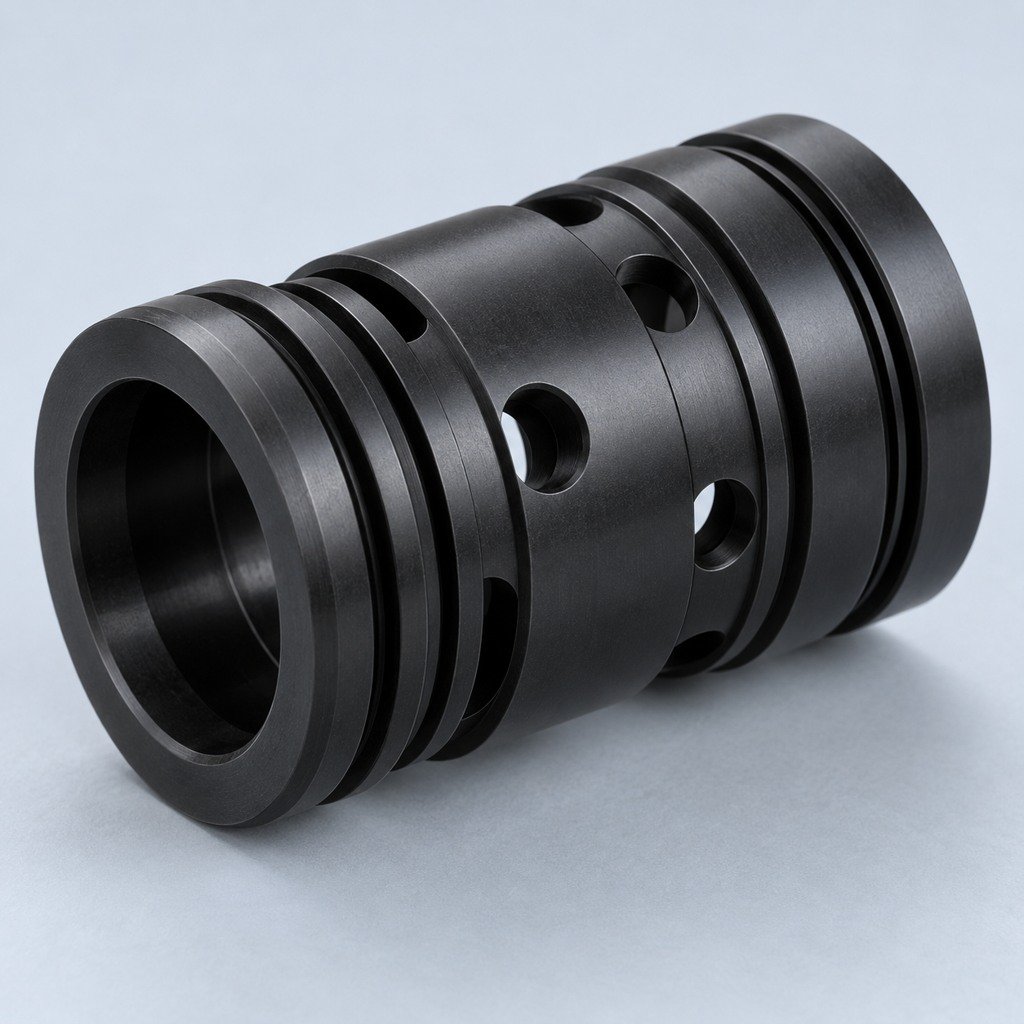 POM / AcetalReview fit and sliding features
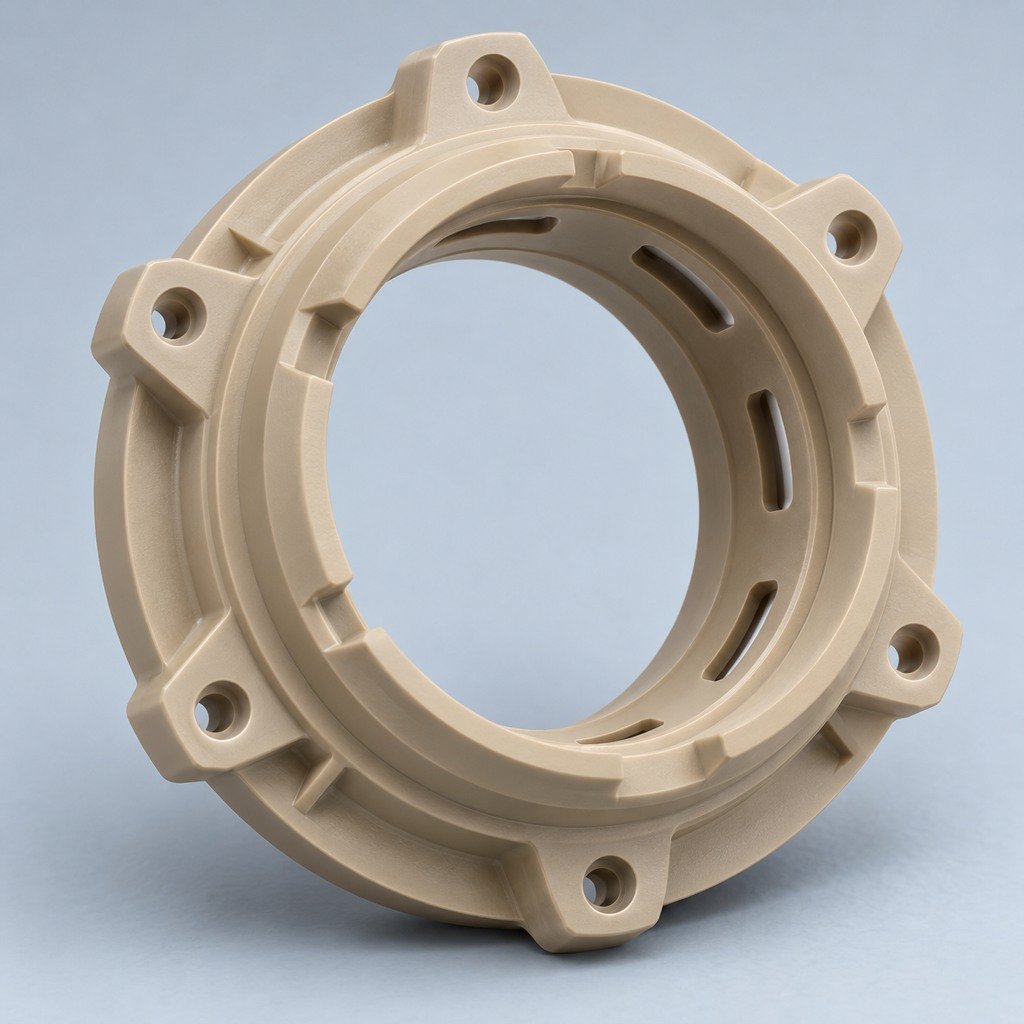 PEEKDiscuss operating conditions
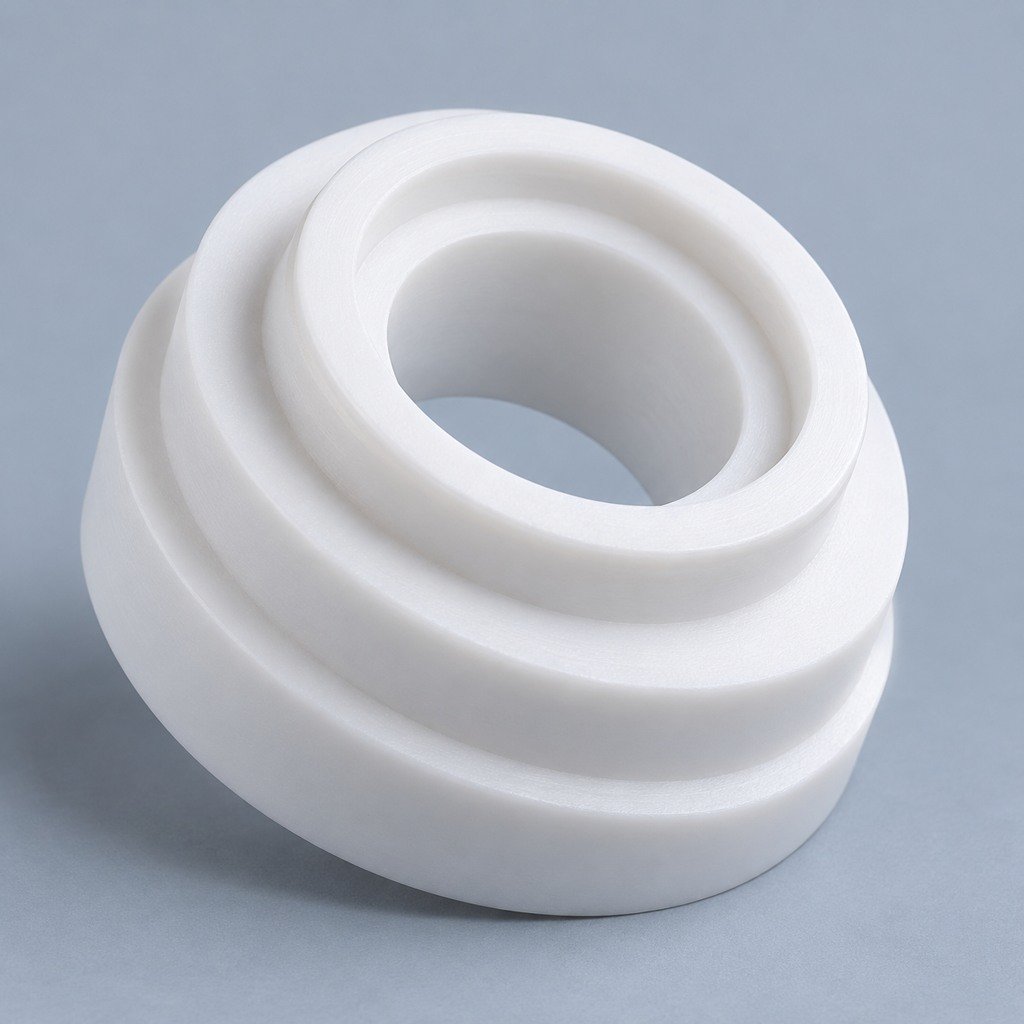 PTFEReview friction and chemical exposure
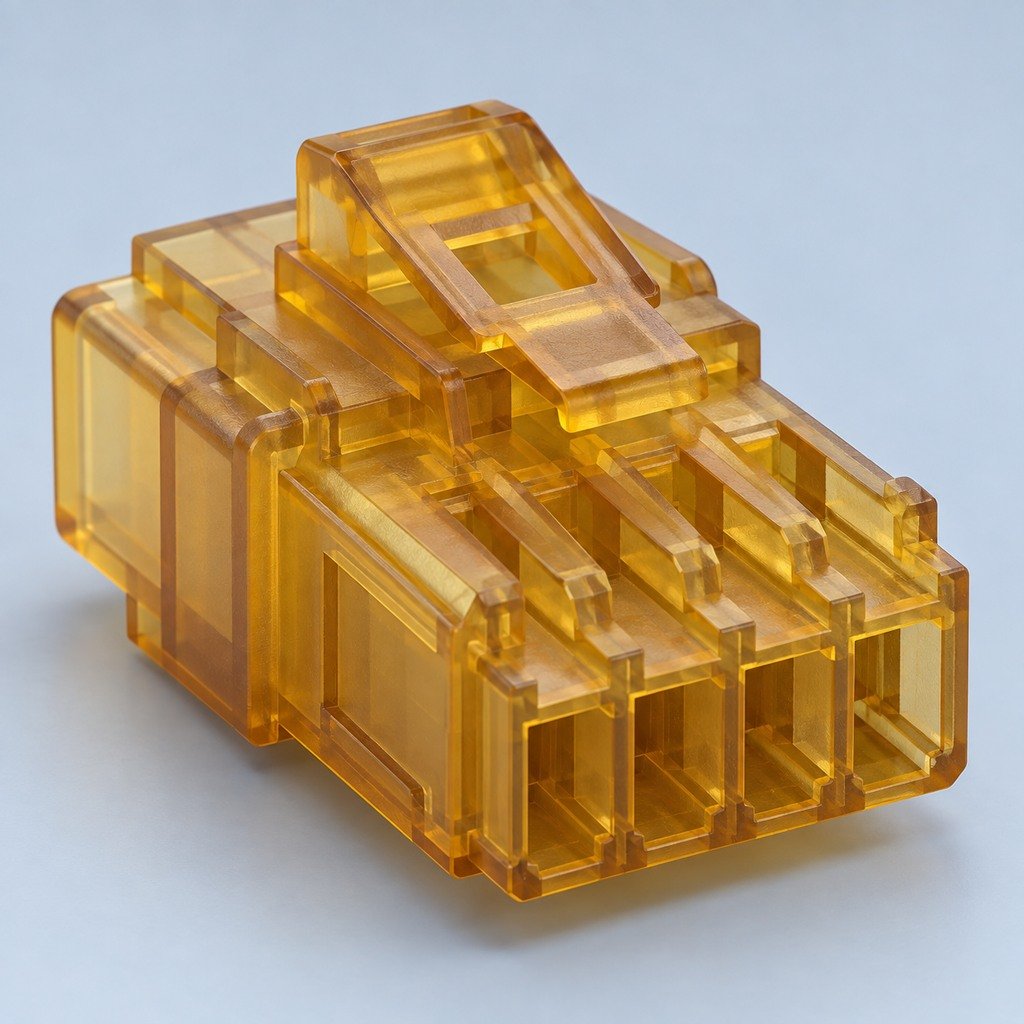 ULTEM / PEIDiscuss thermal and electrical needs
Confirm grade availability and application requirements.
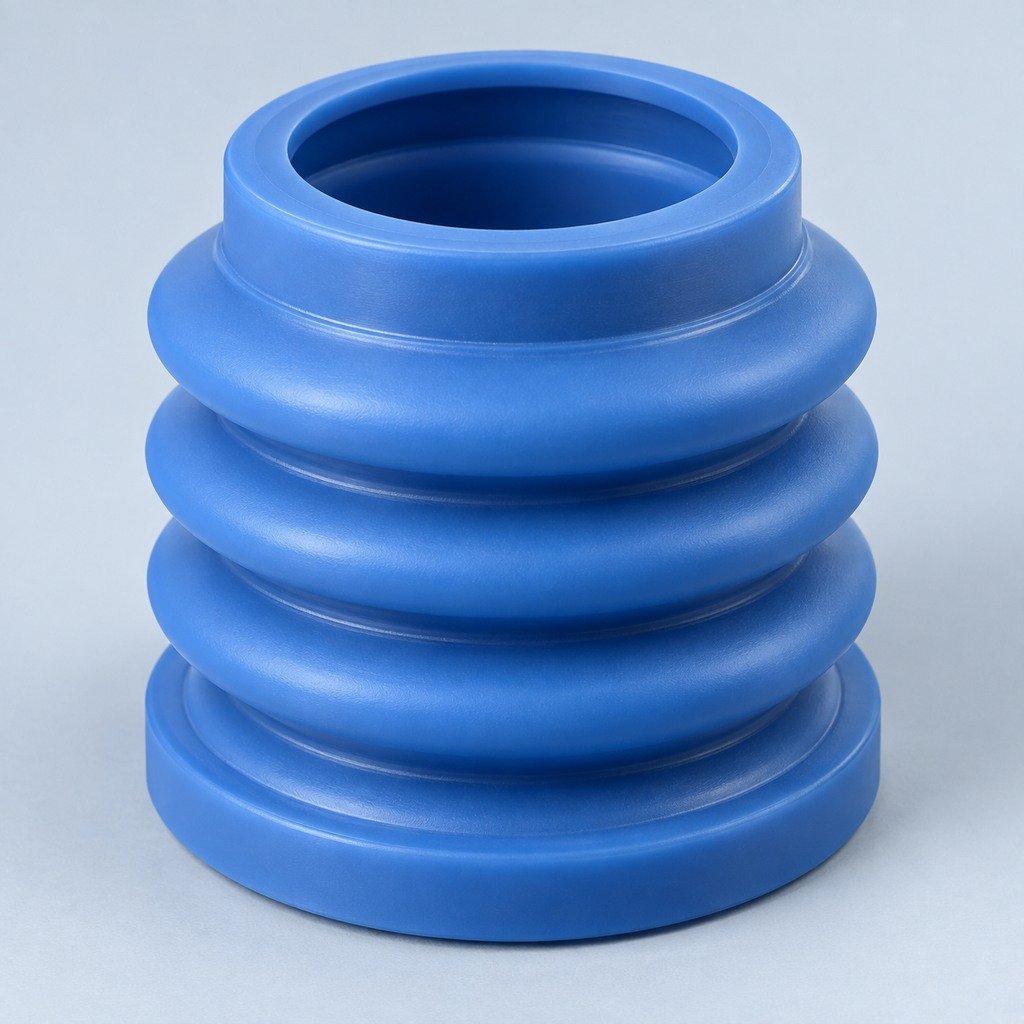 Silicone / LSRDiscuss flexible component needs
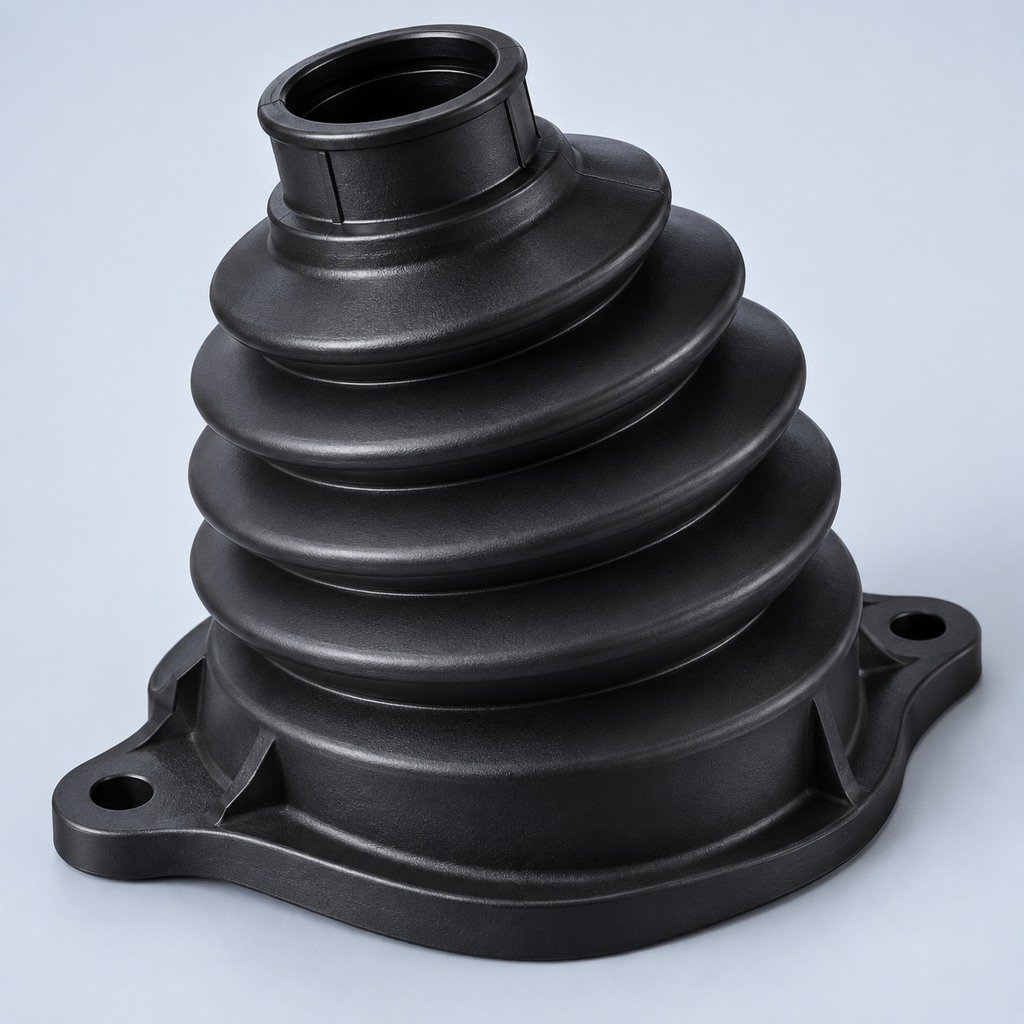 TPU / TPEReview flexibility and processing
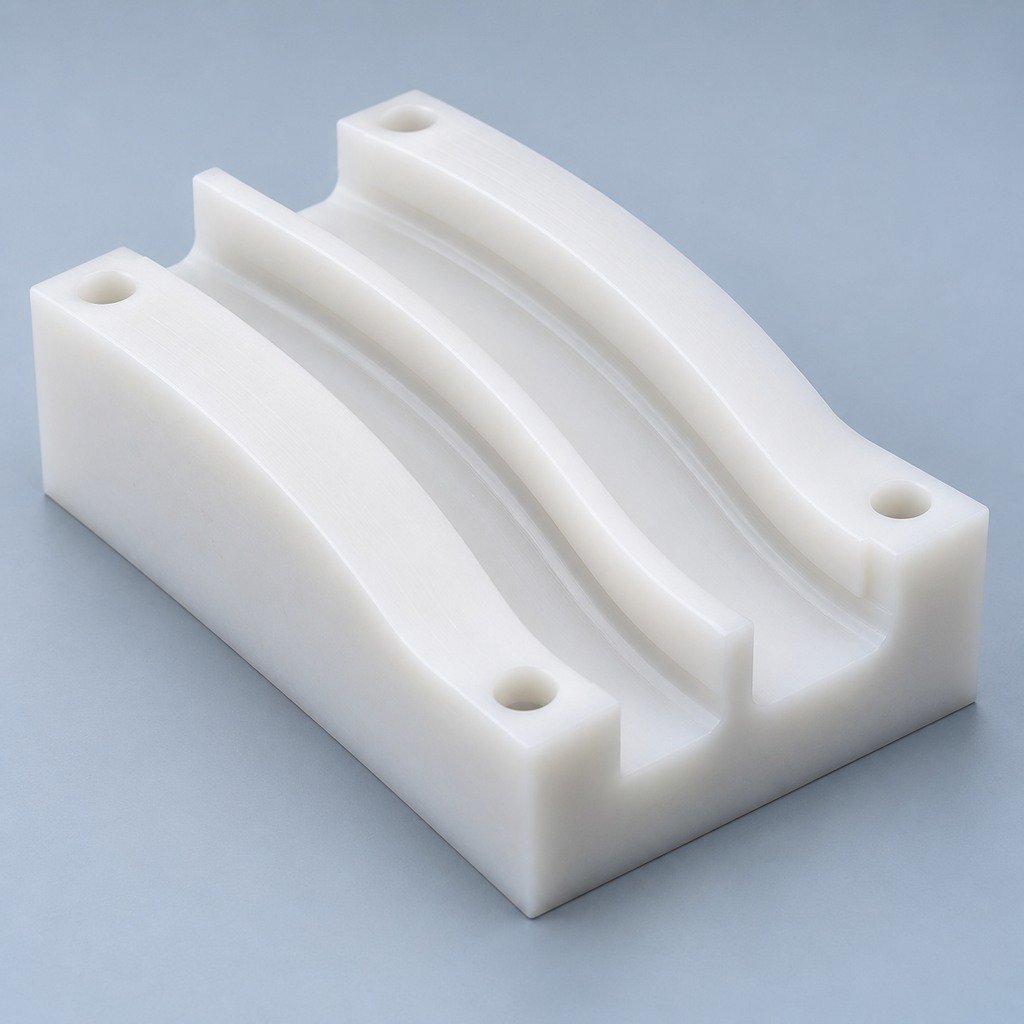 UHMW-PEDiscuss sliding and wear needs
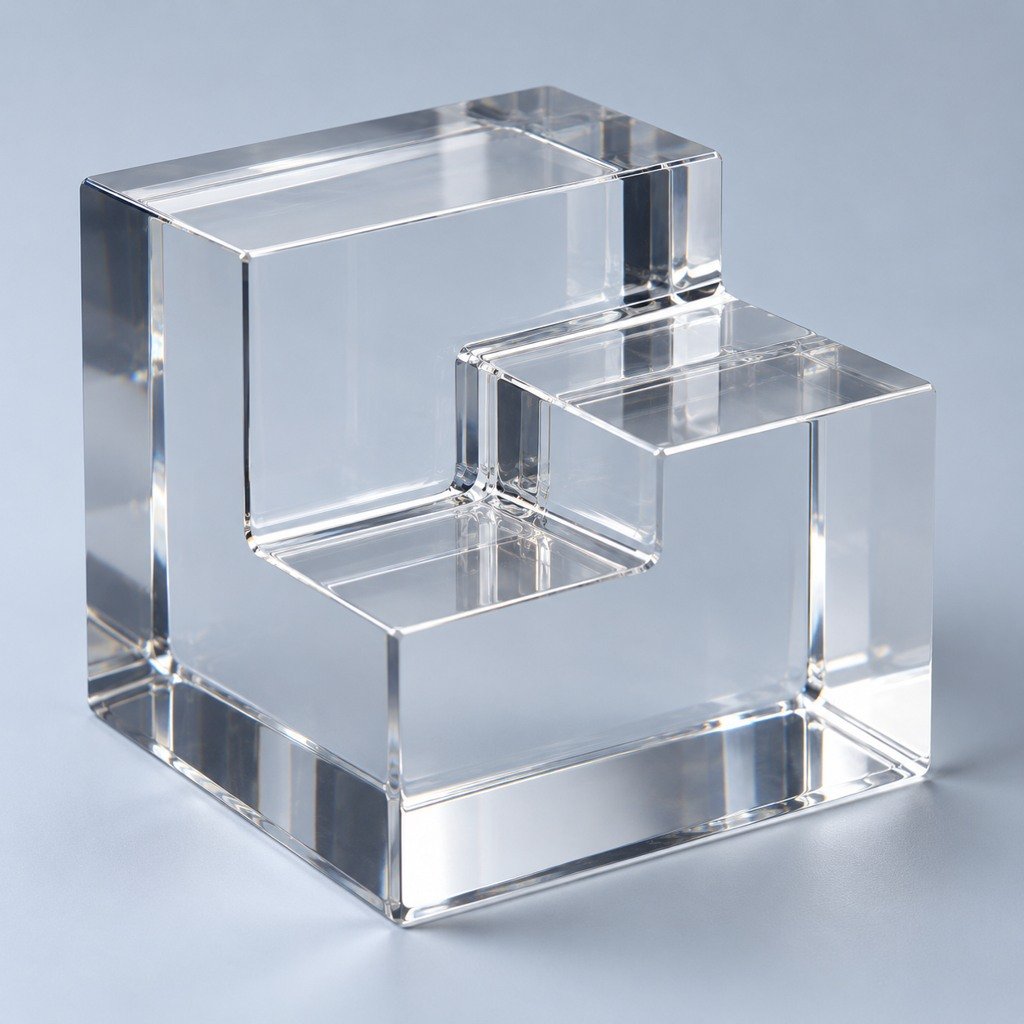 Acrylic / PMMAReview optical and cosmetic needs
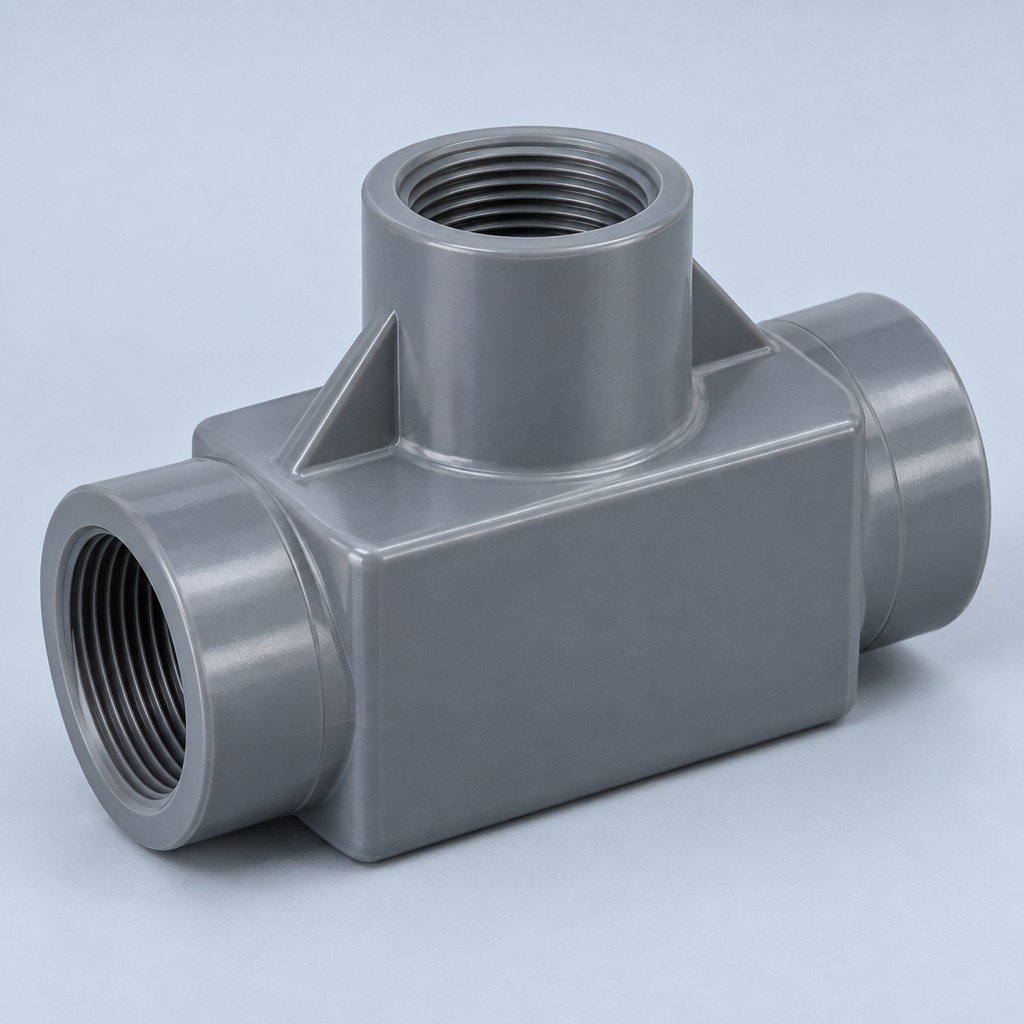 PVCDiscuss chemical exposure and grade
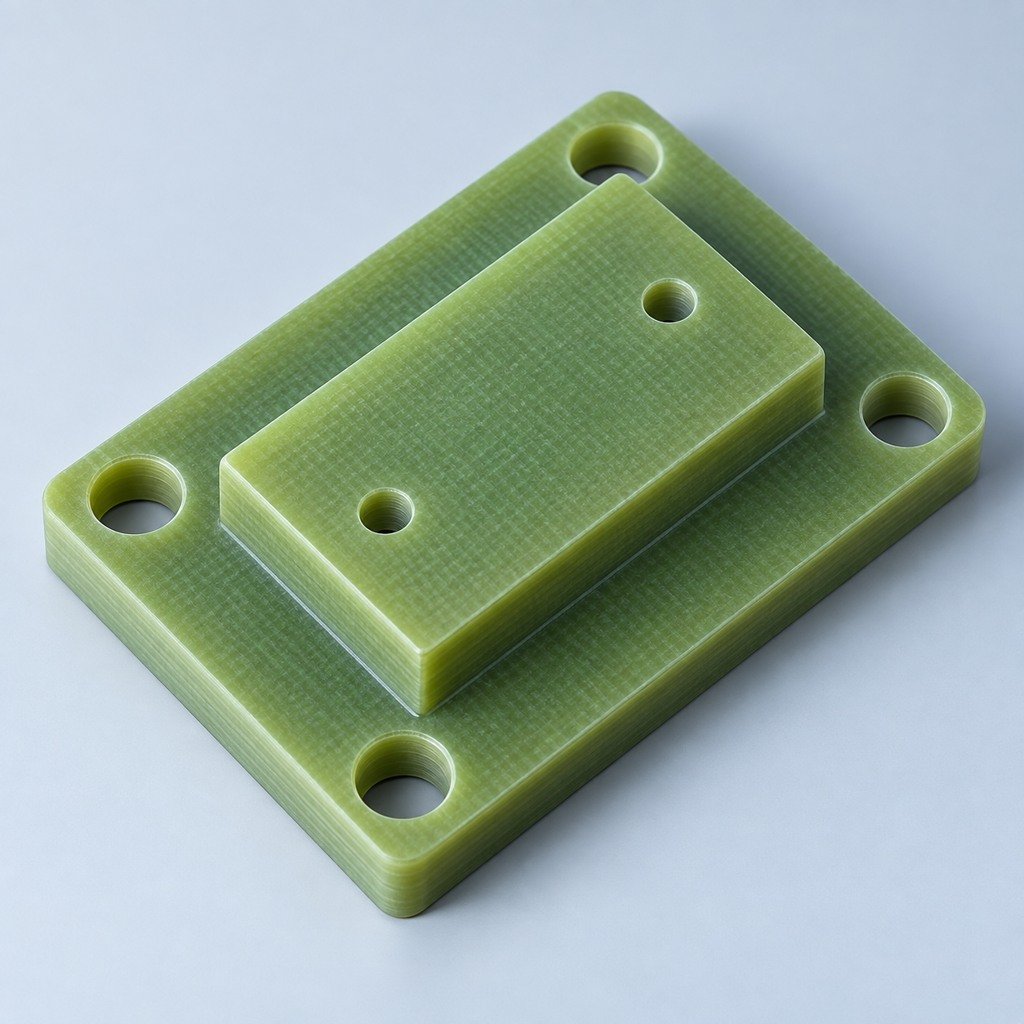 G10 / FR4Review insulation and laminate needs
Practical guidance for your part geometry and material decisions.
Prepare your process, budget and sourcing questions.
Build your knowledge before production.
Learn who we are and how we operate.
Find our U.S. support team or start a conversation.
PRODUCT DEVELOPMENT FOR YOUR PROJECT
Share your CAD, material, quantity and critical requirements. Review manufacturing risks, compare processes and define what your prototype must prove before tooling or repeat orders.
Share Your Drawing for Review →Your drawings stay confidential. NDA available on request.
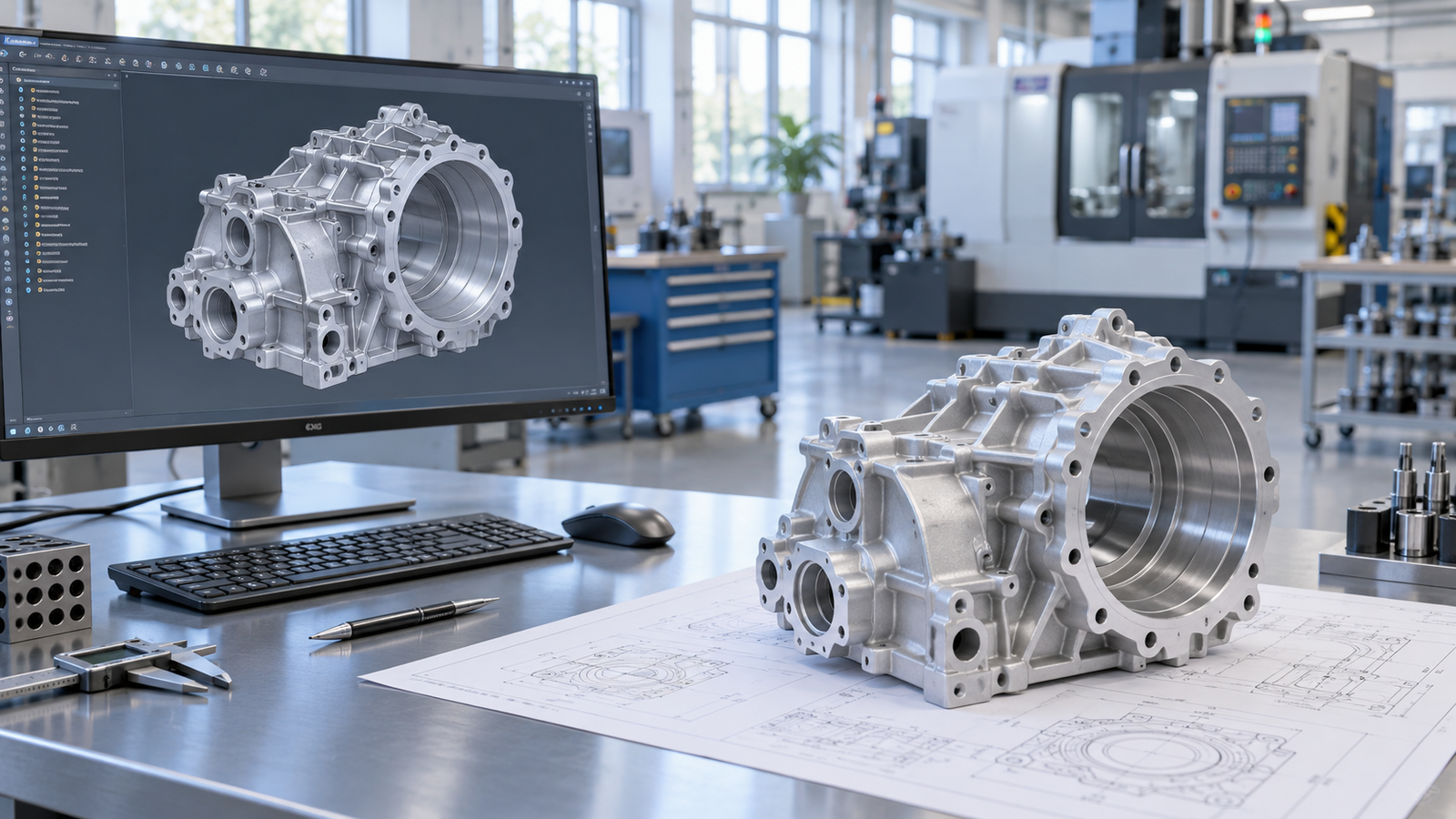
DFM OVERVIEW
Connect your design intent to the process that will make your part. Review the features that can change cost, tooling, inspection or performance before your next build.
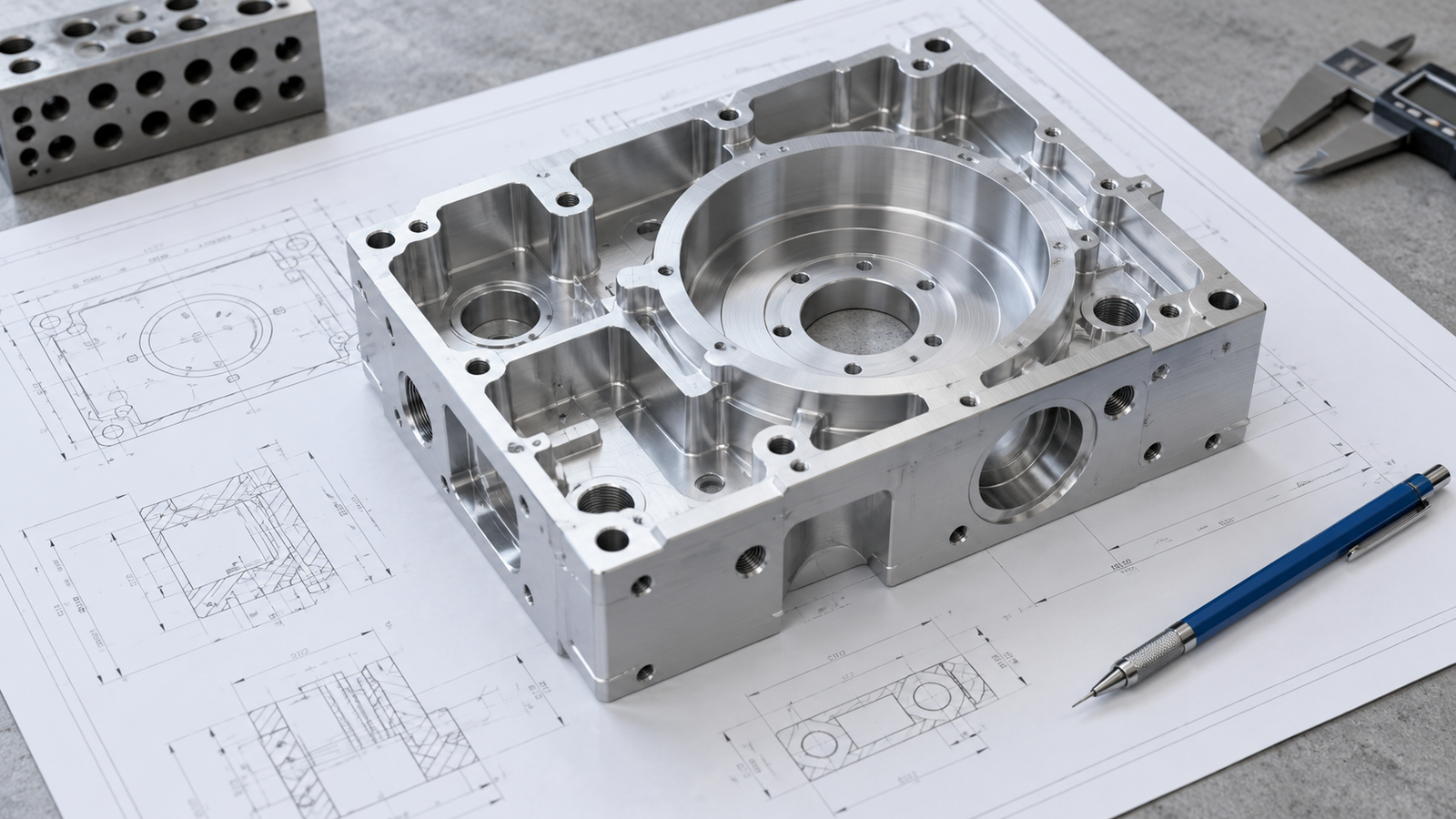
Use the review to resolve uncertainty before it becomes rework.
Your review: Missing dimensions, conflicting notes or an uncontrolled model.
Your output: A defined baseline for quotation and review.
Your review: Function, datum scheme and inspection access.
Your output: Tolerance choices tied to how your part works.
Your review: Geometry against CNC, molding, printing or fabrication constraints.
Your output: A route matched to your design and build purpose.
Your review: Grade, finish, environment and test requirements.
Your output: A record of what must be checked before substitution.
Your review: Process, material and final specifications.
Your output: A clear list of what your prototype can and cannot prove.
Your review: Fit, function, appearance and verification method.
Your output: Agreed checks before your next build.
YOUR DESIGN PRIORITIES
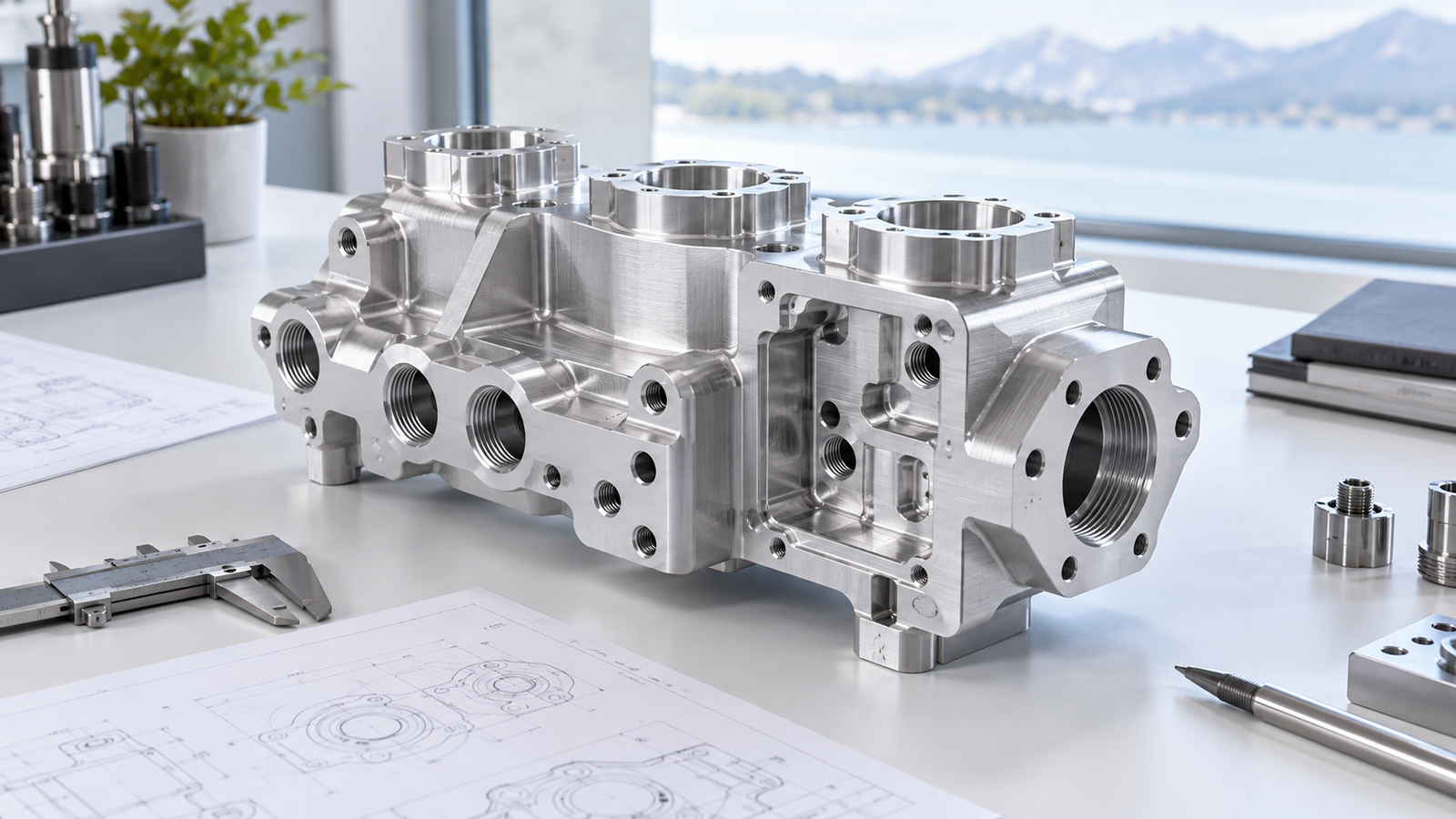
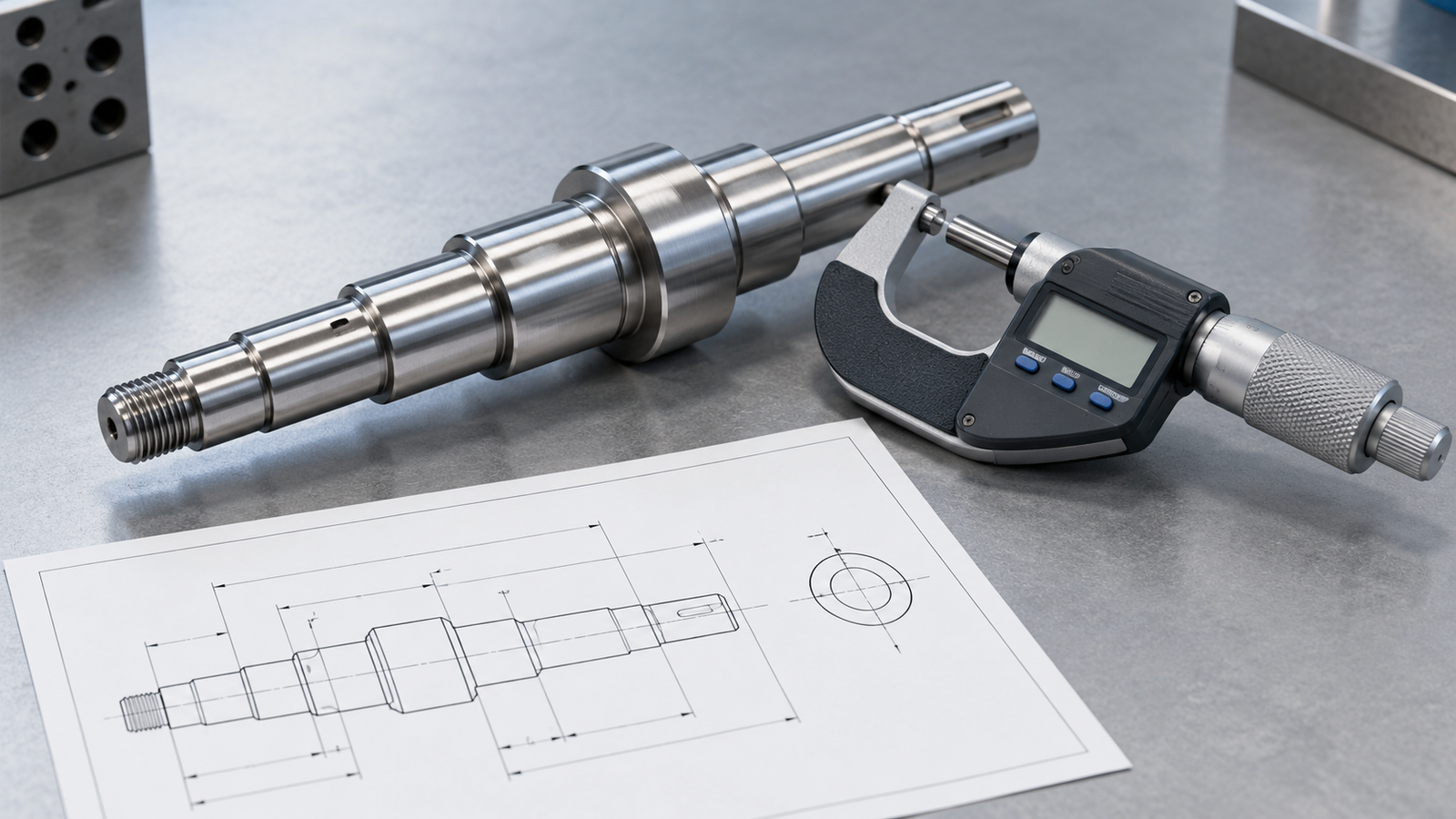
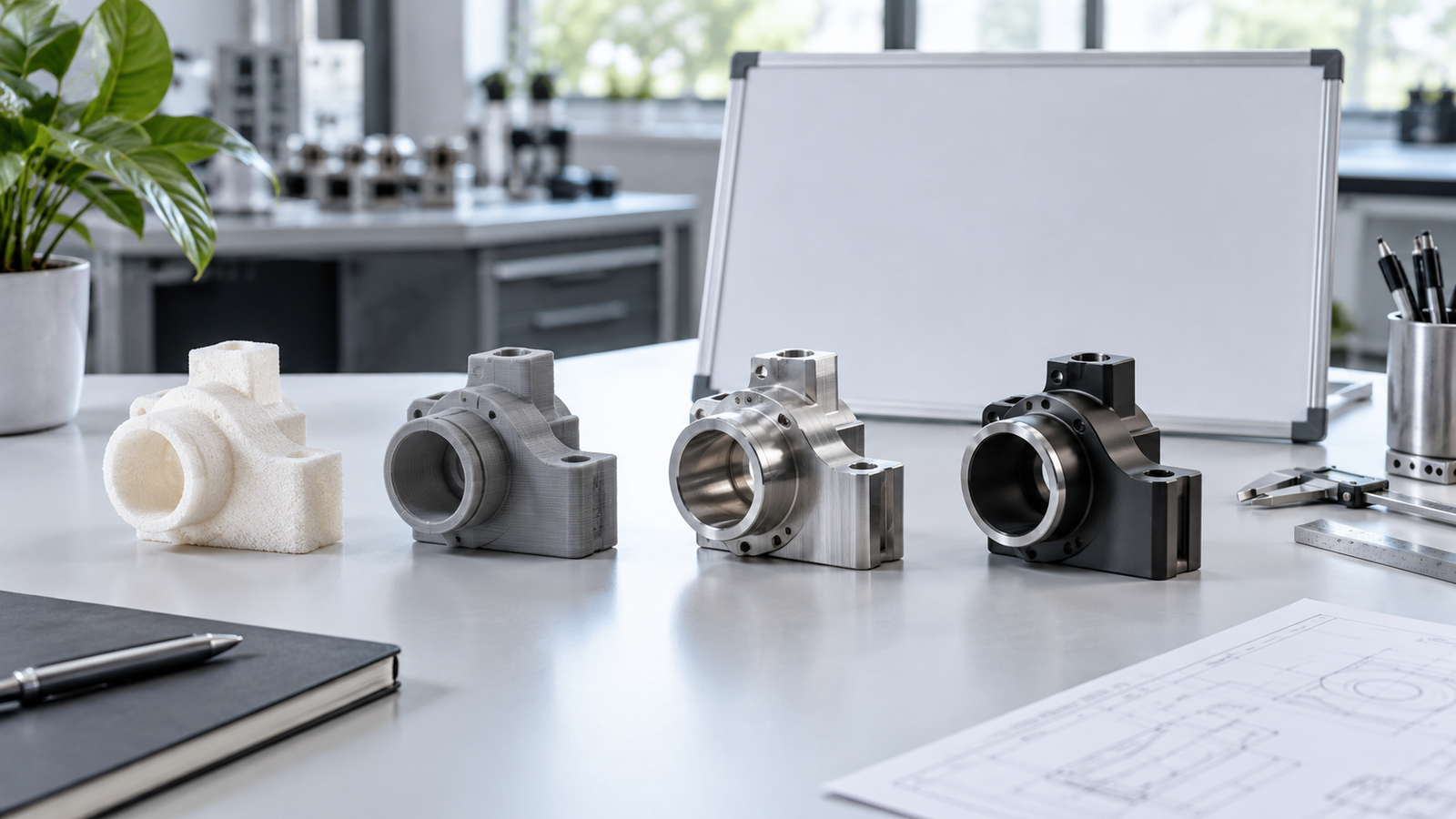
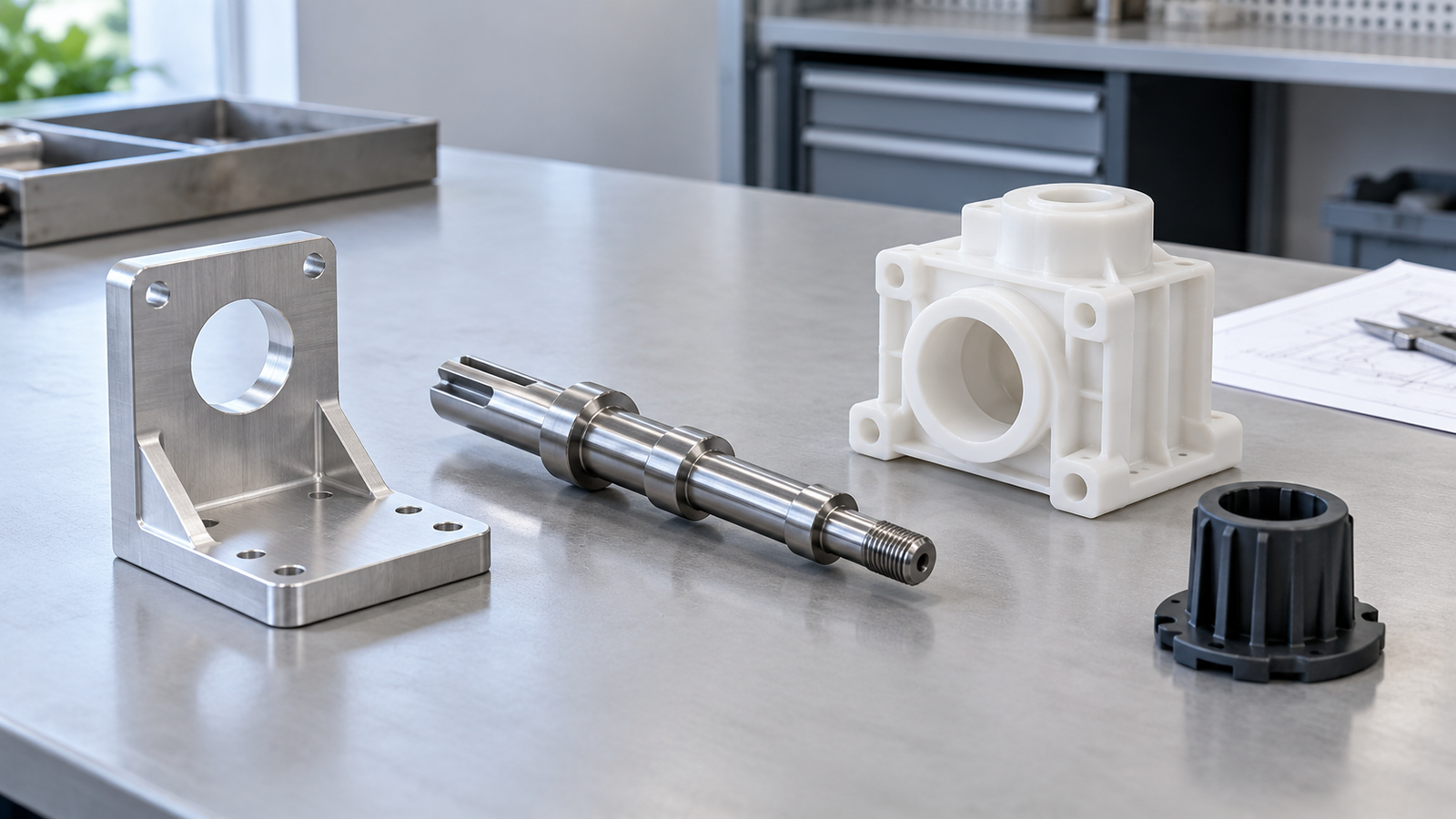
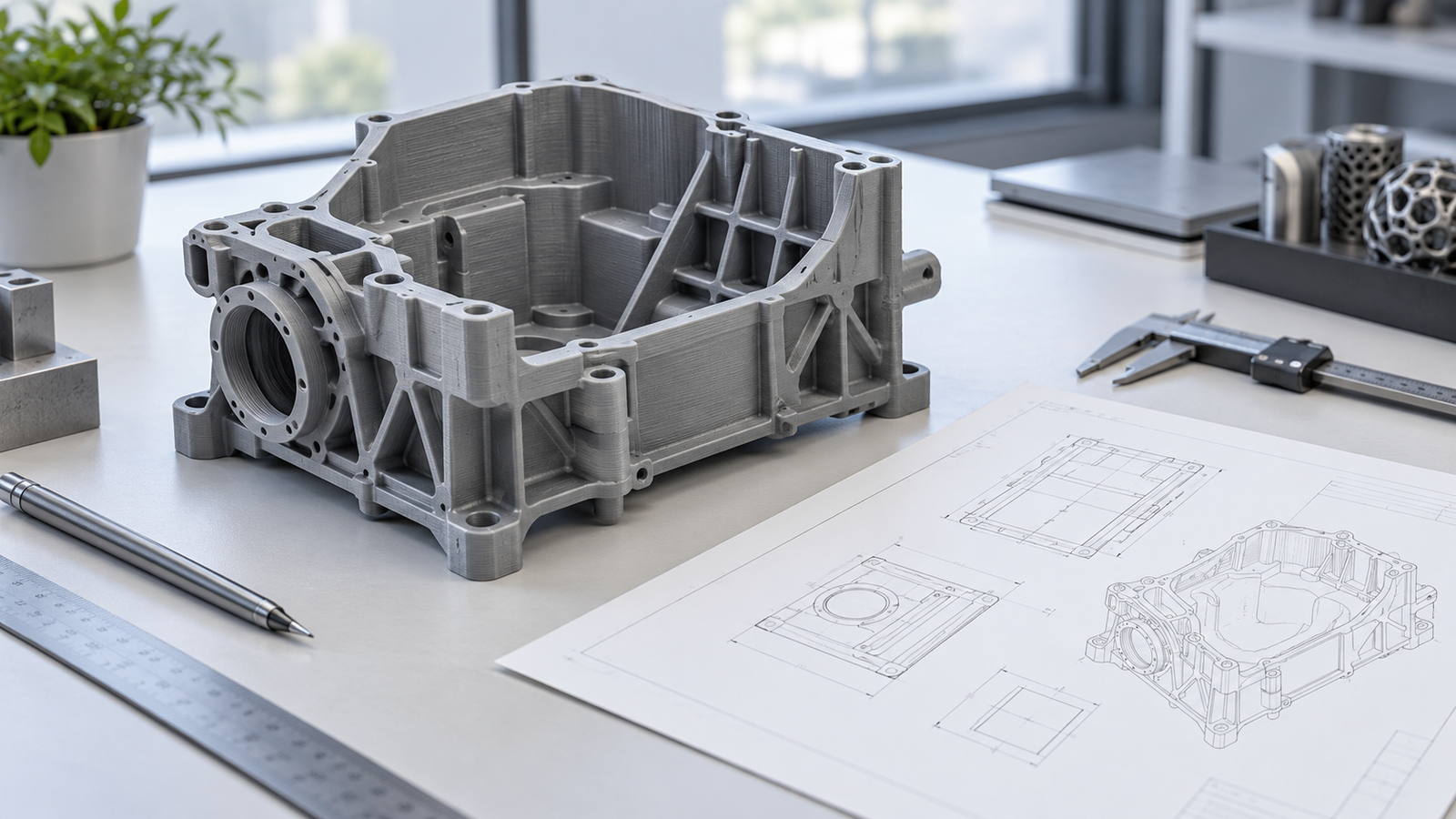
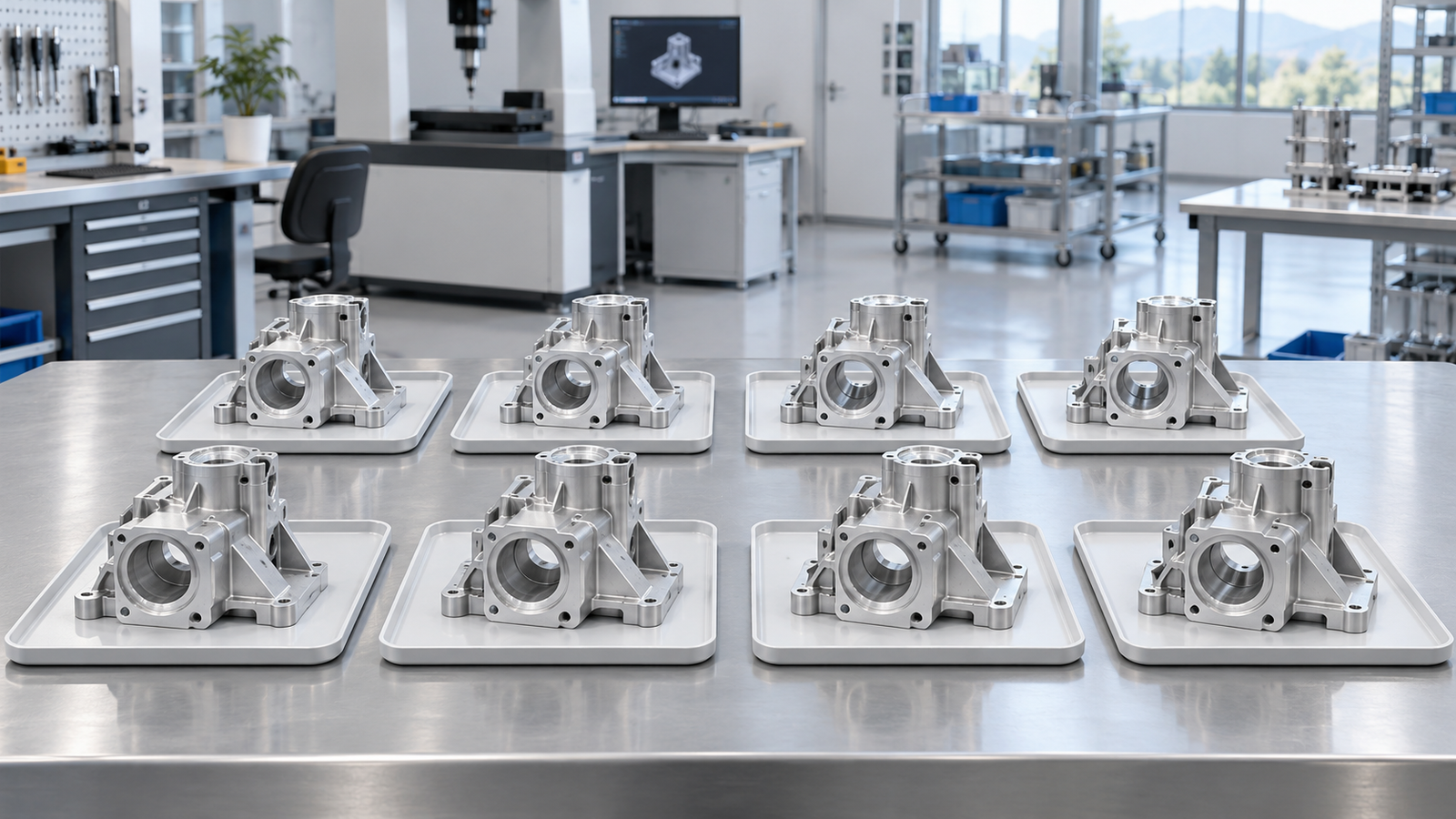
Compare 4 routes against your design, test purpose and production goals.
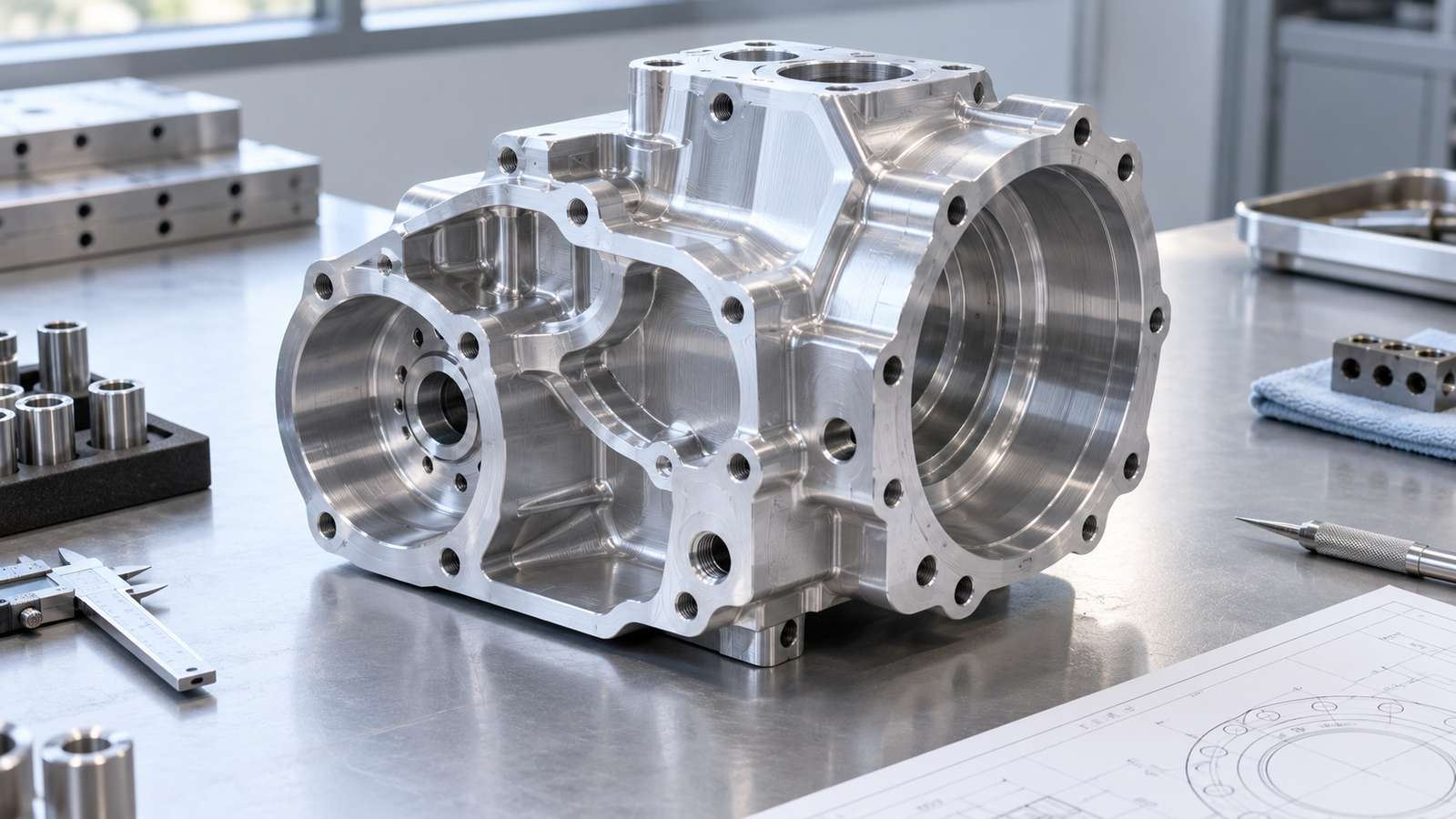
For your: Complex metal geometry, close-fit interfaces and functional testing.
Validate: Fit, function and critical dimensions.
Before production: Material, finish, setup strategy and inspection plan.
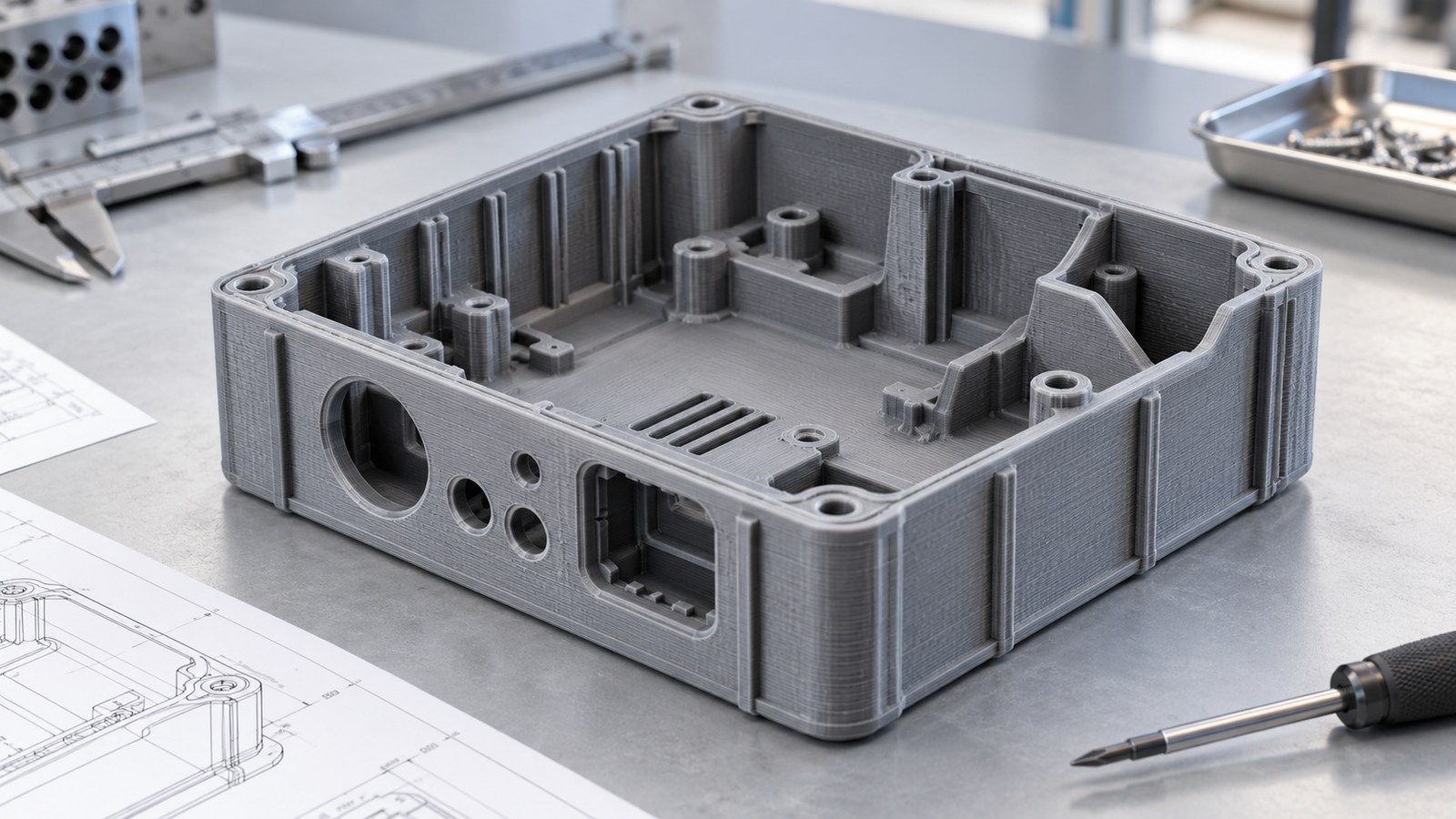
For your: Concept geometry, assembly checks and early design iterations.
Validate: Geometry, access and assembly; process limits remain.
Before production: Material, process and final specifications.
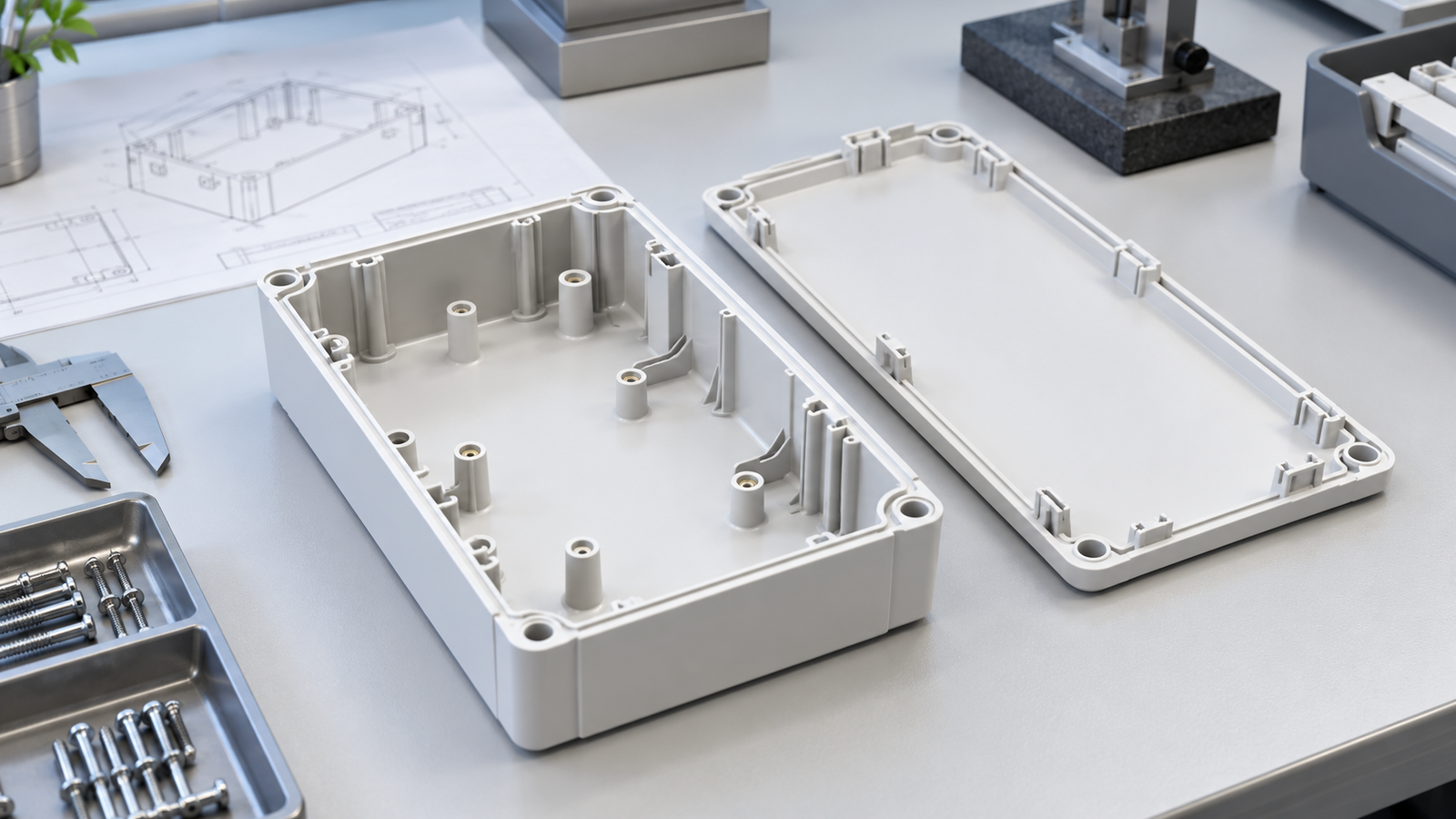
For your: Functional plastic parts when material and molding behavior matter.
Validate: Fit, function, material behavior and tooling assumptions.
Before production: Tooling, shrinkage, production material and process controls.
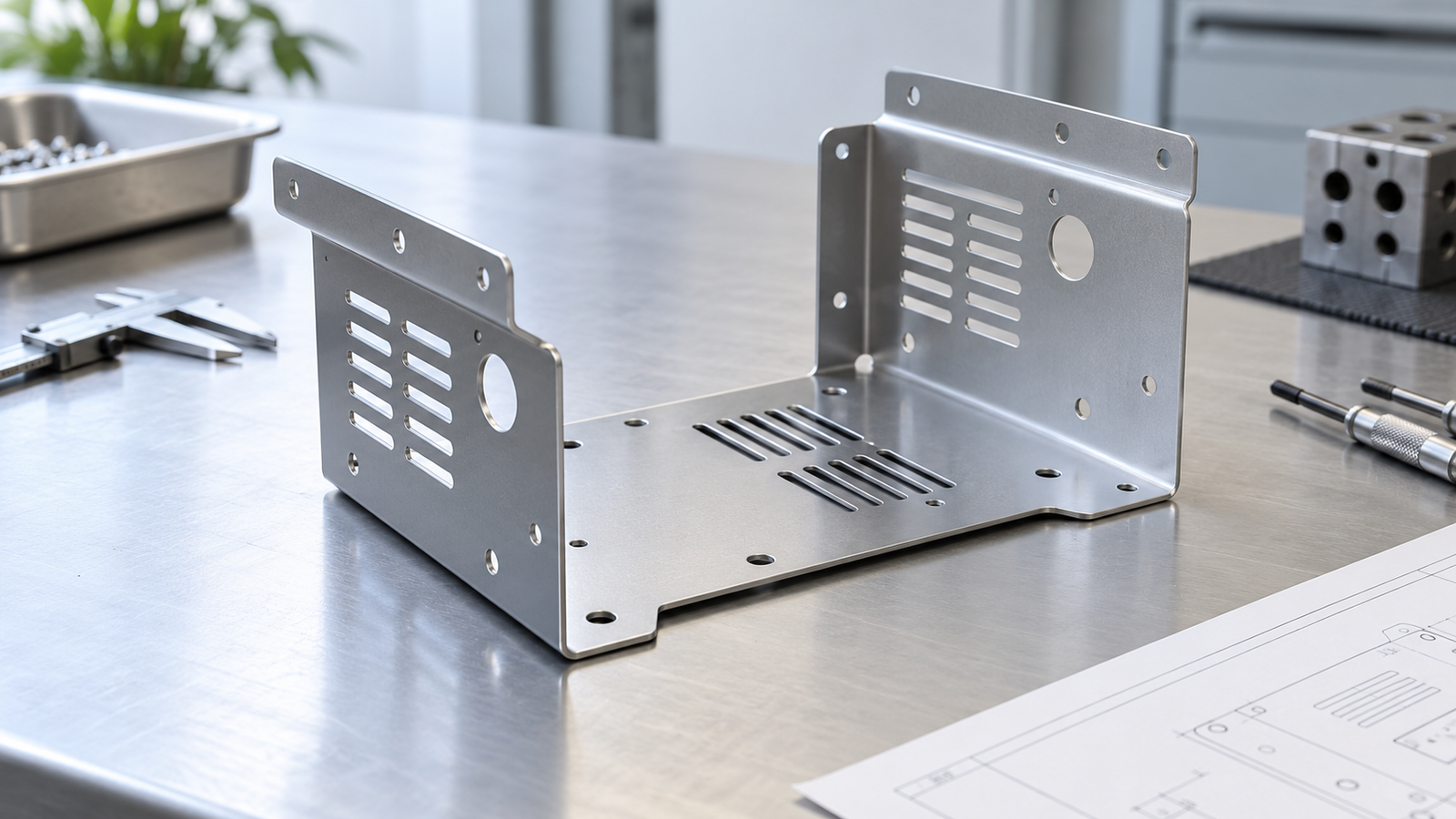
For your: Brackets, enclosures and fabricated structures.
Validate: Bend clearances, assembly, fit and fastening.
Before production: Tooling, bend sequence, finish and inspection.
Keep the decision and its evidence together as your project moves forward.
Drawing revision, material, functional requirements and target application.
Process, material, tooling assumptions and quantity-dependent costs.
What the build must prove: fit, function, assembly or process behavior.
Dimensional results, material performance and required test records.
Lock the drawing, process, material, inspection plan and revision.
Walls, pockets, undercuts and access for your selected process.
Routes and tooling assumptions linked to your design.
Material choices and surface requirements linked to function.
Critical features with a practical verification method.
Datums and tolerances that affect your assembly.
Pilot quantities, repeat demand and revision control.
4 build stages, each tied to a different decision for your part. Scope and acceptance evidence are agreed for your order.
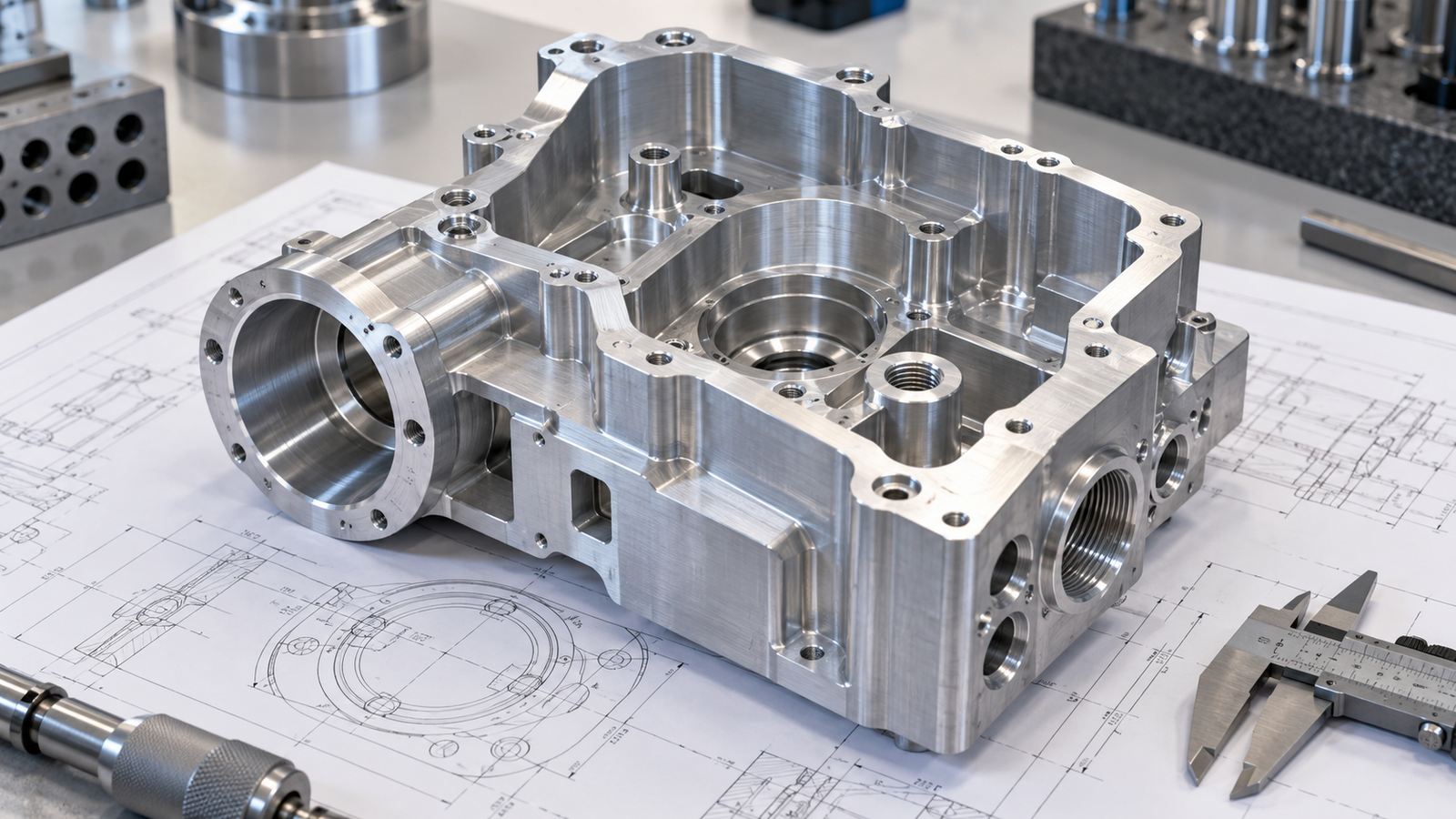
Check fit, function and the agreed critical features. Record differences from your intended production process.
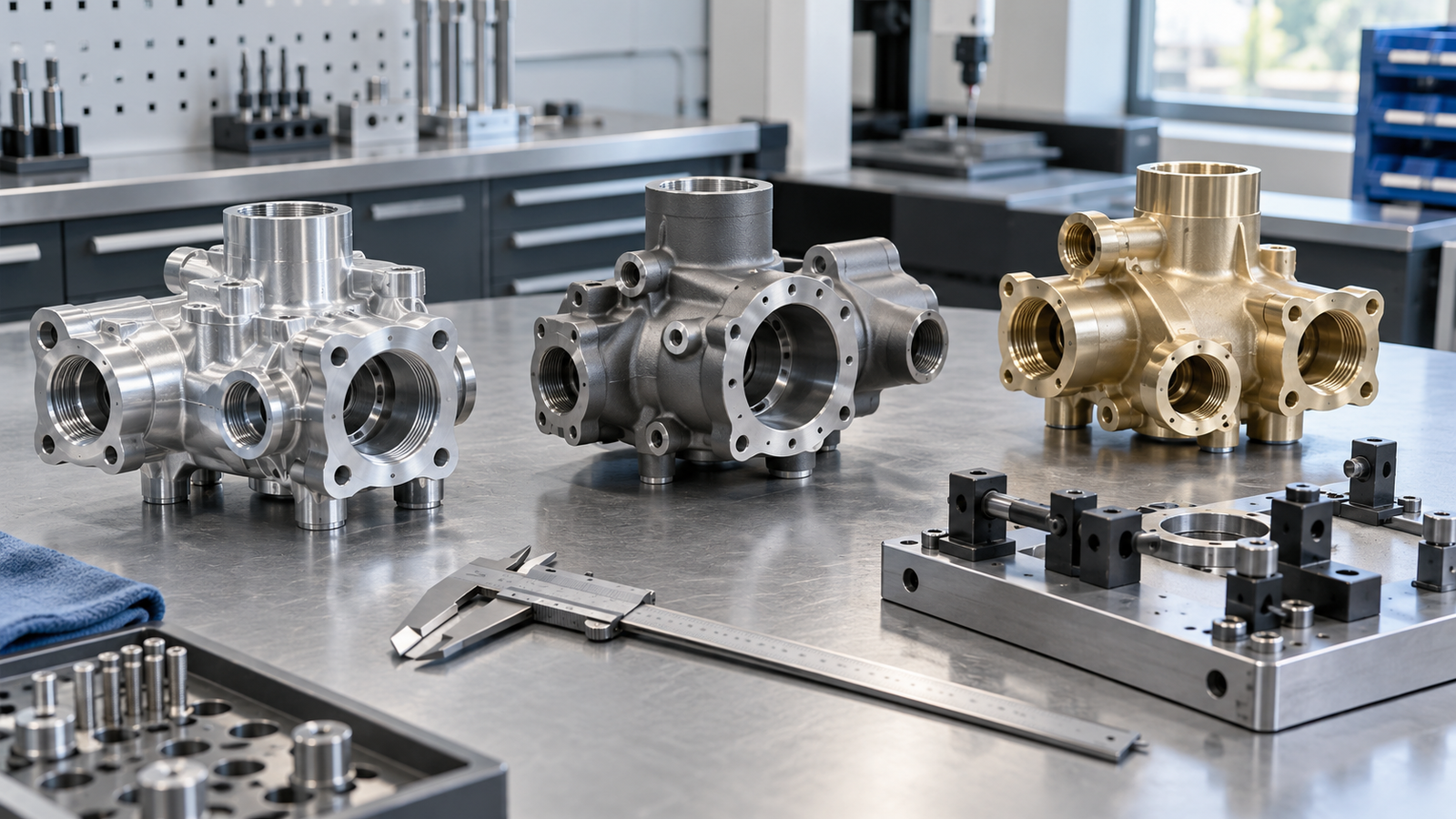
Use your defined sample scope to review assembly, process assumptions and functional evidence.
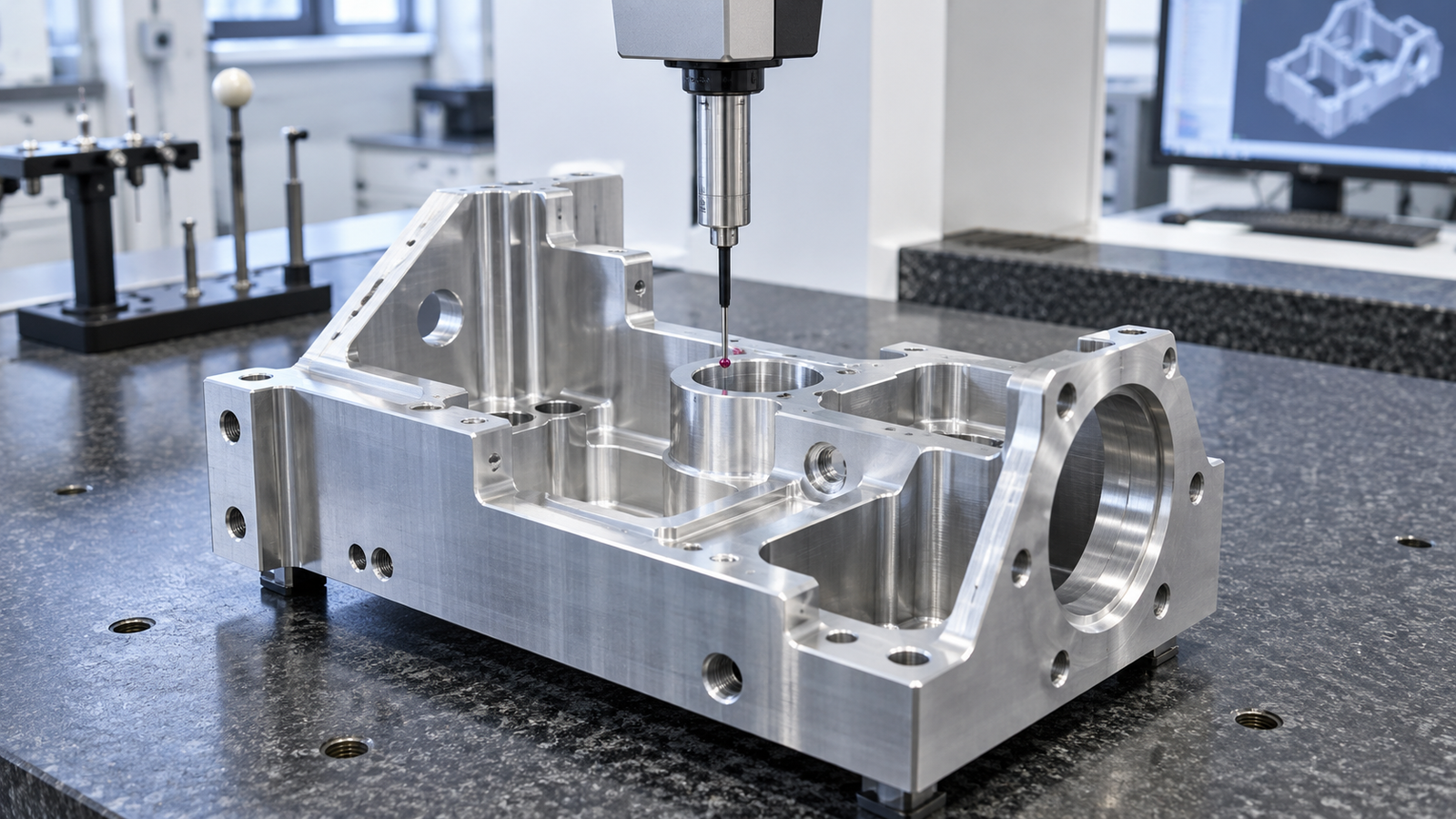
Review the agreed dimensional results and open issues before you approve repeat-build inputs.
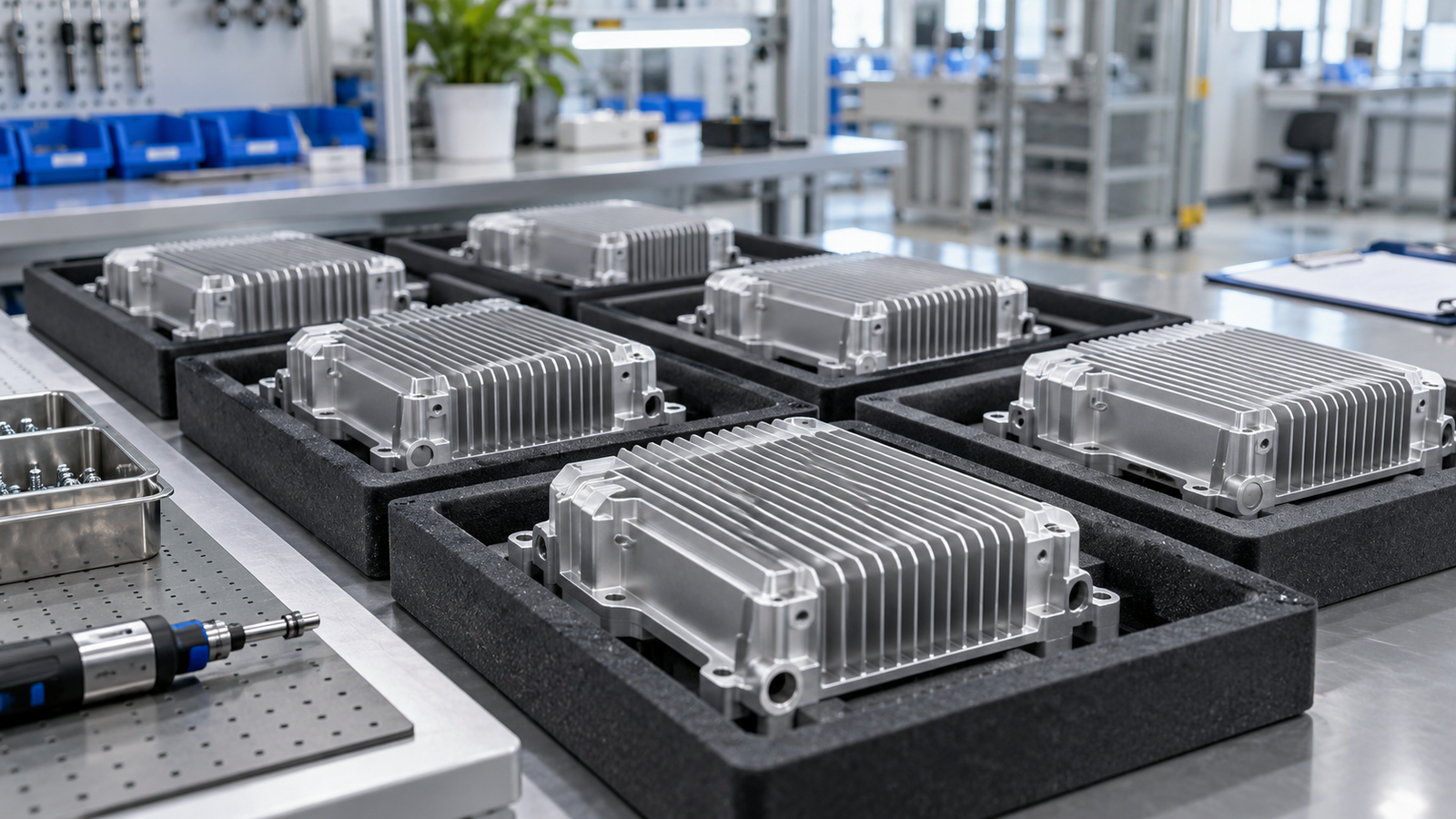
Build to your approved revision, retain lot identity and apply the agreed inspection plan.
Illustrative development concepts; these photographs do not identify actual customer parts or a single project.
Agree the documentation scope before production. Availability and format depend on the part, process and agreed order requirements.
Checks for agreed critical dimensions and inspection methods.
Discuss FAI or customer-specific records when required.
Agree certificates and traceability needs for your order.
Keep the approved drawing linked to the inspected build.
Define any tests, acceptance criteria and reporting format.
Share available information and identify anything still undecided.
Share the current model and explain what is missing. Identify assumptions and open requirements before a final quotation or release.
Compare geometry, material, quantity, functional needs and validation purpose. One process is not automatically right for every stage.
Move after the agreed prototype checks are complete and drawing, material, process and acceptance criteria are approved.
Only to the extent that its material, process and test conditions represent the intended production part. Record differences before interpreting results.
Discuss the required characteristics, report format and evidence scope before ordering; requirements vary by program.
Images on this page are illustrative development concepts, not actual customer parts or documentary factory photographs.