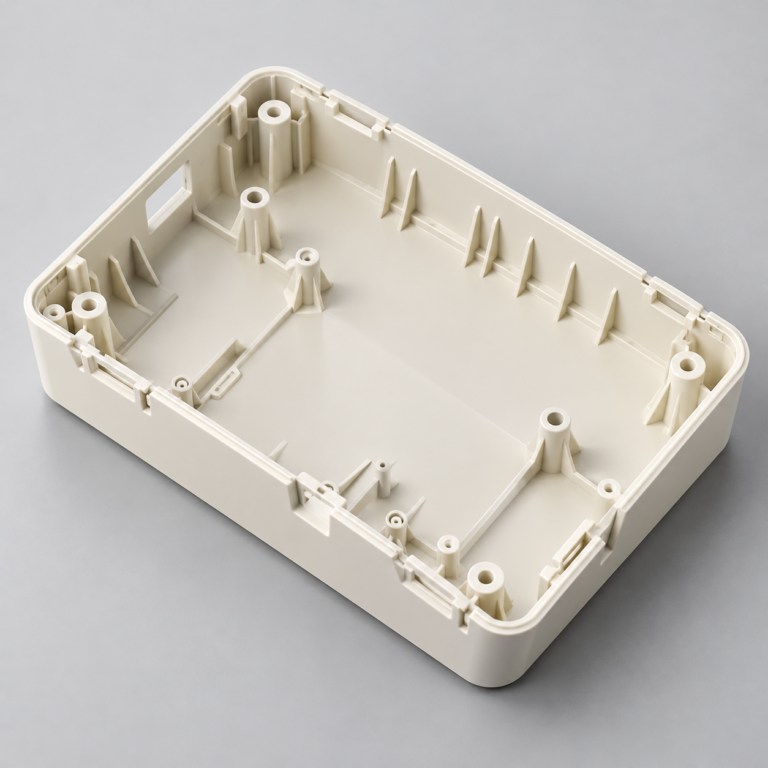
Injection Molding
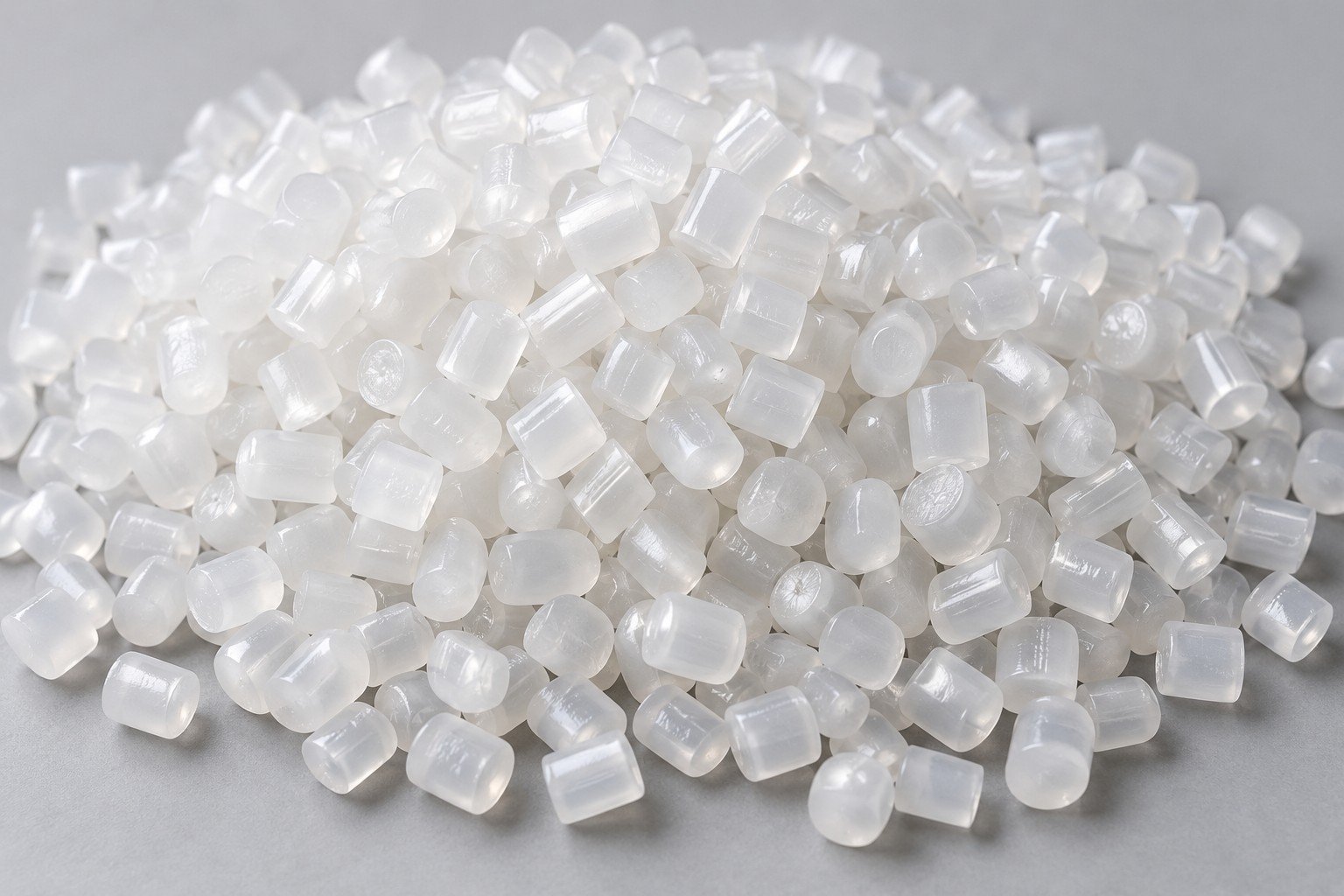
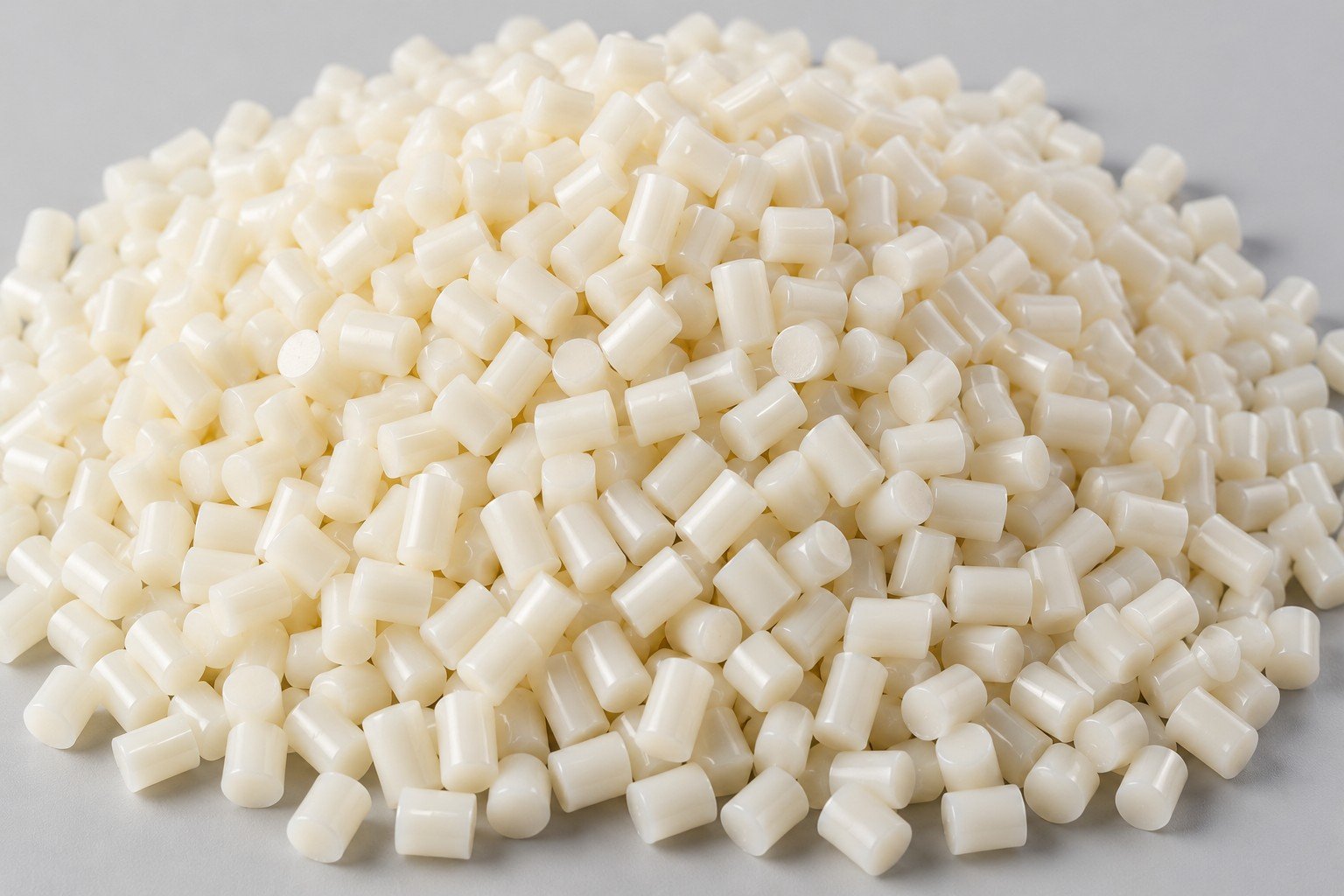
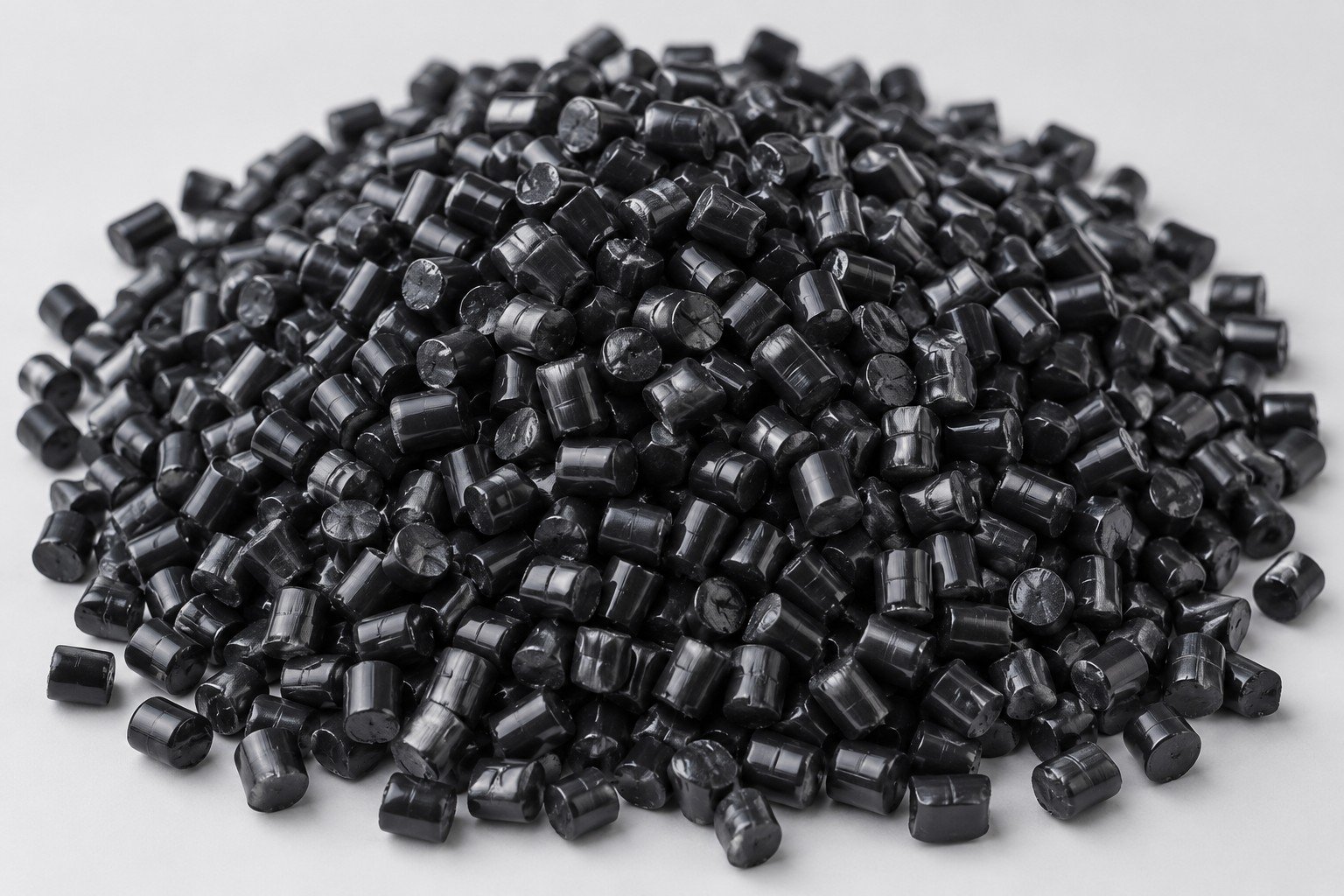
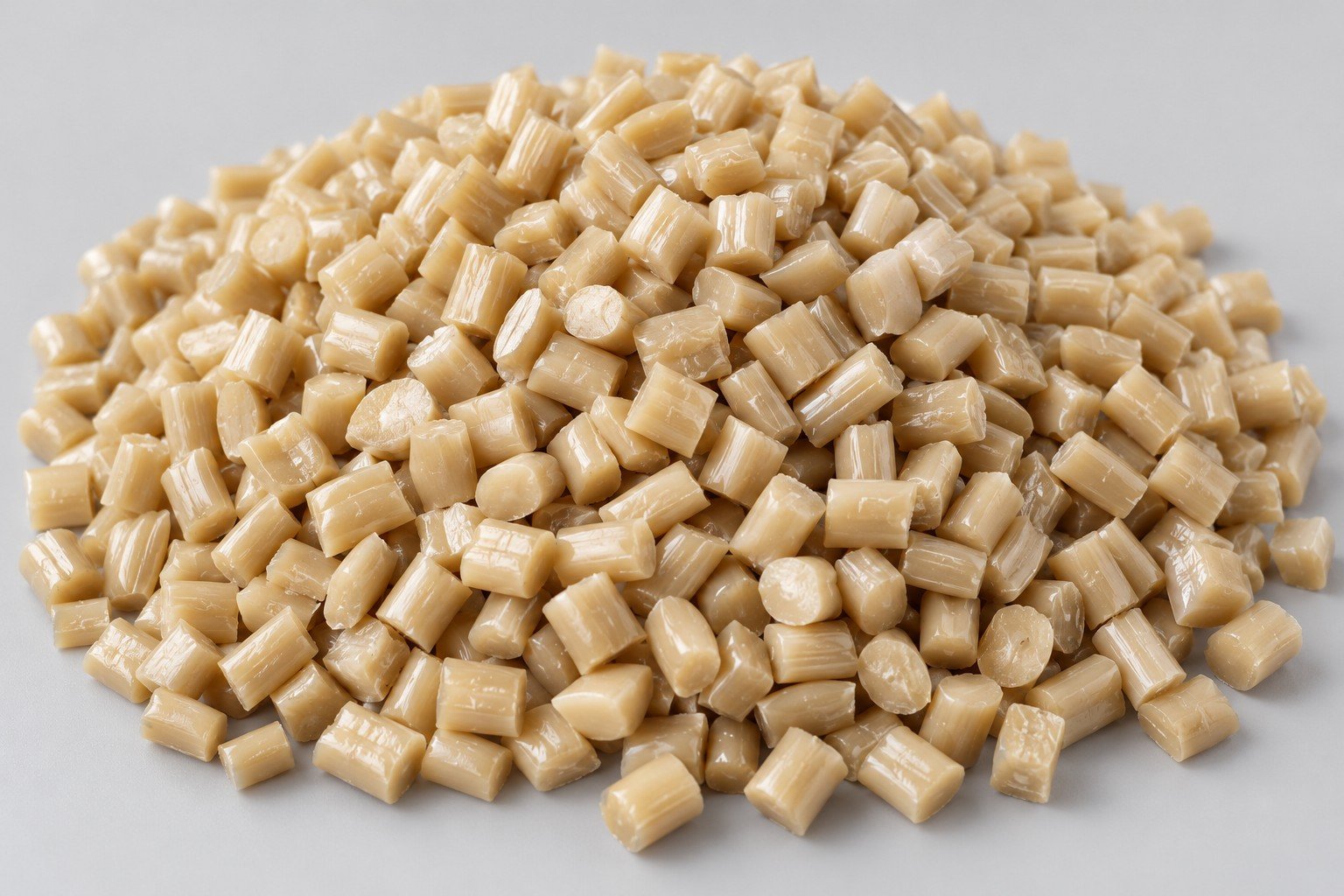
Tooling and molding for your repeat plastic parts.
From prototype to production, coordinated manufacturing solutions for your custom parts.
View All Services →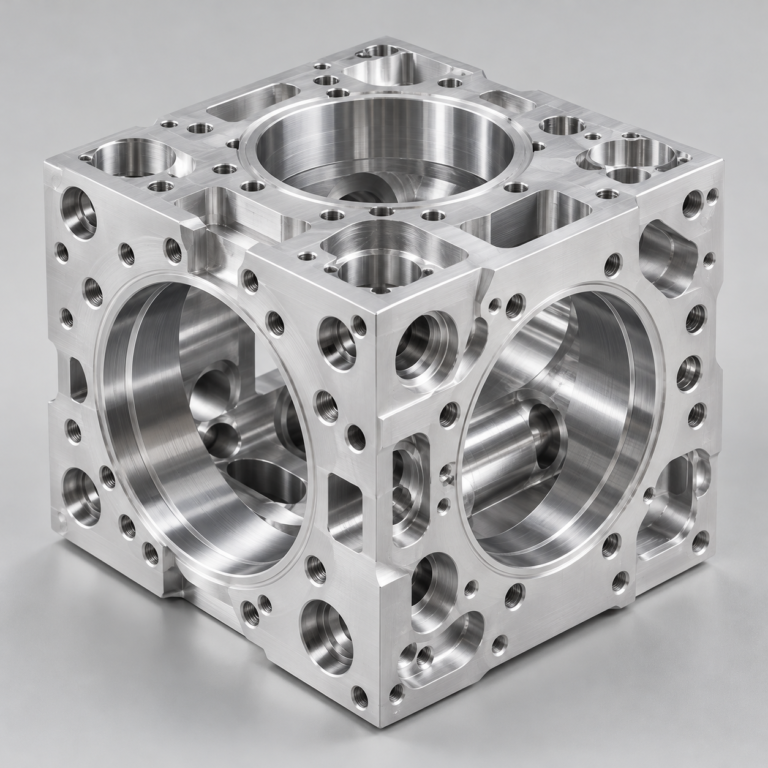
Precision parts for your tight tolerances and complex geometry.
Tooling and molding for your repeat plastic parts.
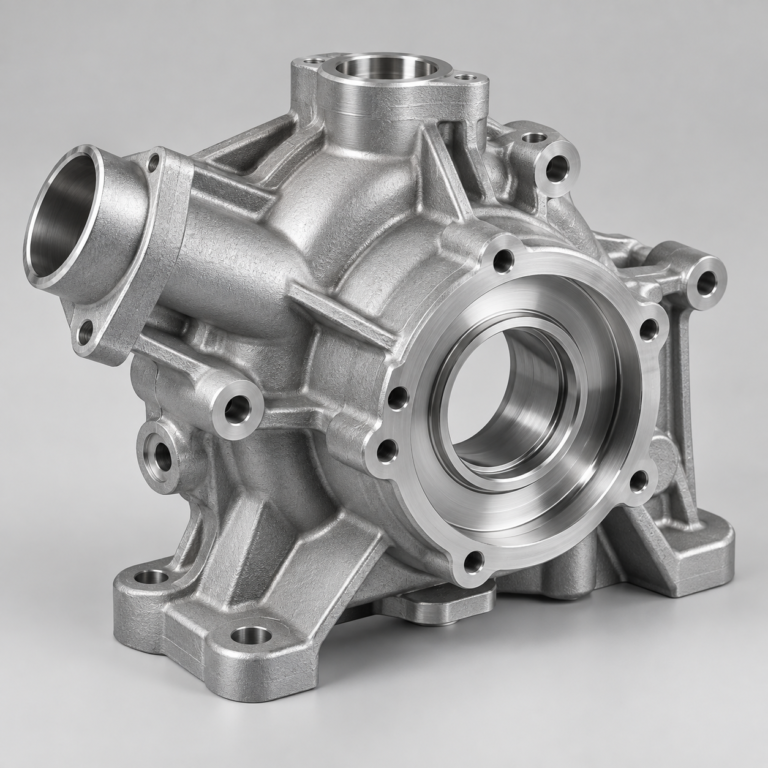
Metal casting options for your part and production volume.
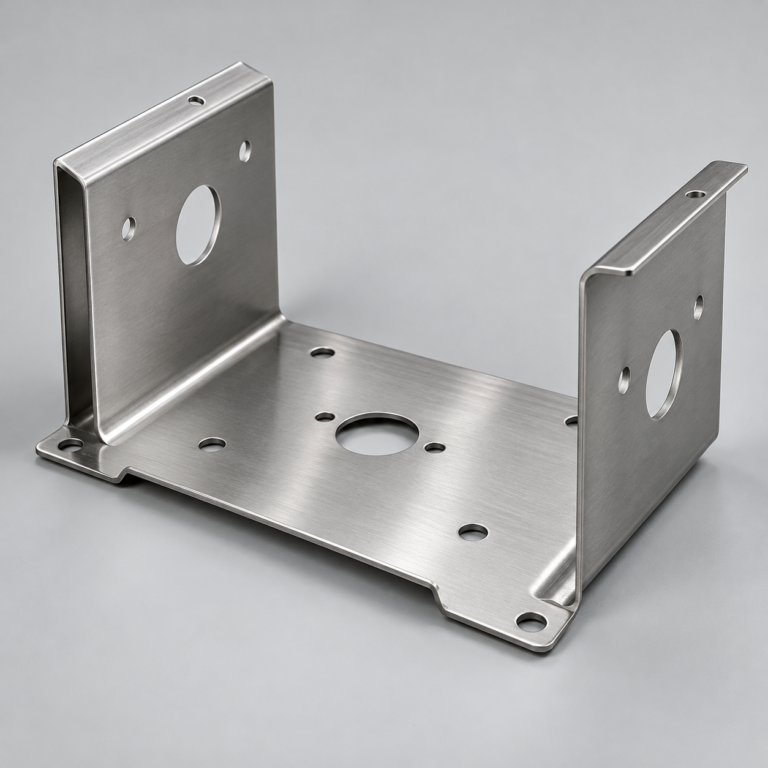
Cutting, forming and welding for your fabricated parts.
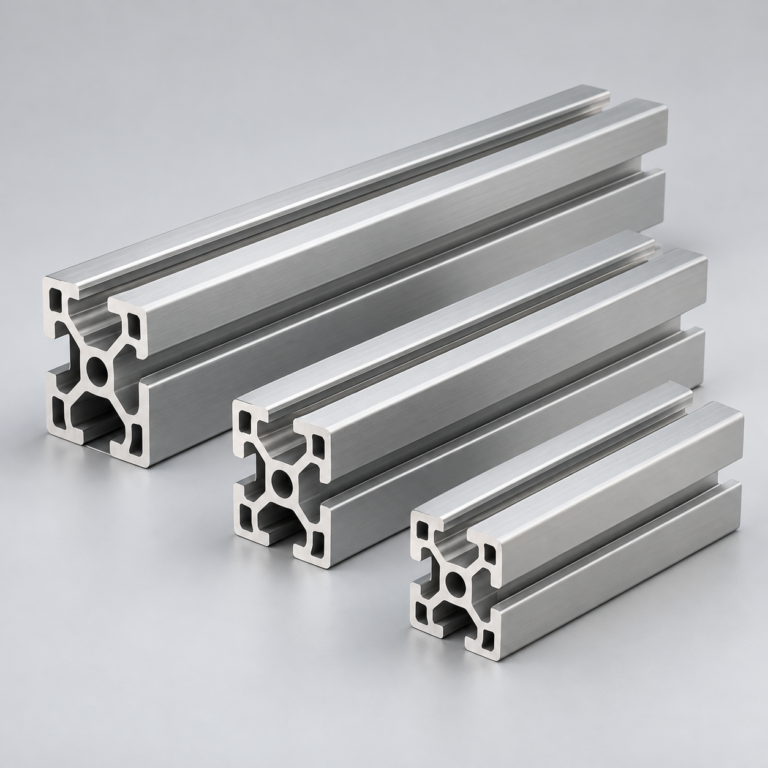
Custom profiles for your section, length and finish requirements.
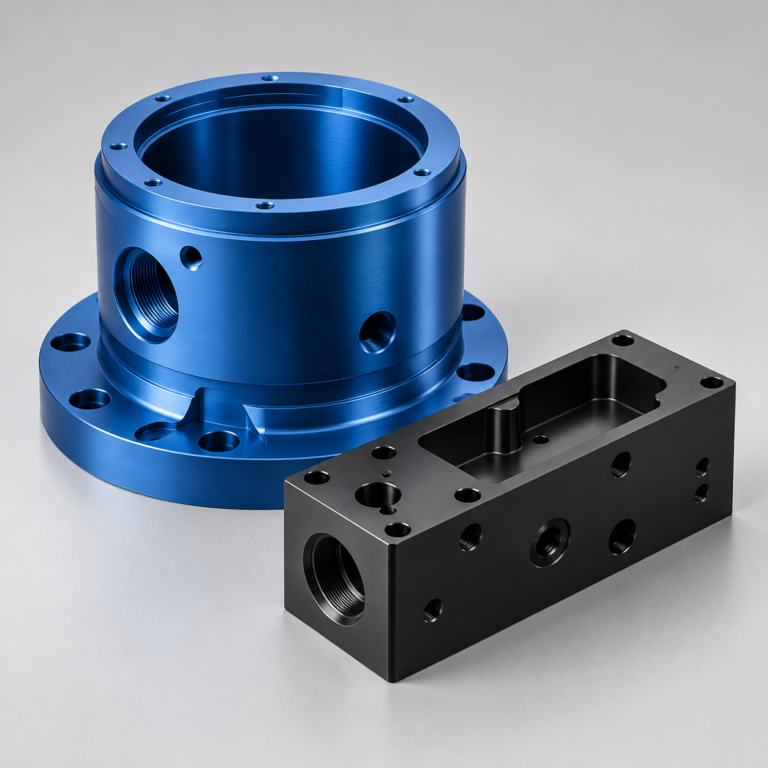
Finishes for your appearance, corrosion and wear requirements.
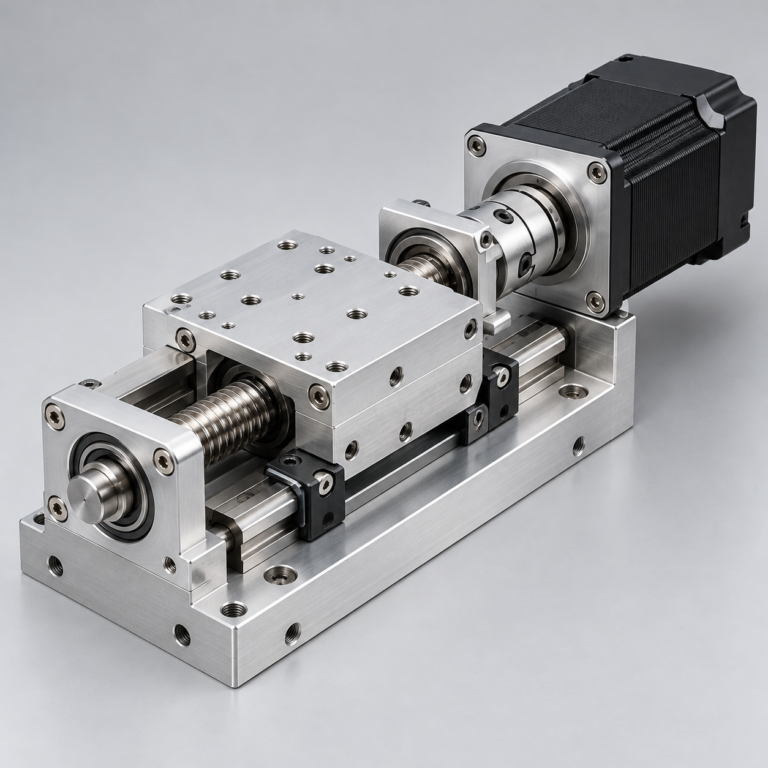
Sub-assemblies and final builds for your production program.
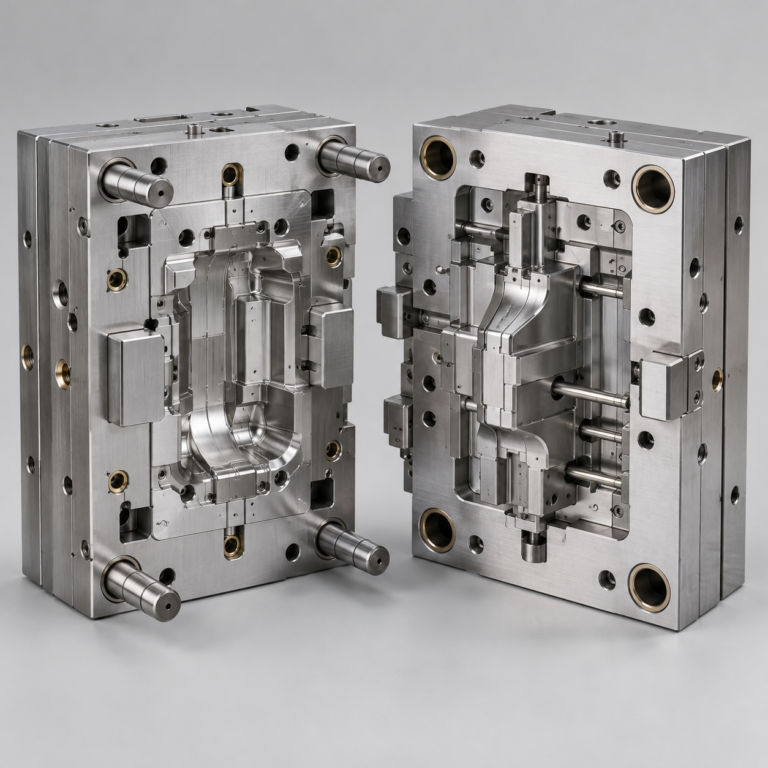
Production tooling built around your process and volume.
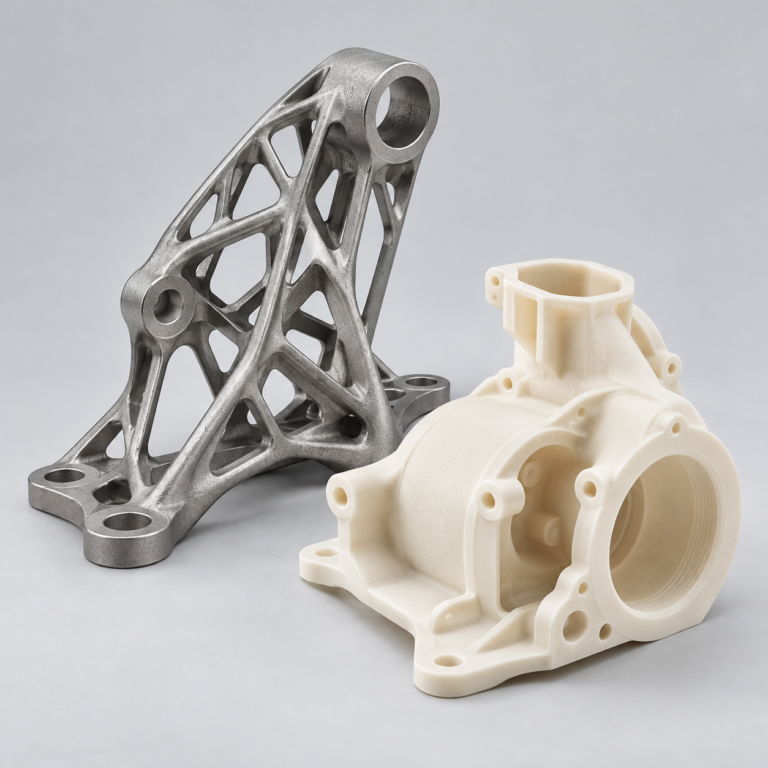
Prototype parts to check fit, function and design.
DFM, process planning and production support for your project.
Inspection, documentation, inventory and delivery planning for your program.
Choose air- or liquid-cooling components around your thermal and mechanical requirements.
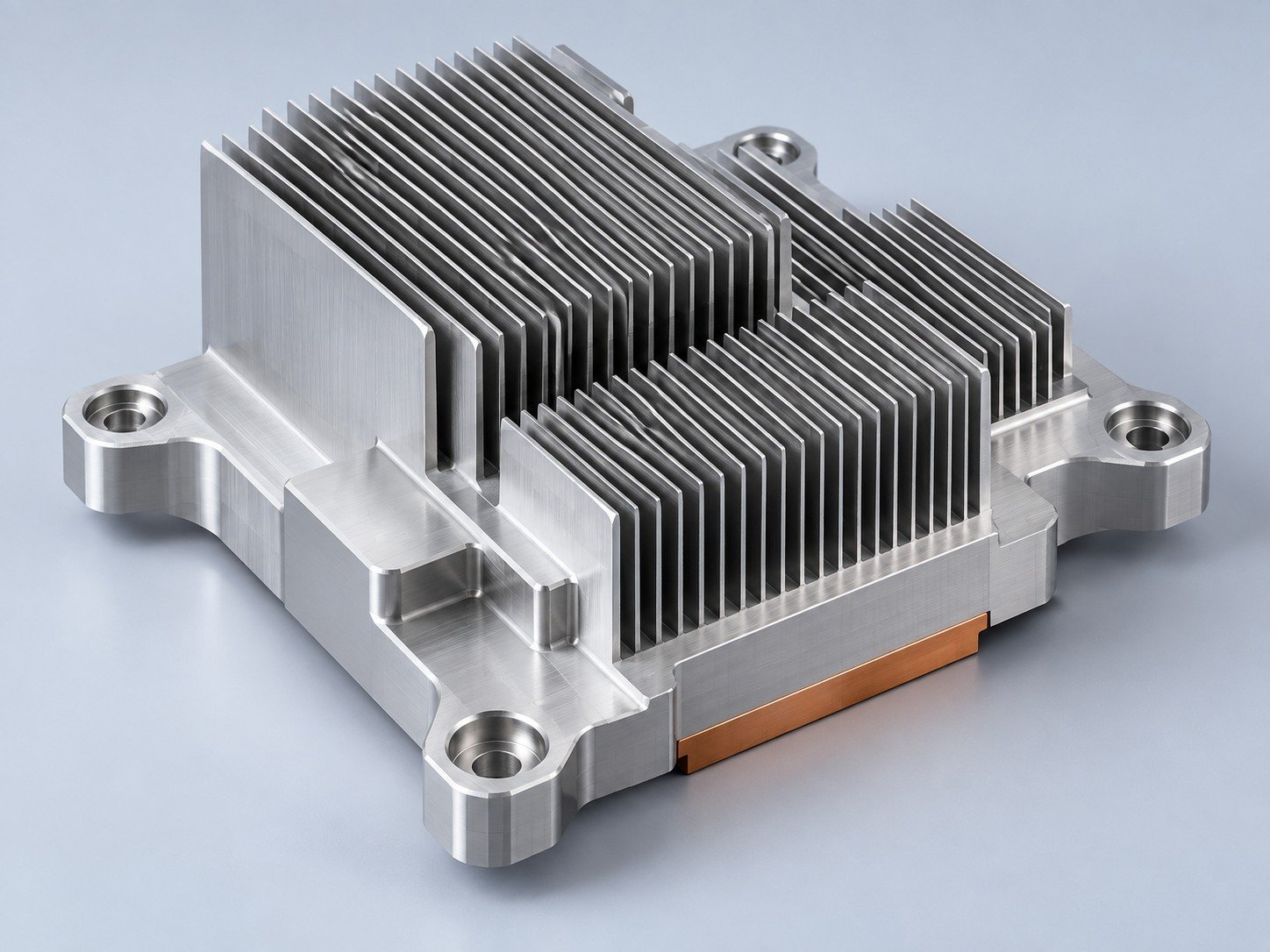
Manufacturing support for your cold plates, manifolds and cooling assemblies.
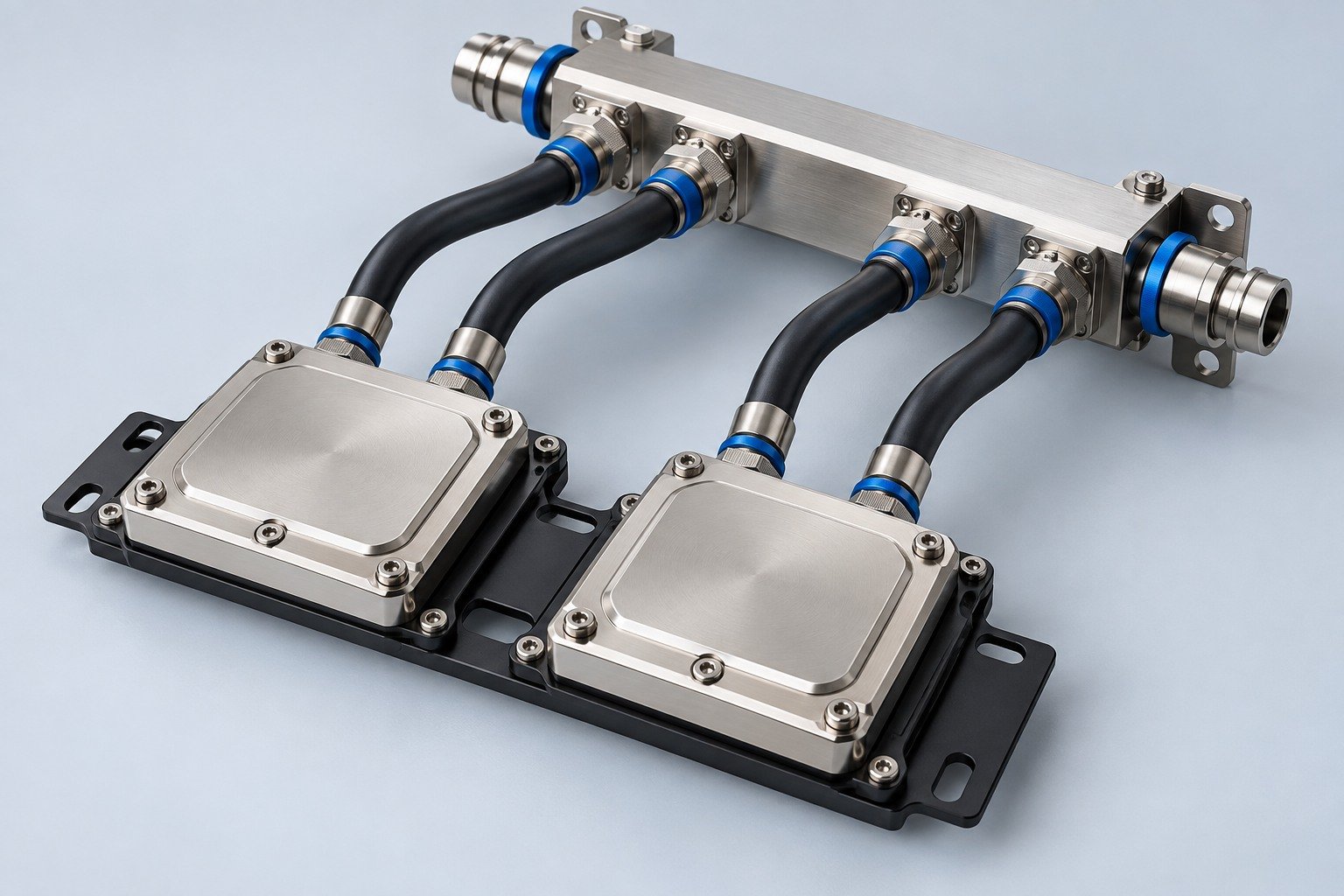
Find components for your power electronics, energy, laser and telecom application.
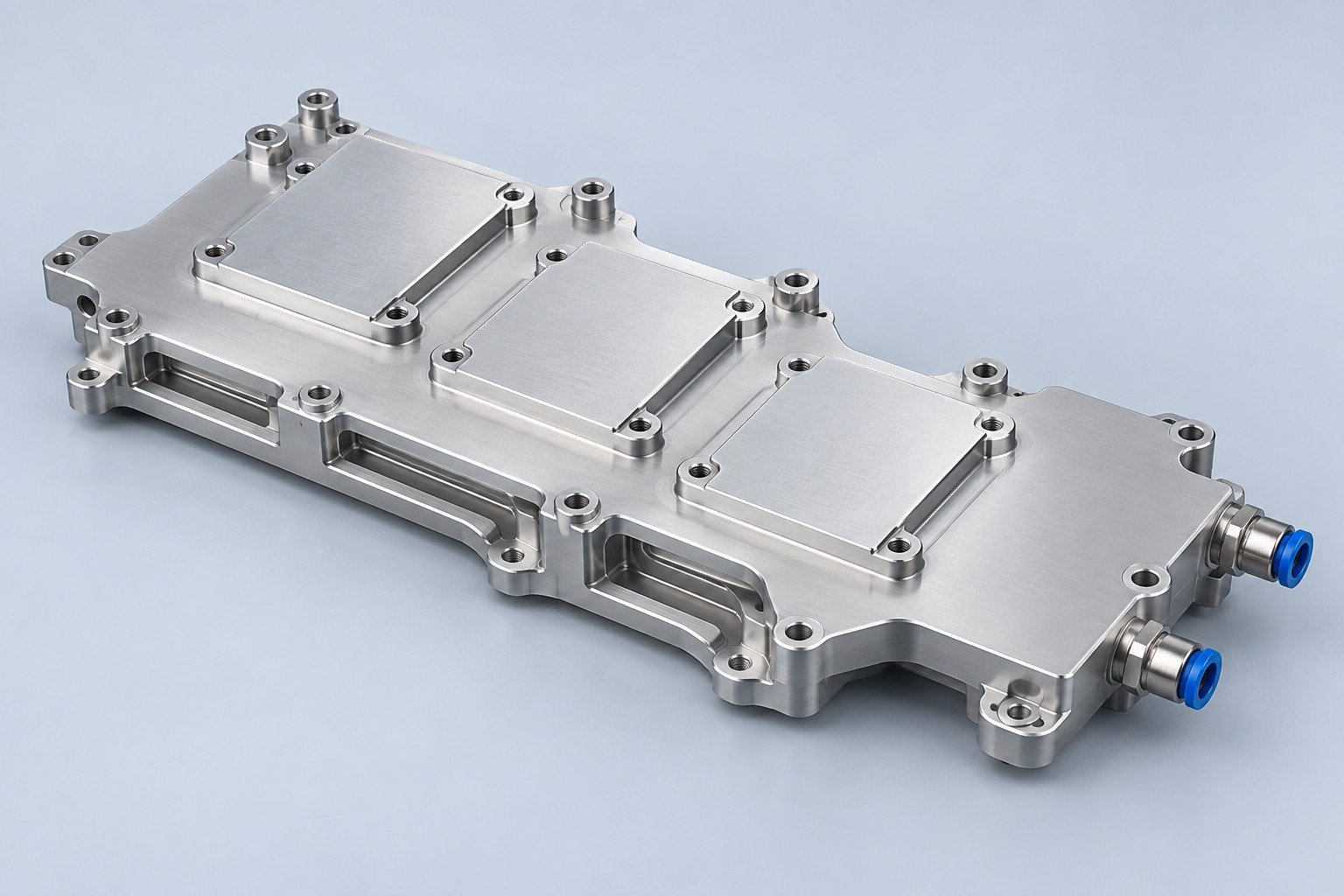
Components for your electronic systems.
Start with your functional and quality requirements.
Build around your operating environment.
From prototype to production, review material performance, manufacturability and cost for your part.
Review grade, temper and finish for your metal parts.
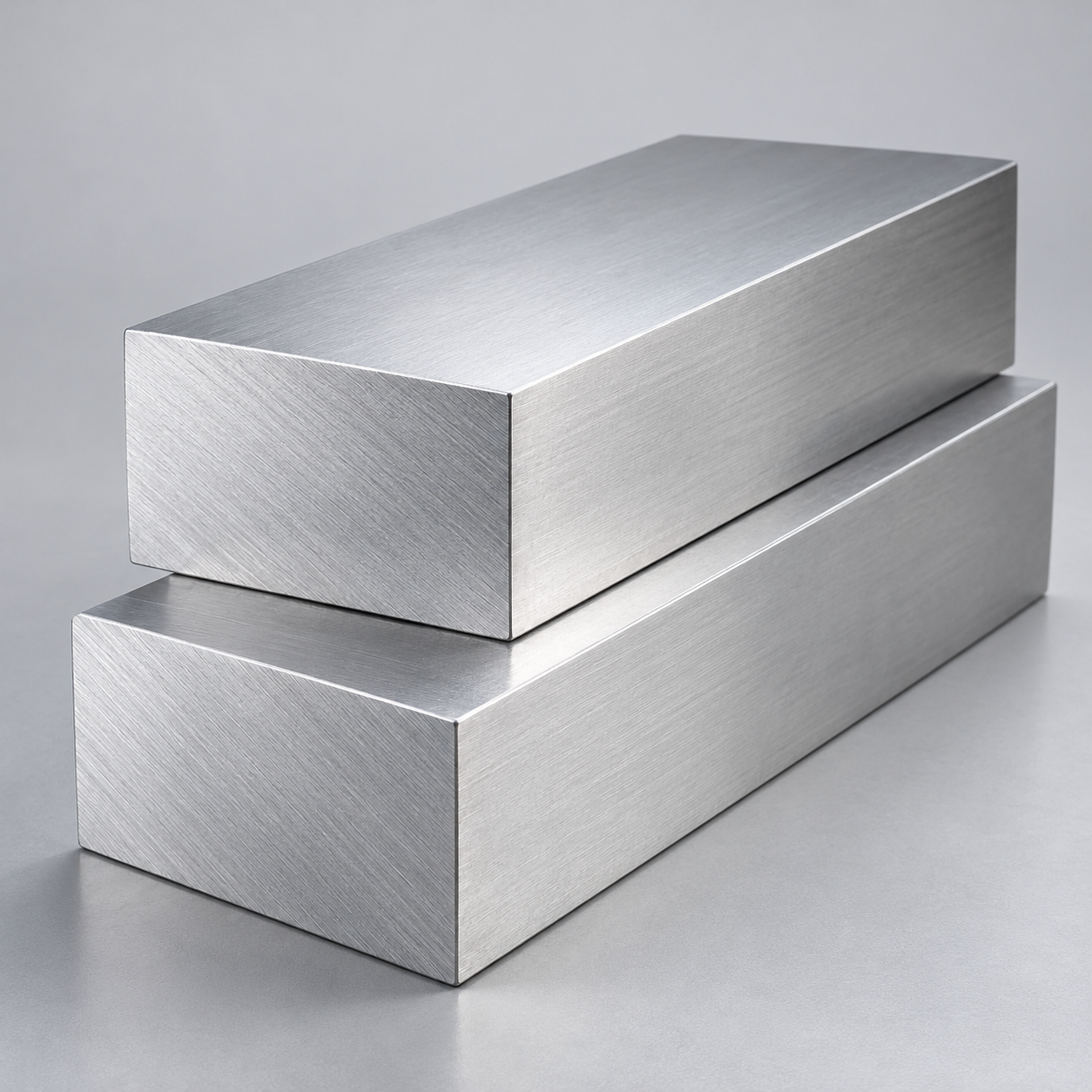 AluminumStrength, weight and machining›
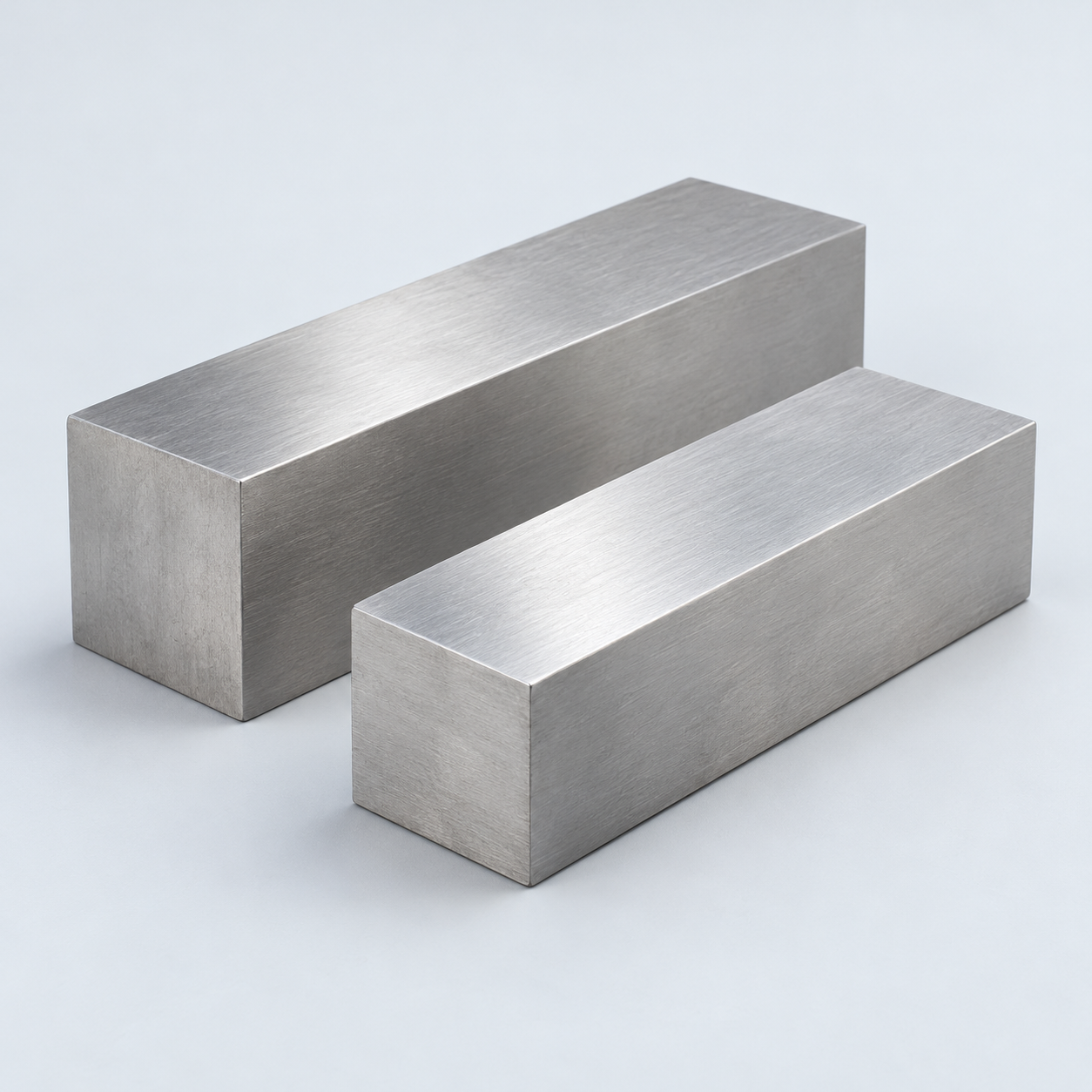 Stainless SteelCorrosion and finish requirements›
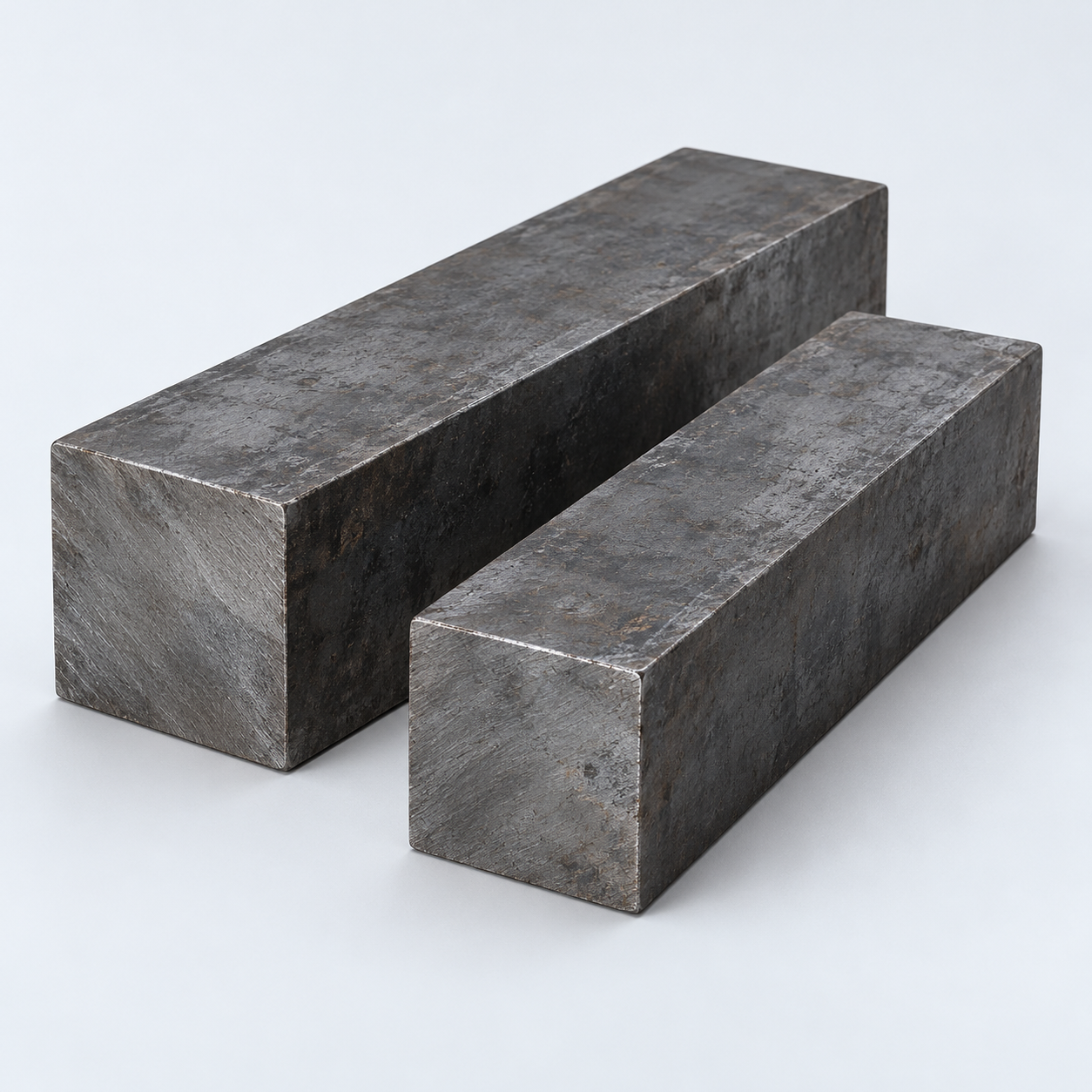 Carbon & Alloy SteelDiscuss grade and heat treatment›
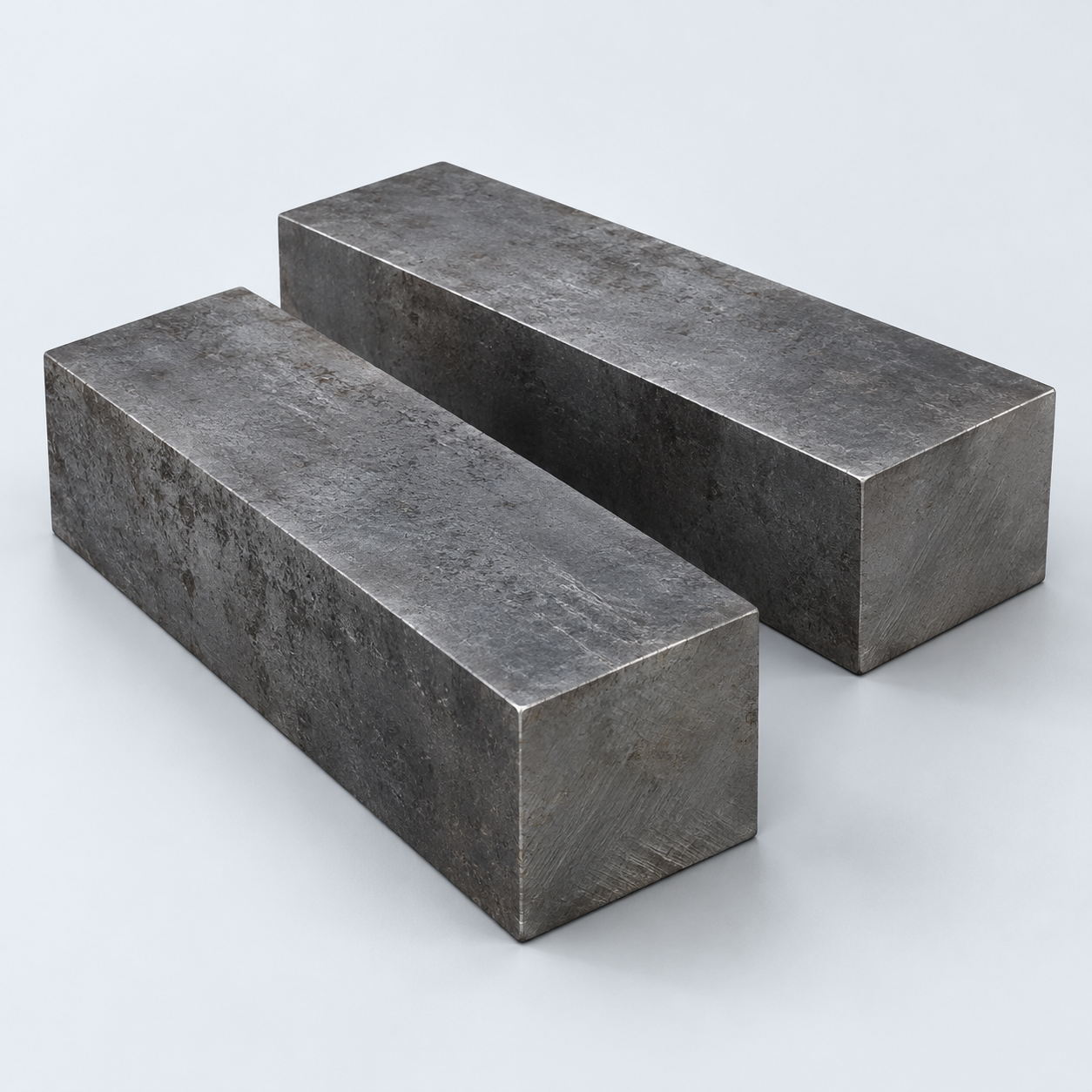 Tool SteelDiscuss tooling and wear needs›
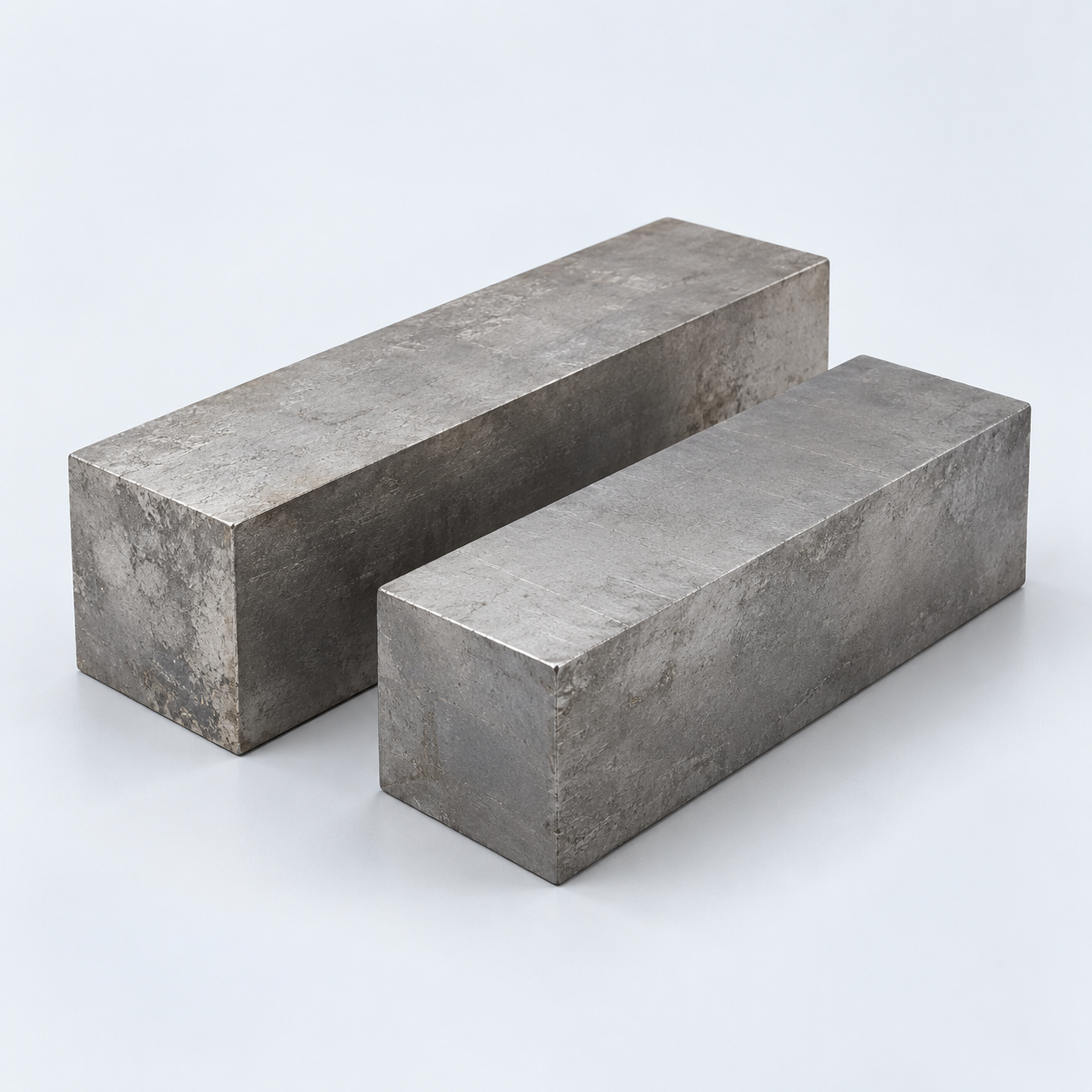 TitaniumReview grade and part geometry›
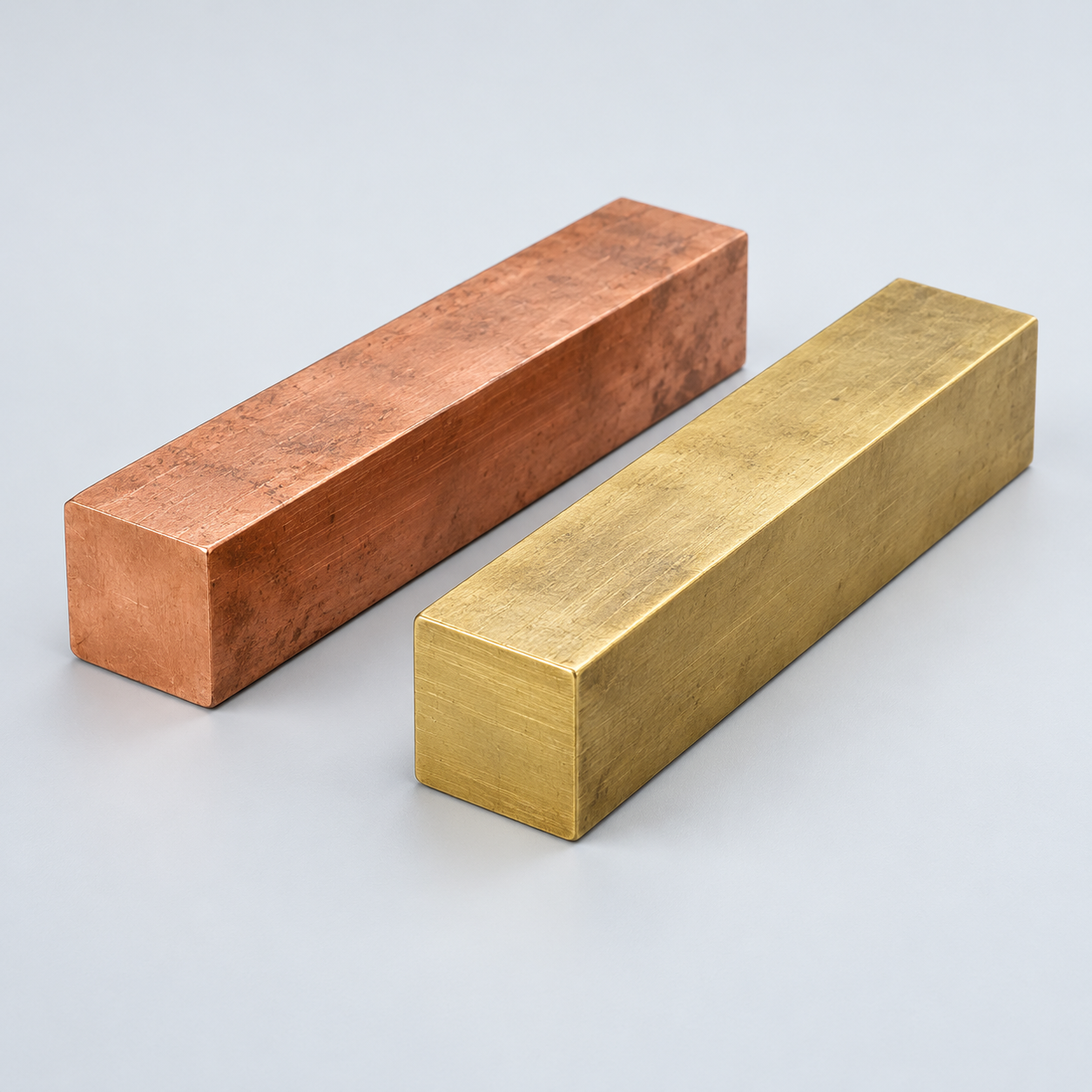 Copper & Brass & BronzeDiscuss conductivity and machining›
Match your polymer to function, process and environment.
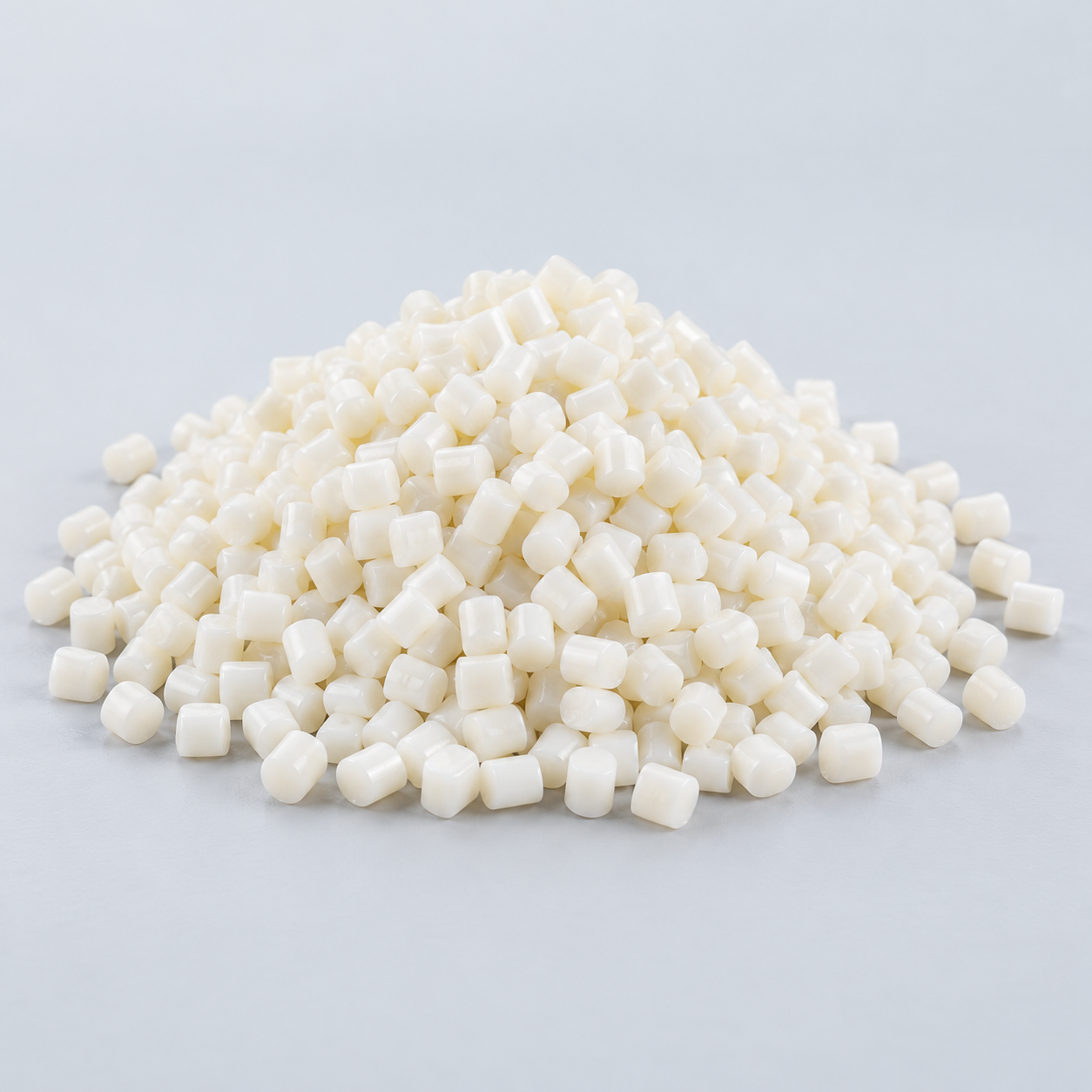 ABSReview enclosure and molding needs›
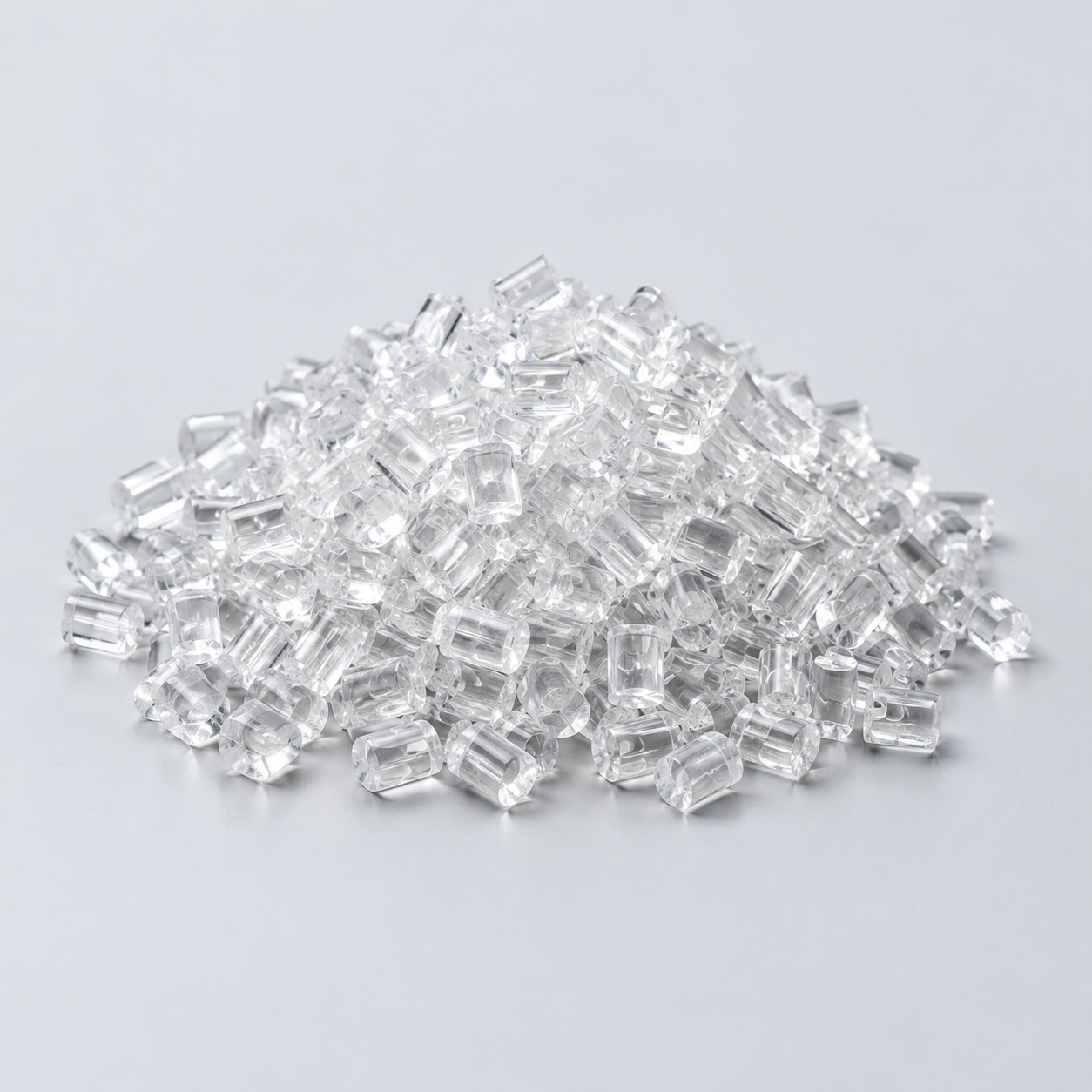 Polycarbonate (PC)Discuss clarity and impact needs›
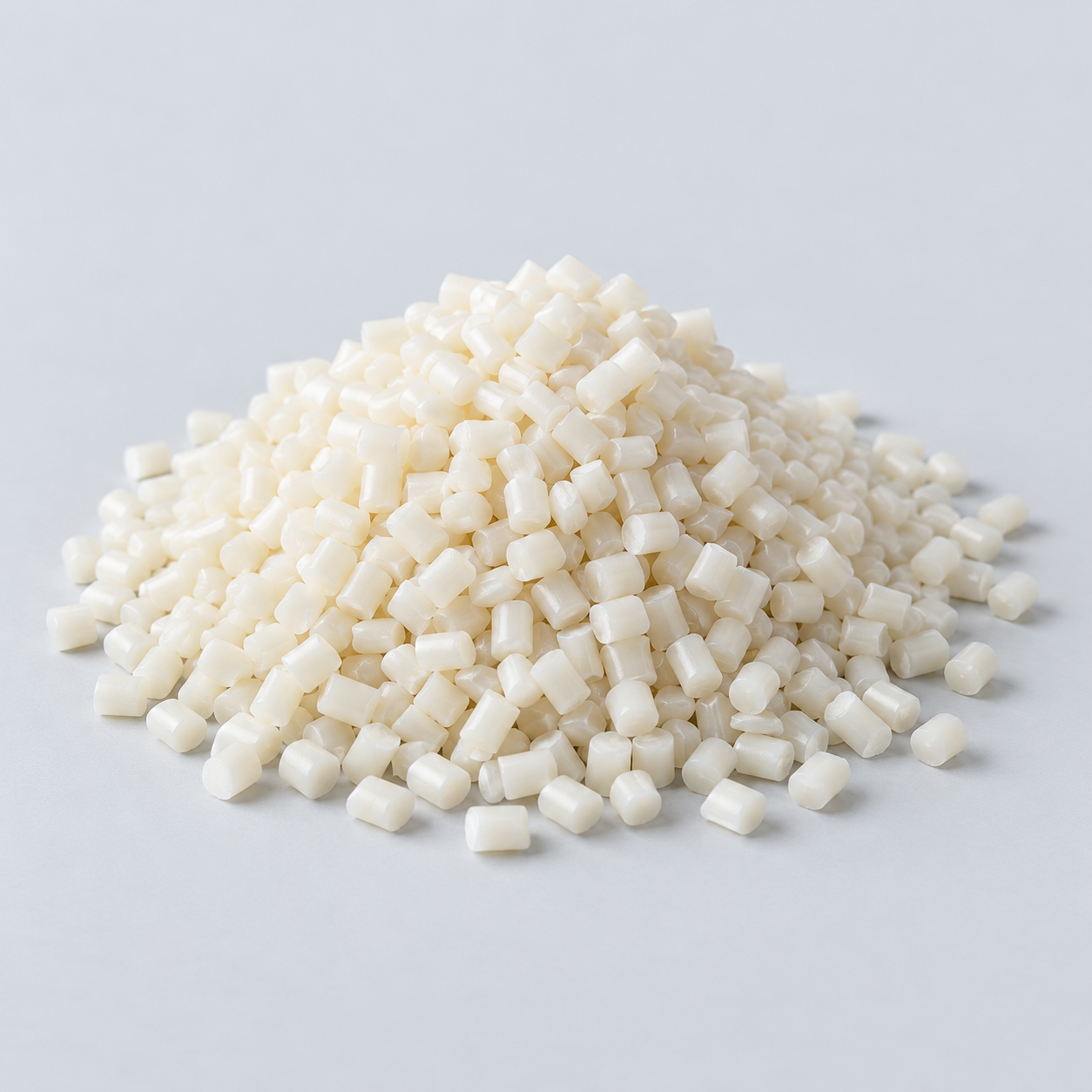 Nylon (PA)Review moisture and wear conditions›
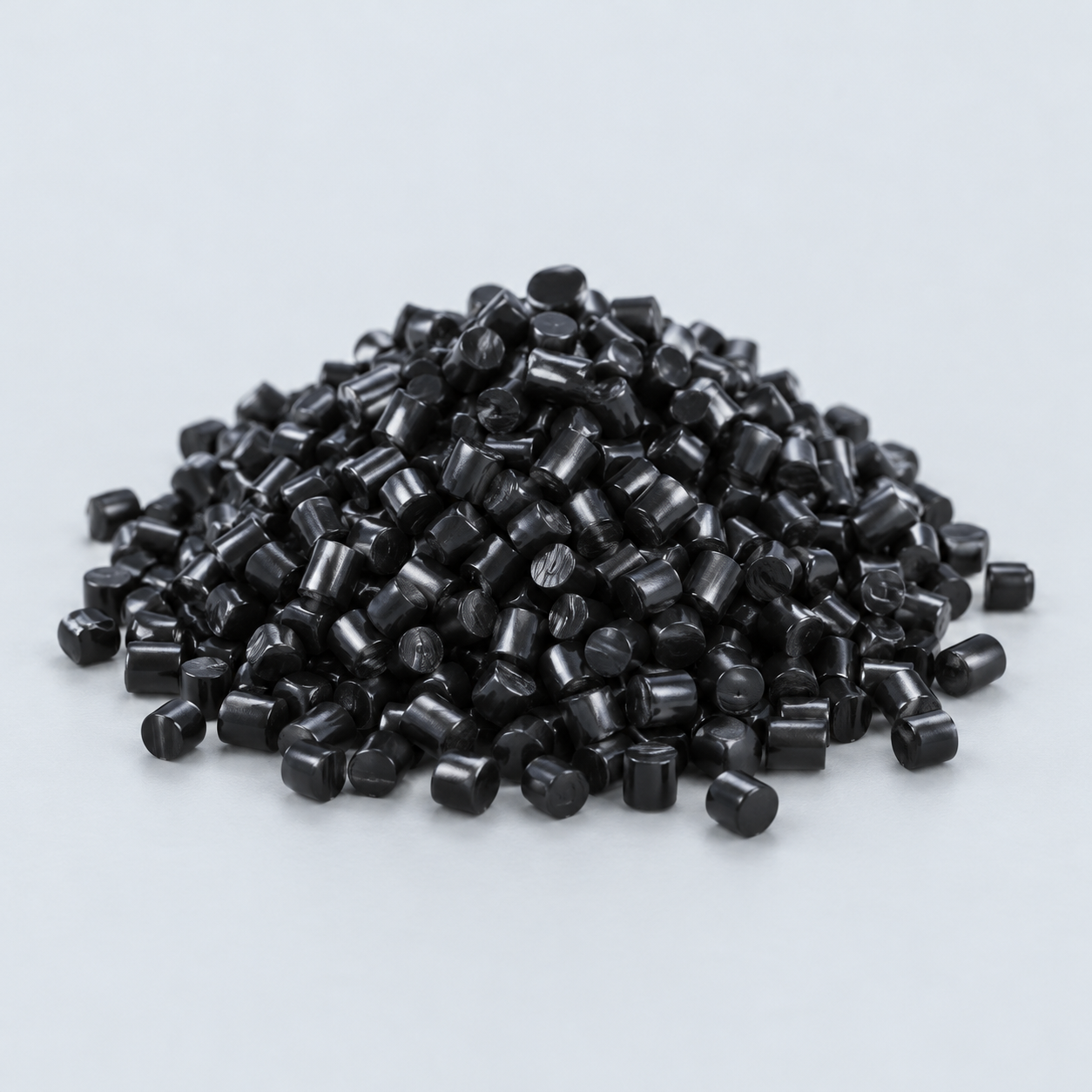 POM / AcetalReview fit and sliding features›
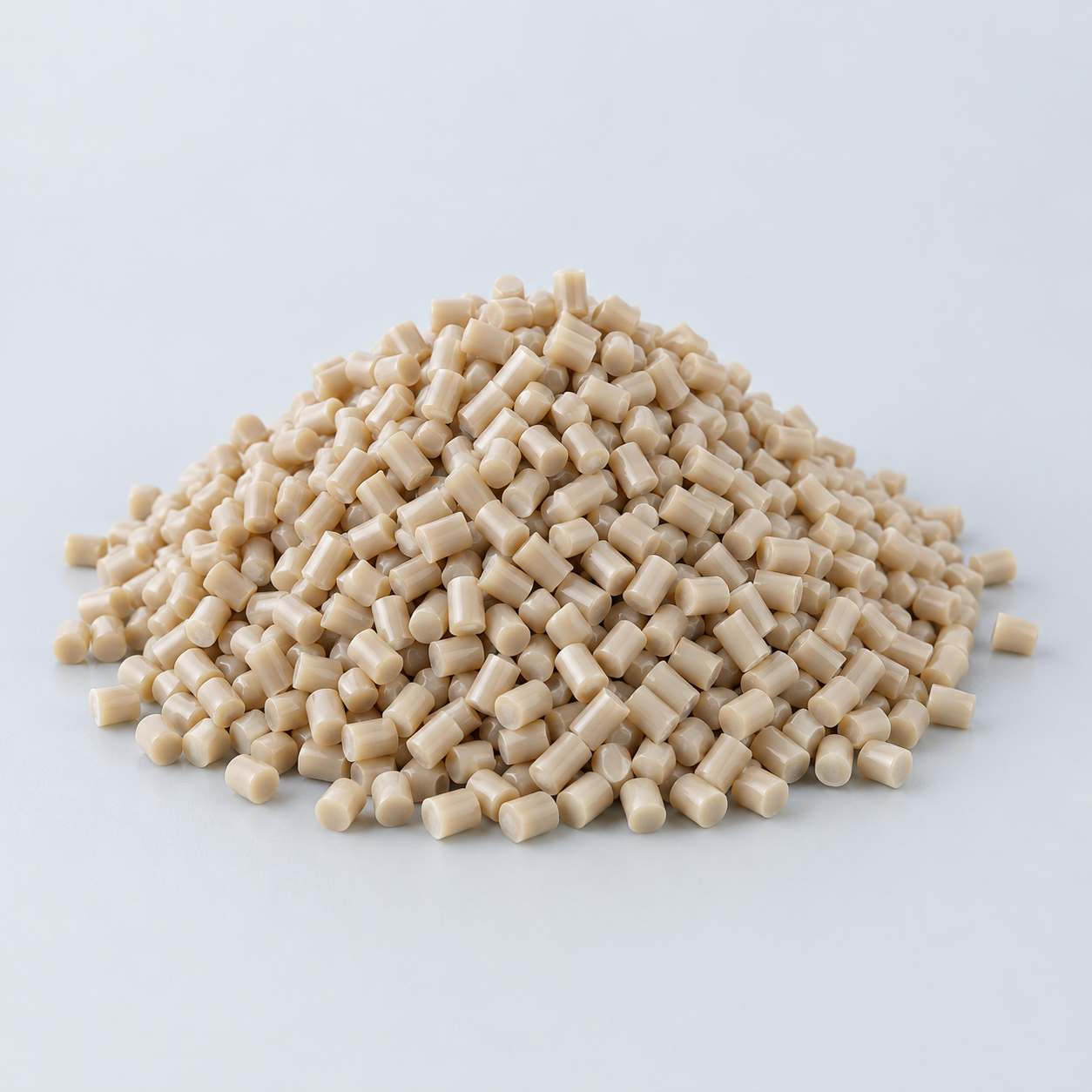 PEEKDiscuss operating conditions›
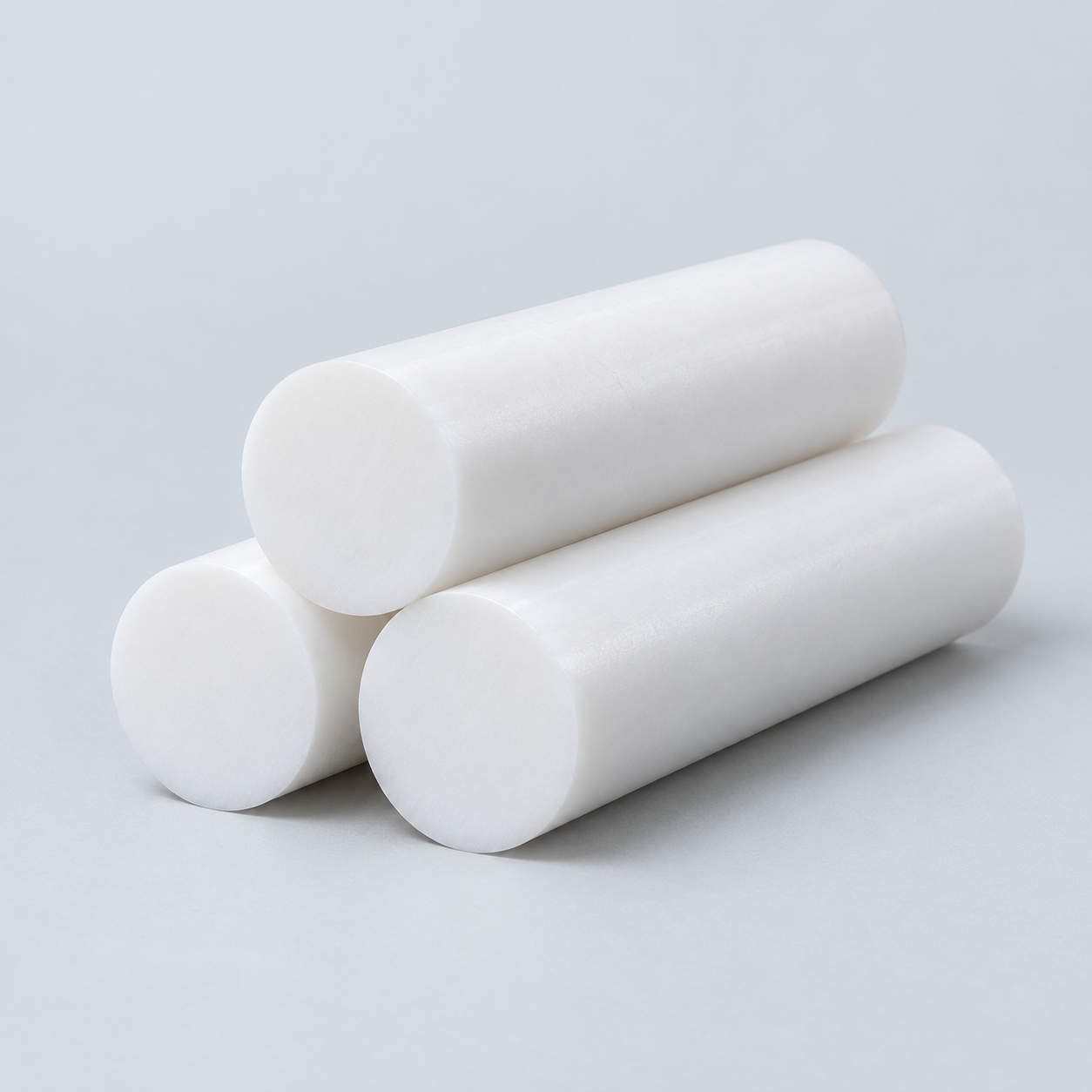 PTFEReview friction and chemical exposure›
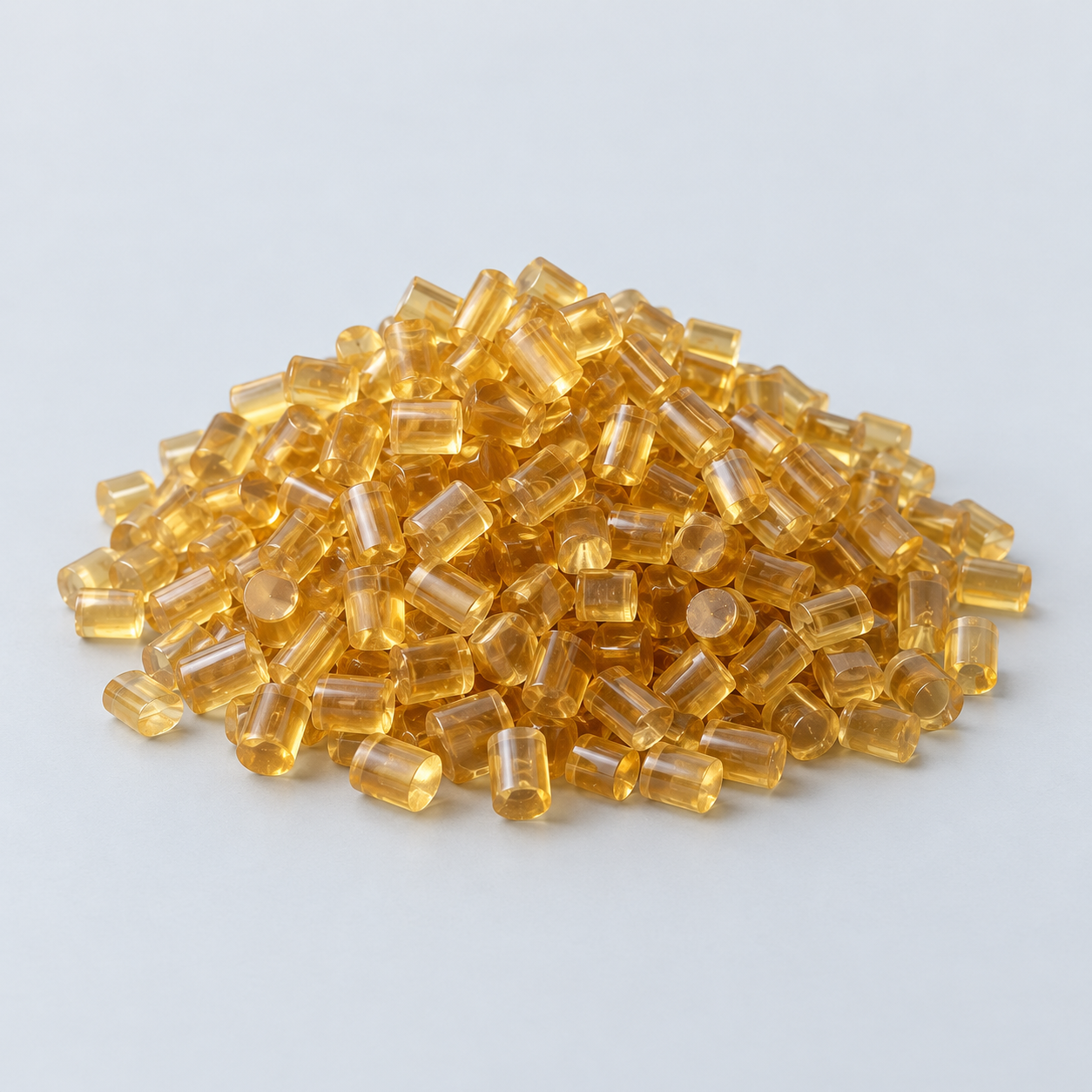 ULTEM / PEIDiscuss thermal and electrical needs›
Confirm grade availability and application requirements.
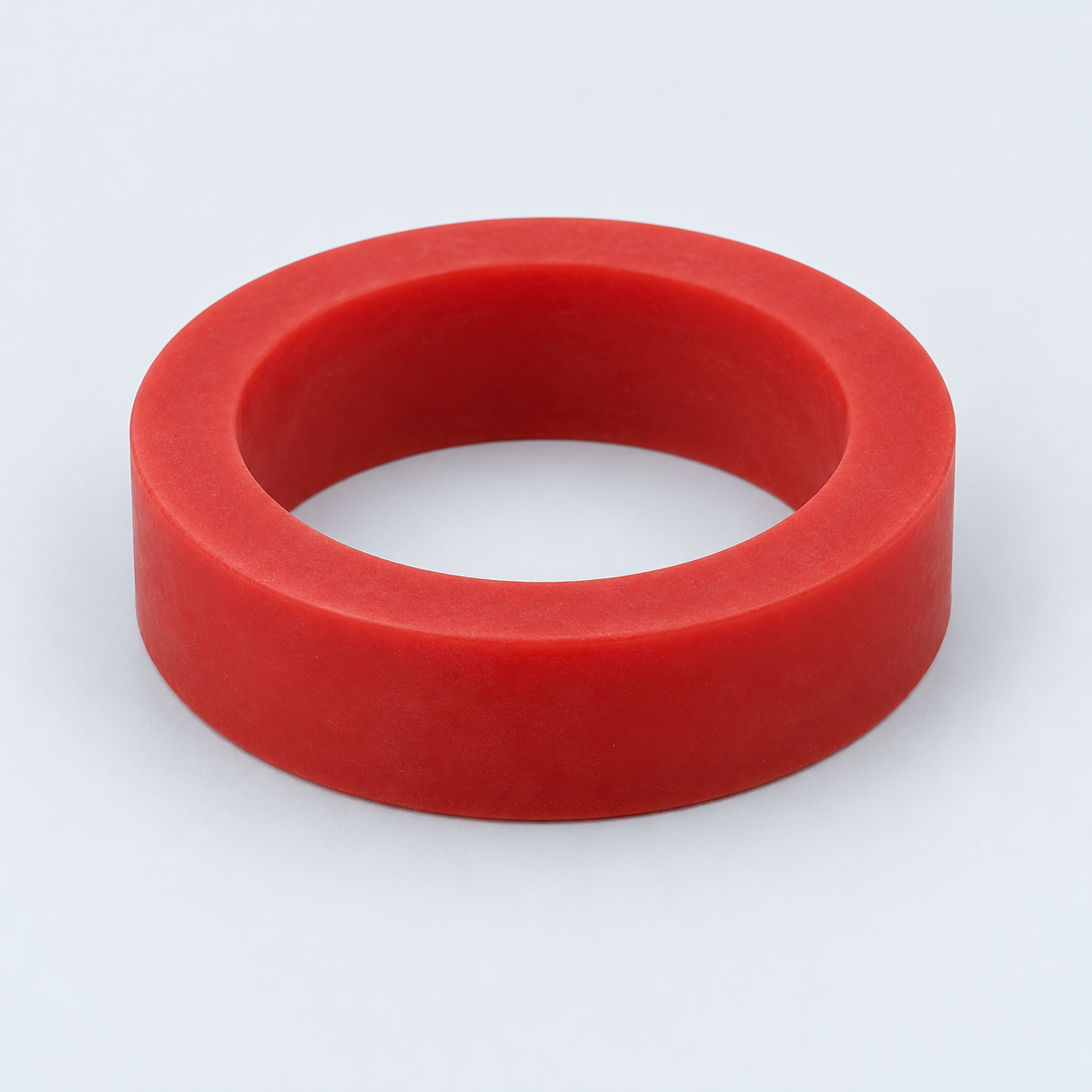 Silicone / LSRDiscuss flexible component needs›
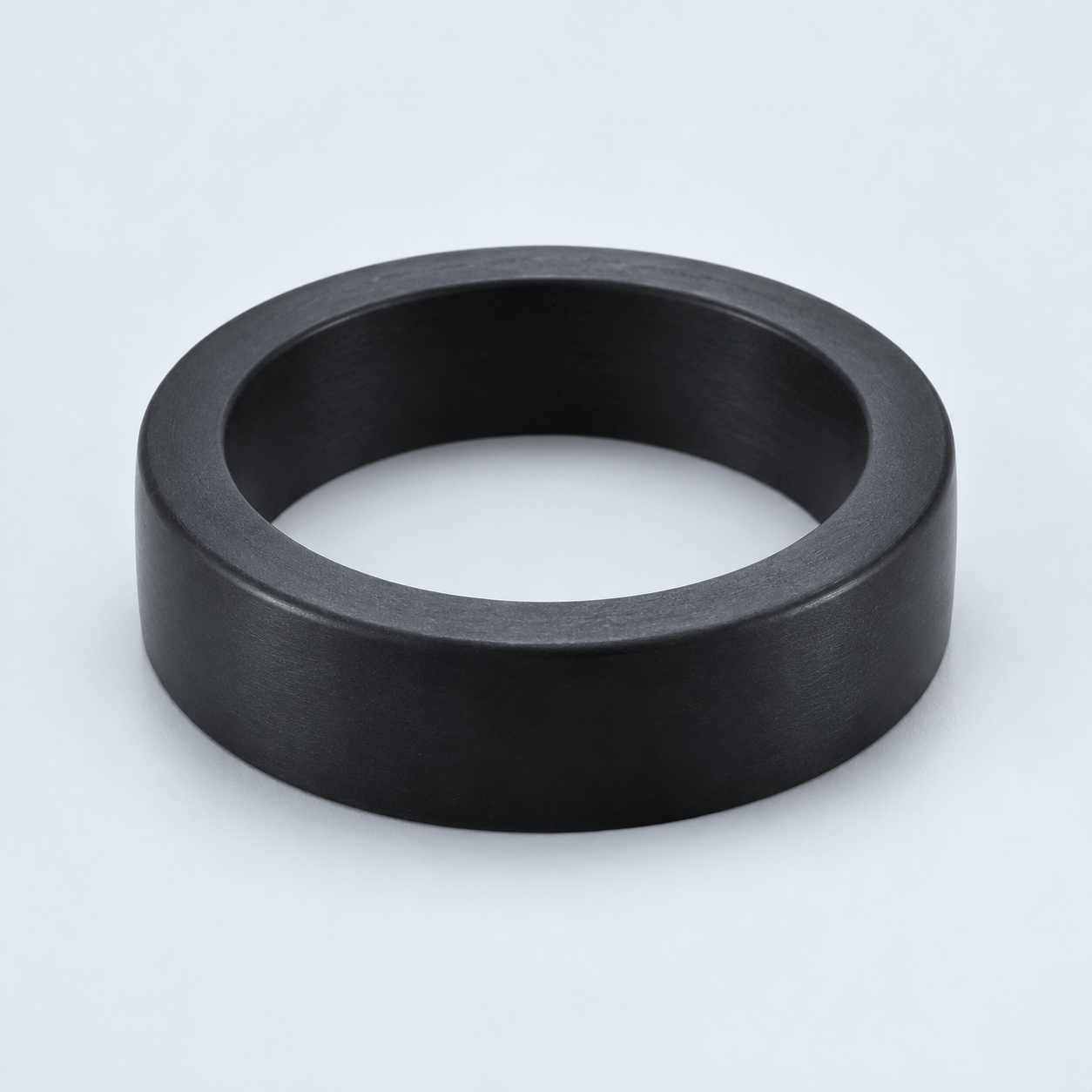 TPU / TPEReview flexibility and processing›
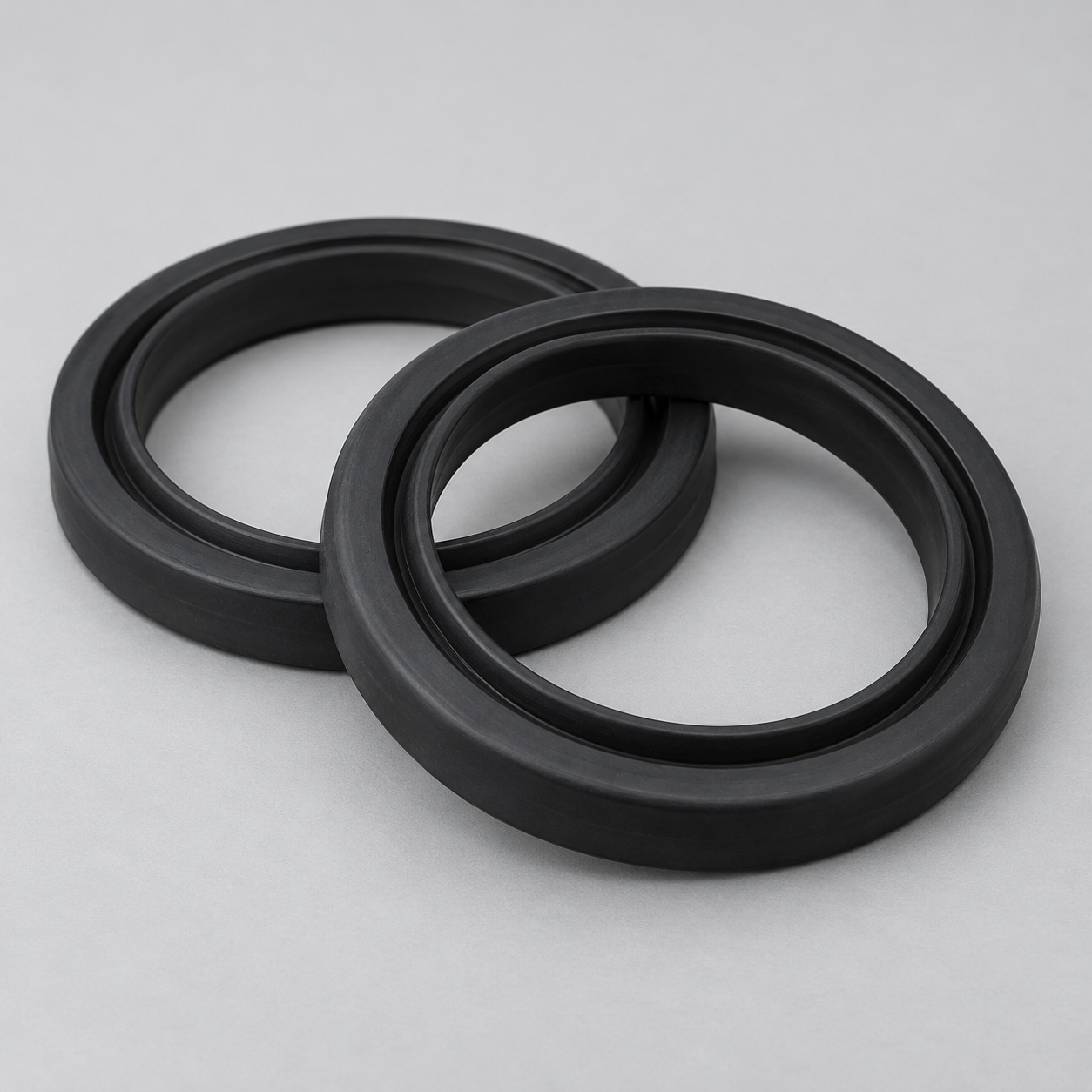 EPDMReview weathering and chemical exposure.›
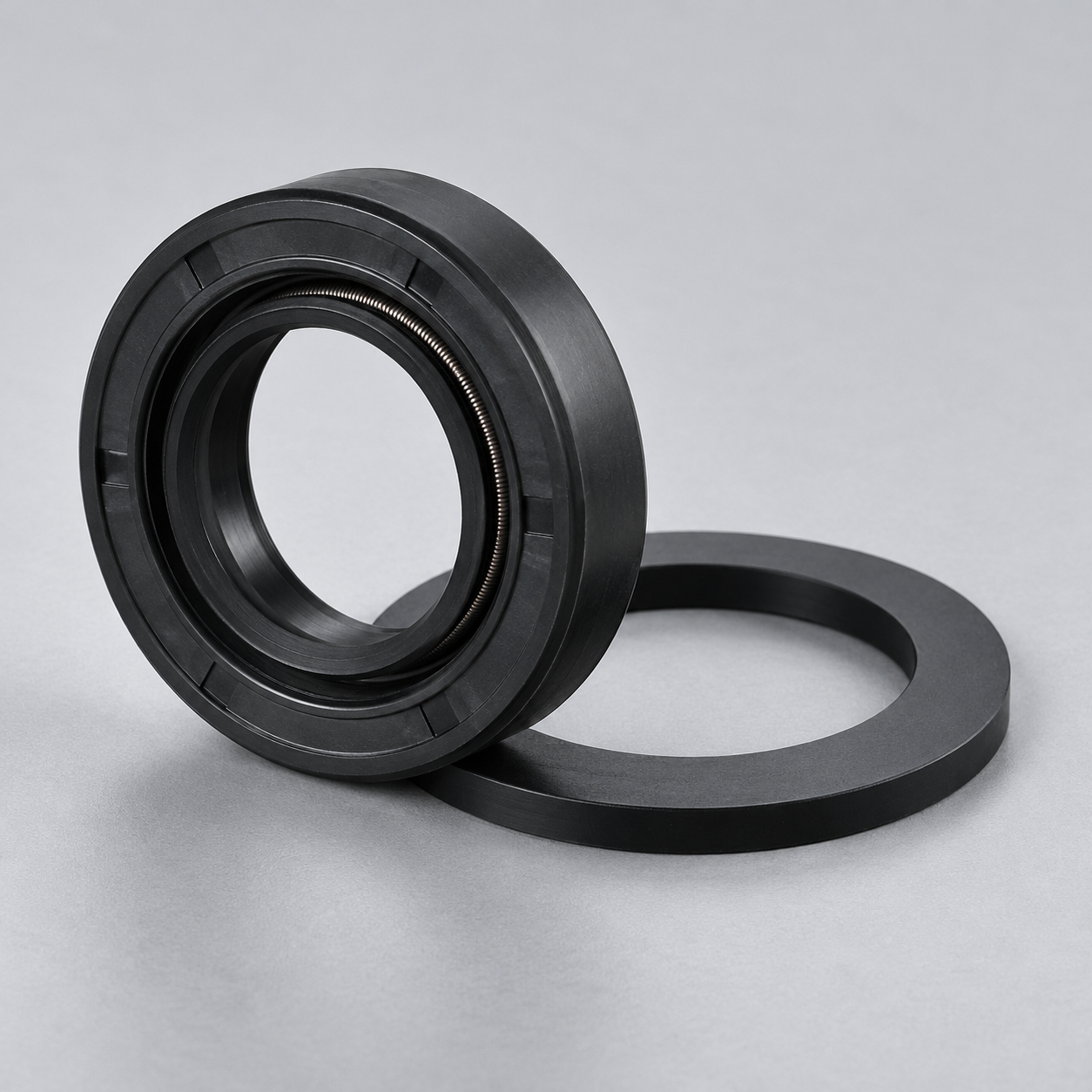 NBRReview oil and fuel exposure.›
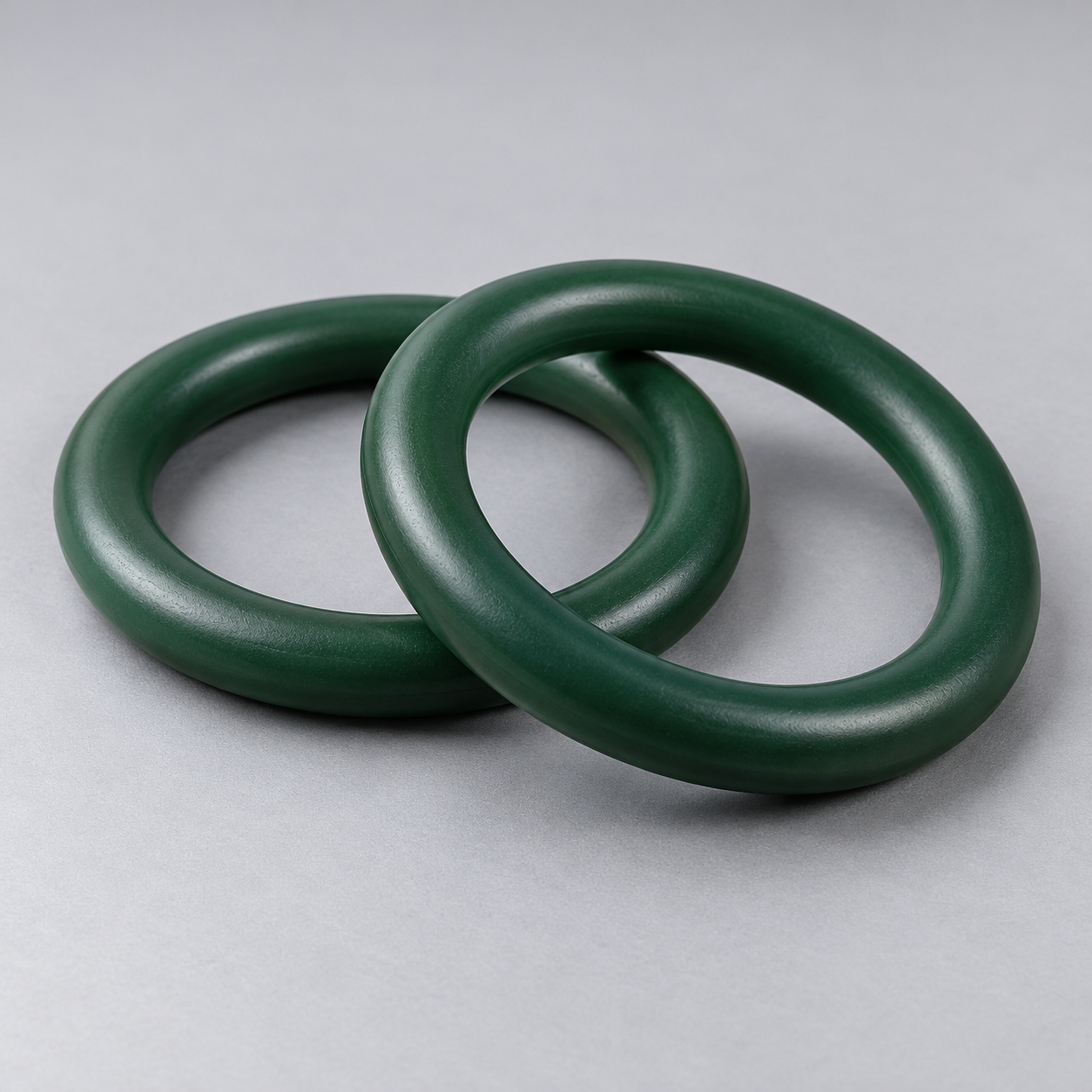 FKMReview temperature and chemical exposure.›
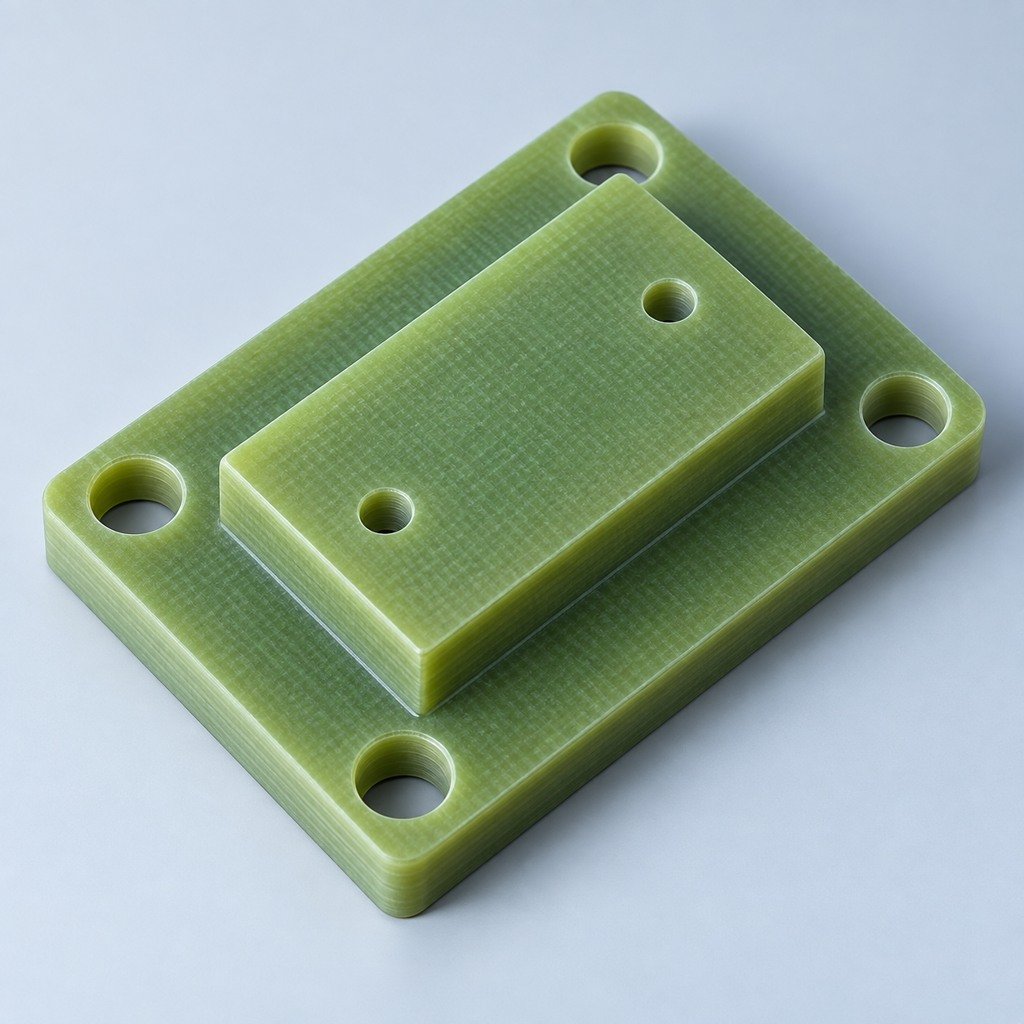 G10 / FR4Review insulation and laminate needs›
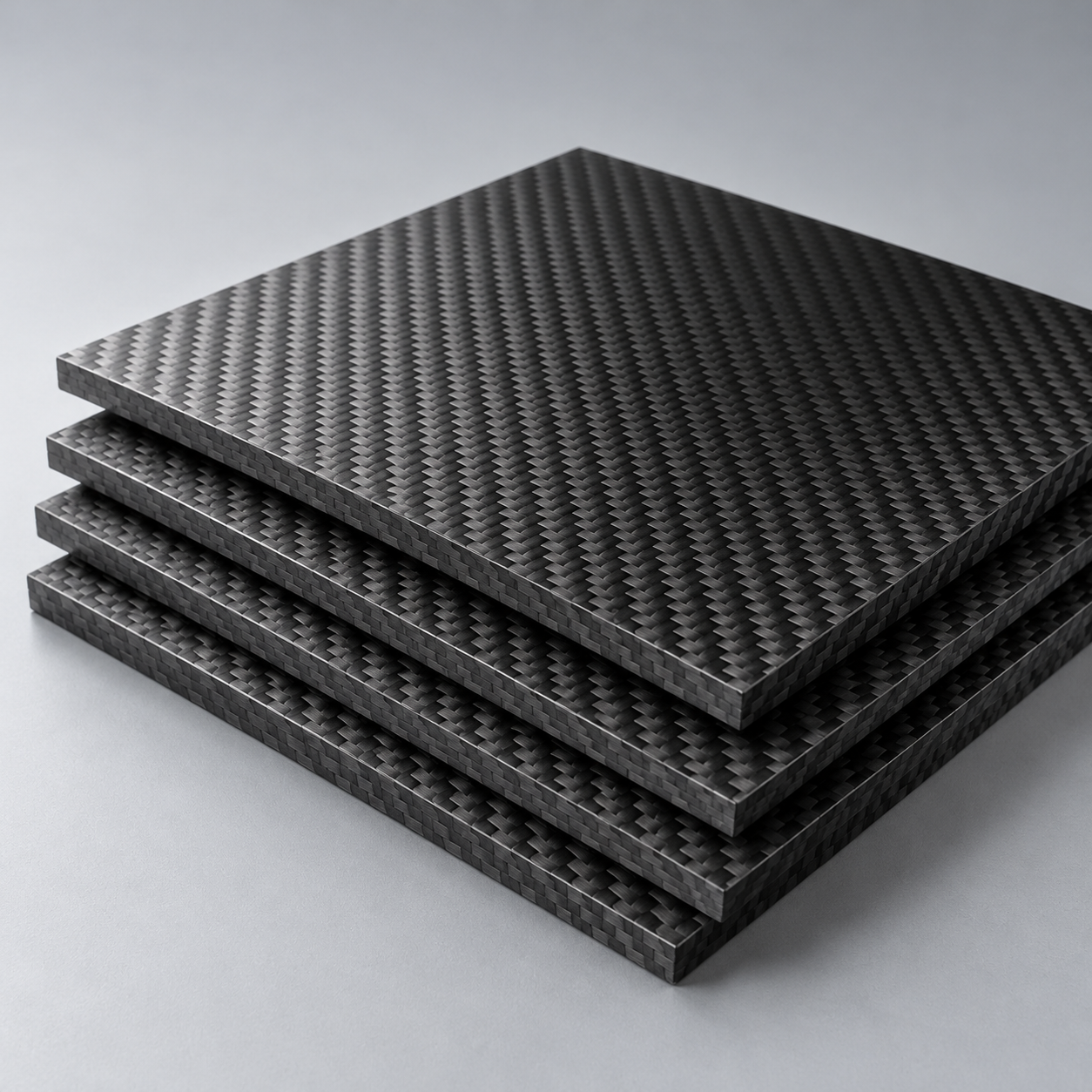 CompositesReview stiffness, weight and laminate.›Customer-Specified MaterialsConfirm your grade and requirements.›Other Specialty MaterialsDiscuss your application and grade.›
Practical guidance for your part geometry and material decisions.
Prepare your process, budget and sourcing questions.
Build your knowledge before production.
Learn who we are and how we operate.
Find our U.S. support team or start a conversation.
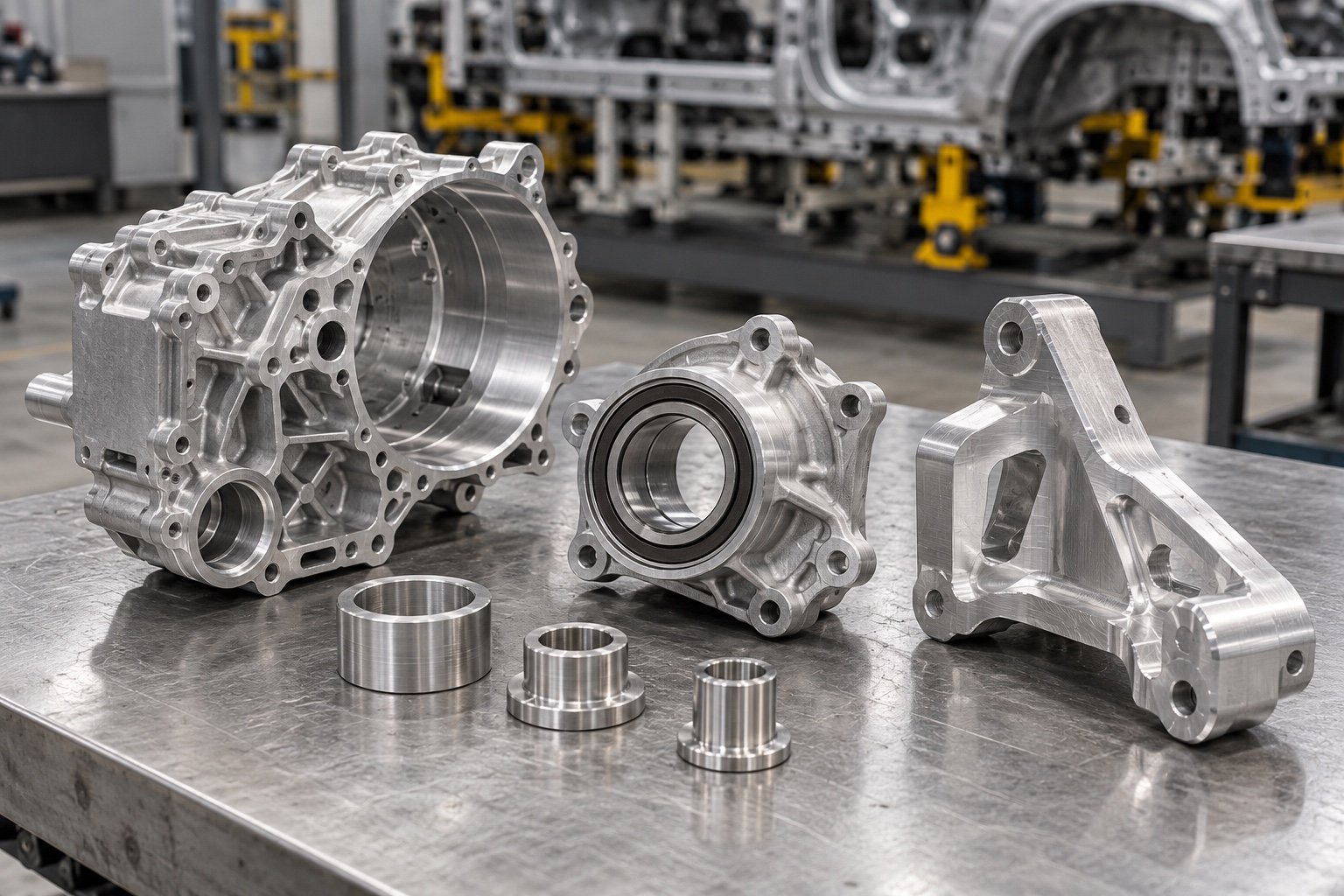
For your automotive OEM precision machining program, connect the released drawing, critical features and sample approval to your repeat order. Send CAD, material condition and the inspection records your purchasing team requires.
Component manufacturing · Project-specific review · Customer-controlled application approval
Scope your custom automotive OEM component manufacturing around the interfaces your assembly must retain.
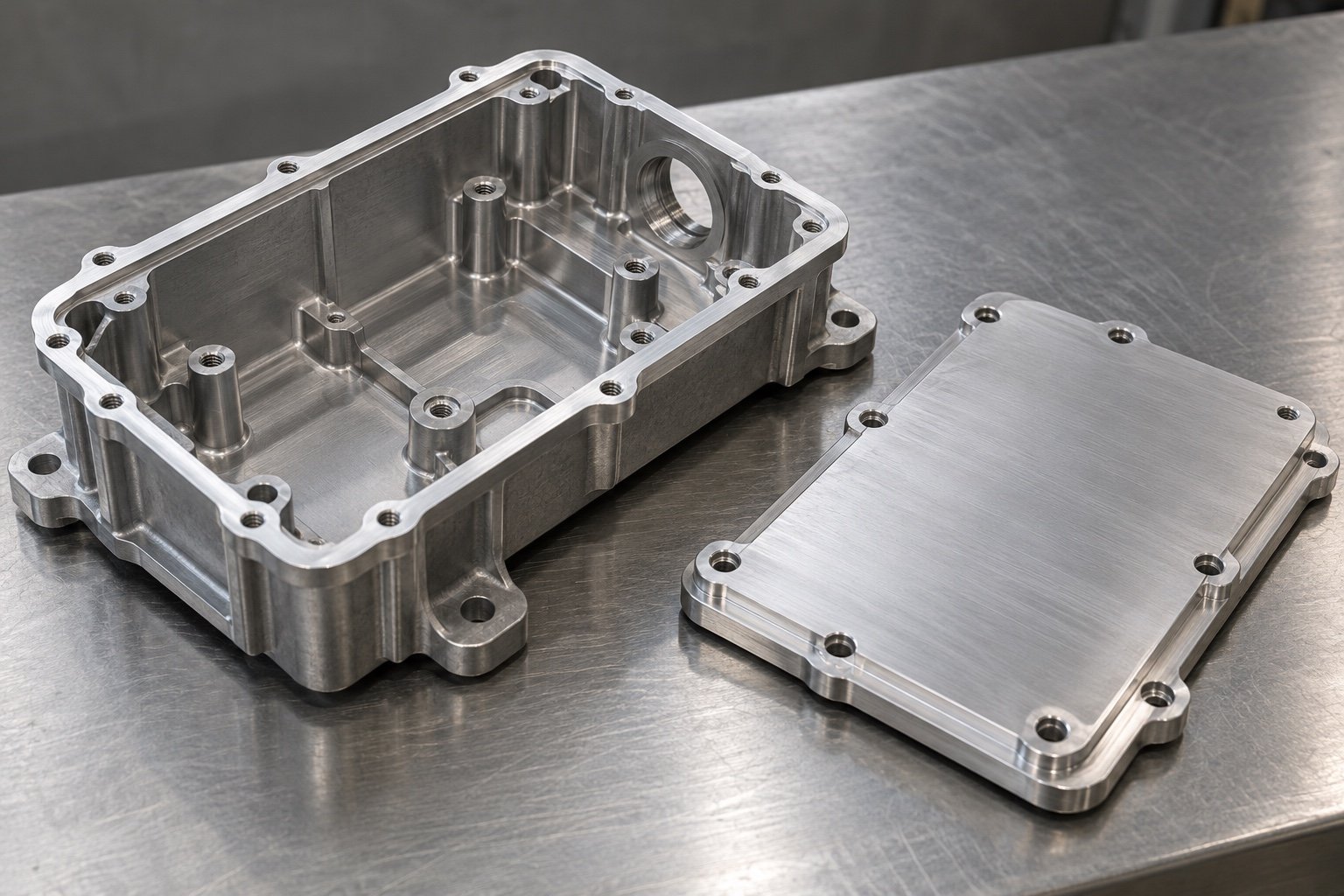
Define cover fit, sealing faces, bosses and connector clearances.
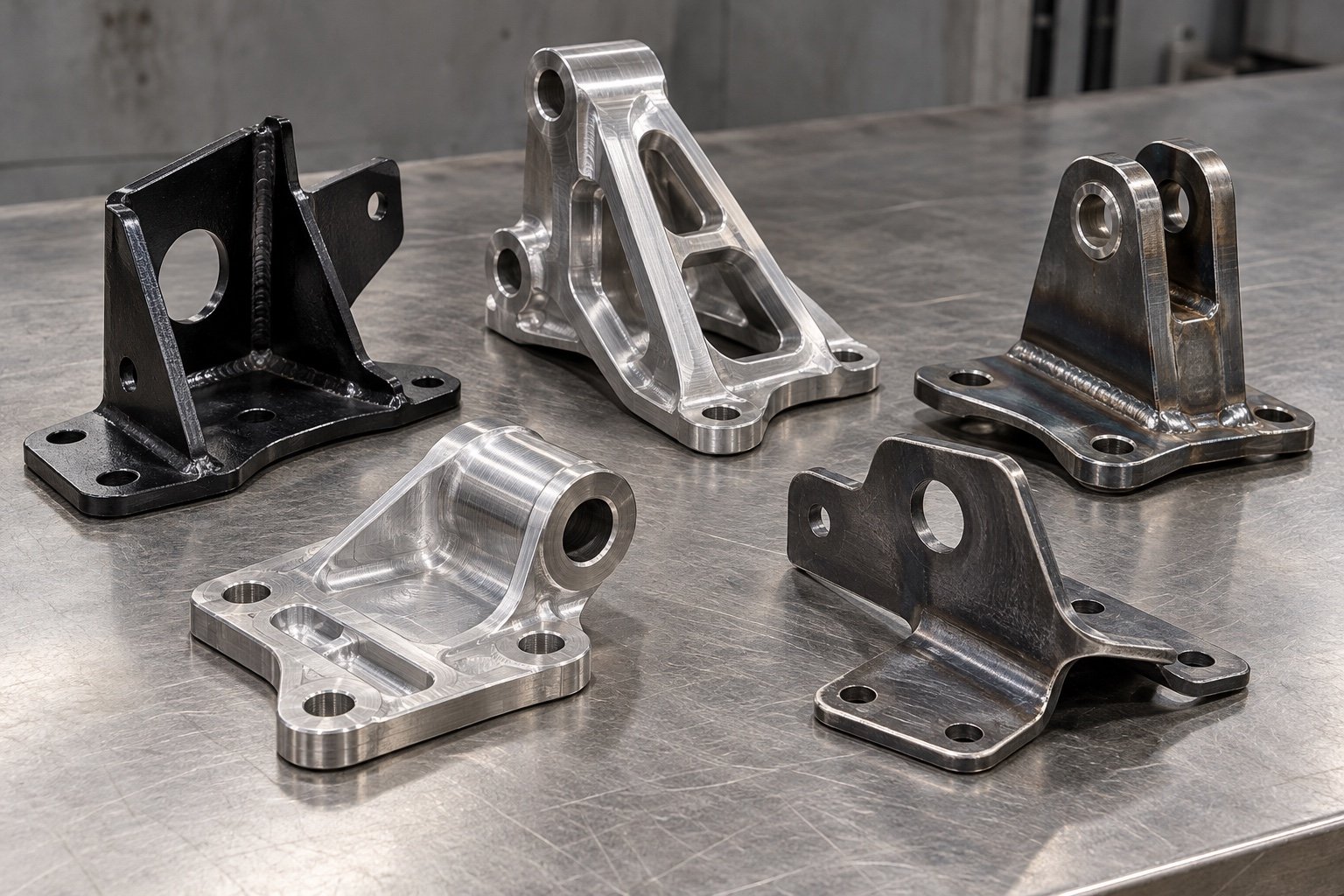
Identify locating datums, mating features and your specified loads.
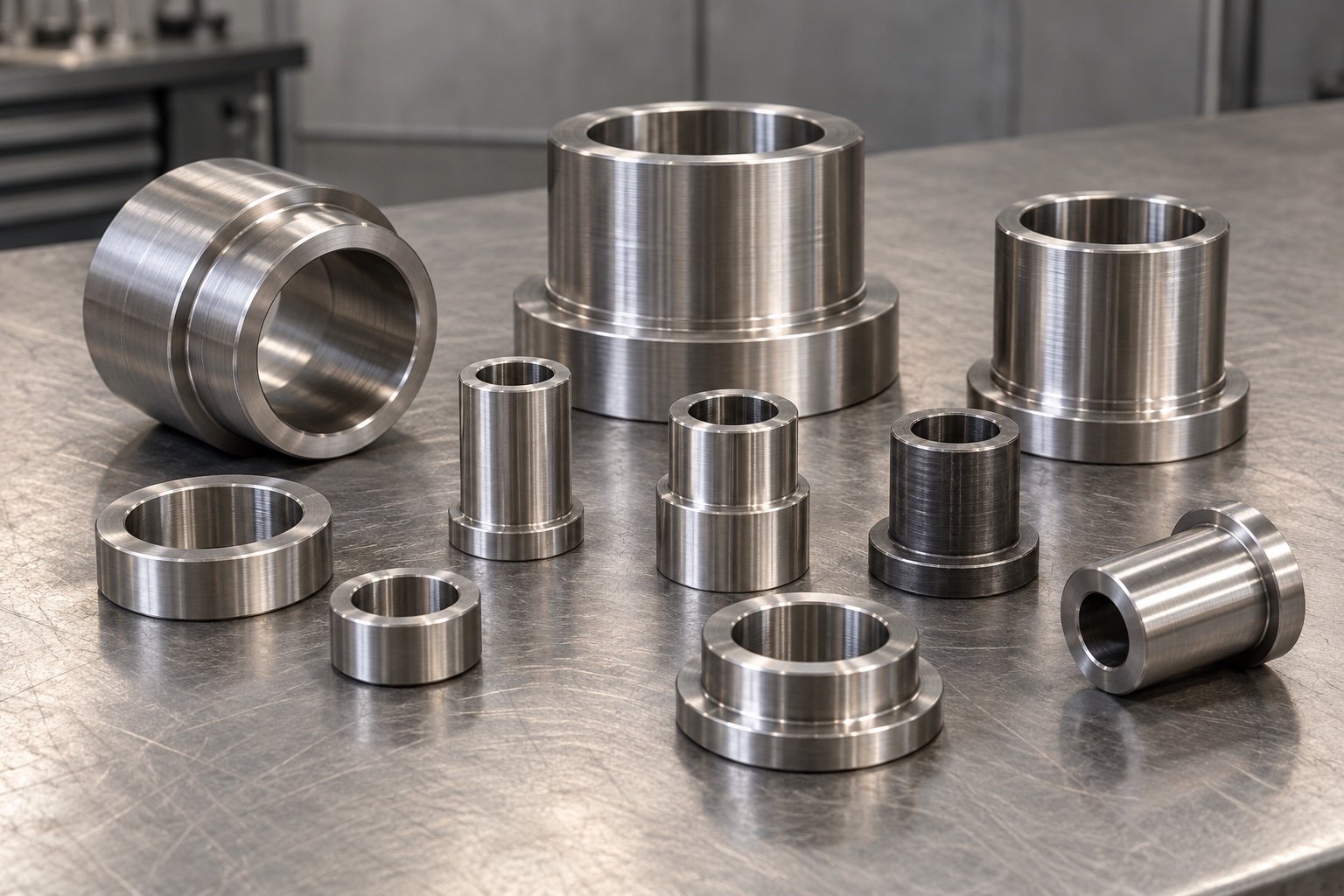
Review concentric bores, shoulders, threads and final condition.
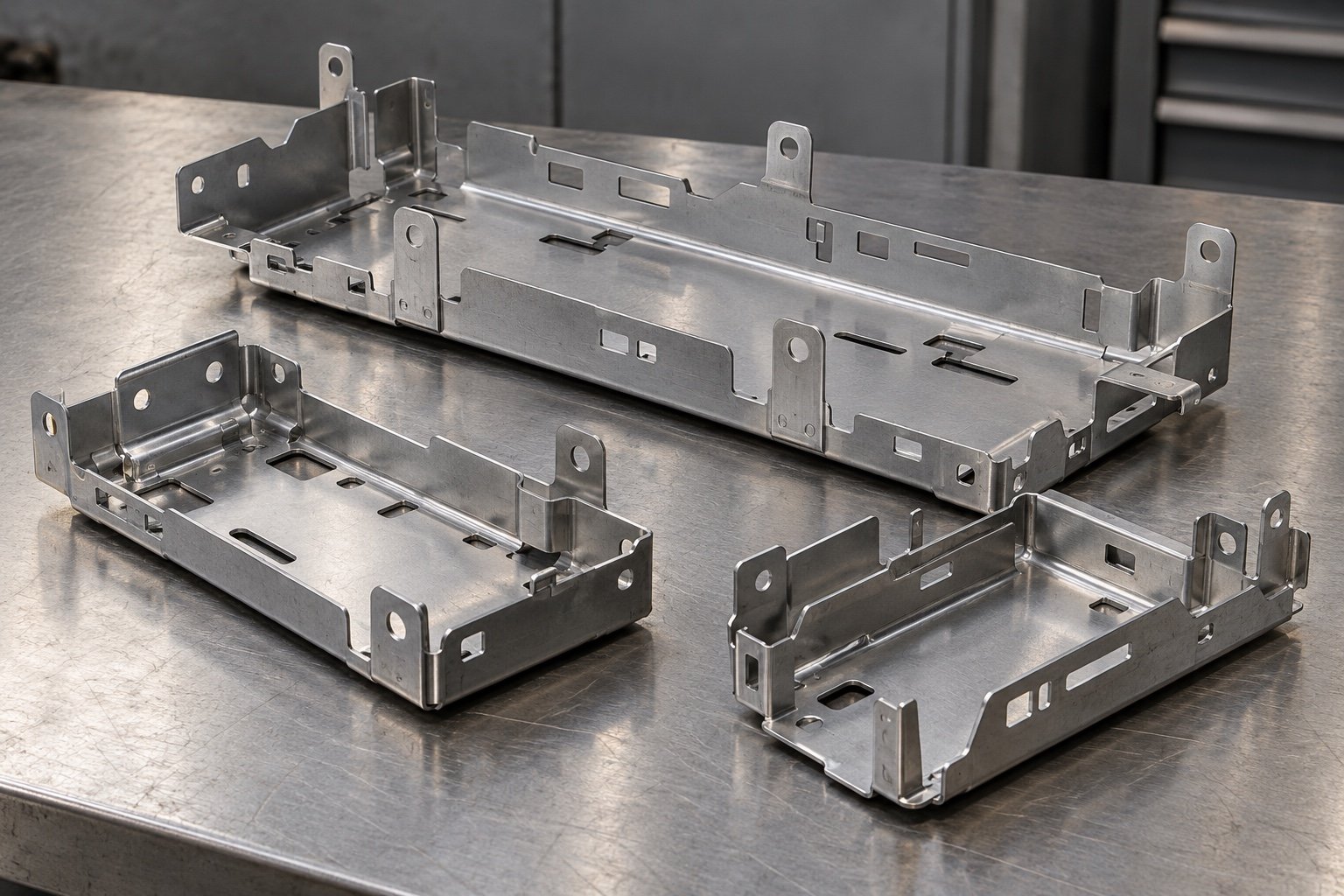
Specify bend references, cutouts and protected attachment points.
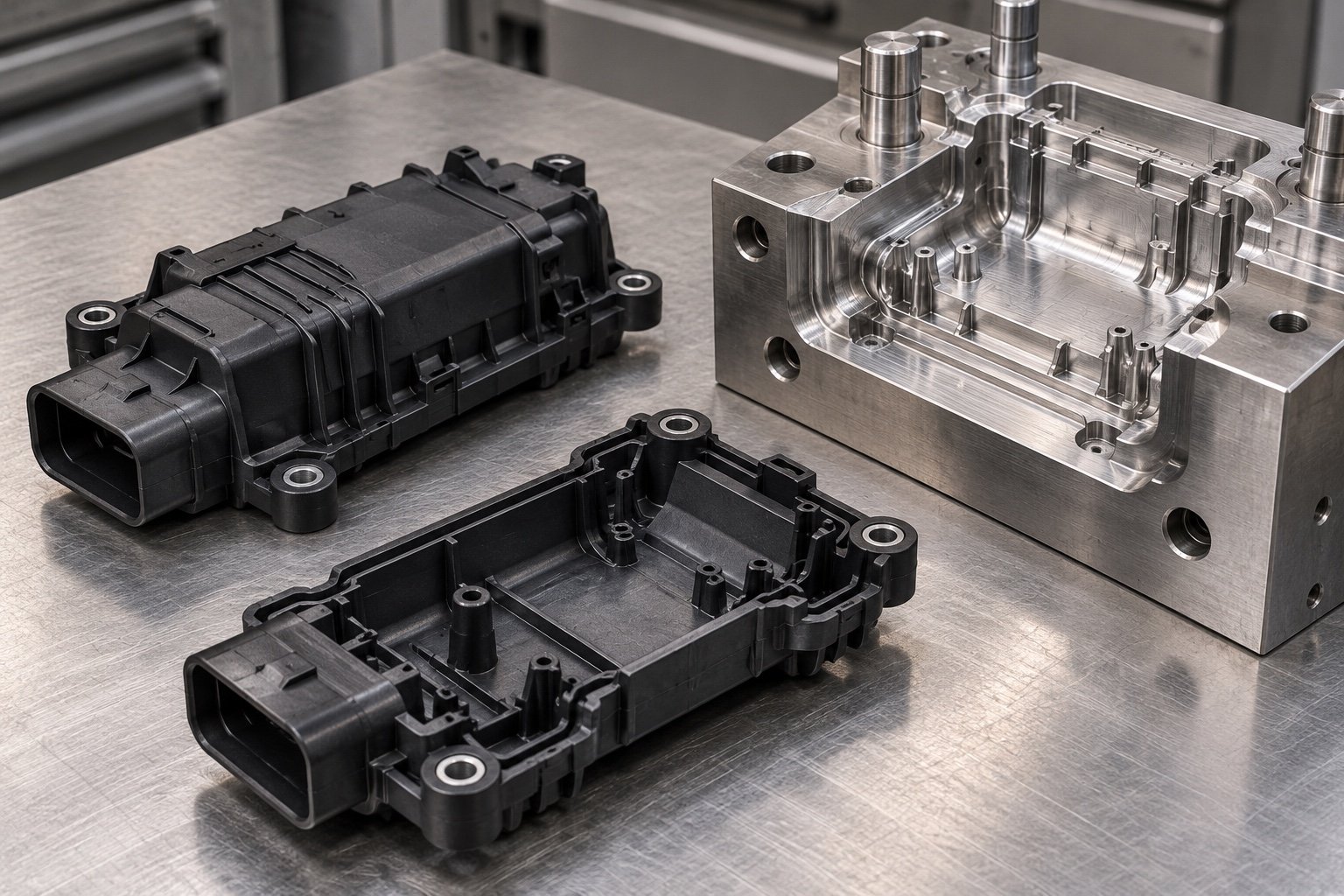
Confirm resin grade, clips, bosses and tool ownership before tooling.
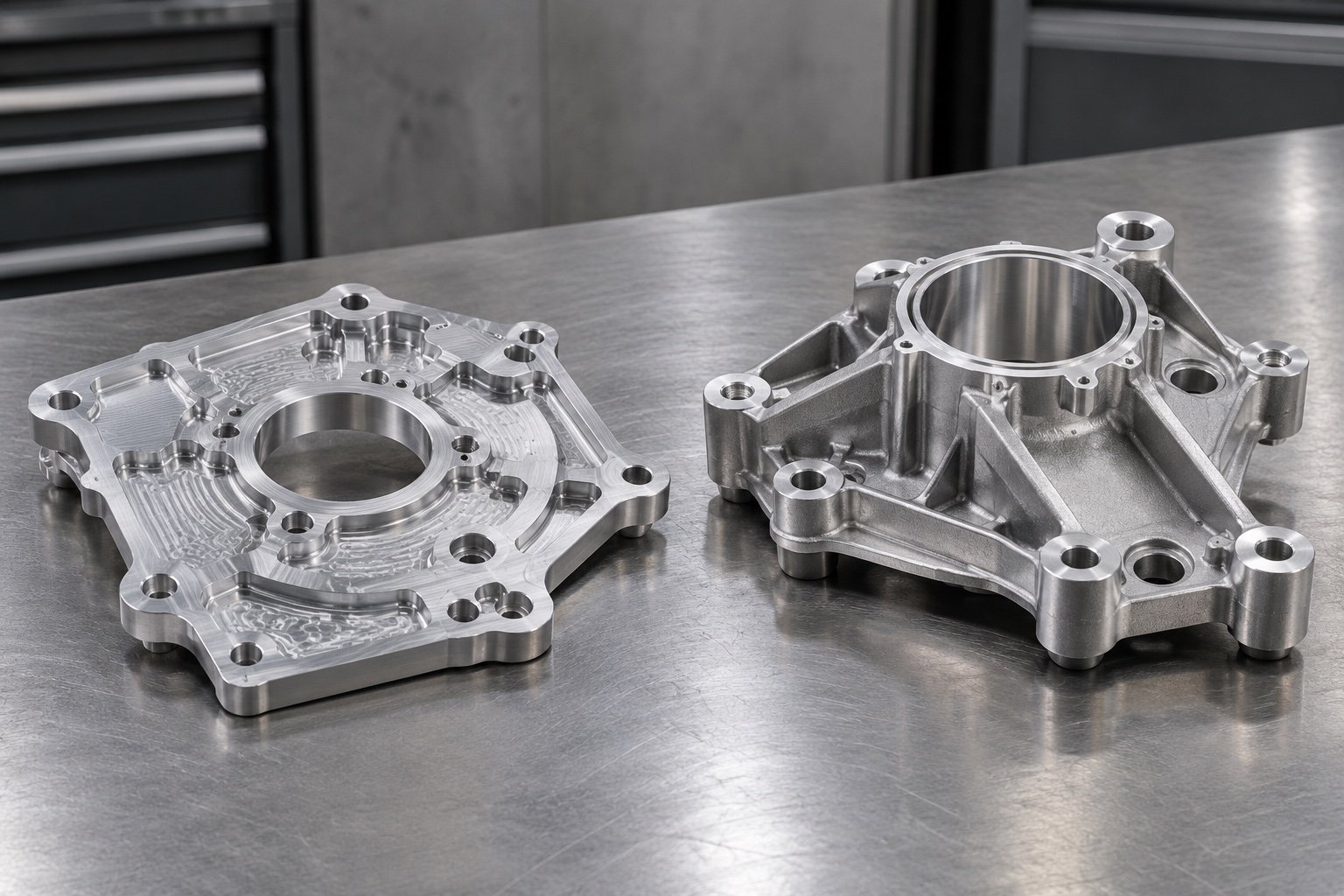
Define what the first sample proves and what carries into production.
For CNC machining automotive parts, identify the final dimensions after heat treatment or finishing—not only the unfinished blank.
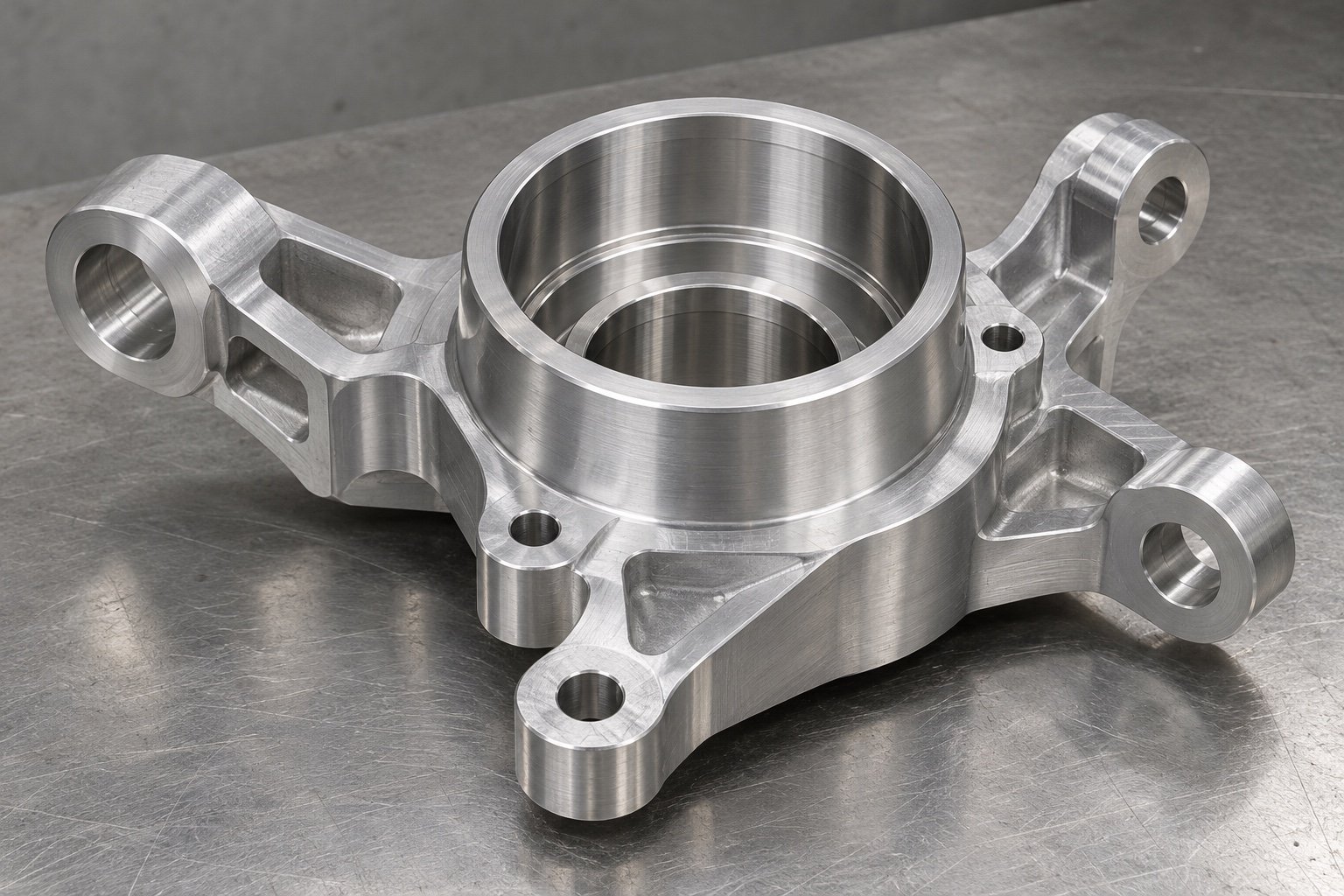
Datum bores, mounting faces and concentric features.
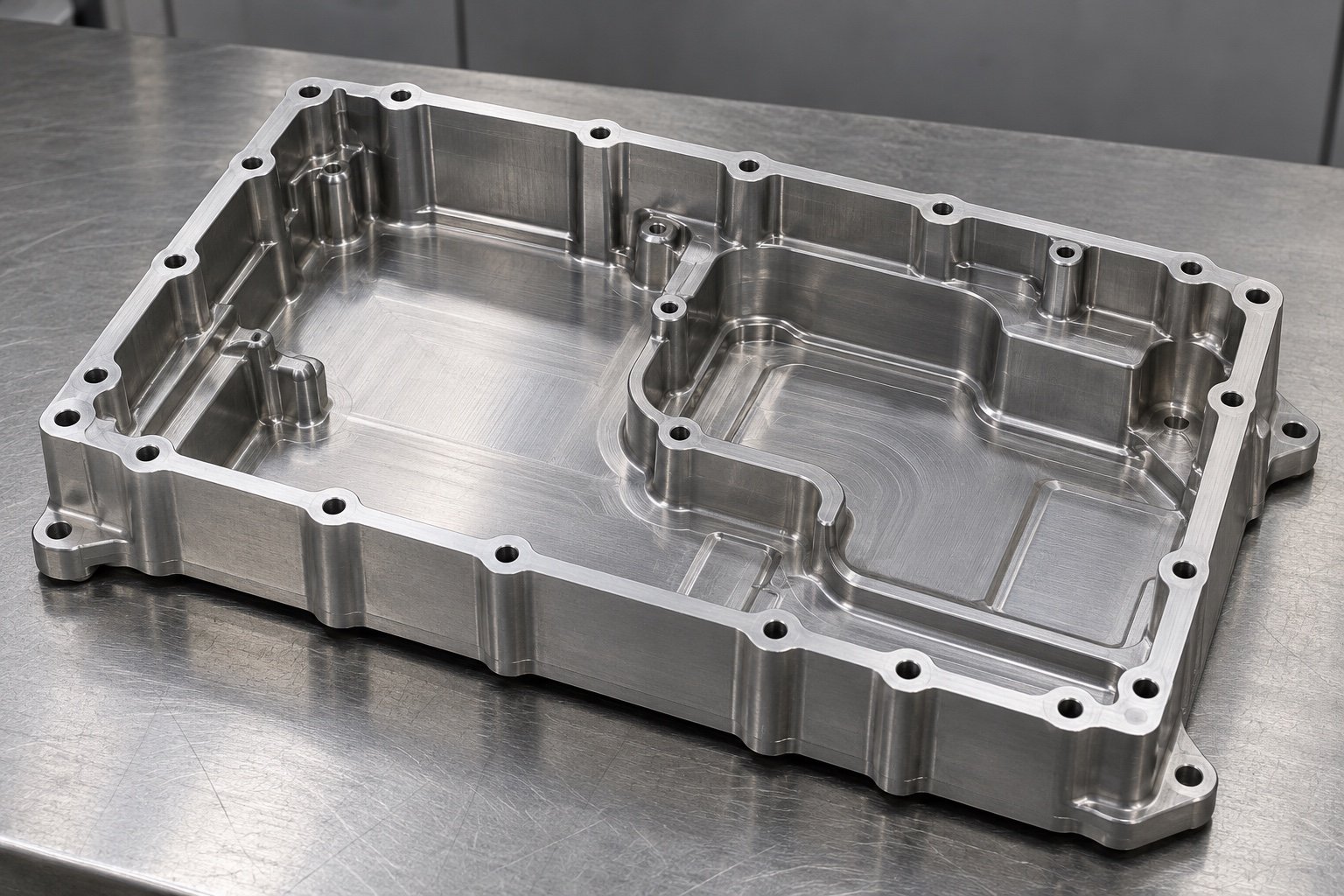
Cover attachment, connector openings and internal clearance.
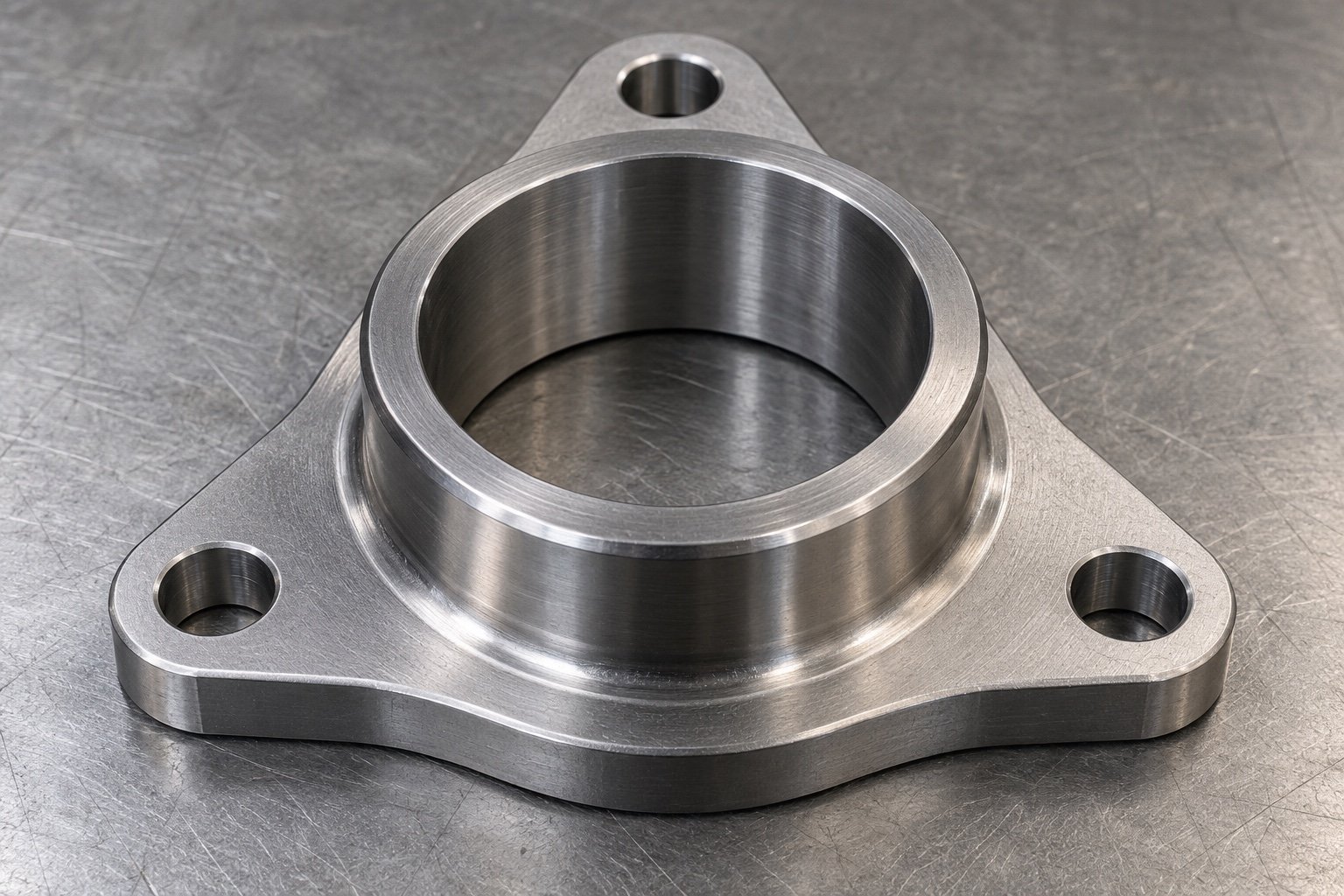
Bolt pattern, flatness and sealing surfaces.
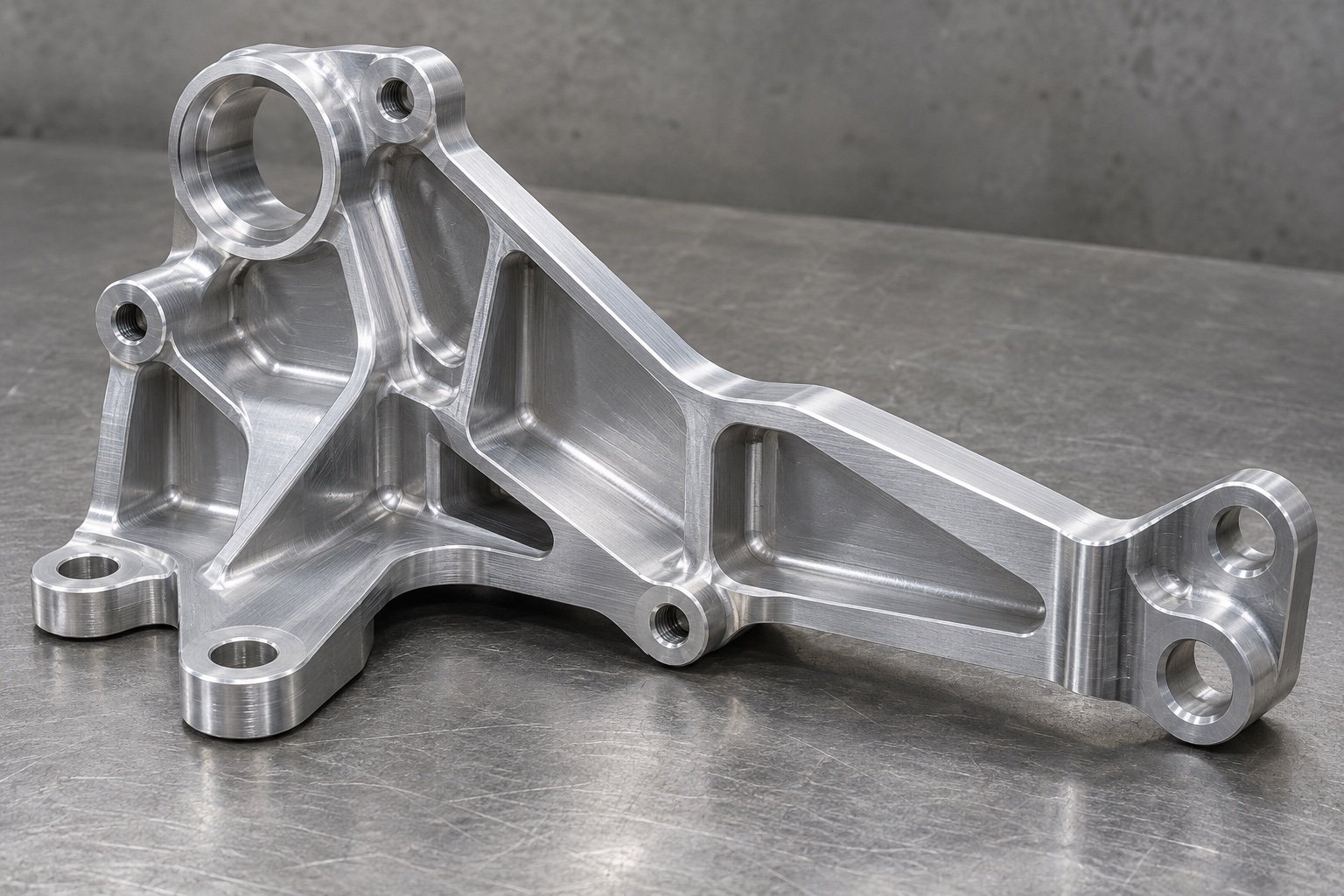
Assembly datums, fixing holes and tool access.
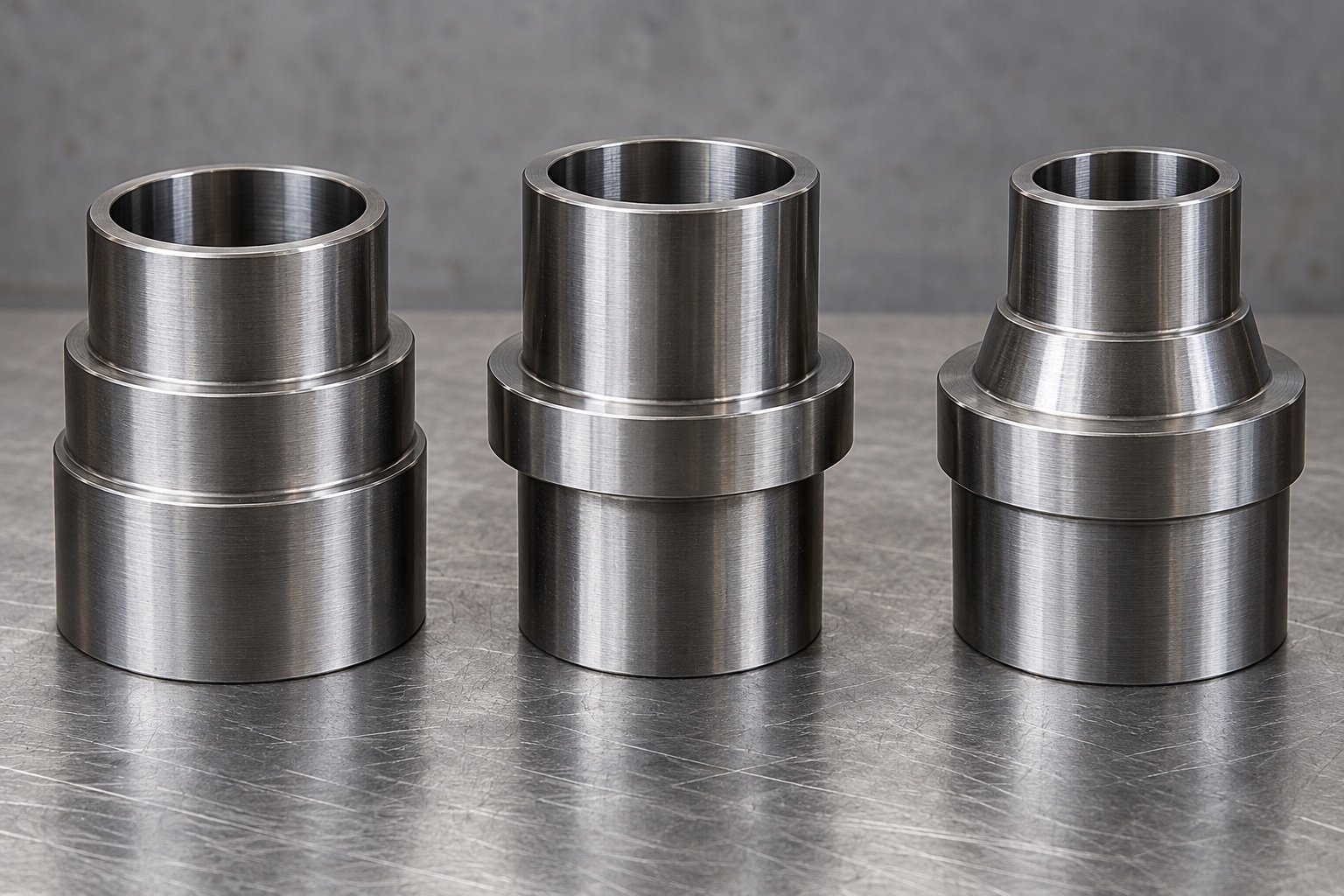
Bore and outside-diameter fits in your specified condition.
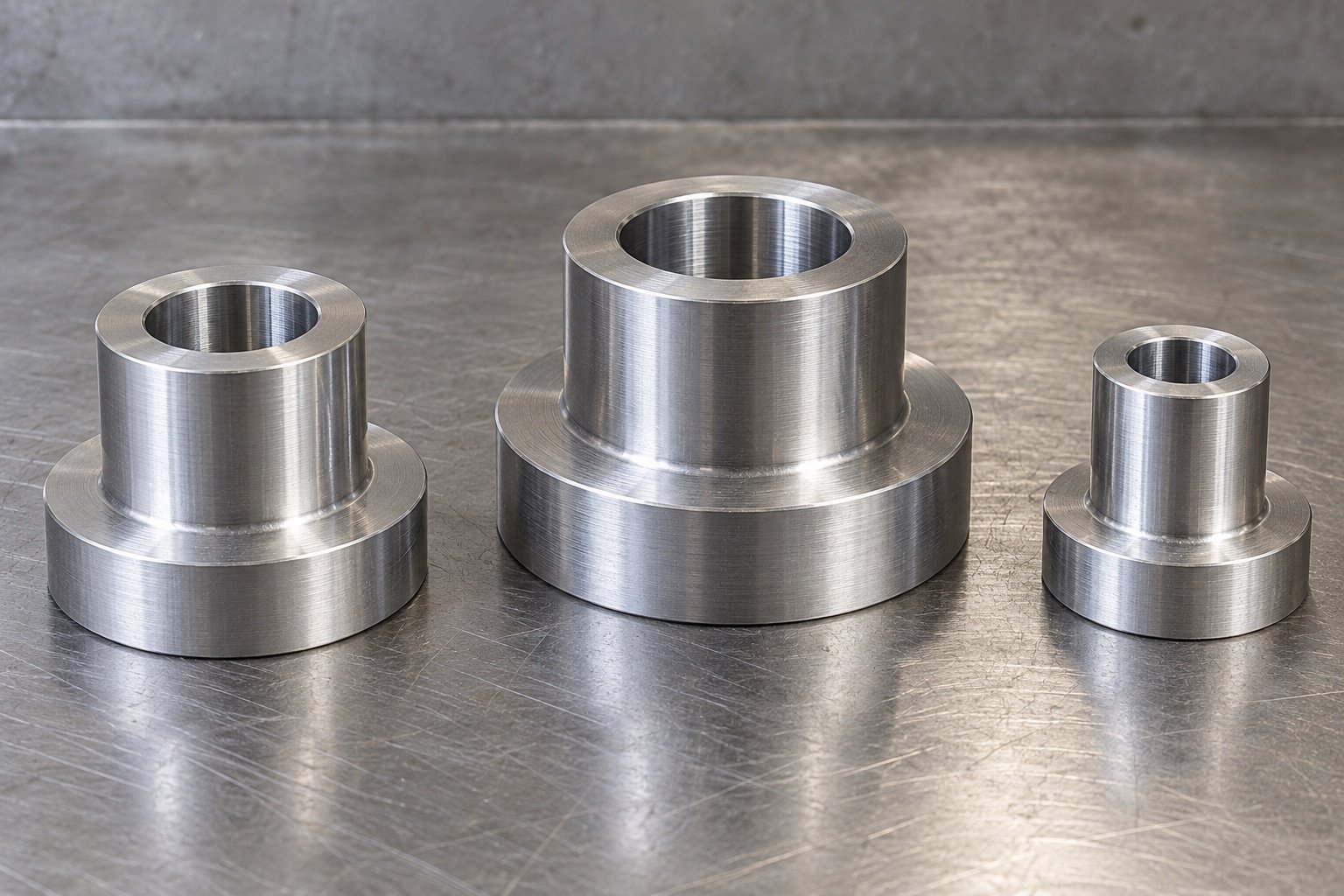
Stack height, locating pilots and mating faces.
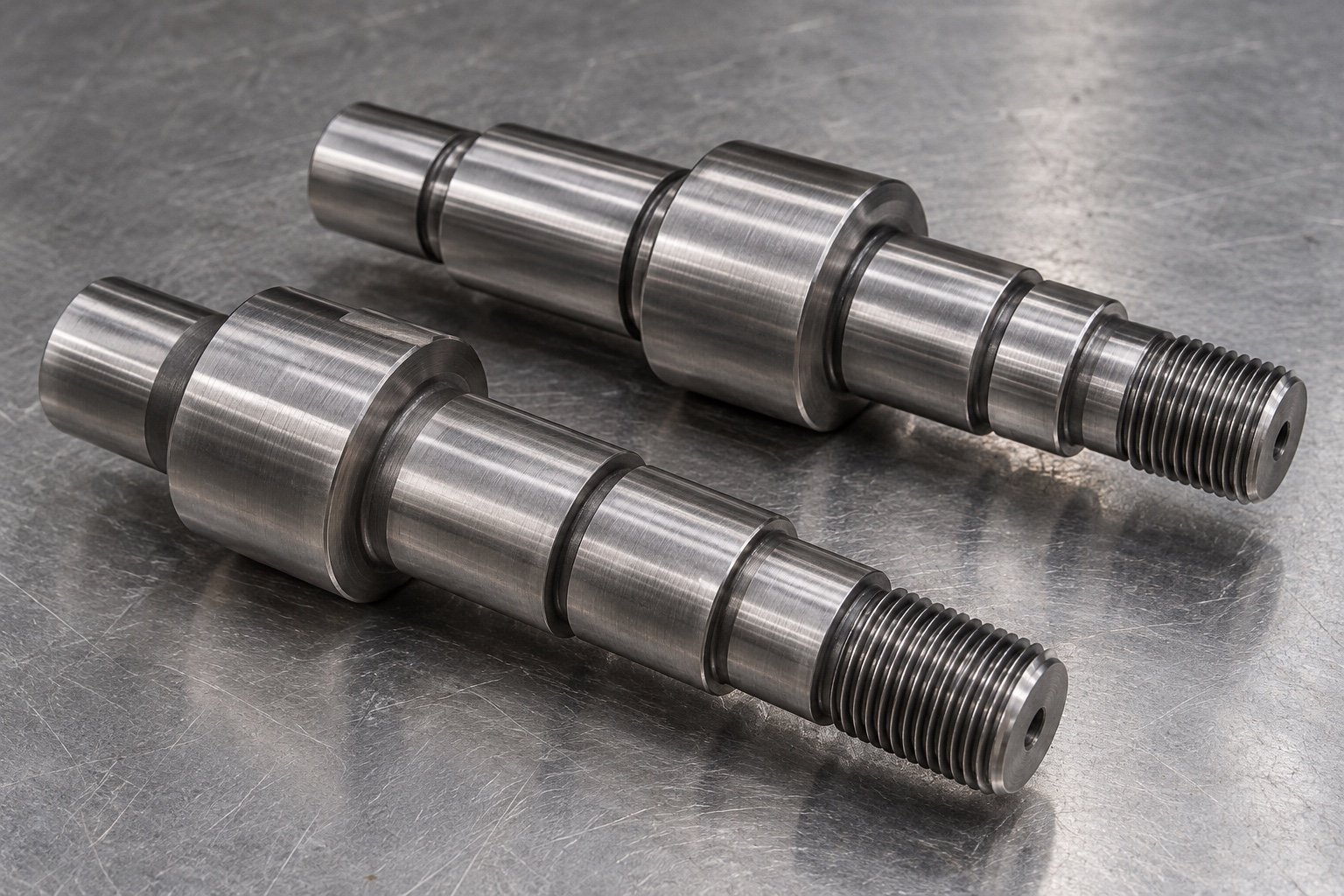
Shoulders, grooves and heat-treatment requirements.
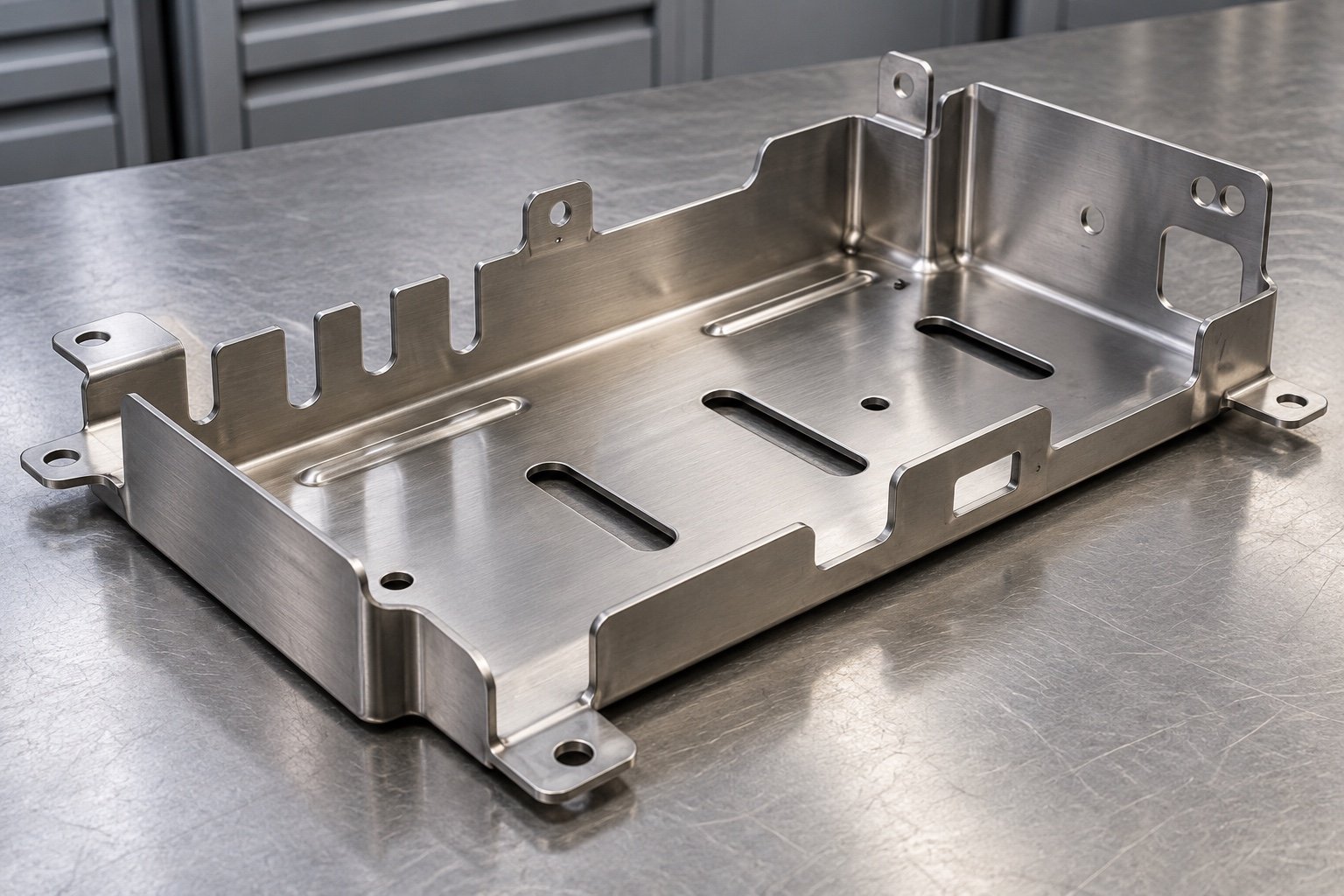
Bends, cutouts and installed envelope.
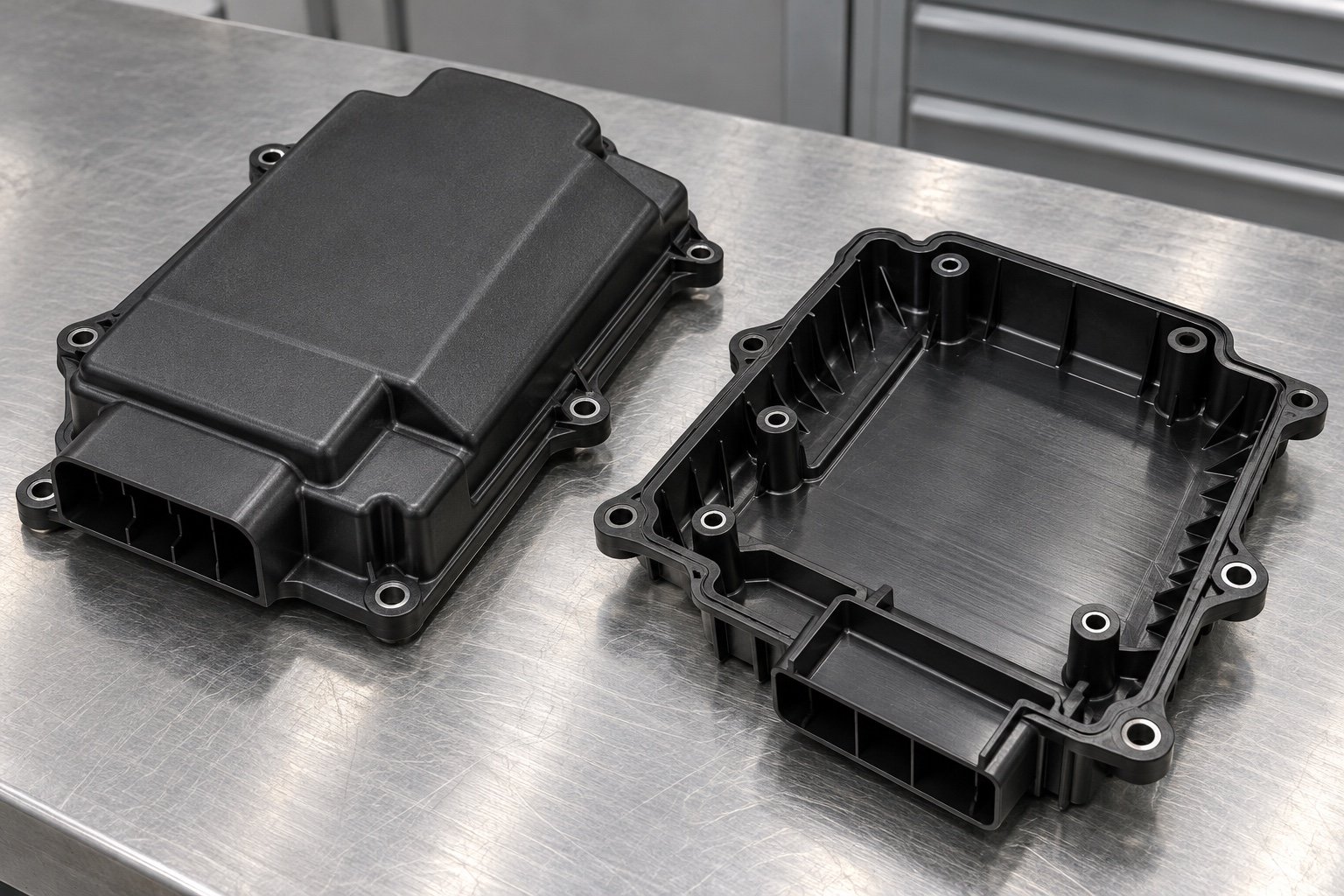
Resin, wall sections, bosses and appearance zones.
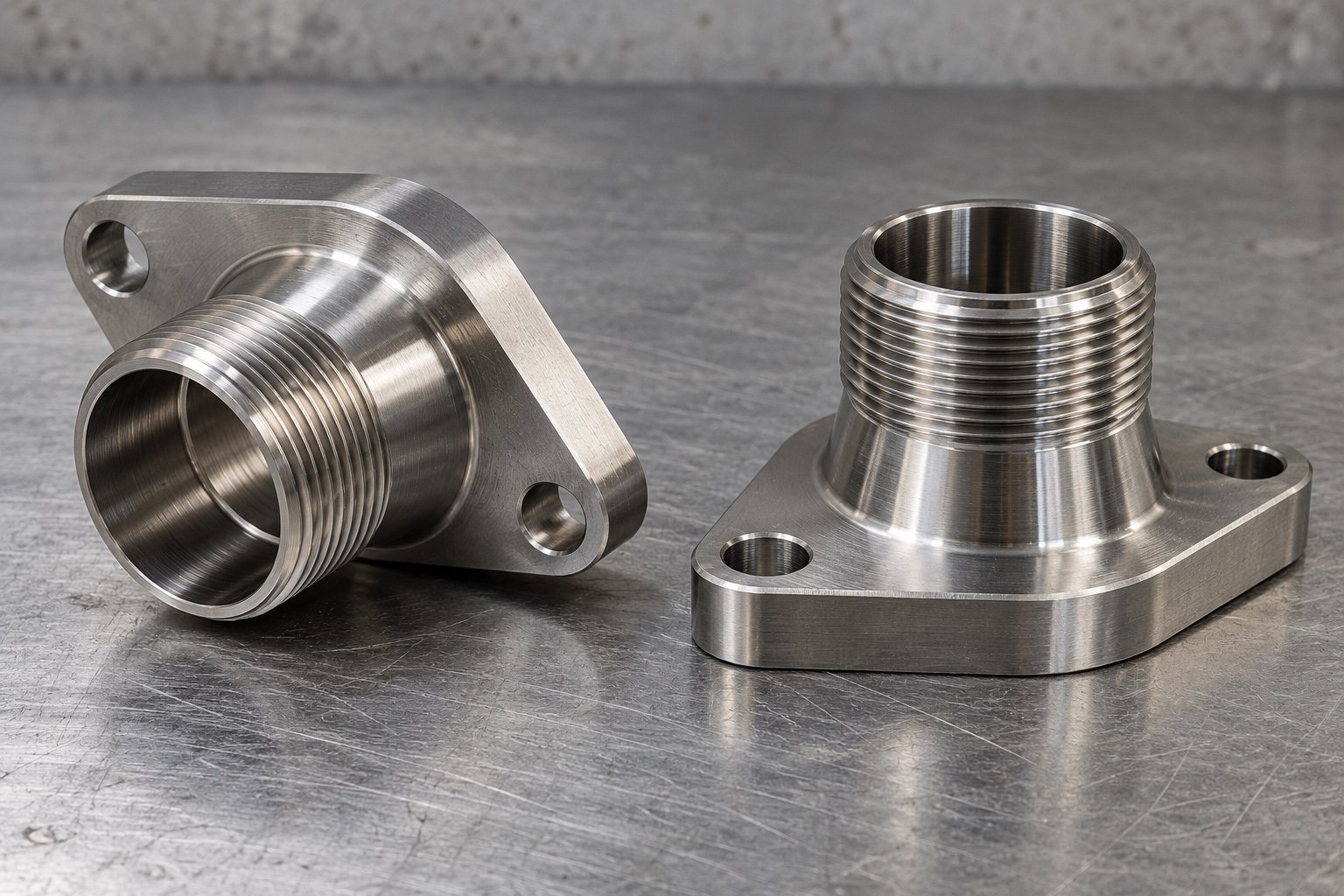
Thread callouts, sealing geometry and material compatibility.
Compare your drawing geometry, critical features, material condition, tooling ownership, production volume and inspection requirements before selecting a route.
Mounting bores, complex pockets and accessible tool paths. Your final process is confirmed after drawing review.
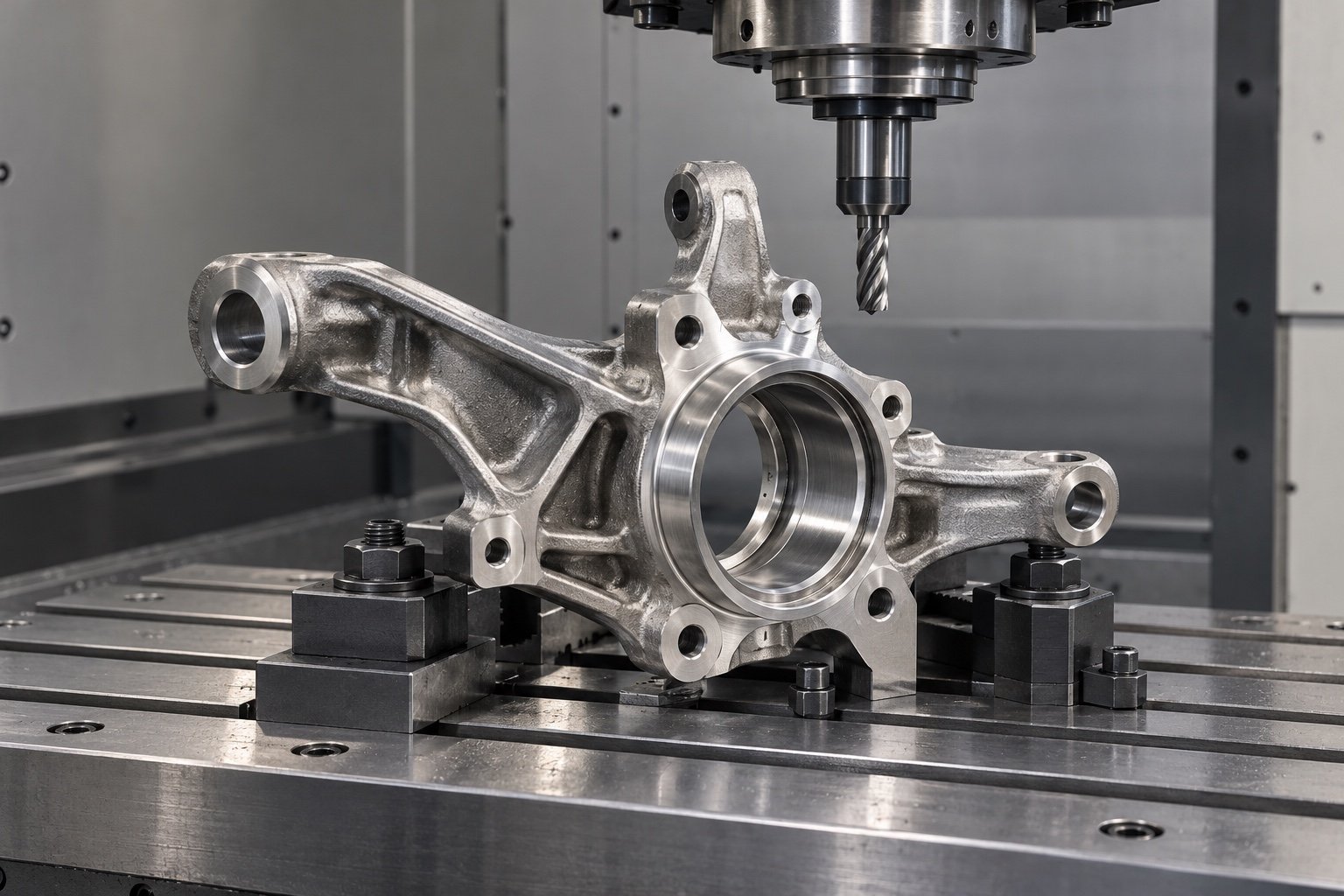
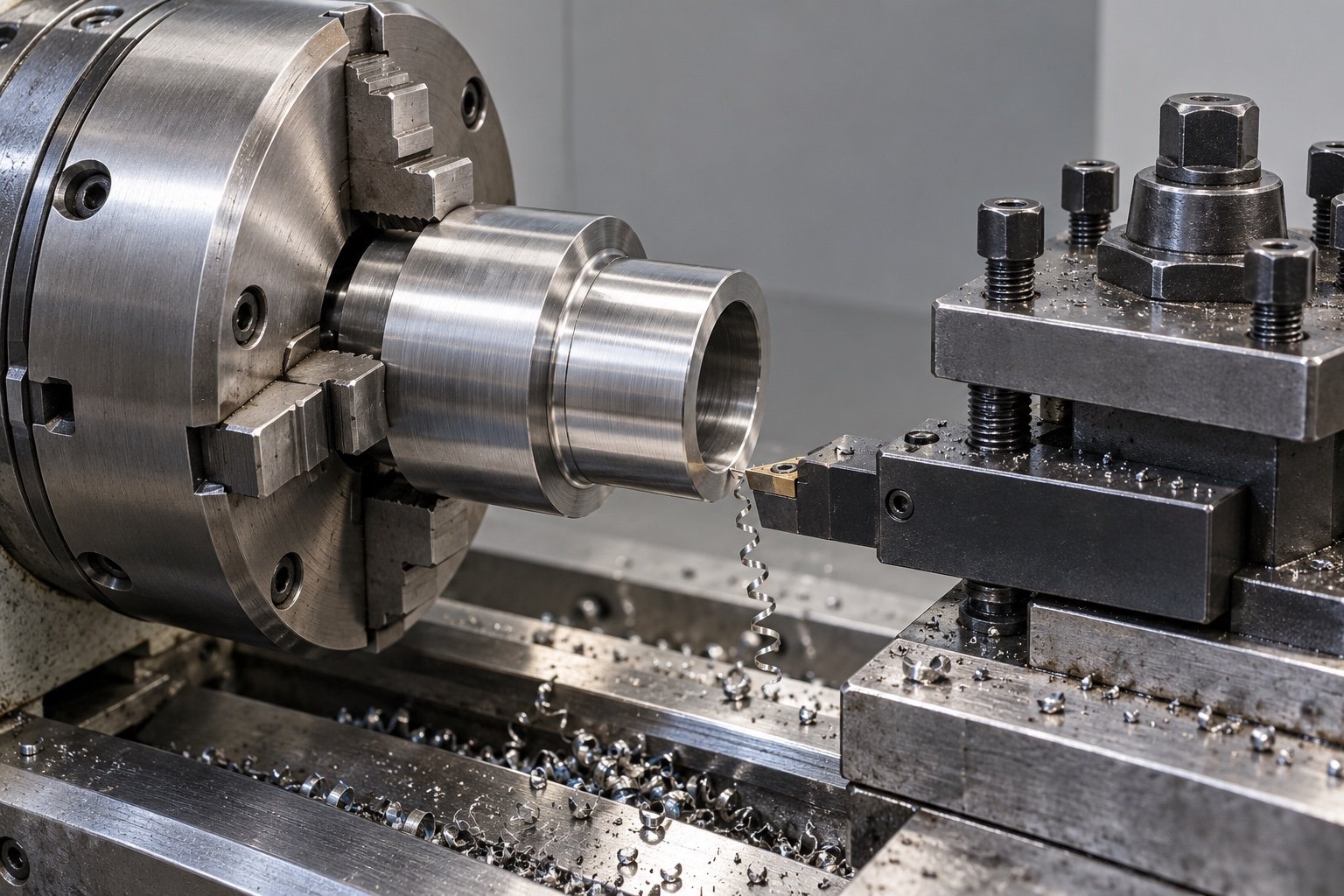
Concentric features, shoulders, pin bores and spacers. Your final process is confirmed after drawing review.
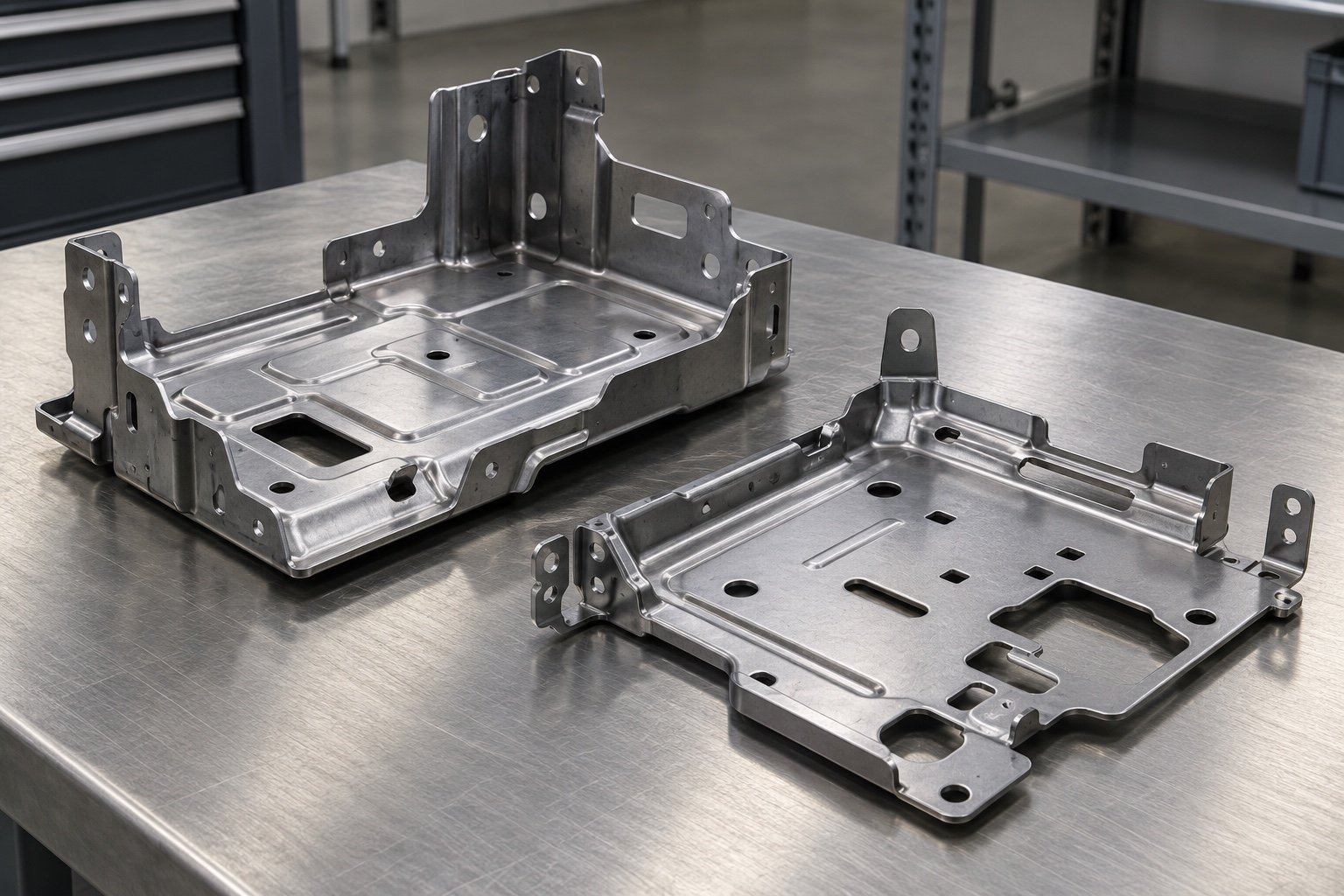
Bends, slots, mounting envelopes and coating allowances. Your final process is confirmed after drawing review.
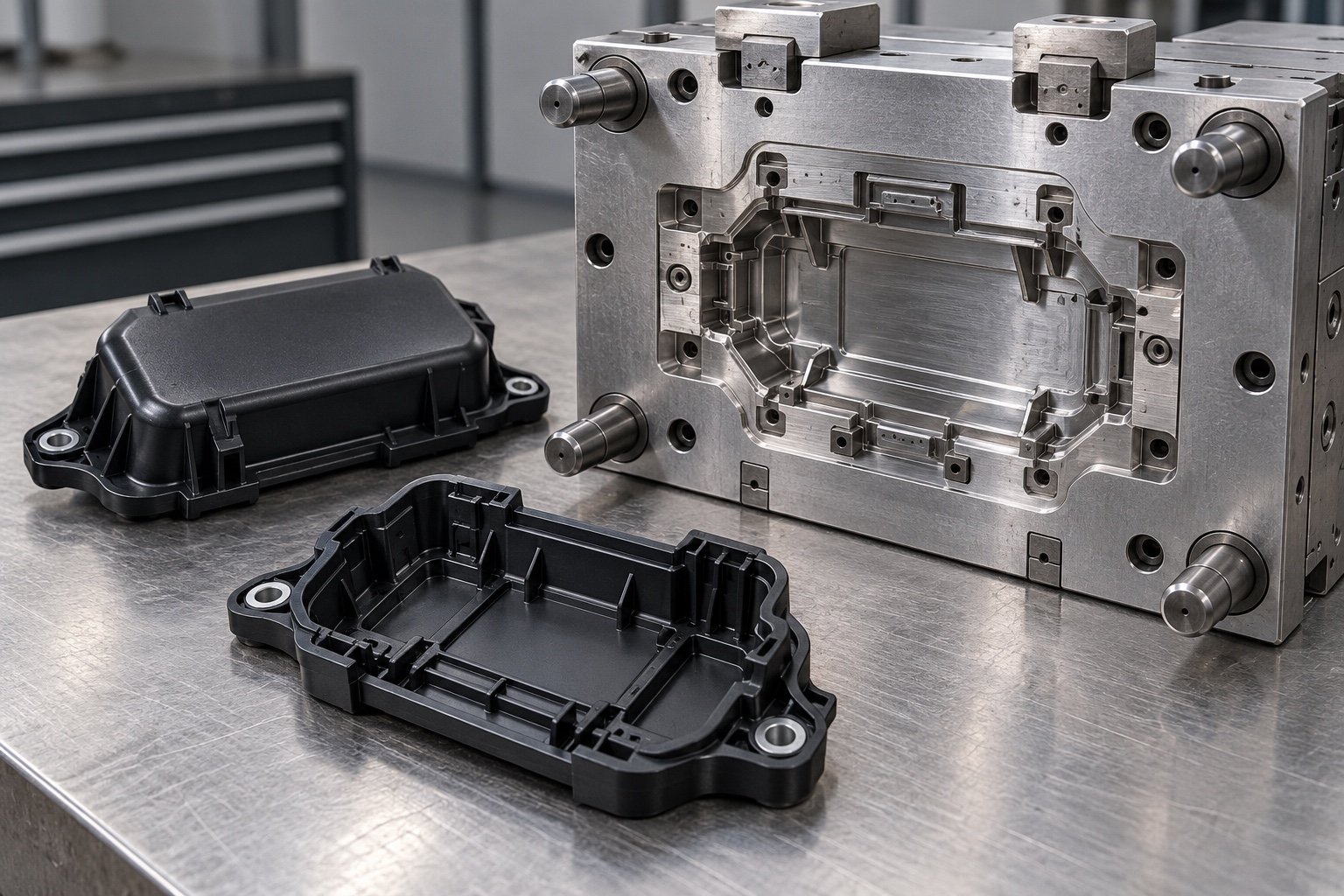
Review resin, wall thickness, clips and tooling ownership. Your final process is confirmed after drawing review.
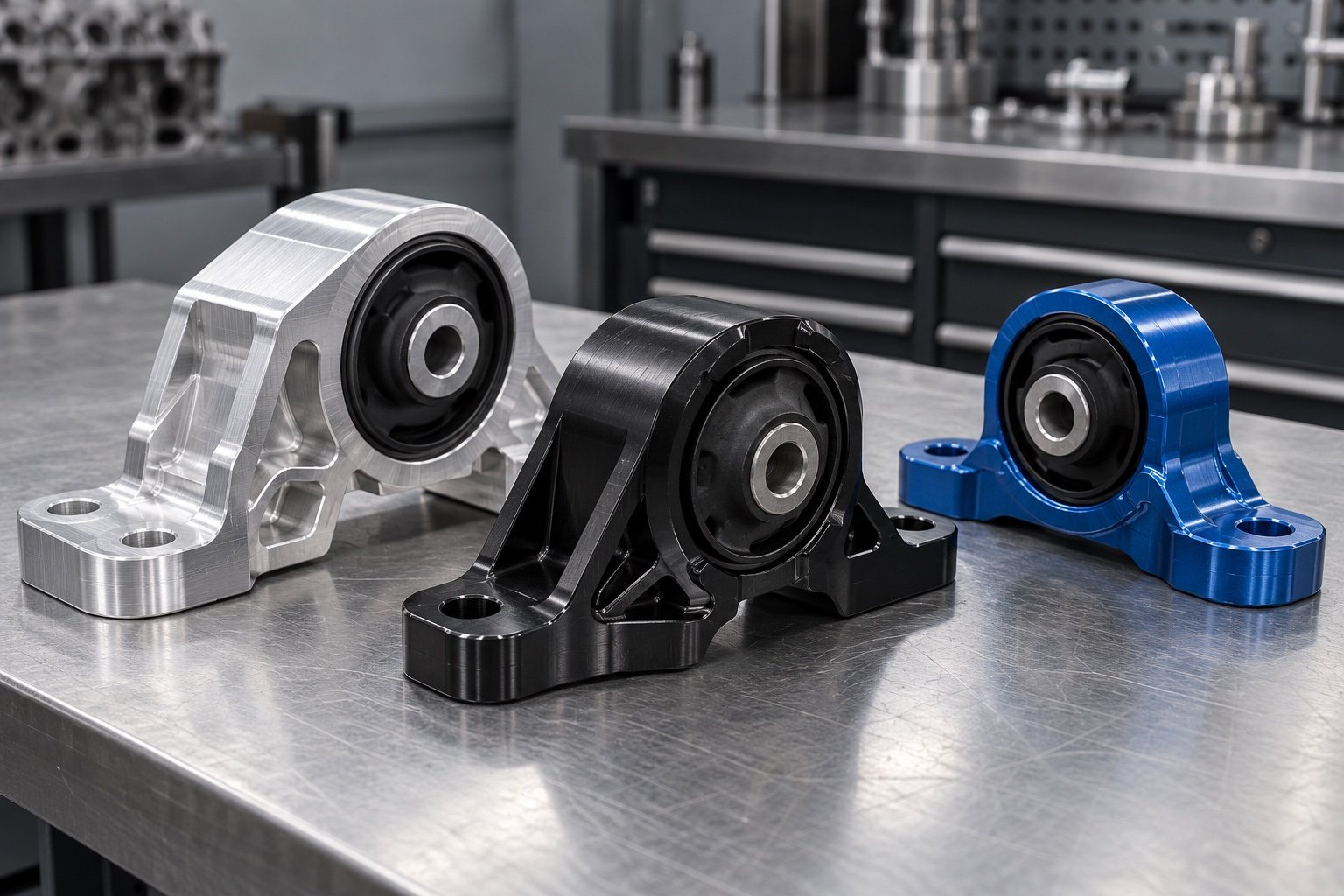
Define corrosion exposure, appearance and protected interfaces. Your final process is confirmed after drawing review.
CAD, critical features and released revision.
Grade, condition and final finish.
Sample, initial order and repeat demand.
Critical dimensions and required records.
Send your drawing, quantity and acceptance requirements.
European designations help identify specifications; they do not authorize automatic substitution.
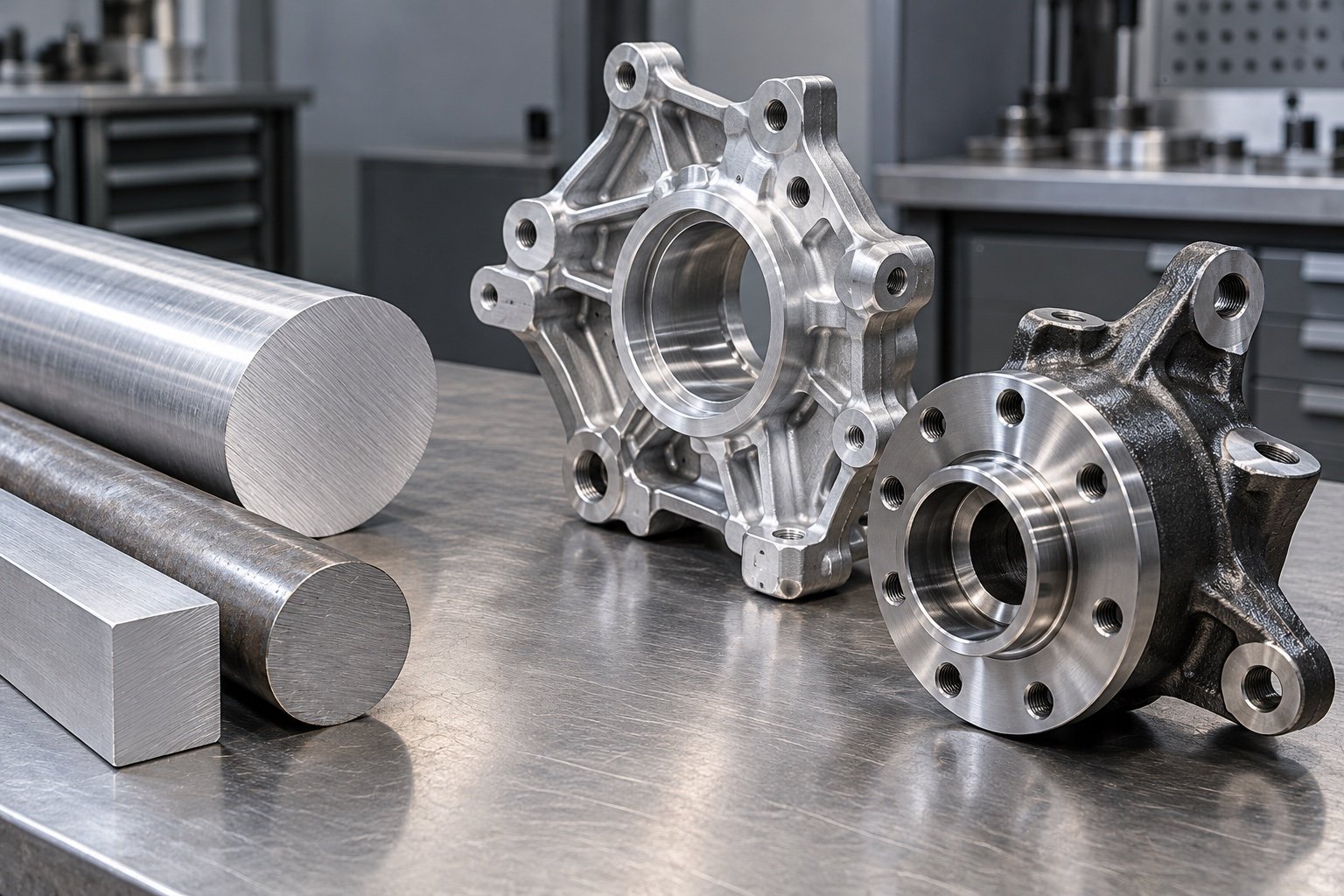
Specify alloy or resin, delivered condition, product form and any required material record.
Identify protected fits, coating masks and dimensions that apply after finishing.
Agree who approves substitutions, outside processing and drawing changes before release.
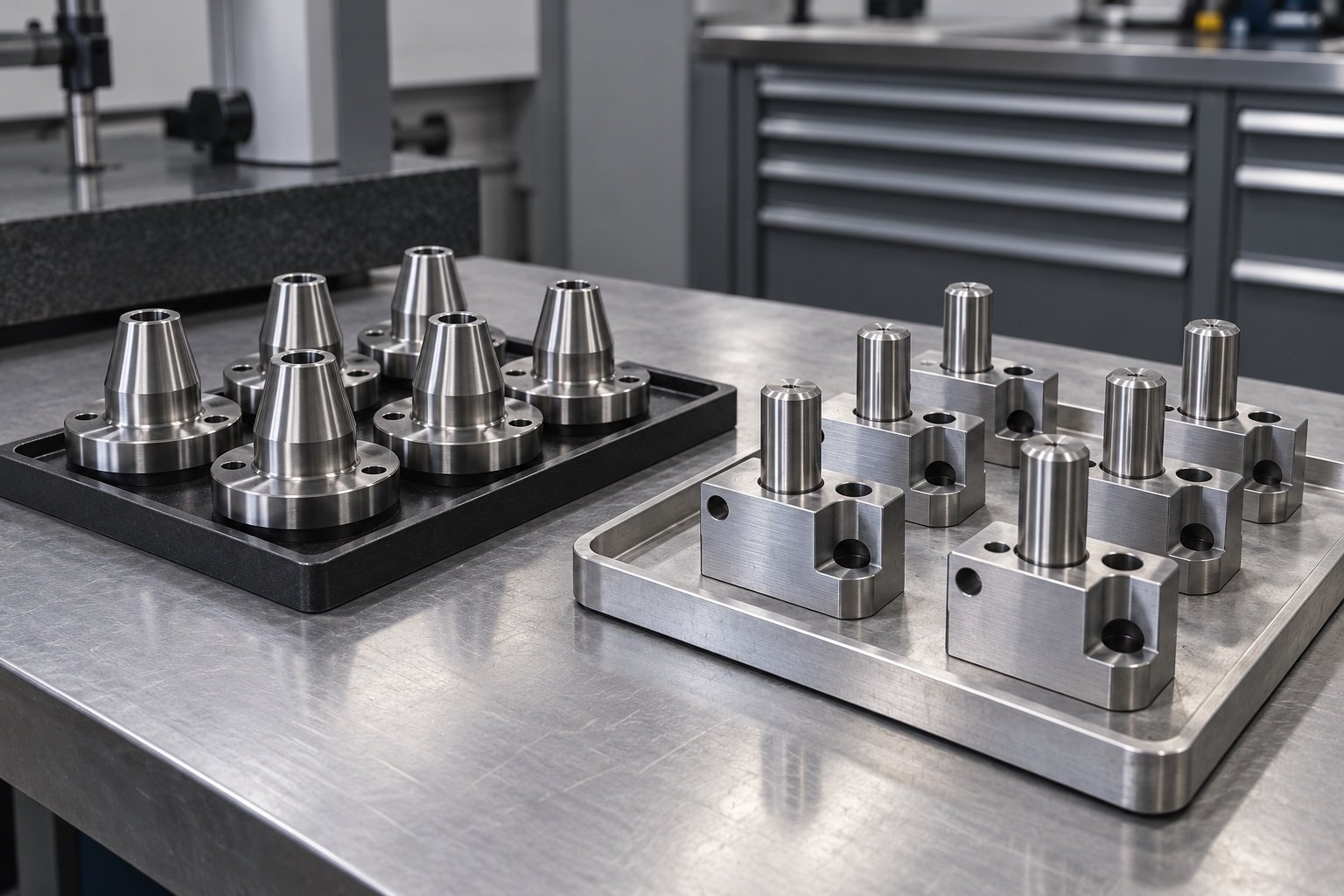
FAI or PPAP documentation is project-specific. Component inspection does not establish system approval.
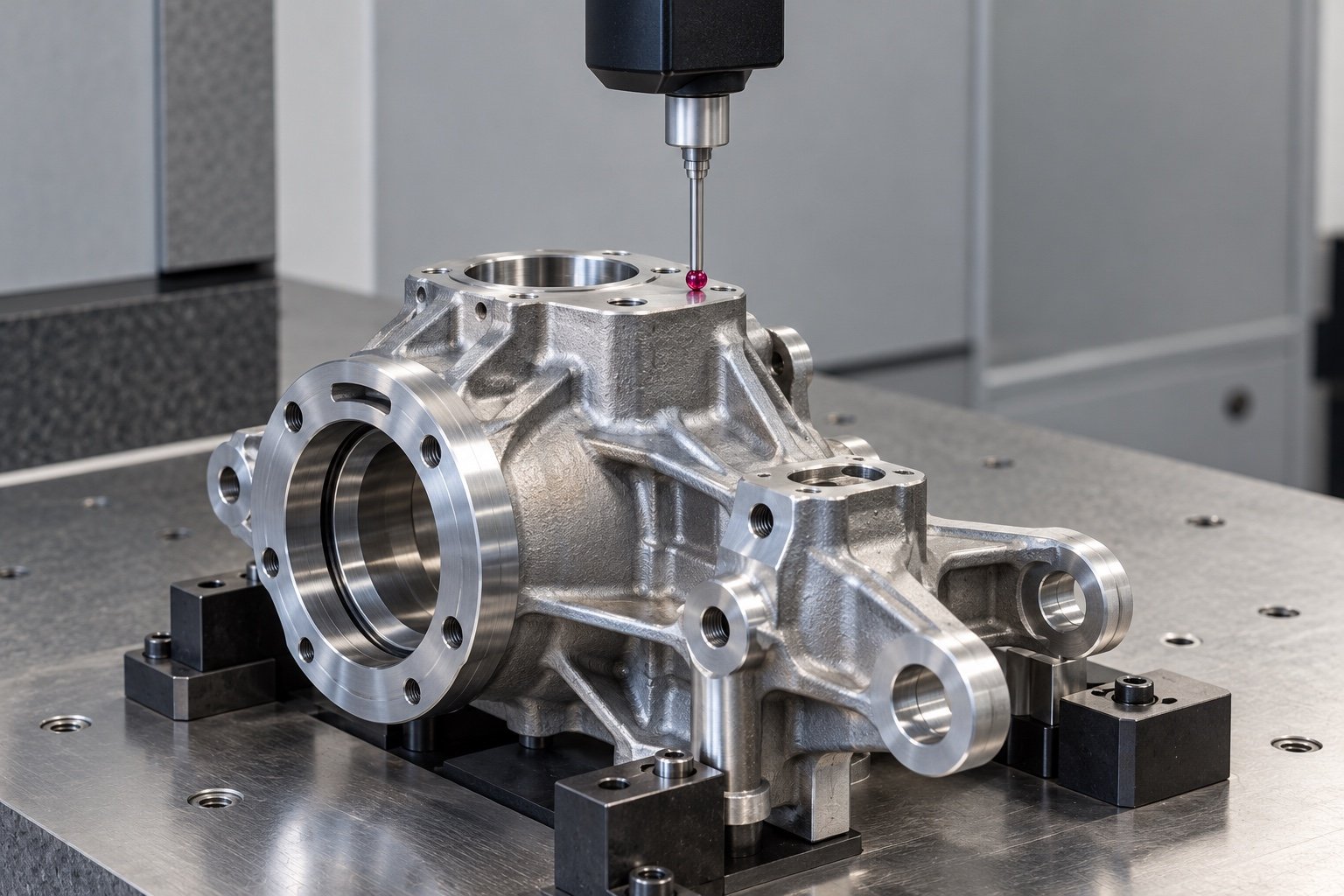
Keep model, drawing and agreed deviations together.
Mark the datums, fits and dimensions to inspect.
Agree sample quantity, report format and release authority.
Confirm FAI, material records and any customer-specific PPAP scope in the quotation.
A repeat order needs the same approved definition, plus a controlled way to handle changes.
CAD, drawing revision, quantities, material and required evidence.
Manufacturing route, tooling ownership, sample objective and delivery terms.
Check the agreed features and complete your application validation.
Retain approved records, part identification and change authority.
For your automotive OEM parts program, distinguish where the part is made from where your project communication is supported.

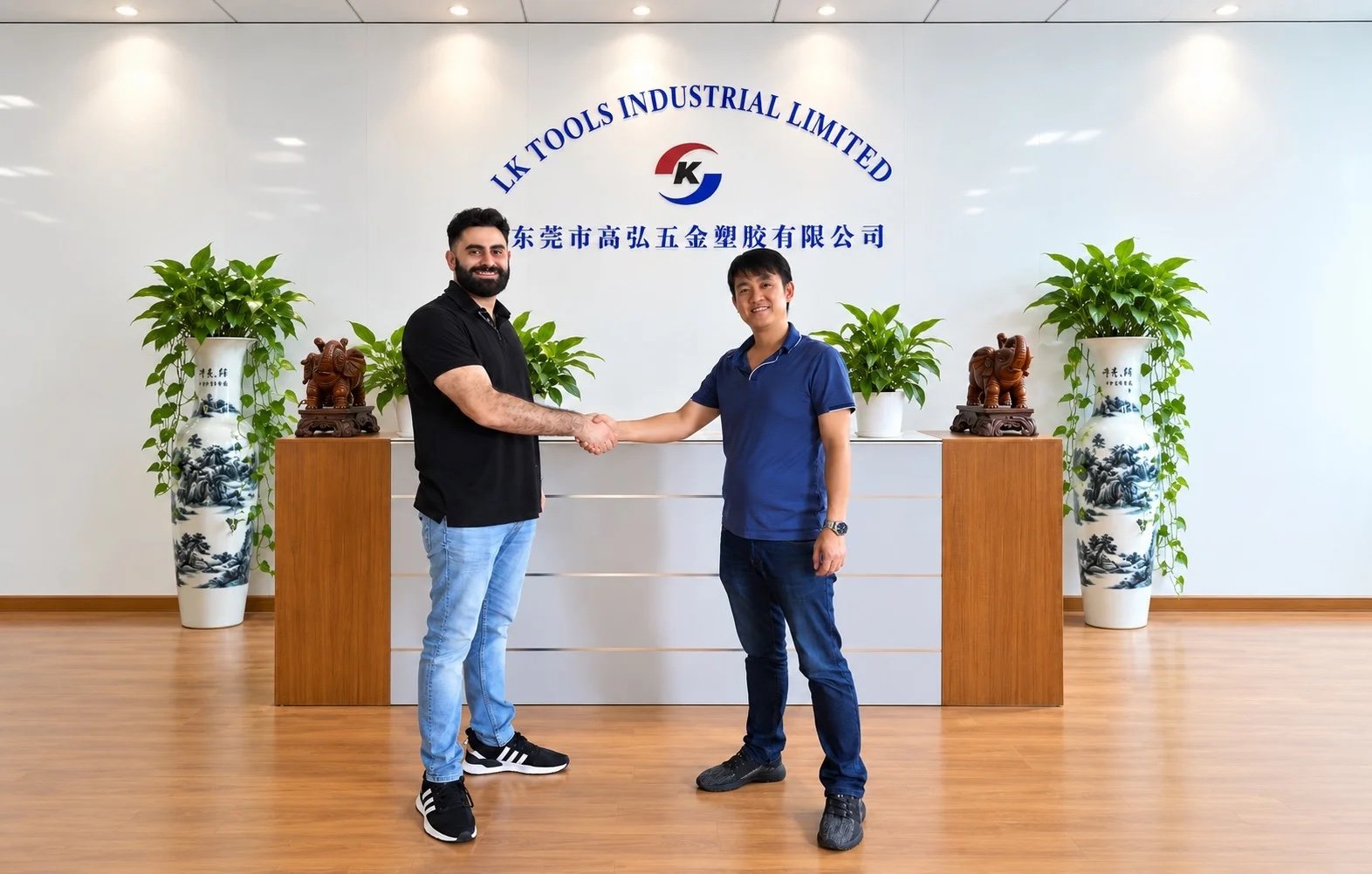

Agree who owns the drawing and sample approval.
Confirm packing, delivery terms and import responsibilities.
Discuss local coordination and any inventory arrangement.
Genuine company and customer-discussion photographs. Manufacturing in China; U.S. support does not mean U.S. manufacture or a default local stock program.
Factory & Operations →Upload the drawing revision, material, finish and quantities. Include critical features, sample objectives, required records and your target date.
Resolve scope, approval and records before your first order.
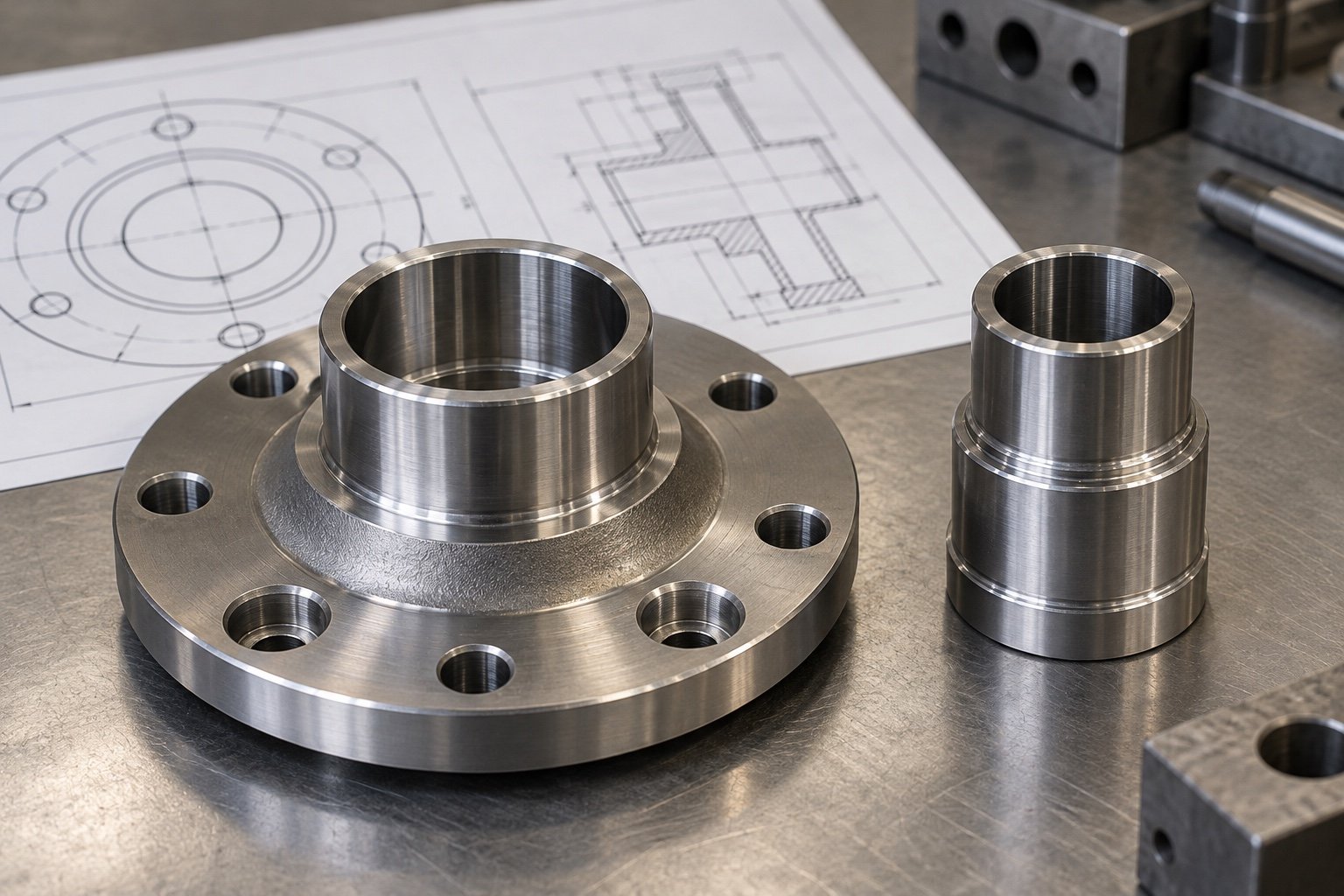
Send CAD and controlled drawings, material condition, finish, critical dimensions, sample and repeat quantities, required records and delivery destination.
Specify the customer requirements, submission level, documents and acceptance criteria for quotation review. Availability and scope must be agreed before the order; no blanket PPAP approval is implied.
No. Request current evidence for the actual supplying entity and manufacturing scope. Your supplier approval and application validation remain separate decisions.
Identify the released revision and approval contacts. Agree the treatment of work in progress, tooling, inspection records and packing when a change is approved.
Submit both quantities and what the sample must demonstrate. Any material or process change needs review against your acceptance requirements before production release.
Compare the same material condition, final dimensions, tooling ownership, inspection package, sample scope, packaging and delivery terms rather than only unit price.