Your Project Benefit
Avoid mismatched holes, tabs and mating profiles.
Choose a connected manufacturing route for your parts and assemblies.
Review your complex geometry, critical features and production decisions.
Align your inspection, records and delivery requirements before production.
LASER CUTTING SERVICES
Build your cut around material, geometry and your next operation.
From prototypes to repeat orders, review your profiles, edge condition and forming needs together. Get metal parts prepared for your assembly and finish requirements.
LASER CUTTING OVERVIEW
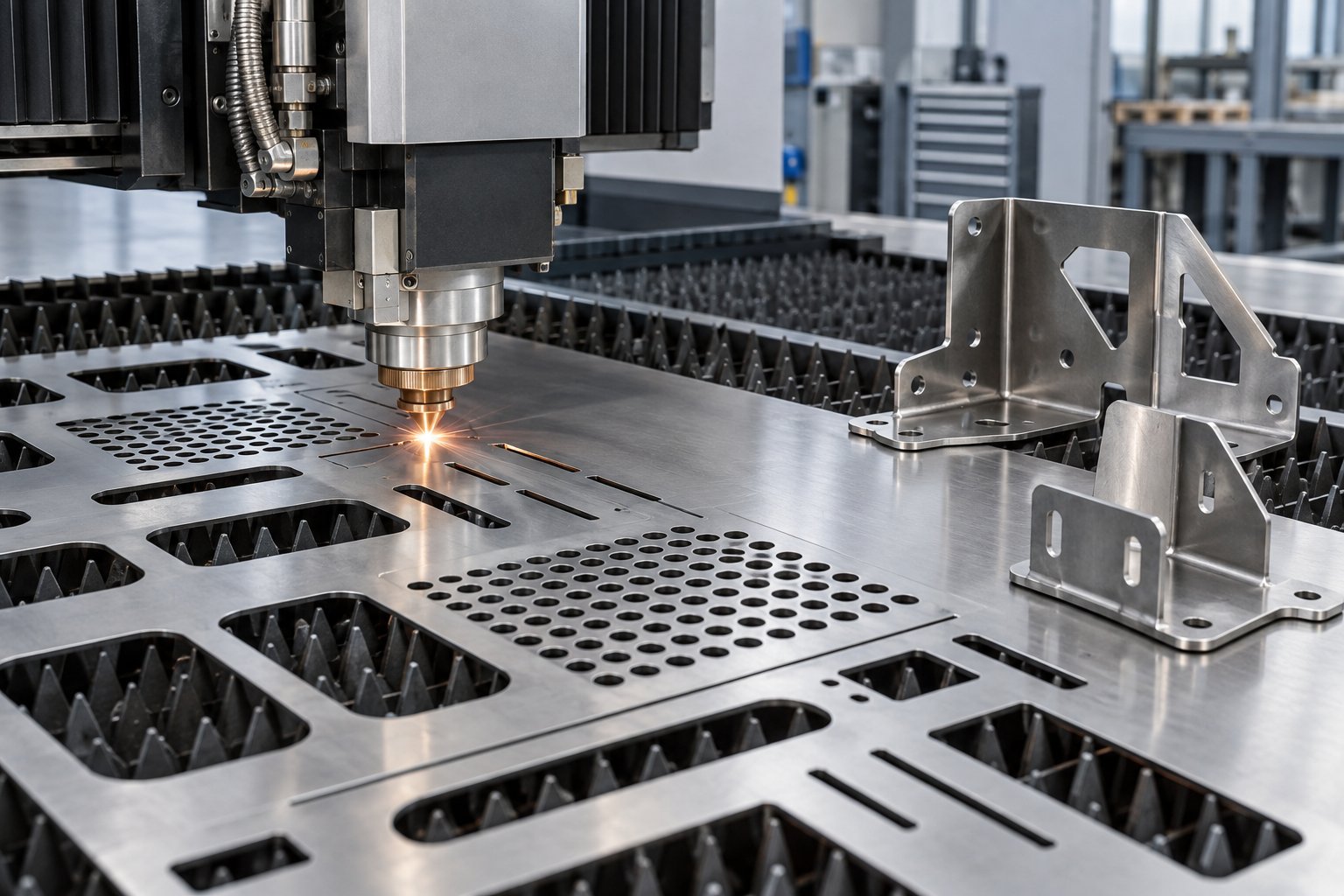
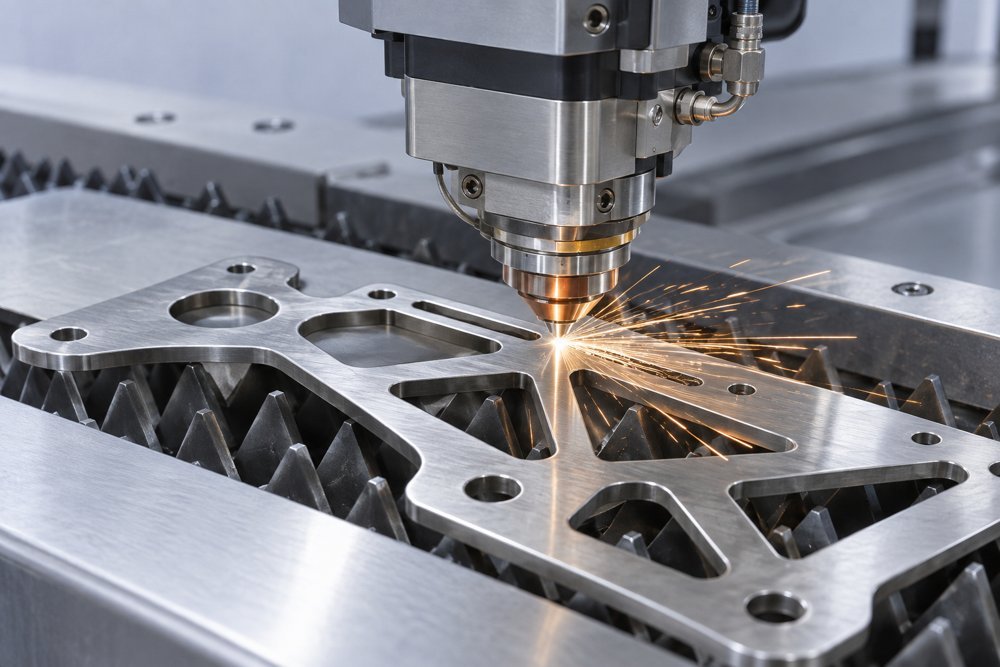
A focused laser follows your profile through sheet metal. Plan the cut together with bending, welding and finishing so your part works beyond the flat pattern.
OUR LASER CUTTING SERVICES
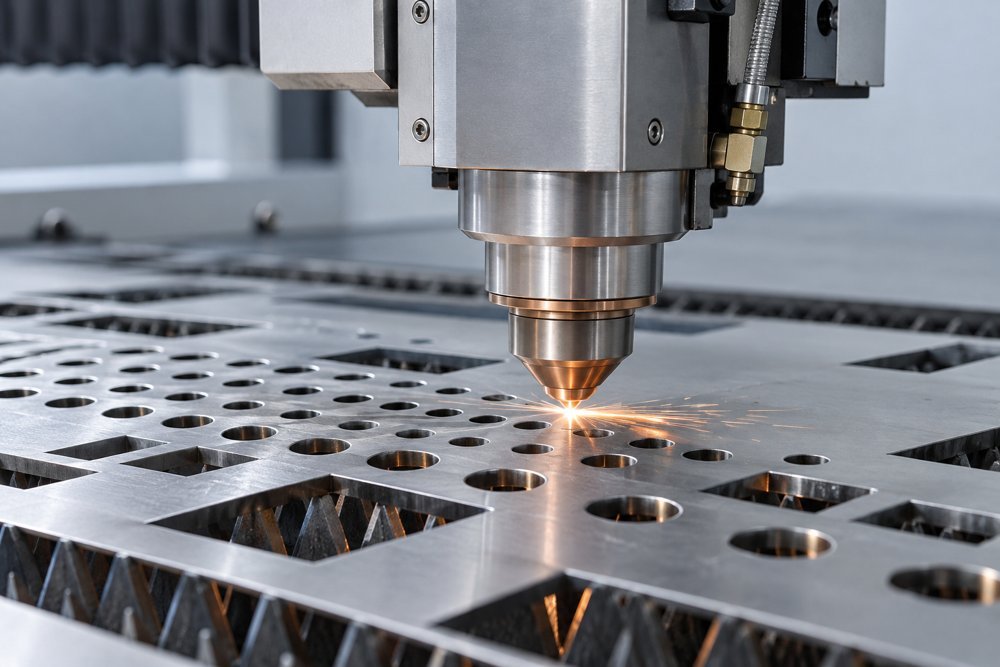
Review grade, thickness and feature detail before selecting the cutting settings.
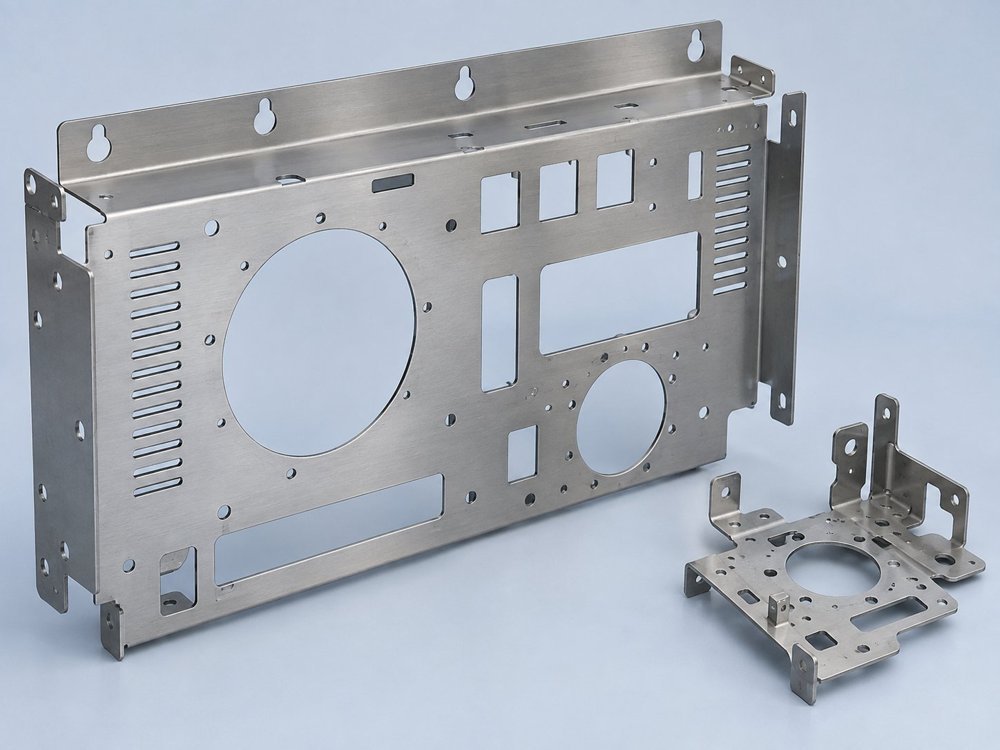
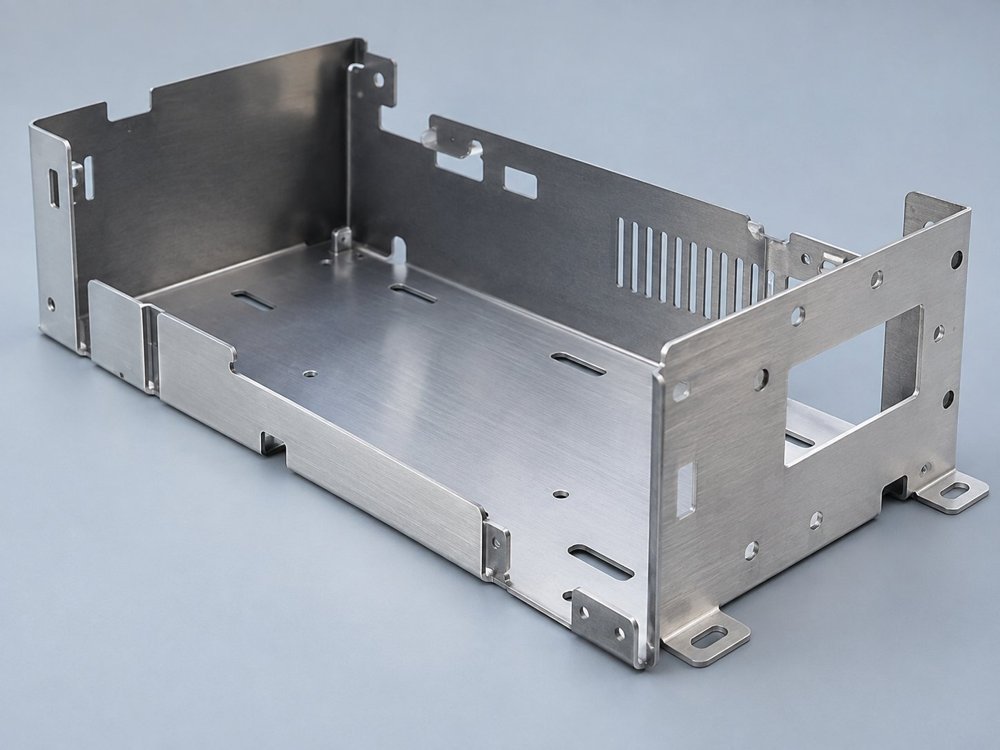
Connect cut features to bend locations, hardware and final assembly.
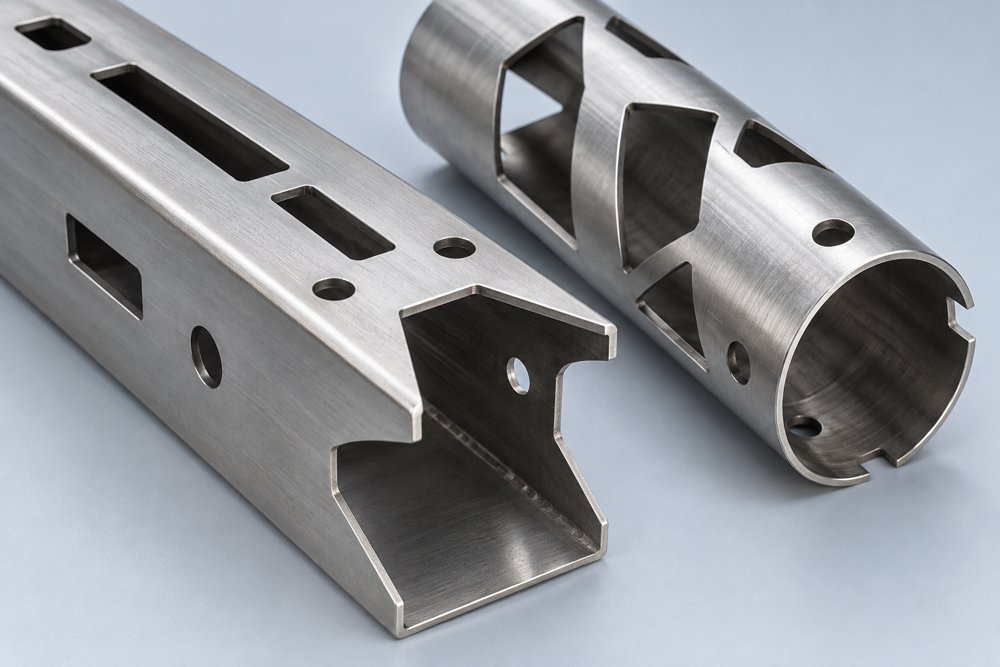
Share the tube section, wall thickness and end features for a feasibility review.
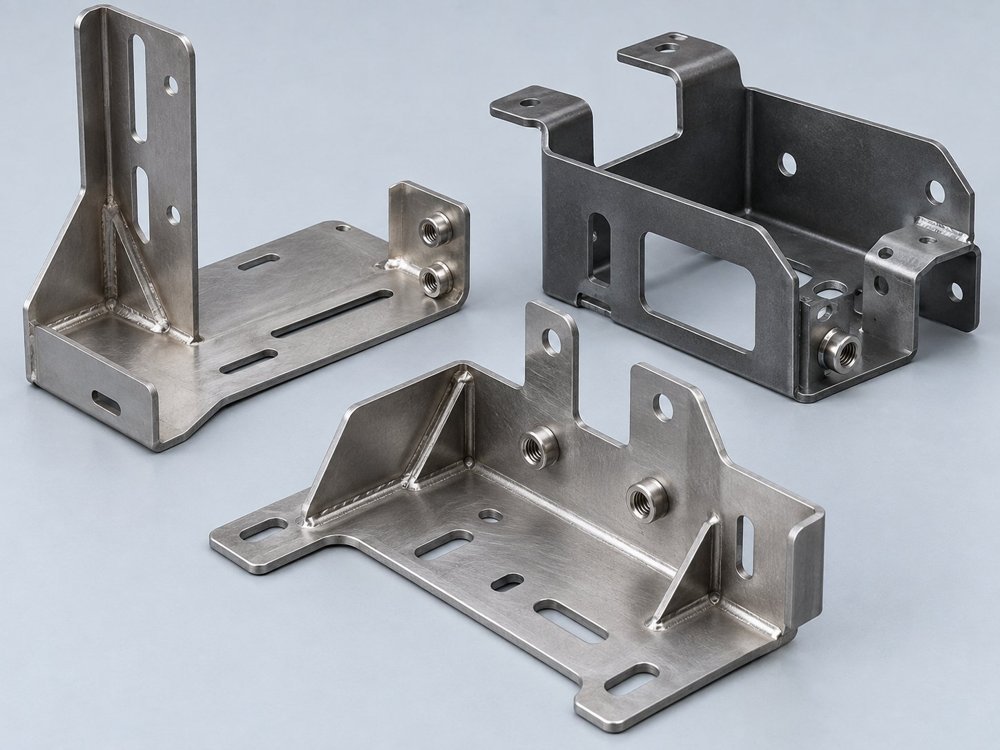
Small holes and narrow webs need a review tied to thickness and material.
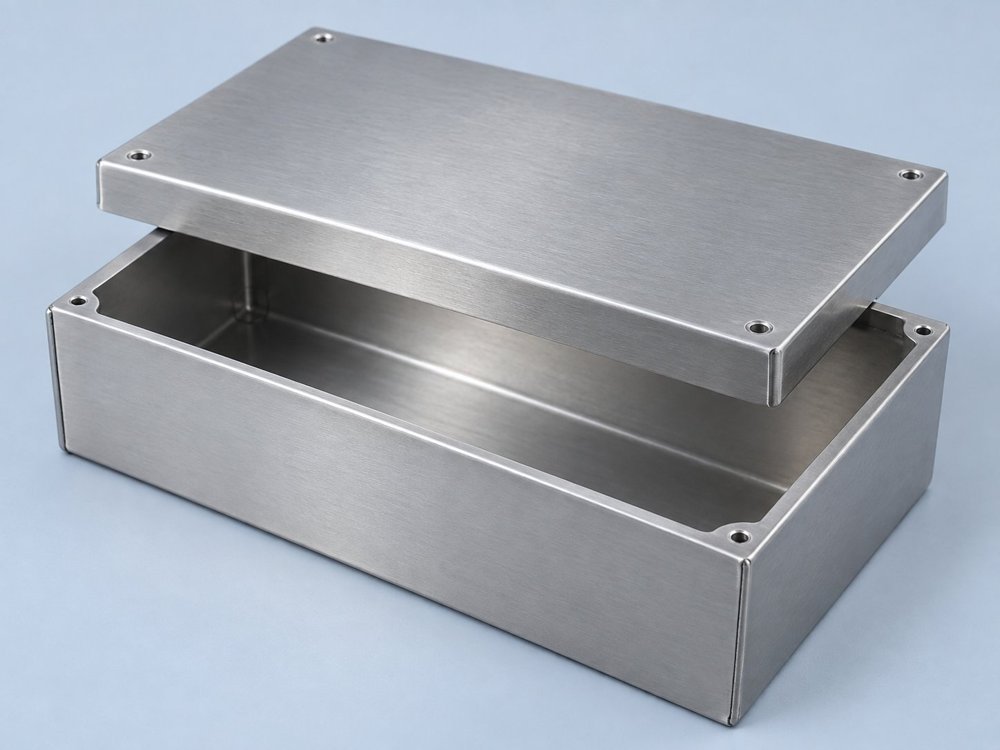
Use sample parts to validate geometry, bends and assembly before repeat release.
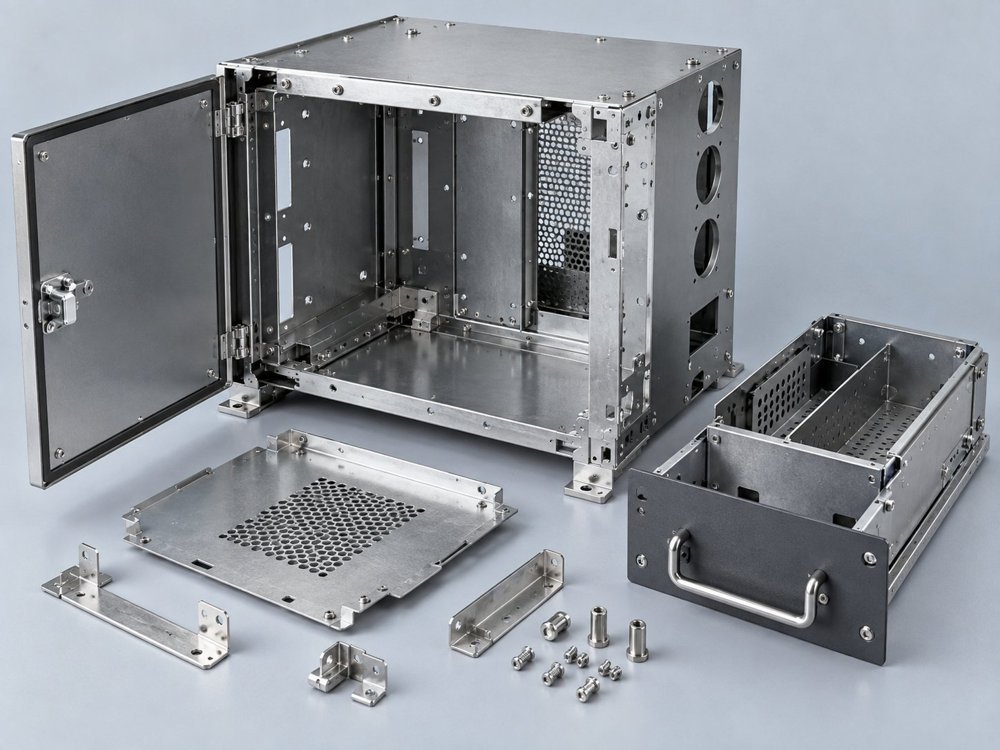
Align material, cut plan, inspection and release quantities for repeat orders.
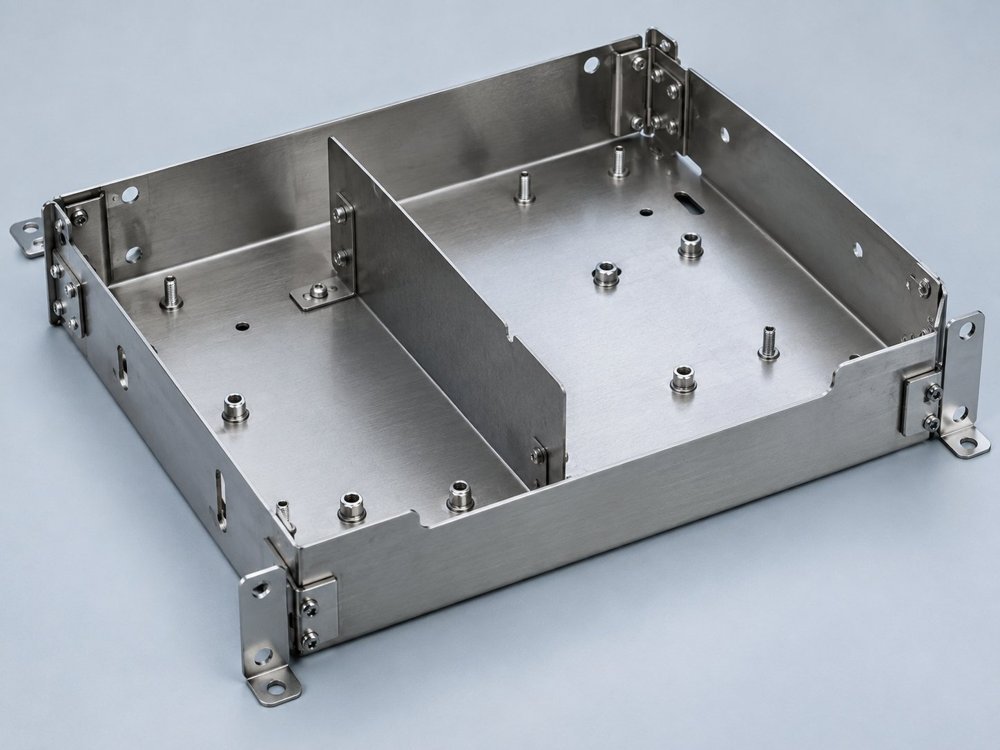
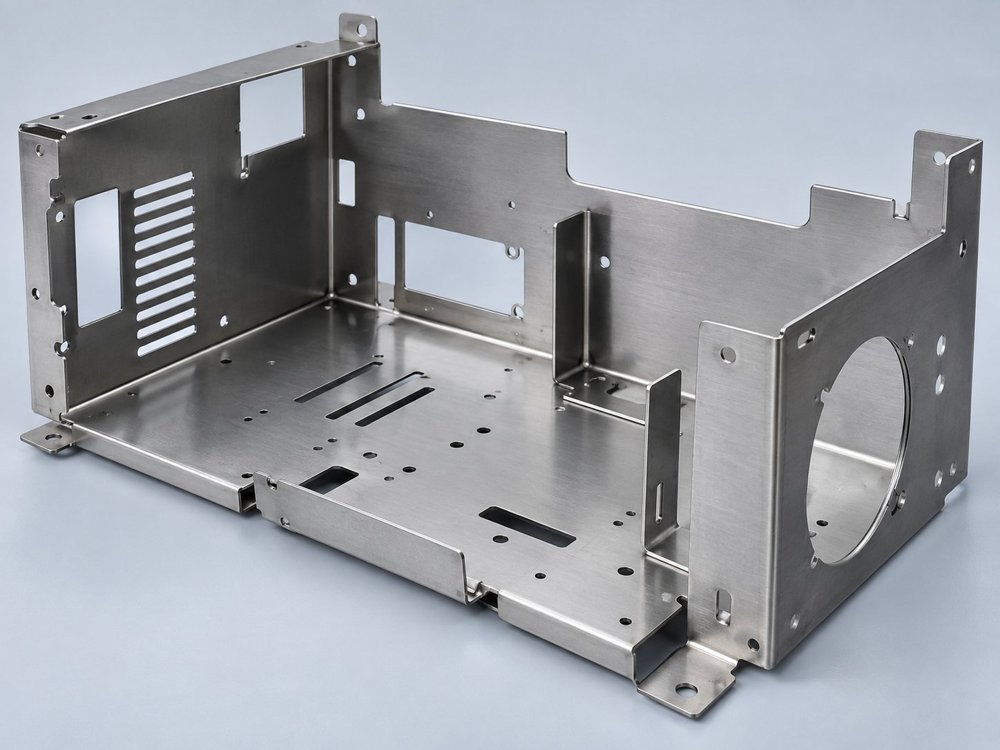
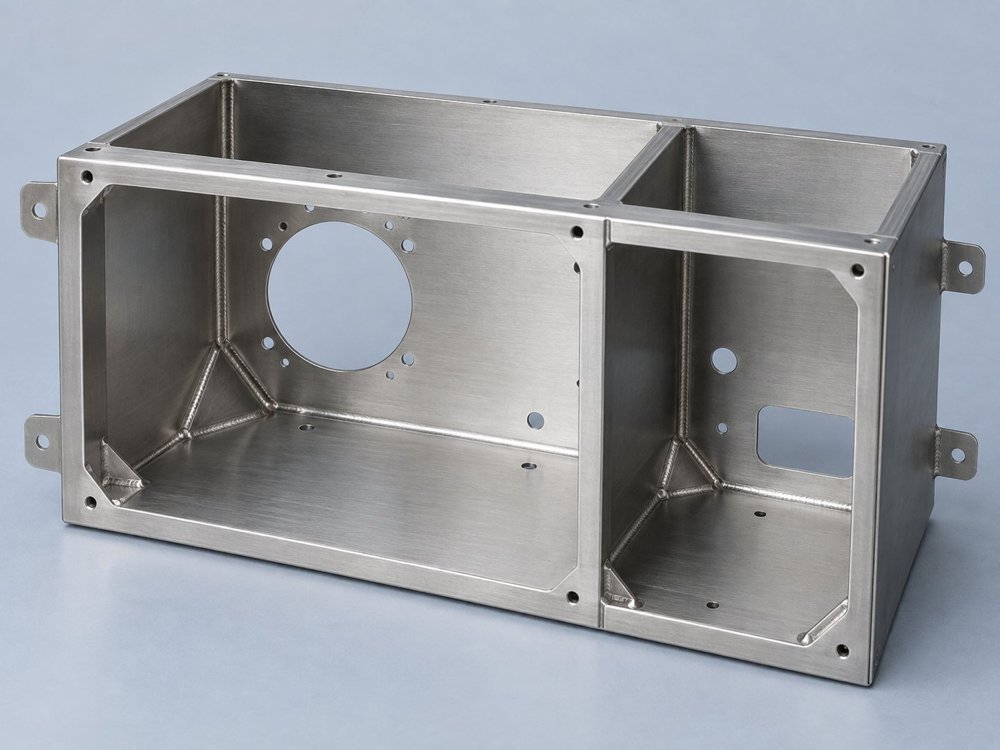
Coordinate bending, welding, hardware and surface finishing with the cut plan.
PREVENT LASER CUTTING ISSUES
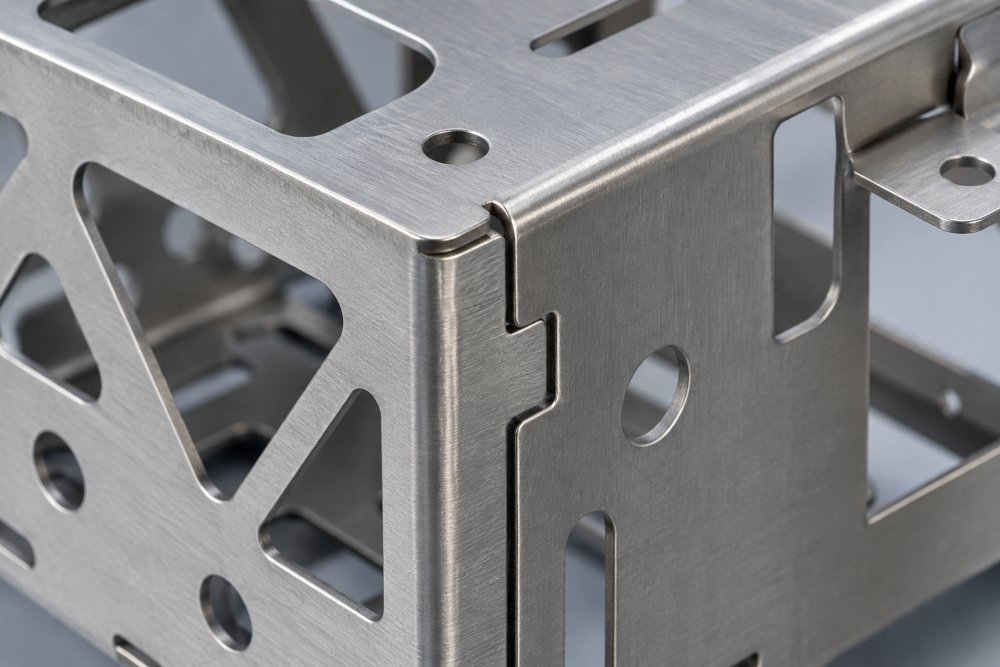
The laser removes a finite width of material. Supply nominal dimensions and let the reviewed cut plan account for kerf unless a different convention is agreed.
Avoid mismatched holes, tabs and mating profiles.
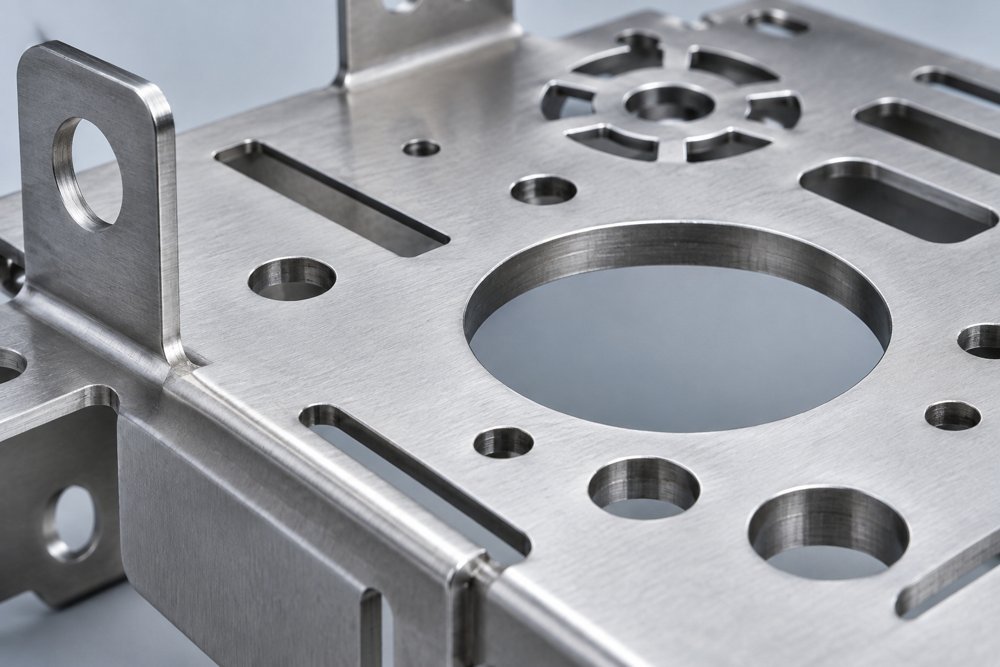
Hole size and spacing depend on thickness, alloy and process. Identify precision bores that may need drilling or reaming.
Protect your fastener fit and functional interfaces.
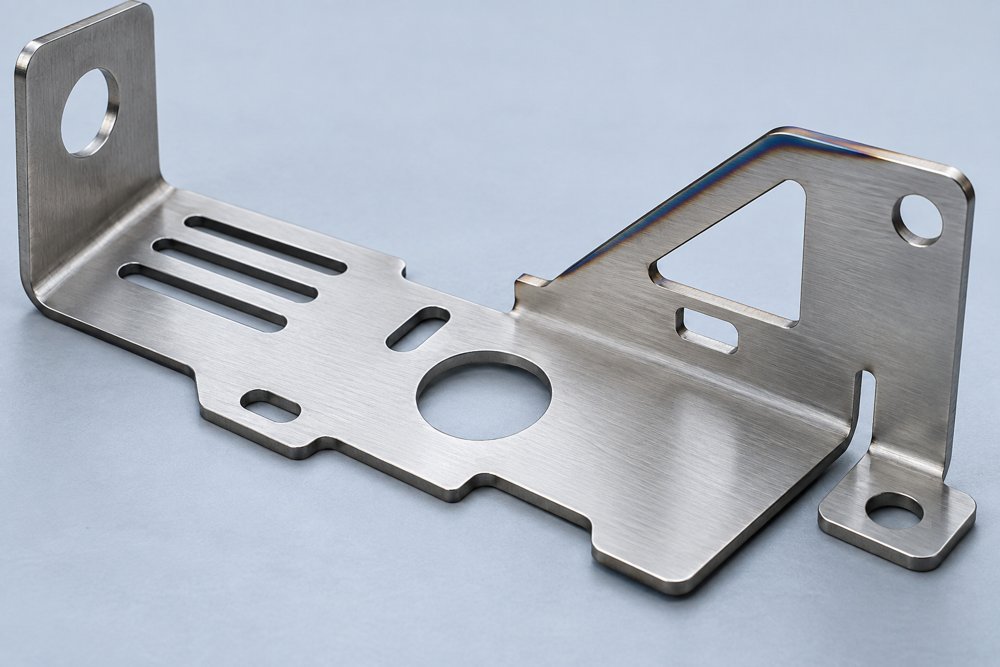
Heat can affect the cut edge. Specify surface integrity, coating and subsequent joining requirements.
Match your edge condition to the next operation.
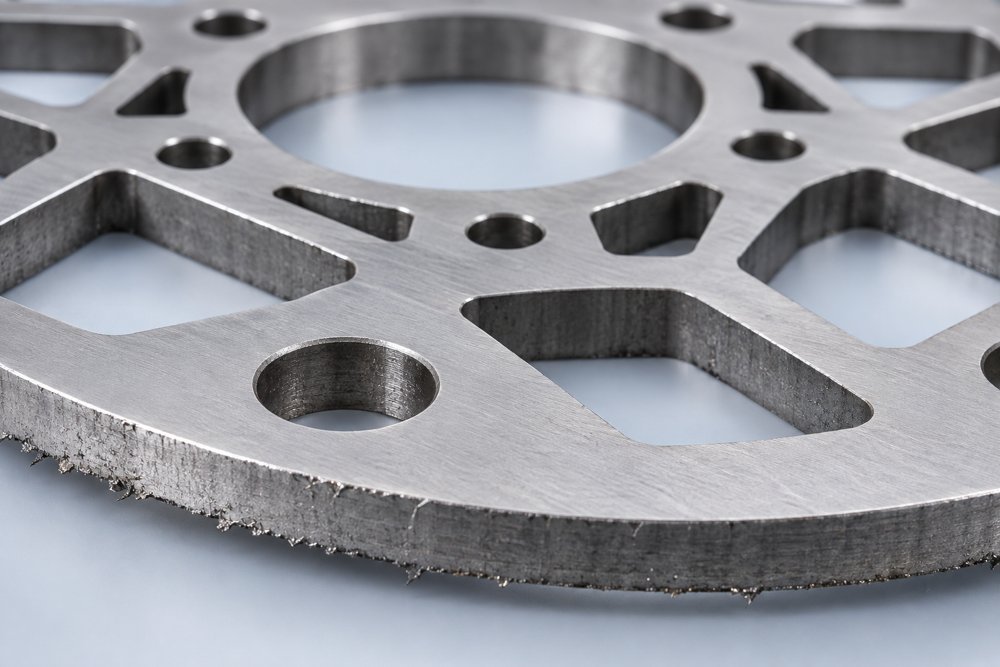
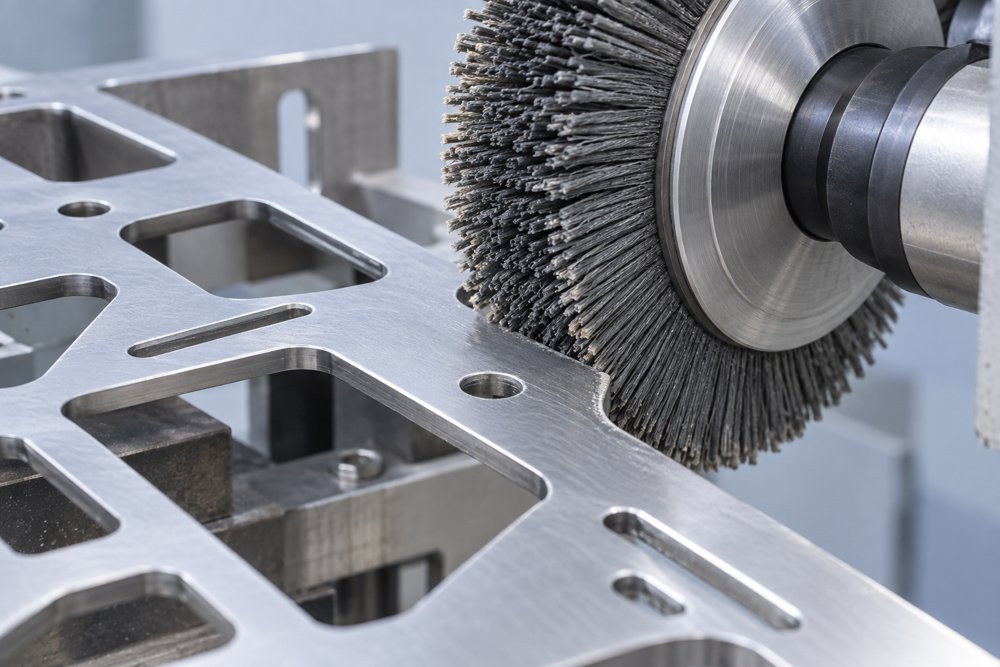
Identify handling edges, sealing faces and deburring expectations. Edge acceptance should be explicit on your drawing.
Reduce receiving rework and assembly interruptions.
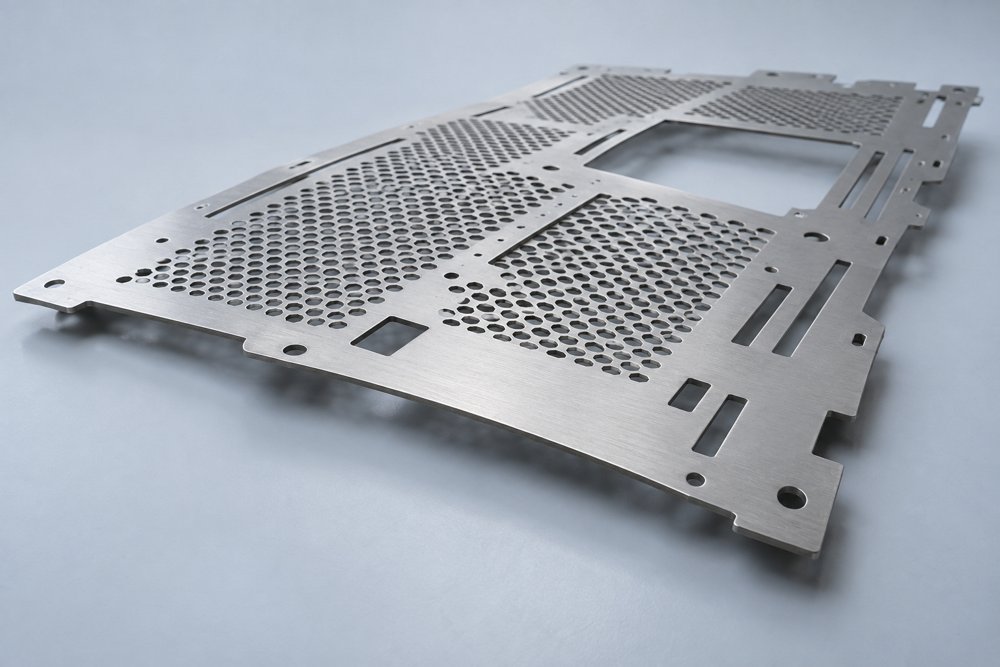
Thin webs, large cutouts and heat distribution can affect flatness. Review geometry, support and cutting sequence.
Keep your part aligned with its mating components.
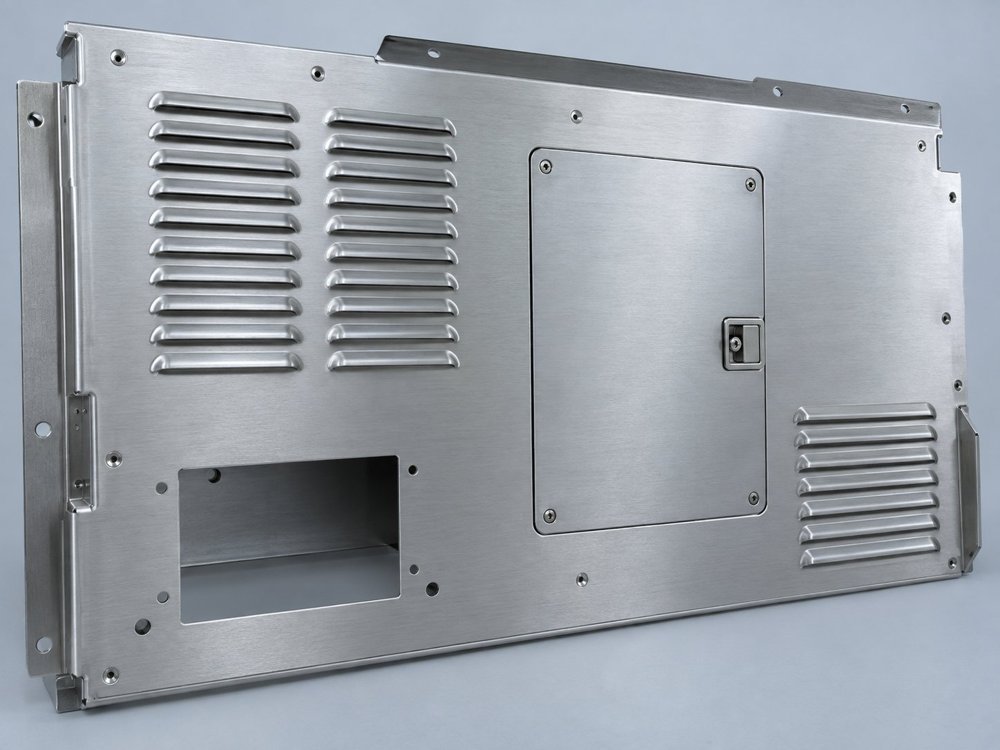
Identify the cosmetic side, grain direction and acceptable marks before cutting and handling.
Receive a surface prepared for your finish standard.
CHOOSE YOUR CUTTING PROCESS
| Decision | Fiber Laser Cutting | Waterjet Cutting | CNC Punching | Plasma Cutting |
|---|---|---|---|---|
| Starting point | Detailed metal profiles | Heat-sensitive or thicker material review | Repeated sheet features | Thicker conductive metal profiles |
| Heat input | Thermal process | No thermal cutting zone | Mechanical shearing | Thermal process |
| Feature limits | Kerf, thickness and heat | Jet width and taper | Available punch tooling | Kerf and edge detail |
| Tooling | Program and support plan | Program and support plan | Feature-specific tools | Program and support plan |
| Your review | Edge, flatness and finish | Taper, edge and material | Tool access and deformation | Edge quality and secondary work |
MATERIALS FOR YOUR LASER-CUT PART
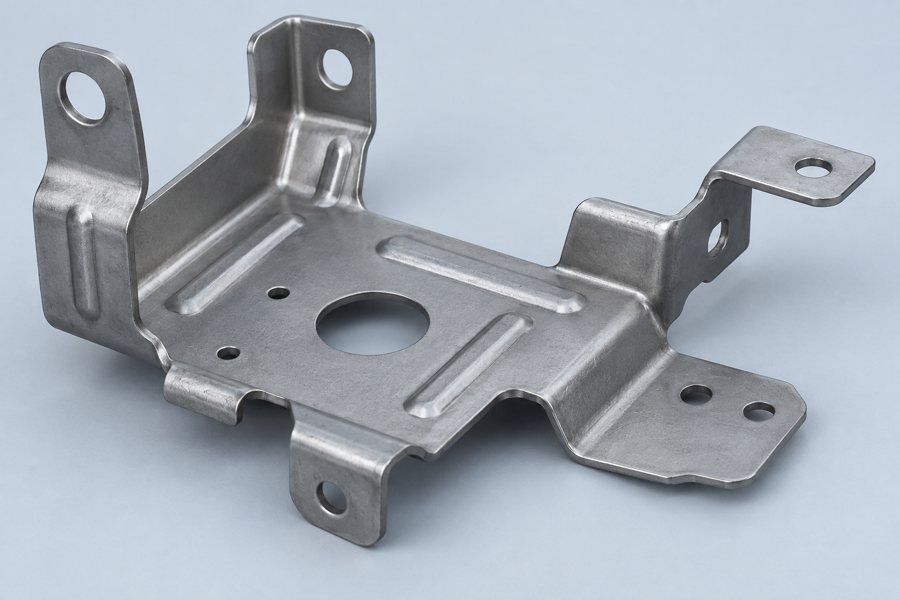
Your grade, coating and weld requirements.
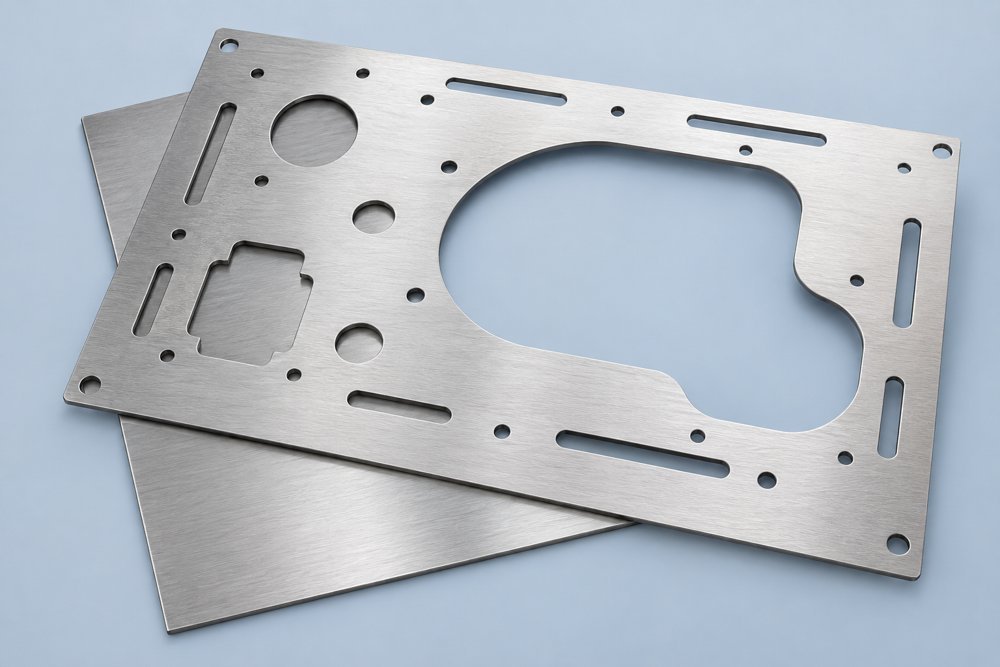
Your corrosion and cosmetic requirements.
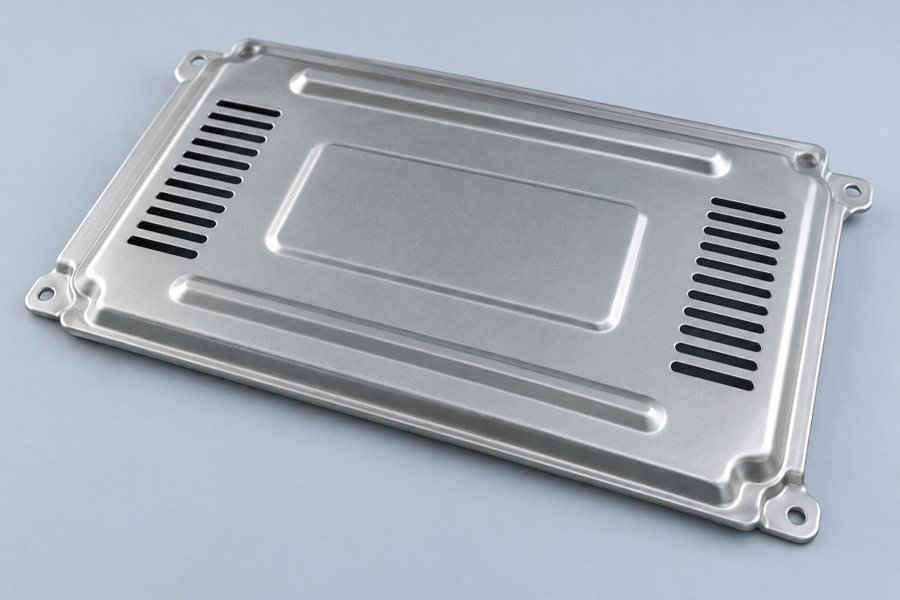
Your alloy, temper and forming needs.
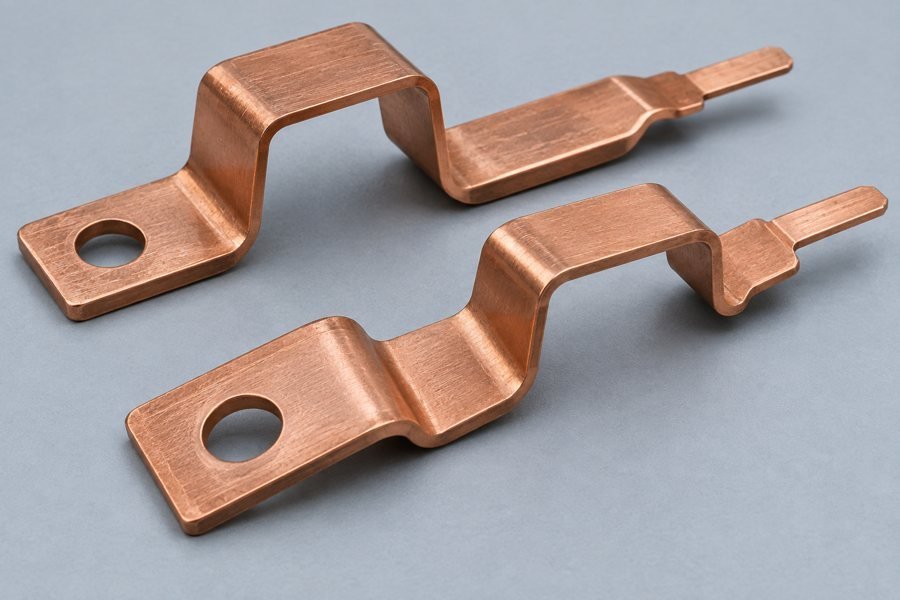
Review reflective material and edge requirements.
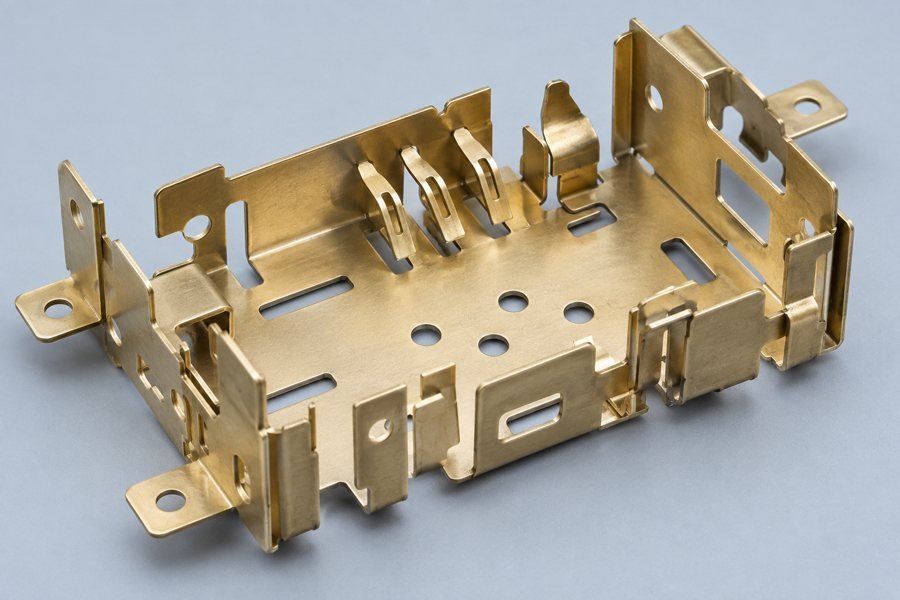
Review grade, thickness and surface appearance.
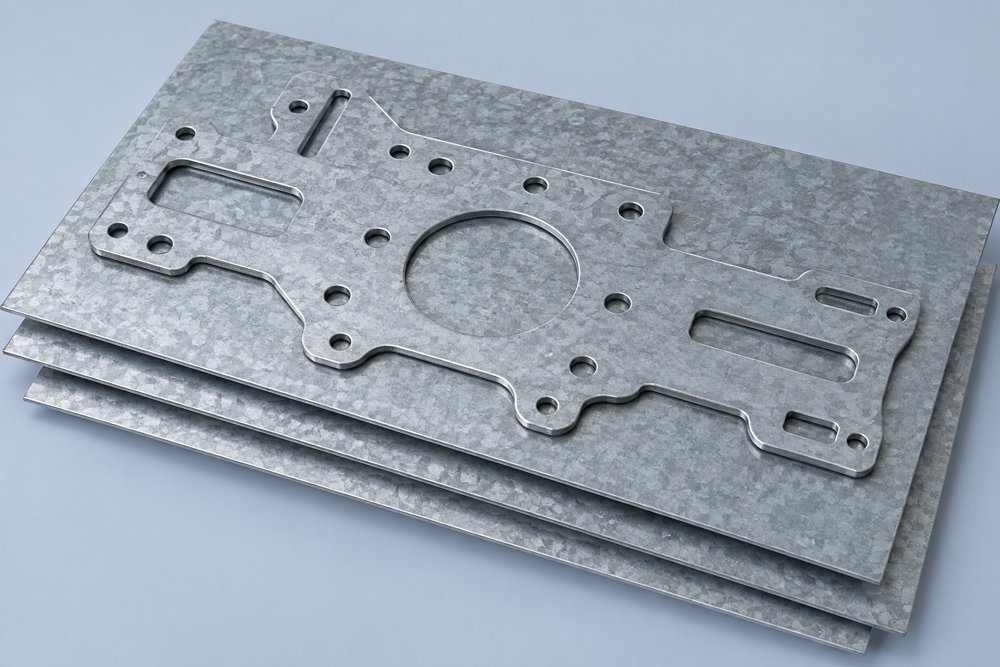
Your coated surface and exposed-edge protection.
DESIGN FOR LASER CUTTING
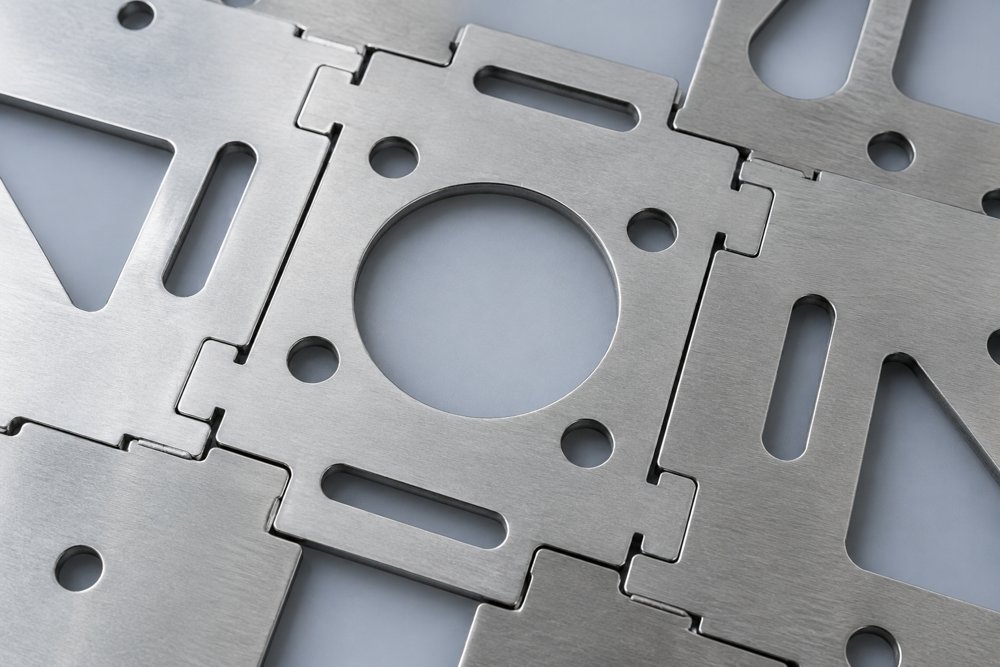
Use nominal drawing dimensions and agree how kerf is handled.
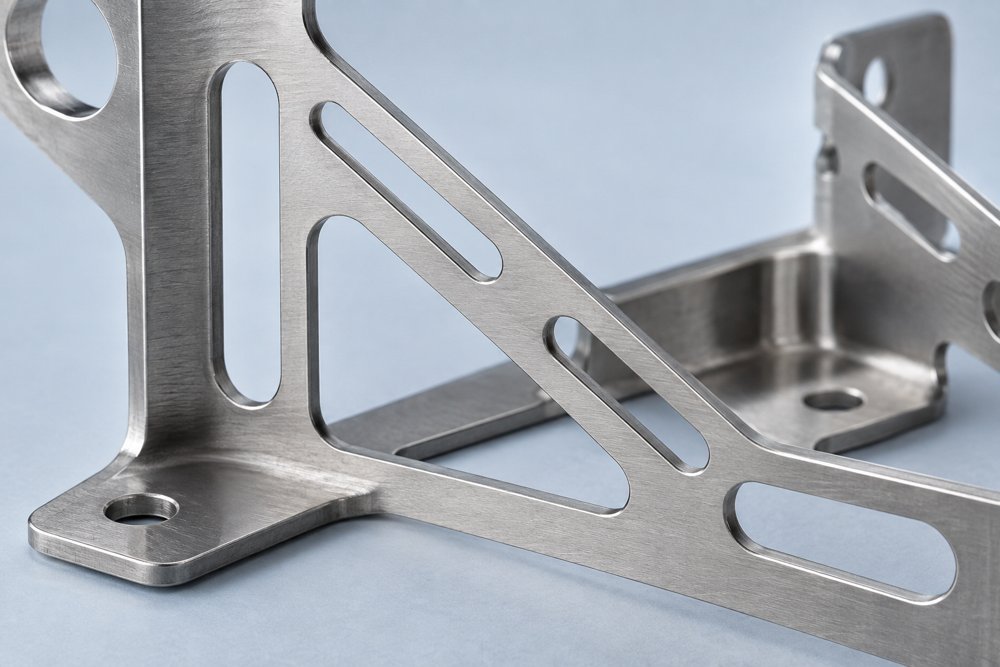
Review narrow webs and small openings against material thickness.
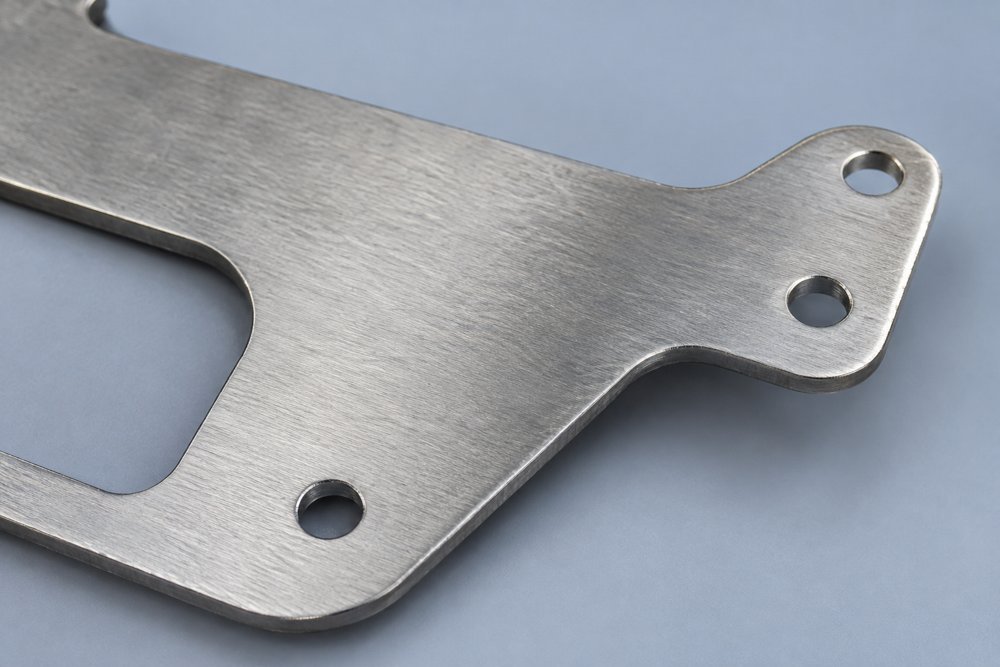
Leave enough material to protect the edge and downstream forming.
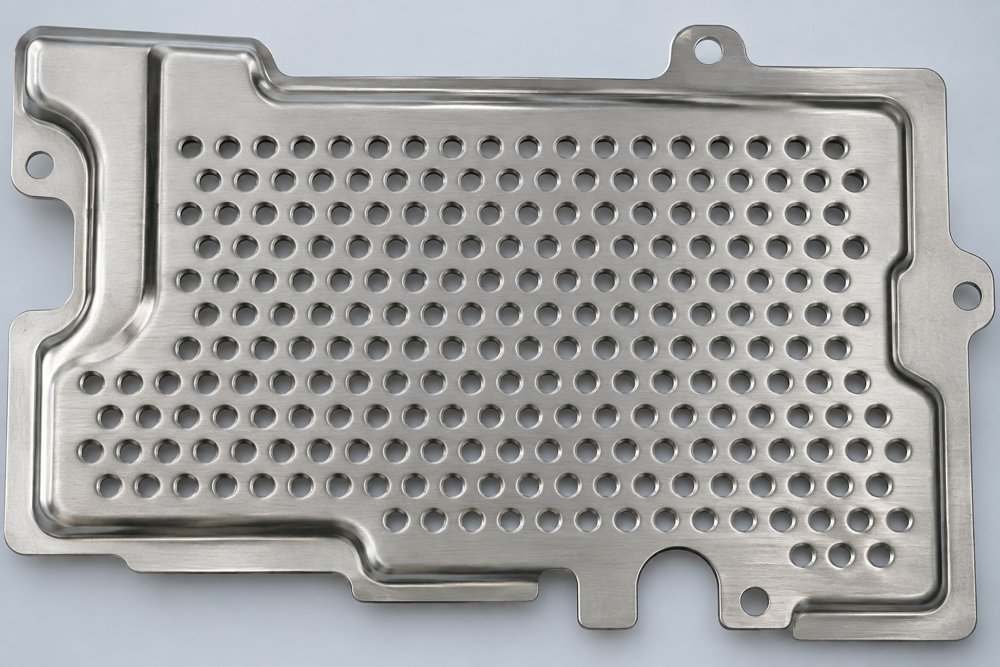
Review closely spaced openings for heat and dimensional stability.
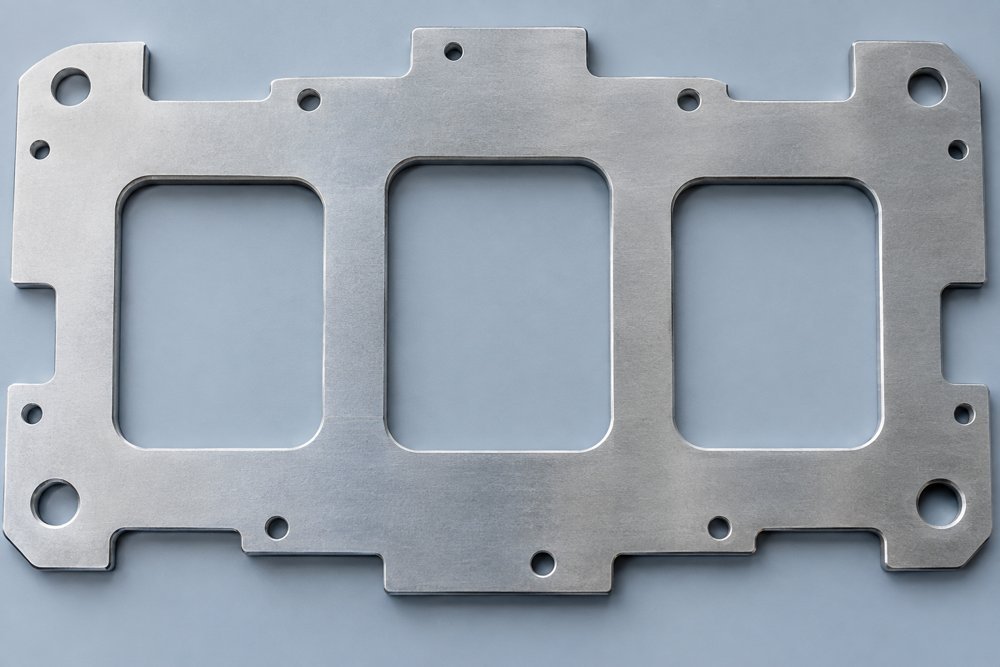
Specify functional corner radii and mating clearances.
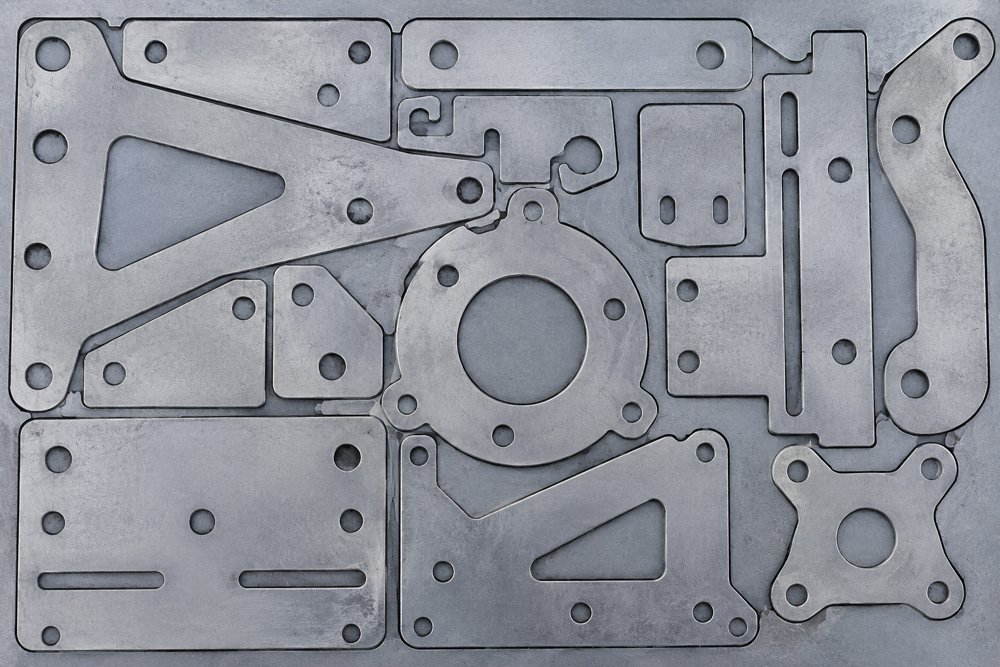
Identify grain direction and cosmetic faces before optimizing material use.
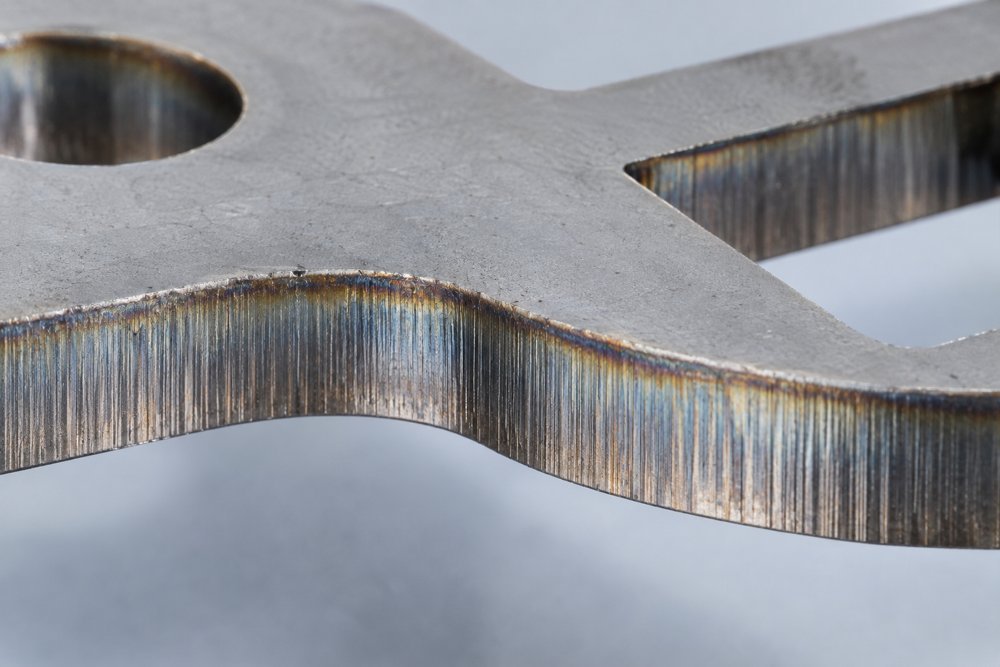
Specify edge treatment or verification needed for your application.
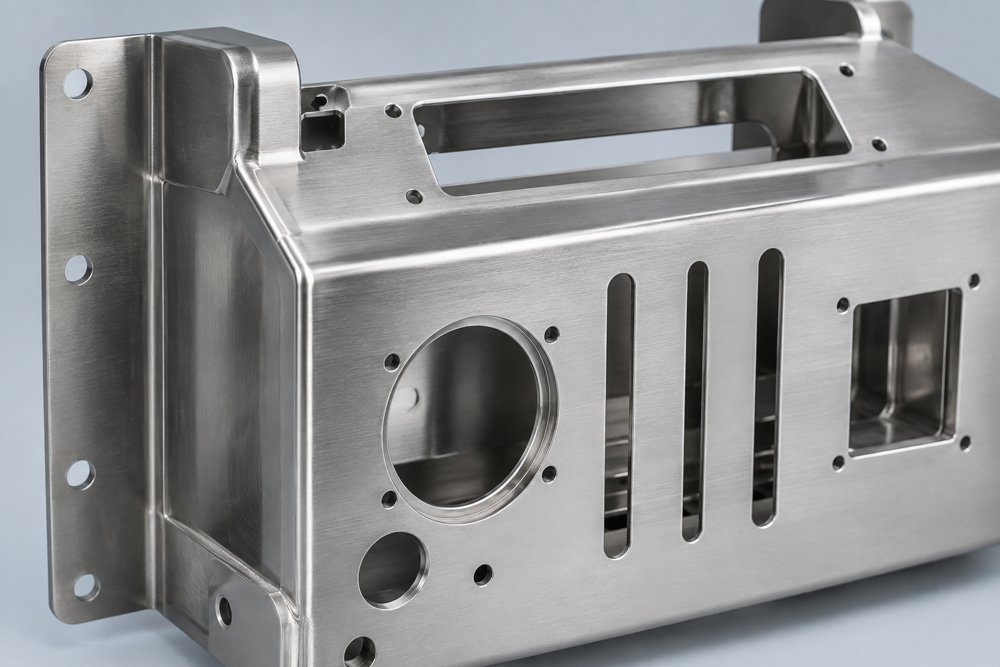
Coordinate deburring, coating, masking and protective packaging.
FROM DESIGN TO PRODUCTION
Confirm your drawing, material and quantity.
Review nesting, features and secondary operations.
Produce your agreed sample scope.
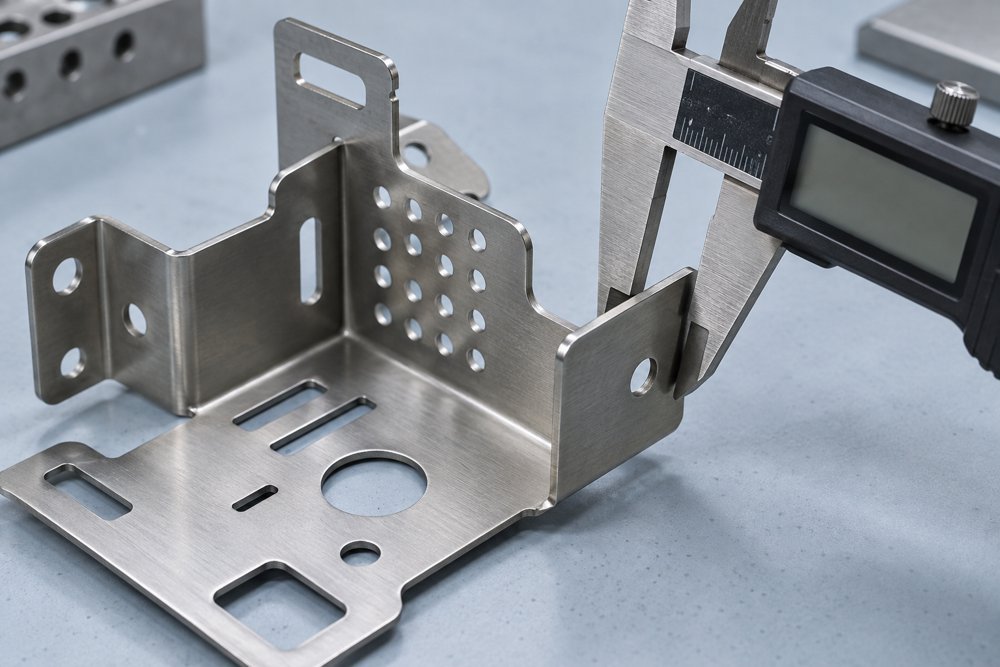
Verify your specified dimensions and edges.
Release your controlled production revision.
Receive protected parts to the agreed schedule.
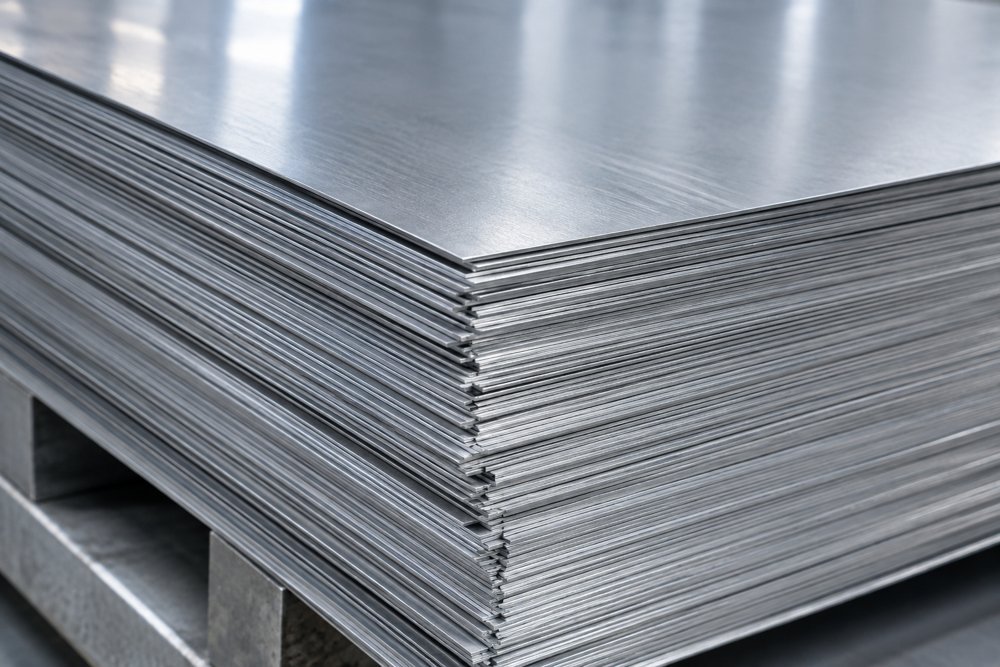
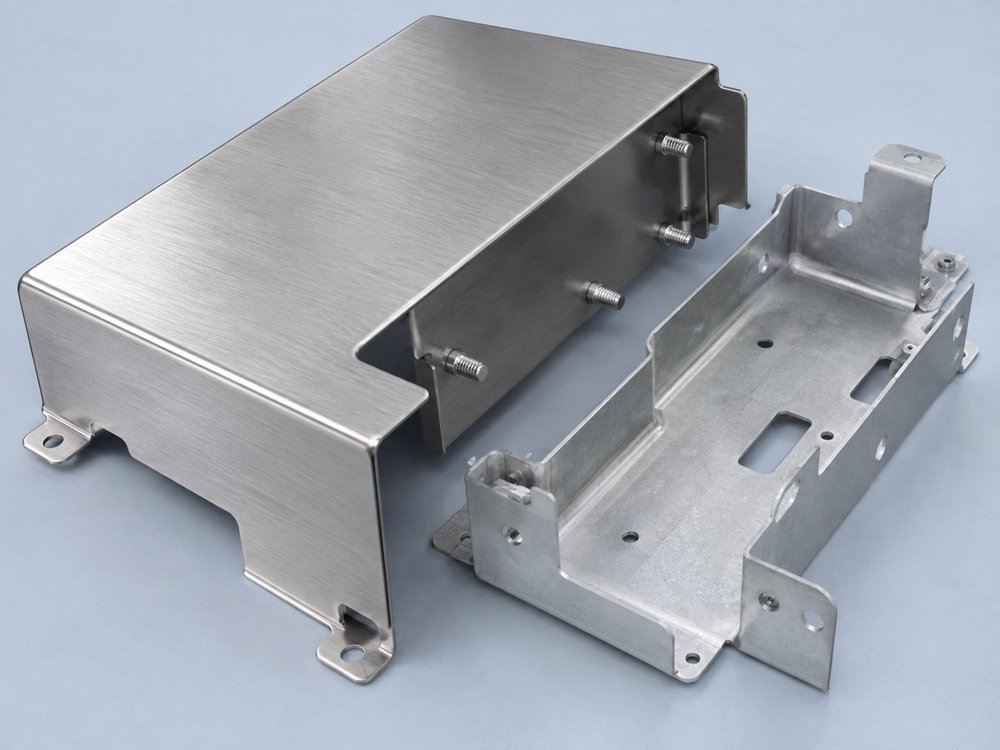
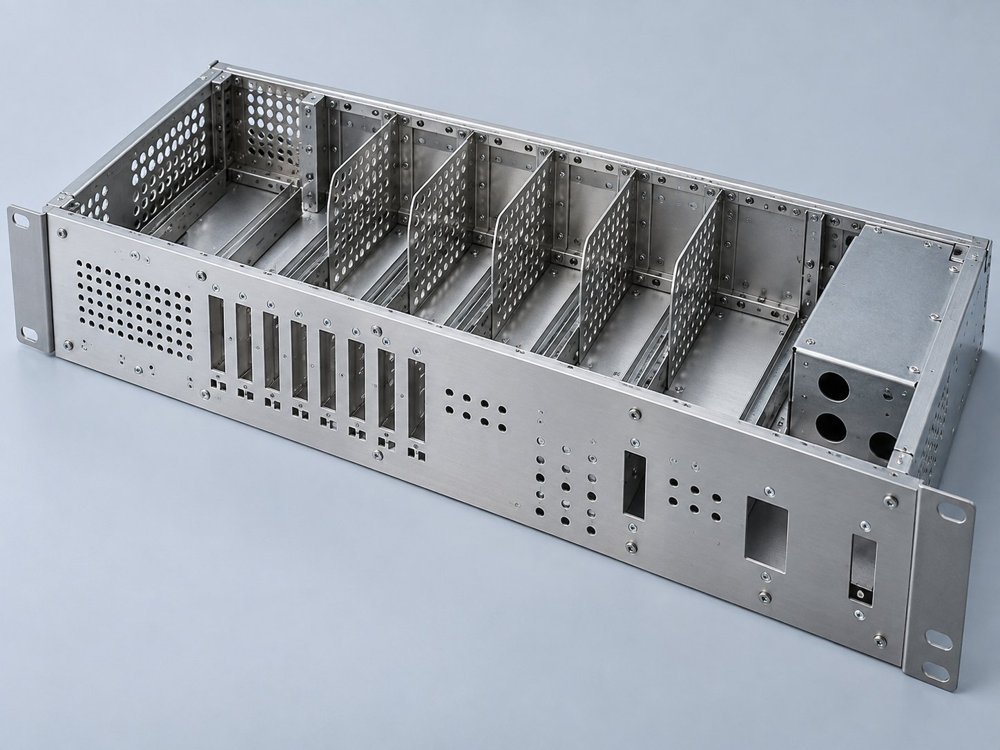
FROM SHEET TO YOUR FINISHED PART
QUALITY YOU CAN VERIFY
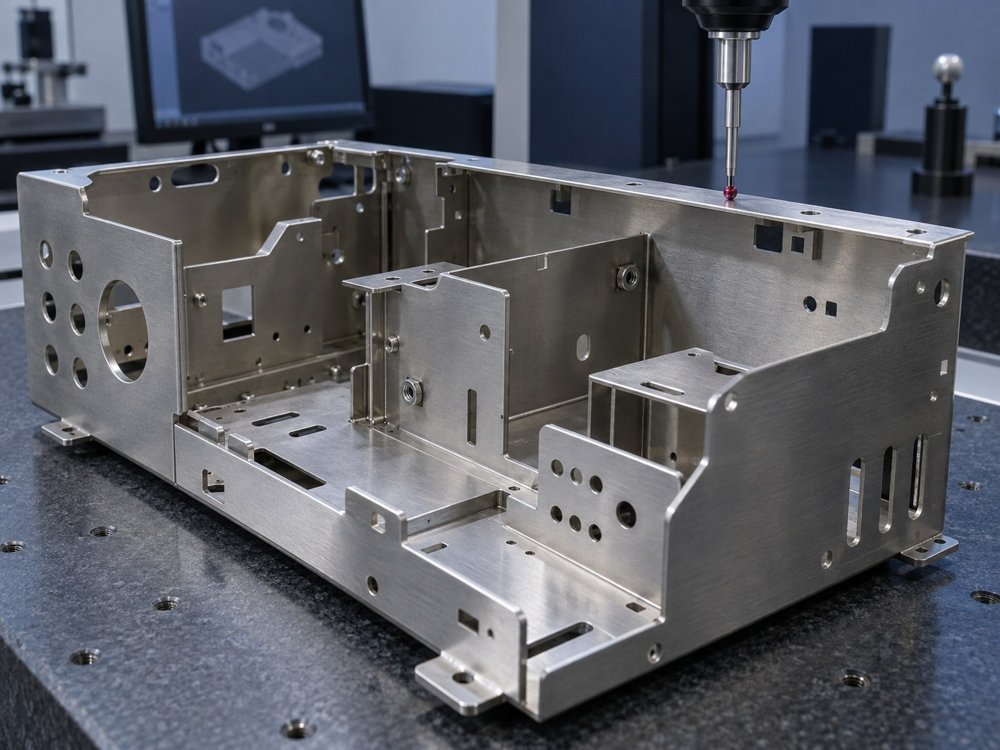
Agree the checks and records your program needs before production.
Your dimensions and acceptance criteria.
Methods suited to your features.
Agreed certificates and lot records.
Your functional and handling edges.
Your finish and cosmetic requirements.
Identification for your release plan.
INDUSTRIES & APPLICATIONS
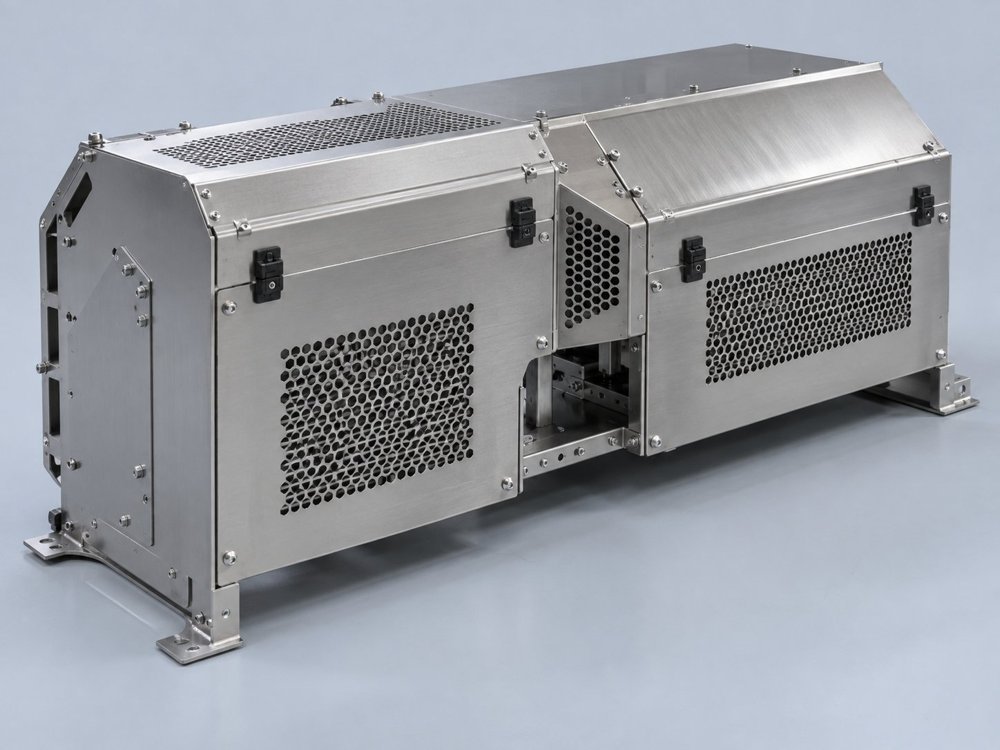
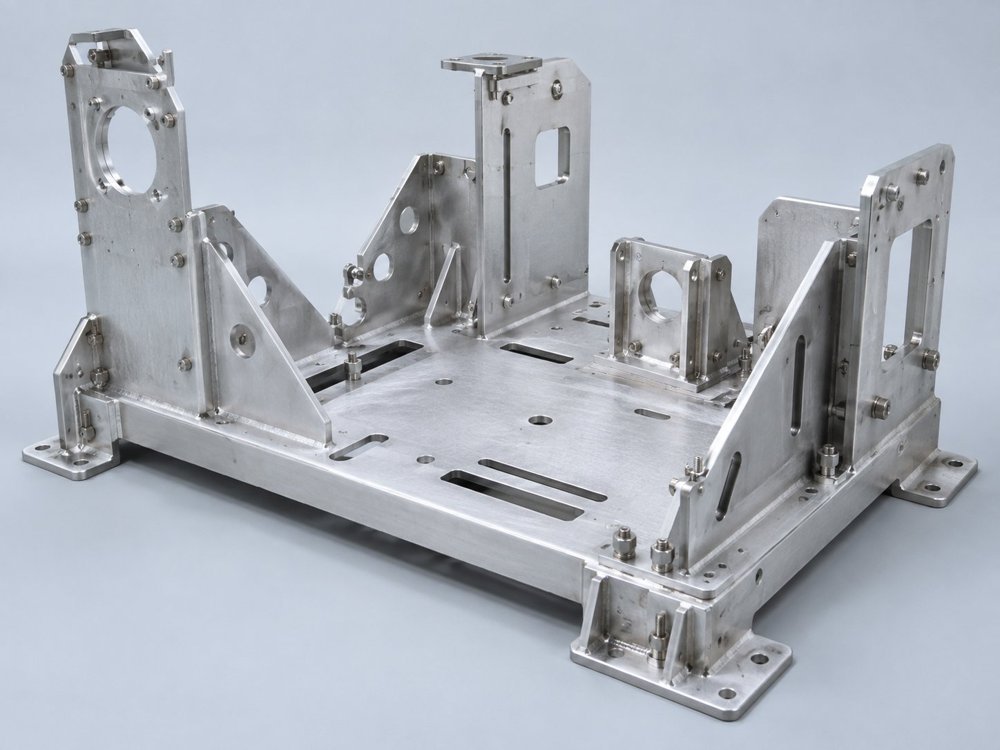
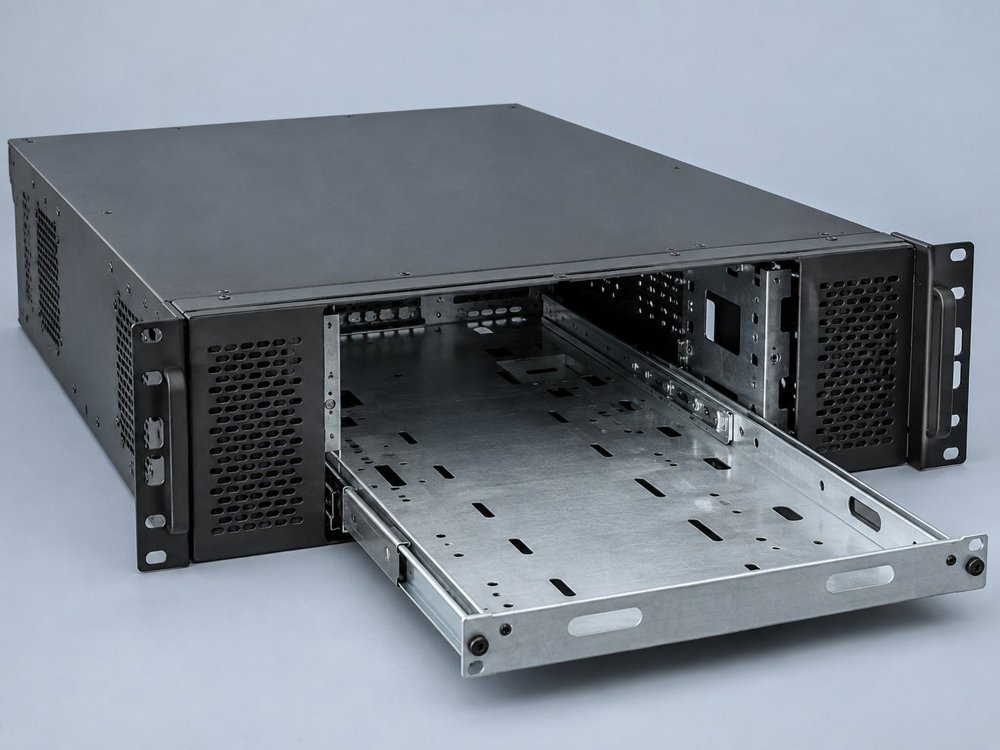
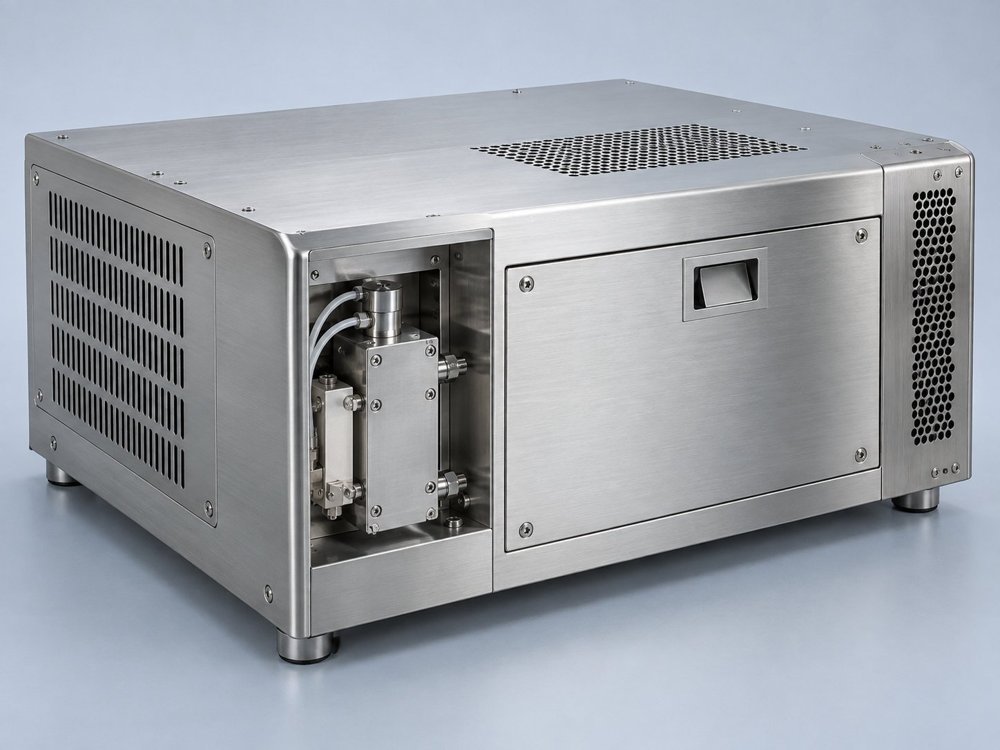
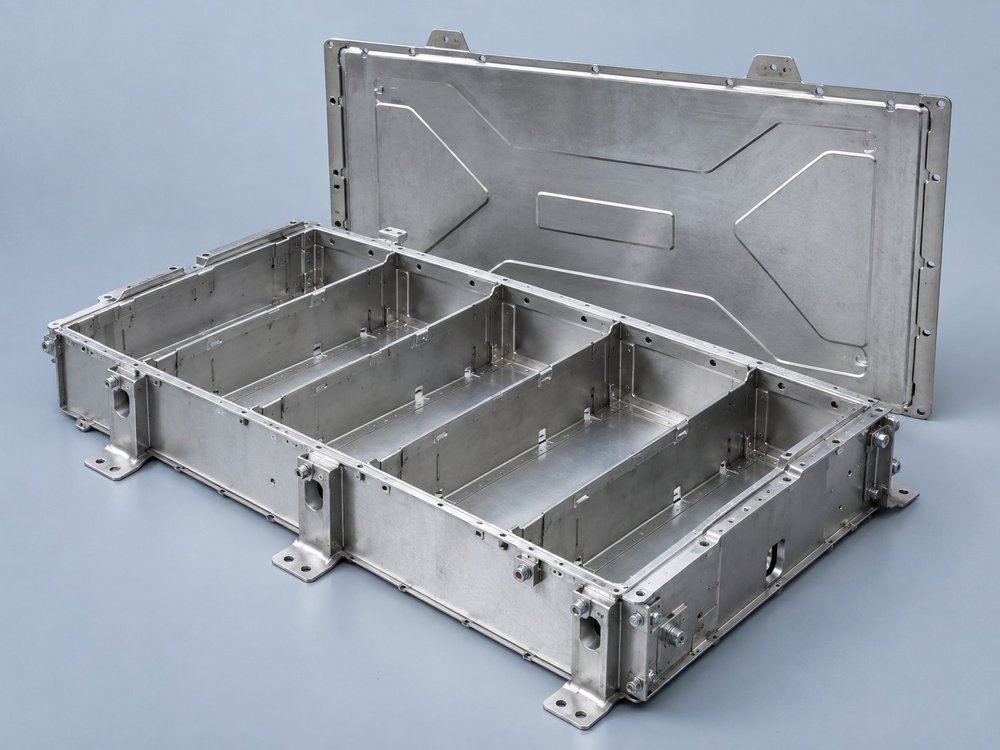
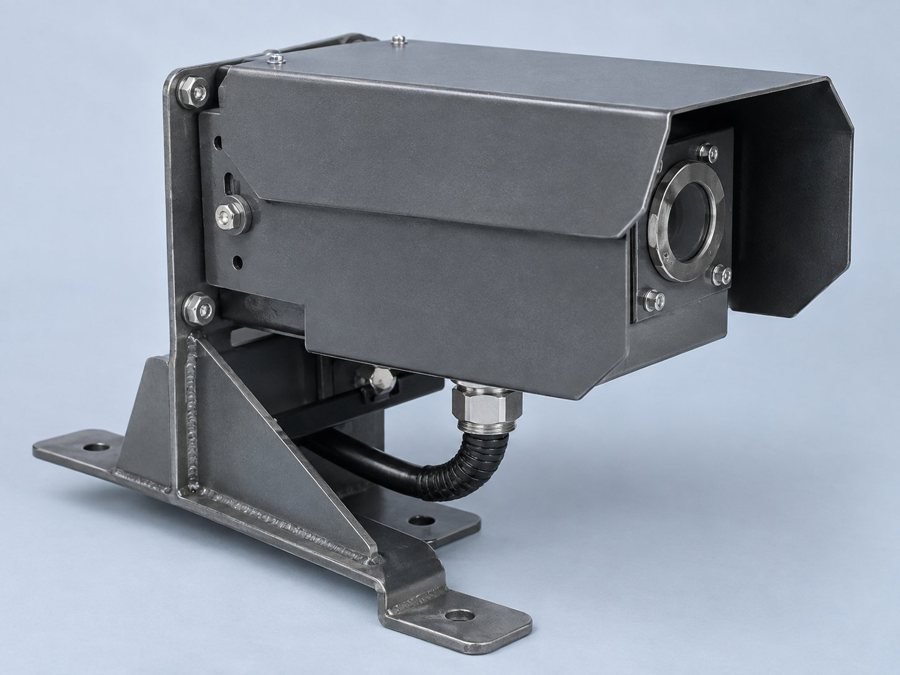
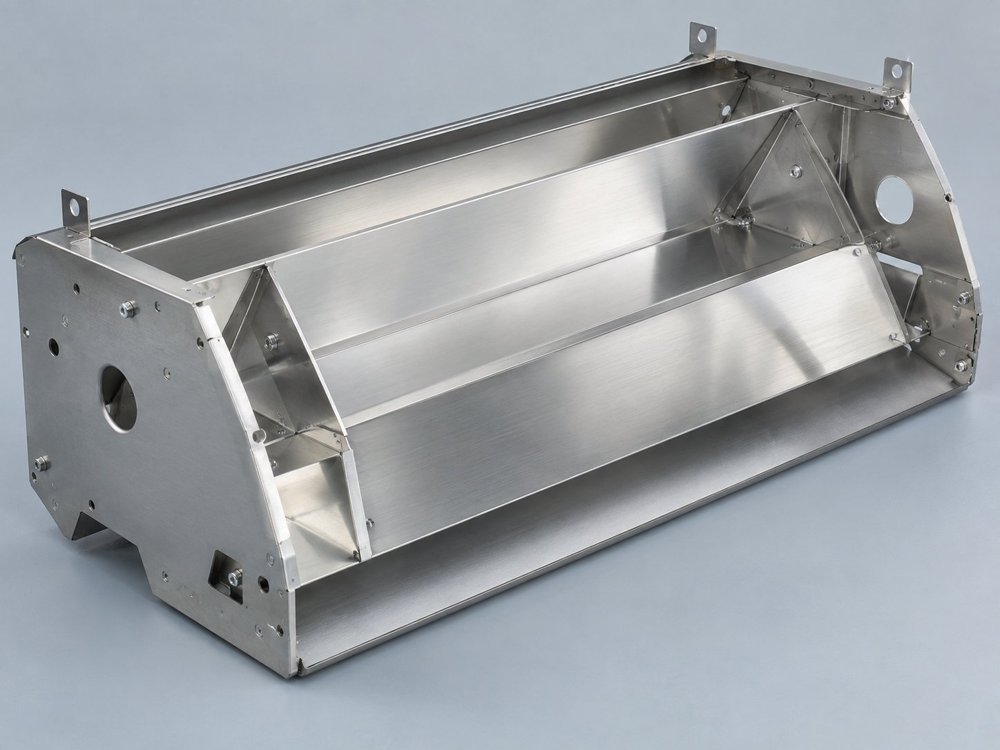
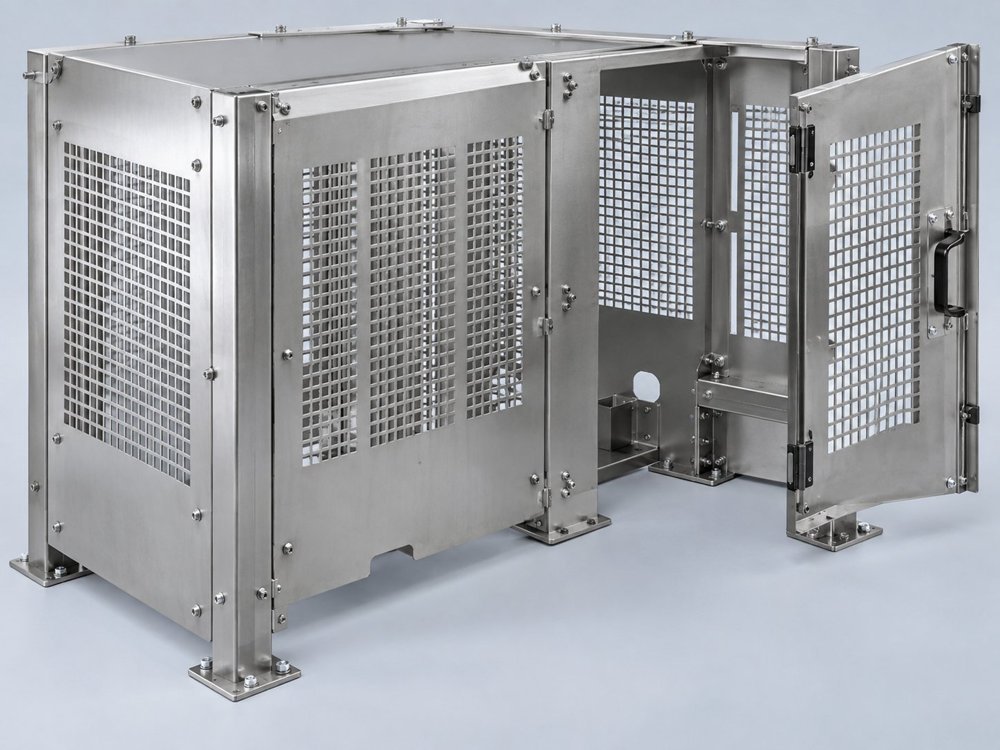
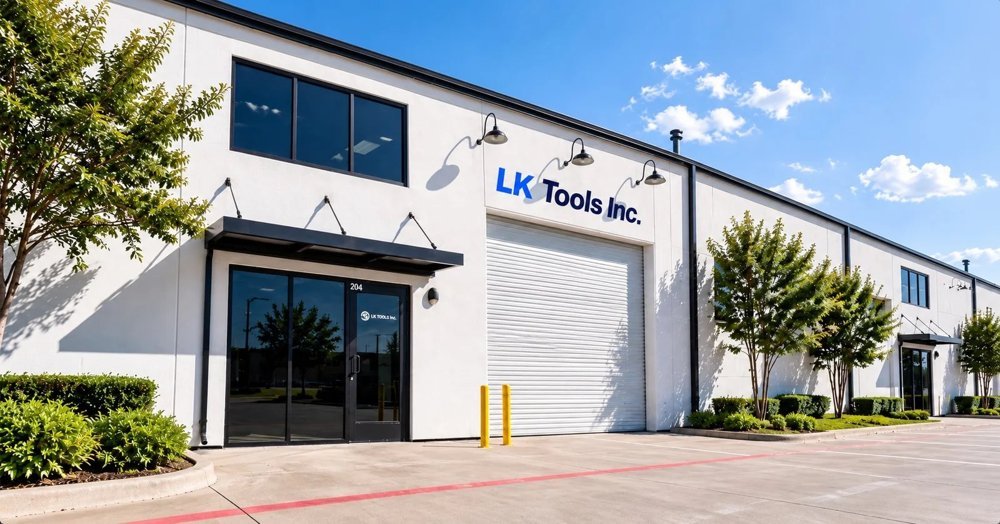
Coordinate your drawing review and project communication.
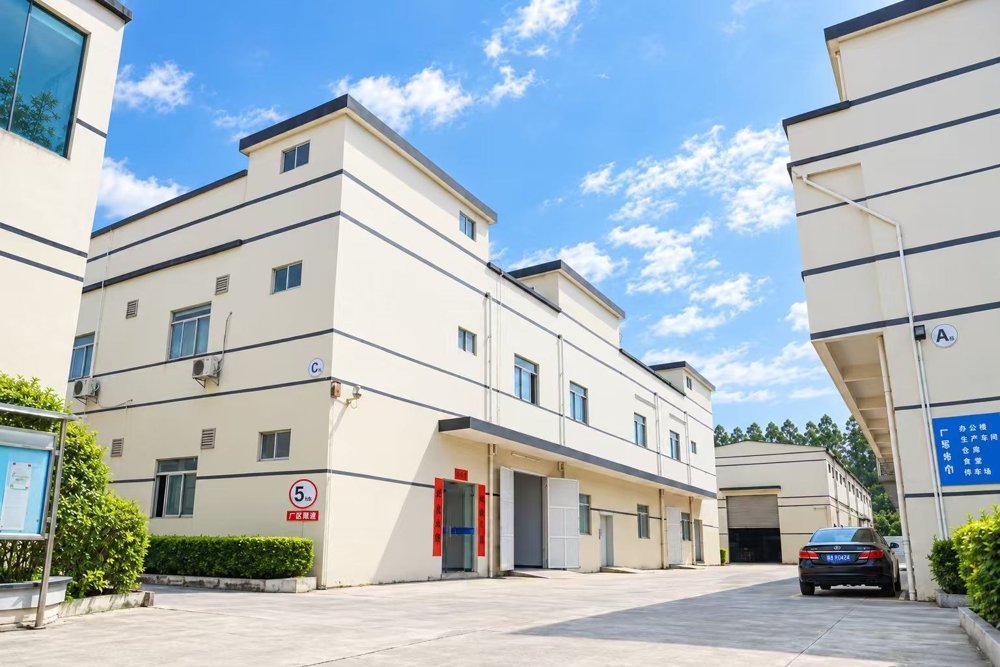
Connect your cut plan to production and delivery.
Share the exact metal grade, thickness and finish. Feasibility is reviewed for your geometry and material; not every alloy or thickness uses the same cutting process.
The limit depends on material, equipment and the required edge quality. Send your drawing for a part-specific review rather than relying on a single universal thickness.
Your feature size, thickness, heat behavior and inspection method affect the achievable result. The reviewed quote confirms the tolerances accepted for your part.
Laser cutting is thermal and edge condition varies. Specify deburring, flatness, cosmetic and surface-integrity requirements so secondary work can be included.
Share your initial quantity and anticipated repeat demand. Your sample review and production transition can be planned together.
Include bending, welding, hardware, finishing and assembly requirements with your drawing so the complete route can be reviewed.
Connect your cut profile to your assembly, finish and receiving requirements.
Discuss Your RequirementsProduct imagery illustrates manufacturing concepts, not customer case studies. Your approved drawing and agreed specifications govern supplied parts.