3D Printing
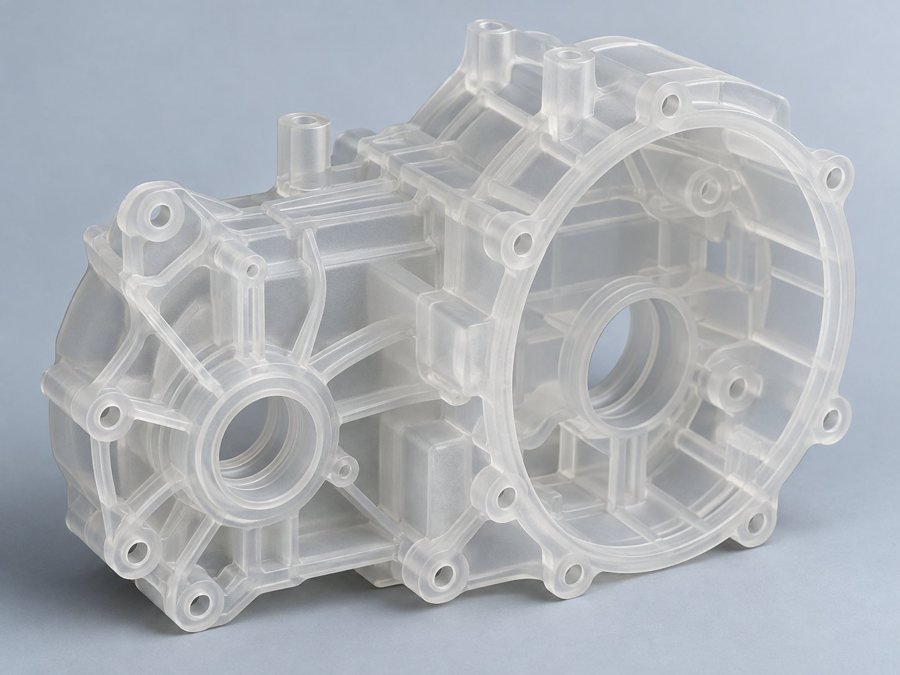
Explore complex geometry and early form or fit without dedicated tooling. Review material behavior, build orientation and finish against your test.
Explore this process →
Choose a connected manufacturing route for your parts and assemblies.
Review your complex geometry, critical features and production decisions.
Align your inspection, records and delivery requirements before production.
RAPID PROTOTYPING SERVICES
Turn your CAD into evidence you can use.
Validate form, fit, function and assembly with a prototype route built around your next decision. Connect 3D printing, CNC machining, sheet metal and prototype molding to your production goals.
RAPID PROTOTYPING OVERVIEW
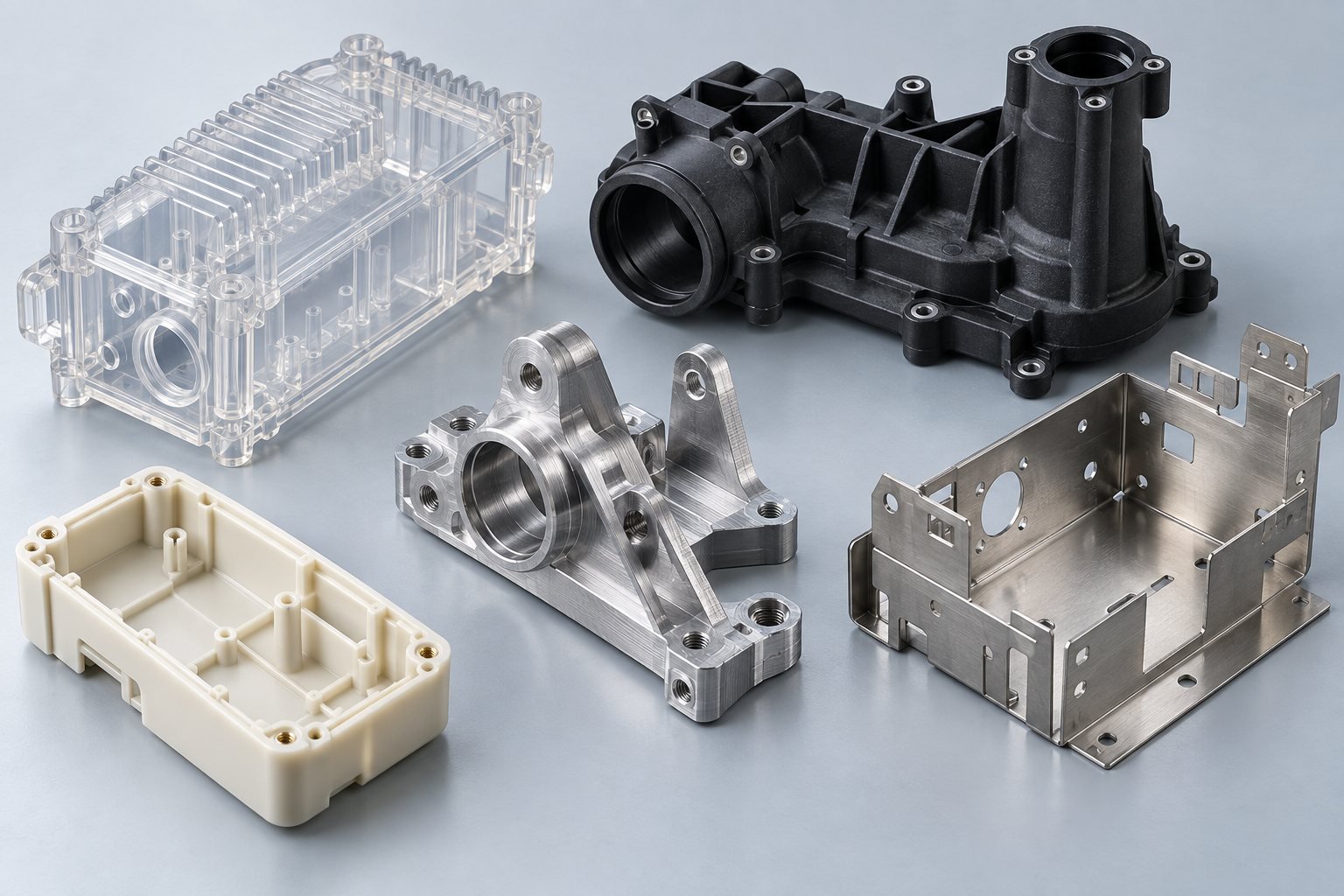
Choose a prototype manufacturing process that answers your design question, rather than selecting on speed alone.
CHOOSE YOUR PROTOTYPE PROCESS
Explore complex geometry and early form or fit without dedicated tooling. Review material behavior, build orientation and finish against your test.
Explore this process →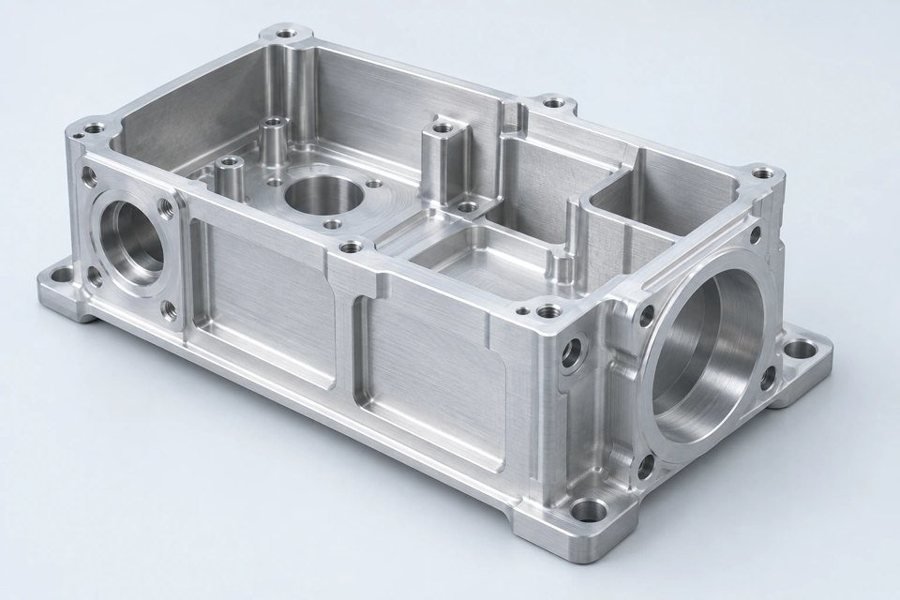
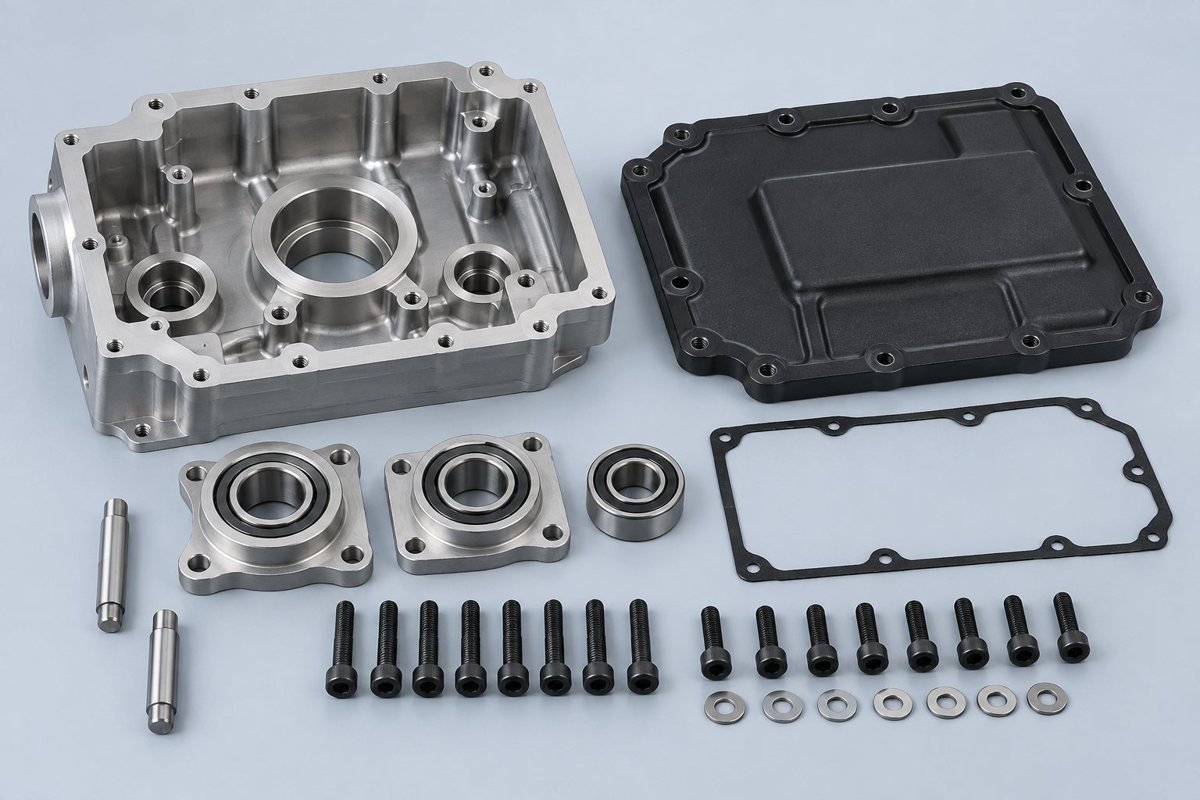
Use machined metal or engineering plastic for critical interfaces and functional evaluation. Review accessible features and your drawing tolerances.
Explore this process →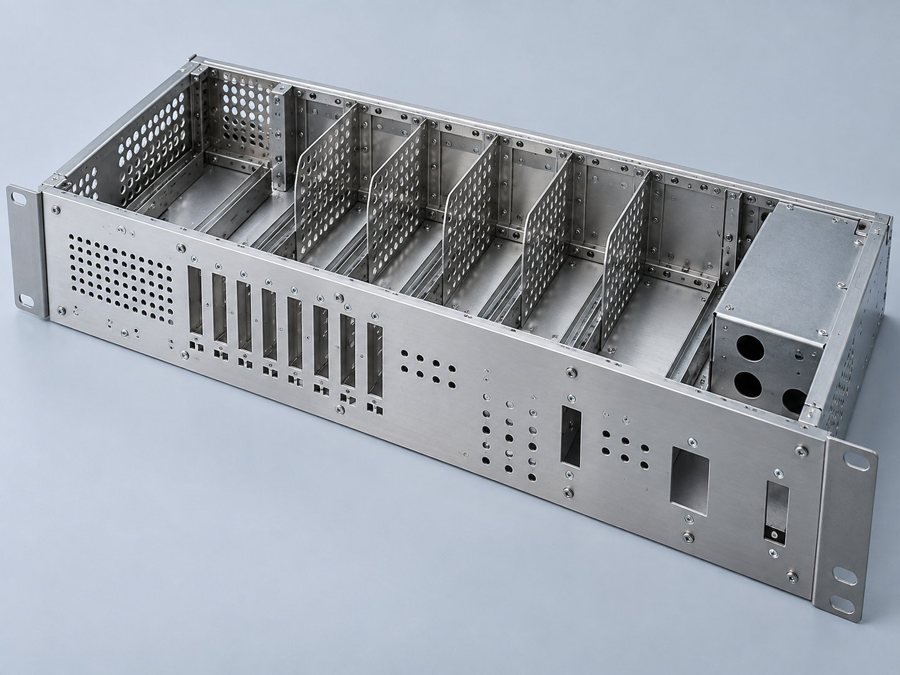
Evaluate real sheet materials, bends, hardware and enclosure assembly before release. Connect your flat pattern to the finished part.
Explore this process →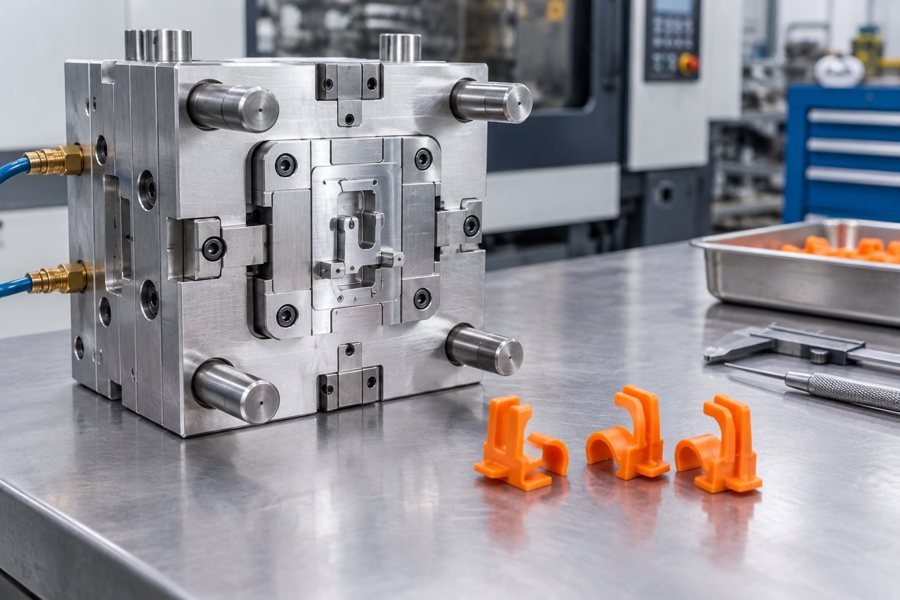
Review molded samples when resin, molded features or a pilot batch matter to validation. Agree tool scope before investing.
Explore this process →COMPARE YOUR OPTIONS
Your geometry, material, quantity, finish and inspection scope determine price and lead time. Confirm these in your project quote.
| Your decision | 3D Printing | CNC Prototyping | Sheet Metal | Prototype Molding |
|---|---|---|---|---|
| Best starting point | Complex form and early iterations | Functional interfaces and machined materials | Enclosures, brackets and formed assemblies | Molded behavior and pilot samples |
| Material decision | Resin, nylon or metal process-specific properties | Specified machinable grade and condition | Actual sheet grade and thickness | Selected molding resin and tool requirements |
| What to review | Orientation, supports, finish and anisotropy | Tool access, datums and setup strategy | Bend geometry, hardware and finish sequence | Draft, shrinkage, gate and parting locations |
| Tooling commitment | No dedicated mold | Fixtures or special tools may be needed | Forming tools depend on geometry | Dedicated prototype tool scope required |
| Typical next decision | Revise, test or change process | Validate function or release a revised design | Confirm fit and assembly | Review molded sample and production plan |
Tell us what the prototype must prove and how you plan to test it. We will review the manufacturing route with your team.
Get Project AdvicePROTOTYPE DFM & VALIDATION PLAN
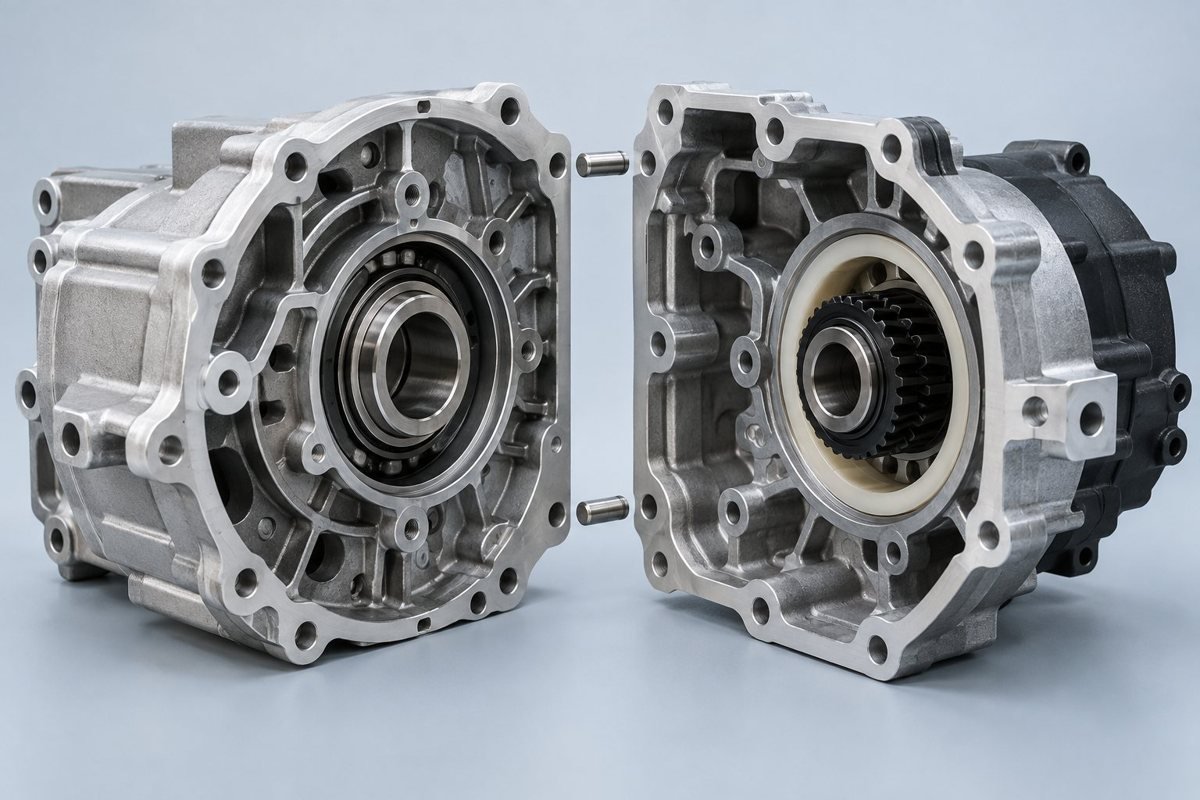
Define the surfaces and connections that control fit. Review both mating components when possible.
Mating bores, locating pins and contact faces • Your assembly clearance and alignment • Functional dimensions on a controlled drawing
Resolve the right questions before the next build. Reduce avoidable iterations and clarify your production decision.
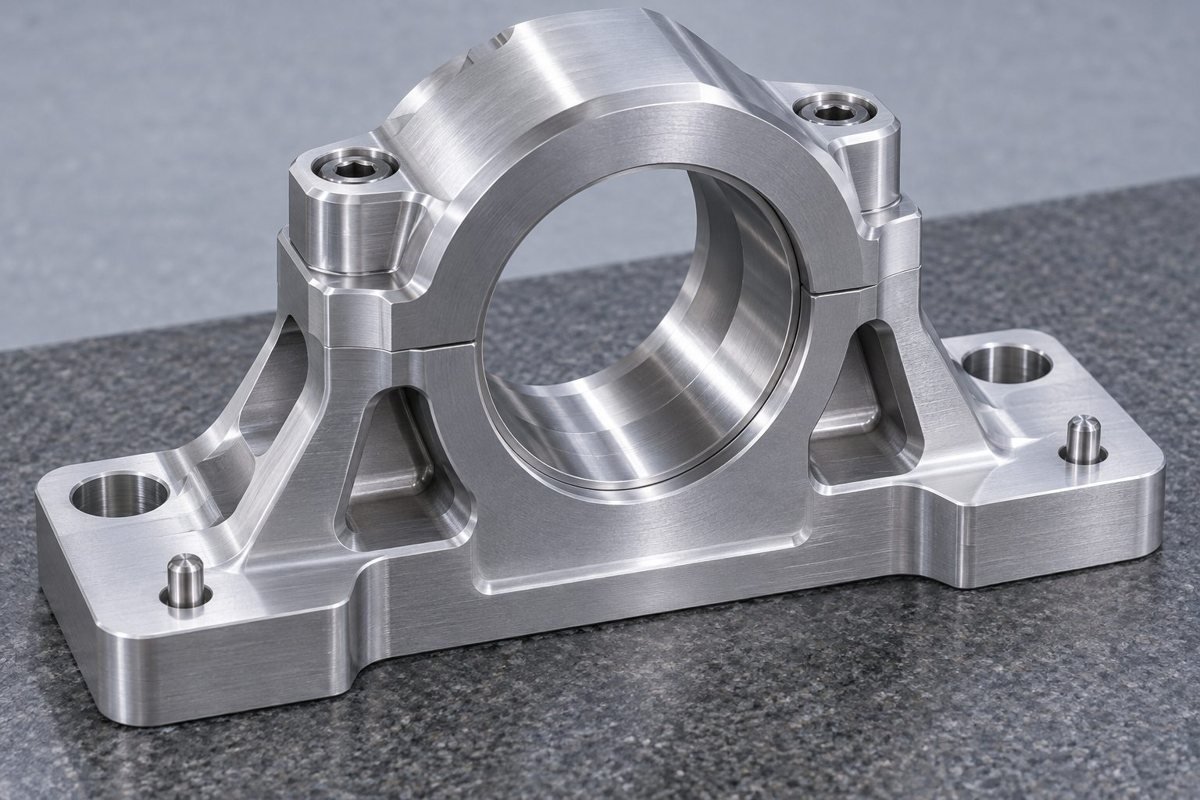
Connect your critical dimensions to meaningful datums so prototype feedback can inform the next revision.
Functional datum scheme • Measurement access and setup • Agreed inspection characteristics
Resolve the right questions before the next build. Reduce avoidable iterations and clarify your production decision.
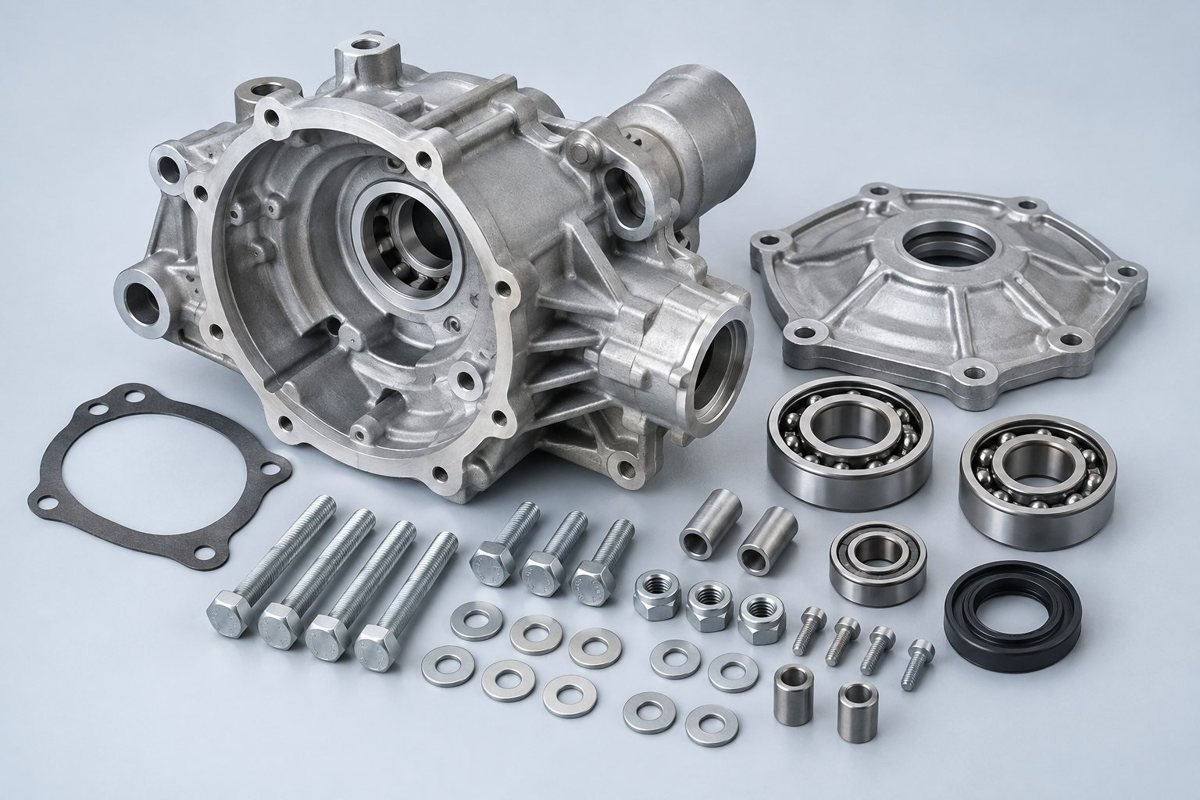
Include fasteners, inserts and purchased items in the review. A part can meet individual dimensions and still be difficult to assemble.
Tool and fastener access • Tolerance accumulation • Assembly sequence and service access
Resolve the right questions before the next build. Reduce avoidable iterations and clarify your production decision.
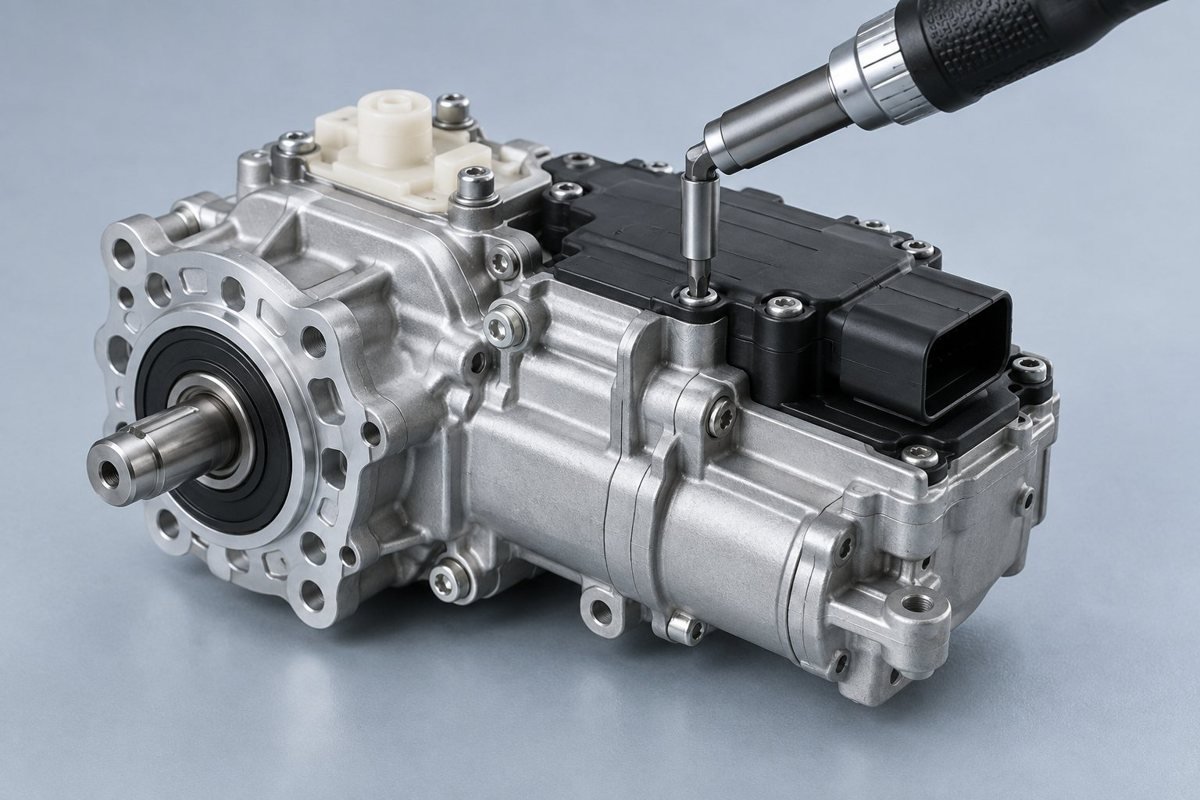
Specify loads, temperature, wear or fluid exposure. Process and material differences can limit how directly results transfer to production.
Your operating and test conditions • Material and process limitations • Required functional test evidence
Resolve the right questions before the next build. Reduce avoidable iterations and clarify your production decision.
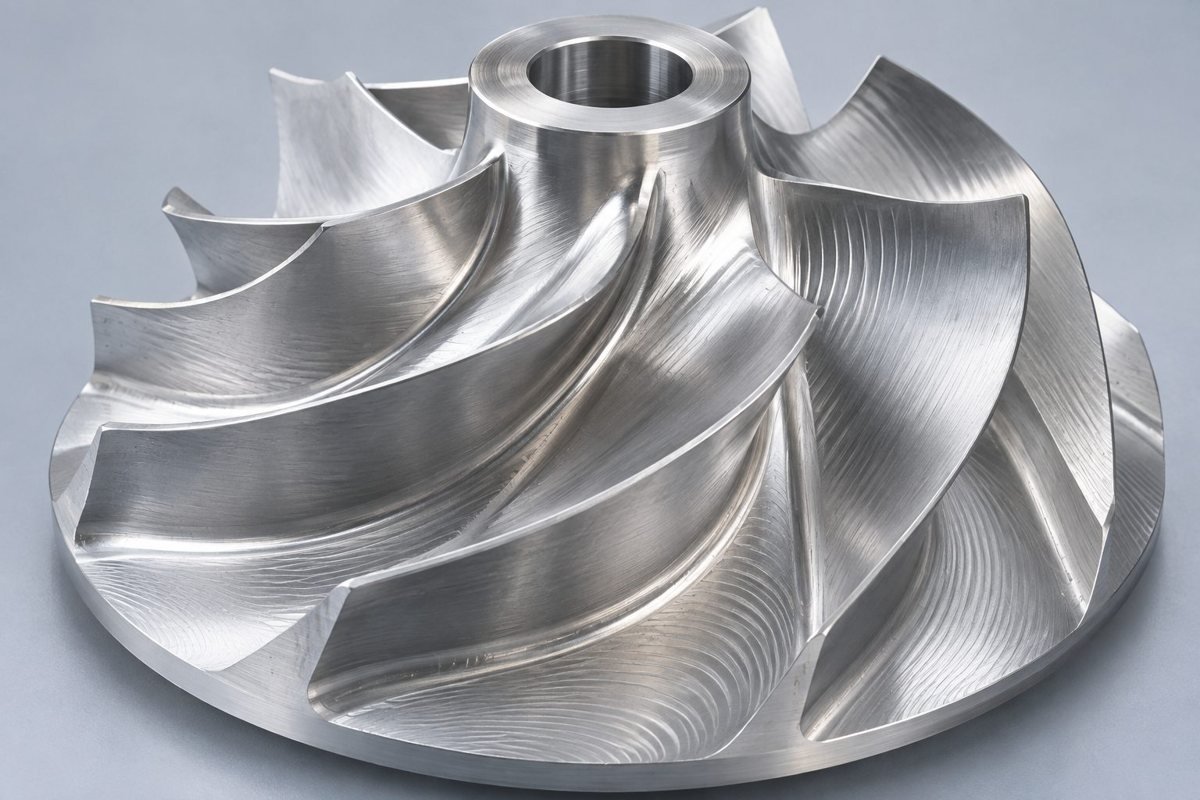
Define visible zones, texture and finish expectations before the sample is made. Use agreed samples where appearance is subjective.
Visible and hidden surface zones • Finish method and masking • Color, texture and gloss acceptance
Resolve the right questions before the next build. Reduce avoidable iterations and clarify your production decision.
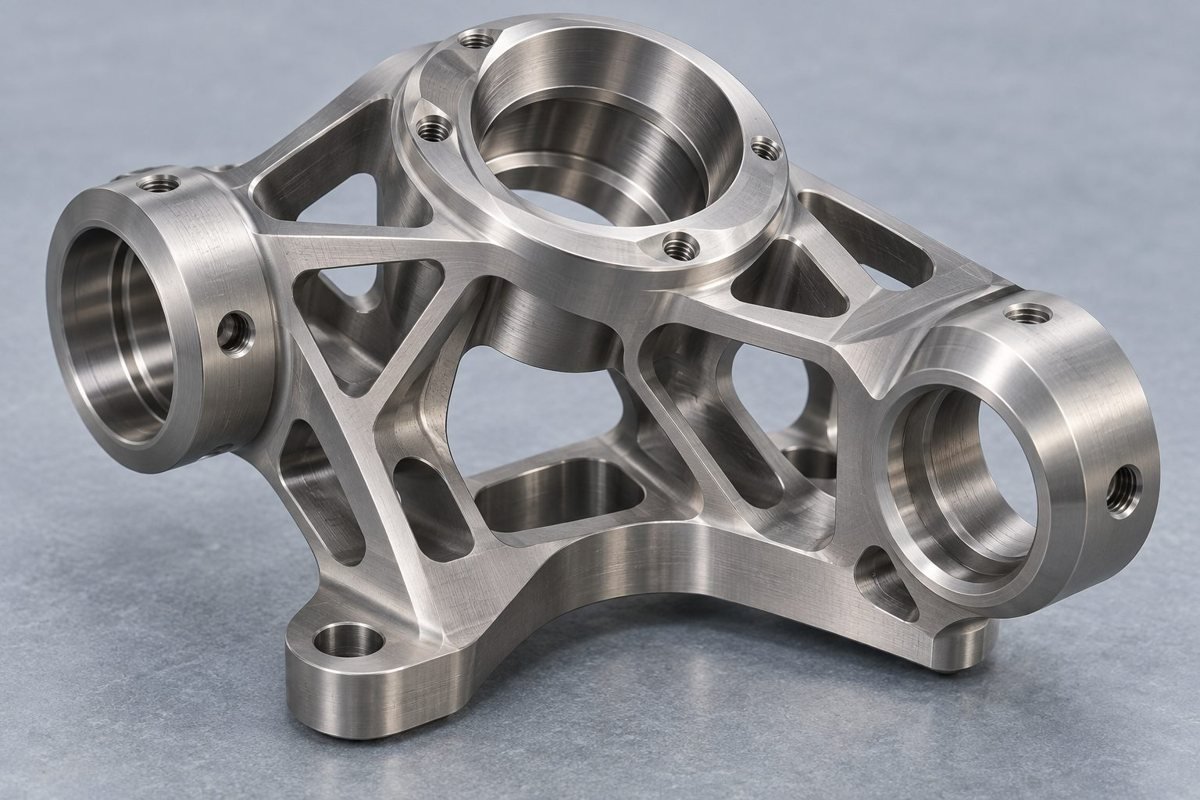
A visual resin model cannot validate every property of a molded or machined production part. Confirm the material evidence your decision requires.
Exact material grade where necessary • Prototype versus production differences • Heat treatment and finish effects
Resolve the right questions before the next build. Reduce avoidable iterations and clarify your production decision.
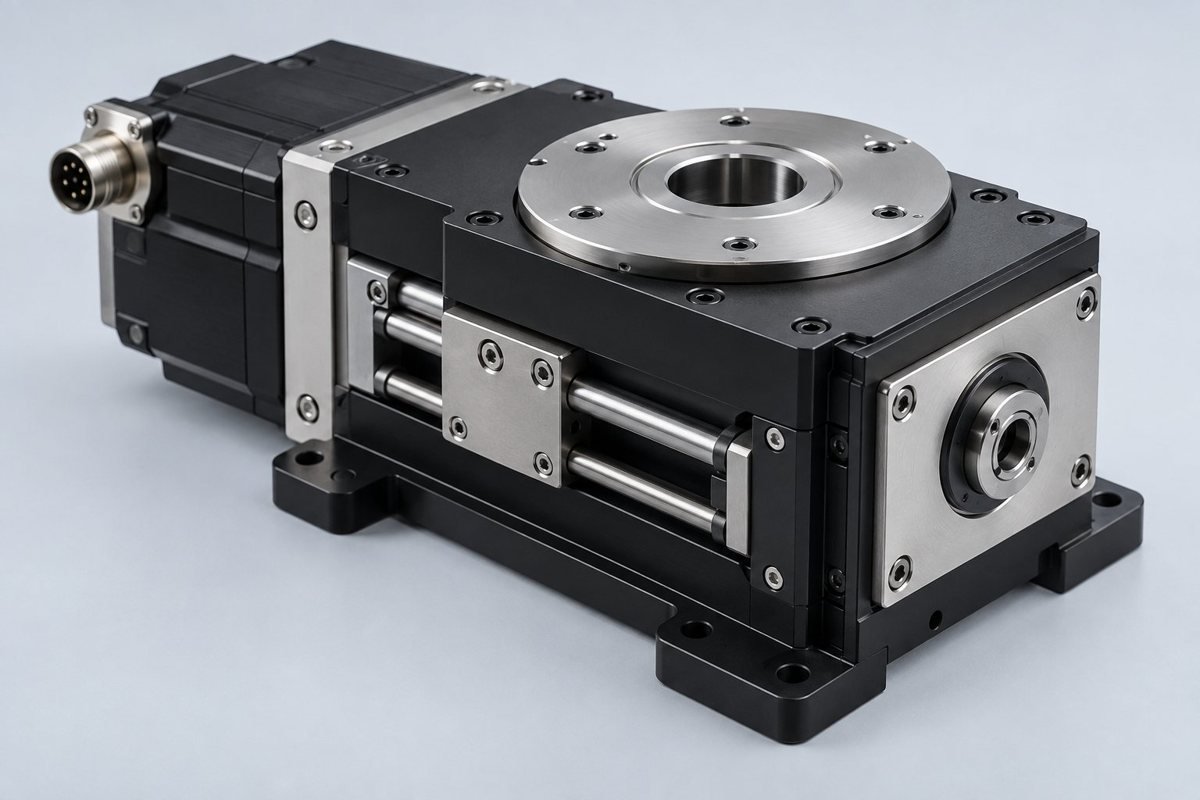
Bring your housing, hardware and interfaces into one review. Define which fit and function checks are included with the prototype.
Your BOM and approved components • Fit, access and assembly sequence • Test responsibilities and acceptance criteria
Resolve the right questions before the next build. Reduce avoidable iterations and clarify your production decision.
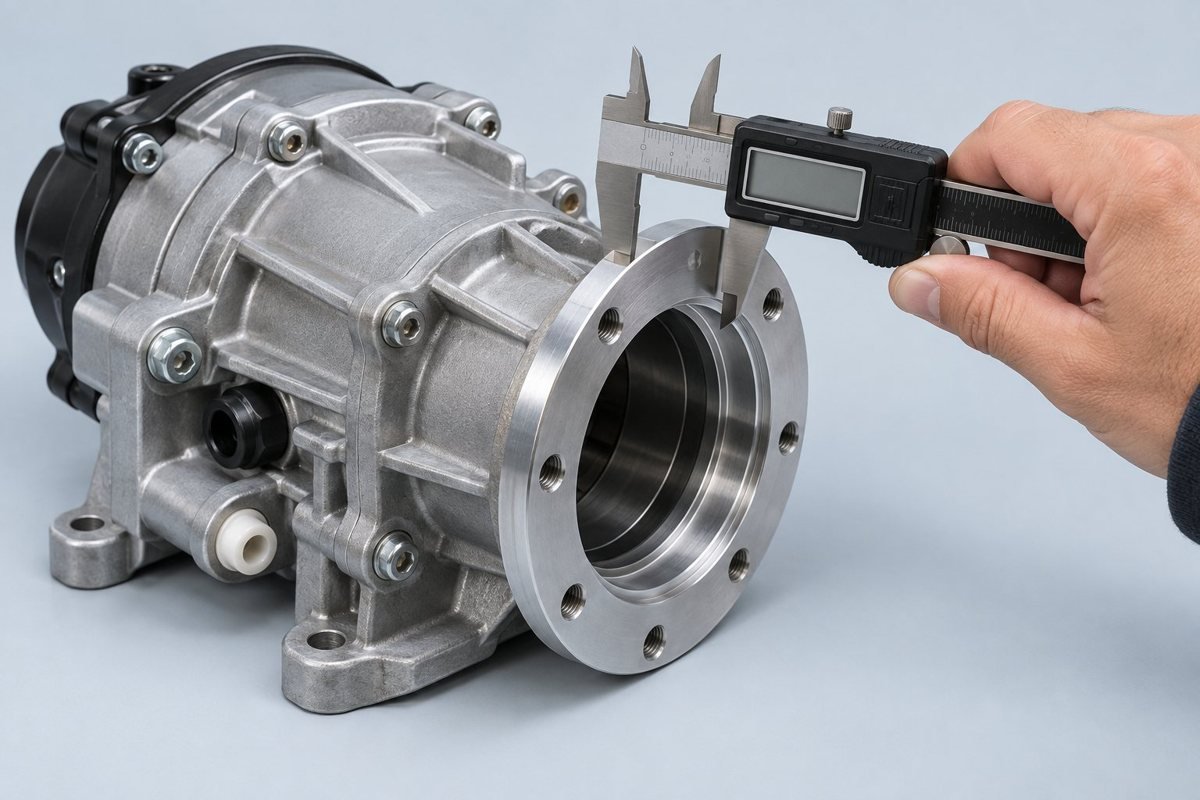
Agree the measurements and records before manufacturing so your team can make a clear acceptance decision.
Critical dimensions and report scope • Fit and functional test responsibilities • Revision identification and feedback
Resolve the right questions before the next build. Reduce avoidable iterations and clarify your production decision.
BUILD YOUR PROTOTYPE AROUND THE TEST
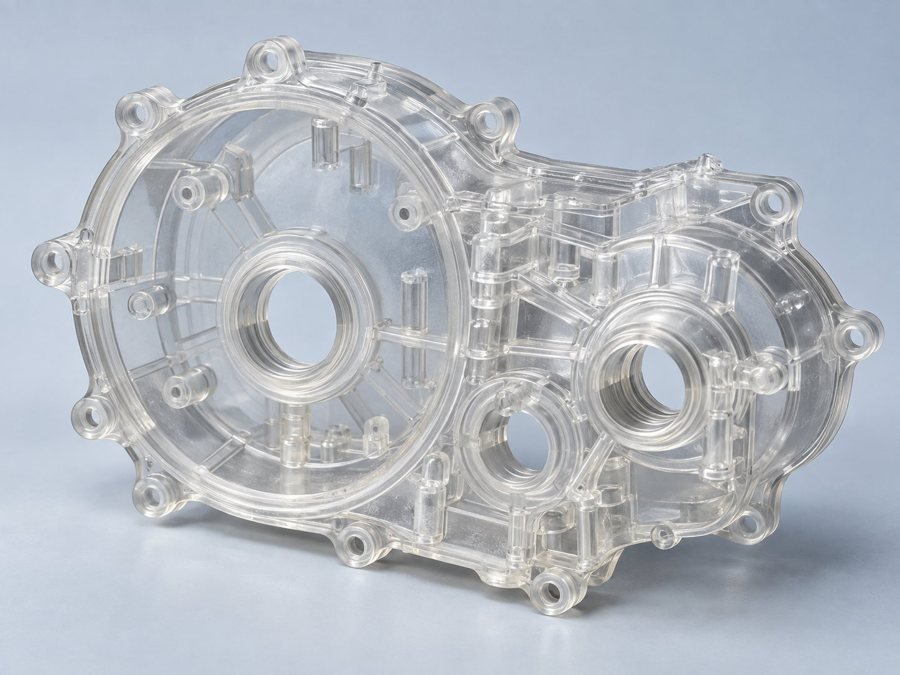
Review shape, presentation and design intent. Choose an appearance sample when the next decision is visual.
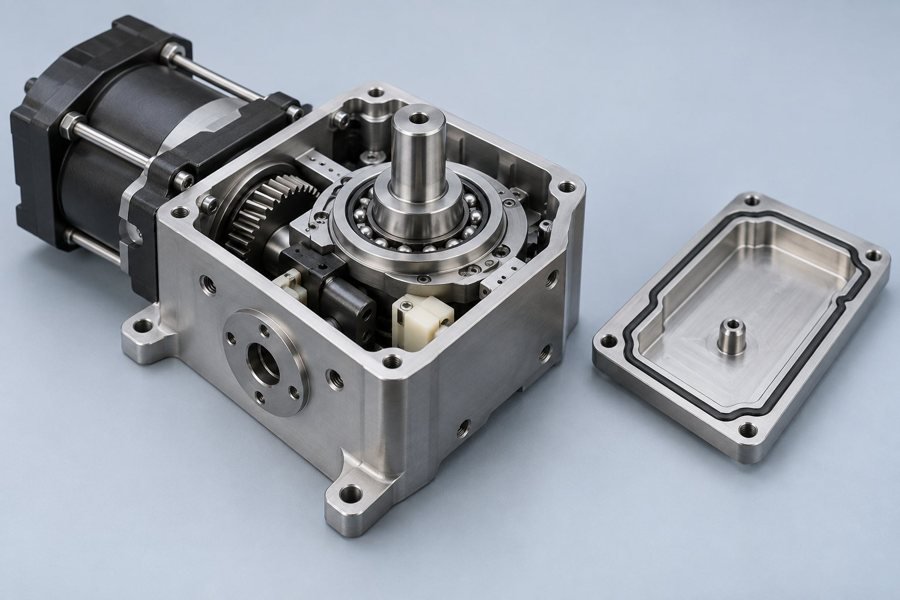
Check dimensions, assembly clearances and hardware access. Record the interfaces that need revision.
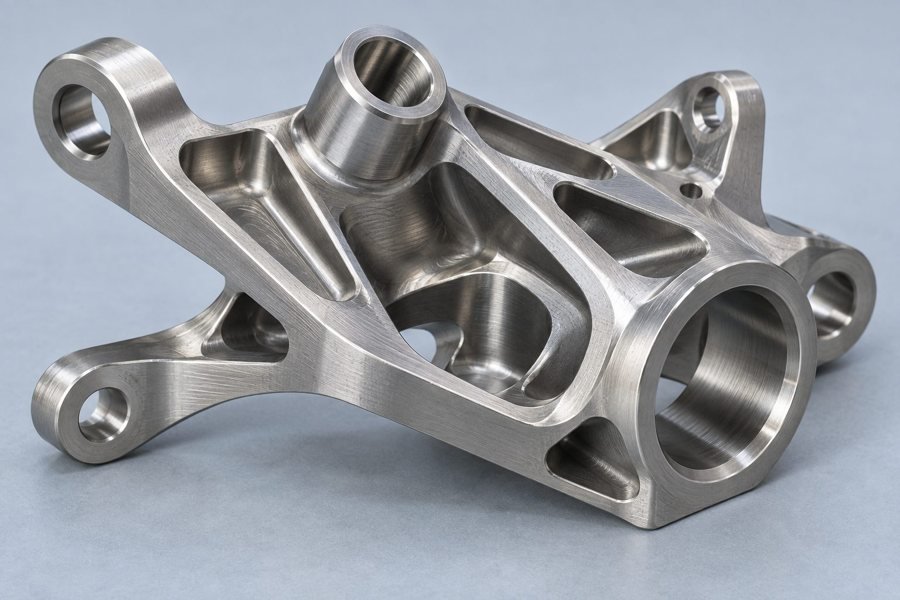
Evaluate the part under defined test conditions. Review how material and process affect the result.
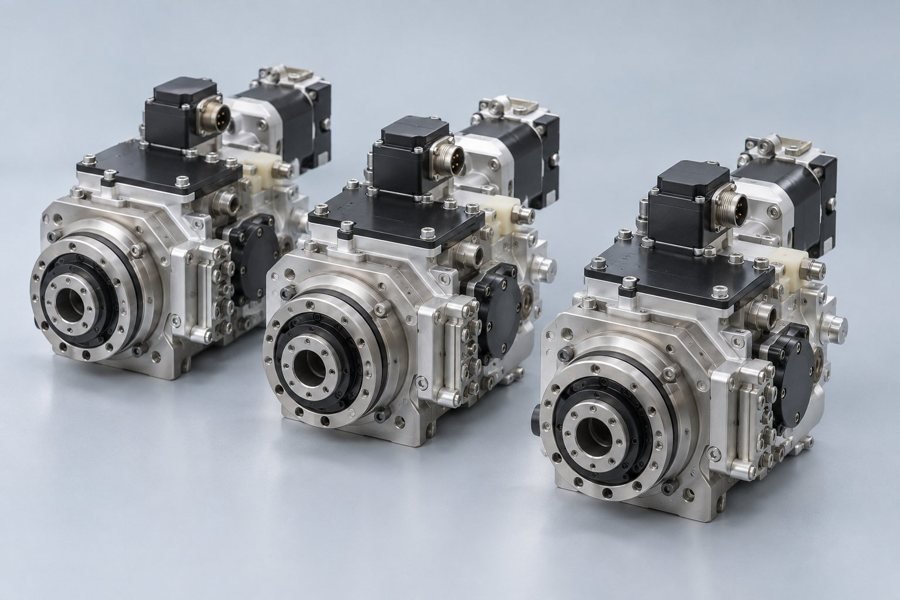
Review production-intent features, finish and acceptance criteria before approving the next manufacturing stage.
PROTOTYPE MATERIALS FOR YOUR VALIDATION GOAL
Material selection includes process, condition, finish and environment—not only the material name.
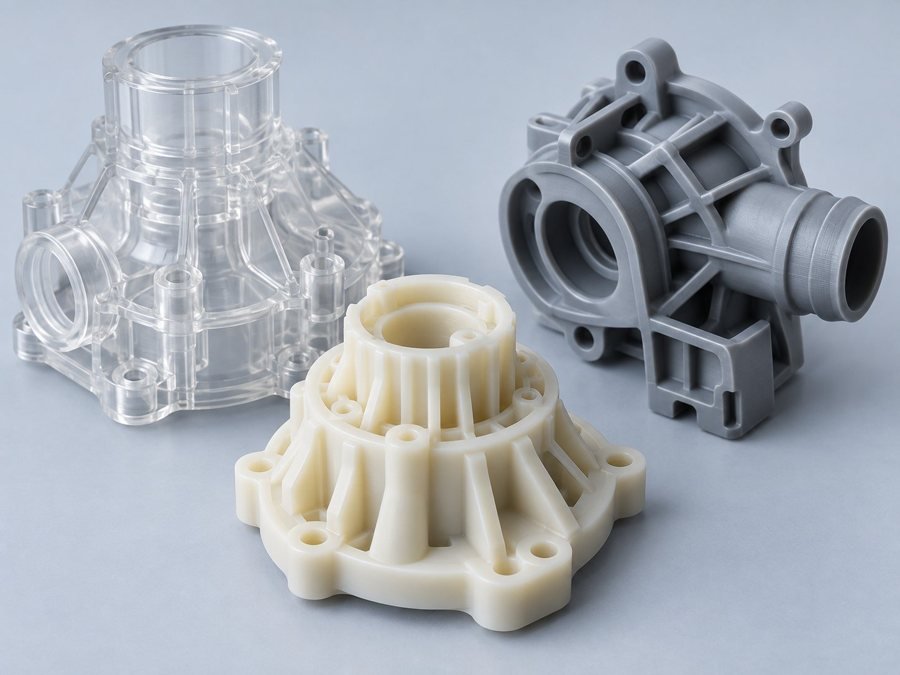
Clear, opaque or finished sample materials for visual and handling review.
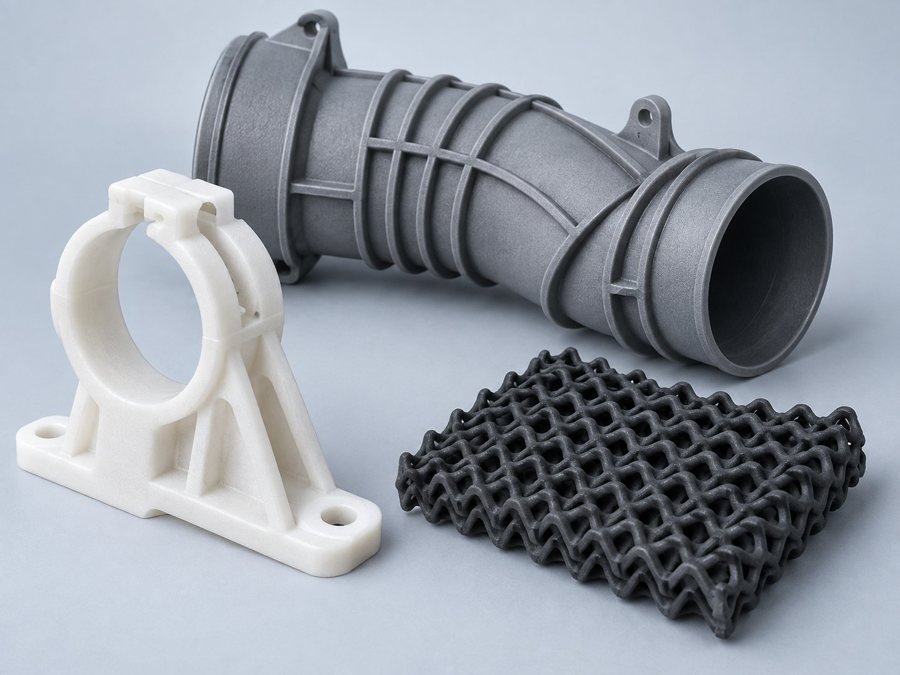
Review nylon, engineering plastics or process-specific resin against your test conditions.
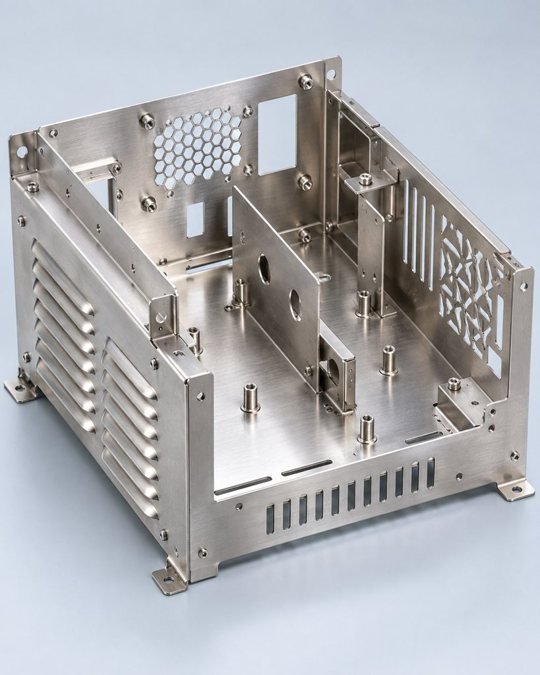
Specify aluminum, stainless steel, titanium or another reviewed machinable grade.
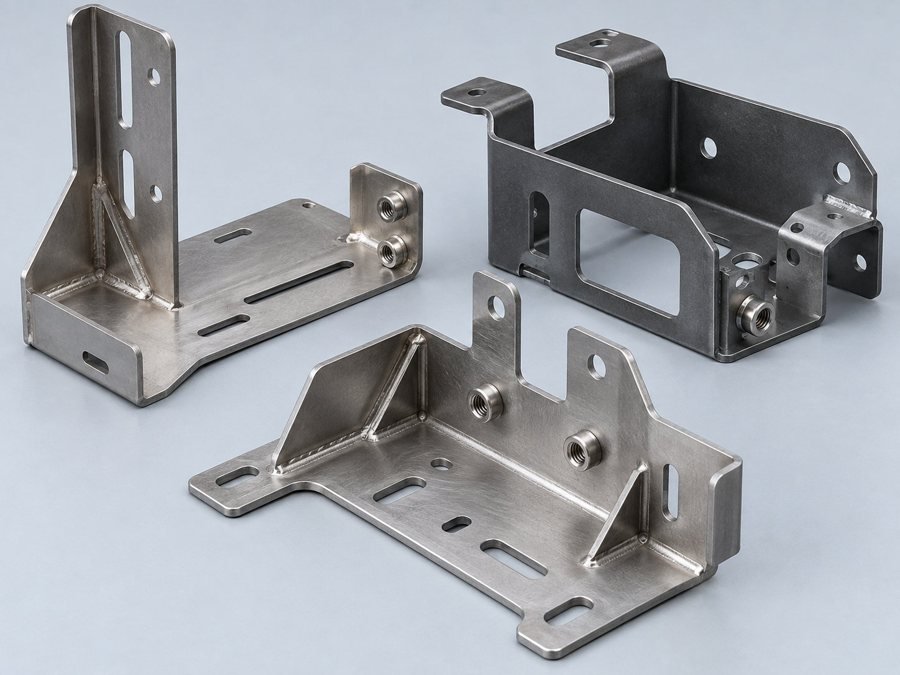
Choose the actual sheet grade and thickness for your enclosure or formed-part evaluation.
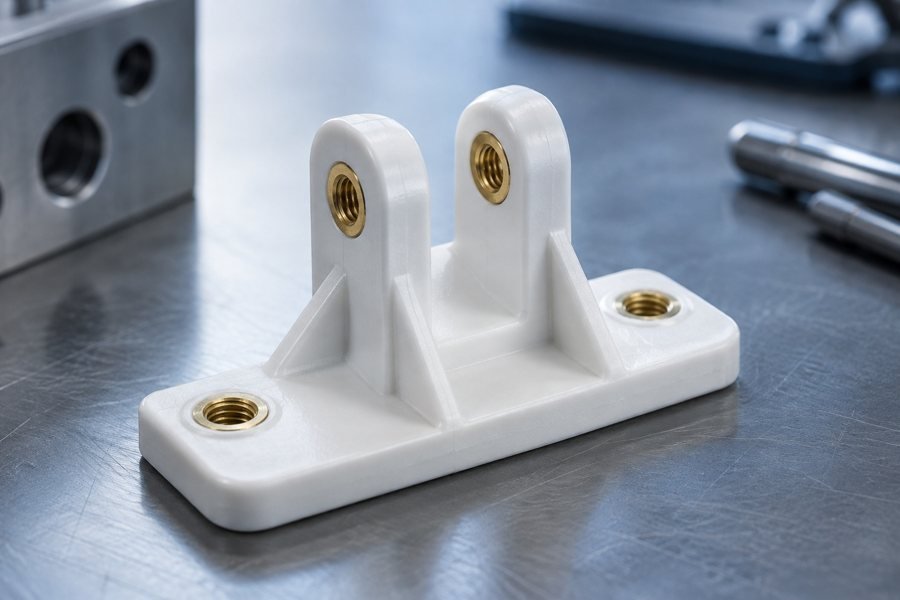
Discuss production-intent molding resin when molded behavior is part of validation.
WHEN TO ITERATE — WHEN TO TRANSITION
Refine unresolved interfaces, test assumptions or appearance before committing to a production route.
Review your stable drawing, machining plan, quantity and agreed inspection for repeat supply.
Review demand, resin, tool investment and approved molded samples before releasing production tooling.
Carry approved bends, hardware, finish and assembly requirements into your production release.
FROM CAD TO DECISION
You confirm: Your model, drawing and validation goal.
LK delivers: Feasibility questions and quotation.
You confirm: Your process, material and acceptance scope.
LK delivers: DFM feedback and agreed build approach.
You confirm: Your approved revision and sample quantity.
LK delivers: The reviewed prototype and agreed records.
You confirm: Your test results and design feedback.
LK delivers: Support for reviewed manufacturing changes.
You confirm: Your approved changes and remaining risks.
LK delivers: A reviewed next-stage manufacturing plan.
You confirm: Your quantity, finish and delivery scope.
LK delivers: Quotation and requirements for the next release.
PROTOTYPE FINISHING & ASSEMBLY
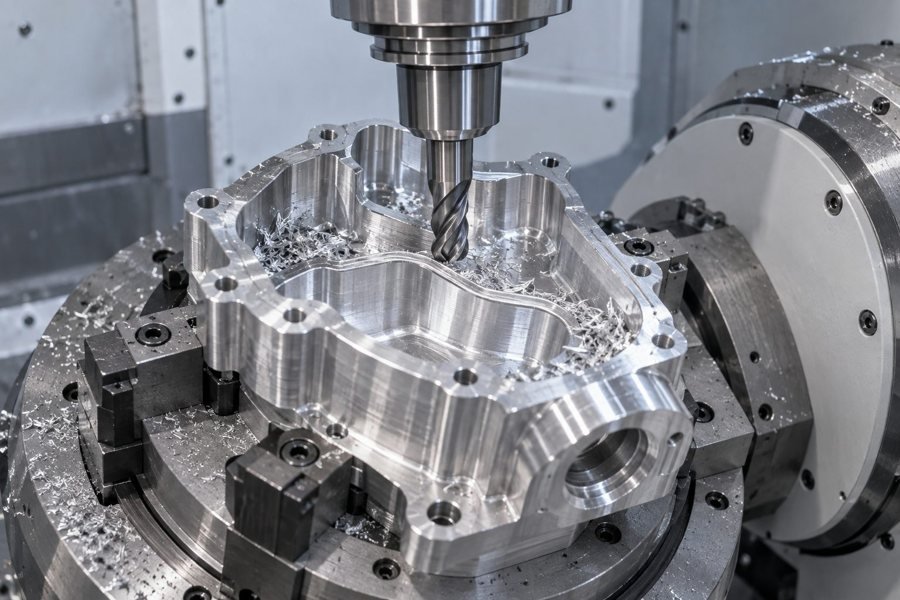
Review machined critical features on your prototype.
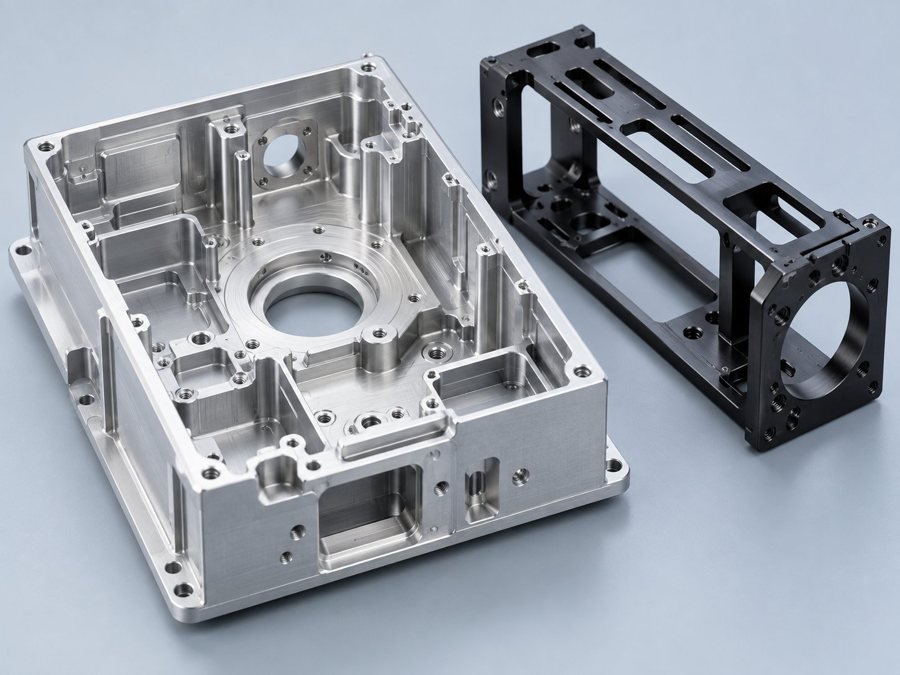
Agree appearance, coating allowance and masking.
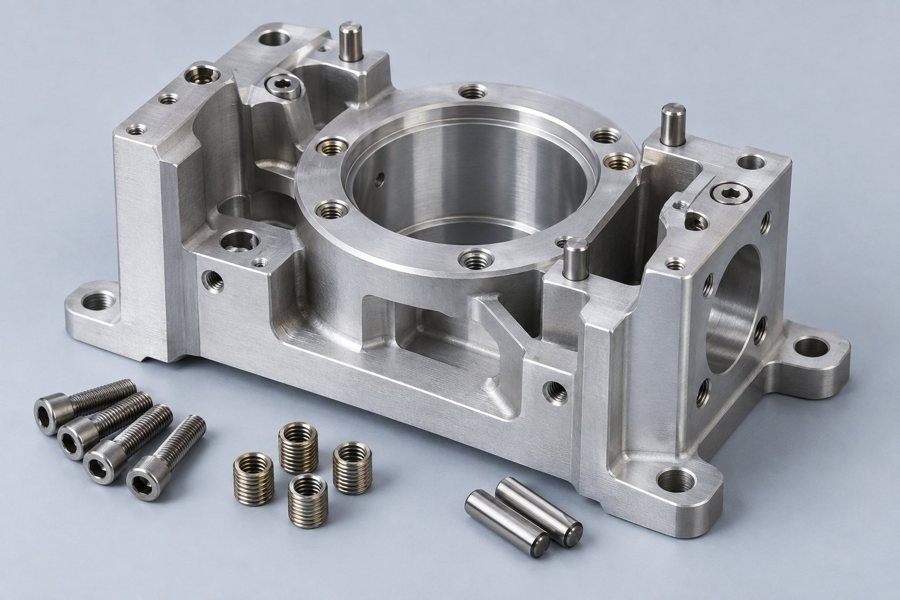
Review threads, fasteners and purchased components.
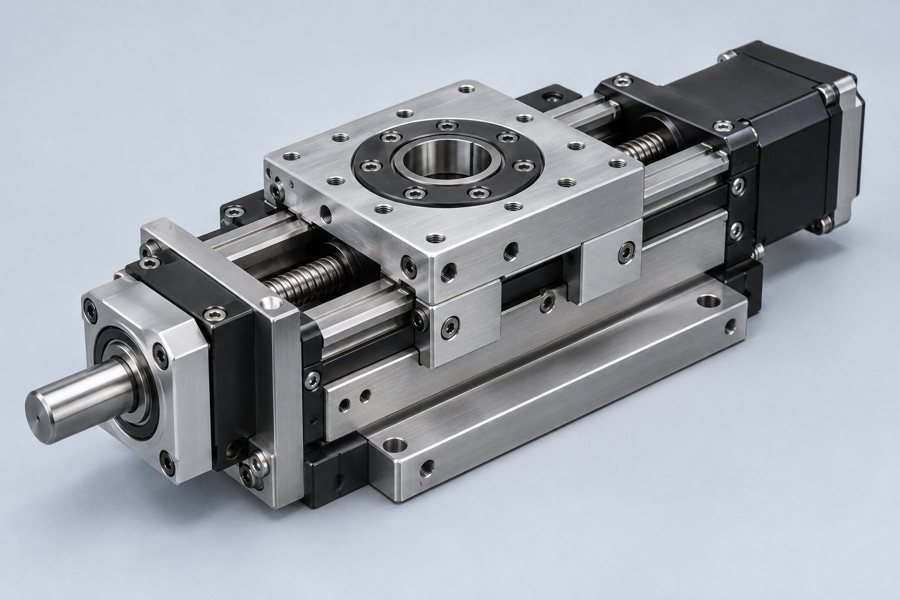
Check the fit and sequence of your subassembly.
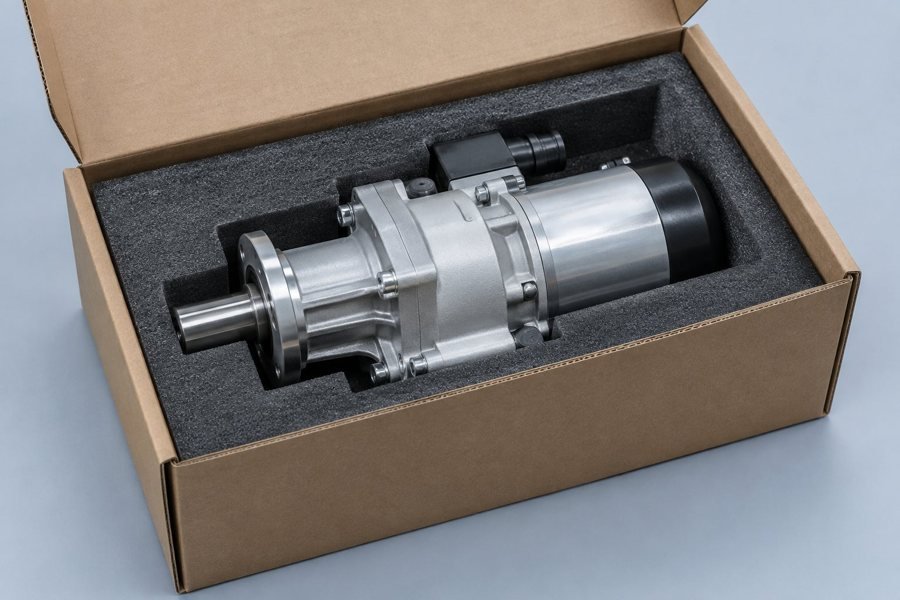
Protect your sample surfaces and identify the revision.
VALIDATION EVIDENCE YOU CAN USE
Agree your inspection scope before the build so the delivered evidence supports your decision.
Verify the critical features you identify.
Agree measurements and reporting scope.
Define approval evidence when required.
Specify tests and who performs them.
Use your defined appearance criteria.
Request available grade and lot evidence.
Agree the included test records.
Connect each sample to its drawing revision.
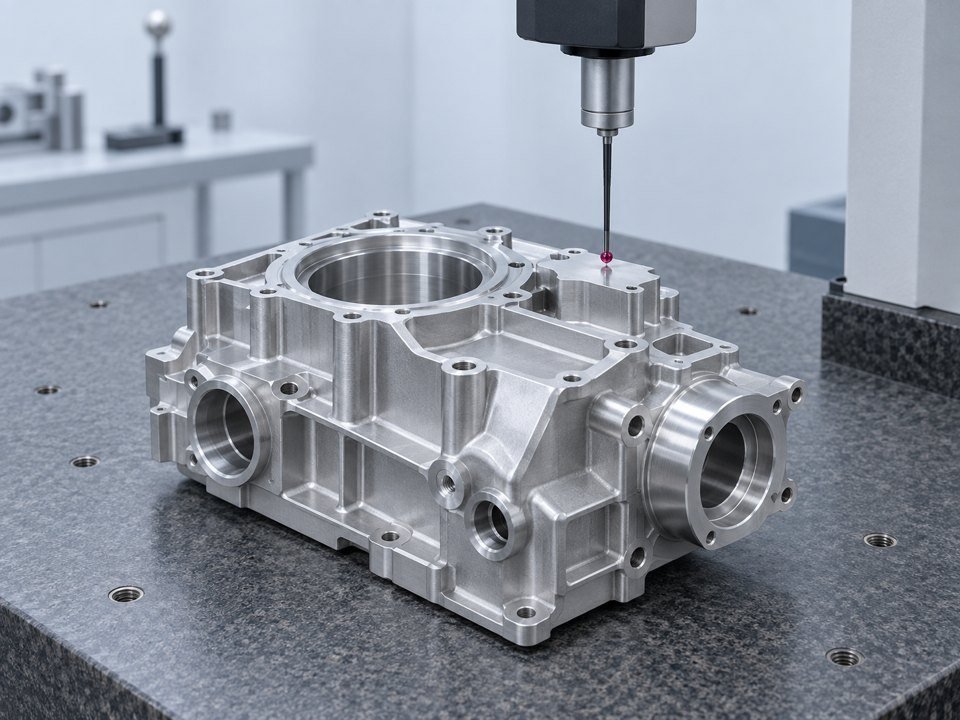
RAPID PROTOTYPING FOR YOUR APPLICATION
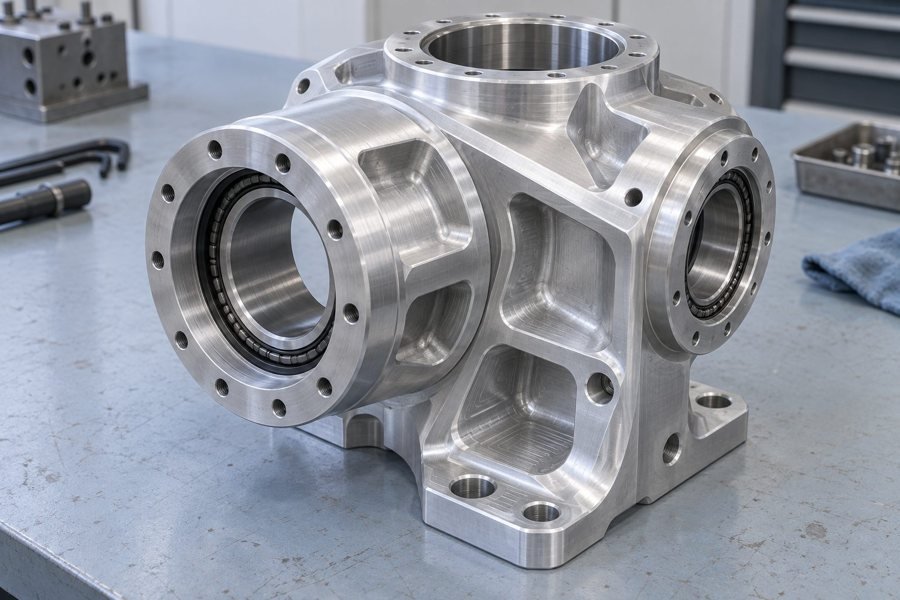
Review joints, housings and tooling interfaces.
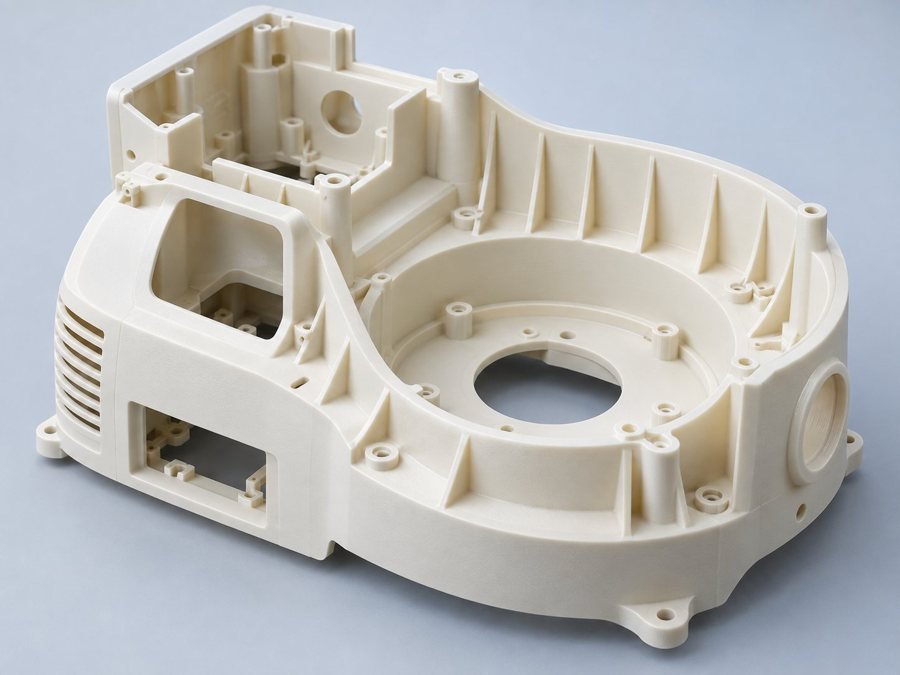
Evaluate component fit and design requirements.
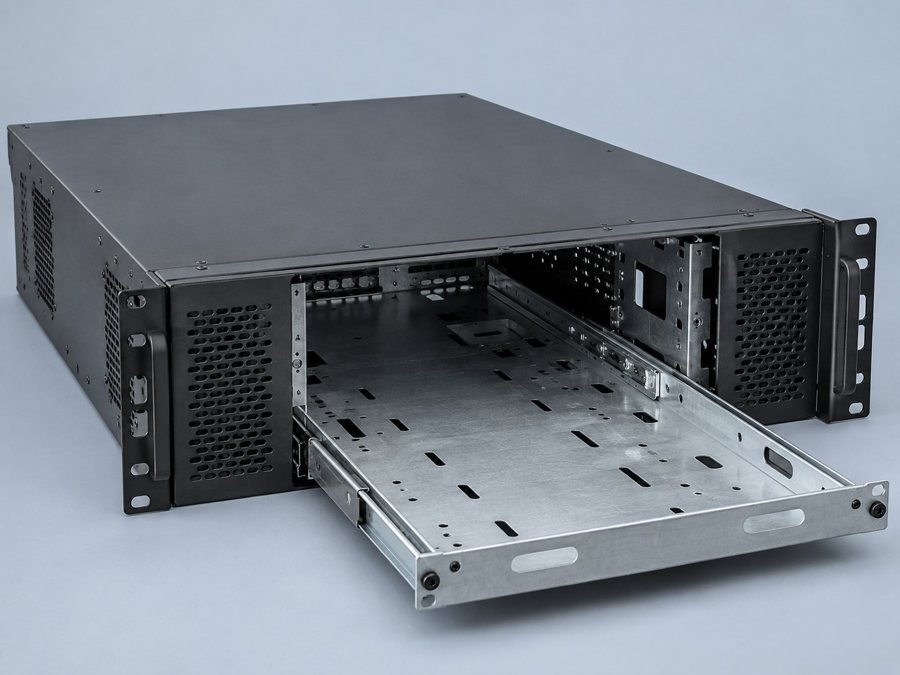
Review mounting, access and enclosure assembly.
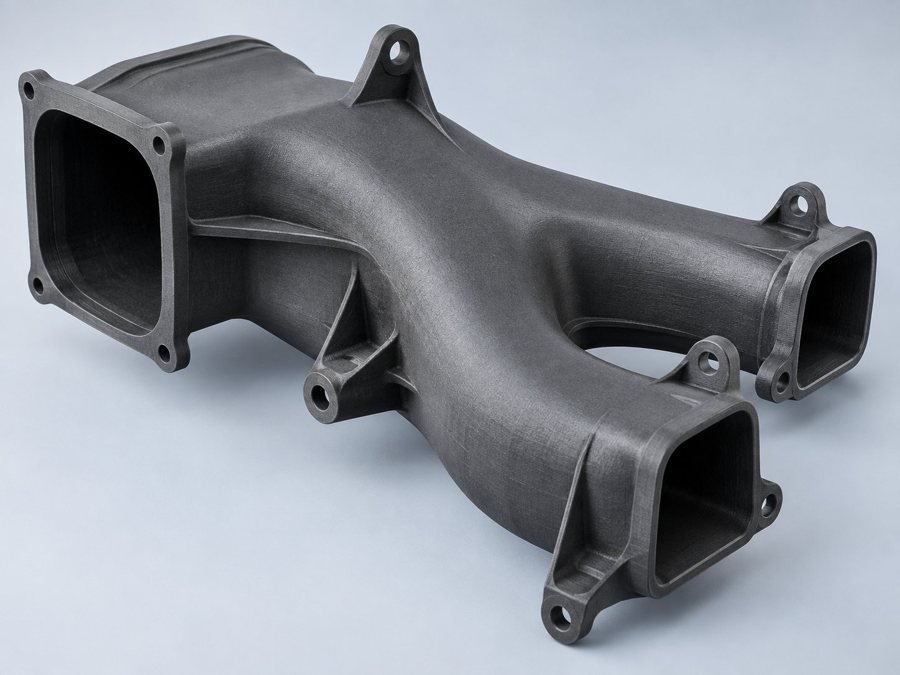
Test packaging and functional component concepts.
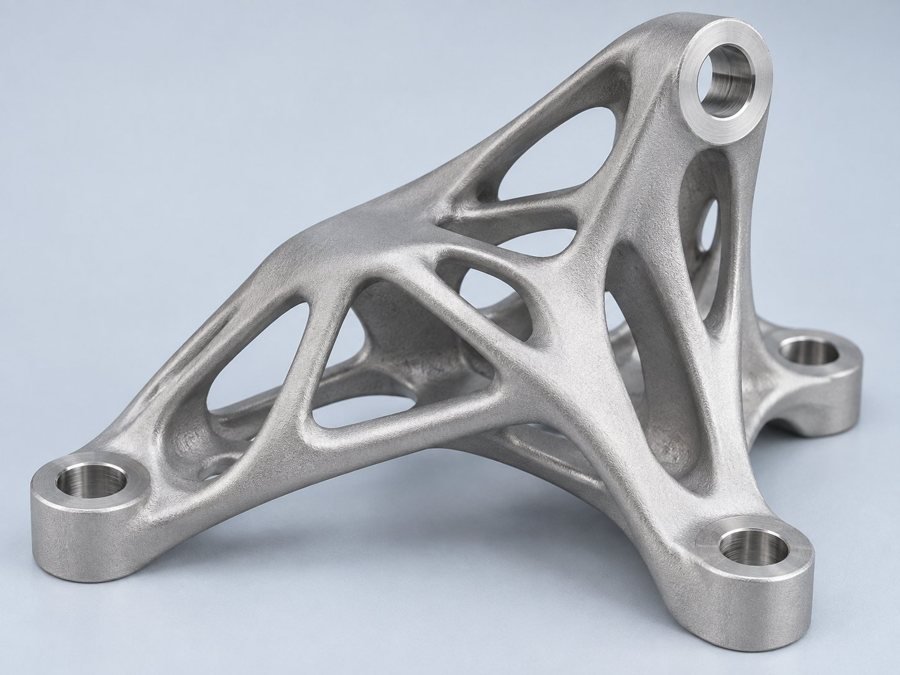
Review lightweight geometry and interfaces.
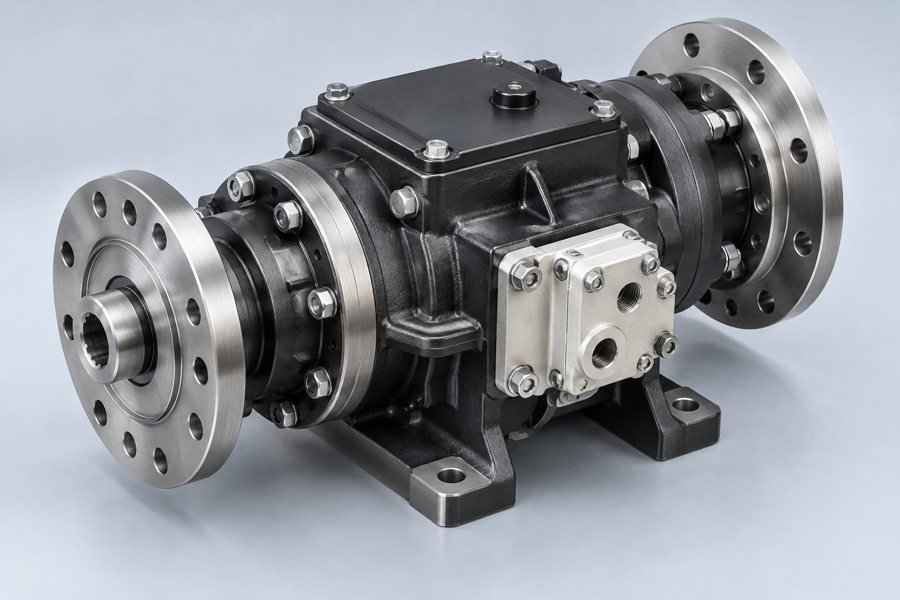
Validate fixtures, mechanisms and assemblies.
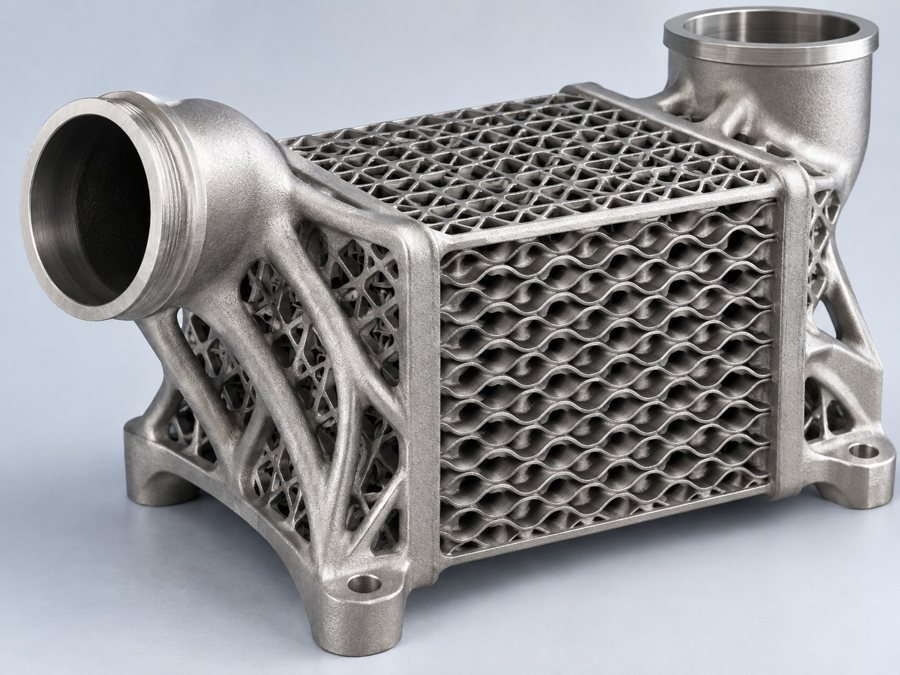
Evaluate power-system and thermal interfaces.
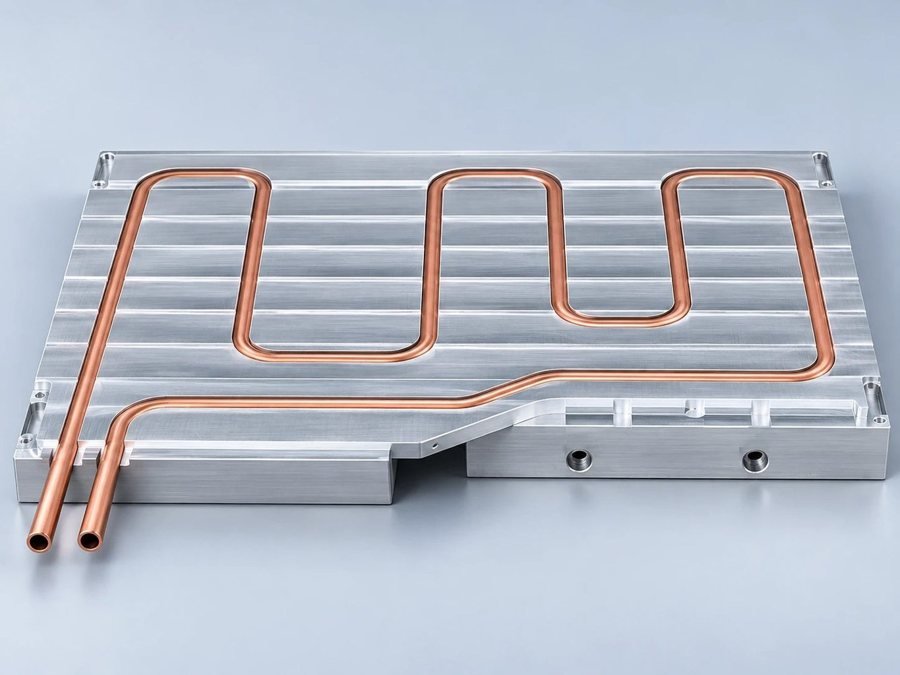
Review cooling geometry and assembly fit.
LOCAL SUPPORT. GLOBAL MANUFACTURING.
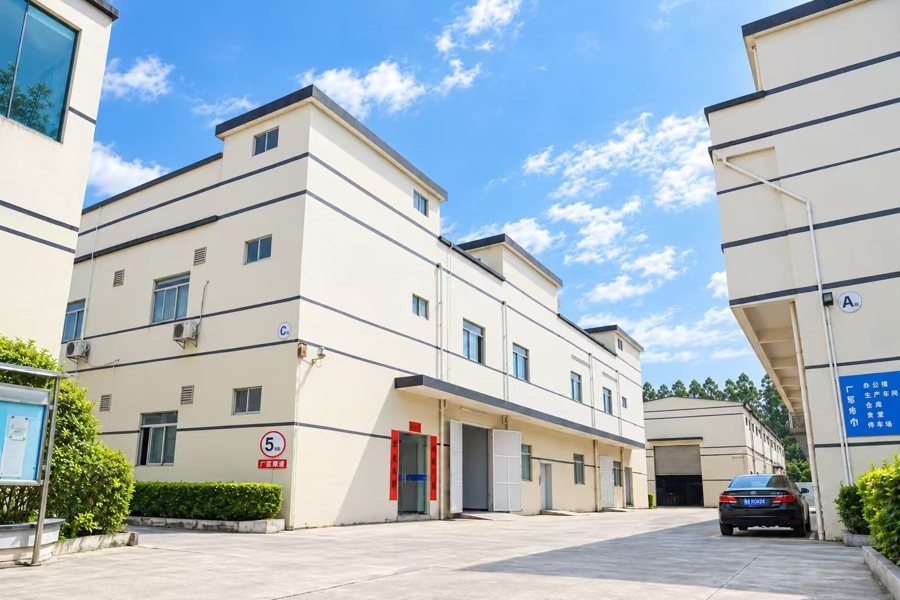
Start with the decision you need to make: appearance, fit, function or production readiness. Share your geometry, material, quantity and test conditions so 3D printing, CNC machining, sheet metal or prototype molding can be reviewed against that goal.
Lead time depends on your process, material availability, geometry, finish, quantity and inspection scope. Send your target date with the drawing. Your quotation confirms the reviewed manufacturing and delivery schedule.
Only when its material, process and build condition are suitable for your test. Printed resin, nylon, machined stock and molded parts can behave differently. Identify these differences before using results to approve a production design.
Send your 3D STEP or IGES model and a controlled 2D drawing for critical dimensions. For printed models, discuss STL requirements as needed. Include material, quantity, finish, your validation goal and the required records.
We review manufacturability, process selection and critical features with your team. Your team approves design changes and the controlled revision before manufacturing. Include mating parts or assembly information where relevant.
Yes, share the required finish, inserts, hardware, BOM and assembly checks. The included operations, cosmetic criteria and testing responsibilities are agreed in the quote.
Record sample feedback, resolve remaining risks and approve your drawing revision. Then review production volume, tooling, material, inspection and delivery requirements before the next release.
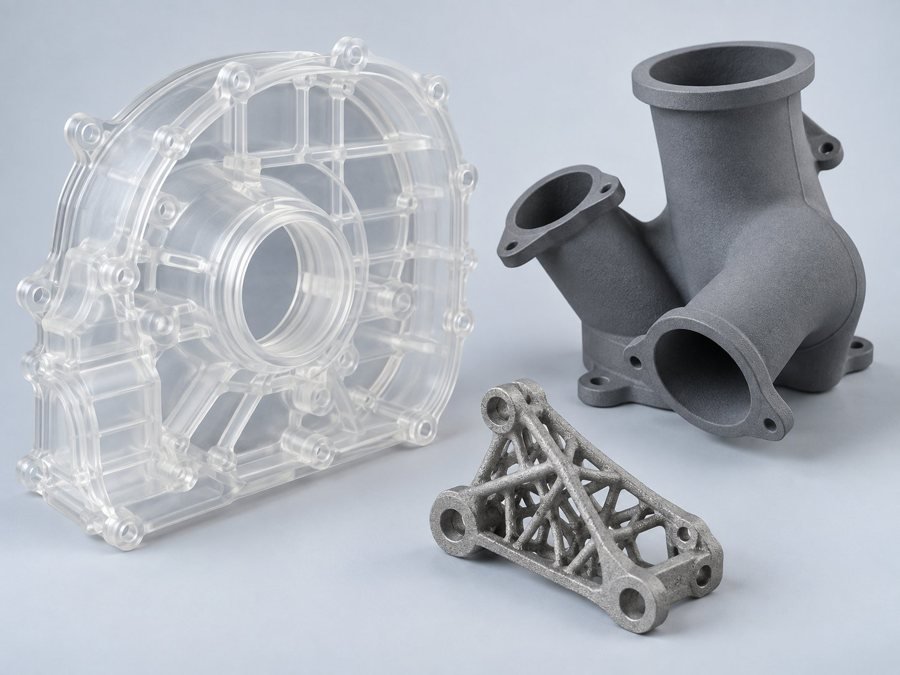
Your appearance and geometry discussion.
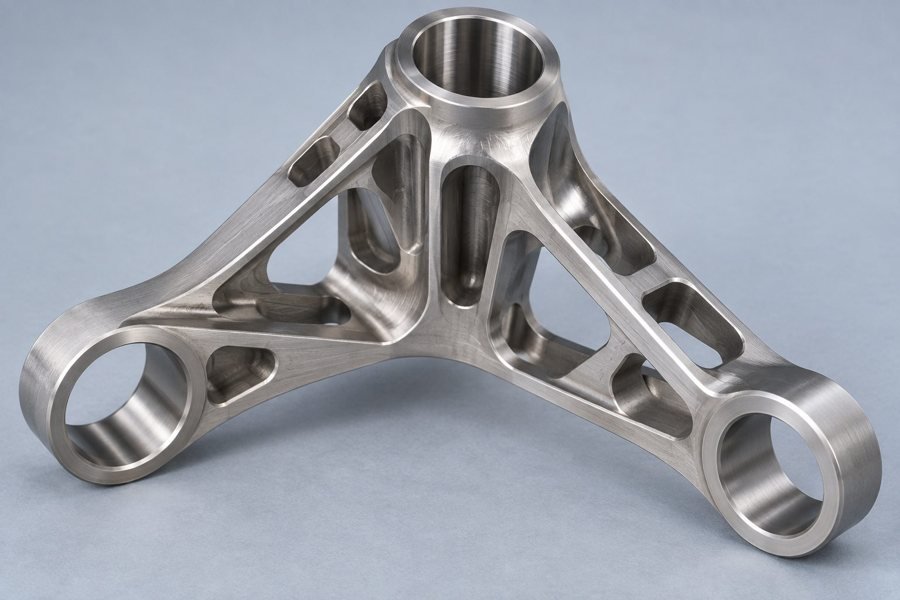
Your mounting and load requirements.
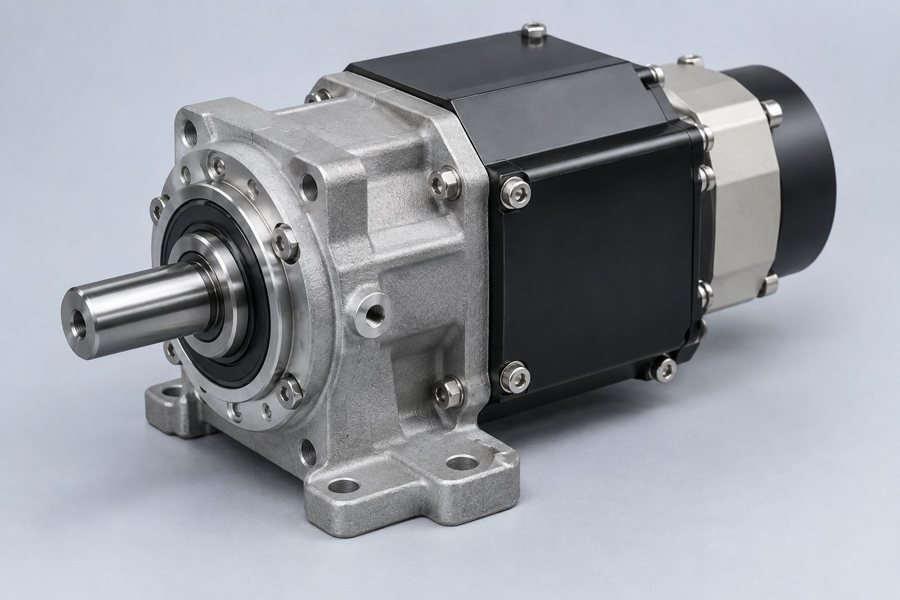
Your fit and assembly review.
Product visuals illustrate manufacturing concepts, not customer case studies. Your approved drawings and agreed specifications control supplied parts.