Injection Molding
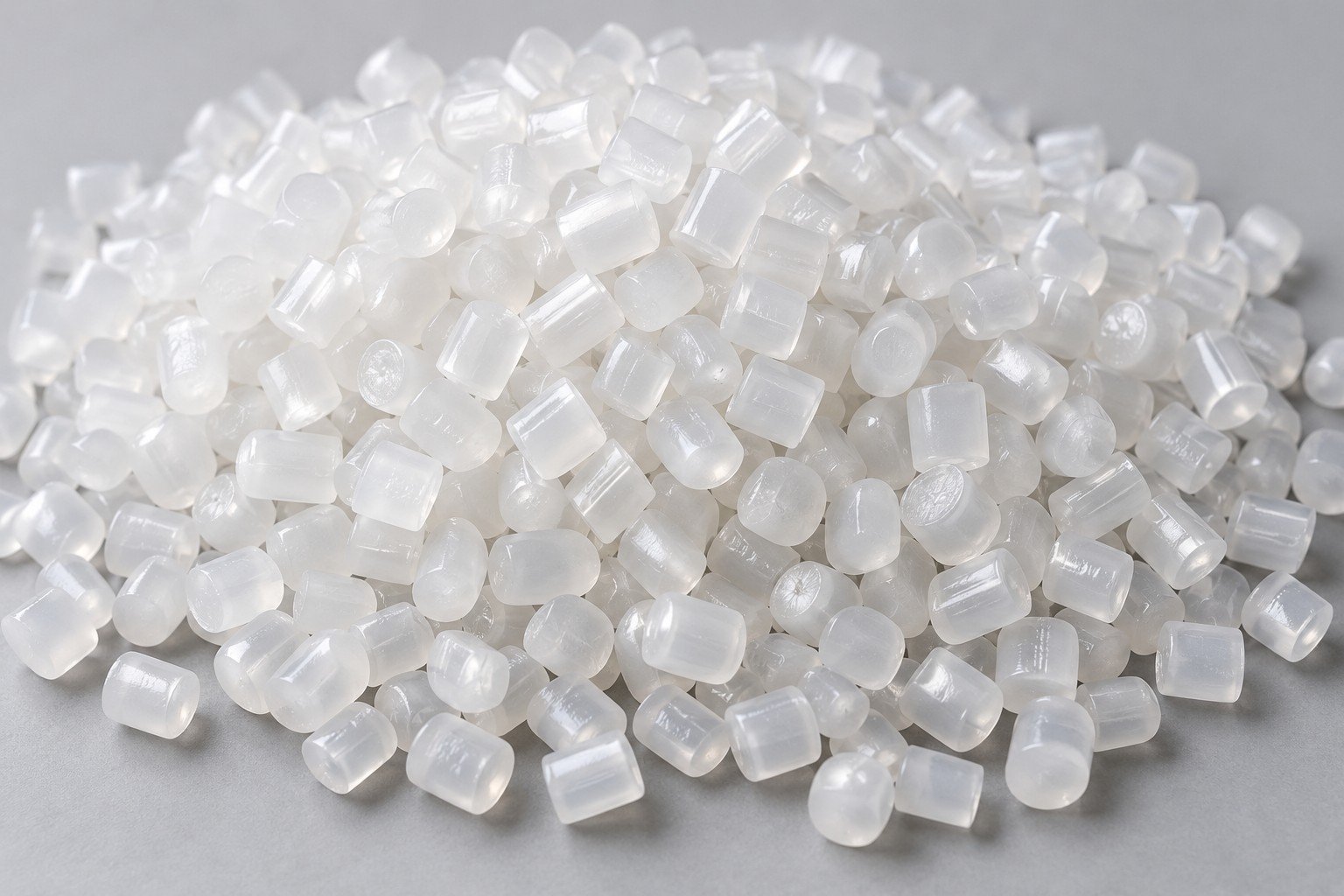
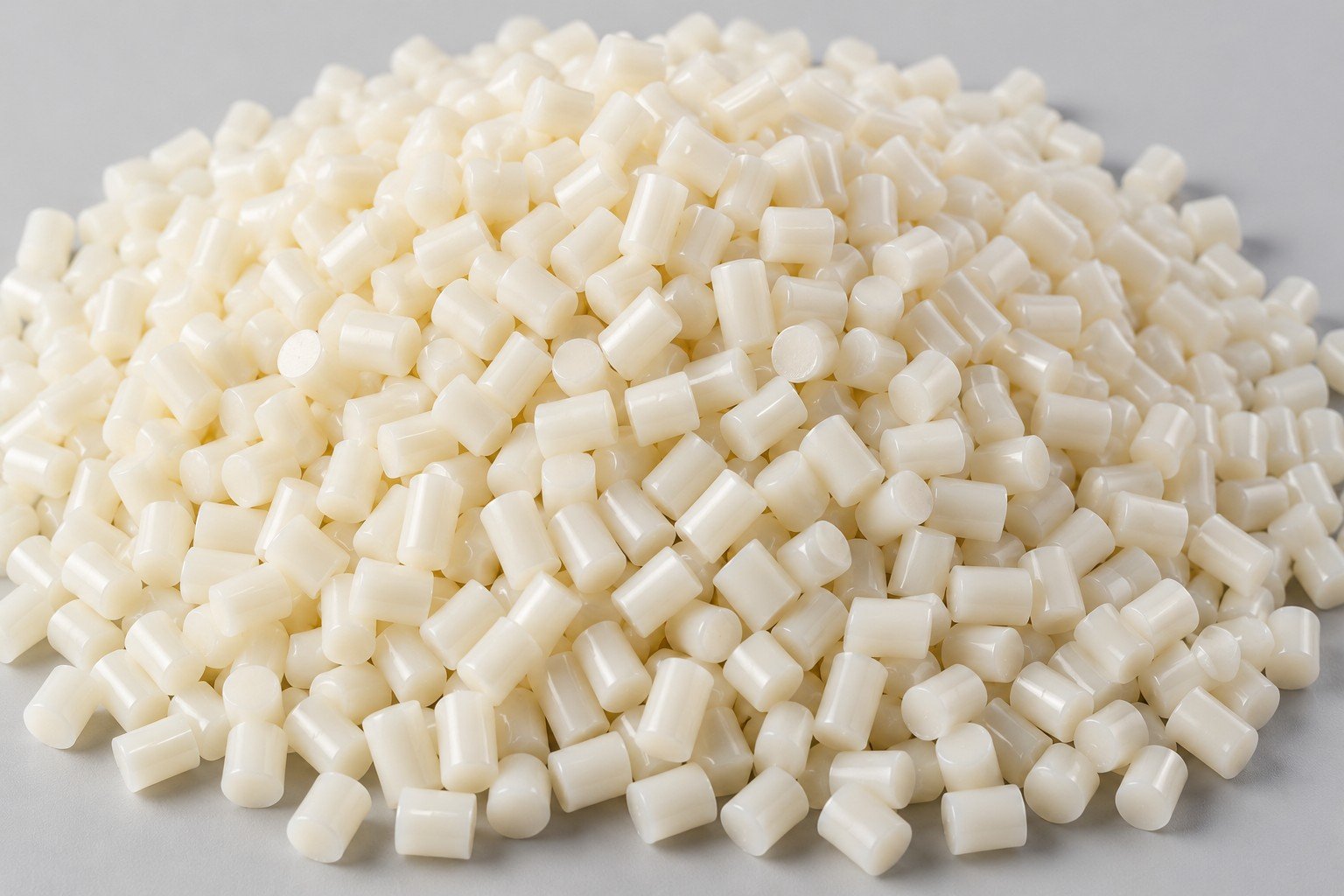
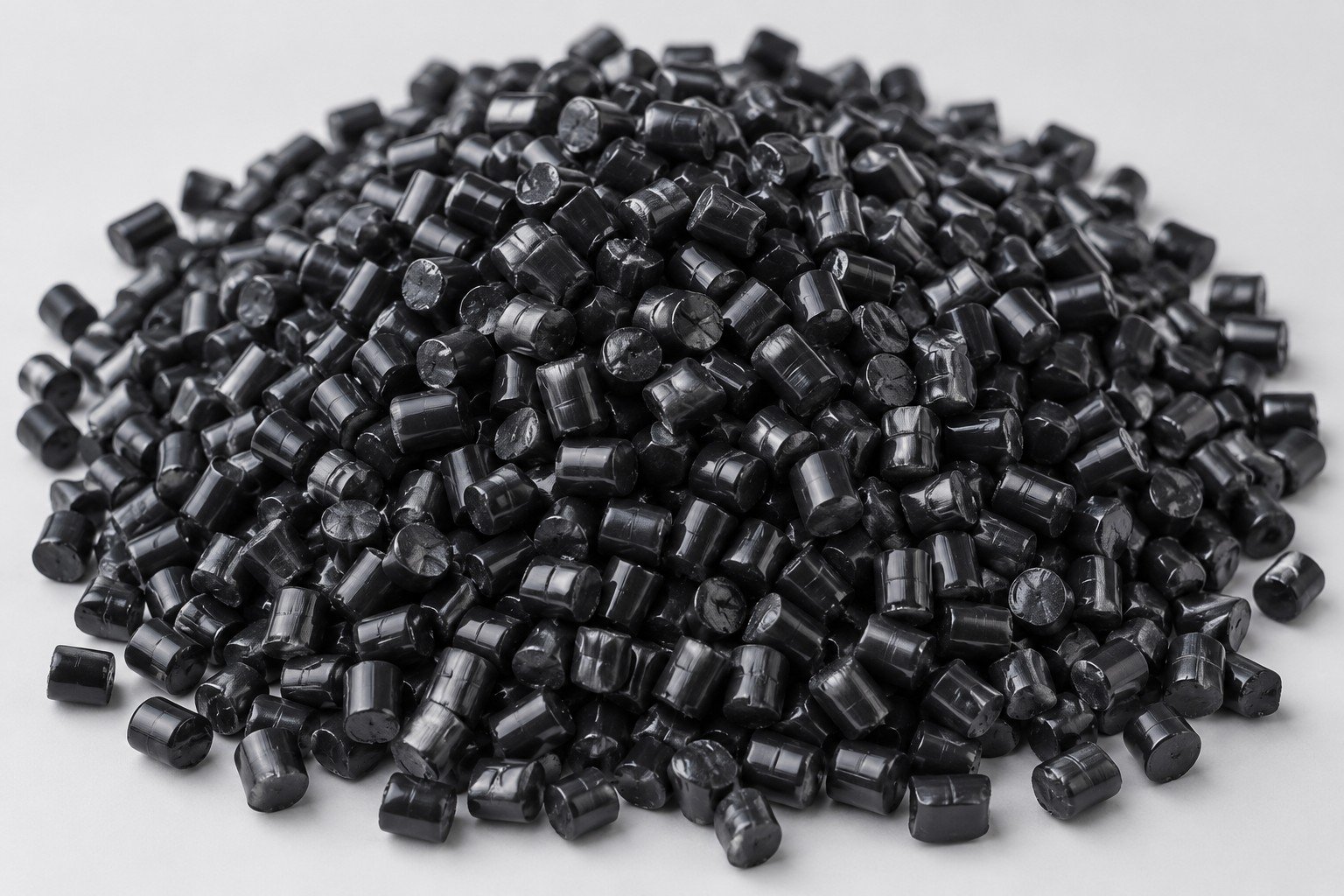
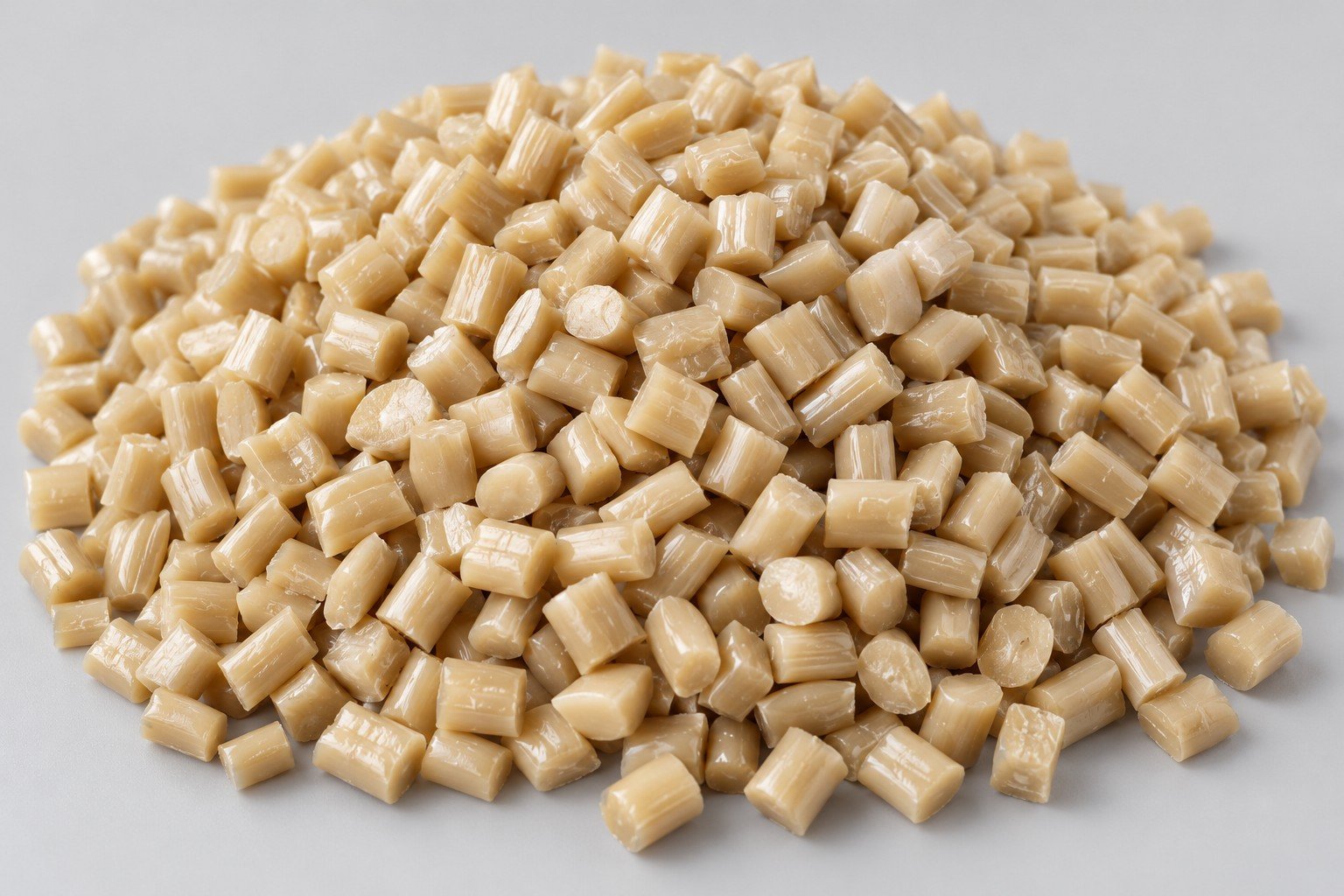
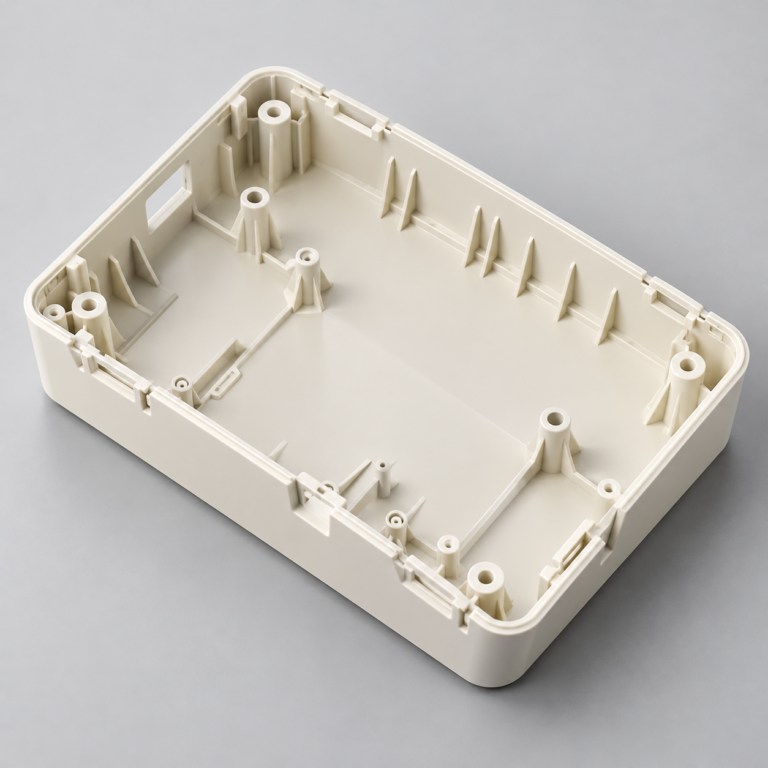
Tooling and molding for your repeat plastic parts.
From prototype to production, coordinated manufacturing solutions for your custom parts.
View All Services →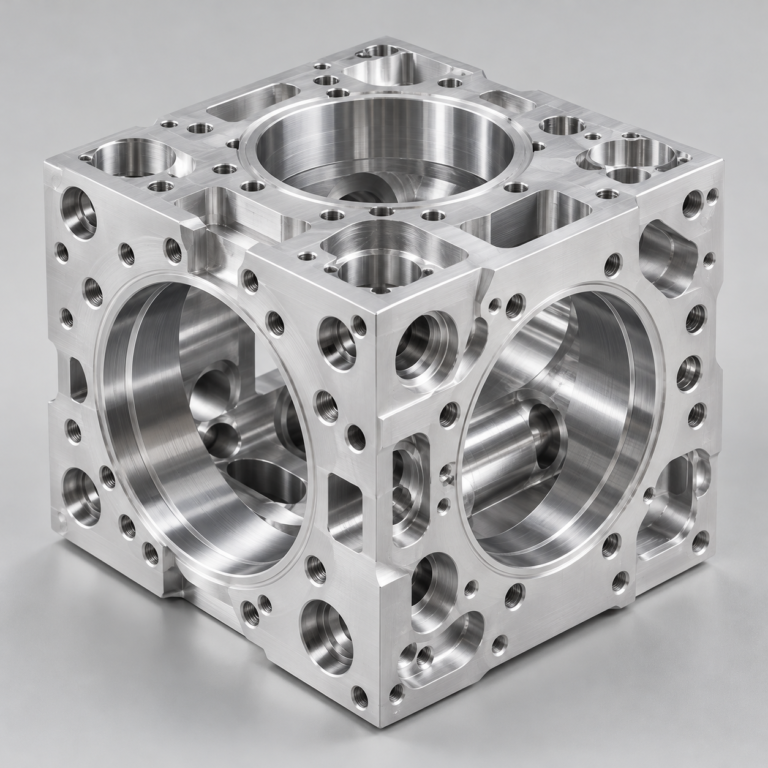
Precision parts for your tight tolerances and complex geometry.
Tooling and molding for your repeat plastic parts.
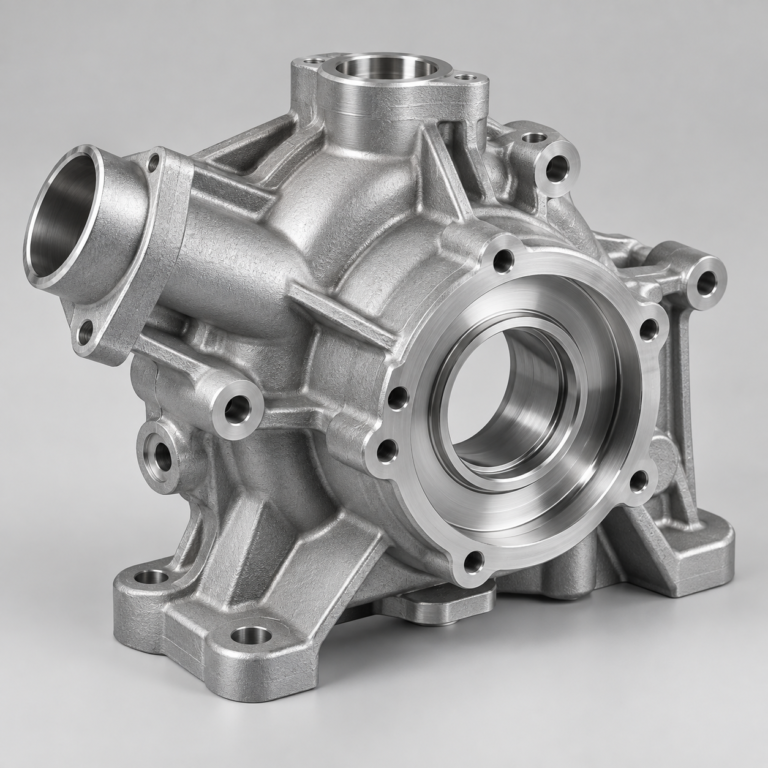
Metal casting options for your part and production volume.
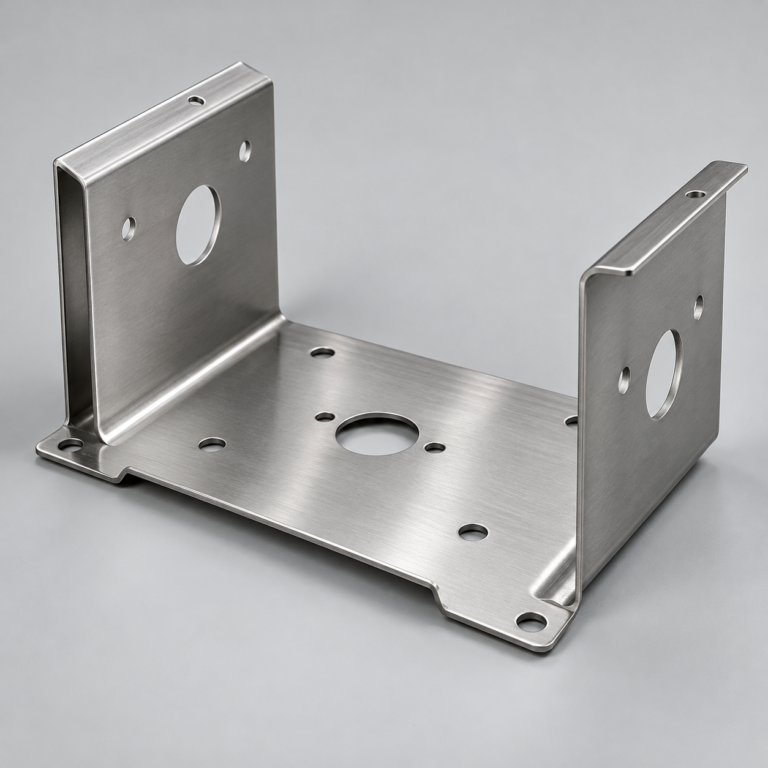
Cutting, forming and welding for your fabricated parts.
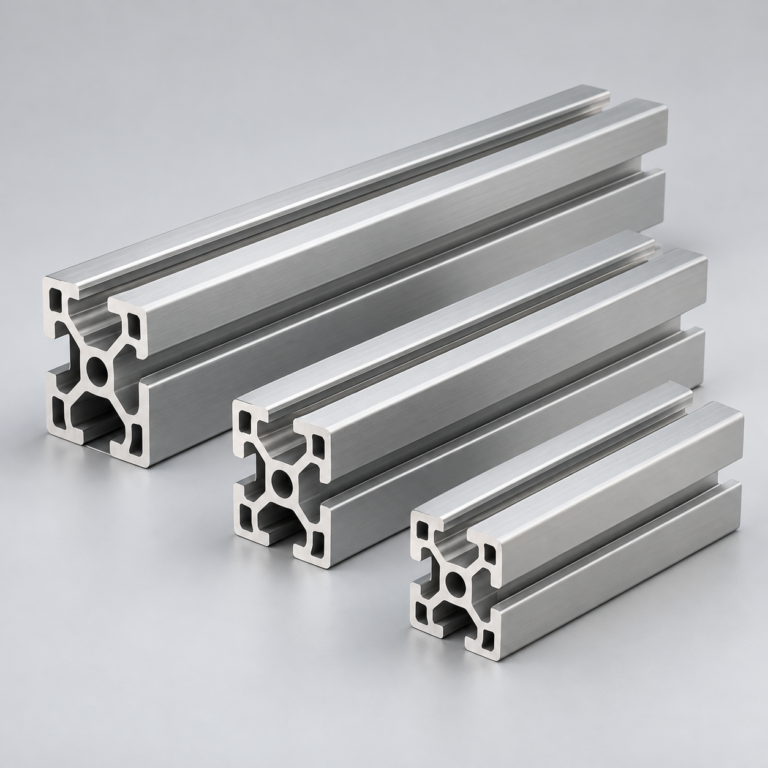
Custom profiles for your section, length and finish requirements.
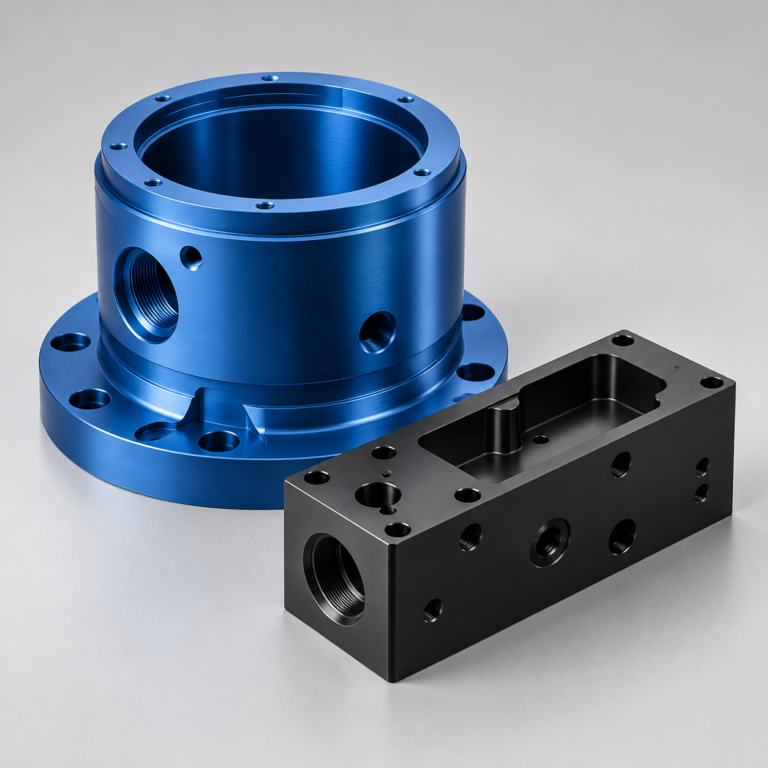
Finishes for your appearance, corrosion and wear requirements.
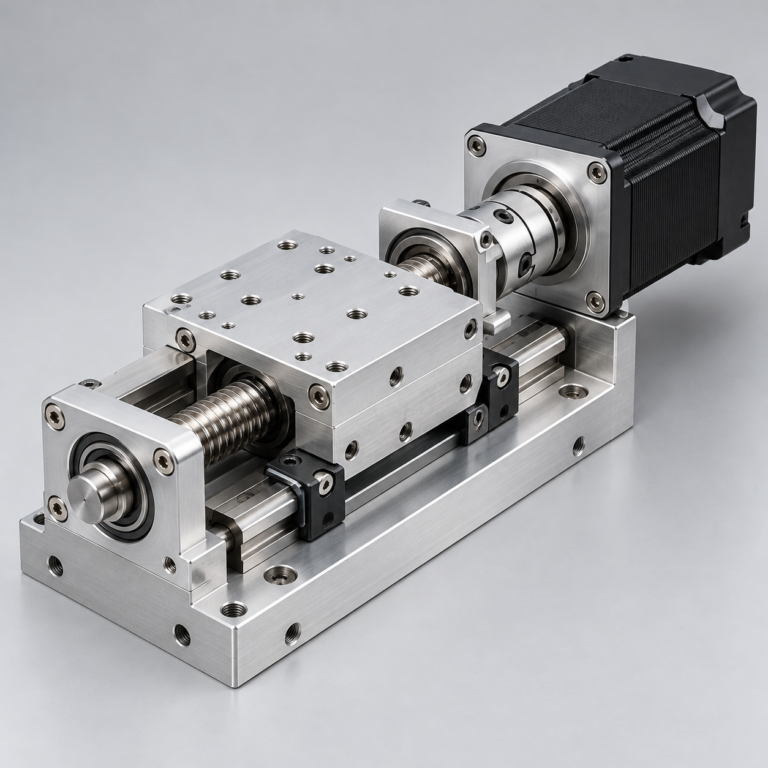
Sub-assemblies and final builds for your production program.
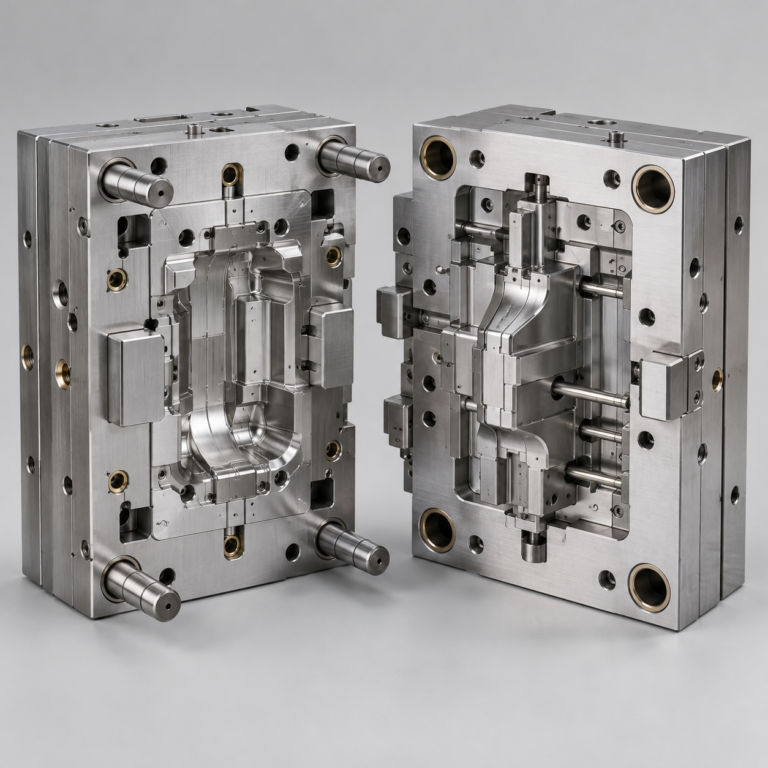
Production tooling built around your process and volume.
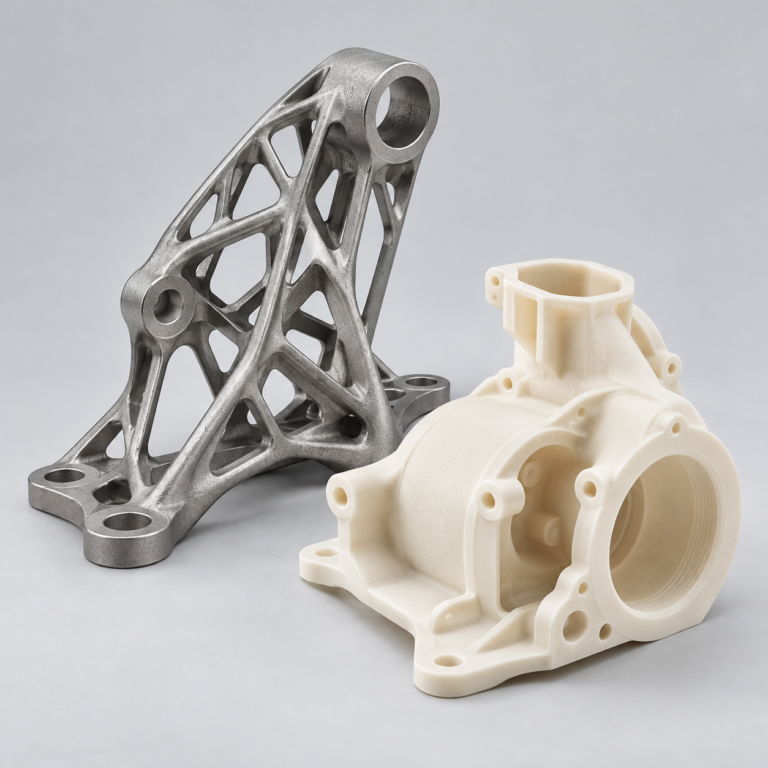
Prototype parts to check fit, function and design.
DFM, process planning and production support for your project.
Inspection, documentation, inventory and delivery planning for your program.
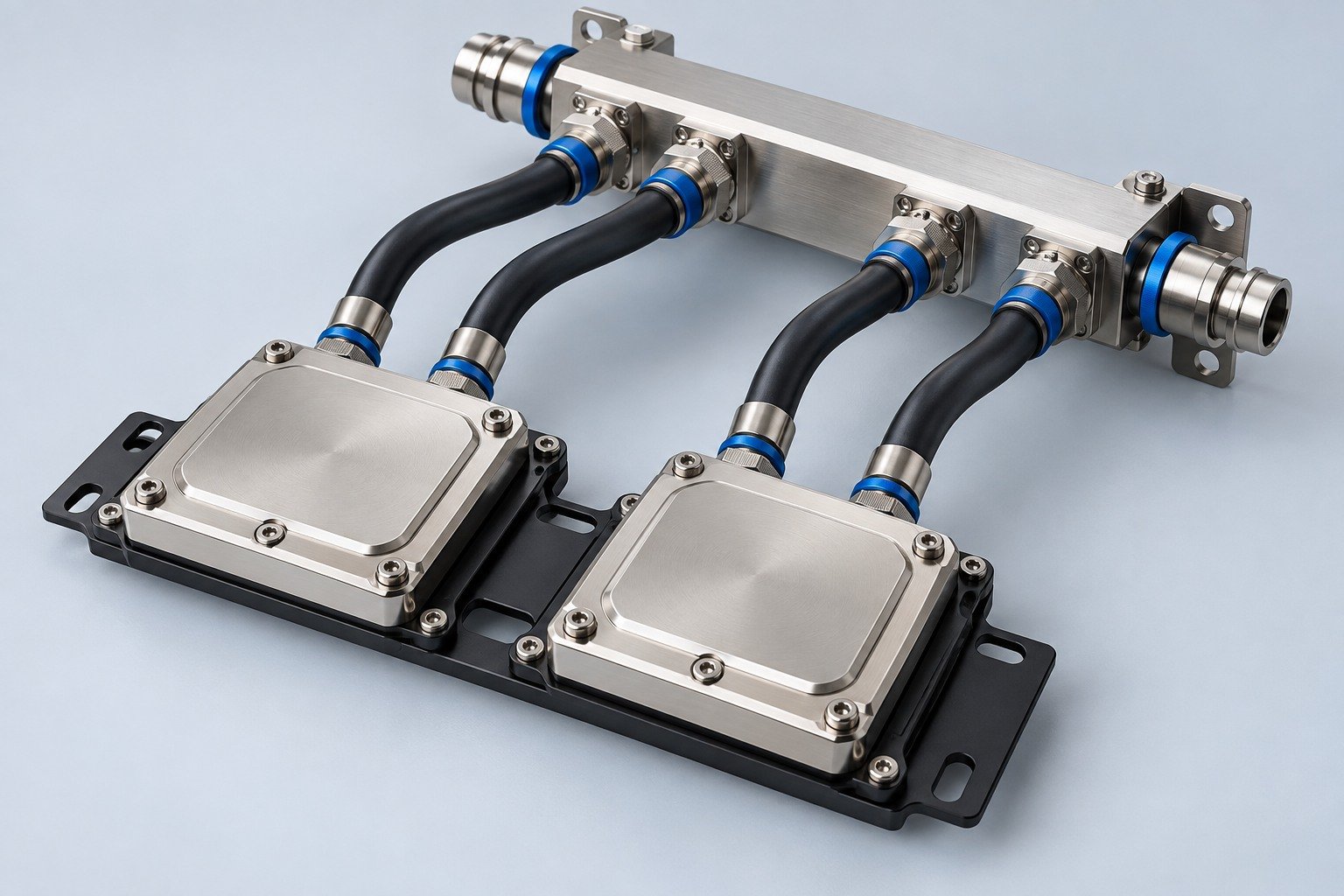
Choose air- or liquid-cooling components around your thermal and mechanical requirements.
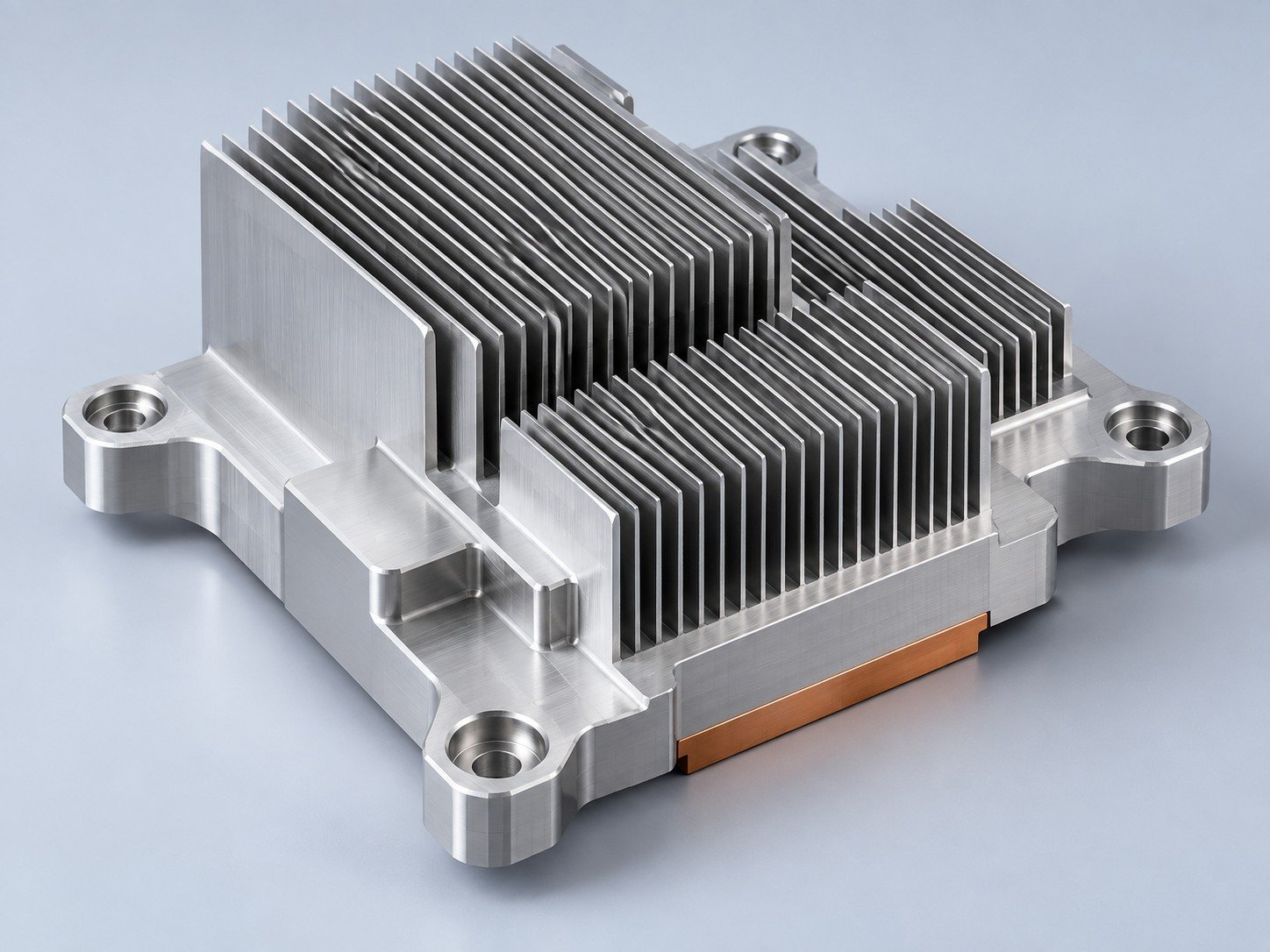
Manufacturing support for your cold plates, manifolds and cooling assemblies.
Find components for your power electronics, energy, laser and telecom application.
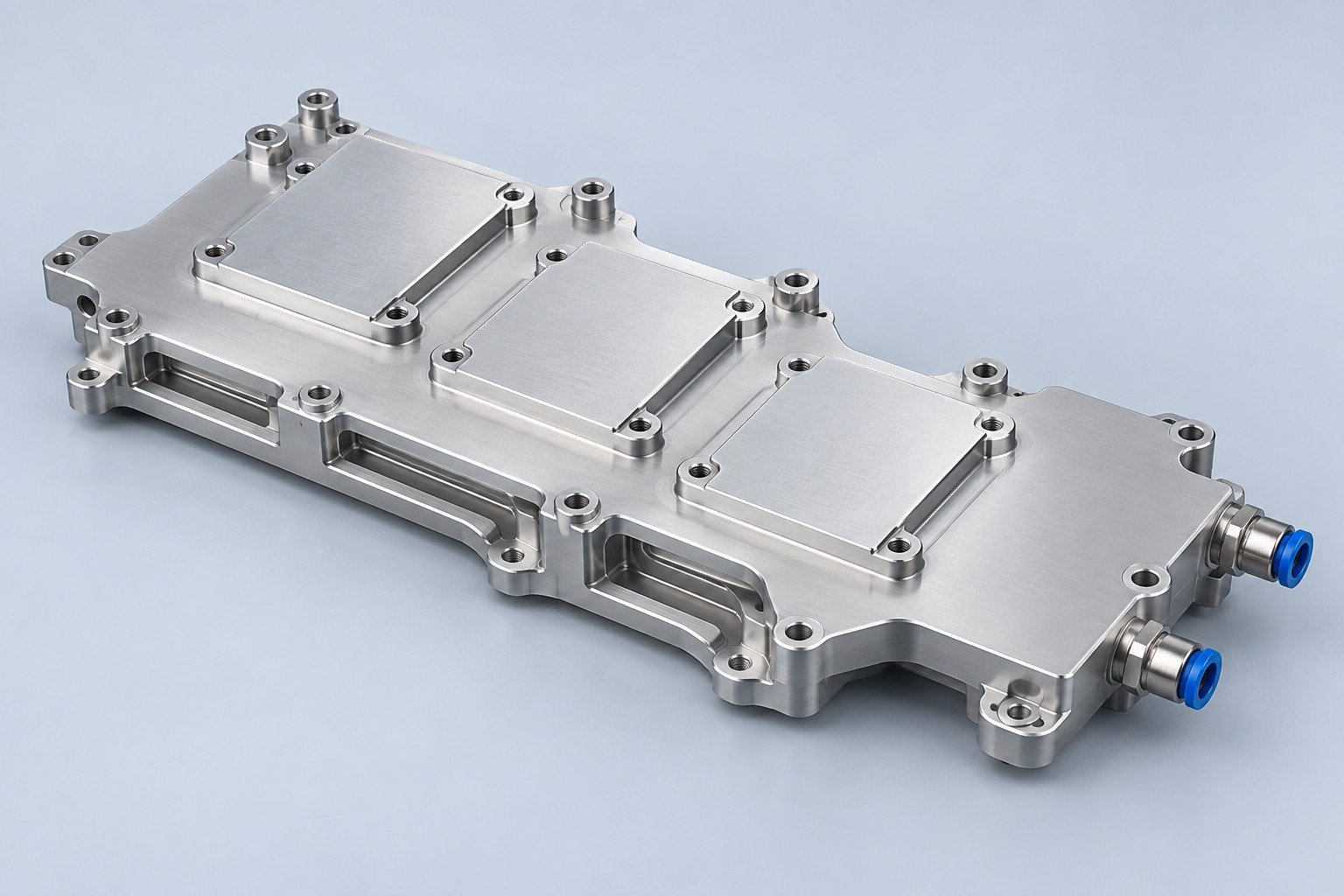
Components for your electronic systems.
Start with your functional and quality requirements.
Build around your operating environment.
From prototype to production, review material performance, manufacturability and cost for your part.
Review grade, temper and finish for your metal parts.
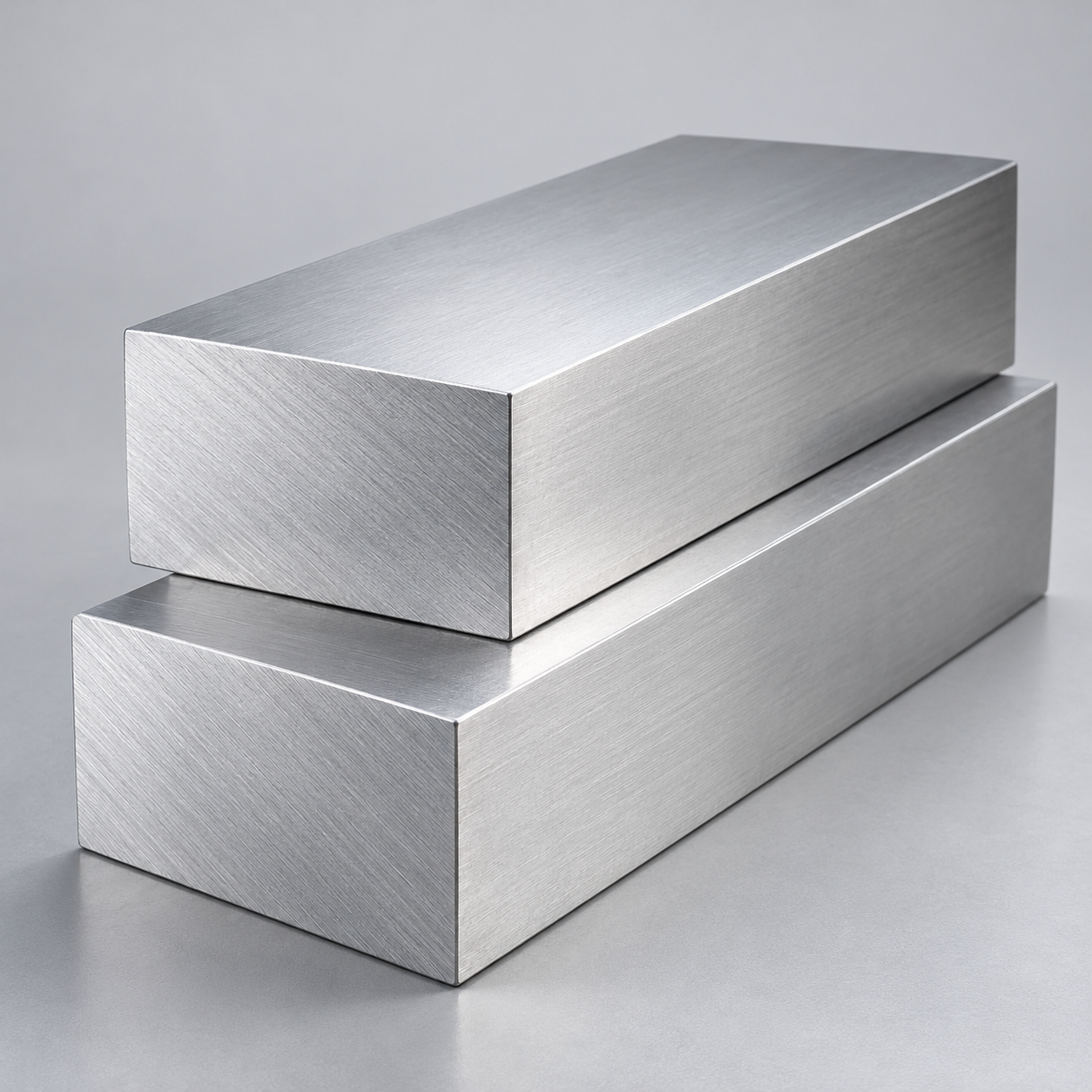 AluminumStrength, weight and machining›
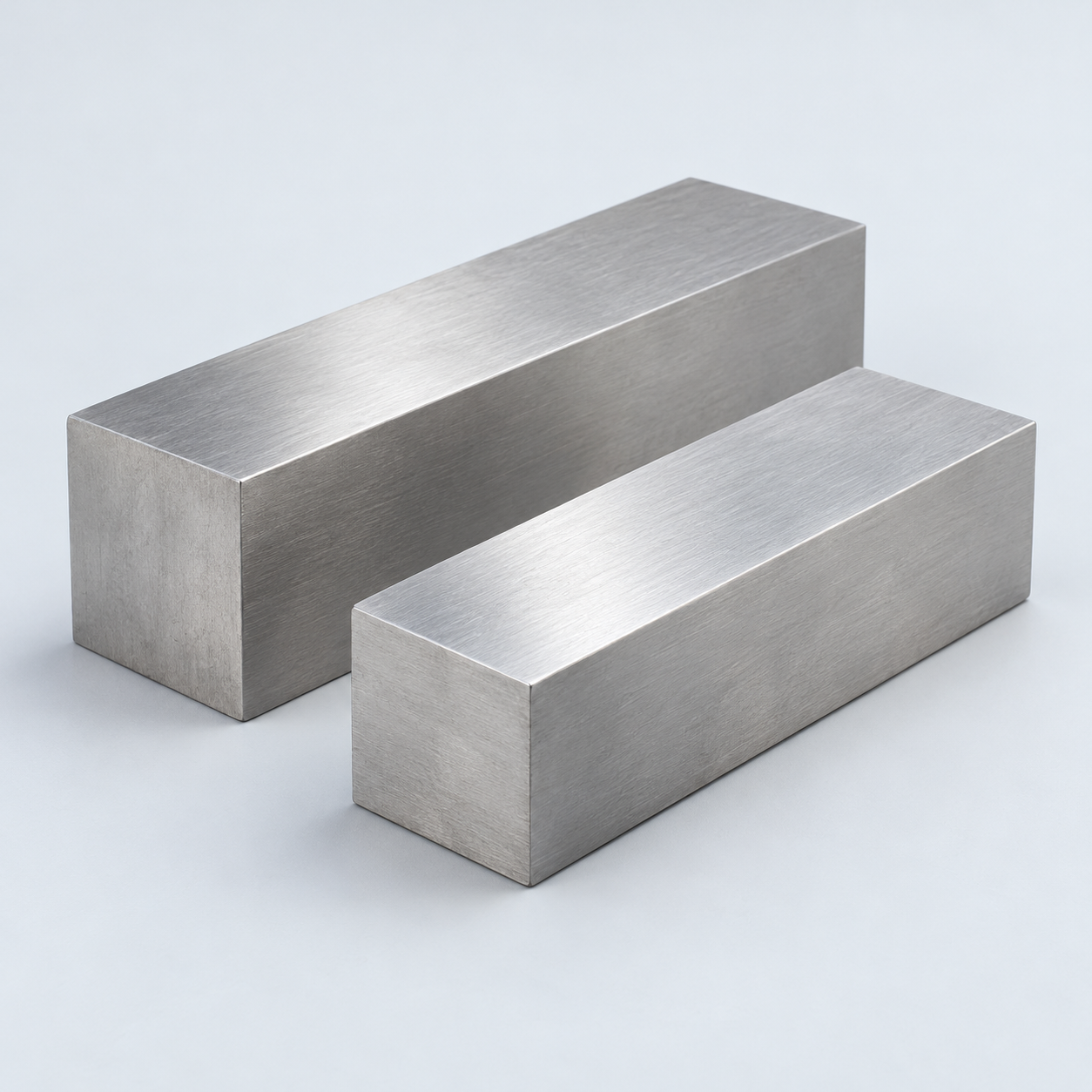 Stainless SteelCorrosion and finish requirements›
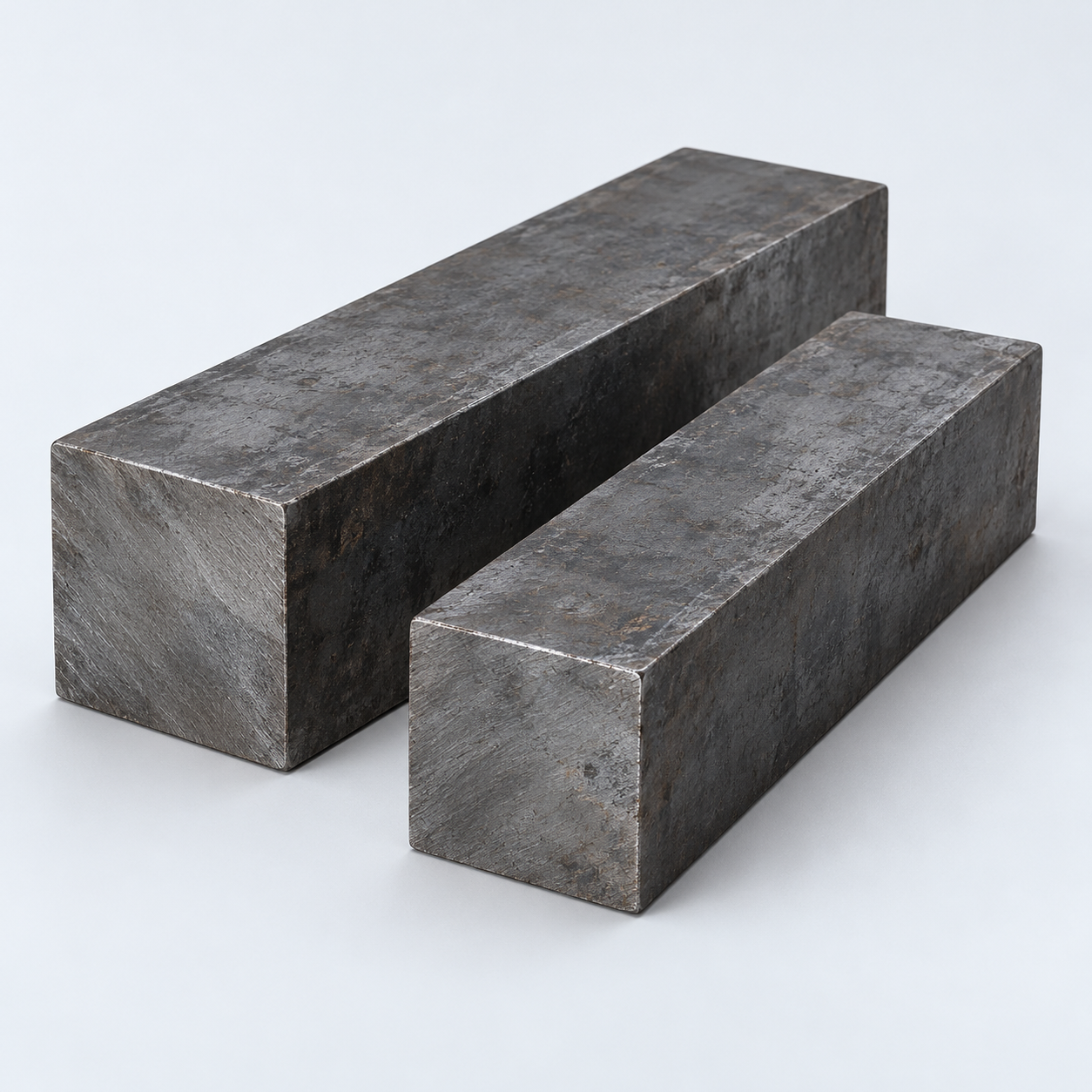 Carbon & Alloy SteelDiscuss grade and heat treatment›
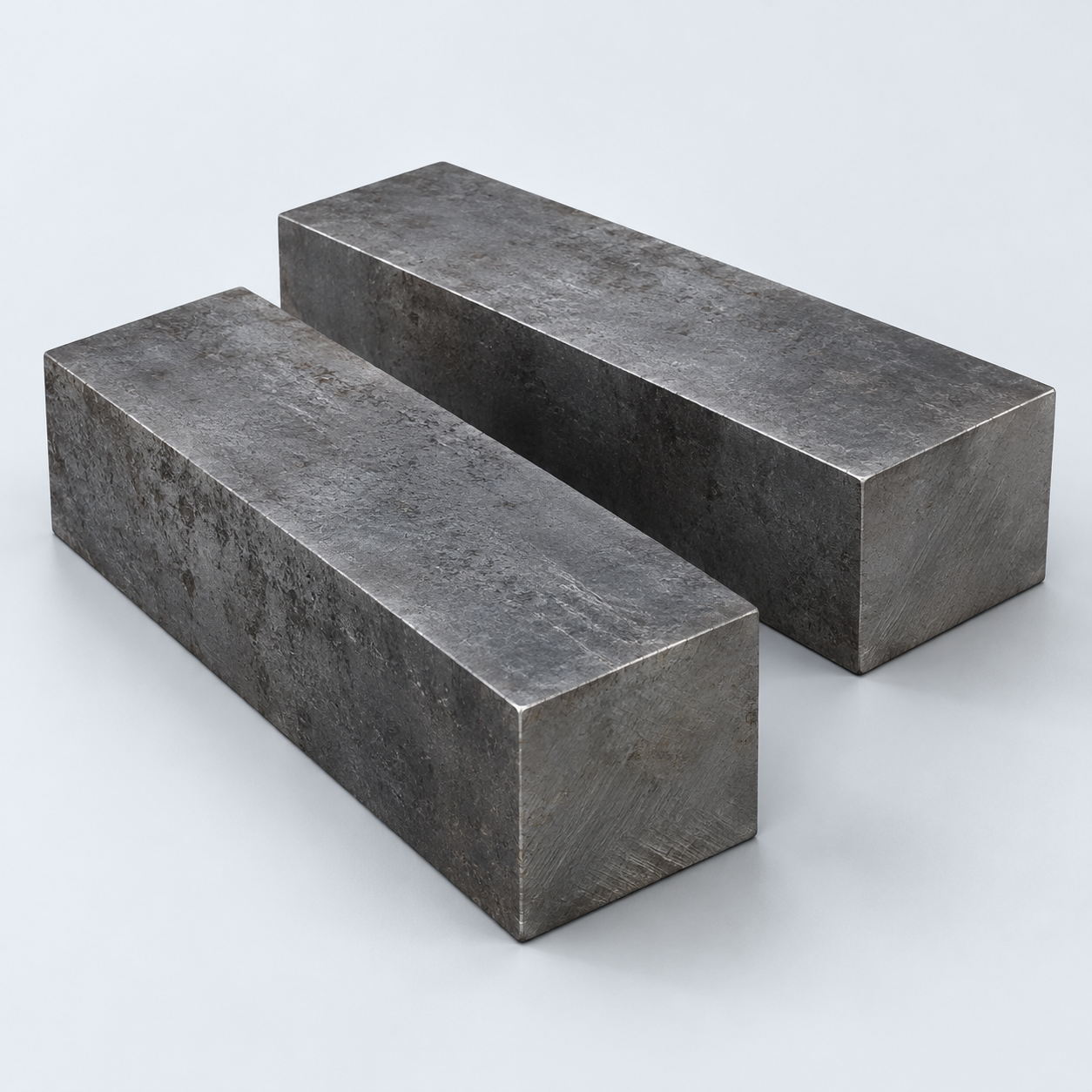 Tool SteelDiscuss tooling and wear needs›
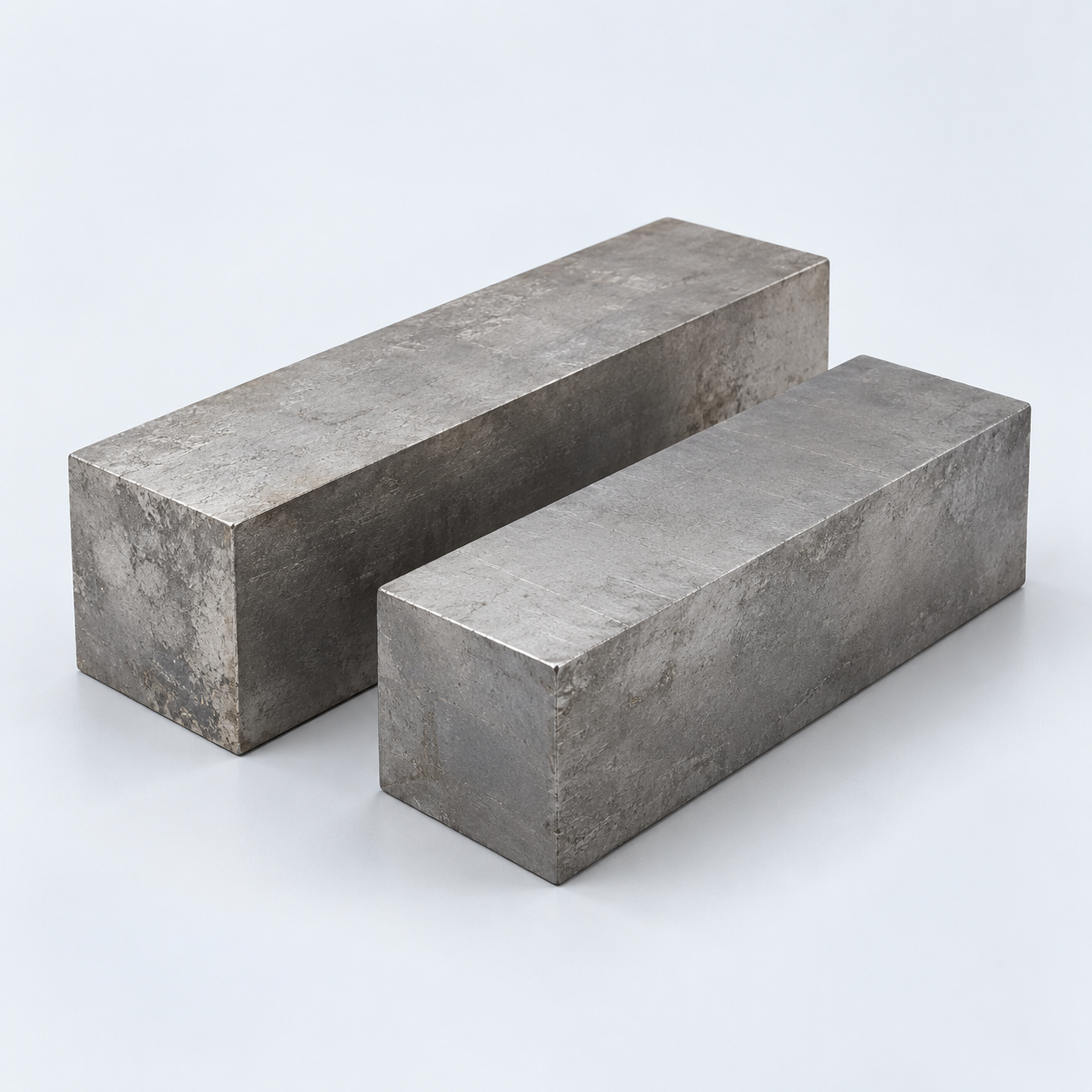 TitaniumReview grade and part geometry›
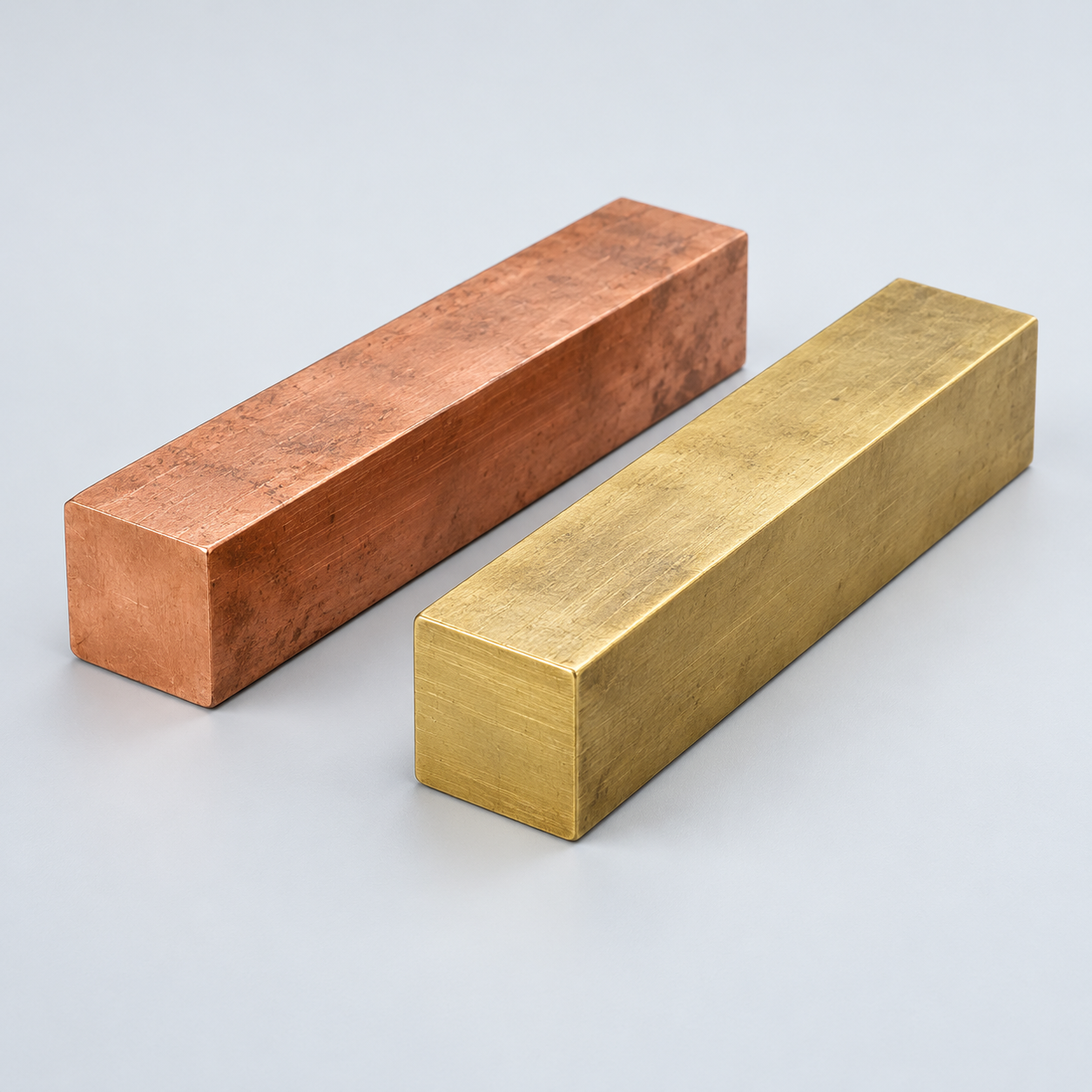 Copper & Brass & BronzeDiscuss conductivity and machining›
Match your polymer to function, process and environment.
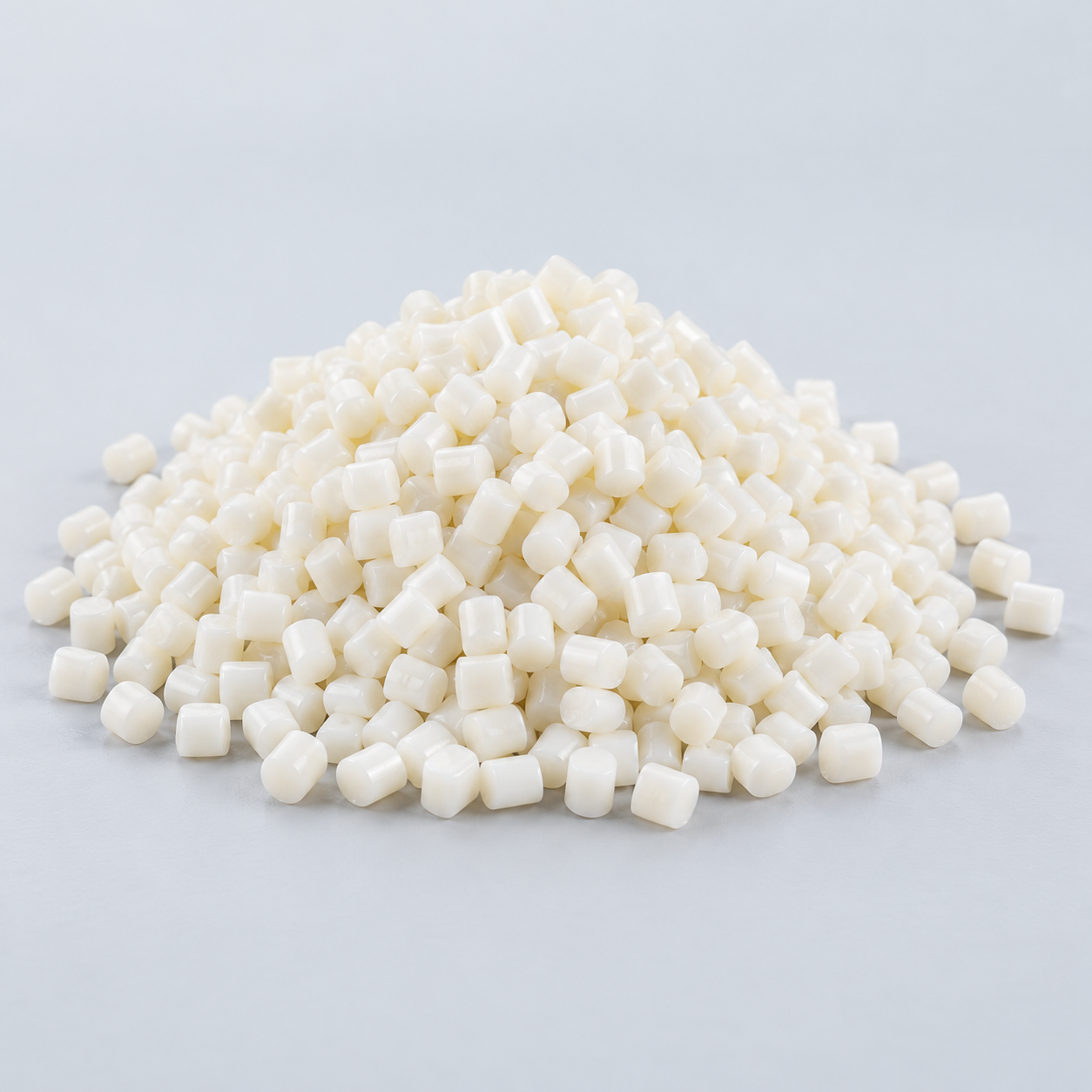 ABSReview enclosure and molding needs›
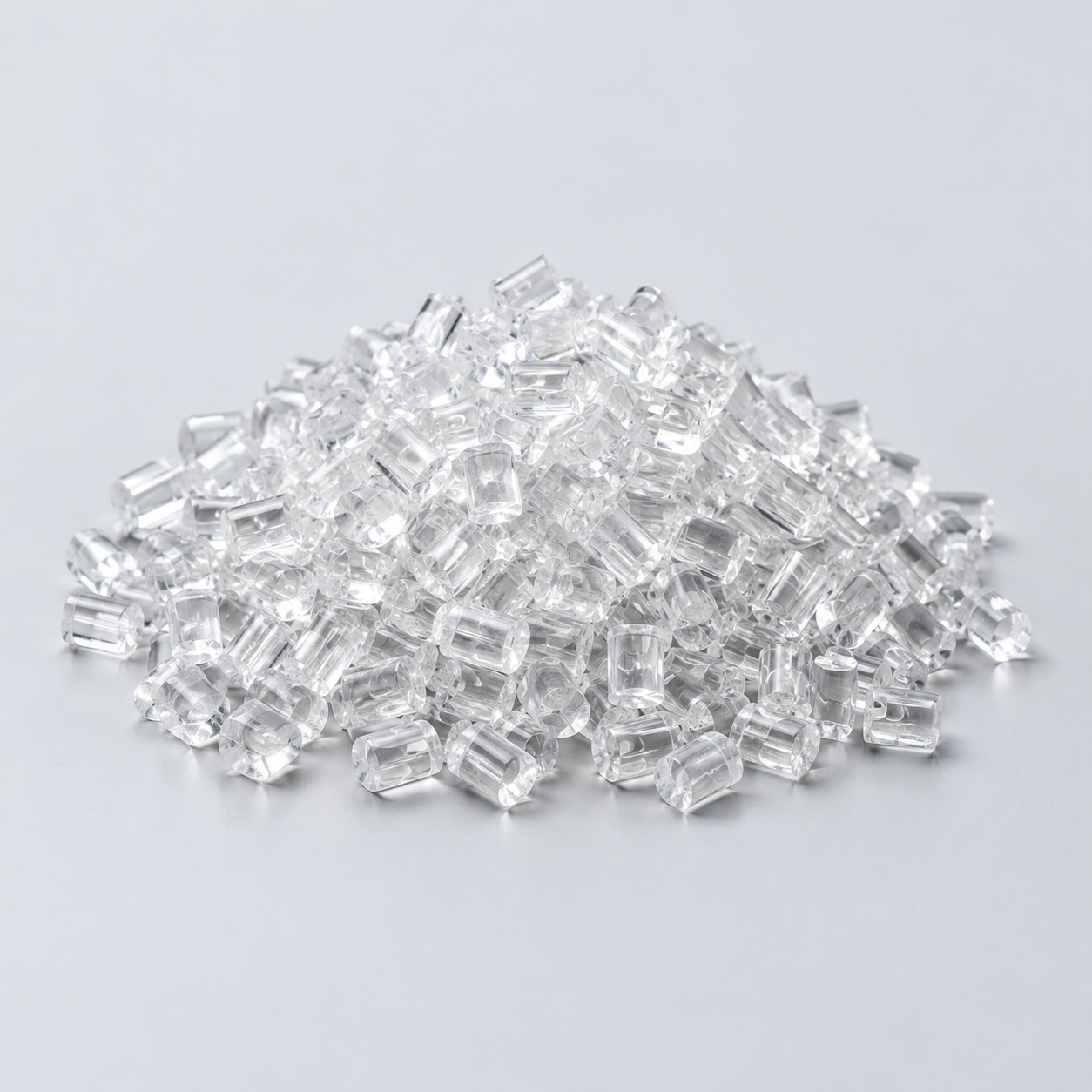 Polycarbonate (PC)Discuss clarity and impact needs›
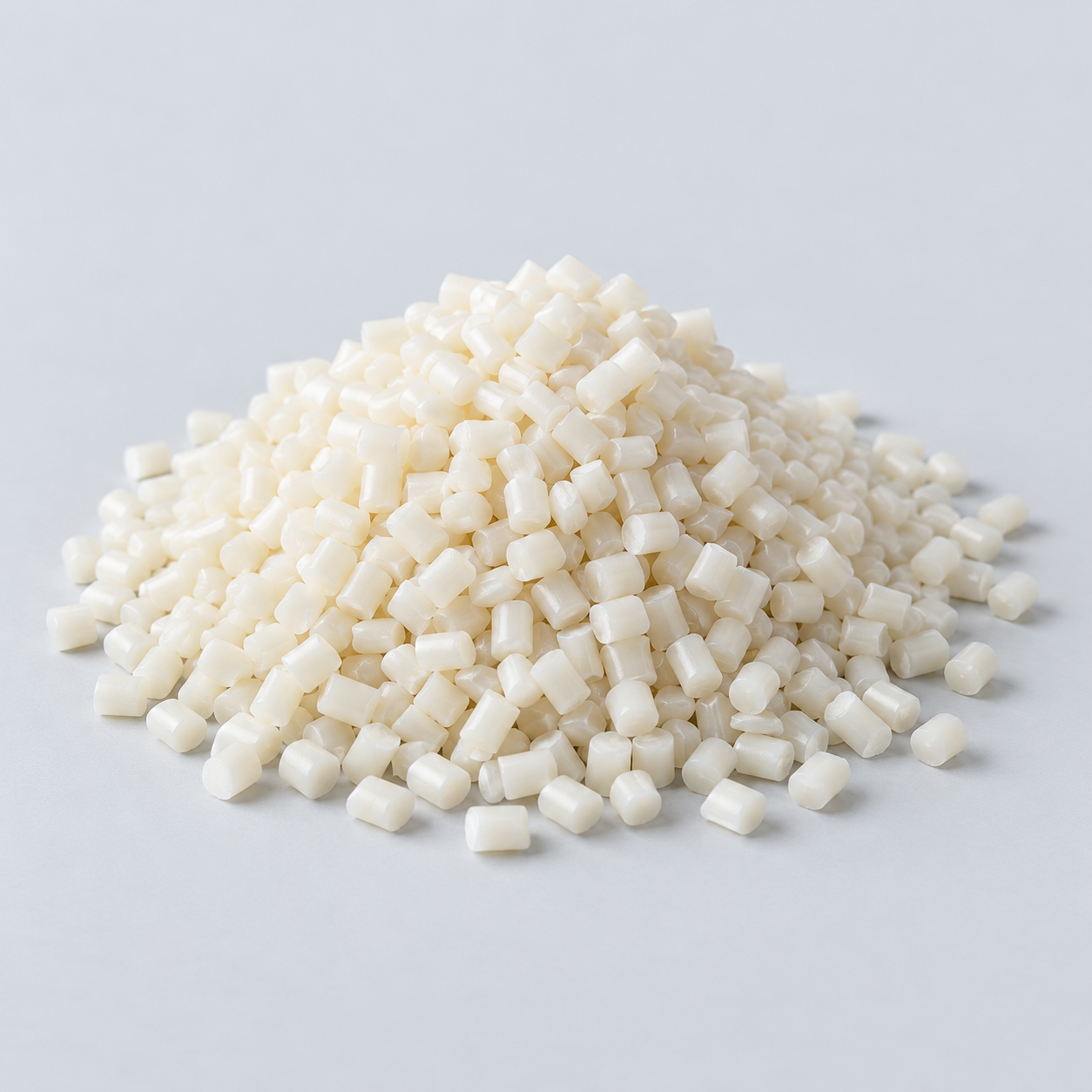 Nylon (PA)Review moisture and wear conditions›
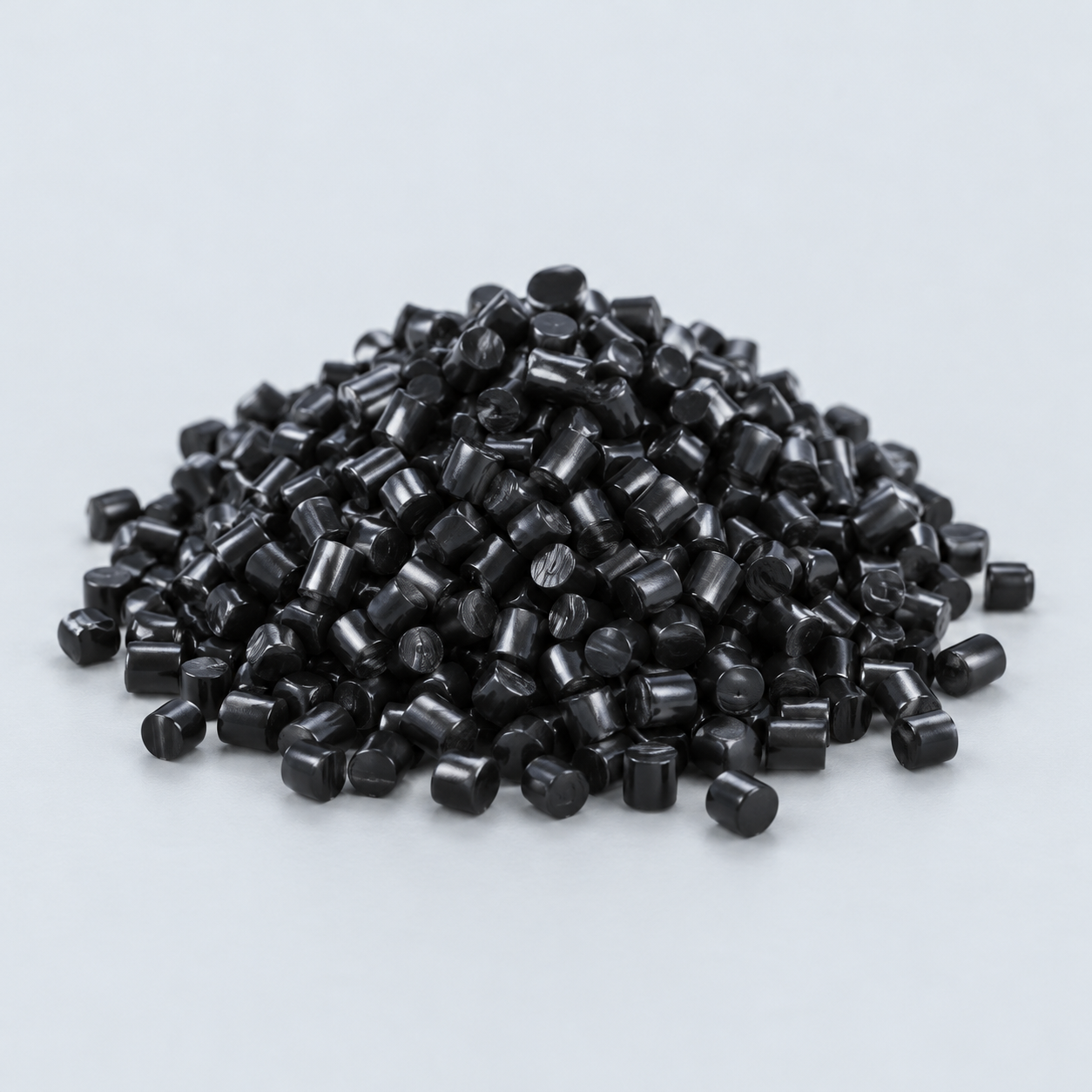 POM / AcetalReview fit and sliding features›
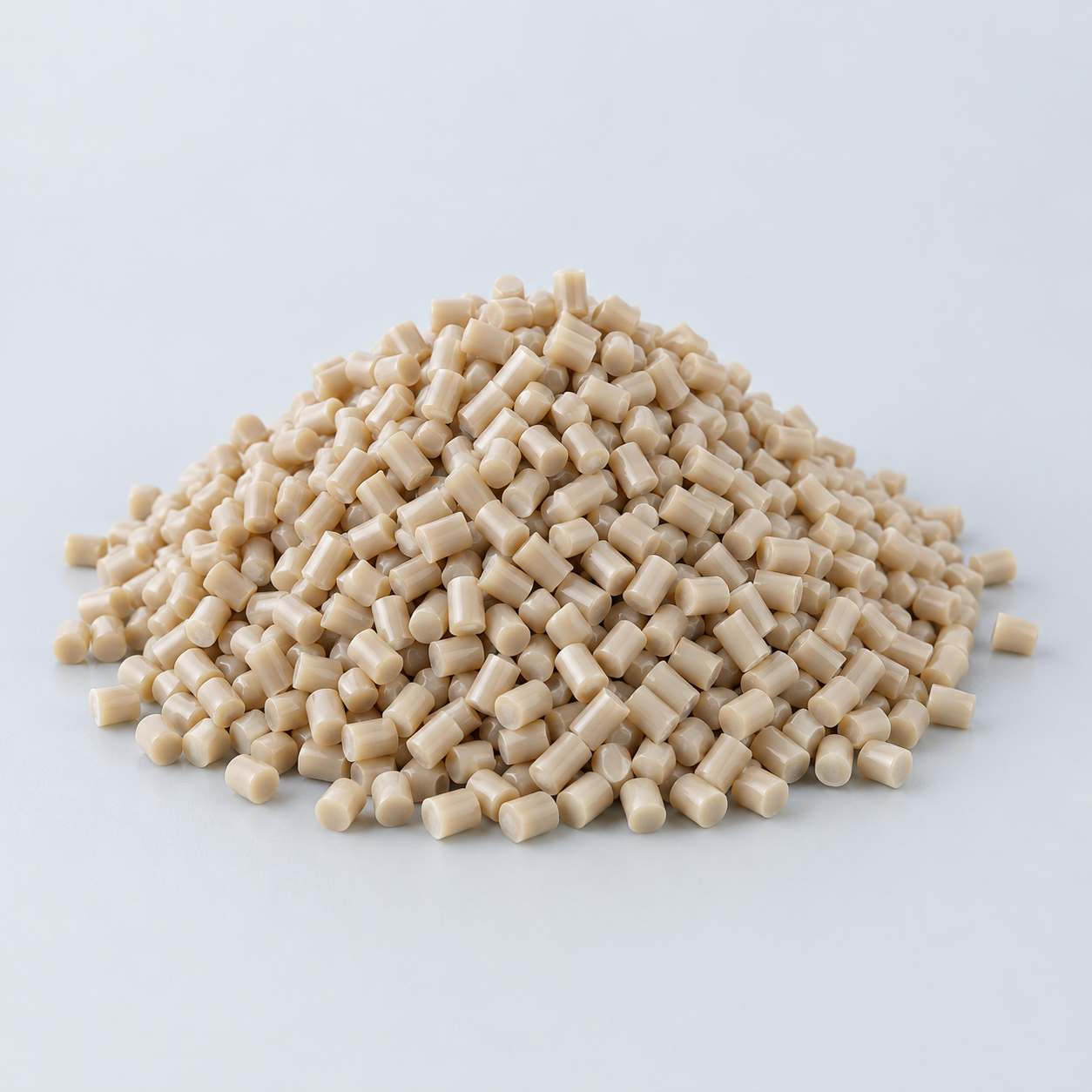 PEEKDiscuss operating conditions›
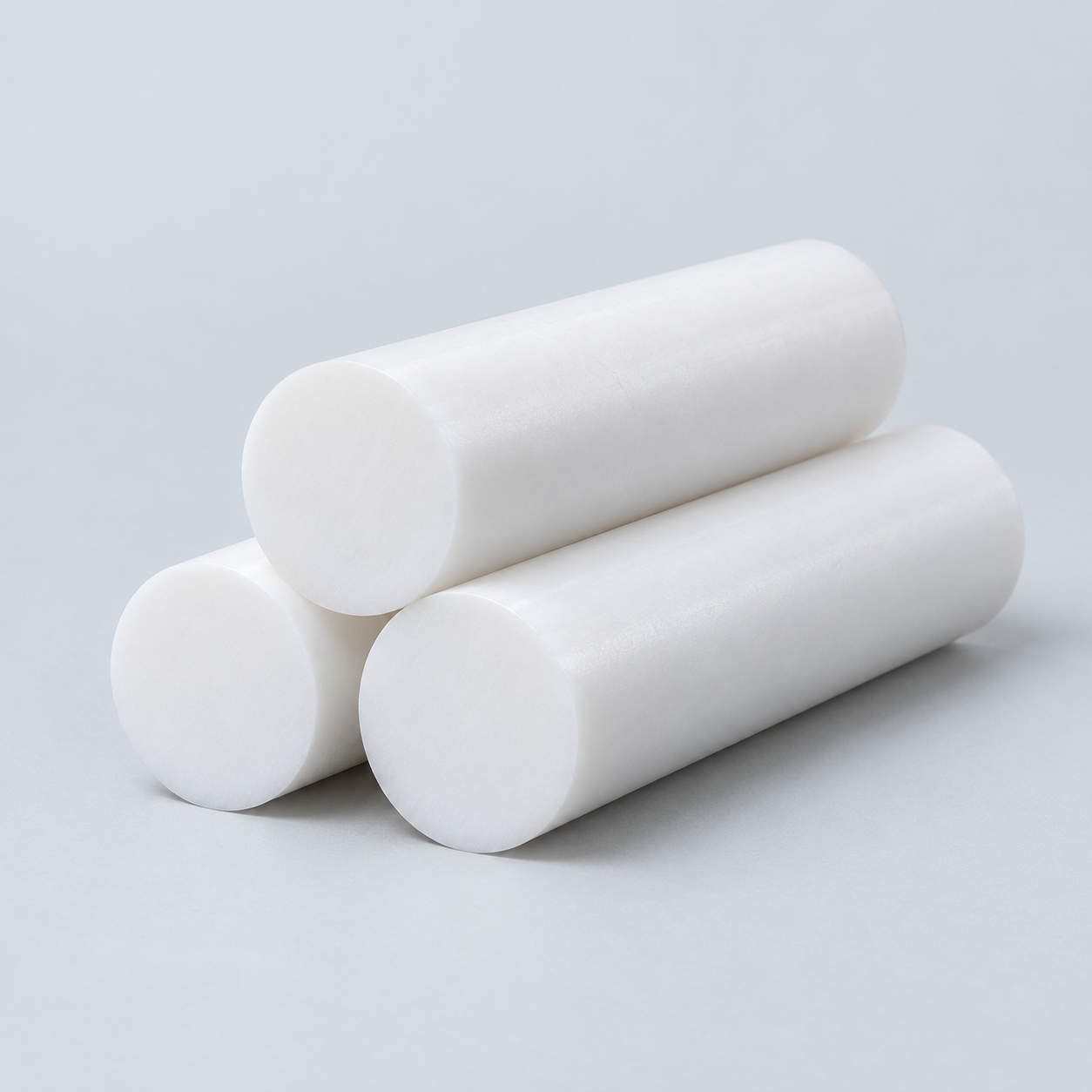 PTFEReview friction and chemical exposure›
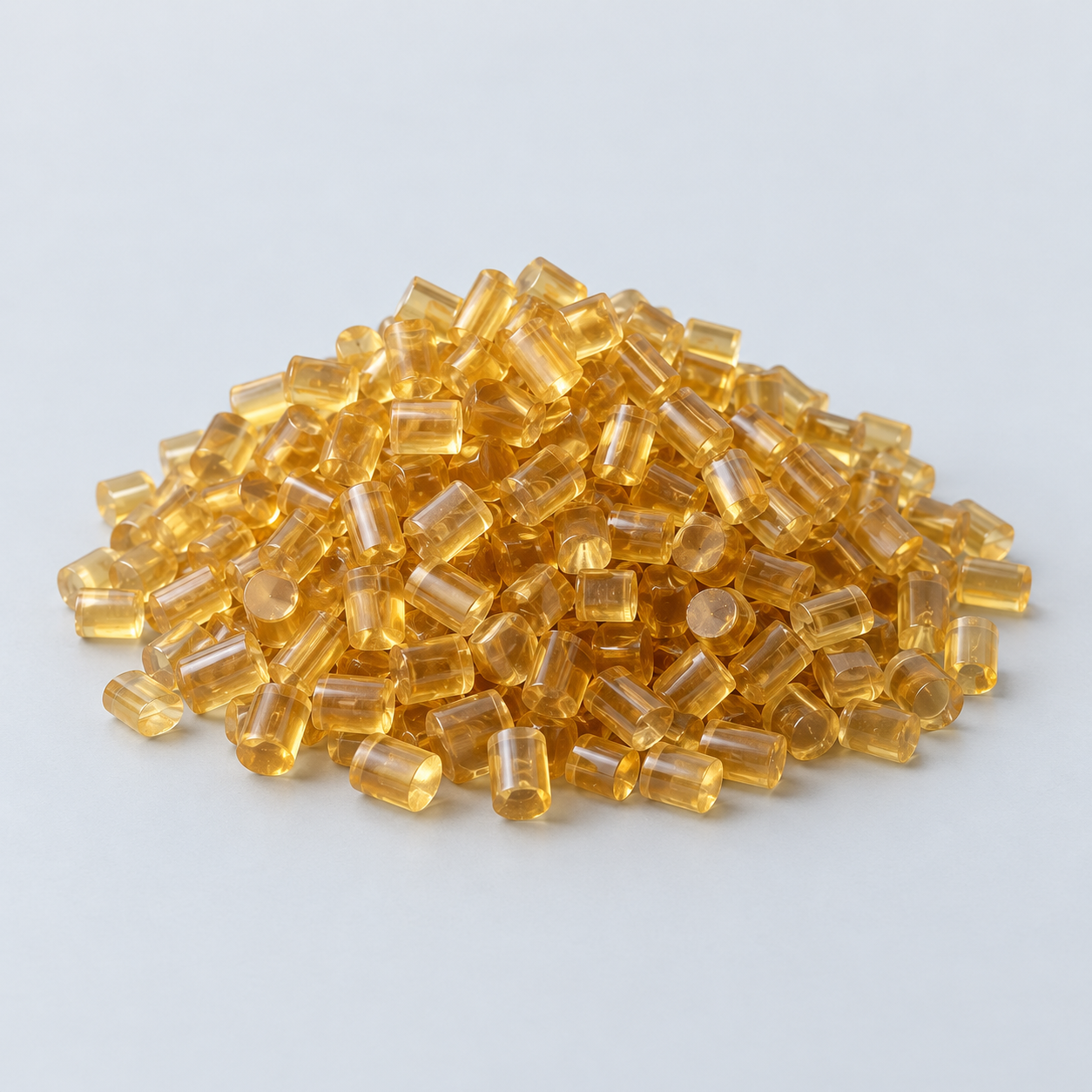 ULTEM / PEIDiscuss thermal and electrical needs›
Confirm grade availability and application requirements.
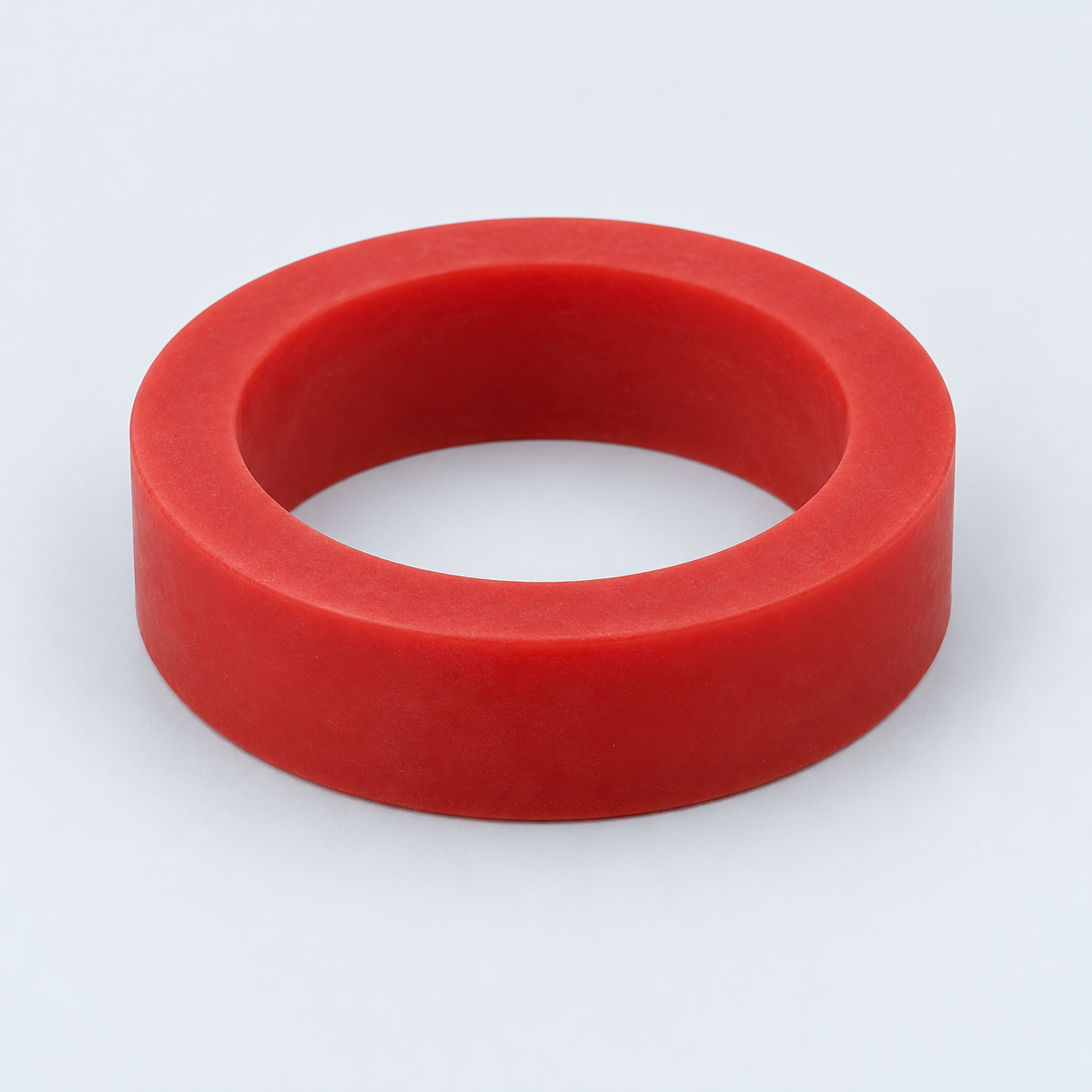 Silicone / LSRDiscuss flexible component needs›
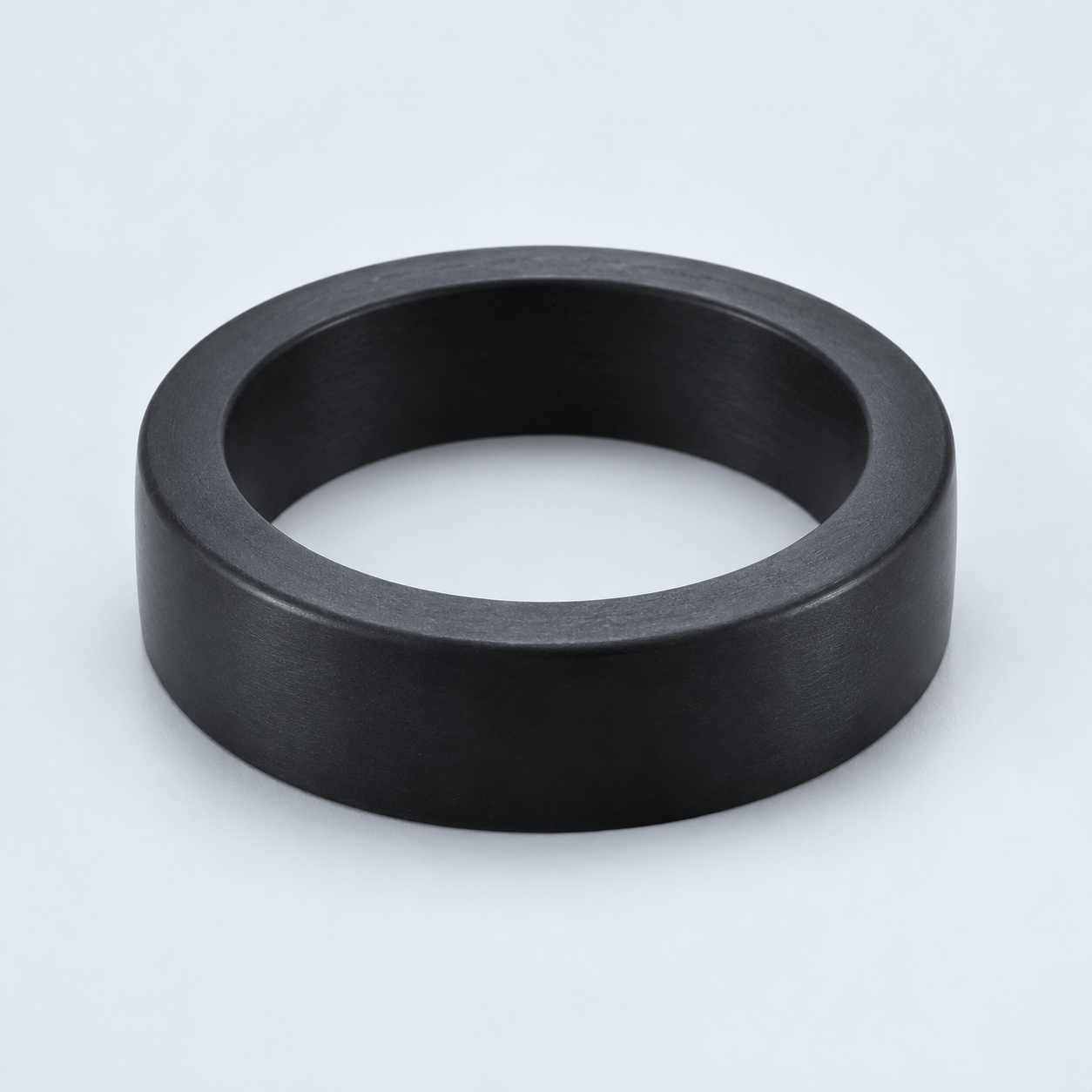 TPU / TPEReview flexibility and processing›
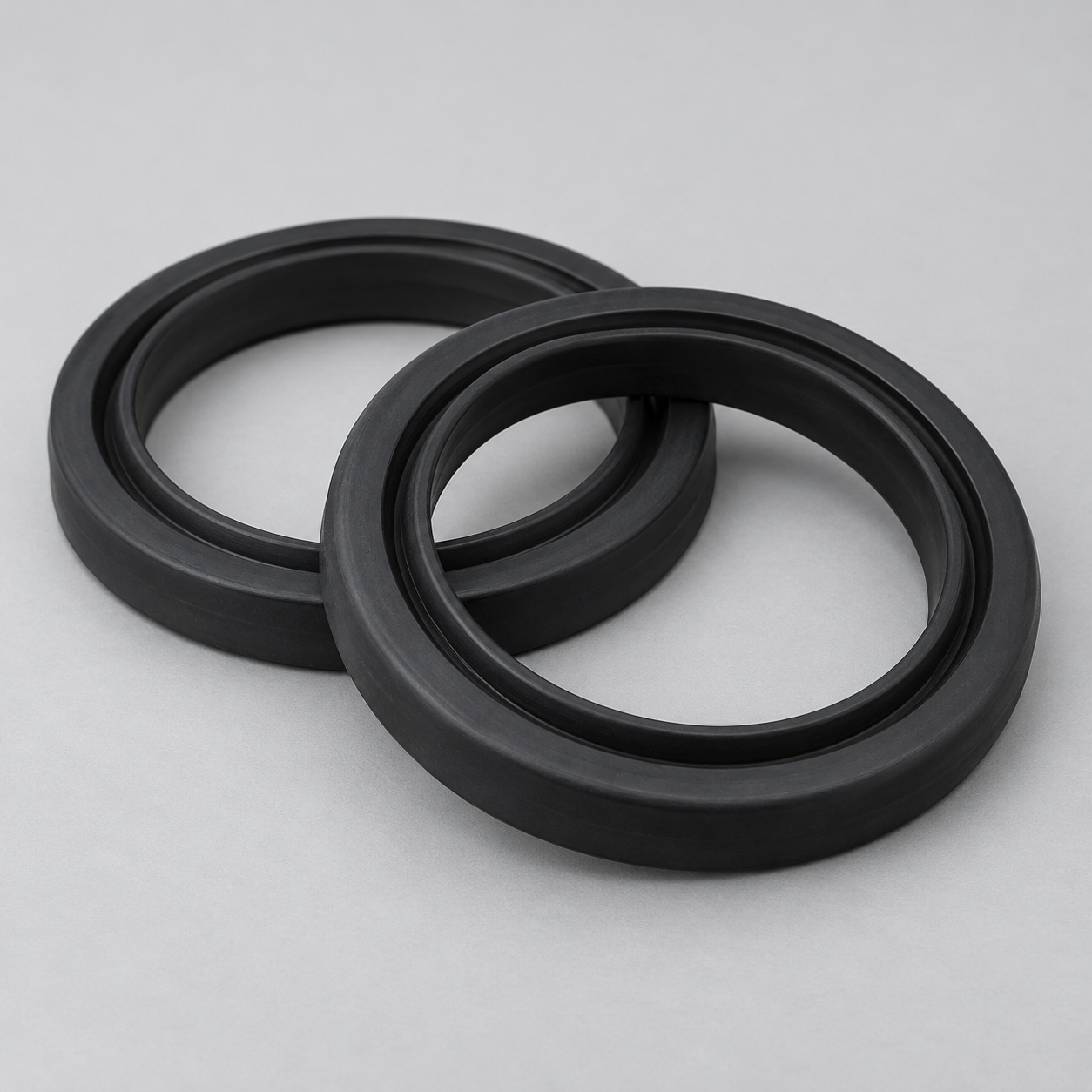 EPDMReview weathering and chemical exposure.›
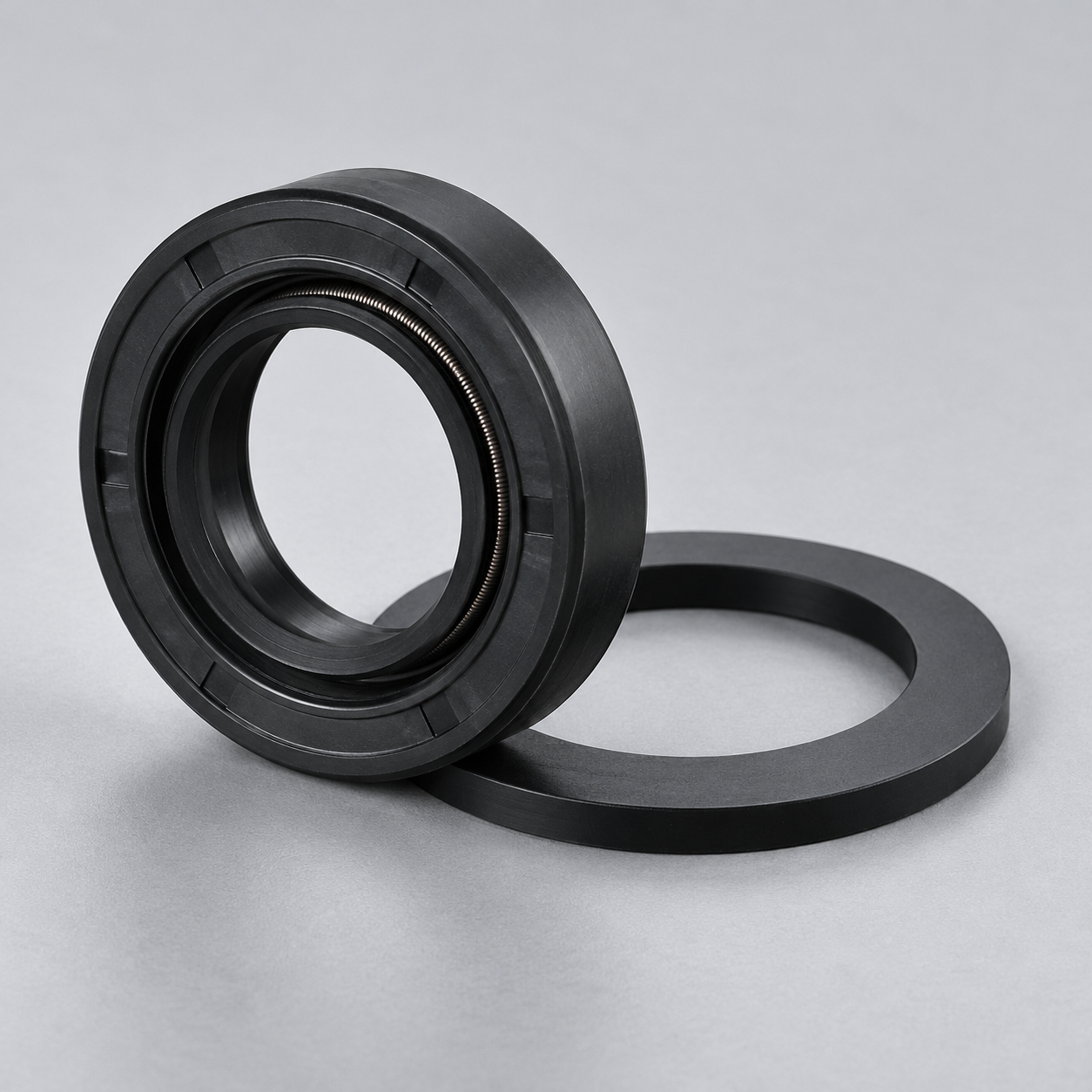 NBRReview oil and fuel exposure.›
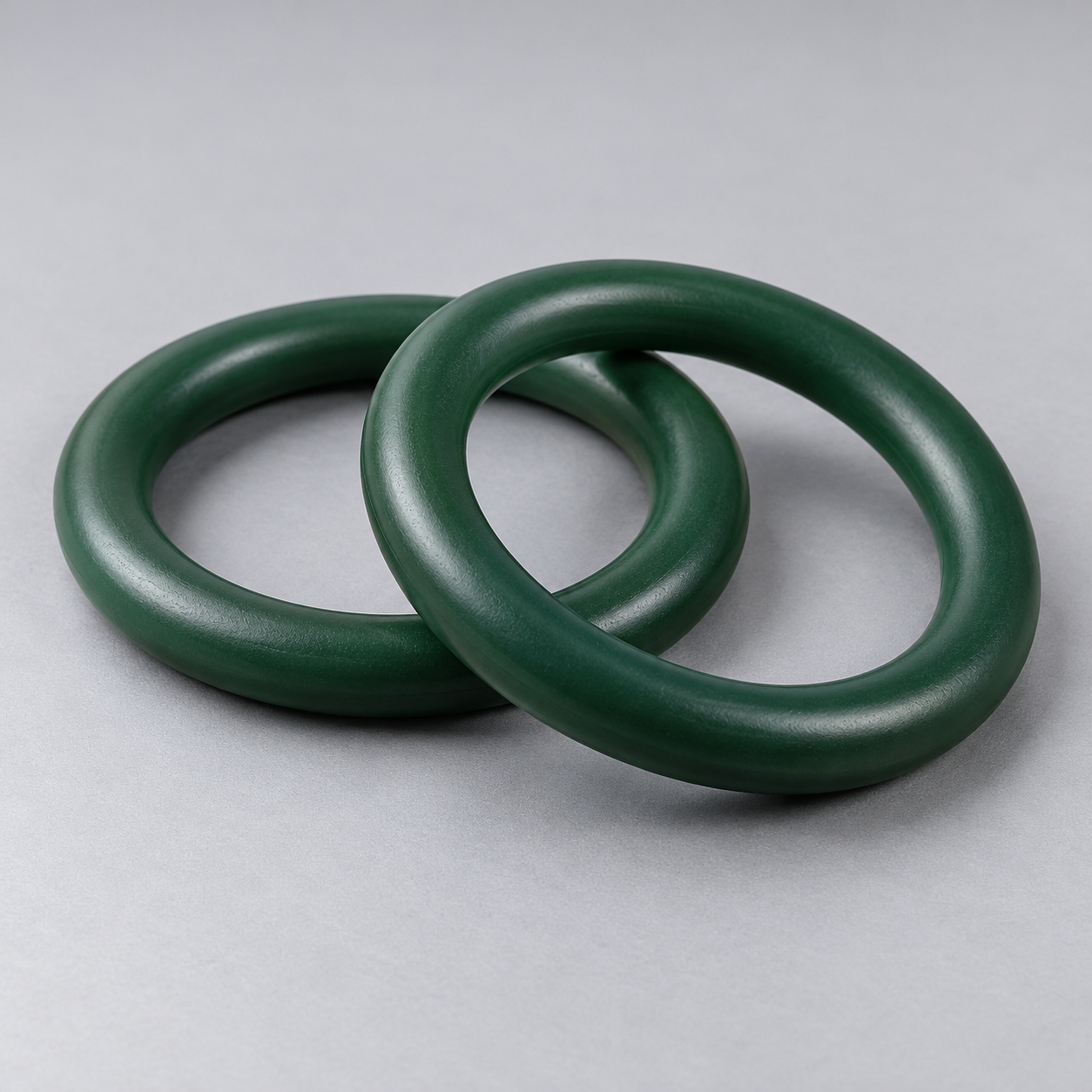 FKMReview temperature and chemical exposure.›
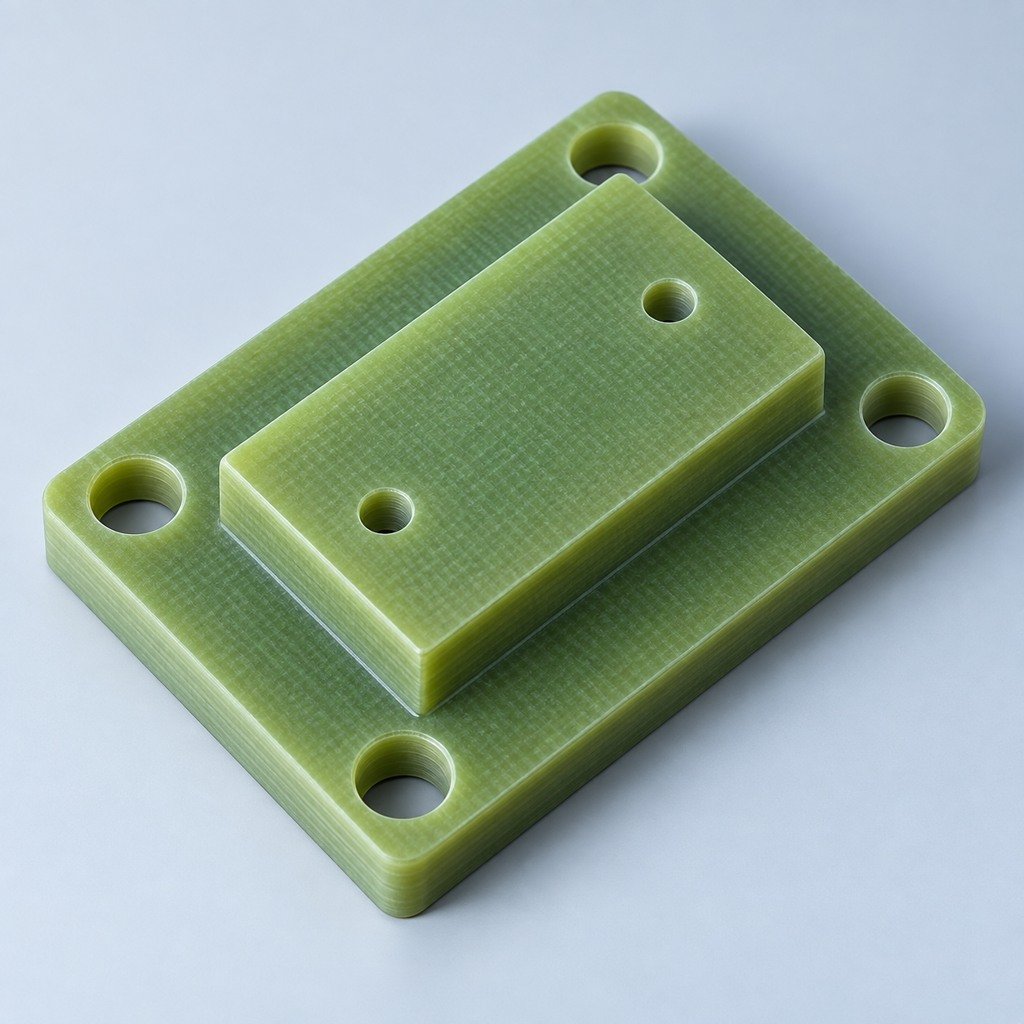 G10 / FR4Review insulation and laminate needs›
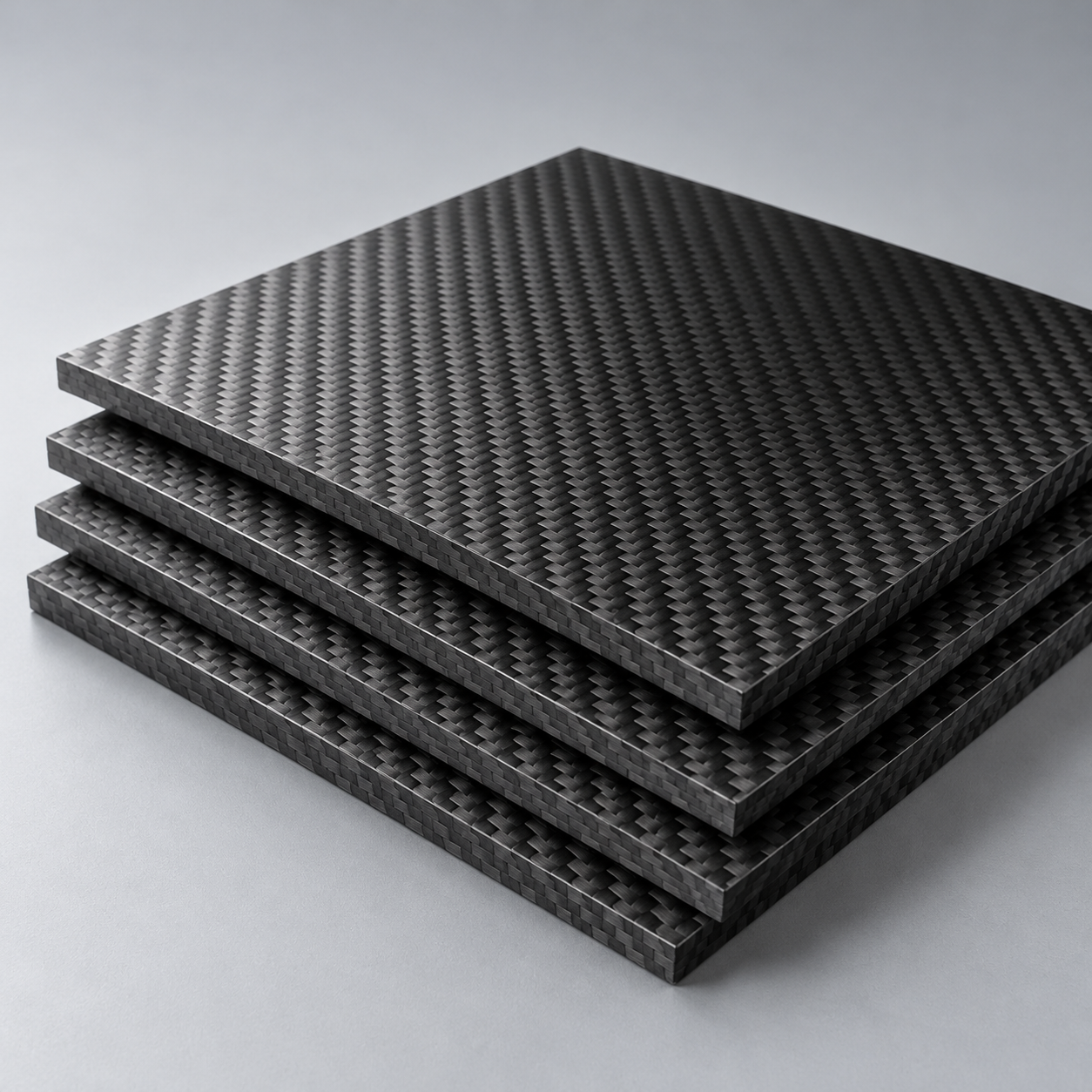 CompositesReview stiffness, weight and laminate.›Customer-Specified MaterialsConfirm your grade and requirements.›Other Specialty MaterialsDiscuss your application and grade.›
Practical guidance for your part geometry and material decisions.
Prepare your process, budget and sourcing questions.
Build your knowledge before production.
Learn who we are and how we operate.
Find our U.S. support team or start a conversation.
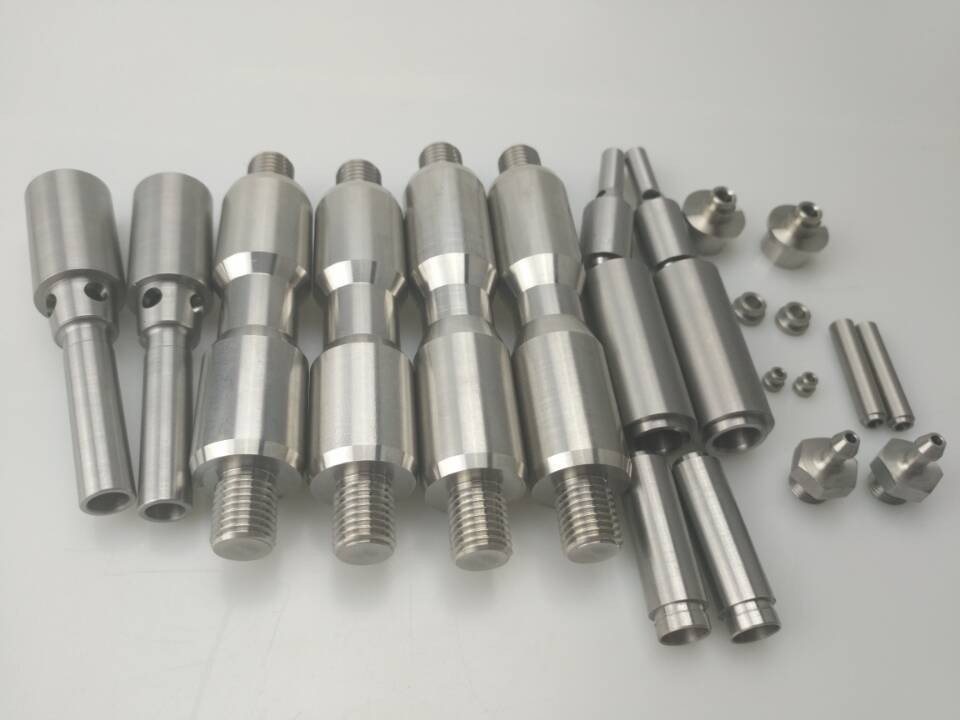
For your transmission or driveline development program, connect shaft shoulders, bearing seats and housing datums to the mating assembly. Send CAD, GD&T, heat-treatment condition and inspection requirements for review before prototype or repeat production. Agree torque, fatigue and installed-system validation separately.
Datums and bolt locations
Bushing and sleeve references
Loads and clearance envelope
Fits, finish and records
Made-to-drawing mechanical components · Define installed-system validation separately
Choose the interface you need manufactured; the drawing defines the actual part.
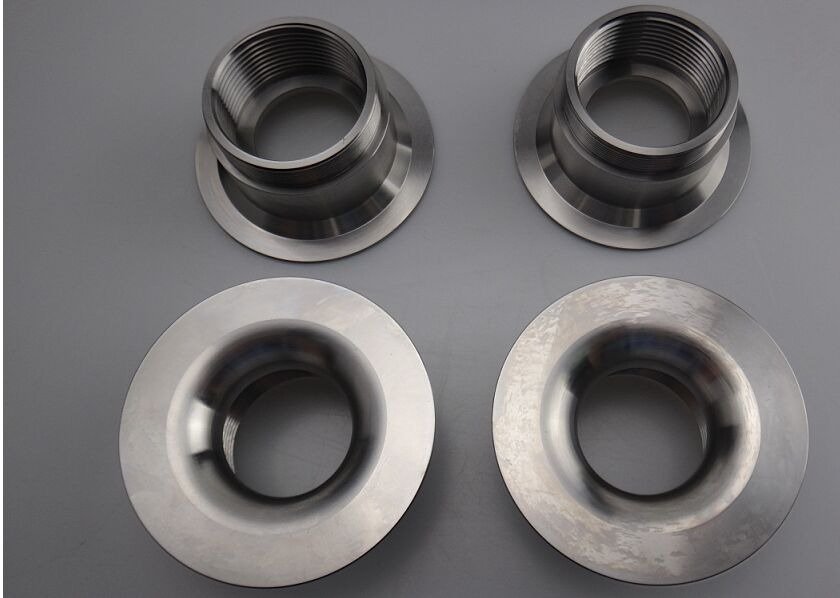
Specify thread fit, locating shoulders, seating faces and removal access.
Review precision machining →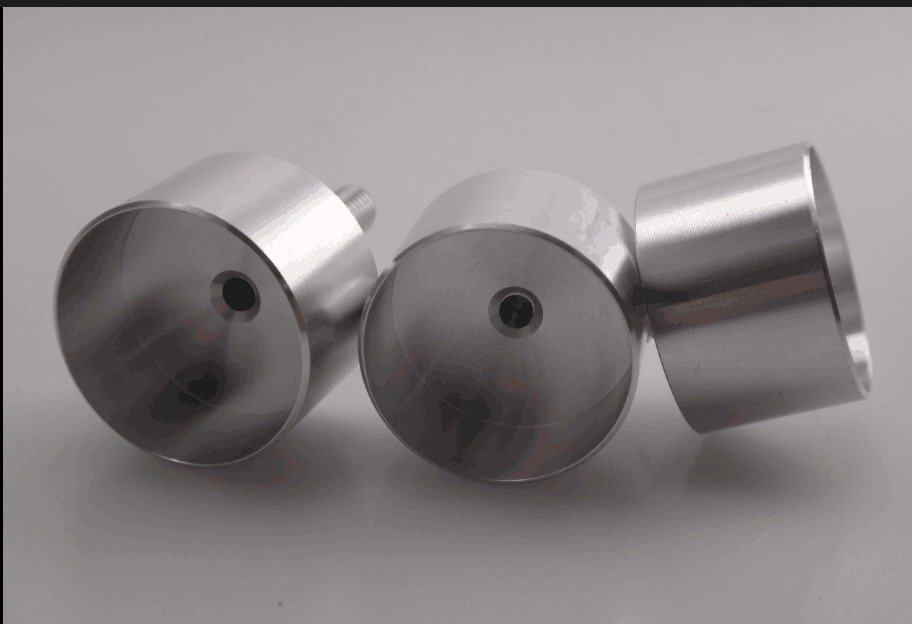
Define flange location, shaft steps, cross holes and the datum used for runout.
Review CNC machining →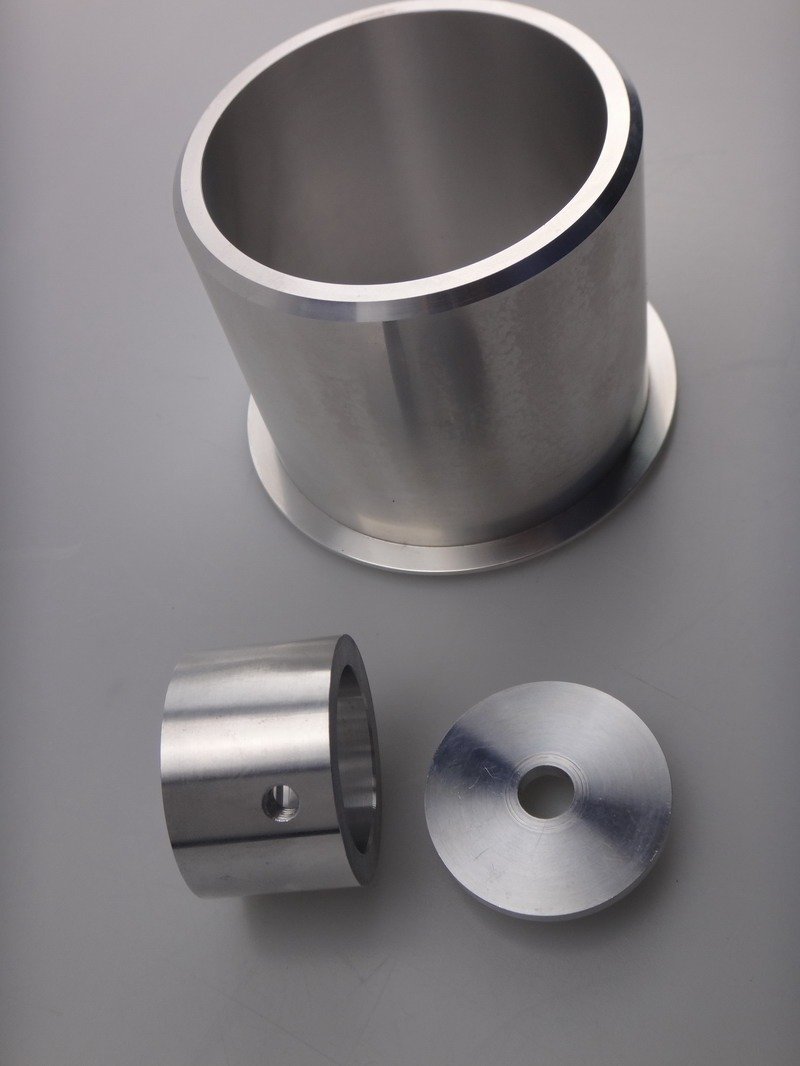
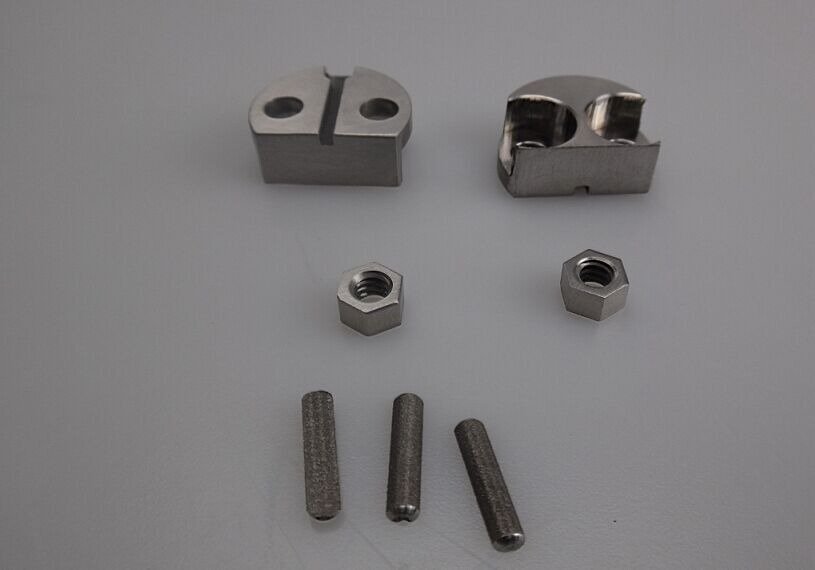
Control bore size, concentricity, seating width and the final delivered surface condition.
Explore precision spacers →Can your drawing be manufactured as specified? Request a documented response for each critical feature.
Identify the functional rotational datum and specify bearing-seat size, runout and surface requirements.
Define shoulder spacing and squareness to the rotational datum; include mating bearing and retainer references.
Specify thread standard, size, pitch, class, effective depth, inserts and any agreed gauge requirements.
Mark intersecting bores, oil passages and edges requiring a defined deburring or cleanliness acceptance.
Compare your released drawing with proposed changes before production. Ask which feature adds an operation, special tooling or inspection time.
Review turning reliefs and cutter access without moving a functional shoulder or reducing an approved load-bearing section.
Agree machining stages, heat-treatment responsibility and any final grinding or inspection required after treatment.
Separate functional fits from general dimensions; review proposed relaxations against the mating assembly.
8 process reviews connect geometry, material condition, quantity and inspection scope.
Review tool access, internal radii, locating datums and multi-face setup. Confirm the required axes and inspection method after drawing review.
Review process requirements →Review concentric sleeves, shoulders and threaded components. Swiss suitability depends on diameter, geometry and quantity.
Review process requirements →Review formed accessory brackets, bend references, flat-pattern allowances and coating masks.
Review process requirements →Compare tooling, draft and repeat demand; define which bores and faces need subsequent machining.
Review process requirements →Review profile feasibility, stock condition, cut length and subsequent machined interfaces.
Review process requirements →Use an agreed prototype objective such as packaging or clearance review. A fit model does not establish load capacity.
Review process requirements →Review non-load-bearing covers or ancillary plastic components separately from the structural drivetrain component.
Review process requirements →Identify inaccessible features or final surface requirements; confirm availability and outside-process scope in your quotation.
Review process requirements →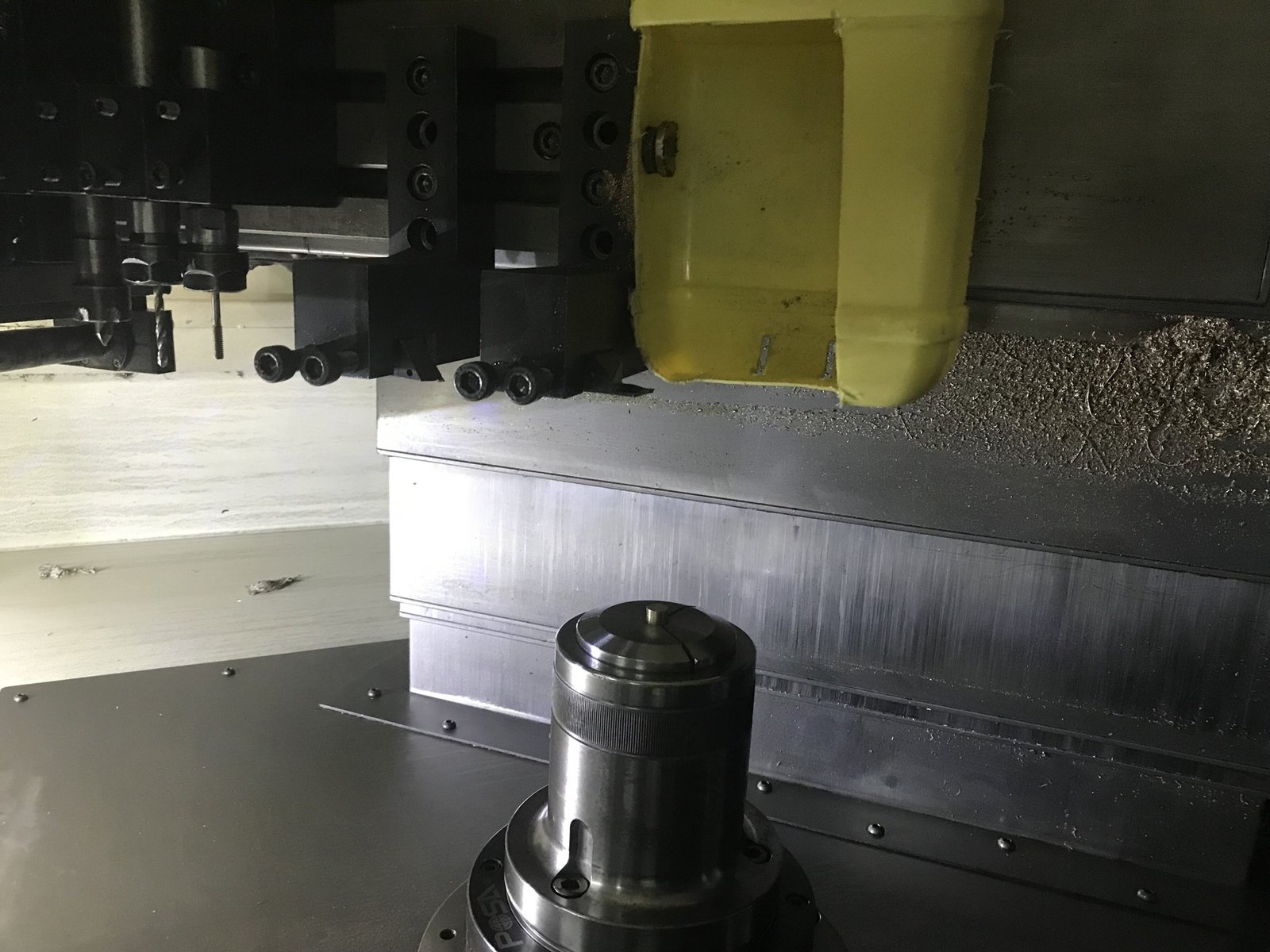
CAD plus revision, units, datums and dimensional requirements.
Shaft, bearing and housing references plus axial and radial clearance.
Exact grade, temper, stock form and certificate requirement.
Coating, approved color reference, masks and final fits.
Prototype quantity, repeat demand and proposed shipment releases.
Critical dimensions, sampling, report format and approval owner.
Control the final condition your assembly and your customer will receive.
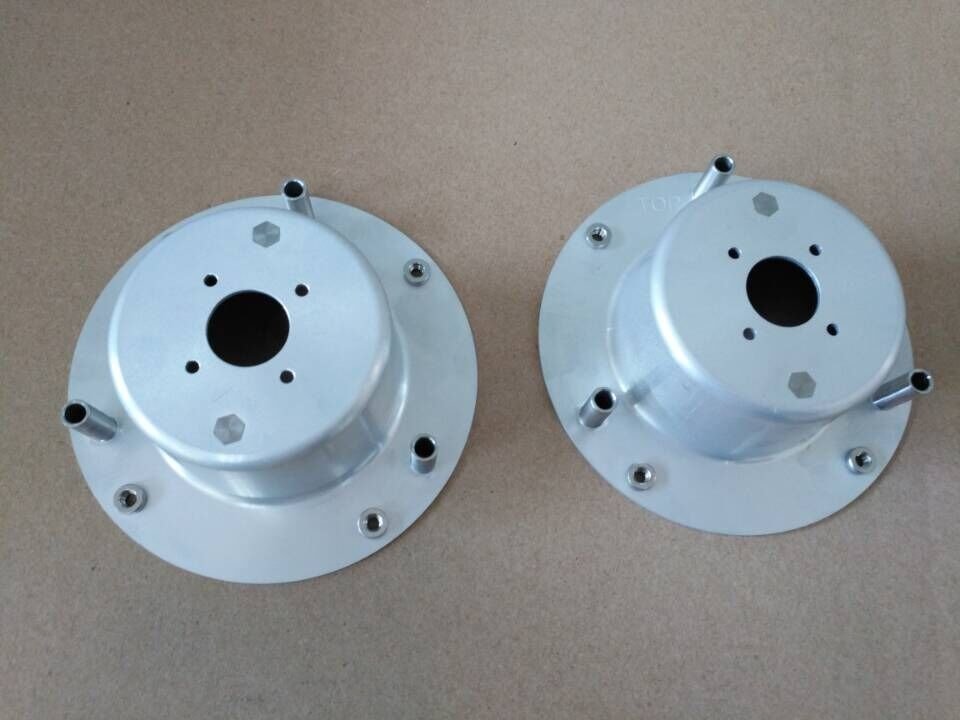
Agree alloy, pre-treatment, coating specification and approved color sample. Confirm dimensions after coating and identify masked bores or threads.
Define wear faces, final dimensions and masked fits. Confirm coating class, thickness and inspection in the quotation; do not assume the same appearance as decorative anodizing.
Use an approved physical sample, specified viewing conditions and agreed color-difference acceptance. Record alloy, pre-treatment, finish and batch references for repeat orders. Different alloys and batches may look different.
Mark threads, grounding/contact faces and bushing seats that require masking or post-finish work. Confirm gauges and whether thread fit is accepted before or after coating.
State coating-thickness locations, appearance zones, sampling and required records. Any standard or test applies only when confirmed for your material and finish.
Identify cosmetic faces, threads and precision bores; agree separators, bags or individual protection.
Confirm quantity per bag/carton, part ID, revision, gross weight and carton dimensions.
Agree pallet requirements, labels and shipment release quantities before production.
| Your packing input | Confirm in your quote |
|---|---|
| Carton quantity / dimensions | Per part and shipment |
| Gross weight / pallet size | After packing review |
| Part number / revision labels | Approved artwork and format |
Agree the evidence needed to approve your part; a sample photograph is not an inspection record.
For your drivetrain component program, distinguish where the part is made from where your project communication is supported.

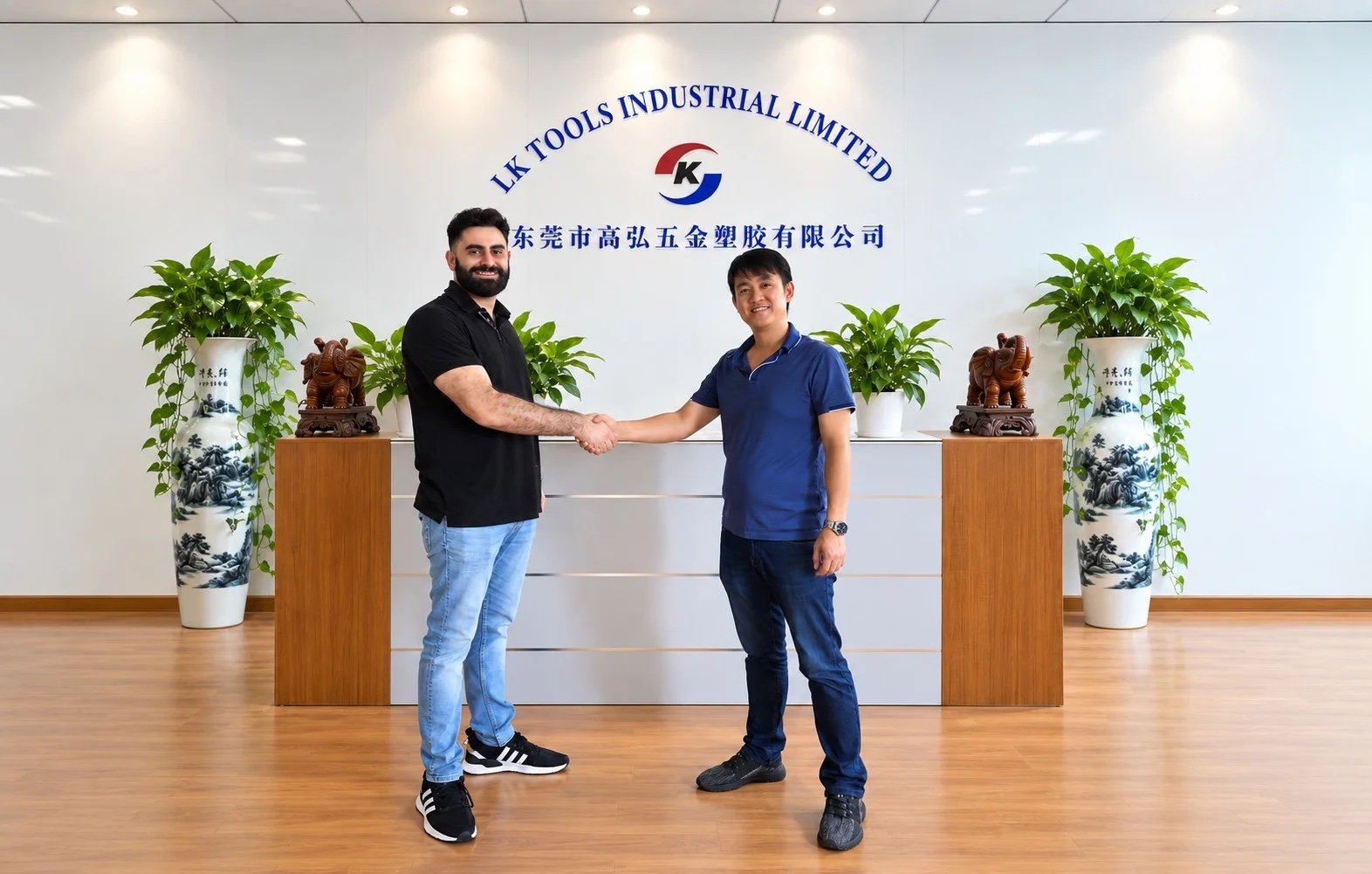
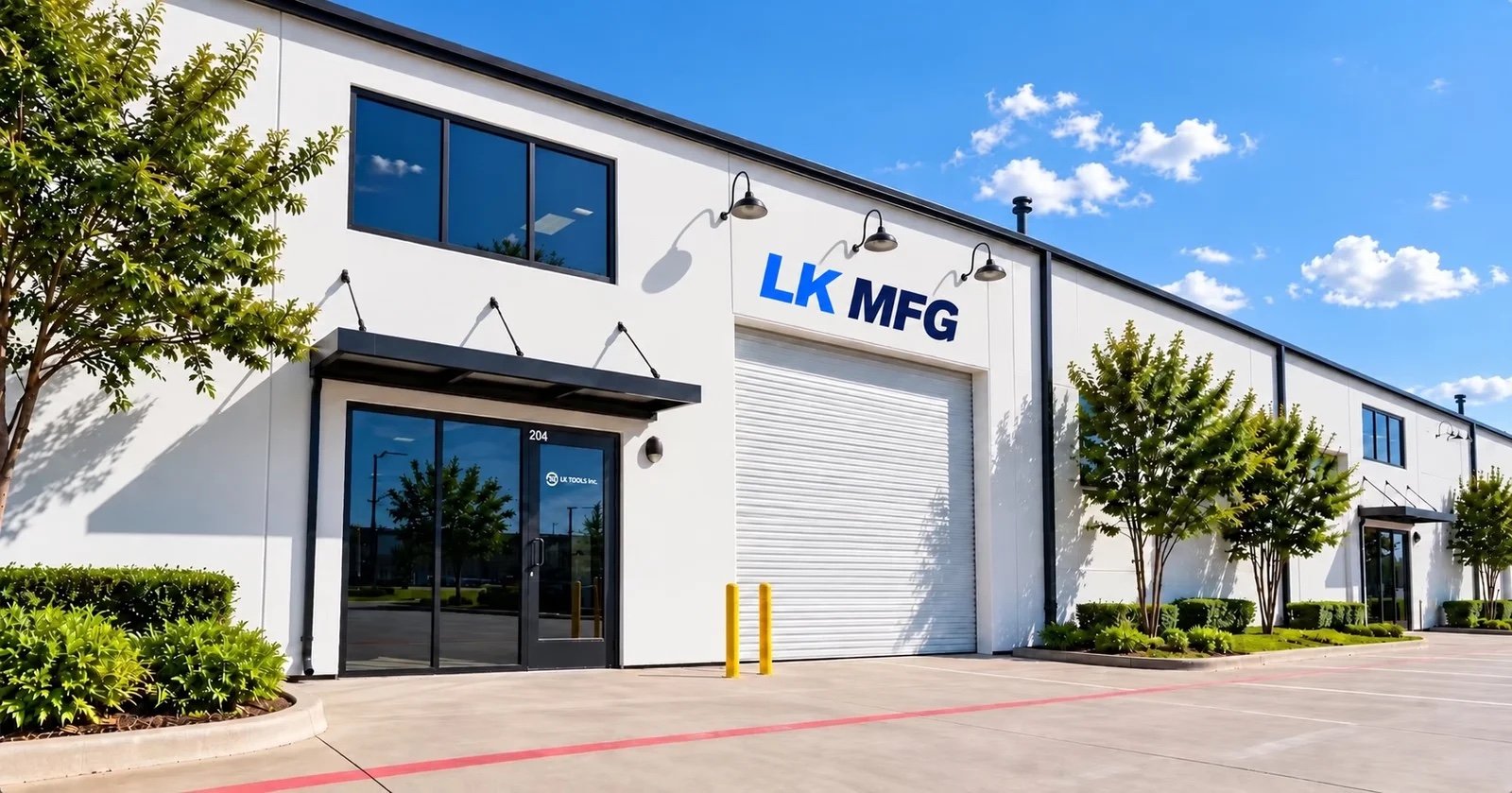
Agree who owns the drawing and sample approval.
Confirm packing, delivery terms and import responsibilities.
Discuss local coordination and any inventory arrangement.
Genuine company and customer-discussion photographs. Manufacturing in China; U.S. support does not mean U.S. manufacture or a default local stock program.
Factory & Operations →Request a feature-by-feature feasibility response. Record exceptions before an order is accepted.
Identify datums, critical dimensions, sampling and the required report format.
Agree material certificates, finish evidence and any subcontracted process scope.
Review fit and dimensional evidence; confirm any customer-specific FAI or PPAP scope in the quotation.
Use agreed milestones rather than an unverified fixed lead-time promise.
Resolve missing dimensions, conflicting notes and acceptance requirements.
Approve proposed changes and compare setup, tooling, material and inspection scope.
Check dimensional results, assembly fit and appearance against agreed criteria.
Freeze the approved revision and record quantity, finish and packing instructions.
Confirm records, shipment quantity and delivery arrangements before dispatch.
Compare what is included before you compare unit prices.
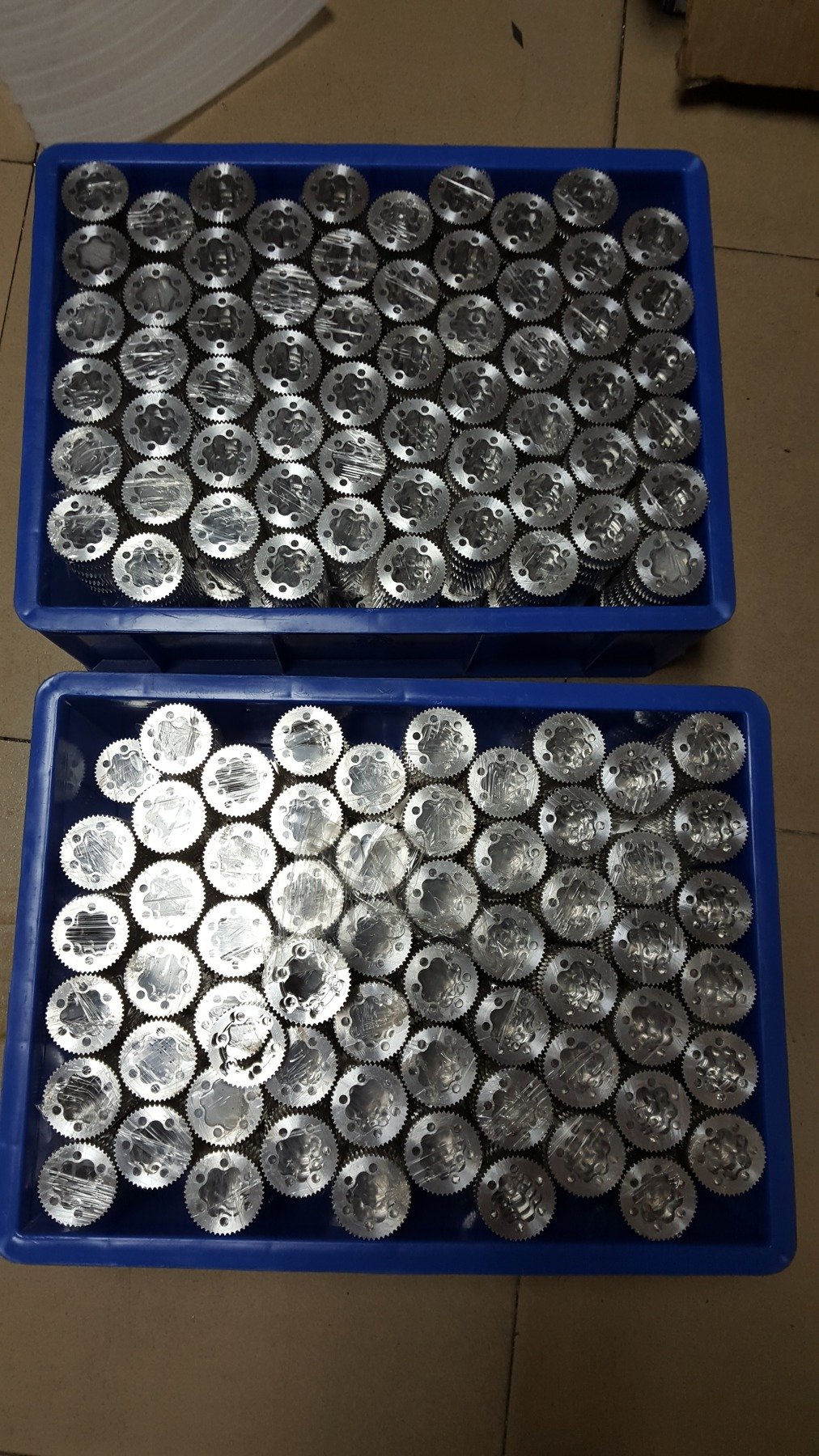
Genuine supplied component batch photograph. Agree release quantity, part identification and packing for your order.
Compare the same scope: unit price, setup/tooling, inspection, packing, freight, duty/tax, clearance and final delivery. Incoterm, named place and exclusions belong in your quote.
Confirm the proposed HS/HTS classification with the broker or responsible customs party using part function, material and destination. Request the declared description, origin, value, duty/tax basis, brokerage, freight and last-mile charges. DDP availability, importer responsibilities and exclusions require written confirmation; no fixed code or rate is promised for every drivetrain component.
Specify mating fasteners, engagement, inserts, torque instructions if supplied, locking method and any assembly verification. Confirm whether coating changes thread fit and which party supplies hardware.
Compare a one-time order with an agreed blanket quantity and scheduled releases. Define minimum production/release quantities, forecast window, ownership, storage fees and obsolete-stock responsibility; local inventory is not assumed.
Confirm payment milestones, approved sample status and the process for reporting a discrepancy. Agree affected quantities, evidence and disposition before rework, replacement or credit is authorized.
Part function + material + origin + destination. Ask for the proposed HS/HTS code and the classification basis.
Separate freight, duty/tax, brokerage and final delivery. Confirm the named place, importer and exclusions.
Thread standard + fit class + engagement + supplied hardware. Agree torque, locking and final-fit checks where required.
State production quantity and each shipment release. Agree ownership, storage charges and responsibility for obsolete stock.
Upload the drawing revision, material, finish and quantities. Include mounting datums, bearing references, rotational datums, final fits, material condition and required records.
Define the fit and evidence your assembly needs before comparing suppliers.
Send the controlled drawing, rotational datums, bearing and seal fits, material condition, finish, quantities and required inspection records. Identify which dimensions apply after heat treatment or coating.
Request a feature-by-feature feasibility response. For precision shaft machining services, call out runout, surface requirements, threads and any proposed final grinding rather than assuming a general tolerance covers them.
Review reliefs, radii, machining sequence and noncritical tolerance proposals with your engineer. Approve the revised drawing and quote before the change is released; no saving is assumed in advance.
Send the exact tooth or spline specification and inspection requirements. Confirm the necessary process and inspection scope in writing; a general CNC machining quotation does not establish gear-cutting or torque-validation capability.
Keep the accepted drawing revision, material/heat-treatment records, sample status and critical-feature report format together. Agree change notification and shipment release quantities.
Compare setup, tooling, material, treatment, inspection, packing and delivery charges on the same basis. Confirm the named Incoterm/place and customs classification responsibilities; duties or DDP service are not assumed.