Repeat demand
Use your actual usage and order pattern to discuss a stock level.
Core manufacturing processes for your prototypes, low-volume and repeat production.
Advanced manufacturing and engineering support for your complex, tight-tolerance parts.
Plan inspection, documentation and delivery around your production program.
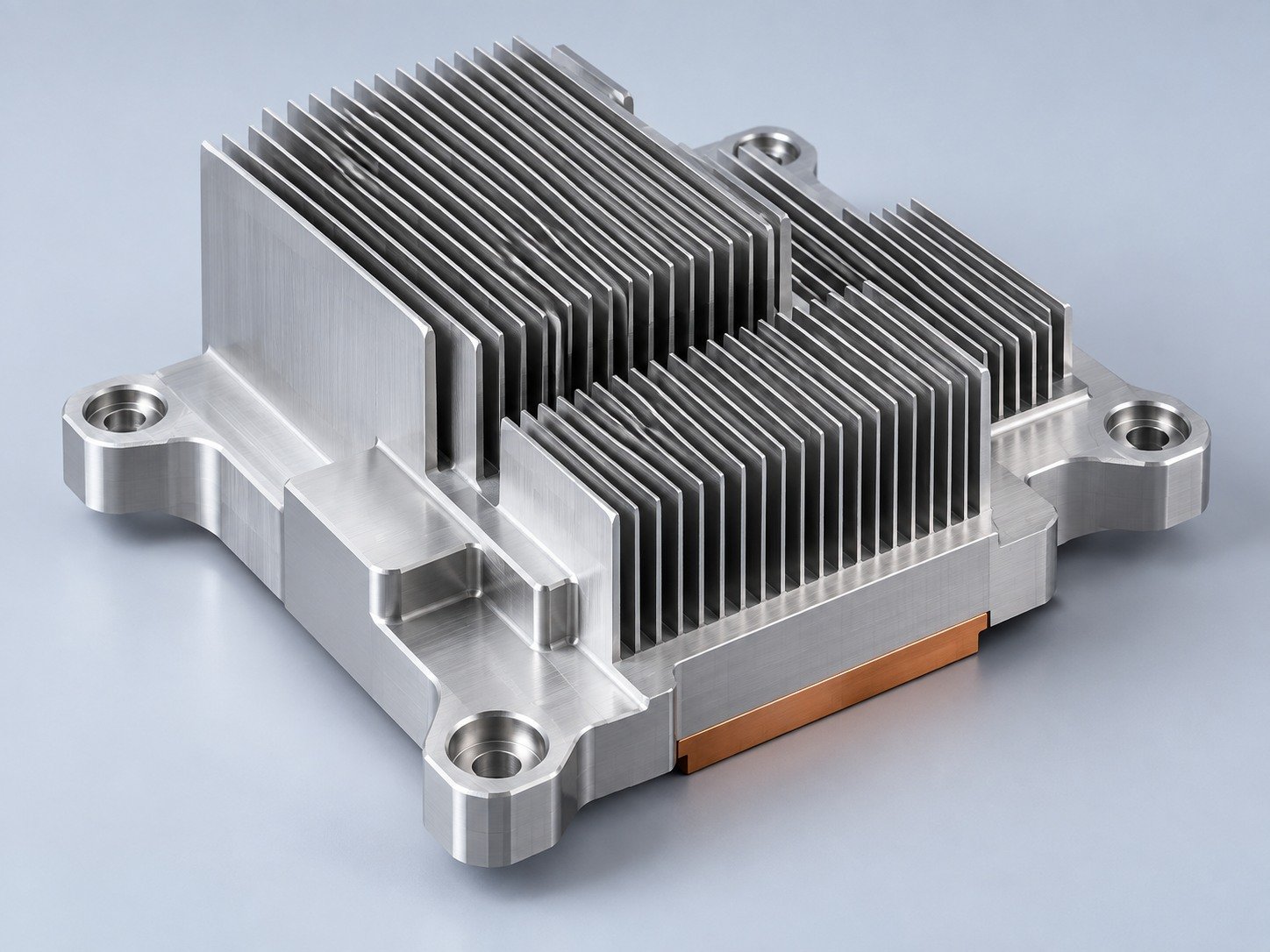
Choose air- or liquid-cooling components around your thermal and mechanical requirements.
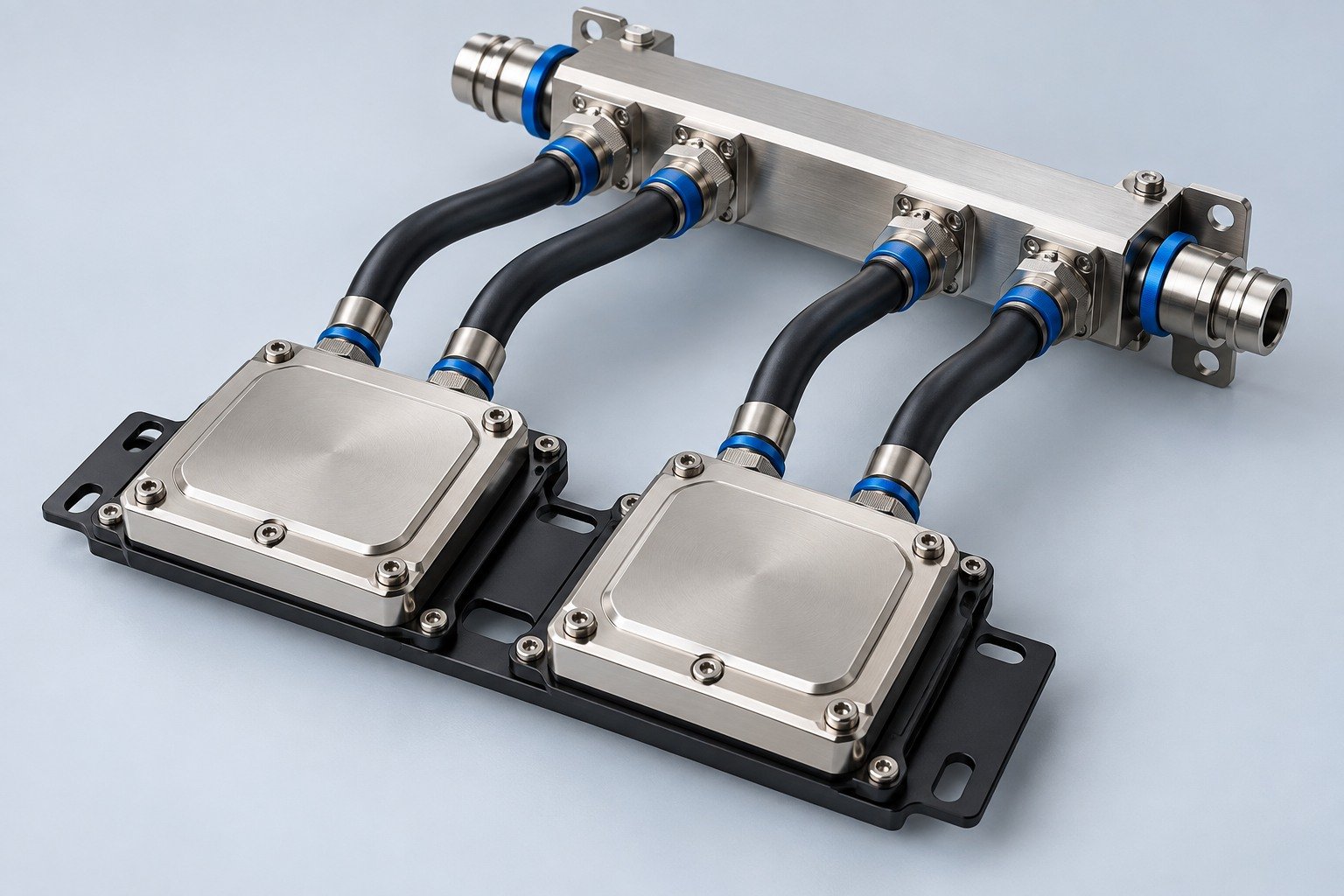
Manufacturing support for your cold plates, manifolds and cooling assemblies.
Find components for your power electronics, energy, laser and telecom application.
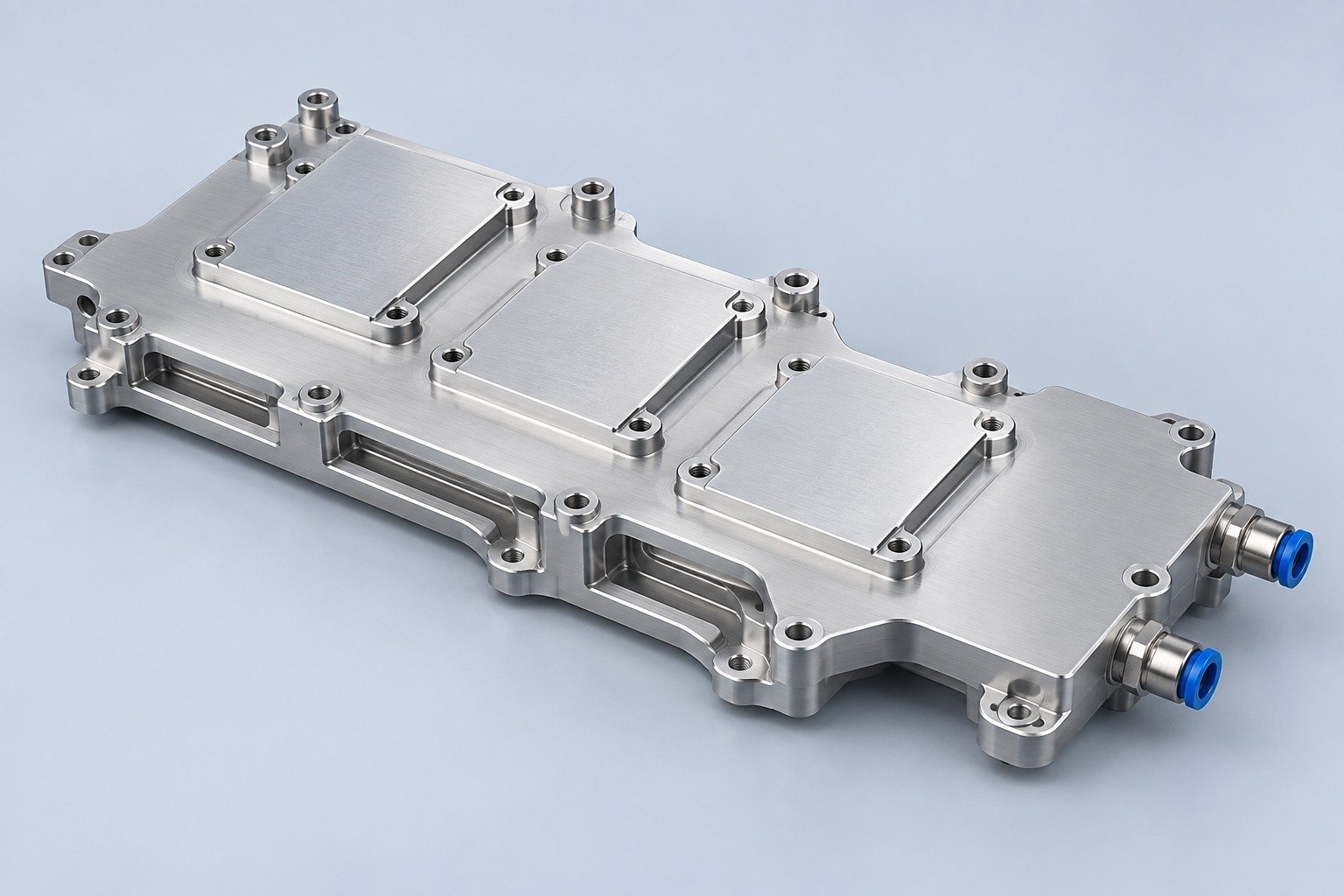
Components for your electronic systems.
Start with your functional and quality requirements.
Build around your operating environment.
Review grade, temper and finish for your metal parts.
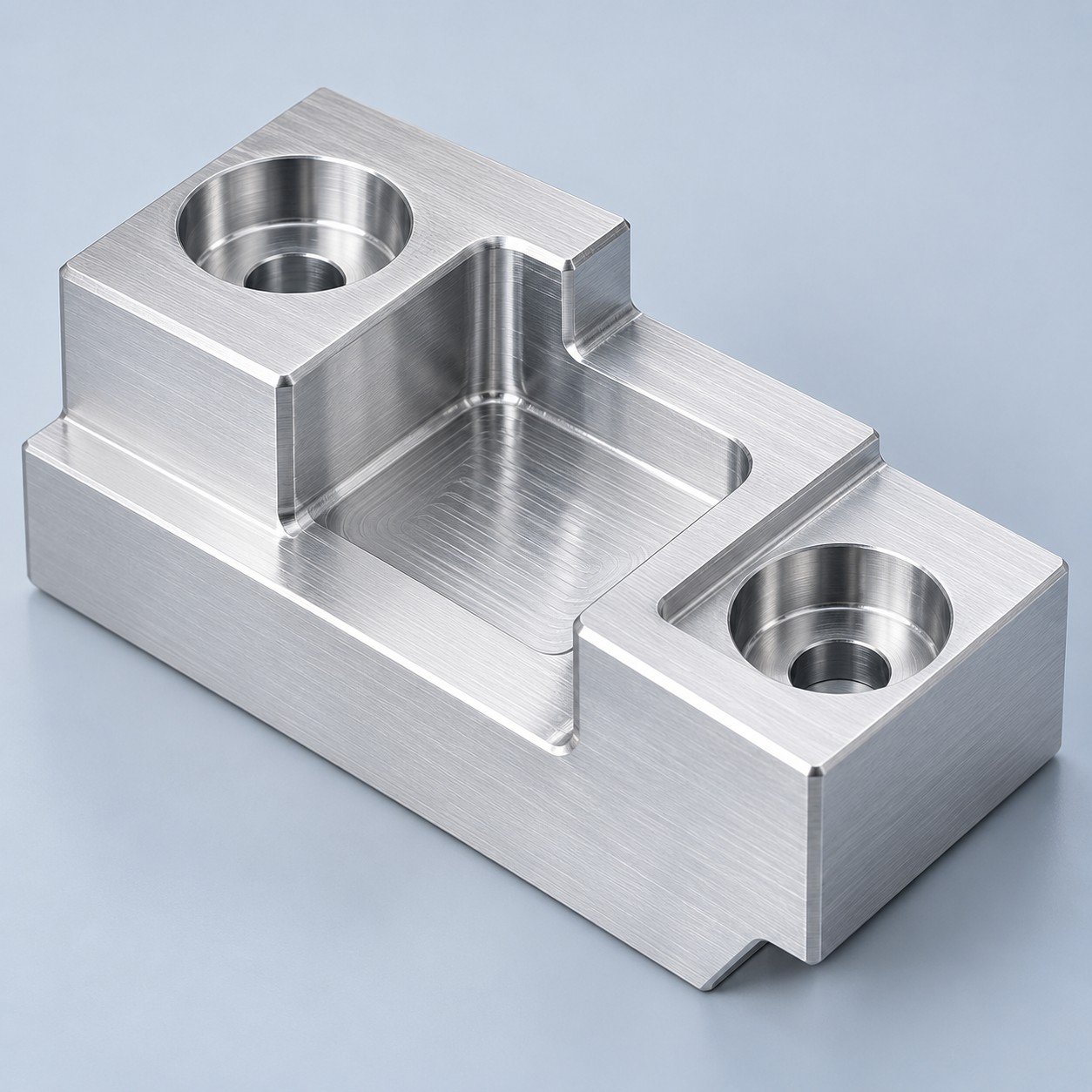 AluminumStrength, weight and machining
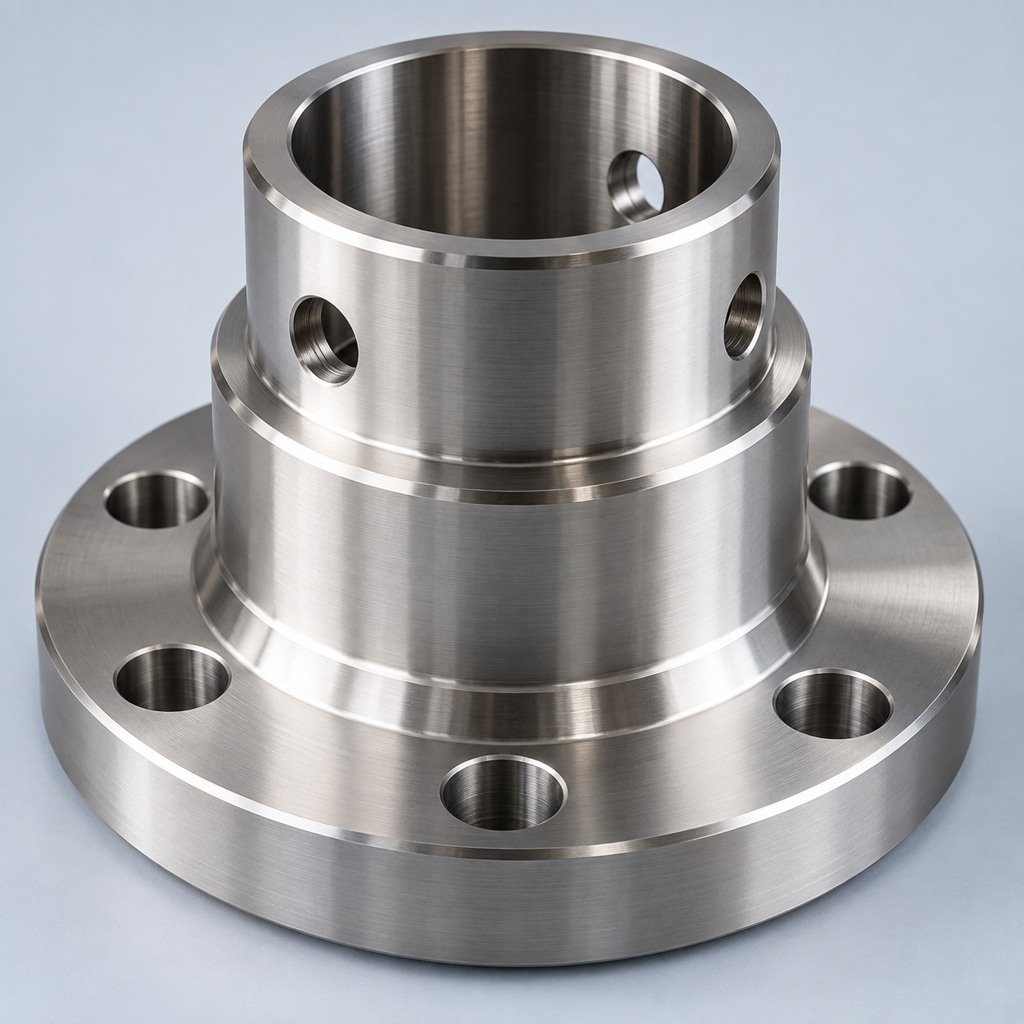 Stainless SteelCorrosion and finish requirements
 Carbon & Alloy SteelDiscuss grade and heat treatment
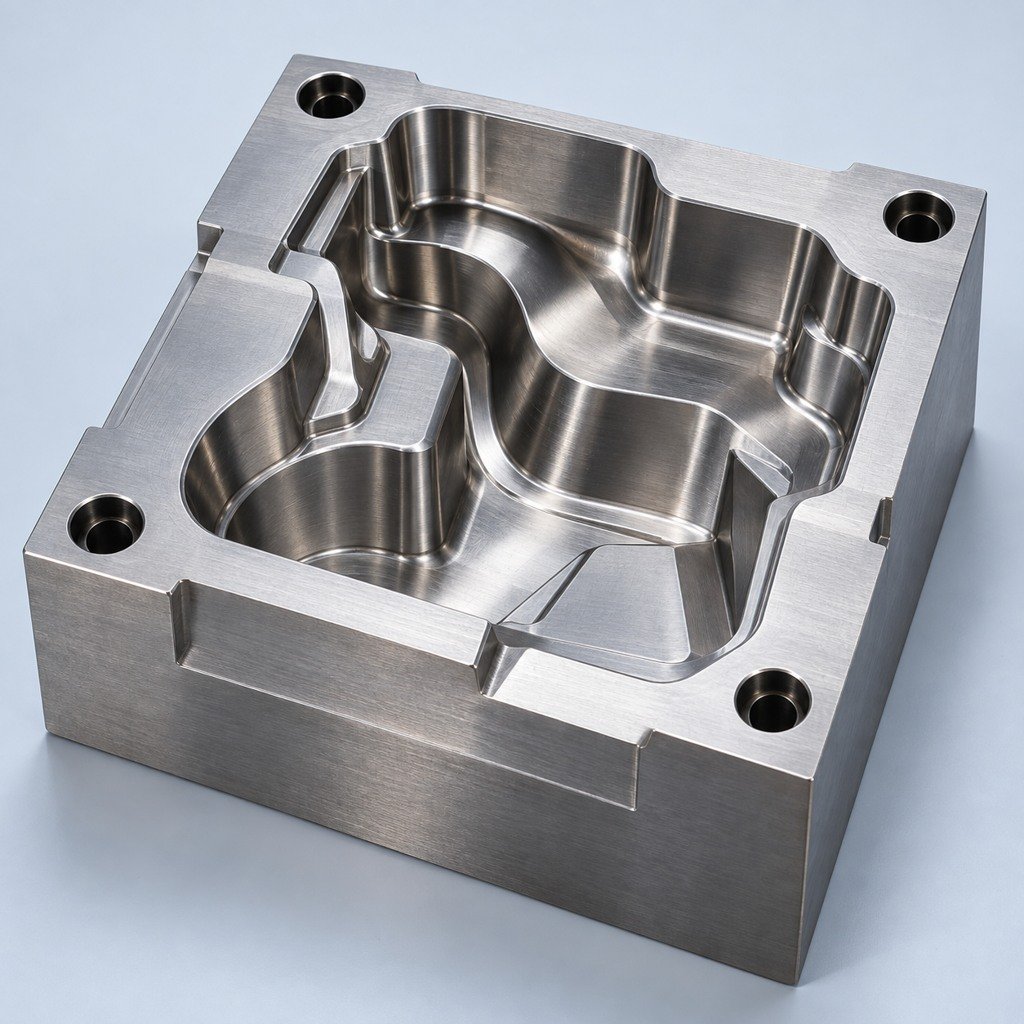 Tool SteelDiscuss tooling and wear needs
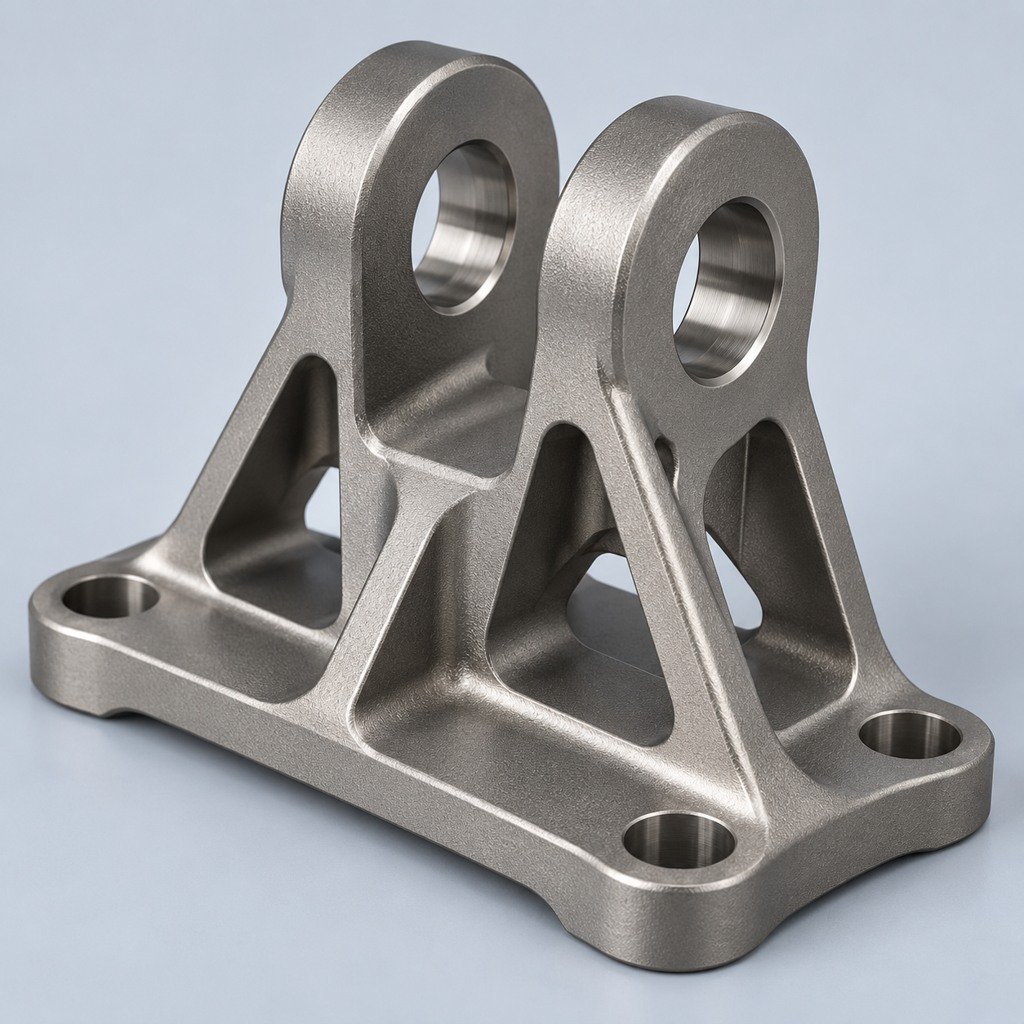 TitaniumReview grade and part geometry
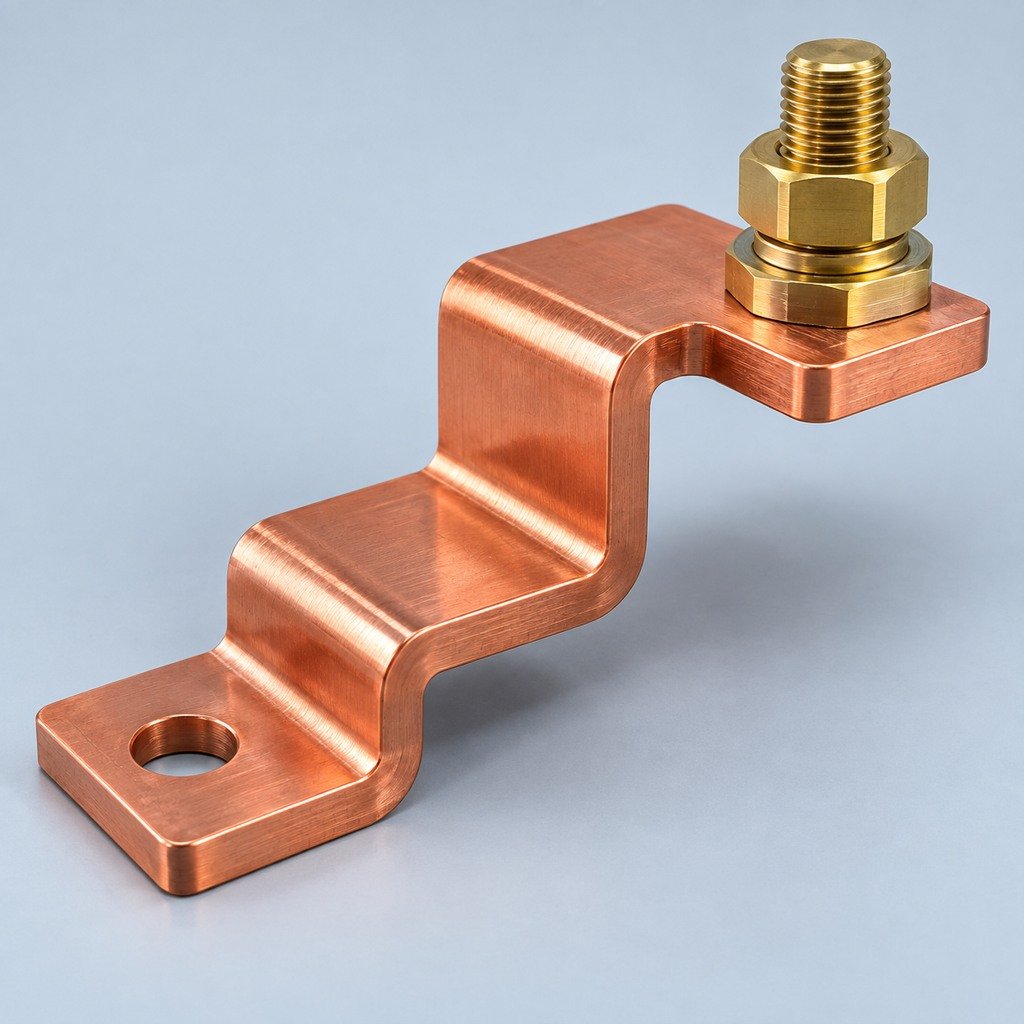 Copper & BrassDiscuss conductivity and machining
Match your polymer to function, process and environment.
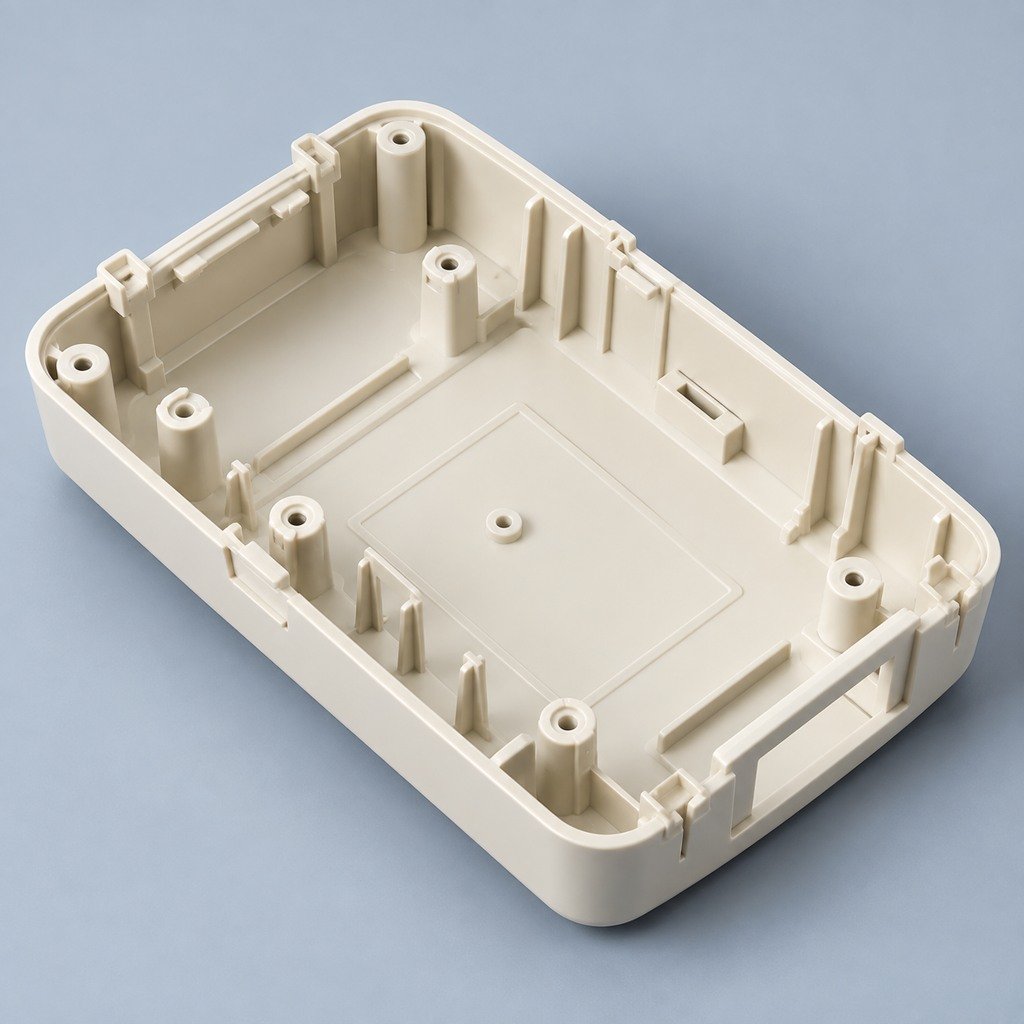 ABSReview enclosure and molding needs
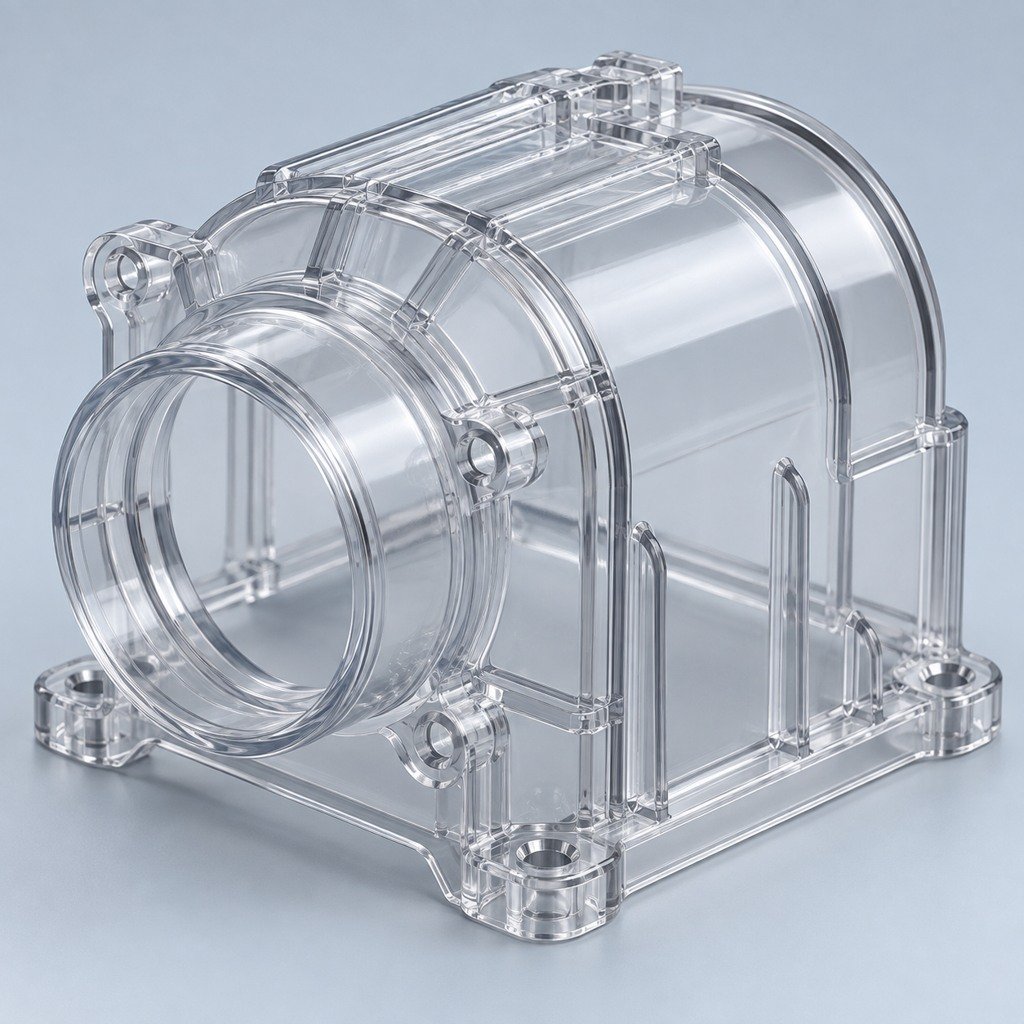 Polycarbonate (PC)Discuss clarity and impact needs
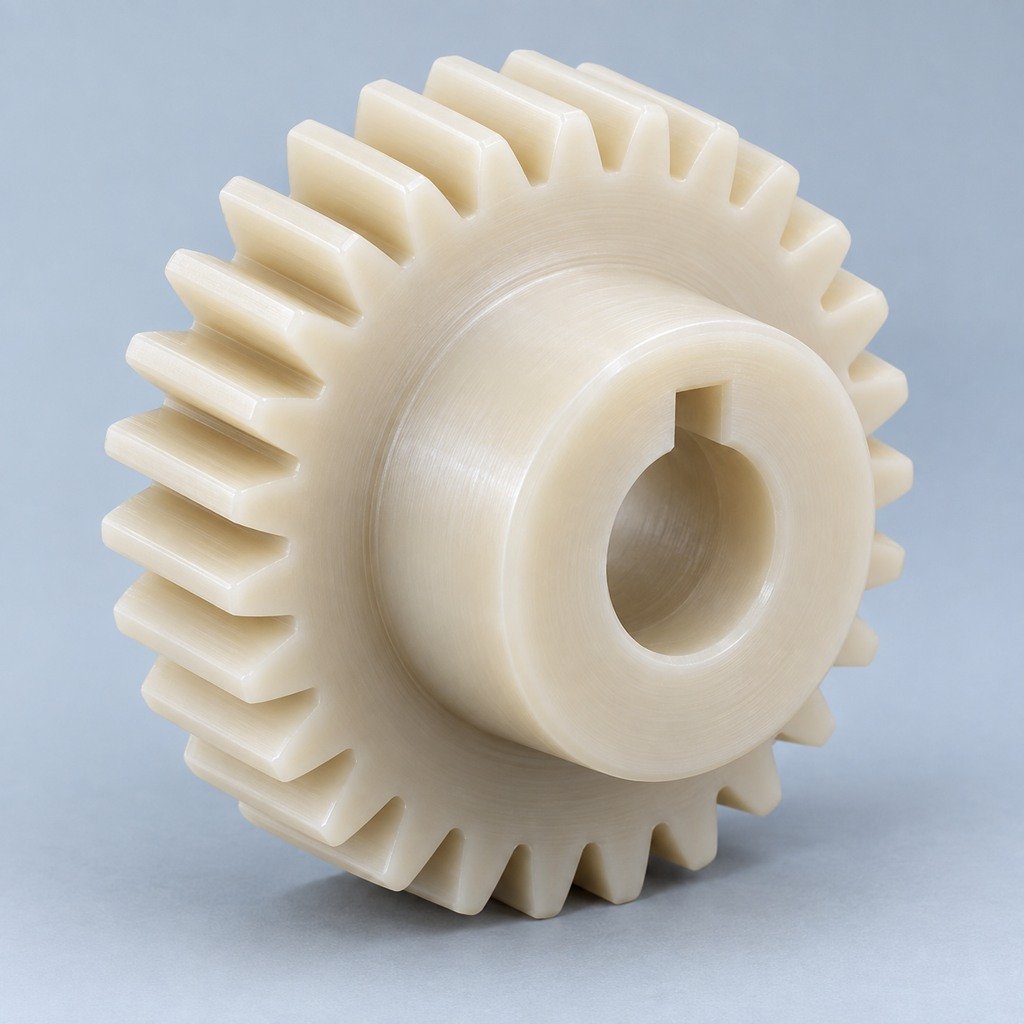 Nylon (PA)Review moisture and wear conditions
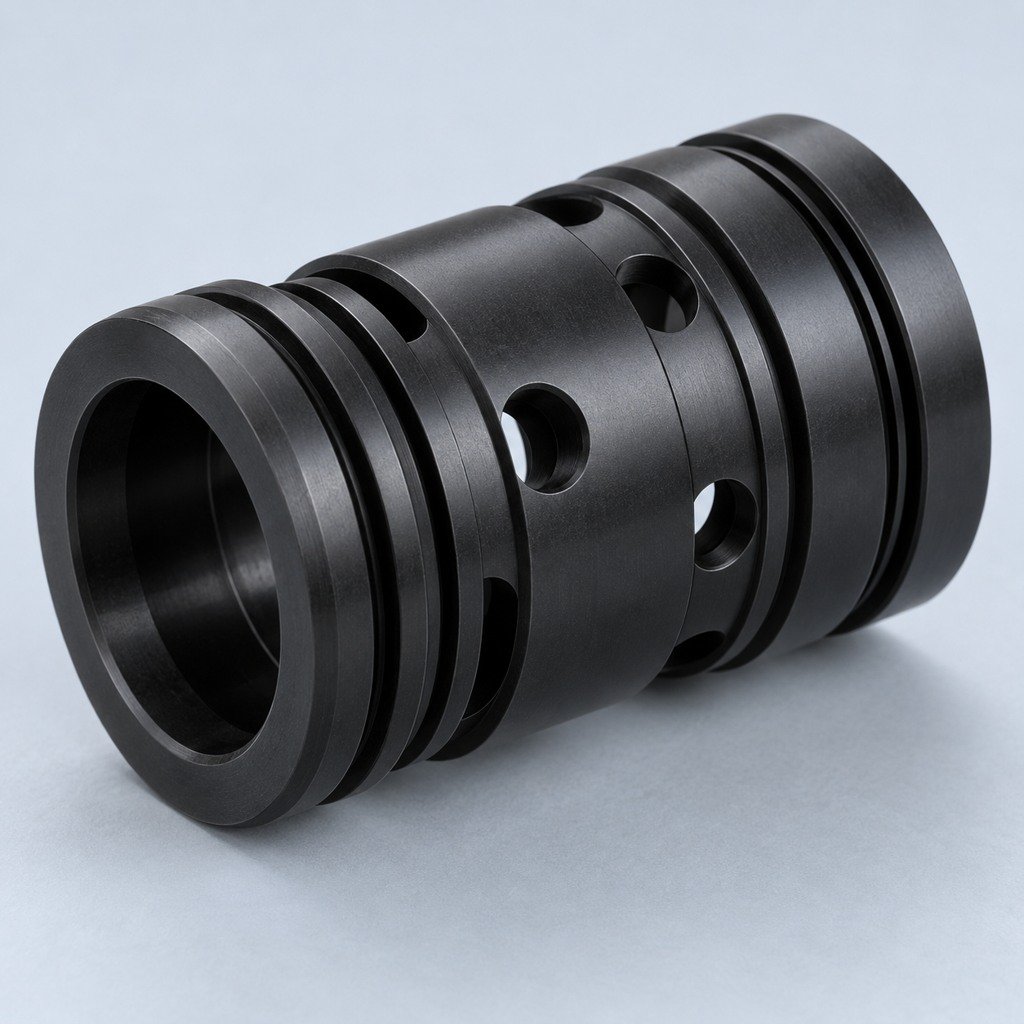 POM / AcetalReview fit and sliding features
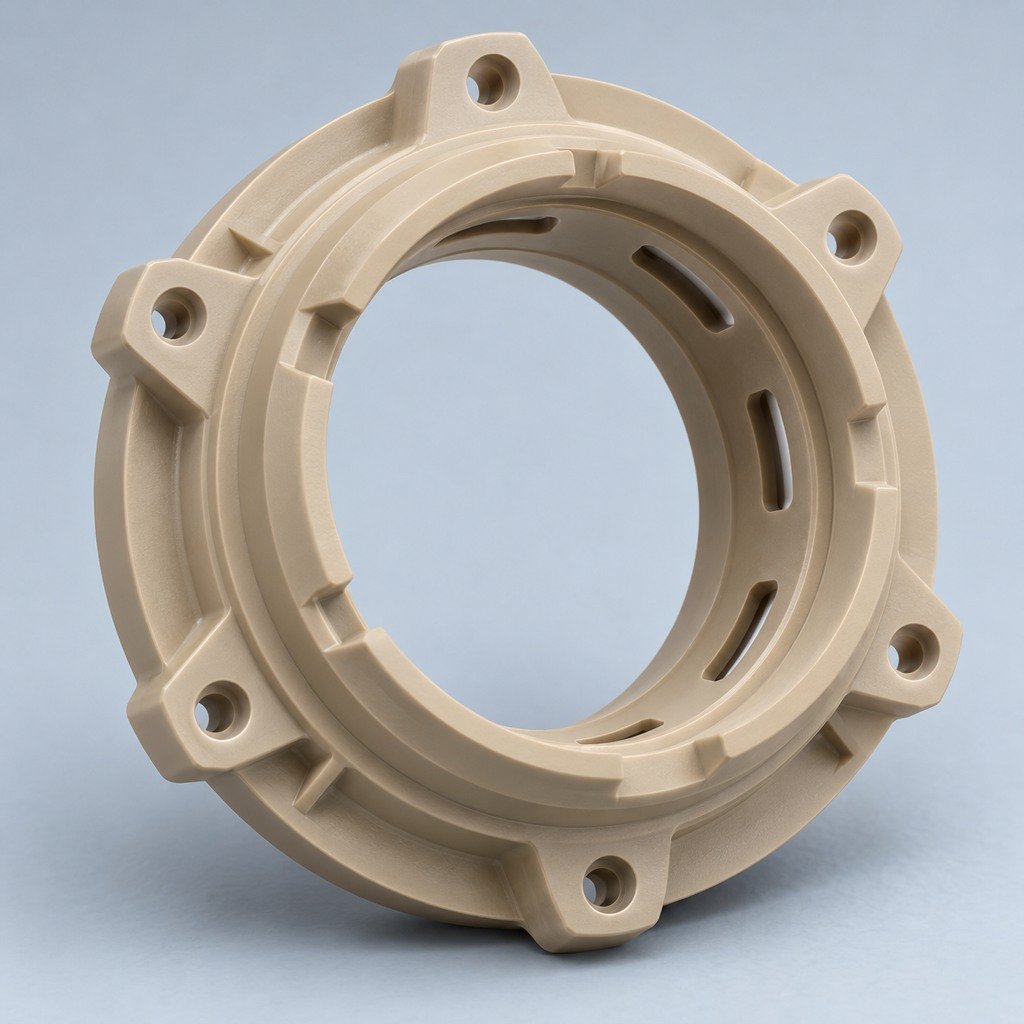 PEEKDiscuss operating conditions
 PTFEReview friction and chemical exposure
 ULTEM / PEIDiscuss thermal and electrical needs
Confirm grade availability and application requirements.
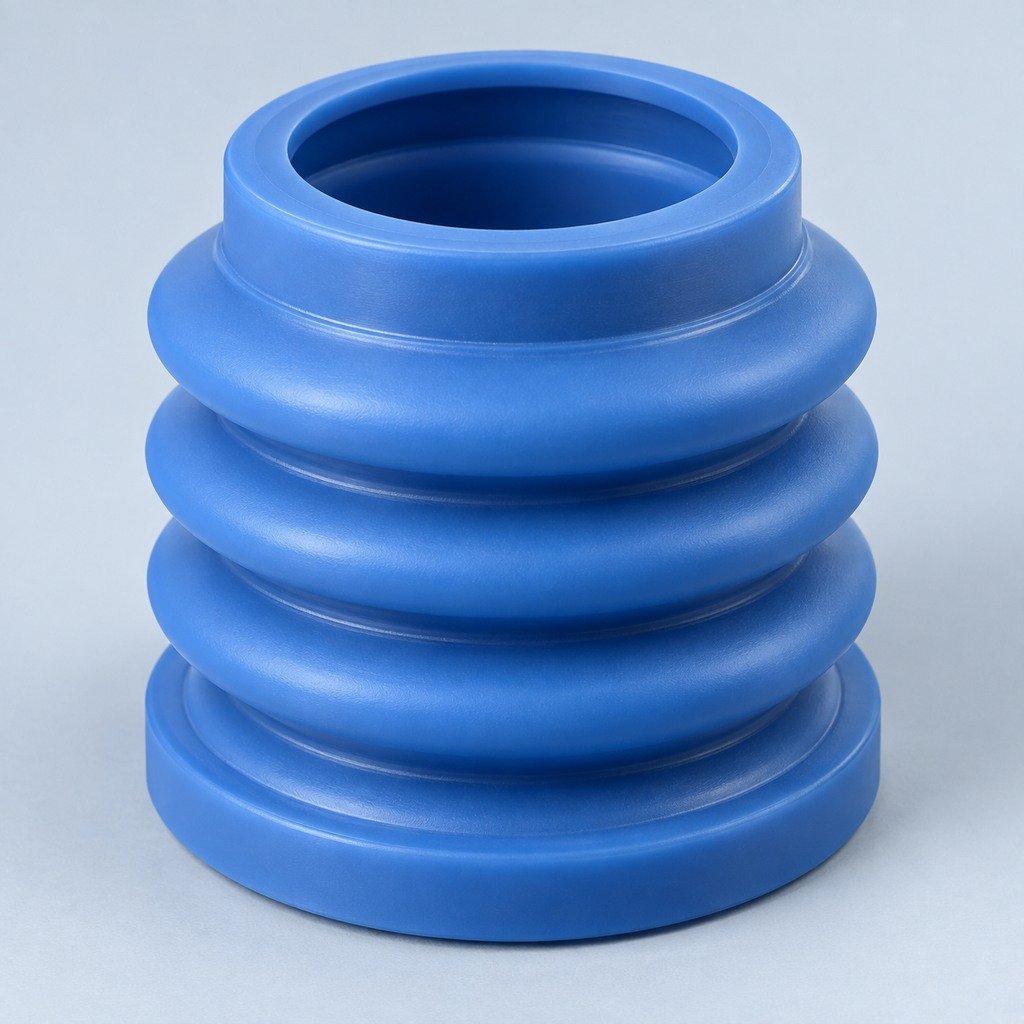 Silicone / LSRDiscuss flexible component needs
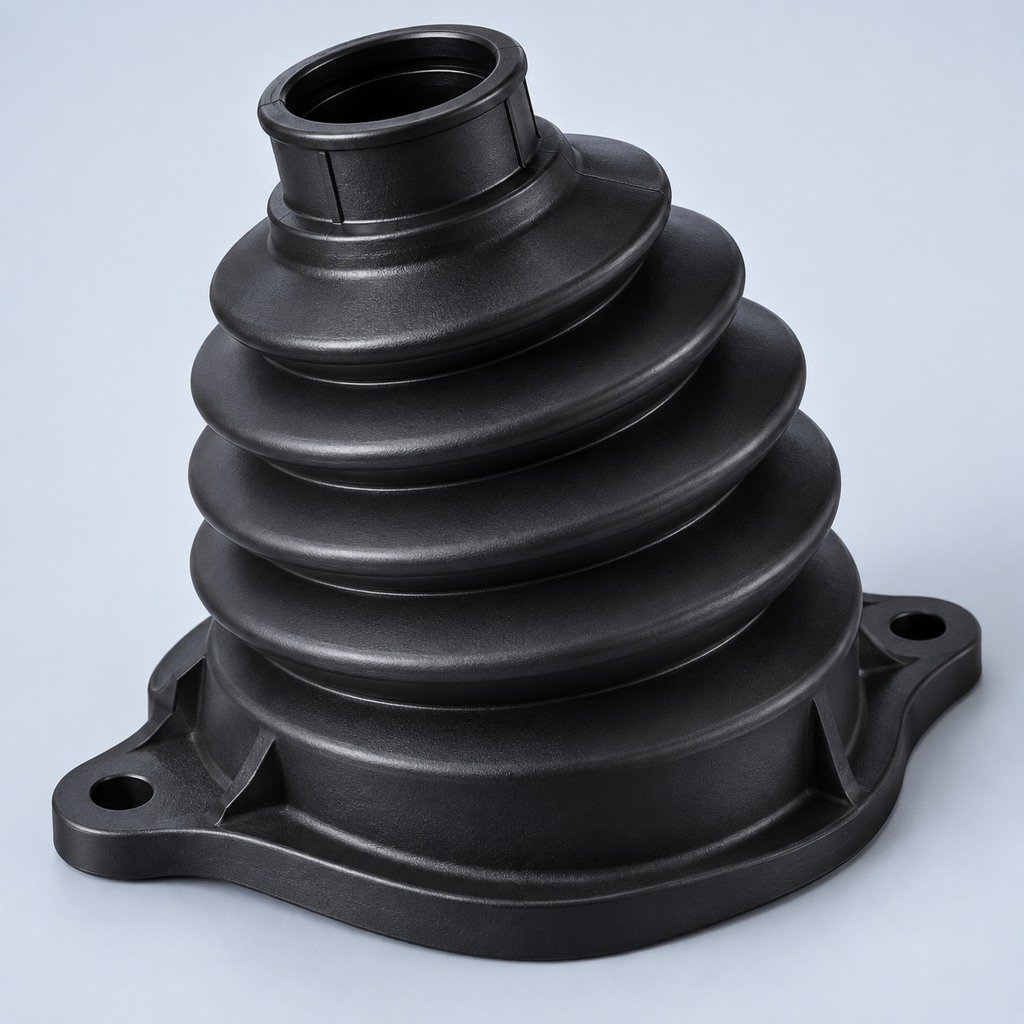 TPU / TPEReview flexibility and processing
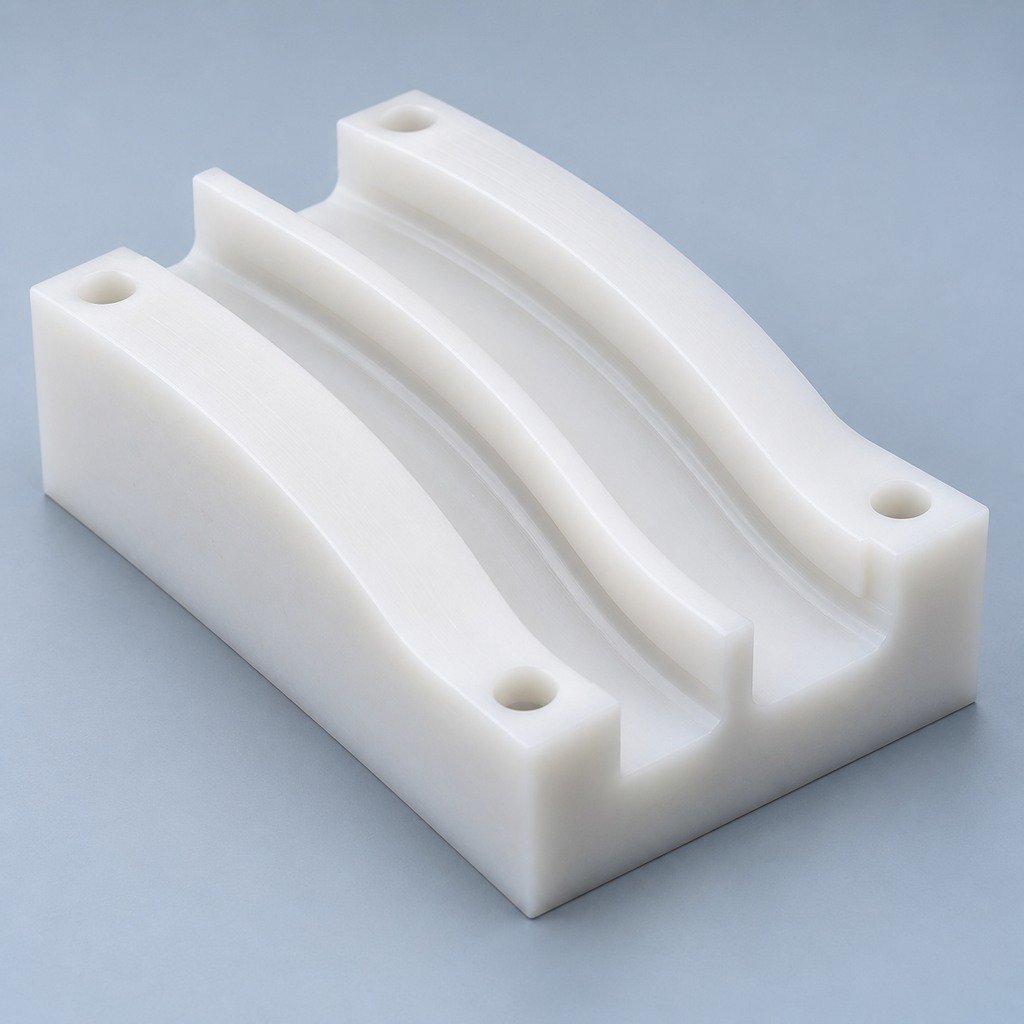 UHMW-PEDiscuss sliding and wear needs
 Acrylic / PMMAReview optical and cosmetic needs
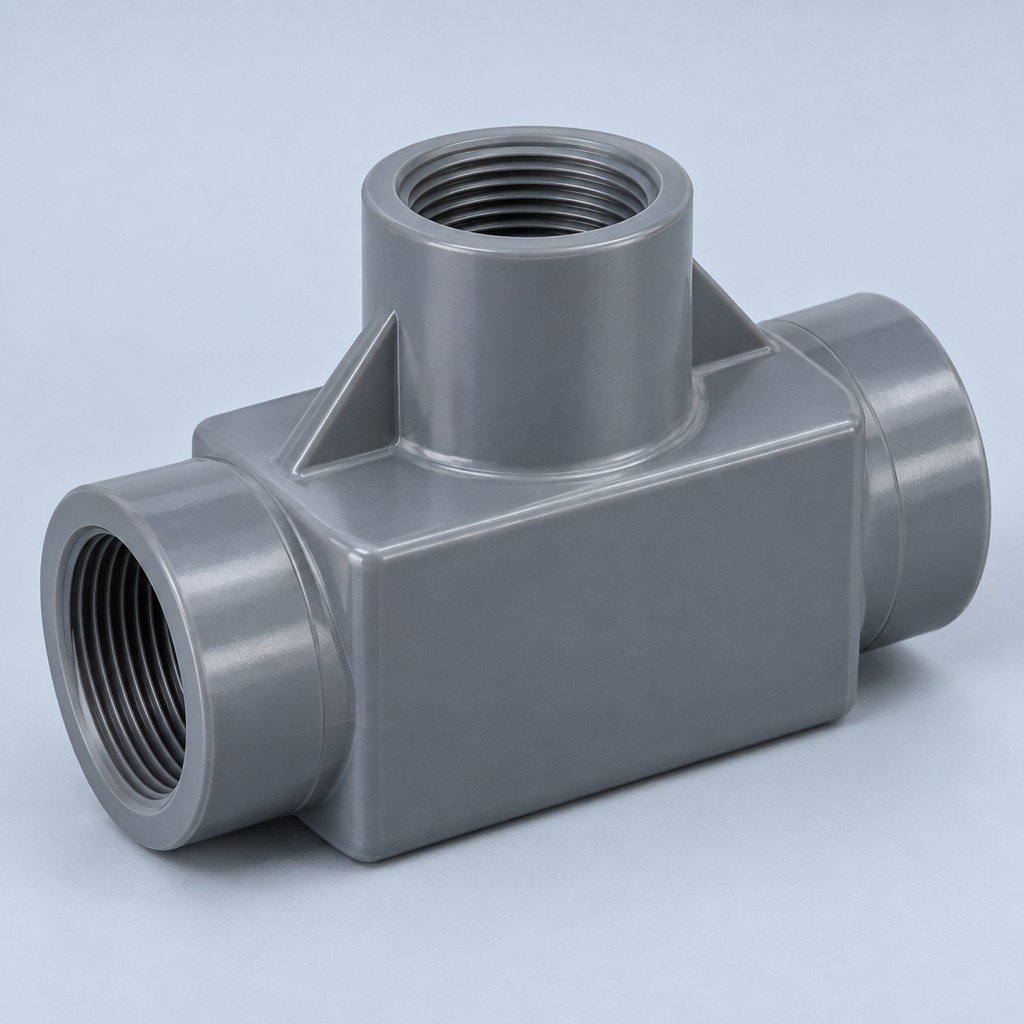 PVCDiscuss chemical exposure and grade
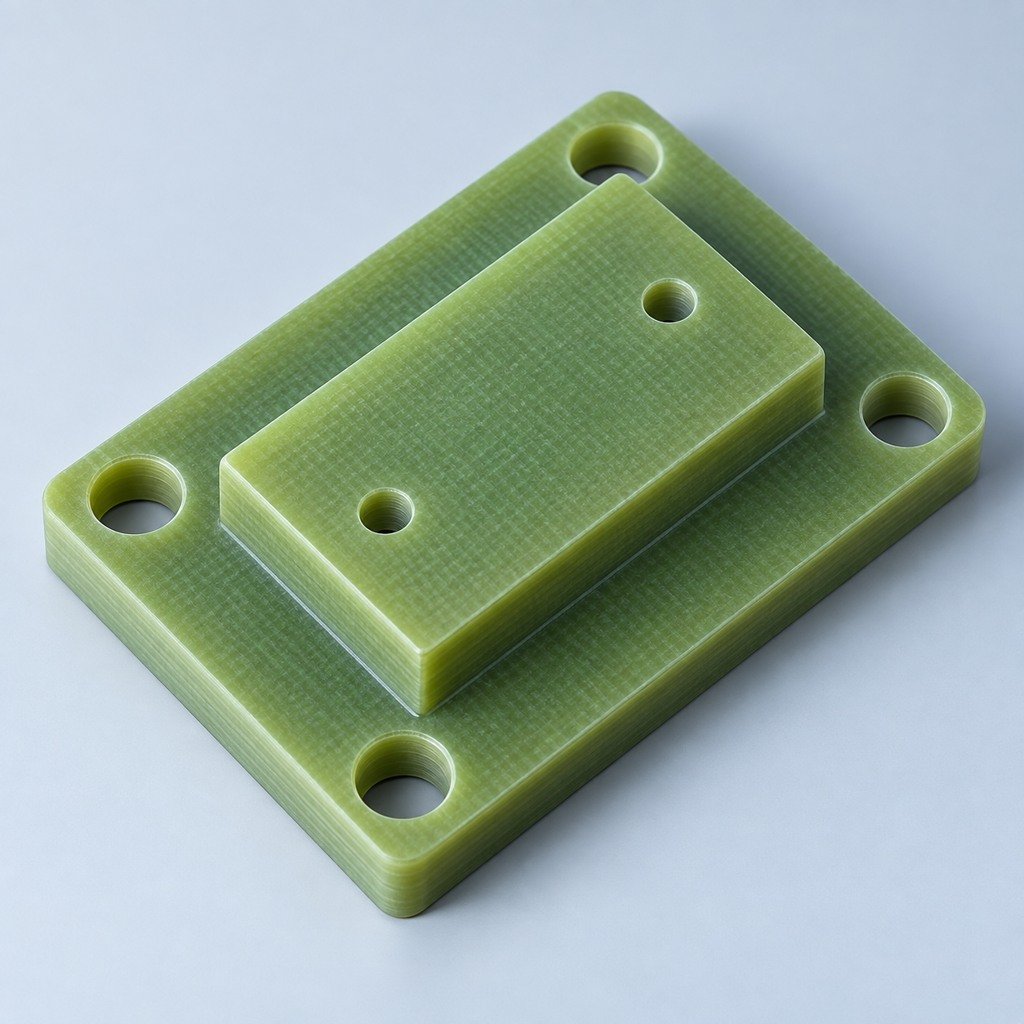 G10 / FR4Review insulation and laminate needs
Practical guidance for your part geometry and material decisions.
Prepare your process, budget and sourcing questions.
Build your knowledge before production.
Learn who we are and how we operate.
Find our U.S. support team or start a conversation.
U.S. WAREHOUSE SUPPORT FOR YOUR PROGRAM
Review whether Dallas-area receiving, agreed stock holding and scheduled releases fit your repeat-part program. Start with your part list, forecast and required dates—not an assumed inventory quantity.
Share Your Forecast & Part List →Storage, quantities, charges and delivery scope are agreed for your project before stock is committed.

WAREHOUSE OVERVIEW
Local stock helps when quantities, revisions and release responsibilities are clear. Discuss receiving and holding your approved parts, then define how your team calls off each shipment.
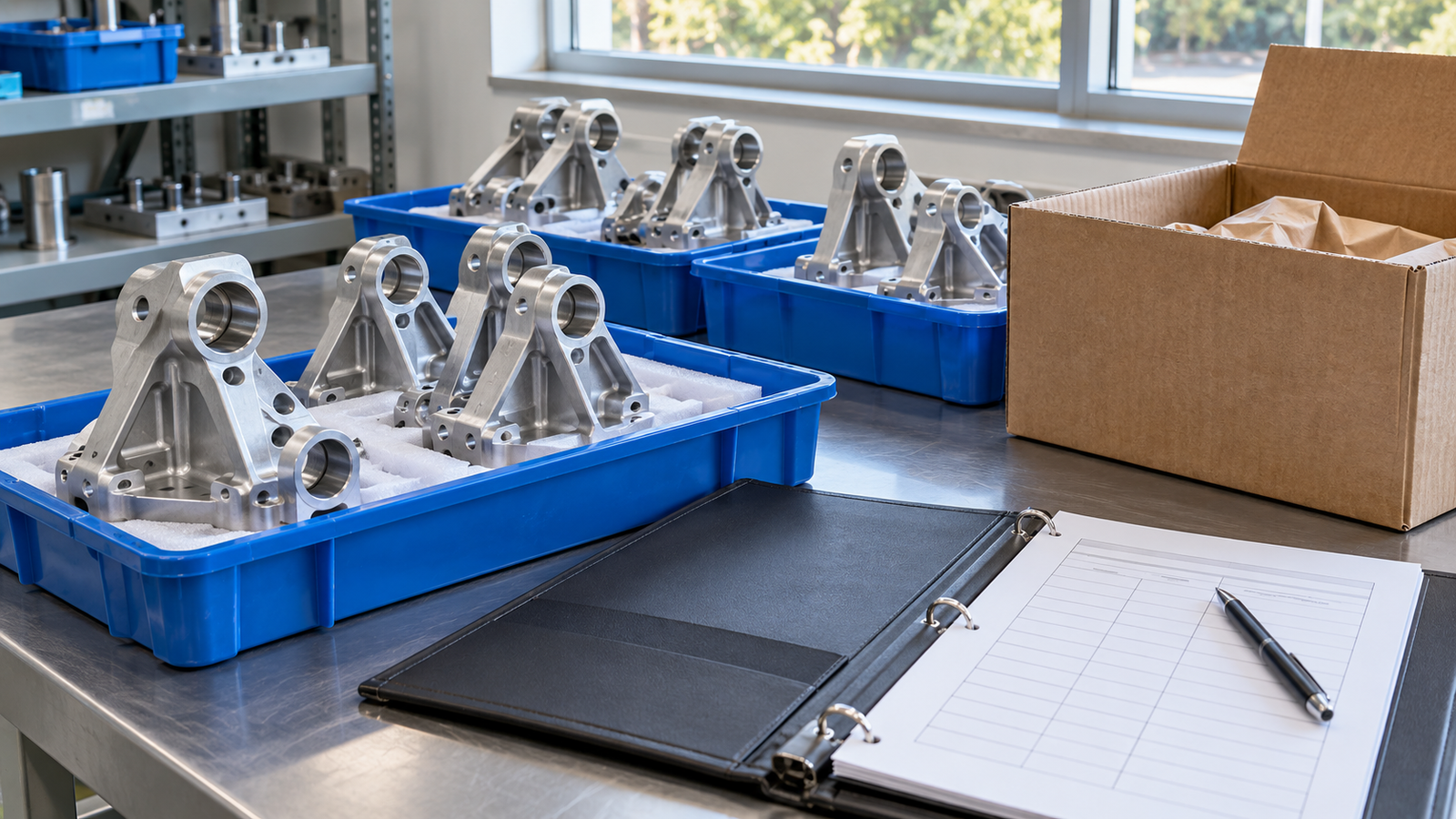
Each is a discussion input, not a promise that stock holding suits every order.
Use your actual usage and order pattern to discuss a stock level.
Compare production and international shipping time with your required dates.
Define release quantities and authorization instead of shipping the whole build at once.
Identify priority replacement items, their revisions and expected demand.
Discuss separate part identities, packing quantities and shipment grouping.
Review receiving address, labeling and documentation requirements.
Select the decision your team needs to resolve first.
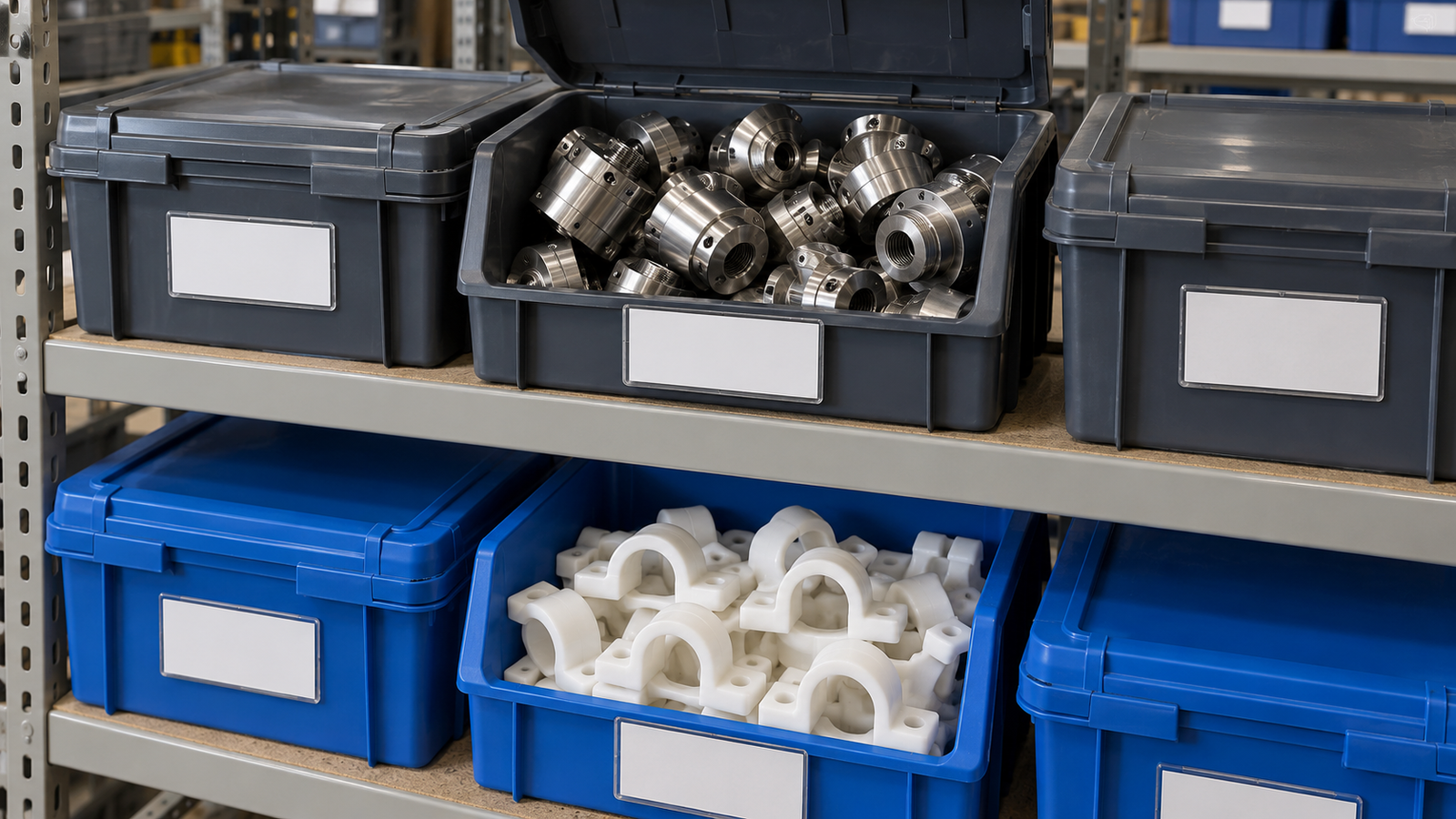
A stock proposal tied to your usage assumptions.

A clearer planning window; transit and release dates remain project-specific.
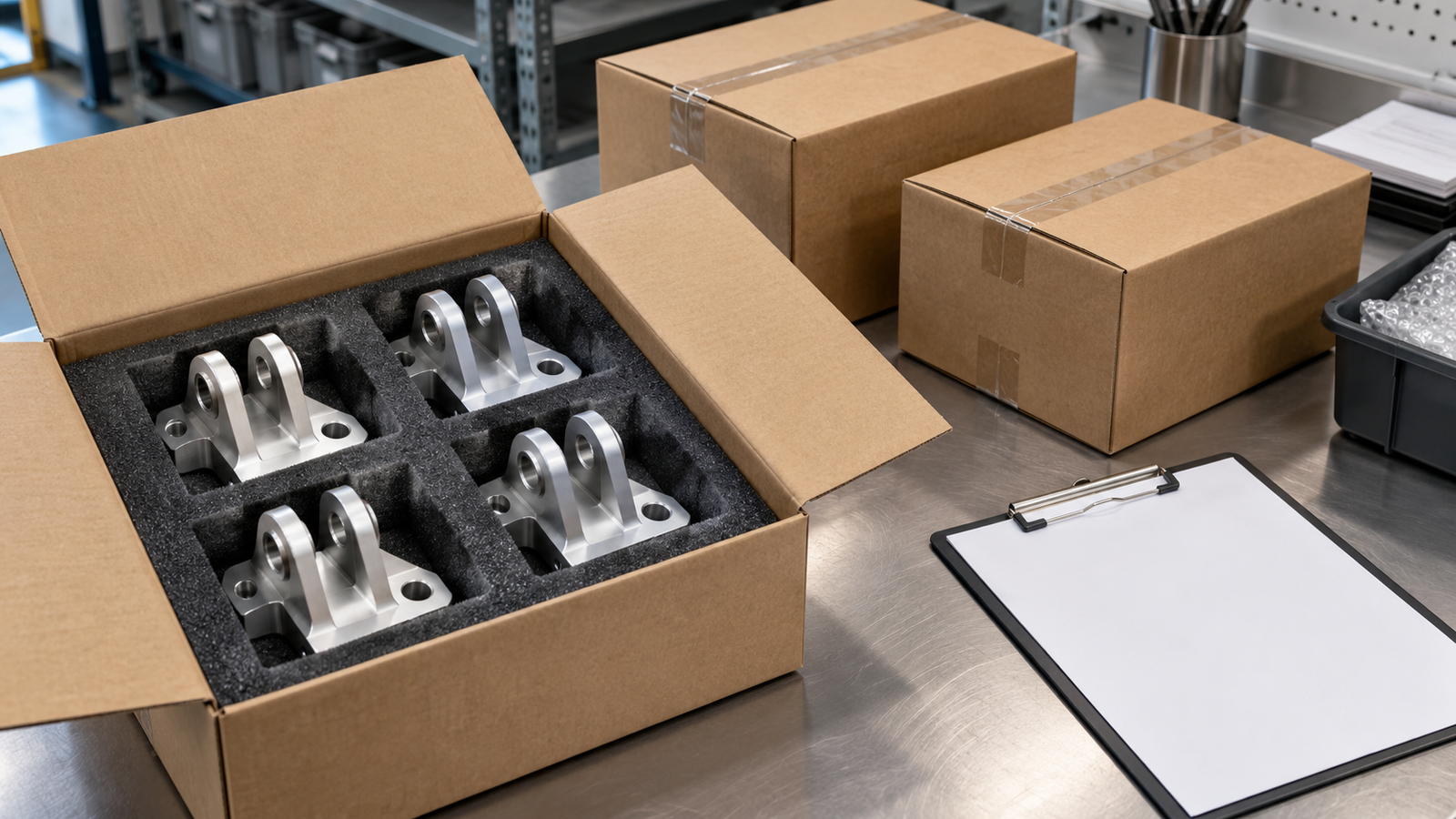
Fewer ambiguities between stock holding and shipping authorization.
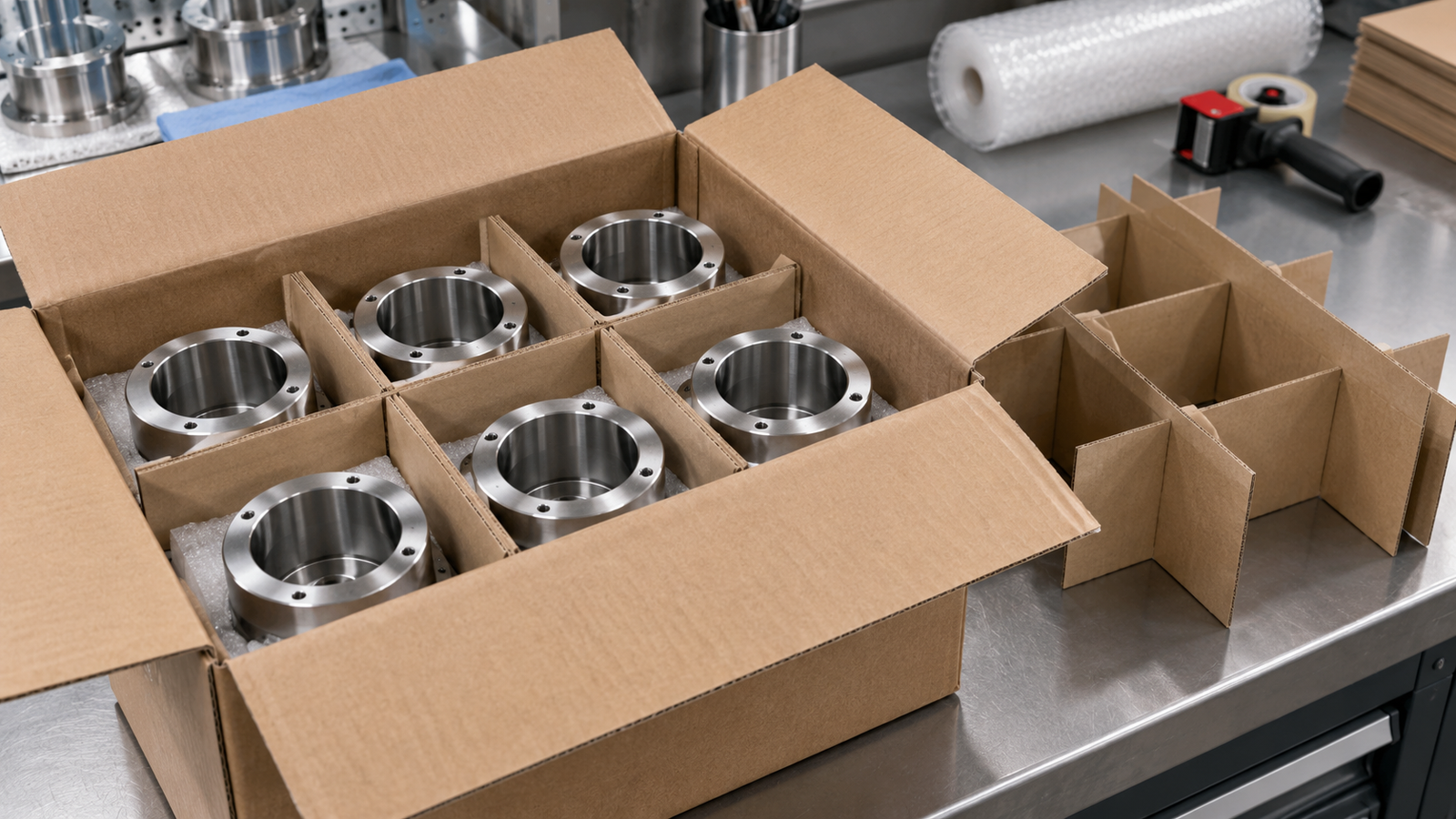
A packing scope aligned with your receiving process.
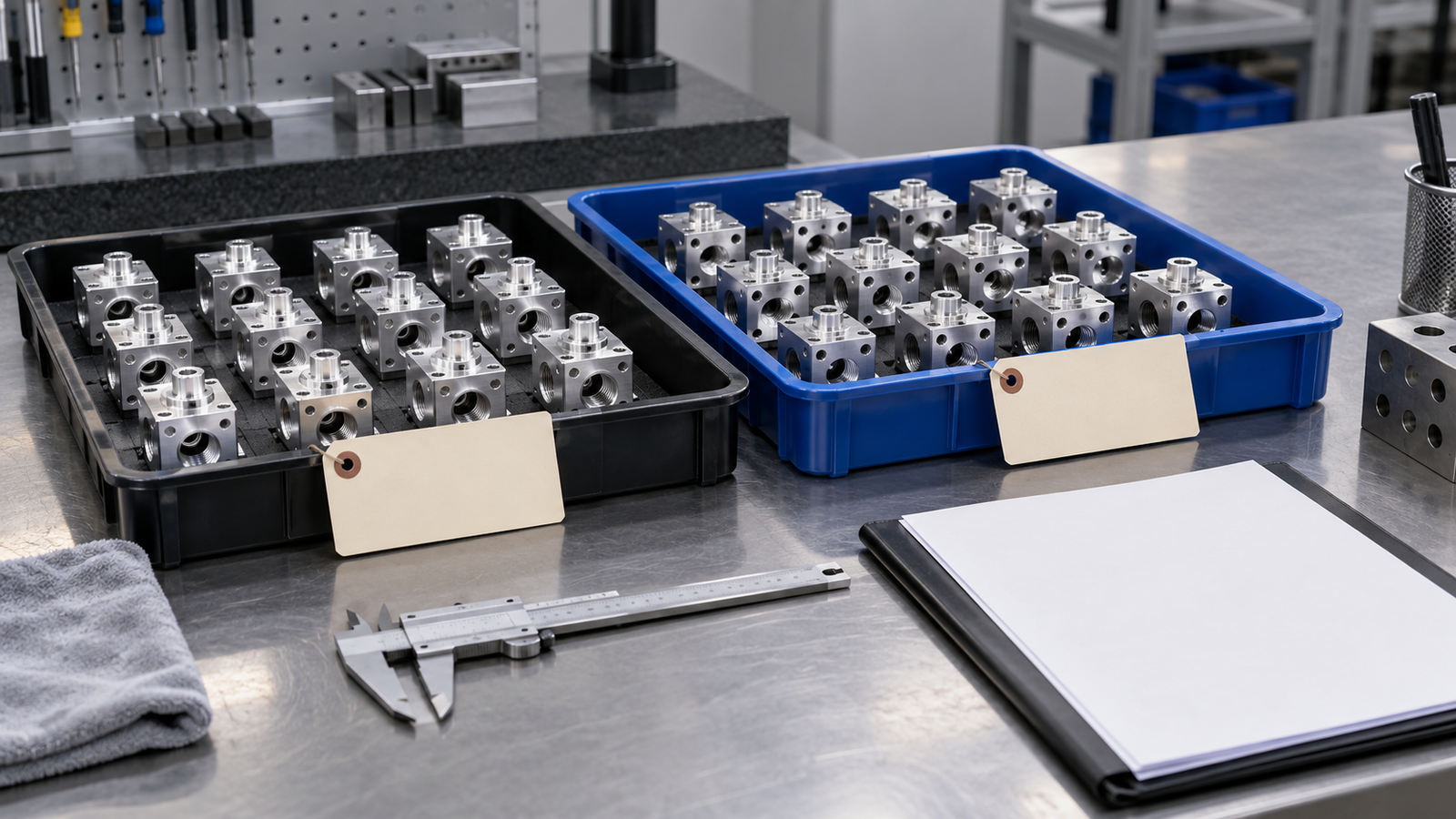
A reviewable record set for the lot you receive.
A controlled next-order review rather than an automatic unapproved build.
For an order that does not need held stock. Review packing, destination and delivery scope.
For a reviewed recurring demand. Define target quantity, ownership, charges and replenishment.
For parts called off over time. Agree release quantities, dates and authorization.
For an established part program. Review forecast, stock and approved revision before the next build.
Review part list, forecast, revision and required dates.
Build to the agreed drawing and scope.
Complete the required release checks and records.
Agree packaging, grouping and transportation.
Check incoming quantity, condition and lot identity.
Ship the authorized quantity to the agreed destination.
Each step depends on agreed scope and actual part readiness. This sequence does not state a fixed lead time.
QUALITY & RECORDS
Specify the required records before production and shipment; warehouse receipt does not replace your approval criteria.
Approved drawing and part identity.
Agreed supplier / material records.
Your required characteristics and report scope.
Customer-required approval records, when applicable.
Agreed batch-to-part and document identity.
Quantity, label and receiving requirements.
Review usage and adjust the agreed plan before committing more stock.
Separate old and new revisions and agree disposition.
Review demand, aging and replenishment assumptions.
Define identification and storage separation.
Agree protection and incoming-condition checks.
Review required records and resolve exceptions before release.
5 application groups with different storage, release and record needs. Confirm suitability for your specific parts and delivery scope.
For your housings, shafts and brackets: connect part numbers and revisions to the agreed release quantities.
For your component program: define packaging, approved revisions and receiving requirements. No regulated qualification is implied.
For your heat sinks, plates and enclosures: agree surface protection and lot identification before storage.
For your mounts, frames and precision interfaces: define revision controls and the inspection records that travel with each lot.
For your irregular demand: review forecast uncertainty, replenishment quantities and the risk of holding obsolete revisions.
No. Compare direct shipment with held stock using your demand, replenishment path and receiving requirements. The review should explain which scope fits your program.
Provide usage, forecast period and required release quantities. A target is reviewed with production and replenishment assumptions; no universal quantity fits every part.
Discuss dates, quantities, authorization and receiving destinations. The agreed project plan defines how releases are handled.
Supply a controlled part list and revision. Agree identification, segregation, record links and how changes are approved before stock is replenished or released.
Specify the required records and format. Scope, availability and lot links are agreed for the order; they are not automatically identical for every part.
Review the new forecast, existing stock and any committed production. Agree adjustments and disposition instead of assuming automatic replenishment.
This page concerns project-specific support for custom manufactured parts. Storage capacity, commercial terms and handling scope are confirmed with the team for your program.
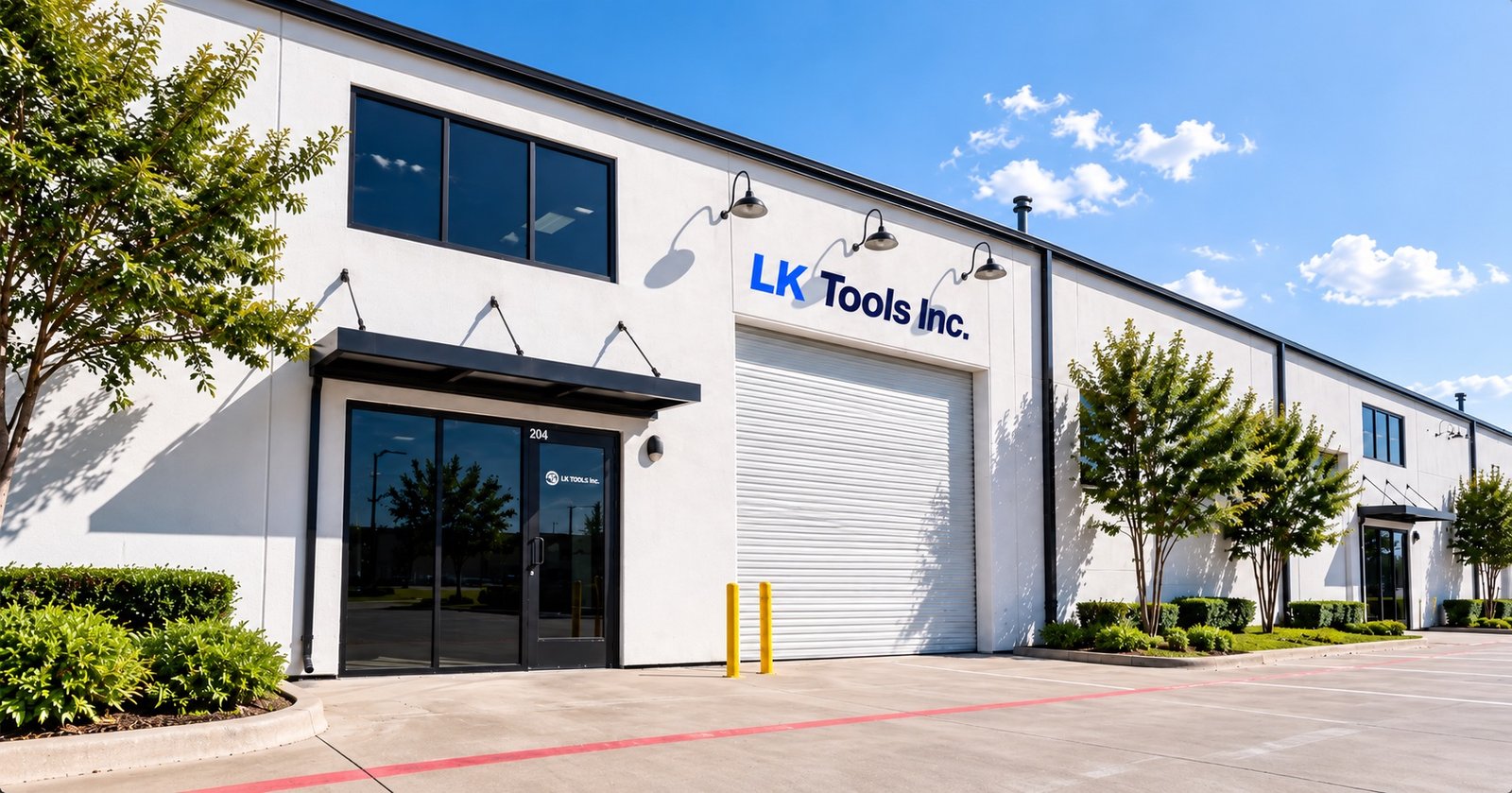
The public office and warehouse address is 1750 Briercroft Ct, Suite 204, Carrollton, TX 75006. Contact the team to confirm a visit or receiving arrangement.
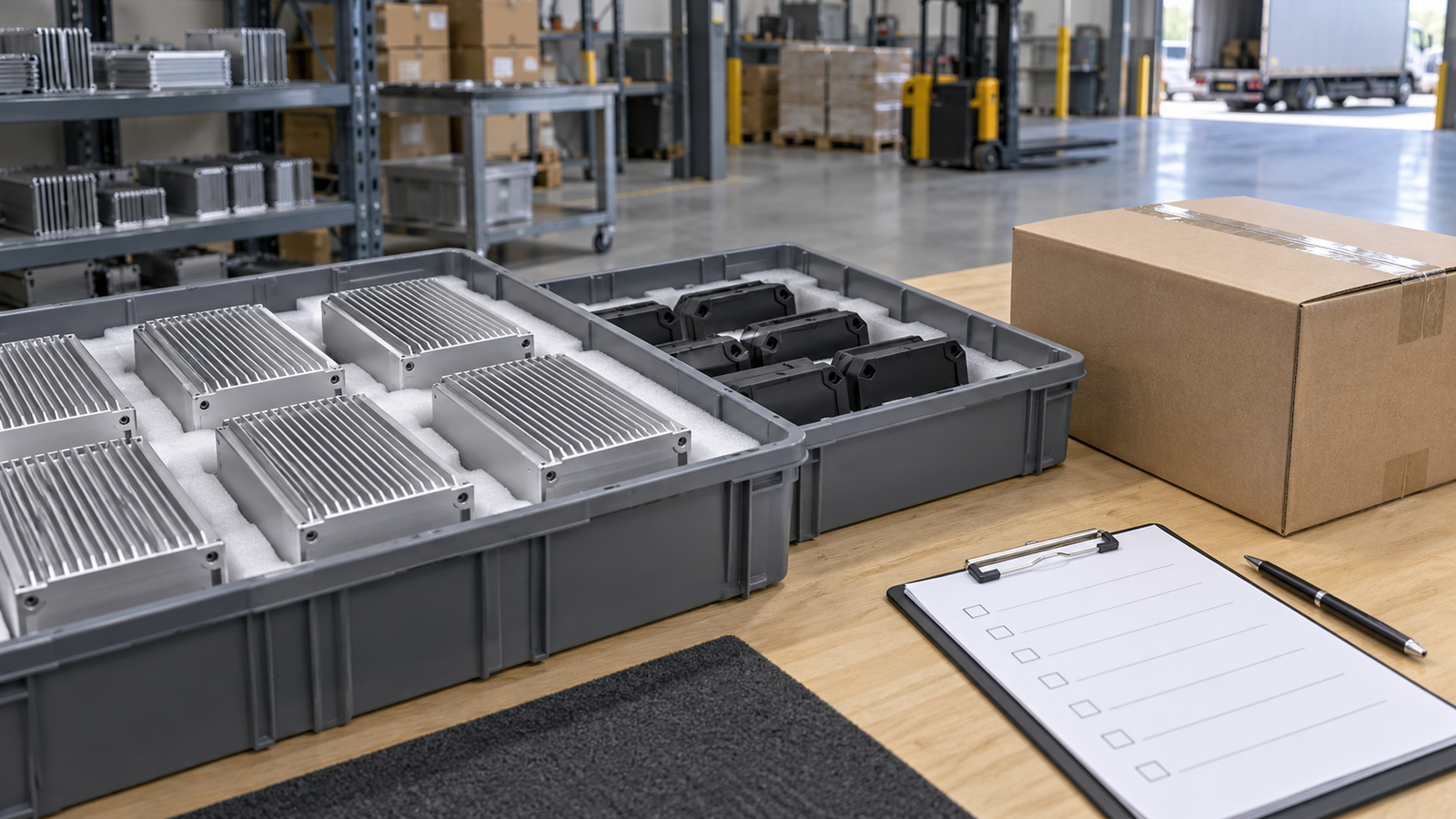
Hero image is an existing company warehouse photograph. Other part-handling images are illustrative concepts, not documentary facility photos or customer parts.